window.__IS_SSR__=true
window.__INITIAL_STATE__={
"attachmentsReducer": {
"audio_0": {
"type": "attachments",
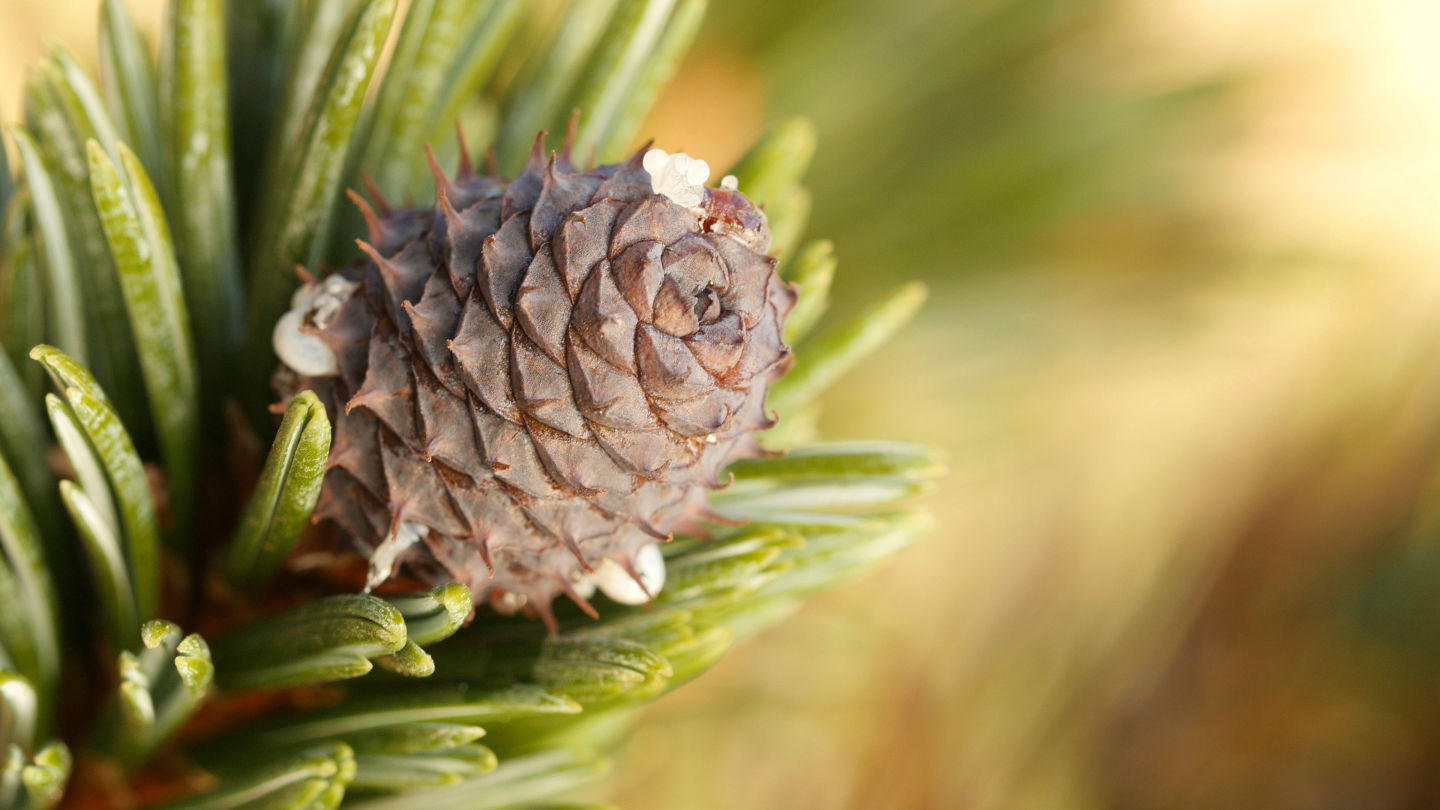
"id": "audio_0",
"imgSizes": {
"kqedFullSize": {
"file": "https://ww2.kqed.org/news/wp-content/themes/KQED-unified/img/audio_bgs/background0.jpg"
}
}
},
"audio_1": {
"type": "attachments",
"id": "audio_1",
"imgSizes": {
"kqedFullSize": {
"file": "https://ww2.kqed.org/news/wp-content/themes/KQED-unified/img/audio_bgs/background1.jpg"
}
}
},
"audio_2": {
"type": "attachments",
"id": "audio_2",
"imgSizes": {
"kqedFullSize": {
"file": "https://ww2.kqed.org/news/wp-content/themes/KQED-unified/img/audio_bgs/background2.jpg"
}
}
},
"audio_3": {
"type": "attachments",
"id": "audio_3",
"imgSizes": {
"kqedFullSize": {
"file": "https://ww2.kqed.org/news/wp-content/themes/KQED-unified/img/audio_bgs/background3.jpg"
}
}
},
"audio_4": {
"type": "attachments",
"id": "audio_4",
"imgSizes": {
"kqedFullSize": {
"file": "https://ww2.kqed.org/news/wp-content/themes/KQED-unified/img/audio_bgs/background4.jpg"
}
}
},
"placeholder": {
"type": "attachments",
"id": "placeholder",
"imgSizes": {
"thumbnail": {
"file": "https://cdn.kqed.org/wp-content/uploads/2024/12/KQED-Default-Image-816638274-2000x1333-1-160x107.jpg",
"width": 160,
"height": 107,
"mimeType": "image/jpeg"
},
"medium": {
"file": "https://cdn.kqed.org/wp-content/uploads/2024/12/KQED-Default-Image-816638274-2000x1333-1-800x533.jpg",
"width": 800,
"height": 533,
"mimeType": "image/jpeg"
},
"medium_large": {
"file": "https://cdn.kqed.org/wp-content/uploads/2024/12/KQED-Default-Image-816638274-2000x1333-1-768x512.jpg",
"width": 768,
"height": 512,
"mimeType": "image/jpeg"
},
"large": {
"file": "https://cdn.kqed.org/wp-content/uploads/2024/12/KQED-Default-Image-816638274-2000x1333-1-1020x680.jpg",
"width": 1020,
"height": 680,
"mimeType": "image/jpeg"
},
"1536x1536": {
"file": "https://cdn.kqed.org/wp-content/uploads/2024/12/KQED-Default-Image-816638274-2000x1333-1-1536x1024.jpg",
"width": 1536,
"height": 1024,
"mimeType": "image/jpeg"
},
"fd-lrg": {
"file": "https://cdn.kqed.org/wp-content/uploads/2024/12/KQED-Default-Image-816638274-2000x1333-1-1536x1024.jpg",
"width": 1536,
"height": 1024,
"mimeType": "image/jpeg"
},
"fd-med": {
"file": "https://cdn.kqed.org/wp-content/uploads/2024/12/KQED-Default-Image-816638274-2000x1333-1-1020x680.jpg",
"width": 1020,
"height": 680,
"mimeType": "image/jpeg"
},
"fd-sm": {
"file": "https://cdn.kqed.org/wp-content/uploads/2024/12/KQED-Default-Image-816638274-2000x1333-1-800x533.jpg",
"width": 800,
"height": 533,
"mimeType": "image/jpeg"
},
"post-thumbnail": {
"file": "https://cdn.kqed.org/wp-content/uploads/2024/12/KQED-Default-Image-816638274-2000x1333-1-672x372.jpg",
"width": 672,
"height": 372,
"mimeType": "image/jpeg"
},
"twentyfourteen-full-width": {
"file": "https://cdn.kqed.org/wp-content/uploads/2024/12/KQED-Default-Image-816638274-2000x1333-1-1038x576.jpg",
"width": 1038,
"height": 576,
"mimeType": "image/jpeg"
},
"xxsmall": {
"file": "https://cdn.kqed.org/wp-content/uploads/2024/12/KQED-Default-Image-816638274-2000x1333-1-160x107.jpg",
"width": 160,
"height": 107,
"mimeType": "image/jpeg"
},
"xsmall": {
"file": "https://cdn.kqed.org/wp-content/uploads/2024/12/KQED-Default-Image-816638274-2000x1333-1-672x372.jpg",
"width": 672,
"height": 372,
"mimeType": "image/jpeg"
},
"small": {
"file": "https://cdn.kqed.org/wp-content/uploads/2024/12/KQED-Default-Image-816638274-2000x1333-1-672x372.jpg",
"width": 672,
"height": 372,
"mimeType": "image/jpeg"
},
"xlarge": {
"file": "https://cdn.kqed.org/wp-content/uploads/2024/12/KQED-Default-Image-816638274-2000x1333-1-1020x680.jpg",
"width": 1020,
"height": 680,
"mimeType": "image/jpeg"
},
"full-width": {
"file": "https://cdn.kqed.org/wp-content/uploads/2024/12/KQED-Default-Image-816638274-2000x1333-1-1920x1280.jpg",
"width": 1920,
"height": 1280,
"mimeType": "image/jpeg"
},
"guest-author-32": {
"file": "https://cdn.kqed.org/wp-content/uploads/2025/01/KQED-Default-Image-816638274-1333x1333-1-160x160.jpg",
"width": 32,
"height": 32,
"mimeType": "image/jpeg"
},
"guest-author-50": {
"file": "https://cdn.kqed.org/wp-content/uploads/2025/01/KQED-Default-Image-816638274-1333x1333-1-160x160.jpg",
"width": 50,
"height": 50,
"mimeType": "image/jpeg"
},
"guest-author-64": {
"file": "https://cdn.kqed.org/wp-content/uploads/2025/01/KQED-Default-Image-816638274-1333x1333-1-160x160.jpg",
"width": 64,
"height": 64,
"mimeType": "image/jpeg"
},
"guest-author-96": {
"file": "https://cdn.kqed.org/wp-content/uploads/2025/01/KQED-Default-Image-816638274-1333x1333-1-160x160.jpg",
"width": 96,
"height": 96,
"mimeType": "image/jpeg"
},
"guest-author-128": {
"file": "https://cdn.kqed.org/wp-content/uploads/2025/01/KQED-Default-Image-816638274-1333x1333-1-160x160.jpg",
"width": 128,
"height": 128,
"mimeType": "image/jpeg"
},
"detail": {
"file": "https://cdn.kqed.org/wp-content/uploads/2025/01/KQED-Default-Image-816638274-1333x1333-1-160x160.jpg",
"width": 160,
"height": 160,
"mimeType": "image/jpeg"
},
"kqedFullSize": {
"file": "https://cdn.kqed.org/wp-content/uploads/2024/12/KQED-Default-Image-816638274-2000x1333-1.jpg",
"width": 2000,
"height": 1333
}
}
},
"science_373785": {
"type": "attachments",
"id": "science_373785",
"meta": {
"index": "attachments_1716263798",
"site": "science",
"id": "373785",
"found": true
},
"title": "This scales on this bristlecone pine seed cone are closed tight to protect the developing seeds",
"publishDate": 1448307179,
"status": "inherit",
"parent": 366760,
"modified": 1765574218,
"caption": "How do snowflakes form? Do pine cones have seeds? What are those antlers on elk for? Dive into this and more in Deep Look’s Winter playlist.",
"credit": "Josh Cassidy/KQED",
"altTag": null,
"description": "This scales on this bristlecone pine seed cone are closed tight to protect the developing seeds ",
"imgSizes": {
"thumbnail": {
"file": "https://cdn.kqed.org/wp-content/uploads/sites/35/2015/11/bristlecone-pine-cone-juvenile-400x225.jpg",
"width": 400,
"height": 225,
"mimeType": "image/jpeg"
},
"medium": {
"file": "https://cdn.kqed.org/wp-content/uploads/sites/35/2015/11/bristlecone-pine-cone-juvenile-800x450.jpg",
"width": 800,
"height": 450,
"mimeType": "image/jpeg"
},
"large": {
"file": "https://cdn.kqed.org/wp-content/uploads/sites/35/2015/11/bristlecone-pine-cone-juvenile-1440x810.jpg",
"width": 1440,
"height": 810,
"mimeType": "image/jpeg"
},
"fd-lrg": {
"file": "https://cdn.kqed.org/wp-content/uploads/sites/35/2015/11/bristlecone-pine-cone-juvenile-1920x1080.jpg",
"width": 1920,
"height": 1080,
"mimeType": "image/jpeg"
},
"fd-med": {
"file": "https://cdn.kqed.org/wp-content/uploads/sites/35/2015/11/bristlecone-pine-cone-juvenile-1180x664.jpg",
"width": 1180,
"height": 664,
"mimeType": "image/jpeg"
},
"fd-sm": {
"file": "https://cdn.kqed.org/wp-content/uploads/sites/35/2015/11/bristlecone-pine-cone-juvenile-960x540.jpg",
"width": 960,
"height": 540,
"mimeType": "image/jpeg"
},
"post-thumbnail": {
"file": "https://cdn.kqed.org/wp-content/uploads/sites/35/2015/11/bristlecone-pine-cone-juvenile-672x372.jpg",
"width": 672,
"height": 372,
"mimeType": "image/jpeg"
},
"twentyfourteen-full-width": {
"file": "https://cdn.kqed.org/wp-content/uploads/sites/35/2015/11/bristlecone-pine-cone-juvenile-1038x576.jpg",
"width": 1038,
"height": 576,
"mimeType": "image/jpeg"
},
"guest-author-32": {
"file": "https://cdn.kqed.org/wp-content/uploads/sites/35/2015/11/bristlecone-pine-cone-juvenile-32x32.jpg",
"width": 32,
"height": 32,
"mimeType": "image/jpeg"
},
"guest-author-64": {
"file": "https://cdn.kqed.org/wp-content/uploads/sites/35/2015/11/bristlecone-pine-cone-juvenile-64x64.jpg",
"width": 64,
"height": 64,
"mimeType": "image/jpeg"
},
"guest-author-96": {
"file": "https://cdn.kqed.org/wp-content/uploads/sites/35/2015/11/bristlecone-pine-cone-juvenile-96x96.jpg",
"width": 96,
"height": 96,
"mimeType": "image/jpeg"
},
"guest-author-128": {
"file": "https://cdn.kqed.org/wp-content/uploads/sites/35/2015/11/bristlecone-pine-cone-juvenile-128x128.jpg",
"width": 128,
"height": 128,
"mimeType": "image/jpeg"
},
"detail": {
"file": "https://cdn.kqed.org/wp-content/uploads/sites/35/2015/11/bristlecone-pine-cone-juvenile-75x75.jpg",
"width": 75,
"height": 75,
"mimeType": "image/jpeg"
},
"kqedFullSize": {
"file": "https://cdn.kqed.org/wp-content/uploads/sites/35/2015/11/bristlecone-pine-cone-juvenile-e1765569999238.jpg",
"width": 2000,
"height": 1125
}
},
"fetchFailed": false,
"isLoading": false
},
"science_1998288": {
"type": "attachments",
"id": "science_1998288",
"meta": {
"index": "attachments_1716263798",
"site": "science",
"id": "1998288",
"found": true
},
"title": "DL1209_Lovebugs-Are-Flies-With-an-Attachment-Problem_KQED_A",
"publishDate": 1756221452,
"status": "inherit",
"parent": 1998184,
"modified": 1756221452,
"caption": null,
"credit": null,
"altTag": null,
"description": null,
"imgSizes": {
"thumbnail": {
"file": "https://cdn.kqed.org/wp-content/uploads/sites/35/2025/08/DL1209_Lovebugs-Are-Flies-With-an-Attachment-Problem_KQED_A-160x90.jpg",
"width": 160,
"height": 90,
"mimeType": "image/jpeg"
},
"medium_large": {
"file": "https://cdn.kqed.org/wp-content/uploads/sites/35/2025/08/DL1209_Lovebugs-Are-Flies-With-an-Attachment-Problem_KQED_A-768x432.jpg",
"width": 768,
"height": 432,
"mimeType": "image/jpeg"
},
"1536x1536": {
"file": "https://cdn.kqed.org/wp-content/uploads/sites/35/2025/08/DL1209_Lovebugs-Are-Flies-With-an-Attachment-Problem_KQED_A-1536x864.jpg",
"width": 1536,
"height": 864,
"mimeType": "image/jpeg"
},
"post-thumbnail": {
"file": "https://cdn.kqed.org/wp-content/uploads/sites/35/2025/08/DL1209_Lovebugs-Are-Flies-With-an-Attachment-Problem_KQED_A-672x372.jpg",
"width": 672,
"height": 372,
"mimeType": "image/jpeg"
},
"twentyfourteen-full-width": {
"file": "https://cdn.kqed.org/wp-content/uploads/sites/35/2025/08/DL1209_Lovebugs-Are-Flies-With-an-Attachment-Problem_KQED_A-1038x576.jpg",
"width": 1038,
"height": 576,
"mimeType": "image/jpeg"
},
"kqedFullSize": {
"file": "https://cdn.kqed.org/wp-content/uploads/sites/35/2025/08/DL1209_Lovebugs-Are-Flies-With-an-Attachment-Problem_KQED_A.jpg",
"width": 1920,
"height": 1080
}
},
"fetchFailed": false,
"isLoading": false
},
"science_1998046": {
"type": "attachments",
"id": "science_1998046",
"meta": {
"index": "attachments_1716263798",
"site": "science",
"id": "1998046",
"found": true
},
"title": "DL1208_Beach Day-These-5-Surprising-Creatures-are-Hanging-Out-Too_KQED",
"publishDate": 1754083884,
"status": "inherit",
"parent": 1998036,
"modified": 1754084660,
"caption": "Beach hoppers like this one in the San Francisco Bay Area play a crucial ecological role by shredding kelp and other organic matter that washes ashore on sandy beaches around the world.",
"credit": "Mike Seely/KQED",
"altTag": null,
"description": null,
"imgSizes": {
"thumbnail": {
"file": "https://cdn.kqed.org/wp-content/uploads/sites/35/2025/08/DL1208_Beach-Day-These-5-Surprising-Creatures-are-Hanging-Out-Too_KQED-160x90.jpg",
"width": 160,
"height": 90,
"mimeType": "image/jpeg"
},
"medium_large": {
"file": "https://cdn.kqed.org/wp-content/uploads/sites/35/2025/08/DL1208_Beach-Day-These-5-Surprising-Creatures-are-Hanging-Out-Too_KQED-768x432.jpg",
"width": 768,
"height": 432,
"mimeType": "image/jpeg"
},
"1536x1536": {
"file": "https://cdn.kqed.org/wp-content/uploads/sites/35/2025/08/DL1208_Beach-Day-These-5-Surprising-Creatures-are-Hanging-Out-Too_KQED-1536x864.jpg",
"width": 1536,
"height": 864,
"mimeType": "image/jpeg"
},
"post-thumbnail": {
"file": "https://cdn.kqed.org/wp-content/uploads/sites/35/2025/08/DL1208_Beach-Day-These-5-Surprising-Creatures-are-Hanging-Out-Too_KQED-672x372.jpg",
"width": 672,
"height": 372,
"mimeType": "image/jpeg"
},
"twentyfourteen-full-width": {
"file": "https://cdn.kqed.org/wp-content/uploads/sites/35/2025/08/DL1208_Beach-Day-These-5-Surprising-Creatures-are-Hanging-Out-Too_KQED-1038x576.jpg",
"width": 1038,
"height": 576,
"mimeType": "image/jpeg"
},
"kqedFullSize": {
"file": "https://cdn.kqed.org/wp-content/uploads/sites/35/2025/08/DL1208_Beach-Day-These-5-Surprising-Creatures-are-Hanging-Out-Too_KQED.jpg",
"width": 1920,
"height": 1080
}
},
"fetchFailed": false,
"isLoading": false
},
"science_1997369": {
"type": "attachments",
"id": "science_1997369",
"meta": {
"index": "attachments_1716263798",
"site": "science",
"id": "1997369",
"found": true
},
"title": "DL1206_Clothes-Moth-Got-Your-Sweater-Theres-a-Wasp-for-That_KQED_A",
"publishDate": 1749770960,
"status": "inherit",
"parent": 1997359,
"modified": 1749771044,
"caption": "An adult clothes moth, about the size of a pinky nail, shimmers with golden hairs on a red sweater.",
"credit": "Josh Cassidy/KQED",
"altTag": null,
"description": null,
"imgSizes": {
"thumbnail": {
"file": "https://cdn.kqed.org/wp-content/uploads/sites/35/2025/06/DL1206_Clothes-Moth-Got-Your-Sweater-Theres-a-Wasp-for-That_KQED_A-160x90.jpg",
"width": 160,
"height": 90,
"mimeType": "image/jpeg"
},
"medium_large": {
"file": "https://cdn.kqed.org/wp-content/uploads/sites/35/2025/06/DL1206_Clothes-Moth-Got-Your-Sweater-Theres-a-Wasp-for-That_KQED_A-768x432.jpg",
"width": 768,
"height": 432,
"mimeType": "image/jpeg"
},
"1536x1536": {
"file": "https://cdn.kqed.org/wp-content/uploads/sites/35/2025/06/DL1206_Clothes-Moth-Got-Your-Sweater-Theres-a-Wasp-for-That_KQED_A-1536x864.jpg",
"width": 1536,
"height": 864,
"mimeType": "image/jpeg"
},
"post-thumbnail": {
"file": "https://cdn.kqed.org/wp-content/uploads/sites/35/2025/06/DL1206_Clothes-Moth-Got-Your-Sweater-Theres-a-Wasp-for-That_KQED_A-672x372.jpg",
"width": 672,
"height": 372,
"mimeType": "image/jpeg"
},
"twentyfourteen-full-width": {
"file": "https://cdn.kqed.org/wp-content/uploads/sites/35/2025/06/DL1206_Clothes-Moth-Got-Your-Sweater-Theres-a-Wasp-for-That_KQED_A-1038x576.jpg",
"width": 1038,
"height": 576,
"mimeType": "image/jpeg"
},
"kqedFullSize": {
"file": "https://cdn.kqed.org/wp-content/uploads/sites/35/2025/06/DL1206_Clothes-Moth-Got-Your-Sweater-Theres-a-Wasp-for-That_KQED_A.jpg",
"width": 1920,
"height": 1080
}
},
"fetchFailed": false,
"isLoading": false
},
"science_1996655": {
"type": "attachments",
"id": "science_1996655",
"meta": {
"index": "attachments_1716263798",
"site": "science",
"id": "1996655",
"found": true
},
"title": "DL1203_This-Jumping-Spider-Trains-Itself-to-Kill_KQED_A",
"publishDate": 1745270804,
"status": "inherit",
"parent": 1996631,
"modified": 1745270865,
"caption": "An adult female regal jumping spider stalks and captures a cricket. She uses her fangs to inject venom, which paralyzes and liquifies her prey. ",
"credit": "Josh Cassidy/KQED",
"altTag": "An adult female regal jumping spider stalks and captures a cricket. She uses her fangs to inject venom, which paralyzes and liquifies her prey.",
"description": "An adult female regal jumping spider stalks and captures a cricket. She uses her fangs to inject venom, which paralyzes and liquifies her prey. ",
"imgSizes": {
"medium": {
"file": "https://cdn.kqed.org/wp-content/uploads/sites/35/2025/04/DL1203_This-Jumping-Spider-Trains-Itself-to-Kill_KQED_A-800x450.jpg",
"width": 800,
"height": 450,
"mimeType": "image/jpeg"
},
"large": {
"file": "https://cdn.kqed.org/wp-content/uploads/sites/35/2025/04/DL1203_This-Jumping-Spider-Trains-Itself-to-Kill_KQED_A-1020x574.jpg",
"width": 1020,
"height": 574,
"mimeType": "image/jpeg"
},
"thumbnail": {
"file": "https://cdn.kqed.org/wp-content/uploads/sites/35/2025/04/DL1203_This-Jumping-Spider-Trains-Itself-to-Kill_KQED_A-160x90.jpg",
"width": 160,
"height": 90,
"mimeType": "image/jpeg"
},
"medium_large": {
"file": "https://cdn.kqed.org/wp-content/uploads/sites/35/2025/04/DL1203_This-Jumping-Spider-Trains-Itself-to-Kill_KQED_A-768x432.jpg",
"width": 768,
"height": 432,
"mimeType": "image/jpeg"
},
"1536x1536": {
"file": "https://cdn.kqed.org/wp-content/uploads/sites/35/2025/04/DL1203_This-Jumping-Spider-Trains-Itself-to-Kill_KQED_A-1536x864.jpg",
"width": 1536,
"height": 864,
"mimeType": "image/jpeg"
},
"post-thumbnail": {
"file": "https://cdn.kqed.org/wp-content/uploads/sites/35/2025/04/DL1203_This-Jumping-Spider-Trains-Itself-to-Kill_KQED_A-672x372.jpg",
"width": 672,
"height": 372,
"mimeType": "image/jpeg"
},
"twentyfourteen-full-width": {
"file": "https://cdn.kqed.org/wp-content/uploads/sites/35/2025/04/DL1203_This-Jumping-Spider-Trains-Itself-to-Kill_KQED_A-1038x576.jpg",
"width": 1038,
"height": 576,
"mimeType": "image/jpeg"
},
"kqedFullSize": {
"file": "https://cdn.kqed.org/wp-content/uploads/sites/35/2025/04/DL1203_This-Jumping-Spider-Trains-Itself-to-Kill_KQED_A.jpg",
"width": 1920,
"height": 1080
}
},
"fetchFailed": false,
"isLoading": false
},
"science_1996511": {
"type": "attachments",
"id": "science_1996511",
"meta": {
"index": "attachments_1716263798",
"site": "science",
"id": "1996511",
"found": true
},
"title": "DL1119_5-of-the-Grossest-House-Pests-Weve-Ever-Filmed_A_KQED",
"publishDate": 1743117381,
"status": "inherit",
"parent": 1996508,
"modified": 1743117605,
"caption": "An adult bed bug stands on a human arm. It's about the size of an apple seed.",
"credit": "Josh Cassidy/KQED",
"altTag": null,
"description": null,
"imgSizes": {
"medium": {
"file": "https://cdn.kqed.org/wp-content/uploads/sites/35/2025/04/DL1119_5-of-the-Grossest-House-Pests-Weve-Ever-Filmed_A_KQED-800x450.jpg",
"width": 800,
"height": 450,
"mimeType": "image/jpeg"
},
"large": {
"file": "https://cdn.kqed.org/wp-content/uploads/sites/35/2025/04/DL1119_5-of-the-Grossest-House-Pests-Weve-Ever-Filmed_A_KQED-1020x574.jpg",
"width": 1020,
"height": 574,
"mimeType": "image/jpeg"
},
"thumbnail": {
"file": "https://cdn.kqed.org/wp-content/uploads/sites/35/2025/04/DL1119_5-of-the-Grossest-House-Pests-Weve-Ever-Filmed_A_KQED-160x90.jpg",
"width": 160,
"height": 90,
"mimeType": "image/jpeg"
},
"medium_large": {
"file": "https://cdn.kqed.org/wp-content/uploads/sites/35/2025/04/DL1119_5-of-the-Grossest-House-Pests-Weve-Ever-Filmed_A_KQED-768x432.jpg",
"width": 768,
"height": 432,
"mimeType": "image/jpeg"
},
"1536x1536": {
"file": "https://cdn.kqed.org/wp-content/uploads/sites/35/2025/04/DL1119_5-of-the-Grossest-House-Pests-Weve-Ever-Filmed_A_KQED-1536x864.jpg",
"width": 1536,
"height": 864,
"mimeType": "image/jpeg"
},
"post-thumbnail": {
"file": "https://cdn.kqed.org/wp-content/uploads/sites/35/2025/04/DL1119_5-of-the-Grossest-House-Pests-Weve-Ever-Filmed_A_KQED-672x372.jpg",
"width": 672,
"height": 372,
"mimeType": "image/jpeg"
},
"twentyfourteen-full-width": {
"file": "https://cdn.kqed.org/wp-content/uploads/sites/35/2025/04/DL1119_5-of-the-Grossest-House-Pests-Weve-Ever-Filmed_A_KQED-1038x576.jpg",
"width": 1038,
"height": 576,
"mimeType": "image/jpeg"
},
"kqedFullSize": {
"file": "https://cdn.kqed.org/wp-content/uploads/sites/35/2025/04/DL1119_5-of-the-Grossest-House-Pests-Weve-Ever-Filmed_A_KQED.jpg",
"width": 1920,
"height": 1080
}
},
"fetchFailed": false,
"isLoading": false
},
"science_1996279": {
"type": "attachments",
"id": "science_1996279",
"meta": {
"index": "attachments_1716263798",
"site": "science",
"id": "1996279",
"found": true
},
"title": "DL1118_4-Tiny-Romances-That-Are-Almost-Too-Freaky-to-Share_B_KQED",
"publishDate": 1741710590,
"status": "inherit",
"parent": 1996138,
"modified": 1741710636,
"caption": "Newts mate in the Japanese pond at the University of California Botanical Garden, in Berkeley.",
"credit": null,
"altTag": null,
"description": null,
"imgSizes": {
"medium": {
"file": "https://cdn.kqed.org/wp-content/uploads/sites/35/2025/02/DL1118_4-Tiny-Romances-That-Are-Almost-Too-Freaky-to-Share_B_KQED-800x450.jpg",
"width": 800,
"height": 450,
"mimeType": "image/jpeg"
},
"large": {
"file": "https://cdn.kqed.org/wp-content/uploads/sites/35/2025/02/DL1118_4-Tiny-Romances-That-Are-Almost-Too-Freaky-to-Share_B_KQED-1020x574.jpg",
"width": 1020,
"height": 574,
"mimeType": "image/jpeg"
},
"thumbnail": {
"file": "https://cdn.kqed.org/wp-content/uploads/sites/35/2025/02/DL1118_4-Tiny-Romances-That-Are-Almost-Too-Freaky-to-Share_B_KQED-160x90.jpg",
"width": 160,
"height": 90,
"mimeType": "image/jpeg"
},
"medium_large": {
"file": "https://cdn.kqed.org/wp-content/uploads/sites/35/2025/02/DL1118_4-Tiny-Romances-That-Are-Almost-Too-Freaky-to-Share_B_KQED-768x432.jpg",
"width": 768,
"height": 432,
"mimeType": "image/jpeg"
},
"1536x1536": {
"file": "https://cdn.kqed.org/wp-content/uploads/sites/35/2025/02/DL1118_4-Tiny-Romances-That-Are-Almost-Too-Freaky-to-Share_B_KQED-1536x864.jpg",
"width": 1536,
"height": 864,
"mimeType": "image/jpeg"
},
"post-thumbnail": {
"file": "https://cdn.kqed.org/wp-content/uploads/sites/35/2025/02/DL1118_4-Tiny-Romances-That-Are-Almost-Too-Freaky-to-Share_B_KQED-672x372.jpg",
"width": 672,
"height": 372,
"mimeType": "image/jpeg"
},
"twentyfourteen-full-width": {
"file": "https://cdn.kqed.org/wp-content/uploads/sites/35/2025/02/DL1118_4-Tiny-Romances-That-Are-Almost-Too-Freaky-to-Share_B_KQED-1038x576.jpg",
"width": 1038,
"height": 576,
"mimeType": "image/jpeg"
},
"kqedFullSize": {
"file": "https://cdn.kqed.org/wp-content/uploads/sites/35/2025/02/DL1118_4-Tiny-Romances-That-Are-Almost-Too-Freaky-to-Share_B_KQED.jpg",
"width": 1920,
"height": 1080
}
},
"fetchFailed": false,
"isLoading": false
},
"science_1994138": {
"type": "attachments",
"id": "science_1994138",
"meta": {
"index": "attachments_1716263798",
"site": "science",
"id": "1994138",
"found": true
},
"title": "YoutTube Thumbnail2",
"publishDate": 1725490577,
"status": "inherit",
"parent": 1991514,
"modified": 1725490577,
"caption": null,
"credit": null,
"altTag": null,
"description": null,
"imgSizes": {
"medium": {
"file": "https://cdn.kqed.org/wp-content/uploads/sites/35/2024/02/DEEP_1103_Thats_Not_Rain_Thats_Super_powered_Pee_shield_D-800x450.jpg",
"width": 800,
"height": 450,
"mimeType": "image/jpeg"
},
"large": {
"file": "https://cdn.kqed.org/wp-content/uploads/sites/35/2024/02/DEEP_1103_Thats_Not_Rain_Thats_Super_powered_Pee_shield_D-1020x574.jpg",
"width": 1020,
"height": 574,
"mimeType": "image/jpeg"
},
"thumbnail": {
"file": "https://cdn.kqed.org/wp-content/uploads/sites/35/2024/02/DEEP_1103_Thats_Not_Rain_Thats_Super_powered_Pee_shield_D-160x90.jpg",
"width": 160,
"height": 90,
"mimeType": "image/jpeg"
},
"medium_large": {
"file": "https://cdn.kqed.org/wp-content/uploads/sites/35/2024/02/DEEP_1103_Thats_Not_Rain_Thats_Super_powered_Pee_shield_D-768x432.jpg",
"width": 768,
"height": 432,
"mimeType": "image/jpeg"
},
"1536x1536": {
"file": "https://cdn.kqed.org/wp-content/uploads/sites/35/2024/02/DEEP_1103_Thats_Not_Rain_Thats_Super_powered_Pee_shield_D-1536x864.jpg",
"width": 1536,
"height": 864,
"mimeType": "image/jpeg"
},
"2048x2048": {
"file": "https://cdn.kqed.org/wp-content/uploads/sites/35/2024/02/DEEP_1103_Thats_Not_Rain_Thats_Super_powered_Pee_shield_D-2048x1152.jpg",
"width": 2048,
"height": 1152,
"mimeType": "image/jpeg"
},
"post-thumbnail": {
"file": "https://cdn.kqed.org/wp-content/uploads/sites/35/2024/02/DEEP_1103_Thats_Not_Rain_Thats_Super_powered_Pee_shield_D-672x372.jpg",
"width": 672,
"height": 372,
"mimeType": "image/jpeg"
},
"twentyfourteen-full-width": {
"file": "https://cdn.kqed.org/wp-content/uploads/sites/35/2024/02/DEEP_1103_Thats_Not_Rain_Thats_Super_powered_Pee_shield_D-1038x576.jpg",
"width": 1038,
"height": 576,
"mimeType": "image/jpeg"
},
"full-width": {
"file": "https://cdn.kqed.org/wp-content/uploads/sites/35/2024/02/DEEP_1103_Thats_Not_Rain_Thats_Super_powered_Pee_shield_D-1920x1080.jpg",
"width": 1920,
"height": 1080,
"mimeType": "image/jpeg"
},
"kqedFullSize": {
"file": "https://cdn.kqed.org/wp-content/uploads/sites/35/2024/02/DEEP_1103_Thats_Not_Rain_Thats_Super_powered_Pee_shield_D-scaled.jpg",
"width": 2560,
"height": 1440
}
},
"fetchFailed": false,
"isLoading": false
},
"science_1995506": {
"type": "attachments",
"id": "science_1995506",
"meta": {
"index": "attachments_1716263798",
"site": "science",
"id": "1995506",
"found": true
},
"title": "DL1101_Why-Does-This-Fly-Live-in-Your-Bathroom_KQED",
"publishDate": 1738178557,
"status": "inherit",
"parent": 1991071,
"modified": 1738178557,
"caption": null,
"credit": null,
"altTag": null,
"description": null,
"imgSizes": {
"medium": {
"file": "https://cdn.kqed.org/wp-content/uploads/sites/35/2024/01/DL1101_Why-Does-This-Fly-Live-in-Your-Bathroom_KQED-800x450.jpg",
"width": 800,
"height": 450,
"mimeType": "image/jpeg"
},
"large": {
"file": "https://cdn.kqed.org/wp-content/uploads/sites/35/2024/01/DL1101_Why-Does-This-Fly-Live-in-Your-Bathroom_KQED-1020x574.jpg",
"width": 1020,
"height": 574,
"mimeType": "image/jpeg"
},
"thumbnail": {
"file": "https://cdn.kqed.org/wp-content/uploads/sites/35/2024/01/DL1101_Why-Does-This-Fly-Live-in-Your-Bathroom_KQED-160x90.jpg",
"width": 160,
"height": 90,
"mimeType": "image/jpeg"
},
"medium_large": {
"file": "https://cdn.kqed.org/wp-content/uploads/sites/35/2024/01/DL1101_Why-Does-This-Fly-Live-in-Your-Bathroom_KQED-768x432.jpg",
"width": 768,
"height": 432,
"mimeType": "image/jpeg"
},
"1536x1536": {
"file": "https://cdn.kqed.org/wp-content/uploads/sites/35/2024/01/DL1101_Why-Does-This-Fly-Live-in-Your-Bathroom_KQED-1536x864.jpg",
"width": 1536,
"height": 864,
"mimeType": "image/jpeg"
},
"post-thumbnail": {
"file": "https://cdn.kqed.org/wp-content/uploads/sites/35/2024/01/DL1101_Why-Does-This-Fly-Live-in-Your-Bathroom_KQED-672x372.jpg",
"width": 672,
"height": 372,
"mimeType": "image/jpeg"
},
"twentyfourteen-full-width": {
"file": "https://cdn.kqed.org/wp-content/uploads/sites/35/2024/01/DL1101_Why-Does-This-Fly-Live-in-Your-Bathroom_KQED-1038x576.jpg",
"width": 1038,
"height": 576,
"mimeType": "image/jpeg"
},
"kqedFullSize": {
"file": "https://cdn.kqed.org/wp-content/uploads/sites/35/2024/01/DL1101_Why-Does-This-Fly-Live-in-Your-Bathroom_KQED.jpg",
"width": 1920,
"height": 1080
}
},
"fetchFailed": false,
"isLoading": false
}
},
"audioPlayerReducer": {
"postId": "stream_live",
"isPaused": true,
"isPlaying": false,
"pfsActive": false,
"pledgeModalIsOpen": true,
"playerDrawerIsOpen": false
},
"authorsReducer": {
"gabriela-quiros": {
"type": "authors",
"id": "6186",
"meta": {
"index": "authors_1716337520",
"id": "6186",
"found": true
},
"name": "Gabriela Quirós",
"firstName": "Gabriela",
"lastName": "Quirós",
"slug": "gabriela-quiros",
"email": "gquiros@kqed.org",
"display_author_email": false,
"staff_mastheads": [],
"title": "Supervising Producer",
"bio": "Gabriela Quirós is the \u003cstrong>supervising producer for KQED's web science video series \u003ca href=\"https://www.kqed.org/deeplook\">Deep Look\u003c/a>\u003c/strong>. She joined KQED as a TV producer when its science series QUEST started in 2006 and has covered everything from Alzheimer’s to bee die-offs to dark energy.\r\n\r\nShe won a 2022 AAAS Kavli Science Journalism Award with a team of her Deep Look colleagues. She has won six regional Emmys as a video producer and has shared eight more as the coordinating producer of Deep Look. The episode she produced about \u003ca href=\"https://www.kqed.org/science/728086/how-mosquitoes-use-six-needles-to-suck-your-blood\">How Mosquitoes Use Six Needles to Suck Your Blood\u003c/a> won a Webby \"People's Voice\" award. She has also earned awards from the Jackson Hole Wildlife Film Festival, the Society of Professional Journalists and the Society of Environmental Journalists.\r\n\r\nHer videos for KQED have also aired on NOVA scienceNOW and the PBS NewsHour, and appeared on NPR.org.\r\n\r\nAs an independent filmmaker, she produced and directed the hour-long documentary \u003ca href=\"http://lpbp.org/beautiful-sin-qa-with-producer-gabriela-quiros/\">\u003cem>Beautiful Sin\u003c/em>\u003c/a>, about the surprising story of how Costa Rica became the only country in the world to outlaw in vitro fertilization. The film aired in 2015 on public television stations throughout the U.S., and in Costa Rica.\r\n\r\nShe started her journalism career as a newspaper reporter in Costa Rica, where she grew up. She won the National Science Journalism Award there for a series of articles about organic agriculture, and developed a life-long interest in health reporting. She moved to the Bay Area in 1996 to study documentary filmmaking at the University of California, Berkeley, where she received master’s degrees in journalism and Latin American studies.",
"avatar": "https://secure.gravatar.com/avatar/6d82c20152affd1b434c31a904c40809?s=600&d=blank&r=g",
"twitter": "gabrielaquirosr",
"facebook": null,
"instagram": null,
"linkedin": null,
"sites": [
{
"site": "science",
"roles": []
},
{
"site": "quest",
"roles": [
"ef_view_calendar",
"ef_view_story_budget"
]
}
],
"headData": {
"title": "Gabriela Quirós | KQED",
"description": "Supervising Producer",
"ogImgSrc": "https://secure.gravatar.com/avatar/6d82c20152affd1b434c31a904c40809?s=600&d=blank&r=g",
"twImgSrc": "https://secure.gravatar.com/avatar/6d82c20152affd1b434c31a904c40809?s=600&d=blank&r=g"
},
"isLoading": false,
"link": "/author/gabriela-quiros"
},
"joshua-cassidy": {
"type": "authors",
"id": "6219",
"meta": {
"index": "authors_1716337520",
"id": "6219",
"found": true
},
"name": "Josh Cassidy",
"firstName": "Josh",
"lastName": "Cassidy",
"slug": "joshua-cassidy",
"email": "jcassidy@kqed.org",
"display_author_email": false,
"staff_mastheads": [
"science"
],
"title": "Digital Video Producer",
"bio": "Josh is a Senior Video Producer for KQED Science, and the Lead Producer and Cinematographer for Deep Look. After receiving his BS in Wildlife Biology from Ohio University, he went on to participate in marine mammal research for NOAA, USGS and the Intersea Foundation. He also served as the president of The Pacific Cetacean Group, a nonprofit organization dedicated to teaching students K-6 about whales. Josh studied science and natural history filmmaking at San Francisco State University and Montana State University.",
"avatar": "https://secure.gravatar.com/avatar/f2582a0801a35af53b734d56bcac2bbe?s=600&d=blank&r=g",
"twitter": null,
"facebook": null,
"instagram": null,
"linkedin": null,
"sites": [
{
"site": "science",
"roles": [
"editor"
]
},
{
"site": "quest",
"roles": [
"author",
"edit_others_posts"
]
}
],
"headData": {
"title": "Josh Cassidy | KQED",
"description": "Digital Video Producer",
"ogImgSrc": "https://secure.gravatar.com/avatar/f2582a0801a35af53b734d56bcac2bbe?s=600&d=blank&r=g",
"twImgSrc": "https://secure.gravatar.com/avatar/f2582a0801a35af53b734d56bcac2bbe?s=600&d=blank&r=g"
},
"isLoading": false,
"link": "/author/joshua-cassidy"
},
"smohamad": {
"type": "authors",
"id": "11631",
"meta": {
"index": "authors_1716337520",
"id": "11631",
"found": true
},
"name": "Sarah Mohamad",
"firstName": "Sarah",
"lastName": "Mohamad",
"slug": "smohamad",
"email": "smohamad@KQED.org",
"display_author_email": true,
"staff_mastheads": [],
"title": "Engagement Producer and Reporter, KQED Science",
"bio": "Sarah Mohamad is an audience engagement reporter and producer for KQED Science. She reports on audience-focused science and environment stories and manages the team's social media, newsletter, and engagement efforts. Prior to this role, she played a key role as project manager for NSF's \u003ca href=\"https://www.kqed.org/crackingthecode\">\u003cem>Cracking the Code: Influencing Millennial Science Engagement\u003c/em> \u003c/a>audience research.",
"avatar": "https://secure.gravatar.com/avatar/085f65bb82616965f87e3d12f8550931?s=600&d=blank&r=g",
"twitter": "sarahkmohamad",
"facebook": null,
"instagram": null,
"linkedin": null,
"sites": [
{
"site": "arts",
"roles": [
"editor"
]
},
{
"site": "news",
"roles": [
"editor"
]
},
{
"site": "about",
"roles": [
"editor"
]
},
{
"site": "science",
"roles": [
"editor"
]
}
],
"headData": {
"title": "Sarah Mohamad | KQED",
"description": "Engagement Producer and Reporter, KQED Science",
"ogImgSrc": "https://secure.gravatar.com/avatar/085f65bb82616965f87e3d12f8550931?s=600&d=blank&r=g",
"twImgSrc": "https://secure.gravatar.com/avatar/085f65bb82616965f87e3d12f8550931?s=600&d=blank&r=g"
},
"isLoading": false,
"link": "/author/smohamad"
},
"mschiffman": {
"type": "authors",
"id": "11833",
"meta": {
"index": "authors_1716337520",
"id": "11833",
"found": true
},
"name": "Mimi Schiffman",
"firstName": "Mimi",
"lastName": "Schiffman",
"slug": "mschiffman",
"email": "mschiffman@kqed.org",
"display_author_email": false,
"staff_mastheads": [],
"title": "KQED Contributor",
"bio": "Mimi Schiffman is a producer for Deep Look.\r\n\r\nPrior to joining the Deep Look team she made hundreds of stories over more than a decade as a producer, director of photography and/or editor. \r\n\r\nShe's filmed lemurs finger painting (a favorite pastime of the amazing Duke Lemur Center inhabitants), stayed awake for 36 hours while trailing the first person with dwarfism to complete an Ironman (shout out to John Young, aka \"The Hammer\") and got to interview the late, great Anthony Bourdain.\r\n \r\nFun facts: Mimi's first job was weighing foraminifera - single cell organisms - in tiny foil cups, and she once got a river designated as “Wild and scenic.” She’s passionate about animals in general but very specifically her rescue dog, Henry. And her kid, Sierra and husband, Peter.",
"avatar": "https://secure.gravatar.com/avatar/e8b898539bc6a47f47f94992f0f17948?s=600&d=blank&r=g",
"twitter": null,
"facebook": null,
"instagram": null,
"linkedin": null,
"sites": [
{
"site": "science",
"roles": [
"editor"
]
}
],
"headData": {
"title": "Mimi Schiffman | KQED",
"description": "KQED Contributor",
"ogImgSrc": "https://secure.gravatar.com/avatar/e8b898539bc6a47f47f94992f0f17948?s=600&d=blank&r=g",
"twImgSrc": "https://secure.gravatar.com/avatar/e8b898539bc6a47f47f94992f0f17948?s=600&d=blank&r=g"
},
"isLoading": false,
"link": "/author/mschiffman"
},
"rtuiran": {
"type": "authors",
"id": "11858",
"meta": {
"index": "authors_1716337520",
"id": "11858",
"found": true
},
"name": "Rosa Tuirán",
"firstName": "Rosa",
"lastName": "Tuirán",
"slug": "rtuiran",
"email": "rtuiran@kqed.org",
"display_author_email": false,
"staff_mastheads": [
"science"
],
"title": "Digital Video Producer ",
"bio": "Rosa Tuirán is a PBS Accelerator Fellow for Diverse Voices and a video producer for KQED's web science video series, Deep Look. Originally from Mexico City, she studied International Relations for her B.A. After graduating, she pursued her passion for underwater photography in South Africa and later worked as a video journalist for BuzzFeed News in New York City.\r\n\r\nIn 2020, she received her Master of Journalism from the University of California, Berkeley with a focus on documentary filmmaking. During the pandemic's early stages, she was a part of the COVID-19 California reporting initiative with The New York Times and the Investigative Reporting Program. \r\n\r\nHer work has been featured on PBS Frontline, PBS NOVA, CBS News, National Geographic, The Guardian and The New York Times.",
"avatar": "https://secure.gravatar.com/avatar/192c377dfd982c86993f2351bc0d6fb2?s=600&d=blank&r=g",
"twitter": null,
"facebook": null,
"instagram": null,
"linkedin": null,
"sites": [
{
"site": "science",
"roles": [
"editor"
]
}
],
"headData": {
"title": "Rosa Tuirán | KQED",
"description": "Digital Video Producer ",
"ogImgSrc": "https://secure.gravatar.com/avatar/192c377dfd982c86993f2351bc0d6fb2?s=600&d=blank&r=g",
"twImgSrc": "https://secure.gravatar.com/avatar/192c377dfd982c86993f2351bc0d6fb2?s=600&d=blank&r=g"
},
"isLoading": false,
"link": "/author/rtuiran"
}
},
"breakingNewsReducer": {},
"pagesReducer": {},
"postsReducer": {
"stream_live": {
"type": "live",
"id": "stream_live",
"audioUrl": "https://streams.kqed.org/kqedradio",
"title": "Live Stream",
"excerpt": "Live Stream information currently unavailable.",
"link": "/radio",
"featImg": "",
"label": {
"name": "KQED Live",
"link": "/"
}
},
"stream_kqedNewscast": {
"type": "posts",
"id": "stream_kqedNewscast",
"audioUrl": "https://www.kqed.org/.stream/anon/radio/RDnews/newscast.mp3?_=1",
"title": "KQED Newscast",
"featImg": "",
"label": {
"name": "88.5 FM",
"link": "/"
}
},
"science_1999608": {
"type": "posts",
"id": "science_1999608",
"meta": {
"index": "posts_1716263798",
"site": "science",
"id": "1999608",
"score": null,
"sort": [
1765814453000
]
},
"guestAuthors": [],
"slug": "pine-trees-reindeers-and-snowflakes-5-winter-wild-videos-from-deep-look",
"title": "Pine Trees, Reindeers and Snowflakes: 5 Winter Wild Videos From Deep Look",
"publishDate": 1765814453,
"format": "standard",
"headTitle": "Pine Trees, Reindeers and Snowflakes: 5 Winter Wild Videos From Deep Look | KQED",
"labelTerm": {},
"content": "\u003cp>Winter may seem like a season of stillness, but \u003ca href=\"https://www.kqed.org/science\">science\u003c/a> tells us a different story.\u003c/p>\n\u003cp>Even in the quiet winter months, the natural world buzzes with activity. Insect migration patterns shift, animal survival tactics kick in, and tiny engineering feats unfold as snowflakes form in the sky.\u003c/p>\n\u003cp>These five Deep Look videos bring that hidden winter world to life.\u003c/p>\n\u003cp>[ad fullwidth]\u003c/p>\n\u003ch2>The sex lives of Christmas trees\u003c/h2>\n\u003cp>When forests grow quiet in winter, pine cones emerge as the reproductive engines of conifers, with male and female cones playing distinct roles.\u003c/p>\n\u003cp>The male cones release clouds of pollen in spring, but the female cones do the real winter magic: they hold the seeds.\u003c/p>\n\u003cp>https://youtu.be/xEji9I4Tcjo?si=tMiVkVmoDQlAHI0R\u003c/p>\n\u003cp>Their armor-like scales act like tiny gates, opening just wide enough to catch pollen spread by the wind, then sealing shut for months as the seeds develop inside.\u003c/p>\n\u003cp>When conditions are just right, often during crisp, dry weather, the cones flex open again and let the seeds whirl out into the cold air, find a home in the ground and grow into the next generation of trees. Conifers survived ice ages, fires, and everything in between with this ancient system, as old as 300 million years.\u003c/p>\n\u003ch2>Why reindeer and their cousins are total boneheads\u003c/h2>\n\u003cp>Every year, male reindeer grow an entirely new set of antlers, essentially full bones that sprout from their heads in a process fueled by testosterone.\u003c/p>\n\u003cp>In summer, these antlers are wrapped in velvet, a dense skin rich in blood vessels that nourish the fast-growing bone. Come fall, the velvet sheds, revealing the smooth, polished antlers, the reindeer use to spar with rivals and impress potential mates.\u003c/p>\n\u003cp>https://youtu.be/b7LINcDwl3o?si=p8EK1dhR4O_Es6WO\u003c/p>\n\u003cp>But after this courtship season ends and hormone levels drop, the antlers simply fall off. Squirrels, mice and other winter scavengers gnaw on the cast-off antlers for calcium.\u003c/p>\n\u003cp>Within weeks, the reindeer begin growing the next set. They may not fly, but they’re winter’s most impressive bone-builders.\u003c/p>\n\u003ch2>Identical snowflakes? Scientist ruins winter for everyone\u003c/h2>\n\u003cp>Each snowflake starts as a tiny water-vapor speck freezing into an icy hexagon.\u003c/p>\n\u003cp>As it tumbles through clouds, temperature and humidity shape its branches, making each one’s journey and pattern unique.\u003c/p>\n\u003cp>https://youtu.be/Gojddrb70N8?si=T4ovTy3xaVspnedy\u003c/p>\n\u003cp>But in a lab, physicist Ken Libbrecht can actually make identical snowflakes by precisely controlling the conditions.\u003c/p>\n\u003cp>Nature may be unpredictable, but science proves it can be repeatable, at least under the right conditions.\u003c/p>\n\u003ch2>You’d never guess what an acorn woodpecker eats\u003c/h2>\n\u003cp>In the oak woodlands of the West, acorn woodpeckers spend the colder months guarding something very valuable: thousands of acorns meticulously stored in their communal granaries.\u003c/p>\n\u003cp>https://youtu.be/XvPaiDX_3JM?si=8mqRxV7jE2ARXW5R\u003c/p>\n\u003cp>These birds drill hole after hole into trees, sometimes over generations, to create a kind of pantry wall where they can tap acorns in like a wooden peg.\u003c/p>\n\u003cp>Acorn woodpeckers live in family groups and spend winter tending their stash and defending it from thieves. Come spring, they’ll shift to insects and oak flowers, but in winter, acorns fuel their lively, noisy, and highly social world.\u003c/p>\n\u003ch2>Loveliness of ladybugs\u003c/h2>\n\u003cp>Did you know that a cluster of these insects is known as a “loveliness of ladybugs”?\u003c/p>\n\u003cp>Just when the cold sets in and their favorite foods, like aphids, disappear, ladybugs join one of the most surprising winter gatherings in nature.\u003c/p>\n\u003cp>https://youtu.be/c-Z6xRexbIU?si=YBA80Nkml6wYNxAX\u003c/p>\n\u003cp>These usually solitary insects take to the air, riding wind currents toward mountain slopes where their ancestors have clustered for years. They’re guided by pheromone trails that act like tiny chemical breadcrumbs.\u003c/p>\n\u003cp>When they arrive, they pile together in rust-colored heaps, sometimes thousands strong. This communal hibernation is their best chance of surviving winter, and since most only live a year, it’s also their one shot at reproducing in spring.\u003c/p>\n\u003cp>\u003c/p>\n",
"blocks": [],
"excerpt": "How do snowflakes form? Do pine cones have seeds? What are those antlers on elk for? Dive into this and more in Deep Look’s Winter playlist.",
"status": "publish",
"parent": 0,
"modified": 1765574875,
"stats": {
"hasAudio": false,
"hasVideo": false,
"hasChartOrMap": false,
"iframeSrcs": [],
"hasGoogleForm": false,
"hasGallery": false,
"hasHearkenModule": false,
"hasPolis": false,
"paragraphCount": 24,
"wordCount": 657
},
"headData": {
"title": "Pine Trees, Reindeers and Snowflakes: 5 Winter Wild Videos From Deep Look | KQED",
"description": "How do snowflakes form? Do pine cones have seeds? What are those antlers on elk for? Dive into this and more in Deep Look’s Winter playlist.",
"ogTitle": "",
"ogDescription": "",
"ogImgId": "",
"twTitle": "",
"twDescription": "",
"twImgId": "",
"schema": {
"@context": "https://schema.org",
"@type": "Article",
"headline": "Pine Trees, Reindeers and Snowflakes: 5 Winter Wild Videos From Deep Look",
"datePublished": "2025-12-15T08:00:53-08:00",
"dateModified": "2025-12-12T13:27:55-08:00",
"image": "https://cdn.kqed.org/wp-content/uploads/2020/02/KQED-OG-Image@1x.png"
}
},
"primaryCategory": {
"termId": 4450,
"slug": "science",
"name": "Science"
},
"source": "News",
"sticky": false,
"templateType": "standard",
"featuredImageType": "standard",
"excludeFromSiteSearch": "Include",
"articleAge": "0",
"path": "/science/1999608/pine-trees-reindeers-and-snowflakes-5-winter-wild-videos-from-deep-look",
"audioTrackLength": null,
"parsedContent": [
{
"type": "contentString",
"content": "\u003cdiv class=\"post-body\">\u003cp>\u003cp>Winter may seem like a season of stillness, but \u003ca href=\"https://www.kqed.org/science\">science\u003c/a> tells us a different story.\u003c/p>\n\u003cp>Even in the quiet winter months, the natural world buzzes with activity. Insect migration patterns shift, animal survival tactics kick in, and tiny engineering feats unfold as snowflakes form in the sky.\u003c/p>\n\u003cp>These five Deep Look videos bring that hidden winter world to life.\u003c/p>\n\u003cp>\u003c/p>\u003c/div>",
"attributes": {
"named": {},
"numeric": []
}
},
{
"type": "component",
"content": "",
"name": "ad",
"attributes": {
"named": {
"label": "fullwidth"
},
"numeric": [
"fullwidth"
]
}
},
{
"type": "contentString",
"content": "\u003cdiv class=\"post-body\">\u003cp>\u003c/p>\n\u003ch2>The sex lives of Christmas trees\u003c/h2>\n\u003cp>When forests grow quiet in winter, pine cones emerge as the reproductive engines of conifers, with male and female cones playing distinct roles.\u003c/p>\n\u003cp>The male cones release clouds of pollen in spring, but the female cones do the real winter magic: they hold the seeds.\u003c/p>\u003c/p>\u003cp>\u003cspan class='utils-parseShortcode-shortcodes-__youtubeShortcode__embedYoutube'>\n \u003cspan class='utils-parseShortcode-shortcodes-__youtubeShortcode__embedYoutubeInside'>\n \u003ciframe\n loading='lazy'\n class='utils-parseShortcode-shortcodes-__youtubeShortcode__youtubePlayer'\n type='text/html'\n src='//www.youtube.com/embed/xEji9I4Tcjo'\n title='//www.youtube.com/embed/xEji9I4Tcjo'\n allowfullscreen='true'\n style='border:0;'>\u003c/iframe>\n \u003c/span>\n \u003c/span>\u003c/p>\u003cp>\u003cp>Their armor-like scales act like tiny gates, opening just wide enough to catch pollen spread by the wind, then sealing shut for months as the seeds develop inside.\u003c/p>\n\u003cp>When conditions are just right, often during crisp, dry weather, the cones flex open again and let the seeds whirl out into the cold air, find a home in the ground and grow into the next generation of trees. Conifers survived ice ages, fires, and everything in between with this ancient system, as old as 300 million years.\u003c/p>\n\u003ch2>Why reindeer and their cousins are total boneheads\u003c/h2>\n\u003cp>Every year, male reindeer grow an entirely new set of antlers, essentially full bones that sprout from their heads in a process fueled by testosterone.\u003c/p>\n\u003cp>In summer, these antlers are wrapped in velvet, a dense skin rich in blood vessels that nourish the fast-growing bone. Come fall, the velvet sheds, revealing the smooth, polished antlers, the reindeer use to spar with rivals and impress potential mates.\u003c/p>\u003c/p>\u003cp>\u003cspan class='utils-parseShortcode-shortcodes-__youtubeShortcode__embedYoutube'>\n \u003cspan class='utils-parseShortcode-shortcodes-__youtubeShortcode__embedYoutubeInside'>\n \u003ciframe\n loading='lazy'\n class='utils-parseShortcode-shortcodes-__youtubeShortcode__youtubePlayer'\n type='text/html'\n src='//www.youtube.com/embed/b7LINcDwl3o'\n title='//www.youtube.com/embed/b7LINcDwl3o'\n allowfullscreen='true'\n style='border:0;'>\u003c/iframe>\n \u003c/span>\n \u003c/span>\u003c/p>\u003cp>\u003cp>But after this courtship season ends and hormone levels drop, the antlers simply fall off. Squirrels, mice and other winter scavengers gnaw on the cast-off antlers for calcium.\u003c/p>\n\u003cp>Within weeks, the reindeer begin growing the next set. They may not fly, but they’re winter’s most impressive bone-builders.\u003c/p>\n\u003ch2>Identical snowflakes? Scientist ruins winter for everyone\u003c/h2>\n\u003cp>Each snowflake starts as a tiny water-vapor speck freezing into an icy hexagon.\u003c/p>\n\u003cp>As it tumbles through clouds, temperature and humidity shape its branches, making each one’s journey and pattern unique.\u003c/p>\u003c/p>\u003cp>\u003cspan class='utils-parseShortcode-shortcodes-__youtubeShortcode__embedYoutube'>\n \u003cspan class='utils-parseShortcode-shortcodes-__youtubeShortcode__embedYoutubeInside'>\n \u003ciframe\n loading='lazy'\n class='utils-parseShortcode-shortcodes-__youtubeShortcode__youtubePlayer'\n type='text/html'\n src='//www.youtube.com/embed/Gojddrb70N8'\n title='//www.youtube.com/embed/Gojddrb70N8'\n allowfullscreen='true'\n style='border:0;'>\u003c/iframe>\n \u003c/span>\n \u003c/span>\u003c/p>\u003cp>\u003cp>But in a lab, physicist Ken Libbrecht can actually make identical snowflakes by precisely controlling the conditions.\u003c/p>\n\u003cp>Nature may be unpredictable, but science proves it can be repeatable, at least under the right conditions.\u003c/p>\n\u003ch2>You’d never guess what an acorn woodpecker eats\u003c/h2>\n\u003cp>In the oak woodlands of the West, acorn woodpeckers spend the colder months guarding something very valuable: thousands of acorns meticulously stored in their communal granaries.\u003c/p>\u003c/p>\u003cp>\u003cspan class='utils-parseShortcode-shortcodes-__youtubeShortcode__embedYoutube'>\n \u003cspan class='utils-parseShortcode-shortcodes-__youtubeShortcode__embedYoutubeInside'>\n \u003ciframe\n loading='lazy'\n class='utils-parseShortcode-shortcodes-__youtubeShortcode__youtubePlayer'\n type='text/html'\n src='//www.youtube.com/embed/XvPaiDX_3JM'\n title='//www.youtube.com/embed/XvPaiDX_3JM'\n allowfullscreen='true'\n style='border:0;'>\u003c/iframe>\n \u003c/span>\n \u003c/span>\u003c/p>\u003cp>\u003cp>These birds drill hole after hole into trees, sometimes over generations, to create a kind of pantry wall where they can tap acorns in like a wooden peg.\u003c/p>\n\u003cp>Acorn woodpeckers live in family groups and spend winter tending their stash and defending it from thieves. Come spring, they’ll shift to insects and oak flowers, but in winter, acorns fuel their lively, noisy, and highly social world.\u003c/p>\n\u003ch2>Loveliness of ladybugs\u003c/h2>\n\u003cp>Did you know that a cluster of these insects is known as a “loveliness of ladybugs”?\u003c/p>\n\u003cp>Just when the cold sets in and their favorite foods, like aphids, disappear, ladybugs join one of the most surprising winter gatherings in nature.\u003c/p>\u003c/p>\u003cp>\u003cspan class='utils-parseShortcode-shortcodes-__youtubeShortcode__embedYoutube'>\n \u003cspan class='utils-parseShortcode-shortcodes-__youtubeShortcode__embedYoutubeInside'>\n \u003ciframe\n loading='lazy'\n class='utils-parseShortcode-shortcodes-__youtubeShortcode__youtubePlayer'\n type='text/html'\n src='//www.youtube.com/embed/c-Z6xRexbIU'\n title='//www.youtube.com/embed/c-Z6xRexbIU'\n allowfullscreen='true'\n style='border:0;'>\u003c/iframe>\n \u003c/span>\n \u003c/span>\u003c/p>\u003cp>\u003cp>These usually solitary insects take to the air, riding wind currents toward mountain slopes where their ancestors have clustered for years. They’re guided by pheromone trails that act like tiny chemical breadcrumbs.\u003c/p>\n\u003cp>When they arrive, they pile together in rust-colored heaps, sometimes thousands strong. This communal hibernation is their best chance of surviving winter, and since most only live a year, it’s also their one shot at reproducing in spring.\u003c/p>\n\u003cp>\u003c/p>\n\u003c/div>\u003c/p>",
"attributes": {
"named": {},
"numeric": []
}
}
],
"link": "/science/1999608/pine-trees-reindeers-and-snowflakes-5-winter-wild-videos-from-deep-look",
"authors": [
"11631"
],
"categories": [
"science_40",
"science_4450"
],
"tags": [
"science_1120",
"science_1970",
"science_4414",
"science_762",
"science_107",
"science_804",
"science_5243"
],
"featImg": "science_373785",
"label": "source_science_1999608"
},
"science_1998184": {
"type": "posts",
"id": "science_1998184",
"meta": {
"index": "posts_1716263798",
"site": "science",
"id": "1998184",
"score": null,
"sort": [
1756221021000
]
},
"guestAuthors": [],
"slug": "these-lovebugs-have-attachment-issues",
"title": "These Lovebugs Have Attachment Issues",
"publishDate": 1756221021,
"format": "video",
"headTitle": "These Lovebugs Have Attachment Issues | KQED",
"labelTerm": {
"term": 1935,
"site": "science"
},
"content": "\u003cp>[dl_subscribe]\u003cbr>\n\u003cem>You know those couples that do everything together? Lovebugs, also known as honeymoon flies, can spend anywhere from a half-hour to a couple of days attached to each other. As the female drags or carries the male from flower to flower, piggyback style, they pollinate cherries, apples and pears.\u003c/em>\u003c/p>\n\u003ch3>TRANSCRIPT\u003c/h3>\n\u003cp>You know those couples that do everything together? These are lovebugs … also known as honeymoon flies.\u003c/p>\n\u003cp>There are 700 species of lovebugs, and when you find one lovebug, you’ll probably find a lot more.\u003c/p>\n\u003cp>Flying in a swarm.\u003c/p>\n\u003cp>Or maybe even hanging around your house.\u003c/p>\n\u003cp>[ad fullwidth]\u003c/p>\n\u003cp>Their love story starts in a massive crowd. A raucous singles mixer.\u003c/p>\n\u003cp>They’re old friends. They grow up together as maggots underground. Then they take flight all at once, in what’s called synchronous emergence.\u003c/p>\n\u003cp>In some places this happens in spring, which is why they’re also known as march flies.\u003c/p>\n\u003cp>Males and females look pretty different. He has holoptic eyes. See how they meet at the top of his head?\u003c/p>\n\u003cp>Hers are smaller, and she has the longer head.\u003c/p>\n\u003cp>His holoptic eyes give him nearly 360-degree vision, which helps him find a female inside the swarm.\u003c/p>\n\u003cp>But maybe a flower is a less chaotic place to look for her … if he can get through the competition.\u003c/p>\n\u003cp>And we’ve got a winner!\u003c/p>\n\u003cp>She carries him around piggyback style. Hang on, buddy.\u003c/p>\n\u003cp>There’s no guarantee he won’t be replaced by another male.\u003c/p>\n\u003cp>The reigning champ curls his backside towards hers, and they hook onto each other.\u003c/p>\n\u003cp>Then, he flips his body over and around.\u003c/p>\n\u003cp>Wait, who’s driving?\u003c/p>\n\u003cp>Through this safe connection, he delivers his genetic material.\u003c/p>\n\u003cp>The longer he stays attached to her, the longer he keeps her from mating with others. This increases his chances of passing on his genes. \u003c/p>\n\u003cp>Depending on the species, the “honeymoon” can last a half-hour or a couple of days.\u003c/p>\n\u003cp>Days full of romance and flowers.\u003c/p>\n\u003cp>As they drink sweet nectar, they move tons of pollen around, which helps plants reproduce. \u003c/p>\n\u003cp>Together or apart, honeymoon flies are great pollinators.\u003c/p>\n\u003cp>They pollinate plants we love to look at, like this yarrow.\u003c/p>\n\u003cp>Plants we love to eat, like cherries, apples and pears.\u003c/p>\n\u003cp>And even plants we hate, like this poison oak. Its flowers are just the right size for these tiny flies. Their oily leaves, which give us a rash, don’t hurt them at all. In fact, they make a great marriage bed.\u003c/p>\n\u003cp>\u003c/p>\n\u003cp>A couple that pollinates together, sticks together.\u003c/p>\n\n",
"blocks": [],
"excerpt": "You know those couples that do everything together? Lovebugs, also known as honeymoon flies, can spend anywhere from a half-hour to a couple of days attached to each other. As the female drags or carries the male from flower to flower, piggyback style, they pollinate cherries, apples and pears.",
"status": "publish",
"parent": 0,
"modified": 1756221463,
"stats": {
"hasAudio": false,
"hasVideo": false,
"hasChartOrMap": false,
"iframeSrcs": [],
"hasGoogleForm": false,
"hasGallery": false,
"hasHearkenModule": false,
"hasPolis": false,
"paragraphCount": 30,
"wordCount": 435
},
"headData": {
"title": "These Lovebugs Have Attachment Issues | KQED",
"description": "You know those couples that do everything together? Lovebugs, also known as honeymoon flies, can spend anywhere from a half-hour to a couple of days attached to each other. As the female drags or carries the male from flower to flower, piggyback style, they pollinate cherries, apples and pears.",
"ogTitle": "",
"ogDescription": "",
"ogImgId": "",
"twTitle": "",
"twDescription": "",
"twImgId": "",
"schema": {
"@context": "https://schema.org",
"@type": "Article",
"headline": "These Lovebugs Have Attachment Issues",
"datePublished": "2025-08-26T08:10:21-07:00",
"dateModified": "2025-08-26T08:17:43-07:00",
"image": "https://cdn.kqed.org/wp-content/uploads/2020/02/KQED-OG-Image@1x.png"
}
},
"primaryCategory": {
"termId": 86,
"slug": "video",
"name": "Video"
},
"videoEmbed": "https://youtu.be/8XJYo3FuvFc?feature=shared",
"sticky": false,
"nprStoryId": "kqed-1998184",
"templateType": "standard",
"featuredImageType": "standard",
"excludeFromSiteSearch": "Include",
"articleAge": "0",
"path": "/science/1998184/these-lovebugs-have-attachment-issues",
"audioTrackLength": null,
"parsedContent": [
{
"type": "contentString",
"content": "\u003cdiv class=\"post-body\">\u003cp>\u003cp>\u003c/p>\u003c/div>",
"attributes": {
"named": {},
"numeric": []
}
},
{
"type": "component",
"content": "",
"name": "dl_subscribe",
"attributes": {
"named": {
"label": ""
},
"numeric": []
}
},
{
"type": "contentString",
"content": "\u003cdiv class=\"post-body\">\u003cp>\u003cbr>\n\u003cem>You know those couples that do everything together? Lovebugs, also known as honeymoon flies, can spend anywhere from a half-hour to a couple of days attached to each other. As the female drags or carries the male from flower to flower, piggyback style, they pollinate cherries, apples and pears.\u003c/em>\u003c/p>\n\u003ch3>TRANSCRIPT\u003c/h3>\n\u003cp>You know those couples that do everything together? These are lovebugs … also known as honeymoon flies.\u003c/p>\n\u003cp>There are 700 species of lovebugs, and when you find one lovebug, you’ll probably find a lot more.\u003c/p>\n\u003cp>Flying in a swarm.\u003c/p>\n\u003cp>Or maybe even hanging around your house.\u003c/p>\n\u003cp>\u003c/p>\u003c/div>",
"attributes": {
"named": {},
"numeric": []
}
},
{
"type": "component",
"content": "",
"name": "ad",
"attributes": {
"named": {
"label": "fullwidth"
},
"numeric": [
"fullwidth"
]
}
},
{
"type": "contentString",
"content": "\u003cdiv class=\"post-body\">\u003cp>\u003c/p>\n\u003cp>Their love story starts in a massive crowd. A raucous singles mixer.\u003c/p>\n\u003cp>They’re old friends. They grow up together as maggots underground. Then they take flight all at once, in what’s called synchronous emergence.\u003c/p>\n\u003cp>In some places this happens in spring, which is why they’re also known as march flies.\u003c/p>\n\u003cp>Males and females look pretty different. He has holoptic eyes. See how they meet at the top of his head?\u003c/p>\n\u003cp>Hers are smaller, and she has the longer head.\u003c/p>\n\u003cp>His holoptic eyes give him nearly 360-degree vision, which helps him find a female inside the swarm.\u003c/p>\n\u003cp>But maybe a flower is a less chaotic place to look for her … if he can get through the competition.\u003c/p>\n\u003cp>And we’ve got a winner!\u003c/p>\n\u003cp>She carries him around piggyback style. Hang on, buddy.\u003c/p>\n\u003cp>There’s no guarantee he won’t be replaced by another male.\u003c/p>\n\u003cp>The reigning champ curls his backside towards hers, and they hook onto each other.\u003c/p>\n\u003cp>Then, he flips his body over and around.\u003c/p>\n\u003cp>Wait, who’s driving?\u003c/p>\n\u003cp>Through this safe connection, he delivers his genetic material.\u003c/p>\n\u003cp>The longer he stays attached to her, the longer he keeps her from mating with others. This increases his chances of passing on his genes. \u003c/p>\n\u003cp>Depending on the species, the “honeymoon” can last a half-hour or a couple of days.\u003c/p>\n\u003cp>Days full of romance and flowers.\u003c/p>\n\u003cp>As they drink sweet nectar, they move tons of pollen around, which helps plants reproduce. \u003c/p>\n\u003cp>Together or apart, honeymoon flies are great pollinators.\u003c/p>\n\u003cp>They pollinate plants we love to look at, like this yarrow.\u003c/p>\n\u003cp>Plants we love to eat, like cherries, apples and pears.\u003c/p>\n\u003cp>And even plants we hate, like this poison oak. Its flowers are just the right size for these tiny flies. Their oily leaves, which give us a rash, don’t hurt them at all. In fact, they make a great marriage bed.\u003c/p>\n\u003cp>\u003c/p>\n\u003cp>A couple that pollinates together, sticks together.\u003c/p>\n\n\u003c/div>\u003c/p>",
"attributes": {
"named": {},
"numeric": []
}
}
],
"link": "/science/1998184/these-lovebugs-have-attachment-issues",
"authors": [
"6186"
],
"series": [
"science_1935"
],
"categories": [
"science_2874",
"science_35",
"science_40",
"science_4450",
"science_86"
],
"tags": [
"science_1970",
"science_4414"
],
"featImg": "science_1998288",
"label": "science_1935"
},
"science_1998036": {
"type": "posts",
"id": "science_1998036",
"meta": {
"index": "posts_1716263798",
"site": "science",
"id": "1998036",
"score": null,
"sort": [
1754406904000
]
},
"guestAuthors": [],
"slug": "beach-day-these-5-surprising-creatures-are-hanging-out-too",
"title": "Beach Day? These 5 Surprising Creatures Are Hanging Out Too",
"publishDate": 1754406904,
"format": "video",
"headTitle": "Beach Day? These 5 Surprising Creatures Are Hanging Out Too | KQED",
"labelTerm": {
"term": 1935,
"site": "science"
},
"content": "\u003cp>[dl_subscribe]\u003c/p>\n\u003cp>\u003cem>Do you really know who you’re sharing the beach with? Purple sand dollars gobble bits of metal to stay grounded in turbulent waters. Mole crabs move sand like a conveyor belt. Hardworking bees sculpt tiny sandcastles. Under the moonlight, horseshoe crabs mate by the thousands and bury their eggs. And beach hoppers spend their nights partying and cleaning up while you sleep.\u003c/em>\u003c/p>\n\u003ch3>TRANSCRIPT\u003c/h3>\n\u003cp>Surf’s up! Check out these five beach animals with totally surprising hidden lives. Bees that build sandcastles, mole crabs digging right under your feet, beach hoppers partying in the dead of night, and horseshoe crabs mating by the moonlight.\u003c/p>\n\u003cp>First up, sand dollars and their heavy metal breakfast.\u003c/p>\n\u003ch3>A Sand Dollar’s Breakfast is Totally Metal\u003c/h3>\n\u003cp>It’s a beachcomber’s prize.\u003c/p>\n\u003cp>[ad fullwidth]\u003c/p>\n\u003cp>But this sand dollar is just an empty husk … a skeleton.\u003c/p>\n\u003cp>This is what sand dollars really look like.\u003c/p>\n\u003cp>Off the coast of California, Pacific sand dollars snuggle up together, like a big pile of purple sea cookies. They’re fuzzy … almost cuddly.\u003c/p>\n\u003cp>But look closer.\u003c/p>\n\u003cp>That fuzz is actually made up of tiny spines … thousands of them. Some long and spiky, others rounder.\u003c/p>\n\u003cp>Mixed in are miniature tube feet with grabby little suckers on the ends.\u003c/p>\n\u003cp>They use them to meticulously sift the sand and pass the grains down the line … until they reach the sand dollar’s mouth at the very center of its underside, buried under all those spines.\u003c/p>\n\u003cp>Sand dollars eat sand. They’re after the algae and bacteria that coat the grains.\u003c/p>\n\u003cp>And these sand dollars can also stand themselves up on their sides to use the long spines around their edges to trap tiny plankton floating by.\u003c/p>\n\u003cp>So what about that part that looks like a flower with five petals? It’s called the petaloid. They have special tube feet there that help the sand dollar breathe, absorbing oxygen out of the water.\u003c/p>\n\u003cp>You can see that same five-point body plan on the skeletons of their relatives, like starfish and sea urchins.\u003c/p>\n\u003cp>In fact, sand dollars are just a type of flat sea urchin.\u003c/p>\n\u003cp>But while their cousins prefer the rocky shore – chock full of life and spots to hide – sand dollars don’t have such a cozy place to live.\u003c/p>\n\u003cp>They’re at the mercy of what’s basically an undersea desert – thrashed and sandblasted.\u003c/p>\n\u003cp>So being flat is an advantage. They’re sleeker, streamlined against the powerful currents.\u003c/p>\n\u003cp>And they have another scrupulous solution for staying put.\u003c/p>\n\u003cp>Not all sand is the same. Mixed in there are some extra heavy grains. They’re made of magnetite, a type of iron ore.\u003c/p>\n\u003cp>Scientists think that as they grow, young sand dollars sort them out and swallow them, grain after grain. The heavy ore builds up inside their bodies and helps weigh them down to the seafloor.\u003c/p>\n\u003cp>At the California Academy of Sciences in San Francisco, researchers used X-rays of sand dollars to look for it. See those bright white areas? Those are the pockets of magnetite.\u003c/p>\n\u003cp>That’s how these tireless little creatures can hack it – out here in such turbulent waters – where most other things can’t.\u003c/p>\n\u003cp>Turns out, it takes a lot of work just to lay around.\u003c/p>\n\u003ch3>For Pacific Mole Crabs It’s Dig or Die\u003c/h3>\n\u003cp>Where the waves break, there are signs of life underfoot – these expert diggers: mole crabs.\u003c/p>\n\u003cp>Chaotic, turbulent, harsh. The ocean’s edge isn’t the easiest place to make a home.\u003c/p>\n\u003cp>And yet, someone does: Pacific mole crabs, also called sand crabs.\u003c/p>\n\u003cp>You’ve probably seen the little holes they make.\u003c/p>\n\u003cp>They spend their lives just under the surface of the sand, waves crashing overhead.\u003c/p>\n\u003cp>That ever-present flux offers a meal. Each wave kicks up plankton and other tasty morsels.\u003c/p>\n\u003cp>They peep out from below the sand and use their feathery antennae to catch food right out of the water.\u003c/p>\n\u003cp>But they can’t just sit around gorging themselves all day.\u003c/p>\n\u003cp>The crabs want to stay in the swash zone – this part here where the waves break and sweep in.\u003c/p>\n\u003cp>But it’s always moving with the tides, up and down the beach. So the mole crabs have to move with it.\u003c/p>\n\u003cp>But they’re not the only ones out here looking for a meal. To birds, they’re basically beach candy. Easy pickings.\u003c/p>\n\u003cp>So mole crabs have become champion diggers.\u003c/p>\n\u003cp>They can disappear in a flash, back under the sand to hide.\u003c/p>\n\u003cp>But they have to be fast.\u003c/p>\n\u003cp>So, what makes them so good at burrowing?\u003c/p>\n\u003cp>Researchers at UC Berkeley want to find out. Back at the lab, they film the mole crabs in action using high-speed cameras.\u003c/p>\n\u003cp>Mole crabs actually burrow backwards, digging into the sand with their pointy rumps.\u003c/p>\n\u003cp>But moving densely packed sand is hard work. The grains stick to each other, making it tough to push through. So the crabs have become tiny engineers. They stir up the wet sand with their tails, making it easier to move. A process called liquefaction.\u003c/p>\n\u003cp>Then, they push the loose sand up toward the surface by handing it off between their five pairs of legs. See? Kind of like a conveyor belt.\u003c/p>\n\u003cp>The waves never rest, so the mole crabs do this day and night, as they’re tossed and tumbled.\u003c/p>\n\u003cp>But they take it all in stride. When you survive on chaos, fluidity is what it’s all about.\u003c/p>\n\u003ch3>This Bee Builds Sandcastles at the Beach\u003c/h3>\n\u003cp>These bees skip the hive life and build their own little sandcastles on the sides of beach cliffs. Ocean views, anyone?\u003c/p>\n\u003cp>It might seem peculiar, bees living at the beach. But this is their home. And they spend the spring building their perfect beach condos.\u003c/p>\n\u003cp>At their local watering hole, they’re not actually having a drink. They’re collecting water as a raw material. They slurp it into a pouch in their abdomen called a crop.\u003c/p>\n\u003cp>They can carry one sixth of their weight in water, hauling it to the side of this cliff in Northern California.\u003c/p>\n\u003cp>Now that’s a view!\u003c/p>\n\u003cp>Back and forth, back and forth, 80 times a day.\u003c/p>\n\u003cp>They’re building their nests from the cliff’s mix of sand, clay and gravel, spraying water to soften it up. See how she extends her proboscis and uses it like a hose?\u003c/p>\n\u003cp>Then she digs and digs and digs.\u003c/p>\n\u003cp>They’re digger bees.\u003c/p>\n\u003cp>The females build their nests side by side in what’s called an aggregation. The males, most of them have died by now, after mating.\u003c/p>\n\u003cp>The females work peacefully … most of the time.\u003c/p>\n\u003cp>-Hey, make your own nest!\u003c/p>\n\u003cp>Some even make sandcastles, shaping the earth they dig out into a turret. To do that, they pat down the wet gravel with the tip of their abdomen.\u003c/p>\n\u003cp>Scientists think the turrets could help keep out large parasitic insects, like other kinds of bees.\u003c/p>\n\u003cp>This cratered landscape isn’t unusual. Most of the world’s bee species – 70%! – nest underground.\u003c/p>\n\u003cp>The nest opening leads to a burrow a couple of inches long. At the bottom, she digs holes called brood cells. She will lay an egg in each one.\u003c/p>\n\u003cp>But first she needs to stock up on food for her future offspring. This flower is a favorite for nectar.\u003c/p>\n\u003cp>And check out the pollen on this bee. Wait a minute! That’s not our digger bee. That’s a yellow-faced bumblebee. She’ll sting you if you mess with her.\u003c/p>\n\u003cp>Our bee is a bumblebee mimic. She doesn’t sting.\u003c/p>\n\u003cp>The real bumblebee has a bright-yellow band on the bottom of her abdomen. Our bee has a band higher up. By imitating a stinging bumblebee, she scares predators away.\u003c/p>\n\u003cp>Back from foraging, our digger packs pollen and nectar into each cell and lays an egg on top. The larva that hatches out will have a ready-made meal.\u003c/p>\n\u003cp>Then she tears down her turret, bit by bit. She uses it as mortar to seal her nest closed and keep her eggs safe.\u003c/p>\n\u003cp>After finishing a couple of nests, the bee’s brief, hardworking life comes to an end.\u003c/p>\n\u003cp>The beach will be her final resting place. And next year, the ever-shifting sand will bear witness to her young emerging from their nests.\u003c/p>\n\u003ch3>Once a Spawn a Time: Horseshoe Crabs Mob the Beach\u003c/h3>\n\u003cp>Once a year, under a full moon, millions of horseshoe crabs emerge from the ocean for a romantic rendezvous.\u003c/p>\n\u003cp>When they’re done, they leave their babies behind in the sand. These delicate, otherworldly creatures are just starting their lives, twitching and twirling inside their translucent homes. They’re baby horseshoe crabs, preparing for the moment they can break free.\u003c/p>\n\u003cp>It all started two weeks ago, when the tides were at their highest.\u003c/p>\n\u003cp>Horseshoe crabs emerge from the briny deep and head for the shore with only one thing on their minds: a springtime spawning spree.\u003c/p>\n\u003cp>These Atlantic horseshoe crabs gather, by the millions, along the east coast of North America, from Maine to the Gulf of Mexico.\u003c/p>\n\u003cp>The crowds here in Delaware are some of the biggest.\u003c/p>\n\u003cp>The males show up first, hanging out on the beach and in the shallows of the bay. They scramble to latch on to the backs of passing females.\u003c/p>\n\u003cp>The females can be the size of dinner plates, way bigger than the males.\u003c/p>\n\u003cp>Success!\u003c/p>\n\u003cp>They take advantage of the fleeting high tides to haul their precious cargo as high up the beach as possible. The females muscle their way up the beach, with the males in tow.\u003c/p>\n\u003cp>The greatest danger for these horseshoe crabs is flipping over, exposing their vulnerable underside. And it only takes a small wave to do it.\u003c/p>\n\u003cp>Under the hood, horseshoe crabs’ legs end in pincers. But mature males have something special on their front legs. This “clasper” that looks like a little boxing glove with a hooked finger. It’s perfect for gripping the back of a female’s shell.\u003c/p>\n\u003cp>To flip back over, the animals use their long, spiky tail, called a telson. It looks a little scary, but horseshoe crabs don’t sting.\u003c/p>\n\u003cp>Horseshoe crabs have been making these high tide treks under the glow of the full moon since before the dinosaurs. That’s more than 400 million years ago.\u003c/p>\n\u003cp>Not everyone finds a date. Especially those younger males. But they hike up the beach anyway in hopes of getting in on the action.\u003c/p>\n\u003cp>This female is dragging around two admirers.\u003c/p>\n\u003cp>When a female finds a good spot, she digs and digs into the wet sand.\u003c/p>\n\u003cp>The female lays roughly four thousand eggs in one go.\u003c/p>\n\u003cp>The male that clung to her all this time is in the best position to fertilize the most eggs.\u003c/p>\n\u003cp>All those single dudes crowd around too, vying to fertilize the rest.\u003c/p>\n\u003cp>As the party winds down, the grownups start heading back to sea. But they’ll return for more of these high tide soirees throughout the season.\u003c/p>\n\u003cp>They leave their fertilized eggs behind, buried in the damp sand. Each one is smaller than a pea.\u003c/p>\n\u003cp>Over the next couple of weeks the embryos inside develop.\u003c/p>\n\u003cp>By the time the high tides return these larvae are ready to hatch. Jostling of the waves stimulates them to break out of their shell.\u003c/p>\n\u003cp>This is their chance. They have just a few hours to scramble into the turbulent surf, before the high tide recedes.\u003c/p>\n\u003cp>They’ll mature beneath the waves for roughly a decade before they’re ready to return as adults themselves, where they’ll take their turn in this ancient dance of the moon, tides and sand.\u003c/p>\n\u003ch3>These Acrobatic Beach Hoppers Shred All Night Long\u003c/h3>\n\u003cp>Moonlight parties aren’t just for horseshoe crabs.\u003c/p>\n\u003cp>Beach hoppers throw their own night ragers and the dancing is acrobatic.\u003c/p>\n\u003cp>As the sun sinks behind the waves, these performers awaken and get ready for their all-night show.\u003c/p>\n\u003cp>They take cues from the tides, the moon, and their appetite, emerging from sandy underground burrows.\u003c/p>\n\u003cp>You might know them as sand fleas, but they don’t bite and they aren’t fleas. They’re called beach hoppers.\u003c/p>\n\u003cp>These crustaceans are as small as an ant or as large as a cricket.\u003c/p>\n\u003cp>Their eyes are made up of hundreds of cells called ommatidia, but they don’t see much detail – just blurry shapes, light and dark.\u003c/p>\n\u003cp>They’re drawn towards shadowy blobs on the horizon. They hope it’s kelp, their favorite food. When they find it, they eat and eat.\u003c/p>\n\u003cp>Sometimes they even eat one another. This large beach hopper is piercing the other right behind its eye, holding it in place with its claws.\u003c/p>\n\u003cp>For protection, they dig burrows about a foot deep where the sand is damp and cool.\u003c/p>\n\u003cp>And males will fight over control of burrows, especially if there are females inside.\u003c/p>\n\u003cp>Deep in the night, the beach hopper acrobatics build into a dazzling show.\u003c/p>\n\u003cp>A powerful flick of their curled-up tail launches them skyward.\u003c/p>\n\u003cp>They do not stick the landing.\u003c/p>\n\u003cp>A beach hopper can jump as high as your knees, dozens of times the length of its body. It’s a quick way to travel towards food or mates. Or to get out of harm’s way.\u003c/p>\n\u003cp>Beach hoppers’ diets are mostly beach wrack – anything natural that washes ashore. Wrack is an essential source of nutrients for sandy beach ecosystems.\u003c/p>\n\u003cp>These shredders break down the wrack into smaller parts. It’s the first step in sending nutrients into the food chain.\u003c/p>\n\u003cp>When predators like shorebirds or insects eat beach hoppers, they can carry these nutrients further inland.\u003c/p>\n\u003cp>Without these hungry acrobats, beaches the world over would be strewn with rotting seaweed.\u003c/p>\n\u003cp>After a night of fighting and feasting, they leave only silhouettes behind.\u003c/p>\n\u003cp>As the sun rises, the beach hoppers retreat to their burrows, just beyond the tide’s reach.\u003c/p>\n\u003cp>The performers need their rest.\u003c/p>\n\u003cp>[ad floatright]\u003c/p>\n\u003cp>Another spectacle is just a night away.\u003c/p>\n\n",
"blocks": [],
"excerpt": "Do you really know who you’re sharing the beach with? Purple sand dollars gobble bits of metal to stay grounded in turbulent waters. Mole crabs move sand like a conveyor belt. Hardworking bees sculpt tiny sandcastles. Under the moonlight, horseshoe crabs mate by the thousands and bury their eggs. And beach hoppers spend their nights partying and cleaning up while you sleep.",
"status": "publish",
"parent": 0,
"modified": 1757628159,
"stats": {
"hasAudio": false,
"hasVideo": false,
"hasChartOrMap": false,
"iframeSrcs": [],
"hasGoogleForm": false,
"hasGallery": false,
"hasHearkenModule": false,
"hasPolis": false,
"paragraphCount": 122,
"wordCount": 2403
},
"headData": {
"title": "Beach Day? These 5 Surprising Creatures Are Hanging Out Too | KQED",
"description": "Do you really know who you’re sharing the beach with? Purple sand dollars gobble bits of metal to stay grounded in turbulent waters. Mole crabs move sand like a conveyor belt. Hardworking bees sculpt tiny sandcastles. Under the moonlight, horseshoe crabs mate by the thousands and bury their eggs. And beach hoppers spend their nights partying and cleaning up while you sleep.",
"ogTitle": "",
"ogDescription": "",
"ogImgId": "",
"twTitle": "",
"twDescription": "",
"twImgId": "",
"schema": {
"@context": "https://schema.org",
"@type": "Article",
"headline": "Beach Day? These 5 Surprising Creatures Are Hanging Out Too",
"datePublished": "2025-08-05T08:15:04-07:00",
"dateModified": "2025-09-11T15:02:39-07:00",
"image": "https://cdn.kqed.org/wp-content/uploads/2020/02/KQED-OG-Image@1x.png"
}
},
"primaryCategory": {
"termId": 86,
"slug": "video",
"name": "Video"
},
"videoEmbed": "https://youtu.be/lSIZPFQFVoU",
"pbsMediaId": "3103366812",
"sticky": false,
"nprStoryId": "kqed-1998036",
"templateType": "standard",
"featuredImageType": "standard",
"excludeFromSiteSearch": "Include",
"articleAge": "0",
"path": "/science/1998036/beach-day-these-5-surprising-creatures-are-hanging-out-too",
"audioTrackLength": null,
"parsedContent": [
{
"type": "contentString",
"content": "\u003cdiv class=\"post-body\">\u003cp>\u003cp>\u003c/p>\u003c/div>",
"attributes": {
"named": {},
"numeric": []
}
},
{
"type": "component",
"content": "",
"name": "dl_subscribe",
"attributes": {
"named": {
"label": ""
},
"numeric": []
}
},
{
"type": "contentString",
"content": "\u003cdiv class=\"post-body\">\u003cp>\u003c/p>\n\u003cp>\u003cem>Do you really know who you’re sharing the beach with? Purple sand dollars gobble bits of metal to stay grounded in turbulent waters. Mole crabs move sand like a conveyor belt. Hardworking bees sculpt tiny sandcastles. Under the moonlight, horseshoe crabs mate by the thousands and bury their eggs. And beach hoppers spend their nights partying and cleaning up while you sleep.\u003c/em>\u003c/p>\n\u003ch3>TRANSCRIPT\u003c/h3>\n\u003cp>Surf’s up! Check out these five beach animals with totally surprising hidden lives. Bees that build sandcastles, mole crabs digging right under your feet, beach hoppers partying in the dead of night, and horseshoe crabs mating by the moonlight.\u003c/p>\n\u003cp>First up, sand dollars and their heavy metal breakfast.\u003c/p>\n\u003ch3>A Sand Dollar’s Breakfast is Totally Metal\u003c/h3>\n\u003cp>It’s a beachcomber’s prize.\u003c/p>\n\u003cp>\u003c/p>\u003c/div>",
"attributes": {
"named": {},
"numeric": []
}
},
{
"type": "component",
"content": "",
"name": "ad",
"attributes": {
"named": {
"label": "fullwidth"
},
"numeric": [
"fullwidth"
]
}
},
{
"type": "contentString",
"content": "\u003cdiv class=\"post-body\">\u003cp>\u003c/p>\n\u003cp>But this sand dollar is just an empty husk … a skeleton.\u003c/p>\n\u003cp>This is what sand dollars really look like.\u003c/p>\n\u003cp>Off the coast of California, Pacific sand dollars snuggle up together, like a big pile of purple sea cookies. They’re fuzzy … almost cuddly.\u003c/p>\n\u003cp>But look closer.\u003c/p>\n\u003cp>That fuzz is actually made up of tiny spines … thousands of them. Some long and spiky, others rounder.\u003c/p>\n\u003cp>Mixed in are miniature tube feet with grabby little suckers on the ends.\u003c/p>\n\u003cp>They use them to meticulously sift the sand and pass the grains down the line … until they reach the sand dollar’s mouth at the very center of its underside, buried under all those spines.\u003c/p>\n\u003cp>Sand dollars eat sand. They’re after the algae and bacteria that coat the grains.\u003c/p>\n\u003cp>And these sand dollars can also stand themselves up on their sides to use the long spines around their edges to trap tiny plankton floating by.\u003c/p>\n\u003cp>So what about that part that looks like a flower with five petals? It’s called the petaloid. They have special tube feet there that help the sand dollar breathe, absorbing oxygen out of the water.\u003c/p>\n\u003cp>You can see that same five-point body plan on the skeletons of their relatives, like starfish and sea urchins.\u003c/p>\n\u003cp>In fact, sand dollars are just a type of flat sea urchin.\u003c/p>\n\u003cp>But while their cousins prefer the rocky shore – chock full of life and spots to hide – sand dollars don’t have such a cozy place to live.\u003c/p>\n\u003cp>They’re at the mercy of what’s basically an undersea desert – thrashed and sandblasted.\u003c/p>\n\u003cp>So being flat is an advantage. They’re sleeker, streamlined against the powerful currents.\u003c/p>\n\u003cp>And they have another scrupulous solution for staying put.\u003c/p>\n\u003cp>Not all sand is the same. Mixed in there are some extra heavy grains. They’re made of magnetite, a type of iron ore.\u003c/p>\n\u003cp>Scientists think that as they grow, young sand dollars sort them out and swallow them, grain after grain. The heavy ore builds up inside their bodies and helps weigh them down to the seafloor.\u003c/p>\n\u003cp>At the California Academy of Sciences in San Francisco, researchers used X-rays of sand dollars to look for it. See those bright white areas? Those are the pockets of magnetite.\u003c/p>\n\u003cp>That’s how these tireless little creatures can hack it – out here in such turbulent waters – where most other things can’t.\u003c/p>\n\u003cp>Turns out, it takes a lot of work just to lay around.\u003c/p>\n\u003ch3>For Pacific Mole Crabs It’s Dig or Die\u003c/h3>\n\u003cp>Where the waves break, there are signs of life underfoot – these expert diggers: mole crabs.\u003c/p>\n\u003cp>Chaotic, turbulent, harsh. The ocean’s edge isn’t the easiest place to make a home.\u003c/p>\n\u003cp>And yet, someone does: Pacific mole crabs, also called sand crabs.\u003c/p>\n\u003cp>You’ve probably seen the little holes they make.\u003c/p>\n\u003cp>They spend their lives just under the surface of the sand, waves crashing overhead.\u003c/p>\n\u003cp>That ever-present flux offers a meal. Each wave kicks up plankton and other tasty morsels.\u003c/p>\n\u003cp>They peep out from below the sand and use their feathery antennae to catch food right out of the water.\u003c/p>\n\u003cp>But they can’t just sit around gorging themselves all day.\u003c/p>\n\u003cp>The crabs want to stay in the swash zone – this part here where the waves break and sweep in.\u003c/p>\n\u003cp>But it’s always moving with the tides, up and down the beach. So the mole crabs have to move with it.\u003c/p>\n\u003cp>But they’re not the only ones out here looking for a meal. To birds, they’re basically beach candy. Easy pickings.\u003c/p>\n\u003cp>So mole crabs have become champion diggers.\u003c/p>\n\u003cp>They can disappear in a flash, back under the sand to hide.\u003c/p>\n\u003cp>But they have to be fast.\u003c/p>\n\u003cp>So, what makes them so good at burrowing?\u003c/p>\n\u003cp>Researchers at UC Berkeley want to find out. Back at the lab, they film the mole crabs in action using high-speed cameras.\u003c/p>\n\u003cp>Mole crabs actually burrow backwards, digging into the sand with their pointy rumps.\u003c/p>\n\u003cp>But moving densely packed sand is hard work. The grains stick to each other, making it tough to push through. So the crabs have become tiny engineers. They stir up the wet sand with their tails, making it easier to move. A process called liquefaction.\u003c/p>\n\u003cp>Then, they push the loose sand up toward the surface by handing it off between their five pairs of legs. See? Kind of like a conveyor belt.\u003c/p>\n\u003cp>The waves never rest, so the mole crabs do this day and night, as they’re tossed and tumbled.\u003c/p>\n\u003cp>But they take it all in stride. When you survive on chaos, fluidity is what it’s all about.\u003c/p>\n\u003ch3>This Bee Builds Sandcastles at the Beach\u003c/h3>\n\u003cp>These bees skip the hive life and build their own little sandcastles on the sides of beach cliffs. Ocean views, anyone?\u003c/p>\n\u003cp>It might seem peculiar, bees living at the beach. But this is their home. And they spend the spring building their perfect beach condos.\u003c/p>\n\u003cp>At their local watering hole, they’re not actually having a drink. They’re collecting water as a raw material. They slurp it into a pouch in their abdomen called a crop.\u003c/p>\n\u003cp>They can carry one sixth of their weight in water, hauling it to the side of this cliff in Northern California.\u003c/p>\n\u003cp>Now that’s a view!\u003c/p>\n\u003cp>Back and forth, back and forth, 80 times a day.\u003c/p>\n\u003cp>They’re building their nests from the cliff’s mix of sand, clay and gravel, spraying water to soften it up. See how she extends her proboscis and uses it like a hose?\u003c/p>\n\u003cp>Then she digs and digs and digs.\u003c/p>\n\u003cp>They’re digger bees.\u003c/p>\n\u003cp>The females build their nests side by side in what’s called an aggregation. The males, most of them have died by now, after mating.\u003c/p>\n\u003cp>The females work peacefully … most of the time.\u003c/p>\n\u003cp>-Hey, make your own nest!\u003c/p>\n\u003cp>Some even make sandcastles, shaping the earth they dig out into a turret. To do that, they pat down the wet gravel with the tip of their abdomen.\u003c/p>\n\u003cp>Scientists think the turrets could help keep out large parasitic insects, like other kinds of bees.\u003c/p>\n\u003cp>This cratered landscape isn’t unusual. Most of the world’s bee species – 70%! – nest underground.\u003c/p>\n\u003cp>The nest opening leads to a burrow a couple of inches long. At the bottom, she digs holes called brood cells. She will lay an egg in each one.\u003c/p>\n\u003cp>But first she needs to stock up on food for her future offspring. This flower is a favorite for nectar.\u003c/p>\n\u003cp>And check out the pollen on this bee. Wait a minute! That’s not our digger bee. That’s a yellow-faced bumblebee. She’ll sting you if you mess with her.\u003c/p>\n\u003cp>Our bee is a bumblebee mimic. She doesn’t sting.\u003c/p>\n\u003cp>The real bumblebee has a bright-yellow band on the bottom of her abdomen. Our bee has a band higher up. By imitating a stinging bumblebee, she scares predators away.\u003c/p>\n\u003cp>Back from foraging, our digger packs pollen and nectar into each cell and lays an egg on top. The larva that hatches out will have a ready-made meal.\u003c/p>\n\u003cp>Then she tears down her turret, bit by bit. She uses it as mortar to seal her nest closed and keep her eggs safe.\u003c/p>\n\u003cp>After finishing a couple of nests, the bee’s brief, hardworking life comes to an end.\u003c/p>\n\u003cp>The beach will be her final resting place. And next year, the ever-shifting sand will bear witness to her young emerging from their nests.\u003c/p>\n\u003ch3>Once a Spawn a Time: Horseshoe Crabs Mob the Beach\u003c/h3>\n\u003cp>Once a year, under a full moon, millions of horseshoe crabs emerge from the ocean for a romantic rendezvous.\u003c/p>\n\u003cp>When they’re done, they leave their babies behind in the sand. These delicate, otherworldly creatures are just starting their lives, twitching and twirling inside their translucent homes. They’re baby horseshoe crabs, preparing for the moment they can break free.\u003c/p>\n\u003cp>It all started two weeks ago, when the tides were at their highest.\u003c/p>\n\u003cp>Horseshoe crabs emerge from the briny deep and head for the shore with only one thing on their minds: a springtime spawning spree.\u003c/p>\n\u003cp>These Atlantic horseshoe crabs gather, by the millions, along the east coast of North America, from Maine to the Gulf of Mexico.\u003c/p>\n\u003cp>The crowds here in Delaware are some of the biggest.\u003c/p>\n\u003cp>The males show up first, hanging out on the beach and in the shallows of the bay. They scramble to latch on to the backs of passing females.\u003c/p>\n\u003cp>The females can be the size of dinner plates, way bigger than the males.\u003c/p>\n\u003cp>Success!\u003c/p>\n\u003cp>They take advantage of the fleeting high tides to haul their precious cargo as high up the beach as possible. The females muscle their way up the beach, with the males in tow.\u003c/p>\n\u003cp>The greatest danger for these horseshoe crabs is flipping over, exposing their vulnerable underside. And it only takes a small wave to do it.\u003c/p>\n\u003cp>Under the hood, horseshoe crabs’ legs end in pincers. But mature males have something special on their front legs. This “clasper” that looks like a little boxing glove with a hooked finger. It’s perfect for gripping the back of a female’s shell.\u003c/p>\n\u003cp>To flip back over, the animals use their long, spiky tail, called a telson. It looks a little scary, but horseshoe crabs don’t sting.\u003c/p>\n\u003cp>Horseshoe crabs have been making these high tide treks under the glow of the full moon since before the dinosaurs. That’s more than 400 million years ago.\u003c/p>\n\u003cp>Not everyone finds a date. Especially those younger males. But they hike up the beach anyway in hopes of getting in on the action.\u003c/p>\n\u003cp>This female is dragging around two admirers.\u003c/p>\n\u003cp>When a female finds a good spot, she digs and digs into the wet sand.\u003c/p>\n\u003cp>The female lays roughly four thousand eggs in one go.\u003c/p>\n\u003cp>The male that clung to her all this time is in the best position to fertilize the most eggs.\u003c/p>\n\u003cp>All those single dudes crowd around too, vying to fertilize the rest.\u003c/p>\n\u003cp>As the party winds down, the grownups start heading back to sea. But they’ll return for more of these high tide soirees throughout the season.\u003c/p>\n\u003cp>They leave their fertilized eggs behind, buried in the damp sand. Each one is smaller than a pea.\u003c/p>\n\u003cp>Over the next couple of weeks the embryos inside develop.\u003c/p>\n\u003cp>By the time the high tides return these larvae are ready to hatch. Jostling of the waves stimulates them to break out of their shell.\u003c/p>\n\u003cp>This is their chance. They have just a few hours to scramble into the turbulent surf, before the high tide recedes.\u003c/p>\n\u003cp>They’ll mature beneath the waves for roughly a decade before they’re ready to return as adults themselves, where they’ll take their turn in this ancient dance of the moon, tides and sand.\u003c/p>\n\u003ch3>These Acrobatic Beach Hoppers Shred All Night Long\u003c/h3>\n\u003cp>Moonlight parties aren’t just for horseshoe crabs.\u003c/p>\n\u003cp>Beach hoppers throw their own night ragers and the dancing is acrobatic.\u003c/p>\n\u003cp>As the sun sinks behind the waves, these performers awaken and get ready for their all-night show.\u003c/p>\n\u003cp>They take cues from the tides, the moon, and their appetite, emerging from sandy underground burrows.\u003c/p>\n\u003cp>You might know them as sand fleas, but they don’t bite and they aren’t fleas. They’re called beach hoppers.\u003c/p>\n\u003cp>These crustaceans are as small as an ant or as large as a cricket.\u003c/p>\n\u003cp>Their eyes are made up of hundreds of cells called ommatidia, but they don’t see much detail – just blurry shapes, light and dark.\u003c/p>\n\u003cp>They’re drawn towards shadowy blobs on the horizon. They hope it’s kelp, their favorite food. When they find it, they eat and eat.\u003c/p>\n\u003cp>Sometimes they even eat one another. This large beach hopper is piercing the other right behind its eye, holding it in place with its claws.\u003c/p>\n\u003cp>For protection, they dig burrows about a foot deep where the sand is damp and cool.\u003c/p>\n\u003cp>And males will fight over control of burrows, especially if there are females inside.\u003c/p>\n\u003cp>Deep in the night, the beach hopper acrobatics build into a dazzling show.\u003c/p>\n\u003cp>A powerful flick of their curled-up tail launches them skyward.\u003c/p>\n\u003cp>They do not stick the landing.\u003c/p>\n\u003cp>A beach hopper can jump as high as your knees, dozens of times the length of its body. It’s a quick way to travel towards food or mates. Or to get out of harm’s way.\u003c/p>\n\u003cp>Beach hoppers’ diets are mostly beach wrack – anything natural that washes ashore. Wrack is an essential source of nutrients for sandy beach ecosystems.\u003c/p>\n\u003cp>These shredders break down the wrack into smaller parts. It’s the first step in sending nutrients into the food chain.\u003c/p>\n\u003cp>When predators like shorebirds or insects eat beach hoppers, they can carry these nutrients further inland.\u003c/p>\n\u003cp>Without these hungry acrobats, beaches the world over would be strewn with rotting seaweed.\u003c/p>\n\u003cp>After a night of fighting and feasting, they leave only silhouettes behind.\u003c/p>\n\u003cp>As the sun rises, the beach hoppers retreat to their burrows, just beyond the tide’s reach.\u003c/p>\n\u003cp>The performers need their rest.\u003c/p>\n\u003cp>\u003c/p>\u003c/div>",
"attributes": {
"named": {},
"numeric": []
}
},
{
"type": "component",
"content": "",
"name": "ad",
"attributes": {
"named": {
"label": "floatright"
},
"numeric": [
"floatright"
]
}
},
{
"type": "contentString",
"content": "\u003cdiv class=\"post-body\">\u003cp>\u003c/p>\n\u003cp>Another spectacle is just a night away.\u003c/p>\n\n\u003c/div>\u003c/p>",
"attributes": {
"named": {},
"numeric": []
}
}
],
"link": "/science/1998036/beach-day-these-5-surprising-creatures-are-hanging-out-too",
"authors": [
"6186"
],
"series": [
"science_1935"
],
"categories": [
"science_2874",
"science_30",
"science_35",
"science_40",
"science_4450",
"science_86"
],
"tags": [
"science_1970",
"science_4414"
],
"featImg": "science_1998046",
"label": "science_1935"
},
"science_1997359": {
"type": "posts",
"id": "science_1997359",
"meta": {
"index": "posts_1716263798",
"site": "science",
"id": "1997359",
"score": null,
"sort": [
1750777252000
]
},
"guestAuthors": [],
"slug": "clothes-moths-got-your-sweater-theres-a-wasp-for-that",
"title": "Clothes Moths Got Your Sweater? There's a Wasp for That",
"publishDate": 1750777252,
"format": "video",
"headTitle": "Clothes Moths Got Your Sweater? There’s a Wasp for That | KQED",
"labelTerm": {
"term": 1935,
"site": "science"
},
"content": "\u003cp>[dl_subscribe]\u003c/p>\n\u003cp>\u003cem>Once clothes moth larvae start eating your favorite garments, they’re tough to get rid of. Tiny parasitoid wasps are here to help – they lay their eggs inside the moth’s eggs so you can say bye-bye to those smelly mothballs.\u003c/em>\u003c/p>\n\u003cp>\u003c/p>\n\u003ch3>TRANSCRIPT\u003c/h3>\n\u003cp>This little larva is knitting itself a tiny sweater. Made of its own silk, and fibers it stole from your wardrobe. It’s a clothes moth, and as a larva it feasts on your favorite sweater. But don’t worry, you’ll meet its nemesis soon enough. \u003c/p>\n\u003cp>This larva’s love of fashion comes from its appetite for keratin, a protein in your sheep’s wool and cashmere sweaters. It’s also after the vitamin B in the sweat, oil and skin flakes you shed onto your clothes every day. But how did the moths get into your home in the first place? \u003c/p>\n\u003cp>[ad fullwidth]\u003c/p>\n\u003cp>Well, they didn’t fly in. You probably brought them home yourself! Their eggs or larvae hitchhike on thrifted clothing or vintage rugs. Once inside, that’s where they grow and reproduce, later spreading to the dark forgotten corners of your home. \u003c/p>\n\u003cp>This larva chomps on strand after strand of wool like al dente spaghetti. As it eats, it poops sand-colored frass. The pellets add some bling to the cocoon, and make it a nice, dark home to grow up inside. \u003c/p>\n\u003cp>Hey! Turn the light off! \u003c/p>\n\u003cp>Adult clothes moths are about the size of a pinkie nail, and they’ve had a glow up. They’re no longer hungry for what’s left of your sweaters. They couldn’t eat them anyways; they have no working mouthparts.\u003c/p>\n\u003cp>They turn around and plop their eggs in the same nutritious sweaters and rugs they grew up in. And in others nearby. And they mate with their own siblings. That means they multiply – fast.\u003c/p>\n\u003cp>So if you’ve got them in your closet, you might want to call in some backup. To fight clothes moths, researchers are enlisting another tiny insect: parasitoid wasps. \u003c/p>\n\u003cp>They’re no bigger than a grain of salt. Trichogramma wasps have long been used to control pests in agriculture and gardening. They come on what looks like a business card, covered in thousands of eggs – moth eggs that have already been parasitized. Slip it into your closet, and about a week later, wasps emerge. They’re all female, ready to lay their own eggs.\u003c/p>\n\u003cp>This lady patrols your sweaters, searching for moth eggs. When she finds one, she inspects it with her antennae to sense its freshness, size, and if it’s already been parasitized. Then she pierces the egg with her needlelike ovipositor and pushes her own egg inside. \u003c/p>\n\u003cp>She didn’t even have to mate before laying her eggs – she reproduces asexually. A few days later, instead of a moth larva, a wasp emerges; she’s ready to parasitize more moth eggs.\u003c/p>\n\u003cp>The new wasps keep the cycle going until the entire moth population is gone. That could take as little as a few weeks, depending on the size of the infestation. The best way to stop a clothes moth invasion is to prevent it in the first place! \u003c/p>\n\u003cp>Inspect and vacuum secondhand rugs and furniture. Toss thrifted clothes in the freezer for at least seven days to kill any hidden eggs or larvae. And remember those smelly mothballs? They’re effective, but some contain chemicals that can be harmful to humans and pets.\u003c/p>\n\u003cp>\u003c/p>\n\u003cp>So next time you find holes in your clothes, you might want to consider starting up a little biology experiment in your closet.\u003c/p>\n\n",
"blocks": [],
"excerpt": "Once clothes moth larvae start eating your favorite garments, they're tough to get rid of. Tiny parasitoid wasps are here to help – they lay their eggs inside the moth's eggs so you can say bye-bye to those smelly mothballs.\r\n",
"status": "publish",
"parent": 0,
"modified": 1750778622,
"stats": {
"hasAudio": false,
"hasVideo": false,
"hasChartOrMap": false,
"iframeSrcs": [],
"hasGoogleForm": false,
"hasGallery": false,
"hasHearkenModule": false,
"hasPolis": false,
"paragraphCount": 19,
"wordCount": 625
},
"headData": {
"title": "Clothes Moths Got Your Sweater? There's a Wasp for That | KQED",
"description": "Once clothes moth larvae start eating your favorite garments, they're tough to get rid of. Tiny parasitoid wasps are here to help – they lay their eggs inside the moth's eggs so you can say bye-bye to those smelly mothballs.\r\n",
"ogTitle": "",
"ogDescription": "",
"ogImgId": "",
"twTitle": "",
"twDescription": "",
"twImgId": "",
"schema": {
"@context": "https://schema.org",
"@type": "Article",
"headline": "Clothes Moths Got Your Sweater? There's a Wasp for That",
"datePublished": "2025-06-24T08:00:52-07:00",
"dateModified": "2025-06-24T08:23:42-07:00",
"image": "https://cdn.kqed.org/wp-content/uploads/2020/02/KQED-OG-Image@1x.png"
}
},
"videoEmbed": "https://www.youtube.com/watch?v=J9VoW0VKRwA",
"pbsMediaId": "3102296778",
"sticky": false,
"templateType": "standard",
"featuredImageType": "standard",
"excludeFromSiteSearch": "Include",
"articleAge": "0",
"path": "/science/1997359/clothes-moths-got-your-sweater-theres-a-wasp-for-that",
"audioTrackLength": null,
"parsedContent": [
{
"type": "contentString",
"content": "\u003cdiv class=\"post-body\">\u003cp>\u003cp>\u003c/p>\u003c/div>",
"attributes": {
"named": {},
"numeric": []
}
},
{
"type": "component",
"content": "",
"name": "dl_subscribe",
"attributes": {
"named": {
"label": ""
},
"numeric": []
}
},
{
"type": "contentString",
"content": "\u003cdiv class=\"post-body\">\u003cp>\u003c/p>\n\u003cp>\u003cem>Once clothes moth larvae start eating your favorite garments, they’re tough to get rid of. Tiny parasitoid wasps are here to help – they lay their eggs inside the moth’s eggs so you can say bye-bye to those smelly mothballs.\u003c/em>\u003c/p>\n\u003cp>\u003c/p>\n\u003ch3>TRANSCRIPT\u003c/h3>\n\u003cp>This little larva is knitting itself a tiny sweater. Made of its own silk, and fibers it stole from your wardrobe. It’s a clothes moth, and as a larva it feasts on your favorite sweater. But don’t worry, you’ll meet its nemesis soon enough. \u003c/p>\n\u003cp>This larva’s love of fashion comes from its appetite for keratin, a protein in your sheep’s wool and cashmere sweaters. It’s also after the vitamin B in the sweat, oil and skin flakes you shed onto your clothes every day. But how did the moths get into your home in the first place? \u003c/p>\n\u003cp>\u003c/p>\u003c/div>",
"attributes": {
"named": {},
"numeric": []
}
},
{
"type": "component",
"content": "",
"name": "ad",
"attributes": {
"named": {
"label": "fullwidth"
},
"numeric": [
"fullwidth"
]
}
},
{
"type": "contentString",
"content": "\u003cdiv class=\"post-body\">\u003cp>\u003c/p>\n\u003cp>Well, they didn’t fly in. You probably brought them home yourself! Their eggs or larvae hitchhike on thrifted clothing or vintage rugs. Once inside, that’s where they grow and reproduce, later spreading to the dark forgotten corners of your home. \u003c/p>\n\u003cp>This larva chomps on strand after strand of wool like al dente spaghetti. As it eats, it poops sand-colored frass. The pellets add some bling to the cocoon, and make it a nice, dark home to grow up inside. \u003c/p>\n\u003cp>Hey! Turn the light off! \u003c/p>\n\u003cp>Adult clothes moths are about the size of a pinkie nail, and they’ve had a glow up. They’re no longer hungry for what’s left of your sweaters. They couldn’t eat them anyways; they have no working mouthparts.\u003c/p>\n\u003cp>They turn around and plop their eggs in the same nutritious sweaters and rugs they grew up in. And in others nearby. And they mate with their own siblings. That means they multiply – fast.\u003c/p>\n\u003cp>So if you’ve got them in your closet, you might want to call in some backup. To fight clothes moths, researchers are enlisting another tiny insect: parasitoid wasps. \u003c/p>\n\u003cp>They’re no bigger than a grain of salt. Trichogramma wasps have long been used to control pests in agriculture and gardening. They come on what looks like a business card, covered in thousands of eggs – moth eggs that have already been parasitized. Slip it into your closet, and about a week later, wasps emerge. They’re all female, ready to lay their own eggs.\u003c/p>\n\u003cp>This lady patrols your sweaters, searching for moth eggs. When she finds one, she inspects it with her antennae to sense its freshness, size, and if it’s already been parasitized. Then she pierces the egg with her needlelike ovipositor and pushes her own egg inside. \u003c/p>\n\u003cp>She didn’t even have to mate before laying her eggs – she reproduces asexually. A few days later, instead of a moth larva, a wasp emerges; she’s ready to parasitize more moth eggs.\u003c/p>\n\u003cp>The new wasps keep the cycle going until the entire moth population is gone. That could take as little as a few weeks, depending on the size of the infestation. The best way to stop a clothes moth invasion is to prevent it in the first place! \u003c/p>\n\u003cp>Inspect and vacuum secondhand rugs and furniture. Toss thrifted clothes in the freezer for at least seven days to kill any hidden eggs or larvae. And remember those smelly mothballs? They’re effective, but some contain chemicals that can be harmful to humans and pets.\u003c/p>\n\u003cp>\u003c/p>\n\u003cp>So next time you find holes in your clothes, you might want to consider starting up a little biology experiment in your closet.\u003c/p>\n\n\u003c/div>\u003c/p>",
"attributes": {
"named": {},
"numeric": []
}
}
],
"link": "/science/1997359/clothes-moths-got-your-sweater-theres-a-wasp-for-that",
"authors": [
"11858"
],
"series": [
"science_1935"
],
"categories": [
"science_2874",
"science_30",
"science_4450",
"science_86"
],
"tags": [
"science_1970",
"science_4414"
],
"featImg": "science_1997369",
"label": "science_1935"
},
"science_1996631": {
"type": "posts",
"id": "science_1996631",
"meta": {
"index": "posts_1716263798",
"site": "science",
"id": "1996631",
"score": null,
"sort": [
1745334210000
]
},
"guestAuthors": [],
"slug": "this-jumping-spider-trains-itself-to-kill",
"title": "This Jumping Spider Trains Itself to Kill",
"publishDate": 1745334210,
"format": "video",
"headTitle": "This Jumping Spider Trains Itself to Kill | KQED",
"labelTerm": {
"term": 1935,
"site": "science"
},
"content": "\u003cp>[dl_subscribe]\u003c/p>\n\u003cp>\u003cem>Regal jumping spiders train themselves from a young age to become masterful hunters. From the day they leave mom’s silk nest, the tiny spiderlings practice, practice, practice, using some of the best vision in the animal world, athletic leaps, sharp fangs and lethal venom.\u003c/em>\u003c/p>\n\u003ch3>TRANSCRIPT\u003c/h3>\n\u003cp>With fangs that bite … \u003c/p>\n\u003cp>venom that paralyzes … \u003c/p>\n\u003cp>and liquifies.\u003c/p>\n\u003cp>[ad fullwidth]\u003c/p>\n\u003cp>This regal jumping spider rules her tiny garden domain.\u003c/p>\n\u003cp>She squeezes out every last drop, leaving nothing but a crumpled husk behind.\u003c/p>\n\u003cp>The size of a bottle cap, she had to teach herself how to be this fearsome, starting when she was smaller than a sesame seed. \u003c/p>\n\u003cp>Every jumping spider must learn to stalk and pounce — they don’t use a web to catch prey. \u003c/p>\n\u003cp>To make the next generation of killers-in-training, she’ll need a mate. \u003c/p>\n\u003cp>A male arrives in formal attire — jet black with white markings. And blue-green iridescent chelicerae. That’s the name for these appendages that house their venom glands and end in their fangs.\u003c/p>\n\u003cp>Quite dashing, indeed. \u003c/p>\n\u003cp>He captivates her attention with his dance moves. \u003c/p>\n\u003cp>They embrace, and things get intimate.\u003c/p>\n\u003cp>A couple of weeks after mating, the female jumping spider lays 50-200 eggs inside her cozy nest.\u003c/p>\n\u003cp>She spins a protective silk sac around them … and guards them.\u003c/p>\n\u003cp>When they hatch, the nest serves as both their nursery and a silky jungle gym.\u003c/p>\n\u003cp>They grow up here under the many watchful eyes of their mom.\u003c/p>\n\u003cp>They don’t eat during these first few weeks, surviving off of yolk, an energy source left over from when they were in their eggs.\u003c/p>\n\u003cp>Their exoskeletons harden and darken.\u003c/p>\n\u003cp>As they grow, so does their curiosity … and their appetite.\u003c/p>\n\u003cp>They have to venture out into the world to find their first meal. \u003c/p>\n\u003cp>Jumping spiders’ keen eyesight is fine-tuned for daylight hunting.\u003c/p>\n\u003cp>They have eight eyes.\u003c/p>\n\u003cp>You can see them more clearly on their mom.\u003c/p>\n\u003cp>The three smaller pairs on the sides see motion, making it hard for predators to sneak up on them.\u003c/p>\n\u003cp>Their central pair are their principal eyes that allow them to see crisp detail and vivid color. They also help these cuties judge distance so they can land on target.\u003c/p>\n\u003cp>Something catches the spiderling’s attention.\u003c/p>\n\u003cp>But at first, the spiderling is a bit unsure of what to do.\u003c/p>\n\u003cp>It doesn’t have a teacher. So it’s gotta improvise.\u003c/p>\n\u003cp>OK, that could have gone better. \u003c/p>\n\u003cp>Got it! \u003c/p>\n\u003cp>But now what? \u003c/p>\n\u003cp>Aww! \u003c/p>\n\u003cp>All right, this time, no messing around. \u003c/p>\n\u003cp>The spiderling tries out its fangs for the very first time. It doesn’t take long before this tiny hunter enjoys the sweet taste of success.\u003c/p>\n\u003cp>With practice, the spiderling improves its technique.\u003c/p>\n\u003cp>As she grows, she gets fuzzy, like really fuzzy. And gains the confidence to take on bigger and stronger prey. \u003c/p>\n\u003cp>Over six to nine months, this self-made spider has become a stone cold killer.\u003c/p>\n\u003cp>\u003c/p>\n\u003cp>She’s the apex predator … at least on this twig.\u003c/p>\n\n",
"blocks": [],
"excerpt": "Regal jumping spiders train themselves from a young age to become masterful hunters. From the day they leave mom’s silk nest, the tiny spiderlings practice, practice, practice, using some of the best vision in the animal world, athletic leaps, sharp fangs and lethal venom.",
"status": "publish",
"parent": 0,
"modified": 1745334197,
"stats": {
"hasAudio": false,
"hasVideo": false,
"hasChartOrMap": false,
"iframeSrcs": [],
"hasGoogleForm": false,
"hasGallery": false,
"hasHearkenModule": false,
"hasPolis": false,
"paragraphCount": 42,
"wordCount": 513
},
"headData": {
"title": "This Jumping Spider Trains Itself to Kill | KQED",
"description": "Regal jumping spiders train themselves from a young age to become masterful hunters. From the day they leave mom’s silk nest, the tiny spiderlings practice, practice, practice, using some of the best vision in the animal world, athletic leaps, sharp fangs and lethal venom.",
"ogTitle": "",
"ogDescription": "",
"ogImgId": "",
"twTitle": "",
"twDescription": "",
"twImgId": "",
"schema": {
"@context": "https://schema.org",
"@type": "Article",
"headline": "This Jumping Spider Trains Itself to Kill",
"datePublished": "2025-04-22T08:03:30-07:00",
"dateModified": "2025-04-22T08:03:17-07:00",
"image": "https://cdn.kqed.org/wp-content/uploads/2020/02/KQED-OG-Image@1x.png"
}
},
"videoEmbed": "https://youtu.be/soBeDiifEAY",
"pbsMediaId": "3100757556",
"sticky": false,
"nprStoryId": "kqed-1996631",
"templateType": "standard",
"featuredImageType": "standard",
"excludeFromSiteSearch": "Include",
"articleAge": "0",
"path": "/science/1996631/this-jumping-spider-trains-itself-to-kill",
"audioTrackLength": null,
"parsedContent": [
{
"type": "contentString",
"content": "\u003cdiv class=\"post-body\">\u003cp>\u003cp>\u003c/p>\u003c/div>",
"attributes": {
"named": {},
"numeric": []
}
},
{
"type": "component",
"content": "",
"name": "dl_subscribe",
"attributes": {
"named": {
"label": ""
},
"numeric": []
}
},
{
"type": "contentString",
"content": "\u003cdiv class=\"post-body\">\u003cp>\u003c/p>\n\u003cp>\u003cem>Regal jumping spiders train themselves from a young age to become masterful hunters. From the day they leave mom’s silk nest, the tiny spiderlings practice, practice, practice, using some of the best vision in the animal world, athletic leaps, sharp fangs and lethal venom.\u003c/em>\u003c/p>\n\u003ch3>TRANSCRIPT\u003c/h3>\n\u003cp>With fangs that bite … \u003c/p>\n\u003cp>venom that paralyzes … \u003c/p>\n\u003cp>and liquifies.\u003c/p>\n\u003cp>\u003c/p>\u003c/div>",
"attributes": {
"named": {},
"numeric": []
}
},
{
"type": "component",
"content": "",
"name": "ad",
"attributes": {
"named": {
"label": "fullwidth"
},
"numeric": [
"fullwidth"
]
}
},
{
"type": "contentString",
"content": "\u003cdiv class=\"post-body\">\u003cp>\u003c/p>\n\u003cp>This regal jumping spider rules her tiny garden domain.\u003c/p>\n\u003cp>She squeezes out every last drop, leaving nothing but a crumpled husk behind.\u003c/p>\n\u003cp>The size of a bottle cap, she had to teach herself how to be this fearsome, starting when she was smaller than a sesame seed. \u003c/p>\n\u003cp>Every jumping spider must learn to stalk and pounce — they don’t use a web to catch prey. \u003c/p>\n\u003cp>To make the next generation of killers-in-training, she’ll need a mate. \u003c/p>\n\u003cp>A male arrives in formal attire — jet black with white markings. And blue-green iridescent chelicerae. That’s the name for these appendages that house their venom glands and end in their fangs.\u003c/p>\n\u003cp>Quite dashing, indeed. \u003c/p>\n\u003cp>He captivates her attention with his dance moves. \u003c/p>\n\u003cp>They embrace, and things get intimate.\u003c/p>\n\u003cp>A couple of weeks after mating, the female jumping spider lays 50-200 eggs inside her cozy nest.\u003c/p>\n\u003cp>She spins a protective silk sac around them … and guards them.\u003c/p>\n\u003cp>When they hatch, the nest serves as both their nursery and a silky jungle gym.\u003c/p>\n\u003cp>They grow up here under the many watchful eyes of their mom.\u003c/p>\n\u003cp>They don’t eat during these first few weeks, surviving off of yolk, an energy source left over from when they were in their eggs.\u003c/p>\n\u003cp>Their exoskeletons harden and darken.\u003c/p>\n\u003cp>As they grow, so does their curiosity … and their appetite.\u003c/p>\n\u003cp>They have to venture out into the world to find their first meal. \u003c/p>\n\u003cp>Jumping spiders’ keen eyesight is fine-tuned for daylight hunting.\u003c/p>\n\u003cp>They have eight eyes.\u003c/p>\n\u003cp>You can see them more clearly on their mom.\u003c/p>\n\u003cp>The three smaller pairs on the sides see motion, making it hard for predators to sneak up on them.\u003c/p>\n\u003cp>Their central pair are their principal eyes that allow them to see crisp detail and vivid color. They also help these cuties judge distance so they can land on target.\u003c/p>\n\u003cp>Something catches the spiderling’s attention.\u003c/p>\n\u003cp>But at first, the spiderling is a bit unsure of what to do.\u003c/p>\n\u003cp>It doesn’t have a teacher. So it’s gotta improvise.\u003c/p>\n\u003cp>OK, that could have gone better. \u003c/p>\n\u003cp>Got it! \u003c/p>\n\u003cp>But now what? \u003c/p>\n\u003cp>Aww! \u003c/p>\n\u003cp>All right, this time, no messing around. \u003c/p>\n\u003cp>The spiderling tries out its fangs for the very first time. It doesn’t take long before this tiny hunter enjoys the sweet taste of success.\u003c/p>\n\u003cp>With practice, the spiderling improves its technique.\u003c/p>\n\u003cp>As she grows, she gets fuzzy, like really fuzzy. And gains the confidence to take on bigger and stronger prey. \u003c/p>\n\u003cp>Over six to nine months, this self-made spider has become a stone cold killer.\u003c/p>\n\u003cp>\u003c/p>\n\u003cp>She’s the apex predator … at least on this twig.\u003c/p>\n\n\u003c/div>\u003c/p>",
"attributes": {
"named": {},
"numeric": []
}
}
],
"link": "/science/1996631/this-jumping-spider-trains-itself-to-kill",
"authors": [
"6219"
],
"series": [
"science_1935"
],
"categories": [
"science_2874",
"science_30",
"science_35",
"science_40",
"science_4450",
"science_86"
],
"tags": [
"science_1970",
"science_4414"
],
"featImg": "science_1996655",
"label": "science_1935"
},
"science_1996508": {
"type": "posts",
"id": "science_1996508",
"meta": {
"index": "posts_1716263798",
"site": "science",
"id": "1996508",
"score": null,
"sort": [
1743519908000
]
},
"guestAuthors": [],
"slug": "5-of-the-grossest-house-pests-weve-ever-filmed",
"title": "5 of the Grossest House Pests We’ve Ever Filmed",
"publishDate": 1743519908,
"format": "video",
"headTitle": "5 of the Grossest House Pests We’ve Ever Filmed | KQED",
"labelTerm": {
"term": 1935,
"site": "science"
},
"content": "\u003cp>[dl_subscribe]\u003cbr>\n\u003cem>We hope your spring cleaning doesn’t uncover bed bugs, dust mites, termites, drain flies or cockroaches.\u003c/em>\u003c/p>\n\u003ch3>TRANSCRIPT\u003c/h3>\n\u003cp>Dread them. Run from them. But that won’t stop these unwelcome house guests from coming to visit you anyway. In fact, you’ve probably got them in your home right now making themselves comfortable.\u003c/p>\n\u003cp>Let’s start with the tiny dust mite. It might seem harmless but in large numbers they can cause serious problems.\u003c/p>\n\u003ch2>Meet the Dust Mites, Tiny Roommates That Feast On Your Skin\u003c/h2>\n\u003cp>Long ago – around the time we started growing our own food – humans settled down. We went home, inside. We built permanent shelters to protect us from the elements and keep the wild animals at bay.\u003c/p>\n\u003cp>Or so we thought. Surprise! The animals were right there with us. They still are.\u003c/p>\n\u003cp>[ad fullwidth]\u003c/p>\n\u003cp>This is dust. Zoom in and you find an ecosystem almost as elaborate as the one we left outside. But small enough for us to forget it exists.\u003c/p>\n\u003cp>Dust is pretty much anything small. But the most important ingredient of dust – at least for the purposes of this story – is skin. Your skin. Her skin. His skin. Tiny flakes that fall off our bodies all day long.\u003c/p>\n\u003cp>Researchers at the California Academy of Sciences in San Francisco collect and study house dust to find out what exactly makes up this micro-universe.\u003c/p>\n\u003cp>Even the cleanest homes are teeming with tiny, almost invisible roommates. And even more so if you have pets or kids or live on the ground floor.\u003c/p>\n\u003cp>Most homes have over 100 species, no matter how often you vacuum.\u003c/p>\n\u003cp>Not just these guys. But these. And these. And these. Most of these microscopic roommates are harmless. Just freeloaders, basically.\u003c/p>\n\u003cp>But one can cause real trouble: the house dust mite. This is like the roommate who leaves his crap around and makes you sick.\u003c/p>\n\u003cp>Dust mites don’t bite people. They don’t need to. We feed them constantly.\u003c/p>\n\u003cp>Skin flakes are hard to digest. It’s like eating hair, or feathers. So dust mites have powerful digestive enzymes to break the skin down. Those enzymes turn up in dust mite poop. And let’s just say you really don’t want to know how much dust mite poop is in your house.\u003c/p>\n\u003cp>When people breathe dust, they breathe in the poop – and the enzymes, too, which irritate the lungs and can aggravate asthma, especially in kids.\u003c/p>\n\u003cp>Like us humans, dust mites haven’t always lived inside either. These tiny relatives of spiders and scorpions once lived in birds’ nests. But then, some intrepid dust mites made the jump from birds’ homes to ours. And as our society thrived and grew, so did theirs.\u003c/p>\n\u003cp>These bed bugs are after your blood and they go for it while you’re sleeping. Keep watching to see how researchers stop them dead in their tracks.\u003c/p>\n\u003ch2>Watch Bed Bugs Get Stopped in Their Tracks\u003c/h2>\n\u003cp>Good night, sleep tight, don’t let the … OK, you know where this is going.\u003c/p>\n\u003cp>Lured in by our breath, bed bugs come for us when we’re most vulnerable.\u003c/p>\n\u003cp>In dreamland, we’re oblivious to bed bug chow time. You won’t even feel it. It’s a quick meal. Just a few minutes. But it’s a filling one.\u003c/p>\n\u003cp>Stuffed with blood, it scurries to a nearby cranny: the seam of your mattress or behind a baseboard.\u003c/p>\n\u003cp>There, they get to work growing their families. Until you get …\u003c/p>\n\u003cp>You can recognize them by their signature work of art: these tiny splotches. It’s the digested blood they leave behind.\u003c/p>\n\u003cp>In the 1950s, we made bed bugs retreat with DDT. But some became resistant and now they’re back. We help them spread – in our clothes or luggage – when we travel around.\u003c/p>\n\u003cp>You can kill them with other insecticides or heat, but their game of hide-and-seek makes it tricky. \u003c/p>\n\u003cp>Turns out, there might be another way to stop them in their tracks.\u003c/p>\n\u003cp>Watch this. It’s just taking a stroll and … Gotcha! Its foot is stuck. \u003c/p>\n\u003cp>This bean leaf can incapacitate the bloodsuckers. People in the Balkans discovered that years ago and would spread the leaves around their beds as a trap. \u003c/p>\n\u003cp>The leaf’s surface is covered in these tiny hooked hairs called trichomes. They pierce right through the bed bug’s feet, impaling their soft joints.\u003c/p>\n\u003cp>Many bean plants – like kidney and green beans – developed the hooks to defend against aphids and other plant-eating pests. But it just so happens to work on our bloodthirsty pest too.\u003c/p>\n\u003cp>Biologist and engineer Catherine Loudon is trying to copy the plant at the University of California, Irvine.\u003c/p>\n\u003cp>She’s creating a synthetic material that can pierce bed bug feet just like bean leaves do. It’s not quite as effective as a real bean leaf, but she’s working on it.\u003c/p>\n\u003cp>In the meantime, bed bugs are still a step ahead. So keep an eye out. Spot them early and maybe you can get them before they get you.\u003c/p>\n\u003cp>Termites can infiltrate your home without being seen, and the results can be catastrophic. But these tiny homewreckers wouldn’t be able to do so much damage without the help of special microorganisms hidden in their gut.\u003c/p>\n\u003ch2>These Termites Turn Your House into a Palace of Poop\u003c/h2>\n\u003cp>That lump on the side of this tree in the Amazon? It’s packed with termites. In the rainforest, that’s a good thing. They break down wood into stuff other creatures can eat.\u003c/p>\n\u003cp>But inside our homes, termites are pests. They cost us billions of dollars of damage every year.\u003c/p>\n\u003cp>Take these dampwood termites that live on the cool California coast. They eat wood that’s wet or decayed, maybe from a leak in your house. Slowly, but surely, they gnaw and scrape away.\u003c/p>\n\u003cp>What comes out the other end isn’t waste. It serves as a kind of mortar. And dried poop pellets make perfect building blocks for their nests.\u003c/p>\n\u003cp>In other words, they’re turning your house into theirs.\u003c/p>\n\u003cp>What’s amazing is that they can digest wood, which is so hard, and get nutrients out of it. We certainly can’t do that. Termites are one of the only animals that can.\u003c/p>\n\u003cp>It turns out they don’t do this alone. Researchers are looking inside termites to figure out who’s actually responsible for this feat.\u003c/p>\n\u003cp>At the Exploratorium, in San Francisco, museum biologists give the insect a little puff of carbon dioxide. When it’s nice and relaxed, the termite poops itself.\u003c/p>\n\u003cp>Under the microscope, multitudes appear. Hundreds of species of microbes live packed inside a termite’s gut, about one one-thousandth of a teaspoon.\u003c/p>\n\u003cp>This big one is called Trichonympha. It’s not an animal, plant or fungus. It’s a protist. Watch it move with the help of its flagella.\u003c/p>\n\u003cp>Protists like Trichonympha are essential for termites to turn the wood into a source of energy. They do this by fermenting the wood, much the same way a brewer turns grain into beer.\u003c/p>\n\u003cp>Something else is hidden deep in the termite’s gut: a powerful bacterium that combines nitrogen from the air and calories from the wood to make protein. That’s like turning a potato into a steak.\u003c/p>\n\u003cp>Termites can’t live without their microbes. And many of these microbes can’t live outside the termite. So what if we used the microbes against their hosts?\u003c/p>\n\u003cp>Right now, when we want to get rid of termites, we fumigate our houses with poison. But maybe we could just kill the protists instead. \u003c/p>\n\u003cp>Louisiana State University entomologists are engineering a gut bacterium to kill gut protists. They’d sneak the bacteria into the termite colony on something the termites would eat. The bacteria would kill the protists that help the termites digest wood, leaving them surrounded by food but starving.\u003c/p>\n\u003cp>These cuties are experts in making their way into your house through some secret and slimy passageways. Check it out.\u003c/p>\n\u003ch2>Why Does This Fly Live in Your Bathroom?\u003c/h2>\n\u003cp>Ever wonder where those little insects crawling around your bathroom came from? \u003c/p>\n\u003cp>Bad news: your drain.\u003c/p>\n\u003cp>With all that fluffy hair, it looks like a tiny moth. And some do call it a moth fly. But a fly it is. A drain fly. It’s called Clogmia – how appropriate.\u003c/p>\n\u003cp>It grew up over several weeks, out of sight, among things you thought you’d washed away.\u003c/p>\n\u003cp>Drain flies sneak in from the outside, through a crack in an old pipe, for example, to sip some water they sensed with this long mustache – their maxillary palps. \u003c/p>\n\u003cp>And here, on the plentiful gunk in your pipes, they’ll grow a family. Welcome, little one! The larva is the length of an eyelash.\u003c/p>\n\u003cp>That gunk it lives in? Those are bits of you: hair, saliva and food. They make a nice meal for bacteria and fungi, which form this dark, living slime called a biofilm. This is what the larvae feed on. It also keeps them well moisturized.\u003c/p>\n\u003cp>If the larva ends up submerged, it can still chow down. It sweeps slime particles out of the water with a hairy mouthpart called the labrum and rakes them in with its mandibles.\u003c/p>\n\u003cp>Underwater, it breathes with a bubble on its backside that it collected at the surface. This allows it to venture through deep pools in your pipes.\u003c/p>\n\u003cp>When larvae, or the more grown-up pupae, like this guy here, end up in a toilet bowl, it can be a shock. You might think the squigglers came out of you. Ew! Don’t worry – they can’t live inside us.\u003c/p>\n\u003cp>And even though the drain flies in your bathroom muck around in bacteria, they don’t really spread it to humans. They’re not interested in landing on us. Or even leaving the bathroom. They’re in their happy place. \u003c/p>\n\u003cp>When you wash your hands? They protect themselves from the water with their hairy wings. Each hair has ridges that trap air so the drops roll right off. \u003c/p>\n\u003cp>And if they’re caught off-guard by a sudden surge, the flies skate across.\u003c/p>\n\u003cp>But they’re not invincible. When they get trapped underwater long enough, they can drown.\u003c/p>\n\u003cp>If you find you really need to get rid of them, drain cleaner helps, but it won’t keep them away forever. There will always be some slime left behind, deep in your pipes, that could attract the flies again. So, if they want it, why not let ‘em have it?\u003c/p>\n\u003cp>Are cockroaches – those disgusting disease-spreading roommates – good for anything at all?\u003c/p>\n\u003cp>Scientists think their super-strength might teach us some tricks that could someday save lives.\u003c/p>\n\u003ch2>Cockroach vs. Hydraulic Press: Who Wins?\u003c/h2>\n\u003cp>The American cockroach is one of the fastest insects on the planet. It can run up to 3.4 miles per hour. That’d be like a human knocking out eight marathons over their lunch break.\u003c/p>\n\u003cp>It uses hooks, called tarsal claws, to flip over ledges.\u003c/p>\n\u003cp>And not even a wall can stop it. Better to keep up the momentum and figure it out as you go.\u003c/p>\n\u003cp>The roach is both tough and flexible. Its exoskeleton isn’t one large piece of armor, but many shield-like plates made of a tough material called chitin.\u003c/p>\n\u003cp>They’re held together by lots of pliable joints. And they use all those bendy joints to fold up, origami-style, and push through impossibly small cracks, like that gap you never knew existed in your kitchen cupboard.\u003c/p>\n\u003cp>The cockroach can army-crawl through a space a quarter of its normal standing height. That’s one reason it’s so good at surviving your thwack.\u003c/p>\n\u003cp>So how much pressure can the cockroach take?\u003c/p>\n\u003cp>Scientists at UC Berkeley found it can withstand a thwack equivalent to 900 times its body weight and walk away unscathed.\u003c/p>\n\u003cp>Why are researchers so interested in all this? They think the roach, despite its ability to make us sick, can teach us to save lives.\u003c/p>\n\u003cp>One of those researchers is now building robots the size of insects to squeeze into places you and I cannot. Like piles of rubble left by major earthquakes or hurricanes. \u003c/p>\n\u003cp>And maybe down the line, much smaller versions of these robots could even enter our bodies to perform life-saving tasks.\u003c/p>\n\u003cp>On the one hand, we want to keep these creatures out – by sealing cracks, caulking windows and storing food in airtight containers.\u003c/p>\n\u003cp>[ad floatright]\u003c/p>\n\u003cp>But we also want to learn from them. The cockroach teaches us that the key to overcoming adversity isn’t just toughness. It’s also flexibility.\u003c/p>\n\n",
"blocks": [],
"excerpt": "We hope your spring cleaning doesn’t uncover bed bugs, dust mites, termites, drain flies or cockroaches.",
"status": "publish",
"parent": 0,
"modified": 1743519281,
"stats": {
"hasAudio": false,
"hasVideo": false,
"hasChartOrMap": false,
"iframeSrcs": [],
"hasGoogleForm": false,
"hasGallery": false,
"hasHearkenModule": false,
"hasPolis": false,
"paragraphCount": 82,
"wordCount": 2189
},
"headData": {
"title": "5 of the Grossest House Pests We’ve Ever Filmed | KQED",
"description": "We hope your spring cleaning doesn’t uncover bed bugs, dust mites, termites, drain flies or cockroaches.",
"ogTitle": "",
"ogDescription": "",
"ogImgId": "",
"twTitle": "",
"twDescription": "",
"twImgId": "",
"schema": {
"@context": "https://schema.org",
"@type": "Article",
"headline": "5 of the Grossest House Pests We’ve Ever Filmed",
"datePublished": "2025-04-01T08:05:08-07:00",
"dateModified": "2025-04-01T07:54:41-07:00",
"image": "https://cdn.kqed.org/wp-content/uploads/2020/02/KQED-OG-Image@1x.png"
}
},
"videoEmbed": "https://youtu.be/xbW0dUfKOkk",
"pbsMediaId": "3100015723",
"sticky": false,
"templateType": "standard",
"featuredImageType": "standard",
"excludeFromSiteSearch": "Include",
"articleAge": "0",
"path": "/science/1996508/5-of-the-grossest-house-pests-weve-ever-filmed",
"audioTrackLength": null,
"parsedContent": [
{
"type": "contentString",
"content": "\u003cdiv class=\"post-body\">\u003cp>\u003cp>\u003c/p>\u003c/div>",
"attributes": {
"named": {},
"numeric": []
}
},
{
"type": "component",
"content": "",
"name": "dl_subscribe",
"attributes": {
"named": {
"label": ""
},
"numeric": []
}
},
{
"type": "contentString",
"content": "\u003cdiv class=\"post-body\">\u003cp>\u003cbr>\n\u003cem>We hope your spring cleaning doesn’t uncover bed bugs, dust mites, termites, drain flies or cockroaches.\u003c/em>\u003c/p>\n\u003ch3>TRANSCRIPT\u003c/h3>\n\u003cp>Dread them. Run from them. But that won’t stop these unwelcome house guests from coming to visit you anyway. In fact, you’ve probably got them in your home right now making themselves comfortable.\u003c/p>\n\u003cp>Let’s start with the tiny dust mite. It might seem harmless but in large numbers they can cause serious problems.\u003c/p>\n\u003ch2>Meet the Dust Mites, Tiny Roommates That Feast On Your Skin\u003c/h2>\n\u003cp>Long ago – around the time we started growing our own food – humans settled down. We went home, inside. We built permanent shelters to protect us from the elements and keep the wild animals at bay.\u003c/p>\n\u003cp>Or so we thought. Surprise! The animals were right there with us. They still are.\u003c/p>\n\u003cp>\u003c/p>\u003c/div>",
"attributes": {
"named": {},
"numeric": []
}
},
{
"type": "component",
"content": "",
"name": "ad",
"attributes": {
"named": {
"label": "fullwidth"
},
"numeric": [
"fullwidth"
]
}
},
{
"type": "contentString",
"content": "\u003cdiv class=\"post-body\">\u003cp>\u003c/p>\n\u003cp>This is dust. Zoom in and you find an ecosystem almost as elaborate as the one we left outside. But small enough for us to forget it exists.\u003c/p>\n\u003cp>Dust is pretty much anything small. But the most important ingredient of dust – at least for the purposes of this story – is skin. Your skin. Her skin. His skin. Tiny flakes that fall off our bodies all day long.\u003c/p>\n\u003cp>Researchers at the California Academy of Sciences in San Francisco collect and study house dust to find out what exactly makes up this micro-universe.\u003c/p>\n\u003cp>Even the cleanest homes are teeming with tiny, almost invisible roommates. And even more so if you have pets or kids or live on the ground floor.\u003c/p>\n\u003cp>Most homes have over 100 species, no matter how often you vacuum.\u003c/p>\n\u003cp>Not just these guys. But these. And these. And these. Most of these microscopic roommates are harmless. Just freeloaders, basically.\u003c/p>\n\u003cp>But one can cause real trouble: the house dust mite. This is like the roommate who leaves his crap around and makes you sick.\u003c/p>\n\u003cp>Dust mites don’t bite people. They don’t need to. We feed them constantly.\u003c/p>\n\u003cp>Skin flakes are hard to digest. It’s like eating hair, or feathers. So dust mites have powerful digestive enzymes to break the skin down. Those enzymes turn up in dust mite poop. And let’s just say you really don’t want to know how much dust mite poop is in your house.\u003c/p>\n\u003cp>When people breathe dust, they breathe in the poop – and the enzymes, too, which irritate the lungs and can aggravate asthma, especially in kids.\u003c/p>\n\u003cp>Like us humans, dust mites haven’t always lived inside either. These tiny relatives of spiders and scorpions once lived in birds’ nests. But then, some intrepid dust mites made the jump from birds’ homes to ours. And as our society thrived and grew, so did theirs.\u003c/p>\n\u003cp>These bed bugs are after your blood and they go for it while you’re sleeping. Keep watching to see how researchers stop them dead in their tracks.\u003c/p>\n\u003ch2>Watch Bed Bugs Get Stopped in Their Tracks\u003c/h2>\n\u003cp>Good night, sleep tight, don’t let the … OK, you know where this is going.\u003c/p>\n\u003cp>Lured in by our breath, bed bugs come for us when we’re most vulnerable.\u003c/p>\n\u003cp>In dreamland, we’re oblivious to bed bug chow time. You won’t even feel it. It’s a quick meal. Just a few minutes. But it’s a filling one.\u003c/p>\n\u003cp>Stuffed with blood, it scurries to a nearby cranny: the seam of your mattress or behind a baseboard.\u003c/p>\n\u003cp>There, they get to work growing their families. Until you get …\u003c/p>\n\u003cp>You can recognize them by their signature work of art: these tiny splotches. It’s the digested blood they leave behind.\u003c/p>\n\u003cp>In the 1950s, we made bed bugs retreat with DDT. But some became resistant and now they’re back. We help them spread – in our clothes or luggage – when we travel around.\u003c/p>\n\u003cp>You can kill them with other insecticides or heat, but their game of hide-and-seek makes it tricky. \u003c/p>\n\u003cp>Turns out, there might be another way to stop them in their tracks.\u003c/p>\n\u003cp>Watch this. It’s just taking a stroll and … Gotcha! Its foot is stuck. \u003c/p>\n\u003cp>This bean leaf can incapacitate the bloodsuckers. People in the Balkans discovered that years ago and would spread the leaves around their beds as a trap. \u003c/p>\n\u003cp>The leaf’s surface is covered in these tiny hooked hairs called trichomes. They pierce right through the bed bug’s feet, impaling their soft joints.\u003c/p>\n\u003cp>Many bean plants – like kidney and green beans – developed the hooks to defend against aphids and other plant-eating pests. But it just so happens to work on our bloodthirsty pest too.\u003c/p>\n\u003cp>Biologist and engineer Catherine Loudon is trying to copy the plant at the University of California, Irvine.\u003c/p>\n\u003cp>She’s creating a synthetic material that can pierce bed bug feet just like bean leaves do. It’s not quite as effective as a real bean leaf, but she’s working on it.\u003c/p>\n\u003cp>In the meantime, bed bugs are still a step ahead. So keep an eye out. Spot them early and maybe you can get them before they get you.\u003c/p>\n\u003cp>Termites can infiltrate your home without being seen, and the results can be catastrophic. But these tiny homewreckers wouldn’t be able to do so much damage without the help of special microorganisms hidden in their gut.\u003c/p>\n\u003ch2>These Termites Turn Your House into a Palace of Poop\u003c/h2>\n\u003cp>That lump on the side of this tree in the Amazon? It’s packed with termites. In the rainforest, that’s a good thing. They break down wood into stuff other creatures can eat.\u003c/p>\n\u003cp>But inside our homes, termites are pests. They cost us billions of dollars of damage every year.\u003c/p>\n\u003cp>Take these dampwood termites that live on the cool California coast. They eat wood that’s wet or decayed, maybe from a leak in your house. Slowly, but surely, they gnaw and scrape away.\u003c/p>\n\u003cp>What comes out the other end isn’t waste. It serves as a kind of mortar. And dried poop pellets make perfect building blocks for their nests.\u003c/p>\n\u003cp>In other words, they’re turning your house into theirs.\u003c/p>\n\u003cp>What’s amazing is that they can digest wood, which is so hard, and get nutrients out of it. We certainly can’t do that. Termites are one of the only animals that can.\u003c/p>\n\u003cp>It turns out they don’t do this alone. Researchers are looking inside termites to figure out who’s actually responsible for this feat.\u003c/p>\n\u003cp>At the Exploratorium, in San Francisco, museum biologists give the insect a little puff of carbon dioxide. When it’s nice and relaxed, the termite poops itself.\u003c/p>\n\u003cp>Under the microscope, multitudes appear. Hundreds of species of microbes live packed inside a termite’s gut, about one one-thousandth of a teaspoon.\u003c/p>\n\u003cp>This big one is called Trichonympha. It’s not an animal, plant or fungus. It’s a protist. Watch it move with the help of its flagella.\u003c/p>\n\u003cp>Protists like Trichonympha are essential for termites to turn the wood into a source of energy. They do this by fermenting the wood, much the same way a brewer turns grain into beer.\u003c/p>\n\u003cp>Something else is hidden deep in the termite’s gut: a powerful bacterium that combines nitrogen from the air and calories from the wood to make protein. That’s like turning a potato into a steak.\u003c/p>\n\u003cp>Termites can’t live without their microbes. And many of these microbes can’t live outside the termite. So what if we used the microbes against their hosts?\u003c/p>\n\u003cp>Right now, when we want to get rid of termites, we fumigate our houses with poison. But maybe we could just kill the protists instead. \u003c/p>\n\u003cp>Louisiana State University entomologists are engineering a gut bacterium to kill gut protists. They’d sneak the bacteria into the termite colony on something the termites would eat. The bacteria would kill the protists that help the termites digest wood, leaving them surrounded by food but starving.\u003c/p>\n\u003cp>These cuties are experts in making their way into your house through some secret and slimy passageways. Check it out.\u003c/p>\n\u003ch2>Why Does This Fly Live in Your Bathroom?\u003c/h2>\n\u003cp>Ever wonder where those little insects crawling around your bathroom came from? \u003c/p>\n\u003cp>Bad news: your drain.\u003c/p>\n\u003cp>With all that fluffy hair, it looks like a tiny moth. And some do call it a moth fly. But a fly it is. A drain fly. It’s called Clogmia – how appropriate.\u003c/p>\n\u003cp>It grew up over several weeks, out of sight, among things you thought you’d washed away.\u003c/p>\n\u003cp>Drain flies sneak in from the outside, through a crack in an old pipe, for example, to sip some water they sensed with this long mustache – their maxillary palps. \u003c/p>\n\u003cp>And here, on the plentiful gunk in your pipes, they’ll grow a family. Welcome, little one! The larva is the length of an eyelash.\u003c/p>\n\u003cp>That gunk it lives in? Those are bits of you: hair, saliva and food. They make a nice meal for bacteria and fungi, which form this dark, living slime called a biofilm. This is what the larvae feed on. It also keeps them well moisturized.\u003c/p>\n\u003cp>If the larva ends up submerged, it can still chow down. It sweeps slime particles out of the water with a hairy mouthpart called the labrum and rakes them in with its mandibles.\u003c/p>\n\u003cp>Underwater, it breathes with a bubble on its backside that it collected at the surface. This allows it to venture through deep pools in your pipes.\u003c/p>\n\u003cp>When larvae, or the more grown-up pupae, like this guy here, end up in a toilet bowl, it can be a shock. You might think the squigglers came out of you. Ew! Don’t worry – they can’t live inside us.\u003c/p>\n\u003cp>And even though the drain flies in your bathroom muck around in bacteria, they don’t really spread it to humans. They’re not interested in landing on us. Or even leaving the bathroom. They’re in their happy place. \u003c/p>\n\u003cp>When you wash your hands? They protect themselves from the water with their hairy wings. Each hair has ridges that trap air so the drops roll right off. \u003c/p>\n\u003cp>And if they’re caught off-guard by a sudden surge, the flies skate across.\u003c/p>\n\u003cp>But they’re not invincible. When they get trapped underwater long enough, they can drown.\u003c/p>\n\u003cp>If you find you really need to get rid of them, drain cleaner helps, but it won’t keep them away forever. There will always be some slime left behind, deep in your pipes, that could attract the flies again. So, if they want it, why not let ‘em have it?\u003c/p>\n\u003cp>Are cockroaches – those disgusting disease-spreading roommates – good for anything at all?\u003c/p>\n\u003cp>Scientists think their super-strength might teach us some tricks that could someday save lives.\u003c/p>\n\u003ch2>Cockroach vs. Hydraulic Press: Who Wins?\u003c/h2>\n\u003cp>The American cockroach is one of the fastest insects on the planet. It can run up to 3.4 miles per hour. That’d be like a human knocking out eight marathons over their lunch break.\u003c/p>\n\u003cp>It uses hooks, called tarsal claws, to flip over ledges.\u003c/p>\n\u003cp>And not even a wall can stop it. Better to keep up the momentum and figure it out as you go.\u003c/p>\n\u003cp>The roach is both tough and flexible. Its exoskeleton isn’t one large piece of armor, but many shield-like plates made of a tough material called chitin.\u003c/p>\n\u003cp>They’re held together by lots of pliable joints. And they use all those bendy joints to fold up, origami-style, and push through impossibly small cracks, like that gap you never knew existed in your kitchen cupboard.\u003c/p>\n\u003cp>The cockroach can army-crawl through a space a quarter of its normal standing height. That’s one reason it’s so good at surviving your thwack.\u003c/p>\n\u003cp>So how much pressure can the cockroach take?\u003c/p>\n\u003cp>Scientists at UC Berkeley found it can withstand a thwack equivalent to 900 times its body weight and walk away unscathed.\u003c/p>\n\u003cp>Why are researchers so interested in all this? They think the roach, despite its ability to make us sick, can teach us to save lives.\u003c/p>\n\u003cp>One of those researchers is now building robots the size of insects to squeeze into places you and I cannot. Like piles of rubble left by major earthquakes or hurricanes. \u003c/p>\n\u003cp>And maybe down the line, much smaller versions of these robots could even enter our bodies to perform life-saving tasks.\u003c/p>\n\u003cp>On the one hand, we want to keep these creatures out – by sealing cracks, caulking windows and storing food in airtight containers.\u003c/p>\n\u003cp>\u003c/p>\u003c/div>",
"attributes": {
"named": {},
"numeric": []
}
},
{
"type": "component",
"content": "",
"name": "ad",
"attributes": {
"named": {
"label": "floatright"
},
"numeric": [
"floatright"
]
}
},
{
"type": "contentString",
"content": "\u003cdiv class=\"post-body\">\u003cp>\u003c/p>\n\u003cp>But we also want to learn from them. The cockroach teaches us that the key to overcoming adversity isn’t just toughness. It’s also flexibility.\u003c/p>\n\n\u003c/div>\u003c/p>",
"attributes": {
"named": {},
"numeric": []
}
}
],
"link": "/science/1996508/5-of-the-grossest-house-pests-weve-ever-filmed",
"authors": [
"6186"
],
"series": [
"science_1935"
],
"categories": [
"science_30",
"science_35",
"science_40",
"science_4450",
"science_86"
],
"tags": [
"science_1970",
"science_4414"
],
"featImg": "science_1996511",
"label": "science_1935"
},
"science_1996138": {
"type": "posts",
"id": "science_1996138",
"meta": {
"index": "posts_1716263798",
"site": "science",
"id": "1996138",
"score": null,
"sort": [
1739549705000
]
},
"guestAuthors": [],
"slug": "4-tiny-romances-that-are-almost-too-freaky-to-share",
"title": "4 Tiny Romances That Are Almost Too Freaky to Share",
"publishDate": 1739549705,
"format": "video",
"headTitle": "4 Tiny Romances That Are Almost Too Freaky to Share | KQED",
"labelTerm": {
"term": 1935,
"site": "science"
},
"content": "\u003cp>[dl_subscribe]\u003c/p>\n\u003cp>\u003cem>Praying mantises, barnacles, newts and earthworms have some of the strangest love lives.\u003c/em>\u003c/p>\n\u003ch3>TRANSCRIPT\u003c/h3>\n\u003cp>We get it, dating is hard. \u003c/p>\n\u003cp>From meeting the right special someone, to getting to know them, to avoiding imminent death. \u003c/p>\n\u003cp>The bizarre romantic lives of these four tiny creatures sometimes end in strange and tragic ways. \u003c/p>\n\u003cp>[ad fullwidth]\u003c/p>\n\u003cp>Especially for the praying mantis. \u003c/p>\n\u003cp>When it comes to hooking up, a male mantis has good reason to fear commitment.\u003c/p>\n\u003ch2>Praying Mantis Love is Waaay Weirder Than You Think\u003c/h2>\n\u003cp>This mantis is at the top of her game.\u003c/p>\n\u003cp>All summer, she’s been bulking up on grasshoppers and flies.\u003c/p>\n\u003cp>They’re called bordered mantises. Ambush hunters, cloaked by camouflage – some green and some brown.\u003c/p>\n\u003cp>And check out those forelimbs. They’re lined with sharp spikes – almost like a couple extra sets of jaws to grab her prey.\u003c/p>\n\u003cp>They’ve served her well.\u003c/p>\n\u003cp>But summer is coming to an end here in California’s Owens Valley.\u003c/p>\n\u003cp>The one thing left for them to do is start the next generation.\u003c/p>\n\u003cp>She sends out a chemical signal – an alluring cocktail of pheromones – into the air.\u003c/p>\n\u003cp>This guy picks up the message.\u003c/p>\n\u003cp>He’s way, way smaller than she is, simply outclassed when it comes to strength and deadliness.\u003c/p>\n\u003cp>He makes his move, to pass on his genes …\u003c/p>\n\u003cp>Uh …\u003c/p>\n\u003cp>That’s one way to go.\u003c/p>\n\u003cp>And he’s not the only male to meet his end this way.\u003c/p>\n\u003cp>So why would praying mantises do this – eat their own kind at a rather intimate moment? Seems like they wouldn’t last long as a species.\u003c/p>\n\u003cp>Well, it takes a ton of energy for females to produce their eggs, about a hundred of them developing inside her. She’ll lay them in a foamy cluster like this called an ootheca.\u003c/p>\n\u003cp>So that male is fueling the survival of his species, nutritionally speaking.\u003c/p>\n\u003cp>When they hatch in the spring, there will be plenty more mantises to replace this one.\u003c/p>\n\u003cp>And these bordered mantises weren’t going to live much longer anyway. They can’t survive the cold autumn nights. So males might as well take a shot.\u003c/p>\n\u003cp>Aww … This time it worked out.\u003c/p>\n\u003cp>He delivers a packet of sperm to fertilize her eggs.\u003c/p>\n\u003cp>But each time, it’s a serious gamble.\u003c/p>\n\u003cp>Well, that didn’t go so well.\u003c/p>\n\u003cp>But wait, look.\u003c/p>\n\u003cp>He’s been decapitated, but his body is still moving, like it’s on autopilot – kind of a zombie mating machine.\u003c/p>\n\u003cp>It’s being controlled by nerves in the mantis’ abdomen and can still get the job done. \u003c/p>\n\u003cp>In fact, males who successfully mate and get eaten in the process may father more eggs than those who get away.\u003c/p>\n\u003cp>So, while it may not really seem that way, this guy may be the ultimate winner in the primal quest to pass on his genes.\u003c/p>\n\u003cp>Barnacles might look like jagged little rocks at low tide. But they’re surprisingly well-equipped when it comes to finding a date.\u003c/p>\n\u003ch2>Barnacles Go To Unbelievable Lengths To Hook Up\u003c/h2>\n\u003cp>Finding a date is hard enough in San Francisco.\u003c/p>\n\u003cp>But it’s especially tricky when you’re stuck to a rock in the middle of the bay.\u003c/p>\n\u003cp>Still, acorn barnacles don’t get discouraged.\u003c/p>\n\u003cp>These crusty little animals actually have a pretty wild sex life.\u003c/p>\n\u003cp>At low tide each one is sealed up inside its own miniature fortress. shielded by a ring of armored plates. The two central plates press together to form a water-tight seal so they don’t dry out in the open air. \u003c/p>\n\u003cp>They’re ready and waiting for the tide to rise so they can get down to business. \u003c/p>\n\u003cp>But first they need to freshen up a bit. \u003c/p>\n\u003cp>The barnacle unfurls eight pairs of delicate feathery legs called cirri, which they use to absorb oxygen from the water. The legs filter out plankton and debris churned up by the waves, bringing the catch inside to the mouth.\u003c/p>\n\u003cp>They may not look like it from the outside, but beneath their shell it’s easier to see that barnacles are crustaceans related to crabs and shrimp.\u003c/p>\n\u003cp>After a nice meal, it’s ready for some action. \u003c/p>\n\u003cp>The little barnacle lets loose the longest penis of any animal – relative to its body size of course – stretching up to eight times the length of the barnacle itself.\u003c/p>\n\u003cp>And this penis has skills. \u003c/p>\n\u003cp>It can taste and smell.\u003c/p>\n\u003cp>And the tip can feel around, probing to see which neighbors have ripe eggs inside.\u003c/p>\n\u003cp>When it finds what it’s looking for the barnacle delivers sperm to fertilize the eggs.\u003c/p>\n\u003cp>Barnacles aren’t exactly prudes.\u003c/p>\n\u003cp>Pretty much everyone is fair play. Because they’re all hermaphrodites, simultaneously male and female.\u003c/p>\n\u003cp>Sometimes it’s one-on-one, sometimes more.\u003c/p>\n\u003cp>Barnacles are nurturing parents, too. \u003c/p>\n\u003cp>They hold on to their fertilized eggs and protect them until they hatch.\u003c/p>\n\u003cp>These cuties are their baby larvae called nauplii. \u003c/p>\n\u003cp>This is the young barnacles’ chance for adventure. They roam the sea searching for food and growing.\u003c/p>\n\u003cp>If they survive long enough the barnacle larvae mature into cyprids. At this stage the barnacle doesn’t eat. The cyprid’s only mission is to find the ideal spot to glom onto before it starves. \u003c/p>\n\u003cp>Having survived the trials of youth, the barnacle settles in.\u003c/p>\n\u003cp>Now it’s time to get to know the neighbors. \u003c/p>\n\u003cp>How far would you go for love? \u003c/p>\n\u003cp>California newts make an epic journey back to the pond where they were born. Check it out. \u003c/p>\n\u003ch2>Newt Sex: Buff Males! Writhing Females! Cannibalism!\u003c/h2>\n\u003cp>Life is struggle. Sex. Death.\u003c/p>\n\u003cp>It’s true across nature. It’s especially true for a newt.\u003c/p>\n\u003cp>Most of the time, California newts live quiet, hidden lives in the forest. \u003c/p>\n\u003cp>But every winter – and newts can live for 20 years – they experience an uncontrollable urge. \u003c/p>\n\u003cp>It’s called water drive. \u003c/p>\n\u003cp>They leave the safety of their burrows to go mate. \u003c/p>\n\u003cp>They begin a treacherous odyssey, a migration back to the pond in which they were born.\u003c/p>\n\u003cp>It begins with a hormone called prolactin, the same one that helps women produce breast milk. In newts, prolactin sparks a need to become aquatic.\u003c/p>\n\u003cp>Water could be miles away, like three miles. That’s the equivalent of 36 miles for you and me.\u003c/p>\n\u003cp>Scientists don’t know for sure, but some think newts use their sense of smell to help guide them.\u003c/p>\n\u003cp>And they only have one real defense against snakes hiding in the brush: their skin. It’s covered in a poison strong enough to kill a person, if you ate one. Newts’ yellow eyes and belly tell predators to stay away. \u003c/p>\n\u003cp>But poison isn’t always enough to protect them. Many never make it.\u003c/p>\n\u003cp>As they move toward water, newts’ skin starts to lose its bumps and becomes smooth.\u003c/p>\n\u003cp>Their long tails flatten into fins. \u003c/p>\n\u003cp>Their amphibian bodies transform from terrestrial to aquatic to prepare for a mating frenzy.\u003c/p>\n\u003cp>The male newt bulks up. It grows thick pads on its feet, perfect for clamping onto a female. \u003c/p>\n\u003cp>The word is “amplexus,” Latin for “embrace,” which is one word for it.\u003c/p>\n\u003cp>Newts can stay like this for hours, or days. \u003c/p>\n\u003cp>The result: egg clusters that females lay in the pond. So many eggs that newts sometimes eat a few for extra protein.\u003c/p>\n\u003cp>The ones that survive will grow into larvae and stay in the water for several months, transforming into adults. In the fall, they’ll leave the pond.\u003c/p>\n\u003cp>And then, if they’re lucky, they’ll come back here, again, and again, and again. \u003c/p>\n\u003cp>Or at least, they’ll try.\u003c/p>\n\u003ch2>Earthworm Love Is Cuddly … and Complicated\u003c/h2>\n\u003cp>Earthworm love. \u003c/p>\n\u003cp>It’s cuddly … and complicated.\u003c/p>\n\u003cp>From the start, the earthworm is built for romance, with four or five pairs of hearts.\u003c/p>\n\u003cp>Finding a match, though, that’s a challenge for these mostly solitary animals.\u003c/p>\n\u003cp>They go out looking when they’re a few months to a year old, and they’ve grown this fleshy, saddle-shaped patch, called a clitellum. \u003c/p>\n\u003cp>They’re now mature enough to get down to business. \u003c/p>\n\u003cp>Tube-shaped invertebrate seeks mate to share loamy soil and good times.\u003c/p>\n\u003cp>The earthworm follows tastes and smells through dirt or leaf litter to find its valentine.\u003c/p>\n\u003cp>It crawls around by anchoring its body with these bristles called setae … then pushing forward with its muscles.\u003c/p>\n\u003cp>Along the way, it fuels up on bacteria and tiny fungi in the soil and leaves, sucking them in with its mouth.\u003c/p>\n\u003cp>Such a luscious … lip?\u003c/p>\n\u003cp>Every earthworm has some non-negotiables: Must breathe through iridescent skin. Must want kids. \u003c/p>\n\u003cp>But male or female is not one of them. All earthworms are both. They’re hermaphrodites, which automatically doubles their chances of finding a mate.\u003c/p>\n\u003cp>When they do, they waste no time.\u003c/p>\n\u003cp>Side by side, they surround each other with rings of slime they exude from their skin, bodies pointing in opposite directions.\u003c/p>\n\u003cp>And they embrace with these flaps on their clitella.\u003c/p>\n\u003cp>They can canoodle like this for an hour, swapping sperm. It travels outside their bodies, here, where they press up against each other, and flows between these segments into storage sacs inside.\u003c/p>\n\u003cp>But their tender act has a dark side. As they do the deed, the earthworms stab each other with their pointy setae.\u003c/p>\n\u003cp>Those wounds mean the injured lovers won’t be hooking up with others anytime soon. Jealous much?\u003c/p>\n\u003cp>After they’ve parted ways, each earthworm produces a sheath with its clitellum and shimmies it down its tubular body. The protein-rich ring moves over tiny holes where it gathers eggs and some of the collected sperm.\u003c/p>\n\u003cp>Then, it slips right off the worm and becomes a cocoon.\u003c/p>\n\u003cp>[ad floatright]\u003c/p>\n\u003cp>Baby worms flourish inside, growing beating hearts that one day they’ll give to their special someone.\u003c/p>\n\n",
"blocks": [],
"excerpt": "Praying mantises, barnacles, newts and earthworms have some of the strangest love lives.",
"status": "publish",
"parent": 0,
"modified": 1741710653,
"stats": {
"hasAudio": false,
"hasVideo": false,
"hasChartOrMap": false,
"iframeSrcs": [],
"hasGoogleForm": false,
"hasGallery": false,
"hasHearkenModule": false,
"hasPolis": false,
"paragraphCount": 109,
"wordCount": 1700
},
"headData": {
"title": "4 Tiny Romances That Are Almost Too Freaky to Share | KQED",
"description": "Praying mantises, barnacles, newts and earthworms have some of the strangest love lives.",
"ogTitle": "",
"ogDescription": "",
"ogImgId": "",
"twTitle": "",
"twDescription": "",
"twImgId": "",
"schema": {
"@context": "https://schema.org",
"@type": "Article",
"headline": "4 Tiny Romances That Are Almost Too Freaky to Share",
"datePublished": "2025-02-14T08:15:05-08:00",
"dateModified": "2025-03-11T09:30:53-07:00",
"image": "https://cdn.kqed.org/wp-content/uploads/2020/02/KQED-OG-Image@1x.png"
}
},
"pbsMediaId": "3098646524",
"sticky": false,
"nprStoryId": "kqed-1996138",
"templateType": "standard",
"featuredImageType": "standard",
"excludeFromSiteSearch": "Include",
"articleAge": "0",
"path": "/science/1996138/4-tiny-romances-that-are-almost-too-freaky-to-share",
"audioTrackLength": null,
"parsedContent": [
{
"type": "contentString",
"content": "\u003cdiv class=\"post-body\">\u003cp>\u003cp>\u003c/p>\u003c/div>",
"attributes": {
"named": {},
"numeric": []
}
},
{
"type": "component",
"content": "",
"name": "dl_subscribe",
"attributes": {
"named": {
"label": ""
},
"numeric": []
}
},
{
"type": "contentString",
"content": "\u003cdiv class=\"post-body\">\u003cp>\u003c/p>\n\u003cp>\u003cem>Praying mantises, barnacles, newts and earthworms have some of the strangest love lives.\u003c/em>\u003c/p>\n\u003ch3>TRANSCRIPT\u003c/h3>\n\u003cp>We get it, dating is hard. \u003c/p>\n\u003cp>From meeting the right special someone, to getting to know them, to avoiding imminent death. \u003c/p>\n\u003cp>The bizarre romantic lives of these four tiny creatures sometimes end in strange and tragic ways. \u003c/p>\n\u003cp>\u003c/p>\u003c/div>",
"attributes": {
"named": {},
"numeric": []
}
},
{
"type": "component",
"content": "",
"name": "ad",
"attributes": {
"named": {
"label": "fullwidth"
},
"numeric": [
"fullwidth"
]
}
},
{
"type": "contentString",
"content": "\u003cdiv class=\"post-body\">\u003cp>\u003c/p>\n\u003cp>Especially for the praying mantis. \u003c/p>\n\u003cp>When it comes to hooking up, a male mantis has good reason to fear commitment.\u003c/p>\n\u003ch2>Praying Mantis Love is Waaay Weirder Than You Think\u003c/h2>\n\u003cp>This mantis is at the top of her game.\u003c/p>\n\u003cp>All summer, she’s been bulking up on grasshoppers and flies.\u003c/p>\n\u003cp>They’re called bordered mantises. Ambush hunters, cloaked by camouflage – some green and some brown.\u003c/p>\n\u003cp>And check out those forelimbs. They’re lined with sharp spikes – almost like a couple extra sets of jaws to grab her prey.\u003c/p>\n\u003cp>They’ve served her well.\u003c/p>\n\u003cp>But summer is coming to an end here in California’s Owens Valley.\u003c/p>\n\u003cp>The one thing left for them to do is start the next generation.\u003c/p>\n\u003cp>She sends out a chemical signal – an alluring cocktail of pheromones – into the air.\u003c/p>\n\u003cp>This guy picks up the message.\u003c/p>\n\u003cp>He’s way, way smaller than she is, simply outclassed when it comes to strength and deadliness.\u003c/p>\n\u003cp>He makes his move, to pass on his genes …\u003c/p>\n\u003cp>Uh …\u003c/p>\n\u003cp>That’s one way to go.\u003c/p>\n\u003cp>And he’s not the only male to meet his end this way.\u003c/p>\n\u003cp>So why would praying mantises do this – eat their own kind at a rather intimate moment? Seems like they wouldn’t last long as a species.\u003c/p>\n\u003cp>Well, it takes a ton of energy for females to produce their eggs, about a hundred of them developing inside her. She’ll lay them in a foamy cluster like this called an ootheca.\u003c/p>\n\u003cp>So that male is fueling the survival of his species, nutritionally speaking.\u003c/p>\n\u003cp>When they hatch in the spring, there will be plenty more mantises to replace this one.\u003c/p>\n\u003cp>And these bordered mantises weren’t going to live much longer anyway. They can’t survive the cold autumn nights. So males might as well take a shot.\u003c/p>\n\u003cp>Aww … This time it worked out.\u003c/p>\n\u003cp>He delivers a packet of sperm to fertilize her eggs.\u003c/p>\n\u003cp>But each time, it’s a serious gamble.\u003c/p>\n\u003cp>Well, that didn’t go so well.\u003c/p>\n\u003cp>But wait, look.\u003c/p>\n\u003cp>He’s been decapitated, but his body is still moving, like it’s on autopilot – kind of a zombie mating machine.\u003c/p>\n\u003cp>It’s being controlled by nerves in the mantis’ abdomen and can still get the job done. \u003c/p>\n\u003cp>In fact, males who successfully mate and get eaten in the process may father more eggs than those who get away.\u003c/p>\n\u003cp>So, while it may not really seem that way, this guy may be the ultimate winner in the primal quest to pass on his genes.\u003c/p>\n\u003cp>Barnacles might look like jagged little rocks at low tide. But they’re surprisingly well-equipped when it comes to finding a date.\u003c/p>\n\u003ch2>Barnacles Go To Unbelievable Lengths To Hook Up\u003c/h2>\n\u003cp>Finding a date is hard enough in San Francisco.\u003c/p>\n\u003cp>But it’s especially tricky when you’re stuck to a rock in the middle of the bay.\u003c/p>\n\u003cp>Still, acorn barnacles don’t get discouraged.\u003c/p>\n\u003cp>These crusty little animals actually have a pretty wild sex life.\u003c/p>\n\u003cp>At low tide each one is sealed up inside its own miniature fortress. shielded by a ring of armored plates. The two central plates press together to form a water-tight seal so they don’t dry out in the open air. \u003c/p>\n\u003cp>They’re ready and waiting for the tide to rise so they can get down to business. \u003c/p>\n\u003cp>But first they need to freshen up a bit. \u003c/p>\n\u003cp>The barnacle unfurls eight pairs of delicate feathery legs called cirri, which they use to absorb oxygen from the water. The legs filter out plankton and debris churned up by the waves, bringing the catch inside to the mouth.\u003c/p>\n\u003cp>They may not look like it from the outside, but beneath their shell it’s easier to see that barnacles are crustaceans related to crabs and shrimp.\u003c/p>\n\u003cp>After a nice meal, it’s ready for some action. \u003c/p>\n\u003cp>The little barnacle lets loose the longest penis of any animal – relative to its body size of course – stretching up to eight times the length of the barnacle itself.\u003c/p>\n\u003cp>And this penis has skills. \u003c/p>\n\u003cp>It can taste and smell.\u003c/p>\n\u003cp>And the tip can feel around, probing to see which neighbors have ripe eggs inside.\u003c/p>\n\u003cp>When it finds what it’s looking for the barnacle delivers sperm to fertilize the eggs.\u003c/p>\n\u003cp>Barnacles aren’t exactly prudes.\u003c/p>\n\u003cp>Pretty much everyone is fair play. Because they’re all hermaphrodites, simultaneously male and female.\u003c/p>\n\u003cp>Sometimes it’s one-on-one, sometimes more.\u003c/p>\n\u003cp>Barnacles are nurturing parents, too. \u003c/p>\n\u003cp>They hold on to their fertilized eggs and protect them until they hatch.\u003c/p>\n\u003cp>These cuties are their baby larvae called nauplii. \u003c/p>\n\u003cp>This is the young barnacles’ chance for adventure. They roam the sea searching for food and growing.\u003c/p>\n\u003cp>If they survive long enough the barnacle larvae mature into cyprids. At this stage the barnacle doesn’t eat. The cyprid’s only mission is to find the ideal spot to glom onto before it starves. \u003c/p>\n\u003cp>Having survived the trials of youth, the barnacle settles in.\u003c/p>\n\u003cp>Now it’s time to get to know the neighbors. \u003c/p>\n\u003cp>How far would you go for love? \u003c/p>\n\u003cp>California newts make an epic journey back to the pond where they were born. Check it out. \u003c/p>\n\u003ch2>Newt Sex: Buff Males! Writhing Females! Cannibalism!\u003c/h2>\n\u003cp>Life is struggle. Sex. Death.\u003c/p>\n\u003cp>It’s true across nature. It’s especially true for a newt.\u003c/p>\n\u003cp>Most of the time, California newts live quiet, hidden lives in the forest. \u003c/p>\n\u003cp>But every winter – and newts can live for 20 years – they experience an uncontrollable urge. \u003c/p>\n\u003cp>It’s called water drive. \u003c/p>\n\u003cp>They leave the safety of their burrows to go mate. \u003c/p>\n\u003cp>They begin a treacherous odyssey, a migration back to the pond in which they were born.\u003c/p>\n\u003cp>It begins with a hormone called prolactin, the same one that helps women produce breast milk. In newts, prolactin sparks a need to become aquatic.\u003c/p>\n\u003cp>Water could be miles away, like three miles. That’s the equivalent of 36 miles for you and me.\u003c/p>\n\u003cp>Scientists don’t know for sure, but some think newts use their sense of smell to help guide them.\u003c/p>\n\u003cp>And they only have one real defense against snakes hiding in the brush: their skin. It’s covered in a poison strong enough to kill a person, if you ate one. Newts’ yellow eyes and belly tell predators to stay away. \u003c/p>\n\u003cp>But poison isn’t always enough to protect them. Many never make it.\u003c/p>\n\u003cp>As they move toward water, newts’ skin starts to lose its bumps and becomes smooth.\u003c/p>\n\u003cp>Their long tails flatten into fins. \u003c/p>\n\u003cp>Their amphibian bodies transform from terrestrial to aquatic to prepare for a mating frenzy.\u003c/p>\n\u003cp>The male newt bulks up. It grows thick pads on its feet, perfect for clamping onto a female. \u003c/p>\n\u003cp>The word is “amplexus,” Latin for “embrace,” which is one word for it.\u003c/p>\n\u003cp>Newts can stay like this for hours, or days. \u003c/p>\n\u003cp>The result: egg clusters that females lay in the pond. So many eggs that newts sometimes eat a few for extra protein.\u003c/p>\n\u003cp>The ones that survive will grow into larvae and stay in the water for several months, transforming into adults. In the fall, they’ll leave the pond.\u003c/p>\n\u003cp>And then, if they’re lucky, they’ll come back here, again, and again, and again. \u003c/p>\n\u003cp>Or at least, they’ll try.\u003c/p>\n\u003ch2>Earthworm Love Is Cuddly … and Complicated\u003c/h2>\n\u003cp>Earthworm love. \u003c/p>\n\u003cp>It’s cuddly … and complicated.\u003c/p>\n\u003cp>From the start, the earthworm is built for romance, with four or five pairs of hearts.\u003c/p>\n\u003cp>Finding a match, though, that’s a challenge for these mostly solitary animals.\u003c/p>\n\u003cp>They go out looking when they’re a few months to a year old, and they’ve grown this fleshy, saddle-shaped patch, called a clitellum. \u003c/p>\n\u003cp>They’re now mature enough to get down to business. \u003c/p>\n\u003cp>Tube-shaped invertebrate seeks mate to share loamy soil and good times.\u003c/p>\n\u003cp>The earthworm follows tastes and smells through dirt or leaf litter to find its valentine.\u003c/p>\n\u003cp>It crawls around by anchoring its body with these bristles called setae … then pushing forward with its muscles.\u003c/p>\n\u003cp>Along the way, it fuels up on bacteria and tiny fungi in the soil and leaves, sucking them in with its mouth.\u003c/p>\n\u003cp>Such a luscious … lip?\u003c/p>\n\u003cp>Every earthworm has some non-negotiables: Must breathe through iridescent skin. Must want kids. \u003c/p>\n\u003cp>But male or female is not one of them. All earthworms are both. They’re hermaphrodites, which automatically doubles their chances of finding a mate.\u003c/p>\n\u003cp>When they do, they waste no time.\u003c/p>\n\u003cp>Side by side, they surround each other with rings of slime they exude from their skin, bodies pointing in opposite directions.\u003c/p>\n\u003cp>And they embrace with these flaps on their clitella.\u003c/p>\n\u003cp>They can canoodle like this for an hour, swapping sperm. It travels outside their bodies, here, where they press up against each other, and flows between these segments into storage sacs inside.\u003c/p>\n\u003cp>But their tender act has a dark side. As they do the deed, the earthworms stab each other with their pointy setae.\u003c/p>\n\u003cp>Those wounds mean the injured lovers won’t be hooking up with others anytime soon. Jealous much?\u003c/p>\n\u003cp>After they’ve parted ways, each earthworm produces a sheath with its clitellum and shimmies it down its tubular body. The protein-rich ring moves over tiny holes where it gathers eggs and some of the collected sperm.\u003c/p>\n\u003cp>Then, it slips right off the worm and becomes a cocoon.\u003c/p>\n\u003cp>\u003c/p>\u003c/div>",
"attributes": {
"named": {},
"numeric": []
}
},
{
"type": "component",
"content": "",
"name": "ad",
"attributes": {
"named": {
"label": "floatright"
},
"numeric": [
"floatright"
]
}
},
{
"type": "contentString",
"content": "\u003cdiv class=\"post-body\">\u003cp>\u003c/p>\n\u003cp>Baby worms flourish inside, growing beating hearts that one day they’ll give to their special someone.\u003c/p>\n\n\u003c/div>\u003c/p>",
"attributes": {
"named": {},
"numeric": []
}
}
],
"link": "/science/1996138/4-tiny-romances-that-are-almost-too-freaky-to-share",
"authors": [
"6186"
],
"series": [
"science_1935"
],
"categories": [
"science_2874",
"science_30",
"science_35",
"science_40",
"science_4450",
"science_86"
],
"tags": [
"science_1970",
"science_4414"
],
"featImg": "science_1996279",
"label": "science_1935"
},
"science_1991514": {
"type": "posts",
"id": "science_1991514",
"meta": {
"index": "posts_1716263798",
"site": "science",
"id": "1991514",
"score": null,
"sort": [
1709049555000
]
},
"guestAuthors": [],
"slug": "sharpshooter-insects-are-real-wizzes-at-whizzing",
"title": "That's Not Rain, That's Super-powered Pee!",
"publishDate": 1709049555,
"format": "video",
"headTitle": "That’s Not Rain, That’s Super-powered Pee! | KQED",
"labelTerm": {
"term": 1935,
"site": "science"
},
"content": "\u003cp>[dl_subscribe]\u003c/p>\n\u003cp>\u003cem>Sharpshooters survive by guzzling a lot of plant sap. But drinking all of that liquid nutrition presents a problem for these tiny insects: how do you move it all out? They’ve perfected a super-propulsive urination technique using a special catapult in their butt.\u003c/em>\u003c/p>\n\u003ch3>TRANSCRIPT\u003c/h3>\n\u003cp>Not a cloud in the sky. So how is it raining under this grapevine?\u003c/p>\n\u003cp>That’s not rain … that’s pee!\u003c/p>\n\u003cp>It comes from this insect, a sharpshooter.\u003c/p>\n\u003cp>[ad fullwidth]\u003c/p>\n\u003cp>And flinging pee rapid-fire like this is crucial to its survival.\u003c/p>\n\u003cp>The sharpshooter gets all its nutrition from the thin, watery liquid inside a plant, called xylem sap, which it sucks out with this tube-shaped stylet.\u003c/p>\n\u003cp>Both the brilliant blue adults and their translucent nymphs feed on the sap in grapevines and other plants.\u003c/p>\n\u003cp>The sap has so little nutrition that sharpshooters need to guzzle nonstop.\u003c/p>\n\u003cp>They consume more than 300 times their body weight a day.\u003c/p>\n\u003cp>That’d be like you downing over 80 bathtubs of cucumber water.\u003c/p>\n\u003cp>Yummmmmm.\u003c/p>\n\u003cp>The sharpshooter uses massive muscles in its head to suck out the liquid.\u003c/p>\n\u003cp>Taking all that liquid in presents a problem – how to move it out.\u003c/p>\n\u003cp>When you’re this small, gravity won’t just roll this effluent away.\u003c/p>\n\u003cp>Instead, surface tension makes the drops stick to the sharpshooter.\u003c/p>\n\u003cp>Gah!\u003c/p>\n\u003cp>And if it can’t remove those drops, the sharpshooter could get sick … or rot.\u003c/p>\n\u003cp>So, best to send that pee flying away as fast as possible.\u003c/p>\n\u003cp>And the sharpshooter has evolved the perfect tool for the job: an anal stylus – or butt flicker, if you will.\u003c/p>\n\u003cp>As the pee flows out of the sharpshooter, it accumulates. When enough of it collects, kapow! The flicker catapults the drop away with tremendous power.\u003c/p>\n\u003cp>They even do it while doing it.\u003c/p>\n\u003cp>Here’s something incredible: Each drop of pee actually travels faster than the speed at which the butt flicker launched it.\u003c/p>\n\u003cp>It’s called superpropulsion.\u003c/p>\n\u003cp>Scientists at Georgia Tech filmed sharpshooters peeing in slo-mo.\u003c/p>\n\u003cp>The researchers noticed that after the sharpshooter forms a pee droplet, it gets compressed.\u003c/p>\n\u003cp>Like what happens to a water balloon that hits the ground and flattens.\u003c/p>\n\u003cp>A force builds in that compression, which then springs the balloon back into shape and away from the surface.\u003c/p>\n\u003cp>The same goes for the drop of pee!\u003c/p>\n\u003cp>It picks up speed as it returns to its orb shape.\u003c/p>\n\u003cp>So, why would researchers want to study insect urination?\u003c/p>\n\u003cp>Learning how sharpshooters eject liquid could help our own tiny devices do the same and be more reliable. Things like hearing aids or phones.\u003c/p>\n\u003cp>Everyone has something they’re good at, right?\u003c/p>\n\u003cp>\u003c/p>\n\u003cp>The sharpshooter, it’s a whiz at whizzing.\u003c/p>\n\n",
"blocks": [],
"excerpt": "Sharpshooters survive by guzzling a lot of plant sap. But drinking all of that liquid nutrition presents a problem for these tiny insects: How do they move it all out? Easy. They've perfected a super-propulsive urination technique using a special catapult in their butt.",
"status": "publish",
"parent": 0,
"modified": 1738872556,
"stats": {
"hasAudio": false,
"hasVideo": false,
"hasChartOrMap": false,
"iframeSrcs": [],
"hasGoogleForm": false,
"hasGallery": false,
"hasHearkenModule": false,
"hasPolis": false,
"paragraphCount": 36,
"wordCount": 462
},
"headData": {
"title": "That's Not Rain, That's Super-powered Pee! | KQED",
"description": "Sharpshooters survive by guzzling a lot of plant sap. But drinking all of that liquid nutrition presents a problem for these tiny insects: How do they move it all out? Easy. They've perfected a super-propulsive urination technique using a special catapult in their butt.",
"ogTitle": "",
"ogDescription": "",
"ogImgId": "",
"twTitle": "",
"twDescription": "",
"twImgId": "",
"schema": {
"@context": "https://schema.org",
"@type": "Article",
"headline": "That's Not Rain, That's Super-powered Pee!",
"datePublished": "2024-02-27T07:59:15-08:00",
"dateModified": "2025-02-06T12:09:16-08:00",
"image": "https://cdn.kqed.org/wp-content/uploads/2020/02/KQED-OG-Image@1x.png"
}
},
"videoEmbed": "https://youtu.be/AWLIlc-IRK4?si=JTrc9OUP7U2wahBD",
"pbsMediaId": "3088976851",
"sticky": false,
"excludeFromSiteSearch": "Include",
"articleAge": "0",
"path": "/science/1991514/sharpshooter-insects-are-real-wizzes-at-whizzing",
"audioTrackLength": null,
"parsedContent": [
{
"type": "contentString",
"content": "\u003cdiv class=\"post-body\">\u003cp>\u003cp>\u003c/p>\u003c/div>",
"attributes": {
"named": {},
"numeric": []
}
},
{
"type": "component",
"content": "",
"name": "dl_subscribe",
"attributes": {
"named": {
"label": ""
},
"numeric": []
}
},
{
"type": "contentString",
"content": "\u003cdiv class=\"post-body\">\u003cp>\u003c/p>\n\u003cp>\u003cem>Sharpshooters survive by guzzling a lot of plant sap. But drinking all of that liquid nutrition presents a problem for these tiny insects: how do you move it all out? They’ve perfected a super-propulsive urination technique using a special catapult in their butt.\u003c/em>\u003c/p>\n\u003ch3>TRANSCRIPT\u003c/h3>\n\u003cp>Not a cloud in the sky. So how is it raining under this grapevine?\u003c/p>\n\u003cp>That’s not rain … that’s pee!\u003c/p>\n\u003cp>It comes from this insect, a sharpshooter.\u003c/p>\n\u003cp>\u003c/p>\u003c/div>",
"attributes": {
"named": {},
"numeric": []
}
},
{
"type": "component",
"content": "",
"name": "ad",
"attributes": {
"named": {
"label": "fullwidth"
},
"numeric": [
"fullwidth"
]
}
},
{
"type": "contentString",
"content": "\u003cdiv class=\"post-body\">\u003cp>\u003c/p>\n\u003cp>And flinging pee rapid-fire like this is crucial to its survival.\u003c/p>\n\u003cp>The sharpshooter gets all its nutrition from the thin, watery liquid inside a plant, called xylem sap, which it sucks out with this tube-shaped stylet.\u003c/p>\n\u003cp>Both the brilliant blue adults and their translucent nymphs feed on the sap in grapevines and other plants.\u003c/p>\n\u003cp>The sap has so little nutrition that sharpshooters need to guzzle nonstop.\u003c/p>\n\u003cp>They consume more than 300 times their body weight a day.\u003c/p>\n\u003cp>That’d be like you downing over 80 bathtubs of cucumber water.\u003c/p>\n\u003cp>Yummmmmm.\u003c/p>\n\u003cp>The sharpshooter uses massive muscles in its head to suck out the liquid.\u003c/p>\n\u003cp>Taking all that liquid in presents a problem – how to move it out.\u003c/p>\n\u003cp>When you’re this small, gravity won’t just roll this effluent away.\u003c/p>\n\u003cp>Instead, surface tension makes the drops stick to the sharpshooter.\u003c/p>\n\u003cp>Gah!\u003c/p>\n\u003cp>And if it can’t remove those drops, the sharpshooter could get sick … or rot.\u003c/p>\n\u003cp>So, best to send that pee flying away as fast as possible.\u003c/p>\n\u003cp>And the sharpshooter has evolved the perfect tool for the job: an anal stylus – or butt flicker, if you will.\u003c/p>\n\u003cp>As the pee flows out of the sharpshooter, it accumulates. When enough of it collects, kapow! The flicker catapults the drop away with tremendous power.\u003c/p>\n\u003cp>They even do it while doing it.\u003c/p>\n\u003cp>Here’s something incredible: Each drop of pee actually travels faster than the speed at which the butt flicker launched it.\u003c/p>\n\u003cp>It’s called superpropulsion.\u003c/p>\n\u003cp>Scientists at Georgia Tech filmed sharpshooters peeing in slo-mo.\u003c/p>\n\u003cp>The researchers noticed that after the sharpshooter forms a pee droplet, it gets compressed.\u003c/p>\n\u003cp>Like what happens to a water balloon that hits the ground and flattens.\u003c/p>\n\u003cp>A force builds in that compression, which then springs the balloon back into shape and away from the surface.\u003c/p>\n\u003cp>The same goes for the drop of pee!\u003c/p>\n\u003cp>It picks up speed as it returns to its orb shape.\u003c/p>\n\u003cp>So, why would researchers want to study insect urination?\u003c/p>\n\u003cp>Learning how sharpshooters eject liquid could help our own tiny devices do the same and be more reliable. Things like hearing aids or phones.\u003c/p>\n\u003cp>Everyone has something they’re good at, right?\u003c/p>\n\u003cp>\u003c/p>\n\u003cp>The sharpshooter, it’s a whiz at whizzing.\u003c/p>\n\n\u003c/div>\u003c/p>",
"attributes": {
"named": {},
"numeric": []
}
}
],
"link": "/science/1991514/sharpshooter-insects-are-real-wizzes-at-whizzing",
"authors": [
"11833"
],
"series": [
"science_1935"
],
"categories": [
"science_2874",
"science_30",
"science_40",
"science_4450",
"science_86"
],
"tags": [
"science_1970"
],
"featImg": "science_1994138",
"label": "science_1935"
},
"science_1991071": {
"type": "posts",
"id": "science_1991071",
"meta": {
"index": "posts_1716263798",
"site": "science",
"id": "1991071",
"score": null,
"sort": [
1705421401000
]
},
"guestAuthors": [],
"slug": "a-drain-flys-happy-place-is-down-your-pipes",
"title": "Why Does This Fly Live in Your Bathroom?",
"publishDate": 1705421401,
"format": "video",
"headTitle": "Why Does This Fly Live in Your Bathroom? | KQED",
"labelTerm": {
"term": 1935,
"site": "science"
},
"content": "\u003cp>[dl_subscribe]\u003c/p>\n\u003cp>\u003cem>Ever wonder how those tiny, jumpy flies got onto your bathroom wall? Well, they came out of your sink drain after growing up down in the pipes. A goofy, long “mustache,” fuzzy wings and some aquabatics help them survive in that soggy environment.\u003c/em>\u003c/p>\n\u003ch3>TRANSCRIPT\u003c/h3>\n\u003cp>Ever wonder where those little insects crawling around your bathroom came from? Bad news: your drain.\u003c/p>\n\u003cp>With all that fluffy hair, it looks like a tiny moth. And some do call it a moth fly. But a fly it is … a drain fly.\u003c/p>\n\u003cp>It’s called \u003cem>Clogmia \u003c/em>– how appropriate.\u003c/p>\n\u003cp>[ad fullwidth]\u003c/p>\n\u003cp>It grew up over several weeks, out of sight, among things you thought you’d washed away.\u003c/p>\n\u003cp>Drain flies sneak in from the outside, through a crack in an old pipe, for example, to sip some water they sensed with this long mustache – their maxillary palps.\u003c/p>\n\u003cp>And here, on the plentiful gunk in your pipes, they’ll grow a family.\u003c/p>\n\u003cp>Welcome, little one! The larva is the length of an eyelash.\u003c/p>\n\u003cp>That gunk it lives in? Those are bits of you: hair, saliva and food. They make a nice meal for bacteria and fungi, which form this dark, living slime called a biofilm. This is what the larvae feed on. It also keeps them well moisturized.\u003c/p>\n\u003cp>If the larva ends up submerged, it can still chow down. It sweeps slime particles out of the water with a hairy mouthpart called the labrum and rakes them in with its mandibles.\u003c/p>\n\u003cp>Underwater, it breathes with a bubble on its backside that it collected at the surface.\u003c/p>\n\u003cp>This allows it to venture through deep pools in your pipes.\u003c/p>\n\u003cp>When larvae, or the more grown-up pupae, like this guy here, end up in a toilet bowl, it can be a shock. You might think the squigglers came out of you. Ew! Don’t worry – they can’t live inside us.\u003c/p>\n\u003cp>And even though the drain flies in your bathroom muck around in bacteria, they don’t really spread it to humans. They’re not interested in landing on us. Or even leaving the bathroom.\u003c/p>\n\u003cp>They’re in their happy place. When you wash your hands? They protect themselves from the water with their hairy wings. Each hair has ridges that trap air so the drops roll right off.\u003c/p>\n\u003cp>And if they’re caught off-guard by a sudden surge, the flies skate across.\u003c/p>\n\u003cp>But they’re not invincible: When they get trapped underwater long enough, they can drown.\u003c/p>\n\u003cp>\u003c/p>\n\u003cp>If you find you really need to get rid of them, drain cleaner helps, but it won’t keep them away forever. There’ll always be some slime left behind, deep in your pipes, that could attract the flies again. So, if they want it, why not let ‘em have it?\u003c/p>\n\n",
"blocks": [],
"excerpt": "Ever wonder how those tiny, jumpy flies got onto your bathroom wall? Well, they came out of your sink drain after growing up down in the pipes. A goofy, long 'mustache,' fuzzy wings and some aquabatics help them survive in that soggy environment.",
"status": "publish",
"parent": 0,
"modified": 1738872437,
"stats": {
"hasAudio": false,
"hasVideo": false,
"hasChartOrMap": false,
"iframeSrcs": [],
"hasGoogleForm": false,
"hasGallery": false,
"hasHearkenModule": false,
"hasPolis": false,
"paragraphCount": 21,
"wordCount": 481
},
"headData": {
"title": "Why Does This Fly Live in Your Bathroom? | KQED",
"description": "Ever wonder how those tiny, jumpy flies got onto your bathroom wall? Well, they came out of your sink drain after growing up down in the pipes. A goofy, long 'mustache,' fuzzy wings and some aquabatics help them survive in that soggy environment.",
"ogTitle": "",
"ogDescription": "",
"ogImgId": "",
"twTitle": "",
"twDescription": "",
"twImgId": "",
"schema": {
"@context": "https://schema.org",
"@type": "Article",
"headline": "Why Does This Fly Live in Your Bathroom?",
"datePublished": "2024-01-16T08:10:01-08:00",
"dateModified": "2025-02-06T12:07:17-08:00",
"image": "https://cdn.kqed.org/wp-content/uploads/2020/02/KQED-OG-Image@1x.png"
}
},
"videoEmbed": "https://www.youtube.com/watch?v=i16o8iXaDac",
"pbsMediaId": "3087676963",
"sticky": false,
"excludeFromSiteSearch": "Include",
"articleAge": "0",
"path": "/science/1991071/a-drain-flys-happy-place-is-down-your-pipes",
"audioTrackLength": null,
"parsedContent": [
{
"type": "contentString",
"content": "\u003cdiv class=\"post-body\">\u003cp>\u003cp>\u003c/p>\u003c/div>",
"attributes": {
"named": {},
"numeric": []
}
},
{
"type": "component",
"content": "",
"name": "dl_subscribe",
"attributes": {
"named": {
"label": ""
},
"numeric": []
}
},
{
"type": "contentString",
"content": "\u003cdiv class=\"post-body\">\u003cp>\u003c/p>\n\u003cp>\u003cem>Ever wonder how those tiny, jumpy flies got onto your bathroom wall? Well, they came out of your sink drain after growing up down in the pipes. A goofy, long “mustache,” fuzzy wings and some aquabatics help them survive in that soggy environment.\u003c/em>\u003c/p>\n\u003ch3>TRANSCRIPT\u003c/h3>\n\u003cp>Ever wonder where those little insects crawling around your bathroom came from? Bad news: your drain.\u003c/p>\n\u003cp>With all that fluffy hair, it looks like a tiny moth. And some do call it a moth fly. But a fly it is … a drain fly.\u003c/p>\n\u003cp>It’s called \u003cem>Clogmia \u003c/em>– how appropriate.\u003c/p>\n\u003cp>\u003c/p>\u003c/div>",
"attributes": {
"named": {},
"numeric": []
}
},
{
"type": "component",
"content": "",
"name": "ad",
"attributes": {
"named": {
"label": "fullwidth"
},
"numeric": [
"fullwidth"
]
}
},
{
"type": "contentString",
"content": "\u003cdiv class=\"post-body\">\u003cp>\u003c/p>\n\u003cp>It grew up over several weeks, out of sight, among things you thought you’d washed away.\u003c/p>\n\u003cp>Drain flies sneak in from the outside, through a crack in an old pipe, for example, to sip some water they sensed with this long mustache – their maxillary palps.\u003c/p>\n\u003cp>And here, on the plentiful gunk in your pipes, they’ll grow a family.\u003c/p>\n\u003cp>Welcome, little one! The larva is the length of an eyelash.\u003c/p>\n\u003cp>That gunk it lives in? Those are bits of you: hair, saliva and food. They make a nice meal for bacteria and fungi, which form this dark, living slime called a biofilm. This is what the larvae feed on. It also keeps them well moisturized.\u003c/p>\n\u003cp>If the larva ends up submerged, it can still chow down. It sweeps slime particles out of the water with a hairy mouthpart called the labrum and rakes them in with its mandibles.\u003c/p>\n\u003cp>Underwater, it breathes with a bubble on its backside that it collected at the surface.\u003c/p>\n\u003cp>This allows it to venture through deep pools in your pipes.\u003c/p>\n\u003cp>When larvae, or the more grown-up pupae, like this guy here, end up in a toilet bowl, it can be a shock. You might think the squigglers came out of you. Ew! Don’t worry – they can’t live inside us.\u003c/p>\n\u003cp>And even though the drain flies in your bathroom muck around in bacteria, they don’t really spread it to humans. They’re not interested in landing on us. Or even leaving the bathroom.\u003c/p>\n\u003cp>They’re in their happy place. When you wash your hands? They protect themselves from the water with their hairy wings. Each hair has ridges that trap air so the drops roll right off.\u003c/p>\n\u003cp>And if they’re caught off-guard by a sudden surge, the flies skate across.\u003c/p>\n\u003cp>But they’re not invincible: When they get trapped underwater long enough, they can drown.\u003c/p>\n\u003cp>\u003c/p>\n\u003cp>If you find you really need to get rid of them, drain cleaner helps, but it won’t keep them away forever. There’ll always be some slime left behind, deep in your pipes, that could attract the flies again. So, if they want it, why not let ‘em have it?\u003c/p>\n\n\u003c/div>\u003c/p>",
"attributes": {
"named": {},
"numeric": []
}
}
],
"link": "/science/1991071/a-drain-flys-happy-place-is-down-your-pipes",
"authors": [
"6186"
],
"series": [
"science_1935"
],
"categories": [
"science_2874",
"science_30",
"science_40",
"science_4450",
"science_86"
],
"tags": [
"science_1970"
],
"featImg": "science_1995506",
"label": "science_1935"
}
},
"programsReducer": {
"all-things-considered": {
"id": "all-things-considered",
"title": "All Things Considered",
"info": "Every weekday, \u003cem>All Things Considered\u003c/em> hosts Robert Siegel, Audie Cornish, Ari Shapiro, and Kelly McEvers present the program's trademark mix of news, interviews, commentaries, reviews, and offbeat features. Michel Martin hosts on the weekends.",
"airtime": "MON-FRI 1pm-2pm, 4:30pm-6:30pm\u003cbr />SAT-SUN 5pm-6pm",
"imageSrc": "https://cdn.kqed.org/wp-content/uploads/2024/04/All-Things-Considered-Podcast-Tile-360x360-1.jpg",
"officialWebsiteLink": "https://www.npr.org/programs/all-things-considered/",
"meta": {
"site": "news",
"source": "npr"
},
"link": "/radio/program/all-things-considered"
},
"american-suburb-podcast": {
"id": "american-suburb-podcast",
"title": "American Suburb: The Podcast",
"tagline": "The flip side of gentrification, told through one town",
"info": "Gentrification is changing cities across America, forcing people from neighborhoods they have long called home. Call them the displaced. Now those priced out of the Bay Area are looking for a better life in an unlikely place. American Suburb follows this migration to one California town along the Delta, 45 miles from San Francisco. But is this once sleepy suburb ready for them?",
"imageSrc": "https://cdn.kqed.org/wp-content/uploads/2024/04/American-Suburb-Podcast-Tile-703x703-1.jpg",
"officialWebsiteLink": "/news/series/american-suburb-podcast",
"meta": {
"site": "news",
"source": "kqed",
"order": 19
},
"link": "/news/series/american-suburb-podcast/",
"subscribe": {
"npr": "https://rpb3r.app.goo.gl/RBrW",
"apple": "https://itunes.apple.com/WebObjects/MZStore.woa/wa/viewPodcast?mt=2&id=1287748328",
"tuneIn": "https://tunein.com/radio/American-Suburb-p1086805/",
"rss": "https://ww2.kqed.org/news/series/american-suburb-podcast/feed/podcast",
"google": "https://podcasts.google.com/feed/aHR0cHM6Ly9mZWVkcy5tZWdhcGhvbmUuZm0vS1FJTkMzMDExODgxNjA5"
}
},
"baycurious": {
"id": "baycurious",
"title": "Bay Curious",
"tagline": "Exploring the Bay Area, one question at a time",
"info": "KQED’s new podcast, Bay Curious, gets to the bottom of the mysteries — both profound and peculiar — that give the Bay Area its unique identity. And we’ll do it with your help! You ask the questions. You decide what Bay Curious investigates. And you join us on the journey to find the answers.",
"imageSrc": "https://cdn.kqed.org/wp-content/uploads/2024/04/Bay-Curious-Podcast-Tile-703x703-1.jpg",
"imageAlt": "\"KQED Bay Curious",
"officialWebsiteLink": "/news/series/baycurious",
"meta": {
"site": "news",
"source": "kqed",
"order": 3
},
"link": "/podcasts/baycurious",
"subscribe": {
"apple": "https://podcasts.apple.com/us/podcast/bay-curious/id1172473406",
"npr": "https://www.npr.org/podcasts/500557090/bay-curious",
"rss": "https://ww2.kqed.org/news/category/bay-curious-podcast/feed/podcast",
"google": "https://podcasts.google.com/feed/aHR0cHM6Ly93dzIua3FlZC5vcmcvbmV3cy9jYXRlZ29yeS9iYXktY3VyaW91cy1wb2RjYXN0L2ZlZWQvcG9kY2FzdA",
"stitcher": "https://www.stitcher.com/podcast/kqed/bay-curious",
"spotify": "https://open.spotify.com/show/6O76IdmhixfijmhTZLIJ8k"
}
},
"bbc-world-service": {
"id": "bbc-world-service",
"title": "BBC World Service",
"info": "The day's top stories from BBC News compiled twice daily in the week, once at weekends.",
"airtime": "MON-FRI 9pm-10pm, TUE-FRI 1am-2am",
"imageSrc": "https://cdn.kqed.org/wp-content/uploads/2024/04/BBC-World-Service-Podcast-Tile-360x360-1.jpg",
"officialWebsiteLink": "https://www.bbc.co.uk/sounds/play/live:bbc_world_service",
"meta": {
"site": "news",
"source": "BBC World Service"
},
"link": "/radio/program/bbc-world-service",
"subscribe": {
"apple": "https://itunes.apple.com/us/podcast/global-news-podcast/id135067274?mt=2",
"tuneIn": "https://tunein.com/radio/BBC-World-Service-p455581/",
"rss": "https://podcasts.files.bbci.co.uk/p02nq0gn.rss"
}
},
"californiareport": {
"id": "californiareport",
"title": "The California Report",
"tagline": "California, day by day",
"info": "KQED’s statewide radio news program providing daily coverage of issues, trends and public policy decisions.",
"imageSrc": "https://cdn.kqed.org/wp-content/uploads/2024/04/The-California-Report-Podcast-Tile-703x703-1.jpg",
"imageAlt": "KQED The California Report",
"officialWebsiteLink": "/californiareport",
"meta": {
"site": "news",
"source": "kqed",
"order": 8
},
"link": "/californiareport",
"subscribe": {
"apple": "https://podcasts.apple.com/us/podcast/kqeds-the-california-report/id79681292",
"google": "https://podcasts.google.com/feed/aHR0cHM6Ly9mZWVkcy5tZWdhcGhvbmUuZm0vS1FJTkM1MDAyODE4NTgz",
"npr": "https://www.npr.org/podcasts/432285393/the-california-report",
"stitcher": "https://www.stitcher.com/podcast/kqedfm-kqeds-the-california-report-podcast-8838",
"rss": "https://ww2.kqed.org/news/tag/tcram/feed/podcast"
}
},
"californiareportmagazine": {
"id": "californiareportmagazine",
"title": "The California Report Magazine",
"tagline": "Your state, your stories",
"info": "Every week, The California Report Magazine takes you on a road trip for the ears: to visit the places and meet the people who make California unique. The in-depth storytelling podcast from the California Report.",
"airtime": "FRI 4:30pm-5pm, 6:30pm-7pm, 11pm-11:30pm",
"imageSrc": "https://cdn.kqed.org/wp-content/uploads/2024/04/The-California-Report-Magazine-Podcast-Tile-703x703-1.jpg",
"imageAlt": "KQED The California Report Magazine",
"officialWebsiteLink": "/californiareportmagazine",
"meta": {
"site": "news",
"source": "kqed",
"order": 10
},
"link": "/californiareportmagazine",
"subscribe": {
"apple": "https://podcasts.apple.com/us/podcast/the-california-report-magazine/id1314750545",
"google": "https://podcasts.google.com/feed/aHR0cHM6Ly9mZWVkcy5tZWdhcGhvbmUuZm0vS1FJTkM3NjkwNjk1OTAz",
"npr": "https://www.npr.org/podcasts/564733126/the-california-report-magazine",
"stitcher": "https://www.stitcher.com/podcast/kqed/the-california-report-magazine",
"rss": "https://ww2.kqed.org/news/tag/tcrmag/feed/podcast"
}
},
"city-arts": {
"id": "city-arts",
"title": "City Arts & Lectures",
"info": "A one-hour radio program to hear celebrated writers, artists and thinkers address contemporary ideas and values, often discussing the creative process. Please note: tapes or transcripts are not available",
"imageSrc": "https://ww2.kqed.org/radio/wp-content/uploads/sites/50/2018/05/cityartsandlecture-300x300.jpg",
"officialWebsiteLink": "https://www.cityarts.net/",
"airtime": "SUN 1pm-2pm, TUE 10pm, WED 1am",
"meta": {
"site": "news",
"source": "City Arts & Lectures"
},
"link": "https://www.cityarts.net",
"subscribe": {
"tuneIn": "https://tunein.com/radio/City-Arts-and-Lectures-p692/",
"rss": "https://www.cityarts.net/feed/"
}
},
"closealltabs": {
"id": "closealltabs",
"title": "Close All Tabs",
"tagline": "Your irreverent guide to the trends redefining our world",
"info": "Close All Tabs breaks down how digital culture shapes our world through thoughtful insights and irreverent humor.",
"imageSrc": "https://cdn.kqed.org/wp-content/uploads/2025/02/CAT_2_Tile-scaled.jpg",
"imageAlt": "\"KQED Close All Tabs",
"officialWebsiteLink": "/podcasts/closealltabs",
"meta": {
"site": "news",
"source": "kqed",
"order": 1
},
"link": "/podcasts/closealltabs",
"subscribe": {
"apple": "https://podcasts.apple.com/us/podcast/close-all-tabs/id214663465",
"rss": "https://feeds.megaphone.fm/KQINC6993880386",
"amazon": "https://music.amazon.com/podcasts/92d9d4ac-67a3-4eed-b10a-fb45d45b1ef2/close-all-tabs",
"spotify": "https://open.spotify.com/show/6LAJFHnGK1pYXYzv6SIol6?si=deb0cae19813417c"
}
},
"code-switch-life-kit": {
"id": "code-switch-life-kit",
"title": "Code Switch / Life Kit",
"info": "\u003cem>Code Switch\u003c/em>, which listeners will hear in the first part of the hour, has fearless and much-needed conversations about race. Hosted by journalists of color, the show tackles the subject of race head-on, exploring how it impacts every part of society — from politics and pop culture to history, sports and more.\u003cbr />\u003cbr />\u003cem>Life Kit\u003c/em>, which will be in the second part of the hour, guides you through spaces and feelings no one prepares you for — from finances to mental health, from workplace microaggressions to imposter syndrome, from relationships to parenting. The show features experts with real world experience and shares their knowledge. Because everyone needs a little help being human.\u003cbr />\u003cbr />\u003ca href=\"https://www.npr.org/podcasts/510312/codeswitch\">\u003cem>Code Switch\u003c/em> offical site and podcast\u003c/a>\u003cbr />\u003ca href=\"https://www.npr.org/lifekit\">\u003cem>Life Kit\u003c/em> offical site and podcast\u003c/a>\u003cbr />",
"airtime": "SUN 9pm-10pm",
"imageSrc": "https://cdn.kqed.org/wp-content/uploads/2024/04/Code-Switch-Life-Kit-Podcast-Tile-360x360-1.jpg",
"meta": {
"site": "radio",
"source": "npr"
},
"link": "/radio/program/code-switch-life-kit",
"subscribe": {
"apple": "https://podcasts.apple.com/podcast/1112190608?mt=2&at=11l79Y&ct=nprdirectory",
"google": "https://podcasts.google.com/feed/aHR0cHM6Ly93d3cubnByLm9yZy9yc3MvcG9kY2FzdC5waHA_aWQ9NTEwMzEy",
"spotify": "https://open.spotify.com/show/3bExJ9JQpkwNhoHvaIIuyV",
"rss": "https://feeds.npr.org/510312/podcast.xml"
}
},
"commonwealth-club": {
"id": "commonwealth-club",
"title": "Commonwealth Club of California Podcast",
"info": "The Commonwealth Club of California is the nation's oldest and largest public affairs forum. As a non-partisan forum, The Club brings to the public airwaves diverse viewpoints on important topics. The Club's weekly radio broadcast - the oldest in the U.S., dating back to 1924 - is carried across the nation on public radio stations and is now podcasting. Our website archive features audio of our recent programs, as well as selected speeches from our long and distinguished history. This podcast feed is usually updated twice a week and is always un-edited.",
"airtime": "THU 10pm, FRI 1am",
"imageSrc": "https://cdn.kqed.org/wp-content/uploads/2024/04/Commonwealth-Club-Podcast-Tile-360x360-1.jpg",
"officialWebsiteLink": "https://www.commonwealthclub.org/podcasts",
"meta": {
"site": "news",
"source": "Commonwealth Club of California"
},
"link": "/radio/program/commonwealth-club",
"subscribe": {
"apple": "https://itunes.apple.com/us/podcast/commonwealth-club-of-california-podcast/id976334034?mt=2",
"google": "https://podcasts.google.com/feed/aHR0cDovL3d3dy5jb21tb253ZWFsdGhjbHViLm9yZy9hdWRpby9wb2RjYXN0L3dlZWtseS54bWw",
"tuneIn": "https://tunein.com/radio/Commonwealth-Club-of-California-p1060/"
}
},
"forum": {
"id": "forum",
"title": "Forum",
"tagline": "The conversation starts here",
"info": "KQED’s live call-in program discussing local, state, national and international issues, as well as in-depth interviews.",
"airtime": "MON-FRI 9am-11am, 10pm-11pm",
"imageSrc": "https://cdn.kqed.org/wp-content/uploads/2024/04/Forum-Podcast-Tile-703x703-1.jpg",
"imageAlt": "KQED Forum with Mina Kim and Alexis Madrigal",
"officialWebsiteLink": "/forum",
"meta": {
"site": "news",
"source": "kqed",
"order": 9
},
"link": "/forum",
"subscribe": {
"apple": "https://podcasts.apple.com/us/podcast/kqeds-forum/id73329719",
"google": "https://podcasts.google.com/feed/aHR0cHM6Ly9mZWVkcy5tZWdhcGhvbmUuZm0vS1FJTkM5NTU3MzgxNjMz",
"npr": "https://www.npr.org/podcasts/432307980/forum",
"stitcher": "https://www.stitcher.com/podcast/kqedfm-kqeds-forum-podcast",
"rss": "https://feeds.megaphone.fm/KQINC9557381633"
}
},
"freakonomics-radio": {
"id": "freakonomics-radio",
"title": "Freakonomics Radio",
"info": "Freakonomics Radio is a one-hour award-winning podcast and public-radio project hosted by Stephen Dubner, with co-author Steve Levitt as a regular guest. It is produced in partnership with WNYC.",
"imageSrc": "https://ww2.kqed.org/news/wp-content/uploads/sites/10/2018/05/freakonomicsRadio.png",
"officialWebsiteLink": "http://freakonomics.com/",
"airtime": "SUN 1am-2am, SAT 3pm-4pm",
"meta": {
"site": "radio",
"source": "WNYC"
},
"link": "/radio/program/freakonomics-radio",
"subscribe": {
"npr": "https://rpb3r.app.goo.gl/4s8b",
"apple": "https://itunes.apple.com/us/podcast/freakonomics-radio/id354668519",
"tuneIn": "https://tunein.com/podcasts/WNYC-Podcasts/Freakonomics-Radio-p272293/",
"rss": "https://feeds.feedburner.com/freakonomicsradio"
}
},
"fresh-air": {
"id": "fresh-air",
"title": "Fresh Air",
"info": "Hosted by Terry Gross, \u003cem>Fresh Air from WHYY\u003c/em> is the Peabody Award-winning weekday magazine of contemporary arts and issues. One of public radio's most popular programs, Fresh Air features intimate conversations with today's biggest luminaries.",
"airtime": "MON-FRI 7pm-8pm",
"imageSrc": "https://cdn.kqed.org/wp-content/uploads/2024/04/Fresh-Air-Podcast-Tile-360x360-1.jpg",
"officialWebsiteLink": "https://www.npr.org/programs/fresh-air/",
"meta": {
"site": "radio",
"source": "npr"
},
"link": "/radio/program/fresh-air",
"subscribe": {
"npr": "https://rpb3r.app.goo.gl/4s8b",
"apple": "https://itunes.apple.com/WebObjects/MZStore.woa/wa/viewPodcast?s=143441&mt=2&id=214089682&at=11l79Y&ct=nprdirectory",
"tuneIn": "https://tunein.com/radio/Fresh-Air-p17/",
"rss": "https://feeds.npr.org/381444908/podcast.xml"
}
},
"here-and-now": {
"id": "here-and-now",
"title": "Here & Now",
"info": "A live production of NPR and WBUR Boston, in collaboration with stations across the country, Here & Now reflects the fluid world of news as it's happening in the middle of the day, with timely, in-depth news, interviews and conversation. Hosted by Robin Young, Jeremy Hobson and Tonya Mosley.",
"airtime": "MON-THU 11am-12pm",
"imageSrc": "https://cdn.kqed.org/wp-content/uploads/2024/04/Here-And-Now-Podcast-Tile-360x360-1.jpg",
"officialWebsiteLink": "http://www.wbur.org/hereandnow",
"meta": {
"site": "news",
"source": "npr"
},
"link": "/radio/program/here-and-now",
"subsdcribe": {
"apple": "https://itunes.apple.com/WebObjects/MZStore.woa/wa/viewPodcast?mt=2&id=426698661",
"tuneIn": "https://tunein.com/radio/Here--Now-p211/",
"rss": "https://feeds.npr.org/510051/podcast.xml"
}
},
"hidden-brain": {
"id": "hidden-brain",
"title": "Hidden Brain",
"info": "Shankar Vedantam uses science and storytelling to reveal the unconscious patterns that drive human behavior, shape our choices and direct our relationships.",
"imageSrc": "https://ww2.kqed.org/radio/wp-content/uploads/sites/50/2018/05/hiddenbrain.jpg",
"officialWebsiteLink": "https://www.npr.org/series/423302056/hidden-brain",
"airtime": "SUN 7pm-8pm",
"meta": {
"site": "news",
"source": "NPR"
},
"link": "/radio/program/hidden-brain",
"subscribe": {
"apple": "https://itunes.apple.com/us/podcast/hidden-brain/id1028908750?mt=2",
"tuneIn": "https://tunein.com/podcasts/Science-Podcasts/Hidden-Brain-p787503/",
"rss": "https://feeds.npr.org/510308/podcast.xml"
}
},
"how-i-built-this": {
"id": "how-i-built-this",
"title": "How I Built This with Guy Raz",
"info": "Guy Raz dives into the stories behind some of the world's best known companies. How I Built This weaves a narrative journey about innovators, entrepreneurs and idealists—and the movements they built.",
"imageSrc": "https://ww2.kqed.org/news/wp-content/uploads/sites/10/2018/05/howIBuiltThis.png",
"officialWebsiteLink": "https://www.npr.org/podcasts/510313/how-i-built-this",
"airtime": "SUN 7:30pm-8pm",
"meta": {
"site": "news",
"source": "npr"
},
"link": "/radio/program/how-i-built-this",
"subscribe": {
"npr": "https://rpb3r.app.goo.gl/3zxy",
"apple": "https://itunes.apple.com/us/podcast/how-i-built-this-with-guy-raz/id1150510297?mt=2",
"tuneIn": "https://tunein.com/podcasts/Arts--Culture-Podcasts/How-I-Built-This-p910896/",
"rss": "https://feeds.npr.org/510313/podcast.xml"
}
},
"hyphenacion": {
"id": "hyphenacion",
"title": "Hyphenación",
"tagline": "Where conversation and cultura meet",
"info": "What kind of no sabo word is Hyphenación? For us, it’s about living within a hyphenation. Like being a third-gen Mexican-American from the Texas border now living that Bay Area Chicano life. Like Xorje! Each week we bring together a couple of hyphenated Latinos to talk all about personal life choices: family, careers, relationships, belonging … everything is on the table. ",
"imageSrc": "https://cdn.kqed.org/wp-content/uploads/2025/03/Hyphenacion_FinalAssets_PodcastTile.png",
"imageAlt": "KQED Hyphenación",
"officialWebsiteLink": "/podcasts/hyphenacion",
"meta": {
"site": "news",
"source": "kqed",
"order": 15
},
"link": "/podcasts/hyphenacion",
"subscribe": {
"apple": "https://podcasts.apple.com/us/podcast/hyphenaci%C3%B3n/id1191591838",
"spotify": "https://open.spotify.com/show/2p3Fifq96nw9BPcmFdIq0o?si=39209f7b25774f38",
"youtube": "https://www.youtube.com/c/kqedarts",
"amazon": "https://music.amazon.com/podcasts/6c3dd23c-93fb-4aab-97ba-1725fa6315f1/hyphenaci%C3%B3n",
"rss": "https://feeds.megaphone.fm/KQINC2275451163"
}
},
"jerrybrown": {
"id": "jerrybrown",
"title": "The Political Mind of Jerry Brown",
"tagline": "Lessons from a lifetime in politics",
"info": "The Political Mind of Jerry Brown brings listeners the wisdom of the former Governor, Mayor, and presidential candidate. Scott Shafer interviewed Brown for more than 40 hours, covering the former governor's life and half-century in the political game – and Brown has some lessons he'd like to share. ",
"imageSrc": "https://cdn.kqed.org/wp-content/uploads/2024/04/The-Political-Mind-of-Jerry-Brown-Podcast-Tile-703x703-1.jpg",
"imageAlt": "KQED The Political Mind of Jerry Brown",
"officialWebsiteLink": "/podcasts/jerrybrown",
"meta": {
"site": "news",
"source": "kqed",
"order": 18
},
"link": "/podcasts/jerrybrown",
"subscribe": {
"npr": "https://www.npr.org/podcasts/790253322/the-political-mind-of-jerry-brown",
"apple": "https://itunes.apple.com/us/podcast/id1492194549",
"rss": "https://ww2.kqed.org/news/series/jerrybrown/feed/podcast/",
"tuneIn": "http://tun.in/pjGcK",
"stitcher": "https://www.stitcher.com/podcast/kqed/the-political-mind-of-jerry-brown",
"spotify": "https://open.spotify.com/show/54C1dmuyFyKMFttY6X2j6r?si=K8SgRCoISNK6ZbjpXrX5-w",
"google": "https://podcasts.google.com/feed/aHR0cHM6Ly93dzIua3FlZC5vcmcvbmV3cy9zZXJpZXMvamVycnlicm93bi9mZWVkL3BvZGNhc3Qv"
}
},
"latino-usa": {
"id": "latino-usa",
"title": "Latino USA",
"airtime": "MON 1am-2am, SUN 6pm-7pm",
"info": "Latino USA, the radio journal of news and culture, is the only national, English-language radio program produced from a Latino perspective.",
"imageSrc": "https://ww2.kqed.org/radio/wp-content/uploads/sites/50/2018/04/latinoUsa.jpg",
"officialWebsiteLink": "http://latinousa.org/",
"meta": {
"site": "news",
"source": "npr"
},
"link": "/radio/program/latino-usa",
"subscribe": {
"npr": "https://rpb3r.app.goo.gl/xtTd",
"apple": "https://itunes.apple.com/WebObjects/MZStore.woa/wa/viewPodcast?s=143441&mt=2&id=79681317&at=11l79Y&ct=nprdirectory",
"tuneIn": "https://tunein.com/radio/Latino-USA-p621/",
"rss": "https://feeds.npr.org/510016/podcast.xml"
}
},
"marketplace": {
"id": "marketplace",
"title": "Marketplace",
"info": "Our flagship program, helmed by Kai Ryssdal, examines what the day in money delivered, through stories, conversations, newsworthy numbers and more. Updated Monday through Friday at about 3:30 p.m. PT.",
"airtime": "MON-FRI 4pm-4:30pm, MON-WED 6:30pm-7pm",
"imageSrc": "https://cdn.kqed.org/wp-content/uploads/2024/04/Marketplace-Podcast-Tile-360x360-1.jpg",
"officialWebsiteLink": "https://www.marketplace.org/",
"meta": {
"site": "news",
"source": "American Public Media"
},
"link": "/radio/program/marketplace",
"subscribe": {
"apple": "https://itunes.apple.com/WebObjects/MZStore.woa/wa/viewPodcast?s=143441&mt=2&id=201853034&at=11l79Y&ct=nprdirectory",
"tuneIn": "https://tunein.com/radio/APM-Marketplace-p88/",
"rss": "https://feeds.publicradio.org/public_feeds/marketplace-pm/rss/rss"
}
},
"masters-of-scale": {
"id": "masters-of-scale",
"title": "Masters of Scale",
"info": "Masters of Scale is an original podcast in which LinkedIn co-founder and Greylock Partner Reid Hoffman sets out to describe and prove theories that explain how great entrepreneurs take their companies from zero to a gazillion in ingenious fashion.",
"airtime": "Every other Wednesday June 12 through October 16 at 8pm (repeats Thursdays at 2am)",
"imageSrc": "https://cdn.kqed.org/wp-content/uploads/2024/04/Masters-of-Scale-Podcast-Tile-360x360-1.jpg",
"officialWebsiteLink": "https://mastersofscale.com/",
"meta": {
"site": "radio",
"source": "WaitWhat"
},
"link": "/radio/program/masters-of-scale",
"subscribe": {
"apple": "http://mastersofscale.app.link/",
"rss": "https://rss.art19.com/masters-of-scale"
}
},
"mindshift": {
"id": "mindshift",
"title": "MindShift",
"tagline": "A podcast about the future of learning and how we raise our kids",
"info": "The MindShift podcast explores the innovations in education that are shaping how kids learn. Hosts Ki Sung and Katrina Schwartz introduce listeners to educators, researchers, parents and students who are developing effective ways to improve how kids learn. We cover topics like how fed-up administrators are developing surprising tactics to deal with classroom disruptions; how listening to podcasts are helping kids develop reading skills; the consequences of overparenting; and why interdisciplinary learning can engage students on all ends of the traditional achievement spectrum. This podcast is part of the MindShift education site, a division of KQED News. KQED is an NPR/PBS member station based in San Francisco. You can also visit the MindShift website for episodes and supplemental blog posts or tweet us \u003ca href=\"https://twitter.com/MindShiftKQED\">@MindShiftKQED\u003c/a> or visit us at \u003ca href=\"/mindshift\">MindShift.KQED.org\u003c/a>",
"imageSrc": "https://cdn.kqed.org/wp-content/uploads/2024/04/Mindshift-Podcast-Tile-703x703-1.jpg",
"imageAlt": "KQED MindShift: How We Will Learn",
"officialWebsiteLink": "/mindshift/",
"meta": {
"site": "news",
"source": "kqed",
"order": 12
},
"link": "/podcasts/mindshift",
"subscribe": {
"apple": "https://podcasts.apple.com/us/podcast/mindshift-podcast/id1078765985",
"google": "https://podcasts.google.com/feed/aHR0cHM6Ly9mZWVkcy5tZWdhcGhvbmUuZm0vS1FJTkM1NzY0NjAwNDI5",
"npr": "https://www.npr.org/podcasts/464615685/mind-shift-podcast",
"stitcher": "https://www.stitcher.com/podcast/kqed/stories-teachers-share",
"spotify": "https://open.spotify.com/show/0MxSpNYZKNprFLCl7eEtyx"
}
},
"morning-edition": {
"id": "morning-edition",
"title": "Morning Edition",
"info": "\u003cem>Morning Edition\u003c/em> takes listeners around the country and the world with multi-faceted stories and commentaries every weekday. Hosts Steve Inskeep, David Greene and Rachel Martin bring you the latest breaking news and features to prepare you for the day.",
"airtime": "MON-FRI 3am-9am",
"imageSrc": "https://cdn.kqed.org/wp-content/uploads/2024/04/Morning-Edition-Podcast-Tile-360x360-1.jpg",
"officialWebsiteLink": "https://www.npr.org/programs/morning-edition/",
"meta": {
"site": "news",
"source": "npr"
},
"link": "/radio/program/morning-edition"
},
"onourwatch": {
"id": "onourwatch",
"title": "On Our Watch",
"tagline": "Deeply-reported investigative journalism",
"info": "For decades, the process for how police police themselves has been inconsistent – if not opaque. In some states, like California, these proceedings were completely hidden. After a new police transparency law unsealed scores of internal affairs files, our reporters set out to examine these cases and the shadow world of police discipline. On Our Watch brings listeners into the rooms where officers are questioned and witnesses are interrogated to find out who this system is really protecting. Is it the officers, or the public they've sworn to serve?",
"imageSrc": "https://cdn.kqed.org/wp-content/uploads/2024/04/On-Our-Watch-Podcast-Tile-703x703-1.jpg",
"imageAlt": "On Our Watch from NPR and KQED",
"officialWebsiteLink": "/podcasts/onourwatch",
"meta": {
"site": "news",
"source": "kqed",
"order": 11
},
"link": "/podcasts/onourwatch",
"subscribe": {
"apple": "https://podcasts.apple.com/podcast/id1567098962",
"google": "https://podcasts.google.com/feed/aHR0cHM6Ly9mZWVkcy5ucHIub3JnLzUxMDM2MC9wb2RjYXN0LnhtbD9zYz1nb29nbGVwb2RjYXN0cw",
"npr": "https://rpb3r.app.goo.gl/onourwatch",
"spotify": "https://open.spotify.com/show/0OLWoyizopu6tY1XiuX70x",
"tuneIn": "https://tunein.com/radio/On-Our-Watch-p1436229/",
"stitcher": "https://www.stitcher.com/show/on-our-watch",
"rss": "https://feeds.npr.org/510360/podcast.xml"
}
},
"on-the-media": {
"id": "on-the-media",
"title": "On The Media",
"info": "Our weekly podcast explores how the media 'sausage' is made, casts an incisive eye on fluctuations in the marketplace of ideas, and examines threats to the freedom of information and expression in America and abroad. For one hour a week, the show tries to lift the veil from the process of \"making media,\" especially news media, because it's through that lens that we see the world and the world sees us",
"airtime": "SUN 2pm-3pm, MON 12am-1am",
"imageSrc": "https://ww2.kqed.org/radio/wp-content/uploads/sites/50/2018/04/onTheMedia.png",
"officialWebsiteLink": "https://www.wnycstudios.org/shows/otm",
"meta": {
"site": "news",
"source": "wnyc"
},
"link": "/radio/program/on-the-media",
"subscribe": {
"apple": "https://itunes.apple.com/us/podcast/on-the-media/id73330715?mt=2",
"tuneIn": "https://tunein.com/radio/On-the-Media-p69/",
"rss": "http://feeds.wnyc.org/onthemedia"
}
},
"pbs-newshour": {
"id": "pbs-newshour",
"title": "PBS NewsHour",
"info": "Analysis, background reports and updates from the PBS NewsHour putting today's news in context.",
"airtime": "MON-FRI 3pm-4pm",
"imageSrc": "https://cdn.kqed.org/wp-content/uploads/2024/04/PBS-News-Hour-Podcast-Tile-360x360-1.jpg",
"officialWebsiteLink": "https://www.pbs.org/newshour/",
"meta": {
"site": "news",
"source": "pbs"
},
"link": "/radio/program/pbs-newshour",
"subscribe": {
"apple": "https://itunes.apple.com/us/podcast/pbs-newshour-full-show/id394432287?mt=2",
"tuneIn": "https://tunein.com/radio/PBS-NewsHour---Full-Show-p425698/",
"rss": "https://www.pbs.org/newshour/feeds/rss/podcasts/show"
}
},
"perspectives": {
"id": "perspectives",
"title": "Perspectives",
"tagline": "KQED's series of daily listener commentaries since 1991",
"info": "KQED's series of daily listener commentaries since 1991.",
"imageSrc": "https://cdn.kqed.org/wp-content/uploads/2025/01/Perspectives_Tile_Final.jpg",
"officialWebsiteLink": "/perspectives/",
"meta": {
"site": "radio",
"source": "kqed",
"order": 14
},
"link": "/perspectives",
"subscribe": {
"apple": "https://podcasts.apple.com/us/podcast/id73801135",
"npr": "https://www.npr.org/podcasts/432309616/perspectives",
"rss": "https://ww2.kqed.org/perspectives/category/perspectives/feed/",
"google": "https://podcasts.google.com/feed/aHR0cHM6Ly93dzIua3FlZC5vcmcvcGVyc3BlY3RpdmVzL2NhdGVnb3J5L3BlcnNwZWN0aXZlcy9mZWVkLw"
}
},
"planet-money": {
"id": "planet-money",
"title": "Planet Money",
"info": "The economy explained. Imagine you could call up a friend and say, Meet me at the bar and tell me what's going on with the economy. Now imagine that's actually a fun evening.",
"airtime": "SUN 3pm-4pm",
"imageSrc": "https://ww2.kqed.org/radio/wp-content/uploads/sites/50/2018/04/planetmoney.jpg",
"officialWebsiteLink": "https://www.npr.org/sections/money/",
"meta": {
"site": "news",
"source": "npr"
},
"link": "/radio/program/planet-money",
"subscribe": {
"npr": "https://rpb3r.app.goo.gl/M4f5",
"apple": "https://itunes.apple.com/us/podcast/planet-money/id290783428?mt=2",
"tuneIn": "https://tunein.com/podcasts/Business--Economics-Podcasts/Planet-Money-p164680/",
"rss": "https://feeds.npr.org/510289/podcast.xml"
}
},
"politicalbreakdown": {
"id": "politicalbreakdown",
"title": "Political Breakdown",
"tagline": "Politics from a personal perspective",
"info": "Political Breakdown is a new series that explores the political intersection of California and the nation. Each week hosts Scott Shafer and Marisa Lagos are joined with a new special guest to unpack politics -- with personality — and offer an insider’s glimpse at how politics happens.",
"airtime": "THU 6:30pm-7pm",
"imageSrc": "https://cdn.kqed.org/wp-content/uploads/2024/04/Political-Breakdown-2024-Podcast-Tile-703x703-1.jpg",
"imageAlt": "KQED Political Breakdown",
"officialWebsiteLink": "/podcasts/politicalbreakdown",
"meta": {
"site": "radio",
"source": "kqed",
"order": 5
},
"link": "/podcasts/politicalbreakdown",
"subscribe": {
"apple": "https://podcasts.apple.com/us/podcast/political-breakdown/id1327641087",
"google": "https://podcasts.google.com/feed/aHR0cHM6Ly9mZWVkcy5tZWdhcGhvbmUuZm0vS1FJTkM5Nzk2MzI2MTEx",
"npr": "https://www.npr.org/podcasts/572155894/political-breakdown",
"stitcher": "https://www.stitcher.com/podcast/kqed/political-breakdown",
"spotify": "https://open.spotify.com/show/07RVyIjIdk2WDuVehvBMoN",
"rss": "https://ww2.kqed.org/news/tag/political-breakdown/feed/podcast"
}
},
"possible": {
"id": "possible",
"title": "Possible",
"info": "Possible is hosted by entrepreneur Reid Hoffman and writer Aria Finger. Together in Possible, Hoffman and Finger lead enlightening discussions about building a brighter collective future. The show features interviews with visionary guests like Trevor Noah, Sam Altman and Janette Sadik-Khan. Possible paints an optimistic portrait of the world we can create through science, policy, business, art and our shared humanity. It asks: What if everything goes right for once? How can we get there? Each episode also includes a short fiction story generated by advanced AI GPT-4, serving as a thought-provoking springboard to speculate how humanity could leverage technology for good.",
"airtime": "SUN 2pm",
"imageSrc": "https://cdn.kqed.org/wp-content/uploads/2024/04/Possible-Podcast-Tile-360x360-1.jpg",
"officialWebsiteLink": "https://www.possible.fm/",
"meta": {
"site": "news",
"source": "Possible"
},
"link": "/radio/program/possible",
"subscribe": {
"apple": "https://podcasts.apple.com/us/podcast/possible/id1677184070",
"spotify": "https://open.spotify.com/show/730YpdUSNlMyPQwNnyjp4k"
}
},
"pri-the-world": {
"id": "pri-the-world",
"title": "PRI's The World: Latest Edition",
"info": "Each weekday, host Marco Werman and his team of producers bring you the world's most interesting stories in an hour of radio that reminds us just how small our planet really is.",
"airtime": "MON-FRI 2pm-3pm",
"imageSrc": "https://cdn.kqed.org/wp-content/uploads/2024/04/The-World-Podcast-Tile-360x360-1.jpg",
"officialWebsiteLink": "https://www.pri.org/programs/the-world",
"meta": {
"site": "news",
"source": "PRI"
},
"link": "/radio/program/pri-the-world",
"subscribe": {
"apple": "https://itunes.apple.com/us/podcast/pris-the-world-latest-edition/id278196007?mt=2",
"tuneIn": "https://tunein.com/podcasts/News--Politics-Podcasts/PRIs-The-World-p24/",
"rss": "http://feeds.feedburner.com/pri/theworld"
}
},
"radiolab": {
"id": "radiolab",
"title": "Radiolab",
"info": "A two-time Peabody Award-winner, Radiolab is an investigation told through sounds and stories, and centered around one big idea. In the Radiolab world, information sounds like music and science and culture collide. Hosted by Jad Abumrad and Robert Krulwich, the show is designed for listeners who demand skepticism, but appreciate wonder. WNYC Studios is the producer of other leading podcasts including Freakonomics Radio, Death, Sex & Money, On the Media and many more.",
"airtime": "SUN 12am-1am, SAT 2pm-3pm",
"imageSrc": "https://ww2.kqed.org/radio/wp-content/uploads/sites/50/2018/04/radiolab1400.png",
"officialWebsiteLink": "https://www.wnycstudios.org/shows/radiolab/",
"meta": {
"site": "science",
"source": "WNYC"
},
"link": "/radio/program/radiolab",
"subscribe": {
"apple": "https://itunes.apple.com/us/podcast/radiolab/id152249110?mt=2",
"tuneIn": "https://tunein.com/radio/RadioLab-p68032/",
"rss": "https://feeds.wnyc.org/radiolab"
}
},
"reveal": {
"id": "reveal",
"title": "Reveal",
"info": "Created by The Center for Investigative Reporting and PRX, Reveal is public radios first one-hour weekly radio show and podcast dedicated to investigative reporting. Credible, fact based and without a partisan agenda, Reveal combines the power and artistry of driveway moment storytelling with data-rich reporting on critically important issues. The result is stories that inform and inspire, arming our listeners with information to right injustices, hold the powerful accountable and improve lives.Reveal is hosted by Al Letson and showcases the award-winning work of CIR and newsrooms large and small across the nation. In a radio and podcast market crowded with choices, Reveal focuses on important and often surprising stories that illuminate the world for our listeners.",
"airtime": "SAT 4pm-5pm",
"imageSrc": "https://ww2.kqed.org/radio/wp-content/uploads/sites/50/2018/04/reveal300px.png",
"officialWebsiteLink": "https://www.revealnews.org/episodes/",
"meta": {
"site": "news",
"source": "npr"
},
"link": "/radio/program/reveal",
"subscribe": {
"apple": "https://itunes.apple.com/us/podcast/reveal/id886009669",
"tuneIn": "https://tunein.com/radio/Reveal-p679597/",
"rss": "http://feeds.revealradio.org/revealpodcast"
}
},
"rightnowish": {
"id": "rightnowish",
"title": "Rightnowish",
"tagline": "Art is where you find it",
"info": "Rightnowish digs into life in the Bay Area right now… ish. Journalist Pendarvis Harshaw takes us to galleries painted on the sides of liquor stores in West Oakland. We'll dance in warehouses in the Bayview, make smoothies with kids in South Berkeley, and listen to classical music in a 1984 Cutlass Supreme in Richmond. Every week, Pen talks to movers and shakers about how the Bay Area shapes what they create, and how they shape the place we call home.",
"imageSrc": "https://cdn.kqed.org/wp-content/uploads/2024/04/Rightnowish-Podcast-Tile-500x500-1.jpg",
"imageAlt": "KQED Rightnowish with Pendarvis Harshaw",
"officialWebsiteLink": "/podcasts/rightnowish",
"meta": {
"site": "arts",
"source": "kqed",
"order": 16
},
"link": "/podcasts/rightnowish",
"subscribe": {
"npr": "https://www.npr.org/podcasts/721590300/rightnowish",
"rss": "https://ww2.kqed.org/arts/programs/rightnowish/feed/podcast",
"apple": "https://podcasts.apple.com/us/podcast/rightnowish/id1482187648",
"stitcher": "https://www.stitcher.com/podcast/kqed/rightnowish",
"google": "https://podcasts.google.com/feed/aHR0cHM6Ly9mZWVkcy5tZWdhcGhvbmUuZm0vS1FJTkMxMjU5MTY3NDc4",
"spotify": "https://open.spotify.com/show/7kEJuafTzTVan7B78ttz1I"
}
},
"science-friday": {
"id": "science-friday",
"title": "Science Friday",
"info": "Science Friday is a weekly science talk show, broadcast live over public radio stations nationwide. Each week, the show focuses on science topics that are in the news and tries to bring an educated, balanced discussion to bear on the scientific issues at hand. Panels of expert guests join host Ira Flatow, a veteran science journalist, to discuss science and to take questions from listeners during the call-in portion of the program.",
"airtime": "FRI 11am-1pm",
"imageSrc": "https://cdn.kqed.org/wp-content/uploads/2024/04/Science-Friday-Podcast-Tile-360x360-1.jpg",
"officialWebsiteLink": "https://www.wnycstudios.org/shows/science-friday",
"meta": {
"site": "news",
"source": "npr"
},
"link": "/radio/program/science-friday",
"subscribe": {
"apple": "https://itunes.apple.com/WebObjects/MZStore.woa/wa/viewPodcast?s=143441&mt=2&id=73329284&at=11l79Y&ct=nprdirectory",
"tuneIn": "https://tunein.com/radio/Science-Friday-p394/",
"rss": "http://feeds.wnyc.org/science-friday"
}
},
"snap-judgment": {
"id": "snap-judgment",
"title": "Snap Judgment",
"tagline": "Real stories with killer beats",
"info": "The Snap Judgment radio show and podcast mixes real stories with killer beats to produce cinematic, dramatic radio. Snap's musical brand of storytelling dares listeners to see the world through the eyes of another. This is storytelling... with a BEAT!! Snap first aired on public radio stations nationwide in July 2010. Today, Snap Judgment airs on over 450 public radio stations and is brought to the airwaves by KQED & PRX.",
"airtime": "SAT 1pm-2pm, 9pm-10pm",
"imageSrc": "https://cdn.kqed.org/wp-content/uploads/2024/05/Snap-Judgment-Podcast-Tile-703x703-1.jpg",
"officialWebsiteLink": "https://snapjudgment.org",
"meta": {
"site": "arts",
"source": "kqed",
"order": 4
},
"link": "https://snapjudgment.org",
"subscribe": {
"apple": "https://podcasts.apple.com/us/podcast/snap-judgment/id283657561",
"npr": "https://www.npr.org/podcasts/449018144/snap-judgment",
"stitcher": "https://www.pandora.com/podcast/snap-judgment/PC:241?source=stitcher-sunset",
"spotify": "https://open.spotify.com/show/3Cct7ZWmxHNAtLgBTqjC5v",
"rss": "https://snap.feed.snapjudgment.org/"
}
},
"soldout": {
"id": "soldout",
"title": "SOLD OUT: Rethinking Housing in America",
"tagline": "A new future for housing",
"info": "Sold Out: Rethinking Housing in America",
"imageSrc": "https://cdn.kqed.org/wp-content/uploads/2024/04/Sold-Out-Podcast-Tile-703x703-1.jpg",
"imageAlt": "KQED Sold Out: Rethinking Housing in America",
"officialWebsiteLink": "/podcasts/soldout",
"meta": {
"site": "news",
"source": "kqed",
"order": 13
},
"link": "/podcasts/soldout",
"subscribe": {
"npr": "https://www.npr.org/podcasts/911586047/s-o-l-d-o-u-t-a-new-future-for-housing",
"apple": "https://podcasts.apple.com/us/podcast/introducing-sold-out-rethinking-housing-in-america/id1531354937",
"rss": "https://feeds.megaphone.fm/soldout",
"spotify": "https://open.spotify.com/show/38dTBSk2ISFoPiyYNoKn1X",
"stitcher": "https://www.stitcher.com/podcast/kqed/sold-out-rethinking-housing-in-america",
"tunein": "https://tunein.com/radio/SOLD-OUT-Rethinking-Housing-in-America-p1365871/",
"google": "https://podcasts.google.com/feed/aHR0cHM6Ly9mZWVkcy5tZWdhcGhvbmUuZm0vc29sZG91dA"
}
},
"spooked": {
"id": "spooked",
"title": "Spooked",
"tagline": "True-life supernatural stories",
"info": "",
"imageSrc": "https://cdn.kqed.org/wp-content/uploads/2024/10/Spooked-Podcast-Tile-703x703-1.jpg",
"imageAlt": "",
"officialWebsiteLink": "https://spookedpodcast.org/",
"meta": {
"site": "news",
"source": "kqed",
"order": 7
},
"link": "https://spookedpodcast.org/",
"subscribe": {
"apple": "https://podcasts.apple.com/us/podcast/spooked/id1279361017",
"npr": "https://www.npr.org/podcasts/549547848/snap-judgment-presents-spooked",
"spotify": "https://open.spotify.com/show/76571Rfl3m7PLJQZKQIGCT",
"rss": "https://feeds.simplecast.com/TBotaapn"
}
},
"tech-nation": {
"id": "tech-nation",
"title": "Tech Nation Radio Podcast",
"info": "Tech Nation is a weekly public radio program, hosted by Dr. Moira Gunn. Founded in 1993, it has grown from a simple interview show to a multi-faceted production, featuring conversations with noted technology and science leaders, and a weekly science and technology-related commentary.",
"airtime": "FRI 10pm",
"imageSrc": "https://cdn.kqed.org/wp-content/uploads/2024/04/Tech-Nation-Radio-Podcast-Tile-360x360-1.jpg",
"officialWebsiteLink": "http://technation.podomatic.com/",
"meta": {
"site": "science",
"source": "Tech Nation Media"
},
"link": "/radio/program/tech-nation",
"subscribe": {
"rss": "https://technation.podomatic.com/rss2.xml"
}
},
"ted-radio-hour": {
"id": "ted-radio-hour",
"title": "TED Radio Hour",
"info": "The TED Radio Hour is a journey through fascinating ideas, astonishing inventions, fresh approaches to old problems, and new ways to think and create.",
"airtime": "SUN 3pm-4pm, SAT 10pm-11pm",
"imageSrc": "https://ww2.kqed.org/radio/wp-content/uploads/sites/50/2018/04/tedRadioHour.jpg",
"officialWebsiteLink": "https://www.npr.org/programs/ted-radio-hour/?showDate=2018-06-22",
"meta": {
"site": "news",
"source": "npr"
},
"link": "/radio/program/ted-radio-hour",
"subscribe": {
"npr": "https://rpb3r.app.goo.gl/8vsS",
"apple": "https://itunes.apple.com/WebObjects/MZStore.woa/wa/viewPodcast?s=143441&mt=2&id=523121474&at=11l79Y&ct=nprdirectory",
"tuneIn": "https://tunein.com/radio/TED-Radio-Hour-p418021/",
"rss": "https://feeds.npr.org/510298/podcast.xml"
}
},
"thebay": {
"id": "thebay",
"title": "The Bay",
"tagline": "Local news to keep you rooted",
"info": "Host Devin Katayama walks you through the biggest story of the day with reporters and newsmakers.",
"imageSrc": "https://cdn.kqed.org/wp-content/uploads/2024/04/The-Bay-Podcast-Tile-703x703-1.jpg",
"imageAlt": "KQED The Bay",
"officialWebsiteLink": "/podcasts/thebay",
"meta": {
"site": "radio",
"source": "kqed",
"order": 2
},
"link": "/podcasts/thebay",
"subscribe": {
"apple": "https://podcasts.apple.com/us/podcast/the-bay/id1350043452",
"google": "https://podcasts.google.com/feed/aHR0cHM6Ly9mZWVkcy5tZWdhcGhvbmUuZm0vS1FJTkM4MjU5Nzg2MzI3",
"npr": "https://www.npr.org/podcasts/586725995/the-bay",
"stitcher": "https://www.stitcher.com/podcast/kqed/the-bay",
"spotify": "https://open.spotify.com/show/4BIKBKIujizLHlIlBNaAqQ",
"rss": "https://feeds.megaphone.fm/KQINC8259786327"
}
},
"thelatest": {
"id": "thelatest",
"title": "The Latest",
"tagline": "Trusted local news in real time",
"info": "",
"imageSrc": "https://cdn.kqed.org/wp-content/uploads/2025/05/The-Latest-2025-Podcast-Tile-703x703-1.jpg",
"imageAlt": "KQED The Latest",
"officialWebsiteLink": "/thelatest",
"meta": {
"site": "news",
"source": "kqed",
"order": 6
},
"link": "/thelatest",
"subscribe": {
"apple": "https://podcasts.apple.com/us/podcast/the-latest-from-kqed/id1197721799",
"npr": "https://www.npr.org/podcasts/1257949365/the-latest-from-k-q-e-d",
"spotify": "https://open.spotify.com/show/5KIIXMgM9GTi5AepwOYvIZ?si=bd3053fec7244dba",
"rss": "https://feeds.megaphone.fm/KQINC9137121918"
}
},
"theleap": {
"id": "theleap",
"title": "The Leap",
"tagline": "What if you closed your eyes, and jumped?",
"info": "Stories about people making dramatic, risky changes, told by award-winning public radio reporter Judy Campbell.",
"imageSrc": "https://cdn.kqed.org/wp-content/uploads/2024/04/The-Leap-Podcast-Tile-703x703-1.jpg",
"imageAlt": "KQED The Leap",
"officialWebsiteLink": "/podcasts/theleap",
"meta": {
"site": "news",
"source": "kqed",
"order": 17
},
"link": "/podcasts/theleap",
"subscribe": {
"apple": "https://podcasts.apple.com/us/podcast/the-leap/id1046668171",
"google": "https://podcasts.google.com/feed/aHR0cHM6Ly9mZWVkcy5tZWdhcGhvbmUuZm0vS1FJTkM0NTcwODQ2MjY2",
"npr": "https://www.npr.org/podcasts/447248267/the-leap",
"stitcher": "https://www.stitcher.com/podcast/kqed/the-leap",
"spotify": "https://open.spotify.com/show/3sSlVHHzU0ytLwuGs1SD1U",
"rss": "https://ww2.kqed.org/news/programs/the-leap/feed/podcast"
}
},
"the-moth-radio-hour": {
"id": "the-moth-radio-hour",
"title": "The Moth Radio Hour",
"info": "Since its launch in 1997, The Moth has presented thousands of true stories, told live and without notes, to standing-room-only crowds worldwide. Moth storytellers stand alone, under a spotlight, with only a microphone and a roomful of strangers. The storyteller and the audience embark on a high-wire act of shared experience which is both terrifying and exhilarating. Since 2008, The Moth podcast has featured many of our favorite stories told live on Moth stages around the country. For information on all of our programs and live events, visit themoth.org.",
"airtime": "SAT 8pm-9pm and SUN 11am-12pm",
"imageSrc": "https://ww2.kqed.org/radio/wp-content/uploads/sites/50/2018/04/theMoth.jpg",
"officialWebsiteLink": "https://themoth.org/",
"meta": {
"site": "arts",
"source": "prx"
},
"link": "/radio/program/the-moth-radio-hour",
"subscribe": {
"apple": "https://itunes.apple.com/us/podcast/the-moth-podcast/id275699983?mt=2",
"tuneIn": "https://tunein.com/radio/The-Moth-p273888/",
"rss": "http://feeds.themoth.org/themothpodcast"
}
},
"the-new-yorker-radio-hour": {
"id": "the-new-yorker-radio-hour",
"title": "The New Yorker Radio Hour",
"info": "The New Yorker Radio Hour is a weekly program presented by the magazine's editor, David Remnick, and produced by WNYC Studios and The New Yorker. Each episode features a diverse mix of interviews, profiles, storytelling, and an occasional burst of humor inspired by the magazine, and shaped by its writers, artists, and editors. This isn't a radio version of a magazine, but something all its own, reflecting the rich possibilities of audio storytelling and conversation. Theme music for the show was composed and performed by Merrill Garbus of tUnE-YArDs.",
"airtime": "SAT 10am-11am",
"imageSrc": "https://cdn.kqed.org/wp-content/uploads/2024/04/The-New-Yorker-Podcast-Tile-360x360-1.jpg",
"officialWebsiteLink": "https://www.wnycstudios.org/shows/tnyradiohour",
"meta": {
"site": "arts",
"source": "WNYC"
},
"link": "/radio/program/the-new-yorker-radio-hour",
"subscribe": {
"apple": "https://itunes.apple.com/us/podcast/id1050430296",
"tuneIn": "https://tunein.com/podcasts/WNYC-Podcasts/New-Yorker-Radio-Hour-p803804/",
"rss": "https://feeds.feedburner.com/newyorkerradiohour"
}
},
"the-sam-sanders-show": {
"id": "the-sam-sanders-show",
"title": "The Sam Sanders Show",
"info": "One of public radio's most dynamic voices, Sam Sanders helped launch The NPR Politics Podcast and hosted NPR's hit show It's Been A Minute. Now, the award-winning host returns with something brand new, The Sam Sanders Show. Every week, Sam Sanders and friends dig into the culture that shapes our lives: what's driving the biggest trends, how artists really think, and even the memes you can't stop scrolling past. Sam is beloved for his way of unpacking the world and bringing you up close to fresh currents and engaging conversations. The Sam Sanders Show is smart, funny and always a good time.",
"airtime": "FRI 12-1pm AND SAT 11am-12pm",
"imageSrc": "https://cdn.kqed.org/wp-content/uploads/2025/11/The-Sam-Sanders-Show-Podcast-Tile-400x400-1.jpg",
"officialWebsiteLink": "https://www.kcrw.com/shows/the-sam-sanders-show/latest",
"meta": {
"site": "arts",
"source": "KCRW"
},
"link": "https://www.kcrw.com/shows/the-sam-sanders-show/latest",
"subscribe": {
"rss": "https://feed.cdnstream1.com/zjb/feed/download/ac/28/59/ac28594c-e1d0-4231-8728-61865cdc80e8.xml"
}
},
"the-splendid-table": {
"id": "the-splendid-table",
"title": "The Splendid Table",
"info": "\u003cem>The Splendid Table\u003c/em> hosts our nation's conversations about cooking, sustainability and food culture.",
"imageSrc": "https://cdn.kqed.org/wp-content/uploads/2024/04/The-Splendid-Table-Podcast-Tile-360x360-1.jpg",
"officialWebsiteLink": "https://www.splendidtable.org/",
"airtime": "SUN 10-11 pm",
"meta": {
"site": "radio",
"source": "npr"
},
"link": "/radio/program/the-splendid-table"
},
"this-american-life": {
"id": "this-american-life",
"title": "This American Life",
"info": "This American Life is a weekly public radio show, heard by 2.2 million people on more than 500 stations. Another 2.5 million people download the weekly podcast. It is hosted by Ira Glass, produced in collaboration with Chicago Public Media, delivered to stations by PRX The Public Radio Exchange, and has won all of the major broadcasting awards.",
"airtime": "SAT 12pm-1pm, 7pm-8pm",
"imageSrc": "https://ww2.kqed.org/radio/wp-content/uploads/sites/50/2018/04/thisAmericanLife.png",
"officialWebsiteLink": "https://www.thisamericanlife.org/",
"meta": {
"site": "news",
"source": "wbez"
},
"link": "/radio/program/this-american-life",
"subscribe": {
"apple": "https://itunes.apple.com/WebObjects/MZStore.woa/wa/viewPodcast?s=143441&mt=2&id=201671138&at=11l79Y&ct=nprdirectory",
"rss": "https://www.thisamericanlife.org/podcast/rss.xml"
}
},
"tinydeskradio": {
"id": "tinydeskradio",
"title": "Tiny Desk Radio",
"info": "We're bringing the best of Tiny Desk to the airwaves, only on public radio.",
"airtime": "SUN 8pm and SAT 9pm",
"imageSrc": "https://cdn.kqed.org/wp-content/uploads/2025/04/300x300-For-Member-Station-Logo-Tiny-Desk-Radio-@2x.png",
"officialWebsiteLink": "https://www.npr.org/series/g-s1-52030/tiny-desk-radio",
"meta": {
"site": "news",
"source": "npr"
},
"link": "/radio/program/tinydeskradio",
"subscribe": {
"rss": "https://feeds.npr.org/g-s1-52030/rss.xml"
}
},
"wait-wait-dont-tell-me": {
"id": "wait-wait-dont-tell-me",
"title": "Wait Wait... Don't Tell Me!",
"info": "Peter Sagal and Bill Kurtis host the weekly NPR News quiz show alongside some of the best and brightest news and entertainment personalities.",
"airtime": "SUN 10am-11am, SAT 11am-12pm, SAT 6pm-7pm",
"imageSrc": "https://cdn.kqed.org/wp-content/uploads/2024/04/Wait-Wait-Podcast-Tile-300x300-1.jpg",
"officialWebsiteLink": "https://www.npr.org/programs/wait-wait-dont-tell-me/",
"meta": {
"site": "news",
"source": "npr"
},
"link": "/radio/program/wait-wait-dont-tell-me",
"subscribe": {
"npr": "https://rpb3r.app.goo.gl/Xogv",
"apple": "https://itunes.apple.com/WebObjects/MZStore.woa/wa/viewPodcast?s=143441&mt=2&id=121493804&at=11l79Y&ct=nprdirectory",
"tuneIn": "https://tunein.com/radio/Wait-Wait-Dont-Tell-Me-p46/",
"rss": "https://feeds.npr.org/344098539/podcast.xml"
}
},
"weekend-edition-saturday": {
"id": "weekend-edition-saturday",
"title": "Weekend Edition Saturday",
"info": "Weekend Edition Saturday wraps up the week's news and offers a mix of analysis and features on a wide range of topics, including arts, sports, entertainment, and human interest stories. The two-hour program is hosted by NPR's Peabody Award-winning Scott Simon.",
"airtime": "SAT 5am-10am",
"imageSrc": "https://cdn.kqed.org/wp-content/uploads/2024/04/Weekend-Edition-Podcast-Tile-360x360-1.jpg",
"officialWebsiteLink": "https://www.npr.org/programs/weekend-edition-saturday/",
"meta": {
"site": "news",
"source": "npr"
},
"link": "/radio/program/weekend-edition-saturday"
},
"weekend-edition-sunday": {
"id": "weekend-edition-sunday",
"title": "Weekend Edition Sunday",
"info": "Weekend Edition Sunday features interviews with newsmakers, artists, scientists, politicians, musicians, writers, theologians and historians. The program has covered news events from Nelson Mandela's 1990 release from a South African prison to the capture of Saddam Hussein.",
"airtime": "SUN 5am-10am",
"imageSrc": "https://cdn.kqed.org/wp-content/uploads/2024/04/Weekend-Edition-Podcast-Tile-360x360-1.jpg",
"officialWebsiteLink": "https://www.npr.org/programs/weekend-edition-sunday/",
"meta": {
"site": "news",
"source": "npr"
},
"link": "/radio/program/weekend-edition-sunday"
}
},
"racesReducer": {},
"racesGenElectionReducer": {},
"radioSchedulesReducer": {},
"listsReducer": {
"posts/science?tag=deep-look-2": {
"isFetching": false,
"latestQuery": {
"from": 0,
"postsToRender": 9
},
"tag": null,
"vitalsOnly": true,
"totalRequested": 9,
"isLoading": false,
"isLoadingMore": true,
"total": {
"value": 31,
"relation": "eq"
},
"items": [
"science_1999608",
"science_1998184",
"science_1998036",
"science_1997359",
"science_1996631",
"science_1996508",
"science_1996138",
"science_1991514",
"science_1991071"
]
}
},
"recallGuideReducer": {
"intros": {},
"policy": {},
"candidates": {}
},
"savedArticleReducer": {
"articles": [],
"status": {}
},
"pfsSessionReducer": {},
"subscriptionsReducer": {},
"termsReducer": {
"about": {
"name": "About",
"type": "terms",
"id": "about",
"slug": "about",
"link": "/about",
"taxonomy": "site"
},
"arts": {
"name": "Arts & Culture",
"grouping": [
"arts",
"pop",
"trulyca"
],
"description": "KQED Arts provides daily in-depth coverage of the Bay Area's music, art, film, performing arts, literature and arts news, as well as cultural commentary and criticism.",
"type": "terms",
"id": "arts",
"slug": "arts",
"link": "/arts",
"taxonomy": "site"
},
"artschool": {
"name": "Art School",
"parent": "arts",
"type": "terms",
"id": "artschool",
"slug": "artschool",
"link": "/artschool",
"taxonomy": "site"
},
"bayareabites": {
"name": "KQED food",
"grouping": [
"food",
"bayareabites",
"checkplease"
],
"parent": "food",
"type": "terms",
"id": "bayareabites",
"slug": "bayareabites",
"link": "/food",
"taxonomy": "site"
},
"bayareahiphop": {
"name": "Bay Area Hiphop",
"type": "terms",
"id": "bayareahiphop",
"slug": "bayareahiphop",
"link": "/bayareahiphop",
"taxonomy": "site"
},
"campaign21": {
"name": "Campaign 21",
"type": "terms",
"id": "campaign21",
"slug": "campaign21",
"link": "/campaign21",
"taxonomy": "site"
},
"checkplease": {
"name": "KQED food",
"grouping": [
"food",
"bayareabites",
"checkplease"
],
"parent": "food",
"type": "terms",
"id": "checkplease",
"slug": "checkplease",
"link": "/food",
"taxonomy": "site"
},
"education": {
"name": "Education",
"grouping": [
"education"
],
"type": "terms",
"id": "education",
"slug": "education",
"link": "/education",
"taxonomy": "site"
},
"elections": {
"name": "Elections",
"type": "terms",
"id": "elections",
"slug": "elections",
"link": "/elections",
"taxonomy": "site"
},
"events": {
"name": "Events",
"type": "terms",
"id": "events",
"slug": "events",
"link": "/events",
"taxonomy": "site"
},
"event": {
"name": "Event",
"alias": "events",
"type": "terms",
"id": "event",
"slug": "event",
"link": "/event",
"taxonomy": "site"
},
"filmschoolshorts": {
"name": "Film School Shorts",
"type": "terms",
"id": "filmschoolshorts",
"slug": "filmschoolshorts",
"link": "/filmschoolshorts",
"taxonomy": "site"
},
"food": {
"name": "KQED food",
"grouping": [
"food",
"bayareabites",
"checkplease"
],
"type": "terms",
"id": "food",
"slug": "food",
"link": "/food",
"taxonomy": "site"
},
"forum": {
"name": "Forum",
"relatedContentQuery": "posts/forum?",
"parent": "news",
"type": "terms",
"id": "forum",
"slug": "forum",
"link": "/forum",
"taxonomy": "site"
},
"futureofyou": {
"name": "Future of You",
"grouping": [
"science",
"futureofyou"
],
"parent": "science",
"type": "terms",
"id": "futureofyou",
"slug": "futureofyou",
"link": "/futureofyou",
"taxonomy": "site"
},
"jpepinheart": {
"name": "KQED food",
"relatedContentQuery": "posts/food,bayareabites,checkplease",
"parent": "food",
"type": "terms",
"id": "jpepinheart",
"slug": "jpepinheart",
"link": "/food",
"taxonomy": "site"
},
"liveblog": {
"name": "Live Blog",
"type": "terms",
"id": "liveblog",
"slug": "liveblog",
"link": "/liveblog",
"taxonomy": "site"
},
"livetv": {
"name": "Live TV",
"parent": "tv",
"type": "terms",
"id": "livetv",
"slug": "livetv",
"link": "/livetv",
"taxonomy": "site"
},
"lowdown": {
"name": "The Lowdown",
"relatedContentQuery": "posts/lowdown?",
"parent": "news",
"type": "terms",
"id": "lowdown",
"slug": "lowdown",
"link": "/lowdown",
"taxonomy": "site"
},
"mindshift": {
"name": "Mindshift",
"parent": "news",
"description": "MindShift explores the future of education by highlighting the innovative – and sometimes counterintuitive – ways educators and parents are helping all children succeed.",
"type": "terms",
"id": "mindshift",
"slug": "mindshift",
"link": "/mindshift",
"taxonomy": "site"
},
"news": {
"name": "News",
"grouping": [
"news",
"forum"
],
"type": "terms",
"id": "news",
"slug": "news",
"link": "/news",
"taxonomy": "site"
},
"perspectives": {
"name": "Perspectives",
"parent": "radio",
"type": "terms",
"id": "perspectives",
"slug": "perspectives",
"link": "/perspectives",
"taxonomy": "site"
},
"podcasts": {
"name": "Podcasts",
"type": "terms",
"id": "podcasts",
"slug": "podcasts",
"link": "/podcasts",
"taxonomy": "site"
},
"pop": {
"name": "Pop",
"parent": "arts",
"type": "terms",
"id": "pop",
"slug": "pop",
"link": "/pop",
"taxonomy": "site"
},
"pressroom": {
"name": "Pressroom",
"type": "terms",
"id": "pressroom",
"slug": "pressroom",
"link": "/pressroom",
"taxonomy": "site"
},
"quest": {
"name": "Quest",
"parent": "science",
"type": "terms",
"id": "quest",
"slug": "quest",
"link": "/quest",
"taxonomy": "site"
},
"radio": {
"name": "Radio",
"grouping": [
"forum",
"perspectives"
],
"description": "Listen to KQED Public Radio – home of Forum and The California Report – on 88.5 FM in San Francisco, 89.3 FM in Sacramento, 88.3 FM in Santa Rosa and 88.1 FM in Martinez.",
"type": "terms",
"id": "radio",
"slug": "radio",
"link": "/radio",
"taxonomy": "site"
},
"root": {
"name": "KQED",
"image": "https://ww2.kqed.org/app/uploads/2020/02/KQED-OG-Image@1x.png",
"imageWidth": 1200,
"imageHeight": 630,
"headData": {
"title": "KQED | News, Radio, Podcasts, TV | Public Media for Northern California",
"description": "KQED provides public radio, television, and independent reporting on issues that matter to the Bay Area. We’re the NPR and PBS member station for Northern California."
},
"type": "terms",
"id": "root",
"slug": "root",
"link": "/root",
"taxonomy": "site"
},
"science": {
"name": "Science",
"grouping": [
"science",
"futureofyou"
],
"description": "KQED Science brings you award-winning science and environment coverage from the Bay Area and beyond.",
"type": "terms",
"id": "science",
"slug": "science",
"link": "/science",
"taxonomy": "site"
},
"stateofhealth": {
"name": "State of Health",
"parent": "science",
"type": "terms",
"id": "stateofhealth",
"slug": "stateofhealth",
"link": "/stateofhealth",
"taxonomy": "site"
},
"support": {
"name": "Support",
"type": "terms",
"id": "support",
"slug": "support",
"link": "/support",
"taxonomy": "site"
},
"thedolist": {
"name": "The Do List",
"parent": "arts",
"type": "terms",
"id": "thedolist",
"slug": "thedolist",
"link": "/thedolist",
"taxonomy": "site"
},
"trulyca": {
"name": "Truly CA",
"grouping": [
"arts",
"pop",
"trulyca"
],
"parent": "arts",
"type": "terms",
"id": "trulyca",
"slug": "trulyca",
"link": "/trulyca",
"taxonomy": "site"
},
"tv": {
"name": "TV",
"type": "terms",
"id": "tv",
"slug": "tv",
"link": "/tv",
"taxonomy": "site"
},
"voterguide": {
"name": "Voter Guide",
"parent": "elections",
"alias": "elections",
"type": "terms",
"id": "voterguide",
"slug": "voterguide",
"link": "/voterguide",
"taxonomy": "site"
},
"guiaelectoral": {
"name": "Guia Electoral",
"parent": "elections",
"alias": "elections",
"type": "terms",
"id": "guiaelectoral",
"slug": "guiaelectoral",
"link": "/guiaelectoral",
"taxonomy": "site"
},
"science_1970": {
"type": "terms",
"id": "science_1970",
"meta": {
"index": "terms_1716263798",
"site": "science",
"id": "1970",
"found": true
},
"relationships": {},
"featImg": null,
"name": "deep look",
"description": null,
"taxonomy": "tag",
"headData": {
"twImgId": null,
"twTitle": null,
"ogTitle": null,
"ogImgId": null,
"twDescription": null,
"description": null,
"title": "deep look Archives | KQED Science",
"ogDescription": null,
"imageData": {
"ogImageSize": {
"file": "https://cdn.kqed.org/wp-content/uploads/2020/02/KQED-OG-Image@1x.png",
"width": 1200,
"height": 630
},
"twImageSize": {
"file": "https://cdn.kqed.org/wp-content/uploads/2020/02/KQED-OG-Image@1x.png"
},
"twitterCard": "summary_large_image"
}
},
"ttid": 1981,
"slug": "deep-look-2",
"isLoading": false,
"link": "/science/tag/deep-look-2"
},
"source_science_1999608": {
"type": "terms",
"id": "source_science_1999608",
"meta": {
"override": true
},
"name": "News",
"isLoading": false
},
"science_40": {
"type": "terms",
"id": "science_40",
"meta": {
"index": "terms_1716263798",
"site": "science",
"id": "40",
"found": true
},
"relationships": {},
"featImg": null,
"name": "News",
"description": null,
"taxonomy": "category",
"headData": {
"twImgId": null,
"twTitle": null,
"ogTitle": null,
"ogImgId": null,
"twDescription": null,
"description": null,
"title": "News Archives | KQED Science",
"ogDescription": null
},
"ttid": 42,
"slug": "news",
"isLoading": false,
"link": "/science/category/news"
},
"science_4450": {
"type": "terms",
"id": "science_4450",
"meta": {
"index": "terms_1716263798",
"site": "science",
"id": "4450",
"found": true
},
"relationships": {},
"featImg": null,
"name": "Science",
"description": null,
"taxonomy": "category",
"headData": {
"twImgId": null,
"twTitle": null,
"ogTitle": null,
"ogImgId": null,
"twDescription": null,
"description": null,
"title": "Science Archives | KQED Science",
"ogDescription": null
},
"ttid": 4450,
"slug": "science",
"isLoading": false,
"link": "/science/category/science"
},
"science_1120": {
"type": "terms",
"id": "science_1120",
"meta": {
"index": "terms_1716263798",
"site": "science",
"id": "1120",
"found": true
},
"relationships": {},
"featImg": null,
"name": "animals",
"description": null,
"taxonomy": "tag",
"headData": {
"twImgId": null,
"twTitle": null,
"ogTitle": null,
"ogImgId": null,
"twDescription": null,
"description": null,
"title": "animals Archives | KQED Science",
"ogDescription": null
},
"ttid": 1128,
"slug": "animals",
"isLoading": false,
"link": "/science/tag/animals"
},
"science_4414": {
"type": "terms",
"id": "science_4414",
"meta": {
"index": "terms_1716263798",
"site": "science",
"id": "4414",
"found": true
},
"relationships": {},
"featImg": null,
"name": "featured-science",
"description": null,
"taxonomy": "tag",
"headData": {
"twImgId": null,
"twTitle": null,
"ogTitle": null,
"ogImgId": null,
"twDescription": null,
"description": null,
"title": "featured-science Archives | KQED Science",
"ogDescription": null
},
"ttid": 4414,
"slug": "featured-science",
"isLoading": false,
"link": "/science/tag/featured-science"
},
"science_762": {
"type": "terms",
"id": "science_762",
"meta": {
"index": "terms_1716263798",
"site": "science",
"id": "762",
"found": true
},
"relationships": {},
"featImg": null,
"name": "forest",
"description": null,
"taxonomy": "tag",
"headData": {
"twImgId": null,
"twTitle": null,
"ogTitle": null,
"ogImgId": null,
"twDescription": null,
"description": null,
"title": "forest Archives | KQED Science",
"ogDescription": null
},
"ttid": 769,
"slug": "forest",
"isLoading": false,
"link": "/science/tag/forest"
},
"science_107": {
"type": "terms",
"id": "science_107",
"meta": {
"index": "terms_1716263798",
"site": "science",
"id": "107",
"found": true
},
"relationships": {},
"featImg": null,
"name": "snow",
"description": null,
"taxonomy": "tag",
"headData": {
"twImgId": null,
"twTitle": null,
"ogTitle": null,
"ogImgId": null,
"twDescription": null,
"description": null,
"title": "snow Archives | KQED Science",
"ogDescription": null
},
"ttid": 111,
"slug": "snow",
"isLoading": false,
"link": "/science/tag/snow"
},
"science_804": {
"type": "terms",
"id": "science_804",
"meta": {
"index": "terms_1716263798",
"site": "science",
"id": "804",
"found": true
},
"relationships": {},
"featImg": null,
"name": "wildlife",
"description": null,
"taxonomy": "tag",
"headData": {
"twImgId": null,
"twTitle": null,
"ogTitle": null,
"ogImgId": null,
"twDescription": null,
"description": null,
"title": "wildlife Archives | KQED Science",
"ogDescription": null
},
"ttid": 811,
"slug": "wildlife",
"isLoading": false,
"link": "/science/tag/wildlife"
},
"science_5243": {
"type": "terms",
"id": "science_5243",
"meta": {
"index": "terms_1716263798",
"site": "science",
"id": "5243",
"found": true
},
"relationships": {},
"featImg": null,
"name": "winter",
"description": null,
"taxonomy": "tag",
"headData": {
"twImgId": null,
"twTitle": null,
"ogTitle": null,
"ogImgId": null,
"twDescription": null,
"description": null,
"title": "winter Archives | KQED Science",
"ogDescription": null
},
"ttid": 5243,
"slug": "winter",
"isLoading": false,
"link": "/science/tag/winter"
},
"science_5225": {
"type": "terms",
"id": "science_5225",
"meta": {
"index": "terms_1716263798",
"site": "science",
"id": "5225",
"found": true
},
"relationships": {},
"featImg": null,
"name": "Education",
"description": null,
"taxonomy": "interest",
"headData": {
"twImgId": null,
"twTitle": null,
"ogTitle": null,
"ogImgId": null,
"twDescription": null,
"description": null,
"title": "Education Archives | KQED Science",
"ogDescription": null
},
"ttid": 5225,
"slug": "education",
"isLoading": false,
"link": "/science/interest/education"
},
"science_5212": {
"type": "terms",
"id": "science_5212",
"meta": {
"index": "terms_1716263798",
"site": "science",
"id": "5212",
"found": true
},
"relationships": {},
"featImg": null,
"name": "News",
"description": null,
"taxonomy": "interest",
"headData": {
"twImgId": null,
"twTitle": null,
"ogTitle": null,
"ogImgId": null,
"twDescription": null,
"description": null,
"title": "News Archives | KQED Science",
"ogDescription": null
},
"ttid": 5212,
"slug": "news",
"isLoading": false,
"link": "/science/interest/news"
},
"science_5216": {
"type": "terms",
"id": "science_5216",
"meta": {
"index": "terms_1716263798",
"site": "science",
"id": "5216",
"found": true
},
"relationships": {},
"featImg": null,
"name": "Science",
"description": null,
"taxonomy": "interest",
"headData": {
"twImgId": null,
"twTitle": null,
"ogTitle": null,
"ogImgId": null,
"twDescription": null,
"description": null,
"title": "Science Archives | KQED Science",
"ogDescription": null
},
"ttid": 5216,
"slug": "science",
"isLoading": false,
"link": "/science/interest/science"
},
"science_1935": {
"type": "terms",
"id": "science_1935",
"meta": {
"index": "terms_1716263798",
"site": "science",
"id": "1935",
"found": true
},
"relationships": {},
"featImg": null,
"name": "Deep Look",
"description": "[youtube https://www.youtube.com/watch?v=mpAc7SyETD4?rel=0&w=640&h=360]\r\n\r\n\u003cbr/>\r\n\r\n\u003ch2>About Deep Look\u003c/h2>\r\n\r\n[dl_subscribe]\r\n\r\n\u003cp>See the unseen at the very edge of our visible world. Get a new perspective on our place in the universe and meet extraordinary new friends. Explore big scientific mysteries by going incredibly small with Deep Look, a new ultra-HD (4K) short video series created by KQED San Francisco and presented by PBS Digital Studios.\u003c/p>\r\n\r\n\u003cp>Don't miss an episode! \u003ca href=\"http://goo.gl/8NwXqt\">SUBSCRIBE to Deep Look on YouTube.\u003c/a>\u003c/p>\r\n",
"taxonomy": "series",
"headData": {
"twImgId": null,
"twTitle": null,
"ogTitle": null,
"ogImgId": null,
"twDescription": null,
"description": "[youtube https://www.youtube.com/watch?v=mpAc7SyETD4?rel=0&w=640&h=360] About Deep Look [dl_subscribe] See the unseen at the very edge of our visible world. Get a new perspective on our place in the universe and meet extraordinary new friends. Explore big scientific mysteries by going incredibly small with Deep Look, a new ultra-HD (4K) short video series created by KQED San Francisco and presented by PBS Digital Studios. Don't miss an episode! SUBSCRIBE to Deep Look on YouTube.",
"title": "Deep Look Archives | KQED Science",
"ogDescription": null
},
"ttid": 1946,
"slug": "deep-look",
"isLoading": false,
"link": "/science/series/deep-look"
},
"science_2874": {
"type": "terms",
"id": "science_2874",
"meta": {
"index": "terms_1716263798",
"site": "science",
"id": "2874",
"found": true
},
"relationships": {},
"featImg": null,
"name": "Animals",
"description": null,
"taxonomy": "category",
"headData": {
"twImgId": null,
"twTitle": null,
"ogTitle": null,
"ogImgId": null,
"twDescription": null,
"description": null,
"title": "Animals Archives | KQED Science",
"ogDescription": null
},
"ttid": 2874,
"slug": "animals",
"isLoading": false,
"link": "/science/category/animals"
},
"science_35": {
"type": "terms",
"id": "science_35",
"meta": {
"index": "terms_1716263798",
"site": "science",
"id": "35",
"found": true
},
"relationships": {},
"featImg": null,
"name": "Environment",
"description": null,
"taxonomy": "category",
"headData": {
"twImgId": null,
"twTitle": null,
"ogTitle": null,
"ogImgId": null,
"twDescription": null,
"description": null,
"title": "Environment Archives | KQED Science",
"ogDescription": null
},
"ttid": 37,
"slug": "environment",
"isLoading": false,
"link": "/science/category/environment"
},
"science_86": {
"type": "terms",
"id": "science_86",
"meta": {
"index": "terms_1716263798",
"site": "science",
"id": "86",
"found": true
},
"relationships": {},
"featImg": null,
"name": "Video",
"description": null,
"taxonomy": "category",
"headData": {
"twImgId": null,
"twTitle": null,
"ogTitle": null,
"ogImgId": null,
"twDescription": null,
"description": null,
"title": "Video Archives | KQED Science",
"ogDescription": null
},
"ttid": 89,
"slug": "video",
"isLoading": false,
"link": "/science/category/video"
},
"science_5217": {
"type": "terms",
"id": "science_5217",
"meta": {
"index": "terms_1716263798",
"site": "science",
"id": "5217",
"found": true
},
"relationships": {},
"featImg": null,
"name": "California",
"description": null,
"taxonomy": "interest",
"headData": {
"twImgId": null,
"twTitle": null,
"ogTitle": null,
"ogImgId": null,
"twDescription": null,
"description": null,
"title": "California Archives | KQED Science",
"ogDescription": null
},
"ttid": 5217,
"slug": "california",
"isLoading": false,
"link": "/science/interest/california"
},
"science_30": {
"type": "terms",
"id": "science_30",
"meta": {
"index": "terms_1716263798",
"site": "science",
"id": "30",
"found": true
},
"relationships": {},
"featImg": null,
"name": "Biology",
"description": null,
"taxonomy": "category",
"headData": {
"twImgId": null,
"twTitle": null,
"ogTitle": null,
"ogImgId": null,
"twDescription": null,
"description": null,
"title": "Biology Archives | KQED Science",
"ogDescription": null
},
"ttid": 32,
"slug": "biology",
"isLoading": false,
"link": "/science/category/biology"
},
"science_5226": {
"type": "terms",
"id": "science_5226",
"meta": {
"index": "terms_1716263798",
"site": "science",
"id": "5226",
"found": true
},
"relationships": {},
"featImg": null,
"name": "Health",
"description": null,
"taxonomy": "interest",
"headData": {
"twImgId": null,
"twTitle": null,
"ogTitle": null,
"ogImgId": null,
"twDescription": null,
"description": null,
"title": "Health Archives | KQED Science",
"ogDescription": null
},
"ttid": 5226,
"slug": "health",
"isLoading": false,
"link": "/science/interest/health"
},
"science_5218": {
"type": "terms",
"id": "science_5218",
"meta": {
"index": "terms_1716263798",
"site": "science",
"id": "5218",
"found": true
},
"relationships": {},
"featImg": null,
"name": "Housing",
"description": null,
"taxonomy": "interest",
"headData": {
"twImgId": null,
"twTitle": null,
"ogTitle": null,
"ogImgId": null,
"twDescription": null,
"description": null,
"title": "Housing Archives | KQED Science",
"ogDescription": null
},
"ttid": 5218,
"slug": "housing",
"isLoading": false,
"link": "/science/interest/housing"
},
"science_5220": {
"type": "terms",
"id": "science_5220",
"meta": {
"index": "terms_1716263798",
"site": "science",
"id": "5220",
"found": true
},
"relationships": {},
"featImg": null,
"name": "East Bay",
"description": null,
"taxonomy": "interest",
"headData": {
"twImgId": null,
"twTitle": null,
"ogTitle": null,
"ogImgId": null,
"twDescription": null,
"description": null,
"title": "East Bay Archives | KQED Science",
"ogDescription": null
},
"ttid": 5220,
"slug": "east-bay",
"isLoading": false,
"link": "/science/interest/east-bay"
},
"science_5208": {
"type": "terms",
"id": "science_5208",
"meta": {
"index": "terms_1716263798",
"site": "science",
"id": "5208",
"found": true
},
"relationships": {},
"featImg": null,
"name": "San Francisco",
"description": null,
"taxonomy": "interest",
"headData": {
"twImgId": null,
"twTitle": null,
"ogTitle": null,
"ogImgId": null,
"twDescription": null,
"description": null,
"title": "San Francisco Archives | KQED Science",
"ogDescription": null
},
"ttid": 5208,
"slug": "san-francisco",
"isLoading": false,
"link": "/science/interest/san-francisco"
}
},
"userAgentReducer": {
"userAgent": "Mozilla/5.0 AppleWebKit/537.36 (KHTML, like Gecko; compatible; ClaudeBot/1.0; +claudebot@anthropic.com)",
"isBot": true
},
"userPermissionsReducer": {
"wpLoggedIn": false
},
"localStorageReducer": {},
"browserHistoryReducer": [],
"eventsReducer": {},
"fssReducer": {},
"tvDailyScheduleReducer": {},
"tvWeeklyScheduleReducer": {},
"tvPrimetimeScheduleReducer": {},
"tvMonthlyScheduleReducer": {},
"userAccountReducer": {
"user": {
"email": null,
"emailStatus": "EMAIL_UNVALIDATED",
"loggedStatus": "LOGGED_OUT",
"loggingChecked": false,
"articles": [],
"firstName": null,
"lastName": null,
"phoneNumber": null,
"fetchingMembership": false,
"membershipError": false,
"memberships": [
{
"id": null,
"startDate": null,
"firstName": null,
"lastName": null,
"familyNumber": null,
"memberNumber": null,
"memberSince": null,
"expirationDate": null,
"pfsEligible": false,
"isSustaining": false,
"membershipLevel": "Prospect",
"membershipStatus": "Non Member",
"lastGiftDate": null,
"renewalDate": null,
"lastDonationAmount": null
}
]
},
"authModal": {
"isOpen": false,
"view": "LANDING_VIEW"
},
"error": null
},
"youthMediaReducer": {},
"checkPleaseReducer": {
"filterData": {
"region": {
"key": "Restaurant Region",
"filters": [
"Any Region"
]
},
"cuisine": {
"key": "Restaurant Cuisine",
"filters": [
"Any Cuisine"
]
}
},
"restaurantDataById": {},
"restaurantIdsSorted": [],
"error": null
},
"location": {
"pathname": "/science/tag/deep-look-2",
"previousPathname": "/"
}
}