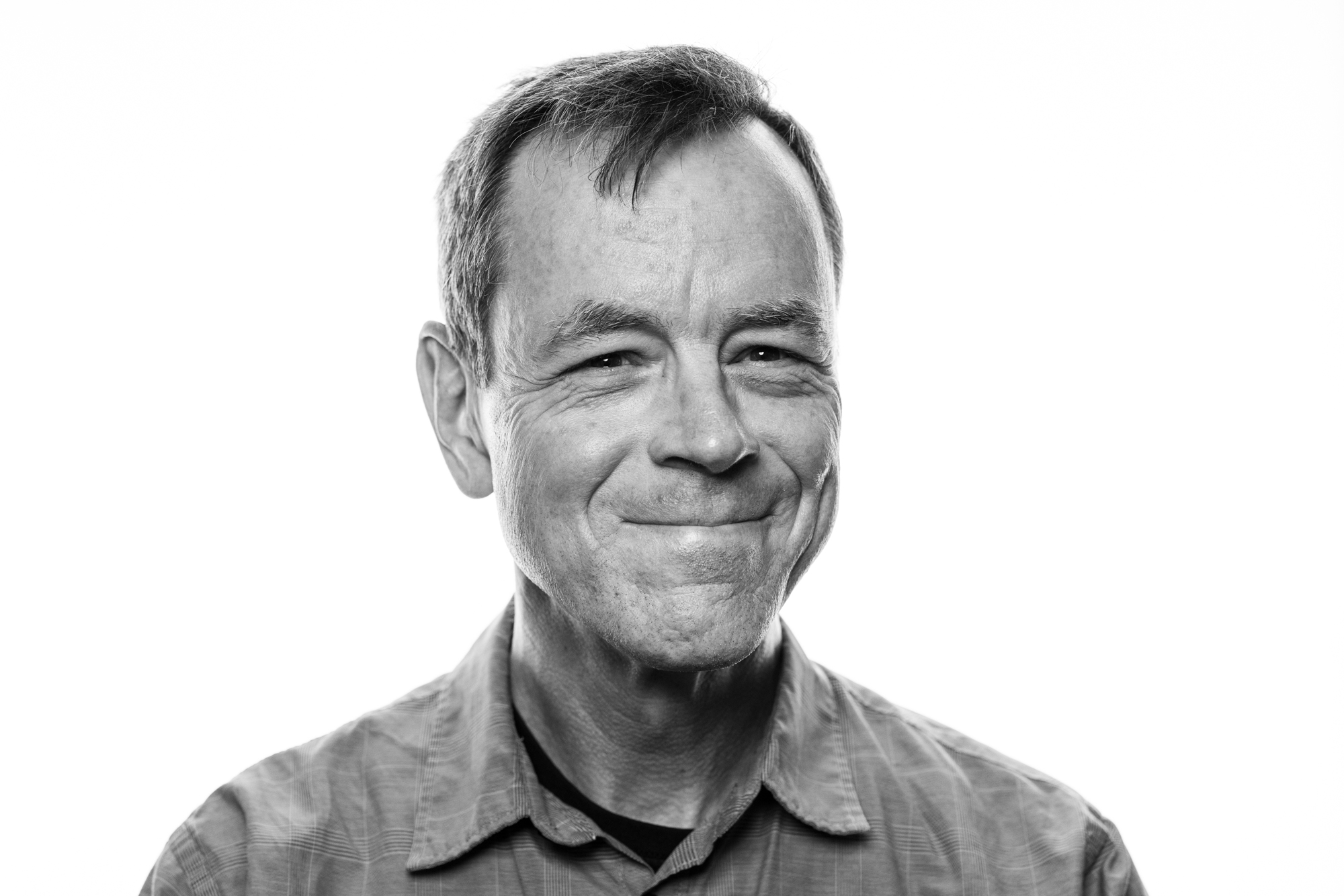
Keith Barlow shares about being invited into another family’s culture and tradition.
I ordered a mocktail once and the response from my server was a gentle, “Welcome friend.” It was a conversation in two words that spoke volumes. It meant, “I see you and I respect your struggle.” Though I am neither in AA nor a friend of Bill W., my server’s response also meant that I was welcome in the family of abstainers. I didn’t originally belong in this family, but, in that lounge, I was a member.
It was like when I was gifted a kurta and pyjamas for Diwali and invited to eat rice and sambar with my fingers while sitting on the floor in the home of my Indian friends. I am an outsider to Indian culture and tradition, but on that day, I was embraced as a cousin from across the ocean.
I attended Cal as an older student, married with a child and living miles off-campus, and I felt two steps behind my on-campus classmates. But when this struggling C-grade student made friends with the A-grade students, they invited me to join their study group. My new brothers and sisters breathed into me a new inspiration to stick with my studies. I got math and motivation and they got homemade treats.
Familial inclusion is not bound by species or even biology. Jane Goodall worked for many years to be recognized by chimp society. Starting with David Greybeard, the Gombe chimps eventually warmed up to Dr. Goodall and welcomed her into their simian family. And in the movie Dark Star, Talby, a human, admires the Phoenix Asteroids for the sights they’d witnessed during their 12 trillion-year circuit of the universe. At the end of the movie, Talby is anointed by these brilliant points of light to become one with them and tour the wonders of eternity.