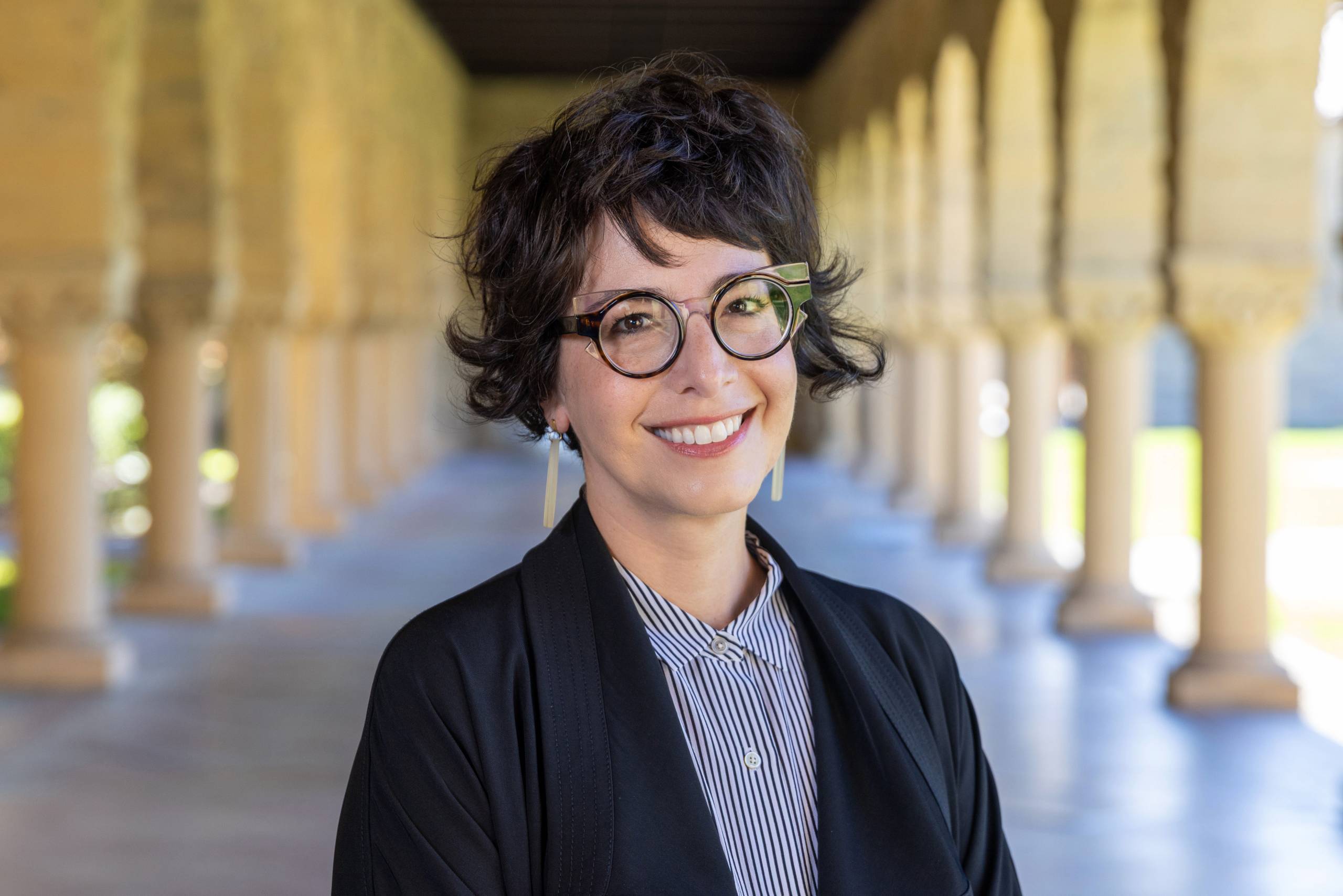
Jennifer Brandel shares how her child’s cancer diagnosis changed the way she connects with people.
One of the first things to go when your child is diagnosed with cancer is your ability to plan. If, like me, you’ve lived by a suffocatingly tight schedule your whole life, the unraveling required is monumental. To be dependable for my child, I’ve had to become undependable for everything else. We’ve gotten good at canceling plans and metabolizing disappointment.
But the deeper shift — from productivity to generous presence — has required total rewiring. The myth of self-sufficiency has been replaced with the reality of interdependence. To survive, we’ve had to accept help from friends, neighbors, strangers, and the incredible staff at the children’s hospital. Even our sense of time has shifted — off Google Calendar and onto nature’s clock.
We’re from Chicago, where stark seasons kept the yearly rhythm. Here in the Bay Area, the plants tell time with total generosity. Lemon trees lean over fences. People leave boxes of oranges on sidewalks. Neighbors hand over heaps of persimmons. The land gives here and seems to have likewise shaped the people. This network of care is a kind of infrastructure that makes me want to stay. Especially as climate change, AI and plain old human unpredictability are making for a wild ride.
My daughter ends chemotherapy this June. If she doesn’t relapse for three years, she’ll be considered cured. Her cancer cracked open a new way of living — an unexpectedly better one. I think the whole world is being asked to learn the same lesson: when predictability dissolves, what remains is relationships to what’s alive, in front of us. Right now, jasmine is wafting through my window. And one thing I can count on this time next year, is that same delight, when it blooms again.