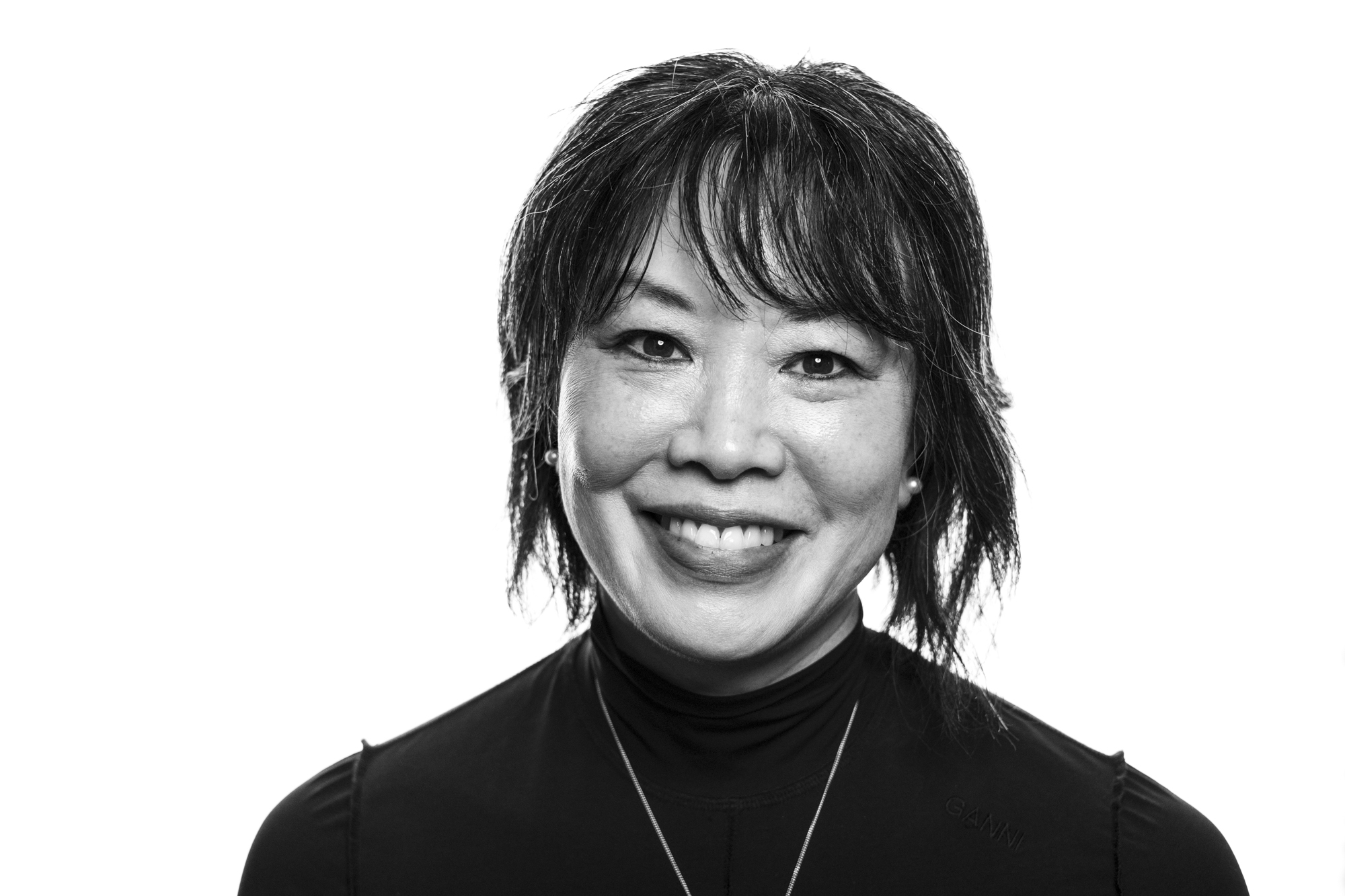
Lisa Liu Grady shares about how Bruce Lee’s career shaped her childhood.
Growing up in 1970’s suburban Northern New Jersey, there was an hour each week when I didn’t have to play nice: when I could simply be. That hour was at Sensei Thornber’s karate dojo, where I spent Saturday mornings beginning at the age of eight.
Never mind that the dojo doubled as my future high school’s basketball court. To me, it was a sacred space where all 60 pounds of me could kick, punch, spar, shout Kiai and become the closest version of my hero, Bruce Lee. Bruce Lee mesmerized my brother and me as he burst from our television on Saturday afternoons.
We loved the whoosh that his fists and legs made as they sliced the air, and the efficient elegance with which he faced down a roomful of attackers, leaving them sprawled in heaps amongst broken furniture. We cackled as a few staggered out of the wreckage, dazed and confused, only to lock eyes with him, and then flee. Bruce Lee didn’t have to say much.
He didn’t have to. He showed me what formidable Asian power could look like. In my starched white gi, with ninja patches that my mom sewed onto the chest, I felt strong too. I loved katas most — choreographed battles where I could take down invisible opponents and, in my mind, the stereotypes that I encountered off the mat. The ones who said, “You speak English so well,” even after I explained my family’s deep roots in California, how my ancestors were among the first wave from China into the Monterey Bay at the time of the Gold Rush.