upper waypoint

Richard Swerdlow: AI in the Classroom

Save ArticleSave Article
Failed to save article

Please try again

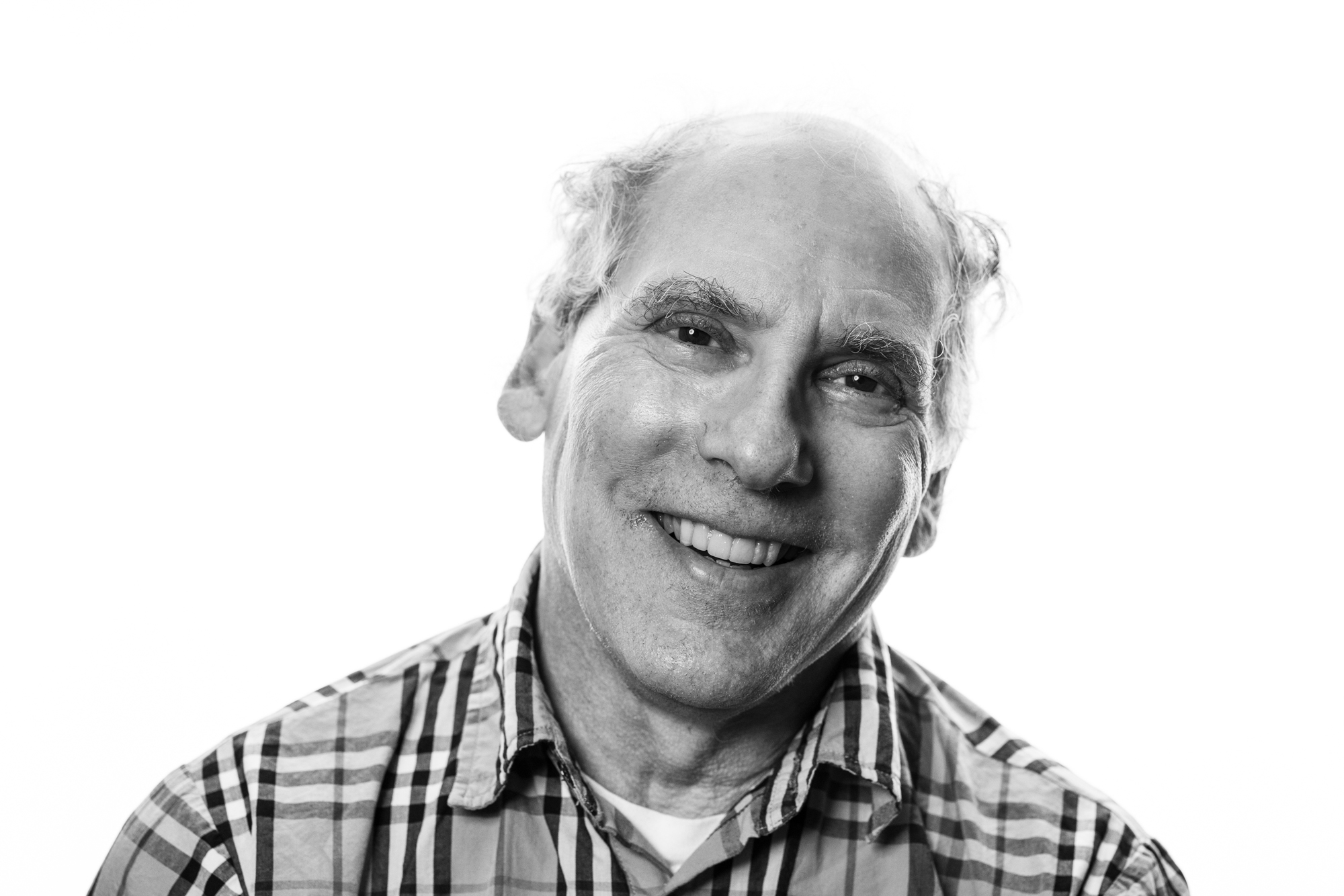
Richard Swerdlow at KQED in San Francisco on June 12, 2025. (Jennifer Ng/KQED)

Richard Swerdlow shares how AI can have a negative impact on teaching students.

When I was a kid in the seventies, I used to imagine a machine that would instantly and perfectly do my schoolwork for me. And 50 years later, my middle school daydream has come true, through the power of artificial intelligence.

But now, as an educator, that dream seems more like a nightmare. Recently, I was shown an essay written by an 8th grader. It was an A+ essay, with excellent writing and an impressive grasp of the topic. But when this student was asked to define the word “euphoric,” which appeared in his essay, he didn’t know. Asked if he used AI to complete the assignment, he laughed.

But it was hardly worth asking him, because this happens every day. A study by the College Board found 3 out of 4 high school students are using artificial intelligence for school assignments.

AI is rapidly moving into every part of our lives, including schools and young people – the citizens of tomorrow – do need to learn how to use this powerful tool. That genie is out of the bottle, and schools, like the rest us, are trying to figure out how AI fits in this new world, when machines are smarter than people.

Teachers want kids to use this technology to promote learning, and not just enable copying. With students brazenly turning in AI-produced assignments, those old fashioned teacher sayings from the paper-pencil days seem surprisingly relevant “Keep your eyes on your own paper,” “Do your own work” and most of all, “You’re only cheating yourself.”

And they are only cheating themselves. Research has shown when students are deeply engaged with reading, writing and critical thinking, their brains actually change, forming new cognitive pathways. When AI is doing the thinking, the students aren’t, and schools need to adapt.

With no federal guidelines on AI in the classroom, school districts need to develop clear policies for using AI. This new technology can and should be used responsibly to promote actual academic achievement. Because nobody wants a future society where the only intelligence left is the artificial kind. With a Perspective, I’m Richard Swerdlow.

Richard Swerdlow is a retired San Francisco teacher.

lower waypoint
next waypoint
Player sponsored by