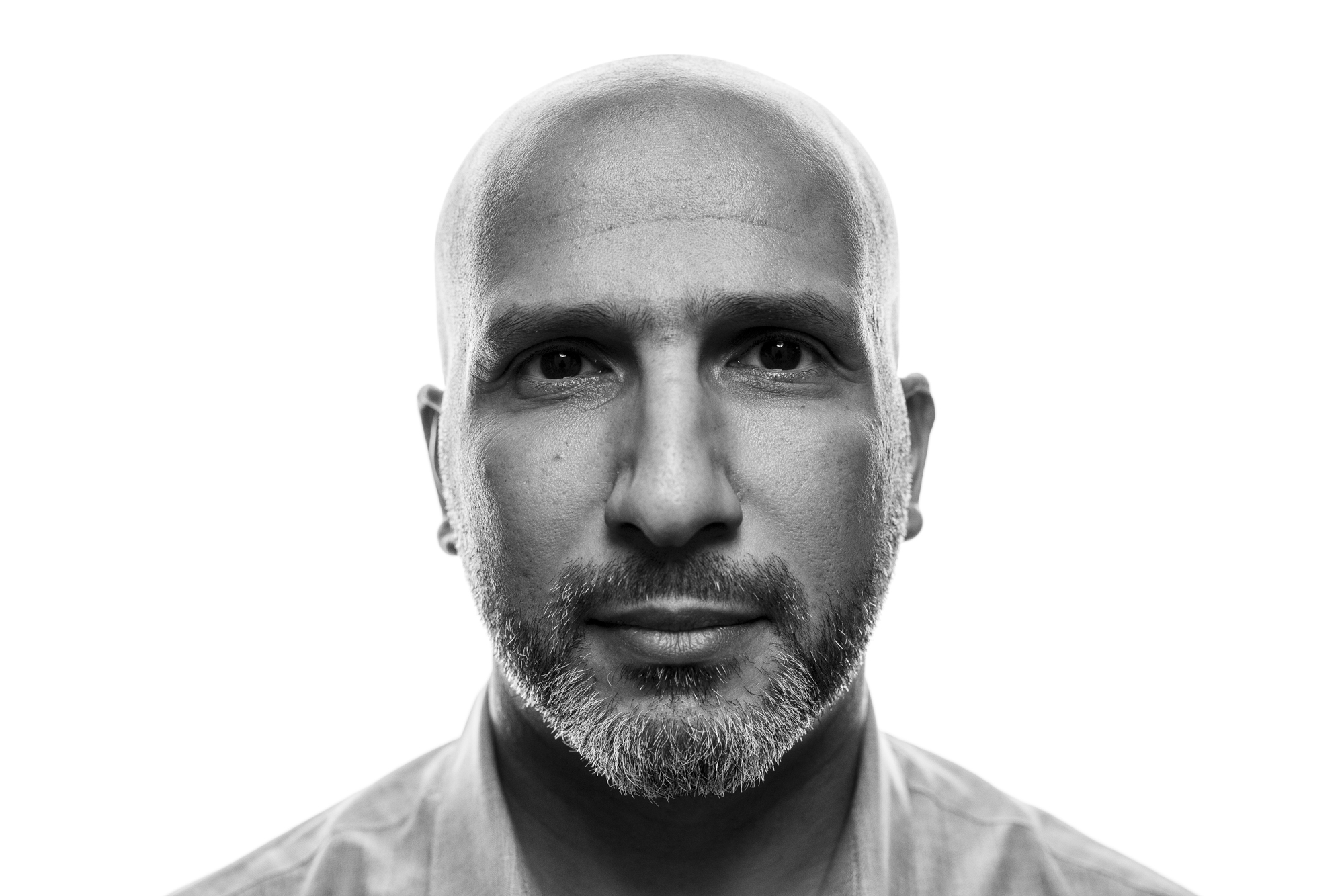
Mustafa Bseikri shares about his experiences caring for children in Gaza.
Our healthcare system is expensive. Access to care can be challenging. These are realities that many of us who practice medicine see affect our patients and their families on a daily basis. Our system is imperfect, but my experiences on a medical mission in Gaza opened my eyes to even harsher disparities.
During my time working with pediatricians in Gaza, there was one word that seemed to be repeated more often than any other: “Tahweela,” – Arabic for transfer. This was used to signify a case where there was nothing more that could be done for the child, and they were forced to play the cruel game of waiting for approval for medical evacuation out of Gaza.
These patients included children who had developed cancer and kidney disease, babies born with heart and airway defects requiring surgery, and children suffering complications from injuries during the war. Despite the immense limitations on diagnostic and therapeutic resources allowed into Gaza, they were still cared for in creative and ingenious ways by physicians who had themselves almost universally lost many of their own family members and homes.
Families saw in us, as international physicians, a glimmer of hope that we might somehow pull strings and facilitate their evacuation. It was heartbreaking to witness this and to know that even with accepting host countries and hospitals for many of these children, there was nothing more we could do to help.