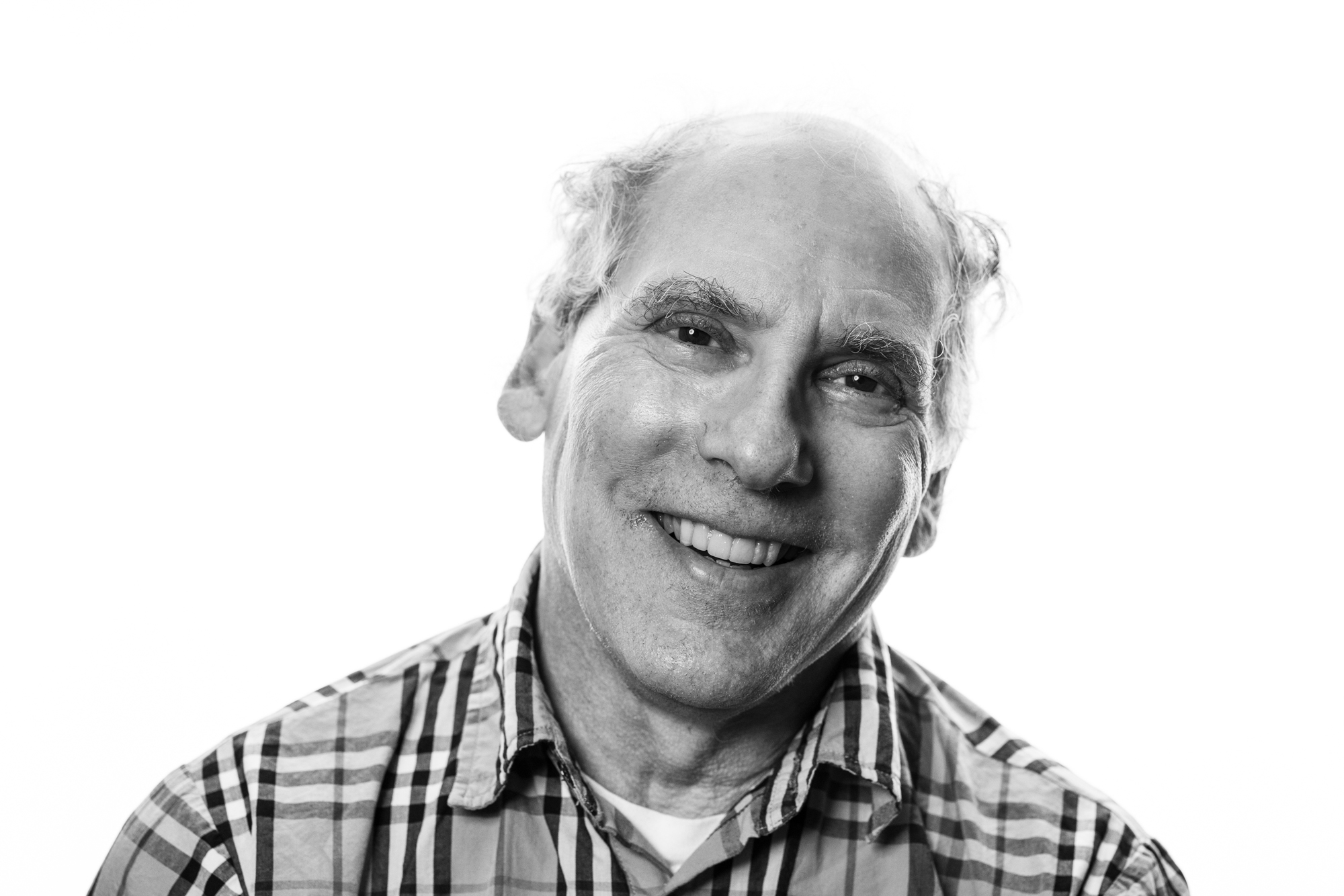
Richard Swerdlow weighs in on how risings costs for groceries, healthcare and housing can have a negative impact.
When I was in college in the 80’s, I worked my way through school. My part-time jobs were many and varied – a chocolate factory, a bookshop clerk, cafe shift, hotel front desk. Some jobs were awful, some were fun, but all paid enough for me to afford the rent, attend a state university, and earn a teaching degree. The university registration fees were around 600 dollars a year, and though I was far from financially secure, it was doable on the decent-enough wages from a part-time job.
Today, registration fees at that same university are around 7,000 dollars, not including living expenses. I’ve talked to college kids who are working three jobs and still finding it impossible to pay rent, buy groceries and attend school.
But it’s not just students. The cost-of-living crisis is affecting everyone, from well-paid professionals to working families. A 2024 study found that slightly over half of full-time U.S. workers now make a living wage, enough to cover their family’s basic needs.
Lately, politicians have a new buzzword: “affordability.” But a new word doesn’t capture how skyrocketing costs for groceries, housing and health care affect real people and real life choices.