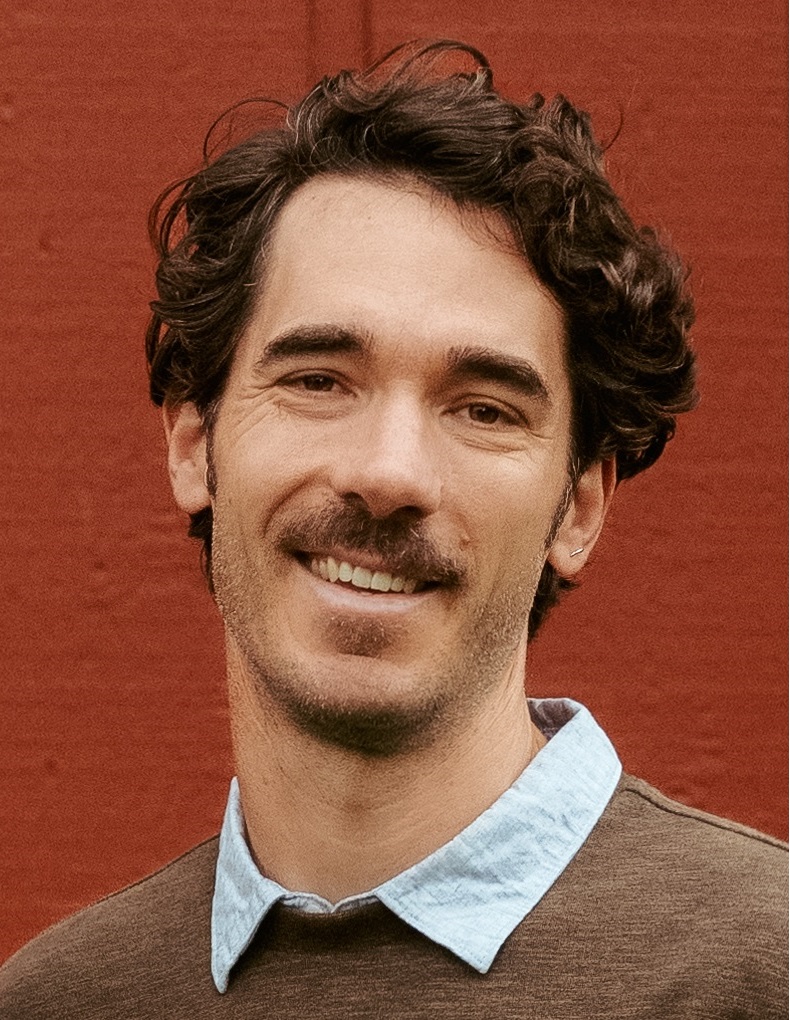
Nate Seltenrich reflects on his connection to nature and seasonal changes.
As the solstice fades from view and we move through winter, ever closer to spring, it’s worth taking a moment to think about what that means – not just for us humans, though we’ll get to that, but for all the plants and animals that also live here.
The arrival of seasonal rains, the shortening and then lengthening of days, the months of cool weather: these are not merely a consequence of wintertime, but the root cause of all its beauty. Salmon read heavy rains as signs to spawn, and newts as cues to migrate from upland habitats to breeding ponds.
Lilies and similar native bulbs need so many days of cool weather to later break dormancy and flower in spring. Other plants, including lupines and bunchgrasses, and animals, including all our local birds, pay particular attention to day length, or photoperiod, when regulating growth and reproduction. That’s why backyard chickens lay fewer eggs during winter.
My point, ultimately, is that the daily passing of the seasons as the earth spins on its axis and rotates around the sun, drives everything in the natural world. Us modern Bay Areans, in our climate-controlled homes, with electric lights, connected over the internet to every time zone on the planet, are free to all but ignore these timeless rhythms. But we do so at our own peril.