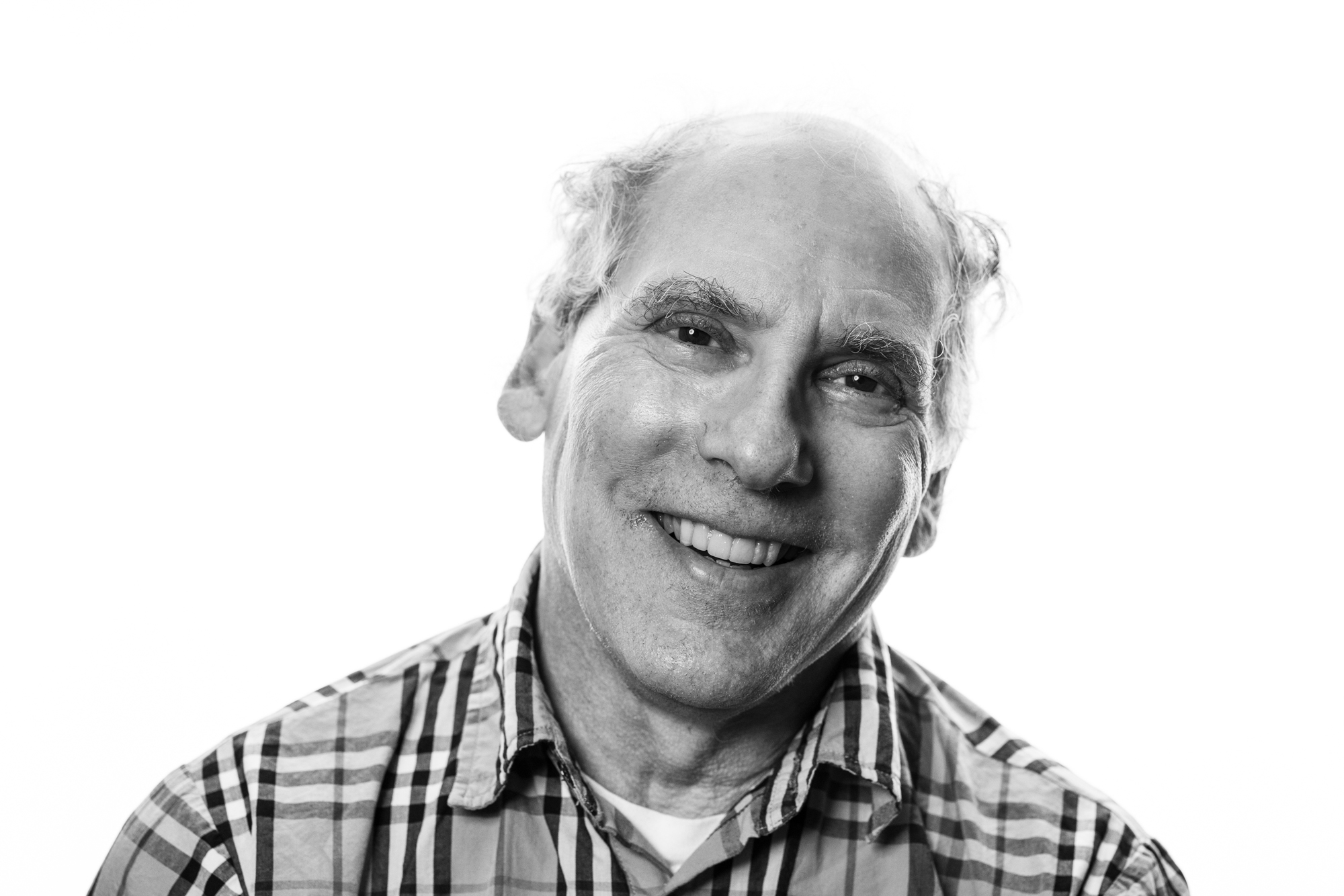
Richard Swerdlow weighs in on why Americans should be open to learning new languages.
Recently, in line at my neighborhood coffee shop, I got to chatting with the guy standing in front of me. Our conversation was in English, but he could have just as easily shot the breeze in Swedish, Danish, or German, since this man – a tourist from Sweden – spoke those four languages. I complimented his polyglot ability, and he shrugged it off. In his country, he explained, it was not unusual, in fact, most kids speak fluent English by fifth grade.
Our chitchat got me thinking about our own nation’s lack of multilingual adults, let alone fifth graders. And we’re not going to catch up with Sweden soon. Last March, President Trump signed an executive order declaring English the official language, first time an official language has been declared in the United States.
It was hardly necessary, since 80 percent of our population speaks only English. And, even before this order, English proficiency was required for U.S. citizenship. But now, with English our official language, I remembered an old joke – If you speak three languages, you’re trilingual. If you speak two languages, you’re bilingual. If you speak one language, you’re American.
Like that coffee shop customer, I’ve done some traveling and cringed at American tourists who think if they just speak English loudly enough, locals will understand.