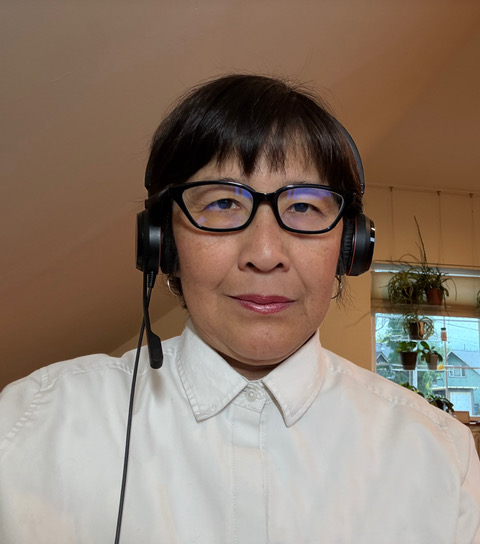
Lina Lin Hoshino reflects on a call where she was able to assist worried parents with their baby.
During one of my first late-night shifts as a remote Japanese-language healthcare interpreter, I received a call from somewhere in the U.S. from a hospital room filled with the hum of machines. After I introduced myself to the provider and the baby’s parents, I learned that their newborn was struggling to breathe.
The doctor explained that she had a collapsed windpipe that blocked the airway when she tried to take a breath. I was called in so the doctor could communicate that surgery was urgent. In the background, the monitor tracking the baby’s oxygen level beeped alarmingly. The father, his voice strained, asked about the alarms.
The doctor gently reassured him before stepping out to alert the team, ending our session. When the line disconnected, I sat, absorbing what had just unfolded. I was still new to interpreting, trying to stay steady and precise as I’d been trained to do. I was struck by the parents’ composure — as they faced the unthinkable in a country where they could not easily communicate.
Months later, I got another call on a sunny afternoon. The calls are randomly assigned, but I recognized the father’s voice — and the baby’s name. I heard the baby cooing, as the nurse asked the parents how she was doing. The parents’ voices were bright — she was on the mend.