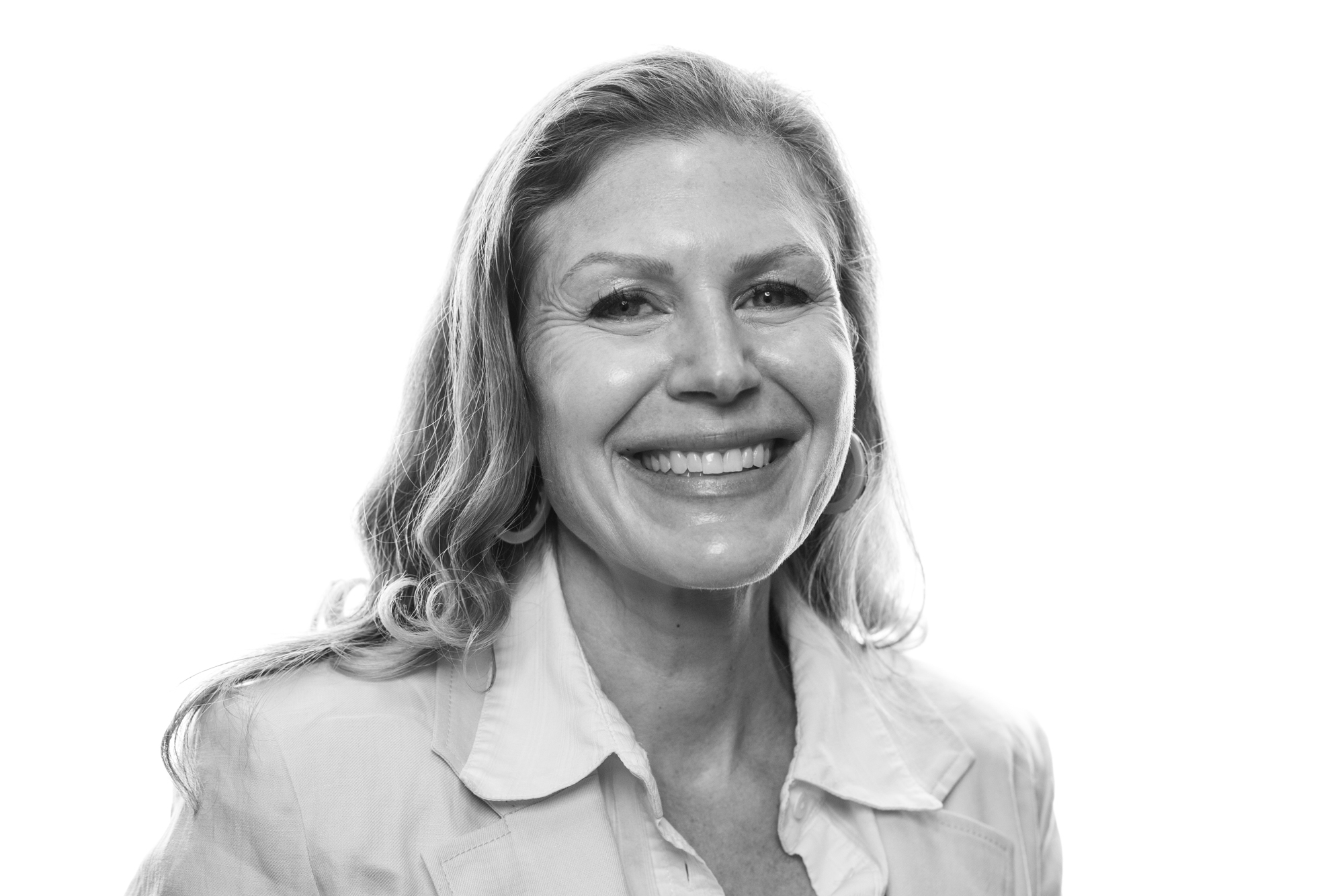
Claudia De Pasquale shares about her diagnosis of breast cancer.
When I had my first mammogram in 2021, the results came back clear. The only note was: “You have dense breasts.” No one explained what that meant or what I should do with that information. I left reassured—and didn’t think twice.
A year later, in 2022, I was diagnosed with breast cancer — three tumors, including one invisible on imaging.
I’ve since learned what I wish I’d known then. “Dense breasts” isn’t about size or shape — it’s about tissue. Breasts are made of fat, glandular tissue, and connective tissue. If you have more glandular and connective tissue than fat, your breasts are considered dense. On a mammogram, dense tissue looks white.Tumors also look white. That means cancers can hide. Dense tissue is also associated with a higher risk of breast cancer.
Here’s another thing: you can’t feel density yourself. The only way to know is through a mammogram report. And as of 2023, the FDA requires all mammography centers to tell patients whether their breasts are dense or not. But too often, women walk away without understanding what it means.
When I first saw that line on my report, I wish my doctor had explained it in plain language: “Dense breast tissue raises your risk, makes cancers harder to detect, and supplemental screening may be worth discussing.” Instead, I walked out reassured — without knowing that more than half of women under 50 have dense breasts, or that insurance coverage for additional screening can be complicated.