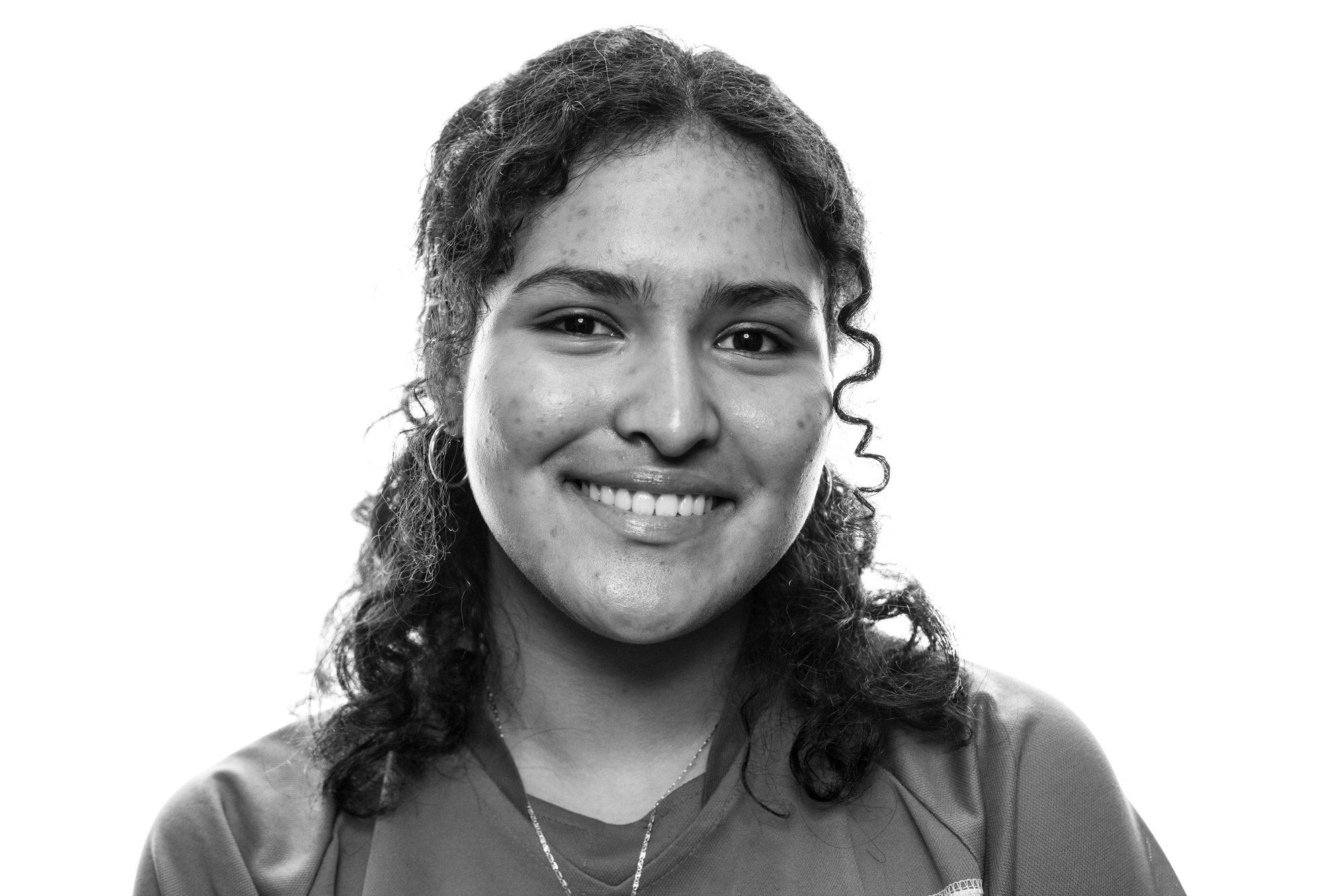
Carmen Corona reflects on how commas played a role in her family’s history.
There’s something about a comma that has always interested me. The way it combines two sentences that could otherwise be separate; the manner in which it refuses to let the first sentence end without a story to follow. On the other hand, periods have always felt so abrupt, like a story ended too soon.
Thoughts like these have found their way into my mind for as long as I can remember. Every grammar rule, literary device or writing style I’ve learned has stuck with me like the gene of curly hair has throughout my family. I used to think my affinity for writing stemmed from a fun teacher or an assignment, but I’ve found that this passion comes from so much more.
My mother was one of the first women in her family to know how to read and write. Her mother, just as her mother before her, had never attended school or learned about literacy. This fate awaited many women in Mexico in the early 1900s. While my abuela and the generations of women before her were not taught how to differentiate between independent and dependent clauses in sentences, they were educated—and educated others—in so many ways.
Many of my abuela’s lessons, for example, came from her hands. They also came from her unwavering smile, her warm eyes, and the way that all of these teachings passed on to her daughter. Above all else, the most important lesson my family has taught me is about sacrifice: how it follows families, each time requiring less from someone because of the generations before them.