upper waypoint

Greg Eskridge: Sharing My Voice

Save ArticleSave Article
Failed to save article

Please try again

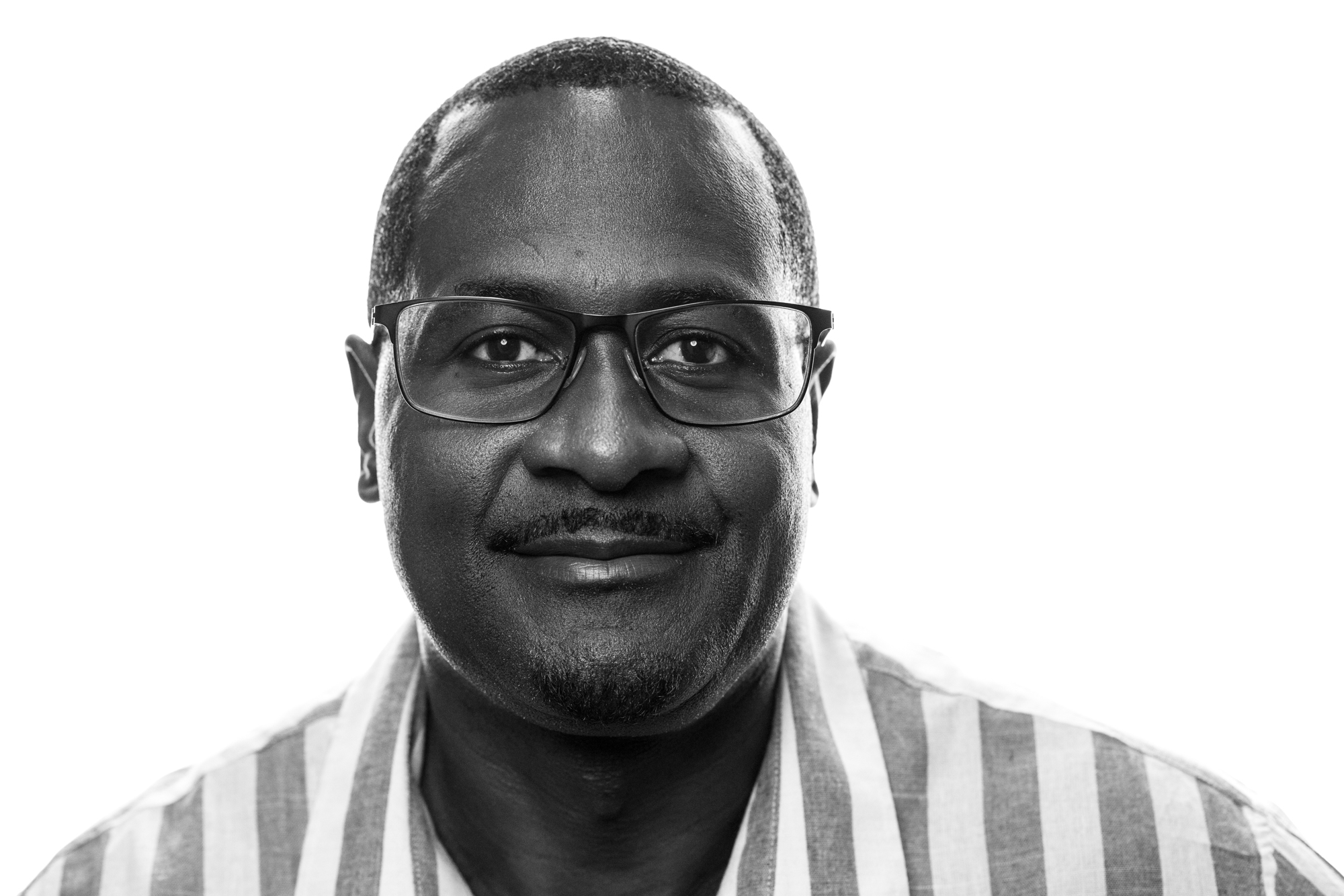
Greg Eskridge at KQED in San Francisco on Sept. 5, 2025. (Jennifer Ng/KQED)

Greg Eskridge shares about his experience being incarcerated and how storytelling impacted his life.

I spent 30 years in San Quentin State Prison fighting for my right to be seen as a human being. But in a penal system designed to make people like me feel forgotten by the outside world, I eventually found something powerful and liberating — my voice.

While I was incarcerated, I helped co-found a radio and podcasting program created by people in prison. We were trained by public media staff to be journalists, and we were trusted to tell our own stories.

Then something miraculous happened: On July 23, 2024, I came home from prison and was paroled to the Bay Area. I was hired shortly after I was released, as an associate program director and host of the latest season of the podcast. It was the first time I saw myself not just as a formerly incarcerated man but as a leader who people wanted to invest in.

Two of the most powerful moments of my life came when my mom and sister joined me on the podcast to discuss forgiveness and accountability — conversations I never thought we’d have, especially publicly.

Sponsored

I have needed this outlet even more than I realized because what I came home to was not the freedom I remembered, or the one I had dreamed about for decades. I came home to a society where freedoms are being stripped away at a disturbing pace by a government pushing to expand prisons, criminalize immigrant communities and clamp down on journalists and news organizations. Congress recently stripped away federal funding from public media, a decision that will deal a death blow to small tv and radio stations across the country.

If we don’t fight for storytelling, we lose far more than jobs, we lose our truth. And when that silencing reaches into our prisons where storytelling has become a lifeline, all of us, inside and out, lose something. The fight for representation is about humanity, and it’s about acknowledging that incarcerated humans are not disposable. With a Perspective, I’m Greg Eskridge.

Greg Eskridge is a radio producer who calls the Bay Area home. He loves beach walks, hiking trails and finding quiet spots to relax and soak in the beauty around him. His Op-Ed first appeared in the SF Chronicle.

lower waypoint
next waypoint
Player sponsored by