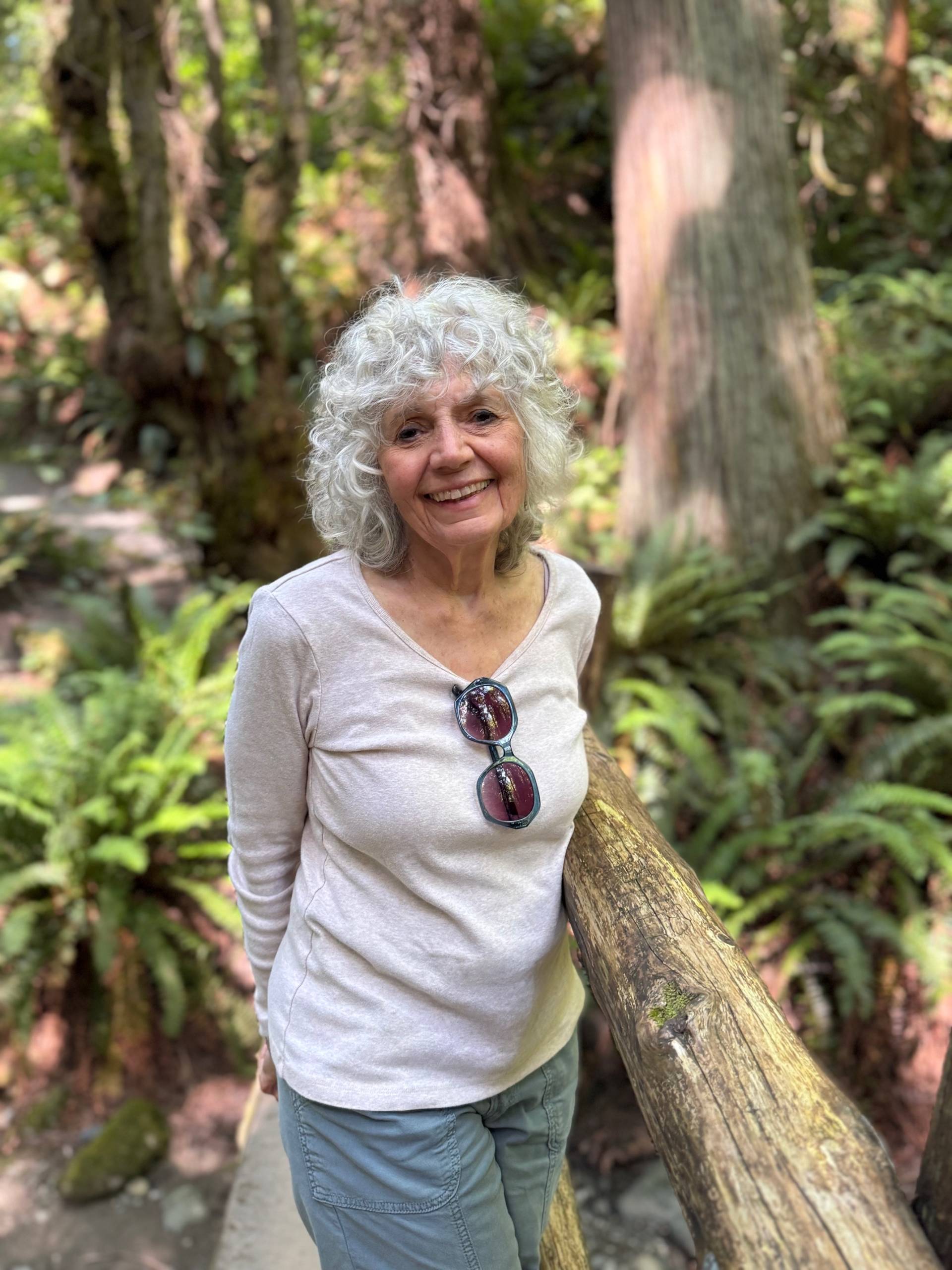
Linda Chodos shares how to be mindful when addressing an elderly person.
My hair is gray. Gravity has gotten the upper hand in its battle against me. I am healthy and physically active and have joined the ranks of that group we are all destined to become, the elderly. With all the talk about DEI these days, there’s a group rarely brought up, and one that needs a light shined upon it.
I endure comments mostly meant to be complimentary, yet my response is to cringe or even lash out at times. Several years ago, after going through foot surgery resulting in even more pain following the recovery period, I sought the help of an orthopedic surgeon. His response to me was “people weren’t meant to live this long.”
Recently, I asked a worker at Home Depot for screening material so I could replace a torn screen. He said “at your age?” Those people were callous and rude. But even knowing this, hearing it was hurtful. My goal today is to call attention to how well-meaning comments can be unkind and demeaning. For example, comments such as “you’re in great shape for your age,” “you look great for your age,” and even “how old are you?” asked by someone you don’t know well.
These are comments one would never think of saying to a young person. My point is, a compliment should never qualify the receiver. If I look good to you (thank you), just tell me I look good. If I don’t look good to you, silence is the way to go. I have often heard said that to get old is to become invisible. To be invisible is to be discounted, not recognized as having value as a person. The truth is having lived through decades is to accrue experiences and hopefully, wisdom. This knowledge should be valued and looked upon as a gift, a resource to be shared, not to be patronized. With a Perspective, I’m Linda Chodos.