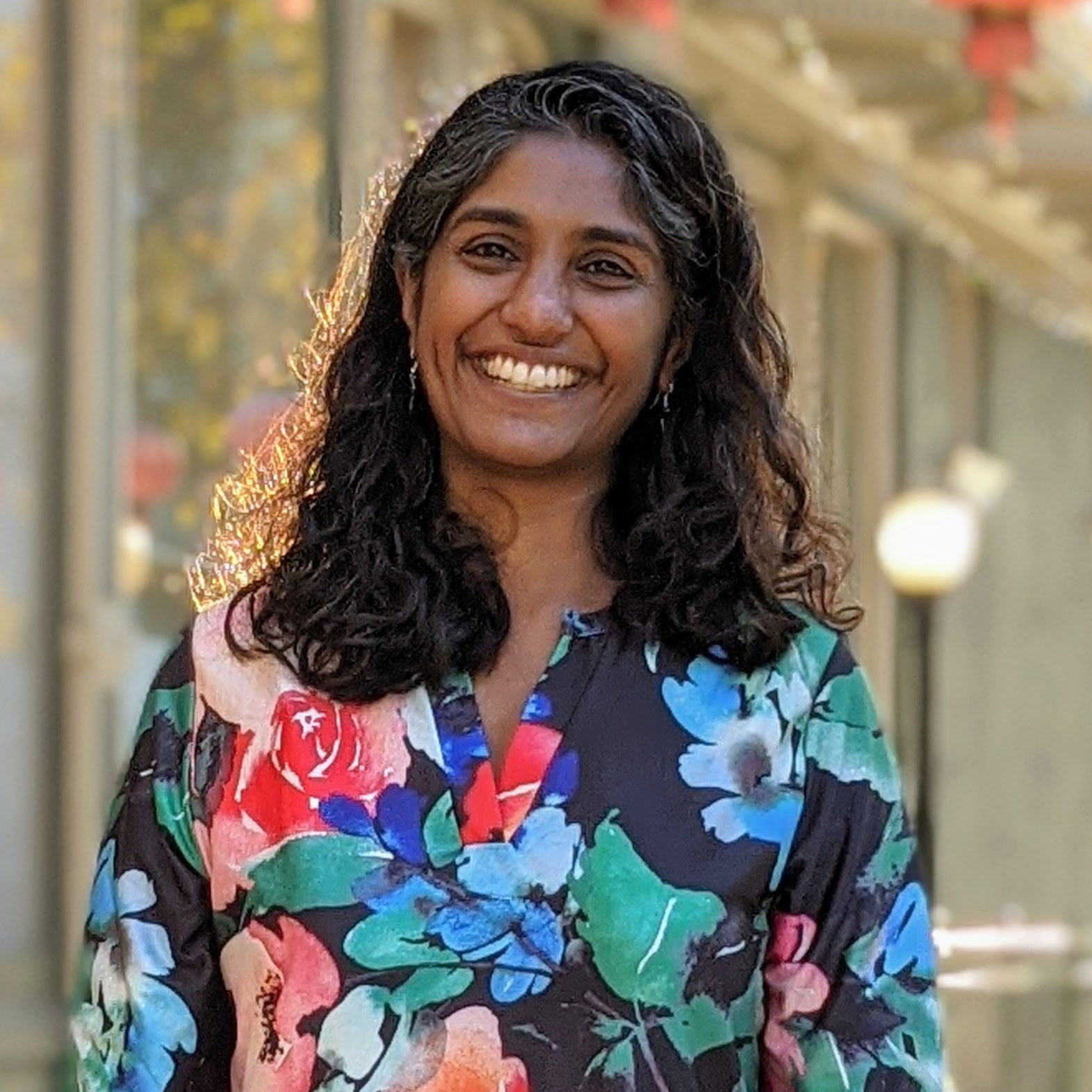
Jyothi Marbin shares why it’s important to call out racial injustice instead of avoiding the subject.
As a pediatrician, I’m trained to diagnose and treat my patients. When a child comes in with a cough, I don’t just prescribe medicine – I ask questions; I listen to their stories. Without knowing the root cause – without a diagnosis – I can’t offer the right treatment. We’re left waiting and hoping it doesn’t get worse.
There is power in an accurate diagnosis.
In recent years, many of us in health care began to diagnose something we had long known but rarely said out loud – that racism and structural injustice are powerful forces shaping who gets sick and who gets better.
After George Floyd’s murder and COVID’s stark inequities, hospitals and health systems began to speak more openly. Words like “racism,” “equity,” and “justice” began appearing in mission statements and working groups. It felt – finally – like we were accurately naming the diagnosis.