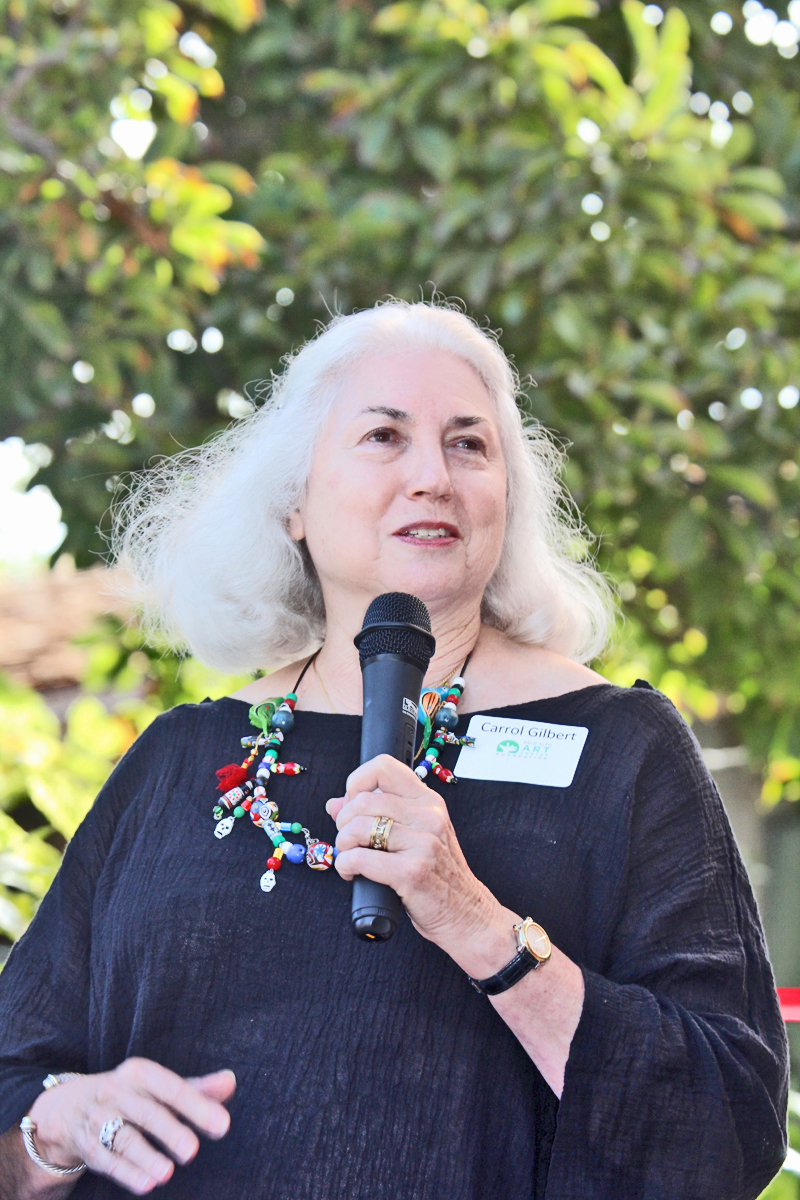
Carol Gilbert reflects on how much education has changed after the COVID-19 pandemic and emergence of AI.
The field of education has changed significantly over time. Initially, children learned lessons from their parents and other adults. Learning was delivered orally or through hands-on experiences. This paradigm seemed to work in rural areas especially. Eventually, the school experience changed as rural became urban. Class size ranged from 20 to 36 students or more. This paradigm appeared to be working until the COVID-19 pandemic. What was quickly instituted was online schooling via the ZOOM application.
Although I did not teach during COVID, in my experience, teaching was like being on stage to hold children’s interest. The attention of children was not held in the same way sitting by themselves in front of the screen. If they were lucky, they might learn some of the lessons, but what they couldn’t learn was the social experience with their peers. They were denied play time and sports opportunities. We reaped children who lost skills and did poorly at adjusting to the return to the classroom.
Do I think all online learning is bad? Certainly not. Using smart educational software, educators can use student data to develop individualized learning programs that include all of the support that students need to be successful.
Future online education is anticipated to evolve in a manner that combines virtual reality, artificial intelligence and global cooperation. These advancements hold great promise, but a teacher with whom you connect will always be needed. With a Perspective, I am Carol Gilbert.