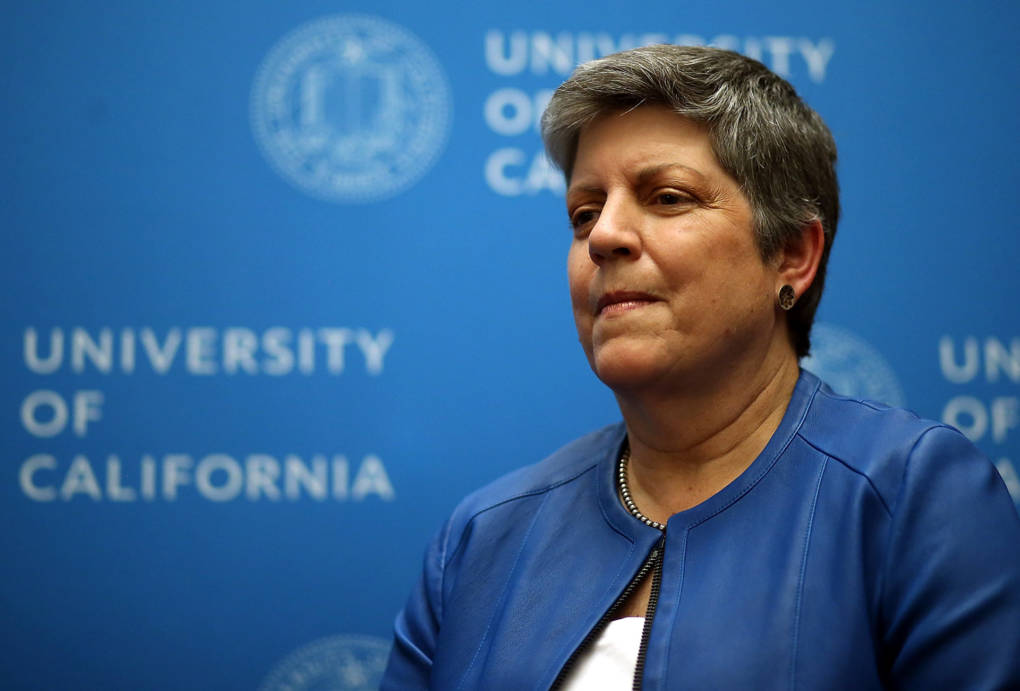
Michael Drake Named First Black President of University of California
UC Takes Tuition Hike Off the Table for May Regents Meeting
UC Regents Delay Tuition Hike
UC Regent Resigns Amid Criticism Over Offensive Remark
UC Regents Commit to Audit Recommendations, Praise Napolitano
UC Regents Approve First Tuition Increase Since 2011
Sponsored
Player sponsored by
window.__IS_SSR__=true
window.__INITIAL_STATE__={
"attachmentsReducer": {
"audio_0": {
"type": "attachments",
"id": "audio_0",
"imgSizes": {
"kqedFullSize": {
"file": "https://ww2.kqed.org/news/wp-content/themes/KQED-unified/img/audio_bgs/background0.jpg"
}
}
},
"audio_1": {
"type": "attachments",
"id": "audio_1",
"imgSizes": {
"kqedFullSize": {
"file": "https://ww2.kqed.org/news/wp-content/themes/KQED-unified/img/audio_bgs/background1.jpg"
}
}
},
"audio_2": {
"type": "attachments",
"id": "audio_2",
"imgSizes": {
"kqedFullSize": {
"file": "https://ww2.kqed.org/news/wp-content/themes/KQED-unified/img/audio_bgs/background2.jpg"
}
}
},
"audio_3": {
"type": "attachments",
"id": "audio_3",
"imgSizes": {
"kqedFullSize": {
"file": "https://ww2.kqed.org/news/wp-content/themes/KQED-unified/img/audio_bgs/background3.jpg"
}
}
},
"audio_4": {
"type": "attachments",
"id": "audio_4",
"imgSizes": {
"kqedFullSize": {
"file": "https://ww2.kqed.org/news/wp-content/themes/KQED-unified/img/audio_bgs/background4.jpg"
}
}
},
"placeholder": {
"type": "attachments",
"id": "placeholder",
"imgSizes": {
"thumbnail": {
"file": "https://cdn.kqed.org/wp-content/uploads/2024/12/KQED-Default-Image-816638274-2000x1333-1-160x107.jpg",
"width": 160,
"height": 107,
"mimeType": "image/jpeg"
},
"medium": {
"file": "https://cdn.kqed.org/wp-content/uploads/2024/12/KQED-Default-Image-816638274-2000x1333-1-800x533.jpg",
"width": 800,
"height": 533,
"mimeType": "image/jpeg"
},
"medium_large": {
"file": "https://cdn.kqed.org/wp-content/uploads/2024/12/KQED-Default-Image-816638274-2000x1333-1-768x512.jpg",
"width": 768,
"height": 512,
"mimeType": "image/jpeg"
},
"large": {
"file": "https://cdn.kqed.org/wp-content/uploads/2024/12/KQED-Default-Image-816638274-2000x1333-1-1020x680.jpg",
"width": 1020,
"height": 680,
"mimeType": "image/jpeg"
},
"1536x1536": {
"file": "https://cdn.kqed.org/wp-content/uploads/2024/12/KQED-Default-Image-816638274-2000x1333-1-1536x1024.jpg",
"width": 1536,
"height": 1024,
"mimeType": "image/jpeg"
},
"fd-lrg": {
"file": "https://cdn.kqed.org/wp-content/uploads/2024/12/KQED-Default-Image-816638274-2000x1333-1-1536x1024.jpg",
"width": 1536,
"height": 1024,
"mimeType": "image/jpeg"
},
"fd-med": {
"file": "https://cdn.kqed.org/wp-content/uploads/2024/12/KQED-Default-Image-816638274-2000x1333-1-1020x680.jpg",
"width": 1020,
"height": 680,
"mimeType": "image/jpeg"
},
"fd-sm": {
"file": "https://cdn.kqed.org/wp-content/uploads/2024/12/KQED-Default-Image-816638274-2000x1333-1-800x533.jpg",
"width": 800,
"height": 533,
"mimeType": "image/jpeg"
},
"post-thumbnail": {
"file": "https://cdn.kqed.org/wp-content/uploads/2024/12/KQED-Default-Image-816638274-2000x1333-1-672x372.jpg",
"width": 672,
"height": 372,
"mimeType": "image/jpeg"
},
"twentyfourteen-full-width": {
"file": "https://cdn.kqed.org/wp-content/uploads/2024/12/KQED-Default-Image-816638274-2000x1333-1-1038x576.jpg",
"width": 1038,
"height": 576,
"mimeType": "image/jpeg"
},
"xxsmall": {
"file": "https://cdn.kqed.org/wp-content/uploads/2024/12/KQED-Default-Image-816638274-2000x1333-1-160x107.jpg",
"width": 160,
"height": 107,
"mimeType": "image/jpeg"
},
"xsmall": {
"file": "https://cdn.kqed.org/wp-content/uploads/2024/12/KQED-Default-Image-816638274-2000x1333-1-672x372.jpg",
"width": 672,
"height": 372,
"mimeType": "image/jpeg"
},
"small": {
"file": "https://cdn.kqed.org/wp-content/uploads/2024/12/KQED-Default-Image-816638274-2000x1333-1-672x372.jpg",
"width": 672,
"height": 372,
"mimeType": "image/jpeg"
},
"xlarge": {
"file": "https://cdn.kqed.org/wp-content/uploads/2024/12/KQED-Default-Image-816638274-2000x1333-1-1020x680.jpg",
"width": 1020,
"height": 680,
"mimeType": "image/jpeg"
},
"full-width": {
"file": "https://cdn.kqed.org/wp-content/uploads/2024/12/KQED-Default-Image-816638274-2000x1333-1-1920x1280.jpg",
"width": 1920,
"height": 1280,
"mimeType": "image/jpeg"
},
"guest-author-32": {
"file": "https://cdn.kqed.org/wp-content/uploads/2025/01/KQED-Default-Image-816638274-1333x1333-1-160x160.jpg",
"width": 32,
"height": 32,
"mimeType": "image/jpeg"
},
"guest-author-50": {
"file": "https://cdn.kqed.org/wp-content/uploads/2025/01/KQED-Default-Image-816638274-1333x1333-1-160x160.jpg",
"width": 50,
"height": 50,
"mimeType": "image/jpeg"
},
"guest-author-64": {
"file": "https://cdn.kqed.org/wp-content/uploads/2025/01/KQED-Default-Image-816638274-1333x1333-1-160x160.jpg",
"width": 64,
"height": 64,
"mimeType": "image/jpeg"
},
"guest-author-96": {
"file": "https://cdn.kqed.org/wp-content/uploads/2025/01/KQED-Default-Image-816638274-1333x1333-1-160x160.jpg",
"width": 96,
"height": 96,
"mimeType": "image/jpeg"
},
"guest-author-128": {
"file": "https://cdn.kqed.org/wp-content/uploads/2025/01/KQED-Default-Image-816638274-1333x1333-1-160x160.jpg",
"width": 128,
"height": 128,
"mimeType": "image/jpeg"
},
"detail": {
"file": "https://cdn.kqed.org/wp-content/uploads/2025/01/KQED-Default-Image-816638274-1333x1333-1-160x160.jpg",
"width": 160,
"height": 160,
"mimeType": "image/jpeg"
},
"kqedFullSize": {
"file": "https://cdn.kqed.org/wp-content/uploads/2024/12/KQED-Default-Image-816638274-2000x1333-1.jpg",
"width": 2000,
"height": 1333
}
}
},
"news_12064836": {
"type": "attachments",
"id": "news_12064836",
"meta": {
"index": "attachments_1716263798",
"site": "news",
"id": "12064836",
"found": true
},
"title": "111925-UC-Students-Tuition-Hike-March-MZ-CM-01",
"publishDate": 1763599061,
"status": "inherit",
"parent": 12064807,
"modified": 1763599085,
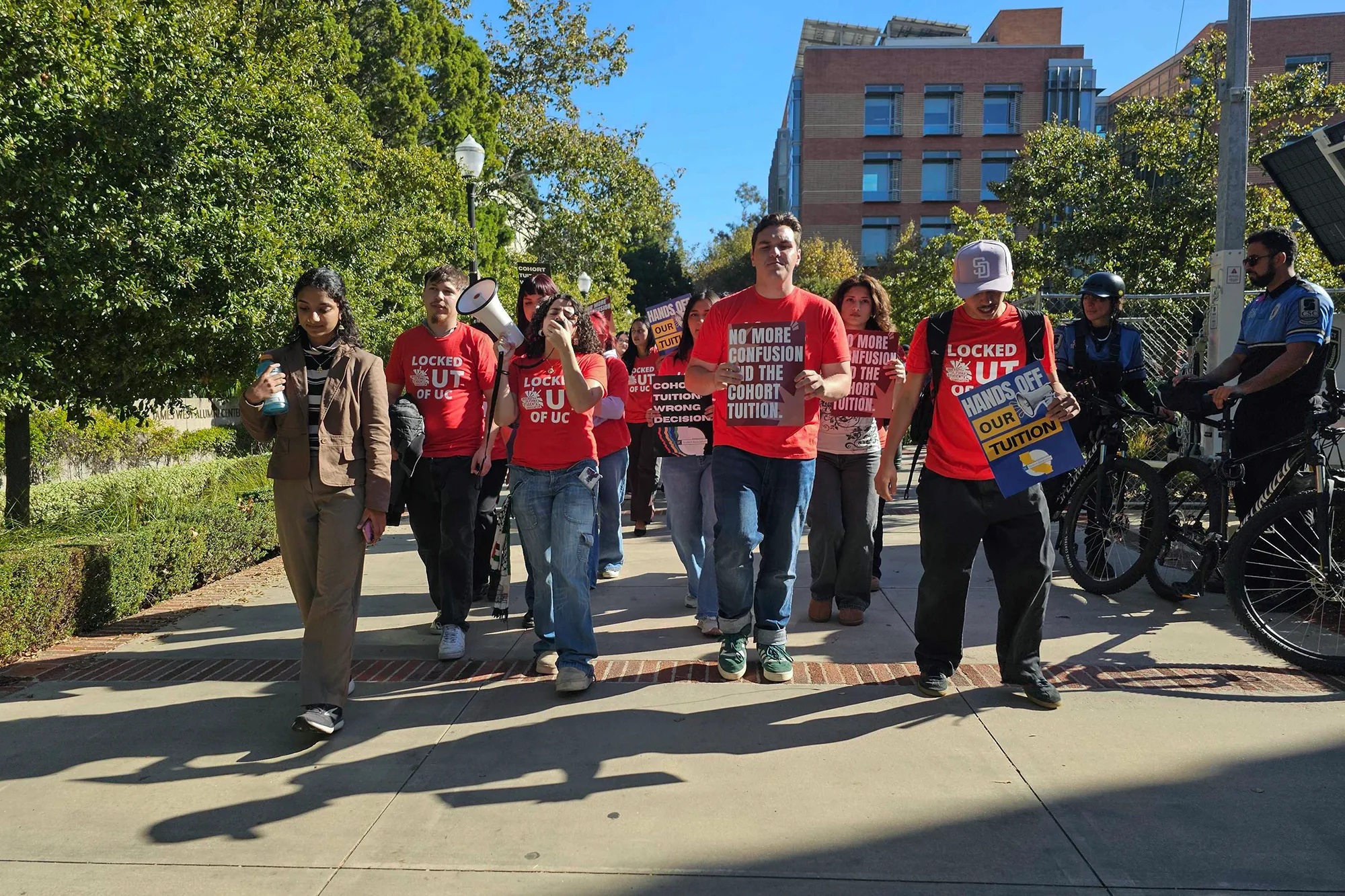
"caption": "Dozens of UC students march outside a meeting of the University of California Board of Regents in Los Angeles to protest the system’s plan to continue annual tuition increases on Nov. 19, 2025. \n",
"credit": "Photo by Mikhail Zinshteyn, CalMatters",
"altTag": null,
"description": null,
"imgSizes": {
"thumbnail": {
"file": "https://cdn.kqed.org/wp-content/uploads/sites/10/2025/11/111925-UC-Students-Tuition-Hike-March-MZ-CM-01-160x107.jpg",
"width": 160,
"height": 107,
"mimeType": "image/jpeg"
},
"1536x1536": {
"file": "https://cdn.kqed.org/wp-content/uploads/sites/10/2025/11/111925-UC-Students-Tuition-Hike-March-MZ-CM-01-1536x1024.jpg",
"width": 1536,
"height": 1024,
"mimeType": "image/jpeg"
},
"post-thumbnail": {
"file": "https://cdn.kqed.org/wp-content/uploads/sites/10/2025/11/111925-UC-Students-Tuition-Hike-March-MZ-CM-01-672x372.jpg",
"width": 672,
"height": 372,
"mimeType": "image/jpeg"
},
"twentyfourteen-full-width": {
"file": "https://cdn.kqed.org/wp-content/uploads/sites/10/2025/11/111925-UC-Students-Tuition-Hike-March-MZ-CM-01-1038x576.jpg",
"width": 1038,
"height": 576,
"mimeType": "image/jpeg"
},
"npr-cds-wide": {
"file": "https://cdn.kqed.org/wp-content/uploads/sites/10/2025/11/111925-UC-Students-Tuition-Hike-March-MZ-CM-01-1200x675.jpg",
"width": 1200,
"height": 675,
"mimeType": "image/jpeg"
},
"kqedFullSize": {
"file": "https://cdn.kqed.org/wp-content/uploads/sites/10/2025/11/111925-UC-Students-Tuition-Hike-March-MZ-CM-01.jpg",
"width": 2000,
"height": 1333
}
},
"fetchFailed": false,
"isLoading": false
},
"news_12040369": {
"type": "attachments",
"id": "news_12040369",
"meta": {
"index": "attachments_1716263798",
"site": "news",
"id": "12040369",
"found": true
},
"title": "UCRegents1",
"publishDate": 1747336938,
"status": "inherit",
"parent": 12040282,
"modified": 1747337073,
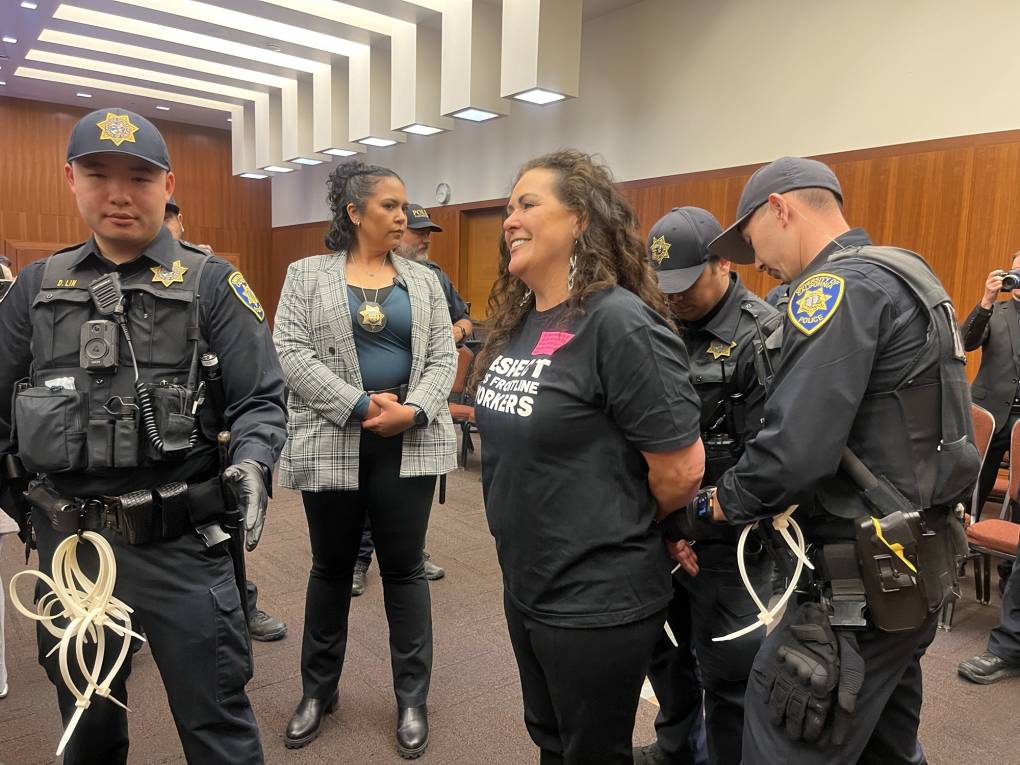
"caption": "During Thursday's UC Regents meeting, some union members refused to leave the room and were arrested, including Lorena Gonzalez, California Labor Federation President.",
"credit": "Juan Carlos Lara/KQED",
"altTag": null,
"description": null,
"imgSizes": {
"medium": {
"file": "https://cdn.kqed.org/wp-content/uploads/sites/10/2025/05/UCRegents1-800x600.jpg",
"width": 800,
"height": 600,
"mimeType": "image/jpeg"
},
"large": {
"file": "https://cdn.kqed.org/wp-content/uploads/sites/10/2025/05/UCRegents1-1020x765.jpg",
"width": 1020,
"height": 765,
"mimeType": "image/jpeg"
},
"thumbnail": {
"file": "https://cdn.kqed.org/wp-content/uploads/sites/10/2025/05/UCRegents1-160x120.jpg",
"width": 160,
"height": 120,
"mimeType": "image/jpeg"
},
"1536x1536": {
"file": "https://cdn.kqed.org/wp-content/uploads/sites/10/2025/05/UCRegents1-1536x1152.jpg",
"width": 1536,
"height": 1152,
"mimeType": "image/jpeg"
},
"post-thumbnail": {
"file": "https://cdn.kqed.org/wp-content/uploads/sites/10/2025/05/UCRegents1-672x372.jpg",
"width": 672,
"height": 372,
"mimeType": "image/jpeg"
},
"twentyfourteen-full-width": {
"file": "https://cdn.kqed.org/wp-content/uploads/sites/10/2025/05/UCRegents1-1038x576.jpg",
"width": 1038,
"height": 576,
"mimeType": "image/jpeg"
},
"full-width": {
"file": "https://cdn.kqed.org/wp-content/uploads/sites/10/2025/05/UCRegents1-1920x1440.jpg",
"width": 1920,
"height": 1440,
"mimeType": "image/jpeg"
},
"kqedFullSize": {
"file": "https://cdn.kqed.org/wp-content/uploads/sites/10/2025/05/UCRegents1.jpg",
"width": 2000,
"height": 1500
}
},
"fetchFailed": false,
"isLoading": false
},
"news_11881745": {
"type": "attachments",
"id": "news_11881745",
"meta": {
"index": "attachments_1716263798",
"site": "news",
"id": "11881745",
"found": true
},
"parent": 11881743,
"imgSizes": {
"twentyfourteen-full-width": {
"file": "https://ww2.kqed.org/app/uploads/sites/10/2021/07/LosAngeles_AW-1038x576.jpg",
"width": 1038,
"mimeType": "image/jpeg",
"height": 576
},
"thumbnail": {
"file": "https://ww2.kqed.org/app/uploads/sites/10/2021/07/LosAngeles_AW-160x107.jpg",
"width": 160,
"mimeType": "image/jpeg",
"height": 107
},
"post-thumbnail": {
"file": "https://ww2.kqed.org/app/uploads/sites/10/2021/07/LosAngeles_AW-672x372.jpg",
"width": 672,
"mimeType": "image/jpeg",
"height": 372
},
"kqedFullSize": {
"file": "https://ww2.kqed.org/app/uploads/sites/10/2021/07/LosAngeles_AW.jpg",
"width": 1200,
"height": 802
},
"large": {
"file": "https://ww2.kqed.org/app/uploads/sites/10/2021/07/LosAngeles_AW-1020x682.jpg",
"width": 1020,
"mimeType": "image/jpeg",
"height": 682
},
"medium": {
"file": "https://ww2.kqed.org/app/uploads/sites/10/2021/07/LosAngeles_AW-800x535.jpg",
"width": 800,
"mimeType": "image/jpeg",
"height": 535
}
},
"publishDate": 1626800845,
"modified": 1626800876,
"caption": "Students sit outside of Royce Hall at UCLA — among the University of California campuses that could experience tuition hikes every year under a pending proposal.",
"description": null,
"title": "LosAngeles_AW",
"credit": "Anne Wernikoff/CalMatters",
"status": "inherit",
"altTag": null,
"fetchFailed": false,
"isLoading": false
},
"news_11827819": {
"type": "attachments",
"id": "news_11827819",
"meta": {
"index": "attachments_1716263798",
"site": "news",
"id": "11827819",
"found": true
},
"parent": 11827813,
"imgSizes": {
"apple_news_ca_landscape_5_5": {
"file": "https://ww2.kqed.org/app/uploads/sites/10/2020/07/GettyImages-630153562-1024x783.jpg",
"width": 1024,
"mimeType": "image/jpeg",
"height": 783
},
"apple_news_ca_square_4_0": {
"file": "https://ww2.kqed.org/app/uploads/sites/10/2020/07/GettyImages-630153562-470x470.jpg",
"width": 470,
"mimeType": "image/jpeg",
"height": 470
},
"twentyfourteen-full-width": {
"file": "https://ww2.kqed.org/app/uploads/sites/10/2020/07/GettyImages-630153562-1024x576.jpg",
"width": 1024,
"mimeType": "image/jpeg",
"height": 576
},
"thumbnail": {
"file": "https://ww2.kqed.org/app/uploads/sites/10/2020/07/GettyImages-630153562-160x123.jpg",
"width": 160,
"mimeType": "image/jpeg",
"height": 123
},
"post-thumbnail": {
"file": "https://ww2.kqed.org/app/uploads/sites/10/2020/07/GettyImages-630153562-672x372.jpg",
"width": 672,
"mimeType": "image/jpeg",
"height": 372
},
"kqedFullSize": {
"file": "https://ww2.kqed.org/app/uploads/sites/10/2020/07/GettyImages-630153562.jpg",
"width": 1024,
"height": 789
},
"apple_news_ca_landscape_4_7": {
"file": "https://ww2.kqed.org/app/uploads/sites/10/2020/07/GettyImages-630153562-632x474.jpg",
"width": 632,
"mimeType": "image/jpeg",
"height": 474
},
"large": {
"file": "https://ww2.kqed.org/app/uploads/sites/10/2020/07/GettyImages-630153562-1020x786.jpg",
"width": 1020,
"mimeType": "image/jpeg",
"height": 786
},
"apple_news_ca_landscape_4_0": {
"file": "https://ww2.kqed.org/app/uploads/sites/10/2020/07/GettyImages-630153562-536x402.jpg",
"width": 536,
"mimeType": "image/jpeg",
"height": 402
},
"medium": {
"file": "https://ww2.kqed.org/app/uploads/sites/10/2020/07/GettyImages-630153562-800x616.jpg",
"width": 800,
"mimeType": "image/jpeg",
"height": 616
},
"apple_news_ca_portrait_4_0": {
"file": "https://ww2.kqed.org/app/uploads/sites/10/2020/07/GettyImages-630153562-354x472.jpg",
"width": 354,
"mimeType": "image/jpeg",
"height": 472
},
"apple_news_ca_portrait_9_7": {
"file": "https://ww2.kqed.org/app/uploads/sites/10/2020/07/GettyImages-630153562-840x789.jpg",
"width": 840,
"mimeType": "image/jpeg",
"height": 789
},
"apple_news_ca_portrait_4_7": {
"file": "https://ww2.kqed.org/app/uploads/sites/10/2020/07/GettyImages-630153562-414x552.jpg",
"width": 414,
"mimeType": "image/jpeg",
"height": 552
},
"apple_news_ca_portrait_5_5": {
"file": "https://ww2.kqed.org/app/uploads/sites/10/2020/07/GettyImages-630153562-687x789.jpg",
"width": 687,
"mimeType": "image/jpeg",
"height": 789
},
"apple_news_ca_square_4_7": {
"file": "https://ww2.kqed.org/app/uploads/sites/10/2020/07/GettyImages-630153562-550x550.jpg",
"width": 550,
"mimeType": "image/jpeg",
"height": 550
},
"apple_news_ca_square_5_5": {
"file": "https://ww2.kqed.org/app/uploads/sites/10/2020/07/GettyImages-630153562-912x789.jpg",
"width": 912,
"mimeType": "image/jpeg",
"height": 789
}
},
"publishDate": 1594167498,
"modified": 1594167583,
"caption": "Former Ohio State University President Dr. Michael Drake speaks during a public memorial service for former astronaut and US Senator John Glenn at Ohio State University's Mershon Auditorium in Columbus, Ohio, on Dec. 17, 2016.",
"description": null,
"title": "US-SPACE-ASTRONAUT-GLENN-FUNERAL",
"credit": "Paul Vernon/AFP via Getty Images",
"status": "inherit",
"fetchFailed": false,
"isLoading": false
},
"news_11665072": {
"type": "attachments",
"id": "news_11665072",
"meta": {
"index": "attachments_1716263798",
"site": "news",
"id": "11665072",
"found": true
},
"parent": 11665071,
"imgSizes": {
"small": {
"file": "https://ww2.kqed.org/app/uploads/sites/10/2018/04/RS5735_027-520x347.jpg",
"width": 520,
"mimeType": "image/jpeg",
"height": 347
},
"twentyfourteen-full-width": {
"file": "https://ww2.kqed.org/app/uploads/sites/10/2018/04/RS5735_027-1038x576.jpg",
"width": 1038,
"mimeType": "image/jpeg",
"height": 576
},
"thumbnail": {
"file": "https://ww2.kqed.org/app/uploads/sites/10/2018/04/RS5735_027-160x107.jpg",
"width": 160,
"mimeType": "image/jpeg",
"height": 107
},
"fd-sm": {
"file": "https://ww2.kqed.org/app/uploads/sites/10/2018/04/RS5735_027-960x640.jpg",
"width": 960,
"mimeType": "image/jpeg",
"height": 640
},
"post-thumbnail": {
"file": "https://ww2.kqed.org/app/uploads/sites/10/2018/04/RS5735_027-672x372.jpg",
"width": 672,
"mimeType": "image/jpeg",
"height": 372
},
"xsmall": {
"file": "https://ww2.kqed.org/app/uploads/sites/10/2018/04/RS5735_027-375x250.jpg",
"width": 375,
"mimeType": "image/jpeg",
"height": 250
},
"kqedFullSize": {
"file": "https://ww2.kqed.org/app/uploads/sites/10/2018/04/RS5735_027-e1524865482561.jpg",
"width": 1920,
"height": 1280
},
"large": {
"file": "https://ww2.kqed.org/app/uploads/sites/10/2018/04/RS5735_027-1020x680.jpg",
"width": 1020,
"mimeType": "image/jpeg",
"height": 680
},
"xlarge": {
"file": "https://ww2.kqed.org/app/uploads/sites/10/2018/04/RS5735_027-1180x787.jpg",
"width": 1180,
"mimeType": "image/jpeg",
"height": 787
},
"complete_open_graph": {
"file": "https://ww2.kqed.org/app/uploads/sites/10/2018/04/RS5735_027-1200x800.jpg",
"width": 1200,
"mimeType": "image/jpeg",
"height": 800
},
"guest-author-50": {
"file": "https://ww2.kqed.org/app/uploads/sites/10/2018/04/RS5735_027-50x50.jpg",
"width": 50,
"mimeType": "image/jpeg",
"height": 50
},
"guest-author-96": {
"file": "https://ww2.kqed.org/app/uploads/sites/10/2018/04/RS5735_027-96x96.jpg",
"width": 96,
"mimeType": "image/jpeg",
"height": 96
},
"medium": {
"file": "https://ww2.kqed.org/app/uploads/sites/10/2018/04/RS5735_027-800x533.jpg",
"width": 800,
"mimeType": "image/jpeg",
"height": 533
},
"guest-author-64": {
"file": "https://ww2.kqed.org/app/uploads/sites/10/2018/04/RS5735_027-64x64.jpg",
"width": 64,
"mimeType": "image/jpeg",
"height": 64
},
"guest-author-32": {
"file": "https://ww2.kqed.org/app/uploads/sites/10/2018/04/RS5735_027-32x32.jpg",
"width": 32,
"mimeType": "image/jpeg",
"height": 32
},
"fd-lrg": {
"file": "https://ww2.kqed.org/app/uploads/sites/10/2018/04/RS5735_027-1920x1280.jpg",
"width": 1920,
"mimeType": "image/jpeg",
"height": 1280
},
"fd-med": {
"file": "https://ww2.kqed.org/app/uploads/sites/10/2018/04/RS5735_027-1180x787.jpg",
"width": 1180,
"mimeType": "image/jpeg",
"height": 787
},
"full-width": {
"file": "https://ww2.kqed.org/app/uploads/sites/10/2018/04/RS5735_027-1920x1280.jpg",
"width": 1920,
"mimeType": "image/jpeg",
"height": 1280
},
"detail": {
"file": "https://ww2.kqed.org/app/uploads/sites/10/2018/04/RS5735_027-150x150.jpg",
"width": 150,
"mimeType": "image/jpeg",
"height": 150
},
"guest-author-128": {
"file": "https://ww2.kqed.org/app/uploads/sites/10/2018/04/RS5735_027-128x128.jpg",
"width": 128,
"mimeType": "image/jpeg",
"height": 128
},
"xxsmall": {
"file": "https://ww2.kqed.org/app/uploads/sites/10/2018/04/RS5735_027-240x160.jpg",
"width": 240,
"mimeType": "image/jpeg",
"height": 160
}
},
"publishDate": 1524851517,
"modified": 1524851716,
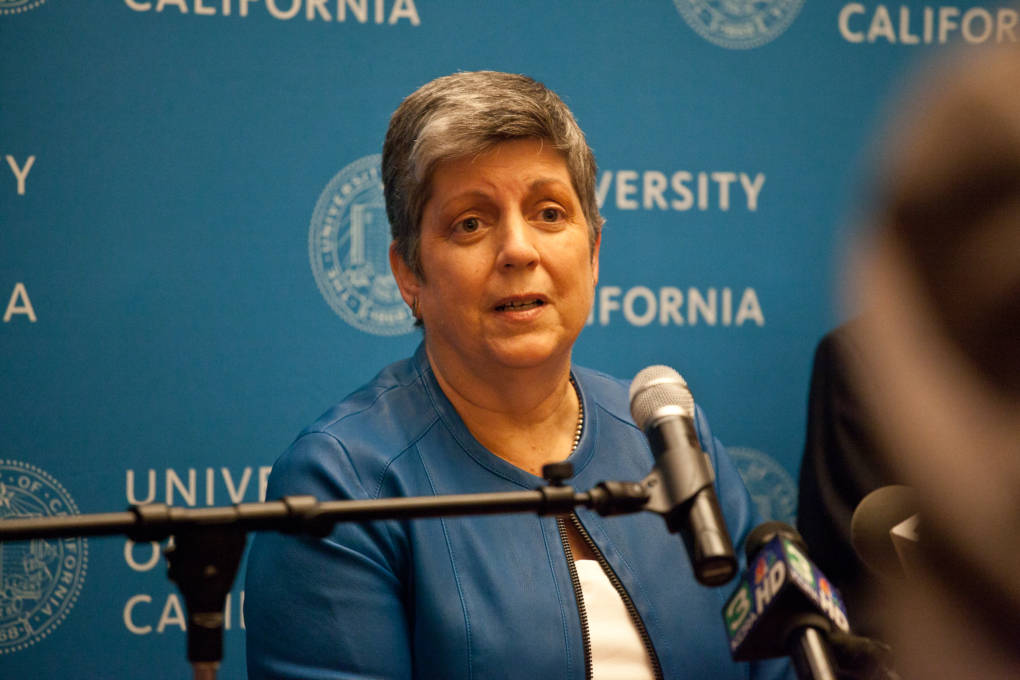
"caption": "The University of California's governing board will not be asked to vote on raising tuition at next month's meeting, so officials and students can continue lobbying for more state funding, UC President Janet Napolitano said Thursday.",
"description": "The University of California's governing board will not be asked to vote on raising tuition at next month's meeting, so officials and students can continue lobbying for more state funding, UC President Janet Napolitano said Thursday.",
"title": "RS5735_027",
"credit": "Deborah Svoboda/KQED",
"status": "inherit",
"fetchFailed": false,
"isLoading": false
},
"news_11644328": {
"type": "attachments",
"id": "news_11644328",
"meta": {
"index": "attachments_1716263798",
"site": "news",
"id": "11644328",
"found": true
},
"parent": 11644251,
"imgSizes": {
"small": {
"file": "https://ww2.kqed.org/app/uploads/sites/10/2018/01/RS1673_ucregents20120508-520x347.jpg",
"width": 520,
"mimeType": "image/jpeg",
"height": 347
},
"twentyfourteen-full-width": {
"file": "https://ww2.kqed.org/app/uploads/sites/10/2018/01/RS1673_ucregents20120508-1038x576.jpg",
"width": 1038,
"mimeType": "image/jpeg",
"height": 576
},
"thumbnail": {
"file": "https://ww2.kqed.org/app/uploads/sites/10/2018/01/RS1673_ucregents20120508-160x107.jpg",
"width": 160,
"mimeType": "image/jpeg",
"height": 107
},
"fd-sm": {
"file": "https://ww2.kqed.org/app/uploads/sites/10/2018/01/RS1673_ucregents20120508-960x640.jpg",
"width": 960,
"mimeType": "image/jpeg",
"height": 640
},
"post-thumbnail": {
"file": "https://ww2.kqed.org/app/uploads/sites/10/2018/01/RS1673_ucregents20120508-672x372.jpg",
"width": 672,
"mimeType": "image/jpeg",
"height": 372
},
"xsmall": {
"file": "https://ww2.kqed.org/app/uploads/sites/10/2018/01/RS1673_ucregents20120508-375x250.jpg",
"width": 375,
"mimeType": "image/jpeg",
"height": 250
},
"kqedFullSize": {
"file": "https://ww2.kqed.org/app/uploads/sites/10/2018/01/RS1673_ucregents20120508-e1516921772715.jpg",
"width": 1920,
"height": 1280
},
"large": {
"file": "https://ww2.kqed.org/app/uploads/sites/10/2018/01/RS1673_ucregents20120508-1020x680.jpg",
"width": 1020,
"mimeType": "image/jpeg",
"height": 680
},
"xlarge": {
"file": "https://ww2.kqed.org/app/uploads/sites/10/2018/01/RS1673_ucregents20120508-1180x787.jpg",
"width": 1180,
"mimeType": "image/jpeg",
"height": 787
},
"guest-author-50": {
"file": "https://ww2.kqed.org/app/uploads/sites/10/2018/01/RS1673_ucregents20120508-50x50.jpg",
"width": 50,
"mimeType": "image/jpeg",
"height": 50
},
"guest-author-96": {
"file": "https://ww2.kqed.org/app/uploads/sites/10/2018/01/RS1673_ucregents20120508-96x96.jpg",
"width": 96,
"mimeType": "image/jpeg",
"height": 96
},
"medium": {
"file": "https://ww2.kqed.org/app/uploads/sites/10/2018/01/RS1673_ucregents20120508-800x533.jpg",
"width": 800,
"mimeType": "image/jpeg",
"height": 533
},
"guest-author-64": {
"file": "https://ww2.kqed.org/app/uploads/sites/10/2018/01/RS1673_ucregents20120508-64x64.jpg",
"width": 64,
"mimeType": "image/jpeg",
"height": 64
},
"guest-author-32": {
"file": "https://ww2.kqed.org/app/uploads/sites/10/2018/01/RS1673_ucregents20120508-32x32.jpg",
"width": 32,
"mimeType": "image/jpeg",
"height": 32
},
"fd-lrg": {
"file": "https://ww2.kqed.org/app/uploads/sites/10/2018/01/RS1673_ucregents20120508-1920x1280.jpg",
"width": 1920,
"mimeType": "image/jpeg",
"height": 1280
},
"fd-med": {
"file": "https://ww2.kqed.org/app/uploads/sites/10/2018/01/RS1673_ucregents20120508-1180x787.jpg",
"width": 1180,
"mimeType": "image/jpeg",
"height": 787
},
"full-width": {
"file": "https://ww2.kqed.org/app/uploads/sites/10/2018/01/RS1673_ucregents20120508-1920x1280.jpg",
"width": 1920,
"mimeType": "image/jpeg",
"height": 1280
},
"detail": {
"file": "https://ww2.kqed.org/app/uploads/sites/10/2018/01/RS1673_ucregents20120508-150x150.jpg",
"width": 150,
"mimeType": "image/jpeg",
"height": 150
},
"guest-author-128": {
"file": "https://ww2.kqed.org/app/uploads/sites/10/2018/01/RS1673_ucregents20120508-128x128.jpg",
"width": 128,
"mimeType": "image/jpeg",
"height": 128
},
"xxsmall": {
"file": "https://ww2.kqed.org/app/uploads/sites/10/2018/01/RS1673_ucregents20120508-240x160.jpg",
"width": 240,
"mimeType": "image/jpeg",
"height": 160
}
},
"publishDate": 1516917414,
"modified": 1516925901,
"caption": "UCLA students protest as UC regents vote on a tuition increase in 2009. ",
"description": "UCLA students protest as UC Regents vote on a tuition increase in 2009. ",
"title": "University Of California Students Protest 32 Percent Fee Hike",
"credit": "David McNew/Getty Images",
"status": "inherit",
"fetchFailed": false,
"isLoading": false
},
"news_11639578": {
"type": "attachments",
"id": "news_11639578",
"meta": {
"index": "attachments_1716263798",
"site": "news",
"id": "11639578",
"found": true
},
"parent": 11639574,
"imgSizes": {
"small": {
"file": "https://ww2.kqed.org/app/uploads/sites/10/2017/12/GettyImages-490416038-520x347.jpg",
"width": 520,
"mimeType": "image/jpeg",
"height": 347
},
"twentyfourteen-full-width": {
"file": "https://ww2.kqed.org/app/uploads/sites/10/2017/12/GettyImages-490416038-1038x576.jpg",
"width": 1038,
"mimeType": "image/jpeg",
"height": 576
},
"thumbnail": {
"file": "https://ww2.kqed.org/app/uploads/sites/10/2017/12/GettyImages-490416038-160x107.jpg",
"width": 160,
"mimeType": "image/jpeg",
"height": 107
},
"fd-sm": {
"file": "https://ww2.kqed.org/app/uploads/sites/10/2017/12/GettyImages-490416038-960x640.jpg",
"width": 960,
"mimeType": "image/jpeg",
"height": 640
},
"post-thumbnail": {
"file": "https://ww2.kqed.org/app/uploads/sites/10/2017/12/GettyImages-490416038-672x372.jpg",
"width": 672,
"mimeType": "image/jpeg",
"height": 372
},
"xsmall": {
"file": "https://ww2.kqed.org/app/uploads/sites/10/2017/12/GettyImages-490416038-375x250.jpg",
"width": 375,
"mimeType": "image/jpeg",
"height": 250
},
"kqedFullSize": {
"file": "https://ww2.kqed.org/app/uploads/sites/10/2017/12/GettyImages-490416038-e1514664391988.jpg",
"width": 1920,
"height": 1280
},
"large": {
"file": "https://ww2.kqed.org/app/uploads/sites/10/2017/12/GettyImages-490416038-1020x680.jpg",
"width": 1020,
"mimeType": "image/jpeg",
"height": 680
},
"xlarge": {
"file": "https://ww2.kqed.org/app/uploads/sites/10/2017/12/GettyImages-490416038-1180x787.jpg",
"width": 1180,
"mimeType": "image/jpeg",
"height": 787
},
"guest-author-50": {
"file": "https://ww2.kqed.org/app/uploads/sites/10/2017/12/GettyImages-490416038-50x50.jpg",
"width": 50,
"mimeType": "image/jpeg",
"height": 50
},
"guest-author-96": {
"file": "https://ww2.kqed.org/app/uploads/sites/10/2017/12/GettyImages-490416038-96x96.jpg",
"width": 96,
"mimeType": "image/jpeg",
"height": 96
},
"medium": {
"file": "https://ww2.kqed.org/app/uploads/sites/10/2017/12/GettyImages-490416038-800x533.jpg",
"width": 800,
"mimeType": "image/jpeg",
"height": 533
},
"guest-author-64": {
"file": "https://ww2.kqed.org/app/uploads/sites/10/2017/12/GettyImages-490416038-64x64.jpg",
"width": 64,
"mimeType": "image/jpeg",
"height": 64
},
"guest-author-32": {
"file": "https://ww2.kqed.org/app/uploads/sites/10/2017/12/GettyImages-490416038-32x32.jpg",
"width": 32,
"mimeType": "image/jpeg",
"height": 32
},
"fd-lrg": {
"file": "https://ww2.kqed.org/app/uploads/sites/10/2017/12/GettyImages-490416038-1920x1280.jpg",
"width": 1920,
"mimeType": "image/jpeg",
"height": 1280
},
"fd-med": {
"file": "https://ww2.kqed.org/app/uploads/sites/10/2017/12/GettyImages-490416038-1180x787.jpg",
"width": 1180,
"mimeType": "image/jpeg",
"height": 787
},
"full-width": {
"file": "https://ww2.kqed.org/app/uploads/sites/10/2017/12/GettyImages-490416038-1920x1280.jpg",
"width": 1920,
"mimeType": "image/jpeg",
"height": 1280
},
"detail": {
"file": "https://ww2.kqed.org/app/uploads/sites/10/2017/12/GettyImages-490416038-150x150.jpg",
"width": 150,
"mimeType": "image/jpeg",
"height": 150
},
"guest-author-128": {
"file": "https://ww2.kqed.org/app/uploads/sites/10/2017/12/GettyImages-490416038-128x128.jpg",
"width": 128,
"mimeType": "image/jpeg",
"height": 128
},
"xxsmall": {
"file": "https://ww2.kqed.org/app/uploads/sites/10/2017/12/GettyImages-490416038-240x160.jpg",
"width": 240,
"mimeType": "image/jpeg",
"height": 160
}
},
"publishDate": 1514664328,
"modified": 1514664380,
"caption": "(L-R) Adam Carolla, Norman Pattiz, Perez Hilton, and Gayle Troberman speak onstage at The Golden Art of Podcasting panel on September 28, 2015 in New York City.",
"description": "(L-R) Adam Carolla, Norman Pattiz, Perez Hilton, and Gayle Troberman speak onstage at The Golden Art of Podcasting panel on September 28, 2015 in New York City.",
"title": "AWXII - Day 1",
"credit": " Paul Zimmerman/Getty Images for AWXII",
"status": "inherit",
"fetchFailed": false,
"isLoading": false
},
"news_11465071": {
"type": "attachments",
"id": "news_11465071",
"meta": {
"index": "attachments_1716263798",
"site": "news",
"id": "11465071",
"found": true
},
"parent": 11465066,
"imgSizes": {
"small": {
"file": "https://ww2.kqed.org/app/uploads/sites/10/2017/05/Napolitano-520x346.jpg",
"width": 520,
"mimeType": "image/jpeg",
"height": 346
},
"twentyfourteen-full-width": {
"file": "https://ww2.kqed.org/app/uploads/sites/10/2017/05/Napolitano-1038x576.jpg",
"width": 1038,
"mimeType": "image/jpeg",
"height": 576
},
"thumbnail": {
"file": "https://ww2.kqed.org/app/uploads/sites/10/2017/05/Napolitano-160x107.jpg",
"width": 160,
"mimeType": "image/jpeg",
"height": 107
},
"fd-sm": {
"file": "https://ww2.kqed.org/app/uploads/sites/10/2017/05/Napolitano-960x639.jpg",
"width": 960,
"mimeType": "image/jpeg",
"height": 639
},
"post-thumbnail": {
"file": "https://ww2.kqed.org/app/uploads/sites/10/2017/05/Napolitano-672x372.jpg",
"width": 672,
"mimeType": "image/jpeg",
"height": 372
},
"xsmall": {
"file": "https://ww2.kqed.org/app/uploads/sites/10/2017/05/Napolitano-375x250.jpg",
"width": 375,
"mimeType": "image/jpeg",
"height": 250
},
"kqedFullSize": {
"file": "https://ww2.kqed.org/app/uploads/sites/10/2017/05/Napolitano.jpg",
"width": 1920,
"height": 1278
},
"large": {
"file": "https://ww2.kqed.org/app/uploads/sites/10/2017/05/Napolitano-1020x679.jpg",
"width": 1020,
"mimeType": "image/jpeg",
"height": 679
},
"xlarge": {
"file": "https://ww2.kqed.org/app/uploads/sites/10/2017/05/Napolitano-1180x785.jpg",
"width": 1180,
"mimeType": "image/jpeg",
"height": 785
},
"guest-author-50": {
"file": "https://ww2.kqed.org/app/uploads/sites/10/2017/05/Napolitano-50x50.jpg",
"width": 50,
"mimeType": "image/jpeg",
"height": 50
},
"guest-author-96": {
"file": "https://ww2.kqed.org/app/uploads/sites/10/2017/05/Napolitano-96x96.jpg",
"width": 96,
"mimeType": "image/jpeg",
"height": 96
},
"medium": {
"file": "https://ww2.kqed.org/app/uploads/sites/10/2017/05/Napolitano-800x533.jpg",
"width": 800,
"mimeType": "image/jpeg",
"height": 533
},
"guest-author-64": {
"file": "https://ww2.kqed.org/app/uploads/sites/10/2017/05/Napolitano-64x64.jpg",
"width": 64,
"mimeType": "image/jpeg",
"height": 64
},
"guest-author-32": {
"file": "https://ww2.kqed.org/app/uploads/sites/10/2017/05/Napolitano-32x32.jpg",
"width": 32,
"mimeType": "image/jpeg",
"height": 32
},
"fd-lrg": {
"file": "https://ww2.kqed.org/app/uploads/sites/10/2017/05/Napolitano-1920x1278.jpg",
"width": 1920,
"mimeType": "image/jpeg",
"height": 1278
},
"fd-med": {
"file": "https://ww2.kqed.org/app/uploads/sites/10/2017/05/Napolitano-1180x785.jpg",
"width": 1180,
"mimeType": "image/jpeg",
"height": 785
},
"full-width": {
"file": "https://ww2.kqed.org/app/uploads/sites/10/2017/05/Napolitano-1920x1278.jpg",
"width": 1920,
"mimeType": "image/jpeg",
"height": 1278
},
"detail": {
"file": "https://ww2.kqed.org/app/uploads/sites/10/2017/05/Napolitano-150x150.jpg",
"width": 150,
"mimeType": "image/jpeg",
"height": 150
},
"guest-author-128": {
"file": "https://ww2.kqed.org/app/uploads/sites/10/2017/05/Napolitano-128x128.jpg",
"width": 128,
"mimeType": "image/jpeg",
"height": 128
},
"xxsmall": {
"file": "https://ww2.kqed.org/app/uploads/sites/10/2017/05/Napolitano-240x160.jpg",
"width": 240,
"mimeType": "image/jpeg",
"height": 160
}
},
"publishDate": 1495135351,
"modified": 1495135403,
"caption": "University of California President Janet Napolitano.",
"description": "University of California President Janet Napolitano.",
"title": "Napolitano",
"credit": "Astrid Riecken/Getty Images",
"status": "inherit",
"fetchFailed": false,
"isLoading": false
},
"news_11288078": {
"type": "attachments",
"id": "news_11288078",
"meta": {
"index": "attachments_1716263798",
"site": "news",
"id": "11288078",
"found": true
},
"parent": 11288076,
"imgSizes": {
"small": {
"file": "https://ww2.kqed.org/app/uploads/sites/10/2017/01/Napolitano-520x352.jpg",
"width": 520,
"mimeType": "image/jpeg",
"height": 352
},
"twentyfourteen-full-width": {
"file": "https://ww2.kqed.org/app/uploads/sites/10/2017/01/Napolitano-1038x576.jpg",
"width": 1038,
"mimeType": "image/jpeg",
"height": 576
},
"thumbnail": {
"file": "https://ww2.kqed.org/app/uploads/sites/10/2017/01/Napolitano-160x108.jpg",
"width": 160,
"mimeType": "image/jpeg",
"height": 108
},
"fd-sm": {
"file": "https://ww2.kqed.org/app/uploads/sites/10/2017/01/Napolitano-960x650.jpg",
"width": 960,
"mimeType": "image/jpeg",
"height": 650
},
"post-thumbnail": {
"file": "https://ww2.kqed.org/app/uploads/sites/10/2017/01/Napolitano-672x372.jpg",
"width": 672,
"mimeType": "image/jpeg",
"height": 372
},
"xsmall": {
"file": "https://ww2.kqed.org/app/uploads/sites/10/2017/01/Napolitano-375x254.jpg",
"width": 375,
"mimeType": "image/jpeg",
"height": 254
},
"kqedFullSize": {
"file": "https://ww2.kqed.org/app/uploads/sites/10/2017/01/Napolitano.jpg",
"width": 1920,
"height": 1300
},
"large": {
"file": "https://ww2.kqed.org/app/uploads/sites/10/2017/01/Napolitano-1020x691.jpg",
"width": 1020,
"mimeType": "image/jpeg",
"height": 691
},
"xlarge": {
"file": "https://ww2.kqed.org/app/uploads/sites/10/2017/01/Napolitano-1180x799.jpg",
"width": 1180,
"mimeType": "image/jpeg",
"height": 799
},
"guest-author-50": {
"file": "https://ww2.kqed.org/app/uploads/sites/10/2017/01/Napolitano-50x50.jpg",
"width": 50,
"mimeType": "image/jpeg",
"height": 50
},
"guest-author-96": {
"file": "https://ww2.kqed.org/app/uploads/sites/10/2017/01/Napolitano-96x96.jpg",
"width": 96,
"mimeType": "image/jpeg",
"height": 96
},
"medium": {
"file": "https://ww2.kqed.org/app/uploads/sites/10/2017/01/Napolitano-800x542.jpg",
"width": 800,
"mimeType": "image/jpeg",
"height": 542
},
"guest-author-64": {
"file": "https://ww2.kqed.org/app/uploads/sites/10/2017/01/Napolitano-64x64.jpg",
"width": 64,
"mimeType": "image/jpeg",
"height": 64
},
"guest-author-32": {
"file": "https://ww2.kqed.org/app/uploads/sites/10/2017/01/Napolitano-32x32.jpg",
"width": 32,
"mimeType": "image/jpeg",
"height": 32
},
"jmtc-small-thumb": {
"file": "https://ww2.kqed.org/app/uploads/sites/10/2017/01/Napolitano-280x150.jpg",
"width": 280,
"mimeType": "image/jpeg",
"height": 150
},
"fd-lrg": {
"file": "https://ww2.kqed.org/app/uploads/sites/10/2017/01/Napolitano-1920x1300.jpg",
"width": 1920,
"mimeType": "image/jpeg",
"height": 1300
},
"fd-med": {
"file": "https://ww2.kqed.org/app/uploads/sites/10/2017/01/Napolitano-1180x799.jpg",
"width": 1180,
"mimeType": "image/jpeg",
"height": 799
},
"full-width": {
"file": "https://ww2.kqed.org/app/uploads/sites/10/2017/01/Napolitano-1920x1300.jpg",
"width": 1920,
"mimeType": "image/jpeg",
"height": 1300
},
"detail": {
"file": "https://ww2.kqed.org/app/uploads/sites/10/2017/01/Napolitano-150x150.jpg",
"width": 150,
"mimeType": "image/jpeg",
"height": 150
},
"guest-author-128": {
"file": "https://ww2.kqed.org/app/uploads/sites/10/2017/01/Napolitano-128x128.jpg",
"width": 128,
"mimeType": "image/jpeg",
"height": 128
},
"xxsmall": {
"file": "https://ww2.kqed.org/app/uploads/sites/10/2017/01/Napolitano-240x163.jpg",
"width": 240,
"mimeType": "image/jpeg",
"height": 163
}
},
"publishDate": 1485481371,
"modified": 1485481488,
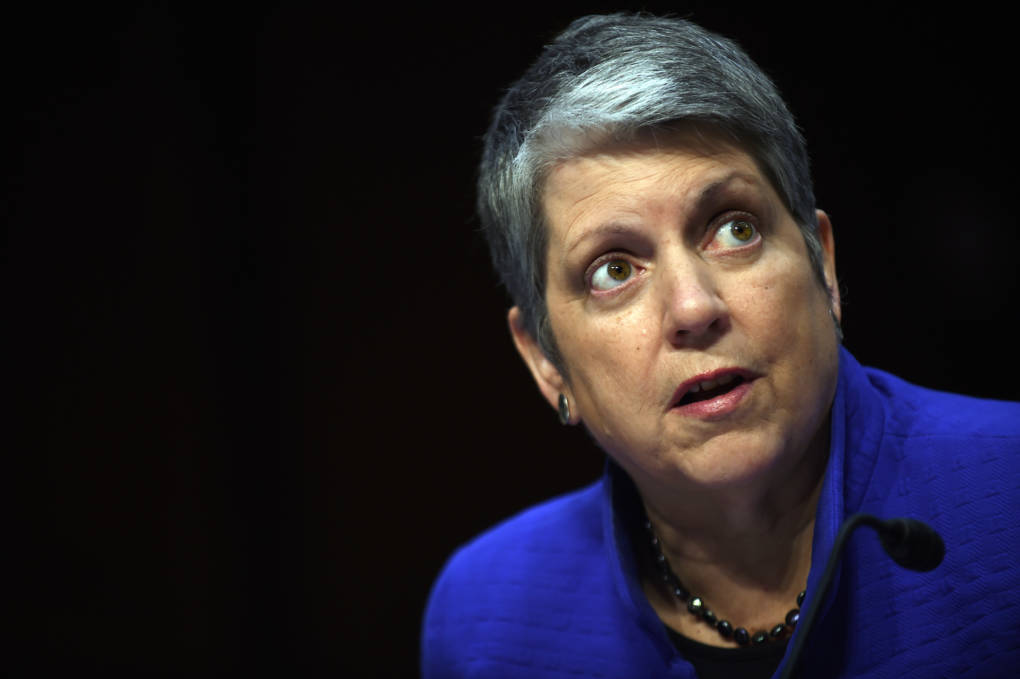
"caption": "University of California President Janet Napolitano, pictured in 2013.",
"description": "University of California President Janet Napolitano, pictured in 2013.",
"title": "Napolitano",
"credit": "Justin Sullivan/Getty Images",
"status": "inherit",
"fetchFailed": false,
"isLoading": false
}
},
"audioPlayerReducer": {
"postId": "stream_live",
"isPaused": true,
"isPlaying": false,
"pfsActive": false,
"pledgeModalIsOpen": true,
"playerDrawerIsOpen": false
},
"authorsReducer": {
"byline_news_12064807": {
"type": "authors",
"id": "byline_news_12064807",
"meta": {
"override": true
},
"slug": "byline_news_12064807",
"name": "Mikhail Zinshteyn, CalMatters",
"isLoading": false
},
"byline_news_11881743": {
"type": "authors",
"id": "byline_news_11881743",
"meta": {
"override": true
},
"slug": "byline_news_11881743",
"name": "\u003ca href=\"https://calmatters.org/author/mikhailzinshteyn/\">Mikhail Zinshteyn\u003c/a>\u003cbr>CalMatters",
"isLoading": false
},
"byline_news_11827813": {
"type": "authors",
"id": "byline_news_11827813",
"meta": {
"override": true
},
"slug": "byline_news_11827813",
"name": "Jocelyn Gecker and Julie Watson\u003cbr>Associated Press",
"isLoading": false
},
"byline_news_11665071": {
"type": "authors",
"id": "byline_news_11665071",
"meta": {
"override": true
},
"slug": "byline_news_11665071",
"name": "\u003cstrong>Jocelyn Gecker\u003c/br>Associated Press\u003c/strong>",
"isLoading": false
},
"byline_news_11639574": {
"type": "authors",
"id": "byline_news_11639574",
"meta": {
"override": true
},
"slug": "byline_news_11639574",
"name": "\u003cstrong>Associated Press\u003c/strong> and \u003cstrong>KQED Staff\u003c/strong>",
"isLoading": false
},
"byline_news_11465066": {
"type": "authors",
"id": "byline_news_11465066",
"meta": {
"override": true
},
"slug": "byline_news_11465066",
"name": "Janie Har \u003cbr> Associated Press",
"isLoading": false
},
"byline_news_11288076": {
"type": "authors",
"id": "byline_news_11288076",
"meta": {
"override": true
},
"slug": "byline_news_11288076",
"name": "Jocelyn Gecker \u003cbr> Associated Press ",
"isLoading": false
},
"vrancano": {
"type": "authors",
"id": "11276",
"meta": {
"index": "authors_1716337520",
"id": "11276",
"found": true
},
"name": "Vanessa Rancaño",
"firstName": "Vanessa",
"lastName": "Rancaño",
"slug": "vrancano",
"email": "vrancano@kqed.org",
"display_author_email": false,
"staff_mastheads": [
"news"
],
"title": "Reporter, Housing",
"bio": "Vanessa Rancaño reports on housing and homelessness for KQED. She’s also covered education for the station and reported from the Central Valley. Her work has aired across public radio, from flagship national news shows to longform narrative podcasts. Before taking up a mic, she worked as a freelance print journalist. She’s been recognized with a number of national and regional awards. Vanessa grew up in California's Central Valley. She's a former NPR Kroc Fellow, and a graduate of the UC Berkeley Graduate School of Journalism.",
"avatar": "https://secure.gravatar.com/avatar/f6c0fc5d391c78710bcfc723f0636ef6?s=600&d=blank&r=g",
"twitter": "vanessarancano",
"facebook": null,
"instagram": null,
"linkedin": null,
"sites": [
{
"site": "arts",
"roles": [
"editor"
]
},
{
"site": "news",
"roles": [
"editor"
]
}
],
"headData": {
"title": "Vanessa Rancaño | KQED",
"description": "Reporter, Housing",
"ogImgSrc": "https://secure.gravatar.com/avatar/f6c0fc5d391c78710bcfc723f0636ef6?s=600&d=blank&r=g",
"twImgSrc": "https://secure.gravatar.com/avatar/f6c0fc5d391c78710bcfc723f0636ef6?s=600&d=blank&r=g"
},
"isLoading": false,
"link": "/author/vrancano"
},
"kdebenedetti": {
"type": "authors",
"id": "11913",
"meta": {
"index": "authors_1716337520",
"id": "11913",
"found": true
},
"name": "Katie DeBenedetti",
"firstName": "Katie",
"lastName": "DeBenedetti",
"slug": "kdebenedetti",
"email": "kdebenedetti@kqed.org",
"display_author_email": false,
"staff_mastheads": [
"news",
"science"
],
"title": "KQED Contributor",
"bio": "Katie DeBenedetti is a digital reporter covering daily news for the Express Desk. Prior to joining KQED as a culture reporting intern in January 2024, she covered education and city government for the Napa Valley Register.",
"avatar": "https://secure.gravatar.com/avatar/6e31073cb8f7e4214ab03f42771d0f45?s=600&d=blank&r=g",
"twitter": null,
"facebook": null,
"instagram": null,
"linkedin": null,
"sites": [
{
"site": "news",
"roles": [
"author"
]
},
{
"site": "science",
"roles": [
"author"
]
},
{
"site": "liveblog",
"roles": [
"author"
]
}
],
"headData": {
"title": "Katie DeBenedetti | KQED",
"description": "KQED Contributor",
"ogImgSrc": "https://secure.gravatar.com/avatar/6e31073cb8f7e4214ab03f42771d0f45?s=600&d=blank&r=g",
"twImgSrc": "https://secure.gravatar.com/avatar/6e31073cb8f7e4214ab03f42771d0f45?s=600&d=blank&r=g"
},
"isLoading": false,
"link": "/author/kdebenedetti"
}
},
"breakingNewsReducer": {},
"pagesReducer": {},
"postsReducer": {
"stream_live": {
"type": "live",
"id": "stream_live",
"audioUrl": "https://streams.kqed.org/kqedradio",
"title": "Live Stream",
"excerpt": "Live Stream information currently unavailable.",
"link": "/radio",
"featImg": "",
"label": {
"name": "KQED Live",
"link": "/"
}
},
"stream_kqedNewscast": {
"type": "posts",
"id": "stream_kqedNewscast",
"audioUrl": "https://www.kqed.org/.stream/anon/radio/RDnews/newscast.mp3?_=1",
"title": "KQED Newscast",
"featImg": "",
"label": {
"name": "88.5 FM",
"link": "/"
}
},
"news_12064807": {
"type": "posts",
"id": "news_12064807",
"meta": {
"index": "posts_1716263798",
"site": "news",
"id": "12064807",
"score": null,
"sort": [
1763599880000
]
},
"guestAuthors": [],
"slug": "uc-continues-annual-tuition-hikes-despite-student-appeals-heres-how-much-it-will-increase",
"title": "UC Continues Annual Tuition Hikes Despite Student Appeals. Here’s How Much It Will Increase",
"publishDate": 1763599880,
"format": "standard",
"headTitle": "UC Continues Annual Tuition Hikes Despite Student Appeals. Here’s How Much It Will Increase | KQED",
"labelTerm": {},
"content": "\u003cp>\u003cem>\u003c/em>\u003c/p>\n\u003cp>This story was originally published by \u003ca href=\"https://calmatters.org/\">CalMatters\u003c/a>. \u003ca href=\"https://calmatters.org/subscribe-to-calmatters/\">Sign up\u003c/a> for their newsletters.\u003c/p>\n\u003cp>\u003c/p>\n\u003cp>The \u003ca href=\"https://www.kqed.org/news/tag/university-of-california\">University of California\u003c/a> has renewed its policy of annual tuition hikes today after the UC Board of Regents voted 13 to 3 to approve the measure, despite fierce opposition from undergraduates.\u003c/p>\n\u003cp>Broadly, what undergraduates will expect to pay for tuition doesn’t change once they enroll. The model regents approved still allows the system to increase undergraduate tuition and systemwide fees by as much as 5% annually, depending on inflation, and locks in that rate for students enrolling that year for up to six years.\u003c/p>\n\u003cp>Each cohort of incoming students pays the same tuition, but what they pay is more than the previous year’s cohort, and less than what the next cohort will pay. This means that current undergraduate students would see no change to their tuition. Graduate students, however, would continue to see annual increases because they’re not on the cohort model.\u003c/p>\n\u003cp>[ad fullwidth]\u003c/p>\n\u003cp>The revised plan begins in 2026-27.\u003c/p>\n\u003cp>This “stability” plan is a way to ensure UC can collect more revenue to finance the ever-increasing costs of educating students that signals consistency and predictability to students and their families, UC officials contend. The approach is a departure from a boom-and-bust cycle at UC in which tuition stays flat for several years until recessions and state cutbacks prompt double-digit tuition spikes in consecutive years. That happened during the 2007 Great Recession. After six years, tuition \u003ca href=\"https://calmatters.org/explainers/cost-of-college-california/#:~:text=Here%E2%80%99s%20a%20primer%20on%20how%20costs%20have%20changed%20%E2%80%94%20and%20how%20and%20where%20higher%20education%20can%20be%20affordable.\">had doubled\u003c/a>.\u003c/p>\n\u003cp>The regents first adopted this cohort tuition model in 2021 and it took effect in 2022. Since 2021, tuition for entering undergraduates has risen from \u003ca href=\"https://www.ucop.edu/operating-budget/_files/fees/202223/2022-23.pdf\">$12,570\u003c/a> to \u003ca href=\"https://www.ucop.edu/operating-budget/_files/fees/202526/2025-26.pdf\">$14,934\u003c/a> this year. UC first began charging tuition in 1970 — the enrollment fees were $450.[aside postID=news_12064357 hero='https://cdn.kqed.org/wp-content/uploads/sites/10/2025/11/251117-UCStrike-08-BL.jpg']Students were livid in 2021 and remained so today.\u003c/p>\n\u003cp>“Students should not be fighting for our lives,” said Diego Emilio Bollo, president of the undergraduate student association at UCLA. He spoke at a rally today with dozens of students opposing the tuition plan and said the UC should look elsewhere for money. “The UC should be fighting in Sacramento and in Washington, DC. And the students are not the UC’s backup budget plan.”\u003c/p>\n\u003cp>UC says 98% of California students with household incomes below $60,000 and who applied for financial aid don’t pay tuition, though student advocates say some undergraduates still fall through the cracks.\u003c/p>\n\u003cp>Regent Michael Cohen, who helped to secure more financial aid for UC students when the board voted to launch the cohort plan in 2021, said he supported the model today because tuition stays flat for individual students for up to six years after they see a tuition hike once. To him, that means students get an increasing discount, as tuition stays flat while inflation rises.\u003c/p>\n\u003cp>Cohen added that the revenue from the tuition increases allowed the UC to enroll 15,000 more new California undergraduates. “That’s remarkable,” he said. State aid alone couldn’t have given more Californians access to the UC, he noted. \u003c/p>\n\u003cp>But Lt. Gov. Eleni Kounalakis vehemently opposed the continuation of the tuition increases. She said these decisions should be reviewed at least annually, not left alone for years at a time. “Our students sleep in their cars. Our students go to food banks in order to be able to eat,” she said. “I think that any time we raise tuition, we should be going back and understanding whether or not we’ve done every other possible thing to avoid raising tuition.”\u003c/p>\n\u003cp>The original plan proposed today would have led to endless ongoing tuition increases. But students and some regents were critical of the cohort model continuing without end, so the board voted to revisit the model in seven years.\u003c/p>\n\u003cp>Guided by UC Office of the President officials, the board also lowered from 45% to 40% the share of new tuition revenue that flows to undergraduate financial aid. When regents installed this tuition hike plan, the return-to-aid figure was 33%.[aside postID=news_12062080 hero='https://cdn.kqed.org/wp-content/uploads/sites/10/2025/09/20250929_UCBERKELEY_GC-5-KQED.jpg']Counterintuitively, this means that low- and moderate-income students \u003ca href=\"https://regents.universityofcalifornia.edu/regmeet/july25/b2.pdf#page=5\">got thousands more in financial aid\u003c/a> to cover tuition and additional living costs under these tuition increases than they would have had the UC not increased tuition. On the other hand, higher-income students, those from families with incomes above $120,000, generally paid hundreds of dollars more for their cost of attendance because they get less financial aid, median data from UC show. UC projections show that those \u003ca href=\"https://regents.universityofcalifornia.edu/regmeet/nov25/b3.pdf#page=8\">trends will continue\u003c/a> through the end of the decade.\u003c/p>\n\u003cp>Still, some higher-income students receive UC grants from return-to-aid. For example, a quarter of students whose families make between $147,000 and $184,000 \u003ca href=\"https://www.ucop.edu/enrollment-services/data-and-reporting/reports-to-the-regents-on-student-financial-support/2025-guea-student-financial-support-report-nf-final.pdf#page=7\">received a UC grant in 2023-24\u003c/a>. Students receive financial aid based on a federal formula that takes into account household income, money in certain financial accounts and \u003ca href=\"https://www.kiplinger.com/taxes/types-of-nontaxable-income\">untaxed income\u003c/a>, such as life insurance payouts and inheritances.\u003c/p>\n\u003cp>About half of in-state undergraduate students at UC live in households with incomes below $120,000, \u003ca href=\"https://accountability.universityofcalifornia.edu/2025/chapters/chapter-2.html#:~:text=31%20percent%20of%20in%2Dstate%20students%2C%20come%20from%20low%2Dincome%C2%A0families.\">UC data show\u003c/a>.\u003c/p>\n\u003cp>Funneling a portion of tuition increases to financial aid has resulted in an extra roughly $1 billion in financial aid for students, a UC finance official said today. Overall, 35% of UC undergraduates from California take out loans to attend the system and the average debt has been constant at about $17,000, said Shawn Brick, who heads financial aid, at the regents meeting. \u003c/p>\n\u003cp>\u003c/p>\u003ch2>UC budget struggles\u003c/h2>\n\n\u003cp>The drop in return-to-aid is a way to route more funding to campuses that have been rocked by federal cutbacks tied up in legal battles and state support that is less than Gov. Gavin Newsom and the state Legislature had indicated the UC \u003ca href=\"https://regents.universityofcalifornia.edu/regmeet/sept25/f2.pdf#page=3\">would receive in past years\u003c/a>.[aside postID=news_12056908 hero='https://cdn.kqed.org/wp-content/uploads/sites/10/2024/07/230817-UC-BERKELEY-CAMPUS-MD-03-1020x680.jpg']Already, the UC is enrolling about 4,000 more California students than the state is giving them money for. Because of this, UC reported that it brings in less money per student to educate them than the system collected four years ago — down to $28,000 from $30,000.\u003c/p>\n\u003cp>Nearly 800 employees have been laid off across the UC system this year, UC President James B. Milliken said. “These layoffs reflect the seriousness of the financial pressures we are navigating,” he said this morning.\u003c/p>\n\u003cp>UC has also fought to recover 1,600 federal research grants that the Trump administration suspended or terminated. While many have been restored through court orders, 400 are still defunded, totalling $230 million, Milliken said. Meanwhile the UC \u003ca href=\"https://calmatters.org/education/2025/03/university-of-california/#:~:text=is%20antisemitism.-,UC%20lawsuits,-In%20protecting%20its\">has sued to halt\u003c/a> Trump from changing a formula for how much campuses receive in grant funds to maintain labs. At stake is \u003ca href=\"https://www.chronicle.com/article/trump-wants-to-cut-billions-in-research-spending-heres-how-much-it-might-cost-your-university\">another half-billion dollars\u003c/a>. That money supports jobs and regional economies; the UC is the state’s \u003ca href=\"https://accountability.universityofcalifornia.edu/2025/exec-sum.html\">second-largest employer\u003c/a>.\u003c/p>\n\u003cp>UC officials persuaded the regents to make other technical changes that increase the odds that tuition for the next cohort would rise more than it has so far, but tuition increases would still be capped at 5%.\u003c/p>\n\u003cp>One allows UC to defer the financial impact if inflation exceeds 5%. In that case, the percent that is above 5% would be applied to a future year when the inflation rate is lower. \u003c/p>\n\u003cp>Had this plan been in place since 2022, tuition would have risen by 1.5% \u003ca href=\"https://regents.universityofcalifornia.edu/regmeet/nov25/b3.pdf#page=4\">more than it did this year\u003c/a>, UC finance staff said.\u003c/p>\n\u003cp>The UC Regents also agreed to include another one-percentage-point increase in cohort tuition that would be dedicated to building maintenance or another campus need. Still, tuition increases wouldn’t exceed 5%. The system regularly asks for hundreds of millions in money but often gets much less. The system is able to issue bonds for new construction, but the amount is limited. \u003c/p>\n\u003cp>In the original plan today, the additional revenue from this 1% bump would have been limited to structures that service students. Now, the extra 1% can be used by campus chancellors for other spending priorities. The system has a deferred maintenance backlog of $9 billion, UC officials said today.\u003c/p>\n\u003cp>The UC student association said capital projects shouldn’t be paid for with tuition dollars. “We urge the Board to reject the proposed 1% step increase, or commit to dedicating a portion of the revenue to go to vital student supports, such as basic needs, retention programs and health services,” \u003ca href=\"https://docs.google.com/document/d/1MVEZ3qRSLbGP-WwUXrRL6zn_V2oULqa8qEgVCnUMazo/edit?tab=t.0\">the group wrote in a public letter\u003c/a>. \u003c/p>\n\u003cp>\u003c/p>\u003ch2>Some students fall through the cracks\u003c/h2>\n\n\u003cp>Even with generous financial aid, some California students at UC still incur hardship and a bureaucratic runaround. \u003c/p>\n\u003cp>Joshua Mata entered UC Berkeley in 2019 intent on taking on no debt. He arranged to pay a friend $300 to use the parking spot in her apartment building to park a used van he bought to sleep in. The friend provided him with a key to her apartment so he could bathe.\u003c/p>\n\u003cp>He was no stranger to residing in cars — housing stability was sporadic after he moved to California to attend community college. A year into his studies, he received in-state tuition status. His story is unusual: He lived with his father in China, who taught English, until Mata graduated from high school and moved back to the U.S. to live with his grandmother for a year in Texas before driving to California. \u003c/p>\n\u003cp>After three years at community college, he transferred to California’s top public university, thinking he’d retain his in-state residency status and the much lower tuition bill, with financial aid to both cover his enrollment fees and some extra money for living costs. A half-semester later, he dropped out: The campus rejected his in-state claim and froze his financial aid, leaving him with a roughly $40,000 bill, he recalled.\u003c/p>\n\u003cp>He wishes the campus gave him more of a heads up during the summer so he could have cleared the issue before school started. “Maybe I’d have a degree by now,” he said.\u003c/p>\n\u003cp>Though he re-enrolled in 2023, students with unique financial issues such as Mata must also be looked out for, said Alexis Zaragoza during public comments today. Zaragoza was a UC student regent when the UC board approved the cohort tuition model. While she opposed it, she led board members in increasing how much new tuition revenue flows to financial aid.\u003c/p>\n\u003cp>“Dozens of those students go through residency and income appeals, but those processes take months– sometimes up to 6 or 7 months, to be resolved. For low-income and even homeless students– those months are crucial. Many students drop out to avoid $30,000-plus charges, but are still charged them,” she said.\u003c/p>\n\u003cp>Asked whether the additional revenue from tuition would flow toward more student services positions such as financial aid staff or those that deal with residency disputes, UC spokesperson Omar Rodriguez wrote in an email that “any new funding generated for operating support will be used at the discretion of each location to meet their local needs.”\u003c/p>\n\u003cp>A few dozen students briefly shut down the meeting on the vote today after they shouted prewritten slogans at regents condemning the ongoing tuition increases. The regents asked UC police to declare an unlawful assembly and a row of police clutching batons and wearing helmets with facial shields assembled as the students left the meeting chamber. There was no confrontation between police and protesters. \u003c/p>\n\u003cp>\u003cem>\u003c/em>\u003c/p>\n\u003cp>This article was \u003ca href=\"https://calmatters.org/education/higher-education/2025/11/uc-tuition/\">originally published on CalMatters\u003c/a> and was republished under the \u003ca href=\"https://creativecommons.org/licenses/by-nc-nd/4.0/\">Creative Commons Attribution-NonCommercial-NoDerivatives\u003c/a> license.\u003c/p>\n\u003cp>\u003c/p>\n\u003cp>[ad floatright]\u003c/p>\n",
"blocks": [],
"excerpt": "The University of California’s Board of Regents on Wednesday is slated to vote on a proposal that could hike tuition rates for incoming students beginning in fall 2027.\r\n\r\n\r\n",
"status": "publish",
"parent": 0,
"modified": 1763600076,
"stats": {
"hasAudio": false,
"hasVideo": false,
"hasChartOrMap": false,
"iframeSrcs": [],
"hasGoogleForm": false,
"hasGallery": false,
"hasHearkenModule": false,
"hasPolis": false,
"paragraphCount": 44,
"wordCount": 2008
},
"headData": {
"title": "UC Continues Annual Tuition Hikes Despite Student Appeals. Here’s How Much It Will Increase | KQED",
"description": "The University of California’s Board of Regents on Wednesday is slated to vote on a proposal that could hike tuition rates for incoming students beginning in fall 2027.\r\n\r\n\r\n",
"ogTitle": "",
"ogDescription": "",
"ogImgId": "",
"twTitle": "",
"twDescription": "",
"twImgId": "",
"schema": {
"@context": "https://schema.org",
"@type": "NewsArticle",
"headline": "UC Continues Annual Tuition Hikes Despite Student Appeals. Here’s How Much It Will Increase",
"datePublished": "2025-11-19T16:51:20-08:00",
"dateModified": "2025-11-19T16:54:36-08:00",
"image": "https://cdn.kqed.org/wp-content/uploads/2020/02/KQED-OG-Image@1x.png",
"isAccessibleForFree": "True",
"publisher": {
"@type": "NewsMediaOrganization",
"@id": "https://www.kqed.org/#organization",
"name": "KQED",
"logo": "https://cdn.kqed.org/wp-content/uploads/2020/02/KQED-OG-Image@1x.png",
"url": "https://www.kqed.org",
"sameAs": [
"https://www.facebook.com/KQED",
"https://twitter.com/KQED",
"https://www.instagram.com/kqed/",
"https://www.tiktok.com/@kqedofficial",
"https://www.linkedin.com/company/kqed",
"https://www.youtube.com/channel/UCeC0IOo7i1P_61zVUWbJ4nw"
]
}
}
},
"primaryCategory": {
"termId": 18540,
"slug": "education",
"name": "Education"
},
"source": "CalMatters",
"sourceUrl": "https://calmatters.org/",
"sticky": false,
"nprByline": "Mikhail Zinshteyn, CalMatters",
"nprStoryId": "kqed-12064807",
"templateType": "standard",
"featuredImageType": "standard",
"excludeFromSiteSearch": "Include",
"showOnAuthorArchivePages": "No",
"articleAge": "0",
"path": "/news/12064807/uc-continues-annual-tuition-hikes-despite-student-appeals-heres-how-much-it-will-increase",
"audioTrackLength": null,
"parsedContent": [
{
"type": "contentString",
"content": "\u003cdiv class=\"post-body\">\u003cp>\u003cp>\u003cem>\u003c/em>\u003c/p>\n\u003cp>This story was originally published by \u003ca href=\"https://calmatters.org/\">CalMatters\u003c/a>. \u003ca href=\"https://calmatters.org/subscribe-to-calmatters/\">Sign up\u003c/a> for their newsletters.\u003c/p>\n\u003cp>\u003c/p>\n\u003cp>The \u003ca href=\"https://www.kqed.org/news/tag/university-of-california\">University of California\u003c/a> has renewed its policy of annual tuition hikes today after the UC Board of Regents voted 13 to 3 to approve the measure, despite fierce opposition from undergraduates.\u003c/p>\n\u003cp>Broadly, what undergraduates will expect to pay for tuition doesn’t change once they enroll. The model regents approved still allows the system to increase undergraduate tuition and systemwide fees by as much as 5% annually, depending on inflation, and locks in that rate for students enrolling that year for up to six years.\u003c/p>\n\u003cp>Each cohort of incoming students pays the same tuition, but what they pay is more than the previous year’s cohort, and less than what the next cohort will pay. This means that current undergraduate students would see no change to their tuition. Graduate students, however, would continue to see annual increases because they’re not on the cohort model.\u003c/p>\n\u003cp>\u003c/p>\u003c/div>",
"attributes": {
"named": {},
"numeric": []
}
},
{
"type": "component",
"content": "",
"name": "ad",
"attributes": {
"named": {
"label": "fullwidth"
},
"numeric": [
"fullwidth"
]
}
},
{
"type": "contentString",
"content": "\u003cdiv class=\"post-body\">\u003cp>\u003c/p>\n\u003cp>The revised plan begins in 2026-27.\u003c/p>\n\u003cp>This “stability” plan is a way to ensure UC can collect more revenue to finance the ever-increasing costs of educating students that signals consistency and predictability to students and their families, UC officials contend. The approach is a departure from a boom-and-bust cycle at UC in which tuition stays flat for several years until recessions and state cutbacks prompt double-digit tuition spikes in consecutive years. That happened during the 2007 Great Recession. After six years, tuition \u003ca href=\"https://calmatters.org/explainers/cost-of-college-california/#:~:text=Here%E2%80%99s%20a%20primer%20on%20how%20costs%20have%20changed%20%E2%80%94%20and%20how%20and%20where%20higher%20education%20can%20be%20affordable.\">had doubled\u003c/a>.\u003c/p>\n\u003cp>The regents first adopted this cohort tuition model in 2021 and it took effect in 2022. Since 2021, tuition for entering undergraduates has risen from \u003ca href=\"https://www.ucop.edu/operating-budget/_files/fees/202223/2022-23.pdf\">$12,570\u003c/a> to \u003ca href=\"https://www.ucop.edu/operating-budget/_files/fees/202526/2025-26.pdf\">$14,934\u003c/a> this year. UC first began charging tuition in 1970 — the enrollment fees were $450.\u003c/p>\u003c/div>",
"attributes": {
"named": {},
"numeric": []
}
},
{
"type": "component",
"content": "",
"name": "aside",
"attributes": {
"named": {
"postid": "news_12064357",
"hero": "https://cdn.kqed.org/wp-content/uploads/sites/10/2025/11/251117-UCStrike-08-BL.jpg",
"label": ""
},
"numeric": []
}
},
{
"type": "contentString",
"content": "\u003cdiv class=\"post-body\">\u003cp>Students were livid in 2021 and remained so today.\u003c/p>\n\u003cp>“Students should not be fighting for our lives,” said Diego Emilio Bollo, president of the undergraduate student association at UCLA. He spoke at a rally today with dozens of students opposing the tuition plan and said the UC should look elsewhere for money. “The UC should be fighting in Sacramento and in Washington, DC. And the students are not the UC’s backup budget plan.”\u003c/p>\n\u003cp>UC says 98% of California students with household incomes below $60,000 and who applied for financial aid don’t pay tuition, though student advocates say some undergraduates still fall through the cracks.\u003c/p>\n\u003cp>Regent Michael Cohen, who helped to secure more financial aid for UC students when the board voted to launch the cohort plan in 2021, said he supported the model today because tuition stays flat for individual students for up to six years after they see a tuition hike once. To him, that means students get an increasing discount, as tuition stays flat while inflation rises.\u003c/p>\n\u003cp>Cohen added that the revenue from the tuition increases allowed the UC to enroll 15,000 more new California undergraduates. “That’s remarkable,” he said. State aid alone couldn’t have given more Californians access to the UC, he noted. \u003c/p>\n\u003cp>But Lt. Gov. Eleni Kounalakis vehemently opposed the continuation of the tuition increases. She said these decisions should be reviewed at least annually, not left alone for years at a time. “Our students sleep in their cars. Our students go to food banks in order to be able to eat,” she said. “I think that any time we raise tuition, we should be going back and understanding whether or not we’ve done every other possible thing to avoid raising tuition.”\u003c/p>\n\u003cp>The original plan proposed today would have led to endless ongoing tuition increases. But students and some regents were critical of the cohort model continuing without end, so the board voted to revisit the model in seven years.\u003c/p>\n\u003cp>Guided by UC Office of the President officials, the board also lowered from 45% to 40% the share of new tuition revenue that flows to undergraduate financial aid. When regents installed this tuition hike plan, the return-to-aid figure was 33%.\u003c/p>\u003c/div>",
"attributes": {
"named": {},
"numeric": []
}
},
{
"type": "component",
"content": "",
"name": "aside",
"attributes": {
"named": {
"postid": "news_12062080",
"hero": "https://cdn.kqed.org/wp-content/uploads/sites/10/2025/09/20250929_UCBERKELEY_GC-5-KQED.jpg",
"label": ""
},
"numeric": []
}
},
{
"type": "contentString",
"content": "\u003cdiv class=\"post-body\">\u003cp>Counterintuitively, this means that low- and moderate-income students \u003ca href=\"https://regents.universityofcalifornia.edu/regmeet/july25/b2.pdf#page=5\">got thousands more in financial aid\u003c/a> to cover tuition and additional living costs under these tuition increases than they would have had the UC not increased tuition. On the other hand, higher-income students, those from families with incomes above $120,000, generally paid hundreds of dollars more for their cost of attendance because they get less financial aid, median data from UC show. UC projections show that those \u003ca href=\"https://regents.universityofcalifornia.edu/regmeet/nov25/b3.pdf#page=8\">trends will continue\u003c/a> through the end of the decade.\u003c/p>\n\u003cp>Still, some higher-income students receive UC grants from return-to-aid. For example, a quarter of students whose families make between $147,000 and $184,000 \u003ca href=\"https://www.ucop.edu/enrollment-services/data-and-reporting/reports-to-the-regents-on-student-financial-support/2025-guea-student-financial-support-report-nf-final.pdf#page=7\">received a UC grant in 2023-24\u003c/a>. Students receive financial aid based on a federal formula that takes into account household income, money in certain financial accounts and \u003ca href=\"https://www.kiplinger.com/taxes/types-of-nontaxable-income\">untaxed income\u003c/a>, such as life insurance payouts and inheritances.\u003c/p>\n\u003cp>About half of in-state undergraduate students at UC live in households with incomes below $120,000, \u003ca href=\"https://accountability.universityofcalifornia.edu/2025/chapters/chapter-2.html#:~:text=31%20percent%20of%20in%2Dstate%20students%2C%20come%20from%20low%2Dincome%C2%A0families.\">UC data show\u003c/a>.\u003c/p>\n\u003cp>Funneling a portion of tuition increases to financial aid has resulted in an extra roughly $1 billion in financial aid for students, a UC finance official said today. Overall, 35% of UC undergraduates from California take out loans to attend the system and the average debt has been constant at about $17,000, said Shawn Brick, who heads financial aid, at the regents meeting. \u003c/p>\n\u003cp>\u003c/p>\u003ch2>UC budget struggles\u003c/h2>\n\n\u003cp>The drop in return-to-aid is a way to route more funding to campuses that have been rocked by federal cutbacks tied up in legal battles and state support that is less than Gov. Gavin Newsom and the state Legislature had indicated the UC \u003ca href=\"https://regents.universityofcalifornia.edu/regmeet/sept25/f2.pdf#page=3\">would receive in past years\u003c/a>.\u003c/p>\u003c/div>",
"attributes": {
"named": {},
"numeric": []
}
},
{
"type": "component",
"content": "",
"name": "aside",
"attributes": {
"named": {
"postid": "news_12056908",
"hero": "https://cdn.kqed.org/wp-content/uploads/sites/10/2024/07/230817-UC-BERKELEY-CAMPUS-MD-03-1020x680.jpg",
"label": ""
},
"numeric": []
}
},
{
"type": "contentString",
"content": "\u003cdiv class=\"post-body\">\u003cp>Already, the UC is enrolling about 4,000 more California students than the state is giving them money for. Because of this, UC reported that it brings in less money per student to educate them than the system collected four years ago — down to $28,000 from $30,000.\u003c/p>\n\u003cp>Nearly 800 employees have been laid off across the UC system this year, UC President James B. Milliken said. “These layoffs reflect the seriousness of the financial pressures we are navigating,” he said this morning.\u003c/p>\n\u003cp>UC has also fought to recover 1,600 federal research grants that the Trump administration suspended or terminated. While many have been restored through court orders, 400 are still defunded, totalling $230 million, Milliken said. Meanwhile the UC \u003ca href=\"https://calmatters.org/education/2025/03/university-of-california/#:~:text=is%20antisemitism.-,UC%20lawsuits,-In%20protecting%20its\">has sued to halt\u003c/a> Trump from changing a formula for how much campuses receive in grant funds to maintain labs. At stake is \u003ca href=\"https://www.chronicle.com/article/trump-wants-to-cut-billions-in-research-spending-heres-how-much-it-might-cost-your-university\">another half-billion dollars\u003c/a>. That money supports jobs and regional economies; the UC is the state’s \u003ca href=\"https://accountability.universityofcalifornia.edu/2025/exec-sum.html\">second-largest employer\u003c/a>.\u003c/p>\n\u003cp>UC officials persuaded the regents to make other technical changes that increase the odds that tuition for the next cohort would rise more than it has so far, but tuition increases would still be capped at 5%.\u003c/p>\n\u003cp>One allows UC to defer the financial impact if inflation exceeds 5%. In that case, the percent that is above 5% would be applied to a future year when the inflation rate is lower. \u003c/p>\n\u003cp>Had this plan been in place since 2022, tuition would have risen by 1.5% \u003ca href=\"https://regents.universityofcalifornia.edu/regmeet/nov25/b3.pdf#page=4\">more than it did this year\u003c/a>, UC finance staff said.\u003c/p>\n\u003cp>The UC Regents also agreed to include another one-percentage-point increase in cohort tuition that would be dedicated to building maintenance or another campus need. Still, tuition increases wouldn’t exceed 5%. The system regularly asks for hundreds of millions in money but often gets much less. The system is able to issue bonds for new construction, but the amount is limited. \u003c/p>\n\u003cp>In the original plan today, the additional revenue from this 1% bump would have been limited to structures that service students. Now, the extra 1% can be used by campus chancellors for other spending priorities. The system has a deferred maintenance backlog of $9 billion, UC officials said today.\u003c/p>\n\u003cp>The UC student association said capital projects shouldn’t be paid for with tuition dollars. “We urge the Board to reject the proposed 1% step increase, or commit to dedicating a portion of the revenue to go to vital student supports, such as basic needs, retention programs and health services,” \u003ca href=\"https://docs.google.com/document/d/1MVEZ3qRSLbGP-WwUXrRL6zn_V2oULqa8qEgVCnUMazo/edit?tab=t.0\">the group wrote in a public letter\u003c/a>. \u003c/p>\n\u003cp>\u003c/p>\u003ch2>Some students fall through the cracks\u003c/h2>\n\n\u003cp>Even with generous financial aid, some California students at UC still incur hardship and a bureaucratic runaround. \u003c/p>\n\u003cp>Joshua Mata entered UC Berkeley in 2019 intent on taking on no debt. He arranged to pay a friend $300 to use the parking spot in her apartment building to park a used van he bought to sleep in. The friend provided him with a key to her apartment so he could bathe.\u003c/p>\n\u003cp>He was no stranger to residing in cars — housing stability was sporadic after he moved to California to attend community college. A year into his studies, he received in-state tuition status. His story is unusual: He lived with his father in China, who taught English, until Mata graduated from high school and moved back to the U.S. to live with his grandmother for a year in Texas before driving to California. \u003c/p>\n\u003cp>After three years at community college, he transferred to California’s top public university, thinking he’d retain his in-state residency status and the much lower tuition bill, with financial aid to both cover his enrollment fees and some extra money for living costs. A half-semester later, he dropped out: The campus rejected his in-state claim and froze his financial aid, leaving him with a roughly $40,000 bill, he recalled.\u003c/p>\n\u003cp>He wishes the campus gave him more of a heads up during the summer so he could have cleared the issue before school started. “Maybe I’d have a degree by now,” he said.\u003c/p>\n\u003cp>Though he re-enrolled in 2023, students with unique financial issues such as Mata must also be looked out for, said Alexis Zaragoza during public comments today. Zaragoza was a UC student regent when the UC board approved the cohort tuition model. While she opposed it, she led board members in increasing how much new tuition revenue flows to financial aid.\u003c/p>\n\u003cp>“Dozens of those students go through residency and income appeals, but those processes take months– sometimes up to 6 or 7 months, to be resolved. For low-income and even homeless students– those months are crucial. Many students drop out to avoid $30,000-plus charges, but are still charged them,” she said.\u003c/p>\n\u003cp>Asked whether the additional revenue from tuition would flow toward more student services positions such as financial aid staff or those that deal with residency disputes, UC spokesperson Omar Rodriguez wrote in an email that “any new funding generated for operating support will be used at the discretion of each location to meet their local needs.”\u003c/p>\n\u003cp>A few dozen students briefly shut down the meeting on the vote today after they shouted prewritten slogans at regents condemning the ongoing tuition increases. The regents asked UC police to declare an unlawful assembly and a row of police clutching batons and wearing helmets with facial shields assembled as the students left the meeting chamber. There was no confrontation between police and protesters. \u003c/p>\n\u003cp>\u003cem>\u003c/em>\u003c/p>\n\u003cp>This article was \u003ca href=\"https://calmatters.org/education/higher-education/2025/11/uc-tuition/\">originally published on CalMatters\u003c/a> and was republished under the \u003ca href=\"https://creativecommons.org/licenses/by-nc-nd/4.0/\">Creative Commons Attribution-NonCommercial-NoDerivatives\u003c/a> license.\u003c/p>\n\u003cp>\u003c/p>\n\u003cp>\u003c/p>\u003c/div>",
"attributes": {
"named": {},
"numeric": []
}
},
{
"type": "component",
"content": "",
"name": "ad",
"attributes": {
"named": {
"label": "floatright"
},
"numeric": [
"floatright"
]
}
},
{
"type": "contentString",
"content": "\u003cdiv class=\"post-body\">\u003cp>\u003c/p>\n\u003c/div>\u003c/p>",
"attributes": {
"named": {},
"numeric": []
}
}
],
"link": "/news/12064807/uc-continues-annual-tuition-hikes-despite-student-appeals-heres-how-much-it-will-increase",
"authors": [
"byline_news_12064807"
],
"categories": [
"news_31795",
"news_18540",
"news_8"
],
"tags": [
"news_18538",
"news_22772",
"news_16",
"news_2100",
"news_206"
],
"affiliates": [
"news_18481"
],
"featImg": "news_12064836",
"label": "source_news_12064807"
},
"news_12040282": {
"type": "posts",
"id": "news_12040282",
"meta": {
"index": "posts_1716263798",
"site": "news",
"id": "12040282",
"score": null,
"sort": [
1747342936000
]
},
"guestAuthors": [],
"slug": "dozens-of-uc-workers-labor-leaders-arrested-while-protesting-understaffing-unfair-wages",
"title": "Dozens of UC Workers, Labor Leaders Arrested While Protesting Understaffing, Unfair Wages",
"publishDate": 1747342936,
"format": "standard",
"headTitle": "Dozens of UC Workers, Labor Leaders Arrested While Protesting Understaffing, Unfair Wages | KQED",
"labelTerm": {
"site": "news"
},
"content": "\u003cp>About two dozen demonstrators were arrested Wednesday morning after staging a sit-in to support UC laborers during the final day of the \u003ca href=\"https://www.kqed.org/news/tag/university-of-california\">University of California’\u003c/a>s Board of Regents meeting in San Francisco.\u003c/p>\n\u003cp>Lorena Gonzalez, the president of the California Labor Federation, and Teresa Romero, the national president of United Farm Workers, joined about 20 union-backed UC workers who were zip-tied and removed from the William J. Rutter Center at UC San Francisco’s Mission Bay campus just after 9:30 a.m.\u003c/p>\n\u003cp>Demonstrators refused to leave the room as the board prepared to go into a closed-door meeting, chanting “Whose university? Our university” in an effort to call out UC leadership for what they say are unsafe job vacancy rates and unfair wages amid ongoing contract negotiations.\u003c/p>\n\u003cp>“Our UC unions have been on strike four times, they’ve been without a contract since November, and it’s time for the UC Regents to intervene and settle the contract,” Gonzalez said as campus police officers arrested her and others who remained in the conference hall after the public comment period of the Regents’ regularly scheduled bi-monthly meeting.\u003c/p>\n\u003cp>[ad fullwidth]\u003c/p>\n\u003cp>In a statement, the UC said it “supports our employees’ rights to engage in lawful protests and free speech activities. At the same time, all community members must abide by the University’s reasonable time, place and manner rules.”\u003c/p>\n\u003cp>The action follows four recent \u003ca href=\"https://www.kqed.org/news/12034098/nearly-60000-uc-workers-hit-picket-lines-in-3rd-statewide-strike-in-recent-months\">work stoppages by members\u003c/a> of the American Federation of State, County and Municipal Employees (AFSCME) Local 3299 and University Professional and Technical Employees (UPTE) Local 9119 unions, which represent a collective 55,000 UC employees, since they kicked off bargaining campaigns last June and January, respectively.\u003c/p>\n\u003cfigure id=\"attachment_12040397\" class=\"wp-caption aligncenter\" style=\"max-width: 2000px\">\u003ca href=\"https://cdn.kqed.org/wp-content/uploads/sites/10/2025/05/IMG_7525-scaled-e1747342689641.jpg\">\u003cimg loading=\"lazy\" decoding=\"async\" class=\"size-full wp-image-12040397\" src=\"https://cdn.kqed.org/wp-content/uploads/sites/10/2025/05/IMG_7525-scaled-e1747342689641.jpg\" alt=\"\" width=\"2000\" height=\"1500\">\u003c/a>\u003cfigcaption class=\"wp-caption-text\">About two dozen demonstrators were arrested on May 15, 2025, after staging a sit-in to protest what they called “unsafe job vacancy rates and unfair wages amid ongoing contract negotiations” on the final day of the University of California’s Board of Regents meeting in San Francisco. \u003ccite>(Juan Carlos Lara/KQED)\u003c/cite>\u003c/figcaption>\u003c/figure>\n\u003cp>Both negotiations have been in a stalemate for months as the unions lobby for higher wages, which they say haven’t kept up with the cost of living around UC campuses, leaving some workers without stable housing and others with hour-long commutes to their jobs.\u003c/p>\n\u003cp>The university has offered UPTE a 5% wage increase starting July 1, 2025, followed by a 3% raise both in 2026 and 2027. Its “best and final” offer for AFSCME in April included raises of 5% in 2025, 4% in 2026 and 3% in 2027, 2028 and 2029.\u003c/p>\n\u003cp>While university officials said earlier this month that they have attempted to negotiate “mutually beneficial contracts” with both unions repeatedly, the unions have said the proposals are insufficient.\u003c/p>\n\u003cp>“They want these workers to accept a permanent wage cut, higher healthcare costs, continued desperate under-staffing, no assistance with housing, even though they’re giving all the assistance in the world to their wealthiest executives who clearly don’t need it,” said Todd Steinhaus, a spokesperson for AFSCME. The union’s stance is that meager wage increases are outpaced by inflation, netting a loss of income.\u003c/p>\n\u003cp>Workers are also pushing for increased staffing at medical sites, like UCSF, that they say are chronically understaffed, contributing to employee burnout and poor patient care.\u003c/p>\n\u003cp>[aside postID=news_12039972 hero='https://cdn.kqed.org/wp-content/uploads/sites/10/2025/05/DSC06624_qed-1020x680.jpg']\u003c/p>\n\u003cp>UPTE said UCSF’s social workers are paid 32% less than hospital-based workers, compounding staffing shortages within the school’s citywide case management programs through San Francisco’s public-private partnership with Tipping Point Community, Mayor Daniel Lurie’s anti-poverty nonprofit, that offers housing-focused services.\u003c/p>\n\u003cp>In March, the school enacted a \u003ca href=\"https://ucnet.universityofcalifornia.edu/employee-news/president-drake-on-the-university-of-california-financial-outlook/\">systemwide hiring freeze\u003c/a> in response to the Trump administration’s threats to university funding, prompting complaints with state workforce regulators alleging that the UC failed to notify them of the hiring freeze or to allow bargaining over it ahead of time.\u003c/p>\n\u003cp>After the arrests on Wednesday, hundreds of union members marched through the campus, holding signs that read “Safe Staffing Now” and “Fair Contract Now.”\u003c/p>\n\u003cp>“Given the continued threats to federal funding, the University is grateful it has been able to provide its UPTE and AFSCME-represented employees with fair and reasonable wage and health care offers,” the UC statement said. It said that AFSCME has only provided one counteroffer, and UPTE has yet to provide a counteroffer to its deal proposed late last year.\u003c/p>\n\u003cp>Elizabeth Strater, the national vice president of United Farm Workers, was among the crowd gathered to oppose UC leaders. She said the wider labor movement in the state is watching to see how the school system handles its contract negotiations with workers moving forward.\u003c/p>\n\u003cp>“The whole of the California labor movement has got their eyes on UC right now,” she told KQED at the meeting. “We’ve been watching people really try to get some justice for these frontline workers for a long period of time, and I think we’re at a point right now where we’re not asking anymore. We really do expect [the UC] to do right by these workers.”\u003c/p>\n\u003cp>\u003cem>KQED’s \u003c/em>\u003ca href=\"https://www.kqed.org/author/jlara\">\u003cem>Juan Carlos Lara\u003c/em>\u003c/a>\u003cem> contributed to this story.\u003c/em>\u003c/p>\n\u003cp>\u003c/p>\n",
"blocks": [],
"excerpt": "The demonstrators were staging a sit-in at the University of California’s Board of Regents meeting at UC San Francisco Wednesday morning.\r\n\r\n",
"status": "publish",
"parent": 0,
"modified": 1747344815,
"stats": {
"hasAudio": false,
"hasVideo": false,
"hasChartOrMap": false,
"iframeSrcs": [],
"hasGoogleForm": false,
"hasGallery": false,
"hasHearkenModule": false,
"hasPolis": false,
"paragraphCount": 21,
"wordCount": 916
},
"headData": {
"title": "Dozens of UC Workers, Labor Leaders Arrested While Protesting Understaffing, Unfair Wages | KQED",
"description": "The demonstrators were staging a sit-in at the University of California’s Board of Regents meeting at UC San Francisco Wednesday morning.\r\n\r\n",
"ogTitle": "",
"ogDescription": "",
"ogImgId": "",
"twTitle": "",
"twDescription": "",
"twImgId": "",
"schema": {
"@context": "https://schema.org",
"@type": "NewsArticle",
"headline": "Dozens of UC Workers, Labor Leaders Arrested While Protesting Understaffing, Unfair Wages",
"datePublished": "2025-05-15T14:02:16-07:00",
"dateModified": "2025-05-15T14:33:35-07:00",
"image": "https://cdn.kqed.org/wp-content/uploads/2020/02/KQED-OG-Image@1x.png",
"isAccessibleForFree": "True",
"publisher": {
"@type": "NewsMediaOrganization",
"@id": "https://www.kqed.org/#organization",
"name": "KQED",
"logo": "https://cdn.kqed.org/wp-content/uploads/2020/02/KQED-OG-Image@1x.png",
"url": "https://www.kqed.org",
"sameAs": [
"https://www.facebook.com/KQED",
"https://twitter.com/KQED",
"https://www.instagram.com/kqed/",
"https://www.tiktok.com/@kqedofficial",
"https://www.linkedin.com/company/kqed",
"https://www.youtube.com/channel/UCeC0IOo7i1P_61zVUWbJ4nw"
]
}
}
},
"sticky": false,
"nprStoryId": "kqed-12040282",
"templateType": "standard",
"featuredImageType": "standard",
"excludeFromSiteSearch": "Include",
"articleAge": "0",
"path": "/news/12040282/dozens-of-uc-workers-labor-leaders-arrested-while-protesting-understaffing-unfair-wages",
"audioTrackLength": null,
"parsedContent": [
{
"type": "contentString",
"content": "\u003cdiv class=\"post-body\">\u003cp>\u003cp>About two dozen demonstrators were arrested Wednesday morning after staging a sit-in to support UC laborers during the final day of the \u003ca href=\"https://www.kqed.org/news/tag/university-of-california\">University of California’\u003c/a>s Board of Regents meeting in San Francisco.\u003c/p>\n\u003cp>Lorena Gonzalez, the president of the California Labor Federation, and Teresa Romero, the national president of United Farm Workers, joined about 20 union-backed UC workers who were zip-tied and removed from the William J. Rutter Center at UC San Francisco’s Mission Bay campus just after 9:30 a.m.\u003c/p>\n\u003cp>Demonstrators refused to leave the room as the board prepared to go into a closed-door meeting, chanting “Whose university? Our university” in an effort to call out UC leadership for what they say are unsafe job vacancy rates and unfair wages amid ongoing contract negotiations.\u003c/p>\n\u003cp>“Our UC unions have been on strike four times, they’ve been without a contract since November, and it’s time for the UC Regents to intervene and settle the contract,” Gonzalez said as campus police officers arrested her and others who remained in the conference hall after the public comment period of the Regents’ regularly scheduled bi-monthly meeting.\u003c/p>\n\u003cp>\u003c/p>\u003c/div>",
"attributes": {
"named": {},
"numeric": []
}
},
{
"type": "component",
"content": "",
"name": "ad",
"attributes": {
"named": {
"label": "fullwidth"
},
"numeric": [
"fullwidth"
]
}
},
{
"type": "contentString",
"content": "\u003cdiv class=\"post-body\">\u003cp>\u003c/p>\n\u003cp>In a statement, the UC said it “supports our employees’ rights to engage in lawful protests and free speech activities. At the same time, all community members must abide by the University’s reasonable time, place and manner rules.”\u003c/p>\n\u003cp>The action follows four recent \u003ca href=\"https://www.kqed.org/news/12034098/nearly-60000-uc-workers-hit-picket-lines-in-3rd-statewide-strike-in-recent-months\">work stoppages by members\u003c/a> of the American Federation of State, County and Municipal Employees (AFSCME) Local 3299 and University Professional and Technical Employees (UPTE) Local 9119 unions, which represent a collective 55,000 UC employees, since they kicked off bargaining campaigns last June and January, respectively.\u003c/p>\n\u003cfigure id=\"attachment_12040397\" class=\"wp-caption aligncenter\" style=\"max-width: 2000px\">\u003ca href=\"https://cdn.kqed.org/wp-content/uploads/sites/10/2025/05/IMG_7525-scaled-e1747342689641.jpg\">\u003cimg loading=\"lazy\" decoding=\"async\" class=\"size-full wp-image-12040397\" src=\"https://cdn.kqed.org/wp-content/uploads/sites/10/2025/05/IMG_7525-scaled-e1747342689641.jpg\" alt=\"\" width=\"2000\" height=\"1500\">\u003c/a>\u003cfigcaption class=\"wp-caption-text\">About two dozen demonstrators were arrested on May 15, 2025, after staging a sit-in to protest what they called “unsafe job vacancy rates and unfair wages amid ongoing contract negotiations” on the final day of the University of California’s Board of Regents meeting in San Francisco. \u003ccite>(Juan Carlos Lara/KQED)\u003c/cite>\u003c/figcaption>\u003c/figure>\n\u003cp>Both negotiations have been in a stalemate for months as the unions lobby for higher wages, which they say haven’t kept up with the cost of living around UC campuses, leaving some workers without stable housing and others with hour-long commutes to their jobs.\u003c/p>\n\u003cp>The university has offered UPTE a 5% wage increase starting July 1, 2025, followed by a 3% raise both in 2026 and 2027. Its “best and final” offer for AFSCME in April included raises of 5% in 2025, 4% in 2026 and 3% in 2027, 2028 and 2029.\u003c/p>\n\u003cp>While university officials said earlier this month that they have attempted to negotiate “mutually beneficial contracts” with both unions repeatedly, the unions have said the proposals are insufficient.\u003c/p>\n\u003cp>“They want these workers to accept a permanent wage cut, higher healthcare costs, continued desperate under-staffing, no assistance with housing, even though they’re giving all the assistance in the world to their wealthiest executives who clearly don’t need it,” said Todd Steinhaus, a spokesperson for AFSCME. The union’s stance is that meager wage increases are outpaced by inflation, netting a loss of income.\u003c/p>\n\u003cp>Workers are also pushing for increased staffing at medical sites, like UCSF, that they say are chronically understaffed, contributing to employee burnout and poor patient care.\u003c/p>\n\u003cp>\u003c/p>\u003c/div>",
"attributes": {
"named": {},
"numeric": []
}
},
{
"type": "component",
"content": "",
"name": "aside",
"attributes": {
"named": {
"postid": "news_12039972",
"hero": "https://cdn.kqed.org/wp-content/uploads/sites/10/2025/05/DSC06624_qed-1020x680.jpg",
"label": ""
},
"numeric": []
}
},
{
"type": "contentString",
"content": "\u003cdiv class=\"post-body\">\u003cp>\u003c/p>\n\u003cp>UPTE said UCSF’s social workers are paid 32% less than hospital-based workers, compounding staffing shortages within the school’s citywide case management programs through San Francisco’s public-private partnership with Tipping Point Community, Mayor Daniel Lurie’s anti-poverty nonprofit, that offers housing-focused services.\u003c/p>\n\u003cp>In March, the school enacted a \u003ca href=\"https://ucnet.universityofcalifornia.edu/employee-news/president-drake-on-the-university-of-california-financial-outlook/\">systemwide hiring freeze\u003c/a> in response to the Trump administration’s threats to university funding, prompting complaints with state workforce regulators alleging that the UC failed to notify them of the hiring freeze or to allow bargaining over it ahead of time.\u003c/p>\n\u003cp>After the arrests on Wednesday, hundreds of union members marched through the campus, holding signs that read “Safe Staffing Now” and “Fair Contract Now.”\u003c/p>\n\u003cp>“Given the continued threats to federal funding, the University is grateful it has been able to provide its UPTE and AFSCME-represented employees with fair and reasonable wage and health care offers,” the UC statement said. It said that AFSCME has only provided one counteroffer, and UPTE has yet to provide a counteroffer to its deal proposed late last year.\u003c/p>\n\u003cp>Elizabeth Strater, the national vice president of United Farm Workers, was among the crowd gathered to oppose UC leaders. She said the wider labor movement in the state is watching to see how the school system handles its contract negotiations with workers moving forward.\u003c/p>\n\u003cp>“The whole of the California labor movement has got their eyes on UC right now,” she told KQED at the meeting. “We’ve been watching people really try to get some justice for these frontline workers for a long period of time, and I think we’re at a point right now where we’re not asking anymore. We really do expect [the UC] to do right by these workers.”\u003c/p>\n\u003cp>\u003cem>KQED’s \u003c/em>\u003ca href=\"https://www.kqed.org/author/jlara\">\u003cem>Juan Carlos Lara\u003c/em>\u003c/a>\u003cem> contributed to this story.\u003c/em>\u003c/p>\n\u003cp>\u003c/p>\n\u003c/div>\u003c/p>",
"attributes": {
"named": {},
"numeric": []
}
}
],
"link": "/news/12040282/dozens-of-uc-workers-labor-leaders-arrested-while-protesting-understaffing-unfair-wages",
"authors": [
"11913"
],
"categories": [
"news_457",
"news_34551",
"news_28250",
"news_8"
],
"tags": [
"news_1386",
"news_18543",
"news_35118",
"news_24939",
"news_19904",
"news_20482",
"news_38",
"news_2100",
"news_922"
],
"featImg": "news_12040369",
"label": "news"
},
"news_11881743": {
"type": "posts",
"id": "news_11881743",
"meta": {
"index": "posts_1716263798",
"site": "news",
"id": "11881743",
"score": null,
"sort": [
1626809199000
]
},
"parent": 0,
"labelTerm": {},
"blocks": [],
"publishDate": 1626809199,
"format": "standard",
"disqusTitle": "UC Tuition Hike: Regents Approve 'Forever' Increase",
"title": "UC Tuition Hike: Regents Approve 'Forever' Increase",
"headTitle": "CALmatters | KQED News",
"content": "\u003cp>\u003cstrong>Update, 5 p.m. Thursday, July 22:\u003c/strong>\u003cbr>\nThe University of California Board of Regents voted to begin increasing tuition in 2022-23. The Board of Regents voted to largely keep the proposal as laid out below, but with some modifications, including that the hike is no longer indefinite and will be voted on again in five years, and that a greater share of revenue from the increase will go to financial aid for in-state students.\u003c/p>\n\u003cp>\u003cstrong>Original story:\u003c/strong>\u003cbr>\nGet ready for whiplash: After receiving \u003ca href=\"https://regents.universityofcalifornia.edu/regmeet/july21/p2.pdf\">$1.3 billion in new money\u003c/a> from lawmakers this year, the University of California now wants to raise tuition on each incoming undergraduate class. Every year. Indefinitely.\u003c/p>\n\u003cp>Once tuition spikes for an incoming class, it would stay flat for six years for that class — allowing students to more reliably calculate the multiyear cost of a degree.\u003c/p>\n\u003cp>The UC Board of Regents will vote Thursday on a tuition-hike plan two years in the works that was initially derailed by the COVID-19 pandemic but has since been resuscitated.\u003c/p>\n\u003cp>UC officials project that in-state tuition and systemwide fees \u003ca href=\"https://regents.universityofcalifornia.edu/regmeet/july21/b1attach4.pdf#page=7\">would grow by $534 in 2022-23\u003c/a> and increase by a slightly lower amount for each subsequent incoming class of undergraduate students.\u003c/p>\n\u003cp>The upshot is that in 2026-27, California undergraduates entering the UC would owe a projected $15,078 in annual tuition and statewide fees — about $2,500 more than what in-state undergraduates pay now.\u003c/p>\n\u003cp>\u003c!-- iframe plugin v.4.3 wordpress.org/plugins/iframe/ -->\u003cbr>\n\u003ciframe src=\"https://e.infogram.com/_/Uj9MnXqdgAi2JUNhVCPX?src=embed\" title=\"Projected tuition increases at the UC\" width=\"800\" height=\"925\" scrolling=\"no\" frameborder=\"0\" style=\"border:none;\" allowfullscreen=\"allowfullscreen\" class=\"iframe-class\">\u003c/iframe>\u003c/p>\n\u003cp>The proposal is a complicated one, stippled with tuition hike estimates pegged to inflation and studded with various exemptions meant to cap what students would ultimately owe. But what’s definite is that this marks a dramatic departure for the UC: After doubling tuition during the great recession in response to deep state cuts, the UC raised tuition just once since 2011.\u003c/p>\n\u003cp>“I do believe (the tuition increase is) likely to pass even though I would not like it to,” said Alexis Atsilvsgi Zaragoza, a UC Berkeley undergraduate and a student voting member of the Board of Regents who’ll be casting her first vote at this week’s meeting. \u003c/p>\n\u003cp>Her dissent has powerful allies. Speaker of the Assembly Anthony Rendon, a Long Beach Democrat, and Senate President Pro Tempore Toni G. Atkins, the two leaders of the Legislature, oppose the tuition increases at this time, they told CalMatters in emails. \u003c/p>\n\u003cp>[ad fullwidth]\u003c/p>\n\u003cp>“Families have been struggling during this pandemic and this year has been difficult enough for so many Californians,” said Atkins, a San Diego Democrat.\u003c/p>\n\u003cp>UC President Michael V. Drake declined to be interviewed for this story. \u003ca href=\"https://www.youtube.com/watch?v=vgiyF6R9NTE&t=12350s\">At the May Regents meeting\u003c/a>, Drake said the tuition plan will “help campuses preserve academic excellence and critical support services.\u003c/p>\n\u003cp>“It’s no secret that UC’s funding has been unstable for years.”\u003c/p>\n\u003cp>His office argues that the UC needs stable revenue from tuition to counter the long trend of state disinvestment. The system four decades ago got about 80% of funding to educate students from state support. Today, that share has shrunk to closer to 40%, nearly identical to how much revenue the system collects from tuition. \u003ca href=\"https://calmatters.org/education/2021/06/california-college-budget/\">This year’s massive infusion of state cash to the UC\u003c/a> does little to reverse that trend.\u003c/p>\n\u003cp>\u003c!-- iframe plugin v.4.3 wordpress.org/plugins/iframe/ -->\u003cbr>\n\u003ciframe src=\"https://e.infogram.com/c4661e74-01b9-4fc0-81a2-1f3a7617df21?src=embed\" title=\"Declining state support for the UC\" width=\"800\" height=\"975\" scrolling=\"no\" frameborder=\"0\" style=\"border:none;\" allowfullscreen=\"allowfullscreen\" class=\"iframe-class\">\u003c/iframe>\u003c/p>\n\u003cp>The UC president’s office projects \u003ca href=\"https://regents.universityofcalifornia.edu/regmeet/july21/b1attach2.pdf\">soaring costs totaling $2.1 billion by 2026-27\u003c/a> on top of current expenses, a shortfall it argues must be plugged with tuition hikes along with more money from the Legislature. The new added revenue \u003ca href=\"https://regents.universityofcalifornia.edu/regmeet/july21/b1attach3.pdf\">would pay for more faculty hires\u003c/a>, salary and benefits increases, plus a slew of student support services and programs aiming to \u003ca href=\"https://www.universityofcalifornia.edu/news/uc-s-ambitious-plan-help-more-students-earn-degree\">boost graduation rates\u003c/a>.\u003c/p>\n\u003cp>And the UC maintains that the proposed tuition model is ultimately better for all students. \u003c/p>\n\u003cp>Low-income students who don’t pay tuition anyway because they qualify for financial aid would get even more money for books, housing and food, because about 36% of the revenues from the tuition hikes would go back to student aid. \u003c/p>\n\u003cp>And with tuition growing only once per graduating class and tied to inflation, the cost of attendance will be predictable and stable for higher-income students who’ll pay full freight.\u003c/p>\n\u003ch3>Specifics of the Proposed Tuition Hike\u003c/h3>\n\u003cp>The \u003ca href=\"https://regents.universityofcalifornia.edu/regmeet/july21/b1attach1.pdf\">proposed plan would increase tuition for each new incoming undergraduate class of students\u003c/a> starting in 2022-23. Every tuition hike would be pegged to inflation. Undergraduate students also would pay a surcharge of 2% or less, which would be phased out within a few years.\u003c/p>\n\u003cp>New and continuing students in state-funded graduate programs would \u003ca href=\"https://regents.universityofcalifornia.edu/regmeet/july21/b1.pdf\">see a different kind of tuition hike\u003c/a>: theirs would be annual, rather than occurring once for every incoming class, and grow with inflation starting in 2022-23.\u003c/p>\n\u003cp>The proposal ties tuition growth to a three-year rolling average of inflation. Doing so keeps tuition from changing drastically if consumer prices soar. \u003c/p>\n\u003cp>The proposed hike would cap tuition growth \u003ca href=\"https://regents.universityofcalifornia.edu/regmeet/july21/b1.pdf\">in any year at 6%\u003c/a>. Another provision would grow tuition by a smaller amount if state lawmakers increase their share of UC’s budget \u003ca href=\"https://regents.universityofcalifornia.edu/regmeet/july21/b1.pdf#page=2\">by more than 5%\u003c/a>. But that kind of increase is rare: UC’s state support has grown by less than 4.6% per year \u003ca href=\"https://www.ucop.edu/operating-budget/_files/rbudget/2020-21-budget-detail.pdf#page=168\">after hitting 5% in 2014-15\u003c/a>.\u003c/p>\n\u003cp>[aside tag=\"university of california,tuition\" label=\"Related Coverage.\"]\u003c/p>\n\u003cp>Zaragoza, the student regent, says a cap of 6% is still too high; she’ll push for a lower threshold. She wants trigger language in the regents’ proposal that would force the UC to pause tuition hikes in extreme cases like, say, a global pandemic. And she’d like the regents to be required to renew the plan regularly — at least once a decade.\u003c/p>\n\u003cp>“We’re using the messaging of a ‘forever hike,’ ” said Josh Lewis, a rising senior at Berkeley and chair of government relations for the UC Student Association. The systemwide student group opposes any tuition increase and is organizing a phalanx of students to protest the proposed hikes at this week’s Board of Regents meeting. The association is also submitting commentary pieces in all UC campus student papers and has met with regents.\u003c/p>\n\u003cp>Lewis said he wants the state to boost its support to the UC in lieu of tuition hikes.\u003c/p>\n\u003cp>And the regents themselves aren’t unified in support. Lt. Gov. Eleni Kounalakis, who serves as a regent, tweeted her opposition while noting how the cost of tuition to UC Berkeley’s Haas School of Business has skyrocketed since she attended in the 1990s.\u003c/p>\n\u003cp>https://twitter.com/EleniForCA/status/1415064500479283203?ref_src=twsrc%5Etfw%7Ctwcamp%5Etweetembed%7Ctwterm%5E1415064500479283203%7Ctwgr%5E%7Ctwcon%5Es1_c10&ref_url=https%3A%2F%2Fcalmatters.org%2Feducation%2Fhigher-education%2F2021%2F07%2Fuc-tuition-hike%2F\u003c/p>\n\u003cp>But at least one influential lawmaker is comfortable with the UC plan. Assemblymember Kevin McCarty, a Sacramento Democrat who chairs the budget subcommittee on education, said \u003ca href=\"https://www.assembly.ca.gov/media/assembly-budget-subcommittee-2-education-finance-20210201/video\">at a February hearing\u003c/a> that “moderate and predictable” tuition increases of the kind the regents are considering do “make sense.”\u003c/p>\n\u003cp>There’s at least one kink in the UC’s revenue-boosting arguments. California law gives the governor’s director of finance the power to reduce the state funds headed to the UC (and California State University) if the university raises tuition. That’s because every increase to tuition means the state budget spends more on the Cal Grant, the state’s main student aid grant — something a third of UC undergraduates get, and which is automatically pegged to what the UC charges for tuition.\u003c/p>\n\u003ch3>Most Students Won’t Actually Pay\u003c/h3>\n\u003cp>Currently, \u003ca href=\"https://admission.universityofcalifornia.edu/tuition-financial-aid/\">56% of California undergraduates at the UC\u003c/a> don’t pay any tuition due to a combination of state, federal and university aid. \u003c/p>\n\u003cp>That’s not changing under the proposed UC tuition model. The UC calculates that students who aren’t in wealthier households will ultimately owe less in overall college costs under this increase than if tuition stayed flat. That paradox is due to the fact that the UC plans to spend \u003ca href=\"https://regents.universityofcalifornia.edu/regmeet/july21/b1.pdf#page=5\">more than a third of the increased tuition revenue\u003c/a> on student financial aid. That money plus state and federal grants translate into \u003ca href=\"https://regents.universityofcalifornia.edu/regmeet/july21/b1.pdf#page=10\">savings of nearly $2,000 a year by 2028-29\u003c/a> for students whose parents earn $120,000 or less.\u003c/p>\n\u003cp>Despite all that financial aid, students in dire need still fall through the cracks. There are \u003ca href=\"https://calmatters.org/education/2018/04/homeless-college-students-california/\">students living out of cars and vans\u003c/a>. A 2020 UC report found that 6% of undergraduates who get federal grant aid \u003ca href=\"https://www.ucop.edu/global-food-initiative/_files/regents-special-committee-basic-needs-report.pdf#page=38\">still experience homelessness\u003c/a>. \u003c/p>\n\u003cp>For families with incomes of $150,000, UC’s tuition increase plan would result in added tuition costs, growing to about $2,000 by 2028-29 for undergraduates. Those costs will grow even more for wealthier families who don’t qualify for the state’s middle-class scholarship.\u003c/p>\n\u003cp>The proposed tuition hike is basically “a progressive tax,” said UC Regent Cecilia Estolano, now the body’s chair, who said she was undecided on the proposal at the May meeting. \u003c/p>\n\u003cp>“You’re going to charge more affluent people a bit more, but you’re going to give them a promise in exchange: Everybody will have the faculty and staff ratio that they expect out of the University of California,” she said.\u003c/p>\n\u003cp>[ad floatright]\u003c/p>\n",
"disqusIdentifier": "11881743 https://ww2.kqed.org/news/?p=11881743",
"disqusUrl": "https://ww2.kqed.org/news/2021/07/20/uc-tuition-hike-regents-to-vote-thursday-on-forever-increase/",
"stats": {
"hasVideo": false,
"hasChartOrMap": true,
"hasAudio": false,
"hasPolis": false,
"wordCount": 1569,
"hasGoogleForm": false,
"hasGallery": false,
"hasHearkenModule": false,
"iframeSrcs": [
"https://e.infogram.com/_/Uj9MnXqdgAi2JUNhVCPX",
"https://e.infogram.com/c4661e74-01b9-4fc0-81a2-1f3a7617df21"
],
"paragraphCount": 38
},
"modified": 1627073906,
"excerpt": "Thursday’s vote could allow UC campuses to raise tuition every year, indefinitely — despite receiving extra state cash. Student groups are outraged and key lawmakers oppose the move, but UC says it needs more money and that financial aid will blunt the hit to students.",
"headData": {
"twImgId": "",
"twTitle": "",
"ogTitle": "",
"ogImgId": "",
"twDescription": "",
"description": "Thursday’s vote could allow UC campuses to raise tuition every year, indefinitely — despite receiving extra state cash. Student groups are outraged and key lawmakers oppose the move, but UC says it needs more money and that financial aid will blunt the hit to students.",
"title": "UC Tuition Hike: Regents Approve 'Forever' Increase | KQED",
"ogDescription": "",
"schema": {
"@context": "https://schema.org",
"@type": "NewsArticle",
"headline": "UC Tuition Hike: Regents Approve 'Forever' Increase",
"datePublished": "2021-07-20T12:26:39-07:00",
"dateModified": "2021-07-23T13:58:26-07:00",
"image": "https://cdn.kqed.org/wp-content/uploads/2020/02/KQED-OG-Image@1x.png",
"isAccessibleForFree": "True",
"publisher": {
"@type": "NewsMediaOrganization",
"@id": "https://www.kqed.org/#organization",
"name": "KQED",
"logo": "https://cdn.kqed.org/wp-content/uploads/2020/02/KQED-OG-Image@1x.png",
"url": "https://www.kqed.org",
"sameAs": [
"https://www.facebook.com/KQED",
"https://twitter.com/KQED",
"https://www.instagram.com/kqed/",
"https://www.tiktok.com/@kqedofficial",
"https://www.linkedin.com/company/kqed",
"https://www.youtube.com/channel/UCeC0IOo7i1P_61zVUWbJ4nw"
]
}
}
},
"guestAuthors": [],
"slug": "uc-tuition-hike-regents-to-vote-thursday-on-forever-increase",
"status": "publish",
"sourceUrl": "https://calmatters.org/",
"nprByline": "\u003ca href=\"https://calmatters.org/author/mikhailzinshteyn/\">Mikhail Zinshteyn\u003c/a>\u003cbr>CalMatters",
"source": "CalMatters",
"path": "/news/11881743/uc-tuition-hike-regents-to-vote-thursday-on-forever-increase",
"audioTrackLength": null,
"parsedContent": [
{
"type": "contentString",
"content": "\u003cdiv class=\"post-body\">\u003cp>\u003cp>\u003cstrong>Update, 5 p.m. Thursday, July 22:\u003c/strong>\u003cbr>\nThe University of California Board of Regents voted to begin increasing tuition in 2022-23. The Board of Regents voted to largely keep the proposal as laid out below, but with some modifications, including that the hike is no longer indefinite and will be voted on again in five years, and that a greater share of revenue from the increase will go to financial aid for in-state students.\u003c/p>\n\u003cp>\u003cstrong>Original story:\u003c/strong>\u003cbr>\nGet ready for whiplash: After receiving \u003ca href=\"https://regents.universityofcalifornia.edu/regmeet/july21/p2.pdf\">$1.3 billion in new money\u003c/a> from lawmakers this year, the University of California now wants to raise tuition on each incoming undergraduate class. Every year. Indefinitely.\u003c/p>\n\u003cp>Once tuition spikes for an incoming class, it would stay flat for six years for that class — allowing students to more reliably calculate the multiyear cost of a degree.\u003c/p>\n\u003cp>The UC Board of Regents will vote Thursday on a tuition-hike plan two years in the works that was initially derailed by the COVID-19 pandemic but has since been resuscitated.\u003c/p>\n\u003cp>UC officials project that in-state tuition and systemwide fees \u003ca href=\"https://regents.universityofcalifornia.edu/regmeet/july21/b1attach4.pdf#page=7\">would grow by $534 in 2022-23\u003c/a> and increase by a slightly lower amount for each subsequent incoming class of undergraduate students.\u003c/p>\n\u003cp>The upshot is that in 2026-27, California undergraduates entering the UC would owe a projected $15,078 in annual tuition and statewide fees — about $2,500 more than what in-state undergraduates pay now.\u003c/p>\n\u003cp>\u003c!-- iframe plugin v.4.3 wordpress.org/plugins/iframe/ -->\u003cbr>\n\u003ciframe src=\"https://e.infogram.com/_/Uj9MnXqdgAi2JUNhVCPX?src=embed\" title=\"Projected tuition increases at the UC\" width=\"800\" height=\"925\" scrolling=\"no\" frameborder=\"0\" style=\"border:none;\" allowfullscreen=\"allowfullscreen\" class=\"iframe-class\">\u003c/iframe>\u003c/p>\n\u003cp>The proposal is a complicated one, stippled with tuition hike estimates pegged to inflation and studded with various exemptions meant to cap what students would ultimately owe. But what’s definite is that this marks a dramatic departure for the UC: After doubling tuition during the great recession in response to deep state cuts, the UC raised tuition just once since 2011.\u003c/p>\n\u003cp>“I do believe (the tuition increase is) likely to pass even though I would not like it to,” said Alexis Atsilvsgi Zaragoza, a UC Berkeley undergraduate and a student voting member of the Board of Regents who’ll be casting her first vote at this week’s meeting. \u003c/p>\n\u003cp>Her dissent has powerful allies. Speaker of the Assembly Anthony Rendon, a Long Beach Democrat, and Senate President Pro Tempore Toni G. Atkins, the two leaders of the Legislature, oppose the tuition increases at this time, they told CalMatters in emails. \u003c/p>\n\u003cp>\u003c/p>\u003c/div>",
"attributes": {
"named": {},
"numeric": []
}
},
{
"type": "component",
"content": "",
"name": "ad",
"attributes": {
"named": {
"label": "fullwidth"
},
"numeric": [
"fullwidth"
]
}
},
{
"type": "contentString",
"content": "\u003cdiv class=\"post-body\">\u003cp>\u003c/p>\n\u003cp>“Families have been struggling during this pandemic and this year has been difficult enough for so many Californians,” said Atkins, a San Diego Democrat.\u003c/p>\n\u003cp>UC President Michael V. Drake declined to be interviewed for this story. \u003ca href=\"https://www.youtube.com/watch?v=vgiyF6R9NTE&t=12350s\">At the May Regents meeting\u003c/a>, Drake said the tuition plan will “help campuses preserve academic excellence and critical support services.\u003c/p>\n\u003cp>“It’s no secret that UC’s funding has been unstable for years.”\u003c/p>\n\u003cp>His office argues that the UC needs stable revenue from tuition to counter the long trend of state disinvestment. The system four decades ago got about 80% of funding to educate students from state support. Today, that share has shrunk to closer to 40%, nearly identical to how much revenue the system collects from tuition. \u003ca href=\"https://calmatters.org/education/2021/06/california-college-budget/\">This year’s massive infusion of state cash to the UC\u003c/a> does little to reverse that trend.\u003c/p>\n\u003cp>\u003c!-- iframe plugin v.4.3 wordpress.org/plugins/iframe/ -->\u003cbr>\n\u003ciframe src=\"https://e.infogram.com/c4661e74-01b9-4fc0-81a2-1f3a7617df21?src=embed\" title=\"Declining state support for the UC\" width=\"800\" height=\"975\" scrolling=\"no\" frameborder=\"0\" style=\"border:none;\" allowfullscreen=\"allowfullscreen\" class=\"iframe-class\">\u003c/iframe>\u003c/p>\n\u003cp>The UC president’s office projects \u003ca href=\"https://regents.universityofcalifornia.edu/regmeet/july21/b1attach2.pdf\">soaring costs totaling $2.1 billion by 2026-27\u003c/a> on top of current expenses, a shortfall it argues must be plugged with tuition hikes along with more money from the Legislature. The new added revenue \u003ca href=\"https://regents.universityofcalifornia.edu/regmeet/july21/b1attach3.pdf\">would pay for more faculty hires\u003c/a>, salary and benefits increases, plus a slew of student support services and programs aiming to \u003ca href=\"https://www.universityofcalifornia.edu/news/uc-s-ambitious-plan-help-more-students-earn-degree\">boost graduation rates\u003c/a>.\u003c/p>\n\u003cp>And the UC maintains that the proposed tuition model is ultimately better for all students. \u003c/p>\n\u003cp>Low-income students who don’t pay tuition anyway because they qualify for financial aid would get even more money for books, housing and food, because about 36% of the revenues from the tuition hikes would go back to student aid. \u003c/p>\n\u003cp>And with tuition growing only once per graduating class and tied to inflation, the cost of attendance will be predictable and stable for higher-income students who’ll pay full freight.\u003c/p>\n\u003ch3>Specifics of the Proposed Tuition Hike\u003c/h3>\n\u003cp>The \u003ca href=\"https://regents.universityofcalifornia.edu/regmeet/july21/b1attach1.pdf\">proposed plan would increase tuition for each new incoming undergraduate class of students\u003c/a> starting in 2022-23. Every tuition hike would be pegged to inflation. Undergraduate students also would pay a surcharge of 2% or less, which would be phased out within a few years.\u003c/p>\n\u003cp>New and continuing students in state-funded graduate programs would \u003ca href=\"https://regents.universityofcalifornia.edu/regmeet/july21/b1.pdf\">see a different kind of tuition hike\u003c/a>: theirs would be annual, rather than occurring once for every incoming class, and grow with inflation starting in 2022-23.\u003c/p>\n\u003cp>The proposal ties tuition growth to a three-year rolling average of inflation. Doing so keeps tuition from changing drastically if consumer prices soar. \u003c/p>\n\u003cp>The proposed hike would cap tuition growth \u003ca href=\"https://regents.universityofcalifornia.edu/regmeet/july21/b1.pdf\">in any year at 6%\u003c/a>. Another provision would grow tuition by a smaller amount if state lawmakers increase their share of UC’s budget \u003ca href=\"https://regents.universityofcalifornia.edu/regmeet/july21/b1.pdf#page=2\">by more than 5%\u003c/a>. But that kind of increase is rare: UC’s state support has grown by less than 4.6% per year \u003ca href=\"https://www.ucop.edu/operating-budget/_files/rbudget/2020-21-budget-detail.pdf#page=168\">after hitting 5% in 2014-15\u003c/a>.\u003c/p>\n\u003cp>\u003c/p>\u003c/div>",
"attributes": {
"named": {},
"numeric": []
}
},
{
"type": "component",
"content": "",
"name": "aside",
"attributes": {
"named": {
"tag": "university of california,tuition",
"label": "Related Coverage. "
},
"numeric": []
}
},
{
"type": "contentString",
"content": "\u003cdiv class=\"post-body\">\u003cp>\u003c/p>\n\u003cp>Zaragoza, the student regent, says a cap of 6% is still too high; she’ll push for a lower threshold. She wants trigger language in the regents’ proposal that would force the UC to pause tuition hikes in extreme cases like, say, a global pandemic. And she’d like the regents to be required to renew the plan regularly — at least once a decade.\u003c/p>\n\u003cp>“We’re using the messaging of a ‘forever hike,’ ” said Josh Lewis, a rising senior at Berkeley and chair of government relations for the UC Student Association. The systemwide student group opposes any tuition increase and is organizing a phalanx of students to protest the proposed hikes at this week’s Board of Regents meeting. The association is also submitting commentary pieces in all UC campus student papers and has met with regents.\u003c/p>\n\u003cp>Lewis said he wants the state to boost its support to the UC in lieu of tuition hikes.\u003c/p>\n\u003cp>And the regents themselves aren’t unified in support. Lt. Gov. Eleni Kounalakis, who serves as a regent, tweeted her opposition while noting how the cost of tuition to UC Berkeley’s Haas School of Business has skyrocketed since she attended in the 1990s.\u003c/p>\u003c/p>\u003c/div>",
"attributes": {
"named": {},
"numeric": []
}
},
{
"type": "component",
"content": "",
"name": "singleTwitterStatus",
"attributes": {
"named": {
"id": "1415064500479283203"
},
"numeric": []
}
},
{
"type": "contentString",
"content": "\u003cdiv class=\"post-body\">\u003cp>\n\u003cp>But at least one influential lawmaker is comfortable with the UC plan. Assemblymember Kevin McCarty, a Sacramento Democrat who chairs the budget subcommittee on education, said \u003ca href=\"https://www.assembly.ca.gov/media/assembly-budget-subcommittee-2-education-finance-20210201/video\">at a February hearing\u003c/a> that “moderate and predictable” tuition increases of the kind the regents are considering do “make sense.”\u003c/p>\n\u003cp>There’s at least one kink in the UC’s revenue-boosting arguments. California law gives the governor’s director of finance the power to reduce the state funds headed to the UC (and California State University) if the university raises tuition. That’s because every increase to tuition means the state budget spends more on the Cal Grant, the state’s main student aid grant — something a third of UC undergraduates get, and which is automatically pegged to what the UC charges for tuition.\u003c/p>\n\u003ch3>Most Students Won’t Actually Pay\u003c/h3>\n\u003cp>Currently, \u003ca href=\"https://admission.universityofcalifornia.edu/tuition-financial-aid/\">56% of California undergraduates at the UC\u003c/a> don’t pay any tuition due to a combination of state, federal and university aid. \u003c/p>\n\u003cp>That’s not changing under the proposed UC tuition model. The UC calculates that students who aren’t in wealthier households will ultimately owe less in overall college costs under this increase than if tuition stayed flat. That paradox is due to the fact that the UC plans to spend \u003ca href=\"https://regents.universityofcalifornia.edu/regmeet/july21/b1.pdf#page=5\">more than a third of the increased tuition revenue\u003c/a> on student financial aid. That money plus state and federal grants translate into \u003ca href=\"https://regents.universityofcalifornia.edu/regmeet/july21/b1.pdf#page=10\">savings of nearly $2,000 a year by 2028-29\u003c/a> for students whose parents earn $120,000 or less.\u003c/p>\n\u003cp>Despite all that financial aid, students in dire need still fall through the cracks. There are \u003ca href=\"https://calmatters.org/education/2018/04/homeless-college-students-california/\">students living out of cars and vans\u003c/a>. A 2020 UC report found that 6% of undergraduates who get federal grant aid \u003ca href=\"https://www.ucop.edu/global-food-initiative/_files/regents-special-committee-basic-needs-report.pdf#page=38\">still experience homelessness\u003c/a>. \u003c/p>\n\u003cp>For families with incomes of $150,000, UC’s tuition increase plan would result in added tuition costs, growing to about $2,000 by 2028-29 for undergraduates. Those costs will grow even more for wealthier families who don’t qualify for the state’s middle-class scholarship.\u003c/p>\n\u003cp>The proposed tuition hike is basically “a progressive tax,” said UC Regent Cecilia Estolano, now the body’s chair, who said she was undecided on the proposal at the May meeting. \u003c/p>\n\u003cp>“You’re going to charge more affluent people a bit more, but you’re going to give them a promise in exchange: Everybody will have the faculty and staff ratio that they expect out of the University of California,” she said.\u003c/p>\n\u003cp>\u003c/p>\u003c/div>",
"attributes": {
"named": {},
"numeric": []
}
},
{
"type": "component",
"content": "",
"name": "ad",
"attributes": {
"named": {
"label": "floatright"
},
"numeric": [
"floatright"
]
}
},
{
"type": "contentString",
"content": "\u003cdiv class=\"post-body\">\u003cp>\u003c/p>\n\u003c/div>\u003c/p>",
"attributes": {
"named": {},
"numeric": []
}
}
],
"link": "/news/11881743/uc-tuition-hike-regents-to-vote-thursday-on-forever-increase",
"authors": [
"byline_news_11881743"
],
"categories": [
"news_18540",
"news_8"
],
"tags": [
"news_18538",
"news_22772",
"news_20013",
"news_27626",
"news_797",
"news_2100",
"news_206"
],
"affiliates": [
"news_18481"
],
"featImg": "news_11881745",
"label": "source_news_11881743"
},
"news_11827813": {
"type": "posts",
"id": "news_11827813",
"meta": {
"index": "posts_1716263798",
"site": "news",
"id": "11827813",
"score": null,
"sort": [
1594169408000
]
},
"guestAuthors": [],
"slug": "uc-names-michael-drake-as-first-black-president",
"title": "Michael Drake Named First Black President of University of California",
"publishDate": 1594169408,
"format": "audio",
"headTitle": "Michael Drake Named First Black President of University of California | KQED",
"labelTerm": {
"term": 72,
"site": "news"
},
"content": "\u003cp>Dr. Michael Drake was chosen Tuesday to lead the University of California, the first Black president in the system’s 152-year history.\u003c/p>\n\u003cp>Drake, a seasoned university administrator, replaces Janet Napolitano in overseeing a sprawling, 285,000-student system dealing with issues of accessibility for Blacks and other minorities, along with slashed budgets and upended campus life because of the coronavirus pandemic.\u003c/p>\n\u003cp>Drake is a UC-trained physician who served as chancellor of the University of California, Irvine, and also led The Ohio State University before retiring from that job last month.\u003c/p>\n\u003cp>The UC Board of Regents unanimously approved Drake’s appointment.\u003c/p>\n\u003cp>“I’m excited and ready to go,” Drake told the board, noting the challenging times amid the pandemic, the threat of climate change and “the yawning wounds of social injustice that we see in so many ways that really tears at the fabric of our lives.”\u003c/p>\n\u003cp>[ad fullwidth]\u003c/p>\n\u003cp>He noted that the UC system is “best equipped worldwide” to be “fully engaged in finding solutions.”\u003c/p>\n\u003cp>Napolitano, whose seven years as president end Aug. 1, said Drake’s appointment is “one more step in our university’s ongoing effort to ensure that the university reflects the rich diversity of our state. It follows other recent decisions by this board to address issues of inequity and systemic racism in our society.”\u003c/p>\n\u003cp>Napolitano and Drake’s references to systemic racism and social injustice echo the focus of mass protests worldwide following the death of George Floyd, a black man, who died in Minnesota after a white police officer pressed a knee to his neck.\u003c/p>\n\u003cp>Napolitano, the first woman to serve as UC president, added, “I recognize the significance of these firsts and while I hope that this kind of leadership diversity at our nation’s universities will soon become commonplace, I am humbled and grateful to have been part of this chapter in UC’s history.”\u003c/p>\n\u003cp>Drake was UC Irvine’s chancellor from 2005 to 2014, when the university increased the number of applicants for undergraduate admission by more than 90% and added programs in law, public health, pharmaceutical sciences and nursing science.\u003c/p>\n\u003cp>Subsequently, as the president at The Ohio State University, he worked to increase the number of minority and underrepresented students. Under his leadership, the university boosted financial aid, and introduced changes to the tuition model.\u003c/p>\n\u003cp>“I’m a firm believer in inclusion. It takes all of us to do our best work,” Drake said at an afternoon teleconference, adding that it will be “a critical part of our moving forward.”\u003c/p>\n\u003cp>Drake said that during his tenure in Ohio, the school reversed a 20-year trend of decreasing African American enrollment, doubling the number of Black students admitted between 2014 and 2020. The school also “dramatically” increased retention and graduation rates for all students, he said.\u003c/p>\n\u003cp>[aside label=\"more UC coverage\" tag=\"university-of-california\"]He also worked to create minority representation during his years in the UC system. Prior to UC Irvine, he served as vice chancellor for health affairs for the UC system. He earned his medical degree in ophthalmology at UC San Francisco.\u003c/p>\n\u003cp>“Michael is a wise and thoughtful leader, never afraid to do the right thing at the right time,” said Kim A. Wilcox, UC Riverside’s chancellor, who served with Drake on the board of the University Innovation Alliance, a group of 11 public universities working to improve college access for low-income students, first-generation students, and students of color.\u003c/p>\n\u003cp>Drake takes the helm as the UC system faces more than $470 million in budget cuts, and many campuses have already announced plans for mostly online instruction in the fall.\u003c/p>\n\u003cp>“I am confident that Dr. Drake is the leader we need to guide our world-class higher education system through this time of unprecedented challenge,” Gov. Gavin Newsom said.\u003c/p>\n\u003cp>The announcement also comes as the California State University system is searching for a new leader. President Timothy White announced he would retire in June, but delayed his departure until the fall because of the pandemic.\u003c/p>\n\u003cp>Napolitano oversaw historic expansions at the 10-campus system and championed immigrant students. When she took the post in 2013, Napolitano — who had served as governor of Arizona and secretary of U.S. Homeland Security, but lacked experience in academic leadership — seemed an unconventional choice to lead the prestigious public university system.\u003c/p>\n\u003cp>But during her tenure at UC, she won praise for helping to boost enrollment to historic numbers and reforming sexual misconduct policies.\u003c/p>\n\u003cp>However, a state audit in 2016 found that Napolitano’s office amassed millions of dollars in undisclosed reserve funds. It also disclosed that top aides sought to suppress criticism of her office in surveys that were supposed to be confidential and sent directly to the state auditor.\u003c/p>\n\u003cp>State Auditor Elaine Howle’s report said there was “insufficient evidence” to conclude Napolitano knew or approved of any interference. But the investigation and subsequent oversight prompted a rare public rebuke by the UC’s governing Board of Regents, and the university adopted measures to improve transparency.\u003c/p>\n\u003cp>\u003c/p>\n\u003cp>Napolitano has battled a recurrence of breast cancer, but when she announced her resignation last September she said her health was good. She plans to resume teaching at UC Berkeley’s Goldman School of Public Policy in the fall of 2021.\u003c/p>\n\n",
"blocks": [],
"excerpt": "In a vote Tuesday afternoon, the UC Board of Regents selected Drake, the former president of The Ohio State University, to lead California's massive higher education system. Drake will replace outgoing President Janet Napolitano, becoming the first Black leader in the system's 152-year history.",
"status": "publish",
"parent": 0,
"modified": 1721155864,
"stats": {
"hasAudio": false,
"hasVideo": false,
"hasChartOrMap": false,
"iframeSrcs": [],
"hasGoogleForm": false,
"hasGallery": false,
"hasHearkenModule": false,
"hasPolis": false,
"paragraphCount": 25,
"wordCount": 923
},
"headData": {
"title": "Michael Drake Named First Black President of University of California | KQED",
"description": "In a vote Tuesday afternoon, the UC Board of Regents selected Drake, the former president of The Ohio State University, to lead California's massive higher education system. Drake will replace outgoing President Janet Napolitano, becoming the first Black leader in the system's 152-year history.",
"ogTitle": "",
"ogDescription": "",
"ogImgId": "",
"twTitle": "",
"twDescription": "",
"twImgId": "",
"schema": {
"@context": "https://schema.org",
"@type": "NewsArticle",
"headline": "Michael Drake Named First Black President of University of California",
"datePublished": "2020-07-07T17:50:08-07:00",
"dateModified": "2024-07-16T11:51:04-07:00",
"image": "https://cdn.kqed.org/wp-content/uploads/2020/02/KQED-OG-Image@1x.png",
"isAccessibleForFree": "True",
"publisher": {
"@type": "NewsMediaOrganization",
"@id": "https://www.kqed.org/#organization",
"name": "KQED",
"logo": "https://cdn.kqed.org/wp-content/uploads/2020/02/KQED-OG-Image@1x.png",
"url": "https://www.kqed.org",
"sameAs": [
"https://www.facebook.com/KQED",
"https://twitter.com/KQED",
"https://www.instagram.com/kqed/",
"https://www.tiktok.com/@kqedofficial",
"https://www.linkedin.com/company/kqed",
"https://www.youtube.com/channel/UCeC0IOo7i1P_61zVUWbJ4nw"
]
}
}
},
"audioUrl": "https://traffic.omny.fm/d/clips/0af137ef-751e-4b19-a055-aaef00d2d578/ffca7e9f-6831-41c5-bcaf-aaef00f5a073/d623f6fe-54d0-4bee-a30a-abf201153676/audio.mp3",
"sticky": false,
"nprByline": "Jocelyn Gecker and Julie Watson\u003cbr>Associated Press",
"path": "/news/11827813/uc-names-michael-drake-as-first-black-president",
"audioDuration": 52000,
"audioTrackLength": null,
"parsedContent": [
{
"type": "contentString",
"content": "\u003cdiv class=\"post-body\">\u003cp>\u003cp>Dr. Michael Drake was chosen Tuesday to lead the University of California, the first Black president in the system’s 152-year history.\u003c/p>\n\u003cp>Drake, a seasoned university administrator, replaces Janet Napolitano in overseeing a sprawling, 285,000-student system dealing with issues of accessibility for Blacks and other minorities, along with slashed budgets and upended campus life because of the coronavirus pandemic.\u003c/p>\n\u003cp>Drake is a UC-trained physician who served as chancellor of the University of California, Irvine, and also led The Ohio State University before retiring from that job last month.\u003c/p>\n\u003cp>The UC Board of Regents unanimously approved Drake’s appointment.\u003c/p>\n\u003cp>“I’m excited and ready to go,” Drake told the board, noting the challenging times amid the pandemic, the threat of climate change and “the yawning wounds of social injustice that we see in so many ways that really tears at the fabric of our lives.”\u003c/p>\n\u003cp>\u003c/p>\u003c/div>",
"attributes": {
"named": {},
"numeric": []
}
},
{
"type": "component",
"content": "",
"name": "ad",
"attributes": {
"named": {
"label": "fullwidth"
},
"numeric": [
"fullwidth"
]
}
},
{
"type": "contentString",
"content": "\u003cdiv class=\"post-body\">\u003cp>\u003c/p>\n\u003cp>He noted that the UC system is “best equipped worldwide” to be “fully engaged in finding solutions.”\u003c/p>\n\u003cp>Napolitano, whose seven years as president end Aug. 1, said Drake’s appointment is “one more step in our university’s ongoing effort to ensure that the university reflects the rich diversity of our state. It follows other recent decisions by this board to address issues of inequity and systemic racism in our society.”\u003c/p>\n\u003cp>Napolitano and Drake’s references to systemic racism and social injustice echo the focus of mass protests worldwide following the death of George Floyd, a black man, who died in Minnesota after a white police officer pressed a knee to his neck.\u003c/p>\n\u003cp>Napolitano, the first woman to serve as UC president, added, “I recognize the significance of these firsts and while I hope that this kind of leadership diversity at our nation’s universities will soon become commonplace, I am humbled and grateful to have been part of this chapter in UC’s history.”\u003c/p>\n\u003cp>Drake was UC Irvine’s chancellor from 2005 to 2014, when the university increased the number of applicants for undergraduate admission by more than 90% and added programs in law, public health, pharmaceutical sciences and nursing science.\u003c/p>\n\u003cp>Subsequently, as the president at The Ohio State University, he worked to increase the number of minority and underrepresented students. Under his leadership, the university boosted financial aid, and introduced changes to the tuition model.\u003c/p>\n\u003cp>“I’m a firm believer in inclusion. It takes all of us to do our best work,” Drake said at an afternoon teleconference, adding that it will be “a critical part of our moving forward.”\u003c/p>\n\u003cp>Drake said that during his tenure in Ohio, the school reversed a 20-year trend of decreasing African American enrollment, doubling the number of Black students admitted between 2014 and 2020. The school also “dramatically” increased retention and graduation rates for all students, he said.\u003c/p>\n\u003cp>\u003c/p>\u003c/div>",
"attributes": {
"named": {},
"numeric": []
}
},
{
"type": "component",
"content": "",
"name": "aside",
"attributes": {
"named": {
"label": "more UC coverage ",
"tag": "university-of-california"
},
"numeric": []
}
},
{
"type": "contentString",
"content": "\u003cdiv class=\"post-body\">\u003cp>He also worked to create minority representation during his years in the UC system. Prior to UC Irvine, he served as vice chancellor for health affairs for the UC system. He earned his medical degree in ophthalmology at UC San Francisco.\u003c/p>\n\u003cp>“Michael is a wise and thoughtful leader, never afraid to do the right thing at the right time,” said Kim A. Wilcox, UC Riverside’s chancellor, who served with Drake on the board of the University Innovation Alliance, a group of 11 public universities working to improve college access for low-income students, first-generation students, and students of color.\u003c/p>\n\u003cp>Drake takes the helm as the UC system faces more than $470 million in budget cuts, and many campuses have already announced plans for mostly online instruction in the fall.\u003c/p>\n\u003cp>“I am confident that Dr. Drake is the leader we need to guide our world-class higher education system through this time of unprecedented challenge,” Gov. Gavin Newsom said.\u003c/p>\n\u003cp>The announcement also comes as the California State University system is searching for a new leader. President Timothy White announced he would retire in June, but delayed his departure until the fall because of the pandemic.\u003c/p>\n\u003cp>Napolitano oversaw historic expansions at the 10-campus system and championed immigrant students. When she took the post in 2013, Napolitano — who had served as governor of Arizona and secretary of U.S. Homeland Security, but lacked experience in academic leadership — seemed an unconventional choice to lead the prestigious public university system.\u003c/p>\n\u003cp>But during her tenure at UC, she won praise for helping to boost enrollment to historic numbers and reforming sexual misconduct policies.\u003c/p>\n\u003cp>However, a state audit in 2016 found that Napolitano’s office amassed millions of dollars in undisclosed reserve funds. It also disclosed that top aides sought to suppress criticism of her office in surveys that were supposed to be confidential and sent directly to the state auditor.\u003c/p>\n\u003cp>State Auditor Elaine Howle’s report said there was “insufficient evidence” to conclude Napolitano knew or approved of any interference. But the investigation and subsequent oversight prompted a rare public rebuke by the UC’s governing Board of Regents, and the university adopted measures to improve transparency.\u003c/p>\n\u003cp>\u003c/p>\n\u003cp>Napolitano has battled a recurrence of breast cancer, but when she announced her resignation last September she said her health was good. She plans to resume teaching at UC Berkeley’s Goldman School of Public Policy in the fall of 2021.\u003c/p>\n\n\u003c/div>\u003c/p>",
"attributes": {
"named": {},
"numeric": []
}
}
],
"link": "/news/11827813/uc-names-michael-drake-as-first-black-president",
"authors": [
"byline_news_11827813"
],
"programs": [
"news_72"
],
"categories": [
"news_18540",
"news_8"
],
"tags": [
"news_1790",
"news_2100",
"news_206"
],
"featImg": "news_11827819",
"label": "news_72"
},
"news_11665071": {
"type": "posts",
"id": "news_11665071",
"meta": {
"index": "posts_1716263798",
"site": "news",
"id": "11665071",
"score": null,
"sort": [
1524854627000
]
},
"parent": 0,
"labelTerm": {},
"blocks": [],
"publishDate": 1524854627,
"format": "standard",
"disqusTitle": "UC Takes Tuition Hike Off the Table for May Regents Meeting",
"title": "UC Takes Tuition Hike Off the Table for May Regents Meeting",
"headTitle": "The California Report | KQED News",
"content": "\u003cp>The University of California's governing board will not be asked to vote on raising tuition at next month's meeting, so officials and students can continue lobbying for more state funding, UC President Janet Napolitano said Thursday.\u003c/p>\n\u003cp>A planned vote on the contentious topic is off the table for the UC Regents' May meeting, but officials cannot yet rule out the possibility of a tuition hike for the 2018-19 academic year if state funding is deemed insufficient.\u003c/p>\n\u003cp>\"Raising tuition is always a last resort and one we take very seriously,\" Napolitano said in a statement. \"Depending on the outcome of the budget negotiations in Sacramento, the university may, at a later date, consider the issue of a modest tuition increase for the 2018-19 academic year.\"\u003c/p>\n\u003cp>The UC Board of Regents was scheduled to consider a proposed increase of $342, or 2.7 percent, in annual tuition and fees for the 2018-19 academic year. California residents currently pay $12,630 in tuition and fees annually.\u003c/p>\n\u003cp>The regents separately approved a 3.5 percent, or $978, tuition hike for out-of-state undergraduates in March, saying, however, that increase would be rescinded if more state funding is obtained. The increase puts tuition and fees for out-of-state undergraduates at nearly $42,000 next year, more than triple what California residents pay.\u003c/p>\n\u003cp>[ad fullwidth]\u003c/p>\n\u003cp>UC officials say Gov. Jerry Brown's proposed state budget allocates a fraction of what the university system needs to maintain its quality of education at a time of record-high enrollment.\u003c/p>\n\u003cp>Brown proposed a 3 percent increase in base funding for the UC system in his 2018-19 budget plan, which was less than anticipated under a plan with the governor, UC officials say. Brown has urged university officials to \"live within their means.\"\u003c/p>\n\u003cp>Napolitano said Thursday that the UC \"appreciates the 3 percent increase\" but its goal is to secure $140 million in additional state funds by the time the final budget is approved in June.\u003c/p>\n\u003cp>\"Given the momentum of UC advocacy efforts, and a reported state budget surplus that is billions of dollars over projections, UC is hopeful that increased state funding will eliminate the need for a tuition increase,\" Napolitano said.\u003c/p>\n\u003cp>Lt. Gov. Gavin Newsom called the UC's decision a \"step in the right direction.\" Newsom, who is on the Board of Regents, was a vocal critic of the UC's initial plan to vote on a tuition increase before the Legislature wrapped up budget negotiations.\u003c/p>\n\u003cp>\u003c/p>\n\u003cp>Earlier this month, California State University said it was abandoning a proposal to raise tuition at its 23 campuses for the 2018-19 school year. Cal State trustees had also been scheduled to discuss a proposed increase in May, but Chancellor Timothy White said he was dropping the issue for at least a year in hopes of getting more state funding.\u003c/p>\n\n",
"disqusIdentifier": "11665071 https://ww2.kqed.org/news/?p=11665071",
"disqusUrl": "https://ww2.kqed.org/news/2018/04/27/uc-takes-tuition-hike-off-the-table-for-may-regents-meeting/",
"stats": {
"hasVideo": false,
"hasChartOrMap": false,
"hasAudio": false,
"hasPolis": false,
"wordCount": 478,
"hasGoogleForm": false,
"hasGallery": false,
"hasHearkenModule": false,
"iframeSrcs": [],
"paragraphCount": 13
},
"modified": 1524865508,
"excerpt": "The University of California's governing board will not be asked to vote on raising tuition at next month's meeting, so officials and students can continue lobbying for more state funding.",
"headData": {
"twImgId": "",
"twTitle": "",
"ogTitle": "",
"ogImgId": "",
"twDescription": "",
"description": "The University of California's governing board will not be asked to vote on raising tuition at next month's meeting, so officials and students can continue lobbying for more state funding.",
"title": "UC Takes Tuition Hike Off the Table for May Regents Meeting | KQED",
"ogDescription": "",
"schema": {
"@context": "https://schema.org",
"@type": "NewsArticle",
"headline": "UC Takes Tuition Hike Off the Table for May Regents Meeting",
"datePublished": "2018-04-27T11:43:47-07:00",
"dateModified": "2018-04-27T14:45:08-07:00",
"image": "https://cdn.kqed.org/wp-content/uploads/2020/02/KQED-OG-Image@1x.png",
"isAccessibleForFree": "True",
"publisher": {
"@type": "NewsMediaOrganization",
"@id": "https://www.kqed.org/#organization",
"name": "KQED",
"logo": "https://cdn.kqed.org/wp-content/uploads/2020/02/KQED-OG-Image@1x.png",
"url": "https://www.kqed.org",
"sameAs": [
"https://www.facebook.com/KQED",
"https://twitter.com/KQED",
"https://www.instagram.com/kqed/",
"https://www.tiktok.com/@kqedofficial",
"https://www.linkedin.com/company/kqed",
"https://www.youtube.com/channel/UCeC0IOo7i1P_61zVUWbJ4nw"
]
}
}
},
"guestAuthors": [],
"slug": "uc-takes-tuition-hike-off-the-table-for-may-regents-meeting",
"status": "publish",
"nprByline": "\u003cstrong>Jocelyn Gecker\u003c/br>Associated Press\u003c/strong>",
"source": "Associated Press",
"path": "/news/11665071/uc-takes-tuition-hike-off-the-table-for-may-regents-meeting",
"audioTrackLength": null,
"parsedContent": [
{
"type": "contentString",
"content": "\u003cdiv class=\"post-body\">\u003cp>\u003cp>The University of California's governing board will not be asked to vote on raising tuition at next month's meeting, so officials and students can continue lobbying for more state funding, UC President Janet Napolitano said Thursday.\u003c/p>\n\u003cp>A planned vote on the contentious topic is off the table for the UC Regents' May meeting, but officials cannot yet rule out the possibility of a tuition hike for the 2018-19 academic year if state funding is deemed insufficient.\u003c/p>\n\u003cp>\"Raising tuition is always a last resort and one we take very seriously,\" Napolitano said in a statement. \"Depending on the outcome of the budget negotiations in Sacramento, the university may, at a later date, consider the issue of a modest tuition increase for the 2018-19 academic year.\"\u003c/p>\n\u003cp>The UC Board of Regents was scheduled to consider a proposed increase of $342, or 2.7 percent, in annual tuition and fees for the 2018-19 academic year. California residents currently pay $12,630 in tuition and fees annually.\u003c/p>\n\u003cp>The regents separately approved a 3.5 percent, or $978, tuition hike for out-of-state undergraduates in March, saying, however, that increase would be rescinded if more state funding is obtained. The increase puts tuition and fees for out-of-state undergraduates at nearly $42,000 next year, more than triple what California residents pay.\u003c/p>\n\u003cp>\u003c/p>\u003c/div>",
"attributes": {
"named": {},
"numeric": []
}
},
{
"type": "component",
"content": "",
"name": "ad",
"attributes": {
"named": {
"label": "fullwidth"
},
"numeric": [
"fullwidth"
]
}
},
{
"type": "contentString",
"content": "\u003cdiv class=\"post-body\">\u003cp>\u003c/p>\n\u003cp>UC officials say Gov. Jerry Brown's proposed state budget allocates a fraction of what the university system needs to maintain its quality of education at a time of record-high enrollment.\u003c/p>\n\u003cp>Brown proposed a 3 percent increase in base funding for the UC system in his 2018-19 budget plan, which was less than anticipated under a plan with the governor, UC officials say. Brown has urged university officials to \"live within their means.\"\u003c/p>\n\u003cp>Napolitano said Thursday that the UC \"appreciates the 3 percent increase\" but its goal is to secure $140 million in additional state funds by the time the final budget is approved in June.\u003c/p>\n\u003cp>\"Given the momentum of UC advocacy efforts, and a reported state budget surplus that is billions of dollars over projections, UC is hopeful that increased state funding will eliminate the need for a tuition increase,\" Napolitano said.\u003c/p>\n\u003cp>Lt. Gov. Gavin Newsom called the UC's decision a \"step in the right direction.\" Newsom, who is on the Board of Regents, was a vocal critic of the UC's initial plan to vote on a tuition increase before the Legislature wrapped up budget negotiations.\u003c/p>\n\u003cp>\u003c/p>\n\u003cp>Earlier this month, California State University said it was abandoning a proposal to raise tuition at its 23 campuses for the 2018-19 school year. Cal State trustees had also been scheduled to discuss a proposed increase in May, but Chancellor Timothy White said he was dropping the issue for at least a year in hopes of getting more state funding.\u003c/p>\n\n\u003c/div>\u003c/p>",
"attributes": {
"named": {},
"numeric": []
}
}
],
"link": "/news/11665071/uc-takes-tuition-hike-off-the-table-for-may-regents-meeting",
"authors": [
"byline_news_11665071"
],
"programs": [
"news_72"
],
"categories": [
"news_18540",
"news_8"
],
"tags": [
"news_1790",
"news_797",
"news_2100",
"news_206"
],
"featImg": "news_11665072",
"label": "source_news_11665071"
},
"news_11644251": {
"type": "posts",
"id": "news_11644251",
"meta": {
"index": "posts_1716263798",
"site": "news",
"id": "11644251",
"score": null,
"sort": [
1516923333000
]
},
"parent": 0,
"labelTerm": {
"site": "news",
"term": 72
},
"blocks": [],
"publishDate": 1516923333,
"format": "audio",
"disqusTitle": "UC Regents Delay Tuition Hike",
"title": "UC Regents Delay Tuition Hike",
"headTitle": "The California Report | KQED News",
"content": "\u003cp>After hearing from students and legislators, University of California Regents delayed a vote to increase tuition on Wednesday at a meeting in San Francisco.\u003c/p>\n\u003cp>In a letter, Gov. Jerry Brown encouraged regents to reject the proposed hike, writing, \"This tuition increase is premature.\"\u003c/p>\n\u003cp>He concluded, \"I urge you to focus on reducing the system's cost structures rather than increasing the financial burden on students.\"\u003c/p>\n\u003cp>Students had been \u003ca href=\"https://docs.google.com/forms/d/e/1FAIpQLSfHWxQtllRCZmJG6-3QbNwnsQL6zuhMYj6y3RbFjUAP7UTefQ/viewform?link_id=0&can_id=0856cd8131a83d873ca74787c7e20675&source=email-petition-to-stop-tuition-hike-at-uc&email_referrer=email_287655&email_subject=petition-to-stop-tuition-hike-at-uc\" target=\"_blank\" rel=\"noopener\">advocating against the increase\u003c/a>. They collected some 2,000 testimonials about the personal impacts of a tuition bump, and presented them to regents and to legislators in Sacramento.\u003c/p>\n\u003cp>Students also showed up in person at Wednesday's meeting to speak directly to the regents.\u003c/p>\n\u003cfigure id=\"attachment_11644316\" class=\"wp-caption aligncenter\" style=\"max-width: 800px\">\u003cimg class=\"size-medium wp-image-11644316\" src=\"https://ww2.kqed.org/news/wp-content/uploads/sites/10/2018/01/RS29026_UC-Regents-meeting-1-qut-800x600.jpg\" alt=\"UC Santa Cruz student Ayo Banjo drove in the night before Wednesday's meeting so he could tell UC Regents what the tuition increase would mean for him.\" width=\"800\" height=\"600\" srcset=\"https://ww2.kqed.org/app/uploads/sites/10/2018/01/RS29026_UC-Regents-meeting-1-qut-800x600.jpg 800w, https://ww2.kqed.org/app/uploads/sites/10/2018/01/RS29026_UC-Regents-meeting-1-qut-160x120.jpg 160w, https://ww2.kqed.org/app/uploads/sites/10/2018/01/RS29026_UC-Regents-meeting-1-qut-1020x765.jpg 1020w, https://ww2.kqed.org/app/uploads/sites/10/2018/01/RS29026_UC-Regents-meeting-1-qut.jpg 1920w, https://ww2.kqed.org/app/uploads/sites/10/2018/01/RS29026_UC-Regents-meeting-1-qut-1180x885.jpg 1180w, https://ww2.kqed.org/app/uploads/sites/10/2018/01/RS29026_UC-Regents-meeting-1-qut-960x720.jpg 960w, https://ww2.kqed.org/app/uploads/sites/10/2018/01/RS29026_UC-Regents-meeting-1-qut-240x180.jpg 240w, https://ww2.kqed.org/app/uploads/sites/10/2018/01/RS29026_UC-Regents-meeting-1-qut-375x281.jpg 375w, https://ww2.kqed.org/app/uploads/sites/10/2018/01/RS29026_UC-Regents-meeting-1-qut-520x390.jpg 520w\" sizes=\"(max-width: 800px) 100vw, 800px\">\u003cfigcaption class=\"wp-caption-text\">UC Santa Cruz student Ayo Banjo drove in the night before Wednesday's meeting so he could tell UC regents what the tuition increase would mean for him. \u003ccite>(Vanessa Rancano/KQED)\u003c/cite>\u003c/figcaption>\u003c/figure>\n\u003cp>UC Berkeley junior Gloria Nuñez was there. She grew up in the Central Valley farm town of Delano, where she said few of her peers considered college a possibility, in part because of the cost. She worries that rising tuition will make a UC education seem totally out of reach.\u003c/p>\n\u003cp>[ad fullwidth]\u003c/p>\n\u003cp>Nuñez said that although the proposed increase might not have sounded like much -- it would have cost in-state students an additional $342 next school year -- for her family it is.\u003c/p>\n\u003cp>\"My mom works in the fields,\" she said. \"That's my mom's paycheck.\"\u003c/p>\n\u003cp>UC officials said financial aid would have covered the increased cost for more than half of in-state undergrads, but advocates argued that students can easily fall through the cracks in the financial aid system.\u003c/p>\n\u003cp>Others voiced concerns about students who might not be eligible for aid.\u003c/p>\n\u003cp>\"We also have to keep in mind there are middle-class families who are affected by this tuition increase,\" said \u003ca href=\"https://ucsa.org/\" target=\"_blank\" rel=\"noopener\">UC Student Association\u003c/a> President Judith Gutierrez, who also attended the meeting to voice her opposition to the hike.\u003c/p>\n\u003cp>\"Maybe they don't have just one student in college. That really becomes an issue in terms of affordability.\"\u003c/p>\n\u003cp>UC officials had said they needed additional funding after getting \u003ca href=\"http://www.dailycal.org/2018/01/13/governor-brown-releases-state-budget-proposal-uc-says-3-percent-increase-not-enough/\" target=\"_blank\" rel=\"noopener\">less than expected in Gov. Brown's proposed budget\u003c/a>. But after hearing from students and legislators, UC President Janet Napolitano recommended they put off the vote until spring to give UC time to make a better case to legislators. She said they needed to show they'd done all they could to cut costs and find other sources of funding.\u003c/p>\n\u003cp>\"I think we need to demonstrate that we have done everything we can to increase the amount of state funding,\" she said. \"We should accept the invitation of the students who were with us this morning to fight together for funding for the University of California.\"\u003c/p>\n\u003cfigure id=\"attachment_11644317\" class=\"wp-caption aligncenter\" style=\"max-width: 800px\">\u003cimg class=\"size-medium wp-image-11644317\" src=\"https://ww2.kqed.org/news/wp-content/uploads/sites/10/2018/01/RS29027_UC-Regents-meeting-2-qut-800x600.jpg\" alt=\"UC Student Association President Judith Gutierrez (R) with UC Berkeley student Max Lubin, who heads up the free tuition advocacy group RISE. The two organizations worked together to advocate against the tuition increase.\" width=\"800\" height=\"600\" srcset=\"https://ww2.kqed.org/app/uploads/sites/10/2018/01/RS29027_UC-Regents-meeting-2-qut-800x600.jpg 800w, https://ww2.kqed.org/app/uploads/sites/10/2018/01/RS29027_UC-Regents-meeting-2-qut-160x120.jpg 160w, https://ww2.kqed.org/app/uploads/sites/10/2018/01/RS29027_UC-Regents-meeting-2-qut-1020x765.jpg 1020w, https://ww2.kqed.org/app/uploads/sites/10/2018/01/RS29027_UC-Regents-meeting-2-qut.jpg 1920w, https://ww2.kqed.org/app/uploads/sites/10/2018/01/RS29027_UC-Regents-meeting-2-qut-1180x885.jpg 1180w, https://ww2.kqed.org/app/uploads/sites/10/2018/01/RS29027_UC-Regents-meeting-2-qut-960x720.jpg 960w, https://ww2.kqed.org/app/uploads/sites/10/2018/01/RS29027_UC-Regents-meeting-2-qut-240x180.jpg 240w, https://ww2.kqed.org/app/uploads/sites/10/2018/01/RS29027_UC-Regents-meeting-2-qut-375x281.jpg 375w, https://ww2.kqed.org/app/uploads/sites/10/2018/01/RS29027_UC-Regents-meeting-2-qut-520x390.jpg 520w\" sizes=\"(max-width: 800px) 100vw, 800px\">\u003cfigcaption class=\"wp-caption-text\">UC Student Association President Judith Gutierrez (R) with UC Berkeley student Max Lubin, who heads up the free tuition advocacy group RISE. The two organizations worked together to advocate against the tuition increase. \u003ccite>(Vanessa Rancano/KQED)\u003c/cite>\u003c/figcaption>\u003c/figure>\n\u003cp>That was welcome news for UC Berkeley student Max Lubin, who runs the \u003ca href=\"https://carise.org/\" target=\"_blank\" rel=\"noopener\">free college tuition advocacy group RISE\u003c/a>.\u003c/p>\n\u003cp>\u003c/p>\n\u003cp>\"I can’t think of another time when students and California’s leadership stood in unison to oppose a tuition hike,\" Lubin said. \"We’ve had conversations in Sacramento about folks wanting to find a solution that doesn’t involve taxing students more.\"\u003c/p>\n\n",
"disqusIdentifier": "11644251 https://ww2.kqed.org/news/?p=11644251",
"disqusUrl": "https://ww2.kqed.org/news/2018/01/25/uc-regents-delay-tuition-hike/",
"stats": {
"hasVideo": false,
"hasChartOrMap": false,
"hasAudio": false,
"hasPolis": false,
"wordCount": 569,
"hasGoogleForm": false,
"hasGallery": false,
"hasHearkenModule": false,
"iframeSrcs": [],
"paragraphCount": 18
},
"modified": 1516926353,
"excerpt": "After hearing from students, UC President Janet Napolitano recommended delaying the vote to give UC time to make a better case to legislators for more budget funds.",
"headData": {
"twImgId": "",
"twTitle": "",
"ogTitle": "",
"ogImgId": "",
"twDescription": "",
"description": "After hearing from students, UC President Janet Napolitano recommended delaying the vote to give UC time to make a better case to legislators for more budget funds.",
"title": "UC Regents Delay Tuition Hike | KQED",
"ogDescription": "",
"schema": {
"@context": "https://schema.org",
"@type": "NewsArticle",
"headline": "UC Regents Delay Tuition Hike",
"datePublished": "2018-01-25T15:35:33-08:00",
"dateModified": "2018-01-25T16:25:53-08:00",
"image": "https://cdn.kqed.org/wp-content/uploads/2020/02/KQED-OG-Image@1x.png",
"isAccessibleForFree": "True",
"publisher": {
"@type": "NewsMediaOrganization",
"@id": "https://www.kqed.org/#organization",
"name": "KQED",
"logo": "https://cdn.kqed.org/wp-content/uploads/2020/02/KQED-OG-Image@1x.png",
"url": "https://www.kqed.org",
"sameAs": [
"https://www.facebook.com/KQED",
"https://twitter.com/KQED",
"https://www.instagram.com/kqed/",
"https://www.tiktok.com/@kqedofficial",
"https://www.linkedin.com/company/kqed",
"https://www.youtube.com/channel/UCeC0IOo7i1P_61zVUWbJ4nw"
]
}
}
},
"guestAuthors": [],
"slug": "uc-regents-delay-tuition-hike",
"status": "publish",
"audioUrl": "https://www.kqed.org/.stream/anon/radio/tcr/2018/01/UCRancano.mp3",
"path": "/news/11644251/uc-regents-delay-tuition-hike",
"audioDuration": 66000,
"audioTrackLength": null,
"parsedContent": [
{
"type": "contentString",
"content": "\u003cdiv class=\"post-body\">\u003cp>\u003cp>After hearing from students and legislators, University of California Regents delayed a vote to increase tuition on Wednesday at a meeting in San Francisco.\u003c/p>\n\u003cp>In a letter, Gov. Jerry Brown encouraged regents to reject the proposed hike, writing, \"This tuition increase is premature.\"\u003c/p>\n\u003cp>He concluded, \"I urge you to focus on reducing the system's cost structures rather than increasing the financial burden on students.\"\u003c/p>\n\u003cp>Students had been \u003ca href=\"https://docs.google.com/forms/d/e/1FAIpQLSfHWxQtllRCZmJG6-3QbNwnsQL6zuhMYj6y3RbFjUAP7UTefQ/viewform?link_id=0&can_id=0856cd8131a83d873ca74787c7e20675&source=email-petition-to-stop-tuition-hike-at-uc&email_referrer=email_287655&email_subject=petition-to-stop-tuition-hike-at-uc\" target=\"_blank\" rel=\"noopener\">advocating against the increase\u003c/a>. They collected some 2,000 testimonials about the personal impacts of a tuition bump, and presented them to regents and to legislators in Sacramento.\u003c/p>\n\u003cp>Students also showed up in person at Wednesday's meeting to speak directly to the regents.\u003c/p>\n\u003cfigure id=\"attachment_11644316\" class=\"wp-caption aligncenter\" style=\"max-width: 800px\">\u003cimg class=\"size-medium wp-image-11644316\" src=\"https://ww2.kqed.org/news/wp-content/uploads/sites/10/2018/01/RS29026_UC-Regents-meeting-1-qut-800x600.jpg\" alt=\"UC Santa Cruz student Ayo Banjo drove in the night before Wednesday's meeting so he could tell UC Regents what the tuition increase would mean for him.\" width=\"800\" height=\"600\" srcset=\"https://ww2.kqed.org/app/uploads/sites/10/2018/01/RS29026_UC-Regents-meeting-1-qut-800x600.jpg 800w, https://ww2.kqed.org/app/uploads/sites/10/2018/01/RS29026_UC-Regents-meeting-1-qut-160x120.jpg 160w, https://ww2.kqed.org/app/uploads/sites/10/2018/01/RS29026_UC-Regents-meeting-1-qut-1020x765.jpg 1020w, https://ww2.kqed.org/app/uploads/sites/10/2018/01/RS29026_UC-Regents-meeting-1-qut.jpg 1920w, https://ww2.kqed.org/app/uploads/sites/10/2018/01/RS29026_UC-Regents-meeting-1-qut-1180x885.jpg 1180w, https://ww2.kqed.org/app/uploads/sites/10/2018/01/RS29026_UC-Regents-meeting-1-qut-960x720.jpg 960w, https://ww2.kqed.org/app/uploads/sites/10/2018/01/RS29026_UC-Regents-meeting-1-qut-240x180.jpg 240w, https://ww2.kqed.org/app/uploads/sites/10/2018/01/RS29026_UC-Regents-meeting-1-qut-375x281.jpg 375w, https://ww2.kqed.org/app/uploads/sites/10/2018/01/RS29026_UC-Regents-meeting-1-qut-520x390.jpg 520w\" sizes=\"(max-width: 800px) 100vw, 800px\">\u003cfigcaption class=\"wp-caption-text\">UC Santa Cruz student Ayo Banjo drove in the night before Wednesday's meeting so he could tell UC regents what the tuition increase would mean for him. \u003ccite>(Vanessa Rancano/KQED)\u003c/cite>\u003c/figcaption>\u003c/figure>\n\u003cp>UC Berkeley junior Gloria Nuñez was there. She grew up in the Central Valley farm town of Delano, where she said few of her peers considered college a possibility, in part because of the cost. She worries that rising tuition will make a UC education seem totally out of reach.\u003c/p>\n\u003cp>\u003c/p>\u003c/div>",
"attributes": {
"named": {},
"numeric": []
}
},
{
"type": "component",
"content": "",
"name": "ad",
"attributes": {
"named": {
"label": "fullwidth"
},
"numeric": [
"fullwidth"
]
}
},
{
"type": "contentString",
"content": "\u003cdiv class=\"post-body\">\u003cp>\u003c/p>\n\u003cp>Nuñez said that although the proposed increase might not have sounded like much -- it would have cost in-state students an additional $342 next school year -- for her family it is.\u003c/p>\n\u003cp>\"My mom works in the fields,\" she said. \"That's my mom's paycheck.\"\u003c/p>\n\u003cp>UC officials said financial aid would have covered the increased cost for more than half of in-state undergrads, but advocates argued that students can easily fall through the cracks in the financial aid system.\u003c/p>\n\u003cp>Others voiced concerns about students who might not be eligible for aid.\u003c/p>\n\u003cp>\"We also have to keep in mind there are middle-class families who are affected by this tuition increase,\" said \u003ca href=\"https://ucsa.org/\" target=\"_blank\" rel=\"noopener\">UC Student Association\u003c/a> President Judith Gutierrez, who also attended the meeting to voice her opposition to the hike.\u003c/p>\n\u003cp>\"Maybe they don't have just one student in college. That really becomes an issue in terms of affordability.\"\u003c/p>\n\u003cp>UC officials had said they needed additional funding after getting \u003ca href=\"http://www.dailycal.org/2018/01/13/governor-brown-releases-state-budget-proposal-uc-says-3-percent-increase-not-enough/\" target=\"_blank\" rel=\"noopener\">less than expected in Gov. Brown's proposed budget\u003c/a>. But after hearing from students and legislators, UC President Janet Napolitano recommended they put off the vote until spring to give UC time to make a better case to legislators. She said they needed to show they'd done all they could to cut costs and find other sources of funding.\u003c/p>\n\u003cp>\"I think we need to demonstrate that we have done everything we can to increase the amount of state funding,\" she said. \"We should accept the invitation of the students who were with us this morning to fight together for funding for the University of California.\"\u003c/p>\n\u003cfigure id=\"attachment_11644317\" class=\"wp-caption aligncenter\" style=\"max-width: 800px\">\u003cimg class=\"size-medium wp-image-11644317\" src=\"https://ww2.kqed.org/news/wp-content/uploads/sites/10/2018/01/RS29027_UC-Regents-meeting-2-qut-800x600.jpg\" alt=\"UC Student Association President Judith Gutierrez (R) with UC Berkeley student Max Lubin, who heads up the free tuition advocacy group RISE. The two organizations worked together to advocate against the tuition increase.\" width=\"800\" height=\"600\" srcset=\"https://ww2.kqed.org/app/uploads/sites/10/2018/01/RS29027_UC-Regents-meeting-2-qut-800x600.jpg 800w, https://ww2.kqed.org/app/uploads/sites/10/2018/01/RS29027_UC-Regents-meeting-2-qut-160x120.jpg 160w, https://ww2.kqed.org/app/uploads/sites/10/2018/01/RS29027_UC-Regents-meeting-2-qut-1020x765.jpg 1020w, https://ww2.kqed.org/app/uploads/sites/10/2018/01/RS29027_UC-Regents-meeting-2-qut.jpg 1920w, https://ww2.kqed.org/app/uploads/sites/10/2018/01/RS29027_UC-Regents-meeting-2-qut-1180x885.jpg 1180w, https://ww2.kqed.org/app/uploads/sites/10/2018/01/RS29027_UC-Regents-meeting-2-qut-960x720.jpg 960w, https://ww2.kqed.org/app/uploads/sites/10/2018/01/RS29027_UC-Regents-meeting-2-qut-240x180.jpg 240w, https://ww2.kqed.org/app/uploads/sites/10/2018/01/RS29027_UC-Regents-meeting-2-qut-375x281.jpg 375w, https://ww2.kqed.org/app/uploads/sites/10/2018/01/RS29027_UC-Regents-meeting-2-qut-520x390.jpg 520w\" sizes=\"(max-width: 800px) 100vw, 800px\">\u003cfigcaption class=\"wp-caption-text\">UC Student Association President Judith Gutierrez (R) with UC Berkeley student Max Lubin, who heads up the free tuition advocacy group RISE. The two organizations worked together to advocate against the tuition increase. \u003ccite>(Vanessa Rancano/KQED)\u003c/cite>\u003c/figcaption>\u003c/figure>\n\u003cp>That was welcome news for UC Berkeley student Max Lubin, who runs the \u003ca href=\"https://carise.org/\" target=\"_blank\" rel=\"noopener\">free college tuition advocacy group RISE\u003c/a>.\u003c/p>\n\u003cp>\u003c/p>\n\u003cp>\"I can’t think of another time when students and California’s leadership stood in unison to oppose a tuition hike,\" Lubin said. \"We’ve had conversations in Sacramento about folks wanting to find a solution that doesn’t involve taxing students more.\"\u003c/p>\n\n\u003c/div>\u003c/p>",
"attributes": {
"named": {},
"numeric": []
}
}
],
"link": "/news/11644251/uc-regents-delay-tuition-hike",
"authors": [
"11276"
],
"programs": [
"news_72"
],
"categories": [
"news_18540",
"news_8"
],
"tags": [
"news_1790",
"news_17286",
"news_797",
"news_379",
"news_2100",
"news_206"
],
"featImg": "news_11644328",
"label": "news_72"
},
"news_11639574": {
"type": "posts",
"id": "news_11639574",
"meta": {
"index": "posts_1716263798",
"site": "news",
"id": "11639574",
"score": null,
"sort": [
1514664921000
]
},
"parent": 0,
"labelTerm": {},
"blocks": [],
"publishDate": 1514664921,
"format": "standard",
"disqusTitle": "UC Regent Resigns Amid Criticism Over Offensive Remark",
"title": "UC Regent Resigns Amid Criticism Over Offensive Remark",
"headTitle": "The California Report | KQED News",
"content": "\u003cp>A University of California regent who was caught on tape last year asking an employee if he could hold her breasts has decided to resign amid growing calls that he step down.\u003c/p>\n\u003cp>Regent Norman J. Pattiz sent a letter dated Thursday to Regents Chair George Keiffer saying that after 16 years on the board he would retire in February.\u003c/p>\n\u003cp>His letter, which was first reported by the San Francisco Chronicle, did not mention the sexual harassment accusation.\u003c/p>\n\u003cp>Keiffer responded in a letter that thanked Pattiz for announcing his retirement, adding that \"after so many years you deserve a break.\"\u003c/p>\n\u003cp>Pattiz is the founder of America's largest radio network, Westwood One, and CEO of Courtside Entertainment Group, which produces radio shows and podcasts.\u003c/p>\n\u003cp>[ad fullwidth]\u003c/p>\n\u003cp>The controversy became public in October 2016, when comedian Heather McDonald aired comments that Pattiz had made to her while taping a podcast commercial in May 2016 for a memory-foam bra.\u003c/p>\n\u003cp>She flubbed some of her lines, and Pattiz asked, \"Can I hold your breasts? Would that help?\" and showed his hands, saying, \"These are memory foam.\"\u003c/p>\n\u003cp>Pattiz subsequently apologized for the remarks and said they were meant as a joke.\u003c/p>\n\u003cp>The University of California promptly created new guidelines on sexual harassment for its governing board in response to outrage over Pattiz' behavior. Under that policy, all regents are now required to take the university's training program in sexual harassment prevention, as do employees at UC's 10 campuses.\u003c/p>\n\u003cp>Students revived calls for his resignation in recent weeks as women across the country have spoken out about sexual misconduct by powerful men. Students protested at a November UC Regents meeting, demanding he be removed.\u003c/p>\n\u003cp>Earlier this month, several regents including Lt. Gov. Gavin Newsom raised questions about whether the Board of Regents had dealt too lightly with Pattiz.\u003c/p>\n\u003cp>Delaine Eastin, a former UC regent, said that the omission of sexual harassment allegations in the announcement was suspect, especially after Pattiz recently accepted a new term. \u003c/p>\n\u003cp>\"He accepts a reappointment to the office of the regents and then he said, 'Well, I'm going to quit but it has nothing to do with my inappropriate behavior.' Well what does it have to do with then?\" she said. \u003c/p>\n\u003cp>\u003c/p>\n\u003cp>Regent Ellen Tauscher will take over Patiz' main duties. \u003c/p>\n\n",
"disqusIdentifier": "11639574 https://ww2.kqed.org/news/?p=11639574",
"disqusUrl": "https://ww2.kqed.org/news/2017/12/30/uc-regent-resigns-amid-criticism-over-offensive-remark/",
"stats": {
"hasVideo": false,
"hasChartOrMap": false,
"hasAudio": false,
"hasPolis": false,
"wordCount": 382,
"hasGoogleForm": false,
"hasGallery": false,
"hasHearkenModule": false,
"iframeSrcs": [],
"paragraphCount": 16
},
"modified": 1514664826,
"excerpt": "A University of California regent has decided to resign amid growing calls that he step down over sexually inappropriate comments. ",
"headData": {
"twImgId": "",
"twTitle": "",
"ogTitle": "",
"ogImgId": "",
"twDescription": "",
"description": "A University of California regent has decided to resign amid growing calls that he step down over sexually inappropriate comments. ",
"title": "UC Regent Resigns Amid Criticism Over Offensive Remark | KQED",
"ogDescription": "",
"schema": {
"@context": "https://schema.org",
"@type": "NewsArticle",
"headline": "UC Regent Resigns Amid Criticism Over Offensive Remark",
"datePublished": "2017-12-30T12:15:21-08:00",
"dateModified": "2017-12-30T12:13:46-08:00",
"image": "https://cdn.kqed.org/wp-content/uploads/2020/02/KQED-OG-Image@1x.png",
"isAccessibleForFree": "True",
"publisher": {
"@type": "NewsMediaOrganization",
"@id": "https://www.kqed.org/#organization",
"name": "KQED",
"logo": "https://cdn.kqed.org/wp-content/uploads/2020/02/KQED-OG-Image@1x.png",
"url": "https://www.kqed.org",
"sameAs": [
"https://www.facebook.com/KQED",
"https://twitter.com/KQED",
"https://www.instagram.com/kqed/",
"https://www.tiktok.com/@kqedofficial",
"https://www.linkedin.com/company/kqed",
"https://www.youtube.com/channel/UCeC0IOo7i1P_61zVUWbJ4nw"
]
}
}
},
"guestAuthors": [],
"slug": "uc-regent-resigns-amid-criticism-over-offensive-remark",
"status": "publish",
"nprByline": "\u003cstrong>Associated Press\u003c/strong> and \u003cstrong>KQED Staff\u003c/strong>",
"source": "Associated Press",
"path": "/news/11639574/uc-regent-resigns-amid-criticism-over-offensive-remark",
"audioTrackLength": null,
"parsedContent": [
{
"type": "contentString",
"content": "\u003cdiv class=\"post-body\">\u003cp>\u003cp>A University of California regent who was caught on tape last year asking an employee if he could hold her breasts has decided to resign amid growing calls that he step down.\u003c/p>\n\u003cp>Regent Norman J. Pattiz sent a letter dated Thursday to Regents Chair George Keiffer saying that after 16 years on the board he would retire in February.\u003c/p>\n\u003cp>His letter, which was first reported by the San Francisco Chronicle, did not mention the sexual harassment accusation.\u003c/p>\n\u003cp>Keiffer responded in a letter that thanked Pattiz for announcing his retirement, adding that \"after so many years you deserve a break.\"\u003c/p>\n\u003cp>Pattiz is the founder of America's largest radio network, Westwood One, and CEO of Courtside Entertainment Group, which produces radio shows and podcasts.\u003c/p>\n\u003cp>\u003c/p>\u003c/div>",
"attributes": {
"named": {},
"numeric": []
}
},
{
"type": "component",
"content": "",
"name": "ad",
"attributes": {
"named": {
"label": "fullwidth"
},
"numeric": [
"fullwidth"
]
}
},
{
"type": "contentString",
"content": "\u003cdiv class=\"post-body\">\u003cp>\u003c/p>\n\u003cp>The controversy became public in October 2016, when comedian Heather McDonald aired comments that Pattiz had made to her while taping a podcast commercial in May 2016 for a memory-foam bra.\u003c/p>\n\u003cp>She flubbed some of her lines, and Pattiz asked, \"Can I hold your breasts? Would that help?\" and showed his hands, saying, \"These are memory foam.\"\u003c/p>\n\u003cp>Pattiz subsequently apologized for the remarks and said they were meant as a joke.\u003c/p>\n\u003cp>The University of California promptly created new guidelines on sexual harassment for its governing board in response to outrage over Pattiz' behavior. Under that policy, all regents are now required to take the university's training program in sexual harassment prevention, as do employees at UC's 10 campuses.\u003c/p>\n\u003cp>Students revived calls for his resignation in recent weeks as women across the country have spoken out about sexual misconduct by powerful men. Students protested at a November UC Regents meeting, demanding he be removed.\u003c/p>\n\u003cp>Earlier this month, several regents including Lt. Gov. Gavin Newsom raised questions about whether the Board of Regents had dealt too lightly with Pattiz.\u003c/p>\n\u003cp>Delaine Eastin, a former UC regent, said that the omission of sexual harassment allegations in the announcement was suspect, especially after Pattiz recently accepted a new term. \u003c/p>\n\u003cp>\"He accepts a reappointment to the office of the regents and then he said, 'Well, I'm going to quit but it has nothing to do with my inappropriate behavior.' Well what does it have to do with then?\" she said. \u003c/p>\n\u003cp>\u003c/p>\n\u003cp>Regent Ellen Tauscher will take over Patiz' main duties. \u003c/p>\n\n\u003c/div>\u003c/p>",
"attributes": {
"named": {},
"numeric": []
}
}
],
"link": "/news/11639574/uc-regent-resigns-amid-criticism-over-offensive-remark",
"authors": [
"byline_news_11639574"
],
"programs": [
"news_6944",
"news_72"
],
"categories": [
"news_8"
],
"tags": [
"news_17286",
"news_2100",
"news_206"
],
"featImg": "news_11639578",
"label": "source_news_11639574"
},
"news_11465066": {
"type": "posts",
"id": "news_11465066",
"meta": {
"index": "posts_1716263798",
"site": "news",
"id": "11465066",
"score": null,
"sort": [
1495136577000
]
},
"parent": 0,
"labelTerm": {
"site": "news",
"term": 72
},
"blocks": [],
"publishDate": 1495136577,
"format": "standard",
"disqusTitle": "UC Regents Commit to Audit Recommendations, Praise Napolitano",
"title": "UC Regents Commit to Audit Recommendations, Praise Napolitano",
"headTitle": "The California Report | KQED News",
"content": "\u003cp>The University of California Board of Regents vowed to implement audit recommendations to improve the budgeting practices of the president's office following a stinging state audit, but took pains to praise President Janet Napolitano and even question the report's findings.\u003c/p>\n\u003cp>State Auditor Elaine Howle briefed the UC Board of Regents Thursday on findings that administrators \u003ca href=\"https://ww2.kqed.org/news/2017/05/03/uc-president-napolitano-apologizes-for-interfering-with-state-audit/\" target=\"_blank\" rel=\"noopener noreferrer\">failed to disclose $175 million\u003c/a> it had saved by spending less than budgeted and requesting increases based on previous years' overestimated budgets.\u003c/p>\n\u003cp>[contextly_sidebar id=\"m8GkZcHDRqOeUgduaBKfdwkbwnr4Cd8V\"]\u003c/p>\n\u003cp>Howle said she meant no disrespect to Napolitano, a former U.S. secretary of Homeland Security, but her job was to survey budgeting process and practices.\u003c/p>\n\u003cp>\"And the Office of the President is not doing a good job,\" she said.\u003c/p>\n\u003cp>[ad fullwidth]\u003c/p>\n\u003cp>Napolitano disputed findings that her office hid $175 million and said much of the money is committed to systemwide university programs, leaving a much smaller amount -- about $38 million -- in reserve for unexpected expenses.\u003c/p>\n\u003cp>Still, she and the board have committed to implementing the audit's 33 recommendations to improve transparency and spell out policy.\u003c/p>\n\u003cp>Protesters \u003ca href=\"http://www.latimes.com/local/lanow/la-me-uc-regents-meeting-20170517-story.html\" target=\"_blank\" rel=\"noopener noreferrer\">disrupted the UC regents meeting on Wednesday\u003c/a>, saying UC should have avoided a tuition hike if the Office of the President had extra money stashed away.\u003c/p>\n\u003cp>The audit drew bipartisan legislative ire and prompted Gov. Jerry Brown \u003ca href=\"https://ww2.kqed.org/news/2017/05/11/browns-new-budget-stays-cautious-holds-ucs-feet-to-the-fire-on-reform/\" target=\"_blank\" rel=\"noopener noreferrer\">to withhold $50 million from the UC system's budget\u003c/a> to \"hold their feet to the fire.\"\u003c/p>\n\u003cp>[contextly_sidebar id=\"Ir42kyw7OyZCTz34P4AXgLHlAgrLA3Mt\"]\u003c/p>\n\u003cp>Some board members complained about poor press coverage, and thanked the auditor for clarifying that the president's office did not commit malfeasance.\u003c/p>\n\u003cp>\"I was delighted when I found out we had the possibility of Janet Napolitano as our president. I'm still delighted. She has a record of being someone of great character who is visionary and gets things done,\" said Regent Norman J. Pattiz to Howle.\u003c/p>\n\u003cp>\"I think, frankly, you lucked out that the president agreed to all of them.\"\u003c/p>\n\u003cp>Howle also criticized the president's office for intentionally interfering with the audit by screening survey responses of individual campuses. Napolitano has apologized for the way her office handled the investigation.\u003c/p>\n\u003cp>The governing board of one of the most prestigious public university systems in the country also is scheduled to vote on a proposal to \u003ca href=\"https://ww2.kqed.org/news/2017/03/07/uc-proposes-first-enrollment-cap-on-out-of-state-students/\" target=\"_blank\" rel=\"noopener noreferrer\">cap out-of-state undergraduate enrollment\u003c/a> at 18 percent.\u003c/p>\n\u003cp>This is a touchy subject for a public university system that benefits from higher out-of-state tuition but hears complaints from California undergraduates who say they are being squeezed from coveted spots by wealthier nonresidents.\u003c/p>\n\u003cp>State lawmakers last year withheld $18.5 million unless the system adopted a cap.\u003c/p>\n\u003cp>\u003c/p>\n\u003cp>Four popular campuses that currently exceed the 18 percent cap will be allowed a higher cap pegged to next year's enrollment. Those campuses include UC Berkeley at 24 percent; UC San Diego and UCLA at 23 percent; and UC Irvine at 19 percent.\u003c/p>\n\n",
"disqusIdentifier": "11465066 https://ww2.kqed.org/news/?p=11465066",
"disqusUrl": "https://ww2.kqed.org/news/2017/05/18/uc-regents-commit-to-audit-recommendations-praise-napolitano/",
"stats": {
"hasVideo": false,
"hasChartOrMap": false,
"hasAudio": false,
"hasPolis": false,
"wordCount": 477,
"hasGoogleForm": false,
"hasGallery": false,
"hasHearkenModule": false,
"iframeSrcs": [],
"paragraphCount": 20
},
"modified": 1495147193,
"excerpt": "They vowed to improve the budget practices of the president's office after a stinging audit, but took pains to praise the UC president and even question the report's findings.",
"headData": {
"twImgId": "",
"twTitle": "",
"ogTitle": "",
"ogImgId": "",
"twDescription": "",
"description": "They vowed to improve the budget practices of the president's office after a stinging audit, but took pains to praise the UC president and even question the report's findings.",
"title": "UC Regents Commit to Audit Recommendations, Praise Napolitano | KQED",
"ogDescription": "",
"schema": {
"@context": "https://schema.org",
"@type": "NewsArticle",
"headline": "UC Regents Commit to Audit Recommendations, Praise Napolitano",
"datePublished": "2017-05-18T12:42:57-07:00",
"dateModified": "2017-05-18T15:39:53-07:00",
"image": "https://cdn.kqed.org/wp-content/uploads/2020/02/KQED-OG-Image@1x.png",
"isAccessibleForFree": "True",
"publisher": {
"@type": "NewsMediaOrganization",
"@id": "https://www.kqed.org/#organization",
"name": "KQED",
"logo": "https://cdn.kqed.org/wp-content/uploads/2020/02/KQED-OG-Image@1x.png",
"url": "https://www.kqed.org",
"sameAs": [
"https://www.facebook.com/KQED",
"https://twitter.com/KQED",
"https://www.instagram.com/kqed/",
"https://www.tiktok.com/@kqedofficial",
"https://www.linkedin.com/company/kqed",
"https://www.youtube.com/channel/UCeC0IOo7i1P_61zVUWbJ4nw"
]
}
}
},
"guestAuthors": [],
"slug": "uc-regents-commit-to-audit-recommendations-praise-napolitano",
"status": "publish",
"nprByline": "Janie Har \u003cbr> Associated Press",
"path": "/news/11465066/uc-regents-commit-to-audit-recommendations-praise-napolitano",
"audioTrackLength": null,
"parsedContent": [
{
"type": "contentString",
"content": "\u003cdiv class=\"post-body\">\u003cp>\u003cp>The University of California Board of Regents vowed to implement audit recommendations to improve the budgeting practices of the president's office following a stinging state audit, but took pains to praise President Janet Napolitano and even question the report's findings.\u003c/p>\n\u003cp>State Auditor Elaine Howle briefed the UC Board of Regents Thursday on findings that administrators \u003ca href=\"https://ww2.kqed.org/news/2017/05/03/uc-president-napolitano-apologizes-for-interfering-with-state-audit/\" target=\"_blank\" rel=\"noopener noreferrer\">failed to disclose $175 million\u003c/a> it had saved by spending less than budgeted and requesting increases based on previous years' overestimated budgets.\u003c/p>\n\u003cp>\u003c/p>\u003cp>\u003c/p>\u003cp>\u003c/p>\n\u003cp>Howle said she meant no disrespect to Napolitano, a former U.S. secretary of Homeland Security, but her job was to survey budgeting process and practices.\u003c/p>\n\u003cp>\"And the Office of the President is not doing a good job,\" she said.\u003c/p>\n\u003cp>\u003c/p>\u003c/div>",
"attributes": {
"named": {},
"numeric": []
}
},
{
"type": "component",
"content": "",
"name": "ad",
"attributes": {
"named": {
"label": "fullwidth"
},
"numeric": [
"fullwidth"
]
}
},
{
"type": "contentString",
"content": "\u003cdiv class=\"post-body\">\u003cp>\u003c/p>\n\u003cp>Napolitano disputed findings that her office hid $175 million and said much of the money is committed to systemwide university programs, leaving a much smaller amount -- about $38 million -- in reserve for unexpected expenses.\u003c/p>\n\u003cp>Still, she and the board have committed to implementing the audit's 33 recommendations to improve transparency and spell out policy.\u003c/p>\n\u003cp>Protesters \u003ca href=\"http://www.latimes.com/local/lanow/la-me-uc-regents-meeting-20170517-story.html\" target=\"_blank\" rel=\"noopener noreferrer\">disrupted the UC regents meeting on Wednesday\u003c/a>, saying UC should have avoided a tuition hike if the Office of the President had extra money stashed away.\u003c/p>\n\u003cp>The audit drew bipartisan legislative ire and prompted Gov. Jerry Brown \u003ca href=\"https://ww2.kqed.org/news/2017/05/11/browns-new-budget-stays-cautious-holds-ucs-feet-to-the-fire-on-reform/\" target=\"_blank\" rel=\"noopener noreferrer\">to withhold $50 million from the UC system's budget\u003c/a> to \"hold their feet to the fire.\"\u003c/p>\n\u003cp>\u003c/p>\u003cp>\u003c/p>\u003cp>\u003c/p>\n\u003cp>Some board members complained about poor press coverage, and thanked the auditor for clarifying that the president's office did not commit malfeasance.\u003c/p>\n\u003cp>\"I was delighted when I found out we had the possibility of Janet Napolitano as our president. I'm still delighted. She has a record of being someone of great character who is visionary and gets things done,\" said Regent Norman J. Pattiz to Howle.\u003c/p>\n\u003cp>\"I think, frankly, you lucked out that the president agreed to all of them.\"\u003c/p>\n\u003cp>Howle also criticized the president's office for intentionally interfering with the audit by screening survey responses of individual campuses. Napolitano has apologized for the way her office handled the investigation.\u003c/p>\n\u003cp>The governing board of one of the most prestigious public university systems in the country also is scheduled to vote on a proposal to \u003ca href=\"https://ww2.kqed.org/news/2017/03/07/uc-proposes-first-enrollment-cap-on-out-of-state-students/\" target=\"_blank\" rel=\"noopener noreferrer\">cap out-of-state undergraduate enrollment\u003c/a> at 18 percent.\u003c/p>\n\u003cp>This is a touchy subject for a public university system that benefits from higher out-of-state tuition but hears complaints from California undergraduates who say they are being squeezed from coveted spots by wealthier nonresidents.\u003c/p>\n\u003cp>State lawmakers last year withheld $18.5 million unless the system adopted a cap.\u003c/p>\n\u003cp>\u003c/p>\n\u003cp>Four popular campuses that currently exceed the 18 percent cap will be allowed a higher cap pegged to next year's enrollment. Those campuses include UC Berkeley at 24 percent; UC San Diego and UCLA at 23 percent; and UC Irvine at 19 percent.\u003c/p>\n\n\u003c/div>\u003c/p>",
"attributes": {
"named": {},
"numeric": []
}
}
],
"link": "/news/11465066/uc-regents-commit-to-audit-recommendations-praise-napolitano",
"authors": [
"byline_news_11465066"
],
"programs": [
"news_6944",
"news_72"
],
"categories": [
"news_18540",
"news_8"
],
"tags": [
"news_1790",
"news_17286",
"news_2100",
"news_206"
],
"featImg": "news_11465071",
"label": "news_72"
},
"news_11288076": {
"type": "posts",
"id": "news_11288076",
"meta": {
"index": "posts_1716263798",
"site": "news",
"id": "11288076",
"score": null,
"sort": [
1485481982000
]
},
"parent": 0,
"labelTerm": {
"site": "news",
"term": 72
},
"blocks": [],
"publishDate": 1485481982,
"format": "standard",
"disqusTitle": "UC Regents Approve First Tuition Increase Since 2011",
"title": "UC Regents Approve First Tuition Increase Since 2011",
"headTitle": "The California Report | KQED News",
"content": "\u003cp>SAN FRANCISCO — The University of California on Thursday approved its first tuition increase since 2011, a move it says will fund more faculty and course offerings at a time of record high enrollment and less state support.\u003c/p>\n\u003cp>The 10-campus system's Board of Regents voted 16-4 to raise annual tuition by $282 — or 2.5 percent — and increase fees $54 for the 2017-18 school year.\u003c/p>\n\u003cp>It means the cost of tuition and fees for California residents, who who currently pay $12,294 a year, will increase to $12,630. Tuition has been frozen since 2011.\u003c/p>\n\u003cp>The vote came after months of lobbying by UC President Janet Napolitano who had called the increase modest and a necessity for maintaining the quality of the nation's largest public university system.\u003c/p>\n\u003cp>The university enrolled 7,400 more California undergraduates last fall than the previous year, marking the largest enrollment increase since World War II. It plans to add another 2,500 new students for the 2017-18 school year and 2,500 more the following academic year.\u003c/p>\n\u003cp>[ad fullwidth]\u003c/p>\n\u003cp>The increased revenue will be used to hire more faculty, expand course offerings, beef up tutoring and mental health services and provide more financial aid for undergraduates and fellowships for graduate students, Napolitano told the regents in remarks Wednesday.\u003c/p>\n\u003cp>Many students have vocally opposed an increase, saying higher tuition puts too much burden on students already struggling to pay for their educations. Several students made impassioned pleas to the regents on Thursday, during public comments ahead of the vote.\u003c/p>\n\u003cp>\"I truly understand why you're raising tuition, I know that the (student) population is increasing, but I also ask you to understand my perspective,\" said Ana Bucardo, 19, a freshman at UC Riverside and a first-generation college student. Aside from tuition and fees, students need to pay for rent, food and books. \"Raising tuition really does affect me, and other students. Even if it's 2 percent it really does make a difference.\"\u003c/p>\n\u003cfigure id=\"attachment_11288083\" class=\"wp-caption aligncenter\" style=\"max-width: 800px\">\u003cimg src=\"https://ww2.kqed.org/news/wp-content/uploads/sites/10/2017/01/Gav-800x450.jpg\" alt=\"Lt. Gov. Gavin Newsom voted against the tuition hike, saying that asking students for money lets Sacramento off the hook.\" width=\"800\" height=\"450\" class=\"size-medium wp-image-11288083\" srcset=\"https://ww2.kqed.org/app/uploads/sites/10/2017/01/Gav.jpg 800w, https://ww2.kqed.org/app/uploads/sites/10/2017/01/Gav-160x90.jpg 160w, https://ww2.kqed.org/app/uploads/sites/10/2017/01/Gav-240x135.jpg 240w, https://ww2.kqed.org/app/uploads/sites/10/2017/01/Gav-375x211.jpg 375w, https://ww2.kqed.org/app/uploads/sites/10/2017/01/Gav-520x293.jpg 520w\" sizes=\"(max-width: 800px) 100vw, 800px\">\u003cfigcaption class=\"wp-caption-text\">Lt. Gov. Gavin Newsom voted against the tuition hike, saying that asking students for money lets Sacramento off the hook. \u003ccite>(Justin Sullivan/Getty Images)\u003c/cite>\u003c/figcaption>\u003c/figure>\n\u003cp>Regent Charlene Zettel said she regrettably supported the increase but like many viewed it as a last resort.\u003c/p>\n\u003cp>\"Every single one of us in this room doesn't want to raise tuition for our students,\" Zettel said. \"It's very painful for all of us.\"\u003c/p>\n\u003cp>Lt. Gov. Gavin Newsom, who is also on the Board of Regents, voted against the proposal, saying that asking students for money lets Sacramento off the hook from investing more in public higher education.\u003c/p>\n\u003cp>\"It is not insignificant to a lot of folks that will be burdened by it,\" he said about the 2.5 percent increase.\u003c/p>\n\u003cp>Napolitano said the increase is structured in a way that means most students won't be affected by it. Financial aid will cover the increases for two-thirds of the system's California undergraduates, she said.\u003c/p>\n\u003cp>The UC campuses currently have 210,170 students, of which 84 percent are California residents. As part of its financial aid programs, in-state students who come from a family earning under $80,000 a year pay no tuition at all.\u003c/p>\n\u003cp>Most of the financial burden would fall on out-of-state students who currently pay $38,976 per year, more than triple the amount of their in-state peers. Their tuition and fees will increase by $1,688, bringing the new total for non-residents next year to $40,644.\u003c/p>\n\u003cp>\u003c/p>\n\u003cp>\u003cem>Associated Press writer Kristin J. Bender contributed to this report.\u003cbr>\n\u003c/em>\u003c/p>\n\n",
"disqusIdentifier": "11288076 https://ww2.kqed.org/news/?p=11288076",
"disqusUrl": "https://ww2.kqed.org/news/2017/01/26/uc-regents-approve-first-tuition-increase-since-2011/",
"stats": {
"hasVideo": false,
"hasChartOrMap": false,
"hasAudio": false,
"hasPolis": false,
"wordCount": 599,
"hasGoogleForm": false,
"hasGallery": false,
"hasHearkenModule": false,
"iframeSrcs": [],
"paragraphCount": 18
},
"modified": 1485482138,
"excerpt": "The UC Board of Regents voted 16-4 to raise annual tuition by or 2.5 percent, meaning the cost of tuition and fees for California residents will increase to $12,630.",
"headData": {
"twImgId": "",
"twTitle": "",
"ogTitle": "",
"ogImgId": "",
"twDescription": "",
"description": "The UC Board of Regents voted 16-4 to raise annual tuition by or 2.5 percent, meaning the cost of tuition and fees for California residents will increase to $12,630.",
"title": "UC Regents Approve First Tuition Increase Since 2011 | KQED",
"ogDescription": "",
"schema": {
"@context": "https://schema.org",
"@type": "NewsArticle",
"headline": "UC Regents Approve First Tuition Increase Since 2011",
"datePublished": "2017-01-26T17:53:02-08:00",
"dateModified": "2017-01-26T17:55:38-08:00",
"image": "https://cdn.kqed.org/wp-content/uploads/2020/02/KQED-OG-Image@1x.png",
"isAccessibleForFree": "True",
"publisher": {
"@type": "NewsMediaOrganization",
"@id": "https://www.kqed.org/#organization",
"name": "KQED",
"logo": "https://cdn.kqed.org/wp-content/uploads/2020/02/KQED-OG-Image@1x.png",
"url": "https://www.kqed.org",
"sameAs": [
"https://www.facebook.com/KQED",
"https://twitter.com/KQED",
"https://www.instagram.com/kqed/",
"https://www.tiktok.com/@kqedofficial",
"https://www.linkedin.com/company/kqed",
"https://www.youtube.com/channel/UCeC0IOo7i1P_61zVUWbJ4nw"
]
}
}
},
"guestAuthors": [],
"slug": "uc-regents-approve-first-tuition-increase-since-2011",
"status": "publish",
"nprByline": "Jocelyn Gecker \u003cbr> Associated Press ",
"path": "/news/11288076/uc-regents-approve-first-tuition-increase-since-2011",
"audioTrackLength": null,
"parsedContent": [
{
"type": "contentString",
"content": "\u003cdiv class=\"post-body\">\u003cp>\u003cp>SAN FRANCISCO — The University of California on Thursday approved its first tuition increase since 2011, a move it says will fund more faculty and course offerings at a time of record high enrollment and less state support.\u003c/p>\n\u003cp>The 10-campus system's Board of Regents voted 16-4 to raise annual tuition by $282 — or 2.5 percent — and increase fees $54 for the 2017-18 school year.\u003c/p>\n\u003cp>It means the cost of tuition and fees for California residents, who who currently pay $12,294 a year, will increase to $12,630. Tuition has been frozen since 2011.\u003c/p>\n\u003cp>The vote came after months of lobbying by UC President Janet Napolitano who had called the increase modest and a necessity for maintaining the quality of the nation's largest public university system.\u003c/p>\n\u003cp>The university enrolled 7,400 more California undergraduates last fall than the previous year, marking the largest enrollment increase since World War II. It plans to add another 2,500 new students for the 2017-18 school year and 2,500 more the following academic year.\u003c/p>\n\u003cp>\u003c/p>\u003c/div>",
"attributes": {
"named": {},
"numeric": []
}
},
{
"type": "component",
"content": "",
"name": "ad",
"attributes": {
"named": {
"label": "fullwidth"
},
"numeric": [
"fullwidth"
]
}
},
{
"type": "contentString",
"content": "\u003cdiv class=\"post-body\">\u003cp>\u003c/p>\n\u003cp>The increased revenue will be used to hire more faculty, expand course offerings, beef up tutoring and mental health services and provide more financial aid for undergraduates and fellowships for graduate students, Napolitano told the regents in remarks Wednesday.\u003c/p>\n\u003cp>Many students have vocally opposed an increase, saying higher tuition puts too much burden on students already struggling to pay for their educations. Several students made impassioned pleas to the regents on Thursday, during public comments ahead of the vote.\u003c/p>\n\u003cp>\"I truly understand why you're raising tuition, I know that the (student) population is increasing, but I also ask you to understand my perspective,\" said Ana Bucardo, 19, a freshman at UC Riverside and a first-generation college student. Aside from tuition and fees, students need to pay for rent, food and books. \"Raising tuition really does affect me, and other students. Even if it's 2 percent it really does make a difference.\"\u003c/p>\n\u003cfigure id=\"attachment_11288083\" class=\"wp-caption aligncenter\" style=\"max-width: 800px\">\u003cimg src=\"https://ww2.kqed.org/news/wp-content/uploads/sites/10/2017/01/Gav-800x450.jpg\" alt=\"Lt. Gov. Gavin Newsom voted against the tuition hike, saying that asking students for money lets Sacramento off the hook.\" width=\"800\" height=\"450\" class=\"size-medium wp-image-11288083\" srcset=\"https://ww2.kqed.org/app/uploads/sites/10/2017/01/Gav.jpg 800w, https://ww2.kqed.org/app/uploads/sites/10/2017/01/Gav-160x90.jpg 160w, https://ww2.kqed.org/app/uploads/sites/10/2017/01/Gav-240x135.jpg 240w, https://ww2.kqed.org/app/uploads/sites/10/2017/01/Gav-375x211.jpg 375w, https://ww2.kqed.org/app/uploads/sites/10/2017/01/Gav-520x293.jpg 520w\" sizes=\"(max-width: 800px) 100vw, 800px\">\u003cfigcaption class=\"wp-caption-text\">Lt. Gov. Gavin Newsom voted against the tuition hike, saying that asking students for money lets Sacramento off the hook. \u003ccite>(Justin Sullivan/Getty Images)\u003c/cite>\u003c/figcaption>\u003c/figure>\n\u003cp>Regent Charlene Zettel said she regrettably supported the increase but like many viewed it as a last resort.\u003c/p>\n\u003cp>\"Every single one of us in this room doesn't want to raise tuition for our students,\" Zettel said. \"It's very painful for all of us.\"\u003c/p>\n\u003cp>Lt. Gov. Gavin Newsom, who is also on the Board of Regents, voted against the proposal, saying that asking students for money lets Sacramento off the hook from investing more in public higher education.\u003c/p>\n\u003cp>\"It is not insignificant to a lot of folks that will be burdened by it,\" he said about the 2.5 percent increase.\u003c/p>\n\u003cp>Napolitano said the increase is structured in a way that means most students won't be affected by it. Financial aid will cover the increases for two-thirds of the system's California undergraduates, she said.\u003c/p>\n\u003cp>The UC campuses currently have 210,170 students, of which 84 percent are California residents. As part of its financial aid programs, in-state students who come from a family earning under $80,000 a year pay no tuition at all.\u003c/p>\n\u003cp>Most of the financial burden would fall on out-of-state students who currently pay $38,976 per year, more than triple the amount of their in-state peers. Their tuition and fees will increase by $1,688, bringing the new total for non-residents next year to $40,644.\u003c/p>\n\u003cp>\u003c/p>\n\u003cp>\u003cem>Associated Press writer Kristin J. Bender contributed to this report.\u003cbr>\n\u003c/em>\u003c/p>\n\n\u003c/div>\u003c/p>",
"attributes": {
"named": {},
"numeric": []
}
}
],
"link": "/news/11288076/uc-regents-approve-first-tuition-increase-since-2011",
"authors": [
"byline_news_11288076"
],
"programs": [
"news_6944",
"news_72"
],
"categories": [
"news_18540",
"news_8"
],
"tags": [
"news_17286",
"news_797",
"news_2100",
"news_206"
],
"featImg": "news_11288078",
"label": "news_72"
}
},
"programsReducer": {
"all-things-considered": {
"id": "all-things-considered",
"title": "All Things Considered",
"info": "Every weekday, \u003cem>All Things Considered\u003c/em> hosts Robert Siegel, Audie Cornish, Ari Shapiro, and Kelly McEvers present the program's trademark mix of news, interviews, commentaries, reviews, and offbeat features. Michel Martin hosts on the weekends.",
"airtime": "MON-FRI 1pm-2pm, 4:30pm-6:30pm\u003cbr />SAT-SUN 5pm-6pm",
"imageSrc": "https://cdn.kqed.org/wp-content/uploads/2024/04/All-Things-Considered-Podcast-Tile-360x360-1.jpg",
"officialWebsiteLink": "https://www.npr.org/programs/all-things-considered/",
"meta": {
"site": "news",
"source": "npr"
},
"link": "/radio/program/all-things-considered"
},
"american-suburb-podcast": {
"id": "american-suburb-podcast",
"title": "American Suburb: The Podcast",
"tagline": "The flip side of gentrification, told through one town",
"info": "Gentrification is changing cities across America, forcing people from neighborhoods they have long called home. Call them the displaced. Now those priced out of the Bay Area are looking for a better life in an unlikely place. American Suburb follows this migration to one California town along the Delta, 45 miles from San Francisco. But is this once sleepy suburb ready for them?",
"imageSrc": "https://cdn.kqed.org/wp-content/uploads/2024/04/American-Suburb-Podcast-Tile-703x703-1.jpg",
"officialWebsiteLink": "/news/series/american-suburb-podcast",
"meta": {
"site": "news",
"source": "kqed",
"order": 19
},
"link": "/news/series/american-suburb-podcast/",
"subscribe": {
"npr": "https://rpb3r.app.goo.gl/RBrW",
"apple": "https://itunes.apple.com/WebObjects/MZStore.woa/wa/viewPodcast?mt=2&id=1287748328",
"tuneIn": "https://tunein.com/radio/American-Suburb-p1086805/",
"rss": "https://ww2.kqed.org/news/series/american-suburb-podcast/feed/podcast",
"google": "https://podcasts.google.com/feed/aHR0cHM6Ly9mZWVkcy5tZWdhcGhvbmUuZm0vS1FJTkMzMDExODgxNjA5"
}
},
"baycurious": {
"id": "baycurious",
"title": "Bay Curious",
"tagline": "Exploring the Bay Area, one question at a time",
"info": "KQED’s new podcast, Bay Curious, gets to the bottom of the mysteries — both profound and peculiar — that give the Bay Area its unique identity. And we’ll do it with your help! You ask the questions. You decide what Bay Curious investigates. And you join us on the journey to find the answers.",
"imageSrc": "https://cdn.kqed.org/wp-content/uploads/2024/04/Bay-Curious-Podcast-Tile-703x703-1.jpg",
"imageAlt": "\"KQED Bay Curious",
"officialWebsiteLink": "/news/series/baycurious",
"meta": {
"site": "news",
"source": "kqed",
"order": 3
},
"link": "/podcasts/baycurious",
"subscribe": {
"apple": "https://podcasts.apple.com/us/podcast/bay-curious/id1172473406",
"npr": "https://www.npr.org/podcasts/500557090/bay-curious",
"rss": "https://ww2.kqed.org/news/category/bay-curious-podcast/feed/podcast",
"google": "https://podcasts.google.com/feed/aHR0cHM6Ly93dzIua3FlZC5vcmcvbmV3cy9jYXRlZ29yeS9iYXktY3VyaW91cy1wb2RjYXN0L2ZlZWQvcG9kY2FzdA",
"stitcher": "https://www.stitcher.com/podcast/kqed/bay-curious",
"spotify": "https://open.spotify.com/show/6O76IdmhixfijmhTZLIJ8k"
}
},
"bbc-world-service": {
"id": "bbc-world-service",
"title": "BBC World Service",
"info": "The day's top stories from BBC News compiled twice daily in the week, once at weekends.",
"airtime": "MON-FRI 9pm-10pm, TUE-FRI 1am-2am",
"imageSrc": "https://cdn.kqed.org/wp-content/uploads/2024/04/BBC-World-Service-Podcast-Tile-360x360-1.jpg",
"officialWebsiteLink": "https://www.bbc.co.uk/sounds/play/live:bbc_world_service",
"meta": {
"site": "news",
"source": "BBC World Service"
},
"link": "/radio/program/bbc-world-service",
"subscribe": {
"apple": "https://itunes.apple.com/us/podcast/global-news-podcast/id135067274?mt=2",
"tuneIn": "https://tunein.com/radio/BBC-World-Service-p455581/",
"rss": "https://podcasts.files.bbci.co.uk/p02nq0gn.rss"
}
},
"californiareport": {
"id": "californiareport",
"title": "The California Report",
"tagline": "California, day by day",
"info": "KQED’s statewide radio news program providing daily coverage of issues, trends and public policy decisions.",
"imageSrc": "https://cdn.kqed.org/wp-content/uploads/2024/04/The-California-Report-Podcast-Tile-703x703-1.jpg",
"imageAlt": "KQED The California Report",
"officialWebsiteLink": "/californiareport",
"meta": {
"site": "news",
"source": "kqed",
"order": 8
},
"link": "/californiareport",
"subscribe": {
"apple": "https://podcasts.apple.com/us/podcast/kqeds-the-california-report/id79681292",
"google": "https://podcasts.google.com/feed/aHR0cHM6Ly9mZWVkcy5tZWdhcGhvbmUuZm0vS1FJTkM1MDAyODE4NTgz",
"npr": "https://www.npr.org/podcasts/432285393/the-california-report",
"stitcher": "https://www.stitcher.com/podcast/kqedfm-kqeds-the-california-report-podcast-8838",
"rss": "https://ww2.kqed.org/news/tag/tcram/feed/podcast"
}
},
"californiareportmagazine": {
"id": "californiareportmagazine",
"title": "The California Report Magazine",
"tagline": "Your state, your stories",
"info": "Every week, The California Report Magazine takes you on a road trip for the ears: to visit the places and meet the people who make California unique. The in-depth storytelling podcast from the California Report.",
"airtime": "FRI 4:30pm-5pm, 6:30pm-7pm, 11pm-11:30pm",
"imageSrc": "https://cdn.kqed.org/wp-content/uploads/2024/04/The-California-Report-Magazine-Podcast-Tile-703x703-1.jpg",
"imageAlt": "KQED The California Report Magazine",
"officialWebsiteLink": "/californiareportmagazine",
"meta": {
"site": "news",
"source": "kqed",
"order": 10
},
"link": "/californiareportmagazine",
"subscribe": {
"apple": "https://podcasts.apple.com/us/podcast/the-california-report-magazine/id1314750545",
"google": "https://podcasts.google.com/feed/aHR0cHM6Ly9mZWVkcy5tZWdhcGhvbmUuZm0vS1FJTkM3NjkwNjk1OTAz",
"npr": "https://www.npr.org/podcasts/564733126/the-california-report-magazine",
"stitcher": "https://www.stitcher.com/podcast/kqed/the-california-report-magazine",
"rss": "https://ww2.kqed.org/news/tag/tcrmag/feed/podcast"
}
},
"city-arts": {
"id": "city-arts",
"title": "City Arts & Lectures",
"info": "A one-hour radio program to hear celebrated writers, artists and thinkers address contemporary ideas and values, often discussing the creative process. Please note: tapes or transcripts are not available",
"imageSrc": "https://ww2.kqed.org/radio/wp-content/uploads/sites/50/2018/05/cityartsandlecture-300x300.jpg",
"officialWebsiteLink": "https://www.cityarts.net/",
"airtime": "SUN 1pm-2pm, TUE 10pm, WED 1am",
"meta": {
"site": "news",
"source": "City Arts & Lectures"
},
"link": "https://www.cityarts.net",
"subscribe": {
"tuneIn": "https://tunein.com/radio/City-Arts-and-Lectures-p692/",
"rss": "https://www.cityarts.net/feed/"
}
},
"closealltabs": {
"id": "closealltabs",
"title": "Close All Tabs",
"tagline": "Your irreverent guide to the trends redefining our world",
"info": "Close All Tabs breaks down how digital culture shapes our world through thoughtful insights and irreverent humor.",
"imageSrc": "https://cdn.kqed.org/wp-content/uploads/2025/02/CAT_2_Tile-scaled.jpg",
"imageAlt": "\"KQED Close All Tabs",
"officialWebsiteLink": "/podcasts/closealltabs",
"meta": {
"site": "news",
"source": "kqed",
"order": 1
},
"link": "/podcasts/closealltabs",
"subscribe": {
"apple": "https://podcasts.apple.com/us/podcast/close-all-tabs/id214663465",
"rss": "https://feeds.megaphone.fm/KQINC6993880386",
"amazon": "https://music.amazon.com/podcasts/92d9d4ac-67a3-4eed-b10a-fb45d45b1ef2/close-all-tabs",
"spotify": "https://open.spotify.com/show/6LAJFHnGK1pYXYzv6SIol6?si=deb0cae19813417c"
}
},
"code-switch-life-kit": {
"id": "code-switch-life-kit",
"title": "Code Switch / Life Kit",
"info": "\u003cem>Code Switch\u003c/em>, which listeners will hear in the first part of the hour, has fearless and much-needed conversations about race. Hosted by journalists of color, the show tackles the subject of race head-on, exploring how it impacts every part of society — from politics and pop culture to history, sports and more.\u003cbr />\u003cbr />\u003cem>Life Kit\u003c/em>, which will be in the second part of the hour, guides you through spaces and feelings no one prepares you for — from finances to mental health, from workplace microaggressions to imposter syndrome, from relationships to parenting. The show features experts with real world experience and shares their knowledge. Because everyone needs a little help being human.\u003cbr />\u003cbr />\u003ca href=\"https://www.npr.org/podcasts/510312/codeswitch\">\u003cem>Code Switch\u003c/em> offical site and podcast\u003c/a>\u003cbr />\u003ca href=\"https://www.npr.org/lifekit\">\u003cem>Life Kit\u003c/em> offical site and podcast\u003c/a>\u003cbr />",
"airtime": "SUN 9pm-10pm",
"imageSrc": "https://cdn.kqed.org/wp-content/uploads/2024/04/Code-Switch-Life-Kit-Podcast-Tile-360x360-1.jpg",
"meta": {
"site": "radio",
"source": "npr"
},
"link": "/radio/program/code-switch-life-kit",
"subscribe": {
"apple": "https://podcasts.apple.com/podcast/1112190608?mt=2&at=11l79Y&ct=nprdirectory",
"google": "https://podcasts.google.com/feed/aHR0cHM6Ly93d3cubnByLm9yZy9yc3MvcG9kY2FzdC5waHA_aWQ9NTEwMzEy",
"spotify": "https://open.spotify.com/show/3bExJ9JQpkwNhoHvaIIuyV",
"rss": "https://feeds.npr.org/510312/podcast.xml"
}
},
"commonwealth-club": {
"id": "commonwealth-club",
"title": "Commonwealth Club of California Podcast",
"info": "The Commonwealth Club of California is the nation's oldest and largest public affairs forum. As a non-partisan forum, The Club brings to the public airwaves diverse viewpoints on important topics. The Club's weekly radio broadcast - the oldest in the U.S., dating back to 1924 - is carried across the nation on public radio stations and is now podcasting. Our website archive features audio of our recent programs, as well as selected speeches from our long and distinguished history. This podcast feed is usually updated twice a week and is always un-edited.",
"airtime": "THU 10pm, FRI 1am",
"imageSrc": "https://cdn.kqed.org/wp-content/uploads/2024/04/Commonwealth-Club-Podcast-Tile-360x360-1.jpg",
"officialWebsiteLink": "https://www.commonwealthclub.org/podcasts",
"meta": {
"site": "news",
"source": "Commonwealth Club of California"
},
"link": "/radio/program/commonwealth-club",
"subscribe": {
"apple": "https://itunes.apple.com/us/podcast/commonwealth-club-of-california-podcast/id976334034?mt=2",
"google": "https://podcasts.google.com/feed/aHR0cDovL3d3dy5jb21tb253ZWFsdGhjbHViLm9yZy9hdWRpby9wb2RjYXN0L3dlZWtseS54bWw",
"tuneIn": "https://tunein.com/radio/Commonwealth-Club-of-California-p1060/"
}
},
"forum": {
"id": "forum",
"title": "Forum",
"tagline": "The conversation starts here",
"info": "KQED’s live call-in program discussing local, state, national and international issues, as well as in-depth interviews.",
"airtime": "MON-FRI 9am-11am, 10pm-11pm",
"imageSrc": "https://cdn.kqed.org/wp-content/uploads/2024/04/Forum-Podcast-Tile-703x703-1.jpg",
"imageAlt": "KQED Forum with Mina Kim and Alexis Madrigal",
"officialWebsiteLink": "/forum",
"meta": {
"site": "news",
"source": "kqed",
"order": 9
},
"link": "/forum",
"subscribe": {
"apple": "https://podcasts.apple.com/us/podcast/kqeds-forum/id73329719",
"google": "https://podcasts.google.com/feed/aHR0cHM6Ly9mZWVkcy5tZWdhcGhvbmUuZm0vS1FJTkM5NTU3MzgxNjMz",
"npr": "https://www.npr.org/podcasts/432307980/forum",
"stitcher": "https://www.stitcher.com/podcast/kqedfm-kqeds-forum-podcast",
"rss": "https://feeds.megaphone.fm/KQINC9557381633"
}
},
"freakonomics-radio": {
"id": "freakonomics-radio",
"title": "Freakonomics Radio",
"info": "Freakonomics Radio is a one-hour award-winning podcast and public-radio project hosted by Stephen Dubner, with co-author Steve Levitt as a regular guest. It is produced in partnership with WNYC.",
"imageSrc": "https://ww2.kqed.org/news/wp-content/uploads/sites/10/2018/05/freakonomicsRadio.png",
"officialWebsiteLink": "http://freakonomics.com/",
"airtime": "SUN 1am-2am, SAT 3pm-4pm",
"meta": {
"site": "radio",
"source": "WNYC"
},
"link": "/radio/program/freakonomics-radio",
"subscribe": {
"npr": "https://rpb3r.app.goo.gl/4s8b",
"apple": "https://itunes.apple.com/us/podcast/freakonomics-radio/id354668519",
"tuneIn": "https://tunein.com/podcasts/WNYC-Podcasts/Freakonomics-Radio-p272293/",
"rss": "https://feeds.feedburner.com/freakonomicsradio"
}
},
"fresh-air": {
"id": "fresh-air",
"title": "Fresh Air",
"info": "Hosted by Terry Gross, \u003cem>Fresh Air from WHYY\u003c/em> is the Peabody Award-winning weekday magazine of contemporary arts and issues. One of public radio's most popular programs, Fresh Air features intimate conversations with today's biggest luminaries.",
"airtime": "MON-FRI 7pm-8pm",
"imageSrc": "https://cdn.kqed.org/wp-content/uploads/2024/04/Fresh-Air-Podcast-Tile-360x360-1.jpg",
"officialWebsiteLink": "https://www.npr.org/programs/fresh-air/",
"meta": {
"site": "radio",
"source": "npr"
},
"link": "/radio/program/fresh-air",
"subscribe": {
"npr": "https://rpb3r.app.goo.gl/4s8b",
"apple": "https://itunes.apple.com/WebObjects/MZStore.woa/wa/viewPodcast?s=143441&mt=2&id=214089682&at=11l79Y&ct=nprdirectory",
"tuneIn": "https://tunein.com/radio/Fresh-Air-p17/",
"rss": "https://feeds.npr.org/381444908/podcast.xml"
}
},
"here-and-now": {
"id": "here-and-now",
"title": "Here & Now",
"info": "A live production of NPR and WBUR Boston, in collaboration with stations across the country, Here & Now reflects the fluid world of news as it's happening in the middle of the day, with timely, in-depth news, interviews and conversation. Hosted by Robin Young, Jeremy Hobson and Tonya Mosley.",
"airtime": "MON-THU 11am-12pm",
"imageSrc": "https://cdn.kqed.org/wp-content/uploads/2024/04/Here-And-Now-Podcast-Tile-360x360-1.jpg",
"officialWebsiteLink": "http://www.wbur.org/hereandnow",
"meta": {
"site": "news",
"source": "npr"
},
"link": "/radio/program/here-and-now",
"subsdcribe": {
"apple": "https://itunes.apple.com/WebObjects/MZStore.woa/wa/viewPodcast?mt=2&id=426698661",
"tuneIn": "https://tunein.com/radio/Here--Now-p211/",
"rss": "https://feeds.npr.org/510051/podcast.xml"
}
},
"hidden-brain": {
"id": "hidden-brain",
"title": "Hidden Brain",
"info": "Shankar Vedantam uses science and storytelling to reveal the unconscious patterns that drive human behavior, shape our choices and direct our relationships.",
"imageSrc": "https://ww2.kqed.org/radio/wp-content/uploads/sites/50/2018/05/hiddenbrain.jpg",
"officialWebsiteLink": "https://www.npr.org/series/423302056/hidden-brain",
"airtime": "SUN 7pm-8pm",
"meta": {
"site": "news",
"source": "NPR"
},
"link": "/radio/program/hidden-brain",
"subscribe": {
"apple": "https://itunes.apple.com/us/podcast/hidden-brain/id1028908750?mt=2",
"tuneIn": "https://tunein.com/podcasts/Science-Podcasts/Hidden-Brain-p787503/",
"rss": "https://feeds.npr.org/510308/podcast.xml"
}
},
"how-i-built-this": {
"id": "how-i-built-this",
"title": "How I Built This with Guy Raz",
"info": "Guy Raz dives into the stories behind some of the world's best known companies. How I Built This weaves a narrative journey about innovators, entrepreneurs and idealists—and the movements they built.",
"imageSrc": "https://ww2.kqed.org/news/wp-content/uploads/sites/10/2018/05/howIBuiltThis.png",
"officialWebsiteLink": "https://www.npr.org/podcasts/510313/how-i-built-this",
"airtime": "SUN 7:30pm-8pm",
"meta": {
"site": "news",
"source": "npr"
},
"link": "/radio/program/how-i-built-this",
"subscribe": {
"npr": "https://rpb3r.app.goo.gl/3zxy",
"apple": "https://itunes.apple.com/us/podcast/how-i-built-this-with-guy-raz/id1150510297?mt=2",
"tuneIn": "https://tunein.com/podcasts/Arts--Culture-Podcasts/How-I-Built-This-p910896/",
"rss": "https://feeds.npr.org/510313/podcast.xml"
}
},
"hyphenacion": {
"id": "hyphenacion",
"title": "Hyphenación",
"tagline": "Where conversation and cultura meet",
"info": "What kind of no sabo word is Hyphenación? For us, it’s about living within a hyphenation. Like being a third-gen Mexican-American from the Texas border now living that Bay Area Chicano life. Like Xorje! Each week we bring together a couple of hyphenated Latinos to talk all about personal life choices: family, careers, relationships, belonging … everything is on the table. ",
"imageSrc": "https://cdn.kqed.org/wp-content/uploads/2025/03/Hyphenacion_FinalAssets_PodcastTile.png",
"imageAlt": "KQED Hyphenación",
"officialWebsiteLink": "/podcasts/hyphenacion",
"meta": {
"site": "news",
"source": "kqed",
"order": 15
},
"link": "/podcasts/hyphenacion",
"subscribe": {
"apple": "https://podcasts.apple.com/us/podcast/hyphenaci%C3%B3n/id1191591838",
"spotify": "https://open.spotify.com/show/2p3Fifq96nw9BPcmFdIq0o?si=39209f7b25774f38",
"youtube": "https://www.youtube.com/c/kqedarts",
"amazon": "https://music.amazon.com/podcasts/6c3dd23c-93fb-4aab-97ba-1725fa6315f1/hyphenaci%C3%B3n",
"rss": "https://feeds.megaphone.fm/KQINC2275451163"
}
},
"jerrybrown": {
"id": "jerrybrown",
"title": "The Political Mind of Jerry Brown",
"tagline": "Lessons from a lifetime in politics",
"info": "The Political Mind of Jerry Brown brings listeners the wisdom of the former Governor, Mayor, and presidential candidate. Scott Shafer interviewed Brown for more than 40 hours, covering the former governor's life and half-century in the political game – and Brown has some lessons he'd like to share. ",
"imageSrc": "https://cdn.kqed.org/wp-content/uploads/2024/04/The-Political-Mind-of-Jerry-Brown-Podcast-Tile-703x703-1.jpg",
"imageAlt": "KQED The Political Mind of Jerry Brown",
"officialWebsiteLink": "/podcasts/jerrybrown",
"meta": {
"site": "news",
"source": "kqed",
"order": 18
},
"link": "/podcasts/jerrybrown",
"subscribe": {
"npr": "https://www.npr.org/podcasts/790253322/the-political-mind-of-jerry-brown",
"apple": "https://itunes.apple.com/us/podcast/id1492194549",
"rss": "https://ww2.kqed.org/news/series/jerrybrown/feed/podcast/",
"tuneIn": "http://tun.in/pjGcK",
"stitcher": "https://www.stitcher.com/podcast/kqed/the-political-mind-of-jerry-brown",
"spotify": "https://open.spotify.com/show/54C1dmuyFyKMFttY6X2j6r?si=K8SgRCoISNK6ZbjpXrX5-w",
"google": "https://podcasts.google.com/feed/aHR0cHM6Ly93dzIua3FlZC5vcmcvbmV3cy9zZXJpZXMvamVycnlicm93bi9mZWVkL3BvZGNhc3Qv"
}
},
"latino-usa": {
"id": "latino-usa",
"title": "Latino USA",
"airtime": "MON 1am-2am, SUN 6pm-7pm",
"info": "Latino USA, the radio journal of news and culture, is the only national, English-language radio program produced from a Latino perspective.",
"imageSrc": "https://ww2.kqed.org/radio/wp-content/uploads/sites/50/2018/04/latinoUsa.jpg",
"officialWebsiteLink": "http://latinousa.org/",
"meta": {
"site": "news",
"source": "npr"
},
"link": "/radio/program/latino-usa",
"subscribe": {
"npr": "https://rpb3r.app.goo.gl/xtTd",
"apple": "https://itunes.apple.com/WebObjects/MZStore.woa/wa/viewPodcast?s=143441&mt=2&id=79681317&at=11l79Y&ct=nprdirectory",
"tuneIn": "https://tunein.com/radio/Latino-USA-p621/",
"rss": "https://feeds.npr.org/510016/podcast.xml"
}
},
"marketplace": {
"id": "marketplace",
"title": "Marketplace",
"info": "Our flagship program, helmed by Kai Ryssdal, examines what the day in money delivered, through stories, conversations, newsworthy numbers and more. Updated Monday through Friday at about 3:30 p.m. PT.",
"airtime": "MON-FRI 4pm-4:30pm, MON-WED 6:30pm-7pm",
"imageSrc": "https://cdn.kqed.org/wp-content/uploads/2024/04/Marketplace-Podcast-Tile-360x360-1.jpg",
"officialWebsiteLink": "https://www.marketplace.org/",
"meta": {
"site": "news",
"source": "American Public Media"
},
"link": "/radio/program/marketplace",
"subscribe": {
"apple": "https://itunes.apple.com/WebObjects/MZStore.woa/wa/viewPodcast?s=143441&mt=2&id=201853034&at=11l79Y&ct=nprdirectory",
"tuneIn": "https://tunein.com/radio/APM-Marketplace-p88/",
"rss": "https://feeds.publicradio.org/public_feeds/marketplace-pm/rss/rss"
}
},
"masters-of-scale": {
"id": "masters-of-scale",
"title": "Masters of Scale",
"info": "Masters of Scale is an original podcast in which LinkedIn co-founder and Greylock Partner Reid Hoffman sets out to describe and prove theories that explain how great entrepreneurs take their companies from zero to a gazillion in ingenious fashion.",
"airtime": "Every other Wednesday June 12 through October 16 at 8pm (repeats Thursdays at 2am)",
"imageSrc": "https://cdn.kqed.org/wp-content/uploads/2024/04/Masters-of-Scale-Podcast-Tile-360x360-1.jpg",
"officialWebsiteLink": "https://mastersofscale.com/",
"meta": {
"site": "radio",
"source": "WaitWhat"
},
"link": "/radio/program/masters-of-scale",
"subscribe": {
"apple": "http://mastersofscale.app.link/",
"rss": "https://rss.art19.com/masters-of-scale"
}
},
"mindshift": {
"id": "mindshift",
"title": "MindShift",
"tagline": "A podcast about the future of learning and how we raise our kids",
"info": "The MindShift podcast explores the innovations in education that are shaping how kids learn. Hosts Ki Sung and Katrina Schwartz introduce listeners to educators, researchers, parents and students who are developing effective ways to improve how kids learn. We cover topics like how fed-up administrators are developing surprising tactics to deal with classroom disruptions; how listening to podcasts are helping kids develop reading skills; the consequences of overparenting; and why interdisciplinary learning can engage students on all ends of the traditional achievement spectrum. This podcast is part of the MindShift education site, a division of KQED News. KQED is an NPR/PBS member station based in San Francisco. You can also visit the MindShift website for episodes and supplemental blog posts or tweet us \u003ca href=\"https://twitter.com/MindShiftKQED\">@MindShiftKQED\u003c/a> or visit us at \u003ca href=\"/mindshift\">MindShift.KQED.org\u003c/a>",
"imageSrc": "https://cdn.kqed.org/wp-content/uploads/2024/04/Mindshift-Podcast-Tile-703x703-1.jpg",
"imageAlt": "KQED MindShift: How We Will Learn",
"officialWebsiteLink": "/mindshift/",
"meta": {
"site": "news",
"source": "kqed",
"order": 12
},
"link": "/podcasts/mindshift",
"subscribe": {
"apple": "https://podcasts.apple.com/us/podcast/mindshift-podcast/id1078765985",
"google": "https://podcasts.google.com/feed/aHR0cHM6Ly9mZWVkcy5tZWdhcGhvbmUuZm0vS1FJTkM1NzY0NjAwNDI5",
"npr": "https://www.npr.org/podcasts/464615685/mind-shift-podcast",
"stitcher": "https://www.stitcher.com/podcast/kqed/stories-teachers-share",
"spotify": "https://open.spotify.com/show/0MxSpNYZKNprFLCl7eEtyx"
}
},
"morning-edition": {
"id": "morning-edition",
"title": "Morning Edition",
"info": "\u003cem>Morning Edition\u003c/em> takes listeners around the country and the world with multi-faceted stories and commentaries every weekday. Hosts Steve Inskeep, David Greene and Rachel Martin bring you the latest breaking news and features to prepare you for the day.",
"airtime": "MON-FRI 3am-9am",
"imageSrc": "https://cdn.kqed.org/wp-content/uploads/2024/04/Morning-Edition-Podcast-Tile-360x360-1.jpg",
"officialWebsiteLink": "https://www.npr.org/programs/morning-edition/",
"meta": {
"site": "news",
"source": "npr"
},
"link": "/radio/program/morning-edition"
},
"onourwatch": {
"id": "onourwatch",
"title": "On Our Watch",
"tagline": "Deeply-reported investigative journalism",
"info": "For decades, the process for how police police themselves has been inconsistent – if not opaque. In some states, like California, these proceedings were completely hidden. After a new police transparency law unsealed scores of internal affairs files, our reporters set out to examine these cases and the shadow world of police discipline. On Our Watch brings listeners into the rooms where officers are questioned and witnesses are interrogated to find out who this system is really protecting. Is it the officers, or the public they've sworn to serve?",
"imageSrc": "https://cdn.kqed.org/wp-content/uploads/2024/04/On-Our-Watch-Podcast-Tile-703x703-1.jpg",
"imageAlt": "On Our Watch from NPR and KQED",
"officialWebsiteLink": "/podcasts/onourwatch",
"meta": {
"site": "news",
"source": "kqed",
"order": 11
},
"link": "/podcasts/onourwatch",
"subscribe": {
"apple": "https://podcasts.apple.com/podcast/id1567098962",
"google": "https://podcasts.google.com/feed/aHR0cHM6Ly9mZWVkcy5ucHIub3JnLzUxMDM2MC9wb2RjYXN0LnhtbD9zYz1nb29nbGVwb2RjYXN0cw",
"npr": "https://rpb3r.app.goo.gl/onourwatch",
"spotify": "https://open.spotify.com/show/0OLWoyizopu6tY1XiuX70x",
"tuneIn": "https://tunein.com/radio/On-Our-Watch-p1436229/",
"stitcher": "https://www.stitcher.com/show/on-our-watch",
"rss": "https://feeds.npr.org/510360/podcast.xml"
}
},
"on-the-media": {
"id": "on-the-media",
"title": "On The Media",
"info": "Our weekly podcast explores how the media 'sausage' is made, casts an incisive eye on fluctuations in the marketplace of ideas, and examines threats to the freedom of information and expression in America and abroad. For one hour a week, the show tries to lift the veil from the process of \"making media,\" especially news media, because it's through that lens that we see the world and the world sees us",
"airtime": "SUN 2pm-3pm, MON 12am-1am",
"imageSrc": "https://ww2.kqed.org/radio/wp-content/uploads/sites/50/2018/04/onTheMedia.png",
"officialWebsiteLink": "https://www.wnycstudios.org/shows/otm",
"meta": {
"site": "news",
"source": "wnyc"
},
"link": "/radio/program/on-the-media",
"subscribe": {
"apple": "https://itunes.apple.com/us/podcast/on-the-media/id73330715?mt=2",
"tuneIn": "https://tunein.com/radio/On-the-Media-p69/",
"rss": "http://feeds.wnyc.org/onthemedia"
}
},
"pbs-newshour": {
"id": "pbs-newshour",
"title": "PBS NewsHour",
"info": "Analysis, background reports and updates from the PBS NewsHour putting today's news in context.",
"airtime": "MON-FRI 3pm-4pm",
"imageSrc": "https://cdn.kqed.org/wp-content/uploads/2024/04/PBS-News-Hour-Podcast-Tile-360x360-1.jpg",
"officialWebsiteLink": "https://www.pbs.org/newshour/",
"meta": {
"site": "news",
"source": "pbs"
},
"link": "/radio/program/pbs-newshour",
"subscribe": {
"apple": "https://itunes.apple.com/us/podcast/pbs-newshour-full-show/id394432287?mt=2",
"tuneIn": "https://tunein.com/radio/PBS-NewsHour---Full-Show-p425698/",
"rss": "https://www.pbs.org/newshour/feeds/rss/podcasts/show"
}
},
"perspectives": {
"id": "perspectives",
"title": "Perspectives",
"tagline": "KQED's series of daily listener commentaries since 1991",
"info": "KQED's series of daily listener commentaries since 1991.",
"imageSrc": "https://cdn.kqed.org/wp-content/uploads/2025/01/Perspectives_Tile_Final.jpg",
"officialWebsiteLink": "/perspectives/",
"meta": {
"site": "radio",
"source": "kqed",
"order": 14
},
"link": "/perspectives",
"subscribe": {
"apple": "https://podcasts.apple.com/us/podcast/id73801135",
"npr": "https://www.npr.org/podcasts/432309616/perspectives",
"rss": "https://ww2.kqed.org/perspectives/category/perspectives/feed/",
"google": "https://podcasts.google.com/feed/aHR0cHM6Ly93dzIua3FlZC5vcmcvcGVyc3BlY3RpdmVzL2NhdGVnb3J5L3BlcnNwZWN0aXZlcy9mZWVkLw"
}
},
"planet-money": {
"id": "planet-money",
"title": "Planet Money",
"info": "The economy explained. Imagine you could call up a friend and say, Meet me at the bar and tell me what's going on with the economy. Now imagine that's actually a fun evening.",
"airtime": "SUN 3pm-4pm",
"imageSrc": "https://ww2.kqed.org/radio/wp-content/uploads/sites/50/2018/04/planetmoney.jpg",
"officialWebsiteLink": "https://www.npr.org/sections/money/",
"meta": {
"site": "news",
"source": "npr"
},
"link": "/radio/program/planet-money",
"subscribe": {
"npr": "https://rpb3r.app.goo.gl/M4f5",
"apple": "https://itunes.apple.com/us/podcast/planet-money/id290783428?mt=2",
"tuneIn": "https://tunein.com/podcasts/Business--Economics-Podcasts/Planet-Money-p164680/",
"rss": "https://feeds.npr.org/510289/podcast.xml"
}
},
"politicalbreakdown": {
"id": "politicalbreakdown",
"title": "Political Breakdown",
"tagline": "Politics from a personal perspective",
"info": "Political Breakdown is a new series that explores the political intersection of California and the nation. Each week hosts Scott Shafer and Marisa Lagos are joined with a new special guest to unpack politics -- with personality — and offer an insider’s glimpse at how politics happens.",
"airtime": "THU 6:30pm-7pm",
"imageSrc": "https://cdn.kqed.org/wp-content/uploads/2024/04/Political-Breakdown-2024-Podcast-Tile-703x703-1.jpg",
"imageAlt": "KQED Political Breakdown",
"officialWebsiteLink": "/podcasts/politicalbreakdown",
"meta": {
"site": "radio",
"source": "kqed",
"order": 5
},
"link": "/podcasts/politicalbreakdown",
"subscribe": {
"apple": "https://podcasts.apple.com/us/podcast/political-breakdown/id1327641087",
"google": "https://podcasts.google.com/feed/aHR0cHM6Ly9mZWVkcy5tZWdhcGhvbmUuZm0vS1FJTkM5Nzk2MzI2MTEx",
"npr": "https://www.npr.org/podcasts/572155894/political-breakdown",
"stitcher": "https://www.stitcher.com/podcast/kqed/political-breakdown",
"spotify": "https://open.spotify.com/show/07RVyIjIdk2WDuVehvBMoN",
"rss": "https://ww2.kqed.org/news/tag/political-breakdown/feed/podcast"
}
},
"possible": {
"id": "possible",
"title": "Possible",
"info": "Possible is hosted by entrepreneur Reid Hoffman and writer Aria Finger. Together in Possible, Hoffman and Finger lead enlightening discussions about building a brighter collective future. The show features interviews with visionary guests like Trevor Noah, Sam Altman and Janette Sadik-Khan. Possible paints an optimistic portrait of the world we can create through science, policy, business, art and our shared humanity. It asks: What if everything goes right for once? How can we get there? Each episode also includes a short fiction story generated by advanced AI GPT-4, serving as a thought-provoking springboard to speculate how humanity could leverage technology for good.",
"airtime": "SUN 2pm",
"imageSrc": "https://cdn.kqed.org/wp-content/uploads/2024/04/Possible-Podcast-Tile-360x360-1.jpg",
"officialWebsiteLink": "https://www.possible.fm/",
"meta": {
"site": "news",
"source": "Possible"
},
"link": "/radio/program/possible",
"subscribe": {
"apple": "https://podcasts.apple.com/us/podcast/possible/id1677184070",
"spotify": "https://open.spotify.com/show/730YpdUSNlMyPQwNnyjp4k"
}
},
"pri-the-world": {
"id": "pri-the-world",
"title": "PRI's The World: Latest Edition",
"info": "Each weekday, host Marco Werman and his team of producers bring you the world's most interesting stories in an hour of radio that reminds us just how small our planet really is.",
"airtime": "MON-FRI 2pm-3pm",
"imageSrc": "https://cdn.kqed.org/wp-content/uploads/2024/04/The-World-Podcast-Tile-360x360-1.jpg",
"officialWebsiteLink": "https://www.pri.org/programs/the-world",
"meta": {
"site": "news",
"source": "PRI"
},
"link": "/radio/program/pri-the-world",
"subscribe": {
"apple": "https://itunes.apple.com/us/podcast/pris-the-world-latest-edition/id278196007?mt=2",
"tuneIn": "https://tunein.com/podcasts/News--Politics-Podcasts/PRIs-The-World-p24/",
"rss": "http://feeds.feedburner.com/pri/theworld"
}
},
"radiolab": {
"id": "radiolab",
"title": "Radiolab",
"info": "A two-time Peabody Award-winner, Radiolab is an investigation told through sounds and stories, and centered around one big idea. In the Radiolab world, information sounds like music and science and culture collide. Hosted by Jad Abumrad and Robert Krulwich, the show is designed for listeners who demand skepticism, but appreciate wonder. WNYC Studios is the producer of other leading podcasts including Freakonomics Radio, Death, Sex & Money, On the Media and many more.",
"airtime": "SUN 12am-1am, SAT 2pm-3pm",
"imageSrc": "https://ww2.kqed.org/radio/wp-content/uploads/sites/50/2018/04/radiolab1400.png",
"officialWebsiteLink": "https://www.wnycstudios.org/shows/radiolab/",
"meta": {
"site": "science",
"source": "WNYC"
},
"link": "/radio/program/radiolab",
"subscribe": {
"apple": "https://itunes.apple.com/us/podcast/radiolab/id152249110?mt=2",
"tuneIn": "https://tunein.com/radio/RadioLab-p68032/",
"rss": "https://feeds.wnyc.org/radiolab"
}
},
"reveal": {
"id": "reveal",
"title": "Reveal",
"info": "Created by The Center for Investigative Reporting and PRX, Reveal is public radios first one-hour weekly radio show and podcast dedicated to investigative reporting. Credible, fact based and without a partisan agenda, Reveal combines the power and artistry of driveway moment storytelling with data-rich reporting on critically important issues. The result is stories that inform and inspire, arming our listeners with information to right injustices, hold the powerful accountable and improve lives.Reveal is hosted by Al Letson and showcases the award-winning work of CIR and newsrooms large and small across the nation. In a radio and podcast market crowded with choices, Reveal focuses on important and often surprising stories that illuminate the world for our listeners.",
"airtime": "SAT 4pm-5pm",
"imageSrc": "https://ww2.kqed.org/radio/wp-content/uploads/sites/50/2018/04/reveal300px.png",
"officialWebsiteLink": "https://www.revealnews.org/episodes/",
"meta": {
"site": "news",
"source": "npr"
},
"link": "/radio/program/reveal",
"subscribe": {
"apple": "https://itunes.apple.com/us/podcast/reveal/id886009669",
"tuneIn": "https://tunein.com/radio/Reveal-p679597/",
"rss": "http://feeds.revealradio.org/revealpodcast"
}
},
"rightnowish": {
"id": "rightnowish",
"title": "Rightnowish",
"tagline": "Art is where you find it",
"info": "Rightnowish digs into life in the Bay Area right now… ish. Journalist Pendarvis Harshaw takes us to galleries painted on the sides of liquor stores in West Oakland. We'll dance in warehouses in the Bayview, make smoothies with kids in South Berkeley, and listen to classical music in a 1984 Cutlass Supreme in Richmond. Every week, Pen talks to movers and shakers about how the Bay Area shapes what they create, and how they shape the place we call home.",
"imageSrc": "https://cdn.kqed.org/wp-content/uploads/2024/04/Rightnowish-Podcast-Tile-500x500-1.jpg",
"imageAlt": "KQED Rightnowish with Pendarvis Harshaw",
"officialWebsiteLink": "/podcasts/rightnowish",
"meta": {
"site": "arts",
"source": "kqed",
"order": 16
},
"link": "/podcasts/rightnowish",
"subscribe": {
"npr": "https://www.npr.org/podcasts/721590300/rightnowish",
"rss": "https://ww2.kqed.org/arts/programs/rightnowish/feed/podcast",
"apple": "https://podcasts.apple.com/us/podcast/rightnowish/id1482187648",
"stitcher": "https://www.stitcher.com/podcast/kqed/rightnowish",
"google": "https://podcasts.google.com/feed/aHR0cHM6Ly9mZWVkcy5tZWdhcGhvbmUuZm0vS1FJTkMxMjU5MTY3NDc4",
"spotify": "https://open.spotify.com/show/7kEJuafTzTVan7B78ttz1I"
}
},
"science-friday": {
"id": "science-friday",
"title": "Science Friday",
"info": "Science Friday is a weekly science talk show, broadcast live over public radio stations nationwide. Each week, the show focuses on science topics that are in the news and tries to bring an educated, balanced discussion to bear on the scientific issues at hand. Panels of expert guests join host Ira Flatow, a veteran science journalist, to discuss science and to take questions from listeners during the call-in portion of the program.",
"airtime": "FRI 11am-1pm",
"imageSrc": "https://cdn.kqed.org/wp-content/uploads/2024/04/Science-Friday-Podcast-Tile-360x360-1.jpg",
"officialWebsiteLink": "https://www.wnycstudios.org/shows/science-friday",
"meta": {
"site": "news",
"source": "npr"
},
"link": "/radio/program/science-friday",
"subscribe": {
"apple": "https://itunes.apple.com/WebObjects/MZStore.woa/wa/viewPodcast?s=143441&mt=2&id=73329284&at=11l79Y&ct=nprdirectory",
"tuneIn": "https://tunein.com/radio/Science-Friday-p394/",
"rss": "http://feeds.wnyc.org/science-friday"
}
},
"snap-judgment": {
"id": "snap-judgment",
"title": "Snap Judgment",
"tagline": "Real stories with killer beats",
"info": "The Snap Judgment radio show and podcast mixes real stories with killer beats to produce cinematic, dramatic radio. Snap's musical brand of storytelling dares listeners to see the world through the eyes of another. This is storytelling... with a BEAT!! Snap first aired on public radio stations nationwide in July 2010. Today, Snap Judgment airs on over 450 public radio stations and is brought to the airwaves by KQED & PRX.",
"airtime": "SAT 1pm-2pm, 9pm-10pm",
"imageSrc": "https://cdn.kqed.org/wp-content/uploads/2024/05/Snap-Judgment-Podcast-Tile-703x703-1.jpg",
"officialWebsiteLink": "https://snapjudgment.org",
"meta": {
"site": "arts",
"source": "kqed",
"order": 4
},
"link": "https://snapjudgment.org",
"subscribe": {
"apple": "https://podcasts.apple.com/us/podcast/snap-judgment/id283657561",
"npr": "https://www.npr.org/podcasts/449018144/snap-judgment",
"stitcher": "https://www.pandora.com/podcast/snap-judgment/PC:241?source=stitcher-sunset",
"spotify": "https://open.spotify.com/show/3Cct7ZWmxHNAtLgBTqjC5v",
"rss": "https://snap.feed.snapjudgment.org/"
}
},
"soldout": {
"id": "soldout",
"title": "SOLD OUT: Rethinking Housing in America",
"tagline": "A new future for housing",
"info": "Sold Out: Rethinking Housing in America",
"imageSrc": "https://cdn.kqed.org/wp-content/uploads/2024/04/Sold-Out-Podcast-Tile-703x703-1.jpg",
"imageAlt": "KQED Sold Out: Rethinking Housing in America",
"officialWebsiteLink": "/podcasts/soldout",
"meta": {
"site": "news",
"source": "kqed",
"order": 13
},
"link": "/podcasts/soldout",
"subscribe": {
"npr": "https://www.npr.org/podcasts/911586047/s-o-l-d-o-u-t-a-new-future-for-housing",
"apple": "https://podcasts.apple.com/us/podcast/introducing-sold-out-rethinking-housing-in-america/id1531354937",
"rss": "https://feeds.megaphone.fm/soldout",
"spotify": "https://open.spotify.com/show/38dTBSk2ISFoPiyYNoKn1X",
"stitcher": "https://www.stitcher.com/podcast/kqed/sold-out-rethinking-housing-in-america",
"tunein": "https://tunein.com/radio/SOLD-OUT-Rethinking-Housing-in-America-p1365871/",
"google": "https://podcasts.google.com/feed/aHR0cHM6Ly9mZWVkcy5tZWdhcGhvbmUuZm0vc29sZG91dA"
}
},
"spooked": {
"id": "spooked",
"title": "Spooked",
"tagline": "True-life supernatural stories",
"info": "",
"imageSrc": "https://cdn.kqed.org/wp-content/uploads/2024/10/Spooked-Podcast-Tile-703x703-1.jpg",
"imageAlt": "",
"officialWebsiteLink": "https://spookedpodcast.org/",
"meta": {
"site": "news",
"source": "kqed",
"order": 7
},
"link": "https://spookedpodcast.org/",
"subscribe": {
"apple": "https://podcasts.apple.com/us/podcast/spooked/id1279361017",
"npr": "https://www.npr.org/podcasts/549547848/snap-judgment-presents-spooked",
"spotify": "https://open.spotify.com/show/76571Rfl3m7PLJQZKQIGCT",
"rss": "https://feeds.simplecast.com/TBotaapn"
}
},
"tech-nation": {
"id": "tech-nation",
"title": "Tech Nation Radio Podcast",
"info": "Tech Nation is a weekly public radio program, hosted by Dr. Moira Gunn. Founded in 1993, it has grown from a simple interview show to a multi-faceted production, featuring conversations with noted technology and science leaders, and a weekly science and technology-related commentary.",
"airtime": "FRI 10pm",
"imageSrc": "https://cdn.kqed.org/wp-content/uploads/2024/04/Tech-Nation-Radio-Podcast-Tile-360x360-1.jpg",
"officialWebsiteLink": "http://technation.podomatic.com/",
"meta": {
"site": "science",
"source": "Tech Nation Media"
},
"link": "/radio/program/tech-nation",
"subscribe": {
"rss": "https://technation.podomatic.com/rss2.xml"
}
},
"ted-radio-hour": {
"id": "ted-radio-hour",
"title": "TED Radio Hour",
"info": "The TED Radio Hour is a journey through fascinating ideas, astonishing inventions, fresh approaches to old problems, and new ways to think and create.",
"airtime": "SUN 3pm-4pm, SAT 10pm-11pm",
"imageSrc": "https://ww2.kqed.org/radio/wp-content/uploads/sites/50/2018/04/tedRadioHour.jpg",
"officialWebsiteLink": "https://www.npr.org/programs/ted-radio-hour/?showDate=2018-06-22",
"meta": {
"site": "news",
"source": "npr"
},
"link": "/radio/program/ted-radio-hour",
"subscribe": {
"npr": "https://rpb3r.app.goo.gl/8vsS",
"apple": "https://itunes.apple.com/WebObjects/MZStore.woa/wa/viewPodcast?s=143441&mt=2&id=523121474&at=11l79Y&ct=nprdirectory",
"tuneIn": "https://tunein.com/radio/TED-Radio-Hour-p418021/",
"rss": "https://feeds.npr.org/510298/podcast.xml"
}
},
"thebay": {
"id": "thebay",
"title": "The Bay",
"tagline": "Local news to keep you rooted",
"info": "Host Devin Katayama walks you through the biggest story of the day with reporters and newsmakers.",
"imageSrc": "https://cdn.kqed.org/wp-content/uploads/2024/04/The-Bay-Podcast-Tile-703x703-1.jpg",
"imageAlt": "KQED The Bay",
"officialWebsiteLink": "/podcasts/thebay",
"meta": {
"site": "radio",
"source": "kqed",
"order": 2
},
"link": "/podcasts/thebay",
"subscribe": {
"apple": "https://podcasts.apple.com/us/podcast/the-bay/id1350043452",
"google": "https://podcasts.google.com/feed/aHR0cHM6Ly9mZWVkcy5tZWdhcGhvbmUuZm0vS1FJTkM4MjU5Nzg2MzI3",
"npr": "https://www.npr.org/podcasts/586725995/the-bay",
"stitcher": "https://www.stitcher.com/podcast/kqed/the-bay",
"spotify": "https://open.spotify.com/show/4BIKBKIujizLHlIlBNaAqQ",
"rss": "https://feeds.megaphone.fm/KQINC8259786327"
}
},
"thelatest": {
"id": "thelatest",
"title": "The Latest",
"tagline": "Trusted local news in real time",
"info": "",
"imageSrc": "https://cdn.kqed.org/wp-content/uploads/2025/05/The-Latest-2025-Podcast-Tile-703x703-1.jpg",
"imageAlt": "KQED The Latest",
"officialWebsiteLink": "/thelatest",
"meta": {
"site": "news",
"source": "kqed",
"order": 6
},
"link": "/thelatest",
"subscribe": {
"apple": "https://podcasts.apple.com/us/podcast/the-latest-from-kqed/id1197721799",
"npr": "https://www.npr.org/podcasts/1257949365/the-latest-from-k-q-e-d",
"spotify": "https://open.spotify.com/show/5KIIXMgM9GTi5AepwOYvIZ?si=bd3053fec7244dba",
"rss": "https://feeds.megaphone.fm/KQINC9137121918"
}
},
"theleap": {
"id": "theleap",
"title": "The Leap",
"tagline": "What if you closed your eyes, and jumped?",
"info": "Stories about people making dramatic, risky changes, told by award-winning public radio reporter Judy Campbell.",
"imageSrc": "https://cdn.kqed.org/wp-content/uploads/2024/04/The-Leap-Podcast-Tile-703x703-1.jpg",
"imageAlt": "KQED The Leap",
"officialWebsiteLink": "/podcasts/theleap",
"meta": {
"site": "news",
"source": "kqed",
"order": 17
},
"link": "/podcasts/theleap",
"subscribe": {
"apple": "https://podcasts.apple.com/us/podcast/the-leap/id1046668171",
"google": "https://podcasts.google.com/feed/aHR0cHM6Ly9mZWVkcy5tZWdhcGhvbmUuZm0vS1FJTkM0NTcwODQ2MjY2",
"npr": "https://www.npr.org/podcasts/447248267/the-leap",
"stitcher": "https://www.stitcher.com/podcast/kqed/the-leap",
"spotify": "https://open.spotify.com/show/3sSlVHHzU0ytLwuGs1SD1U",
"rss": "https://ww2.kqed.org/news/programs/the-leap/feed/podcast"
}
},
"the-moth-radio-hour": {
"id": "the-moth-radio-hour",
"title": "The Moth Radio Hour",
"info": "Since its launch in 1997, The Moth has presented thousands of true stories, told live and without notes, to standing-room-only crowds worldwide. Moth storytellers stand alone, under a spotlight, with only a microphone and a roomful of strangers. The storyteller and the audience embark on a high-wire act of shared experience which is both terrifying and exhilarating. Since 2008, The Moth podcast has featured many of our favorite stories told live on Moth stages around the country. For information on all of our programs and live events, visit themoth.org.",
"airtime": "SAT 8pm-9pm and SUN 11am-12pm",
"imageSrc": "https://ww2.kqed.org/radio/wp-content/uploads/sites/50/2018/04/theMoth.jpg",
"officialWebsiteLink": "https://themoth.org/",
"meta": {
"site": "arts",
"source": "prx"
},
"link": "/radio/program/the-moth-radio-hour",
"subscribe": {
"apple": "https://itunes.apple.com/us/podcast/the-moth-podcast/id275699983?mt=2",
"tuneIn": "https://tunein.com/radio/The-Moth-p273888/",
"rss": "http://feeds.themoth.org/themothpodcast"
}
},
"the-new-yorker-radio-hour": {
"id": "the-new-yorker-radio-hour",
"title": "The New Yorker Radio Hour",
"info": "The New Yorker Radio Hour is a weekly program presented by the magazine's editor, David Remnick, and produced by WNYC Studios and The New Yorker. Each episode features a diverse mix of interviews, profiles, storytelling, and an occasional burst of humor inspired by the magazine, and shaped by its writers, artists, and editors. This isn't a radio version of a magazine, but something all its own, reflecting the rich possibilities of audio storytelling and conversation. Theme music for the show was composed and performed by Merrill Garbus of tUnE-YArDs.",
"airtime": "SAT 10am-11am",
"imageSrc": "https://cdn.kqed.org/wp-content/uploads/2024/04/The-New-Yorker-Podcast-Tile-360x360-1.jpg",
"officialWebsiteLink": "https://www.wnycstudios.org/shows/tnyradiohour",
"meta": {
"site": "arts",
"source": "WNYC"
},
"link": "/radio/program/the-new-yorker-radio-hour",
"subscribe": {
"apple": "https://itunes.apple.com/us/podcast/id1050430296",
"tuneIn": "https://tunein.com/podcasts/WNYC-Podcasts/New-Yorker-Radio-Hour-p803804/",
"rss": "https://feeds.feedburner.com/newyorkerradiohour"
}
},
"the-sam-sanders-show": {
"id": "the-sam-sanders-show",
"title": "The Sam Sanders Show",
"info": "One of public radio's most dynamic voices, Sam Sanders helped launch The NPR Politics Podcast and hosted NPR's hit show It's Been A Minute. Now, the award-winning host returns with something brand new, The Sam Sanders Show. Every week, Sam Sanders and friends dig into the culture that shapes our lives: what's driving the biggest trends, how artists really think, and even the memes you can't stop scrolling past. Sam is beloved for his way of unpacking the world and bringing you up close to fresh currents and engaging conversations. The Sam Sanders Show is smart, funny and always a good time.",
"airtime": "FRI 12-1pm AND SAT 11am-12pm",
"imageSrc": "https://cdn.kqed.org/wp-content/uploads/2025/11/The-Sam-Sanders-Show-Podcast-Tile-400x400-1.jpg",
"officialWebsiteLink": "https://www.kcrw.com/shows/the-sam-sanders-show/latest",
"meta": {
"site": "arts",
"source": "KCRW"
},
"link": "https://www.kcrw.com/shows/the-sam-sanders-show/latest",
"subscribe": {
"rss": "https://feed.cdnstream1.com/zjb/feed/download/ac/28/59/ac28594c-e1d0-4231-8728-61865cdc80e8.xml"
}
},
"the-splendid-table": {
"id": "the-splendid-table",
"title": "The Splendid Table",
"info": "\u003cem>The Splendid Table\u003c/em> hosts our nation's conversations about cooking, sustainability and food culture.",
"imageSrc": "https://cdn.kqed.org/wp-content/uploads/2024/04/The-Splendid-Table-Podcast-Tile-360x360-1.jpg",
"officialWebsiteLink": "https://www.splendidtable.org/",
"airtime": "SUN 10-11 pm",
"meta": {
"site": "radio",
"source": "npr"
},
"link": "/radio/program/the-splendid-table"
},
"this-american-life": {
"id": "this-american-life",
"title": "This American Life",
"info": "This American Life is a weekly public radio show, heard by 2.2 million people on more than 500 stations. Another 2.5 million people download the weekly podcast. It is hosted by Ira Glass, produced in collaboration with Chicago Public Media, delivered to stations by PRX The Public Radio Exchange, and has won all of the major broadcasting awards.",
"airtime": "SAT 12pm-1pm, 7pm-8pm",
"imageSrc": "https://ww2.kqed.org/radio/wp-content/uploads/sites/50/2018/04/thisAmericanLife.png",
"officialWebsiteLink": "https://www.thisamericanlife.org/",
"meta": {
"site": "news",
"source": "wbez"
},
"link": "/radio/program/this-american-life",
"subscribe": {
"apple": "https://itunes.apple.com/WebObjects/MZStore.woa/wa/viewPodcast?s=143441&mt=2&id=201671138&at=11l79Y&ct=nprdirectory",
"rss": "https://www.thisamericanlife.org/podcast/rss.xml"
}
},
"tinydeskradio": {
"id": "tinydeskradio",
"title": "Tiny Desk Radio",
"info": "We're bringing the best of Tiny Desk to the airwaves, only on public radio.",
"airtime": "SUN 8pm and SAT 9pm",
"imageSrc": "https://cdn.kqed.org/wp-content/uploads/2025/04/300x300-For-Member-Station-Logo-Tiny-Desk-Radio-@2x.png",
"officialWebsiteLink": "https://www.npr.org/series/g-s1-52030/tiny-desk-radio",
"meta": {
"site": "news",
"source": "npr"
},
"link": "/radio/program/tinydeskradio",
"subscribe": {
"rss": "https://feeds.npr.org/g-s1-52030/rss.xml"
}
},
"wait-wait-dont-tell-me": {
"id": "wait-wait-dont-tell-me",
"title": "Wait Wait... Don't Tell Me!",
"info": "Peter Sagal and Bill Kurtis host the weekly NPR News quiz show alongside some of the best and brightest news and entertainment personalities.",
"airtime": "SUN 10am-11am, SAT 11am-12pm, SAT 6pm-7pm",
"imageSrc": "https://cdn.kqed.org/wp-content/uploads/2024/04/Wait-Wait-Podcast-Tile-300x300-1.jpg",
"officialWebsiteLink": "https://www.npr.org/programs/wait-wait-dont-tell-me/",
"meta": {
"site": "news",
"source": "npr"
},
"link": "/radio/program/wait-wait-dont-tell-me",
"subscribe": {
"npr": "https://rpb3r.app.goo.gl/Xogv",
"apple": "https://itunes.apple.com/WebObjects/MZStore.woa/wa/viewPodcast?s=143441&mt=2&id=121493804&at=11l79Y&ct=nprdirectory",
"tuneIn": "https://tunein.com/radio/Wait-Wait-Dont-Tell-Me-p46/",
"rss": "https://feeds.npr.org/344098539/podcast.xml"
}
},
"weekend-edition-saturday": {
"id": "weekend-edition-saturday",
"title": "Weekend Edition Saturday",
"info": "Weekend Edition Saturday wraps up the week's news and offers a mix of analysis and features on a wide range of topics, including arts, sports, entertainment, and human interest stories. The two-hour program is hosted by NPR's Peabody Award-winning Scott Simon.",
"airtime": "SAT 5am-10am",
"imageSrc": "https://cdn.kqed.org/wp-content/uploads/2024/04/Weekend-Edition-Podcast-Tile-360x360-1.jpg",
"officialWebsiteLink": "https://www.npr.org/programs/weekend-edition-saturday/",
"meta": {
"site": "news",
"source": "npr"
},
"link": "/radio/program/weekend-edition-saturday"
},
"weekend-edition-sunday": {
"id": "weekend-edition-sunday",
"title": "Weekend Edition Sunday",
"info": "Weekend Edition Sunday features interviews with newsmakers, artists, scientists, politicians, musicians, writers, theologians and historians. The program has covered news events from Nelson Mandela's 1990 release from a South African prison to the capture of Saddam Hussein.",
"airtime": "SUN 5am-10am",
"imageSrc": "https://cdn.kqed.org/wp-content/uploads/2024/04/Weekend-Edition-Podcast-Tile-360x360-1.jpg",
"officialWebsiteLink": "https://www.npr.org/programs/weekend-edition-sunday/",
"meta": {
"site": "news",
"source": "npr"
},
"link": "/radio/program/weekend-edition-sunday"
}
},
"racesReducer": {},
"racesGenElectionReducer": {},
"radioSchedulesReducer": {},
"listsReducer": {
"posts/news?tag=uc-regents": {
"isFetching": false,
"latestQuery": {
"from": 0,
"postsToRender": 9
},
"tag": null,
"vitalsOnly": true,
"totalRequested": 9,
"isLoading": false,
"isLoadingMore": true,
"total": {
"value": 19,
"relation": "eq"
},
"items": [
"news_12064807",
"news_12040282",
"news_11881743",
"news_11827813",
"news_11665071",
"news_11644251",
"news_11639574",
"news_11465066",
"news_11288076"
]
}
},
"recallGuideReducer": {
"intros": {},
"policy": {},
"candidates": {}
},
"savedArticleReducer": {
"articles": [],
"status": {}
},
"pfsSessionReducer": {},
"subscriptionsReducer": {},
"termsReducer": {
"about": {
"name": "About",
"type": "terms",
"id": "about",
"slug": "about",
"link": "/about",
"taxonomy": "site"
},
"arts": {
"name": "Arts & Culture",
"grouping": [
"arts",
"pop",
"trulyca"
],
"description": "KQED Arts provides daily in-depth coverage of the Bay Area's music, art, film, performing arts, literature and arts news, as well as cultural commentary and criticism.",
"type": "terms",
"id": "arts",
"slug": "arts",
"link": "/arts",
"taxonomy": "site"
},
"artschool": {
"name": "Art School",
"parent": "arts",
"type": "terms",
"id": "artschool",
"slug": "artschool",
"link": "/artschool",
"taxonomy": "site"
},
"bayareabites": {
"name": "KQED food",
"grouping": [
"food",
"bayareabites",
"checkplease"
],
"parent": "food",
"type": "terms",
"id": "bayareabites",
"slug": "bayareabites",
"link": "/food",
"taxonomy": "site"
},
"bayareahiphop": {
"name": "Bay Area Hiphop",
"type": "terms",
"id": "bayareahiphop",
"slug": "bayareahiphop",
"link": "/bayareahiphop",
"taxonomy": "site"
},
"campaign21": {
"name": "Campaign 21",
"type": "terms",
"id": "campaign21",
"slug": "campaign21",
"link": "/campaign21",
"taxonomy": "site"
},
"checkplease": {
"name": "KQED food",
"grouping": [
"food",
"bayareabites",
"checkplease"
],
"parent": "food",
"type": "terms",
"id": "checkplease",
"slug": "checkplease",
"link": "/food",
"taxonomy": "site"
},
"education": {
"name": "Education",
"grouping": [
"education"
],
"type": "terms",
"id": "education",
"slug": "education",
"link": "/education",
"taxonomy": "site"
},
"elections": {
"name": "Elections",
"type": "terms",
"id": "elections",
"slug": "elections",
"link": "/elections",
"taxonomy": "site"
},
"events": {
"name": "Events",
"type": "terms",
"id": "events",
"slug": "events",
"link": "/events",
"taxonomy": "site"
},
"event": {
"name": "Event",
"alias": "events",
"type": "terms",
"id": "event",
"slug": "event",
"link": "/event",
"taxonomy": "site"
},
"filmschoolshorts": {
"name": "Film School Shorts",
"type": "terms",
"id": "filmschoolshorts",
"slug": "filmschoolshorts",
"link": "/filmschoolshorts",
"taxonomy": "site"
},
"food": {
"name": "KQED food",
"grouping": [
"food",
"bayareabites",
"checkplease"
],
"type": "terms",
"id": "food",
"slug": "food",
"link": "/food",
"taxonomy": "site"
},
"forum": {
"name": "Forum",
"relatedContentQuery": "posts/forum?",
"parent": "news",
"type": "terms",
"id": "forum",
"slug": "forum",
"link": "/forum",
"taxonomy": "site"
},
"futureofyou": {
"name": "Future of You",
"grouping": [
"science",
"futureofyou"
],
"parent": "science",
"type": "terms",
"id": "futureofyou",
"slug": "futureofyou",
"link": "/futureofyou",
"taxonomy": "site"
},
"jpepinheart": {
"name": "KQED food",
"relatedContentQuery": "posts/food,bayareabites,checkplease",
"parent": "food",
"type": "terms",
"id": "jpepinheart",
"slug": "jpepinheart",
"link": "/food",
"taxonomy": "site"
},
"liveblog": {
"name": "Live Blog",
"type": "terms",
"id": "liveblog",
"slug": "liveblog",
"link": "/liveblog",
"taxonomy": "site"
},
"livetv": {
"name": "Live TV",
"parent": "tv",
"type": "terms",
"id": "livetv",
"slug": "livetv",
"link": "/livetv",
"taxonomy": "site"
},
"lowdown": {
"name": "The Lowdown",
"relatedContentQuery": "posts/lowdown?",
"parent": "news",
"type": "terms",
"id": "lowdown",
"slug": "lowdown",
"link": "/lowdown",
"taxonomy": "site"
},
"mindshift": {
"name": "Mindshift",
"parent": "news",
"description": "MindShift explores the future of education by highlighting the innovative – and sometimes counterintuitive – ways educators and parents are helping all children succeed.",
"type": "terms",
"id": "mindshift",
"slug": "mindshift",
"link": "/mindshift",
"taxonomy": "site"
},
"news": {
"name": "News",
"grouping": [
"news",
"forum"
],
"type": "terms",
"id": "news",
"slug": "news",
"link": "/news",
"taxonomy": "site"
},
"perspectives": {
"name": "Perspectives",
"parent": "radio",
"type": "terms",
"id": "perspectives",
"slug": "perspectives",
"link": "/perspectives",
"taxonomy": "site"
},
"podcasts": {
"name": "Podcasts",
"type": "terms",
"id": "podcasts",
"slug": "podcasts",
"link": "/podcasts",
"taxonomy": "site"
},
"pop": {
"name": "Pop",
"parent": "arts",
"type": "terms",
"id": "pop",
"slug": "pop",
"link": "/pop",
"taxonomy": "site"
},
"pressroom": {
"name": "Pressroom",
"type": "terms",
"id": "pressroom",
"slug": "pressroom",
"link": "/pressroom",
"taxonomy": "site"
},
"quest": {
"name": "Quest",
"parent": "science",
"type": "terms",
"id": "quest",
"slug": "quest",
"link": "/quest",
"taxonomy": "site"
},
"radio": {
"name": "Radio",
"grouping": [
"forum",
"perspectives"
],
"description": "Listen to KQED Public Radio – home of Forum and The California Report – on 88.5 FM in San Francisco, 89.3 FM in Sacramento, 88.3 FM in Santa Rosa and 88.1 FM in Martinez.",
"type": "terms",
"id": "radio",
"slug": "radio",
"link": "/radio",
"taxonomy": "site"
},
"root": {
"name": "KQED",
"image": "https://ww2.kqed.org/app/uploads/2020/02/KQED-OG-Image@1x.png",
"imageWidth": 1200,
"imageHeight": 630,
"headData": {
"title": "KQED | News, Radio, Podcasts, TV | Public Media for Northern California",
"description": "KQED provides public radio, television, and independent reporting on issues that matter to the Bay Area. We’re the NPR and PBS member station for Northern California."
},
"type": "terms",
"id": "root",
"slug": "root",
"link": "/root",
"taxonomy": "site"
},
"science": {
"name": "Science",
"grouping": [
"science",
"futureofyou"
],
"description": "KQED Science brings you award-winning science and environment coverage from the Bay Area and beyond.",
"type": "terms",
"id": "science",
"slug": "science",
"link": "/science",
"taxonomy": "site"
},
"stateofhealth": {
"name": "State of Health",
"parent": "science",
"type": "terms",
"id": "stateofhealth",
"slug": "stateofhealth",
"link": "/stateofhealth",
"taxonomy": "site"
},
"support": {
"name": "Support",
"type": "terms",
"id": "support",
"slug": "support",
"link": "/support",
"taxonomy": "site"
},
"thedolist": {
"name": "The Do List",
"parent": "arts",
"type": "terms",
"id": "thedolist",
"slug": "thedolist",
"link": "/thedolist",
"taxonomy": "site"
},
"trulyca": {
"name": "Truly CA",
"grouping": [
"arts",
"pop",
"trulyca"
],
"parent": "arts",
"type": "terms",
"id": "trulyca",
"slug": "trulyca",
"link": "/trulyca",
"taxonomy": "site"
},
"tv": {
"name": "TV",
"type": "terms",
"id": "tv",
"slug": "tv",
"link": "/tv",
"taxonomy": "site"
},
"voterguide": {
"name": "Voter Guide",
"parent": "elections",
"alias": "elections",
"type": "terms",
"id": "voterguide",
"slug": "voterguide",
"link": "/voterguide",
"taxonomy": "site"
},
"guiaelectoral": {
"name": "Guia Electoral",
"parent": "elections",
"alias": "elections",
"type": "terms",
"id": "guiaelectoral",
"slug": "guiaelectoral",
"link": "/guiaelectoral",
"taxonomy": "site"
},
"news_2100": {
"type": "terms",
"id": "news_2100",
"meta": {
"index": "terms_1716263798",
"site": "news",
"id": "2100",
"found": true
},
"relationships": {},
"featImg": null,
"name": "UC regents",
"description": null,
"taxonomy": "tag",
"headData": {
"twImgId": null,
"twTitle": null,
"ogTitle": null,
"ogImgId": null,
"twDescription": null,
"description": null,
"title": "UC regents Archives | KQED News",
"ogDescription": null,
"imageData": {
"ogImageSize": {
"file": "https://cdn.kqed.org/wp-content/uploads/2020/02/KQED-OG-Image@1x.png",
"width": 1200,
"height": 630
},
"twImageSize": {
"file": "https://cdn.kqed.org/wp-content/uploads/2020/02/KQED-OG-Image@1x.png"
},
"twitterCard": "summary_large_image"
}
},
"ttid": 2115,
"slug": "uc-regents",
"isLoading": false,
"link": "/news/tag/uc-regents"
},
"source_news_12064807": {
"type": "terms",
"id": "source_news_12064807",
"meta": {
"override": true
},
"name": "CalMatters",
"link": "https://calmatters.org/",
"isLoading": false
},
"source_news_11881743": {
"type": "terms",
"id": "source_news_11881743",
"meta": {
"override": true
},
"name": "CalMatters",
"link": "https://calmatters.org/",
"isLoading": false
},
"source_news_11665071": {
"type": "terms",
"id": "source_news_11665071",
"meta": {
"override": true
},
"name": "Associated Press",
"isLoading": false
},
"source_news_11639574": {
"type": "terms",
"id": "source_news_11639574",
"meta": {
"override": true
},
"name": "Associated Press",
"isLoading": false
},
"news_31795": {
"type": "terms",
"id": "news_31795",
"meta": {
"index": "terms_1716263798",
"site": "news",
"id": "31795",
"found": true
},
"relationships": {},
"featImg": null,
"name": "California",
"description": null,
"taxonomy": "category",
"headData": {
"twImgId": null,
"twTitle": null,
"ogTitle": null,
"ogImgId": null,
"twDescription": null,
"description": null,
"title": "California Archives | KQED News",
"ogDescription": null
},
"ttid": 31812,
"slug": "california",
"isLoading": false,
"link": "/news/category/california"
},
"news_18540": {
"type": "terms",
"id": "news_18540",
"meta": {
"index": "terms_1716263798",
"site": "news",
"id": "18540",
"found": true
},
"relationships": {},
"featImg": null,
"name": "Education",
"description": null,
"taxonomy": "category",
"headData": {
"twImgId": null,
"twTitle": null,
"ogTitle": null,
"ogImgId": null,
"twDescription": null,
"description": null,
"title": "Education Archives | KQED News",
"ogDescription": null
},
"ttid": 2595,
"slug": "education",
"isLoading": false,
"link": "/news/category/education"
},
"news_8": {
"type": "terms",
"id": "news_8",
"meta": {
"index": "terms_1716263798",
"site": "news",
"id": "8",
"found": true
},
"relationships": {},
"featImg": null,
"name": "News",
"description": null,
"taxonomy": "category",
"headData": {
"twImgId": null,
"twTitle": null,
"ogTitle": null,
"ogImgId": null,
"twDescription": null,
"description": null,
"title": "News Archives | KQED News",
"ogDescription": null
},
"ttid": 8,
"slug": "news",
"isLoading": false,
"link": "/news/category/news"
},
"news_18538": {
"type": "terms",
"id": "news_18538",
"meta": {
"index": "terms_1716263798",
"site": "news",
"id": "18538",
"found": true
},
"relationships": {},
"featImg": null,
"name": "California",
"description": null,
"taxonomy": "tag",
"headData": {
"twImgId": null,
"twTitle": null,
"ogTitle": null,
"ogImgId": null,
"twDescription": null,
"description": null,
"title": "California Archives | KQED News",
"ogDescription": null
},
"ttid": 31,
"slug": "california",
"isLoading": false,
"link": "/news/tag/california"
},
"news_22772": {
"type": "terms",
"id": "news_22772",
"meta": {
"index": "terms_1716263798",
"site": "news",
"id": "22772",
"found": true
},
"relationships": {},
"featImg": null,
"name": "CALmatters",
"description": null,
"taxonomy": "tag",
"headData": {
"twImgId": null,
"twTitle": null,
"ogTitle": null,
"ogImgId": null,
"twDescription": null,
"description": null,
"title": "CALmatters Archives | KQED News",
"ogDescription": null
},
"ttid": 22789,
"slug": "calmatters",
"isLoading": false,
"link": "/news/tag/calmatters"
},
"news_16": {
"type": "terms",
"id": "news_16",
"meta": {
"index": "terms_1716263798",
"site": "news",
"id": "16",
"found": true
},
"relationships": {},
"featImg": null,
"name": "Gavin Newsom",
"description": null,
"taxonomy": "tag",
"headData": {
"twImgId": null,
"twTitle": null,
"ogTitle": null,
"ogImgId": null,
"twDescription": null,
"description": null,
"title": "Gavin Newsom Archives | KQED News",
"ogDescription": null
},
"ttid": 16,
"slug": "gavin-newsom",
"isLoading": false,
"link": "/news/tag/gavin-newsom"
},
"news_206": {
"type": "terms",
"id": "news_206",
"meta": {
"index": "terms_1716263798",
"site": "news",
"id": "206",
"found": true
},
"relationships": {},
"featImg": null,
"name": "University of California",
"description": null,
"taxonomy": "tag",
"headData": {
"twImgId": null,
"twTitle": null,
"ogTitle": null,
"ogImgId": null,
"twDescription": null,
"description": null,
"title": "University of California Archives | KQED News",
"ogDescription": null
},
"ttid": 214,
"slug": "university-of-california",
"isLoading": false,
"link": "/news/tag/university-of-california"
},
"news_18481": {
"type": "terms",
"id": "news_18481",
"meta": {
"index": "terms_1716263798",
"site": "news",
"id": "18481",
"found": true
},
"relationships": {},
"featImg": null,
"name": "CALmatters",
"description": null,
"taxonomy": "affiliate",
"headData": {
"twImgId": null,
"twTitle": null,
"ogTitle": null,
"ogImgId": null,
"twDescription": null,
"description": null,
"title": "CALmatters Archives | KQED Arts",
"ogDescription": null
},
"ttid": 18515,
"slug": "calmatters",
"isLoading": false,
"link": "/news/affiliate/calmatters"
},
"news_33738": {
"type": "terms",
"id": "news_33738",
"meta": {
"index": "terms_1716263798",
"site": "news",
"id": "33738",
"found": true
},
"relationships": {},
"featImg": null,
"name": "California",
"description": null,
"taxonomy": "interest",
"headData": {
"twImgId": null,
"twTitle": null,
"ogTitle": null,
"ogImgId": null,
"twDescription": null,
"description": null,
"title": "California Archives | KQED News",
"ogDescription": null
},
"ttid": 33755,
"slug": "california",
"isLoading": false,
"link": "/news/interest/california"
},
"news_33746": {
"type": "terms",
"id": "news_33746",
"meta": {
"index": "terms_1716263798",
"site": "news",
"id": "33746",
"found": true
},
"relationships": {},
"featImg": null,
"name": "Education",
"description": null,
"taxonomy": "interest",
"headData": {
"twImgId": null,
"twTitle": null,
"ogTitle": null,
"ogImgId": null,
"twDescription": null,
"description": null,
"title": "Education Archives | KQED News",
"ogDescription": null
},
"ttid": 33763,
"slug": "education",
"isLoading": false,
"link": "/news/interest/education"
},
"news_33733": {
"type": "terms",
"id": "news_33733",
"meta": {
"index": "terms_1716263798",
"site": "news",
"id": "33733",
"found": true
},
"relationships": {},
"featImg": null,
"name": "News",
"description": null,
"taxonomy": "interest",
"headData": {
"twImgId": null,
"twTitle": null,
"ogTitle": null,
"ogImgId": null,
"twDescription": null,
"description": null,
"title": "News Archives | KQED News",
"ogDescription": null
},
"ttid": 33750,
"slug": "news",
"isLoading": false,
"link": "/news/interest/news"
},
"news_457": {
"type": "terms",
"id": "news_457",
"meta": {
"index": "terms_1716263798",
"site": "news",
"id": "457",
"found": true
},
"relationships": {},
"featImg": null,
"name": "Health",
"description": null,
"taxonomy": "category",
"headData": {
"twImgId": null,
"twTitle": null,
"ogTitle": null,
"ogImgId": null,
"twDescription": null,
"description": null,
"title": "Health Archives | KQED News",
"ogDescription": null
},
"ttid": 16998,
"slug": "health",
"isLoading": false,
"link": "/news/category/health"
},
"news_34551": {
"type": "terms",
"id": "news_34551",
"meta": {
"index": "terms_1716263798",
"site": "news",
"id": "34551",
"found": true
},
"relationships": {},
"name": "Labor",
"slug": "labor",
"taxonomy": "category",
"description": "We examine worker safety, workplace regulation, employment trends and union organizing.",
"featImg": null,
"headData": {
"title": "Labor | KQED News",
"description": "We examine worker safety, workplace regulation, employment trends and union organizing.",
"ogTitle": null,
"ogDescription": null,
"ogImgId": null,
"twTitle": null,
"twDescription": null,
"twImgId": null
},
"ttid": 34568,
"isLoading": false,
"link": "/news/category/labor"
},
"news_28250": {
"type": "terms",
"id": "news_28250",
"meta": {
"index": "terms_1716263798",
"site": "news",
"id": "28250",
"found": true
},
"relationships": {},
"featImg": null,
"name": "Local",
"description": null,
"taxonomy": "category",
"headData": {
"twImgId": null,
"twTitle": null,
"ogTitle": null,
"ogImgId": null,
"twDescription": null,
"description": null,
"title": "Local Archives | KQED News",
"ogDescription": null
},
"ttid": 28267,
"slug": "local",
"isLoading": false,
"link": "/news/category/local"
},
"news_1386": {
"type": "terms",
"id": "news_1386",
"meta": {
"index": "terms_1716263798",
"site": "news",
"id": "1386",
"found": true
},
"relationships": {},
"featImg": null,
"name": "Bay Area",
"description": null,
"taxonomy": "tag",
"headData": {
"twImgId": null,
"twTitle": null,
"ogTitle": null,
"ogImgId": null,
"twDescription": null,
"description": null,
"title": "Bay Area Archives | KQED News",
"ogDescription": null
},
"ttid": 1398,
"slug": "bay-area",
"isLoading": false,
"link": "/news/tag/bay-area"
},
"news_18543": {
"type": "terms",
"id": "news_18543",
"meta": {
"index": "terms_1716263798",
"site": "news",
"id": "18543",
"found": true
},
"relationships": {},
"featImg": null,
"name": "Health",
"description": null,
"taxonomy": "tag",
"headData": {
"twImgId": null,
"twTitle": null,
"ogTitle": null,
"ogImgId": null,
"twDescription": null,
"description": null,
"title": "Health Archives | KQED News",
"ogDescription": null
},
"ttid": 466,
"slug": "health",
"isLoading": false,
"link": "/news/tag/health"
},
"news_35118": {
"type": "terms",
"id": "news_35118",
"meta": {
"index": "terms_1716263798",
"site": "news",
"id": "35118",
"found": true
},
"relationships": {},
"name": "health care",
"slug": "health-care",
"taxonomy": "tag",
"description": null,
"featImg": null,
"headData": {
"title": "health care | KQED News",
"description": null,
"ogTitle": null,
"ogDescription": null,
"ogImgId": null,
"twTitle": null,
"twDescription": null,
"twImgId": null
},
"ttid": 35135,
"isLoading": false,
"link": "/news/tag/health-care"
},
"news_24939": {
"type": "terms",
"id": "news_24939",
"meta": {
"index": "terms_1716263798",
"site": "news",
"id": "24939",
"found": true
},
"relationships": {},
"featImg": null,
"name": "health care workers",
"description": null,
"taxonomy": "tag",
"headData": {
"twImgId": null,
"twTitle": null,
"ogTitle": null,
"ogImgId": null,
"twDescription": null,
"description": null,
"title": "health care workers Archives | KQED News",
"ogDescription": null
},
"ttid": 24956,
"slug": "health-care-workers",
"isLoading": false,
"link": "/news/tag/health-care-workers"
},
"news_19904": {
"type": "terms",
"id": "news_19904",
"meta": {
"index": "terms_1716263798",
"site": "news",
"id": "19904",
"found": true
},
"relationships": {},
"name": "Labor",
"slug": "labor",
"taxonomy": "tag",
"description": null,
"featImg": null,
"headData": {
"title": "Labor | KQED News",
"description": null,
"ogTitle": null,
"ogDescription": null,
"ogImgId": null,
"twTitle": null,
"twDescription": null,
"twImgId": null
},
"ttid": 19921,
"isLoading": false,
"link": "/news/tag/labor"
},
"news_20482": {
"type": "terms",
"id": "news_20482",
"meta": {
"index": "terms_1716263798",
"site": "news",
"id": "20482",
"found": true
},
"relationships": {},
"featImg": null,
"name": "labor unions",
"description": null,
"taxonomy": "tag",
"headData": {
"twImgId": null,
"twTitle": null,
"ogTitle": null,
"ogImgId": null,
"twDescription": null,
"description": null,
"title": "labor unions Archives | KQED News",
"ogDescription": null
},
"ttid": 20499,
"slug": "labor-unions",
"isLoading": false,
"link": "/news/tag/labor-unions"
},
"news_38": {
"type": "terms",
"id": "news_38",
"meta": {
"index": "terms_1716263798",
"site": "news",
"id": "38",
"found": true
},
"relationships": {},
"featImg": null,
"name": "San Francisco",
"description": null,
"taxonomy": "tag",
"headData": {
"twImgId": null,
"twTitle": null,
"ogTitle": null,
"ogImgId": null,
"twDescription": null,
"description": null,
"title": "San Francisco Archives | KQED News",
"ogDescription": null
},
"ttid": 58,
"slug": "san-francisco",
"isLoading": false,
"link": "/news/tag/san-francisco"
},
"news_922": {
"type": "terms",
"id": "news_922",
"meta": {
"index": "terms_1716263798",
"site": "news",
"id": "922",
"found": true
},
"relationships": {},
"featImg": null,
"name": "ucsf",
"description": null,
"taxonomy": "tag",
"headData": {
"twImgId": null,
"twTitle": null,
"ogTitle": null,
"ogImgId": null,
"twDescription": null,
"description": null,
"title": "ucsf Archives | KQED News",
"ogDescription": null
},
"ttid": 932,
"slug": "ucsf",
"isLoading": false,
"link": "/news/tag/ucsf"
},
"news_33747": {
"type": "terms",
"id": "news_33747",
"meta": {
"index": "terms_1716263798",
"site": "news",
"id": "33747",
"found": true
},
"relationships": {},
"featImg": null,
"name": "Health",
"description": null,
"taxonomy": "interest",
"headData": {
"twImgId": null,
"twTitle": null,
"ogTitle": null,
"ogImgId": null,
"twDescription": null,
"description": null,
"title": "Health Archives | KQED News",
"ogDescription": null
},
"ttid": 33764,
"slug": "health",
"isLoading": false,
"link": "/news/interest/health"
},
"news_33729": {
"type": "terms",
"id": "news_33729",
"meta": {
"index": "terms_1716263798",
"site": "news",
"id": "33729",
"found": true
},
"relationships": {},
"featImg": null,
"name": "San Francisco",
"description": null,
"taxonomy": "interest",
"headData": {
"twImgId": null,
"twTitle": null,
"ogTitle": null,
"ogImgId": null,
"twDescription": null,
"description": null,
"title": "San Francisco Archives | KQED News",
"ogDescription": null
},
"ttid": 33746,
"slug": "san-francisco",
"isLoading": false,
"link": "/news/interest/san-francisco"
},
"news_20013": {
"type": "terms",
"id": "news_20013",
"meta": {
"index": "terms_1716263798",
"site": "news",
"id": "20013",
"found": true
},
"relationships": {},
"featImg": null,
"name": "education",
"description": null,
"taxonomy": "tag",
"headData": {
"twImgId": null,
"twTitle": null,
"ogTitle": null,
"ogImgId": null,
"twDescription": null,
"description": null,
"title": "education Archives | KQED News",
"ogDescription": null
},
"ttid": 20030,
"slug": "education",
"isLoading": false,
"link": "/news/tag/education"
},
"news_27626": {
"type": "terms",
"id": "news_27626",
"meta": {
"index": "terms_1716263798",
"site": "news",
"id": "27626",
"found": true
},
"relationships": {},
"featImg": null,
"name": "featured-news",
"description": null,
"taxonomy": "tag",
"headData": {
"twImgId": null,
"twTitle": null,
"ogTitle": null,
"ogImgId": null,
"twDescription": null,
"description": null,
"title": "featured-news Archives | KQED News",
"ogDescription": null
},
"ttid": 27643,
"slug": "featured-news",
"isLoading": false,
"link": "/news/tag/featured-news"
},
"news_797": {
"type": "terms",
"id": "news_797",
"meta": {
"index": "terms_1716263798",
"site": "news",
"id": "797",
"found": true
},
"relationships": {},
"featImg": null,
"name": "tuition",
"description": null,
"taxonomy": "tag",
"headData": {
"twImgId": null,
"twTitle": null,
"ogTitle": null,
"ogImgId": null,
"twDescription": null,
"description": null,
"title": "tuition Archives | KQED News",
"ogDescription": null
},
"ttid": 807,
"slug": "tuition",
"isLoading": false,
"link": "/news/tag/tuition"
},
"news_72": {
"type": "terms",
"id": "news_72",
"meta": {
"index": "terms_1716263798",
"site": "news",
"id": "72",
"found": true
},
"relationships": {},
"featImg": "https://ww2.kqed.org/app/uploads/sites/10/2014/10/TCR-2-Logo-Web-Banners-03.png",
"name": "The California Report",
"description": null,
"taxonomy": "program",
"headData": {
"twImgId": null,
"twTitle": null,
"ogTitle": null,
"ogImgId": null,
"twDescription": null,
"description": null,
"title": "The California Report Archives | KQED News",
"ogDescription": null
},
"ttid": 6969,
"slug": "the-california-report",
"isLoading": false,
"link": "/news/program/the-california-report"
},
"news_1790": {
"type": "terms",
"id": "news_1790",
"meta": {
"index": "terms_1716263798",
"site": "news",
"id": "1790",
"found": true
},
"relationships": {},
"featImg": null,
"name": "Janet Napolitano",
"description": null,
"taxonomy": "tag",
"headData": {
"twImgId": null,
"twTitle": null,
"ogTitle": null,
"ogImgId": null,
"twDescription": null,
"description": null,
"title": "Janet Napolitano Archives | KQED News",
"ogDescription": null
},
"ttid": 1805,
"slug": "janet-napolitano",
"isLoading": false,
"link": "/news/tag/janet-napolitano"
},
"news_17286": {
"type": "terms",
"id": "news_17286",
"meta": {
"index": "terms_1716263798",
"site": "news",
"id": "17286",
"found": true
},
"relationships": {},
"featImg": null,
"name": "tcr",
"description": null,
"taxonomy": "tag",
"headData": {
"twImgId": null,
"twTitle": null,
"ogTitle": null,
"ogImgId": null,
"twDescription": null,
"description": null,
"title": "tcr Archives | KQED News",
"ogDescription": null
},
"ttid": 17318,
"slug": "tcr",
"isLoading": false,
"link": "/news/tag/tcr"
},
"news_379": {
"type": "terms",
"id": "news_379",
"meta": {
"index": "terms_1716263798",
"site": "news",
"id": "379",
"found": true
},
"relationships": {},
"featImg": null,
"name": "UC",
"description": null,
"taxonomy": "tag",
"headData": {
"twImgId": null,
"twTitle": null,
"ogTitle": null,
"ogImgId": null,
"twDescription": null,
"description": null,
"title": "UC Archives | KQED News",
"ogDescription": null
},
"ttid": 387,
"slug": "uc",
"isLoading": false,
"link": "/news/tag/uc"
},
"news_6944": {
"type": "terms",
"id": "news_6944",
"meta": {
"index": "terms_1716263798",
"site": "news",
"id": "6944",
"found": true
},
"relationships": {},
"featImg": "https://ww2.kqed.org/app/uploads/sites/10/2014/10/News-Fix-Logo-Web-Banners-04.png",
"name": "News Fix",
"description": null,
"taxonomy": "program",
"headData": {
"twImgId": null,
"twTitle": null,
"ogTitle": null,
"ogImgId": null,
"twDescription": null,
"description": "The News Fix is a daily news podcast from KQED that breaks down the latest headlines and provides in-depth analysis of the stories that matter to the Bay Area.",
"title": "News Fix - Daily Dose of Bay Area News | KQED",
"ogDescription": null
},
"ttid": 6968,
"slug": "news-fix",
"isLoading": false,
"link": "/news/program/news-fix"
}
},
"userAgentReducer": {
"userAgent": "Mozilla/5.0 AppleWebKit/537.36 (KHTML, like Gecko; compatible; ClaudeBot/1.0; +claudebot@anthropic.com)",
"isBot": true
},
"userPermissionsReducer": {
"wpLoggedIn": false
},
"localStorageReducer": {},
"browserHistoryReducer": [],
"eventsReducer": {},
"fssReducer": {},
"tvDailyScheduleReducer": {},
"tvWeeklyScheduleReducer": {},
"tvPrimetimeScheduleReducer": {},
"tvMonthlyScheduleReducer": {},
"userAccountReducer": {
"user": {
"email": null,
"emailStatus": "EMAIL_UNVALIDATED",
"loggedStatus": "LOGGED_OUT",
"loggingChecked": false,
"articles": [],
"firstName": null,
"lastName": null,
"phoneNumber": null,
"fetchingMembership": false,
"membershipError": false,
"memberships": [
{
"id": null,
"startDate": null,
"firstName": null,
"lastName": null,
"familyNumber": null,
"memberNumber": null,
"memberSince": null,
"expirationDate": null,
"pfsEligible": false,
"isSustaining": false,
"membershipLevel": "Prospect",
"membershipStatus": "Non Member",
"lastGiftDate": null,
"renewalDate": null,
"lastDonationAmount": null
}
]
},
"authModal": {
"isOpen": false,
"view": "LANDING_VIEW"
},
"error": null
},
"youthMediaReducer": {},
"checkPleaseReducer": {
"filterData": {},
"restaurantData": []
},
"location": {
"pathname": "/news/tag/uc-regents",
"previousPathname": "/"
}
}