window.__IS_SSR__=true
window.__INITIAL_STATE__={
"attachmentsReducer": {
"audio_0": {
"type": "attachments",
"id": "audio_0",
"imgSizes": {
"kqedFullSize": {
"file": "https://ww2.kqed.org/news/wp-content/themes/KQED-unified/img/audio_bgs/background0.jpg"
}
}
},
"audio_1": {
"type": "attachments",
"id": "audio_1",
"imgSizes": {
"kqedFullSize": {
"file": "https://ww2.kqed.org/news/wp-content/themes/KQED-unified/img/audio_bgs/background1.jpg"
}
}
},
"audio_2": {
"type": "attachments",
"id": "audio_2",
"imgSizes": {
"kqedFullSize": {
"file": "https://ww2.kqed.org/news/wp-content/themes/KQED-unified/img/audio_bgs/background2.jpg"
}
}
},
"audio_3": {
"type": "attachments",
"id": "audio_3",
"imgSizes": {
"kqedFullSize": {
"file": "https://ww2.kqed.org/news/wp-content/themes/KQED-unified/img/audio_bgs/background3.jpg"
}
}
},
"audio_4": {
"type": "attachments",
"id": "audio_4",
"imgSizes": {
"kqedFullSize": {
"file": "https://ww2.kqed.org/news/wp-content/themes/KQED-unified/img/audio_bgs/background4.jpg"
}
}
},
"placeholder": {
"type": "attachments",
"id": "placeholder",
"imgSizes": {
"thumbnail": {
"file": "https://cdn.kqed.org/wp-content/uploads/2024/12/KQED-Default-Image-816638274-2000x1333-1-160x107.jpg",
"width": 160,
"height": 107,
"mimeType": "image/jpeg"
},
"medium": {
"file": "https://cdn.kqed.org/wp-content/uploads/2024/12/KQED-Default-Image-816638274-2000x1333-1-800x533.jpg",
"width": 800,
"height": 533,
"mimeType": "image/jpeg"
},
"medium_large": {
"file": "https://cdn.kqed.org/wp-content/uploads/2024/12/KQED-Default-Image-816638274-2000x1333-1-768x512.jpg",
"width": 768,
"height": 512,
"mimeType": "image/jpeg"
},
"large": {
"file": "https://cdn.kqed.org/wp-content/uploads/2024/12/KQED-Default-Image-816638274-2000x1333-1-1020x680.jpg",
"width": 1020,
"height": 680,
"mimeType": "image/jpeg"
},
"1536x1536": {
"file": "https://cdn.kqed.org/wp-content/uploads/2024/12/KQED-Default-Image-816638274-2000x1333-1-1536x1024.jpg",
"width": 1536,
"height": 1024,
"mimeType": "image/jpeg"
},
"fd-lrg": {
"file": "https://cdn.kqed.org/wp-content/uploads/2024/12/KQED-Default-Image-816638274-2000x1333-1-1536x1024.jpg",
"width": 1536,
"height": 1024,
"mimeType": "image/jpeg"
},
"fd-med": {
"file": "https://cdn.kqed.org/wp-content/uploads/2024/12/KQED-Default-Image-816638274-2000x1333-1-1020x680.jpg",
"width": 1020,
"height": 680,
"mimeType": "image/jpeg"
},
"fd-sm": {
"file": "https://cdn.kqed.org/wp-content/uploads/2024/12/KQED-Default-Image-816638274-2000x1333-1-800x533.jpg",
"width": 800,
"height": 533,
"mimeType": "image/jpeg"
},
"post-thumbnail": {
"file": "https://cdn.kqed.org/wp-content/uploads/2024/12/KQED-Default-Image-816638274-2000x1333-1-672x372.jpg",
"width": 672,
"height": 372,
"mimeType": "image/jpeg"
},
"twentyfourteen-full-width": {
"file": "https://cdn.kqed.org/wp-content/uploads/2024/12/KQED-Default-Image-816638274-2000x1333-1-1038x576.jpg",
"width": 1038,
"height": 576,
"mimeType": "image/jpeg"
},
"xxsmall": {
"file": "https://cdn.kqed.org/wp-content/uploads/2024/12/KQED-Default-Image-816638274-2000x1333-1-160x107.jpg",
"width": 160,
"height": 107,
"mimeType": "image/jpeg"
},
"xsmall": {
"file": "https://cdn.kqed.org/wp-content/uploads/2024/12/KQED-Default-Image-816638274-2000x1333-1-672x372.jpg",
"width": 672,
"height": 372,
"mimeType": "image/jpeg"
},
"small": {
"file": "https://cdn.kqed.org/wp-content/uploads/2024/12/KQED-Default-Image-816638274-2000x1333-1-672x372.jpg",
"width": 672,
"height": 372,
"mimeType": "image/jpeg"
},
"xlarge": {
"file": "https://cdn.kqed.org/wp-content/uploads/2024/12/KQED-Default-Image-816638274-2000x1333-1-1020x680.jpg",
"width": 1020,
"height": 680,
"mimeType": "image/jpeg"
},
"full-width": {
"file": "https://cdn.kqed.org/wp-content/uploads/2024/12/KQED-Default-Image-816638274-2000x1333-1-1920x1280.jpg",
"width": 1920,
"height": 1280,
"mimeType": "image/jpeg"
},
"guest-author-32": {
"file": "https://cdn.kqed.org/wp-content/uploads/2025/01/KQED-Default-Image-816638274-1333x1333-1-160x160.jpg",
"width": 32,
"height": 32,
"mimeType": "image/jpeg"
},
"guest-author-50": {
"file": "https://cdn.kqed.org/wp-content/uploads/2025/01/KQED-Default-Image-816638274-1333x1333-1-160x160.jpg",
"width": 50,
"height": 50,
"mimeType": "image/jpeg"
},
"guest-author-64": {
"file": "https://cdn.kqed.org/wp-content/uploads/2025/01/KQED-Default-Image-816638274-1333x1333-1-160x160.jpg",
"width": 64,
"height": 64,
"mimeType": "image/jpeg"
},
"guest-author-96": {
"file": "https://cdn.kqed.org/wp-content/uploads/2025/01/KQED-Default-Image-816638274-1333x1333-1-160x160.jpg",
"width": 96,
"height": 96,
"mimeType": "image/jpeg"
},
"guest-author-128": {
"file": "https://cdn.kqed.org/wp-content/uploads/2025/01/KQED-Default-Image-816638274-1333x1333-1-160x160.jpg",
"width": 128,
"height": 128,
"mimeType": "image/jpeg"
},
"detail": {
"file": "https://cdn.kqed.org/wp-content/uploads/2025/01/KQED-Default-Image-816638274-1333x1333-1-160x160.jpg",
"width": 160,
"height": 160,
"mimeType": "image/jpeg"
},
"kqedFullSize": {
"file": "https://cdn.kqed.org/wp-content/uploads/2024/12/KQED-Default-Image-816638274-2000x1333-1.jpg",
"width": 2000,
"height": 1333
}
}
},
"news_11701940": {
"type": "attachments",
"id": "news_11701940",
"meta": {
"index": "attachments_1716263798",
"site": "news",
"id": "11701940",
"found": true
},
"parent": 11701938,
"imgSizes": {
"small": {
"file": "https://ww2.kqed.org/app/uploads/sites/10/2018/10/RS27514_GettyImages-860684916-520x347.jpg",
"width": 520,
"mimeType": "image/jpeg",
"height": 347
},
"twentyfourteen-full-width": {
"file": "https://ww2.kqed.org/app/uploads/sites/10/2018/10/RS27514_GettyImages-860684916-1038x576.jpg",
"width": 1038,
"mimeType": "image/jpeg",
"height": 576
},
"thumbnail": {
"file": "https://ww2.kqed.org/app/uploads/sites/10/2018/10/RS27514_GettyImages-860684916-160x107.jpg",
"width": 160,
"mimeType": "image/jpeg",
"height": 107
},
"fd-sm": {
"file": "https://ww2.kqed.org/app/uploads/sites/10/2018/10/RS27514_GettyImages-860684916-960x640.jpg",
"width": 960,
"mimeType": "image/jpeg",
"height": 640
},
"post-thumbnail": {
"file": "https://ww2.kqed.org/app/uploads/sites/10/2018/10/RS27514_GettyImages-860684916-672x372.jpg",
"width": 672,
"mimeType": "image/jpeg",
"height": 372
},
"xsmall": {
"file": "https://ww2.kqed.org/app/uploads/sites/10/2018/10/RS27514_GettyImages-860684916-375x250.jpg",
"width": 375,
"mimeType": "image/jpeg",
"height": 250
},
"kqedFullSize": {
"file": "https://ww2.kqed.org/app/uploads/sites/10/2018/10/RS27514_GettyImages-860684916-e1540765921570.jpg",
"width": 1920,
"height": 1280
},
"large": {
"file": "https://ww2.kqed.org/app/uploads/sites/10/2018/10/RS27514_GettyImages-860684916-1020x680.jpg",
"width": 1020,
"mimeType": "image/jpeg",
"height": 680
},
"xlarge": {
"file": "https://ww2.kqed.org/app/uploads/sites/10/2018/10/RS27514_GettyImages-860684916-1180x787.jpg",
"width": 1180,
"mimeType": "image/jpeg",
"height": 787
},
"complete_open_graph": {
"file": "https://ww2.kqed.org/app/uploads/sites/10/2018/10/RS27514_GettyImages-860684916-1200x800.jpg",
"width": 1200,
"mimeType": "image/jpeg",
"height": 800
},
"guest-author-50": {
"file": "https://ww2.kqed.org/app/uploads/sites/10/2018/10/RS27514_GettyImages-860684916-50x50.jpg",
"width": 50,
"mimeType": "image/jpeg",
"height": 50
},
"guest-author-96": {
"file": "https://ww2.kqed.org/app/uploads/sites/10/2018/10/RS27514_GettyImages-860684916-96x96.jpg",
"width": 96,
"mimeType": "image/jpeg",
"height": 96
},
"medium": {
"file": "https://ww2.kqed.org/app/uploads/sites/10/2018/10/RS27514_GettyImages-860684916-800x533.jpg",
"width": 800,
"mimeType": "image/jpeg",
"height": 533
},
"guest-author-64": {
"file": "https://ww2.kqed.org/app/uploads/sites/10/2018/10/RS27514_GettyImages-860684916-64x64.jpg",
"width": 64,
"mimeType": "image/jpeg",
"height": 64
},
"guest-author-32": {
"file": "https://ww2.kqed.org/app/uploads/sites/10/2018/10/RS27514_GettyImages-860684916-32x32.jpg",
"width": 32,
"mimeType": "image/jpeg",
"height": 32
},
"fd-lrg": {
"file": "https://ww2.kqed.org/app/uploads/sites/10/2018/10/RS27514_GettyImages-860684916-1920x1280.jpg",
"width": 1920,
"mimeType": "image/jpeg",
"height": 1280
},
"fd-med": {
"file": "https://ww2.kqed.org/app/uploads/sites/10/2018/10/RS27514_GettyImages-860684916-1180x787.jpg",
"width": 1180,
"mimeType": "image/jpeg",
"height": 787
},
"full-width": {
"file": "https://ww2.kqed.org/app/uploads/sites/10/2018/10/RS27514_GettyImages-860684916-1920x1280.jpg",
"width": 1920,
"mimeType": "image/jpeg",
"height": 1280
},
"detail": {
"file": "https://ww2.kqed.org/app/uploads/sites/10/2018/10/RS27514_GettyImages-860684916-150x150.jpg",
"width": 150,
"mimeType": "image/jpeg",
"height": 150
},
"guest-author-128": {
"file": "https://ww2.kqed.org/app/uploads/sites/10/2018/10/RS27514_GettyImages-860684916-128x128.jpg",
"width": 128,
"mimeType": "image/jpeg",
"height": 128
},
"xxsmall": {
"file": "https://ww2.kqed.org/app/uploads/sites/10/2018/10/RS27514_GettyImages-860684916-240x160.jpg",
"width": 240,
"mimeType": "image/jpeg",
"height": 160
}
},
"publishDate": 1540765898,
"modified": 1540765987,
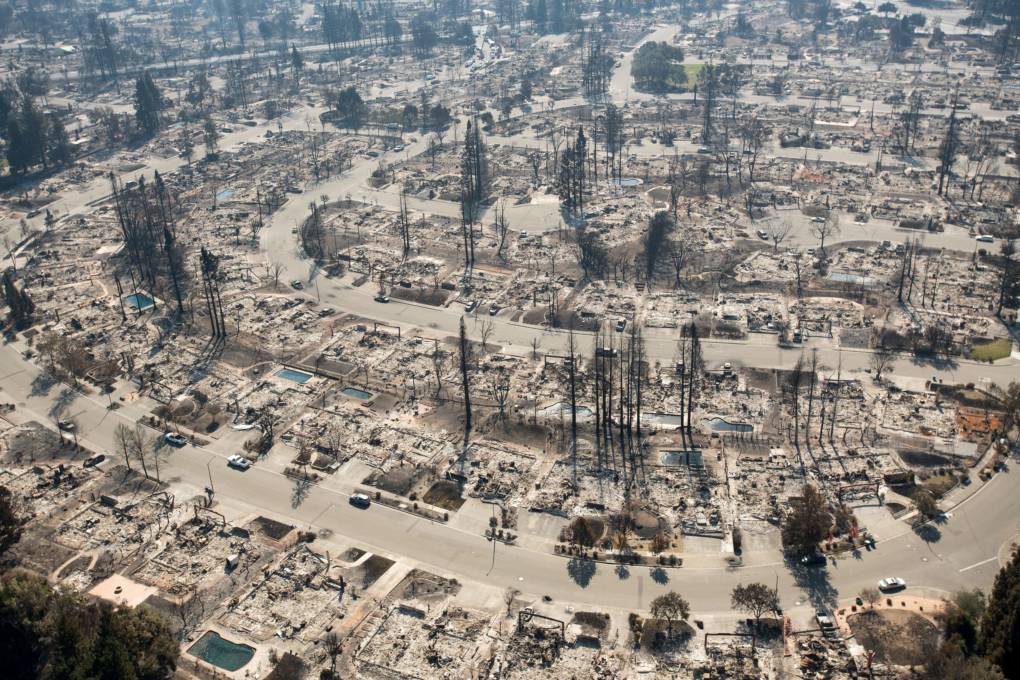
"caption": "An aerial view of houses that burned down during the Tubbs Fire in Santa Rosa, putting pressure on the housing market.",
"description": "An aerial view of houses that burned down during the Tubbs Fire in Santa Rosa, putting pressure on the housing market.",
"title": "US-FIRE-CALIFORNIA",
"credit": "JOSH EDELSON/AFP/Getty Images",
"status": "inherit",
"isLoading": false,
"fetchFailed": false
},
"news_11703505": {
"type": "attachments",
"id": "news_11703505",
"meta": {
"index": "attachments_1716263798",
"site": "news",
"id": "11703505",
"found": true
},
"parent": 11703504,
"imgSizes": {
"small": {
"file": "https://ww2.kqed.org/app/uploads/sites/10/2018/11/GettyImages-1008594538-520x389.jpg",
"width": 520,
"mimeType": "image/jpeg",
"height": 389
},
"twentyfourteen-full-width": {
"file": "https://ww2.kqed.org/app/uploads/sites/10/2018/11/GettyImages-1008594538-1038x576.jpg",
"width": 1038,
"mimeType": "image/jpeg",
"height": 576
},
"thumbnail": {
"file": "https://ww2.kqed.org/app/uploads/sites/10/2018/11/GettyImages-1008594538-160x120.jpg",
"width": 160,
"mimeType": "image/jpeg",
"height": 120
},
"fd-sm": {
"file": "https://ww2.kqed.org/app/uploads/sites/10/2018/11/GettyImages-1008594538-960x718.jpg",
"width": 960,
"mimeType": "image/jpeg",
"height": 718
},
"post-thumbnail": {
"file": "https://ww2.kqed.org/app/uploads/sites/10/2018/11/GettyImages-1008594538-672x372.jpg",
"width": 672,
"mimeType": "image/jpeg",
"height": 372
},
"xsmall": {
"file": "https://ww2.kqed.org/app/uploads/sites/10/2018/11/GettyImages-1008594538-375x280.jpg",
"width": 375,
"mimeType": "image/jpeg",
"height": 280
},
"kqedFullSize": {
"file": "https://ww2.kqed.org/app/uploads/sites/10/2018/11/GettyImages-1008594538-e1541274681339.jpg",
"width": 1920,
"height": 1435
},
"large": {
"file": "https://ww2.kqed.org/app/uploads/sites/10/2018/11/GettyImages-1008594538-1020x762.jpg",
"width": 1020,
"mimeType": "image/jpeg",
"height": 762
},
"xlarge": {
"file": "https://ww2.kqed.org/app/uploads/sites/10/2018/11/GettyImages-1008594538-1180x882.jpg",
"width": 1180,
"mimeType": "image/jpeg",
"height": 882
},
"complete_open_graph": {
"file": "https://ww2.kqed.org/app/uploads/sites/10/2018/11/GettyImages-1008594538-1200x897.jpg",
"width": 1200,
"mimeType": "image/jpeg",
"height": 897
},
"guest-author-50": {
"file": "https://ww2.kqed.org/app/uploads/sites/10/2018/11/GettyImages-1008594538-50x50.jpg",
"width": 50,
"mimeType": "image/jpeg",
"height": 50
},
"guest-author-96": {
"file": "https://ww2.kqed.org/app/uploads/sites/10/2018/11/GettyImages-1008594538-96x96.jpg",
"width": 96,
"mimeType": "image/jpeg",
"height": 96
},
"medium": {
"file": "https://ww2.kqed.org/app/uploads/sites/10/2018/11/GettyImages-1008594538-800x598.jpg",
"width": 800,
"mimeType": "image/jpeg",
"height": 598
},
"guest-author-64": {
"file": "https://ww2.kqed.org/app/uploads/sites/10/2018/11/GettyImages-1008594538-64x64.jpg",
"width": 64,
"mimeType": "image/jpeg",
"height": 64
},
"guest-author-32": {
"file": "https://ww2.kqed.org/app/uploads/sites/10/2018/11/GettyImages-1008594538-32x32.jpg",
"width": 32,
"mimeType": "image/jpeg",
"height": 32
},
"fd-lrg": {
"file": "https://ww2.kqed.org/app/uploads/sites/10/2018/11/GettyImages-1008594538-1920x1435.jpg",
"width": 1920,
"mimeType": "image/jpeg",
"height": 1435
},
"fd-med": {
"file": "https://ww2.kqed.org/app/uploads/sites/10/2018/11/GettyImages-1008594538-1180x882.jpg",
"width": 1180,
"mimeType": "image/jpeg",
"height": 882
},
"full-width": {
"file": "https://ww2.kqed.org/app/uploads/sites/10/2018/11/GettyImages-1008594538-1920x1435.jpg",
"width": 1920,
"mimeType": "image/jpeg",
"height": 1435
},
"detail": {
"file": "https://ww2.kqed.org/app/uploads/sites/10/2018/11/GettyImages-1008594538-150x150.jpg",
"width": 150,
"mimeType": "image/jpeg",
"height": 150
},
"guest-author-128": {
"file": "https://ww2.kqed.org/app/uploads/sites/10/2018/11/GettyImages-1008594538-128x128.jpg",
"width": 128,
"mimeType": "image/jpeg",
"height": 128
},
"xxsmall": {
"file": "https://ww2.kqed.org/app/uploads/sites/10/2018/11/GettyImages-1008594538-240x179.jpg",
"width": 240,
"mimeType": "image/jpeg",
"height": 179
}
},
"publishDate": 1541274641,
"modified": 1541275206,
"caption": "More than 80 families who lost their homes in California’s deadly Carr Fire in July have learned weeks or months later that their dogs and cats had survived the deadly disaster.",
"description": "More than 80 families who lost their homes in California’s deadly Carr Fire in July have learned weeks or months later that their dogs and cats had survived the deadly disaster.",
"title": "US-fire-CALIFORNIA",
"credit": "MARK RALSTON/AFP/Getty Images",
"status": "inherit",
"isLoading": false,
"fetchFailed": false
},
"news_11698754": {
"type": "attachments",
"id": "news_11698754",
"meta": {
"index": "attachments_1716263798",
"site": "news",
"id": "11698754",
"found": true
},
"parent": 11698134,
"imgSizes": {
"small": {
"file": "https://ww2.kqed.org/app/uploads/sites/10/2018/10/RS27223_GettyImages-859436442-qut-520x347.jpg",
"width": 520,
"mimeType": "image/jpeg",
"height": 347
},
"twentyfourteen-full-width": {
"file": "https://ww2.kqed.org/app/uploads/sites/10/2018/10/RS27223_GettyImages-859436442-qut-1038x576.jpg",
"width": 1038,
"mimeType": "image/jpeg",
"height": 576
},
"thumbnail": {
"file": "https://ww2.kqed.org/app/uploads/sites/10/2018/10/RS27223_GettyImages-859436442-qut-160x107.jpg",
"width": 160,
"mimeType": "image/jpeg",
"height": 107
},
"fd-sm": {
"file": "https://ww2.kqed.org/app/uploads/sites/10/2018/10/RS27223_GettyImages-859436442-qut-960x640.jpg",
"width": 960,
"mimeType": "image/jpeg",
"height": 640
},
"post-thumbnail": {
"file": "https://ww2.kqed.org/app/uploads/sites/10/2018/10/RS27223_GettyImages-859436442-qut-672x372.jpg",
"width": 672,
"mimeType": "image/jpeg",
"height": 372
},
"xsmall": {
"file": "https://ww2.kqed.org/app/uploads/sites/10/2018/10/RS27223_GettyImages-859436442-qut-375x250.jpg",
"width": 375,
"mimeType": "image/jpeg",
"height": 250
},
"kqedFullSize": {
"file": "https://ww2.kqed.org/app/uploads/sites/10/2018/10/RS27223_GettyImages-859436442-qut.jpg",
"width": 1920,
"height": 1280
},
"large": {
"file": "https://ww2.kqed.org/app/uploads/sites/10/2018/10/RS27223_GettyImages-859436442-qut-1020x680.jpg",
"width": 1020,
"mimeType": "image/jpeg",
"height": 680
},
"xlarge": {
"file": "https://ww2.kqed.org/app/uploads/sites/10/2018/10/RS27223_GettyImages-859436442-qut-1180x787.jpg",
"width": 1180,
"mimeType": "image/jpeg",
"height": 787
},
"complete_open_graph": {
"file": "https://ww2.kqed.org/app/uploads/sites/10/2018/10/RS27223_GettyImages-859436442-qut-1200x800.jpg",
"width": 1200,
"mimeType": "image/jpeg",
"height": 800
},
"guest-author-50": {
"file": "https://ww2.kqed.org/app/uploads/sites/10/2018/10/RS27223_GettyImages-859436442-qut-50x50.jpg",
"width": 50,
"mimeType": "image/jpeg",
"height": 50
},
"guest-author-96": {
"file": "https://ww2.kqed.org/app/uploads/sites/10/2018/10/RS27223_GettyImages-859436442-qut-96x96.jpg",
"width": 96,
"mimeType": "image/jpeg",
"height": 96
},
"medium": {
"file": "https://ww2.kqed.org/app/uploads/sites/10/2018/10/RS27223_GettyImages-859436442-qut-800x533.jpg",
"width": 800,
"mimeType": "image/jpeg",
"height": 533
},
"guest-author-64": {
"file": "https://ww2.kqed.org/app/uploads/sites/10/2018/10/RS27223_GettyImages-859436442-qut-64x64.jpg",
"width": 64,
"mimeType": "image/jpeg",
"height": 64
},
"guest-author-32": {
"file": "https://ww2.kqed.org/app/uploads/sites/10/2018/10/RS27223_GettyImages-859436442-qut-32x32.jpg",
"width": 32,
"mimeType": "image/jpeg",
"height": 32
},
"fd-lrg": {
"file": "https://ww2.kqed.org/app/uploads/sites/10/2018/10/RS27223_GettyImages-859436442-qut-1920x1280.jpg",
"width": 1920,
"mimeType": "image/jpeg",
"height": 1280
},
"fd-med": {
"file": "https://ww2.kqed.org/app/uploads/sites/10/2018/10/RS27223_GettyImages-859436442-qut-1180x787.jpg",
"width": 1180,
"mimeType": "image/jpeg",
"height": 787
},
"full-width": {
"file": "https://ww2.kqed.org/app/uploads/sites/10/2018/10/RS27223_GettyImages-859436442-qut-1920x1280.jpg",
"width": 1920,
"mimeType": "image/jpeg",
"height": 1280
},
"detail": {
"file": "https://ww2.kqed.org/app/uploads/sites/10/2018/10/RS27223_GettyImages-859436442-qut-150x150.jpg",
"width": 150,
"mimeType": "image/jpeg",
"height": 150
},
"guest-author-128": {
"file": "https://ww2.kqed.org/app/uploads/sites/10/2018/10/RS27223_GettyImages-859436442-qut-128x128.jpg",
"width": 128,
"mimeType": "image/jpeg",
"height": 128
},
"xxsmall": {
"file": "https://ww2.kqed.org/app/uploads/sites/10/2018/10/RS27223_GettyImages-859436442-qut-240x160.jpg",
"width": 240,
"mimeType": "image/jpeg",
"height": 160
}
},
"publishDate": 1539462890,
"modified": 1539462977,
"caption": "A resident rushes to save his home as an out of control wildfire moves through the area on October 9, 2017 in Glen Ellen, California.",
"description": "A resident rushes to save his home as an out of control wildfire moves through the area on October 9, 2017 in Glen Ellen, California.",
"title": "Multiple Wildfires Destroy Homes, Threaten California Wine Country",
"credit": "Justin Sullivan/Getty Images",
"status": "inherit",
"isLoading": false,
"fetchFailed": false
},
"news_11698431": {
"type": "attachments",
"id": "news_11698431",
"meta": {
"index": "attachments_1716263798",
"site": "news",
"id": "11698431",
"found": true
},
"parent": 11698223,
"imgSizes": {
"small": {
"file": "https://ww2.kqed.org/app/uploads/sites/10/2018/10/IMG_3351-e1539380337123-520x411.jpg",
"width": 520,
"mimeType": "image/jpeg",
"height": 411
},
"twentyfourteen-full-width": {
"file": "https://ww2.kqed.org/app/uploads/sites/10/2018/10/IMG_3351-e1539380337123-1038x576.jpg",
"width": 1038,
"mimeType": "image/jpeg",
"height": 576
},
"thumbnail": {
"file": "https://ww2.kqed.org/app/uploads/sites/10/2018/10/IMG_3351-e1539380337123-160x127.jpg",
"width": 160,
"mimeType": "image/jpeg",
"height": 127
},
"fd-sm": {
"file": "https://ww2.kqed.org/app/uploads/sites/10/2018/10/IMG_3351-e1539380337123-960x760.jpg",
"width": 960,
"mimeType": "image/jpeg",
"height": 760
},
"post-thumbnail": {
"file": "https://ww2.kqed.org/app/uploads/sites/10/2018/10/IMG_3351-e1539380337123-672x372.jpg",
"width": 672,
"mimeType": "image/jpeg",
"height": 372
},
"xsmall": {
"file": "https://ww2.kqed.org/app/uploads/sites/10/2018/10/IMG_3351-e1539380337123-375x297.jpg",
"width": 375,
"mimeType": "image/jpeg",
"height": 297
},
"kqedFullSize": {
"file": "https://ww2.kqed.org/app/uploads/sites/10/2018/10/IMG_3351-e1539380337123.jpg",
"width": 1835,
"height": 1452
},
"large": {
"file": "https://ww2.kqed.org/app/uploads/sites/10/2018/10/IMG_3351-e1539380337123-1020x807.jpg",
"width": 1020,
"mimeType": "image/jpeg",
"height": 807
},
"xlarge": {
"file": "https://ww2.kqed.org/app/uploads/sites/10/2018/10/IMG_3351-e1539380337123-1180x934.jpg",
"width": 1180,
"mimeType": "image/jpeg",
"height": 934
},
"complete_open_graph": {
"file": "https://ww2.kqed.org/app/uploads/sites/10/2018/10/IMG_3351-e1539380337123-1200x950.jpg",
"width": 1200,
"mimeType": "image/jpeg",
"height": 950
},
"guest-author-50": {
"file": "https://ww2.kqed.org/app/uploads/sites/10/2018/10/IMG_3351-e1539380337123-50x50.jpg",
"width": 50,
"mimeType": "image/jpeg",
"height": 50
},
"guest-author-96": {
"file": "https://ww2.kqed.org/app/uploads/sites/10/2018/10/IMG_3351-e1539380337123-96x96.jpg",
"width": 96,
"mimeType": "image/jpeg",
"height": 96
},
"medium": {
"file": "https://ww2.kqed.org/app/uploads/sites/10/2018/10/IMG_3351-e1539380337123-800x633.jpg",
"width": 800,
"mimeType": "image/jpeg",
"height": 633
},
"guest-author-64": {
"file": "https://ww2.kqed.org/app/uploads/sites/10/2018/10/IMG_3351-e1539380337123-64x64.jpg",
"width": 64,
"mimeType": "image/jpeg",
"height": 64
},
"guest-author-32": {
"file": "https://ww2.kqed.org/app/uploads/sites/10/2018/10/IMG_3351-e1539380337123-32x32.jpg",
"width": 32,
"mimeType": "image/jpeg",
"height": 32
},
"fd-med": {
"file": "https://ww2.kqed.org/app/uploads/sites/10/2018/10/IMG_3351-e1539380337123-1180x934.jpg",
"width": 1180,
"mimeType": "image/jpeg",
"height": 934
},
"detail": {
"file": "https://ww2.kqed.org/app/uploads/sites/10/2018/10/IMG_3351-e1539380337123-150x150.jpg",
"width": 150,
"mimeType": "image/jpeg",
"height": 150
},
"guest-author-128": {
"file": "https://ww2.kqed.org/app/uploads/sites/10/2018/10/IMG_3351-e1539380337123-128x128.jpg",
"width": 128,
"mimeType": "image/jpeg",
"height": 128
},
"xxsmall": {
"file": "https://ww2.kqed.org/app/uploads/sites/10/2018/10/IMG_3351-e1539380337123-240x190.jpg",
"width": 240,
"mimeType": "image/jpeg",
"height": 190
}
},
"publishDate": 1539368594,
"modified": 1539380382,
"caption": "The Robles family (L-R): Alicia, Cristalyn, Yoehan and Charlie. They worked and lived at an assisted living home that burned down in the Santa Rosa firestorm. ",
"description": "The Robles family (L-R): Alicia, Cristalyn, Yoehan and Charlie. They worked and lived at an assisted living home that burned down in the Santa Rosa firestorm. ",
"title": "Robles Family",
"credit": "Courtesy Charlie and Cristalyn Robles",
"status": "inherit",
"isLoading": false,
"fetchFailed": false
},
"news_11697853": {
"type": "attachments",
"id": "news_11697853",
"meta": {
"index": "attachments_1716263798",
"site": "news",
"id": "11697853",
"found": true
},
"parent": 11697470,
"imgSizes": {
"small": {
"file": "https://ww2.kqed.org/app/uploads/sites/10/2018/10/TubbsFireAnniv-520x340.jpg",
"width": 520,
"mimeType": "image/jpeg",
"height": 340
},
"twentyfourteen-full-width": {
"file": "https://ww2.kqed.org/app/uploads/sites/10/2018/10/TubbsFireAnniv-1038x576.jpg",
"width": 1038,
"mimeType": "image/jpeg",
"height": 576
},
"thumbnail": {
"file": "https://ww2.kqed.org/app/uploads/sites/10/2018/10/TubbsFireAnniv-160x105.jpg",
"width": 160,
"mimeType": "image/jpeg",
"height": 105
},
"fd-sm": {
"file": "https://ww2.kqed.org/app/uploads/sites/10/2018/10/TubbsFireAnniv-960x628.jpg",
"width": 960,
"mimeType": "image/jpeg",
"height": 628
},
"post-thumbnail": {
"file": "https://ww2.kqed.org/app/uploads/sites/10/2018/10/TubbsFireAnniv-672x372.jpg",
"width": 672,
"mimeType": "image/jpeg",
"height": 372
},
"xsmall": {
"file": "https://ww2.kqed.org/app/uploads/sites/10/2018/10/TubbsFireAnniv-375x245.jpg",
"width": 375,
"mimeType": "image/jpeg",
"height": 245
},
"kqedFullSize": {
"file": "https://ww2.kqed.org/app/uploads/sites/10/2018/10/TubbsFireAnniv.jpg",
"width": 1920,
"height": 1256
},
"large": {
"file": "https://ww2.kqed.org/app/uploads/sites/10/2018/10/TubbsFireAnniv-1020x667.jpg",
"width": 1020,
"mimeType": "image/jpeg",
"height": 667
},
"xlarge": {
"file": "https://ww2.kqed.org/app/uploads/sites/10/2018/10/TubbsFireAnniv-1180x772.jpg",
"width": 1180,
"mimeType": "image/jpeg",
"height": 772
},
"complete_open_graph": {
"file": "https://ww2.kqed.org/app/uploads/sites/10/2018/10/TubbsFireAnniv-1200x785.jpg",
"width": 1200,
"mimeType": "image/jpeg",
"height": 785
},
"guest-author-50": {
"file": "https://ww2.kqed.org/app/uploads/sites/10/2018/10/TubbsFireAnniv-50x50.jpg",
"width": 50,
"mimeType": "image/jpeg",
"height": 50
},
"guest-author-96": {
"file": "https://ww2.kqed.org/app/uploads/sites/10/2018/10/TubbsFireAnniv-96x96.jpg",
"width": 96,
"mimeType": "image/jpeg",
"height": 96
},
"medium": {
"file": "https://ww2.kqed.org/app/uploads/sites/10/2018/10/TubbsFireAnniv-800x523.jpg",
"width": 800,
"mimeType": "image/jpeg",
"height": 523
},
"guest-author-64": {
"file": "https://ww2.kqed.org/app/uploads/sites/10/2018/10/TubbsFireAnniv-64x64.jpg",
"width": 64,
"mimeType": "image/jpeg",
"height": 64
},
"guest-author-32": {
"file": "https://ww2.kqed.org/app/uploads/sites/10/2018/10/TubbsFireAnniv-32x32.jpg",
"width": 32,
"mimeType": "image/jpeg",
"height": 32
},
"fd-lrg": {
"file": "https://ww2.kqed.org/app/uploads/sites/10/2018/10/TubbsFireAnniv-1920x1256.jpg",
"width": 1920,
"mimeType": "image/jpeg",
"height": 1256
},
"fd-med": {
"file": "https://ww2.kqed.org/app/uploads/sites/10/2018/10/TubbsFireAnniv-1180x772.jpg",
"width": 1180,
"mimeType": "image/jpeg",
"height": 772
},
"full-width": {
"file": "https://ww2.kqed.org/app/uploads/sites/10/2018/10/TubbsFireAnniv-1920x1256.jpg",
"width": 1920,
"mimeType": "image/jpeg",
"height": 1256
},
"detail": {
"file": "https://ww2.kqed.org/app/uploads/sites/10/2018/10/TubbsFireAnniv-150x150.jpg",
"width": 150,
"mimeType": "image/jpeg",
"height": 150
},
"guest-author-128": {
"file": "https://ww2.kqed.org/app/uploads/sites/10/2018/10/TubbsFireAnniv-128x128.jpg",
"width": 128,
"mimeType": "image/jpeg",
"height": 128
},
"xxsmall": {
"file": "https://ww2.kqed.org/app/uploads/sites/10/2018/10/TubbsFireAnniv-240x157.jpg",
"width": 240,
"mimeType": "image/jpeg",
"height": 157
}
},
"publishDate": 1539136380,
"modified": 1539207582,
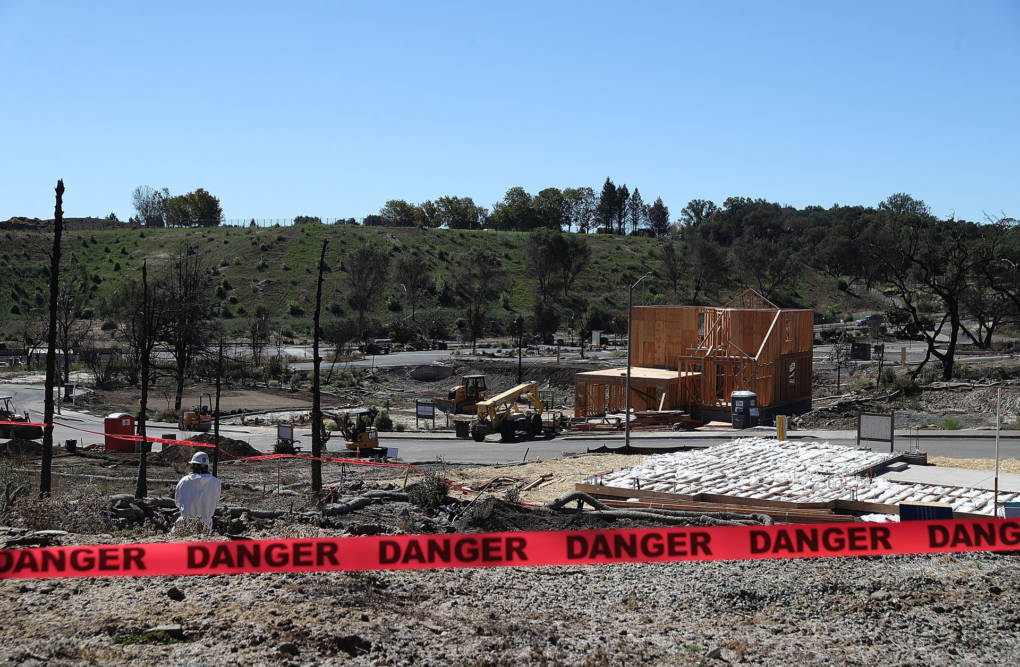
"caption": "One newly constructed home stands in a neighborhood destroyed by the Tubbs Fire one year earlier on Oct. 8, 2018, in Santa Rosa. Tubbs Fire survivors like Vita Iskandar - who hasn't rebuilt herself yet - are helping victims of this year's devastating fires in Redding.",
"description": "One newly constructed home stands in a neighborhood destroyed by the Tubbs Fire one year earlier on October 8, 2018, in Santa Rosa. Tubbs Fire survivors like Vita Iskandar - who hasn't even rebuilt herself, yet - are helping victims of this year's devastating fires in Redding.",
"title": "TubbsFireAnniv",
"credit": "Justin Sullivan/Getty Images",
"status": "inherit",
"isLoading": false,
"fetchFailed": false
},
"news_11697572": {
"type": "attachments",
"id": "news_11697572",
"meta": {
"index": "attachments_1716263798",
"site": "news",
"id": "11697572",
"found": true
},
"parent": 11697557,
"imgSizes": {
"small": {
"file": "https://ww2.kqed.org/app/uploads/sites/10/2018/10/oneyear_100818_final-520x332.jpg",
"width": 520,
"mimeType": "image/jpeg",
"height": 332
},
"twentyfourteen-full-width": {
"file": "https://ww2.kqed.org/app/uploads/sites/10/2018/10/oneyear_100818_final-1038x576.jpg",
"width": 1038,
"mimeType": "image/jpeg",
"height": 576
},
"thumbnail": {
"file": "https://ww2.kqed.org/app/uploads/sites/10/2018/10/oneyear_100818_final-160x102.jpg",
"width": 160,
"mimeType": "image/jpeg",
"height": 102
},
"fd-sm": {
"file": "https://ww2.kqed.org/app/uploads/sites/10/2018/10/oneyear_100818_final-960x613.jpg",
"width": 960,
"mimeType": "image/jpeg",
"height": 613
},
"post-thumbnail": {
"file": "https://ww2.kqed.org/app/uploads/sites/10/2018/10/oneyear_100818_final-672x372.jpg",
"width": 672,
"mimeType": "image/jpeg",
"height": 372
},
"xsmall": {
"file": "https://ww2.kqed.org/app/uploads/sites/10/2018/10/oneyear_100818_final-375x239.jpg",
"width": 375,
"mimeType": "image/jpeg",
"height": 239
},
"kqedFullSize": {
"file": "https://ww2.kqed.org/app/uploads/sites/10/2018/10/oneyear_100818_final.jpg",
"width": 1920,
"height": 1226
},
"large": {
"file": "https://ww2.kqed.org/app/uploads/sites/10/2018/10/oneyear_100818_final-1020x651.jpg",
"width": 1020,
"mimeType": "image/jpeg",
"height": 651
},
"xlarge": {
"file": "https://ww2.kqed.org/app/uploads/sites/10/2018/10/oneyear_100818_final-1180x753.jpg",
"width": 1180,
"mimeType": "image/jpeg",
"height": 753
},
"complete_open_graph": {
"file": "https://ww2.kqed.org/app/uploads/sites/10/2018/10/oneyear_100818_final-1200x766.jpg",
"width": 1200,
"mimeType": "image/jpeg",
"height": 766
},
"guest-author-50": {
"file": "https://ww2.kqed.org/app/uploads/sites/10/2018/10/oneyear_100818_final-50x50.jpg",
"width": 50,
"mimeType": "image/jpeg",
"height": 50
},
"guest-author-96": {
"file": "https://ww2.kqed.org/app/uploads/sites/10/2018/10/oneyear_100818_final-96x96.jpg",
"width": 96,
"mimeType": "image/jpeg",
"height": 96
},
"medium": {
"file": "https://ww2.kqed.org/app/uploads/sites/10/2018/10/oneyear_100818_final-800x511.jpg",
"width": 800,
"mimeType": "image/jpeg",
"height": 511
},
"guest-author-64": {
"file": "https://ww2.kqed.org/app/uploads/sites/10/2018/10/oneyear_100818_final-64x64.jpg",
"width": 64,
"mimeType": "image/jpeg",
"height": 64
},
"guest-author-32": {
"file": "https://ww2.kqed.org/app/uploads/sites/10/2018/10/oneyear_100818_final-32x32.jpg",
"width": 32,
"mimeType": "image/jpeg",
"height": 32
},
"fd-lrg": {
"file": "https://ww2.kqed.org/app/uploads/sites/10/2018/10/oneyear_100818_final-1920x1226.jpg",
"width": 1920,
"mimeType": "image/jpeg",
"height": 1226
},
"fd-med": {
"file": "https://ww2.kqed.org/app/uploads/sites/10/2018/10/oneyear_100818_final-1180x753.jpg",
"width": 1180,
"mimeType": "image/jpeg",
"height": 753
},
"full-width": {
"file": "https://ww2.kqed.org/app/uploads/sites/10/2018/10/oneyear_100818_final-1920x1226.jpg",
"width": 1920,
"mimeType": "image/jpeg",
"height": 1226
},
"detail": {
"file": "https://ww2.kqed.org/app/uploads/sites/10/2018/10/oneyear_100818_final-150x150.jpg",
"width": 150,
"mimeType": "image/jpeg",
"height": 150
},
"guest-author-128": {
"file": "https://ww2.kqed.org/app/uploads/sites/10/2018/10/oneyear_100818_final-128x128.jpg",
"width": 128,
"mimeType": "image/jpeg",
"height": 128
},
"xxsmall": {
"file": "https://ww2.kqed.org/app/uploads/sites/10/2018/10/oneyear_100818_final-240x153.jpg",
"width": 240,
"mimeType": "image/jpeg",
"height": 153
}
},
"publishDate": 1539041199,
"modified": 1539041215,
"caption": null,
"description": null,
"title": "oneyear_100818_final",
"credit": null,
"status": "inherit",
"isLoading": false,
"fetchFailed": false
},
"news_11673822": {
"type": "attachments",
"id": "news_11673822",
"meta": {
"index": "attachments_1716263798",
"site": "news",
"id": "11673822",
"found": true
},
"parent": 11673398,
"imgSizes": {
"small": {
"file": "https://ww2.kqed.org/app/uploads/sites/10/2018/06/GettyImages-861017202-520x347.jpg",
"width": 520,
"mimeType": "image/jpeg",
"height": 347
},
"twentyfourteen-full-width": {
"file": "https://ww2.kqed.org/app/uploads/sites/10/2018/06/GettyImages-861017202-1038x576.jpg",
"width": 1038,
"mimeType": "image/jpeg",
"height": 576
},
"thumbnail": {
"file": "https://ww2.kqed.org/app/uploads/sites/10/2018/06/GettyImages-861017202-160x107.jpg",
"width": 160,
"mimeType": "image/jpeg",
"height": 107
},
"fd-sm": {
"file": "https://ww2.kqed.org/app/uploads/sites/10/2018/06/GettyImages-861017202-960x640.jpg",
"width": 960,
"mimeType": "image/jpeg",
"height": 640
},
"post-thumbnail": {
"file": "https://ww2.kqed.org/app/uploads/sites/10/2018/06/GettyImages-861017202-672x372.jpg",
"width": 672,
"mimeType": "image/jpeg",
"height": 372
},
"xsmall": {
"file": "https://ww2.kqed.org/app/uploads/sites/10/2018/06/GettyImages-861017202-375x250.jpg",
"width": 375,
"mimeType": "image/jpeg",
"height": 250
},
"kqedFullSize": {
"file": "https://ww2.kqed.org/app/uploads/sites/10/2018/06/GettyImages-861017202-e1528509530912.jpg",
"width": 1920,
"height": 1280
},
"large": {
"file": "https://ww2.kqed.org/app/uploads/sites/10/2018/06/GettyImages-861017202-1020x680.jpg",
"width": 1020,
"mimeType": "image/jpeg",
"height": 680
},
"xlarge": {
"file": "https://ww2.kqed.org/app/uploads/sites/10/2018/06/GettyImages-861017202-1180x787.jpg",
"width": 1180,
"mimeType": "image/jpeg",
"height": 787
},
"complete_open_graph": {
"file": "https://ww2.kqed.org/app/uploads/sites/10/2018/06/GettyImages-861017202-1200x800.jpg",
"width": 1200,
"mimeType": "image/jpeg",
"height": 800
},
"guest-author-50": {
"file": "https://ww2.kqed.org/app/uploads/sites/10/2018/06/GettyImages-861017202-50x50.jpg",
"width": 50,
"mimeType": "image/jpeg",
"height": 50
},
"guest-author-96": {
"file": "https://ww2.kqed.org/app/uploads/sites/10/2018/06/GettyImages-861017202-96x96.jpg",
"width": 96,
"mimeType": "image/jpeg",
"height": 96
},
"medium": {
"file": "https://ww2.kqed.org/app/uploads/sites/10/2018/06/GettyImages-861017202-800x533.jpg",
"width": 800,
"mimeType": "image/jpeg",
"height": 533
},
"guest-author-64": {
"file": "https://ww2.kqed.org/app/uploads/sites/10/2018/06/GettyImages-861017202-64x64.jpg",
"width": 64,
"mimeType": "image/jpeg",
"height": 64
},
"guest-author-32": {
"file": "https://ww2.kqed.org/app/uploads/sites/10/2018/06/GettyImages-861017202-32x32.jpg",
"width": 32,
"mimeType": "image/jpeg",
"height": 32
},
"fd-lrg": {
"file": "https://ww2.kqed.org/app/uploads/sites/10/2018/06/GettyImages-861017202-1920x1280.jpg",
"width": 1920,
"mimeType": "image/jpeg",
"height": 1280
},
"fd-med": {
"file": "https://ww2.kqed.org/app/uploads/sites/10/2018/06/GettyImages-861017202-1180x787.jpg",
"width": 1180,
"mimeType": "image/jpeg",
"height": 787
},
"full-width": {
"file": "https://ww2.kqed.org/app/uploads/sites/10/2018/06/GettyImages-861017202-1920x1280.jpg",
"width": 1920,
"mimeType": "image/jpeg",
"height": 1280
},
"detail": {
"file": "https://ww2.kqed.org/app/uploads/sites/10/2018/06/GettyImages-861017202-150x150.jpg",
"width": 150,
"mimeType": "image/jpeg",
"height": 150
},
"guest-author-128": {
"file": "https://ww2.kqed.org/app/uploads/sites/10/2018/06/GettyImages-861017202-128x128.jpg",
"width": 128,
"mimeType": "image/jpeg",
"height": 128
},
"xxsmall": {
"file": "https://ww2.kqed.org/app/uploads/sites/10/2018/06/GettyImages-861017202-240x160.jpg",
"width": 240,
"mimeType": "image/jpeg",
"height": 160
}
},
"publishDate": 1528509444,
"modified": 1528509520,
"caption": " A downed power line and the remains of a home and a car are seen in Santa Rosa's Larkfield-Wikiup neighborhood after last October's Tubbs Fire.",
"description": null,
"title": "Multiple Wildfires Continue To Ravage California Wine Country",
"credit": "Elijah Novelage/Getty Images",
"status": "inherit",
"isLoading": false,
"fetchFailed": false
},
"news_11637013": {
"type": "attachments",
"id": "news_11637013",
"meta": {
"index": "attachments_1716263798",
"site": "news",
"id": "11637013",
"found": true
},
"parent": 11637012,
"imgSizes": {
"small": {
"file": "https://ww2.kqed.org/app/uploads/sites/10/2017/12/howe-portrait_slide-da07a12f55cdbe03a6dd3d5cd3983a96469c5277-520x346.png",
"width": 520,
"mimeType": "image/png",
"height": 346
},
"thumbnail": {
"file": "https://ww2.kqed.org/app/uploads/sites/10/2017/12/howe-portrait_slide-da07a12f55cdbe03a6dd3d5cd3983a96469c5277-160x107.png",
"width": 160,
"mimeType": "image/png",
"height": 107
},
"post-thumbnail": {
"file": "https://ww2.kqed.org/app/uploads/sites/10/2017/12/howe-portrait_slide-da07a12f55cdbe03a6dd3d5cd3983a96469c5277-672x372.png",
"width": 672,
"mimeType": "image/png",
"height": 372
},
"xsmall": {
"file": "https://ww2.kqed.org/app/uploads/sites/10/2017/12/howe-portrait_slide-da07a12f55cdbe03a6dd3d5cd3983a96469c5277-375x250.png",
"width": 375,
"mimeType": "image/png",
"height": 250
},
"kqedFullSize": {
"file": "https://ww2.kqed.org/app/uploads/sites/10/2017/12/howe-portrait_slide-da07a12f55cdbe03a6dd3d5cd3983a96469c5277.png",
"width": 790,
"height": 526
},
"guest-author-50": {
"file": "https://ww2.kqed.org/app/uploads/sites/10/2017/12/howe-portrait_slide-da07a12f55cdbe03a6dd3d5cd3983a96469c5277-50x50.png",
"width": 50,
"mimeType": "image/png",
"height": 50
},
"guest-author-96": {
"file": "https://ww2.kqed.org/app/uploads/sites/10/2017/12/howe-portrait_slide-da07a12f55cdbe03a6dd3d5cd3983a96469c5277-96x96.png",
"width": 96,
"mimeType": "image/png",
"height": 96
},
"guest-author-64": {
"file": "https://ww2.kqed.org/app/uploads/sites/10/2017/12/howe-portrait_slide-da07a12f55cdbe03a6dd3d5cd3983a96469c5277-64x64.png",
"width": 64,
"mimeType": "image/png",
"height": 64
},
"detail": {
"file": "https://ww2.kqed.org/app/uploads/sites/10/2017/12/howe-portrait_slide-da07a12f55cdbe03a6dd3d5cd3983a96469c5277-150x150.png",
"width": 150,
"mimeType": "image/png",
"height": 150
},
"guest-author-32": {
"file": "https://ww2.kqed.org/app/uploads/sites/10/2017/12/howe-portrait_slide-da07a12f55cdbe03a6dd3d5cd3983a96469c5277-32x32.png",
"width": 32,
"mimeType": "image/png",
"height": 32
},
"guest-author-128": {
"file": "https://ww2.kqed.org/app/uploads/sites/10/2017/12/howe-portrait_slide-da07a12f55cdbe03a6dd3d5cd3983a96469c5277-128x128.png",
"width": 128,
"mimeType": "image/png",
"height": 128
},
"xxsmall": {
"file": "https://ww2.kqed.org/app/uploads/sites/10/2017/12/howe-portrait_slide-da07a12f55cdbe03a6dd3d5cd3983a96469c5277-240x160.png",
"width": 240,
"mimeType": "image/png",
"height": 160
}
},
"publishDate": 1513283819,
"modified": 1513283979,
"caption": "Clark Howe, 12, poses for a portrait.",
"description": "Clark Howe, 12, poses for a portrait.",
"title": "Clark Howe, 12, poses for a portrait.",
"credit": "Lauren Migaki/NPR",
"status": "inherit",
"isLoading": false,
"fetchFailed": false
},
"news_11622912": {
"type": "attachments",
"id": "news_11622912",
"meta": {
"index": "attachments_1716263798",
"site": "news",
"id": "11622912",
"found": true
},
"parent": 11622830,
"imgSizes": {
"small": {
"file": "https://ww2.kqed.org/app/uploads/sites/10/2017/10/CEOWithSchoolImage-520x390.jpg",
"width": 520,
"mimeType": "image/jpeg",
"height": 390
},
"twentyfourteen-full-width": {
"file": "https://ww2.kqed.org/app/uploads/sites/10/2017/10/CEOWithSchoolImage-1038x576.jpg",
"width": 1038,
"mimeType": "image/jpeg",
"height": 576
},
"thumbnail": {
"file": "https://ww2.kqed.org/app/uploads/sites/10/2017/10/CEOWithSchoolImage-160x120.jpg",
"width": 160,
"mimeType": "image/jpeg",
"height": 120
},
"fd-sm": {
"file": "https://ww2.kqed.org/app/uploads/sites/10/2017/10/CEOWithSchoolImage-960x720.jpg",
"width": 960,
"mimeType": "image/jpeg",
"height": 720
},
"post-thumbnail": {
"file": "https://ww2.kqed.org/app/uploads/sites/10/2017/10/CEOWithSchoolImage-672x372.jpg",
"width": 672,
"mimeType": "image/jpeg",
"height": 372
},
"xsmall": {
"file": "https://ww2.kqed.org/app/uploads/sites/10/2017/10/CEOWithSchoolImage-375x281.jpg",
"width": 375,
"mimeType": "image/jpeg",
"height": 281
},
"kqedFullSize": {
"file": "https://ww2.kqed.org/app/uploads/sites/10/2017/10/CEOWithSchoolImage.jpg",
"width": 1920,
"height": 1440
},
"large": {
"file": "https://ww2.kqed.org/app/uploads/sites/10/2017/10/CEOWithSchoolImage-1020x765.jpg",
"width": 1020,
"mimeType": "image/jpeg",
"height": 765
},
"xlarge": {
"file": "https://ww2.kqed.org/app/uploads/sites/10/2017/10/CEOWithSchoolImage-1180x885.jpg",
"width": 1180,
"mimeType": "image/jpeg",
"height": 885
},
"guest-author-50": {
"file": "https://ww2.kqed.org/app/uploads/sites/10/2017/10/CEOWithSchoolImage-50x50.jpg",
"width": 50,
"mimeType": "image/jpeg",
"height": 50
},
"guest-author-96": {
"file": "https://ww2.kqed.org/app/uploads/sites/10/2017/10/CEOWithSchoolImage-96x96.jpg",
"width": 96,
"mimeType": "image/jpeg",
"height": 96
},
"medium": {
"file": "https://ww2.kqed.org/app/uploads/sites/10/2017/10/CEOWithSchoolImage-800x600.jpg",
"width": 800,
"mimeType": "image/jpeg",
"height": 600
},
"guest-author-64": {
"file": "https://ww2.kqed.org/app/uploads/sites/10/2017/10/CEOWithSchoolImage-64x64.jpg",
"width": 64,
"mimeType": "image/jpeg",
"height": 64
},
"guest-author-32": {
"file": "https://ww2.kqed.org/app/uploads/sites/10/2017/10/CEOWithSchoolImage-32x32.jpg",
"width": 32,
"mimeType": "image/jpeg",
"height": 32
},
"fd-lrg": {
"file": "https://ww2.kqed.org/app/uploads/sites/10/2017/10/CEOWithSchoolImage-1920x1440.jpg",
"width": 1920,
"mimeType": "image/jpeg",
"height": 1440
},
"fd-med": {
"file": "https://ww2.kqed.org/app/uploads/sites/10/2017/10/CEOWithSchoolImage-1180x885.jpg",
"width": 1180,
"mimeType": "image/jpeg",
"height": 885
},
"full-width": {
"file": "https://ww2.kqed.org/app/uploads/sites/10/2017/10/CEOWithSchoolImage-1920x1440.jpg",
"width": 1920,
"mimeType": "image/jpeg",
"height": 1440
},
"detail": {
"file": "https://ww2.kqed.org/app/uploads/sites/10/2017/10/CEOWithSchoolImage-150x150.jpg",
"width": 150,
"mimeType": "image/jpeg",
"height": 150
},
"guest-author-128": {
"file": "https://ww2.kqed.org/app/uploads/sites/10/2017/10/CEOWithSchoolImage-128x128.jpg",
"width": 128,
"mimeType": "image/jpeg",
"height": 128
},
"xxsmall": {
"file": "https://ww2.kqed.org/app/uploads/sites/10/2017/10/CEOWithSchoolImage-240x180.jpg",
"width": 240,
"mimeType": "image/jpeg",
"height": 180
}
},
"publishDate": 1507838411,
"modified": 1510266880,
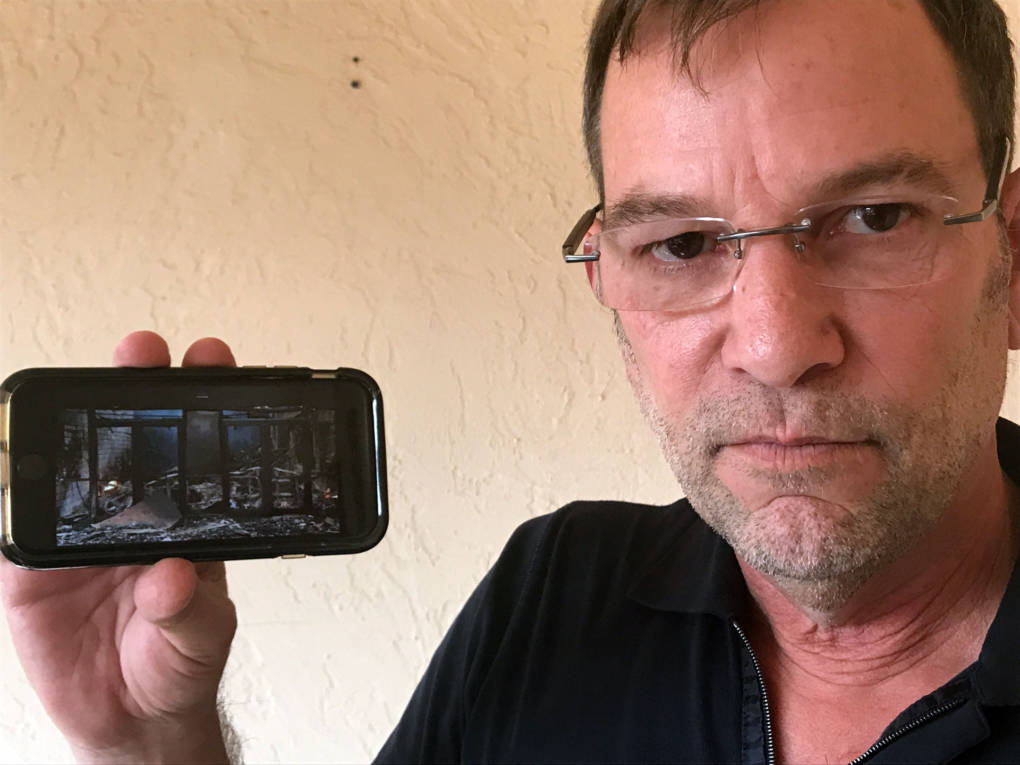
"caption": "Andrew Bailey, CEO of Anova, holds a cellphone with a photo of the school, destroyed by the Tubbs Fire.",
"description": "Andrew Bailey, CEO of Anova, holds a cellphone with a photo of the school, destroyed by the Tubbs Fire.",
"title": "CEOWithSchoolImage",
"credit": "Devin Katayama/KQED ",
"status": "inherit",
"isLoading": false,
"fetchFailed": false
},
"news_11625462": {
"type": "attachments",
"id": "news_11625462",
"meta": {
"index": "attachments_1716263798",
"site": "news",
"id": "11625462",
"found": true
},
"parent": 11625455,
"imgSizes": {
"small": {
"file": "https://ww2.kqed.org/app/uploads/sites/10/2017/10/backtoschool_102317_final-520x520.jpg",
"width": 520,
"mimeType": "image/jpeg",
"height": 520
},
"twentyfourteen-full-width": {
"file": "https://ww2.kqed.org/app/uploads/sites/10/2017/10/backtoschool_102317_final-1038x576.jpg",
"width": 1038,
"mimeType": "image/jpeg",
"height": 576
},
"thumbnail": {
"file": "https://ww2.kqed.org/app/uploads/sites/10/2017/10/backtoschool_102317_final-160x160.jpg",
"width": 160,
"mimeType": "image/jpeg",
"height": 160
},
"fd-sm": {
"file": "https://ww2.kqed.org/app/uploads/sites/10/2017/10/backtoschool_102317_final-960x960.jpg",
"width": 960,
"mimeType": "image/jpeg",
"height": 960
},
"post-thumbnail": {
"file": "https://ww2.kqed.org/app/uploads/sites/10/2017/10/backtoschool_102317_final-672x372.jpg",
"width": 672,
"mimeType": "image/jpeg",
"height": 372
},
"xsmall": {
"file": "https://ww2.kqed.org/app/uploads/sites/10/2017/10/backtoschool_102317_final-375x375.jpg",
"width": 375,
"mimeType": "image/jpeg",
"height": 375
},
"kqedFullSize": {
"file": "https://ww2.kqed.org/app/uploads/sites/10/2017/10/backtoschool_102317_final.jpg",
"width": 1920,
"height": 1920
},
"large": {
"file": "https://ww2.kqed.org/app/uploads/sites/10/2017/10/backtoschool_102317_final-1020x1020.jpg",
"width": 1020,
"mimeType": "image/jpeg",
"height": 1020
},
"xlarge": {
"file": "https://ww2.kqed.org/app/uploads/sites/10/2017/10/backtoschool_102317_final-1180x1180.jpg",
"width": 1180,
"mimeType": "image/jpeg",
"height": 1180
},
"guest-author-50": {
"file": "https://ww2.kqed.org/app/uploads/sites/10/2017/10/backtoschool_102317_final-50x50.jpg",
"width": 50,
"mimeType": "image/jpeg",
"height": 50
},
"guest-author-96": {
"file": "https://ww2.kqed.org/app/uploads/sites/10/2017/10/backtoschool_102317_final-96x96.jpg",
"width": 96,
"mimeType": "image/jpeg",
"height": 96
},
"medium": {
"file": "https://ww2.kqed.org/app/uploads/sites/10/2017/10/backtoschool_102317_final-800x800.jpg",
"width": 800,
"mimeType": "image/jpeg",
"height": 800
},
"guest-author-64": {
"file": "https://ww2.kqed.org/app/uploads/sites/10/2017/10/backtoschool_102317_final-64x64.jpg",
"width": 64,
"mimeType": "image/jpeg",
"height": 64
},
"guest-author-32": {
"file": "https://ww2.kqed.org/app/uploads/sites/10/2017/10/backtoschool_102317_final-32x32.jpg",
"width": 32,
"mimeType": "image/jpeg",
"height": 32
},
"fd-lrg": {
"file": "https://ww2.kqed.org/app/uploads/sites/10/2017/10/backtoschool_102317_final-1920x1920.jpg",
"width": 1920,
"mimeType": "image/jpeg",
"height": 1920
},
"fd-med": {
"file": "https://ww2.kqed.org/app/uploads/sites/10/2017/10/backtoschool_102317_final-1180x1180.jpg",
"width": 1180,
"mimeType": "image/jpeg",
"height": 1180
},
"full-width": {
"file": "https://ww2.kqed.org/app/uploads/sites/10/2017/10/backtoschool_102317_final-1920x1920.jpg",
"width": 1920,
"mimeType": "image/jpeg",
"height": 1920
},
"detail": {
"file": "https://ww2.kqed.org/app/uploads/sites/10/2017/10/backtoschool_102317_final-150x150.jpg",
"width": 150,
"mimeType": "image/jpeg",
"height": 150
},
"guest-author-128": {
"file": "https://ww2.kqed.org/app/uploads/sites/10/2017/10/backtoschool_102317_final-128x128.jpg",
"width": 128,
"mimeType": "image/jpeg",
"height": 128
},
"xxsmall": {
"file": "https://ww2.kqed.org/app/uploads/sites/10/2017/10/backtoschool_102317_final-240x240.jpg",
"width": 240,
"mimeType": "image/jpeg",
"height": 240
}
},
"publishDate": 1508793199,
"modified": 1508793230,
"caption": null,
"description": null,
"title": "backtoschool_102317_final",
"credit": null,
"status": "inherit",
"isLoading": false,
"fetchFailed": false
},
"news_11625332": {
"type": "attachments",
"id": "news_11625332",
"meta": {
"index": "attachments_1716263798",
"site": "news",
"id": "11625332",
"found": true
},
"parent": 11625306,
"imgSizes": {
"small": {
"file": "https://ww2.kqed.org/app/uploads/sites/10/2017/10/RS27671_DonRiveras-3-qut-520x347.jpg",
"width": 520,
"mimeType": "image/jpeg",
"height": 347
},
"twentyfourteen-full-width": {
"file": "https://ww2.kqed.org/app/uploads/sites/10/2017/10/RS27671_DonRiveras-3-qut-1038x576.jpg",
"width": 1038,
"mimeType": "image/jpeg",
"height": 576
},
"thumbnail": {
"file": "https://ww2.kqed.org/app/uploads/sites/10/2017/10/RS27671_DonRiveras-3-qut-160x107.jpg",
"width": 160,
"mimeType": "image/jpeg",
"height": 107
},
"fd-sm": {
"file": "https://ww2.kqed.org/app/uploads/sites/10/2017/10/RS27671_DonRiveras-3-qut-960x640.jpg",
"width": 960,
"mimeType": "image/jpeg",
"height": 640
},
"post-thumbnail": {
"file": "https://ww2.kqed.org/app/uploads/sites/10/2017/10/RS27671_DonRiveras-3-qut-672x372.jpg",
"width": 672,
"mimeType": "image/jpeg",
"height": 372
},
"xsmall": {
"file": "https://ww2.kqed.org/app/uploads/sites/10/2017/10/RS27671_DonRiveras-3-qut-375x250.jpg",
"width": 375,
"mimeType": "image/jpeg",
"height": 250
},
"kqedFullSize": {
"file": "https://ww2.kqed.org/app/uploads/sites/10/2017/10/RS27671_DonRiveras-3-qut.jpg",
"width": 1920,
"height": 1280
},
"large": {
"file": "https://ww2.kqed.org/app/uploads/sites/10/2017/10/RS27671_DonRiveras-3-qut-1020x680.jpg",
"width": 1020,
"mimeType": "image/jpeg",
"height": 680
},
"xlarge": {
"file": "https://ww2.kqed.org/app/uploads/sites/10/2017/10/RS27671_DonRiveras-3-qut-1180x787.jpg",
"width": 1180,
"mimeType": "image/jpeg",
"height": 787
},
"guest-author-50": {
"file": "https://ww2.kqed.org/app/uploads/sites/10/2017/10/RS27671_DonRiveras-3-qut-50x50.jpg",
"width": 50,
"mimeType": "image/jpeg",
"height": 50
},
"guest-author-96": {
"file": "https://ww2.kqed.org/app/uploads/sites/10/2017/10/RS27671_DonRiveras-3-qut-96x96.jpg",
"width": 96,
"mimeType": "image/jpeg",
"height": 96
},
"medium": {
"file": "https://ww2.kqed.org/app/uploads/sites/10/2017/10/RS27671_DonRiveras-3-qut-800x533.jpg",
"width": 800,
"mimeType": "image/jpeg",
"height": 533
},
"guest-author-64": {
"file": "https://ww2.kqed.org/app/uploads/sites/10/2017/10/RS27671_DonRiveras-3-qut-64x64.jpg",
"width": 64,
"mimeType": "image/jpeg",
"height": 64
},
"guest-author-32": {
"file": "https://ww2.kqed.org/app/uploads/sites/10/2017/10/RS27671_DonRiveras-3-qut-32x32.jpg",
"width": 32,
"mimeType": "image/jpeg",
"height": 32
},
"fd-lrg": {
"file": "https://ww2.kqed.org/app/uploads/sites/10/2017/10/RS27671_DonRiveras-3-qut-1920x1280.jpg",
"width": 1920,
"mimeType": "image/jpeg",
"height": 1280
},
"fd-med": {
"file": "https://ww2.kqed.org/app/uploads/sites/10/2017/10/RS27671_DonRiveras-3-qut-1180x787.jpg",
"width": 1180,
"mimeType": "image/jpeg",
"height": 787
},
"full-width": {
"file": "https://ww2.kqed.org/app/uploads/sites/10/2017/10/RS27671_DonRiveras-3-qut-1920x1280.jpg",
"width": 1920,
"mimeType": "image/jpeg",
"height": 1280
},
"detail": {
"file": "https://ww2.kqed.org/app/uploads/sites/10/2017/10/RS27671_DonRiveras-3-qut-150x150.jpg",
"width": 150,
"mimeType": "image/jpeg",
"height": 150
},
"guest-author-128": {
"file": "https://ww2.kqed.org/app/uploads/sites/10/2017/10/RS27671_DonRiveras-3-qut-128x128.jpg",
"width": 128,
"mimeType": "image/jpeg",
"height": 128
},
"xxsmall": {
"file": "https://ww2.kqed.org/app/uploads/sites/10/2017/10/RS27671_DonRiveras-3-qut-240x160.jpg",
"width": 240,
"mimeType": "image/jpeg",
"height": 160
}
},
"publishDate": 1508698595,
"modified": 1508795197,
"caption": "Don Riveras, 21, saved many lives from the raging fires that destroyed his Coffey Park neighborhood in Santa Rosa by going door to door to warn people to evacuate immediately.\n",
"description": "Don Riveras, 21, saved many lives from the raging fires that destroyed his Coffey Park neighborhood in Santa Rosa by going door-to-door to warn people to evacuate immediately.",
"title": "RS27671_DonRiveras-3-qut",
"credit": "Sarah Craig/KQED",
"status": "inherit",
"isLoading": false,
"fetchFailed": false
},
"news_11624858": {
"type": "attachments",
"id": "news_11624858",
"meta": {
"index": "attachments_1716263798",
"site": "news",
"id": "11624858",
"found": true
},
"parent": 11624255,
"imgSizes": {
"small": {
"file": "https://ww2.kqed.org/app/uploads/sites/10/2017/10/SRMain-520x347.jpg",
"width": 520,
"mimeType": "image/jpeg",
"height": 347
},
"twentyfourteen-full-width": {
"file": "https://ww2.kqed.org/app/uploads/sites/10/2017/10/SRMain-1038x576.jpg",
"width": 1038,
"mimeType": "image/jpeg",
"height": 576
},
"thumbnail": {
"file": "https://ww2.kqed.org/app/uploads/sites/10/2017/10/SRMain-160x107.jpg",
"width": 160,
"mimeType": "image/jpeg",
"height": 107
},
"fd-sm": {
"file": "https://ww2.kqed.org/app/uploads/sites/10/2017/10/SRMain-960x640.jpg",
"width": 960,
"mimeType": "image/jpeg",
"height": 640
},
"post-thumbnail": {
"file": "https://ww2.kqed.org/app/uploads/sites/10/2017/10/SRMain-672x372.jpg",
"width": 672,
"mimeType": "image/jpeg",
"height": 372
},
"xsmall": {
"file": "https://ww2.kqed.org/app/uploads/sites/10/2017/10/SRMain-375x250.jpg",
"width": 375,
"mimeType": "image/jpeg",
"height": 250
},
"kqedFullSize": {
"file": "https://ww2.kqed.org/app/uploads/sites/10/2017/10/SRMain.jpg",
"width": 1920,
"height": 1280
},
"large": {
"file": "https://ww2.kqed.org/app/uploads/sites/10/2017/10/SRMain-1020x680.jpg",
"width": 1020,
"mimeType": "image/jpeg",
"height": 680
},
"xlarge": {
"file": "https://ww2.kqed.org/app/uploads/sites/10/2017/10/SRMain-1180x787.jpg",
"width": 1180,
"mimeType": "image/jpeg",
"height": 787
},
"guest-author-50": {
"file": "https://ww2.kqed.org/app/uploads/sites/10/2017/10/SRMain-50x50.jpg",
"width": 50,
"mimeType": "image/jpeg",
"height": 50
},
"guest-author-96": {
"file": "https://ww2.kqed.org/app/uploads/sites/10/2017/10/SRMain-96x96.jpg",
"width": 96,
"mimeType": "image/jpeg",
"height": 96
},
"medium": {
"file": "https://ww2.kqed.org/app/uploads/sites/10/2017/10/SRMain-800x533.jpg",
"width": 800,
"mimeType": "image/jpeg",
"height": 533
},
"guest-author-64": {
"file": "https://ww2.kqed.org/app/uploads/sites/10/2017/10/SRMain-64x64.jpg",
"width": 64,
"mimeType": "image/jpeg",
"height": 64
},
"guest-author-32": {
"file": "https://ww2.kqed.org/app/uploads/sites/10/2017/10/SRMain-32x32.jpg",
"width": 32,
"mimeType": "image/jpeg",
"height": 32
},
"fd-lrg": {
"file": "https://ww2.kqed.org/app/uploads/sites/10/2017/10/SRMain-1920x1280.jpg",
"width": 1920,
"mimeType": "image/jpeg",
"height": 1280
},
"fd-med": {
"file": "https://ww2.kqed.org/app/uploads/sites/10/2017/10/SRMain-1180x787.jpg",
"width": 1180,
"mimeType": "image/jpeg",
"height": 787
},
"full-width": {
"file": "https://ww2.kqed.org/app/uploads/sites/10/2017/10/SRMain-1920x1280.jpg",
"width": 1920,
"mimeType": "image/jpeg",
"height": 1280
},
"detail": {
"file": "https://ww2.kqed.org/app/uploads/sites/10/2017/10/SRMain-150x150.jpg",
"width": 150,
"mimeType": "image/jpeg",
"height": 150
},
"guest-author-128": {
"file": "https://ww2.kqed.org/app/uploads/sites/10/2017/10/SRMain-128x128.jpg",
"width": 128,
"mimeType": "image/jpeg",
"height": 128
},
"xxsmall": {
"file": "https://ww2.kqed.org/app/uploads/sites/10/2017/10/SRMain-240x160.jpg",
"width": 240,
"mimeType": "image/jpeg",
"height": 160
}
},
"publishDate": 1508463415,
"modified": 1508463465,
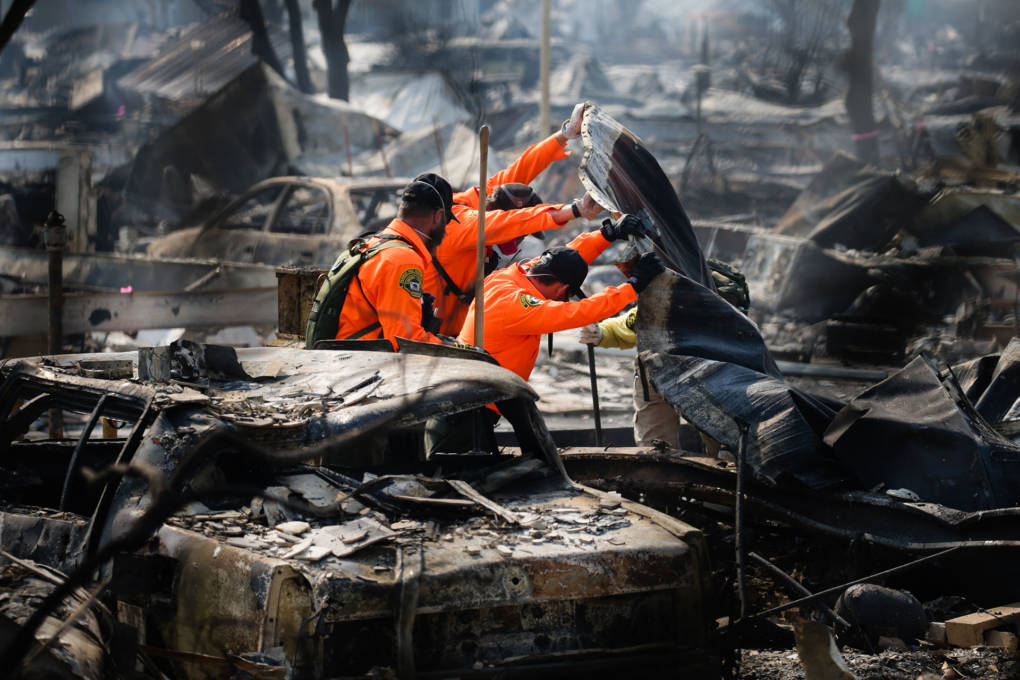
"caption": "Search and Rescue personnel look for human remains in the Journey's End Mobile Home park following the Tubbs Fire on Oct. 13, 2017 in Santa Rosa.",
"description": "Search and Rescue personnel look for human remains in the Journey's End Mobile Home park following the Tubbs Fire on Oct. 13, 2017 in Santa Rosa.",
"title": "SRMain",
"credit": "Elijah Nouvelage/Getty Images",
"status": "inherit",
"isLoading": false,
"fetchFailed": false
}
},
"audioPlayerReducer": {
"postId": "stream_live",
"isPaused": true,
"isPlaying": false,
"pfsActive": false,
"pledgeModalIsOpen": true,
"playerDrawerIsOpen": false,
"liveAudioPlayStartedAt": 0,
"liveAudioPlayContext": ""
},
"authorsReducer": {
"byline_news_11703504": {
"type": "authors",
"id": "byline_news_11703504",
"meta": {
"override": true
},
"slug": "byline_news_11703504",
"name": "Amanda Lee Myers \u003c/br>Associated Press",
"isLoading": false
},
"byline_news_11637012": {
"type": "authors",
"id": "byline_news_11637012",
"meta": {
"override": true
},
"slug": "byline_news_11637012",
"name": "Haley Samsel",
"isLoading": false
},
"byline_news_11624255": {
"type": "authors",
"id": "byline_news_11624255",
"meta": {
"override": true
},
"slug": "byline_news_11624255",
"name": "Molly Peterson",
"isLoading": false
},
"jmcevoy": {
"type": "authors",
"id": "231",
"meta": {
"index": "authors_1716337520",
"id": "231",
"found": true
},
"name": "Julia McEvoy",
"firstName": "Julia",
"lastName": "McEvoy",
"slug": "jmcevoy",
"email": "jmcevoy@KQED.org",
"display_author_email": true,
"staff_mastheads": [
"news"
],
"title": "KQED Senior Editor",
"bio": "Julia McEvoy is KQED's Senior Editor, Education Equity.\r\n\r\nJulia heads KQED’s education coverage examining inequities students face in Bay Area and California schools, and reports on what it will take to educate the next generation.\r\n\r\nJulia's editorial work has received a Peabody Award, a Casey Medal for Coverage of Children and Families, several Edward R. Murrow awards, as well as awards from the Public Radio News Directors Inc. and the Society for Professional Journalists.",
"avatar": "https://secure.gravatar.com/avatar/aec3ce21abe02b302fd33638abd56a22?s=600&d=blank&r=g",
"twitter": "juliamcevoy1",
"facebook": null,
"instagram": null,
"linkedin": null,
"sites": [
{
"site": "news",
"roles": []
},
{
"site": "stateofhealth",
"roles": [
"author"
]
}
],
"headData": {
"title": "Julia McEvoy | KQED",
"description": "KQED Senior Editor",
"ogImgSrc": "https://secure.gravatar.com/avatar/aec3ce21abe02b302fd33638abd56a22?s=600&d=blank&r=g",
"twImgSrc": "https://secure.gravatar.com/avatar/aec3ce21abe02b302fd33638abd56a22?s=600&d=blank&r=g"
},
"isLoading": false,
"link": "/author/jmcevoy"
},
"sasha-khokha": {
"type": "authors",
"id": "254",
"meta": {
"index": "authors_1716337520",
"id": "254",
"found": true
},
"name": "Sasha Khokha",
"firstName": "Sasha",
"lastName": "Khokha",
"slug": "sasha-khokha",
"email": "skhokha@kqed.org",
"display_author_email": true,
"staff_mastheads": [
"news"
],
"title": "Host, The California Report Magazine",
"bio": "Sasha Khokha is the host of \u003cem>The California Report's \u003c/em> weekly magazine program, which takes listeners on sound-rich excursions to meet the people that make the Golden State unique -- through audio documentaries and long-form stories. As \u003cem>The California Report's\u003c/em> Central Valley Bureau Chief based in Fresno for nearly a dozen years, Sasha brought the lives and concerns of rural Californians to listeners around the state. Her reporting helped expose the hidden price immigrant women janitors and farmworkers may pay to keep their jobs: sexual assault at work. It inspired two new California laws to protect them from sexual harassment. She was a key member of the reporting team for the Frontline film \u003cem>Rape on the Night Shift, \u003c/em>which was nominated for two national Emmys. Sasha has also won a national Edward R. Murrow and a national PRNDI award for investigative reporting, as well as multiple prizes from the Society for Professional Journalists. Sasha is a proud alum of the UC Berkeley Graduate School of Journalism and Brown University and a member of the South Asian Journalists Association.",
"avatar": "https://secure.gravatar.com/avatar/e4b5e1541aaeea2aa356aa1fb2a68950?s=600&d=blank&r=g",
"twitter": "KQEDSashaKhokha",
"facebook": null,
"instagram": null,
"linkedin": null,
"sites": [
{
"site": "news",
"roles": [
"editor"
]
},
{
"site": "stateofhealth",
"roles": [
"author"
]
},
{
"site": "science",
"roles": [
"author"
]
},
{
"site": "quest",
"roles": [
"subscriber"
]
}
],
"headData": {
"title": "Sasha Khokha | KQED",
"description": "Host, The California Report Magazine",
"ogImgSrc": "https://secure.gravatar.com/avatar/e4b5e1541aaeea2aa356aa1fb2a68950?s=600&d=blank&r=g",
"twImgSrc": "https://secure.gravatar.com/avatar/e4b5e1541aaeea2aa356aa1fb2a68950?s=600&d=blank&r=g"
},
"isLoading": false,
"link": "/author/sasha-khokha"
},
"markfiore": {
"type": "authors",
"id": "3236",
"meta": {
"index": "authors_1716337520",
"id": "3236",
"found": true
},
"name": "Mark Fiore",
"firstName": "Mark",
"lastName": "Fiore",
"slug": "markfiore",
"email": "mark@markfiore.com",
"display_author_email": false,
"staff_mastheads": [
"news"
],
"title": "KQED News Cartoonist",
"bio": "\u003ca href=\"http://www.MarkFiore.com\">MarkFiore.com\u003c/a> | \u003ca href=\"https://twitter.com/markfiore\">Follow on Twitter\u003c/a> | \u003ca href=\"https://www.facebook.com/pages/Mark-Fiore-Animated-Political-Cartoons/94451707396?ref=bookmarks\">Facebook\u003c/a> | \u003ca href=\"mailto:mark@markfiore.com\">email\u003c/a>\r\n\r\nPulitzer Prize-winner, Mark Fiore, who the Wall Street Journal has called “the undisputed guru of the form,” creates animated political cartoons in San Francisco, where his work has been featured regularly on the San Francisco Chronicle’s web site, SFGate.com. His work has appeared on Newsweek.com, Slate.com, CBSNews.com, MotherJones.com, DailyKos.com and NPR’s web site. Fiore’s political animation has appeared on CNN, Frontline, Bill Moyers Journal, Salon.com and cable and broadcast outlets across the globe.\r\n\r\nBeginning his professional life by drawing traditional political cartoons for newspapers, Fiore’s work appeared in publications ranging from the Washington Post to the Los Angeles Times. In the late 1990s, he began to experiment with animating political cartoons and, after a short stint at the San Jose Mercury News as their staff cartoonist, Fiore devoted all his energies to animation.\r\nGrowing up in California, Fiore also spent a good portion of his life in the backwoods of Idaho. It was this combination that shaped him politically. Mark majored in political science at Colorado College, where, in a perfect send-off for a cartoonist, he received his diploma in 1991 as commencement speaker Dick Cheney smiled approvingly.\r\nMark Fiore was awarded the Pulitzer Prize for political cartooning in 2010, a Robert F. Kennedy Journalism Award in 2004 and has twice received an Online Journalism Award for commentary from the Online News Association (2002, 2008). Fiore has received two awards for his work in new media from the National Cartoonists Society (2001, 2002), and in 2006 received The James Madison Freedom of Information Award from The Society of Professional Journalists.",
"avatar": "https://secure.gravatar.com/avatar/fc4e2a612b15b67bad0c6f0e1db4ca9b?s=600&d=blank&r=g",
"twitter": "MarkFiore",
"facebook": null,
"instagram": "https://www.instagram.com/markfiore/?hl=en",
"linkedin": null,
"sites": [
{
"site": "arts",
"roles": [
"contributor"
]
},
{
"site": "news",
"roles": [
"editor"
]
},
{
"site": "futureofyou",
"roles": [
"editor"
]
},
{
"site": "science",
"roles": [
"editor"
]
}
],
"headData": {
"title": "Mark Fiore | KQED",
"description": "KQED News Cartoonist",
"ogImgSrc": "https://secure.gravatar.com/avatar/fc4e2a612b15b67bad0c6f0e1db4ca9b?s=600&d=blank&r=g",
"twImgSrc": "https://secure.gravatar.com/avatar/fc4e2a612b15b67bad0c6f0e1db4ca9b?s=600&d=blank&r=g"
},
"isLoading": false,
"link": "/author/markfiore"
},
"mlagos": {
"type": "authors",
"id": "3239",
"meta": {
"index": "authors_1716337520",
"id": "3239",
"found": true
},
"name": "Marisa Lagos",
"firstName": "Marisa",
"lastName": "Lagos",
"slug": "mlagos",
"email": "mlagos@kqed.org",
"display_author_email": false,
"staff_mastheads": [
"news"
],
"title": "KQED Contributor",
"bio": "Marisa Lagos is a correspondent for KQED’s California Politics and Government Desk and co-hosts the award-winning show and podcast, Political Breakdown. At KQED, Lagos also conducts reporting, analysis and investigations into state, local and national politics for radio, TV, online and onstage. In 2022, she and co-host, Scott Shafer, moderated the only gubernatorial debate in California. In 2020, the \u003ci>Washington Post\u003c/i> named her one of the top political journalists in California; she was nominated for a Peabody and won several other awards for her work investigating the 2017 California wildfires. She has worked at the \u003ci>San Francisco Chronicle\u003c/i>, \u003ci>San Francisco Examiner\u003c/i> and \u003ci>Los Angeles Times\u003c/i>. A UC Santa Barbara graduate, she lives in San Francisco with her two sons and husband.",
"avatar": "https://secure.gravatar.com/avatar/a261a0d3696fc066871ef96b85b5e7d2?s=600&d=blank&r=g",
"twitter": "@mlagos",
"facebook": null,
"instagram": null,
"linkedin": null,
"sites": [
{
"site": "arts",
"roles": [
"author"
]
},
{
"site": "news",
"roles": [
"editor"
]
},
{
"site": "science",
"roles": [
"editor"
]
},
{
"site": "forum",
"roles": [
"author"
]
},
{
"site": "liveblog",
"roles": [
"author"
]
}
],
"headData": {
"title": "Marisa Lagos | KQED",
"description": "KQED Contributor",
"ogImgSrc": "https://secure.gravatar.com/avatar/a261a0d3696fc066871ef96b85b5e7d2?s=600&d=blank&r=g",
"twImgSrc": "https://secure.gravatar.com/avatar/a261a0d3696fc066871ef96b85b5e7d2?s=600&d=blank&r=g"
},
"isLoading": false,
"link": "/author/mlagos"
},
"dkatayama": {
"type": "authors",
"id": "7240",
"meta": {
"index": "authors_1716337520",
"id": "7240",
"found": true
},
"name": "Devin Katayama",
"firstName": "Devin",
"lastName": "Katayama",
"slug": "dkatayama",
"email": "dkatayama@kqed.org",
"display_author_email": true,
"staff_mastheads": [
"news"
],
"title": "Editor of Talent and Development",
"bio": "Devin Katayama is former Editor of Talent and Development for KQED. He supported our internship program and on-call staff by looking for equitable opportunities to improve the newsroom.\r\n\r\nHe previously hosted The Bay and American Suburb podcasts from KQED News. Prior to returning to the Bay Area in 2015, Devin was the education reporter for WFPL in Louisville and worked as a producer with radio stations in Chicago and Portland, OR. His work has appeared on NPR’s \u003cem>Morning Edition, All Things Considered, The Takeaway\u003c/em> and \u003cem>Here and Now.\u003c/em>\r\n\r\nDevin earned his MA in Journalism from Columbia College Chicago, where he was a Follett Fellow and the recipient of the 2011 Studs Terkel Community Media Workshop Scholarship for his story on Chicago's homeless youth. He won WBUR's 2014 Daniel Schorr award and a regional RTNDA Edward R. Murrow Award for his documentary \"At Risk\" that looked at issues facing some of Louisville's students. Devin has also received numerous local awards from the Associated Press and the Society of Professional Journalists.",
"avatar": "https://secure.gravatar.com/avatar/d0d2978a31002fb2de107921a8e18405?s=600&d=blank&r=g",
"twitter": "RadioDevin",
"facebook": null,
"instagram": null,
"linkedin": null,
"sites": [
{
"site": "arts",
"roles": []
},
{
"site": "news",
"roles": [
"author"
]
},
{
"site": "stateofhealth",
"roles": [
"author"
]
},
{
"site": "forum",
"roles": [
"editor"
]
},
{
"site": "perspectives",
"roles": [
"editor"
]
}
],
"headData": {
"title": "Devin Katayama | KQED",
"description": "Editor of Talent and Development",
"ogImgSrc": "https://secure.gravatar.com/avatar/d0d2978a31002fb2de107921a8e18405?s=600&d=blank&r=g",
"twImgSrc": "https://secure.gravatar.com/avatar/d0d2978a31002fb2de107921a8e18405?s=600&d=blank&r=g"
},
"isLoading": false,
"link": "/author/dkatayama"
},
"shutson": {
"type": "authors",
"id": "11216",
"meta": {
"index": "authors_1716337520",
"id": "11216",
"found": true
},
"name": "Sonja Hutson",
"firstName": "Sonja",
"lastName": "Hutson",
"slug": "shutson",
"email": "shutson@kqed.org",
"display_author_email": false,
"staff_mastheads": [],
"title": "KQED Contributor",
"bio": "Sonja Hutson is a former reporter for KQED's Silicon Valley desk and weekend newscasts. She primarily covers tech and housing. Sonja is a Bay Area native and now lives in San Francisco. When she's not working, you can find her camping, skiing, scuba diving, and struggling with the New York Times Crossword. Email: \u003ca href=\"mailto:shutson@kqed.org\">shutson@kqed.org. \u003c/a>Twitter: \u003ca href=\"https://twitter.com/SonjaHutson\">@SonjaHutson\u003c/a>",
"avatar": "https://secure.gravatar.com/avatar/7537c5e36818614e599b6c0f41d72b7a?s=600&d=blank&r=g",
"twitter": "SonjaHutson",
"facebook": null,
"instagram": null,
"linkedin": null,
"sites": [
{
"site": "arts",
"roles": [
"author"
]
},
{
"site": "news",
"roles": [
"subscriber"
]
}
],
"headData": {
"title": "Sonja Hutson | KQED",
"description": "KQED Contributor",
"ogImgSrc": "https://secure.gravatar.com/avatar/7537c5e36818614e599b6c0f41d72b7a?s=600&d=blank&r=g",
"twImgSrc": "https://secure.gravatar.com/avatar/7537c5e36818614e599b6c0f41d72b7a?s=600&d=blank&r=g"
},
"isLoading": false,
"link": "/author/shutson"
},
"jeremysiegel": {
"type": "authors",
"id": "11258",
"meta": {
"index": "authors_1716337520",
"id": "11258",
"found": true
},
"name": "Jeremy Siegel",
"firstName": "Jeremy",
"lastName": "Siegel",
"slug": "jeremysiegel",
"email": "jsiegel@kqed.org",
"display_author_email": false,
"staff_mastheads": [],
"title": "KQED Contributor",
"bio": "Jeremy Siegel is is the weekend afternoon news anchor for KQED. His reporting can be heard on KQED News, Morning Edition, All Things Considered and The California Report. Jeremy's coverage of the Camp Fire in Butte County won the 2019 Society of Professional Journalists, Northern California Chapter, Excellence in Journalism Award for Breaking News. Jeremy grew up in Cincinnati, Ohio, and graduated from UC Berkeley.",
"avatar": "https://secure.gravatar.com/avatar/3921a64ceb9ed5d0ba47d9ae9782f1ab?s=600&d=blank&r=g",
"twitter": "jersiegel",
"facebook": null,
"instagram": null,
"linkedin": null,
"sites": [
{
"site": "arts",
"roles": []
},
{
"site": "news",
"roles": [
"subscriber"
]
},
{
"site": "science",
"roles": []
}
],
"headData": {
"title": "Jeremy Siegel | KQED",
"description": "KQED Contributor",
"ogImgSrc": "https://secure.gravatar.com/avatar/3921a64ceb9ed5d0ba47d9ae9782f1ab?s=600&d=blank&r=g",
"twImgSrc": "https://secure.gravatar.com/avatar/3921a64ceb9ed5d0ba47d9ae9782f1ab?s=600&d=blank&r=g"
},
"isLoading": false,
"link": "/author/jeremysiegel"
}
},
"pagesReducer": {
"news_tag_tubbs-fire": {
"type": "terms",
"id": "news_21760",
"meta": {
"index": "terms_1716263798",
"site": "news",
"id": "21760",
"score": 9.556034
},
"featImg": null,
"name": "Tubbs Fire",
"description": null,
"taxonomy": "tag",
"headData": {
"twImgId": null,
"twTitle": null,
"ogTitle": null,
"ogImgId": null,
"twDescription": null,
"description": null,
"title": "Tubbs Fire Archives | KQED News",
"ogDescription": null
},
"ttid": 21777,
"slug": "tubbs-fire",
"isLoading": false,
"title": "Tubbs Fire",
"pageMeta": {
"site": "news",
"WpPageTemplate": "page-topic-editorial",
"currentPage": 3
},
"blocks": [
{
"blockName": "kqed/post-list",
"attrs": {
"layout": "cardArticle2",
"query": "posts/news?tag=tubbs-fire",
"seeMore": false,
"paginated": true,
"page": 3
}
},
{
"blockName": "kqed/ad"
}
]
}
},
"pfsSessionReducer": {},
"postsReducer": {
"stream_live": {
"type": "live",
"id": "stream_live",
"audioUrl": "https://streams.kqed.org/kqedradio",
"title": "Live Stream",
"excerpt": "Live Stream information currently unavailable.",
"link": "/radio",
"featImg": "",
"label": {
"name": "KQED Live",
"link": "/"
}
},
"stream_kqedNewscast": {
"type": "posts",
"id": "stream_kqedNewscast",
"audioUrl": "https://www.kqed.org/.stream/anon/radio/RDnews/newscast.mp3?_=1",
"title": "KQED Newscast",
"featImg": "",
"label": {
"name": "88.5 FM",
"link": "/"
}
},
"news_11701938": {
"type": "posts",
"id": "news_11701938",
"meta": {
"index": "posts_1716263798",
"site": "news",
"id": "11701938",
"score": null,
"sort": [
1541583613000
]
},
"guestAuthors": [],
"slug": "santa-rosa-weighs-labor-criticisms-against-affordable-housing-bond",
"title": "Santa Rosa Affordable Housing Bond Appears Headed for Defeat",
"publishDate": 1541583613,
"format": "standard",
"headTitle": "Santa Rosa Affordable Housing Bond Appears Headed for Defeat | KQED",
"labelTerm": {
"site": "news"
},
"content": "\u003cp>\u003cem>Updated Wednesday, 1:40 a.m.\u003c/em>\u003c/p>\n\u003cp>Santa Rosa voters are on their way to rejecting a widely-backed ballot measure that would have funded affordable housing.\u003c/p>\n\u003cp>As of 1:40 a.m., with almost all precincts reporting, Measure N is short of the two-thirds majority required to pass, with less than 60 percent support.\u003c/p>\n\u003cp>The $124 million bond was introduced in response to a housing crisis made worse by last October’s wildfires. Santa Rosa lost five percent of its housing stock in the Tubbs Fire.\u003c/p>\n\u003cp>Endorsements for Measure N ran the gamut from developers to environmental groups to the entire Santa Rosa City Council. But the North Bay Labor Council, which represents 70 unions, opposed it, arguing it didn’t include enough labor protections for construction workers.\u003c/p>\n\u003cp>[ad fullwidth]\u003c/p>\n\u003cp>\u003cstrong>Original post:\u003c/strong>\u003c/p>\n\u003cp>Santa Rosa lost five percent of its housing in last October’s \u003ca href=\"https://www.kqed.org/news/tag/tubbs-fire\" target=\"_blank\" rel=\"noopener\">Tubbs fire\u003c/a>, putting a squeeze on an already tight housing market. One way the city is trying to fix that is with a bond on the November ballot to fund affordable housing projects.\u003c/p>\n\u003cp>Measure N would tax Santa Rosa homeowners $29 per $100,000 of the assessed value of their home. The city estimates this would cost the “typical” homeowner there around $110 annually.\u003c/p>\n\u003cp>“We can build this kind of housing in Santa Rosa, but we need the money to help subsidize it,” said Mayor Chris Coursey. “Affordable housing doesn’t just appear out of the goodness of developers’ hearts.”\u003c/p>\n\u003cp>Endorsements for Measure N run the gamut from developers to hospitals to the entire City Council.\u003c/p>\n\u003cp>But the North Bay Labor Council, which has 70 member unions, has opposed the measure. Executive Director Jack Buckhorn said that’s because Measure N doesn’t provide enough worker protections, like requiring 30 percent of workers involved in the building projects to be skilled labor and part of a union.\u003c/p>\n\u003cp>“It was these wealthy developers that opposed our basic workforce protections and so it really is crisis capitalism at its worst,” said Buckhorn. “It needs to be stopped.”\u003c/p>\n\u003cp>Councilmember Jack Tibbetts, who introduced Measure N, defended his choice not to include those protections during an August City Council meeting.\u003c/p>\n\u003cp>“It was made clear to me that its inclusion would trigger organized and funded opposition from a handful of groups and this was very unfortunate,” said Tibbetts. “When the opportunity to house upwards of 2,000 vulnerable families … hangs in the balance, I cannot gamble with gamesmanship.”\u003c/p>\n\u003cp>The need for housing is so great members of Teamsters Local 665 actually voted to endorse Measure N — going against the stance of the North Bay Labor Council that they’re a part of. At least a dozen of their members lost their homes in last October’s wildfires, and the immediate need for housing relief simply outweighed concerns over labor protections.\u003c/p>\n\u003cp>Mayor Coursey said he chose to endorse it for largely the same reason.\u003c/p>\n\u003cp>\u003c/p>\n\u003cp>“I happened to support the labor side … but that side lost, and the city council then went ahead and voted unanimously to put this thing on the ballot, because we know what it’s going to do it in this city. It’s going to provide jobs to union members and others,” said Coursey. “To me that was a time to move on and do what is best for the city.”\u003c/p>\n\n",
"blocks": [],
"excerpt": "With almost all precincts reporting, Measure N is short of the two-thirds majority required to pass, with less than 60 percent support. ",
"status": "publish",
"parent": 0,
"modified": 1721108718,
"stats": {
"hasAudio": false,
"hasVideo": false,
"hasChartOrMap": false,
"iframeSrcs": [],
"hasGoogleForm": false,
"hasGallery": false,
"hasHearkenModule": false,
"hasPolis": false,
"paragraphCount": 19,
"wordCount": 586
},
"headData": {
"title": "Santa Rosa Affordable Housing Bond Appears Headed for Defeat | KQED",
"description": "With almost all precincts reporting, Measure N is short of the two-thirds majority required to pass, with less than 60 percent support. ",
"ogTitle": "",
"ogDescription": "",
"ogImgId": "",
"twTitle": "",
"twDescription": "",
"twImgId": "",
"schema": {
"@context": "https://schema.org",
"@type": "NewsArticle",
"headline": "Santa Rosa Affordable Housing Bond Appears Headed for Defeat",
"datePublished": "2018-11-07T01:40:13-08:00",
"dateModified": "2024-07-15T22:45:18-07:00",
"image": "https://cdn.kqed.org/wp-content/uploads/2020/02/KQED-OG-Image@1x.png",
"isAccessibleForFree": "True",
"publisher": {
"@type": "NewsMediaOrganization",
"@id": "https://www.kqed.org/#organization",
"name": "KQED",
"logo": "https://cdn.kqed.org/wp-content/uploads/2020/02/KQED-OG-Image@1x.png",
"url": "https://www.kqed.org",
"sameAs": [
"https://www.facebook.com/KQED",
"https://twitter.com/KQED",
"https://www.instagram.com/kqed/",
"https://www.tiktok.com/@kqedofficial",
"https://www.linkedin.com/company/kqed",
"https://www.youtube.com/channel/UCeC0IOo7i1P_61zVUWbJ4nw"
]
}
}
},
"sticky": false,
"path": "/news/11701938/santa-rosa-weighs-labor-criticisms-against-affordable-housing-bond",
"audioTrackLength": null,
"parsedContent": [
{
"type": "contentString",
"content": "\u003cdiv class=\"post-body\">\u003cp>\u003cp>\u003cem>Updated Wednesday, 1:40 a.m.\u003c/em>\u003c/p>\n\u003cp>Santa Rosa voters are on their way to rejecting a widely-backed ballot measure that would have funded affordable housing.\u003c/p>\n\u003cp>As of 1:40 a.m., with almost all precincts reporting, Measure N is short of the two-thirds majority required to pass, with less than 60 percent support.\u003c/p>\n\u003cp>The $124 million bond was introduced in response to a housing crisis made worse by last October’s wildfires. Santa Rosa lost five percent of its housing stock in the Tubbs Fire.\u003c/p>\n\u003cp>Endorsements for Measure N ran the gamut from developers to environmental groups to the entire Santa Rosa City Council. But the North Bay Labor Council, which represents 70 unions, opposed it, arguing it didn’t include enough labor protections for construction workers.\u003c/p>\n\u003cp>\u003c/p>\u003c/div>",
"attributes": {
"named": {},
"numeric": []
}
},
{
"type": "component",
"content": "",
"name": "ad",
"attributes": {
"named": {
"label": "fullwidth"
},
"numeric": [
"fullwidth"
]
}
},
{
"type": "contentString",
"content": "\u003cdiv class=\"post-body\">\u003cp>\u003c/p>\n\u003cp>\u003cstrong>Original post:\u003c/strong>\u003c/p>\n\u003cp>Santa Rosa lost five percent of its housing in last October’s \u003ca href=\"https://www.kqed.org/news/tag/tubbs-fire\" target=\"_blank\" rel=\"noopener\">Tubbs fire\u003c/a>, putting a squeeze on an already tight housing market. One way the city is trying to fix that is with a bond on the November ballot to fund affordable housing projects.\u003c/p>\n\u003cp>Measure N would tax Santa Rosa homeowners $29 per $100,000 of the assessed value of their home. The city estimates this would cost the “typical” homeowner there around $110 annually.\u003c/p>\n\u003cp>“We can build this kind of housing in Santa Rosa, but we need the money to help subsidize it,” said Mayor Chris Coursey. “Affordable housing doesn’t just appear out of the goodness of developers’ hearts.”\u003c/p>\n\u003cp>Endorsements for Measure N run the gamut from developers to hospitals to the entire City Council.\u003c/p>\n\u003cp>But the North Bay Labor Council, which has 70 member unions, has opposed the measure. Executive Director Jack Buckhorn said that’s because Measure N doesn’t provide enough worker protections, like requiring 30 percent of workers involved in the building projects to be skilled labor and part of a union.\u003c/p>\n\u003cp>“It was these wealthy developers that opposed our basic workforce protections and so it really is crisis capitalism at its worst,” said Buckhorn. “It needs to be stopped.”\u003c/p>\n\u003cp>Councilmember Jack Tibbetts, who introduced Measure N, defended his choice not to include those protections during an August City Council meeting.\u003c/p>\n\u003cp>“It was made clear to me that its inclusion would trigger organized and funded opposition from a handful of groups and this was very unfortunate,” said Tibbetts. “When the opportunity to house upwards of 2,000 vulnerable families … hangs in the balance, I cannot gamble with gamesmanship.”\u003c/p>\n\u003cp>The need for housing is so great members of Teamsters Local 665 actually voted to endorse Measure N — going against the stance of the North Bay Labor Council that they’re a part of. At least a dozen of their members lost their homes in last October’s wildfires, and the immediate need for housing relief simply outweighed concerns over labor protections.\u003c/p>\n\u003cp>Mayor Coursey said he chose to endorse it for largely the same reason.\u003c/p>\n\u003cp>\u003c/p>\n\u003cp>“I happened to support the labor side … but that side lost, and the city council then went ahead and voted unanimously to put this thing on the ballot, because we know what it’s going to do it in this city. It’s going to provide jobs to union members and others,” said Coursey. “To me that was a time to move on and do what is best for the city.”\u003c/p>\n\n\u003c/div>\u003c/p>",
"attributes": {
"named": {},
"numeric": []
}
}
],
"link": "/news/11701938/santa-rosa-weighs-labor-criticisms-against-affordable-housing-bond",
"authors": [
"11216"
],
"categories": [
"news_6266",
"news_8",
"news_13"
],
"tags": [
"news_3921",
"news_20191",
"news_24446",
"news_17968",
"news_24458",
"news_474",
"news_21760"
],
"featImg": "news_11701940",
"label": "news"
},
"news_11703504": {
"type": "posts",
"id": "news_11703504",
"meta": {
"index": "posts_1716263798",
"site": "news",
"id": "11703504",
"score": null,
"sort": [
1541274830000
]
},
"parent": 0,
"labelTerm": {},
"blocks": [],
"publishDate": 1541274830,
"format": "standard",
"disqusTitle": "Months After Carr Fire, Pets and Owners Reunited",
"title": "Months After Carr Fire, Pets and Owners Reunited",
"headTitle": "The California Report | KQED News",
"content": "\u003cp>Embers falling on their heads, Venesa Rhodes and her husband had seconds to rush their two beloved cats into their SUV before a wildfire last summer would overtake them all.\u003c/p>\n\u003cp>One cat got in. But the other, named Bella, bolted and disappeared as the blaze bore down. The couple had no choice but to flee, and their home and much of the neighborhood in Redding, California, soon was reduced to ash.\u003c/p>\n\u003cp>Rhodes and her husband, Stephen Cobb, presumed Bella was dead. Devastated by their losses, they moved 1,800 miles to Rhodes' hometown of Anchorage, Alaska, to start over.\u003c/p>\n\u003cp>Nearly six weeks later, they got a call that left them gobsmacked: Bella was alive. Volunteers had put out a feeding station at Rhodes' burned-out property, staked it out after spotting the cat, and then trapped her.\u003c/p>\n\u003cp>\"I started bawling,\" Rhodes said from Anchorage, where Bella was curled up in a corner sleeping. \"We were shocked. We were just so overjoyed and just hoping she was OK.\"\u003c/p>\n\u003cp>[ad fullwidth]\u003c/p>\n\u003cp>Rhodes and Cobb are among dozens of people who lost their homes in the deadly Carr Fire but had their lives brightened weeks or months later when their pets were found.\u003c/p>\n\u003cp>A network of about 35 volunteers — called Carr Fire Pet Rescue and Reunification — is responsible for many of the happy endings, which continue more than two months after firefighters extinguished the blaze, which destroyed more than 1,000 homes and killed six people.\u003c/p>\n\u003cp>The group formed with the help of another volunteer animal group born out of the devastating Tubbs Fire, which killed at least 22 people and destroyed thousands of homes last year in wine country north of San Francisco.\u003c/p>\n\u003cp>Robin Bray, a field coordinator for the Carr Fire group, said about 80 pets have been reunited with their families using social media and specially made kiosks in Redding where images of found pets are posted. Most are cats that have \"been through hell,\" she said.\u003c/p>\n\u003cp>Bray said each new reunion fuels her and the other volunteers, many of whom use their own money to trap and treat the animals.\u003c/p>\n\u003cp>\"We've seen amazing things,\" Bray said. \"We're finding cats that were in a house and the owners presumed they had passed. The heat of fire breaks windows in houses and cats jump out and run and hide. They're survivalists.\"\u003c/p>\n\u003cp>The volunteers go to elaborate lengths to catch the animals, which often are traumatized and injured. Equipped with night-vision cameras, traps and lots of food for bait, the volunteers stake out an area where a missing pet has been spotted, waiting for the right moment to drop a trap.\u003c/p>\n\u003cp>They won a hard-fought rescue of a dog nicknamed Buddy on Oct. 27 after he had eluded capture for weeks. They tried luring him with steak and french fries, another dog and a pickup truck like the one his owner drove before finally nabbing him.\u003c/p>\n\u003cp>It was a two-woman, two-hour operation. One woman crawled on the ground and placed food under a trap and the other waited in a truck and pulled a rope to complete the capture.\u003c/p>\n\u003cp>Bray, a private pilot by day, once spent nearly seven hours trapping a cat. The wait was worth it, she said.\u003c/p>\n\u003cp>\"So many of these people have lost everything,\" Bray said. \"The only thing they care about is finding their pet that they love. They want that hope back in their lives and we're trying to provide that.\"\u003c/p>\n\u003cp>Jessica Pierce, a Lyons, Colorado-based bioethicist who studies end-of-life issues involving humans and their pets, said losing a beloved animal and a home is a double whammy of grief.\u003c/p>\n\u003cp>\"To then be reunited with a pet you thought was gone, that would be like getting a piece of your home back,\" she said. \"For many people, pets are a sense of home, and they identify home with a sense of comfort and peace.\"\u003c/p>\n\u003cp>Steve and Susan Cortopassi were reunited with their cat, Big Ernie, on Oct. 3, more than two months after the fire started. Their other cat, Elsa, was found about three weeks after the fire, which destroyed their home of 30 years.\u003c/p>\n\u003cp>The Cortopassis had to evacuate in the middle of the night. They grabbed their two dogs but weren't able to track down the cats. A friend showed Cortopassi cellphone video of her destroyed home a couple days after the fire and she figured the cats were gone forever.\u003c/p>\n\u003cp>\"It was just complete and utter devastation,\" she said. \"It's just a miracle they're alive. It's like, life finds a way.\"\u003c/p>\n\u003cp>Rhodes got her call on Sept. 2, 41 days after the fire began. Bella, who is 2, had some burns on her belly, her long black hair was singed to medium length and she was underweight. Her formerly gray paws are now permanently pink.\u003c/p>\n\u003cp>When she was found, Rhodes and Cobb drove to Redding over five days with their other cat, Mama, so the whole family could be reunited. After staying in a hotel for another five days to make sure Bella was OK, the whole family returned to Alaska.\u003c/p>\n\u003cp>\u003c/p>\n\u003cp>\"We have friends that don't even like cats thinking how crazy we were and we just said, 'They're part of our family,'\" Rhodes said. \"I lost a lot. Thank goodness we did get Bella back because our hearts were just sunken.\"\u003c/p>\n\n",
"disqusIdentifier": "11703504 https://ww2.kqed.org/news/?p=11703504",
"disqusUrl": "https://ww2.kqed.org/news/2018/11/03/months-after-carr-fire-pets-and-owners-reunited/",
"stats": {
"hasVideo": false,
"hasChartOrMap": false,
"hasAudio": false,
"hasPolis": false,
"wordCount": 908,
"hasGoogleForm": false,
"hasGallery": false,
"hasHearkenModule": false,
"iframeSrcs": [],
"paragraphCount": 26
},
"modified": 1541275209,
"excerpt": "More than 80 families who lost their homes in California’s deadly Carr Fire in July have learned weeks or months later that their dogs and cats had survived the deadly disaster.",
"headData": {
"twImgId": "",
"twTitle": "",
"ogTitle": "",
"ogImgId": "",
"twDescription": "",
"description": "More than 80 families who lost their homes in California’s deadly Carr Fire in July have learned weeks or months later that their dogs and cats had survived the deadly disaster.",
"title": "Months After Carr Fire, Pets and Owners Reunited | KQED",
"ogDescription": "",
"schema": {
"@context": "https://schema.org",
"@type": "NewsArticle",
"headline": "Months After Carr Fire, Pets and Owners Reunited",
"datePublished": "2018-11-03T12:53:50-07:00",
"dateModified": "2018-11-03T13:00:09-07:00",
"image": "https://cdn.kqed.org/wp-content/uploads/2020/02/KQED-OG-Image@1x.png",
"isAccessibleForFree": "True",
"publisher": {
"@type": "NewsMediaOrganization",
"@id": "https://www.kqed.org/#organization",
"name": "KQED",
"logo": "https://cdn.kqed.org/wp-content/uploads/2020/02/KQED-OG-Image@1x.png",
"url": "https://www.kqed.org",
"sameAs": [
"https://www.facebook.com/KQED",
"https://twitter.com/KQED",
"https://www.instagram.com/kqed/",
"https://www.tiktok.com/@kqedofficial",
"https://www.linkedin.com/company/kqed",
"https://www.youtube.com/channel/UCeC0IOo7i1P_61zVUWbJ4nw"
]
}
}
},
"guestAuthors": [],
"slug": "months-after-carr-fire-pets-and-owners-reunited",
"status": "publish",
"nprByline": "Amanda Lee Myers \u003c/br>Associated Press",
"source": "Associated Press",
"path": "/news/11703504/months-after-carr-fire-pets-and-owners-reunited",
"audioTrackLength": null,
"parsedContent": [
{
"type": "contentString",
"content": "\u003cdiv class=\"post-body\">\u003cp>\u003cp>Embers falling on their heads, Venesa Rhodes and her husband had seconds to rush their two beloved cats into their SUV before a wildfire last summer would overtake them all.\u003c/p>\n\u003cp>One cat got in. But the other, named Bella, bolted and disappeared as the blaze bore down. The couple had no choice but to flee, and their home and much of the neighborhood in Redding, California, soon was reduced to ash.\u003c/p>\n\u003cp>Rhodes and her husband, Stephen Cobb, presumed Bella was dead. Devastated by their losses, they moved 1,800 miles to Rhodes' hometown of Anchorage, Alaska, to start over.\u003c/p>\n\u003cp>Nearly six weeks later, they got a call that left them gobsmacked: Bella was alive. Volunteers had put out a feeding station at Rhodes' burned-out property, staked it out after spotting the cat, and then trapped her.\u003c/p>\n\u003cp>\"I started bawling,\" Rhodes said from Anchorage, where Bella was curled up in a corner sleeping. \"We were shocked. We were just so overjoyed and just hoping she was OK.\"\u003c/p>\n\u003cp>\u003c/p>\u003c/div>",
"attributes": {
"named": {},
"numeric": []
}
},
{
"type": "component",
"content": "",
"name": "ad",
"attributes": {
"named": {
"label": "fullwidth"
},
"numeric": [
"fullwidth"
]
}
},
{
"type": "contentString",
"content": "\u003cdiv class=\"post-body\">\u003cp>\u003c/p>\n\u003cp>Rhodes and Cobb are among dozens of people who lost their homes in the deadly Carr Fire but had their lives brightened weeks or months later when their pets were found.\u003c/p>\n\u003cp>A network of about 35 volunteers — called Carr Fire Pet Rescue and Reunification — is responsible for many of the happy endings, which continue more than two months after firefighters extinguished the blaze, which destroyed more than 1,000 homes and killed six people.\u003c/p>\n\u003cp>The group formed with the help of another volunteer animal group born out of the devastating Tubbs Fire, which killed at least 22 people and destroyed thousands of homes last year in wine country north of San Francisco.\u003c/p>\n\u003cp>Robin Bray, a field coordinator for the Carr Fire group, said about 80 pets have been reunited with their families using social media and specially made kiosks in Redding where images of found pets are posted. Most are cats that have \"been through hell,\" she said.\u003c/p>\n\u003cp>Bray said each new reunion fuels her and the other volunteers, many of whom use their own money to trap and treat the animals.\u003c/p>\n\u003cp>\"We've seen amazing things,\" Bray said. \"We're finding cats that were in a house and the owners presumed they had passed. The heat of fire breaks windows in houses and cats jump out and run and hide. They're survivalists.\"\u003c/p>\n\u003cp>The volunteers go to elaborate lengths to catch the animals, which often are traumatized and injured. Equipped with night-vision cameras, traps and lots of food for bait, the volunteers stake out an area where a missing pet has been spotted, waiting for the right moment to drop a trap.\u003c/p>\n\u003cp>They won a hard-fought rescue of a dog nicknamed Buddy on Oct. 27 after he had eluded capture for weeks. They tried luring him with steak and french fries, another dog and a pickup truck like the one his owner drove before finally nabbing him.\u003c/p>\n\u003cp>It was a two-woman, two-hour operation. One woman crawled on the ground and placed food under a trap and the other waited in a truck and pulled a rope to complete the capture.\u003c/p>\n\u003cp>Bray, a private pilot by day, once spent nearly seven hours trapping a cat. The wait was worth it, she said.\u003c/p>\n\u003cp>\"So many of these people have lost everything,\" Bray said. \"The only thing they care about is finding their pet that they love. They want that hope back in their lives and we're trying to provide that.\"\u003c/p>\n\u003cp>Jessica Pierce, a Lyons, Colorado-based bioethicist who studies end-of-life issues involving humans and their pets, said losing a beloved animal and a home is a double whammy of grief.\u003c/p>\n\u003cp>\"To then be reunited with a pet you thought was gone, that would be like getting a piece of your home back,\" she said. \"For many people, pets are a sense of home, and they identify home with a sense of comfort and peace.\"\u003c/p>\n\u003cp>Steve and Susan Cortopassi were reunited with their cat, Big Ernie, on Oct. 3, more than two months after the fire started. Their other cat, Elsa, was found about three weeks after the fire, which destroyed their home of 30 years.\u003c/p>\n\u003cp>The Cortopassis had to evacuate in the middle of the night. They grabbed their two dogs but weren't able to track down the cats. A friend showed Cortopassi cellphone video of her destroyed home a couple days after the fire and she figured the cats were gone forever.\u003c/p>\n\u003cp>\"It was just complete and utter devastation,\" she said. \"It's just a miracle they're alive. It's like, life finds a way.\"\u003c/p>\n\u003cp>Rhodes got her call on Sept. 2, 41 days after the fire began. Bella, who is 2, had some burns on her belly, her long black hair was singed to medium length and she was underweight. Her formerly gray paws are now permanently pink.\u003c/p>\n\u003cp>When she was found, Rhodes and Cobb drove to Redding over five days with their other cat, Mama, so the whole family could be reunited. After staying in a hotel for another five days to make sure Bella was OK, the whole family returned to Alaska.\u003c/p>\n\u003cp>\u003c/p>\n\u003cp>\"We have friends that don't even like cats thinking how crazy we were and we just said, 'They're part of our family,'\" Rhodes said. \"I lost a lot. Thank goodness we did get Bella back because our hearts were just sunken.\"\u003c/p>\n\n\u003c/div>\u003c/p>",
"attributes": {
"named": {},
"numeric": []
}
}
],
"link": "/news/11703504/months-after-carr-fire-pets-and-owners-reunited",
"authors": [
"byline_news_11703504"
],
"programs": [
"news_72"
],
"categories": [
"news_19906",
"news_8"
],
"tags": [
"news_23802",
"news_6244",
"news_21760",
"news_4463"
],
"featImg": "news_11703505",
"label": "source_news_11703504"
},
"news_11698134": {
"type": "posts",
"id": "news_11698134",
"meta": {
"index": "posts_1716263798",
"site": "news",
"id": "11698134",
"score": null,
"sort": [
1539472949000
]
},
"guestAuthors": [],
"slug": "it-never-stopped-coming-photojournalist-reflects-on-the-north-bay-fires-one-year-later",
"title": "'It Never Stopped Coming': Photojournalist Reflects on the North Bay Fires One Year Later",
"publishDate": 1539472949,
"format": "image",
"headTitle": "‘It Never Stopped Coming’: Photojournalist Reflects on the North Bay Fires One Year Later | KQED",
"labelTerm": {
"term": 72,
"site": "news"
},
"content": "\u003cp>\u003cem>Whether it was the photo of the man jumping off his home or the sign reading “The love in the air is thicker than the smoke,” many images from the North Bay Fires have stuck with people even one year later.\u003c/em>\u003c/p>\n\u003cp>\u003cem>Getty Images photojournalist \u003ca href=\"https://twitter.com/sullyfoto\" target=\"_blank\" rel=\"noopener\">Justin Sullivan\u003c/a> covered the fires last year and took some of the most memorable images of the event. A year later, he went back and photographed the same locations to see how they had changed over the course of a year.\u003c/em>\u003c/p>\n\u003cp>\u003cem>KQED talked to Sullivan about what it was like to cover the devastating fires, how fires have changed since he started covering them and what it’s been like covering ones so close to home. You can hear the interview by clicking the play button above, or you can read a transcript below, which has been lightly edited for clarity.\u003c/em>\u003c/p>\n\u003cp>\u003cstrong>Going back to those first days covering the fires in the North Bay, are there any impressions or feelings that have stuck with you over the year?\u003c/strong>\u003c/p>\n\u003cp>I think that the overall scale of the fire was the thing that stuck with me the most. I’ve been covering fires for nearly 20 years, and the fact that a fire grew that fast and devastated a community that wasn’t in the middle of a forest or in the middle of a field of dry brush or typical places where you do see destruction from a fire. The Coffey Park community, in specific, that lost the most homes wasn’t anywhere near that stuff. The weather and the winds just pushed it right into that area, and I’m sure those people never expected that. It never stopped coming. That’s the crazy thing about how these fires are continuing to grow bigger and bigger each day.\u003c/p>\n\u003cfigure id=\"attachment_11698756\" class=\"wp-caption aligncenter\" style=\"max-width: 800px\">\u003cimg loading=\"lazy\" decoding=\"async\" class=\"wp-image-11698756 size-medium\" src=\"https://ww2.kqed.org/news/wp-content/uploads/sites/10/2018/10/RS33162_GettyImages-1047758214-qut-800x1063.jpg\" alt=\"(Top image) Smoke can be seen rising from the Hilton Sonoma Wine Country on October 9, 2017 in Santa Rosa. (Bottom image) The Hilton sign remains at the site of the Hilton Sonoma Wine Country that was destroyed by the Tubbs Fire one year earlier on October 8, 2018 in Santa Rosa.\" width=\"800\" height=\"1063\" srcset=\"https://cdn.kqed.org/wp-content/uploads/sites/10/2018/10/RS33162_GettyImages-1047758214-qut-800x1063.jpg 800w, https://cdn.kqed.org/wp-content/uploads/sites/10/2018/10/RS33162_GettyImages-1047758214-qut-160x213.jpg 160w, https://cdn.kqed.org/wp-content/uploads/sites/10/2018/10/RS33162_GettyImages-1047758214-qut-1020x1355.jpg 1020w, https://cdn.kqed.org/wp-content/uploads/sites/10/2018/10/RS33162_GettyImages-1047758214-qut-904x1200.jpg 904w, https://cdn.kqed.org/wp-content/uploads/sites/10/2018/10/RS33162_GettyImages-1047758214-qut.jpg 1920w, https://cdn.kqed.org/wp-content/uploads/sites/10/2018/10/RS33162_GettyImages-1047758214-qut-1180x1567.jpg 1180w, https://cdn.kqed.org/wp-content/uploads/sites/10/2018/10/RS33162_GettyImages-1047758214-qut-960x1275.jpg 960w, https://cdn.kqed.org/wp-content/uploads/sites/10/2018/10/RS33162_GettyImages-1047758214-qut-240x319.jpg 240w, https://cdn.kqed.org/wp-content/uploads/sites/10/2018/10/RS33162_GettyImages-1047758214-qut-375x498.jpg 375w, https://cdn.kqed.org/wp-content/uploads/sites/10/2018/10/RS33162_GettyImages-1047758214-qut-520x691.jpg 520w\" sizes=\"(max-width: 800px) 100vw, 800px\">\u003cfigcaption class=\"wp-caption-text\">(Top image) Smoke can be seen rising from the Hilton Sonoma Wine Country on October 9, 2017 in Santa Rosa. (Bottom image) The Hilton sign remains at the site of the Hilton Sonoma Wine Country that was destroyed by the Tubbs Fire one year earlier on October 8, 2018 in Santa Rosa. (bottom image) The Hilton sign remains at the site of the Hilton Sonoma Wine Country that was destroyed by the Tubbs Fire one year earlier on October 8, 2018 in Santa Rosa, California. \u003ccite>(Justin Sullivan/Getty Images)\u003c/cite>\u003c/figcaption>\u003c/figure>\n\u003cp>[ad fullwidth]\u003c/p>\n\u003cp>\u003cstrong>In your photos last year, you captured a lot. You captured the destruction—I remember images of the Hilton Hotel in Santa Rosa being in flames, totally destroyed. Also images of people consoling each other, images of firefighters. I’m wondering if there are any particular photos that you remember capturing that have stuck with you since last year.\u003c/strong>\u003c/p>\n\u003cp>There was one. I met a guy named Mike. This was near Glen Ellen, and he lived in a small little house that was, it was kind this little cul-de-sac, and it wasn’t like a traditional street, and it was just like this little development that had maybe three or four houses on it. Three other houses around it had been burned down, and he was trying to save his little house—running around, the fence was on fire. He’s trying to do all he can to keep it away from his house. And at one point he climbed up on top of the roof so he could just sort of get an overview and to see what he was dealing with. And there’s a picture I took of him jumping off the roof back down on the ground as he was like frantically, you know, trying to rush around and extinguish all the flames that were encroaching on his little house. I think at the end of the day, he managed to save his house, and it was the only one that was saved in the area. The immediate area around his house, everything else burned down.\u003c/p>\n\u003cfigure id=\"attachment_11698754\" class=\"wp-caption aligncenter\" style=\"max-width: 800px\">\u003cimg loading=\"lazy\" decoding=\"async\" class=\"wp-image-11698754 size-medium\" src=\"https://ww2.kqed.org/news/wp-content/uploads/sites/10/2018/10/RS27223_GettyImages-859436442-qut-800x533.jpg\" alt=\"A resident rushes to save his home as an out of control wildfire moves through the area on October 9, 2017 in Glen Ellen, California.\" width=\"800\" height=\"533\" srcset=\"https://cdn.kqed.org/wp-content/uploads/sites/10/2018/10/RS27223_GettyImages-859436442-qut-800x533.jpg 800w, https://cdn.kqed.org/wp-content/uploads/sites/10/2018/10/RS27223_GettyImages-859436442-qut-160x107.jpg 160w, https://cdn.kqed.org/wp-content/uploads/sites/10/2018/10/RS27223_GettyImages-859436442-qut-1020x680.jpg 1020w, https://cdn.kqed.org/wp-content/uploads/sites/10/2018/10/RS27223_GettyImages-859436442-qut-1200x800.jpg 1200w, https://cdn.kqed.org/wp-content/uploads/sites/10/2018/10/RS27223_GettyImages-859436442-qut.jpg 1920w, https://cdn.kqed.org/wp-content/uploads/sites/10/2018/10/RS27223_GettyImages-859436442-qut-1180x787.jpg 1180w, https://cdn.kqed.org/wp-content/uploads/sites/10/2018/10/RS27223_GettyImages-859436442-qut-960x640.jpg 960w, https://cdn.kqed.org/wp-content/uploads/sites/10/2018/10/RS27223_GettyImages-859436442-qut-240x160.jpg 240w, https://cdn.kqed.org/wp-content/uploads/sites/10/2018/10/RS27223_GettyImages-859436442-qut-375x250.jpg 375w, https://cdn.kqed.org/wp-content/uploads/sites/10/2018/10/RS27223_GettyImages-859436442-qut-520x347.jpg 520w\" sizes=\"(max-width: 800px) 100vw, 800px\">\u003cfigcaption class=\"wp-caption-text\">A resident rushes to save his home as an out of control wildfire moves through the area on October 9, 2017 in Glen Ellen, California. \u003ccite>(Justin Sullivan/Getty Images)\u003c/cite>\u003c/figcaption>\u003c/figure>\n\u003cp>\u003cstrong>Have you kept in touch with him in any way? Or do you keep in touch with any of the people that you photographed last year? Are there people or personalities who you met who have stuck with you or who you’ve continued to photograph and speak with?\u003c/strong>\u003c/p>\n\u003cp>I spoke with him for probably a month or so after the fire, and then we lost touch. There was another guy that reached out to me because he saw a picture that I had taken of his house while it was on fire. He had just moved into the house probably six months prior, or maybe a year prior, and we ended up meeting. I gave him some photos of his house. At first when I got that email from him, I thought, “He’s going to be upset that I took a picture of his home on fire.” But at the end of the day, I think he was just more interested in saying, “Look this is what happened, and I’d like to have something that shows, you know, where I once lived.”\u003c/p>\n\u003cfigure id=\"attachment_11698773\" class=\"wp-caption aligncenter\" style=\"max-width: 800px\">\u003cimg loading=\"lazy\" decoding=\"async\" class=\"wp-image-11698773 size-medium\" src=\"https://ww2.kqed.org/news/wp-content/uploads/sites/10/2018/10/RS33164_GettyImages-1047758260-qut-800x1071.jpg\" alt=\"(Top image) Burned out cars sit next to a building on fire in a fire ravaged neighborhood on October 9, 2017 in Santa Rosa. (Bottom image) A light pole stands in a parking lot of a store that was destroyed by the Tubbs Fire one year earlier on October 8, 2018 in Santa Rosa.\" width=\"800\" height=\"1071\" srcset=\"https://cdn.kqed.org/wp-content/uploads/sites/10/2018/10/RS33164_GettyImages-1047758260-qut-800x1071.jpg 800w, https://cdn.kqed.org/wp-content/uploads/sites/10/2018/10/RS33164_GettyImages-1047758260-qut-160x214.jpg 160w, https://cdn.kqed.org/wp-content/uploads/sites/10/2018/10/RS33164_GettyImages-1047758260-qut-1020x1366.jpg 1020w, https://cdn.kqed.org/wp-content/uploads/sites/10/2018/10/RS33164_GettyImages-1047758260-qut-896x1200.jpg 896w, https://cdn.kqed.org/wp-content/uploads/sites/10/2018/10/RS33164_GettyImages-1047758260-qut.jpg 1920w, https://cdn.kqed.org/wp-content/uploads/sites/10/2018/10/RS33164_GettyImages-1047758260-qut-1180x1580.jpg 1180w, https://cdn.kqed.org/wp-content/uploads/sites/10/2018/10/RS33164_GettyImages-1047758260-qut-960x1286.jpg 960w, https://cdn.kqed.org/wp-content/uploads/sites/10/2018/10/RS33164_GettyImages-1047758260-qut-240x321.jpg 240w, https://cdn.kqed.org/wp-content/uploads/sites/10/2018/10/RS33164_GettyImages-1047758260-qut-375x502.jpg 375w, https://cdn.kqed.org/wp-content/uploads/sites/10/2018/10/RS33164_GettyImages-1047758260-qut-520x696.jpg 520w\" sizes=\"(max-width: 800px) 100vw, 800px\">\u003cfigcaption class=\"wp-caption-text\">(Top image) Burned out cars sit next to a building on fire in a fire ravaged neighborhood on October 9, 2017 in Santa Rosa. (Bottom image) A light pole stands in a parking lot of a store that was destroyed by the Tubbs Fire one year earlier on October 8, 2018 in Santa Rosa. \u003ccite>(Justin Sullivan/Getty Images)\u003c/cite>\u003c/figcaption>\u003c/figure>\n\u003cp>\u003cstrong>Is there any difficulty in deciding what to photograph during such a tragic event?\u003c/strong>\u003c/p>\n\u003cp>I think in the case of that particular fire—or fires, because there are three or four that were going on at the same time—is the amount of stimulus that was happening. I mean, there were things happening everywhere. There were moments with people. There were moments not with people— and landscapes of whole ridges on fire. I honestly started my day, the day that the fires started, in Napa County, and then I slowly started to move toward Sonoma. I didn’t even get to Santa Rosa until probably the afternoon. I didn’t even know about the Coffey Park neighborhood until maybe two days later when I went over in a helicopter, and that was the first time I had seen that widespread devastation and was completely blown away. There was just so much going on. I think on that very first day, I drove from Marin County, where I live, to Sonoma, all the way up to Calistoga, down in Napa, all the way to Santa Rosa and back. And it was just—the area was so huge that there was just so much to see and do.\u003c/p>\n\u003cfigure id=\"attachment_11698774\" class=\"wp-caption aligncenter\" style=\"max-width: 800px\">\u003cimg loading=\"lazy\" decoding=\"async\" class=\"size-medium wp-image-11698774\" src=\"https://ww2.kqed.org/news/wp-content/uploads/sites/10/2018/10/RS33160_GettyImages-1047758152-qut-800x1078.jpg\" alt=\"(Top image) Firefighters spray water on fire damaged mobile home at the Journey's End Mobile Home Park on October 9, 2017 in Santa Rosa. (Bottom image) A burned mobile home stands at the Journey's End Mobile Home Park that was destroyed by the Tubbs Fire one year earlier on October 8, 2018.\" width=\"800\" height=\"1078\" srcset=\"https://cdn.kqed.org/wp-content/uploads/sites/10/2018/10/RS33160_GettyImages-1047758152-qut-800x1078.jpg 800w, https://cdn.kqed.org/wp-content/uploads/sites/10/2018/10/RS33160_GettyImages-1047758152-qut-160x216.jpg 160w, https://cdn.kqed.org/wp-content/uploads/sites/10/2018/10/RS33160_GettyImages-1047758152-qut-1020x1375.jpg 1020w, https://cdn.kqed.org/wp-content/uploads/sites/10/2018/10/RS33160_GettyImages-1047758152-qut-890x1200.jpg 890w, https://cdn.kqed.org/wp-content/uploads/sites/10/2018/10/RS33160_GettyImages-1047758152-qut.jpg 1920w, https://cdn.kqed.org/wp-content/uploads/sites/10/2018/10/RS33160_GettyImages-1047758152-qut-1180x1591.jpg 1180w, https://cdn.kqed.org/wp-content/uploads/sites/10/2018/10/RS33160_GettyImages-1047758152-qut-960x1294.jpg 960w, https://cdn.kqed.org/wp-content/uploads/sites/10/2018/10/RS33160_GettyImages-1047758152-qut-240x324.jpg 240w, https://cdn.kqed.org/wp-content/uploads/sites/10/2018/10/RS33160_GettyImages-1047758152-qut-375x505.jpg 375w, https://cdn.kqed.org/wp-content/uploads/sites/10/2018/10/RS33160_GettyImages-1047758152-qut-520x701.jpg 520w\" sizes=\"(max-width: 800px) 100vw, 800px\">\u003cfigcaption class=\"wp-caption-text\">(Top image) Firefighters spray water on fire damaged mobile home at the Journey’s End Mobile Home Park on October 9, 2017 in Santa Rosa. (Bottom image) A burned mobile home stands at the Journey’s End Mobile Home Park that was destroyed by the Tubbs Fire one year earlier on October 8, 2018. \u003ccite>(Justin Sullivan/Getty Images)\u003c/cite>\u003c/figcaption>\u003c/figure>\n\u003cp>\u003cstrong>Living in Marin County, being so close to where this tragedy struck—did that make it different from the other events you’ve covered? Did this feel different at all because this massive destruction was so close to where you live? \u003c/strong>\u003c/p>\n\u003cp>It did in many ways. For the start, I woke up in the middle of the night, and my girlfriend woke me up and said, “Hey, I think there’s a fire in our building.” And sure enough, I woke up and it smelled like smoke. I looked outside, and there was smoke everywhere. And this was probably maybe two or three hours after the fire started—that’s how strong the winds were blowing. It just blew. Marin County was just socked in with smoke. And then, in the days to come after the fact, I got more phone calls and emails from people that I know in the area saying, “Hey, can you go take a look and see my cousin’s house and my brother’s house, or my house? We can’t get in. If you’re in that area, can you take a look?” And I’ve never really had that on fires. A lot of the fires I cover are in remote areas or in Southern California, and I don’t necessarily know many people in the area in Southern California or rural California. So it kind of hit home that people, you know, identified with me being there and just wanted peace of mind to know, “Hey, is my property OK, or is my brother’s property OK?” And I ended up going and looking at maybe six or seven people’s homes that I’ve known for many years just to make sure it was still there.\u003c/p>\n\u003cfigure id=\"attachment_11698758\" class=\"wp-caption aligncenter\" style=\"max-width: 800px\">\u003cimg loading=\"lazy\" decoding=\"async\" class=\"wp-image-11698758 size-medium\" src=\"https://ww2.kqed.org/news/wp-content/uploads/sites/10/2018/10/RS33157_GettyImages-1047746632-qut-800x1078.jpg\" alt=\"In this composite image a comparison has been made between the days of the 2017 Tubbs Fire and what those areas look like on the one year anniversary of California's most destructive wildfire complex. (top image) A view of homes in the Coffey Park neighborhood that were destroyed by the Tubbs Fire on October 23, 2017 in Santa Rosa. (bottom image) A newly constructed home stands on the site that was destroyed by the Tubbs Fire one year earlier on October 8, 2018 in Santa Rosa.\" width=\"800\" height=\"1078\" srcset=\"https://cdn.kqed.org/wp-content/uploads/sites/10/2018/10/RS33157_GettyImages-1047746632-qut-800x1078.jpg 800w, https://cdn.kqed.org/wp-content/uploads/sites/10/2018/10/RS33157_GettyImages-1047746632-qut-160x216.jpg 160w, https://cdn.kqed.org/wp-content/uploads/sites/10/2018/10/RS33157_GettyImages-1047746632-qut-1020x1374.jpg 1020w, https://cdn.kqed.org/wp-content/uploads/sites/10/2018/10/RS33157_GettyImages-1047746632-qut-891x1200.jpg 891w, https://cdn.kqed.org/wp-content/uploads/sites/10/2018/10/RS33157_GettyImages-1047746632-qut.jpg 1920w, https://cdn.kqed.org/wp-content/uploads/sites/10/2018/10/RS33157_GettyImages-1047746632-qut-1180x1589.jpg 1180w, https://cdn.kqed.org/wp-content/uploads/sites/10/2018/10/RS33157_GettyImages-1047746632-qut-960x1293.jpg 960w, https://cdn.kqed.org/wp-content/uploads/sites/10/2018/10/RS33157_GettyImages-1047746632-qut-240x323.jpg 240w, https://cdn.kqed.org/wp-content/uploads/sites/10/2018/10/RS33157_GettyImages-1047746632-qut-375x505.jpg 375w, https://cdn.kqed.org/wp-content/uploads/sites/10/2018/10/RS33157_GettyImages-1047746632-qut-520x700.jpg 520w\" sizes=\"(max-width: 800px) 100vw, 800px\">\u003cfigcaption class=\"wp-caption-text\">In this composite image a comparison has been made between the days of the 2017 Tubbs Fire and what those areas look like on the one year anniversary of California’s most destructive wildfire complex. (top image) A view of homes in the Coffey Park neighborhood that were destroyed by the Tubbs Fire on October 23, 2017 in Santa Rosa. (bottom image) A newly constructed home stands on the site that was destroyed by the Tubbs Fire one year earlier on October 8, 2018 in Santa Rosa. \u003ccite>(Justin Sullivan/Getty Images)\u003c/cite>\u003c/figcaption>\u003c/figure>\n\u003cp>\u003cstrong>Seeing some of your photographs a year later of new construction in these burns zones, it’s pretty striking to see new homes in areas surrounded by destruction from the fires. I’m wondering, what are your thoughts, one year later, on how the community is rebuilding, from the perspective of an observer, somebody who’s capturing images of it?\u003c/strong>\u003c/p>\n\u003cp>Well, I was sort of struck by that as well because I’ve never gone back to an area that I photographed in a fire because typically areas don’t have such a wide area that burned down. That Coffey Park area in particular, where literally hundreds of homes were just gone. To go back and see, you know, a fraction of them popping up, but there’s still a lot that’s not being built. There are “for sale” signs on some of the pieces of land. There’s just pieces of land that are just empty. You know, they’ve taken everything out, they’ve cleared all the toxic debris out, and it’s just an empty lot now. But there are some neighborhoods that I went to that there were probably maybe 50 or 60 homes in there, and now there are only two that have come back. It’s a slow progression, and hopefully it does come back to the vibrant community that once was. But I think at this point, it has a long way to go.\u003c/p>\n\u003cfigure id=\"attachment_11698759\" class=\"wp-caption aligncenter\" style=\"max-width: 800px\">\u003cimg loading=\"lazy\" decoding=\"async\" class=\"wp-image-11698759 size-medium\" src=\"https://ww2.kqed.org/news/wp-content/uploads/sites/10/2018/10/RS27543_GettyImages-861028680-qut-1-800x533.jpg\" alt=\"A sign is posted outside Cline Cellars on October 13, 2017 in Sonoma.\" width=\"800\" height=\"533\" srcset=\"https://cdn.kqed.org/wp-content/uploads/sites/10/2018/10/RS27543_GettyImages-861028680-qut-1-800x533.jpg 800w, https://cdn.kqed.org/wp-content/uploads/sites/10/2018/10/RS27543_GettyImages-861028680-qut-1-160x107.jpg 160w, https://cdn.kqed.org/wp-content/uploads/sites/10/2018/10/RS27543_GettyImages-861028680-qut-1-1020x680.jpg 1020w, https://cdn.kqed.org/wp-content/uploads/sites/10/2018/10/RS27543_GettyImages-861028680-qut-1-1200x800.jpg 1200w, https://cdn.kqed.org/wp-content/uploads/sites/10/2018/10/RS27543_GettyImages-861028680-qut-1.jpg 1920w, https://cdn.kqed.org/wp-content/uploads/sites/10/2018/10/RS27543_GettyImages-861028680-qut-1-1180x787.jpg 1180w, https://cdn.kqed.org/wp-content/uploads/sites/10/2018/10/RS27543_GettyImages-861028680-qut-1-960x640.jpg 960w, https://cdn.kqed.org/wp-content/uploads/sites/10/2018/10/RS27543_GettyImages-861028680-qut-1-240x160.jpg 240w, https://cdn.kqed.org/wp-content/uploads/sites/10/2018/10/RS27543_GettyImages-861028680-qut-1-375x250.jpg 375w, https://cdn.kqed.org/wp-content/uploads/sites/10/2018/10/RS27543_GettyImages-861028680-qut-1-520x347.jpg 520w\" sizes=\"(max-width: 800px) 100vw, 800px\">\u003cfigcaption class=\"wp-caption-text\">A sign is posted outside Cline Cellars on October 13, 2017 in Sonoma. \u003ccite>(Justin Sullivan/Getty Images)\u003c/cite>\u003c/figcaption>\u003c/figure>\n\u003cp>\u003cstrong>There’s one image that we’ve published here at KQED, and I’ve seen in a number of other publications of a sign that some residents of the North Bay had made that said, “The love in the air is thicker than the smoke.” I’m wondering if you remember when you first saw that sign and how the motto it’s sort of become for the Sonoma and Napa areas, whether it rung true to you and whether you’ve thought about it at all over the past year.\u003c/strong>\u003c/p>\n\u003cp>It definitely rung true at the moment. I remember seeing it maybe like on the third day, driving back up to Napa just to continue the fire coverage, and passing by in the morning and completely doing a U-turn, just going back, because I think it spoke for that region. And you did see people, and you still to this day see people, coming out for each other regardless of who you are, what you do, what color you are. The community really came together. Almost immediately, you could see it, and I thought that was a perfect motto for the situation at hand there.\u003c/p>\n\u003cfigure id=\"attachment_11698775\" class=\"wp-caption aligncenter\" style=\"max-width: 800px\">\u003cimg loading=\"lazy\" decoding=\"async\" class=\"size-medium wp-image-11698775\" src=\"https://ww2.kqed.org/news/wp-content/uploads/sites/10/2018/10/RS33159_GettyImages-1047746746-qut-800x1060.jpg\" alt=\"(Top image) Smoke billows from a neighborhood that was destroyed by a fast moving wildfire on October 9, 2017 in Santa Rosa. (Bottom image) A newly constructed home stands in a neighborhood that was destroyed by the Tubbs Fire one year earlier on October 8, 2018.\" width=\"800\" height=\"1060\" srcset=\"https://cdn.kqed.org/wp-content/uploads/sites/10/2018/10/RS33159_GettyImages-1047746746-qut-800x1060.jpg 800w, https://cdn.kqed.org/wp-content/uploads/sites/10/2018/10/RS33159_GettyImages-1047746746-qut-160x212.jpg 160w, https://cdn.kqed.org/wp-content/uploads/sites/10/2018/10/RS33159_GettyImages-1047746746-qut-1020x1352.jpg 1020w, https://cdn.kqed.org/wp-content/uploads/sites/10/2018/10/RS33159_GettyImages-1047746746-qut-905x1200.jpg 905w, https://cdn.kqed.org/wp-content/uploads/sites/10/2018/10/RS33159_GettyImages-1047746746-qut.jpg 1920w, https://cdn.kqed.org/wp-content/uploads/sites/10/2018/10/RS33159_GettyImages-1047746746-qut-1180x1564.jpg 1180w, https://cdn.kqed.org/wp-content/uploads/sites/10/2018/10/RS33159_GettyImages-1047746746-qut-960x1273.jpg 960w, https://cdn.kqed.org/wp-content/uploads/sites/10/2018/10/RS33159_GettyImages-1047746746-qut-240x318.jpg 240w, https://cdn.kqed.org/wp-content/uploads/sites/10/2018/10/RS33159_GettyImages-1047746746-qut-375x497.jpg 375w, https://cdn.kqed.org/wp-content/uploads/sites/10/2018/10/RS33159_GettyImages-1047746746-qut-520x689.jpg 520w\" sizes=\"(max-width: 800px) 100vw, 800px\">\u003cfigcaption class=\"wp-caption-text\">(Top image) Smoke billows from a neighborhood that was destroyed by a fast moving wildfire on October 9, 2017 in Santa Rosa. (Bottom image) A newly constructed home stands in a neighborhood that was destroyed by the Tubbs Fire one year earlier on October 8, 2018. \u003ccite>(Justin Sullivan/Getty Images)\u003c/cite>\u003c/figcaption>\u003c/figure>\n\u003cp>\u003cstrong>You mentioned that you’ve been covering fires for a long time, and one thing that keeps coming up here in California is that there is no more fire season and that now we’re seeing fire years. And it’s taking a toll on people who are constantly exposed to fires, people who are losing their homes. Is it taking a toll on you at all, as somebody who is going out to these fire zones and photographing?\u003c/strong>\u003c/p>\n\u003cp>Yes. It’s an exhausting task to go to cover these fires. A lot of the times, like I said before, they’re in areas that are rural. You know, it will take you hours to get there. Once you’re there, there are no resources available anymore. You’re kind of self-sufficient for as long as you’re up there sometimes. You’ll cover one of these fires between three and seven days, and you’ve been sleeping in your car, or you do camping when it’s available, and it’s exhausting. The size of these fires has grown tenfold in the past ten years. I mean, they grow so fast now. I was talking to a friend recently about fires that we covered 10 years ago and how we thought at the time, “Wow! That was a huge fire. It was 35,000 acres!” Now, 35,000 acres happens in a matter of hours. And then they explode into these 400,000, 500,000 acre fires. I don’t know that I ever thought I would see that. And it’s exhausting that in months like December, where you don’t expect this thing to happen here, you’re out there still covering fires.\u003c/p>\n\u003cp>[ad floatright]\u003c/p>\n",
"blocks": [],
"excerpt": "Getty Images photojournalist Justin Sullivan talks about what it was like to cover the devastating North Bay Fires, how fires have changed since he started covering them and what it's been like covering ones so close to home.",
"status": "publish",
"parent": 0,
"modified": 1722634443,
"stats": {
"hasAudio": false,
"hasVideo": false,
"hasChartOrMap": false,
"iframeSrcs": [],
"hasGoogleForm": false,
"hasGallery": false,
"hasHearkenModule": false,
"hasPolis": false,
"paragraphCount": 21,
"wordCount": 2463
},
"headData": {
"title": "'It Never Stopped Coming': Photojournalist Reflects on the North Bay Fires One Year Later | KQED",
"description": "Getty Images photojournalist Justin Sullivan talks about what it was like to cover the devastating North Bay Fires, how fires have changed since he started covering them and what it's been like covering ones so close to home.",
"ogTitle": "",
"ogDescription": "",
"ogImgId": "",
"twTitle": "",
"twDescription": "",
"twImgId": "",
"schema": {
"@context": "https://schema.org",
"@type": "NewsArticle",
"headline": "'It Never Stopped Coming': Photojournalist Reflects on the North Bay Fires One Year Later",
"datePublished": "2018-10-13T16:22:29-07:00",
"dateModified": "2024-08-02T14:34:03-07:00",
"image": "https://cdn.kqed.org/wp-content/uploads/2020/02/KQED-OG-Image@1x.png",
"isAccessibleForFree": "True",
"publisher": {
"@type": "NewsMediaOrganization",
"@id": "https://www.kqed.org/#organization",
"name": "KQED",
"logo": "https://cdn.kqed.org/wp-content/uploads/2020/02/KQED-OG-Image@1x.png",
"url": "https://www.kqed.org",
"sameAs": [
"https://www.facebook.com/KQED",
"https://twitter.com/KQED",
"https://www.instagram.com/kqed/",
"https://www.tiktok.com/@kqedofficial",
"https://www.linkedin.com/company/kqed",
"https://www.youtube.com/channel/UCeC0IOo7i1P_61zVUWbJ4nw"
]
}
}
},
"sticky": false,
"audioTrackLength": 660,
"path": "/news/11698134/it-never-stopped-coming-photojournalist-reflects-on-the-north-bay-fires-one-year-later",
"audioUrl": "https://www.kqed.org/.stream/anon/radio/RDnews/2018/10/JustinSullivanforWeb.mp3",
"audioDuration": 667000,
"parsedContent": [
{
"type": "contentString",
"content": "\u003cdiv class=\"post-body\">\u003cp>\u003cp>\u003cem>Whether it was the photo of the man jumping off his home or the sign reading “The love in the air is thicker than the smoke,” many images from the North Bay Fires have stuck with people even one year later.\u003c/em>\u003c/p>\n\u003cp>\u003cem>Getty Images photojournalist \u003ca href=\"https://twitter.com/sullyfoto\" target=\"_blank\" rel=\"noopener\">Justin Sullivan\u003c/a> covered the fires last year and took some of the most memorable images of the event. A year later, he went back and photographed the same locations to see how they had changed over the course of a year.\u003c/em>\u003c/p>\n\u003cp>\u003cem>KQED talked to Sullivan about what it was like to cover the devastating fires, how fires have changed since he started covering them and what it’s been like covering ones so close to home. You can hear the interview by clicking the play button above, or you can read a transcript below, which has been lightly edited for clarity.\u003c/em>\u003c/p>\n\u003cp>\u003cstrong>Going back to those first days covering the fires in the North Bay, are there any impressions or feelings that have stuck with you over the year?\u003c/strong>\u003c/p>\n\u003cp>I think that the overall scale of the fire was the thing that stuck with me the most. I’ve been covering fires for nearly 20 years, and the fact that a fire grew that fast and devastated a community that wasn’t in the middle of a forest or in the middle of a field of dry brush or typical places where you do see destruction from a fire. The Coffey Park community, in specific, that lost the most homes wasn’t anywhere near that stuff. The weather and the winds just pushed it right into that area, and I’m sure those people never expected that. It never stopped coming. That’s the crazy thing about how these fires are continuing to grow bigger and bigger each day.\u003c/p>\n\u003cfigure id=\"attachment_11698756\" class=\"wp-caption aligncenter\" style=\"max-width: 800px\">\u003cimg loading=\"lazy\" decoding=\"async\" class=\"wp-image-11698756 size-medium\" src=\"https://ww2.kqed.org/news/wp-content/uploads/sites/10/2018/10/RS33162_GettyImages-1047758214-qut-800x1063.jpg\" alt=\"(Top image) Smoke can be seen rising from the Hilton Sonoma Wine Country on October 9, 2017 in Santa Rosa. (Bottom image) The Hilton sign remains at the site of the Hilton Sonoma Wine Country that was destroyed by the Tubbs Fire one year earlier on October 8, 2018 in Santa Rosa.\" width=\"800\" height=\"1063\" srcset=\"https://cdn.kqed.org/wp-content/uploads/sites/10/2018/10/RS33162_GettyImages-1047758214-qut-800x1063.jpg 800w, https://cdn.kqed.org/wp-content/uploads/sites/10/2018/10/RS33162_GettyImages-1047758214-qut-160x213.jpg 160w, https://cdn.kqed.org/wp-content/uploads/sites/10/2018/10/RS33162_GettyImages-1047758214-qut-1020x1355.jpg 1020w, https://cdn.kqed.org/wp-content/uploads/sites/10/2018/10/RS33162_GettyImages-1047758214-qut-904x1200.jpg 904w, https://cdn.kqed.org/wp-content/uploads/sites/10/2018/10/RS33162_GettyImages-1047758214-qut.jpg 1920w, https://cdn.kqed.org/wp-content/uploads/sites/10/2018/10/RS33162_GettyImages-1047758214-qut-1180x1567.jpg 1180w, https://cdn.kqed.org/wp-content/uploads/sites/10/2018/10/RS33162_GettyImages-1047758214-qut-960x1275.jpg 960w, https://cdn.kqed.org/wp-content/uploads/sites/10/2018/10/RS33162_GettyImages-1047758214-qut-240x319.jpg 240w, https://cdn.kqed.org/wp-content/uploads/sites/10/2018/10/RS33162_GettyImages-1047758214-qut-375x498.jpg 375w, https://cdn.kqed.org/wp-content/uploads/sites/10/2018/10/RS33162_GettyImages-1047758214-qut-520x691.jpg 520w\" sizes=\"(max-width: 800px) 100vw, 800px\">\u003cfigcaption class=\"wp-caption-text\">(Top image) Smoke can be seen rising from the Hilton Sonoma Wine Country on October 9, 2017 in Santa Rosa. (Bottom image) The Hilton sign remains at the site of the Hilton Sonoma Wine Country that was destroyed by the Tubbs Fire one year earlier on October 8, 2018 in Santa Rosa. (bottom image) The Hilton sign remains at the site of the Hilton Sonoma Wine Country that was destroyed by the Tubbs Fire one year earlier on October 8, 2018 in Santa Rosa, California. \u003ccite>(Justin Sullivan/Getty Images)\u003c/cite>\u003c/figcaption>\u003c/figure>\n\u003cp>\u003c/p>\u003c/div>",
"attributes": {
"named": {},
"numeric": []
}
},
{
"type": "component",
"content": "",
"name": "ad",
"attributes": {
"named": {
"label": "fullwidth"
},
"numeric": [
"fullwidth"
]
}
},
{
"type": "contentString",
"content": "\u003cdiv class=\"post-body\">\u003cp>\u003c/p>\n\u003cp>\u003cstrong>In your photos last year, you captured a lot. You captured the destruction—I remember images of the Hilton Hotel in Santa Rosa being in flames, totally destroyed. Also images of people consoling each other, images of firefighters. I’m wondering if there are any particular photos that you remember capturing that have stuck with you since last year.\u003c/strong>\u003c/p>\n\u003cp>There was one. I met a guy named Mike. This was near Glen Ellen, and he lived in a small little house that was, it was kind this little cul-de-sac, and it wasn’t like a traditional street, and it was just like this little development that had maybe three or four houses on it. Three other houses around it had been burned down, and he was trying to save his little house—running around, the fence was on fire. He’s trying to do all he can to keep it away from his house. And at one point he climbed up on top of the roof so he could just sort of get an overview and to see what he was dealing with. And there’s a picture I took of him jumping off the roof back down on the ground as he was like frantically, you know, trying to rush around and extinguish all the flames that were encroaching on his little house. I think at the end of the day, he managed to save his house, and it was the only one that was saved in the area. The immediate area around his house, everything else burned down.\u003c/p>\n\u003cfigure id=\"attachment_11698754\" class=\"wp-caption aligncenter\" style=\"max-width: 800px\">\u003cimg loading=\"lazy\" decoding=\"async\" class=\"wp-image-11698754 size-medium\" src=\"https://ww2.kqed.org/news/wp-content/uploads/sites/10/2018/10/RS27223_GettyImages-859436442-qut-800x533.jpg\" alt=\"A resident rushes to save his home as an out of control wildfire moves through the area on October 9, 2017 in Glen Ellen, California.\" width=\"800\" height=\"533\" srcset=\"https://cdn.kqed.org/wp-content/uploads/sites/10/2018/10/RS27223_GettyImages-859436442-qut-800x533.jpg 800w, https://cdn.kqed.org/wp-content/uploads/sites/10/2018/10/RS27223_GettyImages-859436442-qut-160x107.jpg 160w, https://cdn.kqed.org/wp-content/uploads/sites/10/2018/10/RS27223_GettyImages-859436442-qut-1020x680.jpg 1020w, https://cdn.kqed.org/wp-content/uploads/sites/10/2018/10/RS27223_GettyImages-859436442-qut-1200x800.jpg 1200w, https://cdn.kqed.org/wp-content/uploads/sites/10/2018/10/RS27223_GettyImages-859436442-qut.jpg 1920w, https://cdn.kqed.org/wp-content/uploads/sites/10/2018/10/RS27223_GettyImages-859436442-qut-1180x787.jpg 1180w, https://cdn.kqed.org/wp-content/uploads/sites/10/2018/10/RS27223_GettyImages-859436442-qut-960x640.jpg 960w, https://cdn.kqed.org/wp-content/uploads/sites/10/2018/10/RS27223_GettyImages-859436442-qut-240x160.jpg 240w, https://cdn.kqed.org/wp-content/uploads/sites/10/2018/10/RS27223_GettyImages-859436442-qut-375x250.jpg 375w, https://cdn.kqed.org/wp-content/uploads/sites/10/2018/10/RS27223_GettyImages-859436442-qut-520x347.jpg 520w\" sizes=\"(max-width: 800px) 100vw, 800px\">\u003cfigcaption class=\"wp-caption-text\">A resident rushes to save his home as an out of control wildfire moves through the area on October 9, 2017 in Glen Ellen, California. \u003ccite>(Justin Sullivan/Getty Images)\u003c/cite>\u003c/figcaption>\u003c/figure>\n\u003cp>\u003cstrong>Have you kept in touch with him in any way? Or do you keep in touch with any of the people that you photographed last year? Are there people or personalities who you met who have stuck with you or who you’ve continued to photograph and speak with?\u003c/strong>\u003c/p>\n\u003cp>I spoke with him for probably a month or so after the fire, and then we lost touch. There was another guy that reached out to me because he saw a picture that I had taken of his house while it was on fire. He had just moved into the house probably six months prior, or maybe a year prior, and we ended up meeting. I gave him some photos of his house. At first when I got that email from him, I thought, “He’s going to be upset that I took a picture of his home on fire.” But at the end of the day, I think he was just more interested in saying, “Look this is what happened, and I’d like to have something that shows, you know, where I once lived.”\u003c/p>\n\u003cfigure id=\"attachment_11698773\" class=\"wp-caption aligncenter\" style=\"max-width: 800px\">\u003cimg loading=\"lazy\" decoding=\"async\" class=\"wp-image-11698773 size-medium\" src=\"https://ww2.kqed.org/news/wp-content/uploads/sites/10/2018/10/RS33164_GettyImages-1047758260-qut-800x1071.jpg\" alt=\"(Top image) Burned out cars sit next to a building on fire in a fire ravaged neighborhood on October 9, 2017 in Santa Rosa. (Bottom image) A light pole stands in a parking lot of a store that was destroyed by the Tubbs Fire one year earlier on October 8, 2018 in Santa Rosa.\" width=\"800\" height=\"1071\" srcset=\"https://cdn.kqed.org/wp-content/uploads/sites/10/2018/10/RS33164_GettyImages-1047758260-qut-800x1071.jpg 800w, https://cdn.kqed.org/wp-content/uploads/sites/10/2018/10/RS33164_GettyImages-1047758260-qut-160x214.jpg 160w, https://cdn.kqed.org/wp-content/uploads/sites/10/2018/10/RS33164_GettyImages-1047758260-qut-1020x1366.jpg 1020w, https://cdn.kqed.org/wp-content/uploads/sites/10/2018/10/RS33164_GettyImages-1047758260-qut-896x1200.jpg 896w, https://cdn.kqed.org/wp-content/uploads/sites/10/2018/10/RS33164_GettyImages-1047758260-qut.jpg 1920w, https://cdn.kqed.org/wp-content/uploads/sites/10/2018/10/RS33164_GettyImages-1047758260-qut-1180x1580.jpg 1180w, https://cdn.kqed.org/wp-content/uploads/sites/10/2018/10/RS33164_GettyImages-1047758260-qut-960x1286.jpg 960w, https://cdn.kqed.org/wp-content/uploads/sites/10/2018/10/RS33164_GettyImages-1047758260-qut-240x321.jpg 240w, https://cdn.kqed.org/wp-content/uploads/sites/10/2018/10/RS33164_GettyImages-1047758260-qut-375x502.jpg 375w, https://cdn.kqed.org/wp-content/uploads/sites/10/2018/10/RS33164_GettyImages-1047758260-qut-520x696.jpg 520w\" sizes=\"(max-width: 800px) 100vw, 800px\">\u003cfigcaption class=\"wp-caption-text\">(Top image) Burned out cars sit next to a building on fire in a fire ravaged neighborhood on October 9, 2017 in Santa Rosa. (Bottom image) A light pole stands in a parking lot of a store that was destroyed by the Tubbs Fire one year earlier on October 8, 2018 in Santa Rosa. \u003ccite>(Justin Sullivan/Getty Images)\u003c/cite>\u003c/figcaption>\u003c/figure>\n\u003cp>\u003cstrong>Is there any difficulty in deciding what to photograph during such a tragic event?\u003c/strong>\u003c/p>\n\u003cp>I think in the case of that particular fire—or fires, because there are three or four that were going on at the same time—is the amount of stimulus that was happening. I mean, there were things happening everywhere. There were moments with people. There were moments not with people— and landscapes of whole ridges on fire. I honestly started my day, the day that the fires started, in Napa County, and then I slowly started to move toward Sonoma. I didn’t even get to Santa Rosa until probably the afternoon. I didn’t even know about the Coffey Park neighborhood until maybe two days later when I went over in a helicopter, and that was the first time I had seen that widespread devastation and was completely blown away. There was just so much going on. I think on that very first day, I drove from Marin County, where I live, to Sonoma, all the way up to Calistoga, down in Napa, all the way to Santa Rosa and back. And it was just—the area was so huge that there was just so much to see and do.\u003c/p>\n\u003cfigure id=\"attachment_11698774\" class=\"wp-caption aligncenter\" style=\"max-width: 800px\">\u003cimg loading=\"lazy\" decoding=\"async\" class=\"size-medium wp-image-11698774\" src=\"https://ww2.kqed.org/news/wp-content/uploads/sites/10/2018/10/RS33160_GettyImages-1047758152-qut-800x1078.jpg\" alt=\"(Top image) Firefighters spray water on fire damaged mobile home at the Journey's End Mobile Home Park on October 9, 2017 in Santa Rosa. (Bottom image) A burned mobile home stands at the Journey's End Mobile Home Park that was destroyed by the Tubbs Fire one year earlier on October 8, 2018.\" width=\"800\" height=\"1078\" srcset=\"https://cdn.kqed.org/wp-content/uploads/sites/10/2018/10/RS33160_GettyImages-1047758152-qut-800x1078.jpg 800w, https://cdn.kqed.org/wp-content/uploads/sites/10/2018/10/RS33160_GettyImages-1047758152-qut-160x216.jpg 160w, https://cdn.kqed.org/wp-content/uploads/sites/10/2018/10/RS33160_GettyImages-1047758152-qut-1020x1375.jpg 1020w, https://cdn.kqed.org/wp-content/uploads/sites/10/2018/10/RS33160_GettyImages-1047758152-qut-890x1200.jpg 890w, https://cdn.kqed.org/wp-content/uploads/sites/10/2018/10/RS33160_GettyImages-1047758152-qut.jpg 1920w, https://cdn.kqed.org/wp-content/uploads/sites/10/2018/10/RS33160_GettyImages-1047758152-qut-1180x1591.jpg 1180w, https://cdn.kqed.org/wp-content/uploads/sites/10/2018/10/RS33160_GettyImages-1047758152-qut-960x1294.jpg 960w, https://cdn.kqed.org/wp-content/uploads/sites/10/2018/10/RS33160_GettyImages-1047758152-qut-240x324.jpg 240w, https://cdn.kqed.org/wp-content/uploads/sites/10/2018/10/RS33160_GettyImages-1047758152-qut-375x505.jpg 375w, https://cdn.kqed.org/wp-content/uploads/sites/10/2018/10/RS33160_GettyImages-1047758152-qut-520x701.jpg 520w\" sizes=\"(max-width: 800px) 100vw, 800px\">\u003cfigcaption class=\"wp-caption-text\">(Top image) Firefighters spray water on fire damaged mobile home at the Journey’s End Mobile Home Park on October 9, 2017 in Santa Rosa. (Bottom image) A burned mobile home stands at the Journey’s End Mobile Home Park that was destroyed by the Tubbs Fire one year earlier on October 8, 2018. \u003ccite>(Justin Sullivan/Getty Images)\u003c/cite>\u003c/figcaption>\u003c/figure>\n\u003cp>\u003cstrong>Living in Marin County, being so close to where this tragedy struck—did that make it different from the other events you’ve covered? Did this feel different at all because this massive destruction was so close to where you live? \u003c/strong>\u003c/p>\n\u003cp>It did in many ways. For the start, I woke up in the middle of the night, and my girlfriend woke me up and said, “Hey, I think there’s a fire in our building.” And sure enough, I woke up and it smelled like smoke. I looked outside, and there was smoke everywhere. And this was probably maybe two or three hours after the fire started—that’s how strong the winds were blowing. It just blew. Marin County was just socked in with smoke. And then, in the days to come after the fact, I got more phone calls and emails from people that I know in the area saying, “Hey, can you go take a look and see my cousin’s house and my brother’s house, or my house? We can’t get in. If you’re in that area, can you take a look?” And I’ve never really had that on fires. A lot of the fires I cover are in remote areas or in Southern California, and I don’t necessarily know many people in the area in Southern California or rural California. So it kind of hit home that people, you know, identified with me being there and just wanted peace of mind to know, “Hey, is my property OK, or is my brother’s property OK?” And I ended up going and looking at maybe six or seven people’s homes that I’ve known for many years just to make sure it was still there.\u003c/p>\n\u003cfigure id=\"attachment_11698758\" class=\"wp-caption aligncenter\" style=\"max-width: 800px\">\u003cimg loading=\"lazy\" decoding=\"async\" class=\"wp-image-11698758 size-medium\" src=\"https://ww2.kqed.org/news/wp-content/uploads/sites/10/2018/10/RS33157_GettyImages-1047746632-qut-800x1078.jpg\" alt=\"In this composite image a comparison has been made between the days of the 2017 Tubbs Fire and what those areas look like on the one year anniversary of California's most destructive wildfire complex. (top image) A view of homes in the Coffey Park neighborhood that were destroyed by the Tubbs Fire on October 23, 2017 in Santa Rosa. (bottom image) A newly constructed home stands on the site that was destroyed by the Tubbs Fire one year earlier on October 8, 2018 in Santa Rosa.\" width=\"800\" height=\"1078\" srcset=\"https://cdn.kqed.org/wp-content/uploads/sites/10/2018/10/RS33157_GettyImages-1047746632-qut-800x1078.jpg 800w, https://cdn.kqed.org/wp-content/uploads/sites/10/2018/10/RS33157_GettyImages-1047746632-qut-160x216.jpg 160w, https://cdn.kqed.org/wp-content/uploads/sites/10/2018/10/RS33157_GettyImages-1047746632-qut-1020x1374.jpg 1020w, https://cdn.kqed.org/wp-content/uploads/sites/10/2018/10/RS33157_GettyImages-1047746632-qut-891x1200.jpg 891w, https://cdn.kqed.org/wp-content/uploads/sites/10/2018/10/RS33157_GettyImages-1047746632-qut.jpg 1920w, https://cdn.kqed.org/wp-content/uploads/sites/10/2018/10/RS33157_GettyImages-1047746632-qut-1180x1589.jpg 1180w, https://cdn.kqed.org/wp-content/uploads/sites/10/2018/10/RS33157_GettyImages-1047746632-qut-960x1293.jpg 960w, https://cdn.kqed.org/wp-content/uploads/sites/10/2018/10/RS33157_GettyImages-1047746632-qut-240x323.jpg 240w, https://cdn.kqed.org/wp-content/uploads/sites/10/2018/10/RS33157_GettyImages-1047746632-qut-375x505.jpg 375w, https://cdn.kqed.org/wp-content/uploads/sites/10/2018/10/RS33157_GettyImages-1047746632-qut-520x700.jpg 520w\" sizes=\"(max-width: 800px) 100vw, 800px\">\u003cfigcaption class=\"wp-caption-text\">In this composite image a comparison has been made between the days of the 2017 Tubbs Fire and what those areas look like on the one year anniversary of California’s most destructive wildfire complex. (top image) A view of homes in the Coffey Park neighborhood that were destroyed by the Tubbs Fire on October 23, 2017 in Santa Rosa. (bottom image) A newly constructed home stands on the site that was destroyed by the Tubbs Fire one year earlier on October 8, 2018 in Santa Rosa. \u003ccite>(Justin Sullivan/Getty Images)\u003c/cite>\u003c/figcaption>\u003c/figure>\n\u003cp>\u003cstrong>Seeing some of your photographs a year later of new construction in these burns zones, it’s pretty striking to see new homes in areas surrounded by destruction from the fires. I’m wondering, what are your thoughts, one year later, on how the community is rebuilding, from the perspective of an observer, somebody who’s capturing images of it?\u003c/strong>\u003c/p>\n\u003cp>Well, I was sort of struck by that as well because I’ve never gone back to an area that I photographed in a fire because typically areas don’t have such a wide area that burned down. That Coffey Park area in particular, where literally hundreds of homes were just gone. To go back and see, you know, a fraction of them popping up, but there’s still a lot that’s not being built. There are “for sale” signs on some of the pieces of land. There’s just pieces of land that are just empty. You know, they’ve taken everything out, they’ve cleared all the toxic debris out, and it’s just an empty lot now. But there are some neighborhoods that I went to that there were probably maybe 50 or 60 homes in there, and now there are only two that have come back. It’s a slow progression, and hopefully it does come back to the vibrant community that once was. But I think at this point, it has a long way to go.\u003c/p>\n\u003cfigure id=\"attachment_11698759\" class=\"wp-caption aligncenter\" style=\"max-width: 800px\">\u003cimg loading=\"lazy\" decoding=\"async\" class=\"wp-image-11698759 size-medium\" src=\"https://ww2.kqed.org/news/wp-content/uploads/sites/10/2018/10/RS27543_GettyImages-861028680-qut-1-800x533.jpg\" alt=\"A sign is posted outside Cline Cellars on October 13, 2017 in Sonoma.\" width=\"800\" height=\"533\" srcset=\"https://cdn.kqed.org/wp-content/uploads/sites/10/2018/10/RS27543_GettyImages-861028680-qut-1-800x533.jpg 800w, https://cdn.kqed.org/wp-content/uploads/sites/10/2018/10/RS27543_GettyImages-861028680-qut-1-160x107.jpg 160w, https://cdn.kqed.org/wp-content/uploads/sites/10/2018/10/RS27543_GettyImages-861028680-qut-1-1020x680.jpg 1020w, https://cdn.kqed.org/wp-content/uploads/sites/10/2018/10/RS27543_GettyImages-861028680-qut-1-1200x800.jpg 1200w, https://cdn.kqed.org/wp-content/uploads/sites/10/2018/10/RS27543_GettyImages-861028680-qut-1.jpg 1920w, https://cdn.kqed.org/wp-content/uploads/sites/10/2018/10/RS27543_GettyImages-861028680-qut-1-1180x787.jpg 1180w, https://cdn.kqed.org/wp-content/uploads/sites/10/2018/10/RS27543_GettyImages-861028680-qut-1-960x640.jpg 960w, https://cdn.kqed.org/wp-content/uploads/sites/10/2018/10/RS27543_GettyImages-861028680-qut-1-240x160.jpg 240w, https://cdn.kqed.org/wp-content/uploads/sites/10/2018/10/RS27543_GettyImages-861028680-qut-1-375x250.jpg 375w, https://cdn.kqed.org/wp-content/uploads/sites/10/2018/10/RS27543_GettyImages-861028680-qut-1-520x347.jpg 520w\" sizes=\"(max-width: 800px) 100vw, 800px\">\u003cfigcaption class=\"wp-caption-text\">A sign is posted outside Cline Cellars on October 13, 2017 in Sonoma. \u003ccite>(Justin Sullivan/Getty Images)\u003c/cite>\u003c/figcaption>\u003c/figure>\n\u003cp>\u003cstrong>There’s one image that we’ve published here at KQED, and I’ve seen in a number of other publications of a sign that some residents of the North Bay had made that said, “The love in the air is thicker than the smoke.” I’m wondering if you remember when you first saw that sign and how the motto it’s sort of become for the Sonoma and Napa areas, whether it rung true to you and whether you’ve thought about it at all over the past year.\u003c/strong>\u003c/p>\n\u003cp>It definitely rung true at the moment. I remember seeing it maybe like on the third day, driving back up to Napa just to continue the fire coverage, and passing by in the morning and completely doing a U-turn, just going back, because I think it spoke for that region. And you did see people, and you still to this day see people, coming out for each other regardless of who you are, what you do, what color you are. The community really came together. Almost immediately, you could see it, and I thought that was a perfect motto for the situation at hand there.\u003c/p>\n\u003cfigure id=\"attachment_11698775\" class=\"wp-caption aligncenter\" style=\"max-width: 800px\">\u003cimg loading=\"lazy\" decoding=\"async\" class=\"size-medium wp-image-11698775\" src=\"https://ww2.kqed.org/news/wp-content/uploads/sites/10/2018/10/RS33159_GettyImages-1047746746-qut-800x1060.jpg\" alt=\"(Top image) Smoke billows from a neighborhood that was destroyed by a fast moving wildfire on October 9, 2017 in Santa Rosa. (Bottom image) A newly constructed home stands in a neighborhood that was destroyed by the Tubbs Fire one year earlier on October 8, 2018.\" width=\"800\" height=\"1060\" srcset=\"https://cdn.kqed.org/wp-content/uploads/sites/10/2018/10/RS33159_GettyImages-1047746746-qut-800x1060.jpg 800w, https://cdn.kqed.org/wp-content/uploads/sites/10/2018/10/RS33159_GettyImages-1047746746-qut-160x212.jpg 160w, https://cdn.kqed.org/wp-content/uploads/sites/10/2018/10/RS33159_GettyImages-1047746746-qut-1020x1352.jpg 1020w, https://cdn.kqed.org/wp-content/uploads/sites/10/2018/10/RS33159_GettyImages-1047746746-qut-905x1200.jpg 905w, https://cdn.kqed.org/wp-content/uploads/sites/10/2018/10/RS33159_GettyImages-1047746746-qut.jpg 1920w, https://cdn.kqed.org/wp-content/uploads/sites/10/2018/10/RS33159_GettyImages-1047746746-qut-1180x1564.jpg 1180w, https://cdn.kqed.org/wp-content/uploads/sites/10/2018/10/RS33159_GettyImages-1047746746-qut-960x1273.jpg 960w, https://cdn.kqed.org/wp-content/uploads/sites/10/2018/10/RS33159_GettyImages-1047746746-qut-240x318.jpg 240w, https://cdn.kqed.org/wp-content/uploads/sites/10/2018/10/RS33159_GettyImages-1047746746-qut-375x497.jpg 375w, https://cdn.kqed.org/wp-content/uploads/sites/10/2018/10/RS33159_GettyImages-1047746746-qut-520x689.jpg 520w\" sizes=\"(max-width: 800px) 100vw, 800px\">\u003cfigcaption class=\"wp-caption-text\">(Top image) Smoke billows from a neighborhood that was destroyed by a fast moving wildfire on October 9, 2017 in Santa Rosa. (Bottom image) A newly constructed home stands in a neighborhood that was destroyed by the Tubbs Fire one year earlier on October 8, 2018. \u003ccite>(Justin Sullivan/Getty Images)\u003c/cite>\u003c/figcaption>\u003c/figure>\n\u003cp>\u003cstrong>You mentioned that you’ve been covering fires for a long time, and one thing that keeps coming up here in California is that there is no more fire season and that now we’re seeing fire years. And it’s taking a toll on people who are constantly exposed to fires, people who are losing their homes. Is it taking a toll on you at all, as somebody who is going out to these fire zones and photographing?\u003c/strong>\u003c/p>\n\u003cp>Yes. It’s an exhausting task to go to cover these fires. A lot of the times, like I said before, they’re in areas that are rural. You know, it will take you hours to get there. Once you’re there, there are no resources available anymore. You’re kind of self-sufficient for as long as you’re up there sometimes. You’ll cover one of these fires between three and seven days, and you’ve been sleeping in your car, or you do camping when it’s available, and it’s exhausting. The size of these fires has grown tenfold in the past ten years. I mean, they grow so fast now. I was talking to a friend recently about fires that we covered 10 years ago and how we thought at the time, “Wow! That was a huge fire. It was 35,000 acres!” Now, 35,000 acres happens in a matter of hours. And then they explode into these 400,000, 500,000 acre fires. I don’t know that I ever thought I would see that. And it’s exhausting that in months like December, where you don’t expect this thing to happen here, you’re out there still covering fires.\u003c/p>\n\u003cp>\u003c/p>\u003c/div>",
"attributes": {
"named": {},
"numeric": []
}
},
{
"type": "component",
"content": "",
"name": "ad",
"attributes": {
"named": {
"label": "floatright"
},
"numeric": [
"floatright"
]
}
},
{
"type": "contentString",
"content": "\u003cdiv class=\"post-body\">\u003cp>\u003c/p>\n\u003c/div>\u003c/p>",
"attributes": {
"named": {},
"numeric": []
}
}
],
"link": "/news/11698134/it-never-stopped-coming-photojournalist-reflects-on-the-north-bay-fires-one-year-later",
"authors": [
"11258"
],
"programs": [
"news_72"
],
"categories": [
"news_223",
"news_8",
"news_356"
],
"tags": [
"news_19542",
"news_474",
"news_21760",
"news_4463"
],
"featImg": "news_11698754",
"label": "news_72"
},
"news_11698223": {
"type": "posts",
"id": "news_11698223",
"meta": {
"index": "posts_1716263798",
"site": "news",
"id": "11698223",
"score": null,
"sort": [
1539383615000
]
},
"guestAuthors": [],
"slug": "family-at-assisted-living-facility-saved-others-lives-as-their-own-home-burned",
"title": "Family at Assisted Living Facility Saved Others' Lives as Their Own Home Burned",
"publishDate": 1539383615,
"format": "audio",
"headTitle": "Family at Assisted Living Facility Saved Others’ Lives as Their Own Home Burned | KQED",
"labelTerm": {
"term": 72,
"site": "news"
},
"content": "\u003cp>All the elderly residents were asleep in their beds, dinner long over, the dishes done. But the Robles family couldn’t sleep.\u003c/p>\n\u003cp>It was windy and dark the night of Oct. 8, 2017. The power went out, twice. Then, around 1 a.m., the phone at the Golden Villa assisted living home in Santa Rosa started ringing.\u003c/p>\n\u003cp>Charlie Robles answered it. He heard only the word “evacuate,” but he couldn’t understand why. Then he and his wife Cristalyn looked outside.\u003c/p>\n\u003cp>“We saw the bright mountain, and we knew it was fire approaching,” recalls Charlie.\u003c/p>\n\u003cp>The care home was a tiny facility, just four residents sharing a duplex on a residential street in Santa Rosa. The Robles family lived at the home, too: Charlie, Cristalyn, their 7-year-old son, Yoehan, and his grandmother, Alicia Tanael.\u003c/p>\n\u003cp>[ad fullwidth]\u003c/p>\n\u003cp>“I need to wake up everybody one by one and put them in the wheelchair,” Charlie remembers thinking. He loaded up each resident, and each family member pushed a wheelchair out to the road.\u003c/p>\n\u003cp>Yoehan was terrified.\u003c/p>\n\u003cp>“He was yelling telling me, ‘Mom, I’m scared,’ ” remembers Cristalyn. “I told him, ‘No, Yoehan, go. Don’t look back. Just push the wheelchair.’ ”\u003c/p>\n\u003cp>It never occurred to the Robles’ to just save their own family. The elderly residents were just as important to them.\u003c/p>\n\u003cp>“We wanted to save lives together,” Cristalyn says. “We would go together, alive.”\u003c/p>\n\u003ch2>He Fought So Hard to Fight Fires. Would a Fire Take Him?\u003c/h2>\n\u003cp>Embers were flying everywhere, the wind whipping fast, the flames edging just feet from the assisted living home. There was still one more resident left inside: retired Cal Fire Captain Ferrol Mead.\u003c/p>\n\u003cp>He had worked supervising inmate crews on the fire lines for years, and his job was so physically demanding that he became disabled and had to retire. At 76, he was bedridden, and he’d never seen a fire like this one.\u003c/p>\n\u003cfigure id=\"attachment_11698236\" class=\"wp-caption alignnone\" style=\"max-width: 800px\">\u003cimg loading=\"lazy\" decoding=\"async\" class=\"size-medium wp-image-11698236\" src=\"https://ww2.kqed.org/news/wp-content/uploads/sites/10/2018/10/IMG_5693-800x727.jpg\" alt=\"\" width=\"800\" height=\"727\" srcset=\"https://cdn.kqed.org/wp-content/uploads/sites/10/2018/10/IMG_5693-800x727.jpg 800w, https://cdn.kqed.org/wp-content/uploads/sites/10/2018/10/IMG_5693-160x145.jpg 160w, https://cdn.kqed.org/wp-content/uploads/sites/10/2018/10/IMG_5693-960x873.jpg 960w, https://cdn.kqed.org/wp-content/uploads/sites/10/2018/10/IMG_5693-240x218.jpg 240w, https://cdn.kqed.org/wp-content/uploads/sites/10/2018/10/IMG_5693-375x341.jpg 375w, https://cdn.kqed.org/wp-content/uploads/sites/10/2018/10/IMG_5693-520x473.jpg 520w, https://cdn.kqed.org/wp-content/uploads/sites/10/2018/10/IMG_5693.jpg 1000w\" sizes=\"(max-width: 800px) 100vw, 800px\">\u003cfigcaption class=\"wp-caption-text\">At 76, retired Fire Captain Ferrol Mead was bedridden. He needed help getting into a wheelchair to evacuate the assisted living home where he lived. \u003ccite>(Courtesy Holly Mead)\u003c/cite>\u003c/figcaption>\u003c/figure>\n\u003cp>So Charlie Robles, a skinny man half the captain’s size, hoisted him into his wheelchair. Then he wheeled him out to the side of the road next to the three other elderly residents lined up in their wheelchairs.\u003c/p>\n\u003cp>The Robles’ car was trapped in the garage, so Alicia and her grandson Yoehan desperately waved down passing cars. One passed but didn’t stop. Then, a mother and teenage son pulled over. They squeezed all four of the elderly residents, and all four of the Robles family, into their two cars and drove them to nearby Sutter Santa Rosa Regional Hospital.\u003c/p>\n\u003cp>Two hours later, the hospital had to be evacuated too.\u003c/p>\n\u003cp>Across town, Mead’s family — his wife, adult kids, and grandkids — were all evacuating to safety too. Holly Mead, his daughter-in-law, was in a panic, watching the bright reflection of the flames in the windows of nearby houses.\u003c/p>\n\u003cp>“I just remember saying, ‘Oh my God. I just can’t believe what’s going on.’ And then the explosions. It just really felt like war,” Mead recalls.\u003c/p>\n\u003cp>“I remember standing on my front yard and thinking, ‘Fire, you can have all of our possessions. I don’t care. But you’re not going to take us.’ It was almost like I was looking at it in the eye.”\u003c/p>\n\u003cp>The Meads all took shelter in different places, but a day later, it hit them: Where was Ferrol? Why hadn’t they heard from him?\u003c/p>\n\u003cp>He had an old flip phone he never used, so the only way they knew to contact him was to call the landline of the care home in Santa Rosa. But the phone rang and rang. Holly Mead called hospitals and Red Cross shelters. No one had any record of Ferrol Mead.\u003c/p>\n\u003cp>Then, they learned his care home had burned down.\u003c/p>\n\u003cp>“I just remember when it was dawning on us that here’s this sweet man that worked so hard to fight fires. [The idea that he could] be taken by a fire was just overwhelming for all of us,” she says.\u003c/p>\n\u003cp>Later, the family turned on the local TV news and saw the street where the care home used to be. They saw wheelchairs sitting by side of the road.\u003c/p>\n\u003cfigure id=\"attachment_11698238\" class=\"wp-caption alignnone\" style=\"max-width: 800px\">\u003cimg loading=\"lazy\" decoding=\"async\" class=\"size-medium wp-image-11698238\" src=\"https://ww2.kqed.org/news/wp-content/uploads/sites/10/2018/10/RS33191_IMG_5694-qut-800x533.jpg\" alt=\"\" width=\"800\" height=\"533\" srcset=\"https://cdn.kqed.org/wp-content/uploads/sites/10/2018/10/RS33191_IMG_5694-qut-800x533.jpg 800w, https://cdn.kqed.org/wp-content/uploads/sites/10/2018/10/RS33191_IMG_5694-qut-160x107.jpg 160w, https://cdn.kqed.org/wp-content/uploads/sites/10/2018/10/RS33191_IMG_5694-qut-1020x680.jpg 1020w, https://cdn.kqed.org/wp-content/uploads/sites/10/2018/10/RS33191_IMG_5694-qut.jpg 1200w, https://cdn.kqed.org/wp-content/uploads/sites/10/2018/10/RS33191_IMG_5694-qut-1180x787.jpg 1180w, https://cdn.kqed.org/wp-content/uploads/sites/10/2018/10/RS33191_IMG_5694-qut-960x640.jpg 960w, https://cdn.kqed.org/wp-content/uploads/sites/10/2018/10/RS33191_IMG_5694-qut-240x160.jpg 240w, https://cdn.kqed.org/wp-content/uploads/sites/10/2018/10/RS33191_IMG_5694-qut-375x250.jpg 375w, https://cdn.kqed.org/wp-content/uploads/sites/10/2018/10/RS33191_IMG_5694-qut-520x347.jpg 520w\" sizes=\"(max-width: 800px) 100vw, 800px\">\u003cfigcaption class=\"wp-caption-text\">Holly Mead took a picture of her TV screen when KRON-4 showed an image of wheelchairs on the street where her father-in-law’s care home used to be. She and her family recognized his wheelchair. \u003ccite>(Courtesy Holly Mead)\u003c/cite>\u003c/figcaption>\u003c/figure>\n\u003cp>They took a picture of the screen and looked closer at the image. They recognized Ferrol’s wheelchair. It wasn’t burned or melted. Maybe he had escaped.\u003c/p>\n\u003cp>The sheriff’s department sent out cadaver dogs to sniff the ruins of the care home. Nothing.\u003c/p>\n\u003cp>So the family started going to shelters and evacuation centers. At one of them, they found Charlie Robles, who recognized the Meads. He had been trying to contact them for days, but he only had landline numbers for their homes, which had been evacuated.\u003c/p>\n\u003cp>He told them Ferrol Mead was OK staying at a rehabilitation center in nearby Sebastopol.\u003c/p>\n\u003cp>“When we heard there were four [elderly residents], and there were four family members in Charlie’s family, it just felt like it was their mission, and it was just meant to be,” Holly Mead says. “And when we heard that their little son even had to push a wheelchair down the road with embers and smoke, that they rescued these four residents, we realized they would have perished in this fire if it weren’t for the Robles family.”\u003c/p>\n\u003cp>“[Charlie’s] telling the story, and he has tears in his eyes,” she says. “It dawned on me. They lost their house, their employment, their car. They lost everything except for the clothes on their backs. And here they saved these people’s lives. That is a true hero.”\u003c/p>\n\u003ch2>“Right Time, Right People, Right Place. They Were Heroes.”\u003c/h2>\n\u003cp>But the Robles family didn’t feel like heroes. They were left homeless and unemployed. They had lived at their job site, so they had no renter’s insurance, and now, no paycheck. They were sleeping on a relative’s living room floor.\u003c/p>\n\u003cfigure id=\"attachment_11698251\" class=\"wp-caption aligncenter\" style=\"max-width: 800px\">\u003cimg loading=\"lazy\" decoding=\"async\" class=\"wp-image-11698251 size-medium\" src=\"https://ww2.kqed.org/news/wp-content/uploads/sites/10/2018/10/RS33201_IMG_5787-qut-e1539382251103-800x618.jpg\" alt=\"\" width=\"800\" height=\"618\" srcset=\"https://cdn.kqed.org/wp-content/uploads/sites/10/2018/10/RS33201_IMG_5787-qut-e1539382251103-800x618.jpg 800w, https://cdn.kqed.org/wp-content/uploads/sites/10/2018/10/RS33201_IMG_5787-qut-e1539382251103-160x124.jpg 160w, https://cdn.kqed.org/wp-content/uploads/sites/10/2018/10/RS33201_IMG_5787-qut-e1539382251103-1020x788.jpg 1020w, https://cdn.kqed.org/wp-content/uploads/sites/10/2018/10/RS33201_IMG_5787-qut-e1539382251103-1200x928.jpg 1200w, https://cdn.kqed.org/wp-content/uploads/sites/10/2018/10/RS33201_IMG_5787-qut-e1539382251103-1180x912.jpg 1180w, https://cdn.kqed.org/wp-content/uploads/sites/10/2018/10/RS33201_IMG_5787-qut-e1539382251103-960x742.jpg 960w, https://cdn.kqed.org/wp-content/uploads/sites/10/2018/10/RS33201_IMG_5787-qut-e1539382251103-240x186.jpg 240w, https://cdn.kqed.org/wp-content/uploads/sites/10/2018/10/RS33201_IMG_5787-qut-e1539382251103-375x290.jpg 375w, https://cdn.kqed.org/wp-content/uploads/sites/10/2018/10/RS33201_IMG_5787-qut-e1539382251103-520x402.jpg 520w, https://cdn.kqed.org/wp-content/uploads/sites/10/2018/10/RS33201_IMG_5787-qut-e1539382251103.jpg 1440w\" sizes=\"(max-width: 800px) 100vw, 800px\">\u003cfigcaption class=\"wp-caption-text\">Yoehan Robles, 7, in his Halloween costume in front of the assisted living home where his family lived and worked. It burned to the ground in the Tubbs Fire. \u003ccite>(Courtesy Cristalyn Robles)\u003c/cite>\u003c/figcaption>\u003c/figure>\n\u003cp>The Mead family set up a \u003ca href=\"https://www.gofundme.com/charlie-robles-family-fire-relief\">GoFundMe\u003c/a> account for the Robles. It raised more than $25,000. Cristalyn Robles says it’s what helped them rebuild their lives.\u003c/p>\n\u003cp>People brought clothes and toys for Yoehan. Someone offered them cheap rent on a backyard trailer. A fitness instructor in Dublin put on a “Zumbathon” fundraiser and invited a fire truck to the dance party.\u003c/p>\n\u003cp>\u003cimg loading=\"lazy\" decoding=\"async\" class=\"size-medium wp-image-11698241 alignright\" src=\"https://ww2.kqed.org/news/wp-content/uploads/sites/10/2018/10/RS33205_IMG_5843-qut-800x1065.jpg\" alt=\"\" width=\"800\" height=\"1065\" srcset=\"https://cdn.kqed.org/wp-content/uploads/sites/10/2018/10/RS33205_IMG_5843-qut-800x1065.jpg 800w, https://cdn.kqed.org/wp-content/uploads/sites/10/2018/10/RS33205_IMG_5843-qut-160x213.jpg 160w, https://cdn.kqed.org/wp-content/uploads/sites/10/2018/10/RS33205_IMG_5843-qut-902x1200.jpg 902w, https://cdn.kqed.org/wp-content/uploads/sites/10/2018/10/RS33205_IMG_5843-qut-960x1278.jpg 960w, https://cdn.kqed.org/wp-content/uploads/sites/10/2018/10/RS33205_IMG_5843-qut-240x319.jpg 240w, https://cdn.kqed.org/wp-content/uploads/sites/10/2018/10/RS33205_IMG_5843-qut-375x499.jpg 375w, https://cdn.kqed.org/wp-content/uploads/sites/10/2018/10/RS33205_IMG_5843-qut-520x692.jpg 520w, https://cdn.kqed.org/wp-content/uploads/sites/10/2018/10/RS33205_IMG_5843-qut.jpg 1000w\" sizes=\"(max-width: 800px) 100vw, 800px\">\u003c/p>\n\u003cp>In August, nearly 10 months after the fire, the Robles family found a new care home to move into in Sonoma. They’re back to emptying bedpans, spoon-feeding meals and changing diapers — treating the residents with the same loving attention they’ve always given the people they care for.\u003c/p>\n\u003cp>“We always keep an eye on them, for their safety,” Cristalyn says. “We need to treat them like family.”\u003c/p>\n\u003cp>The Robles family visited the other residents they helped escape in the weeks following the fire to make sure they each found a new place to live. A year later, Ferrol Mead, the fire captain they rescued, is living in another care home although he’s frail and in hospice.\u003c/p>\n\u003cp>“He was so thankful to Charlie,” says Holly Mead of her dad. “He even said, ‘If it weren’t for Charlie, I’d be gone. I wouldn’t be here.’ It was the right time, right place, right people. They were heroes, and we’re just so thankful to them for what they did.” \u003c/p>\n\u003cp>Yoehan, now 8, has been in therapy, working through the trauma from the fires. But things are getting better: the Robles family has a place to live at the care home where they now work.\u003c/p>\n\u003cfigure id=\"attachment_11698237\" class=\"wp-caption alignnone\" style=\"max-width: 800px\">\u003cimg loading=\"lazy\" decoding=\"async\" class=\"size-medium wp-image-11698237\" src=\"https://ww2.kqed.org/news/wp-content/uploads/sites/10/2018/10/RS33192_IMG_5695-qut-800x600.jpg\" alt=\"\" width=\"800\" height=\"600\">\u003cfigcaption class=\"wp-caption-text\">The Mead and Robles families visit Ferrol Mead in the days following the Tubbs Fire. \u003ccite>(Courtesy Holly Mead)\u003c/cite>\u003c/figcaption>\u003c/figure>\n\u003cp>Their biggest concern now? They still don’t know the names of the people who picked them up by the side of the road, rescuing them and the four elderly people in their care.\u003c/p>\n\u003cp>“We didn’t say thank you for everything,” Charlie says.\u003c/p>\n\u003cp>[ad floatright]\u003c/p>\n\u003cp>\u003cem>If you happen to know that mother and teenage son who were driving near Cardinal Newman High School in Santa Rosa the night the fire broke out last October, drop us a note: calreport@kqed.org\u003c/em>\u003c/p>\n\n",
"blocks": [],
"excerpt": "A family of immigrant caregivers from the Philippines rescued four elderly residents during the Santa Rosa fires — including a former fire captain. They then found themselves homeless and jobless.",
"status": "publish",
"parent": 0,
"modified": 1722634465,
"stats": {
"hasAudio": false,
"hasVideo": false,
"hasChartOrMap": false,
"iframeSrcs": [],
"hasGoogleForm": false,
"hasGallery": false,
"hasHearkenModule": false,
"hasPolis": false,
"paragraphCount": 43,
"wordCount": 1554
},
"headData": {
"title": "Family at Assisted Living Facility Saved Others' Lives as Their Own Home Burned | KQED",
"description": "A family of immigrant caregivers from the Philippines rescued four elderly residents during the Santa Rosa fires — including a former fire captain. They then found themselves homeless and jobless.",
"ogTitle": "",
"ogDescription": "",
"ogImgId": "",
"twTitle": "",
"twDescription": "",
"twImgId": "",
"schema": {
"@context": "https://schema.org",
"@type": "NewsArticle",
"headline": "Family at Assisted Living Facility Saved Others' Lives as Their Own Home Burned",
"datePublished": "2018-10-12T15:33:35-07:00",
"dateModified": "2024-08-02T14:34:25-07:00",
"image": "https://cdn.kqed.org/wp-content/uploads/2020/02/KQED-OG-Image@1x.png",
"isAccessibleForFree": "True",
"publisher": {
"@type": "NewsMediaOrganization",
"@id": "https://www.kqed.org/#organization",
"name": "KQED",
"logo": "https://cdn.kqed.org/wp-content/uploads/2020/02/KQED-OG-Image@1x.png",
"url": "https://www.kqed.org",
"sameAs": [
"https://www.facebook.com/KQED",
"https://twitter.com/KQED",
"https://www.instagram.com/kqed/",
"https://www.tiktok.com/@kqedofficial",
"https://www.linkedin.com/company/kqed",
"https://www.youtube.com/channel/UCeC0IOo7i1P_61zVUWbJ4nw"
]
}
}
},
"audioUrl": "https://www.kqed.org/.stream/anon/radio/tcrmag/2018/10/RoblesKhokha11.mp3",
"sticky": false,
"audioTrackLength": 398,
"path": "/news/11698223/family-at-assisted-living-facility-saved-others-lives-as-their-own-home-burned",
"parsedContent": [
{
"type": "contentString",
"content": "\u003cdiv class=\"post-body\">\u003cp>\u003cp>All the elderly residents were asleep in their beds, dinner long over, the dishes done. But the Robles family couldn’t sleep.\u003c/p>\n\u003cp>It was windy and dark the night of Oct. 8, 2017. The power went out, twice. Then, around 1 a.m., the phone at the Golden Villa assisted living home in Santa Rosa started ringing.\u003c/p>\n\u003cp>Charlie Robles answered it. He heard only the word “evacuate,” but he couldn’t understand why. Then he and his wife Cristalyn looked outside.\u003c/p>\n\u003cp>“We saw the bright mountain, and we knew it was fire approaching,” recalls Charlie.\u003c/p>\n\u003cp>The care home was a tiny facility, just four residents sharing a duplex on a residential street in Santa Rosa. The Robles family lived at the home, too: Charlie, Cristalyn, their 7-year-old son, Yoehan, and his grandmother, Alicia Tanael.\u003c/p>\n\u003cp>\u003c/p>\u003c/div>",
"attributes": {
"named": {},
"numeric": []
}
},
{
"type": "component",
"content": "",
"name": "ad",
"attributes": {
"named": {
"label": "fullwidth"
},
"numeric": [
"fullwidth"
]
}
},
{
"type": "contentString",
"content": "\u003cdiv class=\"post-body\">\u003cp>\u003c/p>\n\u003cp>“I need to wake up everybody one by one and put them in the wheelchair,” Charlie remembers thinking. He loaded up each resident, and each family member pushed a wheelchair out to the road.\u003c/p>\n\u003cp>Yoehan was terrified.\u003c/p>\n\u003cp>“He was yelling telling me, ‘Mom, I’m scared,’ ” remembers Cristalyn. “I told him, ‘No, Yoehan, go. Don’t look back. Just push the wheelchair.’ ”\u003c/p>\n\u003cp>It never occurred to the Robles’ to just save their own family. The elderly residents were just as important to them.\u003c/p>\n\u003cp>“We wanted to save lives together,” Cristalyn says. “We would go together, alive.”\u003c/p>\n\u003ch2>He Fought So Hard to Fight Fires. Would a Fire Take Him?\u003c/h2>\n\u003cp>Embers were flying everywhere, the wind whipping fast, the flames edging just feet from the assisted living home. There was still one more resident left inside: retired Cal Fire Captain Ferrol Mead.\u003c/p>\n\u003cp>He had worked supervising inmate crews on the fire lines for years, and his job was so physically demanding that he became disabled and had to retire. At 76, he was bedridden, and he’d never seen a fire like this one.\u003c/p>\n\u003cfigure id=\"attachment_11698236\" class=\"wp-caption alignnone\" style=\"max-width: 800px\">\u003cimg loading=\"lazy\" decoding=\"async\" class=\"size-medium wp-image-11698236\" src=\"https://ww2.kqed.org/news/wp-content/uploads/sites/10/2018/10/IMG_5693-800x727.jpg\" alt=\"\" width=\"800\" height=\"727\" srcset=\"https://cdn.kqed.org/wp-content/uploads/sites/10/2018/10/IMG_5693-800x727.jpg 800w, https://cdn.kqed.org/wp-content/uploads/sites/10/2018/10/IMG_5693-160x145.jpg 160w, https://cdn.kqed.org/wp-content/uploads/sites/10/2018/10/IMG_5693-960x873.jpg 960w, https://cdn.kqed.org/wp-content/uploads/sites/10/2018/10/IMG_5693-240x218.jpg 240w, https://cdn.kqed.org/wp-content/uploads/sites/10/2018/10/IMG_5693-375x341.jpg 375w, https://cdn.kqed.org/wp-content/uploads/sites/10/2018/10/IMG_5693-520x473.jpg 520w, https://cdn.kqed.org/wp-content/uploads/sites/10/2018/10/IMG_5693.jpg 1000w\" sizes=\"(max-width: 800px) 100vw, 800px\">\u003cfigcaption class=\"wp-caption-text\">At 76, retired Fire Captain Ferrol Mead was bedridden. He needed help getting into a wheelchair to evacuate the assisted living home where he lived. \u003ccite>(Courtesy Holly Mead)\u003c/cite>\u003c/figcaption>\u003c/figure>\n\u003cp>So Charlie Robles, a skinny man half the captain’s size, hoisted him into his wheelchair. Then he wheeled him out to the side of the road next to the three other elderly residents lined up in their wheelchairs.\u003c/p>\n\u003cp>The Robles’ car was trapped in the garage, so Alicia and her grandson Yoehan desperately waved down passing cars. One passed but didn’t stop. Then, a mother and teenage son pulled over. They squeezed all four of the elderly residents, and all four of the Robles family, into their two cars and drove them to nearby Sutter Santa Rosa Regional Hospital.\u003c/p>\n\u003cp>Two hours later, the hospital had to be evacuated too.\u003c/p>\n\u003cp>Across town, Mead’s family — his wife, adult kids, and grandkids — were all evacuating to safety too. Holly Mead, his daughter-in-law, was in a panic, watching the bright reflection of the flames in the windows of nearby houses.\u003c/p>\n\u003cp>“I just remember saying, ‘Oh my God. I just can’t believe what’s going on.’ And then the explosions. It just really felt like war,” Mead recalls.\u003c/p>\n\u003cp>“I remember standing on my front yard and thinking, ‘Fire, you can have all of our possessions. I don’t care. But you’re not going to take us.’ It was almost like I was looking at it in the eye.”\u003c/p>\n\u003cp>The Meads all took shelter in different places, but a day later, it hit them: Where was Ferrol? Why hadn’t they heard from him?\u003c/p>\n\u003cp>He had an old flip phone he never used, so the only way they knew to contact him was to call the landline of the care home in Santa Rosa. But the phone rang and rang. Holly Mead called hospitals and Red Cross shelters. No one had any record of Ferrol Mead.\u003c/p>\n\u003cp>Then, they learned his care home had burned down.\u003c/p>\n\u003cp>“I just remember when it was dawning on us that here’s this sweet man that worked so hard to fight fires. [The idea that he could] be taken by a fire was just overwhelming for all of us,” she says.\u003c/p>\n\u003cp>Later, the family turned on the local TV news and saw the street where the care home used to be. They saw wheelchairs sitting by side of the road.\u003c/p>\n\u003cfigure id=\"attachment_11698238\" class=\"wp-caption alignnone\" style=\"max-width: 800px\">\u003cimg loading=\"lazy\" decoding=\"async\" class=\"size-medium wp-image-11698238\" src=\"https://ww2.kqed.org/news/wp-content/uploads/sites/10/2018/10/RS33191_IMG_5694-qut-800x533.jpg\" alt=\"\" width=\"800\" height=\"533\" srcset=\"https://cdn.kqed.org/wp-content/uploads/sites/10/2018/10/RS33191_IMG_5694-qut-800x533.jpg 800w, https://cdn.kqed.org/wp-content/uploads/sites/10/2018/10/RS33191_IMG_5694-qut-160x107.jpg 160w, https://cdn.kqed.org/wp-content/uploads/sites/10/2018/10/RS33191_IMG_5694-qut-1020x680.jpg 1020w, https://cdn.kqed.org/wp-content/uploads/sites/10/2018/10/RS33191_IMG_5694-qut.jpg 1200w, https://cdn.kqed.org/wp-content/uploads/sites/10/2018/10/RS33191_IMG_5694-qut-1180x787.jpg 1180w, https://cdn.kqed.org/wp-content/uploads/sites/10/2018/10/RS33191_IMG_5694-qut-960x640.jpg 960w, https://cdn.kqed.org/wp-content/uploads/sites/10/2018/10/RS33191_IMG_5694-qut-240x160.jpg 240w, https://cdn.kqed.org/wp-content/uploads/sites/10/2018/10/RS33191_IMG_5694-qut-375x250.jpg 375w, https://cdn.kqed.org/wp-content/uploads/sites/10/2018/10/RS33191_IMG_5694-qut-520x347.jpg 520w\" sizes=\"(max-width: 800px) 100vw, 800px\">\u003cfigcaption class=\"wp-caption-text\">Holly Mead took a picture of her TV screen when KRON-4 showed an image of wheelchairs on the street where her father-in-law’s care home used to be. She and her family recognized his wheelchair. \u003ccite>(Courtesy Holly Mead)\u003c/cite>\u003c/figcaption>\u003c/figure>\n\u003cp>They took a picture of the screen and looked closer at the image. They recognized Ferrol’s wheelchair. It wasn’t burned or melted. Maybe he had escaped.\u003c/p>\n\u003cp>The sheriff’s department sent out cadaver dogs to sniff the ruins of the care home. Nothing.\u003c/p>\n\u003cp>So the family started going to shelters and evacuation centers. At one of them, they found Charlie Robles, who recognized the Meads. He had been trying to contact them for days, but he only had landline numbers for their homes, which had been evacuated.\u003c/p>\n\u003cp>He told them Ferrol Mead was OK staying at a rehabilitation center in nearby Sebastopol.\u003c/p>\n\u003cp>“When we heard there were four [elderly residents], and there were four family members in Charlie’s family, it just felt like it was their mission, and it was just meant to be,” Holly Mead says. “And when we heard that their little son even had to push a wheelchair down the road with embers and smoke, that they rescued these four residents, we realized they would have perished in this fire if it weren’t for the Robles family.”\u003c/p>\n\u003cp>“[Charlie’s] telling the story, and he has tears in his eyes,” she says. “It dawned on me. They lost their house, their employment, their car. They lost everything except for the clothes on their backs. And here they saved these people’s lives. That is a true hero.”\u003c/p>\n\u003ch2>“Right Time, Right People, Right Place. They Were Heroes.”\u003c/h2>\n\u003cp>But the Robles family didn’t feel like heroes. They were left homeless and unemployed. They had lived at their job site, so they had no renter’s insurance, and now, no paycheck. They were sleeping on a relative’s living room floor.\u003c/p>\n\u003cfigure id=\"attachment_11698251\" class=\"wp-caption aligncenter\" style=\"max-width: 800px\">\u003cimg loading=\"lazy\" decoding=\"async\" class=\"wp-image-11698251 size-medium\" src=\"https://ww2.kqed.org/news/wp-content/uploads/sites/10/2018/10/RS33201_IMG_5787-qut-e1539382251103-800x618.jpg\" alt=\"\" width=\"800\" height=\"618\" srcset=\"https://cdn.kqed.org/wp-content/uploads/sites/10/2018/10/RS33201_IMG_5787-qut-e1539382251103-800x618.jpg 800w, https://cdn.kqed.org/wp-content/uploads/sites/10/2018/10/RS33201_IMG_5787-qut-e1539382251103-160x124.jpg 160w, https://cdn.kqed.org/wp-content/uploads/sites/10/2018/10/RS33201_IMG_5787-qut-e1539382251103-1020x788.jpg 1020w, https://cdn.kqed.org/wp-content/uploads/sites/10/2018/10/RS33201_IMG_5787-qut-e1539382251103-1200x928.jpg 1200w, https://cdn.kqed.org/wp-content/uploads/sites/10/2018/10/RS33201_IMG_5787-qut-e1539382251103-1180x912.jpg 1180w, https://cdn.kqed.org/wp-content/uploads/sites/10/2018/10/RS33201_IMG_5787-qut-e1539382251103-960x742.jpg 960w, https://cdn.kqed.org/wp-content/uploads/sites/10/2018/10/RS33201_IMG_5787-qut-e1539382251103-240x186.jpg 240w, https://cdn.kqed.org/wp-content/uploads/sites/10/2018/10/RS33201_IMG_5787-qut-e1539382251103-375x290.jpg 375w, https://cdn.kqed.org/wp-content/uploads/sites/10/2018/10/RS33201_IMG_5787-qut-e1539382251103-520x402.jpg 520w, https://cdn.kqed.org/wp-content/uploads/sites/10/2018/10/RS33201_IMG_5787-qut-e1539382251103.jpg 1440w\" sizes=\"(max-width: 800px) 100vw, 800px\">\u003cfigcaption class=\"wp-caption-text\">Yoehan Robles, 7, in his Halloween costume in front of the assisted living home where his family lived and worked. It burned to the ground in the Tubbs Fire. \u003ccite>(Courtesy Cristalyn Robles)\u003c/cite>\u003c/figcaption>\u003c/figure>\n\u003cp>The Mead family set up a \u003ca href=\"https://www.gofundme.com/charlie-robles-family-fire-relief\">GoFundMe\u003c/a> account for the Robles. It raised more than $25,000. Cristalyn Robles says it’s what helped them rebuild their lives.\u003c/p>\n\u003cp>People brought clothes and toys for Yoehan. Someone offered them cheap rent on a backyard trailer. A fitness instructor in Dublin put on a “Zumbathon” fundraiser and invited a fire truck to the dance party.\u003c/p>\n\u003cp>\u003cimg loading=\"lazy\" decoding=\"async\" class=\"size-medium wp-image-11698241 alignright\" src=\"https://ww2.kqed.org/news/wp-content/uploads/sites/10/2018/10/RS33205_IMG_5843-qut-800x1065.jpg\" alt=\"\" width=\"800\" height=\"1065\" srcset=\"https://cdn.kqed.org/wp-content/uploads/sites/10/2018/10/RS33205_IMG_5843-qut-800x1065.jpg 800w, https://cdn.kqed.org/wp-content/uploads/sites/10/2018/10/RS33205_IMG_5843-qut-160x213.jpg 160w, https://cdn.kqed.org/wp-content/uploads/sites/10/2018/10/RS33205_IMG_5843-qut-902x1200.jpg 902w, https://cdn.kqed.org/wp-content/uploads/sites/10/2018/10/RS33205_IMG_5843-qut-960x1278.jpg 960w, https://cdn.kqed.org/wp-content/uploads/sites/10/2018/10/RS33205_IMG_5843-qut-240x319.jpg 240w, https://cdn.kqed.org/wp-content/uploads/sites/10/2018/10/RS33205_IMG_5843-qut-375x499.jpg 375w, https://cdn.kqed.org/wp-content/uploads/sites/10/2018/10/RS33205_IMG_5843-qut-520x692.jpg 520w, https://cdn.kqed.org/wp-content/uploads/sites/10/2018/10/RS33205_IMG_5843-qut.jpg 1000w\" sizes=\"(max-width: 800px) 100vw, 800px\">\u003c/p>\n\u003cp>In August, nearly 10 months after the fire, the Robles family found a new care home to move into in Sonoma. They’re back to emptying bedpans, spoon-feeding meals and changing diapers — treating the residents with the same loving attention they’ve always given the people they care for.\u003c/p>\n\u003cp>“We always keep an eye on them, for their safety,” Cristalyn says. “We need to treat them like family.”\u003c/p>\n\u003cp>The Robles family visited the other residents they helped escape in the weeks following the fire to make sure they each found a new place to live. A year later, Ferrol Mead, the fire captain they rescued, is living in another care home although he’s frail and in hospice.\u003c/p>\n\u003cp>“He was so thankful to Charlie,” says Holly Mead of her dad. “He even said, ‘If it weren’t for Charlie, I’d be gone. I wouldn’t be here.’ It was the right time, right place, right people. They were heroes, and we’re just so thankful to them for what they did.” \u003c/p>\n\u003cp>Yoehan, now 8, has been in therapy, working through the trauma from the fires. But things are getting better: the Robles family has a place to live at the care home where they now work.\u003c/p>\n\u003cfigure id=\"attachment_11698237\" class=\"wp-caption alignnone\" style=\"max-width: 800px\">\u003cimg loading=\"lazy\" decoding=\"async\" class=\"size-medium wp-image-11698237\" src=\"https://ww2.kqed.org/news/wp-content/uploads/sites/10/2018/10/RS33192_IMG_5695-qut-800x600.jpg\" alt=\"\" width=\"800\" height=\"600\">\u003cfigcaption class=\"wp-caption-text\">The Mead and Robles families visit Ferrol Mead in the days following the Tubbs Fire. \u003ccite>(Courtesy Holly Mead)\u003c/cite>\u003c/figcaption>\u003c/figure>\n\u003cp>Their biggest concern now? They still don’t know the names of the people who picked them up by the side of the road, rescuing them and the four elderly people in their care.\u003c/p>\n\u003cp>“We didn’t say thank you for everything,” Charlie says.\u003c/p>\n\u003cp>\u003c/p>\u003c/div>",
"attributes": {
"named": {},
"numeric": []
}
},
{
"type": "component",
"content": "",
"name": "ad",
"attributes": {
"named": {
"label": "floatright"
},
"numeric": [
"floatright"
]
}
},
{
"type": "contentString",
"content": "\u003cdiv class=\"post-body\">\u003cp>\u003c/p>\n\u003cp>\u003cem>If you happen to know that mother and teenage son who were driving near Cardinal Newman High School in Santa Rosa the night the fire broke out last October, drop us a note: calreport@kqed.org\u003c/em>\u003c/p>\n\n\u003c/div>\u003c/p>",
"attributes": {
"named": {},
"numeric": []
}
}
],
"link": "/news/11698223/family-at-assisted-living-facility-saved-others-lives-as-their-own-home-burned",
"authors": [
"254"
],
"programs": [
"news_72"
],
"categories": [
"news_8"
],
"tags": [
"news_22072",
"news_474",
"news_21760",
"news_4463"
],
"featImg": "news_11698431",
"label": "news_72"
},
"news_11697470": {
"type": "posts",
"id": "news_11697470",
"meta": {
"index": "posts_1716263798",
"site": "news",
"id": "11697470",
"score": null,
"sort": [
1539172802000
]
},
"guestAuthors": [],
"slug": "santa-rosa-fire-recovery-is-far-from-over-but-victims-lend-a-hand-to-new-fire-survivors",
"title": "Santa Rosa Wildfire Survivors Pay It Forward by Helping Others",
"publishDate": 1539172802,
"format": "image",
"headTitle": "Santa Rosa Wildfire Survivors Pay It Forward by Helping Others | KQED",
"labelTerm": {
"term": 72,
"site": "news"
},
"content": "\u003cp>[dropcap]I[/dropcap]t’s been a year since the \u003ca href=\"https://www.kqed.org/news/tag/north-bay-fires\" target=\"_blank\" rel=\"noopener\">deadly North Bay Fires\u003c/a>, but head to any burned down neighborhood in Santa Rosa, and you might not think so. Most people haven’t even started rebuilding their homes yet.\u003c/p>\n\u003cp>Even as those survivors are in the thick of their own insurance claims, they’re helping survivors of this summer’s wildfires navigate their recovery.\u003c/p>\n\u003cp>Vita Iskandar lost her Santa Rosa home in last year’s Tubbs Fire — the most destructive fire in California history. Her fire story is long from over, but it begins with teamwork.\u003c/p>\n\u003cp>“When we were all evacuating, we were all out on the street,” Iskandar said. “We all put eyes on each other to make sure that we all accounted for everybody and we would get out.”\u003c/p>\n\u003cp>A year later, only one house in her neighborhood has been rebuilt. It’s hard to visualize anything other than flat earth and scorched trees, but Iskandar remembers.\u003c/p>\n\u003cp>[ad fullwidth]\u003c/p>\n\u003cp>“The front of our yard was sort of an English countryside theme,” she said. “It was very verdant with rosemary and lavender and a recently planted peach tree. Lots and lots of poppies every summer.”\u003c/p>\n\u003cp>Iskandar and her partner don’t even know if they’ll rebuild their home of 15 years. It all depends on how much money they get from their insurance.\u003c/p>\n\u003cp>“We really want to move on,” Iskandar said. “We’re just stuck.”\u003c/p>\n\u003cp>A lot of their neighbors are in the same position. Many, especially older residents, have given up and sold their lots.\u003c/p>\n\u003cp>“They couldn’t imagine spending their twilight years rebuilding,” Iskandar explained. “And that’s really sad.”\u003c/p>\n\u003cfigure id=\"attachment_11697844\" class=\"wp-caption aligncenter\" style=\"max-width: 800px\">\u003cimg loading=\"lazy\" decoding=\"async\" class=\"size-medium wp-image-11697844\" src=\"https://ww2.kqed.org/news/wp-content/uploads/sites/10/2018/10/Iskandar-800x610.jpg\" alt=\"Vita Iskandar stands where her home used to be before it was destroyed by the Tubbs Fire in October 2017. She doesn't know if she'll rebuild.\" width=\"800\" height=\"610\" srcset=\"https://cdn.kqed.org/wp-content/uploads/sites/10/2018/10/Iskandar-800x610.jpg 800w, https://cdn.kqed.org/wp-content/uploads/sites/10/2018/10/Iskandar-160x122.jpg 160w, https://cdn.kqed.org/wp-content/uploads/sites/10/2018/10/Iskandar-1020x778.jpg 1020w, https://cdn.kqed.org/wp-content/uploads/sites/10/2018/10/Iskandar-1200x915.jpg 1200w, https://cdn.kqed.org/wp-content/uploads/sites/10/2018/10/Iskandar.jpg 1920w, https://cdn.kqed.org/wp-content/uploads/sites/10/2018/10/Iskandar-1180x900.jpg 1180w, https://cdn.kqed.org/wp-content/uploads/sites/10/2018/10/Iskandar-960x732.jpg 960w, https://cdn.kqed.org/wp-content/uploads/sites/10/2018/10/Iskandar-240x183.jpg 240w, https://cdn.kqed.org/wp-content/uploads/sites/10/2018/10/Iskandar-375x286.jpg 375w, https://cdn.kqed.org/wp-content/uploads/sites/10/2018/10/Iskandar-520x397.jpg 520w\" sizes=\"(max-width: 800px) 100vw, 800px\">\u003cfigcaption class=\"wp-caption-text\">Vita Iskandar stands where her home used to be before it was destroyed by the Tubbs Fire in October, 2017. She doesn’t know if she’ll rebuild. \u003ccite>(Sonja Hutson/KQED)\u003c/cite>\u003c/figcaption>\u003c/figure>\n\u003cp>She and her neighbors who are sticking around are looking out for each other, just like they did the first night of the fire.\u003c/p>\n\u003cp>Iskandar put together a \u003ca href=\"https://neighborstogethersr.com/\">website\u003c/a> and email lists to share insurance information, and helps run \u003ca href=\"https://neighborstogethersr.com/event/free-financial-planning-for-fire-survivors-10-20-18/\">workshops\u003c/a> throughout Santa Rosa.\u003c/p>\n\u003cp>“Helping other people became my coping strategy,” Iskandar said.\u003c/p>\n\u003cp>That help has extended 3 1/2 hours north to the community room of the Redding Library.\u003c/p>\n\u003caside class=\"pullquote alignright\">‘Helping other people became my coping strategy.’\u003ccite>Vita Iskandar, Tubbs Fire survivor\u003c/cite>\u003c/aside>\n\u003cp>Iskandar recently led a workshop there for survivors of the massive \u003ca href=\"https://www.kqed.org/news/11689687/deadly-carr-fire-fully-contained-but-work-is-far-from-over\">Carr Fire\u003c/a> that broke out in late July.\u003c/p>\n\u003cp>“One of the things we’re trying to accomplish is to inspire the people who would do the same things in this community,” Iskandar said.\u003c/p>\n\u003cp>Iskandar says sharing information and working together to contact insurance companies helps fire survivors better advocate for more money to rebuild their homes.\u003c/p>\n\u003cp>Jim Dowling was really excited by that idea.\u003c/p>\n\u003cp>“Wouldn’t it be neat though if we could find out who the other Farmers [Insurance] people are?” he asked a small group of fellow Carr Fire survivors.\u003c/p>\n\u003cfigure id=\"attachment_11697836\" class=\"wp-caption aligncenter\" style=\"max-width: 800px\">\u003cimg loading=\"lazy\" decoding=\"async\" class=\"size-medium wp-image-11697836\" src=\"https://ww2.kqed.org/news/wp-content/uploads/sites/10/2018/10/DowlingsStand-800x586.jpg\" alt=\"Jim and Donna Dowling stand in front of the rubble that used to be the home they built from scratch 25 years ago outside Redding. It burned down in the Carr Fire in late July.\" width=\"800\" height=\"586\" srcset=\"https://cdn.kqed.org/wp-content/uploads/sites/10/2018/10/DowlingsStand-800x586.jpg 800w, https://cdn.kqed.org/wp-content/uploads/sites/10/2018/10/DowlingsStand-160x117.jpg 160w, https://cdn.kqed.org/wp-content/uploads/sites/10/2018/10/DowlingsStand-1020x747.jpg 1020w, https://cdn.kqed.org/wp-content/uploads/sites/10/2018/10/DowlingsStand-1200x879.jpg 1200w, https://cdn.kqed.org/wp-content/uploads/sites/10/2018/10/DowlingsStand.jpg 1920w, https://cdn.kqed.org/wp-content/uploads/sites/10/2018/10/DowlingsStand-1180x864.jpg 1180w, https://cdn.kqed.org/wp-content/uploads/sites/10/2018/10/DowlingsStand-960x703.jpg 960w, https://cdn.kqed.org/wp-content/uploads/sites/10/2018/10/DowlingsStand-240x176.jpg 240w, https://cdn.kqed.org/wp-content/uploads/sites/10/2018/10/DowlingsStand-375x275.jpg 375w, https://cdn.kqed.org/wp-content/uploads/sites/10/2018/10/DowlingsStand-520x381.jpg 520w\" sizes=\"(max-width: 800px) 100vw, 800px\">\u003cfigcaption class=\"wp-caption-text\">Jim and Donna Dowling stand in front of the rubble that used to be the home they built from scratch 25 years ago outside Redding. It burned down in the Carr Fire in late July. \u003ccite>(Sonja Hutson/KQED)\u003c/cite>\u003c/figcaption>\u003c/figure>\n\u003cp>Jim and his wife Donna sat in a small circle with those fellow survivors, and started brainstorming how they could get people with Farmers Insurance together to send a letter to the company.\u003c/p>\n\u003cp>“My fellow Farmers are up against the exact same issues,” Jim Dowling said. “Sixty percent on the contents, and you gotta itemize if you want a farthing more than that.”\u003c/p>\n\u003cp>That means the Dowlings can only get 60 percent of the value of their belongings — unless they take an inventory of everything in their home.\u003c/p>\n\u003cp>That’s especially hard to do when there’s nothing left of it.\u003c/p>\n\u003cp>Their home, which they built from scratch more than 25 years ago, was in a rural neighborhood outside Redding.\u003c/p>\n\u003cp>“It was a one-story, painted forest green,” Jim Dowling said.\u003c/p>\n\u003cp>“Big 50-foot-long deck in the back,” Donna Dowling added.\u003c/p>\n\u003cp>They had lush flower and vegetable gardens, overlooking several acres of undeveloped land.\u003c/p>\n\u003cfigure id=\"attachment_11697842\" class=\"wp-caption aligncenter\" style=\"max-width: 800px\">\u003cimg loading=\"lazy\" decoding=\"async\" class=\"size-medium wp-image-11697842\" src=\"https://ww2.kqed.org/news/wp-content/uploads/sites/10/2018/10/DowlingsBook-800x600.jpg\" alt=\"Jim and Donna Dowling look at pictures of the lush gardens they maintained outside their home, before it was all destroyed in the Carr Fire.\" width=\"800\" height=\"600\" srcset=\"https://cdn.kqed.org/wp-content/uploads/sites/10/2018/10/DowlingsBook-800x600.jpg 800w, https://cdn.kqed.org/wp-content/uploads/sites/10/2018/10/DowlingsBook-160x120.jpg 160w, https://cdn.kqed.org/wp-content/uploads/sites/10/2018/10/DowlingsBook-1020x765.jpg 1020w, https://cdn.kqed.org/wp-content/uploads/sites/10/2018/10/DowlingsBook-1200x900.jpg 1200w, https://cdn.kqed.org/wp-content/uploads/sites/10/2018/10/DowlingsBook.jpg 1920w, https://cdn.kqed.org/wp-content/uploads/sites/10/2018/10/DowlingsBook-1180x885.jpg 1180w, https://cdn.kqed.org/wp-content/uploads/sites/10/2018/10/DowlingsBook-960x720.jpg 960w, https://cdn.kqed.org/wp-content/uploads/sites/10/2018/10/DowlingsBook-240x180.jpg 240w, https://cdn.kqed.org/wp-content/uploads/sites/10/2018/10/DowlingsBook-375x281.jpg 375w, https://cdn.kqed.org/wp-content/uploads/sites/10/2018/10/DowlingsBook-520x390.jpg 520w\" sizes=\"(max-width: 800px) 100vw, 800px\">\u003cfigcaption class=\"wp-caption-text\">Jim and Donna Dowling look at pictures of the lush gardens they maintained outside their home, before it was all destroyed in the Carr Fire. \u003ccite>(Sonja Hutson/KQED)\u003c/cite>\u003c/figcaption>\u003c/figure>\n\u003cp>“I’m done with the sad stage, I really am. I’m hopeful,” Jim Dowling said. “Can you say that honey?”\u003c/p>\n\u003cp>“I would say,” Donna Dowling said. “I mean the sadness, the stuff is in our hearts and photos that we can look at, the memories, and you can’t get it back and if you just wallow in that, it’s not healthy.”\u003c/p>\n\u003cp>So, they’re moving on. Trying to settle an insurance claim that could take more than a year — and at Vita Iskandar’s suggestion, banding together with their neighbors to share information and advocate for themselves.\u003c/p>\n\u003cp>\u003c/p>\n\u003cp>The Dowlings want to enjoy that 50-foot deck again, even if it’s overlooking a charred landscape.\u003c/p>\n\n",
"blocks": [],
"excerpt": "Even as survivors of last year's deadly firestorm are in the thick of their own insurance claims, they’re sticking together and helping survivors of this summer’s wildfires navigate their recovery.",
"status": "publish",
"parent": 0,
"modified": 1722635747,
"stats": {
"hasAudio": false,
"hasVideo": false,
"hasChartOrMap": false,
"iframeSrcs": [],
"hasGoogleForm": false,
"hasGallery": false,
"hasHearkenModule": false,
"hasPolis": false,
"paragraphCount": 33,
"wordCount": 898
},
"headData": {
"title": "Santa Rosa Wildfire Survivors Pay It Forward by Helping Others | KQED",
"description": "Even as survivors of last year's deadly firestorm are in the thick of their own insurance claims, they’re sticking together and helping survivors of this summer’s wildfires navigate their recovery.",
"ogTitle": "",
"ogDescription": "",
"ogImgId": "",
"twTitle": "",
"twDescription": "",
"twImgId": "",
"schema": {
"@context": "https://schema.org",
"@type": "NewsArticle",
"headline": "Santa Rosa Wildfire Survivors Pay It Forward by Helping Others",
"datePublished": "2018-10-10T05:00:02-07:00",
"dateModified": "2024-08-02T14:55:47-07:00",
"image": "https://cdn.kqed.org/wp-content/uploads/2020/02/KQED-OG-Image@1x.png",
"isAccessibleForFree": "True",
"publisher": {
"@type": "NewsMediaOrganization",
"@id": "https://www.kqed.org/#organization",
"name": "KQED",
"logo": "https://cdn.kqed.org/wp-content/uploads/2020/02/KQED-OG-Image@1x.png",
"url": "https://www.kqed.org",
"sameAs": [
"https://www.facebook.com/KQED",
"https://twitter.com/KQED",
"https://www.instagram.com/kqed/",
"https://www.tiktok.com/@kqedofficial",
"https://www.linkedin.com/company/kqed",
"https://www.youtube.com/channel/UCeC0IOo7i1P_61zVUWbJ4nw"
]
}
}
},
"audioUrl": "https://www.kqed.org/.stream/anon/radio/RDnews/2018/10/HutsonFireSurvivorsSupport.mp3",
"sticky": false,
"audioTrackLength": 251,
"path": "/news/11697470/santa-rosa-fire-recovery-is-far-from-over-but-victims-lend-a-hand-to-new-fire-survivors",
"audioDuration": 258000,
"parsedContent": [
{
"type": "contentString",
"content": "\u003cdiv class=\"post-body\">\u003cp>\u003cp>\u003c/p>\u003cp>\u003cspan class=\"utils-parseShortcode-shortcodes-__dropcapShortcode__dropcap\">I\u003c/span>\u003c/p>\u003cp>t’s been a year since the \u003ca href=\"https://www.kqed.org/news/tag/north-bay-fires\" target=\"_blank\" rel=\"noopener\">deadly North Bay Fires\u003c/a>, but head to any burned down neighborhood in Santa Rosa, and you might not think so. Most people haven’t even started rebuilding their homes yet.\u003c/p>\n\u003cp>Even as those survivors are in the thick of their own insurance claims, they’re helping survivors of this summer’s wildfires navigate their recovery.\u003c/p>\n\u003cp>Vita Iskandar lost her Santa Rosa home in last year’s Tubbs Fire — the most destructive fire in California history. Her fire story is long from over, but it begins with teamwork.\u003c/p>\n\u003cp>“When we were all evacuating, we were all out on the street,” Iskandar said. “We all put eyes on each other to make sure that we all accounted for everybody and we would get out.”\u003c/p>\n\u003cp>A year later, only one house in her neighborhood has been rebuilt. It’s hard to visualize anything other than flat earth and scorched trees, but Iskandar remembers.\u003c/p>\n\u003cp>\u003c/p>\u003c/div>",
"attributes": {
"named": {},
"numeric": []
}
},
{
"type": "component",
"content": "",
"name": "ad",
"attributes": {
"named": {
"label": "fullwidth"
},
"numeric": [
"fullwidth"
]
}
},
{
"type": "contentString",
"content": "\u003cdiv class=\"post-body\">\u003cp>\u003c/p>\n\u003cp>“The front of our yard was sort of an English countryside theme,” she said. “It was very verdant with rosemary and lavender and a recently planted peach tree. Lots and lots of poppies every summer.”\u003c/p>\n\u003cp>Iskandar and her partner don’t even know if they’ll rebuild their home of 15 years. It all depends on how much money they get from their insurance.\u003c/p>\n\u003cp>“We really want to move on,” Iskandar said. “We’re just stuck.”\u003c/p>\n\u003cp>A lot of their neighbors are in the same position. Many, especially older residents, have given up and sold their lots.\u003c/p>\n\u003cp>“They couldn’t imagine spending their twilight years rebuilding,” Iskandar explained. “And that’s really sad.”\u003c/p>\n\u003cfigure id=\"attachment_11697844\" class=\"wp-caption aligncenter\" style=\"max-width: 800px\">\u003cimg loading=\"lazy\" decoding=\"async\" class=\"size-medium wp-image-11697844\" src=\"https://ww2.kqed.org/news/wp-content/uploads/sites/10/2018/10/Iskandar-800x610.jpg\" alt=\"Vita Iskandar stands where her home used to be before it was destroyed by the Tubbs Fire in October 2017. She doesn't know if she'll rebuild.\" width=\"800\" height=\"610\" srcset=\"https://cdn.kqed.org/wp-content/uploads/sites/10/2018/10/Iskandar-800x610.jpg 800w, https://cdn.kqed.org/wp-content/uploads/sites/10/2018/10/Iskandar-160x122.jpg 160w, https://cdn.kqed.org/wp-content/uploads/sites/10/2018/10/Iskandar-1020x778.jpg 1020w, https://cdn.kqed.org/wp-content/uploads/sites/10/2018/10/Iskandar-1200x915.jpg 1200w, https://cdn.kqed.org/wp-content/uploads/sites/10/2018/10/Iskandar.jpg 1920w, https://cdn.kqed.org/wp-content/uploads/sites/10/2018/10/Iskandar-1180x900.jpg 1180w, https://cdn.kqed.org/wp-content/uploads/sites/10/2018/10/Iskandar-960x732.jpg 960w, https://cdn.kqed.org/wp-content/uploads/sites/10/2018/10/Iskandar-240x183.jpg 240w, https://cdn.kqed.org/wp-content/uploads/sites/10/2018/10/Iskandar-375x286.jpg 375w, https://cdn.kqed.org/wp-content/uploads/sites/10/2018/10/Iskandar-520x397.jpg 520w\" sizes=\"(max-width: 800px) 100vw, 800px\">\u003cfigcaption class=\"wp-caption-text\">Vita Iskandar stands where her home used to be before it was destroyed by the Tubbs Fire in October, 2017. She doesn’t know if she’ll rebuild. \u003ccite>(Sonja Hutson/KQED)\u003c/cite>\u003c/figcaption>\u003c/figure>\n\u003cp>She and her neighbors who are sticking around are looking out for each other, just like they did the first night of the fire.\u003c/p>\n\u003cp>Iskandar put together a \u003ca href=\"https://neighborstogethersr.com/\">website\u003c/a> and email lists to share insurance information, and helps run \u003ca href=\"https://neighborstogethersr.com/event/free-financial-planning-for-fire-survivors-10-20-18/\">workshops\u003c/a> throughout Santa Rosa.\u003c/p>\n\u003cp>“Helping other people became my coping strategy,” Iskandar said.\u003c/p>\n\u003cp>That help has extended 3 1/2 hours north to the community room of the Redding Library.\u003c/p>\n\u003caside class=\"pullquote alignright\">‘Helping other people became my coping strategy.’\u003ccite>Vita Iskandar, Tubbs Fire survivor\u003c/cite>\u003c/aside>\n\u003cp>Iskandar recently led a workshop there for survivors of the massive \u003ca href=\"https://www.kqed.org/news/11689687/deadly-carr-fire-fully-contained-but-work-is-far-from-over\">Carr Fire\u003c/a> that broke out in late July.\u003c/p>\n\u003cp>“One of the things we’re trying to accomplish is to inspire the people who would do the same things in this community,” Iskandar said.\u003c/p>\n\u003cp>Iskandar says sharing information and working together to contact insurance companies helps fire survivors better advocate for more money to rebuild their homes.\u003c/p>\n\u003cp>Jim Dowling was really excited by that idea.\u003c/p>\n\u003cp>“Wouldn’t it be neat though if we could find out who the other Farmers [Insurance] people are?” he asked a small group of fellow Carr Fire survivors.\u003c/p>\n\u003cfigure id=\"attachment_11697836\" class=\"wp-caption aligncenter\" style=\"max-width: 800px\">\u003cimg loading=\"lazy\" decoding=\"async\" class=\"size-medium wp-image-11697836\" src=\"https://ww2.kqed.org/news/wp-content/uploads/sites/10/2018/10/DowlingsStand-800x586.jpg\" alt=\"Jim and Donna Dowling stand in front of the rubble that used to be the home they built from scratch 25 years ago outside Redding. It burned down in the Carr Fire in late July.\" width=\"800\" height=\"586\" srcset=\"https://cdn.kqed.org/wp-content/uploads/sites/10/2018/10/DowlingsStand-800x586.jpg 800w, https://cdn.kqed.org/wp-content/uploads/sites/10/2018/10/DowlingsStand-160x117.jpg 160w, https://cdn.kqed.org/wp-content/uploads/sites/10/2018/10/DowlingsStand-1020x747.jpg 1020w, https://cdn.kqed.org/wp-content/uploads/sites/10/2018/10/DowlingsStand-1200x879.jpg 1200w, https://cdn.kqed.org/wp-content/uploads/sites/10/2018/10/DowlingsStand.jpg 1920w, https://cdn.kqed.org/wp-content/uploads/sites/10/2018/10/DowlingsStand-1180x864.jpg 1180w, https://cdn.kqed.org/wp-content/uploads/sites/10/2018/10/DowlingsStand-960x703.jpg 960w, https://cdn.kqed.org/wp-content/uploads/sites/10/2018/10/DowlingsStand-240x176.jpg 240w, https://cdn.kqed.org/wp-content/uploads/sites/10/2018/10/DowlingsStand-375x275.jpg 375w, https://cdn.kqed.org/wp-content/uploads/sites/10/2018/10/DowlingsStand-520x381.jpg 520w\" sizes=\"(max-width: 800px) 100vw, 800px\">\u003cfigcaption class=\"wp-caption-text\">Jim and Donna Dowling stand in front of the rubble that used to be the home they built from scratch 25 years ago outside Redding. It burned down in the Carr Fire in late July. \u003ccite>(Sonja Hutson/KQED)\u003c/cite>\u003c/figcaption>\u003c/figure>\n\u003cp>Jim and his wife Donna sat in a small circle with those fellow survivors, and started brainstorming how they could get people with Farmers Insurance together to send a letter to the company.\u003c/p>\n\u003cp>“My fellow Farmers are up against the exact same issues,” Jim Dowling said. “Sixty percent on the contents, and you gotta itemize if you want a farthing more than that.”\u003c/p>\n\u003cp>That means the Dowlings can only get 60 percent of the value of their belongings — unless they take an inventory of everything in their home.\u003c/p>\n\u003cp>That’s especially hard to do when there’s nothing left of it.\u003c/p>\n\u003cp>Their home, which they built from scratch more than 25 years ago, was in a rural neighborhood outside Redding.\u003c/p>\n\u003cp>“It was a one-story, painted forest green,” Jim Dowling said.\u003c/p>\n\u003cp>“Big 50-foot-long deck in the back,” Donna Dowling added.\u003c/p>\n\u003cp>They had lush flower and vegetable gardens, overlooking several acres of undeveloped land.\u003c/p>\n\u003cfigure id=\"attachment_11697842\" class=\"wp-caption aligncenter\" style=\"max-width: 800px\">\u003cimg loading=\"lazy\" decoding=\"async\" class=\"size-medium wp-image-11697842\" src=\"https://ww2.kqed.org/news/wp-content/uploads/sites/10/2018/10/DowlingsBook-800x600.jpg\" alt=\"Jim and Donna Dowling look at pictures of the lush gardens they maintained outside their home, before it was all destroyed in the Carr Fire.\" width=\"800\" height=\"600\" srcset=\"https://cdn.kqed.org/wp-content/uploads/sites/10/2018/10/DowlingsBook-800x600.jpg 800w, https://cdn.kqed.org/wp-content/uploads/sites/10/2018/10/DowlingsBook-160x120.jpg 160w, https://cdn.kqed.org/wp-content/uploads/sites/10/2018/10/DowlingsBook-1020x765.jpg 1020w, https://cdn.kqed.org/wp-content/uploads/sites/10/2018/10/DowlingsBook-1200x900.jpg 1200w, https://cdn.kqed.org/wp-content/uploads/sites/10/2018/10/DowlingsBook.jpg 1920w, https://cdn.kqed.org/wp-content/uploads/sites/10/2018/10/DowlingsBook-1180x885.jpg 1180w, https://cdn.kqed.org/wp-content/uploads/sites/10/2018/10/DowlingsBook-960x720.jpg 960w, https://cdn.kqed.org/wp-content/uploads/sites/10/2018/10/DowlingsBook-240x180.jpg 240w, https://cdn.kqed.org/wp-content/uploads/sites/10/2018/10/DowlingsBook-375x281.jpg 375w, https://cdn.kqed.org/wp-content/uploads/sites/10/2018/10/DowlingsBook-520x390.jpg 520w\" sizes=\"(max-width: 800px) 100vw, 800px\">\u003cfigcaption class=\"wp-caption-text\">Jim and Donna Dowling look at pictures of the lush gardens they maintained outside their home, before it was all destroyed in the Carr Fire. \u003ccite>(Sonja Hutson/KQED)\u003c/cite>\u003c/figcaption>\u003c/figure>\n\u003cp>“I’m done with the sad stage, I really am. I’m hopeful,” Jim Dowling said. “Can you say that honey?”\u003c/p>\n\u003cp>“I would say,” Donna Dowling said. “I mean the sadness, the stuff is in our hearts and photos that we can look at, the memories, and you can’t get it back and if you just wallow in that, it’s not healthy.”\u003c/p>\n\u003cp>So, they’re moving on. Trying to settle an insurance claim that could take more than a year — and at Vita Iskandar’s suggestion, banding together with their neighbors to share information and advocate for themselves.\u003c/p>\n\u003cp>\u003c/p>\n\u003cp>The Dowlings want to enjoy that 50-foot deck again, even if it’s overlooking a charred landscape.\u003c/p>\n\n\u003c/div>\u003c/p>",
"attributes": {
"named": {},
"numeric": []
}
}
],
"link": "/news/11697470/santa-rosa-fire-recovery-is-far-from-over-but-victims-lend-a-hand-to-new-fire-survivors",
"authors": [
"11216"
],
"programs": [
"news_72"
],
"categories": [
"news_19906",
"news_6266",
"news_8"
],
"tags": [
"news_23802",
"news_19542",
"news_474",
"news_17041",
"news_21760",
"news_4463"
],
"featImg": "news_11697853",
"label": "news_72"
},
"news_11697557": {
"type": "posts",
"id": "news_11697557",
"meta": {
"index": "posts_1716263798",
"site": "news",
"id": "11697557",
"score": null,
"sort": [
1539041698000
]
},
"guestAuthors": [],
"slug": "rebuilding-after-the-north-bay-fires",
"title": "Rebuilding After the North Bay Fires",
"publishDate": 1539041698,
"format": "standard",
"headTitle": "Rebuilding After the North Bay Fires | KQED",
"labelTerm": {
"term": 18515,
"site": "news"
},
"content": "\u003cp>One year after the devastating North Bay Fires began, \u003ca href=\"http://bit.ly/fiorerebuilding\" target=\"_blank\" rel=\"noopener\">residents are rebuilding\u003c/a> in areas that have burned multiple times.\u003c/p>\n\u003cp>In a tight housing market, many people are choosing to rebuild instead of leaving fire-prone areas.\u003c/p>\n\u003cp>Because of California’s existing zoning laws, almost 2,000 of the more than 5,000 homes destroyed in Sonoma County’s Tubbs Fire aren’t required to meet tougher wildland-urban interface building codes.\u003c/p>\n\u003cp>[ad fullwidth]\u003c/p>\u003cp>\u003c/p>\n",
"blocks": [],
"excerpt": "One year after the devastating North Bay Fires began, rebuilding raises new questions. ",
"status": "publish",
"parent": 0,
"modified": 1726001361,
"stats": {
"hasAudio": false,
"hasVideo": false,
"hasChartOrMap": false,
"iframeSrcs": [],
"hasGoogleForm": false,
"hasGallery": false,
"hasHearkenModule": false,
"hasPolis": false,
"paragraphCount": 5,
"wordCount": 76
},
"headData": {
"title": "Rebuilding After the North Bay Fires | KQED",
"description": "One year after the devastating North Bay Fires began, rebuilding raises new questions. ",
"ogTitle": "",
"ogDescription": "",
"ogImgId": "",
"twTitle": "",
"twDescription": "",
"twImgId": "",
"schema": {
"@context": "https://schema.org",
"@type": "NewsArticle",
"headline": "Rebuilding After the North Bay Fires",
"datePublished": "2018-10-08T16:34:58-07:00",
"dateModified": "2024-09-10T13:49:21-07:00",
"image": "https://cdn.kqed.org/wp-content/uploads/2020/02/KQED-OG-Image@1x.png",
"isAccessibleForFree": "True",
"publisher": {
"@type": "NewsMediaOrganization",
"@id": "https://www.kqed.org/#organization",
"name": "KQED",
"logo": "https://cdn.kqed.org/wp-content/uploads/2020/02/KQED-OG-Image@1x.png",
"url": "https://www.kqed.org",
"sameAs": [
"https://www.facebook.com/KQED",
"https://twitter.com/KQED",
"https://www.instagram.com/kqed/",
"https://www.tiktok.com/@kqedofficial",
"https://www.linkedin.com/company/kqed",
"https://www.youtube.com/channel/UCeC0IOo7i1P_61zVUWbJ4nw"
]
}
}
},
"sticky": false,
"path": "/news/11697557/rebuilding-after-the-north-bay-fires",
"audioTrackLength": null,
"parsedContent": [
{
"type": "contentString",
"content": "\u003cdiv class=\"post-body\">\u003cp>\u003cp>One year after the devastating North Bay Fires began, \u003ca href=\"http://bit.ly/fiorerebuilding\" target=\"_blank\" rel=\"noopener\">residents are rebuilding\u003c/a> in areas that have burned multiple times.\u003c/p>\n\u003cp>In a tight housing market, many people are choosing to rebuild instead of leaving fire-prone areas.\u003c/p>\n\u003cp>Because of California’s existing zoning laws, almost 2,000 of the more than 5,000 homes destroyed in Sonoma County’s Tubbs Fire aren’t required to meet tougher wildland-urban interface building codes.\u003c/p>\n\u003cp>\u003c/p>\u003c/div>",
"attributes": {
"named": {},
"numeric": []
}
},
{
"type": "component",
"content": "",
"name": "ad",
"attributes": {
"named": {
"label": "fullwidth"
},
"numeric": [
"fullwidth"
]
}
},
{
"type": "contentString",
"content": "\u003cdiv class=\"post-body\">\u003cp>\u003c/p>\u003cp>\u003c/p>\n\u003c/div>\u003c/p>",
"attributes": {
"named": {},
"numeric": []
}
}
],
"link": "/news/11697557/rebuilding-after-the-north-bay-fires",
"authors": [
"3236"
],
"series": [
"news_18515"
],
"categories": [
"news_34165",
"news_19906",
"news_6266",
"news_8"
],
"tags": [
"news_255",
"news_20949",
"news_21760",
"news_4463"
],
"featImg": "news_11697572",
"label": "news_18515"
},
"news_11673398": {
"type": "posts",
"id": "news_11673398",
"meta": {
"index": "posts_1716263798",
"site": "news",
"id": "11673398",
"score": null,
"sort": [
1528499245000
]
},
"guestAuthors": [],
"slug": "cal-fire-release-cause-of-a-dozen-more-october-fires-nearly-all-connected-to-pge",
"title": "Cal Fire Releases Cause of a Dozen More October Fires: Nearly All Tied to PG&E",
"publishDate": 1528499245,
"format": "image",
"headTitle": "Cal Fire Releases Cause of a Dozen More October Fires: Nearly All Tied to PG&E | KQED",
"labelTerm": {
"term": 72,
"site": "news"
},
"content": "\u003cp>PG&E equipment was implicated in two of the biggest, deadliest fires that swept through Northern California last October, Cal Fire said Friday: The Redwood Fire in Mendocino County, which killed nine people, and the Atlas Fire in Napa County, which killed six.\u003c/p>\n\u003cp>In the case of the Atlas Fire, as well as seven others, the state fire agency said that PG&E may have violated state law and referred the case to local prosecutors for review.\u003c/p>\n\u003cp>In all, Cal Fire released its findings Friday on 12 of the more than 170 fires starting last Oct. 8 as hot, dry winds roared through much of Northern California. The agency’s investigators found that all but one were connected to PG&E electrical lines, power poles or other equipment. In the lone case where PG&E was not cited, a power line was also the cause, but Cal Fire did not immediately say who owns that line.\u003c/p>\n\u003cp>The cause has not yet been announced for the blaze that caused the greatest loss of life and the most extensive property damage — the Tubbs Fire, which ignited near Calistoga and raced across the hills into Santa Rosa. That blaze killed 22 people and destroyed more than 5,000 homes.\u003c/p>\n\u003cp>State Sen. Jerry Hill, D-San Mateo, said the findings — combined with \u003ca href=\"https://www.kqed.org/news/11670763/cal-fire-says-pge-power-lines-caused-fires-in-butte-nevada-counties\" target=\"_blank\" rel=\"noopener\">investigations released\u003c/a> two weeks ago blaming PG&E for four other fires — refutes the utility’s recent arguments that a “new normal” created by climate change is to blame for such devastating disasters.\u003c/p>\n\u003cp>[ad fullwidth]\u003c/p>\n\u003cp>“It doesn’t come as a big surprise, but I think we have to be clear … these fires are not started by a new normal. They are caused by negligence by PG&E,” Hill said.\u003c/p>\n\u003cp>The Cal Fire findings raise questions about the future of PG&E, the state’s largest utility. But in a statement, PG&E repeated its assertion that “years of drought, extreme heat and 129 million dead trees have created a ‘new normal’ for our state that requires comprehensive new solutions.”\u003c/p>\n\u003cp>“Extreme weather is increasing the number of large wildfires and the length of the wildfire season in California,” the statement said. “The loss of life, homes and businesses in these extraordinary wildfires is simply heartbreaking, and we remain focused on helping communities recover and rebuild. We look forward to the opportunity to carefully review the Cal Fire reports to understand the agency’s perspectives. Based on the information we have so far, we continue to believe our overall programs met our state’s high standards.”\u003c/p>\n\u003cp>But John Fiske, a lawyer for the counties of Mendocino, Napa and Sonoma in their litigation against PG&E, said Friday’s findings prove the opposite.\u003c/p>\n\u003cp>“Today, Cal Fire confirmed what we’ve known, that PG&E has systemic management deficiencies that fail to recognize the serious nature of wildfire prevention,” he said in a statement. “So far, 16 of 16 North Bay fires have been found caused by PG&E, 11 of which have been referred to District Attorneys. It is time for the executives at PG&E to get serious about rebuilding these communities and preventing further disasters.”\u003c/p>\n\u003cp>Fiske blamed PG&E for all 16 fires investigated so far, but in one case — the Nuns Fire — Cal Fire said it was a power line, but didn¹t specify who owns that line.\u003c/p>\n\u003cp>Here’s the fire agency’s summary of the dozen determinations announced Friday:\u003c/p>\n\u003cul>\n\u003cli>\u003cstrong>The Redwood Fire,\u003c/strong> in Mendocino County, started the evening of Oct. 8 and burned a total of 36,523 acres, destroying 543 structures. There were nine civilian fatalities and no injuries to firefighters. Cal Fire has determined the fire started in two locations and was caused by trees or parts of trees falling onto PG&E power lines.\u003c/li>\n\u003cli>\u003cstrong>The Atlas Fire,\u003c/strong> in Napa County, started the evening of Oct. 8 and burned a total of 51,624 acres, destroying 783 structures. There were six civilian fatalities. Cal Fire investigators determined the fire started in two locations. At one location, it was determined a large limb broke from a tree and came into contact with a PG&E power line. At the second location, investigators determined a tree fell into the same line.\u003c/li>\n\u003cli>\u003cstrong>The Norrbom, Adobe, Partrick, Pythian\u003c/strong> and \u003cstrong>Nuns\u003c/strong> fires were part of a series of fires that merged in Sonoma and Napa counties. These fires started in the late-night hours of Oct. 8 and burned a combined total of 56,556 acres, destroying 1,355 structures. There were three civilian fatalities. Cal Fire said four of five of those fires were connected to PG&E equipment. The Nuns Fire was said to have been caused by the broken top of a tree coming into contact with a power line, but PG&E was not named.\u003c/li>\n\u003cli>\u003cstrong>The Sulphur Fire,\u003c/strong> in Lake County, started the evening of Oct. 8 and burned a total of 2,207 acres, destroying 162 structures. There were no injuries. Cal Fire investigators determined the fire was caused by the failure of a PG&E-owned power pole, resulting in power lines and equipment coming in contact with the ground.\u003c/li>\n\u003cli>\u003cstrong>The Cherokee Fire,\u003c/strong> in Butte County, started the evening of Oct. 8 and burned a total of 8,417 acres, destroying six structures. There were no injuries. Cal Fire investigators have determined the cause of the fire was a result of tree limbs coming into contact with PG&E power lines.\u003c/li>\n\u003cli>\u003cstrong>The 37 Fire,\u003c/strong> in Sonoma County, started the evening of Oct. 9 and burned a total of 1,660 acres, destroying three structures. There were no injuries. Cal Fire investigators have determined the cause of the fire was electrical and was associated with the PG&E distribution lines in the area.\u003c/li>\n\u003cli>\u003cstrong>The Blue Fire,\u003c/strong> in Humboldt County, started the afternoon of Oct. 8 and burned a total of 20 acres. There were no injuries. Cal Fire investigators have determined a PG&E power line conductor separated from a connector, causing the conductor to fall to the ground, starting the fire.\u003c/li>\n\u003cli>\u003cstrong>The Pocket Fire,\u003c/strong> in Sonoma County, started the early morning hours of Oct. 9 and burned a total of 17,357 acres, destroying 6 structures. There were no injuries. Cal Fire has determined the fire was caused by the top of an oak tree breaking and coming into contact with PG&E power lines.\u003c/li>\n\u003c/ul>\n\u003cp>Cal Fire will hand over its findings to the California Public Utilities Commission, which regulates electric and gas utilities in California. The CPUC will be charged with determining if PG&E was out of compliance with CPUC rules and regulations and should be subject to fines and other action.\u003c/p>\n\u003cp>There will also be criminal investigations into the company’s actions before the fires.\u003c/p>\n\u003cp>Bill Brockley, an assistant district attorney in Sonoma County, said the criminal investigations into the fires are sprawling, and Sonoma County prosecutors are coordinating with Napa and Lake counties and the state Attorney General’s Office.\u003c/p>\n\u003cp>“This is the first fire that I’ve ever had an experience with that’s this size,” Brockley said. “Some of the fires started and ended in different counties, so that’s why we’re all working together and coordinating our efforts.”\u003c/p>\n\u003cp>CPUC said its investigations into PG&E’s role in the fires is ongoing and could result in extensive penalties.\u003c/p>\n\u003cp>Regardless of future determinations by the CPUC and law enforcement, civil lawsuits, insurance claims and political fallout all also pose major financial threats to PG&E.\u003c/p>\n\u003cp>The utility is facing more than 100 suits from fire survivors and government agencies blaming it for the blazes. Insurance claims for the fire are around $10 billion, more than 10 times the amount of liability insurance that PG&E carries.\u003c/p>\n\u003cp>One of the attorneys litigating the cases against the utility says monetary penalties are just part of the remedy he seeks.\u003c/p>\n\u003cp>Frank Pitre, co-counsel in 150 lawsuits, said Cal Fire’s report is “an indictment of the failure of PG&E’s risk management practices.”\u003c/p>\n\u003cp>“You need a team of experts to go in and make recommendations on how to change the culture at PG&E so the same thing doesn’t happen again,” Pitre said. “That’s what I want.”\u003c/p>\n\u003cp>There’s also a battle going on in Sacramento over whether lawmakers should change a long-standing state law that allows a utility to be held financially responsible for damage it causes — even if it complied with state regulations. PG&E executives have been vocal about their desire to amend that law, arguing that climate change has altered the risks inherent in the utility industry and that holding the company liable could force it out of business.\u003c/p>\n\u003cp>Hill, the state senator, has threatened to push legislation that would break up PG&E. He said Friday that the option remains “on the table.”\u003c/p>\n\u003cp>Hill has been a fierce critic of PG&E since the utility’s gas lines blew up a neighborhood in his Bay Area district in 2010, killing eight people and leveling 38 homes. Subsequent investigations, including by federal regulators, revealed that the explosion was the result of PG&E’s inadequate maintenance and record keeping and that state regulators at the CPUC hadn’t properly supervised the utility. PG&E was ultimately convicted of six felony counts, and paid more than $1 billion in fines, lawsuit settlements and refunds to customers.\u003c/p>\n\u003cp>[ad floatright]\u003c/p>\n\u003cp>Last month, Cal Fire determined that four fires in Butte and Nevada counties that were part of the same fire siege \u003ca href=\"https://www.kqed.org/news/11670763/cal-fire-says-pge-power-lines-caused-fires-in-butte-nevada-counties\">were caused by PG&E equipment\u003c/a>. In three of those blazes, Cal Fire said, the utility may have violated state law; the cases were referred to local prosecutors for review.\u003c/p>\n\n",
"blocks": [],
"excerpt": "Fire investigators say company equipment was involved in starting 11 of 12 fires -- including blazes that killed 18 people. ",
"status": "publish",
"parent": 0,
"modified": 1722634571,
"stats": {
"hasAudio": false,
"hasVideo": false,
"hasChartOrMap": false,
"iframeSrcs": [],
"hasGoogleForm": false,
"hasGallery": false,
"hasHearkenModule": false,
"hasPolis": false,
"paragraphCount": 28,
"wordCount": 1714
},
"headData": {
"title": "Cal Fire Releases Cause of a Dozen More October Fires: Nearly All Tied to PG&E | KQED",
"description": "Fire investigators say company equipment was involved in starting 11 of 12 fires -- including blazes that killed 18 people. ",
"ogTitle": "",
"ogDescription": "",
"ogImgId": "",
"twTitle": "",
"twDescription": "",
"twImgId": "",
"schema": {
"@context": "https://schema.org",
"@type": "NewsArticle",
"headline": "Cal Fire Releases Cause of a Dozen More October Fires: Nearly All Tied to PG&E",
"datePublished": "2018-06-08T16:07:25-07:00",
"dateModified": "2024-08-02T14:36:11-07:00",
"image": "https://cdn.kqed.org/wp-content/uploads/2020/02/KQED-OG-Image@1x.png",
"isAccessibleForFree": "True",
"publisher": {
"@type": "NewsMediaOrganization",
"@id": "https://www.kqed.org/#organization",
"name": "KQED",
"logo": "https://cdn.kqed.org/wp-content/uploads/2020/02/KQED-OG-Image@1x.png",
"url": "https://www.kqed.org",
"sameAs": [
"https://www.facebook.com/KQED",
"https://twitter.com/KQED",
"https://www.instagram.com/kqed/",
"https://www.tiktok.com/@kqedofficial",
"https://www.linkedin.com/company/kqed",
"https://www.youtube.com/channel/UCeC0IOo7i1P_61zVUWbJ4nw"
]
}
}
},
"audioUrl": "https://www.kqed.org/.stream/anon/radio/RDnews/2018/06/PGEWildfireConnection.mp3",
"sticky": false,
"path": "/news/11673398/cal-fire-release-cause-of-a-dozen-more-october-fires-nearly-all-connected-to-pge",
"audioDuration": 272000,
"audioTrackLength": null,
"parsedContent": [
{
"type": "contentString",
"content": "\u003cdiv class=\"post-body\">\u003cp>\u003cp>PG&E equipment was implicated in two of the biggest, deadliest fires that swept through Northern California last October, Cal Fire said Friday: The Redwood Fire in Mendocino County, which killed nine people, and the Atlas Fire in Napa County, which killed six.\u003c/p>\n\u003cp>In the case of the Atlas Fire, as well as seven others, the state fire agency said that PG&E may have violated state law and referred the case to local prosecutors for review.\u003c/p>\n\u003cp>In all, Cal Fire released its findings Friday on 12 of the more than 170 fires starting last Oct. 8 as hot, dry winds roared through much of Northern California. The agency’s investigators found that all but one were connected to PG&E electrical lines, power poles or other equipment. In the lone case where PG&E was not cited, a power line was also the cause, but Cal Fire did not immediately say who owns that line.\u003c/p>\n\u003cp>The cause has not yet been announced for the blaze that caused the greatest loss of life and the most extensive property damage — the Tubbs Fire, which ignited near Calistoga and raced across the hills into Santa Rosa. That blaze killed 22 people and destroyed more than 5,000 homes.\u003c/p>\n\u003cp>State Sen. Jerry Hill, D-San Mateo, said the findings — combined with \u003ca href=\"https://www.kqed.org/news/11670763/cal-fire-says-pge-power-lines-caused-fires-in-butte-nevada-counties\" target=\"_blank\" rel=\"noopener\">investigations released\u003c/a> two weeks ago blaming PG&E for four other fires — refutes the utility’s recent arguments that a “new normal” created by climate change is to blame for such devastating disasters.\u003c/p>\n\u003cp>\u003c/p>\u003c/div>",
"attributes": {
"named": {},
"numeric": []
}
},
{
"type": "component",
"content": "",
"name": "ad",
"attributes": {
"named": {
"label": "fullwidth"
},
"numeric": [
"fullwidth"
]
}
},
{
"type": "contentString",
"content": "\u003cdiv class=\"post-body\">\u003cp>\u003c/p>\n\u003cp>“It doesn’t come as a big surprise, but I think we have to be clear … these fires are not started by a new normal. They are caused by negligence by PG&E,” Hill said.\u003c/p>\n\u003cp>The Cal Fire findings raise questions about the future of PG&E, the state’s largest utility. But in a statement, PG&E repeated its assertion that “years of drought, extreme heat and 129 million dead trees have created a ‘new normal’ for our state that requires comprehensive new solutions.”\u003c/p>\n\u003cp>“Extreme weather is increasing the number of large wildfires and the length of the wildfire season in California,” the statement said. “The loss of life, homes and businesses in these extraordinary wildfires is simply heartbreaking, and we remain focused on helping communities recover and rebuild. We look forward to the opportunity to carefully review the Cal Fire reports to understand the agency’s perspectives. Based on the information we have so far, we continue to believe our overall programs met our state’s high standards.”\u003c/p>\n\u003cp>But John Fiske, a lawyer for the counties of Mendocino, Napa and Sonoma in their litigation against PG&E, said Friday’s findings prove the opposite.\u003c/p>\n\u003cp>“Today, Cal Fire confirmed what we’ve known, that PG&E has systemic management deficiencies that fail to recognize the serious nature of wildfire prevention,” he said in a statement. “So far, 16 of 16 North Bay fires have been found caused by PG&E, 11 of which have been referred to District Attorneys. It is time for the executives at PG&E to get serious about rebuilding these communities and preventing further disasters.”\u003c/p>\n\u003cp>Fiske blamed PG&E for all 16 fires investigated so far, but in one case — the Nuns Fire — Cal Fire said it was a power line, but didn¹t specify who owns that line.\u003c/p>\n\u003cp>Here’s the fire agency’s summary of the dozen determinations announced Friday:\u003c/p>\n\u003cul>\n\u003cli>\u003cstrong>The Redwood Fire,\u003c/strong> in Mendocino County, started the evening of Oct. 8 and burned a total of 36,523 acres, destroying 543 structures. There were nine civilian fatalities and no injuries to firefighters. Cal Fire has determined the fire started in two locations and was caused by trees or parts of trees falling onto PG&E power lines.\u003c/li>\n\u003cli>\u003cstrong>The Atlas Fire,\u003c/strong> in Napa County, started the evening of Oct. 8 and burned a total of 51,624 acres, destroying 783 structures. There were six civilian fatalities. Cal Fire investigators determined the fire started in two locations. At one location, it was determined a large limb broke from a tree and came into contact with a PG&E power line. At the second location, investigators determined a tree fell into the same line.\u003c/li>\n\u003cli>\u003cstrong>The Norrbom, Adobe, Partrick, Pythian\u003c/strong> and \u003cstrong>Nuns\u003c/strong> fires were part of a series of fires that merged in Sonoma and Napa counties. These fires started in the late-night hours of Oct. 8 and burned a combined total of 56,556 acres, destroying 1,355 structures. There were three civilian fatalities. Cal Fire said four of five of those fires were connected to PG&E equipment. The Nuns Fire was said to have been caused by the broken top of a tree coming into contact with a power line, but PG&E was not named.\u003c/li>\n\u003cli>\u003cstrong>The Sulphur Fire,\u003c/strong> in Lake County, started the evening of Oct. 8 and burned a total of 2,207 acres, destroying 162 structures. There were no injuries. Cal Fire investigators determined the fire was caused by the failure of a PG&E-owned power pole, resulting in power lines and equipment coming in contact with the ground.\u003c/li>\n\u003cli>\u003cstrong>The Cherokee Fire,\u003c/strong> in Butte County, started the evening of Oct. 8 and burned a total of 8,417 acres, destroying six structures. There were no injuries. Cal Fire investigators have determined the cause of the fire was a result of tree limbs coming into contact with PG&E power lines.\u003c/li>\n\u003cli>\u003cstrong>The 37 Fire,\u003c/strong> in Sonoma County, started the evening of Oct. 9 and burned a total of 1,660 acres, destroying three structures. There were no injuries. Cal Fire investigators have determined the cause of the fire was electrical and was associated with the PG&E distribution lines in the area.\u003c/li>\n\u003cli>\u003cstrong>The Blue Fire,\u003c/strong> in Humboldt County, started the afternoon of Oct. 8 and burned a total of 20 acres. There were no injuries. Cal Fire investigators have determined a PG&E power line conductor separated from a connector, causing the conductor to fall to the ground, starting the fire.\u003c/li>\n\u003cli>\u003cstrong>The Pocket Fire,\u003c/strong> in Sonoma County, started the early morning hours of Oct. 9 and burned a total of 17,357 acres, destroying 6 structures. There were no injuries. Cal Fire has determined the fire was caused by the top of an oak tree breaking and coming into contact with PG&E power lines.\u003c/li>\n\u003c/ul>\n\u003cp>Cal Fire will hand over its findings to the California Public Utilities Commission, which regulates electric and gas utilities in California. The CPUC will be charged with determining if PG&E was out of compliance with CPUC rules and regulations and should be subject to fines and other action.\u003c/p>\n\u003cp>There will also be criminal investigations into the company’s actions before the fires.\u003c/p>\n\u003cp>Bill Brockley, an assistant district attorney in Sonoma County, said the criminal investigations into the fires are sprawling, and Sonoma County prosecutors are coordinating with Napa and Lake counties and the state Attorney General’s Office.\u003c/p>\n\u003cp>“This is the first fire that I’ve ever had an experience with that’s this size,” Brockley said. “Some of the fires started and ended in different counties, so that’s why we’re all working together and coordinating our efforts.”\u003c/p>\n\u003cp>CPUC said its investigations into PG&E’s role in the fires is ongoing and could result in extensive penalties.\u003c/p>\n\u003cp>Regardless of future determinations by the CPUC and law enforcement, civil lawsuits, insurance claims and political fallout all also pose major financial threats to PG&E.\u003c/p>\n\u003cp>The utility is facing more than 100 suits from fire survivors and government agencies blaming it for the blazes. Insurance claims for the fire are around $10 billion, more than 10 times the amount of liability insurance that PG&E carries.\u003c/p>\n\u003cp>One of the attorneys litigating the cases against the utility says monetary penalties are just part of the remedy he seeks.\u003c/p>\n\u003cp>Frank Pitre, co-counsel in 150 lawsuits, said Cal Fire’s report is “an indictment of the failure of PG&E’s risk management practices.”\u003c/p>\n\u003cp>“You need a team of experts to go in and make recommendations on how to change the culture at PG&E so the same thing doesn’t happen again,” Pitre said. “That’s what I want.”\u003c/p>\n\u003cp>There’s also a battle going on in Sacramento over whether lawmakers should change a long-standing state law that allows a utility to be held financially responsible for damage it causes — even if it complied with state regulations. PG&E executives have been vocal about their desire to amend that law, arguing that climate change has altered the risks inherent in the utility industry and that holding the company liable could force it out of business.\u003c/p>\n\u003cp>Hill, the state senator, has threatened to push legislation that would break up PG&E. He said Friday that the option remains “on the table.”\u003c/p>\n\u003cp>Hill has been a fierce critic of PG&E since the utility’s gas lines blew up a neighborhood in his Bay Area district in 2010, killing eight people and leveling 38 homes. Subsequent investigations, including by federal regulators, revealed that the explosion was the result of PG&E’s inadequate maintenance and record keeping and that state regulators at the CPUC hadn’t properly supervised the utility. PG&E was ultimately convicted of six felony counts, and paid more than $1 billion in fines, lawsuit settlements and refunds to customers.\u003c/p>\n\u003cp>\u003c/p>\u003c/div>",
"attributes": {
"named": {},
"numeric": []
}
},
{
"type": "component",
"content": "",
"name": "ad",
"attributes": {
"named": {
"label": "floatright"
},
"numeric": [
"floatright"
]
}
},
{
"type": "contentString",
"content": "\u003cdiv class=\"post-body\">\u003cp>\u003c/p>\n\u003cp>Last month, Cal Fire determined that four fires in Butte and Nevada counties that were part of the same fire siege \u003ca href=\"https://www.kqed.org/news/11670763/cal-fire-says-pge-power-lines-caused-fires-in-butte-nevada-counties\">were caused by PG&E equipment\u003c/a>. In three of those blazes, Cal Fire said, the utility may have violated state law; the cases were referred to local prosecutors for review.\u003c/p>\n\n\u003c/div>\u003c/p>",
"attributes": {
"named": {},
"numeric": []
}
}
],
"link": "/news/11673398/cal-fire-release-cause-of-a-dozen-more-october-fires-nearly-all-connected-to-pge",
"authors": [
"3239"
],
"programs": [
"news_72"
],
"categories": [
"news_19906",
"news_6188",
"news_8",
"news_13"
],
"tags": [
"news_19542",
"news_6565",
"news_22673",
"news_140",
"news_17041",
"news_21760",
"news_4463"
],
"featImg": "news_11673822",
"label": "news_72"
},
"news_11637012": {
"type": "posts",
"id": "news_11637012",
"meta": {
"index": "posts_1716263798",
"site": "news",
"id": "11637012",
"score": null,
"sort": [
1513290650000
]
},
"guestAuthors": [],
"slug": "after-wildfires-destroyed-their-homes-students-find-healing-help-at-school",
"title": "After Wildfires Destroyed Their Homes, Students Find Healing Help at School",
"publishDate": 1513290650,
"format": "standard",
"headTitle": "After Wildfires Destroyed Their Homes, Students Find Healing Help at School | KQED",
"labelTerm": {},
"content": "\u003cp>With wildfires \u003ca href=\"https://ww2.kqed.org/news/2017/12/14/colossal-southern-california-fire-now-4th-largest-in-state-history/\" target=\"_blank\" rel=\"noopener\">still raging\u003c/a> across parts of Southern California, dozens of schools have been closed. Many will stay that way until the new year. That gives educators valuable time to think about what they can do, when school resumes, to help students who have been traumatized by these fires.\u003c/p>\n\u003cp>One answer can be found a few hundred miles north, in Santa Rosa. In late October, students there returned to class after three weeks away. A massive wildfire had swept through the city of 175,000 and the surrounding county, killing at least 22 people and destroying or damaging at least 5,500 structures.\u003c/p>\n\u003cp>[contextly_sidebar id=”X9s6qAuDuuRDhp4WjSfIXGWwmZfxkYhU”]\u003c/p>\n\u003cp>The \u003ca href=\"https://ww2.kqed.org/news/tag/tubbs-fire/\" target=\"_blank\" rel=\"noopener\">Tubbs Fire\u003c/a> took the homes of many students at Northwest Prep Charter School, a small secondary school in northwestern Santa Rosa. Given the trauma their community had just experienced, teachers knew they couldn’t dive right back into algebra.\u003c/p>\n\u003cp>On the first day back, all 75 students at Northwest Prep gathered in a community circle and spoke about the fire’s impact on their lives.\u003c/p>\n\u003cp>[ad fullwidth]\u003c/p>\n\u003cp>“I think every one of the students who lost a home spoke during that discussion, which we didn’t expect,” says Jessica Hadid, the language and communication teacher there.\u003c/p>\n\u003cp>One of those kids was 12-year-old Clark Howe. The seventh-grader remembers Oct. 9 clearly: He woke up to a chaotic scene around 1:30 a.m. His dad told him they needed to leave right away.\u003c/p>\n\u003caside class=\"pullquote alignright\">‘Nothing was left. Everybody lost something.’\u003c/aside>\n\u003cp>Clark grabbed some of his things and rounded up the family dogs. After picking up a neighbor who couldn’t drive, his family headed out onto the packed roads, full of other people evacuating their homes.\u003c/p>\n\u003cp>“We were all really nervous. There were just cars everywhere, people driving on the wrong side of the road, fires starting on lawns,” Clark says. “We were all just really scared for what could happen.”\u003c/p>\n\u003cp>He and his family made it to safety, but their home, located in Santa Rosa’s Coffey Park neighborhood, was completely destroyed. They lost some of their most prized possessions: a classic Mustang in the garage, some favorite stuffed animals left behind in Clark’s bedroom.\u003c/p>\n\u003cp>“Nothing was left,” Clark says. “Everybody lost something.”\u003c/p>\n\u003cfigure id=\"attachment_11637034\" class=\"wp-caption aligncenter\" style=\"max-width: 800px\">\u003cimg loading=\"lazy\" decoding=\"async\" class=\"size-medium wp-image-11637034\" src=\"https://ww2.kqed.org/news/wp-content/uploads/sites/10/2017/12/CoffeyPark-800x507.jpg\" alt=\"An aerial view shows the devastation of the Coffey Park neighborhood after the Tubbs Fire swept through Santa Rosa.\" width=\"800\" height=\"507\" srcset=\"https://cdn.kqed.org/wp-content/uploads/sites/10/2017/12/CoffeyPark-800x507.jpg 800w, https://cdn.kqed.org/wp-content/uploads/sites/10/2017/12/CoffeyPark-160x101.jpg 160w, https://cdn.kqed.org/wp-content/uploads/sites/10/2017/12/CoffeyPark-1020x646.jpg 1020w, https://cdn.kqed.org/wp-content/uploads/sites/10/2017/12/CoffeyPark.jpg 1920w, https://cdn.kqed.org/wp-content/uploads/sites/10/2017/12/CoffeyPark-1180x747.jpg 1180w, https://cdn.kqed.org/wp-content/uploads/sites/10/2017/12/CoffeyPark-960x608.jpg 960w, https://cdn.kqed.org/wp-content/uploads/sites/10/2017/12/CoffeyPark-240x152.jpg 240w, https://cdn.kqed.org/wp-content/uploads/sites/10/2017/12/CoffeyPark-375x238.jpg 375w, https://cdn.kqed.org/wp-content/uploads/sites/10/2017/12/CoffeyPark-520x329.jpg 520w\" sizes=\"(max-width: 800px) 100vw, 800px\">\u003cfigcaption class=\"wp-caption-text\">An aerial view shows the devastation of the Coffey Park neighborhood after the Tubbs Fire swept through Santa Rosa. \u003ccite>(Courtesy California National Guard)\u003c/cite>\u003c/figcaption>\u003c/figure>\n\u003cp>Before returning to school, Northwest Prep’s teaching staff received trauma-based training to help students cope with the aftermath of the fires. But the teachers also wanted to do something in the classroom.\u003c/p>\n\u003cp>“We realized we needed to do something, as a school, to help our students and really our whole community process what we’d all been through,” says Alyssa Dossat, a math teacher.\u003c/p>\n\u003cp>[contextly_sidebar id=”03oVDL7rz1YmZLhdOyE5KxVEgZzMGNla”]\u003c/p>\n\u003cp>When she was evacuated from her own home, Dossat took her kids to a museum. Her 7-year-old was looking at an exhibit about earthquakes that struck California in 1906 and 1989.\u003c/p>\n\u003cp>“She was reading it going, ‘Mom, who, who wrote this? Who are these quotes from?’ ” Dossat says. “I said, ‘They’re just from people, sweetie, that’s how it works. That’s how we record history that way.’ ”\u003c/p>\n\u003cp>In that moment, Dossat had an idea: This could be done in her school. An oral history assignment was born.\u003c/p>\n\u003cp>As part of the project, Northwest Prep students will use their smartphones and tablets to record stories from the Tubbs Fire and its impact on the Santa Rosa community. From there, students will curate and archive the firsthand accounts.\u003c/p>\n\u003cp>[contextly_sidebar id=”HK6RVMjpfOan8wSEsC3chFPbsFeNJHI7″]\u003c/p>\n\u003cp>The fire has brought the community together, says Adam Napoleon, a social systems teacher. He hopes the project will go beyond storytelling and provide a “sense of healing” to both the students and their interviewees.\u003c/p>\n\u003cp>“They can provide not only this historical record, but this emotional healing aspect that a lot of people in our community need right now,” he says.\u003c/p>\n\u003cp>After the fire, Clark was eager to get back to school and be with his friends — many of whom also lost their homes.\u003c/p>\n\u003cp>As he returned, he sometimes found it hard to talk about the fire and remember all that was lost. But, Clark says, it has also been really helpful to talk about it — and he can’t believe the support he has received from his community.\u003c/p>\n\u003cp>His family received many donations and has since been able to relocate to an apartment building. They plan to rebuild their home.\u003c/p>\n\u003cfigure id=\"attachment_11637036\" class=\"wp-caption aligncenter\" style=\"max-width: 800px\">\u003cimg loading=\"lazy\" decoding=\"async\" class=\"size-medium wp-image-11637036\" src=\"https://ww2.kqed.org/news/wp-content/uploads/sites/10/2017/12/CoffeyStrong-800x600.jpg\" alt=\"The Howe family and neighbors returned to their old neighborhood to put Christmas decorations on one of the few trees left standing after the fire.\" width=\"800\" height=\"600\" srcset=\"https://cdn.kqed.org/wp-content/uploads/sites/10/2017/12/CoffeyStrong-800x600.jpg 800w, https://cdn.kqed.org/wp-content/uploads/sites/10/2017/12/CoffeyStrong-160x120.jpg 160w, https://cdn.kqed.org/wp-content/uploads/sites/10/2017/12/CoffeyStrong-1020x764.jpg 1020w, https://cdn.kqed.org/wp-content/uploads/sites/10/2017/12/CoffeyStrong-1180x884.jpg 1180w, https://cdn.kqed.org/wp-content/uploads/sites/10/2017/12/CoffeyStrong-960x719.jpg 960w, https://cdn.kqed.org/wp-content/uploads/sites/10/2017/12/CoffeyStrong-240x180.jpg 240w, https://cdn.kqed.org/wp-content/uploads/sites/10/2017/12/CoffeyStrong-375x281.jpg 375w, https://cdn.kqed.org/wp-content/uploads/sites/10/2017/12/CoffeyStrong-520x390.jpg 520w, https://cdn.kqed.org/wp-content/uploads/sites/10/2017/12/CoffeyStrong.jpg 1600w\" sizes=\"(max-width: 800px) 100vw, 800px\">\u003cfigcaption class=\"wp-caption-text\">The Howe family and neighbors returned to their old neighborhood to put Christmas decorations on one of the few trees left standing after the fire. \u003ccite>(Courtesy of Michelle Howe)\u003c/cite>\u003c/figcaption>\u003c/figure>\n\u003cp>Last weekend, Clark’s family and neighbors returned to their old neighborhood to put Christmas decorations on one of the few trees left standing after the fire.\u003c/p>\n\u003cp>\u003c/p>\n\u003cp>“We’re not struggling very much anymore. We’re looking for some good holidays,” he says.\u003c/p>\n\u003cdiv class=\"fullattribution\">Copyright 2017 NPR. To see more, visit http://www.npr.org/.\u003cimg decoding=\"async\" src=\"https://www.google-analytics.com/__utm.gif?utmac=UA-5828686-4&utmdt=After+Wildfires+Destroyed+Their+Homes%2C+Students+Find+Healing+Help+At+School+&utme=8(APIKey)9(MDAxOTAwOTE4MDEyMTkxMDAzNjczZDljZA004)\">\u003c/div>\n\n",
"blocks": [],
"excerpt": "Experiencing a natural disaster can traumatize children. After the devastating Tubbs Fire in Santa Rosa, some educators are using an unusual assignment to help students find comfort.",
"status": "publish",
"parent": 0,
"modified": 1722634762,
"stats": {
"hasAudio": false,
"hasVideo": false,
"hasChartOrMap": false,
"iframeSrcs": [],
"hasGoogleForm": false,
"hasGallery": false,
"hasHearkenModule": false,
"hasPolis": false,
"paragraphCount": 28,
"wordCount": 883
},
"headData": {
"title": "After Wildfires Destroyed Their Homes, Students Find Healing Help at School | KQED",
"description": "Experiencing a natural disaster can traumatize children. After the devastating Tubbs Fire in Santa Rosa, some educators are using an unusual assignment to help students find comfort.",
"ogTitle": "",
"ogDescription": "",
"ogImgId": "",
"twTitle": "",
"twDescription": "",
"twImgId": "",
"schema": {
"@context": "https://schema.org",
"@type": "NewsArticle",
"headline": "After Wildfires Destroyed Their Homes, Students Find Healing Help at School",
"datePublished": "2017-12-14T14:30:50-08:00",
"dateModified": "2024-08-02T14:39:22-07:00",
"image": "https://cdn.kqed.org/wp-content/uploads/2020/02/KQED-OG-Image@1x.png",
"isAccessibleForFree": "True",
"publisher": {
"@type": "NewsMediaOrganization",
"@id": "https://www.kqed.org/#organization",
"name": "KQED",
"logo": "https://cdn.kqed.org/wp-content/uploads/2020/02/KQED-OG-Image@1x.png",
"url": "https://www.kqed.org",
"sameAs": [
"https://www.facebook.com/KQED",
"https://twitter.com/KQED",
"https://www.instagram.com/kqed/",
"https://www.tiktok.com/@kqedofficial",
"https://www.linkedin.com/company/kqed",
"https://www.youtube.com/channel/UCeC0IOo7i1P_61zVUWbJ4nw"
]
}
}
},
"source": "NPR",
"sourceUrl": "https://www.npr.org/",
"sticky": false,
"nprImageCredit": "Lauren Migaki",
"nprByline": "Haley Samsel",
"nprImageAgency": "NPR",
"nprStoryId": "567729683",
"nprApiLink": "http://api.npr.org/query?id=567729683&apiKey=MDAxOTAwOTE4MDEyMTkxMDAzNjczZDljZA004",
"nprHtmlLink": "https://www.npr.org/sections/ed/2017/12/14/567729683/after-wildfires-destroyed-their-homes-students-find-healing-help-at-school?ft=nprml&f=567729683",
"nprRetrievedStory": "1",
"nprPubDate": "Thu, 14 Dec 2017 15:29:00 -0500",
"nprStoryDate": "Thu, 14 Dec 2017 15:00:06 -0500",
"nprLastModifiedDate": "Thu, 14 Dec 2017 15:29:02 -0500",
"path": "/news/11637012/after-wildfires-destroyed-their-homes-students-find-healing-help-at-school",
"audioTrackLength": null,
"parsedContent": [
{
"type": "contentString",
"content": "\u003cdiv class=\"post-body\">\u003cp>\u003cp>With wildfires \u003ca href=\"https://ww2.kqed.org/news/2017/12/14/colossal-southern-california-fire-now-4th-largest-in-state-history/\" target=\"_blank\" rel=\"noopener\">still raging\u003c/a> across parts of Southern California, dozens of schools have been closed. Many will stay that way until the new year. That gives educators valuable time to think about what they can do, when school resumes, to help students who have been traumatized by these fires.\u003c/p>\n\u003cp>One answer can be found a few hundred miles north, in Santa Rosa. In late October, students there returned to class after three weeks away. A massive wildfire had swept through the city of 175,000 and the surrounding county, killing at least 22 people and destroying or damaging at least 5,500 structures.\u003c/p>\n\u003cp>\u003c/p>\u003cp>\u003c/p>\u003cp>\u003c/p>\n\u003cp>The \u003ca href=\"https://ww2.kqed.org/news/tag/tubbs-fire/\" target=\"_blank\" rel=\"noopener\">Tubbs Fire\u003c/a> took the homes of many students at Northwest Prep Charter School, a small secondary school in northwestern Santa Rosa. Given the trauma their community had just experienced, teachers knew they couldn’t dive right back into algebra.\u003c/p>\n\u003cp>On the first day back, all 75 students at Northwest Prep gathered in a community circle and spoke about the fire’s impact on their lives.\u003c/p>\n\u003cp>\u003c/p>\u003c/div>",
"attributes": {
"named": {},
"numeric": []
}
},
{
"type": "component",
"content": "",
"name": "ad",
"attributes": {
"named": {
"label": "fullwidth"
},
"numeric": [
"fullwidth"
]
}
},
{
"type": "contentString",
"content": "\u003cdiv class=\"post-body\">\u003cp>\u003c/p>\n\u003cp>“I think every one of the students who lost a home spoke during that discussion, which we didn’t expect,” says Jessica Hadid, the language and communication teacher there.\u003c/p>\n\u003cp>One of those kids was 12-year-old Clark Howe. The seventh-grader remembers Oct. 9 clearly: He woke up to a chaotic scene around 1:30 a.m. His dad told him they needed to leave right away.\u003c/p>\n\u003caside class=\"pullquote alignright\">‘Nothing was left. Everybody lost something.’\u003c/aside>\n\u003cp>Clark grabbed some of his things and rounded up the family dogs. After picking up a neighbor who couldn’t drive, his family headed out onto the packed roads, full of other people evacuating their homes.\u003c/p>\n\u003cp>“We were all really nervous. There were just cars everywhere, people driving on the wrong side of the road, fires starting on lawns,” Clark says. “We were all just really scared for what could happen.”\u003c/p>\n\u003cp>He and his family made it to safety, but their home, located in Santa Rosa’s Coffey Park neighborhood, was completely destroyed. They lost some of their most prized possessions: a classic Mustang in the garage, some favorite stuffed animals left behind in Clark’s bedroom.\u003c/p>\n\u003cp>“Nothing was left,” Clark says. “Everybody lost something.”\u003c/p>\n\u003cfigure id=\"attachment_11637034\" class=\"wp-caption aligncenter\" style=\"max-width: 800px\">\u003cimg loading=\"lazy\" decoding=\"async\" class=\"size-medium wp-image-11637034\" src=\"https://ww2.kqed.org/news/wp-content/uploads/sites/10/2017/12/CoffeyPark-800x507.jpg\" alt=\"An aerial view shows the devastation of the Coffey Park neighborhood after the Tubbs Fire swept through Santa Rosa.\" width=\"800\" height=\"507\" srcset=\"https://cdn.kqed.org/wp-content/uploads/sites/10/2017/12/CoffeyPark-800x507.jpg 800w, https://cdn.kqed.org/wp-content/uploads/sites/10/2017/12/CoffeyPark-160x101.jpg 160w, https://cdn.kqed.org/wp-content/uploads/sites/10/2017/12/CoffeyPark-1020x646.jpg 1020w, https://cdn.kqed.org/wp-content/uploads/sites/10/2017/12/CoffeyPark.jpg 1920w, https://cdn.kqed.org/wp-content/uploads/sites/10/2017/12/CoffeyPark-1180x747.jpg 1180w, https://cdn.kqed.org/wp-content/uploads/sites/10/2017/12/CoffeyPark-960x608.jpg 960w, https://cdn.kqed.org/wp-content/uploads/sites/10/2017/12/CoffeyPark-240x152.jpg 240w, https://cdn.kqed.org/wp-content/uploads/sites/10/2017/12/CoffeyPark-375x238.jpg 375w, https://cdn.kqed.org/wp-content/uploads/sites/10/2017/12/CoffeyPark-520x329.jpg 520w\" sizes=\"(max-width: 800px) 100vw, 800px\">\u003cfigcaption class=\"wp-caption-text\">An aerial view shows the devastation of the Coffey Park neighborhood after the Tubbs Fire swept through Santa Rosa. \u003ccite>(Courtesy California National Guard)\u003c/cite>\u003c/figcaption>\u003c/figure>\n\u003cp>Before returning to school, Northwest Prep’s teaching staff received trauma-based training to help students cope with the aftermath of the fires. But the teachers also wanted to do something in the classroom.\u003c/p>\n\u003cp>“We realized we needed to do something, as a school, to help our students and really our whole community process what we’d all been through,” says Alyssa Dossat, a math teacher.\u003c/p>\n\u003cp>\u003c/p>\u003cp>\u003c/p>\u003cp>\u003c/p>\n\u003cp>When she was evacuated from her own home, Dossat took her kids to a museum. Her 7-year-old was looking at an exhibit about earthquakes that struck California in 1906 and 1989.\u003c/p>\n\u003cp>“She was reading it going, ‘Mom, who, who wrote this? Who are these quotes from?’ ” Dossat says. “I said, ‘They’re just from people, sweetie, that’s how it works. That’s how we record history that way.’ ”\u003c/p>\n\u003cp>In that moment, Dossat had an idea: This could be done in her school. An oral history assignment was born.\u003c/p>\n\u003cp>As part of the project, Northwest Prep students will use their smartphones and tablets to record stories from the Tubbs Fire and its impact on the Santa Rosa community. From there, students will curate and archive the firsthand accounts.\u003c/p>\n\u003cp>\u003c/p>\u003cp>\u003c/p>\u003cp>\u003c/p>\n\u003cp>The fire has brought the community together, says Adam Napoleon, a social systems teacher. He hopes the project will go beyond storytelling and provide a “sense of healing” to both the students and their interviewees.\u003c/p>\n\u003cp>“They can provide not only this historical record, but this emotional healing aspect that a lot of people in our community need right now,” he says.\u003c/p>\n\u003cp>After the fire, Clark was eager to get back to school and be with his friends — many of whom also lost their homes.\u003c/p>\n\u003cp>As he returned, he sometimes found it hard to talk about the fire and remember all that was lost. But, Clark says, it has also been really helpful to talk about it — and he can’t believe the support he has received from his community.\u003c/p>\n\u003cp>His family received many donations and has since been able to relocate to an apartment building. They plan to rebuild their home.\u003c/p>\n\u003cfigure id=\"attachment_11637036\" class=\"wp-caption aligncenter\" style=\"max-width: 800px\">\u003cimg loading=\"lazy\" decoding=\"async\" class=\"size-medium wp-image-11637036\" src=\"https://ww2.kqed.org/news/wp-content/uploads/sites/10/2017/12/CoffeyStrong-800x600.jpg\" alt=\"The Howe family and neighbors returned to their old neighborhood to put Christmas decorations on one of the few trees left standing after the fire.\" width=\"800\" height=\"600\" srcset=\"https://cdn.kqed.org/wp-content/uploads/sites/10/2017/12/CoffeyStrong-800x600.jpg 800w, https://cdn.kqed.org/wp-content/uploads/sites/10/2017/12/CoffeyStrong-160x120.jpg 160w, https://cdn.kqed.org/wp-content/uploads/sites/10/2017/12/CoffeyStrong-1020x764.jpg 1020w, https://cdn.kqed.org/wp-content/uploads/sites/10/2017/12/CoffeyStrong-1180x884.jpg 1180w, https://cdn.kqed.org/wp-content/uploads/sites/10/2017/12/CoffeyStrong-960x719.jpg 960w, https://cdn.kqed.org/wp-content/uploads/sites/10/2017/12/CoffeyStrong-240x180.jpg 240w, https://cdn.kqed.org/wp-content/uploads/sites/10/2017/12/CoffeyStrong-375x281.jpg 375w, https://cdn.kqed.org/wp-content/uploads/sites/10/2017/12/CoffeyStrong-520x390.jpg 520w, https://cdn.kqed.org/wp-content/uploads/sites/10/2017/12/CoffeyStrong.jpg 1600w\" sizes=\"(max-width: 800px) 100vw, 800px\">\u003cfigcaption class=\"wp-caption-text\">The Howe family and neighbors returned to their old neighborhood to put Christmas decorations on one of the few trees left standing after the fire. \u003ccite>(Courtesy of Michelle Howe)\u003c/cite>\u003c/figcaption>\u003c/figure>\n\u003cp>Last weekend, Clark’s family and neighbors returned to their old neighborhood to put Christmas decorations on one of the few trees left standing after the fire.\u003c/p>\n\u003cp>\u003c/p>\n\u003cp>“We’re not struggling very much anymore. We’re looking for some good holidays,” he says.\u003c/p>\n\u003cdiv class=\"fullattribution\">Copyright 2017 NPR. To see more, visit http://www.npr.org/.\u003cimg decoding=\"async\" src=\"https://www.google-analytics.com/__utm.gif?utmac=UA-5828686-4&utmdt=After+Wildfires+Destroyed+Their+Homes%2C+Students+Find+Healing+Help+At+School+&utme=8(APIKey)9(MDAxOTAwOTE4MDEyMTkxMDAzNjczZDljZA004)\">\u003c/div>\n\n\u003c/div>\u003c/p>",
"attributes": {
"named": {},
"numeric": []
}
}
],
"link": "/news/11637012/after-wildfires-destroyed-their-homes-students-find-healing-help-at-school",
"authors": [
"byline_news_11637012"
],
"programs": [
"news_6944",
"news_72"
],
"categories": [
"news_18540",
"news_19906",
"news_6266",
"news_8"
],
"tags": [
"news_474",
"news_17286",
"news_21760",
"news_4463"
],
"featImg": "news_11637013",
"label": "source_news_11637012"
},
"news_11628508": {
"type": "posts",
"id": "news_11628508",
"meta": {
"index": "posts_1716263798",
"site": "news",
"id": "11628508",
"score": null,
"sort": [
1510258266000
]
},
"guestAuthors": [],
"slug": "students-with-autism-back-in-class-after-tubbs-fire-destroyed-their-school",
"title": "Students With Autism Back in Class After Tubbs Fire Destroyed Their School",
"publishDate": 1510258266,
"format": "standard",
"headTitle": "Students With Autism Back in Class After Tubbs Fire Destroyed Their School | KQED",
"labelTerm": {
"term": 6944,
"site": "news"
},
"content": "\u003cp>The sound of laughing children is one of the best indications that the rebirth of a school is really taking hold.\u003c/p>\n\u003cp>That is the opinion of Andrew Bailey, CEO of Anova, a school for children with autism and learning differences that was among the thousands of structures destroyed in the North Bay fires. Anova served 122 students at its Santa Rosa site who were \u003ca href=\"https://ww2.kqed.org/news/2017/10/12/fire-destroys-santa-rosa-school-for-students-with-autism/\">displaced after the Tubbs Fire\u003c/a> spread to parts of the city.\u003c/p>\n\u003cp>Students were back in classes starting Oct. 30, divided among three separate locations. The goal now, which Bailey calls daunting, is to re-establish Anova within the next two months at the Luther Burbank Center for the Arts, which was hosting the school before the fire.\u003c/p>\n\u003cp>In the days after the fire destroyed Anova, several school districts and cities reached out to offer their space as a temporary solution. After getting expedited permits for new locations, Anova classes are now being held at a community center in Healdsburg, a school in Bennett Valley and at Anova’s administration building in Santa Rosa.\u003c/p>\n\u003cp>“Our team couldn’t be happier with how things are going,” Bailey said.\u003c/p>\n\u003cp>[ad fullwidth]\u003c/p>\n\u003cp>Anova opened its temporary locations on the same day that Santa Rosa City Schools reopened the rest of its closed campuses, which was a goal all along, Bailey said.\u003c/p>\n\u003cp>The goal now is to rebuild parts of the Luther Burbank Center that were destroyed and to start classes on that site as soon as possible, he said. As a temporary solution, Anova may consider holding classes in part of the center that wasn’t damaged or in portable facilities in the parking lot, Bailey said.\u003c/p>\n\u003cp>For now, the Luther Burbank Center has offered its space to Anova for its annual Thanksgiving event, which serves dinner to 200-300 people, including students and families.\u003c/p>\n\u003cp>\u003c/p>\n\u003cp>“That will occur in the lobby of the Luther Burbank Center, which will be something of a triumph and homecoming,” Bailey said.\u003c/p>\n\n",
"blocks": [],
"excerpt": "Anova is currently holding classes in three temporary locations in the North Bay.",
"status": "publish",
"parent": 0,
"modified": 1722634884,
"stats": {
"hasAudio": false,
"hasVideo": false,
"hasChartOrMap": false,
"iframeSrcs": [],
"hasGoogleForm": false,
"hasGallery": false,
"hasHearkenModule": false,
"hasPolis": false,
"paragraphCount": 11,
"wordCount": 335
},
"headData": {
"title": "Students With Autism Back in Class After Tubbs Fire Destroyed Their School | KQED",
"description": "Anova is currently holding classes in three temporary locations in the North Bay.",
"ogTitle": "",
"ogDescription": "",
"ogImgId": "",
"twTitle": "",
"twDescription": "",
"twImgId": "",
"schema": {
"@context": "https://schema.org",
"@type": "NewsArticle",
"headline": "Students With Autism Back in Class After Tubbs Fire Destroyed Their School",
"datePublished": "2017-11-09T12:11:06-08:00",
"dateModified": "2024-08-02T14:41:24-07:00",
"image": "https://cdn.kqed.org/wp-content/uploads/2020/02/KQED-OG-Image@1x.png",
"isAccessibleForFree": "True",
"publisher": {
"@type": "NewsMediaOrganization",
"@id": "https://www.kqed.org/#organization",
"name": "KQED",
"logo": "https://cdn.kqed.org/wp-content/uploads/2020/02/KQED-OG-Image@1x.png",
"url": "https://www.kqed.org",
"sameAs": [
"https://www.facebook.com/KQED",
"https://twitter.com/KQED",
"https://www.instagram.com/kqed/",
"https://www.tiktok.com/@kqedofficial",
"https://www.linkedin.com/company/kqed",
"https://www.youtube.com/channel/UCeC0IOo7i1P_61zVUWbJ4nw"
]
}
}
},
"sticky": false,
"path": "/news/11628508/students-with-autism-back-in-class-after-tubbs-fire-destroyed-their-school",
"audioTrackLength": null,
"parsedContent": [
{
"type": "contentString",
"content": "\u003cdiv class=\"post-body\">\u003cp>\u003cp>The sound of laughing children is one of the best indications that the rebirth of a school is really taking hold.\u003c/p>\n\u003cp>That is the opinion of Andrew Bailey, CEO of Anova, a school for children with autism and learning differences that was among the thousands of structures destroyed in the North Bay fires. Anova served 122 students at its Santa Rosa site who were \u003ca href=\"https://ww2.kqed.org/news/2017/10/12/fire-destroys-santa-rosa-school-for-students-with-autism/\">displaced after the Tubbs Fire\u003c/a> spread to parts of the city.\u003c/p>\n\u003cp>Students were back in classes starting Oct. 30, divided among three separate locations. The goal now, which Bailey calls daunting, is to re-establish Anova within the next two months at the Luther Burbank Center for the Arts, which was hosting the school before the fire.\u003c/p>\n\u003cp>In the days after the fire destroyed Anova, several school districts and cities reached out to offer their space as a temporary solution. After getting expedited permits for new locations, Anova classes are now being held at a community center in Healdsburg, a school in Bennett Valley and at Anova’s administration building in Santa Rosa.\u003c/p>\n\u003cp>“Our team couldn’t be happier with how things are going,” Bailey said.\u003c/p>\n\u003cp>\u003c/p>\u003c/div>",
"attributes": {
"named": {},
"numeric": []
}
},
{
"type": "component",
"content": "",
"name": "ad",
"attributes": {
"named": {
"label": "fullwidth"
},
"numeric": [
"fullwidth"
]
}
},
{
"type": "contentString",
"content": "\u003cdiv class=\"post-body\">\u003cp>\u003c/p>\n\u003cp>Anova opened its temporary locations on the same day that Santa Rosa City Schools reopened the rest of its closed campuses, which was a goal all along, Bailey said.\u003c/p>\n\u003cp>The goal now is to rebuild parts of the Luther Burbank Center that were destroyed and to start classes on that site as soon as possible, he said. As a temporary solution, Anova may consider holding classes in part of the center that wasn’t damaged or in portable facilities in the parking lot, Bailey said.\u003c/p>\n\u003cp>For now, the Luther Burbank Center has offered its space to Anova for its annual Thanksgiving event, which serves dinner to 200-300 people, including students and families.\u003c/p>\n\u003cp>\u003c/p>\n\u003cp>“That will occur in the lobby of the Luther Burbank Center, which will be something of a triumph and homecoming,” Bailey said.\u003c/p>\n\n\u003c/div>\u003c/p>",
"attributes": {
"named": {},
"numeric": []
}
}
],
"link": "/news/11628508/students-with-autism-back-in-class-after-tubbs-fire-destroyed-their-school",
"authors": [
"7240"
],
"programs": [
"news_6944"
],
"categories": [
"news_18540",
"news_8"
],
"tags": [
"news_980",
"news_20013",
"news_6615",
"news_474",
"news_21760",
"news_4463"
],
"featImg": "news_11622912",
"label": "news_6944"
},
"news_11625455": {
"type": "posts",
"id": "news_11625455",
"meta": {
"index": "posts_1716263798",
"site": "news",
"id": "11625455",
"score": null,
"sort": [
1508797928000
]
},
"guestAuthors": [],
"slug": "back-to-school-bright-spot",
"title": "Back-to-School Bright Spot",
"publishDate": 1508797928,
"format": "standard",
"headTitle": "Back-to-School Bright Spot | KQED",
"labelTerm": {
"term": 18515,
"site": "news"
},
"content": "\u003cp>There’s a back-to-school bright spot as \u003ca href=\"https://ww2.kqed.org/news/2017/10/23/california-wildfires-have-disrupted-school-for-260000-students/\">many Northern California schools reopen\u003c/a> after devastating wildfires.\u003c/p>\n\u003cp>At their peak, fires disrupted classes for 260,000 students in 600 schools.\u003c/p>\n\u003cp>Here’s hoping returning to school will help students achieve some level of normalcy and begin the process of rebuilding communities.\u003c/p>\n\u003cp>[ad fullwidth]\u003c/p>\u003cp>\u003c/p>\n",
"blocks": [],
"excerpt": "There's a back-to-school bright spot as many Northern California schools reopen after devastating wildfires. ",
"status": "publish",
"parent": 0,
"modified": 1722635012,
"stats": {
"hasAudio": false,
"hasVideo": false,
"hasChartOrMap": false,
"iframeSrcs": [],
"hasGoogleForm": false,
"hasGallery": false,
"hasHearkenModule": false,
"hasPolis": false,
"paragraphCount": 5,
"wordCount": 55
},
"headData": {
"title": "Back-to-School Bright Spot | KQED",
"description": "There's a back-to-school bright spot as many Northern California schools reopen after devastating wildfires. ",
"ogTitle": "",
"ogDescription": "",
"ogImgId": "",
"twTitle": "",
"twDescription": "",
"twImgId": "",
"schema": {
"@context": "https://schema.org",
"@type": "NewsArticle",
"headline": "Back-to-School Bright Spot",
"datePublished": "2017-10-23T15:32:08-07:00",
"dateModified": "2024-08-02T14:43:32-07:00",
"image": "https://cdn.kqed.org/wp-content/uploads/2020/02/KQED-OG-Image@1x.png",
"isAccessibleForFree": "True",
"publisher": {
"@type": "NewsMediaOrganization",
"@id": "https://www.kqed.org/#organization",
"name": "KQED",
"logo": "https://cdn.kqed.org/wp-content/uploads/2020/02/KQED-OG-Image@1x.png",
"url": "https://www.kqed.org",
"sameAs": [
"https://www.facebook.com/KQED",
"https://twitter.com/KQED",
"https://www.instagram.com/kqed/",
"https://www.tiktok.com/@kqedofficial",
"https://www.linkedin.com/company/kqed",
"https://www.youtube.com/channel/UCeC0IOo7i1P_61zVUWbJ4nw"
]
}
}
},
"sticky": false,
"path": "/news/11625455/back-to-school-bright-spot",
"audioTrackLength": null,
"parsedContent": [
{
"type": "contentString",
"content": "\u003cdiv class=\"post-body\">\u003cp>\u003cp>There’s a back-to-school bright spot as \u003ca href=\"https://ww2.kqed.org/news/2017/10/23/california-wildfires-have-disrupted-school-for-260000-students/\">many Northern California schools reopen\u003c/a> after devastating wildfires.\u003c/p>\n\u003cp>At their peak, fires disrupted classes for 260,000 students in 600 schools.\u003c/p>\n\u003cp>Here’s hoping returning to school will help students achieve some level of normalcy and begin the process of rebuilding communities.\u003c/p>\n\u003cp>\u003c/p>\u003c/div>",
"attributes": {
"named": {},
"numeric": []
}
},
{
"type": "component",
"content": "",
"name": "ad",
"attributes": {
"named": {
"label": "fullwidth"
},
"numeric": [
"fullwidth"
]
}
},
{
"type": "contentString",
"content": "\u003cdiv class=\"post-body\">\u003cp>\u003c/p>\u003cp>\u003c/p>\n\u003c/div>\u003c/p>",
"attributes": {
"named": {},
"numeric": []
}
}
],
"link": "/news/11625455/back-to-school-bright-spot",
"authors": [
"3236"
],
"series": [
"news_18515"
],
"categories": [
"news_1758",
"news_18540",
"news_19906",
"news_8"
],
"tags": [
"news_21759",
"news_20150",
"news_20949",
"news_21763",
"news_21760",
"news_4463"
],
"featImg": "news_11625462",
"label": "news_18515"
},
"news_11625306": {
"type": "posts",
"id": "news_11625306",
"meta": {
"index": "posts_1716263798",
"site": "news",
"id": "11625306",
"score": null,
"sort": [
1508699095000
]
},
"guestAuthors": [],
"slug": "in-time-of-darkness-a-real-life-hero",
"title": "Man Who Alerted Neighbors to Wildfire Hailed as 'Tremendous Hero'",
"publishDate": 1508699095,
"format": "standard",
"headTitle": "Man Who Alerted Neighbors to Wildfire Hailed as ‘Tremendous Hero’ | KQED",
"labelTerm": {
"term": 72,
"site": "news"
},
"content": "\u003cp>First it was Anna Solano, then it was Fran Bengtsson, telling how a young man knocked on their doors and woke them the night of the Tubbs Fire. There are others he saved, people who would like to thank him.\u003c/p>\n\u003cp>They were asleep in their homes in Coffey Park in Santa Rosa the night the Tubbs Fire whipped down from the hills and jumped Highway 101 into the densely populated neighborhood. Both Solano and Bengtsson are certain they made it out that night only because of one very determined young man.\u003c/p>\n\u003cp>https://twitter.com/KQEDnews/status/921143629292249088\u003c/p>\n\u003cp>“Don Riveras, I think is his name,” Fran Bengtsson said as she stood next to her burnt-out home on Dogwood Drive in Coffey Park. “He moved in just a couple of weeks ago.”\u003c/p>\n\u003cp>Bengtsson had come back to sift through the wreckage for what she could salvage. She pointed down the block as she recalled what Riveras did that night.\u003c/p>\n\u003cp>[ad fullwidth]\u003c/p>\n\u003cp>“He went across the street to this area, and he went down the street all the way over to Mocha Lane,” Bengtsson said. “He was just incredible. If he hadn’t knocked on my door, you would not be holding a microphone to my mouth right now. So a hero. Just a tremendous hero. And so blessings on him, he saved my life.”\u003c/p>\n\u003cp>[audio src=\"https://www.kqed.org/.stream/anon/radio/RDnews/2017/10/FireHeroMcEvoy.mp3\" title=\"Man Who Alerted Neighbors to Wildfire Hailed as 'Tremendous Hero'\" program=\"KQED News\" image=\"https://u.s.kqed.net/2017/10/24/RS27673DonRiveras.jpg\"]\u003c/p>\n\u003cp>Last week, \u003ca href=\"https://ww2.kqed.org/news/2017/10/19/unknown-fire-hero-santa-rosa-teacher-wants-to-thank-man-who-saved-her-life/\" target=\"_blank\" rel=\"noopener\">we told you about Anna Solano\u003c/a>, a Santa Rosa high school teacher who wanted to find the person who saved her to thank him for getting her out in time. We posted his photo, captured by the security camera on Solano’s front landing. In the video, he can be seen knocking on her door as people fled in cars under a dark, reddish sky.\u003c/p>\n\u003cp>Several readers helped identify the man as Donny Riveras. On Saturday, Solano met Riveras to deliver that thank you.\u003c/p>\n\u003cfigure id=\"attachment_11625333\" class=\"wp-caption alignnone\" style=\"max-width: 800px\">\u003cimg loading=\"lazy\" decoding=\"async\" class=\"size-medium wp-image-11625333\" src=\"https://ww2.kqed.org/news/wp-content/uploads/sites/10/2017/10/donandsolanhorizontal-cut2-1-800x668.jpg\" alt=\"Anna Solano and Donny Riveras meet after fire swept through their Coffey Park neighborhood.\" width=\"800\" height=\"668\" srcset=\"https://cdn.kqed.org/wp-content/uploads/sites/10/2017/10/donandsolanhorizontal-cut2-1-800x668.jpg 800w, https://cdn.kqed.org/wp-content/uploads/sites/10/2017/10/donandsolanhorizontal-cut2-1-160x134.jpg 160w, https://cdn.kqed.org/wp-content/uploads/sites/10/2017/10/donandsolanhorizontal-cut2-1-1020x851.jpg 1020w, https://cdn.kqed.org/wp-content/uploads/sites/10/2017/10/donandsolanhorizontal-cut2-1-1180x985.jpg 1180w, https://cdn.kqed.org/wp-content/uploads/sites/10/2017/10/donandsolanhorizontal-cut2-1-960x801.jpg 960w, https://cdn.kqed.org/wp-content/uploads/sites/10/2017/10/donandsolanhorizontal-cut2-1-240x200.jpg 240w, https://cdn.kqed.org/wp-content/uploads/sites/10/2017/10/donandsolanhorizontal-cut2-1-375x313.jpg 375w, https://cdn.kqed.org/wp-content/uploads/sites/10/2017/10/donandsolanhorizontal-cut2-1-520x434.jpg 520w, https://cdn.kqed.org/wp-content/uploads/sites/10/2017/10/donandsolanhorizontal-cut2-1.jpg 1452w\" sizes=\"(max-width: 800px) 100vw, 800px\">\u003cfigcaption class=\"wp-caption-text\">Anna Solano and Donny Riveras meet after fire swept through their Coffey Park neighborhood. \u003ccite>(Courtesy of Anna Solano)\u003c/cite>\u003c/figcaption>\u003c/figure>\n\u003cp>“I was happy to see she was OK,” Riveras said of their meeting. “She’s taking everything pretty well. She’s a very strong woman and everything’s going to be OK.”\u003c/p>\n\u003cp>“He is a caring, humble, mature and respectful young man,” Solano said after meeting with Riveras. “He has a good head on his shoulders. He felt that it was his duty to knock on door to door to make sure people were safe.”\u003c/p>\n\u003cp>Solano learned Riveras lost everything he owned in the fire and that the front of his red Ford truck was melted in the blaze. So she took him to a sheriff’s station Saturday to get clothes and essentials. Riveras said he was able to pick up a few shirts.\u003c/p>\n\u003cp>Now, two weeks after the disaster that has transformed this town, Riveras says he’s trying to put the night of the fire behind him.\u003c/p>\n\u003cp>“I just kind of see it all as a bad dream. It isn’t real, so I just keep moving forward,” he said.\u003c/p>\n\u003cfigure id=\"attachment_11625329\" class=\"wp-caption aligncenter\" style=\"max-width: 800px\">\u003cimg loading=\"lazy\" decoding=\"async\" class=\"size-medium wp-image-11625329\" src=\"https://ww2.kqed.org/news/wp-content/uploads/sites/10/2017/10/Resized_20171021_222556-1-1-800x705.jpeg\" alt=\"\" width=\"800\" height=\"705\" srcset=\"https://cdn.kqed.org/wp-content/uploads/sites/10/2017/10/Resized_20171021_222556-1-1-800x705.jpeg 800w, https://cdn.kqed.org/wp-content/uploads/sites/10/2017/10/Resized_20171021_222556-1-1-160x141.jpeg 160w, https://cdn.kqed.org/wp-content/uploads/sites/10/2017/10/Resized_20171021_222556-1-1-1020x899.jpeg 1020w, https://cdn.kqed.org/wp-content/uploads/sites/10/2017/10/Resized_20171021_222556-1-1-1920x1693.jpeg 1920w, https://cdn.kqed.org/wp-content/uploads/sites/10/2017/10/Resized_20171021_222556-1-1-1180x1040.jpeg 1180w, https://cdn.kqed.org/wp-content/uploads/sites/10/2017/10/Resized_20171021_222556-1-1-960x846.jpeg 960w, https://cdn.kqed.org/wp-content/uploads/sites/10/2017/10/Resized_20171021_222556-1-1-240x212.jpeg 240w, https://cdn.kqed.org/wp-content/uploads/sites/10/2017/10/Resized_20171021_222556-1-1-375x331.jpeg 375w, https://cdn.kqed.org/wp-content/uploads/sites/10/2017/10/Resized_20171021_222556-1-1-520x458.jpeg 520w\" sizes=\"(max-width: 800px) 100vw, 800px\">\u003cfigcaption class=\"wp-caption-text\">Anna Solano and Donny Riveras at the Sheriff’s Center near Solano county airport. \u003ccite>(Courtesy of Anna Solano)\u003c/cite>\u003c/figcaption>\u003c/figure>\n\u003cp>Right now, he’s focused on getting a new apartment.\u003c/p>\n\u003cp>“Finding a place to live will be really hard right now with the prices in this county,” said Riveras, 21, who is trying to get a job as a correctional officer. “And at my age with not as much experience as most, it will be tough to get back on my feet … but there’s nothing I can’t do if I put my mind to it.”\u003c/p>\n\u003cp>Riveras grew up here. His family lives a few minutes north of Coffey Park.\u003c/p>\n\u003cfigure id=\"attachment_11625335\" class=\"wp-caption alignright\" style=\"max-width: 800px\">\u003ca href=\"https://ww2.kqed.org/news/wp-content/uploads/sites/10/2017/10/RS27670_DonRiveras-2-qut.jpg\">\u003cimg loading=\"lazy\" decoding=\"async\" class=\"wp-image-11625335 size-medium\" src=\"https://ww2.kqed.org/news/wp-content/uploads/sites/10/2017/10/RS27670_DonRiveras-2-qut-800x533.jpg\" alt=\"Donny Riveras' mother Kelli, sister Jessica and father at their home in Santa Rosa, CA on October 22, 2017.\" width=\"800\" height=\"533\" srcset=\"https://cdn.kqed.org/wp-content/uploads/sites/10/2017/10/RS27670_DonRiveras-2-qut-800x533.jpg 800w, https://cdn.kqed.org/wp-content/uploads/sites/10/2017/10/RS27670_DonRiveras-2-qut-160x107.jpg 160w, https://cdn.kqed.org/wp-content/uploads/sites/10/2017/10/RS27670_DonRiveras-2-qut-1020x680.jpg 1020w, https://cdn.kqed.org/wp-content/uploads/sites/10/2017/10/RS27670_DonRiveras-2-qut.jpg 1920w, https://cdn.kqed.org/wp-content/uploads/sites/10/2017/10/RS27670_DonRiveras-2-qut-1180x787.jpg 1180w, https://cdn.kqed.org/wp-content/uploads/sites/10/2017/10/RS27670_DonRiveras-2-qut-960x640.jpg 960w, https://cdn.kqed.org/wp-content/uploads/sites/10/2017/10/RS27670_DonRiveras-2-qut-240x160.jpg 240w, https://cdn.kqed.org/wp-content/uploads/sites/10/2017/10/RS27670_DonRiveras-2-qut-375x250.jpg 375w, https://cdn.kqed.org/wp-content/uploads/sites/10/2017/10/RS27670_DonRiveras-2-qut-520x347.jpg 520w\" sizes=\"(max-width: 800px) 100vw, 800px\">\u003c/a>\u003cfigcaption class=\"wp-caption-text\">Donny Riveras’ mother Kelli, sister Jessica and father Matt at their home in Santa Rosa on Oct. 22, 2017. \u003ccite>(Sarah Craig/KQED)\u003c/cite>\u003c/figcaption>\u003c/figure>\n\u003cp>On the night of the firestorm, his mom, Kelli Riveras, was driving her horse trailer to a nearby ranch to try to rescue some horses from the fire. No one knew Coffey Park was in danger at this point, but then she got a call from her son.\u003c/p>\n\u003cp>“Donny called and he sounded panicked,” Kelli said. “He said, ‘Mom, things are not good here,’ and he hung up.”\u003c/p>\n\u003cp>In the horse hauler with her mom was Donny’s 19-year-old sister, Jessica. She was monitoring Snapchat for information on the fire, her friends and her brother.\u003c/p>\n\u003cp>“The whole way coming down from Chalk Hill and I’m seeing Snapchats and I’m seeing my brother’s and there is just glow in Coffey Park,” Jessica said.\u003c/p>\n\u003cp>Riveras said he and his roommate, Jon Edmunds, knocked on many doors that night, but he remembers Anna Solano’s. He remembers looking into the security camera, hoping she would see him.\u003c/p>\n\u003cfigure id=\"attachment_11624687\" class=\"wp-caption aligncenter\" style=\"max-width: 800px\">\u003ca href=\"https://ww2.kqed.org/news/wp-content/uploads/sites/10/2017/10/Screen-Shot-2017-10-19-at-2.25.34-PM-e1508449363750.png\">\u003cimg loading=\"lazy\" decoding=\"async\" class=\"size-medium wp-image-11624687\" src=\"https://ww2.kqed.org/news/wp-content/uploads/sites/10/2017/10/Screen-Shot-2017-10-19-at-2.25.34-PM-e1508449363750-800x484.png\" alt=\"\" width=\"800\" height=\"484\" srcset=\"https://cdn.kqed.org/wp-content/uploads/sites/10/2017/10/Screen-Shot-2017-10-19-at-2.25.34-PM-e1508449363750-800x484.png 800w, https://cdn.kqed.org/wp-content/uploads/sites/10/2017/10/Screen-Shot-2017-10-19-at-2.25.34-PM-e1508449363750-160x97.png 160w, https://cdn.kqed.org/wp-content/uploads/sites/10/2017/10/Screen-Shot-2017-10-19-at-2.25.34-PM-e1508449363750-1020x617.png 1020w, https://cdn.kqed.org/wp-content/uploads/sites/10/2017/10/Screen-Shot-2017-10-19-at-2.25.34-PM-e1508449363750-1180x714.png 1180w, https://cdn.kqed.org/wp-content/uploads/sites/10/2017/10/Screen-Shot-2017-10-19-at-2.25.34-PM-e1508449363750-960x581.png 960w, https://cdn.kqed.org/wp-content/uploads/sites/10/2017/10/Screen-Shot-2017-10-19-at-2.25.34-PM-e1508449363750-240x145.png 240w, https://cdn.kqed.org/wp-content/uploads/sites/10/2017/10/Screen-Shot-2017-10-19-at-2.25.34-PM-e1508449363750-375x227.png 375w, https://cdn.kqed.org/wp-content/uploads/sites/10/2017/10/Screen-Shot-2017-10-19-at-2.25.34-PM-e1508449363750-520x314.png 520w, https://cdn.kqed.org/wp-content/uploads/sites/10/2017/10/Screen-Shot-2017-10-19-at-2.25.34-PM-e1508449363750.png 1761w\" sizes=\"(max-width: 800px) 100vw, 800px\">\u003c/a>\u003cfigcaption class=\"wp-caption-text\">A screen capture from video of Donny Riveras, who awakened Santa Rosa teacher Anna Solano as a wildfire approached her home early Oct. 9, 2017. This photo helped Solano and Riveras connect. \u003ccite>(Courtesy of Anna Solano)\u003c/cite>\u003c/figcaption>\u003c/figure>\n\u003cp>“Every house before had opened the door and hers was the first where someone didn’t, so I was worried. So I pounded a little extra hard and waited until I got that little yell from upstairs, and that was good,” Riveras said.\u003c/p>\n\u003cp>Around 2 a.m., Jessica said her brother posted a Snapchat video, “And he says, ‘If anyone wants to know, this is what Coffey Park looks like right now.’ So I called him and told him I was really worried right now, and he said, ‘Yeah, I’m OK. I gotta go, I gotta go.’ ”\u003c/p>\n\u003cp>“It was all on fire,” Riveras said. “It all happened so fast. The whole park was gone in about a half-hour. I was knocking on as many doors as I could. The fire marshal said we had five minutes, we were done evacuating. That’s when I did the video.”\u003c/p>\n\u003cp>Riveras believes firefighters did everything they could that night. But there was a moment when he wondered why was it just him and his roommate out there trying to get people out. He recalled stopping one homeowner trying to put out a gas fire with his garden hose and telling him to head out before it was too late.\u003c/p>\n\u003cfigure id=\"attachment_11625331\" class=\"wp-caption aligncenter\" style=\"max-width: 800px\">\u003cimg loading=\"lazy\" decoding=\"async\" class=\"size-medium wp-image-11625331\" src=\"https://ww2.kqed.org/news/wp-content/uploads/sites/10/2017/10/RS27674_DonRiveras-6-qut-800x533.jpg\" alt=\"Don Riveras lived on Dogwood Drive in the Coffey Park neighborhood that was destroyed by the Tubbs Fire.\" width=\"800\" height=\"533\" srcset=\"https://cdn.kqed.org/wp-content/uploads/sites/10/2017/10/RS27674_DonRiveras-6-qut-800x533.jpg 800w, https://cdn.kqed.org/wp-content/uploads/sites/10/2017/10/RS27674_DonRiveras-6-qut-160x107.jpg 160w, https://cdn.kqed.org/wp-content/uploads/sites/10/2017/10/RS27674_DonRiveras-6-qut-1020x680.jpg 1020w, https://cdn.kqed.org/wp-content/uploads/sites/10/2017/10/RS27674_DonRiveras-6-qut.jpg 1920w, https://cdn.kqed.org/wp-content/uploads/sites/10/2017/10/RS27674_DonRiveras-6-qut-1180x787.jpg 1180w, https://cdn.kqed.org/wp-content/uploads/sites/10/2017/10/RS27674_DonRiveras-6-qut-960x640.jpg 960w, https://cdn.kqed.org/wp-content/uploads/sites/10/2017/10/RS27674_DonRiveras-6-qut-240x160.jpg 240w, https://cdn.kqed.org/wp-content/uploads/sites/10/2017/10/RS27674_DonRiveras-6-qut-375x250.jpg 375w, https://cdn.kqed.org/wp-content/uploads/sites/10/2017/10/RS27674_DonRiveras-6-qut-520x347.jpg 520w\" sizes=\"(max-width: 800px) 100vw, 800px\">\u003cfigcaption class=\"wp-caption-text\">Don Riveras lived on Dogwood Drive in the Coffey Park neighborhood that was destroyed by the Tubbs Fire. \u003ccite>(Sarah Craig/KQED)\u003c/cite>\u003c/figcaption>\u003c/figure>\n\u003cp>“I was furious in the middle of it that no one else was doing it,” Riveras said. “I’m not blaming anyone or trying to make people feel bad, but people should play out some scenarios in their head: ‘What am I going to do when this happens?’ ”\u003c/p>\n\u003cp>Riveras said he wasn’t thinking about his possessions or immediate needs, but of his neighbors.\u003c/p>\n\u003cp>“They could have died, and I don’t think I could have gone to sleep at night knowing I could have knocked on a door or two.”\u003c/p>\n\u003cp>[ad floatright]\u003c/p>\n\u003cp>\u003cem>For those interested in helping Riveras recover from his own loss, there is a \u003ca href=\"https://www.gofundme.com/donny-riveras-fire-victim-fund\">GoFundMe\u003c/a>.\u003c/em>\u003c/p>\n\n",
"blocks": [],
"excerpt": "KQED readers helped locate the man who went door to door to alert Coffey Park residents about the fire. He shares his story and why he helped his neighbors. ",
"status": "publish",
"parent": 0,
"modified": 1722635044,
"stats": {
"hasAudio": true,
"hasVideo": false,
"hasChartOrMap": false,
"iframeSrcs": [],
"hasGoogleForm": false,
"hasGallery": false,
"hasHearkenModule": false,
"hasPolis": false,
"paragraphCount": 30,
"wordCount": 1282
},
"headData": {
"title": "Man Who Alerted Neighbors to Wildfire Hailed as 'Tremendous Hero' | KQED",
"description": "KQED readers helped locate the man who went door to door to alert Coffey Park residents about the fire. He shares his story and why he helped his neighbors. ",
"ogTitle": "",
"ogDescription": "",
"ogImgId": "",
"twTitle": "",
"twDescription": "",
"twImgId": "",
"schema": {
"@context": "https://schema.org",
"@type": "NewsArticle",
"headline": "Man Who Alerted Neighbors to Wildfire Hailed as 'Tremendous Hero'",
"datePublished": "2017-10-22T12:04:55-07:00",
"dateModified": "2024-08-02T14:44:04-07:00",
"image": "https://cdn.kqed.org/wp-content/uploads/2020/02/KQED-OG-Image@1x.png",
"isAccessibleForFree": "True",
"publisher": {
"@type": "NewsMediaOrganization",
"@id": "https://www.kqed.org/#organization",
"name": "KQED",
"logo": "https://cdn.kqed.org/wp-content/uploads/2020/02/KQED-OG-Image@1x.png",
"url": "https://www.kqed.org",
"sameAs": [
"https://www.facebook.com/KQED",
"https://twitter.com/KQED",
"https://www.instagram.com/kqed/",
"https://www.tiktok.com/@kqedofficial",
"https://www.linkedin.com/company/kqed",
"https://www.youtube.com/channel/UCeC0IOo7i1P_61zVUWbJ4nw"
]
}
}
},
"sticky": false,
"path": "/news/11625306/in-time-of-darkness-a-real-life-hero",
"audioTrackLength": null,
"parsedContent": [
{
"type": "contentString",
"content": "\u003cdiv class=\"post-body\">\u003cp>\u003cp>First it was Anna Solano, then it was Fran Bengtsson, telling how a young man knocked on their doors and woke them the night of the Tubbs Fire. There are others he saved, people who would like to thank him.\u003c/p>\n\u003cp>They were asleep in their homes in Coffey Park in Santa Rosa the night the Tubbs Fire whipped down from the hills and jumped Highway 101 into the densely populated neighborhood. Both Solano and Bengtsson are certain they made it out that night only because of one very determined young man.\u003c/p>\u003c/p>\u003c/div>",
"attributes": {
"named": {},
"numeric": []
}
},
{
"type": "component",
"content": "",
"name": "singleTwitterStatus",
"attributes": {
"named": {
"id": "921143629292249088"
},
"numeric": []
}
},
{
"type": "contentString",
"content": "\u003cdiv class=\"post-body\">\u003cp>\n\u003cp>“Don Riveras, I think is his name,” Fran Bengtsson said as she stood next to her burnt-out home on Dogwood Drive in Coffey Park. “He moved in just a couple of weeks ago.”\u003c/p>\n\u003cp>Bengtsson had come back to sift through the wreckage for what she could salvage. She pointed down the block as she recalled what Riveras did that night.\u003c/p>\n\u003cp>\u003c/p>\u003c/div>",
"attributes": {
"named": {},
"numeric": []
}
},
{
"type": "component",
"content": "",
"name": "ad",
"attributes": {
"named": {
"label": "fullwidth"
},
"numeric": [
"fullwidth"
]
}
},
{
"type": "contentString",
"content": "\u003cdiv class=\"post-body\">\u003cp>\u003c/p>\n\u003cp>“He went across the street to this area, and he went down the street all the way over to Mocha Lane,” Bengtsson said. “He was just incredible. If he hadn’t knocked on my door, you would not be holding a microphone to my mouth right now. So a hero. Just a tremendous hero. And so blessings on him, he saved my life.”\u003c/p>\n\u003cp>\u003c/p>\u003c/div>",
"attributes": {
"named": {},
"numeric": []
}
},
{
"type": "component",
"content": "",
"name": "audio",
"attributes": {
"named": {
"src": "https://www.kqed.org/.stream/anon/radio/RDnews/2017/10/FireHeroMcEvoy.mp3",
"title": "Man Who Alerted Neighbors to Wildfire Hailed as 'Tremendous Hero'",
"program": "KQED News",
"image": "https://u.s.kqed.net/2017/10/24/RS27673DonRiveras.jpg",
"label": ""
},
"numeric": []
}
},
{
"type": "contentString",
"content": "\u003cdiv class=\"post-body\">\u003cp>\u003c/p>\n\u003cp>Last week, \u003ca href=\"https://ww2.kqed.org/news/2017/10/19/unknown-fire-hero-santa-rosa-teacher-wants-to-thank-man-who-saved-her-life/\" target=\"_blank\" rel=\"noopener\">we told you about Anna Solano\u003c/a>, a Santa Rosa high school teacher who wanted to find the person who saved her to thank him for getting her out in time. We posted his photo, captured by the security camera on Solano’s front landing. In the video, he can be seen knocking on her door as people fled in cars under a dark, reddish sky.\u003c/p>\n\u003cp>Several readers helped identify the man as Donny Riveras. On Saturday, Solano met Riveras to deliver that thank you.\u003c/p>\n\u003cfigure id=\"attachment_11625333\" class=\"wp-caption alignnone\" style=\"max-width: 800px\">\u003cimg loading=\"lazy\" decoding=\"async\" class=\"size-medium wp-image-11625333\" src=\"https://ww2.kqed.org/news/wp-content/uploads/sites/10/2017/10/donandsolanhorizontal-cut2-1-800x668.jpg\" alt=\"Anna Solano and Donny Riveras meet after fire swept through their Coffey Park neighborhood.\" width=\"800\" height=\"668\" srcset=\"https://cdn.kqed.org/wp-content/uploads/sites/10/2017/10/donandsolanhorizontal-cut2-1-800x668.jpg 800w, https://cdn.kqed.org/wp-content/uploads/sites/10/2017/10/donandsolanhorizontal-cut2-1-160x134.jpg 160w, https://cdn.kqed.org/wp-content/uploads/sites/10/2017/10/donandsolanhorizontal-cut2-1-1020x851.jpg 1020w, https://cdn.kqed.org/wp-content/uploads/sites/10/2017/10/donandsolanhorizontal-cut2-1-1180x985.jpg 1180w, https://cdn.kqed.org/wp-content/uploads/sites/10/2017/10/donandsolanhorizontal-cut2-1-960x801.jpg 960w, https://cdn.kqed.org/wp-content/uploads/sites/10/2017/10/donandsolanhorizontal-cut2-1-240x200.jpg 240w, https://cdn.kqed.org/wp-content/uploads/sites/10/2017/10/donandsolanhorizontal-cut2-1-375x313.jpg 375w, https://cdn.kqed.org/wp-content/uploads/sites/10/2017/10/donandsolanhorizontal-cut2-1-520x434.jpg 520w, https://cdn.kqed.org/wp-content/uploads/sites/10/2017/10/donandsolanhorizontal-cut2-1.jpg 1452w\" sizes=\"(max-width: 800px) 100vw, 800px\">\u003cfigcaption class=\"wp-caption-text\">Anna Solano and Donny Riveras meet after fire swept through their Coffey Park neighborhood. \u003ccite>(Courtesy of Anna Solano)\u003c/cite>\u003c/figcaption>\u003c/figure>\n\u003cp>“I was happy to see she was OK,” Riveras said of their meeting. “She’s taking everything pretty well. She’s a very strong woman and everything’s going to be OK.”\u003c/p>\n\u003cp>“He is a caring, humble, mature and respectful young man,” Solano said after meeting with Riveras. “He has a good head on his shoulders. He felt that it was his duty to knock on door to door to make sure people were safe.”\u003c/p>\n\u003cp>Solano learned Riveras lost everything he owned in the fire and that the front of his red Ford truck was melted in the blaze. So she took him to a sheriff’s station Saturday to get clothes and essentials. Riveras said he was able to pick up a few shirts.\u003c/p>\n\u003cp>Now, two weeks after the disaster that has transformed this town, Riveras says he’s trying to put the night of the fire behind him.\u003c/p>\n\u003cp>“I just kind of see it all as a bad dream. It isn’t real, so I just keep moving forward,” he said.\u003c/p>\n\u003cfigure id=\"attachment_11625329\" class=\"wp-caption aligncenter\" style=\"max-width: 800px\">\u003cimg loading=\"lazy\" decoding=\"async\" class=\"size-medium wp-image-11625329\" src=\"https://ww2.kqed.org/news/wp-content/uploads/sites/10/2017/10/Resized_20171021_222556-1-1-800x705.jpeg\" alt=\"\" width=\"800\" height=\"705\" srcset=\"https://cdn.kqed.org/wp-content/uploads/sites/10/2017/10/Resized_20171021_222556-1-1-800x705.jpeg 800w, https://cdn.kqed.org/wp-content/uploads/sites/10/2017/10/Resized_20171021_222556-1-1-160x141.jpeg 160w, https://cdn.kqed.org/wp-content/uploads/sites/10/2017/10/Resized_20171021_222556-1-1-1020x899.jpeg 1020w, https://cdn.kqed.org/wp-content/uploads/sites/10/2017/10/Resized_20171021_222556-1-1-1920x1693.jpeg 1920w, https://cdn.kqed.org/wp-content/uploads/sites/10/2017/10/Resized_20171021_222556-1-1-1180x1040.jpeg 1180w, https://cdn.kqed.org/wp-content/uploads/sites/10/2017/10/Resized_20171021_222556-1-1-960x846.jpeg 960w, https://cdn.kqed.org/wp-content/uploads/sites/10/2017/10/Resized_20171021_222556-1-1-240x212.jpeg 240w, https://cdn.kqed.org/wp-content/uploads/sites/10/2017/10/Resized_20171021_222556-1-1-375x331.jpeg 375w, https://cdn.kqed.org/wp-content/uploads/sites/10/2017/10/Resized_20171021_222556-1-1-520x458.jpeg 520w\" sizes=\"(max-width: 800px) 100vw, 800px\">\u003cfigcaption class=\"wp-caption-text\">Anna Solano and Donny Riveras at the Sheriff’s Center near Solano county airport. \u003ccite>(Courtesy of Anna Solano)\u003c/cite>\u003c/figcaption>\u003c/figure>\n\u003cp>Right now, he’s focused on getting a new apartment.\u003c/p>\n\u003cp>“Finding a place to live will be really hard right now with the prices in this county,” said Riveras, 21, who is trying to get a job as a correctional officer. “And at my age with not as much experience as most, it will be tough to get back on my feet … but there’s nothing I can’t do if I put my mind to it.”\u003c/p>\n\u003cp>Riveras grew up here. His family lives a few minutes north of Coffey Park.\u003c/p>\n\u003cfigure id=\"attachment_11625335\" class=\"wp-caption alignright\" style=\"max-width: 800px\">\u003ca href=\"https://ww2.kqed.org/news/wp-content/uploads/sites/10/2017/10/RS27670_DonRiveras-2-qut.jpg\">\u003cimg loading=\"lazy\" decoding=\"async\" class=\"wp-image-11625335 size-medium\" src=\"https://ww2.kqed.org/news/wp-content/uploads/sites/10/2017/10/RS27670_DonRiveras-2-qut-800x533.jpg\" alt=\"Donny Riveras' mother Kelli, sister Jessica and father at their home in Santa Rosa, CA on October 22, 2017.\" width=\"800\" height=\"533\" srcset=\"https://cdn.kqed.org/wp-content/uploads/sites/10/2017/10/RS27670_DonRiveras-2-qut-800x533.jpg 800w, https://cdn.kqed.org/wp-content/uploads/sites/10/2017/10/RS27670_DonRiveras-2-qut-160x107.jpg 160w, https://cdn.kqed.org/wp-content/uploads/sites/10/2017/10/RS27670_DonRiveras-2-qut-1020x680.jpg 1020w, https://cdn.kqed.org/wp-content/uploads/sites/10/2017/10/RS27670_DonRiveras-2-qut.jpg 1920w, https://cdn.kqed.org/wp-content/uploads/sites/10/2017/10/RS27670_DonRiveras-2-qut-1180x787.jpg 1180w, https://cdn.kqed.org/wp-content/uploads/sites/10/2017/10/RS27670_DonRiveras-2-qut-960x640.jpg 960w, https://cdn.kqed.org/wp-content/uploads/sites/10/2017/10/RS27670_DonRiveras-2-qut-240x160.jpg 240w, https://cdn.kqed.org/wp-content/uploads/sites/10/2017/10/RS27670_DonRiveras-2-qut-375x250.jpg 375w, https://cdn.kqed.org/wp-content/uploads/sites/10/2017/10/RS27670_DonRiveras-2-qut-520x347.jpg 520w\" sizes=\"(max-width: 800px) 100vw, 800px\">\u003c/a>\u003cfigcaption class=\"wp-caption-text\">Donny Riveras’ mother Kelli, sister Jessica and father Matt at their home in Santa Rosa on Oct. 22, 2017. \u003ccite>(Sarah Craig/KQED)\u003c/cite>\u003c/figcaption>\u003c/figure>\n\u003cp>On the night of the firestorm, his mom, Kelli Riveras, was driving her horse trailer to a nearby ranch to try to rescue some horses from the fire. No one knew Coffey Park was in danger at this point, but then she got a call from her son.\u003c/p>\n\u003cp>“Donny called and he sounded panicked,” Kelli said. “He said, ‘Mom, things are not good here,’ and he hung up.”\u003c/p>\n\u003cp>In the horse hauler with her mom was Donny’s 19-year-old sister, Jessica. She was monitoring Snapchat for information on the fire, her friends and her brother.\u003c/p>\n\u003cp>“The whole way coming down from Chalk Hill and I’m seeing Snapchats and I’m seeing my brother’s and there is just glow in Coffey Park,” Jessica said.\u003c/p>\n\u003cp>Riveras said he and his roommate, Jon Edmunds, knocked on many doors that night, but he remembers Anna Solano’s. He remembers looking into the security camera, hoping she would see him.\u003c/p>\n\u003cfigure id=\"attachment_11624687\" class=\"wp-caption aligncenter\" style=\"max-width: 800px\">\u003ca href=\"https://ww2.kqed.org/news/wp-content/uploads/sites/10/2017/10/Screen-Shot-2017-10-19-at-2.25.34-PM-e1508449363750.png\">\u003cimg loading=\"lazy\" decoding=\"async\" class=\"size-medium wp-image-11624687\" src=\"https://ww2.kqed.org/news/wp-content/uploads/sites/10/2017/10/Screen-Shot-2017-10-19-at-2.25.34-PM-e1508449363750-800x484.png\" alt=\"\" width=\"800\" height=\"484\" srcset=\"https://cdn.kqed.org/wp-content/uploads/sites/10/2017/10/Screen-Shot-2017-10-19-at-2.25.34-PM-e1508449363750-800x484.png 800w, https://cdn.kqed.org/wp-content/uploads/sites/10/2017/10/Screen-Shot-2017-10-19-at-2.25.34-PM-e1508449363750-160x97.png 160w, https://cdn.kqed.org/wp-content/uploads/sites/10/2017/10/Screen-Shot-2017-10-19-at-2.25.34-PM-e1508449363750-1020x617.png 1020w, https://cdn.kqed.org/wp-content/uploads/sites/10/2017/10/Screen-Shot-2017-10-19-at-2.25.34-PM-e1508449363750-1180x714.png 1180w, https://cdn.kqed.org/wp-content/uploads/sites/10/2017/10/Screen-Shot-2017-10-19-at-2.25.34-PM-e1508449363750-960x581.png 960w, https://cdn.kqed.org/wp-content/uploads/sites/10/2017/10/Screen-Shot-2017-10-19-at-2.25.34-PM-e1508449363750-240x145.png 240w, https://cdn.kqed.org/wp-content/uploads/sites/10/2017/10/Screen-Shot-2017-10-19-at-2.25.34-PM-e1508449363750-375x227.png 375w, https://cdn.kqed.org/wp-content/uploads/sites/10/2017/10/Screen-Shot-2017-10-19-at-2.25.34-PM-e1508449363750-520x314.png 520w, https://cdn.kqed.org/wp-content/uploads/sites/10/2017/10/Screen-Shot-2017-10-19-at-2.25.34-PM-e1508449363750.png 1761w\" sizes=\"(max-width: 800px) 100vw, 800px\">\u003c/a>\u003cfigcaption class=\"wp-caption-text\">A screen capture from video of Donny Riveras, who awakened Santa Rosa teacher Anna Solano as a wildfire approached her home early Oct. 9, 2017. This photo helped Solano and Riveras connect. \u003ccite>(Courtesy of Anna Solano)\u003c/cite>\u003c/figcaption>\u003c/figure>\n\u003cp>“Every house before had opened the door and hers was the first where someone didn’t, so I was worried. So I pounded a little extra hard and waited until I got that little yell from upstairs, and that was good,” Riveras said.\u003c/p>\n\u003cp>Around 2 a.m., Jessica said her brother posted a Snapchat video, “And he says, ‘If anyone wants to know, this is what Coffey Park looks like right now.’ So I called him and told him I was really worried right now, and he said, ‘Yeah, I’m OK. I gotta go, I gotta go.’ ”\u003c/p>\n\u003cp>“It was all on fire,” Riveras said. “It all happened so fast. The whole park was gone in about a half-hour. I was knocking on as many doors as I could. The fire marshal said we had five minutes, we were done evacuating. That’s when I did the video.”\u003c/p>\n\u003cp>Riveras believes firefighters did everything they could that night. But there was a moment when he wondered why was it just him and his roommate out there trying to get people out. He recalled stopping one homeowner trying to put out a gas fire with his garden hose and telling him to head out before it was too late.\u003c/p>\n\u003cfigure id=\"attachment_11625331\" class=\"wp-caption aligncenter\" style=\"max-width: 800px\">\u003cimg loading=\"lazy\" decoding=\"async\" class=\"size-medium wp-image-11625331\" src=\"https://ww2.kqed.org/news/wp-content/uploads/sites/10/2017/10/RS27674_DonRiveras-6-qut-800x533.jpg\" alt=\"Don Riveras lived on Dogwood Drive in the Coffey Park neighborhood that was destroyed by the Tubbs Fire.\" width=\"800\" height=\"533\" srcset=\"https://cdn.kqed.org/wp-content/uploads/sites/10/2017/10/RS27674_DonRiveras-6-qut-800x533.jpg 800w, https://cdn.kqed.org/wp-content/uploads/sites/10/2017/10/RS27674_DonRiveras-6-qut-160x107.jpg 160w, https://cdn.kqed.org/wp-content/uploads/sites/10/2017/10/RS27674_DonRiveras-6-qut-1020x680.jpg 1020w, https://cdn.kqed.org/wp-content/uploads/sites/10/2017/10/RS27674_DonRiveras-6-qut.jpg 1920w, https://cdn.kqed.org/wp-content/uploads/sites/10/2017/10/RS27674_DonRiveras-6-qut-1180x787.jpg 1180w, https://cdn.kqed.org/wp-content/uploads/sites/10/2017/10/RS27674_DonRiveras-6-qut-960x640.jpg 960w, https://cdn.kqed.org/wp-content/uploads/sites/10/2017/10/RS27674_DonRiveras-6-qut-240x160.jpg 240w, https://cdn.kqed.org/wp-content/uploads/sites/10/2017/10/RS27674_DonRiveras-6-qut-375x250.jpg 375w, https://cdn.kqed.org/wp-content/uploads/sites/10/2017/10/RS27674_DonRiveras-6-qut-520x347.jpg 520w\" sizes=\"(max-width: 800px) 100vw, 800px\">\u003cfigcaption class=\"wp-caption-text\">Don Riveras lived on Dogwood Drive in the Coffey Park neighborhood that was destroyed by the Tubbs Fire. \u003ccite>(Sarah Craig/KQED)\u003c/cite>\u003c/figcaption>\u003c/figure>\n\u003cp>“I was furious in the middle of it that no one else was doing it,” Riveras said. “I’m not blaming anyone or trying to make people feel bad, but people should play out some scenarios in their head: ‘What am I going to do when this happens?’ ”\u003c/p>\n\u003cp>Riveras said he wasn’t thinking about his possessions or immediate needs, but of his neighbors.\u003c/p>\n\u003cp>“They could have died, and I don’t think I could have gone to sleep at night knowing I could have knocked on a door or two.”\u003c/p>\n\u003cp>\u003c/p>\u003c/div>",
"attributes": {
"named": {},
"numeric": []
}
},
{
"type": "component",
"content": "",
"name": "ad",
"attributes": {
"named": {
"label": "floatright"
},
"numeric": [
"floatright"
]
}
},
{
"type": "contentString",
"content": "\u003cdiv class=\"post-body\">\u003cp>\u003c/p>\n\u003cp>\u003cem>For those interested in helping Riveras recover from his own loss, there is a \u003ca href=\"https://www.gofundme.com/donny-riveras-fire-victim-fund\">GoFundMe\u003c/a>.\u003c/em>\u003c/p>\n\n\u003c/div>\u003c/p>",
"attributes": {
"named": {},
"numeric": []
}
}
],
"link": "/news/11625306/in-time-of-darkness-a-real-life-hero",
"authors": [
"231"
],
"programs": [
"news_6944",
"news_72"
],
"categories": [
"news_8"
],
"tags": [
"news_24284",
"news_474",
"news_21760",
"news_4463"
],
"featImg": "news_11625332",
"label": "news_72"
},
"news_11624255": {
"type": "posts",
"id": "news_11624255",
"meta": {
"index": "posts_1716263798",
"site": "news",
"id": "11624255",
"score": null,
"sort": [
1508464074000
]
},
"guestAuthors": [],
"slug": "long-after-a-deadly-fire-search-and-rescue-becomes-search-and-recovery",
"title": "Long After a Deadly Fire, Search and Rescue Becomes Search and Recovery",
"publishDate": 1508464074,
"format": "image",
"headTitle": "Long After a Deadly Fire, Search and Rescue Becomes Search and Recovery | KQED",
"labelTerm": {
"term": 72,
"site": "news"
},
"content": "\u003cp>The scar of a fast-moving fire divides the Hopper Lane Apartments, in the city of Santa Rosa. A few are still standing, low slung apartments, clustered by the half dozen, earth-toned and minimal, with through-the-wall air conditioners. Across a cul-de-sac, hot water heaters stand, lonely sentinels.\u003c/p>\n\u003cp>Nine of the 15 buildings here burned. Flames turned them into soft ash, white-pure in some places, grey, black and chalky in others.\u003c/p>\n\u003cp>As detectives from the \u003ca href=\"https://www.sonomasheriff.org\">Sonoma County’s Sheriff’s Office\u003c/a> winnow down the missing persons list, the work of search and rescue teams is taking on a grimmer tone.\u003c/p>\n\u003cp>An all-volunteer search and rescue team from Alameda County is one of several set to this task. At the Hopper Lane Apartments, they’ve come with several dogs. Some are trained as trackers, to chase the scent of live people. Some have a second skill: nosing out human remains.\u003c/p>\n\u003cp>Sonoma County Sergeant Dave Thompson is overseeing this work. \u003c/p>\n\u003cp>[ad fullwidth]\u003c/p>\n\u003cp>“The scope I have never seen, and nobody here has ever seen this kind of a search effort or disaster zone,” he says.\u003c/p>\n\u003cp>[audio src=\"https://www.kqed.org/.stream/anon/radio/tcr/2017/10/SearchandRecoveryPeterson.mp3\" Image=\"https://u.s.kqed.net/2017/10/19/BuildingRubble.jpg\" Title=\"Long After a Fire, Search and Rescue Becomes Search and Recovery\" program=\"The California Report\"]\u003c/p>\n\u003cp>Neither had Hopper Lane’s residents. Mormon missionary Sister Galene Carson watches the crews work. She and her husband arrived here from Orem, Utah less than a year ago. It was 2:30 a.m. when rescuers pounded on her door to make her leave.\u003c/p>\n\u003cp>“It was just red, and it was roaring and there was a \u003cem>whoooo\u003c/em> sound. And it was — we heard the \u003cem>pop pop pop\u003c/em> — I said to my husband go, go, go. We have to go, go, go.”\u003c/p>\n\u003cp>Her gaze falls on the orange-clad search team working behind the yellow crime scene tape. They carry buckets, and a screen box with a fine mesh.\u003c/p>\n\u003cp>Responders say cadaver remains tend to be cleared quickly. Ten days into this fire, says Thompson, really what this team seeks is evidence, in pieces and scraps.\u003c/p>\n\u003cp>“Maybe a vertebrae, maybe a three-inch piece of femur bone, and it looks exactly like the rest of the rubble in the house, unfortunately,” he says. “So it’s very, very slow searching. Hard to find, hard to pick up.”\u003c/p>\n\u003cp>[contextly_sidebar id=”gpdOWNTi4b7oM9H3ivLZZGhU2xpkmxDE”]\u003c/p>\n\u003cp>An early boom of nearly 2,000 missing person reports has shrunk dramatically. Searchers now work where finding remains seems likely: because the missing person is elderly, or lacks mobility. Because phone calls and Facebook messages aren’t answered. \u003c/p>\n\u003cp>The work weighs on Thompson. He says in some ways, they hope to fail.\u003c/p>\n\u003cp>“We were at a site that was highly probable. We were digging, we were halfway done, and word came in that a neighbor had scooped this lady up on the way out. And when that news reached the search and rescue team who were on their knees in the dust and the rubble, a loud roar of happiness came up and we moved on to the next one.”\u003c/p>\n\u003cp>Before this search concluded, that story had repeated at Hopper Lane: the missing woman had been found, alive. \u003c/p>\n\u003cp>\u003c/p>\n\u003cp>Thompson and this search and rescue team have moved on to another site — and hopefully another failure.\u003c/p>\n\n",
"blocks": [],
"excerpt": "As detectives from the Sonoma County’s Sheriff’s Office winnow down the missing persons list, the work of search and rescue teams takes on a grimmer tone.",
"status": "publish",
"parent": 0,
"modified": 1722635099,
"stats": {
"hasAudio": true,
"hasVideo": false,
"hasChartOrMap": false,
"iframeSrcs": [],
"hasGoogleForm": false,
"hasGallery": false,
"hasHearkenModule": false,
"hasPolis": false,
"paragraphCount": 19,
"wordCount": 587
},
"headData": {
"title": "Long After a Deadly Fire, Search and Rescue Becomes Search and Recovery | KQED",
"description": "As detectives from the Sonoma County’s Sheriff’s Office winnow down the missing persons list, the work of search and rescue teams takes on a grimmer tone.",
"ogTitle": "",
"ogDescription": "",
"ogImgId": "",
"twTitle": "",
"twDescription": "",
"twImgId": "",
"schema": {
"@context": "https://schema.org",
"@type": "NewsArticle",
"headline": "Long After a Deadly Fire, Search and Rescue Becomes Search and Recovery",
"datePublished": "2017-10-19T18:47:54-07:00",
"dateModified": "2024-08-02T14:44:59-07:00",
"image": "https://cdn.kqed.org/wp-content/uploads/2020/02/KQED-OG-Image@1x.png",
"isAccessibleForFree": "True",
"publisher": {
"@type": "NewsMediaOrganization",
"@id": "https://www.kqed.org/#organization",
"name": "KQED",
"logo": "https://cdn.kqed.org/wp-content/uploads/2020/02/KQED-OG-Image@1x.png",
"url": "https://www.kqed.org",
"sameAs": [
"https://www.facebook.com/KQED",
"https://twitter.com/KQED",
"https://www.instagram.com/kqed/",
"https://www.tiktok.com/@kqedofficial",
"https://www.linkedin.com/company/kqed",
"https://www.youtube.com/channel/UCeC0IOo7i1P_61zVUWbJ4nw"
]
}
}
},
"sticky": false,
"nprByline": "Molly Peterson",
"path": "/news/11624255/long-after-a-deadly-fire-search-and-rescue-becomes-search-and-recovery",
"audioUrl": "https://www.kqed.org/.stream/anon/radio/tcr/2017/10/SearchandRecoveryPeterson.mp3",
"audioDuration": 179000,
"audioTrackLength": null,
"parsedContent": [
{
"type": "contentString",
"content": "\u003cdiv class=\"post-body\">\u003cp>\u003cp>The scar of a fast-moving fire divides the Hopper Lane Apartments, in the city of Santa Rosa. A few are still standing, low slung apartments, clustered by the half dozen, earth-toned and minimal, with through-the-wall air conditioners. Across a cul-de-sac, hot water heaters stand, lonely sentinels.\u003c/p>\n\u003cp>Nine of the 15 buildings here burned. Flames turned them into soft ash, white-pure in some places, grey, black and chalky in others.\u003c/p>\n\u003cp>As detectives from the \u003ca href=\"https://www.sonomasheriff.org\">Sonoma County’s Sheriff’s Office\u003c/a> winnow down the missing persons list, the work of search and rescue teams is taking on a grimmer tone.\u003c/p>\n\u003cp>An all-volunteer search and rescue team from Alameda County is one of several set to this task. At the Hopper Lane Apartments, they’ve come with several dogs. Some are trained as trackers, to chase the scent of live people. Some have a second skill: nosing out human remains.\u003c/p>\n\u003cp>Sonoma County Sergeant Dave Thompson is overseeing this work. \u003c/p>\n\u003cp>\u003c/p>\u003c/div>",
"attributes": {
"named": {},
"numeric": []
}
},
{
"type": "component",
"content": "",
"name": "ad",
"attributes": {
"named": {
"label": "fullwidth"
},
"numeric": [
"fullwidth"
]
}
},
{
"type": "contentString",
"content": "\u003cdiv class=\"post-body\">\u003cp>\u003c/p>\n\u003cp>“The scope I have never seen, and nobody here has ever seen this kind of a search effort or disaster zone,” he says.\u003c/p>\n\u003cp>\u003c/p>\u003c/div>",
"attributes": {
"named": {},
"numeric": []
}
},
{
"type": "component",
"content": "",
"name": "audio",
"attributes": {
"named": {
"src": "https://www.kqed.org/.stream/anon/radio/tcr/2017/10/SearchandRecoveryPeterson.mp3",
"image": "https://u.s.kqed.net/2017/10/19/BuildingRubble.jpg",
"title": "Long After a Fire, Search and Rescue Becomes Search and Recovery",
"program": "The California Report",
"label": ""
},
"numeric": []
}
},
{
"type": "contentString",
"content": "\u003cdiv class=\"post-body\">\u003cp>\u003c/p>\n\u003cp>Neither had Hopper Lane’s residents. Mormon missionary Sister Galene Carson watches the crews work. She and her husband arrived here from Orem, Utah less than a year ago. It was 2:30 a.m. when rescuers pounded on her door to make her leave.\u003c/p>\n\u003cp>“It was just red, and it was roaring and there was a \u003cem>whoooo\u003c/em> sound. And it was — we heard the \u003cem>pop pop pop\u003c/em> — I said to my husband go, go, go. We have to go, go, go.”\u003c/p>\n\u003cp>Her gaze falls on the orange-clad search team working behind the yellow crime scene tape. They carry buckets, and a screen box with a fine mesh.\u003c/p>\n\u003cp>Responders say cadaver remains tend to be cleared quickly. Ten days into this fire, says Thompson, really what this team seeks is evidence, in pieces and scraps.\u003c/p>\n\u003cp>“Maybe a vertebrae, maybe a three-inch piece of femur bone, and it looks exactly like the rest of the rubble in the house, unfortunately,” he says. “So it’s very, very slow searching. Hard to find, hard to pick up.”\u003c/p>\n\u003cp>\u003c/p>\u003cp>\u003c/p>\u003cp>\u003c/p>\n\u003cp>An early boom of nearly 2,000 missing person reports has shrunk dramatically. Searchers now work where finding remains seems likely: because the missing person is elderly, or lacks mobility. Because phone calls and Facebook messages aren’t answered. \u003c/p>\n\u003cp>The work weighs on Thompson. He says in some ways, they hope to fail.\u003c/p>\n\u003cp>“We were at a site that was highly probable. We were digging, we were halfway done, and word came in that a neighbor had scooped this lady up on the way out. And when that news reached the search and rescue team who were on their knees in the dust and the rubble, a loud roar of happiness came up and we moved on to the next one.”\u003c/p>\n\u003cp>Before this search concluded, that story had repeated at Hopper Lane: the missing woman had been found, alive. \u003c/p>\n\u003cp>\u003c/p>\n\u003cp>Thompson and this search and rescue team have moved on to another site — and hopefully another failure.\u003c/p>\n\n\u003c/div>\u003c/p>",
"attributes": {
"named": {},
"numeric": []
}
}
],
"link": "/news/11624255/long-after-a-deadly-fire-search-and-rescue-becomes-search-and-recovery",
"authors": [
"byline_news_11624255"
],
"programs": [
"news_6944",
"news_72"
],
"categories": [
"news_19906",
"news_8",
"news_356"
],
"tags": [
"news_21792",
"news_17286",
"news_21760",
"news_4463"
],
"featImg": "news_11624858",
"label": "news_72"
}
},
"podcastsReducer": {
"isFetching": false,
"fetchFailed": false,
"hasFetched": false,
"podcasts": {}
},
"radioProgramsReducer": {
"isFetching": false,
"fetchFailed": false,
"hasFetched": false,
"radioPrograms": {}
},
"radioSearchSegmentsReducer": {},
"programsReducer": {
"all-things-considered": {
"id": "all-things-considered",
"title": "All Things Considered",
"info": "Every weekday, \u003cem>All Things Considered\u003c/em> hosts Robert Siegel, Audie Cornish, Ari Shapiro, and Kelly McEvers present the program's trademark mix of news, interviews, commentaries, reviews, and offbeat features. Michel Martin hosts on the weekends.",
"airtime": "MON-FRI 1pm-2pm, 4:30pm-6:30pm\u003cbr />SAT-SUN 5pm-6pm",
"imageSrc": "https://cdn.kqed.org/wp-content/uploads/2024/04/All-Things-Considered-Podcast-Tile-360x360-1.jpg",
"officialWebsiteLink": "https://www.npr.org/programs/all-things-considered/",
"meta": {
"site": "news",
"source": "npr"
},
"link": "/radio/program/all-things-considered"
},
"american-suburb-podcast": {
"id": "american-suburb-podcast",
"title": "American Suburb: The Podcast",
"tagline": "The flip side of gentrification, told through one town",
"info": "Gentrification is changing cities across America, forcing people from neighborhoods they have long called home. Call them the displaced. Now those priced out of the Bay Area are looking for a better life in an unlikely place. American Suburb follows this migration to one California town along the Delta, 45 miles from San Francisco. But is this once sleepy suburb ready for them?",
"imageSrc": "https://cdn.kqed.org/wp-content/uploads/2024/04/American-Suburb-Podcast-Tile-703x703-1.jpg",
"officialWebsiteLink": "/news/series/american-suburb-podcast",
"meta": {
"site": "news",
"source": "kqed",
"order": 19
},
"link": "/news/series/american-suburb-podcast/",
"subscribe": {
"npr": "https://rpb3r.app.goo.gl/RBrW",
"apple": "https://itunes.apple.com/WebObjects/MZStore.woa/wa/viewPodcast?mt=2&id=1287748328",
"tuneIn": "https://tunein.com/radio/American-Suburb-p1086805/",
"rss": "https://ww2.kqed.org/news/series/american-suburb-podcast/feed/podcast",
"google": "https://podcasts.google.com/feed/aHR0cHM6Ly9mZWVkcy5tZWdhcGhvbmUuZm0vS1FJTkMzMDExODgxNjA5"
}
},
"baycurious": {
"id": "baycurious",
"title": "Bay Curious",
"tagline": "Exploring the Bay Area, one question at a time",
"info": "KQED’s new podcast, Bay Curious, gets to the bottom of the mysteries — both profound and peculiar — that give the Bay Area its unique identity. And we’ll do it with your help! You ask the questions. You decide what Bay Curious investigates. And you join us on the journey to find the answers.",
"imageSrc": "https://cdn.kqed.org/wp-content/uploads/2024/04/Bay-Curious-Podcast-Tile-703x703-1.jpg",
"imageAlt": "KQED Bay Curious",
"officialWebsiteLink": "/news/series/baycurious",
"meta": {
"site": "news",
"source": "kqed",
"order": 3
},
"link": "/podcasts/baycurious",
"subscribe": {
"apple": "https://podcasts.apple.com/us/podcast/bay-curious/id1172473406",
"npr": "https://www.npr.org/podcasts/500557090/bay-curious",
"rss": "https://ww2.kqed.org/news/category/bay-curious-podcast/feed/podcast",
"amazon": "https://music.amazon.com/podcasts/9a90d476-aa04-455d-9a4c-0871ed6216d4/bay-curious",
"stitcher": "https://www.stitcher.com/podcast/kqed/bay-curious",
"spotify": "https://open.spotify.com/show/6O76IdmhixfijmhTZLIJ8k"
}
},
"bbc-world-service": {
"id": "bbc-world-service",
"title": "BBC World Service",
"info": "The day's top stories from BBC News compiled twice daily in the week, once at weekends.",
"airtime": "MON-FRI 9pm-10pm, TUE-FRI 1am-2am",
"imageSrc": "https://cdn.kqed.org/wp-content/uploads/2024/04/BBC-World-Service-Podcast-Tile-360x360-1.jpg",
"officialWebsiteLink": "https://www.bbc.co.uk/sounds/play/live:bbc_world_service",
"meta": {
"site": "news",
"source": "BBC World Service"
},
"link": "/radio/program/bbc-world-service",
"subscribe": {
"apple": "https://itunes.apple.com/us/podcast/global-news-podcast/id135067274?mt=2",
"tuneIn": "https://tunein.com/radio/BBC-World-Service-p455581/",
"rss": "https://podcasts.files.bbci.co.uk/p02nq0gn.rss"
}
},
"californiareport": {
"id": "californiareport",
"title": "The California Report",
"tagline": "California, day by day",
"info": "KQED’s statewide radio news program providing daily coverage of issues, trends and public policy decisions.",
"imageSrc": "https://cdn.kqed.org/wp-content/uploads/2024/04/The-California-Report-Podcast-Tile-703x703-1.jpg",
"imageAlt": "KQED The California Report",
"officialWebsiteLink": "/californiareport",
"meta": {
"site": "news",
"source": "kqed",
"order": 8
},
"link": "/californiareport",
"subscribe": {
"apple": "https://podcasts.apple.com/us/podcast/kqeds-the-california-report/id79681292",
"amazon": "https://music.amazon.com/podcasts/26099305-72af-4542-9dde-ac1807fe36d5/kqed-s-the-california-report",
"npr": "https://www.npr.org/podcasts/432285393/the-california-report",
"stitcher": "https://www.stitcher.com/podcast/kqedfm-kqeds-the-california-report-podcast-8838",
"rss": "https://ww2.kqed.org/news/tag/tcram/feed/podcast"
}
},
"californiareportmagazine": {
"id": "californiareportmagazine",
"title": "The California Report Magazine",
"tagline": "Your state, your stories",
"info": "Every week, The California Report Magazine takes you on a road trip for the ears: to visit the places and meet the people who make California unique. The in-depth storytelling podcast from the California Report.",
"airtime": "FRI 4:30pm-5pm, 6:30pm-7pm, 11pm-11:30pm",
"imageSrc": "https://cdn.kqed.org/wp-content/uploads/2024/04/The-California-Report-Magazine-Podcast-Tile-703x703-1.jpg",
"imageAlt": "KQED The California Report Magazine",
"officialWebsiteLink": "/californiareportmagazine",
"meta": {
"site": "news",
"source": "kqed",
"order": 10
},
"link": "/californiareportmagazine",
"subscribe": {
"apple": "https://podcasts.apple.com/us/podcast/the-california-report-magazine/id1314750545",
"google": "https://podcasts.google.com/feed/aHR0cHM6Ly9mZWVkcy5tZWdhcGhvbmUuZm0vS1FJTkM3NjkwNjk1OTAz",
"npr": "https://www.npr.org/podcasts/564733126/the-california-report-magazine",
"stitcher": "https://www.stitcher.com/podcast/kqed/the-california-report-magazine",
"rss": "https://ww2.kqed.org/news/tag/tcrmag/feed/podcast"
}
},
"city-arts": {
"id": "city-arts",
"title": "City Arts & Lectures",
"info": "A one-hour radio program to hear celebrated writers, artists and thinkers address contemporary ideas and values, often discussing the creative process. Please note: tapes or transcripts are not available",
"imageSrc": "https://ww2.kqed.org/radio/wp-content/uploads/sites/50/2018/05/cityartsandlecture-300x300.jpg",
"officialWebsiteLink": "https://www.cityarts.net/",
"airtime": "SUN 1pm-2pm, TUE 10pm, WED 1am",
"meta": {
"site": "news",
"source": "City Arts & Lectures"
},
"link": "https://www.cityarts.net",
"subscribe": {
"tuneIn": "https://tunein.com/radio/City-Arts-and-Lectures-p692/",
"rss": "https://www.cityarts.net/feed/"
}
},
"closealltabs": {
"id": "closealltabs",
"title": "Close All Tabs",
"tagline": "Your irreverent guide to the trends redefining our world",
"info": "Close All Tabs breaks down how digital culture shapes our world through thoughtful insights and irreverent humor.",
"imageSrc": "https://cdn.kqed.org/wp-content/uploads/2025/02/CAT_2_Tile-scaled.jpg",
"imageAlt": "KQED Close All Tabs",
"officialWebsiteLink": "/podcasts/closealltabs",
"meta": {
"site": "news",
"source": "kqed",
"order": 1
},
"link": "/podcasts/closealltabs",
"subscribe": {
"apple": "https://podcasts.apple.com/us/podcast/close-all-tabs/id214663465",
"rss": "https://feeds.megaphone.fm/KQINC6993880386",
"amazon": "https://music.amazon.com/podcasts/92d9d4ac-67a3-4eed-b10a-fb45d45b1ef2/close-all-tabs",
"spotify": "https://open.spotify.com/show/6LAJFHnGK1pYXYzv6SIol6?si=deb0cae19813417c"
}
},
"code-switch-life-kit": {
"id": "code-switch-life-kit",
"title": "Code Switch / Life Kit",
"info": "\u003cem>Code Switch\u003c/em>, which listeners will hear in the first part of the hour, has fearless and much-needed conversations about race. Hosted by journalists of color, the show tackles the subject of race head-on, exploring how it impacts every part of society — from politics and pop culture to history, sports and more.\u003cbr />\u003cbr />\u003cem>Life Kit\u003c/em>, which will be in the second part of the hour, guides you through spaces and feelings no one prepares you for — from finances to mental health, from workplace microaggressions to imposter syndrome, from relationships to parenting. The show features experts with real world experience and shares their knowledge. Because everyone needs a little help being human.\u003cbr />\u003cbr />\u003ca href=\"https://www.npr.org/podcasts/510312/codeswitch\">\u003cem>Code Switch\u003c/em> offical site and podcast\u003c/a>\u003cbr />\u003ca href=\"https://www.npr.org/lifekit\">\u003cem>Life Kit\u003c/em> offical site and podcast\u003c/a>\u003cbr />",
"airtime": "SUN 9pm-10pm",
"imageSrc": "https://cdn.kqed.org/wp-content/uploads/2024/04/Code-Switch-Life-Kit-Podcast-Tile-360x360-1.jpg",
"meta": {
"site": "radio",
"source": "npr"
},
"link": "/radio/program/code-switch-life-kit",
"subscribe": {
"apple": "https://podcasts.apple.com/podcast/1112190608?mt=2&at=11l79Y&ct=nprdirectory",
"google": "https://podcasts.google.com/feed/aHR0cHM6Ly93d3cubnByLm9yZy9yc3MvcG9kY2FzdC5waHA_aWQ9NTEwMzEy",
"spotify": "https://open.spotify.com/show/3bExJ9JQpkwNhoHvaIIuyV",
"rss": "https://feeds.npr.org/510312/podcast.xml"
}
},
"commonwealth-club": {
"id": "commonwealth-club",
"title": "Commonwealth Club of California Podcast",
"info": "The Commonwealth Club of California is the nation's oldest and largest public affairs forum. As a non-partisan forum, The Club brings to the public airwaves diverse viewpoints on important topics. The Club's weekly radio broadcast - the oldest in the U.S., dating back to 1924 - is carried across the nation on public radio stations and is now podcasting. Our website archive features audio of our recent programs, as well as selected speeches from our long and distinguished history. This podcast feed is usually updated twice a week and is always un-edited.",
"airtime": "THU 10pm, FRI 1am",
"imageSrc": "https://cdn.kqed.org/wp-content/uploads/2024/04/Commonwealth-Club-Podcast-Tile-360x360-1.jpg",
"officialWebsiteLink": "https://www.commonwealthclub.org/podcasts",
"meta": {
"site": "news",
"source": "Commonwealth Club of California"
},
"link": "/radio/program/commonwealth-club",
"subscribe": {
"apple": "https://itunes.apple.com/us/podcast/commonwealth-club-of-california-podcast/id976334034?mt=2",
"google": "https://podcasts.google.com/feed/aHR0cDovL3d3dy5jb21tb253ZWFsdGhjbHViLm9yZy9hdWRpby9wb2RjYXN0L3dlZWtseS54bWw",
"tuneIn": "https://tunein.com/radio/Commonwealth-Club-of-California-p1060/"
}
},
"forum": {
"id": "forum",
"title": "Forum",
"tagline": "The conversation starts here",
"info": "KQED’s live call-in program discussing local, state, national and international issues, as well as in-depth interviews.",
"airtime": "MON-FRI 9am-11am, 10pm-11pm",
"imageSrc": "https://cdn.kqed.org/wp-content/uploads/2024/04/Forum-Podcast-Tile-703x703-1.jpg",
"imageAlt": "KQED Forum with Mina Kim and Alexis Madrigal",
"officialWebsiteLink": "/forum",
"meta": {
"site": "news",
"source": "kqed",
"order": 9
},
"link": "/forum",
"subscribe": {
"apple": "https://podcasts.apple.com/us/podcast/kqeds-forum/id73329719",
"google": "https://podcasts.google.com/feed/aHR0cHM6Ly9mZWVkcy5tZWdhcGhvbmUuZm0vS1FJTkM5NTU3MzgxNjMz",
"npr": "https://www.npr.org/podcasts/432307980/forum",
"stitcher": "https://www.stitcher.com/podcast/kqedfm-kqeds-forum-podcast",
"rss": "https://feeds.megaphone.fm/KQINC9557381633"
}
},
"freakonomics-radio": {
"id": "freakonomics-radio",
"title": "Freakonomics Radio",
"info": "Freakonomics Radio is a one-hour award-winning podcast and public-radio project hosted by Stephen Dubner, with co-author Steve Levitt as a regular guest. It is produced in partnership with WNYC.",
"imageSrc": "https://ww2.kqed.org/news/wp-content/uploads/sites/10/2018/05/freakonomicsRadio.png",
"officialWebsiteLink": "http://freakonomics.com/",
"airtime": "SUN 1am-2am, SAT 3pm-4pm",
"meta": {
"site": "radio",
"source": "WNYC"
},
"link": "/radio/program/freakonomics-radio",
"subscribe": {
"npr": "https://rpb3r.app.goo.gl/4s8b",
"apple": "https://itunes.apple.com/us/podcast/freakonomics-radio/id354668519",
"tuneIn": "https://tunein.com/podcasts/WNYC-Podcasts/Freakonomics-Radio-p272293/",
"rss": "https://feeds.feedburner.com/freakonomicsradio"
}
},
"fresh-air": {
"id": "fresh-air",
"title": "Fresh Air",
"info": "Hosted by Terry Gross, \u003cem>Fresh Air from WHYY\u003c/em> is the Peabody Award-winning weekday magazine of contemporary arts and issues. One of public radio's most popular programs, Fresh Air features intimate conversations with today's biggest luminaries.",
"airtime": "MON-FRI 7pm-8pm",
"imageSrc": "https://cdn.kqed.org/wp-content/uploads/2024/04/Fresh-Air-Podcast-Tile-360x360-1.jpg",
"officialWebsiteLink": "https://www.npr.org/programs/fresh-air/",
"meta": {
"site": "radio",
"source": "npr"
},
"link": "/radio/program/fresh-air",
"subscribe": {
"npr": "https://rpb3r.app.goo.gl/4s8b",
"apple": "https://itunes.apple.com/WebObjects/MZStore.woa/wa/viewPodcast?s=143441&mt=2&id=214089682&at=11l79Y&ct=nprdirectory",
"tuneIn": "https://tunein.com/radio/Fresh-Air-p17/",
"rss": "https://feeds.npr.org/381444908/podcast.xml"
}
},
"here-and-now": {
"id": "here-and-now",
"title": "Here & Now",
"info": "A live production of NPR and WBUR Boston, in collaboration with stations across the country, Here & Now reflects the fluid world of news as it's happening in the middle of the day, with timely, in-depth news, interviews and conversation. Hosted by Robin Young, Jeremy Hobson and Tonya Mosley.",
"airtime": "MON-THU 11am-12pm",
"imageSrc": "https://cdn.kqed.org/wp-content/uploads/2024/04/Here-And-Now-Podcast-Tile-360x360-1.jpg",
"officialWebsiteLink": "http://www.wbur.org/hereandnow",
"meta": {
"site": "news",
"source": "npr"
},
"link": "/radio/program/here-and-now",
"subsdcribe": {
"apple": "https://itunes.apple.com/WebObjects/MZStore.woa/wa/viewPodcast?mt=2&id=426698661",
"tuneIn": "https://tunein.com/radio/Here--Now-p211/",
"rss": "https://feeds.npr.org/510051/podcast.xml"
}
},
"hidden-brain": {
"id": "hidden-brain",
"title": "Hidden Brain",
"info": "Shankar Vedantam uses science and storytelling to reveal the unconscious patterns that drive human behavior, shape our choices and direct our relationships.",
"imageSrc": "https://ww2.kqed.org/radio/wp-content/uploads/sites/50/2018/05/hiddenbrain.jpg",
"officialWebsiteLink": "https://www.npr.org/series/423302056/hidden-brain",
"airtime": "SUN 7pm-8pm",
"meta": {
"site": "news",
"source": "NPR"
},
"link": "/radio/program/hidden-brain",
"subscribe": {
"apple": "https://itunes.apple.com/us/podcast/hidden-brain/id1028908750?mt=2",
"tuneIn": "https://tunein.com/podcasts/Science-Podcasts/Hidden-Brain-p787503/",
"rss": "https://feeds.npr.org/510308/podcast.xml"
}
},
"how-i-built-this": {
"id": "how-i-built-this",
"title": "How I Built This with Guy Raz",
"info": "Guy Raz dives into the stories behind some of the world's best known companies. How I Built This weaves a narrative journey about innovators, entrepreneurs and idealists—and the movements they built.",
"imageSrc": "https://ww2.kqed.org/news/wp-content/uploads/sites/10/2018/05/howIBuiltThis.png",
"officialWebsiteLink": "https://www.npr.org/podcasts/510313/how-i-built-this",
"airtime": "SUN 7:30pm-8pm",
"meta": {
"site": "news",
"source": "npr"
},
"link": "/radio/program/how-i-built-this",
"subscribe": {
"npr": "https://rpb3r.app.goo.gl/3zxy",
"apple": "https://itunes.apple.com/us/podcast/how-i-built-this-with-guy-raz/id1150510297?mt=2",
"tuneIn": "https://tunein.com/podcasts/Arts--Culture-Podcasts/How-I-Built-This-p910896/",
"rss": "https://feeds.npr.org/510313/podcast.xml"
}
},
"hyphenacion": {
"id": "hyphenacion",
"title": "Hyphenación",
"tagline": "Where conversation and cultura meet",
"info": "What kind of no sabo word is Hyphenación? For us, it’s about living within a hyphenation. Like being a third-gen Mexican-American from the Texas border now living that Bay Area Chicano life. Like Xorje! Each week we bring together a couple of hyphenated Latinos to talk all about personal life choices: family, careers, relationships, belonging … everything is on the table. ",
"imageSrc": "https://cdn.kqed.org/wp-content/uploads/2025/03/Hyphenacion_FinalAssets_PodcastTile.png",
"imageAlt": "KQED Hyphenación",
"officialWebsiteLink": "/podcasts/hyphenacion",
"meta": {
"site": "news",
"source": "kqed",
"order": 15
},
"link": "/podcasts/hyphenacion",
"subscribe": {
"apple": "https://podcasts.apple.com/us/podcast/hyphenaci%C3%B3n/id1191591838",
"spotify": "https://open.spotify.com/show/2p3Fifq96nw9BPcmFdIq0o?si=39209f7b25774f38",
"youtube": "https://www.youtube.com/c/kqedarts",
"amazon": "https://music.amazon.com/podcasts/6c3dd23c-93fb-4aab-97ba-1725fa6315f1/hyphenaci%C3%B3n",
"rss": "https://feeds.megaphone.fm/KQINC2275451163"
}
},
"jerrybrown": {
"id": "jerrybrown",
"title": "The Political Mind of Jerry Brown",
"tagline": "Lessons from a lifetime in politics",
"info": "The Political Mind of Jerry Brown brings listeners the wisdom of the former Governor, Mayor, and presidential candidate. Scott Shafer interviewed Brown for more than 40 hours, covering the former governor's life and half-century in the political game – and Brown has some lessons he'd like to share. ",
"imageSrc": "https://cdn.kqed.org/wp-content/uploads/2024/04/The-Political-Mind-of-Jerry-Brown-Podcast-Tile-703x703-1.jpg",
"imageAlt": "KQED The Political Mind of Jerry Brown",
"officialWebsiteLink": "/podcasts/jerrybrown",
"meta": {
"site": "news",
"source": "kqed",
"order": 18
},
"link": "/podcasts/jerrybrown",
"subscribe": {
"npr": "https://www.npr.org/podcasts/790253322/the-political-mind-of-jerry-brown",
"apple": "https://itunes.apple.com/us/podcast/id1492194549",
"rss": "https://ww2.kqed.org/news/series/jerrybrown/feed/podcast/",
"tuneIn": "http://tun.in/pjGcK",
"stitcher": "https://www.stitcher.com/podcast/kqed/the-political-mind-of-jerry-brown",
"spotify": "https://open.spotify.com/show/54C1dmuyFyKMFttY6X2j6r?si=K8SgRCoISNK6ZbjpXrX5-w",
"amazon": "https://music.amazon.com/podcasts/44420f75-3b0e-4301-ab3b-16da6b09e543/the-political-mind-of-jerry-brown"
}
},
"latino-usa": {
"id": "latino-usa",
"title": "Latino USA",
"airtime": "MON 1am-2am, SUN 6pm-7pm",
"info": "Latino USA, the radio journal of news and culture, is the only national, English-language radio program produced from a Latino perspective.",
"imageSrc": "https://ww2.kqed.org/radio/wp-content/uploads/sites/50/2018/04/latinoUsa.jpg",
"officialWebsiteLink": "http://latinousa.org/",
"meta": {
"site": "news",
"source": "npr"
},
"link": "/radio/program/latino-usa",
"subscribe": {
"npr": "https://rpb3r.app.goo.gl/xtTd",
"apple": "https://itunes.apple.com/WebObjects/MZStore.woa/wa/viewPodcast?s=143441&mt=2&id=79681317&at=11l79Y&ct=nprdirectory",
"tuneIn": "https://tunein.com/radio/Latino-USA-p621/",
"rss": "https://feeds.npr.org/510016/podcast.xml"
}
},
"marketplace": {
"id": "marketplace",
"title": "Marketplace",
"info": "Our flagship program, helmed by Kai Ryssdal, examines what the day in money delivered, through stories, conversations, newsworthy numbers and more. Updated Monday through Friday at about 3:30 p.m. PT.",
"airtime": "MON-FRI 4pm-4:30pm, MON-WED 6:30pm-7pm",
"imageSrc": "https://cdn.kqed.org/wp-content/uploads/2024/04/Marketplace-Podcast-Tile-360x360-1.jpg",
"officialWebsiteLink": "https://www.marketplace.org/",
"meta": {
"site": "news",
"source": "American Public Media"
},
"link": "/radio/program/marketplace",
"subscribe": {
"apple": "https://itunes.apple.com/WebObjects/MZStore.woa/wa/viewPodcast?s=143441&mt=2&id=201853034&at=11l79Y&ct=nprdirectory",
"tuneIn": "https://tunein.com/radio/APM-Marketplace-p88/",
"rss": "https://feeds.publicradio.org/public_feeds/marketplace-pm/rss/rss"
}
},
"masters-of-scale": {
"id": "masters-of-scale",
"title": "Masters of Scale",
"info": "Masters of Scale is an original podcast in which LinkedIn co-founder and Greylock Partner Reid Hoffman sets out to describe and prove theories that explain how great entrepreneurs take their companies from zero to a gazillion in ingenious fashion.",
"airtime": "Every other Wednesday June 12 through October 16 at 8pm (repeats Thursdays at 2am)",
"imageSrc": "https://cdn.kqed.org/wp-content/uploads/2024/04/Masters-of-Scale-Podcast-Tile-360x360-1.jpg",
"officialWebsiteLink": "https://mastersofscale.com/",
"meta": {
"site": "radio",
"source": "WaitWhat"
},
"link": "/radio/program/masters-of-scale",
"subscribe": {
"apple": "http://mastersofscale.app.link/",
"rss": "https://rss.art19.com/masters-of-scale"
}
},
"mindshift": {
"id": "mindshift",
"title": "MindShift",
"tagline": "A podcast about the future of learning and how we raise our kids",
"info": "The MindShift podcast explores the innovations in education that are shaping how kids learn. Hosts Ki Sung and Katrina Schwartz introduce listeners to educators, researchers, parents and students who are developing effective ways to improve how kids learn. We cover topics like how fed-up administrators are developing surprising tactics to deal with classroom disruptions; how listening to podcasts are helping kids develop reading skills; the consequences of overparenting; and why interdisciplinary learning can engage students on all ends of the traditional achievement spectrum. This podcast is part of the MindShift education site, a division of KQED News. KQED is an NPR/PBS member station based in San Francisco. You can also visit the MindShift website for episodes and supplemental blog posts or tweet us \u003ca href=\"https://twitter.com/MindShiftKQED\">@MindShiftKQED\u003c/a> or visit us at \u003ca href=\"/mindshift\">MindShift.KQED.org\u003c/a>",
"imageSrc": "https://cdn.kqed.org/wp-content/uploads/2024/04/Mindshift-Podcast-Tile-703x703-1.jpg",
"imageAlt": "KQED MindShift: How We Will Learn",
"officialWebsiteLink": "/mindshift/",
"meta": {
"site": "news",
"source": "kqed",
"order": 12
},
"link": "/podcasts/mindshift",
"subscribe": {
"apple": "https://podcasts.apple.com/us/podcast/mindshift-podcast/id1078765985",
"google": "https://podcasts.google.com/feed/aHR0cHM6Ly9mZWVkcy5tZWdhcGhvbmUuZm0vS1FJTkM1NzY0NjAwNDI5",
"npr": "https://www.npr.org/podcasts/464615685/mind-shift-podcast",
"stitcher": "https://www.stitcher.com/podcast/kqed/stories-teachers-share",
"spotify": "https://open.spotify.com/show/0MxSpNYZKNprFLCl7eEtyx"
}
},
"morning-edition": {
"id": "morning-edition",
"title": "Morning Edition",
"info": "\u003cem>Morning Edition\u003c/em> takes listeners around the country and the world with multi-faceted stories and commentaries every weekday. Hosts Steve Inskeep, David Greene and Rachel Martin bring you the latest breaking news and features to prepare you for the day.",
"airtime": "MON-FRI 3am-9am",
"imageSrc": "https://cdn.kqed.org/wp-content/uploads/2024/04/Morning-Edition-Podcast-Tile-360x360-1.jpg",
"officialWebsiteLink": "https://www.npr.org/programs/morning-edition/",
"meta": {
"site": "news",
"source": "npr"
},
"link": "/radio/program/morning-edition"
},
"onourwatch": {
"id": "onourwatch",
"title": "On Our Watch",
"tagline": "Deeply-reported investigative journalism",
"info": "For decades, the process for how police police themselves has been inconsistent – if not opaque. In some states, like California, these proceedings were completely hidden. After a new police transparency law unsealed scores of internal affairs files, our reporters set out to examine these cases and the shadow world of police discipline. On Our Watch brings listeners into the rooms where officers are questioned and witnesses are interrogated to find out who this system is really protecting. Is it the officers, or the public they've sworn to serve?",
"imageSrc": "https://cdn.kqed.org/wp-content/uploads/2024/04/On-Our-Watch-Podcast-Tile-703x703-1.jpg",
"imageAlt": "On Our Watch from NPR and KQED",
"officialWebsiteLink": "/podcasts/onourwatch",
"meta": {
"site": "news",
"source": "kqed",
"order": 11
},
"link": "/podcasts/onourwatch",
"subscribe": {
"apple": "https://podcasts.apple.com/podcast/id1567098962",
"google": "https://podcasts.google.com/feed/aHR0cHM6Ly9mZWVkcy5ucHIub3JnLzUxMDM2MC9wb2RjYXN0LnhtbD9zYz1nb29nbGVwb2RjYXN0cw",
"npr": "https://rpb3r.app.goo.gl/onourwatch",
"spotify": "https://open.spotify.com/show/0OLWoyizopu6tY1XiuX70x",
"tuneIn": "https://tunein.com/radio/On-Our-Watch-p1436229/",
"stitcher": "https://www.stitcher.com/show/on-our-watch",
"rss": "https://feeds.npr.org/510360/podcast.xml"
}
},
"on-the-media": {
"id": "on-the-media",
"title": "On The Media",
"info": "Our weekly podcast explores how the media 'sausage' is made, casts an incisive eye on fluctuations in the marketplace of ideas, and examines threats to the freedom of information and expression in America and abroad. For one hour a week, the show tries to lift the veil from the process of \"making media,\" especially news media, because it's through that lens that we see the world and the world sees us",
"airtime": "SUN 2pm-3pm, MON 12am-1am",
"imageSrc": "https://ww2.kqed.org/radio/wp-content/uploads/sites/50/2018/04/onTheMedia.png",
"officialWebsiteLink": "https://www.wnycstudios.org/shows/otm",
"meta": {
"site": "news",
"source": "wnyc"
},
"link": "/radio/program/on-the-media",
"subscribe": {
"apple": "https://itunes.apple.com/us/podcast/on-the-media/id73330715?mt=2",
"tuneIn": "https://tunein.com/radio/On-the-Media-p69/",
"rss": "http://feeds.wnyc.org/onthemedia"
}
},
"pbs-newshour": {
"id": "pbs-newshour",
"title": "PBS NewsHour",
"info": "Analysis, background reports and updates from the PBS NewsHour putting today's news in context.",
"airtime": "MON-FRI 3pm-4pm",
"imageSrc": "https://cdn.kqed.org/wp-content/uploads/2024/04/PBS-News-Hour-Podcast-Tile-360x360-1.jpg",
"officialWebsiteLink": "https://www.pbs.org/newshour/",
"meta": {
"site": "news",
"source": "pbs"
},
"link": "/radio/program/pbs-newshour",
"subscribe": {
"apple": "https://itunes.apple.com/us/podcast/pbs-newshour-full-show/id394432287?mt=2",
"tuneIn": "https://tunein.com/radio/PBS-NewsHour---Full-Show-p425698/",
"rss": "https://www.pbs.org/newshour/feeds/rss/podcasts/show"
}
},
"perspectives": {
"id": "perspectives",
"title": "Perspectives",
"tagline": "KQED's series of daily listener commentaries since 1991",
"info": "KQED's series of daily listener commentaries since 1991.",
"imageSrc": "https://cdn.kqed.org/wp-content/uploads/2025/01/Perspectives_Tile_Final.jpg",
"imageAlt": "KQED Perspectives",
"officialWebsiteLink": "/perspectives/",
"meta": {
"site": "radio",
"source": "kqed",
"order": 14
},
"link": "/perspectives",
"subscribe": {
"apple": "https://podcasts.apple.com/us/podcast/id73801135",
"npr": "https://www.npr.org/podcasts/432309616/perspectives",
"rss": "https://ww2.kqed.org/perspectives/category/perspectives/feed/",
"google": "https://podcasts.google.com/feed/aHR0cHM6Ly93dzIua3FlZC5vcmcvcGVyc3BlY3RpdmVzL2NhdGVnb3J5L3BlcnNwZWN0aXZlcy9mZWVkLw"
}
},
"planet-money": {
"id": "planet-money",
"title": "Planet Money",
"info": "The economy explained. Imagine you could call up a friend and say, Meet me at the bar and tell me what's going on with the economy. Now imagine that's actually a fun evening.",
"airtime": "SUN 3pm-4pm",
"imageSrc": "https://ww2.kqed.org/radio/wp-content/uploads/sites/50/2018/04/planetmoney.jpg",
"officialWebsiteLink": "https://www.npr.org/sections/money/",
"meta": {
"site": "news",
"source": "npr"
},
"link": "/radio/program/planet-money",
"subscribe": {
"npr": "https://rpb3r.app.goo.gl/M4f5",
"apple": "https://itunes.apple.com/us/podcast/planet-money/id290783428?mt=2",
"tuneIn": "https://tunein.com/podcasts/Business--Economics-Podcasts/Planet-Money-p164680/",
"rss": "https://feeds.npr.org/510289/podcast.xml"
}
},
"politicalbreakdown": {
"id": "politicalbreakdown",
"title": "Political Breakdown",
"tagline": "Politics from a personal perspective",
"info": "Political Breakdown is a new series that explores the political intersection of California and the nation. Each week hosts Scott Shafer and Marisa Lagos are joined with a new special guest to unpack politics -- with personality — and offer an insider’s glimpse at how politics happens.",
"airtime": "THU 6:30pm-7pm",
"imageSrc": "https://cdn.kqed.org/wp-content/uploads/2024/04/Political-Breakdown-2024-Podcast-Tile-703x703-1.jpg",
"imageAlt": "KQED Political Breakdown",
"officialWebsiteLink": "/podcasts/politicalbreakdown",
"meta": {
"site": "radio",
"source": "kqed",
"order": 5
},
"link": "/podcasts/politicalbreakdown",
"subscribe": {
"apple": "https://podcasts.apple.com/us/podcast/political-breakdown/id1327641087",
"amazon": "https://music.amazon.com/podcasts/e0c2d153-ad36-4c8d-901d-f1da6a724824/political-breakdown",
"npr": "https://www.npr.org/podcasts/572155894/political-breakdown",
"stitcher": "https://www.stitcher.com/podcast/kqed/political-breakdown",
"spotify": "https://open.spotify.com/show/07RVyIjIdk2WDuVehvBMoN",
"rss": "https://ww2.kqed.org/news/tag/political-breakdown/feed/podcast"
}
},
"possible": {
"id": "possible",
"title": "Possible",
"info": "Possible is hosted by entrepreneur Reid Hoffman and writer Aria Finger. Together in Possible, Hoffman and Finger lead enlightening discussions about building a brighter collective future. The show features interviews with visionary guests like Trevor Noah, Sam Altman and Janette Sadik-Khan. Possible paints an optimistic portrait of the world we can create through science, policy, business, art and our shared humanity. It asks: What if everything goes right for once? How can we get there? Each episode also includes a short fiction story generated by advanced AI GPT-4, serving as a thought-provoking springboard to speculate how humanity could leverage technology for good.",
"airtime": "SUN 2pm",
"imageSrc": "https://cdn.kqed.org/wp-content/uploads/2024/04/Possible-Podcast-Tile-360x360-1.jpg",
"officialWebsiteLink": "https://www.possible.fm/",
"meta": {
"site": "news",
"source": "Possible"
},
"link": "/radio/program/possible",
"subscribe": {
"apple": "https://podcasts.apple.com/us/podcast/possible/id1677184070",
"spotify": "https://open.spotify.com/show/730YpdUSNlMyPQwNnyjp4k"
}
},
"pri-the-world": {
"id": "pri-the-world",
"title": "PRI's The World: Latest Edition",
"info": "Each weekday, host Marco Werman and his team of producers bring you the world's most interesting stories in an hour of radio that reminds us just how small our planet really is.",
"airtime": "MON-FRI 2pm-3pm",
"imageSrc": "https://cdn.kqed.org/wp-content/uploads/2024/04/The-World-Podcast-Tile-360x360-1.jpg",
"officialWebsiteLink": "https://www.pri.org/programs/the-world",
"meta": {
"site": "news",
"source": "PRI"
},
"link": "/radio/program/pri-the-world",
"subscribe": {
"apple": "https://itunes.apple.com/us/podcast/pris-the-world-latest-edition/id278196007?mt=2",
"tuneIn": "https://tunein.com/podcasts/News--Politics-Podcasts/PRIs-The-World-p24/",
"rss": "http://feeds.feedburner.com/pri/theworld"
}
},
"radiolab": {
"id": "radiolab",
"title": "Radiolab",
"info": "A two-time Peabody Award-winner, Radiolab is an investigation told through sounds and stories, and centered around one big idea. In the Radiolab world, information sounds like music and science and culture collide. Hosted by Jad Abumrad and Robert Krulwich, the show is designed for listeners who demand skepticism, but appreciate wonder. WNYC Studios is the producer of other leading podcasts including Freakonomics Radio, Death, Sex & Money, On the Media and many more.",
"airtime": "SUN 12am-1am, SAT 2pm-3pm",
"imageSrc": "https://ww2.kqed.org/radio/wp-content/uploads/sites/50/2018/04/radiolab1400.png",
"officialWebsiteLink": "https://www.wnycstudios.org/shows/radiolab/",
"meta": {
"site": "science",
"source": "WNYC"
},
"link": "/radio/program/radiolab",
"subscribe": {
"apple": "https://itunes.apple.com/us/podcast/radiolab/id152249110?mt=2",
"tuneIn": "https://tunein.com/radio/RadioLab-p68032/",
"rss": "https://feeds.wnyc.org/radiolab"
}
},
"reveal": {
"id": "reveal",
"title": "Reveal",
"info": "Created by The Center for Investigative Reporting and PRX, Reveal is public radios first one-hour weekly radio show and podcast dedicated to investigative reporting. Credible, fact based and without a partisan agenda, Reveal combines the power and artistry of driveway moment storytelling with data-rich reporting on critically important issues. The result is stories that inform and inspire, arming our listeners with information to right injustices, hold the powerful accountable and improve lives.Reveal is hosted by Al Letson and showcases the award-winning work of CIR and newsrooms large and small across the nation. In a radio and podcast market crowded with choices, Reveal focuses on important and often surprising stories that illuminate the world for our listeners.",
"airtime": "SAT 4pm-5pm",
"imageSrc": "https://ww2.kqed.org/radio/wp-content/uploads/sites/50/2018/04/reveal300px.png",
"officialWebsiteLink": "https://www.revealnews.org/episodes/",
"meta": {
"site": "news",
"source": "npr"
},
"link": "/radio/program/reveal",
"subscribe": {
"apple": "https://itunes.apple.com/us/podcast/reveal/id886009669",
"tuneIn": "https://tunein.com/radio/Reveal-p679597/",
"rss": "http://feeds.revealradio.org/revealpodcast"
}
},
"rightnowish": {
"id": "rightnowish",
"title": "Rightnowish",
"tagline": "Art is where you find it",
"info": "Rightnowish digs into life in the Bay Area right now… ish. Journalist Pendarvis Harshaw takes us to galleries painted on the sides of liquor stores in West Oakland. We'll dance in warehouses in the Bayview, make smoothies with kids in South Berkeley, and listen to classical music in a 1984 Cutlass Supreme in Richmond. Every week, Pen talks to movers and shakers about how the Bay Area shapes what they create, and how they shape the place we call home.",
"imageSrc": "https://cdn.kqed.org/wp-content/uploads/2024/04/Rightnowish-Podcast-Tile-500x500-1.jpg",
"imageAlt": "KQED Rightnowish with Pendarvis Harshaw",
"officialWebsiteLink": "/podcasts/rightnowish",
"meta": {
"site": "arts",
"source": "kqed",
"order": 16
},
"link": "/podcasts/rightnowish",
"subscribe": {
"npr": "https://www.npr.org/podcasts/721590300/rightnowish",
"rss": "https://ww2.kqed.org/arts/programs/rightnowish/feed/podcast",
"apple": "https://podcasts.apple.com/us/podcast/rightnowish/id1482187648",
"stitcher": "https://www.stitcher.com/podcast/kqed/rightnowish",
"google": "https://podcasts.google.com/feed/aHR0cHM6Ly9mZWVkcy5tZWdhcGhvbmUuZm0vS1FJTkMxMjU5MTY3NDc4",
"spotify": "https://open.spotify.com/show/7kEJuafTzTVan7B78ttz1I"
}
},
"science-friday": {
"id": "science-friday",
"title": "Science Friday",
"info": "Science Friday is a weekly science talk show, broadcast live over public radio stations nationwide. Each week, the show focuses on science topics that are in the news and tries to bring an educated, balanced discussion to bear on the scientific issues at hand. Panels of expert guests join host Ira Flatow, a veteran science journalist, to discuss science and to take questions from listeners during the call-in portion of the program.",
"airtime": "FRI 11am-1pm",
"imageSrc": "https://cdn.kqed.org/wp-content/uploads/2024/04/Science-Friday-Podcast-Tile-360x360-1.jpg",
"officialWebsiteLink": "https://www.wnycstudios.org/shows/science-friday",
"meta": {
"site": "news",
"source": "npr"
},
"link": "/radio/program/science-friday",
"subscribe": {
"apple": "https://itunes.apple.com/WebObjects/MZStore.woa/wa/viewPodcast?s=143441&mt=2&id=73329284&at=11l79Y&ct=nprdirectory",
"tuneIn": "https://tunein.com/radio/Science-Friday-p394/",
"rss": "http://feeds.wnyc.org/science-friday"
}
},
"snap-judgment": {
"id": "snap-judgment",
"title": "Snap Judgment",
"tagline": "Real stories with killer beats",
"info": "The Snap Judgment radio show and podcast mixes real stories with killer beats to produce cinematic, dramatic radio. Snap's musical brand of storytelling dares listeners to see the world through the eyes of another. This is storytelling... with a BEAT!! Snap first aired on public radio stations nationwide in July 2010. Today, Snap Judgment airs on over 450 public radio stations and is brought to the airwaves by KQED & PRX.",
"airtime": "SAT 1pm-2pm, 9pm-10pm",
"imageSrc": "https://cdn.kqed.org/wp-content/uploads/2024/05/Snap-Judgment-Podcast-Tile-703x703-1.jpg",
"imageAlt": "KQED Snap Judgment",
"officialWebsiteLink": "https://snapjudgment.org",
"meta": {
"site": "arts",
"source": "kqed",
"order": 4
},
"link": "https://snapjudgment.org",
"subscribe": {
"apple": "https://podcasts.apple.com/us/podcast/snap-judgment/id283657561",
"npr": "https://www.npr.org/podcasts/449018144/snap-judgment",
"stitcher": "https://www.pandora.com/podcast/snap-judgment/PC:241?source=stitcher-sunset",
"spotify": "https://open.spotify.com/show/3Cct7ZWmxHNAtLgBTqjC5v",
"rss": "https://snap.feed.snapjudgment.org/"
}
},
"soldout": {
"id": "soldout",
"title": "SOLD OUT: Rethinking Housing in America",
"tagline": "A new future for housing",
"info": "Sold Out: Rethinking Housing in America",
"imageSrc": "https://cdn.kqed.org/wp-content/uploads/2024/04/Sold-Out-Podcast-Tile-703x703-1.jpg",
"imageAlt": "KQED Sold Out: Rethinking Housing in America",
"officialWebsiteLink": "/podcasts/soldout",
"meta": {
"site": "news",
"source": "kqed",
"order": 13
},
"link": "/podcasts/soldout",
"subscribe": {
"npr": "https://www.npr.org/podcasts/911586047/s-o-l-d-o-u-t-a-new-future-for-housing",
"apple": "https://podcasts.apple.com/us/podcast/introducing-sold-out-rethinking-housing-in-america/id1531354937",
"rss": "https://feeds.megaphone.fm/soldout",
"spotify": "https://open.spotify.com/show/38dTBSk2ISFoPiyYNoKn1X",
"stitcher": "https://www.stitcher.com/podcast/kqed/sold-out-rethinking-housing-in-america",
"tunein": "https://tunein.com/radio/SOLD-OUT-Rethinking-Housing-in-America-p1365871/"
}
},
"spooked": {
"id": "spooked",
"title": "Spooked",
"tagline": "True-life supernatural stories",
"info": "",
"imageSrc": "https://cdn.kqed.org/wp-content/uploads/2024/10/Spooked-Podcast-Tile-703x703-1.jpg",
"imageAlt": "KQED Spooked",
"officialWebsiteLink": "https://spookedpodcast.org/",
"meta": {
"site": "news",
"source": "kqed",
"order": 7
},
"link": "https://spookedpodcast.org/",
"subscribe": {
"apple": "https://podcasts.apple.com/us/podcast/spooked/id1279361017",
"npr": "https://www.npr.org/podcasts/549547848/snap-judgment-presents-spooked",
"spotify": "https://open.spotify.com/show/76571Rfl3m7PLJQZKQIGCT",
"rss": "https://feeds.simplecast.com/TBotaapn"
}
},
"tech-nation": {
"id": "tech-nation",
"title": "Tech Nation Radio Podcast",
"info": "Tech Nation is a weekly public radio program, hosted by Dr. Moira Gunn. Founded in 1993, it has grown from a simple interview show to a multi-faceted production, featuring conversations with noted technology and science leaders, and a weekly science and technology-related commentary.",
"airtime": "FRI 10pm",
"imageSrc": "https://cdn.kqed.org/wp-content/uploads/2024/04/Tech-Nation-Radio-Podcast-Tile-360x360-1.jpg",
"officialWebsiteLink": "http://technation.podomatic.com/",
"meta": {
"site": "science",
"source": "Tech Nation Media"
},
"link": "/radio/program/tech-nation",
"subscribe": {
"rss": "https://technation.podomatic.com/rss2.xml"
}
},
"ted-radio-hour": {
"id": "ted-radio-hour",
"title": "TED Radio Hour",
"info": "The TED Radio Hour is a journey through fascinating ideas, astonishing inventions, fresh approaches to old problems, and new ways to think and create.",
"airtime": "SUN 3pm-4pm, SAT 10pm-11pm",
"imageSrc": "https://ww2.kqed.org/radio/wp-content/uploads/sites/50/2018/04/tedRadioHour.jpg",
"officialWebsiteLink": "https://www.npr.org/programs/ted-radio-hour/?showDate=2018-06-22",
"meta": {
"site": "news",
"source": "npr"
},
"link": "/radio/program/ted-radio-hour",
"subscribe": {
"npr": "https://rpb3r.app.goo.gl/8vsS",
"apple": "https://itunes.apple.com/WebObjects/MZStore.woa/wa/viewPodcast?s=143441&mt=2&id=523121474&at=11l79Y&ct=nprdirectory",
"tuneIn": "https://tunein.com/radio/TED-Radio-Hour-p418021/",
"rss": "https://feeds.npr.org/510298/podcast.xml"
}
},
"thebay": {
"id": "thebay",
"title": "The Bay",
"tagline": "Local news to keep you rooted",
"info": "Host Devin Katayama walks you through the biggest story of the day with reporters and newsmakers.",
"imageSrc": "https://cdn.kqed.org/wp-content/uploads/2024/04/The-Bay-Podcast-Tile-703x703-1.jpg",
"imageAlt": "KQED The Bay",
"officialWebsiteLink": "/podcasts/thebay",
"meta": {
"site": "radio",
"source": "kqed",
"order": 2
},
"link": "/podcasts/thebay",
"subscribe": {
"apple": "https://podcasts.apple.com/us/podcast/the-bay/id1350043452",
"amazon": "https://music.amazon.com/podcasts/d800ea4c-7a2c-42f2-b861-edaf78a5db0b/the-bay",
"npr": "https://www.npr.org/podcasts/586725995/the-bay",
"stitcher": "https://www.stitcher.com/podcast/kqed/the-bay",
"spotify": "https://open.spotify.com/show/4BIKBKIujizLHlIlBNaAqQ",
"rss": "https://feeds.megaphone.fm/KQINC8259786327"
}
},
"thelatest": {
"id": "thelatest",
"title": "The Latest",
"tagline": "Trusted local news in real time",
"info": "",
"imageSrc": "https://cdn.kqed.org/wp-content/uploads/2025/05/The-Latest-2025-Podcast-Tile-703x703-1.jpg",
"imageAlt": "KQED The Latest",
"officialWebsiteLink": "/thelatest",
"meta": {
"site": "news",
"source": "kqed",
"order": 6
},
"link": "/thelatest",
"subscribe": {
"apple": "https://podcasts.apple.com/us/podcast/the-latest-from-kqed/id1197721799",
"npr": "https://www.npr.org/podcasts/1257949365/the-latest-from-k-q-e-d",
"spotify": "https://open.spotify.com/show/5KIIXMgM9GTi5AepwOYvIZ?si=bd3053fec7244dba",
"rss": "https://feeds.megaphone.fm/KQINC9137121918"
}
},
"theleap": {
"id": "theleap",
"title": "The Leap",
"tagline": "What if you closed your eyes, and jumped?",
"info": "Stories about people making dramatic, risky changes, told by award-winning public radio reporter Judy Campbell.",
"imageSrc": "https://cdn.kqed.org/wp-content/uploads/2024/04/The-Leap-Podcast-Tile-703x703-1.jpg",
"imageAlt": "KQED The Leap",
"officialWebsiteLink": "/podcasts/theleap",
"meta": {
"site": "news",
"source": "kqed",
"order": 17
},
"link": "/podcasts/theleap",
"subscribe": {
"apple": "https://podcasts.apple.com/us/podcast/the-leap/id1046668171",
"npr": "https://www.npr.org/podcasts/447248267/the-leap",
"stitcher": "https://www.stitcher.com/podcast/kqed/the-leap",
"spotify": "https://open.spotify.com/show/3sSlVHHzU0ytLwuGs1SD1U",
"rss": "https://ww2.kqed.org/news/programs/the-leap/feed/podcast"
}
},
"the-moth-radio-hour": {
"id": "the-moth-radio-hour",
"title": "The Moth Radio Hour",
"info": "Since its launch in 1997, The Moth has presented thousands of true stories, told live and without notes, to standing-room-only crowds worldwide. Moth storytellers stand alone, under a spotlight, with only a microphone and a roomful of strangers. The storyteller and the audience embark on a high-wire act of shared experience which is both terrifying and exhilarating. Since 2008, The Moth podcast has featured many of our favorite stories told live on Moth stages around the country. For information on all of our programs and live events, visit themoth.org.",
"airtime": "SAT 8pm-9pm and SUN 11am-12pm",
"imageSrc": "https://ww2.kqed.org/radio/wp-content/uploads/sites/50/2018/04/theMoth.jpg",
"officialWebsiteLink": "https://themoth.org/",
"meta": {
"site": "arts",
"source": "prx"
},
"link": "/radio/program/the-moth-radio-hour",
"subscribe": {
"apple": "https://itunes.apple.com/us/podcast/the-moth-podcast/id275699983?mt=2",
"tuneIn": "https://tunein.com/radio/The-Moth-p273888/",
"rss": "http://feeds.themoth.org/themothpodcast"
}
},
"the-new-yorker-radio-hour": {
"id": "the-new-yorker-radio-hour",
"title": "The New Yorker Radio Hour",
"info": "The New Yorker Radio Hour is a weekly program presented by the magazine's editor, David Remnick, and produced by WNYC Studios and The New Yorker. Each episode features a diverse mix of interviews, profiles, storytelling, and an occasional burst of humor inspired by the magazine, and shaped by its writers, artists, and editors. This isn't a radio version of a magazine, but something all its own, reflecting the rich possibilities of audio storytelling and conversation. Theme music for the show was composed and performed by Merrill Garbus of tUnE-YArDs.",
"airtime": "SAT 10am-11am",
"imageSrc": "https://cdn.kqed.org/wp-content/uploads/2024/04/The-New-Yorker-Podcast-Tile-360x360-1.jpg",
"officialWebsiteLink": "https://www.wnycstudios.org/shows/tnyradiohour",
"meta": {
"site": "arts",
"source": "WNYC"
},
"link": "/radio/program/the-new-yorker-radio-hour",
"subscribe": {
"apple": "https://itunes.apple.com/us/podcast/id1050430296",
"tuneIn": "https://tunein.com/podcasts/WNYC-Podcasts/New-Yorker-Radio-Hour-p803804/",
"rss": "https://feeds.feedburner.com/newyorkerradiohour"
}
},
"the-sam-sanders-show": {
"id": "the-sam-sanders-show",
"title": "The Sam Sanders Show",
"info": "One of public radio's most dynamic voices, Sam Sanders helped launch The NPR Politics Podcast and hosted NPR's hit show It's Been A Minute. Now, the award-winning host returns with something brand new, The Sam Sanders Show. Every week, Sam Sanders and friends dig into the culture that shapes our lives: what's driving the biggest trends, how artists really think, and even the memes you can't stop scrolling past. Sam is beloved for his way of unpacking the world and bringing you up close to fresh currents and engaging conversations. The Sam Sanders Show is smart, funny and always a good time.",
"airtime": "FRI 12-1pm AND SAT 11am-12pm",
"imageSrc": "https://cdn.kqed.org/wp-content/uploads/2025/11/The-Sam-Sanders-Show-Podcast-Tile-400x400-1.jpg",
"officialWebsiteLink": "https://www.kcrw.com/shows/the-sam-sanders-show/latest",
"meta": {
"site": "arts",
"source": "KCRW"
},
"link": "https://www.kcrw.com/shows/the-sam-sanders-show/latest",
"subscribe": {
"rss": "https://feed.cdnstream1.com/zjb/feed/download/ac/28/59/ac28594c-e1d0-4231-8728-61865cdc80e8.xml"
}
},
"the-splendid-table": {
"id": "the-splendid-table",
"title": "The Splendid Table",
"info": "\u003cem>The Splendid Table\u003c/em> hosts our nation's conversations about cooking, sustainability and food culture.",
"imageSrc": "https://cdn.kqed.org/wp-content/uploads/2024/04/The-Splendid-Table-Podcast-Tile-360x360-1.jpg",
"officialWebsiteLink": "https://www.splendidtable.org/",
"airtime": "SUN 10-11 pm",
"meta": {
"site": "radio",
"source": "npr"
},
"link": "/radio/program/the-splendid-table"
},
"this-american-life": {
"id": "this-american-life",
"title": "This American Life",
"info": "This American Life is a weekly public radio show, heard by 2.2 million people on more than 500 stations. Another 2.5 million people download the weekly podcast. It is hosted by Ira Glass, produced in collaboration with Chicago Public Media, delivered to stations by PRX The Public Radio Exchange, and has won all of the major broadcasting awards.",
"airtime": "SAT 12pm-1pm, 7pm-8pm",
"imageSrc": "https://ww2.kqed.org/radio/wp-content/uploads/sites/50/2018/04/thisAmericanLife.png",
"officialWebsiteLink": "https://www.thisamericanlife.org/",
"meta": {
"site": "news",
"source": "wbez"
},
"link": "/radio/program/this-american-life",
"subscribe": {
"apple": "https://itunes.apple.com/WebObjects/MZStore.woa/wa/viewPodcast?s=143441&mt=2&id=201671138&at=11l79Y&ct=nprdirectory",
"rss": "https://www.thisamericanlife.org/podcast/rss.xml"
}
},
"tinydeskradio": {
"id": "tinydeskradio",
"title": "Tiny Desk Radio",
"info": "We're bringing the best of Tiny Desk to the airwaves, only on public radio.",
"airtime": "SUN 8pm and SAT 9pm",
"imageSrc": "https://cdn.kqed.org/wp-content/uploads/2025/04/300x300-For-Member-Station-Logo-Tiny-Desk-Radio-@2x.png",
"officialWebsiteLink": "https://www.npr.org/series/g-s1-52030/tiny-desk-radio",
"meta": {
"site": "news",
"source": "npr"
},
"link": "/radio/program/tinydeskradio",
"subscribe": {
"rss": "https://feeds.npr.org/g-s1-52030/rss.xml"
}
},
"wait-wait-dont-tell-me": {
"id": "wait-wait-dont-tell-me",
"title": "Wait Wait... Don't Tell Me!",
"info": "Peter Sagal and Bill Kurtis host the weekly NPR News quiz show alongside some of the best and brightest news and entertainment personalities.",
"airtime": "SUN 10am-11am, SAT 11am-12pm, SAT 6pm-7pm",
"imageSrc": "https://cdn.kqed.org/wp-content/uploads/2024/04/Wait-Wait-Podcast-Tile-300x300-1.jpg",
"officialWebsiteLink": "https://www.npr.org/programs/wait-wait-dont-tell-me/",
"meta": {
"site": "news",
"source": "npr"
},
"link": "/radio/program/wait-wait-dont-tell-me",
"subscribe": {
"npr": "https://rpb3r.app.goo.gl/Xogv",
"apple": "https://itunes.apple.com/WebObjects/MZStore.woa/wa/viewPodcast?s=143441&mt=2&id=121493804&at=11l79Y&ct=nprdirectory",
"tuneIn": "https://tunein.com/radio/Wait-Wait-Dont-Tell-Me-p46/",
"rss": "https://feeds.npr.org/344098539/podcast.xml"
}
},
"weekend-edition-saturday": {
"id": "weekend-edition-saturday",
"title": "Weekend Edition Saturday",
"info": "Weekend Edition Saturday wraps up the week's news and offers a mix of analysis and features on a wide range of topics, including arts, sports, entertainment, and human interest stories. The two-hour program is hosted by NPR's Peabody Award-winning Scott Simon.",
"airtime": "SAT 5am-10am",
"imageSrc": "https://cdn.kqed.org/wp-content/uploads/2024/04/Weekend-Edition-Podcast-Tile-360x360-1.jpg",
"officialWebsiteLink": "https://www.npr.org/programs/weekend-edition-saturday/",
"meta": {
"site": "news",
"source": "npr"
},
"link": "/radio/program/weekend-edition-saturday"
},
"weekend-edition-sunday": {
"id": "weekend-edition-sunday",
"title": "Weekend Edition Sunday",
"info": "Weekend Edition Sunday features interviews with newsmakers, artists, scientists, politicians, musicians, writers, theologians and historians. The program has covered news events from Nelson Mandela's 1990 release from a South African prison to the capture of Saddam Hussein.",
"airtime": "SUN 5am-10am",
"imageSrc": "https://cdn.kqed.org/wp-content/uploads/2024/04/Weekend-Edition-Podcast-Tile-360x360-1.jpg",
"officialWebsiteLink": "https://www.npr.org/programs/weekend-edition-sunday/",
"meta": {
"site": "news",
"source": "npr"
},
"link": "/radio/program/weekend-edition-sunday"
}
},
"racesReducer": {},
"racesGenElectionReducer": {},
"racesGenElection2026Reducer": {},
"radioSchedulesReducer": {},
"listsReducer": {
"posts/news?tag=tubbs-fire": {
"isFetching": false,
"latestQuery": {
"from": 24,
"size": 12
},
"vitalsOnly": false,
"totalRequested": 12,
"isLoading": false,
"isLoadingMore": true,
"total": {
"value": 48,
"relation": "eq"
},
"items": [
"news_11701938",
"news_11703504",
"news_11698134",
"news_11698223",
"news_11697470",
"news_11697557",
"news_11673398",
"news_11637012",
"news_11628508",
"news_11625455",
"news_11625306",
"news_11624255"
],
"complete": true
}
},
"recallGuideReducer": {
"intros": {},
"policy": {},
"candidates": {}
},
"savedArticleReducer": {
"articles": [],
"status": {}
},
"newslettersReducer": {
"isFetching": false,
"fetchFailed": false,
"hasFetched": false,
"newsletters": {},
"isSubscribing": false,
"isUnsubscribing": false,
"subscribedNewsletters": {}
},
"termsReducer": {
"about": {
"name": "About",
"type": "terms",
"id": "about",
"slug": "about",
"link": "/about",
"taxonomy": "site"
},
"arts": {
"name": "Arts & Culture",
"grouping": [
"arts",
"pop",
"trulyca"
],
"description": "KQED Arts provides daily in-depth coverage of the Bay Area's music, art, film, performing arts, literature and arts news, as well as cultural commentary and criticism.",
"type": "terms",
"id": "arts",
"slug": "arts",
"link": "/arts",
"taxonomy": "site"
},
"artschool": {
"name": "Art School",
"parent": "arts",
"type": "terms",
"id": "artschool",
"slug": "artschool",
"link": "/artschool",
"taxonomy": "site"
},
"bayareabites": {
"name": "KQED food",
"grouping": [
"food",
"bayareabites",
"checkplease"
],
"parent": "food",
"type": "terms",
"id": "bayareabites",
"slug": "bayareabites",
"link": "/food",
"taxonomy": "site"
},
"bayareahiphop": {
"name": "Bay Area Hiphop",
"type": "terms",
"id": "bayareahiphop",
"slug": "bayareahiphop",
"link": "/bayareahiphop",
"taxonomy": "site"
},
"campaign21": {
"name": "Campaign 21",
"type": "terms",
"id": "campaign21",
"slug": "campaign21",
"link": "/campaign21",
"taxonomy": "site"
},
"careers": {
"name": "Careers",
"type": "terms",
"id": "careers",
"slug": "careers",
"link": "/careers",
"taxonomy": "site"
},
"checkplease": {
"name": "KQED food",
"grouping": [
"food",
"bayareabites",
"checkplease"
],
"parent": "food",
"type": "terms",
"id": "checkplease",
"slug": "checkplease",
"link": "/food",
"taxonomy": "site"
},
"education": {
"name": "Education",
"grouping": [
"education"
],
"type": "terms",
"id": "education",
"slug": "education",
"link": "/education",
"taxonomy": "site"
},
"elections": {
"name": "Elections",
"type": "terms",
"id": "elections",
"slug": "elections",
"link": "/elections",
"taxonomy": "site"
},
"events": {
"name": "Events",
"type": "terms",
"id": "events",
"slug": "events",
"link": "/events",
"taxonomy": "site"
},
"event": {
"name": "Event",
"alias": "events",
"type": "terms",
"id": "event",
"slug": "event",
"link": "/event",
"taxonomy": "site"
},
"filmschoolshorts": {
"name": "Film School Shorts",
"type": "terms",
"id": "filmschoolshorts",
"slug": "filmschoolshorts",
"link": "/filmschoolshorts",
"taxonomy": "site"
},
"food": {
"name": "KQED food",
"grouping": [
"food",
"bayareabites",
"checkplease"
],
"type": "terms",
"id": "food",
"slug": "food",
"link": "/food",
"taxonomy": "site"
},
"forum": {
"name": "Forum",
"relatedContentQuery": "posts/forum?",
"parent": "news",
"type": "terms",
"id": "forum",
"slug": "forum",
"link": "/forum",
"taxonomy": "site"
},
"futureofyou": {
"name": "Future of You",
"grouping": [
"science",
"futureofyou"
],
"parent": "science",
"type": "terms",
"id": "futureofyou",
"slug": "futureofyou",
"link": "/futureofyou",
"taxonomy": "site"
},
"jpepinheart": {
"name": "KQED food",
"relatedContentQuery": "posts/food,bayareabites,checkplease",
"parent": "food",
"type": "terms",
"id": "jpepinheart",
"slug": "jpepinheart",
"link": "/food",
"taxonomy": "site"
},
"liveblog": {
"name": "Live Blog",
"type": "terms",
"id": "liveblog",
"slug": "liveblog",
"link": "/liveblog",
"taxonomy": "site"
},
"livetv": {
"name": "Live TV",
"parent": "tv",
"type": "terms",
"id": "livetv",
"slug": "livetv",
"link": "/livetv",
"taxonomy": "site"
},
"lowdown": {
"name": "The Lowdown",
"relatedContentQuery": "posts/lowdown?",
"parent": "news",
"type": "terms",
"id": "lowdown",
"slug": "lowdown",
"link": "/lowdown",
"taxonomy": "site"
},
"mindshift": {
"name": "Mindshift",
"parent": "news",
"description": "MindShift explores the future of education by highlighting the innovative – and sometimes counterintuitive – ways educators and parents are helping all children succeed.",
"type": "terms",
"id": "mindshift",
"slug": "mindshift",
"link": "/mindshift",
"taxonomy": "site"
},
"news": {
"name": "News",
"grouping": [
"news",
"forum"
],
"type": "terms",
"id": "news",
"slug": "news",
"link": "/news",
"taxonomy": "site"
},
"newsletters": {
"name": "newsletters",
"type": "terms",
"id": "newsletters",
"slug": "newsletters",
"link": "/newsletters",
"taxonomy": "site"
},
"perspectives": {
"name": "Perspectives",
"parent": "radio",
"type": "terms",
"id": "perspectives",
"slug": "perspectives",
"link": "/perspectives",
"taxonomy": "site"
},
"podcasts": {
"name": "Podcasts",
"type": "terms",
"id": "podcasts",
"slug": "podcasts",
"link": "/podcasts",
"taxonomy": "site"
},
"pop": {
"name": "Pop",
"parent": "arts",
"type": "terms",
"id": "pop",
"slug": "pop",
"link": "/pop",
"taxonomy": "site"
},
"pressroom": {
"name": "Pressroom",
"type": "terms",
"id": "pressroom",
"slug": "pressroom",
"link": "/pressroom",
"taxonomy": "site"
},
"quest": {
"name": "Quest",
"parent": "science",
"type": "terms",
"id": "quest",
"slug": "quest",
"link": "/quest",
"taxonomy": "site"
},
"radio": {
"name": "Radio",
"grouping": [
"forum",
"perspectives"
],
"description": "Listen to KQED Public Radio – home of Forum and The California Report – on 88.5 FM in San Francisco, 89.3 FM in Sacramento, 88.3 FM in Santa Rosa and 88.1 FM in Martinez.",
"type": "terms",
"id": "radio",
"slug": "radio",
"link": "/radio",
"taxonomy": "site"
},
"root": {
"name": "KQED",
"image": "https://ww2.kqed.org/app/uploads/2020/02/KQED-OG-Image@1x.png",
"imageWidth": 1200,
"imageHeight": 630,
"headData": {
"title": "KQED | News, Radio, Podcasts, TV | Public Media for Northern California",
"description": "KQED provides public radio, television, and independent reporting on issues that matter to the Bay Area. We’re the NPR and PBS member station for Northern California."
},
"type": "terms",
"id": "root",
"slug": "root",
"link": "/root",
"taxonomy": "site"
},
"science": {
"name": "Science",
"grouping": [
"science",
"futureofyou"
],
"description": "KQED Science brings you award-winning science and environment coverage from the Bay Area and beyond.",
"type": "terms",
"id": "science",
"slug": "science",
"link": "/science",
"taxonomy": "site"
},
"stateofhealth": {
"name": "State of Health",
"parent": "science",
"type": "terms",
"id": "stateofhealth",
"slug": "stateofhealth",
"link": "/stateofhealth",
"taxonomy": "site"
},
"support": {
"name": "Support",
"type": "terms",
"id": "support",
"slug": "support",
"link": "/support",
"taxonomy": "site"
},
"thedolist": {
"name": "The Do List",
"parent": "arts",
"type": "terms",
"id": "thedolist",
"slug": "thedolist",
"link": "/thedolist",
"taxonomy": "site"
},
"trulyca": {
"name": "Truly CA",
"grouping": [
"arts",
"pop",
"trulyca"
],
"parent": "arts",
"type": "terms",
"id": "trulyca",
"slug": "trulyca",
"link": "/trulyca",
"taxonomy": "site"
},
"tv": {
"name": "TV",
"type": "terms",
"id": "tv",
"slug": "tv",
"link": "/tv",
"taxonomy": "site"
},
"voterguide": {
"name": "Voter Guide",
"parent": "elections",
"alias": "elections",
"type": "terms",
"id": "voterguide",
"slug": "voterguide",
"link": "/voterguide",
"taxonomy": "site"
},
"guiaelectoral": {
"name": "Guia Electoral",
"parent": "elections",
"alias": "elections",
"type": "terms",
"id": "guiaelectoral",
"slug": "guiaelectoral",
"link": "/guiaelectoral",
"taxonomy": "site"
},
"news_tag_tubbs-fire": {
"isLoading": true
},
"news_21760": {
"type": "terms",
"id": "news_21760",
"meta": {
"index": "terms_1716263798",
"site": "news",
"id": "21760",
"found": true
},
"relationships": {},
"featImg": null,
"name": "Tubbs Fire",
"description": null,
"taxonomy": "tag",
"headData": {
"twImgId": null,
"twTitle": null,
"ogTitle": null,
"ogImgId": null,
"twDescription": null,
"description": null,
"title": "Tubbs Fire Archives | KQED News",
"ogDescription": null
},
"ttid": 21777,
"slug": "tubbs-fire",
"isLoading": false,
"link": "/news/tag/tubbs-fire"
},
"source_news_11703504": {
"type": "terms",
"id": "source_news_11703504",
"meta": {
"override": true
},
"name": "Associated Press",
"isLoading": false
},
"source_news_11637012": {
"type": "terms",
"id": "source_news_11637012",
"meta": {
"override": true
},
"name": "NPR",
"link": "https://www.npr.org/",
"isLoading": false
},
"news_6266": {
"type": "terms",
"id": "news_6266",
"meta": {
"index": "terms_1716263798",
"site": "news",
"id": "6266",
"found": true
},
"relationships": {},
"featImg": null,
"name": "Housing",
"description": null,
"taxonomy": "category",
"headData": {
"twImgId": null,
"twTitle": null,
"ogTitle": null,
"ogImgId": null,
"twDescription": null,
"description": null,
"title": "Housing Archives | KQED News",
"ogDescription": null
},
"ttid": 6290,
"slug": "housing",
"isLoading": false,
"link": "/news/category/housing"
},
"news_8": {
"type": "terms",
"id": "news_8",
"meta": {
"index": "terms_1716263798",
"site": "news",
"id": "8",
"found": true
},
"relationships": {},
"featImg": null,
"name": "News",
"description": null,
"taxonomy": "category",
"headData": {
"twImgId": null,
"twTitle": null,
"ogTitle": null,
"ogImgId": null,
"twDescription": null,
"description": null,
"title": "News Archives | KQED News",
"ogDescription": null
},
"ttid": 8,
"slug": "news",
"isLoading": false,
"link": "/news/category/news"
},
"news_13": {
"type": "terms",
"id": "news_13",
"meta": {
"index": "terms_1716263798",
"site": "news",
"id": "13",
"found": true
},
"relationships": {},
"name": "Politics",
"slug": "politics",
"taxonomy": "category",
"description": null,
"featImg": null,
"headData": {
"title": "Politics | KQED News",
"description": null,
"ogTitle": null,
"ogDescription": null,
"ogImgId": null,
"twTitle": null,
"twDescription": null,
"twImgId": null
},
"ttid": 13,
"isLoading": false,
"link": "/news/category/politics"
},
"news_3921": {
"type": "terms",
"id": "news_3921",
"meta": {
"index": "terms_1716263798",
"site": "news",
"id": "3921",
"found": true
},
"relationships": {},
"featImg": null,
"name": "affordable housing",
"description": null,
"taxonomy": "tag",
"headData": {
"twImgId": null,
"twTitle": null,
"ogTitle": null,
"ogImgId": null,
"twDescription": null,
"description": null,
"title": "affordable housing Archives | KQED News",
"ogDescription": null
},
"ttid": 3940,
"slug": "affordable-housing",
"isLoading": false,
"link": "/news/tag/affordable-housing"
},
"news_20191": {
"type": "terms",
"id": "news_20191",
"meta": {
"index": "terms_1716263798",
"site": "news",
"id": "20191",
"found": true
},
"relationships": {},
"featImg": null,
"name": "election 2018",
"description": null,
"taxonomy": "tag",
"headData": {
"twImgId": null,
"twTitle": null,
"ogTitle": null,
"ogImgId": null,
"twDescription": null,
"description": null,
"title": "election 2018 Archives | KQED News",
"ogDescription": null
},
"ttid": 20208,
"slug": "election-2018",
"isLoading": false,
"link": "/news/tag/election-2018"
},
"news_24446": {
"type": "terms",
"id": "news_24446",
"meta": {
"index": "terms_1716263798",
"site": "news",
"id": "24446",
"found": true
},
"relationships": {},
"featImg": null,
"name": "local 2018",
"description": null,
"taxonomy": "tag",
"headData": {
"twImgId": null,
"twTitle": null,
"ogTitle": null,
"ogImgId": null,
"twDescription": null,
"description": null,
"title": "local 2018 Archives | KQED News",
"ogDescription": null
},
"ttid": 24463,
"slug": "local-2018",
"isLoading": false,
"link": "/news/tag/local-2018"
},
"news_17968": {
"type": "terms",
"id": "news_17968",
"meta": {
"index": "terms_1716263798",
"site": "news",
"id": "17968",
"found": true
},
"relationships": {},
"name": "Politics",
"slug": "politics",
"taxonomy": "tag",
"description": null,
"featImg": null,
"headData": {
"title": "Politics | KQED News",
"description": null,
"ogTitle": null,
"ogDescription": null,
"ogImgId": null,
"twTitle": null,
"twDescription": null,
"twImgId": null
},
"ttid": 18002,
"isLoading": false,
"link": "/news/tag/politics"
},
"news_24458": {
"type": "terms",
"id": "news_24458",
"meta": {
"index": "terms_1716263798",
"site": "news",
"id": "24458",
"found": true
},
"relationships": {},
"featImg": null,
"name": "prop results",
"description": null,
"taxonomy": "tag",
"headData": {
"twImgId": null,
"twTitle": null,
"ogTitle": null,
"ogImgId": null,
"twDescription": null,
"description": null,
"title": "prop results Archives | KQED News",
"ogDescription": null
},
"ttid": 24475,
"slug": "prop-results",
"isLoading": false,
"link": "/news/tag/prop-results"
},
"news_474": {
"type": "terms",
"id": "news_474",
"meta": {
"index": "terms_1716263798",
"site": "news",
"id": "474",
"found": true
},
"relationships": {},
"featImg": null,
"name": "Santa Rosa",
"description": null,
"taxonomy": "tag",
"headData": {
"twImgId": null,
"twTitle": null,
"ogTitle": null,
"ogImgId": null,
"twDescription": null,
"description": null,
"title": "Santa Rosa Archives | KQED News",
"ogDescription": null
},
"ttid": 483,
"slug": "santa-rosa",
"isLoading": false,
"link": "/news/tag/santa-rosa"
},
"news_72": {
"type": "terms",
"id": "news_72",
"meta": {
"index": "terms_1716263798",
"site": "news",
"id": "72",
"found": true
},
"relationships": {},
"featImg": "https://ww2.kqed.org/app/uploads/sites/10/2014/10/TCR-2-Logo-Web-Banners-03.png",
"name": "The California Report",
"description": null,
"taxonomy": "program",
"headData": {
"twImgId": null,
"twTitle": null,
"ogTitle": null,
"ogImgId": null,
"twDescription": null,
"description": null,
"title": "The California Report Archives | KQED News",
"ogDescription": null
},
"ttid": 6969,
"slug": "the-california-report",
"isLoading": false,
"link": "/news/program/the-california-report"
},
"news_19906": {
"type": "terms",
"id": "news_19906",
"meta": {
"index": "terms_1716263798",
"site": "news",
"id": "19906",
"found": true
},
"relationships": {},
"featImg": null,
"name": "Environment",
"description": null,
"taxonomy": "category",
"headData": {
"twImgId": null,
"twTitle": null,
"ogTitle": null,
"ogImgId": null,
"twDescription": null,
"description": null,
"title": "Environment Archives | KQED News",
"ogDescription": null
},
"ttid": 19923,
"slug": "environment",
"isLoading": false,
"link": "/news/category/environment"
},
"news_23802": {
"type": "terms",
"id": "news_23802",
"meta": {
"index": "terms_1716263798",
"site": "news",
"id": "23802",
"found": true
},
"relationships": {},
"featImg": null,
"name": "Carr Fire",
"description": null,
"taxonomy": "tag",
"headData": {
"twImgId": null,
"twTitle": null,
"ogTitle": null,
"ogImgId": null,
"twDescription": null,
"description": null,
"title": "Carr Fire Archives | KQED News",
"ogDescription": null
},
"ttid": 23819,
"slug": "carr-fire",
"isLoading": false,
"link": "/news/tag/carr-fire"
},
"news_6244": {
"type": "terms",
"id": "news_6244",
"meta": {
"index": "terms_1716263798",
"site": "news",
"id": "6244",
"found": true
},
"relationships": {},
"featImg": null,
"name": "pets",
"description": null,
"taxonomy": "tag",
"headData": {
"twImgId": null,
"twTitle": null,
"ogTitle": null,
"ogImgId": null,
"twDescription": null,
"description": null,
"title": "pets Archives | KQED News",
"ogDescription": null
},
"ttid": 6268,
"slug": "pets",
"isLoading": false,
"link": "/news/tag/pets"
},
"news_4463": {
"type": "terms",
"id": "news_4463",
"meta": {
"index": "terms_1716263798",
"site": "news",
"id": "4463",
"found": true
},
"relationships": {},
"featImg": null,
"name": "wildfires",
"description": null,
"taxonomy": "tag",
"headData": {
"twImgId": null,
"twTitle": null,
"ogTitle": null,
"ogImgId": null,
"twDescription": null,
"description": null,
"title": "wildfires Archives | KQED News",
"ogDescription": null
},
"ttid": 4482,
"slug": "wildfires",
"isLoading": false,
"link": "/news/tag/wildfires"
},
"news_223": {
"type": "terms",
"id": "news_223",
"meta": {
"index": "terms_1716263798",
"site": "news",
"id": "223",
"found": true
},
"relationships": {},
"featImg": null,
"name": "Arts and Culture",
"description": null,
"taxonomy": "category",
"headData": {
"twImgId": null,
"twTitle": null,
"ogTitle": null,
"ogImgId": null,
"twDescription": null,
"description": null,
"title": "Arts and Culture Archives | KQED News",
"ogDescription": null
},
"ttid": 231,
"slug": "arts-and-culture",
"isLoading": false,
"link": "/news/category/arts-and-culture"
},
"news_356": {
"type": "terms",
"id": "news_356",
"meta": {
"index": "terms_1716263798",
"site": "news",
"id": "356",
"found": true
},
"relationships": {},
"featImg": null,
"name": "Science",
"description": null,
"taxonomy": "category",
"headData": {
"twImgId": null,
"twTitle": null,
"ogTitle": null,
"ogImgId": null,
"twDescription": null,
"description": null,
"title": "Science Archives | KQED News",
"ogDescription": null
},
"ttid": 364,
"slug": "science",
"isLoading": false,
"link": "/news/category/science"
},
"news_19542": {
"type": "terms",
"id": "news_19542",
"meta": {
"index": "terms_1716263798",
"site": "news",
"id": "19542",
"found": true
},
"relationships": {},
"featImg": null,
"name": "featured",
"description": null,
"taxonomy": "tag",
"headData": {
"twImgId": null,
"twTitle": null,
"ogTitle": null,
"ogImgId": null,
"twDescription": null,
"description": null,
"title": "featured Archives | KQED News",
"ogDescription": null
},
"ttid": 19559,
"slug": "featured",
"isLoading": false,
"link": "/news/tag/featured"
},
"news_22072": {
"type": "terms",
"id": "news_22072",
"meta": {
"index": "terms_1716263798",
"site": "news",
"id": "22072",
"found": true
},
"relationships": {},
"featImg": null,
"name": "elderly",
"description": null,
"taxonomy": "tag",
"headData": {
"twImgId": null,
"twTitle": null,
"ogTitle": null,
"ogImgId": null,
"twDescription": null,
"description": null,
"title": "elderly Archives | KQED News",
"ogDescription": null
},
"ttid": 22089,
"slug": "elderly",
"isLoading": false,
"link": "/news/tag/elderly"
},
"news_17041": {
"type": "terms",
"id": "news_17041",
"meta": {
"index": "terms_1716263798",
"site": "news",
"id": "17041",
"found": true
},
"relationships": {},
"featImg": null,
"name": "the-california-report-featured",
"description": null,
"taxonomy": "tag",
"headData": {
"twImgId": null,
"twTitle": null,
"ogTitle": null,
"ogImgId": null,
"twDescription": null,
"description": null,
"title": "the-california-report-featured Archives | KQED News",
"ogDescription": null
},
"ttid": 17067,
"slug": "the-california-report-featured",
"isLoading": false,
"link": "/news/tag/the-california-report-featured"
},
"news_18515": {
"type": "terms",
"id": "news_18515",
"meta": {
"index": "terms_1716263798",
"site": "news",
"id": "18515",
"found": true
},
"relationships": {},
"featImg": "https://ww2.kqed.org/app/uploads/sites/10/2015/09/DrawnBayHeader.jpg",
"name": "Mark Fiore: Drawn to the Bay",
"description": "\"Mark Fiore: Drawn to the Bay\" is a look at the Bay Area through the eyes of a longtime local cartoonist. Sometimes current, sometimes quirky, always interesting and engaging, you can find Drawn to the Bay here and on KQED’s Facebook, Twitter and Instagram feeds Monday through Friday. Mark Fiore is a Pulitzer Prize-winning political animator and cartoonist who hatched in California before the Intertubes were even invented.\r\n",
"taxonomy": "series",
"headData": {
"twImgId": null,
"twTitle": null,
"ogTitle": null,
"ogImgId": null,
"twDescription": null,
"description": "\"Mark Fiore: Drawn to the Bay\" is a look at the Bay Area through the eyes of a longtime local cartoonist. Sometimes current, sometimes quirky, always interesting and engaging, you can find Drawn to the Bay here and on KQED’s Facebook, Twitter and Instagram feeds Monday through Friday. Mark Fiore is a Pulitzer Prize-winning political animator and cartoonist who hatched in California before the Intertubes were even invented.",
"title": "Mark Fiore: Drawn to the Bay Archives | KQED News",
"ogDescription": null
},
"ttid": 18549,
"slug": "mark-fiore-drawn-to-the-bay",
"isLoading": false,
"link": "/news/series/mark-fiore-drawn-to-the-bay"
},
"news_34165": {
"type": "terms",
"id": "news_34165",
"meta": {
"index": "terms_1716263798",
"site": "news",
"id": "34165",
"found": true
},
"relationships": {},
"name": "Climate",
"slug": "climate",
"taxonomy": "category",
"description": null,
"featImg": null,
"headData": {
"title": "Climate Archives | KQED News",
"description": null,
"ogTitle": null,
"ogDescription": null,
"ogImgId": null,
"twTitle": null,
"twDescription": null,
"twImgId": null
},
"ttid": 34182,
"isLoading": false,
"link": "/news/category/climate"
},
"news_255": {
"type": "terms",
"id": "news_255",
"meta": {
"index": "terms_1716263798",
"site": "news",
"id": "255",
"found": true
},
"relationships": {},
"featImg": null,
"name": "climate change",
"description": null,
"taxonomy": "tag",
"headData": {
"twImgId": null,
"twTitle": null,
"ogTitle": null,
"ogImgId": null,
"twDescription": null,
"description": null,
"title": "climate change Archives | KQED News",
"ogDescription": null
},
"ttid": 263,
"slug": "climate-change",
"isLoading": false,
"link": "/news/tag/climate-change"
},
"news_20949": {
"type": "terms",
"id": "news_20949",
"meta": {
"index": "terms_1716263798",
"site": "news",
"id": "20949",
"found": true
},
"relationships": {},
"featImg": null,
"name": "mark-fiore-drawn-to-the-bay-featured",
"description": null,
"taxonomy": "tag",
"headData": {
"twImgId": null,
"twTitle": null,
"ogTitle": null,
"ogImgId": null,
"twDescription": null,
"description": null,
"title": "mark-fiore-drawn-to-the-bay-featured Archives | KQED News",
"ogDescription": null
},
"ttid": 20966,
"slug": "mark-fiore-drawn-to-the-bay-featured",
"isLoading": false,
"link": "/news/tag/mark-fiore-drawn-to-the-bay-featured"
},
"news_6188": {
"type": "terms",
"id": "news_6188",
"meta": {
"index": "terms_1716263798",
"site": "news",
"id": "6188",
"found": true
},
"relationships": {},
"featImg": null,
"name": "Law and Justice",
"description": null,
"taxonomy": "category",
"headData": {
"twImgId": null,
"twTitle": null,
"ogTitle": null,
"ogImgId": null,
"twDescription": null,
"description": null,
"title": "Law and Justice Archives | KQED News",
"ogDescription": null
},
"ttid": 6212,
"slug": "law-and-justice",
"isLoading": false,
"link": "/news/category/law-and-justice"
},
"news_6565": {
"type": "terms",
"id": "news_6565",
"meta": {
"index": "terms_1716263798",
"site": "news",
"id": "6565",
"found": true
},
"relationships": {},
"featImg": null,
"name": "Napa County",
"description": null,
"taxonomy": "tag",
"headData": {
"twImgId": null,
"twTitle": null,
"ogTitle": null,
"ogImgId": null,
"twDescription": null,
"description": null,
"title": "Napa County Archives | KQED News",
"ogDescription": null
},
"ttid": 6589,
"slug": "napa-county",
"isLoading": false,
"link": "/news/tag/napa-county"
},
"news_22673": {
"type": "terms",
"id": "news_22673",
"meta": {
"index": "terms_1716263798",
"site": "news",
"id": "22673",
"found": true
},
"relationships": {},
"featImg": null,
"name": "North Bay Fire Investigation",
"description": "A five-month KQED investigation into what happened that first night of the fires in October reveals communication failures, system breakdowns and delays in evacuation orders.",
"taxonomy": "tag",
"headData": {
"twImgId": null,
"twTitle": null,
"ogTitle": null,
"ogImgId": null,
"twDescription": null,
"description": "A five-month KQED investigation into what happened that first night of the fires in October reveals communication failures, system breakdowns and delays in evacuation orders.",
"title": "North Bay Fire Investigation Archives | KQED News",
"ogDescription": null
},
"ttid": 22690,
"slug": "fire-investigation",
"isLoading": false,
"link": "/news/tag/fire-investigation"
},
"news_140": {
"type": "terms",
"id": "news_140",
"meta": {
"index": "terms_1716263798",
"site": "news",
"id": "140",
"found": true
},
"relationships": {},
"featImg": null,
"name": "PG&E",
"description": null,
"taxonomy": "tag",
"headData": {
"twImgId": null,
"twTitle": null,
"ogTitle": null,
"ogImgId": null,
"twDescription": null,
"description": null,
"title": "PG&E Archives | KQED News",
"ogDescription": null
},
"ttid": 144,
"slug": "pge",
"isLoading": false,
"link": "/news/tag/pge"
},
"news_6944": {
"type": "terms",
"id": "news_6944",
"meta": {
"index": "terms_1716263798",
"site": "news",
"id": "6944",
"found": true
},
"relationships": {},
"featImg": "https://ww2.kqed.org/app/uploads/sites/10/2014/10/News-Fix-Logo-Web-Banners-04.png",
"name": "News Fix",
"description": null,
"taxonomy": "program",
"headData": {
"twImgId": null,
"twTitle": null,
"ogTitle": null,
"ogImgId": null,
"twDescription": null,
"description": "The News Fix is a daily news podcast from KQED that breaks down the latest headlines and provides in-depth analysis of the stories that matter to the Bay Area.",
"title": "News Fix - Daily Dose of Bay Area News | KQED",
"ogDescription": null
},
"ttid": 6968,
"slug": "news-fix",
"isLoading": false,
"link": "/news/program/news-fix"
},
"news_18540": {
"type": "terms",
"id": "news_18540",
"meta": {
"index": "terms_1716263798",
"site": "news",
"id": "18540",
"found": true
},
"relationships": {},
"featImg": null,
"name": "Education",
"description": null,
"taxonomy": "category",
"headData": {
"twImgId": null,
"twTitle": null,
"ogTitle": null,
"ogImgId": null,
"twDescription": null,
"description": null,
"title": "Education Archives | KQED News",
"ogDescription": null
},
"ttid": 2595,
"slug": "education",
"isLoading": false,
"link": "/news/category/education"
},
"news_17286": {
"type": "terms",
"id": "news_17286",
"meta": {
"index": "terms_1716263798",
"site": "news",
"id": "17286",
"found": true
},
"relationships": {},
"featImg": null,
"name": "tcr",
"description": null,
"taxonomy": "tag",
"headData": {
"twImgId": null,
"twTitle": null,
"ogTitle": null,
"ogImgId": null,
"twDescription": null,
"description": null,
"title": "tcr Archives | KQED News",
"ogDescription": null
},
"ttid": 17318,
"slug": "tcr",
"isLoading": false,
"link": "/news/tag/tcr"
},
"news_980": {
"type": "terms",
"id": "news_980",
"meta": {
"index": "terms_1716263798",
"site": "news",
"id": "980",
"found": true
},
"relationships": {},
"featImg": null,
"name": "autism",
"description": null,
"taxonomy": "tag",
"headData": {
"twImgId": null,
"twTitle": null,
"ogTitle": null,
"ogImgId": null,
"twDescription": null,
"description": null,
"title": "autism Archives | KQED News",
"ogDescription": null
},
"ttid": 990,
"slug": "autism",
"isLoading": false,
"link": "/news/tag/autism"
},
"news_20013": {
"type": "terms",
"id": "news_20013",
"meta": {
"index": "terms_1716263798",
"site": "news",
"id": "20013",
"found": true
},
"relationships": {},
"featImg": null,
"name": "education",
"description": null,
"taxonomy": "tag",
"headData": {
"twImgId": null,
"twTitle": null,
"ogTitle": null,
"ogImgId": null,
"twDescription": null,
"description": null,
"title": "education Archives | KQED News",
"ogDescription": null
},
"ttid": 20030,
"slug": "education",
"isLoading": false,
"link": "/news/tag/education"
},
"news_6615": {
"type": "terms",
"id": "news_6615",
"meta": {
"index": "terms_1716263798",
"site": "news",
"id": "6615",
"found": true
},
"relationships": {},
"featImg": null,
"name": "North Bay",
"description": null,
"taxonomy": "tag",
"headData": {
"twImgId": null,
"twTitle": null,
"ogTitle": null,
"ogImgId": null,
"twDescription": null,
"description": null,
"title": "North Bay Archives | KQED News",
"ogDescription": null
},
"ttid": 6639,
"slug": "north-bay",
"isLoading": false,
"link": "/news/tag/north-bay"
},
"news_1758": {
"type": "terms",
"id": "news_1758",
"meta": {
"index": "terms_1716263798",
"site": "news",
"id": "1758",
"found": true
},
"relationships": {},
"featImg": null,
"name": "Economy",
"description": null,
"taxonomy": "category",
"headData": {
"twImgId": null,
"twTitle": null,
"ogTitle": null,
"ogImgId": null,
"twDescription": null,
"description": "Full coverage of the economy",
"title": "Economy Archives | KQED News",
"ogDescription": null
},
"ttid": 2648,
"slug": "economy",
"isLoading": false,
"link": "/news/category/economy"
},
"news_21759": {
"type": "terms",
"id": "news_21759",
"meta": {
"index": "terms_1716263798",
"site": "news",
"id": "21759",
"found": true
},
"relationships": {},
"featImg": null,
"name": "Atlas Peak Fire",
"description": null,
"taxonomy": "tag",
"headData": {
"twImgId": null,
"twTitle": null,
"ogTitle": null,
"ogImgId": null,
"twDescription": null,
"description": null,
"title": "Atlas Peak Fire Archives | KQED News",
"ogDescription": null
},
"ttid": 21776,
"slug": "atlas-peak-fire",
"isLoading": false,
"link": "/news/tag/atlas-peak-fire"
},
"news_20150": {
"type": "terms",
"id": "news_20150",
"meta": {
"index": "terms_1716263798",
"site": "news",
"id": "20150",
"found": true
},
"relationships": {},
"featImg": null,
"name": "exclude",
"description": null,
"taxonomy": "tag",
"headData": {
"twImgId": null,
"twTitle": null,
"ogTitle": null,
"ogImgId": null,
"twDescription": null,
"description": null,
"title": "exclude Archives | KQED News",
"ogDescription": null
},
"ttid": 20167,
"slug": "exclude",
"isLoading": false,
"link": "/news/tag/exclude"
},
"news_21763": {
"type": "terms",
"id": "news_21763",
"meta": {
"index": "terms_1716263798",
"site": "news",
"id": "21763",
"found": true
},
"relationships": {},
"featImg": null,
"name": "Napa fire",
"description": null,
"taxonomy": "tag",
"headData": {
"twImgId": null,
"twTitle": null,
"ogTitle": null,
"ogImgId": null,
"twDescription": null,
"description": null,
"title": "Napa fire Archives | KQED News",
"ogDescription": null
},
"ttid": 21780,
"slug": "napa-fire",
"isLoading": false,
"link": "/news/tag/napa-fire"
},
"news_24284": {
"type": "terms",
"id": "news_24284",
"meta": {
"index": "terms_1716263798",
"site": "news",
"id": "24284",
"found": true
},
"relationships": {},
"featImg": null,
"name": "enterprise",
"description": null,
"taxonomy": "tag",
"headData": {
"twImgId": null,
"twTitle": null,
"ogTitle": null,
"ogImgId": null,
"twDescription": null,
"description": null,
"title": "enterprise Archives | KQED News",
"ogDescription": null
},
"ttid": 24301,
"slug": "enterprise",
"isLoading": false,
"link": "/news/tag/enterprise"
},
"news_21792": {
"type": "terms",
"id": "news_21792",
"meta": {
"index": "terms_1716263798",
"site": "news",
"id": "21792",
"found": true
},
"relationships": {},
"name": "Nuns Fire",
"slug": "nuns-fire",
"taxonomy": "tag",
"description": null,
"featImg": null,
"headData": {
"title": "Nuns Fire | KQED News",
"description": null,
"ogTitle": null,
"ogDescription": null,
"ogImgId": null,
"twTitle": null,
"twDescription": null,
"twImgId": null,
"metaRobotsNoIndex": "noindex"
},
"ttid": 21809,
"isLoading": false,
"link": "/news/tag/nuns-fire"
}
},
"userPermissionsReducer": {
"wpLoggedIn": false
},
"eventsReducer": {},
"fssReducer": {},
"tvDailyScheduleReducer": {},
"tvWeeklyScheduleReducer": {},
"tvPrimetimeScheduleReducer": {},
"tvMonthlyScheduleReducer": {},
"userAccountReducer": {
"user": {
"email": null,
"emailStatus": "EMAIL_UNVALIDATED",
"loggedStatus": "LOGGED_OUT",
"loggingChecked": false,
"articles": [],
"firstName": null,
"lastName": null,
"phoneNumber": null,
"fetchingMembership": false,
"membershipError": false,
"memberships": [
{
"id": null,
"startDate": null,
"firstName": null,
"lastName": null,
"familyNumber": null,
"memberNumber": null,
"memberSince": null,
"expirationDate": null,
"pfsEligible": false,
"isSustaining": false,
"membershipLevel": "Prospect",
"membershipStatus": "Non Member",
"lastGiftDate": null,
"renewalDate": null,
"lastDonationAmount": null
}
]
},
"authModal": {
"isOpen": false,
"view": "LANDING_VIEW"
},
"error": null
},
"youthMediaReducer": {},
"checkPleaseReducer": {
"filterData": {
"region": {
"key": "Restaurant Region",
"filters": [
"Any Region"
]
},
"cuisine": {
"key": "Restaurant Cuisine",
"filters": [
"Any Cuisine"
]
}
},
"restaurantDataById": {},
"restaurantIdsSorted": [],
"error": null
},
"userAgentReducer": {
"userAgent": "Mozilla/5.0 AppleWebKit/537.36 (KHTML, like Gecko; compatible; ClaudeBot/1.0; +claudebot@anthropic.com)",
"isBot": true
},
"requestOutcomesReducer": {
"notFound": []
}
}