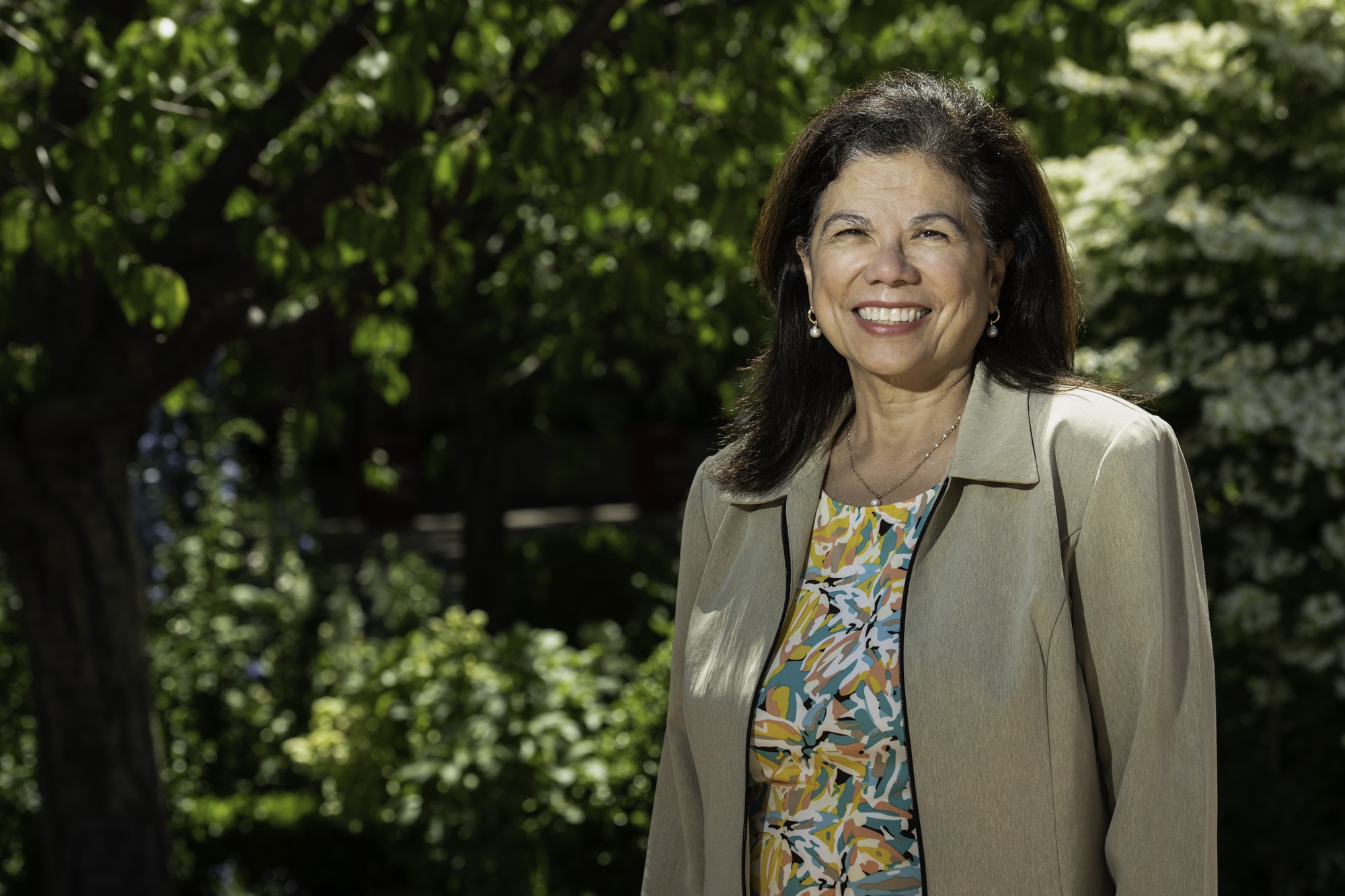
‘Uncharted Waters’: Stanford Doctor Fired From US Vaccine Panel by RFK Jr. Speaks Out
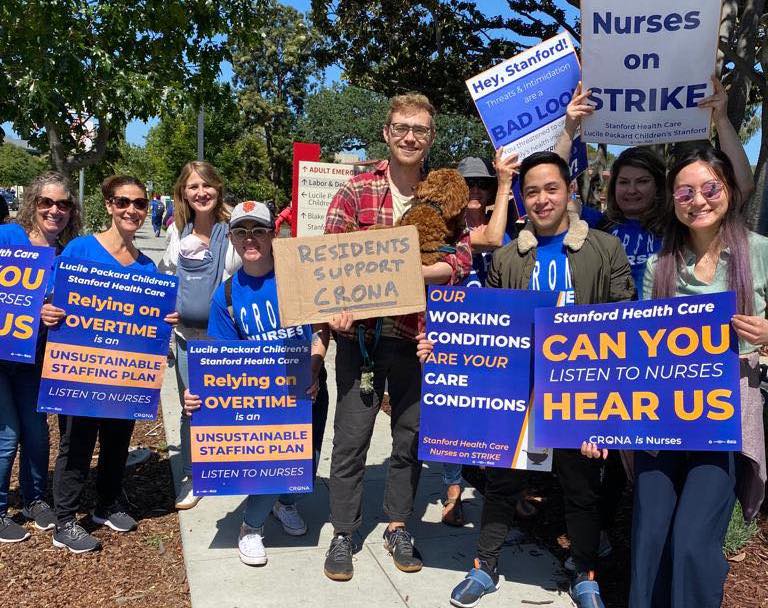
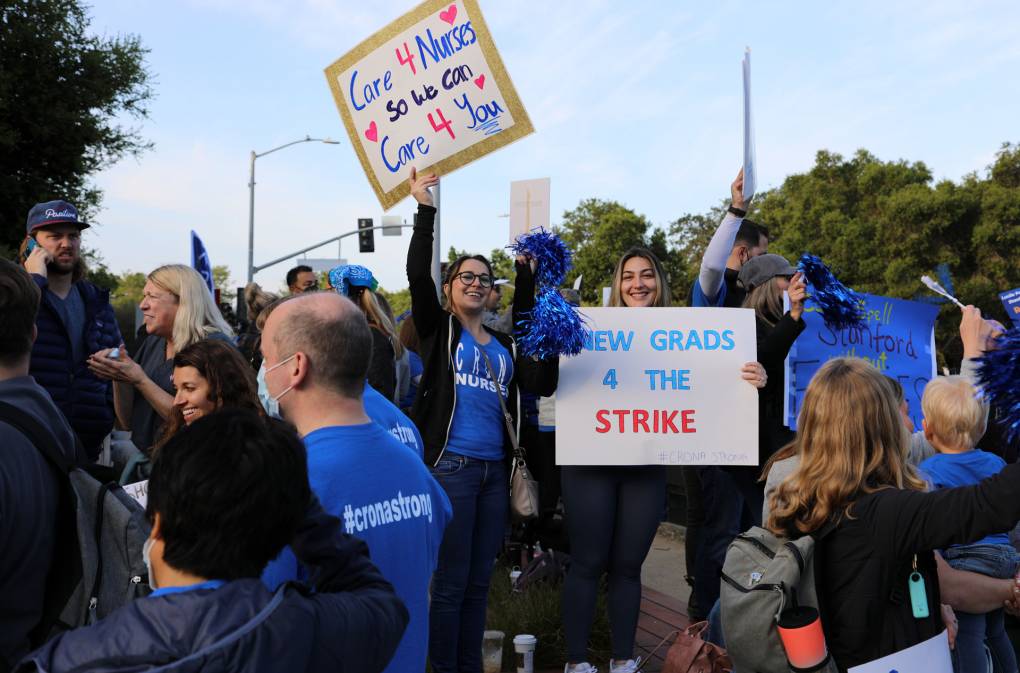
Stanford Nurses Approve New Contracts, Ending Weeklong Strike
Stanford Nurses Strike Over Staffing Shortages, Lack of Mental Health Support
Bay Area Hospitals Gear Up for Potential Surge in Coronavirus Cases
State Cites Stanford Hospital in Attack That Injured Two Psych Nurses
Tentative Deal Reached to Avert Nurses Strike at Stanford and Lucile Packard Hospitals
Nurses at Stanford and Lucile Packard Hospitals Vote Overwhelmingly to Authorize Strike
Cal/OSHA Launches Probe Into Attack That Injured Two Stanford Hospital Psych Nurses
Sponsored
Player sponsored by
window.__IS_SSR__=true
window.__INITIAL_STATE__={
"attachmentsReducer": {
"audio_0": {
"type": "attachments",
"id": "audio_0",
"imgSizes": {
"kqedFullSize": {
"file": "https://ww2.kqed.org/news/wp-content/themes/KQED-unified/img/audio_bgs/background0.jpg"
}
}
},
"audio_1": {
"type": "attachments",
"id": "audio_1",
"imgSizes": {
"kqedFullSize": {
"file": "https://ww2.kqed.org/news/wp-content/themes/KQED-unified/img/audio_bgs/background1.jpg"
}
}
},
"audio_2": {
"type": "attachments",
"id": "audio_2",
"imgSizes": {
"kqedFullSize": {
"file": "https://ww2.kqed.org/news/wp-content/themes/KQED-unified/img/audio_bgs/background2.jpg"
}
}
},
"audio_3": {
"type": "attachments",
"id": "audio_3",
"imgSizes": {
"kqedFullSize": {
"file": "https://ww2.kqed.org/news/wp-content/themes/KQED-unified/img/audio_bgs/background3.jpg"
}
}
},
"audio_4": {
"type": "attachments",
"id": "audio_4",
"imgSizes": {
"kqedFullSize": {
"file": "https://ww2.kqed.org/news/wp-content/themes/KQED-unified/img/audio_bgs/background4.jpg"
}
}
},
"placeholder": {
"type": "attachments",
"id": "placeholder",
"imgSizes": {
"thumbnail": {
"file": "https://cdn.kqed.org/wp-content/uploads/2024/12/KQED-Default-Image-816638274-2000x1333-1-160x107.jpg",
"width": 160,
"height": 107,
"mimeType": "image/jpeg"
},
"medium": {
"file": "https://cdn.kqed.org/wp-content/uploads/2024/12/KQED-Default-Image-816638274-2000x1333-1-800x533.jpg",
"width": 800,
"height": 533,
"mimeType": "image/jpeg"
},
"medium_large": {
"file": "https://cdn.kqed.org/wp-content/uploads/2024/12/KQED-Default-Image-816638274-2000x1333-1-768x512.jpg",
"width": 768,
"height": 512,
"mimeType": "image/jpeg"
},
"large": {
"file": "https://cdn.kqed.org/wp-content/uploads/2024/12/KQED-Default-Image-816638274-2000x1333-1-1020x680.jpg",
"width": 1020,
"height": 680,
"mimeType": "image/jpeg"
},
"1536x1536": {
"file": "https://cdn.kqed.org/wp-content/uploads/2024/12/KQED-Default-Image-816638274-2000x1333-1-1536x1024.jpg",
"width": 1536,
"height": 1024,
"mimeType": "image/jpeg"
},
"fd-lrg": {
"file": "https://cdn.kqed.org/wp-content/uploads/2024/12/KQED-Default-Image-816638274-2000x1333-1-1536x1024.jpg",
"width": 1536,
"height": 1024,
"mimeType": "image/jpeg"
},
"fd-med": {
"file": "https://cdn.kqed.org/wp-content/uploads/2024/12/KQED-Default-Image-816638274-2000x1333-1-1020x680.jpg",
"width": 1020,
"height": 680,
"mimeType": "image/jpeg"
},
"fd-sm": {
"file": "https://cdn.kqed.org/wp-content/uploads/2024/12/KQED-Default-Image-816638274-2000x1333-1-800x533.jpg",
"width": 800,
"height": 533,
"mimeType": "image/jpeg"
},
"post-thumbnail": {
"file": "https://cdn.kqed.org/wp-content/uploads/2024/12/KQED-Default-Image-816638274-2000x1333-1-672x372.jpg",
"width": 672,
"height": 372,
"mimeType": "image/jpeg"
},
"twentyfourteen-full-width": {
"file": "https://cdn.kqed.org/wp-content/uploads/2024/12/KQED-Default-Image-816638274-2000x1333-1-1038x576.jpg",
"width": 1038,
"height": 576,
"mimeType": "image/jpeg"
},
"xxsmall": {
"file": "https://cdn.kqed.org/wp-content/uploads/2024/12/KQED-Default-Image-816638274-2000x1333-1-160x107.jpg",
"width": 160,
"height": 107,
"mimeType": "image/jpeg"
},
"xsmall": {
"file": "https://cdn.kqed.org/wp-content/uploads/2024/12/KQED-Default-Image-816638274-2000x1333-1-672x372.jpg",
"width": 672,
"height": 372,
"mimeType": "image/jpeg"
},
"small": {
"file": "https://cdn.kqed.org/wp-content/uploads/2024/12/KQED-Default-Image-816638274-2000x1333-1-672x372.jpg",
"width": 672,
"height": 372,
"mimeType": "image/jpeg"
},
"xlarge": {
"file": "https://cdn.kqed.org/wp-content/uploads/2024/12/KQED-Default-Image-816638274-2000x1333-1-1020x680.jpg",
"width": 1020,
"height": 680,
"mimeType": "image/jpeg"
},
"full-width": {
"file": "https://cdn.kqed.org/wp-content/uploads/2024/12/KQED-Default-Image-816638274-2000x1333-1-1920x1280.jpg",
"width": 1920,
"height": 1280,
"mimeType": "image/jpeg"
},
"guest-author-32": {
"file": "https://cdn.kqed.org/wp-content/uploads/2025/01/KQED-Default-Image-816638274-1333x1333-1-160x160.jpg",
"width": 32,
"height": 32,
"mimeType": "image/jpeg"
},
"guest-author-50": {
"file": "https://cdn.kqed.org/wp-content/uploads/2025/01/KQED-Default-Image-816638274-1333x1333-1-160x160.jpg",
"width": 50,
"height": 50,
"mimeType": "image/jpeg"
},
"guest-author-64": {
"file": "https://cdn.kqed.org/wp-content/uploads/2025/01/KQED-Default-Image-816638274-1333x1333-1-160x160.jpg",
"width": 64,
"height": 64,
"mimeType": "image/jpeg"
},
"guest-author-96": {
"file": "https://cdn.kqed.org/wp-content/uploads/2025/01/KQED-Default-Image-816638274-1333x1333-1-160x160.jpg",
"width": 96,
"height": 96,
"mimeType": "image/jpeg"
},
"guest-author-128": {
"file": "https://cdn.kqed.org/wp-content/uploads/2025/01/KQED-Default-Image-816638274-1333x1333-1-160x160.jpg",
"width": 128,
"height": 128,
"mimeType": "image/jpeg"
},
"detail": {
"file": "https://cdn.kqed.org/wp-content/uploads/2025/01/KQED-Default-Image-816638274-1333x1333-1-160x160.jpg",
"width": 160,
"height": 160,
"mimeType": "image/jpeg"
},
"kqedFullSize": {
"file": "https://cdn.kqed.org/wp-content/uploads/2024/12/KQED-Default-Image-816638274-2000x1333-1.jpg",
"width": 2000,
"height": 1333
}
}
},
"news_12044237": {
"type": "attachments",
"id": "news_12044237",
"meta": {
"index": "attachments_1716263798",
"site": "news",
"id": "12044237",
"found": true
},
"title": "VaccinationsStory",
"publishDate": 1749843923,
"status": "inherit",
"parent": 12044201,
"modified": 1749845881,
"caption": "Dr. Yvonne Maldonado, professor of Global Health and Infectious Diseases at Stanford University School of Medicine. After Secretary Robert F. Kennedy Jr. fired the entire Advisory Committee on Immunization Practices this week, Maldonado, who was on the panel, warned the move will be disruptive.\r\n",
"credit": "Courtesy of Stanford Medicine",
"altTag": null,
"description": null,
"imgSizes": {
"thumbnail": {
"file": "https://cdn.kqed.org/wp-content/uploads/sites/10/2025/06/VaccinationsStory-160x107.jpg",
"width": 160,
"height": 107,
"mimeType": "image/jpeg"
},
"1536x1536": {
"file": "https://cdn.kqed.org/wp-content/uploads/sites/10/2025/06/VaccinationsStory-1536x1024.jpg",
"width": 1536,
"height": 1024,
"mimeType": "image/jpeg"
},
"post-thumbnail": {
"file": "https://cdn.kqed.org/wp-content/uploads/sites/10/2025/06/VaccinationsStory-672x372.jpg",
"width": 672,
"height": 372,
"mimeType": "image/jpeg"
},
"twentyfourteen-full-width": {
"file": "https://cdn.kqed.org/wp-content/uploads/sites/10/2025/06/VaccinationsStory-1038x576.jpg",
"width": 1038,
"height": 576,
"mimeType": "image/jpeg"
},
"kqedFullSize": {
"file": "https://cdn.kqed.org/wp-content/uploads/sites/10/2025/06/VaccinationsStory.jpg",
"width": 2000,
"height": 1333
}
},
"fetchFailed": false,
"isLoading": false
},
"news_11912976": {
"type": "attachments",
"id": "news_11912976",
"meta": {
"index": "attachments_1716263798",
"site": "news",
"id": "11912976",
"found": true
},
"parent": 11912951,
"imgSizes": {
"twentyfourteen-full-width": {
"file": "https://ww2.kqed.org/app/uploads/sites/10/2022/05/279287443_8035081779838833_1380121179455831791_n-768x576.jpeg",
"width": 768,
"mimeType": "image/jpeg",
"height": 576
},
"thumbnail": {
"file": "https://ww2.kqed.org/app/uploads/sites/10/2022/05/279287443_8035081779838833_1380121179455831791_n-160x127.jpeg",
"width": 160,
"mimeType": "image/jpeg",
"height": 127
},
"post-thumbnail": {
"file": "https://ww2.kqed.org/app/uploads/sites/10/2022/05/279287443_8035081779838833_1380121179455831791_n-672x372.jpeg",
"width": 672,
"mimeType": "image/jpeg",
"height": 372
},
"kqedFullSize": {
"file": "https://ww2.kqed.org/app/uploads/sites/10/2022/05/279287443_8035081779838833_1380121179455831791_n.jpeg",
"width": 768,
"height": 608
}
},
"publishDate": 1651540273,
"modified": 1651620995,
"caption": "Nurses at Stanford Health Care and Lucile Packard Children's Hospital on the picket line on April 25, 2022, the first day of their weeklong strike. ",
"description": null,
"title": "279287443_8035081779838833_1380121179455831791_n",
"credit": "Courtesy of the Committee for Recognition of Nursing Achievement",
"status": "inherit",
"altTag": "A group of people stand with picket signs that say 'Stanford Health Care, can you hear us\"",
"fetchFailed": false,
"isLoading": false
},
"news_11912276": {
"type": "attachments",
"id": "news_11912276",
"meta": {
"index": "attachments_1716263798",
"site": "news",
"id": "11912276",
"found": true
},
"parent": 11912231,
"imgSizes": {
"twentyfourteen-full-width": {
"file": "https://ww2.kqed.org/app/uploads/sites/10/2022/04/NursesStrike-1038x576.jpg",
"width": 1038,
"mimeType": "image/jpeg",
"height": 576
},
"thumbnail": {
"file": "https://ww2.kqed.org/app/uploads/sites/10/2022/04/NursesStrike-160x106.jpg",
"width": 160,
"mimeType": "image/jpeg",
"height": 106
},
"post-thumbnail": {
"file": "https://ww2.kqed.org/app/uploads/sites/10/2022/04/NursesStrike-672x372.jpg",
"width": 672,
"mimeType": "image/jpeg",
"height": 372
},
"kqedFullSize": {
"file": "https://ww2.kqed.org/app/uploads/sites/10/2022/04/NursesStrike.jpg",
"width": 1920,
"height": 1266
},
"large": {
"file": "https://ww2.kqed.org/app/uploads/sites/10/2022/04/NursesStrike-1020x673.jpg",
"width": 1020,
"mimeType": "image/jpeg",
"height": 673
},
"1536x1536": {
"file": "https://ww2.kqed.org/app/uploads/sites/10/2022/04/NursesStrike-1536x1013.jpg",
"width": 1536,
"mimeType": "image/jpeg",
"height": 1013
},
"medium": {
"file": "https://ww2.kqed.org/app/uploads/sites/10/2022/04/NursesStrike-800x528.jpg",
"width": 800,
"mimeType": "image/jpeg",
"height": 528
}
},
"publishDate": 1651006140,
"modified": 1651009844,
"caption": "Stanford nurses and their supporters rally as part of a strike on April 25, 2022. Thousands of nurses walked off the job, calling on management to address staffing shortages and provide workers with better mental health support.",
"description": null,
"title": "NursesStrike",
"credit": "Courtesy of Committee for Recognition of Nursing Achievement",
"status": "inherit",
"altTag": "nurses wearing bright blue union shirts hold signs reading 'care 4 nurses so we can care 4 you'",
"fetchFailed": false,
"isLoading": false
},
"news_11806313": {
"type": "attachments",
"id": "news_11806313",
"meta": {
"index": "attachments_1716263798",
"site": "news",
"id": "11806313",
"found": true
},
"parent": 11806115,
"imgSizes": {
"apple_news_ca_landscape_5_5": {
"file": "https://ww2.kqed.org/app/uploads/sites/10/2020/03/RS41948_005_KQED_SanFrancisco_GeneralHospital_03102020_6316-qut-1044x783.jpg",
"width": 1044,
"mimeType": "image/jpeg",
"height": 783
},
"apple_news_ca_square_4_0": {
"file": "https://ww2.kqed.org/app/uploads/sites/10/2020/03/RS41948_005_KQED_SanFrancisco_GeneralHospital_03102020_6316-qut-470x470.jpg",
"width": 470,
"mimeType": "image/jpeg",
"height": 470
},
"twentyfourteen-full-width": {
"file": "https://ww2.kqed.org/app/uploads/sites/10/2020/03/RS41948_005_KQED_SanFrancisco_GeneralHospital_03102020_6316-qut-1038x576.jpg",
"width": 1038,
"mimeType": "image/jpeg",
"height": 576
},
"thumbnail": {
"file": "https://ww2.kqed.org/app/uploads/sites/10/2020/03/RS41948_005_KQED_SanFrancisco_GeneralHospital_03102020_6316-qut-160x107.jpg",
"width": 160,
"mimeType": "image/jpeg",
"height": 107
},
"post-thumbnail": {
"file": "https://ww2.kqed.org/app/uploads/sites/10/2020/03/RS41948_005_KQED_SanFrancisco_GeneralHospital_03102020_6316-qut-672x372.jpg",
"width": 672,
"mimeType": "image/jpeg",
"height": 372
},
"kqedFullSize": {
"file": "https://ww2.kqed.org/app/uploads/sites/10/2020/03/RS41948_005_KQED_SanFrancisco_GeneralHospital_03102020_6316-qut.jpg",
"width": 1920,
"height": 1280
},
"apple_news_ca_landscape_4_7": {
"file": "https://ww2.kqed.org/app/uploads/sites/10/2020/03/RS41948_005_KQED_SanFrancisco_GeneralHospital_03102020_6316-qut-632x474.jpg",
"width": 632,
"mimeType": "image/jpeg",
"height": 474
},
"large": {
"file": "https://ww2.kqed.org/app/uploads/sites/10/2020/03/RS41948_005_KQED_SanFrancisco_GeneralHospital_03102020_6316-qut-1020x680.jpg",
"width": 1020,
"mimeType": "image/jpeg",
"height": 680
},
"apple_news_ca_landscape_4_0": {
"file": "https://ww2.kqed.org/app/uploads/sites/10/2020/03/RS41948_005_KQED_SanFrancisco_GeneralHospital_03102020_6316-qut-536x402.jpg",
"width": 536,
"mimeType": "image/jpeg",
"height": 402
},
"apple_news_ca_portrait_12_9": {
"file": "https://ww2.kqed.org/app/uploads/sites/10/2020/03/RS41948_005_KQED_SanFrancisco_GeneralHospital_03102020_6316-qut-1122x1280.jpg",
"width": 1122,
"mimeType": "image/jpeg",
"height": 1280
},
"medium": {
"file": "https://ww2.kqed.org/app/uploads/sites/10/2020/03/RS41948_005_KQED_SanFrancisco_GeneralHospital_03102020_6316-qut-800x533.jpg",
"width": 800,
"mimeType": "image/jpeg",
"height": 533
},
"apple_news_ca_portrait_4_0": {
"file": "https://ww2.kqed.org/app/uploads/sites/10/2020/03/RS41948_005_KQED_SanFrancisco_GeneralHospital_03102020_6316-qut-354x472.jpg",
"width": 354,
"mimeType": "image/jpeg",
"height": 472
},
"apple_news_ca_portrait_9_7": {
"file": "https://ww2.kqed.org/app/uploads/sites/10/2020/03/RS41948_005_KQED_SanFrancisco_GeneralHospital_03102020_6316-qut-840x1120.jpg",
"width": 840,
"mimeType": "image/jpeg",
"height": 1120
},
"apple_news_ca_landscape_12_9": {
"file": "https://ww2.kqed.org/app/uploads/sites/10/2020/03/RS41948_005_KQED_SanFrancisco_GeneralHospital_03102020_6316-qut-1832x1280.jpg",
"width": 1832,
"mimeType": "image/jpeg",
"height": 1280
},
"apple_news_ca_square_9_7": {
"file": "https://ww2.kqed.org/app/uploads/sites/10/2020/03/RS41948_005_KQED_SanFrancisco_GeneralHospital_03102020_6316-qut-1104x1104.jpg",
"width": 1104,
"mimeType": "image/jpeg",
"height": 1104
},
"apple_news_ca_portrait_4_7": {
"file": "https://ww2.kqed.org/app/uploads/sites/10/2020/03/RS41948_005_KQED_SanFrancisco_GeneralHospital_03102020_6316-qut-414x552.jpg",
"width": 414,
"mimeType": "image/jpeg",
"height": 552
},
"apple_news_ca_square_12_9": {
"file": "https://ww2.kqed.org/app/uploads/sites/10/2020/03/RS41948_005_KQED_SanFrancisco_GeneralHospital_03102020_6316-qut-1472x1280.jpg",
"width": 1472,
"mimeType": "image/jpeg",
"height": 1280
},
"apple_news_ca_portrait_5_5": {
"file": "https://ww2.kqed.org/app/uploads/sites/10/2020/03/RS41948_005_KQED_SanFrancisco_GeneralHospital_03102020_6316-qut-687x916.jpg",
"width": 687,
"mimeType": "image/jpeg",
"height": 916
},
"full-width": {
"file": "https://ww2.kqed.org/app/uploads/sites/10/2020/03/RS41948_005_KQED_SanFrancisco_GeneralHospital_03102020_6316-qut-1920x1280.jpg",
"width": 1920,
"mimeType": "image/jpeg",
"height": 1280
},
"apple_news_ca_square_4_7": {
"file": "https://ww2.kqed.org/app/uploads/sites/10/2020/03/RS41948_005_KQED_SanFrancisco_GeneralHospital_03102020_6316-qut-550x550.jpg",
"width": 550,
"mimeType": "image/jpeg",
"height": 550
},
"apple_news_ca_landscape_9_7": {
"file": "https://ww2.kqed.org/app/uploads/sites/10/2020/03/RS41948_005_KQED_SanFrancisco_GeneralHospital_03102020_6316-qut-1376x1032.jpg",
"width": 1376,
"mimeType": "image/jpeg",
"height": 1032
},
"apple_news_ca_square_5_5": {
"file": "https://ww2.kqed.org/app/uploads/sites/10/2020/03/RS41948_005_KQED_SanFrancisco_GeneralHospital_03102020_6316-qut-912x912.jpg",
"width": 912,
"mimeType": "image/jpeg",
"height": 912
}
},
"publishDate": 1583974250,
"modified": 1606831892,
"caption": null,
"description": "At Zuckerberg San Francisco General Hospital, officials said they're working to ensure that patients are routed to the right part of the hospital.",
"title": "RS41948_005_KQED_SanFrancisco_GeneralHospital_03102020_6316-qut",
"credit": "Beth LaBerge/KQED",
"status": "inherit",
"fetchFailed": false,
"isLoading": false
},
"news_11776302": {
"type": "attachments",
"id": "news_11776302",
"meta": {
"index": "attachments_1716263798",
"site": "news",
"id": "11776302",
"found": true
},
"parent": 11774981,
"imgSizes": {
"apple_news_ca_landscape_5_5": {
"file": "https://ww2.kqed.org/app/uploads/sites/10/2019/09/Stanford_Medical_Center-1044x783.jpeg",
"width": 1044,
"mimeType": "image/jpeg",
"height": 783
},
"apple_news_ca_square_4_0": {
"file": "https://ww2.kqed.org/app/uploads/sites/10/2019/09/Stanford_Medical_Center-470x470.jpeg",
"width": 470,
"mimeType": "image/jpeg",
"height": 470
},
"twentyfourteen-full-width": {
"file": "https://ww2.kqed.org/app/uploads/sites/10/2019/09/Stanford_Medical_Center-1038x576.jpeg",
"width": 1038,
"mimeType": "image/jpeg",
"height": 576
},
"thumbnail": {
"file": "https://ww2.kqed.org/app/uploads/sites/10/2019/09/Stanford_Medical_Center-160x118.jpeg",
"width": 160,
"mimeType": "image/jpeg",
"height": 118
},
"post-thumbnail": {
"file": "https://ww2.kqed.org/app/uploads/sites/10/2019/09/Stanford_Medical_Center-672x372.jpeg",
"width": 672,
"mimeType": "image/jpeg",
"height": 372
},
"kqedFullSize": {
"file": "https://ww2.kqed.org/app/uploads/sites/10/2019/09/Stanford_Medical_Center-e1569360316151.jpeg",
"width": 1920,
"height": 1413
},
"apple_news_ca_landscape_4_7": {
"file": "https://ww2.kqed.org/app/uploads/sites/10/2019/09/Stanford_Medical_Center-632x474.jpeg",
"width": 632,
"mimeType": "image/jpeg",
"height": 474
},
"large": {
"file": "https://ww2.kqed.org/app/uploads/sites/10/2019/09/Stanford_Medical_Center-1020x750.jpeg",
"width": 1020,
"mimeType": "image/jpeg",
"height": 750
},
"complete_open_graph": {
"file": "https://ww2.kqed.org/app/uploads/sites/10/2019/09/Stanford_Medical_Center-1200x883.jpeg",
"width": 1200,
"mimeType": "image/jpeg",
"height": 883
},
"apple_news_ca_landscape_4_0": {
"file": "https://ww2.kqed.org/app/uploads/sites/10/2019/09/Stanford_Medical_Center-536x402.jpeg",
"width": 536,
"mimeType": "image/jpeg",
"height": 402
},
"apple_news_ca_portrait_12_9": {
"file": "https://ww2.kqed.org/app/uploads/sites/10/2019/09/Stanford_Medical_Center-1122x1496.jpeg",
"width": 1122,
"mimeType": "image/jpeg",
"height": 1496
},
"medium": {
"file": "https://ww2.kqed.org/app/uploads/sites/10/2019/09/Stanford_Medical_Center-800x589.jpeg",
"width": 800,
"mimeType": "image/jpeg",
"height": 589
},
"apple_news_ca_portrait_4_0": {
"file": "https://ww2.kqed.org/app/uploads/sites/10/2019/09/Stanford_Medical_Center-354x472.jpeg",
"width": 354,
"mimeType": "image/jpeg",
"height": 472
},
"apple_news_ca_portrait_9_7": {
"file": "https://ww2.kqed.org/app/uploads/sites/10/2019/09/Stanford_Medical_Center-840x1120.jpeg",
"width": 840,
"mimeType": "image/jpeg",
"height": 1120
},
"apple_news_ca_landscape_12_9": {
"file": "https://ww2.kqed.org/app/uploads/sites/10/2019/09/Stanford_Medical_Center-1832x1374.jpeg",
"width": 1832,
"mimeType": "image/jpeg",
"height": 1374
},
"apple_news_ca_square_9_7": {
"file": "https://ww2.kqed.org/app/uploads/sites/10/2019/09/Stanford_Medical_Center-1104x1104.jpeg",
"width": 1104,
"mimeType": "image/jpeg",
"height": 1104
},
"apple_news_ca_portrait_4_7": {
"file": "https://ww2.kqed.org/app/uploads/sites/10/2019/09/Stanford_Medical_Center-414x552.jpeg",
"width": 414,
"mimeType": "image/jpeg",
"height": 552
},
"apple_news_ca_square_12_9": {
"file": "https://ww2.kqed.org/app/uploads/sites/10/2019/09/Stanford_Medical_Center-1472x1472.jpeg",
"width": 1472,
"mimeType": "image/jpeg",
"height": 1472
},
"apple_news_ca_portrait_5_5": {
"file": "https://ww2.kqed.org/app/uploads/sites/10/2019/09/Stanford_Medical_Center-687x916.jpeg",
"width": 687,
"mimeType": "image/jpeg",
"height": 916
},
"full-width": {
"file": "https://ww2.kqed.org/app/uploads/sites/10/2019/09/Stanford_Medical_Center-1920x1412.jpeg",
"width": 1920,
"mimeType": "image/jpeg",
"height": 1412
},
"apple_news_ca_square_4_7": {
"file": "https://ww2.kqed.org/app/uploads/sites/10/2019/09/Stanford_Medical_Center-550x550.jpeg",
"width": 550,
"mimeType": "image/jpeg",
"height": 550
},
"apple_news_ca_landscape_9_7": {
"file": "https://ww2.kqed.org/app/uploads/sites/10/2019/09/Stanford_Medical_Center-1376x1032.jpeg",
"width": 1376,
"mimeType": "image/jpeg",
"height": 1032
},
"apple_news_ca_square_5_5": {
"file": "https://ww2.kqed.org/app/uploads/sites/10/2019/09/Stanford_Medical_Center-912x912.jpeg",
"width": 912,
"mimeType": "image/jpeg",
"height": 912
}
},
"publishDate": 1569360293,
"modified": 1569360663,
"caption": "Stanford Hospital, where a 70-year-old nurse was attacked and seriously injured by a psychiatric unit patient in March 2019.",
"description": null,
"title": "Stanford_Medical_Center",
"credit": "\u003ca href=\"https://commons.wikimedia.org/wiki/File:Stanford_Medical_Center.JPG\">Robert Skolmen/Wikimedia Commons\u003c/a>",
"status": "inherit",
"fetchFailed": false,
"isLoading": false
},
"news_11739476": {
"type": "attachments",
"id": "news_11739476",
"meta": {
"index": "attachments_1716263798",
"site": "news",
"id": "11739476",
"found": true
},
"parent": 11739404,
"imgSizes": {
"apple_news_ca_square_4_0": {
"file": "https://ww2.kqed.org/app/uploads/sites/10/2019/04/image_346290278.img_.full_.high_-470x470.jpg",
"width": 470,
"mimeType": "image/jpeg",
"height": 470
},
"twentyfourteen-full-width": {
"file": "https://ww2.kqed.org/app/uploads/sites/10/2019/04/image_346290278.img_.full_.high_-1024x576.jpg",
"width": 1024,
"mimeType": "image/jpeg",
"height": 576
},
"thumbnail": {
"file": "https://ww2.kqed.org/app/uploads/sites/10/2019/04/image_346290278.img_.full_.high_-160x90.jpg",
"width": 160,
"mimeType": "image/jpeg",
"height": 90
},
"post-thumbnail": {
"file": "https://ww2.kqed.org/app/uploads/sites/10/2019/04/image_346290278.img_.full_.high_-672x372.jpg",
"width": 672,
"mimeType": "image/jpeg",
"height": 372
},
"kqedFullSize": {
"file": "https://ww2.kqed.org/app/uploads/sites/10/2019/04/image_346290278.img_.full_.high_.jpg",
"width": 1024,
"height": 576
},
"apple_news_ca_landscape_4_7": {
"file": "https://ww2.kqed.org/app/uploads/sites/10/2019/04/image_346290278.img_.full_.high_-632x474.jpg",
"width": 632,
"mimeType": "image/jpeg",
"height": 474
},
"large": {
"file": "https://ww2.kqed.org/app/uploads/sites/10/2019/04/image_346290278.img_.full_.high_-1020x574.jpg",
"width": 1020,
"mimeType": "image/jpeg",
"height": 574
},
"guest-author-50": {
"file": "https://ww2.kqed.org/app/uploads/sites/10/2019/04/image_346290278.img_.full_.high_-50x50.jpg",
"width": 50,
"mimeType": "image/jpeg",
"height": 50
},
"guest-author-96": {
"file": "https://ww2.kqed.org/app/uploads/sites/10/2019/04/image_346290278.img_.full_.high_-96x96.jpg",
"width": 96,
"mimeType": "image/jpeg",
"height": 96
},
"apple_news_ca_landscape_4_0": {
"file": "https://ww2.kqed.org/app/uploads/sites/10/2019/04/image_346290278.img_.full_.high_-536x402.jpg",
"width": 536,
"mimeType": "image/jpeg",
"height": 402
},
"medium": {
"file": "https://ww2.kqed.org/app/uploads/sites/10/2019/04/image_346290278.img_.full_.high_-800x450.jpg",
"width": 800,
"mimeType": "image/jpeg",
"height": 450
},
"guest-author-64": {
"file": "https://ww2.kqed.org/app/uploads/sites/10/2019/04/image_346290278.img_.full_.high_-64x64.jpg",
"width": 64,
"mimeType": "image/jpeg",
"height": 64
},
"guest-author-32": {
"file": "https://ww2.kqed.org/app/uploads/sites/10/2019/04/image_346290278.img_.full_.high_-32x32.jpg",
"width": 32,
"mimeType": "image/jpeg",
"height": 32
},
"apple_news_ca_portrait_4_0": {
"file": "https://ww2.kqed.org/app/uploads/sites/10/2019/04/image_346290278.img_.full_.high_-354x472.jpg",
"width": 354,
"mimeType": "image/jpeg",
"height": 472
},
"apple_news_ca_portrait_9_7": {
"file": "https://ww2.kqed.org/app/uploads/sites/10/2019/04/image_346290278.img_.full_.high_-840x576.jpg",
"width": 840,
"mimeType": "image/jpeg",
"height": 576
},
"apple_news_ca_portrait_4_7": {
"file": "https://ww2.kqed.org/app/uploads/sites/10/2019/04/image_346290278.img_.full_.high_-414x552.jpg",
"width": 414,
"mimeType": "image/jpeg",
"height": 552
},
"apple_news_ca_portrait_5_5": {
"file": "https://ww2.kqed.org/app/uploads/sites/10/2019/04/image_346290278.img_.full_.high_-687x576.jpg",
"width": 687,
"mimeType": "image/jpeg",
"height": 576
},
"apple_news_ca_square_4_7": {
"file": "https://ww2.kqed.org/app/uploads/sites/10/2019/04/image_346290278.img_.full_.high_-550x550.jpg",
"width": 550,
"mimeType": "image/jpeg",
"height": 550
},
"guest-author-128": {
"file": "https://ww2.kqed.org/app/uploads/sites/10/2019/04/image_346290278.img_.full_.high_-128x128.jpg",
"width": 128,
"mimeType": "image/jpeg",
"height": 128
},
"apple_news_ca_square_5_5": {
"file": "https://ww2.kqed.org/app/uploads/sites/10/2019/04/image_346290278.img_.full_.high_-912x576.jpg",
"width": 912,
"mimeType": "image/jpeg",
"height": 576
}
},
"publishDate": 1555017336,
"modified": 1556648323,
"caption": "A deal to avert a strike by nurses at Lucile Packard Children's Hospital (above) and Stanford Hospital was reached April 30, 2019. ",
"description": null,
"title": "image_346290278.img.full.high",
"credit": "Courtesy of Stanford Medicine",
"status": "inherit",
"fetchFailed": false,
"isLoading": false
},
"news_11734726": {
"type": "attachments",
"id": "news_11734726",
"meta": {
"index": "attachments_1716263798",
"site": "news",
"id": "11734726",
"found": true
},
"parent": 11734674,
"imgSizes": {
"post-thumbnail": {
"file": "https://ww2.kqed.org/app/uploads/sites/10/2019/03/Stanford-Boswell-Building-672x372.jpg",
"width": 672,
"mimeType": "image/jpeg",
"height": 372
},
"kqedFullSize": {
"file": "https://ww2.kqed.org/app/uploads/sites/10/2019/03/Stanford-Boswell-Building.jpg",
"width": 1920,
"height": 1263
},
"guest-author-50": {
"file": "https://ww2.kqed.org/app/uploads/sites/10/2019/03/Stanford-Boswell-Building-50x50.jpg",
"width": 50,
"mimeType": "image/jpeg",
"height": 50
},
"guest-author-96": {
"file": "https://ww2.kqed.org/app/uploads/sites/10/2019/03/Stanford-Boswell-Building-96x96.jpg",
"width": 96,
"mimeType": "image/jpeg",
"height": 96
},
"apple_news_ca_portrait_12_9": {
"file": "https://ww2.kqed.org/app/uploads/sites/10/2019/03/Stanford-Boswell-Building-1122x1263.jpg",
"width": 1122,
"mimeType": "image/jpeg",
"height": 1263
},
"medium": {
"file": "https://ww2.kqed.org/app/uploads/sites/10/2019/03/Stanford-Boswell-Building-800x526.jpg",
"width": 800,
"mimeType": "image/jpeg",
"height": 526
},
"guest-author-32": {
"file": "https://ww2.kqed.org/app/uploads/sites/10/2019/03/Stanford-Boswell-Building-32x32.jpg",
"width": 32,
"mimeType": "image/jpeg",
"height": 32
},
"apple_news_ca_portrait_9_7": {
"file": "https://ww2.kqed.org/app/uploads/sites/10/2019/03/Stanford-Boswell-Building-840x1120.jpg",
"width": 840,
"mimeType": "image/jpeg",
"height": 1120
},
"apple_news_ca_square_9_7": {
"file": "https://ww2.kqed.org/app/uploads/sites/10/2019/03/Stanford-Boswell-Building-1104x1104.jpg",
"width": 1104,
"mimeType": "image/jpeg",
"height": 1104
},
"apple_news_ca_portrait_4_7": {
"file": "https://ww2.kqed.org/app/uploads/sites/10/2019/03/Stanford-Boswell-Building-414x552.jpg",
"width": 414,
"mimeType": "image/jpeg",
"height": 552
},
"apple_news_ca_square_12_9": {
"file": "https://ww2.kqed.org/app/uploads/sites/10/2019/03/Stanford-Boswell-Building-1472x1263.jpg",
"width": 1472,
"mimeType": "image/jpeg",
"height": 1263
},
"apple_news_ca_portrait_5_5": {
"file": "https://ww2.kqed.org/app/uploads/sites/10/2019/03/Stanford-Boswell-Building-687x916.jpg",
"width": 687,
"mimeType": "image/jpeg",
"height": 916
},
"apple_news_ca_square_4_7": {
"file": "https://ww2.kqed.org/app/uploads/sites/10/2019/03/Stanford-Boswell-Building-550x550.jpg",
"width": 550,
"mimeType": "image/jpeg",
"height": 550
},
"apple_news_ca_square_5_5": {
"file": "https://ww2.kqed.org/app/uploads/sites/10/2019/03/Stanford-Boswell-Building-912x912.jpg",
"width": 912,
"mimeType": "image/jpeg",
"height": 912
},
"apple_news_ca_landscape_5_5": {
"file": "https://ww2.kqed.org/app/uploads/sites/10/2019/03/Stanford-Boswell-Building-1044x783.jpg",
"width": 1044,
"mimeType": "image/jpeg",
"height": 783
},
"apple_news_ca_square_4_0": {
"file": "https://ww2.kqed.org/app/uploads/sites/10/2019/03/Stanford-Boswell-Building-470x470.jpg",
"width": 470,
"mimeType": "image/jpeg",
"height": 470
},
"twentyfourteen-full-width": {
"file": "https://ww2.kqed.org/app/uploads/sites/10/2019/03/Stanford-Boswell-Building-1038x576.jpg",
"width": 1038,
"mimeType": "image/jpeg",
"height": 576
},
"thumbnail": {
"file": "https://ww2.kqed.org/app/uploads/sites/10/2019/03/Stanford-Boswell-Building-160x105.jpg",
"width": 160,
"mimeType": "image/jpeg",
"height": 105
},
"apple_news_ca_landscape_4_7": {
"file": "https://ww2.kqed.org/app/uploads/sites/10/2019/03/Stanford-Boswell-Building-632x474.jpg",
"width": 632,
"mimeType": "image/jpeg",
"height": 474
},
"large": {
"file": "https://ww2.kqed.org/app/uploads/sites/10/2019/03/Stanford-Boswell-Building-1020x671.jpg",
"width": 1020,
"mimeType": "image/jpeg",
"height": 671
},
"complete_open_graph": {
"file": "https://ww2.kqed.org/app/uploads/sites/10/2019/03/Stanford-Boswell-Building-1200x789.jpg",
"width": 1200,
"mimeType": "image/jpeg",
"height": 789
},
"apple_news_ca_landscape_4_0": {
"file": "https://ww2.kqed.org/app/uploads/sites/10/2019/03/Stanford-Boswell-Building-536x402.jpg",
"width": 536,
"mimeType": "image/jpeg",
"height": 402
},
"guest-author-64": {
"file": "https://ww2.kqed.org/app/uploads/sites/10/2019/03/Stanford-Boswell-Building-64x64.jpg",
"width": 64,
"mimeType": "image/jpeg",
"height": 64
},
"apple_news_ca_portrait_4_0": {
"file": "https://ww2.kqed.org/app/uploads/sites/10/2019/03/Stanford-Boswell-Building-354x472.jpg",
"width": 354,
"mimeType": "image/jpeg",
"height": 472
},
"apple_news_ca_landscape_12_9": {
"file": "https://ww2.kqed.org/app/uploads/sites/10/2019/03/Stanford-Boswell-Building-1832x1263.jpg",
"width": 1832,
"mimeType": "image/jpeg",
"height": 1263
},
"full-width": {
"file": "https://ww2.kqed.org/app/uploads/sites/10/2019/03/Stanford-Boswell-Building-1920x1263.jpg",
"width": 1920,
"mimeType": "image/jpeg",
"height": 1263
},
"guest-author-128": {
"file": "https://ww2.kqed.org/app/uploads/sites/10/2019/03/Stanford-Boswell-Building-128x128.jpg",
"width": 128,
"mimeType": "image/jpeg",
"height": 128
},
"apple_news_ca_landscape_9_7": {
"file": "https://ww2.kqed.org/app/uploads/sites/10/2019/03/Stanford-Boswell-Building-1376x1032.jpg",
"width": 1376,
"mimeType": "image/jpeg",
"height": 1032
}
},
"publishDate": 1553288799,
"modified": 1553297927,
"caption": "Stanford Hospital's Boswell Building houses the facility's Inpatient psychiatry clinic.",
"description": "Stanford Hospital's Boswell Building which houses the facility's Inpatient Psychiatry Clinic.",
"title": "Stanford-Boswell-Building",
"credit": "Google Street View",
"status": "inherit",
"fetchFailed": false,
"isLoading": false
}
},
"audioPlayerReducer": {
"postId": "stream_live",
"isPaused": true,
"isPlaying": false,
"pfsActive": false,
"pledgeModalIsOpen": true,
"playerDrawerIsOpen": false
},
"authorsReducer": {
"kqednewsstaffandwires": {
"type": "authors",
"id": "237",
"meta": {
"index": "authors_1716337520",
"id": "237",
"found": true
},
"name": "KQED News Staff and Wires",
"firstName": "KQED News Staff and Wires",
"lastName": null,
"slug": "kqednewsstaffandwires",
"email": "onlinenewsstaff@kqed.org",
"display_author_email": false,
"staff_mastheads": [],
"title": null,
"bio": null,
"avatar": "https://secure.gravatar.com/avatar/72295af8ebbfbd19a4948f5271285664?s=600&d=blank&r=g",
"twitter": null,
"facebook": null,
"instagram": null,
"linkedin": null,
"sites": [
{
"site": "arts",
"roles": [
"contributor"
]
},
{
"site": "news",
"roles": [
"contributor"
]
},
{
"site": "lowdown",
"roles": [
"author"
]
},
{
"site": "stateofhealth",
"roles": [
"contributor"
]
},
{
"site": "food",
"roles": [
"author"
]
}
],
"headData": {
"title": "KQED News Staff and Wires | KQED",
"description": null,
"ogImgSrc": "https://secure.gravatar.com/avatar/72295af8ebbfbd19a4948f5271285664?s=600&d=blank&r=g",
"twImgSrc": "https://secure.gravatar.com/avatar/72295af8ebbfbd19a4948f5271285664?s=600&d=blank&r=g"
},
"isLoading": false,
"link": "/author/kqednewsstaffandwires"
},
"tgoldberg": {
"type": "authors",
"id": "258",
"meta": {
"index": "authors_1716337520",
"id": "258",
"found": true
},
"name": "Ted Goldberg",
"firstName": "Ted",
"lastName": "Goldberg",
"slug": "tgoldberg",
"email": "tgoldberg@kqed.org",
"display_author_email": true,
"staff_mastheads": [
"news"
],
"title": "KQED Managing Editor, News and Newscasts",
"bio": "Ted Goldberg is Managing Editor of News and Newscasts at KQED. His main reporting beat is the Bay Area's oil refining industry.\r\n\r\nPrior to joining KQED in 2014, Ted worked at CBS News and WCBS AM in New York and Bay City News and KCBS Radio in San Francisco. He graduated from Oberlin College in Ohio in 1998.",
"avatar": "https://secure.gravatar.com/avatar/16d702c9ec5f696d78dbfb76b592cf0a?s=600&d=blank&r=g",
"twitter": "TedrickG",
"facebook": null,
"instagram": null,
"linkedin": null,
"sites": [
{
"site": "news",
"roles": [
"editor"
]
},
{
"site": "science",
"roles": [
"editor"
]
}
],
"headData": {
"title": "Ted Goldberg | KQED",
"description": "KQED Managing Editor, News and Newscasts",
"ogImgSrc": "https://secure.gravatar.com/avatar/16d702c9ec5f696d78dbfb76b592cf0a?s=600&d=blank&r=g",
"twImgSrc": "https://secure.gravatar.com/avatar/16d702c9ec5f696d78dbfb76b592cf0a?s=600&d=blank&r=g"
},
"isLoading": false,
"link": "/author/tgoldberg"
},
"matthewgreen": {
"type": "authors",
"id": "1263",
"meta": {
"index": "authors_1716337520",
"id": "1263",
"found": true
},
"name": "Matthew Green",
"firstName": "Matthew",
"lastName": "Green",
"slug": "matthewgreen",
"email": "mgreen@kqed.org",
"display_author_email": false,
"staff_mastheads": [],
"title": "KQED Editor/Reporter",
"bio": "Matthew Green is a digital media producer for KQED News. He previously produced \u003ca href=\"http://www.kqed.org/lowdown\">The Lowdown\u003c/a>, KQED’s multimedia news education blog. Matthew's written for numerous Bay Area publications, including the Oakland Tribune and San Francisco Chronicle. He also taught journalism classes at Fremont High School in East Oakland.\r\n\r\nEmail: mgreen@kqed.org; Twitter: @MGreenKQED",
"avatar": "https://secure.gravatar.com/avatar/3bf498d1267ca02c8494f33d8cfc575e?s=600&d=blank&r=g",
"twitter": "MGreenKQED",
"facebook": null,
"instagram": null,
"linkedin": null,
"sites": [
{
"site": "news",
"roles": []
},
{
"site": "lowdown",
"roles": []
},
{
"site": "science",
"roles": []
},
{
"site": "education",
"roles": []
},
{
"site": "quest",
"roles": []
},
{
"site": "liveblog",
"roles": []
}
],
"headData": {
"title": "Matthew Green | KQED",
"description": "KQED Editor/Reporter",
"ogImgSrc": "https://secure.gravatar.com/avatar/3bf498d1267ca02c8494f33d8cfc575e?s=600&d=blank&r=g",
"twImgSrc": "https://secure.gravatar.com/avatar/3bf498d1267ca02c8494f33d8cfc575e?s=600&d=blank&r=g"
},
"isLoading": false,
"link": "/author/matthewgreen"
},
"lklivans": {
"type": "authors",
"id": "8648",
"meta": {
"index": "authors_1716337520",
"id": "8648",
"found": true
},
"name": "Laura Klivans",
"firstName": "Laura",
"lastName": "Klivans",
"slug": "lklivans",
"email": "lklivans@kqed.org",
"display_author_email": true,
"staff_mastheads": [
"news",
"science"
],
"title": "Reporter",
"bio": "Laura Klivans is an award-winning science reporter for KQED News, where she covers climate change with an eye on both groundbreaking progress and gaps in action. She is the former host of KQED's blockbuster video series about tiny, amazing animals, \u003cem>Deep Look\u003c/em>. Her work reaches national audiences through NPR, \u003cem>Here & Now, \u003c/em>PRI, and other major outlets. \r\n\r\nLaura’s won five Northern California Area Emmy Awards for Deep Look and First Place in the Greater Bay Area Journalism Awards for a podcast exploring how one Oakland neighborhood teamed up to reduce planet-heating pollution.\r\n\r\nBeyond her reporting, she hosts and moderates events. In the past, she taught audio storytelling at the UC Berkeley Graduate School of Journalism, led international education programs, worked with immigrants and refugees along the Thai-Burmese border, taught high schoolers sex ed, and was an actress. \r\n\r\nShe's a former UC Berkeley Human Rights Fellow, USC Center for Health Journalism's California Fellow and Coro Fellow in Public Affairs. Laura has a master’s in journalism from UC Berkeley, a master’s in education from Harvard, and an undergraduate degree from Northwestern University.\r\n\r\nShe loves trying to riddle the meaning out of vanity license plates.",
"avatar": "https://secure.gravatar.com/avatar/af8e757bb8ce7b7fee6160ba66e37327?s=600&d=blank&r=g",
"twitter": "lauraklivans",
"facebook": null,
"instagram": null,
"linkedin": null,
"sites": [
{
"site": "news",
"roles": [
"editor"
]
},
{
"site": "stateofhealth",
"roles": [
"contributor",
"editor"
]
},
{
"site": "science",
"roles": [
"editor"
]
},
{
"site": "forum",
"roles": [
"editor"
]
}
],
"headData": {
"title": "Laura Klivans | KQED",
"description": "Reporter",
"ogImgSrc": "https://secure.gravatar.com/avatar/af8e757bb8ce7b7fee6160ba66e37327?s=600&d=blank&r=g",
"twImgSrc": "https://secure.gravatar.com/avatar/af8e757bb8ce7b7fee6160ba66e37327?s=600&d=blank&r=g"
},
"isLoading": false,
"link": "/author/lklivans"
},
"slewis": {
"type": "authors",
"id": "8676",
"meta": {
"index": "authors_1716337520",
"id": "8676",
"found": true
},
"name": "Sukey Lewis",
"firstName": "Sukey",
"lastName": "Lewis",
"slug": "slewis",
"email": "slewis@kqed.org",
"display_author_email": true,
"staff_mastheads": [
"news"
],
"title": "KQED Contributor",
"bio": "Sukey Lewis is a criminal justice reporter and host of \u003cem>On Our Watch\u003c/em>, a new podcast from NPR and KQED about the shadow world of police discipline. In 2018, she co-founded the California Reporting Project, a coalition of newsrooms across the state focused on obtaining previously sealed internal affairs records from law enforcement. In addition to her reporting on police accountability, Sukey has investigated the bail bonds industry, California's wildfires and the high cost of prison phone calls. Sukey earned a master's degree in journalism from the University of California at Berkeley. Send news tips to slewis@kqed.org.",
"avatar": "https://secure.gravatar.com/avatar/03fd6b21024f99d8b0a1966654586de7?s=600&d=blank&r=g",
"twitter": "SukeyLewis",
"facebook": null,
"instagram": null,
"linkedin": null,
"sites": [
{
"site": "news",
"roles": [
"author",
"edit_others_posts"
]
}
],
"headData": {
"title": "Sukey Lewis | KQED",
"description": "KQED Contributor",
"ogImgSrc": "https://secure.gravatar.com/avatar/03fd6b21024f99d8b0a1966654586de7?s=600&d=blank&r=g",
"twImgSrc": "https://secure.gravatar.com/avatar/03fd6b21024f99d8b0a1966654586de7?s=600&d=blank&r=g"
},
"isLoading": false,
"link": "/author/slewis"
},
"mwiley": {
"type": "authors",
"id": "11526",
"meta": {
"index": "authors_1716337520",
"id": "11526",
"found": true
},
"name": "Michelle Wiley",
"firstName": "Michelle",
"lastName": "Wiley",
"slug": "mwiley",
"email": "mwiley@KQED.org",
"display_author_email": true,
"staff_mastheads": [],
"title": null,
"bio": "Michelle Wiley was the senior editor of weekends.",
"avatar": "https://secure.gravatar.com/avatar/3b897d82a09e8587e8e73fa69fbcc635?s=600&d=blank&r=g",
"twitter": "michelleewiley",
"facebook": null,
"instagram": null,
"linkedin": null,
"sites": [
{
"site": "",
"roles": [
"editor"
]
},
{
"site": "arts",
"roles": [
"editor"
]
},
{
"site": "news",
"roles": [
"subscriber"
]
},
{
"site": "lowdown",
"roles": [
"editor"
]
},
{
"site": "science",
"roles": [
"editor"
]
},
{
"site": "podcasts",
"roles": [
"editor"
]
}
],
"headData": {
"title": "Michelle Wiley | KQED",
"description": null,
"ogImgSrc": "https://secure.gravatar.com/avatar/3b897d82a09e8587e8e73fa69fbcc635?s=600&d=blank&r=g",
"twImgSrc": "https://secure.gravatar.com/avatar/3b897d82a09e8587e8e73fa69fbcc635?s=600&d=blank&r=g"
},
"isLoading": false,
"link": "/author/mwiley"
}
},
"breakingNewsReducer": {},
"pagesReducer": {},
"postsReducer": {
"stream_live": {
"type": "live",
"id": "stream_live",
"audioUrl": "https://streams.kqed.org/kqedradio",
"title": "Live Stream",
"excerpt": "Live Stream information currently unavailable.",
"link": "/radio",
"featImg": "",
"label": {
"name": "KQED Live",
"link": "/"
}
},
"stream_kqedNewscast": {
"type": "posts",
"id": "stream_kqedNewscast",
"audioUrl": "https://www.kqed.org/.stream/anon/radio/RDnews/newscast.mp3?_=1",
"title": "KQED Newscast",
"featImg": "",
"label": {
"name": "88.5 FM",
"link": "/"
}
},
"news_12044201": {
"type": "posts",
"id": "news_12044201",
"meta": {
"index": "posts_1716263798",
"site": "news",
"id": "12044201",
"score": null,
"sort": [
1749844694000
]
},
"guestAuthors": [],
"slug": "uncharted-waters-stanford-doctor-fired-from-us-vaccine-panel-by-rfk-jr-speaks-out",
"title": "‘Uncharted Waters’: Stanford Doctor Fired From US Vaccine Panel by RFK Jr. Speaks Out",
"publishDate": 1749844694,
"format": "standard",
"headTitle": "‘Uncharted Waters’: Stanford Doctor Fired From US Vaccine Panel by RFK Jr. Speaks Out | KQED",
"labelTerm": {
"site": "news"
},
"content": "\u003cp>Dr. Yvonne Maldonado found out she’d been fired from a key federal \u003ca href=\"https://www.kqed.org/news/tag/vaccines\">vaccine\u003c/a> advisory panel by reading Secretary Robert F. Kennedy Jr.’s \u003ca href=\"https://www.wsj.com/opinion/rfk-jr-hhs-moves-to-restore-public-trust-in-vaccines-45495112?gaa_at=eafs&gaa_n=ASWzDAji51vpAHsuKWZfPY89FhA_4sa21P7wzVeDdGVy6qs6tM3gaXS0SxOqUyT-pW8%3D&gaa_ts=684c4a11&gaa_sig=cU1qn6Qf9A0JKr1DboBOWCasud9iiXPv_CJQsrrOrQAU3dkDDzVGfp5WSQl-MsUjJ7zRPh5K8dFlfJyi01ADhQ%3D%3D\">op-ed\u003c/a> in the \u003cem>Wall Street Journal\u003c/em> on Monday.\u003c/p>\n\u003cp>While her firing wasn’t entirely surprising, she said, “I was still shocked at the method and the unprecedented termination of all 17” members of the Advisory Committee on Immunization Practices.\u003c/p>\n\u003cp>The committee, which was relatively obscure until this week, wields tremendous influence over vaccine adoption across the country. Its \u003ca href=\"https://www.cdc.gov/acip/vaccine-recommendations/index.html\">recommendations to the Centers for Disease Control\u003c/a> set the grounds for which vaccines are provided free of charge \u003ca href=\"https://www.cdc.gov/vaccines-for-children/about/index.html\">to low-income children\u003c/a> and which immunizations insurance companies can be expected to cover.\u003c/p>\n\u003cp>[ad fullwidth]\u003c/p>\n\u003cp>Two days after the \u003ca href=\"https://www.npr.org/sections/shots-health-news/2025/06/09/nx-s1-5428533/rfk-jr-vaccine-advisory-committee-acip\">mass firing\u003c/a>, Kennedy \u003ca href=\"https://x.com/seckennedy/status/1932899858920120692?s=46&t=O4iiIRBxcQIWS1gpe-pilA\">appointed\u003c/a> eight new members to the committee, saying the complete turnover of the board was a “major step towards restoring public trust in vaccines.”\u003c/p>\n\u003cp>“ I think it’s pretty disruptive,” Maldonado said. “And so, disruption generally doesn’t sow trust.”\u003c/p>\n\u003cp>Maldonado is a professor of global health and infectious diseases at the Stanford University School of Medicine, and an infectious disease epidemiologist and vaccinologist. She has been a voting member of ACIP since last June and served as liaison to the committee for the American Academy of Pediatrics from 2018 to 2022.\u003c/p>\n\u003cfigure id=\"attachment_12015813\" class=\"wp-caption aligncenter\" style=\"max-width: 2000px\">\u003cimg loading=\"lazy\" decoding=\"async\" class=\"size-full wp-image-12015813\" src=\"https://cdn.kqed.org/wp-content/uploads/sites/10/2024/11/112224-RFK-Jr.-MM-REUTERS-01-CM.jpg\" alt=\"\" width=\"2000\" height=\"1333\" srcset=\"https://cdn.kqed.org/wp-content/uploads/sites/10/2024/11/112224-RFK-Jr.-MM-REUTERS-01-CM.jpg 2000w, https://cdn.kqed.org/wp-content/uploads/sites/10/2024/11/112224-RFK-Jr.-MM-REUTERS-01-CM-800x533.jpg 800w, https://cdn.kqed.org/wp-content/uploads/sites/10/2024/11/112224-RFK-Jr.-MM-REUTERS-01-CM-1020x680.jpg 1020w, https://cdn.kqed.org/wp-content/uploads/sites/10/2024/11/112224-RFK-Jr.-MM-REUTERS-01-CM-160x107.jpg 160w, https://cdn.kqed.org/wp-content/uploads/sites/10/2024/11/112224-RFK-Jr.-MM-REUTERS-01-CM-1536x1024.jpg 1536w, https://cdn.kqed.org/wp-content/uploads/sites/10/2024/11/112224-RFK-Jr.-MM-REUTERS-01-CM-1920x1280.jpg 1920w\" sizes=\"auto, (max-width: 2000px) 100vw, 2000px\">\u003cfigcaption class=\"wp-caption-text\">Robert F. Kennedy Jr. holds for applause during his remarks at the Tucker Carlson Live Tour finale at Desert Diamond Arena in Glendale on Oct. 31, 2024. \u003ccite>(Megan Mendoza/Reuters)\u003c/cite>\u003c/figcaption>\u003c/figure>\n\u003cp>Dr. John Swartzberg, a vaccine expert and professor emeritus at the UC Berkeley School of Public Health, likened the firings of Maldonado and her colleagues to the CDC “cutting off half its brain.” In an email, the California Department of Public Health called the “abrupt removal” of the committee members “deeply troubling for the health of the nation.” The governors of California, Oregon and Washington have also \u003ca href=\"https://www.gov.ca.gov/2025/06/12/california-oregon-washington-condemn-dismissal-of-cdc-vaccine-panel-call-on-other-states-to-join-them/\">condemned\u003c/a> the move.\u003c/p>\n\u003cp>Continuity has been a key feature of the committee up until now. Members are generally appointed to staggered four-year terms, and usually, there is a vetting process for approving new members that Maldonado said can take months or even years. Because the committee’s recommendations have such a broad reach, she said, it is key to have members who work with a range of demographic populations — from infants to people who are immunocompromised — and who represent expertise in a range of fields.\u003c/p>\n\u003cp>“We’re in completely uncharted waters here. Completely,” Maldonado said. “We have no knowledge of, number one, how these committee members were selected, when they were selected, what information they had to submit; that may or may not become public — we don’t know.”[aside postID=science_1997008 hero='https://cdn.kqed.org/wp-content/uploads/sites/35/2025/05/250515-CRUNCHYTOALTRIGHT-10-BL-KQED-1020x680.jpg']The U.S. Department of Health and Human Services did not directly respond to KQED’s questions about how the new panelists were chosen or vetted.\u003c/p>\n\u003cp>The \u003ca href=\"https://www.advisory.com/daily-briefing/2025/06/12/acip-members\">new members\u003c/a> include doctors who have served on federal vaccine advisory committees in the past, as well as an emergency room doctor from Los Angeles and a professor of operations management at the Massachusetts Institute of Technology. Many of them have expressed skepticism about vaccines and the COVID-19 vaccine in particular.\u003c/p>\n\u003cp>“Secretary Kennedy has replaced vaccine groupthink with a diversity of viewpoints on ACIP,” a spokesperson for the agency wrote in an email. She also said that “the new members’ ethics agreements will be made public” before they start work on the committee, which is \u003ca href=\"https://www.cdc.gov/acip/meetings/index.html#cdc_toolkit_main_toolkit_cat_3-upcoming-meetings\">scheduled to meet on June 25\u003c/a>.\u003c/p>\n\u003cp>In his op-ed, Kennedy said that part of the reason a “clean sweep” was needed was because members of the board who were fired “have received substantial funding from pharmaceutical companies, including those marketing vaccines.”\u003c/p>\n\u003cp>On the CDC’s website, a \u003ca href=\"https://www.cdc.gov/acip/disclosures/by-member.html\">page\u003c/a> listing the former members’ stated conflicts of interest shows that Maldonado, who was part of the team working on the Pfizer COVID-19 and RSV vaccine trials, abstained from voting on those vaccines.\u003c/p>\n\u003cfigure id=\"attachment_12041429\" class=\"wp-caption aligncenter\" style=\"max-width: 1600px\">\u003cimg loading=\"lazy\" decoding=\"async\" class=\"size-full wp-image-12041429\" src=\"https://cdn.kqed.org/wp-content/uploads/sites/10/2025/05/npr.brightspotcdn-copy-8.jpg\" alt=\"\" width=\"1600\" height=\"1067\" srcset=\"https://cdn.kqed.org/wp-content/uploads/sites/10/2025/05/npr.brightspotcdn-copy-8.jpg 1600w, https://cdn.kqed.org/wp-content/uploads/sites/10/2025/05/npr.brightspotcdn-copy-8-800x534.jpg 800w, https://cdn.kqed.org/wp-content/uploads/sites/10/2025/05/npr.brightspotcdn-copy-8-1020x680.jpg 1020w, https://cdn.kqed.org/wp-content/uploads/sites/10/2025/05/npr.brightspotcdn-copy-8-160x107.jpg 160w, https://cdn.kqed.org/wp-content/uploads/sites/10/2025/05/npr.brightspotcdn-copy-8-1536x1024.jpg 1536w\" sizes=\"auto, (max-width: 1600px) 100vw, 1600px\">\u003cfigcaption class=\"wp-caption-text\">People participate in a candlelight vigil in front of the main offices of the Centers for Disease Control in Atlanta on March 28, days before thousands of CDC employees were laid off. \u003ccite>(Elijah Nouvelage/Getty Images)\u003c/cite>\u003c/figcaption>\u003c/figure>\n\u003cp>Maldonado did not want to comment on the makeup of the new board, saying “it wouldn’t be fair” to judge ahead of time.\u003c/p>\n\u003cp>Her concern was more practical. A number of different vaccines for different populations are discussed at committee meetings, and she said preparation involves ingesting a great deal of material from working groups and subject matter experts.\u003c/p>\n\u003cp>“For every single member to be able to have that information at their fingertips, review it and be ready for this meeting is going to be, I would say, challenging,” she said.\u003c/p>\n\u003cp>According to the Federal Register, the newly formed committee \u003ca href=\"https://www.federalregister.gov/documents/2025/06/09/2025-10432/meeting-of-the-advisory-committee-on-immunization-practices#:~:text=Matters%20To%20Be%20Considered:%20The,cdc.gov/%E2%80%8Bacip.\">is expected to vote on\u003c/a> recommendations for “COVID-19 vaccines, HPV vaccine, influenza vaccines, meningococcal vaccine, RSV vaccines for adults, and RSV vaccine for maternal and pediatric populations” at its June meeting.\u003c/p>\n\u003cp>In the short term, Maldonado said her biggest question is about the upcoming fall, when we can expect to see flu, COVID-19 and RSV make a resurgence.\u003c/p>\n\u003cp>”Are those vaccines going to be recommended?” She asked. “Are they not?”\u003c/p>\n\u003cp>Whatever the committee decides will have a huge impact on public health.\u003c/p>\n\u003cp>In the wake of the pandemic, Maldonado acknowledged that there are “ significant issues around vaccine confidence.” She said she hopes that this doesn’t make those issues worse.\u003c/p>\n\u003cp>“We don’t see a pathway to that yet,” she said.\u003c/p>\n\u003cp>\u003c/p>\n",
"blocks": [],
"excerpt": "After Secretary Robert F. Kennedy Jr. fired the entire Advisory Committee on Immunization Practices this week, one Bay Area doctor who was on the panel warned that the move will be disruptive.",
"status": "publish",
"parent": 0,
"modified": 1749848105,
"stats": {
"hasAudio": false,
"hasVideo": false,
"hasChartOrMap": false,
"iframeSrcs": [],
"hasGoogleForm": false,
"hasGallery": false,
"hasHearkenModule": false,
"hasPolis": false,
"paragraphCount": 24,
"wordCount": 990
},
"headData": {
"title": "‘Uncharted Waters’: Stanford Doctor Fired From US Vaccine Panel by RFK Jr. Speaks Out | KQED",
"description": "After Secretary Robert F. Kennedy Jr. fired the entire Advisory Committee on Immunization Practices this week, one Bay Area doctor who was on the panel warned that the move will be disruptive.",
"ogTitle": "",
"ogDescription": "",
"ogImgId": "",
"twTitle": "",
"twDescription": "",
"twImgId": "",
"schema": {
"@context": "https://schema.org",
"@type": "NewsArticle",
"headline": "‘Uncharted Waters’: Stanford Doctor Fired From US Vaccine Panel by RFK Jr. Speaks Out",
"datePublished": "2025-06-13T12:58:14-07:00",
"dateModified": "2025-06-13T13:55:05-07:00",
"image": "https://cdn.kqed.org/wp-content/uploads/2020/02/KQED-OG-Image@1x.png",
"isAccessibleForFree": "True",
"publisher": {
"@type": "NewsMediaOrganization",
"@id": "https://www.kqed.org/#organization",
"name": "KQED",
"logo": "https://cdn.kqed.org/wp-content/uploads/2020/02/KQED-OG-Image@1x.png",
"url": "https://www.kqed.org",
"sameAs": [
"https://www.facebook.com/KQED",
"https://twitter.com/KQED",
"https://www.instagram.com/kqed/",
"https://www.tiktok.com/@kqedofficial",
"https://www.linkedin.com/company/kqed",
"https://www.youtube.com/channel/UCeC0IOo7i1P_61zVUWbJ4nw"
]
}
}
},
"sticky": false,
"nprStoryId": "kqed-12044201",
"templateType": "standard",
"featuredImageType": "standard",
"excludeFromSiteSearch": "Include",
"articleAge": "0",
"path": "/news/12044201/uncharted-waters-stanford-doctor-fired-from-us-vaccine-panel-by-rfk-jr-speaks-out",
"audioTrackLength": null,
"parsedContent": [
{
"type": "contentString",
"content": "\u003cdiv class=\"post-body\">\u003cp>\u003cp>Dr. Yvonne Maldonado found out she’d been fired from a key federal \u003ca href=\"https://www.kqed.org/news/tag/vaccines\">vaccine\u003c/a> advisory panel by reading Secretary Robert F. Kennedy Jr.’s \u003ca href=\"https://www.wsj.com/opinion/rfk-jr-hhs-moves-to-restore-public-trust-in-vaccines-45495112?gaa_at=eafs&gaa_n=ASWzDAji51vpAHsuKWZfPY89FhA_4sa21P7wzVeDdGVy6qs6tM3gaXS0SxOqUyT-pW8%3D&gaa_ts=684c4a11&gaa_sig=cU1qn6Qf9A0JKr1DboBOWCasud9iiXPv_CJQsrrOrQAU3dkDDzVGfp5WSQl-MsUjJ7zRPh5K8dFlfJyi01ADhQ%3D%3D\">op-ed\u003c/a> in the \u003cem>Wall Street Journal\u003c/em> on Monday.\u003c/p>\n\u003cp>While her firing wasn’t entirely surprising, she said, “I was still shocked at the method and the unprecedented termination of all 17” members of the Advisory Committee on Immunization Practices.\u003c/p>\n\u003cp>The committee, which was relatively obscure until this week, wields tremendous influence over vaccine adoption across the country. Its \u003ca href=\"https://www.cdc.gov/acip/vaccine-recommendations/index.html\">recommendations to the Centers for Disease Control\u003c/a> set the grounds for which vaccines are provided free of charge \u003ca href=\"https://www.cdc.gov/vaccines-for-children/about/index.html\">to low-income children\u003c/a> and which immunizations insurance companies can be expected to cover.\u003c/p>\n\u003cp>\u003c/p>\u003c/div>",
"attributes": {
"named": {},
"numeric": []
}
},
{
"type": "component",
"content": "",
"name": "ad",
"attributes": {
"named": {
"label": "fullwidth"
},
"numeric": [
"fullwidth"
]
}
},
{
"type": "contentString",
"content": "\u003cdiv class=\"post-body\">\u003cp>\u003c/p>\n\u003cp>Two days after the \u003ca href=\"https://www.npr.org/sections/shots-health-news/2025/06/09/nx-s1-5428533/rfk-jr-vaccine-advisory-committee-acip\">mass firing\u003c/a>, Kennedy \u003ca href=\"https://x.com/seckennedy/status/1932899858920120692?s=46&t=O4iiIRBxcQIWS1gpe-pilA\">appointed\u003c/a> eight new members to the committee, saying the complete turnover of the board was a “major step towards restoring public trust in vaccines.”\u003c/p>\n\u003cp>“ I think it’s pretty disruptive,” Maldonado said. “And so, disruption generally doesn’t sow trust.”\u003c/p>\n\u003cp>Maldonado is a professor of global health and infectious diseases at the Stanford University School of Medicine, and an infectious disease epidemiologist and vaccinologist. She has been a voting member of ACIP since last June and served as liaison to the committee for the American Academy of Pediatrics from 2018 to 2022.\u003c/p>\n\u003cfigure id=\"attachment_12015813\" class=\"wp-caption aligncenter\" style=\"max-width: 2000px\">\u003cimg loading=\"lazy\" decoding=\"async\" class=\"size-full wp-image-12015813\" src=\"https://cdn.kqed.org/wp-content/uploads/sites/10/2024/11/112224-RFK-Jr.-MM-REUTERS-01-CM.jpg\" alt=\"\" width=\"2000\" height=\"1333\" srcset=\"https://cdn.kqed.org/wp-content/uploads/sites/10/2024/11/112224-RFK-Jr.-MM-REUTERS-01-CM.jpg 2000w, https://cdn.kqed.org/wp-content/uploads/sites/10/2024/11/112224-RFK-Jr.-MM-REUTERS-01-CM-800x533.jpg 800w, https://cdn.kqed.org/wp-content/uploads/sites/10/2024/11/112224-RFK-Jr.-MM-REUTERS-01-CM-1020x680.jpg 1020w, https://cdn.kqed.org/wp-content/uploads/sites/10/2024/11/112224-RFK-Jr.-MM-REUTERS-01-CM-160x107.jpg 160w, https://cdn.kqed.org/wp-content/uploads/sites/10/2024/11/112224-RFK-Jr.-MM-REUTERS-01-CM-1536x1024.jpg 1536w, https://cdn.kqed.org/wp-content/uploads/sites/10/2024/11/112224-RFK-Jr.-MM-REUTERS-01-CM-1920x1280.jpg 1920w\" sizes=\"auto, (max-width: 2000px) 100vw, 2000px\">\u003cfigcaption class=\"wp-caption-text\">Robert F. Kennedy Jr. holds for applause during his remarks at the Tucker Carlson Live Tour finale at Desert Diamond Arena in Glendale on Oct. 31, 2024. \u003ccite>(Megan Mendoza/Reuters)\u003c/cite>\u003c/figcaption>\u003c/figure>\n\u003cp>Dr. John Swartzberg, a vaccine expert and professor emeritus at the UC Berkeley School of Public Health, likened the firings of Maldonado and her colleagues to the CDC “cutting off half its brain.” In an email, the California Department of Public Health called the “abrupt removal” of the committee members “deeply troubling for the health of the nation.” The governors of California, Oregon and Washington have also \u003ca href=\"https://www.gov.ca.gov/2025/06/12/california-oregon-washington-condemn-dismissal-of-cdc-vaccine-panel-call-on-other-states-to-join-them/\">condemned\u003c/a> the move.\u003c/p>\n\u003cp>Continuity has been a key feature of the committee up until now. Members are generally appointed to staggered four-year terms, and usually, there is a vetting process for approving new members that Maldonado said can take months or even years. Because the committee’s recommendations have such a broad reach, she said, it is key to have members who work with a range of demographic populations — from infants to people who are immunocompromised — and who represent expertise in a range of fields.\u003c/p>\n\u003cp>“We’re in completely uncharted waters here. Completely,” Maldonado said. “We have no knowledge of, number one, how these committee members were selected, when they were selected, what information they had to submit; that may or may not become public — we don’t know.”\u003c/p>\u003c/div>",
"attributes": {
"named": {},
"numeric": []
}
},
{
"type": "component",
"content": "",
"name": "aside",
"attributes": {
"named": {
"postid": "science_1997008",
"hero": "https://cdn.kqed.org/wp-content/uploads/sites/35/2025/05/250515-CRUNCHYTOALTRIGHT-10-BL-KQED-1020x680.jpg",
"label": ""
},
"numeric": []
}
},
{
"type": "contentString",
"content": "\u003cdiv class=\"post-body\">\u003cp>The U.S. Department of Health and Human Services did not directly respond to KQED’s questions about how the new panelists were chosen or vetted.\u003c/p>\n\u003cp>The \u003ca href=\"https://www.advisory.com/daily-briefing/2025/06/12/acip-members\">new members\u003c/a> include doctors who have served on federal vaccine advisory committees in the past, as well as an emergency room doctor from Los Angeles and a professor of operations management at the Massachusetts Institute of Technology. Many of them have expressed skepticism about vaccines and the COVID-19 vaccine in particular.\u003c/p>\n\u003cp>“Secretary Kennedy has replaced vaccine groupthink with a diversity of viewpoints on ACIP,” a spokesperson for the agency wrote in an email. She also said that “the new members’ ethics agreements will be made public” before they start work on the committee, which is \u003ca href=\"https://www.cdc.gov/acip/meetings/index.html#cdc_toolkit_main_toolkit_cat_3-upcoming-meetings\">scheduled to meet on June 25\u003c/a>.\u003c/p>\n\u003cp>In his op-ed, Kennedy said that part of the reason a “clean sweep” was needed was because members of the board who were fired “have received substantial funding from pharmaceutical companies, including those marketing vaccines.”\u003c/p>\n\u003cp>On the CDC’s website, a \u003ca href=\"https://www.cdc.gov/acip/disclosures/by-member.html\">page\u003c/a> listing the former members’ stated conflicts of interest shows that Maldonado, who was part of the team working on the Pfizer COVID-19 and RSV vaccine trials, abstained from voting on those vaccines.\u003c/p>\n\u003cfigure id=\"attachment_12041429\" class=\"wp-caption aligncenter\" style=\"max-width: 1600px\">\u003cimg loading=\"lazy\" decoding=\"async\" class=\"size-full wp-image-12041429\" src=\"https://cdn.kqed.org/wp-content/uploads/sites/10/2025/05/npr.brightspotcdn-copy-8.jpg\" alt=\"\" width=\"1600\" height=\"1067\" srcset=\"https://cdn.kqed.org/wp-content/uploads/sites/10/2025/05/npr.brightspotcdn-copy-8.jpg 1600w, https://cdn.kqed.org/wp-content/uploads/sites/10/2025/05/npr.brightspotcdn-copy-8-800x534.jpg 800w, https://cdn.kqed.org/wp-content/uploads/sites/10/2025/05/npr.brightspotcdn-copy-8-1020x680.jpg 1020w, https://cdn.kqed.org/wp-content/uploads/sites/10/2025/05/npr.brightspotcdn-copy-8-160x107.jpg 160w, https://cdn.kqed.org/wp-content/uploads/sites/10/2025/05/npr.brightspotcdn-copy-8-1536x1024.jpg 1536w\" sizes=\"auto, (max-width: 1600px) 100vw, 1600px\">\u003cfigcaption class=\"wp-caption-text\">People participate in a candlelight vigil in front of the main offices of the Centers for Disease Control in Atlanta on March 28, days before thousands of CDC employees were laid off. \u003ccite>(Elijah Nouvelage/Getty Images)\u003c/cite>\u003c/figcaption>\u003c/figure>\n\u003cp>Maldonado did not want to comment on the makeup of the new board, saying “it wouldn’t be fair” to judge ahead of time.\u003c/p>\n\u003cp>Her concern was more practical. A number of different vaccines for different populations are discussed at committee meetings, and she said preparation involves ingesting a great deal of material from working groups and subject matter experts.\u003c/p>\n\u003cp>“For every single member to be able to have that information at their fingertips, review it and be ready for this meeting is going to be, I would say, challenging,” she said.\u003c/p>\n\u003cp>According to the Federal Register, the newly formed committee \u003ca href=\"https://www.federalregister.gov/documents/2025/06/09/2025-10432/meeting-of-the-advisory-committee-on-immunization-practices#:~:text=Matters%20To%20Be%20Considered:%20The,cdc.gov/%E2%80%8Bacip.\">is expected to vote on\u003c/a> recommendations for “COVID-19 vaccines, HPV vaccine, influenza vaccines, meningococcal vaccine, RSV vaccines for adults, and RSV vaccine for maternal and pediatric populations” at its June meeting.\u003c/p>\n\u003cp>In the short term, Maldonado said her biggest question is about the upcoming fall, when we can expect to see flu, COVID-19 and RSV make a resurgence.\u003c/p>\n\u003cp>”Are those vaccines going to be recommended?” She asked. “Are they not?”\u003c/p>\n\u003cp>Whatever the committee decides will have a huge impact on public health.\u003c/p>\n\u003cp>In the wake of the pandemic, Maldonado acknowledged that there are “ significant issues around vaccine confidence.” She said she hopes that this doesn’t make those issues worse.\u003c/p>\n\u003cp>“We don’t see a pathway to that yet,” she said.\u003c/p>\n\u003cp>\u003c/p>\n\u003c/div>\u003c/p>",
"attributes": {
"named": {},
"numeric": []
}
}
],
"link": "/news/12044201/uncharted-waters-stanford-doctor-fired-from-us-vaccine-panel-by-rfk-jr-speaks-out",
"authors": [
"8676"
],
"categories": [
"news_457",
"news_8",
"news_13"
],
"tags": [
"news_1386",
"news_22221",
"news_23099",
"news_27626",
"news_34377",
"news_18543",
"news_2496",
"news_17968",
"news_19960",
"news_22456",
"news_33927",
"news_178",
"news_25434",
"news_1928",
"news_17615",
"news_981"
],
"featImg": "news_12044237",
"label": "news"
},
"news_11912951": {
"type": "posts",
"id": "news_11912951",
"meta": {
"index": "posts_1716263798",
"site": "news",
"id": "11912951",
"score": null,
"sort": [
1651540938000
]
},
"guestAuthors": [],
"slug": "stanford-nurses-approve-new-contracts-ending-weeklong-strike",
"title": "Stanford Nurses Approve New Contracts, Ending Weeklong Strike",
"publishDate": 1651540938,
"format": "standard",
"headTitle": "Stanford Nurses Approve New Contracts, Ending Weeklong Strike | KQED",
"labelTerm": {
"site": "news"
},
"content": "\u003cp>Nearly 5,000 striking nurses at Stanford and Lucile Packard Children’s hospitals plan to return to work Tuesday after overwhelmingly approving new three-year contracts.\u003c/p>\n\u003cp>The new agreements, which cover nurses at both hospitals, include yearly wage increases of 7% this year and 5% for each of the following two years, along with more generous retirement benefits and additional vacation time.\u003c/p>\n\u003cp>In an effort to address severe staffing shortages and high rates of burnout in the profession, the contracts also offer better access to mental health support and new pay incentives for recruiting and retaining nurses in hard-to-staff sectors, like critical care.\u003c/p>\n\u003cp>“We are very proud of the advances we have made with these contracts,” Colleen Borges, president of the Committee for Recognition of Nursing Achievement (CRONA), the union representing nurses, told reporters Monday. “They addressed the goals we set out at the outset of negotiations, and we hope will lead the way to improve nursing as an overall profession.”\u003c/p>\n\u003cp>https://twitter.com/CRONAnurses/status/1521176731083706368\u003c/p>\n\u003cp>\u003ca href=\"https://www.kqed.org/news/11912231/stanford-nurses-strike-over-staffing-shortages-lack-of-mental-health-support\">Nurses went on strike last Monday\u003c/a>, April 25, in an action that more than 90% of the union’s rank-and-file supported after their previous contracts expired in March. Union officials argued that the two hospitals were not adequately reinvesting in staffing, even after receiving hundreds of millions of dollars in federal pandemic relief funding. Revenue for the two hospitals grew 16%, to a combined $8.3 billion, according to Stanford Health Care’s financial disclosure for the 2021 fiscal year.\u003c/p>\n\u003cp>Kathy Stormberg, CRONA’s vice president, said management finally got the message that the nursing profession needs to be more sustainable and appealing.\u003c/p>\n\u003cp>“Amid a nationwide shortage of nurses driven by high levels of burnout, moral injury, exhaustion and trauma, hospitals need to step up their support for the nursing profession,” she told reporters on Monday. “Creating better and safer working conditions for nurses is directly connected to ensuring the best care conditions for the patients who are in our charge.”\u003c/p>\n\u003cp>[aside label=\"related coverage\" tag=\"stanford-hospital\"]A 2021 UCSF study estimated a \u003ca href=\"https://www.ucsf.edu/news/2021/09/421366/california-faces-short-term-nursing-shortage-covid-19-retirements\">shortage of more than 40,000 full-time registered nurses in California\u003c/a>, part of what it identified as a longer-term trend that has been accelerated during the COVID-19 pandemic.\u003c/p>\n\u003cp>Meanwhile, a survey conducted by CRONA in November found that 45% of Stanford nurses had considered leaving their jobs due to a lack of resources, training and support staff.\u003c/p>\n\u003cp>Kimberley Reed, a union representative who has worked for roughly 18 years as a nurse in Stanford Hospital’s cardiac intensive care unit, said many nurses simply have been pushed to the brink.\u003c/p>\n\u003cp>“There’s been high turnover, an increased amount of overtime that we’re using, decreased resources available to us,” she said. “And there’s really no time for us to rest and recharge. All of this is not sustainable.”\u003c/p>\n\u003cp>Reed said she’s particularly encouraged that the new contract includes better mental health support and pay incentives for nurses working with severely ill patients in emergency departments, intensive care units and critical care transport teams.\u003c/p>\n\u003cp>“The reason that is so important is because it’s been really, really hard for the institution to be able to get nurses in those areas,” she said. “So this incentive program will hopefully retain the nurses who have been here through the pandemic. And it will also incentivize experienced nurses who want to come to Stanford to work in those areas.”\u003c/p>\n\u003cp>Pressure mounted against hospital management heading into the strike, with nurses receiving strong support from elected officials across the Peninsula and South Bay. \u003ca href=\"https://twitter.com/SenAlexPadilla/status/1520202366049562626\">U.S. Sen. Alex Padilla also visited the picket line Friday\u003c/a>, calling nurses “real-life superheroes.”\u003c/p>\n\u003cp>In a statement, Stanford said it was pleased to reach a deal that reflects “shared priorities and enhances existing benefits supporting our nurses’ health, well-being, and ongoing professional development.”\u003c/p>\n\u003cp>CRONA officials agreed Monday that both sides had shared goals, but suggested that they approached the negotiations in notably different ways.\u003c/p>\n\u003cp>“Sticking points really had to do with sort of a philosophical difference in how we approach things,” Stormberg said. “It wasn’t so much that there was a specific issue, rather that it was a complete package of changes that we were working on.”\u003c/p>\n\u003cp>\u003cem>This story includes reporting from KQED’s Sara Hossaini and Eli Walsh of Bay City News.\u003c/em>\u003cbr>\n[ad fullwidth]\u003c/p>\n\u003cp>\u003c/p>\n",
"blocks": [],
"excerpt": "The new contracts, which cover some 5,000 nurses at both hospitals, include yearly wage increases, better retirement benefits and additional vacation time. The package also comes with new pay incentives for critical care nurses and better mental health support.",
"status": "publish",
"parent": 0,
"modified": 1738186459,
"stats": {
"hasAudio": false,
"hasVideo": false,
"hasChartOrMap": false,
"iframeSrcs": [],
"hasGoogleForm": false,
"hasGallery": false,
"hasHearkenModule": false,
"hasPolis": false,
"paragraphCount": 19,
"wordCount": 765
},
"headData": {
"title": "Stanford Nurses Approve New Contracts, Ending Weeklong Strike | KQED",
"description": "The new contracts, which cover some 5,000 nurses at both hospitals, include yearly wage increases, better retirement benefits and additional vacation time. The package also comes with new pay incentives for critical care nurses and better mental health support.",
"ogTitle": "",
"ogDescription": "",
"ogImgId": "",
"twTitle": "",
"twDescription": "",
"twImgId": "",
"schema": {
"@context": "https://schema.org",
"@type": "NewsArticle",
"headline": "Stanford Nurses Approve New Contracts, Ending Weeklong Strike",
"datePublished": "2022-05-02T18:22:18-07:00",
"dateModified": "2025-01-29T13:34:19-08:00",
"image": "https://cdn.kqed.org/wp-content/uploads/2020/02/KQED-OG-Image@1x.png",
"isAccessibleForFree": "True",
"publisher": {
"@type": "NewsMediaOrganization",
"@id": "https://www.kqed.org/#organization",
"name": "KQED",
"logo": "https://cdn.kqed.org/wp-content/uploads/2020/02/KQED-OG-Image@1x.png",
"url": "https://www.kqed.org",
"sameAs": [
"https://www.facebook.com/KQED",
"https://twitter.com/KQED",
"https://www.instagram.com/kqed/",
"https://www.tiktok.com/@kqedofficial",
"https://www.linkedin.com/company/kqed",
"https://www.youtube.com/channel/UCeC0IOo7i1P_61zVUWbJ4nw"
]
}
}
},
"sticky": false,
"excludeFromSiteSearch": "Include",
"path": "/news/11912951/stanford-nurses-approve-new-contracts-ending-weeklong-strike",
"audioTrackLength": null,
"parsedContent": [
{
"type": "contentString",
"content": "\u003cdiv class=\"post-body\">\u003cp>\u003cp>Nearly 5,000 striking nurses at Stanford and Lucile Packard Children’s hospitals plan to return to work Tuesday after overwhelmingly approving new three-year contracts.\u003c/p>\n\u003cp>The new agreements, which cover nurses at both hospitals, include yearly wage increases of 7% this year and 5% for each of the following two years, along with more generous retirement benefits and additional vacation time.\u003c/p>\n\u003cp>In an effort to address severe staffing shortages and high rates of burnout in the profession, the contracts also offer better access to mental health support and new pay incentives for recruiting and retaining nurses in hard-to-staff sectors, like critical care.\u003c/p>\n\u003cp>“We are very proud of the advances we have made with these contracts,” Colleen Borges, president of the Committee for Recognition of Nursing Achievement (CRONA), the union representing nurses, told reporters Monday. “They addressed the goals we set out at the outset of negotiations, and we hope will lead the way to improve nursing as an overall profession.”\u003c/p>\u003c/p>\u003c/div>",
"attributes": {
"named": {},
"numeric": []
}
},
{
"type": "component",
"content": "",
"name": "singleTwitterStatus",
"attributes": {
"named": {
"id": "1521176731083706368"
},
"numeric": []
}
},
{
"type": "contentString",
"content": "\u003cdiv class=\"post-body\">\u003cp>\n\u003cp>\u003ca href=\"https://www.kqed.org/news/11912231/stanford-nurses-strike-over-staffing-shortages-lack-of-mental-health-support\">Nurses went on strike last Monday\u003c/a>, April 25, in an action that more than 90% of the union’s rank-and-file supported after their previous contracts expired in March. Union officials argued that the two hospitals were not adequately reinvesting in staffing, even after receiving hundreds of millions of dollars in federal pandemic relief funding. Revenue for the two hospitals grew 16%, to a combined $8.3 billion, according to Stanford Health Care’s financial disclosure for the 2021 fiscal year.\u003c/p>\n\u003cp>Kathy Stormberg, CRONA’s vice president, said management finally got the message that the nursing profession needs to be more sustainable and appealing.\u003c/p>\n\u003cp>“Amid a nationwide shortage of nurses driven by high levels of burnout, moral injury, exhaustion and trauma, hospitals need to step up their support for the nursing profession,” she told reporters on Monday. “Creating better and safer working conditions for nurses is directly connected to ensuring the best care conditions for the patients who are in our charge.”\u003c/p>\n\u003cp>\u003c/p>\u003c/div>",
"attributes": {
"named": {},
"numeric": []
}
},
{
"type": "component",
"content": "",
"name": "aside",
"attributes": {
"named": {
"label": "related coverage ",
"tag": "stanford-hospital"
},
"numeric": []
}
},
{
"type": "contentString",
"content": "\u003cdiv class=\"post-body\">\u003cp>A 2021 UCSF study estimated a \u003ca href=\"https://www.ucsf.edu/news/2021/09/421366/california-faces-short-term-nursing-shortage-covid-19-retirements\">shortage of more than 40,000 full-time registered nurses in California\u003c/a>, part of what it identified as a longer-term trend that has been accelerated during the COVID-19 pandemic.\u003c/p>\n\u003cp>Meanwhile, a survey conducted by CRONA in November found that 45% of Stanford nurses had considered leaving their jobs due to a lack of resources, training and support staff.\u003c/p>\n\u003cp>Kimberley Reed, a union representative who has worked for roughly 18 years as a nurse in Stanford Hospital’s cardiac intensive care unit, said many nurses simply have been pushed to the brink.\u003c/p>\n\u003cp>“There’s been high turnover, an increased amount of overtime that we’re using, decreased resources available to us,” she said. “And there’s really no time for us to rest and recharge. All of this is not sustainable.”\u003c/p>\n\u003cp>Reed said she’s particularly encouraged that the new contract includes better mental health support and pay incentives for nurses working with severely ill patients in emergency departments, intensive care units and critical care transport teams.\u003c/p>\n\u003cp>“The reason that is so important is because it’s been really, really hard for the institution to be able to get nurses in those areas,” she said. “So this incentive program will hopefully retain the nurses who have been here through the pandemic. And it will also incentivize experienced nurses who want to come to Stanford to work in those areas.”\u003c/p>\n\u003cp>Pressure mounted against hospital management heading into the strike, with nurses receiving strong support from elected officials across the Peninsula and South Bay. \u003ca href=\"https://twitter.com/SenAlexPadilla/status/1520202366049562626\">U.S. Sen. Alex Padilla also visited the picket line Friday\u003c/a>, calling nurses “real-life superheroes.”\u003c/p>\n\u003cp>In a statement, Stanford said it was pleased to reach a deal that reflects “shared priorities and enhances existing benefits supporting our nurses’ health, well-being, and ongoing professional development.”\u003c/p>\n\u003cp>CRONA officials agreed Monday that both sides had shared goals, but suggested that they approached the negotiations in notably different ways.\u003c/p>\n\u003cp>“Sticking points really had to do with sort of a philosophical difference in how we approach things,” Stormberg said. “It wasn’t so much that there was a specific issue, rather that it was a complete package of changes that we were working on.”\u003c/p>\n\u003cp>\u003cem>This story includes reporting from KQED’s Sara Hossaini and Eli Walsh of Bay City News.\u003c/em>\u003cbr>\n\u003c/p>\u003c/div>",
"attributes": {
"named": {},
"numeric": []
}
},
{
"type": "component",
"content": "",
"name": "ad",
"attributes": {
"named": {
"label": "fullwidth"
},
"numeric": [
"fullwidth"
]
}
},
{
"type": "contentString",
"content": "\u003cdiv class=\"post-body\">\u003cp>\u003c/p>\n\u003cp>\u003c/p>\n\u003c/div>\u003c/p>",
"attributes": {
"named": {},
"numeric": []
}
}
],
"link": "/news/11912951/stanford-nurses-approve-new-contracts-ending-weeklong-strike",
"authors": [
"1263"
],
"categories": [
"news_457",
"news_34551",
"news_8"
],
"tags": [
"news_18543",
"news_19904",
"news_24590",
"news_25435",
"news_1901",
"news_25434"
],
"featImg": "news_11912976",
"label": "news"
},
"news_11912231": {
"type": "posts",
"id": "news_11912231",
"meta": {
"index": "posts_1716263798",
"site": "news",
"id": "11912231",
"score": null,
"sort": [
1651007081000
]
},
"guestAuthors": [],
"slug": "stanford-nurses-strike-over-staffing-shortages-lack-of-mental-health-support",
"title": "Stanford Nurses Strike Over Staffing Shortages, Lack of Mental Health Support",
"publishDate": 1651007081,
"format": "standard",
"headTitle": "Stanford Nurses Strike Over Staffing Shortages, Lack of Mental Health Support | KQED",
"labelTerm": {
"site": "news"
},
"content": "\u003cp>About 5,000 nurses at Stanford and Lucile Packard Children’s hospitals went on strike Monday, with workers calling on Stanford Health Care management to boost wages, address staffing shortages and provide workers with more mental health support, a need that’s grown during the pandemic.\u003c/p>\n\u003cp>According to the Committee for Recognition of Nursing Achievement, or CRONA, which represents the striking nurses, executives at Stanford Health Care and Luclle Packard Children’s Hospital have failed to address low staff retention and high turnover rates and have attempted to withdraw health benefits for striking nurses.\u003c/p>\n\u003cp>Stanford administrators and union leaders are set to go back to the bargaining table Tuesday as nurses enter their second day of an open-ended strike.\u003c/p>\n\u003cp>Roughly 93% of nurses represented by CRONA voted to authorize the strike earlier this month after their labor contract with Stanford expired March 31. The strike is CRONA’s first in more than two decades, according to the union.\u003c/p>\n\u003cp>“A strike has always been the last resort for CRONA nurses, but we are prepared to stand strong and make sacrifices today for the transformative changes that the nursing profession and our patients need,” said CRONA President Colleen Borges on Monday. Borges is a pediatric oncology nurse at Packard Children’s.\u003c/p>\n\u003cp>[ad fullwidth]\u003c/p>\n\u003cp>https://twitter.com/CRONAnurses/status/1518635587435065345?s=20&t=zWCMkNe3aGzraOscLsagKg\u003c/p>\n\u003cp>A survey conducted by CRONA in November found that 45% of Stanford nurses considered leaving due to a lack of resources, training and support staff.\u003c/p>\n\u003cp>Stanford Health Care Chief Nurse Executive Dale Beatty and Stanford Children’s Health Senior Vice President Jesus Cepero said in a joint statement that they respect the union’s right to strike, but argued that Stanford will be forced to reduce some services and reschedule elective procedures during the strike, even after securing replacement nurses for the two hospitals.\u003c/p>\n\u003cp>The two executives also argued that Stanford’s most recent contract offer to CRONA was sufficient, offering increased wages, student loan repayment assistance and incentive payments for nurses in units with high turnover rates.\u003c/p>\n\u003cp>“We continue to work toward an agreement with CRONA on a contract that our nurses can support and be proud of,” Beatty and Cepero said. “Our nurses are exceptional, and we strive to recognize and reward their enormous contributions.”\u003c/p>\n\u003cp>[aside postID=news_11911519 hero='https://ww2.kqed.org/app/uploads/sites/10/2022/04/GettyImages-1392178871-1020x676.jpg']“Nobody wants to strike,” ICU cardiac nurse Kimberley Reed told KQED. “Because it’s not good for hospitals. It’s not good for nurses. It’s not good for our patients.”\u003c/p>\n\u003cp>But Reed said she’ll be at the bargaining table to fight for better retirement benefits and to make sure that patients get the best care — and part of that, she said, is making sure nurses also get the mental health care they need.\u003c/p>\n\u003cp>“A lot of [workers] are paying for mental health services out of their pockets,” she said. “And I think with the death of Michael Odell … that actually did something to a lot of people.” Odell was a 27-year-old traveling nurse who was working at Stanford Health Care in January when he \u003ca href=\"https://www.statnews.com/2022/03/23/nurse-warned-of-pandemic-mental-toll-health-workers/\">died by an apparent suicide\u003c/a>.\u003c/p>\n\u003cp>“We had been bringing these [mental health] issues to light even before the tragic death of one of our colleagues,” Fred Taleghani, a nurse at Lucile Packard Children’s Hospital and a member of the union’s negotiation team, told KQED before the strike began.\u003c/p>\n\u003cp>The hospitals’ existing employee assistance program, Taleghani said, “was taking upwards [of] four to six weeks to even get an appointment with a therapist. And [for] anyone experiencing a mental health crisis, you need help immediately. A month from now, a month and a half from now — it doesn’t work.”\u003c/p>\n\u003cp>Taleghani said the union is asking for creative workarounds to get the hospitals to improve mental health care options for workers.\u003c/p>\n\u003cp>“We’re asking for $1,750 that [a] nurse can reimburse up to 80% of their outside mental health expenses with,” he said. “Mental health is a really personal issue, and you have to have a therapist that you connect with — and a randomly assigned therapist from a large company … is just not workable.”\u003c/p>\n\u003ch2>Hospitals plan to cut striking workers’ benefits\u003c/h2>\n\u003cp>Stanford Health and Packard Children’s announced earlier this month that they would cut striking workers’ health care benefits as of May 1. Stanford executives Beatty and Cepero said doing so is “standard national practice,” as health care benefits from an employer are generally only provided to those who are actively working.\u003c/p>\n\u003cp>“This standard practice is not unique to our hospitals and applies to any of our employees who are not working, are on unpaid status, and are not on an approved leave,” they said.\u003c/p>\n\u003cp>State legislators representing parts of the peninsula have called on Stanford to resolve the contract dispute.\u003c/p>\n\u003cp>In a joint letter Friday to Stanford Health Care President and CEO David Entwistle and Packard Children’s President and CEO Paul King, Assemblymembers Ash Kalra (D-San José) and Marc Berman (D-Palo Alto) and state Sen. Josh Becker (D-San Mateo) called it “unconscionable” that the two hospitals would cut health care benefits for striking workers and suggested it was a tactic to break the picket line.\u003c/p>\n\u003cp>The legislators and CRONA also have noted that Stanford Health Care and Packard Children’s have received hundreds of millions of dollars in federal pandemic relief funding — Stanford Health Care’s financial disclosure for the end of the 2021 fiscal year reported that revenue for the two hospitals grew 16% to a combined $8.3 billion.\u003c/p>\n\u003cp>“Cutting off the health care for these frontline health care workers and their families after they have carried us through a pandemic is not only unnecessary — it is cruel and out of step with the values Stanford and Packard publicly advertise,” Kalra, Berman and Becker said. “Having received generous federal funding the last two years, Stanford and Packard health care should not be playing games with nurses’ health care benefits.”\u003c/p>\n\u003cp>CRONA has yet to announce an end date for the strike and plans to continue bargaining with Stanford Health executives.\u003c/p>\n\u003cp>[ad floatright]\u003c/p>\n\u003cp>\u003cem>This story includes reporting from Eli Walsh of Bay City News, KQED’s Sukey Lewis and KQED’s April Dembosky. \u003c/em>\u003c/p>\n\n",
"blocks": [],
"excerpt": "About 5,000 nurses at Stanford and Lucille Packard Children's hospitals continued an open-ended strike Tuesday, with workers calling on management to address staffing shortages and provide workers with better mental health support.",
"status": "publish",
"parent": 0,
"modified": 1738186464,
"stats": {
"hasAudio": false,
"hasVideo": false,
"hasChartOrMap": false,
"iframeSrcs": [],
"hasGoogleForm": false,
"hasGallery": false,
"hasHearkenModule": false,
"hasPolis": false,
"paragraphCount": 26,
"wordCount": 1113
},
"headData": {
"title": "Stanford Nurses Strike Over Staffing Shortages, Lack of Mental Health Support | KQED",
"description": "About 5,000 nurses at Stanford and Lucille Packard Children's hospitals continued an open-ended strike Tuesday, with workers calling on management to address staffing shortages and provide workers with better mental health support.",
"ogTitle": "",
"ogDescription": "",
"ogImgId": "",
"twTitle": "",
"twDescription": "",
"twImgId": "",
"schema": {
"@context": "https://schema.org",
"@type": "NewsArticle",
"headline": "Stanford Nurses Strike Over Staffing Shortages, Lack of Mental Health Support",
"datePublished": "2022-04-26T14:04:41-07:00",
"dateModified": "2025-01-29T13:34:24-08:00",
"image": "https://cdn.kqed.org/wp-content/uploads/2020/02/KQED-OG-Image@1x.png",
"isAccessibleForFree": "True",
"publisher": {
"@type": "NewsMediaOrganization",
"@id": "https://www.kqed.org/#organization",
"name": "KQED",
"logo": "https://cdn.kqed.org/wp-content/uploads/2020/02/KQED-OG-Image@1x.png",
"url": "https://www.kqed.org",
"sameAs": [
"https://www.facebook.com/KQED",
"https://twitter.com/KQED",
"https://www.instagram.com/kqed/",
"https://www.tiktok.com/@kqedofficial",
"https://www.linkedin.com/company/kqed",
"https://www.youtube.com/channel/UCeC0IOo7i1P_61zVUWbJ4nw"
]
}
}
},
"sticky": false,
"excludeFromSiteSearch": "Include",
"path": "/news/11912231/stanford-nurses-strike-over-staffing-shortages-lack-of-mental-health-support",
"audioTrackLength": null,
"parsedContent": [
{
"type": "contentString",
"content": "\u003cdiv class=\"post-body\">\u003cp>\u003cp>About 5,000 nurses at Stanford and Lucile Packard Children’s hospitals went on strike Monday, with workers calling on Stanford Health Care management to boost wages, address staffing shortages and provide workers with more mental health support, a need that’s grown during the pandemic.\u003c/p>\n\u003cp>According to the Committee for Recognition of Nursing Achievement, or CRONA, which represents the striking nurses, executives at Stanford Health Care and Luclle Packard Children’s Hospital have failed to address low staff retention and high turnover rates and have attempted to withdraw health benefits for striking nurses.\u003c/p>\n\u003cp>Stanford administrators and union leaders are set to go back to the bargaining table Tuesday as nurses enter their second day of an open-ended strike.\u003c/p>\n\u003cp>Roughly 93% of nurses represented by CRONA voted to authorize the strike earlier this month after their labor contract with Stanford expired March 31. The strike is CRONA’s first in more than two decades, according to the union.\u003c/p>\n\u003cp>“A strike has always been the last resort for CRONA nurses, but we are prepared to stand strong and make sacrifices today for the transformative changes that the nursing profession and our patients need,” said CRONA President Colleen Borges on Monday. Borges is a pediatric oncology nurse at Packard Children’s.\u003c/p>\n\u003cp>\u003c/p>\u003c/div>",
"attributes": {
"named": {},
"numeric": []
}
},
{
"type": "component",
"content": "",
"name": "ad",
"attributes": {
"named": {
"label": "fullwidth"
},
"numeric": [
"fullwidth"
]
}
},
{
"type": "contentString",
"content": "\u003cdiv class=\"post-body\">\u003cp>\u003c/p>\u003c/p>\u003c/div>",
"attributes": {
"named": {},
"numeric": []
}
},
{
"type": "component",
"content": "",
"name": "singleTwitterStatus",
"attributes": {
"named": {
"id": "1518635587435065345"
},
"numeric": []
}
},
{
"type": "contentString",
"content": "\u003cdiv class=\"post-body\">\u003cp>\n\u003cp>A survey conducted by CRONA in November found that 45% of Stanford nurses considered leaving due to a lack of resources, training and support staff.\u003c/p>\n\u003cp>Stanford Health Care Chief Nurse Executive Dale Beatty and Stanford Children’s Health Senior Vice President Jesus Cepero said in a joint statement that they respect the union’s right to strike, but argued that Stanford will be forced to reduce some services and reschedule elective procedures during the strike, even after securing replacement nurses for the two hospitals.\u003c/p>\n\u003cp>The two executives also argued that Stanford’s most recent contract offer to CRONA was sufficient, offering increased wages, student loan repayment assistance and incentive payments for nurses in units with high turnover rates.\u003c/p>\n\u003cp>“We continue to work toward an agreement with CRONA on a contract that our nurses can support and be proud of,” Beatty and Cepero said. “Our nurses are exceptional, and we strive to recognize and reward their enormous contributions.”\u003c/p>\n\u003cp>\u003c/p>\u003c/div>",
"attributes": {
"named": {},
"numeric": []
}
},
{
"type": "component",
"content": "",
"name": "aside",
"attributes": {
"named": {
"postid": "news_11911519",
"hero": "https://ww2.kqed.org/app/uploads/sites/10/2022/04/GettyImages-1392178871-1020x676.jpg",
"label": ""
},
"numeric": []
}
},
{
"type": "contentString",
"content": "\u003cdiv class=\"post-body\">\u003cp>“Nobody wants to strike,” ICU cardiac nurse Kimberley Reed told KQED. “Because it’s not good for hospitals. It’s not good for nurses. It’s not good for our patients.”\u003c/p>\n\u003cp>But Reed said she’ll be at the bargaining table to fight for better retirement benefits and to make sure that patients get the best care — and part of that, she said, is making sure nurses also get the mental health care they need.\u003c/p>\n\u003cp>“A lot of [workers] are paying for mental health services out of their pockets,” she said. “And I think with the death of Michael Odell … that actually did something to a lot of people.” Odell was a 27-year-old traveling nurse who was working at Stanford Health Care in January when he \u003ca href=\"https://www.statnews.com/2022/03/23/nurse-warned-of-pandemic-mental-toll-health-workers/\">died by an apparent suicide\u003c/a>.\u003c/p>\n\u003cp>“We had been bringing these [mental health] issues to light even before the tragic death of one of our colleagues,” Fred Taleghani, a nurse at Lucile Packard Children’s Hospital and a member of the union’s negotiation team, told KQED before the strike began.\u003c/p>\n\u003cp>The hospitals’ existing employee assistance program, Taleghani said, “was taking upwards [of] four to six weeks to even get an appointment with a therapist. And [for] anyone experiencing a mental health crisis, you need help immediately. A month from now, a month and a half from now — it doesn’t work.”\u003c/p>\n\u003cp>Taleghani said the union is asking for creative workarounds to get the hospitals to improve mental health care options for workers.\u003c/p>\n\u003cp>“We’re asking for $1,750 that [a] nurse can reimburse up to 80% of their outside mental health expenses with,” he said. “Mental health is a really personal issue, and you have to have a therapist that you connect with — and a randomly assigned therapist from a large company … is just not workable.”\u003c/p>\n\u003ch2>Hospitals plan to cut striking workers’ benefits\u003c/h2>\n\u003cp>Stanford Health and Packard Children’s announced earlier this month that they would cut striking workers’ health care benefits as of May 1. Stanford executives Beatty and Cepero said doing so is “standard national practice,” as health care benefits from an employer are generally only provided to those who are actively working.\u003c/p>\n\u003cp>“This standard practice is not unique to our hospitals and applies to any of our employees who are not working, are on unpaid status, and are not on an approved leave,” they said.\u003c/p>\n\u003cp>State legislators representing parts of the peninsula have called on Stanford to resolve the contract dispute.\u003c/p>\n\u003cp>In a joint letter Friday to Stanford Health Care President and CEO David Entwistle and Packard Children’s President and CEO Paul King, Assemblymembers Ash Kalra (D-San José) and Marc Berman (D-Palo Alto) and state Sen. Josh Becker (D-San Mateo) called it “unconscionable” that the two hospitals would cut health care benefits for striking workers and suggested it was a tactic to break the picket line.\u003c/p>\n\u003cp>The legislators and CRONA also have noted that Stanford Health Care and Packard Children’s have received hundreds of millions of dollars in federal pandemic relief funding — Stanford Health Care’s financial disclosure for the end of the 2021 fiscal year reported that revenue for the two hospitals grew 16% to a combined $8.3 billion.\u003c/p>\n\u003cp>“Cutting off the health care for these frontline health care workers and their families after they have carried us through a pandemic is not only unnecessary — it is cruel and out of step with the values Stanford and Packard publicly advertise,” Kalra, Berman and Becker said. “Having received generous federal funding the last two years, Stanford and Packard health care should not be playing games with nurses’ health care benefits.”\u003c/p>\n\u003cp>CRONA has yet to announce an end date for the strike and plans to continue bargaining with Stanford Health executives.\u003c/p>\n\u003cp>\u003c/p>\u003c/div>",
"attributes": {
"named": {},
"numeric": []
}
},
{
"type": "component",
"content": "",
"name": "ad",
"attributes": {
"named": {
"label": "floatright"
},
"numeric": [
"floatright"
]
}
},
{
"type": "contentString",
"content": "\u003cdiv class=\"post-body\">\u003cp>\u003c/p>\n\u003cp>\u003cem>This story includes reporting from Eli Walsh of Bay City News, KQED’s Sukey Lewis and KQED’s April Dembosky. \u003c/em>\u003c/p>\n\n\u003c/div>\u003c/p>",
"attributes": {
"named": {},
"numeric": []
}
}
],
"link": "/news/11912231/stanford-nurses-strike-over-staffing-shortages-lack-of-mental-health-support",
"authors": [
"237"
],
"categories": [
"news_457",
"news_34551",
"news_8"
],
"tags": [
"news_27626",
"news_18543",
"news_19904",
"news_24590",
"news_25435",
"news_1901",
"news_25434"
],
"featImg": "news_11912276",
"label": "news"
},
"news_11806115": {
"type": "posts",
"id": "news_11806115",
"meta": {
"index": "posts_1716263798",
"site": "news",
"id": "11806115",
"score": null,
"sort": [
1583976328000
]
},
"parent": 0,
"labelTerm": {},
"blocks": [],
"publishDate": 1583976328,
"format": "standard",
"disqusTitle": "Bay Area Hospitals Gear Up for Potential Surge in Coronavirus Cases",
"title": "Bay Area Hospitals Gear Up for Potential Surge in Coronavirus Cases",
"headTitle": "KQED News",
"content": "\u003cp>Canceling or postponing non-urgent appointments, seeing patients through remote tools like telehealth and, in some cases, locking up face masks so they don't go missing: These are just some of the ways that local hospitals are preparing for an influx of coronavirus cases in the Bay Area.\u003c/p>\n\u003cp>This comes as the Centers for Disease Control and Prevention (CDC) announced that \u003ca href=\"https://www.cdc.gov/coronavirus/2019-ncov/summary.html\">more cases of COVID-19\u003c/a> are likely to be identified and that widespread transmission could occur, which \"would translate into large numbers of people needing medical care at the same time.\"\u003c/p>\n\u003cp>\"I think what’s a little tricky now is it’s just not at all clear whether it’s going to be medium bad or quite terrible,\" said Dr. Robert Wachter, chair of the UCSF Department of Medicine. \"We don’t want to panic anyone and we don’t want to overreact, but we feel that under-reacting could be the greater sin.\"\u003c/p>\n\u003cp>On Wednesday, the World Health Organization (WHO) said that the COVID-19 viral disease is now officially considered a \u003ca href=\"https://www.kqed.org/science/1958628/coronavirus-covid-19-is-now-officially-a-pandemic-who-says\">pandemic\u003c/a>. [ad fullwidth]\u003c/p>\n\u003ch3>Zuckerberg San Francisco General Hospital\u003c/h3>\n\u003cp>At Zuckerberg San Francisco General Hospital (SFGH), officials said they're working to ensure that patients are routed to the right part of the hospital.\u003c/p>\n\u003cp>\"It's critically important that people aren't in the emergency department unless they absolutely need to be there,\" said SFGH CEO Susan Ehrlich. \"We have other resources for them on campus, including an urgent care clinic and a number of different primary care clinics and specialty clinics.\"\u003c/p>\n\u003cp>They're also canceling non-urgent medical appointments and conducting many appointments and evaluations over the phone.\u003c/p>\n\u003cp>Additionally, because California has declared a state of emergency over the coronavirus outbreak, Ehrlich said that the state Department of Public Health is now allowing the hospital more discretion over how the building can be used to better meet patient needs.\u003c/p>\n\u003cp>\"Each space in the hospital is licensed for a very particular use — for example, labor and delivery, medical surgical floors or critical care floors,\" Ehrlich explained. \"We have to use those spaces in those ways unless we have this special dispensation from the state to use them in different ways.\"\u003c/p>\n\u003cp>[aside tag=\"coronavirus\" label=\"more coverage\"]\u003c/p>\n\u003ch3>Stanford Health Care\u003c/h3>\n\u003cp>At Stanford Health Care systems, which are located in Santa Clara County — where most of the Bay Area's confirmed cases of COVID-19 have been located — staff have confined those patients to particular sections at each hospital.\u003c/p>\n\u003cp>Dr. Yvonne Maldonado, a professor of pediatrics and an infectious disease epidemiologist at Stanford University School of Medicine, said that selecting one particular location in each hospital for these patients has logistical advantages.\u003c/p>\n\u003cp>\"You can have one team that's going to clean those areas. One team is going to take care of those patients,\" she said.\u003c/p>\n\u003cp>Stanford hospitals' staff is currently conducting daily morning meetings, virtually or in-person, and having subcommittee meetings throughout the day to ensure that all their facilities are adequately staffed and have enough equipment.\u003c/p>\n\u003cp>Maldonado said they've also taken to locking away some of their protective gear, including N95 face masks, after some started going missing.\u003c/p>\n\u003cp>Maldonado said that people did not initially understand that N95 masks are not required for every patient, but only for a specific set of patients. \u003c/p>\n\u003cp>\"We're doing a lot of training about what kinds of isolation equipment should be used for what kinds of patients and restricting the use to just those patients,\" Maldonado said.\u003c/p>\n\u003cp>As for seeing patients through remote video connections or over the phone, Maldonado said Stanford had already been using some telemedicine before the outbreak and are working on building out those systems.\u003c/p>\n\u003cp>\"Obviously, you need to make sure that the facilities are sufficient on both ends,\" said Maldonado, referring as well to the ability of providers to work remotely. \"Some people may not need to come in, and can see patients from off-site as well. But, again, that all needs to be set up so it's compliant with all of our hospital and regulatory requirements.\"\u003c/p>\n\u003cfigure id=\"attachment_11806325\" class=\"wp-caption aligncenter\" style=\"max-width: 1920px\">\u003cimg class=\"size-full wp-image-11806325\" src=\"https://ww2.kqed.org/app/uploads/sites/10/2020/03/Image_from_iOS-4_1920x.jpg\" alt=\"\" width=\"1920\" height=\"1280\" srcset=\"https://ww2.kqed.org/app/uploads/sites/10/2020/03/Image_from_iOS-4_1920x.jpg 1920w, https://ww2.kqed.org/app/uploads/sites/10/2020/03/Image_from_iOS-4_1920x-160x107.jpg 160w, https://ww2.kqed.org/app/uploads/sites/10/2020/03/Image_from_iOS-4_1920x-800x533.jpg 800w, https://ww2.kqed.org/app/uploads/sites/10/2020/03/Image_from_iOS-4_1920x-1020x680.jpg 1020w\" sizes=\"(max-width: 1920px) 100vw, 1920px\">\u003cfigcaption class=\"wp-caption-text\">UCSF has set up a tent outside one of their main hospitals to triage patients with respiratory illness. \u003ccite>(Beth LaBerge/KQED)\u003c/cite>\u003c/figcaption>\u003c/figure>\n\u003ch3>UCSF\u003c/h3>\n\u003cp>While there haven't been as many confirmed cases of COVID-19 in San Francisco County as in places like Santa Clara County, officials at UCSF are also working on getting ready for the potential influx.\u003c/p>\n\u003cp>\"We have a hotline that patients are calling in on and we are trying to get the patients in who need to get in, but also giving information, advice to those who don't,\" said UCSF's Dr. Wachter. \"We're also markedly ramping up our telemedicine capabilities.\"\u003c/p>\n\u003cp>UCSF has set up a tent outside one of their main hospitals to triage patients with respiratory illness. Wachter said that under a worst-case scenario, they could limit staff vacation time and delay elective surgeries.\u003c/p>\n\u003cp>\u003c/p>\n",
"disqusIdentifier": "11806115 https://ww2.kqed.org/news/?p=11806115",
"disqusUrl": "https://ww2.kqed.org/news/2020/03/11/bay-area-hospitals-gear-up-for-potential-surge-in-coronavirus-cases/",
"stats": {
"hasVideo": false,
"hasChartOrMap": false,
"hasAudio": false,
"hasPolis": false,
"wordCount": 830,
"hasGoogleForm": false,
"hasGallery": false,
"hasHearkenModule": false,
"iframeSrcs": [],
"paragraphCount": 23
},
"modified": 1584043757,
"excerpt": "Hospitals are canceling non-urgent appointments, increasing the use of telemedicine and refining triage procedures in anticipation of a spike in coronavirus cases. ",
"headData": {
"twImgId": "",
"twTitle": "",
"ogTitle": "",
"ogImgId": "",
"twDescription": "",
"description": "Hospitals are canceling non-urgent appointments, increasing the use of telemedicine and refining triage procedures in anticipation of a spike in coronavirus cases. ",
"title": "Bay Area Hospitals Gear Up for Potential Surge in Coronavirus Cases | KQED",
"ogDescription": "",
"schema": {
"@context": "https://schema.org",
"@type": "NewsArticle",
"headline": "Bay Area Hospitals Gear Up for Potential Surge in Coronavirus Cases",
"datePublished": "2020-03-11T18:25:28-07:00",
"dateModified": "2020-03-12T13:09:17-07:00",
"image": "https://cdn.kqed.org/wp-content/uploads/2020/02/KQED-OG-Image@1x.png",
"isAccessibleForFree": "True",
"publisher": {
"@type": "NewsMediaOrganization",
"@id": "https://www.kqed.org/#organization",
"name": "KQED",
"logo": "https://cdn.kqed.org/wp-content/uploads/2020/02/KQED-OG-Image@1x.png",
"url": "https://www.kqed.org",
"sameAs": [
"https://www.facebook.com/KQED",
"https://twitter.com/KQED",
"https://www.instagram.com/kqed/",
"https://www.tiktok.com/@kqedofficial",
"https://www.linkedin.com/company/kqed",
"https://www.youtube.com/channel/UCeC0IOo7i1P_61zVUWbJ4nw"
]
}
}
},
"guestAuthors": [],
"slug": "bay-area-hospitals-gear-up-for-potential-surge-in-coronavirus-cases",
"status": "publish",
"sourceUrl": "https://www.kqed.org/coronavirus",
"templateType": "standard",
"featuredImageType": "standard",
"source": "Coronavirus",
"path": "/news/11806115/bay-area-hospitals-gear-up-for-potential-surge-in-coronavirus-cases",
"audioTrackLength": null,
"parsedContent": [
{
"type": "contentString",
"content": "\u003cdiv class=\"post-body\">\u003cp>\u003cp>Canceling or postponing non-urgent appointments, seeing patients through remote tools like telehealth and, in some cases, locking up face masks so they don't go missing: These are just some of the ways that local hospitals are preparing for an influx of coronavirus cases in the Bay Area.\u003c/p>\n\u003cp>This comes as the Centers for Disease Control and Prevention (CDC) announced that \u003ca href=\"https://www.cdc.gov/coronavirus/2019-ncov/summary.html\">more cases of COVID-19\u003c/a> are likely to be identified and that widespread transmission could occur, which \"would translate into large numbers of people needing medical care at the same time.\"\u003c/p>\n\u003cp>\"I think what’s a little tricky now is it’s just not at all clear whether it’s going to be medium bad or quite terrible,\" said Dr. Robert Wachter, chair of the UCSF Department of Medicine. \"We don’t want to panic anyone and we don’t want to overreact, but we feel that under-reacting could be the greater sin.\"\u003c/p>\n\u003cp>On Wednesday, the World Health Organization (WHO) said that the COVID-19 viral disease is now officially considered a \u003ca href=\"https://www.kqed.org/science/1958628/coronavirus-covid-19-is-now-officially-a-pandemic-who-says\">pandemic\u003c/a>. \u003c/p>\u003c/div>",
"attributes": {
"named": {},
"numeric": []
}
},
{
"type": "component",
"content": "",
"name": "ad",
"attributes": {
"named": {
"label": "fullwidth"
},
"numeric": [
"fullwidth"
]
}
},
{
"type": "contentString",
"content": "\u003cdiv class=\"post-body\">\u003cp>\u003c/p>\n\u003ch3>Zuckerberg San Francisco General Hospital\u003c/h3>\n\u003cp>At Zuckerberg San Francisco General Hospital (SFGH), officials said they're working to ensure that patients are routed to the right part of the hospital.\u003c/p>\n\u003cp>\"It's critically important that people aren't in the emergency department unless they absolutely need to be there,\" said SFGH CEO Susan Ehrlich. \"We have other resources for them on campus, including an urgent care clinic and a number of different primary care clinics and specialty clinics.\"\u003c/p>\n\u003cp>They're also canceling non-urgent medical appointments and conducting many appointments and evaluations over the phone.\u003c/p>\n\u003cp>Additionally, because California has declared a state of emergency over the coronavirus outbreak, Ehrlich said that the state Department of Public Health is now allowing the hospital more discretion over how the building can be used to better meet patient needs.\u003c/p>\n\u003cp>\"Each space in the hospital is licensed for a very particular use — for example, labor and delivery, medical surgical floors or critical care floors,\" Ehrlich explained. \"We have to use those spaces in those ways unless we have this special dispensation from the state to use them in different ways.\"\u003c/p>\n\u003cp>\u003c/p>\u003c/div>",
"attributes": {
"named": {},
"numeric": []
}
},
{
"type": "component",
"content": "",
"name": "aside",
"attributes": {
"named": {
"tag": "coronavirus",
"label": "more coverage "
},
"numeric": []
}
},
{
"type": "contentString",
"content": "\u003cdiv class=\"post-body\">\u003cp>\u003c/p>\n\u003ch3>Stanford Health Care\u003c/h3>\n\u003cp>At Stanford Health Care systems, which are located in Santa Clara County — where most of the Bay Area's confirmed cases of COVID-19 have been located — staff have confined those patients to particular sections at each hospital.\u003c/p>\n\u003cp>Dr. Yvonne Maldonado, a professor of pediatrics and an infectious disease epidemiologist at Stanford University School of Medicine, said that selecting one particular location in each hospital for these patients has logistical advantages.\u003c/p>\n\u003cp>\"You can have one team that's going to clean those areas. One team is going to take care of those patients,\" she said.\u003c/p>\n\u003cp>Stanford hospitals' staff is currently conducting daily morning meetings, virtually or in-person, and having subcommittee meetings throughout the day to ensure that all their facilities are adequately staffed and have enough equipment.\u003c/p>\n\u003cp>Maldonado said they've also taken to locking away some of their protective gear, including N95 face masks, after some started going missing.\u003c/p>\n\u003cp>Maldonado said that people did not initially understand that N95 masks are not required for every patient, but only for a specific set of patients. \u003c/p>\n\u003cp>\"We're doing a lot of training about what kinds of isolation equipment should be used for what kinds of patients and restricting the use to just those patients,\" Maldonado said.\u003c/p>\n\u003cp>As for seeing patients through remote video connections or over the phone, Maldonado said Stanford had already been using some telemedicine before the outbreak and are working on building out those systems.\u003c/p>\n\u003cp>\"Obviously, you need to make sure that the facilities are sufficient on both ends,\" said Maldonado, referring as well to the ability of providers to work remotely. \"Some people may not need to come in, and can see patients from off-site as well. But, again, that all needs to be set up so it's compliant with all of our hospital and regulatory requirements.\"\u003c/p>\n\u003cfigure id=\"attachment_11806325\" class=\"wp-caption aligncenter\" style=\"max-width: 1920px\">\u003cimg class=\"size-full wp-image-11806325\" src=\"https://ww2.kqed.org/app/uploads/sites/10/2020/03/Image_from_iOS-4_1920x.jpg\" alt=\"\" width=\"1920\" height=\"1280\" srcset=\"https://ww2.kqed.org/app/uploads/sites/10/2020/03/Image_from_iOS-4_1920x.jpg 1920w, https://ww2.kqed.org/app/uploads/sites/10/2020/03/Image_from_iOS-4_1920x-160x107.jpg 160w, https://ww2.kqed.org/app/uploads/sites/10/2020/03/Image_from_iOS-4_1920x-800x533.jpg 800w, https://ww2.kqed.org/app/uploads/sites/10/2020/03/Image_from_iOS-4_1920x-1020x680.jpg 1020w\" sizes=\"(max-width: 1920px) 100vw, 1920px\">\u003cfigcaption class=\"wp-caption-text\">UCSF has set up a tent outside one of their main hospitals to triage patients with respiratory illness. \u003ccite>(Beth LaBerge/KQED)\u003c/cite>\u003c/figcaption>\u003c/figure>\n\u003ch3>UCSF\u003c/h3>\n\u003cp>While there haven't been as many confirmed cases of COVID-19 in San Francisco County as in places like Santa Clara County, officials at UCSF are also working on getting ready for the potential influx.\u003c/p>\n\u003cp>\"We have a hotline that patients are calling in on and we are trying to get the patients in who need to get in, but also giving information, advice to those who don't,\" said UCSF's Dr. Wachter. \"We're also markedly ramping up our telemedicine capabilities.\"\u003c/p>\n\u003cp>UCSF has set up a tent outside one of their main hospitals to triage patients with respiratory illness. Wachter said that under a worst-case scenario, they could limit staff vacation time and delay elective surgeries.\u003c/p>\n\u003cp>\u003c/p>\n\u003c/div>\u003c/p>",
"attributes": {
"named": {},
"numeric": []
}
}
],
"link": "/news/11806115/bay-area-hospitals-gear-up-for-potential-surge-in-coronavirus-cases",
"authors": [
"11526",
"8648"
],
"categories": [
"news_457",
"news_8"
],
"tags": [
"news_27350",
"news_27504",
"news_19542",
"news_27626",
"news_18543",
"news_18659",
"news_20220",
"news_25434",
"news_20292"
],
"featImg": "news_11806313",
"label": "source_news_11806115"
},
"news_11774981": {
"type": "posts",
"id": "news_11774981",
"meta": {
"index": "posts_1716263798",
"site": "news",
"id": "11774981",
"score": null,
"sort": [
1569416413000
]
},
"parent": 0,
"labelTerm": {
"site": "news"
},
"blocks": [],
"publishDate": 1569416413,
"format": "standard",
"disqusTitle": "State Cites Stanford Hospital in Attack That Injured Two Psych Nurses",
"title": "State Cites Stanford Hospital in Attack That Injured Two Psych Nurses",
"headTitle": "KQED News",
"content": "\u003cp>\u003ca href=\"#anchor\">\u003cem>This story was updated May 14, 2021\u003c/em>\u003c/a>\u003c/p>\n\u003cp>A series of security lapses at Stanford Hospital allowed a patient in a locked psychiatric unit to attack a 70-year-old nurse earlier this year, state workplace regulators said.\u003c/p>\n\u003cp>The \u003ca href=\"https://www.kqed.org/news/11734674/cal-osha-launches-probe-into-attack-that-injured-two-stanford-hospital-psych-nurses\" target=\"_blank\" rel=\"noopener noreferrer\">assault\u003c/a> occurred on March 12 in a part of the Palo Alto facility that lacked security, despite an order calling for the patient to be accompanied by guards, according to an \u003ca href=\"https://ww2.kqed.org/news/wp-content/uploads/sites/10/2019/09/Stanford-Health-Care-1389056-Narrative-Summary.pdf\" target=\"_blank\" rel=\"noopener noreferrer\">investigation\u003c/a> by the California Division of Occupational Safety and Health.\u003c/p>\n\u003cp>Catherine Kennedy, a registered nurse who had worked at the hospital for 17 years and had 30 years of psychiatry experience, suffered serious injuries from the attack. She told police that the patient threw her to the ground and beat her, punching her up to 20 times on her head and body, according to court documents. Her right knee was \"shattered\" and her lower leg fractured. Another nurse, who tried to separate the victim and the agitated patient, was also injured.\u003c/p>\n\u003cp>[pullquote size='medium' align='right' citation=\"Rachel Odes, nurse at John George Psychiatric Hospital\"]'This type of serious injury should never be part of the job.'[/pullquote]\u003c/p>\n\u003cp>Cal/OSHA issued an $18,000 citation to the hospital earlier this month for failing to effectively implement its workplace violence prevention plan.\u003c/p>\n\u003cp>\"This type of serious injury should never be part of the job,\" said Rachel Odes, a staff nurse at John George Psychiatric Hospital in San Leandro.\u003c/p>\n\u003cp>On the night of the attack, there were four nurses on duty at the hospital's psychiatric unit to handle 14 patients. The attack took place during a shift change, when visitors were allowed in the facility.\u003c/p>\n\u003cp>\"It was chaotic and disorganized with visitor(s) congregating around the nurses station,\" the Cal/OSHA summary states.\u003c/p>\n\u003cp>The 36-year-old patient involved in the attack had checked himself into the hospital two days earlier. Although it's unclear what specific mental illness he was suffering from at the time, there was an order in place that he be accompanied by security.\u003c/p>\n\u003cp>\"Due to staff shortage the security supervisor needed to pull the security officer assigned to the patient,\" the summary stated.\u003c/p>\n\u003cp>One of the visitors on the night of the attack was the patient's girlfriend. When she had visited him previously at the hospital, he became agitated, hospital staff told state inspectors.\u003c/p>\n\u003cp>One nurse, Sampaguita Pino, told a Palo Alto police investigator that the patient had been \"loud, agitated, and intrusive all day,\" according to the incident's police report.\u003c/p>\n\u003cp>That night, the patient began pacing back and forth and took off his shirt. His behavior prompted one nurse to retreat into the nurses station, where patients are not allowed. The patient then walked into the station and confronted another nurse. A third nurse then pulled a panic alarm and called security.\u003c/p>\n\u003cp>Kennedy, who was hours into her overnight shift at the time, told police that the patient was \"not directable, irritable, had been wandering in rooms, was disorganized.\"\u003c/p>\n\u003cp>Kennedy began administering medication to the patient to calm him down and gave him his shirt back and told him to put it back on. Instead he \"threw me to the ground, tackled me and then beat me,\" she told police.\u003c/p>\n\u003cp>He allegedly lunged at Kennedy with a \"scissor kick\" and began striking her, according to the investigation. Pino tried to restrain the patient but was struck as well, at which point security officers and other staff entered the unit and restrained the patient. Kennedy was taken to the emergency room.\u003c/p>\n\u003cp>A security guard later told a police investigator that \"security made no attempt to call the police, but that the family was advised they could call the police on their own.\" The attending psychiatric physician told the investigator that police were not called \"because he did not consider this a crime due to the patient's me(n)tal condition at the time of the assault.\"\u003c/p>\n\u003cp>Cal/OHSA says the hospital made several mistakes the night of the attack, which included failing to ensure that staff were documenting and communicating information to each other between shifts \"regarding conditions that may increase the potential for workplace violence incidents.\"\u003c/p>\n\u003cp>State workplace regulators also said there was not adequate security staffing in the psychiatric unit.\u003c/p>\n\u003cp>\"The security staff were not available due to other assignments preventing them from immediately responding to an alarm,\" Cal/OHSA's report said.\u003c/p>\n\u003cp>[aside label=\"related coverage\" tag=\"stanford-hospital\"]\u003c/p>\n\u003cp>In May the Santa Clara County District Attorney's Office charged the patient with felony battery, causing serious bodily injury and misdemeanor battery at a hospital. The patient pleaded not guilty in August.\u003c/p>\n\u003cp>A judge is expected to set a date for a preliminary hearing in the case next Monday.\u003c/p>\n\u003cp>The patient's lawyer, Trisha Luciano, declined to comment.\u003c/p>\n\u003cp>In the meantime, the hospital is fighting the state penalty.\u003c/p>\n\u003cp>\"The safety of our patients and staff is the highest priority at Stanford Health Care. We are proceeding to file a formal appeal while working with Cal/OSHA to schedule an information conference during which we will review the circumstances to resolve this issue,\" said Stanford Health Care spokeswoman Julie Greicius in an email.\u003c/p>\n\u003cp>The attack came several weeks before some 4,000 unionized nurses employed at the facility and at Lucile Packard Children's Hospital voted to \u003ca href=\"https://www.kqed.org/news/11739404/nurses-at-stanford-and-lucile-packard-hospitals-vote-overwhelmingly-to-authorize-strike\" target=\"_blank\" rel=\"noopener noreferrer\">authorize a strike\u003c/a>. That walkout was later \u003ca href=\"https://www.kqed.org/news/11743833/tentative-deal-reached-to-avert-nurses-strike-at-stanford-and-lucile-packard-hospitals\" target=\"_blank\" rel=\"noopener noreferrer\">averted\u003c/a> by a deal that included wage increases, bonuses and improved workplace violence prevention plans.\u003c/p>\n\u003cp>A top official at the nurses union, the Committee for Recognition of Nursing Achievement (CRONA), said the Cal/OSHA report reveals a number of workplace safety deficiencies.\u003c/p>\n\u003cp>\"These include findings that Stanford did not maintain sufficient numbers of security staff in the psychiatric unit and that security staff were not available due to other assignments, and thus were not able to respond immediately to an alarm,\" said CRONA Vice President Kathy Stormberg in an email.\u003c/p>\n\u003cp>\"The state also found that Stanford's employee communication procedures regarding questions of workplace violence were lacking, a concern previously raised by CRONA,\" Stormberg said.\u003c/p>\n\u003cp>Odes, the expert in hospital work safety, said Cal/OSHA's findings point to the importance of safe staffing.\u003c/p>\n\u003cp>\"Nursing staff did not have adequate support at the time of the incident,\" she said.\u003c/p>\n\u003cp>Odes also pointed to the victim's age.\u003c/p>\n\u003cp>\"As the nursing workforce ages, it is going to be increasingly important for health organizations to proactively prevent injuries on the job,\" she said. \"Even a very experienced provider can be victimized in the wrong situation.\"\u003c/p>\n\u003chr>\n\u003cp>\u003ca id=\"anchor\">\u003c/a>\u003cem>Editor's note: We have updated this story to remove the name of the then-patient who was charged with attacking a nurse at Stanford Hospital after checking himself in for treatment. We decided to make this change after receiving a request from the patient to do so. KQED considers it part of our journalistic responsibility to protect people and their identities when they’re in a vulnerable state, and particularly when our coverage may induce further harm. In this case, the patient in question was seeking treatment, and we published his name after it was made available in a public record. We are re-evaluating our policy around vulnerable sources and have decided that removing the patient’s name is the ethical decision. We will be updating our newsroom’s policy accordingly.\u003c/em>\u003c/p>\n\u003cp>[ad fullwidth]\u003c/p>\n\u003cp>[ad floatright]\u003c/p>\n",
"disqusIdentifier": "11774981 https://ww2.kqed.org/news/?p=11774981",
"disqusUrl": "https://ww2.kqed.org/news/2019/09/25/state-cites-stanford-hospital-in-attack-that-injured-two-psych-nurses/",
"stats": {
"hasVideo": false,
"hasChartOrMap": false,
"hasAudio": false,
"hasPolis": false,
"wordCount": 1230,
"hasGoogleForm": false,
"hasGallery": false,
"hasHearkenModule": false,
"iframeSrcs": [],
"paragraphCount": 38
},
"modified": 1621015890,
"excerpt": "State regulators blame the hospital for a series of major security lapses, including a lack of guards in the unit, that enabled the attack to happen. ",
"headData": {
"twImgId": "",
"twTitle": "",
"ogTitle": "",
"ogImgId": "",
"twDescription": "",
"description": "State regulators blame the hospital for a series of major security lapses, including a lack of guards in the unit, that enabled the attack to happen. ",
"title": "State Cites Stanford Hospital in Attack That Injured Two Psych Nurses | KQED",
"ogDescription": "",
"schema": {
"@context": "https://schema.org",
"@type": "NewsArticle",
"headline": "State Cites Stanford Hospital in Attack That Injured Two Psych Nurses",
"datePublished": "2019-09-25T06:00:13-07:00",
"dateModified": "2021-05-14T11:11:30-07:00",
"image": "https://cdn.kqed.org/wp-content/uploads/2020/02/KQED-OG-Image@1x.png",
"isAccessibleForFree": "True",
"publisher": {
"@type": "NewsMediaOrganization",
"@id": "https://www.kqed.org/#organization",
"name": "KQED",
"logo": "https://cdn.kqed.org/wp-content/uploads/2020/02/KQED-OG-Image@1x.png",
"url": "https://www.kqed.org",
"sameAs": [
"https://www.facebook.com/KQED",
"https://twitter.com/KQED",
"https://www.instagram.com/kqed/",
"https://www.tiktok.com/@kqedofficial",
"https://www.linkedin.com/company/kqed",
"https://www.youtube.com/channel/UCeC0IOo7i1P_61zVUWbJ4nw"
]
}
}
},
"guestAuthors": [],
"slug": "state-cites-stanford-hospital-in-attack-that-injured-two-psych-nurses",
"status": "publish",
"path": "/news/11774981/state-cites-stanford-hospital-in-attack-that-injured-two-psych-nurses",
"audioTrackLength": null,
"parsedContent": [
{
"type": "contentString",
"content": "\u003cdiv class=\"post-body\">\u003cp>\u003cp>\u003ca href=\"#anchor\">\u003cem>This story was updated May 14, 2021\u003c/em>\u003c/a>\u003c/p>\n\u003cp>A series of security lapses at Stanford Hospital allowed a patient in a locked psychiatric unit to attack a 70-year-old nurse earlier this year, state workplace regulators said.\u003c/p>\n\u003cp>The \u003ca href=\"https://www.kqed.org/news/11734674/cal-osha-launches-probe-into-attack-that-injured-two-stanford-hospital-psych-nurses\" target=\"_blank\" rel=\"noopener noreferrer\">assault\u003c/a> occurred on March 12 in a part of the Palo Alto facility that lacked security, despite an order calling for the patient to be accompanied by guards, according to an \u003ca href=\"https://ww2.kqed.org/news/wp-content/uploads/sites/10/2019/09/Stanford-Health-Care-1389056-Narrative-Summary.pdf\" target=\"_blank\" rel=\"noopener noreferrer\">investigation\u003c/a> by the California Division of Occupational Safety and Health.\u003c/p>\n\u003cp>Catherine Kennedy, a registered nurse who had worked at the hospital for 17 years and had 30 years of psychiatry experience, suffered serious injuries from the attack. She told police that the patient threw her to the ground and beat her, punching her up to 20 times on her head and body, according to court documents. Her right knee was \"shattered\" and her lower leg fractured. Another nurse, who tried to separate the victim and the agitated patient, was also injured.\u003c/p>\n\u003cp>\u003c/p>\u003c/div>",
"attributes": {
"named": {},
"numeric": []
}
},
{
"type": "component",
"content": "'This type of serious injury should never be part of the job.'",
"name": "pullquote",
"attributes": {
"named": {
"size": "medium",
"align": "right",
"citation": "Rachel Odes, nurse at John George Psychiatric Hospital",
"label": ""
},
"numeric": []
}
},
{
"type": "contentString",
"content": "\u003cdiv class=\"post-body\">\u003cp>\u003c/p>\n\u003cp>Cal/OSHA issued an $18,000 citation to the hospital earlier this month for failing to effectively implement its workplace violence prevention plan.\u003c/p>\n\u003cp>\"This type of serious injury should never be part of the job,\" said Rachel Odes, a staff nurse at John George Psychiatric Hospital in San Leandro.\u003c/p>\n\u003cp>On the night of the attack, there were four nurses on duty at the hospital's psychiatric unit to handle 14 patients. The attack took place during a shift change, when visitors were allowed in the facility.\u003c/p>\n\u003cp>\"It was chaotic and disorganized with visitor(s) congregating around the nurses station,\" the Cal/OSHA summary states.\u003c/p>\n\u003cp>The 36-year-old patient involved in the attack had checked himself into the hospital two days earlier. Although it's unclear what specific mental illness he was suffering from at the time, there was an order in place that he be accompanied by security.\u003c/p>\n\u003cp>\"Due to staff shortage the security supervisor needed to pull the security officer assigned to the patient,\" the summary stated.\u003c/p>\n\u003cp>One of the visitors on the night of the attack was the patient's girlfriend. When she had visited him previously at the hospital, he became agitated, hospital staff told state inspectors.\u003c/p>\n\u003cp>One nurse, Sampaguita Pino, told a Palo Alto police investigator that the patient had been \"loud, agitated, and intrusive all day,\" according to the incident's police report.\u003c/p>\n\u003cp>That night, the patient began pacing back and forth and took off his shirt. His behavior prompted one nurse to retreat into the nurses station, where patients are not allowed. The patient then walked into the station and confronted another nurse. A third nurse then pulled a panic alarm and called security.\u003c/p>\n\u003cp>Kennedy, who was hours into her overnight shift at the time, told police that the patient was \"not directable, irritable, had been wandering in rooms, was disorganized.\"\u003c/p>\n\u003cp>Kennedy began administering medication to the patient to calm him down and gave him his shirt back and told him to put it back on. Instead he \"threw me to the ground, tackled me and then beat me,\" she told police.\u003c/p>\n\u003cp>He allegedly lunged at Kennedy with a \"scissor kick\" and began striking her, according to the investigation. Pino tried to restrain the patient but was struck as well, at which point security officers and other staff entered the unit and restrained the patient. Kennedy was taken to the emergency room.\u003c/p>\n\u003cp>A security guard later told a police investigator that \"security made no attempt to call the police, but that the family was advised they could call the police on their own.\" The attending psychiatric physician told the investigator that police were not called \"because he did not consider this a crime due to the patient's me(n)tal condition at the time of the assault.\"\u003c/p>\n\u003cp>Cal/OHSA says the hospital made several mistakes the night of the attack, which included failing to ensure that staff were documenting and communicating information to each other between shifts \"regarding conditions that may increase the potential for workplace violence incidents.\"\u003c/p>\n\u003cp>State workplace regulators also said there was not adequate security staffing in the psychiatric unit.\u003c/p>\n\u003cp>\"The security staff were not available due to other assignments preventing them from immediately responding to an alarm,\" Cal/OHSA's report said.\u003c/p>\n\u003cp>\u003c/p>\u003c/div>",
"attributes": {
"named": {},
"numeric": []
}
},
{
"type": "component",
"content": "",
"name": "aside",
"attributes": {
"named": {
"label": "related coverage ",
"tag": "stanford-hospital"
},
"numeric": []
}
},
{
"type": "contentString",
"content": "\u003cdiv class=\"post-body\">\u003cp>\u003c/p>\n\u003cp>In May the Santa Clara County District Attorney's Office charged the patient with felony battery, causing serious bodily injury and misdemeanor battery at a hospital. The patient pleaded not guilty in August.\u003c/p>\n\u003cp>A judge is expected to set a date for a preliminary hearing in the case next Monday.\u003c/p>\n\u003cp>The patient's lawyer, Trisha Luciano, declined to comment.\u003c/p>\n\u003cp>In the meantime, the hospital is fighting the state penalty.\u003c/p>\n\u003cp>\"The safety of our patients and staff is the highest priority at Stanford Health Care. We are proceeding to file a formal appeal while working with Cal/OSHA to schedule an information conference during which we will review the circumstances to resolve this issue,\" said Stanford Health Care spokeswoman Julie Greicius in an email.\u003c/p>\n\u003cp>The attack came several weeks before some 4,000 unionized nurses employed at the facility and at Lucile Packard Children's Hospital voted to \u003ca href=\"https://www.kqed.org/news/11739404/nurses-at-stanford-and-lucile-packard-hospitals-vote-overwhelmingly-to-authorize-strike\" target=\"_blank\" rel=\"noopener noreferrer\">authorize a strike\u003c/a>. That walkout was later \u003ca href=\"https://www.kqed.org/news/11743833/tentative-deal-reached-to-avert-nurses-strike-at-stanford-and-lucile-packard-hospitals\" target=\"_blank\" rel=\"noopener noreferrer\">averted\u003c/a> by a deal that included wage increases, bonuses and improved workplace violence prevention plans.\u003c/p>\n\u003cp>A top official at the nurses union, the Committee for Recognition of Nursing Achievement (CRONA), said the Cal/OSHA report reveals a number of workplace safety deficiencies.\u003c/p>\n\u003cp>\"These include findings that Stanford did not maintain sufficient numbers of security staff in the psychiatric unit and that security staff were not available due to other assignments, and thus were not able to respond immediately to an alarm,\" said CRONA Vice President Kathy Stormberg in an email.\u003c/p>\n\u003cp>\"The state also found that Stanford's employee communication procedures regarding questions of workplace violence were lacking, a concern previously raised by CRONA,\" Stormberg said.\u003c/p>\n\u003cp>Odes, the expert in hospital work safety, said Cal/OSHA's findings point to the importance of safe staffing.\u003c/p>\n\u003cp>\"Nursing staff did not have adequate support at the time of the incident,\" she said.\u003c/p>\n\u003cp>Odes also pointed to the victim's age.\u003c/p>\n\u003cp>\"As the nursing workforce ages, it is going to be increasingly important for health organizations to proactively prevent injuries on the job,\" she said. \"Even a very experienced provider can be victimized in the wrong situation.\"\u003c/p>\n\u003chr>\n\u003cp>\u003ca id=\"anchor\">\u003c/a>\u003cem>Editor's note: We have updated this story to remove the name of the then-patient who was charged with attacking a nurse at Stanford Hospital after checking himself in for treatment. We decided to make this change after receiving a request from the patient to do so. KQED considers it part of our journalistic responsibility to protect people and their identities when they’re in a vulnerable state, and particularly when our coverage may induce further harm. In this case, the patient in question was seeking treatment, and we published his name after it was made available in a public record. We are re-evaluating our policy around vulnerable sources and have decided that removing the patient’s name is the ethical decision. We will be updating our newsroom’s policy accordingly.\u003c/em>\u003c/p>\n\u003cp>\u003c/p>\u003c/div>",
"attributes": {
"named": {},
"numeric": []
}
},
{
"type": "component",
"content": "",
"name": "ad",
"attributes": {
"named": {
"label": "fullwidth"
},
"numeric": [
"fullwidth"
]
}
},
{
"type": "contentString",
"content": "\u003cdiv class=\"post-body\">\u003cp>\u003c/p>\n\u003cp>\u003c/p>\u003c/div>",
"attributes": {
"named": {},
"numeric": []
}
},
{
"type": "component",
"content": "",
"name": "ad",
"attributes": {
"named": {
"label": "floatright"
},
"numeric": [
"floatright"
]
}
},
{
"type": "contentString",
"content": "\u003cdiv class=\"post-body\">\u003cp>\u003c/p>\n\u003c/div>\u003c/p>",
"attributes": {
"named": {},
"numeric": []
}
}
],
"link": "/news/11774981/state-cites-stanford-hospital-in-attack-that-injured-two-psych-nurses",
"authors": [
"258"
],
"categories": [
"news_457",
"news_6188",
"news_8"
],
"tags": [
"news_6145",
"news_25434",
"news_23063"
],
"featImg": "news_11776302",
"label": "news"
},
"news_11743833": {
"type": "posts",
"id": "news_11743833",
"meta": {
"index": "posts_1716263798",
"site": "news",
"id": "11743833",
"score": null,
"sort": [
1556657155000
]
},
"guestAuthors": [],
"slug": "tentative-deal-reached-to-avert-nurses-strike-at-stanford-and-lucile-packard-hospitals",
"title": "Tentative Deal Reached to Avert Nurses Strike at Stanford and Lucile Packard Hospitals",
"publishDate": 1556657155,
"format": "standard",
"headTitle": "Tentative Deal Reached to Avert Nurses Strike at Stanford and Lucile Packard Hospitals | KQED",
"labelTerm": {
"term": 72,
"site": "news"
},
"content": "\u003cp>The union representing nearly 4,000 nurses at Stanford Hospital and Lucile Packard Children’s Hospital has reached a tentative contract agreement with hospital management, averting a strike authorized by its members several weeks ago.\u003c/p>\n\u003cp>[aside label=\"Related\" tag=\"nurses-strike\"]\u003c/p>\n\u003cp>The two sides announced the three-year \u003ca href=\"http://crona.org/wp-content/uploads/2019/04/CRONA-Hospital_Joint-Announcement.4.30.19.pdf\" target=\"_blank\" rel=\"noopener\">deal\u003c/a> on Tuesday morning. It includes wage increases, bonuses and improved workplace violence prevention plans.\u003c/p>\n\u003cp>“Our nurses showed the hospital our strength in unity and stayed committed to each other and stood strong for our patients,” said Colleen Borges, president of the union, the Committee for Recognition of Nursing Achievement (CRONA). “The hospitals listened to us because they had to.”\u003c/p>\n\u003cp>Union members are scheduled to vote on the contract on May 8. If a simple majority backs the tentative agreement, it will be ratified.\u003c/p>\n\u003cp>Negotiations for a deal began in late January. On March 31, the nurses’ contract expired with the two hospitals. Two weeks later, more than 80 percent of CRONA’s members voted to authorize a walkout.\u003c/p>\n\u003cp>After the \u003ca href=\"https://www.kqed.org/news/11739404/nurses-at-stanford-and-lucile-packard-hospitals-vote-overwhelmingly-to-authorize-strike\" target=\"_blank\" rel=\"noopener\">strike authorization vote\u003c/a>, a federal mediator joined the talks, which intensified over the weekend.\u003c/p>\n\u003cp>https://twitter.com/cronanurse/status/1122132672447279105\u003c/p>\n\u003cp>The deal announced Tuesday includes a base wage increase of 3% per year for three years, along with a 1% retention bonus for workers who stay on through the first year of the contract. It also allots extra pay for nurses who have certifications in certain specialties. Nurses are also set to receive more in medical retirement benefits.\u003c/p>\n\u003cp>Currently, the average base wage for CRONA-represented nurses is $82 an hour at Stanford Hospital and $83 an hour at Lucille Packard, according to the union.\u003c/p>\n\u003cp>The agreement, which comes just over a month after a nurse was \u003ca href=\"https://www.kqed.org/news/11734674/cal-osha-launches-probe-into-attack-that-injured-two-stanford-hospital-psych-nurses\" target=\"_blank\" rel=\"noopener\">attacked and severely injured at Stanford Hospital\u003c/a>, also includes new workplace violence prevention language. Under the deal, nurses can be reassigned if they are threatened or assaulted by a patient or a relative of a patient. If approved, the hospitals will conduct safety training for all nurses on workplace violence prevention and de-escalation techniques.\u003c/p>\n\u003cp>“We know that workplace violence is an issue for nurses, not only at Stanford and Packard, but it’s an issue everywhere,” Borges said. “We fought hard to get protections for our nurses.”\u003c/p>\n\u003cp>A representative for the two hospitals praised the deal.\u003c/p>\n\u003cp>“We greatly appreciate the hard work and dedication of the bargaining teams throughout this process and look forward to the ratification vote,” Lisa Kim, a spokeswoman for Stanford Health Care, said in an emailed statement. “We are committed to our nurses and hope they agree that the highly competitive terms and market leading wages contained in the tentative agreements are something they can be proud of and support.”\u003c/p>\n\u003cp>[ad fullwidth]\u003c/p>\n\u003cp>\u003c/p>\n",
"blocks": [],
"excerpt": "The tentative three-year deal includes incremental wage increases and stronger workplace violence prevention language. ",
"status": "publish",
"parent": 0,
"modified": 1721120726,
"stats": {
"hasAudio": false,
"hasVideo": false,
"hasChartOrMap": false,
"iframeSrcs": [],
"hasGoogleForm": false,
"hasGallery": false,
"hasHearkenModule": false,
"hasPolis": false,
"paragraphCount": 15,
"wordCount": 473
},
"headData": {
"title": "Tentative Deal Reached to Avert Nurses Strike at Stanford and Lucile Packard Hospitals | KQED",
"description": "The tentative three-year deal includes incremental wage increases and stronger workplace violence prevention language. ",
"ogTitle": "",
"ogDescription": "",
"ogImgId": "",
"twTitle": "",
"twDescription": "",
"twImgId": "",
"schema": {
"@context": "https://schema.org",
"@type": "NewsArticle",
"headline": "Tentative Deal Reached to Avert Nurses Strike at Stanford and Lucile Packard Hospitals",
"datePublished": "2019-04-30T13:45:55-07:00",
"dateModified": "2024-07-16T02:05:26-07:00",
"image": "https://cdn.kqed.org/wp-content/uploads/2020/02/KQED-OG-Image@1x.png",
"isAccessibleForFree": "True",
"publisher": {
"@type": "NewsMediaOrganization",
"@id": "https://www.kqed.org/#organization",
"name": "KQED",
"logo": "https://cdn.kqed.org/wp-content/uploads/2020/02/KQED-OG-Image@1x.png",
"url": "https://www.kqed.org",
"sameAs": [
"https://www.facebook.com/KQED",
"https://twitter.com/KQED",
"https://www.instagram.com/kqed/",
"https://www.tiktok.com/@kqedofficial",
"https://www.linkedin.com/company/kqed",
"https://www.youtube.com/channel/UCeC0IOo7i1P_61zVUWbJ4nw"
]
}
}
},
"sticky": false,
"path": "/news/11743833/tentative-deal-reached-to-avert-nurses-strike-at-stanford-and-lucile-packard-hospitals",
"audioTrackLength": null,
"parsedContent": [
{
"type": "contentString",
"content": "\u003cdiv class=\"post-body\">\u003cp>\u003cp>The union representing nearly 4,000 nurses at Stanford Hospital and Lucile Packard Children’s Hospital has reached a tentative contract agreement with hospital management, averting a strike authorized by its members several weeks ago.\u003c/p>\n\u003cp>\u003c/p>\u003c/div>",
"attributes": {
"named": {},
"numeric": []
}
},
{
"type": "component",
"content": "",
"name": "aside",
"attributes": {
"named": {
"label": "Related ",
"tag": "nurses-strike"
},
"numeric": []
}
},
{
"type": "contentString",
"content": "\u003cdiv class=\"post-body\">\u003cp>\u003c/p>\n\u003cp>The two sides announced the three-year \u003ca href=\"http://crona.org/wp-content/uploads/2019/04/CRONA-Hospital_Joint-Announcement.4.30.19.pdf\" target=\"_blank\" rel=\"noopener\">deal\u003c/a> on Tuesday morning. It includes wage increases, bonuses and improved workplace violence prevention plans.\u003c/p>\n\u003cp>“Our nurses showed the hospital our strength in unity and stayed committed to each other and stood strong for our patients,” said Colleen Borges, president of the union, the Committee for Recognition of Nursing Achievement (CRONA). “The hospitals listened to us because they had to.”\u003c/p>\n\u003cp>Union members are scheduled to vote on the contract on May 8. If a simple majority backs the tentative agreement, it will be ratified.\u003c/p>\n\u003cp>Negotiations for a deal began in late January. On March 31, the nurses’ contract expired with the two hospitals. Two weeks later, more than 80 percent of CRONA’s members voted to authorize a walkout.\u003c/p>\n\u003cp>After the \u003ca href=\"https://www.kqed.org/news/11739404/nurses-at-stanford-and-lucile-packard-hospitals-vote-overwhelmingly-to-authorize-strike\" target=\"_blank\" rel=\"noopener\">strike authorization vote\u003c/a>, a federal mediator joined the talks, which intensified over the weekend.\u003c/p>\u003c/p>\u003c/div>",
"attributes": {
"named": {},
"numeric": []
}
},
{
"type": "component",
"content": "",
"name": "singleTwitterStatus",
"attributes": {
"named": {
"id": "1122132672447279105"
},
"numeric": []
}
},
{
"type": "contentString",
"content": "\u003cdiv class=\"post-body\">\u003cp>\n\u003cp>The deal announced Tuesday includes a base wage increase of 3% per year for three years, along with a 1% retention bonus for workers who stay on through the first year of the contract. It also allots extra pay for nurses who have certifications in certain specialties. Nurses are also set to receive more in medical retirement benefits.\u003c/p>\n\u003cp>Currently, the average base wage for CRONA-represented nurses is $82 an hour at Stanford Hospital and $83 an hour at Lucille Packard, according to the union.\u003c/p>\n\u003cp>The agreement, which comes just over a month after a nurse was \u003ca href=\"https://www.kqed.org/news/11734674/cal-osha-launches-probe-into-attack-that-injured-two-stanford-hospital-psych-nurses\" target=\"_blank\" rel=\"noopener\">attacked and severely injured at Stanford Hospital\u003c/a>, also includes new workplace violence prevention language. Under the deal, nurses can be reassigned if they are threatened or assaulted by a patient or a relative of a patient. If approved, the hospitals will conduct safety training for all nurses on workplace violence prevention and de-escalation techniques.\u003c/p>\n\u003cp>“We know that workplace violence is an issue for nurses, not only at Stanford and Packard, but it’s an issue everywhere,” Borges said. “We fought hard to get protections for our nurses.”\u003c/p>\n\u003cp>A representative for the two hospitals praised the deal.\u003c/p>\n\u003cp>“We greatly appreciate the hard work and dedication of the bargaining teams throughout this process and look forward to the ratification vote,” Lisa Kim, a spokeswoman for Stanford Health Care, said in an emailed statement. “We are committed to our nurses and hope they agree that the highly competitive terms and market leading wages contained in the tentative agreements are something they can be proud of and support.”\u003c/p>\n\u003cp>\u003c/p>\u003c/div>",
"attributes": {
"named": {},
"numeric": []
}
},
{
"type": "component",
"content": "",
"name": "ad",
"attributes": {
"named": {
"label": "fullwidth"
},
"numeric": [
"fullwidth"
]
}
},
{
"type": "contentString",
"content": "\u003cdiv class=\"post-body\">\u003cp>\u003c/p>\n\u003cp>\u003c/p>\n\u003c/div>\u003c/p>",
"attributes": {
"named": {},
"numeric": []
}
}
],
"link": "/news/11743833/tentative-deal-reached-to-avert-nurses-strike-at-stanford-and-lucile-packard-hospitals",
"authors": [
"258"
],
"programs": [
"news_72"
],
"categories": [
"news_1758",
"news_6188",
"news_8"
],
"tags": [
"news_24863",
"news_25435",
"news_1901",
"news_25434"
],
"featImg": "news_11739476",
"label": "news_72"
},
"news_11739404": {
"type": "posts",
"id": "news_11739404",
"meta": {
"index": "posts_1716263798",
"site": "news",
"id": "11739404",
"score": null,
"sort": [
1555017020000
]
},
"guestAuthors": [],
"slug": "nurses-at-stanford-and-lucile-packard-hospitals-vote-overwhelmingly-to-authorize-strike",
"title": "Nurses at Stanford and Lucile Packard Hospitals Vote Overwhelmingly to Authorize Strike",
"publishDate": 1555017020,
"format": "standard",
"headTitle": "Nurses at Stanford and Lucile Packard Hospitals Vote Overwhelmingly to Authorize Strike | KQED",
"labelTerm": {
"term": 72,
"site": "news"
},
"content": "\u003cp>Nearly 4,000 nurses who work for Lucile Packard Children’s Hospital and Stanford Hospital are threatening to walk off the job.\u003c/p>\n\u003cp>Their union, the Committee for Recognition of Nursing Achievement (CRONA), announced Thursday afternoon that more than 80 percent of its members voted to authorize a strike.\u003c/p>\n\u003cp>“CRONA nurses have spoken,” said union vice president Kathy Stormberg. “We are ready and willing to strike if that’s what it’s going to take to get a fair deal. We hope this gives us some leverage.”\u003c/p>\n\u003cp>The vote has prompted officials at the hospitals, which are both managed by Stanford Health Care, to prepare for a walkout.\u003c/p>\n\u003cp>“The hospitals have taken precautionary and responsible steps to ensure we are able to deliver the same safe, high-quality care our patients and families have come to expect from us should a strike be called by CRONA,” Patrick Bartosch, a spokesman for Stanford Health Care, said in an emailed statement.\u003c/p>\n\u003cp>[ad fullwidth]\u003c/p>\n\u003cp>The nurses’ contract with the hospitals expired on March 31. Talks for a new deal began in late January. A federal mediator is getting involved in the ongoing talks next week.\u003c/p>\n\u003cp>At issue are wages, retiree medical benefits and working conditions for the union’s 3,700 members.\u003c/p>\n\u003cp>“It’s expensive to be able to afford to live here,” said Stormberg. “The cost of living has increased more than what the hospitals are offering for our wages. We need to be able to keep up.”\u003c/p>\n\u003cp>CRONA said the nurses face staffing shortages, long hours and long commutes.\u003c/p>\n\u003cp>But hospital officials say their nurses are paid market-leading wages.\u003c/p>\n\u003cp>“We want to further reward our nurses and have proposed a highly competitive compensation package,” Stanford Health Care representatives said in a statement before the strike authorization results were announced.\u003c/p>\n\u003cp>The company said it’s been able to retain nurses at a rate higher than the national average and can fill open positions, on average, faster than the national benchmark.\u003c/p>\n\u003cp>The issue of nurses’ safety also intensified in recent weeks after a patient at Stanford Hospital’s psychiatric unit \u003ca href=\"https://www.kqed.org/news/11734674/cal-osha-launches-probe-into-attack-that-injured-two-stanford-hospital-psych-nurses\" target=\"_blank\" rel=\"noopener\">attacked a nurse\u003c/a> in her 70s, causing serious injuries. Another nurse who tried to pull the patient away was also hurt. Several agencies are investigating the March 12 attack.\u003c/p>\n\u003cp>“Nurses deserve to be safe at work,” Stormberg said, adding that CRONA is asking hospital managers to allow nurses who are assaulted or threatened to be reassigned. “Incidents of threats or violence against health care providers, including nurses, are alarmingly high.”\u003c/p>\n\u003cp>A walkout could begin 10 days after the union’s leadership issues a formal strike notice.\u003c/p>\n\u003cp>“Given the progress we have made by working constructively with the union, we remain optimistic that an agreement will be reached that will allow us to continue to attract and retain the high caliber of nurses who so meaningfully contribute to our hospitals’ reputation for excellence,” Stanford Health Care said in a statement.\u003c/p>\n\u003cp>\u003c/p>\n\u003cp>The strike would mark the first time in two decades that CRONA members walk off the job. In 2000, its nurses went on strike for 50 days, according to union officials.\u003c/p>\n\n",
"blocks": [],
"excerpt": "If no agreement is reached between the union and hospital management, nearly 4,000 nurses could walk off the job.",
"status": "publish",
"parent": 0,
"modified": 1738186898,
"stats": {
"hasAudio": false,
"hasVideo": false,
"hasChartOrMap": false,
"iframeSrcs": [],
"hasGoogleForm": false,
"hasGallery": false,
"hasHearkenModule": false,
"hasPolis": false,
"paragraphCount": 19,
"wordCount": 549
},
"headData": {
"title": "Nurses at Stanford and Lucile Packard Hospitals Vote Overwhelmingly to Authorize Strike | KQED",
"description": "If no agreement is reached between the union and hospital management, nearly 4,000 nurses could walk off the job.",
"ogTitle": "",
"ogDescription": "",
"ogImgId": "",
"twTitle": "",
"twDescription": "",
"twImgId": "",
"schema": {
"@context": "https://schema.org",
"@type": "NewsArticle",
"headline": "Nurses at Stanford and Lucile Packard Hospitals Vote Overwhelmingly to Authorize Strike",
"datePublished": "2019-04-11T14:10:20-07:00",
"dateModified": "2025-01-29T13:41:38-08:00",
"image": "https://cdn.kqed.org/wp-content/uploads/2020/02/KQED-OG-Image@1x.png",
"isAccessibleForFree": "True",
"publisher": {
"@type": "NewsMediaOrganization",
"@id": "https://www.kqed.org/#organization",
"name": "KQED",
"logo": "https://cdn.kqed.org/wp-content/uploads/2020/02/KQED-OG-Image@1x.png",
"url": "https://www.kqed.org",
"sameAs": [
"https://www.facebook.com/KQED",
"https://twitter.com/KQED",
"https://www.instagram.com/kqed/",
"https://www.tiktok.com/@kqedofficial",
"https://www.linkedin.com/company/kqed",
"https://www.youtube.com/channel/UCeC0IOo7i1P_61zVUWbJ4nw"
]
}
}
},
"sticky": false,
"path": "/news/11739404/nurses-at-stanford-and-lucile-packard-hospitals-vote-overwhelmingly-to-authorize-strike",
"audioTrackLength": null,
"parsedContent": [
{
"type": "contentString",
"content": "\u003cdiv class=\"post-body\">\u003cp>\u003cp>Nearly 4,000 nurses who work for Lucile Packard Children’s Hospital and Stanford Hospital are threatening to walk off the job.\u003c/p>\n\u003cp>Their union, the Committee for Recognition of Nursing Achievement (CRONA), announced Thursday afternoon that more than 80 percent of its members voted to authorize a strike.\u003c/p>\n\u003cp>“CRONA nurses have spoken,” said union vice president Kathy Stormberg. “We are ready and willing to strike if that’s what it’s going to take to get a fair deal. We hope this gives us some leverage.”\u003c/p>\n\u003cp>The vote has prompted officials at the hospitals, which are both managed by Stanford Health Care, to prepare for a walkout.\u003c/p>\n\u003cp>“The hospitals have taken precautionary and responsible steps to ensure we are able to deliver the same safe, high-quality care our patients and families have come to expect from us should a strike be called by CRONA,” Patrick Bartosch, a spokesman for Stanford Health Care, said in an emailed statement.\u003c/p>\n\u003cp>\u003c/p>\u003c/div>",
"attributes": {
"named": {},
"numeric": []
}
},
{
"type": "component",
"content": "",
"name": "ad",
"attributes": {
"named": {
"label": "fullwidth"
},
"numeric": [
"fullwidth"
]
}
},
{
"type": "contentString",
"content": "\u003cdiv class=\"post-body\">\u003cp>\u003c/p>\n\u003cp>The nurses’ contract with the hospitals expired on March 31. Talks for a new deal began in late January. A federal mediator is getting involved in the ongoing talks next week.\u003c/p>\n\u003cp>At issue are wages, retiree medical benefits and working conditions for the union’s 3,700 members.\u003c/p>\n\u003cp>“It’s expensive to be able to afford to live here,” said Stormberg. “The cost of living has increased more than what the hospitals are offering for our wages. We need to be able to keep up.”\u003c/p>\n\u003cp>CRONA said the nurses face staffing shortages, long hours and long commutes.\u003c/p>\n\u003cp>But hospital officials say their nurses are paid market-leading wages.\u003c/p>\n\u003cp>“We want to further reward our nurses and have proposed a highly competitive compensation package,” Stanford Health Care representatives said in a statement before the strike authorization results were announced.\u003c/p>\n\u003cp>The company said it’s been able to retain nurses at a rate higher than the national average and can fill open positions, on average, faster than the national benchmark.\u003c/p>\n\u003cp>The issue of nurses’ safety also intensified in recent weeks after a patient at Stanford Hospital’s psychiatric unit \u003ca href=\"https://www.kqed.org/news/11734674/cal-osha-launches-probe-into-attack-that-injured-two-stanford-hospital-psych-nurses\" target=\"_blank\" rel=\"noopener\">attacked a nurse\u003c/a> in her 70s, causing serious injuries. Another nurse who tried to pull the patient away was also hurt. Several agencies are investigating the March 12 attack.\u003c/p>\n\u003cp>“Nurses deserve to be safe at work,” Stormberg said, adding that CRONA is asking hospital managers to allow nurses who are assaulted or threatened to be reassigned. “Incidents of threats or violence against health care providers, including nurses, are alarmingly high.”\u003c/p>\n\u003cp>A walkout could begin 10 days after the union’s leadership issues a formal strike notice.\u003c/p>\n\u003cp>“Given the progress we have made by working constructively with the union, we remain optimistic that an agreement will be reached that will allow us to continue to attract and retain the high caliber of nurses who so meaningfully contribute to our hospitals’ reputation for excellence,” Stanford Health Care said in a statement.\u003c/p>\n\u003cp>\u003c/p>\n\u003cp>The strike would mark the first time in two decades that CRONA members walk off the job. In 2000, its nurses went on strike for 50 days, according to union officials.\u003c/p>\n\n\u003c/div>\u003c/p>",
"attributes": {
"named": {},
"numeric": []
}
}
],
"link": "/news/11739404/nurses-at-stanford-and-lucile-packard-hospitals-vote-overwhelmingly-to-authorize-strike",
"authors": [
"258"
],
"programs": [
"news_72"
],
"categories": [
"news_1758",
"news_457",
"news_6188",
"news_8",
"news_33520"
],
"tags": [
"news_18543",
"news_25435",
"news_1901",
"news_25434"
],
"featImg": "news_11739476",
"label": "news_72"
},
"news_11734674": {
"type": "posts",
"id": "news_11734674",
"meta": {
"index": "posts_1716263798",
"site": "news",
"id": "11734674",
"score": null,
"sort": [
1553298133000
]
},
"parent": 0,
"labelTerm": {
"site": "news"
},
"blocks": [],
"publishDate": 1553298133,
"format": "standard",
"disqusTitle": "Cal/OSHA Launches Probe Into Attack That Injured Two Stanford Hospital Psych Nurses",
"title": "Cal/OSHA Launches Probe Into Attack That Injured Two Stanford Hospital Psych Nurses",
"headTitle": "KQED News",
"content": "\u003cp>State workplace regulators are investigating Stanford Hospital after a nurse in her 70s was attacked by a patient in a psychiatric unit earlier this month in an incident police learned of two days later.\u003c/p>\n\u003cp>The attack, which left the nurse with serious injuries, took place on March 12, but Palo Alto police did not learn of the \u003ca href=\"https://www.cityofpaloalto.org/civicax/filebank/documents/14734\" target=\"_blank\" rel=\"noopener\">incident\u003c/a> until March 14.\u003c/p>\n\u003cp>Another nurse was injured in the incident as she tried to break up the assault, according to Frank Polizzi, a spokesman for the California Division of Occupational Safety and Health (Cal/OSHA).\u003c/p>\n\u003cp>Palo Alto police spokeswoman Janine De la Vega said investigators have conducted interviews into the incident and plan to refer the case to the Santa Clara County District Attorney's Office next week. Prosecutors could charge the patient with battery and elder abuse, De la Vega said.\u003c/p>\n\u003cp>So far, the victims and the patient involved in the assault, first reported by the \u003ca href=\"https://www.stanforddaily.com/2019/03/19/psychiatric-patient-assaults-stanford-hospital-nurse-investigation-underway/\" target=\"_blank\" rel=\"noopener\">Stanford Daily\u003c/a>, have not been identified.\u003c/p>\n\u003cp>[ad fullwidth]\u003c/p>\n\u003cp>Lisa Kim, a Stanford Health Care spokeswoman, declined to release any information about the case, citing patient privacy.\u003c/p>\n\u003cp>It's unclear why police were called to investigate the incident two days after it happened.\u003c/p>\n\u003cp>\"We always want to know immediately when a crime occurs,\" De la Vega said. \"Unfortunately, we can't control when someone decides to report an incident to us.\"\u003c/p>\n\u003cp>Nurses at Stanford Health Care and Lucile Packard Children's Hospital are represented by the Committee for Recognition of Nursing Achievement (\u003ca href=\"http://crona.org/\" target=\"_blank\" rel=\"noopener\">CRONA\u003c/a>), a union that's currently in contract talks with hospital managers.\u003c/p>\n\u003cp>CRONA president Colleen Borges, in an emailed statement, declined to comment on the recent attack but emphasized that nurses should be protected from workplace violence.\u003c/p>\n\u003cp>\"Nurses deserve to be safe at work,\" Borges said, adding that health care employees are more likely to experience violence on the job than the average U.S. worker.\u003c/p>\n\u003cp>She said the union's opening proposal calls on the hospitals to improve their workplace safety practices.\u003c/p>\n\u003cp>\"CRONA wants to see effective violence prevention plans implemented in the hospitals, and to ensure that nurses have the right to request a change in patient assignment after any violence or threat,\" Borges said.\u003c/p>\n\u003cp>\"Stanford and Packard hospitals serve many high-needs patients, and must have adequate staffing, support staff and security measures in place to keep all patients and staff members safe,\" she said.\u003c/p>\n\u003cp>\u003c/p>\n\u003cp>Kim, the Stanford Health Care spokeswoman, did not respond to a request for comment on the union talks.\u003c/p>\n\n",
"disqusIdentifier": "11734674 https://ww2.kqed.org/news/?p=11734674",
"disqusUrl": "https://ww2.kqed.org/news/2019/03/22/cal-osha-launches-probe-into-attack-that-injured-two-stanford-hospital-psych-nurses/",
"stats": {
"hasVideo": false,
"hasChartOrMap": false,
"hasAudio": false,
"hasPolis": false,
"wordCount": 416,
"hasGoogleForm": false,
"hasGallery": false,
"hasHearkenModule": false,
"iframeSrcs": [],
"paragraphCount": 17
},
"modified": 1569362320,
"excerpt": "Palo Alto police began investigating the attack two days after it took place. ",
"headData": {
"twImgId": "",
"twTitle": "",
"ogTitle": "",
"ogImgId": "",
"twDescription": "",
"description": "Palo Alto police began investigating the attack two days after it took place. ",
"title": "Cal/OSHA Launches Probe Into Attack That Injured Two Stanford Hospital Psych Nurses | KQED",
"ogDescription": "",
"schema": {
"@context": "https://schema.org",
"@type": "NewsArticle",
"headline": "Cal/OSHA Launches Probe Into Attack That Injured Two Stanford Hospital Psych Nurses",
"datePublished": "2019-03-22T16:42:13-07:00",
"dateModified": "2019-09-24T14:58:40-07:00",
"image": "https://cdn.kqed.org/wp-content/uploads/2020/02/KQED-OG-Image@1x.png",
"isAccessibleForFree": "True",
"publisher": {
"@type": "NewsMediaOrganization",
"@id": "https://www.kqed.org/#organization",
"name": "KQED",
"logo": "https://cdn.kqed.org/wp-content/uploads/2020/02/KQED-OG-Image@1x.png",
"url": "https://www.kqed.org",
"sameAs": [
"https://www.facebook.com/KQED",
"https://twitter.com/KQED",
"https://www.instagram.com/kqed/",
"https://www.tiktok.com/@kqedofficial",
"https://www.linkedin.com/company/kqed",
"https://www.youtube.com/channel/UCeC0IOo7i1P_61zVUWbJ4nw"
]
}
}
},
"guestAuthors": [],
"slug": "cal-osha-launches-probe-into-attack-that-injured-two-stanford-hospital-psych-nurses",
"status": "publish",
"path": "/news/11734674/cal-osha-launches-probe-into-attack-that-injured-two-stanford-hospital-psych-nurses",
"audioTrackLength": null,
"parsedContent": [
{
"type": "contentString",
"content": "\u003cdiv class=\"post-body\">\u003cp>\u003cp>State workplace regulators are investigating Stanford Hospital after a nurse in her 70s was attacked by a patient in a psychiatric unit earlier this month in an incident police learned of two days later.\u003c/p>\n\u003cp>The attack, which left the nurse with serious injuries, took place on March 12, but Palo Alto police did not learn of the \u003ca href=\"https://www.cityofpaloalto.org/civicax/filebank/documents/14734\" target=\"_blank\" rel=\"noopener\">incident\u003c/a> until March 14.\u003c/p>\n\u003cp>Another nurse was injured in the incident as she tried to break up the assault, according to Frank Polizzi, a spokesman for the California Division of Occupational Safety and Health (Cal/OSHA).\u003c/p>\n\u003cp>Palo Alto police spokeswoman Janine De la Vega said investigators have conducted interviews into the incident and plan to refer the case to the Santa Clara County District Attorney's Office next week. Prosecutors could charge the patient with battery and elder abuse, De la Vega said.\u003c/p>\n\u003cp>So far, the victims and the patient involved in the assault, first reported by the \u003ca href=\"https://www.stanforddaily.com/2019/03/19/psychiatric-patient-assaults-stanford-hospital-nurse-investigation-underway/\" target=\"_blank\" rel=\"noopener\">Stanford Daily\u003c/a>, have not been identified.\u003c/p>\n\u003cp>\u003c/p>\u003c/div>",
"attributes": {
"named": {},
"numeric": []
}
},
{
"type": "component",
"content": "",
"name": "ad",
"attributes": {
"named": {
"label": "fullwidth"
},
"numeric": [
"fullwidth"
]
}
},
{
"type": "contentString",
"content": "\u003cdiv class=\"post-body\">\u003cp>\u003c/p>\n\u003cp>Lisa Kim, a Stanford Health Care spokeswoman, declined to release any information about the case, citing patient privacy.\u003c/p>\n\u003cp>It's unclear why police were called to investigate the incident two days after it happened.\u003c/p>\n\u003cp>\"We always want to know immediately when a crime occurs,\" De la Vega said. \"Unfortunately, we can't control when someone decides to report an incident to us.\"\u003c/p>\n\u003cp>Nurses at Stanford Health Care and Lucile Packard Children's Hospital are represented by the Committee for Recognition of Nursing Achievement (\u003ca href=\"http://crona.org/\" target=\"_blank\" rel=\"noopener\">CRONA\u003c/a>), a union that's currently in contract talks with hospital managers.\u003c/p>\n\u003cp>CRONA president Colleen Borges, in an emailed statement, declined to comment on the recent attack but emphasized that nurses should be protected from workplace violence.\u003c/p>\n\u003cp>\"Nurses deserve to be safe at work,\" Borges said, adding that health care employees are more likely to experience violence on the job than the average U.S. worker.\u003c/p>\n\u003cp>She said the union's opening proposal calls on the hospitals to improve their workplace safety practices.\u003c/p>\n\u003cp>\"CRONA wants to see effective violence prevention plans implemented in the hospitals, and to ensure that nurses have the right to request a change in patient assignment after any violence or threat,\" Borges said.\u003c/p>\n\u003cp>\"Stanford and Packard hospitals serve many high-needs patients, and must have adequate staffing, support staff and security measures in place to keep all patients and staff members safe,\" she said.\u003c/p>\n\u003cp>\u003c/p>\n\u003cp>Kim, the Stanford Health Care spokeswoman, did not respond to a request for comment on the union talks.\u003c/p>\n\n\u003c/div>\u003c/p>",
"attributes": {
"named": {},
"numeric": []
}
}
],
"link": "/news/11734674/cal-osha-launches-probe-into-attack-that-injured-two-stanford-hospital-psych-nurses",
"authors": [
"258"
],
"categories": [
"news_457",
"news_6188",
"news_8"
],
"tags": [
"news_6145",
"news_25434"
],
"featImg": "news_11734726",
"label": "news"
}
},
"programsReducer": {
"all-things-considered": {
"id": "all-things-considered",
"title": "All Things Considered",
"info": "Every weekday, \u003cem>All Things Considered\u003c/em> hosts Robert Siegel, Audie Cornish, Ari Shapiro, and Kelly McEvers present the program's trademark mix of news, interviews, commentaries, reviews, and offbeat features. Michel Martin hosts on the weekends.",
"airtime": "MON-FRI 1pm-2pm, 4:30pm-6:30pm\u003cbr />SAT-SUN 5pm-6pm",
"imageSrc": "https://cdn.kqed.org/wp-content/uploads/2024/04/All-Things-Considered-Podcast-Tile-360x360-1.jpg",
"officialWebsiteLink": "https://www.npr.org/programs/all-things-considered/",
"meta": {
"site": "news",
"source": "npr"
},
"link": "/radio/program/all-things-considered"
},
"american-suburb-podcast": {
"id": "american-suburb-podcast",
"title": "American Suburb: The Podcast",
"tagline": "The flip side of gentrification, told through one town",
"info": "Gentrification is changing cities across America, forcing people from neighborhoods they have long called home. Call them the displaced. Now those priced out of the Bay Area are looking for a better life in an unlikely place. American Suburb follows this migration to one California town along the Delta, 45 miles from San Francisco. But is this once sleepy suburb ready for them?",
"imageSrc": "https://cdn.kqed.org/wp-content/uploads/2024/04/American-Suburb-Podcast-Tile-703x703-1.jpg",
"officialWebsiteLink": "/news/series/american-suburb-podcast",
"meta": {
"site": "news",
"source": "kqed",
"order": 19
},
"link": "/news/series/american-suburb-podcast/",
"subscribe": {
"npr": "https://rpb3r.app.goo.gl/RBrW",
"apple": "https://itunes.apple.com/WebObjects/MZStore.woa/wa/viewPodcast?mt=2&id=1287748328",
"tuneIn": "https://tunein.com/radio/American-Suburb-p1086805/",
"rss": "https://ww2.kqed.org/news/series/american-suburb-podcast/feed/podcast",
"google": "https://podcasts.google.com/feed/aHR0cHM6Ly9mZWVkcy5tZWdhcGhvbmUuZm0vS1FJTkMzMDExODgxNjA5"
}
},
"baycurious": {
"id": "baycurious",
"title": "Bay Curious",
"tagline": "Exploring the Bay Area, one question at a time",
"info": "KQED’s new podcast, Bay Curious, gets to the bottom of the mysteries — both profound and peculiar — that give the Bay Area its unique identity. And we’ll do it with your help! You ask the questions. You decide what Bay Curious investigates. And you join us on the journey to find the answers.",
"imageSrc": "https://cdn.kqed.org/wp-content/uploads/2024/04/Bay-Curious-Podcast-Tile-703x703-1.jpg",
"imageAlt": "\"KQED Bay Curious",
"officialWebsiteLink": "/news/series/baycurious",
"meta": {
"site": "news",
"source": "kqed",
"order": 3
},
"link": "/podcasts/baycurious",
"subscribe": {
"apple": "https://podcasts.apple.com/us/podcast/bay-curious/id1172473406",
"npr": "https://www.npr.org/podcasts/500557090/bay-curious",
"rss": "https://ww2.kqed.org/news/category/bay-curious-podcast/feed/podcast",
"google": "https://podcasts.google.com/feed/aHR0cHM6Ly93dzIua3FlZC5vcmcvbmV3cy9jYXRlZ29yeS9iYXktY3VyaW91cy1wb2RjYXN0L2ZlZWQvcG9kY2FzdA",
"stitcher": "https://www.stitcher.com/podcast/kqed/bay-curious",
"spotify": "https://open.spotify.com/show/6O76IdmhixfijmhTZLIJ8k"
}
},
"bbc-world-service": {
"id": "bbc-world-service",
"title": "BBC World Service",
"info": "The day's top stories from BBC News compiled twice daily in the week, once at weekends.",
"airtime": "MON-FRI 9pm-10pm, TUE-FRI 1am-2am",
"imageSrc": "https://cdn.kqed.org/wp-content/uploads/2024/04/BBC-World-Service-Podcast-Tile-360x360-1.jpg",
"officialWebsiteLink": "https://www.bbc.co.uk/sounds/play/live:bbc_world_service",
"meta": {
"site": "news",
"source": "BBC World Service"
},
"link": "/radio/program/bbc-world-service",
"subscribe": {
"apple": "https://itunes.apple.com/us/podcast/global-news-podcast/id135067274?mt=2",
"tuneIn": "https://tunein.com/radio/BBC-World-Service-p455581/",
"rss": "https://podcasts.files.bbci.co.uk/p02nq0gn.rss"
}
},
"californiareport": {
"id": "californiareport",
"title": "The California Report",
"tagline": "California, day by day",
"info": "KQED’s statewide radio news program providing daily coverage of issues, trends and public policy decisions.",
"imageSrc": "https://cdn.kqed.org/wp-content/uploads/2024/04/The-California-Report-Podcast-Tile-703x703-1.jpg",
"imageAlt": "KQED The California Report",
"officialWebsiteLink": "/californiareport",
"meta": {
"site": "news",
"source": "kqed",
"order": 8
},
"link": "/californiareport",
"subscribe": {
"apple": "https://podcasts.apple.com/us/podcast/kqeds-the-california-report/id79681292",
"google": "https://podcasts.google.com/feed/aHR0cHM6Ly9mZWVkcy5tZWdhcGhvbmUuZm0vS1FJTkM1MDAyODE4NTgz",
"npr": "https://www.npr.org/podcasts/432285393/the-california-report",
"stitcher": "https://www.stitcher.com/podcast/kqedfm-kqeds-the-california-report-podcast-8838",
"rss": "https://ww2.kqed.org/news/tag/tcram/feed/podcast"
}
},
"californiareportmagazine": {
"id": "californiareportmagazine",
"title": "The California Report Magazine",
"tagline": "Your state, your stories",
"info": "Every week, The California Report Magazine takes you on a road trip for the ears: to visit the places and meet the people who make California unique. The in-depth storytelling podcast from the California Report.",
"airtime": "FRI 4:30pm-5pm, 6:30pm-7pm, 11pm-11:30pm",
"imageSrc": "https://cdn.kqed.org/wp-content/uploads/2024/04/The-California-Report-Magazine-Podcast-Tile-703x703-1.jpg",
"imageAlt": "KQED The California Report Magazine",
"officialWebsiteLink": "/californiareportmagazine",
"meta": {
"site": "news",
"source": "kqed",
"order": 10
},
"link": "/californiareportmagazine",
"subscribe": {
"apple": "https://podcasts.apple.com/us/podcast/the-california-report-magazine/id1314750545",
"google": "https://podcasts.google.com/feed/aHR0cHM6Ly9mZWVkcy5tZWdhcGhvbmUuZm0vS1FJTkM3NjkwNjk1OTAz",
"npr": "https://www.npr.org/podcasts/564733126/the-california-report-magazine",
"stitcher": "https://www.stitcher.com/podcast/kqed/the-california-report-magazine",
"rss": "https://ww2.kqed.org/news/tag/tcrmag/feed/podcast"
}
},
"city-arts": {
"id": "city-arts",
"title": "City Arts & Lectures",
"info": "A one-hour radio program to hear celebrated writers, artists and thinkers address contemporary ideas and values, often discussing the creative process. Please note: tapes or transcripts are not available",
"imageSrc": "https://ww2.kqed.org/radio/wp-content/uploads/sites/50/2018/05/cityartsandlecture-300x300.jpg",
"officialWebsiteLink": "https://www.cityarts.net/",
"airtime": "SUN 1pm-2pm, TUE 10pm, WED 1am",
"meta": {
"site": "news",
"source": "City Arts & Lectures"
},
"link": "https://www.cityarts.net",
"subscribe": {
"tuneIn": "https://tunein.com/radio/City-Arts-and-Lectures-p692/",
"rss": "https://www.cityarts.net/feed/"
}
},
"closealltabs": {
"id": "closealltabs",
"title": "Close All Tabs",
"tagline": "Your irreverent guide to the trends redefining our world",
"info": "Close All Tabs breaks down how digital culture shapes our world through thoughtful insights and irreverent humor.",
"imageSrc": "https://cdn.kqed.org/wp-content/uploads/2025/02/CAT_2_Tile-scaled.jpg",
"imageAlt": "\"KQED Close All Tabs",
"officialWebsiteLink": "/podcasts/closealltabs",
"meta": {
"site": "news",
"source": "kqed",
"order": 1
},
"link": "/podcasts/closealltabs",
"subscribe": {
"apple": "https://podcasts.apple.com/us/podcast/close-all-tabs/id214663465",
"rss": "https://feeds.megaphone.fm/KQINC6993880386",
"amazon": "https://music.amazon.com/podcasts/92d9d4ac-67a3-4eed-b10a-fb45d45b1ef2/close-all-tabs",
"spotify": "https://open.spotify.com/show/6LAJFHnGK1pYXYzv6SIol6?si=deb0cae19813417c"
}
},
"code-switch-life-kit": {
"id": "code-switch-life-kit",
"title": "Code Switch / Life Kit",
"info": "\u003cem>Code Switch\u003c/em>, which listeners will hear in the first part of the hour, has fearless and much-needed conversations about race. Hosted by journalists of color, the show tackles the subject of race head-on, exploring how it impacts every part of society — from politics and pop culture to history, sports and more.\u003cbr />\u003cbr />\u003cem>Life Kit\u003c/em>, which will be in the second part of the hour, guides you through spaces and feelings no one prepares you for — from finances to mental health, from workplace microaggressions to imposter syndrome, from relationships to parenting. The show features experts with real world experience and shares their knowledge. Because everyone needs a little help being human.\u003cbr />\u003cbr />\u003ca href=\"https://www.npr.org/podcasts/510312/codeswitch\">\u003cem>Code Switch\u003c/em> offical site and podcast\u003c/a>\u003cbr />\u003ca href=\"https://www.npr.org/lifekit\">\u003cem>Life Kit\u003c/em> offical site and podcast\u003c/a>\u003cbr />",
"airtime": "SUN 9pm-10pm",
"imageSrc": "https://cdn.kqed.org/wp-content/uploads/2024/04/Code-Switch-Life-Kit-Podcast-Tile-360x360-1.jpg",
"meta": {
"site": "radio",
"source": "npr"
},
"link": "/radio/program/code-switch-life-kit",
"subscribe": {
"apple": "https://podcasts.apple.com/podcast/1112190608?mt=2&at=11l79Y&ct=nprdirectory",
"google": "https://podcasts.google.com/feed/aHR0cHM6Ly93d3cubnByLm9yZy9yc3MvcG9kY2FzdC5waHA_aWQ9NTEwMzEy",
"spotify": "https://open.spotify.com/show/3bExJ9JQpkwNhoHvaIIuyV",
"rss": "https://feeds.npr.org/510312/podcast.xml"
}
},
"commonwealth-club": {
"id": "commonwealth-club",
"title": "Commonwealth Club of California Podcast",
"info": "The Commonwealth Club of California is the nation's oldest and largest public affairs forum. As a non-partisan forum, The Club brings to the public airwaves diverse viewpoints on important topics. The Club's weekly radio broadcast - the oldest in the U.S., dating back to 1924 - is carried across the nation on public radio stations and is now podcasting. Our website archive features audio of our recent programs, as well as selected speeches from our long and distinguished history. This podcast feed is usually updated twice a week and is always un-edited.",
"airtime": "THU 10pm, FRI 1am",
"imageSrc": "https://cdn.kqed.org/wp-content/uploads/2024/04/Commonwealth-Club-Podcast-Tile-360x360-1.jpg",
"officialWebsiteLink": "https://www.commonwealthclub.org/podcasts",
"meta": {
"site": "news",
"source": "Commonwealth Club of California"
},
"link": "/radio/program/commonwealth-club",
"subscribe": {
"apple": "https://itunes.apple.com/us/podcast/commonwealth-club-of-california-podcast/id976334034?mt=2",
"google": "https://podcasts.google.com/feed/aHR0cDovL3d3dy5jb21tb253ZWFsdGhjbHViLm9yZy9hdWRpby9wb2RjYXN0L3dlZWtseS54bWw",
"tuneIn": "https://tunein.com/radio/Commonwealth-Club-of-California-p1060/"
}
},
"forum": {
"id": "forum",
"title": "Forum",
"tagline": "The conversation starts here",
"info": "KQED’s live call-in program discussing local, state, national and international issues, as well as in-depth interviews.",
"airtime": "MON-FRI 9am-11am, 10pm-11pm",
"imageSrc": "https://cdn.kqed.org/wp-content/uploads/2024/04/Forum-Podcast-Tile-703x703-1.jpg",
"imageAlt": "KQED Forum with Mina Kim and Alexis Madrigal",
"officialWebsiteLink": "/forum",
"meta": {
"site": "news",
"source": "kqed",
"order": 9
},
"link": "/forum",
"subscribe": {
"apple": "https://podcasts.apple.com/us/podcast/kqeds-forum/id73329719",
"google": "https://podcasts.google.com/feed/aHR0cHM6Ly9mZWVkcy5tZWdhcGhvbmUuZm0vS1FJTkM5NTU3MzgxNjMz",
"npr": "https://www.npr.org/podcasts/432307980/forum",
"stitcher": "https://www.stitcher.com/podcast/kqedfm-kqeds-forum-podcast",
"rss": "https://feeds.megaphone.fm/KQINC9557381633"
}
},
"freakonomics-radio": {
"id": "freakonomics-radio",
"title": "Freakonomics Radio",
"info": "Freakonomics Radio is a one-hour award-winning podcast and public-radio project hosted by Stephen Dubner, with co-author Steve Levitt as a regular guest. It is produced in partnership with WNYC.",
"imageSrc": "https://ww2.kqed.org/news/wp-content/uploads/sites/10/2018/05/freakonomicsRadio.png",
"officialWebsiteLink": "http://freakonomics.com/",
"airtime": "SUN 1am-2am, SAT 3pm-4pm",
"meta": {
"site": "radio",
"source": "WNYC"
},
"link": "/radio/program/freakonomics-radio",
"subscribe": {
"npr": "https://rpb3r.app.goo.gl/4s8b",
"apple": "https://itunes.apple.com/us/podcast/freakonomics-radio/id354668519",
"tuneIn": "https://tunein.com/podcasts/WNYC-Podcasts/Freakonomics-Radio-p272293/",
"rss": "https://feeds.feedburner.com/freakonomicsradio"
}
},
"fresh-air": {
"id": "fresh-air",
"title": "Fresh Air",
"info": "Hosted by Terry Gross, \u003cem>Fresh Air from WHYY\u003c/em> is the Peabody Award-winning weekday magazine of contemporary arts and issues. One of public radio's most popular programs, Fresh Air features intimate conversations with today's biggest luminaries.",
"airtime": "MON-FRI 7pm-8pm",
"imageSrc": "https://cdn.kqed.org/wp-content/uploads/2024/04/Fresh-Air-Podcast-Tile-360x360-1.jpg",
"officialWebsiteLink": "https://www.npr.org/programs/fresh-air/",
"meta": {
"site": "radio",
"source": "npr"
},
"link": "/radio/program/fresh-air",
"subscribe": {
"npr": "https://rpb3r.app.goo.gl/4s8b",
"apple": "https://itunes.apple.com/WebObjects/MZStore.woa/wa/viewPodcast?s=143441&mt=2&id=214089682&at=11l79Y&ct=nprdirectory",
"tuneIn": "https://tunein.com/radio/Fresh-Air-p17/",
"rss": "https://feeds.npr.org/381444908/podcast.xml"
}
},
"here-and-now": {
"id": "here-and-now",
"title": "Here & Now",
"info": "A live production of NPR and WBUR Boston, in collaboration with stations across the country, Here & Now reflects the fluid world of news as it's happening in the middle of the day, with timely, in-depth news, interviews and conversation. Hosted by Robin Young, Jeremy Hobson and Tonya Mosley.",
"airtime": "MON-THU 11am-12pm",
"imageSrc": "https://cdn.kqed.org/wp-content/uploads/2024/04/Here-And-Now-Podcast-Tile-360x360-1.jpg",
"officialWebsiteLink": "http://www.wbur.org/hereandnow",
"meta": {
"site": "news",
"source": "npr"
},
"link": "/radio/program/here-and-now",
"subsdcribe": {
"apple": "https://itunes.apple.com/WebObjects/MZStore.woa/wa/viewPodcast?mt=2&id=426698661",
"tuneIn": "https://tunein.com/radio/Here--Now-p211/",
"rss": "https://feeds.npr.org/510051/podcast.xml"
}
},
"hidden-brain": {
"id": "hidden-brain",
"title": "Hidden Brain",
"info": "Shankar Vedantam uses science and storytelling to reveal the unconscious patterns that drive human behavior, shape our choices and direct our relationships.",
"imageSrc": "https://ww2.kqed.org/radio/wp-content/uploads/sites/50/2018/05/hiddenbrain.jpg",
"officialWebsiteLink": "https://www.npr.org/series/423302056/hidden-brain",
"airtime": "SUN 7pm-8pm",
"meta": {
"site": "news",
"source": "NPR"
},
"link": "/radio/program/hidden-brain",
"subscribe": {
"apple": "https://itunes.apple.com/us/podcast/hidden-brain/id1028908750?mt=2",
"tuneIn": "https://tunein.com/podcasts/Science-Podcasts/Hidden-Brain-p787503/",
"rss": "https://feeds.npr.org/510308/podcast.xml"
}
},
"how-i-built-this": {
"id": "how-i-built-this",
"title": "How I Built This with Guy Raz",
"info": "Guy Raz dives into the stories behind some of the world's best known companies. How I Built This weaves a narrative journey about innovators, entrepreneurs and idealists—and the movements they built.",
"imageSrc": "https://ww2.kqed.org/news/wp-content/uploads/sites/10/2018/05/howIBuiltThis.png",
"officialWebsiteLink": "https://www.npr.org/podcasts/510313/how-i-built-this",
"airtime": "SUN 7:30pm-8pm",
"meta": {
"site": "news",
"source": "npr"
},
"link": "/radio/program/how-i-built-this",
"subscribe": {
"npr": "https://rpb3r.app.goo.gl/3zxy",
"apple": "https://itunes.apple.com/us/podcast/how-i-built-this-with-guy-raz/id1150510297?mt=2",
"tuneIn": "https://tunein.com/podcasts/Arts--Culture-Podcasts/How-I-Built-This-p910896/",
"rss": "https://feeds.npr.org/510313/podcast.xml"
}
},
"hyphenacion": {
"id": "hyphenacion",
"title": "Hyphenación",
"tagline": "Where conversation and cultura meet",
"info": "What kind of no sabo word is Hyphenación? For us, it’s about living within a hyphenation. Like being a third-gen Mexican-American from the Texas border now living that Bay Area Chicano life. Like Xorje! Each week we bring together a couple of hyphenated Latinos to talk all about personal life choices: family, careers, relationships, belonging … everything is on the table. ",
"imageSrc": "https://cdn.kqed.org/wp-content/uploads/2025/03/Hyphenacion_FinalAssets_PodcastTile.png",
"imageAlt": "KQED Hyphenación",
"officialWebsiteLink": "/podcasts/hyphenacion",
"meta": {
"site": "news",
"source": "kqed",
"order": 15
},
"link": "/podcasts/hyphenacion",
"subscribe": {
"apple": "https://podcasts.apple.com/us/podcast/hyphenaci%C3%B3n/id1191591838",
"spotify": "https://open.spotify.com/show/2p3Fifq96nw9BPcmFdIq0o?si=39209f7b25774f38",
"youtube": "https://www.youtube.com/c/kqedarts",
"amazon": "https://music.amazon.com/podcasts/6c3dd23c-93fb-4aab-97ba-1725fa6315f1/hyphenaci%C3%B3n",
"rss": "https://feeds.megaphone.fm/KQINC2275451163"
}
},
"jerrybrown": {
"id": "jerrybrown",
"title": "The Political Mind of Jerry Brown",
"tagline": "Lessons from a lifetime in politics",
"info": "The Political Mind of Jerry Brown brings listeners the wisdom of the former Governor, Mayor, and presidential candidate. Scott Shafer interviewed Brown for more than 40 hours, covering the former governor's life and half-century in the political game – and Brown has some lessons he'd like to share. ",
"imageSrc": "https://cdn.kqed.org/wp-content/uploads/2024/04/The-Political-Mind-of-Jerry-Brown-Podcast-Tile-703x703-1.jpg",
"imageAlt": "KQED The Political Mind of Jerry Brown",
"officialWebsiteLink": "/podcasts/jerrybrown",
"meta": {
"site": "news",
"source": "kqed",
"order": 18
},
"link": "/podcasts/jerrybrown",
"subscribe": {
"npr": "https://www.npr.org/podcasts/790253322/the-political-mind-of-jerry-brown",
"apple": "https://itunes.apple.com/us/podcast/id1492194549",
"rss": "https://ww2.kqed.org/news/series/jerrybrown/feed/podcast/",
"tuneIn": "http://tun.in/pjGcK",
"stitcher": "https://www.stitcher.com/podcast/kqed/the-political-mind-of-jerry-brown",
"spotify": "https://open.spotify.com/show/54C1dmuyFyKMFttY6X2j6r?si=K8SgRCoISNK6ZbjpXrX5-w",
"google": "https://podcasts.google.com/feed/aHR0cHM6Ly93dzIua3FlZC5vcmcvbmV3cy9zZXJpZXMvamVycnlicm93bi9mZWVkL3BvZGNhc3Qv"
}
},
"latino-usa": {
"id": "latino-usa",
"title": "Latino USA",
"airtime": "MON 1am-2am, SUN 6pm-7pm",
"info": "Latino USA, the radio journal of news and culture, is the only national, English-language radio program produced from a Latino perspective.",
"imageSrc": "https://ww2.kqed.org/radio/wp-content/uploads/sites/50/2018/04/latinoUsa.jpg",
"officialWebsiteLink": "http://latinousa.org/",
"meta": {
"site": "news",
"source": "npr"
},
"link": "/radio/program/latino-usa",
"subscribe": {
"npr": "https://rpb3r.app.goo.gl/xtTd",
"apple": "https://itunes.apple.com/WebObjects/MZStore.woa/wa/viewPodcast?s=143441&mt=2&id=79681317&at=11l79Y&ct=nprdirectory",
"tuneIn": "https://tunein.com/radio/Latino-USA-p621/",
"rss": "https://feeds.npr.org/510016/podcast.xml"
}
},
"marketplace": {
"id": "marketplace",
"title": "Marketplace",
"info": "Our flagship program, helmed by Kai Ryssdal, examines what the day in money delivered, through stories, conversations, newsworthy numbers and more. Updated Monday through Friday at about 3:30 p.m. PT.",
"airtime": "MON-FRI 4pm-4:30pm, MON-WED 6:30pm-7pm",
"imageSrc": "https://cdn.kqed.org/wp-content/uploads/2024/04/Marketplace-Podcast-Tile-360x360-1.jpg",
"officialWebsiteLink": "https://www.marketplace.org/",
"meta": {
"site": "news",
"source": "American Public Media"
},
"link": "/radio/program/marketplace",
"subscribe": {
"apple": "https://itunes.apple.com/WebObjects/MZStore.woa/wa/viewPodcast?s=143441&mt=2&id=201853034&at=11l79Y&ct=nprdirectory",
"tuneIn": "https://tunein.com/radio/APM-Marketplace-p88/",
"rss": "https://feeds.publicradio.org/public_feeds/marketplace-pm/rss/rss"
}
},
"masters-of-scale": {
"id": "masters-of-scale",
"title": "Masters of Scale",
"info": "Masters of Scale is an original podcast in which LinkedIn co-founder and Greylock Partner Reid Hoffman sets out to describe and prove theories that explain how great entrepreneurs take their companies from zero to a gazillion in ingenious fashion.",
"airtime": "Every other Wednesday June 12 through October 16 at 8pm (repeats Thursdays at 2am)",
"imageSrc": "https://cdn.kqed.org/wp-content/uploads/2024/04/Masters-of-Scale-Podcast-Tile-360x360-1.jpg",
"officialWebsiteLink": "https://mastersofscale.com/",
"meta": {
"site": "radio",
"source": "WaitWhat"
},
"link": "/radio/program/masters-of-scale",
"subscribe": {
"apple": "http://mastersofscale.app.link/",
"rss": "https://rss.art19.com/masters-of-scale"
}
},
"mindshift": {
"id": "mindshift",
"title": "MindShift",
"tagline": "A podcast about the future of learning and how we raise our kids",
"info": "The MindShift podcast explores the innovations in education that are shaping how kids learn. Hosts Ki Sung and Katrina Schwartz introduce listeners to educators, researchers, parents and students who are developing effective ways to improve how kids learn. We cover topics like how fed-up administrators are developing surprising tactics to deal with classroom disruptions; how listening to podcasts are helping kids develop reading skills; the consequences of overparenting; and why interdisciplinary learning can engage students on all ends of the traditional achievement spectrum. This podcast is part of the MindShift education site, a division of KQED News. KQED is an NPR/PBS member station based in San Francisco. You can also visit the MindShift website for episodes and supplemental blog posts or tweet us \u003ca href=\"https://twitter.com/MindShiftKQED\">@MindShiftKQED\u003c/a> or visit us at \u003ca href=\"/mindshift\">MindShift.KQED.org\u003c/a>",
"imageSrc": "https://cdn.kqed.org/wp-content/uploads/2024/04/Mindshift-Podcast-Tile-703x703-1.jpg",
"imageAlt": "KQED MindShift: How We Will Learn",
"officialWebsiteLink": "/mindshift/",
"meta": {
"site": "news",
"source": "kqed",
"order": 12
},
"link": "/podcasts/mindshift",
"subscribe": {
"apple": "https://podcasts.apple.com/us/podcast/mindshift-podcast/id1078765985",
"google": "https://podcasts.google.com/feed/aHR0cHM6Ly9mZWVkcy5tZWdhcGhvbmUuZm0vS1FJTkM1NzY0NjAwNDI5",
"npr": "https://www.npr.org/podcasts/464615685/mind-shift-podcast",
"stitcher": "https://www.stitcher.com/podcast/kqed/stories-teachers-share",
"spotify": "https://open.spotify.com/show/0MxSpNYZKNprFLCl7eEtyx"
}
},
"morning-edition": {
"id": "morning-edition",
"title": "Morning Edition",
"info": "\u003cem>Morning Edition\u003c/em> takes listeners around the country and the world with multi-faceted stories and commentaries every weekday. Hosts Steve Inskeep, David Greene and Rachel Martin bring you the latest breaking news and features to prepare you for the day.",
"airtime": "MON-FRI 3am-9am",
"imageSrc": "https://cdn.kqed.org/wp-content/uploads/2024/04/Morning-Edition-Podcast-Tile-360x360-1.jpg",
"officialWebsiteLink": "https://www.npr.org/programs/morning-edition/",
"meta": {
"site": "news",
"source": "npr"
},
"link": "/radio/program/morning-edition"
},
"onourwatch": {
"id": "onourwatch",
"title": "On Our Watch",
"tagline": "Deeply-reported investigative journalism",
"info": "For decades, the process for how police police themselves has been inconsistent – if not opaque. In some states, like California, these proceedings were completely hidden. After a new police transparency law unsealed scores of internal affairs files, our reporters set out to examine these cases and the shadow world of police discipline. On Our Watch brings listeners into the rooms where officers are questioned and witnesses are interrogated to find out who this system is really protecting. Is it the officers, or the public they've sworn to serve?",
"imageSrc": "https://cdn.kqed.org/wp-content/uploads/2024/04/On-Our-Watch-Podcast-Tile-703x703-1.jpg",
"imageAlt": "On Our Watch from NPR and KQED",
"officialWebsiteLink": "/podcasts/onourwatch",
"meta": {
"site": "news",
"source": "kqed",
"order": 11
},
"link": "/podcasts/onourwatch",
"subscribe": {
"apple": "https://podcasts.apple.com/podcast/id1567098962",
"google": "https://podcasts.google.com/feed/aHR0cHM6Ly9mZWVkcy5ucHIub3JnLzUxMDM2MC9wb2RjYXN0LnhtbD9zYz1nb29nbGVwb2RjYXN0cw",
"npr": "https://rpb3r.app.goo.gl/onourwatch",
"spotify": "https://open.spotify.com/show/0OLWoyizopu6tY1XiuX70x",
"tuneIn": "https://tunein.com/radio/On-Our-Watch-p1436229/",
"stitcher": "https://www.stitcher.com/show/on-our-watch",
"rss": "https://feeds.npr.org/510360/podcast.xml"
}
},
"on-the-media": {
"id": "on-the-media",
"title": "On The Media",
"info": "Our weekly podcast explores how the media 'sausage' is made, casts an incisive eye on fluctuations in the marketplace of ideas, and examines threats to the freedom of information and expression in America and abroad. For one hour a week, the show tries to lift the veil from the process of \"making media,\" especially news media, because it's through that lens that we see the world and the world sees us",
"airtime": "SUN 2pm-3pm, MON 12am-1am",
"imageSrc": "https://ww2.kqed.org/radio/wp-content/uploads/sites/50/2018/04/onTheMedia.png",
"officialWebsiteLink": "https://www.wnycstudios.org/shows/otm",
"meta": {
"site": "news",
"source": "wnyc"
},
"link": "/radio/program/on-the-media",
"subscribe": {
"apple": "https://itunes.apple.com/us/podcast/on-the-media/id73330715?mt=2",
"tuneIn": "https://tunein.com/radio/On-the-Media-p69/",
"rss": "http://feeds.wnyc.org/onthemedia"
}
},
"pbs-newshour": {
"id": "pbs-newshour",
"title": "PBS NewsHour",
"info": "Analysis, background reports and updates from the PBS NewsHour putting today's news in context.",
"airtime": "MON-FRI 3pm-4pm",
"imageSrc": "https://cdn.kqed.org/wp-content/uploads/2024/04/PBS-News-Hour-Podcast-Tile-360x360-1.jpg",
"officialWebsiteLink": "https://www.pbs.org/newshour/",
"meta": {
"site": "news",
"source": "pbs"
},
"link": "/radio/program/pbs-newshour",
"subscribe": {
"apple": "https://itunes.apple.com/us/podcast/pbs-newshour-full-show/id394432287?mt=2",
"tuneIn": "https://tunein.com/radio/PBS-NewsHour---Full-Show-p425698/",
"rss": "https://www.pbs.org/newshour/feeds/rss/podcasts/show"
}
},
"perspectives": {
"id": "perspectives",
"title": "Perspectives",
"tagline": "KQED's series of daily listener commentaries since 1991",
"info": "KQED's series of daily listener commentaries since 1991.",
"imageSrc": "https://cdn.kqed.org/wp-content/uploads/2025/01/Perspectives_Tile_Final.jpg",
"officialWebsiteLink": "/perspectives/",
"meta": {
"site": "radio",
"source": "kqed",
"order": 14
},
"link": "/perspectives",
"subscribe": {
"apple": "https://podcasts.apple.com/us/podcast/id73801135",
"npr": "https://www.npr.org/podcasts/432309616/perspectives",
"rss": "https://ww2.kqed.org/perspectives/category/perspectives/feed/",
"google": "https://podcasts.google.com/feed/aHR0cHM6Ly93dzIua3FlZC5vcmcvcGVyc3BlY3RpdmVzL2NhdGVnb3J5L3BlcnNwZWN0aXZlcy9mZWVkLw"
}
},
"planet-money": {
"id": "planet-money",
"title": "Planet Money",
"info": "The economy explained. Imagine you could call up a friend and say, Meet me at the bar and tell me what's going on with the economy. Now imagine that's actually a fun evening.",
"airtime": "SUN 3pm-4pm",
"imageSrc": "https://ww2.kqed.org/radio/wp-content/uploads/sites/50/2018/04/planetmoney.jpg",
"officialWebsiteLink": "https://www.npr.org/sections/money/",
"meta": {
"site": "news",
"source": "npr"
},
"link": "/radio/program/planet-money",
"subscribe": {
"npr": "https://rpb3r.app.goo.gl/M4f5",
"apple": "https://itunes.apple.com/us/podcast/planet-money/id290783428?mt=2",
"tuneIn": "https://tunein.com/podcasts/Business--Economics-Podcasts/Planet-Money-p164680/",
"rss": "https://feeds.npr.org/510289/podcast.xml"
}
},
"politicalbreakdown": {
"id": "politicalbreakdown",
"title": "Political Breakdown",
"tagline": "Politics from a personal perspective",
"info": "Political Breakdown is a new series that explores the political intersection of California and the nation. Each week hosts Scott Shafer and Marisa Lagos are joined with a new special guest to unpack politics -- with personality — and offer an insider’s glimpse at how politics happens.",
"airtime": "THU 6:30pm-7pm",
"imageSrc": "https://cdn.kqed.org/wp-content/uploads/2024/04/Political-Breakdown-2024-Podcast-Tile-703x703-1.jpg",
"imageAlt": "KQED Political Breakdown",
"officialWebsiteLink": "/podcasts/politicalbreakdown",
"meta": {
"site": "radio",
"source": "kqed",
"order": 5
},
"link": "/podcasts/politicalbreakdown",
"subscribe": {
"apple": "https://podcasts.apple.com/us/podcast/political-breakdown/id1327641087",
"google": "https://podcasts.google.com/feed/aHR0cHM6Ly9mZWVkcy5tZWdhcGhvbmUuZm0vS1FJTkM5Nzk2MzI2MTEx",
"npr": "https://www.npr.org/podcasts/572155894/political-breakdown",
"stitcher": "https://www.stitcher.com/podcast/kqed/political-breakdown",
"spotify": "https://open.spotify.com/show/07RVyIjIdk2WDuVehvBMoN",
"rss": "https://ww2.kqed.org/news/tag/political-breakdown/feed/podcast"
}
},
"possible": {
"id": "possible",
"title": "Possible",
"info": "Possible is hosted by entrepreneur Reid Hoffman and writer Aria Finger. Together in Possible, Hoffman and Finger lead enlightening discussions about building a brighter collective future. The show features interviews with visionary guests like Trevor Noah, Sam Altman and Janette Sadik-Khan. Possible paints an optimistic portrait of the world we can create through science, policy, business, art and our shared humanity. It asks: What if everything goes right for once? How can we get there? Each episode also includes a short fiction story generated by advanced AI GPT-4, serving as a thought-provoking springboard to speculate how humanity could leverage technology for good.",
"airtime": "SUN 2pm",
"imageSrc": "https://cdn.kqed.org/wp-content/uploads/2024/04/Possible-Podcast-Tile-360x360-1.jpg",
"officialWebsiteLink": "https://www.possible.fm/",
"meta": {
"site": "news",
"source": "Possible"
},
"link": "/radio/program/possible",
"subscribe": {
"apple": "https://podcasts.apple.com/us/podcast/possible/id1677184070",
"spotify": "https://open.spotify.com/show/730YpdUSNlMyPQwNnyjp4k"
}
},
"pri-the-world": {
"id": "pri-the-world",
"title": "PRI's The World: Latest Edition",
"info": "Each weekday, host Marco Werman and his team of producers bring you the world's most interesting stories in an hour of radio that reminds us just how small our planet really is.",
"airtime": "MON-FRI 2pm-3pm",
"imageSrc": "https://cdn.kqed.org/wp-content/uploads/2024/04/The-World-Podcast-Tile-360x360-1.jpg",
"officialWebsiteLink": "https://www.pri.org/programs/the-world",
"meta": {
"site": "news",
"source": "PRI"
},
"link": "/radio/program/pri-the-world",
"subscribe": {
"apple": "https://itunes.apple.com/us/podcast/pris-the-world-latest-edition/id278196007?mt=2",
"tuneIn": "https://tunein.com/podcasts/News--Politics-Podcasts/PRIs-The-World-p24/",
"rss": "http://feeds.feedburner.com/pri/theworld"
}
},
"radiolab": {
"id": "radiolab",
"title": "Radiolab",
"info": "A two-time Peabody Award-winner, Radiolab is an investigation told through sounds and stories, and centered around one big idea. In the Radiolab world, information sounds like music and science and culture collide. Hosted by Jad Abumrad and Robert Krulwich, the show is designed for listeners who demand skepticism, but appreciate wonder. WNYC Studios is the producer of other leading podcasts including Freakonomics Radio, Death, Sex & Money, On the Media and many more.",
"airtime": "SUN 12am-1am, SAT 2pm-3pm",
"imageSrc": "https://ww2.kqed.org/radio/wp-content/uploads/sites/50/2018/04/radiolab1400.png",
"officialWebsiteLink": "https://www.wnycstudios.org/shows/radiolab/",
"meta": {
"site": "science",
"source": "WNYC"
},
"link": "/radio/program/radiolab",
"subscribe": {
"apple": "https://itunes.apple.com/us/podcast/radiolab/id152249110?mt=2",
"tuneIn": "https://tunein.com/radio/RadioLab-p68032/",
"rss": "https://feeds.wnyc.org/radiolab"
}
},
"reveal": {
"id": "reveal",
"title": "Reveal",
"info": "Created by The Center for Investigative Reporting and PRX, Reveal is public radios first one-hour weekly radio show and podcast dedicated to investigative reporting. Credible, fact based and without a partisan agenda, Reveal combines the power and artistry of driveway moment storytelling with data-rich reporting on critically important issues. The result is stories that inform and inspire, arming our listeners with information to right injustices, hold the powerful accountable and improve lives.Reveal is hosted by Al Letson and showcases the award-winning work of CIR and newsrooms large and small across the nation. In a radio and podcast market crowded with choices, Reveal focuses on important and often surprising stories that illuminate the world for our listeners.",
"airtime": "SAT 4pm-5pm",
"imageSrc": "https://ww2.kqed.org/radio/wp-content/uploads/sites/50/2018/04/reveal300px.png",
"officialWebsiteLink": "https://www.revealnews.org/episodes/",
"meta": {
"site": "news",
"source": "npr"
},
"link": "/radio/program/reveal",
"subscribe": {
"apple": "https://itunes.apple.com/us/podcast/reveal/id886009669",
"tuneIn": "https://tunein.com/radio/Reveal-p679597/",
"rss": "http://feeds.revealradio.org/revealpodcast"
}
},
"rightnowish": {
"id": "rightnowish",
"title": "Rightnowish",
"tagline": "Art is where you find it",
"info": "Rightnowish digs into life in the Bay Area right now… ish. Journalist Pendarvis Harshaw takes us to galleries painted on the sides of liquor stores in West Oakland. We'll dance in warehouses in the Bayview, make smoothies with kids in South Berkeley, and listen to classical music in a 1984 Cutlass Supreme in Richmond. Every week, Pen talks to movers and shakers about how the Bay Area shapes what they create, and how they shape the place we call home.",
"imageSrc": "https://cdn.kqed.org/wp-content/uploads/2024/04/Rightnowish-Podcast-Tile-500x500-1.jpg",
"imageAlt": "KQED Rightnowish with Pendarvis Harshaw",
"officialWebsiteLink": "/podcasts/rightnowish",
"meta": {
"site": "arts",
"source": "kqed",
"order": 16
},
"link": "/podcasts/rightnowish",
"subscribe": {
"npr": "https://www.npr.org/podcasts/721590300/rightnowish",
"rss": "https://ww2.kqed.org/arts/programs/rightnowish/feed/podcast",
"apple": "https://podcasts.apple.com/us/podcast/rightnowish/id1482187648",
"stitcher": "https://www.stitcher.com/podcast/kqed/rightnowish",
"google": "https://podcasts.google.com/feed/aHR0cHM6Ly9mZWVkcy5tZWdhcGhvbmUuZm0vS1FJTkMxMjU5MTY3NDc4",
"spotify": "https://open.spotify.com/show/7kEJuafTzTVan7B78ttz1I"
}
},
"science-friday": {
"id": "science-friday",
"title": "Science Friday",
"info": "Science Friday is a weekly science talk show, broadcast live over public radio stations nationwide. Each week, the show focuses on science topics that are in the news and tries to bring an educated, balanced discussion to bear on the scientific issues at hand. Panels of expert guests join host Ira Flatow, a veteran science journalist, to discuss science and to take questions from listeners during the call-in portion of the program.",
"airtime": "FRI 11am-1pm",
"imageSrc": "https://cdn.kqed.org/wp-content/uploads/2024/04/Science-Friday-Podcast-Tile-360x360-1.jpg",
"officialWebsiteLink": "https://www.wnycstudios.org/shows/science-friday",
"meta": {
"site": "news",
"source": "npr"
},
"link": "/radio/program/science-friday",
"subscribe": {
"apple": "https://itunes.apple.com/WebObjects/MZStore.woa/wa/viewPodcast?s=143441&mt=2&id=73329284&at=11l79Y&ct=nprdirectory",
"tuneIn": "https://tunein.com/radio/Science-Friday-p394/",
"rss": "http://feeds.wnyc.org/science-friday"
}
},
"snap-judgment": {
"id": "snap-judgment",
"title": "Snap Judgment",
"tagline": "Real stories with killer beats",
"info": "The Snap Judgment radio show and podcast mixes real stories with killer beats to produce cinematic, dramatic radio. Snap's musical brand of storytelling dares listeners to see the world through the eyes of another. This is storytelling... with a BEAT!! Snap first aired on public radio stations nationwide in July 2010. Today, Snap Judgment airs on over 450 public radio stations and is brought to the airwaves by KQED & PRX.",
"airtime": "SAT 1pm-2pm, 9pm-10pm",
"imageSrc": "https://cdn.kqed.org/wp-content/uploads/2024/05/Snap-Judgment-Podcast-Tile-703x703-1.jpg",
"officialWebsiteLink": "https://snapjudgment.org",
"meta": {
"site": "arts",
"source": "kqed",
"order": 4
},
"link": "https://snapjudgment.org",
"subscribe": {
"apple": "https://podcasts.apple.com/us/podcast/snap-judgment/id283657561",
"npr": "https://www.npr.org/podcasts/449018144/snap-judgment",
"stitcher": "https://www.pandora.com/podcast/snap-judgment/PC:241?source=stitcher-sunset",
"spotify": "https://open.spotify.com/show/3Cct7ZWmxHNAtLgBTqjC5v",
"rss": "https://snap.feed.snapjudgment.org/"
}
},
"soldout": {
"id": "soldout",
"title": "SOLD OUT: Rethinking Housing in America",
"tagline": "A new future for housing",
"info": "Sold Out: Rethinking Housing in America",
"imageSrc": "https://cdn.kqed.org/wp-content/uploads/2024/04/Sold-Out-Podcast-Tile-703x703-1.jpg",
"imageAlt": "KQED Sold Out: Rethinking Housing in America",
"officialWebsiteLink": "/podcasts/soldout",
"meta": {
"site": "news",
"source": "kqed",
"order": 13
},
"link": "/podcasts/soldout",
"subscribe": {
"npr": "https://www.npr.org/podcasts/911586047/s-o-l-d-o-u-t-a-new-future-for-housing",
"apple": "https://podcasts.apple.com/us/podcast/introducing-sold-out-rethinking-housing-in-america/id1531354937",
"rss": "https://feeds.megaphone.fm/soldout",
"spotify": "https://open.spotify.com/show/38dTBSk2ISFoPiyYNoKn1X",
"stitcher": "https://www.stitcher.com/podcast/kqed/sold-out-rethinking-housing-in-america",
"tunein": "https://tunein.com/radio/SOLD-OUT-Rethinking-Housing-in-America-p1365871/",
"google": "https://podcasts.google.com/feed/aHR0cHM6Ly9mZWVkcy5tZWdhcGhvbmUuZm0vc29sZG91dA"
}
},
"spooked": {
"id": "spooked",
"title": "Spooked",
"tagline": "True-life supernatural stories",
"info": "",
"imageSrc": "https://cdn.kqed.org/wp-content/uploads/2024/10/Spooked-Podcast-Tile-703x703-1.jpg",
"imageAlt": "",
"officialWebsiteLink": "https://spookedpodcast.org/",
"meta": {
"site": "news",
"source": "kqed",
"order": 7
},
"link": "https://spookedpodcast.org/",
"subscribe": {
"apple": "https://podcasts.apple.com/us/podcast/spooked/id1279361017",
"npr": "https://www.npr.org/podcasts/549547848/snap-judgment-presents-spooked",
"spotify": "https://open.spotify.com/show/76571Rfl3m7PLJQZKQIGCT",
"rss": "https://feeds.simplecast.com/TBotaapn"
}
},
"tech-nation": {
"id": "tech-nation",
"title": "Tech Nation Radio Podcast",
"info": "Tech Nation is a weekly public radio program, hosted by Dr. Moira Gunn. Founded in 1993, it has grown from a simple interview show to a multi-faceted production, featuring conversations with noted technology and science leaders, and a weekly science and technology-related commentary.",
"airtime": "FRI 10pm",
"imageSrc": "https://cdn.kqed.org/wp-content/uploads/2024/04/Tech-Nation-Radio-Podcast-Tile-360x360-1.jpg",
"officialWebsiteLink": "http://technation.podomatic.com/",
"meta": {
"site": "science",
"source": "Tech Nation Media"
},
"link": "/radio/program/tech-nation",
"subscribe": {
"rss": "https://technation.podomatic.com/rss2.xml"
}
},
"ted-radio-hour": {
"id": "ted-radio-hour",
"title": "TED Radio Hour",
"info": "The TED Radio Hour is a journey through fascinating ideas, astonishing inventions, fresh approaches to old problems, and new ways to think and create.",
"airtime": "SUN 3pm-4pm, SAT 10pm-11pm",
"imageSrc": "https://ww2.kqed.org/radio/wp-content/uploads/sites/50/2018/04/tedRadioHour.jpg",
"officialWebsiteLink": "https://www.npr.org/programs/ted-radio-hour/?showDate=2018-06-22",
"meta": {
"site": "news",
"source": "npr"
},
"link": "/radio/program/ted-radio-hour",
"subscribe": {
"npr": "https://rpb3r.app.goo.gl/8vsS",
"apple": "https://itunes.apple.com/WebObjects/MZStore.woa/wa/viewPodcast?s=143441&mt=2&id=523121474&at=11l79Y&ct=nprdirectory",
"tuneIn": "https://tunein.com/radio/TED-Radio-Hour-p418021/",
"rss": "https://feeds.npr.org/510298/podcast.xml"
}
},
"thebay": {
"id": "thebay",
"title": "The Bay",
"tagline": "Local news to keep you rooted",
"info": "Host Devin Katayama walks you through the biggest story of the day with reporters and newsmakers.",
"imageSrc": "https://cdn.kqed.org/wp-content/uploads/2024/04/The-Bay-Podcast-Tile-703x703-1.jpg",
"imageAlt": "KQED The Bay",
"officialWebsiteLink": "/podcasts/thebay",
"meta": {
"site": "radio",
"source": "kqed",
"order": 2
},
"link": "/podcasts/thebay",
"subscribe": {
"apple": "https://podcasts.apple.com/us/podcast/the-bay/id1350043452",
"google": "https://podcasts.google.com/feed/aHR0cHM6Ly9mZWVkcy5tZWdhcGhvbmUuZm0vS1FJTkM4MjU5Nzg2MzI3",
"npr": "https://www.npr.org/podcasts/586725995/the-bay",
"stitcher": "https://www.stitcher.com/podcast/kqed/the-bay",
"spotify": "https://open.spotify.com/show/4BIKBKIujizLHlIlBNaAqQ",
"rss": "https://feeds.megaphone.fm/KQINC8259786327"
}
},
"thelatest": {
"id": "thelatest",
"title": "The Latest",
"tagline": "Trusted local news in real time",
"info": "",
"imageSrc": "https://cdn.kqed.org/wp-content/uploads/2025/05/The-Latest-2025-Podcast-Tile-703x703-1.jpg",
"imageAlt": "KQED The Latest",
"officialWebsiteLink": "/thelatest",
"meta": {
"site": "news",
"source": "kqed",
"order": 6
},
"link": "/thelatest",
"subscribe": {
"apple": "https://podcasts.apple.com/us/podcast/the-latest-from-kqed/id1197721799",
"npr": "https://www.npr.org/podcasts/1257949365/the-latest-from-k-q-e-d",
"spotify": "https://open.spotify.com/show/5KIIXMgM9GTi5AepwOYvIZ?si=bd3053fec7244dba",
"rss": "https://feeds.megaphone.fm/KQINC9137121918"
}
},
"theleap": {
"id": "theleap",
"title": "The Leap",
"tagline": "What if you closed your eyes, and jumped?",
"info": "Stories about people making dramatic, risky changes, told by award-winning public radio reporter Judy Campbell.",
"imageSrc": "https://cdn.kqed.org/wp-content/uploads/2024/04/The-Leap-Podcast-Tile-703x703-1.jpg",
"imageAlt": "KQED The Leap",
"officialWebsiteLink": "/podcasts/theleap",
"meta": {
"site": "news",
"source": "kqed",
"order": 17
},
"link": "/podcasts/theleap",
"subscribe": {
"apple": "https://podcasts.apple.com/us/podcast/the-leap/id1046668171",
"google": "https://podcasts.google.com/feed/aHR0cHM6Ly9mZWVkcy5tZWdhcGhvbmUuZm0vS1FJTkM0NTcwODQ2MjY2",
"npr": "https://www.npr.org/podcasts/447248267/the-leap",
"stitcher": "https://www.stitcher.com/podcast/kqed/the-leap",
"spotify": "https://open.spotify.com/show/3sSlVHHzU0ytLwuGs1SD1U",
"rss": "https://ww2.kqed.org/news/programs/the-leap/feed/podcast"
}
},
"the-moth-radio-hour": {
"id": "the-moth-radio-hour",
"title": "The Moth Radio Hour",
"info": "Since its launch in 1997, The Moth has presented thousands of true stories, told live and without notes, to standing-room-only crowds worldwide. Moth storytellers stand alone, under a spotlight, with only a microphone and a roomful of strangers. The storyteller and the audience embark on a high-wire act of shared experience which is both terrifying and exhilarating. Since 2008, The Moth podcast has featured many of our favorite stories told live on Moth stages around the country. For information on all of our programs and live events, visit themoth.org.",
"airtime": "SAT 8pm-9pm and SUN 11am-12pm",
"imageSrc": "https://ww2.kqed.org/radio/wp-content/uploads/sites/50/2018/04/theMoth.jpg",
"officialWebsiteLink": "https://themoth.org/",
"meta": {
"site": "arts",
"source": "prx"
},
"link": "/radio/program/the-moth-radio-hour",
"subscribe": {
"apple": "https://itunes.apple.com/us/podcast/the-moth-podcast/id275699983?mt=2",
"tuneIn": "https://tunein.com/radio/The-Moth-p273888/",
"rss": "http://feeds.themoth.org/themothpodcast"
}
},
"the-new-yorker-radio-hour": {
"id": "the-new-yorker-radio-hour",
"title": "The New Yorker Radio Hour",
"info": "The New Yorker Radio Hour is a weekly program presented by the magazine's editor, David Remnick, and produced by WNYC Studios and The New Yorker. Each episode features a diverse mix of interviews, profiles, storytelling, and an occasional burst of humor inspired by the magazine, and shaped by its writers, artists, and editors. This isn't a radio version of a magazine, but something all its own, reflecting the rich possibilities of audio storytelling and conversation. Theme music for the show was composed and performed by Merrill Garbus of tUnE-YArDs.",
"airtime": "SAT 10am-11am",
"imageSrc": "https://cdn.kqed.org/wp-content/uploads/2024/04/The-New-Yorker-Podcast-Tile-360x360-1.jpg",
"officialWebsiteLink": "https://www.wnycstudios.org/shows/tnyradiohour",
"meta": {
"site": "arts",
"source": "WNYC"
},
"link": "/radio/program/the-new-yorker-radio-hour",
"subscribe": {
"apple": "https://itunes.apple.com/us/podcast/id1050430296",
"tuneIn": "https://tunein.com/podcasts/WNYC-Podcasts/New-Yorker-Radio-Hour-p803804/",
"rss": "https://feeds.feedburner.com/newyorkerradiohour"
}
},
"the-sam-sanders-show": {
"id": "the-sam-sanders-show",
"title": "The Sam Sanders Show",
"info": "One of public radio's most dynamic voices, Sam Sanders helped launch The NPR Politics Podcast and hosted NPR's hit show It's Been A Minute. Now, the award-winning host returns with something brand new, The Sam Sanders Show. Every week, Sam Sanders and friends dig into the culture that shapes our lives: what's driving the biggest trends, how artists really think, and even the memes you can't stop scrolling past. Sam is beloved for his way of unpacking the world and bringing you up close to fresh currents and engaging conversations. The Sam Sanders Show is smart, funny and always a good time.",
"airtime": "FRI 12-1pm AND SAT 11am-12pm",
"imageSrc": "https://cdn.kqed.org/wp-content/uploads/2025/11/The-Sam-Sanders-Show-Podcast-Tile-400x400-1.jpg",
"officialWebsiteLink": "https://www.kcrw.com/shows/the-sam-sanders-show/latest",
"meta": {
"site": "arts",
"source": "KCRW"
},
"link": "https://www.kcrw.com/shows/the-sam-sanders-show/latest",
"subscribe": {
"rss": "https://feed.cdnstream1.com/zjb/feed/download/ac/28/59/ac28594c-e1d0-4231-8728-61865cdc80e8.xml"
}
},
"the-splendid-table": {
"id": "the-splendid-table",
"title": "The Splendid Table",
"info": "\u003cem>The Splendid Table\u003c/em> hosts our nation's conversations about cooking, sustainability and food culture.",
"imageSrc": "https://cdn.kqed.org/wp-content/uploads/2024/04/The-Splendid-Table-Podcast-Tile-360x360-1.jpg",
"officialWebsiteLink": "https://www.splendidtable.org/",
"airtime": "SUN 10-11 pm",
"meta": {
"site": "radio",
"source": "npr"
},
"link": "/radio/program/the-splendid-table"
},
"this-american-life": {
"id": "this-american-life",
"title": "This American Life",
"info": "This American Life is a weekly public radio show, heard by 2.2 million people on more than 500 stations. Another 2.5 million people download the weekly podcast. It is hosted by Ira Glass, produced in collaboration with Chicago Public Media, delivered to stations by PRX The Public Radio Exchange, and has won all of the major broadcasting awards.",
"airtime": "SAT 12pm-1pm, 7pm-8pm",
"imageSrc": "https://ww2.kqed.org/radio/wp-content/uploads/sites/50/2018/04/thisAmericanLife.png",
"officialWebsiteLink": "https://www.thisamericanlife.org/",
"meta": {
"site": "news",
"source": "wbez"
},
"link": "/radio/program/this-american-life",
"subscribe": {
"apple": "https://itunes.apple.com/WebObjects/MZStore.woa/wa/viewPodcast?s=143441&mt=2&id=201671138&at=11l79Y&ct=nprdirectory",
"rss": "https://www.thisamericanlife.org/podcast/rss.xml"
}
},
"tinydeskradio": {
"id": "tinydeskradio",
"title": "Tiny Desk Radio",
"info": "We're bringing the best of Tiny Desk to the airwaves, only on public radio.",
"airtime": "SUN 8pm and SAT 9pm",
"imageSrc": "https://cdn.kqed.org/wp-content/uploads/2025/04/300x300-For-Member-Station-Logo-Tiny-Desk-Radio-@2x.png",
"officialWebsiteLink": "https://www.npr.org/series/g-s1-52030/tiny-desk-radio",
"meta": {
"site": "news",
"source": "npr"
},
"link": "/radio/program/tinydeskradio",
"subscribe": {
"rss": "https://feeds.npr.org/g-s1-52030/rss.xml"
}
},
"wait-wait-dont-tell-me": {
"id": "wait-wait-dont-tell-me",
"title": "Wait Wait... Don't Tell Me!",
"info": "Peter Sagal and Bill Kurtis host the weekly NPR News quiz show alongside some of the best and brightest news and entertainment personalities.",
"airtime": "SUN 10am-11am, SAT 11am-12pm, SAT 6pm-7pm",
"imageSrc": "https://cdn.kqed.org/wp-content/uploads/2024/04/Wait-Wait-Podcast-Tile-300x300-1.jpg",
"officialWebsiteLink": "https://www.npr.org/programs/wait-wait-dont-tell-me/",
"meta": {
"site": "news",
"source": "npr"
},
"link": "/radio/program/wait-wait-dont-tell-me",
"subscribe": {
"npr": "https://rpb3r.app.goo.gl/Xogv",
"apple": "https://itunes.apple.com/WebObjects/MZStore.woa/wa/viewPodcast?s=143441&mt=2&id=121493804&at=11l79Y&ct=nprdirectory",
"tuneIn": "https://tunein.com/radio/Wait-Wait-Dont-Tell-Me-p46/",
"rss": "https://feeds.npr.org/344098539/podcast.xml"
}
},
"weekend-edition-saturday": {
"id": "weekend-edition-saturday",
"title": "Weekend Edition Saturday",
"info": "Weekend Edition Saturday wraps up the week's news and offers a mix of analysis and features on a wide range of topics, including arts, sports, entertainment, and human interest stories. The two-hour program is hosted by NPR's Peabody Award-winning Scott Simon.",
"airtime": "SAT 5am-10am",
"imageSrc": "https://cdn.kqed.org/wp-content/uploads/2024/04/Weekend-Edition-Podcast-Tile-360x360-1.jpg",
"officialWebsiteLink": "https://www.npr.org/programs/weekend-edition-saturday/",
"meta": {
"site": "news",
"source": "npr"
},
"link": "/radio/program/weekend-edition-saturday"
},
"weekend-edition-sunday": {
"id": "weekend-edition-sunday",
"title": "Weekend Edition Sunday",
"info": "Weekend Edition Sunday features interviews with newsmakers, artists, scientists, politicians, musicians, writers, theologians and historians. The program has covered news events from Nelson Mandela's 1990 release from a South African prison to the capture of Saddam Hussein.",
"airtime": "SUN 5am-10am",
"imageSrc": "https://cdn.kqed.org/wp-content/uploads/2024/04/Weekend-Edition-Podcast-Tile-360x360-1.jpg",
"officialWebsiteLink": "https://www.npr.org/programs/weekend-edition-sunday/",
"meta": {
"site": "news",
"source": "npr"
},
"link": "/radio/program/weekend-edition-sunday"
}
},
"racesReducer": {},
"racesGenElectionReducer": {},
"radioSchedulesReducer": {},
"listsReducer": {
"posts/news?tag=stanford-hospital": {
"isFetching": false,
"latestQuery": {
"from": 0,
"postsToRender": 9
},
"tag": null,
"vitalsOnly": true,
"totalRequested": 8,
"isLoading": false,
"isLoadingMore": true,
"total": {
"value": 8,
"relation": "eq"
},
"items": [
"news_12044201",
"news_11912951",
"news_11912231",
"news_11806115",
"news_11774981",
"news_11743833",
"news_11739404",
"news_11734674"
]
}
},
"recallGuideReducer": {
"intros": {},
"policy": {},
"candidates": {}
},
"savedArticleReducer": {
"articles": [],
"status": {}
},
"pfsSessionReducer": {},
"subscriptionsReducer": {},
"termsReducer": {
"about": {
"name": "About",
"type": "terms",
"id": "about",
"slug": "about",
"link": "/about",
"taxonomy": "site"
},
"arts": {
"name": "Arts & Culture",
"grouping": [
"arts",
"pop",
"trulyca"
],
"description": "KQED Arts provides daily in-depth coverage of the Bay Area's music, art, film, performing arts, literature and arts news, as well as cultural commentary and criticism.",
"type": "terms",
"id": "arts",
"slug": "arts",
"link": "/arts",
"taxonomy": "site"
},
"artschool": {
"name": "Art School",
"parent": "arts",
"type": "terms",
"id": "artschool",
"slug": "artschool",
"link": "/artschool",
"taxonomy": "site"
},
"bayareabites": {
"name": "KQED food",
"grouping": [
"food",
"bayareabites",
"checkplease"
],
"parent": "food",
"type": "terms",
"id": "bayareabites",
"slug": "bayareabites",
"link": "/food",
"taxonomy": "site"
},
"bayareahiphop": {
"name": "Bay Area Hiphop",
"type": "terms",
"id": "bayareahiphop",
"slug": "bayareahiphop",
"link": "/bayareahiphop",
"taxonomy": "site"
},
"campaign21": {
"name": "Campaign 21",
"type": "terms",
"id": "campaign21",
"slug": "campaign21",
"link": "/campaign21",
"taxonomy": "site"
},
"checkplease": {
"name": "KQED food",
"grouping": [
"food",
"bayareabites",
"checkplease"
],
"parent": "food",
"type": "terms",
"id": "checkplease",
"slug": "checkplease",
"link": "/food",
"taxonomy": "site"
},
"education": {
"name": "Education",
"grouping": [
"education"
],
"type": "terms",
"id": "education",
"slug": "education",
"link": "/education",
"taxonomy": "site"
},
"elections": {
"name": "Elections",
"type": "terms",
"id": "elections",
"slug": "elections",
"link": "/elections",
"taxonomy": "site"
},
"events": {
"name": "Events",
"type": "terms",
"id": "events",
"slug": "events",
"link": "/events",
"taxonomy": "site"
},
"event": {
"name": "Event",
"alias": "events",
"type": "terms",
"id": "event",
"slug": "event",
"link": "/event",
"taxonomy": "site"
},
"filmschoolshorts": {
"name": "Film School Shorts",
"type": "terms",
"id": "filmschoolshorts",
"slug": "filmschoolshorts",
"link": "/filmschoolshorts",
"taxonomy": "site"
},
"food": {
"name": "KQED food",
"grouping": [
"food",
"bayareabites",
"checkplease"
],
"type": "terms",
"id": "food",
"slug": "food",
"link": "/food",
"taxonomy": "site"
},
"forum": {
"name": "Forum",
"relatedContentQuery": "posts/forum?",
"parent": "news",
"type": "terms",
"id": "forum",
"slug": "forum",
"link": "/forum",
"taxonomy": "site"
},
"futureofyou": {
"name": "Future of You",
"grouping": [
"science",
"futureofyou"
],
"parent": "science",
"type": "terms",
"id": "futureofyou",
"slug": "futureofyou",
"link": "/futureofyou",
"taxonomy": "site"
},
"jpepinheart": {
"name": "KQED food",
"relatedContentQuery": "posts/food,bayareabites,checkplease",
"parent": "food",
"type": "terms",
"id": "jpepinheart",
"slug": "jpepinheart",
"link": "/food",
"taxonomy": "site"
},
"liveblog": {
"name": "Live Blog",
"type": "terms",
"id": "liveblog",
"slug": "liveblog",
"link": "/liveblog",
"taxonomy": "site"
},
"livetv": {
"name": "Live TV",
"parent": "tv",
"type": "terms",
"id": "livetv",
"slug": "livetv",
"link": "/livetv",
"taxonomy": "site"
},
"lowdown": {
"name": "The Lowdown",
"relatedContentQuery": "posts/lowdown?",
"parent": "news",
"type": "terms",
"id": "lowdown",
"slug": "lowdown",
"link": "/lowdown",
"taxonomy": "site"
},
"mindshift": {
"name": "Mindshift",
"parent": "news",
"description": "MindShift explores the future of education by highlighting the innovative – and sometimes counterintuitive – ways educators and parents are helping all children succeed.",
"type": "terms",
"id": "mindshift",
"slug": "mindshift",
"link": "/mindshift",
"taxonomy": "site"
},
"news": {
"name": "News",
"grouping": [
"news",
"forum"
],
"type": "terms",
"id": "news",
"slug": "news",
"link": "/news",
"taxonomy": "site"
},
"perspectives": {
"name": "Perspectives",
"parent": "radio",
"type": "terms",
"id": "perspectives",
"slug": "perspectives",
"link": "/perspectives",
"taxonomy": "site"
},
"podcasts": {
"name": "Podcasts",
"type": "terms",
"id": "podcasts",
"slug": "podcasts",
"link": "/podcasts",
"taxonomy": "site"
},
"pop": {
"name": "Pop",
"parent": "arts",
"type": "terms",
"id": "pop",
"slug": "pop",
"link": "/pop",
"taxonomy": "site"
},
"pressroom": {
"name": "Pressroom",
"type": "terms",
"id": "pressroom",
"slug": "pressroom",
"link": "/pressroom",
"taxonomy": "site"
},
"quest": {
"name": "Quest",
"parent": "science",
"type": "terms",
"id": "quest",
"slug": "quest",
"link": "/quest",
"taxonomy": "site"
},
"radio": {
"name": "Radio",
"grouping": [
"forum",
"perspectives"
],
"description": "Listen to KQED Public Radio – home of Forum and The California Report – on 88.5 FM in San Francisco, 89.3 FM in Sacramento, 88.3 FM in Santa Rosa and 88.1 FM in Martinez.",
"type": "terms",
"id": "radio",
"slug": "radio",
"link": "/radio",
"taxonomy": "site"
},
"root": {
"name": "KQED",
"image": "https://ww2.kqed.org/app/uploads/2020/02/KQED-OG-Image@1x.png",
"imageWidth": 1200,
"imageHeight": 630,
"headData": {
"title": "KQED | News, Radio, Podcasts, TV | Public Media for Northern California",
"description": "KQED provides public radio, television, and independent reporting on issues that matter to the Bay Area. We’re the NPR and PBS member station for Northern California."
},
"type": "terms",
"id": "root",
"slug": "root",
"link": "/root",
"taxonomy": "site"
},
"science": {
"name": "Science",
"grouping": [
"science",
"futureofyou"
],
"description": "KQED Science brings you award-winning science and environment coverage from the Bay Area and beyond.",
"type": "terms",
"id": "science",
"slug": "science",
"link": "/science",
"taxonomy": "site"
},
"stateofhealth": {
"name": "State of Health",
"parent": "science",
"type": "terms",
"id": "stateofhealth",
"slug": "stateofhealth",
"link": "/stateofhealth",
"taxonomy": "site"
},
"support": {
"name": "Support",
"type": "terms",
"id": "support",
"slug": "support",
"link": "/support",
"taxonomy": "site"
},
"thedolist": {
"name": "The Do List",
"parent": "arts",
"type": "terms",
"id": "thedolist",
"slug": "thedolist",
"link": "/thedolist",
"taxonomy": "site"
},
"trulyca": {
"name": "Truly CA",
"grouping": [
"arts",
"pop",
"trulyca"
],
"parent": "arts",
"type": "terms",
"id": "trulyca",
"slug": "trulyca",
"link": "/trulyca",
"taxonomy": "site"
},
"tv": {
"name": "TV",
"type": "terms",
"id": "tv",
"slug": "tv",
"link": "/tv",
"taxonomy": "site"
},
"voterguide": {
"name": "Voter Guide",
"parent": "elections",
"alias": "elections",
"type": "terms",
"id": "voterguide",
"slug": "voterguide",
"link": "/voterguide",
"taxonomy": "site"
},
"guiaelectoral": {
"name": "Guia Electoral",
"parent": "elections",
"alias": "elections",
"type": "terms",
"id": "guiaelectoral",
"slug": "guiaelectoral",
"link": "/guiaelectoral",
"taxonomy": "site"
},
"news_25434": {
"type": "terms",
"id": "news_25434",
"meta": {
"index": "terms_1716263798",
"site": "news",
"id": "25434",
"found": true
},
"relationships": {},
"featImg": null,
"name": "Stanford Hospital",
"description": null,
"taxonomy": "tag",
"headData": {
"twImgId": null,
"twTitle": null,
"ogTitle": null,
"ogImgId": null,
"twDescription": null,
"description": null,
"title": "Stanford Hospital Archives | KQED News",
"ogDescription": null,
"imageData": {
"ogImageSize": {
"file": "https://cdn.kqed.org/wp-content/uploads/2020/02/KQED-OG-Image@1x.png",
"width": 1200,
"height": 630
},
"twImageSize": {
"file": "https://cdn.kqed.org/wp-content/uploads/2020/02/KQED-OG-Image@1x.png"
},
"twitterCard": "summary_large_image"
}
},
"ttid": 25451,
"slug": "stanford-hospital",
"isLoading": false,
"link": "/news/tag/stanford-hospital"
},
"source_news_11806115": {
"type": "terms",
"id": "source_news_11806115",
"meta": {
"override": true
},
"name": "Coronavirus",
"link": "https://www.kqed.org/coronavirus",
"isLoading": false
},
"news_457": {
"type": "terms",
"id": "news_457",
"meta": {
"index": "terms_1716263798",
"site": "news",
"id": "457",
"found": true
},
"relationships": {},
"featImg": null,
"name": "Health",
"description": null,
"taxonomy": "category",
"headData": {
"twImgId": null,
"twTitle": null,
"ogTitle": null,
"ogImgId": null,
"twDescription": null,
"description": null,
"title": "Health Archives | KQED News",
"ogDescription": null
},
"ttid": 16998,
"slug": "health",
"isLoading": false,
"link": "/news/category/health"
},
"news_8": {
"type": "terms",
"id": "news_8",
"meta": {
"index": "terms_1716263798",
"site": "news",
"id": "8",
"found": true
},
"relationships": {},
"featImg": null,
"name": "News",
"description": null,
"taxonomy": "category",
"headData": {
"twImgId": null,
"twTitle": null,
"ogTitle": null,
"ogImgId": null,
"twDescription": null,
"description": null,
"title": "News Archives | KQED News",
"ogDescription": null
},
"ttid": 8,
"slug": "news",
"isLoading": false,
"link": "/news/category/news"
},
"news_13": {
"type": "terms",
"id": "news_13",
"meta": {
"index": "terms_1716263798",
"site": "news",
"id": "13",
"found": true
},
"relationships": {},
"name": "Politics",
"slug": "politics",
"taxonomy": "category",
"description": null,
"featImg": null,
"headData": {
"title": "Politics | KQED News",
"description": null,
"ogTitle": null,
"ogDescription": null,
"ogImgId": null,
"twTitle": null,
"twDescription": null,
"twImgId": null
},
"ttid": 13,
"isLoading": false,
"link": "/news/category/politics"
},
"news_1386": {
"type": "terms",
"id": "news_1386",
"meta": {
"index": "terms_1716263798",
"site": "news",
"id": "1386",
"found": true
},
"relationships": {},
"featImg": null,
"name": "Bay Area",
"description": null,
"taxonomy": "tag",
"headData": {
"twImgId": null,
"twTitle": null,
"ogTitle": null,
"ogImgId": null,
"twDescription": null,
"description": null,
"title": "Bay Area Archives | KQED News",
"ogDescription": null
},
"ttid": 1398,
"slug": "bay-area",
"isLoading": false,
"link": "/news/tag/bay-area"
},
"news_22221": {
"type": "terms",
"id": "news_22221",
"meta": {
"index": "terms_1716263798",
"site": "news",
"id": "22221",
"found": true
},
"relationships": {},
"featImg": null,
"name": "cdc",
"description": null,
"taxonomy": "tag",
"headData": {
"twImgId": null,
"twTitle": null,
"ogTitle": null,
"ogImgId": null,
"twDescription": null,
"description": null,
"title": "cdc Archives | KQED News",
"ogDescription": null
},
"ttid": 22238,
"slug": "cdc",
"isLoading": false,
"link": "/news/tag/cdc"
},
"news_23099": {
"type": "terms",
"id": "news_23099",
"meta": {
"index": "terms_1716263798",
"site": "news",
"id": "23099",
"found": true
},
"relationships": {},
"featImg": null,
"name": "Centers for Disease Control and Prevention",
"description": null,
"taxonomy": "tag",
"headData": {
"twImgId": null,
"twTitle": null,
"ogTitle": null,
"ogImgId": null,
"twDescription": null,
"description": null,
"title": "Centers for Disease Control and Prevention Archives | KQED News",
"ogDescription": null
},
"ttid": 23116,
"slug": "centers-for-disease-control-and-prevention",
"isLoading": false,
"link": "/news/tag/centers-for-disease-control-and-prevention"
},
"news_27626": {
"type": "terms",
"id": "news_27626",
"meta": {
"index": "terms_1716263798",
"site": "news",
"id": "27626",
"found": true
},
"relationships": {},
"featImg": null,
"name": "featured-news",
"description": null,
"taxonomy": "tag",
"headData": {
"twImgId": null,
"twTitle": null,
"ogTitle": null,
"ogImgId": null,
"twDescription": null,
"description": null,
"title": "featured-news Archives | KQED News",
"ogDescription": null
},
"ttid": 27643,
"slug": "featured-news",
"isLoading": false,
"link": "/news/tag/featured-news"
},
"news_34377": {
"type": "terms",
"id": "news_34377",
"meta": {
"index": "terms_1716263798",
"site": "news",
"id": "34377",
"found": true
},
"relationships": {},
"name": "featured-politics",
"slug": "featured-politics",
"taxonomy": "tag",
"description": null,
"featImg": null,
"headData": {
"title": "featured-politics Archives | KQED News",
"description": null,
"ogTitle": null,
"ogDescription": null,
"ogImgId": null,
"twTitle": null,
"twDescription": null,
"twImgId": null
},
"ttid": 34394,
"isLoading": false,
"link": "/news/tag/featured-politics"
},
"news_18543": {
"type": "terms",
"id": "news_18543",
"meta": {
"index": "terms_1716263798",
"site": "news",
"id": "18543",
"found": true
},
"relationships": {},
"featImg": null,
"name": "Health",
"description": null,
"taxonomy": "tag",
"headData": {
"twImgId": null,
"twTitle": null,
"ogTitle": null,
"ogImgId": null,
"twDescription": null,
"description": null,
"title": "Health Archives | KQED News",
"ogDescription": null
},
"ttid": 466,
"slug": "health",
"isLoading": false,
"link": "/news/tag/health"
},
"news_2496": {
"type": "terms",
"id": "news_2496",
"meta": {
"index": "terms_1716263798",
"site": "news",
"id": "2496",
"found": true
},
"relationships": {},
"featImg": null,
"name": "infectious disease",
"description": null,
"taxonomy": "tag",
"headData": {
"twImgId": null,
"twTitle": null,
"ogTitle": null,
"ogImgId": null,
"twDescription": null,
"description": null,
"title": "infectious disease Archives | KQED News",
"ogDescription": null
},
"ttid": 2511,
"slug": "infectious-disease",
"isLoading": false,
"link": "/news/tag/infectious-disease"
},
"news_17968": {
"type": "terms",
"id": "news_17968",
"meta": {
"index": "terms_1716263798",
"site": "news",
"id": "17968",
"found": true
},
"relationships": {},
"name": "Politics",
"slug": "politics",
"taxonomy": "tag",
"description": null,
"featImg": null,
"headData": {
"title": "Politics | KQED News",
"description": null,
"ogTitle": null,
"ogDescription": null,
"ogImgId": null,
"twTitle": null,
"twDescription": null,
"twImgId": null
},
"ttid": 18002,
"isLoading": false,
"link": "/news/tag/politics"
},
"news_19960": {
"type": "terms",
"id": "news_19960",
"meta": {
"index": "terms_1716263798",
"site": "news",
"id": "19960",
"found": true
},
"relationships": {},
"featImg": null,
"name": "public health",
"description": null,
"taxonomy": "tag",
"headData": {
"twImgId": null,
"twTitle": null,
"ogTitle": null,
"ogImgId": null,
"twDescription": null,
"description": null,
"title": "public health Archives | KQED News",
"ogDescription": null
},
"ttid": 19977,
"slug": "public-health",
"isLoading": false,
"link": "/news/tag/public-health"
},
"news_22456": {
"type": "terms",
"id": "news_22456",
"meta": {
"index": "terms_1716263798",
"site": "news",
"id": "22456",
"found": true
},
"relationships": {},
"featImg": null,
"name": "public safety",
"description": null,
"taxonomy": "tag",
"headData": {
"twImgId": null,
"twTitle": null,
"ogTitle": null,
"ogImgId": null,
"twDescription": null,
"description": null,
"title": "public safety Archives | KQED News",
"ogDescription": null
},
"ttid": 22473,
"slug": "public-safety",
"isLoading": false,
"link": "/news/tag/public-safety"
},
"news_33927": {
"type": "terms",
"id": "news_33927",
"meta": {
"index": "terms_1716263798",
"site": "news",
"id": "33927",
"found": true
},
"relationships": {},
"featImg": null,
"name": "RFK Jr.",
"description": null,
"taxonomy": "tag",
"headData": {
"twImgId": null,
"twTitle": null,
"ogTitle": null,
"ogImgId": null,
"twDescription": null,
"description": null,
"title": "RFK Jr. Archives | KQED News",
"ogDescription": null
},
"ttid": 33944,
"slug": "rfk-jr",
"isLoading": false,
"link": "/news/tag/rfk-jr"
},
"news_178": {
"type": "terms",
"id": "news_178",
"meta": {
"index": "terms_1716263798",
"site": "news",
"id": "178",
"found": true
},
"relationships": {},
"featImg": null,
"name": "Stanford",
"description": null,
"taxonomy": "tag",
"headData": {
"twImgId": null,
"twTitle": null,
"ogTitle": null,
"ogImgId": null,
"twDescription": null,
"description": null,
"title": "Stanford Archives | KQED News",
"ogDescription": null
},
"ttid": 185,
"slug": "stanford",
"isLoading": false,
"link": "/news/tag/stanford"
},
"news_1928": {
"type": "terms",
"id": "news_1928",
"meta": {
"index": "terms_1716263798",
"site": "news",
"id": "1928",
"found": true
},
"relationships": {},
"featImg": null,
"name": "Stanford University",
"description": null,
"taxonomy": "tag",
"headData": {
"twImgId": null,
"twTitle": null,
"ogTitle": null,
"ogImgId": null,
"twDescription": null,
"description": null,
"title": "Stanford University Archives | KQED News",
"ogDescription": null
},
"ttid": 1943,
"slug": "stanford-university",
"isLoading": false,
"link": "/news/tag/stanford-university"
},
"news_17615": {
"type": "terms",
"id": "news_17615",
"meta": {
"index": "terms_1716263798",
"site": "news",
"id": "17615",
"found": true
},
"relationships": {},
"featImg": null,
"name": "vaccinations",
"description": null,
"taxonomy": "tag",
"headData": {
"twImgId": null,
"twTitle": null,
"ogTitle": null,
"ogImgId": null,
"twDescription": null,
"description": null,
"title": "vaccinations Archives | KQED News",
"ogDescription": null
},
"ttid": 17649,
"slug": "vaccinations",
"isLoading": false,
"link": "/news/tag/vaccinations"
},
"news_981": {
"type": "terms",
"id": "news_981",
"meta": {
"index": "terms_1716263798",
"site": "news",
"id": "981",
"found": true
},
"relationships": {},
"name": "Vaccines",
"slug": "vaccines",
"taxonomy": "tag",
"description": null,
"featImg": null,
"headData": {
"title": "Vaccines | KQED News",
"description": null,
"ogTitle": null,
"ogDescription": null,
"ogImgId": null,
"twTitle": null,
"twDescription": null,
"twImgId": null
},
"ttid": 991,
"isLoading": false,
"link": "/news/tag/vaccines"
},
"news_33747": {
"type": "terms",
"id": "news_33747",
"meta": {
"index": "terms_1716263798",
"site": "news",
"id": "33747",
"found": true
},
"relationships": {},
"featImg": null,
"name": "Health",
"description": null,
"taxonomy": "interest",
"headData": {
"twImgId": null,
"twTitle": null,
"ogTitle": null,
"ogImgId": null,
"twDescription": null,
"description": null,
"title": "Health Archives | KQED News",
"ogDescription": null
},
"ttid": 33764,
"slug": "health",
"isLoading": false,
"link": "/news/interest/health"
},
"news_33734": {
"type": "terms",
"id": "news_33734",
"meta": {
"index": "terms_1716263798",
"site": "news",
"id": "33734",
"found": true
},
"relationships": {},
"featImg": null,
"name": "Local Politics",
"description": null,
"taxonomy": "interest",
"headData": {
"twImgId": null,
"twTitle": null,
"ogTitle": null,
"ogImgId": null,
"twDescription": null,
"description": null,
"title": "Local Politics Archives | KQED News",
"ogDescription": null
},
"ttid": 33751,
"slug": "local-politics",
"isLoading": false,
"link": "/news/interest/local-politics"
},
"news_33733": {
"type": "terms",
"id": "news_33733",
"meta": {
"index": "terms_1716263798",
"site": "news",
"id": "33733",
"found": true
},
"relationships": {},
"featImg": null,
"name": "News",
"description": null,
"taxonomy": "interest",
"headData": {
"twImgId": null,
"twTitle": null,
"ogTitle": null,
"ogImgId": null,
"twDescription": null,
"description": null,
"title": "News Archives | KQED News",
"ogDescription": null
},
"ttid": 33750,
"slug": "news",
"isLoading": false,
"link": "/news/interest/news"
},
"news_34551": {
"type": "terms",
"id": "news_34551",
"meta": {
"index": "terms_1716263798",
"site": "news",
"id": "34551",
"found": true
},
"relationships": {},
"name": "Labor",
"slug": "labor",
"taxonomy": "category",
"description": "We examine worker safety, workplace regulation, employment trends and union organizing.",
"featImg": null,
"headData": {
"title": "Labor | KQED News",
"description": "We examine worker safety, workplace regulation, employment trends and union organizing.",
"ogTitle": null,
"ogDescription": null,
"ogImgId": null,
"twTitle": null,
"twDescription": null,
"twImgId": null
},
"ttid": 34568,
"isLoading": false,
"link": "/news/category/labor"
},
"news_19904": {
"type": "terms",
"id": "news_19904",
"meta": {
"index": "terms_1716263798",
"site": "news",
"id": "19904",
"found": true
},
"relationships": {},
"name": "Labor",
"slug": "labor",
"taxonomy": "tag",
"description": null,
"featImg": null,
"headData": {
"title": "Labor | KQED News",
"description": null,
"ogTitle": null,
"ogDescription": null,
"ogImgId": null,
"twTitle": null,
"twDescription": null,
"twImgId": null
},
"ttid": 19921,
"isLoading": false,
"link": "/news/tag/labor"
},
"news_24590": {
"type": "terms",
"id": "news_24590",
"meta": {
"index": "terms_1716263798",
"site": "news",
"id": "24590",
"found": true
},
"relationships": {},
"featImg": null,
"name": "labor strikes",
"description": null,
"taxonomy": "tag",
"headData": {
"twImgId": null,
"twTitle": null,
"ogTitle": null,
"ogImgId": null,
"twDescription": null,
"description": null,
"title": "labor strikes Archives | KQED News",
"ogDescription": null
},
"ttid": 24607,
"slug": "labor-strikes",
"isLoading": false,
"link": "/news/tag/labor-strikes"
},
"news_25435": {
"type": "terms",
"id": "news_25435",
"meta": {
"index": "terms_1716263798",
"site": "news",
"id": "25435",
"found": true
},
"relationships": {},
"name": "Lucile Packard Chidren's Hospital",
"slug": "lucile-packard-chidrens-hospital",
"taxonomy": "tag",
"description": null,
"featImg": null,
"headData": {
"title": "Lucile Packard Chidren's Hospital | KQED News",
"description": null,
"ogTitle": null,
"ogDescription": null,
"ogImgId": null,
"twTitle": null,
"twDescription": null,
"twImgId": null,
"metaRobotsNoIndex": "noindex"
},
"ttid": 25452,
"isLoading": false,
"link": "/news/tag/lucile-packard-chidrens-hospital"
},
"news_1901": {
"type": "terms",
"id": "news_1901",
"meta": {
"index": "terms_1716263798",
"site": "news",
"id": "1901",
"found": true
},
"relationships": {},
"featImg": null,
"name": "nurses strike",
"description": null,
"taxonomy": "tag",
"headData": {
"twImgId": null,
"twTitle": null,
"ogTitle": null,
"ogImgId": null,
"twDescription": null,
"description": null,
"title": "nurses strike Archives | KQED News",
"ogDescription": null
},
"ttid": 1916,
"slug": "nurses-strike",
"isLoading": false,
"link": "/news/tag/nurses-strike"
},
"news_27350": {
"type": "terms",
"id": "news_27350",
"meta": {
"index": "terms_1716263798",
"site": "news",
"id": "27350",
"found": true
},
"relationships": {},
"featImg": null,
"name": "coronavirus",
"description": null,
"taxonomy": "tag",
"headData": {
"twImgId": null,
"twTitle": null,
"ogTitle": null,
"ogImgId": null,
"twDescription": null,
"description": null,
"title": "coronavirus Archives | KQED News",
"ogDescription": null
},
"ttid": 27367,
"slug": "coronavirus",
"isLoading": false,
"link": "/news/tag/coronavirus"
},
"news_27504": {
"type": "terms",
"id": "news_27504",
"meta": {
"index": "terms_1716263798",
"site": "news",
"id": "27504",
"found": true
},
"relationships": {},
"featImg": null,
"name": "covid-19",
"description": null,
"taxonomy": "tag",
"headData": {
"twImgId": null,
"twTitle": null,
"ogTitle": null,
"ogImgId": null,
"twDescription": null,
"description": null,
"title": "covid-19 Archives | KQED News",
"ogDescription": null
},
"ttid": 27521,
"slug": "covid-19",
"isLoading": false,
"link": "/news/tag/covid-19"
},
"news_19542": {
"type": "terms",
"id": "news_19542",
"meta": {
"index": "terms_1716263798",
"site": "news",
"id": "19542",
"found": true
},
"relationships": {},
"featImg": null,
"name": "featured",
"description": null,
"taxonomy": "tag",
"headData": {
"twImgId": null,
"twTitle": null,
"ogTitle": null,
"ogImgId": null,
"twDescription": null,
"description": null,
"title": "featured Archives | KQED News",
"ogDescription": null
},
"ttid": 19559,
"slug": "featured",
"isLoading": false,
"link": "/news/tag/featured"
},
"news_18659": {
"type": "terms",
"id": "news_18659",
"meta": {
"index": "terms_1716263798",
"site": "news",
"id": "18659",
"found": true
},
"relationships": {},
"featImg": null,
"name": "hospitals",
"description": null,
"taxonomy": "tag",
"headData": {
"twImgId": null,
"twTitle": null,
"ogTitle": null,
"ogImgId": null,
"twDescription": null,
"description": null,
"title": "hospitals Archives | KQED News",
"ogDescription": null
},
"ttid": 18676,
"slug": "hospitals",
"isLoading": false,
"link": "/news/tag/hospitals"
},
"news_20220": {
"type": "terms",
"id": "news_20220",
"meta": {
"index": "terms_1716263798",
"site": "news",
"id": "20220",
"found": true
},
"relationships": {},
"featImg": null,
"name": "San Francisco General Hospital",
"description": null,
"taxonomy": "tag",
"headData": {
"twImgId": null,
"twTitle": null,
"ogTitle": null,
"ogImgId": null,
"twDescription": null,
"description": null,
"title": "San Francisco General Hospital Archives | KQED News",
"ogDescription": null
},
"ttid": 20237,
"slug": "san-francisco-general-hospital",
"isLoading": false,
"link": "/news/tag/san-francisco-general-hospital"
},
"news_20292": {
"type": "terms",
"id": "news_20292",
"meta": {
"index": "terms_1716263798",
"site": "news",
"id": "20292",
"found": true
},
"relationships": {},
"featImg": null,
"name": "UC San Francisco",
"description": null,
"taxonomy": "tag",
"headData": {
"twImgId": null,
"twTitle": null,
"ogTitle": null,
"ogImgId": null,
"twDescription": null,
"description": null,
"title": "UC San Francisco Archives | KQED News",
"ogDescription": null
},
"ttid": 20309,
"slug": "uc-san-francisco",
"isLoading": false,
"link": "/news/tag/uc-san-francisco"
},
"news_6188": {
"type": "terms",
"id": "news_6188",
"meta": {
"index": "terms_1716263798",
"site": "news",
"id": "6188",
"found": true
},
"relationships": {},
"featImg": null,
"name": "Law and Justice",
"description": null,
"taxonomy": "category",
"headData": {
"twImgId": null,
"twTitle": null,
"ogTitle": null,
"ogImgId": null,
"twDescription": null,
"description": null,
"title": "Law and Justice Archives | KQED News",
"ogDescription": null
},
"ttid": 6212,
"slug": "law-and-justice",
"isLoading": false,
"link": "/news/category/law-and-justice"
},
"news_6145": {
"type": "terms",
"id": "news_6145",
"meta": {
"index": "terms_1716263798",
"site": "news",
"id": "6145",
"found": true
},
"relationships": {},
"featImg": null,
"name": "Cal-OSHA",
"description": null,
"taxonomy": "tag",
"headData": {
"twImgId": null,
"twTitle": null,
"ogTitle": null,
"ogImgId": null,
"twDescription": null,
"description": null,
"title": "Cal-OSHA Archives | KQED News",
"ogDescription": null
},
"ttid": 6169,
"slug": "cal-osha",
"isLoading": false,
"link": "/news/tag/cal-osha"
},
"news_23063": {
"type": "terms",
"id": "news_23063",
"meta": {
"index": "terms_1716263798",
"site": "news",
"id": "23063",
"found": true
},
"relationships": {},
"featImg": null,
"name": "workplace safety",
"description": null,
"taxonomy": "tag",
"headData": {
"twImgId": null,
"twTitle": null,
"ogTitle": null,
"ogImgId": null,
"twDescription": null,
"description": null,
"title": "workplace safety Archives | KQED News",
"ogDescription": null
},
"ttid": 23080,
"slug": "workplace-safety",
"isLoading": false,
"link": "/news/tag/workplace-safety"
},
"news_72": {
"type": "terms",
"id": "news_72",
"meta": {
"index": "terms_1716263798",
"site": "news",
"id": "72",
"found": true
},
"relationships": {},
"featImg": "https://ww2.kqed.org/app/uploads/sites/10/2014/10/TCR-2-Logo-Web-Banners-03.png",
"name": "The California Report",
"description": null,
"taxonomy": "program",
"headData": {
"twImgId": null,
"twTitle": null,
"ogTitle": null,
"ogImgId": null,
"twDescription": null,
"description": null,
"title": "The California Report Archives | KQED News",
"ogDescription": null
},
"ttid": 6969,
"slug": "the-california-report",
"isLoading": false,
"link": "/news/program/the-california-report"
},
"news_1758": {
"type": "terms",
"id": "news_1758",
"meta": {
"index": "terms_1716263798",
"site": "news",
"id": "1758",
"found": true
},
"relationships": {},
"featImg": null,
"name": "Economy",
"description": null,
"taxonomy": "category",
"headData": {
"twImgId": null,
"twTitle": null,
"ogTitle": null,
"ogImgId": null,
"twDescription": null,
"description": "Full coverage of the economy",
"title": "Economy Archives | KQED News",
"ogDescription": null
},
"ttid": 2648,
"slug": "economy",
"isLoading": false,
"link": "/news/category/economy"
},
"news_24863": {
"type": "terms",
"id": "news_24863",
"meta": {
"index": "terms_1716263798",
"site": "news",
"id": "24863",
"found": true
},
"relationships": {},
"featImg": null,
"name": "labor disputes",
"description": null,
"taxonomy": "tag",
"headData": {
"twImgId": null,
"twTitle": null,
"ogTitle": null,
"ogImgId": null,
"twDescription": null,
"description": null,
"title": "labor disputes Archives | KQED News",
"ogDescription": null
},
"ttid": 24880,
"slug": "labor-disputes",
"isLoading": false,
"link": "/news/tag/labor-disputes"
},
"news_33520": {
"type": "terms",
"id": "news_33520",
"meta": {
"index": "terms_1716263798",
"site": "news",
"id": "33520",
"found": true
},
"relationships": {},
"featImg": null,
"name": "Podcast",
"description": null,
"taxonomy": "category",
"headData": {
"twImgId": null,
"twTitle": null,
"ogTitle": null,
"ogImgId": null,
"twDescription": null,
"description": null,
"title": "Podcast Archives | KQED News",
"ogDescription": null
},
"ttid": 33537,
"slug": "podcast",
"isLoading": false,
"link": "/news/category/podcast"
}
},
"userAgentReducer": {
"userAgent": "Mozilla/5.0 AppleWebKit/537.36 (KHTML, like Gecko; compatible; ClaudeBot/1.0; +claudebot@anthropic.com)",
"isBot": true
},
"userPermissionsReducer": {
"wpLoggedIn": false
},
"localStorageReducer": {},
"browserHistoryReducer": [],
"eventsReducer": {},
"fssReducer": {},
"tvDailyScheduleReducer": {},
"tvWeeklyScheduleReducer": {},
"tvPrimetimeScheduleReducer": {},
"tvMonthlyScheduleReducer": {},
"userAccountReducer": {
"user": {
"email": null,
"emailStatus": "EMAIL_UNVALIDATED",
"loggedStatus": "LOGGED_OUT",
"loggingChecked": false,
"articles": [],
"firstName": null,
"lastName": null,
"phoneNumber": null,
"fetchingMembership": false,
"membershipError": false,
"memberships": [
{
"id": null,
"startDate": null,
"firstName": null,
"lastName": null,
"familyNumber": null,
"memberNumber": null,
"memberSince": null,
"expirationDate": null,
"pfsEligible": false,
"isSustaining": false,
"membershipLevel": "Prospect",
"membershipStatus": "Non Member",
"lastGiftDate": null,
"renewalDate": null,
"lastDonationAmount": null
}
]
},
"authModal": {
"isOpen": false,
"view": "LANDING_VIEW"
},
"error": null
},
"youthMediaReducer": {},
"checkPleaseReducer": {
"filterData": {},
"restaurantData": []
},
"location": {
"pathname": "/news/tag/stanford-hospital",
"previousPathname": "/"
}
}