What Kamala Harris Means To Mixed Race California Family
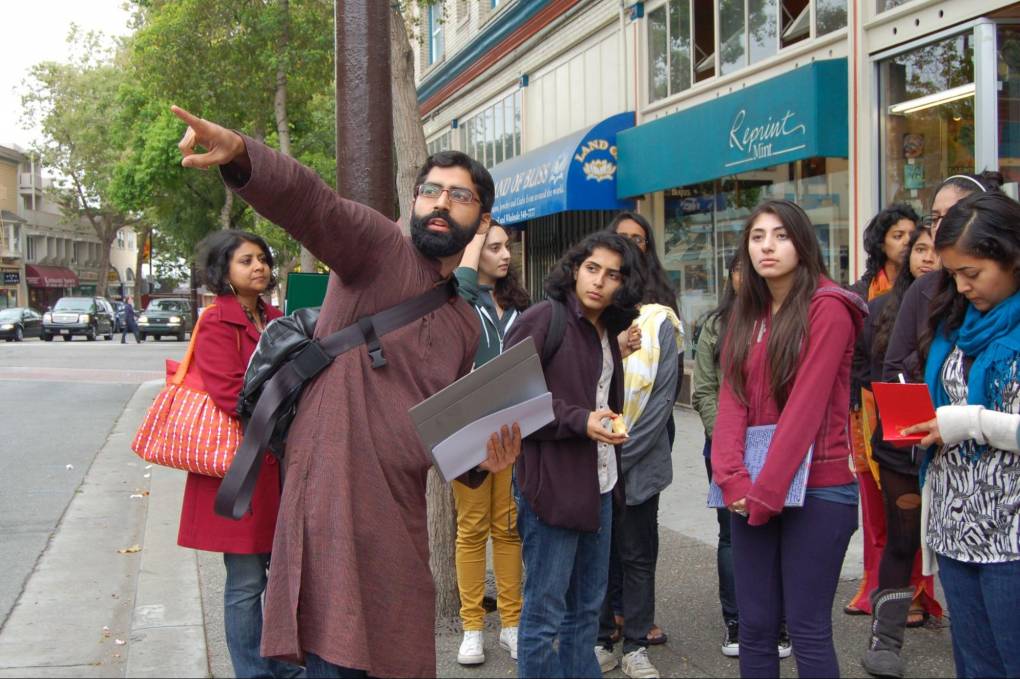
Mapping a Radical Legacy of South Asian Activism in the Bay Area
Mahesh Kale: 'Aruni Kirani'
How the Yoga Industry Is Decentering Whiteness
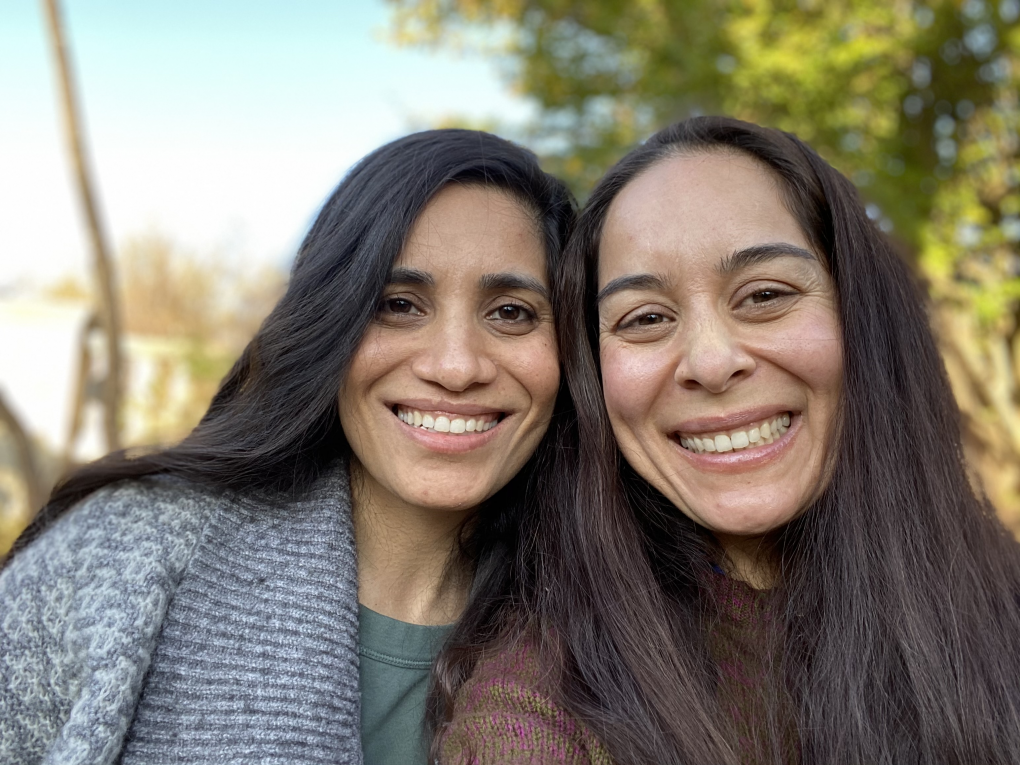
How Standing Up to Racism After 9/11 Changed One Immigrant Teenager's Life
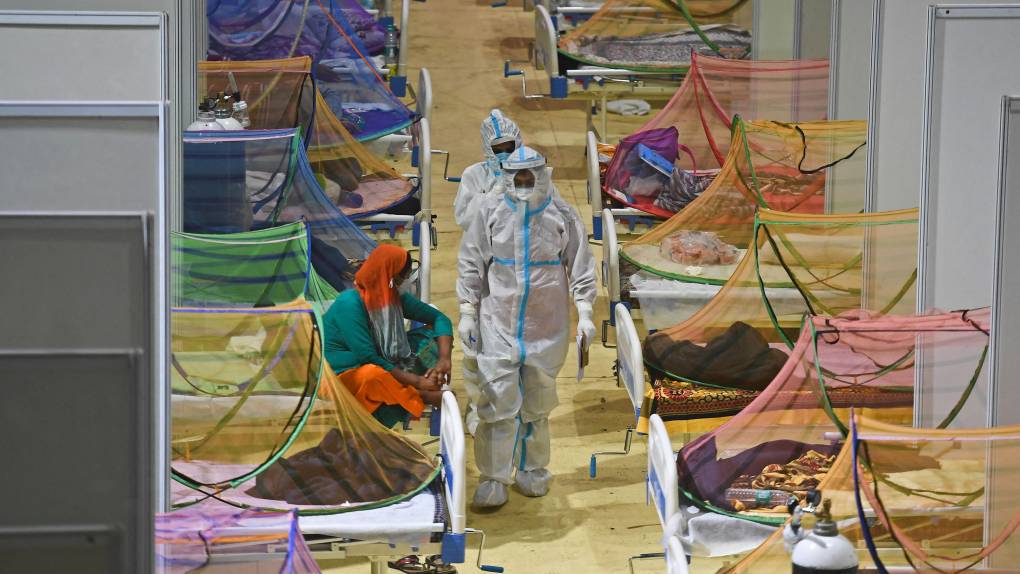
‘A Moral Obligation’: South Asian Diaspora Assists COVID Efforts in India With Money and Time
'She's Black and Indian Like Me': What Seeing Kamala Harris Means to 6-Year-Old Sumaya (and Her Parents)
Berkeley Renames Downtown Street 'Kala Bagai Way' After South Asian Immigrant Activist
Sponsored
Player sponsored by
window.__IS_SSR__=true
window.__INITIAL_STATE__={
"attachmentsReducer": {
"audio_0": {
"type": "attachments",
"id": "audio_0",
"imgSizes": {
"kqedFullSize": {
"file": "https://ww2.kqed.org/news/wp-content/themes/KQED-unified/img/audio_bgs/background0.jpg"
}
}
},
"audio_1": {
"type": "attachments",
"id": "audio_1",
"imgSizes": {
"kqedFullSize": {
"file": "https://ww2.kqed.org/news/wp-content/themes/KQED-unified/img/audio_bgs/background1.jpg"
}
}
},
"audio_2": {
"type": "attachments",
"id": "audio_2",
"imgSizes": {
"kqedFullSize": {
"file": "https://ww2.kqed.org/news/wp-content/themes/KQED-unified/img/audio_bgs/background2.jpg"
}
}
},
"audio_3": {
"type": "attachments",
"id": "audio_3",
"imgSizes": {
"kqedFullSize": {
"file": "https://ww2.kqed.org/news/wp-content/themes/KQED-unified/img/audio_bgs/background3.jpg"
}
}
},
"audio_4": {
"type": "attachments",
"id": "audio_4",
"imgSizes": {
"kqedFullSize": {
"file": "https://ww2.kqed.org/news/wp-content/themes/KQED-unified/img/audio_bgs/background4.jpg"
}
}
},
"placeholder": {
"type": "attachments",
"id": "placeholder",
"imgSizes": {
"thumbnail": {
"file": "https://cdn.kqed.org/wp-content/uploads/2024/12/KQED-Default-Image-816638274-2000x1333-1-160x107.jpg",
"width": 160,
"height": 107,
"mimeType": "image/jpeg"
},
"medium": {
"file": "https://cdn.kqed.org/wp-content/uploads/2024/12/KQED-Default-Image-816638274-2000x1333-1-800x533.jpg",
"width": 800,
"height": 533,
"mimeType": "image/jpeg"
},
"medium_large": {
"file": "https://cdn.kqed.org/wp-content/uploads/2024/12/KQED-Default-Image-816638274-2000x1333-1-768x512.jpg",
"width": 768,
"height": 512,
"mimeType": "image/jpeg"
},
"large": {
"file": "https://cdn.kqed.org/wp-content/uploads/2024/12/KQED-Default-Image-816638274-2000x1333-1-1020x680.jpg",
"width": 1020,
"height": 680,
"mimeType": "image/jpeg"
},
"1536x1536": {
"file": "https://cdn.kqed.org/wp-content/uploads/2024/12/KQED-Default-Image-816638274-2000x1333-1-1536x1024.jpg",
"width": 1536,
"height": 1024,
"mimeType": "image/jpeg"
},
"fd-lrg": {
"file": "https://cdn.kqed.org/wp-content/uploads/2024/12/KQED-Default-Image-816638274-2000x1333-1-1536x1024.jpg",
"width": 1536,
"height": 1024,
"mimeType": "image/jpeg"
},
"fd-med": {
"file": "https://cdn.kqed.org/wp-content/uploads/2024/12/KQED-Default-Image-816638274-2000x1333-1-1020x680.jpg",
"width": 1020,
"height": 680,
"mimeType": "image/jpeg"
},
"fd-sm": {
"file": "https://cdn.kqed.org/wp-content/uploads/2024/12/KQED-Default-Image-816638274-2000x1333-1-800x533.jpg",
"width": 800,
"height": 533,
"mimeType": "image/jpeg"
},
"post-thumbnail": {
"file": "https://cdn.kqed.org/wp-content/uploads/2024/12/KQED-Default-Image-816638274-2000x1333-1-672x372.jpg",
"width": 672,
"height": 372,
"mimeType": "image/jpeg"
},
"twentyfourteen-full-width": {
"file": "https://cdn.kqed.org/wp-content/uploads/2024/12/KQED-Default-Image-816638274-2000x1333-1-1038x576.jpg",
"width": 1038,
"height": 576,
"mimeType": "image/jpeg"
},
"xxsmall": {
"file": "https://cdn.kqed.org/wp-content/uploads/2024/12/KQED-Default-Image-816638274-2000x1333-1-160x107.jpg",
"width": 160,
"height": 107,
"mimeType": "image/jpeg"
},
"xsmall": {
"file": "https://cdn.kqed.org/wp-content/uploads/2024/12/KQED-Default-Image-816638274-2000x1333-1-672x372.jpg",
"width": 672,
"height": 372,
"mimeType": "image/jpeg"
},
"small": {
"file": "https://cdn.kqed.org/wp-content/uploads/2024/12/KQED-Default-Image-816638274-2000x1333-1-672x372.jpg",
"width": 672,
"height": 372,
"mimeType": "image/jpeg"
},
"xlarge": {
"file": "https://cdn.kqed.org/wp-content/uploads/2024/12/KQED-Default-Image-816638274-2000x1333-1-1020x680.jpg",
"width": 1020,
"height": 680,
"mimeType": "image/jpeg"
},
"full-width": {
"file": "https://cdn.kqed.org/wp-content/uploads/2024/12/KQED-Default-Image-816638274-2000x1333-1-1920x1280.jpg",
"width": 1920,
"height": 1280,
"mimeType": "image/jpeg"
},
"guest-author-32": {
"file": "https://cdn.kqed.org/wp-content/uploads/2025/01/KQED-Default-Image-816638274-1333x1333-1-160x160.jpg",
"width": 32,
"height": 32,
"mimeType": "image/jpeg"
},
"guest-author-50": {
"file": "https://cdn.kqed.org/wp-content/uploads/2025/01/KQED-Default-Image-816638274-1333x1333-1-160x160.jpg",
"width": 50,
"height": 50,
"mimeType": "image/jpeg"
},
"guest-author-64": {
"file": "https://cdn.kqed.org/wp-content/uploads/2025/01/KQED-Default-Image-816638274-1333x1333-1-160x160.jpg",
"width": 64,
"height": 64,
"mimeType": "image/jpeg"
},
"guest-author-96": {
"file": "https://cdn.kqed.org/wp-content/uploads/2025/01/KQED-Default-Image-816638274-1333x1333-1-160x160.jpg",
"width": 96,
"height": 96,
"mimeType": "image/jpeg"
},
"guest-author-128": {
"file": "https://cdn.kqed.org/wp-content/uploads/2025/01/KQED-Default-Image-816638274-1333x1333-1-160x160.jpg",
"width": 128,
"height": 128,
"mimeType": "image/jpeg"
},
"detail": {
"file": "https://cdn.kqed.org/wp-content/uploads/2025/01/KQED-Default-Image-816638274-1333x1333-1-160x160.jpg",
"width": 160,
"height": 160,
"mimeType": "image/jpeg"
},
"kqedFullSize": {
"file": "https://cdn.kqed.org/wp-content/uploads/2024/12/KQED-Default-Image-816638274-2000x1333-1.jpg",
"width": 2000,
"height": 1333
}
}
},
"news_11856690": {
"type": "attachments",
"id": "news_11856690",
"meta": {
"index": "attachments_1716263798",
"site": "news",
"id": "11856690",
"found": true
},
"parent": 11856610,
"imgSizes": {
"apple_news_ca_landscape_5_5": {
"file": "https://ww2.kqed.org/app/uploads/sites/10/2021/01/Sidibe-Singh-Family-1044x783.jpg",
"width": 1044,
"mimeType": "image/jpeg",
"height": 783
},
"apple_news_ca_square_4_0": {
"file": "https://ww2.kqed.org/app/uploads/sites/10/2021/01/Sidibe-Singh-Family-470x470.jpg",
"width": 470,
"mimeType": "image/jpeg",
"height": 470
},
"twentyfourteen-full-width": {
"file": "https://ww2.kqed.org/app/uploads/sites/10/2021/01/Sidibe-Singh-Family-1038x576.jpg",
"width": 1038,
"mimeType": "image/jpeg",
"height": 576
},
"thumbnail": {
"file": "https://ww2.kqed.org/app/uploads/sites/10/2021/01/Sidibe-Singh-Family-160x110.jpg",
"width": 160,
"mimeType": "image/jpeg",
"height": 110
},
"post-thumbnail": {
"file": "https://ww2.kqed.org/app/uploads/sites/10/2021/01/Sidibe-Singh-Family-672x372.jpg",
"width": 672,
"mimeType": "image/jpeg",
"height": 372
},
"kqedFullSize": {
"file": "https://ww2.kqed.org/app/uploads/sites/10/2021/01/Sidibe-Singh-Family.jpg",
"width": 1920,
"height": 1316
},
"apple_news_ca_landscape_4_7": {
"file": "https://ww2.kqed.org/app/uploads/sites/10/2021/01/Sidibe-Singh-Family-632x474.jpg",
"width": 632,
"mimeType": "image/jpeg",
"height": 474
},
"large": {
"file": "https://ww2.kqed.org/app/uploads/sites/10/2021/01/Sidibe-Singh-Family-1020x699.jpg",
"width": 1020,
"mimeType": "image/jpeg",
"height": 699
},
"apple_news_ca_landscape_4_0": {
"file": "https://ww2.kqed.org/app/uploads/sites/10/2021/01/Sidibe-Singh-Family-536x402.jpg",
"width": 536,
"mimeType": "image/jpeg",
"height": 402
},
"apple_news_ca_portrait_12_9": {
"file": "https://ww2.kqed.org/app/uploads/sites/10/2021/01/Sidibe-Singh-Family-1122x1316.jpg",
"width": 1122,
"mimeType": "image/jpeg",
"height": 1316
},
"medium": {
"file": "https://ww2.kqed.org/app/uploads/sites/10/2021/01/Sidibe-Singh-Family-800x548.jpg",
"width": 800,
"mimeType": "image/jpeg",
"height": 548
},
"apple_news_ca_portrait_4_0": {
"file": "https://ww2.kqed.org/app/uploads/sites/10/2021/01/Sidibe-Singh-Family-354x472.jpg",
"width": 354,
"mimeType": "image/jpeg",
"height": 472
},
"apple_news_ca_portrait_9_7": {
"file": "https://ww2.kqed.org/app/uploads/sites/10/2021/01/Sidibe-Singh-Family-840x1120.jpg",
"width": 840,
"mimeType": "image/jpeg",
"height": 1120
},
"apple_news_ca_landscape_12_9": {
"file": "https://ww2.kqed.org/app/uploads/sites/10/2021/01/Sidibe-Singh-Family-1832x1316.jpg",
"width": 1832,
"mimeType": "image/jpeg",
"height": 1316
},
"apple_news_ca_square_9_7": {
"file": "https://ww2.kqed.org/app/uploads/sites/10/2021/01/Sidibe-Singh-Family-1104x1104.jpg",
"width": 1104,
"mimeType": "image/jpeg",
"height": 1104
},
"1536x1536": {
"file": "https://ww2.kqed.org/app/uploads/sites/10/2021/01/Sidibe-Singh-Family-1536x1053.jpg",
"width": 1536,
"mimeType": "image/jpeg",
"height": 1053
},
"apple_news_ca_portrait_4_7": {
"file": "https://ww2.kqed.org/app/uploads/sites/10/2021/01/Sidibe-Singh-Family-414x552.jpg",
"width": 414,
"mimeType": "image/jpeg",
"height": 552
},
"apple_news_ca_square_12_9": {
"file": "https://ww2.kqed.org/app/uploads/sites/10/2021/01/Sidibe-Singh-Family-1472x1316.jpg",
"width": 1472,
"mimeType": "image/jpeg",
"height": 1316
},
"apple_news_ca_portrait_5_5": {
"file": "https://ww2.kqed.org/app/uploads/sites/10/2021/01/Sidibe-Singh-Family-687x916.jpg",
"width": 687,
"mimeType": "image/jpeg",
"height": 916
},
"apple_news_ca_square_4_7": {
"file": "https://ww2.kqed.org/app/uploads/sites/10/2021/01/Sidibe-Singh-Family-550x550.jpg",
"width": 550,
"mimeType": "image/jpeg",
"height": 550
},
"apple_news_ca_landscape_9_7": {
"file": "https://ww2.kqed.org/app/uploads/sites/10/2021/01/Sidibe-Singh-Family-1376x1032.jpg",
"width": 1376,
"mimeType": "image/jpeg",
"height": 1032
},
"apple_news_ca_square_5_5": {
"file": "https://ww2.kqed.org/app/uploads/sites/10/2021/01/Sidibe-Singh-Family-912x912.jpg",
"width": 912,
"mimeType": "image/jpeg",
"height": 912
}
},
"publishDate": 1611351245,
"modified": 1611368629,
"caption": "Bongo Sidibe and Joti Singh, with their kids, Sumaya (standing) and Jaleela.",
"description": "Bongo Sidibe and Joti Singh, with their kids, Sumaya (standing) and Jaleela.",
"title": "Sidibe-Singh-Family",
"credit": "Jamey Firnberg/Courtesy Bongo Sidibe and Joti Singh",
"status": "inherit",
"altTag": null,
"fetchFailed": false,
"isLoading": false
},
"news_11913358": {
"type": "attachments",
"id": "news_11913358",
"meta": {
"index": "attachments_1716263798",
"site": "news",
"id": "11913358",
"found": true
},
"parent": 11913341,
"imgSizes": {
"twentyfourteen-full-width": {
"file": "https://ww2.kqed.org/app/uploads/sites/10/2022/05/image12-1038x576.jpg",
"width": 1038,
"mimeType": "image/jpeg",
"height": 576
},
"thumbnail": {
"file": "https://ww2.kqed.org/app/uploads/sites/10/2022/05/image12-160x106.jpg",
"width": 160,
"mimeType": "image/jpeg",
"height": 106
},
"post-thumbnail": {
"file": "https://ww2.kqed.org/app/uploads/sites/10/2022/05/image12-672x372.jpg",
"width": 672,
"mimeType": "image/jpeg",
"height": 372
},
"kqedFullSize": {
"file": "https://ww2.kqed.org/app/uploads/sites/10/2022/05/image12.jpg",
"width": 1999,
"height": 1330
},
"large": {
"file": "https://ww2.kqed.org/app/uploads/sites/10/2022/05/image12-1020x679.jpg",
"width": 1020,
"mimeType": "image/jpeg",
"height": 679
},
"1536x1536": {
"file": "https://ww2.kqed.org/app/uploads/sites/10/2022/05/image12-1536x1022.jpg",
"width": 1536,
"mimeType": "image/jpeg",
"height": 1022
},
"full-width": {
"file": "https://ww2.kqed.org/app/uploads/sites/10/2022/05/image12-1920x1277.jpg",
"width": 1920,
"mimeType": "image/jpeg",
"height": 1277
},
"medium": {
"file": "https://ww2.kqed.org/app/uploads/sites/10/2022/05/image12-800x532.jpg",
"width": 800,
"mimeType": "image/jpeg",
"height": 532
}
},
"publishDate": 1651790890,
"modified": 1651877426,
"caption": "Anirvan Chatterjee leads a tour group on Telegraph Avenue near campus in Berkeley.",
"description": null,
"title": "image12",
"credit": "Courtesy of Preeti Mangalashekhar",
"status": "inherit",
"altTag": "A tour guide points to something, as his tour group stands on the street.",
"fetchFailed": false,
"isLoading": false
},
"news_11943373": {
"type": "attachments",
"id": "news_11943373",
"meta": {
"index": "attachments_1716263798",
"site": "news",
"id": "11943373",
"found": true
},
"parent": 11943340,
"imgSizes": {
"twentyfourteen-full-width": {
"file": "https://ww2.kqed.org/app/uploads/sites/10/2023/03/RS63601_Sunday-Music-Drop-Photo-Collages-1920-×-1080-px-qut-1038x576.jpg",
"width": 1038,
"mimeType": "image/jpeg",
"height": 576
},
"thumbnail": {
"file": "https://ww2.kqed.org/app/uploads/sites/10/2023/03/RS63601_Sunday-Music-Drop-Photo-Collages-1920-×-1080-px-qut-160x90.jpg",
"width": 160,
"mimeType": "image/jpeg",
"height": 90
},
"post-thumbnail": {
"file": "https://ww2.kqed.org/app/uploads/sites/10/2023/03/RS63601_Sunday-Music-Drop-Photo-Collages-1920-×-1080-px-qut-672x372.jpg",
"width": 672,
"mimeType": "image/jpeg",
"height": 372
},
"kqedFullSize": {
"file": "https://ww2.kqed.org/app/uploads/sites/10/2023/03/RS63601_Sunday-Music-Drop-Photo-Collages-1920-×-1080-px-qut.jpg",
"width": 1920,
"height": 1080
},
"large": {
"file": "https://ww2.kqed.org/app/uploads/sites/10/2023/03/RS63601_Sunday-Music-Drop-Photo-Collages-1920-×-1080-px-qut-1020x574.jpg",
"width": 1020,
"mimeType": "image/jpeg",
"height": 574
},
"1536x1536": {
"file": "https://ww2.kqed.org/app/uploads/sites/10/2023/03/RS63601_Sunday-Music-Drop-Photo-Collages-1920-×-1080-px-qut-1536x864.jpg",
"width": 1536,
"mimeType": "image/jpeg",
"height": 864
},
"medium": {
"file": "https://ww2.kqed.org/app/uploads/sites/10/2023/03/RS63601_Sunday-Music-Drop-Photo-Collages-1920-×-1080-px-qut-800x450.jpg",
"width": 800,
"mimeType": "image/jpeg",
"height": 450
}
},
"publishDate": 1678652118,
"modified": 1678735073,
"caption": "Mahesh Kale performing during the finale of 'Sur Nava Dhyas Nava' (Colors Marathi TV, Viacom 18). ",
"description": null,
"title": "RS63601_Sunday Music Drop Photo Collages (1920 × 1080 px)-qut",
"credit": "Courtesy of ICMA Foundation/Collage by Lakshmi Sarah of KQED",
"status": "inherit",
"altTag": "A collage of a photo of singer sitting in a turquoise kurta and singing into a mic.",
"fetchFailed": false,
"isLoading": false
},
"news_11892054": {
"type": "attachments",
"id": "news_11892054",
"meta": {
"index": "attachments_1716263798",
"site": "news",
"id": "11892054",
"found": true
},
"parent": 11892003,
"imgSizes": {
"twentyfourteen-full-width": {
"file": "https://ww2.kqed.org/app/uploads/sites/10/2021/10/Deidra-Inversions-1038x576.jpg",
"width": 1038,
"mimeType": "image/jpeg",
"height": 576
},
"thumbnail": {
"file": "https://ww2.kqed.org/app/uploads/sites/10/2021/10/Deidra-Inversions-160x100.jpg",
"width": 160,
"mimeType": "image/jpeg",
"height": 100
},
"post-thumbnail": {
"file": "https://ww2.kqed.org/app/uploads/sites/10/2021/10/Deidra-Inversions-672x372.jpg",
"width": 672,
"mimeType": "image/jpeg",
"height": 372
},
"kqedFullSize": {
"file": "https://ww2.kqed.org/app/uploads/sites/10/2021/10/Deidra-Inversions-scaled.jpg",
"width": 2560,
"height": 1605
},
"2048x2048": {
"file": "https://ww2.kqed.org/app/uploads/sites/10/2021/10/Deidra-Inversions-2048x1284.jpg",
"width": 2048,
"mimeType": "image/jpeg",
"height": 1284
},
"large": {
"file": "https://ww2.kqed.org/app/uploads/sites/10/2021/10/Deidra-Inversions-1020x640.jpg",
"width": 1020,
"mimeType": "image/jpeg",
"height": 640
},
"1536x1536": {
"file": "https://ww2.kqed.org/app/uploads/sites/10/2021/10/Deidra-Inversions-1536x963.jpg",
"width": 1536,
"mimeType": "image/jpeg",
"height": 963
},
"full-width": {
"file": "https://ww2.kqed.org/app/uploads/sites/10/2021/10/Deidra-Inversions-1920x1204.jpg",
"width": 1920,
"mimeType": "image/jpeg",
"height": 1204
},
"medium": {
"file": "https://ww2.kqed.org/app/uploads/sites/10/2021/10/Deidra-Inversions-800x502.jpg",
"width": 800,
"mimeType": "image/jpeg",
"height": 502
}
},
"publishDate": 1634084056,
"modified": 1634939260,
"caption": "Deidra Demens, Berkeley's Adeline Yoga instructor, demonstrates a yoga pose at home. ",
"description": null,
"title": "Deidra-Inversions",
"credit": "Courtesy of Heather Haxo-Phillip",
"status": "inherit",
"altTag": "A woman in a blue top and shorts lies upside-down on a couch and the floor, her hips and leg on the couch and her shoulders and head on the ground.",
"fetchFailed": false,
"isLoading": false
},
"news_11888877": {
"type": "attachments",
"id": "news_11888877",
"meta": {
"index": "attachments_1716263798",
"site": "news",
"id": "11888877",
"found": true
},
"parent": 11888875,
"imgSizes": {
"twentyfourteen-full-width": {
"file": "https://ww2.kqed.org/app/uploads/sites/10/2021/09/IMG_E7528-1038x576.png",
"width": 1038,
"mimeType": "image/png",
"height": 576
},
"thumbnail": {
"file": "https://ww2.kqed.org/app/uploads/sites/10/2021/09/IMG_E7528-160x120.png",
"width": 160,
"mimeType": "image/png",
"height": 120
},
"post-thumbnail": {
"file": "https://ww2.kqed.org/app/uploads/sites/10/2021/09/IMG_E7528-672x372.png",
"width": 672,
"mimeType": "image/png",
"height": 372
},
"kqedFullSize": {
"file": "https://ww2.kqed.org/app/uploads/sites/10/2021/09/IMG_E7528.png",
"width": 3088,
"height": 2316
},
"2048x2048": {
"file": "https://ww2.kqed.org/app/uploads/sites/10/2021/09/IMG_E7528-2048x1536.png",
"width": 2048,
"mimeType": "image/png",
"height": 1536
},
"large": {
"file": "https://ww2.kqed.org/app/uploads/sites/10/2021/09/IMG_E7528-1020x765.png",
"width": 1020,
"mimeType": "image/png",
"height": 765
},
"1536x1536": {
"file": "https://ww2.kqed.org/app/uploads/sites/10/2021/09/IMG_E7528-1536x1152.png",
"width": 1536,
"mimeType": "image/png",
"height": 1152
},
"full-width": {
"file": "https://ww2.kqed.org/app/uploads/sites/10/2021/09/IMG_E7528-1920x1440.png",
"width": 1920,
"mimeType": "image/png",
"height": 1440
},
"medium": {
"file": "https://ww2.kqed.org/app/uploads/sites/10/2021/09/IMG_E7528-800x600.png",
"width": 800,
"mimeType": "image/png",
"height": 600
}
},
"publishDate": 1631823998,
"modified": 1631910173,
"caption": "Fatima Shah (R) and her sister Saima (L) were students at Berkeley High School on 9/11, when they organized to educate their classmates about South Asian culture and create a buddy system to keep their peers safe. ",
"description": "Sisters Fatima (L) and Saima Shah were students at Berkeley High School on 9/11, when they organized to educate their classmates about South Asian culture and create a buddy system to keep their peers safe. ",
"title": "IMG_E7528",
"credit": "Courtesy of Fatima Shah",
"status": "inherit",
"altTag": "Two women with big smiles lean their heads against each other.",
"fetchFailed": false,
"isLoading": false
},
"news_11871988": {
"type": "attachments",
"id": "news_11871988",
"meta": {
"index": "attachments_1716263798",
"site": "news",
"id": "11871988",
"found": true
},
"parent": 11871986,
"imgSizes": {
"twentyfourteen-full-width": {
"file": "https://ww2.kqed.org/app/uploads/sites/10/2021/05/1920_GettyImages-1232647259-1038x576.jpg",
"width": 1038,
"mimeType": "image/jpeg",
"height": 576
},
"thumbnail": {
"file": "https://ww2.kqed.org/app/uploads/sites/10/2021/05/1920_GettyImages-1232647259-160x90.jpg",
"width": 160,
"mimeType": "image/jpeg",
"height": 90
},
"post-thumbnail": {
"file": "https://ww2.kqed.org/app/uploads/sites/10/2021/05/1920_GettyImages-1232647259-672x372.jpg",
"width": 672,
"mimeType": "image/jpeg",
"height": 372
},
"kqedFullSize": {
"file": "https://ww2.kqed.org/app/uploads/sites/10/2021/05/1920_GettyImages-1232647259-scaled.jpg",
"width": 2560,
"height": 1440
},
"2048x2048": {
"file": "https://ww2.kqed.org/app/uploads/sites/10/2021/05/1920_GettyImages-1232647259-2048x1152.jpg",
"width": 2048,
"mimeType": "image/jpeg",
"height": 1152
},
"large": {
"file": "https://ww2.kqed.org/app/uploads/sites/10/2021/05/1920_GettyImages-1232647259-1020x574.jpg",
"width": 1020,
"mimeType": "image/jpeg",
"height": 574
},
"1536x1536": {
"file": "https://ww2.kqed.org/app/uploads/sites/10/2021/05/1920_GettyImages-1232647259-1536x864.jpg",
"width": 1536,
"mimeType": "image/jpeg",
"height": 864
},
"full-width": {
"file": "https://ww2.kqed.org/app/uploads/sites/10/2021/05/1920_GettyImages-1232647259-1920x1080.jpg",
"width": 1920,
"mimeType": "image/jpeg",
"height": 1080
},
"medium": {
"file": "https://ww2.kqed.org/app/uploads/sites/10/2021/05/1920_GettyImages-1232647259-800x450.jpg",
"width": 800,
"mimeType": "image/jpeg",
"height": 450
}
},
"publishDate": 1620008144,
"modified": 1620075272,
"caption": "Health workers wearing personal protective equipment suits assist COVID-19 patients inside a Commonwealth Games village temporarily converted into a COVID care facility, in New Delhi on May 2, 2021. ",
"description": null,
"title": "INDIA-HEALTH-VIRUS",
"credit": "Tauseef Mustafa/AFP via Getty Images",
"status": "inherit",
"altTag": null,
"fetchFailed": false,
"isLoading": false
},
"news_11838128": {
"type": "attachments",
"id": "news_11838128",
"meta": {
"index": "attachments_1716263798",
"site": "news",
"id": "11838128",
"found": true
},
"parent": 11837958,
"imgSizes": {
"apple_news_ca_landscape_5_5": {
"file": "https://ww2.kqed.org/app/uploads/sites/10/2020/09/preview-bagai-sal-001-1044x783.jpg",
"width": 1044,
"mimeType": "image/jpeg",
"height": 783
},
"apple_news_ca_square_4_0": {
"file": "https://ww2.kqed.org/app/uploads/sites/10/2020/09/preview-bagai-sal-001-470x470.jpg",
"width": 470,
"mimeType": "image/jpeg",
"height": 470
},
"twentyfourteen-full-width": {
"file": "https://ww2.kqed.org/app/uploads/sites/10/2020/09/preview-bagai-sal-001-1038x576.jpg",
"width": 1038,
"mimeType": "image/jpeg",
"height": 576
},
"thumbnail": {
"file": "https://ww2.kqed.org/app/uploads/sites/10/2020/09/preview-bagai-sal-001-160x153.jpg",
"width": 160,
"mimeType": "image/jpeg",
"height": 153
},
"post-thumbnail": {
"file": "https://ww2.kqed.org/app/uploads/sites/10/2020/09/preview-bagai-sal-001-672x372.jpg",
"width": 672,
"mimeType": "image/jpeg",
"height": 372
},
"kqedFullSize": {
"file": "https://ww2.kqed.org/app/uploads/sites/10/2020/09/preview-bagai-sal-001.jpg",
"width": 1920,
"height": 1839
},
"apple_news_ca_landscape_4_7": {
"file": "https://ww2.kqed.org/app/uploads/sites/10/2020/09/preview-bagai-sal-001-632x474.jpg",
"width": 632,
"mimeType": "image/jpeg",
"height": 474
},
"large": {
"file": "https://ww2.kqed.org/app/uploads/sites/10/2020/09/preview-bagai-sal-001-1020x977.jpg",
"width": 1020,
"mimeType": "image/jpeg",
"height": 977
},
"apple_news_ca_landscape_4_0": {
"file": "https://ww2.kqed.org/app/uploads/sites/10/2020/09/preview-bagai-sal-001-536x402.jpg",
"width": 536,
"mimeType": "image/jpeg",
"height": 402
},
"apple_news_ca_portrait_12_9": {
"file": "https://ww2.kqed.org/app/uploads/sites/10/2020/09/preview-bagai-sal-001-1122x1496.jpg",
"width": 1122,
"mimeType": "image/jpeg",
"height": 1496
},
"medium": {
"file": "https://ww2.kqed.org/app/uploads/sites/10/2020/09/preview-bagai-sal-001-800x766.jpg",
"width": 800,
"mimeType": "image/jpeg",
"height": 766
},
"apple_news_ca_portrait_4_0": {
"file": "https://ww2.kqed.org/app/uploads/sites/10/2020/09/preview-bagai-sal-001-354x472.jpg",
"width": 354,
"mimeType": "image/jpeg",
"height": 472
},
"apple_news_ca_portrait_9_7": {
"file": "https://ww2.kqed.org/app/uploads/sites/10/2020/09/preview-bagai-sal-001-840x1120.jpg",
"width": 840,
"mimeType": "image/jpeg",
"height": 1120
},
"apple_news_ca_landscape_12_9": {
"file": "https://ww2.kqed.org/app/uploads/sites/10/2020/09/preview-bagai-sal-001-1832x1374.jpg",
"width": 1832,
"mimeType": "image/jpeg",
"height": 1374
},
"apple_news_ca_square_9_7": {
"file": "https://ww2.kqed.org/app/uploads/sites/10/2020/09/preview-bagai-sal-001-1104x1104.jpg",
"width": 1104,
"mimeType": "image/jpeg",
"height": 1104
},
"1536x1536": {
"file": "https://ww2.kqed.org/app/uploads/sites/10/2020/09/preview-bagai-sal-001-1536x1471.jpg",
"width": 1536,
"mimeType": "image/jpeg",
"height": 1471
},
"apple_news_ca_portrait_4_7": {
"file": "https://ww2.kqed.org/app/uploads/sites/10/2020/09/preview-bagai-sal-001-414x552.jpg",
"width": 414,
"mimeType": "image/jpeg",
"height": 552
},
"apple_news_ca_square_12_9": {
"file": "https://ww2.kqed.org/app/uploads/sites/10/2020/09/preview-bagai-sal-001-1472x1472.jpg",
"width": 1472,
"mimeType": "image/jpeg",
"height": 1472
},
"apple_news_ca_portrait_5_5": {
"file": "https://ww2.kqed.org/app/uploads/sites/10/2020/09/preview-bagai-sal-001-687x916.jpg",
"width": 687,
"mimeType": "image/jpeg",
"height": 916
},
"apple_news_ca_square_4_7": {
"file": "https://ww2.kqed.org/app/uploads/sites/10/2020/09/preview-bagai-sal-001-550x550.jpg",
"width": 550,
"mimeType": "image/jpeg",
"height": 550
},
"apple_news_ca_landscape_9_7": {
"file": "https://ww2.kqed.org/app/uploads/sites/10/2020/09/preview-bagai-sal-001-1376x1032.jpg",
"width": 1376,
"mimeType": "image/jpeg",
"height": 1032
},
"apple_news_ca_square_5_5": {
"file": "https://ww2.kqed.org/app/uploads/sites/10/2020/09/preview-bagai-sal-001-912x912.jpg",
"width": 912,
"mimeType": "image/jpeg",
"height": 912
}
},
"publishDate": 1600214476,
"modified": 1600214559,
"caption": "Photograph of Kala Bagai, taken in 1929 at age 36.",
"description": null,
"title": "preview-bagai-sal-001",
"credit": "Courtesy of Rani Bagai and the South Asian American Digital Archive",
"status": "inherit",
"fetchFailed": false,
"isLoading": false
}
},
"audioPlayerReducer": {
"postId": "stream_live",
"isPaused": true,
"isPlaying": false,
"pfsActive": false,
"pledgeModalIsOpen": true,
"playerDrawerIsOpen": false
},
"authorsReducer": {
"sasha-khokha": {
"type": "authors",
"id": "254",
"meta": {
"index": "authors_1716337520",
"id": "254",
"found": true
},
"name": "Sasha Khokha",
"firstName": "Sasha",
"lastName": "Khokha",
"slug": "sasha-khokha",
"email": "skhokha@kqed.org",
"display_author_email": true,
"staff_mastheads": [
"news"
],
"title": "Host, The California Report Magazine",
"bio": "Sasha Khokha is the host of \u003cem>The California Report's \u003c/em> weekly magazine program, which takes listeners on sound-rich excursions to meet the people that make the Golden State unique -- through audio documentaries and long-form stories. As \u003cem>The California Report's\u003c/em> Central Valley Bureau Chief based in Fresno for nearly a dozen years, Sasha brought the lives and concerns of rural Californians to listeners around the state. Her reporting helped expose the hidden price immigrant women janitors and farmworkers may pay to keep their jobs: sexual assault at work. It inspired two new California laws to protect them from sexual harassment. She was a key member of the reporting team for the Frontline film \u003cem>Rape on the Night Shift, \u003c/em>which was nominated for two national Emmys. Sasha has also won a national Edward R. Murrow and a national PRNDI award for investigative reporting, as well as multiple prizes from the Society for Professional Journalists. Sasha is a proud alum of the UC Berkeley Graduate School of Journalism and Brown University and a member of the South Asian Journalists Association.",
"avatar": "https://secure.gravatar.com/avatar/e4b5e1541aaeea2aa356aa1fb2a68950?s=600&d=blank&r=g",
"twitter": "KQEDSashaKhokha",
"facebook": null,
"instagram": null,
"linkedin": null,
"sites": [
{
"site": "news",
"roles": [
"editor"
]
},
{
"site": "stateofhealth",
"roles": [
"author"
]
},
{
"site": "science",
"roles": [
"author"
]
},
{
"site": "quest",
"roles": [
"subscriber"
]
}
],
"headData": {
"title": "Sasha Khokha | KQED",
"description": "Host, The California Report Magazine",
"ogImgSrc": "https://secure.gravatar.com/avatar/e4b5e1541aaeea2aa356aa1fb2a68950?s=600&d=blank&r=g",
"twImgSrc": "https://secure.gravatar.com/avatar/e4b5e1541aaeea2aa356aa1fb2a68950?s=600&d=blank&r=g"
},
"isLoading": false,
"link": "/author/sasha-khokha"
},
"mlagos": {
"type": "authors",
"id": "3239",
"meta": {
"index": "authors_1716337520",
"id": "3239",
"found": true
},
"name": "Marisa Lagos",
"firstName": "Marisa",
"lastName": "Lagos",
"slug": "mlagos",
"email": "mlagos@kqed.org",
"display_author_email": false,
"staff_mastheads": [
"news"
],
"title": "KQED Contributor",
"bio": "Marisa Lagos is a correspondent for KQED’s California Politics and Government Desk and co-hosts the award-winning show and podcast, Political Breakdown. At KQED, Lagos also conducts reporting, analysis and investigations into state, local and national politics for radio, TV, online and onstage. In 2022, she and co-host, Scott Shafer, moderated the only gubernatorial debate in California. In 2020, the \u003ci>Washington Post\u003c/i> named her one of the top political journalists in California; she was nominated for a Peabody and won several other awards for her work investigating the 2017 California wildfires. She has worked at the \u003ci>San Francisco Chronicle\u003c/i>, \u003ci>San Francisco Examiner\u003c/i> and \u003ci>Los Angeles Times\u003c/i>. A UC Santa Barbara graduate, she lives in San Francisco with her two sons and husband.",
"avatar": "https://secure.gravatar.com/avatar/a261a0d3696fc066871ef96b85b5e7d2?s=600&d=blank&r=g",
"twitter": "@mlagos",
"facebook": null,
"instagram": null,
"linkedin": null,
"sites": [
{
"site": "arts",
"roles": [
"author"
]
},
{
"site": "news",
"roles": [
"editor"
]
},
{
"site": "science",
"roles": [
"editor"
]
},
{
"site": "forum",
"roles": [
"author"
]
},
{
"site": "liveblog",
"roles": [
"author"
]
}
],
"headData": {
"title": "Marisa Lagos | KQED",
"description": "KQED Contributor",
"ogImgSrc": "https://secure.gravatar.com/avatar/a261a0d3696fc066871ef96b85b5e7d2?s=600&d=blank&r=g",
"twImgSrc": "https://secure.gravatar.com/avatar/a261a0d3696fc066871ef96b85b5e7d2?s=600&d=blank&r=g"
},
"isLoading": false,
"link": "/author/mlagos"
},
"lsarah": {
"type": "authors",
"id": "11626",
"meta": {
"index": "authors_1716337520",
"id": "11626",
"found": true
},
"name": "Lakshmi Sarah",
"firstName": "Lakshmi",
"lastName": "Sarah",
"slug": "lsarah",
"email": "lsarah@kqed.org",
"display_author_email": false,
"staff_mastheads": [],
"title": "Digital Producer",
"bio": "Lakshmi Sarah is an educator, author and journalist with a focus on innovative storytelling. She has worked with newspapers, radio and magazines from Ahmedabad, India to Los Angeles, California. She has written and produced for Die Zeit, Global Voices, AJ+, KQED, Fusion Media Group and the New York Times.",
"avatar": "https://secure.gravatar.com/avatar/652dcaecd8b28826fc17a8b2d6bb4e93?s=600&d=blank&r=g",
"twitter": "lakitalki",
"facebook": null,
"instagram": "https://www.instagram.com/laki.talki/",
"linkedin": "https://www.linkedin.com/in/lakisarah/",
"sites": [
{
"site": "arts",
"roles": []
},
{
"site": "news",
"roles": []
},
{
"site": "bayareabites",
"roles": []
},
{
"site": "science",
"roles": []
}
],
"headData": {
"title": "Lakshmi Sarah | KQED",
"description": "Digital Producer",
"ogImgSrc": "https://secure.gravatar.com/avatar/652dcaecd8b28826fc17a8b2d6bb4e93?s=600&d=blank&r=g",
"twImgSrc": "https://secure.gravatar.com/avatar/652dcaecd8b28826fc17a8b2d6bb4e93?s=600&d=blank&r=g"
},
"isLoading": false,
"link": "/author/lsarah"
},
"gfrenes": {
"type": "authors",
"id": "11732",
"meta": {
"index": "authors_1716337520",
"id": "11732",
"found": true
},
"name": "Gabriella Frenes",
"firstName": "Gabriella",
"lastName": "Frenes",
"slug": "gfrenes",
"email": "gfrenes@kqed.org",
"display_author_email": false,
"staff_mastheads": [],
"title": "KQED Contributor",
"bio": null,
"avatar": "https://secure.gravatar.com/avatar/2c29f711ce960d0ec5d504b68e28e419?s=600&d=blank&r=g",
"twitter": null,
"facebook": null,
"instagram": null,
"linkedin": null,
"sites": [
{
"site": "arts",
"roles": [
"author"
]
},
{
"site": "news",
"roles": [
"author"
]
}
],
"headData": {
"title": "Gabriella Frenes | KQED",
"description": "KQED Contributor",
"ogImgSrc": "https://secure.gravatar.com/avatar/2c29f711ce960d0ec5d504b68e28e419?s=600&d=blank&r=g",
"twImgSrc": "https://secure.gravatar.com/avatar/2c29f711ce960d0ec5d504b68e28e419?s=600&d=blank&r=g"
},
"isLoading": false,
"link": "/author/gfrenes"
},
"kmizuguchi": {
"type": "authors",
"id": "11739",
"meta": {
"index": "authors_1716337520",
"id": "11739",
"found": true
},
"name": "Keith Mizuguchi",
"firstName": "Keith",
"lastName": "Mizuguchi",
"slug": "kmizuguchi",
"email": "kmizuguchi@kqed.org",
"display_author_email": false,
"staff_mastheads": [],
"title": "KQED Contributor",
"bio": null,
"avatar": "https://secure.gravatar.com/avatar/ce1182f9924192ae5ea66d39a75cd7d1?s=600&d=blank&r=g",
"twitter": null,
"facebook": null,
"instagram": null,
"linkedin": null,
"sites": [
{
"site": "news",
"roles": [
"editor"
]
},
{
"site": "science",
"roles": [
"editor"
]
}
],
"headData": {
"title": "Keith Mizuguchi | KQED",
"description": "KQED Contributor",
"ogImgSrc": "https://secure.gravatar.com/avatar/ce1182f9924192ae5ea66d39a75cd7d1?s=600&d=blank&r=g",
"twImgSrc": "https://secure.gravatar.com/avatar/ce1182f9924192ae5ea66d39a75cd7d1?s=600&d=blank&r=g"
},
"isLoading": false,
"link": "/author/kmizuguchi"
}
},
"breakingNewsReducer": {},
"pagesReducer": {},
"postsReducer": {
"stream_live": {
"type": "live",
"id": "stream_live",
"audioUrl": "https://streams.kqed.org/kqedradio",
"title": "Live Stream",
"excerpt": "Live Stream information currently unavailable.",
"link": "/radio",
"featImg": "",
"label": {
"name": "KQED Live",
"link": "/"
}
},
"stream_kqedNewscast": {
"type": "posts",
"id": "stream_kqedNewscast",
"audioUrl": "https://www.kqed.org/.stream/anon/radio/RDnews/newscast.mp3?_=1",
"title": "KQED Newscast",
"featImg": "",
"label": {
"name": "88.5 FM",
"link": "/"
}
},
"news_11996868": {
"type": "posts",
"id": "news_11996868",
"meta": {
"index": "posts_1716263798",
"site": "news",
"id": "11996868",
"score": null,
"sort": [
1721764476000
]
},
"guestAuthors": [],
"slug": "what-kamala-harris-means-to-mixed-race-california-family",
"title": "What Kamala Harris Means To Mixed Race California Family",
"publishDate": 1721764476,
"format": "standard",
"headTitle": "What Kamala Harris Means To Mixed Race California Family | KQED",
"labelTerm": {},
"content": "\u003cp>\u003cb>Here are the morning’s top stories on Tuesday, July 23, 2024…\u003c/b>\u003c/p>\n\u003cul>\n\u003cli style=\"font-weight: 400\">\u003cspan style=\"font-weight: 400\">Vice President Kamala Harris has secured the support of enough Democratic delegates to become her party’s nominee against Republican Donald Trump, according to an \u003c/span>\u003ca href=\"https://apnews.com/projects/election-results-2024/ap-dnc-delegate-survey/\">\u003cspan style=\"font-weight: 400\">Associated Press survey\u003c/span>\u003c/a>\u003cspan style=\"font-weight: 400\">. The California delegation voted unanimously to support Harris’ candidacy for president. \u003c/span>\u003c/li>\n\u003cli>Many Californians with \u003ca href=\"https://www.kqed.org/news/11856610/shes-black-and-indian-like-me-what-seeing-kamala-harris-means-to-6-year-old-sumaya-and-her-parents\">a mixed heritage\u003c/a>, particularly those who are Black and South Asian, see someone like Kamala Harris as a person like them, who is representing their community and country.\u003c/li>\n\u003c/ul>\n\u003ch2>\u003ca href=\"https://www.npr.org/2024/07/22/g-s1-12804/kamala-harris-delegates-nominee-dnc-vote\">\u003cb>Harris ‘Proud’ Of Delegate Support To Become The Democratic Presidential Nominee\u003c/b>\u003c/a>\u003c/h2>\n\u003cp>\u003cspan style=\"font-weight: 400\">The Democratic National Committee is moving ahead with plans to hold a virtual vote in which delegates are expected to name Vice President Harris as the party’s new nominee ahead of next month’s convention.\u003c/span>\u003c/p>\n\u003cp>\u003cspan style=\"font-weight: 400\">DNC chairman Jaime Harrison says DNC officials will hold an electronic roll call by Aug. 7. That news comes as \u003c/span>\u003ca href=\"https://apnews.com/article/harris-biden-presidential-candidate-election-withdraw-9fbd153493cb3f088994854fe61a73e9\">\u003cspan style=\"font-weight: 400\">the Associated Press reports\u003c/span>\u003c/a>\u003cspan style=\"font-weight: 400\"> that Harris has secured enough delegate commitments to lock up the nomination.\u003c/span>\u003c/p>\n\u003cp>\u003cspan style=\"font-weight: 400\">Harris said late Monday in a statement that she is “proud to have secured the broad support needed to become our party’s nominee.”\u003c/span>\u003c/p>\n\u003ch2>\u003ca href=\"https://www.kqed.org/news/11856610/shes-black-and-indian-like-me-what-seeing-kamala-harris-means-to-6-year-old-sumaya-and-her-parents\">\u003cb>‘She’s Black And Indian Like Me’: What Seeing Kamala Harris Means To A 6-Year-Old (And Her Parents)\u003c/b>\u003c/a>\u003c/h2>\n\u003cp>\u003cspan style=\"font-weight: 400\">Bay Area resident Joti Singh says the possibility of a Kamala Harris presidency means something to her young daughters who, like Harris, are also of Black and South Asian descent.\u003c/span>\u003c/p>\n\u003cp>[ad fullwidth]\u003c/p>\n\u003cp>\u003cspan style=\"font-weight: 400\">In \u003ca href=\"https://www.kqed.org/news/11856610/shes-black-and-indian-like-me-what-seeing-kamala-harris-means-to-6-year-old-sumaya-and-her-parents\">this story\u003c/a> produced by The California Report Magazine in 2021, the family is preparing for Kamala Harris being inaugurated as vice president. \u003c/span>\u003c/p>\n\u003cp>\u003c/p>\n\u003cp>\u003cspan style=\"font-weight: 400\">“Kamala Harris is Black and Indian. She was awesome because it felt great to have another Black and Asian person. I’m mixed and I’m proud of it,” said 6-year-old Sumaya Kaur Sidibe, who lives in San Francisco with her parents Joti Singh and Bongo Sidibe.\u003c/span>\u003c/p>\n\n",
"blocks": [],
"excerpt": null,
"status": "publish",
"parent": 0,
"modified": 1721764476,
"stats": {
"hasAudio": false,
"hasVideo": false,
"hasChartOrMap": false,
"iframeSrcs": [],
"hasGoogleForm": false,
"hasGallery": false,
"hasHearkenModule": false,
"hasPolis": false,
"paragraphCount": 9,
"wordCount": 336
},
"headData": {
"title": "What Kamala Harris Means To Mixed Race California Family | KQED",
"description": "Here are the morning's top stories on Tuesday, July 23, 2024… Vice President Kamala Harris has secured the support of enough Democratic delegates to become her party’s nominee against Republican Donald Trump, according to an Associated Press survey. The California delegation voted unanimously to support Harris’ candidacy for president. Many Californians with a mixed heritage, particularly those who are Black and South Asian, see someone like Kamala Harris as a person like them, who is representing their community and country. Harris 'Proud' Of Delegate Support To Become The Democratic Presidential Nominee The Democratic National Committee is moving ahead with plans",
"ogTitle": "",
"ogDescription": "",
"ogImgId": "",
"twTitle": "",
"twDescription": "",
"twImgId": "",
"schema": {
"@context": "https://schema.org",
"@type": "NewsArticle",
"headline": "What Kamala Harris Means To Mixed Race California Family",
"datePublished": "2024-07-23T12:54:36-07:00",
"dateModified": "2024-07-23T12:54:36-07:00",
"image": "https://cdn.kqed.org/wp-content/uploads/2020/02/KQED-OG-Image@1x.png",
"isAccessibleForFree": "True",
"publisher": {
"@type": "NewsMediaOrganization",
"@id": "https://www.kqed.org/#organization",
"name": "KQED",
"logo": "https://cdn.kqed.org/wp-content/uploads/2020/02/KQED-OG-Image@1x.png",
"url": "https://www.kqed.org",
"sameAs": [
"https://www.facebook.com/KQED",
"https://twitter.com/KQED",
"https://www.instagram.com/kqed/",
"https://www.tiktok.com/@kqedofficial",
"https://www.linkedin.com/company/kqed",
"https://www.youtube.com/channel/UCeC0IOo7i1P_61zVUWbJ4nw"
]
}
}
},
"source": "The California Report",
"sourceUrl": "https://www.kqed.org/news/tag/tcrarchive/",
"audioUrl": "https://www.podtrac.com/pts/redirect.mp3/chrt.fm/track/G6C7C3/traffic.megaphone.fm/KQINC7811747450.mp3?updated=1721743634",
"sticky": false,
"nprStoryId": "kqed-11996868",
"excludeFromSiteSearch": "Include",
"articleAge": "0",
"path": "/news/11996868/what-kamala-harris-means-to-mixed-race-california-family",
"audioTrackLength": null,
"parsedContent": [
{
"type": "contentString",
"content": "\u003cdiv class=\"post-body\">\u003cp>\u003cp>\u003cb>Here are the morning’s top stories on Tuesday, July 23, 2024…\u003c/b>\u003c/p>\n\u003cul>\n\u003cli style=\"font-weight: 400\">\u003cspan style=\"font-weight: 400\">Vice President Kamala Harris has secured the support of enough Democratic delegates to become her party’s nominee against Republican Donald Trump, according to an \u003c/span>\u003ca href=\"https://apnews.com/projects/election-results-2024/ap-dnc-delegate-survey/\">\u003cspan style=\"font-weight: 400\">Associated Press survey\u003c/span>\u003c/a>\u003cspan style=\"font-weight: 400\">. The California delegation voted unanimously to support Harris’ candidacy for president. \u003c/span>\u003c/li>\n\u003cli>Many Californians with \u003ca href=\"https://www.kqed.org/news/11856610/shes-black-and-indian-like-me-what-seeing-kamala-harris-means-to-6-year-old-sumaya-and-her-parents\">a mixed heritage\u003c/a>, particularly those who are Black and South Asian, see someone like Kamala Harris as a person like them, who is representing their community and country.\u003c/li>\n\u003c/ul>\n\u003ch2>\u003ca href=\"https://www.npr.org/2024/07/22/g-s1-12804/kamala-harris-delegates-nominee-dnc-vote\">\u003cb>Harris ‘Proud’ Of Delegate Support To Become The Democratic Presidential Nominee\u003c/b>\u003c/a>\u003c/h2>\n\u003cp>\u003cspan style=\"font-weight: 400\">The Democratic National Committee is moving ahead with plans to hold a virtual vote in which delegates are expected to name Vice President Harris as the party’s new nominee ahead of next month’s convention.\u003c/span>\u003c/p>\n\u003cp>\u003cspan style=\"font-weight: 400\">DNC chairman Jaime Harrison says DNC officials will hold an electronic roll call by Aug. 7. That news comes as \u003c/span>\u003ca href=\"https://apnews.com/article/harris-biden-presidential-candidate-election-withdraw-9fbd153493cb3f088994854fe61a73e9\">\u003cspan style=\"font-weight: 400\">the Associated Press reports\u003c/span>\u003c/a>\u003cspan style=\"font-weight: 400\"> that Harris has secured enough delegate commitments to lock up the nomination.\u003c/span>\u003c/p>\n\u003cp>\u003cspan style=\"font-weight: 400\">Harris said late Monday in a statement that she is “proud to have secured the broad support needed to become our party’s nominee.”\u003c/span>\u003c/p>\n\u003ch2>\u003ca href=\"https://www.kqed.org/news/11856610/shes-black-and-indian-like-me-what-seeing-kamala-harris-means-to-6-year-old-sumaya-and-her-parents\">\u003cb>‘She’s Black And Indian Like Me’: What Seeing Kamala Harris Means To A 6-Year-Old (And Her Parents)\u003c/b>\u003c/a>\u003c/h2>\n\u003cp>\u003cspan style=\"font-weight: 400\">Bay Area resident Joti Singh says the possibility of a Kamala Harris presidency means something to her young daughters who, like Harris, are also of Black and South Asian descent.\u003c/span>\u003c/p>\n\u003cp>\u003c/p>\u003c/div>",
"attributes": {
"named": {},
"numeric": []
}
},
{
"type": "component",
"content": "",
"name": "ad",
"attributes": {
"named": {
"label": "fullwidth"
},
"numeric": [
"fullwidth"
]
}
},
{
"type": "contentString",
"content": "\u003cdiv class=\"post-body\">\u003cp>\u003c/p>\n\u003cp>\u003cspan style=\"font-weight: 400\">In \u003ca href=\"https://www.kqed.org/news/11856610/shes-black-and-indian-like-me-what-seeing-kamala-harris-means-to-6-year-old-sumaya-and-her-parents\">this story\u003c/a> produced by The California Report Magazine in 2021, the family is preparing for Kamala Harris being inaugurated as vice president. \u003c/span>\u003c/p>\n\u003cp>\u003c/p>\n\u003cp>\u003cspan style=\"font-weight: 400\">“Kamala Harris is Black and Indian. She was awesome because it felt great to have another Black and Asian person. I’m mixed and I’m proud of it,” said 6-year-old Sumaya Kaur Sidibe, who lives in San Francisco with her parents Joti Singh and Bongo Sidibe.\u003c/span>\u003c/p>\n\n\u003c/div>\u003c/p>",
"attributes": {
"named": {},
"numeric": []
}
}
],
"link": "/news/11996868/what-kamala-harris-means-to-mixed-race-california-family",
"authors": [
"11739"
],
"programs": [
"news_72"
],
"categories": [
"news_34018"
],
"tags": [
"news_34312",
"news_34319",
"news_61",
"news_34318",
"news_28528",
"news_21998",
"news_21268"
],
"featImg": "news_11856690",
"label": "source_news_11996868"
},
"news_11913378": {
"type": "posts",
"id": "news_11913378",
"meta": {
"index": "posts_1716263798",
"site": "news",
"id": "11913378",
"score": null,
"sort": [
1688758256000
]
},
"guestAuthors": [],
"slug": "mapping-a-radical-legacy-of-south-asian-activism-in-the-bay-area",
"title": "Mapping a Radical Legacy of South Asian Activism in the Bay Area",
"publishDate": 1688758256,
"format": "audio",
"headTitle": "Mapping a Radical Legacy of South Asian Activism in the Bay Area | KQED",
"labelTerm": {},
"content": "\u003cp>\u003cem>An earlier version of this story was originally published on May 6, 2022.\u003c/em>\u003c/p>\n\u003cp>You’ve probably heard of Bobby Seale and The Black Panthers, and Mario Savio and The Free Speech Movement. But California and the Bay Area also were a hotbed of radical South Asian activism that began more than 100 years ago.\u003c/p>\n\u003cp>Throughout the 20th century, immigrants from India, Pakistan, Bangladesh and other countries in the region — along with their children — laid the groundwork for social movements that still resonate in California today. And while this Desi legacy has largely been overlooked, two community historians in Berkeley have spent the last decade bringing these stories to life.\u003c/p>\n\u003cp>Barnali Ghosh and Anirvan Chatterjee run the \u003ca href=\"https://www.berkeleysouthasian.org/\">Berkeley South Asian Radical History Walking Tour\u003c/a>. The three-hour tour visits sites where there are often no plaques or markers. But the pair make the history come alive through photographs and props. The two even act out historical quotes and scenes.\u003c/p>\n\u003cp>They share tales of South Asians from California you probably know, like Vice President Kamala Harris, as well as those you may never have heard of, like freedom fighter Kartar Singh Sarabha. Below, we hit a handful of the stops on the in-depth tour and give you a taste of this little-known history. You also can listen to the full audio episode (above) for a deeper dive into the story.\u003c/p>\n\u003cp>[ad fullwidth]\u003c/p>\n\u003cp>[View a \u003ca href=\"https://uploads.knightlab.com/storymapjs/d62a4059f59eab8dbc86920af1aa79e4/the-berkeley-south-asian-radical-history-walking-tour/draft.html\">full-screen version of the interactive here\u003c/a>.]\u003c/p>\n\u003cdiv style=\"width: 100%\">\n\u003c!-- iframe plugin v.4.3 wordpress.org/plugins/iframe/ -->\u003cbr>\n\u003ciframe loading=\"lazy\" src=\"https://uploads.knightlab.com/storymapjs/d62a4059f59eab8dbc86920af1aa79e4/the-berkeley-south-asian-radical-history-walking-tour/draft.html\" frameborder=\"0\" width=\"1400\" height=\"800\" scrolling=\"yes\" class=\"iframe-class\">\u003c/iframe>\n\u003c/div>\n\u003cp>\u003c/p>\n\u003cp> \u003c/p>\n\n",
"blocks": [],
"excerpt": "California and the Bay Area were a hotbed of radical South Asian activism that began more than 100 years ago. Two community historians in Berkeley bring those stories to life.",
"status": "publish",
"parent": 0,
"modified": 1721158655,
"stats": {
"hasAudio": false,
"hasVideo": false,
"hasChartOrMap": true,
"iframeSrcs": [
"https://uploads.knightlab.com/storymapjs/d62a4059f59eab8dbc86920af1aa79e4/the-berkeley-south-asian-radical-history-walking-tour/draft.html"
],
"hasGoogleForm": false,
"hasGallery": false,
"hasHearkenModule": false,
"hasPolis": false,
"paragraphCount": 8,
"wordCount": 245
},
"headData": {
"title": "Mapping a Radical Legacy of South Asian Activism in the Bay Area | KQED",
"description": "California and the Bay Area were a hotbed of radical South Asian activism that began more than 100 years ago. Two community historians in Berkeley bring those stories to life.",
"ogTitle": "",
"ogDescription": "",
"ogImgId": "",
"twTitle": "",
"twDescription": "",
"twImgId": "",
"schema": {
"@context": "https://schema.org",
"@type": "NewsArticle",
"headline": "Mapping a Radical Legacy of South Asian Activism in the Bay Area",
"datePublished": "2023-07-07T12:30:56-07:00",
"dateModified": "2024-07-16T12:37:35-07:00",
"image": "https://cdn.kqed.org/wp-content/uploads/2020/02/KQED-OG-Image@1x.png",
"isAccessibleForFree": "True",
"publisher": {
"@type": "NewsMediaOrganization",
"@id": "https://www.kqed.org/#organization",
"name": "KQED",
"logo": "https://cdn.kqed.org/wp-content/uploads/2020/02/KQED-OG-Image@1x.png",
"url": "https://www.kqed.org",
"sameAs": [
"https://www.facebook.com/KQED",
"https://twitter.com/KQED",
"https://www.instagram.com/kqed/",
"https://www.tiktok.com/@kqedofficial",
"https://www.linkedin.com/company/kqed",
"https://www.youtube.com/channel/UCeC0IOo7i1P_61zVUWbJ4nw"
]
}
}
},
"source": "The California Report Magazine",
"sourceUrl": "https://www.kqed.org/californiareportmagazine",
"audioUrl": "https://www.podtrac.com/pts/redirect.mp3/chrt.fm/track/G6C7C3/traffic.megaphone.fm/KQINC4695403814.mp3?updated=1688659511",
"sticky": false,
"excludeFromSiteSearch": "Include",
"articleAge": "0",
"path": "/news/11913378/mapping-a-radical-legacy-of-south-asian-activism-in-the-bay-area",
"audioTrackLength": null,
"parsedContent": [
{
"type": "contentString",
"content": "\u003cdiv class=\"post-body\">\u003cp>\u003cp>\u003cem>An earlier version of this story was originally published on May 6, 2022.\u003c/em>\u003c/p>\n\u003cp>You’ve probably heard of Bobby Seale and The Black Panthers, and Mario Savio and The Free Speech Movement. But California and the Bay Area also were a hotbed of radical South Asian activism that began more than 100 years ago.\u003c/p>\n\u003cp>Throughout the 20th century, immigrants from India, Pakistan, Bangladesh and other countries in the region — along with their children — laid the groundwork for social movements that still resonate in California today. And while this Desi legacy has largely been overlooked, two community historians in Berkeley have spent the last decade bringing these stories to life.\u003c/p>\n\u003cp>Barnali Ghosh and Anirvan Chatterjee run the \u003ca href=\"https://www.berkeleysouthasian.org/\">Berkeley South Asian Radical History Walking Tour\u003c/a>. The three-hour tour visits sites where there are often no plaques or markers. But the pair make the history come alive through photographs and props. The two even act out historical quotes and scenes.\u003c/p>\n\u003cp>They share tales of South Asians from California you probably know, like Vice President Kamala Harris, as well as those you may never have heard of, like freedom fighter Kartar Singh Sarabha. Below, we hit a handful of the stops on the in-depth tour and give you a taste of this little-known history. You also can listen to the full audio episode (above) for a deeper dive into the story.\u003c/p>\n\u003cp>\u003c/p>\u003c/div>",
"attributes": {
"named": {},
"numeric": []
}
},
{
"type": "component",
"content": "",
"name": "ad",
"attributes": {
"named": {
"label": "fullwidth"
},
"numeric": [
"fullwidth"
]
}
},
{
"type": "contentString",
"content": "\u003cdiv class=\"post-body\">\u003cp>\u003c/p>\n\u003cp>[View a \u003ca href=\"https://uploads.knightlab.com/storymapjs/d62a4059f59eab8dbc86920af1aa79e4/the-berkeley-south-asian-radical-history-walking-tour/draft.html\">full-screen version of the interactive here\u003c/a>.]\u003c/p>\n\u003cdiv style=\"width: 100%\">\n\u003c!-- iframe plugin v.4.3 wordpress.org/plugins/iframe/ -->\u003cbr>\n\u003ciframe loading=\"lazy\" src=\"https://uploads.knightlab.com/storymapjs/d62a4059f59eab8dbc86920af1aa79e4/the-berkeley-south-asian-radical-history-walking-tour/draft.html\" frameborder=\"0\" width=\"1400\" height=\"800\" scrolling=\"yes\" class=\"iframe-class\">\u003c/iframe>\n\u003c/div>\n\u003cp>\u003c/p>\n\u003cp> \u003c/p>\n\n\u003c/div>\u003c/p>",
"attributes": {
"named": {},
"numeric": []
}
}
],
"link": "/news/11913378/mapping-a-radical-legacy-of-south-asian-activism-in-the-bay-area",
"authors": [
"254",
"3239"
],
"programs": [
"news_26731",
"news_72"
],
"categories": [
"news_223",
"news_8"
],
"tags": [
"news_21077",
"news_129",
"news_18538",
"news_20397",
"news_28528",
"news_17597"
],
"featImg": "news_11913358",
"label": "source_news_11913378"
},
"news_11943340": {
"type": "posts",
"id": "news_11943340",
"meta": {
"index": "posts_1716263798",
"site": "news",
"id": "11943340",
"score": null,
"sort": [
1678667106000
]
},
"guestAuthors": [],
"slug": "mahesh-kale-aruni-kirani",
"title": "Mahesh Kale: 'Aruni Kirani'",
"publishDate": 1678667106,
"format": "audio",
"headTitle": "Mahesh Kale: ‘Aruni Kirani’ | KQED",
"labelTerm": {},
"content": "\u003cp>\u003cem>\u003ca href=\"https://www.kqed.org/sundaymusicdrop\">The Sunday Music Drop is a weekly radio series hosted by the KQED weekend news team.\u003c/a> In each segment, we feature a song from a local musician or band with an upcoming show and hear about what inspires their music.\u003c/em>\u003c/p>\n\u003cp>Mahesh Kale, a student of Indian classical vocal Hindustani music, shares the song “Aruni Kirani.”\u003c/p>\n\u003cp>Kale, who now calls the San Francisco Bay Area home, was raised in Pune, India, and studied with Purushottam Gangurde, a disciple of Guru Pandit Yeshwantbua Joshi. He says he finds inner peace through music. In part he was inspired by his mother, who is also a singer, though he is the first professional musician in the family.[pullquote size=\"medium\" align=\"right\" citation=\"Mahesh Kale, Indian classical singer \"]‘It’s not something you do a certain amount of time or day or a few times a week, but it is a way of life.’[/pullquote]\u003c/p>\n\u003cp>In India, he was trained in the “gurukul system, where there is no syllabus, no fixed number of years … It’s an ongoing practice,” he said. He would get up at 3:45 in the morning and start singing.\u003c/p>\n\u003cp>The song that he shares with KQED is from the Marathi-language play \u003cem>Katyar Kaljat Ghusali\u003c/em> (which translates to \u003cem>A Dagger Through the Heart\u003c/em>), which was turned into a film by the same name. “This song actually kind of depicts the victory of music over egos,” Kale said.\u003c/p>\n\u003cp>In 2015 he received India’s National Film Award for Best Male Playback Singer for a classical piece he performed in \u003cem>Katyar Kaljat Ghusali\u003c/em>. Since then he’s been focusing on his music. “I guess the cosmos allowed me the space that I wanted and things started to come together,” he said.\u003c/p>\n\u003cp>When he performs, Kale wants to make sure he holds on to the “cultural uniqueness of the traditional art,” but also “make sure that it still is contextually relevant for people today.” And he says that the Bay Area, because of its diversity and inclusion, is a wonderful seat to nurture what is unique and beautiful about Indian classical music.\u003c/p>\n\u003cp>Though he plays for people around the world, Kale sees a commonality through emotions. “The audiences are different when they start the experience of the musical performance. But all of us, irrespective of our cultural identity, if we are happy, we smile, if we are sad, we cry. And that is the baseline,” he says.\u003c/p>\n\u003cp>Kale thinks of himself as a tour guide, taking the audience through a musical journey. “I like to keep it light. I like to communicate with my audience, make sure that they are a part of my musical journey,” he said.\u003c/p>\n\u003cp>In 2011, he founded a nonprofit organization called \u003ca href=\"http://www.icmafoundation.org/mission.html\">Indian Classical Music and Arts Foundation\u003c/a>, to focus on preserving and celebrating this form of music. Kale also teaches music to a number of students throughout the Bay Area.\u003c/p>\n\u003cp>For Kale, his music and practice are not confined to specific times of day. “It’s not something you do a certain amount of time or day or a few times a week, but it is a way of life,” he said.\u003c/p>\n\u003cp>He’ll be kicking off his U.S. tour with his first post-pandemic solo concert on March 18, 2023, at 5 p.m. at the \u003ca href=\"https://indiacurrents.com/venue/santa-clara-convention-center-theater-5001-great-america-pkwy-santa-clara-ca-95054/\">Santa Clara Convention Center Theater\u003c/a>.\u003c/p>\n\u003cp>[ad fullwidth]\u003c/p>\n\u003cp>\u003c/p>\n",
"blocks": [],
"excerpt": "'I like to keep it light. I like to communicate with my audience, make sure that they are a part of my musical journey,' said Indian classical singer Mahesh Kale in an interview with KQED.",
"status": "publish",
"parent": 0,
"modified": 1727137181,
"stats": {
"hasAudio": false,
"hasVideo": false,
"hasChartOrMap": false,
"iframeSrcs": [],
"hasGoogleForm": false,
"hasGallery": false,
"hasHearkenModule": false,
"hasPolis": false,
"paragraphCount": 14,
"wordCount": 588
},
"headData": {
"title": "Mahesh Kale: 'Aruni Kirani' | KQED",
"description": "'I like to keep it light. I like to communicate with my audience, make sure that they are a part of my musical journey,' said Indian classical singer Mahesh Kale in an interview with KQED.",
"ogTitle": "",
"ogDescription": "",
"ogImgId": "",
"twTitle": "",
"twDescription": "",
"twImgId": "",
"schema": {
"@context": "https://schema.org",
"@type": "NewsArticle",
"headline": "Mahesh Kale: 'Aruni Kirani'",
"datePublished": "2023-03-12T17:25:06-07:00",
"dateModified": "2024-09-23T17:19:41-07:00",
"image": "https://cdn.kqed.org/wp-content/uploads/2020/02/KQED-OG-Image@1x.png",
"isAccessibleForFree": "True",
"publisher": {
"@type": "NewsMediaOrganization",
"@id": "https://www.kqed.org/#organization",
"name": "KQED",
"logo": "https://cdn.kqed.org/wp-content/uploads/2020/02/KQED-OG-Image@1x.png",
"url": "https://www.kqed.org",
"sameAs": [
"https://www.facebook.com/KQED",
"https://twitter.com/KQED",
"https://www.instagram.com/kqed/",
"https://www.tiktok.com/@kqedofficial",
"https://www.linkedin.com/company/kqed",
"https://www.youtube.com/channel/UCeC0IOo7i1P_61zVUWbJ4nw"
]
}
}
},
"source": "sunday music drop ",
"sourceUrl": "https://www.kqed.org/sundaymusicdrop",
"audioUrl": "https://ww2.kqed.org/app/uploads/sites/10/2023/03/Mahes-Kale_SMD_230312.mp3",
"sticky": false,
"excludeFromSiteSearch": "Include",
"articleAge": "0",
"path": "/news/11943340/mahesh-kale-aruni-kirani",
"audioTrackLength": null,
"parsedContent": [
{
"type": "contentString",
"content": "\u003cdiv class=\"post-body\">\u003cp>\u003cp>\u003cem>\u003ca href=\"https://www.kqed.org/sundaymusicdrop\">The Sunday Music Drop is a weekly radio series hosted by the KQED weekend news team.\u003c/a> In each segment, we feature a song from a local musician or band with an upcoming show and hear about what inspires their music.\u003c/em>\u003c/p>\n\u003cp>Mahesh Kale, a student of Indian classical vocal Hindustani music, shares the song “Aruni Kirani.”\u003c/p>\n\u003cp>Kale, who now calls the San Francisco Bay Area home, was raised in Pune, India, and studied with Purushottam Gangurde, a disciple of Guru Pandit Yeshwantbua Joshi. He says he finds inner peace through music. In part he was inspired by his mother, who is also a singer, though he is the first professional musician in the family.\u003c/p>\u003c/div>",
"attributes": {
"named": {},
"numeric": []
}
},
{
"type": "component",
"content": "‘It’s not something you do a certain amount of time or day or a few times a week, but it is a way of life.’",
"name": "pullquote",
"attributes": {
"named": {
"size": "medium",
"align": "right",
"citation": "Mahesh Kale, Indian classical singer ",
"label": ""
},
"numeric": []
}
},
{
"type": "contentString",
"content": "\u003cdiv class=\"post-body\">\u003cp>\u003c/p>\n\u003cp>In India, he was trained in the “gurukul system, where there is no syllabus, no fixed number of years … It’s an ongoing practice,” he said. He would get up at 3:45 in the morning and start singing.\u003c/p>\n\u003cp>The song that he shares with KQED is from the Marathi-language play \u003cem>Katyar Kaljat Ghusali\u003c/em> (which translates to \u003cem>A Dagger Through the Heart\u003c/em>), which was turned into a film by the same name. “This song actually kind of depicts the victory of music over egos,” Kale said.\u003c/p>\n\u003cp>In 2015 he received India’s National Film Award for Best Male Playback Singer for a classical piece he performed in \u003cem>Katyar Kaljat Ghusali\u003c/em>. Since then he’s been focusing on his music. “I guess the cosmos allowed me the space that I wanted and things started to come together,” he said.\u003c/p>\n\u003cp>When he performs, Kale wants to make sure he holds on to the “cultural uniqueness of the traditional art,” but also “make sure that it still is contextually relevant for people today.” And he says that the Bay Area, because of its diversity and inclusion, is a wonderful seat to nurture what is unique and beautiful about Indian classical music.\u003c/p>\n\u003cp>Though he plays for people around the world, Kale sees a commonality through emotions. “The audiences are different when they start the experience of the musical performance. But all of us, irrespective of our cultural identity, if we are happy, we smile, if we are sad, we cry. And that is the baseline,” he says.\u003c/p>\n\u003cp>Kale thinks of himself as a tour guide, taking the audience through a musical journey. “I like to keep it light. I like to communicate with my audience, make sure that they are a part of my musical journey,” he said.\u003c/p>\n\u003cp>In 2011, he founded a nonprofit organization called \u003ca href=\"http://www.icmafoundation.org/mission.html\">Indian Classical Music and Arts Foundation\u003c/a>, to focus on preserving and celebrating this form of music. Kale also teaches music to a number of students throughout the Bay Area.\u003c/p>\n\u003cp>For Kale, his music and practice are not confined to specific times of day. “It’s not something you do a certain amount of time or day or a few times a week, but it is a way of life,” he said.\u003c/p>\n\u003cp>He’ll be kicking off his U.S. tour with his first post-pandemic solo concert on March 18, 2023, at 5 p.m. at the \u003ca href=\"https://indiacurrents.com/venue/santa-clara-convention-center-theater-5001-great-america-pkwy-santa-clara-ca-95054/\">Santa Clara Convention Center Theater\u003c/a>.\u003c/p>\n\u003cp>\u003c/p>\u003c/div>",
"attributes": {
"named": {},
"numeric": []
}
},
{
"type": "component",
"content": "",
"name": "ad",
"attributes": {
"named": {
"label": "fullwidth"
},
"numeric": [
"fullwidth"
]
}
},
{
"type": "contentString",
"content": "\u003cdiv class=\"post-body\">\u003cp>\u003c/p>\n\u003cp>\u003c/p>\n\u003c/div>\u003c/p>",
"attributes": {
"named": {},
"numeric": []
}
}
],
"link": "/news/11943340/mahesh-kale-aruni-kirani",
"authors": [
"11626"
],
"programs": [
"news_34370"
],
"categories": [
"news_29992",
"news_223",
"news_8",
"news_33520"
],
"tags": [
"news_18436",
"news_1425",
"news_1749",
"news_28528",
"news_31662",
"news_31663"
],
"featImg": "news_11943373",
"label": "source_news_11943340"
},
"news_11892003": {
"type": "posts",
"id": "news_11892003",
"meta": {
"index": "posts_1716263798",
"site": "news",
"id": "11892003",
"score": null,
"sort": [
1634926799000
]
},
"guestAuthors": [],
"slug": "how-the-yoga-industry-is-decentering-whiteness",
"title": "How the Yoga Industry Is Decentering Whiteness",
"publishDate": 1634926799,
"format": "audio",
"headTitle": "How the Yoga Industry Is Decentering Whiteness | KQED",
"labelTerm": {
"site": "news"
},
"content": "\u003cp>Yoga in the Bay Area has evolved in many ways over the years — from more trendy practices such as \u003ca href=\"https://www.lemosfarm.com/goat-yoga\" target=\"_blank\" rel=\"noopener noreferrer\">goat yoga\u003c/a> and hot yoga, to more well-known forms like vinyasa, often described as a flow-based practice. During the pandemic, yoga studios in the Bay Area and across the country were forced to adapt and change again. In doing so, many began offering classes online and reaching a wider audience than they might have in person.\u003c/p>\n\u003cp>Some say the history of white westerners co-opting yoga as a practice has created an elitist culture within the industry. Yet with the accessibility of online yoga classes, more people have been able to incorporate yoga into their lifestyles and daily rituals. [pullquote size=\"medium\" align=\"right\" citation=\"Heather Haxo Phillips, owner of Adeline Yoga in Berkeley\"]‘Whether it’s injuries or whether it’s body size or whether it’s cultural or ethnicity, race … just the ability to have your camera on or off, the ability to practice at home or wherever you may be … yoga can and should be done by anybody who wants to do it wherever they want to do it.’[/pullquote]\u003c/p>\n\u003cp>Yoga has roots in Hinduism in South Asia and was practiced as a way to unify the mind and body long before reemerging as what is now yoga in the U.S. — a mostly secular form of exercise popularized by a variety of yoga instructors. “Secularizing yoga made us abandon this concept of lineage,” Judith Carlisle, who is Black and a yoga studies instructor at Loyola Marymount University, said. “And at the same time, it legitimized white American and European teachers’ presence as yoga masters, becoming the yoga masters and the spokespeople for yoga.”\u003c/p>\n\u003cp>Heather Haxo Phillips, who is white, is the owner of \u003ca href=\"https://adelineyoga.com/\" target=\"_blank\" rel=\"noopener noreferrer\">Adeline Yoga\u003c/a> in Berkeley. In the online classes she’s been teaching since the start of the pandemic, she’s noticed an increase in the number of attendees from all over the country.\u003c/p>\n\u003cp>“There are so many people living in communities that don’t have access to high-quality instruction, and we’ve been able to provide that in a much more comprehensive way,” Haxo Phillips said. She said she knows of students who live in remote areas and used to drive for hours to attend in-person weekly classes, but are now able to participate in their homes.\u003c/p>\n\u003cfigure id=\"attachment_11892069\" class=\"wp-caption alignnone\" style=\"max-width: 800px\">\u003cimg loading=\"lazy\" decoding=\"async\" class=\"wp-image-11892069 size-medium\" src=\"https://ww2.kqed.org/app/uploads/sites/10/2021/10/Heather-cat-e1634230888817-800x458.png\" alt=\"Woman perched upside-down on a bench with a cat sitting on her bottom.\" width=\"800\" height=\"458\" srcset=\"https://cdn.kqed.org/wp-content/uploads/sites/10/2021/10/Heather-cat-e1634230888817-800x458.png 800w, https://cdn.kqed.org/wp-content/uploads/sites/10/2021/10/Heather-cat-e1634230888817-1020x584.png 1020w, https://cdn.kqed.org/wp-content/uploads/sites/10/2021/10/Heather-cat-e1634230888817-160x92.png 160w, https://cdn.kqed.org/wp-content/uploads/sites/10/2021/10/Heather-cat-e1634230888817.png 1029w\" sizes=\"(max-width: 800px) 100vw, 800px\">\u003cfigcaption class=\"wp-caption-text\">Heather Haxo Phillips, owner of Adeline Yoga, teaches a yoga class on Zoom. Her cat Tinker sits on top of her while she demonstrates a pose.\u003c/figcaption>\u003c/figure>\n\u003cp>The simplicity of logging into a session from home has created a new level of comfortability for many students, she said. And that has been an essential factor for welcoming students of color who often do not feel welcome in many western yoga spaces.\u003c/p>\n\u003cp>[ad fullwidth]\u003c/p>\n\u003cp>Renae Badruzzaman has been a student at Adeline Yoga for three years.\u003c/p>\n\u003cp>“Generally the yoga industry in the United States is pretty white dominated. And as someone who’s been doing yoga for some time, I recognize that,” said Badruzzaman, who is Black. She also recognizes that there are spaces cultivated by practitioners of color.\u003c/p>\n\u003cp>One way Adeline Yoga has reinforced engagement with students of color, like Badruzzaman, is by \u003ca href=\"https://adelineyoga.com/affordable-yoga/\" target=\"_blank\" rel=\"noopener noreferrer\">offering scholarships\u003c/a>. In the Bay Area, as in many parts of the U.S., race and socioeconomic status often overlap.\u003c/p>\n\u003cp>Badruzzaman attends through a scholarship, and because of the studio’s inclusivity, she says she misses in-person classes.\u003c/p>\n\u003cp>“I still miss the community aspect of seeing people and being in community, although it’s not completely not there,” Badruzzaman said. “It may not be as palpable as being in the room, but there’s some of that.”\u003c/p>\n\u003cp>The studio is still operating primarily online, with only two in-person beginner classes a week.\u003c/p>\n\u003cp>https://www.youtube.com/watch?v=6JqnVCyPWBQ\u003c/p>\n\u003cp>Tejal Patel is a Michigan-based yoga instructor and founder of \u003ca href=\"https://tejalyoga.com/\" target=\"_blank\" rel=\"noopener noreferrer\">Tejal Yoga\u003c/a>. She also has a podcast called \u003ca href=\"https://www.yogaisdeadpodcast.com/\" target=\"_blank\" rel=\"noopener noreferrer\">Yoga Is Dead\u003c/a>, which dives into the colonization of yoga. Patel and co-host Jesal Parikh, who both identify as South Asian American, explore topics of capitalism, diet culture and who is teaching and benefiting from yoga. They break down how the practice evolved in the U.S. into the westernized version of yoga that is seen today.[aside tag=\"yoga\" label=\"More Related Stories\"]“We had experiences with the culture of whiteness, essentially in yoga, showing up and dominating the space,” Patel said, reflecting on when she first began her yoga teacher training. “And also not just dominating the space, but falling into the typical class and race hierarchy, tropes of making power dynamics and racializing our identities in a way that felt really exclusionary and very harmful.”\u003c/p>\n\u003cp>This experience motivated Patel to bring the practice back to its cultural roots by recentering South Asian instructors. And with the flexibility of teaching online, she’s had the opportunity to invite a teacher from India to lead a South Asian LGBTQIA+ practice.\u003c/p>\n\u003cp>“These are things I never really dreamed of,” Patel said. “Because of the devastation of the pandemic, this little seed was able to flourish and grow into what it is now.”\u003c/p>\n\u003cp>Patel plans to continue teaching exclusively online. Her yoga community has expanded over the last few years and half of the instructors at her studio are now based in California — garnering a huge following on the West Coast.\u003c/p>\n\u003cp>With this growth of interest in virtual classes, Judith Carlisle, the yoga studies instructor, points out that these online platforms can help bring more attention to BIPOC instructors, and especially South Asian instructors.\u003c/p>\n\u003cp>“You can almost think of this as a type of digital activism, because by pursuing these things, you make them more available to other people, just like any other market economy,” Carlisle said. “We have to remember that yoga is a product that is commoditized and commercialized within a market economy.”\u003c/p>\n\u003cp>As a result of the pandemic, yoga will continue to exist in a hybrid space — both online and offline. But, regardless of where a class is being held, Haxo Phillips said it’s still possible to cultivate a comfortable atmosphere for all identities.\u003c/p>\n\u003cp>[ad floatright]\u003c/p>\n\u003cp>“Whether it’s injuries or whether it’s body size or whether it’s cultural or ethnicity, race … just the ability to have your camera on or off, the ability to practice at home or wherever you may be … yoga can and should be done by anybody who wants to do it wherever they want to do it,” she said.\u003c/p>\n\n",
"blocks": [],
"excerpt": "As a result of the pandemic, yoga will continue to exist in a hybrid space online and offline, opening the potential for greater diversity and inclusiveness. ",
"status": "publish",
"parent": 0,
"modified": 1721157873,
"stats": {
"hasAudio": false,
"hasVideo": true,
"hasChartOrMap": false,
"iframeSrcs": [],
"hasGoogleForm": false,
"hasGallery": false,
"hasHearkenModule": false,
"hasPolis": false,
"paragraphCount": 22,
"wordCount": 1144
},
"headData": {
"title": "How the Yoga Industry Is Decentering Whiteness | KQED",
"description": "As a result of the pandemic, yoga will continue to exist in a hybrid space online and offline, opening the potential for greater diversity and inclusiveness. ",
"ogTitle": "",
"ogDescription": "",
"ogImgId": "",
"twTitle": "",
"twDescription": "",
"twImgId": "",
"schema": {
"@context": "https://schema.org",
"@type": "NewsArticle",
"headline": "How the Yoga Industry Is Decentering Whiteness",
"datePublished": "2021-10-22T11:19:59-07:00",
"dateModified": "2024-07-16T12:24:33-07:00",
"image": "https://cdn.kqed.org/wp-content/uploads/2020/02/KQED-OG-Image@1x.png",
"isAccessibleForFree": "True",
"publisher": {
"@type": "NewsMediaOrganization",
"@id": "https://www.kqed.org/#organization",
"name": "KQED",
"logo": "https://cdn.kqed.org/wp-content/uploads/2020/02/KQED-OG-Image@1x.png",
"url": "https://www.kqed.org",
"sameAs": [
"https://www.facebook.com/KQED",
"https://twitter.com/KQED",
"https://www.instagram.com/kqed/",
"https://www.tiktok.com/@kqedofficial",
"https://www.linkedin.com/company/kqed",
"https://www.youtube.com/channel/UCeC0IOo7i1P_61zVUWbJ4nw"
]
}
}
},
"audioUrl": "https://traffic.omny.fm/d/clips/0af137ef-751e-4b19-a055-aaef00d2d578/ffca7e9f-6831-41c5-bcaf-aaef00f5a073/b2a28a51-1600-4a3c-8ed0-adbb00ef2541/audio.mp3",
"sticky": false,
"path": "/news/11892003/how-the-yoga-industry-is-decentering-whiteness",
"audioTrackLength": null,
"parsedContent": [
{
"type": "contentString",
"content": "\u003cdiv class=\"post-body\">\u003cp>\u003cp>Yoga in the Bay Area has evolved in many ways over the years — from more trendy practices such as \u003ca href=\"https://www.lemosfarm.com/goat-yoga\" target=\"_blank\" rel=\"noopener noreferrer\">goat yoga\u003c/a> and hot yoga, to more well-known forms like vinyasa, often described as a flow-based practice. During the pandemic, yoga studios in the Bay Area and across the country were forced to adapt and change again. In doing so, many began offering classes online and reaching a wider audience than they might have in person.\u003c/p>\n\u003cp>Some say the history of white westerners co-opting yoga as a practice has created an elitist culture within the industry. Yet with the accessibility of online yoga classes, more people have been able to incorporate yoga into their lifestyles and daily rituals. \u003c/p>\u003c/div>",
"attributes": {
"named": {},
"numeric": []
}
},
{
"type": "component",
"content": "‘Whether it’s injuries or whether it’s body size or whether it’s cultural or ethnicity, race … just the ability to have your camera on or off, the ability to practice at home or wherever you may be … yoga can and should be done by anybody who wants to do it wherever they want to do it.’",
"name": "pullquote",
"attributes": {
"named": {
"size": "medium",
"align": "right",
"citation": "Heather Haxo Phillips, owner of Adeline Yoga in Berkeley",
"label": ""
},
"numeric": []
}
},
{
"type": "contentString",
"content": "\u003cdiv class=\"post-body\">\u003cp>\u003c/p>\n\u003cp>Yoga has roots in Hinduism in South Asia and was practiced as a way to unify the mind and body long before reemerging as what is now yoga in the U.S. — a mostly secular form of exercise popularized by a variety of yoga instructors. “Secularizing yoga made us abandon this concept of lineage,” Judith Carlisle, who is Black and a yoga studies instructor at Loyola Marymount University, said. “And at the same time, it legitimized white American and European teachers’ presence as yoga masters, becoming the yoga masters and the spokespeople for yoga.”\u003c/p>\n\u003cp>Heather Haxo Phillips, who is white, is the owner of \u003ca href=\"https://adelineyoga.com/\" target=\"_blank\" rel=\"noopener noreferrer\">Adeline Yoga\u003c/a> in Berkeley. In the online classes she’s been teaching since the start of the pandemic, she’s noticed an increase in the number of attendees from all over the country.\u003c/p>\n\u003cp>“There are so many people living in communities that don’t have access to high-quality instruction, and we’ve been able to provide that in a much more comprehensive way,” Haxo Phillips said. She said she knows of students who live in remote areas and used to drive for hours to attend in-person weekly classes, but are now able to participate in their homes.\u003c/p>\n\u003cfigure id=\"attachment_11892069\" class=\"wp-caption alignnone\" style=\"max-width: 800px\">\u003cimg loading=\"lazy\" decoding=\"async\" class=\"wp-image-11892069 size-medium\" src=\"https://ww2.kqed.org/app/uploads/sites/10/2021/10/Heather-cat-e1634230888817-800x458.png\" alt=\"Woman perched upside-down on a bench with a cat sitting on her bottom.\" width=\"800\" height=\"458\" srcset=\"https://cdn.kqed.org/wp-content/uploads/sites/10/2021/10/Heather-cat-e1634230888817-800x458.png 800w, https://cdn.kqed.org/wp-content/uploads/sites/10/2021/10/Heather-cat-e1634230888817-1020x584.png 1020w, https://cdn.kqed.org/wp-content/uploads/sites/10/2021/10/Heather-cat-e1634230888817-160x92.png 160w, https://cdn.kqed.org/wp-content/uploads/sites/10/2021/10/Heather-cat-e1634230888817.png 1029w\" sizes=\"(max-width: 800px) 100vw, 800px\">\u003cfigcaption class=\"wp-caption-text\">Heather Haxo Phillips, owner of Adeline Yoga, teaches a yoga class on Zoom. Her cat Tinker sits on top of her while she demonstrates a pose.\u003c/figcaption>\u003c/figure>\n\u003cp>The simplicity of logging into a session from home has created a new level of comfortability for many students, she said. And that has been an essential factor for welcoming students of color who often do not feel welcome in many western yoga spaces.\u003c/p>\n\u003cp>\u003c/p>\u003c/div>",
"attributes": {
"named": {},
"numeric": []
}
},
{
"type": "component",
"content": "",
"name": "ad",
"attributes": {
"named": {
"label": "fullwidth"
},
"numeric": [
"fullwidth"
]
}
},
{
"type": "contentString",
"content": "\u003cdiv class=\"post-body\">\u003cp>\u003c/p>\n\u003cp>Renae Badruzzaman has been a student at Adeline Yoga for three years.\u003c/p>\n\u003cp>“Generally the yoga industry in the United States is pretty white dominated. And as someone who’s been doing yoga for some time, I recognize that,” said Badruzzaman, who is Black. She also recognizes that there are spaces cultivated by practitioners of color.\u003c/p>\n\u003cp>One way Adeline Yoga has reinforced engagement with students of color, like Badruzzaman, is by \u003ca href=\"https://adelineyoga.com/affordable-yoga/\" target=\"_blank\" rel=\"noopener noreferrer\">offering scholarships\u003c/a>. In the Bay Area, as in many parts of the U.S., race and socioeconomic status often overlap.\u003c/p>\n\u003cp>Badruzzaman attends through a scholarship, and because of the studio’s inclusivity, she says she misses in-person classes.\u003c/p>\n\u003cp>“I still miss the community aspect of seeing people and being in community, although it’s not completely not there,” Badruzzaman said. “It may not be as palpable as being in the room, but there’s some of that.”\u003c/p>\n\u003cp>The studio is still operating primarily online, with only two in-person beginner classes a week.\u003c/p>\u003c/p>\u003cp>\u003cspan class='utils-parseShortcode-shortcodes-__youtubeShortcode__embedYoutube'>\n \u003cspan class='utils-parseShortcode-shortcodes-__youtubeShortcode__embedYoutubeInside'>\n \u003ciframe\n loading='lazy'\n class='utils-parseShortcode-shortcodes-__youtubeShortcode__youtubePlayer'\n type='text/html'\n src='//www.youtube.com/embed/6JqnVCyPWBQ'\n title='//www.youtube.com/embed/6JqnVCyPWBQ'\n allowfullscreen='true'\n style='border:0;'>\u003c/iframe>\n \u003c/span>\n \u003c/span>\u003c/p>\u003cp>\u003cp>Tejal Patel is a Michigan-based yoga instructor and founder of \u003ca href=\"https://tejalyoga.com/\" target=\"_blank\" rel=\"noopener noreferrer\">Tejal Yoga\u003c/a>. She also has a podcast called \u003ca href=\"https://www.yogaisdeadpodcast.com/\" target=\"_blank\" rel=\"noopener noreferrer\">Yoga Is Dead\u003c/a>, which dives into the colonization of yoga. Patel and co-host Jesal Parikh, who both identify as South Asian American, explore topics of capitalism, diet culture and who is teaching and benefiting from yoga. They break down how the practice evolved in the U.S. into the westernized version of yoga that is seen today.\u003c/p>\u003c/div>",
"attributes": {
"named": {},
"numeric": []
}
},
{
"type": "component",
"content": "",
"name": "aside",
"attributes": {
"named": {
"tag": "yoga",
"label": "More Related Stories "
},
"numeric": []
}
},
{
"type": "contentString",
"content": "\u003cdiv class=\"post-body\">\u003cp>“We had experiences with the culture of whiteness, essentially in yoga, showing up and dominating the space,” Patel said, reflecting on when she first began her yoga teacher training. “And also not just dominating the space, but falling into the typical class and race hierarchy, tropes of making power dynamics and racializing our identities in a way that felt really exclusionary and very harmful.”\u003c/p>\n\u003cp>This experience motivated Patel to bring the practice back to its cultural roots by recentering South Asian instructors. And with the flexibility of teaching online, she’s had the opportunity to invite a teacher from India to lead a South Asian LGBTQIA+ practice.\u003c/p>\n\u003cp>“These are things I never really dreamed of,” Patel said. “Because of the devastation of the pandemic, this little seed was able to flourish and grow into what it is now.”\u003c/p>\n\u003cp>Patel plans to continue teaching exclusively online. Her yoga community has expanded over the last few years and half of the instructors at her studio are now based in California — garnering a huge following on the West Coast.\u003c/p>\n\u003cp>With this growth of interest in virtual classes, Judith Carlisle, the yoga studies instructor, points out that these online platforms can help bring more attention to BIPOC instructors, and especially South Asian instructors.\u003c/p>\n\u003cp>“You can almost think of this as a type of digital activism, because by pursuing these things, you make them more available to other people, just like any other market economy,” Carlisle said. “We have to remember that yoga is a product that is commoditized and commercialized within a market economy.”\u003c/p>\n\u003cp>As a result of the pandemic, yoga will continue to exist in a hybrid space — both online and offline. But, regardless of where a class is being held, Haxo Phillips said it’s still possible to cultivate a comfortable atmosphere for all identities.\u003c/p>\n\u003cp>\u003c/p>\u003c/div>",
"attributes": {
"named": {},
"numeric": []
}
},
{
"type": "component",
"content": "",
"name": "ad",
"attributes": {
"named": {
"label": "floatright"
},
"numeric": [
"floatright"
]
}
},
{
"type": "contentString",
"content": "\u003cdiv class=\"post-body\">\u003cp>\u003c/p>\n\u003cp>“Whether it’s injuries or whether it’s body size or whether it’s cultural or ethnicity, race … just the ability to have your camera on or off, the ability to practice at home or wherever you may be … yoga can and should be done by anybody who wants to do it wherever they want to do it,” she said.\u003c/p>\n\n\u003c/div>\u003c/p>",
"attributes": {
"named": {},
"numeric": []
}
}
],
"link": "/news/11892003/how-the-yoga-industry-is-decentering-whiteness",
"authors": [
"11732"
],
"categories": [
"news_223",
"news_8"
],
"tags": [
"news_27350",
"news_27504",
"news_27660",
"news_28528",
"news_21362"
],
"featImg": "news_11892054",
"label": "news"
},
"news_11888875": {
"type": "posts",
"id": "news_11888875",
"meta": {
"index": "posts_1716263798",
"site": "news",
"id": "11888875",
"score": null,
"sort": [
1631916004000
]
},
"guestAuthors": [],
"slug": "how-standing-up-to-racism-after-9-11-changed-one-immigrant-teenagers-life",
"title": "How Standing Up to Racism After 9/11 Changed One Immigrant Teenager's Life",
"publishDate": 1631916004,
"format": "audio",
"headTitle": "How Standing Up to Racism After 9/11 Changed One Immigrant Teenager’s Life | KQED",
"labelTerm": {
"term": 26731,
"site": "news"
},
"content": "\u003cp>In the weeks following 9/11, I was a brand-new student at the UC Berkeley Graduate School of Journalism. I wanted to find out how the backlash against South Asians — my own community — was affecting young people. So I visited Berkeley High School, where I met a group of teenagers combatting racism, bias, and fear among their peers. I wrote a \u003ca href=\"https://web.archive.org/web/20070613101251/www.asianweek.com/2001_10_05/news_schools.html\">story for AsianWeek\u003c/a>\u003cspan style=\"font-weight: 400\"> that began like this:\u003c/span>\u003c/p>\n\u003cblockquote>\u003cp>“Fatima Shah, 17, missed school last week because her father was afraid kids would spit on her. She had reason to worry. The Berkeley High School senior wears a Salwar-Kameeze, a traditional South Asian dress, and after the Sept. 11 terrorist attacks, other students gave her dirty looks. Some told her she didn’t belong.”\u003c/p>\u003c/blockquote>\n\u003cp>Fatima’s peers told me about similar experiences, including a student who was hit on the back of the head and had to be hospitalized for what was largely believed to be a hate attack.\u003c/p>\n\u003cp>Twenty years later, I caught up with Fatima Shah, who still lives in the Bay Area, to talk about her experiences after 9/11 and how they shaped her over the last two decades.\u003c/p>\n\u003cfigure id=\"attachment_11888920\" class=\"wp-caption aligncenter\" style=\"max-width: 2560px\">\u003cimg loading=\"lazy\" decoding=\"async\" class=\"wp-image-11888920 size-full\" src=\"https://ww2.kqed.org/app/uploads/sites/10/2021/09/IMG_3975-scaled.jpg\" alt=\"\" width=\"2560\" height=\"1920\" srcset=\"https://cdn.kqed.org/wp-content/uploads/sites/10/2021/09/IMG_3975-scaled.jpg 2560w, https://cdn.kqed.org/wp-content/uploads/sites/10/2021/09/IMG_3975-800x600.jpg 800w, https://cdn.kqed.org/wp-content/uploads/sites/10/2021/09/IMG_3975-1020x765.jpg 1020w, https://cdn.kqed.org/wp-content/uploads/sites/10/2021/09/IMG_3975-160x120.jpg 160w, https://cdn.kqed.org/wp-content/uploads/sites/10/2021/09/IMG_3975-1536x1152.jpg 1536w, https://cdn.kqed.org/wp-content/uploads/sites/10/2021/09/IMG_3975-2048x1536.jpg 2048w, https://cdn.kqed.org/wp-content/uploads/sites/10/2021/09/IMG_3975-1920x1440.jpg 1920w\" sizes=\"(max-width: 2560px) 100vw, 2560px\">\u003cfigcaption class=\"wp-caption-text\">Fatima Shah, standing outside of Berkeley High School. \u003ccite>(Sasha Khokha/KQED)\u003c/cite>\u003c/figcaption>\u003c/figure>\n\u003ch3>‘We felt really vulnerable’\u003c/h3>\n\u003cp>Standing outside Berkeley High School, Fatima Shah gasped at how young the students looked to her. It triggered a flood of memories about how alienated she felt as a teenager — an ESL student and a recent immigrant.\u003c/p>\n\u003cp>“I would spend a lot of my time thinking and just wishing to God, I will do anything to just fit in,” Shah said. “That was my biggest life goal was to blend in, not stand out, because it was not cool to stand out.”\u003c/p>\n\u003cp>She remembers some of her classmates calling her “dirty Muslim” even before 9/11. It was hard to reconcile those experiences with Berkeley’s reputation as a liberal, open place.\u003c/p>\n\u003cp>“People want to find the enemy, and anyone that looks like the enemy, they become very easily targeted, even in communities like Berkeley,” Shah reflected.\u003c/p>\n\u003cp>She had come to California from Pakistan just a few years before 9/11, on her 13th birthday. Her family of seven lived in a tiny apartment in Berkeley, and her dad supported them as a busboy in a restaurant. He agreed to let his daughters go to school, as long as they wore the traditional salwar kameez\u003ci>.\u003c/i>\u003c/p>\n\u003cp>After the attacks, though, Shah’s father insisted on keeping his daughters home from school. He read reports of \u003ca href=\"https://saalt.org/policy-change/post-9-11-backlash/\">attacks targeting South Asian and Muslim people\u003c/a> and wanted to protect his kids from potential danger. [pullquote size='medium' align='right' citation='Fatima Shah']‘People want to find the enemy, and anyone that looks like the enemy, they become very easily targeted, even in communities like Berkeley.’[/pullquote]\u003c/p>\n\u003cp>“There were a lot of incidents, and we felt really vulnerable,” Shah said.\u003c/p>\n\u003cp>Before the attacks, Shah had started participating in a student group at Berkeley High called \u003ca href=\"http://www.youthtogether.net/\">Youth Together\u003c/a>. Members of the group came to Shah’s house and convinced her dad to send the kids back to school. Though the principal was initially reluctant, Shah and other students lobbied to be able to hold a first-of-its-kind teach-in about South Asian and Muslim culture.\u003c/p>\n\u003cp>“People would ask me a question like, ‘Oh, who’s bin Laden?’ and ‘You’re Muslim, but why don’t you cover your hair?’ or ‘What’s the difference between a Sikh and a Muslim? You both have long hair.’” Shah remembered.\u003c/p>\n\u003cp>Shah’s mom brought biryani for her classmates to try, and the group put on an all-school assembly, performing dances and talking about their faith. [aside postID='mindshift_58481,forum_2010101884955,arts_13902779' label='More Coverage']\u003c/p>\n\u003cp>“I remember very clearly being very anxious because I was on the stage. I have always wanted to blend in and here I am standing out. But at the same time, I felt a lot of excitement to talk about my experiences and [feel the crowd] supporting me,” Shah recalled.\u003c/p>\n\u003cp>“In the back of my head, I’m like, ‘Oh, I don’t want to be attacked. I don’t want somebody to throw something at me.’ I did not want to be booed off the stage because I couldn’t speak English clearly,” she said.\u003c/p>\n\u003cp>“We want other kids to know that we are as American as they are,” Shah said back in 2001, in the \u003ca href=\"https://web.archive.org/web/20070613101251/www.asianweek.com/2001_10_05/news_schools.html\">AsianWeek article\u003c/a>. “It doesn’t matter if we dress differently. They said, ‘Go back to your country, your country is responsible.’ But they don’t even know where Pakistan is.”\u003c/p>\n\u003cp>Shah also recalls leading her classmates through an exercise to help them understand scapegoating.\u003c/p>\n\u003cp>She and other Youth Together students asked for a volunteer. They taped a sign reading “terrorist” to that person’s back, then asked others to shout out different stereotypes.\u003c/p>\n\u003cp>“Foreigner, box-cutter, rag-head, Aladdin!” the students chanted.\u003c/p>\n\u003cp>Black and Latinx students said hearing from Shah and her fellow South Asian classmates taught them to see their peers in a new light, to realize that South Asian students also experienced racism and were subject to stereotypes.\u003c/p>\n\u003cp>“If I was that person, I’d feel real bad. I’d go home and start to cry,” said Bianca Watkins, a 15-year-old quoted in the 2001 AsianWeek article. Watkins volunteered to be the target in the scapegoating exercise and admitted that she had made stereotypical comments about Arab Americans and South Asians in the past. “But I take it all back now.”\u003c/p>\n\u003cfigure id=\"attachment_11888881\" class=\"wp-caption aligncenter\" style=\"max-width: 2560px\">\u003cimg loading=\"lazy\" decoding=\"async\" class=\"wp-image-11888881 size-full\" src=\"https://ww2.kqed.org/app/uploads/sites/10/2021/09/IMG_4041-scaled.jpg\" alt=\"Two hands hold up a picture in a binder of a group of smiling teenagers.\" width=\"2560\" height=\"1920\" srcset=\"https://cdn.kqed.org/wp-content/uploads/sites/10/2021/09/IMG_4041-scaled.jpg 2560w, https://cdn.kqed.org/wp-content/uploads/sites/10/2021/09/IMG_4041-800x600.jpg 800w, https://cdn.kqed.org/wp-content/uploads/sites/10/2021/09/IMG_4041-1020x765.jpg 1020w, https://cdn.kqed.org/wp-content/uploads/sites/10/2021/09/IMG_4041-160x120.jpg 160w, https://cdn.kqed.org/wp-content/uploads/sites/10/2021/09/IMG_4041-1536x1152.jpg 1536w, https://cdn.kqed.org/wp-content/uploads/sites/10/2021/09/IMG_4041-2048x1536.jpg 2048w, https://cdn.kqed.org/wp-content/uploads/sites/10/2021/09/IMG_4041-1920x1440.jpg 1920w\" sizes=\"(max-width: 2560px) 100vw, 2560px\">\u003cfigcaption class=\"wp-caption-text\">A picture from Khokha’s 2001 article about Fatima and Saima Shah (far right) and their peers, featured on the Berkeley South Asian Radical History Walking Tour, which is led by community historians. \u003ccite>(Sasha Khokha/KQED)\u003c/cite>\u003c/figcaption>\u003c/figure>\n\u003ch3>Building alliances and allies\u003c/h3>\n\u003cp>Standing in front of her former high school, Shah looked at a picture from September 2001. It captured a group of South Asian students, smiling, some in turbans, some in salwar kameez, some in jeans. They were all wearing green armbands, another of the group’s efforts to show solidarity and create a feeling of safety and community. Students from many different backgrounds wore armbands that fall at Berkeley High to indicate that they were allies — whether that meant eating lunch with a South Asian or Muslim student or walking them home.\u003c/p>\n\u003cp>“A blond white guy will have it on his backpack. And then African American girls had it around her wrist,” Shah recounted. “It really created a community, a place for me where I felt safe.”\u003c/p>\n\u003cp>Shah said the armbands also helped her feel a sense of belonging as an American. The teach-ins allowed her to humanize herself to her classmates and focus on shared experience, not difference.\u003c/p>\n\u003cp>Watching the students on campus today, in 2021, Shah said she has a message for them. “Become a friend with somebody that looks completely opposite of who they are in every possible way,” she said. “Become a friend with a Muslim student that looks completely different. Become a friend with ESL students that recently arrived to the country.”\u003c/p>\n\u003cp>“There are so many commonalities in our experiences as teenagers. And yet there are two different planets that we live on, and it’s amazing to coexist,” she said. [pullquote size='medium' align='right' citation='Anirvan Chatterjee, community historian']‘I’m amazed that these recent immigrant kids, these working-class kids showed up in a new school, that they managed to build alliances between communities and they managed to help bring safety not only just for themselves but for every other targeted student in their school.’[/pullquote]\u003c/p>\n\u003cp>The story of Shah and the other Youth Together students is one of several featured on \u003ca href=\"https://www.berkeleysouthasian.org/\" target=\"_blank\" rel=\"noopener noreferrer\">Berkeley’s South Asian Radical History walking tour\u003c/a>. Participants stop in front of Berkeley High, look at the picture of the students and hear the story of their courage.\u003c/p>\n\u003cp>“I’m amazed that these recent immigrant kids, these working-class kids showed up in a new school, that they managed to build alliances between communities and they managed to help bring safety not only just for themselves but for every other targeted student in their school,” said community historian Anirvan Chatterjee, who co-leads the tours with his wife, Barnali Ghosh. “One by one, white, African American, Latino, Asian American, mixed-race high school students, they all started putting on these green armbands. And little by little, the rate of attacks started to come down. They helped bring safety not only for themselves but for every other student at their school.”\u003c/p>\n\u003cp>The lessons Shah learned about allyship through Youth Together pushed her to pursue a career in education. She went on to community college, then attended UC Berkeley. Today she’s a counselor at Berkeley City College. She mostly works with undocumented students, refugee students and English-language learners. She helps them figure out their higher education goals, apply to four-year colleges and find jobs.\u003c/p>\n\u003cp>“I like to humanize my students and hear them and connect with them,” Shah said, the same way that teach-in 20 years ago helped her high school peers humanize her. [ad fullwidth]\u003c/p>\n\u003cp>She doesn’t see as many working-class South Asian students in Berkeley these days, she said. But she connects deeply with undocumented students and refugees from many countries.\u003c/p>\n\u003cp>“I help them break down their goals. So when I hear students say, ‘I just immigrated from Guatemala and I want to become a medical doctor,’ I say, ‘Good, that’s a very admirable goal. But let’s break it down to small goals. To learn the language so you can have a better foundation. It’s not gonna be right away. It’s gonna take these steps.’”\u003c/p>\n\u003cp>But Shah said she still feels the sting of prejudice in the place she’s lived for decades now. She recently bought her own house in Albany, just north of Berkeley, and says some of her new neighbors asked her where she came from.\u003c/p>\n\u003cp>“The question others you,” she said. “Then you’re reminded that you have to prove yourself in so many ways to be American. It’s a lot of work.”\u003c/p>\n\u003cp>\u003ci>Note: Sasha Khokha’s partner is a teacher at Berkeley High School who was not on staff back in 2001.\u003c/i>\u003c/p>\n\u003cp>[ad floatright]\u003c/p>\n",
"blocks": [],
"excerpt": "Twenty years after 9/11, Fatima Shah — who organized against anti-Muslim backlash as a teenager at Berkeley High School — reflects on how it changed her life.",
"status": "publish",
"parent": 0,
"modified": 1721157760,
"stats": {
"hasAudio": false,
"hasVideo": false,
"hasChartOrMap": false,
"iframeSrcs": [],
"hasGoogleForm": false,
"hasGallery": false,
"hasHearkenModule": false,
"hasPolis": false,
"paragraphCount": 37,
"wordCount": 1833
},
"headData": {
"title": "How Standing Up to Racism After 9/11 Changed One Immigrant Teenager's Life | KQED",
"description": "Twenty years after 9/11, Fatima Shah — who organized against anti-Muslim backlash as a teenager at Berkeley High School — reflects on how it changed her life.",
"ogTitle": "",
"ogDescription": "",
"ogImgId": "",
"twTitle": "",
"twDescription": "",
"twImgId": "",
"schema": {
"@context": "https://schema.org",
"@type": "NewsArticle",
"headline": "How Standing Up to Racism After 9/11 Changed One Immigrant Teenager's Life",
"datePublished": "2021-09-17T15:00:04-07:00",
"dateModified": "2024-07-16T12:22:40-07:00",
"image": "https://cdn.kqed.org/wp-content/uploads/2020/02/KQED-OG-Image@1x.png",
"isAccessibleForFree": "True",
"publisher": {
"@type": "NewsMediaOrganization",
"@id": "https://www.kqed.org/#organization",
"name": "KQED",
"logo": "https://cdn.kqed.org/wp-content/uploads/2020/02/KQED-OG-Image@1x.png",
"url": "https://www.kqed.org",
"sameAs": [
"https://www.facebook.com/KQED",
"https://twitter.com/KQED",
"https://www.instagram.com/kqed/",
"https://www.tiktok.com/@kqedofficial",
"https://www.linkedin.com/company/kqed",
"https://www.youtube.com/channel/UCeC0IOo7i1P_61zVUWbJ4nw"
]
}
}
},
"audioUrl": "https://traffic.omny.fm/d/clips/0af137ef-751e-4b19-a055-aaef00d2d578/ffca7e9f-6831-4[…]f-aaef00f5a073/9eb4c188-e860-4ea7-ae53-ada60164ba2f/audio.mp3",
"sticky": false,
"path": "/news/11888875/how-standing-up-to-racism-after-9-11-changed-one-immigrant-teenagers-life",
"audioTrackLength": null,
"parsedContent": [
{
"type": "contentString",
"content": "\u003cdiv class=\"post-body\">\u003cp>\u003cp>In the weeks following 9/11, I was a brand-new student at the UC Berkeley Graduate School of Journalism. I wanted to find out how the backlash against South Asians — my own community — was affecting young people. So I visited Berkeley High School, where I met a group of teenagers combatting racism, bias, and fear among their peers. I wrote a \u003ca href=\"https://web.archive.org/web/20070613101251/www.asianweek.com/2001_10_05/news_schools.html\">story for AsianWeek\u003c/a>\u003cspan style=\"font-weight: 400\"> that began like this:\u003c/span>\u003c/p>\n\u003cblockquote>\u003cp>“Fatima Shah, 17, missed school last week because her father was afraid kids would spit on her. She had reason to worry. The Berkeley High School senior wears a Salwar-Kameeze, a traditional South Asian dress, and after the Sept. 11 terrorist attacks, other students gave her dirty looks. Some told her she didn’t belong.”\u003c/p>\u003c/blockquote>\n\u003cp>Fatima’s peers told me about similar experiences, including a student who was hit on the back of the head and had to be hospitalized for what was largely believed to be a hate attack.\u003c/p>\n\u003cp>Twenty years later, I caught up with Fatima Shah, who still lives in the Bay Area, to talk about her experiences after 9/11 and how they shaped her over the last two decades.\u003c/p>\n\u003cfigure id=\"attachment_11888920\" class=\"wp-caption aligncenter\" style=\"max-width: 2560px\">\u003cimg loading=\"lazy\" decoding=\"async\" class=\"wp-image-11888920 size-full\" src=\"https://ww2.kqed.org/app/uploads/sites/10/2021/09/IMG_3975-scaled.jpg\" alt=\"\" width=\"2560\" height=\"1920\" srcset=\"https://cdn.kqed.org/wp-content/uploads/sites/10/2021/09/IMG_3975-scaled.jpg 2560w, https://cdn.kqed.org/wp-content/uploads/sites/10/2021/09/IMG_3975-800x600.jpg 800w, https://cdn.kqed.org/wp-content/uploads/sites/10/2021/09/IMG_3975-1020x765.jpg 1020w, https://cdn.kqed.org/wp-content/uploads/sites/10/2021/09/IMG_3975-160x120.jpg 160w, https://cdn.kqed.org/wp-content/uploads/sites/10/2021/09/IMG_3975-1536x1152.jpg 1536w, https://cdn.kqed.org/wp-content/uploads/sites/10/2021/09/IMG_3975-2048x1536.jpg 2048w, https://cdn.kqed.org/wp-content/uploads/sites/10/2021/09/IMG_3975-1920x1440.jpg 1920w\" sizes=\"(max-width: 2560px) 100vw, 2560px\">\u003cfigcaption class=\"wp-caption-text\">Fatima Shah, standing outside of Berkeley High School. \u003ccite>(Sasha Khokha/KQED)\u003c/cite>\u003c/figcaption>\u003c/figure>\n\u003ch3>‘We felt really vulnerable’\u003c/h3>\n\u003cp>Standing outside Berkeley High School, Fatima Shah gasped at how young the students looked to her. It triggered a flood of memories about how alienated she felt as a teenager — an ESL student and a recent immigrant.\u003c/p>\n\u003cp>“I would spend a lot of my time thinking and just wishing to God, I will do anything to just fit in,” Shah said. “That was my biggest life goal was to blend in, not stand out, because it was not cool to stand out.”\u003c/p>\n\u003cp>She remembers some of her classmates calling her “dirty Muslim” even before 9/11. It was hard to reconcile those experiences with Berkeley’s reputation as a liberal, open place.\u003c/p>\n\u003cp>“People want to find the enemy, and anyone that looks like the enemy, they become very easily targeted, even in communities like Berkeley,” Shah reflected.\u003c/p>\n\u003cp>She had come to California from Pakistan just a few years before 9/11, on her 13th birthday. Her family of seven lived in a tiny apartment in Berkeley, and her dad supported them as a busboy in a restaurant. He agreed to let his daughters go to school, as long as they wore the traditional salwar kameez\u003ci>.\u003c/i>\u003c/p>\n\u003cp>After the attacks, though, Shah’s father insisted on keeping his daughters home from school. He read reports of \u003ca href=\"https://saalt.org/policy-change/post-9-11-backlash/\">attacks targeting South Asian and Muslim people\u003c/a> and wanted to protect his kids from potential danger. \u003c/p>\u003c/div>",
"attributes": {
"named": {},
"numeric": []
}
},
{
"type": "component",
"content": "‘People want to find the enemy, and anyone that looks like the enemy, they become very easily targeted, even in communities like Berkeley.’",
"name": "pullquote",
"attributes": {
"named": {
"size": "medium",
"align": "right",
"citation": "Fatima Shah",
"label": ""
},
"numeric": []
}
},
{
"type": "contentString",
"content": "\u003cdiv class=\"post-body\">\u003cp>\u003c/p>\n\u003cp>“There were a lot of incidents, and we felt really vulnerable,” Shah said.\u003c/p>\n\u003cp>Before the attacks, Shah had started participating in a student group at Berkeley High called \u003ca href=\"http://www.youthtogether.net/\">Youth Together\u003c/a>. Members of the group came to Shah’s house and convinced her dad to send the kids back to school. Though the principal was initially reluctant, Shah and other students lobbied to be able to hold a first-of-its-kind teach-in about South Asian and Muslim culture.\u003c/p>\n\u003cp>“People would ask me a question like, ‘Oh, who’s bin Laden?’ and ‘You’re Muslim, but why don’t you cover your hair?’ or ‘What’s the difference between a Sikh and a Muslim? You both have long hair.’” Shah remembered.\u003c/p>\n\u003cp>Shah’s mom brought biryani for her classmates to try, and the group put on an all-school assembly, performing dances and talking about their faith. \u003c/p>\u003c/div>",
"attributes": {
"named": {},
"numeric": []
}
},
{
"type": "component",
"content": "",
"name": "aside",
"attributes": {
"named": {
"postid": "mindshift_58481,forum_2010101884955,arts_13902779",
"label": "More Coverage "
},
"numeric": []
}
},
{
"type": "contentString",
"content": "\u003cdiv class=\"post-body\">\u003cp>\u003c/p>\n\u003cp>“I remember very clearly being very anxious because I was on the stage. I have always wanted to blend in and here I am standing out. But at the same time, I felt a lot of excitement to talk about my experiences and [feel the crowd] supporting me,” Shah recalled.\u003c/p>\n\u003cp>“In the back of my head, I’m like, ‘Oh, I don’t want to be attacked. I don’t want somebody to throw something at me.’ I did not want to be booed off the stage because I couldn’t speak English clearly,” she said.\u003c/p>\n\u003cp>“We want other kids to know that we are as American as they are,” Shah said back in 2001, in the \u003ca href=\"https://web.archive.org/web/20070613101251/www.asianweek.com/2001_10_05/news_schools.html\">AsianWeek article\u003c/a>. “It doesn’t matter if we dress differently. They said, ‘Go back to your country, your country is responsible.’ But they don’t even know where Pakistan is.”\u003c/p>\n\u003cp>Shah also recalls leading her classmates through an exercise to help them understand scapegoating.\u003c/p>\n\u003cp>She and other Youth Together students asked for a volunteer. They taped a sign reading “terrorist” to that person’s back, then asked others to shout out different stereotypes.\u003c/p>\n\u003cp>“Foreigner, box-cutter, rag-head, Aladdin!” the students chanted.\u003c/p>\n\u003cp>Black and Latinx students said hearing from Shah and her fellow South Asian classmates taught them to see their peers in a new light, to realize that South Asian students also experienced racism and were subject to stereotypes.\u003c/p>\n\u003cp>“If I was that person, I’d feel real bad. I’d go home and start to cry,” said Bianca Watkins, a 15-year-old quoted in the 2001 AsianWeek article. Watkins volunteered to be the target in the scapegoating exercise and admitted that she had made stereotypical comments about Arab Americans and South Asians in the past. “But I take it all back now.”\u003c/p>\n\u003cfigure id=\"attachment_11888881\" class=\"wp-caption aligncenter\" style=\"max-width: 2560px\">\u003cimg loading=\"lazy\" decoding=\"async\" class=\"wp-image-11888881 size-full\" src=\"https://ww2.kqed.org/app/uploads/sites/10/2021/09/IMG_4041-scaled.jpg\" alt=\"Two hands hold up a picture in a binder of a group of smiling teenagers.\" width=\"2560\" height=\"1920\" srcset=\"https://cdn.kqed.org/wp-content/uploads/sites/10/2021/09/IMG_4041-scaled.jpg 2560w, https://cdn.kqed.org/wp-content/uploads/sites/10/2021/09/IMG_4041-800x600.jpg 800w, https://cdn.kqed.org/wp-content/uploads/sites/10/2021/09/IMG_4041-1020x765.jpg 1020w, https://cdn.kqed.org/wp-content/uploads/sites/10/2021/09/IMG_4041-160x120.jpg 160w, https://cdn.kqed.org/wp-content/uploads/sites/10/2021/09/IMG_4041-1536x1152.jpg 1536w, https://cdn.kqed.org/wp-content/uploads/sites/10/2021/09/IMG_4041-2048x1536.jpg 2048w, https://cdn.kqed.org/wp-content/uploads/sites/10/2021/09/IMG_4041-1920x1440.jpg 1920w\" sizes=\"(max-width: 2560px) 100vw, 2560px\">\u003cfigcaption class=\"wp-caption-text\">A picture from Khokha’s 2001 article about Fatima and Saima Shah (far right) and their peers, featured on the Berkeley South Asian Radical History Walking Tour, which is led by community historians. \u003ccite>(Sasha Khokha/KQED)\u003c/cite>\u003c/figcaption>\u003c/figure>\n\u003ch3>Building alliances and allies\u003c/h3>\n\u003cp>Standing in front of her former high school, Shah looked at a picture from September 2001. It captured a group of South Asian students, smiling, some in turbans, some in salwar kameez, some in jeans. They were all wearing green armbands, another of the group’s efforts to show solidarity and create a feeling of safety and community. Students from many different backgrounds wore armbands that fall at Berkeley High to indicate that they were allies — whether that meant eating lunch with a South Asian or Muslim student or walking them home.\u003c/p>\n\u003cp>“A blond white guy will have it on his backpack. And then African American girls had it around her wrist,” Shah recounted. “It really created a community, a place for me where I felt safe.”\u003c/p>\n\u003cp>Shah said the armbands also helped her feel a sense of belonging as an American. The teach-ins allowed her to humanize herself to her classmates and focus on shared experience, not difference.\u003c/p>\n\u003cp>Watching the students on campus today, in 2021, Shah said she has a message for them. “Become a friend with somebody that looks completely opposite of who they are in every possible way,” she said. “Become a friend with a Muslim student that looks completely different. Become a friend with ESL students that recently arrived to the country.”\u003c/p>\n\u003cp>“There are so many commonalities in our experiences as teenagers. And yet there are two different planets that we live on, and it’s amazing to coexist,” she said. \u003c/p>\u003c/div>",
"attributes": {
"named": {},
"numeric": []
}
},
{
"type": "component",
"content": "‘I’m amazed that these recent immigrant kids, these working-class kids showed up in a new school, that they managed to build alliances between communities and they managed to help bring safety not only just for themselves but for every other targeted student in their school.’",
"name": "pullquote",
"attributes": {
"named": {
"size": "medium",
"align": "right",
"citation": "Anirvan Chatterjee, community historian",
"label": ""
},
"numeric": []
}
},
{
"type": "contentString",
"content": "\u003cdiv class=\"post-body\">\u003cp>\u003c/p>\n\u003cp>The story of Shah and the other Youth Together students is one of several featured on \u003ca href=\"https://www.berkeleysouthasian.org/\" target=\"_blank\" rel=\"noopener noreferrer\">Berkeley’s South Asian Radical History walking tour\u003c/a>. Participants stop in front of Berkeley High, look at the picture of the students and hear the story of their courage.\u003c/p>\n\u003cp>“I’m amazed that these recent immigrant kids, these working-class kids showed up in a new school, that they managed to build alliances between communities and they managed to help bring safety not only just for themselves but for every other targeted student in their school,” said community historian Anirvan Chatterjee, who co-leads the tours with his wife, Barnali Ghosh. “One by one, white, African American, Latino, Asian American, mixed-race high school students, they all started putting on these green armbands. And little by little, the rate of attacks started to come down. They helped bring safety not only for themselves but for every other student at their school.”\u003c/p>\n\u003cp>The lessons Shah learned about allyship through Youth Together pushed her to pursue a career in education. She went on to community college, then attended UC Berkeley. Today she’s a counselor at Berkeley City College. She mostly works with undocumented students, refugee students and English-language learners. She helps them figure out their higher education goals, apply to four-year colleges and find jobs.\u003c/p>\n\u003cp>“I like to humanize my students and hear them and connect with them,” Shah said, the same way that teach-in 20 years ago helped her high school peers humanize her. \u003c/p>\u003c/div>",
"attributes": {
"named": {},
"numeric": []
}
},
{
"type": "component",
"content": "",
"name": "ad",
"attributes": {
"named": {
"label": "fullwidth"
},
"numeric": [
"fullwidth"
]
}
},
{
"type": "contentString",
"content": "\u003cdiv class=\"post-body\">\u003cp>\u003c/p>\n\u003cp>She doesn’t see as many working-class South Asian students in Berkeley these days, she said. But she connects deeply with undocumented students and refugees from many countries.\u003c/p>\n\u003cp>“I help them break down their goals. So when I hear students say, ‘I just immigrated from Guatemala and I want to become a medical doctor,’ I say, ‘Good, that’s a very admirable goal. But let’s break it down to small goals. To learn the language so you can have a better foundation. It’s not gonna be right away. It’s gonna take these steps.’”\u003c/p>\n\u003cp>But Shah said she still feels the sting of prejudice in the place she’s lived for decades now. She recently bought her own house in Albany, just north of Berkeley, and says some of her new neighbors asked her where she came from.\u003c/p>\n\u003cp>“The question others you,” she said. “Then you’re reminded that you have to prove yourself in so many ways to be American. It’s a lot of work.”\u003c/p>\n\u003cp>\u003ci>Note: Sasha Khokha’s partner is a teacher at Berkeley High School who was not on staff back in 2001.\u003c/i>\u003c/p>\n\u003cp>\u003c/p>\u003c/div>",
"attributes": {
"named": {},
"numeric": []
}
},
{
"type": "component",
"content": "",
"name": "ad",
"attributes": {
"named": {
"label": "floatright"
},
"numeric": [
"floatright"
]
}
},
{
"type": "contentString",
"content": "\u003cdiv class=\"post-body\">\u003cp>\u003c/p>\n\u003c/div>\u003c/p>",
"attributes": {
"named": {},
"numeric": []
}
}
],
"link": "/news/11888875/how-standing-up-to-racism-after-9-11-changed-one-immigrant-teenagers-life",
"authors": [
"254"
],
"programs": [
"news_72",
"news_26731"
],
"categories": [
"news_8"
],
"tags": [
"news_1849",
"news_29910",
"news_129",
"news_1101",
"news_29026",
"news_20601",
"news_20219",
"news_28528",
"news_21121",
"news_24517"
],
"featImg": "news_11888877",
"label": "news_26731"
},
"news_11871986": {
"type": "posts",
"id": "news_11871986",
"meta": {
"index": "posts_1716263798",
"site": "news",
"id": "11871986",
"score": null,
"sort": [
1620071791000
]
},
"guestAuthors": [],
"slug": "a-moral-obligation-south-asian-diaspora-assist-covid-in-india-with-money-and-time",
"title": "‘A Moral Obligation’: South Asian Diaspora Assists COVID Efforts in India With Money and Time",
"publishDate": 1620071791,
"format": "standard",
"headTitle": "‘A Moral Obligation’: South Asian Diaspora Assists COVID Efforts in India With Money and Time | KQED",
"labelTerm": {
"site": "news"
},
"content": "\u003cp>As the South Asian diaspora continues to witness the \u003ca href=\"https://apnews.com/article/india-science-coronavirus-business-health-c2a72c4d2ab29aa163e785ca98181023\" target=\"_blank\" rel=\"noopener noreferrer\">horrific scenes\u003c/a> of mass funeral pyres and overrun hospitals in India, many in the Bay Area and across the country are finding ways to contribute to ongoing relief efforts rooted in community-based organizations in India.\u003c/p>\n\u003cp>They’re pioneering creative ways of providing help and assistance, like cross-continental video chats for doctor’s visits. As the country’s official death toll nears 220,000, \u003ca href=\"https://www.npr.org/sections/goatsandsoda/2021/04/30/992451165/india-is-counting-thousands-of-daily-covid-deaths-how-many-is-it-missing\">with many saying that is an undercount\u003c/a>, the need to help is only mounting.\u003c/p>\n\u003cp>“It is totally surreal,” said Harish Ramadas, president of the San Francisco Bay Area chapter of \u003ca href=\"https://aidindia.org/\" target=\"_blank\" rel=\"noopener noreferrer\">Association for India’s Development\u003c/a>, on the contrast between the ease of getting a vaccine in the Bay Area and the pain and suffering in many parts of India.\u003c/p>\n\u003cp>Ramadas said he and many fellow AID volunteers cope with the disconnect between their lives in the rapidly reopening Bay Area and horrors in India by volunteering and fundraising as much as possible, and using their privileged position to advocate on behalf of others.[pullquote size=\"medium\" align=\"right\" citation=\"Zain Alam, co-creator of Doctors in Diaspora\"]‘We have the access to technology, we have WhatsApp, we have phones, we have the internet, we can be creative and make a difference.’[/pullquote]\u003c/p>\n\u003cp>AID is a mainly volunteer-run organization that has supported traditional development efforts in India for nearly 30 years. Ramadas said their focus is on grassroots partnerships, working in areas of social and environmental justice, health care, education and labor rights. \u003c/p>\n\u003cp>“We learn from them and the solutions that we help implement are all community-driven as opposed to a sort of top-down, paternalistic colonial approach,” Ramadas said. AID works directly with communities.\u003c/p>\n\u003cp>Shrinaath Chidambaram, who lives in Los Altos, is on the board of directors for AID. For him, it’s about more than the current news media cycle. \u003c/p>\n\u003cp>“I think first thing is for people to just go beyond the headlines and recognize that this is a multidimensional problem,” he said. “Hospital scenes and the crematorium scenes are heartbreaking, but there is a much bigger crisis yet to come,” Chidambaram said.\u003c/p>\n\u003cp>[ad fullwidth]\u003c/p>\n\u003cp>AID is taking a multipronged approach — looking at four main aspects: oxygen shortages, supporting medical help desks, helping people stay home and promoting vaccine awareness. For \u003ca href=\"https://www.npr.org/sections/goatsandsoda/2020/03/31/822642382/coronavirus-lockdown-sends-migrant-workers-on-a-long-and-risky-trip-home\" target=\"_blank\" rel=\"noopener noreferrer\">daily wage earners, and migrant laborers\u003c/a>, earning enough money and buying supplies in advance can be a challenge and nearly impossible in some cases. \u003c/p>\n\u003cp>“If not controlled in some form, it’s going to really lead to a disaster of epic proportions,” Chidambaram said of COVID-19 in India. The impact is already being \u003ca href=\"https://apnews.com/article/india-europe-business-global-trade-coronavirus-e95f0515b68ed20ea1f0a53bdea3ffae\" target=\"_blank\" rel=\"noopener noreferrer\">felt in neighboring Bangladesh\u003c/a>, as the federal government bans vaccine exports.\u003c/p>\n\u003cp>While AID has existed for many years and is a reliable grassroots organization serving many parts of India, others in the Bay Area are focusing donations and assistance to specific marginalized communities, like the transgender community, or \u003ca href=\"https://www.npr.org/sections/parallels/2014/04/18/304548675/a-journey-of-pain-and-beauty-on-becoming-transgender-in-india\" target=\"_blank\" rel=\"noopener noreferrer\">\u003cem>hijra\u003c/em>\u003c/a>.\u003c/p>\n\u003cp>“While we recognize that everybody is in panic and running around, our community is being left behind,” Anjali Rimi told KQED. \u003c/p>\n\u003cp>“They are starving,” Rimi said of the trans community in India. “Other communities still have access to the internet to be able to order delivery or be able to go out.” \u003c/p>\n\u003cp>Rimi is encouraging people to give to a specific GoFundMe, \u003ca href=\"https://www.gofundme.com/f/save-indian-trans-lives-covid-relief\" target=\"_blank\" rel=\"noopener noreferrer\">Save Indian Trans Lives: COVID Relief\u003c/a>, organized by \u003ca href=\"https://parivarbayarea.org/\" target=\"_blank\" rel=\"noopener noreferrer\">Parivar Bay Area\u003c/a>. \u003c/p>\n\u003cp>“We have now over 6,000 trans folks that have reached out for help,” Rimi said.\u003c/p>\n\u003cp>In addition to Bay Area efforts, newer initiatives have popped up across the country in the last week to meet the immediate needs of those in search of doctors and medical attention.\u003c/p>\n\u003cp>Zain Alam, along with members of the South Asian diaspora mostly based in New York, started \u003ca href=\"http://doctorsindiaspora.com/\" target=\"_blank\" rel=\"noopener noreferrer\">Doctors in Diaspora\u003c/a> just last week to connect volunteer doctors virtually to people in India facing a medical professional shortages.\u003c/p>\n\u003cp>“We were really, just really, really struck by what we were hearing from our families and India about the total lack of a response on the part of the state there,” Alam said. They are urging doctors from the Indian diaspora to sign up, as well as doctors in less impacted locations in India. Based on availability, doctors are then matched with those needing assistance in India for remote consultations. Others interested in supporting the project are also welcome, and Alam said they’ve just had the first round of calls this weekend. But they will soon be using an app designed for the pandemic, which will allow doctors and patients to speak without the need to reveal personal contact information.\u003c/p>\n\u003cp>Alam said the initial calls between doctors and patients underlined how critical this work is. Though they estimated each call would be closer to 10 minutes, Alam said most were closer to 20 minutes. “There’s just not enough medical professionals in India right now to speak to people — they don’t have time to talk to anyone,” he said.\u003c/p>\n\u003cp>Alam and others involved in the project hope to take advantage of the wealth, knowledge and resources of the diaspora. “We have a very specific ability to speak to the needs in India right now,” he said.\u003c/p>\n\u003cp>[ad fullwidth]\u003c/p>\n\u003cp>While he acknowledged that often the American way to give aid is “throwing money at a problem,” he said, “this is a way that we can give that is a little bit more pointed than just giving money.” [aside tag=\"india, covid\" label=\"More Related Stories\"]\u003c/p>\n\u003cp>In this case, the ease in which many in India and abroad are able to access technology makes the project possible. “We have the access to technology, we have WhatsApp, we have phones, we have the Internet, we can be creative and make a difference,” Alam said.\u003c/p>\n\u003cp>Back in the Bay Area, members of AID are also suggesting those in the U.S. lobby members of Congress to get the federal government \u003ca href=\"https://www.npr.org/sections/goatsandsoda/2021/01/05/953653373/some-experts-say-temporary-halt-on-drug-patents-is-needed-to-stop-pandemic-world\">to release vaccine patents\u003c/a>.\u003c/p>\n\u003cp>“This is a situation where we really have a moral obligation to just put in everything we’ve got to help the people of India and other parts of the world that are in similarly difficult situations,” Ramadas said.\u003c/p>\n\u003cp>[ad floatright]\u003c/p>\n",
"blocks": [],
"excerpt": "'This is a situation where we really have a moral obligation to just put in everything we've got to help the people of India — and other parts of the world that are in similarly difficult situations,' said Harish Ramadas, president of the San Francisco chapter of Association for India’s Development.",
"status": "publish",
"parent": 0,
"modified": 1721157207,
"stats": {
"hasAudio": false,
"hasVideo": false,
"hasChartOrMap": false,
"iframeSrcs": [],
"hasGoogleForm": false,
"hasGallery": false,
"hasHearkenModule": false,
"hasPolis": false,
"paragraphCount": 27,
"wordCount": 1085
},
"headData": {
"title": "‘A Moral Obligation’: South Asian Diaspora Assists COVID Efforts in India With Money and Time | KQED",
"description": "'This is a situation where we really have a moral obligation to just put in everything we've got to help the people of India — and other parts of the world that are in similarly difficult situations,' said Harish Ramadas, president of the San Francisco chapter of Association for India’s Development.",
"ogTitle": "",
"ogDescription": "",
"ogImgId": "",
"twTitle": "",
"twDescription": "",
"twImgId": "",
"schema": {
"@context": "https://schema.org",
"@type": "NewsArticle",
"headline": "‘A Moral Obligation’: South Asian Diaspora Assists COVID Efforts in India With Money and Time",
"datePublished": "2021-05-03T12:56:31-07:00",
"dateModified": "2024-07-16T12:13:27-07:00",
"image": "https://cdn.kqed.org/wp-content/uploads/2020/02/KQED-OG-Image@1x.png",
"isAccessibleForFree": "True",
"publisher": {
"@type": "NewsMediaOrganization",
"@id": "https://www.kqed.org/#organization",
"name": "KQED",
"logo": "https://cdn.kqed.org/wp-content/uploads/2020/02/KQED-OG-Image@1x.png",
"url": "https://www.kqed.org",
"sameAs": [
"https://www.facebook.com/KQED",
"https://twitter.com/KQED",
"https://www.instagram.com/kqed/",
"https://www.tiktok.com/@kqedofficial",
"https://www.linkedin.com/company/kqed",
"https://www.youtube.com/channel/UCeC0IOo7i1P_61zVUWbJ4nw"
]
}
}
},
"sticky": false,
"path": "/news/11871986/a-moral-obligation-south-asian-diaspora-assist-covid-in-india-with-money-and-time",
"audioTrackLength": null,
"parsedContent": [
{
"type": "contentString",
"content": "\u003cdiv class=\"post-body\">\u003cp>\u003cp>As the South Asian diaspora continues to witness the \u003ca href=\"https://apnews.com/article/india-science-coronavirus-business-health-c2a72c4d2ab29aa163e785ca98181023\" target=\"_blank\" rel=\"noopener noreferrer\">horrific scenes\u003c/a> of mass funeral pyres and overrun hospitals in India, many in the Bay Area and across the country are finding ways to contribute to ongoing relief efforts rooted in community-based organizations in India.\u003c/p>\n\u003cp>They’re pioneering creative ways of providing help and assistance, like cross-continental video chats for doctor’s visits. As the country’s official death toll nears 220,000, \u003ca href=\"https://www.npr.org/sections/goatsandsoda/2021/04/30/992451165/india-is-counting-thousands-of-daily-covid-deaths-how-many-is-it-missing\">with many saying that is an undercount\u003c/a>, the need to help is only mounting.\u003c/p>\n\u003cp>“It is totally surreal,” said Harish Ramadas, president of the San Francisco Bay Area chapter of \u003ca href=\"https://aidindia.org/\" target=\"_blank\" rel=\"noopener noreferrer\">Association for India’s Development\u003c/a>, on the contrast between the ease of getting a vaccine in the Bay Area and the pain and suffering in many parts of India.\u003c/p>\n\u003cp>Ramadas said he and many fellow AID volunteers cope with the disconnect between their lives in the rapidly reopening Bay Area and horrors in India by volunteering and fundraising as much as possible, and using their privileged position to advocate on behalf of others.\u003c/p>\u003c/div>",
"attributes": {
"named": {},
"numeric": []
}
},
{
"type": "component",
"content": "‘We have the access to technology, we have WhatsApp, we have phones, we have the internet, we can be creative and make a difference.’",
"name": "pullquote",
"attributes": {
"named": {
"size": "medium",
"align": "right",
"citation": "Zain Alam, co-creator of Doctors in Diaspora",
"label": ""
},
"numeric": []
}
},
{
"type": "contentString",
"content": "\u003cdiv class=\"post-body\">\u003cp>\u003c/p>\n\u003cp>AID is a mainly volunteer-run organization that has supported traditional development efforts in India for nearly 30 years. Ramadas said their focus is on grassroots partnerships, working in areas of social and environmental justice, health care, education and labor rights. \u003c/p>\n\u003cp>“We learn from them and the solutions that we help implement are all community-driven as opposed to a sort of top-down, paternalistic colonial approach,” Ramadas said. AID works directly with communities.\u003c/p>\n\u003cp>Shrinaath Chidambaram, who lives in Los Altos, is on the board of directors for AID. For him, it’s about more than the current news media cycle. \u003c/p>\n\u003cp>“I think first thing is for people to just go beyond the headlines and recognize that this is a multidimensional problem,” he said. “Hospital scenes and the crematorium scenes are heartbreaking, but there is a much bigger crisis yet to come,” Chidambaram said.\u003c/p>\n\u003cp>\u003c/p>\u003c/div>",
"attributes": {
"named": {},
"numeric": []
}
},
{
"type": "component",
"content": "",
"name": "ad",
"attributes": {
"named": {
"label": "fullwidth"
},
"numeric": [
"fullwidth"
]
}
},
{
"type": "contentString",
"content": "\u003cdiv class=\"post-body\">\u003cp>\u003c/p>\n\u003cp>AID is taking a multipronged approach — looking at four main aspects: oxygen shortages, supporting medical help desks, helping people stay home and promoting vaccine awareness. For \u003ca href=\"https://www.npr.org/sections/goatsandsoda/2020/03/31/822642382/coronavirus-lockdown-sends-migrant-workers-on-a-long-and-risky-trip-home\" target=\"_blank\" rel=\"noopener noreferrer\">daily wage earners, and migrant laborers\u003c/a>, earning enough money and buying supplies in advance can be a challenge and nearly impossible in some cases. \u003c/p>\n\u003cp>“If not controlled in some form, it’s going to really lead to a disaster of epic proportions,” Chidambaram said of COVID-19 in India. The impact is already being \u003ca href=\"https://apnews.com/article/india-europe-business-global-trade-coronavirus-e95f0515b68ed20ea1f0a53bdea3ffae\" target=\"_blank\" rel=\"noopener noreferrer\">felt in neighboring Bangladesh\u003c/a>, as the federal government bans vaccine exports.\u003c/p>\n\u003cp>While AID has existed for many years and is a reliable grassroots organization serving many parts of India, others in the Bay Area are focusing donations and assistance to specific marginalized communities, like the transgender community, or \u003ca href=\"https://www.npr.org/sections/parallels/2014/04/18/304548675/a-journey-of-pain-and-beauty-on-becoming-transgender-in-india\" target=\"_blank\" rel=\"noopener noreferrer\">\u003cem>hijra\u003c/em>\u003c/a>.\u003c/p>\n\u003cp>“While we recognize that everybody is in panic and running around, our community is being left behind,” Anjali Rimi told KQED. \u003c/p>\n\u003cp>“They are starving,” Rimi said of the trans community in India. “Other communities still have access to the internet to be able to order delivery or be able to go out.” \u003c/p>\n\u003cp>Rimi is encouraging people to give to a specific GoFundMe, \u003ca href=\"https://www.gofundme.com/f/save-indian-trans-lives-covid-relief\" target=\"_blank\" rel=\"noopener noreferrer\">Save Indian Trans Lives: COVID Relief\u003c/a>, organized by \u003ca href=\"https://parivarbayarea.org/\" target=\"_blank\" rel=\"noopener noreferrer\">Parivar Bay Area\u003c/a>. \u003c/p>\n\u003cp>“We have now over 6,000 trans folks that have reached out for help,” Rimi said.\u003c/p>\n\u003cp>In addition to Bay Area efforts, newer initiatives have popped up across the country in the last week to meet the immediate needs of those in search of doctors and medical attention.\u003c/p>\n\u003cp>Zain Alam, along with members of the South Asian diaspora mostly based in New York, started \u003ca href=\"http://doctorsindiaspora.com/\" target=\"_blank\" rel=\"noopener noreferrer\">Doctors in Diaspora\u003c/a> just last week to connect volunteer doctors virtually to people in India facing a medical professional shortages.\u003c/p>\n\u003cp>“We were really, just really, really struck by what we were hearing from our families and India about the total lack of a response on the part of the state there,” Alam said. They are urging doctors from the Indian diaspora to sign up, as well as doctors in less impacted locations in India. Based on availability, doctors are then matched with those needing assistance in India for remote consultations. Others interested in supporting the project are also welcome, and Alam said they’ve just had the first round of calls this weekend. But they will soon be using an app designed for the pandemic, which will allow doctors and patients to speak without the need to reveal personal contact information.\u003c/p>\n\u003cp>Alam said the initial calls between doctors and patients underlined how critical this work is. Though they estimated each call would be closer to 10 minutes, Alam said most were closer to 20 minutes. “There’s just not enough medical professionals in India right now to speak to people — they don’t have time to talk to anyone,” he said.\u003c/p>\n\u003cp>Alam and others involved in the project hope to take advantage of the wealth, knowledge and resources of the diaspora. “We have a very specific ability to speak to the needs in India right now,” he said.\u003c/p>\n\u003cp>\u003c/p>\u003c/div>",
"attributes": {
"named": {},
"numeric": []
}
},
{
"type": "component",
"content": "",
"name": "ad",
"attributes": {
"named": {
"label": "fullwidth"
},
"numeric": [
"fullwidth"
]
}
},
{
"type": "contentString",
"content": "\u003cdiv class=\"post-body\">\u003cp>\u003c/p>\n\u003cp>While he acknowledged that often the American way to give aid is “throwing money at a problem,” he said, “this is a way that we can give that is a little bit more pointed than just giving money.” \u003c/p>\u003c/div>",
"attributes": {
"named": {},
"numeric": []
}
},
{
"type": "component",
"content": "",
"name": "aside",
"attributes": {
"named": {
"tag": "india, covid",
"label": "More Related Stories "
},
"numeric": []
}
},
{
"type": "contentString",
"content": "\u003cdiv class=\"post-body\">\u003cp>\u003c/p>\n\u003cp>In this case, the ease in which many in India and abroad are able to access technology makes the project possible. “We have the access to technology, we have WhatsApp, we have phones, we have the Internet, we can be creative and make a difference,” Alam said.\u003c/p>\n\u003cp>Back in the Bay Area, members of AID are also suggesting those in the U.S. lobby members of Congress to get the federal government \u003ca href=\"https://www.npr.org/sections/goatsandsoda/2021/01/05/953653373/some-experts-say-temporary-halt-on-drug-patents-is-needed-to-stop-pandemic-world\">to release vaccine patents\u003c/a>.\u003c/p>\n\u003cp>“This is a situation where we really have a moral obligation to just put in everything we’ve got to help the people of India and other parts of the world that are in similarly difficult situations,” Ramadas said.\u003c/p>\n\u003cp>\u003c/p>\u003c/div>",
"attributes": {
"named": {},
"numeric": []
}
},
{
"type": "component",
"content": "",
"name": "ad",
"attributes": {
"named": {
"label": "floatright"
},
"numeric": [
"floatright"
]
}
},
{
"type": "contentString",
"content": "\u003cdiv class=\"post-body\">\u003cp>\u003c/p>\n\u003c/div>\u003c/p>",
"attributes": {
"named": {},
"numeric": []
}
}
],
"link": "/news/11871986/a-moral-obligation-south-asian-diaspora-assist-covid-in-india-with-money-and-time",
"authors": [
"11626"
],
"categories": [
"news_457",
"news_28250",
"news_8"
],
"tags": [
"news_27350",
"news_27504",
"news_17606",
"news_18436",
"news_28528"
],
"featImg": "news_11871988",
"label": "news"
},
"news_11856610": {
"type": "posts",
"id": "news_11856610",
"meta": {
"index": "posts_1716263798",
"site": "news",
"id": "11856610",
"score": null,
"sort": [
1611360863000
]
},
"guestAuthors": [],
"slug": "shes-black-and-indian-like-me-what-seeing-kamala-harris-means-to-6-year-old-sumaya-and-her-parents",
"title": "'She's Black and Indian Like Me': What Seeing Kamala Harris Means to 6-Year-Old Sumaya (and Her Parents)",
"publishDate": 1611360863,
"format": "audio",
"headTitle": "‘She’s Black and Indian Like Me’: What Seeing Kamala Harris Means to 6-Year-Old Sumaya (and Her Parents) | KQED",
"labelTerm": {
"term": 26731,
"site": "news"
},
"content": "\u003cul>\n\u003cli>\u003cstrong>\u003ca href=\"#share\">Want to share your own story?\u003c/a>\u003c/strong>\u003c/li>\n\u003c/ul>\n\u003cp>It was hectic at the Singh-Sidibe house as they watched the inauguration of President Joe Biden and Vice President Kamala Harris on Wednesday: Diapers had to be changed, granola vacuumed up from the floor, and the kids added some impromptu harmonica solos as the trumpets blared from the television. But seeing Kamala Harris get sworn in was something this family wasn’t going to miss.\u003c/p>\n\u003cp>“Kamala Harris is Black and Indian. She was awesome because it felt great to have another Black and Asian person. I’m mixed and I’m proud of it,” said 6-year-old Sumaya Kaur Sidibe, who lives in San Francisco with her parents Joti Singh and Bongo Sidibe.\u003c/p>\n\u003cp>Singh is the daughter of Punjabi immigrants, who grew up in a suburb of Atlanta.\u003c/p>\n\u003cp>“Where I grew up is now famous for being a place where Democrats are able to win. When I was growing up, it wasn’t like that all,” said Singh. “It was a very white suburb. It was Newt Gingrich’s district. There were a lot of Confederate flags, maybe still are. It wasn’t an easy place to be South Asian growing up.”\u003c/p>\n\u003cp>[ad fullwidth]\u003c/p>\n\u003cp>Her husband, Bongo Sidibe, immigrated to California from Conakry, Guinea.\u003c/p>\n\u003cp>“Growing up for me it was very different, because where I’m from, everybody knows each other,” he said. “Before you’re even in your mommy’s tummy, they already know about you. We have some political and race issues, but you don’t see it living in an African community. Everybody supports each other, is there for each other.”\u003c/p>\n\u003cfigure id=\"attachment_11856685\" class=\"wp-caption alignnone\" style=\"max-width: 800px\">\u003cimg loading=\"lazy\" decoding=\"async\" class=\"size-medium wp-image-11856685\" src=\"https://ww2.kqed.org/app/uploads/sites/10/2021/01/Watching-the-Inauguration-800x567.jpg\" alt=\"\" width=\"800\" height=\"567\" srcset=\"https://cdn.kqed.org/wp-content/uploads/sites/10/2021/01/Watching-the-Inauguration-800x567.jpg 800w, https://cdn.kqed.org/wp-content/uploads/sites/10/2021/01/Watching-the-Inauguration-1020x723.jpg 1020w, https://cdn.kqed.org/wp-content/uploads/sites/10/2021/01/Watching-the-Inauguration-160x113.jpg 160w, https://cdn.kqed.org/wp-content/uploads/sites/10/2021/01/Watching-the-Inauguration-1536x1089.jpg 1536w, https://cdn.kqed.org/wp-content/uploads/sites/10/2021/01/Watching-the-Inauguration.jpg 1920w\" sizes=\"(max-width: 800px) 100vw, 800px\">\u003cfigcaption class=\"wp-caption-text\">The Sidibe-Singh Family watch the inauguration of Joe Biden and Kamala Harris on Wednesday: Bongo Sidibe, Jaleela Aissata Singh, Joti Singh and Sumaya Kaur Sidibe (left-right). \u003ccite>(Courtesy Bongo Sidibe and Joti Singh)\u003c/cite>\u003c/figcaption>\u003c/figure>\n\u003cp>The Singh-Sidibes are teaching their girls to honor their mixed heritage more than a half-century after Harris’ parents – from India and Jamaica – raised their two little girls. Sidibe hopes Sumaya and her 2-year-old sister, Jaleela, will take heart from seeing someone in high office who looks like them.\u003c/p>\n\u003cp>“We keep telling them, ‘You know, she’s just like you. She’s Black and Indian,’ ” he said. “That gives the little ones more hope that they can do something like that. I mean, when you look at the history of the United States. There’s never been a woman as a vice president and especially, a woman of color. That’s a big, big step.”\u003c/p>\n\u003cul>\n\u003cli>\u003cstrong>\u003ca href=\"#share\">What’s something that only mixed kids truly understand about growing up mixed? We want to hear from you\u003c/a>\u003c/strong>\u003c/li>\n\u003c/ul>\n\u003cp>“Are those happy tears or sad tears?” Sumaya asked her mom as they watched the ceremony together.\u003c/p>\n\u003cfigure id=\"attachment_11856692\" class=\"wp-caption alignright\" style=\"max-width: 1920px\">\u003cimg loading=\"lazy\" decoding=\"async\" class=\"size-full wp-image-11856692\" src=\"https://ww2.kqed.org/app/uploads/sites/10/2021/01/Daughters-watch-inauguration.jpg\" alt=\"\" width=\"1920\" height=\"2325\" srcset=\"https://cdn.kqed.org/wp-content/uploads/sites/10/2021/01/Daughters-watch-inauguration.jpg 1920w, https://cdn.kqed.org/wp-content/uploads/sites/10/2021/01/Daughters-watch-inauguration-800x969.jpg 800w, https://cdn.kqed.org/wp-content/uploads/sites/10/2021/01/Daughters-watch-inauguration-1020x1235.jpg 1020w, https://cdn.kqed.org/wp-content/uploads/sites/10/2021/01/Daughters-watch-inauguration-160x194.jpg 160w, https://cdn.kqed.org/wp-content/uploads/sites/10/2021/01/Daughters-watch-inauguration-1268x1536.jpg 1268w, https://cdn.kqed.org/wp-content/uploads/sites/10/2021/01/Daughters-watch-inauguration-1691x2048.jpg 1691w\" sizes=\"(max-width: 1920px) 100vw, 1920px\">\u003cfigcaption class=\"wp-caption-text\">Sumaya and Jaleela watch the inauguration at their home in San Francisco. \u003ccite>(Courtesy of Singh-Sidibe Family)\u003c/cite>\u003c/figcaption>\u003c/figure>\n\u003cp>“Happy tears,” Singh sniffed.\u003c/p>\n\u003cp>“I’m crying a little bit, too,” said Sumaya.\u003c/p>\n\u003cp>Harris’ time in law enforcement has left some California progressives like Sidibe and Singh feeling conflicted, though.\u003c/p>\n\u003cp>“I find her role in [law enforcement] problematic,” said Singh. “She was responsible for a lot of people going to jail. At the same time, I know representation is important. And I didn’t even have any teachers who looked like me when I was growing up, much less a vice president.”\u003c/p>\n\u003cp>Singh hopes that Harris’ visibility as both a South Asian and a Black woman will bring about change, especially within communities of color.\u003c/p>\n\u003cp>“South Asians really want to claim her now,” said Singh.\u003c/p>\n\u003cp>“I’m hopeful that it will bring up a lot more conversations in South Asian communities around anti-Black racism. I really hope that South Asians are forced to reflect on that more and to do something about it.”\u003c/p>\n\u003cp>Singh said she knew her kids’ lives would be different, growing up in California, than hers was in Georgia.\u003c/p>\n\u003cp>“But before they were born, I don’t know how much I was thinking about structural racism in law enforcement, schools and health care, and how it would affect their lives, no matter where they went in this country,” she said.\u003c/p>\n\u003cfigure id=\"attachment_11856615\" class=\"wp-caption aligncenter\" style=\"max-width: 800px\">\u003cimg loading=\"lazy\" decoding=\"async\" class=\"size-medium wp-image-11856615\" src=\"https://ww2.kqed.org/app/uploads/sites/10/2021/01/00100lPORTRAIT_00100_BURST20190824162713427_COVER-800x600.jpg\" alt=\"\" width=\"800\" height=\"600\" srcset=\"https://cdn.kqed.org/wp-content/uploads/sites/10/2021/01/00100lPORTRAIT_00100_BURST20190824162713427_COVER-800x600.jpg 800w, https://cdn.kqed.org/wp-content/uploads/sites/10/2021/01/00100lPORTRAIT_00100_BURST20190824162713427_COVER-1020x765.jpg 1020w, https://cdn.kqed.org/wp-content/uploads/sites/10/2021/01/00100lPORTRAIT_00100_BURST20190824162713427_COVER-160x120.jpg 160w, https://cdn.kqed.org/wp-content/uploads/sites/10/2021/01/00100lPORTRAIT_00100_BURST20190824162713427_COVER-1536x1152.jpg 1536w, https://cdn.kqed.org/wp-content/uploads/sites/10/2021/01/00100lPORTRAIT_00100_BURST20190824162713427_COVER-2048x1536.jpg 2048w, https://cdn.kqed.org/wp-content/uploads/sites/10/2021/01/00100lPORTRAIT_00100_BURST20190824162713427_COVER-1920x1440.jpg 1920w, https://cdn.kqed.org/wp-content/uploads/sites/10/2021/01/00100lPORTRAIT_00100_BURST20190824162713427_COVER-1832x1374.jpg 1832w, https://cdn.kqed.org/wp-content/uploads/sites/10/2021/01/00100lPORTRAIT_00100_BURST20190824162713427_COVER-1376x1032.jpg 1376w, https://cdn.kqed.org/wp-content/uploads/sites/10/2021/01/00100lPORTRAIT_00100_BURST20190824162713427_COVER-1044x783.jpg 1044w, https://cdn.kqed.org/wp-content/uploads/sites/10/2021/01/00100lPORTRAIT_00100_BURST20190824162713427_COVER-632x474.jpg 632w, https://cdn.kqed.org/wp-content/uploads/sites/10/2021/01/00100lPORTRAIT_00100_BURST20190824162713427_COVER-536x402.jpg 536w\" sizes=\"(max-width: 800px) 100vw, 800px\">\u003cfigcaption class=\"wp-caption-text\">Joti Singh and Bongo Sidibe and their two daughters. They called their mixed-race kids “Blasian.” \u003ccite>(Courtesy Singh-Sidibe Family)\u003c/cite>\u003c/figcaption>\u003c/figure>\n\u003cp>“I’m not Black, and I’m not mixed, and I wasn’t anticipating how different their challenges would be,” Singh said. “But now that they’re here, they get to learn about these two amazing cultures that they come from, and the third culture they’re being brought up in.”\u003c/p>\n\u003cp>For now, Sumaya said she’s got a to-do list for Vice President Harris.\u003c/p>\n\u003cp>“Fix coronavirus and racism. Because she’s Black and Asian, and I think maybe she knows more about racism,” she said.\u003c/p>\n\u003cp>\u003cem>Bongo Sidibe and Joti Singh are the founders of the \u003ca href=\"https://www.duniyadance.com/\">Duniya Dance and Drum Company\u003c/a>, where they fuse West African and South Asian dance and music. We’ll bring you more of their story in the coming months through a series on The California Report looking at Kamala Harris as a lens for questions of race, identity and history in California. \u003c/em>\u003c/p>\n\u003ch3>\u003ca id=\"share\">\u003c/a>Now Share Your Story With Us\u003c/h3>\n\u003cp>Because there is no one way of growing up mixed in the United States, we want to hear from you, too.\u003c/p>\n\u003cp>Tell us in the box below: What’s something only fellow mixed folks \u003cem>truly\u003c/em> understand about growing up mixed? It could be a story from your childhood, something you feel every day, or a particular experience that’s always stuck with you. We may be in touch about featuring your story on KQED and The California Report.\u003c/p>\n\u003cp>[hearken id=\"7528\" src=\"https://modules.wearehearken.com/kqed/embed/7528.js\"]\u003c/p>\n\u003cp>\u003c/p>\n",
"blocks": [],
"excerpt": "'I’m mixed and I’m proud of it,' said 6-year-old Sumaya Kaur Sidibe, who watched the inauguration in San Francisco with her parents Joti Singh and Bongo Sidibe.",
"status": "publish",
"parent": 0,
"modified": 1721156815,
"stats": {
"hasAudio": false,
"hasVideo": false,
"hasChartOrMap": false,
"iframeSrcs": [],
"hasGoogleForm": false,
"hasGallery": false,
"hasHearkenModule": true,
"hasPolis": false,
"paragraphCount": 27,
"wordCount": 1031
},
"headData": {
"title": "'She's Black and Indian Like Me': What Seeing Kamala Harris Means to 6-Year-Old Sumaya (and Her Parents) | KQED",
"description": "'I’m mixed and I’m proud of it,' said 6-year-old Sumaya Kaur Sidibe, who watched the inauguration in San Francisco with her parents Joti Singh and Bongo Sidibe.",
"ogTitle": "",
"ogDescription": "",
"ogImgId": "",
"twTitle": "",
"twDescription": "",
"twImgId": "",
"schema": {
"@context": "https://schema.org",
"@type": "NewsArticle",
"headline": "'She's Black and Indian Like Me': What Seeing Kamala Harris Means to 6-Year-Old Sumaya (and Her Parents)",
"datePublished": "2021-01-22T16:14:23-08:00",
"dateModified": "2024-07-16T12:06:55-07:00",
"image": "https://cdn.kqed.org/wp-content/uploads/2020/02/KQED-OG-Image@1x.png",
"isAccessibleForFree": "True",
"publisher": {
"@type": "NewsMediaOrganization",
"@id": "https://www.kqed.org/#organization",
"name": "KQED",
"logo": "https://cdn.kqed.org/wp-content/uploads/2020/02/KQED-OG-Image@1x.png",
"url": "https://www.kqed.org",
"sameAs": [
"https://www.facebook.com/KQED",
"https://twitter.com/KQED",
"https://www.instagram.com/kqed/",
"https://www.tiktok.com/@kqedofficial",
"https://www.linkedin.com/company/kqed",
"https://www.youtube.com/channel/UCeC0IOo7i1P_61zVUWbJ4nw"
]
}
}
},
"audioUrl": "https://traffic.omny.fm/d/clips/0af137ef-751e-4b19-a055-aaef00d2d578/ffca7e9f-6831-41c5-bcaf-aaef00f5a073/74f363fa-739f-4aff-a62f-acb900013ffb/audio.mp3",
"sticky": false,
"path": "/news/11856610/shes-black-and-indian-like-me-what-seeing-kamala-harris-means-to-6-year-old-sumaya-and-her-parents",
"audioDuration": 496000,
"audioTrackLength": null,
"parsedContent": [
{
"type": "contentString",
"content": "\u003cdiv class=\"post-body\">\u003cp>\u003cul>\n\u003cli>\u003cstrong>\u003ca href=\"#share\">Want to share your own story?\u003c/a>\u003c/strong>\u003c/li>\n\u003c/ul>\n\u003cp>It was hectic at the Singh-Sidibe house as they watched the inauguration of President Joe Biden and Vice President Kamala Harris on Wednesday: Diapers had to be changed, granola vacuumed up from the floor, and the kids added some impromptu harmonica solos as the trumpets blared from the television. But seeing Kamala Harris get sworn in was something this family wasn’t going to miss.\u003c/p>\n\u003cp>“Kamala Harris is Black and Indian. She was awesome because it felt great to have another Black and Asian person. I’m mixed and I’m proud of it,” said 6-year-old Sumaya Kaur Sidibe, who lives in San Francisco with her parents Joti Singh and Bongo Sidibe.\u003c/p>\n\u003cp>Singh is the daughter of Punjabi immigrants, who grew up in a suburb of Atlanta.\u003c/p>\n\u003cp>“Where I grew up is now famous for being a place where Democrats are able to win. When I was growing up, it wasn’t like that all,” said Singh. “It was a very white suburb. It was Newt Gingrich’s district. There were a lot of Confederate flags, maybe still are. It wasn’t an easy place to be South Asian growing up.”\u003c/p>\n\u003cp>\u003c/p>\u003c/div>",
"attributes": {
"named": {},
"numeric": []
}
},
{
"type": "component",
"content": "",
"name": "ad",
"attributes": {
"named": {
"label": "fullwidth"
},
"numeric": [
"fullwidth"
]
}
},
{
"type": "contentString",
"content": "\u003cdiv class=\"post-body\">\u003cp>\u003c/p>\n\u003cp>Her husband, Bongo Sidibe, immigrated to California from Conakry, Guinea.\u003c/p>\n\u003cp>“Growing up for me it was very different, because where I’m from, everybody knows each other,” he said. “Before you’re even in your mommy’s tummy, they already know about you. We have some political and race issues, but you don’t see it living in an African community. Everybody supports each other, is there for each other.”\u003c/p>\n\u003cfigure id=\"attachment_11856685\" class=\"wp-caption alignnone\" style=\"max-width: 800px\">\u003cimg loading=\"lazy\" decoding=\"async\" class=\"size-medium wp-image-11856685\" src=\"https://ww2.kqed.org/app/uploads/sites/10/2021/01/Watching-the-Inauguration-800x567.jpg\" alt=\"\" width=\"800\" height=\"567\" srcset=\"https://cdn.kqed.org/wp-content/uploads/sites/10/2021/01/Watching-the-Inauguration-800x567.jpg 800w, https://cdn.kqed.org/wp-content/uploads/sites/10/2021/01/Watching-the-Inauguration-1020x723.jpg 1020w, https://cdn.kqed.org/wp-content/uploads/sites/10/2021/01/Watching-the-Inauguration-160x113.jpg 160w, https://cdn.kqed.org/wp-content/uploads/sites/10/2021/01/Watching-the-Inauguration-1536x1089.jpg 1536w, https://cdn.kqed.org/wp-content/uploads/sites/10/2021/01/Watching-the-Inauguration.jpg 1920w\" sizes=\"(max-width: 800px) 100vw, 800px\">\u003cfigcaption class=\"wp-caption-text\">The Sidibe-Singh Family watch the inauguration of Joe Biden and Kamala Harris on Wednesday: Bongo Sidibe, Jaleela Aissata Singh, Joti Singh and Sumaya Kaur Sidibe (left-right). \u003ccite>(Courtesy Bongo Sidibe and Joti Singh)\u003c/cite>\u003c/figcaption>\u003c/figure>\n\u003cp>The Singh-Sidibes are teaching their girls to honor their mixed heritage more than a half-century after Harris’ parents – from India and Jamaica – raised their two little girls. Sidibe hopes Sumaya and her 2-year-old sister, Jaleela, will take heart from seeing someone in high office who looks like them.\u003c/p>\n\u003cp>“We keep telling them, ‘You know, she’s just like you. She’s Black and Indian,’ ” he said. “That gives the little ones more hope that they can do something like that. I mean, when you look at the history of the United States. There’s never been a woman as a vice president and especially, a woman of color. That’s a big, big step.”\u003c/p>\n\u003cul>\n\u003cli>\u003cstrong>\u003ca href=\"#share\">What’s something that only mixed kids truly understand about growing up mixed? We want to hear from you\u003c/a>\u003c/strong>\u003c/li>\n\u003c/ul>\n\u003cp>“Are those happy tears or sad tears?” Sumaya asked her mom as they watched the ceremony together.\u003c/p>\n\u003cfigure id=\"attachment_11856692\" class=\"wp-caption alignright\" style=\"max-width: 1920px\">\u003cimg loading=\"lazy\" decoding=\"async\" class=\"size-full wp-image-11856692\" src=\"https://ww2.kqed.org/app/uploads/sites/10/2021/01/Daughters-watch-inauguration.jpg\" alt=\"\" width=\"1920\" height=\"2325\" srcset=\"https://cdn.kqed.org/wp-content/uploads/sites/10/2021/01/Daughters-watch-inauguration.jpg 1920w, https://cdn.kqed.org/wp-content/uploads/sites/10/2021/01/Daughters-watch-inauguration-800x969.jpg 800w, https://cdn.kqed.org/wp-content/uploads/sites/10/2021/01/Daughters-watch-inauguration-1020x1235.jpg 1020w, https://cdn.kqed.org/wp-content/uploads/sites/10/2021/01/Daughters-watch-inauguration-160x194.jpg 160w, https://cdn.kqed.org/wp-content/uploads/sites/10/2021/01/Daughters-watch-inauguration-1268x1536.jpg 1268w, https://cdn.kqed.org/wp-content/uploads/sites/10/2021/01/Daughters-watch-inauguration-1691x2048.jpg 1691w\" sizes=\"(max-width: 1920px) 100vw, 1920px\">\u003cfigcaption class=\"wp-caption-text\">Sumaya and Jaleela watch the inauguration at their home in San Francisco. \u003ccite>(Courtesy of Singh-Sidibe Family)\u003c/cite>\u003c/figcaption>\u003c/figure>\n\u003cp>“Happy tears,” Singh sniffed.\u003c/p>\n\u003cp>“I’m crying a little bit, too,” said Sumaya.\u003c/p>\n\u003cp>Harris’ time in law enforcement has left some California progressives like Sidibe and Singh feeling conflicted, though.\u003c/p>\n\u003cp>“I find her role in [law enforcement] problematic,” said Singh. “She was responsible for a lot of people going to jail. At the same time, I know representation is important. And I didn’t even have any teachers who looked like me when I was growing up, much less a vice president.”\u003c/p>\n\u003cp>Singh hopes that Harris’ visibility as both a South Asian and a Black woman will bring about change, especially within communities of color.\u003c/p>\n\u003cp>“South Asians really want to claim her now,” said Singh.\u003c/p>\n\u003cp>“I’m hopeful that it will bring up a lot more conversations in South Asian communities around anti-Black racism. I really hope that South Asians are forced to reflect on that more and to do something about it.”\u003c/p>\n\u003cp>Singh said she knew her kids’ lives would be different, growing up in California, than hers was in Georgia.\u003c/p>\n\u003cp>“But before they were born, I don’t know how much I was thinking about structural racism in law enforcement, schools and health care, and how it would affect their lives, no matter where they went in this country,” she said.\u003c/p>\n\u003cfigure id=\"attachment_11856615\" class=\"wp-caption aligncenter\" style=\"max-width: 800px\">\u003cimg loading=\"lazy\" decoding=\"async\" class=\"size-medium wp-image-11856615\" src=\"https://ww2.kqed.org/app/uploads/sites/10/2021/01/00100lPORTRAIT_00100_BURST20190824162713427_COVER-800x600.jpg\" alt=\"\" width=\"800\" height=\"600\" srcset=\"https://cdn.kqed.org/wp-content/uploads/sites/10/2021/01/00100lPORTRAIT_00100_BURST20190824162713427_COVER-800x600.jpg 800w, https://cdn.kqed.org/wp-content/uploads/sites/10/2021/01/00100lPORTRAIT_00100_BURST20190824162713427_COVER-1020x765.jpg 1020w, https://cdn.kqed.org/wp-content/uploads/sites/10/2021/01/00100lPORTRAIT_00100_BURST20190824162713427_COVER-160x120.jpg 160w, https://cdn.kqed.org/wp-content/uploads/sites/10/2021/01/00100lPORTRAIT_00100_BURST20190824162713427_COVER-1536x1152.jpg 1536w, https://cdn.kqed.org/wp-content/uploads/sites/10/2021/01/00100lPORTRAIT_00100_BURST20190824162713427_COVER-2048x1536.jpg 2048w, https://cdn.kqed.org/wp-content/uploads/sites/10/2021/01/00100lPORTRAIT_00100_BURST20190824162713427_COVER-1920x1440.jpg 1920w, https://cdn.kqed.org/wp-content/uploads/sites/10/2021/01/00100lPORTRAIT_00100_BURST20190824162713427_COVER-1832x1374.jpg 1832w, https://cdn.kqed.org/wp-content/uploads/sites/10/2021/01/00100lPORTRAIT_00100_BURST20190824162713427_COVER-1376x1032.jpg 1376w, https://cdn.kqed.org/wp-content/uploads/sites/10/2021/01/00100lPORTRAIT_00100_BURST20190824162713427_COVER-1044x783.jpg 1044w, https://cdn.kqed.org/wp-content/uploads/sites/10/2021/01/00100lPORTRAIT_00100_BURST20190824162713427_COVER-632x474.jpg 632w, https://cdn.kqed.org/wp-content/uploads/sites/10/2021/01/00100lPORTRAIT_00100_BURST20190824162713427_COVER-536x402.jpg 536w\" sizes=\"(max-width: 800px) 100vw, 800px\">\u003cfigcaption class=\"wp-caption-text\">Joti Singh and Bongo Sidibe and their two daughters. They called their mixed-race kids “Blasian.” \u003ccite>(Courtesy Singh-Sidibe Family)\u003c/cite>\u003c/figcaption>\u003c/figure>\n\u003cp>“I’m not Black, and I’m not mixed, and I wasn’t anticipating how different their challenges would be,” Singh said. “But now that they’re here, they get to learn about these two amazing cultures that they come from, and the third culture they’re being brought up in.”\u003c/p>\n\u003cp>For now, Sumaya said she’s got a to-do list for Vice President Harris.\u003c/p>\n\u003cp>“Fix coronavirus and racism. Because she’s Black and Asian, and I think maybe she knows more about racism,” she said.\u003c/p>\n\u003cp>\u003cem>Bongo Sidibe and Joti Singh are the founders of the \u003ca href=\"https://www.duniyadance.com/\">Duniya Dance and Drum Company\u003c/a>, where they fuse West African and South Asian dance and music. We’ll bring you more of their story in the coming months through a series on The California Report looking at Kamala Harris as a lens for questions of race, identity and history in California. \u003c/em>\u003c/p>\n\u003ch3>\u003ca id=\"share\">\u003c/a>Now Share Your Story With Us\u003c/h3>\n\u003cp>Because there is no one way of growing up mixed in the United States, we want to hear from you, too.\u003c/p>\n\u003cp>Tell us in the box below: What’s something only fellow mixed folks \u003cem>truly\u003c/em> understand about growing up mixed? It could be a story from your childhood, something you feel every day, or a particular experience that’s always stuck with you. We may be in touch about featuring your story on KQED and The California Report.\u003c/p>\n\u003cp>\u003c/p>\u003c/div>",
"attributes": {
"named": {},
"numeric": []
}
},
{
"type": "component",
"content": "",
"name": "hearken",
"attributes": {
"named": {
"id": "7528",
"src": "https://modules.wearehearken.com/kqed/embed/7528.js",
"label": ""
},
"numeric": []
}
},
{
"type": "contentString",
"content": "\u003cdiv class=\"post-body\">\u003cp>\u003c/p>\n\u003cp>\u003c/p>\n\u003c/div>\u003c/p>",
"attributes": {
"named": {},
"numeric": []
}
}
],
"link": "/news/11856610/shes-black-and-indian-like-me-what-seeing-kamala-harris-means-to-6-year-old-sumaya-and-her-parents",
"authors": [
"254"
],
"programs": [
"news_26731"
],
"categories": [
"news_1169",
"news_8"
],
"tags": [
"news_18538",
"news_2043",
"news_27626",
"news_61",
"news_28093",
"news_20219",
"news_29068",
"news_38",
"news_28528"
],
"featImg": "news_11856690",
"label": "news_26731"
},
"news_11837958": {
"type": "posts",
"id": "news_11837958",
"meta": {
"index": "posts_1716263798",
"site": "news",
"id": "11837958",
"score": null,
"sort": [
1600233110000
]
},
"guestAuthors": [],
"slug": "berkeley-renames-downtown-street-kala-bagai-way-after-south-asian-immigrant-activist",
"title": "Berkeley Renames Downtown Street 'Kala Bagai Way' After South Asian Immigrant Activist",
"publishDate": 1600233110,
"format": "standard",
"headTitle": "Berkeley Renames Downtown Street ‘Kala Bagai Way’ After South Asian Immigrant Activist | KQED",
"labelTerm": {},
"content": "\u003cp>After a year-long public campaign, the Berkeley City Council voted unanimously to approve renaming a street “Kala Bagai Way” after a South Asian immigrant who was discriminated against in Berkeley.\u003c/p>\n\u003cp>“My family and I feel great pride and love that Berkeley would honor my grandmother by naming a part of Shattuck Avenue for her,” Rani Bagai said.\u003c/p>\n\u003cp>https://twitter.com/SwatiRayasam/status/1306086599113859072\u003c/p>\n\u003cp>Kala Bagai Way will be located on the two-block eastern area of Shattuck Avenue between Center Street and University Avenue — a block from the Downtown Berkeley BART station and a block UC Berkeley.\u003c/p>\n\u003cp>“A lot of times we don’t participate in city processes because we don’t know if we belong in a city,” said Barnali Ghosh, a community historian and creator of the Kala Bagai Way campaign, at a live-watch and community celebration late Tuesday evening. “It’s a continuous sort of up and down feeling … I see this as a way of grounding us. It allows me to put down my roots — it allows me to take leadership, feel a sense of community.”\u003c/p>\n\u003cp>[ad fullwidth]\u003c/p>\n\u003cp>Bagai’s granddaughter said her grandmother understood the importance of a welcoming community and welcoming strangers: “I can think of no better person to name a street for, to symbolize a welcoming community and nation … no one who better exemplifies generosity of spirit, than my grandmother,” she said.\u003c/p>\n\u003cp>The street’s renaming is part of a \u003ca href=\"https://www.berkeleyside.com/2020/07/22/berkeley-ca-racism-housing-discrimination-south-asian\" target=\"_blank\" rel=\"noopener noreferrer\">$10.3 million project called the Shattuck Avenue reconfiguration project\u003c/a>. Prior to Tuesday’s City Council meeting, the city of Berkeley collected more than \u003ca href=\"https://www.berkeleyside.com/2020/02/04/an-aviator-an-architect-but-not-avocado-toast-on-shortlist-for-new-berkeley-street-name\" target=\"_blank\" rel=\"noopener noreferrer\">1,000 name proposals\u003c/a> and narrowed down the list to 10.\u003c/p>\n\u003cp>\u003ca href=\"https://www.saada.org/project/timeline/kala-bagai\" target=\"_blank\" rel=\"noopener noreferrer\">Kala Bagai\u003c/a> was born in 1892 in Amritsar, now India, and moved to the Bay Area with her husband, \u003ca href=\"https://www.newyorker.com/books/page-turner/the-two-asian-americas\">Vaishno Das Bagai\u003c/a>, and their three children in 1915. When they tried to move into a Berkeley home they purchased, racist neighbors blocked them from entering. Bagai was one of the first South Asian women on the West Coast and an early immigrant activist and community builder.\u003c/p>\n\u003cp>https://www.instagram.com/p/CFLyqujh5Y3/\u003c/p>\n\u003cp>Campaigners remember Kala Bagai, nicknamed Mother India, for her “resilience, leadership, and community activism,” they said in a statement. Activists say Kala Bagai Way brings to light a larger story of South Asians in Berkeley, going back \u003ca href=\"https://www.berkeleysouthasian.org/\" target=\"_blank\" rel=\"noopener noreferrer\">more than 100 years\u003c/a>. This will be the first Berkeley street named after an Asian American, and one of the first named after a woman of color.\u003c/p>\n\u003cp>https://twitter.com/anirvan/status/1196815730966007808\u003c/p>\n\u003cp>Bagai’s granddaughter also wrote an opinion piece in \u003ca href=\"https://www.berkeleyside.com/2020/03/12/opinion-berkeley-might-name-a-street-after-kala-bagai-this-is-her-story\" target=\"_blank\" rel=\"noopener noreferrer\">Berkeleyside\u003c/a> in March saying, “My grandmother tried to make Berkeley her home a century ago, only to be driven out of the city because of her race.”\u003c/p>\n\u003cp>It is unclear if this is the first street in the U.S. named after a South Asian activist, but Barnali Ghosh, who has been actively \u003ca href=\"https://www.berkeleyside.com/2019/11/19/opinion-why-berkeleys-newest-street-name-should-honor-an-asian-american\">campaigning\u003c/a> for Kala Bagai’s name for the street renaming project said it’s unique to have a street named after her because Bagai is a South Asian American historical figure. Ghosh co-hosts Berkeley’s \u003ca href=\"https://www.berkeleysouthasian.org/\" target=\"_blank\" rel=\"noopener noreferrer\">South Asian Radical History Walking Tour \u003c/a>and wrote an \u003ca href=\"https://www.berkeleyside.com/2019/11/19/opinion-why-berkeleys-newest-street-name-should-honor-an-asian-american\">opinion piece in Berkeleyside\u003c/a> in support of Bagai.\u003c/p>\n\u003cblockquote>\u003cp>As a survivor of local racism and federal anti-immigrant policies, honoring Bagai is a tribute to her resistance in the face of adversity, and part of our reckoning with a difficult past.\u003c/p>\u003c/blockquote>\n\u003cp>\u003c/p>\n\u003cp>Though Kala Bagai may not have prominent name recognition, South Asian publications and Bay Area historians have discussed her legacy in the South Asian American Digital Archive, and The Aerogram. Her voice can be heard in this \u003ca href=\"https://www.saada.org/item/20130716-2997\" target=\"_blank\" rel=\"noopener noreferrer\">oral history interview from 1982\u003c/a>. She died in 1983.\u003c/p>\n\n",
"blocks": [],
"excerpt": "Activists say Kala Bagai Way brings to light a larger story of South Asians in Berkeley, going back over 100 years.",
"status": "publish",
"parent": 0,
"modified": 1721156198,
"stats": {
"hasAudio": false,
"hasVideo": false,
"hasChartOrMap": false,
"iframeSrcs": [],
"hasGoogleForm": false,
"hasGallery": false,
"hasHearkenModule": false,
"hasPolis": false,
"paragraphCount": 14,
"wordCount": 641
},
"headData": {
"title": "Berkeley Renames Downtown Street 'Kala Bagai Way' After South Asian Immigrant Activist | KQED",
"description": "Activists say Kala Bagai Way brings to light a larger story of South Asians in Berkeley, going back over 100 years.",
"ogTitle": "",
"ogDescription": "",
"ogImgId": "",
"twTitle": "",
"twDescription": "",
"twImgId": "",
"schema": {
"@context": "https://schema.org",
"@type": "NewsArticle",
"headline": "Berkeley Renames Downtown Street 'Kala Bagai Way' After South Asian Immigrant Activist",
"datePublished": "2020-09-15T22:11:50-07:00",
"dateModified": "2024-07-16T11:56:38-07:00",
"image": "https://cdn.kqed.org/wp-content/uploads/2020/02/KQED-OG-Image@1x.png",
"isAccessibleForFree": "True",
"publisher": {
"@type": "NewsMediaOrganization",
"@id": "https://www.kqed.org/#organization",
"name": "KQED",
"logo": "https://cdn.kqed.org/wp-content/uploads/2020/02/KQED-OG-Image@1x.png",
"url": "https://www.kqed.org",
"sameAs": [
"https://www.facebook.com/KQED",
"https://twitter.com/KQED",
"https://www.instagram.com/kqed/",
"https://www.tiktok.com/@kqedofficial",
"https://www.linkedin.com/company/kqed",
"https://www.youtube.com/channel/UCeC0IOo7i1P_61zVUWbJ4nw"
]
}
}
},
"source": "News",
"sourceUrl": "http://kqed.org/",
"sticky": false,
"path": "/news/11837958/berkeley-renames-downtown-street-kala-bagai-way-after-south-asian-immigrant-activist",
"audioTrackLength": null,
"parsedContent": [
{
"type": "contentString",
"content": "\u003cdiv class=\"post-body\">\u003cp>\u003cp>After a year-long public campaign, the Berkeley City Council voted unanimously to approve renaming a street “Kala Bagai Way” after a South Asian immigrant who was discriminated against in Berkeley.\u003c/p>\n\u003cp>“My family and I feel great pride and love that Berkeley would honor my grandmother by naming a part of Shattuck Avenue for her,” Rani Bagai said.\u003c/p>\u003c/p>\u003c/div>",
"attributes": {
"named": {},
"numeric": []
}
},
{
"type": "component",
"content": "",
"name": "singleTwitterStatus",
"attributes": {
"named": {
"id": "1306086599113859072"
},
"numeric": []
}
},
{
"type": "contentString",
"content": "\u003cdiv class=\"post-body\">\u003cp>\n\u003cp>Kala Bagai Way will be located on the two-block eastern area of Shattuck Avenue between Center Street and University Avenue — a block from the Downtown Berkeley BART station and a block UC Berkeley.\u003c/p>\n\u003cp>“A lot of times we don’t participate in city processes because we don’t know if we belong in a city,” said Barnali Ghosh, a community historian and creator of the Kala Bagai Way campaign, at a live-watch and community celebration late Tuesday evening. “It’s a continuous sort of up and down feeling … I see this as a way of grounding us. It allows me to put down my roots — it allows me to take leadership, feel a sense of community.”\u003c/p>\n\u003cp>\u003c/p>\u003c/div>",
"attributes": {
"named": {},
"numeric": []
}
},
{
"type": "component",
"content": "",
"name": "ad",
"attributes": {
"named": {
"label": "fullwidth"
},
"numeric": [
"fullwidth"
]
}
},
{
"type": "contentString",
"content": "\u003cdiv class=\"post-body\">\u003cp>\u003c/p>\n\u003cp>Bagai’s granddaughter said her grandmother understood the importance of a welcoming community and welcoming strangers: “I can think of no better person to name a street for, to symbolize a welcoming community and nation … no one who better exemplifies generosity of spirit, than my grandmother,” she said.\u003c/p>\n\u003cp>The street’s renaming is part of a \u003ca href=\"https://www.berkeleyside.com/2020/07/22/berkeley-ca-racism-housing-discrimination-south-asian\" target=\"_blank\" rel=\"noopener noreferrer\">$10.3 million project called the Shattuck Avenue reconfiguration project\u003c/a>. Prior to Tuesday’s City Council meeting, the city of Berkeley collected more than \u003ca href=\"https://www.berkeleyside.com/2020/02/04/an-aviator-an-architect-but-not-avocado-toast-on-shortlist-for-new-berkeley-street-name\" target=\"_blank\" rel=\"noopener noreferrer\">1,000 name proposals\u003c/a> and narrowed down the list to 10.\u003c/p>\n\u003cp>\u003ca href=\"https://www.saada.org/project/timeline/kala-bagai\" target=\"_blank\" rel=\"noopener noreferrer\">Kala Bagai\u003c/a> was born in 1892 in Amritsar, now India, and moved to the Bay Area with her husband, \u003ca href=\"https://www.newyorker.com/books/page-turner/the-two-asian-americas\">Vaishno Das Bagai\u003c/a>, and their three children in 1915. When they tried to move into a Berkeley home they purchased, racist neighbors blocked them from entering. Bagai was one of the first South Asian women on the West Coast and an early immigrant activist and community builder.\u003c/p>\u003c/p>\u003c/div>",
"attributes": {
"named": {},
"numeric": []
}
},
{
"type": "component",
"content": "",
"name": "instagramLink",
"attributes": {
"named": {
"instagramUrl": "https://www.instagram.com/p/CFLyqujh5Y3/"
},
"numeric": []
}
},
{
"type": "contentString",
"content": "\u003cdiv class=\"post-body\">\u003cp>\u003cp>Campaigners remember Kala Bagai, nicknamed Mother India, for her “resilience, leadership, and community activism,” they said in a statement. Activists say Kala Bagai Way brings to light a larger story of South Asians in Berkeley, going back \u003ca href=\"https://www.berkeleysouthasian.org/\" target=\"_blank\" rel=\"noopener noreferrer\">more than 100 years\u003c/a>. This will be the first Berkeley street named after an Asian American, and one of the first named after a woman of color.\u003c/p>\u003c/p>\u003c/div>",
"attributes": {
"named": {},
"numeric": []
}
},
{
"type": "component",
"content": "",
"name": "singleTwitterStatus",
"attributes": {
"named": {
"id": "1196815730966007808"
},
"numeric": []
}
},
{
"type": "contentString",
"content": "\u003cdiv class=\"post-body\">\u003cp>\n\u003cp>Bagai’s granddaughter also wrote an opinion piece in \u003ca href=\"https://www.berkeleyside.com/2020/03/12/opinion-berkeley-might-name-a-street-after-kala-bagai-this-is-her-story\" target=\"_blank\" rel=\"noopener noreferrer\">Berkeleyside\u003c/a> in March saying, “My grandmother tried to make Berkeley her home a century ago, only to be driven out of the city because of her race.”\u003c/p>\n\u003cp>It is unclear if this is the first street in the U.S. named after a South Asian activist, but Barnali Ghosh, who has been actively \u003ca href=\"https://www.berkeleyside.com/2019/11/19/opinion-why-berkeleys-newest-street-name-should-honor-an-asian-american\">campaigning\u003c/a> for Kala Bagai’s name for the street renaming project said it’s unique to have a street named after her because Bagai is a South Asian American historical figure. Ghosh co-hosts Berkeley’s \u003ca href=\"https://www.berkeleysouthasian.org/\" target=\"_blank\" rel=\"noopener noreferrer\">South Asian Radical History Walking Tour \u003c/a>and wrote an \u003ca href=\"https://www.berkeleyside.com/2019/11/19/opinion-why-berkeleys-newest-street-name-should-honor-an-asian-american\">opinion piece in Berkeleyside\u003c/a> in support of Bagai.\u003c/p>\n\u003cblockquote>\u003cp>As a survivor of local racism and federal anti-immigrant policies, honoring Bagai is a tribute to her resistance in the face of adversity, and part of our reckoning with a difficult past.\u003c/p>\u003c/blockquote>\n\u003cp>\u003c/p>\n\u003cp>Though Kala Bagai may not have prominent name recognition, South Asian publications and Bay Area historians have discussed her legacy in the South Asian American Digital Archive, and The Aerogram. Her voice can be heard in this \u003ca href=\"https://www.saada.org/item/20130716-2997\" target=\"_blank\" rel=\"noopener noreferrer\">oral history interview from 1982\u003c/a>. She died in 1983.\u003c/p>\n\n\u003c/div>\u003c/p>",
"attributes": {
"named": {},
"numeric": []
}
}
],
"link": "/news/11837958/berkeley-renames-downtown-street-kala-bagai-way-after-south-asian-immigrant-activist",
"authors": [
"11626"
],
"categories": [
"news_1169",
"news_8"
],
"tags": [
"news_129",
"news_160",
"news_28528"
],
"featImg": "news_11838128",
"label": "source_news_11837958"
}
},
"programsReducer": {
"all-things-considered": {
"id": "all-things-considered",
"title": "All Things Considered",
"info": "Every weekday, \u003cem>All Things Considered\u003c/em> hosts Robert Siegel, Audie Cornish, Ari Shapiro, and Kelly McEvers present the program's trademark mix of news, interviews, commentaries, reviews, and offbeat features. Michel Martin hosts on the weekends.",
"airtime": "MON-FRI 1pm-2pm, 4:30pm-6:30pm\u003cbr />SAT-SUN 5pm-6pm",
"imageSrc": "https://cdn.kqed.org/wp-content/uploads/2024/04/All-Things-Considered-Podcast-Tile-360x360-1.jpg",
"officialWebsiteLink": "https://www.npr.org/programs/all-things-considered/",
"meta": {
"site": "news",
"source": "npr"
},
"link": "/radio/program/all-things-considered"
},
"american-suburb-podcast": {
"id": "american-suburb-podcast",
"title": "American Suburb: The Podcast",
"tagline": "The flip side of gentrification, told through one town",
"info": "Gentrification is changing cities across America, forcing people from neighborhoods they have long called home. Call them the displaced. Now those priced out of the Bay Area are looking for a better life in an unlikely place. American Suburb follows this migration to one California town along the Delta, 45 miles from San Francisco. But is this once sleepy suburb ready for them?",
"imageSrc": "https://cdn.kqed.org/wp-content/uploads/2024/04/American-Suburb-Podcast-Tile-703x703-1.jpg",
"officialWebsiteLink": "/news/series/american-suburb-podcast",
"meta": {
"site": "news",
"source": "kqed",
"order": 19
},
"link": "/news/series/american-suburb-podcast/",
"subscribe": {
"npr": "https://rpb3r.app.goo.gl/RBrW",
"apple": "https://itunes.apple.com/WebObjects/MZStore.woa/wa/viewPodcast?mt=2&id=1287748328",
"tuneIn": "https://tunein.com/radio/American-Suburb-p1086805/",
"rss": "https://ww2.kqed.org/news/series/american-suburb-podcast/feed/podcast",
"google": "https://podcasts.google.com/feed/aHR0cHM6Ly9mZWVkcy5tZWdhcGhvbmUuZm0vS1FJTkMzMDExODgxNjA5"
}
},
"baycurious": {
"id": "baycurious",
"title": "Bay Curious",
"tagline": "Exploring the Bay Area, one question at a time",
"info": "KQED’s new podcast, Bay Curious, gets to the bottom of the mysteries — both profound and peculiar — that give the Bay Area its unique identity. And we’ll do it with your help! You ask the questions. You decide what Bay Curious investigates. And you join us on the journey to find the answers.",
"imageSrc": "https://cdn.kqed.org/wp-content/uploads/2024/04/Bay-Curious-Podcast-Tile-703x703-1.jpg",
"imageAlt": "\"KQED Bay Curious",
"officialWebsiteLink": "/news/series/baycurious",
"meta": {
"site": "news",
"source": "kqed",
"order": 3
},
"link": "/podcasts/baycurious",
"subscribe": {
"apple": "https://podcasts.apple.com/us/podcast/bay-curious/id1172473406",
"npr": "https://www.npr.org/podcasts/500557090/bay-curious",
"rss": "https://ww2.kqed.org/news/category/bay-curious-podcast/feed/podcast",
"google": "https://podcasts.google.com/feed/aHR0cHM6Ly93dzIua3FlZC5vcmcvbmV3cy9jYXRlZ29yeS9iYXktY3VyaW91cy1wb2RjYXN0L2ZlZWQvcG9kY2FzdA",
"stitcher": "https://www.stitcher.com/podcast/kqed/bay-curious",
"spotify": "https://open.spotify.com/show/6O76IdmhixfijmhTZLIJ8k"
}
},
"bbc-world-service": {
"id": "bbc-world-service",
"title": "BBC World Service",
"info": "The day's top stories from BBC News compiled twice daily in the week, once at weekends.",
"airtime": "MON-FRI 9pm-10pm, TUE-FRI 1am-2am",
"imageSrc": "https://cdn.kqed.org/wp-content/uploads/2024/04/BBC-World-Service-Podcast-Tile-360x360-1.jpg",
"officialWebsiteLink": "https://www.bbc.co.uk/sounds/play/live:bbc_world_service",
"meta": {
"site": "news",
"source": "BBC World Service"
},
"link": "/radio/program/bbc-world-service",
"subscribe": {
"apple": "https://itunes.apple.com/us/podcast/global-news-podcast/id135067274?mt=2",
"tuneIn": "https://tunein.com/radio/BBC-World-Service-p455581/",
"rss": "https://podcasts.files.bbci.co.uk/p02nq0gn.rss"
}
},
"californiareport": {
"id": "californiareport",
"title": "The California Report",
"tagline": "California, day by day",
"info": "KQED’s statewide radio news program providing daily coverage of issues, trends and public policy decisions.",
"imageSrc": "https://cdn.kqed.org/wp-content/uploads/2024/04/The-California-Report-Podcast-Tile-703x703-1.jpg",
"imageAlt": "KQED The California Report",
"officialWebsiteLink": "/californiareport",
"meta": {
"site": "news",
"source": "kqed",
"order": 8
},
"link": "/californiareport",
"subscribe": {
"apple": "https://podcasts.apple.com/us/podcast/kqeds-the-california-report/id79681292",
"google": "https://podcasts.google.com/feed/aHR0cHM6Ly9mZWVkcy5tZWdhcGhvbmUuZm0vS1FJTkM1MDAyODE4NTgz",
"npr": "https://www.npr.org/podcasts/432285393/the-california-report",
"stitcher": "https://www.stitcher.com/podcast/kqedfm-kqeds-the-california-report-podcast-8838",
"rss": "https://ww2.kqed.org/news/tag/tcram/feed/podcast"
}
},
"californiareportmagazine": {
"id": "californiareportmagazine",
"title": "The California Report Magazine",
"tagline": "Your state, your stories",
"info": "Every week, The California Report Magazine takes you on a road trip for the ears: to visit the places and meet the people who make California unique. The in-depth storytelling podcast from the California Report.",
"airtime": "FRI 4:30pm-5pm, 6:30pm-7pm, 11pm-11:30pm",
"imageSrc": "https://cdn.kqed.org/wp-content/uploads/2024/04/The-California-Report-Magazine-Podcast-Tile-703x703-1.jpg",
"imageAlt": "KQED The California Report Magazine",
"officialWebsiteLink": "/californiareportmagazine",
"meta": {
"site": "news",
"source": "kqed",
"order": 10
},
"link": "/californiareportmagazine",
"subscribe": {
"apple": "https://podcasts.apple.com/us/podcast/the-california-report-magazine/id1314750545",
"google": "https://podcasts.google.com/feed/aHR0cHM6Ly9mZWVkcy5tZWdhcGhvbmUuZm0vS1FJTkM3NjkwNjk1OTAz",
"npr": "https://www.npr.org/podcasts/564733126/the-california-report-magazine",
"stitcher": "https://www.stitcher.com/podcast/kqed/the-california-report-magazine",
"rss": "https://ww2.kqed.org/news/tag/tcrmag/feed/podcast"
}
},
"city-arts": {
"id": "city-arts",
"title": "City Arts & Lectures",
"info": "A one-hour radio program to hear celebrated writers, artists and thinkers address contemporary ideas and values, often discussing the creative process. Please note: tapes or transcripts are not available",
"imageSrc": "https://ww2.kqed.org/radio/wp-content/uploads/sites/50/2018/05/cityartsandlecture-300x300.jpg",
"officialWebsiteLink": "https://www.cityarts.net/",
"airtime": "SUN 1pm-2pm, TUE 10pm, WED 1am",
"meta": {
"site": "news",
"source": "City Arts & Lectures"
},
"link": "https://www.cityarts.net",
"subscribe": {
"tuneIn": "https://tunein.com/radio/City-Arts-and-Lectures-p692/",
"rss": "https://www.cityarts.net/feed/"
}
},
"closealltabs": {
"id": "closealltabs",
"title": "Close All Tabs",
"tagline": "Your irreverent guide to the trends redefining our world",
"info": "Close All Tabs breaks down how digital culture shapes our world through thoughtful insights and irreverent humor.",
"imageSrc": "https://cdn.kqed.org/wp-content/uploads/2025/02/CAT_2_Tile-scaled.jpg",
"imageAlt": "\"KQED Close All Tabs",
"officialWebsiteLink": "/podcasts/closealltabs",
"meta": {
"site": "news",
"source": "kqed",
"order": 1
},
"link": "/podcasts/closealltabs",
"subscribe": {
"apple": "https://podcasts.apple.com/us/podcast/close-all-tabs/id214663465",
"rss": "https://feeds.megaphone.fm/KQINC6993880386",
"amazon": "https://music.amazon.com/podcasts/92d9d4ac-67a3-4eed-b10a-fb45d45b1ef2/close-all-tabs",
"spotify": "https://open.spotify.com/show/6LAJFHnGK1pYXYzv6SIol6?si=deb0cae19813417c"
}
},
"code-switch-life-kit": {
"id": "code-switch-life-kit",
"title": "Code Switch / Life Kit",
"info": "\u003cem>Code Switch\u003c/em>, which listeners will hear in the first part of the hour, has fearless and much-needed conversations about race. Hosted by journalists of color, the show tackles the subject of race head-on, exploring how it impacts every part of society — from politics and pop culture to history, sports and more.\u003cbr />\u003cbr />\u003cem>Life Kit\u003c/em>, which will be in the second part of the hour, guides you through spaces and feelings no one prepares you for — from finances to mental health, from workplace microaggressions to imposter syndrome, from relationships to parenting. The show features experts with real world experience and shares their knowledge. Because everyone needs a little help being human.\u003cbr />\u003cbr />\u003ca href=\"https://www.npr.org/podcasts/510312/codeswitch\">\u003cem>Code Switch\u003c/em> offical site and podcast\u003c/a>\u003cbr />\u003ca href=\"https://www.npr.org/lifekit\">\u003cem>Life Kit\u003c/em> offical site and podcast\u003c/a>\u003cbr />",
"airtime": "SUN 9pm-10pm",
"imageSrc": "https://cdn.kqed.org/wp-content/uploads/2024/04/Code-Switch-Life-Kit-Podcast-Tile-360x360-1.jpg",
"meta": {
"site": "radio",
"source": "npr"
},
"link": "/radio/program/code-switch-life-kit",
"subscribe": {
"apple": "https://podcasts.apple.com/podcast/1112190608?mt=2&at=11l79Y&ct=nprdirectory",
"google": "https://podcasts.google.com/feed/aHR0cHM6Ly93d3cubnByLm9yZy9yc3MvcG9kY2FzdC5waHA_aWQ9NTEwMzEy",
"spotify": "https://open.spotify.com/show/3bExJ9JQpkwNhoHvaIIuyV",
"rss": "https://feeds.npr.org/510312/podcast.xml"
}
},
"commonwealth-club": {
"id": "commonwealth-club",
"title": "Commonwealth Club of California Podcast",
"info": "The Commonwealth Club of California is the nation's oldest and largest public affairs forum. As a non-partisan forum, The Club brings to the public airwaves diverse viewpoints on important topics. The Club's weekly radio broadcast - the oldest in the U.S., dating back to 1924 - is carried across the nation on public radio stations and is now podcasting. Our website archive features audio of our recent programs, as well as selected speeches from our long and distinguished history. This podcast feed is usually updated twice a week and is always un-edited.",
"airtime": "THU 10pm, FRI 1am",
"imageSrc": "https://cdn.kqed.org/wp-content/uploads/2024/04/Commonwealth-Club-Podcast-Tile-360x360-1.jpg",
"officialWebsiteLink": "https://www.commonwealthclub.org/podcasts",
"meta": {
"site": "news",
"source": "Commonwealth Club of California"
},
"link": "/radio/program/commonwealth-club",
"subscribe": {
"apple": "https://itunes.apple.com/us/podcast/commonwealth-club-of-california-podcast/id976334034?mt=2",
"google": "https://podcasts.google.com/feed/aHR0cDovL3d3dy5jb21tb253ZWFsdGhjbHViLm9yZy9hdWRpby9wb2RjYXN0L3dlZWtseS54bWw",
"tuneIn": "https://tunein.com/radio/Commonwealth-Club-of-California-p1060/"
}
},
"forum": {
"id": "forum",
"title": "Forum",
"tagline": "The conversation starts here",
"info": "KQED’s live call-in program discussing local, state, national and international issues, as well as in-depth interviews.",
"airtime": "MON-FRI 9am-11am, 10pm-11pm",
"imageSrc": "https://cdn.kqed.org/wp-content/uploads/2024/04/Forum-Podcast-Tile-703x703-1.jpg",
"imageAlt": "KQED Forum with Mina Kim and Alexis Madrigal",
"officialWebsiteLink": "/forum",
"meta": {
"site": "news",
"source": "kqed",
"order": 9
},
"link": "/forum",
"subscribe": {
"apple": "https://podcasts.apple.com/us/podcast/kqeds-forum/id73329719",
"google": "https://podcasts.google.com/feed/aHR0cHM6Ly9mZWVkcy5tZWdhcGhvbmUuZm0vS1FJTkM5NTU3MzgxNjMz",
"npr": "https://www.npr.org/podcasts/432307980/forum",
"stitcher": "https://www.stitcher.com/podcast/kqedfm-kqeds-forum-podcast",
"rss": "https://feeds.megaphone.fm/KQINC9557381633"
}
},
"freakonomics-radio": {
"id": "freakonomics-radio",
"title": "Freakonomics Radio",
"info": "Freakonomics Radio is a one-hour award-winning podcast and public-radio project hosted by Stephen Dubner, with co-author Steve Levitt as a regular guest. It is produced in partnership with WNYC.",
"imageSrc": "https://ww2.kqed.org/news/wp-content/uploads/sites/10/2018/05/freakonomicsRadio.png",
"officialWebsiteLink": "http://freakonomics.com/",
"airtime": "SUN 1am-2am, SAT 3pm-4pm",
"meta": {
"site": "radio",
"source": "WNYC"
},
"link": "/radio/program/freakonomics-radio",
"subscribe": {
"npr": "https://rpb3r.app.goo.gl/4s8b",
"apple": "https://itunes.apple.com/us/podcast/freakonomics-radio/id354668519",
"tuneIn": "https://tunein.com/podcasts/WNYC-Podcasts/Freakonomics-Radio-p272293/",
"rss": "https://feeds.feedburner.com/freakonomicsradio"
}
},
"fresh-air": {
"id": "fresh-air",
"title": "Fresh Air",
"info": "Hosted by Terry Gross, \u003cem>Fresh Air from WHYY\u003c/em> is the Peabody Award-winning weekday magazine of contemporary arts and issues. One of public radio's most popular programs, Fresh Air features intimate conversations with today's biggest luminaries.",
"airtime": "MON-FRI 7pm-8pm",
"imageSrc": "https://cdn.kqed.org/wp-content/uploads/2024/04/Fresh-Air-Podcast-Tile-360x360-1.jpg",
"officialWebsiteLink": "https://www.npr.org/programs/fresh-air/",
"meta": {
"site": "radio",
"source": "npr"
},
"link": "/radio/program/fresh-air",
"subscribe": {
"npr": "https://rpb3r.app.goo.gl/4s8b",
"apple": "https://itunes.apple.com/WebObjects/MZStore.woa/wa/viewPodcast?s=143441&mt=2&id=214089682&at=11l79Y&ct=nprdirectory",
"tuneIn": "https://tunein.com/radio/Fresh-Air-p17/",
"rss": "https://feeds.npr.org/381444908/podcast.xml"
}
},
"here-and-now": {
"id": "here-and-now",
"title": "Here & Now",
"info": "A live production of NPR and WBUR Boston, in collaboration with stations across the country, Here & Now reflects the fluid world of news as it's happening in the middle of the day, with timely, in-depth news, interviews and conversation. Hosted by Robin Young, Jeremy Hobson and Tonya Mosley.",
"airtime": "MON-THU 11am-12pm",
"imageSrc": "https://cdn.kqed.org/wp-content/uploads/2024/04/Here-And-Now-Podcast-Tile-360x360-1.jpg",
"officialWebsiteLink": "http://www.wbur.org/hereandnow",
"meta": {
"site": "news",
"source": "npr"
},
"link": "/radio/program/here-and-now",
"subsdcribe": {
"apple": "https://itunes.apple.com/WebObjects/MZStore.woa/wa/viewPodcast?mt=2&id=426698661",
"tuneIn": "https://tunein.com/radio/Here--Now-p211/",
"rss": "https://feeds.npr.org/510051/podcast.xml"
}
},
"hidden-brain": {
"id": "hidden-brain",
"title": "Hidden Brain",
"info": "Shankar Vedantam uses science and storytelling to reveal the unconscious patterns that drive human behavior, shape our choices and direct our relationships.",
"imageSrc": "https://ww2.kqed.org/radio/wp-content/uploads/sites/50/2018/05/hiddenbrain.jpg",
"officialWebsiteLink": "https://www.npr.org/series/423302056/hidden-brain",
"airtime": "SUN 7pm-8pm",
"meta": {
"site": "news",
"source": "NPR"
},
"link": "/radio/program/hidden-brain",
"subscribe": {
"apple": "https://itunes.apple.com/us/podcast/hidden-brain/id1028908750?mt=2",
"tuneIn": "https://tunein.com/podcasts/Science-Podcasts/Hidden-Brain-p787503/",
"rss": "https://feeds.npr.org/510308/podcast.xml"
}
},
"how-i-built-this": {
"id": "how-i-built-this",
"title": "How I Built This with Guy Raz",
"info": "Guy Raz dives into the stories behind some of the world's best known companies. How I Built This weaves a narrative journey about innovators, entrepreneurs and idealists—and the movements they built.",
"imageSrc": "https://ww2.kqed.org/news/wp-content/uploads/sites/10/2018/05/howIBuiltThis.png",
"officialWebsiteLink": "https://www.npr.org/podcasts/510313/how-i-built-this",
"airtime": "SUN 7:30pm-8pm",
"meta": {
"site": "news",
"source": "npr"
},
"link": "/radio/program/how-i-built-this",
"subscribe": {
"npr": "https://rpb3r.app.goo.gl/3zxy",
"apple": "https://itunes.apple.com/us/podcast/how-i-built-this-with-guy-raz/id1150510297?mt=2",
"tuneIn": "https://tunein.com/podcasts/Arts--Culture-Podcasts/How-I-Built-This-p910896/",
"rss": "https://feeds.npr.org/510313/podcast.xml"
}
},
"hyphenacion": {
"id": "hyphenacion",
"title": "Hyphenación",
"tagline": "Where conversation and cultura meet",
"info": "What kind of no sabo word is Hyphenación? For us, it’s about living within a hyphenation. Like being a third-gen Mexican-American from the Texas border now living that Bay Area Chicano life. Like Xorje! Each week we bring together a couple of hyphenated Latinos to talk all about personal life choices: family, careers, relationships, belonging … everything is on the table. ",
"imageSrc": "https://cdn.kqed.org/wp-content/uploads/2025/03/Hyphenacion_FinalAssets_PodcastTile.png",
"imageAlt": "KQED Hyphenación",
"officialWebsiteLink": "/podcasts/hyphenacion",
"meta": {
"site": "news",
"source": "kqed",
"order": 15
},
"link": "/podcasts/hyphenacion",
"subscribe": {
"apple": "https://podcasts.apple.com/us/podcast/hyphenaci%C3%B3n/id1191591838",
"spotify": "https://open.spotify.com/show/2p3Fifq96nw9BPcmFdIq0o?si=39209f7b25774f38",
"youtube": "https://www.youtube.com/c/kqedarts",
"amazon": "https://music.amazon.com/podcasts/6c3dd23c-93fb-4aab-97ba-1725fa6315f1/hyphenaci%C3%B3n",
"rss": "https://feeds.megaphone.fm/KQINC2275451163"
}
},
"jerrybrown": {
"id": "jerrybrown",
"title": "The Political Mind of Jerry Brown",
"tagline": "Lessons from a lifetime in politics",
"info": "The Political Mind of Jerry Brown brings listeners the wisdom of the former Governor, Mayor, and presidential candidate. Scott Shafer interviewed Brown for more than 40 hours, covering the former governor's life and half-century in the political game – and Brown has some lessons he'd like to share. ",
"imageSrc": "https://cdn.kqed.org/wp-content/uploads/2024/04/The-Political-Mind-of-Jerry-Brown-Podcast-Tile-703x703-1.jpg",
"imageAlt": "KQED The Political Mind of Jerry Brown",
"officialWebsiteLink": "/podcasts/jerrybrown",
"meta": {
"site": "news",
"source": "kqed",
"order": 18
},
"link": "/podcasts/jerrybrown",
"subscribe": {
"npr": "https://www.npr.org/podcasts/790253322/the-political-mind-of-jerry-brown",
"apple": "https://itunes.apple.com/us/podcast/id1492194549",
"rss": "https://ww2.kqed.org/news/series/jerrybrown/feed/podcast/",
"tuneIn": "http://tun.in/pjGcK",
"stitcher": "https://www.stitcher.com/podcast/kqed/the-political-mind-of-jerry-brown",
"spotify": "https://open.spotify.com/show/54C1dmuyFyKMFttY6X2j6r?si=K8SgRCoISNK6ZbjpXrX5-w",
"google": "https://podcasts.google.com/feed/aHR0cHM6Ly93dzIua3FlZC5vcmcvbmV3cy9zZXJpZXMvamVycnlicm93bi9mZWVkL3BvZGNhc3Qv"
}
},
"latino-usa": {
"id": "latino-usa",
"title": "Latino USA",
"airtime": "MON 1am-2am, SUN 6pm-7pm",
"info": "Latino USA, the radio journal of news and culture, is the only national, English-language radio program produced from a Latino perspective.",
"imageSrc": "https://ww2.kqed.org/radio/wp-content/uploads/sites/50/2018/04/latinoUsa.jpg",
"officialWebsiteLink": "http://latinousa.org/",
"meta": {
"site": "news",
"source": "npr"
},
"link": "/radio/program/latino-usa",
"subscribe": {
"npr": "https://rpb3r.app.goo.gl/xtTd",
"apple": "https://itunes.apple.com/WebObjects/MZStore.woa/wa/viewPodcast?s=143441&mt=2&id=79681317&at=11l79Y&ct=nprdirectory",
"tuneIn": "https://tunein.com/radio/Latino-USA-p621/",
"rss": "https://feeds.npr.org/510016/podcast.xml"
}
},
"marketplace": {
"id": "marketplace",
"title": "Marketplace",
"info": "Our flagship program, helmed by Kai Ryssdal, examines what the day in money delivered, through stories, conversations, newsworthy numbers and more. Updated Monday through Friday at about 3:30 p.m. PT.",
"airtime": "MON-FRI 4pm-4:30pm, MON-WED 6:30pm-7pm",
"imageSrc": "https://cdn.kqed.org/wp-content/uploads/2024/04/Marketplace-Podcast-Tile-360x360-1.jpg",
"officialWebsiteLink": "https://www.marketplace.org/",
"meta": {
"site": "news",
"source": "American Public Media"
},
"link": "/radio/program/marketplace",
"subscribe": {
"apple": "https://itunes.apple.com/WebObjects/MZStore.woa/wa/viewPodcast?s=143441&mt=2&id=201853034&at=11l79Y&ct=nprdirectory",
"tuneIn": "https://tunein.com/radio/APM-Marketplace-p88/",
"rss": "https://feeds.publicradio.org/public_feeds/marketplace-pm/rss/rss"
}
},
"masters-of-scale": {
"id": "masters-of-scale",
"title": "Masters of Scale",
"info": "Masters of Scale is an original podcast in which LinkedIn co-founder and Greylock Partner Reid Hoffman sets out to describe and prove theories that explain how great entrepreneurs take their companies from zero to a gazillion in ingenious fashion.",
"airtime": "Every other Wednesday June 12 through October 16 at 8pm (repeats Thursdays at 2am)",
"imageSrc": "https://cdn.kqed.org/wp-content/uploads/2024/04/Masters-of-Scale-Podcast-Tile-360x360-1.jpg",
"officialWebsiteLink": "https://mastersofscale.com/",
"meta": {
"site": "radio",
"source": "WaitWhat"
},
"link": "/radio/program/masters-of-scale",
"subscribe": {
"apple": "http://mastersofscale.app.link/",
"rss": "https://rss.art19.com/masters-of-scale"
}
},
"mindshift": {
"id": "mindshift",
"title": "MindShift",
"tagline": "A podcast about the future of learning and how we raise our kids",
"info": "The MindShift podcast explores the innovations in education that are shaping how kids learn. Hosts Ki Sung and Katrina Schwartz introduce listeners to educators, researchers, parents and students who are developing effective ways to improve how kids learn. We cover topics like how fed-up administrators are developing surprising tactics to deal with classroom disruptions; how listening to podcasts are helping kids develop reading skills; the consequences of overparenting; and why interdisciplinary learning can engage students on all ends of the traditional achievement spectrum. This podcast is part of the MindShift education site, a division of KQED News. KQED is an NPR/PBS member station based in San Francisco. You can also visit the MindShift website for episodes and supplemental blog posts or tweet us \u003ca href=\"https://twitter.com/MindShiftKQED\">@MindShiftKQED\u003c/a> or visit us at \u003ca href=\"/mindshift\">MindShift.KQED.org\u003c/a>",
"imageSrc": "https://cdn.kqed.org/wp-content/uploads/2024/04/Mindshift-Podcast-Tile-703x703-1.jpg",
"imageAlt": "KQED MindShift: How We Will Learn",
"officialWebsiteLink": "/mindshift/",
"meta": {
"site": "news",
"source": "kqed",
"order": 12
},
"link": "/podcasts/mindshift",
"subscribe": {
"apple": "https://podcasts.apple.com/us/podcast/mindshift-podcast/id1078765985",
"google": "https://podcasts.google.com/feed/aHR0cHM6Ly9mZWVkcy5tZWdhcGhvbmUuZm0vS1FJTkM1NzY0NjAwNDI5",
"npr": "https://www.npr.org/podcasts/464615685/mind-shift-podcast",
"stitcher": "https://www.stitcher.com/podcast/kqed/stories-teachers-share",
"spotify": "https://open.spotify.com/show/0MxSpNYZKNprFLCl7eEtyx"
}
},
"morning-edition": {
"id": "morning-edition",
"title": "Morning Edition",
"info": "\u003cem>Morning Edition\u003c/em> takes listeners around the country and the world with multi-faceted stories and commentaries every weekday. Hosts Steve Inskeep, David Greene and Rachel Martin bring you the latest breaking news and features to prepare you for the day.",
"airtime": "MON-FRI 3am-9am",
"imageSrc": "https://cdn.kqed.org/wp-content/uploads/2024/04/Morning-Edition-Podcast-Tile-360x360-1.jpg",
"officialWebsiteLink": "https://www.npr.org/programs/morning-edition/",
"meta": {
"site": "news",
"source": "npr"
},
"link": "/radio/program/morning-edition"
},
"onourwatch": {
"id": "onourwatch",
"title": "On Our Watch",
"tagline": "Deeply-reported investigative journalism",
"info": "For decades, the process for how police police themselves has been inconsistent – if not opaque. In some states, like California, these proceedings were completely hidden. After a new police transparency law unsealed scores of internal affairs files, our reporters set out to examine these cases and the shadow world of police discipline. On Our Watch brings listeners into the rooms where officers are questioned and witnesses are interrogated to find out who this system is really protecting. Is it the officers, or the public they've sworn to serve?",
"imageSrc": "https://cdn.kqed.org/wp-content/uploads/2024/04/On-Our-Watch-Podcast-Tile-703x703-1.jpg",
"imageAlt": "On Our Watch from NPR and KQED",
"officialWebsiteLink": "/podcasts/onourwatch",
"meta": {
"site": "news",
"source": "kqed",
"order": 11
},
"link": "/podcasts/onourwatch",
"subscribe": {
"apple": "https://podcasts.apple.com/podcast/id1567098962",
"google": "https://podcasts.google.com/feed/aHR0cHM6Ly9mZWVkcy5ucHIub3JnLzUxMDM2MC9wb2RjYXN0LnhtbD9zYz1nb29nbGVwb2RjYXN0cw",
"npr": "https://rpb3r.app.goo.gl/onourwatch",
"spotify": "https://open.spotify.com/show/0OLWoyizopu6tY1XiuX70x",
"tuneIn": "https://tunein.com/radio/On-Our-Watch-p1436229/",
"stitcher": "https://www.stitcher.com/show/on-our-watch",
"rss": "https://feeds.npr.org/510360/podcast.xml"
}
},
"on-the-media": {
"id": "on-the-media",
"title": "On The Media",
"info": "Our weekly podcast explores how the media 'sausage' is made, casts an incisive eye on fluctuations in the marketplace of ideas, and examines threats to the freedom of information and expression in America and abroad. For one hour a week, the show tries to lift the veil from the process of \"making media,\" especially news media, because it's through that lens that we see the world and the world sees us",
"airtime": "SUN 2pm-3pm, MON 12am-1am",
"imageSrc": "https://ww2.kqed.org/radio/wp-content/uploads/sites/50/2018/04/onTheMedia.png",
"officialWebsiteLink": "https://www.wnycstudios.org/shows/otm",
"meta": {
"site": "news",
"source": "wnyc"
},
"link": "/radio/program/on-the-media",
"subscribe": {
"apple": "https://itunes.apple.com/us/podcast/on-the-media/id73330715?mt=2",
"tuneIn": "https://tunein.com/radio/On-the-Media-p69/",
"rss": "http://feeds.wnyc.org/onthemedia"
}
},
"pbs-newshour": {
"id": "pbs-newshour",
"title": "PBS NewsHour",
"info": "Analysis, background reports and updates from the PBS NewsHour putting today's news in context.",
"airtime": "MON-FRI 3pm-4pm",
"imageSrc": "https://cdn.kqed.org/wp-content/uploads/2024/04/PBS-News-Hour-Podcast-Tile-360x360-1.jpg",
"officialWebsiteLink": "https://www.pbs.org/newshour/",
"meta": {
"site": "news",
"source": "pbs"
},
"link": "/radio/program/pbs-newshour",
"subscribe": {
"apple": "https://itunes.apple.com/us/podcast/pbs-newshour-full-show/id394432287?mt=2",
"tuneIn": "https://tunein.com/radio/PBS-NewsHour---Full-Show-p425698/",
"rss": "https://www.pbs.org/newshour/feeds/rss/podcasts/show"
}
},
"perspectives": {
"id": "perspectives",
"title": "Perspectives",
"tagline": "KQED's series of daily listener commentaries since 1991",
"info": "KQED's series of daily listener commentaries since 1991.",
"imageSrc": "https://cdn.kqed.org/wp-content/uploads/2025/01/Perspectives_Tile_Final.jpg",
"officialWebsiteLink": "/perspectives/",
"meta": {
"site": "radio",
"source": "kqed",
"order": 14
},
"link": "/perspectives",
"subscribe": {
"apple": "https://podcasts.apple.com/us/podcast/id73801135",
"npr": "https://www.npr.org/podcasts/432309616/perspectives",
"rss": "https://ww2.kqed.org/perspectives/category/perspectives/feed/",
"google": "https://podcasts.google.com/feed/aHR0cHM6Ly93dzIua3FlZC5vcmcvcGVyc3BlY3RpdmVzL2NhdGVnb3J5L3BlcnNwZWN0aXZlcy9mZWVkLw"
}
},
"planet-money": {
"id": "planet-money",
"title": "Planet Money",
"info": "The economy explained. Imagine you could call up a friend and say, Meet me at the bar and tell me what's going on with the economy. Now imagine that's actually a fun evening.",
"airtime": "SUN 3pm-4pm",
"imageSrc": "https://ww2.kqed.org/radio/wp-content/uploads/sites/50/2018/04/planetmoney.jpg",
"officialWebsiteLink": "https://www.npr.org/sections/money/",
"meta": {
"site": "news",
"source": "npr"
},
"link": "/radio/program/planet-money",
"subscribe": {
"npr": "https://rpb3r.app.goo.gl/M4f5",
"apple": "https://itunes.apple.com/us/podcast/planet-money/id290783428?mt=2",
"tuneIn": "https://tunein.com/podcasts/Business--Economics-Podcasts/Planet-Money-p164680/",
"rss": "https://feeds.npr.org/510289/podcast.xml"
}
},
"politicalbreakdown": {
"id": "politicalbreakdown",
"title": "Political Breakdown",
"tagline": "Politics from a personal perspective",
"info": "Political Breakdown is a new series that explores the political intersection of California and the nation. Each week hosts Scott Shafer and Marisa Lagos are joined with a new special guest to unpack politics -- with personality — and offer an insider’s glimpse at how politics happens.",
"airtime": "THU 6:30pm-7pm",
"imageSrc": "https://cdn.kqed.org/wp-content/uploads/2024/04/Political-Breakdown-2024-Podcast-Tile-703x703-1.jpg",
"imageAlt": "KQED Political Breakdown",
"officialWebsiteLink": "/podcasts/politicalbreakdown",
"meta": {
"site": "radio",
"source": "kqed",
"order": 5
},
"link": "/podcasts/politicalbreakdown",
"subscribe": {
"apple": "https://podcasts.apple.com/us/podcast/political-breakdown/id1327641087",
"google": "https://podcasts.google.com/feed/aHR0cHM6Ly9mZWVkcy5tZWdhcGhvbmUuZm0vS1FJTkM5Nzk2MzI2MTEx",
"npr": "https://www.npr.org/podcasts/572155894/political-breakdown",
"stitcher": "https://www.stitcher.com/podcast/kqed/political-breakdown",
"spotify": "https://open.spotify.com/show/07RVyIjIdk2WDuVehvBMoN",
"rss": "https://ww2.kqed.org/news/tag/political-breakdown/feed/podcast"
}
},
"possible": {
"id": "possible",
"title": "Possible",
"info": "Possible is hosted by entrepreneur Reid Hoffman and writer Aria Finger. Together in Possible, Hoffman and Finger lead enlightening discussions about building a brighter collective future. The show features interviews with visionary guests like Trevor Noah, Sam Altman and Janette Sadik-Khan. Possible paints an optimistic portrait of the world we can create through science, policy, business, art and our shared humanity. It asks: What if everything goes right for once? How can we get there? Each episode also includes a short fiction story generated by advanced AI GPT-4, serving as a thought-provoking springboard to speculate how humanity could leverage technology for good.",
"airtime": "SUN 2pm",
"imageSrc": "https://cdn.kqed.org/wp-content/uploads/2024/04/Possible-Podcast-Tile-360x360-1.jpg",
"officialWebsiteLink": "https://www.possible.fm/",
"meta": {
"site": "news",
"source": "Possible"
},
"link": "/radio/program/possible",
"subscribe": {
"apple": "https://podcasts.apple.com/us/podcast/possible/id1677184070",
"spotify": "https://open.spotify.com/show/730YpdUSNlMyPQwNnyjp4k"
}
},
"pri-the-world": {
"id": "pri-the-world",
"title": "PRI's The World: Latest Edition",
"info": "Each weekday, host Marco Werman and his team of producers bring you the world's most interesting stories in an hour of radio that reminds us just how small our planet really is.",
"airtime": "MON-FRI 2pm-3pm",
"imageSrc": "https://cdn.kqed.org/wp-content/uploads/2024/04/The-World-Podcast-Tile-360x360-1.jpg",
"officialWebsiteLink": "https://www.pri.org/programs/the-world",
"meta": {
"site": "news",
"source": "PRI"
},
"link": "/radio/program/pri-the-world",
"subscribe": {
"apple": "https://itunes.apple.com/us/podcast/pris-the-world-latest-edition/id278196007?mt=2",
"tuneIn": "https://tunein.com/podcasts/News--Politics-Podcasts/PRIs-The-World-p24/",
"rss": "http://feeds.feedburner.com/pri/theworld"
}
},
"radiolab": {
"id": "radiolab",
"title": "Radiolab",
"info": "A two-time Peabody Award-winner, Radiolab is an investigation told through sounds and stories, and centered around one big idea. In the Radiolab world, information sounds like music and science and culture collide. Hosted by Jad Abumrad and Robert Krulwich, the show is designed for listeners who demand skepticism, but appreciate wonder. WNYC Studios is the producer of other leading podcasts including Freakonomics Radio, Death, Sex & Money, On the Media and many more.",
"airtime": "SUN 12am-1am, SAT 2pm-3pm",
"imageSrc": "https://ww2.kqed.org/radio/wp-content/uploads/sites/50/2018/04/radiolab1400.png",
"officialWebsiteLink": "https://www.wnycstudios.org/shows/radiolab/",
"meta": {
"site": "science",
"source": "WNYC"
},
"link": "/radio/program/radiolab",
"subscribe": {
"apple": "https://itunes.apple.com/us/podcast/radiolab/id152249110?mt=2",
"tuneIn": "https://tunein.com/radio/RadioLab-p68032/",
"rss": "https://feeds.wnyc.org/radiolab"
}
},
"reveal": {
"id": "reveal",
"title": "Reveal",
"info": "Created by The Center for Investigative Reporting and PRX, Reveal is public radios first one-hour weekly radio show and podcast dedicated to investigative reporting. Credible, fact based and without a partisan agenda, Reveal combines the power and artistry of driveway moment storytelling with data-rich reporting on critically important issues. The result is stories that inform and inspire, arming our listeners with information to right injustices, hold the powerful accountable and improve lives.Reveal is hosted by Al Letson and showcases the award-winning work of CIR and newsrooms large and small across the nation. In a radio and podcast market crowded with choices, Reveal focuses on important and often surprising stories that illuminate the world for our listeners.",
"airtime": "SAT 4pm-5pm",
"imageSrc": "https://ww2.kqed.org/radio/wp-content/uploads/sites/50/2018/04/reveal300px.png",
"officialWebsiteLink": "https://www.revealnews.org/episodes/",
"meta": {
"site": "news",
"source": "npr"
},
"link": "/radio/program/reveal",
"subscribe": {
"apple": "https://itunes.apple.com/us/podcast/reveal/id886009669",
"tuneIn": "https://tunein.com/radio/Reveal-p679597/",
"rss": "http://feeds.revealradio.org/revealpodcast"
}
},
"rightnowish": {
"id": "rightnowish",
"title": "Rightnowish",
"tagline": "Art is where you find it",
"info": "Rightnowish digs into life in the Bay Area right now… ish. Journalist Pendarvis Harshaw takes us to galleries painted on the sides of liquor stores in West Oakland. We'll dance in warehouses in the Bayview, make smoothies with kids in South Berkeley, and listen to classical music in a 1984 Cutlass Supreme in Richmond. Every week, Pen talks to movers and shakers about how the Bay Area shapes what they create, and how they shape the place we call home.",
"imageSrc": "https://cdn.kqed.org/wp-content/uploads/2024/04/Rightnowish-Podcast-Tile-500x500-1.jpg",
"imageAlt": "KQED Rightnowish with Pendarvis Harshaw",
"officialWebsiteLink": "/podcasts/rightnowish",
"meta": {
"site": "arts",
"source": "kqed",
"order": 16
},
"link": "/podcasts/rightnowish",
"subscribe": {
"npr": "https://www.npr.org/podcasts/721590300/rightnowish",
"rss": "https://ww2.kqed.org/arts/programs/rightnowish/feed/podcast",
"apple": "https://podcasts.apple.com/us/podcast/rightnowish/id1482187648",
"stitcher": "https://www.stitcher.com/podcast/kqed/rightnowish",
"google": "https://podcasts.google.com/feed/aHR0cHM6Ly9mZWVkcy5tZWdhcGhvbmUuZm0vS1FJTkMxMjU5MTY3NDc4",
"spotify": "https://open.spotify.com/show/7kEJuafTzTVan7B78ttz1I"
}
},
"science-friday": {
"id": "science-friday",
"title": "Science Friday",
"info": "Science Friday is a weekly science talk show, broadcast live over public radio stations nationwide. Each week, the show focuses on science topics that are in the news and tries to bring an educated, balanced discussion to bear on the scientific issues at hand. Panels of expert guests join host Ira Flatow, a veteran science journalist, to discuss science and to take questions from listeners during the call-in portion of the program.",
"airtime": "FRI 11am-1pm",
"imageSrc": "https://cdn.kqed.org/wp-content/uploads/2024/04/Science-Friday-Podcast-Tile-360x360-1.jpg",
"officialWebsiteLink": "https://www.wnycstudios.org/shows/science-friday",
"meta": {
"site": "news",
"source": "npr"
},
"link": "/radio/program/science-friday",
"subscribe": {
"apple": "https://itunes.apple.com/WebObjects/MZStore.woa/wa/viewPodcast?s=143441&mt=2&id=73329284&at=11l79Y&ct=nprdirectory",
"tuneIn": "https://tunein.com/radio/Science-Friday-p394/",
"rss": "http://feeds.wnyc.org/science-friday"
}
},
"snap-judgment": {
"id": "snap-judgment",
"title": "Snap Judgment",
"tagline": "Real stories with killer beats",
"info": "The Snap Judgment radio show and podcast mixes real stories with killer beats to produce cinematic, dramatic radio. Snap's musical brand of storytelling dares listeners to see the world through the eyes of another. This is storytelling... with a BEAT!! Snap first aired on public radio stations nationwide in July 2010. Today, Snap Judgment airs on over 450 public radio stations and is brought to the airwaves by KQED & PRX.",
"airtime": "SAT 1pm-2pm, 9pm-10pm",
"imageSrc": "https://cdn.kqed.org/wp-content/uploads/2024/05/Snap-Judgment-Podcast-Tile-703x703-1.jpg",
"officialWebsiteLink": "https://snapjudgment.org",
"meta": {
"site": "arts",
"source": "kqed",
"order": 4
},
"link": "https://snapjudgment.org",
"subscribe": {
"apple": "https://podcasts.apple.com/us/podcast/snap-judgment/id283657561",
"npr": "https://www.npr.org/podcasts/449018144/snap-judgment",
"stitcher": "https://www.pandora.com/podcast/snap-judgment/PC:241?source=stitcher-sunset",
"spotify": "https://open.spotify.com/show/3Cct7ZWmxHNAtLgBTqjC5v",
"rss": "https://snap.feed.snapjudgment.org/"
}
},
"soldout": {
"id": "soldout",
"title": "SOLD OUT: Rethinking Housing in America",
"tagline": "A new future for housing",
"info": "Sold Out: Rethinking Housing in America",
"imageSrc": "https://cdn.kqed.org/wp-content/uploads/2024/04/Sold-Out-Podcast-Tile-703x703-1.jpg",
"imageAlt": "KQED Sold Out: Rethinking Housing in America",
"officialWebsiteLink": "/podcasts/soldout",
"meta": {
"site": "news",
"source": "kqed",
"order": 13
},
"link": "/podcasts/soldout",
"subscribe": {
"npr": "https://www.npr.org/podcasts/911586047/s-o-l-d-o-u-t-a-new-future-for-housing",
"apple": "https://podcasts.apple.com/us/podcast/introducing-sold-out-rethinking-housing-in-america/id1531354937",
"rss": "https://feeds.megaphone.fm/soldout",
"spotify": "https://open.spotify.com/show/38dTBSk2ISFoPiyYNoKn1X",
"stitcher": "https://www.stitcher.com/podcast/kqed/sold-out-rethinking-housing-in-america",
"tunein": "https://tunein.com/radio/SOLD-OUT-Rethinking-Housing-in-America-p1365871/",
"google": "https://podcasts.google.com/feed/aHR0cHM6Ly9mZWVkcy5tZWdhcGhvbmUuZm0vc29sZG91dA"
}
},
"spooked": {
"id": "spooked",
"title": "Spooked",
"tagline": "True-life supernatural stories",
"info": "",
"imageSrc": "https://cdn.kqed.org/wp-content/uploads/2024/10/Spooked-Podcast-Tile-703x703-1.jpg",
"imageAlt": "",
"officialWebsiteLink": "https://spookedpodcast.org/",
"meta": {
"site": "news",
"source": "kqed",
"order": 7
},
"link": "https://spookedpodcast.org/",
"subscribe": {
"apple": "https://podcasts.apple.com/us/podcast/spooked/id1279361017",
"npr": "https://www.npr.org/podcasts/549547848/snap-judgment-presents-spooked",
"spotify": "https://open.spotify.com/show/76571Rfl3m7PLJQZKQIGCT",
"rss": "https://feeds.simplecast.com/TBotaapn"
}
},
"tech-nation": {
"id": "tech-nation",
"title": "Tech Nation Radio Podcast",
"info": "Tech Nation is a weekly public radio program, hosted by Dr. Moira Gunn. Founded in 1993, it has grown from a simple interview show to a multi-faceted production, featuring conversations with noted technology and science leaders, and a weekly science and technology-related commentary.",
"airtime": "FRI 10pm",
"imageSrc": "https://cdn.kqed.org/wp-content/uploads/2024/04/Tech-Nation-Radio-Podcast-Tile-360x360-1.jpg",
"officialWebsiteLink": "http://technation.podomatic.com/",
"meta": {
"site": "science",
"source": "Tech Nation Media"
},
"link": "/radio/program/tech-nation",
"subscribe": {
"rss": "https://technation.podomatic.com/rss2.xml"
}
},
"ted-radio-hour": {
"id": "ted-radio-hour",
"title": "TED Radio Hour",
"info": "The TED Radio Hour is a journey through fascinating ideas, astonishing inventions, fresh approaches to old problems, and new ways to think and create.",
"airtime": "SUN 3pm-4pm, SAT 10pm-11pm",
"imageSrc": "https://ww2.kqed.org/radio/wp-content/uploads/sites/50/2018/04/tedRadioHour.jpg",
"officialWebsiteLink": "https://www.npr.org/programs/ted-radio-hour/?showDate=2018-06-22",
"meta": {
"site": "news",
"source": "npr"
},
"link": "/radio/program/ted-radio-hour",
"subscribe": {
"npr": "https://rpb3r.app.goo.gl/8vsS",
"apple": "https://itunes.apple.com/WebObjects/MZStore.woa/wa/viewPodcast?s=143441&mt=2&id=523121474&at=11l79Y&ct=nprdirectory",
"tuneIn": "https://tunein.com/radio/TED-Radio-Hour-p418021/",
"rss": "https://feeds.npr.org/510298/podcast.xml"
}
},
"thebay": {
"id": "thebay",
"title": "The Bay",
"tagline": "Local news to keep you rooted",
"info": "Host Devin Katayama walks you through the biggest story of the day with reporters and newsmakers.",
"imageSrc": "https://cdn.kqed.org/wp-content/uploads/2024/04/The-Bay-Podcast-Tile-703x703-1.jpg",
"imageAlt": "KQED The Bay",
"officialWebsiteLink": "/podcasts/thebay",
"meta": {
"site": "radio",
"source": "kqed",
"order": 2
},
"link": "/podcasts/thebay",
"subscribe": {
"apple": "https://podcasts.apple.com/us/podcast/the-bay/id1350043452",
"google": "https://podcasts.google.com/feed/aHR0cHM6Ly9mZWVkcy5tZWdhcGhvbmUuZm0vS1FJTkM4MjU5Nzg2MzI3",
"npr": "https://www.npr.org/podcasts/586725995/the-bay",
"stitcher": "https://www.stitcher.com/podcast/kqed/the-bay",
"spotify": "https://open.spotify.com/show/4BIKBKIujizLHlIlBNaAqQ",
"rss": "https://feeds.megaphone.fm/KQINC8259786327"
}
},
"thelatest": {
"id": "thelatest",
"title": "The Latest",
"tagline": "Trusted local news in real time",
"info": "",
"imageSrc": "https://cdn.kqed.org/wp-content/uploads/2025/05/The-Latest-2025-Podcast-Tile-703x703-1.jpg",
"imageAlt": "KQED The Latest",
"officialWebsiteLink": "/thelatest",
"meta": {
"site": "news",
"source": "kqed",
"order": 6
},
"link": "/thelatest",
"subscribe": {
"apple": "https://podcasts.apple.com/us/podcast/the-latest-from-kqed/id1197721799",
"npr": "https://www.npr.org/podcasts/1257949365/the-latest-from-k-q-e-d",
"spotify": "https://open.spotify.com/show/5KIIXMgM9GTi5AepwOYvIZ?si=bd3053fec7244dba",
"rss": "https://feeds.megaphone.fm/KQINC9137121918"
}
},
"theleap": {
"id": "theleap",
"title": "The Leap",
"tagline": "What if you closed your eyes, and jumped?",
"info": "Stories about people making dramatic, risky changes, told by award-winning public radio reporter Judy Campbell.",
"imageSrc": "https://cdn.kqed.org/wp-content/uploads/2024/04/The-Leap-Podcast-Tile-703x703-1.jpg",
"imageAlt": "KQED The Leap",
"officialWebsiteLink": "/podcasts/theleap",
"meta": {
"site": "news",
"source": "kqed",
"order": 17
},
"link": "/podcasts/theleap",
"subscribe": {
"apple": "https://podcasts.apple.com/us/podcast/the-leap/id1046668171",
"google": "https://podcasts.google.com/feed/aHR0cHM6Ly9mZWVkcy5tZWdhcGhvbmUuZm0vS1FJTkM0NTcwODQ2MjY2",
"npr": "https://www.npr.org/podcasts/447248267/the-leap",
"stitcher": "https://www.stitcher.com/podcast/kqed/the-leap",
"spotify": "https://open.spotify.com/show/3sSlVHHzU0ytLwuGs1SD1U",
"rss": "https://ww2.kqed.org/news/programs/the-leap/feed/podcast"
}
},
"the-moth-radio-hour": {
"id": "the-moth-radio-hour",
"title": "The Moth Radio Hour",
"info": "Since its launch in 1997, The Moth has presented thousands of true stories, told live and without notes, to standing-room-only crowds worldwide. Moth storytellers stand alone, under a spotlight, with only a microphone and a roomful of strangers. The storyteller and the audience embark on a high-wire act of shared experience which is both terrifying and exhilarating. Since 2008, The Moth podcast has featured many of our favorite stories told live on Moth stages around the country. For information on all of our programs and live events, visit themoth.org.",
"airtime": "SAT 8pm-9pm and SUN 11am-12pm",
"imageSrc": "https://ww2.kqed.org/radio/wp-content/uploads/sites/50/2018/04/theMoth.jpg",
"officialWebsiteLink": "https://themoth.org/",
"meta": {
"site": "arts",
"source": "prx"
},
"link": "/radio/program/the-moth-radio-hour",
"subscribe": {
"apple": "https://itunes.apple.com/us/podcast/the-moth-podcast/id275699983?mt=2",
"tuneIn": "https://tunein.com/radio/The-Moth-p273888/",
"rss": "http://feeds.themoth.org/themothpodcast"
}
},
"the-new-yorker-radio-hour": {
"id": "the-new-yorker-radio-hour",
"title": "The New Yorker Radio Hour",
"info": "The New Yorker Radio Hour is a weekly program presented by the magazine's editor, David Remnick, and produced by WNYC Studios and The New Yorker. Each episode features a diverse mix of interviews, profiles, storytelling, and an occasional burst of humor inspired by the magazine, and shaped by its writers, artists, and editors. This isn't a radio version of a magazine, but something all its own, reflecting the rich possibilities of audio storytelling and conversation. Theme music for the show was composed and performed by Merrill Garbus of tUnE-YArDs.",
"airtime": "SAT 10am-11am",
"imageSrc": "https://cdn.kqed.org/wp-content/uploads/2024/04/The-New-Yorker-Podcast-Tile-360x360-1.jpg",
"officialWebsiteLink": "https://www.wnycstudios.org/shows/tnyradiohour",
"meta": {
"site": "arts",
"source": "WNYC"
},
"link": "/radio/program/the-new-yorker-radio-hour",
"subscribe": {
"apple": "https://itunes.apple.com/us/podcast/id1050430296",
"tuneIn": "https://tunein.com/podcasts/WNYC-Podcasts/New-Yorker-Radio-Hour-p803804/",
"rss": "https://feeds.feedburner.com/newyorkerradiohour"
}
},
"the-sam-sanders-show": {
"id": "the-sam-sanders-show",
"title": "The Sam Sanders Show",
"info": "One of public radio's most dynamic voices, Sam Sanders helped launch The NPR Politics Podcast and hosted NPR's hit show It's Been A Minute. Now, the award-winning host returns with something brand new, The Sam Sanders Show. Every week, Sam Sanders and friends dig into the culture that shapes our lives: what's driving the biggest trends, how artists really think, and even the memes you can't stop scrolling past. Sam is beloved for his way of unpacking the world and bringing you up close to fresh currents and engaging conversations. The Sam Sanders Show is smart, funny and always a good time.",
"airtime": "FRI 12-1pm AND SAT 11am-12pm",
"imageSrc": "https://cdn.kqed.org/wp-content/uploads/2025/11/The-Sam-Sanders-Show-Podcast-Tile-400x400-1.jpg",
"officialWebsiteLink": "https://www.kcrw.com/shows/the-sam-sanders-show/latest",
"meta": {
"site": "arts",
"source": "KCRW"
},
"link": "https://www.kcrw.com/shows/the-sam-sanders-show/latest",
"subscribe": {
"rss": "https://feed.cdnstream1.com/zjb/feed/download/ac/28/59/ac28594c-e1d0-4231-8728-61865cdc80e8.xml"
}
},
"the-splendid-table": {
"id": "the-splendid-table",
"title": "The Splendid Table",
"info": "\u003cem>The Splendid Table\u003c/em> hosts our nation's conversations about cooking, sustainability and food culture.",
"imageSrc": "https://cdn.kqed.org/wp-content/uploads/2024/04/The-Splendid-Table-Podcast-Tile-360x360-1.jpg",
"officialWebsiteLink": "https://www.splendidtable.org/",
"airtime": "SUN 10-11 pm",
"meta": {
"site": "radio",
"source": "npr"
},
"link": "/radio/program/the-splendid-table"
},
"this-american-life": {
"id": "this-american-life",
"title": "This American Life",
"info": "This American Life is a weekly public radio show, heard by 2.2 million people on more than 500 stations. Another 2.5 million people download the weekly podcast. It is hosted by Ira Glass, produced in collaboration with Chicago Public Media, delivered to stations by PRX The Public Radio Exchange, and has won all of the major broadcasting awards.",
"airtime": "SAT 12pm-1pm, 7pm-8pm",
"imageSrc": "https://ww2.kqed.org/radio/wp-content/uploads/sites/50/2018/04/thisAmericanLife.png",
"officialWebsiteLink": "https://www.thisamericanlife.org/",
"meta": {
"site": "news",
"source": "wbez"
},
"link": "/radio/program/this-american-life",
"subscribe": {
"apple": "https://itunes.apple.com/WebObjects/MZStore.woa/wa/viewPodcast?s=143441&mt=2&id=201671138&at=11l79Y&ct=nprdirectory",
"rss": "https://www.thisamericanlife.org/podcast/rss.xml"
}
},
"tinydeskradio": {
"id": "tinydeskradio",
"title": "Tiny Desk Radio",
"info": "We're bringing the best of Tiny Desk to the airwaves, only on public radio.",
"airtime": "SUN 8pm and SAT 9pm",
"imageSrc": "https://cdn.kqed.org/wp-content/uploads/2025/04/300x300-For-Member-Station-Logo-Tiny-Desk-Radio-@2x.png",
"officialWebsiteLink": "https://www.npr.org/series/g-s1-52030/tiny-desk-radio",
"meta": {
"site": "news",
"source": "npr"
},
"link": "/radio/program/tinydeskradio",
"subscribe": {
"rss": "https://feeds.npr.org/g-s1-52030/rss.xml"
}
},
"wait-wait-dont-tell-me": {
"id": "wait-wait-dont-tell-me",
"title": "Wait Wait... Don't Tell Me!",
"info": "Peter Sagal and Bill Kurtis host the weekly NPR News quiz show alongside some of the best and brightest news and entertainment personalities.",
"airtime": "SUN 10am-11am, SAT 11am-12pm, SAT 6pm-7pm",
"imageSrc": "https://cdn.kqed.org/wp-content/uploads/2024/04/Wait-Wait-Podcast-Tile-300x300-1.jpg",
"officialWebsiteLink": "https://www.npr.org/programs/wait-wait-dont-tell-me/",
"meta": {
"site": "news",
"source": "npr"
},
"link": "/radio/program/wait-wait-dont-tell-me",
"subscribe": {
"npr": "https://rpb3r.app.goo.gl/Xogv",
"apple": "https://itunes.apple.com/WebObjects/MZStore.woa/wa/viewPodcast?s=143441&mt=2&id=121493804&at=11l79Y&ct=nprdirectory",
"tuneIn": "https://tunein.com/radio/Wait-Wait-Dont-Tell-Me-p46/",
"rss": "https://feeds.npr.org/344098539/podcast.xml"
}
},
"weekend-edition-saturday": {
"id": "weekend-edition-saturday",
"title": "Weekend Edition Saturday",
"info": "Weekend Edition Saturday wraps up the week's news and offers a mix of analysis and features on a wide range of topics, including arts, sports, entertainment, and human interest stories. The two-hour program is hosted by NPR's Peabody Award-winning Scott Simon.",
"airtime": "SAT 5am-10am",
"imageSrc": "https://cdn.kqed.org/wp-content/uploads/2024/04/Weekend-Edition-Podcast-Tile-360x360-1.jpg",
"officialWebsiteLink": "https://www.npr.org/programs/weekend-edition-saturday/",
"meta": {
"site": "news",
"source": "npr"
},
"link": "/radio/program/weekend-edition-saturday"
},
"weekend-edition-sunday": {
"id": "weekend-edition-sunday",
"title": "Weekend Edition Sunday",
"info": "Weekend Edition Sunday features interviews with newsmakers, artists, scientists, politicians, musicians, writers, theologians and historians. The program has covered news events from Nelson Mandela's 1990 release from a South African prison to the capture of Saddam Hussein.",
"airtime": "SUN 5am-10am",
"imageSrc": "https://cdn.kqed.org/wp-content/uploads/2024/04/Weekend-Edition-Podcast-Tile-360x360-1.jpg",
"officialWebsiteLink": "https://www.npr.org/programs/weekend-edition-sunday/",
"meta": {
"site": "news",
"source": "npr"
},
"link": "/radio/program/weekend-edition-sunday"
}
},
"racesReducer": {},
"racesGenElectionReducer": {},
"radioSchedulesReducer": {},
"listsReducer": {
"posts/news?tag=south-asian": {
"isFetching": false,
"latestQuery": {
"from": 0,
"postsToRender": 9
},
"tag": null,
"vitalsOnly": true,
"totalRequested": 8,
"isLoading": false,
"isLoadingMore": true,
"total": {
"value": 8,
"relation": "eq"
},
"items": [
"news_11996868",
"news_11913378",
"news_11943340",
"news_11892003",
"news_11888875",
"news_11871986",
"news_11856610",
"news_11837958"
]
}
},
"recallGuideReducer": {
"intros": {},
"policy": {},
"candidates": {}
},
"savedArticleReducer": {
"articles": [],
"status": {}
},
"pfsSessionReducer": {},
"subscriptionsReducer": {},
"termsReducer": {
"about": {
"name": "About",
"type": "terms",
"id": "about",
"slug": "about",
"link": "/about",
"taxonomy": "site"
},
"arts": {
"name": "Arts & Culture",
"grouping": [
"arts",
"pop",
"trulyca"
],
"description": "KQED Arts provides daily in-depth coverage of the Bay Area's music, art, film, performing arts, literature and arts news, as well as cultural commentary and criticism.",
"type": "terms",
"id": "arts",
"slug": "arts",
"link": "/arts",
"taxonomy": "site"
},
"artschool": {
"name": "Art School",
"parent": "arts",
"type": "terms",
"id": "artschool",
"slug": "artschool",
"link": "/artschool",
"taxonomy": "site"
},
"bayareabites": {
"name": "KQED food",
"grouping": [
"food",
"bayareabites",
"checkplease"
],
"parent": "food",
"type": "terms",
"id": "bayareabites",
"slug": "bayareabites",
"link": "/food",
"taxonomy": "site"
},
"bayareahiphop": {
"name": "Bay Area Hiphop",
"type": "terms",
"id": "bayareahiphop",
"slug": "bayareahiphop",
"link": "/bayareahiphop",
"taxonomy": "site"
},
"campaign21": {
"name": "Campaign 21",
"type": "terms",
"id": "campaign21",
"slug": "campaign21",
"link": "/campaign21",
"taxonomy": "site"
},
"checkplease": {
"name": "KQED food",
"grouping": [
"food",
"bayareabites",
"checkplease"
],
"parent": "food",
"type": "terms",
"id": "checkplease",
"slug": "checkplease",
"link": "/food",
"taxonomy": "site"
},
"education": {
"name": "Education",
"grouping": [
"education"
],
"type": "terms",
"id": "education",
"slug": "education",
"link": "/education",
"taxonomy": "site"
},
"elections": {
"name": "Elections",
"type": "terms",
"id": "elections",
"slug": "elections",
"link": "/elections",
"taxonomy": "site"
},
"events": {
"name": "Events",
"type": "terms",
"id": "events",
"slug": "events",
"link": "/events",
"taxonomy": "site"
},
"event": {
"name": "Event",
"alias": "events",
"type": "terms",
"id": "event",
"slug": "event",
"link": "/event",
"taxonomy": "site"
},
"filmschoolshorts": {
"name": "Film School Shorts",
"type": "terms",
"id": "filmschoolshorts",
"slug": "filmschoolshorts",
"link": "/filmschoolshorts",
"taxonomy": "site"
},
"food": {
"name": "KQED food",
"grouping": [
"food",
"bayareabites",
"checkplease"
],
"type": "terms",
"id": "food",
"slug": "food",
"link": "/food",
"taxonomy": "site"
},
"forum": {
"name": "Forum",
"relatedContentQuery": "posts/forum?",
"parent": "news",
"type": "terms",
"id": "forum",
"slug": "forum",
"link": "/forum",
"taxonomy": "site"
},
"futureofyou": {
"name": "Future of You",
"grouping": [
"science",
"futureofyou"
],
"parent": "science",
"type": "terms",
"id": "futureofyou",
"slug": "futureofyou",
"link": "/futureofyou",
"taxonomy": "site"
},
"jpepinheart": {
"name": "KQED food",
"relatedContentQuery": "posts/food,bayareabites,checkplease",
"parent": "food",
"type": "terms",
"id": "jpepinheart",
"slug": "jpepinheart",
"link": "/food",
"taxonomy": "site"
},
"liveblog": {
"name": "Live Blog",
"type": "terms",
"id": "liveblog",
"slug": "liveblog",
"link": "/liveblog",
"taxonomy": "site"
},
"livetv": {
"name": "Live TV",
"parent": "tv",
"type": "terms",
"id": "livetv",
"slug": "livetv",
"link": "/livetv",
"taxonomy": "site"
},
"lowdown": {
"name": "The Lowdown",
"relatedContentQuery": "posts/lowdown?",
"parent": "news",
"type": "terms",
"id": "lowdown",
"slug": "lowdown",
"link": "/lowdown",
"taxonomy": "site"
},
"mindshift": {
"name": "Mindshift",
"parent": "news",
"description": "MindShift explores the future of education by highlighting the innovative – and sometimes counterintuitive – ways educators and parents are helping all children succeed.",
"type": "terms",
"id": "mindshift",
"slug": "mindshift",
"link": "/mindshift",
"taxonomy": "site"
},
"news": {
"name": "News",
"grouping": [
"news",
"forum"
],
"type": "terms",
"id": "news",
"slug": "news",
"link": "/news",
"taxonomy": "site"
},
"perspectives": {
"name": "Perspectives",
"parent": "radio",
"type": "terms",
"id": "perspectives",
"slug": "perspectives",
"link": "/perspectives",
"taxonomy": "site"
},
"podcasts": {
"name": "Podcasts",
"type": "terms",
"id": "podcasts",
"slug": "podcasts",
"link": "/podcasts",
"taxonomy": "site"
},
"pop": {
"name": "Pop",
"parent": "arts",
"type": "terms",
"id": "pop",
"slug": "pop",
"link": "/pop",
"taxonomy": "site"
},
"pressroom": {
"name": "Pressroom",
"type": "terms",
"id": "pressroom",
"slug": "pressroom",
"link": "/pressroom",
"taxonomy": "site"
},
"quest": {
"name": "Quest",
"parent": "science",
"type": "terms",
"id": "quest",
"slug": "quest",
"link": "/quest",
"taxonomy": "site"
},
"radio": {
"name": "Radio",
"grouping": [
"forum",
"perspectives"
],
"description": "Listen to KQED Public Radio – home of Forum and The California Report – on 88.5 FM in San Francisco, 89.3 FM in Sacramento, 88.3 FM in Santa Rosa and 88.1 FM in Martinez.",
"type": "terms",
"id": "radio",
"slug": "radio",
"link": "/radio",
"taxonomy": "site"
},
"root": {
"name": "KQED",
"image": "https://ww2.kqed.org/app/uploads/2020/02/KQED-OG-Image@1x.png",
"imageWidth": 1200,
"imageHeight": 630,
"headData": {
"title": "KQED | News, Radio, Podcasts, TV | Public Media for Northern California",
"description": "KQED provides public radio, television, and independent reporting on issues that matter to the Bay Area. We’re the NPR and PBS member station for Northern California."
},
"type": "terms",
"id": "root",
"slug": "root",
"link": "/root",
"taxonomy": "site"
},
"science": {
"name": "Science",
"grouping": [
"science",
"futureofyou"
],
"description": "KQED Science brings you award-winning science and environment coverage from the Bay Area and beyond.",
"type": "terms",
"id": "science",
"slug": "science",
"link": "/science",
"taxonomy": "site"
},
"stateofhealth": {
"name": "State of Health",
"parent": "science",
"type": "terms",
"id": "stateofhealth",
"slug": "stateofhealth",
"link": "/stateofhealth",
"taxonomy": "site"
},
"support": {
"name": "Support",
"type": "terms",
"id": "support",
"slug": "support",
"link": "/support",
"taxonomy": "site"
},
"thedolist": {
"name": "The Do List",
"parent": "arts",
"type": "terms",
"id": "thedolist",
"slug": "thedolist",
"link": "/thedolist",
"taxonomy": "site"
},
"trulyca": {
"name": "Truly CA",
"grouping": [
"arts",
"pop",
"trulyca"
],
"parent": "arts",
"type": "terms",
"id": "trulyca",
"slug": "trulyca",
"link": "/trulyca",
"taxonomy": "site"
},
"tv": {
"name": "TV",
"type": "terms",
"id": "tv",
"slug": "tv",
"link": "/tv",
"taxonomy": "site"
},
"voterguide": {
"name": "Voter Guide",
"parent": "elections",
"alias": "elections",
"type": "terms",
"id": "voterguide",
"slug": "voterguide",
"link": "/voterguide",
"taxonomy": "site"
},
"guiaelectoral": {
"name": "Guia Electoral",
"parent": "elections",
"alias": "elections",
"type": "terms",
"id": "guiaelectoral",
"slug": "guiaelectoral",
"link": "/guiaelectoral",
"taxonomy": "site"
},
"news_28528": {
"type": "terms",
"id": "news_28528",
"meta": {
"index": "terms_1716263798",
"site": "news",
"id": "28528",
"found": true
},
"relationships": {},
"featImg": null,
"name": "south asian",
"description": null,
"taxonomy": "tag",
"headData": {
"twImgId": null,
"twTitle": null,
"ogTitle": null,
"ogImgId": null,
"twDescription": null,
"description": null,
"title": "south asian Archives | KQED News",
"ogDescription": null,
"imageData": {
"ogImageSize": {
"file": "https://cdn.kqed.org/wp-content/uploads/2020/02/KQED-OG-Image@1x.png",
"width": 1200,
"height": 630
},
"twImageSize": {
"file": "https://cdn.kqed.org/wp-content/uploads/2020/02/KQED-OG-Image@1x.png"
},
"twitterCard": "summary_large_image"
}
},
"ttid": 28545,
"slug": "south-asian",
"isLoading": false,
"link": "/news/tag/south-asian"
},
"source_news_11996868": {
"type": "terms",
"id": "source_news_11996868",
"meta": {
"override": true
},
"name": "The California Report",
"link": "https://www.kqed.org/news/tag/tcrarchive/",
"isLoading": false
},
"source_news_11913378": {
"type": "terms",
"id": "source_news_11913378",
"meta": {
"override": true
},
"name": "The California Report Magazine",
"link": "https://www.kqed.org/californiareportmagazine",
"isLoading": false
},
"source_news_11943340": {
"type": "terms",
"id": "source_news_11943340",
"meta": {
"override": true
},
"name": "sunday music drop ",
"link": "https://www.kqed.org/sundaymusicdrop",
"isLoading": false
},
"source_news_11837958": {
"type": "terms",
"id": "source_news_11837958",
"meta": {
"override": true
},
"name": "News",
"link": "http://kqed.org/",
"isLoading": false
},
"news_72": {
"type": "terms",
"id": "news_72",
"meta": {
"index": "terms_1716263798",
"site": "news",
"id": "72",
"found": true
},
"relationships": {},
"featImg": "https://ww2.kqed.org/app/uploads/sites/10/2014/10/TCR-2-Logo-Web-Banners-03.png",
"name": "The California Report",
"description": null,
"taxonomy": "program",
"headData": {
"twImgId": null,
"twTitle": null,
"ogTitle": null,
"ogImgId": null,
"twDescription": null,
"description": null,
"title": "The California Report Archives | KQED News",
"ogDescription": null
},
"ttid": 6969,
"slug": "the-california-report",
"isLoading": false,
"link": "/news/program/the-california-report"
},
"news_34018": {
"type": "terms",
"id": "news_34018",
"meta": {
"index": "terms_1716263798",
"site": "news",
"id": "34018",
"found": true
},
"relationships": {},
"featImg": null,
"name": "tcr",
"description": null,
"taxonomy": "category",
"headData": {
"twImgId": null,
"twTitle": null,
"ogTitle": null,
"ogImgId": null,
"twDescription": null,
"description": null,
"title": "tcr Archives | KQED News",
"ogDescription": null
},
"ttid": 34035,
"slug": "tcr",
"isLoading": false,
"link": "/news/category/tcr"
},
"news_34312": {
"type": "terms",
"id": "news_34312",
"meta": {
"index": "terms_1716263798",
"site": "news",
"id": "34312",
"found": true
},
"relationships": {},
"name": "delegates",
"slug": "delegates",
"taxonomy": "tag",
"description": null,
"featImg": null,
"headData": {
"title": "delegates | KQED News",
"description": null,
"ogTitle": null,
"ogDescription": null,
"ogImgId": null,
"twTitle": null,
"twDescription": null,
"twImgId": null,
"metaRobotsNoIndex": "noindex"
},
"ttid": 34329,
"isLoading": false,
"link": "/news/tag/delegates"
},
"news_34319": {
"type": "terms",
"id": "news_34319",
"meta": {
"index": "terms_1716263798",
"site": "news",
"id": "34319",
"found": true
},
"relationships": {},
"name": "Indian American",
"slug": "indian-american",
"taxonomy": "tag",
"description": null,
"featImg": null,
"headData": {
"title": "Indian American | KQED News",
"description": null,
"ogTitle": null,
"ogDescription": null,
"ogImgId": null,
"twTitle": null,
"twDescription": null,
"twImgId": null,
"metaRobotsNoIndex": "noindex"
},
"ttid": 34336,
"isLoading": false,
"link": "/news/tag/indian-american"
},
"news_61": {
"type": "terms",
"id": "news_61",
"meta": {
"index": "terms_1716263798",
"site": "news",
"id": "61",
"found": true
},
"relationships": {},
"name": "Kamala Harris",
"slug": "kamala-harris",
"taxonomy": "tag",
"description": "Browse all our stories on Vice President Kamala Harris, including archive coverage of her accomplishments — and controversies — during her time in Bay Area and California politics before 2020.\r\n\r\nThe Oakland-born, Berkeley-raised Harris was San Francisco district attorney from 2004–10, California attorney general from 2011–17 and United States senator for California from 2017–21. In 2020, she became the first woman, the first Black woman and the first South Asian woman to be elected to vice president.",
"featImg": null,
"headData": {
"title": "Kamala Harris Archives | KQED News",
"description": "Browse all our stories on Vice President Kamala Harris, including archive coverage of her accomplishments — and controversies — during her time in Bay Area and California politics before 2020. The Oakland-born, Berkeley-raised Harris was San Francisco district attorney from 2004–10, California attorney general from 2011–17 and United States senator for California from 2017–21. In 2020, she became the first woman, the first Black woman and the first South Asian woman to be elected to vice president.",
"ogTitle": null,
"ogDescription": null,
"ogImgId": null,
"twTitle": null,
"twDescription": null,
"twImgId": null
},
"ttid": 62,
"isLoading": false,
"link": "/news/tag/kamala-harris"
},
"news_34318": {
"type": "terms",
"id": "news_34318",
"meta": {
"index": "terms_1716263798",
"site": "news",
"id": "34318",
"found": true
},
"relationships": {},
"name": "nominee",
"slug": "nominee",
"taxonomy": "tag",
"description": null,
"featImg": null,
"headData": {
"title": "nominee | KQED News",
"description": null,
"ogTitle": null,
"ogDescription": null,
"ogImgId": null,
"twTitle": null,
"twDescription": null,
"twImgId": null,
"metaRobotsNoIndex": "noindex"
},
"ttid": 34335,
"isLoading": false,
"link": "/news/tag/nominee"
},
"news_21998": {
"type": "terms",
"id": "news_21998",
"meta": {
"index": "terms_1716263798",
"site": "news",
"id": "21998",
"found": true
},
"relationships": {},
"featImg": null,
"name": "TCRAM",
"description": null,
"taxonomy": "tag",
"headData": {
"twImgId": null,
"twTitle": null,
"ogTitle": null,
"ogImgId": null,
"twDescription": null,
"description": null,
"title": "TCRAM Archives | KQED News",
"ogDescription": null
},
"ttid": 22015,
"slug": "tcram",
"isLoading": false,
"link": "/news/tag/tcram"
},
"news_21268": {
"type": "terms",
"id": "news_21268",
"meta": {
"index": "terms_1716263798",
"site": "news",
"id": "21268",
"found": true
},
"relationships": {},
"featImg": null,
"name": "tcrarchive",
"description": null,
"taxonomy": "tag",
"headData": {
"twImgId": null,
"twTitle": null,
"ogTitle": null,
"ogImgId": null,
"twDescription": null,
"description": null,
"title": "tcrarchive Archives | KQED News",
"ogDescription": null
},
"ttid": 21285,
"slug": "tcrarchive",
"isLoading": false,
"link": "/news/tag/tcrarchive"
},
"news_26731": {
"type": "terms",
"id": "news_26731",
"meta": {
"index": "terms_1716263798",
"site": "news",
"id": "26731",
"found": true
},
"relationships": {},
"featImg": null,
"name": "The California Report Magazine",
"description": null,
"taxonomy": "program",
"headData": {
"twImgId": null,
"twTitle": null,
"ogTitle": null,
"ogImgId": null,
"twDescription": null,
"description": null,
"title": "The California Report Magazine Archives | KQED News",
"ogDescription": null
},
"ttid": 26748,
"slug": "the-california-report-magazine",
"isLoading": false,
"link": "/news/program/the-california-report-magazine"
},
"news_223": {
"type": "terms",
"id": "news_223",
"meta": {
"index": "terms_1716263798",
"site": "news",
"id": "223",
"found": true
},
"relationships": {},
"featImg": null,
"name": "Arts and Culture",
"description": null,
"taxonomy": "category",
"headData": {
"twImgId": null,
"twTitle": null,
"ogTitle": null,
"ogImgId": null,
"twDescription": null,
"description": null,
"title": "Arts and Culture Archives | KQED News",
"ogDescription": null
},
"ttid": 231,
"slug": "arts-and-culture",
"isLoading": false,
"link": "/news/category/arts-and-culture"
},
"news_8": {
"type": "terms",
"id": "news_8",
"meta": {
"index": "terms_1716263798",
"site": "news",
"id": "8",
"found": true
},
"relationships": {},
"featImg": null,
"name": "News",
"description": null,
"taxonomy": "category",
"headData": {
"twImgId": null,
"twTitle": null,
"ogTitle": null,
"ogImgId": null,
"twDescription": null,
"description": null,
"title": "News Archives | KQED News",
"ogDescription": null
},
"ttid": 8,
"slug": "news",
"isLoading": false,
"link": "/news/category/news"
},
"news_21077": {
"type": "terms",
"id": "news_21077",
"meta": {
"index": "terms_1716263798",
"site": "news",
"id": "21077",
"found": true
},
"relationships": {},
"featImg": null,
"name": "activism",
"description": null,
"taxonomy": "tag",
"headData": {
"twImgId": null,
"twTitle": null,
"ogTitle": null,
"ogImgId": null,
"twDescription": null,
"description": null,
"title": "activism Archives | KQED News",
"ogDescription": null
},
"ttid": 21094,
"slug": "activism",
"isLoading": false,
"link": "/news/tag/activism"
},
"news_129": {
"type": "terms",
"id": "news_129",
"meta": {
"index": "terms_1716263798",
"site": "news",
"id": "129",
"found": true
},
"relationships": {},
"featImg": null,
"name": "Berkeley",
"description": null,
"taxonomy": "tag",
"headData": {
"twImgId": null,
"twTitle": null,
"ogTitle": null,
"ogImgId": null,
"twDescription": null,
"description": null,
"title": "Berkeley Archives | KQED News",
"ogDescription": null
},
"ttid": 133,
"slug": "berkeley",
"isLoading": false,
"link": "/news/tag/berkeley"
},
"news_18538": {
"type": "terms",
"id": "news_18538",
"meta": {
"index": "terms_1716263798",
"site": "news",
"id": "18538",
"found": true
},
"relationships": {},
"featImg": null,
"name": "California",
"description": null,
"taxonomy": "tag",
"headData": {
"twImgId": null,
"twTitle": null,
"ogTitle": null,
"ogImgId": null,
"twDescription": null,
"description": null,
"title": "California Archives | KQED News",
"ogDescription": null
},
"ttid": 31,
"slug": "california",
"isLoading": false,
"link": "/news/tag/california"
},
"news_20397": {
"type": "terms",
"id": "news_20397",
"meta": {
"index": "terms_1716263798",
"site": "news",
"id": "20397",
"found": true
},
"relationships": {},
"featImg": null,
"name": "California history",
"description": null,
"taxonomy": "tag",
"headData": {
"twImgId": null,
"twTitle": null,
"ogTitle": null,
"ogImgId": null,
"twDescription": null,
"description": null,
"title": "California history Archives | KQED News",
"ogDescription": null
},
"ttid": 20414,
"slug": "california-history",
"isLoading": false,
"link": "/news/tag/california-history"
},
"news_17597": {
"type": "terms",
"id": "news_17597",
"meta": {
"index": "terms_1716263798",
"site": "news",
"id": "17597",
"found": true
},
"relationships": {},
"featImg": null,
"name": "UC Berkeley",
"description": null,
"taxonomy": "tag",
"headData": {
"twImgId": null,
"twTitle": null,
"ogTitle": null,
"ogImgId": null,
"twDescription": null,
"description": null,
"title": "UC Berkeley Archives | KQED News",
"ogDescription": null
},
"ttid": 17631,
"slug": "uc-berkeley",
"isLoading": false,
"link": "/news/tag/uc-berkeley"
},
"news_34370": {
"type": "terms",
"id": "news_34370",
"meta": {
"index": "terms_1716263798",
"site": "news",
"id": "34370",
"found": true
},
"relationships": {},
"name": "Sunday Music Drop",
"slug": "sunday-music-drop",
"taxonomy": "program",
"description": "\u003cdiv id=\"message-list_1746471329.235059\" class=\"c-virtual_list__item\" role=\"listitem\" data-qa=\"virtual-list-item\" data-item-key=\"1746471329.235059\">\r\n\u003cdiv class=\"c-message_kit__background c-message_kit__background--hovered p-message_pane_message__message c-message_kit__message\" role=\"presentation\" data-qa=\"message_container\" data-qa-unprocessed=\"false\" data-qa-placeholder=\"false\">\r\n\u003cdiv class=\"c-message_kit__hover c-message_kit__hover--hovered\" role=\"document\" data-qa-hover=\"true\">\r\n\u003cdiv class=\"c-message_kit__actions c-message_kit__actions--default\">\r\n\u003cdiv class=\"c-message_kit__gutter\">\r\n\u003cdiv class=\"c-message_kit__gutter__right\" role=\"presentation\" data-qa=\"message_content\">\r\n\u003cdiv class=\"c-message_kit__blocks c-message_kit__blocks--rich_text\">\r\n\u003cdiv class=\"c-message__message_blocks c-message__message_blocks--rich_text\" data-qa=\"message-text\">\r\n\u003cdiv class=\"p-block_kit_renderer\" data-qa=\"block-kit-renderer\">\r\n\u003cdiv class=\"p-block_kit_renderer__block_wrapper p-block_kit_renderer__block_wrapper--first\">\r\n\u003cdiv class=\"p-rich_text_block\" dir=\"auto\">\r\n\u003cdiv class=\"p-rich_text_section\">The Sunday Music Drop is a weekly radio series hosted by the KQED News team that airs on Sunday evenings. In each segment, we feature a song from a local musician with an upcoming show or new song and hear about what inspires their music. Do you or somebody you know want to be featured? Fill out \u003ca class=\"c-link\" href=\"https://docs.google.com/forms/d/e/1FAIpQLSeaF8UqQVzcPqHf1yTwFoWwdHjn59CJErrGf9KHQ_W3acjMfQ/viewform?usp=header\" target=\"_blank\" rel=\"noopener noreferrer\" data-stringify-link=\"https://docs.google.com/forms/d/e/1FAIpQLSeaF8UqQVzcPqHf1yTwFoWwdHjn59CJErrGf9KHQ_W3acjMfQ/viewform?usp=header\" data-sk=\"tooltip_parent\">this form\u003c/a> and our team will contact you if it’s a good fit!\u003c/div>\r\n\u003c/div>\r\n\u003c/div>\r\n\u003c/div>\r\n\u003c/div>\r\n\u003c/div>\r\n\u003c/div>\r\n\u003c/div>\r\n\u003c/div>\r\n\u003c/div>\r\n\u003c/div>\r\n\u003c/div>",
"featImg": null,
"headData": {
"title": "Sunday Music Drop | KQED News",
"description": "The Sunday Music Drop is a weekly radio series hosted by the KQED News team that airs on Sunday evenings. In each segment, we feature a song from a local musician with an upcoming show or new song and hear about what inspires their music. Do you or somebody you know want to be featured? Fill out this form and our team will contact you if it’s a good fit!",
"ogTitle": null,
"ogDescription": null,
"ogImgId": null,
"twTitle": null,
"twDescription": null,
"twImgId": null
},
"ttid": 34387,
"isLoading": false,
"link": "/news/program/sunday-music-drop"
},
"news_29992": {
"type": "terms",
"id": "news_29992",
"meta": {
"index": "terms_1716263798",
"site": "news",
"id": "29992",
"found": true
},
"relationships": {},
"featImg": null,
"name": "Arts",
"description": null,
"taxonomy": "category",
"headData": {
"twImgId": null,
"twTitle": null,
"ogTitle": null,
"ogImgId": null,
"twDescription": null,
"description": null,
"title": "Arts Archives | KQED News",
"ogDescription": null
},
"ttid": 30009,
"slug": "arts",
"isLoading": false,
"link": "/news/category/arts"
},
"news_33520": {
"type": "terms",
"id": "news_33520",
"meta": {
"index": "terms_1716263798",
"site": "news",
"id": "33520",
"found": true
},
"relationships": {},
"featImg": null,
"name": "Podcast",
"description": null,
"taxonomy": "category",
"headData": {
"twImgId": null,
"twTitle": null,
"ogTitle": null,
"ogImgId": null,
"twDescription": null,
"description": null,
"title": "Podcast Archives | KQED News",
"ogDescription": null
},
"ttid": 33537,
"slug": "podcast",
"isLoading": false,
"link": "/news/category/podcast"
},
"news_18436": {
"type": "terms",
"id": "news_18436",
"meta": {
"index": "terms_1716263798",
"site": "news",
"id": "18436",
"found": true
},
"relationships": {},
"featImg": null,
"name": "India",
"description": null,
"taxonomy": "tag",
"headData": {
"twImgId": null,
"twTitle": null,
"ogTitle": null,
"ogImgId": null,
"twDescription": null,
"description": null,
"title": "India Archives | KQED News",
"ogDescription": null
},
"ttid": 18470,
"slug": "india",
"isLoading": false,
"link": "/news/tag/india"
},
"news_1425": {
"type": "terms",
"id": "news_1425",
"meta": {
"index": "terms_1716263798",
"site": "news",
"id": "1425",
"found": true
},
"relationships": {},
"featImg": null,
"name": "music",
"description": null,
"taxonomy": "tag",
"headData": {
"twImgId": null,
"twTitle": null,
"ogTitle": null,
"ogImgId": null,
"twDescription": null,
"description": null,
"title": "music Archives | KQED News",
"ogDescription": null
},
"ttid": 1437,
"slug": "music",
"isLoading": false,
"link": "/news/tag/music"
},
"news_1749": {
"type": "terms",
"id": "news_1749",
"meta": {
"index": "terms_1716263798",
"site": "news",
"id": "1749",
"found": true
},
"relationships": {},
"featImg": null,
"name": "Santa Clara",
"description": null,
"taxonomy": "tag",
"headData": {
"twImgId": null,
"twTitle": null,
"ogTitle": null,
"ogImgId": null,
"twDescription": null,
"description": null,
"title": "Santa Clara Archives | KQED News",
"ogDescription": null
},
"ttid": 1761,
"slug": "santa-clara",
"isLoading": false,
"link": "/news/tag/santa-clara"
},
"news_31662": {
"type": "terms",
"id": "news_31662",
"meta": {
"index": "terms_1716263798",
"site": "news",
"id": "31662",
"found": true
},
"relationships": {},
"featImg": null,
"name": "Sunday Music Drop",
"description": null,
"taxonomy": "tag",
"headData": {
"twImgId": null,
"twTitle": null,
"ogTitle": null,
"ogImgId": null,
"twDescription": null,
"description": null,
"title": "Sunday Music Drop Archives | KQED News",
"ogDescription": null
},
"ttid": 31679,
"slug": "sunday-music-drop",
"isLoading": false,
"link": "/news/tag/sunday-music-drop"
},
"news_31663": {
"type": "terms",
"id": "news_31663",
"meta": {
"index": "terms_1716263798",
"site": "news",
"id": "31663",
"found": true
},
"relationships": {},
"featImg": null,
"name": "sundaymusicdrop",
"description": null,
"taxonomy": "tag",
"headData": {
"twImgId": null,
"twTitle": null,
"ogTitle": null,
"ogImgId": null,
"twDescription": null,
"description": null,
"title": "sundaymusicdrop Archives | KQED News",
"ogDescription": null
},
"ttid": 31680,
"slug": "sundaymusicdrop",
"isLoading": false,
"link": "/news/tag/sundaymusicdrop"
},
"news_27350": {
"type": "terms",
"id": "news_27350",
"meta": {
"index": "terms_1716263798",
"site": "news",
"id": "27350",
"found": true
},
"relationships": {},
"featImg": null,
"name": "coronavirus",
"description": null,
"taxonomy": "tag",
"headData": {
"twImgId": null,
"twTitle": null,
"ogTitle": null,
"ogImgId": null,
"twDescription": null,
"description": null,
"title": "coronavirus Archives | KQED News",
"ogDescription": null
},
"ttid": 27367,
"slug": "coronavirus",
"isLoading": false,
"link": "/news/tag/coronavirus"
},
"news_27504": {
"type": "terms",
"id": "news_27504",
"meta": {
"index": "terms_1716263798",
"site": "news",
"id": "27504",
"found": true
},
"relationships": {},
"featImg": null,
"name": "covid-19",
"description": null,
"taxonomy": "tag",
"headData": {
"twImgId": null,
"twTitle": null,
"ogTitle": null,
"ogImgId": null,
"twDescription": null,
"description": null,
"title": "covid-19 Archives | KQED News",
"ogDescription": null
},
"ttid": 27521,
"slug": "covid-19",
"isLoading": false,
"link": "/news/tag/covid-19"
},
"news_27660": {
"type": "terms",
"id": "news_27660",
"meta": {
"index": "terms_1716263798",
"site": "news",
"id": "27660",
"found": true
},
"relationships": {},
"featImg": null,
"name": "pandemic",
"description": null,
"taxonomy": "tag",
"headData": {
"twImgId": null,
"twTitle": null,
"ogTitle": null,
"ogImgId": null,
"twDescription": null,
"description": null,
"title": "pandemic Archives | KQED News",
"ogDescription": null
},
"ttid": 27677,
"slug": "pandemic",
"isLoading": false,
"link": "/news/tag/pandemic"
},
"news_21362": {
"type": "terms",
"id": "news_21362",
"meta": {
"index": "terms_1716263798",
"site": "news",
"id": "21362",
"found": true
},
"relationships": {},
"featImg": null,
"name": "yoga",
"description": null,
"taxonomy": "tag",
"headData": {
"twImgId": null,
"twTitle": null,
"ogTitle": null,
"ogImgId": null,
"twDescription": null,
"description": null,
"title": "yoga Archives | KQED News",
"ogDescription": null
},
"ttid": 21379,
"slug": "yoga",
"isLoading": false,
"link": "/news/tag/yoga"
},
"news_1849": {
"type": "terms",
"id": "news_1849",
"meta": {
"index": "terms_1716263798",
"site": "news",
"id": "1849",
"found": true
},
"relationships": {},
"featImg": null,
"name": "9/11",
"description": null,
"taxonomy": "tag",
"headData": {
"twImgId": null,
"twTitle": null,
"ogTitle": null,
"ogImgId": null,
"twDescription": null,
"description": null,
"title": "9/11 Archives | KQED News",
"ogDescription": null
},
"ttid": 1864,
"slug": "911",
"isLoading": false,
"link": "/news/tag/911"
},
"news_29910": {
"type": "terms",
"id": "news_29910",
"meta": {
"index": "terms_1716263798",
"site": "news",
"id": "29910",
"found": true
},
"relationships": {},
"name": "anti-Muslim",
"slug": "anti-muslim",
"taxonomy": "tag",
"description": null,
"featImg": null,
"headData": {
"title": "anti-Muslim | KQED News",
"description": null,
"ogTitle": null,
"ogDescription": null,
"ogImgId": null,
"twTitle": null,
"twDescription": null,
"twImgId": null,
"metaRobotsNoIndex": "noindex"
},
"ttid": 29927,
"isLoading": false,
"link": "/news/tag/anti-muslim"
},
"news_1101": {
"type": "terms",
"id": "news_1101",
"meta": {
"index": "terms_1716263798",
"site": "news",
"id": "1101",
"found": true
},
"relationships": {},
"featImg": null,
"name": "Berkeley High School",
"description": null,
"taxonomy": "tag",
"headData": {
"twImgId": null,
"twTitle": null,
"ogTitle": null,
"ogImgId": null,
"twDescription": null,
"description": null,
"title": "Berkeley High School Archives | KQED News",
"ogDescription": null
},
"ttid": 1112,
"slug": "berkeley-high-school",
"isLoading": false,
"link": "/news/tag/berkeley-high-school"
},
"news_29026": {
"type": "terms",
"id": "news_29026",
"meta": {
"index": "terms_1716263798",
"site": "news",
"id": "29026",
"found": true
},
"relationships": {},
"featImg": null,
"name": "extremism",
"description": null,
"taxonomy": "tag",
"headData": {
"twImgId": null,
"twTitle": null,
"ogTitle": null,
"ogImgId": null,
"twDescription": null,
"description": null,
"title": "extremism Archives | KQED News",
"ogDescription": null
},
"ttid": 29043,
"slug": "extremism",
"isLoading": false,
"link": "/news/tag/extremism"
},
"news_20601": {
"type": "terms",
"id": "news_20601",
"meta": {
"index": "terms_1716263798",
"site": "news",
"id": "20601",
"found": true
},
"relationships": {},
"featImg": null,
"name": "Muslim",
"description": null,
"taxonomy": "tag",
"headData": {
"twImgId": null,
"twTitle": null,
"ogTitle": null,
"ogImgId": null,
"twDescription": null,
"description": null,
"title": "Muslim Archives | KQED News",
"ogDescription": null
},
"ttid": 20618,
"slug": "muslim",
"isLoading": false,
"link": "/news/tag/muslim"
},
"news_20219": {
"type": "terms",
"id": "news_20219",
"meta": {
"index": "terms_1716263798",
"site": "news",
"id": "20219",
"found": true
},
"relationships": {},
"featImg": null,
"name": "race",
"description": null,
"taxonomy": "tag",
"headData": {
"twImgId": null,
"twTitle": null,
"ogTitle": null,
"ogImgId": null,
"twDescription": null,
"description": null,
"title": "race Archives | KQED News",
"ogDescription": null
},
"ttid": 20236,
"slug": "race",
"isLoading": false,
"link": "/news/tag/race"
},
"news_21121": {
"type": "terms",
"id": "news_21121",
"meta": {
"index": "terms_1716263798",
"site": "news",
"id": "21121",
"found": true
},
"relationships": {},
"featImg": null,
"name": "Teenagers",
"description": null,
"taxonomy": "tag",
"headData": {
"twImgId": null,
"twTitle": null,
"ogTitle": null,
"ogImgId": null,
"twDescription": null,
"description": null,
"title": "Teenagers Archives | KQED News",
"ogDescription": null
},
"ttid": 21138,
"slug": "teenagers",
"isLoading": false,
"link": "/news/tag/teenagers"
},
"news_24517": {
"type": "terms",
"id": "news_24517",
"meta": {
"index": "terms_1716263798",
"site": "news",
"id": "24517",
"found": true
},
"relationships": {},
"featImg": null,
"name": "xenophobia",
"description": null,
"taxonomy": "tag",
"headData": {
"twImgId": null,
"twTitle": null,
"ogTitle": null,
"ogImgId": null,
"twDescription": null,
"description": null,
"title": "xenophobia Archives | KQED News",
"ogDescription": null
},
"ttid": 24534,
"slug": "xenophobia",
"isLoading": false,
"link": "/news/tag/xenophobia"
},
"news_457": {
"type": "terms",
"id": "news_457",
"meta": {
"index": "terms_1716263798",
"site": "news",
"id": "457",
"found": true
},
"relationships": {},
"featImg": null,
"name": "Health",
"description": null,
"taxonomy": "category",
"headData": {
"twImgId": null,
"twTitle": null,
"ogTitle": null,
"ogImgId": null,
"twDescription": null,
"description": null,
"title": "Health Archives | KQED News",
"ogDescription": null
},
"ttid": 16998,
"slug": "health",
"isLoading": false,
"link": "/news/category/health"
},
"news_28250": {
"type": "terms",
"id": "news_28250",
"meta": {
"index": "terms_1716263798",
"site": "news",
"id": "28250",
"found": true
},
"relationships": {},
"featImg": null,
"name": "Local",
"description": null,
"taxonomy": "category",
"headData": {
"twImgId": null,
"twTitle": null,
"ogTitle": null,
"ogImgId": null,
"twDescription": null,
"description": null,
"title": "Local Archives | KQED News",
"ogDescription": null
},
"ttid": 28267,
"slug": "local",
"isLoading": false,
"link": "/news/category/local"
},
"news_17606": {
"type": "terms",
"id": "news_17606",
"meta": {
"index": "terms_1716263798",
"site": "news",
"id": "17606",
"found": true
},
"relationships": {},
"featImg": null,
"name": "doctors",
"description": null,
"taxonomy": "tag",
"headData": {
"twImgId": null,
"twTitle": null,
"ogTitle": null,
"ogImgId": null,
"twDescription": null,
"description": null,
"title": "doctors Archives | KQED News",
"ogDescription": null
},
"ttid": 17640,
"slug": "doctors",
"isLoading": false,
"link": "/news/tag/doctors"
},
"news_1169": {
"type": "terms",
"id": "news_1169",
"meta": {
"index": "terms_1716263798",
"site": "news",
"id": "1169",
"found": true
},
"relationships": {},
"featImg": null,
"name": "Immigration",
"description": null,
"taxonomy": "category",
"headData": {
"twImgId": null,
"twTitle": null,
"ogTitle": null,
"ogImgId": null,
"twDescription": null,
"description": null,
"title": "Immigration Archives | KQED News",
"ogDescription": null
},
"ttid": 1180,
"slug": "immigration",
"isLoading": false,
"link": "/news/category/immigration"
},
"news_2043": {
"type": "terms",
"id": "news_2043",
"meta": {
"index": "terms_1716263798",
"site": "news",
"id": "2043",
"found": true
},
"relationships": {},
"featImg": null,
"name": "children",
"description": null,
"taxonomy": "tag",
"headData": {
"twImgId": null,
"twTitle": null,
"ogTitle": null,
"ogImgId": null,
"twDescription": null,
"description": null,
"title": "children Archives | KQED News",
"ogDescription": null
},
"ttid": 2058,
"slug": "children",
"isLoading": false,
"link": "/news/tag/children"
},
"news_27626": {
"type": "terms",
"id": "news_27626",
"meta": {
"index": "terms_1716263798",
"site": "news",
"id": "27626",
"found": true
},
"relationships": {},
"featImg": null,
"name": "featured-news",
"description": null,
"taxonomy": "tag",
"headData": {
"twImgId": null,
"twTitle": null,
"ogTitle": null,
"ogImgId": null,
"twDescription": null,
"description": null,
"title": "featured-news Archives | KQED News",
"ogDescription": null
},
"ttid": 27643,
"slug": "featured-news",
"isLoading": false,
"link": "/news/tag/featured-news"
},
"news_28093": {
"type": "terms",
"id": "news_28093",
"meta": {
"index": "terms_1716263798",
"site": "news",
"id": "28093",
"found": true
},
"relationships": {},
"featImg": null,
"name": "mixed race",
"description": null,
"taxonomy": "tag",
"headData": {
"twImgId": null,
"twTitle": null,
"ogTitle": null,
"ogImgId": null,
"twDescription": null,
"description": null,
"title": "mixed race Archives | KQED News",
"ogDescription": null
},
"ttid": 28110,
"slug": "mixed-race",
"isLoading": false,
"link": "/news/tag/mixed-race"
},
"news_29068": {
"type": "terms",
"id": "news_29068",
"meta": {
"index": "terms_1716263798",
"site": "news",
"id": "29068",
"found": true
},
"relationships": {},
"featImg": null,
"name": "racial identity",
"description": null,
"taxonomy": "tag",
"headData": {
"twImgId": null,
"twTitle": null,
"ogTitle": null,
"ogImgId": null,
"twDescription": null,
"description": null,
"title": "racial identity Archives | KQED News",
"ogDescription": null
},
"ttid": 29085,
"slug": "racial-identity",
"isLoading": false,
"link": "/news/tag/racial-identity"
},
"news_38": {
"type": "terms",
"id": "news_38",
"meta": {
"index": "terms_1716263798",
"site": "news",
"id": "38",
"found": true
},
"relationships": {},
"featImg": null,
"name": "San Francisco",
"description": null,
"taxonomy": "tag",
"headData": {
"twImgId": null,
"twTitle": null,
"ogTitle": null,
"ogImgId": null,
"twDescription": null,
"description": null,
"title": "San Francisco Archives | KQED News",
"ogDescription": null
},
"ttid": 58,
"slug": "san-francisco",
"isLoading": false,
"link": "/news/tag/san-francisco"
},
"news_160": {
"type": "terms",
"id": "news_160",
"meta": {
"index": "terms_1716263798",
"site": "news",
"id": "160",
"found": true
},
"relationships": {},
"featImg": null,
"name": "history",
"description": null,
"taxonomy": "tag",
"headData": {
"twImgId": null,
"twTitle": null,
"ogTitle": null,
"ogImgId": null,
"twDescription": null,
"description": null,
"title": "history Archives | KQED News",
"ogDescription": null
},
"ttid": 167,
"slug": "history",
"isLoading": false,
"link": "/news/tag/history"
}
},
"userAgentReducer": {
"userAgent": "Mozilla/5.0 AppleWebKit/537.36 (KHTML, like Gecko; compatible; ClaudeBot/1.0; +claudebot@anthropic.com)",
"isBot": true
},
"userPermissionsReducer": {
"wpLoggedIn": false
},
"localStorageReducer": {},
"browserHistoryReducer": [],
"eventsReducer": {},
"fssReducer": {},
"tvDailyScheduleReducer": {},
"tvWeeklyScheduleReducer": {},
"tvPrimetimeScheduleReducer": {},
"tvMonthlyScheduleReducer": {},
"userAccountReducer": {
"user": {
"email": null,
"emailStatus": "EMAIL_UNVALIDATED",
"loggedStatus": "LOGGED_OUT",
"loggingChecked": false,
"articles": [],
"firstName": null,
"lastName": null,
"phoneNumber": null,
"fetchingMembership": false,
"membershipError": false,
"memberships": [
{
"id": null,
"startDate": null,
"firstName": null,
"lastName": null,
"familyNumber": null,
"memberNumber": null,
"memberSince": null,
"expirationDate": null,
"pfsEligible": false,
"isSustaining": false,
"membershipLevel": "Prospect",
"membershipStatus": "Non Member",
"lastGiftDate": null,
"renewalDate": null,
"lastDonationAmount": null
}
]
},
"authModal": {
"isOpen": false,
"view": "LANDING_VIEW"
},
"error": null
},
"youthMediaReducer": {},
"checkPleaseReducer": {
"filterData": {},
"restaurantData": []
},
"location": {
"pathname": "/news/tag/south-asian",
"previousPathname": "/"
}
}