Paycheck Protection ProgramPaycheck Protection Program
Unequal Distribution: How Businesses in East Oakland and Other Communities of Color Missed Out on PPP Loans
Pandemic Delivers a Bloom Boom for Plant Shops
Outdoor Dining's Back — But Local Restaurants Are Hanging by a Thread
California's Small Businesses Just Received the Most PPP Funding in the US
Bars With Food Are Open for 'Curbside Cocktails' — But Many Neighborhood Dives Are Hurting
One Small Business Owner Navigates the Obstacle Course of Getting a PPP Loan
Bay Area Florists Wilting Under Shelter-In-Place Restrictions
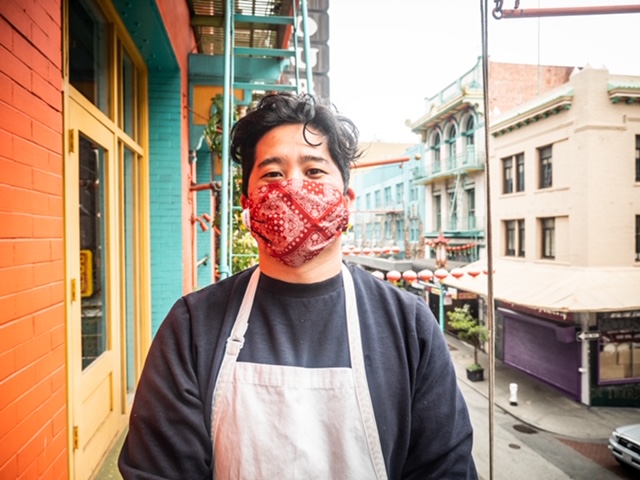
Contact Tracing, Federal Aid for Businesses, Stanford Engineer Makes Masks
Large, Publicly Traded Firms Get $300M in Loans Meant for Small Businesses
Sponsored
Player sponsored by
window.__IS_SSR__=true
window.__INITIAL_STATE__={
"attachmentsReducer": {
"audio_0": {
"type": "attachments",
"id": "audio_0",
"imgSizes": {
"kqedFullSize": {
"file": "https://ww2.kqed.org/news/wp-content/themes/KQED-unified/img/audio_bgs/background0.jpg"
}
}
},
"audio_1": {
"type": "attachments",
"id": "audio_1",
"imgSizes": {
"kqedFullSize": {
"file": "https://ww2.kqed.org/news/wp-content/themes/KQED-unified/img/audio_bgs/background1.jpg"
}
}
},
"audio_2": {
"type": "attachments",
"id": "audio_2",
"imgSizes": {
"kqedFullSize": {
"file": "https://ww2.kqed.org/news/wp-content/themes/KQED-unified/img/audio_bgs/background2.jpg"
}
}
},
"audio_3": {
"type": "attachments",
"id": "audio_3",
"imgSizes": {
"kqedFullSize": {
"file": "https://ww2.kqed.org/news/wp-content/themes/KQED-unified/img/audio_bgs/background3.jpg"
}
}
},
"audio_4": {
"type": "attachments",
"id": "audio_4",
"imgSizes": {
"kqedFullSize": {
"file": "https://ww2.kqed.org/news/wp-content/themes/KQED-unified/img/audio_bgs/background4.jpg"
}
}
},
"placeholder": {
"type": "attachments",
"id": "placeholder",
"imgSizes": {
"thumbnail": {
"file": "https://cdn.kqed.org/wp-content/uploads/2024/12/KQED-Default-Image-816638274-2000x1333-1-160x107.jpg",
"width": 160,
"height": 107,
"mimeType": "image/jpeg"
},
"medium": {
"file": "https://cdn.kqed.org/wp-content/uploads/2024/12/KQED-Default-Image-816638274-2000x1333-1-800x533.jpg",
"width": 800,
"height": 533,
"mimeType": "image/jpeg"
},
"medium_large": {
"file": "https://cdn.kqed.org/wp-content/uploads/2024/12/KQED-Default-Image-816638274-2000x1333-1-768x512.jpg",
"width": 768,
"height": 512,
"mimeType": "image/jpeg"
},
"large": {
"file": "https://cdn.kqed.org/wp-content/uploads/2024/12/KQED-Default-Image-816638274-2000x1333-1-1020x680.jpg",
"width": 1020,
"height": 680,
"mimeType": "image/jpeg"
},
"1536x1536": {
"file": "https://cdn.kqed.org/wp-content/uploads/2024/12/KQED-Default-Image-816638274-2000x1333-1-1536x1024.jpg",
"width": 1536,
"height": 1024,
"mimeType": "image/jpeg"
},
"fd-lrg": {
"file": "https://cdn.kqed.org/wp-content/uploads/2024/12/KQED-Default-Image-816638274-2000x1333-1-1536x1024.jpg",
"width": 1536,
"height": 1024,
"mimeType": "image/jpeg"
},
"fd-med": {
"file": "https://cdn.kqed.org/wp-content/uploads/2024/12/KQED-Default-Image-816638274-2000x1333-1-1020x680.jpg",
"width": 1020,
"height": 680,
"mimeType": "image/jpeg"
},
"fd-sm": {
"file": "https://cdn.kqed.org/wp-content/uploads/2024/12/KQED-Default-Image-816638274-2000x1333-1-800x533.jpg",
"width": 800,
"height": 533,
"mimeType": "image/jpeg"
},
"post-thumbnail": {
"file": "https://cdn.kqed.org/wp-content/uploads/2024/12/KQED-Default-Image-816638274-2000x1333-1-672x372.jpg",
"width": 672,
"height": 372,
"mimeType": "image/jpeg"
},
"twentyfourteen-full-width": {
"file": "https://cdn.kqed.org/wp-content/uploads/2024/12/KQED-Default-Image-816638274-2000x1333-1-1038x576.jpg",
"width": 1038,
"height": 576,
"mimeType": "image/jpeg"
},
"xxsmall": {
"file": "https://cdn.kqed.org/wp-content/uploads/2024/12/KQED-Default-Image-816638274-2000x1333-1-160x107.jpg",
"width": 160,
"height": 107,
"mimeType": "image/jpeg"
},
"xsmall": {
"file": "https://cdn.kqed.org/wp-content/uploads/2024/12/KQED-Default-Image-816638274-2000x1333-1-672x372.jpg",
"width": 672,
"height": 372,
"mimeType": "image/jpeg"
},
"small": {
"file": "https://cdn.kqed.org/wp-content/uploads/2024/12/KQED-Default-Image-816638274-2000x1333-1-672x372.jpg",
"width": 672,
"height": 372,
"mimeType": "image/jpeg"
},
"xlarge": {
"file": "https://cdn.kqed.org/wp-content/uploads/2024/12/KQED-Default-Image-816638274-2000x1333-1-1020x680.jpg",
"width": 1020,
"height": 680,
"mimeType": "image/jpeg"
},
"full-width": {
"file": "https://cdn.kqed.org/wp-content/uploads/2024/12/KQED-Default-Image-816638274-2000x1333-1-1920x1280.jpg",
"width": 1920,
"height": 1280,
"mimeType": "image/jpeg"
},
"guest-author-32": {
"file": "https://cdn.kqed.org/wp-content/uploads/2025/01/KQED-Default-Image-816638274-1333x1333-1-160x160.jpg",
"width": 32,
"height": 32,
"mimeType": "image/jpeg"
},
"guest-author-50": {
"file": "https://cdn.kqed.org/wp-content/uploads/2025/01/KQED-Default-Image-816638274-1333x1333-1-160x160.jpg",
"width": 50,
"height": 50,
"mimeType": "image/jpeg"
},
"guest-author-64": {
"file": "https://cdn.kqed.org/wp-content/uploads/2025/01/KQED-Default-Image-816638274-1333x1333-1-160x160.jpg",
"width": 64,
"height": 64,
"mimeType": "image/jpeg"
},
"guest-author-96": {
"file": "https://cdn.kqed.org/wp-content/uploads/2025/01/KQED-Default-Image-816638274-1333x1333-1-160x160.jpg",
"width": 96,
"height": 96,
"mimeType": "image/jpeg"
},
"guest-author-128": {
"file": "https://cdn.kqed.org/wp-content/uploads/2025/01/KQED-Default-Image-816638274-1333x1333-1-160x160.jpg",
"width": 128,
"height": 128,
"mimeType": "image/jpeg"
},
"detail": {
"file": "https://cdn.kqed.org/wp-content/uploads/2025/01/KQED-Default-Image-816638274-1333x1333-1-160x160.jpg",
"width": 160,
"height": 160,
"mimeType": "image/jpeg"
},
"kqedFullSize": {
"file": "https://cdn.kqed.org/wp-content/uploads/2024/12/KQED-Default-Image-816638274-2000x1333-1.jpg",
"width": 2000,
"height": 1333
}
}
},
"news_11872228": {
"type": "attachments",
"id": "news_11872228",
"meta": {
"index": "attachments_1716263798",
"site": "news",
"id": "11872228",
"found": true
},
"parent": 11872011,
"imgSizes": {
"twentyfourteen-full-width": {
"file": "https://ww2.kqed.org/app/uploads/sites/10/2021/05/Image-from-iOS-1038x576.jpg",
"width": 1038,
"mimeType": "image/jpeg",
"height": 576
},
"thumbnail": {
"file": "https://ww2.kqed.org/app/uploads/sites/10/2021/05/Image-from-iOS-160x120.jpg",
"width": 160,
"mimeType": "image/jpeg",
"height": 120
},
"post-thumbnail": {
"file": "https://ww2.kqed.org/app/uploads/sites/10/2021/05/Image-from-iOS-672x372.jpg",
"width": 672,
"mimeType": "image/jpeg",
"height": 372
},
"kqedFullSize": {
"file": "https://ww2.kqed.org/app/uploads/sites/10/2021/05/Image-from-iOS-scaled.jpg",
"width": 2560,
"height": 1920
},
"2048x2048": {
"file": "https://ww2.kqed.org/app/uploads/sites/10/2021/05/Image-from-iOS-2048x1536.jpg",
"width": 2048,
"mimeType": "image/jpeg",
"height": 1536
},
"large": {
"file": "https://ww2.kqed.org/app/uploads/sites/10/2021/05/Image-from-iOS-1020x765.jpg",
"width": 1020,
"mimeType": "image/jpeg",
"height": 765
},
"1536x1536": {
"file": "https://ww2.kqed.org/app/uploads/sites/10/2021/05/Image-from-iOS-1536x1152.jpg",
"width": 1536,
"mimeType": "image/jpeg",
"height": 1152
},
"full-width": {
"file": "https://ww2.kqed.org/app/uploads/sites/10/2021/05/Image-from-iOS-1920x1440.jpg",
"width": 1920,
"mimeType": "image/jpeg",
"height": 1440
},
"medium": {
"file": "https://ww2.kqed.org/app/uploads/sites/10/2021/05/Image-from-iOS-800x600.jpg",
"width": 800,
"mimeType": "image/jpeg",
"height": 600
}
},
"publishDate": 1620170434,
"modified": 1620767681,
"caption": "Yummy Grill, an Afghan kebab restaurant on International Boulevard, has struggled through the pandemic. After three failed attempts applying for a PPP loan through Chase Bank, it just recently received one through a Utah-based small-business specialist.",
"description": "Yummy Grill, an Afghan kebab restaurant on International Boulevard, has struggled through the pandemic. Only five percent of businesses in this neighborhood who applied for a PPP loan, received one. Yummy Grill only recently received PPP funding through Lendio, a Utah-based small business specialist.",
"title": "Yummy Grill, an Afghan kebab restaurant on International Boulevard, has struggled through the pandemic. Only five percent of businesses in this neighborhood who applied for a PPP loan, received one. Yummy Grill only recently received PPP funding through Lendio, a Utah-based small business specialist.",
"credit": "Adhiti Bandlamudi/KQED",
"status": "inherit",
"altTag": "Yummy Grill, an Afghan kebab restaurant on International Boulevard, has struggled through the pandemic. Only five percent of businesses in this neighborhood who applied for a PPP loan, received one. Yummy Grill only recently received PPP funding through Lendio, a Utah-based small business specialist.",
"fetchFailed": false,
"isLoading": false
},
"news_11853185": {
"type": "attachments",
"id": "news_11853185",
"meta": {
"index": "attachments_1716263798",
"site": "news",
"id": "11853185",
"found": true
},
"parent": 11853032,
"imgSizes": {
"apple_news_ca_landscape_5_5": {
"file": "https://ww2.kqed.org/app/uploads/sites/10/2020/12/IMG_9191-1044x783.jpg",
"width": 1044,
"mimeType": "image/jpeg",
"height": 783
},
"apple_news_ca_square_4_0": {
"file": "https://ww2.kqed.org/app/uploads/sites/10/2020/12/IMG_9191-470x470.jpg",
"width": 470,
"mimeType": "image/jpeg",
"height": 470
},
"twentyfourteen-full-width": {
"file": "https://ww2.kqed.org/app/uploads/sites/10/2020/12/IMG_9191-1038x576.jpg",
"width": 1038,
"mimeType": "image/jpeg",
"height": 576
},
"thumbnail": {
"file": "https://ww2.kqed.org/app/uploads/sites/10/2020/12/IMG_9191-160x120.jpg",
"width": 160,
"mimeType": "image/jpeg",
"height": 120
},
"post-thumbnail": {
"file": "https://ww2.kqed.org/app/uploads/sites/10/2020/12/IMG_9191-672x372.jpg",
"width": 672,
"mimeType": "image/jpeg",
"height": 372
},
"kqedFullSize": {
"file": "https://ww2.kqed.org/app/uploads/sites/10/2020/12/IMG_9191-scaled.jpg",
"width": 2560,
"height": 1920
},
"2048x2048": {
"file": "https://ww2.kqed.org/app/uploads/sites/10/2020/12/IMG_9191-2048x1536.jpg",
"width": 2048,
"mimeType": "image/jpeg",
"height": 1536
},
"apple_news_ca_landscape_4_7": {
"file": "https://ww2.kqed.org/app/uploads/sites/10/2020/12/IMG_9191-632x474.jpg",
"width": 632,
"mimeType": "image/jpeg",
"height": 474
},
"large": {
"file": "https://ww2.kqed.org/app/uploads/sites/10/2020/12/IMG_9191-1020x765.jpg",
"width": 1020,
"mimeType": "image/jpeg",
"height": 765
},
"apple_news_ca_landscape_4_0": {
"file": "https://ww2.kqed.org/app/uploads/sites/10/2020/12/IMG_9191-536x402.jpg",
"width": 536,
"mimeType": "image/jpeg",
"height": 402
},
"apple_news_ca_portrait_12_9": {
"file": "https://ww2.kqed.org/app/uploads/sites/10/2020/12/IMG_9191-1122x1496.jpg",
"width": 1122,
"mimeType": "image/jpeg",
"height": 1496
},
"medium": {
"file": "https://ww2.kqed.org/app/uploads/sites/10/2020/12/IMG_9191-800x600.jpg",
"width": 800,
"mimeType": "image/jpeg",
"height": 600
},
"apple_news_ca_portrait_4_0": {
"file": "https://ww2.kqed.org/app/uploads/sites/10/2020/12/IMG_9191-354x472.jpg",
"width": 354,
"mimeType": "image/jpeg",
"height": 472
},
"apple_news_ca_portrait_9_7": {
"file": "https://ww2.kqed.org/app/uploads/sites/10/2020/12/IMG_9191-840x1120.jpg",
"width": 840,
"mimeType": "image/jpeg",
"height": 1120
},
"apple_news_ca_landscape_12_9": {
"file": "https://ww2.kqed.org/app/uploads/sites/10/2020/12/IMG_9191-1832x1374.jpg",
"width": 1832,
"mimeType": "image/jpeg",
"height": 1374
},
"apple_news_ca_square_9_7": {
"file": "https://ww2.kqed.org/app/uploads/sites/10/2020/12/IMG_9191-1104x1104.jpg",
"width": 1104,
"mimeType": "image/jpeg",
"height": 1104
},
"1536x1536": {
"file": "https://ww2.kqed.org/app/uploads/sites/10/2020/12/IMG_9191-1536x1152.jpg",
"width": 1536,
"mimeType": "image/jpeg",
"height": 1152
},
"apple_news_ca_portrait_4_7": {
"file": "https://ww2.kqed.org/app/uploads/sites/10/2020/12/IMG_9191-414x552.jpg",
"width": 414,
"mimeType": "image/jpeg",
"height": 552
},
"apple_news_ca_square_12_9": {
"file": "https://ww2.kqed.org/app/uploads/sites/10/2020/12/IMG_9191-1472x1472.jpg",
"width": 1472,
"mimeType": "image/jpeg",
"height": 1472
},
"apple_news_ca_portrait_5_5": {
"file": "https://ww2.kqed.org/app/uploads/sites/10/2020/12/IMG_9191-687x916.jpg",
"width": 687,
"mimeType": "image/jpeg",
"height": 916
},
"full-width": {
"file": "https://ww2.kqed.org/app/uploads/sites/10/2020/12/IMG_9191-1920x1440.jpg",
"width": 1920,
"mimeType": "image/jpeg",
"height": 1440
},
"apple_news_ca_square_4_7": {
"file": "https://ww2.kqed.org/app/uploads/sites/10/2020/12/IMG_9191-550x550.jpg",
"width": 550,
"mimeType": "image/jpeg",
"height": 550
},
"apple_news_ca_landscape_9_7": {
"file": "https://ww2.kqed.org/app/uploads/sites/10/2020/12/IMG_9191-1376x1032.jpg",
"width": 1376,
"mimeType": "image/jpeg",
"height": 1032
},
"apple_news_ca_square_5_5": {
"file": "https://ww2.kqed.org/app/uploads/sites/10/2020/12/IMG_9191-912x912.jpg",
"width": 912,
"mimeType": "image/jpeg",
"height": 912
}
},
"publishDate": 1609289317,
"modified": 1609289390,
"caption": "Yuri Kim stands outside her newly renovated store, Fractal Flora in San Jose. Kim has seen a boost in plant sales during the pandemic.",
"description": "Yuri Kim stands outside her newly renovated store, Fractal Flora in San Jose. Kim has seen a boost in plant sales during the pandemic.",
"title": "Yuri Kim stands outside her newly renovated store, Fractal Flora in San Jose. Kim has seen a boost in plant sales during the pandemic.",
"credit": "Adhiti/Bandlamudi/KQED",
"status": "inherit",
"altTag": "Yuri Kim stands outside her newly renovated store, Fractal Flora in San Jose. Kim has seen a boost in plant sales during the pandemic.",
"fetchFailed": false,
"isLoading": false
},
"news_11823110": {
"type": "attachments",
"id": "news_11823110",
"meta": {
"index": "attachments_1716263798",
"site": "news",
"id": "11823110",
"found": true
},
"parent": 11821537,
"imgSizes": {
"apple_news_ca_square_4_0": {
"file": "https://ww2.kqed.org/app/uploads/sites/10/2020/06/image1-470x470.jpeg",
"width": 470,
"mimeType": "image/jpeg",
"height": 470
},
"thumbnail": {
"file": "https://ww2.kqed.org/app/uploads/sites/10/2020/06/image1-160x120.jpeg",
"width": 160,
"mimeType": "image/jpeg",
"height": 120
},
"post-thumbnail": {
"file": "https://ww2.kqed.org/app/uploads/sites/10/2020/06/image1-640x372.jpeg",
"width": 640,
"mimeType": "image/jpeg",
"height": 372
},
"kqedFullSize": {
"file": "https://ww2.kqed.org/app/uploads/sites/10/2020/06/image1.jpeg",
"width": 640,
"height": 480
},
"apple_news_ca_landscape_4_7": {
"file": "https://ww2.kqed.org/app/uploads/sites/10/2020/06/image1-632x474.jpeg",
"width": 632,
"mimeType": "image/jpeg",
"height": 474
},
"apple_news_ca_portrait_4_7": {
"file": "https://ww2.kqed.org/app/uploads/sites/10/2020/06/image1-414x480.jpeg",
"width": 414,
"mimeType": "image/jpeg",
"height": 480
},
"apple_news_ca_square_4_7": {
"file": "https://ww2.kqed.org/app/uploads/sites/10/2020/06/image1-550x480.jpeg",
"width": 550,
"mimeType": "image/jpeg",
"height": 480
},
"apple_news_ca_landscape_4_0": {
"file": "https://ww2.kqed.org/app/uploads/sites/10/2020/06/image1-536x402.jpeg",
"width": 536,
"mimeType": "image/jpeg",
"height": 402
},
"apple_news_ca_portrait_4_0": {
"file": "https://ww2.kqed.org/app/uploads/sites/10/2020/06/image1-354x472.jpeg",
"width": 354,
"mimeType": "image/jpeg",
"height": 472
}
},
"publishDate": 1591384183,
"modified": 1591818699,
"caption": "Brandon Jew, the owner of San Francisco restaurant Mister Jiu's, has been struggling to keep his business afloat under shelter-in-place restrictions, even as Bay Area cities slowly start to reopen.",
"description": "Brandon Jew, the owner of San Francisco restaurant Mister Jiu's, has been struggling to keep his business afloat under shelter-in-place restrictions, even as Bay Area cities slowly start to reopen.",
"title": "Brandon Jew, the owner of San Francisco restaurant Mister Jiu's, has been struggling to keep his business afloat under Shelter In Place restrictions, even as Bay Area cities slowly start to reopen.",
"credit": "Courtesy of Brandon Jew",
"status": "inherit",
"fetchFailed": false,
"isLoading": false
},
"news_11820256": {
"type": "attachments",
"id": "news_11820256",
"meta": {
"index": "attachments_1716263798",
"site": "news",
"id": "11820256",
"found": true
},
"parent": 11820229,
"imgSizes": {
"apple_news_ca_landscape_5_5": {
"file": "https://ww2.kqed.org/app/uploads/sites/10/2020/05/RS2591_wells220120712-1044x783.jpg",
"width": 1044,
"mimeType": "image/jpeg",
"height": 783
},
"apple_news_ca_square_4_0": {
"file": "https://ww2.kqed.org/app/uploads/sites/10/2020/05/RS2591_wells220120712-470x470.jpg",
"width": 470,
"mimeType": "image/jpeg",
"height": 470
},
"twentyfourteen-full-width": {
"file": "https://ww2.kqed.org/app/uploads/sites/10/2020/05/RS2591_wells220120712-1038x576.jpg",
"width": 1038,
"mimeType": "image/jpeg",
"height": 576
},
"thumbnail": {
"file": "https://ww2.kqed.org/app/uploads/sites/10/2020/05/RS2591_wells220120712-160x110.jpg",
"width": 160,
"mimeType": "image/jpeg",
"height": 110
},
"post-thumbnail": {
"file": "https://ww2.kqed.org/app/uploads/sites/10/2020/05/RS2591_wells220120712-672x372.jpg",
"width": 672,
"mimeType": "image/jpeg",
"height": 372
},
"kqedFullSize": {
"file": "https://ww2.kqed.org/app/uploads/sites/10/2020/05/RS2591_wells220120712.jpg",
"width": 3000,
"height": 2059
},
"apple_news_ca_landscape_4_7": {
"file": "https://ww2.kqed.org/app/uploads/sites/10/2020/05/RS2591_wells220120712-632x474.jpg",
"width": 632,
"mimeType": "image/jpeg",
"height": 474
},
"large": {
"file": "https://ww2.kqed.org/app/uploads/sites/10/2020/05/RS2591_wells220120712-1020x700.jpg",
"width": 1020,
"mimeType": "image/jpeg",
"height": 700
},
"apple_news_ca_landscape_4_0": {
"file": "https://ww2.kqed.org/app/uploads/sites/10/2020/05/RS2591_wells220120712-536x402.jpg",
"width": 536,
"mimeType": "image/jpeg",
"height": 402
},
"apple_news_ca_portrait_12_9": {
"file": "https://ww2.kqed.org/app/uploads/sites/10/2020/05/RS2591_wells220120712-1122x1496.jpg",
"width": 1122,
"mimeType": "image/jpeg",
"height": 1496
},
"medium": {
"file": "https://ww2.kqed.org/app/uploads/sites/10/2020/05/RS2591_wells220120712-800x549.jpg",
"width": 800,
"mimeType": "image/jpeg",
"height": 549
},
"apple_news_ca_portrait_4_0": {
"file": "https://ww2.kqed.org/app/uploads/sites/10/2020/05/RS2591_wells220120712-354x472.jpg",
"width": 354,
"mimeType": "image/jpeg",
"height": 472
},
"apple_news_ca_portrait_9_7": {
"file": "https://ww2.kqed.org/app/uploads/sites/10/2020/05/RS2591_wells220120712-840x1120.jpg",
"width": 840,
"mimeType": "image/jpeg",
"height": 1120
},
"apple_news_ca_landscape_12_9": {
"file": "https://ww2.kqed.org/app/uploads/sites/10/2020/05/RS2591_wells220120712-1832x1374.jpg",
"width": 1832,
"mimeType": "image/jpeg",
"height": 1374
},
"apple_news_ca_square_9_7": {
"file": "https://ww2.kqed.org/app/uploads/sites/10/2020/05/RS2591_wells220120712-1104x1104.jpg",
"width": 1104,
"mimeType": "image/jpeg",
"height": 1104
},
"apple_news_ca_portrait_4_7": {
"file": "https://ww2.kqed.org/app/uploads/sites/10/2020/05/RS2591_wells220120712-414x552.jpg",
"width": 414,
"mimeType": "image/jpeg",
"height": 552
},
"apple_news_ca_square_12_9": {
"file": "https://ww2.kqed.org/app/uploads/sites/10/2020/05/RS2591_wells220120712-1472x1472.jpg",
"width": 1472,
"mimeType": "image/jpeg",
"height": 1472
},
"apple_news_ca_portrait_5_5": {
"file": "https://ww2.kqed.org/app/uploads/sites/10/2020/05/RS2591_wells220120712-687x916.jpg",
"width": 687,
"mimeType": "image/jpeg",
"height": 916
},
"full-width": {
"file": "https://ww2.kqed.org/app/uploads/sites/10/2020/05/RS2591_wells220120712-1920x1318.jpg",
"width": 1920,
"mimeType": "image/jpeg",
"height": 1318
},
"apple_news_ca_square_4_7": {
"file": "https://ww2.kqed.org/app/uploads/sites/10/2020/05/RS2591_wells220120712-550x550.jpg",
"width": 550,
"mimeType": "image/jpeg",
"height": 550
},
"apple_news_ca_landscape_9_7": {
"file": "https://ww2.kqed.org/app/uploads/sites/10/2020/05/RS2591_wells220120712-1376x1032.jpg",
"width": 1376,
"mimeType": "image/jpeg",
"height": 1032
},
"apple_news_ca_square_5_5": {
"file": "https://ww2.kqed.org/app/uploads/sites/10/2020/05/RS2591_wells220120712-912x912.jpg",
"width": 912,
"mimeType": "image/jpeg",
"height": 912
}
},
"publishDate": 1590177227,
"modified": 1590179175,
"caption": "On March 20, 2007, a customer enters a Wells Fargo bank in San Francisco. During the current COVID-19 pandemic, some small businesses are turning away from big banks like Wells Fargo and working with smaller banks to work through the PPP loan process. ",
"description": "On March 20, 2007, a customer enters a Wells Fargo bank in San Francisco. During the COVID-19 pandemic, some small businesses are turning away from big banks like Wells Fargo and working with smaller banks to work through the PPP loan process.",
"title": "During the COVID-19 pandemic, some small businesses are turning away from big banks like Wells Fargo and working with smaller banks to work through the PPP loan process.",
"credit": "Justin Sullivan/Getty Images",
"status": "inherit",
"fetchFailed": false,
"isLoading": false
},
"news_11818400": {
"type": "attachments",
"id": "news_11818400",
"meta": {
"index": "attachments_1716263798",
"site": "news",
"id": "11818400",
"found": true
},
"parent": 11818246,
"imgSizes": {
"apple_news_ca_landscape_5_5": {
"file": "https://ww2.kqed.org/app/uploads/sites/10/2020/05/Dive-Bar-San-Jose-1044x783.jpg",
"width": 1044,
"mimeType": "image/jpeg",
"height": 783
},
"apple_news_ca_square_4_0": {
"file": "https://ww2.kqed.org/app/uploads/sites/10/2020/05/Dive-Bar-San-Jose-470x470.jpg",
"width": 470,
"mimeType": "image/jpeg",
"height": 470
},
"twentyfourteen-full-width": {
"file": "https://ww2.kqed.org/app/uploads/sites/10/2020/05/Dive-Bar-San-Jose-1038x576.jpg",
"width": 1038,
"mimeType": "image/jpeg",
"height": 576
},
"thumbnail": {
"file": "https://ww2.kqed.org/app/uploads/sites/10/2020/05/Dive-Bar-San-Jose-160x113.jpg",
"width": 160,
"mimeType": "image/jpeg",
"height": 113
},
"post-thumbnail": {
"file": "https://ww2.kqed.org/app/uploads/sites/10/2020/05/Dive-Bar-San-Jose-672x372.jpg",
"width": 672,
"mimeType": "image/jpeg",
"height": 372
},
"kqedFullSize": {
"file": "https://ww2.kqed.org/app/uploads/sites/10/2020/05/Dive-Bar-San-Jose.jpg",
"width": 1920,
"height": 1355
},
"apple_news_ca_landscape_4_7": {
"file": "https://ww2.kqed.org/app/uploads/sites/10/2020/05/Dive-Bar-San-Jose-632x474.jpg",
"width": 632,
"mimeType": "image/jpeg",
"height": 474
},
"large": {
"file": "https://ww2.kqed.org/app/uploads/sites/10/2020/05/Dive-Bar-San-Jose-1020x720.jpg",
"width": 1020,
"mimeType": "image/jpeg",
"height": 720
},
"apple_news_ca_landscape_4_0": {
"file": "https://ww2.kqed.org/app/uploads/sites/10/2020/05/Dive-Bar-San-Jose-536x402.jpg",
"width": 536,
"mimeType": "image/jpeg",
"height": 402
},
"apple_news_ca_portrait_12_9": {
"file": "https://ww2.kqed.org/app/uploads/sites/10/2020/05/Dive-Bar-San-Jose-1122x1355.jpg",
"width": 1122,
"mimeType": "image/jpeg",
"height": 1355
},
"medium": {
"file": "https://ww2.kqed.org/app/uploads/sites/10/2020/05/Dive-Bar-San-Jose-800x565.jpg",
"width": 800,
"mimeType": "image/jpeg",
"height": 565
},
"apple_news_ca_portrait_4_0": {
"file": "https://ww2.kqed.org/app/uploads/sites/10/2020/05/Dive-Bar-San-Jose-354x472.jpg",
"width": 354,
"mimeType": "image/jpeg",
"height": 472
},
"apple_news_ca_portrait_9_7": {
"file": "https://ww2.kqed.org/app/uploads/sites/10/2020/05/Dive-Bar-San-Jose-840x1120.jpg",
"width": 840,
"mimeType": "image/jpeg",
"height": 1120
},
"apple_news_ca_landscape_12_9": {
"file": "https://ww2.kqed.org/app/uploads/sites/10/2020/05/Dive-Bar-San-Jose-1832x1355.jpg",
"width": 1832,
"mimeType": "image/jpeg",
"height": 1355
},
"apple_news_ca_square_9_7": {
"file": "https://ww2.kqed.org/app/uploads/sites/10/2020/05/Dive-Bar-San-Jose-1104x1104.jpg",
"width": 1104,
"mimeType": "image/jpeg",
"height": 1104
},
"apple_news_ca_portrait_4_7": {
"file": "https://ww2.kqed.org/app/uploads/sites/10/2020/05/Dive-Bar-San-Jose-414x552.jpg",
"width": 414,
"mimeType": "image/jpeg",
"height": 552
},
"apple_news_ca_square_12_9": {
"file": "https://ww2.kqed.org/app/uploads/sites/10/2020/05/Dive-Bar-San-Jose-1472x1355.jpg",
"width": 1472,
"mimeType": "image/jpeg",
"height": 1355
},
"apple_news_ca_portrait_5_5": {
"file": "https://ww2.kqed.org/app/uploads/sites/10/2020/05/Dive-Bar-San-Jose-687x916.jpg",
"width": 687,
"mimeType": "image/jpeg",
"height": 916
},
"full-width": {
"file": "https://ww2.kqed.org/app/uploads/sites/10/2020/05/Dive-Bar-San-Jose-1920x1355.jpg",
"width": 1920,
"mimeType": "image/jpeg",
"height": 1355
},
"apple_news_ca_square_4_7": {
"file": "https://ww2.kqed.org/app/uploads/sites/10/2020/05/Dive-Bar-San-Jose-550x550.jpg",
"width": 550,
"mimeType": "image/jpeg",
"height": 550
},
"apple_news_ca_landscape_9_7": {
"file": "https://ww2.kqed.org/app/uploads/sites/10/2020/05/Dive-Bar-San-Jose-1376x1032.jpg",
"width": 1376,
"mimeType": "image/jpeg",
"height": 1032
},
"apple_news_ca_square_5_5": {
"file": "https://ww2.kqed.org/app/uploads/sites/10/2020/05/Dive-Bar-San-Jose-912x912.jpg",
"width": 912,
"mimeType": "image/jpeg",
"height": 912
}
},
"publishDate": 1589493962,
"modified": 1589579180,
"caption": "Christos Louvis had to close Dive Bar in San Jose on St. Patrick's Day and hasn't opened the doors since. He's not sure when, or if, the bar will be able to open again.",
"description": "Christos Louvis had to close Dive Bar in San Jose on St. Patrick's Day, and hasn't opened the doors since. He's not sure when, or if the bar will be able to open again.",
"title": "Dive-Bar-San-Jose",
"credit": "Courtesy Christos Louvis",
"status": "inherit",
"fetchFailed": false,
"isLoading": false
},
"news_11816795": {
"type": "attachments",
"id": "news_11816795",
"meta": {
"index": "attachments_1716263798",
"site": "news",
"id": "11816795",
"found": true
},
"parent": 11816788,
"imgSizes": {
"apple_news_ca_landscape_5_5": {
"file": "https://ww2.kqed.org/app/uploads/sites/10/2020/05/Kenny-Blum-in-mask-1044x783.jpg",
"width": 1044,
"mimeType": "image/jpeg",
"height": 783
},
"apple_news_ca_square_4_0": {
"file": "https://ww2.kqed.org/app/uploads/sites/10/2020/05/Kenny-Blum-in-mask-470x470.jpg",
"width": 470,
"mimeType": "image/jpeg",
"height": 470
},
"twentyfourteen-full-width": {
"file": "https://ww2.kqed.org/app/uploads/sites/10/2020/05/Kenny-Blum-in-mask-1038x576.jpg",
"width": 1038,
"mimeType": "image/jpeg",
"height": 576
},
"thumbnail": {
"file": "https://ww2.kqed.org/app/uploads/sites/10/2020/05/Kenny-Blum-in-mask-160x120.jpg",
"width": 160,
"mimeType": "image/jpeg",
"height": 120
},
"post-thumbnail": {
"file": "https://ww2.kqed.org/app/uploads/sites/10/2020/05/Kenny-Blum-in-mask-672x372.jpg",
"width": 672,
"mimeType": "image/jpeg",
"height": 372
},
"kqedFullSize": {
"file": "https://ww2.kqed.org/app/uploads/sites/10/2020/05/Kenny-Blum-in-mask.jpg",
"width": 3524,
"height": 2643
},
"apple_news_ca_landscape_4_7": {
"file": "https://ww2.kqed.org/app/uploads/sites/10/2020/05/Kenny-Blum-in-mask-632x474.jpg",
"width": 632,
"mimeType": "image/jpeg",
"height": 474
},
"large": {
"file": "https://ww2.kqed.org/app/uploads/sites/10/2020/05/Kenny-Blum-in-mask-1020x765.jpg",
"width": 1020,
"mimeType": "image/jpeg",
"height": 765
},
"apple_news_ca_landscape_4_0": {
"file": "https://ww2.kqed.org/app/uploads/sites/10/2020/05/Kenny-Blum-in-mask-536x402.jpg",
"width": 536,
"mimeType": "image/jpeg",
"height": 402
},
"apple_news_ca_portrait_12_9": {
"file": "https://ww2.kqed.org/app/uploads/sites/10/2020/05/Kenny-Blum-in-mask-1122x1496.jpg",
"width": 1122,
"mimeType": "image/jpeg",
"height": 1496
},
"medium": {
"file": "https://ww2.kqed.org/app/uploads/sites/10/2020/05/Kenny-Blum-in-mask-800x600.jpg",
"width": 800,
"mimeType": "image/jpeg",
"height": 600
},
"apple_news_ca_portrait_4_0": {
"file": "https://ww2.kqed.org/app/uploads/sites/10/2020/05/Kenny-Blum-in-mask-354x472.jpg",
"width": 354,
"mimeType": "image/jpeg",
"height": 472
},
"apple_news_ca_portrait_9_7": {
"file": "https://ww2.kqed.org/app/uploads/sites/10/2020/05/Kenny-Blum-in-mask-840x1120.jpg",
"width": 840,
"mimeType": "image/jpeg",
"height": 1120
},
"apple_news_ca_landscape_12_9": {
"file": "https://ww2.kqed.org/app/uploads/sites/10/2020/05/Kenny-Blum-in-mask-1832x1374.jpg",
"width": 1832,
"mimeType": "image/jpeg",
"height": 1374
},
"apple_news_ca_square_9_7": {
"file": "https://ww2.kqed.org/app/uploads/sites/10/2020/05/Kenny-Blum-in-mask-1104x1104.jpg",
"width": 1104,
"mimeType": "image/jpeg",
"height": 1104
},
"apple_news_ca_portrait_4_7": {
"file": "https://ww2.kqed.org/app/uploads/sites/10/2020/05/Kenny-Blum-in-mask-414x552.jpg",
"width": 414,
"mimeType": "image/jpeg",
"height": 552
},
"apple_news_ca_square_12_9": {
"file": "https://ww2.kqed.org/app/uploads/sites/10/2020/05/Kenny-Blum-in-mask-1472x1472.jpg",
"width": 1472,
"mimeType": "image/jpeg",
"height": 1472
},
"apple_news_ca_portrait_5_5": {
"file": "https://ww2.kqed.org/app/uploads/sites/10/2020/05/Kenny-Blum-in-mask-687x916.jpg",
"width": 687,
"mimeType": "image/jpeg",
"height": 916
},
"full-width": {
"file": "https://ww2.kqed.org/app/uploads/sites/10/2020/05/Kenny-Blum-in-mask-1920x1440.jpg",
"width": 1920,
"mimeType": "image/jpeg",
"height": 1440
},
"apple_news_ca_square_4_7": {
"file": "https://ww2.kqed.org/app/uploads/sites/10/2020/05/Kenny-Blum-in-mask-550x550.jpg",
"width": 550,
"mimeType": "image/jpeg",
"height": 550
},
"apple_news_ca_landscape_9_7": {
"file": "https://ww2.kqed.org/app/uploads/sites/10/2020/05/Kenny-Blum-in-mask-1376x1032.jpg",
"width": 1376,
"mimeType": "image/jpeg",
"height": 1032
},
"apple_news_ca_square_5_5": {
"file": "https://ww2.kqed.org/app/uploads/sites/10/2020/05/Kenny-Blum-in-mask-912x912.jpg",
"width": 912,
"mimeType": "image/jpeg",
"height": 912
}
},
"publishDate": 1588865613,
"modified": 1588866056,
"caption": "Kenny Blum has run the Little Truckee Ice Creamery since 2017. \"They say ice cream is recession proof. I don't know if that's totally true,\" he said. Blum tried to apply for the PPP within a day of the program's launch.",
"description": "Kenny Blum has run the Little Truckee Ice Creamery since 2017. \"They say ice cream is recession proof. I don't know if that's totally true,\" he said. Blum tried to apply for the PPP within a day of the program's launch,",
"title": "Kenny Blum in mask",
"credit": "Courtesy Kenny Blum",
"status": "inherit",
"fetchFailed": false,
"isLoading": false
},
"news_11816931": {
"type": "attachments",
"id": "news_11816931",
"meta": {
"index": "attachments_1716263798",
"site": "news",
"id": "11816931",
"found": true
},
"parent": 11816925,
"imgSizes": {
"apple_news_ca_landscape_5_5": {
"file": "https://ww2.kqed.org/app/uploads/sites/10/2020/05/RS43053_003_KQED_SanFrancisco_FlowerMart_05062020-qut-1044x783.jpg",
"width": 1044,
"mimeType": "image/jpeg",
"height": 783
},
"apple_news_ca_square_4_0": {
"file": "https://ww2.kqed.org/app/uploads/sites/10/2020/05/RS43053_003_KQED_SanFrancisco_FlowerMart_05062020-qut-470x470.jpg",
"width": 470,
"mimeType": "image/jpeg",
"height": 470
},
"twentyfourteen-full-width": {
"file": "https://ww2.kqed.org/app/uploads/sites/10/2020/05/RS43053_003_KQED_SanFrancisco_FlowerMart_05062020-qut-1038x576.jpg",
"width": 1038,
"mimeType": "image/jpeg",
"height": 576
},
"thumbnail": {
"file": "https://ww2.kqed.org/app/uploads/sites/10/2020/05/RS43053_003_KQED_SanFrancisco_FlowerMart_05062020-qut-160x107.jpg",
"width": 160,
"mimeType": "image/jpeg",
"height": 107
},
"post-thumbnail": {
"file": "https://ww2.kqed.org/app/uploads/sites/10/2020/05/RS43053_003_KQED_SanFrancisco_FlowerMart_05062020-qut-672x372.jpg",
"width": 672,
"mimeType": "image/jpeg",
"height": 372
},
"kqedFullSize": {
"file": "https://ww2.kqed.org/app/uploads/sites/10/2020/05/RS43053_003_KQED_SanFrancisco_FlowerMart_05062020-qut.jpg",
"width": 1920,
"height": 1280
},
"apple_news_ca_landscape_4_7": {
"file": "https://ww2.kqed.org/app/uploads/sites/10/2020/05/RS43053_003_KQED_SanFrancisco_FlowerMart_05062020-qut-632x474.jpg",
"width": 632,
"mimeType": "image/jpeg",
"height": 474
},
"large": {
"file": "https://ww2.kqed.org/app/uploads/sites/10/2020/05/RS43053_003_KQED_SanFrancisco_FlowerMart_05062020-qut-1020x680.jpg",
"width": 1020,
"mimeType": "image/jpeg",
"height": 680
},
"apple_news_ca_landscape_4_0": {
"file": "https://ww2.kqed.org/app/uploads/sites/10/2020/05/RS43053_003_KQED_SanFrancisco_FlowerMart_05062020-qut-536x402.jpg",
"width": 536,
"mimeType": "image/jpeg",
"height": 402
},
"apple_news_ca_portrait_12_9": {
"file": "https://ww2.kqed.org/app/uploads/sites/10/2020/05/RS43053_003_KQED_SanFrancisco_FlowerMart_05062020-qut-1122x1280.jpg",
"width": 1122,
"mimeType": "image/jpeg",
"height": 1280
},
"medium": {
"file": "https://ww2.kqed.org/app/uploads/sites/10/2020/05/RS43053_003_KQED_SanFrancisco_FlowerMart_05062020-qut-800x533.jpg",
"width": 800,
"mimeType": "image/jpeg",
"height": 533
},
"apple_news_ca_portrait_4_0": {
"file": "https://ww2.kqed.org/app/uploads/sites/10/2020/05/RS43053_003_KQED_SanFrancisco_FlowerMart_05062020-qut-354x472.jpg",
"width": 354,
"mimeType": "image/jpeg",
"height": 472
},
"apple_news_ca_portrait_9_7": {
"file": "https://ww2.kqed.org/app/uploads/sites/10/2020/05/RS43053_003_KQED_SanFrancisco_FlowerMart_05062020-qut-840x1120.jpg",
"width": 840,
"mimeType": "image/jpeg",
"height": 1120
},
"apple_news_ca_landscape_12_9": {
"file": "https://ww2.kqed.org/app/uploads/sites/10/2020/05/RS43053_003_KQED_SanFrancisco_FlowerMart_05062020-qut-1832x1280.jpg",
"width": 1832,
"mimeType": "image/jpeg",
"height": 1280
},
"apple_news_ca_square_9_7": {
"file": "https://ww2.kqed.org/app/uploads/sites/10/2020/05/RS43053_003_KQED_SanFrancisco_FlowerMart_05062020-qut-1104x1104.jpg",
"width": 1104,
"mimeType": "image/jpeg",
"height": 1104
},
"apple_news_ca_portrait_4_7": {
"file": "https://ww2.kqed.org/app/uploads/sites/10/2020/05/RS43053_003_KQED_SanFrancisco_FlowerMart_05062020-qut-414x552.jpg",
"width": 414,
"mimeType": "image/jpeg",
"height": 552
},
"apple_news_ca_square_12_9": {
"file": "https://ww2.kqed.org/app/uploads/sites/10/2020/05/RS43053_003_KQED_SanFrancisco_FlowerMart_05062020-qut-1472x1280.jpg",
"width": 1472,
"mimeType": "image/jpeg",
"height": 1280
},
"apple_news_ca_portrait_5_5": {
"file": "https://ww2.kqed.org/app/uploads/sites/10/2020/05/RS43053_003_KQED_SanFrancisco_FlowerMart_05062020-qut-687x916.jpg",
"width": 687,
"mimeType": "image/jpeg",
"height": 916
},
"full-width": {
"file": "https://ww2.kqed.org/app/uploads/sites/10/2020/05/RS43053_003_KQED_SanFrancisco_FlowerMart_05062020-qut-1920x1280.jpg",
"width": 1920,
"mimeType": "image/jpeg",
"height": 1280
},
"apple_news_ca_square_4_7": {
"file": "https://ww2.kqed.org/app/uploads/sites/10/2020/05/RS43053_003_KQED_SanFrancisco_FlowerMart_05062020-qut-550x550.jpg",
"width": 550,
"mimeType": "image/jpeg",
"height": 550
},
"apple_news_ca_landscape_9_7": {
"file": "https://ww2.kqed.org/app/uploads/sites/10/2020/05/RS43053_003_KQED_SanFrancisco_FlowerMart_05062020-qut-1376x1032.jpg",
"width": 1376,
"mimeType": "image/jpeg",
"height": 1032
},
"apple_news_ca_square_5_5": {
"file": "https://ww2.kqed.org/app/uploads/sites/10/2020/05/RS43053_003_KQED_SanFrancisco_FlowerMart_05062020-qut-912x912.jpg",
"width": 912,
"mimeType": "image/jpeg",
"height": 912
}
},
"publishDate": 1588885632,
"modified": 1590620197,
"caption": "Vendors, including Torchio Nursery, were able to open at the San Francisco Flower Mart on April 22. But small flower shops across the Bay Area can't open under Shelter in Place restrictions and are struggling. ",
"description": "Vendors, including Torchio Nursery, were able to open at the San Francisco Flower Mart on April 22. But small flower shops across the Bay Area can't open under Shelter in Place restrictions and are struggling. ",
"title": "Vendors, including Torchio Nursery, were able to open at the San Francisco Flower Mart on April 22nd. But small flower shops across the Bay Area can't open under Shelter in Place restrictions and are struggling.",
"credit": "Beth LaBerge/KQED",
"status": "inherit",
"fetchFailed": false,
"isLoading": false
},
"news_11815880": {
"type": "attachments",
"id": "news_11815880",
"meta": {
"index": "attachments_1716263798",
"site": "news",
"id": "11815880",
"found": true
},
"parent": 11815688,
"imgSizes": {
"apple_news_ca_landscape_5_5": {
"file": "https://ww2.kqed.org/app/uploads/sites/10/2020/05/727-MARQUEE-1044x720.jpg",
"width": 1044,
"mimeType": "image/jpeg",
"height": 720
},
"apple_news_ca_square_4_0": {
"file": "https://ww2.kqed.org/app/uploads/sites/10/2020/05/727-MARQUEE-470x470.jpg",
"width": 470,
"mimeType": "image/jpeg",
"height": 470
},
"twentyfourteen-full-width": {
"file": "https://ww2.kqed.org/app/uploads/sites/10/2020/05/727-MARQUEE-1038x576.jpg",
"width": 1038,
"mimeType": "image/jpeg",
"height": 576
},
"thumbnail": {
"file": "https://ww2.kqed.org/app/uploads/sites/10/2020/05/727-MARQUEE-160x90.jpg",
"width": 160,
"mimeType": "image/jpeg",
"height": 90
},
"post-thumbnail": {
"file": "https://ww2.kqed.org/app/uploads/sites/10/2020/05/727-MARQUEE-672x372.jpg",
"width": 672,
"mimeType": "image/jpeg",
"height": 372
},
"kqedFullSize": {
"file": "https://ww2.kqed.org/app/uploads/sites/10/2020/05/727-MARQUEE.jpg",
"width": 1280,
"height": 720
},
"apple_news_ca_landscape_4_7": {
"file": "https://ww2.kqed.org/app/uploads/sites/10/2020/05/727-MARQUEE-632x474.jpg",
"width": 632,
"mimeType": "image/jpeg",
"height": 474
},
"large": {
"file": "https://ww2.kqed.org/app/uploads/sites/10/2020/05/727-MARQUEE-1020x574.jpg",
"width": 1020,
"mimeType": "image/jpeg",
"height": 574
},
"apple_news_ca_landscape_4_0": {
"file": "https://ww2.kqed.org/app/uploads/sites/10/2020/05/727-MARQUEE-536x402.jpg",
"width": 536,
"mimeType": "image/jpeg",
"height": 402
},
"apple_news_ca_portrait_12_9": {
"file": "https://ww2.kqed.org/app/uploads/sites/10/2020/05/727-MARQUEE-1122x720.jpg",
"width": 1122,
"mimeType": "image/jpeg",
"height": 720
},
"medium": {
"file": "https://ww2.kqed.org/app/uploads/sites/10/2020/05/727-MARQUEE-800x450.jpg",
"width": 800,
"mimeType": "image/jpeg",
"height": 450
},
"apple_news_ca_portrait_4_0": {
"file": "https://ww2.kqed.org/app/uploads/sites/10/2020/05/727-MARQUEE-354x472.jpg",
"width": 354,
"mimeType": "image/jpeg",
"height": 472
},
"apple_news_ca_portrait_9_7": {
"file": "https://ww2.kqed.org/app/uploads/sites/10/2020/05/727-MARQUEE-840x720.jpg",
"width": 840,
"mimeType": "image/jpeg",
"height": 720
},
"apple_news_ca_square_9_7": {
"file": "https://ww2.kqed.org/app/uploads/sites/10/2020/05/727-MARQUEE-1104x720.jpg",
"width": 1104,
"mimeType": "image/jpeg",
"height": 720
},
"apple_news_ca_portrait_4_7": {
"file": "https://ww2.kqed.org/app/uploads/sites/10/2020/05/727-MARQUEE-414x552.jpg",
"width": 414,
"mimeType": "image/jpeg",
"height": 552
},
"apple_news_ca_portrait_5_5": {
"file": "https://ww2.kqed.org/app/uploads/sites/10/2020/05/727-MARQUEE-687x720.jpg",
"width": 687,
"mimeType": "image/jpeg",
"height": 720
},
"apple_news_ca_square_4_7": {
"file": "https://ww2.kqed.org/app/uploads/sites/10/2020/05/727-MARQUEE-550x550.jpg",
"width": 550,
"mimeType": "image/jpeg",
"height": 550
},
"apple_news_ca_square_5_5": {
"file": "https://ww2.kqed.org/app/uploads/sites/10/2020/05/727-MARQUEE-912x720.jpg",
"width": 912,
"mimeType": "image/jpeg",
"height": 720
}
},
"publishDate": 1588380645,
"modified": 1588380645,
"caption": null,
"description": null,
"title": "727 MARQUEE",
"credit": null,
"status": "inherit",
"fetchFailed": false,
"isLoading": false
},
"news_11813367": {
"type": "attachments",
"id": "news_11813367",
"meta": {
"index": "attachments_1716263798",
"site": "news",
"id": "11813367",
"found": true
},
"parent": 11813345,
"imgSizes": {
"apple_news_ca_landscape_5_5": {
"file": "https://ww2.kqed.org/app/uploads/sites/10/2020/04/RS42864_GettyImages-183115261-qut-1044x783.jpg",
"width": 1044,
"mimeType": "image/jpeg",
"height": 783
},
"apple_news_ca_square_4_0": {
"file": "https://ww2.kqed.org/app/uploads/sites/10/2020/04/RS42864_GettyImages-183115261-qut-470x470.jpg",
"width": 470,
"mimeType": "image/jpeg",
"height": 470
},
"twentyfourteen-full-width": {
"file": "https://ww2.kqed.org/app/uploads/sites/10/2020/04/RS42864_GettyImages-183115261-qut-1038x576.jpg",
"width": 1038,
"mimeType": "image/jpeg",
"height": 576
},
"thumbnail": {
"file": "https://ww2.kqed.org/app/uploads/sites/10/2020/04/RS42864_GettyImages-183115261-qut-160x107.jpg",
"width": 160,
"mimeType": "image/jpeg",
"height": 107
},
"post-thumbnail": {
"file": "https://ww2.kqed.org/app/uploads/sites/10/2020/04/RS42864_GettyImages-183115261-qut-672x372.jpg",
"width": 672,
"mimeType": "image/jpeg",
"height": 372
},
"kqedFullSize": {
"file": "https://ww2.kqed.org/app/uploads/sites/10/2020/04/RS42864_GettyImages-183115261-qut.jpg",
"width": 1920,
"height": 1280
},
"apple_news_ca_landscape_4_7": {
"file": "https://ww2.kqed.org/app/uploads/sites/10/2020/04/RS42864_GettyImages-183115261-qut-632x474.jpg",
"width": 632,
"mimeType": "image/jpeg",
"height": 474
},
"large": {
"file": "https://ww2.kqed.org/app/uploads/sites/10/2020/04/RS42864_GettyImages-183115261-qut-1020x680.jpg",
"width": 1020,
"mimeType": "image/jpeg",
"height": 680
},
"apple_news_ca_landscape_4_0": {
"file": "https://ww2.kqed.org/app/uploads/sites/10/2020/04/RS42864_GettyImages-183115261-qut-536x402.jpg",
"width": 536,
"mimeType": "image/jpeg",
"height": 402
},
"apple_news_ca_portrait_12_9": {
"file": "https://ww2.kqed.org/app/uploads/sites/10/2020/04/RS42864_GettyImages-183115261-qut-1122x1280.jpg",
"width": 1122,
"mimeType": "image/jpeg",
"height": 1280
},
"medium": {
"file": "https://ww2.kqed.org/app/uploads/sites/10/2020/04/RS42864_GettyImages-183115261-qut-800x533.jpg",
"width": 800,
"mimeType": "image/jpeg",
"height": 533
},
"apple_news_ca_portrait_4_0": {
"file": "https://ww2.kqed.org/app/uploads/sites/10/2020/04/RS42864_GettyImages-183115261-qut-354x472.jpg",
"width": 354,
"mimeType": "image/jpeg",
"height": 472
},
"apple_news_ca_portrait_9_7": {
"file": "https://ww2.kqed.org/app/uploads/sites/10/2020/04/RS42864_GettyImages-183115261-qut-840x1120.jpg",
"width": 840,
"mimeType": "image/jpeg",
"height": 1120
},
"apple_news_ca_landscape_12_9": {
"file": "https://ww2.kqed.org/app/uploads/sites/10/2020/04/RS42864_GettyImages-183115261-qut-1832x1280.jpg",
"width": 1832,
"mimeType": "image/jpeg",
"height": 1280
},
"apple_news_ca_square_9_7": {
"file": "https://ww2.kqed.org/app/uploads/sites/10/2020/04/RS42864_GettyImages-183115261-qut-1104x1104.jpg",
"width": 1104,
"mimeType": "image/jpeg",
"height": 1104
},
"apple_news_ca_portrait_4_7": {
"file": "https://ww2.kqed.org/app/uploads/sites/10/2020/04/RS42864_GettyImages-183115261-qut-414x552.jpg",
"width": 414,
"mimeType": "image/jpeg",
"height": 552
},
"apple_news_ca_square_12_9": {
"file": "https://ww2.kqed.org/app/uploads/sites/10/2020/04/RS42864_GettyImages-183115261-qut-1472x1280.jpg",
"width": 1472,
"mimeType": "image/jpeg",
"height": 1280
},
"apple_news_ca_portrait_5_5": {
"file": "https://ww2.kqed.org/app/uploads/sites/10/2020/04/RS42864_GettyImages-183115261-qut-687x916.jpg",
"width": 687,
"mimeType": "image/jpeg",
"height": 916
},
"full-width": {
"file": "https://ww2.kqed.org/app/uploads/sites/10/2020/04/RS42864_GettyImages-183115261-qut-1920x1280.jpg",
"width": 1920,
"mimeType": "image/jpeg",
"height": 1280
},
"apple_news_ca_square_4_7": {
"file": "https://ww2.kqed.org/app/uploads/sites/10/2020/04/RS42864_GettyImages-183115261-qut-550x550.jpg",
"width": 550,
"mimeType": "image/jpeg",
"height": 550
},
"apple_news_ca_landscape_9_7": {
"file": "https://ww2.kqed.org/app/uploads/sites/10/2020/04/RS42864_GettyImages-183115261-qut-1376x1032.jpg",
"width": 1376,
"mimeType": "image/jpeg",
"height": 1032
},
"apple_news_ca_square_5_5": {
"file": "https://ww2.kqed.org/app/uploads/sites/10/2020/04/RS42864_GettyImages-183115261-qut-912x912.jpg",
"width": 912,
"mimeType": "image/jpeg",
"height": 912
}
},
"publishDate": 1587500193,
"modified": 1587500275,
"caption": "The Potbelly restaurant chain received a Payroll Protection Program loan for $10 million.",
"description": null,
"title": "Stock Of Sandwich Shop Potbelly Soars After Its IPO",
"credit": "Andrew Burton/Getty Images",
"status": "inherit",
"fetchFailed": false,
"isLoading": false
}
},
"audioPlayerReducer": {
"postId": "stream_live",
"isPaused": true,
"isPlaying": false,
"pfsActive": false,
"pledgeModalIsOpen": true,
"playerDrawerIsOpen": false
},
"authorsReducer": {
"byline_news_11813345": {
"type": "authors",
"id": "byline_news_11813345",
"meta": {
"override": true
},
"slug": "byline_news_11813345",
"name": "Reese Dunklin, Justin Pritchard, Justin Myers and Krysta Fauria \u003cbr> Associated Press",
"isLoading": false
},
"kqed": {
"type": "authors",
"id": "236",
"meta": {
"index": "authors_1716337520",
"id": "236",
"found": true
},
"name": "KQED News Staff",
"firstName": "KQED News Staff",
"lastName": null,
"slug": "kqed",
"email": "faq@kqed.org",
"display_author_email": false,
"staff_mastheads": [],
"title": null,
"bio": null,
"avatar": "https://secure.gravatar.com/avatar/ef0e801a68c4c54afa9180db14084167?s=600&d=blank&r=g",
"twitter": null,
"facebook": null,
"instagram": null,
"linkedin": null,
"sites": [
{
"site": "arts",
"roles": [
"contributor"
]
},
{
"site": "news",
"roles": [
"editor"
]
},
{
"site": "futureofyou",
"roles": [
"author"
]
}
],
"headData": {
"title": "KQED News Staff | KQED",
"description": null,
"ogImgSrc": "https://secure.gravatar.com/avatar/ef0e801a68c4c54afa9180db14084167?s=600&d=blank&r=g",
"twImgSrc": "https://secure.gravatar.com/avatar/ef0e801a68c4c54afa9180db14084167?s=600&d=blank&r=g"
},
"isLoading": false,
"link": "/author/kqed"
},
"matthewgreen": {
"type": "authors",
"id": "1263",
"meta": {
"index": "authors_1716337520",
"id": "1263",
"found": true
},
"name": "Matthew Green",
"firstName": "Matthew",
"lastName": "Green",
"slug": "matthewgreen",
"email": "mgreen@kqed.org",
"display_author_email": false,
"staff_mastheads": [],
"title": "KQED Editor/Reporter",
"bio": "Matthew Green is a digital media producer for KQED News. He previously produced \u003ca href=\"http://www.kqed.org/lowdown\">The Lowdown\u003c/a>, KQED’s multimedia news education blog. Matthew's written for numerous Bay Area publications, including the Oakland Tribune and San Francisco Chronicle. He also taught journalism classes at Fremont High School in East Oakland.\r\n\r\nEmail: mgreen@kqed.org; Twitter: @MGreenKQED",
"avatar": "https://secure.gravatar.com/avatar/3bf498d1267ca02c8494f33d8cfc575e?s=600&d=blank&r=g",
"twitter": "MGreenKQED",
"facebook": null,
"instagram": null,
"linkedin": null,
"sites": [
{
"site": "news",
"roles": []
},
{
"site": "lowdown",
"roles": []
},
{
"site": "science",
"roles": []
},
{
"site": "education",
"roles": []
},
{
"site": "quest",
"roles": []
},
{
"site": "liveblog",
"roles": []
}
],
"headData": {
"title": "Matthew Green | KQED",
"description": "KQED Editor/Reporter",
"ogImgSrc": "https://secure.gravatar.com/avatar/3bf498d1267ca02c8494f33d8cfc575e?s=600&d=blank&r=g",
"twImgSrc": "https://secure.gravatar.com/avatar/3bf498d1267ca02c8494f33d8cfc575e?s=600&d=blank&r=g"
},
"isLoading": false,
"link": "/author/matthewgreen"
},
"mfharvin": {
"type": "authors",
"id": "11583",
"meta": {
"index": "authors_1716337520",
"id": "11583",
"found": true
},
"name": "Mary Franklin Harvin",
"firstName": "Mary Franklin",
"lastName": "Harvin",
"slug": "mfharvin",
"email": "mfharvin@KQED.org",
"display_author_email": false,
"staff_mastheads": [
"news"
],
"title": "KQED Contributor",
"bio": null,
"avatar": "https://secure.gravatar.com/avatar/0e53510a7d48cfbdebfc9b11357d845f?s=600&d=blank&r=g",
"twitter": "EmEffHarvin",
"facebook": null,
"instagram": null,
"linkedin": null,
"sites": [
{
"site": "news",
"roles": [
"author",
"edit_others_posts"
]
},
{
"site": "science",
"roles": [
"editor"
]
}
],
"headData": {
"title": "Mary Franklin Harvin | KQED",
"description": "KQED Contributor",
"ogImgSrc": "https://secure.gravatar.com/avatar/0e53510a7d48cfbdebfc9b11357d845f?s=600&d=blank&r=g",
"twImgSrc": "https://secure.gravatar.com/avatar/0e53510a7d48cfbdebfc9b11357d845f?s=600&d=blank&r=g"
},
"isLoading": false,
"link": "/author/mfharvin"
},
"abandlamudi": {
"type": "authors",
"id": "11672",
"meta": {
"index": "authors_1716337520",
"id": "11672",
"found": true
},
"name": "Adhiti Bandlamudi",
"firstName": "Adhiti",
"lastName": "Bandlamudi",
"slug": "abandlamudi",
"email": "abandlamudi@kqed.org",
"display_author_email": false,
"staff_mastheads": [
"news"
],
"title": "KQED Housing Reporter",
"bio": "Adhiti Bandlamudi reports for KQED's Housing desk. She focuses on how housing gets built across the Bay Area. Before joining KQED in 2020, she reported for WUNC in Durham, North Carolina, WABE in Atlanta, Georgia and Capital Public Radio in Sacramento. In 2017, she was awarded a Kroc Fellowship at NPR where she reported on everything from sprinkles to the Golden State Killer's arrest. When she's not reporting, she's baking new recipes in her kitchen or watching movies with friends and family. She's originally from Georgia and has strong opinions about Great British Bake Off.",
"avatar": "https://secure.gravatar.com/avatar/868129c8b257bb99a3500e2c86a65400?s=600&d=mm&r=g",
"twitter": "oddity_adhiti",
"facebook": null,
"instagram": null,
"linkedin": null,
"sites": [
{
"site": "arts",
"roles": [
"author"
]
},
{
"site": "news",
"roles": [
"editor"
]
},
{
"site": "liveblog",
"roles": [
"author"
]
}
],
"headData": {
"title": "Adhiti Bandlamudi | KQED",
"description": "KQED Housing Reporter",
"ogImgSrc": "https://secure.gravatar.com/avatar/868129c8b257bb99a3500e2c86a65400?s=600&d=mm&r=g",
"twImgSrc": "https://secure.gravatar.com/avatar/868129c8b257bb99a3500e2c86a65400?s=600&d=mm&r=g"
},
"isLoading": false,
"link": "/author/abandlamudi"
}
},
"breakingNewsReducer": {},
"pagesReducer": {},
"postsReducer": {
"stream_live": {
"type": "live",
"id": "stream_live",
"audioUrl": "https://streams.kqed.org/kqedradio",
"title": "Live Stream",
"excerpt": "Live Stream information currently unavailable.",
"link": "/radio",
"featImg": "",
"label": {
"name": "KQED Live",
"link": "/"
}
},
"stream_kqedNewscast": {
"type": "posts",
"id": "stream_kqedNewscast",
"audioUrl": "https://www.kqed.org/.stream/anon/radio/RDnews/newscast.mp3?_=1",
"title": "KQED Newscast",
"featImg": "",
"label": {
"name": "88.5 FM",
"link": "/"
}
},
"news_11872011": {
"type": "posts",
"id": "news_11872011",
"meta": {
"index": "posts_1716263798",
"site": "news",
"id": "11872011",
"score": null,
"sort": [
1620770611000
]
},
"guestAuthors": [],
"slug": "unequal-distribution-how-businesses-in-east-oakland-and-other-communities-of-color-missed-out-on-ppp-loans",
"title": "Unequal Distribution: How Businesses in East Oakland and Other Communities of Color Missed Out on PPP Loans",
"publishDate": 1620770611,
"format": "standard",
"headTitle": "Unequal Distribution: How Businesses in East Oakland and Other Communities of Color Missed Out on PPP Loans | KQED",
"labelTerm": {
"site": "news"
},
"content": "\u003cp>International Boulevard in East Oakland lives up to its name. In particular, the stretch between 42nd and 83rd avenues is home to hundreds of Mexican panaderias, Vietnamese nail salons, Black barber shops and other minority-owned businesses.\u003c/p>\n\u003cp>Before COVID-19 hit, this busy thoroughfare was bustling with foot traffic. But more than a year into the pandemic, almost every other shop is boarded up or closed with metal gates.\u003c/p>\n\u003cp>Across the United States, as the pandemic ravaged local economies, scores of small-business owners applied for forgivable Paycheck Protection Program loans, a federal initiative that injected some $700 billion into businesses as much of the economy shut down. Many often waited months to receive support as they struggled to stay afloat.\u003c/p>\n\u003cp>[aside label=\"related coverage\" tag=\"paycheck-protection-program\"]Yet, \u003ca href=\"https://revealnews.org/article/which-neighborhoods-were-neglected-by-the-paycheck-protection-program/\">a Reveal analysis\u003c/a> of more than 5 million PPP loans issued during the first two rounds of funding from April through August found sweeping racial disparities in how that money was distributed, with businesses in largely white neighborhoods receiving loans at a far greater rate than those in neighborhoods with significant minority populations.\u003c/p>\n\u003cp>Such was the case in this stretch of East Oakland along International Boulevard, where just about 5% of businesses received PPP loans during that period, the analysis found.\u003c/p>\n\u003cp>Compare that to the 49% of businesses who received PPP loans in Montclair, a predominantly white neighborhood in the nearby Oakland Hills.\u003c/p>\n\u003cp>The loan data, which Reveal obtained after successfully suing the U.S. Small Business Administration, provides the number of loans issued per location, but does not include the number of applicants, which means the approval/denial rate in each area is unclear.\u003c/p>\n\u003cp>[Read more about the methodology of Reveal’s analysis \u003ca href=\"https://revealnews.org/article/which-neighborhoods-were-neglected-by-the-paycheck-protection-program/\">here\u003c/a>.]\u003c/p>\n\u003cp>Therefore, the low loan rates in many communities of color may have resulted from a large percentage of businesses not applying — as opposed to having had their applications rejected.\u003c/p>\n\u003cp>But the results are nonetheless disturbing to equitable lending advocates, who note that under federal law, banks must meet the credit needs of the communities they operate in, income notwithstanding. And regardless of whether businesses in many Black and brown communities simply didn’t apply for PPP loans or were rejected, the gaping disparities in reception rates suggest the program failed to effectively serve all communities equally, those advocates say.\u003c/p>\n\u003cp>Many small-business owners, particularly non-English speakers, say they\u003ca href=\"https://smallbusinessmajority.org/press-release/ppp-application-deadline-expires-small-business-majority-releases-stories-struggling-small-business-owners\"> struggled to navigate the complicated PPP application process\u003c/a> or find the resources needed to help them apply.\u003c/p>\n\u003cdiv style=\"width: 100%\" align=\"center\">\n\u003c!-- iframe plugin v.4.3 wordpress.org/plugins/iframe/ -->\u003cbr>\n\u003ciframe loading=\"lazy\" width=\"1000\" height=\"800\" frameborder=\"0\" src=\"https://mgreen.carto.com/builder/c0d6b729-9e21-460a-a814-fce1a83e060e/embed\" scrolling=\"yes\" class=\"iframe-class\">\u003c/iframe>\n\u003c/div>\n\u003ch2>\u003c/h2>\n\u003ch2>Questionable Distribution\u003c/h2>\n\u003cp>Farid Ahmed Bakhtary owns Yummy Grill, an Afghan kebab shop nestled between a strip mall and King Street on International Boulevard. He applied for a PPP loan through Chase Bank three different times, and was declined each time.\u003c/p>\n\u003cp>“We’ve gone through all this struggle and hardship,” Bakhtary said. “Hopefully, there is a light at the end of the tunnel.”\u003c/p>\n\u003cp>He eventually applied through \u003ca href=\"https://www.lendio.com/\">Lendio\u003c/a>, a Utah-based small-business specialist, to get his loan approved. “Some of these big banks, I think it’s not helping the small businesses,” Bakhtary said.\u003c/p>\n\u003cp>Iba Reller, a spokeswoman for Chase Bank, wouldn’t speak specifically about East Oakland or Yummy Grill, but said that nationally more than 32% of her bank’s PPP loans in 2020 were to small businesses in communities of color.\u003c/p>\n\u003cfigure id=\"attachment_11872235\" class=\"wp-caption aligncenter\" style=\"max-width: 2560px\">\u003cimg loading=\"lazy\" decoding=\"async\" class=\"wp-image-11872235 size-full\" src=\"https://ww2.kqed.org/app/uploads/sites/10/2021/05/Image-from-iOS-1-scaled.jpg\" alt=\"Similar to other once busy thoroughfares around the Bay, International Boulevard has suffered during the pandemic. After receiving little to no support from the federal government or banks, some businesses have been forced to close. \" width=\"2560\" height=\"1920\" srcset=\"https://cdn.kqed.org/wp-content/uploads/sites/10/2021/05/Image-from-iOS-1-scaled.jpg 2560w, https://cdn.kqed.org/wp-content/uploads/sites/10/2021/05/Image-from-iOS-1-800x600.jpg 800w, https://cdn.kqed.org/wp-content/uploads/sites/10/2021/05/Image-from-iOS-1-1020x765.jpg 1020w, https://cdn.kqed.org/wp-content/uploads/sites/10/2021/05/Image-from-iOS-1-160x120.jpg 160w, https://cdn.kqed.org/wp-content/uploads/sites/10/2021/05/Image-from-iOS-1-1536x1152.jpg 1536w, https://cdn.kqed.org/wp-content/uploads/sites/10/2021/05/Image-from-iOS-1-2048x1536.jpg 2048w, https://cdn.kqed.org/wp-content/uploads/sites/10/2021/05/Image-from-iOS-1-1920x1440.jpg 1920w\" sizes=\"auto, (max-width: 2560px) 100vw, 2560px\">\u003cfigcaption class=\"wp-caption-text\">Similar to other once-busy thoroughfares in cities around the Bay Area, International Boulevard in East Oakland has suffered during the pandemic. After receiving little to no support from the federal government or banks, some businesses have been forced to close. \u003ccite>(Adhiti Bandlamudi/KQED News)\u003c/cite>\u003c/figcaption>\u003c/figure>\n\u003cp>“Our goal has always been to help as many customers — and their employees — as possible,” Reller said in an email. “We proactively marketed the program specifically to minority-owned businesses, in English and in Spanish, to ensure awareness and how to apply.”\u003c/p>\n\u003cp>Still, Reveal’s analysis found that Chase Bank, one of the biggest PPP lenders, approved about 6,600 PPP loans during the first two rounds of the program in the \u003ca href=\"https://censusreporter.org/profiles/31000US41860-san-francisco-oakland-berkeley-ca-metro-area/\">San Francisco-Oakland-Berkeley metropolitan region\u003c/a> (which includes San Francisco, much of the East Bay and some cities in the South Bay and North Bay). But just over 250 of those went to businesses in predominantly Latinx commercial neighborhoods and a meager 14 to those in predominantly Black neighborhoods, while almost 3,000 went to businesses in white neighborhoods.\u003c/p>\n\u003ch3>‘We Knew There Was Going to Be a Problem’\u003c/h3>\n\u003cp>Paulina Gonzalez-Brito, executive director of the nonprofit \u003ca href=\"https://calreinvest.org/\">California Reinvestment Coalition\u003c/a>, says she was not surprised to find communities of color struggling to land support from the federal government’s PPP loan program.\u003c/p>\n\u003cp>“As soon as we saw the government was going to run the PPP program through the banks, we knew that there was going to be a problem for these small-business owners,” she said.\u003c/p>\n\u003cfigure id=\"attachment_11873194\" class=\"wp-caption alignright\" style=\"max-width: 640px\">\u003ca href=\"https://ww2.kqed.org/app/uploads/sites/10/2021/05/mcGAM-how-big-banks-distributed-ppp-loans-4-1.png\">\u003cimg loading=\"lazy\" decoding=\"async\" class=\"size-large wp-image-11873194\" src=\"https://ww2.kqed.org/app/uploads/sites/10/2021/05/mcGAM-how-big-banks-distributed-ppp-loans-4-1-1020x605.png\" alt=\"\" width=\"640\" height=\"380\" srcset=\"https://cdn.kqed.org/wp-content/uploads/sites/10/2021/05/mcGAM-how-big-banks-distributed-ppp-loans-4-1-1020x605.png 1020w, https://cdn.kqed.org/wp-content/uploads/sites/10/2021/05/mcGAM-how-big-banks-distributed-ppp-loans-4-1-800x474.png 800w, https://cdn.kqed.org/wp-content/uploads/sites/10/2021/05/mcGAM-how-big-banks-distributed-ppp-loans-4-1-160x95.png 160w, https://cdn.kqed.org/wp-content/uploads/sites/10/2021/05/mcGAM-how-big-banks-distributed-ppp-loans-4-1.png 1240w\" sizes=\"auto, (max-width: 640px) 100vw, 640px\">\u003c/a>\u003cfigcaption class=\"wp-caption-text\">Mixed neighborhoods refer to U.S. Census tracts with no racial majority. \u003cbr>Data provided by \u003ca href=\"https://revealnews.org/article/which-neighborhoods-were-neglected-by-the-paycheck-protection-program/\">Reveal\u003c/a> based on figures from the U.S. Small Business Administration, and the U.S. Census, Department of Housing and Urban Development, and Postal Service. \u003ccite>(Chart by Adhiti Bandlamudi)\u003c/cite>\u003c/figcaption>\u003c/figure>\n\u003cp>Chase Bank isn’t the only bank that made a disproportionate share of its PPP loan to businesses in predominantly white neighborhoods. On the whole, Latinx and Black neighborhoods in the Bay Area received the lowest percentage of PPP loans from all major banks and credit unions, further increasing the wealth gap already widened during the pandemic.\u003c/p>\n\u003cp>Gonzales-Brito is also concerned with how much big banks profited during the pandemic from individual retail customers. In the last three months of 2020, 12 of America’s 15 largest banks, including Chase Bank, Wells Fargo and Bank of America, each \u003ca href=\"https://prospect.org/economy/big-banks-charged-billions-in-overdraft-fees-during-pandemic/\">made more than $1 billion\u003c/a> in overdraft fees. Gonzalez-Brito points out that communities of color are more likely to be affected by these fees, especially during the pandemic.\u003c/p>\n\u003cp>“It’s the way our banks, for generations, have not worked for our communities,” she said.\u003c/p>\n\u003cp>\u003ci>Editor’s note: KQED is among the local businesses and media organizations that have received a Paycheck Protection Program loan. This helps us continue to provide essential information and service to our audiences during the COVID-19 pandemic.\u003c/i>\u003c/p>\n\u003cp>\u003cem>This story was done in collaboration with the Center for Investigative Reporting’s Reveal podcast. Read the original investigation, which looked at businesses in Southern California, \u003ca href=\"https://revealnews.org/article/rampant-racial-disparities-plagued-how-billions-of-dollars-in-PPP-loans-were-distributed-in-the-U.S/\">here\u003c/a>.\u003cbr>\n\u003c/em>\u003cbr>\n[ad fullwidth]\u003c/p>\n\u003cp>[ad floatright]\u003c/p>\n",
"blocks": [],
"excerpt": "The Paycheck Protection Program promised to support small businesses as they struggled through the pandemic. But businesses in predominantly white neighborhoods received a much greater percentage of PPP loans than those in neighborhoods of color. ",
"status": "publish",
"parent": 0,
"modified": 1740181441,
"stats": {
"hasAudio": false,
"hasVideo": false,
"hasChartOrMap": true,
"iframeSrcs": [
"https://mgreen.carto.com/builder/c0d6b729-9e21-460a-a814-fce1a83e060e/embed"
],
"hasGoogleForm": false,
"hasGallery": false,
"hasHearkenModule": false,
"hasPolis": false,
"paragraphCount": 25,
"wordCount": 1088
},
"headData": {
"title": "Unequal Distribution: How Businesses in East Oakland and Other Communities of Color Missed Out on PPP Loans | KQED",
"description": "The Paycheck Protection Program promised to support small businesses as they struggled through the pandemic. But businesses in predominantly white neighborhoods received a much greater percentage of PPP loans than those in neighborhoods of color. ",
"ogTitle": "",
"ogDescription": "",
"ogImgId": "",
"twTitle": "",
"twDescription": "",
"twImgId": "",
"schema": {
"@context": "https://schema.org",
"@type": "NewsArticle",
"headline": "Unequal Distribution: How Businesses in East Oakland and Other Communities of Color Missed Out on PPP Loans",
"datePublished": "2021-05-11T15:03:31-07:00",
"dateModified": "2025-02-21T15:44:01-08:00",
"image": "https://cdn.kqed.org/wp-content/uploads/2020/02/KQED-OG-Image@1x.png",
"isAccessibleForFree": "True",
"publisher": {
"@type": "NewsMediaOrganization",
"@id": "https://www.kqed.org/#organization",
"name": "KQED",
"logo": "https://cdn.kqed.org/wp-content/uploads/2020/02/KQED-OG-Image@1x.png",
"url": "https://www.kqed.org",
"sameAs": [
"https://www.facebook.com/KQED",
"https://twitter.com/KQED",
"https://www.instagram.com/kqed/",
"https://www.tiktok.com/@kqedofficial",
"https://www.linkedin.com/company/kqed",
"https://www.youtube.com/channel/UCeC0IOo7i1P_61zVUWbJ4nw"
]
}
}
},
"audioUrl": "https://traffic.omny.fm/d/clips/0af137ef-751e-4b19-a055-aaef00d2d578/ffca7e9f-6831-41c5-bcaf-aaef00f5a073/ee0d339d-4957-4373-99a6-ad1d012516e8/audio.mp3",
"sticky": false,
"excludeFromSiteSearch": "Include",
"articleAge": "0",
"path": "/news/11872011/unequal-distribution-how-businesses-in-east-oakland-and-other-communities-of-color-missed-out-on-ppp-loans",
"audioTrackLength": null,
"parsedContent": [
{
"type": "contentString",
"content": "\u003cdiv class=\"post-body\">\u003cp>\u003cp>International Boulevard in East Oakland lives up to its name. In particular, the stretch between 42nd and 83rd avenues is home to hundreds of Mexican panaderias, Vietnamese nail salons, Black barber shops and other minority-owned businesses.\u003c/p>\n\u003cp>Before COVID-19 hit, this busy thoroughfare was bustling with foot traffic. But more than a year into the pandemic, almost every other shop is boarded up or closed with metal gates.\u003c/p>\n\u003cp>Across the United States, as the pandemic ravaged local economies, scores of small-business owners applied for forgivable Paycheck Protection Program loans, a federal initiative that injected some $700 billion into businesses as much of the economy shut down. Many often waited months to receive support as they struggled to stay afloat.\u003c/p>\n\u003cp>\u003c/p>\u003c/div>",
"attributes": {
"named": {},
"numeric": []
}
},
{
"type": "component",
"content": "",
"name": "aside",
"attributes": {
"named": {
"label": "related coverage ",
"tag": "paycheck-protection-program"
},
"numeric": []
}
},
{
"type": "contentString",
"content": "\u003cdiv class=\"post-body\">\u003cp>Yet, \u003ca href=\"https://revealnews.org/article/which-neighborhoods-were-neglected-by-the-paycheck-protection-program/\">a Reveal analysis\u003c/a> of more than 5 million PPP loans issued during the first two rounds of funding from April through August found sweeping racial disparities in how that money was distributed, with businesses in largely white neighborhoods receiving loans at a far greater rate than those in neighborhoods with significant minority populations.\u003c/p>\n\u003cp>Such was the case in this stretch of East Oakland along International Boulevard, where just about 5% of businesses received PPP loans during that period, the analysis found.\u003c/p>\n\u003cp>Compare that to the 49% of businesses who received PPP loans in Montclair, a predominantly white neighborhood in the nearby Oakland Hills.\u003c/p>\n\u003cp>The loan data, which Reveal obtained after successfully suing the U.S. Small Business Administration, provides the number of loans issued per location, but does not include the number of applicants, which means the approval/denial rate in each area is unclear.\u003c/p>\n\u003cp>[Read more about the methodology of Reveal’s analysis \u003ca href=\"https://revealnews.org/article/which-neighborhoods-were-neglected-by-the-paycheck-protection-program/\">here\u003c/a>.]\u003c/p>\n\u003cp>Therefore, the low loan rates in many communities of color may have resulted from a large percentage of businesses not applying — as opposed to having had their applications rejected.\u003c/p>\n\u003cp>But the results are nonetheless disturbing to equitable lending advocates, who note that under federal law, banks must meet the credit needs of the communities they operate in, income notwithstanding. And regardless of whether businesses in many Black and brown communities simply didn’t apply for PPP loans or were rejected, the gaping disparities in reception rates suggest the program failed to effectively serve all communities equally, those advocates say.\u003c/p>\n\u003cp>Many small-business owners, particularly non-English speakers, say they\u003ca href=\"https://smallbusinessmajority.org/press-release/ppp-application-deadline-expires-small-business-majority-releases-stories-struggling-small-business-owners\"> struggled to navigate the complicated PPP application process\u003c/a> or find the resources needed to help them apply.\u003c/p>\n\u003cdiv style=\"width: 100%\" align=\"center\">\n\u003c!-- iframe plugin v.4.3 wordpress.org/plugins/iframe/ -->\u003cbr>\n\u003ciframe loading=\"lazy\" width=\"1000\" height=\"800\" frameborder=\"0\" src=\"https://mgreen.carto.com/builder/c0d6b729-9e21-460a-a814-fce1a83e060e/embed\" scrolling=\"yes\" class=\"iframe-class\">\u003c/iframe>\n\u003c/div>\n\u003ch2>\u003c/h2>\n\u003ch2>Questionable Distribution\u003c/h2>\n\u003cp>Farid Ahmed Bakhtary owns Yummy Grill, an Afghan kebab shop nestled between a strip mall and King Street on International Boulevard. He applied for a PPP loan through Chase Bank three different times, and was declined each time.\u003c/p>\n\u003cp>“We’ve gone through all this struggle and hardship,” Bakhtary said. “Hopefully, there is a light at the end of the tunnel.”\u003c/p>\n\u003cp>He eventually applied through \u003ca href=\"https://www.lendio.com/\">Lendio\u003c/a>, a Utah-based small-business specialist, to get his loan approved. “Some of these big banks, I think it’s not helping the small businesses,” Bakhtary said.\u003c/p>\n\u003cp>Iba Reller, a spokeswoman for Chase Bank, wouldn’t speak specifically about East Oakland or Yummy Grill, but said that nationally more than 32% of her bank’s PPP loans in 2020 were to small businesses in communities of color.\u003c/p>\n\u003cfigure id=\"attachment_11872235\" class=\"wp-caption aligncenter\" style=\"max-width: 2560px\">\u003cimg loading=\"lazy\" decoding=\"async\" class=\"wp-image-11872235 size-full\" src=\"https://ww2.kqed.org/app/uploads/sites/10/2021/05/Image-from-iOS-1-scaled.jpg\" alt=\"Similar to other once busy thoroughfares around the Bay, International Boulevard has suffered during the pandemic. After receiving little to no support from the federal government or banks, some businesses have been forced to close. \" width=\"2560\" height=\"1920\" srcset=\"https://cdn.kqed.org/wp-content/uploads/sites/10/2021/05/Image-from-iOS-1-scaled.jpg 2560w, https://cdn.kqed.org/wp-content/uploads/sites/10/2021/05/Image-from-iOS-1-800x600.jpg 800w, https://cdn.kqed.org/wp-content/uploads/sites/10/2021/05/Image-from-iOS-1-1020x765.jpg 1020w, https://cdn.kqed.org/wp-content/uploads/sites/10/2021/05/Image-from-iOS-1-160x120.jpg 160w, https://cdn.kqed.org/wp-content/uploads/sites/10/2021/05/Image-from-iOS-1-1536x1152.jpg 1536w, https://cdn.kqed.org/wp-content/uploads/sites/10/2021/05/Image-from-iOS-1-2048x1536.jpg 2048w, https://cdn.kqed.org/wp-content/uploads/sites/10/2021/05/Image-from-iOS-1-1920x1440.jpg 1920w\" sizes=\"auto, (max-width: 2560px) 100vw, 2560px\">\u003cfigcaption class=\"wp-caption-text\">Similar to other once-busy thoroughfares in cities around the Bay Area, International Boulevard in East Oakland has suffered during the pandemic. After receiving little to no support from the federal government or banks, some businesses have been forced to close. \u003ccite>(Adhiti Bandlamudi/KQED News)\u003c/cite>\u003c/figcaption>\u003c/figure>\n\u003cp>“Our goal has always been to help as many customers — and their employees — as possible,” Reller said in an email. “We proactively marketed the program specifically to minority-owned businesses, in English and in Spanish, to ensure awareness and how to apply.”\u003c/p>\n\u003cp>Still, Reveal’s analysis found that Chase Bank, one of the biggest PPP lenders, approved about 6,600 PPP loans during the first two rounds of the program in the \u003ca href=\"https://censusreporter.org/profiles/31000US41860-san-francisco-oakland-berkeley-ca-metro-area/\">San Francisco-Oakland-Berkeley metropolitan region\u003c/a> (which includes San Francisco, much of the East Bay and some cities in the South Bay and North Bay). But just over 250 of those went to businesses in predominantly Latinx commercial neighborhoods and a meager 14 to those in predominantly Black neighborhoods, while almost 3,000 went to businesses in white neighborhoods.\u003c/p>\n\u003ch3>‘We Knew There Was Going to Be a Problem’\u003c/h3>\n\u003cp>Paulina Gonzalez-Brito, executive director of the nonprofit \u003ca href=\"https://calreinvest.org/\">California Reinvestment Coalition\u003c/a>, says she was not surprised to find communities of color struggling to land support from the federal government’s PPP loan program.\u003c/p>\n\u003cp>“As soon as we saw the government was going to run the PPP program through the banks, we knew that there was going to be a problem for these small-business owners,” she said.\u003c/p>\n\u003cfigure id=\"attachment_11873194\" class=\"wp-caption alignright\" style=\"max-width: 640px\">\u003ca href=\"https://ww2.kqed.org/app/uploads/sites/10/2021/05/mcGAM-how-big-banks-distributed-ppp-loans-4-1.png\">\u003cimg loading=\"lazy\" decoding=\"async\" class=\"size-large wp-image-11873194\" src=\"https://ww2.kqed.org/app/uploads/sites/10/2021/05/mcGAM-how-big-banks-distributed-ppp-loans-4-1-1020x605.png\" alt=\"\" width=\"640\" height=\"380\" srcset=\"https://cdn.kqed.org/wp-content/uploads/sites/10/2021/05/mcGAM-how-big-banks-distributed-ppp-loans-4-1-1020x605.png 1020w, https://cdn.kqed.org/wp-content/uploads/sites/10/2021/05/mcGAM-how-big-banks-distributed-ppp-loans-4-1-800x474.png 800w, https://cdn.kqed.org/wp-content/uploads/sites/10/2021/05/mcGAM-how-big-banks-distributed-ppp-loans-4-1-160x95.png 160w, https://cdn.kqed.org/wp-content/uploads/sites/10/2021/05/mcGAM-how-big-banks-distributed-ppp-loans-4-1.png 1240w\" sizes=\"auto, (max-width: 640px) 100vw, 640px\">\u003c/a>\u003cfigcaption class=\"wp-caption-text\">Mixed neighborhoods refer to U.S. Census tracts with no racial majority. \u003cbr>Data provided by \u003ca href=\"https://revealnews.org/article/which-neighborhoods-were-neglected-by-the-paycheck-protection-program/\">Reveal\u003c/a> based on figures from the U.S. Small Business Administration, and the U.S. Census, Department of Housing and Urban Development, and Postal Service. \u003ccite>(Chart by Adhiti Bandlamudi)\u003c/cite>\u003c/figcaption>\u003c/figure>\n\u003cp>Chase Bank isn’t the only bank that made a disproportionate share of its PPP loan to businesses in predominantly white neighborhoods. On the whole, Latinx and Black neighborhoods in the Bay Area received the lowest percentage of PPP loans from all major banks and credit unions, further increasing the wealth gap already widened during the pandemic.\u003c/p>\n\u003cp>Gonzales-Brito is also concerned with how much big banks profited during the pandemic from individual retail customers. In the last three months of 2020, 12 of America’s 15 largest banks, including Chase Bank, Wells Fargo and Bank of America, each \u003ca href=\"https://prospect.org/economy/big-banks-charged-billions-in-overdraft-fees-during-pandemic/\">made more than $1 billion\u003c/a> in overdraft fees. Gonzalez-Brito points out that communities of color are more likely to be affected by these fees, especially during the pandemic.\u003c/p>\n\u003cp>“It’s the way our banks, for generations, have not worked for our communities,” she said.\u003c/p>\n\u003cp>\u003ci>Editor’s note: KQED is among the local businesses and media organizations that have received a Paycheck Protection Program loan. This helps us continue to provide essential information and service to our audiences during the COVID-19 pandemic.\u003c/i>\u003c/p>\n\u003cp>\u003cem>This story was done in collaboration with the Center for Investigative Reporting’s Reveal podcast. Read the original investigation, which looked at businesses in Southern California, \u003ca href=\"https://revealnews.org/article/rampant-racial-disparities-plagued-how-billions-of-dollars-in-PPP-loans-were-distributed-in-the-U.S/\">here\u003c/a>.\u003cbr>\n\u003c/em>\u003cbr>\n\u003c/p>\u003c/div>",
"attributes": {
"named": {},
"numeric": []
}
},
{
"type": "component",
"content": "",
"name": "ad",
"attributes": {
"named": {
"label": "fullwidth"
},
"numeric": [
"fullwidth"
]
}
},
{
"type": "contentString",
"content": "\u003cdiv class=\"post-body\">\u003cp>\u003c/p>\n\u003cp>\u003c/p>\u003c/div>",
"attributes": {
"named": {},
"numeric": []
}
},
{
"type": "component",
"content": "",
"name": "ad",
"attributes": {
"named": {
"label": "floatright"
},
"numeric": [
"floatright"
]
}
},
{
"type": "contentString",
"content": "\u003cdiv class=\"post-body\">\u003cp>\u003c/p>\n\u003c/div>\u003c/p>",
"attributes": {
"named": {},
"numeric": []
}
}
],
"link": "/news/11872011/unequal-distribution-how-businesses-in-east-oakland-and-other-communities-of-color-missed-out-on-ppp-loans",
"authors": [
"11672",
"1263"
],
"categories": [
"news_1758",
"news_18540",
"news_8"
],
"tags": [
"news_27510",
"news_69",
"news_18066",
"news_20013",
"news_27626",
"news_18543",
"news_27814",
"news_20920"
],
"featImg": "news_11872228",
"label": "news"
},
"news_11853032": {
"type": "posts",
"id": "news_11853032",
"meta": {
"index": "posts_1716263798",
"site": "news",
"id": "11853032",
"score": null,
"sort": [
1609366428000
]
},
"guestAuthors": [],
"slug": "pandemic-delivers-a-bloom-boom-for-plant-shops",
"title": "Pandemic Delivers a Bloom Boom for Plant Shops",
"publishDate": 1609366428,
"format": "standard",
"headTitle": "Pandemic Delivers a Bloom Boom for Plant Shops | KQED",
"labelTerm": {
"site": "news"
},
"content": "\u003cp>Like many small business owners, Yuri Kim has seen a lot of highs and lows during the pandemic. She received a Paycheck Protection Program (PPP) loan for her San Jose plant shop, \u003ca href=\"https://www.fractalflora.com/\">Fractal Flora\u003c/a>, in May, which helped pay the rent for a few months, but she had to lay off her six part-time employees.\u003c/p>\n\u003cp>“Should I even continue this business, or does it make more sense to just close it down?” Kim said she asked herself, repeatedly. “I’m so happy that I have an opportunity to still be here.”\u003c/p>\n\u003cp>Fractal Flora was part of San Jose’s \u003ca href=\"https://www.moment-sj.com/\">Moment\u003c/a> program, a small-business incubator in the city’s downtown that provides subsidized rent in converted garage spaces in San Pedro Square. After two years, the shops have to move out and find their own spaces. As her involvement with Moment rolled to a close, Kim was able to open a new store just a few miles away in the Rose Garden neighborhood of San Jose.\u003c/p>\n\u003cfigure id=\"attachment_11853186\" class=\"wp-caption aligncenter\" style=\"max-width: 800px\">\u003cimg loading=\"lazy\" decoding=\"async\" class=\"size-medium wp-image-11853186\" src=\"https://ww2.kqed.org/app/uploads/sites/10/2020/12/IMG_9181-800x600.jpeg\" alt=\"Kim's store is one of the few small businesses surviving during the pandemic. During the holidays, Kim noticed more people buying plants as gifts.\" width=\"800\" height=\"600\" srcset=\"https://cdn.kqed.org/wp-content/uploads/sites/10/2020/12/IMG_9181-800x600.jpeg 800w, https://cdn.kqed.org/wp-content/uploads/sites/10/2020/12/IMG_9181-1020x765.jpeg 1020w, https://cdn.kqed.org/wp-content/uploads/sites/10/2020/12/IMG_9181-160x120.jpeg 160w, https://cdn.kqed.org/wp-content/uploads/sites/10/2020/12/IMG_9181-1536x1152.jpeg 1536w, https://cdn.kqed.org/wp-content/uploads/sites/10/2020/12/IMG_9181-2048x1536.jpeg 2048w, https://cdn.kqed.org/wp-content/uploads/sites/10/2020/12/IMG_9181-1920x1440.jpeg 1920w, https://cdn.kqed.org/wp-content/uploads/sites/10/2020/12/IMG_9181-1832x1374.jpeg 1832w, https://cdn.kqed.org/wp-content/uploads/sites/10/2020/12/IMG_9181-1376x1032.jpeg 1376w, https://cdn.kqed.org/wp-content/uploads/sites/10/2020/12/IMG_9181-1044x783.jpeg 1044w, https://cdn.kqed.org/wp-content/uploads/sites/10/2020/12/IMG_9181-632x474.jpeg 632w, https://cdn.kqed.org/wp-content/uploads/sites/10/2020/12/IMG_9181-536x402.jpeg 536w\" sizes=\"(max-width: 800px) 100vw, 800px\">\u003cfigcaption class=\"wp-caption-text\">Yuri Kim’s store is one of the few small businesses surviving during the pandemic. During the holidays, Kim noticed more people buying plants as gifts. \u003ccite>(Adhiti Bandlamudi/KQED)\u003c/cite>\u003c/figcaption>\u003c/figure>\n\u003cp>During the first few months of the pandemic, Kim was selling less than what she was last year. But as the year wore on, sales slowly started to pick up.\u003c/p>\n\u003cp>“As you spend more time home and you’re less able to go outside, you want to make your space comfortable and beautiful,” Kim said. “Even the suppliers we purchase our plants from say their business has been better now than pre-pandemic because the interest in plants has grown so much.”\u003c/p>\n\u003cp>[ad fullwidth]\u003c/p>\n\u003cp>The sudden demand for succulents and pothos plants is no surprise to Rob Shibata, the owner of\u003ca href=\"http://www.mteden.com/\"> Mt. Eden Floral Company\u003c/a>, one of the largest floral wholesalers in the Bay Area.\u003c/p>\n\u003cp>“The millennials have shown a lot of interest in green plants,” Shibata said. “They’re apartment dwellers. They don’t have a lot of space, but they want to have something alive and meaningful to keep them company.”\u003c/p>\n\u003cfigure id=\"attachment_11853187\" class=\"wp-caption aligncenter\" style=\"max-width: 800px\">\u003cimg loading=\"lazy\" decoding=\"async\" class=\"size-medium wp-image-11853187\" src=\"https://ww2.kqed.org/app/uploads/sites/10/2020/12/IMG_9186-800x600.jpg\" alt=\"Fractal Flora sells a collection of house plants and fresh flowers. While the plant industry has seen an uptick in sales, the flower industry is slowly struggling by as it's reliant on large events that are restricted during the pandemic.\" width=\"800\" height=\"600\" srcset=\"https://cdn.kqed.org/wp-content/uploads/sites/10/2020/12/IMG_9186-800x600.jpg 800w, https://cdn.kqed.org/wp-content/uploads/sites/10/2020/12/IMG_9186-1020x765.jpg 1020w, https://cdn.kqed.org/wp-content/uploads/sites/10/2020/12/IMG_9186-160x120.jpg 160w, https://cdn.kqed.org/wp-content/uploads/sites/10/2020/12/IMG_9186-1536x1152.jpg 1536w, https://cdn.kqed.org/wp-content/uploads/sites/10/2020/12/IMG_9186-2048x1536.jpg 2048w, https://cdn.kqed.org/wp-content/uploads/sites/10/2020/12/IMG_9186-1920x1440.jpg 1920w, https://cdn.kqed.org/wp-content/uploads/sites/10/2020/12/IMG_9186-1832x1374.jpg 1832w, https://cdn.kqed.org/wp-content/uploads/sites/10/2020/12/IMG_9186-1376x1032.jpg 1376w, https://cdn.kqed.org/wp-content/uploads/sites/10/2020/12/IMG_9186-1044x783.jpg 1044w, https://cdn.kqed.org/wp-content/uploads/sites/10/2020/12/IMG_9186-632x474.jpg 632w, https://cdn.kqed.org/wp-content/uploads/sites/10/2020/12/IMG_9186-536x402.jpg 536w\" sizes=\"(max-width: 800px) 100vw, 800px\">\u003cfigcaption class=\"wp-caption-text\">Fractal Flora sells a collection of house plants and fresh flowers. While the plant industry has seen an uptick in sales, the flower industry is slowly struggling by since it’s reliant on large events that are restricted during the pandemic. \u003ccite>(Adhiti Bandlamudi/KQED)\u003c/cite>\u003c/figcaption>\u003c/figure>\n\u003cp>That said, even though Mt. Eden Floral Company has benefited some from the boom in plant sales, the 114-year-old company specializes in flowers. Shibata makes most of his money on orders for weddings, banquets and other large events that won’t be permitted for the foreseeable future.\u003c/p>\n\u003cp>“We have enough business to subsist,” Shibata said. “But we’re missing that event part to make us whole.”[aside postID=\"news_11852317,arts_13885663,science_1967293\" label=\"Related Coverage\"]\u003c/p>\n\u003cp>Shibata is waiting on Valentine’s Day and \u003ca href=\"https://www.kqed.org/news/11816925/bay-area-florists-wilting-under-shelter-in-place-restrictions\">Mother’s Day\u003c/a>, two of the biggest days of the year for the flower industry, to bring a bump to sales. In the meantime, he’s hoping people continue to buy flowers.\u003c/p>\n\u003cp>“I kind of had this imaginary conversation with my dad,” Shibata said. His late father ran the company before he died in 2015. “And I heard him say, ‘Well, [the pandemic] is not like the problem we had.’ ”\u003c/p>\n\u003cp>Shibata’s father ran the company during the 1940s and World War II. In 1942, after the attack on Pearl Harbor, more than 120,000 Japanese Americans, including Shibata’s father, were sent to concentration camps in California and beyond.\u003c/p>\n\u003cp>“He [would say], ‘When Japan bombed Pearl Harbor and the government came and we were forced to leave our business behind with one week’s notice and leave our homes behind with one week’s notice … that was a problem,’ ” Shibata said. “As terrible as it is for us, it wasn’t like … what they went through.”\u003c/p>\n\u003cp>\u003c/p>\n\u003cp>Given that, Shibata says he’s determined to get Mt. Eden Floral Company to its 115th year of service.\u003c/p>\n\n",
"blocks": [],
"excerpt": "The house plant industry has been doing surprisingly well during the coronavirus pandemic as people seek to beautify their homes.",
"status": "publish",
"parent": 0,
"modified": 1729027996,
"stats": {
"hasAudio": false,
"hasVideo": false,
"hasChartOrMap": false,
"iframeSrcs": [],
"hasGoogleForm": false,
"hasGallery": false,
"hasHearkenModule": false,
"hasPolis": false,
"paragraphCount": 16,
"wordCount": 713
},
"headData": {
"title": "Pandemic Delivers a Bloom Boom for Plant Shops | KQED",
"description": "The house plant industry has been doing surprisingly well during the coronavirus pandemic as people seek to beautify their homes.",
"ogTitle": "",
"ogDescription": "",
"ogImgId": "",
"twTitle": "",
"twDescription": "",
"twImgId": "",
"schema": {
"@context": "https://schema.org",
"@type": "NewsArticle",
"headline": "Pandemic Delivers a Bloom Boom for Plant Shops",
"datePublished": "2020-12-30T14:13:48-08:00",
"dateModified": "2024-10-15T14:33:16-07:00",
"image": "https://cdn.kqed.org/wp-content/uploads/2020/02/KQED-OG-Image@1x.png",
"isAccessibleForFree": "True",
"publisher": {
"@type": "NewsMediaOrganization",
"@id": "https://www.kqed.org/#organization",
"name": "KQED",
"logo": "https://cdn.kqed.org/wp-content/uploads/2020/02/KQED-OG-Image@1x.png",
"url": "https://www.kqed.org",
"sameAs": [
"https://www.facebook.com/KQED",
"https://twitter.com/KQED",
"https://www.instagram.com/kqed/",
"https://www.tiktok.com/@kqedofficial",
"https://www.linkedin.com/company/kqed",
"https://www.youtube.com/channel/UCeC0IOo7i1P_61zVUWbJ4nw"
]
}
}
},
"audioUrl": "https://www.kqed.org/.stream/anon/radio/RDnews/2020/12/BandlamudiPlantBusinessCOVID.mp3",
"sticky": false,
"path": "/news/11853032/pandemic-delivers-a-bloom-boom-for-plant-shops",
"audioTrackLength": null,
"parsedContent": [
{
"type": "contentString",
"content": "\u003cdiv class=\"post-body\">\u003cp>\u003cp>Like many small business owners, Yuri Kim has seen a lot of highs and lows during the pandemic. She received a Paycheck Protection Program (PPP) loan for her San Jose plant shop, \u003ca href=\"https://www.fractalflora.com/\">Fractal Flora\u003c/a>, in May, which helped pay the rent for a few months, but she had to lay off her six part-time employees.\u003c/p>\n\u003cp>“Should I even continue this business, or does it make more sense to just close it down?” Kim said she asked herself, repeatedly. “I’m so happy that I have an opportunity to still be here.”\u003c/p>\n\u003cp>Fractal Flora was part of San Jose’s \u003ca href=\"https://www.moment-sj.com/\">Moment\u003c/a> program, a small-business incubator in the city’s downtown that provides subsidized rent in converted garage spaces in San Pedro Square. After two years, the shops have to move out and find their own spaces. As her involvement with Moment rolled to a close, Kim was able to open a new store just a few miles away in the Rose Garden neighborhood of San Jose.\u003c/p>\n\u003cfigure id=\"attachment_11853186\" class=\"wp-caption aligncenter\" style=\"max-width: 800px\">\u003cimg loading=\"lazy\" decoding=\"async\" class=\"size-medium wp-image-11853186\" src=\"https://ww2.kqed.org/app/uploads/sites/10/2020/12/IMG_9181-800x600.jpeg\" alt=\"Kim's store is one of the few small businesses surviving during the pandemic. During the holidays, Kim noticed more people buying plants as gifts.\" width=\"800\" height=\"600\" srcset=\"https://cdn.kqed.org/wp-content/uploads/sites/10/2020/12/IMG_9181-800x600.jpeg 800w, https://cdn.kqed.org/wp-content/uploads/sites/10/2020/12/IMG_9181-1020x765.jpeg 1020w, https://cdn.kqed.org/wp-content/uploads/sites/10/2020/12/IMG_9181-160x120.jpeg 160w, https://cdn.kqed.org/wp-content/uploads/sites/10/2020/12/IMG_9181-1536x1152.jpeg 1536w, https://cdn.kqed.org/wp-content/uploads/sites/10/2020/12/IMG_9181-2048x1536.jpeg 2048w, https://cdn.kqed.org/wp-content/uploads/sites/10/2020/12/IMG_9181-1920x1440.jpeg 1920w, https://cdn.kqed.org/wp-content/uploads/sites/10/2020/12/IMG_9181-1832x1374.jpeg 1832w, https://cdn.kqed.org/wp-content/uploads/sites/10/2020/12/IMG_9181-1376x1032.jpeg 1376w, https://cdn.kqed.org/wp-content/uploads/sites/10/2020/12/IMG_9181-1044x783.jpeg 1044w, https://cdn.kqed.org/wp-content/uploads/sites/10/2020/12/IMG_9181-632x474.jpeg 632w, https://cdn.kqed.org/wp-content/uploads/sites/10/2020/12/IMG_9181-536x402.jpeg 536w\" sizes=\"(max-width: 800px) 100vw, 800px\">\u003cfigcaption class=\"wp-caption-text\">Yuri Kim’s store is one of the few small businesses surviving during the pandemic. During the holidays, Kim noticed more people buying plants as gifts. \u003ccite>(Adhiti Bandlamudi/KQED)\u003c/cite>\u003c/figcaption>\u003c/figure>\n\u003cp>During the first few months of the pandemic, Kim was selling less than what she was last year. But as the year wore on, sales slowly started to pick up.\u003c/p>\n\u003cp>“As you spend more time home and you’re less able to go outside, you want to make your space comfortable and beautiful,” Kim said. “Even the suppliers we purchase our plants from say their business has been better now than pre-pandemic because the interest in plants has grown so much.”\u003c/p>\n\u003cp>\u003c/p>\u003c/div>",
"attributes": {
"named": {},
"numeric": []
}
},
{
"type": "component",
"content": "",
"name": "ad",
"attributes": {
"named": {
"label": "fullwidth"
},
"numeric": [
"fullwidth"
]
}
},
{
"type": "contentString",
"content": "\u003cdiv class=\"post-body\">\u003cp>\u003c/p>\n\u003cp>The sudden demand for succulents and pothos plants is no surprise to Rob Shibata, the owner of\u003ca href=\"http://www.mteden.com/\"> Mt. Eden Floral Company\u003c/a>, one of the largest floral wholesalers in the Bay Area.\u003c/p>\n\u003cp>“The millennials have shown a lot of interest in green plants,” Shibata said. “They’re apartment dwellers. They don’t have a lot of space, but they want to have something alive and meaningful to keep them company.”\u003c/p>\n\u003cfigure id=\"attachment_11853187\" class=\"wp-caption aligncenter\" style=\"max-width: 800px\">\u003cimg loading=\"lazy\" decoding=\"async\" class=\"size-medium wp-image-11853187\" src=\"https://ww2.kqed.org/app/uploads/sites/10/2020/12/IMG_9186-800x600.jpg\" alt=\"Fractal Flora sells a collection of house plants and fresh flowers. While the plant industry has seen an uptick in sales, the flower industry is slowly struggling by as it's reliant on large events that are restricted during the pandemic.\" width=\"800\" height=\"600\" srcset=\"https://cdn.kqed.org/wp-content/uploads/sites/10/2020/12/IMG_9186-800x600.jpg 800w, https://cdn.kqed.org/wp-content/uploads/sites/10/2020/12/IMG_9186-1020x765.jpg 1020w, https://cdn.kqed.org/wp-content/uploads/sites/10/2020/12/IMG_9186-160x120.jpg 160w, https://cdn.kqed.org/wp-content/uploads/sites/10/2020/12/IMG_9186-1536x1152.jpg 1536w, https://cdn.kqed.org/wp-content/uploads/sites/10/2020/12/IMG_9186-2048x1536.jpg 2048w, https://cdn.kqed.org/wp-content/uploads/sites/10/2020/12/IMG_9186-1920x1440.jpg 1920w, https://cdn.kqed.org/wp-content/uploads/sites/10/2020/12/IMG_9186-1832x1374.jpg 1832w, https://cdn.kqed.org/wp-content/uploads/sites/10/2020/12/IMG_9186-1376x1032.jpg 1376w, https://cdn.kqed.org/wp-content/uploads/sites/10/2020/12/IMG_9186-1044x783.jpg 1044w, https://cdn.kqed.org/wp-content/uploads/sites/10/2020/12/IMG_9186-632x474.jpg 632w, https://cdn.kqed.org/wp-content/uploads/sites/10/2020/12/IMG_9186-536x402.jpg 536w\" sizes=\"(max-width: 800px) 100vw, 800px\">\u003cfigcaption class=\"wp-caption-text\">Fractal Flora sells a collection of house plants and fresh flowers. While the plant industry has seen an uptick in sales, the flower industry is slowly struggling by since it’s reliant on large events that are restricted during the pandemic. \u003ccite>(Adhiti Bandlamudi/KQED)\u003c/cite>\u003c/figcaption>\u003c/figure>\n\u003cp>That said, even though Mt. Eden Floral Company has benefited some from the boom in plant sales, the 114-year-old company specializes in flowers. Shibata makes most of his money on orders for weddings, banquets and other large events that won’t be permitted for the foreseeable future.\u003c/p>\n\u003cp>“We have enough business to subsist,” Shibata said. “But we’re missing that event part to make us whole.”\u003c/p>\u003c/div>",
"attributes": {
"named": {},
"numeric": []
}
},
{
"type": "component",
"content": "",
"name": "aside",
"attributes": {
"named": {
"postid": "news_11852317,arts_13885663,science_1967293",
"label": "Related Coverage "
},
"numeric": []
}
},
{
"type": "contentString",
"content": "\u003cdiv class=\"post-body\">\u003cp>\u003c/p>\n\u003cp>Shibata is waiting on Valentine’s Day and \u003ca href=\"https://www.kqed.org/news/11816925/bay-area-florists-wilting-under-shelter-in-place-restrictions\">Mother’s Day\u003c/a>, two of the biggest days of the year for the flower industry, to bring a bump to sales. In the meantime, he’s hoping people continue to buy flowers.\u003c/p>\n\u003cp>“I kind of had this imaginary conversation with my dad,” Shibata said. His late father ran the company before he died in 2015. “And I heard him say, ‘Well, [the pandemic] is not like the problem we had.’ ”\u003c/p>\n\u003cp>Shibata’s father ran the company during the 1940s and World War II. In 1942, after the attack on Pearl Harbor, more than 120,000 Japanese Americans, including Shibata’s father, were sent to concentration camps in California and beyond.\u003c/p>\n\u003cp>“He [would say], ‘When Japan bombed Pearl Harbor and the government came and we were forced to leave our business behind with one week’s notice and leave our homes behind with one week’s notice … that was a problem,’ ” Shibata said. “As terrible as it is for us, it wasn’t like … what they went through.”\u003c/p>\n\u003cp>\u003c/p>\n\u003cp>Given that, Shibata says he’s determined to get Mt. Eden Floral Company to its 115th year of service.\u003c/p>\n\n\u003c/div>\u003c/p>",
"attributes": {
"named": {},
"numeric": []
}
}
],
"link": "/news/11853032/pandemic-delivers-a-bloom-boom-for-plant-shops",
"authors": [
"11672"
],
"categories": [
"news_1758",
"news_457",
"news_8",
"news_248"
],
"tags": [
"news_27510",
"news_27504",
"news_18543",
"news_27814",
"news_23518",
"news_18541",
"news_20920",
"news_27734",
"news_21285",
"news_1631"
],
"featImg": "news_11853185",
"label": "news"
},
"news_11821537": {
"type": "posts",
"id": "news_11821537",
"meta": {
"index": "posts_1716263798",
"site": "news",
"id": "11821537",
"score": null,
"sort": [
1591824069000
]
},
"guestAuthors": [],
"slug": "outdoor-dinings-back-but-local-restaurants-are-hanging-by-a-thread",
"title": "Outdoor Dining's Back — But Local Restaurants Are Hanging by a Thread",
"publishDate": 1591824069,
"format": "standard",
"headTitle": "Outdoor Dining’s Back — But Local Restaurants Are Hanging by a Thread | KQED",
"labelTerm": {},
"content": "\u003cp>Konan Pi runs \u003ca href=\"https://homkoreankitchen.com/\">Hom Korean Kitchen\u003c/a>, a casual Korean restaurant with three locations in Santa Cruz, San Jose and San Francisco. He received a Paycheck Protection Program (PPP) loan in late April, but he is burning through that money to keep his restaurants afloat.\u003c/p>\n\u003cp>“$10,000 really doesn’t go far,” Pi said. “I think we’ll probably use the rest here in [June]. I don’t see it lasting much longer.”\u003c/p>\n\u003cp>The restaurant industry has suffered heavily under the pandemic’s shelter-in-place restrictions, and even as the state slowly reopens, restaurants like Hom Korean Kitchen may not be able to survive long enough to bounce back.\u003c/p>\n\u003cp>Already, Pi is preparing to permanently close his weakest location in Santa Cruz by the end of June because the restaurant can’t make enough money.\u003c/p>\n\u003cp>“We had to go into debt to get through the winter,” Pi said. “We were really hoping for a summer that would help us push forward.” The summer season is typically a strong one for the chain, but it’s not clear how many people will return to eating at restaurants even after local guidelines allow them to do so.\u003c/p>\n\u003cp>[ad fullwidth]\u003c/p>\n\u003cp>[pullquote size=\"medium\" align=\"right\" citation=\"Konan Pi, owner of Hom Korean Kitchen\"]‘It’s all kind of at risk of just being washed down. And the thing is, I feel like I didn’t do anything wrong.’[/pullquote]\u003c/p>\n\u003cp>On June 5, \u003ca href=\"https://www.kqed.org/coronavirusliveupdates/news/11822226/santa-clara-county-allowing-outdoor-dining-and-in-store-shopping\">Santa Clara County\u003c/a> started allowing restaurants to offer outdoor dining so customers can socially distance while sitting down for a meal, and San Francisco will begin allowing outdoor dining \u003ca href=\"https://www.kqed.org/coronavirusliveupdates/news/11823655/san-francisco-allows-outdoor-restaurant-dining-starting-friday\">this weekend\u003c/a>. Pi opened the patio of his San Jose location, but only a few customers are coming by each day.\u003c/p>\n\u003cp>He believes Hom Korean Kitchen also wouldn’t last if there were a second shutdown. He’s put everything he has into his restaurant over the last five years.\u003c/p>\n\u003cp>“It’s all kind of at risk of just being washed down,” Pi said. “And the thing is, I feel like I didn’t do anything wrong!”\u003c/p>\n\u003cp>Pi doesn’t see how foot traffic will ever be the same again in downtown San Jose or mid-market San Francisco. And even if people eventually return, it won’t be soon enough for him and his restaurants.\u003c/p>\n\u003cp>As he struggles to keep his other restaurants afloat, Pi watches in exasperation as some national chains thrive, like \u003ca href=\"https://www.businessinsider.com/chipotle-grows-app-digital-business-amid-coronavirus-2020-4\">Chipotle\u003c/a>, which reported an increase in March sales of about 100% compared to the same time last year.\u003c/p>\n\u003cp>“How can we lose 70% of our business but they actually not only retain it but they grow during this time?” Pi said.\u003c/p>\n\u003ch3 style=\"line-height: 1.09091\">Delivery Apps Not Much Help\u003c/h3>\n\u003cp>Pi also feels he is competing for customers’ attention on online food delivery services like Grubhub and DoorDash. So, he looked into working with companies like Olo or Chowhound that could create a standalone mobile ordering app for his restaurant chain. But that would cost Pi $2,000 per month, which is unfeasible right now.\u003c/p>\n\u003cp>“I’m a bit paralyzed by the fear if I don’t move and adapt and change, then we’re going to slowly waste away.” Pi said. “If we take a risk and put money into developing an app, that could either hasten our demise or save us.”\u003c/p>\n\u003cp>[aside tag=\"coronavirus\" label=\"related coverage\"]\u003c/p>\n\u003cp>Pi is also contemplating turning his restaurant into a ghost kitchen, where he would loan his space to other restaurants to prepare meals for delivery.\u003c/p>\n\u003cp>Andrew Freeman, a publicist for the \u003ca href=\"http://ggra.org/\">Golden Gate Restaurant Association\u003c/a>, said that concept is just two years old, but it has been attracting new converts during the pandemic.\u003c/p>\n\u003cp>“You can have multiple brands going at the same time and it’s all delivery. The end user doesn’t know where it’s coming from,” Freeman said.\u003c/p>\n\u003cp>But Freeman cautions restaurateurs like Pi from making rash decisions they could wind up regretting two months from now. “You have to really be careful because everything is changing so fast,” he said.\u003c/p>\n\u003cp>Pi is hardly alone in his struggle to keep his restaurant alive during the pandemic. Brandon Jew, the chef behind Michelin-star restaurant \u003ca href=\"http://misterjius.com/\">Mister Jiu’s\u003c/a> in San Francisco, said he’s also hanging on by a thread.\u003c/p>\n\u003cp>Jew said he believes few independently owned restaurants have a big enough safety net to protect them from the financial repercussions of shelter-in-place orders.\u003c/p>\n\u003cfigure id=\"attachment_11823112\" class=\"wp-caption alignnone\" style=\"max-width: 640px\">\u003cimg loading=\"lazy\" decoding=\"async\" class=\"size-full wp-image-11823112\" src=\"https://ww2.kqed.org/app/uploads/sites/10/2020/06/image2.jpeg\" alt=\"Remaining kitchen staff at Mister Jiu's create meal kits for customers to order online. Jew said he has had to learn how to market his food online, a skill he didn't have before the pandemic started. \" width=\"640\" height=\"480\" srcset=\"https://cdn.kqed.org/wp-content/uploads/sites/10/2020/06/image2.jpeg 640w, https://cdn.kqed.org/wp-content/uploads/sites/10/2020/06/image2-160x120.jpeg 160w, https://cdn.kqed.org/wp-content/uploads/sites/10/2020/06/image2-632x474.jpeg 632w, https://cdn.kqed.org/wp-content/uploads/sites/10/2020/06/image2-536x402.jpeg 536w\" sizes=\"(max-width: 640px) 100vw, 640px\">\u003cfigcaption class=\"wp-caption-text\">Remaining kitchen staff at Mister Jiu’s create meal kits for customers to order online. Jew said he has had to learn how to market his food online, a skill he didn’t have before the pandemic started. \u003ccite>(Courtesy of Brandon Jew)\u003c/cite>\u003c/figcaption>\u003c/figure>\n\u003cp>He is convinced another wave of the coronavirus could kill Mister Jiu’s, so he’s reopening his restaurant slowly and cautiously.\u003c/p>\n\u003cp>“If I have this operation that I’m trying to ramp up and then I have to just shut it down again, we wouldn’t last,” Jew said.\u003c/p>\n\u003cp>“The fight to get the restaurant back is to get our employees back and to give them a job again and to get the restaurant back to where it was,” Jew said. “And I don’t think that’s realistic.”\u003c/p>\n\u003cp>Beyond his desire to keep his business going, Jew said he also wants that visceral confirmation he gets watching a room full of people happily eating the food that he made, with a team of people he works with.\u003c/p>\n\u003cp>\u003c/p>\n\u003cp>\u003cem>Editor’s note: KQED is among the local businesses and media organizations that have received a PPP loan. This helps us continue to provide essential information and service to our audiences during the COVID-19 pandemic.\u003c/em>\u003c/p>\n\n",
"blocks": [],
"excerpt": "Bay Area cities are slowly starting to reopen, but restaurants are barely hanging on — if they haven't shut down altogether.",
"status": "publish",
"parent": 0,
"modified": 1729028154,
"stats": {
"hasAudio": false,
"hasVideo": false,
"hasChartOrMap": false,
"iframeSrcs": [],
"hasGoogleForm": false,
"hasGallery": false,
"hasHearkenModule": false,
"hasPolis": false,
"paragraphCount": 28,
"wordCount": 1007
},
"headData": {
"title": "Outdoor Dining's Back — But Local Restaurants Are Hanging by a Thread | KQED",
"description": "Bay Area cities are slowly starting to reopen, but restaurants are barely hanging on — if they haven't shut down altogether.",
"ogTitle": "",
"ogDescription": "",
"ogImgId": "",
"twTitle": "",
"twDescription": "",
"twImgId": "",
"schema": {
"@context": "https://schema.org",
"@type": "NewsArticle",
"headline": "Outdoor Dining's Back — But Local Restaurants Are Hanging by a Thread",
"datePublished": "2020-06-10T14:21:09-07:00",
"dateModified": "2024-10-15T14:35:54-07:00",
"image": "https://cdn.kqed.org/wp-content/uploads/2020/02/KQED-OG-Image@1x.png",
"isAccessibleForFree": "True",
"publisher": {
"@type": "NewsMediaOrganization",
"@id": "https://www.kqed.org/#organization",
"name": "KQED",
"logo": "https://cdn.kqed.org/wp-content/uploads/2020/02/KQED-OG-Image@1x.png",
"url": "https://www.kqed.org",
"sameAs": [
"https://www.facebook.com/KQED",
"https://twitter.com/KQED",
"https://www.instagram.com/kqed/",
"https://www.tiktok.com/@kqedofficial",
"https://www.linkedin.com/company/kqed",
"https://www.youtube.com/channel/UCeC0IOo7i1P_61zVUWbJ4nw"
]
}
}
},
"source": "Coronavirus",
"sourceUrl": "https://www.kqed.org/coronavirus",
"audioUrl": "https://www.kqed.org/.stream/anon/radio/RDnews/2020/06/BandlamudiKoreanRestaurant.mp3",
"sticky": false,
"path": "/news/11821537/outdoor-dinings-back-but-local-restaurants-are-hanging-by-a-thread",
"audioTrackLength": null,
"parsedContent": [
{
"type": "contentString",
"content": "\u003cdiv class=\"post-body\">\u003cp>\u003cp>Konan Pi runs \u003ca href=\"https://homkoreankitchen.com/\">Hom Korean Kitchen\u003c/a>, a casual Korean restaurant with three locations in Santa Cruz, San Jose and San Francisco. He received a Paycheck Protection Program (PPP) loan in late April, but he is burning through that money to keep his restaurants afloat.\u003c/p>\n\u003cp>“$10,000 really doesn’t go far,” Pi said. “I think we’ll probably use the rest here in [June]. I don’t see it lasting much longer.”\u003c/p>\n\u003cp>The restaurant industry has suffered heavily under the pandemic’s shelter-in-place restrictions, and even as the state slowly reopens, restaurants like Hom Korean Kitchen may not be able to survive long enough to bounce back.\u003c/p>\n\u003cp>Already, Pi is preparing to permanently close his weakest location in Santa Cruz by the end of June because the restaurant can’t make enough money.\u003c/p>\n\u003cp>“We had to go into debt to get through the winter,” Pi said. “We were really hoping for a summer that would help us push forward.” The summer season is typically a strong one for the chain, but it’s not clear how many people will return to eating at restaurants even after local guidelines allow them to do so.\u003c/p>\n\u003cp>\u003c/p>\u003c/div>",
"attributes": {
"named": {},
"numeric": []
}
},
{
"type": "component",
"content": "",
"name": "ad",
"attributes": {
"named": {
"label": "fullwidth"
},
"numeric": [
"fullwidth"
]
}
},
{
"type": "contentString",
"content": "\u003cdiv class=\"post-body\">\u003cp>\u003c/p>\n\u003cp>\u003c/p>\u003c/div>",
"attributes": {
"named": {},
"numeric": []
}
},
{
"type": "component",
"content": "‘It’s all kind of at risk of just being washed down. And the thing is, I feel like I didn’t do anything wrong.’",
"name": "pullquote",
"attributes": {
"named": {
"size": "medium",
"align": "right",
"citation": "Konan Pi, owner of Hom Korean Kitchen",
"label": ""
},
"numeric": []
}
},
{
"type": "contentString",
"content": "\u003cdiv class=\"post-body\">\u003cp>\u003c/p>\n\u003cp>On June 5, \u003ca href=\"https://www.kqed.org/coronavirusliveupdates/news/11822226/santa-clara-county-allowing-outdoor-dining-and-in-store-shopping\">Santa Clara County\u003c/a> started allowing restaurants to offer outdoor dining so customers can socially distance while sitting down for a meal, and San Francisco will begin allowing outdoor dining \u003ca href=\"https://www.kqed.org/coronavirusliveupdates/news/11823655/san-francisco-allows-outdoor-restaurant-dining-starting-friday\">this weekend\u003c/a>. Pi opened the patio of his San Jose location, but only a few customers are coming by each day.\u003c/p>\n\u003cp>He believes Hom Korean Kitchen also wouldn’t last if there were a second shutdown. He’s put everything he has into his restaurant over the last five years.\u003c/p>\n\u003cp>“It’s all kind of at risk of just being washed down,” Pi said. “And the thing is, I feel like I didn’t do anything wrong!”\u003c/p>\n\u003cp>Pi doesn’t see how foot traffic will ever be the same again in downtown San Jose or mid-market San Francisco. And even if people eventually return, it won’t be soon enough for him and his restaurants.\u003c/p>\n\u003cp>As he struggles to keep his other restaurants afloat, Pi watches in exasperation as some national chains thrive, like \u003ca href=\"https://www.businessinsider.com/chipotle-grows-app-digital-business-amid-coronavirus-2020-4\">Chipotle\u003c/a>, which reported an increase in March sales of about 100% compared to the same time last year.\u003c/p>\n\u003cp>“How can we lose 70% of our business but they actually not only retain it but they grow during this time?” Pi said.\u003c/p>\n\u003ch3 style=\"line-height: 1.09091\">Delivery Apps Not Much Help\u003c/h3>\n\u003cp>Pi also feels he is competing for customers’ attention on online food delivery services like Grubhub and DoorDash. So, he looked into working with companies like Olo or Chowhound that could create a standalone mobile ordering app for his restaurant chain. But that would cost Pi $2,000 per month, which is unfeasible right now.\u003c/p>\n\u003cp>“I’m a bit paralyzed by the fear if I don’t move and adapt and change, then we’re going to slowly waste away.” Pi said. “If we take a risk and put money into developing an app, that could either hasten our demise or save us.”\u003c/p>\n\u003cp>\u003c/p>\u003c/div>",
"attributes": {
"named": {},
"numeric": []
}
},
{
"type": "component",
"content": "",
"name": "aside",
"attributes": {
"named": {
"tag": "coronavirus",
"label": "related coverage "
},
"numeric": []
}
},
{
"type": "contentString",
"content": "\u003cdiv class=\"post-body\">\u003cp>\u003c/p>\n\u003cp>Pi is also contemplating turning his restaurant into a ghost kitchen, where he would loan his space to other restaurants to prepare meals for delivery.\u003c/p>\n\u003cp>Andrew Freeman, a publicist for the \u003ca href=\"http://ggra.org/\">Golden Gate Restaurant Association\u003c/a>, said that concept is just two years old, but it has been attracting new converts during the pandemic.\u003c/p>\n\u003cp>“You can have multiple brands going at the same time and it’s all delivery. The end user doesn’t know where it’s coming from,” Freeman said.\u003c/p>\n\u003cp>But Freeman cautions restaurateurs like Pi from making rash decisions they could wind up regretting two months from now. “You have to really be careful because everything is changing so fast,” he said.\u003c/p>\n\u003cp>Pi is hardly alone in his struggle to keep his restaurant alive during the pandemic. Brandon Jew, the chef behind Michelin-star restaurant \u003ca href=\"http://misterjius.com/\">Mister Jiu’s\u003c/a> in San Francisco, said he’s also hanging on by a thread.\u003c/p>\n\u003cp>Jew said he believes few independently owned restaurants have a big enough safety net to protect them from the financial repercussions of shelter-in-place orders.\u003c/p>\n\u003cfigure id=\"attachment_11823112\" class=\"wp-caption alignnone\" style=\"max-width: 640px\">\u003cimg loading=\"lazy\" decoding=\"async\" class=\"size-full wp-image-11823112\" src=\"https://ww2.kqed.org/app/uploads/sites/10/2020/06/image2.jpeg\" alt=\"Remaining kitchen staff at Mister Jiu's create meal kits for customers to order online. Jew said he has had to learn how to market his food online, a skill he didn't have before the pandemic started. \" width=\"640\" height=\"480\" srcset=\"https://cdn.kqed.org/wp-content/uploads/sites/10/2020/06/image2.jpeg 640w, https://cdn.kqed.org/wp-content/uploads/sites/10/2020/06/image2-160x120.jpeg 160w, https://cdn.kqed.org/wp-content/uploads/sites/10/2020/06/image2-632x474.jpeg 632w, https://cdn.kqed.org/wp-content/uploads/sites/10/2020/06/image2-536x402.jpeg 536w\" sizes=\"(max-width: 640px) 100vw, 640px\">\u003cfigcaption class=\"wp-caption-text\">Remaining kitchen staff at Mister Jiu’s create meal kits for customers to order online. Jew said he has had to learn how to market his food online, a skill he didn’t have before the pandemic started. \u003ccite>(Courtesy of Brandon Jew)\u003c/cite>\u003c/figcaption>\u003c/figure>\n\u003cp>He is convinced another wave of the coronavirus could kill Mister Jiu’s, so he’s reopening his restaurant slowly and cautiously.\u003c/p>\n\u003cp>“If I have this operation that I’m trying to ramp up and then I have to just shut it down again, we wouldn’t last,” Jew said.\u003c/p>\n\u003cp>“The fight to get the restaurant back is to get our employees back and to give them a job again and to get the restaurant back to where it was,” Jew said. “And I don’t think that’s realistic.”\u003c/p>\n\u003cp>Beyond his desire to keep his business going, Jew said he also wants that visceral confirmation he gets watching a room full of people happily eating the food that he made, with a team of people he works with.\u003c/p>\n\u003cp>\u003c/p>\n\u003cp>\u003cem>Editor’s note: KQED is among the local businesses and media organizations that have received a PPP loan. This helps us continue to provide essential information and service to our audiences during the COVID-19 pandemic.\u003c/em>\u003c/p>\n\n\u003c/div>\u003c/p>",
"attributes": {
"named": {},
"numeric": []
}
}
],
"link": "/news/11821537/outdoor-dinings-back-but-local-restaurants-are-hanging-by-a-thread",
"authors": [
"11672"
],
"categories": [
"news_1758",
"news_24114",
"news_8",
"news_248"
],
"tags": [
"news_27510",
"news_393",
"news_27350",
"news_27504",
"news_26532",
"news_27814",
"news_26943",
"news_38",
"news_18541",
"news_27638",
"news_1631"
],
"featImg": "news_11823110",
"label": "source_news_11821537"
},
"news_11820229": {
"type": "posts",
"id": "news_11820229",
"meta": {
"index": "posts_1716263798",
"site": "news",
"id": "11820229",
"score": null,
"sort": [
1590187204000
]
},
"guestAuthors": [],
"slug": "californias-small-businesses-just-received-the-most-ppp-funding-in-the-us",
"title": "California's Small Businesses Just Received the Most PPP Funding in the US",
"publishDate": 1590187204,
"format": "standard",
"headTitle": "California’s Small Businesses Just Received the Most PPP Funding in the US | KQED",
"labelTerm": {},
"content": "\u003cp>California received the \u003ca href=\"https://www.sba.gov/sites/default/files/2020-05/PPP_Report_Net_200518.pdf\">highest number\u003c/a> of approved Paycheck Protection Program loans during the second round of funding, according to a recent report from the Small Business Administration. And most of those loans came from smaller banks.\u003c/p>\n\u003cp>One of those small lenders is the California-based community bank GBC International. Yvonne Pun is a commercial banking manager there and oversees its Northern California branches. She said that when the first round of PPP funding started, it was a mad dash for her team.\u003c/p>\n\u003cp>“We would start the day from 7 a.m. in the morning, and there were times when we did not leave our office until after midnight — just to push through the applications,” Pun said.\u003c/p>\n\u003cp>Pun’s office filed hundreds of applications for local businesses, but feels her small bank was at a disadvantage to bigger banks — where teams of coders wrote software to fill out applications in the Small Business Administration’s E-Tran system automatically.\u003c/p>\n\u003cp>GBC International doesn’t have those resources.\u003c/p>\n\u003cp>[ad fullwidth]\u003c/p>\n\u003cp>“Every application that gets sent to us, we review it manually,” Pun said. “We double check that every line of the application is correct.”\u003c/p>\n\u003cp>Within just two weeks, more than \u003ca href=\"https://home.treasury.gov/system/files/136/SBA%20PPP%20Loan%20Report%20Deck.pdf\">$340 billion\u003c/a> in the first round evaporated, in part because a chunk of that money went to bigger companies well-connected to those bigger banks that muscled their way to the front of the line. Some of those companies were \u003ca href=\"https://www.cnn.com/2020/04/20/business/shake-shack-ppp-loan-sba/index.html\">embarrassed\u003c/a> into giving the loan back, and the SBA has since put more restrictions in place to ensure small businesses get the loans.\u003c/p>\n\u003cp>Pun said this second round of funding has been a different story for her team.\u003c/p>\n\u003cp>“The second-round process is smoother because now we know exactly what SBA is looking for,” Pun said.\u003c/p>\n\u003cp>Now, California is leading the nation with more than $66 billion in PPP loans as of May 16, \u003ca href=\"https://home.treasury.gov/system/files/136/SBA%20PPP%20Loan%20Report%20Deck.pdf\">doubling what the state received\u003c/a> during the first round.\u003c/p>\n\u003cp>Noah Yosif, assistant vice president for economic policy and research and deputy chief economist at the \u003ca href=\"https://www.icba.org/home\">Independent Community Bankers of America\u003c/a>, said that fund distribution makes perfect sense to him. [aside tag=\"paycheck-protection-program\" label=\"related coverage\"]\u003c/p>\n\u003cp>“A lot of these small businesses were able to get into the second round,” Yosif said. “States that had a large \u003ca href=\"https://cdn.advocacy.sba.gov/wp-content/uploads/2019/04/23142641/2019-Small-Business-Profiles-CA.pdf\">small business presence\u003c/a>, like California, were unable to be served during round one. [During the second round] where there’s small businesses, there should be more PPP loans.”\u003c/p>\n\u003cp>But the process still isn’t smooth sailing for smaller banks. Just as community banks have started to master the PPP loan process, they’re having to shift their focus to loan forgiveness. Pun expects her clients to start that process as early as the first week of June. Pun doesn’t want the loan forgiveness process to be a mad dash like the first round of PPP funding, so she’s working with the SBA to clarify the rules.\u003c/p>\n\u003cp>“We’re still trying to finalize exactly what it is they need to provide to the bank as well as the documentation and also forms that they need to complete,” Pun said.\u003c/p>\n\u003cp>Businesses that were approved for the SBA loan have eight weeks to \u003ca href=\"https://www.sba.gov/funding-programs/loans/coronavirus-relief-options/paycheck-protection-program\">spend 75% of that loan on payroll\u003c/a>. But some shelter-in-place restrictions have prohibited businesses from opening. Jeff Bellisario, executive director of the Bay Area Council Economic Institute, said non-essential businesses are affected the most by these restrictions, and their recovery will be likely be slow.\u003c/p>\n\u003cp>“I think you’re going to see many small businesses going out of business and potentially having an impact then on the banking system,” Bellisario said.\u003c/p>\n\u003cp>\u003c/p>\n\u003cp>\u003cem>Editor’s note: KQED is among the local businesses and media organizations that have received a Paycheck Protection Program loan. This helps us continue to provide essential information and service to our audiences during the COVID-19 pandemic.\u003c/em>\u003c/p>\n\n",
"blocks": [],
"excerpt": "California is leading the nation with more than $66 billion in PPP loans as of May 16th, doubling what the state received during the first round.",
"status": "publish",
"parent": 0,
"modified": 1729028158,
"stats": {
"hasAudio": false,
"hasVideo": false,
"hasChartOrMap": false,
"iframeSrcs": [],
"hasGoogleForm": false,
"hasGallery": false,
"hasHearkenModule": false,
"hasPolis": false,
"paragraphCount": 19,
"wordCount": 678
},
"headData": {
"title": "California's Small Businesses Just Received the Most PPP Funding in the US | KQED",
"description": "California is leading the nation with more than $66 billion in PPP loans as of May 16th, doubling what the state received during the first round.",
"ogTitle": "",
"ogDescription": "",
"ogImgId": "",
"twTitle": "",
"twDescription": "",
"twImgId": "",
"schema": {
"@context": "https://schema.org",
"@type": "NewsArticle",
"headline": "California's Small Businesses Just Received the Most PPP Funding in the US",
"datePublished": "2020-05-22T15:40:04-07:00",
"dateModified": "2024-10-15T14:35:58-07:00",
"image": "https://cdn.kqed.org/wp-content/uploads/2020/02/KQED-OG-Image@1x.png",
"isAccessibleForFree": "True",
"publisher": {
"@type": "NewsMediaOrganization",
"@id": "https://www.kqed.org/#organization",
"name": "KQED",
"logo": "https://cdn.kqed.org/wp-content/uploads/2020/02/KQED-OG-Image@1x.png",
"url": "https://www.kqed.org",
"sameAs": [
"https://www.facebook.com/KQED",
"https://twitter.com/KQED",
"https://www.instagram.com/kqed/",
"https://www.tiktok.com/@kqedofficial",
"https://www.linkedin.com/company/kqed",
"https://www.youtube.com/channel/UCeC0IOo7i1P_61zVUWbJ4nw"
]
}
}
},
"source": "Food",
"sourceUrl": "https://www.kqed.org/food",
"audioUrl": "https://traffic.omny.fm/d/clips/0af137ef-751e-4b19-a055-aaef00d2d578/ffca7e9f-6831-41c5-bcaf-aaef00f5a073/5f48c845-4b80-49e7-a8e0-abc30138c3c1/audio.mp3",
"sticky": false,
"path": "/news/11820229/californias-small-businesses-just-received-the-most-ppp-funding-in-the-us",
"audioTrackLength": null,
"parsedContent": [
{
"type": "contentString",
"content": "\u003cdiv class=\"post-body\">\u003cp>\u003cp>California received the \u003ca href=\"https://www.sba.gov/sites/default/files/2020-05/PPP_Report_Net_200518.pdf\">highest number\u003c/a> of approved Paycheck Protection Program loans during the second round of funding, according to a recent report from the Small Business Administration. And most of those loans came from smaller banks.\u003c/p>\n\u003cp>One of those small lenders is the California-based community bank GBC International. Yvonne Pun is a commercial banking manager there and oversees its Northern California branches. She said that when the first round of PPP funding started, it was a mad dash for her team.\u003c/p>\n\u003cp>“We would start the day from 7 a.m. in the morning, and there were times when we did not leave our office until after midnight — just to push through the applications,” Pun said.\u003c/p>\n\u003cp>Pun’s office filed hundreds of applications for local businesses, but feels her small bank was at a disadvantage to bigger banks — where teams of coders wrote software to fill out applications in the Small Business Administration’s E-Tran system automatically.\u003c/p>\n\u003cp>GBC International doesn’t have those resources.\u003c/p>\n\u003cp>\u003c/p>\u003c/div>",
"attributes": {
"named": {},
"numeric": []
}
},
{
"type": "component",
"content": "",
"name": "ad",
"attributes": {
"named": {
"label": "fullwidth"
},
"numeric": [
"fullwidth"
]
}
},
{
"type": "contentString",
"content": "\u003cdiv class=\"post-body\">\u003cp>\u003c/p>\n\u003cp>“Every application that gets sent to us, we review it manually,” Pun said. “We double check that every line of the application is correct.”\u003c/p>\n\u003cp>Within just two weeks, more than \u003ca href=\"https://home.treasury.gov/system/files/136/SBA%20PPP%20Loan%20Report%20Deck.pdf\">$340 billion\u003c/a> in the first round evaporated, in part because a chunk of that money went to bigger companies well-connected to those bigger banks that muscled their way to the front of the line. Some of those companies were \u003ca href=\"https://www.cnn.com/2020/04/20/business/shake-shack-ppp-loan-sba/index.html\">embarrassed\u003c/a> into giving the loan back, and the SBA has since put more restrictions in place to ensure small businesses get the loans.\u003c/p>\n\u003cp>Pun said this second round of funding has been a different story for her team.\u003c/p>\n\u003cp>“The second-round process is smoother because now we know exactly what SBA is looking for,” Pun said.\u003c/p>\n\u003cp>Now, California is leading the nation with more than $66 billion in PPP loans as of May 16, \u003ca href=\"https://home.treasury.gov/system/files/136/SBA%20PPP%20Loan%20Report%20Deck.pdf\">doubling what the state received\u003c/a> during the first round.\u003c/p>\n\u003cp>Noah Yosif, assistant vice president for economic policy and research and deputy chief economist at the \u003ca href=\"https://www.icba.org/home\">Independent Community Bankers of America\u003c/a>, said that fund distribution makes perfect sense to him. \u003c/p>\u003c/div>",
"attributes": {
"named": {},
"numeric": []
}
},
{
"type": "component",
"content": "",
"name": "aside",
"attributes": {
"named": {
"tag": "paycheck-protection-program",
"label": "related coverage "
},
"numeric": []
}
},
{
"type": "contentString",
"content": "\u003cdiv class=\"post-body\">\u003cp>\u003c/p>\n\u003cp>“A lot of these small businesses were able to get into the second round,” Yosif said. “States that had a large \u003ca href=\"https://cdn.advocacy.sba.gov/wp-content/uploads/2019/04/23142641/2019-Small-Business-Profiles-CA.pdf\">small business presence\u003c/a>, like California, were unable to be served during round one. [During the second round] where there’s small businesses, there should be more PPP loans.”\u003c/p>\n\u003cp>But the process still isn’t smooth sailing for smaller banks. Just as community banks have started to master the PPP loan process, they’re having to shift their focus to loan forgiveness. Pun expects her clients to start that process as early as the first week of June. Pun doesn’t want the loan forgiveness process to be a mad dash like the first round of PPP funding, so she’s working with the SBA to clarify the rules.\u003c/p>\n\u003cp>“We’re still trying to finalize exactly what it is they need to provide to the bank as well as the documentation and also forms that they need to complete,” Pun said.\u003c/p>\n\u003cp>Businesses that were approved for the SBA loan have eight weeks to \u003ca href=\"https://www.sba.gov/funding-programs/loans/coronavirus-relief-options/paycheck-protection-program\">spend 75% of that loan on payroll\u003c/a>. But some shelter-in-place restrictions have prohibited businesses from opening. Jeff Bellisario, executive director of the Bay Area Council Economic Institute, said non-essential businesses are affected the most by these restrictions, and their recovery will be likely be slow.\u003c/p>\n\u003cp>“I think you’re going to see many small businesses going out of business and potentially having an impact then on the banking system,” Bellisario said.\u003c/p>\n\u003cp>\u003c/p>\n\u003cp>\u003cem>Editor’s note: KQED is among the local businesses and media organizations that have received a Paycheck Protection Program loan. This helps us continue to provide essential information and service to our audiences during the COVID-19 pandemic.\u003c/em>\u003c/p>\n\n\u003c/div>\u003c/p>",
"attributes": {
"named": {},
"numeric": []
}
}
],
"link": "/news/11820229/californias-small-businesses-just-received-the-most-ppp-funding-in-the-us",
"authors": [
"11672"
],
"categories": [
"news_1758",
"news_8",
"news_248"
],
"tags": [
"news_27510",
"news_69",
"news_27814",
"news_20920",
"news_1631"
],
"featImg": "news_11820256",
"label": "source_news_11820229"
},
"news_11818246": {
"type": "posts",
"id": "news_11818246",
"meta": {
"index": "posts_1716263798",
"site": "news",
"id": "11818246",
"score": null,
"sort": [
1589551278000
]
},
"guestAuthors": [],
"slug": "bars-with-food-are-open-for-curbside-cocktails-but-many-neighborhood-dives-are-hurting",
"title": "Bars With Food Are Open for 'Curbside Cocktails' — But Many Neighborhood Dives Are Hurting",
"publishDate": 1589551278,
"format": "standard",
"headTitle": "Bars With Food Are Open for ‘Curbside Cocktails’ — But Many Neighborhood Dives Are Hurting | KQED",
"labelTerm": {},
"content": "\u003cp>Many restaurant bars in California – and bars that collaborate with restaurants – have found a way to stay open during the COVID-19 pandemic: selling “curbside” cocktails along with takeout food. It’s a combination required by law for to-go alcohol sales.\u003c/p>\n\u003cp>So what do you do when you run a straight-ahead bar that typically just sells alcohol? For some bar owners, it’s turning out to be a recipe for disaster.\u003c/p>\n\u003cp>Consider the story of Christos Louvis, who’s been running downtown San Jose’s \u003ca href=\"https://www.sjdivebar.com/\">Dive Bar\u003c/a> with his parents since 2012.\u003c/p>\n\u003cp>“We always joke in the bar business that it’s recession proof,” Louvis said. “If anything, people drink more because they have more problems. They’re trying to just get out and enjoy themselves.”\u003c/p>\n\u003cp>Dive Bar prides itself on being a neighborhood joint: sports on the televisions, pool tables in the back and drink specials for the students a few blocks away at San Jose State University.\u003c/p>\n\u003cp>The bar has a \u003ca href=\"https://www.abc.ca.gov/licensing/license-types/\">Type 48 liquor license\u003c/a>, which allows it to sell alcohol without food. Because of that, the bar can’t remain open under Santa Clara County’s \u003ca href=\"https://www.sccgov.org/sites/covid19/Pages/public-health-orders.aspx#faq\">shelter-in-place restrictions\u003c/a>.\u003c/p>\n\u003cp>[ad fullwidth]\u003c/p>\n\u003cp>Louvis feels like he’s up against a wall.\u003c/p>\n\u003cp>“Allow us to [sell] a closed beer or a to-go cup of a drink,” he said. “Allow us to fight!”\u003c/p>\n\u003cp>Louvis did apply for a Paycheck Protection Program (PPP) loan through Wells Fargo, but his application was denied. He applied again for the second round of funding, but he’s now worried that if the loan does come through, his laid-off employees will refuse the money, because, with unemployment benefits, they can make \u003ca href=\"https://www.sfchronicle.com/business/networth/article/How-to-lure-back-California-workers-making-more-15258416.php\">roughly $2,400\u003c/a> a month – significantly more than he can afford to pay them.\u003c/p>\n\u003cp>“Our employees are like family. We’ve been with each other for so long,” Louvis said. “I don’t blame them, but I honestly don’t think they’d come back.”\u003c/p>\n\u003cp>[aside label='Coronavirus Coverage' tag='coronavirus']Teague Kernan can sympathize. He runs two bars in San Francisco’s North Beach neighborhood, \u003ca href=\"http://tupelosf.com/\">Tupelo\u003c/a>, which offers Southern soul food and creative cocktails, and \u003ca href=\"http://thebellecora.com/\">Belle Cora\u003c/a>, a bistro and bar for new American fare. Even though he’s allowed to sell to-go alcohol thanks to the food, Kernan said they’re still struggling hard and that stand-alone bars are in even bigger trouble.\u003c/p>\n\u003cp>“Bars will probably be closed longer than any other establishment or business,” Kernan said. “Owners are all looking at this like, if we can break even and not make any money in the next year, that would be a win.”\u003c/p>\n\u003cp>Kernan’s bars thrive when there are live concerts and sports seasons for people to watch together.\u003c/p>\n\u003cp>“We’re going to have to pretty much completely reconfigure our business model to try to adapt,” Kernan said.\u003c/p>\n\u003cp>After restrictions lift, Louvis isn’t sure he’ll even have customers left. His landlords have deferred rent for the next few months, but at some point, that rent will come due. In August, he’s also expecting a rent hike.\u003c/p>\n\u003cp>To save money, Louvis has moved out of his San Jose apartment and in with his parents. They’re also taking money out of their retirement savings to keep the lights on at Dive Bar for as long as they can.\u003c/p>\n\u003cp>“God forbid we lose the business without being able to sell it down the line,” Louvis said. “If they just take it from us, that’s it. That’s all we have.”\u003c/p>\n\u003cp>\u003c/p>\n",
"blocks": [],
"excerpt": "The age-old adage of bars being recession proof isn't exactly proving out for all bar owners during the coronavirus pandemic.",
"status": "publish",
"parent": 0,
"modified": 1726006959,
"stats": {
"hasAudio": false,
"hasVideo": false,
"hasChartOrMap": false,
"iframeSrcs": [],
"hasGoogleForm": false,
"hasGallery": false,
"hasHearkenModule": false,
"hasPolis": false,
"paragraphCount": 19,
"wordCount": 640
},
"headData": {
"title": "Bars With Food Are Open for 'Curbside Cocktails' — But Many Neighborhood Dives Are Hurting | KQED",
"description": "The age-old adage of bars being recession proof isn't exactly proving out during the coronavirus pandemic.",
"ogTitle": "",
"ogDescription": "",
"ogImgId": "",
"twTitle": "",
"twDescription": "",
"twImgId": "",
"socialDescription": "The age-old adage of bars being recession proof isn't exactly proving out during the coronavirus pandemic.",
"schema": {
"@context": "https://schema.org",
"@type": "NewsArticle",
"headline": "Bars With Food Are Open for 'Curbside Cocktails' — But Many Neighborhood Dives Are Hurting",
"datePublished": "2020-05-15T07:01:18-07:00",
"dateModified": "2024-09-10T15:22:39-07:00",
"image": "https://cdn.kqed.org/wp-content/uploads/2020/02/KQED-OG-Image@1x.png",
"isAccessibleForFree": "True",
"publisher": {
"@type": "NewsMediaOrganization",
"@id": "https://www.kqed.org/#organization",
"name": "KQED",
"logo": "https://cdn.kqed.org/wp-content/uploads/2020/02/KQED-OG-Image@1x.png",
"url": "https://www.kqed.org",
"sameAs": [
"https://www.facebook.com/KQED",
"https://twitter.com/KQED",
"https://www.instagram.com/kqed/",
"https://www.tiktok.com/@kqedofficial",
"https://www.linkedin.com/company/kqed",
"https://www.youtube.com/channel/UCeC0IOo7i1P_61zVUWbJ4nw"
]
}
}
},
"source": "Coronavirus",
"sourceUrl": "https://www.kqed.org/coronavirus",
"audioUrl": "https://traffic.omny.fm/d/clips/0af137ef-751e-4b19-a055-aaef00d2d578/ffca7e9f-6831-41c5-bcaf-aaef00f5a073/175a45c8-8f26-443b-9748-abba01319826/audio.mp3",
"sticky": false,
"path": "/news/11818246/bars-with-food-are-open-for-curbside-cocktails-but-many-neighborhood-dives-are-hurting",
"audioTrackLength": null,
"parsedContent": [
{
"type": "contentString",
"content": "\u003cdiv class=\"post-body\">\u003cp>\u003cp>Many restaurant bars in California – and bars that collaborate with restaurants – have found a way to stay open during the COVID-19 pandemic: selling “curbside” cocktails along with takeout food. It’s a combination required by law for to-go alcohol sales.\u003c/p>\n\u003cp>So what do you do when you run a straight-ahead bar that typically just sells alcohol? For some bar owners, it’s turning out to be a recipe for disaster.\u003c/p>\n\u003cp>Consider the story of Christos Louvis, who’s been running downtown San Jose’s \u003ca href=\"https://www.sjdivebar.com/\">Dive Bar\u003c/a> with his parents since 2012.\u003c/p>\n\u003cp>“We always joke in the bar business that it’s recession proof,” Louvis said. “If anything, people drink more because they have more problems. They’re trying to just get out and enjoy themselves.”\u003c/p>\n\u003cp>Dive Bar prides itself on being a neighborhood joint: sports on the televisions, pool tables in the back and drink specials for the students a few blocks away at San Jose State University.\u003c/p>\n\u003cp>The bar has a \u003ca href=\"https://www.abc.ca.gov/licensing/license-types/\">Type 48 liquor license\u003c/a>, which allows it to sell alcohol without food. Because of that, the bar can’t remain open under Santa Clara County’s \u003ca href=\"https://www.sccgov.org/sites/covid19/Pages/public-health-orders.aspx#faq\">shelter-in-place restrictions\u003c/a>.\u003c/p>\n\u003cp>\u003c/p>\u003c/div>",
"attributes": {
"named": {},
"numeric": []
}
},
{
"type": "component",
"content": "",
"name": "ad",
"attributes": {
"named": {
"label": "fullwidth"
},
"numeric": [
"fullwidth"
]
}
},
{
"type": "contentString",
"content": "\u003cdiv class=\"post-body\">\u003cp>\u003c/p>\n\u003cp>Louvis feels like he’s up against a wall.\u003c/p>\n\u003cp>“Allow us to [sell] a closed beer or a to-go cup of a drink,” he said. “Allow us to fight!”\u003c/p>\n\u003cp>Louvis did apply for a Paycheck Protection Program (PPP) loan through Wells Fargo, but his application was denied. He applied again for the second round of funding, but he’s now worried that if the loan does come through, his laid-off employees will refuse the money, because, with unemployment benefits, they can make \u003ca href=\"https://www.sfchronicle.com/business/networth/article/How-to-lure-back-California-workers-making-more-15258416.php\">roughly $2,400\u003c/a> a month – significantly more than he can afford to pay them.\u003c/p>\n\u003cp>“Our employees are like family. We’ve been with each other for so long,” Louvis said. “I don’t blame them, but I honestly don’t think they’d come back.”\u003c/p>\n\u003cp>\u003c/p>\u003c/div>",
"attributes": {
"named": {},
"numeric": []
}
},
{
"type": "component",
"content": "",
"name": "aside",
"attributes": {
"named": {
"label": "Coronavirus Coverage ",
"tag": "coronavirus"
},
"numeric": []
}
},
{
"type": "contentString",
"content": "\u003cdiv class=\"post-body\">\u003cp>Teague Kernan can sympathize. He runs two bars in San Francisco’s North Beach neighborhood, \u003ca href=\"http://tupelosf.com/\">Tupelo\u003c/a>, which offers Southern soul food and creative cocktails, and \u003ca href=\"http://thebellecora.com/\">Belle Cora\u003c/a>, a bistro and bar for new American fare. Even though he’s allowed to sell to-go alcohol thanks to the food, Kernan said they’re still struggling hard and that stand-alone bars are in even bigger trouble.\u003c/p>\n\u003cp>“Bars will probably be closed longer than any other establishment or business,” Kernan said. “Owners are all looking at this like, if we can break even and not make any money in the next year, that would be a win.”\u003c/p>\n\u003cp>Kernan’s bars thrive when there are live concerts and sports seasons for people to watch together.\u003c/p>\n\u003cp>“We’re going to have to pretty much completely reconfigure our business model to try to adapt,” Kernan said.\u003c/p>\n\u003cp>After restrictions lift, Louvis isn’t sure he’ll even have customers left. His landlords have deferred rent for the next few months, but at some point, that rent will come due. In August, he’s also expecting a rent hike.\u003c/p>\n\u003cp>To save money, Louvis has moved out of his San Jose apartment and in with his parents. They’re also taking money out of their retirement savings to keep the lights on at Dive Bar for as long as they can.\u003c/p>\n\u003cp>“God forbid we lose the business without being able to sell it down the line,” Louvis said. “If they just take it from us, that’s it. That’s all we have.”\u003c/p>\n\u003cp>\u003c/p>\n\u003c/div>\u003c/p>",
"attributes": {
"named": {},
"numeric": []
}
}
],
"link": "/news/11818246/bars-with-food-are-open-for-curbside-cocktails-but-many-neighborhood-dives-are-hurting",
"authors": [
"11672"
],
"categories": [
"news_223",
"news_1758",
"news_24114",
"news_457",
"news_8"
],
"tags": [
"news_27510",
"news_20353",
"news_24050",
"news_27350",
"news_27504",
"news_18543",
"news_27814",
"news_26943",
"news_38",
"news_18541",
"news_1405",
"news_2424"
],
"featImg": "news_11818400",
"label": "source_news_11818246"
},
"news_11816788": {
"type": "posts",
"id": "news_11816788",
"meta": {
"index": "posts_1716263798",
"site": "news",
"id": "11816788",
"score": null,
"sort": [
1589239598000
]
},
"parent": 0,
"labelTerm": {},
"blocks": [],
"publishDate": 1589239598,
"format": "standard",
"disqusTitle": "One Small Business Owner Navigates the Obstacle Course of Getting a PPP Loan",
"title": "One Small Business Owner Navigates the Obstacle Course of Getting a PPP Loan",
"headTitle": "KQED News",
"content": "\u003cp>\u003cem>\u003cstrong>Updated May 12, 4:20 p.m.\u003c/strong>\u003c/em>\u003c/p>\n\u003cp>Five weeks since the federal Paycheck Protection Program (PPP) launched in early April, ice cream parlor owner Kenny Blum was still waiting for his loan.\u003c/p>\n\u003cp>The program, created by the U.S. Small Business Administration (SBA), was designed to help businesses weather the coronavirus pandemic, which has dragged the economy into a recession and caused massive job losses.\u003c/p>\n\u003cp>Blum opened the Little Truckee Ice Creamery in the summer of 2017 after running a sea kayaking company out of Alaska for more than a decade.\u003c/p>\n\u003cp>“They say ice cream is recession proof,\" he said. \"I don't know if that's totally true, because I haven’t been through one yet with ice cream.\"\u003c/p>\n\u003cp>Like a lot of other business owners in Truckee, he relies on tourism. In the high season last year, he said he had 20 employees. They help him with shop operations and staff the Creamery’s mobile trailer, which people can book for events.\u003c/p>\n\u003cfigure id=\"attachment_11816797\" class=\"wp-caption alignnone\" style=\"max-width: 800px\">\u003cimg class=\"size-medium wp-image-11816797\" src=\"https://ww2.kqed.org/app/uploads/sites/10/2020/05/RS43102_Ice-Cream-Shop-pre-COVD-qut-800x555.jpg\" alt=\"The Little Truckee Ice Creamery's patio on a typical day last summer.\" width=\"800\" height=\"555\" srcset=\"https://ww2.kqed.org/app/uploads/sites/10/2020/05/RS43102_Ice-Cream-Shop-pre-COVD-qut-800x555.jpg 800w, https://ww2.kqed.org/app/uploads/sites/10/2020/05/RS43102_Ice-Cream-Shop-pre-COVD-qut-160x111.jpg 160w, https://ww2.kqed.org/app/uploads/sites/10/2020/05/RS43102_Ice-Cream-Shop-pre-COVD-qut-1020x708.jpg 1020w, https://ww2.kqed.org/app/uploads/sites/10/2020/05/RS43102_Ice-Cream-Shop-pre-COVD-qut.jpg 1920w\" sizes=\"(max-width: 800px) 100vw, 800px\">\u003cfigcaption class=\"wp-caption-text\">The Little Truckee Ice Creamery's patio on a typical day last summer. \u003ccite>(Courtesy Kenny Blum)\u003c/cite>\u003c/figcaption>\u003c/figure>\n\u003cp>Blum said this year, all his summer events, which kick off in May, have been canceled because of shelter-in-place orders.\u003c/p>\n\u003cp>The walk-up window at Blum's shop is still open, but since shelter-in-place began, most of the shop’s earnings have come from local ice cream deliveries.\u003c/p>\n\u003cfigure id=\"attachment_11816798\" class=\"wp-caption alignnone\" style=\"max-width: 800px\">\u003cimg class=\"size-medium wp-image-11816798\" src=\"https://ww2.kqed.org/app/uploads/sites/10/2020/05/RS43101_Ice-Cream-Shop-now-qut-800x600.jpg\" alt=\"The Little Truckee Ice Creamery's patio last week. \" width=\"800\" height=\"600\" srcset=\"https://ww2.kqed.org/app/uploads/sites/10/2020/05/RS43101_Ice-Cream-Shop-now-qut-800x600.jpg 800w, https://ww2.kqed.org/app/uploads/sites/10/2020/05/RS43101_Ice-Cream-Shop-now-qut-160x120.jpg 160w, https://ww2.kqed.org/app/uploads/sites/10/2020/05/RS43101_Ice-Cream-Shop-now-qut-1020x765.jpg 1020w, https://ww2.kqed.org/app/uploads/sites/10/2020/05/RS43101_Ice-Cream-Shop-now-qut.jpg 1920w, https://ww2.kqed.org/app/uploads/sites/10/2020/05/RS43101_Ice-Cream-Shop-now-qut-1832x1374.jpg 1832w, https://ww2.kqed.org/app/uploads/sites/10/2020/05/RS43101_Ice-Cream-Shop-now-qut-1376x1032.jpg 1376w, https://ww2.kqed.org/app/uploads/sites/10/2020/05/RS43101_Ice-Cream-Shop-now-qut-1044x783.jpg 1044w, https://ww2.kqed.org/app/uploads/sites/10/2020/05/RS43101_Ice-Cream-Shop-now-qut-632x474.jpg 632w, https://ww2.kqed.org/app/uploads/sites/10/2020/05/RS43101_Ice-Cream-Shop-now-qut-536x402.jpg 536w\" sizes=\"(max-width: 800px) 100vw, 800px\">\u003cfigcaption class=\"wp-caption-text\">The Little Truckee Ice Creamery's patio this April. \u003ccite>(Courtesy Kenny Blum)\u003c/cite>\u003c/figcaption>\u003c/figure>\n\u003ch3>Round One: Funding Runs Out\u003c/h3>\n\u003cp>One of the driving factors behind the PPP’s popularity with small business owners is that if they meet \u003ca href=\"https://home.treasury.gov/system/files/136/PPP--Fact-Sheet.pdf\" target=\"_blank\" rel=\"noopener noreferrer\">certain qualifications\u003c/a>, they are eligible for forgiveness of their loans.\u003c/p>\n\u003cp>When he heard about the program, Blum said he reached out to his bank, Wells Fargo, within a day of its launch. Wells Fargo is one of more than 5,000 lenders approved by the SBA, which is helping to oversee the program.\u003c/p>\n\u003cp>Blum said the bank’s website told him that he had to submit a request for his application before he could officially apply — Wells Fargo and other banks called these “expression of interest” forms.\u003c/p>\n\u003cp>[pullquote size=\"medium\" align=\"right\" citation=\"Kenny Blum, Little Truckee Ice Creamery owner\"]\"The next morning, I woke up to the headline saying that the PPP funding had run out.\"[/pullquote]\u003c/p>\n\u003cp>Around the first of April, Blum submitted that request. Two weeks later, he got an email saying that his application was ready to be completed.\u003c/p>\n\u003cp>Blum said he stayed up late to fill out the application and upload necessary materials.\u003c/p>\n\u003cp>“The next morning, I woke up to the headline saying that the PPP funding had run out,” he said.\u003c/p>\n\u003cp>What’s even more frustrating, Blum said, was that other small business owners he knows, who went to community banks, fared much better than he did. One of them got his loan the same day that Blum received the go-ahead from Wells Fargo to simply submit his application, he said.\u003c/p>\n\u003cp>Blum is not alone in his experience, and a coalition of small businesses in California has \u003ca href=\"https://www.forbes.com/sites/jasonbfreeman/2020/04/23/ppp-lawsuits-allege-banks-favored-larger-customers-a-second-round-of-funding-likely/#5f779c211bf1\" target=\"_blank\" rel=\"noopener noreferrer\">filed a lawsuit\u003c/a> against Wells Fargo and three other major banks for prioritizing applications that they allege were more profitable to the banks.\u003c/p>\n\u003cp>Wells Fargo would not offer comment on the legal action. In addition to the suit, \u003ca href=\"https://www.cbsnews.com/news/wells-fargo-paycheck-protection-program-loans-faces-government-investigation/\" target=\"_blank\" rel=\"noopener noreferrer\">recent reports\u003c/a> indicate authorities are now investigating Wells Fargo's PPP lending practices.\u003c/p>\n\u003cp>[ad fullwidth]\u003c/p>\n\u003cp>According to the SBA, the paycheck program is first come, first served. The administration said it relies on a set formula to calculate loan amounts, so that once all paperwork is submitted, it should just be a matter of the banks processing submissions.\u003c/p>\n\u003cp>Still, it appears that loan processing, especially at some big banks, was slowed for other reasons. Because the government rolled out the program so quickly, they were still firming up certain guidelines when it launched. Some larger banks took longer to process applications, according to a report by the \u003ca href=\"https://www.latimes.com/business/story/2020-04-18/small-business-loans-coronavirus-unemployment\">Los Angeles Times\u003c/a>, because they wanted more clarification on certain guidelines and feared they'd be sanctioned if their paperwork didn't meet standards.\u003c/p>\n\u003cp>If a smaller bank spent less time on details and prioritized processing, they weren't penalized, at least during PPP's first round. In an \u003ca href=\"https://home.treasury.gov/system/files/136/Paycheck-Protection-Program-Frequently-Asked-Questions.pdf\" target=\"_blank\" rel=\"noopener noreferrer\">online FAQ guide\u003c/a>, the U.S. Department of the Treasury confirmed that any banks that didn't initially understand PPP guidelines would not need to withdraw the applications they submitted during the first round.\u003c/p>\n\u003cp>https://www.instagram.com/p/B1uZb8fh2oK/\u003c/p>\n\u003ch3>Round Two: Which Bank to Apply With?\u003c/h3>\n\u003cp>In the lead up to the second round of funding, Blum hoped the process would be smoother, since Wells Fargo already had his application from last time.\u003c/p>\n\u003cp>But even before the official launch, he’d started getting confusing messages about whether he’d have to start his application over. He decided to submit another one, because his branch's staff said that was the safer way to go.\u003c/p>\n\u003cp>In an email, Wells Fargo spokesman Ruben Pulido confirmed that customers like Blum do not need to fill out a new application, and that the bank would continue processing loan requests in the order it had received them.\u003c/p>\n\u003cp>And that’s a good thing for Blum, because \u003ca href=\"https://www.npr.org/sections/coronavirus-live-updates/2020/04/27/846197794/small-business-loans-site-crashes-on-1st-day-of-reopening\" target=\"_blank\" rel=\"noopener noreferrer\">not only did the SBA’s portal crash on April 27,\u003c/a> the first day of the relaunch, but Wells Fargo stopped accepting new PPP applications on April 30.\u003c/p>\n\u003cp>While many small business owners may feel stuck and frustrated because their applications seemingly aren't moving forward, the SBA said there's an alternative. SBA regional communications director Miryam Barajas confirmed that businesses can have applications open with multiple lenders, and that the system would ensure they are only funded once.\u003c/p>\n\u003cp>But as Blum and another small business owner who reached out to KQED found out there's a catch there, too.\u003c/p>\n\u003cp>[aside tag=\"coronavirus\" label=\"related coverage\"]\u003c/p>\n\u003cp>When Blum tried to apply with other banks, including Plumas Bank, Bank of the West, Bank of America, Citibank and US Bank, among several others, he was told he had to have an established banking relationship prior to Feb. 15. That message is also posted on the above banks' websites.\u003c/p>\n\u003cp>This means Blum and those like him are confined only to lenders with whom they had pre-existing relationships. It’s difficult to confirm how many banks have a similar \"established banking relationship\" policy because there are so many — California lending institutions take up almost 26 pages of a \u003ca href=\"https://www.sba.gov/sites/default/files/2020-05/PPP_Lender_List_200505.pdf\" target=\"_blank\" rel=\"noopener noreferrer\">list of approved PPP lenders\u003c/a> updated by the SBA last week.\u003c/p>\n\u003cp>In response to questions about this hurdle, Barajas said in an email that she was not sure how often lenders were turning away PPP applicants. She also reiterated that the SBA has approved thousands of potential lenders for the program\u003c/p>\n\u003cp>According to the \u003ca href=\"https://www.sba.gov/sites/default/files/2020-05/PPP_Report_200508.pdf\" target=\"_blank\" rel=\"noopener noreferrer\">most recent SBA report\u003c/a> on the second round of PPP funding, more than $35 billion in loans were approved by California banks just last week — the most of any state.\u003c/p>\n\u003cp>https://www.instagram.com/p/B-yPkPThvPg/\u003c/p>\n\u003ch3>\u003cstrong>Loan Approved\u003c/strong>\u003c/h3>\n\u003cp>Nearly two months after COVID-19 forced Blum to drastically scale back his business, he got good news: his PPP loan came through.\u003c/p>\n\u003cp>\"Now I have to figure out how to navigate the rules,\" said Blum in a text message. \"I've already hired 2 people this week and plan to hire more as local restaurants are opening up for seating.\"\u003c/p>\n\u003cp>During the course of reporting this story, Wells Fargo representatives asked the reporter for Blum's information in order to reach out to him directly about his loan's progress. Blum said he thinks this story may have expedited his application, though he can't be sure.\u003c/p>\n\u003cp>Wells Fargo spokesman Pulido responded, \"Applications were processed in the order they were completed, and we are glad Mr. Blum received funding to help his small business.\"\u003c/p>\n\u003cp>As Nevada County, where Blum's ice cream shop is located, eases towards reopening, there may be more walk-up traffic for Blum. The Creamery also reinstituted taco Fridays — for pick-up only for now.\u003c/p>\n\u003cp>Meanwhile, Blum said he’s taking it day by day and doing his best to stay positive.\u003c/p>\n\u003cp>\u003cem>May 12: This story was updated to reflect that Kenny Blum received a PPP loan on May 9, shortly before publication of the original story.\u003c/em>\u003c/p>\n\u003cp>\u003cem>Editor's note: KQED is among the local businesses and media organizations that have received a PPP loan. This helps us continue to provide essential information and service to our audiences during the COVID-19 pandemic.\u003c/em>\u003c/p>\n\u003cp>[ad floatright]\u003c/p>\n",
"disqusIdentifier": "11816788 https://ww2.kqed.org/news/?p=11816788",
"disqusUrl": "https://ww2.kqed.org/news/2020/05/11/one-small-business-owner-navigates-the-obstacle-course-of-applying-for-a-ppp-loan/",
"stats": {
"hasVideo": false,
"hasChartOrMap": false,
"hasAudio": false,
"hasPolis": false,
"wordCount": 1439,
"hasGoogleForm": false,
"hasGallery": false,
"hasHearkenModule": false,
"iframeSrcs": [],
"paragraphCount": 42
},
"modified": 1589325736,
"excerpt": "Kenny Blum owns Little Truckee Ice Creamery near Lake Tahoe. He found applying for a PPP loan a lot more difficult than he expected. ",
"headData": {
"twImgId": "",
"twTitle": "",
"ogTitle": "",
"ogImgId": "",
"twDescription": "",
"description": "Kenny Blum owns Little Truckee Ice Creamery near Lake Tahoe. He found applying for a PPP loan a lot more difficult than he expected. ",
"title": "One Small Business Owner Navigates the Obstacle Course of Getting a PPP Loan | KQED",
"ogDescription": "",
"schema": {
"@context": "https://schema.org",
"@type": "NewsArticle",
"headline": "One Small Business Owner Navigates the Obstacle Course of Getting a PPP Loan",
"datePublished": "2020-05-11T16:26:38-07:00",
"dateModified": "2020-05-12T16:22:16-07:00",
"image": "https://cdn.kqed.org/wp-content/uploads/2020/02/KQED-OG-Image@1x.png",
"isAccessibleForFree": "True",
"publisher": {
"@type": "NewsMediaOrganization",
"@id": "https://www.kqed.org/#organization",
"name": "KQED",
"logo": "https://cdn.kqed.org/wp-content/uploads/2020/02/KQED-OG-Image@1x.png",
"url": "https://www.kqed.org",
"sameAs": [
"https://www.facebook.com/KQED",
"https://twitter.com/KQED",
"https://www.instagram.com/kqed/",
"https://www.tiktok.com/@kqedofficial",
"https://www.linkedin.com/company/kqed",
"https://www.youtube.com/channel/UCeC0IOo7i1P_61zVUWbJ4nw"
]
}
}
},
"guestAuthors": [],
"slug": "one-small-business-owner-navigates-the-obstacle-course-of-applying-for-a-ppp-loan",
"status": "publish",
"sourceUrl": "https://www.kqed.org/coronavirus",
"audioUrl": "https://traffic.omny.fm/d/clips/0af137ef-751e-4b19-a055-aaef00d2d578/ffca7e9f-6831-41c5-bcaf-aaef00f5a073/f08793c9-7500-4aa1-8c6b-abaa01103bf1/audio.mp3",
"source": "coronavirus",
"path": "/news/11816788/one-small-business-owner-navigates-the-obstacle-course-of-applying-for-a-ppp-loan",
"audioTrackLength": null,
"parsedContent": [
{
"type": "contentString",
"content": "\u003cdiv class=\"post-body\">\u003cp>\u003cp>\u003cem>\u003cstrong>Updated May 12, 4:20 p.m.\u003c/strong>\u003c/em>\u003c/p>\n\u003cp>Five weeks since the federal Paycheck Protection Program (PPP) launched in early April, ice cream parlor owner Kenny Blum was still waiting for his loan.\u003c/p>\n\u003cp>The program, created by the U.S. Small Business Administration (SBA), was designed to help businesses weather the coronavirus pandemic, which has dragged the economy into a recession and caused massive job losses.\u003c/p>\n\u003cp>Blum opened the Little Truckee Ice Creamery in the summer of 2017 after running a sea kayaking company out of Alaska for more than a decade.\u003c/p>\n\u003cp>“They say ice cream is recession proof,\" he said. \"I don't know if that's totally true, because I haven’t been through one yet with ice cream.\"\u003c/p>\n\u003cp>Like a lot of other business owners in Truckee, he relies on tourism. In the high season last year, he said he had 20 employees. They help him with shop operations and staff the Creamery’s mobile trailer, which people can book for events.\u003c/p>\n\u003cfigure id=\"attachment_11816797\" class=\"wp-caption alignnone\" style=\"max-width: 800px\">\u003cimg class=\"size-medium wp-image-11816797\" src=\"https://ww2.kqed.org/app/uploads/sites/10/2020/05/RS43102_Ice-Cream-Shop-pre-COVD-qut-800x555.jpg\" alt=\"The Little Truckee Ice Creamery's patio on a typical day last summer.\" width=\"800\" height=\"555\" srcset=\"https://ww2.kqed.org/app/uploads/sites/10/2020/05/RS43102_Ice-Cream-Shop-pre-COVD-qut-800x555.jpg 800w, https://ww2.kqed.org/app/uploads/sites/10/2020/05/RS43102_Ice-Cream-Shop-pre-COVD-qut-160x111.jpg 160w, https://ww2.kqed.org/app/uploads/sites/10/2020/05/RS43102_Ice-Cream-Shop-pre-COVD-qut-1020x708.jpg 1020w, https://ww2.kqed.org/app/uploads/sites/10/2020/05/RS43102_Ice-Cream-Shop-pre-COVD-qut.jpg 1920w\" sizes=\"(max-width: 800px) 100vw, 800px\">\u003cfigcaption class=\"wp-caption-text\">The Little Truckee Ice Creamery's patio on a typical day last summer. \u003ccite>(Courtesy Kenny Blum)\u003c/cite>\u003c/figcaption>\u003c/figure>\n\u003cp>Blum said this year, all his summer events, which kick off in May, have been canceled because of shelter-in-place orders.\u003c/p>\n\u003cp>The walk-up window at Blum's shop is still open, but since shelter-in-place began, most of the shop’s earnings have come from local ice cream deliveries.\u003c/p>\n\u003cfigure id=\"attachment_11816798\" class=\"wp-caption alignnone\" style=\"max-width: 800px\">\u003cimg class=\"size-medium wp-image-11816798\" src=\"https://ww2.kqed.org/app/uploads/sites/10/2020/05/RS43101_Ice-Cream-Shop-now-qut-800x600.jpg\" alt=\"The Little Truckee Ice Creamery's patio last week. \" width=\"800\" height=\"600\" srcset=\"https://ww2.kqed.org/app/uploads/sites/10/2020/05/RS43101_Ice-Cream-Shop-now-qut-800x600.jpg 800w, https://ww2.kqed.org/app/uploads/sites/10/2020/05/RS43101_Ice-Cream-Shop-now-qut-160x120.jpg 160w, https://ww2.kqed.org/app/uploads/sites/10/2020/05/RS43101_Ice-Cream-Shop-now-qut-1020x765.jpg 1020w, https://ww2.kqed.org/app/uploads/sites/10/2020/05/RS43101_Ice-Cream-Shop-now-qut.jpg 1920w, https://ww2.kqed.org/app/uploads/sites/10/2020/05/RS43101_Ice-Cream-Shop-now-qut-1832x1374.jpg 1832w, https://ww2.kqed.org/app/uploads/sites/10/2020/05/RS43101_Ice-Cream-Shop-now-qut-1376x1032.jpg 1376w, https://ww2.kqed.org/app/uploads/sites/10/2020/05/RS43101_Ice-Cream-Shop-now-qut-1044x783.jpg 1044w, https://ww2.kqed.org/app/uploads/sites/10/2020/05/RS43101_Ice-Cream-Shop-now-qut-632x474.jpg 632w, https://ww2.kqed.org/app/uploads/sites/10/2020/05/RS43101_Ice-Cream-Shop-now-qut-536x402.jpg 536w\" sizes=\"(max-width: 800px) 100vw, 800px\">\u003cfigcaption class=\"wp-caption-text\">The Little Truckee Ice Creamery's patio this April. \u003ccite>(Courtesy Kenny Blum)\u003c/cite>\u003c/figcaption>\u003c/figure>\n\u003ch3>Round One: Funding Runs Out\u003c/h3>\n\u003cp>One of the driving factors behind the PPP’s popularity with small business owners is that if they meet \u003ca href=\"https://home.treasury.gov/system/files/136/PPP--Fact-Sheet.pdf\" target=\"_blank\" rel=\"noopener noreferrer\">certain qualifications\u003c/a>, they are eligible for forgiveness of their loans.\u003c/p>\n\u003cp>When he heard about the program, Blum said he reached out to his bank, Wells Fargo, within a day of its launch. Wells Fargo is one of more than 5,000 lenders approved by the SBA, which is helping to oversee the program.\u003c/p>\n\u003cp>Blum said the bank’s website told him that he had to submit a request for his application before he could officially apply — Wells Fargo and other banks called these “expression of interest” forms.\u003c/p>\n\u003cp>\u003c/p>\u003c/div>",
"attributes": {
"named": {},
"numeric": []
}
},
{
"type": "component",
"content": "\"The next morning, I woke up to the headline saying that the PPP funding had run out.\"",
"name": "pullquote",
"attributes": {
"named": {
"size": "medium",
"align": "right",
"citation": "Kenny Blum, Little Truckee Ice Creamery owner",
"label": ""
},
"numeric": []
}
},
{
"type": "contentString",
"content": "\u003cdiv class=\"post-body\">\u003cp>\u003c/p>\n\u003cp>Around the first of April, Blum submitted that request. Two weeks later, he got an email saying that his application was ready to be completed.\u003c/p>\n\u003cp>Blum said he stayed up late to fill out the application and upload necessary materials.\u003c/p>\n\u003cp>“The next morning, I woke up to the headline saying that the PPP funding had run out,” he said.\u003c/p>\n\u003cp>What’s even more frustrating, Blum said, was that other small business owners he knows, who went to community banks, fared much better than he did. One of them got his loan the same day that Blum received the go-ahead from Wells Fargo to simply submit his application, he said.\u003c/p>\n\u003cp>Blum is not alone in his experience, and a coalition of small businesses in California has \u003ca href=\"https://www.forbes.com/sites/jasonbfreeman/2020/04/23/ppp-lawsuits-allege-banks-favored-larger-customers-a-second-round-of-funding-likely/#5f779c211bf1\" target=\"_blank\" rel=\"noopener noreferrer\">filed a lawsuit\u003c/a> against Wells Fargo and three other major banks for prioritizing applications that they allege were more profitable to the banks.\u003c/p>\n\u003cp>Wells Fargo would not offer comment on the legal action. In addition to the suit, \u003ca href=\"https://www.cbsnews.com/news/wells-fargo-paycheck-protection-program-loans-faces-government-investigation/\" target=\"_blank\" rel=\"noopener noreferrer\">recent reports\u003c/a> indicate authorities are now investigating Wells Fargo's PPP lending practices.\u003c/p>\n\u003cp>\u003c/p>\u003c/div>",
"attributes": {
"named": {},
"numeric": []
}
},
{
"type": "component",
"content": "",
"name": "ad",
"attributes": {
"named": {
"label": "fullwidth"
},
"numeric": [
"fullwidth"
]
}
},
{
"type": "contentString",
"content": "\u003cdiv class=\"post-body\">\u003cp>\u003c/p>\n\u003cp>According to the SBA, the paycheck program is first come, first served. The administration said it relies on a set formula to calculate loan amounts, so that once all paperwork is submitted, it should just be a matter of the banks processing submissions.\u003c/p>\n\u003cp>Still, it appears that loan processing, especially at some big banks, was slowed for other reasons. Because the government rolled out the program so quickly, they were still firming up certain guidelines when it launched. Some larger banks took longer to process applications, according to a report by the \u003ca href=\"https://www.latimes.com/business/story/2020-04-18/small-business-loans-coronavirus-unemployment\">Los Angeles Times\u003c/a>, because they wanted more clarification on certain guidelines and feared they'd be sanctioned if their paperwork didn't meet standards.\u003c/p>\n\u003cp>If a smaller bank spent less time on details and prioritized processing, they weren't penalized, at least during PPP's first round. In an \u003ca href=\"https://home.treasury.gov/system/files/136/Paycheck-Protection-Program-Frequently-Asked-Questions.pdf\" target=\"_blank\" rel=\"noopener noreferrer\">online FAQ guide\u003c/a>, the U.S. Department of the Treasury confirmed that any banks that didn't initially understand PPP guidelines would not need to withdraw the applications they submitted during the first round.\u003c/p>\u003c/p>\u003c/div>",
"attributes": {
"named": {},
"numeric": []
}
},
{
"type": "component",
"content": "",
"name": "instagramLink",
"attributes": {
"named": {
"instagramUrl": "https://www.instagram.com/p/B1uZb8fh2oK/"
},
"numeric": []
}
},
{
"type": "contentString",
"content": "\u003cdiv class=\"post-body\">\u003cp>\u003ch3>Round Two: Which Bank to Apply With?\u003c/h3>\n\u003cp>In the lead up to the second round of funding, Blum hoped the process would be smoother, since Wells Fargo already had his application from last time.\u003c/p>\n\u003cp>But even before the official launch, he’d started getting confusing messages about whether he’d have to start his application over. He decided to submit another one, because his branch's staff said that was the safer way to go.\u003c/p>\n\u003cp>In an email, Wells Fargo spokesman Ruben Pulido confirmed that customers like Blum do not need to fill out a new application, and that the bank would continue processing loan requests in the order it had received them.\u003c/p>\n\u003cp>And that’s a good thing for Blum, because \u003ca href=\"https://www.npr.org/sections/coronavirus-live-updates/2020/04/27/846197794/small-business-loans-site-crashes-on-1st-day-of-reopening\" target=\"_blank\" rel=\"noopener noreferrer\">not only did the SBA’s portal crash on April 27,\u003c/a> the first day of the relaunch, but Wells Fargo stopped accepting new PPP applications on April 30.\u003c/p>\n\u003cp>While many small business owners may feel stuck and frustrated because their applications seemingly aren't moving forward, the SBA said there's an alternative. SBA regional communications director Miryam Barajas confirmed that businesses can have applications open with multiple lenders, and that the system would ensure they are only funded once.\u003c/p>\n\u003cp>But as Blum and another small business owner who reached out to KQED found out there's a catch there, too.\u003c/p>\n\u003cp>\u003c/p>\u003c/div>",
"attributes": {
"named": {},
"numeric": []
}
},
{
"type": "component",
"content": "",
"name": "aside",
"attributes": {
"named": {
"tag": "coronavirus",
"label": "related coverage "
},
"numeric": []
}
},
{
"type": "contentString",
"content": "\u003cdiv class=\"post-body\">\u003cp>\u003c/p>\n\u003cp>When Blum tried to apply with other banks, including Plumas Bank, Bank of the West, Bank of America, Citibank and US Bank, among several others, he was told he had to have an established banking relationship prior to Feb. 15. That message is also posted on the above banks' websites.\u003c/p>\n\u003cp>This means Blum and those like him are confined only to lenders with whom they had pre-existing relationships. It’s difficult to confirm how many banks have a similar \"established banking relationship\" policy because there are so many — California lending institutions take up almost 26 pages of a \u003ca href=\"https://www.sba.gov/sites/default/files/2020-05/PPP_Lender_List_200505.pdf\" target=\"_blank\" rel=\"noopener noreferrer\">list of approved PPP lenders\u003c/a> updated by the SBA last week.\u003c/p>\n\u003cp>In response to questions about this hurdle, Barajas said in an email that she was not sure how often lenders were turning away PPP applicants. She also reiterated that the SBA has approved thousands of potential lenders for the program\u003c/p>\n\u003cp>According to the \u003ca href=\"https://www.sba.gov/sites/default/files/2020-05/PPP_Report_200508.pdf\" target=\"_blank\" rel=\"noopener noreferrer\">most recent SBA report\u003c/a> on the second round of PPP funding, more than $35 billion in loans were approved by California banks just last week — the most of any state.\u003c/p>\u003c/p>\u003c/div>",
"attributes": {
"named": {},
"numeric": []
}
},
{
"type": "component",
"content": "",
"name": "instagramLink",
"attributes": {
"named": {
"instagramUrl": "https://www.instagram.com/p/B-yPkPThvPg/"
},
"numeric": []
}
},
{
"type": "contentString",
"content": "\u003cdiv class=\"post-body\">\u003cp>\u003ch3>\u003cstrong>Loan Approved\u003c/strong>\u003c/h3>\n\u003cp>Nearly two months after COVID-19 forced Blum to drastically scale back his business, he got good news: his PPP loan came through.\u003c/p>\n\u003cp>\"Now I have to figure out how to navigate the rules,\" said Blum in a text message. \"I've already hired 2 people this week and plan to hire more as local restaurants are opening up for seating.\"\u003c/p>\n\u003cp>During the course of reporting this story, Wells Fargo representatives asked the reporter for Blum's information in order to reach out to him directly about his loan's progress. Blum said he thinks this story may have expedited his application, though he can't be sure.\u003c/p>\n\u003cp>Wells Fargo spokesman Pulido responded, \"Applications were processed in the order they were completed, and we are glad Mr. Blum received funding to help his small business.\"\u003c/p>\n\u003cp>As Nevada County, where Blum's ice cream shop is located, eases towards reopening, there may be more walk-up traffic for Blum. The Creamery also reinstituted taco Fridays — for pick-up only for now.\u003c/p>\n\u003cp>Meanwhile, Blum said he’s taking it day by day and doing his best to stay positive.\u003c/p>\n\u003cp>\u003cem>May 12: This story was updated to reflect that Kenny Blum received a PPP loan on May 9, shortly before publication of the original story.\u003c/em>\u003c/p>\n\u003cp>\u003cem>Editor's note: KQED is among the local businesses and media organizations that have received a PPP loan. This helps us continue to provide essential information and service to our audiences during the COVID-19 pandemic.\u003c/em>\u003c/p>\n\u003cp>\u003c/p>\u003c/div>",
"attributes": {
"named": {},
"numeric": []
}
},
{
"type": "component",
"content": "",
"name": "ad",
"attributes": {
"named": {
"label": "floatright"
},
"numeric": [
"floatright"
]
}
},
{
"type": "contentString",
"content": "\u003cdiv class=\"post-body\">\u003cp>\u003c/p>\n\u003c/div>\u003c/p>",
"attributes": {
"named": {},
"numeric": []
}
}
],
"link": "/news/11816788/one-small-business-owner-navigates-the-obstacle-course-of-applying-for-a-ppp-loan",
"authors": [
"11583"
],
"categories": [
"news_1758",
"news_24114",
"news_8"
],
"tags": [
"news_27350",
"news_27504",
"news_27814"
],
"featImg": "news_11816795",
"label": "source_news_11816788"
},
"news_11816925": {
"type": "posts",
"id": "news_11816925",
"meta": {
"index": "posts_1716263798",
"site": "news",
"id": "11816925",
"score": null,
"sort": [
1588980390000
]
},
"guestAuthors": [],
"slug": "bay-area-florists-wilting-under-shelter-in-place-restrictions",
"title": "Bay Area Florists Wilting Under Shelter-In-Place Restrictions",
"publishDate": 1588980390,
"format": "audio",
"headTitle": "Bay Area Florists Wilting Under Shelter-In-Place Restrictions | KQED",
"labelTerm": {
"term": 72,
"site": "news"
},
"content": "\u003cp>Mother’s Day is the biggest day for flower shop sales — bigger than Valentine’s Day. But the sales bump may not come soon enough to save smaller stores already floundering because of the economic slump caused by COVID-19 shelter-in-place orders.\u003c/p>\n\u003cp>Yuri Kim runs \u003ca href=\"https://fractalflora.myshopify.com\" target=\"_blank\" rel=\"noopener noreferrer\">Fractal Flora\u003c/a>, a local flower shop based in downtown San Jose’s San Pedro Square neighborhood. The shop is so small, it’s housed in a converted garage parking space. In early March, Fractal Flora closed off its retail area but allowed people to walk up to the storefront and point out what they wanted from inside.\u003c/p>\n\u003cp>“And then when shelter in place came into effect [in \u003ca href=\"https://www.sccgov.org/sites/covid19/Pages/public-health-orders.aspx\" target=\"_blank\" rel=\"noopener noreferrer\">Santa Clara County\u003c/a>], we decided to close down the retail side completely,” Kim said.\u003c/p>\n\u003cp>As weddings across the region were canceled or postponed, their flower orders dried up as well. Kim and co-founder Sarah Lim had to lay off Fractal Flora’s six part-time employees.\u003c/p>\n\u003cfigure id=\"attachment_11816955\" class=\"wp-caption aligncenter\" style=\"max-width: 800px\">\u003cimg loading=\"lazy\" decoding=\"async\" class=\"size-medium wp-image-11816955\" src=\"https://ww2.kqed.org/app/uploads/sites/10/2020/05/IMG_7883-800x1067.jpg\" alt=\"When social distancing started, San Jose flower shop Fractal Flora sectioned off their shop so customers couldn't enter the space, but could still window shop.\" width=\"800\" height=\"1067\" srcset=\"https://cdn.kqed.org/wp-content/uploads/sites/10/2020/05/IMG_7883-800x1067.jpg 800w, https://cdn.kqed.org/wp-content/uploads/sites/10/2020/05/IMG_7883-160x213.jpg 160w, https://cdn.kqed.org/wp-content/uploads/sites/10/2020/05/IMG_7883-1020x1360.jpg 1020w, https://cdn.kqed.org/wp-content/uploads/sites/10/2020/05/IMG_7883-1920x2560.jpg 1920w, https://cdn.kqed.org/wp-content/uploads/sites/10/2020/05/IMG_7883-1122x1496.jpg 1122w, https://cdn.kqed.org/wp-content/uploads/sites/10/2020/05/IMG_7883-840x1120.jpg 840w, https://cdn.kqed.org/wp-content/uploads/sites/10/2020/05/IMG_7883-687x916.jpg 687w, https://cdn.kqed.org/wp-content/uploads/sites/10/2020/05/IMG_7883-414x552.jpg 414w, https://cdn.kqed.org/wp-content/uploads/sites/10/2020/05/IMG_7883-354x472.jpg 354w\" sizes=\"(max-width: 800px) 100vw, 800px\">\u003cfigcaption class=\"wp-caption-text\">When social distancing started, San Jose flower shop Fractal Flora sectioned off their shop so customers couldn’t enter the space, but could still window shop. \u003ccite>(Adhiti Bandlamudi/ KQED)\u003c/cite>\u003c/figcaption>\u003c/figure>\n\u003ch3>Delivery Only, No Pickups\u003c/h3>\n\u003cp>To move some inventory, Kim partnered with \u003ca href=\"https://www.instagram.com/voyagercraftcoffee/?hl=en\" target=\"_blank\" rel=\"noopener noreferrer\">Voyager Coffee\u003c/a>, a local cafe in San Jose, where she sold bouquets of lilies, roses and small succulent kits for customers to pick up with their coffee. But a few weeks in, she got a call from the Santa Clara County District Attorney’s Office.\u003c/p>\n\u003cp>“We had been reported for doing these pickups, and it was unauthorized,” Kim said. “We had to stop immediately or we would be fined.”\u003c/p>\n\u003cp>On May 4, Santa Clara County announced that it would start easing restrictions, but not for flower shops. Kim can only deliver. She’s not allowed to offer curbside pickup. Because she’s the only employee left at Fractal Flora, she’s left to do all the deliveries herself, even as she receives an influx of orders for Mother’s Day.\u003c/p>\n\u003cp>“I can only do so much, so we’re putting a limit on how many orders we can accept,” Kim said.\u003c/p>\n\u003cp>[ad fullwidth]\u003c/p>\n\u003ch3>The Wholesale Flower Market\u003c/h3>\n\u003cp>The story is similar for flower shops throughout the San Francisco Bay Area, including wholesalers. Rob Shibata runs \u003ca href=\"http://www.mteden.com\" target=\"_blank\" rel=\"noopener noreferrer\">Mount Eden Floral Wholesale\u003c/a>, one of the largest wholesalers in the region. When shelter-in-place orders were announced, Shibata had to shut down his warehouse.\u003c/p>\n\u003cp>“We had to dump or give away our entire inventory of fresh flowers,” Shibata said. “That was well into six figures of what we had to discard.”\u003c/p>\n\u003cp>On May 4, Shibata was able to finally reopen, but only for delivery. He understands his warehouse is considered non-essential, and he doesn’t want the virus to spread further, but he’s confident he could maintain social distancing. What’s the difference, he wonders, between ordering a pizza versus ordering a bouquet of flowers?\u003c/p>\n\u003cp>“I think the difference to the government is that it’s simpler to make a one-size-all-fits rule, regardless of whether there’s a difference in the public health risk,” Shibata said.\u003c/p>\n\u003cp>Select wholesalers in California have been able to reopen for distribution, including the \u003ca href=\"https://www.sanfranciscoflowermart.com\" target=\"_blank\" rel=\"noopener noreferrer\">San Francisco Flower Mart\u003c/a>, which reopened on April 22, and the \u003ca href=\"http://originallaflowermarket.com\" target=\"_blank\" rel=\"noopener noreferrer\">Los Angeles Flower Market\u003c/a>, which reopened on May 8. Shibata is a vendor at both markets and is happy he can move inventory somewhere.\u003c/p>\n\u003cfigure id=\"attachment_11817166\" class=\"wp-caption aligncenter\" style=\"max-width: 800px\">\u003cimg loading=\"lazy\" decoding=\"async\" class=\"size-medium wp-image-11817166\" src=\"https://ww2.kqed.org/app/uploads/sites/10/2020/05/RS43064_021_KQED_SanFrancisco_FlowerMart_05062020-qut-800x533.jpg\" alt=\"Roses at Chak Nursery in the San Francisco Flower Mart on May 5, 2020. The market is currently only open to those who are registered badgeholders making purchases for their business.\" width=\"800\" height=\"533\" srcset=\"https://cdn.kqed.org/wp-content/uploads/sites/10/2020/05/RS43064_021_KQED_SanFrancisco_FlowerMart_05062020-qut-800x533.jpg 800w, https://cdn.kqed.org/wp-content/uploads/sites/10/2020/05/RS43064_021_KQED_SanFrancisco_FlowerMart_05062020-qut-160x107.jpg 160w, https://cdn.kqed.org/wp-content/uploads/sites/10/2020/05/RS43064_021_KQED_SanFrancisco_FlowerMart_05062020-qut-1020x680.jpg 1020w, https://cdn.kqed.org/wp-content/uploads/sites/10/2020/05/RS43064_021_KQED_SanFrancisco_FlowerMart_05062020-qut.jpg 1920w\" sizes=\"(max-width: 800px) 100vw, 800px\">\u003cfigcaption class=\"wp-caption-text\">Roses at Chak Nursery in the San Francisco Flower Mart on May 5, 2020. The market is currently only open to those who are registered badge holders making purchases for their business. \u003ccite>(Beth LaBerge/KQED)\u003c/cite>\u003c/figcaption>\u003c/figure>\n\u003cp>Officials in San Francisco, along with others across the Bay Area, say restaurants are allowed to offer pickup services because people “need calories to survive,” according to Gov. Gavin Newsom. But the rules are also about to loosen for retailers.\u003c/p>\n\u003cp>“You will have the capacity as a retailer to begin to reopen for pickup: clothing, bookstores, florists — with Mother’s Day coming up,” Newsom said in a press conference on May 4.\u003c/p>\n\u003cp>But those loosening restrictions don’t apply to Alameda, Contra Costa, Marin, San Francisco, San Mateo and Santa Clara counties, and the city of Berkeley — non-essential and non-outdoor businesses still can’t provide curbside pickup services.\u003c/p>\n\u003ch3>Good News, a Little Too Late\u003c/h3>\n\u003cp>Fractal Flora recently received good news — the shop will receive a $32,000 Paycheck Protection Program loan from Chase Bank. But the store owners must spend 75% of that loan on payroll within eight weeks. Otherwise, the loan won’t be forgiven, and she’ll be on the hook to pay the interest.\u003c/p>\n\u003cp>“It’s definitely a mixed bag, because, ‘Yay, we got the loan!’ ” Kim said. “But now I’m apprehensive about spending it because I don’t know if that loan will be forgiven.”\u003c/p>\n\u003cp>Again, Kim had to lay off her six part-time employees months ago.\u003c/p>\n\u003cp>“If I can’t spend 75% of that loan in two months,” Kim said. “I feel like I have no choice but to give it back.”\u003c/p>\n\u003cp>\u003c/p>\n",
"blocks": [],
"excerpt": "Mother's Day is the biggest day for sales for florists. But it might not be enough for many Bay Area flower shops already floundering because of shelter-in-place restrictions.",
"status": "publish",
"parent": 0,
"modified": 1726006963,
"stats": {
"hasAudio": false,
"hasVideo": false,
"hasChartOrMap": false,
"iframeSrcs": [],
"hasGoogleForm": false,
"hasGallery": false,
"hasHearkenModule": false,
"hasPolis": false,
"paragraphCount": 22,
"wordCount": 902
},
"headData": {
"title": "Bay Area Florists Wilting Under Shelter-In-Place Restrictions | KQED",
"description": "Mother's Day is the biggest day for sales for florists. But it might not be enough for many Bay Area flower shops already floundering because of shelter-in-place restrictions.",
"ogTitle": "",
"ogDescription": "",
"ogImgId": "",
"twTitle": "",
"twDescription": "",
"twImgId": "",
"schema": {
"@context": "https://schema.org",
"@type": "NewsArticle",
"headline": "Bay Area Florists Wilting Under Shelter-In-Place Restrictions",
"datePublished": "2020-05-08T16:26:30-07:00",
"dateModified": "2024-09-10T15:22:43-07:00",
"image": "https://cdn.kqed.org/wp-content/uploads/2020/02/KQED-OG-Image@1x.png",
"isAccessibleForFree": "True",
"publisher": {
"@type": "NewsMediaOrganization",
"@id": "https://www.kqed.org/#organization",
"name": "KQED",
"logo": "https://cdn.kqed.org/wp-content/uploads/2020/02/KQED-OG-Image@1x.png",
"url": "https://www.kqed.org",
"sameAs": [
"https://www.facebook.com/KQED",
"https://twitter.com/KQED",
"https://www.instagram.com/kqed/",
"https://www.tiktok.com/@kqedofficial",
"https://www.linkedin.com/company/kqed",
"https://www.youtube.com/channel/UCeC0IOo7i1P_61zVUWbJ4nw"
]
}
}
},
"audioUrl": "https://www.kqed.org/.stream/anon/radio/RDnews/2020/05/BandlamudiFlowerBusiness.mp3",
"sticky": false,
"path": "/news/11816925/bay-area-florists-wilting-under-shelter-in-place-restrictions",
"audioTrackLength": null,
"parsedContent": [
{
"type": "contentString",
"content": "\u003cdiv class=\"post-body\">\u003cp>\u003cp>Mother’s Day is the biggest day for flower shop sales — bigger than Valentine’s Day. But the sales bump may not come soon enough to save smaller stores already floundering because of the economic slump caused by COVID-19 shelter-in-place orders.\u003c/p>\n\u003cp>Yuri Kim runs \u003ca href=\"https://fractalflora.myshopify.com\" target=\"_blank\" rel=\"noopener noreferrer\">Fractal Flora\u003c/a>, a local flower shop based in downtown San Jose’s San Pedro Square neighborhood. The shop is so small, it’s housed in a converted garage parking space. In early March, Fractal Flora closed off its retail area but allowed people to walk up to the storefront and point out what they wanted from inside.\u003c/p>\n\u003cp>“And then when shelter in place came into effect [in \u003ca href=\"https://www.sccgov.org/sites/covid19/Pages/public-health-orders.aspx\" target=\"_blank\" rel=\"noopener noreferrer\">Santa Clara County\u003c/a>], we decided to close down the retail side completely,” Kim said.\u003c/p>\n\u003cp>As weddings across the region were canceled or postponed, their flower orders dried up as well. Kim and co-founder Sarah Lim had to lay off Fractal Flora’s six part-time employees.\u003c/p>\n\u003cfigure id=\"attachment_11816955\" class=\"wp-caption aligncenter\" style=\"max-width: 800px\">\u003cimg loading=\"lazy\" decoding=\"async\" class=\"size-medium wp-image-11816955\" src=\"https://ww2.kqed.org/app/uploads/sites/10/2020/05/IMG_7883-800x1067.jpg\" alt=\"When social distancing started, San Jose flower shop Fractal Flora sectioned off their shop so customers couldn't enter the space, but could still window shop.\" width=\"800\" height=\"1067\" srcset=\"https://cdn.kqed.org/wp-content/uploads/sites/10/2020/05/IMG_7883-800x1067.jpg 800w, https://cdn.kqed.org/wp-content/uploads/sites/10/2020/05/IMG_7883-160x213.jpg 160w, https://cdn.kqed.org/wp-content/uploads/sites/10/2020/05/IMG_7883-1020x1360.jpg 1020w, https://cdn.kqed.org/wp-content/uploads/sites/10/2020/05/IMG_7883-1920x2560.jpg 1920w, https://cdn.kqed.org/wp-content/uploads/sites/10/2020/05/IMG_7883-1122x1496.jpg 1122w, https://cdn.kqed.org/wp-content/uploads/sites/10/2020/05/IMG_7883-840x1120.jpg 840w, https://cdn.kqed.org/wp-content/uploads/sites/10/2020/05/IMG_7883-687x916.jpg 687w, https://cdn.kqed.org/wp-content/uploads/sites/10/2020/05/IMG_7883-414x552.jpg 414w, https://cdn.kqed.org/wp-content/uploads/sites/10/2020/05/IMG_7883-354x472.jpg 354w\" sizes=\"(max-width: 800px) 100vw, 800px\">\u003cfigcaption class=\"wp-caption-text\">When social distancing started, San Jose flower shop Fractal Flora sectioned off their shop so customers couldn’t enter the space, but could still window shop. \u003ccite>(Adhiti Bandlamudi/ KQED)\u003c/cite>\u003c/figcaption>\u003c/figure>\n\u003ch3>Delivery Only, No Pickups\u003c/h3>\n\u003cp>To move some inventory, Kim partnered with \u003ca href=\"https://www.instagram.com/voyagercraftcoffee/?hl=en\" target=\"_blank\" rel=\"noopener noreferrer\">Voyager Coffee\u003c/a>, a local cafe in San Jose, where she sold bouquets of lilies, roses and small succulent kits for customers to pick up with their coffee. But a few weeks in, she got a call from the Santa Clara County District Attorney’s Office.\u003c/p>\n\u003cp>“We had been reported for doing these pickups, and it was unauthorized,” Kim said. “We had to stop immediately or we would be fined.”\u003c/p>\n\u003cp>On May 4, Santa Clara County announced that it would start easing restrictions, but not for flower shops. Kim can only deliver. She’s not allowed to offer curbside pickup. Because she’s the only employee left at Fractal Flora, she’s left to do all the deliveries herself, even as she receives an influx of orders for Mother’s Day.\u003c/p>\n\u003cp>“I can only do so much, so we’re putting a limit on how many orders we can accept,” Kim said.\u003c/p>\n\u003cp>\u003c/p>\u003c/div>",
"attributes": {
"named": {},
"numeric": []
}
},
{
"type": "component",
"content": "",
"name": "ad",
"attributes": {
"named": {
"label": "fullwidth"
},
"numeric": [
"fullwidth"
]
}
},
{
"type": "contentString",
"content": "\u003cdiv class=\"post-body\">\u003cp>\u003c/p>\n\u003ch3>The Wholesale Flower Market\u003c/h3>\n\u003cp>The story is similar for flower shops throughout the San Francisco Bay Area, including wholesalers. Rob Shibata runs \u003ca href=\"http://www.mteden.com\" target=\"_blank\" rel=\"noopener noreferrer\">Mount Eden Floral Wholesale\u003c/a>, one of the largest wholesalers in the region. When shelter-in-place orders were announced, Shibata had to shut down his warehouse.\u003c/p>\n\u003cp>“We had to dump or give away our entire inventory of fresh flowers,” Shibata said. “That was well into six figures of what we had to discard.”\u003c/p>\n\u003cp>On May 4, Shibata was able to finally reopen, but only for delivery. He understands his warehouse is considered non-essential, and he doesn’t want the virus to spread further, but he’s confident he could maintain social distancing. What’s the difference, he wonders, between ordering a pizza versus ordering a bouquet of flowers?\u003c/p>\n\u003cp>“I think the difference to the government is that it’s simpler to make a one-size-all-fits rule, regardless of whether there’s a difference in the public health risk,” Shibata said.\u003c/p>\n\u003cp>Select wholesalers in California have been able to reopen for distribution, including the \u003ca href=\"https://www.sanfranciscoflowermart.com\" target=\"_blank\" rel=\"noopener noreferrer\">San Francisco Flower Mart\u003c/a>, which reopened on April 22, and the \u003ca href=\"http://originallaflowermarket.com\" target=\"_blank\" rel=\"noopener noreferrer\">Los Angeles Flower Market\u003c/a>, which reopened on May 8. Shibata is a vendor at both markets and is happy he can move inventory somewhere.\u003c/p>\n\u003cfigure id=\"attachment_11817166\" class=\"wp-caption aligncenter\" style=\"max-width: 800px\">\u003cimg loading=\"lazy\" decoding=\"async\" class=\"size-medium wp-image-11817166\" src=\"https://ww2.kqed.org/app/uploads/sites/10/2020/05/RS43064_021_KQED_SanFrancisco_FlowerMart_05062020-qut-800x533.jpg\" alt=\"Roses at Chak Nursery in the San Francisco Flower Mart on May 5, 2020. The market is currently only open to those who are registered badgeholders making purchases for their business.\" width=\"800\" height=\"533\" srcset=\"https://cdn.kqed.org/wp-content/uploads/sites/10/2020/05/RS43064_021_KQED_SanFrancisco_FlowerMart_05062020-qut-800x533.jpg 800w, https://cdn.kqed.org/wp-content/uploads/sites/10/2020/05/RS43064_021_KQED_SanFrancisco_FlowerMart_05062020-qut-160x107.jpg 160w, https://cdn.kqed.org/wp-content/uploads/sites/10/2020/05/RS43064_021_KQED_SanFrancisco_FlowerMart_05062020-qut-1020x680.jpg 1020w, https://cdn.kqed.org/wp-content/uploads/sites/10/2020/05/RS43064_021_KQED_SanFrancisco_FlowerMart_05062020-qut.jpg 1920w\" sizes=\"(max-width: 800px) 100vw, 800px\">\u003cfigcaption class=\"wp-caption-text\">Roses at Chak Nursery in the San Francisco Flower Mart on May 5, 2020. The market is currently only open to those who are registered badge holders making purchases for their business. \u003ccite>(Beth LaBerge/KQED)\u003c/cite>\u003c/figcaption>\u003c/figure>\n\u003cp>Officials in San Francisco, along with others across the Bay Area, say restaurants are allowed to offer pickup services because people “need calories to survive,” according to Gov. Gavin Newsom. But the rules are also about to loosen for retailers.\u003c/p>\n\u003cp>“You will have the capacity as a retailer to begin to reopen for pickup: clothing, bookstores, florists — with Mother’s Day coming up,” Newsom said in a press conference on May 4.\u003c/p>\n\u003cp>But those loosening restrictions don’t apply to Alameda, Contra Costa, Marin, San Francisco, San Mateo and Santa Clara counties, and the city of Berkeley — non-essential and non-outdoor businesses still can’t provide curbside pickup services.\u003c/p>\n\u003ch3>Good News, a Little Too Late\u003c/h3>\n\u003cp>Fractal Flora recently received good news — the shop will receive a $32,000 Paycheck Protection Program loan from Chase Bank. But the store owners must spend 75% of that loan on payroll within eight weeks. Otherwise, the loan won’t be forgiven, and she’ll be on the hook to pay the interest.\u003c/p>\n\u003cp>“It’s definitely a mixed bag, because, ‘Yay, we got the loan!’ ” Kim said. “But now I’m apprehensive about spending it because I don’t know if that loan will be forgiven.”\u003c/p>\n\u003cp>Again, Kim had to lay off her six part-time employees months ago.\u003c/p>\n\u003cp>“If I can’t spend 75% of that loan in two months,” Kim said. “I feel like I have no choice but to give it back.”\u003c/p>\n\u003cp>\u003c/p>\n\u003c/div>\u003c/p>",
"attributes": {
"named": {},
"numeric": []
}
}
],
"link": "/news/11816925/bay-area-florists-wilting-under-shelter-in-place-restrictions",
"authors": [
"11672"
],
"programs": [
"news_72"
],
"categories": [
"news_1758",
"news_457",
"news_8"
],
"tags": [
"news_27510",
"news_27504",
"news_18543",
"news_27660",
"news_27814",
"news_18541",
"news_18188",
"news_27638"
],
"featImg": "news_11816931",
"label": "news_72"
},
"news_11815688": {
"type": "posts",
"id": "news_11815688",
"meta": {
"index": "posts_1716263798",
"site": "news",
"id": "11815688",
"score": null,
"sort": [
1588380687000
]
},
"guestAuthors": [],
"slug": "contact-tracing-federal-aid-for-businesses-stanford-engineer-makes-masks",
"title": "Contact Tracing, Federal Aid for Businesses, Stanford Engineer Makes Masks",
"publishDate": 1588380687,
"format": "video",
"headTitle": "Contact Tracing, Federal Aid for Businesses, Stanford Engineer Makes Masks | KQED",
"labelTerm": {
"term": 7052,
"site": "news"
},
"content": "\u003cp>\u003cb>Coronavirus Contact Tracing Efforts Ramp Up\u003cbr>\n\u003c/b>\u003cspan style=\"font-weight: 400\">This week, the U.S. surpassed one million coronavirus cases and more than 63,000 people across the nation have died from COVID-19, the respiratory disease caused by the virus. Also, six Bay Area counties — Alameda, Contra Costa, Marin, San Francisco, San Mateo and Santa Clara — announced an extension of stay-at-home orders through the end of May, while relaxing restrictions on some businesses and outdoor activities. As testing efforts ramp up throughout the Bay Area, UCSF and the San Francisco Department of Public Health are enlisting dozens of trained volunteers to trace and contact new coronavirus infections, a critical step in containing disease outbreaks.\u003c/span>\u003c/p>\n\u003cp>\u003cb>Guest:\u003c/b>\u003c/p>\n\u003cul>\n\u003cli style=\"font-weight: 400\">\u003cspan style=\"font-weight: 400\">Dr. George Rutherford, professor of epidemiology, UCSF\u003c/span>\u003c/li>\n\u003c/ul>\n\u003cp>\u003cb>Small Businesses Scramble for New Round of Federal Aid\u003cbr>\n\u003c/b>\u003cspan style=\"font-weight: 400\">This week, the Small Business Administration started accepting applications once again for the Paycheck Protection Program, created by Congress to serve as a lifeline for small businesses and nonprofits struggling to survive the economic turmoil caused by the coronavirus pandemic. The initial round of funding was depleted in less than two weeks when the program launched nearly a month ago. Last week, Congress approved an additional $310 billion in funding for the program, which enables eligible businesses and nonprofits to apply for low-interest, forgivable loans through banks to retain their workforce during the crisis. \u003c/span>\u003ci>\u003cspan style=\"font-weight: 400\">(Editor’s Note: KQED is among the local businesses and media organizations that have received a Paycheck Protection Program loan. This helps us continue to provide essential information and services to our audience during the COVID-19 pandemic.)\u003c/span>\u003c/i>\u003ci>\u003cspan style=\"font-weight: 400\"> \u003c/span>\u003c/i>\u003c/p>\n\u003cp>\u003cb>Guests:\u003c/b>\u003c/p>\n\u003cul>\n\u003cli style=\"font-weight: 400\">\u003cspan style=\"font-weight: 400\">Avital Ungar, founder and owner, Avital Food Tours\u003c/span>\u003c/li>\n\u003cli style=\"font-weight: 400\">\u003cspan style=\"font-weight: 400\">Randell Leach, CEO, Beneficial State Bank\u003c/span>\u003c/li>\n\u003c/ul>\n\u003cp>\u003cb>Stanford Lab Engineers Low-cost, Scalable Equipment to Fight COVID-19\u003cbr>\n\u003c/b>\u003cspan style=\"font-weight: 400\">In just a few months, the fight against the pandemic has revealed an alarming truth: There aren’t enough masks, gowns and goggles for the army of health workers trying to save lives while avoiding infection themselves. So Manu Prakash, a bioengineer and 2016 MacArthur “genius grant” recipient, is engineering novel, quickly scalable solutions to this global problem. In his lab at Stanford University, off-the-shelf snorkel masks are transformed into protective equipment, with an air filter to keep out virus particles. Unlike traditional respirators, these “pneumasks” can be reused for up to 28 days and easily disinfected with bleach. Nearly three thousand units have been deployed to clinicians and hospitals throughout the U.S., including the Bay Area, New York City and Miami. Prakash and his team also found inspiration in a cotton candy machine, hacking and retooling it to spin N95-grade face mask material quickly and cheaply, and are making ventilators with parts taken from automobiles and coffee makers. \u003c/span>\u003c/p>\n\u003cp>[ad fullwidth]\u003c/p>\n\u003cp>\u003c/p>\n\u003cp>\u003cb>Guest:\u003c/b>\u003c/p>\n\u003cul>\n\u003cli style=\"font-weight: 400\">\u003cspan style=\"font-weight: 400\">Manu Prakash, associate professor of bioengineering, Stanford University\u003c/span>\u003c/li>\n\u003c/ul>\n\n",
"blocks": [],
"excerpt": null,
"status": "publish",
"parent": 0,
"modified": 1721124519,
"stats": {
"hasAudio": false,
"hasVideo": false,
"hasChartOrMap": false,
"iframeSrcs": [],
"hasGoogleForm": false,
"hasGallery": false,
"hasHearkenModule": false,
"hasPolis": false,
"paragraphCount": 8,
"wordCount": 477
},
"headData": {
"title": "Contact Tracing, Federal Aid for Businesses, Stanford Engineer Makes Masks | KQED",
"description": "Coronavirus Contact Tracing Efforts Ramp Up This week, the U.S. surpassed one million coronavirus cases and more than 63,000 people across the nation have died from COVID-19, the respiratory disease caused by the virus. Also, six Bay Area counties — Alameda, Contra Costa, Marin, San Francisco, San Mateo and Santa Clara — announced an extension",
"ogTitle": "",
"ogDescription": "",
"ogImgId": "",
"twTitle": "",
"twDescription": "",
"twImgId": "",
"schema": {
"@context": "https://schema.org",
"@type": "NewsArticle",
"headline": "Contact Tracing, Federal Aid for Businesses, Stanford Engineer Makes Masks",
"datePublished": "2020-05-01T17:51:27-07:00",
"dateModified": "2024-07-16T03:08:39-07:00",
"image": "https://cdn.kqed.org/wp-content/uploads/2020/02/KQED-OG-Image@1x.png",
"isAccessibleForFree": "True",
"publisher": {
"@type": "NewsMediaOrganization",
"@id": "https://www.kqed.org/#organization",
"name": "KQED",
"logo": "https://cdn.kqed.org/wp-content/uploads/2020/02/KQED-OG-Image@1x.png",
"url": "https://www.kqed.org",
"sameAs": [
"https://www.facebook.com/KQED",
"https://twitter.com/KQED",
"https://www.instagram.com/kqed/",
"https://www.tiktok.com/@kqedofficial",
"https://www.linkedin.com/company/kqed",
"https://www.youtube.com/channel/UCeC0IOo7i1P_61zVUWbJ4nw"
]
}
}
},
"videoEmbed": "https://youtu.be/DKMTXTRu-WQ",
"sticky": false,
"path": "/news/11815688/contact-tracing-federal-aid-for-businesses-stanford-engineer-makes-masks",
"audioTrackLength": null,
"parsedContent": [
{
"type": "contentString",
"content": "\u003cdiv class=\"post-body\">\u003cp>\u003cp>\u003cb>Coronavirus Contact Tracing Efforts Ramp Up\u003cbr>\n\u003c/b>\u003cspan style=\"font-weight: 400\">This week, the U.S. surpassed one million coronavirus cases and more than 63,000 people across the nation have died from COVID-19, the respiratory disease caused by the virus. Also, six Bay Area counties — Alameda, Contra Costa, Marin, San Francisco, San Mateo and Santa Clara — announced an extension of stay-at-home orders through the end of May, while relaxing restrictions on some businesses and outdoor activities. As testing efforts ramp up throughout the Bay Area, UCSF and the San Francisco Department of Public Health are enlisting dozens of trained volunteers to trace and contact new coronavirus infections, a critical step in containing disease outbreaks.\u003c/span>\u003c/p>\n\u003cp>\u003cb>Guest:\u003c/b>\u003c/p>\n\u003cul>\n\u003cli style=\"font-weight: 400\">\u003cspan style=\"font-weight: 400\">Dr. George Rutherford, professor of epidemiology, UCSF\u003c/span>\u003c/li>\n\u003c/ul>\n\u003cp>\u003cb>Small Businesses Scramble for New Round of Federal Aid\u003cbr>\n\u003c/b>\u003cspan style=\"font-weight: 400\">This week, the Small Business Administration started accepting applications once again for the Paycheck Protection Program, created by Congress to serve as a lifeline for small businesses and nonprofits struggling to survive the economic turmoil caused by the coronavirus pandemic. The initial round of funding was depleted in less than two weeks when the program launched nearly a month ago. Last week, Congress approved an additional $310 billion in funding for the program, which enables eligible businesses and nonprofits to apply for low-interest, forgivable loans through banks to retain their workforce during the crisis. \u003c/span>\u003ci>\u003cspan style=\"font-weight: 400\">(Editor’s Note: KQED is among the local businesses and media organizations that have received a Paycheck Protection Program loan. This helps us continue to provide essential information and services to our audience during the COVID-19 pandemic.)\u003c/span>\u003c/i>\u003ci>\u003cspan style=\"font-weight: 400\"> \u003c/span>\u003c/i>\u003c/p>\n\u003cp>\u003cb>Guests:\u003c/b>\u003c/p>\n\u003cul>\n\u003cli style=\"font-weight: 400\">\u003cspan style=\"font-weight: 400\">Avital Ungar, founder and owner, Avital Food Tours\u003c/span>\u003c/li>\n\u003cli style=\"font-weight: 400\">\u003cspan style=\"font-weight: 400\">Randell Leach, CEO, Beneficial State Bank\u003c/span>\u003c/li>\n\u003c/ul>\n\u003cp>\u003cb>Stanford Lab Engineers Low-cost, Scalable Equipment to Fight COVID-19\u003cbr>\n\u003c/b>\u003cspan style=\"font-weight: 400\">In just a few months, the fight against the pandemic has revealed an alarming truth: There aren’t enough masks, gowns and goggles for the army of health workers trying to save lives while avoiding infection themselves. So Manu Prakash, a bioengineer and 2016 MacArthur “genius grant” recipient, is engineering novel, quickly scalable solutions to this global problem. In his lab at Stanford University, off-the-shelf snorkel masks are transformed into protective equipment, with an air filter to keep out virus particles. Unlike traditional respirators, these “pneumasks” can be reused for up to 28 days and easily disinfected with bleach. Nearly three thousand units have been deployed to clinicians and hospitals throughout the U.S., including the Bay Area, New York City and Miami. Prakash and his team also found inspiration in a cotton candy machine, hacking and retooling it to spin N95-grade face mask material quickly and cheaply, and are making ventilators with parts taken from automobiles and coffee makers. \u003c/span>\u003c/p>\n\u003cp>\u003c/p>\u003c/div>",
"attributes": {
"named": {},
"numeric": []
}
},
{
"type": "component",
"content": "",
"name": "ad",
"attributes": {
"named": {
"label": "fullwidth"
},
"numeric": [
"fullwidth"
]
}
},
{
"type": "contentString",
"content": "\u003cdiv class=\"post-body\">\u003cp>\u003c/p>\n\u003cp>\u003c/p>\n\u003cp>\u003cb>Guest:\u003c/b>\u003c/p>\n\u003cul>\n\u003cli style=\"font-weight: 400\">\u003cspan style=\"font-weight: 400\">Manu Prakash, associate professor of bioengineering, Stanford University\u003c/span>\u003c/li>\n\u003c/ul>\n\n\u003c/div>\u003c/p>",
"attributes": {
"named": {},
"numeric": []
}
}
],
"link": "/news/11815688/contact-tracing-federal-aid-for-businesses-stanford-engineer-makes-masks",
"authors": [
"236"
],
"programs": [
"news_7052"
],
"categories": [
"news_1758",
"news_457",
"news_8",
"news_13"
],
"tags": [
"news_27828",
"news_27504",
"news_20297",
"news_19177",
"news_27814"
],
"featImg": "news_11815880",
"label": "news_7052"
},
"news_11813345": {
"type": "posts",
"id": "news_11813345",
"meta": {
"index": "posts_1716263798",
"site": "news",
"id": "11813345",
"score": null,
"sort": [
1587502785000
]
},
"parent": 0,
"labelTerm": {},
"blocks": [],
"publishDate": 1587502785,
"format": "standard",
"disqusTitle": "Large, Publicly Traded Firms Get $300M in Loans Meant for Small Businesses",
"title": "Large, Publicly Traded Firms Get $300M in Loans Meant for Small Businesses",
"headTitle": "KQED News",
"content": "\u003cp>Companies with thousands of employees, past penalties from government investigations and risks of financial failure even before \u003ca href=\"https://apnews.com/VirusOutbreak\">the coronavirus\u003c/a> walloped the economy were among those receiving millions of dollars from a relief fund that Congress created to help small businesses through the crisis, an Associated Press investigation found.\u003c/p>\n\u003cp>The Paycheck Protection Program was supposed to infuse small businesses, which typically have less access to quick cash and credit, with $349 billion in emergency loans that could help keep workers on the job and bills paid on time.\u003c/p>\n\u003cp>But at least 75 companies that received the aid were publicly traded, the AP found, and some had market values well over $100 million. And 25% of the companies had warned investors months ago — while the economy was humming along — that their ability to remain viable was in question.\u003c/p>\n\u003cp>[pullquote]\u003cstrong>Bay Area Public Companies Get Big Loans\u003c/strong>\u003c/p>\n\u003cul>\n\u003cli>Quantum Corp.: $10 million loan\u003cbr>\nThe San Jose-based company with 800 employees stores and manages video data.\u003c/li>\n\u003cli>Identiv, Inc.: $2.9 million loan\u003cbr>\nThe Fremont-based company specializes in electronic security for devices.[/pullquote]\u003c/li>\n\u003c/ul>\n\u003cp>By combing through thousands of regulatory filings, the AP identified the 75 companies as recipients of a combined $300 million in low-interest, taxpayer-backed loans. This includes Quantum Corp., a San Jose-based software company, and Identiv, Inc., a Fremont-based company specializing in electronic security for devices.\u003c/p>\n\u003cp>Eight companies, or their subsidiaries, received the maximum $10 million possible, including Quantum Corp. — which also settled a Securities and Exchange Commission investigation late last year into accounting errors that overstated its revenue.\u003c/p>\n\u003cp>The eight firms getting maximum loans are likely just a tip of the iceberg: Statistics released last week by \u003ca href=\"https://apnews.com/53954f808f0652463d58728ad64cd5b3\">the U.S. Small Business Administration\u003c/a> showed that 4,400 of the approved loans exceeded $5 million. Overall, the size of the typical loan nationally was $206,000, according to the statistics. The SBA will forgive the loans if companies meet certain benchmarks, such as keeping employees on payroll for eight weeks.\u003c/p>\n\u003cp>The list of recipients identified by the AP is a fraction of the 1.6 million loans that lenders approved before the program was depleted last week, but it is the most complete public accounting to date. Neither the Trump administration nor the lending industry has disclosed a list of Paycheck Protection Program beneficiaries.\u003c/p>\n\u003cp>Representatives of the SBA, which is overseeing the program, did not respond to a request for comment late Monday. But last Friday, Treasury Secretary Steven Mnuchin said in a written statement that most of the loans, 74%, were for less than $150,000 and that demonstrated “the accessibility of this program to even the smallest of small businesses.”\u003c/p>\n\u003cp>President Trump, asked Monday whether the criteria for who can receive loans should change, said that “we’ll look at individual things and some people will have to return it if we think it’s inappropriate.” He added that the loans are supposed to be awarded, in part, by \"what we think is right.”\u003c/p>\n\u003cp>[ad fullwidth]\u003c/p>\n\u003cp>On Tuesday, the White House referred questions to the SBA and Treasury Department.\u003c/p>\n\u003cp>The AP analysis comes as lawmakers from both political parties negotiate \u003ca href=\"https://apnews.com/347c3791a921a62cd5c0782ebd6cf2af\">an additional relief package\u003c/a> that in large part would replenish the Paycheck Protection Program with more than $300 billion. Agreement was reached on major elements of the nearly $500 billion aid package for small businesses, including more help for hospitals and virus testing, said Senate Democratic Leader Chuck Schumer. He said he thought it would pass Tuesday.\u003c/p>\n\u003cp>AP’s review also found examples of companies that had foreign owners and that were delisted from U.S. stock exchanges, or threatened with removal, because of their poor stock performance before the coronavirus caused a downturn. Other companies have had annual losses for years.\u003c/p>\n\u003cp>[pullquote size=\"medium\" align=\"right\" citation=\"Michael Minnis, who has studied the SBA program as an accounting professor at the University of Chicago Booth School of Business\"]'There’s a fundamental trade-off here between speed and targeting this in the absolute best way.'[/pullquote]\u003c/p>\n\u003cp>Wave Life Sciences USA Inc., a Boston-area biotechnology company that develops new pharmaceuticals, received a $7.2 million loan. Weeks earlier, Wave Life Sciences, whose parent company is based in Singapore, disclosed in its annual report net losses of $102 million, $147 million and $194 million during the last three fiscal years.\u003c/p>\n\u003cp>“We currently have no products on the market and expect that it may be many years, if ever, before we have a product candidate ready for commercialization,” it wrote.\u003c/p>\n\u003cp>In an emailed statement Monday, the company said: “The livelihood of our U.S. employees and their families would be severely disrupted if they were to lose their jobs or be furloughed. We are doing everything we can to support them.”\u003c/p>\n\u003cp>Michael Minnis, who has studied the SBA program as an accounting professor at the University of Chicago Booth School of Business, said he understood the frustrations of smaller businesses that have not received funding when publicly listed companies have. But he said it would be hard to go into the program and change the parameters now.\u003c/p>\n\u003cp>“There’s a fundamental trade-off here between speed and targeting this in the absolute best way,\" he said.\u003c/p>\n\u003cp>Minnis estimates the program might need to dispense $720 billion to meet demand.\u003c/p>\n\u003cp>Since launching April 3, the relief package has faced criticism about \u003ca href=\"https://apnews.com/86bd1e6aa3e832452fc4217e3a3b01c3\">slow loan processing\u003c/a>, unclear rules and limited funding that left many mom-and-pop businesses without help.\u003c/p>\n\u003cp>News that the $1.6 billion Shake Shack burger empire had received a maximum $10 million loan, disclosed in a filing Friday, ignited public anger. Company executives said late Sunday they would return the money after finding other sources of capital.\u003c/p>\n\u003cp>By design, the Paycheck Protection Program was meant to get money out quickly to as many small businesses as possible, using a formula based in part on workforce and payroll size. Some of the eligibility criteria was expanded making it possible for some businesses with more than 500 employees to qualify if, for example, they met certain size standards for their industries or other conditions.\u003c/p>\n\u003cp>The owners behind large restaurant chains like Potbelly, Ruth’s Chris Steak House and Taco Cabana were able to qualify and get the maximum $10 million in loans despite employing thousands of workers.\u003c/p>\n\u003cp>[pullquote size=\"medium\" align=\"right\" citation=\"Quantum Corp. spokesman Bob Wientzen\"]'[Without the loan] we would most certainly be forced to reduce headcount. We owe it to our employees — who’ve stuck with us through a long and difficult turnaround — to do everything we can to save their jobs during this crisis.'[/pullquote]\u003c/p>\n\u003cp>Some other big companies that received loans appeared to have enough cash on hand to survive the economic downturn. New York City-based Lindblad Expeditions Holdings, for example, a cruise ship and travel company with 650 workers and a branding deal with National Geographic, got a $6.6 million loan. At the end of March, the business reported having about $137 million in cash on its balance sheet.\u003c/p>\n\u003cp>“When this crisis hit, we had two business planning cases: 1) substantial layoffs and furloughs or 2) receiving these funds and not impacting our employees,” spokeswoman Audrey Chang wrote in an email. “Lindblad is the very rare travel company that has not imposed any layoffs, furloughs or salary reductions to date.”\u003c/p>\n\u003cp>Five of the companies that the AP identified were previously under investigation by financial and other regulators, including firms that paid penalties to resolve allegations, records show.\u003c/p>\n\u003cp>Quantum Corp., the video data storage company based in San Jose with a workforce of 800, paid a $1 million penalty last December over allegations that accounting errors resulted in overstated revenues. Quantum received a maximum $10 million loan.\u003c/p>\n\u003cp>Without that loan, “we would most certainly be forced to reduce headcount. We owe it to our employees — who’ve stuck with us through a long and difficult turnaround — to do everything we can to save their jobs during this crisis,” company spokesman Bob Wientzen wrote in an email.\u003c/p>\n\u003cp>Broadwind Energy, a suburban Chicago maker of wind turbines that employs about 520, agreed to pay a $1 million penalty five years ago after the SEC accused it of failing to inform investors that reduced business from two major customers had caused “substantial declines” in its long-term financial prospects. Broadwind, which could not be immediately reached, received $9.5 million from the loan program.\u003c/p>\n\u003cp>Marrone Bio Innovations, a biopesticide company in Davis, California, that has about 50 workers, similarly agreed to pay $1.8 million in 2016 after the SEC alleged its chief operating officer had inflated financial results to hit projections that it would double revenues during its first year as a public company. Marrone received a loan worth $1.7 million.\u003c/p>\n\u003cp>Pam Marrone, the chief executive, said the company “shouldn't be punished” for what happened with the SEC because it has had clean audits for years now. She described the investigation as a “body blow\" that cost it investors and drove its stock price under $1. She said it has had to take on $40 million in debt and is still digging itself out of the financial hole.\u003c/p>\n\u003cp>“People don't realize how tough it is to be a small public company like us that's not yet profitable,\" she said. \"We can't just go to investors and say, ‘OK, open up your wallets.' “\u003c/p>\n\u003cp>The AP analysis found that about 1 in 4 of the companies, in fact, had warned investors months ago that they or their auditors had significant doubts about their ability to remain viable and meet their financial obligations despite the booming economy at the time.\u003c/p>\n\u003cp>One was Helius Medical Technologies, a company located near Philadelphia that develops technology to help injured brains heal themselves.\u003c/p>\n\u003cp>The company has 19 employees and received a $323,000 loan amid a tough stretch. Its most recent annual report warned, “We may be unable to continue to operate without the threat of liquidation for the foreseeable future” and did not expect to have enough cash to go beyond May.\u003c/p>\n\u003cp>In an interview, President and CEO Phil Deschamps said the company was able to raise enough capital earlier this year that, when paired with the loan, it can survive to early summer — when it expects to have filed for U.S. Food and Drug Administration approval for its device. Without the federal money, he said, the company would have lost scientists and attorneys who help prepare regulatory submissions.\u003c/p>\n\u003cp>Deschamps said his company followed the same rules and applied like any other, and that its device could help thousands of people in the future. But he also understands why some people might question giving money to publicly traded firms.\u003c/p>\n\u003cp>“If we didn’t qualify for whatever reason, we would have walked away and figured out another way to do it,\" he said.\u003c/p>\n\u003cp>Another company that was facing financial doubts before the virus was Enservco Corp., a Denver-based oil and gas firm. In its annual report filed last month, the company said: “We do not generate adequate revenue to fund our current operations, and we incurred significant net operating losses during the years ended December 31, 2019, and 2018, which raise substantial doubt about our ability to continue as a going concern.”\u003c/p>\n\u003cp>[aside tag=\"coronavirus\" label=\"Related Coverage\"]\u003c/p>\n\u003cp>CEO Ian Dickinson said in an interview that the $1.9 million loan his company received was welcome because he would’ve had to let go more employees than he has without it. Enservco currently has 95 employees, he said.\u003c/p>\n\u003cp>Dickinson said he did not believe concerns about how long the company could survive were raised in the application process with its bank.\u003c/p>\n\u003cp>“At the end of the day, our employees are really no different than the employees of a nonpublic company,” Dickinson said. “These are funds being used to keep folks on payroll and keep food on their tables.”\u003c/p>\n\u003cp>That big companies and ones with questionable records received such precious financial aid during the chaotic last few weeks frustrates Zachary Davis, a Santa Cruz, California, businessman who runs two artisanal ice cream shops, a beachside cafe and a taco bar with partner Kendra Baker.\u003c/p>\n\u003cp>Before a shelter-in-place order in mid-March, the two were expecting their best year to date and were on track to pay off in May the $250,000 loan from the federal government that they used 10 years ago to open their original shop.\u003c/p>\n\u003cp>“We were feeling pretty good about where we were in the world. Now it’s just all turned upside down,” said Davis, who had to lay off 70 workers.\u003c/p>\n\u003cp>Davis says they were recently able to obtain a different $10,000 disaster loan from the federal government to pay off vendors, but he says that it “evaporated within seconds.” Davis and Baker submitted a Paycheck Protection Program application with supporting documents on April 2 but are still waiting.\u003c/p>\n\u003cp>Competing against businesses with hundreds of millions a year in revenue and teams of accountants and lawyers is tough, Davis said, “and if you’re a little guy, chances are you’re going to the back of the line.”\u003c/p>\n\u003cp>[ad floatright]\u003c/p>\n",
"disqusIdentifier": "11813345 https://ww2.kqed.org/news/?p=11813345",
"disqusUrl": "https://ww2.kqed.org/news/2020/04/21/publicly-traded-firms-get-300m-in-small-business-loans/",
"stats": {
"hasVideo": false,
"hasChartOrMap": false,
"hasAudio": false,
"hasPolis": false,
"wordCount": 2261,
"hasGoogleForm": false,
"hasGallery": false,
"hasHearkenModule": false,
"iframeSrcs": [],
"paragraphCount": 52
},
"modified": 1587514293,
"excerpt": "A relief fund Congress created to protect small businesses during the coronavirus pandemic has helped large companies, some with histories of regulatory run-ins and risk of financial failure even before the economy got walloped.",
"headData": {
"twImgId": "",
"twTitle": "",
"ogTitle": "",
"ogImgId": "",
"twDescription": "",
"description": "A relief fund Congress created to protect small businesses during the coronavirus pandemic has helped large companies, some with histories of regulatory run-ins and risk of financial failure even before the economy got walloped.",
"title": "Large, Publicly Traded Firms Get $300M in Loans Meant for Small Businesses | KQED",
"ogDescription": "",
"schema": {
"@context": "https://schema.org",
"@type": "NewsArticle",
"headline": "Large, Publicly Traded Firms Get $300M in Loans Meant for Small Businesses",
"datePublished": "2020-04-21T13:59:45-07:00",
"dateModified": "2020-04-21T17:11:33-07:00",
"image": "https://cdn.kqed.org/wp-content/uploads/2020/02/KQED-OG-Image@1x.png",
"isAccessibleForFree": "True",
"publisher": {
"@type": "NewsMediaOrganization",
"@id": "https://www.kqed.org/#organization",
"name": "KQED",
"logo": "https://cdn.kqed.org/wp-content/uploads/2020/02/KQED-OG-Image@1x.png",
"url": "https://www.kqed.org",
"sameAs": [
"https://www.facebook.com/KQED",
"https://twitter.com/KQED",
"https://www.instagram.com/kqed/",
"https://www.tiktok.com/@kqedofficial",
"https://www.linkedin.com/company/kqed",
"https://www.youtube.com/channel/UCeC0IOo7i1P_61zVUWbJ4nw"
]
}
}
},
"guestAuthors": [],
"slug": "publicly-traded-firms-get-300m-in-small-business-loans",
"status": "publish",
"sourceUrl": "https://www.kqed.org/coronavirus",
"nprByline": "Reese Dunklin, Justin Pritchard, Justin Myers and Krysta Fauria \u003cbr> Associated Press",
"source": "Coronavirus",
"path": "/news/11813345/publicly-traded-firms-get-300m-in-small-business-loans",
"audioTrackLength": null,
"parsedContent": [
{
"type": "contentString",
"content": "\u003cdiv class=\"post-body\">\u003cp>\u003cp>Companies with thousands of employees, past penalties from government investigations and risks of financial failure even before \u003ca href=\"https://apnews.com/VirusOutbreak\">the coronavirus\u003c/a> walloped the economy were among those receiving millions of dollars from a relief fund that Congress created to help small businesses through the crisis, an Associated Press investigation found.\u003c/p>\n\u003cp>The Paycheck Protection Program was supposed to infuse small businesses, which typically have less access to quick cash and credit, with $349 billion in emergency loans that could help keep workers on the job and bills paid on time.\u003c/p>\n\u003cp>But at least 75 companies that received the aid were publicly traded, the AP found, and some had market values well over $100 million. And 25% of the companies had warned investors months ago — while the economy was humming along — that their ability to remain viable was in question.\u003c/p>\n\u003cp>\u003c/p>\u003c/div>",
"attributes": {
"named": {},
"numeric": []
}
},
{
"type": "component",
"content": "\u003cstrong>Bay Area Public Companies Get Big Loans\u003c/strong>\u003c/p>\n\u003cul>\n\u003cli>Quantum Corp.: $10 million loan\u003cbr>\nThe San Jose-based company with 800 employees stores and manages video data.\u003c/li>\n\u003cli>Identiv, Inc.: $2.9 million loan\u003cbr>\nThe Fremont-based company specializes in electronic security for devices.",
"name": "pullquote",
"attributes": {
"named": {
"label": ""
},
"numeric": []
}
},
{
"type": "contentString",
"content": "\u003cdiv class=\"post-body\">\u003cp>\u003c/li>\n\u003c/ul>\n\u003cp>By combing through thousands of regulatory filings, the AP identified the 75 companies as recipients of a combined $300 million in low-interest, taxpayer-backed loans. This includes Quantum Corp., a San Jose-based software company, and Identiv, Inc., a Fremont-based company specializing in electronic security for devices.\u003c/p>\n\u003cp>Eight companies, or their subsidiaries, received the maximum $10 million possible, including Quantum Corp. — which also settled a Securities and Exchange Commission investigation late last year into accounting errors that overstated its revenue.\u003c/p>\n\u003cp>The eight firms getting maximum loans are likely just a tip of the iceberg: Statistics released last week by \u003ca href=\"https://apnews.com/53954f808f0652463d58728ad64cd5b3\">the U.S. Small Business Administration\u003c/a> showed that 4,400 of the approved loans exceeded $5 million. Overall, the size of the typical loan nationally was $206,000, according to the statistics. The SBA will forgive the loans if companies meet certain benchmarks, such as keeping employees on payroll for eight weeks.\u003c/p>\n\u003cp>The list of recipients identified by the AP is a fraction of the 1.6 million loans that lenders approved before the program was depleted last week, but it is the most complete public accounting to date. Neither the Trump administration nor the lending industry has disclosed a list of Paycheck Protection Program beneficiaries.\u003c/p>\n\u003cp>Representatives of the SBA, which is overseeing the program, did not respond to a request for comment late Monday. But last Friday, Treasury Secretary Steven Mnuchin said in a written statement that most of the loans, 74%, were for less than $150,000 and that demonstrated “the accessibility of this program to even the smallest of small businesses.”\u003c/p>\n\u003cp>President Trump, asked Monday whether the criteria for who can receive loans should change, said that “we’ll look at individual things and some people will have to return it if we think it’s inappropriate.” He added that the loans are supposed to be awarded, in part, by \"what we think is right.”\u003c/p>\n\u003cp>\u003c/p>\u003c/div>",
"attributes": {
"named": {},
"numeric": []
}
},
{
"type": "component",
"content": "",
"name": "ad",
"attributes": {
"named": {
"label": "fullwidth"
},
"numeric": [
"fullwidth"
]
}
},
{
"type": "contentString",
"content": "\u003cdiv class=\"post-body\">\u003cp>\u003c/p>\n\u003cp>On Tuesday, the White House referred questions to the SBA and Treasury Department.\u003c/p>\n\u003cp>The AP analysis comes as lawmakers from both political parties negotiate \u003ca href=\"https://apnews.com/347c3791a921a62cd5c0782ebd6cf2af\">an additional relief package\u003c/a> that in large part would replenish the Paycheck Protection Program with more than $300 billion. Agreement was reached on major elements of the nearly $500 billion aid package for small businesses, including more help for hospitals and virus testing, said Senate Democratic Leader Chuck Schumer. He said he thought it would pass Tuesday.\u003c/p>\n\u003cp>AP’s review also found examples of companies that had foreign owners and that were delisted from U.S. stock exchanges, or threatened with removal, because of their poor stock performance before the coronavirus caused a downturn. Other companies have had annual losses for years.\u003c/p>\n\u003cp>\u003c/p>\u003c/div>",
"attributes": {
"named": {},
"numeric": []
}
},
{
"type": "component",
"content": "'There’s a fundamental trade-off here between speed and targeting this in the absolute best way.'",
"name": "pullquote",
"attributes": {
"named": {
"size": "medium",
"align": "right",
"citation": "Michael Minnis, who has studied the SBA program as an accounting professor at the University of Chicago Booth School of Business",
"label": ""
},
"numeric": []
}
},
{
"type": "contentString",
"content": "\u003cdiv class=\"post-body\">\u003cp>\u003c/p>\n\u003cp>Wave Life Sciences USA Inc., a Boston-area biotechnology company that develops new pharmaceuticals, received a $7.2 million loan. Weeks earlier, Wave Life Sciences, whose parent company is based in Singapore, disclosed in its annual report net losses of $102 million, $147 million and $194 million during the last three fiscal years.\u003c/p>\n\u003cp>“We currently have no products on the market and expect that it may be many years, if ever, before we have a product candidate ready for commercialization,” it wrote.\u003c/p>\n\u003cp>In an emailed statement Monday, the company said: “The livelihood of our U.S. employees and their families would be severely disrupted if they were to lose their jobs or be furloughed. We are doing everything we can to support them.”\u003c/p>\n\u003cp>Michael Minnis, who has studied the SBA program as an accounting professor at the University of Chicago Booth School of Business, said he understood the frustrations of smaller businesses that have not received funding when publicly listed companies have. But he said it would be hard to go into the program and change the parameters now.\u003c/p>\n\u003cp>“There’s a fundamental trade-off here between speed and targeting this in the absolute best way,\" he said.\u003c/p>\n\u003cp>Minnis estimates the program might need to dispense $720 billion to meet demand.\u003c/p>\n\u003cp>Since launching April 3, the relief package has faced criticism about \u003ca href=\"https://apnews.com/86bd1e6aa3e832452fc4217e3a3b01c3\">slow loan processing\u003c/a>, unclear rules and limited funding that left many mom-and-pop businesses without help.\u003c/p>\n\u003cp>News that the $1.6 billion Shake Shack burger empire had received a maximum $10 million loan, disclosed in a filing Friday, ignited public anger. Company executives said late Sunday they would return the money after finding other sources of capital.\u003c/p>\n\u003cp>By design, the Paycheck Protection Program was meant to get money out quickly to as many small businesses as possible, using a formula based in part on workforce and payroll size. Some of the eligibility criteria was expanded making it possible for some businesses with more than 500 employees to qualify if, for example, they met certain size standards for their industries or other conditions.\u003c/p>\n\u003cp>The owners behind large restaurant chains like Potbelly, Ruth’s Chris Steak House and Taco Cabana were able to qualify and get the maximum $10 million in loans despite employing thousands of workers.\u003c/p>\n\u003cp>\u003c/p>\u003c/div>",
"attributes": {
"named": {},
"numeric": []
}
},
{
"type": "component",
"content": "'[Without the loan] we would most certainly be forced to reduce headcount. We owe it to our employees — who’ve stuck with us through a long and difficult turnaround — to do everything we can to save their jobs during this crisis.'",
"name": "pullquote",
"attributes": {
"named": {
"size": "medium",
"align": "right",
"citation": "Quantum Corp. spokesman Bob Wientzen",
"label": ""
},
"numeric": []
}
},
{
"type": "contentString",
"content": "\u003cdiv class=\"post-body\">\u003cp>\u003c/p>\n\u003cp>Some other big companies that received loans appeared to have enough cash on hand to survive the economic downturn. New York City-based Lindblad Expeditions Holdings, for example, a cruise ship and travel company with 650 workers and a branding deal with National Geographic, got a $6.6 million loan. At the end of March, the business reported having about $137 million in cash on its balance sheet.\u003c/p>\n\u003cp>“When this crisis hit, we had two business planning cases: 1) substantial layoffs and furloughs or 2) receiving these funds and not impacting our employees,” spokeswoman Audrey Chang wrote in an email. “Lindblad is the very rare travel company that has not imposed any layoffs, furloughs or salary reductions to date.”\u003c/p>\n\u003cp>Five of the companies that the AP identified were previously under investigation by financial and other regulators, including firms that paid penalties to resolve allegations, records show.\u003c/p>\n\u003cp>Quantum Corp., the video data storage company based in San Jose with a workforce of 800, paid a $1 million penalty last December over allegations that accounting errors resulted in overstated revenues. Quantum received a maximum $10 million loan.\u003c/p>\n\u003cp>Without that loan, “we would most certainly be forced to reduce headcount. We owe it to our employees — who’ve stuck with us through a long and difficult turnaround — to do everything we can to save their jobs during this crisis,” company spokesman Bob Wientzen wrote in an email.\u003c/p>\n\u003cp>Broadwind Energy, a suburban Chicago maker of wind turbines that employs about 520, agreed to pay a $1 million penalty five years ago after the SEC accused it of failing to inform investors that reduced business from two major customers had caused “substantial declines” in its long-term financial prospects. Broadwind, which could not be immediately reached, received $9.5 million from the loan program.\u003c/p>\n\u003cp>Marrone Bio Innovations, a biopesticide company in Davis, California, that has about 50 workers, similarly agreed to pay $1.8 million in 2016 after the SEC alleged its chief operating officer had inflated financial results to hit projections that it would double revenues during its first year as a public company. Marrone received a loan worth $1.7 million.\u003c/p>\n\u003cp>Pam Marrone, the chief executive, said the company “shouldn't be punished” for what happened with the SEC because it has had clean audits for years now. She described the investigation as a “body blow\" that cost it investors and drove its stock price under $1. She said it has had to take on $40 million in debt and is still digging itself out of the financial hole.\u003c/p>\n\u003cp>“People don't realize how tough it is to be a small public company like us that's not yet profitable,\" she said. \"We can't just go to investors and say, ‘OK, open up your wallets.' “\u003c/p>\n\u003cp>The AP analysis found that about 1 in 4 of the companies, in fact, had warned investors months ago that they or their auditors had significant doubts about their ability to remain viable and meet their financial obligations despite the booming economy at the time.\u003c/p>\n\u003cp>One was Helius Medical Technologies, a company located near Philadelphia that develops technology to help injured brains heal themselves.\u003c/p>\n\u003cp>The company has 19 employees and received a $323,000 loan amid a tough stretch. Its most recent annual report warned, “We may be unable to continue to operate without the threat of liquidation for the foreseeable future” and did not expect to have enough cash to go beyond May.\u003c/p>\n\u003cp>In an interview, President and CEO Phil Deschamps said the company was able to raise enough capital earlier this year that, when paired with the loan, it can survive to early summer — when it expects to have filed for U.S. Food and Drug Administration approval for its device. Without the federal money, he said, the company would have lost scientists and attorneys who help prepare regulatory submissions.\u003c/p>\n\u003cp>Deschamps said his company followed the same rules and applied like any other, and that its device could help thousands of people in the future. But he also understands why some people might question giving money to publicly traded firms.\u003c/p>\n\u003cp>“If we didn’t qualify for whatever reason, we would have walked away and figured out another way to do it,\" he said.\u003c/p>\n\u003cp>Another company that was facing financial doubts before the virus was Enservco Corp., a Denver-based oil and gas firm. In its annual report filed last month, the company said: “We do not generate adequate revenue to fund our current operations, and we incurred significant net operating losses during the years ended December 31, 2019, and 2018, which raise substantial doubt about our ability to continue as a going concern.”\u003c/p>\n\u003cp>\u003c/p>\u003c/div>",
"attributes": {
"named": {},
"numeric": []
}
},
{
"type": "component",
"content": "",
"name": "aside",
"attributes": {
"named": {
"tag": "coronavirus",
"label": "Related Coverage "
},
"numeric": []
}
},
{
"type": "contentString",
"content": "\u003cdiv class=\"post-body\">\u003cp>\u003c/p>\n\u003cp>CEO Ian Dickinson said in an interview that the $1.9 million loan his company received was welcome because he would’ve had to let go more employees than he has without it. Enservco currently has 95 employees, he said.\u003c/p>\n\u003cp>Dickinson said he did not believe concerns about how long the company could survive were raised in the application process with its bank.\u003c/p>\n\u003cp>“At the end of the day, our employees are really no different than the employees of a nonpublic company,” Dickinson said. “These are funds being used to keep folks on payroll and keep food on their tables.”\u003c/p>\n\u003cp>That big companies and ones with questionable records received such precious financial aid during the chaotic last few weeks frustrates Zachary Davis, a Santa Cruz, California, businessman who runs two artisanal ice cream shops, a beachside cafe and a taco bar with partner Kendra Baker.\u003c/p>\n\u003cp>Before a shelter-in-place order in mid-March, the two were expecting their best year to date and were on track to pay off in May the $250,000 loan from the federal government that they used 10 years ago to open their original shop.\u003c/p>\n\u003cp>“We were feeling pretty good about where we were in the world. Now it’s just all turned upside down,” said Davis, who had to lay off 70 workers.\u003c/p>\n\u003cp>Davis says they were recently able to obtain a different $10,000 disaster loan from the federal government to pay off vendors, but he says that it “evaporated within seconds.” Davis and Baker submitted a Paycheck Protection Program application with supporting documents on April 2 but are still waiting.\u003c/p>\n\u003cp>Competing against businesses with hundreds of millions a year in revenue and teams of accountants and lawyers is tough, Davis said, “and if you’re a little guy, chances are you’re going to the back of the line.”\u003c/p>\n\u003cp>\u003c/p>\u003c/div>",
"attributes": {
"named": {},
"numeric": []
}
},
{
"type": "component",
"content": "",
"name": "ad",
"attributes": {
"named": {
"label": "floatright"
},
"numeric": [
"floatright"
]
}
},
{
"type": "contentString",
"content": "\u003cdiv class=\"post-body\">\u003cp>\u003c/p>\n\u003c/div>\u003c/p>",
"attributes": {
"named": {},
"numeric": []
}
}
],
"link": "/news/11813345/publicly-traded-firms-get-300m-in-small-business-loans",
"authors": [
"byline_news_11813345"
],
"categories": [
"news_1758",
"news_8",
"news_13"
],
"tags": [
"news_27350",
"news_1323",
"news_4032",
"news_27814",
"news_20920"
],
"featImg": "news_11813367",
"label": "source_news_11813345"
}
},
"programsReducer": {
"all-things-considered": {
"id": "all-things-considered",
"title": "All Things Considered",
"info": "Every weekday, \u003cem>All Things Considered\u003c/em> hosts Robert Siegel, Audie Cornish, Ari Shapiro, and Kelly McEvers present the program's trademark mix of news, interviews, commentaries, reviews, and offbeat features. Michel Martin hosts on the weekends.",
"airtime": "MON-FRI 1pm-2pm, 4:30pm-6:30pm\u003cbr />SAT-SUN 5pm-6pm",
"imageSrc": "https://cdn.kqed.org/wp-content/uploads/2024/04/All-Things-Considered-Podcast-Tile-360x360-1.jpg",
"officialWebsiteLink": "https://www.npr.org/programs/all-things-considered/",
"meta": {
"site": "news",
"source": "npr"
},
"link": "/radio/program/all-things-considered"
},
"american-suburb-podcast": {
"id": "american-suburb-podcast",
"title": "American Suburb: The Podcast",
"tagline": "The flip side of gentrification, told through one town",
"info": "Gentrification is changing cities across America, forcing people from neighborhoods they have long called home. Call them the displaced. Now those priced out of the Bay Area are looking for a better life in an unlikely place. American Suburb follows this migration to one California town along the Delta, 45 miles from San Francisco. But is this once sleepy suburb ready for them?",
"imageSrc": "https://cdn.kqed.org/wp-content/uploads/2024/04/American-Suburb-Podcast-Tile-703x703-1.jpg",
"officialWebsiteLink": "/news/series/american-suburb-podcast",
"meta": {
"site": "news",
"source": "kqed",
"order": 19
},
"link": "/news/series/american-suburb-podcast/",
"subscribe": {
"npr": "https://rpb3r.app.goo.gl/RBrW",
"apple": "https://itunes.apple.com/WebObjects/MZStore.woa/wa/viewPodcast?mt=2&id=1287748328",
"tuneIn": "https://tunein.com/radio/American-Suburb-p1086805/",
"rss": "https://ww2.kqed.org/news/series/american-suburb-podcast/feed/podcast",
"google": "https://podcasts.google.com/feed/aHR0cHM6Ly9mZWVkcy5tZWdhcGhvbmUuZm0vS1FJTkMzMDExODgxNjA5"
}
},
"baycurious": {
"id": "baycurious",
"title": "Bay Curious",
"tagline": "Exploring the Bay Area, one question at a time",
"info": "KQED’s new podcast, Bay Curious, gets to the bottom of the mysteries — both profound and peculiar — that give the Bay Area its unique identity. And we’ll do it with your help! You ask the questions. You decide what Bay Curious investigates. And you join us on the journey to find the answers.",
"imageSrc": "https://cdn.kqed.org/wp-content/uploads/2024/04/Bay-Curious-Podcast-Tile-703x703-1.jpg",
"imageAlt": "\"KQED Bay Curious",
"officialWebsiteLink": "/news/series/baycurious",
"meta": {
"site": "news",
"source": "kqed",
"order": 3
},
"link": "/podcasts/baycurious",
"subscribe": {
"apple": "https://podcasts.apple.com/us/podcast/bay-curious/id1172473406",
"npr": "https://www.npr.org/podcasts/500557090/bay-curious",
"rss": "https://ww2.kqed.org/news/category/bay-curious-podcast/feed/podcast",
"google": "https://podcasts.google.com/feed/aHR0cHM6Ly93dzIua3FlZC5vcmcvbmV3cy9jYXRlZ29yeS9iYXktY3VyaW91cy1wb2RjYXN0L2ZlZWQvcG9kY2FzdA",
"stitcher": "https://www.stitcher.com/podcast/kqed/bay-curious",
"spotify": "https://open.spotify.com/show/6O76IdmhixfijmhTZLIJ8k"
}
},
"bbc-world-service": {
"id": "bbc-world-service",
"title": "BBC World Service",
"info": "The day's top stories from BBC News compiled twice daily in the week, once at weekends.",
"airtime": "MON-FRI 9pm-10pm, TUE-FRI 1am-2am",
"imageSrc": "https://cdn.kqed.org/wp-content/uploads/2024/04/BBC-World-Service-Podcast-Tile-360x360-1.jpg",
"officialWebsiteLink": "https://www.bbc.co.uk/sounds/play/live:bbc_world_service",
"meta": {
"site": "news",
"source": "BBC World Service"
},
"link": "/radio/program/bbc-world-service",
"subscribe": {
"apple": "https://itunes.apple.com/us/podcast/global-news-podcast/id135067274?mt=2",
"tuneIn": "https://tunein.com/radio/BBC-World-Service-p455581/",
"rss": "https://podcasts.files.bbci.co.uk/p02nq0gn.rss"
}
},
"californiareport": {
"id": "californiareport",
"title": "The California Report",
"tagline": "California, day by day",
"info": "KQED’s statewide radio news program providing daily coverage of issues, trends and public policy decisions.",
"imageSrc": "https://cdn.kqed.org/wp-content/uploads/2024/04/The-California-Report-Podcast-Tile-703x703-1.jpg",
"imageAlt": "KQED The California Report",
"officialWebsiteLink": "/californiareport",
"meta": {
"site": "news",
"source": "kqed",
"order": 8
},
"link": "/californiareport",
"subscribe": {
"apple": "https://podcasts.apple.com/us/podcast/kqeds-the-california-report/id79681292",
"google": "https://podcasts.google.com/feed/aHR0cHM6Ly9mZWVkcy5tZWdhcGhvbmUuZm0vS1FJTkM1MDAyODE4NTgz",
"npr": "https://www.npr.org/podcasts/432285393/the-california-report",
"stitcher": "https://www.stitcher.com/podcast/kqedfm-kqeds-the-california-report-podcast-8838",
"rss": "https://ww2.kqed.org/news/tag/tcram/feed/podcast"
}
},
"californiareportmagazine": {
"id": "californiareportmagazine",
"title": "The California Report Magazine",
"tagline": "Your state, your stories",
"info": "Every week, The California Report Magazine takes you on a road trip for the ears: to visit the places and meet the people who make California unique. The in-depth storytelling podcast from the California Report.",
"airtime": "FRI 4:30pm-5pm, 6:30pm-7pm, 11pm-11:30pm",
"imageSrc": "https://cdn.kqed.org/wp-content/uploads/2024/04/The-California-Report-Magazine-Podcast-Tile-703x703-1.jpg",
"imageAlt": "KQED The California Report Magazine",
"officialWebsiteLink": "/californiareportmagazine",
"meta": {
"site": "news",
"source": "kqed",
"order": 10
},
"link": "/californiareportmagazine",
"subscribe": {
"apple": "https://podcasts.apple.com/us/podcast/the-california-report-magazine/id1314750545",
"google": "https://podcasts.google.com/feed/aHR0cHM6Ly9mZWVkcy5tZWdhcGhvbmUuZm0vS1FJTkM3NjkwNjk1OTAz",
"npr": "https://www.npr.org/podcasts/564733126/the-california-report-magazine",
"stitcher": "https://www.stitcher.com/podcast/kqed/the-california-report-magazine",
"rss": "https://ww2.kqed.org/news/tag/tcrmag/feed/podcast"
}
},
"city-arts": {
"id": "city-arts",
"title": "City Arts & Lectures",
"info": "A one-hour radio program to hear celebrated writers, artists and thinkers address contemporary ideas and values, often discussing the creative process. Please note: tapes or transcripts are not available",
"imageSrc": "https://ww2.kqed.org/radio/wp-content/uploads/sites/50/2018/05/cityartsandlecture-300x300.jpg",
"officialWebsiteLink": "https://www.cityarts.net/",
"airtime": "SUN 1pm-2pm, TUE 10pm, WED 1am",
"meta": {
"site": "news",
"source": "City Arts & Lectures"
},
"link": "https://www.cityarts.net",
"subscribe": {
"tuneIn": "https://tunein.com/radio/City-Arts-and-Lectures-p692/",
"rss": "https://www.cityarts.net/feed/"
}
},
"closealltabs": {
"id": "closealltabs",
"title": "Close All Tabs",
"tagline": "Your irreverent guide to the trends redefining our world",
"info": "Close All Tabs breaks down how digital culture shapes our world through thoughtful insights and irreverent humor.",
"imageSrc": "https://cdn.kqed.org/wp-content/uploads/2025/02/CAT_2_Tile-scaled.jpg",
"imageAlt": "\"KQED Close All Tabs",
"officialWebsiteLink": "/podcasts/closealltabs",
"meta": {
"site": "news",
"source": "kqed",
"order": 1
},
"link": "/podcasts/closealltabs",
"subscribe": {
"apple": "https://podcasts.apple.com/us/podcast/close-all-tabs/id214663465",
"rss": "https://feeds.megaphone.fm/KQINC6993880386",
"amazon": "https://music.amazon.com/podcasts/92d9d4ac-67a3-4eed-b10a-fb45d45b1ef2/close-all-tabs",
"spotify": "https://open.spotify.com/show/6LAJFHnGK1pYXYzv6SIol6?si=deb0cae19813417c"
}
},
"code-switch-life-kit": {
"id": "code-switch-life-kit",
"title": "Code Switch / Life Kit",
"info": "\u003cem>Code Switch\u003c/em>, which listeners will hear in the first part of the hour, has fearless and much-needed conversations about race. Hosted by journalists of color, the show tackles the subject of race head-on, exploring how it impacts every part of society — from politics and pop culture to history, sports and more.\u003cbr />\u003cbr />\u003cem>Life Kit\u003c/em>, which will be in the second part of the hour, guides you through spaces and feelings no one prepares you for — from finances to mental health, from workplace microaggressions to imposter syndrome, from relationships to parenting. The show features experts with real world experience and shares their knowledge. Because everyone needs a little help being human.\u003cbr />\u003cbr />\u003ca href=\"https://www.npr.org/podcasts/510312/codeswitch\">\u003cem>Code Switch\u003c/em> offical site and podcast\u003c/a>\u003cbr />\u003ca href=\"https://www.npr.org/lifekit\">\u003cem>Life Kit\u003c/em> offical site and podcast\u003c/a>\u003cbr />",
"airtime": "SUN 9pm-10pm",
"imageSrc": "https://cdn.kqed.org/wp-content/uploads/2024/04/Code-Switch-Life-Kit-Podcast-Tile-360x360-1.jpg",
"meta": {
"site": "radio",
"source": "npr"
},
"link": "/radio/program/code-switch-life-kit",
"subscribe": {
"apple": "https://podcasts.apple.com/podcast/1112190608?mt=2&at=11l79Y&ct=nprdirectory",
"google": "https://podcasts.google.com/feed/aHR0cHM6Ly93d3cubnByLm9yZy9yc3MvcG9kY2FzdC5waHA_aWQ9NTEwMzEy",
"spotify": "https://open.spotify.com/show/3bExJ9JQpkwNhoHvaIIuyV",
"rss": "https://feeds.npr.org/510312/podcast.xml"
}
},
"commonwealth-club": {
"id": "commonwealth-club",
"title": "Commonwealth Club of California Podcast",
"info": "The Commonwealth Club of California is the nation's oldest and largest public affairs forum. As a non-partisan forum, The Club brings to the public airwaves diverse viewpoints on important topics. The Club's weekly radio broadcast - the oldest in the U.S., dating back to 1924 - is carried across the nation on public radio stations and is now podcasting. Our website archive features audio of our recent programs, as well as selected speeches from our long and distinguished history. This podcast feed is usually updated twice a week and is always un-edited.",
"airtime": "THU 10pm, FRI 1am",
"imageSrc": "https://cdn.kqed.org/wp-content/uploads/2024/04/Commonwealth-Club-Podcast-Tile-360x360-1.jpg",
"officialWebsiteLink": "https://www.commonwealthclub.org/podcasts",
"meta": {
"site": "news",
"source": "Commonwealth Club of California"
},
"link": "/radio/program/commonwealth-club",
"subscribe": {
"apple": "https://itunes.apple.com/us/podcast/commonwealth-club-of-california-podcast/id976334034?mt=2",
"google": "https://podcasts.google.com/feed/aHR0cDovL3d3dy5jb21tb253ZWFsdGhjbHViLm9yZy9hdWRpby9wb2RjYXN0L3dlZWtseS54bWw",
"tuneIn": "https://tunein.com/radio/Commonwealth-Club-of-California-p1060/"
}
},
"forum": {
"id": "forum",
"title": "Forum",
"tagline": "The conversation starts here",
"info": "KQED’s live call-in program discussing local, state, national and international issues, as well as in-depth interviews.",
"airtime": "MON-FRI 9am-11am, 10pm-11pm",
"imageSrc": "https://cdn.kqed.org/wp-content/uploads/2024/04/Forum-Podcast-Tile-703x703-1.jpg",
"imageAlt": "KQED Forum with Mina Kim and Alexis Madrigal",
"officialWebsiteLink": "/forum",
"meta": {
"site": "news",
"source": "kqed",
"order": 9
},
"link": "/forum",
"subscribe": {
"apple": "https://podcasts.apple.com/us/podcast/kqeds-forum/id73329719",
"google": "https://podcasts.google.com/feed/aHR0cHM6Ly9mZWVkcy5tZWdhcGhvbmUuZm0vS1FJTkM5NTU3MzgxNjMz",
"npr": "https://www.npr.org/podcasts/432307980/forum",
"stitcher": "https://www.stitcher.com/podcast/kqedfm-kqeds-forum-podcast",
"rss": "https://feeds.megaphone.fm/KQINC9557381633"
}
},
"freakonomics-radio": {
"id": "freakonomics-radio",
"title": "Freakonomics Radio",
"info": "Freakonomics Radio is a one-hour award-winning podcast and public-radio project hosted by Stephen Dubner, with co-author Steve Levitt as a regular guest. It is produced in partnership with WNYC.",
"imageSrc": "https://ww2.kqed.org/news/wp-content/uploads/sites/10/2018/05/freakonomicsRadio.png",
"officialWebsiteLink": "http://freakonomics.com/",
"airtime": "SUN 1am-2am, SAT 3pm-4pm",
"meta": {
"site": "radio",
"source": "WNYC"
},
"link": "/radio/program/freakonomics-radio",
"subscribe": {
"npr": "https://rpb3r.app.goo.gl/4s8b",
"apple": "https://itunes.apple.com/us/podcast/freakonomics-radio/id354668519",
"tuneIn": "https://tunein.com/podcasts/WNYC-Podcasts/Freakonomics-Radio-p272293/",
"rss": "https://feeds.feedburner.com/freakonomicsradio"
}
},
"fresh-air": {
"id": "fresh-air",
"title": "Fresh Air",
"info": "Hosted by Terry Gross, \u003cem>Fresh Air from WHYY\u003c/em> is the Peabody Award-winning weekday magazine of contemporary arts and issues. One of public radio's most popular programs, Fresh Air features intimate conversations with today's biggest luminaries.",
"airtime": "MON-FRI 7pm-8pm",
"imageSrc": "https://cdn.kqed.org/wp-content/uploads/2024/04/Fresh-Air-Podcast-Tile-360x360-1.jpg",
"officialWebsiteLink": "https://www.npr.org/programs/fresh-air/",
"meta": {
"site": "radio",
"source": "npr"
},
"link": "/radio/program/fresh-air",
"subscribe": {
"npr": "https://rpb3r.app.goo.gl/4s8b",
"apple": "https://itunes.apple.com/WebObjects/MZStore.woa/wa/viewPodcast?s=143441&mt=2&id=214089682&at=11l79Y&ct=nprdirectory",
"tuneIn": "https://tunein.com/radio/Fresh-Air-p17/",
"rss": "https://feeds.npr.org/381444908/podcast.xml"
}
},
"here-and-now": {
"id": "here-and-now",
"title": "Here & Now",
"info": "A live production of NPR and WBUR Boston, in collaboration with stations across the country, Here & Now reflects the fluid world of news as it's happening in the middle of the day, with timely, in-depth news, interviews and conversation. Hosted by Robin Young, Jeremy Hobson and Tonya Mosley.",
"airtime": "MON-THU 11am-12pm",
"imageSrc": "https://cdn.kqed.org/wp-content/uploads/2024/04/Here-And-Now-Podcast-Tile-360x360-1.jpg",
"officialWebsiteLink": "http://www.wbur.org/hereandnow",
"meta": {
"site": "news",
"source": "npr"
},
"link": "/radio/program/here-and-now",
"subsdcribe": {
"apple": "https://itunes.apple.com/WebObjects/MZStore.woa/wa/viewPodcast?mt=2&id=426698661",
"tuneIn": "https://tunein.com/radio/Here--Now-p211/",
"rss": "https://feeds.npr.org/510051/podcast.xml"
}
},
"hidden-brain": {
"id": "hidden-brain",
"title": "Hidden Brain",
"info": "Shankar Vedantam uses science and storytelling to reveal the unconscious patterns that drive human behavior, shape our choices and direct our relationships.",
"imageSrc": "https://ww2.kqed.org/radio/wp-content/uploads/sites/50/2018/05/hiddenbrain.jpg",
"officialWebsiteLink": "https://www.npr.org/series/423302056/hidden-brain",
"airtime": "SUN 7pm-8pm",
"meta": {
"site": "news",
"source": "NPR"
},
"link": "/radio/program/hidden-brain",
"subscribe": {
"apple": "https://itunes.apple.com/us/podcast/hidden-brain/id1028908750?mt=2",
"tuneIn": "https://tunein.com/podcasts/Science-Podcasts/Hidden-Brain-p787503/",
"rss": "https://feeds.npr.org/510308/podcast.xml"
}
},
"how-i-built-this": {
"id": "how-i-built-this",
"title": "How I Built This with Guy Raz",
"info": "Guy Raz dives into the stories behind some of the world's best known companies. How I Built This weaves a narrative journey about innovators, entrepreneurs and idealists—and the movements they built.",
"imageSrc": "https://ww2.kqed.org/news/wp-content/uploads/sites/10/2018/05/howIBuiltThis.png",
"officialWebsiteLink": "https://www.npr.org/podcasts/510313/how-i-built-this",
"airtime": "SUN 7:30pm-8pm",
"meta": {
"site": "news",
"source": "npr"
},
"link": "/radio/program/how-i-built-this",
"subscribe": {
"npr": "https://rpb3r.app.goo.gl/3zxy",
"apple": "https://itunes.apple.com/us/podcast/how-i-built-this-with-guy-raz/id1150510297?mt=2",
"tuneIn": "https://tunein.com/podcasts/Arts--Culture-Podcasts/How-I-Built-This-p910896/",
"rss": "https://feeds.npr.org/510313/podcast.xml"
}
},
"hyphenacion": {
"id": "hyphenacion",
"title": "Hyphenación",
"tagline": "Where conversation and cultura meet",
"info": "What kind of no sabo word is Hyphenación? For us, it’s about living within a hyphenation. Like being a third-gen Mexican-American from the Texas border now living that Bay Area Chicano life. Like Xorje! Each week we bring together a couple of hyphenated Latinos to talk all about personal life choices: family, careers, relationships, belonging … everything is on the table. ",
"imageSrc": "https://cdn.kqed.org/wp-content/uploads/2025/03/Hyphenacion_FinalAssets_PodcastTile.png",
"imageAlt": "KQED Hyphenación",
"officialWebsiteLink": "/podcasts/hyphenacion",
"meta": {
"site": "news",
"source": "kqed",
"order": 15
},
"link": "/podcasts/hyphenacion",
"subscribe": {
"apple": "https://podcasts.apple.com/us/podcast/hyphenaci%C3%B3n/id1191591838",
"spotify": "https://open.spotify.com/show/2p3Fifq96nw9BPcmFdIq0o?si=39209f7b25774f38",
"youtube": "https://www.youtube.com/c/kqedarts",
"amazon": "https://music.amazon.com/podcasts/6c3dd23c-93fb-4aab-97ba-1725fa6315f1/hyphenaci%C3%B3n",
"rss": "https://feeds.megaphone.fm/KQINC2275451163"
}
},
"jerrybrown": {
"id": "jerrybrown",
"title": "The Political Mind of Jerry Brown",
"tagline": "Lessons from a lifetime in politics",
"info": "The Political Mind of Jerry Brown brings listeners the wisdom of the former Governor, Mayor, and presidential candidate. Scott Shafer interviewed Brown for more than 40 hours, covering the former governor's life and half-century in the political game – and Brown has some lessons he'd like to share. ",
"imageSrc": "https://cdn.kqed.org/wp-content/uploads/2024/04/The-Political-Mind-of-Jerry-Brown-Podcast-Tile-703x703-1.jpg",
"imageAlt": "KQED The Political Mind of Jerry Brown",
"officialWebsiteLink": "/podcasts/jerrybrown",
"meta": {
"site": "news",
"source": "kqed",
"order": 18
},
"link": "/podcasts/jerrybrown",
"subscribe": {
"npr": "https://www.npr.org/podcasts/790253322/the-political-mind-of-jerry-brown",
"apple": "https://itunes.apple.com/us/podcast/id1492194549",
"rss": "https://ww2.kqed.org/news/series/jerrybrown/feed/podcast/",
"tuneIn": "http://tun.in/pjGcK",
"stitcher": "https://www.stitcher.com/podcast/kqed/the-political-mind-of-jerry-brown",
"spotify": "https://open.spotify.com/show/54C1dmuyFyKMFttY6X2j6r?si=K8SgRCoISNK6ZbjpXrX5-w",
"google": "https://podcasts.google.com/feed/aHR0cHM6Ly93dzIua3FlZC5vcmcvbmV3cy9zZXJpZXMvamVycnlicm93bi9mZWVkL3BvZGNhc3Qv"
}
},
"latino-usa": {
"id": "latino-usa",
"title": "Latino USA",
"airtime": "MON 1am-2am, SUN 6pm-7pm",
"info": "Latino USA, the radio journal of news and culture, is the only national, English-language radio program produced from a Latino perspective.",
"imageSrc": "https://ww2.kqed.org/radio/wp-content/uploads/sites/50/2018/04/latinoUsa.jpg",
"officialWebsiteLink": "http://latinousa.org/",
"meta": {
"site": "news",
"source": "npr"
},
"link": "/radio/program/latino-usa",
"subscribe": {
"npr": "https://rpb3r.app.goo.gl/xtTd",
"apple": "https://itunes.apple.com/WebObjects/MZStore.woa/wa/viewPodcast?s=143441&mt=2&id=79681317&at=11l79Y&ct=nprdirectory",
"tuneIn": "https://tunein.com/radio/Latino-USA-p621/",
"rss": "https://feeds.npr.org/510016/podcast.xml"
}
},
"marketplace": {
"id": "marketplace",
"title": "Marketplace",
"info": "Our flagship program, helmed by Kai Ryssdal, examines what the day in money delivered, through stories, conversations, newsworthy numbers and more. Updated Monday through Friday at about 3:30 p.m. PT.",
"airtime": "MON-FRI 4pm-4:30pm, MON-WED 6:30pm-7pm",
"imageSrc": "https://cdn.kqed.org/wp-content/uploads/2024/04/Marketplace-Podcast-Tile-360x360-1.jpg",
"officialWebsiteLink": "https://www.marketplace.org/",
"meta": {
"site": "news",
"source": "American Public Media"
},
"link": "/radio/program/marketplace",
"subscribe": {
"apple": "https://itunes.apple.com/WebObjects/MZStore.woa/wa/viewPodcast?s=143441&mt=2&id=201853034&at=11l79Y&ct=nprdirectory",
"tuneIn": "https://tunein.com/radio/APM-Marketplace-p88/",
"rss": "https://feeds.publicradio.org/public_feeds/marketplace-pm/rss/rss"
}
},
"masters-of-scale": {
"id": "masters-of-scale",
"title": "Masters of Scale",
"info": "Masters of Scale is an original podcast in which LinkedIn co-founder and Greylock Partner Reid Hoffman sets out to describe and prove theories that explain how great entrepreneurs take their companies from zero to a gazillion in ingenious fashion.",
"airtime": "Every other Wednesday June 12 through October 16 at 8pm (repeats Thursdays at 2am)",
"imageSrc": "https://cdn.kqed.org/wp-content/uploads/2024/04/Masters-of-Scale-Podcast-Tile-360x360-1.jpg",
"officialWebsiteLink": "https://mastersofscale.com/",
"meta": {
"site": "radio",
"source": "WaitWhat"
},
"link": "/radio/program/masters-of-scale",
"subscribe": {
"apple": "http://mastersofscale.app.link/",
"rss": "https://rss.art19.com/masters-of-scale"
}
},
"mindshift": {
"id": "mindshift",
"title": "MindShift",
"tagline": "A podcast about the future of learning and how we raise our kids",
"info": "The MindShift podcast explores the innovations in education that are shaping how kids learn. Hosts Ki Sung and Katrina Schwartz introduce listeners to educators, researchers, parents and students who are developing effective ways to improve how kids learn. We cover topics like how fed-up administrators are developing surprising tactics to deal with classroom disruptions; how listening to podcasts are helping kids develop reading skills; the consequences of overparenting; and why interdisciplinary learning can engage students on all ends of the traditional achievement spectrum. This podcast is part of the MindShift education site, a division of KQED News. KQED is an NPR/PBS member station based in San Francisco. You can also visit the MindShift website for episodes and supplemental blog posts or tweet us \u003ca href=\"https://twitter.com/MindShiftKQED\">@MindShiftKQED\u003c/a> or visit us at \u003ca href=\"/mindshift\">MindShift.KQED.org\u003c/a>",
"imageSrc": "https://cdn.kqed.org/wp-content/uploads/2024/04/Mindshift-Podcast-Tile-703x703-1.jpg",
"imageAlt": "KQED MindShift: How We Will Learn",
"officialWebsiteLink": "/mindshift/",
"meta": {
"site": "news",
"source": "kqed",
"order": 12
},
"link": "/podcasts/mindshift",
"subscribe": {
"apple": "https://podcasts.apple.com/us/podcast/mindshift-podcast/id1078765985",
"google": "https://podcasts.google.com/feed/aHR0cHM6Ly9mZWVkcy5tZWdhcGhvbmUuZm0vS1FJTkM1NzY0NjAwNDI5",
"npr": "https://www.npr.org/podcasts/464615685/mind-shift-podcast",
"stitcher": "https://www.stitcher.com/podcast/kqed/stories-teachers-share",
"spotify": "https://open.spotify.com/show/0MxSpNYZKNprFLCl7eEtyx"
}
},
"morning-edition": {
"id": "morning-edition",
"title": "Morning Edition",
"info": "\u003cem>Morning Edition\u003c/em> takes listeners around the country and the world with multi-faceted stories and commentaries every weekday. Hosts Steve Inskeep, David Greene and Rachel Martin bring you the latest breaking news and features to prepare you for the day.",
"airtime": "MON-FRI 3am-9am",
"imageSrc": "https://cdn.kqed.org/wp-content/uploads/2024/04/Morning-Edition-Podcast-Tile-360x360-1.jpg",
"officialWebsiteLink": "https://www.npr.org/programs/morning-edition/",
"meta": {
"site": "news",
"source": "npr"
},
"link": "/radio/program/morning-edition"
},
"onourwatch": {
"id": "onourwatch",
"title": "On Our Watch",
"tagline": "Deeply-reported investigative journalism",
"info": "For decades, the process for how police police themselves has been inconsistent – if not opaque. In some states, like California, these proceedings were completely hidden. After a new police transparency law unsealed scores of internal affairs files, our reporters set out to examine these cases and the shadow world of police discipline. On Our Watch brings listeners into the rooms where officers are questioned and witnesses are interrogated to find out who this system is really protecting. Is it the officers, or the public they've sworn to serve?",
"imageSrc": "https://cdn.kqed.org/wp-content/uploads/2024/04/On-Our-Watch-Podcast-Tile-703x703-1.jpg",
"imageAlt": "On Our Watch from NPR and KQED",
"officialWebsiteLink": "/podcasts/onourwatch",
"meta": {
"site": "news",
"source": "kqed",
"order": 11
},
"link": "/podcasts/onourwatch",
"subscribe": {
"apple": "https://podcasts.apple.com/podcast/id1567098962",
"google": "https://podcasts.google.com/feed/aHR0cHM6Ly9mZWVkcy5ucHIub3JnLzUxMDM2MC9wb2RjYXN0LnhtbD9zYz1nb29nbGVwb2RjYXN0cw",
"npr": "https://rpb3r.app.goo.gl/onourwatch",
"spotify": "https://open.spotify.com/show/0OLWoyizopu6tY1XiuX70x",
"tuneIn": "https://tunein.com/radio/On-Our-Watch-p1436229/",
"stitcher": "https://www.stitcher.com/show/on-our-watch",
"rss": "https://feeds.npr.org/510360/podcast.xml"
}
},
"on-the-media": {
"id": "on-the-media",
"title": "On The Media",
"info": "Our weekly podcast explores how the media 'sausage' is made, casts an incisive eye on fluctuations in the marketplace of ideas, and examines threats to the freedom of information and expression in America and abroad. For one hour a week, the show tries to lift the veil from the process of \"making media,\" especially news media, because it's through that lens that we see the world and the world sees us",
"airtime": "SUN 2pm-3pm, MON 12am-1am",
"imageSrc": "https://ww2.kqed.org/radio/wp-content/uploads/sites/50/2018/04/onTheMedia.png",
"officialWebsiteLink": "https://www.wnycstudios.org/shows/otm",
"meta": {
"site": "news",
"source": "wnyc"
},
"link": "/radio/program/on-the-media",
"subscribe": {
"apple": "https://itunes.apple.com/us/podcast/on-the-media/id73330715?mt=2",
"tuneIn": "https://tunein.com/radio/On-the-Media-p69/",
"rss": "http://feeds.wnyc.org/onthemedia"
}
},
"pbs-newshour": {
"id": "pbs-newshour",
"title": "PBS NewsHour",
"info": "Analysis, background reports and updates from the PBS NewsHour putting today's news in context.",
"airtime": "MON-FRI 3pm-4pm",
"imageSrc": "https://cdn.kqed.org/wp-content/uploads/2024/04/PBS-News-Hour-Podcast-Tile-360x360-1.jpg",
"officialWebsiteLink": "https://www.pbs.org/newshour/",
"meta": {
"site": "news",
"source": "pbs"
},
"link": "/radio/program/pbs-newshour",
"subscribe": {
"apple": "https://itunes.apple.com/us/podcast/pbs-newshour-full-show/id394432287?mt=2",
"tuneIn": "https://tunein.com/radio/PBS-NewsHour---Full-Show-p425698/",
"rss": "https://www.pbs.org/newshour/feeds/rss/podcasts/show"
}
},
"perspectives": {
"id": "perspectives",
"title": "Perspectives",
"tagline": "KQED's series of daily listener commentaries since 1991",
"info": "KQED's series of daily listener commentaries since 1991.",
"imageSrc": "https://cdn.kqed.org/wp-content/uploads/2025/01/Perspectives_Tile_Final.jpg",
"officialWebsiteLink": "/perspectives/",
"meta": {
"site": "radio",
"source": "kqed",
"order": 14
},
"link": "/perspectives",
"subscribe": {
"apple": "https://podcasts.apple.com/us/podcast/id73801135",
"npr": "https://www.npr.org/podcasts/432309616/perspectives",
"rss": "https://ww2.kqed.org/perspectives/category/perspectives/feed/",
"google": "https://podcasts.google.com/feed/aHR0cHM6Ly93dzIua3FlZC5vcmcvcGVyc3BlY3RpdmVzL2NhdGVnb3J5L3BlcnNwZWN0aXZlcy9mZWVkLw"
}
},
"planet-money": {
"id": "planet-money",
"title": "Planet Money",
"info": "The economy explained. Imagine you could call up a friend and say, Meet me at the bar and tell me what's going on with the economy. Now imagine that's actually a fun evening.",
"airtime": "SUN 3pm-4pm",
"imageSrc": "https://ww2.kqed.org/radio/wp-content/uploads/sites/50/2018/04/planetmoney.jpg",
"officialWebsiteLink": "https://www.npr.org/sections/money/",
"meta": {
"site": "news",
"source": "npr"
},
"link": "/radio/program/planet-money",
"subscribe": {
"npr": "https://rpb3r.app.goo.gl/M4f5",
"apple": "https://itunes.apple.com/us/podcast/planet-money/id290783428?mt=2",
"tuneIn": "https://tunein.com/podcasts/Business--Economics-Podcasts/Planet-Money-p164680/",
"rss": "https://feeds.npr.org/510289/podcast.xml"
}
},
"politicalbreakdown": {
"id": "politicalbreakdown",
"title": "Political Breakdown",
"tagline": "Politics from a personal perspective",
"info": "Political Breakdown is a new series that explores the political intersection of California and the nation. Each week hosts Scott Shafer and Marisa Lagos are joined with a new special guest to unpack politics -- with personality — and offer an insider’s glimpse at how politics happens.",
"airtime": "THU 6:30pm-7pm",
"imageSrc": "https://cdn.kqed.org/wp-content/uploads/2024/04/Political-Breakdown-2024-Podcast-Tile-703x703-1.jpg",
"imageAlt": "KQED Political Breakdown",
"officialWebsiteLink": "/podcasts/politicalbreakdown",
"meta": {
"site": "radio",
"source": "kqed",
"order": 5
},
"link": "/podcasts/politicalbreakdown",
"subscribe": {
"apple": "https://podcasts.apple.com/us/podcast/political-breakdown/id1327641087",
"google": "https://podcasts.google.com/feed/aHR0cHM6Ly9mZWVkcy5tZWdhcGhvbmUuZm0vS1FJTkM5Nzk2MzI2MTEx",
"npr": "https://www.npr.org/podcasts/572155894/political-breakdown",
"stitcher": "https://www.stitcher.com/podcast/kqed/political-breakdown",
"spotify": "https://open.spotify.com/show/07RVyIjIdk2WDuVehvBMoN",
"rss": "https://ww2.kqed.org/news/tag/political-breakdown/feed/podcast"
}
},
"possible": {
"id": "possible",
"title": "Possible",
"info": "Possible is hosted by entrepreneur Reid Hoffman and writer Aria Finger. Together in Possible, Hoffman and Finger lead enlightening discussions about building a brighter collective future. The show features interviews with visionary guests like Trevor Noah, Sam Altman and Janette Sadik-Khan. Possible paints an optimistic portrait of the world we can create through science, policy, business, art and our shared humanity. It asks: What if everything goes right for once? How can we get there? Each episode also includes a short fiction story generated by advanced AI GPT-4, serving as a thought-provoking springboard to speculate how humanity could leverage technology for good.",
"airtime": "SUN 2pm",
"imageSrc": "https://cdn.kqed.org/wp-content/uploads/2024/04/Possible-Podcast-Tile-360x360-1.jpg",
"officialWebsiteLink": "https://www.possible.fm/",
"meta": {
"site": "news",
"source": "Possible"
},
"link": "/radio/program/possible",
"subscribe": {
"apple": "https://podcasts.apple.com/us/podcast/possible/id1677184070",
"spotify": "https://open.spotify.com/show/730YpdUSNlMyPQwNnyjp4k"
}
},
"pri-the-world": {
"id": "pri-the-world",
"title": "PRI's The World: Latest Edition",
"info": "Each weekday, host Marco Werman and his team of producers bring you the world's most interesting stories in an hour of radio that reminds us just how small our planet really is.",
"airtime": "MON-FRI 2pm-3pm",
"imageSrc": "https://cdn.kqed.org/wp-content/uploads/2024/04/The-World-Podcast-Tile-360x360-1.jpg",
"officialWebsiteLink": "https://www.pri.org/programs/the-world",
"meta": {
"site": "news",
"source": "PRI"
},
"link": "/radio/program/pri-the-world",
"subscribe": {
"apple": "https://itunes.apple.com/us/podcast/pris-the-world-latest-edition/id278196007?mt=2",
"tuneIn": "https://tunein.com/podcasts/News--Politics-Podcasts/PRIs-The-World-p24/",
"rss": "http://feeds.feedburner.com/pri/theworld"
}
},
"radiolab": {
"id": "radiolab",
"title": "Radiolab",
"info": "A two-time Peabody Award-winner, Radiolab is an investigation told through sounds and stories, and centered around one big idea. In the Radiolab world, information sounds like music and science and culture collide. Hosted by Jad Abumrad and Robert Krulwich, the show is designed for listeners who demand skepticism, but appreciate wonder. WNYC Studios is the producer of other leading podcasts including Freakonomics Radio, Death, Sex & Money, On the Media and many more.",
"airtime": "SUN 12am-1am, SAT 2pm-3pm",
"imageSrc": "https://ww2.kqed.org/radio/wp-content/uploads/sites/50/2018/04/radiolab1400.png",
"officialWebsiteLink": "https://www.wnycstudios.org/shows/radiolab/",
"meta": {
"site": "science",
"source": "WNYC"
},
"link": "/radio/program/radiolab",
"subscribe": {
"apple": "https://itunes.apple.com/us/podcast/radiolab/id152249110?mt=2",
"tuneIn": "https://tunein.com/radio/RadioLab-p68032/",
"rss": "https://feeds.wnyc.org/radiolab"
}
},
"reveal": {
"id": "reveal",
"title": "Reveal",
"info": "Created by The Center for Investigative Reporting and PRX, Reveal is public radios first one-hour weekly radio show and podcast dedicated to investigative reporting. Credible, fact based and without a partisan agenda, Reveal combines the power and artistry of driveway moment storytelling with data-rich reporting on critically important issues. The result is stories that inform and inspire, arming our listeners with information to right injustices, hold the powerful accountable and improve lives.Reveal is hosted by Al Letson and showcases the award-winning work of CIR and newsrooms large and small across the nation. In a radio and podcast market crowded with choices, Reveal focuses on important and often surprising stories that illuminate the world for our listeners.",
"airtime": "SAT 4pm-5pm",
"imageSrc": "https://ww2.kqed.org/radio/wp-content/uploads/sites/50/2018/04/reveal300px.png",
"officialWebsiteLink": "https://www.revealnews.org/episodes/",
"meta": {
"site": "news",
"source": "npr"
},
"link": "/radio/program/reveal",
"subscribe": {
"apple": "https://itunes.apple.com/us/podcast/reveal/id886009669",
"tuneIn": "https://tunein.com/radio/Reveal-p679597/",
"rss": "http://feeds.revealradio.org/revealpodcast"
}
},
"rightnowish": {
"id": "rightnowish",
"title": "Rightnowish",
"tagline": "Art is where you find it",
"info": "Rightnowish digs into life in the Bay Area right now… ish. Journalist Pendarvis Harshaw takes us to galleries painted on the sides of liquor stores in West Oakland. We'll dance in warehouses in the Bayview, make smoothies with kids in South Berkeley, and listen to classical music in a 1984 Cutlass Supreme in Richmond. Every week, Pen talks to movers and shakers about how the Bay Area shapes what they create, and how they shape the place we call home.",
"imageSrc": "https://cdn.kqed.org/wp-content/uploads/2024/04/Rightnowish-Podcast-Tile-500x500-1.jpg",
"imageAlt": "KQED Rightnowish with Pendarvis Harshaw",
"officialWebsiteLink": "/podcasts/rightnowish",
"meta": {
"site": "arts",
"source": "kqed",
"order": 16
},
"link": "/podcasts/rightnowish",
"subscribe": {
"npr": "https://www.npr.org/podcasts/721590300/rightnowish",
"rss": "https://ww2.kqed.org/arts/programs/rightnowish/feed/podcast",
"apple": "https://podcasts.apple.com/us/podcast/rightnowish/id1482187648",
"stitcher": "https://www.stitcher.com/podcast/kqed/rightnowish",
"google": "https://podcasts.google.com/feed/aHR0cHM6Ly9mZWVkcy5tZWdhcGhvbmUuZm0vS1FJTkMxMjU5MTY3NDc4",
"spotify": "https://open.spotify.com/show/7kEJuafTzTVan7B78ttz1I"
}
},
"science-friday": {
"id": "science-friday",
"title": "Science Friday",
"info": "Science Friday is a weekly science talk show, broadcast live over public radio stations nationwide. Each week, the show focuses on science topics that are in the news and tries to bring an educated, balanced discussion to bear on the scientific issues at hand. Panels of expert guests join host Ira Flatow, a veteran science journalist, to discuss science and to take questions from listeners during the call-in portion of the program.",
"airtime": "FRI 11am-1pm",
"imageSrc": "https://cdn.kqed.org/wp-content/uploads/2024/04/Science-Friday-Podcast-Tile-360x360-1.jpg",
"officialWebsiteLink": "https://www.wnycstudios.org/shows/science-friday",
"meta": {
"site": "news",
"source": "npr"
},
"link": "/radio/program/science-friday",
"subscribe": {
"apple": "https://itunes.apple.com/WebObjects/MZStore.woa/wa/viewPodcast?s=143441&mt=2&id=73329284&at=11l79Y&ct=nprdirectory",
"tuneIn": "https://tunein.com/radio/Science-Friday-p394/",
"rss": "http://feeds.wnyc.org/science-friday"
}
},
"snap-judgment": {
"id": "snap-judgment",
"title": "Snap Judgment",
"tagline": "Real stories with killer beats",
"info": "The Snap Judgment radio show and podcast mixes real stories with killer beats to produce cinematic, dramatic radio. Snap's musical brand of storytelling dares listeners to see the world through the eyes of another. This is storytelling... with a BEAT!! Snap first aired on public radio stations nationwide in July 2010. Today, Snap Judgment airs on over 450 public radio stations and is brought to the airwaves by KQED & PRX.",
"airtime": "SAT 1pm-2pm, 9pm-10pm",
"imageSrc": "https://cdn.kqed.org/wp-content/uploads/2024/05/Snap-Judgment-Podcast-Tile-703x703-1.jpg",
"officialWebsiteLink": "https://snapjudgment.org",
"meta": {
"site": "arts",
"source": "kqed",
"order": 4
},
"link": "https://snapjudgment.org",
"subscribe": {
"apple": "https://podcasts.apple.com/us/podcast/snap-judgment/id283657561",
"npr": "https://www.npr.org/podcasts/449018144/snap-judgment",
"stitcher": "https://www.pandora.com/podcast/snap-judgment/PC:241?source=stitcher-sunset",
"spotify": "https://open.spotify.com/show/3Cct7ZWmxHNAtLgBTqjC5v",
"rss": "https://snap.feed.snapjudgment.org/"
}
},
"soldout": {
"id": "soldout",
"title": "SOLD OUT: Rethinking Housing in America",
"tagline": "A new future for housing",
"info": "Sold Out: Rethinking Housing in America",
"imageSrc": "https://cdn.kqed.org/wp-content/uploads/2024/04/Sold-Out-Podcast-Tile-703x703-1.jpg",
"imageAlt": "KQED Sold Out: Rethinking Housing in America",
"officialWebsiteLink": "/podcasts/soldout",
"meta": {
"site": "news",
"source": "kqed",
"order": 13
},
"link": "/podcasts/soldout",
"subscribe": {
"npr": "https://www.npr.org/podcasts/911586047/s-o-l-d-o-u-t-a-new-future-for-housing",
"apple": "https://podcasts.apple.com/us/podcast/introducing-sold-out-rethinking-housing-in-america/id1531354937",
"rss": "https://feeds.megaphone.fm/soldout",
"spotify": "https://open.spotify.com/show/38dTBSk2ISFoPiyYNoKn1X",
"stitcher": "https://www.stitcher.com/podcast/kqed/sold-out-rethinking-housing-in-america",
"tunein": "https://tunein.com/radio/SOLD-OUT-Rethinking-Housing-in-America-p1365871/",
"google": "https://podcasts.google.com/feed/aHR0cHM6Ly9mZWVkcy5tZWdhcGhvbmUuZm0vc29sZG91dA"
}
},
"spooked": {
"id": "spooked",
"title": "Spooked",
"tagline": "True-life supernatural stories",
"info": "",
"imageSrc": "https://cdn.kqed.org/wp-content/uploads/2024/10/Spooked-Podcast-Tile-703x703-1.jpg",
"imageAlt": "",
"officialWebsiteLink": "https://spookedpodcast.org/",
"meta": {
"site": "news",
"source": "kqed",
"order": 7
},
"link": "https://spookedpodcast.org/",
"subscribe": {
"apple": "https://podcasts.apple.com/us/podcast/spooked/id1279361017",
"npr": "https://www.npr.org/podcasts/549547848/snap-judgment-presents-spooked",
"spotify": "https://open.spotify.com/show/76571Rfl3m7PLJQZKQIGCT",
"rss": "https://feeds.simplecast.com/TBotaapn"
}
},
"tech-nation": {
"id": "tech-nation",
"title": "Tech Nation Radio Podcast",
"info": "Tech Nation is a weekly public radio program, hosted by Dr. Moira Gunn. Founded in 1993, it has grown from a simple interview show to a multi-faceted production, featuring conversations with noted technology and science leaders, and a weekly science and technology-related commentary.",
"airtime": "FRI 10pm",
"imageSrc": "https://cdn.kqed.org/wp-content/uploads/2024/04/Tech-Nation-Radio-Podcast-Tile-360x360-1.jpg",
"officialWebsiteLink": "http://technation.podomatic.com/",
"meta": {
"site": "science",
"source": "Tech Nation Media"
},
"link": "/radio/program/tech-nation",
"subscribe": {
"rss": "https://technation.podomatic.com/rss2.xml"
}
},
"ted-radio-hour": {
"id": "ted-radio-hour",
"title": "TED Radio Hour",
"info": "The TED Radio Hour is a journey through fascinating ideas, astonishing inventions, fresh approaches to old problems, and new ways to think and create.",
"airtime": "SUN 3pm-4pm, SAT 10pm-11pm",
"imageSrc": "https://ww2.kqed.org/radio/wp-content/uploads/sites/50/2018/04/tedRadioHour.jpg",
"officialWebsiteLink": "https://www.npr.org/programs/ted-radio-hour/?showDate=2018-06-22",
"meta": {
"site": "news",
"source": "npr"
},
"link": "/radio/program/ted-radio-hour",
"subscribe": {
"npr": "https://rpb3r.app.goo.gl/8vsS",
"apple": "https://itunes.apple.com/WebObjects/MZStore.woa/wa/viewPodcast?s=143441&mt=2&id=523121474&at=11l79Y&ct=nprdirectory",
"tuneIn": "https://tunein.com/radio/TED-Radio-Hour-p418021/",
"rss": "https://feeds.npr.org/510298/podcast.xml"
}
},
"thebay": {
"id": "thebay",
"title": "The Bay",
"tagline": "Local news to keep you rooted",
"info": "Host Devin Katayama walks you through the biggest story of the day with reporters and newsmakers.",
"imageSrc": "https://cdn.kqed.org/wp-content/uploads/2024/04/The-Bay-Podcast-Tile-703x703-1.jpg",
"imageAlt": "KQED The Bay",
"officialWebsiteLink": "/podcasts/thebay",
"meta": {
"site": "radio",
"source": "kqed",
"order": 2
},
"link": "/podcasts/thebay",
"subscribe": {
"apple": "https://podcasts.apple.com/us/podcast/the-bay/id1350043452",
"google": "https://podcasts.google.com/feed/aHR0cHM6Ly9mZWVkcy5tZWdhcGhvbmUuZm0vS1FJTkM4MjU5Nzg2MzI3",
"npr": "https://www.npr.org/podcasts/586725995/the-bay",
"stitcher": "https://www.stitcher.com/podcast/kqed/the-bay",
"spotify": "https://open.spotify.com/show/4BIKBKIujizLHlIlBNaAqQ",
"rss": "https://feeds.megaphone.fm/KQINC8259786327"
}
},
"thelatest": {
"id": "thelatest",
"title": "The Latest",
"tagline": "Trusted local news in real time",
"info": "",
"imageSrc": "https://cdn.kqed.org/wp-content/uploads/2025/05/The-Latest-2025-Podcast-Tile-703x703-1.jpg",
"imageAlt": "KQED The Latest",
"officialWebsiteLink": "/thelatest",
"meta": {
"site": "news",
"source": "kqed",
"order": 6
},
"link": "/thelatest",
"subscribe": {
"apple": "https://podcasts.apple.com/us/podcast/the-latest-from-kqed/id1197721799",
"npr": "https://www.npr.org/podcasts/1257949365/the-latest-from-k-q-e-d",
"spotify": "https://open.spotify.com/show/5KIIXMgM9GTi5AepwOYvIZ?si=bd3053fec7244dba",
"rss": "https://feeds.megaphone.fm/KQINC9137121918"
}
},
"theleap": {
"id": "theleap",
"title": "The Leap",
"tagline": "What if you closed your eyes, and jumped?",
"info": "Stories about people making dramatic, risky changes, told by award-winning public radio reporter Judy Campbell.",
"imageSrc": "https://cdn.kqed.org/wp-content/uploads/2024/04/The-Leap-Podcast-Tile-703x703-1.jpg",
"imageAlt": "KQED The Leap",
"officialWebsiteLink": "/podcasts/theleap",
"meta": {
"site": "news",
"source": "kqed",
"order": 17
},
"link": "/podcasts/theleap",
"subscribe": {
"apple": "https://podcasts.apple.com/us/podcast/the-leap/id1046668171",
"google": "https://podcasts.google.com/feed/aHR0cHM6Ly9mZWVkcy5tZWdhcGhvbmUuZm0vS1FJTkM0NTcwODQ2MjY2",
"npr": "https://www.npr.org/podcasts/447248267/the-leap",
"stitcher": "https://www.stitcher.com/podcast/kqed/the-leap",
"spotify": "https://open.spotify.com/show/3sSlVHHzU0ytLwuGs1SD1U",
"rss": "https://ww2.kqed.org/news/programs/the-leap/feed/podcast"
}
},
"the-moth-radio-hour": {
"id": "the-moth-radio-hour",
"title": "The Moth Radio Hour",
"info": "Since its launch in 1997, The Moth has presented thousands of true stories, told live and without notes, to standing-room-only crowds worldwide. Moth storytellers stand alone, under a spotlight, with only a microphone and a roomful of strangers. The storyteller and the audience embark on a high-wire act of shared experience which is both terrifying and exhilarating. Since 2008, The Moth podcast has featured many of our favorite stories told live on Moth stages around the country. For information on all of our programs and live events, visit themoth.org.",
"airtime": "SAT 8pm-9pm and SUN 11am-12pm",
"imageSrc": "https://ww2.kqed.org/radio/wp-content/uploads/sites/50/2018/04/theMoth.jpg",
"officialWebsiteLink": "https://themoth.org/",
"meta": {
"site": "arts",
"source": "prx"
},
"link": "/radio/program/the-moth-radio-hour",
"subscribe": {
"apple": "https://itunes.apple.com/us/podcast/the-moth-podcast/id275699983?mt=2",
"tuneIn": "https://tunein.com/radio/The-Moth-p273888/",
"rss": "http://feeds.themoth.org/themothpodcast"
}
},
"the-new-yorker-radio-hour": {
"id": "the-new-yorker-radio-hour",
"title": "The New Yorker Radio Hour",
"info": "The New Yorker Radio Hour is a weekly program presented by the magazine's editor, David Remnick, and produced by WNYC Studios and The New Yorker. Each episode features a diverse mix of interviews, profiles, storytelling, and an occasional burst of humor inspired by the magazine, and shaped by its writers, artists, and editors. This isn't a radio version of a magazine, but something all its own, reflecting the rich possibilities of audio storytelling and conversation. Theme music for the show was composed and performed by Merrill Garbus of tUnE-YArDs.",
"airtime": "SAT 10am-11am",
"imageSrc": "https://cdn.kqed.org/wp-content/uploads/2024/04/The-New-Yorker-Podcast-Tile-360x360-1.jpg",
"officialWebsiteLink": "https://www.wnycstudios.org/shows/tnyradiohour",
"meta": {
"site": "arts",
"source": "WNYC"
},
"link": "/radio/program/the-new-yorker-radio-hour",
"subscribe": {
"apple": "https://itunes.apple.com/us/podcast/id1050430296",
"tuneIn": "https://tunein.com/podcasts/WNYC-Podcasts/New-Yorker-Radio-Hour-p803804/",
"rss": "https://feeds.feedburner.com/newyorkerradiohour"
}
},
"the-sam-sanders-show": {
"id": "the-sam-sanders-show",
"title": "The Sam Sanders Show",
"info": "One of public radio's most dynamic voices, Sam Sanders helped launch The NPR Politics Podcast and hosted NPR's hit show It's Been A Minute. Now, the award-winning host returns with something brand new, The Sam Sanders Show. Every week, Sam Sanders and friends dig into the culture that shapes our lives: what's driving the biggest trends, how artists really think, and even the memes you can't stop scrolling past. Sam is beloved for his way of unpacking the world and bringing you up close to fresh currents and engaging conversations. The Sam Sanders Show is smart, funny and always a good time.",
"airtime": "FRI 12-1pm AND SAT 11am-12pm",
"imageSrc": "https://cdn.kqed.org/wp-content/uploads/2025/11/The-Sam-Sanders-Show-Podcast-Tile-400x400-1.jpg",
"officialWebsiteLink": "https://www.kcrw.com/shows/the-sam-sanders-show/latest",
"meta": {
"site": "arts",
"source": "KCRW"
},
"link": "https://www.kcrw.com/shows/the-sam-sanders-show/latest",
"subscribe": {
"rss": "https://feed.cdnstream1.com/zjb/feed/download/ac/28/59/ac28594c-e1d0-4231-8728-61865cdc80e8.xml"
}
},
"the-splendid-table": {
"id": "the-splendid-table",
"title": "The Splendid Table",
"info": "\u003cem>The Splendid Table\u003c/em> hosts our nation's conversations about cooking, sustainability and food culture.",
"imageSrc": "https://cdn.kqed.org/wp-content/uploads/2024/04/The-Splendid-Table-Podcast-Tile-360x360-1.jpg",
"officialWebsiteLink": "https://www.splendidtable.org/",
"airtime": "SUN 10-11 pm",
"meta": {
"site": "radio",
"source": "npr"
},
"link": "/radio/program/the-splendid-table"
},
"this-american-life": {
"id": "this-american-life",
"title": "This American Life",
"info": "This American Life is a weekly public radio show, heard by 2.2 million people on more than 500 stations. Another 2.5 million people download the weekly podcast. It is hosted by Ira Glass, produced in collaboration with Chicago Public Media, delivered to stations by PRX The Public Radio Exchange, and has won all of the major broadcasting awards.",
"airtime": "SAT 12pm-1pm, 7pm-8pm",
"imageSrc": "https://ww2.kqed.org/radio/wp-content/uploads/sites/50/2018/04/thisAmericanLife.png",
"officialWebsiteLink": "https://www.thisamericanlife.org/",
"meta": {
"site": "news",
"source": "wbez"
},
"link": "/radio/program/this-american-life",
"subscribe": {
"apple": "https://itunes.apple.com/WebObjects/MZStore.woa/wa/viewPodcast?s=143441&mt=2&id=201671138&at=11l79Y&ct=nprdirectory",
"rss": "https://www.thisamericanlife.org/podcast/rss.xml"
}
},
"tinydeskradio": {
"id": "tinydeskradio",
"title": "Tiny Desk Radio",
"info": "We're bringing the best of Tiny Desk to the airwaves, only on public radio.",
"airtime": "SUN 8pm and SAT 9pm",
"imageSrc": "https://cdn.kqed.org/wp-content/uploads/2025/04/300x300-For-Member-Station-Logo-Tiny-Desk-Radio-@2x.png",
"officialWebsiteLink": "https://www.npr.org/series/g-s1-52030/tiny-desk-radio",
"meta": {
"site": "news",
"source": "npr"
},
"link": "/radio/program/tinydeskradio",
"subscribe": {
"rss": "https://feeds.npr.org/g-s1-52030/rss.xml"
}
},
"wait-wait-dont-tell-me": {
"id": "wait-wait-dont-tell-me",
"title": "Wait Wait... Don't Tell Me!",
"info": "Peter Sagal and Bill Kurtis host the weekly NPR News quiz show alongside some of the best and brightest news and entertainment personalities.",
"airtime": "SUN 10am-11am, SAT 11am-12pm, SAT 6pm-7pm",
"imageSrc": "https://cdn.kqed.org/wp-content/uploads/2024/04/Wait-Wait-Podcast-Tile-300x300-1.jpg",
"officialWebsiteLink": "https://www.npr.org/programs/wait-wait-dont-tell-me/",
"meta": {
"site": "news",
"source": "npr"
},
"link": "/radio/program/wait-wait-dont-tell-me",
"subscribe": {
"npr": "https://rpb3r.app.goo.gl/Xogv",
"apple": "https://itunes.apple.com/WebObjects/MZStore.woa/wa/viewPodcast?s=143441&mt=2&id=121493804&at=11l79Y&ct=nprdirectory",
"tuneIn": "https://tunein.com/radio/Wait-Wait-Dont-Tell-Me-p46/",
"rss": "https://feeds.npr.org/344098539/podcast.xml"
}
},
"weekend-edition-saturday": {
"id": "weekend-edition-saturday",
"title": "Weekend Edition Saturday",
"info": "Weekend Edition Saturday wraps up the week's news and offers a mix of analysis and features on a wide range of topics, including arts, sports, entertainment, and human interest stories. The two-hour program is hosted by NPR's Peabody Award-winning Scott Simon.",
"airtime": "SAT 5am-10am",
"imageSrc": "https://cdn.kqed.org/wp-content/uploads/2024/04/Weekend-Edition-Podcast-Tile-360x360-1.jpg",
"officialWebsiteLink": "https://www.npr.org/programs/weekend-edition-saturday/",
"meta": {
"site": "news",
"source": "npr"
},
"link": "/radio/program/weekend-edition-saturday"
},
"weekend-edition-sunday": {
"id": "weekend-edition-sunday",
"title": "Weekend Edition Sunday",
"info": "Weekend Edition Sunday features interviews with newsmakers, artists, scientists, politicians, musicians, writers, theologians and historians. The program has covered news events from Nelson Mandela's 1990 release from a South African prison to the capture of Saddam Hussein.",
"airtime": "SUN 5am-10am",
"imageSrc": "https://cdn.kqed.org/wp-content/uploads/2024/04/Weekend-Edition-Podcast-Tile-360x360-1.jpg",
"officialWebsiteLink": "https://www.npr.org/programs/weekend-edition-sunday/",
"meta": {
"site": "news",
"source": "npr"
},
"link": "/radio/program/weekend-edition-sunday"
}
},
"racesReducer": {},
"racesGenElectionReducer": {},
"radioSchedulesReducer": {},
"listsReducer": {
"posts/news?tag=paycheck-protection-program": {
"isFetching": false,
"latestQuery": {
"from": 0,
"postsToRender": 9
},
"tag": null,
"vitalsOnly": true,
"totalRequested": 9,
"isLoading": false,
"isLoadingMore": true,
"total": {
"value": 9,
"relation": "eq"
},
"items": [
"news_11872011",
"news_11853032",
"news_11821537",
"news_11820229",
"news_11818246",
"news_11816788",
"news_11816925",
"news_11815688",
"news_11813345"
]
}
},
"recallGuideReducer": {
"intros": {},
"policy": {},
"candidates": {}
},
"savedArticleReducer": {
"articles": [],
"status": {}
},
"pfsSessionReducer": {},
"subscriptionsReducer": {},
"termsReducer": {
"about": {
"name": "About",
"type": "terms",
"id": "about",
"slug": "about",
"link": "/about",
"taxonomy": "site"
},
"arts": {
"name": "Arts & Culture",
"grouping": [
"arts",
"pop",
"trulyca"
],
"description": "KQED Arts provides daily in-depth coverage of the Bay Area's music, art, film, performing arts, literature and arts news, as well as cultural commentary and criticism.",
"type": "terms",
"id": "arts",
"slug": "arts",
"link": "/arts",
"taxonomy": "site"
},
"artschool": {
"name": "Art School",
"parent": "arts",
"type": "terms",
"id": "artschool",
"slug": "artschool",
"link": "/artschool",
"taxonomy": "site"
},
"bayareabites": {
"name": "KQED food",
"grouping": [
"food",
"bayareabites",
"checkplease"
],
"parent": "food",
"type": "terms",
"id": "bayareabites",
"slug": "bayareabites",
"link": "/food",
"taxonomy": "site"
},
"bayareahiphop": {
"name": "Bay Area Hiphop",
"type": "terms",
"id": "bayareahiphop",
"slug": "bayareahiphop",
"link": "/bayareahiphop",
"taxonomy": "site"
},
"campaign21": {
"name": "Campaign 21",
"type": "terms",
"id": "campaign21",
"slug": "campaign21",
"link": "/campaign21",
"taxonomy": "site"
},
"checkplease": {
"name": "KQED food",
"grouping": [
"food",
"bayareabites",
"checkplease"
],
"parent": "food",
"type": "terms",
"id": "checkplease",
"slug": "checkplease",
"link": "/food",
"taxonomy": "site"
},
"education": {
"name": "Education",
"grouping": [
"education"
],
"type": "terms",
"id": "education",
"slug": "education",
"link": "/education",
"taxonomy": "site"
},
"elections": {
"name": "Elections",
"type": "terms",
"id": "elections",
"slug": "elections",
"link": "/elections",
"taxonomy": "site"
},
"events": {
"name": "Events",
"type": "terms",
"id": "events",
"slug": "events",
"link": "/events",
"taxonomy": "site"
},
"event": {
"name": "Event",
"alias": "events",
"type": "terms",
"id": "event",
"slug": "event",
"link": "/event",
"taxonomy": "site"
},
"filmschoolshorts": {
"name": "Film School Shorts",
"type": "terms",
"id": "filmschoolshorts",
"slug": "filmschoolshorts",
"link": "/filmschoolshorts",
"taxonomy": "site"
},
"food": {
"name": "KQED food",
"grouping": [
"food",
"bayareabites",
"checkplease"
],
"type": "terms",
"id": "food",
"slug": "food",
"link": "/food",
"taxonomy": "site"
},
"forum": {
"name": "Forum",
"relatedContentQuery": "posts/forum?",
"parent": "news",
"type": "terms",
"id": "forum",
"slug": "forum",
"link": "/forum",
"taxonomy": "site"
},
"futureofyou": {
"name": "Future of You",
"grouping": [
"science",
"futureofyou"
],
"parent": "science",
"type": "terms",
"id": "futureofyou",
"slug": "futureofyou",
"link": "/futureofyou",
"taxonomy": "site"
},
"jpepinheart": {
"name": "KQED food",
"relatedContentQuery": "posts/food,bayareabites,checkplease",
"parent": "food",
"type": "terms",
"id": "jpepinheart",
"slug": "jpepinheart",
"link": "/food",
"taxonomy": "site"
},
"liveblog": {
"name": "Live Blog",
"type": "terms",
"id": "liveblog",
"slug": "liveblog",
"link": "/liveblog",
"taxonomy": "site"
},
"livetv": {
"name": "Live TV",
"parent": "tv",
"type": "terms",
"id": "livetv",
"slug": "livetv",
"link": "/livetv",
"taxonomy": "site"
},
"lowdown": {
"name": "The Lowdown",
"relatedContentQuery": "posts/lowdown?",
"parent": "news",
"type": "terms",
"id": "lowdown",
"slug": "lowdown",
"link": "/lowdown",
"taxonomy": "site"
},
"mindshift": {
"name": "Mindshift",
"parent": "news",
"description": "MindShift explores the future of education by highlighting the innovative – and sometimes counterintuitive – ways educators and parents are helping all children succeed.",
"type": "terms",
"id": "mindshift",
"slug": "mindshift",
"link": "/mindshift",
"taxonomy": "site"
},
"news": {
"name": "News",
"grouping": [
"news",
"forum"
],
"type": "terms",
"id": "news",
"slug": "news",
"link": "/news",
"taxonomy": "site"
},
"perspectives": {
"name": "Perspectives",
"parent": "radio",
"type": "terms",
"id": "perspectives",
"slug": "perspectives",
"link": "/perspectives",
"taxonomy": "site"
},
"podcasts": {
"name": "Podcasts",
"type": "terms",
"id": "podcasts",
"slug": "podcasts",
"link": "/podcasts",
"taxonomy": "site"
},
"pop": {
"name": "Pop",
"parent": "arts",
"type": "terms",
"id": "pop",
"slug": "pop",
"link": "/pop",
"taxonomy": "site"
},
"pressroom": {
"name": "Pressroom",
"type": "terms",
"id": "pressroom",
"slug": "pressroom",
"link": "/pressroom",
"taxonomy": "site"
},
"quest": {
"name": "Quest",
"parent": "science",
"type": "terms",
"id": "quest",
"slug": "quest",
"link": "/quest",
"taxonomy": "site"
},
"radio": {
"name": "Radio",
"grouping": [
"forum",
"perspectives"
],
"description": "Listen to KQED Public Radio – home of Forum and The California Report – on 88.5 FM in San Francisco, 89.3 FM in Sacramento, 88.3 FM in Santa Rosa and 88.1 FM in Martinez.",
"type": "terms",
"id": "radio",
"slug": "radio",
"link": "/radio",
"taxonomy": "site"
},
"root": {
"name": "KQED",
"image": "https://ww2.kqed.org/app/uploads/2020/02/KQED-OG-Image@1x.png",
"imageWidth": 1200,
"imageHeight": 630,
"headData": {
"title": "KQED | News, Radio, Podcasts, TV | Public Media for Northern California",
"description": "KQED provides public radio, television, and independent reporting on issues that matter to the Bay Area. We’re the NPR and PBS member station for Northern California."
},
"type": "terms",
"id": "root",
"slug": "root",
"link": "/root",
"taxonomy": "site"
},
"science": {
"name": "Science",
"grouping": [
"science",
"futureofyou"
],
"description": "KQED Science brings you award-winning science and environment coverage from the Bay Area and beyond.",
"type": "terms",
"id": "science",
"slug": "science",
"link": "/science",
"taxonomy": "site"
},
"stateofhealth": {
"name": "State of Health",
"parent": "science",
"type": "terms",
"id": "stateofhealth",
"slug": "stateofhealth",
"link": "/stateofhealth",
"taxonomy": "site"
},
"support": {
"name": "Support",
"type": "terms",
"id": "support",
"slug": "support",
"link": "/support",
"taxonomy": "site"
},
"thedolist": {
"name": "The Do List",
"parent": "arts",
"type": "terms",
"id": "thedolist",
"slug": "thedolist",
"link": "/thedolist",
"taxonomy": "site"
},
"trulyca": {
"name": "Truly CA",
"grouping": [
"arts",
"pop",
"trulyca"
],
"parent": "arts",
"type": "terms",
"id": "trulyca",
"slug": "trulyca",
"link": "/trulyca",
"taxonomy": "site"
},
"tv": {
"name": "TV",
"type": "terms",
"id": "tv",
"slug": "tv",
"link": "/tv",
"taxonomy": "site"
},
"voterguide": {
"name": "Voter Guide",
"parent": "elections",
"alias": "elections",
"type": "terms",
"id": "voterguide",
"slug": "voterguide",
"link": "/voterguide",
"taxonomy": "site"
},
"guiaelectoral": {
"name": "Guia Electoral",
"parent": "elections",
"alias": "elections",
"type": "terms",
"id": "guiaelectoral",
"slug": "guiaelectoral",
"link": "/guiaelectoral",
"taxonomy": "site"
},
"news_27814": {
"type": "terms",
"id": "news_27814",
"meta": {
"index": "terms_1716263798",
"site": "news",
"id": "27814",
"found": true
},
"relationships": {},
"featImg": null,
"name": "Paycheck Protection Program",
"description": null,
"taxonomy": "tag",
"headData": {
"twImgId": null,
"twTitle": null,
"ogTitle": null,
"ogImgId": null,
"twDescription": null,
"description": null,
"title": "Paycheck Protection Program Archives | KQED News",
"ogDescription": null,
"imageData": {
"ogImageSize": {
"file": "https://cdn.kqed.org/wp-content/uploads/2020/02/KQED-OG-Image@1x.png",
"width": 1200,
"height": 630
},
"twImageSize": {
"file": "https://cdn.kqed.org/wp-content/uploads/2020/02/KQED-OG-Image@1x.png"
},
"twitterCard": "summary_large_image"
}
},
"ttid": 27831,
"slug": "paycheck-protection-program",
"isLoading": false,
"link": "/news/tag/paycheck-protection-program"
},
"source_news_11821537": {
"type": "terms",
"id": "source_news_11821537",
"meta": {
"override": true
},
"name": "Coronavirus",
"link": "https://www.kqed.org/coronavirus",
"isLoading": false
},
"source_news_11820229": {
"type": "terms",
"id": "source_news_11820229",
"meta": {
"override": true
},
"name": "Food",
"link": "https://www.kqed.org/food",
"isLoading": false
},
"source_news_11818246": {
"type": "terms",
"id": "source_news_11818246",
"meta": {
"override": true
},
"name": "Coronavirus",
"link": "https://www.kqed.org/coronavirus",
"isLoading": false
},
"source_news_11816788": {
"type": "terms",
"id": "source_news_11816788",
"meta": {
"override": true
},
"name": "coronavirus",
"link": "https://www.kqed.org/coronavirus",
"isLoading": false
},
"source_news_11813345": {
"type": "terms",
"id": "source_news_11813345",
"meta": {
"override": true
},
"name": "Coronavirus",
"link": "https://www.kqed.org/coronavirus",
"isLoading": false
},
"news_1758": {
"type": "terms",
"id": "news_1758",
"meta": {
"index": "terms_1716263798",
"site": "news",
"id": "1758",
"found": true
},
"relationships": {},
"featImg": null,
"name": "Economy",
"description": null,
"taxonomy": "category",
"headData": {
"twImgId": null,
"twTitle": null,
"ogTitle": null,
"ogImgId": null,
"twDescription": null,
"description": "Full coverage of the economy",
"title": "Economy Archives | KQED News",
"ogDescription": null
},
"ttid": 2648,
"slug": "economy",
"isLoading": false,
"link": "/news/category/economy"
},
"news_18540": {
"type": "terms",
"id": "news_18540",
"meta": {
"index": "terms_1716263798",
"site": "news",
"id": "18540",
"found": true
},
"relationships": {},
"featImg": null,
"name": "Education",
"description": null,
"taxonomy": "category",
"headData": {
"twImgId": null,
"twTitle": null,
"ogTitle": null,
"ogImgId": null,
"twDescription": null,
"description": null,
"title": "Education Archives | KQED News",
"ogDescription": null
},
"ttid": 2595,
"slug": "education",
"isLoading": false,
"link": "/news/category/education"
},
"news_8": {
"type": "terms",
"id": "news_8",
"meta": {
"index": "terms_1716263798",
"site": "news",
"id": "8",
"found": true
},
"relationships": {},
"featImg": null,
"name": "News",
"description": null,
"taxonomy": "category",
"headData": {
"twImgId": null,
"twTitle": null,
"ogTitle": null,
"ogImgId": null,
"twDescription": null,
"description": null,
"title": "News Archives | KQED News",
"ogDescription": null
},
"ttid": 8,
"slug": "news",
"isLoading": false,
"link": "/news/category/news"
},
"news_27510": {
"type": "terms",
"id": "news_27510",
"meta": {
"index": "terms_1716263798",
"site": "news",
"id": "27510",
"found": true
},
"relationships": {},
"featImg": null,
"name": "Adhiti Bandlamudi",
"description": null,
"taxonomy": "tag",
"headData": {
"twImgId": null,
"twTitle": null,
"ogTitle": null,
"ogImgId": null,
"twDescription": null,
"description": null,
"title": "Adhiti Bandlamudi Archives | KQED News",
"ogDescription": null
},
"ttid": 27527,
"slug": "adhiti-bandlamudi",
"isLoading": false,
"link": "/news/tag/adhiti-bandlamudi"
},
"news_69": {
"type": "terms",
"id": "news_69",
"meta": {
"index": "terms_1716263798",
"site": "news",
"id": "69",
"found": true
},
"relationships": {},
"name": "Banks",
"slug": "banks",
"taxonomy": "tag",
"description": null,
"featImg": null,
"headData": {
"title": "Banks | KQED News",
"description": null,
"ogTitle": null,
"ogDescription": null,
"ogImgId": null,
"twTitle": null,
"twDescription": null,
"twImgId": null
},
"ttid": 70,
"isLoading": false,
"link": "/news/tag/banks"
},
"news_18066": {
"type": "terms",
"id": "news_18066",
"meta": {
"index": "terms_1716263798",
"site": "news",
"id": "18066",
"found": true
},
"relationships": {},
"featImg": null,
"name": "east oakland",
"description": null,
"taxonomy": "tag",
"headData": {
"twImgId": null,
"twTitle": null,
"ogTitle": null,
"ogImgId": null,
"twDescription": null,
"description": null,
"title": "east oakland Archives | KQED News",
"ogDescription": null
},
"ttid": 18100,
"slug": "east-oakland",
"isLoading": false,
"link": "/news/tag/east-oakland"
},
"news_20013": {
"type": "terms",
"id": "news_20013",
"meta": {
"index": "terms_1716263798",
"site": "news",
"id": "20013",
"found": true
},
"relationships": {},
"featImg": null,
"name": "education",
"description": null,
"taxonomy": "tag",
"headData": {
"twImgId": null,
"twTitle": null,
"ogTitle": null,
"ogImgId": null,
"twDescription": null,
"description": null,
"title": "education Archives | KQED News",
"ogDescription": null
},
"ttid": 20030,
"slug": "education",
"isLoading": false,
"link": "/news/tag/education"
},
"news_27626": {
"type": "terms",
"id": "news_27626",
"meta": {
"index": "terms_1716263798",
"site": "news",
"id": "27626",
"found": true
},
"relationships": {},
"featImg": null,
"name": "featured-news",
"description": null,
"taxonomy": "tag",
"headData": {
"twImgId": null,
"twTitle": null,
"ogTitle": null,
"ogImgId": null,
"twDescription": null,
"description": null,
"title": "featured-news Archives | KQED News",
"ogDescription": null
},
"ttid": 27643,
"slug": "featured-news",
"isLoading": false,
"link": "/news/tag/featured-news"
},
"news_18543": {
"type": "terms",
"id": "news_18543",
"meta": {
"index": "terms_1716263798",
"site": "news",
"id": "18543",
"found": true
},
"relationships": {},
"featImg": null,
"name": "Health",
"description": null,
"taxonomy": "tag",
"headData": {
"twImgId": null,
"twTitle": null,
"ogTitle": null,
"ogImgId": null,
"twDescription": null,
"description": null,
"title": "Health Archives | KQED News",
"ogDescription": null
},
"ttid": 466,
"slug": "health",
"isLoading": false,
"link": "/news/tag/health"
},
"news_20920": {
"type": "terms",
"id": "news_20920",
"meta": {
"index": "terms_1716263798",
"site": "news",
"id": "20920",
"found": true
},
"relationships": {},
"featImg": null,
"name": "small business",
"description": null,
"taxonomy": "tag",
"headData": {
"twImgId": null,
"twTitle": null,
"ogTitle": null,
"ogImgId": null,
"twDescription": null,
"description": null,
"title": "small business Archives | KQED News",
"ogDescription": null
},
"ttid": 20937,
"slug": "small-business",
"isLoading": false,
"link": "/news/tag/small-business"
},
"news_457": {
"type": "terms",
"id": "news_457",
"meta": {
"index": "terms_1716263798",
"site": "news",
"id": "457",
"found": true
},
"relationships": {},
"featImg": null,
"name": "Health",
"description": null,
"taxonomy": "category",
"headData": {
"twImgId": null,
"twTitle": null,
"ogTitle": null,
"ogImgId": null,
"twDescription": null,
"description": null,
"title": "Health Archives | KQED News",
"ogDescription": null
},
"ttid": 16998,
"slug": "health",
"isLoading": false,
"link": "/news/category/health"
},
"news_248": {
"type": "terms",
"id": "news_248",
"meta": {
"index": "terms_1716263798",
"site": "news",
"id": "248",
"found": true
},
"relationships": {},
"featImg": null,
"name": "Technology",
"description": null,
"taxonomy": "category",
"headData": {
"twImgId": null,
"twTitle": null,
"ogTitle": null,
"ogImgId": null,
"twDescription": null,
"description": null,
"title": "Technology Archives | KQED News",
"ogDescription": null
},
"ttid": 256,
"slug": "technology",
"isLoading": false,
"link": "/news/category/technology"
},
"news_27504": {
"type": "terms",
"id": "news_27504",
"meta": {
"index": "terms_1716263798",
"site": "news",
"id": "27504",
"found": true
},
"relationships": {},
"featImg": null,
"name": "covid-19",
"description": null,
"taxonomy": "tag",
"headData": {
"twImgId": null,
"twTitle": null,
"ogTitle": null,
"ogImgId": null,
"twDescription": null,
"description": null,
"title": "covid-19 Archives | KQED News",
"ogDescription": null
},
"ttid": 27521,
"slug": "covid-19",
"isLoading": false,
"link": "/news/tag/covid-19"
},
"news_23518": {
"type": "terms",
"id": "news_23518",
"meta": {
"index": "terms_1716263798",
"site": "news",
"id": "23518",
"found": true
},
"relationships": {},
"featImg": null,
"name": "plants",
"description": null,
"taxonomy": "tag",
"headData": {
"twImgId": null,
"twTitle": null,
"ogTitle": null,
"ogImgId": null,
"twDescription": null,
"description": null,
"title": "plants Archives | KQED News",
"ogDescription": null
},
"ttid": 23535,
"slug": "plants",
"isLoading": false,
"link": "/news/tag/plants"
},
"news_18541": {
"type": "terms",
"id": "news_18541",
"meta": {
"index": "terms_1716263798",
"site": "news",
"id": "18541",
"found": true
},
"relationships": {},
"featImg": null,
"name": "San Jose",
"description": null,
"taxonomy": "tag",
"headData": {
"twImgId": null,
"twTitle": null,
"ogTitle": null,
"ogImgId": null,
"twDescription": null,
"description": null,
"title": "San Jose Archives | KQED News",
"ogDescription": null
},
"ttid": 91,
"slug": "san-jose",
"isLoading": false,
"link": "/news/tag/san-jose"
},
"news_27734": {
"type": "terms",
"id": "news_27734",
"meta": {
"index": "terms_1716263798",
"site": "news",
"id": "27734",
"found": true
},
"relationships": {},
"featImg": null,
"name": "small businesses",
"description": null,
"taxonomy": "tag",
"headData": {
"twImgId": null,
"twTitle": null,
"ogTitle": null,
"ogImgId": null,
"twDescription": null,
"description": null,
"title": "small businesses Archives | KQED News",
"ogDescription": null
},
"ttid": 27751,
"slug": "small-businesses",
"isLoading": false,
"link": "/news/tag/small-businesses"
},
"news_21285": {
"type": "terms",
"id": "news_21285",
"meta": {
"index": "terms_1716263798",
"site": "news",
"id": "21285",
"found": true
},
"relationships": {},
"featImg": null,
"name": "South Bay",
"description": null,
"taxonomy": "tag",
"headData": {
"twImgId": null,
"twTitle": null,
"ogTitle": null,
"ogImgId": null,
"twDescription": null,
"description": null,
"title": "South Bay Archives | KQED News",
"ogDescription": null
},
"ttid": 21302,
"slug": "south-bay",
"isLoading": false,
"link": "/news/tag/south-bay"
},
"news_1631": {
"type": "terms",
"id": "news_1631",
"meta": {
"index": "terms_1716263798",
"site": "news",
"id": "1631",
"found": true
},
"relationships": {},
"name": "Technology",
"slug": "technology",
"taxonomy": "tag",
"description": null,
"featImg": null,
"headData": {
"title": "Technology | KQED News",
"description": null,
"ogTitle": null,
"ogDescription": null,
"ogImgId": null,
"twTitle": null,
"twDescription": null,
"twImgId": null
},
"ttid": 1643,
"isLoading": false,
"link": "/news/tag/technology"
},
"news_24114": {
"type": "terms",
"id": "news_24114",
"meta": {
"index": "terms_1716263798",
"site": "news",
"id": "24114",
"found": true
},
"relationships": {},
"featImg": null,
"name": "Food",
"description": null,
"taxonomy": "category",
"headData": {
"twImgId": null,
"twTitle": null,
"ogTitle": null,
"ogImgId": null,
"twDescription": null,
"description": null,
"title": "Food Archives | KQED News",
"ogDescription": null
},
"ttid": 24131,
"slug": "food",
"isLoading": false,
"link": "/news/category/food"
},
"news_393": {
"type": "terms",
"id": "news_393",
"meta": {
"index": "terms_1716263798",
"site": "news",
"id": "393",
"found": true
},
"relationships": {},
"featImg": null,
"name": "Chinatown",
"description": null,
"taxonomy": "tag",
"headData": {
"twImgId": null,
"twTitle": null,
"ogTitle": null,
"ogImgId": null,
"twDescription": null,
"description": null,
"title": "Chinatown Archives | KQED News",
"ogDescription": null
},
"ttid": 401,
"slug": "chinatown",
"isLoading": false,
"link": "/news/tag/chinatown"
},
"news_27350": {
"type": "terms",
"id": "news_27350",
"meta": {
"index": "terms_1716263798",
"site": "news",
"id": "27350",
"found": true
},
"relationships": {},
"featImg": null,
"name": "coronavirus",
"description": null,
"taxonomy": "tag",
"headData": {
"twImgId": null,
"twTitle": null,
"ogTitle": null,
"ogImgId": null,
"twDescription": null,
"description": null,
"title": "coronavirus Archives | KQED News",
"ogDescription": null
},
"ttid": 27367,
"slug": "coronavirus",
"isLoading": false,
"link": "/news/tag/coronavirus"
},
"news_26532": {
"type": "terms",
"id": "news_26532",
"meta": {
"index": "terms_1716263798",
"site": "news",
"id": "26532",
"found": true
},
"relationships": {},
"featImg": null,
"name": "doordash",
"description": null,
"taxonomy": "tag",
"headData": {
"twImgId": null,
"twTitle": null,
"ogTitle": null,
"ogImgId": null,
"twDescription": null,
"description": null,
"title": "doordash Archives | KQED News",
"ogDescription": null
},
"ttid": 26549,
"slug": "doordash",
"isLoading": false,
"link": "/news/tag/doordash"
},
"news_26943": {
"type": "terms",
"id": "news_26943",
"meta": {
"index": "terms_1716263798",
"site": "news",
"id": "26943",
"found": true
},
"relationships": {},
"featImg": null,
"name": "restaurant",
"description": null,
"taxonomy": "tag",
"headData": {
"twImgId": null,
"twTitle": null,
"ogTitle": null,
"ogImgId": null,
"twDescription": null,
"description": null,
"title": "restaurant Archives | KQED News",
"ogDescription": null
},
"ttid": 26960,
"slug": "restaurant",
"isLoading": false,
"link": "/news/tag/restaurant"
},
"news_38": {
"type": "terms",
"id": "news_38",
"meta": {
"index": "terms_1716263798",
"site": "news",
"id": "38",
"found": true
},
"relationships": {},
"featImg": null,
"name": "San Francisco",
"description": null,
"taxonomy": "tag",
"headData": {
"twImgId": null,
"twTitle": null,
"ogTitle": null,
"ogImgId": null,
"twDescription": null,
"description": null,
"title": "San Francisco Archives | KQED News",
"ogDescription": null
},
"ttid": 58,
"slug": "san-francisco",
"isLoading": false,
"link": "/news/tag/san-francisco"
},
"news_27638": {
"type": "terms",
"id": "news_27638",
"meta": {
"index": "terms_1716263798",
"site": "news",
"id": "27638",
"found": true
},
"relationships": {},
"featImg": null,
"name": "shelter-in-place",
"description": null,
"taxonomy": "tag",
"headData": {
"twImgId": null,
"twTitle": null,
"ogTitle": null,
"ogImgId": null,
"twDescription": null,
"description": null,
"title": "shelter-in-place Archives | KQED News",
"ogDescription": null
},
"ttid": 27655,
"slug": "shelter-in-place",
"isLoading": false,
"link": "/news/tag/shelter-in-place"
},
"news_223": {
"type": "terms",
"id": "news_223",
"meta": {
"index": "terms_1716263798",
"site": "news",
"id": "223",
"found": true
},
"relationships": {},
"featImg": null,
"name": "Arts and Culture",
"description": null,
"taxonomy": "category",
"headData": {
"twImgId": null,
"twTitle": null,
"ogTitle": null,
"ogImgId": null,
"twDescription": null,
"description": null,
"title": "Arts and Culture Archives | KQED News",
"ogDescription": null
},
"ttid": 231,
"slug": "arts-and-culture",
"isLoading": false,
"link": "/news/category/arts-and-culture"
},
"news_20353": {
"type": "terms",
"id": "news_20353",
"meta": {
"index": "terms_1716263798",
"site": "news",
"id": "20353",
"found": true
},
"relationships": {},
"name": "alcohol",
"slug": "alcohol",
"taxonomy": "tag",
"description": null,
"featImg": null,
"headData": {
"title": "alcohol | KQED News",
"description": null,
"ogTitle": null,
"ogDescription": null,
"ogImgId": null,
"twTitle": null,
"twDescription": null,
"twImgId": null,
"metaRobotsNoIndex": "noindex"
},
"ttid": 20370,
"isLoading": false,
"link": "/news/tag/alcohol"
},
"news_24050": {
"type": "terms",
"id": "news_24050",
"meta": {
"index": "terms_1716263798",
"site": "news",
"id": "24050",
"found": true
},
"relationships": {},
"featImg": null,
"name": "bars",
"description": null,
"taxonomy": "tag",
"headData": {
"twImgId": null,
"twTitle": null,
"ogTitle": null,
"ogImgId": null,
"twDescription": null,
"description": null,
"title": "bars Archives | KQED News",
"ogDescription": null
},
"ttid": 24067,
"slug": "bars",
"isLoading": false,
"link": "/news/tag/bars"
},
"news_1405": {
"type": "terms",
"id": "news_1405",
"meta": {
"index": "terms_1716263798",
"site": "news",
"id": "1405",
"found": true
},
"relationships": {},
"featImg": null,
"name": "San Jose State",
"description": null,
"taxonomy": "tag",
"headData": {
"twImgId": null,
"twTitle": null,
"ogTitle": null,
"ogImgId": null,
"twDescription": null,
"description": null,
"title": "San Jose State Archives | KQED News",
"ogDescription": null
},
"ttid": 1417,
"slug": "san-jose-state",
"isLoading": false,
"link": "/news/tag/san-jose-state"
},
"news_2424": {
"type": "terms",
"id": "news_2424",
"meta": {
"index": "terms_1716263798",
"site": "news",
"id": "2424",
"found": true
},
"relationships": {},
"featImg": null,
"name": "Wells Fargo",
"description": null,
"taxonomy": "tag",
"headData": {
"twImgId": null,
"twTitle": null,
"ogTitle": null,
"ogImgId": null,
"twDescription": null,
"description": null,
"title": "Wells Fargo Archives | KQED News",
"ogDescription": null
},
"ttid": 2439,
"slug": "wells-fargo",
"isLoading": false,
"link": "/news/tag/wells-fargo"
},
"news_72": {
"type": "terms",
"id": "news_72",
"meta": {
"index": "terms_1716263798",
"site": "news",
"id": "72",
"found": true
},
"relationships": {},
"featImg": "https://ww2.kqed.org/app/uploads/sites/10/2014/10/TCR-2-Logo-Web-Banners-03.png",
"name": "The California Report",
"description": null,
"taxonomy": "program",
"headData": {
"twImgId": null,
"twTitle": null,
"ogTitle": null,
"ogImgId": null,
"twDescription": null,
"description": null,
"title": "The California Report Archives | KQED News",
"ogDescription": null
},
"ttid": 6969,
"slug": "the-california-report",
"isLoading": false,
"link": "/news/program/the-california-report"
},
"news_27660": {
"type": "terms",
"id": "news_27660",
"meta": {
"index": "terms_1716263798",
"site": "news",
"id": "27660",
"found": true
},
"relationships": {},
"featImg": null,
"name": "pandemic",
"description": null,
"taxonomy": "tag",
"headData": {
"twImgId": null,
"twTitle": null,
"ogTitle": null,
"ogImgId": null,
"twDescription": null,
"description": null,
"title": "pandemic Archives | KQED News",
"ogDescription": null
},
"ttid": 27677,
"slug": "pandemic",
"isLoading": false,
"link": "/news/tag/pandemic"
},
"news_18188": {
"type": "terms",
"id": "news_18188",
"meta": {
"index": "terms_1716263798",
"site": "news",
"id": "18188",
"found": true
},
"relationships": {},
"featImg": null,
"name": "Santa Clara County",
"description": null,
"taxonomy": "tag",
"headData": {
"twImgId": null,
"twTitle": null,
"ogTitle": null,
"ogImgId": null,
"twDescription": null,
"description": null,
"title": "Santa Clara County Archives | KQED News",
"ogDescription": null
},
"ttid": 18222,
"slug": "santa-clara-county",
"isLoading": false,
"link": "/news/tag/santa-clara-county"
},
"news_7052": {
"type": "terms",
"id": "news_7052",
"meta": {
"index": "terms_1716263798",
"site": "news",
"id": "7052",
"found": true
},
"relationships": {
"ogImgId": {
"data": {
"type": "attachments",
"id": "news_117396"
}
}
},
"featImg": "https://ww2.kqed.org/app/uploads/sites/10/2014/10/KQED-Newsroom-Logo-Web-Banners-051.png",
"name": "KQED Newsroom",
"description": null,
"taxonomy": "program",
"headData": {
"twImgId": null,
"twTitle": null,
"ogTitle": "KQED Newsroom",
"ogImgId": "news_117396",
"twDescription": null,
"description": "KQED Newsroom airs every Friday on KQED-9",
"title": "KQED Newsroom | KQED Arts",
"ogDescription": "KQED Newsroom is our weekly show highlighting the issues that matter most to the people of Northern California."
},
"ttid": 7078,
"slug": "kqed-newsroom",
"isLoading": false,
"link": "/news/program/kqed-newsroom"
},
"news_13": {
"type": "terms",
"id": "news_13",
"meta": {
"index": "terms_1716263798",
"site": "news",
"id": "13",
"found": true
},
"relationships": {},
"name": "Politics",
"slug": "politics",
"taxonomy": "category",
"description": null,
"featImg": null,
"headData": {
"title": "Politics | KQED News",
"description": null,
"ogTitle": null,
"ogDescription": null,
"ogImgId": null,
"twTitle": null,
"twDescription": null,
"twImgId": null
},
"ttid": 13,
"isLoading": false,
"link": "/news/category/politics"
},
"news_27828": {
"type": "terms",
"id": "news_27828",
"meta": {
"index": "terms_1716263798",
"site": "news",
"id": "27828",
"found": true
},
"relationships": {},
"featImg": null,
"name": "contact tracing",
"description": null,
"taxonomy": "tag",
"headData": {
"twImgId": null,
"twTitle": null,
"ogTitle": null,
"ogImgId": null,
"twDescription": null,
"description": null,
"title": "contact tracing Archives | KQED News",
"ogDescription": null
},
"ttid": 27845,
"slug": "contact-tracing",
"isLoading": false,
"link": "/news/tag/contact-tracing"
},
"news_20297": {
"type": "terms",
"id": "news_20297",
"meta": {
"index": "terms_1716263798",
"site": "news",
"id": "20297",
"found": true
},
"relationships": {},
"featImg": "https://ww2.kqed.org/app/uploads/sites/10/2014/10/KQED-Newsroom-Logo-Web-Banners-051.png",
"name": "KQED Newsroom Full Episodes",
"description": null,
"taxonomy": "tag",
"headData": {
"twImgId": null,
"twTitle": null,
"ogTitle": null,
"ogImgId": null,
"twDescription": null,
"description": null,
"title": "KQED Newsroom Full Episodes Archives | KQED News",
"ogDescription": null
},
"ttid": 20314,
"slug": "kqed-newsroom-episode",
"isLoading": false,
"link": "/news/tag/kqed-newsroom-episode"
},
"news_19177": {
"type": "terms",
"id": "news_19177",
"meta": {
"index": "terms_1716263798",
"site": "news",
"id": "19177",
"found": true
},
"relationships": {},
"featImg": null,
"name": "kqed-newsroom-featured",
"description": null,
"taxonomy": "tag",
"headData": {
"twImgId": null,
"twTitle": null,
"ogTitle": null,
"ogImgId": null,
"twDescription": null,
"description": null,
"title": "kqed-newsroom-featured Archives | KQED News",
"ogDescription": null
},
"ttid": 19194,
"slug": "kqed-newsroom-featured",
"isLoading": false,
"link": "/news/tag/kqed-newsroom-featured"
},
"news_1323": {
"type": "terms",
"id": "news_1323",
"meta": {
"index": "terms_1716263798",
"site": "news",
"id": "1323",
"found": true
},
"relationships": {},
"featImg": null,
"name": "Donald Trump",
"description": null,
"taxonomy": "tag",
"headData": {
"twImgId": null,
"twTitle": null,
"ogTitle": null,
"ogImgId": null,
"twDescription": null,
"description": null,
"title": "Donald Trump Archives | KQED News",
"ogDescription": null
},
"ttid": 1335,
"slug": "donald-trump",
"isLoading": false,
"link": "/news/tag/donald-trump"
},
"news_4032": {
"type": "terms",
"id": "news_4032",
"meta": {
"index": "terms_1716263798",
"site": "news",
"id": "4032",
"found": true
},
"relationships": {},
"featImg": null,
"name": "loans",
"description": null,
"taxonomy": "tag",
"headData": {
"twImgId": null,
"twTitle": null,
"ogTitle": null,
"ogImgId": null,
"twDescription": null,
"description": null,
"title": "loans Archives | KQED News",
"ogDescription": null
},
"ttid": 4051,
"slug": "loans",
"isLoading": false,
"link": "/news/tag/loans"
}
},
"userAgentReducer": {
"userAgent": "Mozilla/5.0 AppleWebKit/537.36 (KHTML, like Gecko; compatible; ClaudeBot/1.0; +claudebot@anthropic.com)",
"isBot": true
},
"userPermissionsReducer": {
"wpLoggedIn": false
},
"localStorageReducer": {},
"browserHistoryReducer": [],
"eventsReducer": {},
"fssReducer": {},
"tvDailyScheduleReducer": {},
"tvWeeklyScheduleReducer": {},
"tvPrimetimeScheduleReducer": {},
"tvMonthlyScheduleReducer": {},
"userAccountReducer": {
"user": {
"email": null,
"emailStatus": "EMAIL_UNVALIDATED",
"loggedStatus": "LOGGED_OUT",
"loggingChecked": false,
"articles": [],
"firstName": null,
"lastName": null,
"phoneNumber": null,
"fetchingMembership": false,
"membershipError": false,
"memberships": [
{
"id": null,
"startDate": null,
"firstName": null,
"lastName": null,
"familyNumber": null,
"memberNumber": null,
"memberSince": null,
"expirationDate": null,
"pfsEligible": false,
"isSustaining": false,
"membershipLevel": "Prospect",
"membershipStatus": "Non Member",
"lastGiftDate": null,
"renewalDate": null,
"lastDonationAmount": null
}
]
},
"authModal": {
"isOpen": false,
"view": "LANDING_VIEW"
},
"error": null
},
"youthMediaReducer": {},
"checkPleaseReducer": {
"filterData": {},
"restaurantData": []
},
"location": {
"pathname": "/news/tag/paycheck-protection-program",
"previousPathname": "/"
}
}