window.__IS_SSR__=true
window.__INITIAL_STATE__={
"attachmentsReducer": {
"audio_0": {
"type": "attachments",
"id": "audio_0",
"imgSizes": {
"kqedFullSize": {
"file": "https://ww2.kqed.org/news/wp-content/themes/KQED-unified/img/audio_bgs/background0.jpg"
}
}
},
"audio_1": {
"type": "attachments",
"id": "audio_1",
"imgSizes": {
"kqedFullSize": {
"file": "https://ww2.kqed.org/news/wp-content/themes/KQED-unified/img/audio_bgs/background1.jpg"
}
}
},
"audio_2": {
"type": "attachments",
"id": "audio_2",
"imgSizes": {
"kqedFullSize": {
"file": "https://ww2.kqed.org/news/wp-content/themes/KQED-unified/img/audio_bgs/background2.jpg"
}
}
},
"audio_3": {
"type": "attachments",
"id": "audio_3",
"imgSizes": {
"kqedFullSize": {
"file": "https://ww2.kqed.org/news/wp-content/themes/KQED-unified/img/audio_bgs/background3.jpg"
}
}
},
"audio_4": {
"type": "attachments",
"id": "audio_4",
"imgSizes": {
"kqedFullSize": {
"file": "https://ww2.kqed.org/news/wp-content/themes/KQED-unified/img/audio_bgs/background4.jpg"
}
}
},
"placeholder": {
"type": "attachments",
"id": "placeholder",
"imgSizes": {
"thumbnail": {
"file": "https://cdn.kqed.org/wp-content/uploads/2024/12/KQED-Default-Image-816638274-2000x1333-1-160x107.jpg",
"width": 160,
"height": 107,
"mimeType": "image/jpeg"
},
"medium": {
"file": "https://cdn.kqed.org/wp-content/uploads/2024/12/KQED-Default-Image-816638274-2000x1333-1-800x533.jpg",
"width": 800,
"height": 533,
"mimeType": "image/jpeg"
},
"medium_large": {
"file": "https://cdn.kqed.org/wp-content/uploads/2024/12/KQED-Default-Image-816638274-2000x1333-1-768x512.jpg",
"width": 768,
"height": 512,
"mimeType": "image/jpeg"
},
"large": {
"file": "https://cdn.kqed.org/wp-content/uploads/2024/12/KQED-Default-Image-816638274-2000x1333-1-1020x680.jpg",
"width": 1020,
"height": 680,
"mimeType": "image/jpeg"
},
"1536x1536": {
"file": "https://cdn.kqed.org/wp-content/uploads/2024/12/KQED-Default-Image-816638274-2000x1333-1-1536x1024.jpg",
"width": 1536,
"height": 1024,
"mimeType": "image/jpeg"
},
"fd-lrg": {
"file": "https://cdn.kqed.org/wp-content/uploads/2024/12/KQED-Default-Image-816638274-2000x1333-1-1536x1024.jpg",
"width": 1536,
"height": 1024,
"mimeType": "image/jpeg"
},
"fd-med": {
"file": "https://cdn.kqed.org/wp-content/uploads/2024/12/KQED-Default-Image-816638274-2000x1333-1-1020x680.jpg",
"width": 1020,
"height": 680,
"mimeType": "image/jpeg"
},
"fd-sm": {
"file": "https://cdn.kqed.org/wp-content/uploads/2024/12/KQED-Default-Image-816638274-2000x1333-1-800x533.jpg",
"width": 800,
"height": 533,
"mimeType": "image/jpeg"
},
"post-thumbnail": {
"file": "https://cdn.kqed.org/wp-content/uploads/2024/12/KQED-Default-Image-816638274-2000x1333-1-672x372.jpg",
"width": 672,
"height": 372,
"mimeType": "image/jpeg"
},
"twentyfourteen-full-width": {
"file": "https://cdn.kqed.org/wp-content/uploads/2024/12/KQED-Default-Image-816638274-2000x1333-1-1038x576.jpg",
"width": 1038,
"height": 576,
"mimeType": "image/jpeg"
},
"xxsmall": {
"file": "https://cdn.kqed.org/wp-content/uploads/2024/12/KQED-Default-Image-816638274-2000x1333-1-160x107.jpg",
"width": 160,
"height": 107,
"mimeType": "image/jpeg"
},
"xsmall": {
"file": "https://cdn.kqed.org/wp-content/uploads/2024/12/KQED-Default-Image-816638274-2000x1333-1-672x372.jpg",
"width": 672,
"height": 372,
"mimeType": "image/jpeg"
},
"small": {
"file": "https://cdn.kqed.org/wp-content/uploads/2024/12/KQED-Default-Image-816638274-2000x1333-1-672x372.jpg",
"width": 672,
"height": 372,
"mimeType": "image/jpeg"
},
"xlarge": {
"file": "https://cdn.kqed.org/wp-content/uploads/2024/12/KQED-Default-Image-816638274-2000x1333-1-1020x680.jpg",
"width": 1020,
"height": 680,
"mimeType": "image/jpeg"
},
"full-width": {
"file": "https://cdn.kqed.org/wp-content/uploads/2024/12/KQED-Default-Image-816638274-2000x1333-1-1920x1280.jpg",
"width": 1920,
"height": 1280,
"mimeType": "image/jpeg"
},
"guest-author-32": {
"file": "https://cdn.kqed.org/wp-content/uploads/2025/01/KQED-Default-Image-816638274-1333x1333-1-160x160.jpg",
"width": 32,
"height": 32,
"mimeType": "image/jpeg"
},
"guest-author-50": {
"file": "https://cdn.kqed.org/wp-content/uploads/2025/01/KQED-Default-Image-816638274-1333x1333-1-160x160.jpg",
"width": 50,
"height": 50,
"mimeType": "image/jpeg"
},
"guest-author-64": {
"file": "https://cdn.kqed.org/wp-content/uploads/2025/01/KQED-Default-Image-816638274-1333x1333-1-160x160.jpg",
"width": 64,
"height": 64,
"mimeType": "image/jpeg"
},
"guest-author-96": {
"file": "https://cdn.kqed.org/wp-content/uploads/2025/01/KQED-Default-Image-816638274-1333x1333-1-160x160.jpg",
"width": 96,
"height": 96,
"mimeType": "image/jpeg"
},
"guest-author-128": {
"file": "https://cdn.kqed.org/wp-content/uploads/2025/01/KQED-Default-Image-816638274-1333x1333-1-160x160.jpg",
"width": 128,
"height": 128,
"mimeType": "image/jpeg"
},
"detail": {
"file": "https://cdn.kqed.org/wp-content/uploads/2025/01/KQED-Default-Image-816638274-1333x1333-1-160x160.jpg",
"width": 160,
"height": 160,
"mimeType": "image/jpeg"
},
"kqedFullSize": {
"file": "https://cdn.kqed.org/wp-content/uploads/2024/12/KQED-Default-Image-816638274-2000x1333-1.jpg",
"width": 2000,
"height": 1333
}
}
},
"news_11989385": {
"type": "attachments",
"id": "news_11989385",
"meta": {
"index": "attachments_1716263798",
"site": "news",
"id": "11989385",
"found": true
},
"title": "018_KQED_OaklandReparationsListeningSession_05282022_qut",
"publishDate": 1717717257,
"status": "inherit",
"parent": 11989301,
"modified": 1717718634,
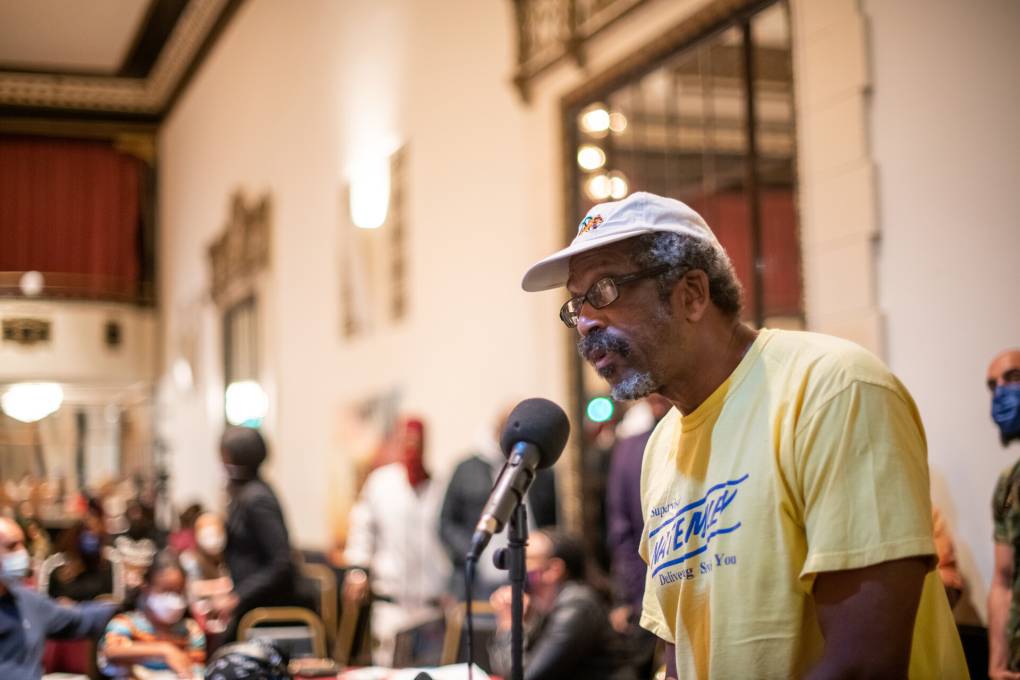
"caption": "Nate Miley, president of the Alameda County Board of Supervisors and author of the resolution that created its Reparations Commission, speaks during a California Reparations Listening Session at the California Ballroom in Oakland on May 28, 2022. The California Reparations Task Force sponsors the listening session and hosted by the Coalition for a Just and Equitable California (CJEC).",
"credit": "Beth LaBerge/KQED",
"altTag": null,
"description": null,
"imgSizes": {
"medium": {
"file": "https://cdn.kqed.org/wp-content/uploads/sites/10/2024/06/018_KQED_OaklandReparationsListeningSession_05282022_qut-800x533.jpg",
"width": 800,
"height": 533,
"mimeType": "image/jpeg"
},
"large": {
"file": "https://cdn.kqed.org/wp-content/uploads/sites/10/2024/06/018_KQED_OaklandReparationsListeningSession_05282022_qut-1020x680.jpg",
"width": 1020,
"height": 680,
"mimeType": "image/jpeg"
},
"thumbnail": {
"file": "https://cdn.kqed.org/wp-content/uploads/sites/10/2024/06/018_KQED_OaklandReparationsListeningSession_05282022_qut-160x107.jpg",
"width": 160,
"height": 107,
"mimeType": "image/jpeg"
},
"1536x1536": {
"file": "https://cdn.kqed.org/wp-content/uploads/sites/10/2024/06/018_KQED_OaklandReparationsListeningSession_05282022_qut-1536x1024.jpg",
"width": 1536,
"height": 1024,
"mimeType": "image/jpeg"
},
"post-thumbnail": {
"file": "https://cdn.kqed.org/wp-content/uploads/sites/10/2024/06/018_KQED_OaklandReparationsListeningSession_05282022_qut-672x372.jpg",
"width": 672,
"height": 372,
"mimeType": "image/jpeg"
},
"twentyfourteen-full-width": {
"file": "https://cdn.kqed.org/wp-content/uploads/sites/10/2024/06/018_KQED_OaklandReparationsListeningSession_05282022_qut-1038x576.jpg",
"width": 1038,
"height": 576,
"mimeType": "image/jpeg"
},
"kqedFullSize": {
"file": "https://cdn.kqed.org/wp-content/uploads/sites/10/2024/06/018_KQED_OaklandReparationsListeningSession_05282022_qut.jpg",
"width": 1920,
"height": 1280
}
},
"isLoading": false,
"fetchFailed": false
},
"news_11960958": {
"type": "attachments",
"id": "news_11960958",
"meta": {
"index": "attachments_1716263798",
"site": "news",
"id": "11960958",
"found": true
},
"title": "20230909-DAProtest-37-JY-KQED",
"publishDate": 1694623998,
"status": "inherit",
"parent": 11966518,
"modified": 1717446471,
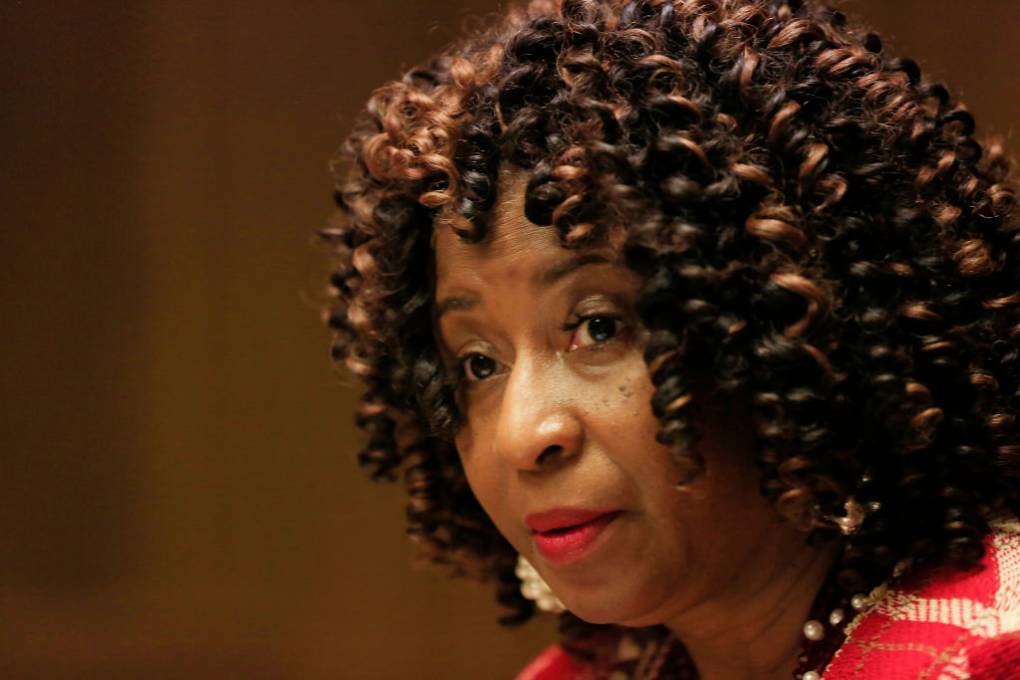
"caption": "Alameda County District Attorney Pamela Price attends a public safety town hall at Genesis Worship Center in Oakland, California, on Saturday, Sept. 9, 2023.",
"credit": "Juliana Yamada/KQED",
"altTag": "A person in red glasses sits at a table in an indoor setting.",
"description": null,
"imgSizes": {
"medium": {
"file": "https://cdn.kqed.org/wp-content/uploads/sites/10/2023/09/20230909-DAProtest-37-JY-KQED-800x533.jpg",
"width": 800,
"height": 533,
"mimeType": "image/jpeg"
},
"large": {
"file": "https://cdn.kqed.org/wp-content/uploads/sites/10/2023/09/20230909-DAProtest-37-JY-KQED-1020x680.jpg",
"width": 1020,
"height": 680,
"mimeType": "image/jpeg"
},
"thumbnail": {
"file": "https://cdn.kqed.org/wp-content/uploads/sites/10/2023/09/20230909-DAProtest-37-JY-KQED-160x107.jpg",
"width": 160,
"height": 107,
"mimeType": "image/jpeg"
},
"1536x1536": {
"file": "https://cdn.kqed.org/wp-content/uploads/sites/10/2023/09/20230909-DAProtest-37-JY-KQED-1536x1024.jpg",
"width": 1536,
"height": 1024,
"mimeType": "image/jpeg"
},
"post-thumbnail": {
"file": "https://cdn.kqed.org/wp-content/uploads/sites/10/2023/09/20230909-DAProtest-37-JY-KQED-672x372.jpg",
"width": 672,
"height": 372,
"mimeType": "image/jpeg"
},
"twentyfourteen-full-width": {
"file": "https://cdn.kqed.org/wp-content/uploads/sites/10/2023/09/20230909-DAProtest-37-JY-KQED-1038x576.jpg",
"width": 1038,
"height": 576,
"mimeType": "image/jpeg"
},
"full-width": {
"file": "https://cdn.kqed.org/wp-content/uploads/sites/10/2023/09/20230909-DAProtest-37-JY-KQED-1920x1280.jpg",
"width": 1920,
"height": 1280,
"mimeType": "image/jpeg"
},
"kqedFullSize": {
"file": "https://cdn.kqed.org/wp-content/uploads/sites/10/2023/09/20230909-DAProtest-37-JY-KQED.jpg",
"width": 2000,
"height": 1333
}
},
"isLoading": false,
"fetchFailed": false
},
"news_11987238": {
"type": "attachments",
"id": "news_11987238",
"meta": {
"index": "attachments_1716263798",
"site": "news",
"id": "11987238",
"found": true
},
"title": "230713-PAMELA PRICE-JY-08_qut",
"publishDate": 1716336013,
"status": "inherit",
"parent": 11987227,
"modified": 1716336067,
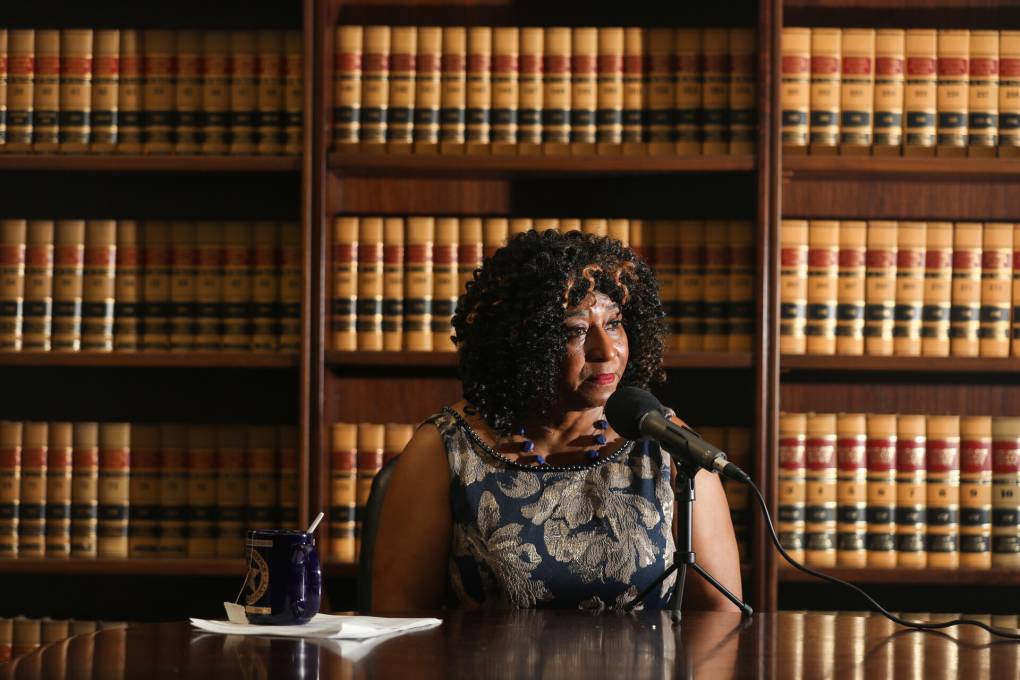
"caption": "Alameda County District Attorney Pamela Price at her office in Oakland on July 16, 2023.",
"credit": "Juliana Yamada/KQED",
"altTag": null,
"description": null,
"imgSizes": {
"medium": {
"file": "https://cdn.kqed.org/wp-content/uploads/sites/10/2024/05/230713-PAMELA-PRICE-JY-08_qut-800x533.jpg",
"width": 800,
"height": 533,
"mimeType": "image/jpeg"
},
"large": {
"file": "https://cdn.kqed.org/wp-content/uploads/sites/10/2024/05/230713-PAMELA-PRICE-JY-08_qut-1020x680.jpg",
"width": 1020,
"height": 680,
"mimeType": "image/jpeg"
},
"thumbnail": {
"file": "https://cdn.kqed.org/wp-content/uploads/sites/10/2024/05/230713-PAMELA-PRICE-JY-08_qut-160x107.jpg",
"width": 160,
"height": 107,
"mimeType": "image/jpeg"
},
"1536x1536": {
"file": "https://cdn.kqed.org/wp-content/uploads/sites/10/2024/05/230713-PAMELA-PRICE-JY-08_qut-1536x1024.jpg",
"width": 1536,
"height": 1024,
"mimeType": "image/jpeg"
},
"post-thumbnail": {
"file": "https://cdn.kqed.org/wp-content/uploads/sites/10/2024/05/230713-PAMELA-PRICE-JY-08_qut-672x372.jpg",
"width": 672,
"height": 372,
"mimeType": "image/jpeg"
},
"twentyfourteen-full-width": {
"file": "https://cdn.kqed.org/wp-content/uploads/sites/10/2024/05/230713-PAMELA-PRICE-JY-08_qut-1038x576.jpg",
"width": 1038,
"height": 576,
"mimeType": "image/jpeg"
},
"kqedFullSize": {
"file": "https://cdn.kqed.org/wp-content/uploads/sites/10/2024/05/230713-PAMELA-PRICE-JY-08_qut.jpg",
"width": 1920,
"height": 1280
}
},
"isLoading": false,
"fetchFailed": false
},
"news_11931594": {
"type": "attachments",
"id": "news_11931594",
"meta": {
"index": "attachments_1716263798",
"site": "news",
"id": "11931594",
"found": true
},
"parent": 0,
"imgSizes": {
"twentyfourteen-full-width": {
"file": "https://ww2.kqed.org/app/uploads/sites/10/2022/11/DSC06373-1038x576.jpg",
"width": 1038,
"mimeType": "image/jpeg",
"height": 576
},
"thumbnail": {
"file": "https://ww2.kqed.org/app/uploads/sites/10/2022/11/DSC06373-160x107.jpg",
"width": 160,
"mimeType": "image/jpeg",
"height": 107
},
"post-thumbnail": {
"file": "https://ww2.kqed.org/app/uploads/sites/10/2022/11/DSC06373-672x372.jpg",
"width": 672,
"mimeType": "image/jpeg",
"height": 372
},
"kqedFullSize": {
"file": "https://ww2.kqed.org/app/uploads/sites/10/2022/11/DSC06373.jpg",
"width": 1616,
"height": 1080
},
"large": {
"file": "https://ww2.kqed.org/app/uploads/sites/10/2022/11/DSC06373-1020x682.jpg",
"width": 1020,
"mimeType": "image/jpeg",
"height": 682
},
"1536x1536": {
"file": "https://ww2.kqed.org/app/uploads/sites/10/2022/11/DSC06373-1536x1027.jpg",
"width": 1536,
"mimeType": "image/jpeg",
"height": 1027
},
"medium": {
"file": "https://ww2.kqed.org/app/uploads/sites/10/2022/11/DSC06373-800x535.jpg",
"width": 800,
"mimeType": "image/jpeg",
"height": 535
}
},
"publishDate": 1667973087,
"modified": 1668560712,
"caption": "Alameda county district attorney candidate Pamela Price (center) greets guests at her election night party at the Q Lounge in Oakland on Nov. 8, 2022.",
"description": null,
"title": "DSC06373",
"credit": "Aryk Copley/KQED",
"status": "inherit",
"altTag": "Alameda county district attorney candidate Pamela Price and supporters.",
"isLoading": false,
"fetchFailed": false
},
"news_11955803": {
"type": "attachments",
"id": "news_11955803",
"meta": {
"index": "attachments_1716263798",
"site": "news",
"id": "11955803",
"found": true
},
"title": "230715-PAMELA PRICE-JY-016-KQED",
"publishDate": 1689544961,
"status": "inherit",
"parent": 0,
"modified": 1731354722,
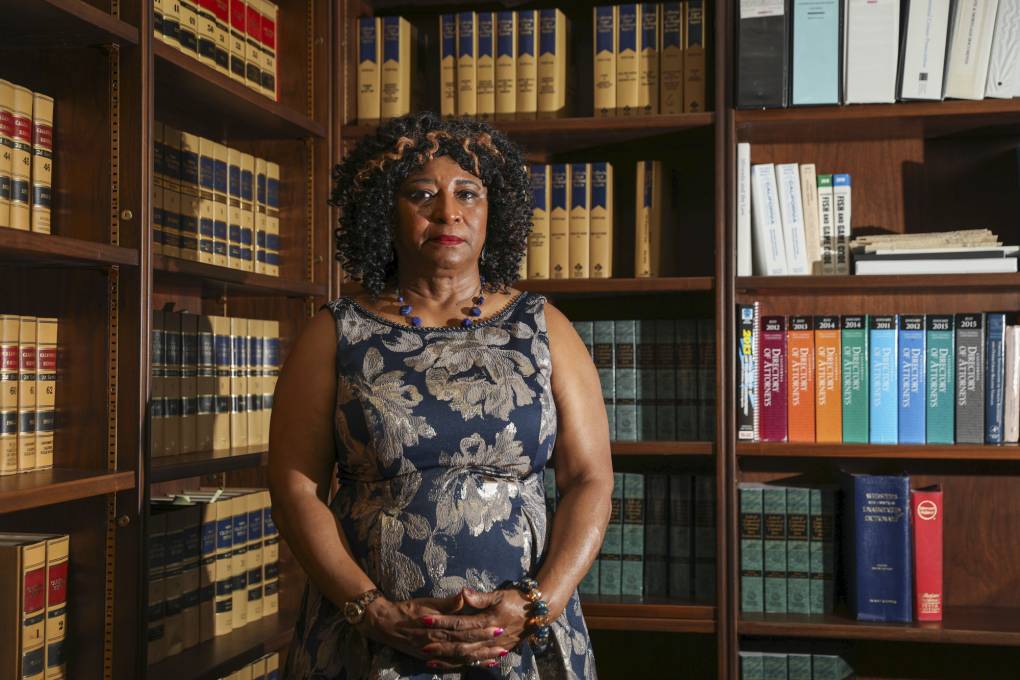
"caption": "Alameda County voters recalled District Attorney Pamela Price. ",
"credit": "Juliana Yamada/KQED",
"altTag": "A Black woman wearing a dark, sleeveless floral-printed dress, stands with her hands together in an office filled with books.",
"description": "Alameda County District Attorney Pamela Price at her office in Oakland on July 16, 2023.",
"imgSizes": {
"medium": {
"file": "https://cdn.kqed.org/wp-content/uploads/sites/10/2023/07/230715-PAMELA-PRICE-JY-016-KQED-800x533.jpg",
"width": 800,
"height": 533,
"mimeType": "image/jpeg"
},
"large": {
"file": "https://cdn.kqed.org/wp-content/uploads/sites/10/2023/07/230715-PAMELA-PRICE-JY-016-KQED-1020x680.jpg",
"width": 1020,
"height": 680,
"mimeType": "image/jpeg"
},
"thumbnail": {
"file": "https://cdn.kqed.org/wp-content/uploads/sites/10/2023/07/230715-PAMELA-PRICE-JY-016-KQED-160x107.jpg",
"width": 160,
"height": 107,
"mimeType": "image/jpeg"
},
"1536x1536": {
"file": "https://cdn.kqed.org/wp-content/uploads/sites/10/2023/07/230715-PAMELA-PRICE-JY-016-KQED-1536x1024.jpg",
"width": 1536,
"height": 1024,
"mimeType": "image/jpeg"
},
"post-thumbnail": {
"file": "https://cdn.kqed.org/wp-content/uploads/sites/10/2023/07/230715-PAMELA-PRICE-JY-016-KQED-672x372.jpg",
"width": 672,
"height": 372,
"mimeType": "image/jpeg"
},
"twentyfourteen-full-width": {
"file": "https://cdn.kqed.org/wp-content/uploads/sites/10/2023/07/230715-PAMELA-PRICE-JY-016-KQED-1038x576.jpg",
"width": 1038,
"height": 576,
"mimeType": "image/jpeg"
},
"full-width": {
"file": "https://cdn.kqed.org/wp-content/uploads/sites/10/2023/07/230715-PAMELA-PRICE-JY-016-KQED-1920x1280.jpg",
"width": 1920,
"height": 1280,
"mimeType": "image/jpeg"
},
"kqedFullSize": {
"file": "https://cdn.kqed.org/wp-content/uploads/sites/10/2023/07/230715-PAMELA-PRICE-JY-016-KQED.jpg",
"width": 2000,
"height": 1333
}
},
"isLoading": false,
"fetchFailed": false
},
"news_11967804": {
"type": "attachments",
"id": "news_11967804",
"meta": {
"index": "attachments_1716263798",
"site": "news",
"id": "11967804",
"found": true
},
"parent": 0,
"imgSizes": {
"twentyfourteen-full-width": {
"file": "https://ww2.kqed.org/app/uploads/sites/10/2023/11/231116-PamelaPrice-04-1038x576.jpg",
"width": 1038,
"mimeType": "image/jpeg",
"height": 576
},
"thumbnail": {
"file": "https://ww2.kqed.org/app/uploads/sites/10/2023/11/231116-PamelaPrice-04-160x107.jpg",
"width": 160,
"mimeType": "image/jpeg",
"height": 107
},
"post-thumbnail": {
"file": "https://ww2.kqed.org/app/uploads/sites/10/2023/11/231116-PamelaPrice-04-672x372.jpg",
"width": 672,
"mimeType": "image/jpeg",
"height": 372
},
"kqedFullSize": {
"file": "https://ww2.kqed.org/app/uploads/sites/10/2023/11/231116-PamelaPrice-04.jpg",
"width": 1920,
"height": 1280
},
"large": {
"file": "https://ww2.kqed.org/app/uploads/sites/10/2023/11/231116-PamelaPrice-04-1020x680.jpg",
"width": 1020,
"mimeType": "image/jpeg",
"height": 680
},
"1536x1536": {
"file": "https://ww2.kqed.org/app/uploads/sites/10/2023/11/231116-PamelaPrice-04-1536x1024.jpg",
"width": 1536,
"mimeType": "image/jpeg",
"height": 1024
},
"medium": {
"file": "https://ww2.kqed.org/app/uploads/sites/10/2023/11/231116-PamelaPrice-04-800x533.jpg",
"width": 800,
"mimeType": "image/jpeg",
"height": 533
}
},
"publishDate": 1700263573,
"modified": 1700337686,
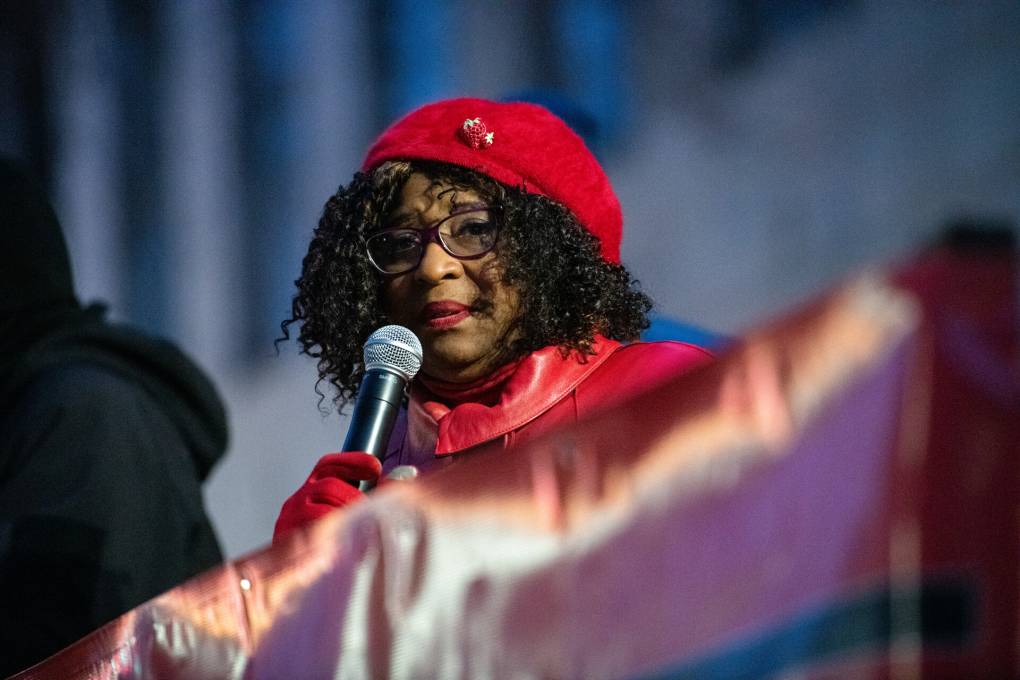
"caption": "Alameda County District Attorney Pamela Price addresses attendees at the launch of her 'Protect the Win' campaign in Oakland on Nov. 16, 2023, to fight back against her recall.",
"description": null,
"title": "231116-PamelaPrice-04",
"credit": "Annelise Finney/KQED",
"status": "inherit",
"altTag": "A woman wearing a red dress speaks into a microphone.",
"isLoading": false,
"fetchFailed": false
},
"news_11968489": {
"type": "attachments",
"id": "news_11968489",
"meta": {
"index": "attachments_1716263798",
"site": "news",
"id": "11968489",
"found": true
},
"parent": 11968486,
"imgSizes": {
"twentyfourteen-full-width": {
"file": "https://ww2.kqed.org/app/uploads/sites/10/2023/11/TheBay_iTunesTile_01-1020x1020-1-big-1020x576.jpeg",
"width": 1020,
"mimeType": "image/jpeg",
"height": 576
},
"thumbnail": {
"file": "https://ww2.kqed.org/app/uploads/sites/10/2023/11/TheBay_iTunesTile_01-1020x1020-1-big-160x160.jpeg",
"width": 160,
"mimeType": "image/jpeg",
"height": 160
},
"post-thumbnail": {
"file": "https://ww2.kqed.org/app/uploads/sites/10/2023/11/TheBay_iTunesTile_01-1020x1020-1-big-672x372.jpeg",
"width": 672,
"mimeType": "image/jpeg",
"height": 372
},
"kqedFullSize": {
"file": "https://ww2.kqed.org/app/uploads/sites/10/2023/11/TheBay_iTunesTile_01-1020x1020-1-big.jpeg",
"width": 1020,
"height": 1020
},
"medium": {
"file": "https://ww2.kqed.org/app/uploads/sites/10/2023/11/TheBay_iTunesTile_01-1020x1020-1-big-800x800.jpeg",
"width": 800,
"mimeType": "image/jpeg",
"height": 800
}
},
"publishDate": 1701208049,
"modified": 1701208065,
"caption": null,
"description": null,
"title": "The-Bay-Tile",
"credit": null,
"status": "inherit",
"altTag": null,
"isLoading": false,
"fetchFailed": false
},
"news_11983711": {
"type": "attachments",
"id": "news_11983711",
"meta": {
"index": "attachments_1716263798",
"site": "news",
"id": "11983711",
"found": true
},
"parent": 11983705,
"imgSizes": {
"twentyfourteen-full-width": {
"file": "https://cdn.kqed.org/wp-content/uploads/sites/10/2024/04/GettyImages-1253315032_qut-1-1038x576.jpg",
"width": 1038,
"mimeType": "image/jpeg",
"height": 576
},
"thumbnail": {
"file": "https://cdn.kqed.org/wp-content/uploads/sites/10/2024/04/GettyImages-1253315032_qut-1-160x107.jpg",
"width": 160,
"mimeType": "image/jpeg",
"height": 107
},
"post-thumbnail": {
"file": "https://cdn.kqed.org/wp-content/uploads/sites/10/2024/04/GettyImages-1253315032_qut-1-672x372.jpg",
"width": 672,
"mimeType": "image/jpeg",
"height": 372
},
"kqedFullSize": {
"file": "https://cdn.kqed.org/wp-content/uploads/sites/10/2024/04/GettyImages-1253315032_qut-1.jpg",
"width": 1920,
"height": 1280
},
"large": {
"file": "https://cdn.kqed.org/wp-content/uploads/sites/10/2024/04/GettyImages-1253315032_qut-1-1020x680.jpg",
"width": 1020,
"mimeType": "image/jpeg",
"height": 680
},
"1536x1536": {
"file": "https://cdn.kqed.org/wp-content/uploads/sites/10/2024/04/GettyImages-1253315032_qut-1-1536x1024.jpg",
"width": 1536,
"mimeType": "image/jpeg",
"height": 1024
},
"medium": {
"file": "https://cdn.kqed.org/wp-content/uploads/sites/10/2024/04/GettyImages-1253315032_qut-1-800x533.jpg",
"width": 800,
"mimeType": "image/jpeg",
"height": 533
}
},
"publishDate": 1713819066,
"modified": 1713821059,
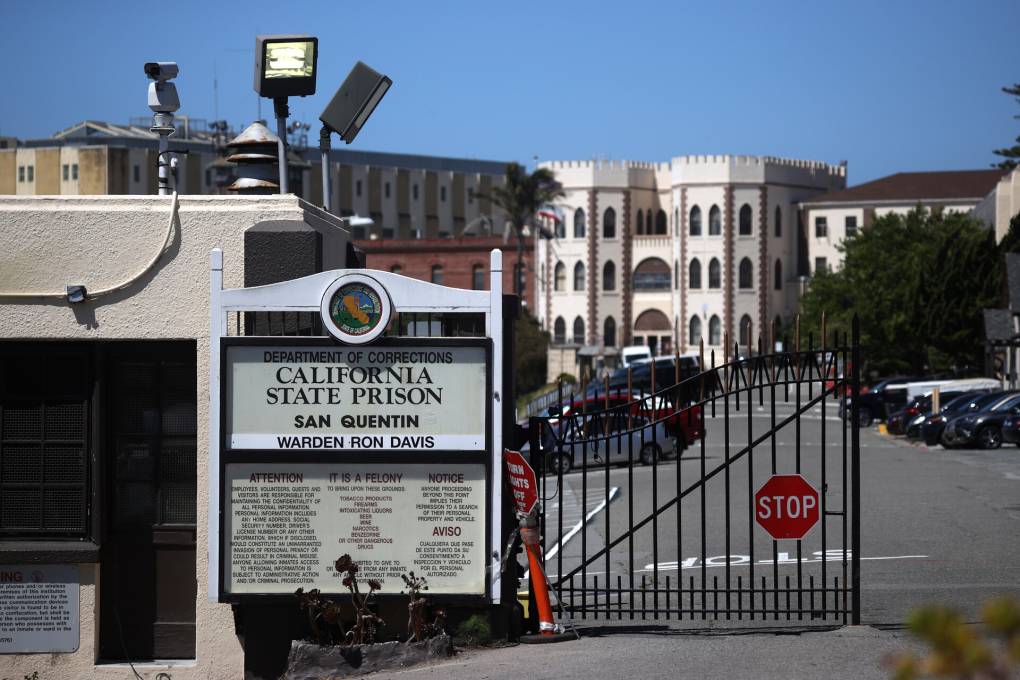
"caption": "A view of San Quentin State Prison on June 29, 2020 in San Quentin.",
"description": null,
"title": "GettyImages-1253315032_qut (1)",
"credit": "Justin Sullivan / Getty Images",
"status": "inherit",
"altTag": "A view of a sign that reads 'California State Prison San Quentin' next to a gate with a prison in the background.",
"isLoading": false,
"fetchFailed": false
},
"news_11983096": {
"type": "attachments",
"id": "news_11983096",
"meta": {
"index": "attachments_1716263798",
"site": "news",
"id": "11983096",
"found": true
},
"parent": 11983091,
"imgSizes": {
"twentyfourteen-full-width": {
"file": "https://cdn.kqed.org/wp-content/uploads/sites/10/2024/04/GettyImages-1322368723-1024x576.jpeg",
"width": 1024,
"mimeType": "image/jpeg",
"height": 576
},
"thumbnail": {
"file": "https://cdn.kqed.org/wp-content/uploads/sites/10/2024/04/GettyImages-1322368723-160x107.jpeg",
"width": 160,
"mimeType": "image/jpeg",
"height": 107
},
"post-thumbnail": {
"file": "https://cdn.kqed.org/wp-content/uploads/sites/10/2024/04/GettyImages-1322368723-672x372.jpeg",
"width": 672,
"mimeType": "image/jpeg",
"height": 372
},
"kqedFullSize": {
"file": "https://cdn.kqed.org/wp-content/uploads/sites/10/2024/04/GettyImages-1322368723.jpeg",
"width": 1024,
"height": 683
},
"large": {
"file": "https://cdn.kqed.org/wp-content/uploads/sites/10/2024/04/GettyImages-1322368723-1020x680.jpeg",
"width": 1020,
"mimeType": "image/jpeg",
"height": 680
},
"medium": {
"file": "https://cdn.kqed.org/wp-content/uploads/sites/10/2024/04/GettyImages-1322368723-800x534.jpeg",
"width": 800,
"mimeType": "image/jpeg",
"height": 534
}
},
"publishDate": 1713229084,
"modified": 1713229219,
"caption": "Alameda County District Attorney Pamela Price was in office less than six months before the recall campaign was launched against her.",
"description": null,
"title": "Pamela Price, candidate for Alameda County District Attorney, talks to the Chronicle editorial board on Wednesday, May 23, 2018 in San Francisco, Calif.",
"credit": "Lea Suzuki/The San Francisco Chronicle via Getty Images",
"status": "inherit",
"altTag": null,
"isLoading": false,
"fetchFailed": false
},
"news_11979650": {
"type": "attachments",
"id": "news_11979650",
"meta": {
"index": "attachments_1716263798",
"site": "news",
"id": "11979650",
"found": true
},
"parent": 11979648,
"imgSizes": {
"twentyfourteen-full-width": {
"file": "https://cdn.kqed.org/wp-content/uploads/sites/10/2024/03/007_KQED_OaklandTyreNicholsRally_01292023_qut-1038x576.jpg",
"width": 1038,
"mimeType": "image/jpeg",
"height": 576
},
"thumbnail": {
"file": "https://cdn.kqed.org/wp-content/uploads/sites/10/2024/03/007_KQED_OaklandTyreNicholsRally_01292023_qut-160x107.jpg",
"width": 160,
"mimeType": "image/jpeg",
"height": 107
},
"post-thumbnail": {
"file": "https://cdn.kqed.org/wp-content/uploads/sites/10/2024/03/007_KQED_OaklandTyreNicholsRally_01292023_qut-672x372.jpg",
"width": 672,
"mimeType": "image/jpeg",
"height": 372
},
"kqedFullSize": {
"file": "https://cdn.kqed.org/wp-content/uploads/sites/10/2024/03/007_KQED_OaklandTyreNicholsRally_01292023_qut.jpg",
"width": 1920,
"height": 1280
},
"large": {
"file": "https://cdn.kqed.org/wp-content/uploads/sites/10/2024/03/007_KQED_OaklandTyreNicholsRally_01292023_qut-1020x680.jpg",
"width": 1020,
"mimeType": "image/jpeg",
"height": 680
},
"1536x1536": {
"file": "https://cdn.kqed.org/wp-content/uploads/sites/10/2024/03/007_KQED_OaklandTyreNicholsRally_01292023_qut-1536x1024.jpg",
"width": 1536,
"mimeType": "image/jpeg",
"height": 1024
},
"medium": {
"file": "https://cdn.kqed.org/wp-content/uploads/sites/10/2024/03/007_KQED_OaklandTyreNicholsRally_01292023_qut-800x533.jpg",
"width": 800,
"mimeType": "image/jpeg",
"height": 533
}
},
"publishDate": 1710541595,
"modified": 1710541621,
"caption": "Oakland District Attorney Pamela Price speaks during a rally to protest the Memphis police killing of Tyre Nichols in Oakland on Jan. 29, 2023.",
"description": null,
"title": "007_KQED_OaklandTyreNicholsRally_01292023_qut",
"credit": "Beth LaBerge/KQED",
"status": "inherit",
"altTag": null,
"isLoading": false,
"fetchFailed": false
},
"news_11639691": {
"type": "attachments",
"id": "news_11639691",
"meta": {
"index": "attachments_1716263798",
"site": "news",
"id": "11639691",
"found": true
},
"parent": 11639679,
"imgSizes": {
"small": {
"file": "https://cdn.kqed.org/wp-content/uploads/sites/10/2017/12/Image-uploaded-from-iOS-520x390.jpg",
"width": 520,
"mimeType": "image/jpeg",
"height": 390
},
"twentyfourteen-full-width": {
"file": "https://cdn.kqed.org/wp-content/uploads/sites/10/2017/12/Image-uploaded-from-iOS-1038x576.jpg",
"width": 1038,
"mimeType": "image/jpeg",
"height": 576
},
"thumbnail": {
"file": "https://cdn.kqed.org/wp-content/uploads/sites/10/2017/12/Image-uploaded-from-iOS-160x120.jpg",
"width": 160,
"mimeType": "image/jpeg",
"height": 120
},
"fd-sm": {
"file": "https://cdn.kqed.org/wp-content/uploads/sites/10/2017/12/Image-uploaded-from-iOS-960x720.jpg",
"width": 960,
"mimeType": "image/jpeg",
"height": 720
},
"post-thumbnail": {
"file": "https://cdn.kqed.org/wp-content/uploads/sites/10/2017/12/Image-uploaded-from-iOS-672x372.jpg",
"width": 672,
"mimeType": "image/jpeg",
"height": 372
},
"xsmall": {
"file": "https://cdn.kqed.org/wp-content/uploads/sites/10/2017/12/Image-uploaded-from-iOS-375x281.jpg",
"width": 375,
"mimeType": "image/jpeg",
"height": 281
},
"kqedFullSize": {
"file": "https://cdn.kqed.org/wp-content/uploads/sites/10/2017/12/Image-uploaded-from-iOS-e1514752165580.jpg",
"width": 1920,
"height": 1440
},
"large": {
"file": "https://cdn.kqed.org/wp-content/uploads/sites/10/2017/12/Image-uploaded-from-iOS-1020x765.jpg",
"width": 1020,
"mimeType": "image/jpeg",
"height": 765
},
"xlarge": {
"file": "https://cdn.kqed.org/wp-content/uploads/sites/10/2017/12/Image-uploaded-from-iOS-1180x885.jpg",
"width": 1180,
"mimeType": "image/jpeg",
"height": 885
},
"guest-author-50": {
"file": "https://cdn.kqed.org/wp-content/uploads/sites/10/2017/12/Image-uploaded-from-iOS-50x50.jpg",
"width": 50,
"mimeType": "image/jpeg",
"height": 50
},
"guest-author-96": {
"file": "https://cdn.kqed.org/wp-content/uploads/sites/10/2017/12/Image-uploaded-from-iOS-96x96.jpg",
"width": 96,
"mimeType": "image/jpeg",
"height": 96
},
"medium": {
"file": "https://cdn.kqed.org/wp-content/uploads/sites/10/2017/12/Image-uploaded-from-iOS-800x600.jpg",
"width": 800,
"mimeType": "image/jpeg",
"height": 600
},
"guest-author-64": {
"file": "https://cdn.kqed.org/wp-content/uploads/sites/10/2017/12/Image-uploaded-from-iOS-64x64.jpg",
"width": 64,
"mimeType": "image/jpeg",
"height": 64
},
"guest-author-32": {
"file": "https://cdn.kqed.org/wp-content/uploads/sites/10/2017/12/Image-uploaded-from-iOS-32x32.jpg",
"width": 32,
"mimeType": "image/jpeg",
"height": 32
},
"fd-lrg": {
"file": "https://cdn.kqed.org/wp-content/uploads/sites/10/2017/12/Image-uploaded-from-iOS-1920x1440.jpg",
"width": 1920,
"mimeType": "image/jpeg",
"height": 1440
},
"fd-med": {
"file": "https://cdn.kqed.org/wp-content/uploads/sites/10/2017/12/Image-uploaded-from-iOS-1180x885.jpg",
"width": 1180,
"mimeType": "image/jpeg",
"height": 885
},
"full-width": {
"file": "https://cdn.kqed.org/wp-content/uploads/sites/10/2017/12/Image-uploaded-from-iOS-1920x1440.jpg",
"width": 1920,
"mimeType": "image/jpeg",
"height": 1440
},
"detail": {
"file": "https://cdn.kqed.org/wp-content/uploads/sites/10/2017/12/Image-uploaded-from-iOS-150x150.jpg",
"width": 150,
"mimeType": "image/jpeg",
"height": 150
},
"guest-author-128": {
"file": "https://cdn.kqed.org/wp-content/uploads/sites/10/2017/12/Image-uploaded-from-iOS-128x128.jpg",
"width": 128,
"mimeType": "image/jpeg",
"height": 128
},
"xxsmall": {
"file": "https://cdn.kqed.org/wp-content/uploads/sites/10/2017/12/Image-uploaded-from-iOS-240x180.jpg",
"width": 240,
"mimeType": "image/jpeg",
"height": 180
}
},
"publishDate": 1514749792,
"modified": 1708650801,
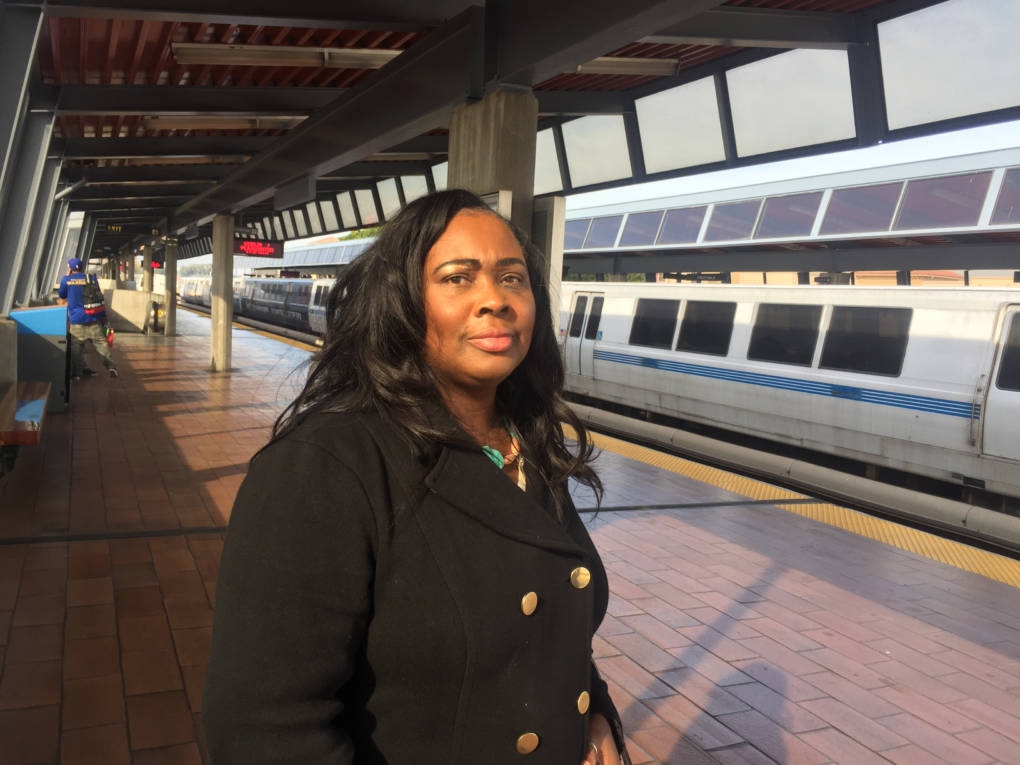
"caption": "Rev. Wanda Johnson, Oscar Grant's mother, in 2017, standing on the same BART platform where her son was shot and killed by a BART police officer on New Year's Day 2009.",
"description": "Wanda Johnson, Oscar Grant's mother, stands on the same BART platform where her son was shot and killed by a BART police officer on New Year's Day 2009. She spends a lot of time in the community where she helps support at-risk youth as well as family members who have lost loved ones to police violence.",
"title": "Wanda Johnson",
"credit": "Alyssa Jeong Perry/KQED",
"status": "inherit",
"altTag": "Wanda Johnson, Oscar Grant's mother, stands on the same BART platform where her son was shot and killed by a BART police officer on New Year's Day 2009. She spends a lot of time in the community where she helps support at-risk youth as well as family members who have lost loved ones to police violence.",
"isLoading": false,
"fetchFailed": false
},
"news_11961924": {
"type": "attachments",
"id": "news_11961924",
"meta": {
"index": "attachments_1716263798",
"site": "news",
"id": "11961924",
"found": true
},
"parent": 11961919,
"imgSizes": {
"twentyfourteen-full-width": {
"file": "https://cdn.kqed.org/wp-content/uploads/sites/10/2023/09/GettyImages-1491552346-1038x576.jpg",
"width": 1038,
"mimeType": "image/jpeg",
"height": 576
},
"thumbnail": {
"file": "https://cdn.kqed.org/wp-content/uploads/sites/10/2023/09/GettyImages-1491552346-160x111.jpg",
"width": 160,
"mimeType": "image/jpeg",
"height": 111
},
"post-thumbnail": {
"file": "https://cdn.kqed.org/wp-content/uploads/sites/10/2023/09/GettyImages-1491552346-672x372.jpg",
"width": 672,
"mimeType": "image/jpeg",
"height": 372
},
"kqedFullSize": {
"file": "https://cdn.kqed.org/wp-content/uploads/sites/10/2023/09/GettyImages-1491552346-scaled.jpg",
"width": 2560,
"height": 1774
},
"2048x2048": {
"file": "https://cdn.kqed.org/wp-content/uploads/sites/10/2023/09/GettyImages-1491552346-2048x1419.jpg",
"width": 2048,
"mimeType": "image/jpeg",
"height": 1419
},
"large": {
"file": "https://cdn.kqed.org/wp-content/uploads/sites/10/2023/09/GettyImages-1491552346-1020x707.jpg",
"width": 1020,
"mimeType": "image/jpeg",
"height": 707
},
"1536x1536": {
"file": "https://cdn.kqed.org/wp-content/uploads/sites/10/2023/09/GettyImages-1491552346-1536x1064.jpg",
"width": 1536,
"mimeType": "image/jpeg",
"height": 1064
},
"full-width": {
"file": "https://cdn.kqed.org/wp-content/uploads/sites/10/2023/09/GettyImages-1491552346-1920x1330.jpg",
"width": 1920,
"mimeType": "image/jpeg",
"height": 1330
},
"medium": {
"file": "https://cdn.kqed.org/wp-content/uploads/sites/10/2023/09/GettyImages-1491552346-800x554.jpg",
"width": 800,
"mimeType": "image/jpeg",
"height": 554
}
},
"publishDate": 1695240988,
"modified": 1707444166,
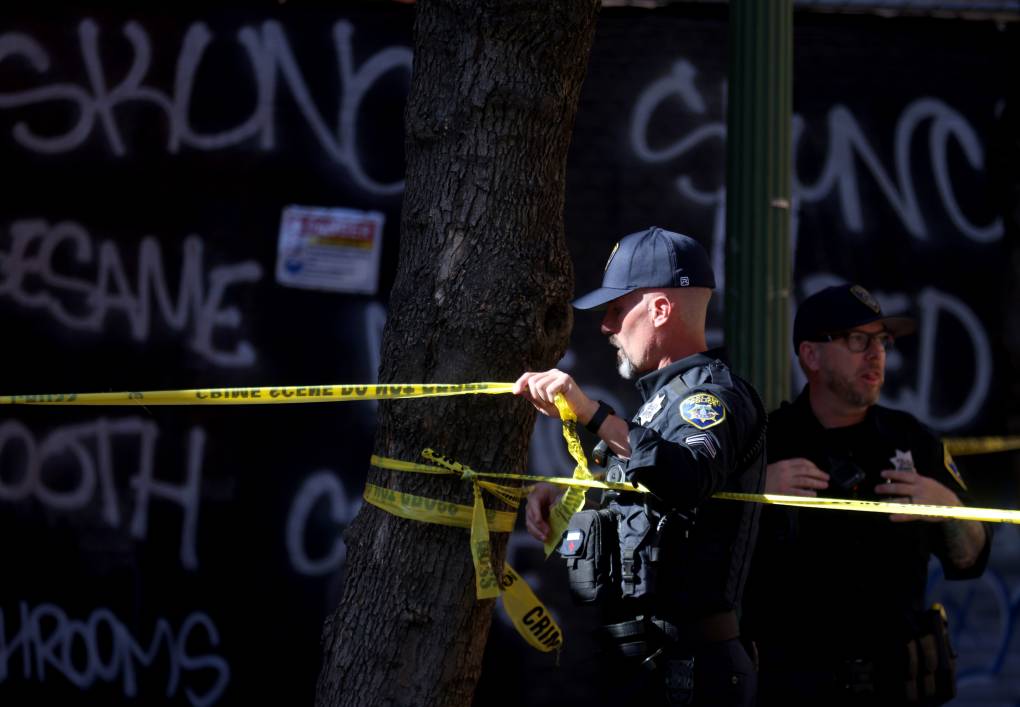
"caption": "Oakland police investigate a shooting in the Fruitvale Public Market plaza on May 16, 2023.",
"description": null,
"title": "Oakland Shooting",
"credit": "Jane Tyska/Digital First Media/East Bay Times via Getty Images",
"status": "inherit",
"altTag": "An Oakland police officer puts yellow crime tape around a sidewalk.",
"isLoading": false,
"fetchFailed": false
}
},
"audioPlayerReducer": {
"postId": "stream_live",
"isPaused": true,
"isPlaying": false,
"pfsActive": false,
"pledgeModalIsOpen": true,
"playerDrawerIsOpen": false,
"liveAudioPlayStartedAt": 0,
"liveAudioPlayContext": ""
},
"authorsReducer": {
"matthewgreen": {
"type": "authors",
"id": "1263",
"meta": {
"index": "authors_1716337520",
"id": "1263",
"found": true
},
"name": "Matthew Green",
"firstName": "Matthew",
"lastName": "Green",
"slug": "matthewgreen",
"email": "mgreen@kqed.org",
"display_author_email": false,
"staff_mastheads": [],
"title": "KQED Editor/Reporter",
"bio": "Matthew Green is a digital media producer for KQED News. He previously produced \u003ca href=\"http://www.kqed.org/lowdown\">The Lowdown\u003c/a>, KQED’s multimedia news education blog. Matthew's written for numerous Bay Area publications, including the Oakland Tribune and San Francisco Chronicle. He also taught journalism classes at Fremont High School in East Oakland.\r\n\r\nEmail: mgreen@kqed.org; Twitter: @MGreenKQED",
"avatar": "https://secure.gravatar.com/avatar/3bf498d1267ca02c8494f33d8cfc575e?s=600&d=blank&r=g",
"twitter": "MGreenKQED",
"facebook": null,
"instagram": null,
"linkedin": null,
"sites": [
{
"site": "news",
"roles": []
},
{
"site": "lowdown",
"roles": []
},
{
"site": "science",
"roles": []
},
{
"site": "education",
"roles": []
},
{
"site": "quest",
"roles": []
},
{
"site": "liveblog",
"roles": []
}
],
"headData": {
"title": "Matthew Green | KQED",
"description": "KQED Editor/Reporter",
"ogImgSrc": "https://secure.gravatar.com/avatar/3bf498d1267ca02c8494f33d8cfc575e?s=600&d=blank&r=g",
"twImgSrc": "https://secure.gravatar.com/avatar/3bf498d1267ca02c8494f33d8cfc575e?s=600&d=blank&r=g"
},
"isLoading": false,
"link": "/author/matthewgreen"
},
"ecruzguevarra": {
"type": "authors",
"id": "8654",
"meta": {
"index": "authors_1716337520",
"id": "8654",
"found": true
},
"name": "Ericka Cruz Guevarra",
"firstName": "Ericka",
"lastName": "Cruz Guevarra",
"slug": "ecruzguevarra",
"email": "ecruzguevarra@kqed.org",
"display_author_email": true,
"staff_mastheads": [
"news"
],
"title": "Producer, The Bay Podcast",
"bio": "Ericka Cruz Guevarra is host of \u003ca href=\"https://www.kqed.org/podcasts/thebay\">\u003cem>The Bay\u003c/em>\u003c/a> podcast at KQED. Before host, she was the show’s producer. Her work in that capacity includes a three-part reported series on policing in Vallejo, which won a 2020 excellence in journalism award from the Society of Professional Journalists. Ericka has worked as a breaking news reporter at Oregon Public Broadcasting, helped produce the Code Switch podcast, and was KQED’s inaugural Raul Ramirez Diversity Fund intern. She’s also an alumna of NPR’s Next Generation Radio program. Send her an email if you have strong feelings about whether Fairfield and Suisun City are the Bay. Ericka is represented by SAG-AFTRA.",
"avatar": "https://secure.gravatar.com/avatar/accefc1de4bafc7e234b69bcb9b6f6536c130fd84709bc3069ef11a78787e1bb?s=600&d=blank&r=g",
"twitter": "NotoriousECG",
"bluesky": null,
"facebook": null,
"instagram": null,
"linkedin": null,
"sites": [
{
"site": "arts",
"roles": [
"subscriber"
]
},
{
"site": "news",
"roles": [
"editor",
"manage_categories"
]
},
{
"site": "futureofyou",
"roles": [
"subscriber"
]
},
{
"site": "stateofhealth",
"roles": [
"subscriber"
]
},
{
"site": "science",
"roles": [
"editor"
]
},
{
"site": "forum",
"roles": [
"subscriber"
]
}
],
"headData": {
"title": "Ericka Cruz Guevarra | KQED",
"description": "Producer, The Bay Podcast",
"ogImgSrc": "https://secure.gravatar.com/avatar/accefc1de4bafc7e234b69bcb9b6f6536c130fd84709bc3069ef11a78787e1bb?s=600&d=blank&r=g",
"twImgSrc": "https://secure.gravatar.com/avatar/accefc1de4bafc7e234b69bcb9b6f6536c130fd84709bc3069ef11a78787e1bb?s=600&d=blank&r=g"
},
"isLoading": false,
"link": "/author/ecruzguevarra"
},
"jlara": {
"type": "authors",
"id": "11761",
"meta": {
"index": "authors_1716337520",
"id": "11761",
"found": true
},
"name": "Juan Carlos Lara",
"firstName": "Juan Carlos",
"lastName": "Lara",
"slug": "jlara",
"email": "jlara@kqed.org",
"display_author_email": false,
"staff_mastheads": [],
"title": "KQED Contributor",
"bio": null,
"avatar": "https://secure.gravatar.com/avatar/19e2052b9b05657c5ff2af2121846e9c?s=600&d=blank&r=g",
"twitter": null,
"facebook": null,
"instagram": null,
"linkedin": null,
"sites": [
{
"site": "arts",
"roles": [
"editor"
]
},
{
"site": "news",
"roles": [
"editor"
]
},
{
"site": "forum",
"roles": [
"editor"
]
},
{
"site": "liveblog",
"roles": [
"contributor"
]
}
],
"headData": {
"title": "Juan Carlos Lara | KQED",
"description": "KQED Contributor",
"ogImgSrc": "https://secure.gravatar.com/avatar/19e2052b9b05657c5ff2af2121846e9c?s=600&d=blank&r=g",
"twImgSrc": "https://secure.gravatar.com/avatar/19e2052b9b05657c5ff2af2121846e9c?s=600&d=blank&r=g"
},
"isLoading": false,
"link": "/author/jlara"
},
"afinney": {
"type": "authors",
"id": "11772",
"meta": {
"index": "authors_1716337520",
"id": "11772",
"found": true
},
"name": "Annelise Finney",
"firstName": "Annelise",
"lastName": "Finney",
"slug": "afinney",
"email": "afinney@kqed.org",
"display_author_email": true,
"staff_mastheads": [
"news"
],
"title": "Reporter",
"bio": "Annelise reports on reparations in California and East Bay politics. She co-produced the Sunday Music Drop, a limited-term radio series featuring Bay Area musicians that aired between Sept 2022 and Oct 2024. She joined KQED in 2021 as a general assignment reporter and is an alumna of KALW's Audio Academy. She was born and raised in the East Bay. She is currently away from KQED completing a year-long reporting project in Berlin, Germany as a Alexander Von Humboldt German Chancellor Fellow.",
"avatar": "https://secure.gravatar.com/avatar/5fded66cae47704cdfc5021cde0f3aa4?s=600&d=blank&r=g",
"twitter": null,
"facebook": null,
"instagram": null,
"linkedin": null,
"sites": [
{
"site": "news",
"roles": [
"editor"
]
},
{
"site": "liveblog",
"roles": [
"author"
]
}
],
"headData": {
"title": "Annelise Finney | KQED",
"description": "Reporter",
"ogImgSrc": "https://secure.gravatar.com/avatar/5fded66cae47704cdfc5021cde0f3aa4?s=600&d=blank&r=g",
"twImgSrc": "https://secure.gravatar.com/avatar/5fded66cae47704cdfc5021cde0f3aa4?s=600&d=blank&r=g"
},
"isLoading": false,
"link": "/author/afinney"
},
"opalma": {
"type": "authors",
"id": "11897",
"meta": {
"index": "authors_1716337520",
"id": "11897",
"found": true
},
"name": "Oscar Palma",
"firstName": "Oscar",
"lastName": "Palma",
"slug": "opalma",
"email": "opalma@kqed.org",
"display_author_email": false,
"staff_mastheads": [],
"title": "KQED Contributor",
"bio": "Oscar Palma is a newscast intern at KQED, a freelance reporter and former Spanish editor for Golden Gate Xpress. Oscar is interested in environmental and community journalism. Some of his personal interests are bicycles, film, and Latin American literature and punk, his work has previously appeared in El Tecolote, KQED and The Frisc.",
"avatar": "https://secure.gravatar.com/avatar/d488e9b9f94b80f7b78e2896064827ab?s=600&d=blank&r=g",
"twitter": null,
"facebook": null,
"instagram": null,
"linkedin": null,
"sites": [
{
"site": "news",
"roles": [
"author"
]
}
],
"headData": {
"title": "Oscar Palma | KQED",
"description": "KQED Contributor",
"ogImgSrc": "https://secure.gravatar.com/avatar/d488e9b9f94b80f7b78e2896064827ab?s=600&d=blank&r=g",
"twImgSrc": "https://secure.gravatar.com/avatar/d488e9b9f94b80f7b78e2896064827ab?s=600&d=blank&r=g"
},
"isLoading": false,
"link": "/author/opalma"
}
},
"pagesReducer": {
"news_tag_pamela-price": {
"type": "terms",
"id": "news_24461",
"meta": {
"index": "terms_1716263798",
"site": "news",
"id": "24461",
"score": 9.892363
},
"name": "Pamela Price",
"slug": "pamela-price",
"taxonomy": "tag",
"description": null,
"featImg": null,
"headData": {
"title": "Pamela Price | KQED News",
"description": null,
"ogTitle": null,
"ogDescription": null,
"ogImgId": null,
"twTitle": null,
"twDescription": null,
"twImgId": null
},
"ttid": 24478,
"isLoading": false,
"title": "Pamela Price",
"pageMeta": {
"site": "news",
"WpPageTemplate": "page-topic-editorial",
"currentPage": 4
},
"blocks": [
{
"blockName": "kqed/post-list",
"attrs": {
"layout": "cardArticle2",
"query": "posts/news?tag=pamela-price",
"seeMore": false,
"paginated": true,
"page": 4
}
},
{
"blockName": "kqed/ad"
}
]
}
},
"pfsSessionReducer": {},
"postsReducer": {
"stream_live": {
"type": "live",
"id": "stream_live",
"audioUrl": "https://streams.kqed.org/kqedradio",
"title": "Live Stream",
"excerpt": "Live Stream information currently unavailable.",
"link": "/radio",
"featImg": "",
"label": {
"name": "KQED Live",
"link": "/"
}
},
"stream_kqedNewscast": {
"type": "posts",
"id": "stream_kqedNewscast",
"audioUrl": "https://www.kqed.org/.stream/anon/radio/RDnews/newscast.mp3?_=1",
"title": "KQED Newscast",
"featImg": "",
"label": {
"name": "88.5 FM",
"link": "/"
}
},
"news_11989301": {
"type": "posts",
"id": "news_11989301",
"meta": {
"index": "posts_1716263798",
"site": "news",
"id": "11989301",
"score": null,
"sort": [
1717768843000
]
},
"guestAuthors": [],
"slug": "reparations-efforts-in-alameda-county-stumble-and-try-to-pick-themselves-up",
"title": "Reparations Efforts in Alameda County Stumble and Try to Pick Themselves Up",
"publishDate": 1717768843,
"format": "standard",
"headTitle": "Reparations Efforts in Alameda County Stumble and Try to Pick Themselves Up | KQED",
"labelTerm": {
"term": 34369,
"site": "news"
},
"content": "\u003cp>An Alameda County commission designed to study anti-Black racism and come up with a plan to compensate harmed residents was expected to complete its work by this July. Instead, it has hardly started.\u003c/p>\n\u003cp>Created in March 2023, the 15-member body is now asking for two more years and $5 million in funding to get the job done.\u003c/p>\n\u003cp>Though county government moves slowly in a normal year, decisions kicked down the road during the COVID-19 pandemic and months spent handling the recall of the Alameda County District Attorney Pamela Price have slowed the county’s decision-making process to a crawl, according to Nate Miley, president of the Board of Supervisors and author of the resolution that created the Reparations Commission.\u003c/p>\n\u003cp>[ad fullwidth]\u003c/p>\n\u003cp>This resulted in glacial progress on some of the county’s most highly anticipated initiatives, including the launch of its Elections Commission, the creation of \u003ca href=\"https://www.kqed.org/news/11988941/alameda-county-again-delays-vote-to-create-civilian-oversight-of-sheriff\">civilian oversight of the county sheriff\u003c/a> and its Reparations Commission. For instance, it took nine months for county supervisors to appoint the reparations commissioners.\u003c/p>\n\u003cp>“I didn’t think it would take as long to get people appointed,” Miley told KQED. “We do want to have a sense of urgency, and that’s why I was kind of looking at a year and a half, but maybe I might have been a bit ambitious.”\u003c/p>\n\u003cp>The commission was borne out of two Board of Supervisors resolutions — in \u003ca href=\"https://www.acgov.org/board/bos_calendar/documents/DocsAgendaReg_06_07_11/PROCLAMATIONS_COMMENDATIONS/Carson_Miley_Slavery_of_African_Americans.pdf\">2011\u003c/a> and \u003ca href=\"https://cao-94612.s3.amazonaws.com/documents/Supervisor-Miley_302233.pdf\">2020\u003c/a> — that apologized for the enslavement and racial segregation of Black Americans. The second vowed the county would examine the role it played in perpetuating discrimination against Black residents and come up with a plan to compensate them.\u003c/p>\n\u003cp>Alameda County wasn’t \u003ca href=\"https://www.kqed.org/news/11987911/how-george-floyds-murder-ignited-solidarity-in-the-streets-and-californias-reparations-movement\">the only one to take up the idea of reparations at that time\u003c/a>, in the aftermath of the murder of George Floyd by a police officer in Minnesota. Its commission was designed to be a local facsimile of \u003ca href=\"https://www.kqed.org/news/11948198/examining-reparations-and-the-historical-harms-of-slavery-and-racism-in-california\">the statewide reparations task force\u003c/a>, which studied the history of state-sanctioned discrimination against Black residents for two years and submitted \u003ca href=\"https://oag.ca.gov/ab3121/report\">a plan\u003c/a> including over 100 policy proposals to the state Legislature last June. When the Alameda County commissioners began meeting in December 2023, one of their first actions was to study the landscape of reparations efforts nationwide and define their scope within it.[aside postID=news_11981271 hero='https://cdn.kqed.org/wp-content/uploads/sites/10/2024/02/AP24032786348814-1020x680.jpg']“We are trying not to recreate the wheel,” Debra Gore-Mann, president and CEO of Oakland racial justice organization the Greenlining Institute, told KQED.\u003c/p>\n\u003cp>In looking at other reparations projects, Gore-Mann said the Alameda County Commission quickly realized it didn’t have sufficient support or time.\u003c/p>\n\u003cp>At a meeting on May 30, Gore-Mann asked supervisors for a dedicated staff, approval to make formal partnerships with Bay Area institutions, and a new deadline of June 30, 2026, to complete their work.\u003c/p>\n\u003cp>The commission also asked for a budget of about $5 million, dwarfing the initial budget allocation of approximately $51,000. The requested budget would support research, public outreach and community listening sessions over the next two years. Commission members currently receive a $50 stipend for each meeting they attend.\u003c/p>\n\u003cp>“I think $5 million is a hefty amount of funding,” Miley said, pointing to the county’s budget deficit, projected to reach between $70 million to $100 million this year. He added that getting a board response to budget and other support requests could take months.\u003c/p>\n\u003cp>In the meantime, Gore-Mann is concerned the commission will lose its progress so far as faith in the county’s commitment to reparations falters.\u003c/p>\n\u003cp>“Without a sense of what resources might be available, it’s hard to keep commissioners engaged,” Gore-Mann said at the May meeting, adding the timeline extension alone might cause commissioners to drop off.\u003c/p>\n\u003cp>Those concerned about the waning urgency for racial justice initiatives need only look as far as the Alameda County city of Hayward.\u003c/p>\n\u003cfigure id=\"attachment_11989386\" class=\"wp-caption aligncenter\" style=\"max-width: 1920px\">\u003cimg loading=\"lazy\" decoding=\"async\" class=\"size-full wp-image-11989386\" src=\"https://cdn.kqed.org/wp-content/uploads/sites/10/2024/06/008_Hayward_RussellCity_12022021_qut.jpg\" alt=\"\" width=\"1920\" height=\"1280\" srcset=\"https://cdn.kqed.org/wp-content/uploads/sites/10/2024/06/008_Hayward_RussellCity_12022021_qut.jpg 1920w, https://cdn.kqed.org/wp-content/uploads/sites/10/2024/06/008_Hayward_RussellCity_12022021_qut-800x533.jpg 800w, https://cdn.kqed.org/wp-content/uploads/sites/10/2024/06/008_Hayward_RussellCity_12022021_qut-1020x680.jpg 1020w, https://cdn.kqed.org/wp-content/uploads/sites/10/2024/06/008_Hayward_RussellCity_12022021_qut-160x107.jpg 160w, https://cdn.kqed.org/wp-content/uploads/sites/10/2024/06/008_Hayward_RussellCity_12022021_qut-1536x1024.jpg 1536w\" sizes=\"(max-width: 1920px) 100vw, 1920px\">\u003cfigcaption class=\"wp-caption-text\">A mural at A Street and Maple Court in Hayward on Dec. 2, 2021, pays tribute to Russell City. Mural artists are Joshua Powell, assisted by Wythe Bowart, Nicole Pierret and Brent McHugh. \u003ccite>(Beth LaBerge/KQED)\u003c/cite>\u003c/figcaption>\u003c/figure>\n\u003cp>There, the \u003ca href=\"https://hayward-ca.gov/russell-city-reparative-justice-project\">Russell City Reparative Justice Project\u003c/a> steering committee set out to study the local government’s role in the destruction of \u003ca href=\"https://www.kqed.org/news/11897843/decades-after-cultural-genocide-residents-of-a-bulldozed-community-get-apology-from-hayward\">Russell City \u003c/a>— a bayside enclave of mostly Black and Latino residents who were forced from their homes in the 1960s using eminent domain. In March, the committee delivered \u003ca href=\"https://hayward.legistar.com/View.ashx?M=F&ID=12787993&GUID=35DDA5EF-2A11-41BE-BD42-04AEB8E2F94D\">a 26-part plan for reparations\u003c/a> to the city council, including guaranteed basic income for surviving former residents.\u003c/p>\n\u003cp>Since then, there’s been little movement toward making those recommendations a reality. At a meeting on May 20, some former Russell City residents expressed concern that compensation from the city may not be found in their lifetimes.\u003c/p>\n\u003cp>Steering committee chair Aisha Knowles is more optimistic. She said the committee may have disbanded, but their work is far from done.\u003c/p>\n\u003cp>“Of course, people are going to be frustrated,” Knowles, whose father grew up in Russell City, told KQED. “But it also means people are listening. If nobody was saying anything, I would wonder what was going on. But because people are expressing joy, frustration, confusion, it means that work is in progress.”\u003c/p>\n\u003cp>Knowles said she hopes the county commission might partner with Hayward to move the Russell City reparations project forward. If the pace of the Alameda County Commission’s work so far is any indication, she and Russell City’s former residents might be waiting a long time.\u003c/p>\n\u003cp>\u003c/p>\n",
"blocks": [],
"excerpt": "The Alameda County Reparations Commission is asking for two more years and $5 million in funding to get the job done after a slow start.",
"status": "publish",
"parent": 0,
"modified": 1725920223,
"stats": {
"hasAudio": false,
"hasVideo": false,
"hasChartOrMap": false,
"iframeSrcs": [],
"hasGoogleForm": false,
"hasGallery": false,
"hasHearkenModule": false,
"hasPolis": false,
"paragraphCount": 21,
"wordCount": 950
},
"headData": {
"title": "Reparations Efforts in Alameda County Stumble and Try to Pick Themselves Up | KQED",
"description": "The Alameda County Reparations Commission is asking for two more years and $5 million in funding to get the job done after a slow start.",
"ogTitle": "",
"ogDescription": "",
"ogImgId": "",
"twTitle": "",
"twDescription": "",
"twImgId": "",
"schema": {
"@context": "https://schema.org",
"@type": "NewsArticle",
"headline": "Reparations Efforts in Alameda County Stumble and Try to Pick Themselves Up",
"datePublished": "2024-06-07T07:00:43-07:00",
"dateModified": "2024-09-09T15:17:03-07:00",
"image": "https://cdn.kqed.org/wp-content/uploads/2020/02/KQED-OG-Image@1x.png",
"isAccessibleForFree": "True",
"publisher": {
"@type": "NewsMediaOrganization",
"@id": "https://www.kqed.org/#organization",
"name": "KQED",
"logo": "https://cdn.kqed.org/wp-content/uploads/2020/02/KQED-OG-Image@1x.png",
"url": "https://www.kqed.org",
"sameAs": [
"https://www.facebook.com/KQED",
"https://twitter.com/KQED",
"https://www.instagram.com/kqed/",
"https://www.tiktok.com/@kqedofficial",
"https://www.linkedin.com/company/kqed",
"https://www.youtube.com/channel/UCeC0IOo7i1P_61zVUWbJ4nw"
]
}
}
},
"sticky": false,
"nprStoryId": "kqed-11989301",
"excludeFromSiteSearch": "Include",
"articleAge": "0",
"path": "/news/11989301/reparations-efforts-in-alameda-county-stumble-and-try-to-pick-themselves-up",
"audioTrackLength": null,
"parsedContent": [
{
"type": "contentString",
"content": "\u003cdiv class=\"post-body\">\u003cp>\u003cp>An Alameda County commission designed to study anti-Black racism and come up with a plan to compensate harmed residents was expected to complete its work by this July. Instead, it has hardly started.\u003c/p>\n\u003cp>Created in March 2023, the 15-member body is now asking for two more years and $5 million in funding to get the job done.\u003c/p>\n\u003cp>Though county government moves slowly in a normal year, decisions kicked down the road during the COVID-19 pandemic and months spent handling the recall of the Alameda County District Attorney Pamela Price have slowed the county’s decision-making process to a crawl, according to Nate Miley, president of the Board of Supervisors and author of the resolution that created the Reparations Commission.\u003c/p>\n\u003cp>\u003c/p>\u003c/div>",
"attributes": {
"named": {},
"numeric": []
}
},
{
"type": "component",
"content": "",
"name": "ad",
"attributes": {
"named": {
"label": "fullwidth"
},
"numeric": [
"fullwidth"
]
}
},
{
"type": "contentString",
"content": "\u003cdiv class=\"post-body\">\u003cp>\u003c/p>\n\u003cp>This resulted in glacial progress on some of the county’s most highly anticipated initiatives, including the launch of its Elections Commission, the creation of \u003ca href=\"https://www.kqed.org/news/11988941/alameda-county-again-delays-vote-to-create-civilian-oversight-of-sheriff\">civilian oversight of the county sheriff\u003c/a> and its Reparations Commission. For instance, it took nine months for county supervisors to appoint the reparations commissioners.\u003c/p>\n\u003cp>“I didn’t think it would take as long to get people appointed,” Miley told KQED. “We do want to have a sense of urgency, and that’s why I was kind of looking at a year and a half, but maybe I might have been a bit ambitious.”\u003c/p>\n\u003cp>The commission was borne out of two Board of Supervisors resolutions — in \u003ca href=\"https://www.acgov.org/board/bos_calendar/documents/DocsAgendaReg_06_07_11/PROCLAMATIONS_COMMENDATIONS/Carson_Miley_Slavery_of_African_Americans.pdf\">2011\u003c/a> and \u003ca href=\"https://cao-94612.s3.amazonaws.com/documents/Supervisor-Miley_302233.pdf\">2020\u003c/a> — that apologized for the enslavement and racial segregation of Black Americans. The second vowed the county would examine the role it played in perpetuating discrimination against Black residents and come up with a plan to compensate them.\u003c/p>\n\u003cp>Alameda County wasn’t \u003ca href=\"https://www.kqed.org/news/11987911/how-george-floyds-murder-ignited-solidarity-in-the-streets-and-californias-reparations-movement\">the only one to take up the idea of reparations at that time\u003c/a>, in the aftermath of the murder of George Floyd by a police officer in Minnesota. Its commission was designed to be a local facsimile of \u003ca href=\"https://www.kqed.org/news/11948198/examining-reparations-and-the-historical-harms-of-slavery-and-racism-in-california\">the statewide reparations task force\u003c/a>, which studied the history of state-sanctioned discrimination against Black residents for two years and submitted \u003ca href=\"https://oag.ca.gov/ab3121/report\">a plan\u003c/a> including over 100 policy proposals to the state Legislature last June. When the Alameda County commissioners began meeting in December 2023, one of their first actions was to study the landscape of reparations efforts nationwide and define their scope within it.\u003c/p>\u003c/div>",
"attributes": {
"named": {},
"numeric": []
}
},
{
"type": "component",
"content": "",
"name": "aside",
"attributes": {
"named": {
"postid": "news_11981271",
"hero": "https://cdn.kqed.org/wp-content/uploads/sites/10/2024/02/AP24032786348814-1020x680.jpg",
"label": ""
},
"numeric": []
}
},
{
"type": "contentString",
"content": "\u003cdiv class=\"post-body\">\u003cp>“We are trying not to recreate the wheel,” Debra Gore-Mann, president and CEO of Oakland racial justice organization the Greenlining Institute, told KQED.\u003c/p>\n\u003cp>In looking at other reparations projects, Gore-Mann said the Alameda County Commission quickly realized it didn’t have sufficient support or time.\u003c/p>\n\u003cp>At a meeting on May 30, Gore-Mann asked supervisors for a dedicated staff, approval to make formal partnerships with Bay Area institutions, and a new deadline of June 30, 2026, to complete their work.\u003c/p>\n\u003cp>The commission also asked for a budget of about $5 million, dwarfing the initial budget allocation of approximately $51,000. The requested budget would support research, public outreach and community listening sessions over the next two years. Commission members currently receive a $50 stipend for each meeting they attend.\u003c/p>\n\u003cp>“I think $5 million is a hefty amount of funding,” Miley said, pointing to the county’s budget deficit, projected to reach between $70 million to $100 million this year. He added that getting a board response to budget and other support requests could take months.\u003c/p>\n\u003cp>In the meantime, Gore-Mann is concerned the commission will lose its progress so far as faith in the county’s commitment to reparations falters.\u003c/p>\n\u003cp>“Without a sense of what resources might be available, it’s hard to keep commissioners engaged,” Gore-Mann said at the May meeting, adding the timeline extension alone might cause commissioners to drop off.\u003c/p>\n\u003cp>Those concerned about the waning urgency for racial justice initiatives need only look as far as the Alameda County city of Hayward.\u003c/p>\n\u003cfigure id=\"attachment_11989386\" class=\"wp-caption aligncenter\" style=\"max-width: 1920px\">\u003cimg loading=\"lazy\" decoding=\"async\" class=\"size-full wp-image-11989386\" src=\"https://cdn.kqed.org/wp-content/uploads/sites/10/2024/06/008_Hayward_RussellCity_12022021_qut.jpg\" alt=\"\" width=\"1920\" height=\"1280\" srcset=\"https://cdn.kqed.org/wp-content/uploads/sites/10/2024/06/008_Hayward_RussellCity_12022021_qut.jpg 1920w, https://cdn.kqed.org/wp-content/uploads/sites/10/2024/06/008_Hayward_RussellCity_12022021_qut-800x533.jpg 800w, https://cdn.kqed.org/wp-content/uploads/sites/10/2024/06/008_Hayward_RussellCity_12022021_qut-1020x680.jpg 1020w, https://cdn.kqed.org/wp-content/uploads/sites/10/2024/06/008_Hayward_RussellCity_12022021_qut-160x107.jpg 160w, https://cdn.kqed.org/wp-content/uploads/sites/10/2024/06/008_Hayward_RussellCity_12022021_qut-1536x1024.jpg 1536w\" sizes=\"(max-width: 1920px) 100vw, 1920px\">\u003cfigcaption class=\"wp-caption-text\">A mural at A Street and Maple Court in Hayward on Dec. 2, 2021, pays tribute to Russell City. Mural artists are Joshua Powell, assisted by Wythe Bowart, Nicole Pierret and Brent McHugh. \u003ccite>(Beth LaBerge/KQED)\u003c/cite>\u003c/figcaption>\u003c/figure>\n\u003cp>There, the \u003ca href=\"https://hayward-ca.gov/russell-city-reparative-justice-project\">Russell City Reparative Justice Project\u003c/a> steering committee set out to study the local government’s role in the destruction of \u003ca href=\"https://www.kqed.org/news/11897843/decades-after-cultural-genocide-residents-of-a-bulldozed-community-get-apology-from-hayward\">Russell City \u003c/a>— a bayside enclave of mostly Black and Latino residents who were forced from their homes in the 1960s using eminent domain. In March, the committee delivered \u003ca href=\"https://hayward.legistar.com/View.ashx?M=F&ID=12787993&GUID=35DDA5EF-2A11-41BE-BD42-04AEB8E2F94D\">a 26-part plan for reparations\u003c/a> to the city council, including guaranteed basic income for surviving former residents.\u003c/p>\n\u003cp>Since then, there’s been little movement toward making those recommendations a reality. At a meeting on May 20, some former Russell City residents expressed concern that compensation from the city may not be found in their lifetimes.\u003c/p>\n\u003cp>Steering committee chair Aisha Knowles is more optimistic. She said the committee may have disbanded, but their work is far from done.\u003c/p>\n\u003cp>“Of course, people are going to be frustrated,” Knowles, whose father grew up in Russell City, told KQED. “But it also means people are listening. If nobody was saying anything, I would wonder what was going on. But because people are expressing joy, frustration, confusion, it means that work is in progress.”\u003c/p>\n\u003cp>Knowles said she hopes the county commission might partner with Hayward to move the Russell City reparations project forward. If the pace of the Alameda County Commission’s work so far is any indication, she and Russell City’s former residents might be waiting a long time.\u003c/p>\n\u003cp>\u003c/p>\n\u003c/div>\u003c/p>",
"attributes": {
"named": {},
"numeric": []
}
}
],
"link": "/news/11989301/reparations-efforts-in-alameda-county-stumble-and-try-to-pick-themselves-up",
"authors": [
"11772"
],
"series": [
"news_34369"
],
"categories": [
"news_8"
],
"tags": [
"news_260",
"news_33461",
"news_30652",
"news_24461",
"news_2923",
"news_30320"
],
"featImg": "news_11989385",
"label": "news_34369"
},
"news_11988718": {
"type": "posts",
"id": "news_11988718",
"meta": {
"index": "posts_1716263798",
"site": "news",
"id": "11988718",
"score": null,
"sort": [
1717445094000
]
},
"guestAuthors": [],
"slug": "alameda-county-sheriffs-office-and-district-attorney-take-to-facebook-to-air-charging-dispute",
"title": "Alameda County Sheriff's Office and District Attorney Take to Facebook to Air Charging Dispute",
"publishDate": 1717445094,
"format": "standard",
"headTitle": "Alameda County Sheriff’s Office and District Attorney Take to Facebook to Air Charging Dispute | KQED",
"labelTerm": {
"site": "news"
},
"content": "\u003cp>\u003cem>Updated 7 p.m. Monday \u003c/em>\u003c/p>\n\u003cp>A heated dispute over the decision by the Alameda County district attorney’s office to forgo criminal charges in a stabbing case has spun out into an unusually public spat between two of the county’s top law enforcement agencies.\u003c/p>\n\u003cp>At the center of the conflict is a federal parole violation hearing set to be heard Monday morning in San Francisco. The defendant, Hayward resident Robert Barroca, 59, was convicted in 2005 for making methamphetamine and being in possession of a firearm.\u003c/p>\n\u003cp>Alameda County sheriff’s officials identified Barroca as a suspect in a January stabbing that took place in Hayward’s Meek Estate Park, the sheriff’s department said in \u003ca href=\"https://www.facebook.com/photo?fbid=854665116705613&set=a.256424806529650\">a May 30 Facebook post\u003c/a>. An Alameda County Superior Court judge issued an arrest warrant for Barroca, and on May 16, he was arrested by sheriff’s deputies, who presented the case to the district’s attorney’s office for charging, according to the post.\u003c/p>\n\u003cp>After the DA declined to charge, the sheriff’s office said deputies reported Barroca’s alleged involvement in the stabbing to Barroca’s federal parole agent.\u003c/p>\n\u003cp>[ad fullwidth]\u003c/p>\n\u003cp>The sheriff’s department’s Facebook post about the case garnered more than a hundred comments, many expressing support for the effort to recall District Attorney Pamela Price, whose critics have accused her of not pursuing criminal cases aggressively enough.\u003c/p>\n\u003cp>“This is not the first time we have pointed out that the DA did not charge something,” a sheriff’s spokesperson \u003ca href=\"https://www.kron4.com/news/bay-area/alameda-county-sheriff-seeks-help-from-feds-after-da-declines-to-file-charges/\">told KRON4\u003c/a>. “It’s been more consistent. This is not a war on the DA’s office; this is us being honest with the public, with our community, about what’s happening,”\u003c/p>\n\u003cp>When reached Monday morning, Haaziq Madyun, a spokesperson for the DA’s office, said he couldn’t explain the decision not to charge Barroca because Price, who could provide that information, is away from the office at least through the end of the week, following the recent death of her mother.\u003c/p>\n\u003cp>“The matter was reviewed by a veteran charging deputy attorney, who advised ACSO to present the case to our federal law enforcement partners,” he told KQED.\u003c/p>\n\u003cp>[aside label='Related Coverage' tag='pamela-price']\u003c/p>\n\u003cp>Although KRON4 reported that Madyun said the DA’s office had reached out to federal authorities, Madyun later told KQED that the statement was incorrect and clarified it.\u003c/p>\n\u003cp>In a \u003ca href=\"https://www.facebook.com/photo/?fbid=768694235446601&set=a.159982962984401\">Facebook post\u003c/a> on Friday, Price’s campaign against the recall suggested the sheriff’s office knew why the DA’s office declined to prosecute but conspicuously left that information out of its Facebook post.\u003c/p>\n\u003cp>The campaign’s post invited Alameda County Sheriff Yesenia Sanchez to call Price.\u003c/p>\n\u003cp>“A call seems like an appropriate first step from one professional Alameda County law enforcement official to another,” the post said.\u003c/p>\n\u003cp>“To be fair, if the ACSO wants to make social media posts highlighting when cases are not charged, the community should demand that the ACSO create social media posts every time the DAO does charge on cases presented by the Sheriff’s Office,” the post continued.\u003c/p>\n\u003cp>On Monday afternoon, Lt. Tya Modeste, a spokesperson for the sheriff’s office, said the office regularly posts on social media about the outcomes of department investigations.\u003c/p>\n\u003cp>During May, the sheriff’s office posted five times on its Facebook page about arrests, including the post about Barroca. Three mentioned the DA’s office charging the suspect, and the fourth, regarding a series of arrests made during an operation targeting a sideshow, didn’t mention whether charges were brought.\u003c/p>\n\u003cp>“When the DA brings charges we say that, and when they don’t we say that,” Modeste said, adding that the sheriff’s office never goes into why a case was or was not charged by the DA.\u003c/p>\n\u003cp>In Barroca’s case, Modeste said the DA declined to bring charges because the victim was not entirely certain Barroca was the person who stabbed them. On a 10-point scale, the victim ranked their certainty at an 8 or 9, according to Modeste.\u003c/p>\n\u003cp>Madyun said the dispute, and the comments on the sheriff’s Facebook post, point to a larger issue: Most of the DA’s work happens outside of public view, and when one case gets highlighted, it’s easy for the public to think that case is representative of all of the DA’s work when it might not be, he said.\u003c/p>\n\u003cp>“Decisions to charge or not charge are made everyday by DA’s across the country. Individual cases are not posted on [Facebook] everyday,” he wrote in a text message.\u003c/p>\n\u003cp>\u003c/p>\n\u003cp>According to the Alameda County District Attorney’s 2023 annual report, charging rates under Price have \u003ca href=\"https://www.kqed.org/news/11985311/alameda-county-district-attorneys-report-shows-prosecution-rates-remain-steady\">remained relatively consistent\u003c/a> with those of her predecessor, Nancy O’Malley. The office reports it took action on 11,977 cases last year.\u003c/p>\n\n",
"blocks": [],
"excerpt": "A Facebook post by the sheriff’s office about the case garnered more than 100 comments, many expressing support for the effort to recall District Attorney Pamela Price. Price’s anti-recall campaign suggested the sheriff’s office knew why the DA declined to prosecute.",
"status": "publish",
"parent": 0,
"modified": 1727476909,
"stats": {
"hasAudio": false,
"hasVideo": false,
"hasChartOrMap": false,
"iframeSrcs": [],
"hasGoogleForm": false,
"hasGallery": false,
"hasHearkenModule": false,
"hasPolis": false,
"paragraphCount": 24,
"wordCount": 852
},
"headData": {
"title": "Alameda County Sheriff's Office and District Attorney Take to Facebook to Air Charging Dispute | KQED",
"description": "A Facebook post by the sheriff’s office about the case garnered more than 100 comments, many expressing support for the effort to recall District Attorney Pamela Price. Price’s anti-recall campaign suggested the sheriff’s office knew why the DA declined to prosecute.",
"ogTitle": "",
"ogDescription": "",
"ogImgId": "",
"twTitle": "",
"twDescription": "",
"twImgId": "",
"schema": {
"@context": "https://schema.org",
"@type": "NewsArticle",
"headline": "Alameda County Sheriff's Office and District Attorney Take to Facebook to Air Charging Dispute",
"datePublished": "2024-06-03T13:04:54-07:00",
"dateModified": "2024-09-27T15:41:49-07:00",
"image": "https://cdn.kqed.org/wp-content/uploads/2020/02/KQED-OG-Image@1x.png",
"isAccessibleForFree": "True",
"publisher": {
"@type": "NewsMediaOrganization",
"@id": "https://www.kqed.org/#organization",
"name": "KQED",
"logo": "https://cdn.kqed.org/wp-content/uploads/2020/02/KQED-OG-Image@1x.png",
"url": "https://www.kqed.org",
"sameAs": [
"https://www.facebook.com/KQED",
"https://twitter.com/KQED",
"https://www.instagram.com/kqed/",
"https://www.tiktok.com/@kqedofficial",
"https://www.linkedin.com/company/kqed",
"https://www.youtube.com/channel/UCeC0IOo7i1P_61zVUWbJ4nw"
]
}
}
},
"sticky": false,
"nprStoryId": "kqed-11988718",
"excludeFromSiteSearch": "Include",
"articleAge": "0",
"path": "/news/11988718/alameda-county-sheriffs-office-and-district-attorney-take-to-facebook-to-air-charging-dispute",
"audioTrackLength": null,
"parsedContent": [
{
"type": "contentString",
"content": "\u003cdiv class=\"post-body\">\u003cp>\u003cp>\u003cem>Updated 7 p.m. Monday \u003c/em>\u003c/p>\n\u003cp>A heated dispute over the decision by the Alameda County district attorney’s office to forgo criminal charges in a stabbing case has spun out into an unusually public spat between two of the county’s top law enforcement agencies.\u003c/p>\n\u003cp>At the center of the conflict is a federal parole violation hearing set to be heard Monday morning in San Francisco. The defendant, Hayward resident Robert Barroca, 59, was convicted in 2005 for making methamphetamine and being in possession of a firearm.\u003c/p>\n\u003cp>Alameda County sheriff’s officials identified Barroca as a suspect in a January stabbing that took place in Hayward’s Meek Estate Park, the sheriff’s department said in \u003ca href=\"https://www.facebook.com/photo?fbid=854665116705613&set=a.256424806529650\">a May 30 Facebook post\u003c/a>. An Alameda County Superior Court judge issued an arrest warrant for Barroca, and on May 16, he was arrested by sheriff’s deputies, who presented the case to the district’s attorney’s office for charging, according to the post.\u003c/p>\n\u003cp>After the DA declined to charge, the sheriff’s office said deputies reported Barroca’s alleged involvement in the stabbing to Barroca’s federal parole agent.\u003c/p>\n\u003cp>\u003c/p>\u003c/div>",
"attributes": {
"named": {},
"numeric": []
}
},
{
"type": "component",
"content": "",
"name": "ad",
"attributes": {
"named": {
"label": "fullwidth"
},
"numeric": [
"fullwidth"
]
}
},
{
"type": "contentString",
"content": "\u003cdiv class=\"post-body\">\u003cp>\u003c/p>\n\u003cp>The sheriff’s department’s Facebook post about the case garnered more than a hundred comments, many expressing support for the effort to recall District Attorney Pamela Price, whose critics have accused her of not pursuing criminal cases aggressively enough.\u003c/p>\n\u003cp>“This is not the first time we have pointed out that the DA did not charge something,” a sheriff’s spokesperson \u003ca href=\"https://www.kron4.com/news/bay-area/alameda-county-sheriff-seeks-help-from-feds-after-da-declines-to-file-charges/\">told KRON4\u003c/a>. “It’s been more consistent. This is not a war on the DA’s office; this is us being honest with the public, with our community, about what’s happening,”\u003c/p>\n\u003cp>When reached Monday morning, Haaziq Madyun, a spokesperson for the DA’s office, said he couldn’t explain the decision not to charge Barroca because Price, who could provide that information, is away from the office at least through the end of the week, following the recent death of her mother.\u003c/p>\n\u003cp>“The matter was reviewed by a veteran charging deputy attorney, who advised ACSO to present the case to our federal law enforcement partners,” he told KQED.\u003c/p>\n\u003cp>\u003c/p>\u003c/div>",
"attributes": {
"named": {},
"numeric": []
}
},
{
"type": "component",
"content": "",
"name": "aside",
"attributes": {
"named": {
"label": "Related Coverage ",
"tag": "pamela-price"
},
"numeric": []
}
},
{
"type": "contentString",
"content": "\u003cdiv class=\"post-body\">\u003cp>\u003c/p>\n\u003cp>Although KRON4 reported that Madyun said the DA’s office had reached out to federal authorities, Madyun later told KQED that the statement was incorrect and clarified it.\u003c/p>\n\u003cp>In a \u003ca href=\"https://www.facebook.com/photo/?fbid=768694235446601&set=a.159982962984401\">Facebook post\u003c/a> on Friday, Price’s campaign against the recall suggested the sheriff’s office knew why the DA’s office declined to prosecute but conspicuously left that information out of its Facebook post.\u003c/p>\n\u003cp>The campaign’s post invited Alameda County Sheriff Yesenia Sanchez to call Price.\u003c/p>\n\u003cp>“A call seems like an appropriate first step from one professional Alameda County law enforcement official to another,” the post said.\u003c/p>\n\u003cp>“To be fair, if the ACSO wants to make social media posts highlighting when cases are not charged, the community should demand that the ACSO create social media posts every time the DAO does charge on cases presented by the Sheriff’s Office,” the post continued.\u003c/p>\n\u003cp>On Monday afternoon, Lt. Tya Modeste, a spokesperson for the sheriff’s office, said the office regularly posts on social media about the outcomes of department investigations.\u003c/p>\n\u003cp>During May, the sheriff’s office posted five times on its Facebook page about arrests, including the post about Barroca. Three mentioned the DA’s office charging the suspect, and the fourth, regarding a series of arrests made during an operation targeting a sideshow, didn’t mention whether charges were brought.\u003c/p>\n\u003cp>“When the DA brings charges we say that, and when they don’t we say that,” Modeste said, adding that the sheriff’s office never goes into why a case was or was not charged by the DA.\u003c/p>\n\u003cp>In Barroca’s case, Modeste said the DA declined to bring charges because the victim was not entirely certain Barroca was the person who stabbed them. On a 10-point scale, the victim ranked their certainty at an 8 or 9, according to Modeste.\u003c/p>\n\u003cp>Madyun said the dispute, and the comments on the sheriff’s Facebook post, point to a larger issue: Most of the DA’s work happens outside of public view, and when one case gets highlighted, it’s easy for the public to think that case is representative of all of the DA’s work when it might not be, he said.\u003c/p>\n\u003cp>“Decisions to charge or not charge are made everyday by DA’s across the country. Individual cases are not posted on [Facebook] everyday,” he wrote in a text message.\u003c/p>\n\u003cp>\u003c/p>\n\u003cp>According to the Alameda County District Attorney’s 2023 annual report, charging rates under Price have \u003ca href=\"https://www.kqed.org/news/11985311/alameda-county-district-attorneys-report-shows-prosecution-rates-remain-steady\">remained relatively consistent\u003c/a> with those of her predecessor, Nancy O’Malley. The office reports it took action on 11,977 cases last year.\u003c/p>\n\n\u003c/div>\u003c/p>",
"attributes": {
"named": {},
"numeric": []
}
}
],
"link": "/news/11988718/alameda-county-sheriffs-office-and-district-attorney-take-to-facebook-to-air-charging-dispute",
"authors": [
"11772"
],
"categories": [
"news_6188",
"news_28250",
"news_8",
"news_13"
],
"tags": [
"news_23318",
"news_18906",
"news_27626",
"news_24461"
],
"featImg": "news_11960958",
"label": "news"
},
"news_11987227": {
"type": "posts",
"id": "news_11987227",
"meta": {
"index": "posts_1716263798",
"site": "news",
"id": "11987227",
"score": null,
"sort": [
1716336390000
]
},
"guestAuthors": [],
"slug": "alameda-county-district-attorney-sues-farmers-insurance-alleging-unfair-practices",
"title": "Alameda County District Attorney Sues Farmers Insurance Alleging Unfair Practices",
"publishDate": 1716336390,
"format": "standard",
"headTitle": "Alameda County District Attorney Sues Farmers Insurance Alleging Unfair Practices | KQED",
"labelTerm": {
"site": "news"
},
"content": "\u003cp>Alameda County District Attorney Pamela Price is suing several related home insurance companies, alleging they rely on an algorithm that systemically undervalues the homes they insure.\u003c/p>\n\u003cp>The complaint — filed in Alameda County Superior Court last month — said the Farmers Insurance Group uses a third-party software that generates the replacement value of homes using generalized information about the properties, like their zip code, rather than gathering individualized data. As a result, customers may end up underinsured and unable to rebuild.\u003c/p>\n\u003cp>“Insurance companies have a duty of good faith and fair dealing, and that includes providing accurate replacement costs, estimates for insured property, and charging premiums that actually reflect the value of what the homeowner is entitled to receive,” Price said at a press conference on Tuesday.\u003c/p>\n\u003cp>[ad fullwidth]\u003c/p>\n\u003cp>The defendants include the Farmers Group Inc., Fire Underwriters Association and Mid-Century Insurance Company Co., which cover approximately 15% of the state’s home insurance market, according to the complaint.\u003c/p>\n\u003cp>In a statement, Farmers Insurance Group said the allegations in the complaint are incorrect. “We do not seek to provide low replacement cost estimates. We intend to discuss this with the DA’s office,” said Luis Sahagun, a spokesperson for Farmers Insurance.[aside postID=news_11986400 hero='https://ww2.kqed.org/app/uploads/sites/10/2022/11/DSC06373-1020x682.jpg']Deputy District Attorney Alexandra Grayner, one of the attorneys on the case, said the rising rate of natural disasters in the state caused by climate change — and the subsequent influx of insurance claims — brought the issue to the attention of the office’s Consumer Justice Bureau.\u003c/p>\n\u003cp>The lawsuit comes on the heels of \u003ca href=\"https://www.sfchronicle.com/crime/article/pamela-price-vehicle-insurance-19453912.php\">another suit\u003c/a> from the office that makes similar allegations against auto insurers, including Progressive and the United Services Automobile Association.\u003c/p>\n\u003cp>“We know that the insurance industry — whether it’s auto or homeowners — their primary focus is to make money at the expense of homeowners and to pay out as little compensation as they can,” Price said. “Until district attorneys and other law enforcement agencies take affirmative action to address the way in which consumers are being treated by insurance companies, we will continue to have problems.”\u003c/p>\n\u003cp>In California, \u003ca href=\"https://www.kqed.org/science/1992401/homeowners-insurance-market-stretched-even-thinner-as-2-more-companies-leave-california\">some insurance companies choose not to offer homeowners insurance\u003c/a> at all, and climate change increases the likelihood that homes will be damaged or destroyed in natural disasters.\u003c/p>\n\u003cp>“We certainly don’t want to encourage anyone to leave the state of California,” Price said. “But we absolutely have a duty to protect our residents, and we do not want insurance companies in California who essentially are not willing to comply with the law or who engage in fraudulent practices.”\u003c/p>\n\u003cp>The DA is seeking damages for Alameda County residents and injunctive relief that would require the companies to change how they calculate and communicate the value of the homes they insure.\u003c/p>\n\u003cp>\u003c/p>\n",
"blocks": [],
"excerpt": "For the second time this year, Pamela Price’s office is taking insurance companies to court for allegedly undervaluing property.",
"status": "publish",
"parent": 0,
"modified": 1727476917,
"stats": {
"hasAudio": false,
"hasVideo": false,
"hasChartOrMap": false,
"iframeSrcs": [],
"hasGoogleForm": false,
"hasGallery": false,
"hasHearkenModule": false,
"hasPolis": false,
"paragraphCount": 12,
"wordCount": 491
},
"headData": {
"title": "Alameda County District Attorney Sues Farmers Insurance Alleging Unfair Practices | KQED",
"description": "For the second time this year, Pamela Price’s office is taking insurance companies to court for allegedly undervaluing property.",
"ogTitle": "",
"ogDescription": "",
"ogImgId": "",
"twTitle": "",
"twDescription": "",
"twImgId": "",
"schema": {
"@context": "https://schema.org",
"@type": "NewsArticle",
"headline": "Alameda County District Attorney Sues Farmers Insurance Alleging Unfair Practices",
"datePublished": "2024-05-21T17:06:30-07:00",
"dateModified": "2024-09-27T15:41:57-07:00",
"image": "https://cdn.kqed.org/wp-content/uploads/2020/02/KQED-OG-Image@1x.png",
"isAccessibleForFree": "True",
"publisher": {
"@type": "NewsMediaOrganization",
"@id": "https://www.kqed.org/#organization",
"name": "KQED",
"logo": "https://cdn.kqed.org/wp-content/uploads/2020/02/KQED-OG-Image@1x.png",
"url": "https://www.kqed.org",
"sameAs": [
"https://www.facebook.com/KQED",
"https://twitter.com/KQED",
"https://www.instagram.com/kqed/",
"https://www.tiktok.com/@kqedofficial",
"https://www.linkedin.com/company/kqed",
"https://www.youtube.com/channel/UCeC0IOo7i1P_61zVUWbJ4nw"
]
}
}
},
"sticky": false,
"nprStoryId": "kqed-11987227",
"excludeFromSiteSearch": "Include",
"articleAge": "0",
"path": "/news/11987227/alameda-county-district-attorney-sues-farmers-insurance-alleging-unfair-practices",
"audioTrackLength": null,
"parsedContent": [
{
"type": "contentString",
"content": "\u003cdiv class=\"post-body\">\u003cp>\u003cp>Alameda County District Attorney Pamela Price is suing several related home insurance companies, alleging they rely on an algorithm that systemically undervalues the homes they insure.\u003c/p>\n\u003cp>The complaint — filed in Alameda County Superior Court last month — said the Farmers Insurance Group uses a third-party software that generates the replacement value of homes using generalized information about the properties, like their zip code, rather than gathering individualized data. As a result, customers may end up underinsured and unable to rebuild.\u003c/p>\n\u003cp>“Insurance companies have a duty of good faith and fair dealing, and that includes providing accurate replacement costs, estimates for insured property, and charging premiums that actually reflect the value of what the homeowner is entitled to receive,” Price said at a press conference on Tuesday.\u003c/p>\n\u003cp>\u003c/p>\u003c/div>",
"attributes": {
"named": {},
"numeric": []
}
},
{
"type": "component",
"content": "",
"name": "ad",
"attributes": {
"named": {
"label": "fullwidth"
},
"numeric": [
"fullwidth"
]
}
},
{
"type": "contentString",
"content": "\u003cdiv class=\"post-body\">\u003cp>\u003c/p>\n\u003cp>The defendants include the Farmers Group Inc., Fire Underwriters Association and Mid-Century Insurance Company Co., which cover approximately 15% of the state’s home insurance market, according to the complaint.\u003c/p>\n\u003cp>In a statement, Farmers Insurance Group said the allegations in the complaint are incorrect. “We do not seek to provide low replacement cost estimates. We intend to discuss this with the DA’s office,” said Luis Sahagun, a spokesperson for Farmers Insurance.\u003c/p>\u003c/div>",
"attributes": {
"named": {},
"numeric": []
}
},
{
"type": "component",
"content": "",
"name": "aside",
"attributes": {
"named": {
"postid": "news_11986400",
"hero": "https://ww2.kqed.org/app/uploads/sites/10/2022/11/DSC06373-1020x682.jpg",
"label": ""
},
"numeric": []
}
},
{
"type": "contentString",
"content": "\u003cdiv class=\"post-body\">\u003cp>Deputy District Attorney Alexandra Grayner, one of the attorneys on the case, said the rising rate of natural disasters in the state caused by climate change — and the subsequent influx of insurance claims — brought the issue to the attention of the office’s Consumer Justice Bureau.\u003c/p>\n\u003cp>The lawsuit comes on the heels of \u003ca href=\"https://www.sfchronicle.com/crime/article/pamela-price-vehicle-insurance-19453912.php\">another suit\u003c/a> from the office that makes similar allegations against auto insurers, including Progressive and the United Services Automobile Association.\u003c/p>\n\u003cp>“We know that the insurance industry — whether it’s auto or homeowners — their primary focus is to make money at the expense of homeowners and to pay out as little compensation as they can,” Price said. “Until district attorneys and other law enforcement agencies take affirmative action to address the way in which consumers are being treated by insurance companies, we will continue to have problems.”\u003c/p>\n\u003cp>In California, \u003ca href=\"https://www.kqed.org/science/1992401/homeowners-insurance-market-stretched-even-thinner-as-2-more-companies-leave-california\">some insurance companies choose not to offer homeowners insurance\u003c/a> at all, and climate change increases the likelihood that homes will be damaged or destroyed in natural disasters.\u003c/p>\n\u003cp>“We certainly don’t want to encourage anyone to leave the state of California,” Price said. “But we absolutely have a duty to protect our residents, and we do not want insurance companies in California who essentially are not willing to comply with the law or who engage in fraudulent practices.”\u003c/p>\n\u003cp>The DA is seeking damages for Alameda County residents and injunctive relief that would require the companies to change how they calculate and communicate the value of the homes they insure.\u003c/p>\n\u003cp>\u003c/p>\n\u003c/div>\u003c/p>",
"attributes": {
"named": {},
"numeric": []
}
}
],
"link": "/news/11987227/alameda-county-district-attorney-sues-farmers-insurance-alleging-unfair-practices",
"authors": [
"11772"
],
"categories": [
"news_6266",
"news_8",
"news_13"
],
"tags": [
"news_18848",
"news_23318",
"news_1775",
"news_18159",
"news_24461",
"news_17968"
],
"featImg": "news_11987238",
"label": "news"
},
"news_11986400": {
"type": "posts",
"id": "news_11986400",
"meta": {
"index": "posts_1716263798",
"site": "news",
"id": "11986400",
"score": null,
"sort": [
1715812161000
]
},
"guestAuthors": [],
"slug": "alameda-county-district-attorney-will-face-a-recall-election-in-november",
"title": "Alameda County District Attorney Will Face a Recall Election in November",
"publishDate": 1715812161,
"format": "standard",
"headTitle": "Alameda County District Attorney Will Face a Recall Election in November | KQED",
"labelTerm": {
"site": "news"
},
"content": "\u003cp>The Alameda County Board of Supervisors voted to consolidate the recall election of District Attorney Pamela Price with the presidential election.\u003c/p>\n\u003cp>“The people of this county have the right to elect a District Attorney. And they did,” Price said during a Wednesday press conference. “We should not have to do it again, but we will.”\u003c/p>\n\u003cp>Supervisors Keith Carson, Elisa Marquez and Board President Nate Miley voted in favor of the consolidation. Supervisors David Haubert and Lena Tam were absent.\u003c/p>\n\u003cp>\u003cstrong>Zoom out:\u003c/strong> Price is the first DA to face a recall election in county history. Each step of the recall process has been closely watched and hotly debated, but perhaps nothing has drawn interest than the scheduling of the election. The transition from using the county charter to govern recall elections to state laws led to threats of lawsuits and accusations from both sides that the county cherry-picked regulations to suit its preferences, a claim the county counsel rejected at Tuesday’s supervisors meeting.\u003c/p>\n\u003cp>“We’ve made our best effort to interpret the law, in light of the cards we were dealt, the best we could,” said Donna Zeigler, Alameda’s county counsel. “We’ve been transparent and no one has decided to take us to court so far.”\u003c/p>\n\u003cp>[ad fullwidth]\u003c/p>\n\u003cp>\u003cstrong>Zoom in:\u003c/strong> The supervisors were deciding between two options. They could’ve held a special election — with only the recall on the ballot — in August or September. Or they could’ve chosen Nov. 5, the date of the general election. The county registrar urged the supervisors to pick November, saying a special election would cost the county approximately $15-20 million while a consolidated election would cost approximately $4 million.\u003c/p>\n\u003cp>\u003cstrong>Inside view:\u003c/strong> According to the county administrator, the county is expecting a budget deficit of around $68 million. And the county may have to bail out the Alameda Health Service, which is anticipating a whopping $100 million deficit.\u003c/p>\n\u003cp>“Normally, the county has a deficit of about $50 million or so. That’s not too tough for us to balance,” Miley said. “But we start getting over $100 million, $150 million — that becomes more challenging.”\u003c/p>\n\u003cp>[aside label='Related Coverage' tag='pamela-price']\u003c/p>\n\u003cp>\u003cstrong>Outside view:\u003c/strong> Nearly 100 people spoke during hours of public comment on Tuesday. Price supporters said \u003ca href=\"https://www.kqed.org/news/11984353/alameda-county-district-attorney-challenges-recall-signature-count\">the registrar violated the county charter\u003c/a> in approving the recall for the ballot.\u003c/p>\n\u003cp>“I don’t understand how you can move forward with a recall that did not follow the county rules,” said Rivka Polatnick. “You need to uphold the county charter, which was in effect at the time and not move forward with this.”\u003c/p>\n\u003cp>Others said choosing November would be more democratic because general elections tend to draw a larger voter turnout than special elections.\u003c/p>\n\u003cp>“We can’t let a small number of voters with the most access to information dictate our election,” said Deanna Lui, political coordinator for the Asian Pacific islander Environmental Network.\u003c/p>\n\u003cp>Supporters of the recall wanted a special election, arguing that Price’s policies reducing the use of sentence enhancements are too lenient.\u003c/p>\n\u003cp>“We cannot afford the delay. The consequences of postponing the election are far reaching, affecting thousands of cases similar to my daughter’s case,” said Sophie Ortiz, whose 5-year-old daughter, Eliyanah Crisostomo, was \u003ca href=\"https://www.kron4.com/news/bay-area/chp-releasing-more-details-on-eliyanah-crisostomo-homicide/\">killed when her family’s car was shot at while driving on Interstate 808\u003c/a> in 2023.\u003c/p>\n\u003cp>\u003cstrong>Between the lines:\u003c/strong> Accusations of supervisors letting personal politics sway their vote were flying at the meeting. Recall supporters highlighted Carson’s $2,500 donation in February to Price’s 2028 re-election campaign.\u003c/p>\n\u003cp>“That person has been duly elected,” he said. “I think that they deserve at least a reasonable period of time in order to find out what their job entails, to understand their job and be able to carry it out.”\u003c/p>\n\u003cp>Price supporters referred to a photo of Miley posing with recall campaign leader Brenda Grisham at his annual campaign rally last weekend.\u003c/p>\n\u003cp>“I have friends on both sides of this issue,” Miley said. “Where I’m falling on this, it’s not based on politics and it’s not based on personalities. It’s based on what I think needs to happen.”\u003c/p>\n\u003cp>\u003cstrong>What’s next:\u003c/strong> Over the next five months, both sides of the recall are going to be fundraising and doing their best to draw Alameda voters to their view of the DA’s short track record. So far, the recall fundraising has far outpaced that of Price supporters.\u003c/p>\n\u003cp>“The effort to overturn the November election has never been a grassroots movement,” Price said. “It is a platinum roots movement. From the beginning, it’s been an effort bankrolled by a handful of super rich real estate investors and tech executives. The platinum roots behind the scenes, propping up the faces out front, falsely claiming that they were grassroots.”\u003c/p>\n\u003cp>\u003c/p>\n\u003cp>If a recall is approved by voters in November, the DA’s office may see a series of new leaders. According to the county charter, the supervisors will be responsible for selecting an interim district attorney to take Price’s spot until the next regularly scheduled general election in 2026. Then voters would get to elect someone to fill out the rest of Price’s term, which ends in 2028. The outcome could be four different administrations before the decade is out.\u003c/p>\n\n",
"blocks": [],
"excerpt": "The Alameda County Board of Supervisors set the recall election on Nov. 5, the date of the presidential election. \r\n",
"status": "publish",
"parent": 0,
"modified": 1727476926,
"stats": {
"hasAudio": false,
"hasVideo": false,
"hasChartOrMap": false,
"iframeSrcs": [],
"hasGoogleForm": false,
"hasGallery": false,
"hasHearkenModule": false,
"hasPolis": false,
"paragraphCount": 24,
"wordCount": 942
},
"headData": {
"title": "Alameda County District Attorney Will Face a Recall Election in November | KQED",
"description": "The Alameda County Board of Supervisors set the recall election on Nov. 5, the date of the presidential election. \r\n",
"ogTitle": "",
"ogDescription": "",
"ogImgId": "",
"twTitle": "",
"twDescription": "",
"twImgId": "",
"schema": {
"@context": "https://schema.org",
"@type": "NewsArticle",
"headline": "Alameda County District Attorney Will Face a Recall Election in November",
"datePublished": "2024-05-15T15:29:21-07:00",
"dateModified": "2024-09-27T15:42:06-07:00",
"image": "https://cdn.kqed.org/wp-content/uploads/2020/02/KQED-OG-Image@1x.png",
"isAccessibleForFree": "True",
"publisher": {
"@type": "NewsMediaOrganization",
"@id": "https://www.kqed.org/#organization",
"name": "KQED",
"logo": "https://cdn.kqed.org/wp-content/uploads/2020/02/KQED-OG-Image@1x.png",
"url": "https://www.kqed.org",
"sameAs": [
"https://www.facebook.com/KQED",
"https://twitter.com/KQED",
"https://www.instagram.com/kqed/",
"https://www.tiktok.com/@kqedofficial",
"https://www.linkedin.com/company/kqed",
"https://www.youtube.com/channel/UCeC0IOo7i1P_61zVUWbJ4nw"
]
}
}
},
"sticky": false,
"nprStoryId": "kqed-11986400",
"excludeFromSiteSearch": "Include",
"articleAge": "0",
"path": "/news/11986400/alameda-county-district-attorney-will-face-a-recall-election-in-november",
"audioTrackLength": null,
"parsedContent": [
{
"type": "contentString",
"content": "\u003cdiv class=\"post-body\">\u003cp>\u003cp>The Alameda County Board of Supervisors voted to consolidate the recall election of District Attorney Pamela Price with the presidential election.\u003c/p>\n\u003cp>“The people of this county have the right to elect a District Attorney. And they did,” Price said during a Wednesday press conference. “We should not have to do it again, but we will.”\u003c/p>\n\u003cp>Supervisors Keith Carson, Elisa Marquez and Board President Nate Miley voted in favor of the consolidation. Supervisors David Haubert and Lena Tam were absent.\u003c/p>\n\u003cp>\u003cstrong>Zoom out:\u003c/strong> Price is the first DA to face a recall election in county history. Each step of the recall process has been closely watched and hotly debated, but perhaps nothing has drawn interest than the scheduling of the election. The transition from using the county charter to govern recall elections to state laws led to threats of lawsuits and accusations from both sides that the county cherry-picked regulations to suit its preferences, a claim the county counsel rejected at Tuesday’s supervisors meeting.\u003c/p>\n\u003cp>“We’ve made our best effort to interpret the law, in light of the cards we were dealt, the best we could,” said Donna Zeigler, Alameda’s county counsel. “We’ve been transparent and no one has decided to take us to court so far.”\u003c/p>\n\u003cp>\u003c/p>\u003c/div>",
"attributes": {
"named": {},
"numeric": []
}
},
{
"type": "component",
"content": "",
"name": "ad",
"attributes": {
"named": {
"label": "fullwidth"
},
"numeric": [
"fullwidth"
]
}
},
{
"type": "contentString",
"content": "\u003cdiv class=\"post-body\">\u003cp>\u003c/p>\n\u003cp>\u003cstrong>Zoom in:\u003c/strong> The supervisors were deciding between two options. They could’ve held a special election — with only the recall on the ballot — in August or September. Or they could’ve chosen Nov. 5, the date of the general election. The county registrar urged the supervisors to pick November, saying a special election would cost the county approximately $15-20 million while a consolidated election would cost approximately $4 million.\u003c/p>\n\u003cp>\u003cstrong>Inside view:\u003c/strong> According to the county administrator, the county is expecting a budget deficit of around $68 million. And the county may have to bail out the Alameda Health Service, which is anticipating a whopping $100 million deficit.\u003c/p>\n\u003cp>“Normally, the county has a deficit of about $50 million or so. That’s not too tough for us to balance,” Miley said. “But we start getting over $100 million, $150 million — that becomes more challenging.”\u003c/p>\n\u003cp>\u003c/p>\u003c/div>",
"attributes": {
"named": {},
"numeric": []
}
},
{
"type": "component",
"content": "",
"name": "aside",
"attributes": {
"named": {
"label": "Related Coverage ",
"tag": "pamela-price"
},
"numeric": []
}
},
{
"type": "contentString",
"content": "\u003cdiv class=\"post-body\">\u003cp>\u003c/p>\n\u003cp>\u003cstrong>Outside view:\u003c/strong> Nearly 100 people spoke during hours of public comment on Tuesday. Price supporters said \u003ca href=\"https://www.kqed.org/news/11984353/alameda-county-district-attorney-challenges-recall-signature-count\">the registrar violated the county charter\u003c/a> in approving the recall for the ballot.\u003c/p>\n\u003cp>“I don’t understand how you can move forward with a recall that did not follow the county rules,” said Rivka Polatnick. “You need to uphold the county charter, which was in effect at the time and not move forward with this.”\u003c/p>\n\u003cp>Others said choosing November would be more democratic because general elections tend to draw a larger voter turnout than special elections.\u003c/p>\n\u003cp>“We can’t let a small number of voters with the most access to information dictate our election,” said Deanna Lui, political coordinator for the Asian Pacific islander Environmental Network.\u003c/p>\n\u003cp>Supporters of the recall wanted a special election, arguing that Price’s policies reducing the use of sentence enhancements are too lenient.\u003c/p>\n\u003cp>“We cannot afford the delay. The consequences of postponing the election are far reaching, affecting thousands of cases similar to my daughter’s case,” said Sophie Ortiz, whose 5-year-old daughter, Eliyanah Crisostomo, was \u003ca href=\"https://www.kron4.com/news/bay-area/chp-releasing-more-details-on-eliyanah-crisostomo-homicide/\">killed when her family’s car was shot at while driving on Interstate 808\u003c/a> in 2023.\u003c/p>\n\u003cp>\u003cstrong>Between the lines:\u003c/strong> Accusations of supervisors letting personal politics sway their vote were flying at the meeting. Recall supporters highlighted Carson’s $2,500 donation in February to Price’s 2028 re-election campaign.\u003c/p>\n\u003cp>“That person has been duly elected,” he said. “I think that they deserve at least a reasonable period of time in order to find out what their job entails, to understand their job and be able to carry it out.”\u003c/p>\n\u003cp>Price supporters referred to a photo of Miley posing with recall campaign leader Brenda Grisham at his annual campaign rally last weekend.\u003c/p>\n\u003cp>“I have friends on both sides of this issue,” Miley said. “Where I’m falling on this, it’s not based on politics and it’s not based on personalities. It’s based on what I think needs to happen.”\u003c/p>\n\u003cp>\u003cstrong>What’s next:\u003c/strong> Over the next five months, both sides of the recall are going to be fundraising and doing their best to draw Alameda voters to their view of the DA’s short track record. So far, the recall fundraising has far outpaced that of Price supporters.\u003c/p>\n\u003cp>“The effort to overturn the November election has never been a grassroots movement,” Price said. “It is a platinum roots movement. From the beginning, it’s been an effort bankrolled by a handful of super rich real estate investors and tech executives. The platinum roots behind the scenes, propping up the faces out front, falsely claiming that they were grassroots.”\u003c/p>\n\u003cp>\u003c/p>\n\u003cp>If a recall is approved by voters in November, the DA’s office may see a series of new leaders. According to the county charter, the supervisors will be responsible for selecting an interim district attorney to take Price’s spot until the next regularly scheduled general election in 2026. Then voters would get to elect someone to fill out the rest of Price’s term, which ends in 2028. The outcome could be four different administrations before the decade is out.\u003c/p>\n\n\u003c/div>\u003c/p>",
"attributes": {
"named": {},
"numeric": []
}
}
],
"link": "/news/11986400/alameda-county-district-attorney-will-face-a-recall-election-in-november",
"authors": [
"11772"
],
"categories": [
"news_8"
],
"tags": [
"news_260",
"news_23318",
"news_24461"
],
"featImg": "news_11931594",
"label": "news"
},
"news_11985311": {
"type": "posts",
"id": "news_11985311",
"meta": {
"index": "posts_1716263798",
"site": "news",
"id": "11985311",
"score": null,
"sort": [
1715186560000
]
},
"guestAuthors": [],
"slug": "alameda-county-district-attorneys-report-shows-prosecution-rates-remain-steady",
"title": "Alameda County District Attorney's Report Shows Prosecution Rates Remain Steady",
"publishDate": 1715186560,
"format": "standard",
"headTitle": "Alameda County District Attorney’s Report Shows Prosecution Rates Remain Steady | KQED",
"labelTerm": {
"site": "news"
},
"content": "\u003cp>Alameda County District Attorney Pamela Price released charging data on Tuesday.\u003c/p>\n\u003cp>According to the 2023 Annual Report, the DA’s office filed criminal charges related to 62.9% of incident reports brought to it by county law enforcement agencies. Between 2019-2022, the charging rate under former District Attorney Nancy O’Malley ranged from approximately 61-67%.\u003c/p>\n\u003cp>Of the nearly 12,000 reports assessed by Price’s office, 34% did not lead to charges. At a Tuesday press conference, Tara Anderson, assistant chief of administration and operations, said the top reasons to decline charges was that there was not enough evidence to prosecute, the prosecution was better suited for another jurisdiction or the case was resolved through pre-filing diversion programs.\u003c/p>\n\u003cp>The office said 2,555 cases were sent to the county’s 14 diversion courts. The largest portion went to the county’s behavioral health court. According to Anderson, the cases are separate from the total number filed because some people who entered the diversion courts in 2023 were initially charged in previous years.\u003c/p>\n\u003cp>This complication is a small window into the complexities of the office’s case management system, which Anderson said has led to delays in making the data public. The office did not respond to \u003ca href=\"https://www.sfchronicle.com/bayarea/article/pamela-price-alameda-attorney-18677716.php\">prior requests from reporters\u003c/a> for detailed data on charging practices. The information vacuum contributed to some support of the effort to recall Price, fueling speculation that her office was filing charges less frequently than her predecessor.\u003c/p>\n\u003cp>[ad fullwidth]\u003c/p>\n\u003cp>Price said the case management system she inherited doesn’t allow for the kind of data extraction journalists have requested. The DA’s office adopted a new system in 2019.\u003c/p>\n\u003cp>“So the kinds of questions that you all have asked, that we would like to know, [the data] doesn’t exist at this time,” Price said.\u003c/p>\n\u003cp>When the office went remote because of the pandemic in March 2020, Price said lawyers were just getting used to the new system.\u003c/p>\n\u003cp>“There was not enough experience for them to even understand how to best utilize it, even as a case management system, and there was no way to use it as a tracking mechanism,” she said.\u003c/p>\n\u003cp>Over the last year, Price said the office has been working to build a system that allows it to extract data about charging and case outcomes, as well as defendant and victim demographics.\u003c/p>\n\u003cp>Anderson is tasked with overseeing the office’s efforts to improve its data transparency. The work is happening with the assistance of outside organizations. In the last year, the office formalized data-sharing agreements with the California Policy Lab and the county’s behavioral health services to improve case tracking and data extraction. The office has also hired its first data analyst.\u003c/p>\n\u003cp>“We are opening the black box of prosecution to provide a view into this consequential work,” said Anderson, who added the office is collaborating with researchers at four universities across the country to develop indicators to track prosecutor performance in more nuanced ways than simply counting convictions.\u003c/p>\n\u003cp>Price said she aims to launch an online dashboard in January so the public can view real-time information about how the office is handling the cases brought to it by police. She said the office plans to hold meetings later this year to gather public input on the design.\u003c/p>\n\u003cp>The Santa Clara County District Attorney \u003ca href=\"https://data.dacalifornia.org/santa-clara/\">launched a dashboard last month.\u003c/a> It’s one of the few in the state.\u003c/p>\n\u003cp>\u003c/p>\n\u003cp>“There are only three counties that have public data dashboards,” Price said. “We are rushing to become one of them.”\u003c/p>\n\n",
"blocks": [],
"excerpt": "The charging rate under Pamela Price is roughly equivalent of former District Attorney Nancy O’Malley.",
"status": "publish",
"parent": 0,
"modified": 1727476933,
"stats": {
"hasAudio": false,
"hasVideo": false,
"hasChartOrMap": false,
"iframeSrcs": [],
"hasGoogleForm": false,
"hasGallery": false,
"hasHearkenModule": false,
"hasPolis": false,
"paragraphCount": 17,
"wordCount": 615
},
"headData": {
"title": "Alameda County District Attorney's Report Shows Prosecution Rates Remain Steady | KQED",
"description": "The charging rate under Pamela Price is roughly equivalent of former District Attorney Nancy O’Malley.",
"ogTitle": "",
"ogDescription": "",
"ogImgId": "",
"twTitle": "",
"twDescription": "",
"twImgId": "",
"schema": {
"@context": "https://schema.org",
"@type": "NewsArticle",
"headline": "Alameda County District Attorney's Report Shows Prosecution Rates Remain Steady",
"datePublished": "2024-05-08T09:42:40-07:00",
"dateModified": "2024-09-27T15:42:13-07:00",
"image": "https://cdn.kqed.org/wp-content/uploads/2020/02/KQED-OG-Image@1x.png",
"isAccessibleForFree": "True",
"publisher": {
"@type": "NewsMediaOrganization",
"@id": "https://www.kqed.org/#organization",
"name": "KQED",
"logo": "https://cdn.kqed.org/wp-content/uploads/2020/02/KQED-OG-Image@1x.png",
"url": "https://www.kqed.org",
"sameAs": [
"https://www.facebook.com/KQED",
"https://twitter.com/KQED",
"https://www.instagram.com/kqed/",
"https://www.tiktok.com/@kqedofficial",
"https://www.linkedin.com/company/kqed",
"https://www.youtube.com/channel/UCeC0IOo7i1P_61zVUWbJ4nw"
]
}
}
},
"sticky": false,
"nprStoryId": "kqed-11985311",
"excludeFromSiteSearch": "Include",
"articleAge": "0",
"path": "/news/11985311/alameda-county-district-attorneys-report-shows-prosecution-rates-remain-steady",
"audioTrackLength": null,
"parsedContent": [
{
"type": "contentString",
"content": "\u003cdiv class=\"post-body\">\u003cp>\u003cp>Alameda County District Attorney Pamela Price released charging data on Tuesday.\u003c/p>\n\u003cp>According to the 2023 Annual Report, the DA’s office filed criminal charges related to 62.9% of incident reports brought to it by county law enforcement agencies. Between 2019-2022, the charging rate under former District Attorney Nancy O’Malley ranged from approximately 61-67%.\u003c/p>\n\u003cp>Of the nearly 12,000 reports assessed by Price’s office, 34% did not lead to charges. At a Tuesday press conference, Tara Anderson, assistant chief of administration and operations, said the top reasons to decline charges was that there was not enough evidence to prosecute, the prosecution was better suited for another jurisdiction or the case was resolved through pre-filing diversion programs.\u003c/p>\n\u003cp>The office said 2,555 cases were sent to the county’s 14 diversion courts. The largest portion went to the county’s behavioral health court. According to Anderson, the cases are separate from the total number filed because some people who entered the diversion courts in 2023 were initially charged in previous years.\u003c/p>\n\u003cp>This complication is a small window into the complexities of the office’s case management system, which Anderson said has led to delays in making the data public. The office did not respond to \u003ca href=\"https://www.sfchronicle.com/bayarea/article/pamela-price-alameda-attorney-18677716.php\">prior requests from reporters\u003c/a> for detailed data on charging practices. The information vacuum contributed to some support of the effort to recall Price, fueling speculation that her office was filing charges less frequently than her predecessor.\u003c/p>\n\u003cp>\u003c/p>\u003c/div>",
"attributes": {
"named": {},
"numeric": []
}
},
{
"type": "component",
"content": "",
"name": "ad",
"attributes": {
"named": {
"label": "fullwidth"
},
"numeric": [
"fullwidth"
]
}
},
{
"type": "contentString",
"content": "\u003cdiv class=\"post-body\">\u003cp>\u003c/p>\n\u003cp>Price said the case management system she inherited doesn’t allow for the kind of data extraction journalists have requested. The DA’s office adopted a new system in 2019.\u003c/p>\n\u003cp>“So the kinds of questions that you all have asked, that we would like to know, [the data] doesn’t exist at this time,” Price said.\u003c/p>\n\u003cp>When the office went remote because of the pandemic in March 2020, Price said lawyers were just getting used to the new system.\u003c/p>\n\u003cp>“There was not enough experience for them to even understand how to best utilize it, even as a case management system, and there was no way to use it as a tracking mechanism,” she said.\u003c/p>\n\u003cp>Over the last year, Price said the office has been working to build a system that allows it to extract data about charging and case outcomes, as well as defendant and victim demographics.\u003c/p>\n\u003cp>Anderson is tasked with overseeing the office’s efforts to improve its data transparency. The work is happening with the assistance of outside organizations. In the last year, the office formalized data-sharing agreements with the California Policy Lab and the county’s behavioral health services to improve case tracking and data extraction. The office has also hired its first data analyst.\u003c/p>\n\u003cp>“We are opening the black box of prosecution to provide a view into this consequential work,” said Anderson, who added the office is collaborating with researchers at four universities across the country to develop indicators to track prosecutor performance in more nuanced ways than simply counting convictions.\u003c/p>\n\u003cp>Price said she aims to launch an online dashboard in January so the public can view real-time information about how the office is handling the cases brought to it by police. She said the office plans to hold meetings later this year to gather public input on the design.\u003c/p>\n\u003cp>The Santa Clara County District Attorney \u003ca href=\"https://data.dacalifornia.org/santa-clara/\">launched a dashboard last month.\u003c/a> It’s one of the few in the state.\u003c/p>\n\u003cp>\u003c/p>\n\u003cp>“There are only three counties that have public data dashboards,” Price said. “We are rushing to become one of them.”\u003c/p>\n\n\u003c/div>\u003c/p>",
"attributes": {
"named": {},
"numeric": []
}
}
],
"link": "/news/11985311/alameda-county-district-attorneys-report-shows-prosecution-rates-remain-steady",
"authors": [
"11772"
],
"categories": [
"news_8"
],
"tags": [
"news_260",
"news_23318",
"news_24461"
],
"featImg": "news_11955803",
"label": "news"
},
"news_11984353": {
"type": "posts",
"id": "news_11984353",
"meta": {
"index": "posts_1716263798",
"site": "news",
"id": "11984353",
"score": null,
"sort": [
1714417205000
]
},
"parent": 0,
"labelTerm": {
"site": "news"
},
"blocks": [],
"publishDate": 1714417205,
"format": "standard",
"title": "Alameda County District Attorney Challenges Recall Signature Count",
"headTitle": "Alameda County District Attorney Challenges Recall Signature Count | KQED",
"content": "\u003cp>Alameda County District Attorney Pamela Price told KQED she plans to ask the Board of Supervisors to declare the recall signature count illegal at its meeting on Tuesday.\u003c/p>\n\u003cp>Save Alameda For Everyone, or SAFE, launched an effort to recall Price less than a year into her term. The group is critical of her progressive policies. On April 15, the Alameda County Registrar of Voters announced the campaign had \u003ca href=\"https://www.kqed.org/news/11983091/recall-of-alameda-county-district-attorney-pamela-price-qualifies-for-a-vote\">submitted enough valid signatures to trigger a recall election\u003c/a>.\u003c/p>\n\u003cp>[aside postID=\"news_11983091,news_11978242,news_11966518\" label=\"Related Stories\"]The supervisors are expected to officially receive the registrar’s final count at Tuesday’s meeting, initiating a \u003ca href=\"https://elections.cdn.sos.ca.gov/recalls/recall-procedures-guide.pdf\">state-mandated 14-day period\u003c/a> to set a date for the recall election. If the supervisors don’t set a date, the responsibility will fall to the registrar who would have five days to set a date.\u003c/p>\n\u003cp>Price’s request will add to an already confusing recall process that’s had both supporters and opponents accusing the registrar of foul play. The central debate is whether county or state recall rules should govern the recall.\u003c/p>\n\u003cp>In March, \u003ca href=\"https://www.kqed.org/news/11978242/measure-b-to-change-alameda-county-recall-rules-leads-by-large-margin-in-early-returns\">voters approved Measure B\u003c/a>, erasing \u003ca href=\"https://www.acgov.org/hrs/documents/charterprintable.pdf\">the county’s recall rules\u003c/a> and replacing them with \u003ca href=\"https://elections.cdn.sos.ca.gov/recalls/recall-procedures-guide.pdf\">state rules\u003c/a>. The Secretary of State certified the results on April 12, and the Board of Supervisors adopted the new rules at its meeting four days later.\u003c/p>\n\u003cp>[ad fullwidth]\u003c/p>\n\u003cp>Even before the new rules were adopted, the county used a hodgepodge of state and county rules to govern different aspects of the recall.\u003c/p>\n\u003cp>In July, the registrar used county rules to determine how many signatures SAFE needed to gather. After SAFE submitted signatures on March 4, the registrar failed to complete its count by the county charter-mandated deadline of 10 days. The registrar then applied state rules to set a new 30-day deadline for completing the count.\u003c/p>\n\u003cp>While tabulating the signatures between March 4 and April 15, Protect the Win, a committee formed to support Price, argues that the registrar appears to have ignored a portion of the county charter that required all signature gatherers to be registered voters in Alameda County. Price’s attorney said the recall count was illegal.\u003c/p>\n\u003cp>“We’re going to ask the board of supervisors to do the right thing,” said James Sutton, an attorney for Protect the Win. “Either don’t put it on the ballot because it’s illegal, or at the very least, have the county go to court to have a judge answer these questions.”\u003c/p>\n\u003cp>Sutton said he asked the registrar how many signatures were collected by people who were not registered as voters in Alameda County but hasn’t received a response.\u003c/p>\n\u003cp>The registrar and the county counsel have not responded to KQED’s requests for comment. But in a letter to the board in November, Donna Ziegler, the county counsel, called the requirement that signature gatherers be registered county voters “unconstitutional,” citing U.S. Supreme Court decisions that found similar requirements for circulating initiative petitions invalid.\u003c/p>\n\u003cp>Sutton said the county doesn’t get to decide whether or not to follow a rule that’s still on the books — even if that rule might lose in a court battle. He said the county should have gone to a judge to get an opinion on whether it should enforce the rule. The legal determination, which resolves uncertainty for litigants, is known as declaratory relief.\u003c/p>\n\u003cp>David Levine, a UC Law SF professor and civil procedure expert, told KQED that the registrar’s decision to follow its counsel’s opinion was not necessarily wrong.\u003c/p>\n\u003cp>“Counties make decisions all the time, saying, ‘Well, we think this is the right way to go.’ But, of course, somebody might disagree,” Levine said. “They might sue, and declaratory relief could have been an option at that point, but I don’t see it as being required.”\u003c/p>\n\u003cp>Levine said the county was likely trying to maneuver out of a tough spot.\u003c/p>\n\u003cp>“My guess? They’re trying to follow the stricter rule first,” he said. “And when they couldn’t comply with the stricter rule, they said, ‘Well, we at least have an argument for the looser state rule, so let’s go with the looser rule.’”\u003c/p>\n\u003cp>SAFE has been inconsistent about which rules it thinks should apply to recall procedures.\u003c/p>\n\u003cp>In a letter to the Board of Supervisors on April 22, SAFE asked the supervisors to follow the county’s mandate that an election be scheduled between 35 and 40 days from receiving notice from the registrar that the signatures qualified for a recall election. In the same letter, SAFE requested Supervisor Nate Miley add an agenda item for Tuesday’s meeting instructing the board to set an election date using the state’s scheduling timeline of 88 and 125 days.\u003c/p>\n\u003cp>At a press conference on April 16, Carl Chan of SAFE alleged that the registrar’s rejection of 39% of the recall signatures was in part due to the registrar improperly imposing a county rule requiring signers to include their occupation with their signature. Chan said the county should have followed the state rules, which don’t require an occupation.\u003c/p>\n\u003cp>SAFE’s Brenda Grisham said an election should be scheduled without delay following the certification of recall signatures, citing the county charter. She said the county has never clearly laid out what recall rules it would follow and how the passage of Measure B might change them.\u003c/p>\n\u003cp>\u003c/p>\n\u003cp>“They just wanted to toggle between the two,” she said. “And so we’re going to toggle with them, whichever one is best for us.”\u003c/p>\n\n",
"stats": {
"hasVideo": false,
"hasChartOrMap": false,
"hasAudio": false,
"hasPolis": false,
"wordCount": 971,
"hasGoogleForm": false,
"hasGallery": false,
"hasHearkenModule": false,
"iframeSrcs": [],
"paragraphCount": 23
},
"modified": 1714419976,
"excerpt": "Alameda County District Attorney Pamela Price plans to ask the Board of Supervisors to declare the recall signature count illegal at its meeting on Tuesday, adding to an already confusing recall process.",
"headData": {
"twImgId": "",
"twTitle": "",
"ogTitle": "",
"ogImgId": "",
"twDescription": "",
"description": "Alameda County District Attorney Pamela Price plans to ask the Board of Supervisors to declare the recall signature count illegal at its meeting on Tuesday, adding to an already confusing recall process.",
"title": "Alameda County District Attorney Challenges Recall Signature Count | KQED",
"ogDescription": "",
"schema": {
"@context": "https://schema.org",
"@type": "NewsArticle",
"headline": "Alameda County District Attorney Challenges Recall Signature Count",
"datePublished": "2024-04-29T12:00:05-07:00",
"dateModified": "2024-04-29T12:46:16-07:00",
"image": "https://cdn.kqed.org/wp-content/uploads/2020/02/KQED-OG-Image@1x.png",
"isAccessibleForFree": "True",
"publisher": {
"@type": "NewsMediaOrganization",
"@id": "https://www.kqed.org/#organization",
"name": "KQED",
"logo": "https://cdn.kqed.org/wp-content/uploads/2020/02/KQED-OG-Image@1x.png",
"url": "https://www.kqed.org",
"sameAs": [
"https://www.facebook.com/KQED",
"https://twitter.com/KQED",
"https://www.instagram.com/kqed/",
"https://www.tiktok.com/@kqedofficial",
"https://www.linkedin.com/company/kqed",
"https://www.youtube.com/channel/UCeC0IOo7i1P_61zVUWbJ4nw"
]
}
}
},
"guestAuthors": [],
"slug": "alameda-county-district-attorney-challenges-recall-signature-count",
"status": "publish",
"excludeFromSiteSearch": "Include",
"sticky": false,
"articleAge": "0",
"path": "/news/11984353/alameda-county-district-attorney-challenges-recall-signature-count",
"audioTrackLength": null,
"parsedContent": [
{
"type": "contentString",
"content": "\u003cdiv class=\"post-body\">\u003cp>\u003cp>Alameda County District Attorney Pamela Price told KQED she plans to ask the Board of Supervisors to declare the recall signature count illegal at its meeting on Tuesday.\u003c/p>\n\u003cp>Save Alameda For Everyone, or SAFE, launched an effort to recall Price less than a year into her term. The group is critical of her progressive policies. On April 15, the Alameda County Registrar of Voters announced the campaign had \u003ca href=\"https://www.kqed.org/news/11983091/recall-of-alameda-county-district-attorney-pamela-price-qualifies-for-a-vote\">submitted enough valid signatures to trigger a recall election\u003c/a>.\u003c/p>\n\u003cp>\u003c/p>\u003c/div>",
"attributes": {
"named": {},
"numeric": []
}
},
{
"type": "component",
"content": "",
"name": "aside",
"attributes": {
"named": {
"postid": "news_11983091,news_11978242,news_11966518",
"label": "Related Stories "
},
"numeric": []
}
},
{
"type": "contentString",
"content": "\u003cdiv class=\"post-body\">\u003cp>The supervisors are expected to officially receive the registrar’s final count at Tuesday’s meeting, initiating a \u003ca href=\"https://elections.cdn.sos.ca.gov/recalls/recall-procedures-guide.pdf\">state-mandated 14-day period\u003c/a> to set a date for the recall election. If the supervisors don’t set a date, the responsibility will fall to the registrar who would have five days to set a date.\u003c/p>\n\u003cp>Price’s request will add to an already confusing recall process that’s had both supporters and opponents accusing the registrar of foul play. The central debate is whether county or state recall rules should govern the recall.\u003c/p>\n\u003cp>In March, \u003ca href=\"https://www.kqed.org/news/11978242/measure-b-to-change-alameda-county-recall-rules-leads-by-large-margin-in-early-returns\">voters approved Measure B\u003c/a>, erasing \u003ca href=\"https://www.acgov.org/hrs/documents/charterprintable.pdf\">the county’s recall rules\u003c/a> and replacing them with \u003ca href=\"https://elections.cdn.sos.ca.gov/recalls/recall-procedures-guide.pdf\">state rules\u003c/a>. The Secretary of State certified the results on April 12, and the Board of Supervisors adopted the new rules at its meeting four days later.\u003c/p>\n\u003cp>\u003c/p>\u003c/div>",
"attributes": {
"named": {},
"numeric": []
}
},
{
"type": "component",
"content": "",
"name": "ad",
"attributes": {
"named": {
"label": "fullwidth"
},
"numeric": [
"fullwidth"
]
}
},
{
"type": "contentString",
"content": "\u003cdiv class=\"post-body\">\u003cp>\u003c/p>\n\u003cp>Even before the new rules were adopted, the county used a hodgepodge of state and county rules to govern different aspects of the recall.\u003c/p>\n\u003cp>In July, the registrar used county rules to determine how many signatures SAFE needed to gather. After SAFE submitted signatures on March 4, the registrar failed to complete its count by the county charter-mandated deadline of 10 days. The registrar then applied state rules to set a new 30-day deadline for completing the count.\u003c/p>\n\u003cp>While tabulating the signatures between March 4 and April 15, Protect the Win, a committee formed to support Price, argues that the registrar appears to have ignored a portion of the county charter that required all signature gatherers to be registered voters in Alameda County. Price’s attorney said the recall count was illegal.\u003c/p>\n\u003cp>“We’re going to ask the board of supervisors to do the right thing,” said James Sutton, an attorney for Protect the Win. “Either don’t put it on the ballot because it’s illegal, or at the very least, have the county go to court to have a judge answer these questions.”\u003c/p>\n\u003cp>Sutton said he asked the registrar how many signatures were collected by people who were not registered as voters in Alameda County but hasn’t received a response.\u003c/p>\n\u003cp>The registrar and the county counsel have not responded to KQED’s requests for comment. But in a letter to the board in November, Donna Ziegler, the county counsel, called the requirement that signature gatherers be registered county voters “unconstitutional,” citing U.S. Supreme Court decisions that found similar requirements for circulating initiative petitions invalid.\u003c/p>\n\u003cp>Sutton said the county doesn’t get to decide whether or not to follow a rule that’s still on the books — even if that rule might lose in a court battle. He said the county should have gone to a judge to get an opinion on whether it should enforce the rule. The legal determination, which resolves uncertainty for litigants, is known as declaratory relief.\u003c/p>\n\u003cp>David Levine, a UC Law SF professor and civil procedure expert, told KQED that the registrar’s decision to follow its counsel’s opinion was not necessarily wrong.\u003c/p>\n\u003cp>“Counties make decisions all the time, saying, ‘Well, we think this is the right way to go.’ But, of course, somebody might disagree,” Levine said. “They might sue, and declaratory relief could have been an option at that point, but I don’t see it as being required.”\u003c/p>\n\u003cp>Levine said the county was likely trying to maneuver out of a tough spot.\u003c/p>\n\u003cp>“My guess? They’re trying to follow the stricter rule first,” he said. “And when they couldn’t comply with the stricter rule, they said, ‘Well, we at least have an argument for the looser state rule, so let’s go with the looser rule.’”\u003c/p>\n\u003cp>SAFE has been inconsistent about which rules it thinks should apply to recall procedures.\u003c/p>\n\u003cp>In a letter to the Board of Supervisors on April 22, SAFE asked the supervisors to follow the county’s mandate that an election be scheduled between 35 and 40 days from receiving notice from the registrar that the signatures qualified for a recall election. In the same letter, SAFE requested Supervisor Nate Miley add an agenda item for Tuesday’s meeting instructing the board to set an election date using the state’s scheduling timeline of 88 and 125 days.\u003c/p>\n\u003cp>At a press conference on April 16, Carl Chan of SAFE alleged that the registrar’s rejection of 39% of the recall signatures was in part due to the registrar improperly imposing a county rule requiring signers to include their occupation with their signature. Chan said the county should have followed the state rules, which don’t require an occupation.\u003c/p>\n\u003cp>SAFE’s Brenda Grisham said an election should be scheduled without delay following the certification of recall signatures, citing the county charter. She said the county has never clearly laid out what recall rules it would follow and how the passage of Measure B might change them.\u003c/p>\n\u003cp>\u003c/p>\n\u003cp>“They just wanted to toggle between the two,” she said. “And so we’re going to toggle with them, whichever one is best for us.”\u003c/p>\n\n\u003c/div>\u003c/p>",
"attributes": {
"named": {},
"numeric": []
}
}
],
"link": "/news/11984353/alameda-county-district-attorney-challenges-recall-signature-count",
"authors": [
"11772"
],
"categories": [
"news_8"
],
"tags": [
"news_23318",
"news_30830",
"news_27626",
"news_24461"
],
"featImg": "news_11967804",
"label": "news"
},
"news_11984179": {
"type": "posts",
"id": "news_11984179",
"meta": {
"index": "posts_1716263798",
"site": "news",
"id": "11984179",
"score": null,
"sort": [
1714384805000
]
},
"parent": 0,
"labelTerm": {},
"blocks": [],
"publishDate": 1714384805,
"format": "audio",
"title": "April News Roundup: Berkeley's Newest Council Member, Reviewing Death Row Sentences, and Pandas Coming to SF",
"headTitle": "April News Roundup: Berkeley’s Newest Council Member, Reviewing Death Row Sentences, and Pandas Coming to SF | KQED",
"content": "\u003cp class=\"p1\">\u003ca href=\"#episode-transcript\">\u003ci>View the full episode transcript.\u003c/i>\u003c/a>\u003c/p>\n\u003cp>\u003cspan style=\"font-weight: 400\">In this edition of The Bay’s monthly news roundup, Ericka, Maria and Alan talk about Berkeley’s newest (and youngest) District 7 City Council member, allegations of prosecutorial misconduct in death row sentencing in Alameda County, and efforts to bring giant pandas to San Francisco. \u003c/span>\u003c/p>\n\u003cp>\u003c!-- iframe plugin v.4.3 wordpress.org/plugins/iframe/ -->\u003cbr>\n\u003ciframe loading=\"lazy\" frameborder=\"0\" height=\"200\" scrolling=\"no\" src=\"https://playlist.megaphone.fm/?e=KQINC8374431247\" width=\"100%\" class=\"iframe-class\">\u003c/iframe>\u003c/p>\n\u003cp>\u003cb>Links: \u003c/b>\u003c/p>\n\u003cul>\n\u003cli>\u003ca href=\"https://www.berkeleyside.org/2024/04/19/berkeley-district-7-election-results?mc_key=93888237\">Cecilia Lunaparra declares victory in District 7 race for Berkeley City Council\u003c/a>\u003c/li>\n\u003cli>\u003ca href=\"https://www.kqed.org/news/11983705/allegations-of-prosecutorial-bias-spark-review-of-death-penalty-convictions-in-alameda-county\">Allegations of Prosecutorial Bias Spark Review of Death Penalty Convictions in Alameda County\u003c/a>\u003c/li>\n\u003cli>\u003ca class=\"c-link c-message_attachment__title_link\" href=\"https://www.kqed.org/news/11982778/sf-mayor-breed-talks-crime-tourism-and-pandas-ahead-of-china-trip\" target=\"_blank\" rel=\"noopener noreferrer\" data-qa=\"message_attachment_title_link\">\u003cspan dir=\"auto\">SF Mayor Breed Talks Crime, Tourism and Pandas Ahead of China Trip\u003c/span>\u003c/a>\u003c/li>\n\u003cli>\u003ca class=\"c-link c-message_attachment__title_link\" href=\"https://www.sfchronicle.com/bayarea/article/san-francisco-zoo-safety-18986471.php\" target=\"_blank\" rel=\"noopener noreferrer\" data-qa=\"message_attachment_title_link\">\u003cspan dir=\"auto\">A grizzly bear chase. A dead penguin. Behind the scenes, the S.F. Zoo is in turmoil over safety\u003c/span>\u003c/a>\u003c/li>\n\u003c/ul>\n\u003ch2 id=\"episode-transcript\">Episode Transcript\u003c/h2>\n\u003cp>\u003ci>This is a computer-generated transcript. While our team has reviewed it, there may be errors.\u003c/i>\u003c/p>\n\u003cp>[ad fullwidth]\u003c/p>\n\u003cp>\u003cstrong>Ericka Cruz Guevarra: \u003c/strong>I’m Ericka Cruz Guevarra, and welcome to the Bay local news to keep you rooted. And welcome to our monthly news roundup. Today, me and the whole Bay team are going to take some time to talk about the other stories that we have been following in the month of April. I’m joined by our producer, Maria Esquinca.\u003c/p>\n\u003cp>\u003cstrong>Maria Esquinca: \u003c/strong>Hello.\u003c/p>\n\u003cp>\u003cstrong>Ericka Cruz Guevarra: \u003c/strong>And our senior editor, Alan Montecillo.\u003c/p>\n\u003cp>\u003cstrong>Alan Montecillo: \u003c/strong>Hello.\u003c/p>\n\u003cp>\u003cstrong>Ericka Cruz Guevarra: \u003c/strong>So let’s just dive right in here with Maria and the story out of Berkeley.\u003c/p>\n\u003cp>\u003cstrong>Maria Esquinca: \u003c/strong>Yeah. So the story I’m bringing to you all today is about a very young person, Cecilia Lunaparra, who just won the district seven seat for Berkeley City Council. She is currently an undergraduate student. She’s a senior at UC Berkeley, and she will be the youngest person serving on the council at 22 years old.\u003c/p>\n\u003cp>\u003cstrong>Ericka Cruz Guevarra: \u003c/strong>Tell us a little bit more about who Cecilia is and also who ran against her.\u003c/p>\n\u003cp>\u003cstrong>Maria Esquinca: \u003c/strong>So she’s a pretty vocal progressive socialist. She is the current president of the Cal Berkeley Democrats. She is a Latina queer woman of color, and she ran against James Chiang, who is also a student. But he’s a graduate student from the Haas Business School.\u003c/p>\n\u003cp>\u003cstrong>Maria Esquinca: \u003c/strong>So some of the things she talked about was she is a supporter of affordable housing, tenant protections, investing in mental health care as a way to address public safety. She ran on a really strong opposition to building housing on People’s Park. She formed a really close relation to the community around People’s Park.\u003c/p>\n\u003cp>\u003cstrong>Cecilia Lunaparra: \u003c/strong>I moved here for the first time in January and I was so lonely. I didn’t know anybody. I had no community here and it was a cool calm.\u003c/p>\n\u003cp>\u003cstrong>Maria Esquinca: \u003c/strong>And she talked a little bit about this.\u003c/p>\n\u003cp>\u003cstrong>Cecilia Lunaparra: \u003c/strong>And I started seeing that People’s Park had community events, they had cookouts. I was able to find a space that I loved, and I could I could hear all of myself into.\u003c/p>\n\u003cp>\u003cstrong>Maria Esquinca: \u003c/strong>And she also ran advocating for Berkeley to pass a strong cease fire resolution for Gaza.\u003c/p>\n\u003cp>\u003cstrong>Alan Montecillo: \u003c/strong>Tell me a little more about this district. It’s district seven, right. And I understand it has a lot of students in it.\u003c/p>\n\u003cp>\u003cstrong>Maria Esquinca: \u003c/strong>Yeah. So district seven is also known as a student district. This is also the district where People’s Park is. And this district seat was formerly held by Rachel Robinson, who was also elected at the age of 22. But he stepped down from his seat in January.\u003c/p>\n\u003cp>\u003cstrong>Ericka Cruz Guevarra: \u003c/strong>Yeah. And I remember that being sort of, quite a story in, in Berkeley because of why he left. Right. Can you remind us why Rachel Robinson left his seat and basically left this door open for a special election in April?\u003c/p>\n\u003cp>\u003cstrong>Maria Esquinca: \u003c/strong>He resigned from his seat because he said he was facing harassment, stalking and threats, and part of it was related to his support for building housing at People’s Park. And so, yeah, he just ended up leaving his seat and it led to a special election.\u003c/p>\n\u003cp>\u003cstrong>Alan Montecillo: \u003c/strong>I know one other reason this race made headlines is that turnout was super low, right?\u003c/p>\n\u003cp>\u003cstrong>Maria Esquinca: \u003c/strong>Yeah. So as of last Wednesday, Cecilia was leading with 291 votes to 197, making it a total of about 500. There’s about 3000 registered voters in district seven. So yeah, the numbers are not great.\u003c/p>\n\u003cp>\u003cstrong>Ericka Cruz Guevarra: \u003c/strong>Yeah. Pretty low. She has since declared victory. What do we know about what she hopes to do in office and how she talks about that?\u003c/p>\n\u003cp>\u003cstrong>Maria Esquinca: \u003c/strong>When she won, she released a statement on her Instagram. She talks about how she ran an openly socialist and abolitionist campaign. And I think a big thing for her is representing student voices. She talks a lot about how student voices have been really missing from city Council and have not really represented them. And so I think she really hopes to represent the things that progressive students want.\u003c/p>\n\u003cp>\u003cstrong>Ericka Cruz Guevarra: \u003c/strong>All right. Well, Maria, thank you so much for that.\u003c/p>\n\u003cp>\u003cstrong>Maria Esquinca: \u003c/strong>Thank you.\u003c/p>\n\u003cp>\u003cstrong>Ericka Cruz Guevarra: \u003c/strong>After the break, we will talk about why Alameda County is reviewing death penalty convictions and pandas potentially coming to San Francisco. Stay with us.\u003c/p>\n\u003cp>\u003cstrong>Ericka Cruz Guevarra: \u003c/strong>And welcome back to The Bay’s monthly news roundup. The next story we’ve got is out of Alameda County, where a federal judge has directed District Attorney Pamela Price to review all death penalty convictions for signs of prosecutorial misconduct. Our colleague and reporter Annalise Finney reported this story for KQED.\u003c/p>\n\u003cp>\u003cstrong>Ericka Cruz Guevarra: \u003c/strong>A judge, Vince Chhabria of the U.S. District Court of Northern California basically came to the district attorney with this request, after evidence showing and indicating that Alameda County prosecutors may have systematically excluded Black and Jewish jurors in cases where people were later sentenced to death row.\u003c/p>\n\u003cp>\u003cstrong>Maria Esquinca: \u003c/strong>That seems like a pretty big deal. How did they figure out that this was happening?\u003c/p>\n\u003cp>\u003cstrong>Ericka Cruz Guevarra: \u003c/strong>So there were notes discovered in a case of a man named Ernest Dikes, who was convicted in 1995 for murder and attempted murder. Dikes is currently on death row, and his case is one that has kind of risen to the forefront because of notes in his case file, which showed prosecutors essentially taking note of potential jurors for his trial notes.\u003c/p>\n\u003cp>\u003cstrong>Ericka Cruz Guevarra: \u003c/strong>That kind of appeared to document whether the prosecutor believed that the potential juror was Jewish or not. And price said that some of these notes also appeared to indicate a disdain for black women. And this has led to these allegations that there was this essentially systemic attempt by prosecutors in the county to single out certain jurors from others.\u003c/p>\n\u003cp>\u003cstrong>Alan Montecillo: \u003c/strong>The idea being these prosecutors thought black and Jewish jurors might make it harder for me to secure a death sentence.\u003c/p>\n\u003cp>\u003cstrong>Ericka Cruz Guevarra: \u003c/strong>Right. That’s exactly right. Yeah.\u003c/p>\n\u003cp>\u003cstrong>Alan Montecillo: \u003c/strong>So California hasn’t had an execution since 2006. So I have to imagine some of these folks are on death row, but still alive. So how many cases are we talking about and what could happen?\u003c/p>\n\u003cp>\u003cstrong>Ericka Cruz Guevarra: \u003c/strong>Yeah, I mean, we’re talking about people who have just been languishing in death row. Currently, 37 people on death row were convicted in Alameda County, including dikes. Price’s office told KQED that it is now reviewing 35 of those 37 cases. And this could actually lead to resentencing or retrials in these cases. And that’s a huge deal.\u003c/p>\n\u003cp>\u003cstrong>Ericka Cruz Guevarra: \u003c/strong>The review began about a month ago, so I think it will take a while before we actually see that happening. But these allegations seem to be an open secret. And Alameda County District Attorney Pamela Prices has vowed to really review them. Well, that was my story. And last but not least, Alan’s got a fun story for us today.\u003c/p>\n\u003cp>\u003cstrong>Alan Montecillo: \u003c/strong>Yeah, we’re going to have a major tonal shift to something a little more fun, like, exciting news for the Bay area, especially San Francisco. Earlier this month, Mayor London Breed announced that the San Francisco Zoo will get two giant pandas.\u003c/p>\n\u003cp>\u003cstrong>Ericka Cruz Guevarra: \u003c/strong>It’s very, very exciting. Oh my gosh, for some reason, maybe it’s this reason I’ve been seeing so many pandas on my Twitter feed and they’re so clumsy and so cute.\u003c/p>\n\u003cp>\u003cstrong>Alan Montecillo: \u003c/strong>Have either of you seen pandas?\u003c/p>\n\u003cp>\u003cstrong>Ericka Cruz Guevarra: \u003c/strong>Not in real life.\u003c/p>\n\u003cp>\u003cstrong>Maria Esquinca: \u003c/strong>I’ve always wanted to.\u003c/p>\n\u003cp>\u003cstrong>Ericka Cruz Guevarra: \u003c/strong>I definitely did like a little report on pandas and like the second or third grade. And I was definitely obsessed for a little while. But besides the fact that Maureen and I are excited, why is this such a big deal, Alan?\u003c/p>\n\u003cp>\u003cstrong>Alan Montecillo: \u003c/strong>I mean, giant pandas are a big deal. They’re, first of all, an extremely rare species. At this point. There’s somewhere around 2000 wild pandas left in the whole world. Giant pandas are really only native to these sort of very specific mountainous regions in China. They’re also very rare in this country. There’s only four pandas in the United States. They’re all in Atlanta. San Diego is scheduled to get two more later this year. So San Francisco getting two giant pandas is pretty significant, I would say.\u003c/p>\n\u003cp>\u003cstrong>Maria Esquinca: \u003c/strong>So how exactly did this negotiation happen for these pandas to eventually get here to San Francisco?\u003c/p>\n\u003cp>\u003cstrong>Alan Montecillo: \u003c/strong>So there’s been some speculation for a while that getting pandas was a major priority for Mayor London Breed, even going all the way back to apex, which was the Asia Pacific Economic Cooperation Summit hosted in San Francisco. members of 21 countries, including many in the Asia Pacific, came here. And there was some speculation among reporters, political watchers, that one of the goals of London Breed in meeting with Chinese officials was to see if it’d be possible to get pandas in San Francisco.\u003c/p>\n\u003cp>\u003cstrong>Mayor London Breed: \u003c/strong>Here in Beijing, China. And guess what, San Franciscans, I have some really exciting.\u003c/p>\n\u003cp>\u003cstrong>Alan Montecillo: \u003c/strong>This announcement came on the heels of Mayor Breed’s recent trip to China. So she was in China for a few weeks. She very, among many other important things like tourism, economic development also made this very exciting announcement that, hey, we’ve reached an agreement.\u003c/p>\n\u003cp>\u003cstrong>Mayor London Breed: \u003c/strong>We have some cute, cuddly, black and white beauties come to our city. Ladies and gentlemen, welcome pandas to San Francisco.\u003c/p>\n\u003cp>\u003cstrong>Alan Montecillo: \u003c/strong>There’s no exact date yet. Probably around 2025. If everything goes smoothly.\u003c/p>\n\u003cp>\u003cstrong>Ericka Cruz Guevarra: \u003c/strong>Cool. And if everything goes smoothly, how could it maybe not go so smoothly?\u003c/p>\n\u003cp>\u003cstrong>Alan Montecillo: \u003c/strong>There’s a lot that needs to happen before giant pandas arrive at the San Francisco Zoo and become available for all to see and visit. It’s all cute and exciting, and it brings tourism to the west side and to the city. It’s all great. A lot of stuff has to happen first. First of all, it is very expensive to host pandas. It’s going to cost an estimated $25 million to build a facility for these pandas.\u003c/p>\n\u003cp>\u003cstrong>Alan Montecillo: \u003c/strong>US zoos have to pay $1 million per year to China as well as an annual fee. So it’s going to take a minute. And currently, London Breed is trying to raise money to pay for this, including from private donors. But the other wrinkle here is San Francisco Zoo, where these pandas would be housed, might not be in great shape right now.\u003c/p>\n\u003cp>\u003cstrong>Alan Montecillo: \u003c/strong>The day before this news about pandas came out, actually, the Chronicle published a story about problems with maintaining staff concerns over the safety of animals and guests. They even reported on an example from last May, where a door was left open and a grizzly bear chased around a worker.\u003c/p>\n\u003cp>\u003cstrong>Maria Esquinca: \u003c/strong>Oh my God.\u003c/p>\n\u003cp>\u003cstrong>Alan Montecillo: \u003c/strong>You know, this is actually all in surveillance footage. And, you know, the worker was was unharmed. But there’s some real concerns about the state of the San Francisco Zoo. So obviously, if and when these pandas arrive in 2025, there’s a huge incentive for everyone to make sure that the zoo is in good shape. Because not to put too fine a point on it, but these are basically like VIP guests. It’s really important to, the zoo and also to San Francisco’s image as well, that these pandas are safe and nothing bad happens to them.\u003c/p>\n\u003cp>\u003cstrong>Maria Esquinca: \u003c/strong>Talking about, San Francisco’s image, something that has been a priority for London breed, especially since she will be running for reelection, is, people speculate that this is part of her reelection campaign. What do you what do you have to say about that?\u003c/p>\n\u003cp>\u003cstrong>Alan Montecillo: \u003c/strong>I mean, there’s different ways to think about that question. I mean, we know that London breeds polling numbers are not great as she faces a tough reelection fight. And any candidate. Mayor breed really wants to do well among Chinese voters in the city. I do think that when a mayor comes back from a foreign visit, you know, they’re really trying to talk up the city. They’re trying to attract tourism. They’re trying to attract business. And in that way, you know, that does affect, you know, how a city is doing.\u003c/p>\n\u003cp>\u003cstrong>Alan Montecillo: \u003c/strong>I don’t think getting pandas means that London breed is going to win the Chinese vote in San Francisco. And certainly even if, you know, if and when the pandas arrive, it would be after the election anyway. But, you know, if if all goes well with getting the pandas here and the zoo is great and people want to come and visit, you know, that could attract dollars and visitors to the city. And I think, you know, any mayor would see that as a good thing.\u003c/p>\n\u003cp>\u003cstrong>Ericka Cruz Guevarra: \u003c/strong>Well, Alan, thank you so much for that news. And, Maria, of course, as always, thank you for joining me as well.\u003c/p>\n\u003cp>\u003cstrong>Maria Esquinca: \u003c/strong>Thank you.\u003c/p>\n\u003cp>\u003cstrong>Alan Montecillo: \u003c/strong>Thank you.\u003c/p>\n\u003cp>[ad floatright]\u003c/p>\n\u003cp>\u003cstrong>Ericka Cruz Guevarra: \u003c/strong>This episode was produced by me, Maria Esquinca and Alan Monticello, with music courtesy of The Audio Network. The Bay is a production of listener supported KQED in San Francisco. Thanks so much for listening. Peace.\u003c/p>\n\n",
"stats": {
"hasVideo": false,
"hasChartOrMap": false,
"hasAudio": true,
"hasPolis": false,
"wordCount": 2502,
"hasGoogleForm": false,
"hasGallery": false,
"hasHearkenModule": false,
"iframeSrcs": [],
"paragraphCount": 66
},
"modified": 1714414139,
"excerpt": null,
"headData": {
"twImgId": "",
"twTitle": "",
"ogTitle": "",
"ogImgId": "",
"twDescription": "",
"description": "View the full episode transcript. In this edition of The Bay’s monthly news roundup, Ericka, Maria and Alan talk about Berkeley’s newest (and youngest) District 7 City Council member, allegations of prosecutorial misconduct in death row sentencing in Alameda County, and efforts to bring giant pandas to San Francisco. Links: Cecilia Lunaparra declares victory in District 7 race for Berkeley City Council Allegations of Prosecutorial Bias Spark Review of Death Penalty Convictions in Alameda County SF Mayor Breed Talks Crime, Tourism and Pandas Ahead of China Trip A grizzly bear chase. A dead penguin. Behind the scenes, the S.F. Zoo",
"title": "April News Roundup: Berkeley's Newest Council Member, Reviewing Death Row Sentences, and Pandas Coming to SF | KQED",
"ogDescription": "",
"schema": {
"@context": "https://schema.org",
"@type": "NewsArticle",
"headline": "April News Roundup: Berkeley's Newest Council Member, Reviewing Death Row Sentences, and Pandas Coming to SF",
"datePublished": "2024-04-29T03:00:05-07:00",
"dateModified": "2024-04-29T11:08:59-07:00",
"image": "https://cdn.kqed.org/wp-content/uploads/2020/02/KQED-OG-Image@1x.png",
"isAccessibleForFree": "True",
"publisher": {
"@type": "NewsMediaOrganization",
"@id": "https://www.kqed.org/#organization",
"name": "KQED",
"logo": "https://cdn.kqed.org/wp-content/uploads/2020/02/KQED-OG-Image@1x.png",
"url": "https://www.kqed.org",
"sameAs": [
"https://www.facebook.com/KQED",
"https://twitter.com/KQED",
"https://www.instagram.com/kqed/",
"https://www.tiktok.com/@kqedofficial",
"https://www.linkedin.com/company/kqed",
"https://www.youtube.com/channel/UCeC0IOo7i1P_61zVUWbJ4nw"
]
}
}
},
"guestAuthors": [],
"slug": "april-news-roundup-berkeleys-newest-councilmember-reviewing-death-row-sentences-and-s-f-pandas",
"status": "publish",
"sourceUrl": "https://www.kqed.org/podcasts/thebay",
"audioUrl": "https://www.podtrac.com/pts/redirect.mp3/chrt.fm/track/G6C7C3/traffic.megaphone.fm/KQINC8374431247.mp3?updated=1714160002",
"excludeFromSiteSearch": "Include",
"sticky": false,
"source": "The Bay",
"articleAge": "0",
"path": "/news/11984179/april-news-roundup-berkeleys-newest-councilmember-reviewing-death-row-sentences-and-s-f-pandas",
"audioTrackLength": null,
"parsedContent": [
{
"type": "contentString",
"content": "\u003cdiv class=\"post-body\">\u003cp>\u003cp class=\"p1\">\u003ca href=\"#episode-transcript\">\u003ci>View the full episode transcript.\u003c/i>\u003c/a>\u003c/p>\n\u003cp>\u003cspan style=\"font-weight: 400\">In this edition of The Bay’s monthly news roundup, Ericka, Maria and Alan talk about Berkeley’s newest (and youngest) District 7 City Council member, allegations of prosecutorial misconduct in death row sentencing in Alameda County, and efforts to bring giant pandas to San Francisco. \u003c/span>\u003c/p>\n\u003cp>\u003c!-- iframe plugin v.4.3 wordpress.org/plugins/iframe/ -->\u003cbr>\n\u003ciframe loading=\"lazy\" frameborder=\"0\" height=\"200\" scrolling=\"no\" src=\"https://playlist.megaphone.fm/?e=KQINC8374431247\" width=\"100%\" class=\"iframe-class\">\u003c/iframe>\u003c/p>\n\u003cp>\u003cb>Links: \u003c/b>\u003c/p>\n\u003cul>\n\u003cli>\u003ca href=\"https://www.berkeleyside.org/2024/04/19/berkeley-district-7-election-results?mc_key=93888237\">Cecilia Lunaparra declares victory in District 7 race for Berkeley City Council\u003c/a>\u003c/li>\n\u003cli>\u003ca href=\"https://www.kqed.org/news/11983705/allegations-of-prosecutorial-bias-spark-review-of-death-penalty-convictions-in-alameda-county\">Allegations of Prosecutorial Bias Spark Review of Death Penalty Convictions in Alameda County\u003c/a>\u003c/li>\n\u003cli>\u003ca class=\"c-link c-message_attachment__title_link\" href=\"https://www.kqed.org/news/11982778/sf-mayor-breed-talks-crime-tourism-and-pandas-ahead-of-china-trip\" target=\"_blank\" rel=\"noopener noreferrer\" data-qa=\"message_attachment_title_link\">\u003cspan dir=\"auto\">SF Mayor Breed Talks Crime, Tourism and Pandas Ahead of China Trip\u003c/span>\u003c/a>\u003c/li>\n\u003cli>\u003ca class=\"c-link c-message_attachment__title_link\" href=\"https://www.sfchronicle.com/bayarea/article/san-francisco-zoo-safety-18986471.php\" target=\"_blank\" rel=\"noopener noreferrer\" data-qa=\"message_attachment_title_link\">\u003cspan dir=\"auto\">A grizzly bear chase. A dead penguin. Behind the scenes, the S.F. Zoo is in turmoil over safety\u003c/span>\u003c/a>\u003c/li>\n\u003c/ul>\u003c/div>",
"attributes": {
"named": {},
"numeric": []
}
},
{
"type": "contentString",
"content": "\u003cdiv class=\"post-content post-body\">\u003ch2 id=\"episode-transcript\">Episode Transcript\u003c/h2>\n\u003cp>\u003ci>This is a computer-generated transcript. While our team has reviewed it, there may be errors.\u003c/i>\u003c/p>\n\u003cp>\u003c/p>\n\u003cp>\u003cstrong>Ericka Cruz Guevarra: \u003c/strong>I’m Ericka Cruz Guevarra, and welcome to the Bay local news to keep you rooted. And welcome to our monthly news roundup. Today, me and the whole Bay team are going to take some time to talk about the other stories that we have been following in the month of April. I’m joined by our producer, Maria Esquinca.\u003c/p>\n\u003cp>\u003cstrong>Maria Esquinca: \u003c/strong>Hello.\u003c/p>\n\u003cp>\u003cstrong>Ericka Cruz Guevarra: \u003c/strong>And our senior editor, Alan Montecillo.\u003c/p>\n\u003cp>\u003cstrong>Alan Montecillo: \u003c/strong>Hello.\u003c/p>\n\u003cp>\u003cstrong>Ericka Cruz Guevarra: \u003c/strong>So let’s just dive right in here with Maria and the story out of Berkeley.\u003c/p>\n\u003cp>\u003cstrong>Maria Esquinca: \u003c/strong>Yeah. So the story I’m bringing to you all today is about a very young person, Cecilia Lunaparra, who just won the district seven seat for Berkeley City Council. She is currently an undergraduate student. She’s a senior at UC Berkeley, and she will be the youngest person serving on the council at 22 years old.\u003c/p>\n\u003cp>\u003cstrong>Ericka Cruz Guevarra: \u003c/strong>Tell us a little bit more about who Cecilia is and also who ran against her.\u003c/p>\n\u003cp>\u003cstrong>Maria Esquinca: \u003c/strong>So she’s a pretty vocal progressive socialist. She is the current president of the Cal Berkeley Democrats. She is a Latina queer woman of color, and she ran against James Chiang, who is also a student. But he’s a graduate student from the Haas Business School.\u003c/p>\n\u003cp>\u003cstrong>Maria Esquinca: \u003c/strong>So some of the things she talked about was she is a supporter of affordable housing, tenant protections, investing in mental health care as a way to address public safety. She ran on a really strong opposition to building housing on People’s Park. She formed a really close relation to the community around People’s Park.\u003c/p>\n\u003cp>\u003cstrong>Cecilia Lunaparra: \u003c/strong>I moved here for the first time in January and I was so lonely. I didn’t know anybody. I had no community here and it was a cool calm.\u003c/p>\n\u003cp>\u003cstrong>Maria Esquinca: \u003c/strong>And she talked a little bit about this.\u003c/p>\n\u003cp>\u003cstrong>Cecilia Lunaparra: \u003c/strong>And I started seeing that People’s Park had community events, they had cookouts. I was able to find a space that I loved, and I could I could hear all of myself into.\u003c/p>\n\u003cp>\u003cstrong>Maria Esquinca: \u003c/strong>And she also ran advocating for Berkeley to pass a strong cease fire resolution for Gaza.\u003c/p>\n\u003cp>\u003cstrong>Alan Montecillo: \u003c/strong>Tell me a little more about this district. It’s district seven, right. And I understand it has a lot of students in it.\u003c/p>\n\u003cp>\u003cstrong>Maria Esquinca: \u003c/strong>Yeah. So district seven is also known as a student district. This is also the district where People’s Park is. And this district seat was formerly held by Rachel Robinson, who was also elected at the age of 22. But he stepped down from his seat in January.\u003c/p>\n\u003cp>\u003cstrong>Ericka Cruz Guevarra: \u003c/strong>Yeah. And I remember that being sort of, quite a story in, in Berkeley because of why he left. Right. Can you remind us why Rachel Robinson left his seat and basically left this door open for a special election in April?\u003c/p>\n\u003cp>\u003cstrong>Maria Esquinca: \u003c/strong>He resigned from his seat because he said he was facing harassment, stalking and threats, and part of it was related to his support for building housing at People’s Park. And so, yeah, he just ended up leaving his seat and it led to a special election.\u003c/p>\n\u003cp>\u003cstrong>Alan Montecillo: \u003c/strong>I know one other reason this race made headlines is that turnout was super low, right?\u003c/p>\n\u003cp>\u003cstrong>Maria Esquinca: \u003c/strong>Yeah. So as of last Wednesday, Cecilia was leading with 291 votes to 197, making it a total of about 500. There’s about 3000 registered voters in district seven. So yeah, the numbers are not great.\u003c/p>\n\u003cp>\u003cstrong>Ericka Cruz Guevarra: \u003c/strong>Yeah. Pretty low. She has since declared victory. What do we know about what she hopes to do in office and how she talks about that?\u003c/p>\n\u003cp>\u003cstrong>Maria Esquinca: \u003c/strong>When she won, she released a statement on her Instagram. She talks about how she ran an openly socialist and abolitionist campaign. And I think a big thing for her is representing student voices. She talks a lot about how student voices have been really missing from city Council and have not really represented them. And so I think she really hopes to represent the things that progressive students want.\u003c/p>\n\u003cp>\u003cstrong>Ericka Cruz Guevarra: \u003c/strong>All right. Well, Maria, thank you so much for that.\u003c/p>\n\u003cp>\u003cstrong>Maria Esquinca: \u003c/strong>Thank you.\u003c/p>\n\u003cp>\u003cstrong>Ericka Cruz Guevarra: \u003c/strong>After the break, we will talk about why Alameda County is reviewing death penalty convictions and pandas potentially coming to San Francisco. Stay with us.\u003c/p>\n\u003cp>\u003cstrong>Ericka Cruz Guevarra: \u003c/strong>And welcome back to The Bay’s monthly news roundup. The next story we’ve got is out of Alameda County, where a federal judge has directed District Attorney Pamela Price to review all death penalty convictions for signs of prosecutorial misconduct. Our colleague and reporter Annalise Finney reported this story for KQED.\u003c/p>\n\u003cp>\u003cstrong>Ericka Cruz Guevarra: \u003c/strong>A judge, Vince Chhabria of the U.S. District Court of Northern California basically came to the district attorney with this request, after evidence showing and indicating that Alameda County prosecutors may have systematically excluded Black and Jewish jurors in cases where people were later sentenced to death row.\u003c/p>\n\u003cp>\u003cstrong>Maria Esquinca: \u003c/strong>That seems like a pretty big deal. How did they figure out that this was happening?\u003c/p>\n\u003cp>\u003cstrong>Ericka Cruz Guevarra: \u003c/strong>So there were notes discovered in a case of a man named Ernest Dikes, who was convicted in 1995 for murder and attempted murder. Dikes is currently on death row, and his case is one that has kind of risen to the forefront because of notes in his case file, which showed prosecutors essentially taking note of potential jurors for his trial notes.\u003c/p>\n\u003cp>\u003cstrong>Ericka Cruz Guevarra: \u003c/strong>That kind of appeared to document whether the prosecutor believed that the potential juror was Jewish or not. And price said that some of these notes also appeared to indicate a disdain for black women. And this has led to these allegations that there was this essentially systemic attempt by prosecutors in the county to single out certain jurors from others.\u003c/p>\n\u003cp>\u003cstrong>Alan Montecillo: \u003c/strong>The idea being these prosecutors thought black and Jewish jurors might make it harder for me to secure a death sentence.\u003c/p>\n\u003cp>\u003cstrong>Ericka Cruz Guevarra: \u003c/strong>Right. That’s exactly right. Yeah.\u003c/p>\n\u003cp>\u003cstrong>Alan Montecillo: \u003c/strong>So California hasn’t had an execution since 2006. So I have to imagine some of these folks are on death row, but still alive. So how many cases are we talking about and what could happen?\u003c/p>\n\u003cp>\u003cstrong>Ericka Cruz Guevarra: \u003c/strong>Yeah, I mean, we’re talking about people who have just been languishing in death row. Currently, 37 people on death row were convicted in Alameda County, including dikes. Price’s office told KQED that it is now reviewing 35 of those 37 cases. And this could actually lead to resentencing or retrials in these cases. And that’s a huge deal.\u003c/p>\n\u003cp>\u003cstrong>Ericka Cruz Guevarra: \u003c/strong>The review began about a month ago, so I think it will take a while before we actually see that happening. But these allegations seem to be an open secret. And Alameda County District Attorney Pamela Prices has vowed to really review them. Well, that was my story. And last but not least, Alan’s got a fun story for us today.\u003c/p>\n\u003cp>\u003cstrong>Alan Montecillo: \u003c/strong>Yeah, we’re going to have a major tonal shift to something a little more fun, like, exciting news for the Bay area, especially San Francisco. Earlier this month, Mayor London Breed announced that the San Francisco Zoo will get two giant pandas.\u003c/p>\n\u003cp>\u003cstrong>Ericka Cruz Guevarra: \u003c/strong>It’s very, very exciting. Oh my gosh, for some reason, maybe it’s this reason I’ve been seeing so many pandas on my Twitter feed and they’re so clumsy and so cute.\u003c/p>\n\u003cp>\u003cstrong>Alan Montecillo: \u003c/strong>Have either of you seen pandas?\u003c/p>\n\u003cp>\u003cstrong>Ericka Cruz Guevarra: \u003c/strong>Not in real life.\u003c/p>\n\u003cp>\u003cstrong>Maria Esquinca: \u003c/strong>I’ve always wanted to.\u003c/p>\n\u003cp>\u003cstrong>Ericka Cruz Guevarra: \u003c/strong>I definitely did like a little report on pandas and like the second or third grade. And I was definitely obsessed for a little while. But besides the fact that Maureen and I are excited, why is this such a big deal, Alan?\u003c/p>\n\u003cp>\u003cstrong>Alan Montecillo: \u003c/strong>I mean, giant pandas are a big deal. They’re, first of all, an extremely rare species. At this point. There’s somewhere around 2000 wild pandas left in the whole world. Giant pandas are really only native to these sort of very specific mountainous regions in China. They’re also very rare in this country. There’s only four pandas in the United States. They’re all in Atlanta. San Diego is scheduled to get two more later this year. So San Francisco getting two giant pandas is pretty significant, I would say.\u003c/p>\n\u003cp>\u003cstrong>Maria Esquinca: \u003c/strong>So how exactly did this negotiation happen for these pandas to eventually get here to San Francisco?\u003c/p>\n\u003cp>\u003cstrong>Alan Montecillo: \u003c/strong>So there’s been some speculation for a while that getting pandas was a major priority for Mayor London Breed, even going all the way back to apex, which was the Asia Pacific Economic Cooperation Summit hosted in San Francisco. members of 21 countries, including many in the Asia Pacific, came here. And there was some speculation among reporters, political watchers, that one of the goals of London Breed in meeting with Chinese officials was to see if it’d be possible to get pandas in San Francisco.\u003c/p>\n\u003cp>\u003cstrong>Mayor London Breed: \u003c/strong>Here in Beijing, China. And guess what, San Franciscans, I have some really exciting.\u003c/p>\n\u003cp>\u003cstrong>Alan Montecillo: \u003c/strong>This announcement came on the heels of Mayor Breed’s recent trip to China. So she was in China for a few weeks. She very, among many other important things like tourism, economic development also made this very exciting announcement that, hey, we’ve reached an agreement.\u003c/p>\n\u003cp>\u003cstrong>Mayor London Breed: \u003c/strong>We have some cute, cuddly, black and white beauties come to our city. Ladies and gentlemen, welcome pandas to San Francisco.\u003c/p>\n\u003cp>\u003cstrong>Alan Montecillo: \u003c/strong>There’s no exact date yet. Probably around 2025. If everything goes smoothly.\u003c/p>\n\u003cp>\u003cstrong>Ericka Cruz Guevarra: \u003c/strong>Cool. And if everything goes smoothly, how could it maybe not go so smoothly?\u003c/p>\n\u003cp>\u003cstrong>Alan Montecillo: \u003c/strong>There’s a lot that needs to happen before giant pandas arrive at the San Francisco Zoo and become available for all to see and visit. It’s all cute and exciting, and it brings tourism to the west side and to the city. It’s all great. A lot of stuff has to happen first. First of all, it is very expensive to host pandas. It’s going to cost an estimated $25 million to build a facility for these pandas.\u003c/p>\n\u003cp>\u003cstrong>Alan Montecillo: \u003c/strong>US zoos have to pay $1 million per year to China as well as an annual fee. So it’s going to take a minute. And currently, London Breed is trying to raise money to pay for this, including from private donors. But the other wrinkle here is San Francisco Zoo, where these pandas would be housed, might not be in great shape right now.\u003c/p>\n\u003cp>\u003cstrong>Alan Montecillo: \u003c/strong>The day before this news about pandas came out, actually, the Chronicle published a story about problems with maintaining staff concerns over the safety of animals and guests. They even reported on an example from last May, where a door was left open and a grizzly bear chased around a worker.\u003c/p>\n\u003cp>\u003cstrong>Maria Esquinca: \u003c/strong>Oh my God.\u003c/p>\n\u003cp>\u003cstrong>Alan Montecillo: \u003c/strong>You know, this is actually all in surveillance footage. And, you know, the worker was was unharmed. But there’s some real concerns about the state of the San Francisco Zoo. So obviously, if and when these pandas arrive in 2025, there’s a huge incentive for everyone to make sure that the zoo is in good shape. Because not to put too fine a point on it, but these are basically like VIP guests. It’s really important to, the zoo and also to San Francisco’s image as well, that these pandas are safe and nothing bad happens to them.\u003c/p>\n\u003cp>\u003cstrong>Maria Esquinca: \u003c/strong>Talking about, San Francisco’s image, something that has been a priority for London breed, especially since she will be running for reelection, is, people speculate that this is part of her reelection campaign. What do you what do you have to say about that?\u003c/p>\n\u003cp>\u003cstrong>Alan Montecillo: \u003c/strong>I mean, there’s different ways to think about that question. I mean, we know that London breeds polling numbers are not great as she faces a tough reelection fight. And any candidate. Mayor breed really wants to do well among Chinese voters in the city. I do think that when a mayor comes back from a foreign visit, you know, they’re really trying to talk up the city. They’re trying to attract tourism. They’re trying to attract business. And in that way, you know, that does affect, you know, how a city is doing.\u003c/p>\n\u003cp>\u003cstrong>Alan Montecillo: \u003c/strong>I don’t think getting pandas means that London breed is going to win the Chinese vote in San Francisco. And certainly even if, you know, if and when the pandas arrive, it would be after the election anyway. But, you know, if if all goes well with getting the pandas here and the zoo is great and people want to come and visit, you know, that could attract dollars and visitors to the city. And I think, you know, any mayor would see that as a good thing.\u003c/p>\n\u003cp>\u003cstrong>Ericka Cruz Guevarra: \u003c/strong>Well, Alan, thank you so much for that news. And, Maria, of course, as always, thank you for joining me as well.\u003c/p>\n\u003cp>\u003cstrong>Maria Esquinca: \u003c/strong>Thank you.\u003c/p>\n\u003cp>\u003cstrong>Alan Montecillo: \u003c/strong>Thank you.\u003c/p>\n\u003cp>\u003c/p>\n\u003cp>\u003cstrong>Ericka Cruz Guevarra: \u003c/strong>This episode was produced by me, Maria Esquinca and Alan Monticello, with music courtesy of The Audio Network. The Bay is a production of listener supported KQED in San Francisco. Thanks so much for listening. Peace.\u003c/p>\n\n\u003c/div>"
}
],
"link": "/news/11984179/april-news-roundup-berkeleys-newest-councilmember-reviewing-death-row-sentences-and-s-f-pandas",
"authors": [
"8654"
],
"categories": [
"news_8"
],
"tags": [
"news_673",
"news_33812",
"news_6931",
"news_24461",
"news_22598"
],
"featImg": "news_11968489",
"label": "source_news_11984179"
},
"news_11983705": {
"type": "posts",
"id": "news_11983705",
"meta": {
"index": "posts_1716263798",
"site": "news",
"id": "11983705",
"score": null,
"sort": [
1713820161000
]
},
"guestAuthors": [],
"slug": "allegations-of-prosecutorial-bias-spark-review-of-death-penalty-convictions-in-alameda-county",
"title": "Allegations of Prosecutorial Bias Spark Review of Death Penalty Convictions in Alameda County",
"publishDate": 1713820161,
"format": "standard",
"headTitle": "Allegations of Prosecutorial Bias Spark Review of Death Penalty Convictions in Alameda County | KQED",
"labelTerm": {
"site": "news"
},
"content": "\u003cp>Alameda County District Attorney Pamela Price announced Monday that a federal judge has directed her office to review all death penalty convictions for signs of prosecutorial misconduct.\u003c/p>\n\u003cp>The directive from Judge Vince Chhabria of the U.S. District Court of Northern California comes after evidence indicating Alameda County prosecutors may have excluded Black and Jewish jurors was found in the case of Ernest Dykes, who sits on death row.\u003c/p>\n\u003cp>The discovery of notes highlighting the race and ethnicity of potential jurors in Dykes’ case has led to the latest allegation that prosecutors systematically prevented Black and Jewish residents from serving on death penalty juries in the 1980s and 1990s. The rejection was based on the belief that Black and Jewish jurors were more likely to oppose the death penalty.\u003c/p>\n\u003cp>“These notes — especially when considered in conjunction with evidence presented in other cases — constitutes strong evidence that, in prior decades, prosecutors from the [Alameda County District Attorney’s office] were engaged in a pattern of serious misconduct, automatically excluding Jewish and African American jurors in death penalty cases,” Judge Chhabria, who will oversee Alameda County’s review, wrote in a Monday court order.\u003c/p>\n\u003cp>The misconduct allegations in the county were the subject of a state Supreme Court hearing in 2005. State and federal law bars prosecutors from removing jurors based on race or ethnicity.\u003c/p>\n\u003cfigure id=\"attachment_11983717\" class=\"wp-caption aligncenter\" style=\"max-width: 600px\">\u003ca href=\"https://cdn.kqed.org/wp-content/uploads/sites/10/2024/04/image-4-1.png\">\u003cimg loading=\"lazy\" decoding=\"async\" class=\"size-full wp-image-11983717\" src=\"https://cdn.kqed.org/wp-content/uploads/sites/10/2024/04/image-4-1.png\" alt=\"A screenshot of a court document.\" width=\"600\" height=\"545\" srcset=\"https://cdn.kqed.org/wp-content/uploads/sites/10/2024/04/image-4-1.png 600w, https://cdn.kqed.org/wp-content/uploads/sites/10/2024/04/image-4-1-160x145.png 160w\" sizes=\"(max-width: 600px) 100vw, 600px\">\u003c/a>\u003cfigcaption class=\"wp-caption-text\">U.S. District Court Judge Vince Chhabria lifted his order barring the Alameda County District Attorney’s Office from disclosing records of alleged prosecutorial misconduct in death penalty cases on April 22. \u003ccite>(Courtesy of the U.S. District Court of Northern California)\u003c/cite>\u003c/figcaption>\u003c/figure>\n\u003cp>“Judge Chhabria is very much aware the District Court has reversed a number of convictions based on similar evidence,” Price said. “For too long, prosecutors have not been held to a high standard and have not had accountability.”\u003c/p>\n\u003cp>[ad fullwidth]\u003c/p>\n\u003cp>Dykes was convicted in 1995 for the murder of 9-year-old Lance Clark and the attempted murder of his grandmother, Bernice Clark, during a robbery at an East Oakland apartment complex. An appeal of his sentence is currently before Judge Chhabria.\u003c/p>\n\u003cp>According to data from the California Department of Corrections and Rehabilitation, there are currently 37 people on death row who were convicted in Alameda County, including Dykes. Price’s office told KQED it is reviewing 35 cases. The review could lead to resentencing or retrials.\u003c/p>\n\u003cfigure id=\"attachment_11983714\" class=\"wp-caption aligncenter\" style=\"max-width: 873px\">\u003ca href=\"https://cdn.kqed.org/wp-content/uploads/sites/10/2024/04/Screenshot-2024-04-22-at-1.55.58-PM-e1713819445665.png\">\u003cimg loading=\"lazy\" decoding=\"async\" class=\"wp-image-11983714 size-full\" src=\"https://cdn.kqed.org/wp-content/uploads/sites/10/2024/04/Screenshot-2024-04-22-at-1.55.58-PM-e1713820027956.png\" alt=\"A screenshot image of a handwritten note.\" width=\"873\" height=\"522\" srcset=\"https://cdn.kqed.org/wp-content/uploads/sites/10/2024/04/Screenshot-2024-04-22-at-1.55.58-PM-e1713820027956.png 873w, https://cdn.kqed.org/wp-content/uploads/sites/10/2024/04/Screenshot-2024-04-22-at-1.55.58-PM-e1713820027956-800x478.png 800w, https://cdn.kqed.org/wp-content/uploads/sites/10/2024/04/Screenshot-2024-04-22-at-1.55.58-PM-e1713820027956-160x96.png 160w\" sizes=\"(max-width: 873px) 100vw, 873px\">\u003c/a>\u003cfigcaption class=\"wp-caption-text\">The Alameda County District Attorney says the recently discovered 1995 prosecutor’s voir dire notes show a disdain for Black women and a belief they won’t vote for a death sentence. No Black women were selected as jurors in the 1995 trial. \u003ccite>(Courtesy of Alameda County District Attorney)\u003c/cite>\u003c/figcaption>\u003c/figure>\n\u003cp>Price said one of her deputies found handwritten notes about potential jurors while reviewing Dykes’ case file at the request of Judge Chhabria. Price’s office shared some of these notes with KQED.\u003c/p>\n\u003cp>In one example concerning a Black female juror, an unnamed prosecutor wrote, “Says race is no issue, but I don’t believe her.” Another note described a different Black female juror as “short, fat, troll,” and that she “seemed put out my Q’s about the D/P — tried to avoid giving direct answer [sic] a lot of ‘I don’t knows’ — don’t believe she could vote D/P.” The unnamed prosecutor, apparently, used “Q’s” as an abbreviation for questions and “D/P” for the death penalty.\u003c/p>\n\u003cfigure id=\"attachment_11983715\" class=\"wp-caption aligncenter\" style=\"max-width: 684px\">\u003ca href=\"https://cdn.kqed.org/wp-content/uploads/sites/10/2024/04/Screenshot-2024-04-22-at-1.56.13-PM.png\">\u003cimg loading=\"lazy\" decoding=\"async\" class=\"size-full wp-image-11983715\" src=\"https://cdn.kqed.org/wp-content/uploads/sites/10/2024/04/Screenshot-2024-04-22-at-1.56.13-PM.png\" alt=\"\" width=\"684\" height=\"510\" srcset=\"https://cdn.kqed.org/wp-content/uploads/sites/10/2024/04/Screenshot-2024-04-22-at-1.56.13-PM.png 684w, https://cdn.kqed.org/wp-content/uploads/sites/10/2024/04/Screenshot-2024-04-22-at-1.56.13-PM-160x119.png 160w\" sizes=\"(max-width: 684px) 100vw, 684px\">\u003c/a>\u003cfigcaption class=\"wp-caption-text\">A deputy district attorney in Alameda County found notes from a 1995 trial that show prosecutors highlighting a prospective juror’s Jewish identity. No Jewish jurors were selected to serve as jurors in the trial. \u003ccite>(Courtesy of Alameda County District Attorney)\u003c/cite>\u003c/figcaption>\u003c/figure>\n\u003cp>Other notes appear to document whether the author believed prospective jurors were Jewish, writing at the top of a juror questionnaire, “Jew? Yes.” In notes about another juror, “Banker. Jew?” is followed by “Nice guy — thoughtful but never a strong DP leader — Jewish background.”\u003c/p>\n\u003cp>Colton Carmine, a former deputy district attorney, was the lead prosecutor in Dykes’ trial. Carmine was assisted in jury selection by former Deputy District Attorney Morris Jacobson, now an Alameda County Superior Court judge. According to Price, it is not clear if the handwriting in the case file belongs to Carmine, Jacobson or someone else.\u003c/p>\n\u003cp>No Black or Jewish jurors heard Dykes’ case.\u003c/p>\n\u003cp>Carmine could not be reached for comment. Jacobson did not immediately respond to KQED’s request for comment.\u003c/p>\n\u003cp>“The notes appear to indicate a disdain for Black women,” Price said. “The fact that they were singled out in the way in which they are in the notes, and ways that other jurors were not, is very telling.”\u003c/p>\n\u003cp>Defense attorneys for Dykes, who is at the California Health Care Facility, a state prison for incarcerated patients with protracted medical needs, hope the review creates an opportunity to unearth and address a decadeslong problem.[aside postID=\"news_11980987,news_11983091\" label=\"Related Stories\"]\u003c/p>\n\u003cp>“This has been there for 20 years, and it keeps coming up in cases,” said Brian Pomerantz, who represents Dykes as well as two other people on death row after being convicted in Alameda County.\u003c/p>\n\u003cp>A review of 26 juries conducted by defense attorney Lawrence Gibbs, in conjunction with attorneys for Habeas Corpus Resource Center, found that in death penalty cases between 1984 and 1994, Alameda prosecutors removed every single juror who identified themselves as Jewish and nearly 90% of jurors with apparent Jewish surnames as long as they still had peremptory strikes available to them.\u003c/p>\n\u003cp>Evidence of systematic removal of Black female and Jewish jurors has led to at least three people convicted in Alameda County being resentenced and is at issue in at least three pending Alameda death penalty appeals, including Dykes’. The allegation was the focus of a \u003ca href=\"https://www.latimes.com/archives/la-xpm-2006-may-19-me-jewish19-story.html\">2005 state Supreme Court hearing\u003c/a> in which Carmine testified that prosecutors were trained to exclude Jewish jurors. The Supreme Court rejected misconduct claims.\u003c/p>\n\u003cp>“This should not be the legacy of this office,” Price told KQED. “The prosecutors who participated in this practice — if we determine that they did, in fact, have this practice — undermined the conviction integrity of every one of these cases, and now the victims, the witnesses, and the defendants have to bear the brunt of it.”\u003c/p>\n\u003cp>The review began a month ago. Price said her office has begun outreach to the survivors and victims of crimes that resulted in death penalty sentences. Her office also created a hotline for people with questions about the review.\u003c/p>\n\u003cp>“It’s outrageous. When you have this kind of misconduct, it impacts them first and foremost because they have been misled,” Price said. “We have to be mindful of the impact that this has on them, and address their needs as well as balancing the right of every defendant to a fair trial.”\u003c/p>\n\u003cp>In 2019, Gov. Gavin Newsom declared a moratorium on death sentences. Earlier this month, Santa Clara District Attorney Jeff Rosen announced he would \u003ca href=\"https://www.latimes.com/california/story/2024-04-04/santa-clara-county-da-death-penalty-cases\">resentence all 15 people with death row convictions in the county\u003c/a>.\u003c/p>\n\u003cp>In statewide referendums in 2012 and 2016, approximately 60% of Alameda County residents voted in favor of ending the state’s death penalty. The propositions failed.\u003c/p>\n\u003cp>Earlier this month, a group of legal advocates led by the Office of the State Public Defender \u003ca href=\"https://www.sfchronicle.com/politics/article/california-death-penalty-lawsuit-19392576.php\">asked the state Supreme Court\u003c/a> to “bar the prosecution, imposition and execution of death sentences” because the death penalty is disproportionately applied to people of color in California. According to \u003ca href=\"https://statecourtreport.org/sites/default/files/2024-04/california-state-public-defender-petition-for-stays-of-execution.pdf\">their court filings\u003c/a>, Black defendants are roughly nine times more likely to be sentenced to death than defendants of all other races, in part because of the exclusion of people of color from juries, they argued.\u003c/p>\n\u003cp>A \u003ca href=\"http://www.clrc.ca.gov/CRPC/Pub/Reports/CRPC_DPR.pdf\">2021 report\u003c/a> by the Committee on the Revision of the Penal Code found that between 2010-2020 Alameda juries sent three people to death row. All three are Black.\u003c/p>\n\u003cp>Price said her office plans to review each case separately. The review may be expanded to include other types of convictions.\u003c/p>\n\u003cp>“We will follow the string or the trail wherever it leads,” Price told KQED. “We will not cover this up.”\u003c/p>\n\u003cp>[ad floatright]\u003c/p>\n\u003cp>\u003ci>The Alameda County District Attorney created a hotline for victims and survivors impacted by death penalty cases. The office can be reached by phone at 510-208-9555 or by email at shawn.mitchell@acgov.org.\u003c/i>\u003c/p>\n\n",
"blocks": [],
"excerpt": "The discovery of notes highlighting the race and ethnicity of potential jurors led to the latest allegation that prosecutors prevented Black and Jewish residents from serving on death penalty juries.",
"status": "publish",
"parent": 0,
"modified": 1721151711,
"stats": {
"hasAudio": false,
"hasVideo": false,
"hasChartOrMap": false,
"iframeSrcs": [],
"hasGoogleForm": false,
"hasGallery": false,
"hasHearkenModule": false,
"hasPolis": false,
"paragraphCount": 31,
"wordCount": 1447
},
"headData": {
"title": "Allegations of Prosecutorial Bias Spark Review of Death Penalty Convictions in Alameda County | KQED",
"description": "The discovery of notes highlighting the race and ethnicity of potential jurors led to the latest allegation that prosecutors prevented Black and Jewish residents from serving on death penalty juries.",
"ogTitle": "",
"ogDescription": "",
"ogImgId": "",
"twTitle": "",
"twDescription": "",
"twImgId": "",
"schema": {
"@context": "https://schema.org",
"@type": "NewsArticle",
"headline": "Allegations of Prosecutorial Bias Spark Review of Death Penalty Convictions in Alameda County",
"datePublished": "2024-04-22T14:09:21-07:00",
"dateModified": "2024-07-16T10:41:51-07:00",
"image": "https://cdn.kqed.org/wp-content/uploads/2020/02/KQED-OG-Image@1x.png",
"isAccessibleForFree": "True",
"publisher": {
"@type": "NewsMediaOrganization",
"@id": "https://www.kqed.org/#organization",
"name": "KQED",
"logo": "https://cdn.kqed.org/wp-content/uploads/2020/02/KQED-OG-Image@1x.png",
"url": "https://www.kqed.org",
"sameAs": [
"https://www.facebook.com/KQED",
"https://twitter.com/KQED",
"https://www.instagram.com/kqed/",
"https://www.tiktok.com/@kqedofficial",
"https://www.linkedin.com/company/kqed",
"https://www.youtube.com/channel/UCeC0IOo7i1P_61zVUWbJ4nw"
]
}
}
},
"sticky": false,
"excludeFromSiteSearch": "Include",
"articleAge": "0",
"path": "/news/11983705/allegations-of-prosecutorial-bias-spark-review-of-death-penalty-convictions-in-alameda-county",
"audioTrackLength": null,
"parsedContent": [
{
"type": "contentString",
"content": "\u003cdiv class=\"post-body\">\u003cp>\u003cp>Alameda County District Attorney Pamela Price announced Monday that a federal judge has directed her office to review all death penalty convictions for signs of prosecutorial misconduct.\u003c/p>\n\u003cp>The directive from Judge Vince Chhabria of the U.S. District Court of Northern California comes after evidence indicating Alameda County prosecutors may have excluded Black and Jewish jurors was found in the case of Ernest Dykes, who sits on death row.\u003c/p>\n\u003cp>The discovery of notes highlighting the race and ethnicity of potential jurors in Dykes’ case has led to the latest allegation that prosecutors systematically prevented Black and Jewish residents from serving on death penalty juries in the 1980s and 1990s. The rejection was based on the belief that Black and Jewish jurors were more likely to oppose the death penalty.\u003c/p>\n\u003cp>“These notes — especially when considered in conjunction with evidence presented in other cases — constitutes strong evidence that, in prior decades, prosecutors from the [Alameda County District Attorney’s office] were engaged in a pattern of serious misconduct, automatically excluding Jewish and African American jurors in death penalty cases,” Judge Chhabria, who will oversee Alameda County’s review, wrote in a Monday court order.\u003c/p>\n\u003cp>The misconduct allegations in the county were the subject of a state Supreme Court hearing in 2005. State and federal law bars prosecutors from removing jurors based on race or ethnicity.\u003c/p>\n\u003cfigure id=\"attachment_11983717\" class=\"wp-caption aligncenter\" style=\"max-width: 600px\">\u003ca href=\"https://cdn.kqed.org/wp-content/uploads/sites/10/2024/04/image-4-1.png\">\u003cimg loading=\"lazy\" decoding=\"async\" class=\"size-full wp-image-11983717\" src=\"https://cdn.kqed.org/wp-content/uploads/sites/10/2024/04/image-4-1.png\" alt=\"A screenshot of a court document.\" width=\"600\" height=\"545\" srcset=\"https://cdn.kqed.org/wp-content/uploads/sites/10/2024/04/image-4-1.png 600w, https://cdn.kqed.org/wp-content/uploads/sites/10/2024/04/image-4-1-160x145.png 160w\" sizes=\"(max-width: 600px) 100vw, 600px\">\u003c/a>\u003cfigcaption class=\"wp-caption-text\">U.S. District Court Judge Vince Chhabria lifted his order barring the Alameda County District Attorney’s Office from disclosing records of alleged prosecutorial misconduct in death penalty cases on April 22. \u003ccite>(Courtesy of the U.S. District Court of Northern California)\u003c/cite>\u003c/figcaption>\u003c/figure>\n\u003cp>“Judge Chhabria is very much aware the District Court has reversed a number of convictions based on similar evidence,” Price said. “For too long, prosecutors have not been held to a high standard and have not had accountability.”\u003c/p>\n\u003cp>\u003c/p>\u003c/div>",
"attributes": {
"named": {},
"numeric": []
}
},
{
"type": "component",
"content": "",
"name": "ad",
"attributes": {
"named": {
"label": "fullwidth"
},
"numeric": [
"fullwidth"
]
}
},
{
"type": "contentString",
"content": "\u003cdiv class=\"post-body\">\u003cp>\u003c/p>\n\u003cp>Dykes was convicted in 1995 for the murder of 9-year-old Lance Clark and the attempted murder of his grandmother, Bernice Clark, during a robbery at an East Oakland apartment complex. An appeal of his sentence is currently before Judge Chhabria.\u003c/p>\n\u003cp>According to data from the California Department of Corrections and Rehabilitation, there are currently 37 people on death row who were convicted in Alameda County, including Dykes. Price’s office told KQED it is reviewing 35 cases. The review could lead to resentencing or retrials.\u003c/p>\n\u003cfigure id=\"attachment_11983714\" class=\"wp-caption aligncenter\" style=\"max-width: 873px\">\u003ca href=\"https://cdn.kqed.org/wp-content/uploads/sites/10/2024/04/Screenshot-2024-04-22-at-1.55.58-PM-e1713819445665.png\">\u003cimg loading=\"lazy\" decoding=\"async\" class=\"wp-image-11983714 size-full\" src=\"https://cdn.kqed.org/wp-content/uploads/sites/10/2024/04/Screenshot-2024-04-22-at-1.55.58-PM-e1713820027956.png\" alt=\"A screenshot image of a handwritten note.\" width=\"873\" height=\"522\" srcset=\"https://cdn.kqed.org/wp-content/uploads/sites/10/2024/04/Screenshot-2024-04-22-at-1.55.58-PM-e1713820027956.png 873w, https://cdn.kqed.org/wp-content/uploads/sites/10/2024/04/Screenshot-2024-04-22-at-1.55.58-PM-e1713820027956-800x478.png 800w, https://cdn.kqed.org/wp-content/uploads/sites/10/2024/04/Screenshot-2024-04-22-at-1.55.58-PM-e1713820027956-160x96.png 160w\" sizes=\"(max-width: 873px) 100vw, 873px\">\u003c/a>\u003cfigcaption class=\"wp-caption-text\">The Alameda County District Attorney says the recently discovered 1995 prosecutor’s voir dire notes show a disdain for Black women and a belief they won’t vote for a death sentence. No Black women were selected as jurors in the 1995 trial. \u003ccite>(Courtesy of Alameda County District Attorney)\u003c/cite>\u003c/figcaption>\u003c/figure>\n\u003cp>Price said one of her deputies found handwritten notes about potential jurors while reviewing Dykes’ case file at the request of Judge Chhabria. Price’s office shared some of these notes with KQED.\u003c/p>\n\u003cp>In one example concerning a Black female juror, an unnamed prosecutor wrote, “Says race is no issue, but I don’t believe her.” Another note described a different Black female juror as “short, fat, troll,” and that she “seemed put out my Q’s about the D/P — tried to avoid giving direct answer [sic] a lot of ‘I don’t knows’ — don’t believe she could vote D/P.” The unnamed prosecutor, apparently, used “Q’s” as an abbreviation for questions and “D/P” for the death penalty.\u003c/p>\n\u003cfigure id=\"attachment_11983715\" class=\"wp-caption aligncenter\" style=\"max-width: 684px\">\u003ca href=\"https://cdn.kqed.org/wp-content/uploads/sites/10/2024/04/Screenshot-2024-04-22-at-1.56.13-PM.png\">\u003cimg loading=\"lazy\" decoding=\"async\" class=\"size-full wp-image-11983715\" src=\"https://cdn.kqed.org/wp-content/uploads/sites/10/2024/04/Screenshot-2024-04-22-at-1.56.13-PM.png\" alt=\"\" width=\"684\" height=\"510\" srcset=\"https://cdn.kqed.org/wp-content/uploads/sites/10/2024/04/Screenshot-2024-04-22-at-1.56.13-PM.png 684w, https://cdn.kqed.org/wp-content/uploads/sites/10/2024/04/Screenshot-2024-04-22-at-1.56.13-PM-160x119.png 160w\" sizes=\"(max-width: 684px) 100vw, 684px\">\u003c/a>\u003cfigcaption class=\"wp-caption-text\">A deputy district attorney in Alameda County found notes from a 1995 trial that show prosecutors highlighting a prospective juror’s Jewish identity. No Jewish jurors were selected to serve as jurors in the trial. \u003ccite>(Courtesy of Alameda County District Attorney)\u003c/cite>\u003c/figcaption>\u003c/figure>\n\u003cp>Other notes appear to document whether the author believed prospective jurors were Jewish, writing at the top of a juror questionnaire, “Jew? Yes.” In notes about another juror, “Banker. Jew?” is followed by “Nice guy — thoughtful but never a strong DP leader — Jewish background.”\u003c/p>\n\u003cp>Colton Carmine, a former deputy district attorney, was the lead prosecutor in Dykes’ trial. Carmine was assisted in jury selection by former Deputy District Attorney Morris Jacobson, now an Alameda County Superior Court judge. According to Price, it is not clear if the handwriting in the case file belongs to Carmine, Jacobson or someone else.\u003c/p>\n\u003cp>No Black or Jewish jurors heard Dykes’ case.\u003c/p>\n\u003cp>Carmine could not be reached for comment. Jacobson did not immediately respond to KQED’s request for comment.\u003c/p>\n\u003cp>“The notes appear to indicate a disdain for Black women,” Price said. “The fact that they were singled out in the way in which they are in the notes, and ways that other jurors were not, is very telling.”\u003c/p>\n\u003cp>Defense attorneys for Dykes, who is at the California Health Care Facility, a state prison for incarcerated patients with protracted medical needs, hope the review creates an opportunity to unearth and address a decadeslong problem.\u003c/p>\u003c/div>",
"attributes": {
"named": {},
"numeric": []
}
},
{
"type": "component",
"content": "",
"name": "aside",
"attributes": {
"named": {
"postid": "news_11980987,news_11983091",
"label": "Related Stories "
},
"numeric": []
}
},
{
"type": "contentString",
"content": "\u003cdiv class=\"post-body\">\u003cp>\u003c/p>\n\u003cp>“This has been there for 20 years, and it keeps coming up in cases,” said Brian Pomerantz, who represents Dykes as well as two other people on death row after being convicted in Alameda County.\u003c/p>\n\u003cp>A review of 26 juries conducted by defense attorney Lawrence Gibbs, in conjunction with attorneys for Habeas Corpus Resource Center, found that in death penalty cases between 1984 and 1994, Alameda prosecutors removed every single juror who identified themselves as Jewish and nearly 90% of jurors with apparent Jewish surnames as long as they still had peremptory strikes available to them.\u003c/p>\n\u003cp>Evidence of systematic removal of Black female and Jewish jurors has led to at least three people convicted in Alameda County being resentenced and is at issue in at least three pending Alameda death penalty appeals, including Dykes’. The allegation was the focus of a \u003ca href=\"https://www.latimes.com/archives/la-xpm-2006-may-19-me-jewish19-story.html\">2005 state Supreme Court hearing\u003c/a> in which Carmine testified that prosecutors were trained to exclude Jewish jurors. The Supreme Court rejected misconduct claims.\u003c/p>\n\u003cp>“This should not be the legacy of this office,” Price told KQED. “The prosecutors who participated in this practice — if we determine that they did, in fact, have this practice — undermined the conviction integrity of every one of these cases, and now the victims, the witnesses, and the defendants have to bear the brunt of it.”\u003c/p>\n\u003cp>The review began a month ago. Price said her office has begun outreach to the survivors and victims of crimes that resulted in death penalty sentences. Her office also created a hotline for people with questions about the review.\u003c/p>\n\u003cp>“It’s outrageous. When you have this kind of misconduct, it impacts them first and foremost because they have been misled,” Price said. “We have to be mindful of the impact that this has on them, and address their needs as well as balancing the right of every defendant to a fair trial.”\u003c/p>\n\u003cp>In 2019, Gov. Gavin Newsom declared a moratorium on death sentences. Earlier this month, Santa Clara District Attorney Jeff Rosen announced he would \u003ca href=\"https://www.latimes.com/california/story/2024-04-04/santa-clara-county-da-death-penalty-cases\">resentence all 15 people with death row convictions in the county\u003c/a>.\u003c/p>\n\u003cp>In statewide referendums in 2012 and 2016, approximately 60% of Alameda County residents voted in favor of ending the state’s death penalty. The propositions failed.\u003c/p>\n\u003cp>Earlier this month, a group of legal advocates led by the Office of the State Public Defender \u003ca href=\"https://www.sfchronicle.com/politics/article/california-death-penalty-lawsuit-19392576.php\">asked the state Supreme Court\u003c/a> to “bar the prosecution, imposition and execution of death sentences” because the death penalty is disproportionately applied to people of color in California. According to \u003ca href=\"https://statecourtreport.org/sites/default/files/2024-04/california-state-public-defender-petition-for-stays-of-execution.pdf\">their court filings\u003c/a>, Black defendants are roughly nine times more likely to be sentenced to death than defendants of all other races, in part because of the exclusion of people of color from juries, they argued.\u003c/p>\n\u003cp>A \u003ca href=\"http://www.clrc.ca.gov/CRPC/Pub/Reports/CRPC_DPR.pdf\">2021 report\u003c/a> by the Committee on the Revision of the Penal Code found that between 2010-2020 Alameda juries sent three people to death row. All three are Black.\u003c/p>\n\u003cp>Price said her office plans to review each case separately. The review may be expanded to include other types of convictions.\u003c/p>\n\u003cp>“We will follow the string or the trail wherever it leads,” Price told KQED. “We will not cover this up.”\u003c/p>\n\u003cp>\u003c/p>\u003c/div>",
"attributes": {
"named": {},
"numeric": []
}
},
{
"type": "component",
"content": "",
"name": "ad",
"attributes": {
"named": {
"label": "floatright"
},
"numeric": [
"floatright"
]
}
},
{
"type": "contentString",
"content": "\u003cdiv class=\"post-body\">\u003cp>\u003c/p>\n\u003cp>\u003ci>The Alameda County District Attorney created a hotline for victims and survivors impacted by death penalty cases. The office can be reached by phone at 510-208-9555 or by email at shawn.mitchell@acgov.org.\u003c/i>\u003c/p>\n\n\u003c/div>\u003c/p>",
"attributes": {
"named": {},
"numeric": []
}
}
],
"link": "/news/11983705/allegations-of-prosecutorial-bias-spark-review-of-death-penalty-convictions-in-alameda-county",
"authors": [
"11772"
],
"categories": [
"news_6188",
"news_8"
],
"tags": [
"news_21126",
"news_23318",
"news_18282",
"news_27626",
"news_24461",
"news_19216"
],
"featImg": "news_11983711",
"label": "news"
},
"news_11983091": {
"type": "posts",
"id": "news_11983091",
"meta": {
"index": "posts_1716263798",
"site": "news",
"id": "11983091",
"score": null,
"sort": [
1713229338000
]
},
"parent": 0,
"labelTerm": {
"site": "news"
},
"blocks": [],
"publishDate": 1713229338,
"format": "standard",
"title": "Recall of Alameda County District Attorney Pamela Price Qualifies for a Vote",
"headTitle": "Recall of Alameda County District Attorney Pamela Price Qualifies for a Vote | KQED",
"content": "\u003cp>The recall campaign against Alameda County District Attorney Pamela Price submitted enough valid signatures to qualify for an election, the Alameda County Registrar of Voters announced Monday. The Alameda County Board of Supervisors will decide when to hold a recall election.\u003c/p>\n\u003cp>Save Alameda for Everyone, or SAFE, submitted 123,374 signatures supporting the recall to the registrar’s office on March 4. SAFE began organizing its campaign less than six months after Price took office and claims the progressive reforms Price is carrying out are decreasing public safety. Price supporters say the reforms are essential to creating a more fair justice system and argue increases in crime are more directly linked to underlying social conditions, like poverty and mental health.\u003c/p>\n\u003cp>The registrar found that 74,757 of the signatures met the validation requirements, surpassing the county’s 73,195 threshold. Almost 49,000 signatures were invalidated. The registrar will present the results to the supervisors on April 30.\u003c/p>\n\u003cp>The results come after the registrar \u003ca href=\"https://www.kqed.org/news/11979648/hand-count-of-recall-petitions-pushes-test-of-alameda-county-district-attorney-down-the-line\">decided in March to complete a manual review of the signatures\u003c/a> after a sample review \u003ca href=\"https://www.acvote.org/acvote-assets/01_homepage/PDFs/recallsignaturecountupdate.pdf\">did not conclusively find\u003c/a> that the collected signatures met the required amount to qualify.\u003c/p>\n\u003cp>The Board of Supervisors is required by state law to decide an election date within 14 days of the registrar completing their count. If the supervisors fail to select a date, county election officials will have five days to choose.\u003c/p>\n\u003cp>[ad fullwidth]\u003c/p>\n\u003cp>Recall supporters have asked for an election to be held as soon as possible. It’s unclear whether the supervisors will apply county or state guidelines in deciding when to hold a recall election. \u003ca href=\"https://www.kqed.org/news/11978242/measure-b-to-change-alameda-county-recall-rules-leads-by-large-margin-in-early-returns\">Alameda County voters approved the county’s adoption of state recall rules in March\u003c/a> after the registrar began tabulating signatures.\u003c/p>\n\u003cp>State guidelines require recall elections to be scheduled between 88 and 125 calendar days from the registrar’s announcement. This would land an election in July or August.\u003c/p>\n\u003cp>Under county rules, an election must be held within 35 to 40 days from the announcement but does not specify business days or calendar days. Depending on how the supervisors interpret the charter, county rules could land an election as early as May or as late as July.\u003c/p>\n\u003cp>Recall opponents have said they would prefer a recall election to occur in November, citing experts who say general elections tend to draw a larger turnout and produce more progressive results.\u003c/p>\n\u003cp>State rules allow recall elections to be scheduled up to 180 days in the future if it can be consolidated with a regularly scheduled election. This is designed to save money. The registrar estimates a special election could cost around $20 million.\u003c/p>\n\u003cp>Short of suing the county and delaying the election scheduling with a protracted court battle, a Price recall election that coincides with November’s presidential election is unlikely.\u003c/p>\n\u003cp>Joshua Spivak, a recall expert and senior research fellow at the California Constitution Center at Berkeley Law, said the conventional wisdom about higher turnout in general elections may not apply to recalls. He pointed to the recalls of three state governors — Gavin Newsom and Gray Davis in California, Scott Walker in Wisconsin — all saw greater turnout in the special elections.\u003c/p>\n\u003cp>“If it’s like a ‘who cares’ election and you know who’s going to win, the turnout is going to be low,” Spivak told KQED. “If a lot of people are paying attention, then turnout may be high.”\u003c/p>\n\u003cp>Ultimately, the outcome of a Price recall may have more to do with whether enough people pay attention to the issue rather than when an election is held.\u003c/p>\n\u003cp>Money to host campaign events and run ads is necessary to gain people’s attention. This is where the recall campaign, \u003ca href=\"https://oaklandside.org/2024/02/02/recall-campaign-district-attorney-pamela-price-alameda-county-who-is-funding/\">funded primarily by wealthy real estate investors\u003c/a>, has the upper hand. As of the last campaign filing at the end of January, recall supporters had more than $400,000 in the bank. Price’s Protect the Win campaign is so low on cash that it let the contract with its campaign manager expire. The campaign had under $50,000 in January.\u003c/p>\n\u003cp>Recalls that make it to the ballot tend to be successful, Spivak said.\u003c/p>\n\u003cp>\u003c/p>\n\u003cp>“The challenge is getting to the ballot. If they get to the ballot, about 61% of recalls nationwide result in removal, and another 6% result in resignation,” he added. “So you’re talking two-thirds of the time.”\u003c/p>\n\n",
"stats": {
"hasVideo": false,
"hasChartOrMap": false,
"hasAudio": false,
"hasPolis": false,
"wordCount": 750,
"hasGoogleForm": false,
"hasGallery": false,
"hasHearkenModule": false,
"iframeSrcs": [],
"paragraphCount": 19
},
"modified": 1713291170,
"excerpt": "The Alameda County Board of Supervisors will decide when to hold a recall election.",
"headData": {
"twImgId": "",
"twTitle": "",
"ogTitle": "",
"ogImgId": "",
"twDescription": "",
"description": "The Alameda County Board of Supervisors will decide when to hold a recall election.",
"title": "Recall of Alameda County District Attorney Pamela Price Qualifies for a Vote | KQED",
"ogDescription": "",
"schema": {
"@context": "https://schema.org",
"@type": "NewsArticle",
"headline": "Recall of Alameda County District Attorney Pamela Price Qualifies for a Vote",
"datePublished": "2024-04-15T18:02:18-07:00",
"dateModified": "2024-04-16T11:12:50-07:00",
"image": "https://cdn.kqed.org/wp-content/uploads/2020/02/KQED-OG-Image@1x.png",
"isAccessibleForFree": "True",
"publisher": {
"@type": "NewsMediaOrganization",
"@id": "https://www.kqed.org/#organization",
"name": "KQED",
"logo": "https://cdn.kqed.org/wp-content/uploads/2020/02/KQED-OG-Image@1x.png",
"url": "https://www.kqed.org",
"sameAs": [
"https://www.facebook.com/KQED",
"https://twitter.com/KQED",
"https://www.instagram.com/kqed/",
"https://www.tiktok.com/@kqedofficial",
"https://www.linkedin.com/company/kqed",
"https://www.youtube.com/channel/UCeC0IOo7i1P_61zVUWbJ4nw"
]
}
}
},
"guestAuthors": [],
"slug": "recall-of-alameda-county-district-attorney-pamela-price-qualifies-for-a-vote",
"status": "publish",
"excludeFromSiteSearch": "Include",
"sticky": false,
"articleAge": "0",
"path": "/news/11983091/recall-of-alameda-county-district-attorney-pamela-price-qualifies-for-a-vote",
"audioTrackLength": null,
"parsedContent": [
{
"type": "contentString",
"content": "\u003cdiv class=\"post-body\">\u003cp>\u003cp>The recall campaign against Alameda County District Attorney Pamela Price submitted enough valid signatures to qualify for an election, the Alameda County Registrar of Voters announced Monday. The Alameda County Board of Supervisors will decide when to hold a recall election.\u003c/p>\n\u003cp>Save Alameda for Everyone, or SAFE, submitted 123,374 signatures supporting the recall to the registrar’s office on March 4. SAFE began organizing its campaign less than six months after Price took office and claims the progressive reforms Price is carrying out are decreasing public safety. Price supporters say the reforms are essential to creating a more fair justice system and argue increases in crime are more directly linked to underlying social conditions, like poverty and mental health.\u003c/p>\n\u003cp>The registrar found that 74,757 of the signatures met the validation requirements, surpassing the county’s 73,195 threshold. Almost 49,000 signatures were invalidated. The registrar will present the results to the supervisors on April 30.\u003c/p>\n\u003cp>The results come after the registrar \u003ca href=\"https://www.kqed.org/news/11979648/hand-count-of-recall-petitions-pushes-test-of-alameda-county-district-attorney-down-the-line\">decided in March to complete a manual review of the signatures\u003c/a> after a sample review \u003ca href=\"https://www.acvote.org/acvote-assets/01_homepage/PDFs/recallsignaturecountupdate.pdf\">did not conclusively find\u003c/a> that the collected signatures met the required amount to qualify.\u003c/p>\n\u003cp>The Board of Supervisors is required by state law to decide an election date within 14 days of the registrar completing their count. If the supervisors fail to select a date, county election officials will have five days to choose.\u003c/p>\n\u003cp>\u003c/p>\u003c/div>",
"attributes": {
"named": {},
"numeric": []
}
},
{
"type": "component",
"content": "",
"name": "ad",
"attributes": {
"named": {
"label": "fullwidth"
},
"numeric": [
"fullwidth"
]
}
},
{
"type": "contentString",
"content": "\u003cdiv class=\"post-body\">\u003cp>\u003c/p>\n\u003cp>Recall supporters have asked for an election to be held as soon as possible. It’s unclear whether the supervisors will apply county or state guidelines in deciding when to hold a recall election. \u003ca href=\"https://www.kqed.org/news/11978242/measure-b-to-change-alameda-county-recall-rules-leads-by-large-margin-in-early-returns\">Alameda County voters approved the county’s adoption of state recall rules in March\u003c/a> after the registrar began tabulating signatures.\u003c/p>\n\u003cp>State guidelines require recall elections to be scheduled between 88 and 125 calendar days from the registrar’s announcement. This would land an election in July or August.\u003c/p>\n\u003cp>Under county rules, an election must be held within 35 to 40 days from the announcement but does not specify business days or calendar days. Depending on how the supervisors interpret the charter, county rules could land an election as early as May or as late as July.\u003c/p>\n\u003cp>Recall opponents have said they would prefer a recall election to occur in November, citing experts who say general elections tend to draw a larger turnout and produce more progressive results.\u003c/p>\n\u003cp>State rules allow recall elections to be scheduled up to 180 days in the future if it can be consolidated with a regularly scheduled election. This is designed to save money. The registrar estimates a special election could cost around $20 million.\u003c/p>\n\u003cp>Short of suing the county and delaying the election scheduling with a protracted court battle, a Price recall election that coincides with November’s presidential election is unlikely.\u003c/p>\n\u003cp>Joshua Spivak, a recall expert and senior research fellow at the California Constitution Center at Berkeley Law, said the conventional wisdom about higher turnout in general elections may not apply to recalls. He pointed to the recalls of three state governors — Gavin Newsom and Gray Davis in California, Scott Walker in Wisconsin — all saw greater turnout in the special elections.\u003c/p>\n\u003cp>“If it’s like a ‘who cares’ election and you know who’s going to win, the turnout is going to be low,” Spivak told KQED. “If a lot of people are paying attention, then turnout may be high.”\u003c/p>\n\u003cp>Ultimately, the outcome of a Price recall may have more to do with whether enough people pay attention to the issue rather than when an election is held.\u003c/p>\n\u003cp>Money to host campaign events and run ads is necessary to gain people’s attention. This is where the recall campaign, \u003ca href=\"https://oaklandside.org/2024/02/02/recall-campaign-district-attorney-pamela-price-alameda-county-who-is-funding/\">funded primarily by wealthy real estate investors\u003c/a>, has the upper hand. As of the last campaign filing at the end of January, recall supporters had more than $400,000 in the bank. Price’s Protect the Win campaign is so low on cash that it let the contract with its campaign manager expire. The campaign had under $50,000 in January.\u003c/p>\n\u003cp>Recalls that make it to the ballot tend to be successful, Spivak said.\u003c/p>\n\u003cp>\u003c/p>\n\u003cp>“The challenge is getting to the ballot. If they get to the ballot, about 61% of recalls nationwide result in removal, and another 6% result in resignation,” he added. “So you’re talking two-thirds of the time.”\u003c/p>\n\n\u003c/div>\u003c/p>",
"attributes": {
"named": {},
"numeric": []
}
}
],
"link": "/news/11983091/recall-of-alameda-county-district-attorney-pamela-price-qualifies-for-a-vote",
"authors": [
"11772"
],
"categories": [
"news_8",
"news_13"
],
"tags": [
"news_260",
"news_17725",
"news_27626",
"news_18",
"news_24461",
"news_17968"
],
"featImg": "news_11983096",
"label": "news"
},
"news_11979648": {
"type": "posts",
"id": "news_11979648",
"meta": {
"index": "posts_1716263798",
"site": "news",
"id": "11979648",
"score": null,
"sort": [
1710542706000
]
},
"parent": 0,
"labelTerm": {
"site": "news"
},
"blocks": [],
"publishDate": 1710542706,
"format": "standard",
"title": "Hand Count of Recall Petitions Pushes Test of Alameda County District Attorney Down the Line",
"headTitle": "Hand Count of Recall Petitions Pushes Test of Alameda County District Attorney Down the Line | KQED",
"content": "\u003cp>On Thursday, Alameda County election officials said they would manually count the signatures submitted in a petition to recall District Attorney Pamela Price.\u003c/p>\n\u003cp>That’s after a count made by random sampling was “not sufficient to determine whether the signature threshold to call for a recall election has been met,” according to a statement from Tim Dupuis, the Registrar of Voters.\u003c/p>\n\u003cp>Recall proponents submitted more than 120,000 signatures on March 4, the eve of the primary election. They need just over 73,000 of those signatures to be deemed valid to put the recall on the ballot.\u003c/p>\n\u003cp>[ad fullwidth]\u003c/p>\n\u003cp>\u003cstrong>Time is ticking: \u003c/strong>The campaign to recall Price — called Save Alameda for Everyone — has been pushing to hold a recall as soon as possible. They want the recall voted on in a special election held before the end of April. The delay caused by a manual count makes that less likely.\u003c/p>\n\u003cp>How long that delay will last is unclear.\u003c/p>\n\u003cp>According to county law, the registrar has 10 days from when recall petitions are filed to complete the count, whether using a sample size or a manual count. That deadline passed on Thursday. The county charter does not provide extra time for a manual count.\u003c/p>\n\u003cp>The registrar did not respond to phone calls on Friday. In an interview Thursday, Dupuis told the \u003cem>East Bay Express\u003c/em> that the count would likely take 30 days, citing state law, which provides 30 days from filing to complete the signature count.\u003c/p>\n\u003cp>[aside postID=forum_2010101904609 hero='https://cdn.kqed.org/wp-content/uploads/sites/43/2024/02/GettyImages-1322371300-1-1020x574.jpg']Price supporters say if the county is going by state laws, then it should also require recall proponents meet the state’s required number of signatures to qualify for a recall election, which is about 20,000 more than the county requirement.\u003c/p>\n\u003cp>“They’ve never done this before, and now they are making it up as they go along,” William Fitzgerald, spokesperson for the Protect the Win campaign, said of the registrar.\u003c/p>\n\u003cp>\u003cb>Never seen before: \u003c/b>Alameda County has never held a recall election, and it’s working with rules written in 1926, when the county was a quarter of the size it is today.\u003c/p>\n\u003cp>\u003cstrong>In the background:\u003c/strong> The registrar is still counting votes from the primary, which includes votes for \u003ca href=\"https://www.kqed.org/news/11978242/measure-b-to-change-alameda-county-recall-rules-leads-by-large-margin-in-early-returns\">Measure B\u003c/a>, a rule that will change how the county handles recalls. Measure B is headed toward approval with 65% of the vote.\u003c/p>\n\u003cp>County officials have said that Measure B will not impact the recall signature count because it began before voters approved the measure.\u003c/p>\n\u003cp>The county was unclear on whether Measure B would impact the scheduling of recall elections. The county has estimated that holding a special election would cost around $20 million. It’s in its interest to push a recall election to November when it would be consolidated with the general election. Now that the results of Measure B will be finalized before a decision is made on a recall election, the argument that the provisions in Measure B — which make it more likely that a recall election would be held in November — apply to a Price recall just got stronger.\u003c/p>\n\u003cp>\u003cstrong>What They’re Saying: \u003c/strong>For their part, recall proponents said the recount doesn’t bother them.\u003c/p>\n\u003cp>“It provides another level of validity to the signatures we provided,” Brenda Grisham, the principal officer at SAFE, said on Friday.\u003c/p>\n\u003cp>\u003c/p>\n",
"stats": {
"hasVideo": false,
"hasChartOrMap": false,
"hasAudio": false,
"hasPolis": false,
"wordCount": 584,
"hasGoogleForm": false,
"hasGallery": false,
"hasHearkenModule": false,
"iframeSrcs": [],
"paragraphCount": 17
},
"modified": 1710617327,
"excerpt": "The hand count was announced after the Alameda County Registrar of Voters said in a statement that the office’s review of a random sample was ‘not sufficient to determine whether the signature threshold to call for a recall election has been met.’",
"headData": {
"twImgId": "",
"twTitle": "",
"ogTitle": "",
"ogImgId": "",
"twDescription": "",
"description": "The hand count was announced after the Alameda County Registrar of Voters said in a statement that the office’s review of a random sample was ‘not sufficient to determine whether the signature threshold to call for a recall election has been met.’",
"title": "Hand Count of Recall Petitions Pushes Test of Alameda County District Attorney Down the Line | KQED",
"ogDescription": "",
"schema": {
"@context": "https://schema.org",
"@type": "NewsArticle",
"headline": "Hand Count of Recall Petitions Pushes Test of Alameda County District Attorney Down the Line",
"datePublished": "2024-03-15T15:45:06-07:00",
"dateModified": "2024-03-16T12:28:47-07:00",
"image": "https://cdn.kqed.org/wp-content/uploads/2020/02/KQED-OG-Image@1x.png",
"isAccessibleForFree": "True",
"publisher": {
"@type": "NewsMediaOrganization",
"@id": "https://www.kqed.org/#organization",
"name": "KQED",
"logo": "https://cdn.kqed.org/wp-content/uploads/2020/02/KQED-OG-Image@1x.png",
"url": "https://www.kqed.org",
"sameAs": [
"https://www.facebook.com/KQED",
"https://twitter.com/KQED",
"https://www.instagram.com/kqed/",
"https://www.tiktok.com/@kqedofficial",
"https://www.linkedin.com/company/kqed",
"https://www.youtube.com/channel/UCeC0IOo7i1P_61zVUWbJ4nw"
]
}
}
},
"guestAuthors": [],
"slug": "hand-count-of-recall-petitions-pushes-test-of-alameda-county-district-attorney-down-the-line",
"status": "publish",
"audioUrl": "https://cdn.kqed.org/wp-content/uploads/sites/10/2024/03/Recall-Recount-2Way.mp3",
"excludeFromSiteSearch": "Include",
"sticky": false,
"articleAge": "0",
"path": "/news/11979648/hand-count-of-recall-petitions-pushes-test-of-alameda-county-district-attorney-down-the-line",
"audioTrackLength": null,
"parsedContent": [
{
"type": "contentString",
"content": "\u003cdiv class=\"post-body\">\u003cp>\u003cp>On Thursday, Alameda County election officials said they would manually count the signatures submitted in a petition to recall District Attorney Pamela Price.\u003c/p>\n\u003cp>That’s after a count made by random sampling was “not sufficient to determine whether the signature threshold to call for a recall election has been met,” according to a statement from Tim Dupuis, the Registrar of Voters.\u003c/p>\n\u003cp>Recall proponents submitted more than 120,000 signatures on March 4, the eve of the primary election. They need just over 73,000 of those signatures to be deemed valid to put the recall on the ballot.\u003c/p>\n\u003cp>\u003c/p>\u003c/div>",
"attributes": {
"named": {},
"numeric": []
}
},
{
"type": "component",
"content": "",
"name": "ad",
"attributes": {
"named": {
"label": "fullwidth"
},
"numeric": [
"fullwidth"
]
}
},
{
"type": "contentString",
"content": "\u003cdiv class=\"post-body\">\u003cp>\u003c/p>\n\u003cp>\u003cstrong>Time is ticking: \u003c/strong>The campaign to recall Price — called Save Alameda for Everyone — has been pushing to hold a recall as soon as possible. They want the recall voted on in a special election held before the end of April. The delay caused by a manual count makes that less likely.\u003c/p>\n\u003cp>How long that delay will last is unclear.\u003c/p>\n\u003cp>According to county law, the registrar has 10 days from when recall petitions are filed to complete the count, whether using a sample size or a manual count. That deadline passed on Thursday. The county charter does not provide extra time for a manual count.\u003c/p>\n\u003cp>The registrar did not respond to phone calls on Friday. In an interview Thursday, Dupuis told the \u003cem>East Bay Express\u003c/em> that the count would likely take 30 days, citing state law, which provides 30 days from filing to complete the signature count.\u003c/p>\n\u003cp>\u003c/p>\u003c/div>",
"attributes": {
"named": {},
"numeric": []
}
},
{
"type": "component",
"content": "",
"name": "aside",
"attributes": {
"named": {
"postid": "forum_2010101904609",
"hero": "https://cdn.kqed.org/wp-content/uploads/sites/43/2024/02/GettyImages-1322371300-1-1020x574.jpg",
"label": ""
},
"numeric": []
}
},
{
"type": "contentString",
"content": "\u003cdiv class=\"post-body\">\u003cp>Price supporters say if the county is going by state laws, then it should also require recall proponents meet the state’s required number of signatures to qualify for a recall election, which is about 20,000 more than the county requirement.\u003c/p>\n\u003cp>“They’ve never done this before, and now they are making it up as they go along,” William Fitzgerald, spokesperson for the Protect the Win campaign, said of the registrar.\u003c/p>\n\u003cp>\u003cb>Never seen before: \u003c/b>Alameda County has never held a recall election, and it’s working with rules written in 1926, when the county was a quarter of the size it is today.\u003c/p>\n\u003cp>\u003cstrong>In the background:\u003c/strong> The registrar is still counting votes from the primary, which includes votes for \u003ca href=\"https://www.kqed.org/news/11978242/measure-b-to-change-alameda-county-recall-rules-leads-by-large-margin-in-early-returns\">Measure B\u003c/a>, a rule that will change how the county handles recalls. Measure B is headed toward approval with 65% of the vote.\u003c/p>\n\u003cp>County officials have said that Measure B will not impact the recall signature count because it began before voters approved the measure.\u003c/p>\n\u003cp>The county was unclear on whether Measure B would impact the scheduling of recall elections. The county has estimated that holding a special election would cost around $20 million. It’s in its interest to push a recall election to November when it would be consolidated with the general election. Now that the results of Measure B will be finalized before a decision is made on a recall election, the argument that the provisions in Measure B — which make it more likely that a recall election would be held in November — apply to a Price recall just got stronger.\u003c/p>\n\u003cp>\u003cstrong>What They’re Saying: \u003c/strong>For their part, recall proponents said the recount doesn’t bother them.\u003c/p>\n\u003cp>“It provides another level of validity to the signatures we provided,” Brenda Grisham, the principal officer at SAFE, said on Friday.\u003c/p>\n\u003cp>\u003c/p>\n\u003c/div>\u003c/p>",
"attributes": {
"named": {},
"numeric": []
}
}
],
"link": "/news/11979648/hand-count-of-recall-petitions-pushes-test-of-alameda-county-district-attorney-down-the-line",
"authors": [
"11772"
],
"categories": [
"news_6188",
"news_8"
],
"tags": [
"news_260",
"news_24461",
"news_21509"
],
"featImg": "news_11979650",
"label": "news"
},
"news_11976868": {
"type": "posts",
"id": "news_11976868",
"meta": {
"index": "posts_1716263798",
"site": "news",
"id": "11976868",
"score": null,
"sort": [
1708651151000
]
},
"parent": 0,
"labelTerm": {
"site": "news"
},
"blocks": [],
"publishDate": 1708651151,
"format": "standard",
"title": "Oscar Grant's Cellphones Returned to His Mother, 15 Years After Notorious Police Killing on BART Platform",
"headTitle": "Oscar Grant’s Cellphones Returned to His Mother, 15 Years After Notorious Police Killing on BART Platform | KQED",
"content": "\u003cp>After 15 years of repeated requests, Oscar Grant’s mother was finally handed back the last of her son’s possessions held by authorities.\u003c/p>\n\u003cp>At a press conference Thursday morning, Alameda County District Attorney Pamela Price gave Grant’s mother, Rev. Wanda Johnson, her son’s two cellphones, the final pieces of evidence that had yet to be returned to the family.[pullquote align=\"right\" size=\"medium\" citation=\"Rev. Wanda Johnson, Oscar Grant's mother\"]‘It’s another piece of my life that’s been fulfilled, having my son’s property. … Even though Oscar’s not here, I still have his property, and it does my heart glad.’[/pullquote]“It’s another piece of my life that’s been fulfilled, having my son’s property,” Johnson said. “And that’s all families want, is to be able to have their loved ones’ property because it gives you a sense [they’re] still there with you. Even though Oscar’s not here, I still have his property, and it does my heart glad.”\u003c/p>\n\u003cp>\u003ca href=\"https://www.kqed.org/news/tag/oscar-grant\">Grant was fatally shot\u003c/a> in the back by former BART police officer Johannes Mehserle, as a second officer held the unarmed 22-year-old man face down on the Fruitvale BART Station platform in the early morning hours of New Year’s Day 2009.\u003c/p>\n\u003cp>The killing, captured on cellphone video, sparked major protests in the Bay Area against police violence and inspired the 2013 movie \u003cem>Fruitvale Station\u003c/em>, starring Michael B. Jordan, about Grant’s final 24 hours before the incident.\u003c/p>\n\u003cp>Mehserle, who argued he had mistakenly grabbed and fired his gun instead of his Taser, was found guilty of involuntary manslaughter and served just 11 months of a two-year sentence.\u003c/p>\n\u003cp>His partner, Anthony Pirone, who was captured on video punching Grant in the face and kneeing him in the head, was never charged.\u003c/p>\n\u003cp>Johnson said that former DA Nancy O’Malley’s staff repeatedly told her that Grant’s phones had been inadvertently mixed up in a large bag with other seized electronic devices and that they could not identify the ones that belonged to Grant.\u003c/p>\n\u003cp>[ad fullwidth]\u003c/p>\n\u003cp>“There is no justifiable reason that we are aware of why these phones were not returned to her more than 10 years ago,” Price told reporters. “I have been in touch with [Johnson] over the years, and I know that this is something that was dear to her heart.”\u003c/p>\n\u003cp>[aside label=\"more on Oscar Grant\" tag=\"oscar-grant\"]In an email to KQED, O’Malley, who took office in late 2009, said no one ever asked her about the phones and that other members of her team never brought up the issue. She said her staff even reopened the case to determine if they could bring charges against Pirone, who she referred to as “the abusive BART cop,” but ultimately declined to do so.\u003c/p>\n\u003cp>On Thursday, Johnson said she was excited to go home to charge the phones and hopefully find some additional photos of her son. She added that the final photos on one of the phones likely capture Mehserle pointing a Taser at Grant before taking out his gun — evidence that she said would help debunk the officer’s argument that he had confused the two weapons.\u003c/p>\n\u003cp>“His last phone call was to his fiancée at the time,” said Johnson, who founded \u003ca href=\"https://oscargrantfoundation.org/\">the Oscar Grant Foundation\u003c/a>, a nonprofit that seeks to rebuild trust between residents in predominantly Black, high-crime communities and law enforcement, and offers youth scholarships, grief counseling and other community services.\u003c/p>\n\u003cp>“He was up on the platform talking to her, telling her that they were beating them up for no reason,” she said. “It means a lot to be able to look in and see if he had any other pictures he had taken.”\u003c/p>\n\u003cp>\u003c/p>\n",
"stats": {
"hasVideo": false,
"hasChartOrMap": false,
"hasAudio": false,
"hasPolis": false,
"wordCount": 674,
"hasGoogleForm": false,
"hasGallery": false,
"hasHearkenModule": false,
"iframeSrcs": [],
"paragraphCount": 14
},
"modified": 1708714442,
"excerpt": "At a press conference Thursday morning, Alameda County District Attorney Pamela Price handed Rev. Wanda Johnson her son’s two cellphones, the last of Grant's personal items that her office had held. Grant was shot and killed by BART police early on New Year's Day 2009 on the platform of the Fruitvale BART station.",
"headData": {
"twImgId": "",
"twTitle": "",
"ogTitle": "",
"ogImgId": "",
"twDescription": "",
"description": "At a press conference Thursday morning, Alameda County District Attorney Pamela Price handed Rev. Wanda Johnson her son’s two cellphones, the last of Grant's personal items that her office had held. Grant was shot and killed by BART police early on New Year's Day 2009 on the platform of the Fruitvale BART station.",
"title": "Oscar Grant's Cellphones Returned to His Mother, 15 Years After Notorious Police Killing on BART Platform | KQED",
"ogDescription": "",
"schema": {
"@context": "https://schema.org",
"@type": "NewsArticle",
"headline": "Oscar Grant's Cellphones Returned to His Mother, 15 Years After Notorious Police Killing on BART Platform",
"datePublished": "2024-02-22T17:19:11-08:00",
"dateModified": "2024-02-23T10:54:02-08:00",
"image": "https://cdn.kqed.org/wp-content/uploads/2020/02/KQED-OG-Image@1x.png",
"isAccessibleForFree": "True",
"publisher": {
"@type": "NewsMediaOrganization",
"@id": "https://www.kqed.org/#organization",
"name": "KQED",
"logo": "https://cdn.kqed.org/wp-content/uploads/2020/02/KQED-OG-Image@1x.png",
"url": "https://www.kqed.org",
"sameAs": [
"https://www.facebook.com/KQED",
"https://twitter.com/KQED",
"https://www.instagram.com/kqed/",
"https://www.tiktok.com/@kqedofficial",
"https://www.linkedin.com/company/kqed",
"https://www.youtube.com/channel/UCeC0IOo7i1P_61zVUWbJ4nw"
]
}
}
},
"guestAuthors": [],
"slug": "oscar-grants-cellphones-returned-to-his-mother-15-years-after-notorious-police-killing-on-bart-platform",
"status": "publish",
"excludeFromSiteSearch": "Include",
"sticky": false,
"articleAge": "0",
"path": "/news/11976868/oscar-grants-cellphones-returned-to-his-mother-15-years-after-notorious-police-killing-on-bart-platform",
"audioTrackLength": null,
"parsedContent": [
{
"type": "contentString",
"content": "\u003cdiv class=\"post-body\">\u003cp>\u003cp>After 15 years of repeated requests, Oscar Grant’s mother was finally handed back the last of her son’s possessions held by authorities.\u003c/p>\n\u003cp>At a press conference Thursday morning, Alameda County District Attorney Pamela Price gave Grant’s mother, Rev. Wanda Johnson, her son’s two cellphones, the final pieces of evidence that had yet to be returned to the family.\u003c/p>\u003c/div>",
"attributes": {
"named": {},
"numeric": []
}
},
{
"type": "component",
"content": "‘It’s another piece of my life that’s been fulfilled, having my son’s property. … Even though Oscar’s not here, I still have his property, and it does my heart glad.’",
"name": "pullquote",
"attributes": {
"named": {
"align": "right",
"size": "medium",
"citation": "Rev. Wanda Johnson, Oscar Grant's mother",
"label": ""
},
"numeric": []
}
},
{
"type": "contentString",
"content": "\u003cdiv class=\"post-body\">\u003cp>“It’s another piece of my life that’s been fulfilled, having my son’s property,” Johnson said. “And that’s all families want, is to be able to have their loved ones’ property because it gives you a sense [they’re] still there with you. Even though Oscar’s not here, I still have his property, and it does my heart glad.”\u003c/p>\n\u003cp>\u003ca href=\"https://www.kqed.org/news/tag/oscar-grant\">Grant was fatally shot\u003c/a> in the back by former BART police officer Johannes Mehserle, as a second officer held the unarmed 22-year-old man face down on the Fruitvale BART Station platform in the early morning hours of New Year’s Day 2009.\u003c/p>\n\u003cp>The killing, captured on cellphone video, sparked major protests in the Bay Area against police violence and inspired the 2013 movie \u003cem>Fruitvale Station\u003c/em>, starring Michael B. Jordan, about Grant’s final 24 hours before the incident.\u003c/p>\n\u003cp>Mehserle, who argued he had mistakenly grabbed and fired his gun instead of his Taser, was found guilty of involuntary manslaughter and served just 11 months of a two-year sentence.\u003c/p>\n\u003cp>His partner, Anthony Pirone, who was captured on video punching Grant in the face and kneeing him in the head, was never charged.\u003c/p>\n\u003cp>Johnson said that former DA Nancy O’Malley’s staff repeatedly told her that Grant’s phones had been inadvertently mixed up in a large bag with other seized electronic devices and that they could not identify the ones that belonged to Grant.\u003c/p>\n\u003cp>\u003c/p>\u003c/div>",
"attributes": {
"named": {},
"numeric": []
}
},
{
"type": "component",
"content": "",
"name": "ad",
"attributes": {
"named": {
"label": "fullwidth"
},
"numeric": [
"fullwidth"
]
}
},
{
"type": "contentString",
"content": "\u003cdiv class=\"post-body\">\u003cp>\u003c/p>\n\u003cp>“There is no justifiable reason that we are aware of why these phones were not returned to her more than 10 years ago,” Price told reporters. “I have been in touch with [Johnson] over the years, and I know that this is something that was dear to her heart.”\u003c/p>\n\u003cp>\u003c/p>\u003c/div>",
"attributes": {
"named": {},
"numeric": []
}
},
{
"type": "component",
"content": "",
"name": "aside",
"attributes": {
"named": {
"label": "more on Oscar Grant ",
"tag": "oscar-grant"
},
"numeric": []
}
},
{
"type": "contentString",
"content": "\u003cdiv class=\"post-body\">\u003cp>In an email to KQED, O’Malley, who took office in late 2009, said no one ever asked her about the phones and that other members of her team never brought up the issue. She said her staff even reopened the case to determine if they could bring charges against Pirone, who she referred to as “the abusive BART cop,” but ultimately declined to do so.\u003c/p>\n\u003cp>On Thursday, Johnson said she was excited to go home to charge the phones and hopefully find some additional photos of her son. She added that the final photos on one of the phones likely capture Mehserle pointing a Taser at Grant before taking out his gun — evidence that she said would help debunk the officer’s argument that he had confused the two weapons.\u003c/p>\n\u003cp>“His last phone call was to his fiancée at the time,” said Johnson, who founded \u003ca href=\"https://oscargrantfoundation.org/\">the Oscar Grant Foundation\u003c/a>, a nonprofit that seeks to rebuild trust between residents in predominantly Black, high-crime communities and law enforcement, and offers youth scholarships, grief counseling and other community services.\u003c/p>\n\u003cp>“He was up on the platform talking to her, telling her that they were beating them up for no reason,” she said. “It means a lot to be able to look in and see if he had any other pictures he had taken.”\u003c/p>\n\u003cp>\u003c/p>\n\u003c/div>\u003c/p>",
"attributes": {
"named": {},
"numeric": []
}
}
],
"link": "/news/11976868/oscar-grants-cellphones-returned-to-his-mother-15-years-after-notorious-police-killing-on-bart-platform",
"authors": [
"11897"
],
"categories": [
"news_8"
],
"tags": [
"news_147",
"news_24461",
"news_28089"
],
"featImg": "news_11639691",
"label": "news"
},
"news_11975161": {
"type": "posts",
"id": "news_11975161",
"meta": {
"index": "posts_1716263798",
"site": "news",
"id": "11975161",
"score": null,
"sort": [
1707444368000
]
},
"parent": 0,
"labelTerm": {
"site": "news"
},
"blocks": [],
"publishDate": 1707444368,
"format": "standard",
"title": "Newsom to Send State Prosecutors to Oakland to Help Crack Down on Rising Crime",
"headTitle": "Newsom to Send State Prosecutors to Oakland to Help Crack Down on Rising Crime | KQED",
"content": "\u003cp>Gov. Gavin Newsom announced plans on Thursday to send state prosecutors to Oakland as part of his latest effort to crack down on rising crime in the city.\u003c/p>\n\u003cp>The move, in partnership with the state Attorney General’s Office, comes on the heels of the governor’s decision announced just days earlier to send \u003ca href=\"https://www.kqed.org/news/11974920/newsom-to-deploy-120-chp-officers-to-fight-crime-surge-in-oakland\">120 California Highway Patrol officers\u003c/a> to Oakland, where \u003ca href=\"https://cityofoakland2.app.box.com/s/sjiq7usfy27gy9dfe51hp8arz5l1ixad/file/1404598604813\">violent crimes\u003c/a> — including assaults, robberies and retail theft — have spiked even as they have been on the wane in many other California cities.\u003c/p>\n\u003cp>The additional attorneys will help the Alameda County District Attorney’s Office prosecute suspects arrested for “serious and complex crimes,” according to the governor’s office.\u003c/p>\n\u003cp>“An arrest isn’t enough,” Newsom said in a statement. “Justice demands that suspects are appropriately prosecuted. Whether it’s ‘\u003ca href=\"https://www.sfchronicle.com/sf/article/car-break-in-tips-18381721.php\">bipping\u003c/a>’ or carjacking, attempted murder or fentanyl trafficking, individuals must be held accountable for their crimes using the full and appropriate weight of the law.”\u003c/p>\n\u003cp>Facing criticism from conservatives over his handling of crime in the state, Newsom has recently toughened his stance on the issue, \u003ca href=\"https://www.gov.ca.gov/2024/01/09/property-crime-framework/\">last month calling for new legislation \u003c/a>to expand criminal penalties for property crimes — even as he has so far \u003ca href=\"https://www.politico.com/news/2024/01/09/newsoms-property-crime-package-sidesteps-prop-47-00134448#:~:text=The%20governor%20is%20asking%20for,a%20contentious%20voter%2Dpassed%20initiative.\">sidestepped demands to reform Proposition 47\u003c/a>, the 2014 measure that reduced certain drug and theft crimes from felonies to misdemeanors.\u003c/p>\n\u003cp>[ad fullwidth]\u003c/p>\n\u003cp>Alameda County District Attorney Pamela Price, who took office last year as a progressive reformer and now faces a recall campaign, said she appreciated the additional resources to prosecute some of the most prolific violent crimes, including those involving drug trafficking and auto theft.\u003c/p>\n\u003cp>She noted, however, that it is “regrettably, not a large operation” and likely would only include three Southern California-based prosecutors from the California National Guard, who she said were “very experienced” and would work under the direction of one of her senior attorneys.\u003c/p>\n\u003cp>“I think there’s a national perception that Oakland is in crisis,” Price told reporters on Thursday, noting that the offer of legal assistance was initiated by the governor’s office, not by her. “And as the governor pointed out, we’re experiencing a rise in crime. The crime rates here are excessive and they need to be dealt with.”[aside label=\"More on Oakland crime issues\" postID=\"news_11974920,news_11974485,news_11961919\"]Price said the governor’s decision is consistent with his plan to send additional CHP officers to the city, which is expected to lead to more arrests.\u003c/p>\n\u003cp>“We expected them to come here, and that was fine,” she said of the CHP officers. “And so as they are able to ramp up, when appropriate, the number of arrests, then, of course, we appreciate the support and the number of prosecutions.”\u003c/p>\n\u003cp>“We intend to tackle the crime activity as well as we can,” Price said, adding that she didn’t know exactly when the state prosecutors would start working in her office or how long they intended to stay.\u003c/p>\n\u003cp>But Alameda County public defender Brendon Woods called Newsom’s plan “a Band-Aid to fix a broken arm.”\u003c/p>\n\u003cp>“More prosecution, more police. They’re not the solution,” Woods said. “The solution here is more money for housing. Community-based organizations. Higher wages. Employment. Those are all things that have been proven to make our community safer.”\u003c/p>\n\u003cp>Woods said California had already tried ramping up prosecutions and harsher sentences, and doing that only led to mass incarceration and severe prison overcrowding.\u003c/p>\n\u003cp>“It’s more Black and brown people are going to be held in jails and prisons in cages. That’s what’s going to happen,” he said. “Just throwing more police and more DAs does make the public feel safer, but doesn’t actually create public safety.”\u003c/p>\n\u003cp>A spate of recent headlines has focused on the city’s \u003ca href=\"https://www.nytimes.com/2023/12/14/us/oakland-crime-economy-homelessness.html\">rising crime rates, \u003c/a>economic woes, and the ongoing efforts to recall both \u003ca href=\"https://www.kqed.org/news/11966518/pamela-price-recall-alameda-potential\">Price\u003c/a> and \u003ca href=\"https://oaklandside.org/2024/01/09/oakland-mayor-sheng-thao-recall-campaign/\">Mayor Sheng Thao\u003c/a> — largely over crime concerns.\u003c/p>\n\u003cp>Oakland has also been without a permanent police chief since February 2023, when Thao fired former chief LeRonne Armstrong \u003ca href=\"https://apnews.com/article/politics-oakland-b4c06e7d0bce29a4635ad2d3c40a04cc\">after a probe\u003c/a> found he mishandled two misconduct cases. Armstrong has since fought to get his job back, and on Monday, he \u003ca href=\"https://www.kqed.org/news/11974985/former-oakland-police-chief-leronne-armstrong-sues-city-for-wrongful-termination\">sued the city\u003c/a> and the mayor, arguing he was unlawfully terminated in retaliation for criticizing a federal court-appointed monitor overseeing his department.\u003c/p>\n\u003cp>Violent crime in Oakland increased by 21% in 2023, compared to the previous year — with the number of homicides plateauing at 120 — while robberies climbed 38% and motor vehicle theft jumped 45%, \u003ca href=\"https://cityofoakland2.app.box.com/s/sjiq7usfy27gy9dfe51hp8arz5l1ixad/file/1404598604813\">according to Oakland Police Department end-of-year data\u003c/a>.\u003c/p>\n\u003cp>“The criminal justice data makes it very clear that the thing that deters someone from committing crime is the belief that they will get caught if they commit it. Not so much that they will serve a longer sentence,” said Attorney General Rob Bonta, who previously represented Oakland in the state Assembly. “They don’t want to get caught. And so it’s important that there be accountability that’s swift and certain, that people get arrested for the crimes that they commit, and they be held accountable in a proportionate way for what they’ve done.”\u003c/p>\n\u003cp>\u003c/p>\n\u003cp>\u003cem>Correction (Feb. 9): The state prosecutors being sent to Oakland are expected to come from the California National Guard, not the Attorney General’s Office, as previously stated.\u003c/em>\u003c/p>\n\n",
"stats": {
"hasVideo": false,
"hasChartOrMap": false,
"hasAudio": false,
"hasPolis": false,
"wordCount": 942,
"hasGoogleForm": false,
"hasGallery": false,
"hasHearkenModule": false,
"iframeSrcs": [],
"paragraphCount": 21
},
"modified": 1707509949,
"excerpt": "The move comes on the heels of the governor's decision, announced just days earlier, to send 120 California Highway Patrol officers to help with targeted crackdowns in Oakland, where violent crimes have spiked in recent years.",
"headData": {
"twImgId": "",
"twTitle": "",
"ogTitle": "",
"ogImgId": "",
"twDescription": "",
"description": "The move comes on the heels of the governor's decision, announced just days earlier, to send 120 California Highway Patrol officers to help with targeted crackdowns in Oakland, where violent crimes have spiked in recent years.",
"title": "Newsom to Send State Prosecutors to Oakland to Help Crack Down on Rising Crime | KQED",
"ogDescription": "",
"schema": {
"@context": "https://schema.org",
"@type": "NewsArticle",
"headline": "Newsom to Send State Prosecutors to Oakland to Help Crack Down on Rising Crime",
"datePublished": "2024-02-08T18:06:08-08:00",
"dateModified": "2024-02-09T12:19:09-08:00",
"image": "https://cdn.kqed.org/wp-content/uploads/2020/02/KQED-OG-Image@1x.png",
"isAccessibleForFree": "True",
"publisher": {
"@type": "NewsMediaOrganization",
"@id": "https://www.kqed.org/#organization",
"name": "KQED",
"logo": "https://cdn.kqed.org/wp-content/uploads/2020/02/KQED-OG-Image@1x.png",
"url": "https://www.kqed.org",
"sameAs": [
"https://www.facebook.com/KQED",
"https://twitter.com/KQED",
"https://www.instagram.com/kqed/",
"https://www.tiktok.com/@kqedofficial",
"https://www.linkedin.com/company/kqed",
"https://www.youtube.com/channel/UCeC0IOo7i1P_61zVUWbJ4nw"
]
}
}
},
"guestAuthors": [],
"slug": "newsom-to-send-state-prosecutors-to-oakland-to-help-crack-down-on-rising-crime",
"status": "publish",
"excludeFromSiteSearch": "Include",
"sticky": false,
"articleAge": "0",
"path": "/news/11975161/newsom-to-send-state-prosecutors-to-oakland-to-help-crack-down-on-rising-crime",
"audioTrackLength": null,
"parsedContent": [
{
"type": "contentString",
"content": "\u003cdiv class=\"post-body\">\u003cp>\u003cp>Gov. Gavin Newsom announced plans on Thursday to send state prosecutors to Oakland as part of his latest effort to crack down on rising crime in the city.\u003c/p>\n\u003cp>The move, in partnership with the state Attorney General’s Office, comes on the heels of the governor’s decision announced just days earlier to send \u003ca href=\"https://www.kqed.org/news/11974920/newsom-to-deploy-120-chp-officers-to-fight-crime-surge-in-oakland\">120 California Highway Patrol officers\u003c/a> to Oakland, where \u003ca href=\"https://cityofoakland2.app.box.com/s/sjiq7usfy27gy9dfe51hp8arz5l1ixad/file/1404598604813\">violent crimes\u003c/a> — including assaults, robberies and retail theft — have spiked even as they have been on the wane in many other California cities.\u003c/p>\n\u003cp>The additional attorneys will help the Alameda County District Attorney’s Office prosecute suspects arrested for “serious and complex crimes,” according to the governor’s office.\u003c/p>\n\u003cp>“An arrest isn’t enough,” Newsom said in a statement. “Justice demands that suspects are appropriately prosecuted. Whether it’s ‘\u003ca href=\"https://www.sfchronicle.com/sf/article/car-break-in-tips-18381721.php\">bipping\u003c/a>’ or carjacking, attempted murder or fentanyl trafficking, individuals must be held accountable for their crimes using the full and appropriate weight of the law.”\u003c/p>\n\u003cp>Facing criticism from conservatives over his handling of crime in the state, Newsom has recently toughened his stance on the issue, \u003ca href=\"https://www.gov.ca.gov/2024/01/09/property-crime-framework/\">last month calling for new legislation \u003c/a>to expand criminal penalties for property crimes — even as he has so far \u003ca href=\"https://www.politico.com/news/2024/01/09/newsoms-property-crime-package-sidesteps-prop-47-00134448#:~:text=The%20governor%20is%20asking%20for,a%20contentious%20voter%2Dpassed%20initiative.\">sidestepped demands to reform Proposition 47\u003c/a>, the 2014 measure that reduced certain drug and theft crimes from felonies to misdemeanors.\u003c/p>\n\u003cp>\u003c/p>\u003c/div>",
"attributes": {
"named": {},
"numeric": []
}
},
{
"type": "component",
"content": "",
"name": "ad",
"attributes": {
"named": {
"label": "fullwidth"
},
"numeric": [
"fullwidth"
]
}
},
{
"type": "contentString",
"content": "\u003cdiv class=\"post-body\">\u003cp>\u003c/p>\n\u003cp>Alameda County District Attorney Pamela Price, who took office last year as a progressive reformer and now faces a recall campaign, said she appreciated the additional resources to prosecute some of the most prolific violent crimes, including those involving drug trafficking and auto theft.\u003c/p>\n\u003cp>She noted, however, that it is “regrettably, not a large operation” and likely would only include three Southern California-based prosecutors from the California National Guard, who she said were “very experienced” and would work under the direction of one of her senior attorneys.\u003c/p>\n\u003cp>“I think there’s a national perception that Oakland is in crisis,” Price told reporters on Thursday, noting that the offer of legal assistance was initiated by the governor’s office, not by her. “And as the governor pointed out, we’re experiencing a rise in crime. The crime rates here are excessive and they need to be dealt with.”\u003c/p>\u003c/div>",
"attributes": {
"named": {},
"numeric": []
}
},
{
"type": "component",
"content": "",
"name": "aside",
"attributes": {
"named": {
"label": "More on Oakland crime issues ",
"postid": "news_11974920,news_11974485,news_11961919"
},
"numeric": []
}
},
{
"type": "contentString",
"content": "\u003cdiv class=\"post-body\">\u003cp>Price said the governor’s decision is consistent with his plan to send additional CHP officers to the city, which is expected to lead to more arrests.\u003c/p>\n\u003cp>“We expected them to come here, and that was fine,” she said of the CHP officers. “And so as they are able to ramp up, when appropriate, the number of arrests, then, of course, we appreciate the support and the number of prosecutions.”\u003c/p>\n\u003cp>“We intend to tackle the crime activity as well as we can,” Price said, adding that she didn’t know exactly when the state prosecutors would start working in her office or how long they intended to stay.\u003c/p>\n\u003cp>But Alameda County public defender Brendon Woods called Newsom’s plan “a Band-Aid to fix a broken arm.”\u003c/p>\n\u003cp>“More prosecution, more police. They’re not the solution,” Woods said. “The solution here is more money for housing. Community-based organizations. Higher wages. Employment. Those are all things that have been proven to make our community safer.”\u003c/p>\n\u003cp>Woods said California had already tried ramping up prosecutions and harsher sentences, and doing that only led to mass incarceration and severe prison overcrowding.\u003c/p>\n\u003cp>“It’s more Black and brown people are going to be held in jails and prisons in cages. That’s what’s going to happen,” he said. “Just throwing more police and more DAs does make the public feel safer, but doesn’t actually create public safety.”\u003c/p>\n\u003cp>A spate of recent headlines has focused on the city’s \u003ca href=\"https://www.nytimes.com/2023/12/14/us/oakland-crime-economy-homelessness.html\">rising crime rates, \u003c/a>economic woes, and the ongoing efforts to recall both \u003ca href=\"https://www.kqed.org/news/11966518/pamela-price-recall-alameda-potential\">Price\u003c/a> and \u003ca href=\"https://oaklandside.org/2024/01/09/oakland-mayor-sheng-thao-recall-campaign/\">Mayor Sheng Thao\u003c/a> — largely over crime concerns.\u003c/p>\n\u003cp>Oakland has also been without a permanent police chief since February 2023, when Thao fired former chief LeRonne Armstrong \u003ca href=\"https://apnews.com/article/politics-oakland-b4c06e7d0bce29a4635ad2d3c40a04cc\">after a probe\u003c/a> found he mishandled two misconduct cases. Armstrong has since fought to get his job back, and on Monday, he \u003ca href=\"https://www.kqed.org/news/11974985/former-oakland-police-chief-leronne-armstrong-sues-city-for-wrongful-termination\">sued the city\u003c/a> and the mayor, arguing he was unlawfully terminated in retaliation for criticizing a federal court-appointed monitor overseeing his department.\u003c/p>\n\u003cp>Violent crime in Oakland increased by 21% in 2023, compared to the previous year — with the number of homicides plateauing at 120 — while robberies climbed 38% and motor vehicle theft jumped 45%, \u003ca href=\"https://cityofoakland2.app.box.com/s/sjiq7usfy27gy9dfe51hp8arz5l1ixad/file/1404598604813\">according to Oakland Police Department end-of-year data\u003c/a>.\u003c/p>\n\u003cp>“The criminal justice data makes it very clear that the thing that deters someone from committing crime is the belief that they will get caught if they commit it. Not so much that they will serve a longer sentence,” said Attorney General Rob Bonta, who previously represented Oakland in the state Assembly. “They don’t want to get caught. And so it’s important that there be accountability that’s swift and certain, that people get arrested for the crimes that they commit, and they be held accountable in a proportionate way for what they’ve done.”\u003c/p>\n\u003cp>\u003c/p>\n\u003cp>\u003cem>Correction (Feb. 9): The state prosecutors being sent to Oakland are expected to come from the California National Guard, not the Attorney General’s Office, as previously stated.\u003c/em>\u003c/p>\n\n\u003c/div>\u003c/p>",
"attributes": {
"named": {},
"numeric": []
}
}
],
"link": "/news/11975161/newsom-to-send-state-prosecutors-to-oakland-to-help-crack-down-on-rising-crime",
"authors": [
"1263",
"11761"
],
"categories": [
"news_8"
],
"tags": [
"news_17725",
"news_16",
"news_412",
"news_416",
"news_24461",
"news_3674"
],
"featImg": "news_11961924",
"label": "news"
}
},
"podcastsReducer": {
"isFetching": false,
"fetchFailed": false,
"hasFetched": false,
"podcasts": {}
},
"radioProgramsReducer": {
"isFetching": false,
"fetchFailed": false,
"hasFetched": false,
"radioPrograms": {}
},
"radioSearchSegmentsReducer": {},
"programsReducer": {
"all-things-considered": {
"id": "all-things-considered",
"title": "All Things Considered",
"info": "Every weekday, \u003cem>All Things Considered\u003c/em> hosts Robert Siegel, Audie Cornish, Ari Shapiro, and Kelly McEvers present the program's trademark mix of news, interviews, commentaries, reviews, and offbeat features. Michel Martin hosts on the weekends.",
"airtime": "MON-FRI 1pm-2pm, 4:30pm-6:30pm\u003cbr />SAT-SUN 5pm-6pm",
"imageSrc": "https://cdn.kqed.org/wp-content/uploads/2024/04/All-Things-Considered-Podcast-Tile-360x360-1.jpg",
"officialWebsiteLink": "https://www.npr.org/programs/all-things-considered/",
"meta": {
"site": "news",
"source": "npr"
},
"link": "/radio/program/all-things-considered"
},
"american-suburb-podcast": {
"id": "american-suburb-podcast",
"title": "American Suburb: The Podcast",
"tagline": "The flip side of gentrification, told through one town",
"info": "Gentrification is changing cities across America, forcing people from neighborhoods they have long called home. Call them the displaced. Now those priced out of the Bay Area are looking for a better life in an unlikely place. American Suburb follows this migration to one California town along the Delta, 45 miles from San Francisco. But is this once sleepy suburb ready for them?",
"imageSrc": "https://cdn.kqed.org/wp-content/uploads/2024/04/American-Suburb-Podcast-Tile-703x703-1.jpg",
"officialWebsiteLink": "/news/series/american-suburb-podcast",
"meta": {
"site": "news",
"source": "kqed",
"order": 19
},
"link": "/news/series/american-suburb-podcast/",
"subscribe": {
"npr": "https://rpb3r.app.goo.gl/RBrW",
"apple": "https://itunes.apple.com/WebObjects/MZStore.woa/wa/viewPodcast?mt=2&id=1287748328",
"tuneIn": "https://tunein.com/radio/American-Suburb-p1086805/",
"rss": "https://ww2.kqed.org/news/series/american-suburb-podcast/feed/podcast",
"google": "https://podcasts.google.com/feed/aHR0cHM6Ly9mZWVkcy5tZWdhcGhvbmUuZm0vS1FJTkMzMDExODgxNjA5"
}
},
"baycurious": {
"id": "baycurious",
"title": "Bay Curious",
"tagline": "Exploring the Bay Area, one question at a time",
"info": "KQED’s new podcast, Bay Curious, gets to the bottom of the mysteries — both profound and peculiar — that give the Bay Area its unique identity. And we’ll do it with your help! You ask the questions. You decide what Bay Curious investigates. And you join us on the journey to find the answers.",
"imageSrc": "https://cdn.kqed.org/wp-content/uploads/2024/04/Bay-Curious-Podcast-Tile-703x703-1.jpg",
"imageAlt": "KQED Bay Curious",
"officialWebsiteLink": "/news/series/baycurious",
"meta": {
"site": "news",
"source": "kqed",
"order": 3
},
"link": "/podcasts/baycurious",
"subscribe": {
"apple": "https://podcasts.apple.com/us/podcast/bay-curious/id1172473406",
"npr": "https://www.npr.org/podcasts/500557090/bay-curious",
"rss": "https://ww2.kqed.org/news/category/bay-curious-podcast/feed/podcast",
"amazon": "https://music.amazon.com/podcasts/9a90d476-aa04-455d-9a4c-0871ed6216d4/bay-curious",
"stitcher": "https://www.stitcher.com/podcast/kqed/bay-curious",
"spotify": "https://open.spotify.com/show/6O76IdmhixfijmhTZLIJ8k"
}
},
"bbc-world-service": {
"id": "bbc-world-service",
"title": "BBC World Service",
"info": "The day's top stories from BBC News compiled twice daily in the week, once at weekends.",
"airtime": "MON-FRI 9pm-10pm, TUE-FRI 1am-2am",
"imageSrc": "https://cdn.kqed.org/wp-content/uploads/2024/04/BBC-World-Service-Podcast-Tile-360x360-1.jpg",
"officialWebsiteLink": "https://www.bbc.co.uk/sounds/play/live:bbc_world_service",
"meta": {
"site": "news",
"source": "BBC World Service"
},
"link": "/radio/program/bbc-world-service",
"subscribe": {
"apple": "https://itunes.apple.com/us/podcast/global-news-podcast/id135067274?mt=2",
"tuneIn": "https://tunein.com/radio/BBC-World-Service-p455581/",
"rss": "https://podcasts.files.bbci.co.uk/p02nq0gn.rss"
}
},
"californiareport": {
"id": "californiareport",
"title": "The California Report",
"tagline": "California, day by day",
"info": "KQED’s statewide radio news program providing daily coverage of issues, trends and public policy decisions.",
"imageSrc": "https://cdn.kqed.org/wp-content/uploads/2024/04/The-California-Report-Podcast-Tile-703x703-1.jpg",
"imageAlt": "KQED The California Report",
"officialWebsiteLink": "/californiareport",
"meta": {
"site": "news",
"source": "kqed",
"order": 8
},
"link": "/californiareport",
"subscribe": {
"apple": "https://podcasts.apple.com/us/podcast/kqeds-the-california-report/id79681292",
"amazon": "https://music.amazon.com/podcasts/26099305-72af-4542-9dde-ac1807fe36d5/kqed-s-the-california-report",
"npr": "https://www.npr.org/podcasts/432285393/the-california-report",
"stitcher": "https://www.stitcher.com/podcast/kqedfm-kqeds-the-california-report-podcast-8838",
"rss": "https://ww2.kqed.org/news/tag/tcram/feed/podcast"
}
},
"californiareportmagazine": {
"id": "californiareportmagazine",
"title": "The California Report Magazine",
"tagline": "Your state, your stories",
"info": "Every week, The California Report Magazine takes you on a road trip for the ears: to visit the places and meet the people who make California unique. The in-depth storytelling podcast from the California Report.",
"airtime": "FRI 4:30pm-5pm, 6:30pm-7pm, 11pm-11:30pm",
"imageSrc": "https://cdn.kqed.org/wp-content/uploads/2024/04/The-California-Report-Magazine-Podcast-Tile-703x703-1.jpg",
"imageAlt": "KQED The California Report Magazine",
"officialWebsiteLink": "/californiareportmagazine",
"meta": {
"site": "news",
"source": "kqed",
"order": 10
},
"link": "/californiareportmagazine",
"subscribe": {
"apple": "https://podcasts.apple.com/us/podcast/the-california-report-magazine/id1314750545",
"google": "https://podcasts.google.com/feed/aHR0cHM6Ly9mZWVkcy5tZWdhcGhvbmUuZm0vS1FJTkM3NjkwNjk1OTAz",
"npr": "https://www.npr.org/podcasts/564733126/the-california-report-magazine",
"stitcher": "https://www.stitcher.com/podcast/kqed/the-california-report-magazine",
"rss": "https://ww2.kqed.org/news/tag/tcrmag/feed/podcast"
}
},
"city-arts": {
"id": "city-arts",
"title": "City Arts & Lectures",
"info": "A one-hour radio program to hear celebrated writers, artists and thinkers address contemporary ideas and values, often discussing the creative process. Please note: tapes or transcripts are not available",
"imageSrc": "https://ww2.kqed.org/radio/wp-content/uploads/sites/50/2018/05/cityartsandlecture-300x300.jpg",
"officialWebsiteLink": "https://www.cityarts.net/",
"airtime": "SUN 1pm-2pm, TUE 10pm, WED 1am",
"meta": {
"site": "news",
"source": "City Arts & Lectures"
},
"link": "https://www.cityarts.net",
"subscribe": {
"tuneIn": "https://tunein.com/radio/City-Arts-and-Lectures-p692/",
"rss": "https://www.cityarts.net/feed/"
}
},
"closealltabs": {
"id": "closealltabs",
"title": "Close All Tabs",
"tagline": "Your irreverent guide to the trends redefining our world",
"info": "Close All Tabs breaks down how digital culture shapes our world through thoughtful insights and irreverent humor.",
"imageSrc": "https://cdn.kqed.org/wp-content/uploads/2025/02/CAT_2_Tile-scaled.jpg",
"imageAlt": "KQED Close All Tabs",
"officialWebsiteLink": "/podcasts/closealltabs",
"meta": {
"site": "news",
"source": "kqed",
"order": 1
},
"link": "/podcasts/closealltabs",
"subscribe": {
"apple": "https://podcasts.apple.com/us/podcast/close-all-tabs/id214663465",
"rss": "https://feeds.megaphone.fm/KQINC6993880386",
"amazon": "https://music.amazon.com/podcasts/92d9d4ac-67a3-4eed-b10a-fb45d45b1ef2/close-all-tabs",
"spotify": "https://open.spotify.com/show/6LAJFHnGK1pYXYzv6SIol6?si=deb0cae19813417c"
}
},
"code-switch-life-kit": {
"id": "code-switch-life-kit",
"title": "Code Switch / Life Kit",
"info": "\u003cem>Code Switch\u003c/em>, which listeners will hear in the first part of the hour, has fearless and much-needed conversations about race. Hosted by journalists of color, the show tackles the subject of race head-on, exploring how it impacts every part of society — from politics and pop culture to history, sports and more.\u003cbr />\u003cbr />\u003cem>Life Kit\u003c/em>, which will be in the second part of the hour, guides you through spaces and feelings no one prepares you for — from finances to mental health, from workplace microaggressions to imposter syndrome, from relationships to parenting. The show features experts with real world experience and shares their knowledge. Because everyone needs a little help being human.\u003cbr />\u003cbr />\u003ca href=\"https://www.npr.org/podcasts/510312/codeswitch\">\u003cem>Code Switch\u003c/em> offical site and podcast\u003c/a>\u003cbr />\u003ca href=\"https://www.npr.org/lifekit\">\u003cem>Life Kit\u003c/em> offical site and podcast\u003c/a>\u003cbr />",
"airtime": "SUN 9pm-10pm",
"imageSrc": "https://cdn.kqed.org/wp-content/uploads/2024/04/Code-Switch-Life-Kit-Podcast-Tile-360x360-1.jpg",
"meta": {
"site": "radio",
"source": "npr"
},
"link": "/radio/program/code-switch-life-kit",
"subscribe": {
"apple": "https://podcasts.apple.com/podcast/1112190608?mt=2&at=11l79Y&ct=nprdirectory",
"google": "https://podcasts.google.com/feed/aHR0cHM6Ly93d3cubnByLm9yZy9yc3MvcG9kY2FzdC5waHA_aWQ9NTEwMzEy",
"spotify": "https://open.spotify.com/show/3bExJ9JQpkwNhoHvaIIuyV",
"rss": "https://feeds.npr.org/510312/podcast.xml"
}
},
"commonwealth-club": {
"id": "commonwealth-club",
"title": "Commonwealth Club of California Podcast",
"info": "The Commonwealth Club of California is the nation's oldest and largest public affairs forum. As a non-partisan forum, The Club brings to the public airwaves diverse viewpoints on important topics. The Club's weekly radio broadcast - the oldest in the U.S., dating back to 1924 - is carried across the nation on public radio stations and is now podcasting. Our website archive features audio of our recent programs, as well as selected speeches from our long and distinguished history. This podcast feed is usually updated twice a week and is always un-edited.",
"airtime": "THU 10pm, FRI 1am",
"imageSrc": "https://cdn.kqed.org/wp-content/uploads/2024/04/Commonwealth-Club-Podcast-Tile-360x360-1.jpg",
"officialWebsiteLink": "https://www.commonwealthclub.org/podcasts",
"meta": {
"site": "news",
"source": "Commonwealth Club of California"
},
"link": "/radio/program/commonwealth-club",
"subscribe": {
"apple": "https://itunes.apple.com/us/podcast/commonwealth-club-of-california-podcast/id976334034?mt=2",
"google": "https://podcasts.google.com/feed/aHR0cDovL3d3dy5jb21tb253ZWFsdGhjbHViLm9yZy9hdWRpby9wb2RjYXN0L3dlZWtseS54bWw",
"tuneIn": "https://tunein.com/radio/Commonwealth-Club-of-California-p1060/"
}
},
"forum": {
"id": "forum",
"title": "Forum",
"tagline": "The conversation starts here",
"info": "KQED’s live call-in program discussing local, state, national and international issues, as well as in-depth interviews.",
"airtime": "MON-FRI 9am-11am, 10pm-11pm",
"imageSrc": "https://cdn.kqed.org/wp-content/uploads/2024/04/Forum-Podcast-Tile-703x703-1.jpg",
"imageAlt": "KQED Forum with Mina Kim and Alexis Madrigal",
"officialWebsiteLink": "/forum",
"meta": {
"site": "news",
"source": "kqed",
"order": 9
},
"link": "/forum",
"subscribe": {
"apple": "https://podcasts.apple.com/us/podcast/kqeds-forum/id73329719",
"google": "https://podcasts.google.com/feed/aHR0cHM6Ly9mZWVkcy5tZWdhcGhvbmUuZm0vS1FJTkM5NTU3MzgxNjMz",
"npr": "https://www.npr.org/podcasts/432307980/forum",
"stitcher": "https://www.stitcher.com/podcast/kqedfm-kqeds-forum-podcast",
"rss": "https://feeds.megaphone.fm/KQINC9557381633"
}
},
"freakonomics-radio": {
"id": "freakonomics-radio",
"title": "Freakonomics Radio",
"info": "Freakonomics Radio is a one-hour award-winning podcast and public-radio project hosted by Stephen Dubner, with co-author Steve Levitt as a regular guest. It is produced in partnership with WNYC.",
"imageSrc": "https://ww2.kqed.org/news/wp-content/uploads/sites/10/2018/05/freakonomicsRadio.png",
"officialWebsiteLink": "http://freakonomics.com/",
"airtime": "SUN 1am-2am, SAT 3pm-4pm",
"meta": {
"site": "radio",
"source": "WNYC"
},
"link": "/radio/program/freakonomics-radio",
"subscribe": {
"npr": "https://rpb3r.app.goo.gl/4s8b",
"apple": "https://itunes.apple.com/us/podcast/freakonomics-radio/id354668519",
"tuneIn": "https://tunein.com/podcasts/WNYC-Podcasts/Freakonomics-Radio-p272293/",
"rss": "https://feeds.feedburner.com/freakonomicsradio"
}
},
"fresh-air": {
"id": "fresh-air",
"title": "Fresh Air",
"info": "Hosted by Terry Gross, \u003cem>Fresh Air from WHYY\u003c/em> is the Peabody Award-winning weekday magazine of contemporary arts and issues. One of public radio's most popular programs, Fresh Air features intimate conversations with today's biggest luminaries.",
"airtime": "MON-FRI 7pm-8pm",
"imageSrc": "https://cdn.kqed.org/wp-content/uploads/2024/04/Fresh-Air-Podcast-Tile-360x360-1.jpg",
"officialWebsiteLink": "https://www.npr.org/programs/fresh-air/",
"meta": {
"site": "radio",
"source": "npr"
},
"link": "/radio/program/fresh-air",
"subscribe": {
"npr": "https://rpb3r.app.goo.gl/4s8b",
"apple": "https://itunes.apple.com/WebObjects/MZStore.woa/wa/viewPodcast?s=143441&mt=2&id=214089682&at=11l79Y&ct=nprdirectory",
"tuneIn": "https://tunein.com/radio/Fresh-Air-p17/",
"rss": "https://feeds.npr.org/381444908/podcast.xml"
}
},
"here-and-now": {
"id": "here-and-now",
"title": "Here & Now",
"info": "A live production of NPR and WBUR Boston, in collaboration with stations across the country, Here & Now reflects the fluid world of news as it's happening in the middle of the day, with timely, in-depth news, interviews and conversation. Hosted by Robin Young, Jeremy Hobson and Tonya Mosley.",
"airtime": "MON-THU 11am-12pm",
"imageSrc": "https://cdn.kqed.org/wp-content/uploads/2024/04/Here-And-Now-Podcast-Tile-360x360-1.jpg",
"officialWebsiteLink": "http://www.wbur.org/hereandnow",
"meta": {
"site": "news",
"source": "npr"
},
"link": "/radio/program/here-and-now",
"subsdcribe": {
"apple": "https://itunes.apple.com/WebObjects/MZStore.woa/wa/viewPodcast?mt=2&id=426698661",
"tuneIn": "https://tunein.com/radio/Here--Now-p211/",
"rss": "https://feeds.npr.org/510051/podcast.xml"
}
},
"hidden-brain": {
"id": "hidden-brain",
"title": "Hidden Brain",
"info": "Shankar Vedantam uses science and storytelling to reveal the unconscious patterns that drive human behavior, shape our choices and direct our relationships.",
"imageSrc": "https://ww2.kqed.org/radio/wp-content/uploads/sites/50/2018/05/hiddenbrain.jpg",
"officialWebsiteLink": "https://www.npr.org/series/423302056/hidden-brain",
"airtime": "SUN 7pm-8pm",
"meta": {
"site": "news",
"source": "NPR"
},
"link": "/radio/program/hidden-brain",
"subscribe": {
"apple": "https://itunes.apple.com/us/podcast/hidden-brain/id1028908750?mt=2",
"tuneIn": "https://tunein.com/podcasts/Science-Podcasts/Hidden-Brain-p787503/",
"rss": "https://feeds.npr.org/510308/podcast.xml"
}
},
"how-i-built-this": {
"id": "how-i-built-this",
"title": "How I Built This with Guy Raz",
"info": "Guy Raz dives into the stories behind some of the world's best known companies. How I Built This weaves a narrative journey about innovators, entrepreneurs and idealists—and the movements they built.",
"imageSrc": "https://ww2.kqed.org/news/wp-content/uploads/sites/10/2018/05/howIBuiltThis.png",
"officialWebsiteLink": "https://www.npr.org/podcasts/510313/how-i-built-this",
"airtime": "SUN 7:30pm-8pm",
"meta": {
"site": "news",
"source": "npr"
},
"link": "/radio/program/how-i-built-this",
"subscribe": {
"npr": "https://rpb3r.app.goo.gl/3zxy",
"apple": "https://itunes.apple.com/us/podcast/how-i-built-this-with-guy-raz/id1150510297?mt=2",
"tuneIn": "https://tunein.com/podcasts/Arts--Culture-Podcasts/How-I-Built-This-p910896/",
"rss": "https://feeds.npr.org/510313/podcast.xml"
}
},
"hyphenacion": {
"id": "hyphenacion",
"title": "Hyphenación",
"tagline": "Where conversation and cultura meet",
"info": "What kind of no sabo word is Hyphenación? For us, it’s about living within a hyphenation. Like being a third-gen Mexican-American from the Texas border now living that Bay Area Chicano life. Like Xorje! Each week we bring together a couple of hyphenated Latinos to talk all about personal life choices: family, careers, relationships, belonging … everything is on the table. ",
"imageSrc": "https://cdn.kqed.org/wp-content/uploads/2025/03/Hyphenacion_FinalAssets_PodcastTile.png",
"imageAlt": "KQED Hyphenación",
"officialWebsiteLink": "/podcasts/hyphenacion",
"meta": {
"site": "news",
"source": "kqed",
"order": 15
},
"link": "/podcasts/hyphenacion",
"subscribe": {
"apple": "https://podcasts.apple.com/us/podcast/hyphenaci%C3%B3n/id1191591838",
"spotify": "https://open.spotify.com/show/2p3Fifq96nw9BPcmFdIq0o?si=39209f7b25774f38",
"youtube": "https://www.youtube.com/c/kqedarts",
"amazon": "https://music.amazon.com/podcasts/6c3dd23c-93fb-4aab-97ba-1725fa6315f1/hyphenaci%C3%B3n",
"rss": "https://feeds.megaphone.fm/KQINC2275451163"
}
},
"jerrybrown": {
"id": "jerrybrown",
"title": "The Political Mind of Jerry Brown",
"tagline": "Lessons from a lifetime in politics",
"info": "The Political Mind of Jerry Brown brings listeners the wisdom of the former Governor, Mayor, and presidential candidate. Scott Shafer interviewed Brown for more than 40 hours, covering the former governor's life and half-century in the political game – and Brown has some lessons he'd like to share. ",
"imageSrc": "https://cdn.kqed.org/wp-content/uploads/2024/04/The-Political-Mind-of-Jerry-Brown-Podcast-Tile-703x703-1.jpg",
"imageAlt": "KQED The Political Mind of Jerry Brown",
"officialWebsiteLink": "/podcasts/jerrybrown",
"meta": {
"site": "news",
"source": "kqed",
"order": 18
},
"link": "/podcasts/jerrybrown",
"subscribe": {
"npr": "https://www.npr.org/podcasts/790253322/the-political-mind-of-jerry-brown",
"apple": "https://itunes.apple.com/us/podcast/id1492194549",
"rss": "https://ww2.kqed.org/news/series/jerrybrown/feed/podcast/",
"tuneIn": "http://tun.in/pjGcK",
"stitcher": "https://www.stitcher.com/podcast/kqed/the-political-mind-of-jerry-brown",
"spotify": "https://open.spotify.com/show/54C1dmuyFyKMFttY6X2j6r?si=K8SgRCoISNK6ZbjpXrX5-w",
"amazon": "https://music.amazon.com/podcasts/44420f75-3b0e-4301-ab3b-16da6b09e543/the-political-mind-of-jerry-brown"
}
},
"latino-usa": {
"id": "latino-usa",
"title": "Latino USA",
"airtime": "MON 1am-2am, SUN 6pm-7pm",
"info": "Latino USA, the radio journal of news and culture, is the only national, English-language radio program produced from a Latino perspective.",
"imageSrc": "https://ww2.kqed.org/radio/wp-content/uploads/sites/50/2018/04/latinoUsa.jpg",
"officialWebsiteLink": "http://latinousa.org/",
"meta": {
"site": "news",
"source": "npr"
},
"link": "/radio/program/latino-usa",
"subscribe": {
"npr": "https://rpb3r.app.goo.gl/xtTd",
"apple": "https://itunes.apple.com/WebObjects/MZStore.woa/wa/viewPodcast?s=143441&mt=2&id=79681317&at=11l79Y&ct=nprdirectory",
"tuneIn": "https://tunein.com/radio/Latino-USA-p621/",
"rss": "https://feeds.npr.org/510016/podcast.xml"
}
},
"marketplace": {
"id": "marketplace",
"title": "Marketplace",
"info": "Our flagship program, helmed by Kai Ryssdal, examines what the day in money delivered, through stories, conversations, newsworthy numbers and more. Updated Monday through Friday at about 3:30 p.m. PT.",
"airtime": "MON-FRI 4pm-4:30pm, MON-WED 6:30pm-7pm",
"imageSrc": "https://cdn.kqed.org/wp-content/uploads/2024/04/Marketplace-Podcast-Tile-360x360-1.jpg",
"officialWebsiteLink": "https://www.marketplace.org/",
"meta": {
"site": "news",
"source": "American Public Media"
},
"link": "/radio/program/marketplace",
"subscribe": {
"apple": "https://itunes.apple.com/WebObjects/MZStore.woa/wa/viewPodcast?s=143441&mt=2&id=201853034&at=11l79Y&ct=nprdirectory",
"tuneIn": "https://tunein.com/radio/APM-Marketplace-p88/",
"rss": "https://feeds.publicradio.org/public_feeds/marketplace-pm/rss/rss"
}
},
"masters-of-scale": {
"id": "masters-of-scale",
"title": "Masters of Scale",
"info": "Masters of Scale is an original podcast in which LinkedIn co-founder and Greylock Partner Reid Hoffman sets out to describe and prove theories that explain how great entrepreneurs take their companies from zero to a gazillion in ingenious fashion.",
"airtime": "Every other Wednesday June 12 through October 16 at 8pm (repeats Thursdays at 2am)",
"imageSrc": "https://cdn.kqed.org/wp-content/uploads/2024/04/Masters-of-Scale-Podcast-Tile-360x360-1.jpg",
"officialWebsiteLink": "https://mastersofscale.com/",
"meta": {
"site": "radio",
"source": "WaitWhat"
},
"link": "/radio/program/masters-of-scale",
"subscribe": {
"apple": "http://mastersofscale.app.link/",
"rss": "https://rss.art19.com/masters-of-scale"
}
},
"mindshift": {
"id": "mindshift",
"title": "MindShift",
"tagline": "A podcast about the future of learning and how we raise our kids",
"info": "The MindShift podcast explores the innovations in education that are shaping how kids learn. Hosts Ki Sung and Katrina Schwartz introduce listeners to educators, researchers, parents and students who are developing effective ways to improve how kids learn. We cover topics like how fed-up administrators are developing surprising tactics to deal with classroom disruptions; how listening to podcasts are helping kids develop reading skills; the consequences of overparenting; and why interdisciplinary learning can engage students on all ends of the traditional achievement spectrum. This podcast is part of the MindShift education site, a division of KQED News. KQED is an NPR/PBS member station based in San Francisco. You can also visit the MindShift website for episodes and supplemental blog posts or tweet us \u003ca href=\"https://twitter.com/MindShiftKQED\">@MindShiftKQED\u003c/a> or visit us at \u003ca href=\"/mindshift\">MindShift.KQED.org\u003c/a>",
"imageSrc": "https://cdn.kqed.org/wp-content/uploads/2024/04/Mindshift-Podcast-Tile-703x703-1.jpg",
"imageAlt": "KQED MindShift: How We Will Learn",
"officialWebsiteLink": "/mindshift/",
"meta": {
"site": "news",
"source": "kqed",
"order": 12
},
"link": "/podcasts/mindshift",
"subscribe": {
"apple": "https://podcasts.apple.com/us/podcast/mindshift-podcast/id1078765985",
"google": "https://podcasts.google.com/feed/aHR0cHM6Ly9mZWVkcy5tZWdhcGhvbmUuZm0vS1FJTkM1NzY0NjAwNDI5",
"npr": "https://www.npr.org/podcasts/464615685/mind-shift-podcast",
"stitcher": "https://www.stitcher.com/podcast/kqed/stories-teachers-share",
"spotify": "https://open.spotify.com/show/0MxSpNYZKNprFLCl7eEtyx"
}
},
"morning-edition": {
"id": "morning-edition",
"title": "Morning Edition",
"info": "\u003cem>Morning Edition\u003c/em> takes listeners around the country and the world with multi-faceted stories and commentaries every weekday. Hosts Steve Inskeep, David Greene and Rachel Martin bring you the latest breaking news and features to prepare you for the day.",
"airtime": "MON-FRI 3am-9am",
"imageSrc": "https://cdn.kqed.org/wp-content/uploads/2024/04/Morning-Edition-Podcast-Tile-360x360-1.jpg",
"officialWebsiteLink": "https://www.npr.org/programs/morning-edition/",
"meta": {
"site": "news",
"source": "npr"
},
"link": "/radio/program/morning-edition"
},
"onourwatch": {
"id": "onourwatch",
"title": "On Our Watch",
"tagline": "Deeply-reported investigative journalism",
"info": "For decades, the process for how police police themselves has been inconsistent – if not opaque. In some states, like California, these proceedings were completely hidden. After a new police transparency law unsealed scores of internal affairs files, our reporters set out to examine these cases and the shadow world of police discipline. On Our Watch brings listeners into the rooms where officers are questioned and witnesses are interrogated to find out who this system is really protecting. Is it the officers, or the public they've sworn to serve?",
"imageSrc": "https://cdn.kqed.org/wp-content/uploads/2024/04/On-Our-Watch-Podcast-Tile-703x703-1.jpg",
"imageAlt": "On Our Watch from NPR and KQED",
"officialWebsiteLink": "/podcasts/onourwatch",
"meta": {
"site": "news",
"source": "kqed",
"order": 11
},
"link": "/podcasts/onourwatch",
"subscribe": {
"apple": "https://podcasts.apple.com/podcast/id1567098962",
"google": "https://podcasts.google.com/feed/aHR0cHM6Ly9mZWVkcy5ucHIub3JnLzUxMDM2MC9wb2RjYXN0LnhtbD9zYz1nb29nbGVwb2RjYXN0cw",
"npr": "https://rpb3r.app.goo.gl/onourwatch",
"spotify": "https://open.spotify.com/show/0OLWoyizopu6tY1XiuX70x",
"tuneIn": "https://tunein.com/radio/On-Our-Watch-p1436229/",
"stitcher": "https://www.stitcher.com/show/on-our-watch",
"rss": "https://feeds.npr.org/510360/podcast.xml"
}
},
"on-the-media": {
"id": "on-the-media",
"title": "On The Media",
"info": "Our weekly podcast explores how the media 'sausage' is made, casts an incisive eye on fluctuations in the marketplace of ideas, and examines threats to the freedom of information and expression in America and abroad. For one hour a week, the show tries to lift the veil from the process of \"making media,\" especially news media, because it's through that lens that we see the world and the world sees us",
"airtime": "SUN 2pm-3pm, MON 12am-1am",
"imageSrc": "https://ww2.kqed.org/radio/wp-content/uploads/sites/50/2018/04/onTheMedia.png",
"officialWebsiteLink": "https://www.wnycstudios.org/shows/otm",
"meta": {
"site": "news",
"source": "wnyc"
},
"link": "/radio/program/on-the-media",
"subscribe": {
"apple": "https://itunes.apple.com/us/podcast/on-the-media/id73330715?mt=2",
"tuneIn": "https://tunein.com/radio/On-the-Media-p69/",
"rss": "http://feeds.wnyc.org/onthemedia"
}
},
"pbs-newshour": {
"id": "pbs-newshour",
"title": "PBS NewsHour",
"info": "Analysis, background reports and updates from the PBS NewsHour putting today's news in context.",
"airtime": "MON-FRI 3pm-4pm",
"imageSrc": "https://cdn.kqed.org/wp-content/uploads/2024/04/PBS-News-Hour-Podcast-Tile-360x360-1.jpg",
"officialWebsiteLink": "https://www.pbs.org/newshour/",
"meta": {
"site": "news",
"source": "pbs"
},
"link": "/radio/program/pbs-newshour",
"subscribe": {
"apple": "https://itunes.apple.com/us/podcast/pbs-newshour-full-show/id394432287?mt=2",
"tuneIn": "https://tunein.com/radio/PBS-NewsHour---Full-Show-p425698/",
"rss": "https://www.pbs.org/newshour/feeds/rss/podcasts/show"
}
},
"perspectives": {
"id": "perspectives",
"title": "Perspectives",
"tagline": "KQED's series of daily listener commentaries since 1991",
"info": "KQED's series of daily listener commentaries since 1991.",
"imageSrc": "https://cdn.kqed.org/wp-content/uploads/2025/01/Perspectives_Tile_Final.jpg",
"imageAlt": "KQED Perspectives",
"officialWebsiteLink": "/perspectives/",
"meta": {
"site": "radio",
"source": "kqed",
"order": 14
},
"link": "/perspectives",
"subscribe": {
"apple": "https://podcasts.apple.com/us/podcast/id73801135",
"npr": "https://www.npr.org/podcasts/432309616/perspectives",
"rss": "https://ww2.kqed.org/perspectives/category/perspectives/feed/",
"google": "https://podcasts.google.com/feed/aHR0cHM6Ly93dzIua3FlZC5vcmcvcGVyc3BlY3RpdmVzL2NhdGVnb3J5L3BlcnNwZWN0aXZlcy9mZWVkLw"
}
},
"planet-money": {
"id": "planet-money",
"title": "Planet Money",
"info": "The economy explained. Imagine you could call up a friend and say, Meet me at the bar and tell me what's going on with the economy. Now imagine that's actually a fun evening.",
"airtime": "SUN 3pm-4pm",
"imageSrc": "https://ww2.kqed.org/radio/wp-content/uploads/sites/50/2018/04/planetmoney.jpg",
"officialWebsiteLink": "https://www.npr.org/sections/money/",
"meta": {
"site": "news",
"source": "npr"
},
"link": "/radio/program/planet-money",
"subscribe": {
"npr": "https://rpb3r.app.goo.gl/M4f5",
"apple": "https://itunes.apple.com/us/podcast/planet-money/id290783428?mt=2",
"tuneIn": "https://tunein.com/podcasts/Business--Economics-Podcasts/Planet-Money-p164680/",
"rss": "https://feeds.npr.org/510289/podcast.xml"
}
},
"politicalbreakdown": {
"id": "politicalbreakdown",
"title": "Political Breakdown",
"tagline": "Politics from a personal perspective",
"info": "Political Breakdown is a new series that explores the political intersection of California and the nation. Each week hosts Scott Shafer and Marisa Lagos are joined with a new special guest to unpack politics -- with personality — and offer an insider’s glimpse at how politics happens.",
"airtime": "THU 6:30pm-7pm",
"imageSrc": "https://cdn.kqed.org/wp-content/uploads/2024/04/Political-Breakdown-2024-Podcast-Tile-703x703-1.jpg",
"imageAlt": "KQED Political Breakdown",
"officialWebsiteLink": "/podcasts/politicalbreakdown",
"meta": {
"site": "radio",
"source": "kqed",
"order": 5
},
"link": "/podcasts/politicalbreakdown",
"subscribe": {
"apple": "https://podcasts.apple.com/us/podcast/political-breakdown/id1327641087",
"amazon": "https://music.amazon.com/podcasts/e0c2d153-ad36-4c8d-901d-f1da6a724824/political-breakdown",
"npr": "https://www.npr.org/podcasts/572155894/political-breakdown",
"stitcher": "https://www.stitcher.com/podcast/kqed/political-breakdown",
"spotify": "https://open.spotify.com/show/07RVyIjIdk2WDuVehvBMoN",
"rss": "https://ww2.kqed.org/news/tag/political-breakdown/feed/podcast"
}
},
"possible": {
"id": "possible",
"title": "Possible",
"info": "Possible is hosted by entrepreneur Reid Hoffman and writer Aria Finger. Together in Possible, Hoffman and Finger lead enlightening discussions about building a brighter collective future. The show features interviews with visionary guests like Trevor Noah, Sam Altman and Janette Sadik-Khan. Possible paints an optimistic portrait of the world we can create through science, policy, business, art and our shared humanity. It asks: What if everything goes right for once? How can we get there? Each episode also includes a short fiction story generated by advanced AI GPT-4, serving as a thought-provoking springboard to speculate how humanity could leverage technology for good.",
"airtime": "SUN 2pm",
"imageSrc": "https://cdn.kqed.org/wp-content/uploads/2024/04/Possible-Podcast-Tile-360x360-1.jpg",
"officialWebsiteLink": "https://www.possible.fm/",
"meta": {
"site": "news",
"source": "Possible"
},
"link": "/radio/program/possible",
"subscribe": {
"apple": "https://podcasts.apple.com/us/podcast/possible/id1677184070",
"spotify": "https://open.spotify.com/show/730YpdUSNlMyPQwNnyjp4k"
}
},
"pri-the-world": {
"id": "pri-the-world",
"title": "PRI's The World: Latest Edition",
"info": "Each weekday, host Marco Werman and his team of producers bring you the world's most interesting stories in an hour of radio that reminds us just how small our planet really is.",
"airtime": "MON-FRI 2pm-3pm",
"imageSrc": "https://cdn.kqed.org/wp-content/uploads/2024/04/The-World-Podcast-Tile-360x360-1.jpg",
"officialWebsiteLink": "https://www.pri.org/programs/the-world",
"meta": {
"site": "news",
"source": "PRI"
},
"link": "/radio/program/pri-the-world",
"subscribe": {
"apple": "https://itunes.apple.com/us/podcast/pris-the-world-latest-edition/id278196007?mt=2",
"tuneIn": "https://tunein.com/podcasts/News--Politics-Podcasts/PRIs-The-World-p24/",
"rss": "http://feeds.feedburner.com/pri/theworld"
}
},
"radiolab": {
"id": "radiolab",
"title": "Radiolab",
"info": "A two-time Peabody Award-winner, Radiolab is an investigation told through sounds and stories, and centered around one big idea. In the Radiolab world, information sounds like music and science and culture collide. Hosted by Jad Abumrad and Robert Krulwich, the show is designed for listeners who demand skepticism, but appreciate wonder. WNYC Studios is the producer of other leading podcasts including Freakonomics Radio, Death, Sex & Money, On the Media and many more.",
"airtime": "SUN 12am-1am, SAT 2pm-3pm",
"imageSrc": "https://ww2.kqed.org/radio/wp-content/uploads/sites/50/2018/04/radiolab1400.png",
"officialWebsiteLink": "https://www.wnycstudios.org/shows/radiolab/",
"meta": {
"site": "science",
"source": "WNYC"
},
"link": "/radio/program/radiolab",
"subscribe": {
"apple": "https://itunes.apple.com/us/podcast/radiolab/id152249110?mt=2",
"tuneIn": "https://tunein.com/radio/RadioLab-p68032/",
"rss": "https://feeds.wnyc.org/radiolab"
}
},
"reveal": {
"id": "reveal",
"title": "Reveal",
"info": "Created by The Center for Investigative Reporting and PRX, Reveal is public radios first one-hour weekly radio show and podcast dedicated to investigative reporting. Credible, fact based and without a partisan agenda, Reveal combines the power and artistry of driveway moment storytelling with data-rich reporting on critically important issues. The result is stories that inform and inspire, arming our listeners with information to right injustices, hold the powerful accountable and improve lives.Reveal is hosted by Al Letson and showcases the award-winning work of CIR and newsrooms large and small across the nation. In a radio and podcast market crowded with choices, Reveal focuses on important and often surprising stories that illuminate the world for our listeners.",
"airtime": "SAT 4pm-5pm",
"imageSrc": "https://ww2.kqed.org/radio/wp-content/uploads/sites/50/2018/04/reveal300px.png",
"officialWebsiteLink": "https://www.revealnews.org/episodes/",
"meta": {
"site": "news",
"source": "npr"
},
"link": "/radio/program/reveal",
"subscribe": {
"apple": "https://itunes.apple.com/us/podcast/reveal/id886009669",
"tuneIn": "https://tunein.com/radio/Reveal-p679597/",
"rss": "http://feeds.revealradio.org/revealpodcast"
}
},
"rightnowish": {
"id": "rightnowish",
"title": "Rightnowish",
"tagline": "Art is where you find it",
"info": "Rightnowish digs into life in the Bay Area right now… ish. Journalist Pendarvis Harshaw takes us to galleries painted on the sides of liquor stores in West Oakland. We'll dance in warehouses in the Bayview, make smoothies with kids in South Berkeley, and listen to classical music in a 1984 Cutlass Supreme in Richmond. Every week, Pen talks to movers and shakers about how the Bay Area shapes what they create, and how they shape the place we call home.",
"imageSrc": "https://cdn.kqed.org/wp-content/uploads/2024/04/Rightnowish-Podcast-Tile-500x500-1.jpg",
"imageAlt": "KQED Rightnowish with Pendarvis Harshaw",
"officialWebsiteLink": "/podcasts/rightnowish",
"meta": {
"site": "arts",
"source": "kqed",
"order": 16
},
"link": "/podcasts/rightnowish",
"subscribe": {
"npr": "https://www.npr.org/podcasts/721590300/rightnowish",
"rss": "https://ww2.kqed.org/arts/programs/rightnowish/feed/podcast",
"apple": "https://podcasts.apple.com/us/podcast/rightnowish/id1482187648",
"stitcher": "https://www.stitcher.com/podcast/kqed/rightnowish",
"google": "https://podcasts.google.com/feed/aHR0cHM6Ly9mZWVkcy5tZWdhcGhvbmUuZm0vS1FJTkMxMjU5MTY3NDc4",
"spotify": "https://open.spotify.com/show/7kEJuafTzTVan7B78ttz1I"
}
},
"science-friday": {
"id": "science-friday",
"title": "Science Friday",
"info": "Science Friday is a weekly science talk show, broadcast live over public radio stations nationwide. Each week, the show focuses on science topics that are in the news and tries to bring an educated, balanced discussion to bear on the scientific issues at hand. Panels of expert guests join host Ira Flatow, a veteran science journalist, to discuss science and to take questions from listeners during the call-in portion of the program.",
"airtime": "FRI 11am-1pm",
"imageSrc": "https://cdn.kqed.org/wp-content/uploads/2024/04/Science-Friday-Podcast-Tile-360x360-1.jpg",
"officialWebsiteLink": "https://www.wnycstudios.org/shows/science-friday",
"meta": {
"site": "news",
"source": "npr"
},
"link": "/radio/program/science-friday",
"subscribe": {
"apple": "https://itunes.apple.com/WebObjects/MZStore.woa/wa/viewPodcast?s=143441&mt=2&id=73329284&at=11l79Y&ct=nprdirectory",
"tuneIn": "https://tunein.com/radio/Science-Friday-p394/",
"rss": "http://feeds.wnyc.org/science-friday"
}
},
"snap-judgment": {
"id": "snap-judgment",
"title": "Snap Judgment",
"tagline": "Real stories with killer beats",
"info": "The Snap Judgment radio show and podcast mixes real stories with killer beats to produce cinematic, dramatic radio. Snap's musical brand of storytelling dares listeners to see the world through the eyes of another. This is storytelling... with a BEAT!! Snap first aired on public radio stations nationwide in July 2010. Today, Snap Judgment airs on over 450 public radio stations and is brought to the airwaves by KQED & PRX.",
"airtime": "SAT 1pm-2pm, 9pm-10pm",
"imageSrc": "https://cdn.kqed.org/wp-content/uploads/2024/05/Snap-Judgment-Podcast-Tile-703x703-1.jpg",
"imageAlt": "KQED Snap Judgment",
"officialWebsiteLink": "https://snapjudgment.org",
"meta": {
"site": "arts",
"source": "kqed",
"order": 4
},
"link": "https://snapjudgment.org",
"subscribe": {
"apple": "https://podcasts.apple.com/us/podcast/snap-judgment/id283657561",
"npr": "https://www.npr.org/podcasts/449018144/snap-judgment",
"stitcher": "https://www.pandora.com/podcast/snap-judgment/PC:241?source=stitcher-sunset",
"spotify": "https://open.spotify.com/show/3Cct7ZWmxHNAtLgBTqjC5v",
"rss": "https://snap.feed.snapjudgment.org/"
}
},
"soldout": {
"id": "soldout",
"title": "SOLD OUT: Rethinking Housing in America",
"tagline": "A new future for housing",
"info": "Sold Out: Rethinking Housing in America",
"imageSrc": "https://cdn.kqed.org/wp-content/uploads/2024/04/Sold-Out-Podcast-Tile-703x703-1.jpg",
"imageAlt": "KQED Sold Out: Rethinking Housing in America",
"officialWebsiteLink": "/podcasts/soldout",
"meta": {
"site": "news",
"source": "kqed",
"order": 13
},
"link": "/podcasts/soldout",
"subscribe": {
"npr": "https://www.npr.org/podcasts/911586047/s-o-l-d-o-u-t-a-new-future-for-housing",
"apple": "https://podcasts.apple.com/us/podcast/introducing-sold-out-rethinking-housing-in-america/id1531354937",
"rss": "https://feeds.megaphone.fm/soldout",
"spotify": "https://open.spotify.com/show/38dTBSk2ISFoPiyYNoKn1X",
"stitcher": "https://www.stitcher.com/podcast/kqed/sold-out-rethinking-housing-in-america",
"tunein": "https://tunein.com/radio/SOLD-OUT-Rethinking-Housing-in-America-p1365871/"
}
},
"spooked": {
"id": "spooked",
"title": "Spooked",
"tagline": "True-life supernatural stories",
"info": "",
"imageSrc": "https://cdn.kqed.org/wp-content/uploads/2024/10/Spooked-Podcast-Tile-703x703-1.jpg",
"imageAlt": "KQED Spooked",
"officialWebsiteLink": "https://spookedpodcast.org/",
"meta": {
"site": "news",
"source": "kqed",
"order": 7
},
"link": "https://spookedpodcast.org/",
"subscribe": {
"apple": "https://podcasts.apple.com/us/podcast/spooked/id1279361017",
"npr": "https://www.npr.org/podcasts/549547848/snap-judgment-presents-spooked",
"spotify": "https://open.spotify.com/show/76571Rfl3m7PLJQZKQIGCT",
"rss": "https://feeds.simplecast.com/TBotaapn"
}
},
"tech-nation": {
"id": "tech-nation",
"title": "Tech Nation Radio Podcast",
"info": "Tech Nation is a weekly public radio program, hosted by Dr. Moira Gunn. Founded in 1993, it has grown from a simple interview show to a multi-faceted production, featuring conversations with noted technology and science leaders, and a weekly science and technology-related commentary.",
"airtime": "FRI 10pm",
"imageSrc": "https://cdn.kqed.org/wp-content/uploads/2024/04/Tech-Nation-Radio-Podcast-Tile-360x360-1.jpg",
"officialWebsiteLink": "http://technation.podomatic.com/",
"meta": {
"site": "science",
"source": "Tech Nation Media"
},
"link": "/radio/program/tech-nation",
"subscribe": {
"rss": "https://technation.podomatic.com/rss2.xml"
}
},
"ted-radio-hour": {
"id": "ted-radio-hour",
"title": "TED Radio Hour",
"info": "The TED Radio Hour is a journey through fascinating ideas, astonishing inventions, fresh approaches to old problems, and new ways to think and create.",
"airtime": "SUN 3pm-4pm, SAT 10pm-11pm",
"imageSrc": "https://ww2.kqed.org/radio/wp-content/uploads/sites/50/2018/04/tedRadioHour.jpg",
"officialWebsiteLink": "https://www.npr.org/programs/ted-radio-hour/?showDate=2018-06-22",
"meta": {
"site": "news",
"source": "npr"
},
"link": "/radio/program/ted-radio-hour",
"subscribe": {
"npr": "https://rpb3r.app.goo.gl/8vsS",
"apple": "https://itunes.apple.com/WebObjects/MZStore.woa/wa/viewPodcast?s=143441&mt=2&id=523121474&at=11l79Y&ct=nprdirectory",
"tuneIn": "https://tunein.com/radio/TED-Radio-Hour-p418021/",
"rss": "https://feeds.npr.org/510298/podcast.xml"
}
},
"thebay": {
"id": "thebay",
"title": "The Bay",
"tagline": "Local news to keep you rooted",
"info": "Host Devin Katayama walks you through the biggest story of the day with reporters and newsmakers.",
"imageSrc": "https://cdn.kqed.org/wp-content/uploads/2024/04/The-Bay-Podcast-Tile-703x703-1.jpg",
"imageAlt": "KQED The Bay",
"officialWebsiteLink": "/podcasts/thebay",
"meta": {
"site": "radio",
"source": "kqed",
"order": 2
},
"link": "/podcasts/thebay",
"subscribe": {
"apple": "https://podcasts.apple.com/us/podcast/the-bay/id1350043452",
"amazon": "https://music.amazon.com/podcasts/d800ea4c-7a2c-42f2-b861-edaf78a5db0b/the-bay",
"npr": "https://www.npr.org/podcasts/586725995/the-bay",
"stitcher": "https://www.stitcher.com/podcast/kqed/the-bay",
"spotify": "https://open.spotify.com/show/4BIKBKIujizLHlIlBNaAqQ",
"rss": "https://feeds.megaphone.fm/KQINC8259786327"
}
},
"thelatest": {
"id": "thelatest",
"title": "The Latest",
"tagline": "Trusted local news in real time",
"info": "",
"imageSrc": "https://cdn.kqed.org/wp-content/uploads/2025/05/The-Latest-2025-Podcast-Tile-703x703-1.jpg",
"imageAlt": "KQED The Latest",
"officialWebsiteLink": "/thelatest",
"meta": {
"site": "news",
"source": "kqed",
"order": 6
},
"link": "/thelatest",
"subscribe": {
"apple": "https://podcasts.apple.com/us/podcast/the-latest-from-kqed/id1197721799",
"npr": "https://www.npr.org/podcasts/1257949365/the-latest-from-k-q-e-d",
"spotify": "https://open.spotify.com/show/5KIIXMgM9GTi5AepwOYvIZ?si=bd3053fec7244dba",
"rss": "https://feeds.megaphone.fm/KQINC9137121918"
}
},
"theleap": {
"id": "theleap",
"title": "The Leap",
"tagline": "What if you closed your eyes, and jumped?",
"info": "Stories about people making dramatic, risky changes, told by award-winning public radio reporter Judy Campbell.",
"imageSrc": "https://cdn.kqed.org/wp-content/uploads/2024/04/The-Leap-Podcast-Tile-703x703-1.jpg",
"imageAlt": "KQED The Leap",
"officialWebsiteLink": "/podcasts/theleap",
"meta": {
"site": "news",
"source": "kqed",
"order": 17
},
"link": "/podcasts/theleap",
"subscribe": {
"apple": "https://podcasts.apple.com/us/podcast/the-leap/id1046668171",
"npr": "https://www.npr.org/podcasts/447248267/the-leap",
"stitcher": "https://www.stitcher.com/podcast/kqed/the-leap",
"spotify": "https://open.spotify.com/show/3sSlVHHzU0ytLwuGs1SD1U",
"rss": "https://ww2.kqed.org/news/programs/the-leap/feed/podcast"
}
},
"the-moth-radio-hour": {
"id": "the-moth-radio-hour",
"title": "The Moth Radio Hour",
"info": "Since its launch in 1997, The Moth has presented thousands of true stories, told live and without notes, to standing-room-only crowds worldwide. Moth storytellers stand alone, under a spotlight, with only a microphone and a roomful of strangers. The storyteller and the audience embark on a high-wire act of shared experience which is both terrifying and exhilarating. Since 2008, The Moth podcast has featured many of our favorite stories told live on Moth stages around the country. For information on all of our programs and live events, visit themoth.org.",
"airtime": "SAT 8pm-9pm and SUN 11am-12pm",
"imageSrc": "https://ww2.kqed.org/radio/wp-content/uploads/sites/50/2018/04/theMoth.jpg",
"officialWebsiteLink": "https://themoth.org/",
"meta": {
"site": "arts",
"source": "prx"
},
"link": "/radio/program/the-moth-radio-hour",
"subscribe": {
"apple": "https://itunes.apple.com/us/podcast/the-moth-podcast/id275699983?mt=2",
"tuneIn": "https://tunein.com/radio/The-Moth-p273888/",
"rss": "http://feeds.themoth.org/themothpodcast"
}
},
"the-new-yorker-radio-hour": {
"id": "the-new-yorker-radio-hour",
"title": "The New Yorker Radio Hour",
"info": "The New Yorker Radio Hour is a weekly program presented by the magazine's editor, David Remnick, and produced by WNYC Studios and The New Yorker. Each episode features a diverse mix of interviews, profiles, storytelling, and an occasional burst of humor inspired by the magazine, and shaped by its writers, artists, and editors. This isn't a radio version of a magazine, but something all its own, reflecting the rich possibilities of audio storytelling and conversation. Theme music for the show was composed and performed by Merrill Garbus of tUnE-YArDs.",
"airtime": "SAT 10am-11am",
"imageSrc": "https://cdn.kqed.org/wp-content/uploads/2024/04/The-New-Yorker-Podcast-Tile-360x360-1.jpg",
"officialWebsiteLink": "https://www.wnycstudios.org/shows/tnyradiohour",
"meta": {
"site": "arts",
"source": "WNYC"
},
"link": "/radio/program/the-new-yorker-radio-hour",
"subscribe": {
"apple": "https://itunes.apple.com/us/podcast/id1050430296",
"tuneIn": "https://tunein.com/podcasts/WNYC-Podcasts/New-Yorker-Radio-Hour-p803804/",
"rss": "https://feeds.feedburner.com/newyorkerradiohour"
}
},
"the-sam-sanders-show": {
"id": "the-sam-sanders-show",
"title": "The Sam Sanders Show",
"info": "One of public radio's most dynamic voices, Sam Sanders helped launch The NPR Politics Podcast and hosted NPR's hit show It's Been A Minute. Now, the award-winning host returns with something brand new, The Sam Sanders Show. Every week, Sam Sanders and friends dig into the culture that shapes our lives: what's driving the biggest trends, how artists really think, and even the memes you can't stop scrolling past. Sam is beloved for his way of unpacking the world and bringing you up close to fresh currents and engaging conversations. The Sam Sanders Show is smart, funny and always a good time.",
"airtime": "FRI 12-1pm AND SAT 11am-12pm",
"imageSrc": "https://cdn.kqed.org/wp-content/uploads/2025/11/The-Sam-Sanders-Show-Podcast-Tile-400x400-1.jpg",
"officialWebsiteLink": "https://www.kcrw.com/shows/the-sam-sanders-show/latest",
"meta": {
"site": "arts",
"source": "KCRW"
},
"link": "https://www.kcrw.com/shows/the-sam-sanders-show/latest",
"subscribe": {
"rss": "https://feed.cdnstream1.com/zjb/feed/download/ac/28/59/ac28594c-e1d0-4231-8728-61865cdc80e8.xml"
}
},
"the-splendid-table": {
"id": "the-splendid-table",
"title": "The Splendid Table",
"info": "\u003cem>The Splendid Table\u003c/em> hosts our nation's conversations about cooking, sustainability and food culture.",
"imageSrc": "https://cdn.kqed.org/wp-content/uploads/2024/04/The-Splendid-Table-Podcast-Tile-360x360-1.jpg",
"officialWebsiteLink": "https://www.splendidtable.org/",
"airtime": "SUN 10-11 pm",
"meta": {
"site": "radio",
"source": "npr"
},
"link": "/radio/program/the-splendid-table"
},
"this-american-life": {
"id": "this-american-life",
"title": "This American Life",
"info": "This American Life is a weekly public radio show, heard by 2.2 million people on more than 500 stations. Another 2.5 million people download the weekly podcast. It is hosted by Ira Glass, produced in collaboration with Chicago Public Media, delivered to stations by PRX The Public Radio Exchange, and has won all of the major broadcasting awards.",
"airtime": "SAT 12pm-1pm, 7pm-8pm",
"imageSrc": "https://ww2.kqed.org/radio/wp-content/uploads/sites/50/2018/04/thisAmericanLife.png",
"officialWebsiteLink": "https://www.thisamericanlife.org/",
"meta": {
"site": "news",
"source": "wbez"
},
"link": "/radio/program/this-american-life",
"subscribe": {
"apple": "https://itunes.apple.com/WebObjects/MZStore.woa/wa/viewPodcast?s=143441&mt=2&id=201671138&at=11l79Y&ct=nprdirectory",
"rss": "https://www.thisamericanlife.org/podcast/rss.xml"
}
},
"tinydeskradio": {
"id": "tinydeskradio",
"title": "Tiny Desk Radio",
"info": "We're bringing the best of Tiny Desk to the airwaves, only on public radio.",
"airtime": "SUN 8pm and SAT 9pm",
"imageSrc": "https://cdn.kqed.org/wp-content/uploads/2025/04/300x300-For-Member-Station-Logo-Tiny-Desk-Radio-@2x.png",
"officialWebsiteLink": "https://www.npr.org/series/g-s1-52030/tiny-desk-radio",
"meta": {
"site": "news",
"source": "npr"
},
"link": "/radio/program/tinydeskradio",
"subscribe": {
"rss": "https://feeds.npr.org/g-s1-52030/rss.xml"
}
},
"wait-wait-dont-tell-me": {
"id": "wait-wait-dont-tell-me",
"title": "Wait Wait... Don't Tell Me!",
"info": "Peter Sagal and Bill Kurtis host the weekly NPR News quiz show alongside some of the best and brightest news and entertainment personalities.",
"airtime": "SUN 10am-11am, SAT 11am-12pm, SAT 6pm-7pm",
"imageSrc": "https://cdn.kqed.org/wp-content/uploads/2024/04/Wait-Wait-Podcast-Tile-300x300-1.jpg",
"officialWebsiteLink": "https://www.npr.org/programs/wait-wait-dont-tell-me/",
"meta": {
"site": "news",
"source": "npr"
},
"link": "/radio/program/wait-wait-dont-tell-me",
"subscribe": {
"npr": "https://rpb3r.app.goo.gl/Xogv",
"apple": "https://itunes.apple.com/WebObjects/MZStore.woa/wa/viewPodcast?s=143441&mt=2&id=121493804&at=11l79Y&ct=nprdirectory",
"tuneIn": "https://tunein.com/radio/Wait-Wait-Dont-Tell-Me-p46/",
"rss": "https://feeds.npr.org/344098539/podcast.xml"
}
},
"weekend-edition-saturday": {
"id": "weekend-edition-saturday",
"title": "Weekend Edition Saturday",
"info": "Weekend Edition Saturday wraps up the week's news and offers a mix of analysis and features on a wide range of topics, including arts, sports, entertainment, and human interest stories. The two-hour program is hosted by NPR's Peabody Award-winning Scott Simon.",
"airtime": "SAT 5am-10am",
"imageSrc": "https://cdn.kqed.org/wp-content/uploads/2024/04/Weekend-Edition-Podcast-Tile-360x360-1.jpg",
"officialWebsiteLink": "https://www.npr.org/programs/weekend-edition-saturday/",
"meta": {
"site": "news",
"source": "npr"
},
"link": "/radio/program/weekend-edition-saturday"
},
"weekend-edition-sunday": {
"id": "weekend-edition-sunday",
"title": "Weekend Edition Sunday",
"info": "Weekend Edition Sunday features interviews with newsmakers, artists, scientists, politicians, musicians, writers, theologians and historians. The program has covered news events from Nelson Mandela's 1990 release from a South African prison to the capture of Saddam Hussein.",
"airtime": "SUN 5am-10am",
"imageSrc": "https://cdn.kqed.org/wp-content/uploads/2024/04/Weekend-Edition-Podcast-Tile-360x360-1.jpg",
"officialWebsiteLink": "https://www.npr.org/programs/weekend-edition-sunday/",
"meta": {
"site": "news",
"source": "npr"
},
"link": "/radio/program/weekend-edition-sunday"
}
},
"racesReducer": {},
"racesGenElectionReducer": {},
"racesGenElection2026Reducer": {},
"radioSchedulesReducer": {},
"listsReducer": {
"posts/news?tag=pamela-price": {
"isFetching": false,
"latestQuery": {
"from": 36,
"size": 12
},
"vitalsOnly": false,
"totalRequested": 12,
"isLoading": false,
"isLoadingMore": true,
"total": {
"value": 61,
"relation": "eq"
},
"items": [
"news_11989301",
"news_11988718",
"news_11987227",
"news_11986400",
"news_11985311",
"news_11984353",
"news_11984179",
"news_11983705",
"news_11983091",
"news_11979648",
"news_11976868",
"news_11975161"
],
"complete": true
}
},
"recallGuideReducer": {
"intros": {},
"policy": {},
"candidates": {}
},
"savedArticleReducer": {
"articles": [],
"status": {}
},
"newslettersReducer": {
"isFetching": false,
"fetchFailed": false,
"hasFetched": false,
"newsletters": {},
"isSubscribing": false,
"isUnsubscribing": false,
"subscribedNewsletters": {}
},
"termsReducer": {
"about": {
"name": "About",
"type": "terms",
"id": "about",
"slug": "about",
"link": "/about",
"taxonomy": "site"
},
"arts": {
"name": "Arts & Culture",
"grouping": [
"arts",
"pop",
"trulyca"
],
"description": "KQED Arts provides daily in-depth coverage of the Bay Area's music, art, film, performing arts, literature and arts news, as well as cultural commentary and criticism.",
"type": "terms",
"id": "arts",
"slug": "arts",
"link": "/arts",
"taxonomy": "site"
},
"artschool": {
"name": "Art School",
"parent": "arts",
"type": "terms",
"id": "artschool",
"slug": "artschool",
"link": "/artschool",
"taxonomy": "site"
},
"bayareabites": {
"name": "KQED food",
"grouping": [
"food",
"bayareabites",
"checkplease"
],
"parent": "food",
"type": "terms",
"id": "bayareabites",
"slug": "bayareabites",
"link": "/food",
"taxonomy": "site"
},
"bayareahiphop": {
"name": "Bay Area Hiphop",
"type": "terms",
"id": "bayareahiphop",
"slug": "bayareahiphop",
"link": "/bayareahiphop",
"taxonomy": "site"
},
"campaign21": {
"name": "Campaign 21",
"type": "terms",
"id": "campaign21",
"slug": "campaign21",
"link": "/campaign21",
"taxonomy": "site"
},
"careers": {
"name": "Careers",
"type": "terms",
"id": "careers",
"slug": "careers",
"link": "/careers",
"taxonomy": "site"
},
"checkplease": {
"name": "KQED food",
"grouping": [
"food",
"bayareabites",
"checkplease"
],
"parent": "food",
"type": "terms",
"id": "checkplease",
"slug": "checkplease",
"link": "/food",
"taxonomy": "site"
},
"education": {
"name": "Education",
"grouping": [
"education"
],
"type": "terms",
"id": "education",
"slug": "education",
"link": "/education",
"taxonomy": "site"
},
"elections": {
"name": "Elections",
"type": "terms",
"id": "elections",
"slug": "elections",
"link": "/elections",
"taxonomy": "site"
},
"events": {
"name": "Events",
"type": "terms",
"id": "events",
"slug": "events",
"link": "/events",
"taxonomy": "site"
},
"event": {
"name": "Event",
"alias": "events",
"type": "terms",
"id": "event",
"slug": "event",
"link": "/event",
"taxonomy": "site"
},
"filmschoolshorts": {
"name": "Film School Shorts",
"type": "terms",
"id": "filmschoolshorts",
"slug": "filmschoolshorts",
"link": "/filmschoolshorts",
"taxonomy": "site"
},
"food": {
"name": "KQED food",
"grouping": [
"food",
"bayareabites",
"checkplease"
],
"type": "terms",
"id": "food",
"slug": "food",
"link": "/food",
"taxonomy": "site"
},
"forum": {
"name": "Forum",
"relatedContentQuery": "posts/forum?",
"parent": "news",
"type": "terms",
"id": "forum",
"slug": "forum",
"link": "/forum",
"taxonomy": "site"
},
"futureofyou": {
"name": "Future of You",
"grouping": [
"science",
"futureofyou"
],
"parent": "science",
"type": "terms",
"id": "futureofyou",
"slug": "futureofyou",
"link": "/futureofyou",
"taxonomy": "site"
},
"jpepinheart": {
"name": "KQED food",
"relatedContentQuery": "posts/food,bayareabites,checkplease",
"parent": "food",
"type": "terms",
"id": "jpepinheart",
"slug": "jpepinheart",
"link": "/food",
"taxonomy": "site"
},
"liveblog": {
"name": "Live Blog",
"type": "terms",
"id": "liveblog",
"slug": "liveblog",
"link": "/liveblog",
"taxonomy": "site"
},
"livetv": {
"name": "Live TV",
"parent": "tv",
"type": "terms",
"id": "livetv",
"slug": "livetv",
"link": "/livetv",
"taxonomy": "site"
},
"lowdown": {
"name": "The Lowdown",
"relatedContentQuery": "posts/lowdown?",
"parent": "news",
"type": "terms",
"id": "lowdown",
"slug": "lowdown",
"link": "/lowdown",
"taxonomy": "site"
},
"mindshift": {
"name": "Mindshift",
"parent": "news",
"description": "MindShift explores the future of education by highlighting the innovative – and sometimes counterintuitive – ways educators and parents are helping all children succeed.",
"type": "terms",
"id": "mindshift",
"slug": "mindshift",
"link": "/mindshift",
"taxonomy": "site"
},
"news": {
"name": "News",
"grouping": [
"news",
"forum"
],
"type": "terms",
"id": "news",
"slug": "news",
"link": "/news",
"taxonomy": "site"
},
"newsletters": {
"name": "newsletters",
"type": "terms",
"id": "newsletters",
"slug": "newsletters",
"link": "/newsletters",
"taxonomy": "site"
},
"perspectives": {
"name": "Perspectives",
"parent": "radio",
"type": "terms",
"id": "perspectives",
"slug": "perspectives",
"link": "/perspectives",
"taxonomy": "site"
},
"podcasts": {
"name": "Podcasts",
"type": "terms",
"id": "podcasts",
"slug": "podcasts",
"link": "/podcasts",
"taxonomy": "site"
},
"pop": {
"name": "Pop",
"parent": "arts",
"type": "terms",
"id": "pop",
"slug": "pop",
"link": "/pop",
"taxonomy": "site"
},
"pressroom": {
"name": "Pressroom",
"type": "terms",
"id": "pressroom",
"slug": "pressroom",
"link": "/pressroom",
"taxonomy": "site"
},
"quest": {
"name": "Quest",
"parent": "science",
"type": "terms",
"id": "quest",
"slug": "quest",
"link": "/quest",
"taxonomy": "site"
},
"radio": {
"name": "Radio",
"grouping": [
"forum",
"perspectives"
],
"description": "Listen to KQED Public Radio – home of Forum and The California Report – on 88.5 FM in San Francisco, 89.3 FM in Sacramento, 88.3 FM in Santa Rosa and 88.1 FM in Martinez.",
"type": "terms",
"id": "radio",
"slug": "radio",
"link": "/radio",
"taxonomy": "site"
},
"root": {
"name": "KQED",
"image": "https://ww2.kqed.org/app/uploads/2020/02/KQED-OG-Image@1x.png",
"imageWidth": 1200,
"imageHeight": 630,
"headData": {
"title": "KQED | News, Radio, Podcasts, TV | Public Media for Northern California",
"description": "KQED provides public radio, television, and independent reporting on issues that matter to the Bay Area. We’re the NPR and PBS member station for Northern California."
},
"type": "terms",
"id": "root",
"slug": "root",
"link": "/root",
"taxonomy": "site"
},
"science": {
"name": "Science",
"grouping": [
"science",
"futureofyou"
],
"description": "KQED Science brings you award-winning science and environment coverage from the Bay Area and beyond.",
"type": "terms",
"id": "science",
"slug": "science",
"link": "/science",
"taxonomy": "site"
},
"stateofhealth": {
"name": "State of Health",
"parent": "science",
"type": "terms",
"id": "stateofhealth",
"slug": "stateofhealth",
"link": "/stateofhealth",
"taxonomy": "site"
},
"support": {
"name": "Support",
"type": "terms",
"id": "support",
"slug": "support",
"link": "/support",
"taxonomy": "site"
},
"thedolist": {
"name": "The Do List",
"parent": "arts",
"type": "terms",
"id": "thedolist",
"slug": "thedolist",
"link": "/thedolist",
"taxonomy": "site"
},
"trulyca": {
"name": "Truly CA",
"grouping": [
"arts",
"pop",
"trulyca"
],
"parent": "arts",
"type": "terms",
"id": "trulyca",
"slug": "trulyca",
"link": "/trulyca",
"taxonomy": "site"
},
"tv": {
"name": "TV",
"type": "terms",
"id": "tv",
"slug": "tv",
"link": "/tv",
"taxonomy": "site"
},
"voterguide": {
"name": "Voter Guide",
"parent": "elections",
"alias": "elections",
"type": "terms",
"id": "voterguide",
"slug": "voterguide",
"link": "/voterguide",
"taxonomy": "site"
},
"guiaelectoral": {
"name": "Guia Electoral",
"parent": "elections",
"alias": "elections",
"type": "terms",
"id": "guiaelectoral",
"slug": "guiaelectoral",
"link": "/guiaelectoral",
"taxonomy": "site"
},
"news_tag_pamela-price": {
"isLoading": true
},
"news_24461": {
"type": "terms",
"id": "news_24461",
"meta": {
"index": "terms_1716263798",
"site": "news",
"id": "24461",
"found": true
},
"relationships": {},
"name": "Pamela Price",
"slug": "pamela-price",
"taxonomy": "tag",
"description": null,
"featImg": null,
"headData": {
"title": "Pamela Price | KQED News",
"description": null,
"ogTitle": null,
"ogDescription": null,
"ogImgId": null,
"twTitle": null,
"twDescription": null,
"twImgId": null
},
"ttid": 24478,
"isLoading": false,
"link": "/news/tag/pamela-price"
},
"source_news_11984179": {
"type": "terms",
"id": "source_news_11984179",
"meta": {
"override": true
},
"name": "The Bay",
"link": "https://www.kqed.org/podcasts/thebay",
"isLoading": false
},
"news_34369": {
"type": "terms",
"id": "news_34369",
"meta": {
"index": "terms_1716263798",
"site": "news",
"id": "34369",
"found": true
},
"relationships": {},
"name": "Reparations",
"slug": "reparations",
"taxonomy": "series",
"description": null,
"featImg": null,
"headData": {
"title": "Reparations Archives | KQED News",
"description": null,
"ogTitle": null,
"ogDescription": null,
"ogImgId": null,
"twTitle": null,
"twDescription": null,
"twImgId": null
},
"ttid": 34386,
"isLoading": false,
"link": "/news/series/reparations"
},
"news_8": {
"type": "terms",
"id": "news_8",
"meta": {
"index": "terms_1716263798",
"site": "news",
"id": "8",
"found": true
},
"relationships": {},
"featImg": null,
"name": "News",
"description": null,
"taxonomy": "category",
"headData": {
"twImgId": null,
"twTitle": null,
"ogTitle": null,
"ogImgId": null,
"twDescription": null,
"description": null,
"title": "News Archives | KQED News",
"ogDescription": null
},
"ttid": 8,
"slug": "news",
"isLoading": false,
"link": "/news/category/news"
},
"news_260": {
"type": "terms",
"id": "news_260",
"meta": {
"index": "terms_1716263798",
"site": "news",
"id": "260",
"found": true
},
"relationships": {},
"featImg": null,
"name": "Alameda County",
"description": null,
"taxonomy": "tag",
"headData": {
"twImgId": null,
"twTitle": null,
"ogTitle": null,
"ogImgId": null,
"twDescription": null,
"description": null,
"title": "Alameda County Archives | KQED News",
"ogDescription": null
},
"ttid": 268,
"slug": "alameda-county",
"isLoading": false,
"link": "/news/tag/alameda-county"
},
"news_33461": {
"type": "terms",
"id": "news_33461",
"meta": {
"index": "terms_1716263798",
"site": "news",
"id": "33461",
"found": true
},
"relationships": {},
"featImg": null,
"name": "anti-black racism",
"description": null,
"taxonomy": "tag",
"headData": {
"twImgId": null,
"twTitle": null,
"ogTitle": null,
"ogImgId": null,
"twDescription": null,
"description": null,
"title": "anti-black racism Archives | KQED News",
"ogDescription": null
},
"ttid": 33478,
"slug": "anti-black-racism",
"isLoading": false,
"link": "/news/tag/anti-black-racism"
},
"news_30652": {
"type": "terms",
"id": "news_30652",
"meta": {
"index": "terms_1716263798",
"site": "news",
"id": "30652",
"found": true
},
"relationships": {},
"featImg": null,
"name": "california-reparations",
"description": null,
"taxonomy": "tag",
"headData": {
"twImgId": null,
"twTitle": null,
"ogTitle": null,
"ogImgId": null,
"twDescription": null,
"description": null,
"title": "california-reparations Archives | KQED News",
"ogDescription": null
},
"ttid": 30669,
"slug": "california-reparations",
"isLoading": false,
"link": "/news/tag/california-reparations"
},
"news_2923": {
"type": "terms",
"id": "news_2923",
"meta": {
"index": "terms_1716263798",
"site": "news",
"id": "2923",
"found": true
},
"relationships": {},
"featImg": null,
"name": "reparations",
"description": null,
"taxonomy": "tag",
"headData": {
"twImgId": null,
"twTitle": null,
"ogTitle": null,
"ogImgId": null,
"twDescription": null,
"description": null,
"title": "reparations Archives | KQED News",
"ogDescription": null
},
"ttid": 2941,
"slug": "reparations",
"isLoading": false,
"link": "/news/tag/reparations"
},
"news_30320": {
"type": "terms",
"id": "news_30320",
"meta": {
"index": "terms_1716263798",
"site": "news",
"id": "30320",
"found": true
},
"relationships": {},
"featImg": null,
"name": "Russell City",
"description": null,
"taxonomy": "tag",
"headData": {
"twImgId": null,
"twTitle": null,
"ogTitle": null,
"ogImgId": null,
"twDescription": null,
"description": null,
"title": "Russell City Archives | KQED News",
"ogDescription": null
},
"ttid": 30337,
"slug": "russell-city",
"isLoading": false,
"link": "/news/tag/russell-city"
},
"news_33741": {
"type": "terms",
"id": "news_33741",
"meta": {
"index": "terms_1716263798",
"site": "news",
"id": "33741",
"found": true
},
"relationships": {},
"featImg": null,
"name": "East Bay",
"description": null,
"taxonomy": "interest",
"headData": {
"twImgId": null,
"twTitle": null,
"ogTitle": null,
"ogImgId": null,
"twDescription": null,
"description": null,
"title": "East Bay Archives | KQED News",
"ogDescription": null
},
"ttid": 33758,
"slug": "east-bay",
"isLoading": false,
"link": "/news/interest/east-bay"
},
"news_33733": {
"type": "terms",
"id": "news_33733",
"meta": {
"index": "terms_1716263798",
"site": "news",
"id": "33733",
"found": true
},
"relationships": {},
"featImg": null,
"name": "News",
"description": null,
"taxonomy": "interest",
"headData": {
"twImgId": null,
"twTitle": null,
"ogTitle": null,
"ogImgId": null,
"twDescription": null,
"description": null,
"title": "News Archives | KQED News",
"ogDescription": null
},
"ttid": 33750,
"slug": "news",
"isLoading": false,
"link": "/news/interest/news"
},
"news_6188": {
"type": "terms",
"id": "news_6188",
"meta": {
"index": "terms_1716263798",
"site": "news",
"id": "6188",
"found": true
},
"relationships": {},
"featImg": null,
"name": "Law and Justice",
"description": null,
"taxonomy": "category",
"headData": {
"twImgId": null,
"twTitle": null,
"ogTitle": null,
"ogImgId": null,
"twDescription": null,
"description": null,
"title": "Law and Justice Archives | KQED News",
"ogDescription": null
},
"ttid": 6212,
"slug": "law-and-justice",
"isLoading": false,
"link": "/news/category/law-and-justice"
},
"news_28250": {
"type": "terms",
"id": "news_28250",
"meta": {
"index": "terms_1716263798",
"site": "news",
"id": "28250",
"found": true
},
"relationships": {},
"featImg": null,
"name": "Local",
"description": null,
"taxonomy": "category",
"headData": {
"twImgId": null,
"twTitle": null,
"ogTitle": null,
"ogImgId": null,
"twDescription": null,
"description": null,
"title": "Local Archives | KQED News",
"ogDescription": null
},
"ttid": 28267,
"slug": "local",
"isLoading": false,
"link": "/news/category/local"
},
"news_13": {
"type": "terms",
"id": "news_13",
"meta": {
"index": "terms_1716263798",
"site": "news",
"id": "13",
"found": true
},
"relationships": {},
"name": "Politics",
"slug": "politics",
"taxonomy": "category",
"description": null,
"featImg": null,
"headData": {
"title": "Politics | KQED News",
"description": null,
"ogTitle": null,
"ogDescription": null,
"ogImgId": null,
"twTitle": null,
"twDescription": null,
"twImgId": null
},
"ttid": 13,
"isLoading": false,
"link": "/news/category/politics"
},
"news_23318": {
"type": "terms",
"id": "news_23318",
"meta": {
"index": "terms_1716263798",
"site": "news",
"id": "23318",
"found": true
},
"relationships": {},
"featImg": null,
"name": "Alameda County District Attorney's Office",
"description": null,
"taxonomy": "tag",
"headData": {
"twImgId": null,
"twTitle": null,
"ogTitle": null,
"ogImgId": null,
"twDescription": null,
"description": null,
"title": "Alameda County District Attorney's Office Archives | KQED News",
"ogDescription": null
},
"ttid": 23335,
"slug": "alameda-county-district-attorneys-office",
"isLoading": false,
"link": "/news/tag/alameda-county-district-attorneys-office"
},
"news_18906": {
"type": "terms",
"id": "news_18906",
"meta": {
"index": "terms_1716263798",
"site": "news",
"id": "18906",
"found": true
},
"relationships": {},
"featImg": null,
"name": "Alameda County Sheriff's Office",
"description": null,
"taxonomy": "tag",
"headData": {
"twImgId": null,
"twTitle": null,
"ogTitle": null,
"ogImgId": null,
"twDescription": null,
"description": null,
"title": "Alameda County Sheriff's Office Archives | KQED News",
"ogDescription": null
},
"ttid": 18923,
"slug": "alameda-county-sheriffs-office",
"isLoading": false,
"link": "/news/tag/alameda-county-sheriffs-office"
},
"news_27626": {
"type": "terms",
"id": "news_27626",
"meta": {
"index": "terms_1716263798",
"site": "news",
"id": "27626",
"found": true
},
"relationships": {},
"featImg": null,
"name": "featured-news",
"description": null,
"taxonomy": "tag",
"headData": {
"twImgId": null,
"twTitle": null,
"ogTitle": null,
"ogImgId": null,
"twDescription": null,
"description": null,
"title": "featured-news Archives | KQED News",
"ogDescription": null
},
"ttid": 27643,
"slug": "featured-news",
"isLoading": false,
"link": "/news/tag/featured-news"
},
"news_33745": {
"type": "terms",
"id": "news_33745",
"meta": {
"index": "terms_1716263798",
"site": "news",
"id": "33745",
"found": true
},
"relationships": {},
"featImg": null,
"name": "Criminal Justice",
"description": null,
"taxonomy": "interest",
"headData": {
"twImgId": null,
"twTitle": null,
"ogTitle": null,
"ogImgId": null,
"twDescription": null,
"description": null,
"title": "Criminal Justice Archives | KQED News",
"ogDescription": null
},
"ttid": 33762,
"slug": "criminal-justice",
"isLoading": false,
"link": "/news/interest/criminal-justice"
},
"news_33734": {
"type": "terms",
"id": "news_33734",
"meta": {
"index": "terms_1716263798",
"site": "news",
"id": "33734",
"found": true
},
"relationships": {},
"featImg": null,
"name": "Local Politics",
"description": null,
"taxonomy": "interest",
"headData": {
"twImgId": null,
"twTitle": null,
"ogTitle": null,
"ogImgId": null,
"twDescription": null,
"description": null,
"title": "Local Politics Archives | KQED News",
"ogDescription": null
},
"ttid": 33751,
"slug": "local-politics",
"isLoading": false,
"link": "/news/interest/local-politics"
},
"news_6266": {
"type": "terms",
"id": "news_6266",
"meta": {
"index": "terms_1716263798",
"site": "news",
"id": "6266",
"found": true
},
"relationships": {},
"featImg": null,
"name": "Housing",
"description": null,
"taxonomy": "category",
"headData": {
"twImgId": null,
"twTitle": null,
"ogTitle": null,
"ogImgId": null,
"twDescription": null,
"description": null,
"title": "Housing Archives | KQED News",
"ogDescription": null
},
"ttid": 6290,
"slug": "housing",
"isLoading": false,
"link": "/news/category/housing"
},
"news_18848": {
"type": "terms",
"id": "news_18848",
"meta": {
"index": "terms_1716263798",
"site": "news",
"id": "18848",
"found": true
},
"relationships": {},
"featImg": null,
"name": "Alameda",
"description": null,
"taxonomy": "tag",
"headData": {
"twImgId": null,
"twTitle": null,
"ogTitle": null,
"ogImgId": null,
"twDescription": null,
"description": null,
"title": "Alameda Archives | KQED News",
"ogDescription": null
},
"ttid": 18865,
"slug": "alameda",
"isLoading": false,
"link": "/news/tag/alameda"
},
"news_1775": {
"type": "terms",
"id": "news_1775",
"meta": {
"index": "terms_1716263798",
"site": "news",
"id": "1775",
"found": true
},
"relationships": {},
"featImg": null,
"name": "housing",
"description": null,
"taxonomy": "tag",
"headData": {
"twImgId": null,
"twTitle": null,
"ogTitle": null,
"ogImgId": null,
"twDescription": null,
"description": null,
"title": "housing Archives | KQED News",
"ogDescription": null
},
"ttid": 1790,
"slug": "housing",
"isLoading": false,
"link": "/news/tag/housing"
},
"news_18159": {
"type": "terms",
"id": "news_18159",
"meta": {
"index": "terms_1716263798",
"site": "news",
"id": "18159",
"found": true
},
"relationships": {},
"featImg": null,
"name": "insurance",
"description": null,
"taxonomy": "tag",
"headData": {
"twImgId": null,
"twTitle": null,
"ogTitle": null,
"ogImgId": null,
"twDescription": null,
"description": null,
"title": "insurance Archives | KQED News",
"ogDescription": null
},
"ttid": 18193,
"slug": "insurance",
"isLoading": false,
"link": "/news/tag/insurance"
},
"news_17968": {
"type": "terms",
"id": "news_17968",
"meta": {
"index": "terms_1716263798",
"site": "news",
"id": "17968",
"found": true
},
"relationships": {},
"name": "Politics",
"slug": "politics",
"taxonomy": "tag",
"description": null,
"featImg": null,
"headData": {
"title": "Politics | KQED News",
"description": null,
"ogTitle": null,
"ogDescription": null,
"ogImgId": null,
"twTitle": null,
"twDescription": null,
"twImgId": null
},
"ttid": 18002,
"isLoading": false,
"link": "/news/tag/politics"
},
"news_33730": {
"type": "terms",
"id": "news_33730",
"meta": {
"index": "terms_1716263798",
"site": "news",
"id": "33730",
"found": true
},
"relationships": {},
"featImg": null,
"name": "Oakland",
"description": null,
"taxonomy": "interest",
"headData": {
"twImgId": null,
"twTitle": null,
"ogTitle": null,
"ogImgId": null,
"twDescription": null,
"description": null,
"title": "Oakland Archives | KQED News",
"ogDescription": null
},
"ttid": 33747,
"slug": "oakland",
"isLoading": false,
"link": "/news/interest/oakland"
},
"news_30830": {
"type": "terms",
"id": "news_30830",
"meta": {
"index": "terms_1716263798",
"site": "news",
"id": "30830",
"found": true
},
"relationships": {},
"featImg": null,
"name": "District Attorney recall",
"description": null,
"taxonomy": "tag",
"headData": {
"twImgId": null,
"twTitle": null,
"ogTitle": null,
"ogImgId": null,
"twDescription": null,
"description": null,
"title": "District Attorney recall Archives | KQED News",
"ogDescription": null
},
"ttid": 30847,
"slug": "district-attorney-recall",
"isLoading": false,
"link": "/news/tag/district-attorney-recall"
},
"news_673": {
"type": "terms",
"id": "news_673",
"meta": {
"index": "terms_1716263798",
"site": "news",
"id": "673",
"found": true
},
"relationships": {},
"featImg": null,
"name": "Berkeley City Council",
"description": null,
"taxonomy": "tag",
"headData": {
"twImgId": null,
"twTitle": null,
"ogTitle": null,
"ogImgId": null,
"twDescription": null,
"description": null,
"title": "Berkeley City Council Archives | KQED News",
"ogDescription": null
},
"ttid": 682,
"slug": "berkeley-city-council",
"isLoading": false,
"link": "/news/tag/berkeley-city-council"
},
"news_33812": {
"type": "terms",
"id": "news_33812",
"meta": {
"index": "terms_1716263798",
"site": "news",
"id": "33812",
"found": true
},
"relationships": {},
"featImg": null,
"name": "Interests",
"description": null,
"taxonomy": "tag",
"headData": {
"twImgId": null,
"twTitle": null,
"ogTitle": null,
"ogImgId": null,
"twDescription": null,
"description": null,
"title": "Interests Archives | KQED News",
"ogDescription": null
},
"ttid": 33829,
"slug": "interests",
"isLoading": false,
"link": "/news/tag/interests"
},
"news_6931": {
"type": "terms",
"id": "news_6931",
"meta": {
"index": "terms_1716263798",
"site": "news",
"id": "6931",
"found": true
},
"relationships": {},
"featImg": null,
"name": "London Breed",
"description": null,
"taxonomy": "tag",
"headData": {
"twImgId": null,
"twTitle": null,
"ogTitle": null,
"ogImgId": null,
"twDescription": null,
"description": null,
"title": "London Breed Archives | KQED News",
"ogDescription": null
},
"ttid": 6955,
"slug": "london-breed",
"isLoading": false,
"link": "/news/tag/london-breed"
},
"news_22598": {
"type": "terms",
"id": "news_22598",
"meta": {
"index": "terms_1716263798",
"site": "news",
"id": "22598",
"found": true
},
"relationships": {},
"featImg": null,
"name": "The Bay",
"description": "\u003cimg class=\"alignnone size-medium wp-image-11638190\" src=\"https://ww2.kqed.org/news/wp-content/uploads/sites/10/2018/02/TheBay_1200x6301.png\" alt=\"\" />\r\n\u003cbr/>\r\n\r\nEvery good story starts local. So that’s where we start. \u003ci>The Bay\u003c/i> is storytelling for daily news. KQED host Devin Katayama talks with reporters to help us make sense of what’s happening in the Bay Area. One story. One conversation. One idea.\r\n\r\n\u003cstrong>Subscribe to The Bay:\u003c/strong>\r\n\r\n\u003ca href=\"https://itunes.apple.com/us/podcast/the-bay/id1350043452?mt=2\">\u003cimg src=\"https://ww2.kqed.org/news/wp-content/uploads/sites/10/2018/01/Listen_on_Apple_Podcasts_sRGB_US-e1515635079510.png\" />\u003c/a>",
"taxonomy": "tag",
"headData": {
"twImgId": null,
"twTitle": null,
"ogTitle": null,
"ogImgId": null,
"twDescription": null,
"description": "Every good story starts local. So that’s where we start. The Bay is storytelling for daily news. KQED host Devin Katayama talks with reporters to help us make sense of what’s happening in the Bay Area. One story. One conversation. One idea. Subscribe to The Bay:",
"title": "The Bay Archives | KQED News",
"ogDescription": null
},
"ttid": 22615,
"slug": "the-bay",
"isLoading": false,
"link": "/news/tag/the-bay"
},
"news_21126": {
"type": "terms",
"id": "news_21126",
"meta": {
"index": "terms_1716263798",
"site": "news",
"id": "21126",
"found": true
},
"relationships": {},
"featImg": null,
"name": "African American",
"description": null,
"taxonomy": "tag",
"headData": {
"twImgId": null,
"twTitle": null,
"ogTitle": null,
"ogImgId": null,
"twDescription": null,
"description": null,
"title": "African American Archives | KQED News",
"ogDescription": null
},
"ttid": 21143,
"slug": "african-american",
"isLoading": false,
"link": "/news/tag/african-american"
},
"news_18282": {
"type": "terms",
"id": "news_18282",
"meta": {
"index": "terms_1716263798",
"site": "news",
"id": "18282",
"found": true
},
"relationships": {},
"featImg": null,
"name": "death penalty",
"description": null,
"taxonomy": "tag",
"headData": {
"twImgId": null,
"twTitle": null,
"ogTitle": null,
"ogImgId": null,
"twDescription": null,
"description": null,
"title": "death penalty Archives | KQED News",
"ogDescription": null
},
"ttid": 18316,
"slug": "death-penalty",
"isLoading": false,
"link": "/news/tag/death-penalty"
},
"news_19216": {
"type": "terms",
"id": "news_19216",
"meta": {
"index": "terms_1716263798",
"site": "news",
"id": "19216",
"found": true
},
"relationships": {},
"featImg": null,
"name": "racism",
"description": null,
"taxonomy": "tag",
"headData": {
"twImgId": null,
"twTitle": null,
"ogTitle": null,
"ogImgId": null,
"twDescription": null,
"description": null,
"title": "racism Archives | KQED News",
"ogDescription": null
},
"ttid": 19233,
"slug": "racism",
"isLoading": false,
"link": "/news/tag/racism"
},
"news_17725": {
"type": "terms",
"id": "news_17725",
"meta": {
"index": "terms_1716263798",
"site": "news",
"id": "17725",
"found": true
},
"relationships": {},
"featImg": null,
"name": "criminal justice",
"description": null,
"taxonomy": "tag",
"headData": {
"twImgId": null,
"twTitle": null,
"ogTitle": null,
"ogImgId": null,
"twDescription": null,
"description": null,
"title": "criminal justice Archives | KQED News",
"ogDescription": null
},
"ttid": 17759,
"slug": "criminal-justice",
"isLoading": false,
"link": "/news/tag/criminal-justice"
},
"news_21509": {
"type": "terms",
"id": "news_21509",
"meta": {
"index": "terms_1716263798",
"site": "news",
"id": "21509",
"found": true
},
"relationships": {},
"featImg": null,
"name": "recall",
"description": null,
"taxonomy": "tag",
"headData": {
"twImgId": null,
"twTitle": null,
"ogTitle": null,
"ogImgId": null,
"twDescription": null,
"description": null,
"title": "recall Archives | KQED News",
"ogDescription": null
},
"ttid": 21526,
"slug": "recall",
"isLoading": false,
"link": "/news/tag/recall"
},
"news_147": {
"type": "terms",
"id": "news_147",
"meta": {
"index": "terms_1716263798",
"site": "news",
"id": "147",
"found": true
},
"relationships": {},
"featImg": null,
"name": "Oscar Grant",
"description": null,
"taxonomy": "tag",
"headData": {
"twImgId": null,
"twTitle": null,
"ogTitle": null,
"ogImgId": null,
"twDescription": null,
"description": null,
"title": "Oscar Grant Archives | KQED News",
"ogDescription": null
},
"ttid": 153,
"slug": "oscar-grant",
"isLoading": false,
"link": "/news/tag/oscar-grant"
},
"news_28089": {
"type": "terms",
"id": "news_28089",
"meta": {
"index": "terms_1716263798",
"site": "news",
"id": "28089",
"found": true
},
"relationships": {},
"featImg": null,
"name": "police killings",
"description": null,
"taxonomy": "tag",
"headData": {
"twImgId": null,
"twTitle": null,
"ogTitle": null,
"ogImgId": null,
"twDescription": null,
"description": null,
"title": "police killings Archives | KQED News",
"ogDescription": null
},
"ttid": 28106,
"slug": "police-killings",
"isLoading": false,
"link": "/news/tag/police-killings"
},
"news_16": {
"type": "terms",
"id": "news_16",
"meta": {
"index": "terms_1716263798",
"site": "news",
"id": "16",
"found": true
},
"relationships": {},
"featImg": null,
"name": "Gavin Newsom",
"description": null,
"taxonomy": "tag",
"headData": {
"twImgId": null,
"twTitle": null,
"ogTitle": null,
"ogImgId": null,
"twDescription": null,
"description": null,
"title": "Gavin Newsom Archives | KQED News",
"ogDescription": null
},
"ttid": 16,
"slug": "gavin-newsom",
"isLoading": false,
"link": "/news/tag/gavin-newsom"
},
"news_412": {
"type": "terms",
"id": "news_412",
"meta": {
"index": "terms_1716263798",
"site": "news",
"id": "412",
"found": true
},
"relationships": {},
"featImg": null,
"name": "Oakland police",
"description": null,
"taxonomy": "tag",
"headData": {
"twImgId": null,
"twTitle": null,
"ogTitle": null,
"ogImgId": null,
"twDescription": null,
"description": null,
"title": "Oakland police Archives | KQED News",
"ogDescription": null
},
"ttid": 421,
"slug": "oakland-police",
"isLoading": false,
"link": "/news/tag/oakland-police"
},
"news_416": {
"type": "terms",
"id": "news_416",
"meta": {
"index": "terms_1716263798",
"site": "news",
"id": "416",
"found": true
},
"relationships": {},
"featImg": null,
"name": "Oakland Police Department",
"description": null,
"taxonomy": "tag",
"headData": {
"twImgId": null,
"twTitle": null,
"ogTitle": null,
"ogImgId": null,
"twDescription": null,
"description": null,
"title": "Oakland Police Department Archives | KQED News",
"ogDescription": null
},
"ttid": 425,
"slug": "oakland-police-department",
"isLoading": false,
"link": "/news/tag/oakland-police-department"
},
"news_3674": {
"type": "terms",
"id": "news_3674",
"meta": {
"index": "terms_1716263798",
"site": "news",
"id": "3674",
"found": true
},
"relationships": {},
"featImg": null,
"name": "Rob Bonta",
"description": null,
"taxonomy": "tag",
"headData": {
"twImgId": null,
"twTitle": null,
"ogTitle": null,
"ogImgId": null,
"twDescription": null,
"description": null,
"title": "Rob Bonta Archives | KQED News",
"ogDescription": null
},
"ttid": 3692,
"slug": "rob-bonta",
"isLoading": false,
"link": "/news/tag/rob-bonta"
}
},
"userPermissionsReducer": {
"wpLoggedIn": false
},
"eventsReducer": {},
"fssReducer": {},
"tvDailyScheduleReducer": {},
"tvWeeklyScheduleReducer": {},
"tvPrimetimeScheduleReducer": {},
"tvMonthlyScheduleReducer": {},
"userAccountReducer": {
"user": {
"email": null,
"emailStatus": "EMAIL_UNVALIDATED",
"loggedStatus": "LOGGED_OUT",
"loggingChecked": false,
"articles": [],
"firstName": null,
"lastName": null,
"phoneNumber": null,
"fetchingMembership": false,
"membershipError": false,
"memberships": [
{
"id": null,
"startDate": null,
"firstName": null,
"lastName": null,
"familyNumber": null,
"memberNumber": null,
"memberSince": null,
"expirationDate": null,
"pfsEligible": false,
"isSustaining": false,
"membershipLevel": "Prospect",
"membershipStatus": "Non Member",
"lastGiftDate": null,
"renewalDate": null,
"lastDonationAmount": null
}
]
},
"authModal": {
"isOpen": false,
"view": "LANDING_VIEW"
},
"error": null
},
"youthMediaReducer": {},
"checkPleaseReducer": {
"filterData": {
"region": {
"key": "Restaurant Region",
"filters": [
"Any Region"
]
},
"cuisine": {
"key": "Restaurant Cuisine",
"filters": [
"Any Cuisine"
]
}
},
"restaurantDataById": {},
"restaurantIdsSorted": [],
"error": null
},
"userAgentReducer": {
"userAgent": "Mozilla/5.0 AppleWebKit/537.36 (KHTML, like Gecko; compatible; ClaudeBot/1.0; +claudebot@anthropic.com)",
"isBot": true
},
"requestOutcomesReducer": {
"notFound": []
}
}