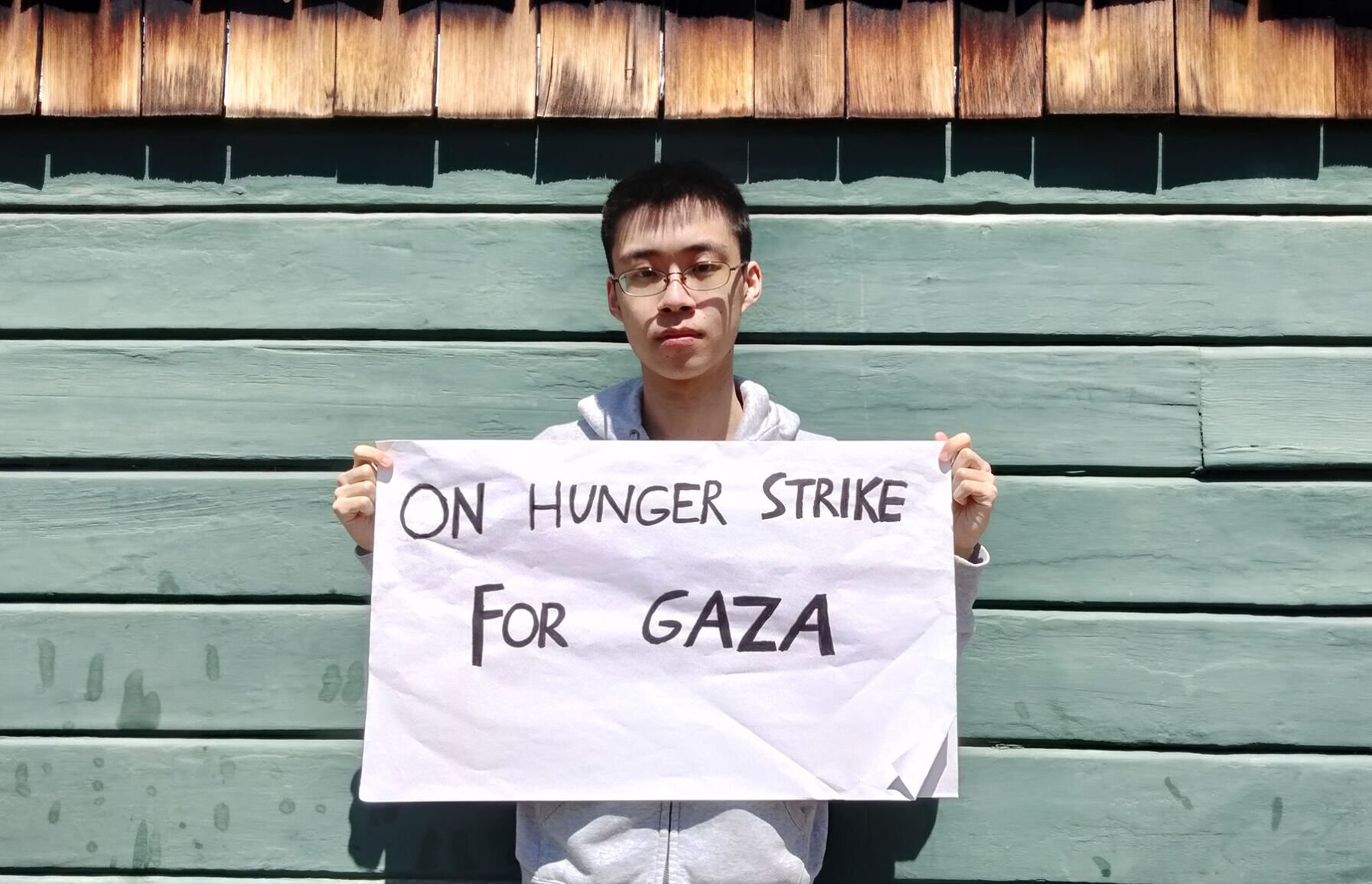
The UC Berkeley Lecturer Who Went on a 38-Day Hunger Strike for Gaza
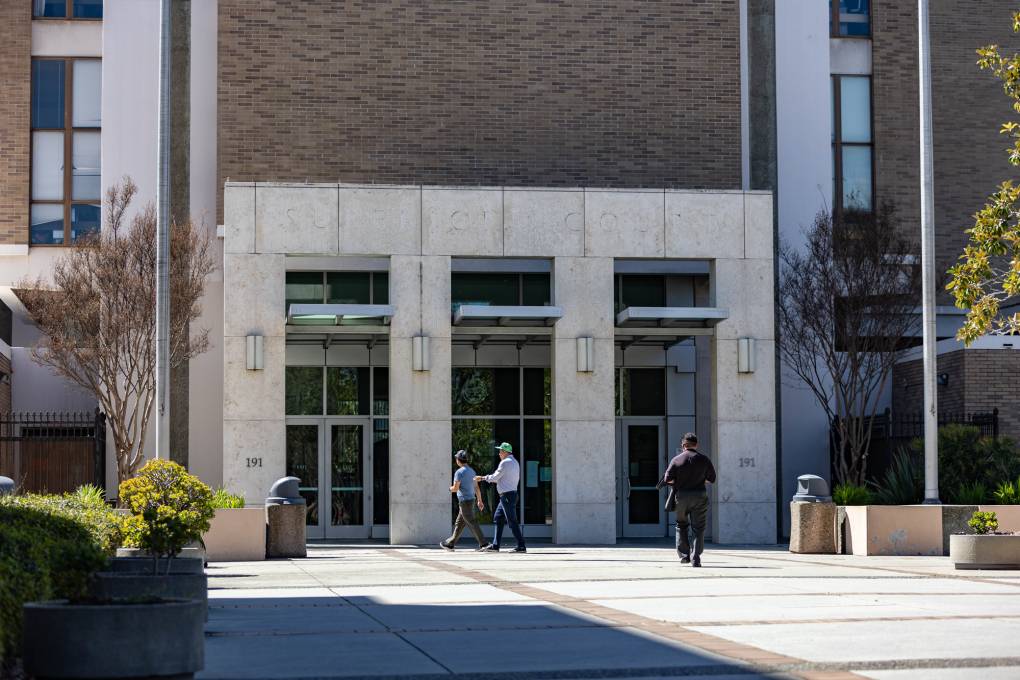
Stanford Pro-Palestine Protestors Indicted for Barricading President’s Office
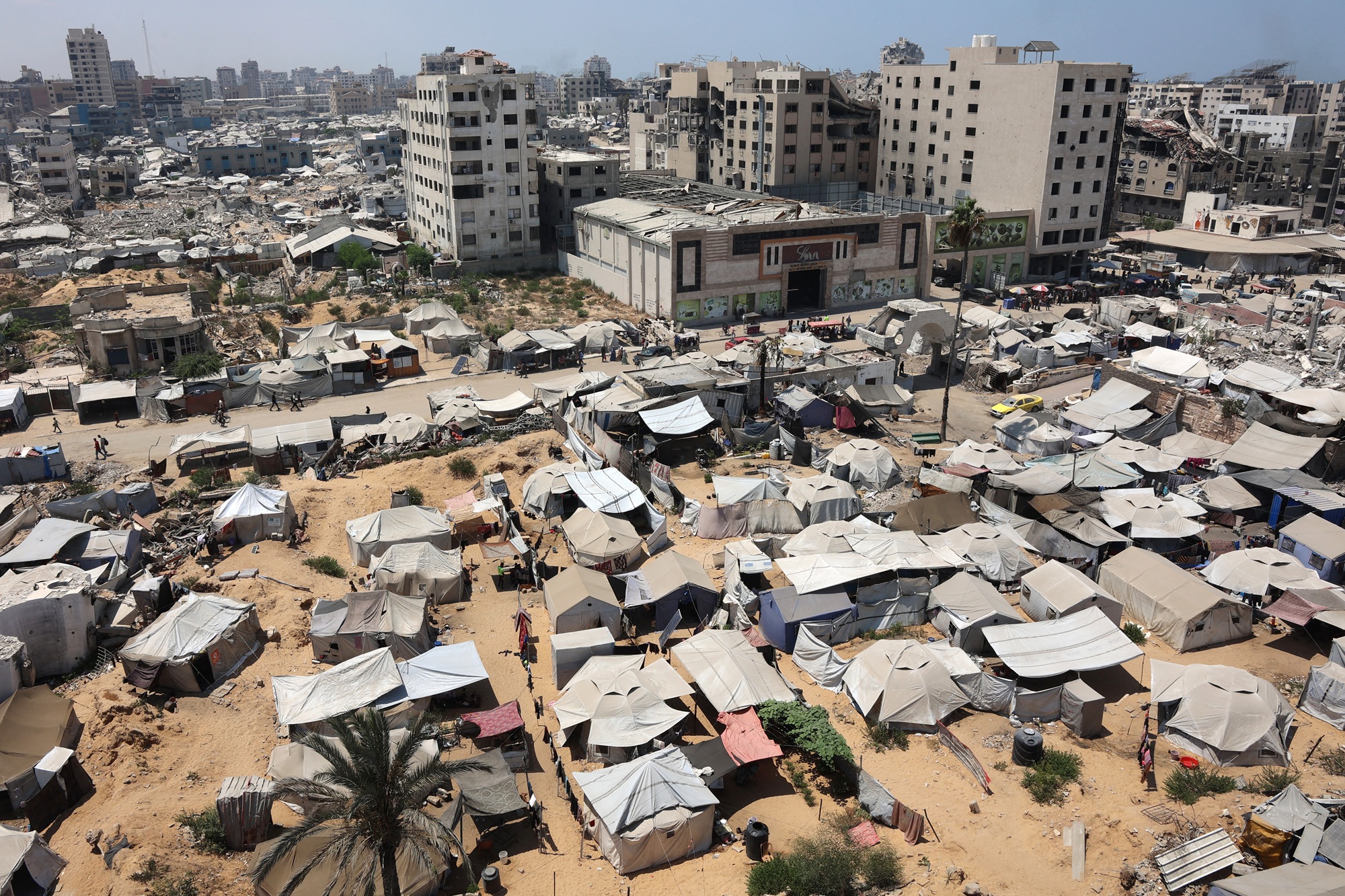
US Halts Humanitarian Medical Visas Used to Bring Injured Kids From Gaza to SF
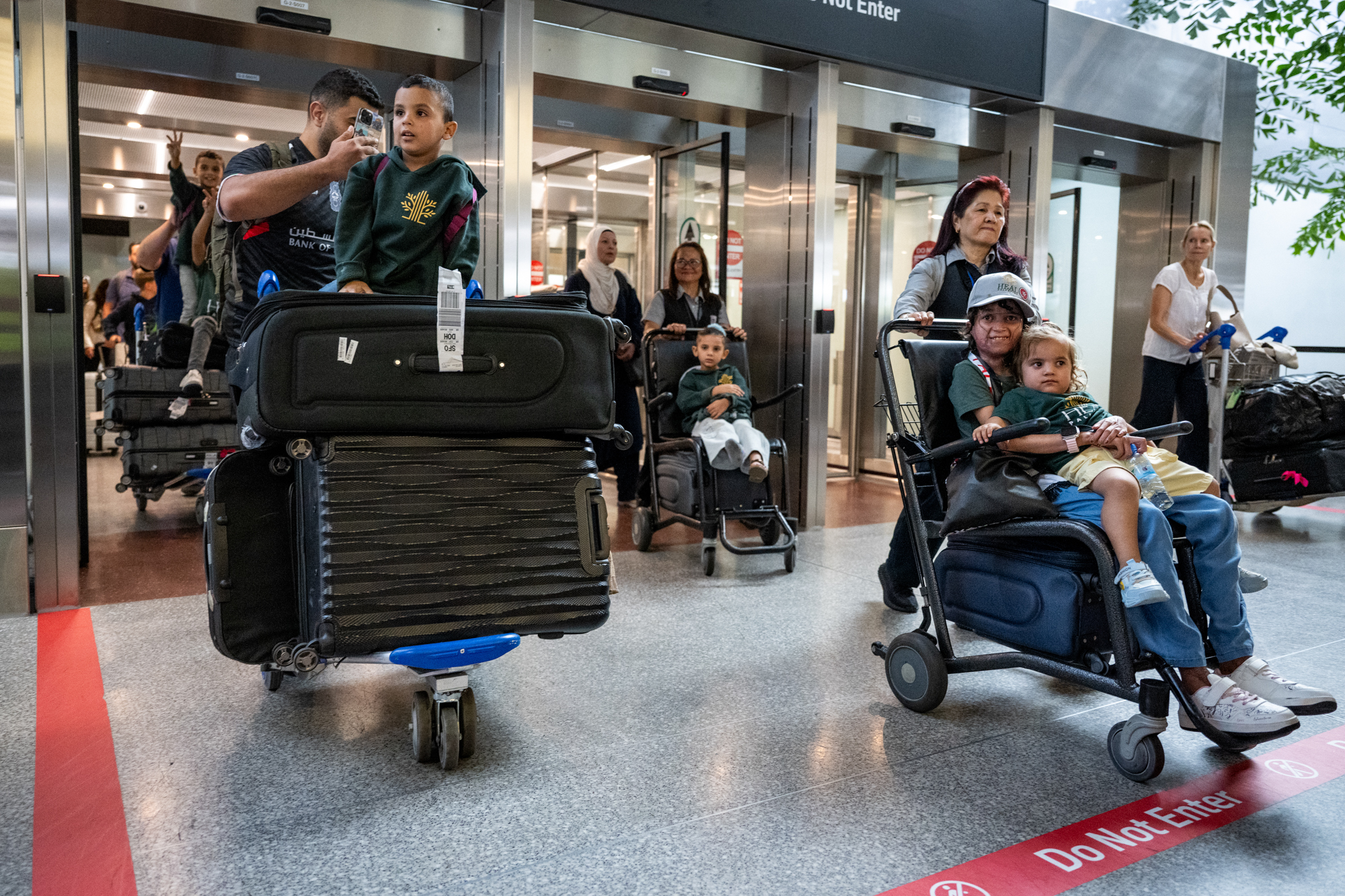
Injured Palestinian Children From Gaza Arrive in San Francisco for Treatment
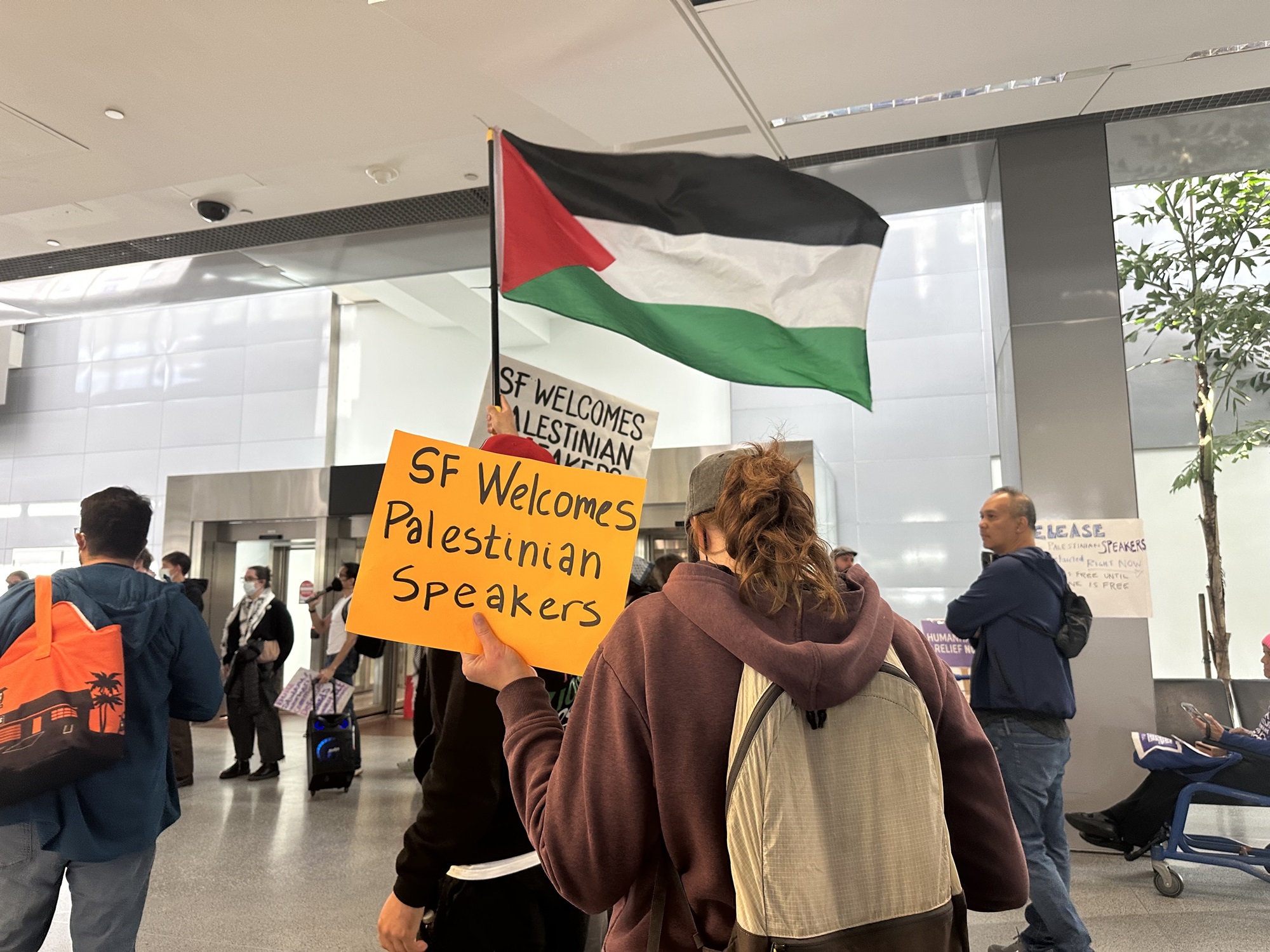
Activists Mourn Palestinian Man Killed in West Bank After Being Denied Entry at SFO
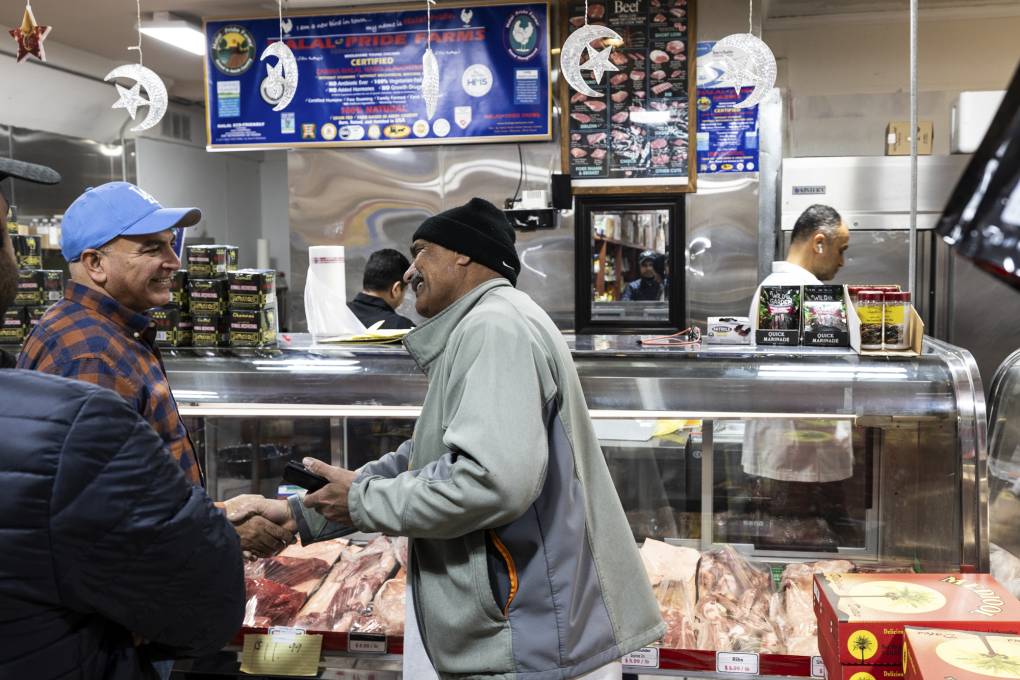
In San Mateo County, This Market Is a Community Destination for Food, Faith and Ramadan Staples
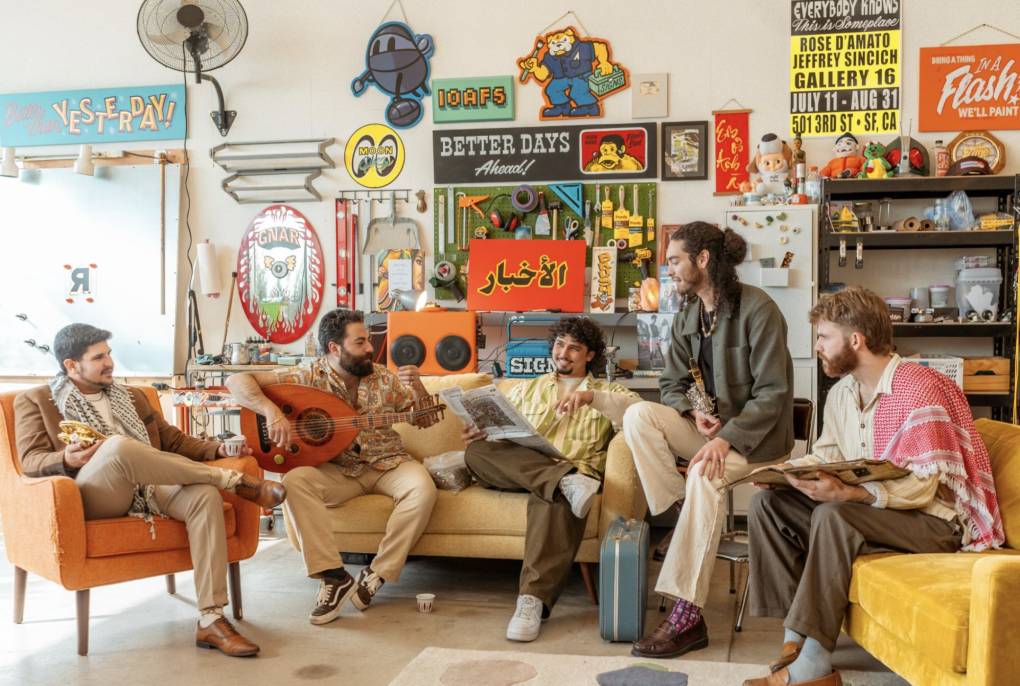
San Diego's 'Al Akhbar' Fuses Cultures and Sounds With Middle Eastern Jazz
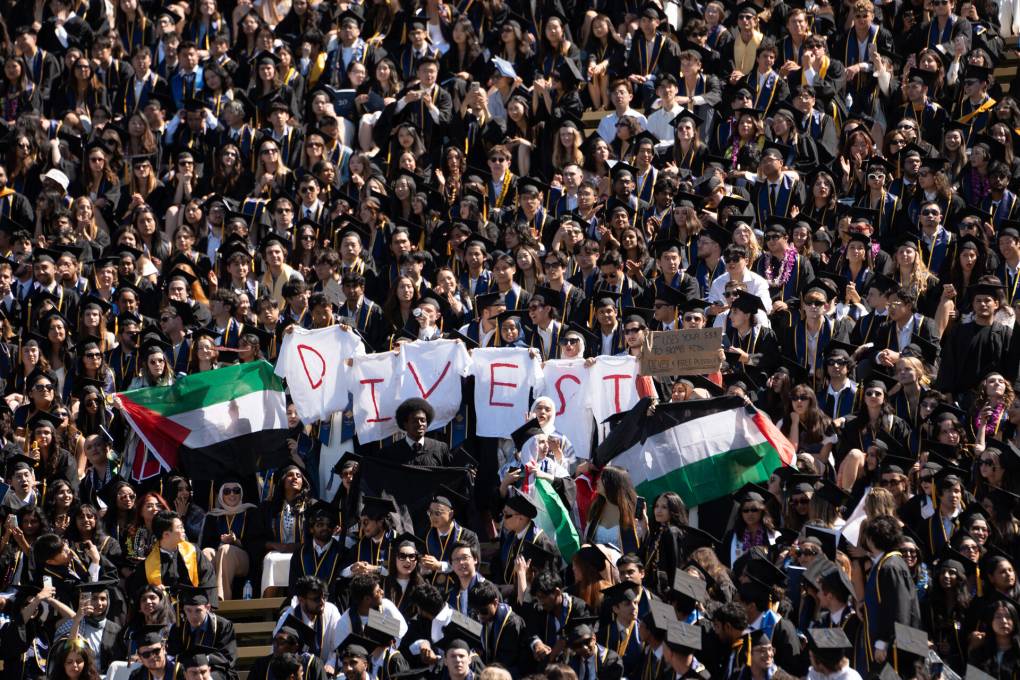
Best of 2024: The Student Journalists Covering Pro-Palestine Protests on College Campuses
Protests Swept California Campuses Last Year. Schools Are Now Blocking Them
Sponsored
Player sponsored by
window.__IS_SSR__=true
window.__INITIAL_STATE__={
"attachmentsReducer": {
"audio_0": {
"type": "attachments",
"id": "audio_0",
"imgSizes": {
"kqedFullSize": {
"file": "https://ww2.kqed.org/news/wp-content/themes/KQED-unified/img/audio_bgs/background0.jpg"
}
}
},
"audio_1": {
"type": "attachments",
"id": "audio_1",
"imgSizes": {
"kqedFullSize": {
"file": "https://ww2.kqed.org/news/wp-content/themes/KQED-unified/img/audio_bgs/background1.jpg"
}
}
},
"audio_2": {
"type": "attachments",
"id": "audio_2",
"imgSizes": {
"kqedFullSize": {
"file": "https://ww2.kqed.org/news/wp-content/themes/KQED-unified/img/audio_bgs/background2.jpg"
}
}
},
"audio_3": {
"type": "attachments",
"id": "audio_3",
"imgSizes": {
"kqedFullSize": {
"file": "https://ww2.kqed.org/news/wp-content/themes/KQED-unified/img/audio_bgs/background3.jpg"
}
}
},
"audio_4": {
"type": "attachments",
"id": "audio_4",
"imgSizes": {
"kqedFullSize": {
"file": "https://ww2.kqed.org/news/wp-content/themes/KQED-unified/img/audio_bgs/background4.jpg"
}
}
},
"placeholder": {
"type": "attachments",
"id": "placeholder",
"imgSizes": {
"thumbnail": {
"file": "https://cdn.kqed.org/wp-content/uploads/2024/12/KQED-Default-Image-816638274-2000x1333-1-160x107.jpg",
"width": 160,
"height": 107,
"mimeType": "image/jpeg"
},
"medium": {
"file": "https://cdn.kqed.org/wp-content/uploads/2024/12/KQED-Default-Image-816638274-2000x1333-1-800x533.jpg",
"width": 800,
"height": 533,
"mimeType": "image/jpeg"
},
"medium_large": {
"file": "https://cdn.kqed.org/wp-content/uploads/2024/12/KQED-Default-Image-816638274-2000x1333-1-768x512.jpg",
"width": 768,
"height": 512,
"mimeType": "image/jpeg"
},
"large": {
"file": "https://cdn.kqed.org/wp-content/uploads/2024/12/KQED-Default-Image-816638274-2000x1333-1-1020x680.jpg",
"width": 1020,
"height": 680,
"mimeType": "image/jpeg"
},
"1536x1536": {
"file": "https://cdn.kqed.org/wp-content/uploads/2024/12/KQED-Default-Image-816638274-2000x1333-1-1536x1024.jpg",
"width": 1536,
"height": 1024,
"mimeType": "image/jpeg"
},
"fd-lrg": {
"file": "https://cdn.kqed.org/wp-content/uploads/2024/12/KQED-Default-Image-816638274-2000x1333-1-1536x1024.jpg",
"width": 1536,
"height": 1024,
"mimeType": "image/jpeg"
},
"fd-med": {
"file": "https://cdn.kqed.org/wp-content/uploads/2024/12/KQED-Default-Image-816638274-2000x1333-1-1020x680.jpg",
"width": 1020,
"height": 680,
"mimeType": "image/jpeg"
},
"fd-sm": {
"file": "https://cdn.kqed.org/wp-content/uploads/2024/12/KQED-Default-Image-816638274-2000x1333-1-800x533.jpg",
"width": 800,
"height": 533,
"mimeType": "image/jpeg"
},
"post-thumbnail": {
"file": "https://cdn.kqed.org/wp-content/uploads/2024/12/KQED-Default-Image-816638274-2000x1333-1-672x372.jpg",
"width": 672,
"height": 372,
"mimeType": "image/jpeg"
},
"twentyfourteen-full-width": {
"file": "https://cdn.kqed.org/wp-content/uploads/2024/12/KQED-Default-Image-816638274-2000x1333-1-1038x576.jpg",
"width": 1038,
"height": 576,
"mimeType": "image/jpeg"
},
"xxsmall": {
"file": "https://cdn.kqed.org/wp-content/uploads/2024/12/KQED-Default-Image-816638274-2000x1333-1-160x107.jpg",
"width": 160,
"height": 107,
"mimeType": "image/jpeg"
},
"xsmall": {
"file": "https://cdn.kqed.org/wp-content/uploads/2024/12/KQED-Default-Image-816638274-2000x1333-1-672x372.jpg",
"width": 672,
"height": 372,
"mimeType": "image/jpeg"
},
"small": {
"file": "https://cdn.kqed.org/wp-content/uploads/2024/12/KQED-Default-Image-816638274-2000x1333-1-672x372.jpg",
"width": 672,
"height": 372,
"mimeType": "image/jpeg"
},
"xlarge": {
"file": "https://cdn.kqed.org/wp-content/uploads/2024/12/KQED-Default-Image-816638274-2000x1333-1-1020x680.jpg",
"width": 1020,
"height": 680,
"mimeType": "image/jpeg"
},
"full-width": {
"file": "https://cdn.kqed.org/wp-content/uploads/2024/12/KQED-Default-Image-816638274-2000x1333-1-1920x1280.jpg",
"width": 1920,
"height": 1280,
"mimeType": "image/jpeg"
},
"guest-author-32": {
"file": "https://cdn.kqed.org/wp-content/uploads/2025/01/KQED-Default-Image-816638274-1333x1333-1-160x160.jpg",
"width": 32,
"height": 32,
"mimeType": "image/jpeg"
},
"guest-author-50": {
"file": "https://cdn.kqed.org/wp-content/uploads/2025/01/KQED-Default-Image-816638274-1333x1333-1-160x160.jpg",
"width": 50,
"height": 50,
"mimeType": "image/jpeg"
},
"guest-author-64": {
"file": "https://cdn.kqed.org/wp-content/uploads/2025/01/KQED-Default-Image-816638274-1333x1333-1-160x160.jpg",
"width": 64,
"height": 64,
"mimeType": "image/jpeg"
},
"guest-author-96": {
"file": "https://cdn.kqed.org/wp-content/uploads/2025/01/KQED-Default-Image-816638274-1333x1333-1-160x160.jpg",
"width": 96,
"height": 96,
"mimeType": "image/jpeg"
},
"guest-author-128": {
"file": "https://cdn.kqed.org/wp-content/uploads/2025/01/KQED-Default-Image-816638274-1333x1333-1-160x160.jpg",
"width": 128,
"height": 128,
"mimeType": "image/jpeg"
},
"detail": {
"file": "https://cdn.kqed.org/wp-content/uploads/2025/01/KQED-Default-Image-816638274-1333x1333-1-160x160.jpg",
"width": 160,
"height": 160,
"mimeType": "image/jpeg"
},
"kqedFullSize": {
"file": "https://cdn.kqed.org/wp-content/uploads/2024/12/KQED-Default-Image-816638274-2000x1333-1.jpg",
"width": 2000,
"height": 1333
}
}
},
"news_12059415": {
"type": "attachments",
"id": "news_12059415",
"meta": {
"index": "attachments_1716263798",
"site": "news",
"id": "12059415",
"found": true
},
"title": "68e5df0e9817d",
"publishDate": 1760111956,
"status": "inherit",
"parent": 12059351,
"modified": 1765399526,
"caption": "UC Berkeley administration has suspended lecturer Peyrin Kao for the spring 2026 semester without pay for pro-Palestinian political remarks made in the classroom. Kao, a lecturer in the electrical engineering and computer sciences department, has been an outspoken advocate for Palestinian rights.",
"credit": "Courtesy of Peyrin Kao",
"altTag": null,
"description": null,
"imgSizes": {
"thumbnail": {
"file": "https://cdn.kqed.org/wp-content/uploads/sites/10/2025/10/68e5df0e9817d-160x103.jpg",
"width": 160,
"height": 103,
"mimeType": "image/jpeg"
},
"1536x1536": {
"file": "https://cdn.kqed.org/wp-content/uploads/sites/10/2025/10/68e5df0e9817d-1536x989.jpg",
"width": 1536,
"height": 989,
"mimeType": "image/jpeg"
},
"post-thumbnail": {
"file": "https://cdn.kqed.org/wp-content/uploads/sites/10/2025/10/68e5df0e9817d-672x372.jpg",
"width": 672,
"height": 372,
"mimeType": "image/jpeg"
},
"twentyfourteen-full-width": {
"file": "https://cdn.kqed.org/wp-content/uploads/sites/10/2025/10/68e5df0e9817d-1038x576.jpg",
"width": 1038,
"height": 576,
"mimeType": "image/jpeg"
},
"kqedFullSize": {
"file": "https://cdn.kqed.org/wp-content/uploads/sites/10/2025/10/68e5df0e9817d.jpg",
"width": 1793,
"height": 1155
}
},
"fetchFailed": false,
"isLoading": false
},
"news_12037905": {
"type": "attachments",
"id": "news_12037905",
"meta": {
"index": "attachments_1716263798",
"site": "news",
"id": "12037905",
"found": true
},
"title": "Santa Clara County Superior Court in San Jose on March 24, 2025.",
"publishDate": 1745862778,
"status": "inherit",
"parent": 12060893,
"modified": 1761091215,
"caption": "Santa Clara County Superior Court in San José on March 24, 2025.",
"credit": "Gina Castro/KQED",
"altTag": null,
"description": null,
"imgSizes": {
"medium": {
"file": "https://cdn.kqed.org/wp-content/uploads/sites/10/2025/04/20240324_SANTACLARASUPERIORCOURT_GC-2-KQED-800x533.jpg",
"width": 800,
"height": 533,
"mimeType": "image/jpeg"
},
"large": {
"file": "https://cdn.kqed.org/wp-content/uploads/sites/10/2025/04/20240324_SANTACLARASUPERIORCOURT_GC-2-KQED-1020x680.jpg",
"width": 1020,
"height": 680,
"mimeType": "image/jpeg"
},
"thumbnail": {
"file": "https://cdn.kqed.org/wp-content/uploads/sites/10/2025/04/20240324_SANTACLARASUPERIORCOURT_GC-2-KQED-160x107.jpg",
"width": 160,
"height": 107,
"mimeType": "image/jpeg"
},
"1536x1536": {
"file": "https://cdn.kqed.org/wp-content/uploads/sites/10/2025/04/20240324_SANTACLARASUPERIORCOURT_GC-2-KQED-1536x1024.jpg",
"width": 1536,
"height": 1024,
"mimeType": "image/jpeg"
},
"post-thumbnail": {
"file": "https://cdn.kqed.org/wp-content/uploads/sites/10/2025/04/20240324_SANTACLARASUPERIORCOURT_GC-2-KQED-672x372.jpg",
"width": 672,
"height": 372,
"mimeType": "image/jpeg"
},
"twentyfourteen-full-width": {
"file": "https://cdn.kqed.org/wp-content/uploads/sites/10/2025/04/20240324_SANTACLARASUPERIORCOURT_GC-2-KQED-1038x576.jpg",
"width": 1038,
"height": 576,
"mimeType": "image/jpeg"
},
"full-width": {
"file": "https://cdn.kqed.org/wp-content/uploads/sites/10/2025/04/20240324_SANTACLARASUPERIORCOURT_GC-2-KQED-1920x1280.jpg",
"width": 1920,
"height": 1280,
"mimeType": "image/jpeg"
},
"kqedFullSize": {
"file": "https://cdn.kqed.org/wp-content/uploads/sites/10/2025/04/20240324_SANTACLARASUPERIORCOURT_GC-2-KQED.jpg",
"width": 2000,
"height": 1333
}
},
"fetchFailed": false,
"isLoading": false
},
"news_12052687": {
"type": "attachments",
"id": "news_12052687",
"meta": {
"index": "attachments_1716263798",
"site": "news",
"id": "12052687",
"found": true
},
"title": "PALESTINIAN-ISRAEL-CONFLICT",
"publishDate": 1755552052,
"status": "inherit",
"parent": 12052642,
"modified": 1755556447,
"caption": "A picture taken on Aug. 18, 2025, shows Rights group Amnesty International on Aug. 18, accused Israel of enacting a \"deliberate policy\" of starvation in Gaza, as the United Nations and aid groups warn of famine in the Palestinian territory. Israel, while heavily restricting aid allowed into the Gaza Strip, has repeatedly rejected claims of deliberate starvation in the 22-month-old war. ",
"credit": "Omar Al-Qattaa/AFP via Getty Images",
"altTag": null,
"description": null,
"imgSizes": {
"thumbnail": {
"file": "https://cdn.kqed.org/wp-content/uploads/sites/10/2025/08/GazaGetty-160x107.jpg",
"width": 160,
"height": 107,
"mimeType": "image/jpeg"
},
"1536x1536": {
"file": "https://cdn.kqed.org/wp-content/uploads/sites/10/2025/08/GazaGetty-1536x1024.jpg",
"width": 1536,
"height": 1024,
"mimeType": "image/jpeg"
},
"post-thumbnail": {
"file": "https://cdn.kqed.org/wp-content/uploads/sites/10/2025/08/GazaGetty-672x372.jpg",
"width": 672,
"height": 372,
"mimeType": "image/jpeg"
},
"twentyfourteen-full-width": {
"file": "https://cdn.kqed.org/wp-content/uploads/sites/10/2025/08/GazaGetty-1038x576.jpg",
"width": 1038,
"height": 576,
"mimeType": "image/jpeg"
},
"kqedFullSize": {
"file": "https://cdn.kqed.org/wp-content/uploads/sites/10/2025/08/GazaGetty.jpg",
"width": 2000,
"height": 1333
}
},
"fetchFailed": false,
"isLoading": false
},
"news_12051204": {
"type": "attachments",
"id": "news_12051204",
"meta": {
"index": "attachments_1716263798",
"site": "news",
"id": "12051204",
"found": true
},
"title": "250806-PALESTINIANCHILDREN-05-KQED",
"publishDate": 1754524592,
"status": "inherit",
"parent": 0,
"modified": 1754524683,
"caption": "Injured Palestinian children from Gaza arrive at San Francisco International Airport on Aug. 6, 2025, to begin lifesaving medical care, in an effort led by the humanitarian nonprofit HEAL Palestine.",
"credit": "Beth LaBerge/KQED",
"altTag": null,
"description": null,
"imgSizes": {
"thumbnail": {
"file": "https://cdn.kqed.org/wp-content/uploads/sites/10/2025/08/250806-PALESTINIANCHILDREN-05-KQED-160x107.jpg",
"width": 160,
"height": 107,
"mimeType": "image/jpeg"
},
"kqedFullSize": {
"file": "https://cdn.kqed.org/wp-content/uploads/sites/10/2025/08/250806-PALESTINIANCHILDREN-05-KQED.jpg",
"width": 2000,
"height": 1333
}
},
"fetchFailed": false,
"isLoading": false
},
"news_12044081": {
"type": "attachments",
"id": "news_12044081",
"meta": {
"index": "attachments_1716263798",
"site": "news",
"id": "12044081",
"found": true
},
"title": "PalestinianDetainees4",
"publishDate": 1749773773,
"status": "inherit",
"parent": 12043918,
"modified": 1753827585,
"caption": "Religious community members and supporters gathered at San Francisco International Airport on June 12, 2025, to protest Customs and Border Patrol agents’ detention of two Palestinian visitors, who had visas to the U.S. The visitors' sponsor confirmed the two men were sent back home.",
"credit": "Katie DeBenedetti/KQED",
"altTag": null,
"description": null,
"imgSizes": {
"thumbnail": {
"file": "https://cdn.kqed.org/wp-content/uploads/sites/10/2025/06/PalestinianDetainees4-160x120.jpg",
"width": 160,
"height": 120,
"mimeType": "image/jpeg"
},
"1536x1536": {
"file": "https://cdn.kqed.org/wp-content/uploads/sites/10/2025/06/PalestinianDetainees4-1536x1152.jpg",
"width": 1536,
"height": 1152,
"mimeType": "image/jpeg"
},
"post-thumbnail": {
"file": "https://cdn.kqed.org/wp-content/uploads/sites/10/2025/06/PalestinianDetainees4-672x372.jpg",
"width": 672,
"height": 372,
"mimeType": "image/jpeg"
},
"twentyfourteen-full-width": {
"file": "https://cdn.kqed.org/wp-content/uploads/sites/10/2025/06/PalestinianDetainees4-1038x576.jpg",
"width": 1038,
"height": 576,
"mimeType": "image/jpeg"
},
"kqedFullSize": {
"file": "https://cdn.kqed.org/wp-content/uploads/sites/10/2025/06/PalestinianDetainees4.jpg",
"width": 2000,
"height": 1500
}
},
"fetchFailed": false,
"isLoading": false
},
"news_12030660": {
"type": "attachments",
"id": "news_12030660",
"meta": {
"index": "attachments_1716263798",
"site": "news",
"id": "12030660",
"found": true
},
"title": "20250308_BESANS-MARKET_DMB_00963-KQED",
"publishDate": 1741647858,
"status": "inherit",
"parent": 0,
"modified": 1743099554,
"caption": "Customers greet each other at Besan's International Market in San Bruno on Saturday, March 8, 2025. Besan's is a halal butcher, take-out restaurant and market in San Bruno, California. A go-to spot year-round for local Arab, North African, South Asian and Middle Eastern communities, the shop is especially busy during Ramadan, when customers shop for iftar meals and the coming Eid al-fitr holiday.",
"credit": "David M. Barreda/KQED",
"altTag": null,
"description": null,
"imgSizes": {
"medium": {
"file": "https://cdn.kqed.org/wp-content/uploads/sites/10/2025/03/20250308_BESANS-MARKET_DMB_00963-KQED-800x533.jpg",
"width": 800,
"height": 533,
"mimeType": "image/jpeg"
},
"large": {
"file": "https://cdn.kqed.org/wp-content/uploads/sites/10/2025/03/20250308_BESANS-MARKET_DMB_00963-KQED-1020x680.jpg",
"width": 1020,
"height": 680,
"mimeType": "image/jpeg"
},
"thumbnail": {
"file": "https://cdn.kqed.org/wp-content/uploads/sites/10/2025/03/20250308_BESANS-MARKET_DMB_00963-KQED-160x107.jpg",
"width": 160,
"height": 107,
"mimeType": "image/jpeg"
},
"1536x1536": {
"file": "https://cdn.kqed.org/wp-content/uploads/sites/10/2025/03/20250308_BESANS-MARKET_DMB_00963-KQED-1536x1024.jpg",
"width": 1536,
"height": 1024,
"mimeType": "image/jpeg"
},
"post-thumbnail": {
"file": "https://cdn.kqed.org/wp-content/uploads/sites/10/2025/03/20250308_BESANS-MARKET_DMB_00963-KQED-672x372.jpg",
"width": 672,
"height": 372,
"mimeType": "image/jpeg"
},
"twentyfourteen-full-width": {
"file": "https://cdn.kqed.org/wp-content/uploads/sites/10/2025/03/20250308_BESANS-MARKET_DMB_00963-KQED-1038x576.jpg",
"width": 1038,
"height": 576,
"mimeType": "image/jpeg"
},
"full-width": {
"file": "https://cdn.kqed.org/wp-content/uploads/sites/10/2025/03/20250308_BESANS-MARKET_DMB_00963-KQED-1920x1280.jpg",
"width": 1920,
"height": 1280,
"mimeType": "image/jpeg"
},
"kqedFullSize": {
"file": "https://cdn.kqed.org/wp-content/uploads/sites/10/2025/03/20250308_BESANS-MARKET_DMB_00963-KQED.jpg",
"width": 2000,
"height": 1333
}
},
"fetchFailed": false,
"isLoading": false
},
"news_12029485": {
"type": "attachments",
"id": "news_12029485",
"meta": {
"index": "attachments_1716263798",
"site": "news",
"id": "12029485",
"found": true
},
"title": "al akhbar band",
"publishDate": 1741038793,
"status": "inherit",
"parent": 12029482,
"modified": 1741291157,
"caption": "The San Diego band Al Akhbar poses for a photo on Jan. 6, 2025. From left to right: keyboardist Tamir Persekian, vocalist and Arab instrumentalist Salem Kattar, drummer Naji Shaban, saxophonist Richard Albert IV and bass player Hank Lee Nelson.",
"credit": "Al Akhbar",
"altTag": null,
"description": null,
"imgSizes": {
"medium": {
"file": "https://cdn.kqed.org/wp-content/uploads/sites/10/2025/03/al-akbar-band-800x538.jpg",
"width": 800,
"height": 538,
"mimeType": "image/jpeg"
},
"large": {
"file": "https://cdn.kqed.org/wp-content/uploads/sites/10/2025/03/al-akbar-band-1020x686.jpg",
"width": 1020,
"height": 686,
"mimeType": "image/jpeg"
},
"thumbnail": {
"file": "https://cdn.kqed.org/wp-content/uploads/sites/10/2025/03/al-akbar-band-160x108.jpg",
"width": 160,
"height": 108,
"mimeType": "image/jpeg"
},
"1536x1536": {
"file": "https://cdn.kqed.org/wp-content/uploads/sites/10/2025/03/al-akbar-band-1536x1033.jpg",
"width": 1536,
"height": 1033,
"mimeType": "image/jpeg"
},
"2048x2048": {
"file": "https://cdn.kqed.org/wp-content/uploads/sites/10/2025/03/al-akbar-band-2048x1378.jpg",
"width": 2048,
"height": 1378,
"mimeType": "image/jpeg"
},
"post-thumbnail": {
"file": "https://cdn.kqed.org/wp-content/uploads/sites/10/2025/03/al-akbar-band-672x372.jpg",
"width": 672,
"height": 372,
"mimeType": "image/jpeg"
},
"twentyfourteen-full-width": {
"file": "https://cdn.kqed.org/wp-content/uploads/sites/10/2025/03/al-akbar-band-1038x576.jpg",
"width": 1038,
"height": 576,
"mimeType": "image/jpeg"
},
"full-width": {
"file": "https://cdn.kqed.org/wp-content/uploads/sites/10/2025/03/al-akbar-band-1920x1292.jpg",
"width": 1920,
"height": 1292,
"mimeType": "image/jpeg"
},
"kqedFullSize": {
"file": "https://cdn.kqed.org/wp-content/uploads/sites/10/2025/03/al-akbar-band-e1741038826551.jpg",
"width": 2000,
"height": 1345
}
},
"fetchFailed": false,
"isLoading": false
},
"news_12007730": {
"type": "attachments",
"id": "news_12007730",
"meta": {
"index": "attachments_1716263798",
"site": "news",
"id": "12007730",
"found": true
},
"title": "DSC8380_qut",
"publishDate": 1727977711,
"status": "inherit",
"parent": 0,
"modified": 1728068709,
"caption": "Students hold up homemade signs and shirts to protest against UC Berkeley during the 2024 commencement ceremony at the California Memorial Stadium in Berkeley on May 11, 2024.",
"credit": "Aryk Copley for KQED",
"altTag": null,
"description": null,
"imgSizes": {
"medium": {
"file": "https://cdn.kqed.org/wp-content/uploads/sites/10/2024/10/DSC8380_qut-800x533.jpg",
"width": 800,
"height": 533,
"mimeType": "image/jpeg"
},
"large": {
"file": "https://cdn.kqed.org/wp-content/uploads/sites/10/2024/10/DSC8380_qut-1020x680.jpg",
"width": 1020,
"height": 680,
"mimeType": "image/jpeg"
},
"thumbnail": {
"file": "https://cdn.kqed.org/wp-content/uploads/sites/10/2024/10/DSC8380_qut-160x107.jpg",
"width": 160,
"height": 107,
"mimeType": "image/jpeg"
},
"1536x1536": {
"file": "https://cdn.kqed.org/wp-content/uploads/sites/10/2024/10/DSC8380_qut-1536x1024.jpg",
"width": 1536,
"height": 1024,
"mimeType": "image/jpeg"
},
"post-thumbnail": {
"file": "https://cdn.kqed.org/wp-content/uploads/sites/10/2024/10/DSC8380_qut-672x372.jpg",
"width": 672,
"height": 372,
"mimeType": "image/jpeg"
},
"twentyfourteen-full-width": {
"file": "https://cdn.kqed.org/wp-content/uploads/sites/10/2024/10/DSC8380_qut-1038x576.jpg",
"width": 1038,
"height": 576,
"mimeType": "image/jpeg"
},
"kqedFullSize": {
"file": "https://cdn.kqed.org/wp-content/uploads/sites/10/2024/10/DSC8380_qut.jpg",
"width": 1920,
"height": 1280
}
},
"fetchFailed": false,
"isLoading": false
},
"news_12019379": {
"type": "attachments",
"id": "news_12019379",
"meta": {
"index": "attachments_1716263798",
"site": "news",
"id": "12019379",
"found": true
},
"title": "061024_UCLA-Protest_GETTY_CM_02",
"publishDate": 1734724247,
"status": "inherit",
"parent": 12019377,
"modified": 1734724284,
"caption": "A pro-Palestinian protester confronts police officers outside Dodd Hall at the UCLA campus in Los Angeles on June 10, 2024. ",
"credit": "Xinhua/Getty Images",
"altTag": null,
"description": null,
"imgSizes": {
"medium": {
"file": "https://cdn.kqed.org/wp-content/uploads/sites/10/2024/12/061024_UCLA-Protest_GETTY_CM_02-800x533.jpg",
"width": 800,
"height": 533,
"mimeType": "image/jpeg"
},
"large": {
"file": "https://cdn.kqed.org/wp-content/uploads/sites/10/2024/12/061024_UCLA-Protest_GETTY_CM_02-1020x680.jpg",
"width": 1020,
"height": 680,
"mimeType": "image/jpeg"
},
"thumbnail": {
"file": "https://cdn.kqed.org/wp-content/uploads/sites/10/2024/12/061024_UCLA-Protest_GETTY_CM_02-160x107.jpg",
"width": 160,
"height": 107,
"mimeType": "image/jpeg"
},
"1536x1536": {
"file": "https://cdn.kqed.org/wp-content/uploads/sites/10/2024/12/061024_UCLA-Protest_GETTY_CM_02-1536x1024.jpg",
"width": 1536,
"height": 1024,
"mimeType": "image/jpeg"
},
"post-thumbnail": {
"file": "https://cdn.kqed.org/wp-content/uploads/sites/10/2024/12/061024_UCLA-Protest_GETTY_CM_02-672x372.jpg",
"width": 672,
"height": 372,
"mimeType": "image/jpeg"
},
"twentyfourteen-full-width": {
"file": "https://cdn.kqed.org/wp-content/uploads/sites/10/2024/12/061024_UCLA-Protest_GETTY_CM_02-1038x576.jpg",
"width": 1038,
"height": 576,
"mimeType": "image/jpeg"
},
"full-width": {
"file": "https://cdn.kqed.org/wp-content/uploads/sites/10/2024/12/061024_UCLA-Protest_GETTY_CM_02-1920x1280.jpg",
"width": 1920,
"height": 1280,
"mimeType": "image/jpeg"
},
"kqedFullSize": {
"file": "https://cdn.kqed.org/wp-content/uploads/sites/10/2024/12/061024_UCLA-Protest_GETTY_CM_02.jpg",
"width": 2000,
"height": 1333
}
},
"fetchFailed": false,
"isLoading": false
}
},
"audioPlayerReducer": {
"postId": "stream_live",
"isPaused": true,
"isPlaying": false,
"pfsActive": false,
"pledgeModalIsOpen": true,
"playerDrawerIsOpen": false
},
"authorsReducer": {
"byline_news_12029482": {
"type": "authors",
"id": "byline_news_12029482",
"meta": {
"override": true
},
"slug": "byline_news_12029482",
"name": "Hussain Khan",
"isLoading": false
},
"byline_news_12019377": {
"type": "authors",
"id": "byline_news_12019377",
"meta": {
"override": true
},
"slug": "byline_news_12019377",
"name": "June Hsu and Lizzy Rager, CalMatters",
"isLoading": false
},
"lmorehouse": {
"type": "authors",
"id": "3229",
"meta": {
"index": "authors_1716337520",
"id": "3229",
"found": true
},
"name": "Lisa Morehouse",
"firstName": "Lisa",
"lastName": "Morehouse",
"slug": "lmorehouse",
"email": "morehouse.lisa@gmail.com",
"display_author_email": false,
"staff_mastheads": [],
"title": "KQED Contributor",
"bio": "Lisa Morehouse is an award-winning public radio and print journalist, who has filed for National Public Radio, American Public Media, KQED Public Radio, Edutopia, and McSweeney’s. Her reporting has taken her from Samoan traveling circuses to Mississippi Delta classrooms to the homes of Lao refugees in rural Iowa. In addition to reporting, she teaches radio production to at-risk youth in the Bay Area. Her series \u003ca href=\"http://afterthegoldrushradio.com/\">After the Gold Rush\u003c/a> featured the changing industries, populations and identities of rural towns throughout California. She’s now producing \u003ca href=\"http://www.californiafoodways.com/\">California Foodways\u003c/a>, a series exploring the intersections of food, culture, economics, history and labor. Follow along on the \u003ca href=\"https://www.facebook.com/californiafoodways?ref=hl\">Facebook page\u003c/a> or on Twitter @cafoodways.",
"avatar": "https://secure.gravatar.com/avatar/dae74b002a6e256f39abb19d6f5acaea?s=600&d=blank&r=g",
"twitter": null,
"facebook": null,
"instagram": null,
"linkedin": null,
"sites": [
{
"site": "",
"roles": [
"editor"
]
},
{
"site": "news",
"roles": [
"author"
]
}
],
"headData": {
"title": "Lisa Morehouse | KQED",
"description": "KQED Contributor",
"ogImgSrc": "https://secure.gravatar.com/avatar/dae74b002a6e256f39abb19d6f5acaea?s=600&d=blank&r=g",
"twImgSrc": "https://secure.gravatar.com/avatar/dae74b002a6e256f39abb19d6f5acaea?s=600&d=blank&r=g"
},
"isLoading": false,
"link": "/author/lmorehouse"
},
"ecruzguevarra": {
"type": "authors",
"id": "8654",
"meta": {
"index": "authors_1716337520",
"id": "8654",
"found": true
},
"name": "Ericka Cruz Guevarra",
"firstName": "Ericka",
"lastName": "Cruz Guevarra",
"slug": "ecruzguevarra",
"email": "ecruzguevarra@kqed.org",
"display_author_email": true,
"staff_mastheads": [
"news"
],
"title": "Producer, The Bay Podcast",
"bio": "Ericka Cruz Guevarra is host of \u003ca href=\"https://www.kqed.org/podcasts/thebay\">\u003cem>The Bay\u003c/em>\u003c/a> podcast at KQED. Before host, she was the show’s producer. Her work in that capacity includes a three-part reported series on policing in Vallejo, which won a 2020 excellence in journalism award from the Society of Professional Journalists. Ericka has worked as a breaking news reporter at Oregon Public Broadcasting, helped produce the Code Switch podcast, and was KQED’s inaugural Raul Ramirez Diversity Fund intern. She’s also an alumna of NPR’s Next Generation Radio program. Send her an email if you have strong feelings about whether Fairfield and Suisun City are the Bay. Ericka is represented by SAG-AFTRA.",
"avatar": "https://secure.gravatar.com/avatar/25e5ab8d3d53fad2dcc7bb2b5c506b1a?s=600&d=blank&r=g",
"twitter": "NotoriousECG",
"facebook": null,
"instagram": null,
"linkedin": null,
"sites": [
{
"site": "arts",
"roles": [
"subscriber"
]
},
{
"site": "news",
"roles": [
"editor",
"manage_categories"
]
},
{
"site": "futureofyou",
"roles": [
"subscriber"
]
},
{
"site": "stateofhealth",
"roles": [
"subscriber"
]
},
{
"site": "science",
"roles": [
"editor"
]
},
{
"site": "forum",
"roles": [
"subscriber"
]
}
],
"headData": {
"title": "Ericka Cruz Guevarra | KQED",
"description": "Producer, The Bay Podcast",
"ogImgSrc": "https://secure.gravatar.com/avatar/25e5ab8d3d53fad2dcc7bb2b5c506b1a?s=600&d=blank&r=g",
"twImgSrc": "https://secure.gravatar.com/avatar/25e5ab8d3d53fad2dcc7bb2b5c506b1a?s=600&d=blank&r=g"
},
"isLoading": false,
"link": "/author/ecruzguevarra"
},
"amontecillo": {
"type": "authors",
"id": "11649",
"meta": {
"index": "authors_1716337520",
"id": "11649",
"found": true
},
"name": "Alan Montecillo",
"firstName": "Alan",
"lastName": "Montecillo",
"slug": "amontecillo",
"email": "amontecillo@kqed.org",
"display_author_email": false,
"staff_mastheads": [
"news"
],
"title": "KQED Contributor",
"bio": "Alan Montecillo is the senior editor of \u003cem>\u003ca href=\"http://kqed.org/thebay\">The Bay\u003c/a>, \u003c/em> KQED's local news podcast. Before moving to the Bay Area, he worked as a senior talk show producer for WILL in Champaign-Urbana, Illinois and at Oregon Public Broadcasting in Portland, Oregon. He has won journalism awards from the Society of Professional Journalists Northern California, the Public Media Journalists Association, The Signal Awards, and has also received a regional Edward R. Murrow award. Alan is a Filipino American from Hong Kong and a graduate of Reed College.",
"avatar": "https://secure.gravatar.com/avatar/d5e4e7a76481969ccba76f4e2b5ccabc?s=600&d=blank&r=g",
"twitter": "alanmontecillo",
"facebook": null,
"instagram": null,
"linkedin": null,
"sites": [
{
"site": "",
"roles": [
"editor"
]
},
{
"site": "news",
"roles": [
"editor",
"manage_categories"
]
}
],
"headData": {
"title": "Alan Montecillo | KQED",
"description": "KQED Contributor",
"ogImgSrc": "https://secure.gravatar.com/avatar/d5e4e7a76481969ccba76f4e2b5ccabc?s=600&d=blank&r=g",
"twImgSrc": "https://secure.gravatar.com/avatar/d5e4e7a76481969ccba76f4e2b5ccabc?s=600&d=blank&r=g"
},
"isLoading": false,
"link": "/author/amontecillo"
},
"jlara": {
"type": "authors",
"id": "11761",
"meta": {
"index": "authors_1716337520",
"id": "11761",
"found": true
},
"name": "Juan Carlos Lara",
"firstName": "Juan Carlos",
"lastName": "Lara",
"slug": "jlara",
"email": "jlara@kqed.org",
"display_author_email": false,
"staff_mastheads": [],
"title": "KQED Contributor",
"bio": null,
"avatar": "https://secure.gravatar.com/avatar/19e2052b9b05657c5ff2af2121846e9c?s=600&d=blank&r=g",
"twitter": null,
"facebook": null,
"instagram": null,
"linkedin": null,
"sites": [
{
"site": "arts",
"roles": [
"editor"
]
},
{
"site": "news",
"roles": [
"editor"
]
},
{
"site": "forum",
"roles": [
"editor"
]
},
{
"site": "liveblog",
"roles": [
"contributor"
]
}
],
"headData": {
"title": "Juan Carlos Lara | KQED",
"description": "KQED Contributor",
"ogImgSrc": "https://secure.gravatar.com/avatar/19e2052b9b05657c5ff2af2121846e9c?s=600&d=blank&r=g",
"twImgSrc": "https://secure.gravatar.com/avatar/19e2052b9b05657c5ff2af2121846e9c?s=600&d=blank&r=g"
},
"isLoading": false,
"link": "/author/jlara"
},
"jessicakariisa": {
"type": "authors",
"id": "11831",
"meta": {
"index": "authors_1716337520",
"id": "11831",
"found": true
},
"name": "Jessica Kariisa",
"firstName": "Jessica",
"lastName": "Kariisa",
"slug": "jessicakariisa",
"email": "jkariisa@kqed.org",
"display_author_email": false,
"staff_mastheads": [
"news"
],
"title": "Producer, The Bay",
"bio": "Jessica Kariisa is the producer of The Bay. She first joined KQED as an intern for The California Report Magazine, after which she became an on-call producer. She reported a Bay Curious episode on the use of rap lyrics in criminal trials which won a Society of Professional Journalists award in 2023 for Excellence in Features Journalism and the 2023 Signal Award for Best Conversation Starter. She’s worked on podcasts for Snap Judgment and American Public Media. Before embarking on her audio career, she was a music journalist.\r\n\r\nJessica Kariisa is represented by SAG-AFTRA.",
"avatar": "https://secure.gravatar.com/avatar/4afd355fd24f5515aeab77fd6c72b671?s=600&d=blank&r=g",
"twitter": null,
"facebook": null,
"instagram": null,
"linkedin": null,
"sites": [
{
"site": "arts",
"roles": [
"author"
]
},
{
"site": "news",
"roles": [
"editor",
"manage_categories"
]
}
],
"headData": {
"title": "Jessica Kariisa | KQED",
"description": "Producer, The Bay",
"ogImgSrc": "https://secure.gravatar.com/avatar/4afd355fd24f5515aeab77fd6c72b671?s=600&d=blank&r=g",
"twImgSrc": "https://secure.gravatar.com/avatar/4afd355fd24f5515aeab77fd6c72b671?s=600&d=blank&r=g"
},
"isLoading": false,
"link": "/author/jessicakariisa"
},
"jgeha": {
"type": "authors",
"id": "11906",
"meta": {
"index": "authors_1716337520",
"id": "11906",
"found": true
},
"name": "Joseph Geha",
"firstName": "Joseph",
"lastName": "Geha",
"slug": "jgeha",
"email": "jgeha@kqed.org",
"display_author_email": false,
"staff_mastheads": [
"news",
"science"
],
"title": "KQED Contributor",
"bio": null,
"avatar": "https://secure.gravatar.com/avatar/06334764312afacae9c3d6cd48fd9fd7?s=600&d=blank&r=g",
"twitter": null,
"facebook": null,
"instagram": null,
"linkedin": null,
"sites": [
{
"site": "news",
"roles": [
"editor"
]
},
{
"site": "liveblog",
"roles": [
"author"
]
}
],
"headData": {
"title": "Joseph Geha | KQED",
"description": "KQED Contributor",
"ogImgSrc": "https://secure.gravatar.com/avatar/06334764312afacae9c3d6cd48fd9fd7?s=600&d=blank&r=g",
"twImgSrc": "https://secure.gravatar.com/avatar/06334764312afacae9c3d6cd48fd9fd7?s=600&d=blank&r=g"
},
"isLoading": false,
"link": "/author/jgeha"
},
"emanoukian": {
"type": "authors",
"id": "11925",
"meta": {
"index": "authors_1716337520",
"id": "11925",
"found": true
},
"name": "Elize Manoukian",
"firstName": "Elize",
"lastName": "Manoukian",
"slug": "emanoukian",
"email": "emanoukian@KQED.org",
"display_author_email": false,
"staff_mastheads": [
"news"
],
"title": "KQED Contributor",
"bio": null,
"avatar": "https://secure.gravatar.com/avatar/3ae2b7f374920c4c6bdbb4c21d5d065f?s=600&d=blank&r=g",
"twitter": null,
"facebook": null,
"instagram": null,
"linkedin": null,
"sites": [
{
"site": "arts",
"roles": [
"editor"
]
},
{
"site": "news",
"roles": [
"editor"
]
},
{
"site": "science",
"roles": [
"editor"
]
},
{
"site": "liveblog",
"roles": [
"author"
]
}
],
"headData": {
"title": "Elize Manoukian | KQED",
"description": "KQED Contributor",
"ogImgSrc": "https://secure.gravatar.com/avatar/3ae2b7f374920c4c6bdbb4c21d5d065f?s=600&d=blank&r=g",
"twImgSrc": "https://secure.gravatar.com/avatar/3ae2b7f374920c4c6bdbb4c21d5d065f?s=600&d=blank&r=g"
},
"isLoading": false,
"link": "/author/emanoukian"
},
"skennedy": {
"type": "authors",
"id": "11935",
"meta": {
"index": "authors_1716337520",
"id": "11935",
"found": true
},
"name": "Samantha Kennedy",
"firstName": "Samantha",
"lastName": "Kennedy",
"slug": "skennedy",
"email": "SKennedy@kqed.org",
"display_author_email": false,
"staff_mastheads": [],
"title": "KQED Contributor",
"bio": null,
"avatar": "https://secure.gravatar.com/avatar/43c08445062d04cdb6776b73517064c6?s=600&d=blank&r=g",
"twitter": null,
"facebook": null,
"instagram": null,
"linkedin": null,
"sites": [
{
"site": "news",
"roles": [
"author"
]
}
],
"headData": {
"title": "Samantha Kennedy | KQED",
"description": "KQED Contributor",
"ogImgSrc": "https://secure.gravatar.com/avatar/43c08445062d04cdb6776b73517064c6?s=600&d=blank&r=g",
"twImgSrc": "https://secure.gravatar.com/avatar/43c08445062d04cdb6776b73517064c6?s=600&d=blank&r=g"
},
"isLoading": false,
"link": "/author/skennedy"
},
"lbassouni": {
"type": "authors",
"id": "11948",
"meta": {
"index": "authors_1716337520",
"id": "11948",
"found": true
},
"name": "Leenah Bassouni",
"firstName": "Leenah",
"lastName": "Bassouni",
"slug": "lbassouni",
"email": "leenahb@berkeley.edu",
"display_author_email": false,
"staff_mastheads": [
"news"
],
"title": "KQED Contributor",
"bio": null,
"avatar": "https://secure.gravatar.com/avatar/64a2cd0590ddcdcf6367140eee225cca?s=600&d=blank&r=g",
"twitter": null,
"facebook": null,
"instagram": null,
"linkedin": null,
"sites": [
{
"site": "news",
"roles": [
"author"
]
}
],
"headData": {
"title": "Leenah Bassouni | KQED",
"description": "KQED Contributor",
"ogImgSrc": "https://secure.gravatar.com/avatar/64a2cd0590ddcdcf6367140eee225cca?s=600&d=blank&r=g",
"twImgSrc": "https://secure.gravatar.com/avatar/64a2cd0590ddcdcf6367140eee225cca?s=600&d=blank&r=g"
},
"isLoading": false,
"link": "/author/lbassouni"
}
},
"breakingNewsReducer": {},
"pagesReducer": {},
"postsReducer": {
"stream_live": {
"type": "live",
"id": "stream_live",
"audioUrl": "https://streams.kqed.org/kqedradio",
"title": "Live Stream",
"excerpt": "Live Stream information currently unavailable.",
"link": "/radio",
"featImg": "",
"label": {
"name": "KQED Live",
"link": "/"
}
},
"stream_kqedNewscast": {
"type": "posts",
"id": "stream_kqedNewscast",
"audioUrl": "https://www.kqed.org/.stream/anon/radio/RDnews/newscast.mp3?_=1",
"title": "KQED Newscast",
"featImg": "",
"label": {
"name": "88.5 FM",
"link": "/"
}
},
"news_12059351": {
"type": "posts",
"id": "news_12059351",
"meta": {
"index": "posts_1716263798",
"site": "news",
"id": "12059351",
"score": null,
"sort": [
1760090447000
]
},
"guestAuthors": [],
"slug": "the-cal-lecturer-who-went-on-a-38-day-hunger-strike-for-gaza",
"title": "The UC Berkeley Lecturer Who Went on a 38-Day Hunger Strike for Gaza",
"publishDate": 1760090447,
"format": "audio",
"headTitle": "The UC Berkeley Lecturer Who Went on a 38-Day Hunger Strike for Gaza | KQED",
"labelTerm": {},
"content": "\u003cp>\u003cspan style=\"font-weight: 400\">For 38 days, UC Berkeley computer science lecturer Peyrin Kao taught classes while on a hunger strike for Palestine. He’s also one of 150 people whose names were sent by UC Berkeley to the Trump Administration for its investigation into alleged antisemitism — an investigation that critics say is meant to silence opposition to Israel’s invasion and siege of Gaza.\u003c/span>\u003c/p>\n\u003cp>\u003c!-- iframe plugin v.4.3 wordpress.org/plugins/iframe/ -->\u003cbr>\n\u003ciframe loading=\"lazy\" frameborder=\"0\" height=\"200\" scrolling=\"no\" src=\"https://playlist.megaphone.fm?e=KQINC5206190486&light=true\" width=\"100%\" class=\"iframe-class\">\u003c/iframe>\u003c/p>\n\u003cp>\u003cem>\u003ci>Some members of the KQED podcast team are represented by The Screen Actors Guild, American Federation of Television and Radio Artists. San Francisco Northern California Local.\u003c/i>\u003c/em>\u003c/p>\n\u003cp>\u003cem>This transcript is computer-generated. While our team has reviewed it, there may be errors.\u003c/em>\u003c/p>\n\u003cp>\u003cstrong>Ericka Cruz Guevarra \u003c/strong>[00:02:33] So you’ve been a lecturer for, you’ve here for nine years, you said a lecturer for how long?\u003c/p>\n\u003cp>[ad fullwidth]\u003c/p>\n\u003cp>\u003cstrong>Peyrin Kao \u003c/strong>[00:02:38] I’ve been teaching for eight years total, but I’ve been a full-time lecturer here for three.\u003c/p>\n\u003cp>\u003cstrong>Ericka Cruz Guevarra \u003c/strong>[00:02:42] And what kind of classes do you have?\u003c/p>\n\u003cp>\u003cstrong>Peyrin Kao \u003c/strong>[00:02:45] Yeah, so like this semester I’m teaching the kind of intro to artificial intelligence class. It’s one of the classes I’m teaching. So just I’ve also taught like the computer security class, the computer networking class. So yeah, you kind of get tossed around a bit as a lecturer.\u003c/p>\n\u003cp>\u003cstrong>Ericka Cruz Guevarra \u003c/strong>[00:02:58] Computer science, it’s not typically the kind of subject that I might imagine typically engaging with subjects like Palestine, the war in Gaza. When did you first feel the need to speak out about what’s happening in Gaza?\u003c/p>\n\u003cp>\u003cstrong>Peyrin Kao \u003c/strong>[00:03:13] To me, the reason why it’s so important to speak out about this topic in particular, and the reason I’m saying this is because sometimes people will say, well, you’re really outspoken about this issue, but why aren’t you outspoking about the crackdown on immigrants or the attempt to erase transgender people? And it’s like, these are also really important issues that we should be talking about. And one of the reasons that I felt the need to speak about Palestine in particular is because this is an issue where the information war angle and the disinformation angle. Is such a big part of the reason why the genocide can go on. Being pumped into our social media feeds, into our conversations here in the United States to try and dehumanize Palestinians to say, well, they’re not starving, that’s fake. Talking about this one issue is important because to me I think it’s one of the biggest moral issues of our time. But then it allows us to open up other conversations about how our tech is being used not just to fuel genocide in Gaza, but how it’s being used. To track and surveil immigrants here in the U.S. And you can start making these connections if you start talking about topics like this. So to me, that’s why it’s so important to speak up.\u003c/p>\n\u003cp>\u003cstrong>Ericka Cruz Guevarra \u003c/strong>[00:04:19] It sounds like you think that this conversation is very much part of what your students in computer science should be learning right now.\u003c/p>\n\u003cp>\u003cstrong>Peyrin Kao \u003c/strong>[00:04:28] Right, exactly, and not only are these things that our students have to reckon with as they go into the workforce, a lot of the companies that our university and our department have close connections with are the companies that are directly complicit in Israeli genocide. Google and Amazon, these are companies that are students often go to work for, or they strive to work for Google or Amazon, and they come to our campus, and they do recruiting and career fairs and things like that. And it’s important to remember that these companies, even if they try to launder their reputation, they’re very much complicit in the genocide. And it is important to have these conversations to say, well, wait a minute, if you go and work for these companies where is your labor going? And when you’re building these things, like what is it being used for?\u003c/p>\n\u003cp>\u003cstrong>Ericka Cruz Guevarra \u003c/strong>[00:05:14] Was there a point in the last two years where you made the decision to really speak out about this?\u003c/p>\n\u003cp>\u003cstrong>Peyrin Kao \u003c/strong>[00:05:21] The first time that I brought it up in the workplace was actually November of 2023, when I talked to students about it after a class and the department wasn’t super happy with me.\u003c/p>\n\u003cp>\u003cstrong>Peyrin Kao \u003c/strong>[00:05:32] Uh, at this point, uh, 61B Electra is over, by the way, like, if you want to go, you can go. But since this is my last chance to talk to you all, and also you all out in the recording in the world, uh, I have a couple things I want to say, and I just want to make it clear that this is, like only on my behalf. So, like nobody on 61B…\u003c/p>\n\u003cp>\u003cstrong>Peyrin Kao \u003c/strong>[00:05:50] They called it political advocacy or something like that. But really what it was, was an acknowledgement that, one, there is a genocide going on, something that has since been validated by… Genocide scholars and by human rights organizations, but also to have students think critically. Like, the U.S. Is the biggest backer of Israel and its current bombing campaign in Gaza, okay? Like, my tax dollars are being used to fund the bombing of children, hospitals, schools, universities, okay, safe zones. And so, as someone who is funding this, I think I have a right to say something against it. If you’re going to learn all these tools to write these programs and train these large AI models, what are those going to be used for? Are they going to used to mass surveil Palestinians in the West Bank and in Gaza? These are things that we have to be thinking critically about and I don’t think it’s necessarily political advocacy or that it’s controversial to say that we should have those conversations.\u003c/p>\n\u003cp>\u003cstrong>Ericka Cruz Guevarra \u003c/strong>[00:06:58] Tell me a little bit more about the reaction that you got from both students and, I mean, I’m also curious your department and also the university at large.\u003c/p>\n\u003cp>\u003cstrong>Peyrin Kao \u003c/strong>[00:07:09] And I would say the student reaction was largely positive. People want to talk about this because it’s such an important thing to talk about and not suppress it and say, Oh, you can’t even talk about it because that’s what the department did. They shut it down and they said, you’re not allowed to talk about this. They told all the students and they. Oh, what your instructor did was inappropriate. And, you know, he’s going to get in trouble for it and you should report him. This was sort of like record now that says, Oh well, you know, this guy got in trouble for a political advocacy. And they basically made it clear in no uncertain terms that if you do it again. You know, we’re not going to be very thrilled about it. And I would also mention that as a lecturer, I’m hired on year to year contracts. So I don’t have the same sort of job security that tenured faculty do.\u003c/p>\n\u003cp>\u003cstrong>Ericka Cruz Guevarra \u003c/strong>[00:07:52] In an email to KQED, UC Berkeley Assistant Vice Chancellor Dan Mogulof said the school always takes a quote, viewpoint neutral approach when it comes to supporting freedom of expression. Mogulof says staff and faculty speaking for themselves and on their own time have every right to voice their beliefs, but that it’s a different story in the classroom. When it came to Peyrin Kao’s lecture in November of 2023, Mogulof pointed to UC policy, which requires its universities to be non-partisan and quote, prohibits faculty from using the classroom or class time as venues or opportunities for political advocacy or indoctrination. One way you really pushed is you decided to go on a hunger strike. What was the goal of the hunger strike and when did you start that?\u003c/p>\n\u003cp>\u003cstrong>Peyrin Kao \u003c/strong>[00:08:57] Yeah, the hunger strike started on the first day of class, which was August 27th, and it lasted until October 3rd or 4th, which was 38 days in. There were lots of different reasons we went into it, but one reason I think is, again, there’s this dehumanization of Palestinians that goes on, and that means that when Palestinians die, it’s written like a statistic. It doesn’t even read like these are people, but they are people. That’s someone’s mother, that’s someone child, that’s someones doctor, that someone’s nurse. One of the goals of launching an action, like a hunger strike specifically, is to bring that starvation to Berkeley.\u003c/p>\n\u003cp>\u003cstrong>Peyrin Kao \u003c/strong>[00:09:32] Effective today to protest this genocide, I am launching an open-ended hunger strike, and I call on all CSTech workers, students, and educators to do everything they can to stop the atrocities happening with our taxpayer dollars.\u003c/p>\n\u003cp>\u003cstrong>Peyrin Kao \u003c/strong>[00:09:47] So that when people interact with me, you know, out on the street, or at a protest, or in the classroom, at office hours. They have to see someone starving in front of them and remember, well, the people that I see starving in Gaza, they’re just like this person that’s right in front of me and I mean, right around the time the hunger strike started, we read that one of the people that starved to death in Gaza. I looked at their job and it said university lecturer and that really hit me and it made me think, well, wait a minute, like that could have been me.\u003c/p>\n\u003cp>\u003cstrong>Ericka Cruz Guevarra \u003c/strong>[00:10:18] During the hunger strike, Kao pledged to live on a starvation diet of 250 calories per day. Organizers say that number mirrors the average amount of food available to Palestinians in Northern Gaza, based on a 2024 report by Oxfam. Kao vowed to remain on strike until the UC Berkeley administration met four demands. Which include acknowledging Israel’s occupation and genocide of Palestinians, as well as the university’s role in developing war technologies. He also asked that the university pledge to avoid any kind of relationship with the military and to create standards and practices around funding that aligned with international human rights law. When asked for comment about Kao’s hunger strike, UC Berkeley reiterated its “viewpoint neutral” approach to issues of free speech.\u003c/p>\n\u003cp>\u003cstrong>Ericka Cruz Guevarra \u003c/strong>[00:11:25] What was the response to your hunger strike, right? I mean, did you get the response that you anticipated?\u003c/p>\n\u003cp>\u003cstrong>Peyrin Kao \u003c/strong>[00:11:35] Well, I’d say the response from the students and the community at large has been very positive. Again, I think people really see that they don’t want to be a part of a mass starvation campaign. From the university, their reaction was no more than sending me a nice letter saying, well, you’ve been reported to the Department of Education as part of the so-called anti-Semitism lawsuit. Have a nice day. And that was basically the only response I ever got from the university.\u003c/p>\n\u003cp>\u003cstrong>Ericka Cruz Guevarra \u003c/strong>[00:12:00] And you’re referring to the story that came out in September about UC Berkeley sending the names of more than 150 students and faculty to the Trump administration as part of its investigation into alleged antisemitism on UC Berkeley’s campus and other universities around the country. Do you remember where you were when you learned that your name was shared\u003c/p>\n\u003cp>\u003cstrong>Peyrin Kao \u003c/strong>[00:12:25] I was somewhere in the hunger strike. I was like day 12 or something like that. I don’t remember exactly where I was, but I do remember that the reaction I had was just not surprised at all. I think it’s very clear to me that the only reason why my name is on there has nothing to do with antisemitism and everything to do with the fact that I’m outspoken about Palestine and that I’ve talked about it before. I mean, with the Trump administration, we already know that they weaponized antisemitism to crack down on pro-Palestinian speech. I’m a lecturer in the CS department at UC Berkeley, I am on day 22 of a hunger strike to protest Israel’s starvation and stage five famine and genocide in Gaza. In the statement that I made to the UC regions where I went and told them that they had just reported me and that I wasn’t very pleased about it, I told them this action that they decided to take, it puts my safety at risk and it puts the safety of my family at risk. My family and I are a word for our safety because my name has been sold out to the Trump administration. And we’ve seen what they’ve done to try and crack down on pro-Palestinian speech. I call on the… You see what the Trump administration does when they want to suppress speech. They will abduct people off the streets. They will try and cancel people’s visas and try and deport them just for speaking out about Palestine. And not even doing any sort of action, just like talking about it is enough to get you deported or abducted or thrown into ice prisons.\u003c/p>\n\u003cp>\u003cstrong>Ericka Cruz Guevarra \u003c/strong>[00:13:44] You decided to stop your hunger strike.\u003c/p>\n\u003cp>\u003cstrong>Peyrin Kao \u003c/strong>[00:13:48] Yeah, well, that was sort of on advice from the people who helped organize the hunger strike behind the scenes, like medical teams and things like that. And they said that if you go any longer, there’s going to be permanent damage to your health. And that’s why we made the difficult decision to stop. But as I stop, I’m very well aware that I have a choice to stop and one of the things we’ve transitioned toward as we sort of left the hunger strike as an action and started to move toward other actions, we launched this fundraiser for someone we found in Gaza. So we threw some organizations we met up with someone in Gaza named Nadal Mohammed, and Nadal Mohammad and his team, they are providing food and water and basic care to these displaced families that are arriving at the camps in central Gaza. So we started this fundraiser because Nadal mentioned, we really just need money right now to afford the astronomical prices of food and Water. And while I had the choice to stop and I had resources to help me recover, people in Gaza don’t have those resources. And the best thing we can do now is to mitigate that by giving them at least some limited resource to find some relief.\u003c/p>\n\u003cp>\u003cstrong>Ericka Cruz Guevarra \u003c/strong>[00:14:55] What do you think your hunger strike accomplished?\u003c/p>\n\u003cp>[ad floatright]\u003c/p>\n\u003cp>\u003cstrong>Peyrin Kao \u003c/strong>[00:14:57] I think the hunger strike accomplished a lot of things and I want to credit the organizers who worked tirelessly behind the scenes to make it happen as well. This is not a one-person action. It started a conversation because now you have these people saying, well, did you hear about this hunger strike thing that’s going on and well, why is he on hunger strike? You know, like what’s that all about? It’s about the ongoing starvation that’s happening in Gaza. And so I think it launched a lot conversations that I hope continue past the end of the hunger strike.\u003c/p>\n\n",
"blocks": [],
"excerpt": "For 38 days, UC Berkeley computer science lecturer Peyrin Kao taught classes while on a hunger strike for Palestine.",
"status": "publish",
"parent": 0,
"modified": 1760117479,
"stats": {
"hasAudio": true,
"hasVideo": false,
"hasChartOrMap": false,
"iframeSrcs": [],
"hasGoogleForm": false,
"hasGallery": false,
"hasHearkenModule": false,
"hasPolis": false,
"paragraphCount": 33,
"wordCount": 2751
},
"headData": {
"title": "The UC Berkeley Lecturer Who Went on a 38-Day Hunger Strike for Gaza | KQED",
"description": "For 38 days, UC Berkeley computer science lecturer Peyrin Kao taught classes while on a hunger strike for Palestine.",
"ogTitle": "",
"ogDescription": "",
"ogImgId": "",
"twTitle": "",
"twDescription": "",
"twImgId": "",
"schema": {
"@context": "https://schema.org",
"@type": "NewsArticle",
"headline": "The UC Berkeley Lecturer Who Went on a 38-Day Hunger Strike for Gaza",
"datePublished": "2025-10-10T03:00:47-07:00",
"dateModified": "2025-10-10T10:31:19-07:00",
"image": "https://cdn.kqed.org/wp-content/uploads/2020/02/KQED-OG-Image@1x.png",
"isAccessibleForFree": "True",
"publisher": {
"@type": "NewsMediaOrganization",
"@id": "https://www.kqed.org/#organization",
"name": "KQED",
"logo": "https://cdn.kqed.org/wp-content/uploads/2020/02/KQED-OG-Image@1x.png",
"url": "https://www.kqed.org",
"sameAs": [
"https://www.facebook.com/KQED",
"https://twitter.com/KQED",
"https://www.instagram.com/kqed/",
"https://www.tiktok.com/@kqedofficial",
"https://www.linkedin.com/company/kqed",
"https://www.youtube.com/channel/UCeC0IOo7i1P_61zVUWbJ4nw"
]
}
}
},
"primaryCategory": {
"termId": 8,
"slug": "news",
"name": "News"
},
"source": "The Bay",
"sourceUrl": "https://www.kqed.org/podcasts/thebay",
"audioUrl": "https://www.podtrac.com/pts/redirect.mp3/chrt.fm/track/G6C7C3/traffic.megaphone.fm/KQINC5206190486.mp3",
"sticky": false,
"nprStoryId": "kqed-12059351",
"templateType": "standard",
"featuredImageType": "standard",
"excludeFromSiteSearch": "Include",
"articleAge": "0",
"path": "/news/12059351/the-cal-lecturer-who-went-on-a-38-day-hunger-strike-for-gaza",
"audioTrackLength": null,
"parsedContent": [
{
"type": "contentString",
"content": "\u003cdiv class=\"post-body\">\u003cp>\u003cp>\u003cspan style=\"font-weight: 400\">For 38 days, UC Berkeley computer science lecturer Peyrin Kao taught classes while on a hunger strike for Palestine. He’s also one of 150 people whose names were sent by UC Berkeley to the Trump Administration for its investigation into alleged antisemitism — an investigation that critics say is meant to silence opposition to Israel’s invasion and siege of Gaza.\u003c/span>\u003c/p>\n\u003cp>\u003c!-- iframe plugin v.4.3 wordpress.org/plugins/iframe/ -->\u003cbr>\n\u003ciframe loading=\"lazy\" frameborder=\"0\" height=\"200\" scrolling=\"no\" src=\"https://playlist.megaphone.fm?e=KQINC5206190486&light=true\" width=\"100%\" class=\"iframe-class\">\u003c/iframe>\u003c/p>\n\u003cp>\u003cem>\u003ci>Some members of the KQED podcast team are represented by The Screen Actors Guild, American Federation of Television and Radio Artists. San Francisco Northern California Local.\u003c/i>\u003c/em>\u003c/p>\n\u003cp>\u003cem>This transcript is computer-generated. While our team has reviewed it, there may be errors.\u003c/em>\u003c/p>\n\u003cp>\u003cstrong>Ericka Cruz Guevarra \u003c/strong>[00:02:33] So you’ve been a lecturer for, you’ve here for nine years, you said a lecturer for how long?\u003c/p>\n\u003cp>\u003c/p>\u003c/div>",
"attributes": {
"named": {},
"numeric": []
}
},
{
"type": "component",
"content": "",
"name": "ad",
"attributes": {
"named": {
"label": "fullwidth"
},
"numeric": [
"fullwidth"
]
}
},
{
"type": "contentString",
"content": "\u003cdiv class=\"post-body\">\u003cp>\u003c/p>\n\u003cp>\u003cstrong>Peyrin Kao \u003c/strong>[00:02:38] I’ve been teaching for eight years total, but I’ve been a full-time lecturer here for three.\u003c/p>\n\u003cp>\u003cstrong>Ericka Cruz Guevarra \u003c/strong>[00:02:42] And what kind of classes do you have?\u003c/p>\n\u003cp>\u003cstrong>Peyrin Kao \u003c/strong>[00:02:45] Yeah, so like this semester I’m teaching the kind of intro to artificial intelligence class. It’s one of the classes I’m teaching. So just I’ve also taught like the computer security class, the computer networking class. So yeah, you kind of get tossed around a bit as a lecturer.\u003c/p>\n\u003cp>\u003cstrong>Ericka Cruz Guevarra \u003c/strong>[00:02:58] Computer science, it’s not typically the kind of subject that I might imagine typically engaging with subjects like Palestine, the war in Gaza. When did you first feel the need to speak out about what’s happening in Gaza?\u003c/p>\n\u003cp>\u003cstrong>Peyrin Kao \u003c/strong>[00:03:13] To me, the reason why it’s so important to speak out about this topic in particular, and the reason I’m saying this is because sometimes people will say, well, you’re really outspoken about this issue, but why aren’t you outspoking about the crackdown on immigrants or the attempt to erase transgender people? And it’s like, these are also really important issues that we should be talking about. And one of the reasons that I felt the need to speak about Palestine in particular is because this is an issue where the information war angle and the disinformation angle. Is such a big part of the reason why the genocide can go on. Being pumped into our social media feeds, into our conversations here in the United States to try and dehumanize Palestinians to say, well, they’re not starving, that’s fake. Talking about this one issue is important because to me I think it’s one of the biggest moral issues of our time. But then it allows us to open up other conversations about how our tech is being used not just to fuel genocide in Gaza, but how it’s being used. To track and surveil immigrants here in the U.S. And you can start making these connections if you start talking about topics like this. So to me, that’s why it’s so important to speak up.\u003c/p>\n\u003cp>\u003cstrong>Ericka Cruz Guevarra \u003c/strong>[00:04:19] It sounds like you think that this conversation is very much part of what your students in computer science should be learning right now.\u003c/p>\n\u003cp>\u003cstrong>Peyrin Kao \u003c/strong>[00:04:28] Right, exactly, and not only are these things that our students have to reckon with as they go into the workforce, a lot of the companies that our university and our department have close connections with are the companies that are directly complicit in Israeli genocide. Google and Amazon, these are companies that are students often go to work for, or they strive to work for Google or Amazon, and they come to our campus, and they do recruiting and career fairs and things like that. And it’s important to remember that these companies, even if they try to launder their reputation, they’re very much complicit in the genocide. And it is important to have these conversations to say, well, wait a minute, if you go and work for these companies where is your labor going? And when you’re building these things, like what is it being used for?\u003c/p>\n\u003cp>\u003cstrong>Ericka Cruz Guevarra \u003c/strong>[00:05:14] Was there a point in the last two years where you made the decision to really speak out about this?\u003c/p>\n\u003cp>\u003cstrong>Peyrin Kao \u003c/strong>[00:05:21] The first time that I brought it up in the workplace was actually November of 2023, when I talked to students about it after a class and the department wasn’t super happy with me.\u003c/p>\n\u003cp>\u003cstrong>Peyrin Kao \u003c/strong>[00:05:32] Uh, at this point, uh, 61B Electra is over, by the way, like, if you want to go, you can go. But since this is my last chance to talk to you all, and also you all out in the recording in the world, uh, I have a couple things I want to say, and I just want to make it clear that this is, like only on my behalf. So, like nobody on 61B…\u003c/p>\n\u003cp>\u003cstrong>Peyrin Kao \u003c/strong>[00:05:50] They called it political advocacy or something like that. But really what it was, was an acknowledgement that, one, there is a genocide going on, something that has since been validated by… Genocide scholars and by human rights organizations, but also to have students think critically. Like, the U.S. Is the biggest backer of Israel and its current bombing campaign in Gaza, okay? Like, my tax dollars are being used to fund the bombing of children, hospitals, schools, universities, okay, safe zones. And so, as someone who is funding this, I think I have a right to say something against it. If you’re going to learn all these tools to write these programs and train these large AI models, what are those going to be used for? Are they going to used to mass surveil Palestinians in the West Bank and in Gaza? These are things that we have to be thinking critically about and I don’t think it’s necessarily political advocacy or that it’s controversial to say that we should have those conversations.\u003c/p>\n\u003cp>\u003cstrong>Ericka Cruz Guevarra \u003c/strong>[00:06:58] Tell me a little bit more about the reaction that you got from both students and, I mean, I’m also curious your department and also the university at large.\u003c/p>\n\u003cp>\u003cstrong>Peyrin Kao \u003c/strong>[00:07:09] And I would say the student reaction was largely positive. People want to talk about this because it’s such an important thing to talk about and not suppress it and say, Oh, you can’t even talk about it because that’s what the department did. They shut it down and they said, you’re not allowed to talk about this. They told all the students and they. Oh, what your instructor did was inappropriate. And, you know, he’s going to get in trouble for it and you should report him. This was sort of like record now that says, Oh well, you know, this guy got in trouble for a political advocacy. And they basically made it clear in no uncertain terms that if you do it again. You know, we’re not going to be very thrilled about it. And I would also mention that as a lecturer, I’m hired on year to year contracts. So I don’t have the same sort of job security that tenured faculty do.\u003c/p>\n\u003cp>\u003cstrong>Ericka Cruz Guevarra \u003c/strong>[00:07:52] In an email to KQED, UC Berkeley Assistant Vice Chancellor Dan Mogulof said the school always takes a quote, viewpoint neutral approach when it comes to supporting freedom of expression. Mogulof says staff and faculty speaking for themselves and on their own time have every right to voice their beliefs, but that it’s a different story in the classroom. When it came to Peyrin Kao’s lecture in November of 2023, Mogulof pointed to UC policy, which requires its universities to be non-partisan and quote, prohibits faculty from using the classroom or class time as venues or opportunities for political advocacy or indoctrination. One way you really pushed is you decided to go on a hunger strike. What was the goal of the hunger strike and when did you start that?\u003c/p>\n\u003cp>\u003cstrong>Peyrin Kao \u003c/strong>[00:08:57] Yeah, the hunger strike started on the first day of class, which was August 27th, and it lasted until October 3rd or 4th, which was 38 days in. There were lots of different reasons we went into it, but one reason I think is, again, there’s this dehumanization of Palestinians that goes on, and that means that when Palestinians die, it’s written like a statistic. It doesn’t even read like these are people, but they are people. That’s someone’s mother, that’s someone child, that’s someones doctor, that someone’s nurse. One of the goals of launching an action, like a hunger strike specifically, is to bring that starvation to Berkeley.\u003c/p>\n\u003cp>\u003cstrong>Peyrin Kao \u003c/strong>[00:09:32] Effective today to protest this genocide, I am launching an open-ended hunger strike, and I call on all CSTech workers, students, and educators to do everything they can to stop the atrocities happening with our taxpayer dollars.\u003c/p>\n\u003cp>\u003cstrong>Peyrin Kao \u003c/strong>[00:09:47] So that when people interact with me, you know, out on the street, or at a protest, or in the classroom, at office hours. They have to see someone starving in front of them and remember, well, the people that I see starving in Gaza, they’re just like this person that’s right in front of me and I mean, right around the time the hunger strike started, we read that one of the people that starved to death in Gaza. I looked at their job and it said university lecturer and that really hit me and it made me think, well, wait a minute, like that could have been me.\u003c/p>\n\u003cp>\u003cstrong>Ericka Cruz Guevarra \u003c/strong>[00:10:18] During the hunger strike, Kao pledged to live on a starvation diet of 250 calories per day. Organizers say that number mirrors the average amount of food available to Palestinians in Northern Gaza, based on a 2024 report by Oxfam. Kao vowed to remain on strike until the UC Berkeley administration met four demands. Which include acknowledging Israel’s occupation and genocide of Palestinians, as well as the university’s role in developing war technologies. He also asked that the university pledge to avoid any kind of relationship with the military and to create standards and practices around funding that aligned with international human rights law. When asked for comment about Kao’s hunger strike, UC Berkeley reiterated its “viewpoint neutral” approach to issues of free speech.\u003c/p>\n\u003cp>\u003cstrong>Ericka Cruz Guevarra \u003c/strong>[00:11:25] What was the response to your hunger strike, right? I mean, did you get the response that you anticipated?\u003c/p>\n\u003cp>\u003cstrong>Peyrin Kao \u003c/strong>[00:11:35] Well, I’d say the response from the students and the community at large has been very positive. Again, I think people really see that they don’t want to be a part of a mass starvation campaign. From the university, their reaction was no more than sending me a nice letter saying, well, you’ve been reported to the Department of Education as part of the so-called anti-Semitism lawsuit. Have a nice day. And that was basically the only response I ever got from the university.\u003c/p>\n\u003cp>\u003cstrong>Ericka Cruz Guevarra \u003c/strong>[00:12:00] And you’re referring to the story that came out in September about UC Berkeley sending the names of more than 150 students and faculty to the Trump administration as part of its investigation into alleged antisemitism on UC Berkeley’s campus and other universities around the country. Do you remember where you were when you learned that your name was shared\u003c/p>\n\u003cp>\u003cstrong>Peyrin Kao \u003c/strong>[00:12:25] I was somewhere in the hunger strike. I was like day 12 or something like that. I don’t remember exactly where I was, but I do remember that the reaction I had was just not surprised at all. I think it’s very clear to me that the only reason why my name is on there has nothing to do with antisemitism and everything to do with the fact that I’m outspoken about Palestine and that I’ve talked about it before. I mean, with the Trump administration, we already know that they weaponized antisemitism to crack down on pro-Palestinian speech. I’m a lecturer in the CS department at UC Berkeley, I am on day 22 of a hunger strike to protest Israel’s starvation and stage five famine and genocide in Gaza. In the statement that I made to the UC regions where I went and told them that they had just reported me and that I wasn’t very pleased about it, I told them this action that they decided to take, it puts my safety at risk and it puts the safety of my family at risk. My family and I are a word for our safety because my name has been sold out to the Trump administration. And we’ve seen what they’ve done to try and crack down on pro-Palestinian speech. I call on the… You see what the Trump administration does when they want to suppress speech. They will abduct people off the streets. They will try and cancel people’s visas and try and deport them just for speaking out about Palestine. And not even doing any sort of action, just like talking about it is enough to get you deported or abducted or thrown into ice prisons.\u003c/p>\n\u003cp>\u003cstrong>Ericka Cruz Guevarra \u003c/strong>[00:13:44] You decided to stop your hunger strike.\u003c/p>\n\u003cp>\u003cstrong>Peyrin Kao \u003c/strong>[00:13:48] Yeah, well, that was sort of on advice from the people who helped organize the hunger strike behind the scenes, like medical teams and things like that. And they said that if you go any longer, there’s going to be permanent damage to your health. And that’s why we made the difficult decision to stop. But as I stop, I’m very well aware that I have a choice to stop and one of the things we’ve transitioned toward as we sort of left the hunger strike as an action and started to move toward other actions, we launched this fundraiser for someone we found in Gaza. So we threw some organizations we met up with someone in Gaza named Nadal Mohammed, and Nadal Mohammad and his team, they are providing food and water and basic care to these displaced families that are arriving at the camps in central Gaza. So we started this fundraiser because Nadal mentioned, we really just need money right now to afford the astronomical prices of food and Water. And while I had the choice to stop and I had resources to help me recover, people in Gaza don’t have those resources. And the best thing we can do now is to mitigate that by giving them at least some limited resource to find some relief.\u003c/p>\n\u003cp>\u003cstrong>Ericka Cruz Guevarra \u003c/strong>[00:14:55] What do you think your hunger strike accomplished?\u003c/p>\n\u003cp>\u003c/p>\u003c/div>",
"attributes": {
"named": {},
"numeric": []
}
},
{
"type": "component",
"content": "",
"name": "ad",
"attributes": {
"named": {
"label": "floatright"
},
"numeric": [
"floatright"
]
}
},
{
"type": "contentString",
"content": "\u003cdiv class=\"post-body\">\u003cp>\u003c/p>\n\u003cp>\u003cstrong>Peyrin Kao \u003c/strong>[00:14:57] I think the hunger strike accomplished a lot of things and I want to credit the organizers who worked tirelessly behind the scenes to make it happen as well. This is not a one-person action. It started a conversation because now you have these people saying, well, did you hear about this hunger strike thing that’s going on and well, why is he on hunger strike? You know, like what’s that all about? It’s about the ongoing starvation that’s happening in Gaza. And so I think it launched a lot conversations that I hope continue past the end of the hunger strike.\u003c/p>\n\n\u003c/div>\u003c/p>",
"attributes": {
"named": {},
"numeric": []
}
}
],
"link": "/news/12059351/the-cal-lecturer-who-went-on-a-38-day-hunger-strike-for-gaza",
"authors": [
"8654",
"11831",
"11649"
],
"categories": [
"news_8"
],
"tags": [
"news_316",
"news_34008",
"news_18797",
"news_6631",
"news_4843",
"news_33812",
"news_1741",
"news_33673",
"news_33333",
"news_29475",
"news_22598",
"news_17597",
"news_4606"
],
"featImg": "news_12059415",
"label": "source_news_12059351"
},
"news_12058280": {
"type": "posts",
"id": "news_12058280",
"meta": {
"index": "posts_1716263798",
"site": "news",
"id": "12058280",
"score": null,
"sort": [
1759359158000
]
},
"guestAuthors": [],
"slug": "stanford-pro-palestine-protestors-indicted-for-barricading-presidents-office",
"title": "Stanford Pro-Palestine Protestors Indicted for Barricading President’s Office",
"publishDate": 1759359158,
"format": "standard",
"headTitle": "Stanford Pro-Palestine Protestors Indicted for Barricading President’s Office | KQED",
"labelTerm": {
"site": "news"
},
"content": "\u003cp>A Santa Clara County grand jury has indicted a group of pro-Palestinian Stanford University students on felony vandalism and trespassing charges, stemming from a June 2024 incident in which they broke into the campus president’s office and \u003ca href=\"https://www.kqed.org/news/11989050/pro-palestinian-stanford-protesters-detained-after-occupying-presidents-office\">barricaded\u003c/a> themselves.\u003c/p>\n\u003cp>Prosecutors with the District Attorney’s office secured the indictment against 11 students on Sept. 29, pushing the case toward a trial and rankling defense attorneys who say the move shunts key elements of a thus far public prosecution into secrecy.\u003c/p>\n\u003cp>“They made this a very public case. They decided to charge felonies, they decided to hold a press conference, they decided to seek national media coverage of this charging decision,” Jeff Wozniak, a defense attorney in the case, told KQED on Wednesday. “And now to hold a secret non-public hearing to secure an indictment is just outrageous to me.”\u003c/p>\n\u003cp>[ad fullwidth]\u003c/p>\n\u003cp>The group of students were previously arraigned on identical felony charges from the DA’s office in the spring, a little less than a year after their action, which marked one piece of a broader campaign pushing Stanford to divest from companies or industries supporting Israel’s military offensive of Gaza.\u003c/p>\n\u003cp>Wozniak and a group of other attorneys representing the students were seeking a preliminary hearing regarding those charges in open court, where a judge and defense attorneys can hear and question the validity of evidence from prosecutors before a case can head to a trial.\u003c/p>\n\u003cfigure id=\"attachment_11989124\" class=\"wp-caption aligncenter\" style=\"max-width: 2000px\">\u003ca href=\"https://cdn.kqed.org/wp-content/uploads/sites/10/2024/06/240605-STANFORD-JG-10-KQED.jpg\">\u003cimg loading=\"lazy\" decoding=\"async\" src=\"https://cdn.kqed.org/wp-content/uploads/sites/10/2024/06/240605-STANFORD-JG-10-KQED.jpg\" alt=\"\" width=\"2000\" height=\"1333\" class=\"size-full wp-image-11989124\" srcset=\"https://cdn.kqed.org/wp-content/uploads/sites/10/2024/06/240605-STANFORD-JG-10-KQED.jpg 2000w, https://cdn.kqed.org/wp-content/uploads/sites/10/2024/06/240605-STANFORD-JG-10-KQED-800x533.jpg 800w, https://cdn.kqed.org/wp-content/uploads/sites/10/2024/06/240605-STANFORD-JG-10-KQED-1020x680.jpg 1020w, https://cdn.kqed.org/wp-content/uploads/sites/10/2024/06/240605-STANFORD-JG-10-KQED-160x107.jpg 160w, https://cdn.kqed.org/wp-content/uploads/sites/10/2024/06/240605-STANFORD-JG-10-KQED-1536x1024.jpg 1536w, https://cdn.kqed.org/wp-content/uploads/sites/10/2024/06/240605-STANFORD-JG-10-KQED-1920x1280.jpg 1920w\" sizes=\"auto, (max-width: 2000px) 100vw, 2000px\">\u003c/a>\u003cfigcaption class=\"wp-caption-text\">Santa Clara County Sheriff’s Office Deputies stand guard outside Building 10 at Stanford University, where pro-Palestinian protesters broke into the university president’s office and occupied it before being arrested on June 5, 2024. \u003ccite>(Joseph Geha/KQED)\u003c/cite>\u003c/figcaption>\u003c/figure>\n\u003cp>This week’s indictment, however, supersedes the prior charges, and allows the DA’s office to circumvent the preliminary hearing process. In indictment proceedings, prosecutors are the only people presenting evidence and witness testimony to a grand jury panel, which then privately deliberates to reach a decision on whether to bring charges.\u003c/p>\n\u003cp>“I think that they’re scared to have a public hearing and to be held accountable for what they’re alleging in this case. I think they’ve overcharged it. I don’t think that these are felony cases,” Wozniak said.\u003c/p>\n\u003cp>Robert Baker, a deputy district attorney heading up the case, disagreed with Wozniak’s characterization, and said the decision to use an indictment was for efficiency.\u003c/p>\n\u003cp>“We presented the case to the grand jury to get the case to trial as soon as possible and conserve judicial resources,” Baker told KQED. “We feel confident that the evidence is strong and that we can prove our case to a jury beyond a reasonable doubt.”\u003c/p>\n\u003cp>Baker said trying to coordinate the schedules of 11 defendants and several defense attorneys for the preliminary hearing process would cause significant “logistical issues” and could take weeks of a courtroom’s time.[aside postID=news_12058155 hero='https://cdn.kqed.org/wp-content/uploads/sites/10/2025/07/GettyImages-2220045842-2000x1334.jpg']In this case, the grand jury heard testimony from two Stanford employees, including Caesar Campos, a public safety lieutenant, and Mitchell Bousson, the director of facilities. One other witness, John Richardson, was not a student but took part in the action in June 2024, but has since testified for the prosecution.\u003c/p>\n\u003cp>Richardson pleaded no contest to both felony charges earlier this year under a deferred judgement program for young people, and if he completes a probationary period without any other legal trouble, the charges against him will be dismissed, Baker said.\u003c/p>\n\u003cp>District Attorney Jeff Rosen, in \u003ca href=\"https://www.kqed.org/news/12035346/santa-clara-da-charges-12-pro-palestinian-protesters-took-over-stanford-university-presidents-office\">announcing\u003c/a> the initial felony charges in April, said the students crossed a line with their actions.\u003c/p>\n\u003cp>“Dissent is American, vandalism is criminal,” Rosen said.\u003c/p>\n\u003cp>The high-profile case is being prosecuted as the university itself has come under investigation by the Trump administration’s Department of Education, along with dozens of other schools, for alleged antisemitic discrimination and harassment, putting pressure on the schools to quell pro-Palestinian Gaza War protests on their campuses.\u003c/p>\n\u003cp>Pro-Palestinian demonstrations roiled college campuses across the country last year, and while thousands of students were arrested, many saw charges dropped or faced misdemeanors.\u003c/p>\n\u003cp>Baker, when asked if he has been pressured at all in the case, said “absolutely not.”\u003c/p>\n\u003cp>“The decisions in this case were made entirely by the district attorney’s office without any outside pressure from Stanford, the Stanford Police Department or any other federal or state agency,” he said.\u003c/p>\n\u003cfigure id=\"attachment_12007721\" class=\"wp-caption aligncenter\" style=\"max-width: 1920px\">\u003ca href=\"https://cdn.kqed.org/wp-content/uploads/sites/10/2024/10/240425-StanfordGazaProtest-009-BL.jpg\">\u003cimg loading=\"lazy\" decoding=\"async\" src=\"https://cdn.kqed.org/wp-content/uploads/sites/10/2024/10/240425-StanfordGazaProtest-009-BL.jpg\" alt=\"\" width=\"1920\" height=\"1280\" class=\"size-full wp-image-12007721\" srcset=\"https://cdn.kqed.org/wp-content/uploads/sites/10/2024/10/240425-StanfordGazaProtest-009-BL.jpg 1920w, https://cdn.kqed.org/wp-content/uploads/sites/10/2024/10/240425-StanfordGazaProtest-009-BL-800x533.jpg 800w, https://cdn.kqed.org/wp-content/uploads/sites/10/2024/10/240425-StanfordGazaProtest-009-BL-1020x680.jpg 1020w, https://cdn.kqed.org/wp-content/uploads/sites/10/2024/10/240425-StanfordGazaProtest-009-BL-160x107.jpg 160w, https://cdn.kqed.org/wp-content/uploads/sites/10/2024/10/240425-StanfordGazaProtest-009-BL-1536x1024.jpg 1536w\" sizes=\"auto, (max-width: 1920px) 100vw, 1920px\">\u003c/a>\u003cfigcaption class=\"wp-caption-text\">Pro-Palestinian demonstrators march through the Stanford University campus in Stanford on April 25, 2024, calling for the university to divest from Israel. The rally took place during Stanford’s Admit Weekend, a time for incoming students to tour the university. \u003ccite>(Beth LaBerge/KQED)\u003c/cite>\u003c/figcaption>\u003c/figure>\n\u003cp>Stanford did not immediately respond to a request for comment. The university levied its own sanctions against the students, including two-quarter suspensions.\u003c/p>\n\u003cp>Wozniak said the students engaged in a “direct action” in line with many that have come before them at Stanford, and that the university’s claim for restitution of hundreds of thousands of dollars, and the felony charges from the DA’s office, are purposefully overblown.\u003c/p>\n\u003cp>“They are trying to chill the student’s speech and trying to scare other students from demanding divestment from genocide, divestment from apartheid,” he said, “and they’re not going to accomplish those goals of chilling these students’ political actions.”\u003c/p>\n\u003cp>The students are set to be arraigned on the indictment on Oct. 6 at 9 a.m. at the Hall of Justice in San José.\u003c/p>\n\u003cp>\u003c/p>\n",
"blocks": [],
"excerpt": "Prosecutors have secured an indictment against a group of pro-Palestine students who broke into the Stanford University president’s office as part of a protest. \r\n\r\n",
"status": "publish",
"parent": 0,
"modified": 1759359158,
"stats": {
"hasAudio": false,
"hasVideo": false,
"hasChartOrMap": false,
"iframeSrcs": [],
"hasGoogleForm": false,
"hasGallery": false,
"hasHearkenModule": false,
"hasPolis": false,
"paragraphCount": 23,
"wordCount": 966
},
"headData": {
"title": "Stanford Pro-Palestine Protestors Indicted for Barricading President’s Office | KQED",
"description": "Prosecutors have secured an indictment against a group of pro-Palestine students who broke into the Stanford University president’s office as part of a protest. \r\n\r\n",
"ogTitle": "",
"ogDescription": "",
"ogImgId": "",
"twTitle": "",
"twDescription": "",
"twImgId": "",
"schema": {
"@context": "https://schema.org",
"@type": "NewsArticle",
"headline": "Stanford Pro-Palestine Protestors Indicted for Barricading President’s Office",
"datePublished": "2025-10-01T15:52:38-07:00",
"dateModified": "2025-10-01T15:52:38-07:00",
"image": "https://cdn.kqed.org/wp-content/uploads/2020/02/KQED-OG-Image@1x.png",
"isAccessibleForFree": "True",
"publisher": {
"@type": "NewsMediaOrganization",
"@id": "https://www.kqed.org/#organization",
"name": "KQED",
"logo": "https://cdn.kqed.org/wp-content/uploads/2020/02/KQED-OG-Image@1x.png",
"url": "https://www.kqed.org",
"sameAs": [
"https://www.facebook.com/KQED",
"https://twitter.com/KQED",
"https://www.instagram.com/kqed/",
"https://www.tiktok.com/@kqedofficial",
"https://www.linkedin.com/company/kqed",
"https://www.youtube.com/channel/UCeC0IOo7i1P_61zVUWbJ4nw"
]
}
}
},
"primaryCategory": {
"termId": 34167,
"slug": "criminal-justice",
"name": "Criminal Justice"
},
"sticky": false,
"nprStoryId": "kqed-12058280",
"templateType": "standard",
"featuredImageType": "standard",
"excludeFromSiteSearch": "Include",
"articleAge": "0",
"path": "/news/12058280/stanford-pro-palestine-protestors-indicted-for-barricading-presidents-office",
"audioTrackLength": null,
"parsedContent": [
{
"type": "contentString",
"content": "\u003cdiv class=\"post-body\">\u003cp>\u003cp>A Santa Clara County grand jury has indicted a group of pro-Palestinian Stanford University students on felony vandalism and trespassing charges, stemming from a June 2024 incident in which they broke into the campus president’s office and \u003ca href=\"https://www.kqed.org/news/11989050/pro-palestinian-stanford-protesters-detained-after-occupying-presidents-office\">barricaded\u003c/a> themselves.\u003c/p>\n\u003cp>Prosecutors with the District Attorney’s office secured the indictment against 11 students on Sept. 29, pushing the case toward a trial and rankling defense attorneys who say the move shunts key elements of a thus far public prosecution into secrecy.\u003c/p>\n\u003cp>“They made this a very public case. They decided to charge felonies, they decided to hold a press conference, they decided to seek national media coverage of this charging decision,” Jeff Wozniak, a defense attorney in the case, told KQED on Wednesday. “And now to hold a secret non-public hearing to secure an indictment is just outrageous to me.”\u003c/p>\n\u003cp>\u003c/p>\u003c/div>",
"attributes": {
"named": {},
"numeric": []
}
},
{
"type": "component",
"content": "",
"name": "ad",
"attributes": {
"named": {
"label": "fullwidth"
},
"numeric": [
"fullwidth"
]
}
},
{
"type": "contentString",
"content": "\u003cdiv class=\"post-body\">\u003cp>\u003c/p>\n\u003cp>The group of students were previously arraigned on identical felony charges from the DA’s office in the spring, a little less than a year after their action, which marked one piece of a broader campaign pushing Stanford to divest from companies or industries supporting Israel’s military offensive of Gaza.\u003c/p>\n\u003cp>Wozniak and a group of other attorneys representing the students were seeking a preliminary hearing regarding those charges in open court, where a judge and defense attorneys can hear and question the validity of evidence from prosecutors before a case can head to a trial.\u003c/p>\n\u003cfigure id=\"attachment_11989124\" class=\"wp-caption aligncenter\" style=\"max-width: 2000px\">\u003ca href=\"https://cdn.kqed.org/wp-content/uploads/sites/10/2024/06/240605-STANFORD-JG-10-KQED.jpg\">\u003cimg loading=\"lazy\" decoding=\"async\" src=\"https://cdn.kqed.org/wp-content/uploads/sites/10/2024/06/240605-STANFORD-JG-10-KQED.jpg\" alt=\"\" width=\"2000\" height=\"1333\" class=\"size-full wp-image-11989124\" srcset=\"https://cdn.kqed.org/wp-content/uploads/sites/10/2024/06/240605-STANFORD-JG-10-KQED.jpg 2000w, https://cdn.kqed.org/wp-content/uploads/sites/10/2024/06/240605-STANFORD-JG-10-KQED-800x533.jpg 800w, https://cdn.kqed.org/wp-content/uploads/sites/10/2024/06/240605-STANFORD-JG-10-KQED-1020x680.jpg 1020w, https://cdn.kqed.org/wp-content/uploads/sites/10/2024/06/240605-STANFORD-JG-10-KQED-160x107.jpg 160w, https://cdn.kqed.org/wp-content/uploads/sites/10/2024/06/240605-STANFORD-JG-10-KQED-1536x1024.jpg 1536w, https://cdn.kqed.org/wp-content/uploads/sites/10/2024/06/240605-STANFORD-JG-10-KQED-1920x1280.jpg 1920w\" sizes=\"auto, (max-width: 2000px) 100vw, 2000px\">\u003c/a>\u003cfigcaption class=\"wp-caption-text\">Santa Clara County Sheriff’s Office Deputies stand guard outside Building 10 at Stanford University, where pro-Palestinian protesters broke into the university president’s office and occupied it before being arrested on June 5, 2024. \u003ccite>(Joseph Geha/KQED)\u003c/cite>\u003c/figcaption>\u003c/figure>\n\u003cp>This week’s indictment, however, supersedes the prior charges, and allows the DA’s office to circumvent the preliminary hearing process. In indictment proceedings, prosecutors are the only people presenting evidence and witness testimony to a grand jury panel, which then privately deliberates to reach a decision on whether to bring charges.\u003c/p>\n\u003cp>“I think that they’re scared to have a public hearing and to be held accountable for what they’re alleging in this case. I think they’ve overcharged it. I don’t think that these are felony cases,” Wozniak said.\u003c/p>\n\u003cp>Robert Baker, a deputy district attorney heading up the case, disagreed with Wozniak’s characterization, and said the decision to use an indictment was for efficiency.\u003c/p>\n\u003cp>“We presented the case to the grand jury to get the case to trial as soon as possible and conserve judicial resources,” Baker told KQED. “We feel confident that the evidence is strong and that we can prove our case to a jury beyond a reasonable doubt.”\u003c/p>\n\u003cp>Baker said trying to coordinate the schedules of 11 defendants and several defense attorneys for the preliminary hearing process would cause significant “logistical issues” and could take weeks of a courtroom’s time.\u003c/p>\u003c/div>",
"attributes": {
"named": {},
"numeric": []
}
},
{
"type": "component",
"content": "",
"name": "aside",
"attributes": {
"named": {
"postid": "news_12058155",
"hero": "https://cdn.kqed.org/wp-content/uploads/sites/10/2025/07/GettyImages-2220045842-2000x1334.jpg",
"label": ""
},
"numeric": []
}
},
{
"type": "contentString",
"content": "\u003cdiv class=\"post-body\">\u003cp>In this case, the grand jury heard testimony from two Stanford employees, including Caesar Campos, a public safety lieutenant, and Mitchell Bousson, the director of facilities. One other witness, John Richardson, was not a student but took part in the action in June 2024, but has since testified for the prosecution.\u003c/p>\n\u003cp>Richardson pleaded no contest to both felony charges earlier this year under a deferred judgement program for young people, and if he completes a probationary period without any other legal trouble, the charges against him will be dismissed, Baker said.\u003c/p>\n\u003cp>District Attorney Jeff Rosen, in \u003ca href=\"https://www.kqed.org/news/12035346/santa-clara-da-charges-12-pro-palestinian-protesters-took-over-stanford-university-presidents-office\">announcing\u003c/a> the initial felony charges in April, said the students crossed a line with their actions.\u003c/p>\n\u003cp>“Dissent is American, vandalism is criminal,” Rosen said.\u003c/p>\n\u003cp>The high-profile case is being prosecuted as the university itself has come under investigation by the Trump administration’s Department of Education, along with dozens of other schools, for alleged antisemitic discrimination and harassment, putting pressure on the schools to quell pro-Palestinian Gaza War protests on their campuses.\u003c/p>\n\u003cp>Pro-Palestinian demonstrations roiled college campuses across the country last year, and while thousands of students were arrested, many saw charges dropped or faced misdemeanors.\u003c/p>\n\u003cp>Baker, when asked if he has been pressured at all in the case, said “absolutely not.”\u003c/p>\n\u003cp>“The decisions in this case were made entirely by the district attorney’s office without any outside pressure from Stanford, the Stanford Police Department or any other federal or state agency,” he said.\u003c/p>\n\u003cfigure id=\"attachment_12007721\" class=\"wp-caption aligncenter\" style=\"max-width: 1920px\">\u003ca href=\"https://cdn.kqed.org/wp-content/uploads/sites/10/2024/10/240425-StanfordGazaProtest-009-BL.jpg\">\u003cimg loading=\"lazy\" decoding=\"async\" src=\"https://cdn.kqed.org/wp-content/uploads/sites/10/2024/10/240425-StanfordGazaProtest-009-BL.jpg\" alt=\"\" width=\"1920\" height=\"1280\" class=\"size-full wp-image-12007721\" srcset=\"https://cdn.kqed.org/wp-content/uploads/sites/10/2024/10/240425-StanfordGazaProtest-009-BL.jpg 1920w, https://cdn.kqed.org/wp-content/uploads/sites/10/2024/10/240425-StanfordGazaProtest-009-BL-800x533.jpg 800w, https://cdn.kqed.org/wp-content/uploads/sites/10/2024/10/240425-StanfordGazaProtest-009-BL-1020x680.jpg 1020w, https://cdn.kqed.org/wp-content/uploads/sites/10/2024/10/240425-StanfordGazaProtest-009-BL-160x107.jpg 160w, https://cdn.kqed.org/wp-content/uploads/sites/10/2024/10/240425-StanfordGazaProtest-009-BL-1536x1024.jpg 1536w\" sizes=\"auto, (max-width: 1920px) 100vw, 1920px\">\u003c/a>\u003cfigcaption class=\"wp-caption-text\">Pro-Palestinian demonstrators march through the Stanford University campus in Stanford on April 25, 2024, calling for the university to divest from Israel. The rally took place during Stanford’s Admit Weekend, a time for incoming students to tour the university. \u003ccite>(Beth LaBerge/KQED)\u003c/cite>\u003c/figcaption>\u003c/figure>\n\u003cp>Stanford did not immediately respond to a request for comment. The university levied its own sanctions against the students, including two-quarter suspensions.\u003c/p>\n\u003cp>Wozniak said the students engaged in a “direct action” in line with many that have come before them at Stanford, and that the university’s claim for restitution of hundreds of thousands of dollars, and the felony charges from the DA’s office, are purposefully overblown.\u003c/p>\n\u003cp>“They are trying to chill the student’s speech and trying to scare other students from demanding divestment from genocide, divestment from apartheid,” he said, “and they’re not going to accomplish those goals of chilling these students’ political actions.”\u003c/p>\n\u003cp>The students are set to be arraigned on the indictment on Oct. 6 at 9 a.m. at the Hall of Justice in San José.\u003c/p>\n\u003cp>\u003c/p>\n\u003c/div>\u003c/p>",
"attributes": {
"named": {},
"numeric": []
}
}
],
"link": "/news/12058280/stanford-pro-palestine-protestors-indicted-for-barricading-presidents-office",
"authors": [
"11906"
],
"categories": [
"news_34167",
"news_28250",
"news_8",
"news_13"
],
"tags": [
"news_6631",
"news_33333",
"news_29475",
"news_17968",
"news_18188",
"news_21285",
"news_1928"
],
"featImg": "news_12037905",
"label": "news"
},
"news_12052642": {
"type": "posts",
"id": "news_12052642",
"meta": {
"index": "posts_1716263798",
"site": "news",
"id": "12052642",
"score": null,
"sort": [
1755555794000
]
},
"guestAuthors": [],
"slug": "us-halts-humanitarian-medical-visas-used-to-bring-injured-kids-from-gaza-to-sf",
"title": "US Halts Humanitarian Medical Visas Used to Bring Injured Kids From Gaza to SF",
"publishDate": 1755555794,
"format": "standard",
"headTitle": "US Halts Humanitarian Medical Visas Used to Bring Injured Kids From Gaza to SF | KQED",
"labelTerm": {
"site": "news"
},
"content": "\u003cp>Nearly two weeks ago, \u003ca href=\"https://www.kqed.org/news/12050908/injured-palestinian-children-from-gaza-arrive-in-san-francisco-for-treatment\">three injured Palestinian children from Gaza\u003c/a> arrived in San Francisco for medical treatment.\u003c/p>\n\u003cp>Now, the program that brought them here is in jeopardy, after the U.S. State Department suspended visitor visas for people from Gaza.\u003c/p>\n\u003cp>The department said Saturday on the social media platform X that it would stop all visitor visas from Gaza to conduct “a full and thorough review of the process and procedures” used to issue temporary medical-humanitarian visas.\u003c/p>\n\u003cp>[ad fullwidth]\u003c/p>\n\u003cp>The decision has drawn condemnation from Bay Area advocates and officials, who say countless children awaiting lifesaving care are now stuck in limbo.\u003c/p>\n\u003cp>“It is outlandish beyond belief that in the Trump administration’s ongoing Israel-first policies and targeting of immigrants that they would then turn their attention to the most vulnerable children in the world,” Zahra Billoo, executive director of the Council on American-Islamic Relations, San Francisco Bay Area office, told KQED. “The only place left for these children to seek assistance is outside of Gaza.”\u003c/p>\n\u003cfigure id=\"attachment_12050066\" class=\"wp-caption aligncenter\" style=\"max-width: 2000px\">\u003cimg loading=\"lazy\" decoding=\"async\" class=\"size-full wp-image-12050066\" src=\"https://cdn.kqed.org/wp-content/uploads/sites/10/2025/07/GazaHumanitarianCrisisJuly2025Getty.jpg\" alt=\"\" width=\"2000\" height=\"1333\" srcset=\"https://cdn.kqed.org/wp-content/uploads/sites/10/2025/07/GazaHumanitarianCrisisJuly2025Getty.jpg 2000w, https://cdn.kqed.org/wp-content/uploads/sites/10/2025/07/GazaHumanitarianCrisisJuly2025Getty-160x107.jpg 160w, https://cdn.kqed.org/wp-content/uploads/sites/10/2025/07/GazaHumanitarianCrisisJuly2025Getty-1536x1024.jpg 1536w\" sizes=\"auto, (max-width: 2000px) 100vw, 2000px\">\u003cfigcaption class=\"wp-caption-text\">Thousands of Palestinians struggling with hunger in Gaza flock to the Zakim area in the north of the region to receive aid on July 22, 2025. \u003ccite>(Hamza Z. H. Qraiqea/Anadolu via Getty Images)\u003c/cite>\u003c/figcaption>\u003c/figure>\n\u003cp>The Ohio-based nonprofit Heal Palestine helped 11 injured children evacuate this month as part of the mission, the nonprofit said. Layan, 14, Ghazal, 6, and Anas, 8, flew into San Francisco International Airport at the beginning of the month with loved ones. The children were injured in three separate bombings, according to Heal Palestine.\u003c/p>\n\u003cp>Billoo said children and caregivers who leave Gaza already undergo a “rigorous vetting process,” which includes approval from both the Israeli and U.S. government.\u003c/p>\n\u003cp>“How many specifically are waiting to travel to the United States is unclear, but the number of children in need is in the tens of thousands,” Billoo said.\u003c/p>\n\u003cp>The department’s decision came less than a day after far-right activist and conspiracy theorist Laura Loomer falsely claimed on X that the children’s arrival — which is considered the largest single medical evacuation of injured children from Gaza to the country by organizers — that Heal Palestine was “mass importing GAZANS into the US.”\u003c/p>\n\u003cp>More than 62,000 Palestinians have been killed during the war between Israel and Hamas in Gaza, the region’s health ministry \u003ca href=\"https://www.pbs.org/newshour/world/more-than-62000-people-have-been-killed-in-gaza-war-says-palestinian-health-ministry\">said on Monday\u003c/a>. According to the United Nations Children’s Fund, more than 18,000 children have been killed in Gaza in the last 22 months.[aside postID=news_12051743 hero='https://cdn.kqed.org/wp-content/uploads/sites/10/2025/08/250811-ISRAELICONSULATE_00956_TV-KQED.jpg']In her post, Loomer accused one of the leaders of Heal Palestine of “propping up Palestinian NGOS that have been accused of having Islamic terror ties.”\u003c/p>\n\u003cp>Heal Palestine said it was “distressed” by the State Department’s decision.\u003c/p>\n\u003cp>“HEAL Palestine is an American humanitarian nonprofit organization delivering urgent aid and medical care to children in Palestine, including sponsoring and bringing severely injured children to the U.S. on temporary visas for essential medical treatment not available at home,” the nonprofit said in a statement. “This is a medical treatment program, not a refugee resettlement program.”\u003c/p>\n\u003cp>Dr. Mohammad Subeh, a Palestinian American emergency doctor based in the Bay Area who aided in the evacuation and volunteers with Heal Palestine, told KQED that he was bewildered by the department’s decision because of how much vetting happens before children are brought over.\u003c/p>\n\u003cp>“It made it seem that the State Department had no clue as to the current processes in place to actually approve or disapprove the visa issuance for these children and their guardians. It’s just not in line with reality,” Subeh said. “The most troubling thing is allowing the incitement of fear and hatred to control how we view these children in very dehumanizing terms.”\u003c/p>\n\u003cp>Subeh said that five children he treated in Gaza have since been evacuated, including some of the children who flew into SFO, but that more than 5,000 are still waiting for a higher level of care.\u003c/p>\n\u003cp>“The pause of the last 48 hours just halts any and all cases in the pipeline to potentially be evacuated,” Subeh continued. “It’s not an easy task to come here for this type of treatment. So, for all of those hundreds, if not thousands, who are already in the process of being vetted, all of those cases have come to a complete halt.”\u003c/p>\n\u003cp>Rep. Sam Liccardo, D-San José, said on X that each day “we halt visas for children in dire need of medical assistance is unconscionable and cruel.”\u003c/p>\n\u003cp>Loomer gave herself credit for the State Department’s announcement, celebrating her post as the reason the visas were halted.\u003c/p>\n\u003cp>“This is fantastic news,” Loomer wrote on X. “Hopefully, all GAZANS will be added to Trump’s travel ban.”\u003c/p>\n\u003cp>\u003cem>KQED’s María Fernanda Bernal contributed to this report. \u003c/em>\u003c/p>\n\u003cp>\u003c/p>\n",
"blocks": [],
"excerpt": "Advocates condemned the decision, which would prevent future medical evacuations of Palestinian children to the United States.",
"status": "publish",
"parent": 0,
"modified": 1755557146,
"stats": {
"hasAudio": false,
"hasVideo": false,
"hasChartOrMap": false,
"iframeSrcs": [],
"hasGoogleForm": false,
"hasGallery": false,
"hasHearkenModule": false,
"hasPolis": false,
"paragraphCount": 22,
"wordCount": 866
},
"headData": {
"title": "US Halts Humanitarian Medical Visas Used to Bring Injured Kids From Gaza to SF | KQED",
"description": "Advocates condemned the decision, which would prevent future medical evacuations of Palestinian children to the United States.",
"ogTitle": "",
"ogDescription": "",
"ogImgId": "",
"twTitle": "",
"twDescription": "",
"twImgId": "",
"schema": {
"@context": "https://schema.org",
"@type": "NewsArticle",
"headline": "US Halts Humanitarian Medical Visas Used to Bring Injured Kids From Gaza to SF",
"datePublished": "2025-08-18T15:23:14-07:00",
"dateModified": "2025-08-18T15:45:46-07:00",
"image": "https://cdn.kqed.org/wp-content/uploads/2020/02/KQED-OG-Image@1x.png",
"isAccessibleForFree": "True",
"publisher": {
"@type": "NewsMediaOrganization",
"@id": "https://www.kqed.org/#organization",
"name": "KQED",
"logo": "https://cdn.kqed.org/wp-content/uploads/2020/02/KQED-OG-Image@1x.png",
"url": "https://www.kqed.org",
"sameAs": [
"https://www.facebook.com/KQED",
"https://twitter.com/KQED",
"https://www.instagram.com/kqed/",
"https://www.tiktok.com/@kqedofficial",
"https://www.linkedin.com/company/kqed",
"https://www.youtube.com/channel/UCeC0IOo7i1P_61zVUWbJ4nw"
]
}
}
},
"primaryCategory": {
"termId": 8,
"slug": "news",
"name": "News"
},
"sticky": false,
"nprStoryId": "kqed-12052642",
"templateType": "standard",
"featuredImageType": "standard",
"excludeFromSiteSearch": "Include",
"articleAge": "0",
"path": "/news/12052642/us-halts-humanitarian-medical-visas-used-to-bring-injured-kids-from-gaza-to-sf",
"audioTrackLength": null,
"parsedContent": [
{
"type": "contentString",
"content": "\u003cdiv class=\"post-body\">\u003cp>\u003cp>Nearly two weeks ago, \u003ca href=\"https://www.kqed.org/news/12050908/injured-palestinian-children-from-gaza-arrive-in-san-francisco-for-treatment\">three injured Palestinian children from Gaza\u003c/a> arrived in San Francisco for medical treatment.\u003c/p>\n\u003cp>Now, the program that brought them here is in jeopardy, after the U.S. State Department suspended visitor visas for people from Gaza.\u003c/p>\n\u003cp>The department said Saturday on the social media platform X that it would stop all visitor visas from Gaza to conduct “a full and thorough review of the process and procedures” used to issue temporary medical-humanitarian visas.\u003c/p>\n\u003cp>\u003c/p>\u003c/div>",
"attributes": {
"named": {},
"numeric": []
}
},
{
"type": "component",
"content": "",
"name": "ad",
"attributes": {
"named": {
"label": "fullwidth"
},
"numeric": [
"fullwidth"
]
}
},
{
"type": "contentString",
"content": "\u003cdiv class=\"post-body\">\u003cp>\u003c/p>\n\u003cp>The decision has drawn condemnation from Bay Area advocates and officials, who say countless children awaiting lifesaving care are now stuck in limbo.\u003c/p>\n\u003cp>“It is outlandish beyond belief that in the Trump administration’s ongoing Israel-first policies and targeting of immigrants that they would then turn their attention to the most vulnerable children in the world,” Zahra Billoo, executive director of the Council on American-Islamic Relations, San Francisco Bay Area office, told KQED. “The only place left for these children to seek assistance is outside of Gaza.”\u003c/p>\n\u003cfigure id=\"attachment_12050066\" class=\"wp-caption aligncenter\" style=\"max-width: 2000px\">\u003cimg loading=\"lazy\" decoding=\"async\" class=\"size-full wp-image-12050066\" src=\"https://cdn.kqed.org/wp-content/uploads/sites/10/2025/07/GazaHumanitarianCrisisJuly2025Getty.jpg\" alt=\"\" width=\"2000\" height=\"1333\" srcset=\"https://cdn.kqed.org/wp-content/uploads/sites/10/2025/07/GazaHumanitarianCrisisJuly2025Getty.jpg 2000w, https://cdn.kqed.org/wp-content/uploads/sites/10/2025/07/GazaHumanitarianCrisisJuly2025Getty-160x107.jpg 160w, https://cdn.kqed.org/wp-content/uploads/sites/10/2025/07/GazaHumanitarianCrisisJuly2025Getty-1536x1024.jpg 1536w\" sizes=\"auto, (max-width: 2000px) 100vw, 2000px\">\u003cfigcaption class=\"wp-caption-text\">Thousands of Palestinians struggling with hunger in Gaza flock to the Zakim area in the north of the region to receive aid on July 22, 2025. \u003ccite>(Hamza Z. H. Qraiqea/Anadolu via Getty Images)\u003c/cite>\u003c/figcaption>\u003c/figure>\n\u003cp>The Ohio-based nonprofit Heal Palestine helped 11 injured children evacuate this month as part of the mission, the nonprofit said. Layan, 14, Ghazal, 6, and Anas, 8, flew into San Francisco International Airport at the beginning of the month with loved ones. The children were injured in three separate bombings, according to Heal Palestine.\u003c/p>\n\u003cp>Billoo said children and caregivers who leave Gaza already undergo a “rigorous vetting process,” which includes approval from both the Israeli and U.S. government.\u003c/p>\n\u003cp>“How many specifically are waiting to travel to the United States is unclear, but the number of children in need is in the tens of thousands,” Billoo said.\u003c/p>\n\u003cp>The department’s decision came less than a day after far-right activist and conspiracy theorist Laura Loomer falsely claimed on X that the children’s arrival — which is considered the largest single medical evacuation of injured children from Gaza to the country by organizers — that Heal Palestine was “mass importing GAZANS into the US.”\u003c/p>\n\u003cp>More than 62,000 Palestinians have been killed during the war between Israel and Hamas in Gaza, the region’s health ministry \u003ca href=\"https://www.pbs.org/newshour/world/more-than-62000-people-have-been-killed-in-gaza-war-says-palestinian-health-ministry\">said on Monday\u003c/a>. According to the United Nations Children’s Fund, more than 18,000 children have been killed in Gaza in the last 22 months.\u003c/p>\u003c/div>",
"attributes": {
"named": {},
"numeric": []
}
},
{
"type": "component",
"content": "",
"name": "aside",
"attributes": {
"named": {
"postid": "news_12051743",
"hero": "https://cdn.kqed.org/wp-content/uploads/sites/10/2025/08/250811-ISRAELICONSULATE_00956_TV-KQED.jpg",
"label": ""
},
"numeric": []
}
},
{
"type": "contentString",
"content": "\u003cdiv class=\"post-body\">\u003cp>In her post, Loomer accused one of the leaders of Heal Palestine of “propping up Palestinian NGOS that have been accused of having Islamic terror ties.”\u003c/p>\n\u003cp>Heal Palestine said it was “distressed” by the State Department’s decision.\u003c/p>\n\u003cp>“HEAL Palestine is an American humanitarian nonprofit organization delivering urgent aid and medical care to children in Palestine, including sponsoring and bringing severely injured children to the U.S. on temporary visas for essential medical treatment not available at home,” the nonprofit said in a statement. “This is a medical treatment program, not a refugee resettlement program.”\u003c/p>\n\u003cp>Dr. Mohammad Subeh, a Palestinian American emergency doctor based in the Bay Area who aided in the evacuation and volunteers with Heal Palestine, told KQED that he was bewildered by the department’s decision because of how much vetting happens before children are brought over.\u003c/p>\n\u003cp>“It made it seem that the State Department had no clue as to the current processes in place to actually approve or disapprove the visa issuance for these children and their guardians. It’s just not in line with reality,” Subeh said. “The most troubling thing is allowing the incitement of fear and hatred to control how we view these children in very dehumanizing terms.”\u003c/p>\n\u003cp>Subeh said that five children he treated in Gaza have since been evacuated, including some of the children who flew into SFO, but that more than 5,000 are still waiting for a higher level of care.\u003c/p>\n\u003cp>“The pause of the last 48 hours just halts any and all cases in the pipeline to potentially be evacuated,” Subeh continued. “It’s not an easy task to come here for this type of treatment. So, for all of those hundreds, if not thousands, who are already in the process of being vetted, all of those cases have come to a complete halt.”\u003c/p>\n\u003cp>Rep. Sam Liccardo, D-San José, said on X that each day “we halt visas for children in dire need of medical assistance is unconscionable and cruel.”\u003c/p>\n\u003cp>Loomer gave herself credit for the State Department’s announcement, celebrating her post as the reason the visas were halted.\u003c/p>\n\u003cp>“This is fantastic news,” Loomer wrote on X. “Hopefully, all GAZANS will be added to Trump’s travel ban.”\u003c/p>\n\u003cp>\u003cem>KQED’s María Fernanda Bernal contributed to this report. \u003c/em>\u003c/p>\n\u003cp>\u003c/p>\n\u003c/div>\u003c/p>",
"attributes": {
"named": {},
"numeric": []
}
}
],
"link": "/news/12052642/us-halts-humanitarian-medical-visas-used-to-bring-injured-kids-from-gaza-to-sf",
"authors": [
"11935"
],
"categories": [
"news_457",
"news_8",
"news_13"
],
"tags": [
"news_1323",
"news_34377",
"news_6631",
"news_18543",
"news_33333",
"news_29475",
"news_33338",
"news_33440",
"news_17968",
"news_38"
],
"featImg": "news_12052687",
"label": "news"
},
"news_12050908": {
"type": "posts",
"id": "news_12050908",
"meta": {
"index": "posts_1716263798",
"site": "news",
"id": "12050908",
"score": null,
"sort": [
1754568053000
]
},
"guestAuthors": [],
"slug": "injured-palestinian-children-from-gaza-arrive-in-san-francisco-for-treatment",
"title": "Injured Palestinian Children From Gaza Arrive in San Francisco for Treatment",
"publishDate": 1754568053,
"format": "standard",
"headTitle": "Injured Palestinian Children From Gaza Arrive in San Francisco for Treatment | KQED",
"labelTerm": {
"site": "news"
},
"content": "\u003cp>Two critically injured Palestinian children and their families arrived in the Bay Area on Wednesday for long-term treatment as part of what organizers call the largest single medical evacuation of injured children from \u003ca href=\"https://www.kqed.org/news/tag/gaza\">Gaza\u003c/a> to the United States.\u003c/p>\n\u003cp>Dozens of supporters — some wearing keffiyehs, others holding Palestinian flags or balloons — gathered at \u003ca href=\"https://www.kqed.org/news/tag/san-francisco-international-airport\">San Francisco International Airport\u003c/a>’s arrivals hall to welcome Ghazal, 6, Layan, 14, and their families following a monthslong evacuation effort from their homes or shelters in Gaza.\u003c/p>\n\u003cp>Ghazal was injured in an explosion after being displaced from her home in Rafah, a southern city where many Palestinians fled to avoid bombardments in the north. Layan was burned and hit with shrapnel in the bombing of a school.\u003c/p>\n\u003cp>[ad fullwidth]\u003c/p>\n\u003cp>A third child, Anas, 8, arrived at San Francisco International Airport on Tuesday with leg injuries from a bombing.\u003c/p>\n\u003cp>The three are part of the 11 children evacuated to cities across the country — including San José, Seattle and Dallas — that Heal Palestine, the group that arranged the evacuations, called the largest single medical evacuation of injured children from Gaza.\u003c/p>\n\u003cp>“As you can imagine, it’s been one block after the next,” Dr. Mohammad Subeh, a Palestinian American emergency room doctor in the South Bay who has taken two \u003ca href=\"https://www.kqed.org/news/11999445/south-bay-doctor-returns-to-gaza\">humanitarian trips to Gaza \u003c/a>to offer medical services, told KQED at the airport. “It’s really a miracle in and of itself that they’ve just arrived. We’ve been waiting for this day for a long, long time.”\u003c/p>\n\u003cfigure id=\"attachment_12051206\" class=\"wp-caption aligncenter\" style=\"max-width: 2000px\">\u003cimg loading=\"lazy\" decoding=\"async\" class=\"size-full wp-image-12051206\" src=\"https://cdn.kqed.org/wp-content/uploads/sites/10/2025/08/250806-PALESTINIANCHILDREN-15-KQED.jpg\" alt=\"\" width=\"2000\" height=\"1333\" srcset=\"https://cdn.kqed.org/wp-content/uploads/sites/10/2025/08/250806-PALESTINIANCHILDREN-15-KQED.jpg 2000w, https://cdn.kqed.org/wp-content/uploads/sites/10/2025/08/250806-PALESTINIANCHILDREN-15-KQED-160x107.jpg 160w, https://cdn.kqed.org/wp-content/uploads/sites/10/2025/08/250806-PALESTINIANCHILDREN-15-KQED-1536x1024.jpg 1536w\" sizes=\"auto, (max-width: 2000px) 100vw, 2000px\">\u003cfigcaption class=\"wp-caption-text\">Anas, 8, who sustained leg injuries in a bombing and arrived from Gaza a day earlier for medical treatment, holds a balloon at San Francisco International Airport on Aug. 6, 2025, while sitting next to Dr. Mohammad Subeh, a Palestinian American emergency room doctor. \u003ccite>(Beth LaBerge/KQED)\u003c/cite>\u003c/figcaption>\u003c/figure>\n\u003cp>The welcome group, which included Anas, held a large sign reading “Welcome Leyan, Anas, Ghazal,” trailed by two rows of keffiyehs that served as makeshift barriers for their supporters to crowd around.\u003c/p>\n\u003cp>Anas, who Subeh treated in Gaza immediately after his injury in February, flashed a toothy grin upon seeing the doctor.\u003c/p>\n\u003cp>“It feels like a dream that he’s here in front of me right now,” said Subeh, who crouched down to eye level with Anas as the boy leaned on his crutches. “It feels surreal.”\u003c/p>\n\u003cp>According to Subeh, after USAID funding cuts affected the hospital where he was working, Anas moved to a tent with his uncle. Subeh last saw him in July.[aside postID=news_12050131 hero='https://cdn.kqed.org/wp-content/uploads/sites/10/2025/06/PalestinianDetainees4.jpg']Subeh had initially notified advocates of the need to evacuate the children.\u003c/p>\n\u003cp>But the process to secure evacuations is lengthy, complicated and can be dangerous, said Dr. Zeena Salman, a pediatrician and co-founder of Heal Palestine.\u003c/p>\n\u003cp>“They may have to go to a different hospital that’s further away, they may have to be under bombardment to try and seek the evaluations that are necessary to get the right documentation to get approval from the local health ministry,” Salman told KQED.\u003c/p>\n\u003cp>Part of the evacuation process is having the children undergo nutrition assessments because “every child in Gaza now is facing malnutrition and starvation,” Salman said.\u003c/p>\n\u003cp>“This is a man-made starvation, particularly of children who are the most vulnerable because they’re growing, so they need that energy more than anyone else,” Salman said. “And we know when we do this to them, it can cause irreversible health damage.”\u003c/p>\n\u003cp>Subeh said that, especially in cases like Anas’, malnutrition would play a role in how well injuries heal.\u003c/p>\n\u003cfigure id=\"attachment_12051205\" class=\"wp-caption aligncenter\" style=\"max-width: 2000px\">\u003cimg loading=\"lazy\" decoding=\"async\" class=\"size-full wp-image-12051205\" src=\"https://cdn.kqed.org/wp-content/uploads/sites/10/2025/08/250806-PALESTINIANCHILDREN-12-KQED.jpg\" alt=\"\" width=\"2000\" height=\"1333\" srcset=\"https://cdn.kqed.org/wp-content/uploads/sites/10/2025/08/250806-PALESTINIANCHILDREN-12-KQED.jpg 2000w, https://cdn.kqed.org/wp-content/uploads/sites/10/2025/08/250806-PALESTINIANCHILDREN-12-KQED-160x107.jpg 160w, https://cdn.kqed.org/wp-content/uploads/sites/10/2025/08/250806-PALESTINIANCHILDREN-12-KQED-1536x1024.jpg 1536w\" sizes=\"auto, (max-width: 2000px) 100vw, 2000px\">\u003cfigcaption class=\"wp-caption-text\">Injured Palestinian children and their families from Gaza arrive at San Francisco International Airport on Aug. 6, 2025, to begin lifesaving medical care, in an effort led by the humanitarian nonprofit HEAL Palestine. \u003ccite>(Beth LaBerge/KQED)\u003c/cite>\u003c/figcaption>\u003c/figure>\n\u003cp>“Anas has half of his tibia — his shin bone — shattered. We have to do bone grafting, and how his body accepts those bone grafts is going to be based off of that fundamental nutritional health,” Subeh said.\u003c/p>\n\u003cp>Salman added that getting approval from the Israeli government is a major barrier, and at times, officials have only approved 10% of requests to leave Gaza. Those who are approved aren’t allowed to take anything with them.[aside postID=news_12049575 hero='https://cdn.kqed.org/wp-content/uploads/sites/10/2025/07/GazaHumanitarianCrisisJuly2025Getty.jpg']“We have children who are bilateral amputees — who’ve lost both of their legs — and had wheelchairs taken away from them at the checkpoint,” Salman said.\u003c/p>\n\u003cp>Though the journey is perilous, Salman said it is necessary because Gaza’s healthcare system has been destroyed in the last nearly two years of war.\u003c/p>\n\u003cp>“There’s multiple layers of obstruction that are happening, but the healthcare infrastructure is unlike anything we’ll ever see,” Subeh said. “I can’t imagine it getting worse, but every time I say that, something new happens.”\u003c/p>\n\u003cp>More than 18,000 children have been killed in Gaza in the last 22 months, an average of 28 children per day, according to the United Nations Children’s Fund.\u003c/p>\n\u003cp>Human rights and advocacy groups have heavily criticized the Israeli Defense Forces for what some, including former U.S. President Joe Biden, have described as indiscriminate bombing of Gaza.\u003c/p>\n\u003cp>A United Nations special committee investigating Israeli practices regarding conditions imposed upon the Palestinian people cited the use of heavy bombs and the use of starvation in a report last year, to conclude that Israel’s warfare in Gaza is consistent with the characteristics of \u003ca href=\"https://www.ohchr.org/en/press-releases/2024/11/un-special-committee-finds-israels-warfare-methods-gaza-consistent-genocide\">genocide\u003c/a>.\u003c/p>\n\u003cfigure id=\"attachment_12051203\" class=\"wp-caption aligncenter\" style=\"max-width: 2000px\">\u003cimg loading=\"lazy\" decoding=\"async\" class=\"size-full wp-image-12051203\" src=\"https://cdn.kqed.org/wp-content/uploads/sites/10/2025/08/250806-PALESTINIANCHILDREN-01-KQED.jpg\" alt=\"\" width=\"2000\" height=\"1333\" srcset=\"https://cdn.kqed.org/wp-content/uploads/sites/10/2025/08/250806-PALESTINIANCHILDREN-01-KQED.jpg 2000w, https://cdn.kqed.org/wp-content/uploads/sites/10/2025/08/250806-PALESTINIANCHILDREN-01-KQED-160x107.jpg 160w, https://cdn.kqed.org/wp-content/uploads/sites/10/2025/08/250806-PALESTINIANCHILDREN-01-KQED-1536x1024.jpg 1536w\" sizes=\"auto, (max-width: 2000px) 100vw, 2000px\">\u003cfigcaption class=\"wp-caption-text\">Anas, 8, who sustained leg injuries in a bombing and arrived from Gaza a day earlier for medical treatment, talks with a member of HEAL Palestine while waiting for other children to arrive at San Francisco International Airport on Aug. 6, 2025. \u003ccite>(Beth LaBerge/KQED)\u003c/cite>\u003c/figcaption>\u003c/figure>\n\u003cp>“Israel’s means and methods of warfare, including its indiscriminate bombing campaign, resulted in the widespread killing of civilians and mass destruction of civilian infrastructure, raising grave concerns of violations under international humanitarian law,” the committee wrote.\u003c/p>\n\u003cp>Israel has rejected claims of genocide and defended its actions, stating that civilians are given advanced notice to evacuate areas where they plan to conduct military operations, while also blaming Hamas for establishing itself in population centers.\u003c/p>\n\u003cp>But as Israeli offensive operations have swept the entirety of the Gaza Strip, many advocates say that Palestinians have nowhere to go.\u003c/p>\n\u003cp>When Layan, Ghazal and their families finally arrived at SFO, the crowd erupted in cheers.\u003c/p>\n\u003cp>Ghazal, the younger girl, apparently overwhelmed by the grand reception, began to cry. Volunteers asked the crowd to move back, and the girl was given a balloon.\u003c/p>\n\u003cp>Subeh greeted Layan, whom he had also treated in Gaza.\u003c/p>\n\u003cp>“I just can’t believe how much weight she’s lost. She’s 14 years old, malnourished, severe burns to her face and her body, it’s just astonishing,” Subeh said. “Layan’s mom was just telling me how hard it’s been to find a meal. She was just afraid Layan wouldn’t even make it.”\u003c/p>\n\u003cp>[ad floatright]\u003c/p>\n",
"blocks": [],
"excerpt": "The arrival of the three Palestinian children in San Francisco this week is part of the largest single medical evacuation of injured children from Gaza to the United States, advocates said. ",
"status": "publish",
"parent": 0,
"modified": 1754584609,
"stats": {
"hasAudio": false,
"hasVideo": false,
"hasChartOrMap": false,
"iframeSrcs": [],
"hasGoogleForm": false,
"hasGallery": false,
"hasHearkenModule": false,
"hasPolis": false,
"paragraphCount": 31,
"wordCount": 1239
},
"headData": {
"title": "Injured Palestinian Children From Gaza Arrive in San Francisco for Treatment | KQED",
"description": "The arrival of the three Palestinian children in San Francisco this week is part of the largest single medical evacuation of injured children from Gaza to the United States, advocates said. ",
"ogTitle": "",
"ogDescription": "",
"ogImgId": "",
"twTitle": "",
"twDescription": "",
"twImgId": "",
"schema": {
"@context": "https://schema.org",
"@type": "NewsArticle",
"headline": "Injured Palestinian Children From Gaza Arrive in San Francisco for Treatment",
"datePublished": "2025-08-07T05:00:53-07:00",
"dateModified": "2025-08-07T09:36:49-07:00",
"image": "https://cdn.kqed.org/wp-content/uploads/2020/02/KQED-OG-Image@1x.png",
"isAccessibleForFree": "True",
"publisher": {
"@type": "NewsMediaOrganization",
"@id": "https://www.kqed.org/#organization",
"name": "KQED",
"logo": "https://cdn.kqed.org/wp-content/uploads/2020/02/KQED-OG-Image@1x.png",
"url": "https://www.kqed.org",
"sameAs": [
"https://www.facebook.com/KQED",
"https://twitter.com/KQED",
"https://www.instagram.com/kqed/",
"https://www.tiktok.com/@kqedofficial",
"https://www.linkedin.com/company/kqed",
"https://www.youtube.com/channel/UCeC0IOo7i1P_61zVUWbJ4nw"
]
}
}
},
"primaryCategory": {
"termId": 8,
"slug": "news",
"name": "News"
},
"audioUrl": "https://traffic.omny.fm/d/clips/0af137ef-751e-4b19-a055-aaef00d2d578/ffca7e9f-6831-41c5-bcaf-aaef00f5a073/c9074e40-dd15-40a1-96ec-b332010b4396/audio.mp3",
"sticky": false,
"nprStoryId": "kqed-12050908",
"templateType": "standard",
"featuredImageType": "standard",
"excludeFromSiteSearch": "Include",
"articleAge": "0",
"path": "/news/12050908/injured-palestinian-children-from-gaza-arrive-in-san-francisco-for-treatment",
"audioTrackLength": null,
"parsedContent": [
{
"type": "contentString",
"content": "\u003cdiv class=\"post-body\">\u003cp>\u003cp>Two critically injured Palestinian children and their families arrived in the Bay Area on Wednesday for long-term treatment as part of what organizers call the largest single medical evacuation of injured children from \u003ca href=\"https://www.kqed.org/news/tag/gaza\">Gaza\u003c/a> to the United States.\u003c/p>\n\u003cp>Dozens of supporters — some wearing keffiyehs, others holding Palestinian flags or balloons — gathered at \u003ca href=\"https://www.kqed.org/news/tag/san-francisco-international-airport\">San Francisco International Airport\u003c/a>’s arrivals hall to welcome Ghazal, 6, Layan, 14, and their families following a monthslong evacuation effort from their homes or shelters in Gaza.\u003c/p>\n\u003cp>Ghazal was injured in an explosion after being displaced from her home in Rafah, a southern city where many Palestinians fled to avoid bombardments in the north. Layan was burned and hit with shrapnel in the bombing of a school.\u003c/p>\n\u003cp>\u003c/p>\u003c/div>",
"attributes": {
"named": {},
"numeric": []
}
},
{
"type": "component",
"content": "",
"name": "ad",
"attributes": {
"named": {
"label": "fullwidth"
},
"numeric": [
"fullwidth"
]
}
},
{
"type": "contentString",
"content": "\u003cdiv class=\"post-body\">\u003cp>\u003c/p>\n\u003cp>A third child, Anas, 8, arrived at San Francisco International Airport on Tuesday with leg injuries from a bombing.\u003c/p>\n\u003cp>The three are part of the 11 children evacuated to cities across the country — including San José, Seattle and Dallas — that Heal Palestine, the group that arranged the evacuations, called the largest single medical evacuation of injured children from Gaza.\u003c/p>\n\u003cp>“As you can imagine, it’s been one block after the next,” Dr. Mohammad Subeh, a Palestinian American emergency room doctor in the South Bay who has taken two \u003ca href=\"https://www.kqed.org/news/11999445/south-bay-doctor-returns-to-gaza\">humanitarian trips to Gaza \u003c/a>to offer medical services, told KQED at the airport. “It’s really a miracle in and of itself that they’ve just arrived. We’ve been waiting for this day for a long, long time.”\u003c/p>\n\u003cfigure id=\"attachment_12051206\" class=\"wp-caption aligncenter\" style=\"max-width: 2000px\">\u003cimg loading=\"lazy\" decoding=\"async\" class=\"size-full wp-image-12051206\" src=\"https://cdn.kqed.org/wp-content/uploads/sites/10/2025/08/250806-PALESTINIANCHILDREN-15-KQED.jpg\" alt=\"\" width=\"2000\" height=\"1333\" srcset=\"https://cdn.kqed.org/wp-content/uploads/sites/10/2025/08/250806-PALESTINIANCHILDREN-15-KQED.jpg 2000w, https://cdn.kqed.org/wp-content/uploads/sites/10/2025/08/250806-PALESTINIANCHILDREN-15-KQED-160x107.jpg 160w, https://cdn.kqed.org/wp-content/uploads/sites/10/2025/08/250806-PALESTINIANCHILDREN-15-KQED-1536x1024.jpg 1536w\" sizes=\"auto, (max-width: 2000px) 100vw, 2000px\">\u003cfigcaption class=\"wp-caption-text\">Anas, 8, who sustained leg injuries in a bombing and arrived from Gaza a day earlier for medical treatment, holds a balloon at San Francisco International Airport on Aug. 6, 2025, while sitting next to Dr. Mohammad Subeh, a Palestinian American emergency room doctor. \u003ccite>(Beth LaBerge/KQED)\u003c/cite>\u003c/figcaption>\u003c/figure>\n\u003cp>The welcome group, which included Anas, held a large sign reading “Welcome Leyan, Anas, Ghazal,” trailed by two rows of keffiyehs that served as makeshift barriers for their supporters to crowd around.\u003c/p>\n\u003cp>Anas, who Subeh treated in Gaza immediately after his injury in February, flashed a toothy grin upon seeing the doctor.\u003c/p>\n\u003cp>“It feels like a dream that he’s here in front of me right now,” said Subeh, who crouched down to eye level with Anas as the boy leaned on his crutches. “It feels surreal.”\u003c/p>\n\u003cp>According to Subeh, after USAID funding cuts affected the hospital where he was working, Anas moved to a tent with his uncle. Subeh last saw him in July.\u003c/p>\u003c/div>",
"attributes": {
"named": {},
"numeric": []
}
},
{
"type": "component",
"content": "",
"name": "aside",
"attributes": {
"named": {
"postid": "news_12050131",
"hero": "https://cdn.kqed.org/wp-content/uploads/sites/10/2025/06/PalestinianDetainees4.jpg",
"label": ""
},
"numeric": []
}
},
{
"type": "contentString",
"content": "\u003cdiv class=\"post-body\">\u003cp>Subeh had initially notified advocates of the need to evacuate the children.\u003c/p>\n\u003cp>But the process to secure evacuations is lengthy, complicated and can be dangerous, said Dr. Zeena Salman, a pediatrician and co-founder of Heal Palestine.\u003c/p>\n\u003cp>“They may have to go to a different hospital that’s further away, they may have to be under bombardment to try and seek the evaluations that are necessary to get the right documentation to get approval from the local health ministry,” Salman told KQED.\u003c/p>\n\u003cp>Part of the evacuation process is having the children undergo nutrition assessments because “every child in Gaza now is facing malnutrition and starvation,” Salman said.\u003c/p>\n\u003cp>“This is a man-made starvation, particularly of children who are the most vulnerable because they’re growing, so they need that energy more than anyone else,” Salman said. “And we know when we do this to them, it can cause irreversible health damage.”\u003c/p>\n\u003cp>Subeh said that, especially in cases like Anas’, malnutrition would play a role in how well injuries heal.\u003c/p>\n\u003cfigure id=\"attachment_12051205\" class=\"wp-caption aligncenter\" style=\"max-width: 2000px\">\u003cimg loading=\"lazy\" decoding=\"async\" class=\"size-full wp-image-12051205\" src=\"https://cdn.kqed.org/wp-content/uploads/sites/10/2025/08/250806-PALESTINIANCHILDREN-12-KQED.jpg\" alt=\"\" width=\"2000\" height=\"1333\" srcset=\"https://cdn.kqed.org/wp-content/uploads/sites/10/2025/08/250806-PALESTINIANCHILDREN-12-KQED.jpg 2000w, https://cdn.kqed.org/wp-content/uploads/sites/10/2025/08/250806-PALESTINIANCHILDREN-12-KQED-160x107.jpg 160w, https://cdn.kqed.org/wp-content/uploads/sites/10/2025/08/250806-PALESTINIANCHILDREN-12-KQED-1536x1024.jpg 1536w\" sizes=\"auto, (max-width: 2000px) 100vw, 2000px\">\u003cfigcaption class=\"wp-caption-text\">Injured Palestinian children and their families from Gaza arrive at San Francisco International Airport on Aug. 6, 2025, to begin lifesaving medical care, in an effort led by the humanitarian nonprofit HEAL Palestine. \u003ccite>(Beth LaBerge/KQED)\u003c/cite>\u003c/figcaption>\u003c/figure>\n\u003cp>“Anas has half of his tibia — his shin bone — shattered. We have to do bone grafting, and how his body accepts those bone grafts is going to be based off of that fundamental nutritional health,” Subeh said.\u003c/p>\n\u003cp>Salman added that getting approval from the Israeli government is a major barrier, and at times, officials have only approved 10% of requests to leave Gaza. Those who are approved aren’t allowed to take anything with them.\u003c/p>\u003c/div>",
"attributes": {
"named": {},
"numeric": []
}
},
{
"type": "component",
"content": "",
"name": "aside",
"attributes": {
"named": {
"postid": "news_12049575",
"hero": "https://cdn.kqed.org/wp-content/uploads/sites/10/2025/07/GazaHumanitarianCrisisJuly2025Getty.jpg",
"label": ""
},
"numeric": []
}
},
{
"type": "contentString",
"content": "\u003cdiv class=\"post-body\">\u003cp>“We have children who are bilateral amputees — who’ve lost both of their legs — and had wheelchairs taken away from them at the checkpoint,” Salman said.\u003c/p>\n\u003cp>Though the journey is perilous, Salman said it is necessary because Gaza’s healthcare system has been destroyed in the last nearly two years of war.\u003c/p>\n\u003cp>“There’s multiple layers of obstruction that are happening, but the healthcare infrastructure is unlike anything we’ll ever see,” Subeh said. “I can’t imagine it getting worse, but every time I say that, something new happens.”\u003c/p>\n\u003cp>More than 18,000 children have been killed in Gaza in the last 22 months, an average of 28 children per day, according to the United Nations Children’s Fund.\u003c/p>\n\u003cp>Human rights and advocacy groups have heavily criticized the Israeli Defense Forces for what some, including former U.S. President Joe Biden, have described as indiscriminate bombing of Gaza.\u003c/p>\n\u003cp>A United Nations special committee investigating Israeli practices regarding conditions imposed upon the Palestinian people cited the use of heavy bombs and the use of starvation in a report last year, to conclude that Israel’s warfare in Gaza is consistent with the characteristics of \u003ca href=\"https://www.ohchr.org/en/press-releases/2024/11/un-special-committee-finds-israels-warfare-methods-gaza-consistent-genocide\">genocide\u003c/a>.\u003c/p>\n\u003cfigure id=\"attachment_12051203\" class=\"wp-caption aligncenter\" style=\"max-width: 2000px\">\u003cimg loading=\"lazy\" decoding=\"async\" class=\"size-full wp-image-12051203\" src=\"https://cdn.kqed.org/wp-content/uploads/sites/10/2025/08/250806-PALESTINIANCHILDREN-01-KQED.jpg\" alt=\"\" width=\"2000\" height=\"1333\" srcset=\"https://cdn.kqed.org/wp-content/uploads/sites/10/2025/08/250806-PALESTINIANCHILDREN-01-KQED.jpg 2000w, https://cdn.kqed.org/wp-content/uploads/sites/10/2025/08/250806-PALESTINIANCHILDREN-01-KQED-160x107.jpg 160w, https://cdn.kqed.org/wp-content/uploads/sites/10/2025/08/250806-PALESTINIANCHILDREN-01-KQED-1536x1024.jpg 1536w\" sizes=\"auto, (max-width: 2000px) 100vw, 2000px\">\u003cfigcaption class=\"wp-caption-text\">Anas, 8, who sustained leg injuries in a bombing and arrived from Gaza a day earlier for medical treatment, talks with a member of HEAL Palestine while waiting for other children to arrive at San Francisco International Airport on Aug. 6, 2025. \u003ccite>(Beth LaBerge/KQED)\u003c/cite>\u003c/figcaption>\u003c/figure>\n\u003cp>“Israel’s means and methods of warfare, including its indiscriminate bombing campaign, resulted in the widespread killing of civilians and mass destruction of civilian infrastructure, raising grave concerns of violations under international humanitarian law,” the committee wrote.\u003c/p>\n\u003cp>Israel has rejected claims of genocide and defended its actions, stating that civilians are given advanced notice to evacuate areas where they plan to conduct military operations, while also blaming Hamas for establishing itself in population centers.\u003c/p>\n\u003cp>But as Israeli offensive operations have swept the entirety of the Gaza Strip, many advocates say that Palestinians have nowhere to go.\u003c/p>\n\u003cp>When Layan, Ghazal and their families finally arrived at SFO, the crowd erupted in cheers.\u003c/p>\n\u003cp>Ghazal, the younger girl, apparently overwhelmed by the grand reception, began to cry. Volunteers asked the crowd to move back, and the girl was given a balloon.\u003c/p>\n\u003cp>Subeh greeted Layan, whom he had also treated in Gaza.\u003c/p>\n\u003cp>“I just can’t believe how much weight she’s lost. She’s 14 years old, malnourished, severe burns to her face and her body, it’s just astonishing,” Subeh said. “Layan’s mom was just telling me how hard it’s been to find a meal. She was just afraid Layan wouldn’t even make it.”\u003c/p>\n\u003cp>\u003c/p>\u003c/div>",
"attributes": {
"named": {},
"numeric": []
}
},
{
"type": "component",
"content": "",
"name": "ad",
"attributes": {
"named": {
"label": "floatright"
},
"numeric": [
"floatright"
]
}
},
{
"type": "contentString",
"content": "\u003cdiv class=\"post-body\">\u003cp>\u003c/p>\n\u003c/div>\u003c/p>",
"attributes": {
"named": {},
"numeric": []
}
}
],
"link": "/news/12050908/injured-palestinian-children-from-gaza-arrive-in-san-francisco-for-treatment",
"authors": [
"11761",
"11935"
],
"categories": [
"news_31795",
"news_8",
"news_13"
],
"tags": [
"news_18538",
"news_2043",
"news_29886",
"news_27626",
"news_34377",
"news_6631",
"news_32406",
"news_33333",
"news_29475",
"news_33440",
"news_17968",
"news_38",
"news_2767",
"news_451"
],
"featImg": "news_12051204",
"label": "news"
},
"news_12050131": {
"type": "posts",
"id": "news_12050131",
"meta": {
"index": "posts_1716263798",
"site": "news",
"id": "12050131",
"score": null,
"sort": [
1753829903000
]
},
"guestAuthors": [],
"slug": "activists-mourn-palestinian-man-killed-in-west-bank-after-being-denied-entry-at-sfo",
"title": "Activists Mourn Palestinian Man Killed in West Bank After Being Denied Entry at SFO",
"publishDate": 1753829903,
"format": "standard",
"headTitle": "Activists Mourn Palestinian Man Killed in West Bank After Being Denied Entry at SFO | KQED",
"labelTerm": {
"site": "news"
},
"content": "\u003cp>Bay Area friends and allies are mourning the killing of a Palestinian human rights activist who \u003ca href=\"https://www.kqed.org/news/12043918/feds-detain-2-palestinian-men-at-sfo-in-us-to-speak-at-interfaith-gathering\">the United States\u003c/a> denied entry at San Francisco International Airport last month.\u003c/p>\n\u003cp>Awdah Al-Hathaleen was shot and killed Monday by an Israeli settler, according to Phil Weintraub, an organizer with the Palestinian Solidarity Committee at the Kehilla Community Synagogue in Piedmont, which sponsored Al-Hathaleen’s aborted visit.\u003c/p>\n\u003cp>“It’s unfathomable to process,” Weintraub told KQED. “Friend, father, brother, parent of three sons, teacher. He didn’t want to be an activist. It was thrust upon him in order to protect his community.”\u003c/p>\n\u003cp>[ad fullwidth]\u003c/p>\n\u003cp>Weintraub said witnesses identified Yinon Levi, a “well-known” Israeli settler, as the shooter. Footage posted on social media website \u003ca href=\"https://x.com/yuval_abraham/status/1949865010437505343\"> X\u003c/a> shows a man identified as Levi firing his handgun in different directions in front of a bulldozer, a tool and symbol of illegal settlement.\u003c/p>\n\u003cp>Levi was previously under sanctions from the European Union, the United Kingdom and the U.S. for his involvement in illegal and violent expulsion of Palestinians from their homes. The Biden-era U.S. sanctions were \u003ca href=\"https://www.axios.com/2025/01/24/trump-lifts-sanctions-israeli-settlers-west-bank\">lifted \u003c/a>by President Donald Trump earlier this year.\u003c/p>\n\u003cfigure id=\"attachment_12044080\" class=\"wp-caption aligncenter\" style=\"max-width: 2000px\">\u003cimg loading=\"lazy\" decoding=\"async\" class=\"wp-image-12044080 size-full\" src=\"https://cdn.kqed.org/wp-content/uploads/sites/10/2025/06/PalestinianDetainees3.jpg\" alt=\"\" width=\"2000\" height=\"1500\" srcset=\"https://cdn.kqed.org/wp-content/uploads/sites/10/2025/06/PalestinianDetainees3.jpg 2000w, https://cdn.kqed.org/wp-content/uploads/sites/10/2025/06/PalestinianDetainees3-160x120.jpg 160w, https://cdn.kqed.org/wp-content/uploads/sites/10/2025/06/PalestinianDetainees3-1536x1152.jpg 1536w\" sizes=\"auto, (max-width: 2000px) 100vw, 2000px\">\u003cfigcaption class=\"wp-caption-text\">Philip Weintraub at San Francisco International Airport on June 12, 2025. \u003ccite>(Katie DeBenedetti/KQED)\u003c/cite>\u003c/figcaption>\u003c/figure>\n\u003cp>Haaretz \u003ca href=\"https://www.haaretz.com/israel-news/2025-07-29/ty-article/.premium/israeli-court-releases-settler-who-fatally-shot-palestinian-in-west-bank-to-house-arrest/00000198-5605-dae7-abbb-df958a2c0000\">reported \u003c/a>that Israeli courts released Levi while police continue to investigate him for a potential manslaughter case.\u003c/p>\n\u003cp>Al-Hathaleen, a teacher from the southern West Bank village of Umm Al-Khair, captured footage used in \u003ca href=\"https://www.kqed.org/arts/13971802/no-other-land-review-palestinian-israeli-documentary-west-bank\">\u003cem>No Other Land\u003c/em>\u003c/a>, the 2025 Oscar winner for best documentary, which depicted clashes between residents and Israeli settlers in the occupied Palestinian territories. Al-Hathaleen and his cousin were invited to the U.S. by a coalition of groups in the Bay Area — who have supported the men’s work in their village — as part of an interfaith humanitarian mission.\u003c/p>\n\u003cp>Kehilla members had been meeting with Al-Hathaleen over Zoom for three years, Weintraub said, as part of the Face-to-Face Jewish-Palestinian Reparations Alliance, a group that sought to build connections between Israelis, Jews and Palestinians who oppose Israel’s occupation of the West Bank.[aside postID=news_12043918 hero='https://cdn.kqed.org/wp-content/uploads/sites/10/2025/06/PalestinianDetainees1.jpg']The trip was intended to “build bridges between cultures,” and “to raise summer camp funds to help give Palestinian children experiencing the unthinkable a semblance of a childhood back home,” according to a statement on Tuesday from San Francisco Supervisor Bilal Mahmood, who went to SFO with activists last month to oppose the men’s detainment.\u003c/p>\n\u003cp>When the two men landed at SFO, they were detained for hours and then sent back home by immigration authorities, supporters said.\u003c/p>\n\u003cp>“Awdah Hathaleen came to the U.S. to warn us about settler violence and land theft in the West Bank and the genocide unfolding in Gaza. … Instead of listening, our government silenced him,” Robert McCaw, government affairs director for the Council on American-Islamic Relations and its Bay Area office, said in a statement on Monday.\u003c/p>\n\u003cp>“Now he’s been killed by an Israeli settler,” McCaw continued. “We didn’t just turn him away. We sent him back to die.”\u003c/p>\n\u003cp>In a statement emailed to KQED on June 16, Customs and Border Patrol said the men “failed to establish they were admissible to the U.S.,” and then “withdrew their applications for admission and departed.”\u003c/p>\n\u003cfigure id=\"attachment_12043476\" class=\"wp-caption aligncenter\" style=\"max-width: 2000px\">\u003cimg loading=\"lazy\" decoding=\"async\" class=\"size-full wp-image-12043476\" src=\"https://cdn.kqed.org/wp-content/uploads/sites/10/2025/06/250609-SF-IMMIGRATION-PROTESTS-MD-01-KQED.jpg\" alt=\"\" width=\"2000\" height=\"1334\" srcset=\"https://cdn.kqed.org/wp-content/uploads/sites/10/2025/06/250609-SF-IMMIGRATION-PROTESTS-MD-01-KQED.jpg 2000w, https://cdn.kqed.org/wp-content/uploads/sites/10/2025/06/250609-SF-IMMIGRATION-PROTESTS-MD-01-KQED-160x107.jpg 160w, https://cdn.kqed.org/wp-content/uploads/sites/10/2025/06/250609-SF-IMMIGRATION-PROTESTS-MD-01-KQED-1536x1025.jpg 1536w\" sizes=\"auto, (max-width: 2000px) 100vw, 2000px\">\u003cfigcaption class=\"wp-caption-text\">San Francisco City Supervisor Bilal Mahmood speaks at a rally against the Trump administration’s travel bans in front of City Hall in San Francisco on June 9, 2025. \u003ccite>(Martin do Nascimento/KQED)\u003c/cite>\u003c/figcaption>\u003c/figure>\n\u003cp>A broad swath of Bay Area leaders, including Reps. John Garamendi, Jared Huffman, Ro Khanna, Sam Liccardo, Zoe Lofgren, Kevin Mullin, Speaker Emerita Nancy Pelosi, Lateefah Simon, Eric Swalwell, and Mike Thompson, issued a joint statement condemning the cousins’ denial of entry to the U.S. Protesters who gathered at the airport’s international arrivals hall were joined by Mahmood and fellow Supervisor Jackie Fielder.\u003c/p>\n\u003cp>Mahmood spoke out against Al-Hathaleen’s killing on Tuesday, condemning the murder and “the Israeli government’s occupation of Palestine.”\u003c/p>\n\u003cp>“We must call it what it is: a genocide of an entire population,” the supervisor said in a statement. “For Awdah and many like him, I am calling for this killing of innocent civilians to come to an end, and for peace to be promoted once more.”[aside postID=news_12049575 hero='https://cdn.kqed.org/wp-content/uploads/sites/10/2025/07/GazaHumanitarianCrisisJuly2025Getty.jpg']Al-Hathaleen’s family was refugees forced out of their homes as part of the \u003ca href=\"https://www.kqed.org/news/11978744/were-all-hurting-for-bay-area-muslim-leaders-gaza-is-ever-present-during-ramadan-2024\">creation of Israel in the late 1940s\u003c/a>, Weintraub said. In the years that followed, they purchased their home in Umm Al-Khair, a shepherding community with goats and olive trees.\u003c/p>\n\u003cp>In 1980, Israel set up a settlement, Carmel, right next to the village. These settlements are considered \u003ca href=\"http://news.bbc.co.uk/2/hi/middle_east/1682640.stm\">illegal \u003c/a>under international law, which Israel has disputed. Carmel has also drawn international \u003ca href=\"https://www.nytimes.com/2010/07/01/opinion/01kristof.html?_r=2\">criticism \u003c/a>for the stark disparities in living conditions between the village and the settlement.\u003c/p>\n\u003cp>“The situation was already bad before October 2023, but it escalated dramatically after,” Weintraub said. “We’re most fearful for the survival of the village — that was most important to Awdeh — the protection and safety of the residents of Umm Al-Khair.”\u003c/p>\n\u003cp>Weintraub fears that unconditional financial support from the U.S. to Israel — which continues its devastating war with Hamas in Gaza, despite widespread reports of starvation — allows settlers like Levi to continue the illegal settlement of Palestinian lands.\u003c/p>\n\u003cp>“The fear is that the situation is just going to get worse and worse in the West Bank — these folks can do what they want with impunity,” he said.\u003c/p>\n\u003cp>\u003cem>KQED’s \u003c/em>\u003ca href=\"https://www.kqed.org/author/carlysevern\">\u003cem>Carly Severn\u003c/em>\u003c/a>\u003cem> contributed to this report.\u003c/em>\u003c/p>\n\u003cp>\u003c/p>\n",
"blocks": [],
"excerpt": "Bay Area friends and allies said the killing of Awdah Al-Hathaleen in the occupied West Bank was “unfathomable.” Last month, he was denied entry to the U.S. on an interfaith humanitarian mission. ",
"status": "publish",
"parent": 0,
"modified": 1753831723,
"stats": {
"hasAudio": false,
"hasVideo": false,
"hasChartOrMap": false,
"iframeSrcs": [],
"hasGoogleForm": false,
"hasGallery": false,
"hasHearkenModule": false,
"hasPolis": false,
"paragraphCount": 22,
"wordCount": 1004
},
"headData": {
"title": "Activists Mourn Palestinian Man Killed in West Bank After Being Denied Entry at SFO | KQED",
"description": "Bay Area friends and allies said the killing of Awdah Al-Hathaleen in the occupied West Bank was “unfathomable.” Last month, he was denied entry to the U.S. on an interfaith humanitarian mission. ",
"ogTitle": "",
"ogDescription": "",
"ogImgId": "",
"twTitle": "",
"twDescription": "",
"twImgId": "",
"schema": {
"@context": "https://schema.org",
"@type": "NewsArticle",
"headline": "Activists Mourn Palestinian Man Killed in West Bank After Being Denied Entry at SFO",
"datePublished": "2025-07-29T15:58:23-07:00",
"dateModified": "2025-07-29T16:28:43-07:00",
"image": "https://cdn.kqed.org/wp-content/uploads/2020/02/KQED-OG-Image@1x.png",
"isAccessibleForFree": "True",
"publisher": {
"@type": "NewsMediaOrganization",
"@id": "https://www.kqed.org/#organization",
"name": "KQED",
"logo": "https://cdn.kqed.org/wp-content/uploads/2020/02/KQED-OG-Image@1x.png",
"url": "https://www.kqed.org",
"sameAs": [
"https://www.facebook.com/KQED",
"https://twitter.com/KQED",
"https://www.instagram.com/kqed/",
"https://www.tiktok.com/@kqedofficial",
"https://www.linkedin.com/company/kqed",
"https://www.youtube.com/channel/UCeC0IOo7i1P_61zVUWbJ4nw"
]
}
}
},
"primaryCategory": {
"termId": 8,
"slug": "news",
"name": "News"
},
"sticky": false,
"nprStoryId": "kqed-12050131",
"templateType": "standard",
"featuredImageType": "standard",
"excludeFromSiteSearch": "Include",
"articleAge": "0",
"path": "/news/12050131/activists-mourn-palestinian-man-killed-in-west-bank-after-being-denied-entry-at-sfo",
"audioTrackLength": null,
"parsedContent": [
{
"type": "contentString",
"content": "\u003cdiv class=\"post-body\">\u003cp>\u003cp>Bay Area friends and allies are mourning the killing of a Palestinian human rights activist who \u003ca href=\"https://www.kqed.org/news/12043918/feds-detain-2-palestinian-men-at-sfo-in-us-to-speak-at-interfaith-gathering\">the United States\u003c/a> denied entry at San Francisco International Airport last month.\u003c/p>\n\u003cp>Awdah Al-Hathaleen was shot and killed Monday by an Israeli settler, according to Phil Weintraub, an organizer with the Palestinian Solidarity Committee at the Kehilla Community Synagogue in Piedmont, which sponsored Al-Hathaleen’s aborted visit.\u003c/p>\n\u003cp>“It’s unfathomable to process,” Weintraub told KQED. “Friend, father, brother, parent of three sons, teacher. He didn’t want to be an activist. It was thrust upon him in order to protect his community.”\u003c/p>\n\u003cp>\u003c/p>\u003c/div>",
"attributes": {
"named": {},
"numeric": []
}
},
{
"type": "component",
"content": "",
"name": "ad",
"attributes": {
"named": {
"label": "fullwidth"
},
"numeric": [
"fullwidth"
]
}
},
{
"type": "contentString",
"content": "\u003cdiv class=\"post-body\">\u003cp>\u003c/p>\n\u003cp>Weintraub said witnesses identified Yinon Levi, a “well-known” Israeli settler, as the shooter. Footage posted on social media website \u003ca href=\"https://x.com/yuval_abraham/status/1949865010437505343\"> X\u003c/a> shows a man identified as Levi firing his handgun in different directions in front of a bulldozer, a tool and symbol of illegal settlement.\u003c/p>\n\u003cp>Levi was previously under sanctions from the European Union, the United Kingdom and the U.S. for his involvement in illegal and violent expulsion of Palestinians from their homes. The Biden-era U.S. sanctions were \u003ca href=\"https://www.axios.com/2025/01/24/trump-lifts-sanctions-israeli-settlers-west-bank\">lifted \u003c/a>by President Donald Trump earlier this year.\u003c/p>\n\u003cfigure id=\"attachment_12044080\" class=\"wp-caption aligncenter\" style=\"max-width: 2000px\">\u003cimg loading=\"lazy\" decoding=\"async\" class=\"wp-image-12044080 size-full\" src=\"https://cdn.kqed.org/wp-content/uploads/sites/10/2025/06/PalestinianDetainees3.jpg\" alt=\"\" width=\"2000\" height=\"1500\" srcset=\"https://cdn.kqed.org/wp-content/uploads/sites/10/2025/06/PalestinianDetainees3.jpg 2000w, https://cdn.kqed.org/wp-content/uploads/sites/10/2025/06/PalestinianDetainees3-160x120.jpg 160w, https://cdn.kqed.org/wp-content/uploads/sites/10/2025/06/PalestinianDetainees3-1536x1152.jpg 1536w\" sizes=\"auto, (max-width: 2000px) 100vw, 2000px\">\u003cfigcaption class=\"wp-caption-text\">Philip Weintraub at San Francisco International Airport on June 12, 2025. \u003ccite>(Katie DeBenedetti/KQED)\u003c/cite>\u003c/figcaption>\u003c/figure>\n\u003cp>Haaretz \u003ca href=\"https://www.haaretz.com/israel-news/2025-07-29/ty-article/.premium/israeli-court-releases-settler-who-fatally-shot-palestinian-in-west-bank-to-house-arrest/00000198-5605-dae7-abbb-df958a2c0000\">reported \u003c/a>that Israeli courts released Levi while police continue to investigate him for a potential manslaughter case.\u003c/p>\n\u003cp>Al-Hathaleen, a teacher from the southern West Bank village of Umm Al-Khair, captured footage used in \u003ca href=\"https://www.kqed.org/arts/13971802/no-other-land-review-palestinian-israeli-documentary-west-bank\">\u003cem>No Other Land\u003c/em>\u003c/a>, the 2025 Oscar winner for best documentary, which depicted clashes between residents and Israeli settlers in the occupied Palestinian territories. Al-Hathaleen and his cousin were invited to the U.S. by a coalition of groups in the Bay Area — who have supported the men’s work in their village — as part of an interfaith humanitarian mission.\u003c/p>\n\u003cp>Kehilla members had been meeting with Al-Hathaleen over Zoom for three years, Weintraub said, as part of the Face-to-Face Jewish-Palestinian Reparations Alliance, a group that sought to build connections between Israelis, Jews and Palestinians who oppose Israel’s occupation of the West Bank.\u003c/p>\u003c/div>",
"attributes": {
"named": {},
"numeric": []
}
},
{
"type": "component",
"content": "",
"name": "aside",
"attributes": {
"named": {
"postid": "news_12043918",
"hero": "https://cdn.kqed.org/wp-content/uploads/sites/10/2025/06/PalestinianDetainees1.jpg",
"label": ""
},
"numeric": []
}
},
{
"type": "contentString",
"content": "\u003cdiv class=\"post-body\">\u003cp>The trip was intended to “build bridges between cultures,” and “to raise summer camp funds to help give Palestinian children experiencing the unthinkable a semblance of a childhood back home,” according to a statement on Tuesday from San Francisco Supervisor Bilal Mahmood, who went to SFO with activists last month to oppose the men’s detainment.\u003c/p>\n\u003cp>When the two men landed at SFO, they were detained for hours and then sent back home by immigration authorities, supporters said.\u003c/p>\n\u003cp>“Awdah Hathaleen came to the U.S. to warn us about settler violence and land theft in the West Bank and the genocide unfolding in Gaza. … Instead of listening, our government silenced him,” Robert McCaw, government affairs director for the Council on American-Islamic Relations and its Bay Area office, said in a statement on Monday.\u003c/p>\n\u003cp>“Now he’s been killed by an Israeli settler,” McCaw continued. “We didn’t just turn him away. We sent him back to die.”\u003c/p>\n\u003cp>In a statement emailed to KQED on June 16, Customs and Border Patrol said the men “failed to establish they were admissible to the U.S.,” and then “withdrew their applications for admission and departed.”\u003c/p>\n\u003cfigure id=\"attachment_12043476\" class=\"wp-caption aligncenter\" style=\"max-width: 2000px\">\u003cimg loading=\"lazy\" decoding=\"async\" class=\"size-full wp-image-12043476\" src=\"https://cdn.kqed.org/wp-content/uploads/sites/10/2025/06/250609-SF-IMMIGRATION-PROTESTS-MD-01-KQED.jpg\" alt=\"\" width=\"2000\" height=\"1334\" srcset=\"https://cdn.kqed.org/wp-content/uploads/sites/10/2025/06/250609-SF-IMMIGRATION-PROTESTS-MD-01-KQED.jpg 2000w, https://cdn.kqed.org/wp-content/uploads/sites/10/2025/06/250609-SF-IMMIGRATION-PROTESTS-MD-01-KQED-160x107.jpg 160w, https://cdn.kqed.org/wp-content/uploads/sites/10/2025/06/250609-SF-IMMIGRATION-PROTESTS-MD-01-KQED-1536x1025.jpg 1536w\" sizes=\"auto, (max-width: 2000px) 100vw, 2000px\">\u003cfigcaption class=\"wp-caption-text\">San Francisco City Supervisor Bilal Mahmood speaks at a rally against the Trump administration’s travel bans in front of City Hall in San Francisco on June 9, 2025. \u003ccite>(Martin do Nascimento/KQED)\u003c/cite>\u003c/figcaption>\u003c/figure>\n\u003cp>A broad swath of Bay Area leaders, including Reps. John Garamendi, Jared Huffman, Ro Khanna, Sam Liccardo, Zoe Lofgren, Kevin Mullin, Speaker Emerita Nancy Pelosi, Lateefah Simon, Eric Swalwell, and Mike Thompson, issued a joint statement condemning the cousins’ denial of entry to the U.S. Protesters who gathered at the airport’s international arrivals hall were joined by Mahmood and fellow Supervisor Jackie Fielder.\u003c/p>\n\u003cp>Mahmood spoke out against Al-Hathaleen’s killing on Tuesday, condemning the murder and “the Israeli government’s occupation of Palestine.”\u003c/p>\n\u003cp>“We must call it what it is: a genocide of an entire population,” the supervisor said in a statement. “For Awdah and many like him, I am calling for this killing of innocent civilians to come to an end, and for peace to be promoted once more.”\u003c/p>\u003c/div>",
"attributes": {
"named": {},
"numeric": []
}
},
{
"type": "component",
"content": "",
"name": "aside",
"attributes": {
"named": {
"postid": "news_12049575",
"hero": "https://cdn.kqed.org/wp-content/uploads/sites/10/2025/07/GazaHumanitarianCrisisJuly2025Getty.jpg",
"label": ""
},
"numeric": []
}
},
{
"type": "contentString",
"content": "\u003cdiv class=\"post-body\">\u003cp>Al-Hathaleen’s family was refugees forced out of their homes as part of the \u003ca href=\"https://www.kqed.org/news/11978744/were-all-hurting-for-bay-area-muslim-leaders-gaza-is-ever-present-during-ramadan-2024\">creation of Israel in the late 1940s\u003c/a>, Weintraub said. In the years that followed, they purchased their home in Umm Al-Khair, a shepherding community with goats and olive trees.\u003c/p>\n\u003cp>In 1980, Israel set up a settlement, Carmel, right next to the village. These settlements are considered \u003ca href=\"http://news.bbc.co.uk/2/hi/middle_east/1682640.stm\">illegal \u003c/a>under international law, which Israel has disputed. Carmel has also drawn international \u003ca href=\"https://www.nytimes.com/2010/07/01/opinion/01kristof.html?_r=2\">criticism \u003c/a>for the stark disparities in living conditions between the village and the settlement.\u003c/p>\n\u003cp>“The situation was already bad before October 2023, but it escalated dramatically after,” Weintraub said. “We’re most fearful for the survival of the village — that was most important to Awdeh — the protection and safety of the residents of Umm Al-Khair.”\u003c/p>\n\u003cp>Weintraub fears that unconditional financial support from the U.S. to Israel — which continues its devastating war with Hamas in Gaza, despite widespread reports of starvation — allows settlers like Levi to continue the illegal settlement of Palestinian lands.\u003c/p>\n\u003cp>“The fear is that the situation is just going to get worse and worse in the West Bank — these folks can do what they want with impunity,” he said.\u003c/p>\n\u003cp>\u003cem>KQED’s \u003c/em>\u003ca href=\"https://www.kqed.org/author/carlysevern\">\u003cem>Carly Severn\u003c/em>\u003c/a>\u003cem> contributed to this report.\u003c/em>\u003c/p>\n\u003cp>\u003c/p>\n\u003c/div>\u003c/p>",
"attributes": {
"named": {},
"numeric": []
}
}
],
"link": "/news/12050131/activists-mourn-palestinian-man-killed-in-west-bank-after-being-denied-entry-at-sfo",
"authors": [
"11925"
],
"categories": [
"news_34167",
"news_8",
"news_13"
],
"tags": [
"news_1386",
"news_18538",
"news_34377",
"news_6631",
"news_33333",
"news_29475",
"news_33440",
"news_17968"
],
"featImg": "news_12044081",
"label": "news"
},
"news_12029568": {
"type": "posts",
"id": "news_12029568",
"meta": {
"index": "posts_1716263798",
"site": "news",
"id": "12029568",
"score": null,
"sort": [
1743177630000
]
},
"guestAuthors": [],
"slug": "in-san-mateo-county-this-market-is-a-community-destination-for-food-faith-and-ramadan-staples",
"title": "In San Mateo County, This Market Is a Community Destination for Food, Faith and Ramadan Staples",
"publishDate": 1743177630,
"format": "standard",
"headTitle": "In San Mateo County, This Market Is a Community Destination for Food, Faith and Ramadan Staples | KQED",
"labelTerm": {
"term": 26731,
"site": "news"
},
"content": "\u003cp>\u003cem>For her series \u003ca href=\"https://www.kqed.org/californiafoodways\">California Foodways\u003c/a>, Lisa Morehouse is reporting a story about food and farming from each of California’s 58 counties. \u003c/em>\u003c/p>\n\u003cp>This weekend, Muslims \u003ca href=\"https://www.kqed.org/news/tag/california\">around California\u003c/a> will celebrate Eid al-fitr to mark the end of the \u003ca href=\"https://www.kqed.org/news/tag/ramadan\">holy month of Ramadan\u003c/a>. For the past month, observers have fasted from dawn to dusk. And though fasting is a big part of Ramadan, so is food.\u003c/p>\n\u003cp>All month long, all across the state, markets have been central to Ramadan. Not only do they supply the ingredients for the holiday, they also connect people from all ethnicities who follow Islam.\u003c/p>\n\u003cp>[ad fullwidth]\u003c/p>\n\u003cp>One such place is \u003ca href=\"https://www.besanmarket.com/\">Besan’s International\u003c/a> Market in San Bruno, right under the flight path of San Francisco International Airport. It’s essentially three businesses in one: a Halal butcher in the back, a kitchen for take-out and catering and a market that carries Arab, Middle Eastern and South Asian goods, from staples to snacks.\u003c/p>\n\u003cp>Owner Thaher Shehadeh said the days around the beginning of Ramadan are some of his busiest of the year.\u003c/p>\n\u003cfigure id=\"attachment_12030656\" class=\"wp-caption aligncenter\" style=\"max-width: 2000px\">\u003ca href=\"https://cdn.kqed.org/wp-content/uploads/sites/10/2025/03/20250308_BESANS-MARKET_DMB_00369-KQED.jpg\">\u003cimg loading=\"lazy\" decoding=\"async\" class=\"size-full wp-image-12030656\" src=\"https://cdn.kqed.org/wp-content/uploads/sites/10/2025/03/20250308_BESANS-MARKET_DMB_00369-KQED.jpg\" alt=\"\" width=\"2000\" height=\"1334\" srcset=\"https://cdn.kqed.org/wp-content/uploads/sites/10/2025/03/20250308_BESANS-MARKET_DMB_00369-KQED.jpg 2000w, https://cdn.kqed.org/wp-content/uploads/sites/10/2025/03/20250308_BESANS-MARKET_DMB_00369-KQED-800x534.jpg 800w, https://cdn.kqed.org/wp-content/uploads/sites/10/2025/03/20250308_BESANS-MARKET_DMB_00369-KQED-1020x680.jpg 1020w, https://cdn.kqed.org/wp-content/uploads/sites/10/2025/03/20250308_BESANS-MARKET_DMB_00369-KQED-160x107.jpg 160w, https://cdn.kqed.org/wp-content/uploads/sites/10/2025/03/20250308_BESANS-MARKET_DMB_00369-KQED-1536x1025.jpg 1536w, https://cdn.kqed.org/wp-content/uploads/sites/10/2025/03/20250308_BESANS-MARKET_DMB_00369-KQED-1920x1281.jpg 1920w\" sizes=\"auto, (max-width: 2000px) 100vw, 2000px\">\u003c/a>\u003cfigcaption class=\"wp-caption-text\">Shop owner Thaher Shehadeh, left, checks over the stock of groceries. Shehadeh bought the business a decade ago. \u003ccite>(David M. Barreda/KQED)\u003c/cite>\u003c/figcaption>\u003c/figure>\n\u003cp>“I have to be ready for it and prepare for it for months before it starts,” he said, in between fielding calls from customers.\u003c/p>\n\u003cp>The market is stuffed with goods, but it’s as tidy as a library. Because it’s Ramadan, it has even more merchandise than during the rest of the year — especially dates.\u003c/p>\n\u003cp>Boxes of dates from all over the world are stacked waist-high in every available space because it’s traditional to break the Ramadan fast with dates.\u003c/p>\n\u003cp>“We have dates from Palestine,” Shehadeh said. “They’re hard to find. Also from California, of course, one of the best dates we have.”\u003c/p>\n\u003cp>[aside postID=news_12032039 hero='https://cdn.kqed.org/wp-content/uploads/sites/10/2025/03/240410-BilalMahmood-041-BL_qed-1020x680.jpg']\u003c/p>\n\u003cp>Shehadeh supplies other ingredients for Ramadan specialties from Asia to Africa.\u003c/p>\n\u003cp>“In Ramadan, people use a lot of puff pastry and \u003cem>sambusa \u003c/em>and spring rolls,” he said.\u003c/p>\n\u003cp>But he has to have more of everything on hand: more pita, cheese, meat, everything. “People in Ramadan, they fast, but they eat more. I think because people invite each other [over]. You invite four, you cook for eight.”\u003c/p>\n\u003cp>Towards the back of the shop, shelves are stacked with at least 15 kinds of rice — from India, Pakistan, Egypt and Turkey. Shehadeh said that rice is an ingredient customers can get really picky about.\u003c/p>\n\u003cp>In the sweets aisle, he pointed out \u003cem>ma’amoul\u003c/em>, a semolina cookie filled with dates or figs, and \u003cem>baklava\u003c/em> — some made in Jordan, some in Fremont. He stopped in front of a cream biscuit from Yemen that’s been in production for 50 years.\u003c/p>\n\u003cfigure id=\"attachment_12030661\" class=\"wp-caption aligncenter\" style=\"max-width: 2000px\">\u003ca href=\"https://cdn.kqed.org/wp-content/uploads/sites/10/2025/03/20250308_BESANS-MARKET_DMB_01277-KQED.jpg\">\u003cimg loading=\"lazy\" decoding=\"async\" class=\"size-full wp-image-12030661\" src=\"https://cdn.kqed.org/wp-content/uploads/sites/10/2025/03/20250308_BESANS-MARKET_DMB_01277-KQED.jpg\" alt=\"\" width=\"2000\" height=\"1333\" srcset=\"https://cdn.kqed.org/wp-content/uploads/sites/10/2025/03/20250308_BESANS-MARKET_DMB_01277-KQED.jpg 2000w, https://cdn.kqed.org/wp-content/uploads/sites/10/2025/03/20250308_BESANS-MARKET_DMB_01277-KQED-800x533.jpg 800w, https://cdn.kqed.org/wp-content/uploads/sites/10/2025/03/20250308_BESANS-MARKET_DMB_01277-KQED-1020x680.jpg 1020w, https://cdn.kqed.org/wp-content/uploads/sites/10/2025/03/20250308_BESANS-MARKET_DMB_01277-KQED-160x107.jpg 160w, https://cdn.kqed.org/wp-content/uploads/sites/10/2025/03/20250308_BESANS-MARKET_DMB_01277-KQED-1536x1024.jpg 1536w, https://cdn.kqed.org/wp-content/uploads/sites/10/2025/03/20250308_BESANS-MARKET_DMB_01277-KQED-1920x1280.jpg 1920w\" sizes=\"auto, (max-width: 2000px) 100vw, 2000px\">\u003c/a>\u003cfigcaption class=\"wp-caption-text\">Grape leaves, pickled olives and oils are on display in the window. \u003ccite>(David M. Barreda/KQED)\u003c/cite>\u003c/figcaption>\u003c/figure>\n\u003cp>“At least three generations, the same shape, the same taste. Just [a] very simple thing,” Shehadeh said. “But it reminds people of their childhood back home, and they have memories with the food.”\u003c/p>\n\u003cp>From the bottom shelf of the candy section, he picks up a glass jar holding candies shaped like fruit, something he remembers from when he was about six years old. “Back then, not many snacks were available where I grew up,” he said.\u003c/p>\n\u003cp>Shehadeh moved here from Palestine in the early 1990s, when he was 22 years old.\u003c/p>\n\u003cp>“The first time I came here, for me it was a culture shock,” he said.\u003c/p>\n\u003cp>He left a place where people socialized a lot. He said it was absolutely expected that people would knock on your door at any time. Here, he said, the expectation is privacy.\u003c/p>\n\u003cp>[aside postID=news_12029560 hero='https://cdn.kqed.org/wp-content/uploads/sites/10/2024/12/CSRM_39595_p-1020x679.jpg']\u003c/p>\n\u003cp>But during Ramadan, people gather: to worship, to be in community and to step away from material life.\u003c/p>\n\u003cp>San Mateo County is home to the largest \u003ca href=\"https://statisticalatlas.com/county/California/San-Mateo-County/Ancestry\">percentage\u003c/a> of Arabs of all faiths in the state of California. Even though it’s a small part of the total population, the \u003ca href=\"https://www.thearda.com/us-religion/census/congregational-membership?y=2020&y2=0&t=0&c=06081\">number\u003c/a> of Muslims here tripled in the last 15 years.\u003c/p>\n\u003cp>Shehadeh said that when he moved to the U.S. from Palestine, he worked for UPS for years. Since he purchased Besan’s from a family friend 10 years ago, Shehadeh has made sure the store reflects the community. He even closes up shop for an hour on Fridays so he and other Muslims in the neighborhood can pray together.\u003c/p>\n\u003cp>As he gave a tour of Besan’s, Shehadeh received a call from a friend who’s not a strict Muslim. When he hung up, Shehadeh said with a laugh, “Some people call me to ask me, ‘When is Ramadan?’”\u003c/p>\n\u003cp>That’s a fair question. Ramadan follows the lunar calendar, starting after the sighting of the new moon, which is the subject of an annual debate. The holiday moves up about ten days every year.\u003c/p>\n\u003cfigure id=\"attachment_12030665\" class=\"wp-caption aligncenter\" style=\"max-width: 2000px\">\u003ca href=\"https://cdn.kqed.org/wp-content/uploads/sites/10/2025/03/20250308_BESANS-MARKET_DMB_04292-KQED.jpg\">\u003cimg loading=\"lazy\" decoding=\"async\" class=\"size-full wp-image-12030665\" src=\"https://cdn.kqed.org/wp-content/uploads/sites/10/2025/03/20250308_BESANS-MARKET_DMB_04292-KQED.jpg\" alt=\"\" width=\"2000\" height=\"1333\" srcset=\"https://cdn.kqed.org/wp-content/uploads/sites/10/2025/03/20250308_BESANS-MARKET_DMB_04292-KQED.jpg 2000w, https://cdn.kqed.org/wp-content/uploads/sites/10/2025/03/20250308_BESANS-MARKET_DMB_04292-KQED-800x533.jpg 800w, https://cdn.kqed.org/wp-content/uploads/sites/10/2025/03/20250308_BESANS-MARKET_DMB_04292-KQED-1020x680.jpg 1020w, https://cdn.kqed.org/wp-content/uploads/sites/10/2025/03/20250308_BESANS-MARKET_DMB_04292-KQED-160x107.jpg 160w, https://cdn.kqed.org/wp-content/uploads/sites/10/2025/03/20250308_BESANS-MARKET_DMB_04292-KQED-1536x1024.jpg 1536w, https://cdn.kqed.org/wp-content/uploads/sites/10/2025/03/20250308_BESANS-MARKET_DMB_04292-KQED-1920x1280.jpg 1920w\" sizes=\"auto, (max-width: 2000px) 100vw, 2000px\">\u003c/a>\u003cfigcaption class=\"wp-caption-text\">Employees (left to right) Rachid Mouhaya, Arif Shehadeh and Mahmood Al Nasr prepare to break fast behind the deli counter. \u003ccite>(David M. Barreda/KQED)\u003c/cite>\u003c/figcaption>\u003c/figure>\n\u003cp>Souad Elibrami said shopping in a store like this brings her back to Morocco. “When you come to the Arabic store, you feel like your country,” she said. “Everyone is celebrating Ramadan, and I like it.”\u003c/p>\n\u003cp>She comes to Besan’s every month for staples: meat, chicken and semolina. For Ramadan, she’s preparing special dishes from her hometown of Casablanca.\u003c/p>\n\u003cp>“We make \u003cem>chebakia\u003c/em>,” Elibrami said, of a dessert made from deep-fried strips of dough rolled into the shape of a rose. “We make soup, \u003cem>harira\u003c/em>, and sometimes \u003cem>tagine\u003c/em>,” she added.\u003c/p>\n\u003cp>Besan’s isn’t just about tapping into nostalgia. Shehadeh keeps his eye on what’s trending on social media. He knows what his community wants, like Salaam Cola, for example.\u003c/p>\n\u003cfigure id=\"attachment_12030658\" class=\"wp-caption aligncenter\" style=\"max-width: 2000px\">\u003ca href=\"https://cdn.kqed.org/wp-content/uploads/sites/10/2025/03/20250308_BESANS-MARKET_DMB_00865-KQED.jpg\">\u003cimg loading=\"lazy\" decoding=\"async\" class=\"size-full wp-image-12030658\" src=\"https://cdn.kqed.org/wp-content/uploads/sites/10/2025/03/20250308_BESANS-MARKET_DMB_00865-KQED.jpg\" alt=\"\" width=\"2000\" height=\"1334\" srcset=\"https://cdn.kqed.org/wp-content/uploads/sites/10/2025/03/20250308_BESANS-MARKET_DMB_00865-KQED.jpg 2000w, https://cdn.kqed.org/wp-content/uploads/sites/10/2025/03/20250308_BESANS-MARKET_DMB_00865-KQED-800x534.jpg 800w, https://cdn.kqed.org/wp-content/uploads/sites/10/2025/03/20250308_BESANS-MARKET_DMB_00865-KQED-1020x680.jpg 1020w, https://cdn.kqed.org/wp-content/uploads/sites/10/2025/03/20250308_BESANS-MARKET_DMB_00865-KQED-160x107.jpg 160w, https://cdn.kqed.org/wp-content/uploads/sites/10/2025/03/20250308_BESANS-MARKET_DMB_00865-KQED-1536x1025.jpg 1536w, https://cdn.kqed.org/wp-content/uploads/sites/10/2025/03/20250308_BESANS-MARKET_DMB_00865-KQED-1920x1281.jpg 1920w\" sizes=\"auto, (max-width: 2000px) 100vw, 2000px\">\u003c/a>\u003cfigcaption class=\"wp-caption-text\">Shoppers stroll the aisles as sunset nears. \u003ccite>(David M. Barreda/KQED)\u003c/cite>\u003c/figcaption>\u003c/figure>\n\u003cp>“That’s just a regular replacement for Coca-Cola, but it’s Turkish,” Shehadeh explained. “People who are boycotting Coca-Cola, they buy this.”\u003c/p>\n\u003cp>Pro-Palestinian activists have long scrutinized Coca-Cola’s operations in the Atarot Settlement Industrial Zone in Israeli-occupied Palestinian territory. \u003ca href=\"https://www.palestine-studies.org/en/node/1649529#endnote-019\">Israel forcibly removes\u003c/a> Palestinian communities in order to build settlements like Atarot. The United Nations has called such Israeli settlements a “\u003ca href=\"https://www.un.org/unispal/document/israeli-settlements-in-the-occupied-palestinian-territory-including-east-jerusalem-and-the-occupied-syrian-golan-report-of-the-secretary-general/\">flagrant\u003c/a>” violation of international law.\u003c/p>\n\u003cp>In opposition to Israel’s occupation of Palestine and their \u003ca href=\"https://www.nytimes.com/live/2025/03/17/world/israel-gaza-airstrikes#tuesday-was-one-of-the-wars-deadlier-days-gaza-officials-say\">ongoing\u003c/a> bombardment in Gaza, global boycotts against reportedly complicit companies have surged. Coca-Cola and other U.S. megabrands like McDonald’s, Starbucks and KFC have all experienced a \u003ca href=\"https://washingtonpost.com/national-security/2024/08/12/coca-cola-boycott-israel-gaza/\">decline \u003c/a>in sales in regions that have had Palestine-related boycotts, the \u003cem>Washington Post\u003c/em> reported.\u003c/p>\n\u003cp>[aside postID=news_12033099 hero='https://cdn.kqed.org/wp-content/uploads/sites/10/2025/03/GettyImages-1399231798.jpg']\u003c/p>\n\u003cp>Toward the back of the shop, a man navigated one of Besan’s narrow aisles, carrying a whole frozen lamb on his shoulder. Shehadeh explained that people can source their meat elsewhere and bring it here to be butchered.\u003c/p>\n\u003cp>“Of course, we have halal fresh meat,” he said, explaining that the meat has been butchered by Islamic guidelines.\u003c/p>\n\u003cp>In shops like this, the relationship between butchers and customers is special: butchers need to have options for every budget and every background. It’s the most crowded corner of the store, with a growing line of people placing and picking up orders. Butcher Rachid Mouhaya took the order of one man ordering 12 pounds of goat meat.\u003c/p>\n\u003cp>“He needs shoulder; he doesn’t like leg,” Mouhaya explained. “He wants something more juicy. Maybe he’s going to cook something like \u003cem>biryani\u003c/em>. I mean, he’s Indian.” Arab customers may want different cuts, different meats for dishes like \u003cem>maqluba, \u003c/em>he explained.\u003c/p>\n\u003cfigure id=\"attachment_12030662\" class=\"wp-caption aligncenter\" style=\"max-width: 2000px\">\u003ca href=\"https://cdn.kqed.org/wp-content/uploads/sites/10/2025/03/20250308_BESANS-MARKET_DMB_01537-KQED.jpg\">\u003cimg loading=\"lazy\" decoding=\"async\" class=\"size-full wp-image-12030662\" src=\"https://cdn.kqed.org/wp-content/uploads/sites/10/2025/03/20250308_BESANS-MARKET_DMB_01537-KQED.jpg\" alt=\"\" width=\"2000\" height=\"1333\" srcset=\"https://cdn.kqed.org/wp-content/uploads/sites/10/2025/03/20250308_BESANS-MARKET_DMB_01537-KQED.jpg 2000w, https://cdn.kqed.org/wp-content/uploads/sites/10/2025/03/20250308_BESANS-MARKET_DMB_01537-KQED-800x533.jpg 800w, https://cdn.kqed.org/wp-content/uploads/sites/10/2025/03/20250308_BESANS-MARKET_DMB_01537-KQED-1020x680.jpg 1020w, https://cdn.kqed.org/wp-content/uploads/sites/10/2025/03/20250308_BESANS-MARKET_DMB_01537-KQED-160x107.jpg 160w, https://cdn.kqed.org/wp-content/uploads/sites/10/2025/03/20250308_BESANS-MARKET_DMB_01537-KQED-1536x1024.jpg 1536w, https://cdn.kqed.org/wp-content/uploads/sites/10/2025/03/20250308_BESANS-MARKET_DMB_01537-KQED-1920x1280.jpg 1920w\" sizes=\"auto, (max-width: 2000px) 100vw, 2000px\">\u003c/a>\u003cfigcaption class=\"wp-caption-text\">Kamal Boussaid cuts a quartered lamb in the walk-in cooler. Born in Algeria, Boussaid worked in a butcher shop in Brooklyn’s Bay Ridge neighborhood for years before getting married and moving to the Bay Area. \u003ccite>(David M. Barreda/KQED)\u003c/cite>\u003c/figcaption>\u003c/figure>\n\u003cp>Mouhaya said he’s worked at Besan’s for four years and has been breaking down animals since he was a teenager, learning from butchers in Morocco and France. After he came to the Bay Area, he worked at halal butcher shops and at Indian and Pakistani restaurants while getting his Master in Business Administration.\u003c/p>\n\u003cp>Another customer approached the butcher counter to pick up an order. Joe Akhmed said he’s from Uzbekistan and was buying for the Central Asian restaurant Sofiya in San Francisco.\u003c/p>\n\u003cp>During Ramadan, the butcher counter is especially busy, but Mouhaya said he loves this time of year. He cooks for others and gets invited over. It’s a month of reflection, salvation and community.\u003c/p>\n\u003cfigure id=\"attachment_12032523\" class=\"wp-caption aligncenter\" style=\"max-width: 2000px\">\u003ca href=\"https://cdn.kqed.org/wp-content/uploads/sites/10/2025/03/20250308_Besans-Market_DMB_03105.jpg\">\u003cimg loading=\"lazy\" decoding=\"async\" class=\"size-full wp-image-12032523\" src=\"https://cdn.kqed.org/wp-content/uploads/sites/10/2025/03/20250308_Besans-Market_DMB_03105.jpg\" alt=\"\" width=\"2000\" height=\"1334\" srcset=\"https://cdn.kqed.org/wp-content/uploads/sites/10/2025/03/20250308_Besans-Market_DMB_03105.jpg 2000w, https://cdn.kqed.org/wp-content/uploads/sites/10/2025/03/20250308_Besans-Market_DMB_03105-800x534.jpg 800w, https://cdn.kqed.org/wp-content/uploads/sites/10/2025/03/20250308_Besans-Market_DMB_03105-1020x680.jpg 1020w, https://cdn.kqed.org/wp-content/uploads/sites/10/2025/03/20250308_Besans-Market_DMB_03105-160x107.jpg 160w, https://cdn.kqed.org/wp-content/uploads/sites/10/2025/03/20250308_Besans-Market_DMB_03105-1536x1025.jpg 1536w, https://cdn.kqed.org/wp-content/uploads/sites/10/2025/03/20250308_Besans-Market_DMB_03105-1920x1281.jpg 1920w\" sizes=\"auto, (max-width: 2000px) 100vw, 2000px\">\u003c/a>\u003cfigcaption class=\"wp-caption-text\">Shehadeh stands in the afternoon sun along San Mateo Avenue in San Bruno. During Ramadan, he generally leaves the store before sundown so he can break fast with his family. \u003ccite>(David M. Barreda/KQED)\u003c/cite>\u003c/figcaption>\u003c/figure>\n\u003cp>Shehadeh agreed. He said he’s proud to run this business that brings his neighbors closer together.\u003c/p>\n\u003cp>“I’m glad I can be part of it,” he said, supplying the community with the ingredients to gather and observe.\u003c/p>\n\u003cp>This time of year, those things become more important. But for Shehadeh, Ramadan boils down to one thing: “To me, it’s my chance to go closer to my Creator,” he said.\u003c/p>\n\u003cp>And in this shop, you can just feel a kind of communion — of faith, food and togetherness.\u003c/p>\n\u003cp>[ad floatright]\u003c/p>\n",
"blocks": [],
"excerpt": "Besan’s International Market in San Bruno supplies the Bay Area’s Islamic community with essential ingredients for the holy month of Ramadan and unites a wide variety of shoppers with food that feels like home. ",
"status": "publish",
"parent": 0,
"modified": 1743208559,
"stats": {
"hasAudio": false,
"hasVideo": false,
"hasChartOrMap": false,
"iframeSrcs": [],
"hasGoogleForm": false,
"hasGallery": false,
"hasHearkenModule": false,
"hasPolis": false,
"paragraphCount": 47,
"wordCount": 1669
},
"headData": {
"title": "In San Mateo County, This Market Is a Community Destination for Food, Faith and Ramadan Staples | KQED",
"description": "Besan’s International Market in San Bruno supplies the Bay Area’s Islamic community with essential ingredients for the holy month of Ramadan and unites a wide variety of shoppers with food that feels like home. ",
"ogTitle": "",
"ogDescription": "",
"ogImgId": "",
"twTitle": "",
"twDescription": "",
"twImgId": "",
"schema": {
"@context": "https://schema.org",
"@type": "NewsArticle",
"headline": "In San Mateo County, This Market Is a Community Destination for Food, Faith and Ramadan Staples",
"datePublished": "2025-03-28T09:00:30-07:00",
"dateModified": "2025-03-28T17:35:59-07:00",
"image": "https://cdn.kqed.org/wp-content/uploads/2020/02/KQED-OG-Image@1x.png",
"isAccessibleForFree": "True",
"publisher": {
"@type": "NewsMediaOrganization",
"@id": "https://www.kqed.org/#organization",
"name": "KQED",
"logo": "https://cdn.kqed.org/wp-content/uploads/2020/02/KQED-OG-Image@1x.png",
"url": "https://www.kqed.org",
"sameAs": [
"https://www.facebook.com/KQED",
"https://twitter.com/KQED",
"https://www.instagram.com/kqed/",
"https://www.tiktok.com/@kqedofficial",
"https://www.linkedin.com/company/kqed",
"https://www.youtube.com/channel/UCeC0IOo7i1P_61zVUWbJ4nw"
]
}
}
},
"audioUrl": "https://traffic.omny.fm/d/clips/0af137ef-751e-4b19-a055-aaef00d2d578/ffca7e9f-6831-41c5-bcaf-aaef00f5a073/adba767a-11b7-48a8-99cf-b2ad01388d1c/audio.mp3",
"sticky": false,
"nprStoryId": "kqed-12029568",
"templateType": "standard",
"featuredImageType": "standard",
"excludeFromSiteSearch": "Include",
"showOnAuthorArchivePages": "No",
"articleAge": "0",
"path": "/news/12029568/in-san-mateo-county-this-market-is-a-community-destination-for-food-faith-and-ramadan-staples",
"audioTrackLength": null,
"parsedContent": [
{
"type": "contentString",
"content": "\u003cdiv class=\"post-body\">\u003cp>\u003cp>\u003cem>For her series \u003ca href=\"https://www.kqed.org/californiafoodways\">California Foodways\u003c/a>, Lisa Morehouse is reporting a story about food and farming from each of California’s 58 counties. \u003c/em>\u003c/p>\n\u003cp>This weekend, Muslims \u003ca href=\"https://www.kqed.org/news/tag/california\">around California\u003c/a> will celebrate Eid al-fitr to mark the end of the \u003ca href=\"https://www.kqed.org/news/tag/ramadan\">holy month of Ramadan\u003c/a>. For the past month, observers have fasted from dawn to dusk. And though fasting is a big part of Ramadan, so is food.\u003c/p>\n\u003cp>All month long, all across the state, markets have been central to Ramadan. Not only do they supply the ingredients for the holiday, they also connect people from all ethnicities who follow Islam.\u003c/p>\n\u003cp>\u003c/p>\u003c/div>",
"attributes": {
"named": {},
"numeric": []
}
},
{
"type": "component",
"content": "",
"name": "ad",
"attributes": {
"named": {
"label": "fullwidth"
},
"numeric": [
"fullwidth"
]
}
},
{
"type": "contentString",
"content": "\u003cdiv class=\"post-body\">\u003cp>\u003c/p>\n\u003cp>One such place is \u003ca href=\"https://www.besanmarket.com/\">Besan’s International\u003c/a> Market in San Bruno, right under the flight path of San Francisco International Airport. It’s essentially three businesses in one: a Halal butcher in the back, a kitchen for take-out and catering and a market that carries Arab, Middle Eastern and South Asian goods, from staples to snacks.\u003c/p>\n\u003cp>Owner Thaher Shehadeh said the days around the beginning of Ramadan are some of his busiest of the year.\u003c/p>\n\u003cfigure id=\"attachment_12030656\" class=\"wp-caption aligncenter\" style=\"max-width: 2000px\">\u003ca href=\"https://cdn.kqed.org/wp-content/uploads/sites/10/2025/03/20250308_BESANS-MARKET_DMB_00369-KQED.jpg\">\u003cimg loading=\"lazy\" decoding=\"async\" class=\"size-full wp-image-12030656\" src=\"https://cdn.kqed.org/wp-content/uploads/sites/10/2025/03/20250308_BESANS-MARKET_DMB_00369-KQED.jpg\" alt=\"\" width=\"2000\" height=\"1334\" srcset=\"https://cdn.kqed.org/wp-content/uploads/sites/10/2025/03/20250308_BESANS-MARKET_DMB_00369-KQED.jpg 2000w, https://cdn.kqed.org/wp-content/uploads/sites/10/2025/03/20250308_BESANS-MARKET_DMB_00369-KQED-800x534.jpg 800w, https://cdn.kqed.org/wp-content/uploads/sites/10/2025/03/20250308_BESANS-MARKET_DMB_00369-KQED-1020x680.jpg 1020w, https://cdn.kqed.org/wp-content/uploads/sites/10/2025/03/20250308_BESANS-MARKET_DMB_00369-KQED-160x107.jpg 160w, https://cdn.kqed.org/wp-content/uploads/sites/10/2025/03/20250308_BESANS-MARKET_DMB_00369-KQED-1536x1025.jpg 1536w, https://cdn.kqed.org/wp-content/uploads/sites/10/2025/03/20250308_BESANS-MARKET_DMB_00369-KQED-1920x1281.jpg 1920w\" sizes=\"auto, (max-width: 2000px) 100vw, 2000px\">\u003c/a>\u003cfigcaption class=\"wp-caption-text\">Shop owner Thaher Shehadeh, left, checks over the stock of groceries. Shehadeh bought the business a decade ago. \u003ccite>(David M. Barreda/KQED)\u003c/cite>\u003c/figcaption>\u003c/figure>\n\u003cp>“I have to be ready for it and prepare for it for months before it starts,” he said, in between fielding calls from customers.\u003c/p>\n\u003cp>The market is stuffed with goods, but it’s as tidy as a library. Because it’s Ramadan, it has even more merchandise than during the rest of the year — especially dates.\u003c/p>\n\u003cp>Boxes of dates from all over the world are stacked waist-high in every available space because it’s traditional to break the Ramadan fast with dates.\u003c/p>\n\u003cp>“We have dates from Palestine,” Shehadeh said. “They’re hard to find. Also from California, of course, one of the best dates we have.”\u003c/p>\n\u003cp>\u003c/p>\u003c/div>",
"attributes": {
"named": {},
"numeric": []
}
},
{
"type": "component",
"content": "",
"name": "aside",
"attributes": {
"named": {
"postid": "news_12032039",
"hero": "https://cdn.kqed.org/wp-content/uploads/sites/10/2025/03/240410-BilalMahmood-041-BL_qed-1020x680.jpg",
"label": ""
},
"numeric": []
}
},
{
"type": "contentString",
"content": "\u003cdiv class=\"post-body\">\u003cp>\u003c/p>\n\u003cp>Shehadeh supplies other ingredients for Ramadan specialties from Asia to Africa.\u003c/p>\n\u003cp>“In Ramadan, people use a lot of puff pastry and \u003cem>sambusa \u003c/em>and spring rolls,” he said.\u003c/p>\n\u003cp>But he has to have more of everything on hand: more pita, cheese, meat, everything. “People in Ramadan, they fast, but they eat more. I think because people invite each other [over]. You invite four, you cook for eight.”\u003c/p>\n\u003cp>Towards the back of the shop, shelves are stacked with at least 15 kinds of rice — from India, Pakistan, Egypt and Turkey. Shehadeh said that rice is an ingredient customers can get really picky about.\u003c/p>\n\u003cp>In the sweets aisle, he pointed out \u003cem>ma’amoul\u003c/em>, a semolina cookie filled with dates or figs, and \u003cem>baklava\u003c/em> — some made in Jordan, some in Fremont. He stopped in front of a cream biscuit from Yemen that’s been in production for 50 years.\u003c/p>\n\u003cfigure id=\"attachment_12030661\" class=\"wp-caption aligncenter\" style=\"max-width: 2000px\">\u003ca href=\"https://cdn.kqed.org/wp-content/uploads/sites/10/2025/03/20250308_BESANS-MARKET_DMB_01277-KQED.jpg\">\u003cimg loading=\"lazy\" decoding=\"async\" class=\"size-full wp-image-12030661\" src=\"https://cdn.kqed.org/wp-content/uploads/sites/10/2025/03/20250308_BESANS-MARKET_DMB_01277-KQED.jpg\" alt=\"\" width=\"2000\" height=\"1333\" srcset=\"https://cdn.kqed.org/wp-content/uploads/sites/10/2025/03/20250308_BESANS-MARKET_DMB_01277-KQED.jpg 2000w, https://cdn.kqed.org/wp-content/uploads/sites/10/2025/03/20250308_BESANS-MARKET_DMB_01277-KQED-800x533.jpg 800w, https://cdn.kqed.org/wp-content/uploads/sites/10/2025/03/20250308_BESANS-MARKET_DMB_01277-KQED-1020x680.jpg 1020w, https://cdn.kqed.org/wp-content/uploads/sites/10/2025/03/20250308_BESANS-MARKET_DMB_01277-KQED-160x107.jpg 160w, https://cdn.kqed.org/wp-content/uploads/sites/10/2025/03/20250308_BESANS-MARKET_DMB_01277-KQED-1536x1024.jpg 1536w, https://cdn.kqed.org/wp-content/uploads/sites/10/2025/03/20250308_BESANS-MARKET_DMB_01277-KQED-1920x1280.jpg 1920w\" sizes=\"auto, (max-width: 2000px) 100vw, 2000px\">\u003c/a>\u003cfigcaption class=\"wp-caption-text\">Grape leaves, pickled olives and oils are on display in the window. \u003ccite>(David M. Barreda/KQED)\u003c/cite>\u003c/figcaption>\u003c/figure>\n\u003cp>“At least three generations, the same shape, the same taste. Just [a] very simple thing,” Shehadeh said. “But it reminds people of their childhood back home, and they have memories with the food.”\u003c/p>\n\u003cp>From the bottom shelf of the candy section, he picks up a glass jar holding candies shaped like fruit, something he remembers from when he was about six years old. “Back then, not many snacks were available where I grew up,” he said.\u003c/p>\n\u003cp>Shehadeh moved here from Palestine in the early 1990s, when he was 22 years old.\u003c/p>\n\u003cp>“The first time I came here, for me it was a culture shock,” he said.\u003c/p>\n\u003cp>He left a place where people socialized a lot. He said it was absolutely expected that people would knock on your door at any time. Here, he said, the expectation is privacy.\u003c/p>\n\u003cp>\u003c/p>\u003c/div>",
"attributes": {
"named": {},
"numeric": []
}
},
{
"type": "component",
"content": "",
"name": "aside",
"attributes": {
"named": {
"postid": "news_12029560",
"hero": "https://cdn.kqed.org/wp-content/uploads/sites/10/2024/12/CSRM_39595_p-1020x679.jpg",
"label": ""
},
"numeric": []
}
},
{
"type": "contentString",
"content": "\u003cdiv class=\"post-body\">\u003cp>\u003c/p>\n\u003cp>But during Ramadan, people gather: to worship, to be in community and to step away from material life.\u003c/p>\n\u003cp>San Mateo County is home to the largest \u003ca href=\"https://statisticalatlas.com/county/California/San-Mateo-County/Ancestry\">percentage\u003c/a> of Arabs of all faiths in the state of California. Even though it’s a small part of the total population, the \u003ca href=\"https://www.thearda.com/us-religion/census/congregational-membership?y=2020&y2=0&t=0&c=06081\">number\u003c/a> of Muslims here tripled in the last 15 years.\u003c/p>\n\u003cp>Shehadeh said that when he moved to the U.S. from Palestine, he worked for UPS for years. Since he purchased Besan’s from a family friend 10 years ago, Shehadeh has made sure the store reflects the community. He even closes up shop for an hour on Fridays so he and other Muslims in the neighborhood can pray together.\u003c/p>\n\u003cp>As he gave a tour of Besan’s, Shehadeh received a call from a friend who’s not a strict Muslim. When he hung up, Shehadeh said with a laugh, “Some people call me to ask me, ‘When is Ramadan?’”\u003c/p>\n\u003cp>That’s a fair question. Ramadan follows the lunar calendar, starting after the sighting of the new moon, which is the subject of an annual debate. The holiday moves up about ten days every year.\u003c/p>\n\u003cfigure id=\"attachment_12030665\" class=\"wp-caption aligncenter\" style=\"max-width: 2000px\">\u003ca href=\"https://cdn.kqed.org/wp-content/uploads/sites/10/2025/03/20250308_BESANS-MARKET_DMB_04292-KQED.jpg\">\u003cimg loading=\"lazy\" decoding=\"async\" class=\"size-full wp-image-12030665\" src=\"https://cdn.kqed.org/wp-content/uploads/sites/10/2025/03/20250308_BESANS-MARKET_DMB_04292-KQED.jpg\" alt=\"\" width=\"2000\" height=\"1333\" srcset=\"https://cdn.kqed.org/wp-content/uploads/sites/10/2025/03/20250308_BESANS-MARKET_DMB_04292-KQED.jpg 2000w, https://cdn.kqed.org/wp-content/uploads/sites/10/2025/03/20250308_BESANS-MARKET_DMB_04292-KQED-800x533.jpg 800w, https://cdn.kqed.org/wp-content/uploads/sites/10/2025/03/20250308_BESANS-MARKET_DMB_04292-KQED-1020x680.jpg 1020w, https://cdn.kqed.org/wp-content/uploads/sites/10/2025/03/20250308_BESANS-MARKET_DMB_04292-KQED-160x107.jpg 160w, https://cdn.kqed.org/wp-content/uploads/sites/10/2025/03/20250308_BESANS-MARKET_DMB_04292-KQED-1536x1024.jpg 1536w, https://cdn.kqed.org/wp-content/uploads/sites/10/2025/03/20250308_BESANS-MARKET_DMB_04292-KQED-1920x1280.jpg 1920w\" sizes=\"auto, (max-width: 2000px) 100vw, 2000px\">\u003c/a>\u003cfigcaption class=\"wp-caption-text\">Employees (left to right) Rachid Mouhaya, Arif Shehadeh and Mahmood Al Nasr prepare to break fast behind the deli counter. \u003ccite>(David M. Barreda/KQED)\u003c/cite>\u003c/figcaption>\u003c/figure>\n\u003cp>Souad Elibrami said shopping in a store like this brings her back to Morocco. “When you come to the Arabic store, you feel like your country,” she said. “Everyone is celebrating Ramadan, and I like it.”\u003c/p>\n\u003cp>She comes to Besan’s every month for staples: meat, chicken and semolina. For Ramadan, she’s preparing special dishes from her hometown of Casablanca.\u003c/p>\n\u003cp>“We make \u003cem>chebakia\u003c/em>,” Elibrami said, of a dessert made from deep-fried strips of dough rolled into the shape of a rose. “We make soup, \u003cem>harira\u003c/em>, and sometimes \u003cem>tagine\u003c/em>,” she added.\u003c/p>\n\u003cp>Besan’s isn’t just about tapping into nostalgia. Shehadeh keeps his eye on what’s trending on social media. He knows what his community wants, like Salaam Cola, for example.\u003c/p>\n\u003cfigure id=\"attachment_12030658\" class=\"wp-caption aligncenter\" style=\"max-width: 2000px\">\u003ca href=\"https://cdn.kqed.org/wp-content/uploads/sites/10/2025/03/20250308_BESANS-MARKET_DMB_00865-KQED.jpg\">\u003cimg loading=\"lazy\" decoding=\"async\" class=\"size-full wp-image-12030658\" src=\"https://cdn.kqed.org/wp-content/uploads/sites/10/2025/03/20250308_BESANS-MARKET_DMB_00865-KQED.jpg\" alt=\"\" width=\"2000\" height=\"1334\" srcset=\"https://cdn.kqed.org/wp-content/uploads/sites/10/2025/03/20250308_BESANS-MARKET_DMB_00865-KQED.jpg 2000w, https://cdn.kqed.org/wp-content/uploads/sites/10/2025/03/20250308_BESANS-MARKET_DMB_00865-KQED-800x534.jpg 800w, https://cdn.kqed.org/wp-content/uploads/sites/10/2025/03/20250308_BESANS-MARKET_DMB_00865-KQED-1020x680.jpg 1020w, https://cdn.kqed.org/wp-content/uploads/sites/10/2025/03/20250308_BESANS-MARKET_DMB_00865-KQED-160x107.jpg 160w, https://cdn.kqed.org/wp-content/uploads/sites/10/2025/03/20250308_BESANS-MARKET_DMB_00865-KQED-1536x1025.jpg 1536w, https://cdn.kqed.org/wp-content/uploads/sites/10/2025/03/20250308_BESANS-MARKET_DMB_00865-KQED-1920x1281.jpg 1920w\" sizes=\"auto, (max-width: 2000px) 100vw, 2000px\">\u003c/a>\u003cfigcaption class=\"wp-caption-text\">Shoppers stroll the aisles as sunset nears. \u003ccite>(David M. Barreda/KQED)\u003c/cite>\u003c/figcaption>\u003c/figure>\n\u003cp>“That’s just a regular replacement for Coca-Cola, but it’s Turkish,” Shehadeh explained. “People who are boycotting Coca-Cola, they buy this.”\u003c/p>\n\u003cp>Pro-Palestinian activists have long scrutinized Coca-Cola’s operations in the Atarot Settlement Industrial Zone in Israeli-occupied Palestinian territory. \u003ca href=\"https://www.palestine-studies.org/en/node/1649529#endnote-019\">Israel forcibly removes\u003c/a> Palestinian communities in order to build settlements like Atarot. The United Nations has called such Israeli settlements a “\u003ca href=\"https://www.un.org/unispal/document/israeli-settlements-in-the-occupied-palestinian-territory-including-east-jerusalem-and-the-occupied-syrian-golan-report-of-the-secretary-general/\">flagrant\u003c/a>” violation of international law.\u003c/p>\n\u003cp>In opposition to Israel’s occupation of Palestine and their \u003ca href=\"https://www.nytimes.com/live/2025/03/17/world/israel-gaza-airstrikes#tuesday-was-one-of-the-wars-deadlier-days-gaza-officials-say\">ongoing\u003c/a> bombardment in Gaza, global boycotts against reportedly complicit companies have surged. Coca-Cola and other U.S. megabrands like McDonald’s, Starbucks and KFC have all experienced a \u003ca href=\"https://washingtonpost.com/national-security/2024/08/12/coca-cola-boycott-israel-gaza/\">decline \u003c/a>in sales in regions that have had Palestine-related boycotts, the \u003cem>Washington Post\u003c/em> reported.\u003c/p>\n\u003cp>\u003c/p>\u003c/div>",
"attributes": {
"named": {},
"numeric": []
}
},
{
"type": "component",
"content": "",
"name": "aside",
"attributes": {
"named": {
"postid": "news_12033099",
"hero": "https://cdn.kqed.org/wp-content/uploads/sites/10/2025/03/GettyImages-1399231798.jpg",
"label": ""
},
"numeric": []
}
},
{
"type": "contentString",
"content": "\u003cdiv class=\"post-body\">\u003cp>\u003c/p>\n\u003cp>Toward the back of the shop, a man navigated one of Besan’s narrow aisles, carrying a whole frozen lamb on his shoulder. Shehadeh explained that people can source their meat elsewhere and bring it here to be butchered.\u003c/p>\n\u003cp>“Of course, we have halal fresh meat,” he said, explaining that the meat has been butchered by Islamic guidelines.\u003c/p>\n\u003cp>In shops like this, the relationship between butchers and customers is special: butchers need to have options for every budget and every background. It’s the most crowded corner of the store, with a growing line of people placing and picking up orders. Butcher Rachid Mouhaya took the order of one man ordering 12 pounds of goat meat.\u003c/p>\n\u003cp>“He needs shoulder; he doesn’t like leg,” Mouhaya explained. “He wants something more juicy. Maybe he’s going to cook something like \u003cem>biryani\u003c/em>. I mean, he’s Indian.” Arab customers may want different cuts, different meats for dishes like \u003cem>maqluba, \u003c/em>he explained.\u003c/p>\n\u003cfigure id=\"attachment_12030662\" class=\"wp-caption aligncenter\" style=\"max-width: 2000px\">\u003ca href=\"https://cdn.kqed.org/wp-content/uploads/sites/10/2025/03/20250308_BESANS-MARKET_DMB_01537-KQED.jpg\">\u003cimg loading=\"lazy\" decoding=\"async\" class=\"size-full wp-image-12030662\" src=\"https://cdn.kqed.org/wp-content/uploads/sites/10/2025/03/20250308_BESANS-MARKET_DMB_01537-KQED.jpg\" alt=\"\" width=\"2000\" height=\"1333\" srcset=\"https://cdn.kqed.org/wp-content/uploads/sites/10/2025/03/20250308_BESANS-MARKET_DMB_01537-KQED.jpg 2000w, https://cdn.kqed.org/wp-content/uploads/sites/10/2025/03/20250308_BESANS-MARKET_DMB_01537-KQED-800x533.jpg 800w, https://cdn.kqed.org/wp-content/uploads/sites/10/2025/03/20250308_BESANS-MARKET_DMB_01537-KQED-1020x680.jpg 1020w, https://cdn.kqed.org/wp-content/uploads/sites/10/2025/03/20250308_BESANS-MARKET_DMB_01537-KQED-160x107.jpg 160w, https://cdn.kqed.org/wp-content/uploads/sites/10/2025/03/20250308_BESANS-MARKET_DMB_01537-KQED-1536x1024.jpg 1536w, https://cdn.kqed.org/wp-content/uploads/sites/10/2025/03/20250308_BESANS-MARKET_DMB_01537-KQED-1920x1280.jpg 1920w\" sizes=\"auto, (max-width: 2000px) 100vw, 2000px\">\u003c/a>\u003cfigcaption class=\"wp-caption-text\">Kamal Boussaid cuts a quartered lamb in the walk-in cooler. Born in Algeria, Boussaid worked in a butcher shop in Brooklyn’s Bay Ridge neighborhood for years before getting married and moving to the Bay Area. \u003ccite>(David M. Barreda/KQED)\u003c/cite>\u003c/figcaption>\u003c/figure>\n\u003cp>Mouhaya said he’s worked at Besan’s for four years and has been breaking down animals since he was a teenager, learning from butchers in Morocco and France. After he came to the Bay Area, he worked at halal butcher shops and at Indian and Pakistani restaurants while getting his Master in Business Administration.\u003c/p>\n\u003cp>Another customer approached the butcher counter to pick up an order. Joe Akhmed said he’s from Uzbekistan and was buying for the Central Asian restaurant Sofiya in San Francisco.\u003c/p>\n\u003cp>During Ramadan, the butcher counter is especially busy, but Mouhaya said he loves this time of year. He cooks for others and gets invited over. It’s a month of reflection, salvation and community.\u003c/p>\n\u003cfigure id=\"attachment_12032523\" class=\"wp-caption aligncenter\" style=\"max-width: 2000px\">\u003ca href=\"https://cdn.kqed.org/wp-content/uploads/sites/10/2025/03/20250308_Besans-Market_DMB_03105.jpg\">\u003cimg loading=\"lazy\" decoding=\"async\" class=\"size-full wp-image-12032523\" src=\"https://cdn.kqed.org/wp-content/uploads/sites/10/2025/03/20250308_Besans-Market_DMB_03105.jpg\" alt=\"\" width=\"2000\" height=\"1334\" srcset=\"https://cdn.kqed.org/wp-content/uploads/sites/10/2025/03/20250308_Besans-Market_DMB_03105.jpg 2000w, https://cdn.kqed.org/wp-content/uploads/sites/10/2025/03/20250308_Besans-Market_DMB_03105-800x534.jpg 800w, https://cdn.kqed.org/wp-content/uploads/sites/10/2025/03/20250308_Besans-Market_DMB_03105-1020x680.jpg 1020w, https://cdn.kqed.org/wp-content/uploads/sites/10/2025/03/20250308_Besans-Market_DMB_03105-160x107.jpg 160w, https://cdn.kqed.org/wp-content/uploads/sites/10/2025/03/20250308_Besans-Market_DMB_03105-1536x1025.jpg 1536w, https://cdn.kqed.org/wp-content/uploads/sites/10/2025/03/20250308_Besans-Market_DMB_03105-1920x1281.jpg 1920w\" sizes=\"auto, (max-width: 2000px) 100vw, 2000px\">\u003c/a>\u003cfigcaption class=\"wp-caption-text\">Shehadeh stands in the afternoon sun along San Mateo Avenue in San Bruno. During Ramadan, he generally leaves the store before sundown so he can break fast with his family. \u003ccite>(David M. Barreda/KQED)\u003c/cite>\u003c/figcaption>\u003c/figure>\n\u003cp>Shehadeh agreed. He said he’s proud to run this business that brings his neighbors closer together.\u003c/p>\n\u003cp>“I’m glad I can be part of it,” he said, supplying the community with the ingredients to gather and observe.\u003c/p>\n\u003cp>This time of year, those things become more important. But for Shehadeh, Ramadan boils down to one thing: “To me, it’s my chance to go closer to my Creator,” he said.\u003c/p>\n\u003cp>And in this shop, you can just feel a kind of communion — of faith, food and togetherness.\u003c/p>\n\u003cp>\u003c/p>\u003c/div>",
"attributes": {
"named": {},
"numeric": []
}
},
{
"type": "component",
"content": "",
"name": "ad",
"attributes": {
"named": {
"label": "floatright"
},
"numeric": [
"floatright"
]
}
},
{
"type": "contentString",
"content": "\u003cdiv class=\"post-body\">\u003cp>\u003c/p>\n\u003c/div>\u003c/p>",
"attributes": {
"named": {},
"numeric": []
}
}
],
"link": "/news/12029568/in-san-mateo-county-this-market-is-a-community-destination-for-food-faith-and-ramadan-staples",
"authors": [
"3229",
"11948"
],
"programs": [
"news_72",
"news_26731"
],
"series": [
"news_17045"
],
"categories": [
"news_29992",
"news_31795",
"news_8",
"news_33520"
],
"tags": [
"news_1386",
"news_18538",
"news_27626",
"news_17996",
"news_29475",
"news_1259",
"news_2672",
"news_28426",
"news_1767",
"news_22018"
],
"featImg": "news_12030660",
"label": "news_26731"
},
"news_12029482": {
"type": "posts",
"id": "news_12029482",
"meta": {
"index": "posts_1716263798",
"site": "news",
"id": "12029482",
"score": null,
"sort": [
1741366803000
]
},
"guestAuthors": [],
"slug": "san-diegos-al-akhbar-fuses-worlds-and-sounds-with-middle-east-jazz",
"title": "San Diego's 'Al Akhbar' Fuses Cultures and Sounds With Middle Eastern Jazz",
"publishDate": 1741366803,
"format": "standard",
"headTitle": "San Diego’s ‘Al Akhbar’ Fuses Cultures and Sounds With Middle Eastern Jazz | KQED",
"labelTerm": {
"term": 26731,
"site": "news"
},
"content": "\u003cp>On an October night, a crowd packed tightly in San Diego’s Lightbulb Coffee murmured with excitement as they waited for a concert to begin.\u003c/p>\n\u003cp>It was only a few days before \u003ca href=\"https://www.kqed.org/news/tag/israel-hamas-war\">the first anniversary of the Israel-Hamas war\u003c/a> and the atmosphere was tense.\u003c/p>\n\u003cp>“We have heavy, heavy hearts,” Sarab Aziz, a Syrian concert attendee, told KQED.\u003c/p>\n\u003cp>[ad fullwidth]\u003c/p>\n\u003cp>A saxophone let out a melancholic sound, accompanied by an agitated hum of a cymbal. Suddenly, the playful melodies of the \u003cem>nye\u003c/em> — an Arabic reed flute — joined in. The atmosphere in the coffee shop transformed from heaviness to joy as the crowd recognized “Khosara,” a popular Egyptian song made even more famous when Jay-Z sampled it in his 2000 hit “Big Pimpin’.” But this wasn’t the version of the song most may be familiar with or traditional Arabic music at all: it was a jazz cover.\u003c/p>\n\u003cp>The band on stage was Al Akhbar, which means “the news” in Arabic. The San Diego-based group weaves together the instrumentation and rhythms of the Middle East with Western jazz, bringing audiences from diverse backgrounds together with their unique sound.\u003c/p>\n\u003cfigure id=\"attachment_12030085\" class=\"wp-caption alignnone\" style=\"max-width: 2000px\">\u003ca href=\"https://cdn.kqed.org/wp-content/uploads/sites/10/2025/03/tamir-scaled-e1741288667392.jpg\">\u003cimg loading=\"lazy\" decoding=\"async\" class=\"size-full wp-image-12030085\" src=\"https://cdn.kqed.org/wp-content/uploads/sites/10/2025/03/tamir-scaled-e1741288667392.jpg\" alt=\"\" width=\"2000\" height=\"1334\">\u003c/a>\u003cfigcaption class=\"wp-caption-text\">Keyboardist Tamir Persekian performs at SWANACON, an event at UC Riverside on Jan. 18, 2025. \u003ccite>( Daniel Nasr Photography)\u003c/cite>\u003c/figcaption>\u003c/figure>\n\u003cp>The origin of the band follows multiple, interweaving stories. Keyboardist Tamir Persekian’s story begins across the ocean in East Jerusalem, where he was raised. The earliest sounds Persekian remembers are from family mornings.\u003c/p>\n\u003cp>“You’d hear the spoon just stirring in the pot,” he said, “My parents making coffee with the radio on.”\u003c/p>\n\u003cp>While Persekian grew up with all kinds of music, his first love was hip-hop.\u003c/p>\n\u003cp>“All the hip-hop that was coming out of Palestine was like a form of protest,” he said.\u003c/p>\n\u003cp>As a teenager, he loved listening to Palestinian rappers such as Shadia Mansour and DAM, as well as Black American musicians like Kendrick Lamar and J Dilla. Their music spoke to Persekian’s experiences of seeing family members harassed by Israeli soldiers in the streets and at military checkpoints.\u003c/p>\n\u003cp>[aside postID=news_12021919 hero='https://cdn.kqed.org/wp-content/uploads/sites/10/2025/01/20250115_JapaneseAmericanActivism_GC-47-1020x680.jpg']\u003c/p>\n\u003cp>“It got to the point where it’s like, ‘All right guys, can we listen to some hip-hop that’s not about occupation?’” Persekian said. “But it’s hard, ‘cause that’s what you live, breathe, eat, drink. Every single day.”\u003c/p>\n\u003cp>After graduating from high school, Persekian came to the United States to study music at Mesa College in San Diego. There, he met drummer Naji Chaaban, who was also studying jazz. The two connected immediately.\u003c/p>\n\u003cp>“Music is not something I do just for fun,” said Chaaban. “It’s my language. It’s how I express myself on a very deep level.”\u003c/p>\n\u003cp>Chaaban has been playing music since he was a toddler. When his mother couldn’t find him inside the house one day, she saw kitchen cabinets emptied and, hearing noise, walked to their backyard.\u003c/p>\n\u003cp>“She found me just banging on a bunch of pots,” he said. “I had them set up in a tuned way.\u003c/p>\n\u003cp>Although he was born in the United States, Chaaban grew up visiting relatives in Aleppo, Syria, during summers. He can still recall the smell of the jasmine growing on their apartment entrance. However, the trips stopped abruptly after the Syrian Civil War broke out in 2011. He was around 10.\u003c/p>\n\u003cp>“Not being able to go there just like every other Syrian is definitely a sense feeling lost,” Chaaban said.\u003c/p>\n\u003cp>This loss prompted an identity crisis.\u003c/p>\n\u003cfigure id=\"attachment_12030086\" class=\"wp-caption alignnone\" style=\"max-width: 2000px\">\u003ca href=\"https://cdn.kqed.org/wp-content/uploads/sites/10/2025/03/band-photo-scaled-e1741288702582.jpg\">\u003cimg loading=\"lazy\" decoding=\"async\" class=\"size-full wp-image-12030086\" src=\"https://cdn.kqed.org/wp-content/uploads/sites/10/2025/03/band-photo-scaled-e1741288702582.jpg\" alt=\"\" width=\"2000\" height=\"1584\">\u003c/a>\u003cfigcaption class=\"wp-caption-text\">Al Akhbar performed at UC Riverside’s SWANACON on Jan. 18, 2025. \u003ccite>(Daniel Nasr Photography)\u003c/cite>\u003c/figcaption>\u003c/figure>\n\u003cp>“I felt like I was a bit too Arab for the Americans and then not Arab enough for the Arabs,” he said. “It kind of just threw me off for a while.”\u003c/p>\n\u003cp>During the COVID-19 pandemic, Chaaban researched Arabic music. He dug deep into \u003ca href=\"https://global.oup.com/academic/product/inside-arabic-music-9780190658366\">\u003cem>Inside Arabic Music\u003c/em>\u003c/a>, a book that breaks down maqams, or Arabic melodies and their theories. As he read, Chaaban realized there were overlaps between jazz and Arabic music, like the emphasis on rhythm and the political circumstances that gave rise to both genres.\u003c/p>\n\u003cp>“Revolution music is a good way to describe Black American music,” he said. “Resistance music is a great way to describe Middle Eastern music.”\u003c/p>\n\u003cp>Persekian saw these links too, and soon, the two began experimenting, combining the music they were raised with and the music they adopted and performing jazz-inspired covers of Arabic music.\u003c/p>\n\u003cp>Soon after, Persekian went to a local Arab classical music concert put on by an organization called Mazikaa Enterprises, led by Layan Amkieh.\u003c/p>\n\u003cp>“That scarcity, that feeling of always carrying an armor,” Amkieh began, “led to the need for a space where we could take off that armor. A space that we could look in the mirror, be fully us.”[aside postID=news_12023476 hero='https://cdn.kqed.org/wp-content/uploads/sites/10/2025/01/240403-DrSubeh-005-BL-1020x680.jpg']Amkieh is also Syrian, and she grew up between the United States and the Middle East. She said she felt like she had to buffer her national, cultural and religious identity from others. So, in 2023, she started Mazikaa Enterprises with her sister, Nour Amikeh, in order to curate spaces where Southwest Asian and North African cultures, known as SWANA, could be celebrated in diaspora communities.\u003c/p>\n\u003cp>When Amkieh and Persekian spoke, he broached the idea of fusion music with her. She loved it and became the band’s manager to make it happen.\u003c/p>\n\u003cp>Persekian enlisted additional friends, including saxophone player Richard Albert IV, who goes by Riva, and bassist Hank Lee Nelson.\u003c/p>\n\u003cp>According to Albert, who grew up in Texas with Mexican and Puerto Rican parents, playing Arabic music has deepened his connection to his Latin American roots.\u003c/p>\n\u003cp>“Those percussive elements and some of the harmonic elements [in Latin music] belong to Arabic culture that … through generations and generations are passed down,” he said. “So learning my own culture through Arabic culture…it’s such a crazy journey as well.”\u003c/p>\n\u003cp>Originally from the Bay Area, Nelson’s path to Al Akhbar was more dramatic. One night, he was out with Albert and other friends when Persekian called him in a panic.\u003c/p>\n\u003cp>“He’s like, ‘Yo, the bassist dropped out. Can you pull up and play?’” Nelson recalled. He was floored.\u003c/p>\n\u003cp>“You want me to play bass at your gig that starts in like 15 minutes?” he responded.\u003c/p>\n\u003cfigure id=\"attachment_12030108\" class=\"wp-caption alignnone\" style=\"max-width: 1707px\">\u003ca href=\"https://cdn.kqed.org/wp-content/uploads/sites/10/2025/03/Mazikaa-salar-149-2-scaled.jpg\">\u003cimg loading=\"lazy\" decoding=\"async\" class=\"size-full wp-image-12030108\" src=\"https://cdn.kqed.org/wp-content/uploads/sites/10/2025/03/Mazikaa-salar-149-2-scaled.jpg\" alt=\"\" width=\"1707\" height=\"2560\" srcset=\"https://cdn.kqed.org/wp-content/uploads/sites/10/2025/03/Mazikaa-salar-149-2-scaled.jpg 1707w, https://cdn.kqed.org/wp-content/uploads/sites/10/2025/03/Mazikaa-salar-149-2-800x1200.jpg 800w, https://cdn.kqed.org/wp-content/uploads/sites/10/2025/03/Mazikaa-salar-149-2-1020x1530.jpg 1020w, https://cdn.kqed.org/wp-content/uploads/sites/10/2025/03/Mazikaa-salar-149-2-160x240.jpg 160w, https://cdn.kqed.org/wp-content/uploads/sites/10/2025/03/Mazikaa-salar-149-2-1024x1536.jpg 1024w, https://cdn.kqed.org/wp-content/uploads/sites/10/2025/03/Mazikaa-salar-149-2-1365x2048.jpg 1365w, https://cdn.kqed.org/wp-content/uploads/sites/10/2025/03/Mazikaa-salar-149-2-1920x2880.jpg 1920w\" sizes=\"auto, (max-width: 1707px) 100vw, 1707px\">\u003c/a>\u003cfigcaption class=\"wp-caption-text\">Persekian, a keyboardist with roots in East Jerusalem, founded Al Akhbar with drummer Naji Chaaban in San Diego. \u003ccite>(Mazikaa by Salar)\u003c/cite>\u003c/figcaption>\u003c/figure>\n\u003cp>Nelson had only practiced the music once. When the concert started, he was shaking as he strummed.\u003c/p>\n\u003cp>“I don’t know how or why, but [Nelson] killed it,” Persekian recalled of that night.\u003c/p>\n\u003cp>The last member to join the band was vocalist and Arab instrumentalist Salem Khattar. Growing up, Khattar’s Lebanese parents would take him to their home country in the summers. Khattar said he felt the musical spark when his grandparents took him to a music festival, where he saw a band play Arabic music live for the first time.\u003c/p>\n\u003cp>“I was obsessed with it, and I wanted to learn so bad,” he said.\u003c/p>\n\u003cp>His family bought him his first \u003cem>nye\u003c/em> soon after.\u003c/p>\n\u003cp>Years later, while attending law school, Khattar threw himself into practicing the \u003cem>oud\u003c/em>, a lute. Like Persekian, Khattar met Amkieh, the band’s manager, at a concert, exchanging Instagram handles. Then, he joined one of their rehearsals.[aside postID=news_11997602 hero='https://cdn.kqed.org/wp-content/uploads/sites/10/2024/10/20240623_GAZAEVACUATION_GC-9-KQED.jpg']“When I met Naji, I was like, ‘I’ll break your legs if you don’t let me into this group,” Khattar said as he laughed.\u003c/p>\n\u003cp>San Diego contains many diasporic communities, as about a quarter of its population was born outside the country, \u003ca href=\"https://datausa.io/profile/geo/san-diego-ca\">according to 2022 census data\u003c/a>. San Diego County has historically \u003ca href=\"https://calmatters.org/justice/2017/07/san-diego-welcomes-refugees-california-county/\">welcomed\u003c/a> more refugees than others in California.\u003c/p>\n\u003cp>The band also attracts a multicultural audience.\u003c/p>\n\u003cp>Megan Kirie, who identifies as Boricua, or Puerto Rican, said the music that Al Akhbar played at Lightbulb Coffee resonated with her. It reminded her of the tunes her parents would dance to back home in New York and brought back memories of her time volunteering in the occupied West Bank.\u003c/p>\n\u003cp>“Music is our language. It’s what connects us and brings us together,” she said, referring to the Global South. “It’s how we survive as a people.”\u003c/p>\n\u003cp>Kirie said the Israel-Hamas war has taken an emotional toll on her. It reminded her of her Palestinian friends. She stifled a sob as she explained that the music evoked thoughts of both ancestors and current events.\u003c/p>\n\u003cp>“It’s never just the people in the room,” Kirie said. “It’s always who’s not with us in the room as well.”\u003c/p>\n\u003cp>The layered emotions aren’t unfamiliar to Al Akhbar, as war and upheaval in the Middle East have impacted band members. Khattar has, at times, felt guilty about performing, worried about his relatives in Lebanon.\u003c/p>\n\u003cfigure id=\"attachment_12030087\" class=\"wp-caption alignnone\" style=\"max-width: 2000px\">\u003ca href=\"https://cdn.kqed.org/wp-content/uploads/sites/10/2025/03/Mazikaa-audience-2-scaled-e1741288850383.jpg\">\u003cimg loading=\"lazy\" decoding=\"async\" class=\"size-full wp-image-12030087\" src=\"https://cdn.kqed.org/wp-content/uploads/sites/10/2025/03/Mazikaa-audience-2-scaled-e1741288850383.jpg\" alt=\"\" width=\"2000\" height=\"1334\">\u003c/a>\u003cfigcaption class=\"wp-caption-text\">A crowd danced at a Mazikaa event in San Diego on Dec. 15, 2024. Khattar told KQED that joy was a form of resistance. \u003ccite>(Mazikaa by Salar)\u003c/cite>\u003c/figcaption>\u003c/figure>\n\u003cp>“I’m going to play a party, and they’re worried about tomorrow, you know?” he said.\u003c/p>\n\u003cp>Persekian also missed his family in East Jerusalem and is unsure when he can visit them.\u003c/p>\n\u003cp>“It just breaks my heart because it just feels like there’s less chances of us returning or being able to be together,” he said.\u003c/p>\n\u003cp>Khattar’s family abroad has offered support, commenting on his Instagram posts about the band.\u003c/p>\n\u003cp>“My relatives back home personally have reached out to me on my Stories and said, ‘Good for you,’” he said.\u003c/p>\n\u003cp>For him and other band members, performing has become a means of resistance.\u003c/p>\n\u003cp>“Not only is war like an attack on infrastructure or on humans, but it’s also a psychological thing,” Khattar said. “Like, you shouldn’t be happy, and they don’t want you to be happy. So being joyful and having a good time is almost like a rebellion in itself.”\u003c/p>\n\u003cp>Persekian agrees, viewing the band’s music as a way to keep their culture alive while it’s under siege. Gaza’s health ministry has reported that Israel’s military campaign has killed more than \u003ca href=\"https://www.ochaopt.org/content/reported-impact-snapshot-gaza-strip-4-march-2025\">48,000 Palestinians\u003c/a>, and the war has leveled the architecture of cultural life as well. \u003ca href=\"https://www.aljazeera.com/news/2024/1/14/a-cultural-genocide-which-of-gazas-heritage-sites-have-been-destroyed\">Mosques\u003c/a>, \u003ca href=\"https://www.aljazeera.com/news/2024/1/14/a-cultural-genocide-which-of-gazas-heritage-sites-have-been-destroyed\">churches\u003c/a>, \u003ca href=\"https://www.thenation.com/article/world/gaza-students-future/\">universities\u003c/a> and \u003ca href=\"https://www.smithsonianmag.com/smart-news/arts-center-in-gaza-destroyed-180984142/\">art galleries\u003c/a> have been destroyed.\u003c/p>\n\u003cp>“When your culture is being stolen, you gotta be louder than ever,” he said.\u003c/p>\n\u003cp>\u003cem>[\u003cstrong>March 9:\u003c/strong> A previous version of this story misspelled the names of Layan Amkieh, Salem Khattar, Naji Chaaban, Nour Amikeh and Mazikaa Enterprises. The story has been updated.]\u003c/em>\u003c/p>\n\u003cp>[ad floatright]\u003c/p>\n",
"blocks": [],
"excerpt": "The band weaves together the instrumentation and rhythms of the Middle East with Western jazz, uniting audiences with a unique sound.",
"status": "publish",
"parent": 0,
"modified": 1748362334,
"stats": {
"hasAudio": false,
"hasVideo": false,
"hasChartOrMap": false,
"iframeSrcs": [],
"hasGoogleForm": false,
"hasGallery": false,
"hasHearkenModule": false,
"hasPolis": false,
"paragraphCount": 57,
"wordCount": 1929
},
"headData": {
"title": "San Diego's 'Al Akhbar' Fuses Cultures and Sounds With Middle Eastern Jazz | KQED",
"description": "The band weaves together the instrumentation and rhythms of the Middle East with Western jazz, uniting audiences with a unique sound.",
"ogTitle": "",
"ogDescription": "",
"ogImgId": "",
"twTitle": "",
"twDescription": "",
"twImgId": "",
"schema": {
"@context": "https://schema.org",
"@type": "NewsArticle",
"headline": "San Diego's 'Al Akhbar' Fuses Cultures and Sounds With Middle Eastern Jazz",
"datePublished": "2025-03-07T09:00:03-08:00",
"dateModified": "2025-05-27T09:12:14-07:00",
"image": "https://cdn.kqed.org/wp-content/uploads/2020/02/KQED-OG-Image@1x.png",
"isAccessibleForFree": "True",
"publisher": {
"@type": "NewsMediaOrganization",
"@id": "https://www.kqed.org/#organization",
"name": "KQED",
"logo": "https://cdn.kqed.org/wp-content/uploads/2020/02/KQED-OG-Image@1x.png",
"url": "https://www.kqed.org",
"sameAs": [
"https://www.facebook.com/KQED",
"https://twitter.com/KQED",
"https://www.instagram.com/kqed/",
"https://www.tiktok.com/@kqedofficial",
"https://www.linkedin.com/company/kqed",
"https://www.youtube.com/channel/UCeC0IOo7i1P_61zVUWbJ4nw"
]
}
}
},
"audioUrl": "https://traffic.omny.fm/d/clips/0af137ef-751e-4b19-a055-aaef00d2d578/ffca7e9f-6831-41c5-bcaf-aaef00f5a073/b5b0b239-b458-4811-9df0-b298012458c2/audio.mp3?accessToken=eyJhbGciOiJIUzI1NiIsImtpZCI6IjlzYTZ6N20wdUVtT0VhcnZBUGdxVHciLCJ0eXAiOiJKV1QifQ.eyJjbGlwIjoiYjViMGIyMzktYjQ1OC00ODExLTlkZjAtYjI5ODAxMjQ1OGMyIiwiYWRzIjowfQ.xO6yULJ-ARGz2BHhLaCHEE86lXUaQy5upic5ElWVoXI",
"sticky": false,
"nprByline": "Hussain Khan",
"nprStoryId": "kqed-12029482",
"templateType": "standard",
"featuredImageType": "standard",
"excludeFromSiteSearch": "Include",
"showOnAuthorArchivePages": "No",
"articleAge": "0",
"path": "/news/12029482/san-diegos-al-akhbar-fuses-worlds-and-sounds-with-middle-east-jazz",
"audioTrackLength": null,
"parsedContent": [
{
"type": "contentString",
"content": "\u003cdiv class=\"post-body\">\u003cp>\u003cp>On an October night, a crowd packed tightly in San Diego’s Lightbulb Coffee murmured with excitement as they waited for a concert to begin.\u003c/p>\n\u003cp>It was only a few days before \u003ca href=\"https://www.kqed.org/news/tag/israel-hamas-war\">the first anniversary of the Israel-Hamas war\u003c/a> and the atmosphere was tense.\u003c/p>\n\u003cp>“We have heavy, heavy hearts,” Sarab Aziz, a Syrian concert attendee, told KQED.\u003c/p>\n\u003cp>\u003c/p>\u003c/div>",
"attributes": {
"named": {},
"numeric": []
}
},
{
"type": "component",
"content": "",
"name": "ad",
"attributes": {
"named": {
"label": "fullwidth"
},
"numeric": [
"fullwidth"
]
}
},
{
"type": "contentString",
"content": "\u003cdiv class=\"post-body\">\u003cp>\u003c/p>\n\u003cp>A saxophone let out a melancholic sound, accompanied by an agitated hum of a cymbal. Suddenly, the playful melodies of the \u003cem>nye\u003c/em> — an Arabic reed flute — joined in. The atmosphere in the coffee shop transformed from heaviness to joy as the crowd recognized “Khosara,” a popular Egyptian song made even more famous when Jay-Z sampled it in his 2000 hit “Big Pimpin’.” But this wasn’t the version of the song most may be familiar with or traditional Arabic music at all: it was a jazz cover.\u003c/p>\n\u003cp>The band on stage was Al Akhbar, which means “the news” in Arabic. The San Diego-based group weaves together the instrumentation and rhythms of the Middle East with Western jazz, bringing audiences from diverse backgrounds together with their unique sound.\u003c/p>\n\u003cfigure id=\"attachment_12030085\" class=\"wp-caption alignnone\" style=\"max-width: 2000px\">\u003ca href=\"https://cdn.kqed.org/wp-content/uploads/sites/10/2025/03/tamir-scaled-e1741288667392.jpg\">\u003cimg loading=\"lazy\" decoding=\"async\" class=\"size-full wp-image-12030085\" src=\"https://cdn.kqed.org/wp-content/uploads/sites/10/2025/03/tamir-scaled-e1741288667392.jpg\" alt=\"\" width=\"2000\" height=\"1334\">\u003c/a>\u003cfigcaption class=\"wp-caption-text\">Keyboardist Tamir Persekian performs at SWANACON, an event at UC Riverside on Jan. 18, 2025. \u003ccite>( Daniel Nasr Photography)\u003c/cite>\u003c/figcaption>\u003c/figure>\n\u003cp>The origin of the band follows multiple, interweaving stories. Keyboardist Tamir Persekian’s story begins across the ocean in East Jerusalem, where he was raised. The earliest sounds Persekian remembers are from family mornings.\u003c/p>\n\u003cp>“You’d hear the spoon just stirring in the pot,” he said, “My parents making coffee with the radio on.”\u003c/p>\n\u003cp>While Persekian grew up with all kinds of music, his first love was hip-hop.\u003c/p>\n\u003cp>“All the hip-hop that was coming out of Palestine was like a form of protest,” he said.\u003c/p>\n\u003cp>As a teenager, he loved listening to Palestinian rappers such as Shadia Mansour and DAM, as well as Black American musicians like Kendrick Lamar and J Dilla. Their music spoke to Persekian’s experiences of seeing family members harassed by Israeli soldiers in the streets and at military checkpoints.\u003c/p>\n\u003cp>\u003c/p>\u003c/div>",
"attributes": {
"named": {},
"numeric": []
}
},
{
"type": "component",
"content": "",
"name": "aside",
"attributes": {
"named": {
"postid": "news_12021919",
"hero": "https://cdn.kqed.org/wp-content/uploads/sites/10/2025/01/20250115_JapaneseAmericanActivism_GC-47-1020x680.jpg",
"label": ""
},
"numeric": []
}
},
{
"type": "contentString",
"content": "\u003cdiv class=\"post-body\">\u003cp>\u003c/p>\n\u003cp>“It got to the point where it’s like, ‘All right guys, can we listen to some hip-hop that’s not about occupation?’” Persekian said. “But it’s hard, ‘cause that’s what you live, breathe, eat, drink. Every single day.”\u003c/p>\n\u003cp>After graduating from high school, Persekian came to the United States to study music at Mesa College in San Diego. There, he met drummer Naji Chaaban, who was also studying jazz. The two connected immediately.\u003c/p>\n\u003cp>“Music is not something I do just for fun,” said Chaaban. “It’s my language. It’s how I express myself on a very deep level.”\u003c/p>\n\u003cp>Chaaban has been playing music since he was a toddler. When his mother couldn’t find him inside the house one day, she saw kitchen cabinets emptied and, hearing noise, walked to their backyard.\u003c/p>\n\u003cp>“She found me just banging on a bunch of pots,” he said. “I had them set up in a tuned way.\u003c/p>\n\u003cp>Although he was born in the United States, Chaaban grew up visiting relatives in Aleppo, Syria, during summers. He can still recall the smell of the jasmine growing on their apartment entrance. However, the trips stopped abruptly after the Syrian Civil War broke out in 2011. He was around 10.\u003c/p>\n\u003cp>“Not being able to go there just like every other Syrian is definitely a sense feeling lost,” Chaaban said.\u003c/p>\n\u003cp>This loss prompted an identity crisis.\u003c/p>\n\u003cfigure id=\"attachment_12030086\" class=\"wp-caption alignnone\" style=\"max-width: 2000px\">\u003ca href=\"https://cdn.kqed.org/wp-content/uploads/sites/10/2025/03/band-photo-scaled-e1741288702582.jpg\">\u003cimg loading=\"lazy\" decoding=\"async\" class=\"size-full wp-image-12030086\" src=\"https://cdn.kqed.org/wp-content/uploads/sites/10/2025/03/band-photo-scaled-e1741288702582.jpg\" alt=\"\" width=\"2000\" height=\"1584\">\u003c/a>\u003cfigcaption class=\"wp-caption-text\">Al Akhbar performed at UC Riverside’s SWANACON on Jan. 18, 2025. \u003ccite>(Daniel Nasr Photography)\u003c/cite>\u003c/figcaption>\u003c/figure>\n\u003cp>“I felt like I was a bit too Arab for the Americans and then not Arab enough for the Arabs,” he said. “It kind of just threw me off for a while.”\u003c/p>\n\u003cp>During the COVID-19 pandemic, Chaaban researched Arabic music. He dug deep into \u003ca href=\"https://global.oup.com/academic/product/inside-arabic-music-9780190658366\">\u003cem>Inside Arabic Music\u003c/em>\u003c/a>, a book that breaks down maqams, or Arabic melodies and their theories. As he read, Chaaban realized there were overlaps between jazz and Arabic music, like the emphasis on rhythm and the political circumstances that gave rise to both genres.\u003c/p>\n\u003cp>“Revolution music is a good way to describe Black American music,” he said. “Resistance music is a great way to describe Middle Eastern music.”\u003c/p>\n\u003cp>Persekian saw these links too, and soon, the two began experimenting, combining the music they were raised with and the music they adopted and performing jazz-inspired covers of Arabic music.\u003c/p>\n\u003cp>Soon after, Persekian went to a local Arab classical music concert put on by an organization called Mazikaa Enterprises, led by Layan Amkieh.\u003c/p>\n\u003cp>“That scarcity, that feeling of always carrying an armor,” Amkieh began, “led to the need for a space where we could take off that armor. A space that we could look in the mirror, be fully us.”\u003c/p>\u003c/div>",
"attributes": {
"named": {},
"numeric": []
}
},
{
"type": "component",
"content": "",
"name": "aside",
"attributes": {
"named": {
"postid": "news_12023476",
"hero": "https://cdn.kqed.org/wp-content/uploads/sites/10/2025/01/240403-DrSubeh-005-BL-1020x680.jpg",
"label": ""
},
"numeric": []
}
},
{
"type": "contentString",
"content": "\u003cdiv class=\"post-body\">\u003cp>Amkieh is also Syrian, and she grew up between the United States and the Middle East. She said she felt like she had to buffer her national, cultural and religious identity from others. So, in 2023, she started Mazikaa Enterprises with her sister, Nour Amikeh, in order to curate spaces where Southwest Asian and North African cultures, known as SWANA, could be celebrated in diaspora communities.\u003c/p>\n\u003cp>When Amkieh and Persekian spoke, he broached the idea of fusion music with her. She loved it and became the band’s manager to make it happen.\u003c/p>\n\u003cp>Persekian enlisted additional friends, including saxophone player Richard Albert IV, who goes by Riva, and bassist Hank Lee Nelson.\u003c/p>\n\u003cp>According to Albert, who grew up in Texas with Mexican and Puerto Rican parents, playing Arabic music has deepened his connection to his Latin American roots.\u003c/p>\n\u003cp>“Those percussive elements and some of the harmonic elements [in Latin music] belong to Arabic culture that … through generations and generations are passed down,” he said. “So learning my own culture through Arabic culture…it’s such a crazy journey as well.”\u003c/p>\n\u003cp>Originally from the Bay Area, Nelson’s path to Al Akhbar was more dramatic. One night, he was out with Albert and other friends when Persekian called him in a panic.\u003c/p>\n\u003cp>“He’s like, ‘Yo, the bassist dropped out. Can you pull up and play?’” Nelson recalled. He was floored.\u003c/p>\n\u003cp>“You want me to play bass at your gig that starts in like 15 minutes?” he responded.\u003c/p>\n\u003cfigure id=\"attachment_12030108\" class=\"wp-caption alignnone\" style=\"max-width: 1707px\">\u003ca href=\"https://cdn.kqed.org/wp-content/uploads/sites/10/2025/03/Mazikaa-salar-149-2-scaled.jpg\">\u003cimg loading=\"lazy\" decoding=\"async\" class=\"size-full wp-image-12030108\" src=\"https://cdn.kqed.org/wp-content/uploads/sites/10/2025/03/Mazikaa-salar-149-2-scaled.jpg\" alt=\"\" width=\"1707\" height=\"2560\" srcset=\"https://cdn.kqed.org/wp-content/uploads/sites/10/2025/03/Mazikaa-salar-149-2-scaled.jpg 1707w, https://cdn.kqed.org/wp-content/uploads/sites/10/2025/03/Mazikaa-salar-149-2-800x1200.jpg 800w, https://cdn.kqed.org/wp-content/uploads/sites/10/2025/03/Mazikaa-salar-149-2-1020x1530.jpg 1020w, https://cdn.kqed.org/wp-content/uploads/sites/10/2025/03/Mazikaa-salar-149-2-160x240.jpg 160w, https://cdn.kqed.org/wp-content/uploads/sites/10/2025/03/Mazikaa-salar-149-2-1024x1536.jpg 1024w, https://cdn.kqed.org/wp-content/uploads/sites/10/2025/03/Mazikaa-salar-149-2-1365x2048.jpg 1365w, https://cdn.kqed.org/wp-content/uploads/sites/10/2025/03/Mazikaa-salar-149-2-1920x2880.jpg 1920w\" sizes=\"auto, (max-width: 1707px) 100vw, 1707px\">\u003c/a>\u003cfigcaption class=\"wp-caption-text\">Persekian, a keyboardist with roots in East Jerusalem, founded Al Akhbar with drummer Naji Chaaban in San Diego. \u003ccite>(Mazikaa by Salar)\u003c/cite>\u003c/figcaption>\u003c/figure>\n\u003cp>Nelson had only practiced the music once. When the concert started, he was shaking as he strummed.\u003c/p>\n\u003cp>“I don’t know how or why, but [Nelson] killed it,” Persekian recalled of that night.\u003c/p>\n\u003cp>The last member to join the band was vocalist and Arab instrumentalist Salem Khattar. Growing up, Khattar’s Lebanese parents would take him to their home country in the summers. Khattar said he felt the musical spark when his grandparents took him to a music festival, where he saw a band play Arabic music live for the first time.\u003c/p>\n\u003cp>“I was obsessed with it, and I wanted to learn so bad,” he said.\u003c/p>\n\u003cp>His family bought him his first \u003cem>nye\u003c/em> soon after.\u003c/p>\n\u003cp>Years later, while attending law school, Khattar threw himself into practicing the \u003cem>oud\u003c/em>, a lute. Like Persekian, Khattar met Amkieh, the band’s manager, at a concert, exchanging Instagram handles. Then, he joined one of their rehearsals.\u003c/p>\u003c/div>",
"attributes": {
"named": {},
"numeric": []
}
},
{
"type": "component",
"content": "",
"name": "aside",
"attributes": {
"named": {
"postid": "news_11997602",
"hero": "https://cdn.kqed.org/wp-content/uploads/sites/10/2024/10/20240623_GAZAEVACUATION_GC-9-KQED.jpg",
"label": ""
},
"numeric": []
}
},
{
"type": "contentString",
"content": "\u003cdiv class=\"post-body\">\u003cp>“When I met Naji, I was like, ‘I’ll break your legs if you don’t let me into this group,” Khattar said as he laughed.\u003c/p>\n\u003cp>San Diego contains many diasporic communities, as about a quarter of its population was born outside the country, \u003ca href=\"https://datausa.io/profile/geo/san-diego-ca\">according to 2022 census data\u003c/a>. San Diego County has historically \u003ca href=\"https://calmatters.org/justice/2017/07/san-diego-welcomes-refugees-california-county/\">welcomed\u003c/a> more refugees than others in California.\u003c/p>\n\u003cp>The band also attracts a multicultural audience.\u003c/p>\n\u003cp>Megan Kirie, who identifies as Boricua, or Puerto Rican, said the music that Al Akhbar played at Lightbulb Coffee resonated with her. It reminded her of the tunes her parents would dance to back home in New York and brought back memories of her time volunteering in the occupied West Bank.\u003c/p>\n\u003cp>“Music is our language. It’s what connects us and brings us together,” she said, referring to the Global South. “It’s how we survive as a people.”\u003c/p>\n\u003cp>Kirie said the Israel-Hamas war has taken an emotional toll on her. It reminded her of her Palestinian friends. She stifled a sob as she explained that the music evoked thoughts of both ancestors and current events.\u003c/p>\n\u003cp>“It’s never just the people in the room,” Kirie said. “It’s always who’s not with us in the room as well.”\u003c/p>\n\u003cp>The layered emotions aren’t unfamiliar to Al Akhbar, as war and upheaval in the Middle East have impacted band members. Khattar has, at times, felt guilty about performing, worried about his relatives in Lebanon.\u003c/p>\n\u003cfigure id=\"attachment_12030087\" class=\"wp-caption alignnone\" style=\"max-width: 2000px\">\u003ca href=\"https://cdn.kqed.org/wp-content/uploads/sites/10/2025/03/Mazikaa-audience-2-scaled-e1741288850383.jpg\">\u003cimg loading=\"lazy\" decoding=\"async\" class=\"size-full wp-image-12030087\" src=\"https://cdn.kqed.org/wp-content/uploads/sites/10/2025/03/Mazikaa-audience-2-scaled-e1741288850383.jpg\" alt=\"\" width=\"2000\" height=\"1334\">\u003c/a>\u003cfigcaption class=\"wp-caption-text\">A crowd danced at a Mazikaa event in San Diego on Dec. 15, 2024. Khattar told KQED that joy was a form of resistance. \u003ccite>(Mazikaa by Salar)\u003c/cite>\u003c/figcaption>\u003c/figure>\n\u003cp>“I’m going to play a party, and they’re worried about tomorrow, you know?” he said.\u003c/p>\n\u003cp>Persekian also missed his family in East Jerusalem and is unsure when he can visit them.\u003c/p>\n\u003cp>“It just breaks my heart because it just feels like there’s less chances of us returning or being able to be together,” he said.\u003c/p>\n\u003cp>Khattar’s family abroad has offered support, commenting on his Instagram posts about the band.\u003c/p>\n\u003cp>“My relatives back home personally have reached out to me on my Stories and said, ‘Good for you,’” he said.\u003c/p>\n\u003cp>For him and other band members, performing has become a means of resistance.\u003c/p>\n\u003cp>“Not only is war like an attack on infrastructure or on humans, but it’s also a psychological thing,” Khattar said. “Like, you shouldn’t be happy, and they don’t want you to be happy. So being joyful and having a good time is almost like a rebellion in itself.”\u003c/p>\n\u003cp>Persekian agrees, viewing the band’s music as a way to keep their culture alive while it’s under siege. Gaza’s health ministry has reported that Israel’s military campaign has killed more than \u003ca href=\"https://www.ochaopt.org/content/reported-impact-snapshot-gaza-strip-4-march-2025\">48,000 Palestinians\u003c/a>, and the war has leveled the architecture of cultural life as well. \u003ca href=\"https://www.aljazeera.com/news/2024/1/14/a-cultural-genocide-which-of-gazas-heritage-sites-have-been-destroyed\">Mosques\u003c/a>, \u003ca href=\"https://www.aljazeera.com/news/2024/1/14/a-cultural-genocide-which-of-gazas-heritage-sites-have-been-destroyed\">churches\u003c/a>, \u003ca href=\"https://www.thenation.com/article/world/gaza-students-future/\">universities\u003c/a> and \u003ca href=\"https://www.smithsonianmag.com/smart-news/arts-center-in-gaza-destroyed-180984142/\">art galleries\u003c/a> have been destroyed.\u003c/p>\n\u003cp>“When your culture is being stolen, you gotta be louder than ever,” he said.\u003c/p>\n\u003cp>\u003cem>[\u003cstrong>March 9:\u003c/strong> A previous version of this story misspelled the names of Layan Amkieh, Salem Khattar, Naji Chaaban, Nour Amikeh and Mazikaa Enterprises. The story has been updated.]\u003c/em>\u003c/p>\n\u003cp>\u003c/p>\u003c/div>",
"attributes": {
"named": {},
"numeric": []
}
},
{
"type": "component",
"content": "",
"name": "ad",
"attributes": {
"named": {
"label": "floatright"
},
"numeric": [
"floatright"
]
}
},
{
"type": "contentString",
"content": "\u003cdiv class=\"post-body\">\u003cp>\u003c/p>\n\u003c/div>\u003c/p>",
"attributes": {
"named": {},
"numeric": []
}
}
],
"link": "/news/12029482/san-diegos-al-akhbar-fuses-worlds-and-sounds-with-middle-east-jazz",
"authors": [
"byline_news_12029482"
],
"programs": [
"news_26731"
],
"categories": [
"news_31795",
"news_34169",
"news_8"
],
"tags": [
"news_20257",
"news_18538",
"news_27626",
"news_33333",
"news_33449",
"news_1425",
"news_29475",
"news_4486"
],
"featImg": "news_12029485",
"label": "news_26731"
},
"news_12019155": {
"type": "posts",
"id": "news_12019155",
"meta": {
"index": "posts_1716263798",
"site": "news",
"id": "12019155",
"score": null,
"sort": [
1734951610000
]
},
"guestAuthors": [],
"slug": "best-of-2024-the-student-journalists-covering-pro-palestine-protests-on-college-campuses",
"title": "Best of 2024: The Student Journalists Covering Pro-Palestine Protests on College Campuses",
"publishDate": 1734951610,
"format": "audio",
"headTitle": "Best of 2024: The Student Journalists Covering Pro-Palestine Protests on College Campuses | KQED",
"labelTerm": {},
"content": "\u003cp>\u003cspan style=\"font-weight: 400\">This holiday season, The Bay team is sharing their favorite episodes of 2024. Ericka’s pick highlights the work of student journalists covering pro-Palestine protests on college campuses across the Bay earlier this Spring. \u003c/span>\u003c/p>\n\u003cp>\u003ci>\u003cspan style=\"font-weight: 400\">This episode first published on \u003c/span>\u003c/i>\u003ca href=\"https://www.kqed.org/news/11984904/the-student-journalists-covering-pro-palestine-protests-on-college-campuses\">\u003ci>\u003cspan style=\"font-weight: 400\">May 3, 2024.\u003c/span>\u003c/i>\u003c/a>\u003c/p>\n\u003cp>\u003c!-- iframe plugin v.4.3 wordpress.org/plugins/iframe/ -->\u003cbr>\n\u003ciframe loading=\"lazy\" frameborder=\"0\" height=\"200\" scrolling=\"no\" src=\"https://playlist.megaphone.fm?e=KQINC9476968210\" width=\"100%\" class=\"iframe-class\">\u003c/iframe>\u003c/p>\n\u003cp> \u003c/p>\n\u003cp>[ad fullwidth]\u003c/p>\u003cp>\u003c/p>\n",
"blocks": [],
"excerpt": null,
"status": "publish",
"parent": 0,
"modified": 1734727292,
"stats": {
"hasAudio": true,
"hasVideo": false,
"hasChartOrMap": false,
"iframeSrcs": [],
"hasGoogleForm": false,
"hasGallery": false,
"hasHearkenModule": false,
"hasPolis": false,
"paragraphCount": 5,
"wordCount": 48
},
"headData": {
"title": "Best of 2024: The Student Journalists Covering Pro-Palestine Protests on College Campuses | KQED",
"description": "This holiday season, The Bay team is sharing their favorite episodes of 2024. Ericka’s pick highlights the work of student journalists covering pro-Palestine protests on college campuses across the Bay earlier this Spring. This episode first published on May 3, 2024. ",
"ogTitle": "",
"ogDescription": "",
"ogImgId": "",
"twTitle": "",
"twDescription": "",
"twImgId": "",
"schema": {
"@context": "https://schema.org",
"@type": "NewsArticle",
"headline": "Best of 2024: The Student Journalists Covering Pro-Palestine Protests on College Campuses",
"datePublished": "2024-12-23T03:00:10-08:00",
"dateModified": "2024-12-20T12:41:32-08:00",
"image": "https://cdn.kqed.org/wp-content/uploads/2020/02/KQED-OG-Image@1x.png",
"isAccessibleForFree": "True",
"publisher": {
"@type": "NewsMediaOrganization",
"@id": "https://www.kqed.org/#organization",
"name": "KQED",
"logo": "https://cdn.kqed.org/wp-content/uploads/2020/02/KQED-OG-Image@1x.png",
"url": "https://www.kqed.org",
"sameAs": [
"https://www.facebook.com/KQED",
"https://twitter.com/KQED",
"https://www.instagram.com/kqed/",
"https://www.tiktok.com/@kqedofficial",
"https://www.linkedin.com/company/kqed",
"https://www.youtube.com/channel/UCeC0IOo7i1P_61zVUWbJ4nw"
]
}
}
},
"source": "The Bay",
"sourceUrl": "https://www.kqed.org/podcasts/thebay",
"audioUrl": "https://www.podtrac.com/pts/redirect.mp3/chrt.fm/track/G6C7C3/traffic.megaphone.fm/KQINC7251591137.mp3?updated=1734646725",
"sticky": false,
"excludeFromSiteSearch": "Include",
"articleAge": "0",
"path": "/news/12019155/best-of-2024-the-student-journalists-covering-pro-palestine-protests-on-college-campuses",
"audioTrackLength": null,
"parsedContent": [
{
"type": "contentString",
"content": "\u003cdiv class=\"post-body\">\u003cp>\u003cp>\u003cspan style=\"font-weight: 400\">This holiday season, The Bay team is sharing their favorite episodes of 2024. Ericka’s pick highlights the work of student journalists covering pro-Palestine protests on college campuses across the Bay earlier this Spring. \u003c/span>\u003c/p>\n\u003cp>\u003ci>\u003cspan style=\"font-weight: 400\">This episode first published on \u003c/span>\u003c/i>\u003ca href=\"https://www.kqed.org/news/11984904/the-student-journalists-covering-pro-palestine-protests-on-college-campuses\">\u003ci>\u003cspan style=\"font-weight: 400\">May 3, 2024.\u003c/span>\u003c/i>\u003c/a>\u003c/p>\n\u003cp>\u003c!-- iframe plugin v.4.3 wordpress.org/plugins/iframe/ -->\u003cbr>\n\u003ciframe loading=\"lazy\" frameborder=\"0\" height=\"200\" scrolling=\"no\" src=\"https://playlist.megaphone.fm?e=KQINC9476968210\" width=\"100%\" class=\"iframe-class\">\u003c/iframe>\u003c/p>\n\u003cp> \u003c/p>\n\u003cp>\u003c/p>\u003c/div>",
"attributes": {
"named": {},
"numeric": []
}
},
{
"type": "component",
"content": "",
"name": "ad",
"attributes": {
"named": {
"label": "fullwidth"
},
"numeric": [
"fullwidth"
]
}
},
{
"type": "contentString",
"content": "\u003cdiv class=\"post-body\">\u003cp>\u003c/p>\u003cp>\u003c/p>\n\u003c/div>\u003c/p>",
"attributes": {
"named": {},
"numeric": []
}
}
],
"link": "/news/12019155/best-of-2024-the-student-journalists-covering-pro-palestine-protests-on-college-campuses",
"authors": [
"8654"
],
"categories": [
"news_8"
],
"tags": [
"news_33812",
"news_29475",
"news_22598"
],
"featImg": "news_12007730",
"label": "source_news_12019155"
},
"news_12019377": {
"type": "posts",
"id": "news_12019377",
"meta": {
"index": "posts_1716263798",
"site": "news",
"id": "12019377",
"score": null,
"sort": [
1734822036000
]
},
"guestAuthors": [],
"slug": "pro-palestine-protests-swept-california-campuses-last-year-why-have-they-stopped",
"title": "Protests Swept California Campuses Last Year. Schools Are Now Blocking Them",
"publishDate": 1734822036,
"format": "standard",
"headTitle": "Protests Swept California Campuses Last Year. Schools Are Now Blocking Them | KQED",
"labelTerm": {
"term": 18481,
"site": "news"
},
"content": "\u003cp>In stark contrast to the spring, when hundreds of students were arrested and suspended for violating campus policies,\u003ca href=\"https://www.kqed.org/news/12001778/students-suspended-over-pro-palestinian-protests-tread-a-fine-line-as-fall-semester-begins-at-bay-area-universities\"> far fewer participated in protests this fall\u003c/a>. Campuses had warned students they would be enforcing these policies much more strictly than they had in the spring when \u003ca href=\"https://www.kqed.org/news/12007970/1-year-later-the-impact-of-oct-7-siege-of-gaza-on-life-in-the-bay-area\">rallies and pro-Palestinian encampments protesting the Israel-Hamas war\u003c/a> grew unchecked.\u003c/p>\n\u003cp>As protests emerged this semester,\u003ca href=\"https://www.kqed.org/news/12005030/sfpd-deployed-to-8-campus-protests-including-2-major-incidents-outside-the-bay-area\"> campus police departments quashed\u003c/a> any that broke the rules. In all, at least six students have been arrested and 12 have been suspended at universities around the state.\u003c/p>\n\u003cp>Throughout October, which marked one year since the start of the Israel-Hamas war, \u003ca href=\"https://www.kqed.org/news/12000859/uc-system-implements-new-rules-on-protests-encampments\">campuses reacted swiftly to violations of protest rules\u003c/a> — known on campuses as time, place and manner policies.\u003c/p>\n\u003cp>While there have been \u003ca href=\"https://www.kqed.org/news/12001778/students-suspended-over-pro-palestinian-protests-tread-a-fine-line-as-fall-semester-begins-at-bay-area-universities\">some rallies and protests\u003c/a>, no campus has seen the mass demonstrations, or encampments, that swept across California campuses last spring. That’s when, according to a CalMatters analysis, around 560 people, largely students and faculty, faced discipline or arrests. Some student protesters erected tents and other structures that remained on campus for several days or, in some cases, multiple weeks before universities intervened. In light of legal actions and pressure from lawmakers, campus administrators are tightening enforcement.\u003c/p>\n\u003cp>“I think students are still definitely riled up and ready to have their voice heard,” said Aditi Hariharan, president of the University of California Student Association. “Whenever they take steps to share their voice, I think the administration takes an opposing step and is trying to push them back.”\u003c/p>\n\u003cp>[ad fullwidth]\u003c/p>\n\u003cp>Meanwhile, some students and faculty are still facing charges related to last academic year’s demonstrations. And now, some who were arrested \u003ca href=\"https://www.kqed.org/news/12003855/uc-santa-cruz-students-professor-sue-over-campus-bans-after-pro-palestinian-protest\">are suing their campuses\u003c/a>.\u003c/p>\n\u003ch2>New year brings emphasis on enforcing protest policies\u003c/h2>\n\u003cp>While many of today’s protest policies were in place prior to last spring, campus administrators showed discretion in the past over when or whether to respond.\u003c/p>\n\u003cp>Universities’ varied approaches to dealing with the encampments led state lawmakers and system administrators to seek uniform enforcement of policies governing where and how students can protest. Signed by Gov. Gavin Newsom in September, SB 1287 requires the University of California and California State University systems to update their policies and create training to educate students on “what constitutes violent, harassing, intimidating, or discriminatory conduct that creates a hostile environment on campus.”\u003c/p>\n\u003cp>“Even when dealing with divisive issues, all student voices have the right to be heard, and none should be silenced,” said now-former state Sen. Steve Glazer, an Orinda Democrat, speaking in support of the bill in an Assembly judiciary committee hearing. “I believe this legislation will restore an environment of civil discourse on our campuses.”\u003c/p>\n\u003cfigure id=\"attachment_12019389\" class=\"wp-caption alignnone\" style=\"max-width: 1200px\">\u003ca href=\"https://cdn.kqed.org/wp-content/uploads/sites/10/2024/12/050124_UCLA-Evening-Protest-TS_CM_07.jpg\">\u003cimg loading=\"lazy\" decoding=\"async\" class=\"size-full wp-image-12019389\" src=\"https://cdn.kqed.org/wp-content/uploads/sites/10/2024/12/050124_UCLA-Evening-Protest-TS_CM_07.jpg\" alt=\"\" width=\"1200\" height=\"800\" srcset=\"https://cdn.kqed.org/wp-content/uploads/sites/10/2024/12/050124_UCLA-Evening-Protest-TS_CM_07.jpg 1200w, https://cdn.kqed.org/wp-content/uploads/sites/10/2024/12/050124_UCLA-Evening-Protest-TS_CM_07-800x533.jpg 800w, https://cdn.kqed.org/wp-content/uploads/sites/10/2024/12/050124_UCLA-Evening-Protest-TS_CM_07-1020x680.jpg 1020w, https://cdn.kqed.org/wp-content/uploads/sites/10/2024/12/050124_UCLA-Evening-Protest-TS_CM_07-160x107.jpg 160w\" sizes=\"auto, (max-width: 1200px) 100vw, 1200px\">\u003c/a>\u003cfigcaption class=\"wp-caption-text\">Pro-Palestinian student protesters gather at both sides of the entrance of a solidarity encampment at the UCLA campus in Los Angeles on May 1, 2024. \u003ccite>( Ted Soqui/CalMatters)\u003c/cite>\u003c/figcaption>\u003c/figure>\n\u003cp>In response to the new law, the leadership of both the UC and Cal State systems communicated the need for consistent time, place and manner policies for the start of the academic year. Michael Drake, the UC president, wrote a letter to the 10 UC campuses outlining policies on free speech and protests, including a complete ban on camping and erecting encampments, blocking campus facilities, and refusing to identify oneself. The letter largely banned actions already enshrined in laws and campus policies.\u003c/p>\n\u003cp>At UCLA, university police officers arrested four people on Nov. 19 during a protest the campus’ Students for Justice in Palestine organization announced as a “Nationwide Student Strike.” According to acting UCLA Chief of Police Scott Scheffler, the protesters violated time, place and manner policies after they attempted to block access to the campus walkway through Bruin Plaza. This case is still under investigation.\u003c/p>\n\u003cp>Scheffler is the second acting chief at UCLA since the former chief, John Thomas, was reassigned in May following criticisms of his handling of the spring protests on campus. The UCLA Police Department announced Dec. 10 was Thomas’ last day with the university.\u003c/p>\n\u003cp>Also, at UCLA, one person was arrested Oct. 22 for failing to disperse during a student rally of about 40 people. The campus police department posted on X that the rally violated the school’s protest policies against erecting unauthorized structures on campus.[aside label='Related Coverage' tag='palestine']At UC Santa Cruz, police arrested one student who was using a megaphone during a demonstration on Oct. 7, according to an eyewitness who spoke to LookOut Santa Cruz. Santa Cruz County Sheriff’s Office public arrest reports show one person was arrested on the Santa Cruz campus for obstruction of a public officer and battery without injury that day.\u003c/p>\n\u003cp>While no arrests were made, Pomona College has suspended 12 students for the remainder of the 2024–25 academic year following an Oct. 7 demonstration in which they entered, damaged and vandalized a restricted building, according to the student newspaper. The college also banned dozens of students from the four other campuses of the Claremont Colleges, a consortium that includes Pomona.\u003c/p>\n\u003cp>Private colleges have implemented their own policy changes. Pomona College now requires students and faculty to swipe their ID cards to enter academic buildings. Since last semester, students and visitors entering USC are also required to show a school or photo ID.\u003c/p>\n\u003ch2>Some students are still facing charges from last year’s protests\u003c/h2>\n\u003cp>Few charges have been filed after UCLA’s encampment made headlines in April when counterprotesters led an attack on encampment protesters while law enforcement did not intervene for several hours. The following day, 254 people were arrested on charges related to the protest encampment. In October, two additional people were also arrested for participating in the counter-protester violence.\u003c/p>\n\u003cp>The Los Angeles County District Attorney’s office is pursuing three felony cases against individuals arrested at UCLA in relation to violence during last spring’s protests.\u003c/p>\n\u003cp>Meanwhile, the city attorney’s office is reviewing 93 misdemeanor cases from USC and 210 from UCLA, according to information it provided to CalMatters last month.\u003c/p>\n\u003cp>Lilyan Zwirzina, a junior at Cal Poly Humboldt, was among the students arrested in the early morning of April 30 following protesters occupying a campus building and ignoring orders to disperse from the university. Law enforcement took her to Humboldt County Correctional Facility, where she faced four misdemeanor charges, including resisting arrest. Zwirzina thought she’d have to cancel her study abroad semester, which conflicted with the court date she was given.\u003c/p>\n\u003cp>“I was pretty frustrated and kind of freaked out,” Zwirzina said. Authorities dropped the charges against her in July.\u003c/p>\n\u003cfigure id=\"attachment_12019392\" class=\"wp-caption alignnone\" style=\"max-width: 1200px\">\u003ca href=\"https://cdn.kqed.org/wp-content/uploads/sites/10/2024/12/042224_CalPoly-Gaza_MM_CM_03.jpg\">\u003cimg loading=\"lazy\" decoding=\"async\" class=\"size-full wp-image-12019392\" src=\"https://cdn.kqed.org/wp-content/uploads/sites/10/2024/12/042224_CalPoly-Gaza_MM_CM_03.jpg\" alt=\"\" width=\"1200\" height=\"800\" srcset=\"https://cdn.kqed.org/wp-content/uploads/sites/10/2024/12/042224_CalPoly-Gaza_MM_CM_03.jpg 1200w, https://cdn.kqed.org/wp-content/uploads/sites/10/2024/12/042224_CalPoly-Gaza_MM_CM_03-800x533.jpg 800w, https://cdn.kqed.org/wp-content/uploads/sites/10/2024/12/042224_CalPoly-Gaza_MM_CM_03-1020x680.jpg 1020w, https://cdn.kqed.org/wp-content/uploads/sites/10/2024/12/042224_CalPoly-Gaza_MM_CM_03-160x107.jpg 160w\" sizes=\"auto, (max-width: 1200px) 100vw, 1200px\">\u003c/a>\u003cfigcaption class=\"wp-caption-text\">Pro-Palestinian protesters demand police officers go home during a protest outside of Siemens Hall at Cal Poly Humboldt in Arcata on April 22, 2024. \u003ccite>(Mark McKenna/CalMatters)\u003c/cite>\u003c/figcaption>\u003c/figure>\n\u003cp>The Humboldt County District Attorney’s Office didn’t pursue charges against 27 of the 39 people arrested, citing insufficient evidence. The 12 remaining cases were referred to the Cal Poly Humboldt Police Department for investigation. Those cases remain under investigation, according to the university.\u003c/p>\n\u003cp>For 13 people, including students, arrested at Stanford University in June, the Santa Clara County District Attorney Jeff Rosen has not pressed charges as of Nov. 20, according to information his office provided CalMatters.\u003c/p>\n\u003cp>Elsewhere across the state, some district attorneys are pursuing misdemeanor and felony charges against student protesters. Orange County District Attorney Todd Spitzer is pursuing misdemeanor charges against 50 people, including two UCI professors, a teaching assistant, and 26 students, stemming from a protest at UC Irvine on Oct. 22, 2023. Charges include failure to disperse, resisting arrest and vandalism.\u003c/p>\n\u003cp>At Pomona College, 19 students were arrested on April 5 on charges of trespassing after some protesters entered and refused to leave an administrative building. Students arrested either had their cases dismissed or have accepted community service in lieu of further legal action. James Gutierrez, the attorney representing the arrested students, said he asked that the college drop charges against its students, citing their right to protest the use of paid tuition dollars.\u003c/p>\n\u003cp>“They are righteously demanding that their colleges, the ones they pay tuition to and housing fees and pour a lot of money into, that that university or college stop investing in companies that are directly supporting this genocide and indirectly supporting it,” he said.\u003c/p>\n\u003ch2>Students fight back against campus protest policies\u003c/h2>\n\u003cp>As administrators face the challenge of applying protest policies more uniformly and swiftly, the truer test of California public higher education institutions’ protest rules will be playing out in court.\u003c/p>\n\u003cp>In one already resolved case, UC leadership agreed in August to comply with a court order requiring the campus to end programs or events that exclude Jewish students. A federal judge ruled some Jewish students in support of Israel who were blocked from entering the encampment had their religious liberties violated — though some Jewish students did participate in UCLA’s protest encampment.\u003c/p>\n\u003cp>Now, students have filed at least two lawsuits against their campuses and the UC system for violating their rights while ending student encampments last spring. In September, ACLU NorCal filed suits against the UC and UC Santa Cruz for not providing students due process when they immediately barred arrested students from returning to campus.\u003c/p>\n\u003cp>“Those students should have gotten a hearing, an opportunity to defend themselves or to explain themselves, and the school would have shown evidence of why they created a risk of disturbance on campus,” Chessie Thacher, senior staff attorney at ACLU of Northern California, said.\u003c/p>\n\u003cp>UC Santa Cruz spokesperson Scott Hernandez-Jason said the university “appreciates the court’s careful deliberation” and that the university “is committed to upholding the right to free expression while also protecting the safety of its campus community.”\u003c/p>\n\u003cp>In October, ACLU SoCal filed lawsuits on behalf of two students and two faculty members against the UC and UCLA, alleging the actions the university took to break down the encampment violated their free speech rights.\u003c/p>\n\u003cp>UCLA spokesperson Ricardo Vazquez told CalMatters via email that the university would respond in court and that UCLA “fully supports community members expressing their First Amendment rights in ways that do not violate the law, our policies, jeopardize community safety, or disrupt the functioning of the university.”\u003c/p>\n\u003cp>“The encampment that arose on campus this spring became a focal point for violence, a disruption to campus, and was in violation of the law,” Vazquez said in the email statement. “These conditions necessitated its removal.”\u003c/p>\n\u003cp>[ad floatright]\u003c/p>\n\u003cp>\u003cem>June Hsu and Lizzy Rager are fellows with the College Journalism Network, a collaboration between CalMatters and student journalists from across California. CalMatters higher education coverage is supported by a grant from the College Futures Foundation.\u003c/em>\u003c/p>\n\n",
"blocks": [],
"excerpt": "Campus administrators have been swift in enforcing their protest rules this fall, a marked change from last spring, where protest encampments grew unchecked for days or weeks. Meanwhile, students are asking courts to weigh in on policies in court.",
"status": "publish",
"parent": 0,
"modified": 1734818645,
"stats": {
"hasAudio": false,
"hasVideo": false,
"hasChartOrMap": false,
"iframeSrcs": [],
"hasGoogleForm": false,
"hasGallery": false,
"hasHearkenModule": false,
"hasPolis": false,
"paragraphCount": 36,
"wordCount": 1811
},
"headData": {
"title": "Protests Swept California Campuses Last Year. Schools Are Now Blocking Them | KQED",
"description": "Campus administrators have been swift in enforcing their protest rules this fall, a marked change from last spring, where protest encampments grew unchecked for days or weeks. Meanwhile, students are asking courts to weigh in on policies in court.",
"ogTitle": "",
"ogDescription": "",
"ogImgId": "",
"twTitle": "",
"twDescription": "",
"twImgId": "",
"schema": {
"@context": "https://schema.org",
"@type": "NewsArticle",
"headline": "Protests Swept California Campuses Last Year. Schools Are Now Blocking Them",
"datePublished": "2024-12-21T15:00:36-08:00",
"dateModified": "2024-12-21T14:04:05-08:00",
"image": "https://cdn.kqed.org/wp-content/uploads/2020/02/KQED-OG-Image@1x.png",
"isAccessibleForFree": "True",
"publisher": {
"@type": "NewsMediaOrganization",
"@id": "https://www.kqed.org/#organization",
"name": "KQED",
"logo": "https://cdn.kqed.org/wp-content/uploads/2020/02/KQED-OG-Image@1x.png",
"url": "https://www.kqed.org",
"sameAs": [
"https://www.facebook.com/KQED",
"https://twitter.com/KQED",
"https://www.instagram.com/kqed/",
"https://www.tiktok.com/@kqedofficial",
"https://www.linkedin.com/company/kqed",
"https://www.youtube.com/channel/UCeC0IOo7i1P_61zVUWbJ4nw"
]
}
}
},
"sticky": false,
"nprByline": "June Hsu and Lizzy Rager, CalMatters",
"excludeFromSiteSearch": "Include",
"showOnAuthorArchivePages": "No",
"articleAge": "0",
"path": "/news/12019377/pro-palestine-protests-swept-california-campuses-last-year-why-have-they-stopped",
"audioTrackLength": null,
"parsedContent": [
{
"type": "contentString",
"content": "\u003cdiv class=\"post-body\">\u003cp>\u003cp>In stark contrast to the spring, when hundreds of students were arrested and suspended for violating campus policies,\u003ca href=\"https://www.kqed.org/news/12001778/students-suspended-over-pro-palestinian-protests-tread-a-fine-line-as-fall-semester-begins-at-bay-area-universities\"> far fewer participated in protests this fall\u003c/a>. Campuses had warned students they would be enforcing these policies much more strictly than they had in the spring when \u003ca href=\"https://www.kqed.org/news/12007970/1-year-later-the-impact-of-oct-7-siege-of-gaza-on-life-in-the-bay-area\">rallies and pro-Palestinian encampments protesting the Israel-Hamas war\u003c/a> grew unchecked.\u003c/p>\n\u003cp>As protests emerged this semester,\u003ca href=\"https://www.kqed.org/news/12005030/sfpd-deployed-to-8-campus-protests-including-2-major-incidents-outside-the-bay-area\"> campus police departments quashed\u003c/a> any that broke the rules. In all, at least six students have been arrested and 12 have been suspended at universities around the state.\u003c/p>\n\u003cp>Throughout October, which marked one year since the start of the Israel-Hamas war, \u003ca href=\"https://www.kqed.org/news/12000859/uc-system-implements-new-rules-on-protests-encampments\">campuses reacted swiftly to violations of protest rules\u003c/a> — known on campuses as time, place and manner policies.\u003c/p>\n\u003cp>While there have been \u003ca href=\"https://www.kqed.org/news/12001778/students-suspended-over-pro-palestinian-protests-tread-a-fine-line-as-fall-semester-begins-at-bay-area-universities\">some rallies and protests\u003c/a>, no campus has seen the mass demonstrations, or encampments, that swept across California campuses last spring. That’s when, according to a CalMatters analysis, around 560 people, largely students and faculty, faced discipline or arrests. Some student protesters erected tents and other structures that remained on campus for several days or, in some cases, multiple weeks before universities intervened. In light of legal actions and pressure from lawmakers, campus administrators are tightening enforcement.\u003c/p>\n\u003cp>“I think students are still definitely riled up and ready to have their voice heard,” said Aditi Hariharan, president of the University of California Student Association. “Whenever they take steps to share their voice, I think the administration takes an opposing step and is trying to push them back.”\u003c/p>\n\u003cp>\u003c/p>\u003c/div>",
"attributes": {
"named": {},
"numeric": []
}
},
{
"type": "component",
"content": "",
"name": "ad",
"attributes": {
"named": {
"label": "fullwidth"
},
"numeric": [
"fullwidth"
]
}
},
{
"type": "contentString",
"content": "\u003cdiv class=\"post-body\">\u003cp>\u003c/p>\n\u003cp>Meanwhile, some students and faculty are still facing charges related to last academic year’s demonstrations. And now, some who were arrested \u003ca href=\"https://www.kqed.org/news/12003855/uc-santa-cruz-students-professor-sue-over-campus-bans-after-pro-palestinian-protest\">are suing their campuses\u003c/a>.\u003c/p>\n\u003ch2>New year brings emphasis on enforcing protest policies\u003c/h2>\n\u003cp>While many of today’s protest policies were in place prior to last spring, campus administrators showed discretion in the past over when or whether to respond.\u003c/p>\n\u003cp>Universities’ varied approaches to dealing with the encampments led state lawmakers and system administrators to seek uniform enforcement of policies governing where and how students can protest. Signed by Gov. Gavin Newsom in September, SB 1287 requires the University of California and California State University systems to update their policies and create training to educate students on “what constitutes violent, harassing, intimidating, or discriminatory conduct that creates a hostile environment on campus.”\u003c/p>\n\u003cp>“Even when dealing with divisive issues, all student voices have the right to be heard, and none should be silenced,” said now-former state Sen. Steve Glazer, an Orinda Democrat, speaking in support of the bill in an Assembly judiciary committee hearing. “I believe this legislation will restore an environment of civil discourse on our campuses.”\u003c/p>\n\u003cfigure id=\"attachment_12019389\" class=\"wp-caption alignnone\" style=\"max-width: 1200px\">\u003ca href=\"https://cdn.kqed.org/wp-content/uploads/sites/10/2024/12/050124_UCLA-Evening-Protest-TS_CM_07.jpg\">\u003cimg loading=\"lazy\" decoding=\"async\" class=\"size-full wp-image-12019389\" src=\"https://cdn.kqed.org/wp-content/uploads/sites/10/2024/12/050124_UCLA-Evening-Protest-TS_CM_07.jpg\" alt=\"\" width=\"1200\" height=\"800\" srcset=\"https://cdn.kqed.org/wp-content/uploads/sites/10/2024/12/050124_UCLA-Evening-Protest-TS_CM_07.jpg 1200w, https://cdn.kqed.org/wp-content/uploads/sites/10/2024/12/050124_UCLA-Evening-Protest-TS_CM_07-800x533.jpg 800w, https://cdn.kqed.org/wp-content/uploads/sites/10/2024/12/050124_UCLA-Evening-Protest-TS_CM_07-1020x680.jpg 1020w, https://cdn.kqed.org/wp-content/uploads/sites/10/2024/12/050124_UCLA-Evening-Protest-TS_CM_07-160x107.jpg 160w\" sizes=\"auto, (max-width: 1200px) 100vw, 1200px\">\u003c/a>\u003cfigcaption class=\"wp-caption-text\">Pro-Palestinian student protesters gather at both sides of the entrance of a solidarity encampment at the UCLA campus in Los Angeles on May 1, 2024. \u003ccite>( Ted Soqui/CalMatters)\u003c/cite>\u003c/figcaption>\u003c/figure>\n\u003cp>In response to the new law, the leadership of both the UC and Cal State systems communicated the need for consistent time, place and manner policies for the start of the academic year. Michael Drake, the UC president, wrote a letter to the 10 UC campuses outlining policies on free speech and protests, including a complete ban on camping and erecting encampments, blocking campus facilities, and refusing to identify oneself. The letter largely banned actions already enshrined in laws and campus policies.\u003c/p>\n\u003cp>At UCLA, university police officers arrested four people on Nov. 19 during a protest the campus’ Students for Justice in Palestine organization announced as a “Nationwide Student Strike.” According to acting UCLA Chief of Police Scott Scheffler, the protesters violated time, place and manner policies after they attempted to block access to the campus walkway through Bruin Plaza. This case is still under investigation.\u003c/p>\n\u003cp>Scheffler is the second acting chief at UCLA since the former chief, John Thomas, was reassigned in May following criticisms of his handling of the spring protests on campus. The UCLA Police Department announced Dec. 10 was Thomas’ last day with the university.\u003c/p>\n\u003cp>Also, at UCLA, one person was arrested Oct. 22 for failing to disperse during a student rally of about 40 people. The campus police department posted on X that the rally violated the school’s protest policies against erecting unauthorized structures on campus.\u003c/p>\u003c/div>",
"attributes": {
"named": {},
"numeric": []
}
},
{
"type": "component",
"content": "",
"name": "aside",
"attributes": {
"named": {
"label": "Related Coverage ",
"tag": "palestine"
},
"numeric": []
}
},
{
"type": "contentString",
"content": "\u003cdiv class=\"post-body\">\u003cp>At UC Santa Cruz, police arrested one student who was using a megaphone during a demonstration on Oct. 7, according to an eyewitness who spoke to LookOut Santa Cruz. Santa Cruz County Sheriff’s Office public arrest reports show one person was arrested on the Santa Cruz campus for obstruction of a public officer and battery without injury that day.\u003c/p>\n\u003cp>While no arrests were made, Pomona College has suspended 12 students for the remainder of the 2024–25 academic year following an Oct. 7 demonstration in which they entered, damaged and vandalized a restricted building, according to the student newspaper. The college also banned dozens of students from the four other campuses of the Claremont Colleges, a consortium that includes Pomona.\u003c/p>\n\u003cp>Private colleges have implemented their own policy changes. Pomona College now requires students and faculty to swipe their ID cards to enter academic buildings. Since last semester, students and visitors entering USC are also required to show a school or photo ID.\u003c/p>\n\u003ch2>Some students are still facing charges from last year’s protests\u003c/h2>\n\u003cp>Few charges have been filed after UCLA’s encampment made headlines in April when counterprotesters led an attack on encampment protesters while law enforcement did not intervene for several hours. The following day, 254 people were arrested on charges related to the protest encampment. In October, two additional people were also arrested for participating in the counter-protester violence.\u003c/p>\n\u003cp>The Los Angeles County District Attorney’s office is pursuing three felony cases against individuals arrested at UCLA in relation to violence during last spring’s protests.\u003c/p>\n\u003cp>Meanwhile, the city attorney’s office is reviewing 93 misdemeanor cases from USC and 210 from UCLA, according to information it provided to CalMatters last month.\u003c/p>\n\u003cp>Lilyan Zwirzina, a junior at Cal Poly Humboldt, was among the students arrested in the early morning of April 30 following protesters occupying a campus building and ignoring orders to disperse from the university. Law enforcement took her to Humboldt County Correctional Facility, where she faced four misdemeanor charges, including resisting arrest. Zwirzina thought she’d have to cancel her study abroad semester, which conflicted with the court date she was given.\u003c/p>\n\u003cp>“I was pretty frustrated and kind of freaked out,” Zwirzina said. Authorities dropped the charges against her in July.\u003c/p>\n\u003cfigure id=\"attachment_12019392\" class=\"wp-caption alignnone\" style=\"max-width: 1200px\">\u003ca href=\"https://cdn.kqed.org/wp-content/uploads/sites/10/2024/12/042224_CalPoly-Gaza_MM_CM_03.jpg\">\u003cimg loading=\"lazy\" decoding=\"async\" class=\"size-full wp-image-12019392\" src=\"https://cdn.kqed.org/wp-content/uploads/sites/10/2024/12/042224_CalPoly-Gaza_MM_CM_03.jpg\" alt=\"\" width=\"1200\" height=\"800\" srcset=\"https://cdn.kqed.org/wp-content/uploads/sites/10/2024/12/042224_CalPoly-Gaza_MM_CM_03.jpg 1200w, https://cdn.kqed.org/wp-content/uploads/sites/10/2024/12/042224_CalPoly-Gaza_MM_CM_03-800x533.jpg 800w, https://cdn.kqed.org/wp-content/uploads/sites/10/2024/12/042224_CalPoly-Gaza_MM_CM_03-1020x680.jpg 1020w, https://cdn.kqed.org/wp-content/uploads/sites/10/2024/12/042224_CalPoly-Gaza_MM_CM_03-160x107.jpg 160w\" sizes=\"auto, (max-width: 1200px) 100vw, 1200px\">\u003c/a>\u003cfigcaption class=\"wp-caption-text\">Pro-Palestinian protesters demand police officers go home during a protest outside of Siemens Hall at Cal Poly Humboldt in Arcata on April 22, 2024. \u003ccite>(Mark McKenna/CalMatters)\u003c/cite>\u003c/figcaption>\u003c/figure>\n\u003cp>The Humboldt County District Attorney’s Office didn’t pursue charges against 27 of the 39 people arrested, citing insufficient evidence. The 12 remaining cases were referred to the Cal Poly Humboldt Police Department for investigation. Those cases remain under investigation, according to the university.\u003c/p>\n\u003cp>For 13 people, including students, arrested at Stanford University in June, the Santa Clara County District Attorney Jeff Rosen has not pressed charges as of Nov. 20, according to information his office provided CalMatters.\u003c/p>\n\u003cp>Elsewhere across the state, some district attorneys are pursuing misdemeanor and felony charges against student protesters. Orange County District Attorney Todd Spitzer is pursuing misdemeanor charges against 50 people, including two UCI professors, a teaching assistant, and 26 students, stemming from a protest at UC Irvine on Oct. 22, 2023. Charges include failure to disperse, resisting arrest and vandalism.\u003c/p>\n\u003cp>At Pomona College, 19 students were arrested on April 5 on charges of trespassing after some protesters entered and refused to leave an administrative building. Students arrested either had their cases dismissed or have accepted community service in lieu of further legal action. James Gutierrez, the attorney representing the arrested students, said he asked that the college drop charges against its students, citing their right to protest the use of paid tuition dollars.\u003c/p>\n\u003cp>“They are righteously demanding that their colleges, the ones they pay tuition to and housing fees and pour a lot of money into, that that university or college stop investing in companies that are directly supporting this genocide and indirectly supporting it,” he said.\u003c/p>\n\u003ch2>Students fight back against campus protest policies\u003c/h2>\n\u003cp>As administrators face the challenge of applying protest policies more uniformly and swiftly, the truer test of California public higher education institutions’ protest rules will be playing out in court.\u003c/p>\n\u003cp>In one already resolved case, UC leadership agreed in August to comply with a court order requiring the campus to end programs or events that exclude Jewish students. A federal judge ruled some Jewish students in support of Israel who were blocked from entering the encampment had their religious liberties violated — though some Jewish students did participate in UCLA’s protest encampment.\u003c/p>\n\u003cp>Now, students have filed at least two lawsuits against their campuses and the UC system for violating their rights while ending student encampments last spring. In September, ACLU NorCal filed suits against the UC and UC Santa Cruz for not providing students due process when they immediately barred arrested students from returning to campus.\u003c/p>\n\u003cp>“Those students should have gotten a hearing, an opportunity to defend themselves or to explain themselves, and the school would have shown evidence of why they created a risk of disturbance on campus,” Chessie Thacher, senior staff attorney at ACLU of Northern California, said.\u003c/p>\n\u003cp>UC Santa Cruz spokesperson Scott Hernandez-Jason said the university “appreciates the court’s careful deliberation” and that the university “is committed to upholding the right to free expression while also protecting the safety of its campus community.”\u003c/p>\n\u003cp>In October, ACLU SoCal filed lawsuits on behalf of two students and two faculty members against the UC and UCLA, alleging the actions the university took to break down the encampment violated their free speech rights.\u003c/p>\n\u003cp>UCLA spokesperson Ricardo Vazquez told CalMatters via email that the university would respond in court and that UCLA “fully supports community members expressing their First Amendment rights in ways that do not violate the law, our policies, jeopardize community safety, or disrupt the functioning of the university.”\u003c/p>\n\u003cp>“The encampment that arose on campus this spring became a focal point for violence, a disruption to campus, and was in violation of the law,” Vazquez said in the email statement. “These conditions necessitated its removal.”\u003c/p>\n\u003cp>\u003c/p>\u003c/div>",
"attributes": {
"named": {},
"numeric": []
}
},
{
"type": "component",
"content": "",
"name": "ad",
"attributes": {
"named": {
"label": "floatright"
},
"numeric": [
"floatright"
]
}
},
{
"type": "contentString",
"content": "\u003cdiv class=\"post-body\">\u003cp>\u003c/p>\n\u003cp>\u003cem>June Hsu and Lizzy Rager are fellows with the College Journalism Network, a collaboration between CalMatters and student journalists from across California. CalMatters higher education coverage is supported by a grant from the College Futures Foundation.\u003c/em>\u003c/p>\n\n\u003c/div>\u003c/p>",
"attributes": {
"named": {},
"numeric": []
}
}
],
"link": "/news/12019377/pro-palestine-protests-swept-california-campuses-last-year-why-have-they-stopped",
"authors": [
"byline_news_12019377"
],
"categories": [
"news_8"
],
"tags": [
"news_32239",
"news_6631",
"news_29475",
"news_116",
"news_17968",
"news_6699"
],
"affiliates": [
"news_18481"
],
"featImg": "news_12019379",
"label": "news_18481"
}
},
"programsReducer": {
"all-things-considered": {
"id": "all-things-considered",
"title": "All Things Considered",
"info": "Every weekday, \u003cem>All Things Considered\u003c/em> hosts Robert Siegel, Audie Cornish, Ari Shapiro, and Kelly McEvers present the program's trademark mix of news, interviews, commentaries, reviews, and offbeat features. Michel Martin hosts on the weekends.",
"airtime": "MON-FRI 1pm-2pm, 4:30pm-6:30pm\u003cbr />SAT-SUN 5pm-6pm",
"imageSrc": "https://cdn.kqed.org/wp-content/uploads/2024/04/All-Things-Considered-Podcast-Tile-360x360-1.jpg",
"officialWebsiteLink": "https://www.npr.org/programs/all-things-considered/",
"meta": {
"site": "news",
"source": "npr"
},
"link": "/radio/program/all-things-considered"
},
"american-suburb-podcast": {
"id": "american-suburb-podcast",
"title": "American Suburb: The Podcast",
"tagline": "The flip side of gentrification, told through one town",
"info": "Gentrification is changing cities across America, forcing people from neighborhoods they have long called home. Call them the displaced. Now those priced out of the Bay Area are looking for a better life in an unlikely place. American Suburb follows this migration to one California town along the Delta, 45 miles from San Francisco. But is this once sleepy suburb ready for them?",
"imageSrc": "https://cdn.kqed.org/wp-content/uploads/2024/04/American-Suburb-Podcast-Tile-703x703-1.jpg",
"officialWebsiteLink": "/news/series/american-suburb-podcast",
"meta": {
"site": "news",
"source": "kqed",
"order": 19
},
"link": "/news/series/american-suburb-podcast/",
"subscribe": {
"npr": "https://rpb3r.app.goo.gl/RBrW",
"apple": "https://itunes.apple.com/WebObjects/MZStore.woa/wa/viewPodcast?mt=2&id=1287748328",
"tuneIn": "https://tunein.com/radio/American-Suburb-p1086805/",
"rss": "https://ww2.kqed.org/news/series/american-suburb-podcast/feed/podcast",
"google": "https://podcasts.google.com/feed/aHR0cHM6Ly9mZWVkcy5tZWdhcGhvbmUuZm0vS1FJTkMzMDExODgxNjA5"
}
},
"baycurious": {
"id": "baycurious",
"title": "Bay Curious",
"tagline": "Exploring the Bay Area, one question at a time",
"info": "KQED’s new podcast, Bay Curious, gets to the bottom of the mysteries — both profound and peculiar — that give the Bay Area its unique identity. And we’ll do it with your help! You ask the questions. You decide what Bay Curious investigates. And you join us on the journey to find the answers.",
"imageSrc": "https://cdn.kqed.org/wp-content/uploads/2024/04/Bay-Curious-Podcast-Tile-703x703-1.jpg",
"imageAlt": "\"KQED Bay Curious",
"officialWebsiteLink": "/news/series/baycurious",
"meta": {
"site": "news",
"source": "kqed",
"order": 3
},
"link": "/podcasts/baycurious",
"subscribe": {
"apple": "https://podcasts.apple.com/us/podcast/bay-curious/id1172473406",
"npr": "https://www.npr.org/podcasts/500557090/bay-curious",
"rss": "https://ww2.kqed.org/news/category/bay-curious-podcast/feed/podcast",
"google": "https://podcasts.google.com/feed/aHR0cHM6Ly93dzIua3FlZC5vcmcvbmV3cy9jYXRlZ29yeS9iYXktY3VyaW91cy1wb2RjYXN0L2ZlZWQvcG9kY2FzdA",
"stitcher": "https://www.stitcher.com/podcast/kqed/bay-curious",
"spotify": "https://open.spotify.com/show/6O76IdmhixfijmhTZLIJ8k"
}
},
"bbc-world-service": {
"id": "bbc-world-service",
"title": "BBC World Service",
"info": "The day's top stories from BBC News compiled twice daily in the week, once at weekends.",
"airtime": "MON-FRI 9pm-10pm, TUE-FRI 1am-2am",
"imageSrc": "https://cdn.kqed.org/wp-content/uploads/2024/04/BBC-World-Service-Podcast-Tile-360x360-1.jpg",
"officialWebsiteLink": "https://www.bbc.co.uk/sounds/play/live:bbc_world_service",
"meta": {
"site": "news",
"source": "BBC World Service"
},
"link": "/radio/program/bbc-world-service",
"subscribe": {
"apple": "https://itunes.apple.com/us/podcast/global-news-podcast/id135067274?mt=2",
"tuneIn": "https://tunein.com/radio/BBC-World-Service-p455581/",
"rss": "https://podcasts.files.bbci.co.uk/p02nq0gn.rss"
}
},
"californiareport": {
"id": "californiareport",
"title": "The California Report",
"tagline": "California, day by day",
"info": "KQED’s statewide radio news program providing daily coverage of issues, trends and public policy decisions.",
"imageSrc": "https://cdn.kqed.org/wp-content/uploads/2024/04/The-California-Report-Podcast-Tile-703x703-1.jpg",
"imageAlt": "KQED The California Report",
"officialWebsiteLink": "/californiareport",
"meta": {
"site": "news",
"source": "kqed",
"order": 8
},
"link": "/californiareport",
"subscribe": {
"apple": "https://podcasts.apple.com/us/podcast/kqeds-the-california-report/id79681292",
"google": "https://podcasts.google.com/feed/aHR0cHM6Ly9mZWVkcy5tZWdhcGhvbmUuZm0vS1FJTkM1MDAyODE4NTgz",
"npr": "https://www.npr.org/podcasts/432285393/the-california-report",
"stitcher": "https://www.stitcher.com/podcast/kqedfm-kqeds-the-california-report-podcast-8838",
"rss": "https://ww2.kqed.org/news/tag/tcram/feed/podcast"
}
},
"californiareportmagazine": {
"id": "californiareportmagazine",
"title": "The California Report Magazine",
"tagline": "Your state, your stories",
"info": "Every week, The California Report Magazine takes you on a road trip for the ears: to visit the places and meet the people who make California unique. The in-depth storytelling podcast from the California Report.",
"airtime": "FRI 4:30pm-5pm, 6:30pm-7pm, 11pm-11:30pm",
"imageSrc": "https://cdn.kqed.org/wp-content/uploads/2024/04/The-California-Report-Magazine-Podcast-Tile-703x703-1.jpg",
"imageAlt": "KQED The California Report Magazine",
"officialWebsiteLink": "/californiareportmagazine",
"meta": {
"site": "news",
"source": "kqed",
"order": 10
},
"link": "/californiareportmagazine",
"subscribe": {
"apple": "https://podcasts.apple.com/us/podcast/the-california-report-magazine/id1314750545",
"google": "https://podcasts.google.com/feed/aHR0cHM6Ly9mZWVkcy5tZWdhcGhvbmUuZm0vS1FJTkM3NjkwNjk1OTAz",
"npr": "https://www.npr.org/podcasts/564733126/the-california-report-magazine",
"stitcher": "https://www.stitcher.com/podcast/kqed/the-california-report-magazine",
"rss": "https://ww2.kqed.org/news/tag/tcrmag/feed/podcast"
}
},
"city-arts": {
"id": "city-arts",
"title": "City Arts & Lectures",
"info": "A one-hour radio program to hear celebrated writers, artists and thinkers address contemporary ideas and values, often discussing the creative process. Please note: tapes or transcripts are not available",
"imageSrc": "https://ww2.kqed.org/radio/wp-content/uploads/sites/50/2018/05/cityartsandlecture-300x300.jpg",
"officialWebsiteLink": "https://www.cityarts.net/",
"airtime": "SUN 1pm-2pm, TUE 10pm, WED 1am",
"meta": {
"site": "news",
"source": "City Arts & Lectures"
},
"link": "https://www.cityarts.net",
"subscribe": {
"tuneIn": "https://tunein.com/radio/City-Arts-and-Lectures-p692/",
"rss": "https://www.cityarts.net/feed/"
}
},
"closealltabs": {
"id": "closealltabs",
"title": "Close All Tabs",
"tagline": "Your irreverent guide to the trends redefining our world",
"info": "Close All Tabs breaks down how digital culture shapes our world through thoughtful insights and irreverent humor.",
"imageSrc": "https://cdn.kqed.org/wp-content/uploads/2025/02/CAT_2_Tile-scaled.jpg",
"imageAlt": "\"KQED Close All Tabs",
"officialWebsiteLink": "/podcasts/closealltabs",
"meta": {
"site": "news",
"source": "kqed",
"order": 1
},
"link": "/podcasts/closealltabs",
"subscribe": {
"apple": "https://podcasts.apple.com/us/podcast/close-all-tabs/id214663465",
"rss": "https://feeds.megaphone.fm/KQINC6993880386",
"amazon": "https://music.amazon.com/podcasts/92d9d4ac-67a3-4eed-b10a-fb45d45b1ef2/close-all-tabs",
"spotify": "https://open.spotify.com/show/6LAJFHnGK1pYXYzv6SIol6?si=deb0cae19813417c"
}
},
"code-switch-life-kit": {
"id": "code-switch-life-kit",
"title": "Code Switch / Life Kit",
"info": "\u003cem>Code Switch\u003c/em>, which listeners will hear in the first part of the hour, has fearless and much-needed conversations about race. Hosted by journalists of color, the show tackles the subject of race head-on, exploring how it impacts every part of society — from politics and pop culture to history, sports and more.\u003cbr />\u003cbr />\u003cem>Life Kit\u003c/em>, which will be in the second part of the hour, guides you through spaces and feelings no one prepares you for — from finances to mental health, from workplace microaggressions to imposter syndrome, from relationships to parenting. The show features experts with real world experience and shares their knowledge. Because everyone needs a little help being human.\u003cbr />\u003cbr />\u003ca href=\"https://www.npr.org/podcasts/510312/codeswitch\">\u003cem>Code Switch\u003c/em> offical site and podcast\u003c/a>\u003cbr />\u003ca href=\"https://www.npr.org/lifekit\">\u003cem>Life Kit\u003c/em> offical site and podcast\u003c/a>\u003cbr />",
"airtime": "SUN 9pm-10pm",
"imageSrc": "https://cdn.kqed.org/wp-content/uploads/2024/04/Code-Switch-Life-Kit-Podcast-Tile-360x360-1.jpg",
"meta": {
"site": "radio",
"source": "npr"
},
"link": "/radio/program/code-switch-life-kit",
"subscribe": {
"apple": "https://podcasts.apple.com/podcast/1112190608?mt=2&at=11l79Y&ct=nprdirectory",
"google": "https://podcasts.google.com/feed/aHR0cHM6Ly93d3cubnByLm9yZy9yc3MvcG9kY2FzdC5waHA_aWQ9NTEwMzEy",
"spotify": "https://open.spotify.com/show/3bExJ9JQpkwNhoHvaIIuyV",
"rss": "https://feeds.npr.org/510312/podcast.xml"
}
},
"commonwealth-club": {
"id": "commonwealth-club",
"title": "Commonwealth Club of California Podcast",
"info": "The Commonwealth Club of California is the nation's oldest and largest public affairs forum. As a non-partisan forum, The Club brings to the public airwaves diverse viewpoints on important topics. The Club's weekly radio broadcast - the oldest in the U.S., dating back to 1924 - is carried across the nation on public radio stations and is now podcasting. Our website archive features audio of our recent programs, as well as selected speeches from our long and distinguished history. This podcast feed is usually updated twice a week and is always un-edited.",
"airtime": "THU 10pm, FRI 1am",
"imageSrc": "https://cdn.kqed.org/wp-content/uploads/2024/04/Commonwealth-Club-Podcast-Tile-360x360-1.jpg",
"officialWebsiteLink": "https://www.commonwealthclub.org/podcasts",
"meta": {
"site": "news",
"source": "Commonwealth Club of California"
},
"link": "/radio/program/commonwealth-club",
"subscribe": {
"apple": "https://itunes.apple.com/us/podcast/commonwealth-club-of-california-podcast/id976334034?mt=2",
"google": "https://podcasts.google.com/feed/aHR0cDovL3d3dy5jb21tb253ZWFsdGhjbHViLm9yZy9hdWRpby9wb2RjYXN0L3dlZWtseS54bWw",
"tuneIn": "https://tunein.com/radio/Commonwealth-Club-of-California-p1060/"
}
},
"forum": {
"id": "forum",
"title": "Forum",
"tagline": "The conversation starts here",
"info": "KQED’s live call-in program discussing local, state, national and international issues, as well as in-depth interviews.",
"airtime": "MON-FRI 9am-11am, 10pm-11pm",
"imageSrc": "https://cdn.kqed.org/wp-content/uploads/2024/04/Forum-Podcast-Tile-703x703-1.jpg",
"imageAlt": "KQED Forum with Mina Kim and Alexis Madrigal",
"officialWebsiteLink": "/forum",
"meta": {
"site": "news",
"source": "kqed",
"order": 9
},
"link": "/forum",
"subscribe": {
"apple": "https://podcasts.apple.com/us/podcast/kqeds-forum/id73329719",
"google": "https://podcasts.google.com/feed/aHR0cHM6Ly9mZWVkcy5tZWdhcGhvbmUuZm0vS1FJTkM5NTU3MzgxNjMz",
"npr": "https://www.npr.org/podcasts/432307980/forum",
"stitcher": "https://www.stitcher.com/podcast/kqedfm-kqeds-forum-podcast",
"rss": "https://feeds.megaphone.fm/KQINC9557381633"
}
},
"freakonomics-radio": {
"id": "freakonomics-radio",
"title": "Freakonomics Radio",
"info": "Freakonomics Radio is a one-hour award-winning podcast and public-radio project hosted by Stephen Dubner, with co-author Steve Levitt as a regular guest. It is produced in partnership with WNYC.",
"imageSrc": "https://ww2.kqed.org/news/wp-content/uploads/sites/10/2018/05/freakonomicsRadio.png",
"officialWebsiteLink": "http://freakonomics.com/",
"airtime": "SUN 1am-2am, SAT 3pm-4pm",
"meta": {
"site": "radio",
"source": "WNYC"
},
"link": "/radio/program/freakonomics-radio",
"subscribe": {
"npr": "https://rpb3r.app.goo.gl/4s8b",
"apple": "https://itunes.apple.com/us/podcast/freakonomics-radio/id354668519",
"tuneIn": "https://tunein.com/podcasts/WNYC-Podcasts/Freakonomics-Radio-p272293/",
"rss": "https://feeds.feedburner.com/freakonomicsradio"
}
},
"fresh-air": {
"id": "fresh-air",
"title": "Fresh Air",
"info": "Hosted by Terry Gross, \u003cem>Fresh Air from WHYY\u003c/em> is the Peabody Award-winning weekday magazine of contemporary arts and issues. One of public radio's most popular programs, Fresh Air features intimate conversations with today's biggest luminaries.",
"airtime": "MON-FRI 7pm-8pm",
"imageSrc": "https://cdn.kqed.org/wp-content/uploads/2024/04/Fresh-Air-Podcast-Tile-360x360-1.jpg",
"officialWebsiteLink": "https://www.npr.org/programs/fresh-air/",
"meta": {
"site": "radio",
"source": "npr"
},
"link": "/radio/program/fresh-air",
"subscribe": {
"npr": "https://rpb3r.app.goo.gl/4s8b",
"apple": "https://itunes.apple.com/WebObjects/MZStore.woa/wa/viewPodcast?s=143441&mt=2&id=214089682&at=11l79Y&ct=nprdirectory",
"tuneIn": "https://tunein.com/radio/Fresh-Air-p17/",
"rss": "https://feeds.npr.org/381444908/podcast.xml"
}
},
"here-and-now": {
"id": "here-and-now",
"title": "Here & Now",
"info": "A live production of NPR and WBUR Boston, in collaboration with stations across the country, Here & Now reflects the fluid world of news as it's happening in the middle of the day, with timely, in-depth news, interviews and conversation. Hosted by Robin Young, Jeremy Hobson and Tonya Mosley.",
"airtime": "MON-THU 11am-12pm",
"imageSrc": "https://cdn.kqed.org/wp-content/uploads/2024/04/Here-And-Now-Podcast-Tile-360x360-1.jpg",
"officialWebsiteLink": "http://www.wbur.org/hereandnow",
"meta": {
"site": "news",
"source": "npr"
},
"link": "/radio/program/here-and-now",
"subsdcribe": {
"apple": "https://itunes.apple.com/WebObjects/MZStore.woa/wa/viewPodcast?mt=2&id=426698661",
"tuneIn": "https://tunein.com/radio/Here--Now-p211/",
"rss": "https://feeds.npr.org/510051/podcast.xml"
}
},
"hidden-brain": {
"id": "hidden-brain",
"title": "Hidden Brain",
"info": "Shankar Vedantam uses science and storytelling to reveal the unconscious patterns that drive human behavior, shape our choices and direct our relationships.",
"imageSrc": "https://ww2.kqed.org/radio/wp-content/uploads/sites/50/2018/05/hiddenbrain.jpg",
"officialWebsiteLink": "https://www.npr.org/series/423302056/hidden-brain",
"airtime": "SUN 7pm-8pm",
"meta": {
"site": "news",
"source": "NPR"
},
"link": "/radio/program/hidden-brain",
"subscribe": {
"apple": "https://itunes.apple.com/us/podcast/hidden-brain/id1028908750?mt=2",
"tuneIn": "https://tunein.com/podcasts/Science-Podcasts/Hidden-Brain-p787503/",
"rss": "https://feeds.npr.org/510308/podcast.xml"
}
},
"how-i-built-this": {
"id": "how-i-built-this",
"title": "How I Built This with Guy Raz",
"info": "Guy Raz dives into the stories behind some of the world's best known companies. How I Built This weaves a narrative journey about innovators, entrepreneurs and idealists—and the movements they built.",
"imageSrc": "https://ww2.kqed.org/news/wp-content/uploads/sites/10/2018/05/howIBuiltThis.png",
"officialWebsiteLink": "https://www.npr.org/podcasts/510313/how-i-built-this",
"airtime": "SUN 7:30pm-8pm",
"meta": {
"site": "news",
"source": "npr"
},
"link": "/radio/program/how-i-built-this",
"subscribe": {
"npr": "https://rpb3r.app.goo.gl/3zxy",
"apple": "https://itunes.apple.com/us/podcast/how-i-built-this-with-guy-raz/id1150510297?mt=2",
"tuneIn": "https://tunein.com/podcasts/Arts--Culture-Podcasts/How-I-Built-This-p910896/",
"rss": "https://feeds.npr.org/510313/podcast.xml"
}
},
"hyphenacion": {
"id": "hyphenacion",
"title": "Hyphenación",
"tagline": "Where conversation and cultura meet",
"info": "What kind of no sabo word is Hyphenación? For us, it’s about living within a hyphenation. Like being a third-gen Mexican-American from the Texas border now living that Bay Area Chicano life. Like Xorje! Each week we bring together a couple of hyphenated Latinos to talk all about personal life choices: family, careers, relationships, belonging … everything is on the table. ",
"imageSrc": "https://cdn.kqed.org/wp-content/uploads/2025/03/Hyphenacion_FinalAssets_PodcastTile.png",
"imageAlt": "KQED Hyphenación",
"officialWebsiteLink": "/podcasts/hyphenacion",
"meta": {
"site": "news",
"source": "kqed",
"order": 15
},
"link": "/podcasts/hyphenacion",
"subscribe": {
"apple": "https://podcasts.apple.com/us/podcast/hyphenaci%C3%B3n/id1191591838",
"spotify": "https://open.spotify.com/show/2p3Fifq96nw9BPcmFdIq0o?si=39209f7b25774f38",
"youtube": "https://www.youtube.com/c/kqedarts",
"amazon": "https://music.amazon.com/podcasts/6c3dd23c-93fb-4aab-97ba-1725fa6315f1/hyphenaci%C3%B3n",
"rss": "https://feeds.megaphone.fm/KQINC2275451163"
}
},
"jerrybrown": {
"id": "jerrybrown",
"title": "The Political Mind of Jerry Brown",
"tagline": "Lessons from a lifetime in politics",
"info": "The Political Mind of Jerry Brown brings listeners the wisdom of the former Governor, Mayor, and presidential candidate. Scott Shafer interviewed Brown for more than 40 hours, covering the former governor's life and half-century in the political game – and Brown has some lessons he'd like to share. ",
"imageSrc": "https://cdn.kqed.org/wp-content/uploads/2024/04/The-Political-Mind-of-Jerry-Brown-Podcast-Tile-703x703-1.jpg",
"imageAlt": "KQED The Political Mind of Jerry Brown",
"officialWebsiteLink": "/podcasts/jerrybrown",
"meta": {
"site": "news",
"source": "kqed",
"order": 18
},
"link": "/podcasts/jerrybrown",
"subscribe": {
"npr": "https://www.npr.org/podcasts/790253322/the-political-mind-of-jerry-brown",
"apple": "https://itunes.apple.com/us/podcast/id1492194549",
"rss": "https://ww2.kqed.org/news/series/jerrybrown/feed/podcast/",
"tuneIn": "http://tun.in/pjGcK",
"stitcher": "https://www.stitcher.com/podcast/kqed/the-political-mind-of-jerry-brown",
"spotify": "https://open.spotify.com/show/54C1dmuyFyKMFttY6X2j6r?si=K8SgRCoISNK6ZbjpXrX5-w",
"google": "https://podcasts.google.com/feed/aHR0cHM6Ly93dzIua3FlZC5vcmcvbmV3cy9zZXJpZXMvamVycnlicm93bi9mZWVkL3BvZGNhc3Qv"
}
},
"latino-usa": {
"id": "latino-usa",
"title": "Latino USA",
"airtime": "MON 1am-2am, SUN 6pm-7pm",
"info": "Latino USA, the radio journal of news and culture, is the only national, English-language radio program produced from a Latino perspective.",
"imageSrc": "https://ww2.kqed.org/radio/wp-content/uploads/sites/50/2018/04/latinoUsa.jpg",
"officialWebsiteLink": "http://latinousa.org/",
"meta": {
"site": "news",
"source": "npr"
},
"link": "/radio/program/latino-usa",
"subscribe": {
"npr": "https://rpb3r.app.goo.gl/xtTd",
"apple": "https://itunes.apple.com/WebObjects/MZStore.woa/wa/viewPodcast?s=143441&mt=2&id=79681317&at=11l79Y&ct=nprdirectory",
"tuneIn": "https://tunein.com/radio/Latino-USA-p621/",
"rss": "https://feeds.npr.org/510016/podcast.xml"
}
},
"marketplace": {
"id": "marketplace",
"title": "Marketplace",
"info": "Our flagship program, helmed by Kai Ryssdal, examines what the day in money delivered, through stories, conversations, newsworthy numbers and more. Updated Monday through Friday at about 3:30 p.m. PT.",
"airtime": "MON-FRI 4pm-4:30pm, MON-WED 6:30pm-7pm",
"imageSrc": "https://cdn.kqed.org/wp-content/uploads/2024/04/Marketplace-Podcast-Tile-360x360-1.jpg",
"officialWebsiteLink": "https://www.marketplace.org/",
"meta": {
"site": "news",
"source": "American Public Media"
},
"link": "/radio/program/marketplace",
"subscribe": {
"apple": "https://itunes.apple.com/WebObjects/MZStore.woa/wa/viewPodcast?s=143441&mt=2&id=201853034&at=11l79Y&ct=nprdirectory",
"tuneIn": "https://tunein.com/radio/APM-Marketplace-p88/",
"rss": "https://feeds.publicradio.org/public_feeds/marketplace-pm/rss/rss"
}
},
"masters-of-scale": {
"id": "masters-of-scale",
"title": "Masters of Scale",
"info": "Masters of Scale is an original podcast in which LinkedIn co-founder and Greylock Partner Reid Hoffman sets out to describe and prove theories that explain how great entrepreneurs take their companies from zero to a gazillion in ingenious fashion.",
"airtime": "Every other Wednesday June 12 through October 16 at 8pm (repeats Thursdays at 2am)",
"imageSrc": "https://cdn.kqed.org/wp-content/uploads/2024/04/Masters-of-Scale-Podcast-Tile-360x360-1.jpg",
"officialWebsiteLink": "https://mastersofscale.com/",
"meta": {
"site": "radio",
"source": "WaitWhat"
},
"link": "/radio/program/masters-of-scale",
"subscribe": {
"apple": "http://mastersofscale.app.link/",
"rss": "https://rss.art19.com/masters-of-scale"
}
},
"mindshift": {
"id": "mindshift",
"title": "MindShift",
"tagline": "A podcast about the future of learning and how we raise our kids",
"info": "The MindShift podcast explores the innovations in education that are shaping how kids learn. Hosts Ki Sung and Katrina Schwartz introduce listeners to educators, researchers, parents and students who are developing effective ways to improve how kids learn. We cover topics like how fed-up administrators are developing surprising tactics to deal with classroom disruptions; how listening to podcasts are helping kids develop reading skills; the consequences of overparenting; and why interdisciplinary learning can engage students on all ends of the traditional achievement spectrum. This podcast is part of the MindShift education site, a division of KQED News. KQED is an NPR/PBS member station based in San Francisco. You can also visit the MindShift website for episodes and supplemental blog posts or tweet us \u003ca href=\"https://twitter.com/MindShiftKQED\">@MindShiftKQED\u003c/a> or visit us at \u003ca href=\"/mindshift\">MindShift.KQED.org\u003c/a>",
"imageSrc": "https://cdn.kqed.org/wp-content/uploads/2024/04/Mindshift-Podcast-Tile-703x703-1.jpg",
"imageAlt": "KQED MindShift: How We Will Learn",
"officialWebsiteLink": "/mindshift/",
"meta": {
"site": "news",
"source": "kqed",
"order": 12
},
"link": "/podcasts/mindshift",
"subscribe": {
"apple": "https://podcasts.apple.com/us/podcast/mindshift-podcast/id1078765985",
"google": "https://podcasts.google.com/feed/aHR0cHM6Ly9mZWVkcy5tZWdhcGhvbmUuZm0vS1FJTkM1NzY0NjAwNDI5",
"npr": "https://www.npr.org/podcasts/464615685/mind-shift-podcast",
"stitcher": "https://www.stitcher.com/podcast/kqed/stories-teachers-share",
"spotify": "https://open.spotify.com/show/0MxSpNYZKNprFLCl7eEtyx"
}
},
"morning-edition": {
"id": "morning-edition",
"title": "Morning Edition",
"info": "\u003cem>Morning Edition\u003c/em> takes listeners around the country and the world with multi-faceted stories and commentaries every weekday. Hosts Steve Inskeep, David Greene and Rachel Martin bring you the latest breaking news and features to prepare you for the day.",
"airtime": "MON-FRI 3am-9am",
"imageSrc": "https://cdn.kqed.org/wp-content/uploads/2024/04/Morning-Edition-Podcast-Tile-360x360-1.jpg",
"officialWebsiteLink": "https://www.npr.org/programs/morning-edition/",
"meta": {
"site": "news",
"source": "npr"
},
"link": "/radio/program/morning-edition"
},
"onourwatch": {
"id": "onourwatch",
"title": "On Our Watch",
"tagline": "Deeply-reported investigative journalism",
"info": "For decades, the process for how police police themselves has been inconsistent – if not opaque. In some states, like California, these proceedings were completely hidden. After a new police transparency law unsealed scores of internal affairs files, our reporters set out to examine these cases and the shadow world of police discipline. On Our Watch brings listeners into the rooms where officers are questioned and witnesses are interrogated to find out who this system is really protecting. Is it the officers, or the public they've sworn to serve?",
"imageSrc": "https://cdn.kqed.org/wp-content/uploads/2024/04/On-Our-Watch-Podcast-Tile-703x703-1.jpg",
"imageAlt": "On Our Watch from NPR and KQED",
"officialWebsiteLink": "/podcasts/onourwatch",
"meta": {
"site": "news",
"source": "kqed",
"order": 11
},
"link": "/podcasts/onourwatch",
"subscribe": {
"apple": "https://podcasts.apple.com/podcast/id1567098962",
"google": "https://podcasts.google.com/feed/aHR0cHM6Ly9mZWVkcy5ucHIub3JnLzUxMDM2MC9wb2RjYXN0LnhtbD9zYz1nb29nbGVwb2RjYXN0cw",
"npr": "https://rpb3r.app.goo.gl/onourwatch",
"spotify": "https://open.spotify.com/show/0OLWoyizopu6tY1XiuX70x",
"tuneIn": "https://tunein.com/radio/On-Our-Watch-p1436229/",
"stitcher": "https://www.stitcher.com/show/on-our-watch",
"rss": "https://feeds.npr.org/510360/podcast.xml"
}
},
"on-the-media": {
"id": "on-the-media",
"title": "On The Media",
"info": "Our weekly podcast explores how the media 'sausage' is made, casts an incisive eye on fluctuations in the marketplace of ideas, and examines threats to the freedom of information and expression in America and abroad. For one hour a week, the show tries to lift the veil from the process of \"making media,\" especially news media, because it's through that lens that we see the world and the world sees us",
"airtime": "SUN 2pm-3pm, MON 12am-1am",
"imageSrc": "https://ww2.kqed.org/radio/wp-content/uploads/sites/50/2018/04/onTheMedia.png",
"officialWebsiteLink": "https://www.wnycstudios.org/shows/otm",
"meta": {
"site": "news",
"source": "wnyc"
},
"link": "/radio/program/on-the-media",
"subscribe": {
"apple": "https://itunes.apple.com/us/podcast/on-the-media/id73330715?mt=2",
"tuneIn": "https://tunein.com/radio/On-the-Media-p69/",
"rss": "http://feeds.wnyc.org/onthemedia"
}
},
"pbs-newshour": {
"id": "pbs-newshour",
"title": "PBS NewsHour",
"info": "Analysis, background reports and updates from the PBS NewsHour putting today's news in context.",
"airtime": "MON-FRI 3pm-4pm",
"imageSrc": "https://cdn.kqed.org/wp-content/uploads/2024/04/PBS-News-Hour-Podcast-Tile-360x360-1.jpg",
"officialWebsiteLink": "https://www.pbs.org/newshour/",
"meta": {
"site": "news",
"source": "pbs"
},
"link": "/radio/program/pbs-newshour",
"subscribe": {
"apple": "https://itunes.apple.com/us/podcast/pbs-newshour-full-show/id394432287?mt=2",
"tuneIn": "https://tunein.com/radio/PBS-NewsHour---Full-Show-p425698/",
"rss": "https://www.pbs.org/newshour/feeds/rss/podcasts/show"
}
},
"perspectives": {
"id": "perspectives",
"title": "Perspectives",
"tagline": "KQED's series of daily listener commentaries since 1991",
"info": "KQED's series of daily listener commentaries since 1991.",
"imageSrc": "https://cdn.kqed.org/wp-content/uploads/2025/01/Perspectives_Tile_Final.jpg",
"officialWebsiteLink": "/perspectives/",
"meta": {
"site": "radio",
"source": "kqed",
"order": 14
},
"link": "/perspectives",
"subscribe": {
"apple": "https://podcasts.apple.com/us/podcast/id73801135",
"npr": "https://www.npr.org/podcasts/432309616/perspectives",
"rss": "https://ww2.kqed.org/perspectives/category/perspectives/feed/",
"google": "https://podcasts.google.com/feed/aHR0cHM6Ly93dzIua3FlZC5vcmcvcGVyc3BlY3RpdmVzL2NhdGVnb3J5L3BlcnNwZWN0aXZlcy9mZWVkLw"
}
},
"planet-money": {
"id": "planet-money",
"title": "Planet Money",
"info": "The economy explained. Imagine you could call up a friend and say, Meet me at the bar and tell me what's going on with the economy. Now imagine that's actually a fun evening.",
"airtime": "SUN 3pm-4pm",
"imageSrc": "https://ww2.kqed.org/radio/wp-content/uploads/sites/50/2018/04/planetmoney.jpg",
"officialWebsiteLink": "https://www.npr.org/sections/money/",
"meta": {
"site": "news",
"source": "npr"
},
"link": "/radio/program/planet-money",
"subscribe": {
"npr": "https://rpb3r.app.goo.gl/M4f5",
"apple": "https://itunes.apple.com/us/podcast/planet-money/id290783428?mt=2",
"tuneIn": "https://tunein.com/podcasts/Business--Economics-Podcasts/Planet-Money-p164680/",
"rss": "https://feeds.npr.org/510289/podcast.xml"
}
},
"politicalbreakdown": {
"id": "politicalbreakdown",
"title": "Political Breakdown",
"tagline": "Politics from a personal perspective",
"info": "Political Breakdown is a new series that explores the political intersection of California and the nation. Each week hosts Scott Shafer and Marisa Lagos are joined with a new special guest to unpack politics -- with personality — and offer an insider’s glimpse at how politics happens.",
"airtime": "THU 6:30pm-7pm",
"imageSrc": "https://cdn.kqed.org/wp-content/uploads/2024/04/Political-Breakdown-2024-Podcast-Tile-703x703-1.jpg",
"imageAlt": "KQED Political Breakdown",
"officialWebsiteLink": "/podcasts/politicalbreakdown",
"meta": {
"site": "radio",
"source": "kqed",
"order": 5
},
"link": "/podcasts/politicalbreakdown",
"subscribe": {
"apple": "https://podcasts.apple.com/us/podcast/political-breakdown/id1327641087",
"google": "https://podcasts.google.com/feed/aHR0cHM6Ly9mZWVkcy5tZWdhcGhvbmUuZm0vS1FJTkM5Nzk2MzI2MTEx",
"npr": "https://www.npr.org/podcasts/572155894/political-breakdown",
"stitcher": "https://www.stitcher.com/podcast/kqed/political-breakdown",
"spotify": "https://open.spotify.com/show/07RVyIjIdk2WDuVehvBMoN",
"rss": "https://ww2.kqed.org/news/tag/political-breakdown/feed/podcast"
}
},
"possible": {
"id": "possible",
"title": "Possible",
"info": "Possible is hosted by entrepreneur Reid Hoffman and writer Aria Finger. Together in Possible, Hoffman and Finger lead enlightening discussions about building a brighter collective future. The show features interviews with visionary guests like Trevor Noah, Sam Altman and Janette Sadik-Khan. Possible paints an optimistic portrait of the world we can create through science, policy, business, art and our shared humanity. It asks: What if everything goes right for once? How can we get there? Each episode also includes a short fiction story generated by advanced AI GPT-4, serving as a thought-provoking springboard to speculate how humanity could leverage technology for good.",
"airtime": "SUN 2pm",
"imageSrc": "https://cdn.kqed.org/wp-content/uploads/2024/04/Possible-Podcast-Tile-360x360-1.jpg",
"officialWebsiteLink": "https://www.possible.fm/",
"meta": {
"site": "news",
"source": "Possible"
},
"link": "/radio/program/possible",
"subscribe": {
"apple": "https://podcasts.apple.com/us/podcast/possible/id1677184070",
"spotify": "https://open.spotify.com/show/730YpdUSNlMyPQwNnyjp4k"
}
},
"pri-the-world": {
"id": "pri-the-world",
"title": "PRI's The World: Latest Edition",
"info": "Each weekday, host Marco Werman and his team of producers bring you the world's most interesting stories in an hour of radio that reminds us just how small our planet really is.",
"airtime": "MON-FRI 2pm-3pm",
"imageSrc": "https://cdn.kqed.org/wp-content/uploads/2024/04/The-World-Podcast-Tile-360x360-1.jpg",
"officialWebsiteLink": "https://www.pri.org/programs/the-world",
"meta": {
"site": "news",
"source": "PRI"
},
"link": "/radio/program/pri-the-world",
"subscribe": {
"apple": "https://itunes.apple.com/us/podcast/pris-the-world-latest-edition/id278196007?mt=2",
"tuneIn": "https://tunein.com/podcasts/News--Politics-Podcasts/PRIs-The-World-p24/",
"rss": "http://feeds.feedburner.com/pri/theworld"
}
},
"radiolab": {
"id": "radiolab",
"title": "Radiolab",
"info": "A two-time Peabody Award-winner, Radiolab is an investigation told through sounds and stories, and centered around one big idea. In the Radiolab world, information sounds like music and science and culture collide. Hosted by Jad Abumrad and Robert Krulwich, the show is designed for listeners who demand skepticism, but appreciate wonder. WNYC Studios is the producer of other leading podcasts including Freakonomics Radio, Death, Sex & Money, On the Media and many more.",
"airtime": "SUN 12am-1am, SAT 2pm-3pm",
"imageSrc": "https://ww2.kqed.org/radio/wp-content/uploads/sites/50/2018/04/radiolab1400.png",
"officialWebsiteLink": "https://www.wnycstudios.org/shows/radiolab/",
"meta": {
"site": "science",
"source": "WNYC"
},
"link": "/radio/program/radiolab",
"subscribe": {
"apple": "https://itunes.apple.com/us/podcast/radiolab/id152249110?mt=2",
"tuneIn": "https://tunein.com/radio/RadioLab-p68032/",
"rss": "https://feeds.wnyc.org/radiolab"
}
},
"reveal": {
"id": "reveal",
"title": "Reveal",
"info": "Created by The Center for Investigative Reporting and PRX, Reveal is public radios first one-hour weekly radio show and podcast dedicated to investigative reporting. Credible, fact based and without a partisan agenda, Reveal combines the power and artistry of driveway moment storytelling with data-rich reporting on critically important issues. The result is stories that inform and inspire, arming our listeners with information to right injustices, hold the powerful accountable and improve lives.Reveal is hosted by Al Letson and showcases the award-winning work of CIR and newsrooms large and small across the nation. In a radio and podcast market crowded with choices, Reveal focuses on important and often surprising stories that illuminate the world for our listeners.",
"airtime": "SAT 4pm-5pm",
"imageSrc": "https://ww2.kqed.org/radio/wp-content/uploads/sites/50/2018/04/reveal300px.png",
"officialWebsiteLink": "https://www.revealnews.org/episodes/",
"meta": {
"site": "news",
"source": "npr"
},
"link": "/radio/program/reveal",
"subscribe": {
"apple": "https://itunes.apple.com/us/podcast/reveal/id886009669",
"tuneIn": "https://tunein.com/radio/Reveal-p679597/",
"rss": "http://feeds.revealradio.org/revealpodcast"
}
},
"rightnowish": {
"id": "rightnowish",
"title": "Rightnowish",
"tagline": "Art is where you find it",
"info": "Rightnowish digs into life in the Bay Area right now… ish. Journalist Pendarvis Harshaw takes us to galleries painted on the sides of liquor stores in West Oakland. We'll dance in warehouses in the Bayview, make smoothies with kids in South Berkeley, and listen to classical music in a 1984 Cutlass Supreme in Richmond. Every week, Pen talks to movers and shakers about how the Bay Area shapes what they create, and how they shape the place we call home.",
"imageSrc": "https://cdn.kqed.org/wp-content/uploads/2024/04/Rightnowish-Podcast-Tile-500x500-1.jpg",
"imageAlt": "KQED Rightnowish with Pendarvis Harshaw",
"officialWebsiteLink": "/podcasts/rightnowish",
"meta": {
"site": "arts",
"source": "kqed",
"order": 16
},
"link": "/podcasts/rightnowish",
"subscribe": {
"npr": "https://www.npr.org/podcasts/721590300/rightnowish",
"rss": "https://ww2.kqed.org/arts/programs/rightnowish/feed/podcast",
"apple": "https://podcasts.apple.com/us/podcast/rightnowish/id1482187648",
"stitcher": "https://www.stitcher.com/podcast/kqed/rightnowish",
"google": "https://podcasts.google.com/feed/aHR0cHM6Ly9mZWVkcy5tZWdhcGhvbmUuZm0vS1FJTkMxMjU5MTY3NDc4",
"spotify": "https://open.spotify.com/show/7kEJuafTzTVan7B78ttz1I"
}
},
"science-friday": {
"id": "science-friday",
"title": "Science Friday",
"info": "Science Friday is a weekly science talk show, broadcast live over public radio stations nationwide. Each week, the show focuses on science topics that are in the news and tries to bring an educated, balanced discussion to bear on the scientific issues at hand. Panels of expert guests join host Ira Flatow, a veteran science journalist, to discuss science and to take questions from listeners during the call-in portion of the program.",
"airtime": "FRI 11am-1pm",
"imageSrc": "https://cdn.kqed.org/wp-content/uploads/2024/04/Science-Friday-Podcast-Tile-360x360-1.jpg",
"officialWebsiteLink": "https://www.wnycstudios.org/shows/science-friday",
"meta": {
"site": "news",
"source": "npr"
},
"link": "/radio/program/science-friday",
"subscribe": {
"apple": "https://itunes.apple.com/WebObjects/MZStore.woa/wa/viewPodcast?s=143441&mt=2&id=73329284&at=11l79Y&ct=nprdirectory",
"tuneIn": "https://tunein.com/radio/Science-Friday-p394/",
"rss": "http://feeds.wnyc.org/science-friday"
}
},
"snap-judgment": {
"id": "snap-judgment",
"title": "Snap Judgment",
"tagline": "Real stories with killer beats",
"info": "The Snap Judgment radio show and podcast mixes real stories with killer beats to produce cinematic, dramatic radio. Snap's musical brand of storytelling dares listeners to see the world through the eyes of another. This is storytelling... with a BEAT!! Snap first aired on public radio stations nationwide in July 2010. Today, Snap Judgment airs on over 450 public radio stations and is brought to the airwaves by KQED & PRX.",
"airtime": "SAT 1pm-2pm, 9pm-10pm",
"imageSrc": "https://cdn.kqed.org/wp-content/uploads/2024/05/Snap-Judgment-Podcast-Tile-703x703-1.jpg",
"officialWebsiteLink": "https://snapjudgment.org",
"meta": {
"site": "arts",
"source": "kqed",
"order": 4
},
"link": "https://snapjudgment.org",
"subscribe": {
"apple": "https://podcasts.apple.com/us/podcast/snap-judgment/id283657561",
"npr": "https://www.npr.org/podcasts/449018144/snap-judgment",
"stitcher": "https://www.pandora.com/podcast/snap-judgment/PC:241?source=stitcher-sunset",
"spotify": "https://open.spotify.com/show/3Cct7ZWmxHNAtLgBTqjC5v",
"rss": "https://snap.feed.snapjudgment.org/"
}
},
"soldout": {
"id": "soldout",
"title": "SOLD OUT: Rethinking Housing in America",
"tagline": "A new future for housing",
"info": "Sold Out: Rethinking Housing in America",
"imageSrc": "https://cdn.kqed.org/wp-content/uploads/2024/04/Sold-Out-Podcast-Tile-703x703-1.jpg",
"imageAlt": "KQED Sold Out: Rethinking Housing in America",
"officialWebsiteLink": "/podcasts/soldout",
"meta": {
"site": "news",
"source": "kqed",
"order": 13
},
"link": "/podcasts/soldout",
"subscribe": {
"npr": "https://www.npr.org/podcasts/911586047/s-o-l-d-o-u-t-a-new-future-for-housing",
"apple": "https://podcasts.apple.com/us/podcast/introducing-sold-out-rethinking-housing-in-america/id1531354937",
"rss": "https://feeds.megaphone.fm/soldout",
"spotify": "https://open.spotify.com/show/38dTBSk2ISFoPiyYNoKn1X",
"stitcher": "https://www.stitcher.com/podcast/kqed/sold-out-rethinking-housing-in-america",
"tunein": "https://tunein.com/radio/SOLD-OUT-Rethinking-Housing-in-America-p1365871/",
"google": "https://podcasts.google.com/feed/aHR0cHM6Ly9mZWVkcy5tZWdhcGhvbmUuZm0vc29sZG91dA"
}
},
"spooked": {
"id": "spooked",
"title": "Spooked",
"tagline": "True-life supernatural stories",
"info": "",
"imageSrc": "https://cdn.kqed.org/wp-content/uploads/2024/10/Spooked-Podcast-Tile-703x703-1.jpg",
"imageAlt": "",
"officialWebsiteLink": "https://spookedpodcast.org/",
"meta": {
"site": "news",
"source": "kqed",
"order": 7
},
"link": "https://spookedpodcast.org/",
"subscribe": {
"apple": "https://podcasts.apple.com/us/podcast/spooked/id1279361017",
"npr": "https://www.npr.org/podcasts/549547848/snap-judgment-presents-spooked",
"spotify": "https://open.spotify.com/show/76571Rfl3m7PLJQZKQIGCT",
"rss": "https://feeds.simplecast.com/TBotaapn"
}
},
"tech-nation": {
"id": "tech-nation",
"title": "Tech Nation Radio Podcast",
"info": "Tech Nation is a weekly public radio program, hosted by Dr. Moira Gunn. Founded in 1993, it has grown from a simple interview show to a multi-faceted production, featuring conversations with noted technology and science leaders, and a weekly science and technology-related commentary.",
"airtime": "FRI 10pm",
"imageSrc": "https://cdn.kqed.org/wp-content/uploads/2024/04/Tech-Nation-Radio-Podcast-Tile-360x360-1.jpg",
"officialWebsiteLink": "http://technation.podomatic.com/",
"meta": {
"site": "science",
"source": "Tech Nation Media"
},
"link": "/radio/program/tech-nation",
"subscribe": {
"rss": "https://technation.podomatic.com/rss2.xml"
}
},
"ted-radio-hour": {
"id": "ted-radio-hour",
"title": "TED Radio Hour",
"info": "The TED Radio Hour is a journey through fascinating ideas, astonishing inventions, fresh approaches to old problems, and new ways to think and create.",
"airtime": "SUN 3pm-4pm, SAT 10pm-11pm",
"imageSrc": "https://ww2.kqed.org/radio/wp-content/uploads/sites/50/2018/04/tedRadioHour.jpg",
"officialWebsiteLink": "https://www.npr.org/programs/ted-radio-hour/?showDate=2018-06-22",
"meta": {
"site": "news",
"source": "npr"
},
"link": "/radio/program/ted-radio-hour",
"subscribe": {
"npr": "https://rpb3r.app.goo.gl/8vsS",
"apple": "https://itunes.apple.com/WebObjects/MZStore.woa/wa/viewPodcast?s=143441&mt=2&id=523121474&at=11l79Y&ct=nprdirectory",
"tuneIn": "https://tunein.com/radio/TED-Radio-Hour-p418021/",
"rss": "https://feeds.npr.org/510298/podcast.xml"
}
},
"thebay": {
"id": "thebay",
"title": "The Bay",
"tagline": "Local news to keep you rooted",
"info": "Host Devin Katayama walks you through the biggest story of the day with reporters and newsmakers.",
"imageSrc": "https://cdn.kqed.org/wp-content/uploads/2024/04/The-Bay-Podcast-Tile-703x703-1.jpg",
"imageAlt": "KQED The Bay",
"officialWebsiteLink": "/podcasts/thebay",
"meta": {
"site": "radio",
"source": "kqed",
"order": 2
},
"link": "/podcasts/thebay",
"subscribe": {
"apple": "https://podcasts.apple.com/us/podcast/the-bay/id1350043452",
"google": "https://podcasts.google.com/feed/aHR0cHM6Ly9mZWVkcy5tZWdhcGhvbmUuZm0vS1FJTkM4MjU5Nzg2MzI3",
"npr": "https://www.npr.org/podcasts/586725995/the-bay",
"stitcher": "https://www.stitcher.com/podcast/kqed/the-bay",
"spotify": "https://open.spotify.com/show/4BIKBKIujizLHlIlBNaAqQ",
"rss": "https://feeds.megaphone.fm/KQINC8259786327"
}
},
"thelatest": {
"id": "thelatest",
"title": "The Latest",
"tagline": "Trusted local news in real time",
"info": "",
"imageSrc": "https://cdn.kqed.org/wp-content/uploads/2025/05/The-Latest-2025-Podcast-Tile-703x703-1.jpg",
"imageAlt": "KQED The Latest",
"officialWebsiteLink": "/thelatest",
"meta": {
"site": "news",
"source": "kqed",
"order": 6
},
"link": "/thelatest",
"subscribe": {
"apple": "https://podcasts.apple.com/us/podcast/the-latest-from-kqed/id1197721799",
"npr": "https://www.npr.org/podcasts/1257949365/the-latest-from-k-q-e-d",
"spotify": "https://open.spotify.com/show/5KIIXMgM9GTi5AepwOYvIZ?si=bd3053fec7244dba",
"rss": "https://feeds.megaphone.fm/KQINC9137121918"
}
},
"theleap": {
"id": "theleap",
"title": "The Leap",
"tagline": "What if you closed your eyes, and jumped?",
"info": "Stories about people making dramatic, risky changes, told by award-winning public radio reporter Judy Campbell.",
"imageSrc": "https://cdn.kqed.org/wp-content/uploads/2024/04/The-Leap-Podcast-Tile-703x703-1.jpg",
"imageAlt": "KQED The Leap",
"officialWebsiteLink": "/podcasts/theleap",
"meta": {
"site": "news",
"source": "kqed",
"order": 17
},
"link": "/podcasts/theleap",
"subscribe": {
"apple": "https://podcasts.apple.com/us/podcast/the-leap/id1046668171",
"google": "https://podcasts.google.com/feed/aHR0cHM6Ly9mZWVkcy5tZWdhcGhvbmUuZm0vS1FJTkM0NTcwODQ2MjY2",
"npr": "https://www.npr.org/podcasts/447248267/the-leap",
"stitcher": "https://www.stitcher.com/podcast/kqed/the-leap",
"spotify": "https://open.spotify.com/show/3sSlVHHzU0ytLwuGs1SD1U",
"rss": "https://ww2.kqed.org/news/programs/the-leap/feed/podcast"
}
},
"the-moth-radio-hour": {
"id": "the-moth-radio-hour",
"title": "The Moth Radio Hour",
"info": "Since its launch in 1997, The Moth has presented thousands of true stories, told live and without notes, to standing-room-only crowds worldwide. Moth storytellers stand alone, under a spotlight, with only a microphone and a roomful of strangers. The storyteller and the audience embark on a high-wire act of shared experience which is both terrifying and exhilarating. Since 2008, The Moth podcast has featured many of our favorite stories told live on Moth stages around the country. For information on all of our programs and live events, visit themoth.org.",
"airtime": "SAT 8pm-9pm and SUN 11am-12pm",
"imageSrc": "https://ww2.kqed.org/radio/wp-content/uploads/sites/50/2018/04/theMoth.jpg",
"officialWebsiteLink": "https://themoth.org/",
"meta": {
"site": "arts",
"source": "prx"
},
"link": "/radio/program/the-moth-radio-hour",
"subscribe": {
"apple": "https://itunes.apple.com/us/podcast/the-moth-podcast/id275699983?mt=2",
"tuneIn": "https://tunein.com/radio/The-Moth-p273888/",
"rss": "http://feeds.themoth.org/themothpodcast"
}
},
"the-new-yorker-radio-hour": {
"id": "the-new-yorker-radio-hour",
"title": "The New Yorker Radio Hour",
"info": "The New Yorker Radio Hour is a weekly program presented by the magazine's editor, David Remnick, and produced by WNYC Studios and The New Yorker. Each episode features a diverse mix of interviews, profiles, storytelling, and an occasional burst of humor inspired by the magazine, and shaped by its writers, artists, and editors. This isn't a radio version of a magazine, but something all its own, reflecting the rich possibilities of audio storytelling and conversation. Theme music for the show was composed and performed by Merrill Garbus of tUnE-YArDs.",
"airtime": "SAT 10am-11am",
"imageSrc": "https://cdn.kqed.org/wp-content/uploads/2024/04/The-New-Yorker-Podcast-Tile-360x360-1.jpg",
"officialWebsiteLink": "https://www.wnycstudios.org/shows/tnyradiohour",
"meta": {
"site": "arts",
"source": "WNYC"
},
"link": "/radio/program/the-new-yorker-radio-hour",
"subscribe": {
"apple": "https://itunes.apple.com/us/podcast/id1050430296",
"tuneIn": "https://tunein.com/podcasts/WNYC-Podcasts/New-Yorker-Radio-Hour-p803804/",
"rss": "https://feeds.feedburner.com/newyorkerradiohour"
}
},
"the-sam-sanders-show": {
"id": "the-sam-sanders-show",
"title": "The Sam Sanders Show",
"info": "One of public radio's most dynamic voices, Sam Sanders helped launch The NPR Politics Podcast and hosted NPR's hit show It's Been A Minute. Now, the award-winning host returns with something brand new, The Sam Sanders Show. Every week, Sam Sanders and friends dig into the culture that shapes our lives: what's driving the biggest trends, how artists really think, and even the memes you can't stop scrolling past. Sam is beloved for his way of unpacking the world and bringing you up close to fresh currents and engaging conversations. The Sam Sanders Show is smart, funny and always a good time.",
"airtime": "FRI 12-1pm AND SAT 11am-12pm",
"imageSrc": "https://cdn.kqed.org/wp-content/uploads/2025/11/The-Sam-Sanders-Show-Podcast-Tile-400x400-1.jpg",
"officialWebsiteLink": "https://www.kcrw.com/shows/the-sam-sanders-show/latest",
"meta": {
"site": "arts",
"source": "KCRW"
},
"link": "https://www.kcrw.com/shows/the-sam-sanders-show/latest",
"subscribe": {
"rss": "https://feed.cdnstream1.com/zjb/feed/download/ac/28/59/ac28594c-e1d0-4231-8728-61865cdc80e8.xml"
}
},
"the-splendid-table": {
"id": "the-splendid-table",
"title": "The Splendid Table",
"info": "\u003cem>The Splendid Table\u003c/em> hosts our nation's conversations about cooking, sustainability and food culture.",
"imageSrc": "https://cdn.kqed.org/wp-content/uploads/2024/04/The-Splendid-Table-Podcast-Tile-360x360-1.jpg",
"officialWebsiteLink": "https://www.splendidtable.org/",
"airtime": "SUN 10-11 pm",
"meta": {
"site": "radio",
"source": "npr"
},
"link": "/radio/program/the-splendid-table"
},
"this-american-life": {
"id": "this-american-life",
"title": "This American Life",
"info": "This American Life is a weekly public radio show, heard by 2.2 million people on more than 500 stations. Another 2.5 million people download the weekly podcast. It is hosted by Ira Glass, produced in collaboration with Chicago Public Media, delivered to stations by PRX The Public Radio Exchange, and has won all of the major broadcasting awards.",
"airtime": "SAT 12pm-1pm, 7pm-8pm",
"imageSrc": "https://ww2.kqed.org/radio/wp-content/uploads/sites/50/2018/04/thisAmericanLife.png",
"officialWebsiteLink": "https://www.thisamericanlife.org/",
"meta": {
"site": "news",
"source": "wbez"
},
"link": "/radio/program/this-american-life",
"subscribe": {
"apple": "https://itunes.apple.com/WebObjects/MZStore.woa/wa/viewPodcast?s=143441&mt=2&id=201671138&at=11l79Y&ct=nprdirectory",
"rss": "https://www.thisamericanlife.org/podcast/rss.xml"
}
},
"tinydeskradio": {
"id": "tinydeskradio",
"title": "Tiny Desk Radio",
"info": "We're bringing the best of Tiny Desk to the airwaves, only on public radio.",
"airtime": "SUN 8pm and SAT 9pm",
"imageSrc": "https://cdn.kqed.org/wp-content/uploads/2025/04/300x300-For-Member-Station-Logo-Tiny-Desk-Radio-@2x.png",
"officialWebsiteLink": "https://www.npr.org/series/g-s1-52030/tiny-desk-radio",
"meta": {
"site": "news",
"source": "npr"
},
"link": "/radio/program/tinydeskradio",
"subscribe": {
"rss": "https://feeds.npr.org/g-s1-52030/rss.xml"
}
},
"wait-wait-dont-tell-me": {
"id": "wait-wait-dont-tell-me",
"title": "Wait Wait... Don't Tell Me!",
"info": "Peter Sagal and Bill Kurtis host the weekly NPR News quiz show alongside some of the best and brightest news and entertainment personalities.",
"airtime": "SUN 10am-11am, SAT 11am-12pm, SAT 6pm-7pm",
"imageSrc": "https://cdn.kqed.org/wp-content/uploads/2024/04/Wait-Wait-Podcast-Tile-300x300-1.jpg",
"officialWebsiteLink": "https://www.npr.org/programs/wait-wait-dont-tell-me/",
"meta": {
"site": "news",
"source": "npr"
},
"link": "/radio/program/wait-wait-dont-tell-me",
"subscribe": {
"npr": "https://rpb3r.app.goo.gl/Xogv",
"apple": "https://itunes.apple.com/WebObjects/MZStore.woa/wa/viewPodcast?s=143441&mt=2&id=121493804&at=11l79Y&ct=nprdirectory",
"tuneIn": "https://tunein.com/radio/Wait-Wait-Dont-Tell-Me-p46/",
"rss": "https://feeds.npr.org/344098539/podcast.xml"
}
},
"weekend-edition-saturday": {
"id": "weekend-edition-saturday",
"title": "Weekend Edition Saturday",
"info": "Weekend Edition Saturday wraps up the week's news and offers a mix of analysis and features on a wide range of topics, including arts, sports, entertainment, and human interest stories. The two-hour program is hosted by NPR's Peabody Award-winning Scott Simon.",
"airtime": "SAT 5am-10am",
"imageSrc": "https://cdn.kqed.org/wp-content/uploads/2024/04/Weekend-Edition-Podcast-Tile-360x360-1.jpg",
"officialWebsiteLink": "https://www.npr.org/programs/weekend-edition-saturday/",
"meta": {
"site": "news",
"source": "npr"
},
"link": "/radio/program/weekend-edition-saturday"
},
"weekend-edition-sunday": {
"id": "weekend-edition-sunday",
"title": "Weekend Edition Sunday",
"info": "Weekend Edition Sunday features interviews with newsmakers, artists, scientists, politicians, musicians, writers, theologians and historians. The program has covered news events from Nelson Mandela's 1990 release from a South African prison to the capture of Saddam Hussein.",
"airtime": "SUN 5am-10am",
"imageSrc": "https://cdn.kqed.org/wp-content/uploads/2024/04/Weekend-Edition-Podcast-Tile-360x360-1.jpg",
"officialWebsiteLink": "https://www.npr.org/programs/weekend-edition-sunday/",
"meta": {
"site": "news",
"source": "npr"
},
"link": "/radio/program/weekend-edition-sunday"
}
},
"racesReducer": {},
"racesGenElectionReducer": {},
"radioSchedulesReducer": {},
"listsReducer": {
"posts/news?tag=palestine": {
"isFetching": false,
"latestQuery": {
"from": 0,
"postsToRender": 9
},
"tag": null,
"vitalsOnly": true,
"totalRequested": 9,
"isLoading": false,
"isLoadingMore": true,
"total": {
"value": 21,
"relation": "eq"
},
"items": [
"news_12059351",
"news_12058280",
"news_12052642",
"news_12050908",
"news_12050131",
"news_12029568",
"news_12029482",
"news_12019155",
"news_12019377"
]
}
},
"recallGuideReducer": {
"intros": {},
"policy": {},
"candidates": {}
},
"savedArticleReducer": {
"articles": [],
"status": {}
},
"pfsSessionReducer": {},
"subscriptionsReducer": {},
"termsReducer": {
"about": {
"name": "About",
"type": "terms",
"id": "about",
"slug": "about",
"link": "/about",
"taxonomy": "site"
},
"arts": {
"name": "Arts & Culture",
"grouping": [
"arts",
"pop",
"trulyca"
],
"description": "KQED Arts provides daily in-depth coverage of the Bay Area's music, art, film, performing arts, literature and arts news, as well as cultural commentary and criticism.",
"type": "terms",
"id": "arts",
"slug": "arts",
"link": "/arts",
"taxonomy": "site"
},
"artschool": {
"name": "Art School",
"parent": "arts",
"type": "terms",
"id": "artschool",
"slug": "artschool",
"link": "/artschool",
"taxonomy": "site"
},
"bayareabites": {
"name": "KQED food",
"grouping": [
"food",
"bayareabites",
"checkplease"
],
"parent": "food",
"type": "terms",
"id": "bayareabites",
"slug": "bayareabites",
"link": "/food",
"taxonomy": "site"
},
"bayareahiphop": {
"name": "Bay Area Hiphop",
"type": "terms",
"id": "bayareahiphop",
"slug": "bayareahiphop",
"link": "/bayareahiphop",
"taxonomy": "site"
},
"campaign21": {
"name": "Campaign 21",
"type": "terms",
"id": "campaign21",
"slug": "campaign21",
"link": "/campaign21",
"taxonomy": "site"
},
"checkplease": {
"name": "KQED food",
"grouping": [
"food",
"bayareabites",
"checkplease"
],
"parent": "food",
"type": "terms",
"id": "checkplease",
"slug": "checkplease",
"link": "/food",
"taxonomy": "site"
},
"education": {
"name": "Education",
"grouping": [
"education"
],
"type": "terms",
"id": "education",
"slug": "education",
"link": "/education",
"taxonomy": "site"
},
"elections": {
"name": "Elections",
"type": "terms",
"id": "elections",
"slug": "elections",
"link": "/elections",
"taxonomy": "site"
},
"events": {
"name": "Events",
"type": "terms",
"id": "events",
"slug": "events",
"link": "/events",
"taxonomy": "site"
},
"event": {
"name": "Event",
"alias": "events",
"type": "terms",
"id": "event",
"slug": "event",
"link": "/event",
"taxonomy": "site"
},
"filmschoolshorts": {
"name": "Film School Shorts",
"type": "terms",
"id": "filmschoolshorts",
"slug": "filmschoolshorts",
"link": "/filmschoolshorts",
"taxonomy": "site"
},
"food": {
"name": "KQED food",
"grouping": [
"food",
"bayareabites",
"checkplease"
],
"type": "terms",
"id": "food",
"slug": "food",
"link": "/food",
"taxonomy": "site"
},
"forum": {
"name": "Forum",
"relatedContentQuery": "posts/forum?",
"parent": "news",
"type": "terms",
"id": "forum",
"slug": "forum",
"link": "/forum",
"taxonomy": "site"
},
"futureofyou": {
"name": "Future of You",
"grouping": [
"science",
"futureofyou"
],
"parent": "science",
"type": "terms",
"id": "futureofyou",
"slug": "futureofyou",
"link": "/futureofyou",
"taxonomy": "site"
},
"jpepinheart": {
"name": "KQED food",
"relatedContentQuery": "posts/food,bayareabites,checkplease",
"parent": "food",
"type": "terms",
"id": "jpepinheart",
"slug": "jpepinheart",
"link": "/food",
"taxonomy": "site"
},
"liveblog": {
"name": "Live Blog",
"type": "terms",
"id": "liveblog",
"slug": "liveblog",
"link": "/liveblog",
"taxonomy": "site"
},
"livetv": {
"name": "Live TV",
"parent": "tv",
"type": "terms",
"id": "livetv",
"slug": "livetv",
"link": "/livetv",
"taxonomy": "site"
},
"lowdown": {
"name": "The Lowdown",
"relatedContentQuery": "posts/lowdown?",
"parent": "news",
"type": "terms",
"id": "lowdown",
"slug": "lowdown",
"link": "/lowdown",
"taxonomy": "site"
},
"mindshift": {
"name": "Mindshift",
"parent": "news",
"description": "MindShift explores the future of education by highlighting the innovative – and sometimes counterintuitive – ways educators and parents are helping all children succeed.",
"type": "terms",
"id": "mindshift",
"slug": "mindshift",
"link": "/mindshift",
"taxonomy": "site"
},
"news": {
"name": "News",
"grouping": [
"news",
"forum"
],
"type": "terms",
"id": "news",
"slug": "news",
"link": "/news",
"taxonomy": "site"
},
"perspectives": {
"name": "Perspectives",
"parent": "radio",
"type": "terms",
"id": "perspectives",
"slug": "perspectives",
"link": "/perspectives",
"taxonomy": "site"
},
"podcasts": {
"name": "Podcasts",
"type": "terms",
"id": "podcasts",
"slug": "podcasts",
"link": "/podcasts",
"taxonomy": "site"
},
"pop": {
"name": "Pop",
"parent": "arts",
"type": "terms",
"id": "pop",
"slug": "pop",
"link": "/pop",
"taxonomy": "site"
},
"pressroom": {
"name": "Pressroom",
"type": "terms",
"id": "pressroom",
"slug": "pressroom",
"link": "/pressroom",
"taxonomy": "site"
},
"quest": {
"name": "Quest",
"parent": "science",
"type": "terms",
"id": "quest",
"slug": "quest",
"link": "/quest",
"taxonomy": "site"
},
"radio": {
"name": "Radio",
"grouping": [
"forum",
"perspectives"
],
"description": "Listen to KQED Public Radio – home of Forum and The California Report – on 88.5 FM in San Francisco, 89.3 FM in Sacramento, 88.3 FM in Santa Rosa and 88.1 FM in Martinez.",
"type": "terms",
"id": "radio",
"slug": "radio",
"link": "/radio",
"taxonomy": "site"
},
"root": {
"name": "KQED",
"image": "https://ww2.kqed.org/app/uploads/2020/02/KQED-OG-Image@1x.png",
"imageWidth": 1200,
"imageHeight": 630,
"headData": {
"title": "KQED | News, Radio, Podcasts, TV | Public Media for Northern California",
"description": "KQED provides public radio, television, and independent reporting on issues that matter to the Bay Area. We’re the NPR and PBS member station for Northern California."
},
"type": "terms",
"id": "root",
"slug": "root",
"link": "/root",
"taxonomy": "site"
},
"science": {
"name": "Science",
"grouping": [
"science",
"futureofyou"
],
"description": "KQED Science brings you award-winning science and environment coverage from the Bay Area and beyond.",
"type": "terms",
"id": "science",
"slug": "science",
"link": "/science",
"taxonomy": "site"
},
"stateofhealth": {
"name": "State of Health",
"parent": "science",
"type": "terms",
"id": "stateofhealth",
"slug": "stateofhealth",
"link": "/stateofhealth",
"taxonomy": "site"
},
"support": {
"name": "Support",
"type": "terms",
"id": "support",
"slug": "support",
"link": "/support",
"taxonomy": "site"
},
"thedolist": {
"name": "The Do List",
"parent": "arts",
"type": "terms",
"id": "thedolist",
"slug": "thedolist",
"link": "/thedolist",
"taxonomy": "site"
},
"trulyca": {
"name": "Truly CA",
"grouping": [
"arts",
"pop",
"trulyca"
],
"parent": "arts",
"type": "terms",
"id": "trulyca",
"slug": "trulyca",
"link": "/trulyca",
"taxonomy": "site"
},
"tv": {
"name": "TV",
"type": "terms",
"id": "tv",
"slug": "tv",
"link": "/tv",
"taxonomy": "site"
},
"voterguide": {
"name": "Voter Guide",
"parent": "elections",
"alias": "elections",
"type": "terms",
"id": "voterguide",
"slug": "voterguide",
"link": "/voterguide",
"taxonomy": "site"
},
"guiaelectoral": {
"name": "Guia Electoral",
"parent": "elections",
"alias": "elections",
"type": "terms",
"id": "guiaelectoral",
"slug": "guiaelectoral",
"link": "/guiaelectoral",
"taxonomy": "site"
},
"news_29475": {
"type": "terms",
"id": "news_29475",
"meta": {
"index": "terms_1716263798",
"site": "news",
"id": "29475",
"found": true
},
"relationships": {},
"featImg": null,
"name": "palestine",
"description": null,
"taxonomy": "tag",
"headData": {
"twImgId": null,
"twTitle": null,
"ogTitle": null,
"ogImgId": null,
"twDescription": null,
"description": null,
"title": "palestine Archives | KQED News",
"ogDescription": null,
"imageData": {
"ogImageSize": {
"file": "https://cdn.kqed.org/wp-content/uploads/2020/02/KQED-OG-Image@1x.png",
"width": 1200,
"height": 630
},
"twImageSize": {
"file": "https://cdn.kqed.org/wp-content/uploads/2020/02/KQED-OG-Image@1x.png"
},
"twitterCard": "summary_large_image"
}
},
"ttid": 29492,
"slug": "palestine",
"isLoading": false,
"link": "/news/tag/palestine"
},
"source_news_12059351": {
"type": "terms",
"id": "source_news_12059351",
"meta": {
"override": true
},
"name": "The Bay",
"link": "https://www.kqed.org/podcasts/thebay",
"isLoading": false
},
"source_news_12019155": {
"type": "terms",
"id": "source_news_12019155",
"meta": {
"override": true
},
"name": "The Bay",
"link": "https://www.kqed.org/podcasts/thebay",
"isLoading": false
},
"news_8": {
"type": "terms",
"id": "news_8",
"meta": {
"index": "terms_1716263798",
"site": "news",
"id": "8",
"found": true
},
"relationships": {},
"featImg": null,
"name": "News",
"description": null,
"taxonomy": "category",
"headData": {
"twImgId": null,
"twTitle": null,
"ogTitle": null,
"ogImgId": null,
"twDescription": null,
"description": null,
"title": "News Archives | KQED News",
"ogDescription": null
},
"ttid": 8,
"slug": "news",
"isLoading": false,
"link": "/news/category/news"
},
"news_316": {
"type": "terms",
"id": "news_316",
"meta": {
"index": "terms_1716263798",
"site": "news",
"id": "316",
"found": true
},
"relationships": {},
"featImg": null,
"name": "Cal",
"description": null,
"taxonomy": "tag",
"headData": {
"twImgId": null,
"twTitle": null,
"ogTitle": null,
"ogImgId": null,
"twDescription": null,
"description": null,
"title": "Cal Archives | KQED News",
"ogDescription": null
},
"ttid": 324,
"slug": "cal",
"isLoading": false,
"link": "/news/tag/cal"
},
"news_34008": {
"type": "terms",
"id": "news_34008",
"meta": {
"index": "terms_1716263798",
"site": "news",
"id": "34008",
"found": true
},
"relationships": {},
"featImg": null,
"name": "campus protests",
"description": null,
"taxonomy": "tag",
"headData": {
"twImgId": null,
"twTitle": null,
"ogTitle": null,
"ogImgId": null,
"twDescription": null,
"description": null,
"title": "campus protests Archives | KQED News",
"ogDescription": null
},
"ttid": 34025,
"slug": "campus-protests",
"isLoading": false,
"link": "/news/tag/campus-protests"
},
"news_18797": {
"type": "terms",
"id": "news_18797",
"meta": {
"index": "terms_1716263798",
"site": "news",
"id": "18797",
"found": true
},
"relationships": {},
"featImg": null,
"name": "free speech",
"description": null,
"taxonomy": "tag",
"headData": {
"twImgId": null,
"twTitle": null,
"ogTitle": null,
"ogImgId": null,
"twDescription": null,
"description": null,
"title": "free speech Archives | KQED News",
"ogDescription": null
},
"ttid": 18814,
"slug": "free-speech",
"isLoading": false,
"link": "/news/tag/free-speech"
},
"news_6631": {
"type": "terms",
"id": "news_6631",
"meta": {
"index": "terms_1716263798",
"site": "news",
"id": "6631",
"found": true
},
"relationships": {},
"featImg": null,
"name": "Gaza",
"description": null,
"taxonomy": "tag",
"headData": {
"twImgId": null,
"twTitle": null,
"ogTitle": null,
"ogImgId": null,
"twDescription": null,
"description": null,
"title": "Gaza Archives | KQED News",
"ogDescription": null
},
"ttid": 6655,
"slug": "gaza",
"isLoading": false,
"link": "/news/tag/gaza"
},
"news_4843": {
"type": "terms",
"id": "news_4843",
"meta": {
"index": "terms_1716263798",
"site": "news",
"id": "4843",
"found": true
},
"relationships": {},
"featImg": null,
"name": "higher education",
"description": null,
"taxonomy": "tag",
"headData": {
"twImgId": null,
"twTitle": null,
"ogTitle": null,
"ogImgId": null,
"twDescription": null,
"description": null,
"title": "higher education Archives | KQED News",
"ogDescription": null
},
"ttid": 4862,
"slug": "higher-education",
"isLoading": false,
"link": "/news/tag/higher-education"
},
"news_33812": {
"type": "terms",
"id": "news_33812",
"meta": {
"index": "terms_1716263798",
"site": "news",
"id": "33812",
"found": true
},
"relationships": {},
"featImg": null,
"name": "Interests",
"description": null,
"taxonomy": "tag",
"headData": {
"twImgId": null,
"twTitle": null,
"ogTitle": null,
"ogImgId": null,
"twDescription": null,
"description": null,
"title": "Interests Archives | KQED News",
"ogDescription": null
},
"ttid": 33829,
"slug": "interests",
"isLoading": false,
"link": "/news/tag/interests"
},
"news_1741": {
"type": "terms",
"id": "news_1741",
"meta": {
"index": "terms_1716263798",
"site": "news",
"id": "1741",
"found": true
},
"relationships": {},
"featImg": null,
"name": "Israel",
"description": null,
"taxonomy": "tag",
"headData": {
"twImgId": null,
"twTitle": null,
"ogTitle": null,
"ogImgId": null,
"twDescription": null,
"description": null,
"title": "Israel Archives | KQED News",
"ogDescription": null
},
"ttid": 1753,
"slug": "israel",
"isLoading": false,
"link": "/news/tag/israel"
},
"news_33673": {
"type": "terms",
"id": "news_33673",
"meta": {
"index": "terms_1716263798",
"site": "news",
"id": "33673",
"found": true
},
"relationships": {},
"featImg": null,
"name": "israel-gaza war",
"description": null,
"taxonomy": "tag",
"headData": {
"twImgId": null,
"twTitle": null,
"ogTitle": null,
"ogImgId": null,
"twDescription": null,
"description": null,
"title": "israel-gaza war Archives | KQED News",
"ogDescription": null
},
"ttid": 33690,
"slug": "israel-gaza-war",
"isLoading": false,
"link": "/news/tag/israel-gaza-war"
},
"news_33333": {
"type": "terms",
"id": "news_33333",
"meta": {
"index": "terms_1716263798",
"site": "news",
"id": "33333",
"found": true
},
"relationships": {},
"featImg": null,
"name": "Israel-Hamas War",
"description": null,
"taxonomy": "tag",
"headData": {
"twImgId": null,
"twTitle": null,
"ogTitle": null,
"ogImgId": null,
"twDescription": null,
"description": null,
"title": "Israel-Hamas War Archives | KQED News",
"ogDescription": null
},
"ttid": 33350,
"slug": "israel-hamas-war",
"isLoading": false,
"link": "/news/tag/israel-hamas-war"
},
"news_22598": {
"type": "terms",
"id": "news_22598",
"meta": {
"index": "terms_1716263798",
"site": "news",
"id": "22598",
"found": true
},
"relationships": {},
"featImg": null,
"name": "The Bay",
"description": "\u003cimg class=\"alignnone size-medium wp-image-11638190\" src=\"https://ww2.kqed.org/news/wp-content/uploads/sites/10/2018/02/TheBay_1200x6301.png\" alt=\"\" />\r\n\u003cbr/>\r\n\r\nEvery good story starts local. So that’s where we start. \u003ci>The Bay\u003c/i> is storytelling for daily news. KQED host Devin Katayama talks with reporters to help us make sense of what’s happening in the Bay Area. One story. One conversation. One idea.\r\n\r\n\u003cstrong>Subscribe to The Bay:\u003c/strong>\r\n\r\n\u003ca href=\"https://itunes.apple.com/us/podcast/the-bay/id1350043452?mt=2\">\u003cimg src=\"https://ww2.kqed.org/news/wp-content/uploads/sites/10/2018/01/Listen_on_Apple_Podcasts_sRGB_US-e1515635079510.png\" />\u003c/a>",
"taxonomy": "tag",
"headData": {
"twImgId": null,
"twTitle": null,
"ogTitle": null,
"ogImgId": null,
"twDescription": null,
"description": "Every good story starts local. So that’s where we start. The Bay is storytelling for daily news. KQED host Devin Katayama talks with reporters to help us make sense of what’s happening in the Bay Area. One story. One conversation. One idea. Subscribe to The Bay:",
"title": "The Bay Archives | KQED News",
"ogDescription": null
},
"ttid": 22615,
"slug": "the-bay",
"isLoading": false,
"link": "/news/tag/the-bay"
},
"news_17597": {
"type": "terms",
"id": "news_17597",
"meta": {
"index": "terms_1716263798",
"site": "news",
"id": "17597",
"found": true
},
"relationships": {},
"featImg": null,
"name": "UC Berkeley",
"description": null,
"taxonomy": "tag",
"headData": {
"twImgId": null,
"twTitle": null,
"ogTitle": null,
"ogImgId": null,
"twDescription": null,
"description": null,
"title": "UC Berkeley Archives | KQED News",
"ogDescription": null
},
"ttid": 17631,
"slug": "uc-berkeley",
"isLoading": false,
"link": "/news/tag/uc-berkeley"
},
"news_4606": {
"type": "terms",
"id": "news_4606",
"meta": {
"index": "terms_1716263798",
"site": "news",
"id": "4606",
"found": true
},
"relationships": {},
"featImg": null,
"name": "UC system",
"description": null,
"taxonomy": "tag",
"headData": {
"twImgId": null,
"twTitle": null,
"ogTitle": null,
"ogImgId": null,
"twDescription": null,
"description": null,
"title": "UC system Archives | KQED News",
"ogDescription": null
},
"ttid": 4625,
"slug": "uc-system",
"isLoading": false,
"link": "/news/tag/uc-system"
},
"news_34167": {
"type": "terms",
"id": "news_34167",
"meta": {
"index": "terms_1716263798",
"site": "news",
"id": "34167",
"found": true
},
"relationships": {},
"name": "Criminal Justice",
"slug": "criminal-justice",
"taxonomy": "category",
"description": null,
"featImg": null,
"headData": {
"title": "Criminal Justice Archives | KQED News",
"description": null,
"ogTitle": null,
"ogDescription": null,
"ogImgId": null,
"twTitle": null,
"twDescription": null,
"twImgId": null
},
"ttid": 34184,
"isLoading": false,
"link": "/news/category/criminal-justice"
},
"news_28250": {
"type": "terms",
"id": "news_28250",
"meta": {
"index": "terms_1716263798",
"site": "news",
"id": "28250",
"found": true
},
"relationships": {},
"featImg": null,
"name": "Local",
"description": null,
"taxonomy": "category",
"headData": {
"twImgId": null,
"twTitle": null,
"ogTitle": null,
"ogImgId": null,
"twDescription": null,
"description": null,
"title": "Local Archives | KQED News",
"ogDescription": null
},
"ttid": 28267,
"slug": "local",
"isLoading": false,
"link": "/news/category/local"
},
"news_13": {
"type": "terms",
"id": "news_13",
"meta": {
"index": "terms_1716263798",
"site": "news",
"id": "13",
"found": true
},
"relationships": {},
"name": "Politics",
"slug": "politics",
"taxonomy": "category",
"description": null,
"featImg": null,
"headData": {
"title": "Politics | KQED News",
"description": null,
"ogTitle": null,
"ogDescription": null,
"ogImgId": null,
"twTitle": null,
"twDescription": null,
"twImgId": null
},
"ttid": 13,
"isLoading": false,
"link": "/news/category/politics"
},
"news_17968": {
"type": "terms",
"id": "news_17968",
"meta": {
"index": "terms_1716263798",
"site": "news",
"id": "17968",
"found": true
},
"relationships": {},
"name": "Politics",
"slug": "politics",
"taxonomy": "tag",
"description": null,
"featImg": null,
"headData": {
"title": "Politics | KQED News",
"description": null,
"ogTitle": null,
"ogDescription": null,
"ogImgId": null,
"twTitle": null,
"twDescription": null,
"twImgId": null
},
"ttid": 18002,
"isLoading": false,
"link": "/news/tag/politics"
},
"news_18188": {
"type": "terms",
"id": "news_18188",
"meta": {
"index": "terms_1716263798",
"site": "news",
"id": "18188",
"found": true
},
"relationships": {},
"featImg": null,
"name": "Santa Clara County",
"description": null,
"taxonomy": "tag",
"headData": {
"twImgId": null,
"twTitle": null,
"ogTitle": null,
"ogImgId": null,
"twDescription": null,
"description": null,
"title": "Santa Clara County Archives | KQED News",
"ogDescription": null
},
"ttid": 18222,
"slug": "santa-clara-county",
"isLoading": false,
"link": "/news/tag/santa-clara-county"
},
"news_21285": {
"type": "terms",
"id": "news_21285",
"meta": {
"index": "terms_1716263798",
"site": "news",
"id": "21285",
"found": true
},
"relationships": {},
"featImg": null,
"name": "South Bay",
"description": null,
"taxonomy": "tag",
"headData": {
"twImgId": null,
"twTitle": null,
"ogTitle": null,
"ogImgId": null,
"twDescription": null,
"description": null,
"title": "South Bay Archives | KQED News",
"ogDescription": null
},
"ttid": 21302,
"slug": "south-bay",
"isLoading": false,
"link": "/news/tag/south-bay"
},
"news_1928": {
"type": "terms",
"id": "news_1928",
"meta": {
"index": "terms_1716263798",
"site": "news",
"id": "1928",
"found": true
},
"relationships": {},
"featImg": null,
"name": "Stanford University",
"description": null,
"taxonomy": "tag",
"headData": {
"twImgId": null,
"twTitle": null,
"ogTitle": null,
"ogImgId": null,
"twDescription": null,
"description": null,
"title": "Stanford University Archives | KQED News",
"ogDescription": null
},
"ttid": 1943,
"slug": "stanford-university",
"isLoading": false,
"link": "/news/tag/stanford-university"
},
"news_33745": {
"type": "terms",
"id": "news_33745",
"meta": {
"index": "terms_1716263798",
"site": "news",
"id": "33745",
"found": true
},
"relationships": {},
"featImg": null,
"name": "Criminal Justice",
"description": null,
"taxonomy": "interest",
"headData": {
"twImgId": null,
"twTitle": null,
"ogTitle": null,
"ogImgId": null,
"twDescription": null,
"description": null,
"title": "Criminal Justice Archives | KQED News",
"ogDescription": null
},
"ttid": 33762,
"slug": "criminal-justice",
"isLoading": false,
"link": "/news/interest/criminal-justice"
},
"news_33733": {
"type": "terms",
"id": "news_33733",
"meta": {
"index": "terms_1716263798",
"site": "news",
"id": "33733",
"found": true
},
"relationships": {},
"featImg": null,
"name": "News",
"description": null,
"taxonomy": "interest",
"headData": {
"twImgId": null,
"twTitle": null,
"ogTitle": null,
"ogImgId": null,
"twDescription": null,
"description": null,
"title": "News Archives | KQED News",
"ogDescription": null
},
"ttid": 33750,
"slug": "news",
"isLoading": false,
"link": "/news/interest/news"
},
"news_33731": {
"type": "terms",
"id": "news_33731",
"meta": {
"index": "terms_1716263798",
"site": "news",
"id": "33731",
"found": true
},
"relationships": {},
"featImg": null,
"name": "South Bay",
"description": null,
"taxonomy": "interest",
"headData": {
"twImgId": null,
"twTitle": null,
"ogTitle": null,
"ogImgId": null,
"twDescription": null,
"description": null,
"title": "South Bay Archives | KQED News",
"ogDescription": null
},
"ttid": 33748,
"slug": "south-bay",
"isLoading": false,
"link": "/news/interest/south-bay"
},
"news_457": {
"type": "terms",
"id": "news_457",
"meta": {
"index": "terms_1716263798",
"site": "news",
"id": "457",
"found": true
},
"relationships": {},
"featImg": null,
"name": "Health",
"description": null,
"taxonomy": "category",
"headData": {
"twImgId": null,
"twTitle": null,
"ogTitle": null,
"ogImgId": null,
"twDescription": null,
"description": null,
"title": "Health Archives | KQED News",
"ogDescription": null
},
"ttid": 16998,
"slug": "health",
"isLoading": false,
"link": "/news/category/health"
},
"news_1323": {
"type": "terms",
"id": "news_1323",
"meta": {
"index": "terms_1716263798",
"site": "news",
"id": "1323",
"found": true
},
"relationships": {},
"featImg": null,
"name": "Donald Trump",
"description": null,
"taxonomy": "tag",
"headData": {
"twImgId": null,
"twTitle": null,
"ogTitle": null,
"ogImgId": null,
"twDescription": null,
"description": null,
"title": "Donald Trump Archives | KQED News",
"ogDescription": null
},
"ttid": 1335,
"slug": "donald-trump",
"isLoading": false,
"link": "/news/tag/donald-trump"
},
"news_34377": {
"type": "terms",
"id": "news_34377",
"meta": {
"index": "terms_1716263798",
"site": "news",
"id": "34377",
"found": true
},
"relationships": {},
"name": "featured-politics",
"slug": "featured-politics",
"taxonomy": "tag",
"description": null,
"featImg": null,
"headData": {
"title": "featured-politics Archives | KQED News",
"description": null,
"ogTitle": null,
"ogDescription": null,
"ogImgId": null,
"twTitle": null,
"twDescription": null,
"twImgId": null
},
"ttid": 34394,
"isLoading": false,
"link": "/news/tag/featured-politics"
},
"news_18543": {
"type": "terms",
"id": "news_18543",
"meta": {
"index": "terms_1716263798",
"site": "news",
"id": "18543",
"found": true
},
"relationships": {},
"featImg": null,
"name": "Health",
"description": null,
"taxonomy": "tag",
"headData": {
"twImgId": null,
"twTitle": null,
"ogTitle": null,
"ogImgId": null,
"twDescription": null,
"description": null,
"title": "Health Archives | KQED News",
"ogDescription": null
},
"ttid": 466,
"slug": "health",
"isLoading": false,
"link": "/news/tag/health"
},
"news_33338": {
"type": "terms",
"id": "news_33338",
"meta": {
"index": "terms_1716263798",
"site": "news",
"id": "33338",
"found": true
},
"relationships": {},
"featImg": null,
"name": "Palestinian",
"description": null,
"taxonomy": "tag",
"headData": {
"twImgId": null,
"twTitle": null,
"ogTitle": null,
"ogImgId": null,
"twDescription": null,
"description": null,
"title": "Palestinian Archives | KQED News",
"ogDescription": null
},
"ttid": 33355,
"slug": "palestinian",
"isLoading": false,
"link": "/news/tag/palestinian"
},
"news_33440": {
"type": "terms",
"id": "news_33440",
"meta": {
"index": "terms_1716263798",
"site": "news",
"id": "33440",
"found": true
},
"relationships": {},
"featImg": null,
"name": "Palestinians",
"description": null,
"taxonomy": "tag",
"headData": {
"twImgId": null,
"twTitle": null,
"ogTitle": null,
"ogImgId": null,
"twDescription": null,
"description": null,
"title": "Palestinians Archives | KQED News",
"ogDescription": null
},
"ttid": 33457,
"slug": "palestinians",
"isLoading": false,
"link": "/news/tag/palestinians"
},
"news_38": {
"type": "terms",
"id": "news_38",
"meta": {
"index": "terms_1716263798",
"site": "news",
"id": "38",
"found": true
},
"relationships": {},
"featImg": null,
"name": "San Francisco",
"description": null,
"taxonomy": "tag",
"headData": {
"twImgId": null,
"twTitle": null,
"ogTitle": null,
"ogImgId": null,
"twDescription": null,
"description": null,
"title": "San Francisco Archives | KQED News",
"ogDescription": null
},
"ttid": 58,
"slug": "san-francisco",
"isLoading": false,
"link": "/news/tag/san-francisco"
},
"news_33747": {
"type": "terms",
"id": "news_33747",
"meta": {
"index": "terms_1716263798",
"site": "news",
"id": "33747",
"found": true
},
"relationships": {},
"featImg": null,
"name": "Health",
"description": null,
"taxonomy": "interest",
"headData": {
"twImgId": null,
"twTitle": null,
"ogTitle": null,
"ogImgId": null,
"twDescription": null,
"description": null,
"title": "Health Archives | KQED News",
"ogDescription": null
},
"ttid": 33764,
"slug": "health",
"isLoading": false,
"link": "/news/interest/health"
},
"news_33734": {
"type": "terms",
"id": "news_33734",
"meta": {
"index": "terms_1716263798",
"site": "news",
"id": "33734",
"found": true
},
"relationships": {},
"featImg": null,
"name": "Local Politics",
"description": null,
"taxonomy": "interest",
"headData": {
"twImgId": null,
"twTitle": null,
"ogTitle": null,
"ogImgId": null,
"twDescription": null,
"description": null,
"title": "Local Politics Archives | KQED News",
"ogDescription": null
},
"ttid": 33751,
"slug": "local-politics",
"isLoading": false,
"link": "/news/interest/local-politics"
},
"news_31795": {
"type": "terms",
"id": "news_31795",
"meta": {
"index": "terms_1716263798",
"site": "news",
"id": "31795",
"found": true
},
"relationships": {},
"featImg": null,
"name": "California",
"description": null,
"taxonomy": "category",
"headData": {
"twImgId": null,
"twTitle": null,
"ogTitle": null,
"ogImgId": null,
"twDescription": null,
"description": null,
"title": "California Archives | KQED News",
"ogDescription": null
},
"ttid": 31812,
"slug": "california",
"isLoading": false,
"link": "/news/category/california"
},
"news_18538": {
"type": "terms",
"id": "news_18538",
"meta": {
"index": "terms_1716263798",
"site": "news",
"id": "18538",
"found": true
},
"relationships": {},
"featImg": null,
"name": "California",
"description": null,
"taxonomy": "tag",
"headData": {
"twImgId": null,
"twTitle": null,
"ogTitle": null,
"ogImgId": null,
"twDescription": null,
"description": null,
"title": "California Archives | KQED News",
"ogDescription": null
},
"ttid": 31,
"slug": "california",
"isLoading": false,
"link": "/news/tag/california"
},
"news_2043": {
"type": "terms",
"id": "news_2043",
"meta": {
"index": "terms_1716263798",
"site": "news",
"id": "2043",
"found": true
},
"relationships": {},
"featImg": null,
"name": "children",
"description": null,
"taxonomy": "tag",
"headData": {
"twImgId": null,
"twTitle": null,
"ogTitle": null,
"ogImgId": null,
"twDescription": null,
"description": null,
"title": "children Archives | KQED News",
"ogDescription": null
},
"ttid": 2058,
"slug": "children",
"isLoading": false,
"link": "/news/tag/children"
},
"news_29886": {
"type": "terms",
"id": "news_29886",
"meta": {
"index": "terms_1716263798",
"site": "news",
"id": "29886",
"found": true
},
"relationships": {},
"featImg": null,
"name": "children's health",
"description": null,
"taxonomy": "tag",
"headData": {
"twImgId": null,
"twTitle": null,
"ogTitle": null,
"ogImgId": null,
"twDescription": null,
"description": null,
"title": "children's health Archives | KQED News",
"ogDescription": null
},
"ttid": 29903,
"slug": "childrens-health",
"isLoading": false,
"link": "/news/tag/childrens-health"
},
"news_27626": {
"type": "terms",
"id": "news_27626",
"meta": {
"index": "terms_1716263798",
"site": "news",
"id": "27626",
"found": true
},
"relationships": {},
"featImg": null,
"name": "featured-news",
"description": null,
"taxonomy": "tag",
"headData": {
"twImgId": null,
"twTitle": null,
"ogTitle": null,
"ogImgId": null,
"twDescription": null,
"description": null,
"title": "featured-news Archives | KQED News",
"ogDescription": null
},
"ttid": 27643,
"slug": "featured-news",
"isLoading": false,
"link": "/news/tag/featured-news"
},
"news_32406": {
"type": "terms",
"id": "news_32406",
"meta": {
"index": "terms_1716263798",
"site": "news",
"id": "32406",
"found": true
},
"relationships": {},
"featImg": null,
"name": "humanitarian aid",
"description": null,
"taxonomy": "tag",
"headData": {
"twImgId": null,
"twTitle": null,
"ogTitle": null,
"ogImgId": null,
"twDescription": null,
"description": null,
"title": "humanitarian aid Archives | KQED News",
"ogDescription": null
},
"ttid": 32423,
"slug": "humanitarian-aid",
"isLoading": false,
"link": "/news/tag/humanitarian-aid"
},
"news_2767": {
"type": "terms",
"id": "news_2767",
"meta": {
"index": "terms_1716263798",
"site": "news",
"id": "2767",
"found": true
},
"relationships": {},
"featImg": null,
"name": "San Francisco international Airport",
"description": null,
"taxonomy": "tag",
"headData": {
"twImgId": null,
"twTitle": null,
"ogTitle": null,
"ogImgId": null,
"twDescription": null,
"description": null,
"title": "San Francisco international Airport Archives | KQED News",
"ogDescription": null
},
"ttid": 2785,
"slug": "san-francisco-international-airport",
"isLoading": false,
"link": "/news/tag/san-francisco-international-airport"
},
"news_451": {
"type": "terms",
"id": "news_451",
"meta": {
"index": "terms_1716263798",
"site": "news",
"id": "451",
"found": true
},
"relationships": {},
"featImg": null,
"name": "SFO",
"description": null,
"taxonomy": "tag",
"headData": {
"twImgId": null,
"twTitle": null,
"ogTitle": null,
"ogImgId": null,
"twDescription": null,
"description": null,
"title": "SFO Archives | KQED News",
"ogDescription": null
},
"ttid": 460,
"slug": "sfo",
"isLoading": false,
"link": "/news/tag/sfo"
},
"news_33729": {
"type": "terms",
"id": "news_33729",
"meta": {
"index": "terms_1716263798",
"site": "news",
"id": "33729",
"found": true
},
"relationships": {},
"featImg": null,
"name": "San Francisco",
"description": null,
"taxonomy": "interest",
"headData": {
"twImgId": null,
"twTitle": null,
"ogTitle": null,
"ogImgId": null,
"twDescription": null,
"description": null,
"title": "San Francisco Archives | KQED News",
"ogDescription": null
},
"ttid": 33746,
"slug": "san-francisco",
"isLoading": false,
"link": "/news/interest/san-francisco"
},
"news_1386": {
"type": "terms",
"id": "news_1386",
"meta": {
"index": "terms_1716263798",
"site": "news",
"id": "1386",
"found": true
},
"relationships": {},
"featImg": null,
"name": "Bay Area",
"description": null,
"taxonomy": "tag",
"headData": {
"twImgId": null,
"twTitle": null,
"ogTitle": null,
"ogImgId": null,
"twDescription": null,
"description": null,
"title": "Bay Area Archives | KQED News",
"ogDescription": null
},
"ttid": 1398,
"slug": "bay-area",
"isLoading": false,
"link": "/news/tag/bay-area"
},
"news_33738": {
"type": "terms",
"id": "news_33738",
"meta": {
"index": "terms_1716263798",
"site": "news",
"id": "33738",
"found": true
},
"relationships": {},
"featImg": null,
"name": "California",
"description": null,
"taxonomy": "interest",
"headData": {
"twImgId": null,
"twTitle": null,
"ogTitle": null,
"ogImgId": null,
"twDescription": null,
"description": null,
"title": "California Archives | KQED News",
"ogDescription": null
},
"ttid": 33755,
"slug": "california",
"isLoading": false,
"link": "/news/interest/california"
},
"news_72": {
"type": "terms",
"id": "news_72",
"meta": {
"index": "terms_1716263798",
"site": "news",
"id": "72",
"found": true
},
"relationships": {},
"featImg": "https://ww2.kqed.org/app/uploads/sites/10/2014/10/TCR-2-Logo-Web-Banners-03.png",
"name": "The California Report",
"description": null,
"taxonomy": "program",
"headData": {
"twImgId": null,
"twTitle": null,
"ogTitle": null,
"ogImgId": null,
"twDescription": null,
"description": null,
"title": "The California Report Archives | KQED News",
"ogDescription": null
},
"ttid": 6969,
"slug": "the-california-report",
"isLoading": false,
"link": "/news/program/the-california-report"
},
"news_26731": {
"type": "terms",
"id": "news_26731",
"meta": {
"index": "terms_1716263798",
"site": "news",
"id": "26731",
"found": true
},
"relationships": {},
"featImg": null,
"name": "The California Report Magazine",
"description": null,
"taxonomy": "program",
"headData": {
"twImgId": null,
"twTitle": null,
"ogTitle": null,
"ogImgId": null,
"twDescription": null,
"description": null,
"title": "The California Report Magazine Archives | KQED News",
"ogDescription": null
},
"ttid": 26748,
"slug": "the-california-report-magazine",
"isLoading": false,
"link": "/news/program/the-california-report-magazine"
},
"news_17045": {
"type": "terms",
"id": "news_17045",
"meta": {
"index": "terms_1716263798",
"site": "news",
"id": "17045",
"found": true
},
"relationships": {},
"featImg": null,
"name": "California Foodways",
"description": "\u003ca href=\"http://www.californiafoodways.com/\" target=\"_blank\">California Foodways\u003c/a> is a series by independent producer Lisa Morehouse. She's traveling county by county reporting on people and places at the intersection of food, culture, history and economy.\r\n\r\nFollow the series on \u003ca href=\"https://www.facebook.com/californiafoodways\">Facebook\u003c/a> and Twitter \u003ca href=\"https://twitter.com/cafoodways\">@cafoodways.\r\n\u003c/a>\r\n\u003cem>Funded in part by \u003ca href=\"http://www.calhum.org/\">Cal Humanities\u003c/a>.\u003c/em>",
"taxonomy": "series",
"headData": {
"twImgId": null,
"twTitle": null,
"ogTitle": null,
"ogImgId": null,
"twDescription": null,
"description": "California Foodways is a series by independent producer Lisa Morehouse. She's traveling county by county reporting on people and places at the intersection of food, culture, history and economy. Follow the series on Facebook and Twitter @cafoodways. Funded in part by Cal Humanities.",
"title": "California Foodways Archives | KQED News",
"ogDescription": null
},
"ttid": 17073,
"slug": "california-foodways",
"isLoading": false,
"link": "/news/series/california-foodways"
},
"news_29992": {
"type": "terms",
"id": "news_29992",
"meta": {
"index": "terms_1716263798",
"site": "news",
"id": "29992",
"found": true
},
"relationships": {},
"featImg": null,
"name": "Arts",
"description": null,
"taxonomy": "category",
"headData": {
"twImgId": null,
"twTitle": null,
"ogTitle": null,
"ogImgId": null,
"twDescription": null,
"description": null,
"title": "Arts Archives | KQED News",
"ogDescription": null
},
"ttid": 30009,
"slug": "arts",
"isLoading": false,
"link": "/news/category/arts"
},
"news_33520": {
"type": "terms",
"id": "news_33520",
"meta": {
"index": "terms_1716263798",
"site": "news",
"id": "33520",
"found": true
},
"relationships": {},
"featImg": null,
"name": "Podcast",
"description": null,
"taxonomy": "category",
"headData": {
"twImgId": null,
"twTitle": null,
"ogTitle": null,
"ogImgId": null,
"twDescription": null,
"description": null,
"title": "Podcast Archives | KQED News",
"ogDescription": null
},
"ttid": 33537,
"slug": "podcast",
"isLoading": false,
"link": "/news/category/podcast"
},
"news_17996": {
"type": "terms",
"id": "news_17996",
"meta": {
"index": "terms_1716263798",
"site": "news",
"id": "17996",
"found": true
},
"relationships": {},
"featImg": null,
"name": "News",
"description": null,
"taxonomy": "tag",
"headData": {
"twImgId": null,
"twTitle": null,
"ogTitle": null,
"ogImgId": null,
"twDescription": null,
"description": null,
"title": "News Archives | KQED News",
"ogDescription": null
},
"ttid": 18030,
"slug": "news",
"isLoading": false,
"link": "/news/tag/news"
},
"news_1259": {
"type": "terms",
"id": "news_1259",
"meta": {
"index": "terms_1716263798",
"site": "news",
"id": "1259",
"found": true
},
"relationships": {},
"featImg": null,
"name": "Peninsula",
"description": null,
"taxonomy": "tag",
"headData": {
"twImgId": null,
"twTitle": null,
"ogTitle": null,
"ogImgId": null,
"twDescription": null,
"description": null,
"title": "Peninsula Archives | KQED News",
"ogDescription": null
},
"ttid": 1271,
"slug": "peninsula",
"isLoading": false,
"link": "/news/tag/peninsula"
},
"news_2672": {
"type": "terms",
"id": "news_2672",
"meta": {
"index": "terms_1716263798",
"site": "news",
"id": "2672",
"found": true
},
"relationships": {},
"featImg": null,
"name": "Photography",
"description": "Witness the Bay Area through captivating images and compelling narratives. Explore the latest visually-driven storytelling by KQED and immerse yourself in the heart of our community.",
"taxonomy": "tag",
"headData": {
"twImgId": null,
"twTitle": null,
"ogTitle": null,
"ogImgId": null,
"twDescription": null,
"description": "Witness the Bay Area through captivating images and compelling narratives. Explore the latest visually-driven storytelling by KQED and immerse yourself in the heart of our community.",
"title": "Photography Archives | KQED News",
"ogDescription": null
},
"ttid": 2689,
"slug": "photography",
"isLoading": false,
"link": "/news/tag/photography"
},
"news_28426": {
"type": "terms",
"id": "news_28426",
"meta": {
"index": "terms_1716263798",
"site": "news",
"id": "28426",
"found": true
},
"relationships": {},
"featImg": null,
"name": "podcast",
"description": null,
"taxonomy": "tag",
"headData": {
"twImgId": null,
"twTitle": null,
"ogTitle": null,
"ogImgId": null,
"twDescription": null,
"description": null,
"title": "podcast Archives | KQED News",
"ogDescription": null
},
"ttid": 28443,
"slug": "podcast",
"isLoading": false,
"link": "/news/tag/podcast"
},
"news_1767": {
"type": "terms",
"id": "news_1767",
"meta": {
"index": "terms_1716263798",
"site": "news",
"id": "1767",
"found": true
},
"relationships": {},
"featImg": null,
"name": "Ramadan",
"description": null,
"taxonomy": "tag",
"headData": {
"twImgId": null,
"twTitle": null,
"ogTitle": null,
"ogImgId": null,
"twDescription": null,
"description": null,
"title": "Ramadan Archives | KQED News",
"ogDescription": null
},
"ttid": 1781,
"slug": "ramadan",
"isLoading": false,
"link": "/news/tag/ramadan"
},
"news_22018": {
"type": "terms",
"id": "news_22018",
"meta": {
"index": "terms_1716263798",
"site": "news",
"id": "22018",
"found": true
},
"relationships": {},
"featImg": null,
"name": "TCRMag",
"description": null,
"taxonomy": "tag",
"headData": {
"twImgId": null,
"twTitle": null,
"ogTitle": null,
"ogImgId": null,
"twDescription": null,
"description": null,
"title": "TCRMag Archives | KQED News",
"ogDescription": null
},
"ttid": 22035,
"slug": "tcrmag",
"isLoading": false,
"link": "/news/tag/tcrmag"
},
"news_33744": {
"type": "terms",
"id": "news_33744",
"meta": {
"index": "terms_1716263798",
"site": "news",
"id": "33744",
"found": true
},
"relationships": {},
"featImg": null,
"name": "Peninsula",
"description": null,
"taxonomy": "interest",
"headData": {
"twImgId": null,
"twTitle": null,
"ogTitle": null,
"ogImgId": null,
"twDescription": null,
"description": null,
"title": "Peninsula Archives | KQED News",
"ogDescription": null
},
"ttid": 33761,
"slug": "peninsula",
"isLoading": false,
"link": "/news/interest/peninsula"
},
"news_34169": {
"type": "terms",
"id": "news_34169",
"meta": {
"index": "terms_1716263798",
"site": "news",
"id": "34169",
"found": true
},
"relationships": {},
"name": "Cultural Commentary",
"slug": "cultural-commentary",
"taxonomy": "category",
"description": null,
"featImg": null,
"headData": {
"title": "Cultural Commentary Archives | KQED News",
"description": null,
"ogTitle": null,
"ogDescription": null,
"ogImgId": null,
"twTitle": null,
"twDescription": null,
"twImgId": null
},
"ttid": 34186,
"isLoading": false,
"link": "/news/category/cultural-commentary"
},
"news_20257": {
"type": "terms",
"id": "news_20257",
"meta": {
"index": "terms_1716263798",
"site": "news",
"id": "20257",
"found": true
},
"relationships": {},
"featImg": null,
"name": "art",
"description": null,
"taxonomy": "tag",
"headData": {
"twImgId": null,
"twTitle": null,
"ogTitle": null,
"ogImgId": null,
"twDescription": null,
"description": null,
"title": "art Archives | KQED News",
"ogDescription": null
},
"ttid": 20274,
"slug": "art",
"isLoading": false,
"link": "/news/tag/art"
},
"news_33449": {
"type": "terms",
"id": "news_33449",
"meta": {
"index": "terms_1716263798",
"site": "news",
"id": "33449",
"found": true
},
"relationships": {},
"featImg": null,
"name": "Middle East Conflict",
"description": null,
"taxonomy": "tag",
"headData": {
"twImgId": null,
"twTitle": null,
"ogTitle": null,
"ogImgId": null,
"twDescription": null,
"description": null,
"title": "Middle East Conflict Archives | KQED News",
"ogDescription": null
},
"ttid": 33466,
"slug": "middle-east-conflict",
"isLoading": false,
"link": "/news/tag/middle-east-conflict"
},
"news_1425": {
"type": "terms",
"id": "news_1425",
"meta": {
"index": "terms_1716263798",
"site": "news",
"id": "1425",
"found": true
},
"relationships": {},
"featImg": null,
"name": "music",
"description": null,
"taxonomy": "tag",
"headData": {
"twImgId": null,
"twTitle": null,
"ogTitle": null,
"ogImgId": null,
"twDescription": null,
"description": null,
"title": "music Archives | KQED News",
"ogDescription": null
},
"ttid": 1437,
"slug": "music",
"isLoading": false,
"link": "/news/tag/music"
},
"news_4486": {
"type": "terms",
"id": "news_4486",
"meta": {
"index": "terms_1716263798",
"site": "news",
"id": "4486",
"found": true
},
"relationships": {},
"featImg": null,
"name": "San Diego",
"description": null,
"taxonomy": "tag",
"headData": {
"twImgId": null,
"twTitle": null,
"ogTitle": null,
"ogImgId": null,
"twDescription": null,
"description": null,
"title": "San Diego Archives | KQED News",
"ogDescription": null
},
"ttid": 4505,
"slug": "san-diego",
"isLoading": false,
"link": "/news/tag/san-diego"
},
"news_33736": {
"type": "terms",
"id": "news_33736",
"meta": {
"index": "terms_1716263798",
"site": "news",
"id": "33736",
"found": true
},
"relationships": {},
"featImg": null,
"name": "Arts and Culture",
"description": null,
"taxonomy": "interest",
"headData": {
"twImgId": null,
"twTitle": null,
"ogTitle": null,
"ogImgId": null,
"twDescription": null,
"description": null,
"title": "Arts and Culture Archives | KQED News",
"ogDescription": null
},
"ttid": 33753,
"slug": "arts-and-culture",
"isLoading": false,
"link": "/news/interest/arts-and-culture"
},
"news_32239": {
"type": "terms",
"id": "news_32239",
"meta": {
"index": "terms_1716263798",
"site": "news",
"id": "32239",
"found": true
},
"relationships": {},
"featImg": null,
"name": "colleges",
"description": null,
"taxonomy": "tag",
"headData": {
"twImgId": null,
"twTitle": null,
"ogTitle": null,
"ogImgId": null,
"twDescription": null,
"description": null,
"title": "colleges Archives | KQED News",
"ogDescription": null
},
"ttid": 32256,
"slug": "colleges",
"isLoading": false,
"link": "/news/tag/colleges"
},
"news_116": {
"type": "terms",
"id": "news_116",
"meta": {
"index": "terms_1716263798",
"site": "news",
"id": "116",
"found": true
},
"relationships": {},
"featImg": null,
"name": "police",
"description": null,
"taxonomy": "tag",
"headData": {
"twImgId": null,
"twTitle": null,
"ogTitle": null,
"ogImgId": null,
"twDescription": null,
"description": null,
"title": "police Archives | KQED News",
"ogDescription": null
},
"ttid": 120,
"slug": "police",
"isLoading": false,
"link": "/news/tag/police"
},
"news_6699": {
"type": "terms",
"id": "news_6699",
"meta": {
"index": "terms_1716263798",
"site": "news",
"id": "6699",
"found": true
},
"relationships": {},
"featImg": null,
"name": "University",
"description": null,
"taxonomy": "tag",
"headData": {
"twImgId": null,
"twTitle": null,
"ogTitle": null,
"ogImgId": null,
"twDescription": null,
"description": null,
"title": "University Archives | KQED News",
"ogDescription": null
},
"ttid": 6723,
"slug": "university",
"isLoading": false,
"link": "/news/tag/university"
},
"news_18481": {
"type": "terms",
"id": "news_18481",
"meta": {
"index": "terms_1716263798",
"site": "news",
"id": "18481",
"found": true
},
"relationships": {},
"featImg": null,
"name": "CALmatters",
"description": null,
"taxonomy": "affiliate",
"headData": {
"twImgId": null,
"twTitle": null,
"ogTitle": null,
"ogImgId": null,
"twDescription": null,
"description": null,
"title": "CALmatters Archives | KQED Arts",
"ogDescription": null
},
"ttid": 18515,
"slug": "calmatters",
"isLoading": false,
"link": "/news/affiliate/calmatters"
}
},
"userAgentReducer": {
"userAgent": "Mozilla/5.0 AppleWebKit/537.36 (KHTML, like Gecko; compatible; ClaudeBot/1.0; +claudebot@anthropic.com)",
"isBot": true
},
"userPermissionsReducer": {
"wpLoggedIn": false
},
"localStorageReducer": {},
"browserHistoryReducer": [],
"eventsReducer": {},
"fssReducer": {},
"tvDailyScheduleReducer": {},
"tvWeeklyScheduleReducer": {},
"tvPrimetimeScheduleReducer": {},
"tvMonthlyScheduleReducer": {},
"userAccountReducer": {
"user": {
"email": null,
"emailStatus": "EMAIL_UNVALIDATED",
"loggedStatus": "LOGGED_OUT",
"loggingChecked": false,
"articles": [],
"firstName": null,
"lastName": null,
"phoneNumber": null,
"fetchingMembership": false,
"membershipError": false,
"memberships": [
{
"id": null,
"startDate": null,
"firstName": null,
"lastName": null,
"familyNumber": null,
"memberNumber": null,
"memberSince": null,
"expirationDate": null,
"pfsEligible": false,
"isSustaining": false,
"membershipLevel": "Prospect",
"membershipStatus": "Non Member",
"lastGiftDate": null,
"renewalDate": null,
"lastDonationAmount": null
}
]
},
"authModal": {
"isOpen": false,
"view": "LANDING_VIEW"
},
"error": null
},
"youthMediaReducer": {},
"checkPleaseReducer": {
"filterData": {},
"restaurantData": []
},
"location": {
"pathname": "/news/tag/palestine",
"previousPathname": "/"
}
}