AI Could Soon Shop for You. Can We Trust It With Our Credit Cards?
California Privacy Agency Fines American Honda Over Consumer Data Violations
Hackers Steal Information From 31 Million Internet Archive Users
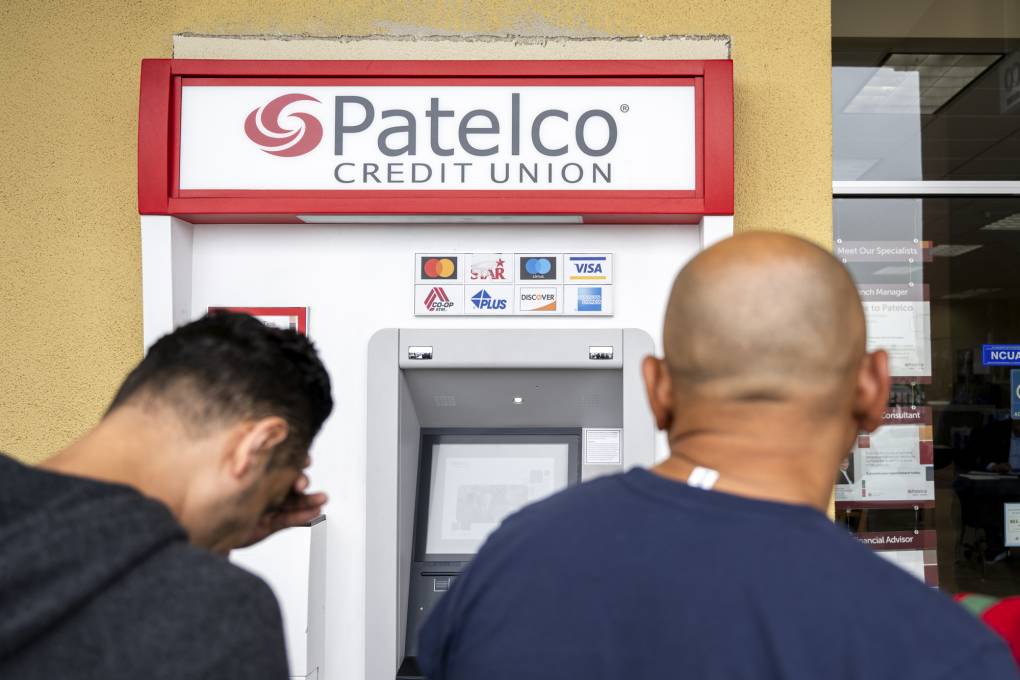
Patelco Restores Most Banking Services Weeks After Massive Ransomware Attack
Crippling Patelco Ransomware Attack Leads to Pair of Class Action Lawsuits
California Considers Bill to Make Doxxing a Costly Mistake for Online Offenders
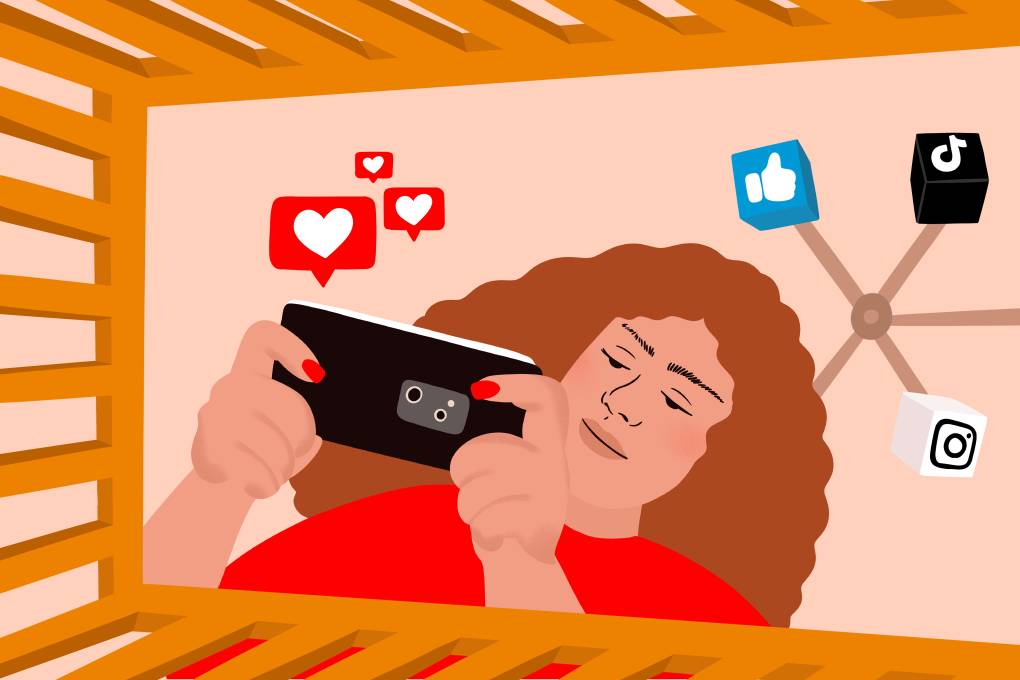
The Hidden Dangers of Sharing Adorable Photos of Your Child Online
Sponsored
Player sponsored by
window.__IS_SSR__=true
window.__INITIAL_STATE__={
"attachmentsReducer": {
"audio_0": {
"type": "attachments",
"id": "audio_0",
"imgSizes": {
"kqedFullSize": {
"file": "https://ww2.kqed.org/news/wp-content/themes/KQED-unified/img/audio_bgs/background0.jpg"
}
}
},
"audio_1": {
"type": "attachments",
"id": "audio_1",
"imgSizes": {
"kqedFullSize": {
"file": "https://ww2.kqed.org/news/wp-content/themes/KQED-unified/img/audio_bgs/background1.jpg"
}
}
},
"audio_2": {
"type": "attachments",
"id": "audio_2",
"imgSizes": {
"kqedFullSize": {
"file": "https://ww2.kqed.org/news/wp-content/themes/KQED-unified/img/audio_bgs/background2.jpg"
}
}
},
"audio_3": {
"type": "attachments",
"id": "audio_3",
"imgSizes": {
"kqedFullSize": {
"file": "https://ww2.kqed.org/news/wp-content/themes/KQED-unified/img/audio_bgs/background3.jpg"
}
}
},
"audio_4": {
"type": "attachments",
"id": "audio_4",
"imgSizes": {
"kqedFullSize": {
"file": "https://ww2.kqed.org/news/wp-content/themes/KQED-unified/img/audio_bgs/background4.jpg"
}
}
},
"placeholder": {
"type": "attachments",
"id": "placeholder",
"imgSizes": {
"thumbnail": {
"file": "https://cdn.kqed.org/wp-content/uploads/2024/12/KQED-Default-Image-816638274-2000x1333-1-160x107.jpg",
"width": 160,
"height": 107,
"mimeType": "image/jpeg"
},
"medium": {
"file": "https://cdn.kqed.org/wp-content/uploads/2024/12/KQED-Default-Image-816638274-2000x1333-1-800x533.jpg",
"width": 800,
"height": 533,
"mimeType": "image/jpeg"
},
"medium_large": {
"file": "https://cdn.kqed.org/wp-content/uploads/2024/12/KQED-Default-Image-816638274-2000x1333-1-768x512.jpg",
"width": 768,
"height": 512,
"mimeType": "image/jpeg"
},
"large": {
"file": "https://cdn.kqed.org/wp-content/uploads/2024/12/KQED-Default-Image-816638274-2000x1333-1-1020x680.jpg",
"width": 1020,
"height": 680,
"mimeType": "image/jpeg"
},
"1536x1536": {
"file": "https://cdn.kqed.org/wp-content/uploads/2024/12/KQED-Default-Image-816638274-2000x1333-1-1536x1024.jpg",
"width": 1536,
"height": 1024,
"mimeType": "image/jpeg"
},
"fd-lrg": {
"file": "https://cdn.kqed.org/wp-content/uploads/2024/12/KQED-Default-Image-816638274-2000x1333-1-1536x1024.jpg",
"width": 1536,
"height": 1024,
"mimeType": "image/jpeg"
},
"fd-med": {
"file": "https://cdn.kqed.org/wp-content/uploads/2024/12/KQED-Default-Image-816638274-2000x1333-1-1020x680.jpg",
"width": 1020,
"height": 680,
"mimeType": "image/jpeg"
},
"fd-sm": {
"file": "https://cdn.kqed.org/wp-content/uploads/2024/12/KQED-Default-Image-816638274-2000x1333-1-800x533.jpg",
"width": 800,
"height": 533,
"mimeType": "image/jpeg"
},
"post-thumbnail": {
"file": "https://cdn.kqed.org/wp-content/uploads/2024/12/KQED-Default-Image-816638274-2000x1333-1-672x372.jpg",
"width": 672,
"height": 372,
"mimeType": "image/jpeg"
},
"twentyfourteen-full-width": {
"file": "https://cdn.kqed.org/wp-content/uploads/2024/12/KQED-Default-Image-816638274-2000x1333-1-1038x576.jpg",
"width": 1038,
"height": 576,
"mimeType": "image/jpeg"
},
"xxsmall": {
"file": "https://cdn.kqed.org/wp-content/uploads/2024/12/KQED-Default-Image-816638274-2000x1333-1-160x107.jpg",
"width": 160,
"height": 107,
"mimeType": "image/jpeg"
},
"xsmall": {
"file": "https://cdn.kqed.org/wp-content/uploads/2024/12/KQED-Default-Image-816638274-2000x1333-1-672x372.jpg",
"width": 672,
"height": 372,
"mimeType": "image/jpeg"
},
"small": {
"file": "https://cdn.kqed.org/wp-content/uploads/2024/12/KQED-Default-Image-816638274-2000x1333-1-672x372.jpg",
"width": 672,
"height": 372,
"mimeType": "image/jpeg"
},
"xlarge": {
"file": "https://cdn.kqed.org/wp-content/uploads/2024/12/KQED-Default-Image-816638274-2000x1333-1-1020x680.jpg",
"width": 1020,
"height": 680,
"mimeType": "image/jpeg"
},
"full-width": {
"file": "https://cdn.kqed.org/wp-content/uploads/2024/12/KQED-Default-Image-816638274-2000x1333-1-1920x1280.jpg",
"width": 1920,
"height": 1280,
"mimeType": "image/jpeg"
},
"guest-author-32": {
"file": "https://cdn.kqed.org/wp-content/uploads/2025/01/KQED-Default-Image-816638274-1333x1333-1-160x160.jpg",
"width": 32,
"height": 32,
"mimeType": "image/jpeg"
},
"guest-author-50": {
"file": "https://cdn.kqed.org/wp-content/uploads/2025/01/KQED-Default-Image-816638274-1333x1333-1-160x160.jpg",
"width": 50,
"height": 50,
"mimeType": "image/jpeg"
},
"guest-author-64": {
"file": "https://cdn.kqed.org/wp-content/uploads/2025/01/KQED-Default-Image-816638274-1333x1333-1-160x160.jpg",
"width": 64,
"height": 64,
"mimeType": "image/jpeg"
},
"guest-author-96": {
"file": "https://cdn.kqed.org/wp-content/uploads/2025/01/KQED-Default-Image-816638274-1333x1333-1-160x160.jpg",
"width": 96,
"height": 96,
"mimeType": "image/jpeg"
},
"guest-author-128": {
"file": "https://cdn.kqed.org/wp-content/uploads/2025/01/KQED-Default-Image-816638274-1333x1333-1-160x160.jpg",
"width": 128,
"height": 128,
"mimeType": "image/jpeg"
},
"detail": {
"file": "https://cdn.kqed.org/wp-content/uploads/2025/01/KQED-Default-Image-816638274-1333x1333-1-160x160.jpg",
"width": 160,
"height": 160,
"mimeType": "image/jpeg"
},
"kqedFullSize": {
"file": "https://cdn.kqed.org/wp-content/uploads/2024/12/KQED-Default-Image-816638274-2000x1333-1.jpg",
"width": 2000,
"height": 1333
}
}
},
"news_12055410": {
"type": "attachments",
"id": "news_12055410",
"meta": {
"index": "attachments_1716263798",
"site": "news",
"id": "12055410",
"found": true
},
"title": "23andMe_webimg",
"publishDate": 1757463534,
"status": "inherit",
"parent": 12055408,
"modified": 1757463573,
"caption": "A view of 23andMe headquarters in Sunnyvale, California. Genetic testing and biotechnology company 23andMe filed for Chapter 11 bankruptcy on March 23, 2025.",
"credit": "Tayfun Coskun/Anadolu via Getty Images",
"altTag": "An image of the 23andMe headquarters in Sunnyvale, California. The company’s sign is prominently displayed — it contains the 23andMe logo in lavender font with a pink and green X next to it. The sign is on top of a white stone wall in the grass in front of a textured glass building. The Close All Tabs logo appears in pixelated font in the lower left corner.",
"description": null,
"imgSizes": {
"thumbnail": {
"file": "https://cdn.kqed.org/wp-content/uploads/sites/10/2025/09/23andMe_webimg-160x90.png",
"width": 160,
"height": 90,
"mimeType": "image/png"
},
"1536x1536": {
"file": "https://cdn.kqed.org/wp-content/uploads/sites/10/2025/09/23andMe_webimg-1536x864.png",
"width": 1536,
"height": 864,
"mimeType": "image/png"
},
"post-thumbnail": {
"file": "https://cdn.kqed.org/wp-content/uploads/sites/10/2025/09/23andMe_webimg-672x372.png",
"width": 672,
"height": 372,
"mimeType": "image/png"
},
"twentyfourteen-full-width": {
"file": "https://cdn.kqed.org/wp-content/uploads/sites/10/2025/09/23andMe_webimg-1038x576.png",
"width": 1038,
"height": 576,
"mimeType": "image/png"
},
"kqedFullSize": {
"file": "https://cdn.kqed.org/wp-content/uploads/sites/10/2025/09/23andMe_webimg.png",
"width": 1920,
"height": 1080
}
},
"fetchFailed": false,
"isLoading": false
},
"news_12039008": {
"type": "attachments",
"id": "news_12039008",
"meta": {
"index": "attachments_1716263798",
"site": "news",
"id": "12039008",
"found": true
},
"title": "CAT — The Surveillance Machine Pt 1",
"publishDate": 1746574135,
"status": "inherit",
"parent": 12038910,
"modified": 1746641691,
"caption": "A banner reading 'Stop Government Spying' at the 1976 Democratic National Convention in New York City, USA, July 1976. Jimmy Carter is the presidential nominee. (Photo by Archive Photos/Getty Images)",
"credit": null,
"altTag": "A group of people holding up a banner that says “Stop Government Spying” while police stand around them. The group of people appear to be protesting government surveillance and are blurry in the photo. So are the police.",
"description": null,
"imgSizes": {
"medium": {
"file": "https://cdn.kqed.org/wp-content/uploads/sites/10/2025/05/CAT-—-The-Surveillance-Machine-Pt-1-800x450.png",
"width": 800,
"height": 450,
"mimeType": "image/png"
},
"large": {
"file": "https://cdn.kqed.org/wp-content/uploads/sites/10/2025/05/CAT-—-The-Surveillance-Machine-Pt-1-1020x574.png",
"width": 1020,
"height": 574,
"mimeType": "image/png"
},
"thumbnail": {
"file": "https://cdn.kqed.org/wp-content/uploads/sites/10/2025/05/CAT-—-The-Surveillance-Machine-Pt-1-160x90.png",
"width": 160,
"height": 90,
"mimeType": "image/png"
},
"1536x1536": {
"file": "https://cdn.kqed.org/wp-content/uploads/sites/10/2025/05/CAT-—-The-Surveillance-Machine-Pt-1-1536x864.png",
"width": 1536,
"height": 864,
"mimeType": "image/png"
},
"post-thumbnail": {
"file": "https://cdn.kqed.org/wp-content/uploads/sites/10/2025/05/CAT-—-The-Surveillance-Machine-Pt-1-672x372.png",
"width": 672,
"height": 372,
"mimeType": "image/png"
},
"twentyfourteen-full-width": {
"file": "https://cdn.kqed.org/wp-content/uploads/sites/10/2025/05/CAT-—-The-Surveillance-Machine-Pt-1-1038x576.png",
"width": 1038,
"height": 576,
"mimeType": "image/png"
},
"kqedFullSize": {
"file": "https://cdn.kqed.org/wp-content/uploads/sites/10/2025/05/CAT-—-The-Surveillance-Machine-Pt-1.png",
"width": 1920,
"height": 1080
}
},
"fetchFailed": false,
"isLoading": false
},
"news_12038442": {
"type": "attachments",
"id": "news_12038442",
"meta": {
"index": "attachments_1716263798",
"site": "news",
"id": "12038442",
"found": true
},
"title": "Visa Headquarters In San Francisco",
"publishDate": 1746133083,
"status": "inherit",
"parent": 12038439,
"modified": 1746133136,
"caption": "On Wednesday, the San Francisco-based company unveiled Visa Intelligent Commerce at the Visa Global Product Drop. According to the release, this initiative opens Visa's payment network to developers and engineers who are building AI that shop on behalf of users. ",
"credit": "Justin Sullivan/Getty Images",
"altTag": null,
"description": null,
"imgSizes": {
"medium": {
"file": "https://cdn.kqed.org/wp-content/uploads/sites/10/2025/05/VisaGetty-800x533.jpg",
"width": 800,
"height": 533,
"mimeType": "image/jpeg"
},
"large": {
"file": "https://cdn.kqed.org/wp-content/uploads/sites/10/2025/05/VisaGetty-1020x680.jpg",
"width": 1020,
"height": 680,
"mimeType": "image/jpeg"
},
"thumbnail": {
"file": "https://cdn.kqed.org/wp-content/uploads/sites/10/2025/05/VisaGetty-160x107.jpg",
"width": 160,
"height": 107,
"mimeType": "image/jpeg"
},
"1536x1536": {
"file": "https://cdn.kqed.org/wp-content/uploads/sites/10/2025/05/VisaGetty-1536x1024.jpg",
"width": 1536,
"height": 1024,
"mimeType": "image/jpeg"
},
"post-thumbnail": {
"file": "https://cdn.kqed.org/wp-content/uploads/sites/10/2025/05/VisaGetty-672x372.jpg",
"width": 672,
"height": 372,
"mimeType": "image/jpeg"
},
"twentyfourteen-full-width": {
"file": "https://cdn.kqed.org/wp-content/uploads/sites/10/2025/05/VisaGetty-1038x576.jpg",
"width": 1038,
"height": 576,
"mimeType": "image/jpeg"
},
"full-width": {
"file": "https://cdn.kqed.org/wp-content/uploads/sites/10/2025/05/VisaGetty-1920x1280.jpg",
"width": 1920,
"height": 1280,
"mimeType": "image/jpeg"
},
"kqedFullSize": {
"file": "https://cdn.kqed.org/wp-content/uploads/sites/10/2025/05/VisaGetty.jpg",
"width": 2000,
"height": 1333
}
},
"fetchFailed": false,
"isLoading": false
},
"news_12031069": {
"type": "attachments",
"id": "news_12031069",
"meta": {
"index": "attachments_1716263798",
"site": "news",
"id": "12031069",
"found": true
},
"title": "Hondalink",
"publishDate": 1741818460,
"status": "inherit",
"parent": 12030969,
"modified": 1741818590,
"caption": "A close-up of HondaLink inside a vehicle dashboard display screen in Lafayette, California, in October 2021. ",
"credit": "Smith Collection/Gado/Getty Images",
"altTag": null,
"description": null,
"imgSizes": {
"medium": {
"file": "https://cdn.kqed.org/wp-content/uploads/sites/10/2025/03/Honda-800x600.jpg",
"width": 800,
"height": 600,
"mimeType": "image/jpeg"
},
"large": {
"file": "https://cdn.kqed.org/wp-content/uploads/sites/10/2025/03/Honda-1020x765.jpg",
"width": 1020,
"height": 765,
"mimeType": "image/jpeg"
},
"thumbnail": {
"file": "https://cdn.kqed.org/wp-content/uploads/sites/10/2025/03/Honda-160x120.jpg",
"width": 160,
"height": 120,
"mimeType": "image/jpeg"
},
"1536x1536": {
"file": "https://cdn.kqed.org/wp-content/uploads/sites/10/2025/03/Honda-1536x1152.jpg",
"width": 1536,
"height": 1152,
"mimeType": "image/jpeg"
},
"post-thumbnail": {
"file": "https://cdn.kqed.org/wp-content/uploads/sites/10/2025/03/Honda-672x372.jpg",
"width": 672,
"height": 372,
"mimeType": "image/jpeg"
},
"twentyfourteen-full-width": {
"file": "https://cdn.kqed.org/wp-content/uploads/sites/10/2025/03/Honda-1038x576.jpg",
"width": 1038,
"height": 576,
"mimeType": "image/jpeg"
},
"full-width": {
"file": "https://cdn.kqed.org/wp-content/uploads/sites/10/2025/03/Honda-1920x1440.jpg",
"width": 1920,
"height": 1440,
"mimeType": "image/jpeg"
},
"kqedFullSize": {
"file": "https://cdn.kqed.org/wp-content/uploads/sites/10/2025/03/Honda.jpg",
"width": 2000,
"height": 1500
}
},
"fetchFailed": false,
"isLoading": false
},
"news_12010370": {
"type": "attachments",
"id": "news_12010370",
"meta": {
"index": "attachments_1716263798",
"site": "news",
"id": "12010370",
"found": true
},
"title": "Unfinished Live 2022 - Day 2",
"publishDate": 1729529442,
"status": "inherit",
"parent": 12010369,
"modified": 1729533849,
"caption": "Internet Archive founder Brewster Kahle speaks onstage during Unfinished Live at The Shed on Sept. 22, 2022, in New York City.",
"credit": "Roy Rochlin/Getty Images",
"altTag": "A middle-aged white man with grey hair, wearing a blazer, speaks on a stage.",
"description": "NEW YORK, NEW YORK - SEPTEMBER 22: for Unfinished Live )",
"imgSizes": {
"medium": {
"file": "https://cdn.kqed.org/wp-content/uploads/sites/10/2024/10/gettyimages-1426356126-800x533.jpeg",
"width": 800,
"height": 533,
"mimeType": "image/jpeg"
},
"large": {
"file": "https://cdn.kqed.org/wp-content/uploads/sites/10/2024/10/gettyimages-1426356126-1020x680.jpeg",
"width": 1020,
"height": 680,
"mimeType": "image/jpeg"
},
"thumbnail": {
"file": "https://cdn.kqed.org/wp-content/uploads/sites/10/2024/10/gettyimages-1426356126-160x107.jpeg",
"width": 160,
"height": 107,
"mimeType": "image/jpeg"
},
"1536x1536": {
"file": "https://cdn.kqed.org/wp-content/uploads/sites/10/2024/10/gettyimages-1426356126-1536x1024.jpeg",
"width": 1536,
"height": 1024,
"mimeType": "image/jpeg"
},
"2048x2048": {
"file": "https://cdn.kqed.org/wp-content/uploads/sites/10/2024/10/gettyimages-1426356126-2048x1365.jpeg",
"width": 2048,
"height": 1365,
"mimeType": "image/jpeg"
},
"post-thumbnail": {
"file": "https://cdn.kqed.org/wp-content/uploads/sites/10/2024/10/gettyimages-1426356126-672x372.jpeg",
"width": 672,
"height": 372,
"mimeType": "image/jpeg"
},
"twentyfourteen-full-width": {
"file": "https://cdn.kqed.org/wp-content/uploads/sites/10/2024/10/gettyimages-1426356126-1038x576.jpeg",
"width": 1038,
"height": 576,
"mimeType": "image/jpeg"
},
"full-width": {
"file": "https://cdn.kqed.org/wp-content/uploads/sites/10/2024/10/gettyimages-1426356126-1920x1280.jpeg",
"width": 1920,
"height": 1280,
"mimeType": "image/jpeg"
},
"kqedFullSize": {
"file": "https://cdn.kqed.org/wp-content/uploads/sites/10/2024/10/gettyimages-1426356126-scaled.jpeg",
"width": 2560,
"height": 1706
}
},
"fetchFailed": false,
"isLoading": false
},
"news_11993535": {
"type": "attachments",
"id": "news_11993535",
"meta": {
"index": "attachments_1716263798",
"site": "news",
"id": "11993535",
"found": true
},
"title": "240710-PATELCOCREDITUNION-19-BL-KQED",
"publishDate": 1720647884,
"status": "inherit",
"parent": 0,
"modified": 1720648003,
"caption": "A Patelco Credit Union ATM machine at their location in Daly City on July 10, 2024.",
"credit": "Beth LaBerge/KQED",
"altTag": null,
"description": null,
"imgSizes": {
"medium": {
"file": "https://cdn.kqed.org/wp-content/uploads/sites/10/2024/07/240710-PATELCOCREDITUNION-19-BL-KQED-800x533.jpg",
"width": 800,
"height": 533,
"mimeType": "image/jpeg"
},
"large": {
"file": "https://cdn.kqed.org/wp-content/uploads/sites/10/2024/07/240710-PATELCOCREDITUNION-19-BL-KQED-1020x680.jpg",
"width": 1020,
"height": 680,
"mimeType": "image/jpeg"
},
"thumbnail": {
"file": "https://cdn.kqed.org/wp-content/uploads/sites/10/2024/07/240710-PATELCOCREDITUNION-19-BL-KQED-160x107.jpg",
"width": 160,
"height": 107,
"mimeType": "image/jpeg"
},
"1536x1536": {
"file": "https://cdn.kqed.org/wp-content/uploads/sites/10/2024/07/240710-PATELCOCREDITUNION-19-BL-KQED-1536x1024.jpg",
"width": 1536,
"height": 1024,
"mimeType": "image/jpeg"
},
"post-thumbnail": {
"file": "https://cdn.kqed.org/wp-content/uploads/sites/10/2024/07/240710-PATELCOCREDITUNION-19-BL-KQED-672x372.jpg",
"width": 672,
"height": 372,
"mimeType": "image/jpeg"
},
"twentyfourteen-full-width": {
"file": "https://cdn.kqed.org/wp-content/uploads/sites/10/2024/07/240710-PATELCOCREDITUNION-19-BL-KQED-1038x576.jpg",
"width": 1038,
"height": 576,
"mimeType": "image/jpeg"
},
"full-width": {
"file": "https://cdn.kqed.org/wp-content/uploads/sites/10/2024/07/240710-PATELCOCREDITUNION-19-BL-KQED-1920x1280.jpg",
"width": 1920,
"height": 1280,
"mimeType": "image/jpeg"
},
"kqedFullSize": {
"file": "https://cdn.kqed.org/wp-content/uploads/sites/10/2024/07/240710-PATELCOCREDITUNION-19-BL-KQED.jpg",
"width": 2000,
"height": 1333
}
},
"fetchFailed": false,
"isLoading": false
},
"news_11993536": {
"type": "attachments",
"id": "news_11993536",
"meta": {
"index": "attachments_1716263798",
"site": "news",
"id": "11993536",
"found": true
},
"title": "240710-PATELCOCREDITUNION-18-BL-KQED",
"publishDate": 1720647994,
"status": "inherit",
"parent": 0,
"modified": 1720648017,
"caption": "A line of customers wait to speak with a teller at Patelco Credit Union in Daly City on July 10, 2024.",
"credit": "Beth LaBerge/KQED",
"altTag": null,
"description": null,
"imgSizes": {
"medium": {
"file": "https://cdn.kqed.org/wp-content/uploads/sites/10/2024/07/240710-PATELCOCREDITUNION-18-BL-KQED-800x533.jpg",
"width": 800,
"height": 533,
"mimeType": "image/jpeg"
},
"large": {
"file": "https://cdn.kqed.org/wp-content/uploads/sites/10/2024/07/240710-PATELCOCREDITUNION-18-BL-KQED-1020x680.jpg",
"width": 1020,
"height": 680,
"mimeType": "image/jpeg"
},
"thumbnail": {
"file": "https://cdn.kqed.org/wp-content/uploads/sites/10/2024/07/240710-PATELCOCREDITUNION-18-BL-KQED-160x107.jpg",
"width": 160,
"height": 107,
"mimeType": "image/jpeg"
},
"1536x1536": {
"file": "https://cdn.kqed.org/wp-content/uploads/sites/10/2024/07/240710-PATELCOCREDITUNION-18-BL-KQED-1536x1024.jpg",
"width": 1536,
"height": 1024,
"mimeType": "image/jpeg"
},
"post-thumbnail": {
"file": "https://cdn.kqed.org/wp-content/uploads/sites/10/2024/07/240710-PATELCOCREDITUNION-18-BL-KQED-672x372.jpg",
"width": 672,
"height": 372,
"mimeType": "image/jpeg"
},
"twentyfourteen-full-width": {
"file": "https://cdn.kqed.org/wp-content/uploads/sites/10/2024/07/240710-PATELCOCREDITUNION-18-BL-KQED-1038x576.jpg",
"width": 1038,
"height": 576,
"mimeType": "image/jpeg"
},
"full-width": {
"file": "https://cdn.kqed.org/wp-content/uploads/sites/10/2024/07/240710-PATELCOCREDITUNION-18-BL-KQED-1920x1280.jpg",
"width": 1920,
"height": 1280,
"mimeType": "image/jpeg"
},
"kqedFullSize": {
"file": "https://cdn.kqed.org/wp-content/uploads/sites/10/2024/07/240710-PATELCOCREDITUNION-18-BL-KQED.jpg",
"width": 2000,
"height": 1333
}
},
"fetchFailed": false,
"isLoading": false
},
"news_11992237": {
"type": "attachments",
"id": "news_11992237",
"meta": {
"index": "attachments_1716263798",
"site": "news",
"id": "11992237",
"found": true
},
"title": "Cropped shot of woman's hand typing on computer keyboard in the dark, working late on laptop at home",
"publishDate": 1719509735,
"status": "inherit",
"parent": 11992222,
"modified": 1719509796,
"caption": null,
"credit": "D3sign",
"altTag": "A cropped shot of a woman's hand typing on computer keyboard in the dark.",
"description": null,
"imgSizes": {
"medium": {
"file": "https://cdn.kqed.org/wp-content/uploads/sites/10/2024/06/GettyImages-1309760275-800x533.jpg",
"width": 800,
"height": 533,
"mimeType": "image/jpeg"
},
"large": {
"file": "https://cdn.kqed.org/wp-content/uploads/sites/10/2024/06/GettyImages-1309760275-1020x680.jpg",
"width": 1020,
"height": 680,
"mimeType": "image/jpeg"
},
"thumbnail": {
"file": "https://cdn.kqed.org/wp-content/uploads/sites/10/2024/06/GettyImages-1309760275-160x107.jpg",
"width": 160,
"height": 107,
"mimeType": "image/jpeg"
},
"1536x1536": {
"file": "https://cdn.kqed.org/wp-content/uploads/sites/10/2024/06/GettyImages-1309760275-1536x1024.jpg",
"width": 1536,
"height": 1024,
"mimeType": "image/jpeg"
},
"2048x2048": {
"file": "https://cdn.kqed.org/wp-content/uploads/sites/10/2024/06/GettyImages-1309760275-2048x1365.jpg",
"width": 2048,
"height": 1365,
"mimeType": "image/jpeg"
},
"post-thumbnail": {
"file": "https://cdn.kqed.org/wp-content/uploads/sites/10/2024/06/GettyImages-1309760275-672x372.jpg",
"width": 672,
"height": 372,
"mimeType": "image/jpeg"
},
"twentyfourteen-full-width": {
"file": "https://cdn.kqed.org/wp-content/uploads/sites/10/2024/06/GettyImages-1309760275-1038x576.jpg",
"width": 1038,
"height": 576,
"mimeType": "image/jpeg"
},
"full-width": {
"file": "https://cdn.kqed.org/wp-content/uploads/sites/10/2024/06/GettyImages-1309760275-1920x1280.jpg",
"width": 1920,
"height": 1280,
"mimeType": "image/jpeg"
},
"kqedFullSize": {
"file": "https://cdn.kqed.org/wp-content/uploads/sites/10/2024/06/GettyImages-1309760275.jpg",
"width": 2121,
"height": 1414
}
},
"fetchFailed": false,
"isLoading": false
},
"news_11987710": {
"type": "attachments",
"id": "news_11987710",
"meta": {
"index": "attachments_1716263798",
"site": "news",
"id": "11987710",
"found": true
},
"title": "Illustration of a mother leaning over the railing of her baby's crib taking photos on her phone. Heart icons emanate from her phone and a mobile featuring icons of popular social media sites like TikTok, Instagram and Facebook hangs above her head. The image is from the baby's perspective in the crib.",
"publishDate": 1716581680,
"status": "inherit",
"parent": 11987709,
"modified": 1716588844,
"caption": "Illustration of a mother leaning over the railing of her baby's crib taking photos on her phone. Heart icons emanate from her phone and a mobile featuring icons of popular social media sites like TikTok, Instagram and Facebook hangs above her head. The image is from the baby's perspective in the crib.",
"credit": null,
"altTag": null,
"description": null,
"imgSizes": {
"medium": {
"file": "https://cdn.kqed.org/wp-content/uploads/sites/10/2024/05/lk_sharenting_socialmedia_parenting_final-_slide-26351884f388702e26da3a913a124b5613e1d0ac-800x533.jpg",
"width": 800,
"height": 533,
"mimeType": "image/jpeg"
},
"large": {
"file": "https://cdn.kqed.org/wp-content/uploads/sites/10/2024/05/lk_sharenting_socialmedia_parenting_final-_slide-26351884f388702e26da3a913a124b5613e1d0ac-1020x680.jpg",
"width": 1020,
"height": 680,
"mimeType": "image/jpeg"
},
"thumbnail": {
"file": "https://cdn.kqed.org/wp-content/uploads/sites/10/2024/05/lk_sharenting_socialmedia_parenting_final-_slide-26351884f388702e26da3a913a124b5613e1d0ac-160x107.jpg",
"width": 160,
"height": 107,
"mimeType": "image/jpeg"
},
"1536x1536": {
"file": "https://cdn.kqed.org/wp-content/uploads/sites/10/2024/05/lk_sharenting_socialmedia_parenting_final-_slide-26351884f388702e26da3a913a124b5613e1d0ac-1536x1024.jpg",
"width": 1536,
"height": 1024,
"mimeType": "image/jpeg"
},
"2048x2048": {
"file": "https://cdn.kqed.org/wp-content/uploads/sites/10/2024/05/lk_sharenting_socialmedia_parenting_final-_slide-26351884f388702e26da3a913a124b5613e1d0ac-2048x1365.jpg",
"width": 2048,
"height": 1365,
"mimeType": "image/jpeg"
},
"post-thumbnail": {
"file": "https://cdn.kqed.org/wp-content/uploads/sites/10/2024/05/lk_sharenting_socialmedia_parenting_final-_slide-26351884f388702e26da3a913a124b5613e1d0ac-672x372.jpg",
"width": 672,
"height": 372,
"mimeType": "image/jpeg"
},
"twentyfourteen-full-width": {
"file": "https://cdn.kqed.org/wp-content/uploads/sites/10/2024/05/lk_sharenting_socialmedia_parenting_final-_slide-26351884f388702e26da3a913a124b5613e1d0ac-1038x576.jpg",
"width": 1038,
"height": 576,
"mimeType": "image/jpeg"
},
"full-width": {
"file": "https://cdn.kqed.org/wp-content/uploads/sites/10/2024/05/lk_sharenting_socialmedia_parenting_final-_slide-26351884f388702e26da3a913a124b5613e1d0ac-1920x1280.jpg",
"width": 1920,
"height": 1280,
"mimeType": "image/jpeg"
},
"kqedFullSize": {
"file": "https://cdn.kqed.org/wp-content/uploads/sites/10/2024/05/lk_sharenting_socialmedia_parenting_final-_slide-26351884f388702e26da3a913a124b5613e1d0ac-scaled.jpg",
"width": 2560,
"height": 1706
}
},
"fetchFailed": false,
"isLoading": false
}
},
"audioPlayerReducer": {
"postId": "stream_live",
"isPaused": true,
"isPlaying": false,
"pfsActive": false,
"pledgeModalIsOpen": true,
"playerDrawerIsOpen": false
},
"authorsReducer": {
"byline_news_12010369": {
"type": "authors",
"id": "byline_news_12010369",
"meta": {
"override": true
},
"slug": "byline_news_12010369",
"name": "Emma Bowman, NPR",
"isLoading": false
},
"byline_news_11992222": {
"type": "authors",
"id": "byline_news_11992222",
"meta": {
"override": true
},
"slug": "byline_news_11992222",
"name": "Jenna Peterson, CalMatters",
"isLoading": false
},
"byline_news_11987709": {
"type": "authors",
"id": "byline_news_11987709",
"meta": {
"override": true
},
"slug": "byline_news_11987709",
"name": "\u003ca href=\"https://www.npr.org/people/348740829/andrew-limbong\">Andrew Limbong\u003c/a>",
"isLoading": false
},
"rachael-myrow": {
"type": "authors",
"id": "251",
"meta": {
"index": "authors_1716337520",
"id": "251",
"found": true
},
"name": "Rachael Myrow",
"firstName": "Rachael",
"lastName": "Myrow",
"slug": "rachael-myrow",
"email": "rmyrow@kqed.org",
"display_author_email": true,
"staff_mastheads": [
"news"
],
"title": "Senior Editor of KQED's Silicon Valley News Desk",
"bio": "• I write and edit stories about how Silicon Valley power and policies shape everyday life in California. I’m also passionate about making Bay Area history and culture more accessible to a broad public. • I’ve been a journalist for most of my life, starting in high school with The Franklin Press in Los Angeles, where I grew up. While earning my first degree in English at UC Berkeley, I got my start in public radio at KALX-FM. After completing a second degree in journalism at Cal, I landed my first professional job at Marketplace, then moved on to KPCC (now LAist), and then KQED, where I hosted The California Report for more than seven years. • My reporting has appeared on NPR, The World, WBUR’s \u003ci>Here & Now\u003c/i>, and the BBC. I also guest host for KQED’s \u003ci>Forum\u003c/i>, as well as the Commonwealth Club in San Francisco. • I speak periodically on media, democracy and technology issues, and do voiceover work for documentaries and educational video projects. • Outside of the studio, you'll find me hiking Bay Area trails and whipping up Insta-ready meals in my kitchen. • I do not accept gifts, money, or favors from anyone connected to my reporting, I don't pay people for information, and I do not support or donate to political causes. • I strive to treat the people I report on with fairness, honesty, and respect. I also recognize there are often multiple sides to a story and work to verify information through multiple sources and documentation. If I get something wrong, I correct it.",
"avatar": "https://secure.gravatar.com/avatar/87bf8cb5874e045cdff430523a6d48b1?s=600&d=blank&r=g",
"twitter": "rachaelmyrow",
"facebook": null,
"instagram": null,
"linkedin": "https://www.linkedin.com/in/rachaelmyrow/",
"sites": [
{
"site": "arts",
"roles": [
"administrator"
]
},
{
"site": "news",
"roles": [
"edit_others_posts",
"editor"
]
},
{
"site": "futureofyou",
"roles": [
"editor"
]
},
{
"site": "bayareabites",
"roles": [
"editor"
]
},
{
"site": "stateofhealth",
"roles": [
"editor"
]
},
{
"site": "science",
"roles": [
"editor"
]
},
{
"site": "food",
"roles": [
"editor"
]
},
{
"site": "forum",
"roles": [
"editor"
]
},
{
"site": "liveblog",
"roles": [
"author"
]
}
],
"headData": {
"title": "Rachael Myrow | KQED",
"description": "Senior Editor of KQED's Silicon Valley News Desk",
"ogImgSrc": "https://secure.gravatar.com/avatar/87bf8cb5874e045cdff430523a6d48b1?s=600&d=blank&r=g",
"twImgSrc": "https://secure.gravatar.com/avatar/87bf8cb5874e045cdff430523a6d48b1?s=600&d=blank&r=g"
},
"isLoading": false,
"link": "/author/rachael-myrow"
},
"amontecillo": {
"type": "authors",
"id": "11649",
"meta": {
"index": "authors_1716337520",
"id": "11649",
"found": true
},
"name": "Alan Montecillo",
"firstName": "Alan",
"lastName": "Montecillo",
"slug": "amontecillo",
"email": "amontecillo@kqed.org",
"display_author_email": false,
"staff_mastheads": [
"news"
],
"title": "KQED Contributor",
"bio": "Alan Montecillo is the senior editor of \u003cem>\u003ca href=\"http://kqed.org/thebay\">The Bay\u003c/a>, \u003c/em> KQED's local news podcast. Before moving to the Bay Area, he worked as a senior talk show producer for WILL in Champaign-Urbana, Illinois and at Oregon Public Broadcasting in Portland, Oregon. He has won journalism awards from the Society of Professional Journalists Northern California, the Public Media Journalists Association, The Signal Awards, and has also received a regional Edward R. Murrow award. Alan is a Filipino American from Hong Kong and a graduate of Reed College.",
"avatar": "https://secure.gravatar.com/avatar/d5e4e7a76481969ccba76f4e2b5ccabc?s=600&d=blank&r=g",
"twitter": "alanmontecillo",
"facebook": null,
"instagram": null,
"linkedin": null,
"sites": [
{
"site": "",
"roles": [
"editor"
]
},
{
"site": "news",
"roles": [
"editor",
"manage_categories"
]
}
],
"headData": {
"title": "Alan Montecillo | KQED",
"description": "KQED Contributor",
"ogImgSrc": "https://secure.gravatar.com/avatar/d5e4e7a76481969ccba76f4e2b5ccabc?s=600&d=blank&r=g",
"twImgSrc": "https://secure.gravatar.com/avatar/d5e4e7a76481969ccba76f4e2b5ccabc?s=600&d=blank&r=g"
},
"isLoading": false,
"link": "/author/amontecillo"
},
"chambrick": {
"type": "authors",
"id": "11832",
"meta": {
"index": "authors_1716337520",
"id": "11832",
"found": true
},
"name": "Chris Hambrick",
"firstName": "Chris",
"lastName": "Hambrick",
"slug": "chambrick",
"email": "chambrick@kqed.org",
"display_author_email": false,
"staff_mastheads": [],
"title": "KQED Contributor",
"bio": null,
"avatar": "https://secure.gravatar.com/avatar/c4a3663ebbd3a21fa35ef06a1236ce8a?s=600&d=blank&r=g",
"twitter": null,
"facebook": null,
"instagram": null,
"linkedin": null,
"sites": [
{
"site": "",
"roles": [
"editor"
]
},
{
"site": "arts",
"roles": [
"editor"
]
},
{
"site": "news",
"roles": [
"editor"
]
},
{
"site": "podcasts",
"roles": [
"editor"
]
}
],
"headData": {
"title": "Chris Hambrick | KQED",
"description": "KQED Contributor",
"ogImgSrc": "https://secure.gravatar.com/avatar/c4a3663ebbd3a21fa35ef06a1236ce8a?s=600&d=blank&r=g",
"twImgSrc": "https://secure.gravatar.com/avatar/c4a3663ebbd3a21fa35ef06a1236ce8a?s=600&d=blank&r=g"
},
"isLoading": false,
"link": "/author/chambrick"
},
"cegusa": {
"type": "authors",
"id": "11869",
"meta": {
"index": "authors_1716337520",
"id": "11869",
"found": true
},
"name": "Chris Egusa",
"firstName": "Chris",
"lastName": "Egusa",
"slug": "cegusa",
"email": "cegusa@kqed.org",
"display_author_email": false,
"staff_mastheads": [],
"title": "KQED Contributor",
"bio": null,
"avatar": "https://secure.gravatar.com/avatar/86d00b34cb7eeb5247e991f0e20c70c4?s=600&d=blank&r=g",
"twitter": null,
"facebook": null,
"instagram": null,
"linkedin": null,
"sites": [
{
"site": "arts",
"roles": [
"editor"
]
}
],
"headData": {
"title": "Chris Egusa | KQED",
"description": "KQED Contributor",
"ogImgSrc": "https://secure.gravatar.com/avatar/86d00b34cb7eeb5247e991f0e20c70c4?s=600&d=blank&r=g",
"twImgSrc": "https://secure.gravatar.com/avatar/86d00b34cb7eeb5247e991f0e20c70c4?s=600&d=blank&r=g"
},
"isLoading": false,
"link": "/author/cegusa"
},
"kdebenedetti": {
"type": "authors",
"id": "11913",
"meta": {
"index": "authors_1716337520",
"id": "11913",
"found": true
},
"name": "Katie DeBenedetti",
"firstName": "Katie",
"lastName": "DeBenedetti",
"slug": "kdebenedetti",
"email": "kdebenedetti@kqed.org",
"display_author_email": false,
"staff_mastheads": [
"news",
"science"
],
"title": "KQED Contributor",
"bio": "Katie DeBenedetti is a digital reporter covering daily news for the Express Desk. Prior to joining KQED as a culture reporting intern in January 2024, she covered education and city government for the Napa Valley Register.",
"avatar": "https://secure.gravatar.com/avatar/6e31073cb8f7e4214ab03f42771d0f45?s=600&d=blank&r=g",
"twitter": null,
"facebook": null,
"instagram": null,
"linkedin": null,
"sites": [
{
"site": "news",
"roles": [
"author"
]
},
{
"site": "science",
"roles": [
"author"
]
},
{
"site": "liveblog",
"roles": [
"author"
]
}
],
"headData": {
"title": "Katie DeBenedetti | KQED",
"description": "KQED Contributor",
"ogImgSrc": "https://secure.gravatar.com/avatar/6e31073cb8f7e4214ab03f42771d0f45?s=600&d=blank&r=g",
"twImgSrc": "https://secure.gravatar.com/avatar/6e31073cb8f7e4214ab03f42771d0f45?s=600&d=blank&r=g"
},
"isLoading": false,
"link": "/author/kdebenedetti"
},
"mcueva": {
"type": "authors",
"id": "11943",
"meta": {
"index": "authors_1716337520",
"id": "11943",
"found": true
},
"name": "Maya Cueva",
"firstName": "Maya",
"lastName": "Cueva",
"slug": "mcueva",
"email": "mcueva@kqed.org",
"display_author_email": false,
"staff_mastheads": [],
"title": "KQED Contributor",
"bio": null,
"avatar": "https://secure.gravatar.com/avatar/26d0967153608e4720f52779f754087a?s=600&d=blank&r=g",
"twitter": null,
"facebook": null,
"instagram": null,
"linkedin": null,
"sites": [
{
"site": "news",
"roles": [
"editor"
]
}
],
"headData": {
"title": "Maya Cueva | KQED",
"description": "KQED Contributor",
"ogImgSrc": "https://secure.gravatar.com/avatar/26d0967153608e4720f52779f754087a?s=600&d=blank&r=g",
"twImgSrc": "https://secure.gravatar.com/avatar/26d0967153608e4720f52779f754087a?s=600&d=blank&r=g"
},
"isLoading": false,
"link": "/author/mcueva"
},
"msung": {
"type": "authors",
"id": "11944",
"meta": {
"index": "authors_1716337520",
"id": "11944",
"found": true
},
"name": "Morgan Sung",
"firstName": "Morgan",
"lastName": "Sung",
"slug": "msung",
"email": "msung@kqed.org",
"display_author_email": false,
"staff_mastheads": [],
"title": "Close All Tabs Host",
"bio": null,
"avatar": "https://secure.gravatar.com/avatar/34033b8d232ee6c987ca6f0a1a28f0e5?s=600&d=blank&r=g",
"twitter": null,
"facebook": null,
"instagram": null,
"linkedin": null,
"sites": [
{
"site": "news",
"roles": [
"editor"
]
}
],
"headData": {
"title": "Morgan Sung | KQED",
"description": "Close All Tabs Host",
"ogImgSrc": "https://secure.gravatar.com/avatar/34033b8d232ee6c987ca6f0a1a28f0e5?s=600&d=blank&r=g",
"twImgSrc": "https://secure.gravatar.com/avatar/34033b8d232ee6c987ca6f0a1a28f0e5?s=600&d=blank&r=g"
},
"isLoading": false,
"link": "/author/msung"
}
},
"breakingNewsReducer": {},
"pagesReducer": {},
"postsReducer": {
"stream_live": {
"type": "live",
"id": "stream_live",
"audioUrl": "https://streams.kqed.org/kqedradio",
"title": "Live Stream",
"excerpt": "Live Stream information currently unavailable.",
"link": "/radio",
"featImg": "",
"label": {
"name": "KQED Live",
"link": "/"
}
},
"stream_kqedNewscast": {
"type": "posts",
"id": "stream_kqedNewscast",
"audioUrl": "https://www.kqed.org/.stream/anon/radio/RDnews/newscast.mp3?_=1",
"title": "KQED Newscast",
"featImg": "",
"label": {
"name": "88.5 FM",
"link": "/"
}
},
"news_12055408": {
"type": "posts",
"id": "news_12055408",
"meta": {
"index": "posts_1716263798",
"site": "news",
"id": "12055408",
"score": null,
"sort": [
1757498443000
]
},
"guestAuthors": [],
"slug": "23andme-andgeneticprivacy",
"title": "23andMe (andGeneticPrivacy)",
"publishDate": 1757498443,
"format": "audio",
"headTitle": "23andMe (andGeneticPrivacy) | KQED",
"labelTerm": {},
"content": "\u003cp>\u003cspan style=\"font-weight: 400\">When 23andMe filed for bankruptcy earlier this year, it set off alarm bells among privacy experts and consumers alike. According to a \u003c/span>\u003ca href=\"https://today.yougov.com/health/articles/51527-what-americans-think-about-home-dna-tests-poll\">\u003cspan style=\"font-weight: 400\">2025 survey\u003c/span>\u003c/a>\u003cspan style=\"font-weight: 400\">, about 1 in 5 Americans has taken a home DNA test. Among those who haven’t, privacy ranks as one of their top concerns. As with so many things having to do with data, there’s a trade-off between confidentiality and the ability to access services that can improve our lives. \u003c/span>\u003c/p>\n\u003cp>\u003cspan style=\"font-weight: 400\">The fallout from 23andMe’s bankruptcy and an earlier data breach has left consumers more wary than ever and has underscored the need for stronger data privacy laws. In today’s episode, we’ll hear from someone whose life was transformed by a 23andMe test, and from a genetic data and privacy researcher who explains the risks of handing over our DNA to a corporation. \u003c/span>\u003c/p>\n\u003cp>\u003c!-- iframe plugin v.4.3 wordpress.org/plugins/iframe/ -->\u003cbr>\n\u003ciframe loading=\"lazy\" frameborder=\"0\" height=\"200\" scrolling=\"no\" src=\"https://playlist.megaphone.fm/?e=KQINC2302884115\" width=\"100%\" class=\"iframe-class\">\u003c/iframe>\u003c/p>\n\u003cp>\u003cspan style=\"font-weight: 400\">Guests: \u003c/span>\u003c/p>\n\u003cul>\n\u003cli>\u003cspan style=\"font-weight: 400\">Trine Gallegos, media coordinator and 23andMe user\u003c/span>\u003c/li>\n\u003cli>\u003ca href=\"https://law.uiowa.edu/people/anya-prince\">\u003cspan style=\"font-weight: 400\">Anya Prince\u003c/span>\u003c/a>\u003cspan style=\"font-weight: 400\">, \u003c/span>\u003cspan style=\"font-weight: 400\">professor and genetic privacy researcher at the University of Iowa College of Law\u003c/span>\u003c/li>\n\u003c/ul>\n\u003cp>\u003cspan style=\"font-weight: 400\">Further reading/listening: \u003c/span>\u003c/p>\n\u003cul>\n\u003cli>\u003ca href=\"https://www.theatlantic.com/ideas/archive/2022/10/can-you-hide-your-pregnancy-era-big-data/671692/\">\u003cspan style=\"font-weight: 400\">I Tried to Keep My Pregnancy Secret\u003c/span>\u003c/a>\u003cspan style=\"font-weight: 400\"> — Anya Prince, \u003c/span>\u003ci>\u003cspan style=\"font-weight: 400\">The Atlantic \u003c/span>\u003c/i>\u003c/li>\n\u003cli>\u003ca href=\"https://www.npr.org/2025/06/30/nx-s1-5451398/23andme-sale-approved-dna-data\">\u003cspan style=\"font-weight: 400\">Judge OKs sale of 23andMe — and its trove of DNA data — to a nonprofit led by its founder\u003c/span>\u003c/a>\u003cspan style=\"font-weight: 400\"> — John Ruwitch, \u003c/span>\u003ci>\u003cspan style=\"font-weight: 400\">NPR\u003c/span>\u003c/i>\u003c/li>\n\u003cli>\u003ca href=\"https://www.politico.com/news/2025/06/30/california-ag-23andme-sale-00433554\">\u003cspan style=\"font-weight: 400\">California AG says 23andMe sale ‘does not comply’ with state law\u003c/span>\u003c/a>\u003cspan style=\"font-weight: 400\"> — Tyler Katzenberger, \u003c/span>\u003ci>\u003cspan style=\"font-weight: 400\">Politico\u003c/span>\u003c/i>\u003c/li>\n\u003cli>\u003ca href=\"https://www.cnn.com/2025/03/30/business/23andme-for-sale-genetic-data\">\u003cspan style=\"font-weight: 400\">23andMe is for sale. Here’s why companies might want your genetic data \u003c/span>\u003c/a>\u003cspan style=\"font-weight: 400\">— Lisa Eadicicco, \u003c/span>\u003ci>\u003cspan style=\"font-weight: 400\">CNN\u003c/span>\u003c/i>\u003c/li>\n\u003c/ul>\n\u003cp>Want to give us feedback on the show? Shoot us an email at \u003ca href=\"mailto:CloseAllTabs@KQED.org\">CloseAllTabs@KQED.org\u003c/a>\u003c/p>\n\u003cp>\u003ca href=\"https://www.instagram.com/closealltabspod/\">Follow us on Instagram\u003c/a>\u003c/p>\n\u003cp>[ad fullwidth]\u003c/p>\n\u003cp> \u003c/p>\n\u003ch2 id=\"episode-transcript\">Episode Transcript\u003c/h2>\n\u003cp>\u003ci data-stringify-type=\"italic\">This is a computer-generated transcript. While our team has reviewed it, there may be errors.\u003c/i>\u003c/p>\n\u003cp>\u003cb>Morgan Sung:\u003c/b> \u003cspan style=\"font-weight: 400\">Trine Gallegos is a pillar of her community. She’s a mother, wife, former journalist at the local paper, now a beloved staff member at the local high school, and she volunteers in her spare time. She was even named Citizen of the Year in her hometown of Antioch, California, about an hour northeast of San Francisco. \u003c/span>\u003c/p>\n\u003cp>\u003cb>Trine Gallegos:\u003c/b> \u003cspan style=\"font-weight: 400\">I am a lifelong resident of Antioch, California. This really great um tight knit-kind of community. \u003c/span>\u003c/p>\n\u003cp>\u003cb>Morgan Sung:\u003c/b> \u003cspan style=\"font-weight: 400\">Trine’s in her 60s now, but she grew up the baby of the family — her sister and brother are both over a decade older than her. They were a pretty working class family. Her dad, a veteran, managed pest control for military bases nearby, and her mom worked in a cannery and then in food service. \u003c/span>\u003c/p>\n\u003cp>\u003cb>Trine Gallegos:\u003c/b> \u003cspan style=\"font-weight: 400\">My parents were deeply proud of their background, as they should be. \u003c/span>\u003c/p>\n\u003cp>\u003cb>Morgan Sung:\u003c/b> \u003cspan style=\"font-weight: 400\">Trine’s parents were both Mexican-American, and they’ve raised her to be proud of her heritage, too. \u003c/span>\u003c/p>\n\u003cp>\u003cb>Trine Gallegos:\u003c/b> \u003cspan style=\"font-weight: 400\">I just love like Spanglish, where they slap in, you know, some English and Spanish, and then one sentence might have English and Spanish. And so I really absorbed a lot of that. \u003c/span>\u003c/p>\n\u003cp>\u003cb>Morgan Sung:\u003c/b> \u003cspan style=\"font-weight: 400\">Trine grew up with very few questions about where she came from. As a kid, she had strawberry blonde hair, unlike anyone else in her family. But if anyone ever pointed out that she was different from the rest of the family, her fiercely protective mother would shut it down. \u003c/span>\u003c/p>\n\u003cp>\u003cspan style=\"font-weight: 400\">Trine does remember asking her parents why she was born in San Francisco while her siblings were born in Antioch, but they brushed it off with a loose explanation about her dad’s military health care. When Trine was five, her family suffered a devastating loss. Her brother, who was 19, had joined the Marines to fight in the Vietnam War, and he was killed in action. \u003c/span>\u003c/p>\n\u003cp>\u003cb>Trine Gallegos:\u003c/b> \u003cspan style=\"font-weight: 400\">I am sure some families suffer and kind of fall apart after something like that but we’re, you know, again very lucky in that we kept it together maybe even tighter. My mom was already a real protective parent and I think that I realized much later that probably spurred from, you know, losing my brother. \u003c/span>\u003c/p>\n\u003cp>\u003cb>Morgan Sung:\u003c/b> \u003cspan style=\"font-weight: 400\">Trine grew up. She went to college, got married, and had a daughter of her own. She stayed super close with her older sister, and her sister’s kids, and eventually, their kids. In 2017, they all gathered to celebrate Trine’s 57th birthday. \u003c/span>\u003c/p>\n\u003cp>\u003cb>Trine Gallegos:\u003c/b> \u003cspan style=\"font-weight: 400\">We’re talking around the table and I say, “Oh, you know what I think is gonna be fun? I’m gonna do a DNA test. Like how Mexican are we?” And my mom had always spoke to maybe having some Native American, et cetera. So I just thought it would be interesting to have a little breakdown. And again, literally this is how I said it, “I think it’ll be fun just for fun.” \u003c/span>\u003c/p>\n\u003cp>\u003cb>Morgan Sung:\u003c/b> \u003cspan style=\"font-weight: 400\">Following some friends’ recommendations, she decided to use 23andMe. \u003c/span>\u003c/p>\n\u003cp>\u003cb>Trine Gallegos:\u003c/b> \u003cspan style=\"font-weight: 400\">It was San Francisco based, right? And I was like, yeah, I’ll shop local, basically. \u003c/span>\u003c/p>\n\u003cp>\u003cb>Morgan Sung:\u003c/b> \u003cspan style=\"font-weight: 400\">So she bought the kit, spat in a tube, and mailed it back to the lab in a neat little prepaid package. A few weeks later, Trine got her results back. \u003c/span>\u003c/p>\n\u003cp>\u003cb>Trine Gallegos:\u003c/b> \u003cspan style=\"font-weight: 400\">It said, literally almost down to exactly like 51% Filipino, 49% Irish. \u003c/span>\u003c/p>\n\u003cp>\u003cb>Morgan Sung:\u003c/b> \u003cspan style=\"font-weight: 400\">Which was, obviously, not at all what she expected. Her whole life, she had grown up proudly Mexican. \u003c/span>\u003c/p>\n\u003cp>\u003cb>Trine Gallegos:\u003c/b> \u003cspan style=\"font-weight: 400\">So when I got mine and read it and there’s like no Latin, no anything, I was just like what a waste, like yeah. I was just like, “Oh dang, give me my hundred bucks back!”\u003c/span>\u003c/p>\n\u003cp>\u003cb>Morgan Sung:\u003c/b> \u003cspan style=\"font-weight: 400\">Trine assumed that 23andMe had made a mistake. Maybe they had mixed up her results with someone else’s? Or their own data was inaccurate? The truth was, of course, a bit more complicated. \u003c/span>\u003c/p>\n\u003cp>\u003cspan style=\"font-weight: 400\">On today’s episode, we’re going to hear more of Trine’s story and also talk to a genetic privacy expert to find out what do you really give up when you take one of these tests? And is it worth it? \u003c/span>\u003c/p>\n\u003cp>\u003cspan style=\"font-weight: 400\">This is Close All Tabs. I’m Morgan Sung, tech journalist, and your chronically online friend, here to open as many browser tabs as it takes to help you understand how the digital world affects our real lives. Let’s get into it. \u003c/span>\u003c/p>\n\u003cp>\u003cspan style=\"font-weight: 400\">Before we get into the privacy questions surrounding 23andMe and all the other at-home DNA tests, let’s hear the rest of Trine’s story. And of course, that means opening a new tab. \u003c/span>\u003c/p>\n\u003cp>\u003cspan style=\"font-weight: 400\">Show DNA relatives. \u003c/span>\u003c/p>\n\u003cp>\u003cb>Morgan Sung:\u003c/b> \u003cspan style=\"font-weight: 400\">About a year after receiving what she thought were bum results, Trine had forgotten about the 23andMe test. Her dad had passed away by then and her mom’s health was starting to decline. While their mom was still able to travel, Trine and her sister decided to take the whole family on a big trip to Hawaii. But throughout the trip, Trine noticed that her sister seemed stressed. During their last day, the family took a morning walk on the beach and Trine and her sister ended up alone. \u003c/span>\u003c/p>\n\u003cp>\u003cb>Trine Gallegos:\u003c/b> \u003cspan style=\"font-weight: 400\">She’s acting kind of odd and then she’s asking me a few little questions and she brings up the 23andMe thing. And she goes, “Well, whatever happened to that test thing?” And I go, “Oh, it was a big frigging disaster. Like it messed up. It didn’t say anything about our like, you know, Mexican heritage or something like that.” And then she said, “Oh I just was, I was going to talk to you about something”, and kind of mumbly. And I was like, “Well just tell me.” so she says, “You’re adopted.”\u003c/span>\u003c/p>\n\u003cp>\u003cb>Morgan Sung:\u003c/b> \u003cspan style=\"font-weight: 400\">At first, Trine was incredulous. \u003c/span>\u003c/p>\n\u003cp>\u003cb>Trine Gallegos:\u003c/b> \u003cspan style=\"font-weight: 400\">I go, “Right,” like almost laughing and then she touches my arm and then I knew and then it just like kind of made me real because you know, it was almost like a little comfort like, no, I’m not kidding. \u003c/span>\u003c/p>\n\u003cp>\u003cb>Morgan Sung:\u003c/b> \u003cspan style=\"font-weight: 400\">And there, on the beach, Trine’s sister revealed a secret that she had been holding onto for almost 60 years. Before Trine’s arrival, their mom had had several miscarriages. Around that time, a distant family member was going through a rough patch and asked Trine’s parents to adopt their baby. Baby Gloria was a joyous part of their family for over six months. But then the relative came back and asked to take her out for one last car ride to say goodbye. They never came back. \u003c/span>\u003c/p>\n\u003cp>\u003cb>Trine Gallegos:\u003c/b> \u003cspan style=\"font-weight: 400\">So, you know, a gut wrench, right? And I mean, they were, I mean just heartbroken. My sister and brother are like apparently crying every day. It was just a scene. And so my sister told me this, and I had heard about Gloria before, but obviously not my part of the story. \u003c/span>\u003c/p>\n\u003cp>\u003cb>Morgan Sung:\u003c/b> \u003cspan style=\"font-weight: 400\">Sometime later, when Trine’s brother was 14 and her sister was 12, their parents announced that they were going to take a drive into San Francisco. This wasn’t out of the ordinary. They went into the city all the time. \u003c/span>\u003c/p>\n\u003cp>\u003cb>Trine Gallegos:\u003c/b> \u003cspan style=\"font-weight: 400\">And then they get to this hospital. They get there and they’re in a room and a woman brings a baby in and hands her to my mom, it’s me, and then, you know, we all get in the car, we come to Antioch. And I guess as we arrive, or getting out of the car, my mom says very matter of factly, which my mom was a girl boss before it was a thing and she said, uh, “This is our baby and we’re not gonna tell anybody how this happened, this is our baby and that’s it and nobody’s gonna take her.” And then my brother and sister were like, “Yeah, fine, let’s go.” But this is all, again, from a 12-year-old’s point of view. That’s all she knew. \u003c/span>\u003c/p>\n\u003cp>\u003cb>Morgan Sung:\u003c/b> \u003cspan style=\"font-weight: 400\">Back on the beach, Trine was reeling, but she didn’t have time to process anything because the rest of the family was getting out of the water and fast approaching across the sand. They still had to pack, get through the airport and catch their flight back to California. So Trine pulled it together. She didn’t tell her husband or daughter about the bombshell her sister dropped until they got home nearly a day later. That’s when she broke. \u003c/span>\u003c/p>\n\u003cp>\u003cb>Trine Gallegos:\u003c/b> \u003cspan style=\"font-weight: 400\">I’m almost crying just thinking about because it was so intense. So now my daughter’s crying, my husband’s crying, because we’re like, “What? I don’t get it.” I was kind of a mini-wreck. I call it, where I was in “upside down world” and I’m pretty, you know, open and fairly lighthearted and positive, but that, you now, that took my knees out. \u003c/span>\u003c/p>\n\u003cp>\u003cb>Morgan Sung:\u003c/b> \u003cspan style=\"font-weight: 400\">Trine still had so many questions. Who were her birth parents? Records were scarce, and there was no such thing as open adoptions back in 1960. Her sister didn’t have many answers, because she was so young when Trine was adopted. And they decided not to bring it up with their mom, who was more easily confused as she got older. A few weeks later, Trine’s nephew and his husband came by to check on her. \u003c/span>\u003c/p>\n\u003cp>\u003cb>Trine Gallegos:\u003c/b> \u003cspan style=\"font-weight: 400\">And my nephew’s husband, who had also done 23andMe, but he knew his results, he said, have you gone back to 23andMe and see if there’s any connections? \u003c/span>\u003c/p>\n\u003cp>\u003cb>Morgan Sung:\u003c/b> \u003cspan style=\"font-weight: 400\">So she logged on for the first time in over a year and clicked, “show DNA relatives.” \u003c/span>\u003c/p>\n\u003cp>\u003cb>Trine Gallegos:\u003c/b> \u003cspan style=\"font-weight: 400\">And then sure enough, boom, like a big fatty circle that showed like a match that, not like partial not like fourth cousin like, you know, 100% this is your sibling. \u003c/span>\u003c/p>\n\u003cp>\u003cb>Morgan Sung:\u003c/b> \u003cspan style=\"font-weight: 400\">That was Trine’s full biological brother, Mark. He’s five years younger than her. They messaged each other through the 23andMe website, hesitantly at first, and then over the next few weeks, shared more and more. Mark told her about their other younger brother, Sean, who’s eight years younger than her. The brothers had grown up in San Francisco and were even born in the same hospital that Trine was born in. They had both gotten married, and had kids, and raised their families less than an hour away from where Trine raised hers. \u003c/span>\u003c/p>\n\u003cp>\u003cb>Trine Gallegos:\u003c/b> \u003cspan style=\"font-weight: 400\">They’ve been in the Bay Area the whole time. I always, you know, say that we’ve been 40 minutes away from each other and a bridge apart our whole lives. Just crazy. \u003c/span>\u003c/p>\n\u003cp>\u003cb>Morgan Sung:\u003c/b> \u003cspan style=\"font-weight: 400\">Trine was floored when she saw a picture of her youngest brother, Sean. \u003c/span>\u003c/p>\n\u003cp>\u003cb>Trine Gallegos:\u003c/b> \u003cspan style=\"font-weight: 400\">It is my face. I look like Mark, you can definitely tell we’re siblings, but Sean has like the exact same coloring, the same kind of shape, more face. I mean, it was like just an absolute mind blow. \u003c/span>\u003c/p>\n\u003cp>\u003cb>Morgan Sung:\u003c/b> \u003cspan style=\"font-weight: 400\">Trine, with her journalism background, had so many questions that it overwhelmed Mark. After a few weeks, he suggested that they meet up in person. They talked for over four hours. \u003c/span>\u003c/p>\n\u003cp>\u003cb>Trine Gallegos:\u003c/b> \u003cspan style=\"font-weight: 400\">So, my mom, Delfina, was 16 when she got pregnant with me. Our father, Gary, was like 17 or 18. My biological grandma, Delfina’s mom, was like, “no, you’re 16, you can’t” — and this is 1960, this is not a thing. “You can’t have the baby, you have to finish school”, also you’re, you know, undertone, “You are Catholic and Filipina, no, no, no.” So, you know, that’s why she had to do, the adoption thing. \u003c/span>\u003c/p>\n\u003cp>\u003cb>Morgan Sung:\u003c/b> \u003cspan style=\"font-weight: 400\">Delfina tragically died just before she turned 50. At her funeral, an aunt told Mark that he might have a sister somewhere out there, but didn’t elaborate. He was grieving and didn’t think much of it. Then, about 20 years later, his wife and daughter pressured him into taking a 23andMe test. That’s when Trine’s profile popped up. Despite the shock of it all, Trine said she’s actually grateful for the timing. If she’d learned that she was adopted before home DNA kits existed, she would have never met her brothers or have the answers she so desperately wanted. \u003c/span>\u003c/p>\n\u003cp>\u003cb>Trine Gallegos:\u003c/b> \u003cspan style=\"font-weight: 400\">If my sister had told me when I was 18 or 25 or when I trying to have a baby and had all these questions. I wouldn’t have known any of this information. I wouldn’t have any back story. And I think it just would have haunted me a little bit. \u003c/span>\u003c/p>\n\u003cp>\u003cb>Morgan Sung:\u003c/b> \u003cspan style=\"font-weight: 400\">After their first meeting, Mark and Trine introduced their families to each other. \u003c/span>\u003c/p>\n\u003cp>\u003cb>Trine Gallegos:\u003c/b> \u003cspan style=\"font-weight: 400\">Immediately we’re gabbing, we’re sharing stories, and I’m just, you know, taking it all in and eating it up and asking about childhood and what they did because, you know, we’ve got 50-some years to catch up on of stories. And um, when we left that dinner, my husband was like, “Oh wow.” So he’s seen that Mark and I have some, like, similar hand gestures and how we kind of pause and the cadence, which is also very wild to think about, right? \u003c/span>\u003c/p>\n\u003cp>\u003cb>Morgan Sung:\u003c/b> \u003cspan style=\"font-weight: 400\">Is that genetic? You know, you have to wonder. \u003c/span>\u003c/p>\n\u003cp>\u003cb>Trine Gallegos:\u003c/b> \u003cspan style=\"font-weight: 400\">Exactly. It has to be, right? It’s just that is just wild to me, but also kind of cool. And then we eventually, not too long after, brought all of our families together. And, it is just all of us jumping in. We’re excited and also like, yikes, you know, like a family reunion we didn’t know we were gonna have. \u003c/span>\u003c/p>\n\u003cp>\u003cspan style=\"font-weight: 400\">But when they left, my sister looked at me. She said, “We have brothers again.” And that’s how she refers to him, too. And they refer to her as, “How’s her sister doing?” And because she’ll say, “have you heard from the brothers lately? What are they doing?” It’s not like, “Oh, how are your brothers doing?” You know, we’re just all melted together, you know. \u003c/span>\u003c/p>\n\u003cp>\u003cb>Morgan Sung:\u003c/b> \u003cspan style=\"font-weight: 400\">Trine is one of the lucky, rare cases of a DNA test reuniting long-lost family members. But while Trine and her brothers were catching up and merging their families, 23andMe, as a company, has had some serious problems. \u003c/span>\u003c/p>\n\u003cp>\u003cb>Trine Gallegos:\u003c/b> \u003cspan style=\"font-weight: 400\">So when I did the 23andMe, I never even considered, “Oh yeah, I could be like super compromised.” “Hi, here’s my sample,” like, you know, but never thought of it. And then of course, it brought so much joy when it happened. Again, I didn’t really think of it, but Mark said he would have never done it if it hadn’t been for the bullying, no, for the encouragement of my sister-in-law and his daughter. He said, I’d never, that’s not his jam. And Sean, 100% hell no. Like he was like, absolutely not. And he is super aware of things that can go sideways, things that could be used against you, things that can bring you down, and he’s not wrong. \u003c/span>\u003c/p>\n\u003cp>\u003cb>Morgan Sung:\u003c/b> \u003cspan style=\"font-weight: 400\">Okay, what’s going on with 23andMe? We’ll dive into that mess in a new tab. But first, a quick break. \u003c/span>\u003c/p>\n\u003cp>\u003cspan style=\"font-weight: 400\">Okay, we’re back to talk about 23andMe, their legal issues, bankruptcy, and the big question, what are they doing with all that data? New tab. \u003c/span>\u003c/p>\n\u003cp>\u003cspan style=\"font-weight: 400\">23andMe privacy nightmare. \u003c/span>\u003c/p>\n\u003cp>\u003cspan style=\"font-weight: 400\">We’re diving into this with Anya Prince, who’s a professor at the University of Iowa College of Law. She researches genetic privacy and discrimination. Before we get into the privacy questions, we need to set the scene. About 10 years ago, 23andMe was super hot and trendy. \u003c/span>\u003c/p>\n\u003cp>\u003cb>Anya Prince:\u003c/b> \u003cspan style=\"font-weight: 400\">I think 23andMe held a lot of promise and marketed itself as this fun, quirky thing, but also part of a larger goal, right. So when 23andMe first launched, they literally had spit parties where they invited, you know, famous people to come to parties and spit in tubes and learn about themselves. \u003c/span>\u003c/p>\n\u003cp>\u003cspan style=\"font-weight: 400\">So it was this really fun thing and it wasn’t necessarily about health back then. It was more about, like, you know, you learn whether or not you can, you know, curl your tongue or whatever quirky genetic traits, learn about your ancestry, learn about where you came from. \u003c/span>\u003c/p>\n\u003cp>\u003cspan style=\"font-weight: 400\">And it’s really grown to, to have more, um, health testing. And also this research side, I think while it’s not the main focus, I think 23andMe did sell itself as like, you can be part of something bigger by opting into research as well. \u003c/span>\u003c/p>\n\u003cp>\u003cb>Morgan Sung:\u003c/b> \u003cspan style=\"font-weight: 400\">Can you talk more about that goal they had of like helping with this grand plan to develop new treatments and special drugs? \u003c/span>\u003c/p>\n\u003cp>\u003cb>Anya Prince:\u003c/b> \u003cspan style=\"font-weight: 400\">Yeah, it’s a really fascinating goal, right? So on the one hand, we could think that this is really beneficial, right, that here’s this good company that’s saying, “Not only we’re gonna provide this interesting service where we tell people about their ancestry, but also we’re going to build this database that can advance science and be for community good.” \u003c/span>\u003c/p>\n\u003cp>\u003cspan style=\"font-weight: 400\">And I think that’s one version of the story that has a lot of truth to it. But I think there’s another version of this story that has lot of true to it too. And that is the business model. Here is a company that took money from people to give them that information, and that was one side of their business model, and had a second business model where they then sold that information to pharmaceutical companies and the like. Or did their own research with it and applied for patents, which then brings in money as well. \u003c/span>\u003c/p>\n\u003cp>\u003cspan style=\"font-weight: 400\">And so a less charitable version of the story is that it’s a really fascinating business model where you’re making money both on the consumer side and then selling their data — and then possibly making cures or drugs that could help ameliorate some of the original customers’ diseases and then charging them for it again. And so, I think both sides of that story have some truth to it. \u003c/span>\u003c/p>\n\u003cp>\u003cb>Morgan Sung:\u003c/b> \u003cspan style=\"font-weight: 400\">When it comes to genetic data specifically, what’s the difference between getting tested in a clinical setting, like a doctor’s office, and submitting a test through an at-home direct-to-consumer company like 23andMe? \u003c/span>\u003c/p>\n\u003cp>\u003cb>Anya Prince:\u003c/b> \u003cspan style=\"font-weight: 400\">So in our healthcare setting, we start with the premise that health information, including genetic information, is private, and it can only be shared if it meets certain exceptions or requirements. In the direct-to-consumer testing setting, at least at the federal level, we start with the presumption that the data can be shared as widely as the privacy policy lets it be shared. \u003c/span>\u003c/p>\n\u003cp>\u003cb>Morgan Sung:\u003c/b> \u003cspan style=\"font-weight: 400\">23andMe did allow customers to opt out of sharing and storing their genetic information. And to their credit, they also let customers fully delete their accounts and all the data associated with it. And this is important because all that data has been a huge concern in recent years. \u003c/span>\u003c/p>\n\u003cp>\u003cb>Anya Prince:\u003c/b> So there w\u003cspan style=\"font-weight: 400\">as a data breach where millions of customers’ data was leaked onto the dark web, essentially. And eventually this came out, and one of the pieces that came out with that is that it seemed like the hackers were particularly targeting individuals that had Ashkenazi Jewish descent or Chinese ancestry. And so there’s concerns of like why why those groups, what was their aim? Um, that I think I haven’t seen really that those questions have been answered. \u003c/span>\u003c/p>\n\u003cp>\u003cb>Morgan Sung:\u003c/b> \u003cspan style=\"font-weight: 400\">Do you remember when you first heard about it, what was your first reaction as a privacy expert who literally specializes in genetic privacy? \u003c/span>\u003c/p>\n\u003cp>\u003cb>Anya Prince:\u003c/b> \u003cspan style=\"font-weight: 400\">In terms of a privacy perspective, these hacks happen all the time. Not that they should, but it does happen. But then you do worry, like, okay, now that’s out there. If it’s a credit card breach, so many people have made this analogy, but you can change your credit card, you can, you know, change your email address, but can’t update and get a new version of your DNA. So once it’s out there, it’s out there. And I think that is one of the more concerning sides. \u003c/span>\u003c/p>\n\u003cp>\u003cb>Morgan Sung:\u003c/b> \u003cspan style=\"font-weight: 400\">Let’s talk about the bankruptcy. So this data breach resulted in a $30 million class action lawsuit. Last year, the company filed for bankruptcy and announced plans to sell its assets, including all of that customer DNA information. Why does that raise red flags for privacy advocates? \u003c/span>\u003c/p>\n\u003cp>\u003cb>Anya Prince:\u003c/b> \u003cspan style=\"font-weight: 400\">Because there’s very few federal restrictions in who could buy that data, there were so many open questions. Could a pharmaceutical company purchase this data? Could somebody like a company affiliated with law enforcement purchase this data? Could a foreign nation purchase this data? And the answers were really any of those, for the most part. There are some restrictions on so-called countries of concern. But for the first part, under federal law, it goes to whoever has the most money and wants to bid on it. \u003c/span>\u003c/p>\n\u003cp>\u003cspan style=\"font-weight: 400\">And so all of a sudden, people were in the position where their most sensitive genetic data, arguably, the most immutable data that they have out there is for sale to the highest bidder. And that was well within the privacy policy, right? The privacy policy of 23andMe stated that this data could be sold in bankruptcy. \u003c/span>\u003c/p>\n\u003cp>\u003cspan style=\"font-weight: 400\">But I think many customers, I don’t know if most, never really sat down and thought, “Oh, my genetic data all of a sudden is an asset of this company.” And not just an asset, like the most valuable asset that this company has. And so there have been plenty of other bankruptcies where private data has been an asset, but not one in the same volume and to the extent where that’s like the main sort of business model and the most sensitive of data. \u003c/span>\u003c/p>\n\u003cp>\u003cb>Morgan Sung:\u003c/b> \u003cspan style=\"font-weight: 400\">A few months ago, a judge approved the sale of 23andMe, and all of its data, back to one of its co-founders, or really TTAM, a nonprofit research institute led by one of the company’s co-founders. TTAM, by the way, is an acronym for Twenty Three and Me. Initially, privacy advocates were concerned about who would end up in possession of 23andMe’s data if the company sold. But a few of the states suing 23andMe backed off once that sale to TTAM was approved. \u003c/span>\u003c/p>\n\u003cp>\u003cb>Anya Prince:\u003c/b> \u003cspan style=\"font-weight: 400\">And in some ways, that makes a lot of sense, right? People trusted 23andMe. They said, “OK, here’s this company. I believe in their ethos. I like that they’re doing research. I trust their security, at least maybe before the hack. And so I’m going to give my information to them.” And we do this all the time as customers, right. We don’t read the privacy policies, but we generally think, “OK. Here’s a well-known, good company, and we’re going to trust that they going to be good stewards of the data.” \u003c/span>\u003c/p>\n\u003cp>\u003cspan style=\"font-weight: 400\">And so, if that was the reason that you chose 23andMe to give your genetic data to, then there’s probably a sigh of relief that TTAM is the buyer, because they’re gonna have a very similar ethos. They are keeping basically the same employees, same structure, and so we think, “Oh good, it wasn’t a big bad pharmaceutical company, or it wasn’t a law enforcement company, or it wasn’t some other country that now has a bunch of Americans’ data. \u003c/span>\u003c/p>\n\u003cp>\u003cspan style=\"font-weight: 400\">But I think it’s a missed opportunity to breathe such a sigh of relief that we don’t reflect upon the real true gaps in genetic privacy law that this example really exposed or highlighted. There isn’t really anything to stop the next company that has fewer privacy protections in their privacy policy to begin with from being sold with much less press, and it just goes under the radar, but the same privacy concerns exist. \u003c/span>\u003c/p>\n\u003cp>\u003cb>Morgan Sung:\u003c/b> \u003cspan style=\"font-weight: 400\">A lot of people believe that even though this country doesn’t have robust protections for data privacy, their health information at least is safe. That’s not always true though. The Health Insurance Portability and Accountability Act, better known as HIPAA, only protects sensitive health information when it’s collected in a healthcare setting — like insurance or a doctor’s office. \u003c/span>\u003c/p>\n\u003cp>\u003cspan style=\"font-weight: 400\">But outside of that setting, a lot of your private data is fair game. Your fitness watch tracking your heart rate, The FemTech apps tracking menstrual cycles, the vitamins you buy using your credit card. All of this information is health information that can be collected and sold to the highest bidder. Why is that so concerning? Let’s open a new tab. \u003c/span>\u003c/p>\n\u003cp>\u003cspan style=\"font-weight: 400\">What is your health data really worth? \u003c/span>\u003c/p>\n\u003cp>\u003cspan style=\"font-weight: 400\">Like we’ve talked about, health data is regulated or protected. What are other ways that this information has been mishandled or exploited? \u003c/span>\u003c/p>\n\u003cp>\u003cb>Anya Prince:\u003c/b> \u003cspan style=\"font-weight: 400\">Yeah, I mean, so one of the big ones, I think, with health data in particular is the potential use by advertisers. So if you think about times in your life where your purchasing habits have changed, a change in health status is one of those, right? You need a new insulin pump. You need new brace for your knee. You need any number of things, right. \u003c/span>\u003c/p>\n\u003cp>\u003cspan style=\"font-weight: 400\">And so. Our health data can be really of interest to advertisers who say, “Yeah, if I can find out that Mrs. Smith is pre-diabetic, let me start to market to her healthy foods or insulin or whatever else it is and hope that she purchases my product instead of the competitor.” \u003c/span>\u003c/p>\n\u003cp>\u003cspan style=\"font-weight: 400\">And for some people, that’s good. Maybe they find the product that’s really going to help them. And I think for others, it could be exploitative or lead them to a choice of product that wasn’t the best for them because it’s not within a clinical setting decision. And so there’s both pros and cons to it. \u003c/span>\u003c/p>\n\u003cp>\u003cb>Morgan Sung:\u003c/b> \u003cspan style=\"font-weight: 400\">The concern is not just about advertisers getting a hold of your personal health data. After Roe v. Wade was overturned, reproductive rights advocates raised concerns over how this kind of information could be used to criminalize people who would had abortions or even miscarriages. HIPAA doesn’t apply to most healthcare apps or at-home tests. \u003c/span>\u003c/p>\n\u003cp>\u003cspan style=\"font-weight: 400\">And when it comes to DNA information, the lack of privacy regulation is pretty troubling. What would stop law enforcement from mining DNA test results? The Golden State Killer, one of California’s most notorious serial killers, was caught through a relative’s DNA test. Obviously, that’s an extreme example, and 23andMe says they don’t let law enforcement into their databases. But here’s why you should probably care.\u003c/span>\u003c/p>\n\u003cp>\u003cb>Anya Prince:\u003c/b> \u003cspan style=\"font-weight: 400\"> I think some of the concerns I have with it are, one, you’re going to start to use it in the serial killer case, and that’s great. It’s good to catch serial killers. But what I worry about is the slippery slope, right? Where, okay, then it’s used in an assault case, then then it is used in this. And how far down the slippery slope do you go to where it’s just really common to use this anytime there’s DNA available for a crime? \u003c/span>\u003c/p>\n\u003cp>\u003cspan style=\"font-weight: 400\">And our constitutional protections would not let the police just set up a stop on a street corner and do genetic testing of every single person in the hopes of finding somebody related to the perpetrator. So why would we treat a genetic database any different? \u003c/span>\u003c/p>\n\u003cp>\u003cspan style=\"font-weight: 400\">I think the other privacy concern with law enforcement is that they’re not just logging onto the database and finding the suspect, right, for the most part. What’s happening more often is they find what’s called a partial match. And so they say, oh, we have this genetic sample from the crime scene, and then we found this sample that like 15% of it matches. Well, that means that it’s a relative, but it’s not like a brother, sister, it’s like a parent, sibling, it’s too far removed. So then they have to start building family trees and they can build backwards up to the great, great grandpa and then downwards. And so there’s a lot of people that are investigated, not as suspects, but as linked to suspects. \u003c/span>\u003c/p>\n\u003cp>\u003cspan style=\"font-weight: 400\">So all of a sudden, you might have police knocking on somebody’s door to say, “Could you give a confirmatory sample so that we can then try to figure out if you’re related to the person and if you are the brother whose family tree this is part of.” So I worry just potentially even more about the privacy and the respect for the non-suspects who are also implicated in these investigations than the suspect themselves. \u003c/span>\u003c/p>\n\u003cp>\u003cb>Morgan Sung:\u003c/b> \u003cspan style=\"font-weight: 400\">In this story, we’re also hearing from someone who found her long lost family members through a 23andMe test. It seems like there’s a significant trade-off here. To find this part of yourself, you have to risk your privacy. If someone did choose to take an at-home DNA test, what precautions would you recommend? \u003c/span>\u003c/p>\n\u003cp>\u003cb>Anya Prince:\u003c/b> \u003cspan style=\"font-weight: 400\">So first I’d say like, absolutely, it’s a trade-off. I mean, as I’m sure many of you listeners know, every time we share data out there, whether it’s with our friend or individual or a company, we are making trade-offs about confidentiality and privacy. And I think it’s completely normal and rational trade-off to participate in something like 23andMe. Whether it’s to learn about health risks, whether it is to learn about family members, whether it’s to learn about your ancestry. \u003c/span>\u003c/p>\n\u003cp>\u003cspan style=\"font-weight: 400\">I’m a really private person, so I haven’t made that trade-off, because that’s not something that feels comfortable for me. But I also, I’m not surprised that millions of people have made that trade-off. And for most people, it’s fine, right? They don’t have a privacy risk. \u003c/span>\u003c/p>\n\u003cp>\u003cspan style=\"font-weight: 400\">My hope, though, would be that law and policy catch up a little bit, right, where the data is more protected so that there can’t be misuse, right? Where we have more robust genetic anti-discrimination laws, where we have more structures in place for how and when law enforcement could access this data, and that we have rules about how companies that collect this data have to care for it, you know, as stewards of this data and not just have it be profit-making endeavor. \u003c/span>\u003c/p>\n\u003cp>\u003cb>Morgan Sung:\u003c/b> \u003cspan style=\"font-weight: 400\">Thanks so much for joining us and for just sharing all of this information. I’m gonna go delete everything from everything online. \u003c/span>\u003c/p>\n\u003cp>\u003cspan style=\"font-weight: 400\">Trine, for one, was pretty freaked out about the 23andMe data breach, and then bankruptcy, and then sale. As she watched the headlines roll in, she decided to deactivate her account and permanently delete her data. \u003c/span>\u003c/p>\n\u003cp>\u003cb>Trine Gallegos:\u003c/b> \u003cspan style=\"font-weight: 400\">I got my info, I got win with my brothers and I really don’t need and now I really am concerned like who is this gonna go to now? \u003c/span>\u003c/p>\n\u003cp>\u003cb>Morgan Sung:\u003c/b> \u003cspan style=\"font-weight: 400\">There were a few more distant family members that popped up as matches, but Trine wasn’t too pressed about connecting with them. Especially not through 23andMe.\u003c/span>\u003c/p>\n\u003cp>\u003cb>Trine Gallegos:\u003c/b> \u003cspan style=\"font-weight: 400\"> I’m like I’m fine with that. I don’t really need more, unless they want to come to us and gather. That’s good, but I don’t need to do it through this platform anymore. I think it’s hard for me not to have my little rose-colored glasses on, which is how I often view the world, especially now I really need them, because mine was so joyful. So yeah, I probably say yeah, take a beat, investigate the bejeebus out of whatever thing you think you’re gonna go through and do, you know, kind of thing. But for me, I mean, lucky. \u003c/span>\u003c/p>\n\u003cp>\u003cb>Morgan Sung:\u003c/b> \u003cspan style=\"font-weight: 400\">Worth it for you? \u003c/span>\u003c/p>\n\u003cp>\u003cb>Trine Gallegos:\u003c/b> \u003cspan style=\"font-weight: 400\">Yeah, 100. \u003c/span>\u003c/p>\n\u003cp>\u003cb>Morgan Sung:\u003c/b> \u003cspan style=\"font-weight: 400\">Despite learning that she is, in fact, Filipina and Irish, Trini still identifies as 100% Mexican. \u003c/span>\u003c/p>\n\u003cp>\u003cb>Trine Gallegos:\u003c/b> \u003cspan style=\"font-weight: 400\">I- Clearly raised Mexican, you know, have the heart of it. So I can’t un-Mexican myself.\u003c/span>\u003c/p>\n\u003cp>\u003cb>Morgan Sung:\u003c/b> \u003cspan style=\"font-weight: 400\">She did have a small crisis when she renewed her driver’s license and had to decide whether to check the box for Hispanic. \u003c/span>\u003c/p>\n\u003cp>\u003cb>Trine Gallegos:\u003c/b> \u003cspan style=\"font-weight: 400\">Honestly, I cried for like two minutes. And then I was like, no? Question mark? Then I found Filipino and then I moved on because, you know, that’s just a form. You know, when I’m asked, I say I’m Mexican.\u003c/span>\u003c/p>\n\u003cp>\u003cb>Morgan Sung:\u003c/b> \u003cspan style=\"font-weight: 400\">A DNA test can reveal a lot about our backgrounds, but ultimately, it can’t decide who we are. \u003c/span>\u003c/p>\n\u003cp>\u003cspan style=\"font-weight: 400\">Okay, now let’s close all these tabs. \u003c/span>\u003c/p>\n\u003cp>\u003cspan style=\"font-weight: 400\">Close All Tabs is a production of KQED Studios and is reported and hosted by me, Morgan Sung. Close All Tabs producer is Maya Cueva. Chris Egusa is our Senior Editor. Additional editing by Chris Hambrick and Jen Chien, who is KQED’s director of podcasts. Original music, including our theme song and credits by Chris Egusa. Additional music by APM. Mixing and mastering by Brendan Willard.\u003c/span>\u003c/p>\n\u003cp>\u003cspan style=\"font-weight: 400\">Audience engagement support from Maha Sanad. Katie Sprenger is our podcast operations manager and Ethan Toven-Lindsey is our Editor in Chief. \u003c/span>\u003c/p>\n\u003cp>\u003cspan style=\"font-weight: 400\">Some members of the KQED podcast team are represented by the Screen Actors Guild, American Federation of Television and Radio Artists, San Francisco, Northern California, Local. \u003c/span>\u003c/p>\n\u003cp>\u003cspan style=\"font-weight: 400\">Keyboard sounds were recorded on my purple and pink Dustsilver K84 wired mechanical keyboard with Gateron red switches. \u003c/span>\u003c/p>\n\u003cp>\u003cspan style=\"font-weight: 400\">Okay, and I know it’s a podcast cliche, but if you like these deep dives and want us to keep making more, it would really help us out if you could rate and review us on Spotify, Apple Podcasts, or wherever you listen to the show. And if you really like Close All Tabs and want to support public media, go to Donate.KQED.org/podcasts. \u003c/span>\u003c/p>\n\u003cp>\u003cspan style=\"font-weight: 400\">Thanks for listening. \u003c/span>\u003c/p>\n\u003cp>[ad floatright]\u003c/p>\n",
"blocks": [],
"excerpt": "A 23andMe user uncovers a life-changing family secret, while a researcher warns of DNA privacy risks.",
"status": "publish",
"parent": 0,
"modified": 1757483544,
"stats": {
"hasAudio": true,
"hasVideo": false,
"hasChartOrMap": false,
"iframeSrcs": [],
"hasGoogleForm": false,
"hasGallery": false,
"hasHearkenModule": false,
"hasPolis": false,
"paragraphCount": 122,
"wordCount": 6474
},
"headData": {
"title": "23andMe (andGeneticPrivacy) | KQED",
"description": "When 23andMe filed for bankruptcy earlier this year, it set off alarm bells among privacy experts and consumers alike. According to a 2025 survey, about 1 in 5 Americans has taken a home DNA test. Among those who haven’t, privacy ranks as one of their top concerns. As with so many things having to do with data, there’s a trade-off between confidentiality and the ability to access services that can improve our lives.The fallout from 23andMe’s bankruptcy and an earlier data breach has left consumers more wary than ever and has underscored the need for stronger data privacy laws. In today’s episode, we’ll hear from someone whose life was transformed by a 23andMe test, and from a genetic data and privacy researcher who explains the risks of handing over our DNA to a corporation.",
"ogTitle": "",
"ogDescription": "",
"ogImgId": "",
"twTitle": "",
"twDescription": "",
"twImgId": "",
"socialDescription": "When 23andMe filed for bankruptcy earlier this year, it set off alarm bells among privacy experts and consumers alike. According to a 2025 survey, about 1 in 5 Americans has taken a home DNA test. Among those who haven’t, privacy ranks as one of their top concerns. As with so many things having to do with data, there’s a trade-off between confidentiality and the ability to access services that can improve our lives.The fallout from 23andMe’s bankruptcy and an earlier data breach has left consumers more wary than ever and has underscored the need for stronger data privacy laws. In today’s episode, we’ll hear from someone whose life was transformed by a 23andMe test, and from a genetic data and privacy researcher who explains the risks of handing over our DNA to a corporation.",
"schema": {
"@context": "https://schema.org",
"@type": "NewsArticle",
"headline": "23andMe (andGeneticPrivacy)",
"datePublished": "2025-09-10T03:00:43-07:00",
"dateModified": "2025-09-09T22:52:24-07:00",
"image": "https://cdn.kqed.org/wp-content/uploads/2020/02/KQED-OG-Image@1x.png",
"isAccessibleForFree": "True",
"publisher": {
"@type": "NewsMediaOrganization",
"@id": "https://www.kqed.org/#organization",
"name": "KQED",
"logo": "https://cdn.kqed.org/wp-content/uploads/2020/02/KQED-OG-Image@1x.png",
"url": "https://www.kqed.org",
"sameAs": [
"https://www.facebook.com/KQED",
"https://twitter.com/KQED",
"https://www.instagram.com/kqed/",
"https://www.tiktok.com/@kqedofficial",
"https://www.linkedin.com/company/kqed",
"https://www.youtube.com/channel/UCeC0IOo7i1P_61zVUWbJ4nw"
]
}
}
},
"primaryCategory": {
"termId": 33520,
"slug": "podcast",
"name": "Podcast"
},
"source": "Close All Tabs",
"sourceUrl": "https://www.kqed.org/podcasts/closealltabs",
"audioUrl": "https://chrt.fm/track/G6C7C3/traffic.megaphone.fm/KQINC2302884115.mp3",
"sticky": false,
"templateType": "standard",
"featuredImageType": "standard",
"excludeFromSiteSearch": "Include",
"articleAge": "0",
"path": "/news/12055408/23andme-andgeneticprivacy",
"audioTrackLength": null,
"parsedContent": [
{
"type": "contentString",
"content": "\u003cdiv class=\"post-body\">\u003cp>\u003cp>\u003cspan style=\"font-weight: 400\">When 23andMe filed for bankruptcy earlier this year, it set off alarm bells among privacy experts and consumers alike. According to a \u003c/span>\u003ca href=\"https://today.yougov.com/health/articles/51527-what-americans-think-about-home-dna-tests-poll\">\u003cspan style=\"font-weight: 400\">2025 survey\u003c/span>\u003c/a>\u003cspan style=\"font-weight: 400\">, about 1 in 5 Americans has taken a home DNA test. Among those who haven’t, privacy ranks as one of their top concerns. As with so many things having to do with data, there’s a trade-off between confidentiality and the ability to access services that can improve our lives. \u003c/span>\u003c/p>\n\u003cp>\u003cspan style=\"font-weight: 400\">The fallout from 23andMe’s bankruptcy and an earlier data breach has left consumers more wary than ever and has underscored the need for stronger data privacy laws. In today’s episode, we’ll hear from someone whose life was transformed by a 23andMe test, and from a genetic data and privacy researcher who explains the risks of handing over our DNA to a corporation. \u003c/span>\u003c/p>\n\u003cp>\u003c!-- iframe plugin v.4.3 wordpress.org/plugins/iframe/ -->\u003cbr>\n\u003ciframe loading=\"lazy\" frameborder=\"0\" height=\"200\" scrolling=\"no\" src=\"https://playlist.megaphone.fm/?e=KQINC2302884115\" width=\"100%\" class=\"iframe-class\">\u003c/iframe>\u003c/p>\n\u003cp>\u003cspan style=\"font-weight: 400\">Guests: \u003c/span>\u003c/p>\n\u003cul>\n\u003cli>\u003cspan style=\"font-weight: 400\">Trine Gallegos, media coordinator and 23andMe user\u003c/span>\u003c/li>\n\u003cli>\u003ca href=\"https://law.uiowa.edu/people/anya-prince\">\u003cspan style=\"font-weight: 400\">Anya Prince\u003c/span>\u003c/a>\u003cspan style=\"font-weight: 400\">, \u003c/span>\u003cspan style=\"font-weight: 400\">professor and genetic privacy researcher at the University of Iowa College of Law\u003c/span>\u003c/li>\n\u003c/ul>\n\u003cp>\u003cspan style=\"font-weight: 400\">Further reading/listening: \u003c/span>\u003c/p>\n\u003cul>\n\u003cli>\u003ca href=\"https://www.theatlantic.com/ideas/archive/2022/10/can-you-hide-your-pregnancy-era-big-data/671692/\">\u003cspan style=\"font-weight: 400\">I Tried to Keep My Pregnancy Secret\u003c/span>\u003c/a>\u003cspan style=\"font-weight: 400\"> — Anya Prince, \u003c/span>\u003ci>\u003cspan style=\"font-weight: 400\">The Atlantic \u003c/span>\u003c/i>\u003c/li>\n\u003cli>\u003ca href=\"https://www.npr.org/2025/06/30/nx-s1-5451398/23andme-sale-approved-dna-data\">\u003cspan style=\"font-weight: 400\">Judge OKs sale of 23andMe — and its trove of DNA data — to a nonprofit led by its founder\u003c/span>\u003c/a>\u003cspan style=\"font-weight: 400\"> — John Ruwitch, \u003c/span>\u003ci>\u003cspan style=\"font-weight: 400\">NPR\u003c/span>\u003c/i>\u003c/li>\n\u003cli>\u003ca href=\"https://www.politico.com/news/2025/06/30/california-ag-23andme-sale-00433554\">\u003cspan style=\"font-weight: 400\">California AG says 23andMe sale ‘does not comply’ with state law\u003c/span>\u003c/a>\u003cspan style=\"font-weight: 400\"> — Tyler Katzenberger, \u003c/span>\u003ci>\u003cspan style=\"font-weight: 400\">Politico\u003c/span>\u003c/i>\u003c/li>\n\u003cli>\u003ca href=\"https://www.cnn.com/2025/03/30/business/23andme-for-sale-genetic-data\">\u003cspan style=\"font-weight: 400\">23andMe is for sale. Here’s why companies might want your genetic data \u003c/span>\u003c/a>\u003cspan style=\"font-weight: 400\">— Lisa Eadicicco, \u003c/span>\u003ci>\u003cspan style=\"font-weight: 400\">CNN\u003c/span>\u003c/i>\u003c/li>\n\u003c/ul>\n\u003cp>Want to give us feedback on the show? Shoot us an email at \u003ca href=\"mailto:CloseAllTabs@KQED.org\">CloseAllTabs@KQED.org\u003c/a>\u003c/p>\n\u003cp>\u003ca href=\"https://www.instagram.com/closealltabspod/\">Follow us on Instagram\u003c/a>\u003c/p>\n\u003cp>\u003c/p>\u003c/div>",
"attributes": {
"named": {},
"numeric": []
}
},
{
"type": "component",
"content": "",
"name": "ad",
"attributes": {
"named": {
"label": "fullwidth"
},
"numeric": [
"fullwidth"
]
}
},
{
"type": "contentString",
"content": "\u003cdiv class=\"post-body\">\u003cp>\u003c/p>\n\u003cp> \u003c/p>\n\u003ch2 id=\"episode-transcript\">Episode Transcript\u003c/h2>\n\u003cp>\u003ci data-stringify-type=\"italic\">This is a computer-generated transcript. While our team has reviewed it, there may be errors.\u003c/i>\u003c/p>\n\u003cp>\u003cb>Morgan Sung:\u003c/b> \u003cspan style=\"font-weight: 400\">Trine Gallegos is a pillar of her community. She’s a mother, wife, former journalist at the local paper, now a beloved staff member at the local high school, and she volunteers in her spare time. She was even named Citizen of the Year in her hometown of Antioch, California, about an hour northeast of San Francisco. \u003c/span>\u003c/p>\n\u003cp>\u003cb>Trine Gallegos:\u003c/b> \u003cspan style=\"font-weight: 400\">I am a lifelong resident of Antioch, California. This really great um tight knit-kind of community. \u003c/span>\u003c/p>\n\u003cp>\u003cb>Morgan Sung:\u003c/b> \u003cspan style=\"font-weight: 400\">Trine’s in her 60s now, but she grew up the baby of the family — her sister and brother are both over a decade older than her. They were a pretty working class family. Her dad, a veteran, managed pest control for military bases nearby, and her mom worked in a cannery and then in food service. \u003c/span>\u003c/p>\n\u003cp>\u003cb>Trine Gallegos:\u003c/b> \u003cspan style=\"font-weight: 400\">My parents were deeply proud of their background, as they should be. \u003c/span>\u003c/p>\n\u003cp>\u003cb>Morgan Sung:\u003c/b> \u003cspan style=\"font-weight: 400\">Trine’s parents were both Mexican-American, and they’ve raised her to be proud of her heritage, too. \u003c/span>\u003c/p>\n\u003cp>\u003cb>Trine Gallegos:\u003c/b> \u003cspan style=\"font-weight: 400\">I just love like Spanglish, where they slap in, you know, some English and Spanish, and then one sentence might have English and Spanish. And so I really absorbed a lot of that. \u003c/span>\u003c/p>\n\u003cp>\u003cb>Morgan Sung:\u003c/b> \u003cspan style=\"font-weight: 400\">Trine grew up with very few questions about where she came from. As a kid, she had strawberry blonde hair, unlike anyone else in her family. But if anyone ever pointed out that she was different from the rest of the family, her fiercely protective mother would shut it down. \u003c/span>\u003c/p>\n\u003cp>\u003cspan style=\"font-weight: 400\">Trine does remember asking her parents why she was born in San Francisco while her siblings were born in Antioch, but they brushed it off with a loose explanation about her dad’s military health care. When Trine was five, her family suffered a devastating loss. Her brother, who was 19, had joined the Marines to fight in the Vietnam War, and he was killed in action. \u003c/span>\u003c/p>\n\u003cp>\u003cb>Trine Gallegos:\u003c/b> \u003cspan style=\"font-weight: 400\">I am sure some families suffer and kind of fall apart after something like that but we’re, you know, again very lucky in that we kept it together maybe even tighter. My mom was already a real protective parent and I think that I realized much later that probably spurred from, you know, losing my brother. \u003c/span>\u003c/p>\n\u003cp>\u003cb>Morgan Sung:\u003c/b> \u003cspan style=\"font-weight: 400\">Trine grew up. She went to college, got married, and had a daughter of her own. She stayed super close with her older sister, and her sister’s kids, and eventually, their kids. In 2017, they all gathered to celebrate Trine’s 57th birthday. \u003c/span>\u003c/p>\n\u003cp>\u003cb>Trine Gallegos:\u003c/b> \u003cspan style=\"font-weight: 400\">We’re talking around the table and I say, “Oh, you know what I think is gonna be fun? I’m gonna do a DNA test. Like how Mexican are we?” And my mom had always spoke to maybe having some Native American, et cetera. So I just thought it would be interesting to have a little breakdown. And again, literally this is how I said it, “I think it’ll be fun just for fun.” \u003c/span>\u003c/p>\n\u003cp>\u003cb>Morgan Sung:\u003c/b> \u003cspan style=\"font-weight: 400\">Following some friends’ recommendations, she decided to use 23andMe. \u003c/span>\u003c/p>\n\u003cp>\u003cb>Trine Gallegos:\u003c/b> \u003cspan style=\"font-weight: 400\">It was San Francisco based, right? And I was like, yeah, I’ll shop local, basically. \u003c/span>\u003c/p>\n\u003cp>\u003cb>Morgan Sung:\u003c/b> \u003cspan style=\"font-weight: 400\">So she bought the kit, spat in a tube, and mailed it back to the lab in a neat little prepaid package. A few weeks later, Trine got her results back. \u003c/span>\u003c/p>\n\u003cp>\u003cb>Trine Gallegos:\u003c/b> \u003cspan style=\"font-weight: 400\">It said, literally almost down to exactly like 51% Filipino, 49% Irish. \u003c/span>\u003c/p>\n\u003cp>\u003cb>Morgan Sung:\u003c/b> \u003cspan style=\"font-weight: 400\">Which was, obviously, not at all what she expected. Her whole life, she had grown up proudly Mexican. \u003c/span>\u003c/p>\n\u003cp>\u003cb>Trine Gallegos:\u003c/b> \u003cspan style=\"font-weight: 400\">So when I got mine and read it and there’s like no Latin, no anything, I was just like what a waste, like yeah. I was just like, “Oh dang, give me my hundred bucks back!”\u003c/span>\u003c/p>\n\u003cp>\u003cb>Morgan Sung:\u003c/b> \u003cspan style=\"font-weight: 400\">Trine assumed that 23andMe had made a mistake. Maybe they had mixed up her results with someone else’s? Or their own data was inaccurate? The truth was, of course, a bit more complicated. \u003c/span>\u003c/p>\n\u003cp>\u003cspan style=\"font-weight: 400\">On today’s episode, we’re going to hear more of Trine’s story and also talk to a genetic privacy expert to find out what do you really give up when you take one of these tests? And is it worth it? \u003c/span>\u003c/p>\n\u003cp>\u003cspan style=\"font-weight: 400\">This is Close All Tabs. I’m Morgan Sung, tech journalist, and your chronically online friend, here to open as many browser tabs as it takes to help you understand how the digital world affects our real lives. Let’s get into it. \u003c/span>\u003c/p>\n\u003cp>\u003cspan style=\"font-weight: 400\">Before we get into the privacy questions surrounding 23andMe and all the other at-home DNA tests, let’s hear the rest of Trine’s story. And of course, that means opening a new tab. \u003c/span>\u003c/p>\n\u003cp>\u003cspan style=\"font-weight: 400\">Show DNA relatives. \u003c/span>\u003c/p>\n\u003cp>\u003cb>Morgan Sung:\u003c/b> \u003cspan style=\"font-weight: 400\">About a year after receiving what she thought were bum results, Trine had forgotten about the 23andMe test. Her dad had passed away by then and her mom’s health was starting to decline. While their mom was still able to travel, Trine and her sister decided to take the whole family on a big trip to Hawaii. But throughout the trip, Trine noticed that her sister seemed stressed. During their last day, the family took a morning walk on the beach and Trine and her sister ended up alone. \u003c/span>\u003c/p>\n\u003cp>\u003cb>Trine Gallegos:\u003c/b> \u003cspan style=\"font-weight: 400\">She’s acting kind of odd and then she’s asking me a few little questions and she brings up the 23andMe thing. And she goes, “Well, whatever happened to that test thing?” And I go, “Oh, it was a big frigging disaster. Like it messed up. It didn’t say anything about our like, you know, Mexican heritage or something like that.” And then she said, “Oh I just was, I was going to talk to you about something”, and kind of mumbly. And I was like, “Well just tell me.” so she says, “You’re adopted.”\u003c/span>\u003c/p>\n\u003cp>\u003cb>Morgan Sung:\u003c/b> \u003cspan style=\"font-weight: 400\">At first, Trine was incredulous. \u003c/span>\u003c/p>\n\u003cp>\u003cb>Trine Gallegos:\u003c/b> \u003cspan style=\"font-weight: 400\">I go, “Right,” like almost laughing and then she touches my arm and then I knew and then it just like kind of made me real because you know, it was almost like a little comfort like, no, I’m not kidding. \u003c/span>\u003c/p>\n\u003cp>\u003cb>Morgan Sung:\u003c/b> \u003cspan style=\"font-weight: 400\">And there, on the beach, Trine’s sister revealed a secret that she had been holding onto for almost 60 years. Before Trine’s arrival, their mom had had several miscarriages. Around that time, a distant family member was going through a rough patch and asked Trine’s parents to adopt their baby. Baby Gloria was a joyous part of their family for over six months. But then the relative came back and asked to take her out for one last car ride to say goodbye. They never came back. \u003c/span>\u003c/p>\n\u003cp>\u003cb>Trine Gallegos:\u003c/b> \u003cspan style=\"font-weight: 400\">So, you know, a gut wrench, right? And I mean, they were, I mean just heartbroken. My sister and brother are like apparently crying every day. It was just a scene. And so my sister told me this, and I had heard about Gloria before, but obviously not my part of the story. \u003c/span>\u003c/p>\n\u003cp>\u003cb>Morgan Sung:\u003c/b> \u003cspan style=\"font-weight: 400\">Sometime later, when Trine’s brother was 14 and her sister was 12, their parents announced that they were going to take a drive into San Francisco. This wasn’t out of the ordinary. They went into the city all the time. \u003c/span>\u003c/p>\n\u003cp>\u003cb>Trine Gallegos:\u003c/b> \u003cspan style=\"font-weight: 400\">And then they get to this hospital. They get there and they’re in a room and a woman brings a baby in and hands her to my mom, it’s me, and then, you know, we all get in the car, we come to Antioch. And I guess as we arrive, or getting out of the car, my mom says very matter of factly, which my mom was a girl boss before it was a thing and she said, uh, “This is our baby and we’re not gonna tell anybody how this happened, this is our baby and that’s it and nobody’s gonna take her.” And then my brother and sister were like, “Yeah, fine, let’s go.” But this is all, again, from a 12-year-old’s point of view. That’s all she knew. \u003c/span>\u003c/p>\n\u003cp>\u003cb>Morgan Sung:\u003c/b> \u003cspan style=\"font-weight: 400\">Back on the beach, Trine was reeling, but she didn’t have time to process anything because the rest of the family was getting out of the water and fast approaching across the sand. They still had to pack, get through the airport and catch their flight back to California. So Trine pulled it together. She didn’t tell her husband or daughter about the bombshell her sister dropped until they got home nearly a day later. That’s when she broke. \u003c/span>\u003c/p>\n\u003cp>\u003cb>Trine Gallegos:\u003c/b> \u003cspan style=\"font-weight: 400\">I’m almost crying just thinking about because it was so intense. So now my daughter’s crying, my husband’s crying, because we’re like, “What? I don’t get it.” I was kind of a mini-wreck. I call it, where I was in “upside down world” and I’m pretty, you know, open and fairly lighthearted and positive, but that, you now, that took my knees out. \u003c/span>\u003c/p>\n\u003cp>\u003cb>Morgan Sung:\u003c/b> \u003cspan style=\"font-weight: 400\">Trine still had so many questions. Who were her birth parents? Records were scarce, and there was no such thing as open adoptions back in 1960. Her sister didn’t have many answers, because she was so young when Trine was adopted. And they decided not to bring it up with their mom, who was more easily confused as she got older. A few weeks later, Trine’s nephew and his husband came by to check on her. \u003c/span>\u003c/p>\n\u003cp>\u003cb>Trine Gallegos:\u003c/b> \u003cspan style=\"font-weight: 400\">And my nephew’s husband, who had also done 23andMe, but he knew his results, he said, have you gone back to 23andMe and see if there’s any connections? \u003c/span>\u003c/p>\n\u003cp>\u003cb>Morgan Sung:\u003c/b> \u003cspan style=\"font-weight: 400\">So she logged on for the first time in over a year and clicked, “show DNA relatives.” \u003c/span>\u003c/p>\n\u003cp>\u003cb>Trine Gallegos:\u003c/b> \u003cspan style=\"font-weight: 400\">And then sure enough, boom, like a big fatty circle that showed like a match that, not like partial not like fourth cousin like, you know, 100% this is your sibling. \u003c/span>\u003c/p>\n\u003cp>\u003cb>Morgan Sung:\u003c/b> \u003cspan style=\"font-weight: 400\">That was Trine’s full biological brother, Mark. He’s five years younger than her. They messaged each other through the 23andMe website, hesitantly at first, and then over the next few weeks, shared more and more. Mark told her about their other younger brother, Sean, who’s eight years younger than her. The brothers had grown up in San Francisco and were even born in the same hospital that Trine was born in. They had both gotten married, and had kids, and raised their families less than an hour away from where Trine raised hers. \u003c/span>\u003c/p>\n\u003cp>\u003cb>Trine Gallegos:\u003c/b> \u003cspan style=\"font-weight: 400\">They’ve been in the Bay Area the whole time. I always, you know, say that we’ve been 40 minutes away from each other and a bridge apart our whole lives. Just crazy. \u003c/span>\u003c/p>\n\u003cp>\u003cb>Morgan Sung:\u003c/b> \u003cspan style=\"font-weight: 400\">Trine was floored when she saw a picture of her youngest brother, Sean. \u003c/span>\u003c/p>\n\u003cp>\u003cb>Trine Gallegos:\u003c/b> \u003cspan style=\"font-weight: 400\">It is my face. I look like Mark, you can definitely tell we’re siblings, but Sean has like the exact same coloring, the same kind of shape, more face. I mean, it was like just an absolute mind blow. \u003c/span>\u003c/p>\n\u003cp>\u003cb>Morgan Sung:\u003c/b> \u003cspan style=\"font-weight: 400\">Trine, with her journalism background, had so many questions that it overwhelmed Mark. After a few weeks, he suggested that they meet up in person. They talked for over four hours. \u003c/span>\u003c/p>\n\u003cp>\u003cb>Trine Gallegos:\u003c/b> \u003cspan style=\"font-weight: 400\">So, my mom, Delfina, was 16 when she got pregnant with me. Our father, Gary, was like 17 or 18. My biological grandma, Delfina’s mom, was like, “no, you’re 16, you can’t” — and this is 1960, this is not a thing. “You can’t have the baby, you have to finish school”, also you’re, you know, undertone, “You are Catholic and Filipina, no, no, no.” So, you know, that’s why she had to do, the adoption thing. \u003c/span>\u003c/p>\n\u003cp>\u003cb>Morgan Sung:\u003c/b> \u003cspan style=\"font-weight: 400\">Delfina tragically died just before she turned 50. At her funeral, an aunt told Mark that he might have a sister somewhere out there, but didn’t elaborate. He was grieving and didn’t think much of it. Then, about 20 years later, his wife and daughter pressured him into taking a 23andMe test. That’s when Trine’s profile popped up. Despite the shock of it all, Trine said she’s actually grateful for the timing. If she’d learned that she was adopted before home DNA kits existed, she would have never met her brothers or have the answers she so desperately wanted. \u003c/span>\u003c/p>\n\u003cp>\u003cb>Trine Gallegos:\u003c/b> \u003cspan style=\"font-weight: 400\">If my sister had told me when I was 18 or 25 or when I trying to have a baby and had all these questions. I wouldn’t have known any of this information. I wouldn’t have any back story. And I think it just would have haunted me a little bit. \u003c/span>\u003c/p>\n\u003cp>\u003cb>Morgan Sung:\u003c/b> \u003cspan style=\"font-weight: 400\">After their first meeting, Mark and Trine introduced their families to each other. \u003c/span>\u003c/p>\n\u003cp>\u003cb>Trine Gallegos:\u003c/b> \u003cspan style=\"font-weight: 400\">Immediately we’re gabbing, we’re sharing stories, and I’m just, you know, taking it all in and eating it up and asking about childhood and what they did because, you know, we’ve got 50-some years to catch up on of stories. And um, when we left that dinner, my husband was like, “Oh wow.” So he’s seen that Mark and I have some, like, similar hand gestures and how we kind of pause and the cadence, which is also very wild to think about, right? \u003c/span>\u003c/p>\n\u003cp>\u003cb>Morgan Sung:\u003c/b> \u003cspan style=\"font-weight: 400\">Is that genetic? You know, you have to wonder. \u003c/span>\u003c/p>\n\u003cp>\u003cb>Trine Gallegos:\u003c/b> \u003cspan style=\"font-weight: 400\">Exactly. It has to be, right? It’s just that is just wild to me, but also kind of cool. And then we eventually, not too long after, brought all of our families together. And, it is just all of us jumping in. We’re excited and also like, yikes, you know, like a family reunion we didn’t know we were gonna have. \u003c/span>\u003c/p>\n\u003cp>\u003cspan style=\"font-weight: 400\">But when they left, my sister looked at me. She said, “We have brothers again.” And that’s how she refers to him, too. And they refer to her as, “How’s her sister doing?” And because she’ll say, “have you heard from the brothers lately? What are they doing?” It’s not like, “Oh, how are your brothers doing?” You know, we’re just all melted together, you know. \u003c/span>\u003c/p>\n\u003cp>\u003cb>Morgan Sung:\u003c/b> \u003cspan style=\"font-weight: 400\">Trine is one of the lucky, rare cases of a DNA test reuniting long-lost family members. But while Trine and her brothers were catching up and merging their families, 23andMe, as a company, has had some serious problems. \u003c/span>\u003c/p>\n\u003cp>\u003cb>Trine Gallegos:\u003c/b> \u003cspan style=\"font-weight: 400\">So when I did the 23andMe, I never even considered, “Oh yeah, I could be like super compromised.” “Hi, here’s my sample,” like, you know, but never thought of it. And then of course, it brought so much joy when it happened. Again, I didn’t really think of it, but Mark said he would have never done it if it hadn’t been for the bullying, no, for the encouragement of my sister-in-law and his daughter. He said, I’d never, that’s not his jam. And Sean, 100% hell no. Like he was like, absolutely not. And he is super aware of things that can go sideways, things that could be used against you, things that can bring you down, and he’s not wrong. \u003c/span>\u003c/p>\n\u003cp>\u003cb>Morgan Sung:\u003c/b> \u003cspan style=\"font-weight: 400\">Okay, what’s going on with 23andMe? We’ll dive into that mess in a new tab. But first, a quick break. \u003c/span>\u003c/p>\n\u003cp>\u003cspan style=\"font-weight: 400\">Okay, we’re back to talk about 23andMe, their legal issues, bankruptcy, and the big question, what are they doing with all that data? New tab. \u003c/span>\u003c/p>\n\u003cp>\u003cspan style=\"font-weight: 400\">23andMe privacy nightmare. \u003c/span>\u003c/p>\n\u003cp>\u003cspan style=\"font-weight: 400\">We’re diving into this with Anya Prince, who’s a professor at the University of Iowa College of Law. She researches genetic privacy and discrimination. Before we get into the privacy questions, we need to set the scene. About 10 years ago, 23andMe was super hot and trendy. \u003c/span>\u003c/p>\n\u003cp>\u003cb>Anya Prince:\u003c/b> \u003cspan style=\"font-weight: 400\">I think 23andMe held a lot of promise and marketed itself as this fun, quirky thing, but also part of a larger goal, right. So when 23andMe first launched, they literally had spit parties where they invited, you know, famous people to come to parties and spit in tubes and learn about themselves. \u003c/span>\u003c/p>\n\u003cp>\u003cspan style=\"font-weight: 400\">So it was this really fun thing and it wasn’t necessarily about health back then. It was more about, like, you know, you learn whether or not you can, you know, curl your tongue or whatever quirky genetic traits, learn about your ancestry, learn about where you came from. \u003c/span>\u003c/p>\n\u003cp>\u003cspan style=\"font-weight: 400\">And it’s really grown to, to have more, um, health testing. And also this research side, I think while it’s not the main focus, I think 23andMe did sell itself as like, you can be part of something bigger by opting into research as well. \u003c/span>\u003c/p>\n\u003cp>\u003cb>Morgan Sung:\u003c/b> \u003cspan style=\"font-weight: 400\">Can you talk more about that goal they had of like helping with this grand plan to develop new treatments and special drugs? \u003c/span>\u003c/p>\n\u003cp>\u003cb>Anya Prince:\u003c/b> \u003cspan style=\"font-weight: 400\">Yeah, it’s a really fascinating goal, right? So on the one hand, we could think that this is really beneficial, right, that here’s this good company that’s saying, “Not only we’re gonna provide this interesting service where we tell people about their ancestry, but also we’re going to build this database that can advance science and be for community good.” \u003c/span>\u003c/p>\n\u003cp>\u003cspan style=\"font-weight: 400\">And I think that’s one version of the story that has a lot of truth to it. But I think there’s another version of this story that has lot of true to it too. And that is the business model. Here is a company that took money from people to give them that information, and that was one side of their business model, and had a second business model where they then sold that information to pharmaceutical companies and the like. Or did their own research with it and applied for patents, which then brings in money as well. \u003c/span>\u003c/p>\n\u003cp>\u003cspan style=\"font-weight: 400\">And so a less charitable version of the story is that it’s a really fascinating business model where you’re making money both on the consumer side and then selling their data — and then possibly making cures or drugs that could help ameliorate some of the original customers’ diseases and then charging them for it again. And so, I think both sides of that story have some truth to it. \u003c/span>\u003c/p>\n\u003cp>\u003cb>Morgan Sung:\u003c/b> \u003cspan style=\"font-weight: 400\">When it comes to genetic data specifically, what’s the difference between getting tested in a clinical setting, like a doctor’s office, and submitting a test through an at-home direct-to-consumer company like 23andMe? \u003c/span>\u003c/p>\n\u003cp>\u003cb>Anya Prince:\u003c/b> \u003cspan style=\"font-weight: 400\">So in our healthcare setting, we start with the premise that health information, including genetic information, is private, and it can only be shared if it meets certain exceptions or requirements. In the direct-to-consumer testing setting, at least at the federal level, we start with the presumption that the data can be shared as widely as the privacy policy lets it be shared. \u003c/span>\u003c/p>\n\u003cp>\u003cb>Morgan Sung:\u003c/b> \u003cspan style=\"font-weight: 400\">23andMe did allow customers to opt out of sharing and storing their genetic information. And to their credit, they also let customers fully delete their accounts and all the data associated with it. And this is important because all that data has been a huge concern in recent years. \u003c/span>\u003c/p>\n\u003cp>\u003cb>Anya Prince:\u003c/b> So there w\u003cspan style=\"font-weight: 400\">as a data breach where millions of customers’ data was leaked onto the dark web, essentially. And eventually this came out, and one of the pieces that came out with that is that it seemed like the hackers were particularly targeting individuals that had Ashkenazi Jewish descent or Chinese ancestry. And so there’s concerns of like why why those groups, what was their aim? Um, that I think I haven’t seen really that those questions have been answered. \u003c/span>\u003c/p>\n\u003cp>\u003cb>Morgan Sung:\u003c/b> \u003cspan style=\"font-weight: 400\">Do you remember when you first heard about it, what was your first reaction as a privacy expert who literally specializes in genetic privacy? \u003c/span>\u003c/p>\n\u003cp>\u003cb>Anya Prince:\u003c/b> \u003cspan style=\"font-weight: 400\">In terms of a privacy perspective, these hacks happen all the time. Not that they should, but it does happen. But then you do worry, like, okay, now that’s out there. If it’s a credit card breach, so many people have made this analogy, but you can change your credit card, you can, you know, change your email address, but can’t update and get a new version of your DNA. So once it’s out there, it’s out there. And I think that is one of the more concerning sides. \u003c/span>\u003c/p>\n\u003cp>\u003cb>Morgan Sung:\u003c/b> \u003cspan style=\"font-weight: 400\">Let’s talk about the bankruptcy. So this data breach resulted in a $30 million class action lawsuit. Last year, the company filed for bankruptcy and announced plans to sell its assets, including all of that customer DNA information. Why does that raise red flags for privacy advocates? \u003c/span>\u003c/p>\n\u003cp>\u003cb>Anya Prince:\u003c/b> \u003cspan style=\"font-weight: 400\">Because there’s very few federal restrictions in who could buy that data, there were so many open questions. Could a pharmaceutical company purchase this data? Could somebody like a company affiliated with law enforcement purchase this data? Could a foreign nation purchase this data? And the answers were really any of those, for the most part. There are some restrictions on so-called countries of concern. But for the first part, under federal law, it goes to whoever has the most money and wants to bid on it. \u003c/span>\u003c/p>\n\u003cp>\u003cspan style=\"font-weight: 400\">And so all of a sudden, people were in the position where their most sensitive genetic data, arguably, the most immutable data that they have out there is for sale to the highest bidder. And that was well within the privacy policy, right? The privacy policy of 23andMe stated that this data could be sold in bankruptcy. \u003c/span>\u003c/p>\n\u003cp>\u003cspan style=\"font-weight: 400\">But I think many customers, I don’t know if most, never really sat down and thought, “Oh, my genetic data all of a sudden is an asset of this company.” And not just an asset, like the most valuable asset that this company has. And so there have been plenty of other bankruptcies where private data has been an asset, but not one in the same volume and to the extent where that’s like the main sort of business model and the most sensitive of data. \u003c/span>\u003c/p>\n\u003cp>\u003cb>Morgan Sung:\u003c/b> \u003cspan style=\"font-weight: 400\">A few months ago, a judge approved the sale of 23andMe, and all of its data, back to one of its co-founders, or really TTAM, a nonprofit research institute led by one of the company’s co-founders. TTAM, by the way, is an acronym for Twenty Three and Me. Initially, privacy advocates were concerned about who would end up in possession of 23andMe’s data if the company sold. But a few of the states suing 23andMe backed off once that sale to TTAM was approved. \u003c/span>\u003c/p>\n\u003cp>\u003cb>Anya Prince:\u003c/b> \u003cspan style=\"font-weight: 400\">And in some ways, that makes a lot of sense, right? People trusted 23andMe. They said, “OK, here’s this company. I believe in their ethos. I like that they’re doing research. I trust their security, at least maybe before the hack. And so I’m going to give my information to them.” And we do this all the time as customers, right. We don’t read the privacy policies, but we generally think, “OK. Here’s a well-known, good company, and we’re going to trust that they going to be good stewards of the data.” \u003c/span>\u003c/p>\n\u003cp>\u003cspan style=\"font-weight: 400\">And so, if that was the reason that you chose 23andMe to give your genetic data to, then there’s probably a sigh of relief that TTAM is the buyer, because they’re gonna have a very similar ethos. They are keeping basically the same employees, same structure, and so we think, “Oh good, it wasn’t a big bad pharmaceutical company, or it wasn’t a law enforcement company, or it wasn’t some other country that now has a bunch of Americans’ data. \u003c/span>\u003c/p>\n\u003cp>\u003cspan style=\"font-weight: 400\">But I think it’s a missed opportunity to breathe such a sigh of relief that we don’t reflect upon the real true gaps in genetic privacy law that this example really exposed or highlighted. There isn’t really anything to stop the next company that has fewer privacy protections in their privacy policy to begin with from being sold with much less press, and it just goes under the radar, but the same privacy concerns exist. \u003c/span>\u003c/p>\n\u003cp>\u003cb>Morgan Sung:\u003c/b> \u003cspan style=\"font-weight: 400\">A lot of people believe that even though this country doesn’t have robust protections for data privacy, their health information at least is safe. That’s not always true though. The Health Insurance Portability and Accountability Act, better known as HIPAA, only protects sensitive health information when it’s collected in a healthcare setting — like insurance or a doctor’s office. \u003c/span>\u003c/p>\n\u003cp>\u003cspan style=\"font-weight: 400\">But outside of that setting, a lot of your private data is fair game. Your fitness watch tracking your heart rate, The FemTech apps tracking menstrual cycles, the vitamins you buy using your credit card. All of this information is health information that can be collected and sold to the highest bidder. Why is that so concerning? Let’s open a new tab. \u003c/span>\u003c/p>\n\u003cp>\u003cspan style=\"font-weight: 400\">What is your health data really worth? \u003c/span>\u003c/p>\n\u003cp>\u003cspan style=\"font-weight: 400\">Like we’ve talked about, health data is regulated or protected. What are other ways that this information has been mishandled or exploited? \u003c/span>\u003c/p>\n\u003cp>\u003cb>Anya Prince:\u003c/b> \u003cspan style=\"font-weight: 400\">Yeah, I mean, so one of the big ones, I think, with health data in particular is the potential use by advertisers. So if you think about times in your life where your purchasing habits have changed, a change in health status is one of those, right? You need a new insulin pump. You need new brace for your knee. You need any number of things, right. \u003c/span>\u003c/p>\n\u003cp>\u003cspan style=\"font-weight: 400\">And so. Our health data can be really of interest to advertisers who say, “Yeah, if I can find out that Mrs. Smith is pre-diabetic, let me start to market to her healthy foods or insulin or whatever else it is and hope that she purchases my product instead of the competitor.” \u003c/span>\u003c/p>\n\u003cp>\u003cspan style=\"font-weight: 400\">And for some people, that’s good. Maybe they find the product that’s really going to help them. And I think for others, it could be exploitative or lead them to a choice of product that wasn’t the best for them because it’s not within a clinical setting decision. And so there’s both pros and cons to it. \u003c/span>\u003c/p>\n\u003cp>\u003cb>Morgan Sung:\u003c/b> \u003cspan style=\"font-weight: 400\">The concern is not just about advertisers getting a hold of your personal health data. After Roe v. Wade was overturned, reproductive rights advocates raised concerns over how this kind of information could be used to criminalize people who would had abortions or even miscarriages. HIPAA doesn’t apply to most healthcare apps or at-home tests. \u003c/span>\u003c/p>\n\u003cp>\u003cspan style=\"font-weight: 400\">And when it comes to DNA information, the lack of privacy regulation is pretty troubling. What would stop law enforcement from mining DNA test results? The Golden State Killer, one of California’s most notorious serial killers, was caught through a relative’s DNA test. Obviously, that’s an extreme example, and 23andMe says they don’t let law enforcement into their databases. But here’s why you should probably care.\u003c/span>\u003c/p>\n\u003cp>\u003cb>Anya Prince:\u003c/b> \u003cspan style=\"font-weight: 400\"> I think some of the concerns I have with it are, one, you’re going to start to use it in the serial killer case, and that’s great. It’s good to catch serial killers. But what I worry about is the slippery slope, right? Where, okay, then it’s used in an assault case, then then it is used in this. And how far down the slippery slope do you go to where it’s just really common to use this anytime there’s DNA available for a crime? \u003c/span>\u003c/p>\n\u003cp>\u003cspan style=\"font-weight: 400\">And our constitutional protections would not let the police just set up a stop on a street corner and do genetic testing of every single person in the hopes of finding somebody related to the perpetrator. So why would we treat a genetic database any different? \u003c/span>\u003c/p>\n\u003cp>\u003cspan style=\"font-weight: 400\">I think the other privacy concern with law enforcement is that they’re not just logging onto the database and finding the suspect, right, for the most part. What’s happening more often is they find what’s called a partial match. And so they say, oh, we have this genetic sample from the crime scene, and then we found this sample that like 15% of it matches. Well, that means that it’s a relative, but it’s not like a brother, sister, it’s like a parent, sibling, it’s too far removed. So then they have to start building family trees and they can build backwards up to the great, great grandpa and then downwards. And so there’s a lot of people that are investigated, not as suspects, but as linked to suspects. \u003c/span>\u003c/p>\n\u003cp>\u003cspan style=\"font-weight: 400\">So all of a sudden, you might have police knocking on somebody’s door to say, “Could you give a confirmatory sample so that we can then try to figure out if you’re related to the person and if you are the brother whose family tree this is part of.” So I worry just potentially even more about the privacy and the respect for the non-suspects who are also implicated in these investigations than the suspect themselves. \u003c/span>\u003c/p>\n\u003cp>\u003cb>Morgan Sung:\u003c/b> \u003cspan style=\"font-weight: 400\">In this story, we’re also hearing from someone who found her long lost family members through a 23andMe test. It seems like there’s a significant trade-off here. To find this part of yourself, you have to risk your privacy. If someone did choose to take an at-home DNA test, what precautions would you recommend? \u003c/span>\u003c/p>\n\u003cp>\u003cb>Anya Prince:\u003c/b> \u003cspan style=\"font-weight: 400\">So first I’d say like, absolutely, it’s a trade-off. I mean, as I’m sure many of you listeners know, every time we share data out there, whether it’s with our friend or individual or a company, we are making trade-offs about confidentiality and privacy. And I think it’s completely normal and rational trade-off to participate in something like 23andMe. Whether it’s to learn about health risks, whether it is to learn about family members, whether it’s to learn about your ancestry. \u003c/span>\u003c/p>\n\u003cp>\u003cspan style=\"font-weight: 400\">I’m a really private person, so I haven’t made that trade-off, because that’s not something that feels comfortable for me. But I also, I’m not surprised that millions of people have made that trade-off. And for most people, it’s fine, right? They don’t have a privacy risk. \u003c/span>\u003c/p>\n\u003cp>\u003cspan style=\"font-weight: 400\">My hope, though, would be that law and policy catch up a little bit, right, where the data is more protected so that there can’t be misuse, right? Where we have more robust genetic anti-discrimination laws, where we have more structures in place for how and when law enforcement could access this data, and that we have rules about how companies that collect this data have to care for it, you know, as stewards of this data and not just have it be profit-making endeavor. \u003c/span>\u003c/p>\n\u003cp>\u003cb>Morgan Sung:\u003c/b> \u003cspan style=\"font-weight: 400\">Thanks so much for joining us and for just sharing all of this information. I’m gonna go delete everything from everything online. \u003c/span>\u003c/p>\n\u003cp>\u003cspan style=\"font-weight: 400\">Trine, for one, was pretty freaked out about the 23andMe data breach, and then bankruptcy, and then sale. As she watched the headlines roll in, she decided to deactivate her account and permanently delete her data. \u003c/span>\u003c/p>\n\u003cp>\u003cb>Trine Gallegos:\u003c/b> \u003cspan style=\"font-weight: 400\">I got my info, I got win with my brothers and I really don’t need and now I really am concerned like who is this gonna go to now? \u003c/span>\u003c/p>\n\u003cp>\u003cb>Morgan Sung:\u003c/b> \u003cspan style=\"font-weight: 400\">There were a few more distant family members that popped up as matches, but Trine wasn’t too pressed about connecting with them. Especially not through 23andMe.\u003c/span>\u003c/p>\n\u003cp>\u003cb>Trine Gallegos:\u003c/b> \u003cspan style=\"font-weight: 400\"> I’m like I’m fine with that. I don’t really need more, unless they want to come to us and gather. That’s good, but I don’t need to do it through this platform anymore. I think it’s hard for me not to have my little rose-colored glasses on, which is how I often view the world, especially now I really need them, because mine was so joyful. So yeah, I probably say yeah, take a beat, investigate the bejeebus out of whatever thing you think you’re gonna go through and do, you know, kind of thing. But for me, I mean, lucky. \u003c/span>\u003c/p>\n\u003cp>\u003cb>Morgan Sung:\u003c/b> \u003cspan style=\"font-weight: 400\">Worth it for you? \u003c/span>\u003c/p>\n\u003cp>\u003cb>Trine Gallegos:\u003c/b> \u003cspan style=\"font-weight: 400\">Yeah, 100. \u003c/span>\u003c/p>\n\u003cp>\u003cb>Morgan Sung:\u003c/b> \u003cspan style=\"font-weight: 400\">Despite learning that she is, in fact, Filipina and Irish, Trini still identifies as 100% Mexican. \u003c/span>\u003c/p>\n\u003cp>\u003cb>Trine Gallegos:\u003c/b> \u003cspan style=\"font-weight: 400\">I- Clearly raised Mexican, you know, have the heart of it. So I can’t un-Mexican myself.\u003c/span>\u003c/p>\n\u003cp>\u003cb>Morgan Sung:\u003c/b> \u003cspan style=\"font-weight: 400\">She did have a small crisis when she renewed her driver’s license and had to decide whether to check the box for Hispanic. \u003c/span>\u003c/p>\n\u003cp>\u003cb>Trine Gallegos:\u003c/b> \u003cspan style=\"font-weight: 400\">Honestly, I cried for like two minutes. And then I was like, no? Question mark? Then I found Filipino and then I moved on because, you know, that’s just a form. You know, when I’m asked, I say I’m Mexican.\u003c/span>\u003c/p>\n\u003cp>\u003cb>Morgan Sung:\u003c/b> \u003cspan style=\"font-weight: 400\">A DNA test can reveal a lot about our backgrounds, but ultimately, it can’t decide who we are. \u003c/span>\u003c/p>\n\u003cp>\u003cspan style=\"font-weight: 400\">Okay, now let’s close all these tabs. \u003c/span>\u003c/p>\n\u003cp>\u003cspan style=\"font-weight: 400\">Close All Tabs is a production of KQED Studios and is reported and hosted by me, Morgan Sung. Close All Tabs producer is Maya Cueva. Chris Egusa is our Senior Editor. Additional editing by Chris Hambrick and Jen Chien, who is KQED’s director of podcasts. Original music, including our theme song and credits by Chris Egusa. Additional music by APM. Mixing and mastering by Brendan Willard.\u003c/span>\u003c/p>\n\u003cp>\u003cspan style=\"font-weight: 400\">Audience engagement support from Maha Sanad. Katie Sprenger is our podcast operations manager and Ethan Toven-Lindsey is our Editor in Chief. \u003c/span>\u003c/p>\n\u003cp>\u003cspan style=\"font-weight: 400\">Some members of the KQED podcast team are represented by the Screen Actors Guild, American Federation of Television and Radio Artists, San Francisco, Northern California, Local. \u003c/span>\u003c/p>\n\u003cp>\u003cspan style=\"font-weight: 400\">Keyboard sounds were recorded on my purple and pink Dustsilver K84 wired mechanical keyboard with Gateron red switches. \u003c/span>\u003c/p>\n\u003cp>\u003cspan style=\"font-weight: 400\">Okay, and I know it’s a podcast cliche, but if you like these deep dives and want us to keep making more, it would really help us out if you could rate and review us on Spotify, Apple Podcasts, or wherever you listen to the show. And if you really like Close All Tabs and want to support public media, go to Donate.KQED.org/podcasts. \u003c/span>\u003c/p>\n\u003cp>\u003cspan style=\"font-weight: 400\">Thanks for listening. \u003c/span>\u003c/p>\n\u003cp>\u003c/p>\u003c/div>",
"attributes": {
"named": {},
"numeric": []
}
},
{
"type": "component",
"content": "",
"name": "ad",
"attributes": {
"named": {
"label": "floatright"
},
"numeric": [
"floatright"
]
}
},
{
"type": "contentString",
"content": "\u003cdiv class=\"post-body\">\u003cp>\u003c/p>\n\u003c/div>\u003c/p>",
"attributes": {
"named": {},
"numeric": []
}
}
],
"link": "/news/12055408/23andme-andgeneticprivacy",
"authors": [
"11944",
"11943",
"11832",
"11869"
],
"programs": [
"news_35082"
],
"categories": [
"news_33520"
],
"tags": [
"news_35194",
"news_22973",
"news_22844",
"news_2331",
"news_34569",
"news_3137",
"news_34646",
"news_2414",
"news_2125",
"news_1631"
],
"featImg": "news_12055410",
"label": "source_news_12055408"
},
"news_12038910": {
"type": "posts",
"id": "news_12038910",
"meta": {
"index": "posts_1716263798",
"site": "news",
"id": "12038910",
"score": null,
"sort": [
1746612058000
]
},
"guestAuthors": [],
"slug": "the-surveillance-machine-pt-1-how-we-got-here",
"title": "The Surveillance Machine, Pt. 1: How We Got Here",
"publishDate": 1746612058,
"format": "audio",
"headTitle": "The Surveillance Machine, Pt. 1: How We Got Here | KQED",
"labelTerm": {},
"content": "\u003cp>\u003cspan style=\"font-weight: 400\">The tools of high tech surveillance are increasingly all around us: security cameras in public and embedded in doorbells, location data on your phone, online ad tracking. A lot of this has become normalized, utterly mundane. But in the year since nationwide student protests for Palestine, heightened scrutiny of and retaliation against activists in the U.S. have raised new concerns. Government surveillance, particularly on social media, has grown exponentially since the massive Black Lives Matter protests of 2020, but the precedent in this country stretches much further back. In this episode, Columbia University student organizer Jalsa Drinkard shares her experience protecting other students from invasive surveillance and targeting, and Don Bell, policy counsel for The Constitution Project at the Project On Government Oversight, walks us through the long history of government surveillance in American protest movements, and why today’s moment feels different.\u003c/span>\u003c/p>\n\u003cp>\u003c!-- iframe plugin v.4.3 wordpress.org/plugins/iframe/ -->\u003cbr>\n\u003ciframe loading=\"lazy\" frameborder=\"0\" height=\"200\" scrolling=\"no\" src=\"https://playlist.megaphone.fm/?e=KQINC2506353620\" width=\"100%\" class=\"iframe-class\">\u003c/iframe>\u003c/p>\n\u003cp>\u003cspan style=\"font-weight: 400\">Guests:\u003c/span>\u003c/p>\n\u003cul>\n\u003cli>\u003cspan style=\"font-weight: 400\">Jalsa Drinkard, Columbia University student and an organizer for Columbia University Apartheid Divest, CUAD\u003c/span>\u003c/li>\n\u003cli>\u003ca href=\"https://www.pogo.org/about/people/don-bell\">\u003cspan style=\"font-weight: 400\">Don Bell\u003c/span>\u003c/a>\u003cspan style=\"font-weight: 400\">, policy counsel at The Constitution Project at The Project On Government Oversight, POGO\u003c/span>\u003c/li>\n\u003c/ul>\n\u003cp>\u003cspan style=\"font-weight: 400\">Further reading:\u003c/span>\u003c/p>\n\u003cul>\n\u003cli>\u003ca href=\"https://www.pogo.org/analysis/protest-under-a-surveillance-state-microscope\">\u003cspan style=\"font-weight: 400\">Protest Under a Surveillance State Microscope\u003c/span>\u003c/a>\u003cspan style=\"font-weight: 400\"> – Don Bell, \u003c/span>\u003ci>\u003cspan style=\"font-weight: 400\">Project On Government Oversight\u003c/span>\u003c/i>\u003c/li>\n\u003cli>\u003ca href=\"https://www.pogo.org/analysis/surveillance-policing-bodily-autonomy\">\u003cspan style=\"font-weight: 400\">Surveillance & Policing Bodily Autonomy\u003c/span>\u003c/a>\u003cspan style=\"font-weight: 400\"> – Don Bell, \u003c/span>\u003ci>\u003cspan style=\"font-weight: 400\">Project On Government Oversight\u003c/span>\u003c/i>\u003c/li>\n\u003cli>\u003ca href=\"https://www.lib.berkeley.edu/about/news/fbi\">\u003cspan style=\"font-weight: 400\">‘Discredit, disrupt, and destroy’: FBI records acquired by the Library reveal violent surveillance of Black leaders, civil rights organizations\u003c/span>\u003c/a>\u003cspan style=\"font-weight: 400\"> – Virgie Hoban, \u003c/span>\u003ci>\u003cspan style=\"font-weight: 400\">Berkeley Library\u003c/span>\u003c/i>\u003c/li>\n\u003cli>\u003ca href=\"https://www.history.com/articles/how-watergate-changed-americas-intelligence-laws\">\u003cspan style=\"font-weight: 400\">How Watergate Changed America’s Intelligence Laws\u003c/span>\u003c/a>\u003cspan style=\"font-weight: 400\"> – Barbara Maranzani, \u003c/span>\u003ci>\u003cspan style=\"font-weight: 400\">History\u003c/span>\u003c/i>\u003c/li>\n\u003cli>\u003ca href=\"https://www.theguardian.com/world/2021/sep/04/surveillance-state-september-11-panic-made-us-vulnerable\">\u003cspan style=\"font-weight: 400\">‘Panic made us vulnerable’: how 9/11 made the US surveillance state – and the Americans who fought back\u003c/span>\u003c/a>\u003cspan style=\"font-weight: 400\"> – Ed Pilkington, \u003c/span>\u003ci>\u003cspan style=\"font-weight: 400\">The Guardian \u003c/span>\u003c/i>\u003c/li>\n\u003c/ul>\n\u003cp>Want to give us feedback on the show? Shoot us an email at \u003ca href=\"mailto:CloseAllTabs@KQED.org\">CloseAllTabs@KQED.org\u003c/a>\u003c/p>\n\u003cp>\u003ca href=\"https://www.instagram.com/closealltabspod/\">Follow us on Instagram\u003c/a>\u003c/p>\n\u003cp>[ad fullwidth]\u003c/p>\n\u003ch2 id=\"episode-transcript\">Episode Transcript\u003c/h2>\n\u003cp>\u003ci data-stringify-type=\"italic\">This is a computer-generated transcript. While our team has reviewed it, there may be errors.\u003c/i>\u003c/p>\n\u003cp>\u003cb>Jalsa Drinkard: \u003c/b>\u003cspan style=\"font-weight: 400\">You would wake up at like eight o’clock in the morning. There would be like bagels, people like actually making food for you. It would be students helping students. \u003c/span>\u003c/p>\n\u003cp>\u003cb>Morgan Sung: \u003c/b>\u003cspan style=\"font-weight: 400\">This is Jalsa Drinkard. She’s a student at Columbia University and an organizer for Columbia University Apartheid Divest or CUAD. It’s a coalition of over a hundred student organizations calling for the university to cut all ties to Israel. \u003c/span>\u003c/p>\n\u003cp>\u003cb>CUAD Protester \u003c/b>\u003cspan style=\"font-weight: 400\">Disclose! Divest! We will not stop, we will not rest! Disclose! Divest! \u003c/span>\u003c/p>\n\u003cp>\u003cb>Morgan Sung: \u003c/b>\u003cspan style=\"font-weight: 400\">Last year, Jalsa was part of student-led protests, which culminated in a weeks-long encampment on campus. \u003c/span>\u003c/p>\n\u003cp>\u003cb>News Anchor 1: \u003c/b>\u003cspan style=\"font-weight: 400\">Today, Columbia University says they will not divest from Israel and have not reached an agreement with protesters as demonstrations continue. \u003c/span>\u003c/p>\n\u003cp>\u003cb>Jalsa Drinkard: \u003c/b>\u003cspan style=\"font-weight: 400\">It was really like a community space. Sometimes you would hear like a violin playing, like students would bring their instruments, like kind of just like bring joy. Students would be reading like books, sometimes doing their homework at the encampment. \u003c/span>\u003c/p>\n\u003cp>\u003cb>Morgan Sung: \u003c/b>\u003cspan style=\"font-weight: 400\">CUAD organized the protests to push Colombia to cut financial ties with Israel, including weapons manufacturers, partnerships with Israeli universities, and the building of a new satellite campus in Tel Aviv. As security in the encampment, Jalsa says she saw firsthand the surveillance and harassment she and her fellow students experienced from police and counter protesters. \u003c/span>\u003c/p>\n\u003cp>\u003cb>Jalsa Drinkard: \u003c/b>\u003cspan style=\"font-weight: 400\">We were there to like keep an eye on them and remind them of our policies and our roles and de-escalate them and kind of like physically put our bodies in front of cameras so people who were not comfortable with those high-risk actions, they would like be protected. Also, at the time, there’s a lot of doxing going on for people who were engaging in Palestinian activism. \u003c/span>\u003c/p>\n\u003cp>\u003cb>Morgan Sung: \u003c/b>\u003cspan style=\"font-weight: 400\">Doxing is the act of identifying and publicizing someone’s personal information, like the location of their home, to shame and harass them. In a content economy where virality can be weaponized to expose someone’s personal details to millions of people in a matter of seconds, doxing is increasingly used as an intimidation tactic to discourage political speech. It was Jalsa’s job to protect protesters from being doxed. Like stepping in to block hecklers from recording people’s faces. \u003c/span>\u003c/p>\n\u003cp>\u003cb>Jalsa Drinkard: \u003c/b>\u003cspan style=\"font-weight: 400\">So a lot of students who were engaging in Palestinian activism were, their socials, their private information was getting like archived and sent around to these different sites and basically their stuff was being published online for people to like harass them, giving them death threats, giving them like sexual assault threats and threatening their families as well. \u003c/span>\u003c/p>\n\u003cp>\u003cb>Morgan Sung: \u003c/b>\u003cspan style=\"font-weight: 400\">And we’ve seen the real consequences of this doxing and surveillance of student organizers, particularly with Mahmoud Khalil, a Syrian-born Columbia student and lead negotiator during the protest. He was the target of a months-long harassment campaign led by pro-Israel groups who have taken credit for identifying him and sending his location to immigration officials. He now faces deportation, even though he has a green card and he has not been charged with a crime. \u003c/span>\u003c/p>\n\u003cp>\u003cb>News Anchor 2: \u003c/b>\u003cspan style=\"font-weight: 400\">Just the last hour, an immigration judge in Louisiana has ruled that Columbia University grad student Mahmoud Khalil can be deported. \u003c/span>\u003c/p>\n\u003cp>\u003cb>Morgan Sung: \u003c/b>\u003cspan style=\"font-weight: 400\">The list of student organizers, particularly international students, who have been identified, threatened, and arrested keeps growing. These doxxing campaigns have been used to discourage participation since CUAD began organizing the protests. During the Columbia protests last year, Jalsa remembers the doxxing trucks that drove around campus and the surrounding neighborhood. \u003c/span>\u003c/p>\n\u003cp>\u003cb>Jalsa Drinkard: \u003c/b>\u003cspan style=\"font-weight: 400\">And they would have like slides of people’s information being like publicized on like a blipping screen with like all the information, like their phone number, like their name, their affiliation to Columbia. It was very dystopic. Like this was an actual act of digital violence towards our students. \u003c/span>\u003c/p>\n\u003cp>\u003cb>Morgan Sung: \u003c/b>\u003cspan style=\"font-weight: 400\">Jalsa says that when the trucks parked near the encampments, she and other organizers held up sheets so that others couldn’t read the information being displayed on screen. Even though they were trying to protect students from being doxxed, they weren’t allowed to touch the trucks, so they had to hover in front of them for hours on end. \u003c/span>\u003c/p>\n\u003cp>\u003cb>Jalsa Drinkard: \u003c/b>\u003cspan style=\"font-weight: 400\">Even if we would like to slightly bump it, like with our shoulder, we would be told, like, you’re liable for arrest. And it’s like, um, it’s a 17-year-old girl. A minor, whose information is on a truck by a stranger. Like, no one is doing anything. \u003c/span>\u003c/p>\n\u003cp>\u003cb>Morgan Sung: \u003c/b>\u003cspan style=\"font-weight: 400\">In the year since Columbia’s encampment inspired student protests for Palestine across the country, those who participated in demonstrations continue to be targeted. They’ve been identified using facial recognition software, their social media accounts have been monitored for political speech, and they’ve been subjected to intense harassment, both online and in real life. Many have faced suspension or disciplinary actions. Others have been detained and face deportation. \u003c/span>\u003c/p>\n\u003cp>\u003cspan style=\"font-weight: 400\">The Trump administration is also using artificial intelligence to review international students’ social media accounts and revoke their visas if they express pro-Palestinian views. Even though she’s a citizen, Jalsa says she’s cut back on her social media use, and has even used a VPN to search anything related to Palestine, out of caution of ending up on a watch list. \u003c/span>\u003c/p>\n\u003cp>\u003cb>Jalsa Drinkard: \u003c/b>\u003cspan style=\"font-weight: 400\">It is, like, terrifying to hear all these institutions talk about blackmailing students and like banning students. I think that like now because everyone is recording everything and everyone’s being surveilled, basically every word that you say now matters more than ever, for good and for bad. \u003c/span>\u003c/p>\n\u003cp>\u003cb>Morgan Sung: \u003c/b>\u003cspan style=\"font-weight: 400\">This isn’t happening in a vacuum. The American right to privacy has been chipped away over the last 75 years. And with the help of rapidly advancing technology, surveillance has been woven into the social fabric of this country. Doxxing would not exist if not for the culture of recording, posting, and reacting to everything on social media. But how can free speech thrive under this level of scrutiny? And how did this become so normalized? \u003c/span>\u003c/p>\n\u003cp>\u003cspan style=\"font-weight: 400\">This is Close All Tabs. I’m Morgan Sung, tech journalist, and your chronically online friend, here to open as many browser tabs as it takes to help you understand how the digital world affects our real lives. Let’s get into it. So to get started on this deep dive, we have to go back to a time when the type of technology that we have today didn’t quite exist yet. \u003c/span>\u003c/p>\n\u003cp>\u003cspan style=\"font-weight: 400\">So let’s open a new tab. Surveillance before the internet. \u003c/span>\u003c/p>\n\u003cp>\u003cb>Don Bell: \u003c/b>\u003cspan style=\"font-weight: 400\">The point of surveillance is not just to identify people who may be a quote-unquote threat. It’s also to ensure that the status quo remains and that the opposition to the government is suppressed. \u003c/span>\u003c/p>\n\u003cp>\u003cb>Morgan Sung: \u003c/b>\u003cspan style=\"font-weight: 400\">Don Bell is policy counsel at the Project on Government Oversight, a non-profit watchdog group investigating corruption and misconduct within the federal government. His focus is on surveillance issues. \u003c/span>\u003c/p>\n\u003cp>\u003cb>Don Bell: \u003c/b>\u003cspan style=\"font-weight: 400\">Surveillance, as we know, or as we kind of understand it in the modern sense, really began during the civil rights movement. \u003c/span>\u003c/p>\n\u003cp>\u003cb>Morgan Sung: \u003c/b>\u003cspan style=\"font-weight: 400\">Although the United States had used surveillance on its residents before, it wasn’t until after World War II that the government had the technology for targeted covert monitoring. In the 1950s, as the Cold War ramped up and fear of communism swept the nation, the FBI launched COINTELPRO, or Counter-Intelligence Program, to undermine any perceived Communist Party activity within the United States. They operated without much oversight and used that political fear to justify violating constitutional rights to privacy and free speech. \u003c/span>\u003c/p>\n\u003cp>\u003cspan style=\"font-weight: 400\">J. Edgar Hoover, who was the director of the FBI at the time, expanded the program to surveil, discredit, and disrupt any movement that could be considered, quote unquote, subversive, to the political stability of the country. Under his leadership, the FBI illegally surveilled civil rights groups by claiming that they were infiltrated by communists. \u003c/span>\u003c/p>\n\u003cp>\u003cb>Don Bell: \u003c/b>\u003cspan style=\"font-weight: 400\">So pre-technology, the way to get a sense of what organizations were doing was infiltrating the organization. So basically having someone who was within the organization attending meetings, reporting on the activities of the people, taking notes on the people who attended, and wiretaps. \u003c/span>\u003c/p>\n\u003cp>\u003cb>Morgan Sung: \u003c/b>\u003cspan style=\"font-weight: 400\">An infamous case from this era is the FBI’s surveillance of Dr. Martin Luther King Jr. The FBI started keeping tabs on him in 1955, amid the Montgomery bus boycott. In 1963, during the march on Washington, Dr. King took the podium and called for an end to segregation in an iconic speech. \u003c/span>\u003c/p>\n\u003cp>\u003cb>Dr. Martin Luther King, Jr.: \u003c/b>\u003cspan style=\"font-weight: 400\">I have a dream that my four little children will one day live in a nation where they will not be judged by the color of their skin, but by the content of their character. I have dream today. \u003c/span>\u003c/p>\n\u003cp>\u003cb>Morgan Sung: \u003c/b>\u003cspan style=\"font-weight: 400\">That was the moment when the FBI identified Dr. King as a leader of the civil rights movement and put a target on his back. J. Edgar Hoover claimed that Dr. King was a communist threat and launched a mass surveillance effort against him. He discussed Dr. Kings public appearances at length in recorded phone conversations with then-president Lyndon B. Johnson. \u003c/span>\u003c/p>\n\u003cp>\u003cb>J. Edgar Hoover: \u003c/b>I just got word that Martin Luther King will give a press conference at 11 o’clock this morning in Atlanta. Now, the statement King is to make will in a sense condone the national result from the, in human conditions that the Negroes are forced to exist in the country.\u003c/p>\n\u003cp>\u003cb>Morgan Sung: \u003c/b>\u003cspan style=\"font-weight: 400\">The FBI followed him as he traveled, bugging his home and his hotel rooms. They sent informants to spy on him. They tapped his phones and the phones of any known associates. The FBI also tried to discredit him to the press using information they collected in their extensive surveillance and went as far as blackmailing him. \u003c/span>\u003c/p>\n\u003cp>\u003cb>Don Bell: \u003c/b>\u003cspan style=\"font-weight: 400\">There are instances that have been reported where the government or agents would send him letters encouraging to kill himself. \u003c/span>\u003c/p>\n\u003cp>\u003cb>Morgan Sung: \u003c/b>\u003cspan style=\"font-weight: 400\">This surveillance extended to other civil rights leaders as well. The FBI broke into their homes and searched them without warrants, and along with the CIA, intercepted the Postal Service to read and record letters between activists. \u003c/span>\u003c/p>\n\u003cp>\u003cb>Don Bell: \u003c/b>\u003cspan style=\"font-weight: 400\">If you were a prominent figure you were probably surveilled by the federal government. \u003c/span>\u003c/p>\n\u003cp>\u003cb>Morgan Sung: \u003c/b>\u003cspan style=\"font-weight: 400\">They sent informants to infiltrate organizations like the Black Panther Party. To suppress the movement, the FBI even coordinated the assassination of one of its leaders. In 1969, the police raided a Chicago apartment in the middle of the night and opened fire on the Black Panther Party members who were sleeping inside. \u003c/span>\u003c/p>\n\u003cp>\u003cb>Akua Njeri: \u003c/b>\u003cspan style=\"font-weight: 400\">Someone came into the room. Started shaking the chairman, said chairman, chairman wake up, I looked up and I saw bullets coming from what looked like the front of the apartment from the kitchen area. And the pigs were just shooting. \u003c/span>\u003c/p>\n\u003cp>\u003cb>Morgan Sung: \u003c/b>\u003cspan style=\"font-weight: 400\">That was Akua Njeri from the documentary “The Murder of Fred Hampton.” In the raid, law enforcement officers shot and killed Black Panther Party chairman Fred Hampton, who had been sedated by an FBI informant earlier that evening. He was only 21. \u003c/span>\u003c/p>\n\u003cp>\u003cb>Fred Hampton: \u003c/b>\u003cspan style=\"font-weight: 400\">I don’t believe I’m going to die because I’ve got a bad heart. I don’t believe I’m gonna die because of lung cancer. I believe that I’m gonna be able to die high off the people. I believe I will be able die as a revolutionary in the international revolutionary proletarian struggle. Why don’t you live for the people? Why don’t you struggle for the people? Why don’t you die for the peoples? \u003c/span>\u003c/p>\n\u003cp>\u003cb>Morgan Sung: \u003c/b>\u003cspan style=\"font-weight: 400\">The general public didn’t know about the existence of COINTELPRO surveillance until 1971, when an activist group broke into FBI offices, stole dossiers, and anonymously mailed them to newspapers. Over the next few years, a string of investigations revealed a few ways that the government was spying on civilians. One of those investigations was prompted by the Watergate scandal, which revealed that President Richard Nixon’s campaign broke into and bugged the Democratic National Committee’s headquarters. \u003c/span>\u003c/p>\n\u003cp>\u003cb>News Anchor 3: \u003c/b>\u003cspan style=\"font-weight: 400\">It all began suddenly last July when an obscure former White House official named Alexander Butterfield appeared as a surprise witness before the Senate Watergate Committee. \u003c/span>\u003c/p>\n\u003cp>\u003cb>Senator: \u003c/b>\u003cspan style=\"font-weight: 400\">Mr. Butterfield, are you aware of the installation of any listening devices in the Oval Office of the President? \u003c/span>\u003c/p>\n\u003cp>\u003cb>Alexander Butterfield: \u003c/b>\u003cspan style=\"font-weight: 400\">I was aware of listening devices. Yes, sir. \u003c/span>\u003c/p>\n\u003cp>\u003cb>Morgan Sung: \u003c/b>\u003cspan style=\"font-weight: 400\">The public outrage pushed Congress to figure out just how extensive government surveillance had become. So in 1975, the Senate Church Committee, an investigation led by Senator Frank Church, revealed shocking CIA, FBI, and NSA operations that were conducted without Congress’s knowledge or approval. These included assassination attempts of foreign leaders, brainwashing experiments conducted on American citizens and the extensive surveillance of civil rights leaders, anti-war protesters, and anyone associated with Black liberation organizations. COINTELPRO even targeted actress Jane Fonda because she openly supported the Black Panther Party. After the final report about COINTELPRO was published, Frank Church went on Meet press and warns that any American could be surveilled. \u003c/span>\u003c/p>\n\u003cp>\u003cb>Frank Church: \u003c/b>\u003cspan style=\"font-weight: 400\">No American would have any privacy left, such as the capability to monitor everything. Telephone conversations, telegrams, it doesn’t matter. There would be no place to hide. \u003c/span>\u003c/p>\n\u003cp>\u003cb>Morgan Sung: \u003c/b>\u003cspan style=\"font-weight: 400\">This investigation prompted a period of surveillance reform, including the 1978 Foreign Intelligence Surveillance Act, or FISA. It requires federal agencies to demonstrate probable cause and obtain warrants for wiretapping and other surveillance tactics. Basically, they have to show proof of why they think a crime has been committed. It’s not just a vibe check. This didn’t stop surveillance. \u003c/span>\u003c/p>\n\u003cp>\u003cspan style=\"font-weight: 400\">But the aftermath of the Senate Church Committee did establish some transparency and oversight of intelligence agencies. Remember, before then, there was no real system of checks and balances. These reforms held for a few decades and, to some extent, reigned in the abuses highlighted by the Church Committee. That all changed in 2001, when a devastating event ushered in a new era of domestic surveillance. \u003c/span>\u003c/p>\n\u003cp>\u003cb>George W. Bush: \u003c/b>\u003cspan style=\"font-weight: 400\">Today our fellow citizens, our way of life, our very freedom came under attack in a series of deliberate and deadly terrorist acts. \u003c/span>\u003c/p>\n\u003cp>\u003cb>Morgan Sung: \u003c/b>\u003cspan style=\"font-weight: 400\">So, what did that mean for this brief period of surveillance reforms? We’ll get to that after this break. \u003c/span>\u003c/p>\n\u003cp>\u003cspan style=\"font-weight: 400\">Okay, we’re back. Let’s open a new tab. Surveillance after 9/11. \u003c/span>\u003c/p>\n\u003cp>\u003cspan style=\"font-weight: 400\">The country was shaken after 9/11. Americans were grieving and were terrified that it could happen again, especially in other large cities. Mainstream news coverage flooded TVs with racist stereotypes and stoked fears of terrorists as Muslim and brown. \u003c/span>\u003c/p>\n\u003cp>\u003cb>News Anchor 4: \u003c/b>\u003cspan style=\"font-weight: 400\">Well, for many Americans, the terrorist attacks brought the Islamic faith and its followers under intense scrutiny. \u003c/span>\u003c/p>\n\u003cp>\u003cb>Morgan Sung: \u003c/b>\u003cspan style=\"font-weight: 400\">Soon after 9/11, threatening letters laced with the deadly bacteria anthrax circulated in the mail. This exacerbated fears of terrorism and amplified the pressure on the government to do something to prevent another attack. \u003c/span>\u003c/p>\n\u003cp>\u003cb>Reporter: \u003c/b>\u003cspan style=\"font-weight: 400\">Investigators still don’t know where it came from, but the anthrax that killed two Washington postal workers seems to have the hallmarks of a sophisticated weapon built by someone who knows how to deliver a lethal blow. \u003c/span>\u003c/p>\n\u003cp>\u003cb>Don Bell: \u003c/b>\u003cspan style=\"font-weight: 400\">You think about anthrax attacks that happen afterward. You know, there’s this feeling that something needs to be done. You have, you know, the start of surveillance initially. You think it’s targeted, not really. And then over time, the mission creep expands. \u003c/span>\u003c/p>\n\u003cp>\u003cb>Morgan Sung: \u003c/b>\u003cspan style=\"font-weight: 400\">So when President George W. Bush declared a war on terror, most of the public accepted the sudden increase in policing and surveillance, even if it meant giving up privacy and rolling back reforms. \u003c/span>\u003c/p>\n\u003cp>\u003cb>George W. Bush: \u003c/b>\u003cspan style=\"font-weight: 400\">We will make no distinction between the terrorists who committed these acts and those who harbor them. \u003c/span>\u003c/p>\n\u003cp>\u003cb>Morgan Sung: \u003c/b>\u003cspan style=\"font-weight: 400\">Congress was a willing partner in the war on terror and passed the Patriot Act just six weeks after 9/11. This law authorized the government to surveil anyone in the name of national security. It allowed the government to record phone calls and access emails and texts without a warrant or probable cause. It allowed secret searches of people’s homes and businesses. And it made it easier for government agencies to share information, which removed a lot of privacy protections. \u003c/span>\u003c/p>\n\u003cp>\u003cb>Don Bell: \u003c/b>\u003cspan style=\"font-weight: 400\">After 9/11, I think a lot of people recognized that there were too many information silos. In the wake of that, Congress decided to combine almost two dozen federal agencies into the Department of Homeland Security with the idea of if we have all of these agencies working together, they will be able to share information, share intelligence, and we’ll people stop terrorist attacks. And you see at this time an ethos of “collect it all.” \u003c/span>\u003c/p>\n\u003cp>\u003cb>Morgan Sung: \u003c/b>\u003cspan style=\"font-weight: 400\">Muslim Americans were disproportionately targeted. And so was anyone who looked brown. \u003c/span>\u003c/p>\n\u003cp>\u003cb>Don Bell: \u003c/b>\u003cspan style=\"font-weight: 400\">Then you see the abuses, particularly among Muslim residents in America. You see the surveillance of Muslims in New York City. That’s pretty pervasive. And then you get to dragnet surveillance and abuses that happen. \u003c/span>\u003c/p>\n\u003cp>\u003cb>Morgan Sung: \u003c/b>\u003cspan style=\"font-weight: 400\">Dragnet surveillance is exactly what it sounds like. It’s like casting a giant net over the ocean and dragging it through the water, catching everything in its wake. It’s a practice of collecting and analyzing information on everyone, instead of targeting individuals who are suspected of crime. You can’t opt out of it, and there’s no probable cause involved. Soon after the Patriot Act passed, all Americans were being watched. Dragnet surveillance had become the norm. But many legal experts argue that dragnet surveillance violates the Fourth Amendment guaranteed right to privacy. It protects people from unreasonable searches and seizures of their property. Under the Fourth Amendment, the government can’t search everyone’s property just because they suspect one person of a crime. \u003c/span>\u003c/p>\n\u003cp>\u003cb>Don Bell: \u003c/b>\u003cspan style=\"font-weight: 400\">I think dragnet surveillance is about as anathema to the constitution as you can get. You know, if the police show up to my home and they just want to come in and search about for something, you need a warrant. You need probable cause. You need a judge to give you a warrant, give you the permission to do that. But technology is this thread that changes our relationship with the constitution and amendment itself. \u003c/span>\u003c/p>\n\u003cp>\u003cb>Morgan Sung: \u003c/b>\u003cspan style=\"font-weight: 400\">This may sound familiar because we just talked about a similar cycle of surveillance in the name of national security that played out during the civil rights movement. Back then, they said it was to stop communism. And it happened again, but this time they said, it was just stop terrorism. \u003c/span>\u003c/p>\n\u003cp>\u003cb>Don Bell: \u003c/b>\u003cspan style=\"font-weight: 400\">You see a recurring theme, right? You see surveillance that starts out as targeted, then you see surveillance that exceeds its mandate with mission creep over the years. Then you see abuses, then you the disclosure of the abuses and this outrage that leads to change. And then you another national event that leads the process starting all over again. \u003c/span>\u003c/p>\n\u003cp>\u003cb>Morgan Sung: \u003c/b>\u003cspan style=\"font-weight: 400\">What’s different about this cycle is the dragnet. Mass surveillance has become so widespread because technology has advanced exponentially faster than laws can adapt. The constitutional right to privacy has been redefined throughout American history. It’s less clear when it comes to digital privacy. \u003c/span>\u003c/p>\n\u003cp>\u003cb>Don Bell: \u003c/b>\u003cspan style=\"font-weight: 400\">So you think about, you know, you don’t have telephones, but then you have telephones. Then you have the advent of the internet. Then within the internet, email. All of these things that can collect personal information and data and would be harmful to a person if they were exposed to the government or just exposed in general. \u003c/span>\u003c/p>\n\u003cp>\u003cb>Morgan Sung: \u003c/b>\u003cspan style=\"font-weight: 400\">Patriotism surged in the aftermath of 9/11. Trust in the government reached historic highs, and the president’s approval rating shot up. But this 9/11 effect was short-lived. As the wars in Afghanistan and Iraq dragged on, the government failed to uncover evidence of so-called weapons of mass destruction, and public support waned. And Americans were less thrilled when the consequences of the Patriot Act became more apparent. Under the guise of anti-terrorism efforts, federal and state intelligence agencies closely surveilled peaceful anti-war protests. The NSA tapped hundreds of Americans’ phones and monitored their international calls. \u003c/span>\u003c/p>\n\u003cp>\u003cspan style=\"font-weight: 400\">And the Patriot Act gave the FBI the authority to collect any record that could be relevant to a terrorism investigation, like papers, documents, or books. Under this part of the Patriot Act, The FBI demanded that libraries hand over their patrons’ borrowing records. That became known as the library provision, and civil liberties organizations questioned whether it would be used to suppress speech. \u003c/span>\u003c/p>\n\u003cp>\u003cspan style=\"font-weight: 400\">In the early 2000s, people were horrified at the idea of the NSA intercepting and reading emails. But a decade later, Americans were quickly adapting to smartphones and social media, which are treasure troves of personal data. We were checking in on Foursquare, using traceable hashtags on Twitter, and making all of our social connections publicly known on Facebook. We posted all about our personal lives on Instagram and Snapchat and Tumblr. You could trace someone’s entire day with one good scroll. The majority of Americans freely gave up this personal information without knowing the consequences of it. \u003c/span>\u003c/p>\n\u003cp>\u003cspan style=\"font-weight: 400\">Back in the day, the FBI had to hire informants to bug Dr. King’s phone figure out who his associates were and where they were located. With social media and smartphones, we were doing the work for them. But the full extent of post-9/11 dragnet surveillance wasn’t publicly known until 2013, when 29-year-old defense contractor Edward Snowden leaked proof of the NSA’s activities. \u003c/span>\u003c/p>\n\u003cp>\u003cb>Linda Wertheimer: \u003c/b>\u003cspan style=\"font-weight: 400\">Just one day after we learned that the National Security Agency has been secretly collecting telephone records from millions of Americans, it’s been revealed that the agency is also running a massive internet surveillance program. \u003c/span>\u003c/p>\n\u003cp>\u003cb>Morgan Sung: \u003c/b>\u003cspan style=\"font-weight: 400\">Snowden’s leaks not only confirmed the existence and scale of the government’s mass surveillance programs, but also proved that surveillance under the Obama administration had actually expanded. The leaks revealed that the government wasn’t just spying on suspects, it was spying on everyone, even working with foreign intelligence agencies to do so. Here’s Edward Snowden speaking to The Guardian days after the leak. \u003c/span>\u003c/p>\n\u003cp>\u003cb>Edward Snowden: \u003c/b>\u003cspan style=\"font-weight: 400\">Originally, we saw that focus very narrowly tailored as foreign intelligence gathered overseas. Now, increasingly, we see that it’s happening domestically. And to do that, they, the NSA specifically, targets the communications of everyone. \u003c/span>\u003c/p>\n\u003cp>\u003cb>Morgan Sung: \u003c/b>\u003cspan style=\"font-weight: 400\">Don Bell was a law student at the time, and he says that he was absolutely horrified learning this information. \u003c/span>\u003c/p>\n\u003cp>\u003cb>Don Bell: \u003c/b>\u003cspan style=\"font-weight: 400\">I don’t think Americans were aware of what was happening at the time, but I think that’s partly because technology was changing so quickly that the law hadn’t kept up in ensuring that Fourth Amendment protections were going to be followed by intelligence agencies that were pushing the boundaries of the law because they were working with technologies that previously weren’t even feasible. \u003c/span>\u003c/p>\n\u003cp>\u003cb>Morgan Sung: \u003c/b>\u003cspan style=\"font-weight: 400\">The cycle that Dawn mentioned earlier, it played out again following the NSA leaks. Disclosure led to outrage and outrage led to change. In 2015, the USA Freedom Act was signed into law by President Barack Obama, revising the Patriot Act and curbing the NSA’s data collection. \u003c/span>\u003c/p>\n\u003cp>\u003cb>Barack Obama: \u003c/b>\u003cspan style=\"font-weight: 400\">The USA Freedom Act also accomplishes something I called for a year and a half ago. It ends the bulk metadata program, the bulk collection of phone records, as it currently exists, and puts in place new reforms. The government will no longer hold these records. \u003c/span>\u003c/p>\n\u003cp>\u003cb>Morgan Sung: \u003c/b>\u003cspan style=\"font-weight: 400\">Three years later, the Supreme Court ruled that the government had violated Fourth Amendment rights by obtaining cell phone location data without a warrant. The court’s ruling on the case, Carpenter v. United States, established that people still have the right to privacy when it comes to their data, even if they voluntarily share that data with a third party, like their cell phone provider. The government can’t go to a phone company and demand a person’s location data without a warrant now. That was seven years ago. Clearly, that decision did not stop digital policing. Intelligence and law enforcement agencies are still collecting unprecedented amounts of data on Americans. And these days, it’s basically impossible to opt out. \u003c/span>\u003c/p>\n\u003cp>\u003cb>Don Bell: \u003c/b>\u003cspan style=\"font-weight: 400\">And today I think we’re in an even more dangerous era because there are so many technological devices that collect information on us that is highly sensitive, highly personal, and in an increasingly technology-based world, it’s necessary for us to use those devices to fully function in society. \u003c/span>\u003c/p>\n\u003cp>\u003cb>Morgan Sung: \u003c/b>\u003cspan style=\"font-weight: 400\">It seems like dragnet surveillance is actually more pervasive than ever before. So what happened, or didn’t happen, to get to this point? And how is this new era of surveillance different from previous ones throughout history? \u003c/span>\u003c/p>\n\u003cp>\u003cspan style=\"font-weight: 400\">That’s a new tab, which we’ll get into in our next episode, where we’ll dive into cutting edge surveillance tactics and how they’re used to target political speech. So we’re actually leaving these tabs open for now. \u003c/span>\u003c/p>\n\u003cp>\u003cspan style=\"font-weight: 400\">On the next episode of Close All Tabs:\u003c/span>\u003c/p>\n\u003cp>\u003cb>Nicol Turner Lee: \u003c/b>\u003cspan style=\"font-weight: 400\">My mother used to say this all the time, “If you’re not in the kitchen, you’re on the menu.” So we are all on the menu, even though we think we live in a society where there’s some level of privacy maybe in the context of our living rooms. In actuality, when you leave your home and you walk out that door, you are actually in a surveillance capitalist society. \u003c/span>\u003c/p>\n\u003cp>\u003cb>Morgan Sung: \u003c/b>\u003cspan style=\"font-weight: 400\">Close All Tabs is a production of KQED Studios and is reported and hosted by me, Morgan Sung. Our producer is Maya Cueva. Chris Egusa is our senior editor. Jen Chien is KQED’s director of podcasts and helps edit the show. Alan Montecillo edited this episode. Sound design by Maya Cueva. Original music by Chris Egusa. Additional music by APM. Mixing and mastering by Brendan Willard and Katherine Monahan. \u003c/span>\u003c/p>\n\u003cp>\u003cspan style=\"font-weight: 400\">Audience engagement support from Maha Sanad and Alana Walker. Katie Sprenger is our podcast operations manager and Holly Kernan is our chief content officer. Support for this program comes from Birong Hu and supporters of the KQED Studios Fund. Some members of the KQED podcast team are represented by the Screen Actors Guild, American Federation of Television and Radio Artists, San Francisco, Northern California Local. \u003c/span>\u003c/p>\n\u003cp>\u003cspan style=\"font-weight: 400\">Keyboard sounds were recorded on my purple and pink Dustsilver K84 wired mechanical keyboard, with Gateron red switches. If you have feedback or a topic you think we should cover, hit us up at CloseAllTabs@KQED.org. Follow us on Instagram @CloseAllTabsPod or drop it on Discord. We’re in the Close All Tabs channel at discord.gg/kqed. \u003c/span>\u003c/p>\n\u003cp>\u003cspan style=\"font-weight: 400\">And if you’re enjoying the show, give us a rating on Apple Podcasts or whatever platform you use. \u003c/span>\u003cspan style=\"font-weight: 400\">Thanks for listening. \u003c/span>\u003c/p>\n\u003cp>[ad floatright]\u003c/p>\n",
"blocks": [],
"excerpt": "We explore the history of government surveillance in American protest movements, and why today’s moment feels different.",
"status": "publish",
"parent": 0,
"modified": 1746605435,
"stats": {
"hasAudio": true,
"hasVideo": false,
"hasChartOrMap": false,
"iframeSrcs": [],
"hasGoogleForm": false,
"hasGallery": false,
"hasHearkenModule": false,
"hasPolis": false,
"paragraphCount": 98,
"wordCount": 5069
},
"headData": {
"title": "The Surveillance Machine, Pt. 1: How We Got Here | KQED",
"description": "The tools of high tech surveillance are increasingly all around us: security cameras in public and embedded in doorbells, location data on your phone, online ad tracking. A lot of this has become normalized, utterly mundane. But in the year since nationwide student protests for Palestine, heightened scrutiny of and retaliation against activists in the U.S. have raised new concerns. Government surveillance, particularly on social media, has grown exponentially since the massive Black Lives Matter protests of 2020, but the precedent in this country stretches much further back. In this episode, Columbia University student organizer Jalsa Drinkard shares her experience protecting other students from invasive surveillance and targeting, and Don Bell, policy counsel for The Constitution Project at the Project On Government Oversight, walks us through the long history of government surveillance in American protest movements, and why today’s moment feels different.",
"ogTitle": "",
"ogDescription": "",
"ogImgId": "",
"twTitle": "",
"twDescription": "",
"twImgId": "",
"socialDescription": "The tools of high tech surveillance are increasingly all around us: security cameras in public and embedded in doorbells, location data on your phone, online ad tracking. A lot of this has become normalized, utterly mundane. But in the year since nationwide student protests for Palestine, heightened scrutiny of and retaliation against activists in the U.S. have raised new concerns. Government surveillance, particularly on social media, has grown exponentially since the massive Black Lives Matter protests of 2020, but the precedent in this country stretches much further back. In this episode, Columbia University student organizer Jalsa Drinkard shares her experience protecting other students from invasive surveillance and targeting, and Don Bell, policy counsel for The Constitution Project at the Project On Government Oversight, walks us through the long history of government surveillance in American protest movements, and why today’s moment feels different.",
"schema": {
"@context": "https://schema.org",
"@type": "NewsArticle",
"headline": "The Surveillance Machine, Pt. 1: How We Got Here",
"datePublished": "2025-05-07T03:00:58-07:00",
"dateModified": "2025-05-07T01:10:35-07:00",
"image": "https://cdn.kqed.org/wp-content/uploads/2020/02/KQED-OG-Image@1x.png",
"isAccessibleForFree": "True",
"publisher": {
"@type": "NewsMediaOrganization",
"@id": "https://www.kqed.org/#organization",
"name": "KQED",
"logo": "https://cdn.kqed.org/wp-content/uploads/2020/02/KQED-OG-Image@1x.png",
"url": "https://www.kqed.org",
"sameAs": [
"https://www.facebook.com/KQED",
"https://twitter.com/KQED",
"https://www.instagram.com/kqed/",
"https://www.tiktok.com/@kqedofficial",
"https://www.linkedin.com/company/kqed",
"https://www.youtube.com/channel/UCeC0IOo7i1P_61zVUWbJ4nw"
]
}
}
},
"source": "Close All Tabs",
"sourceUrl": "https://www.kqed.org/podcasts/closealltabs",
"audioUrl": "https://chrt.fm/track/G6C7C3/traffic.megaphone.fm/KQINC2506353620.mp3?updated=1746598664",
"sticky": false,
"templateType": "standard",
"featuredImageType": "standard",
"excludeFromSiteSearch": "Include",
"articleAge": "0",
"path": "/news/12038910/the-surveillance-machine-pt-1-how-we-got-here",
"audioTrackLength": null,
"parsedContent": [
{
"type": "contentString",
"content": "\u003cdiv class=\"post-body\">\u003cp>\u003cp>\u003cspan style=\"font-weight: 400\">The tools of high tech surveillance are increasingly all around us: security cameras in public and embedded in doorbells, location data on your phone, online ad tracking. A lot of this has become normalized, utterly mundane. But in the year since nationwide student protests for Palestine, heightened scrutiny of and retaliation against activists in the U.S. have raised new concerns. Government surveillance, particularly on social media, has grown exponentially since the massive Black Lives Matter protests of 2020, but the precedent in this country stretches much further back. In this episode, Columbia University student organizer Jalsa Drinkard shares her experience protecting other students from invasive surveillance and targeting, and Don Bell, policy counsel for The Constitution Project at the Project On Government Oversight, walks us through the long history of government surveillance in American protest movements, and why today’s moment feels different.\u003c/span>\u003c/p>\n\u003cp>\u003c!-- iframe plugin v.4.3 wordpress.org/plugins/iframe/ -->\u003cbr>\n\u003ciframe loading=\"lazy\" frameborder=\"0\" height=\"200\" scrolling=\"no\" src=\"https://playlist.megaphone.fm/?e=KQINC2506353620\" width=\"100%\" class=\"iframe-class\">\u003c/iframe>\u003c/p>\n\u003cp>\u003cspan style=\"font-weight: 400\">Guests:\u003c/span>\u003c/p>\n\u003cul>\n\u003cli>\u003cspan style=\"font-weight: 400\">Jalsa Drinkard, Columbia University student and an organizer for Columbia University Apartheid Divest, CUAD\u003c/span>\u003c/li>\n\u003cli>\u003ca href=\"https://www.pogo.org/about/people/don-bell\">\u003cspan style=\"font-weight: 400\">Don Bell\u003c/span>\u003c/a>\u003cspan style=\"font-weight: 400\">, policy counsel at The Constitution Project at The Project On Government Oversight, POGO\u003c/span>\u003c/li>\n\u003c/ul>\n\u003cp>\u003cspan style=\"font-weight: 400\">Further reading:\u003c/span>\u003c/p>\n\u003cul>\n\u003cli>\u003ca href=\"https://www.pogo.org/analysis/protest-under-a-surveillance-state-microscope\">\u003cspan style=\"font-weight: 400\">Protest Under a Surveillance State Microscope\u003c/span>\u003c/a>\u003cspan style=\"font-weight: 400\"> – Don Bell, \u003c/span>\u003ci>\u003cspan style=\"font-weight: 400\">Project On Government Oversight\u003c/span>\u003c/i>\u003c/li>\n\u003cli>\u003ca href=\"https://www.pogo.org/analysis/surveillance-policing-bodily-autonomy\">\u003cspan style=\"font-weight: 400\">Surveillance & Policing Bodily Autonomy\u003c/span>\u003c/a>\u003cspan style=\"font-weight: 400\"> – Don Bell, \u003c/span>\u003ci>\u003cspan style=\"font-weight: 400\">Project On Government Oversight\u003c/span>\u003c/i>\u003c/li>\n\u003cli>\u003ca href=\"https://www.lib.berkeley.edu/about/news/fbi\">\u003cspan style=\"font-weight: 400\">‘Discredit, disrupt, and destroy’: FBI records acquired by the Library reveal violent surveillance of Black leaders, civil rights organizations\u003c/span>\u003c/a>\u003cspan style=\"font-weight: 400\"> – Virgie Hoban, \u003c/span>\u003ci>\u003cspan style=\"font-weight: 400\">Berkeley Library\u003c/span>\u003c/i>\u003c/li>\n\u003cli>\u003ca href=\"https://www.history.com/articles/how-watergate-changed-americas-intelligence-laws\">\u003cspan style=\"font-weight: 400\">How Watergate Changed America’s Intelligence Laws\u003c/span>\u003c/a>\u003cspan style=\"font-weight: 400\"> – Barbara Maranzani, \u003c/span>\u003ci>\u003cspan style=\"font-weight: 400\">History\u003c/span>\u003c/i>\u003c/li>\n\u003cli>\u003ca href=\"https://www.theguardian.com/world/2021/sep/04/surveillance-state-september-11-panic-made-us-vulnerable\">\u003cspan style=\"font-weight: 400\">‘Panic made us vulnerable’: how 9/11 made the US surveillance state – and the Americans who fought back\u003c/span>\u003c/a>\u003cspan style=\"font-weight: 400\"> – Ed Pilkington, \u003c/span>\u003ci>\u003cspan style=\"font-weight: 400\">The Guardian \u003c/span>\u003c/i>\u003c/li>\n\u003c/ul>\n\u003cp>Want to give us feedback on the show? Shoot us an email at \u003ca href=\"mailto:CloseAllTabs@KQED.org\">CloseAllTabs@KQED.org\u003c/a>\u003c/p>\n\u003cp>\u003ca href=\"https://www.instagram.com/closealltabspod/\">Follow us on Instagram\u003c/a>\u003c/p>\n\u003cp>\u003c/p>\u003c/div>",
"attributes": {
"named": {},
"numeric": []
}
},
{
"type": "component",
"content": "",
"name": "ad",
"attributes": {
"named": {
"label": "fullwidth"
},
"numeric": [
"fullwidth"
]
}
},
{
"type": "contentString",
"content": "\u003cdiv class=\"post-body\">\u003cp>\u003c/p>\n\u003ch2 id=\"episode-transcript\">Episode Transcript\u003c/h2>\n\u003cp>\u003ci data-stringify-type=\"italic\">This is a computer-generated transcript. While our team has reviewed it, there may be errors.\u003c/i>\u003c/p>\n\u003cp>\u003cb>Jalsa Drinkard: \u003c/b>\u003cspan style=\"font-weight: 400\">You would wake up at like eight o’clock in the morning. There would be like bagels, people like actually making food for you. It would be students helping students. \u003c/span>\u003c/p>\n\u003cp>\u003cb>Morgan Sung: \u003c/b>\u003cspan style=\"font-weight: 400\">This is Jalsa Drinkard. She’s a student at Columbia University and an organizer for Columbia University Apartheid Divest or CUAD. It’s a coalition of over a hundred student organizations calling for the university to cut all ties to Israel. \u003c/span>\u003c/p>\n\u003cp>\u003cb>CUAD Protester \u003c/b>\u003cspan style=\"font-weight: 400\">Disclose! Divest! We will not stop, we will not rest! Disclose! Divest! \u003c/span>\u003c/p>\n\u003cp>\u003cb>Morgan Sung: \u003c/b>\u003cspan style=\"font-weight: 400\">Last year, Jalsa was part of student-led protests, which culminated in a weeks-long encampment on campus. \u003c/span>\u003c/p>\n\u003cp>\u003cb>News Anchor 1: \u003c/b>\u003cspan style=\"font-weight: 400\">Today, Columbia University says they will not divest from Israel and have not reached an agreement with protesters as demonstrations continue. \u003c/span>\u003c/p>\n\u003cp>\u003cb>Jalsa Drinkard: \u003c/b>\u003cspan style=\"font-weight: 400\">It was really like a community space. Sometimes you would hear like a violin playing, like students would bring their instruments, like kind of just like bring joy. Students would be reading like books, sometimes doing their homework at the encampment. \u003c/span>\u003c/p>\n\u003cp>\u003cb>Morgan Sung: \u003c/b>\u003cspan style=\"font-weight: 400\">CUAD organized the protests to push Colombia to cut financial ties with Israel, including weapons manufacturers, partnerships with Israeli universities, and the building of a new satellite campus in Tel Aviv. As security in the encampment, Jalsa says she saw firsthand the surveillance and harassment she and her fellow students experienced from police and counter protesters. \u003c/span>\u003c/p>\n\u003cp>\u003cb>Jalsa Drinkard: \u003c/b>\u003cspan style=\"font-weight: 400\">We were there to like keep an eye on them and remind them of our policies and our roles and de-escalate them and kind of like physically put our bodies in front of cameras so people who were not comfortable with those high-risk actions, they would like be protected. Also, at the time, there’s a lot of doxing going on for people who were engaging in Palestinian activism. \u003c/span>\u003c/p>\n\u003cp>\u003cb>Morgan Sung: \u003c/b>\u003cspan style=\"font-weight: 400\">Doxing is the act of identifying and publicizing someone’s personal information, like the location of their home, to shame and harass them. In a content economy where virality can be weaponized to expose someone’s personal details to millions of people in a matter of seconds, doxing is increasingly used as an intimidation tactic to discourage political speech. It was Jalsa’s job to protect protesters from being doxed. Like stepping in to block hecklers from recording people’s faces. \u003c/span>\u003c/p>\n\u003cp>\u003cb>Jalsa Drinkard: \u003c/b>\u003cspan style=\"font-weight: 400\">So a lot of students who were engaging in Palestinian activism were, their socials, their private information was getting like archived and sent around to these different sites and basically their stuff was being published online for people to like harass them, giving them death threats, giving them like sexual assault threats and threatening their families as well. \u003c/span>\u003c/p>\n\u003cp>\u003cb>Morgan Sung: \u003c/b>\u003cspan style=\"font-weight: 400\">And we’ve seen the real consequences of this doxing and surveillance of student organizers, particularly with Mahmoud Khalil, a Syrian-born Columbia student and lead negotiator during the protest. He was the target of a months-long harassment campaign led by pro-Israel groups who have taken credit for identifying him and sending his location to immigration officials. He now faces deportation, even though he has a green card and he has not been charged with a crime. \u003c/span>\u003c/p>\n\u003cp>\u003cb>News Anchor 2: \u003c/b>\u003cspan style=\"font-weight: 400\">Just the last hour, an immigration judge in Louisiana has ruled that Columbia University grad student Mahmoud Khalil can be deported. \u003c/span>\u003c/p>\n\u003cp>\u003cb>Morgan Sung: \u003c/b>\u003cspan style=\"font-weight: 400\">The list of student organizers, particularly international students, who have been identified, threatened, and arrested keeps growing. These doxxing campaigns have been used to discourage participation since CUAD began organizing the protests. During the Columbia protests last year, Jalsa remembers the doxxing trucks that drove around campus and the surrounding neighborhood. \u003c/span>\u003c/p>\n\u003cp>\u003cb>Jalsa Drinkard: \u003c/b>\u003cspan style=\"font-weight: 400\">And they would have like slides of people’s information being like publicized on like a blipping screen with like all the information, like their phone number, like their name, their affiliation to Columbia. It was very dystopic. Like this was an actual act of digital violence towards our students. \u003c/span>\u003c/p>\n\u003cp>\u003cb>Morgan Sung: \u003c/b>\u003cspan style=\"font-weight: 400\">Jalsa says that when the trucks parked near the encampments, she and other organizers held up sheets so that others couldn’t read the information being displayed on screen. Even though they were trying to protect students from being doxxed, they weren’t allowed to touch the trucks, so they had to hover in front of them for hours on end. \u003c/span>\u003c/p>\n\u003cp>\u003cb>Jalsa Drinkard: \u003c/b>\u003cspan style=\"font-weight: 400\">Even if we would like to slightly bump it, like with our shoulder, we would be told, like, you’re liable for arrest. And it’s like, um, it’s a 17-year-old girl. A minor, whose information is on a truck by a stranger. Like, no one is doing anything. \u003c/span>\u003c/p>\n\u003cp>\u003cb>Morgan Sung: \u003c/b>\u003cspan style=\"font-weight: 400\">In the year since Columbia’s encampment inspired student protests for Palestine across the country, those who participated in demonstrations continue to be targeted. They’ve been identified using facial recognition software, their social media accounts have been monitored for political speech, and they’ve been subjected to intense harassment, both online and in real life. Many have faced suspension or disciplinary actions. Others have been detained and face deportation. \u003c/span>\u003c/p>\n\u003cp>\u003cspan style=\"font-weight: 400\">The Trump administration is also using artificial intelligence to review international students’ social media accounts and revoke their visas if they express pro-Palestinian views. Even though she’s a citizen, Jalsa says she’s cut back on her social media use, and has even used a VPN to search anything related to Palestine, out of caution of ending up on a watch list. \u003c/span>\u003c/p>\n\u003cp>\u003cb>Jalsa Drinkard: \u003c/b>\u003cspan style=\"font-weight: 400\">It is, like, terrifying to hear all these institutions talk about blackmailing students and like banning students. I think that like now because everyone is recording everything and everyone’s being surveilled, basically every word that you say now matters more than ever, for good and for bad. \u003c/span>\u003c/p>\n\u003cp>\u003cb>Morgan Sung: \u003c/b>\u003cspan style=\"font-weight: 400\">This isn’t happening in a vacuum. The American right to privacy has been chipped away over the last 75 years. And with the help of rapidly advancing technology, surveillance has been woven into the social fabric of this country. Doxxing would not exist if not for the culture of recording, posting, and reacting to everything on social media. But how can free speech thrive under this level of scrutiny? And how did this become so normalized? \u003c/span>\u003c/p>\n\u003cp>\u003cspan style=\"font-weight: 400\">This is Close All Tabs. I’m Morgan Sung, tech journalist, and your chronically online friend, here to open as many browser tabs as it takes to help you understand how the digital world affects our real lives. Let’s get into it. So to get started on this deep dive, we have to go back to a time when the type of technology that we have today didn’t quite exist yet. \u003c/span>\u003c/p>\n\u003cp>\u003cspan style=\"font-weight: 400\">So let’s open a new tab. Surveillance before the internet. \u003c/span>\u003c/p>\n\u003cp>\u003cb>Don Bell: \u003c/b>\u003cspan style=\"font-weight: 400\">The point of surveillance is not just to identify people who may be a quote-unquote threat. It’s also to ensure that the status quo remains and that the opposition to the government is suppressed. \u003c/span>\u003c/p>\n\u003cp>\u003cb>Morgan Sung: \u003c/b>\u003cspan style=\"font-weight: 400\">Don Bell is policy counsel at the Project on Government Oversight, a non-profit watchdog group investigating corruption and misconduct within the federal government. His focus is on surveillance issues. \u003c/span>\u003c/p>\n\u003cp>\u003cb>Don Bell: \u003c/b>\u003cspan style=\"font-weight: 400\">Surveillance, as we know, or as we kind of understand it in the modern sense, really began during the civil rights movement. \u003c/span>\u003c/p>\n\u003cp>\u003cb>Morgan Sung: \u003c/b>\u003cspan style=\"font-weight: 400\">Although the United States had used surveillance on its residents before, it wasn’t until after World War II that the government had the technology for targeted covert monitoring. In the 1950s, as the Cold War ramped up and fear of communism swept the nation, the FBI launched COINTELPRO, or Counter-Intelligence Program, to undermine any perceived Communist Party activity within the United States. They operated without much oversight and used that political fear to justify violating constitutional rights to privacy and free speech. \u003c/span>\u003c/p>\n\u003cp>\u003cspan style=\"font-weight: 400\">J. Edgar Hoover, who was the director of the FBI at the time, expanded the program to surveil, discredit, and disrupt any movement that could be considered, quote unquote, subversive, to the political stability of the country. Under his leadership, the FBI illegally surveilled civil rights groups by claiming that they were infiltrated by communists. \u003c/span>\u003c/p>\n\u003cp>\u003cb>Don Bell: \u003c/b>\u003cspan style=\"font-weight: 400\">So pre-technology, the way to get a sense of what organizations were doing was infiltrating the organization. So basically having someone who was within the organization attending meetings, reporting on the activities of the people, taking notes on the people who attended, and wiretaps. \u003c/span>\u003c/p>\n\u003cp>\u003cb>Morgan Sung: \u003c/b>\u003cspan style=\"font-weight: 400\">An infamous case from this era is the FBI’s surveillance of Dr. Martin Luther King Jr. The FBI started keeping tabs on him in 1955, amid the Montgomery bus boycott. In 1963, during the march on Washington, Dr. King took the podium and called for an end to segregation in an iconic speech. \u003c/span>\u003c/p>\n\u003cp>\u003cb>Dr. Martin Luther King, Jr.: \u003c/b>\u003cspan style=\"font-weight: 400\">I have a dream that my four little children will one day live in a nation where they will not be judged by the color of their skin, but by the content of their character. I have dream today. \u003c/span>\u003c/p>\n\u003cp>\u003cb>Morgan Sung: \u003c/b>\u003cspan style=\"font-weight: 400\">That was the moment when the FBI identified Dr. King as a leader of the civil rights movement and put a target on his back. J. Edgar Hoover claimed that Dr. King was a communist threat and launched a mass surveillance effort against him. He discussed Dr. Kings public appearances at length in recorded phone conversations with then-president Lyndon B. Johnson. \u003c/span>\u003c/p>\n\u003cp>\u003cb>J. Edgar Hoover: \u003c/b>I just got word that Martin Luther King will give a press conference at 11 o’clock this morning in Atlanta. Now, the statement King is to make will in a sense condone the national result from the, in human conditions that the Negroes are forced to exist in the country.\u003c/p>\n\u003cp>\u003cb>Morgan Sung: \u003c/b>\u003cspan style=\"font-weight: 400\">The FBI followed him as he traveled, bugging his home and his hotel rooms. They sent informants to spy on him. They tapped his phones and the phones of any known associates. The FBI also tried to discredit him to the press using information they collected in their extensive surveillance and went as far as blackmailing him. \u003c/span>\u003c/p>\n\u003cp>\u003cb>Don Bell: \u003c/b>\u003cspan style=\"font-weight: 400\">There are instances that have been reported where the government or agents would send him letters encouraging to kill himself. \u003c/span>\u003c/p>\n\u003cp>\u003cb>Morgan Sung: \u003c/b>\u003cspan style=\"font-weight: 400\">This surveillance extended to other civil rights leaders as well. The FBI broke into their homes and searched them without warrants, and along with the CIA, intercepted the Postal Service to read and record letters between activists. \u003c/span>\u003c/p>\n\u003cp>\u003cb>Don Bell: \u003c/b>\u003cspan style=\"font-weight: 400\">If you were a prominent figure you were probably surveilled by the federal government. \u003c/span>\u003c/p>\n\u003cp>\u003cb>Morgan Sung: \u003c/b>\u003cspan style=\"font-weight: 400\">They sent informants to infiltrate organizations like the Black Panther Party. To suppress the movement, the FBI even coordinated the assassination of one of its leaders. In 1969, the police raided a Chicago apartment in the middle of the night and opened fire on the Black Panther Party members who were sleeping inside. \u003c/span>\u003c/p>\n\u003cp>\u003cb>Akua Njeri: \u003c/b>\u003cspan style=\"font-weight: 400\">Someone came into the room. Started shaking the chairman, said chairman, chairman wake up, I looked up and I saw bullets coming from what looked like the front of the apartment from the kitchen area. And the pigs were just shooting. \u003c/span>\u003c/p>\n\u003cp>\u003cb>Morgan Sung: \u003c/b>\u003cspan style=\"font-weight: 400\">That was Akua Njeri from the documentary “The Murder of Fred Hampton.” In the raid, law enforcement officers shot and killed Black Panther Party chairman Fred Hampton, who had been sedated by an FBI informant earlier that evening. He was only 21. \u003c/span>\u003c/p>\n\u003cp>\u003cb>Fred Hampton: \u003c/b>\u003cspan style=\"font-weight: 400\">I don’t believe I’m going to die because I’ve got a bad heart. I don’t believe I’m gonna die because of lung cancer. I believe that I’m gonna be able to die high off the people. I believe I will be able die as a revolutionary in the international revolutionary proletarian struggle. Why don’t you live for the people? Why don’t you struggle for the people? Why don’t you die for the peoples? \u003c/span>\u003c/p>\n\u003cp>\u003cb>Morgan Sung: \u003c/b>\u003cspan style=\"font-weight: 400\">The general public didn’t know about the existence of COINTELPRO surveillance until 1971, when an activist group broke into FBI offices, stole dossiers, and anonymously mailed them to newspapers. Over the next few years, a string of investigations revealed a few ways that the government was spying on civilians. One of those investigations was prompted by the Watergate scandal, which revealed that President Richard Nixon’s campaign broke into and bugged the Democratic National Committee’s headquarters. \u003c/span>\u003c/p>\n\u003cp>\u003cb>News Anchor 3: \u003c/b>\u003cspan style=\"font-weight: 400\">It all began suddenly last July when an obscure former White House official named Alexander Butterfield appeared as a surprise witness before the Senate Watergate Committee. \u003c/span>\u003c/p>\n\u003cp>\u003cb>Senator: \u003c/b>\u003cspan style=\"font-weight: 400\">Mr. Butterfield, are you aware of the installation of any listening devices in the Oval Office of the President? \u003c/span>\u003c/p>\n\u003cp>\u003cb>Alexander Butterfield: \u003c/b>\u003cspan style=\"font-weight: 400\">I was aware of listening devices. Yes, sir. \u003c/span>\u003c/p>\n\u003cp>\u003cb>Morgan Sung: \u003c/b>\u003cspan style=\"font-weight: 400\">The public outrage pushed Congress to figure out just how extensive government surveillance had become. So in 1975, the Senate Church Committee, an investigation led by Senator Frank Church, revealed shocking CIA, FBI, and NSA operations that were conducted without Congress’s knowledge or approval. These included assassination attempts of foreign leaders, brainwashing experiments conducted on American citizens and the extensive surveillance of civil rights leaders, anti-war protesters, and anyone associated with Black liberation organizations. COINTELPRO even targeted actress Jane Fonda because she openly supported the Black Panther Party. After the final report about COINTELPRO was published, Frank Church went on Meet press and warns that any American could be surveilled. \u003c/span>\u003c/p>\n\u003cp>\u003cb>Frank Church: \u003c/b>\u003cspan style=\"font-weight: 400\">No American would have any privacy left, such as the capability to monitor everything. Telephone conversations, telegrams, it doesn’t matter. There would be no place to hide. \u003c/span>\u003c/p>\n\u003cp>\u003cb>Morgan Sung: \u003c/b>\u003cspan style=\"font-weight: 400\">This investigation prompted a period of surveillance reform, including the 1978 Foreign Intelligence Surveillance Act, or FISA. It requires federal agencies to demonstrate probable cause and obtain warrants for wiretapping and other surveillance tactics. Basically, they have to show proof of why they think a crime has been committed. It’s not just a vibe check. This didn’t stop surveillance. \u003c/span>\u003c/p>\n\u003cp>\u003cspan style=\"font-weight: 400\">But the aftermath of the Senate Church Committee did establish some transparency and oversight of intelligence agencies. Remember, before then, there was no real system of checks and balances. These reforms held for a few decades and, to some extent, reigned in the abuses highlighted by the Church Committee. That all changed in 2001, when a devastating event ushered in a new era of domestic surveillance. \u003c/span>\u003c/p>\n\u003cp>\u003cb>George W. Bush: \u003c/b>\u003cspan style=\"font-weight: 400\">Today our fellow citizens, our way of life, our very freedom came under attack in a series of deliberate and deadly terrorist acts. \u003c/span>\u003c/p>\n\u003cp>\u003cb>Morgan Sung: \u003c/b>\u003cspan style=\"font-weight: 400\">So, what did that mean for this brief period of surveillance reforms? We’ll get to that after this break. \u003c/span>\u003c/p>\n\u003cp>\u003cspan style=\"font-weight: 400\">Okay, we’re back. Let’s open a new tab. Surveillance after 9/11. \u003c/span>\u003c/p>\n\u003cp>\u003cspan style=\"font-weight: 400\">The country was shaken after 9/11. Americans were grieving and were terrified that it could happen again, especially in other large cities. Mainstream news coverage flooded TVs with racist stereotypes and stoked fears of terrorists as Muslim and brown. \u003c/span>\u003c/p>\n\u003cp>\u003cb>News Anchor 4: \u003c/b>\u003cspan style=\"font-weight: 400\">Well, for many Americans, the terrorist attacks brought the Islamic faith and its followers under intense scrutiny. \u003c/span>\u003c/p>\n\u003cp>\u003cb>Morgan Sung: \u003c/b>\u003cspan style=\"font-weight: 400\">Soon after 9/11, threatening letters laced with the deadly bacteria anthrax circulated in the mail. This exacerbated fears of terrorism and amplified the pressure on the government to do something to prevent another attack. \u003c/span>\u003c/p>\n\u003cp>\u003cb>Reporter: \u003c/b>\u003cspan style=\"font-weight: 400\">Investigators still don’t know where it came from, but the anthrax that killed two Washington postal workers seems to have the hallmarks of a sophisticated weapon built by someone who knows how to deliver a lethal blow. \u003c/span>\u003c/p>\n\u003cp>\u003cb>Don Bell: \u003c/b>\u003cspan style=\"font-weight: 400\">You think about anthrax attacks that happen afterward. You know, there’s this feeling that something needs to be done. You have, you know, the start of surveillance initially. You think it’s targeted, not really. And then over time, the mission creep expands. \u003c/span>\u003c/p>\n\u003cp>\u003cb>Morgan Sung: \u003c/b>\u003cspan style=\"font-weight: 400\">So when President George W. Bush declared a war on terror, most of the public accepted the sudden increase in policing and surveillance, even if it meant giving up privacy and rolling back reforms. \u003c/span>\u003c/p>\n\u003cp>\u003cb>George W. Bush: \u003c/b>\u003cspan style=\"font-weight: 400\">We will make no distinction between the terrorists who committed these acts and those who harbor them. \u003c/span>\u003c/p>\n\u003cp>\u003cb>Morgan Sung: \u003c/b>\u003cspan style=\"font-weight: 400\">Congress was a willing partner in the war on terror and passed the Patriot Act just six weeks after 9/11. This law authorized the government to surveil anyone in the name of national security. It allowed the government to record phone calls and access emails and texts without a warrant or probable cause. It allowed secret searches of people’s homes and businesses. And it made it easier for government agencies to share information, which removed a lot of privacy protections. \u003c/span>\u003c/p>\n\u003cp>\u003cb>Don Bell: \u003c/b>\u003cspan style=\"font-weight: 400\">After 9/11, I think a lot of people recognized that there were too many information silos. In the wake of that, Congress decided to combine almost two dozen federal agencies into the Department of Homeland Security with the idea of if we have all of these agencies working together, they will be able to share information, share intelligence, and we’ll people stop terrorist attacks. And you see at this time an ethos of “collect it all.” \u003c/span>\u003c/p>\n\u003cp>\u003cb>Morgan Sung: \u003c/b>\u003cspan style=\"font-weight: 400\">Muslim Americans were disproportionately targeted. And so was anyone who looked brown. \u003c/span>\u003c/p>\n\u003cp>\u003cb>Don Bell: \u003c/b>\u003cspan style=\"font-weight: 400\">Then you see the abuses, particularly among Muslim residents in America. You see the surveillance of Muslims in New York City. That’s pretty pervasive. And then you get to dragnet surveillance and abuses that happen. \u003c/span>\u003c/p>\n\u003cp>\u003cb>Morgan Sung: \u003c/b>\u003cspan style=\"font-weight: 400\">Dragnet surveillance is exactly what it sounds like. It’s like casting a giant net over the ocean and dragging it through the water, catching everything in its wake. It’s a practice of collecting and analyzing information on everyone, instead of targeting individuals who are suspected of crime. You can’t opt out of it, and there’s no probable cause involved. Soon after the Patriot Act passed, all Americans were being watched. Dragnet surveillance had become the norm. But many legal experts argue that dragnet surveillance violates the Fourth Amendment guaranteed right to privacy. It protects people from unreasonable searches and seizures of their property. Under the Fourth Amendment, the government can’t search everyone’s property just because they suspect one person of a crime. \u003c/span>\u003c/p>\n\u003cp>\u003cb>Don Bell: \u003c/b>\u003cspan style=\"font-weight: 400\">I think dragnet surveillance is about as anathema to the constitution as you can get. You know, if the police show up to my home and they just want to come in and search about for something, you need a warrant. You need probable cause. You need a judge to give you a warrant, give you the permission to do that. But technology is this thread that changes our relationship with the constitution and amendment itself. \u003c/span>\u003c/p>\n\u003cp>\u003cb>Morgan Sung: \u003c/b>\u003cspan style=\"font-weight: 400\">This may sound familiar because we just talked about a similar cycle of surveillance in the name of national security that played out during the civil rights movement. Back then, they said it was to stop communism. And it happened again, but this time they said, it was just stop terrorism. \u003c/span>\u003c/p>\n\u003cp>\u003cb>Don Bell: \u003c/b>\u003cspan style=\"font-weight: 400\">You see a recurring theme, right? You see surveillance that starts out as targeted, then you see surveillance that exceeds its mandate with mission creep over the years. Then you see abuses, then you the disclosure of the abuses and this outrage that leads to change. And then you another national event that leads the process starting all over again. \u003c/span>\u003c/p>\n\u003cp>\u003cb>Morgan Sung: \u003c/b>\u003cspan style=\"font-weight: 400\">What’s different about this cycle is the dragnet. Mass surveillance has become so widespread because technology has advanced exponentially faster than laws can adapt. The constitutional right to privacy has been redefined throughout American history. It’s less clear when it comes to digital privacy. \u003c/span>\u003c/p>\n\u003cp>\u003cb>Don Bell: \u003c/b>\u003cspan style=\"font-weight: 400\">So you think about, you know, you don’t have telephones, but then you have telephones. Then you have the advent of the internet. Then within the internet, email. All of these things that can collect personal information and data and would be harmful to a person if they were exposed to the government or just exposed in general. \u003c/span>\u003c/p>\n\u003cp>\u003cb>Morgan Sung: \u003c/b>\u003cspan style=\"font-weight: 400\">Patriotism surged in the aftermath of 9/11. Trust in the government reached historic highs, and the president’s approval rating shot up. But this 9/11 effect was short-lived. As the wars in Afghanistan and Iraq dragged on, the government failed to uncover evidence of so-called weapons of mass destruction, and public support waned. And Americans were less thrilled when the consequences of the Patriot Act became more apparent. Under the guise of anti-terrorism efforts, federal and state intelligence agencies closely surveilled peaceful anti-war protests. The NSA tapped hundreds of Americans’ phones and monitored their international calls. \u003c/span>\u003c/p>\n\u003cp>\u003cspan style=\"font-weight: 400\">And the Patriot Act gave the FBI the authority to collect any record that could be relevant to a terrorism investigation, like papers, documents, or books. Under this part of the Patriot Act, The FBI demanded that libraries hand over their patrons’ borrowing records. That became known as the library provision, and civil liberties organizations questioned whether it would be used to suppress speech. \u003c/span>\u003c/p>\n\u003cp>\u003cspan style=\"font-weight: 400\">In the early 2000s, people were horrified at the idea of the NSA intercepting and reading emails. But a decade later, Americans were quickly adapting to smartphones and social media, which are treasure troves of personal data. We were checking in on Foursquare, using traceable hashtags on Twitter, and making all of our social connections publicly known on Facebook. We posted all about our personal lives on Instagram and Snapchat and Tumblr. You could trace someone’s entire day with one good scroll. The majority of Americans freely gave up this personal information without knowing the consequences of it. \u003c/span>\u003c/p>\n\u003cp>\u003cspan style=\"font-weight: 400\">Back in the day, the FBI had to hire informants to bug Dr. King’s phone figure out who his associates were and where they were located. With social media and smartphones, we were doing the work for them. But the full extent of post-9/11 dragnet surveillance wasn’t publicly known until 2013, when 29-year-old defense contractor Edward Snowden leaked proof of the NSA’s activities. \u003c/span>\u003c/p>\n\u003cp>\u003cb>Linda Wertheimer: \u003c/b>\u003cspan style=\"font-weight: 400\">Just one day after we learned that the National Security Agency has been secretly collecting telephone records from millions of Americans, it’s been revealed that the agency is also running a massive internet surveillance program. \u003c/span>\u003c/p>\n\u003cp>\u003cb>Morgan Sung: \u003c/b>\u003cspan style=\"font-weight: 400\">Snowden’s leaks not only confirmed the existence and scale of the government’s mass surveillance programs, but also proved that surveillance under the Obama administration had actually expanded. The leaks revealed that the government wasn’t just spying on suspects, it was spying on everyone, even working with foreign intelligence agencies to do so. Here’s Edward Snowden speaking to The Guardian days after the leak. \u003c/span>\u003c/p>\n\u003cp>\u003cb>Edward Snowden: \u003c/b>\u003cspan style=\"font-weight: 400\">Originally, we saw that focus very narrowly tailored as foreign intelligence gathered overseas. Now, increasingly, we see that it’s happening domestically. And to do that, they, the NSA specifically, targets the communications of everyone. \u003c/span>\u003c/p>\n\u003cp>\u003cb>Morgan Sung: \u003c/b>\u003cspan style=\"font-weight: 400\">Don Bell was a law student at the time, and he says that he was absolutely horrified learning this information. \u003c/span>\u003c/p>\n\u003cp>\u003cb>Don Bell: \u003c/b>\u003cspan style=\"font-weight: 400\">I don’t think Americans were aware of what was happening at the time, but I think that’s partly because technology was changing so quickly that the law hadn’t kept up in ensuring that Fourth Amendment protections were going to be followed by intelligence agencies that were pushing the boundaries of the law because they were working with technologies that previously weren’t even feasible. \u003c/span>\u003c/p>\n\u003cp>\u003cb>Morgan Sung: \u003c/b>\u003cspan style=\"font-weight: 400\">The cycle that Dawn mentioned earlier, it played out again following the NSA leaks. Disclosure led to outrage and outrage led to change. In 2015, the USA Freedom Act was signed into law by President Barack Obama, revising the Patriot Act and curbing the NSA’s data collection. \u003c/span>\u003c/p>\n\u003cp>\u003cb>Barack Obama: \u003c/b>\u003cspan style=\"font-weight: 400\">The USA Freedom Act also accomplishes something I called for a year and a half ago. It ends the bulk metadata program, the bulk collection of phone records, as it currently exists, and puts in place new reforms. The government will no longer hold these records. \u003c/span>\u003c/p>\n\u003cp>\u003cb>Morgan Sung: \u003c/b>\u003cspan style=\"font-weight: 400\">Three years later, the Supreme Court ruled that the government had violated Fourth Amendment rights by obtaining cell phone location data without a warrant. The court’s ruling on the case, Carpenter v. United States, established that people still have the right to privacy when it comes to their data, even if they voluntarily share that data with a third party, like their cell phone provider. The government can’t go to a phone company and demand a person’s location data without a warrant now. That was seven years ago. Clearly, that decision did not stop digital policing. Intelligence and law enforcement agencies are still collecting unprecedented amounts of data on Americans. And these days, it’s basically impossible to opt out. \u003c/span>\u003c/p>\n\u003cp>\u003cb>Don Bell: \u003c/b>\u003cspan style=\"font-weight: 400\">And today I think we’re in an even more dangerous era because there are so many technological devices that collect information on us that is highly sensitive, highly personal, and in an increasingly technology-based world, it’s necessary for us to use those devices to fully function in society. \u003c/span>\u003c/p>\n\u003cp>\u003cb>Morgan Sung: \u003c/b>\u003cspan style=\"font-weight: 400\">It seems like dragnet surveillance is actually more pervasive than ever before. So what happened, or didn’t happen, to get to this point? And how is this new era of surveillance different from previous ones throughout history? \u003c/span>\u003c/p>\n\u003cp>\u003cspan style=\"font-weight: 400\">That’s a new tab, which we’ll get into in our next episode, where we’ll dive into cutting edge surveillance tactics and how they’re used to target political speech. So we’re actually leaving these tabs open for now. \u003c/span>\u003c/p>\n\u003cp>\u003cspan style=\"font-weight: 400\">On the next episode of Close All Tabs:\u003c/span>\u003c/p>\n\u003cp>\u003cb>Nicol Turner Lee: \u003c/b>\u003cspan style=\"font-weight: 400\">My mother used to say this all the time, “If you’re not in the kitchen, you’re on the menu.” So we are all on the menu, even though we think we live in a society where there’s some level of privacy maybe in the context of our living rooms. In actuality, when you leave your home and you walk out that door, you are actually in a surveillance capitalist society. \u003c/span>\u003c/p>\n\u003cp>\u003cb>Morgan Sung: \u003c/b>\u003cspan style=\"font-weight: 400\">Close All Tabs is a production of KQED Studios and is reported and hosted by me, Morgan Sung. Our producer is Maya Cueva. Chris Egusa is our senior editor. Jen Chien is KQED’s director of podcasts and helps edit the show. Alan Montecillo edited this episode. Sound design by Maya Cueva. Original music by Chris Egusa. Additional music by APM. Mixing and mastering by Brendan Willard and Katherine Monahan. \u003c/span>\u003c/p>\n\u003cp>\u003cspan style=\"font-weight: 400\">Audience engagement support from Maha Sanad and Alana Walker. Katie Sprenger is our podcast operations manager and Holly Kernan is our chief content officer. Support for this program comes from Birong Hu and supporters of the KQED Studios Fund. Some members of the KQED podcast team are represented by the Screen Actors Guild, American Federation of Television and Radio Artists, San Francisco, Northern California Local. \u003c/span>\u003c/p>\n\u003cp>\u003cspan style=\"font-weight: 400\">Keyboard sounds were recorded on my purple and pink Dustsilver K84 wired mechanical keyboard, with Gateron red switches. If you have feedback or a topic you think we should cover, hit us up at CloseAllTabs@KQED.org. Follow us on Instagram @CloseAllTabsPod or drop it on Discord. We’re in the Close All Tabs channel at discord.gg/kqed. \u003c/span>\u003c/p>\n\u003cp>\u003cspan style=\"font-weight: 400\">And if you’re enjoying the show, give us a rating on Apple Podcasts or whatever platform you use. \u003c/span>\u003cspan style=\"font-weight: 400\">Thanks for listening. \u003c/span>\u003c/p>\n\u003cp>\u003c/p>\u003c/div>",
"attributes": {
"named": {},
"numeric": []
}
},
{
"type": "component",
"content": "",
"name": "ad",
"attributes": {
"named": {
"label": "floatright"
},
"numeric": [
"floatright"
]
}
},
{
"type": "contentString",
"content": "\u003cdiv class=\"post-body\">\u003cp>\u003c/p>\n\u003c/div>\u003c/p>",
"attributes": {
"named": {},
"numeric": []
}
}
],
"link": "/news/12038910/the-surveillance-machine-pt-1-how-we-got-here",
"authors": [
"11944",
"11943",
"11649",
"11869"
],
"programs": [
"news_35082"
],
"categories": [
"news_8"
],
"tags": [
"news_35092",
"news_22973",
"news_33812",
"news_3137",
"news_2125",
"news_1859",
"news_1089",
"news_4289",
"news_1631"
],
"featImg": "news_12039008",
"label": "source_news_12038910"
},
"news_12038439": {
"type": "posts",
"id": "news_12038439",
"meta": {
"index": "posts_1716263798",
"site": "news",
"id": "12038439",
"score": null,
"sort": [
1746190832000
]
},
"guestAuthors": [],
"slug": "ai-could-soon-shop-for-you-can-we-trust-it-with-our-credit-cards",
"title": "AI Could Soon Shop for You. Can We Trust It With Our Credit Cards?",
"publishDate": 1746190832,
"format": "standard",
"headTitle": "AI Could Soon Shop for You. Can We Trust It With Our Credit Cards? | KQED",
"labelTerm": {
"site": "news"
},
"content": "\u003cp>Visa announced Wednesday it is partnering with leading \u003ca href=\"https://www.kqed.org/news/tag/ai\">AI\u003c/a> chatbot developers like Anthropic, Microsoft, OpenAI and Perplexity to connect their AI systems to Visa’s payments network and take online shopping out of consumer hands.\u003c/p>\n\u003cp>“Magical” AI technologies have the potential to “radically transform commerce,” Visa CEO Ryan McInerney said at this week’s Visa Product Drop 2025. Visa is also working with IBM, online payment company Stripe and phone-maker Samsung on the initiative.\u003c/p>\n\u003cp>Why do consumers need Visa et al. to insert themselves in the process? Trust and safety — at least, according to the company. Because, as it is now, within milliseconds of an attempted purchase, Visa is able to sift through vast amounts of data to assess whether patterns imply there’s fraud or a sale going on.\u003c/p>\n\u003cp>[ad fullwidth]\u003c/p>\n\u003cp>“Visa recognizes these patterns through our data. We understand the rhythms, and those rhythms are what enable us to build solutions that deliver better buyer experiences, that grow sales for sellers with less fraud, and less declines and more completed transactions,” McInerney explained.\u003c/p>\n\u003cp>Leaving aside that last time you spotted fraud on your bill that your credit card issuer and Visa didn’t, there will be kinks to work out, said Dr. Jennifer King, a privacy and data policy fellow at the Stanford Center for Human Centered Artificial Intelligence.\u003c/p>\n\u003cp>“It’s possible the first places where these [AI agents] work are trusted partners. So if I want my Starbucks latte to be ordered for me and ready every morning on my walk to work, I just pick it up. I know what it costs, and I’ll get the receipt from Starbucks eventually through my system. There’s no negotiation there. It’s just straightforward,” King said.\u003c/p>\n\u003cp>With more complex or one-time purchases, it’s less clear whether AI shop bots can guarantee the consumer is getting a desirable deal. That’s because we’re all shopping in what’s called the \u003ca href=\"https://www.kqed.org/news/12036411/googles-ad-dominance-is-illegal-federal-judge-rules\">ad surveillance economy\u003c/a>, where thousands of companies you’ve never heard of buy and sell all sorts of personal data. That impacts the prices you’re offered through the growing practice of \u003ca href=\"https://www.kqed.org/news/12028137/california-lawmakers-take-on-predatory-surveillance-pricing\">dynamic pricing\u003c/a>, where retailers sift through all that data to determine the highest price any individual consumer is likely to pay for a product and service.\u003c/p>\n\u003cp>“This ends up being a world potentially where consumers are captured even more than they are now, and are subject to higher prices and potentially deceptive conduct that they aren’t even seeing, because they’re no longer the one making the decision,” King said.[aside postID=news_12038154 hero='https://cdn.kqed.org/wp-content/uploads/sites/10/2025/04/StanfordStudyAIChatbotsKidsGetty-1020x680.jpg']“There are so many sticky situations you can get into,” added David Harris, a senior policy advisor of the California Initiative for Technology and Democracy. Harris also lectures on AI ethics and social media at UC Berkeley’s Haas School of Business and previously worked as a research manager on the responsible AI team at Meta.\u003c/p>\n\u003cp>Harris recalled the court case where Air Canada was \u003ca href=\"https://www.canlii.org/en/bc/bccrt/doc/2024/2024bccrt149/2024bccrt149.html\">ordered \u003c/a>to pay compensation after its AI chatbot misled a customer into believing he could get the difference between a full-price ticket and a discounted bereavement fare refunded. The airline tried to argue the bot was a “separate legal entity” that was “responsible for its own actions.”\u003c/p>\n\u003cp>Given the \u003ca href=\"https://www.kqed.org/news/12037518/newsom-signals-to-california-privacy-watchdog-that-hes-on-big-techs-side-on-ai-regulation\">paucity of regulatory oversight\u003c/a> and the slow and uneven response of courts, what hope do any of us have in this brave new world rolling out in the near future? Competition, said Dr. King.\u003c/p>\n\u003cp>“All of this is going to require trust. If you can’t trust these [AI] agents to operate on your behalf, people aren’t going to adopt them,” Dr. King said. “There’s been such a trust deficit in online services. This, to my mind, ups the ante. If people are finding out that they’re getting ripped off left and right by using these tools, they’re not going to use them.”\u003c/p>\n\u003cp>According to Visa, its pilot projects began this week, ahead of more widespread usage expected next year.\u003c/p>\n\u003cp>\u003c/p>\n",
"blocks": [],
"excerpt": "SF-based Visa is partnering with leading AI chatbot developers to connect their systems to Visa’s payments network. Experts say the initiative raises a host of data privacy concerns.",
"status": "publish",
"parent": 0,
"modified": 1752606399,
"stats": {
"hasAudio": false,
"hasVideo": false,
"hasChartOrMap": false,
"iframeSrcs": [],
"hasGoogleForm": false,
"hasGallery": false,
"hasHearkenModule": false,
"hasPolis": false,
"paragraphCount": 14,
"wordCount": 729
},
"headData": {
"title": "AI Could Soon Shop for You. Can We Trust It With Our Credit Cards? | KQED",
"description": "SF-based Visa is partnering with leading AI chatbot developers to connect their systems to Visa’s payments network. Experts say the initiative raises a host of data privacy concerns.",
"ogTitle": "",
"ogDescription": "",
"ogImgId": "",
"twTitle": "",
"twDescription": "",
"twImgId": "",
"schema": {
"@context": "https://schema.org",
"@type": "NewsArticle",
"headline": "AI Could Soon Shop for You. Can We Trust It With Our Credit Cards?",
"datePublished": "2025-05-02T06:00:32-07:00",
"dateModified": "2025-07-15T12:06:39-07:00",
"image": "https://cdn.kqed.org/wp-content/uploads/2020/02/KQED-OG-Image@1x.png",
"isAccessibleForFree": "True",
"publisher": {
"@type": "NewsMediaOrganization",
"@id": "https://www.kqed.org/#organization",
"name": "KQED",
"logo": "https://cdn.kqed.org/wp-content/uploads/2020/02/KQED-OG-Image@1x.png",
"url": "https://www.kqed.org",
"sameAs": [
"https://www.facebook.com/KQED",
"https://twitter.com/KQED",
"https://www.instagram.com/kqed/",
"https://www.tiktok.com/@kqedofficial",
"https://www.linkedin.com/company/kqed",
"https://www.youtube.com/channel/UCeC0IOo7i1P_61zVUWbJ4nw"
]
}
}
},
"primaryCategory": {
"termId": 8,
"slug": "news",
"name": "News"
},
"sticky": false,
"nprStoryId": "kqed-12038439",
"templateType": "standard",
"featuredImageType": "standard",
"excludeFromSiteSearch": "Include",
"articleAge": "0",
"path": "/news/12038439/ai-could-soon-shop-for-you-can-we-trust-it-with-our-credit-cards",
"audioTrackLength": null,
"parsedContent": [
{
"type": "contentString",
"content": "\u003cdiv class=\"post-body\">\u003cp>\u003cp>Visa announced Wednesday it is partnering with leading \u003ca href=\"https://www.kqed.org/news/tag/ai\">AI\u003c/a> chatbot developers like Anthropic, Microsoft, OpenAI and Perplexity to connect their AI systems to Visa’s payments network and take online shopping out of consumer hands.\u003c/p>\n\u003cp>“Magical” AI technologies have the potential to “radically transform commerce,” Visa CEO Ryan McInerney said at this week’s Visa Product Drop 2025. Visa is also working with IBM, online payment company Stripe and phone-maker Samsung on the initiative.\u003c/p>\n\u003cp>Why do consumers need Visa et al. to insert themselves in the process? Trust and safety — at least, according to the company. Because, as it is now, within milliseconds of an attempted purchase, Visa is able to sift through vast amounts of data to assess whether patterns imply there’s fraud or a sale going on.\u003c/p>\n\u003cp>\u003c/p>\u003c/div>",
"attributes": {
"named": {},
"numeric": []
}
},
{
"type": "component",
"content": "",
"name": "ad",
"attributes": {
"named": {
"label": "fullwidth"
},
"numeric": [
"fullwidth"
]
}
},
{
"type": "contentString",
"content": "\u003cdiv class=\"post-body\">\u003cp>\u003c/p>\n\u003cp>“Visa recognizes these patterns through our data. We understand the rhythms, and those rhythms are what enable us to build solutions that deliver better buyer experiences, that grow sales for sellers with less fraud, and less declines and more completed transactions,” McInerney explained.\u003c/p>\n\u003cp>Leaving aside that last time you spotted fraud on your bill that your credit card issuer and Visa didn’t, there will be kinks to work out, said Dr. Jennifer King, a privacy and data policy fellow at the Stanford Center for Human Centered Artificial Intelligence.\u003c/p>\n\u003cp>“It’s possible the first places where these [AI agents] work are trusted partners. So if I want my Starbucks latte to be ordered for me and ready every morning on my walk to work, I just pick it up. I know what it costs, and I’ll get the receipt from Starbucks eventually through my system. There’s no negotiation there. It’s just straightforward,” King said.\u003c/p>\n\u003cp>With more complex or one-time purchases, it’s less clear whether AI shop bots can guarantee the consumer is getting a desirable deal. That’s because we’re all shopping in what’s called the \u003ca href=\"https://www.kqed.org/news/12036411/googles-ad-dominance-is-illegal-federal-judge-rules\">ad surveillance economy\u003c/a>, where thousands of companies you’ve never heard of buy and sell all sorts of personal data. That impacts the prices you’re offered through the growing practice of \u003ca href=\"https://www.kqed.org/news/12028137/california-lawmakers-take-on-predatory-surveillance-pricing\">dynamic pricing\u003c/a>, where retailers sift through all that data to determine the highest price any individual consumer is likely to pay for a product and service.\u003c/p>\n\u003cp>“This ends up being a world potentially where consumers are captured even more than they are now, and are subject to higher prices and potentially deceptive conduct that they aren’t even seeing, because they’re no longer the one making the decision,” King said.\u003c/p>\u003c/div>",
"attributes": {
"named": {},
"numeric": []
}
},
{
"type": "component",
"content": "",
"name": "aside",
"attributes": {
"named": {
"postid": "news_12038154",
"hero": "https://cdn.kqed.org/wp-content/uploads/sites/10/2025/04/StanfordStudyAIChatbotsKidsGetty-1020x680.jpg",
"label": ""
},
"numeric": []
}
},
{
"type": "contentString",
"content": "\u003cdiv class=\"post-body\">\u003cp>“There are so many sticky situations you can get into,” added David Harris, a senior policy advisor of the California Initiative for Technology and Democracy. Harris also lectures on AI ethics and social media at UC Berkeley’s Haas School of Business and previously worked as a research manager on the responsible AI team at Meta.\u003c/p>\n\u003cp>Harris recalled the court case where Air Canada was \u003ca href=\"https://www.canlii.org/en/bc/bccrt/doc/2024/2024bccrt149/2024bccrt149.html\">ordered \u003c/a>to pay compensation after its AI chatbot misled a customer into believing he could get the difference between a full-price ticket and a discounted bereavement fare refunded. The airline tried to argue the bot was a “separate legal entity” that was “responsible for its own actions.”\u003c/p>\n\u003cp>Given the \u003ca href=\"https://www.kqed.org/news/12037518/newsom-signals-to-california-privacy-watchdog-that-hes-on-big-techs-side-on-ai-regulation\">paucity of regulatory oversight\u003c/a> and the slow and uneven response of courts, what hope do any of us have in this brave new world rolling out in the near future? Competition, said Dr. King.\u003c/p>\n\u003cp>“All of this is going to require trust. If you can’t trust these [AI] agents to operate on your behalf, people aren’t going to adopt them,” Dr. King said. “There’s been such a trust deficit in online services. This, to my mind, ups the ante. If people are finding out that they’re getting ripped off left and right by using these tools, they’re not going to use them.”\u003c/p>\n\u003cp>According to Visa, its pilot projects began this week, ahead of more widespread usage expected next year.\u003c/p>\n\u003cp>\u003c/p>\n\u003c/div>\u003c/p>",
"attributes": {
"named": {},
"numeric": []
}
}
],
"link": "/news/12038439/ai-could-soon-shop-for-you-can-we-trust-it-with-our-credit-cards",
"authors": [
"251"
],
"categories": [
"news_31795",
"news_8",
"news_248"
],
"tags": [
"news_25184",
"news_32664",
"news_34755",
"news_2125",
"news_34586",
"news_1631"
],
"featImg": "news_12038442",
"label": "news"
},
"news_12030969": {
"type": "posts",
"id": "news_12030969",
"meta": {
"index": "posts_1716263798",
"site": "news",
"id": "12030969",
"score": null,
"sort": [
1741881607000
]
},
"guestAuthors": [],
"slug": "california-privacy-agency-fines-american-honda-over-consumer-data-violations",
"title": "California Privacy Agency Fines American Honda Over Consumer Data Violations",
"publishDate": 1741881607,
"format": "audio",
"headTitle": "California Privacy Agency Fines American Honda Over Consumer Data Violations | KQED",
"labelTerm": {
"site": "news"
},
"content": "\u003cp>If you think of your car as a smartphone on wheels, it’s easy to grasp how the auto industry can sell and profit from personal data. Many newer vehicles constantly communicate with car makers, thanks to features like location sharing, smartphone integration, and cameras.\u003c/p>\n\u003cp>Californians are legally entitled to opt out of the sale and sharing of their personal data, but Honda was making that too difficult, according to the California Privacy Protection Agency, which was established in 2020 when voters approved the \u003ca href=\"https://www.kqed.org/news/11844163/proposition-24-californians-say-yes-to-expanding-on-nations-toughest-data-privacy-law\">California Privacy Rights Act\u003c/a>. It’s the nation’s first and, so far, only state agency charged with protecting consumer data.\u003c/p>\n\u003cp>This week, the agency issued a $632,500 fine against American Honda Motor Company as part of the agency’s \u003ca href=\"https://cppa.ca.gov/announcements/2023/20230731.html\">first investigation\u003c/a> since it gained enforcement powers in 2023.\u003c/p>\n\u003cp>[ad fullwidth]\u003c/p>\n\u003cp>“Whether that information comes from the car, whether it comes from the website, whether it comes from elsewhere, it is protectable, but only if people assert their rights,” said Michael Macko, the CPPA’s head of enforcement.\u003c/p>\n\u003cp>The agency alleges that Honda violated Californians’ privacy rights, in part, by requiring Californians to provide “excessive” personal information in order to opt out of the sale or sharing of data; and by sharing consumers’ personal information with ad tech companies without producing contracts that contain the necessary terms to protect privacy.[aside postID=news_11771923 hero='https://ww2.kqed.org/app/uploads/sites/10/2019/09/RS38899_Bugcrowd-Bug-Bash-1-qut-1020x680.jpg']In a statement, American Honda Motor Co., Inc. acknowledged it has agreed to pay the fine and simplify its opt-out process. “We have cooperated fully with the CPPA throughout their investigation and have already begun implementing the changes to our processes required by the order,” spokesman Chris Martin wrote.\u003c/p>\n\u003cp>Despite the size of the fine, Macko says the company’s promise to change its behavior is more important. “Businesses are usually more reluctant to change their practices than they are to write a check.”\u003c/p>\n\u003cp>Privacy advocates welcomed the CPPA ruling. “My hope is that enforcement actions like this generally incentivize companies to take consumer privacy more seriously across their products and services,” wrote Meghan Land, Executive Director of the Privacy Rights Clearinghouse.\u003c/p>\n\u003cp>The \u003ca href=\"https://news.bloomberglaw.com/tech-and-telecom-law/general-motors-settles-with-ftc-over-sharing-private-driver-data\">Federal Trade Commission\u003c/a> and other states like \u003ca href=\"https://news.bloomberglaw.com/privacy-and-data-security/texas-ag-probing-connected-cars-data-and-privacy-practices\">Texas\u003c/a> have also investigated the sharing and sale of personal data from vehicles, including driving habits.\u003c/p>\n\u003cp>\u003c/p>\n",
"blocks": [],
"excerpt": "Californians have the right to opt out of having their data shared and sold, but Honda made it too difficult for drivers, according to the California Privacy Protection Agency.",
"status": "publish",
"parent": 0,
"modified": 1741886402,
"stats": {
"hasAudio": false,
"hasVideo": false,
"hasChartOrMap": false,
"iframeSrcs": [],
"hasGoogleForm": false,
"hasGallery": false,
"hasHearkenModule": false,
"hasPolis": false,
"paragraphCount": 10,
"wordCount": 411
},
"headData": {
"title": "California Privacy Agency Fines American Honda Over Consumer Data Violations | KQED",
"description": "Californians have the right to opt out of having their data shared and sold, but Honda made it too difficult for drivers, according to the California Privacy Protection Agency.",
"ogTitle": "",
"ogDescription": "",
"ogImgId": "",
"twTitle": "",
"twDescription": "",
"twImgId": "",
"schema": {
"@context": "https://schema.org",
"@type": "NewsArticle",
"headline": "California Privacy Agency Fines American Honda Over Consumer Data Violations",
"datePublished": "2025-03-13T09:00:07-07:00",
"dateModified": "2025-03-13T10:20:02-07:00",
"image": "https://cdn.kqed.org/wp-content/uploads/2020/02/KQED-OG-Image@1x.png",
"isAccessibleForFree": "True",
"publisher": {
"@type": "NewsMediaOrganization",
"@id": "https://www.kqed.org/#organization",
"name": "KQED",
"logo": "https://cdn.kqed.org/wp-content/uploads/2020/02/KQED-OG-Image@1x.png",
"url": "https://www.kqed.org",
"sameAs": [
"https://www.facebook.com/KQED",
"https://twitter.com/KQED",
"https://www.instagram.com/kqed/",
"https://www.tiktok.com/@kqedofficial",
"https://www.linkedin.com/company/kqed",
"https://www.youtube.com/channel/UCeC0IOo7i1P_61zVUWbJ4nw"
]
}
}
},
"audioUrl": "https://traffic.omny.fm/d/clips/0af137ef-751e-4b19-a055-aaef00d2d578/ffca7e9f-6831-4[…]f-aaef00f5a073/a45eb7df-238a-4ab5-87f6-b29f011aee7b/audio.mp3",
"sticky": false,
"nprStoryId": "kqed-12030969",
"templateType": "standard",
"featuredImageType": "standard",
"excludeFromSiteSearch": "Include",
"articleAge": "0",
"path": "/news/12030969/california-privacy-agency-fines-american-honda-over-consumer-data-violations",
"audioTrackLength": null,
"parsedContent": [
{
"type": "contentString",
"content": "\u003cdiv class=\"post-body\">\u003cp>\u003cp>If you think of your car as a smartphone on wheels, it’s easy to grasp how the auto industry can sell and profit from personal data. Many newer vehicles constantly communicate with car makers, thanks to features like location sharing, smartphone integration, and cameras.\u003c/p>\n\u003cp>Californians are legally entitled to opt out of the sale and sharing of their personal data, but Honda was making that too difficult, according to the California Privacy Protection Agency, which was established in 2020 when voters approved the \u003ca href=\"https://www.kqed.org/news/11844163/proposition-24-californians-say-yes-to-expanding-on-nations-toughest-data-privacy-law\">California Privacy Rights Act\u003c/a>. It’s the nation’s first and, so far, only state agency charged with protecting consumer data.\u003c/p>\n\u003cp>This week, the agency issued a $632,500 fine against American Honda Motor Company as part of the agency’s \u003ca href=\"https://cppa.ca.gov/announcements/2023/20230731.html\">first investigation\u003c/a> since it gained enforcement powers in 2023.\u003c/p>\n\u003cp>\u003c/p>\u003c/div>",
"attributes": {
"named": {},
"numeric": []
}
},
{
"type": "component",
"content": "",
"name": "ad",
"attributes": {
"named": {
"label": "fullwidth"
},
"numeric": [
"fullwidth"
]
}
},
{
"type": "contentString",
"content": "\u003cdiv class=\"post-body\">\u003cp>\u003c/p>\n\u003cp>“Whether that information comes from the car, whether it comes from the website, whether it comes from elsewhere, it is protectable, but only if people assert their rights,” said Michael Macko, the CPPA’s head of enforcement.\u003c/p>\n\u003cp>The agency alleges that Honda violated Californians’ privacy rights, in part, by requiring Californians to provide “excessive” personal information in order to opt out of the sale or sharing of data; and by sharing consumers’ personal information with ad tech companies without producing contracts that contain the necessary terms to protect privacy.\u003c/p>\u003c/div>",
"attributes": {
"named": {},
"numeric": []
}
},
{
"type": "component",
"content": "",
"name": "aside",
"attributes": {
"named": {
"postid": "news_11771923",
"hero": "https://ww2.kqed.org/app/uploads/sites/10/2019/09/RS38899_Bugcrowd-Bug-Bash-1-qut-1020x680.jpg",
"label": ""
},
"numeric": []
}
},
{
"type": "contentString",
"content": "\u003cdiv class=\"post-body\">\u003cp>In a statement, American Honda Motor Co., Inc. acknowledged it has agreed to pay the fine and simplify its opt-out process. “We have cooperated fully with the CPPA throughout their investigation and have already begun implementing the changes to our processes required by the order,” spokesman Chris Martin wrote.\u003c/p>\n\u003cp>Despite the size of the fine, Macko says the company’s promise to change its behavior is more important. “Businesses are usually more reluctant to change their practices than they are to write a check.”\u003c/p>\n\u003cp>Privacy advocates welcomed the CPPA ruling. “My hope is that enforcement actions like this generally incentivize companies to take consumer privacy more seriously across their products and services,” wrote Meghan Land, Executive Director of the Privacy Rights Clearinghouse.\u003c/p>\n\u003cp>The \u003ca href=\"https://news.bloomberglaw.com/tech-and-telecom-law/general-motors-settles-with-ftc-over-sharing-private-driver-data\">Federal Trade Commission\u003c/a> and other states like \u003ca href=\"https://news.bloomberglaw.com/privacy-and-data-security/texas-ag-probing-connected-cars-data-and-privacy-practices\">Texas\u003c/a> have also investigated the sharing and sale of personal data from vehicles, including driving habits.\u003c/p>\n\u003cp>\u003c/p>\n\u003c/div>\u003c/p>",
"attributes": {
"named": {},
"numeric": []
}
}
],
"link": "/news/12030969/california-privacy-agency-fines-american-honda-over-consumer-data-violations",
"authors": [
"251"
],
"categories": [
"news_31795",
"news_8",
"news_248"
],
"tags": [
"news_18538",
"news_22844",
"news_5176",
"news_2125",
"news_1859",
"news_34586",
"news_1631"
],
"featImg": "news_12031069",
"label": "news"
},
"news_12010369": {
"type": "posts",
"id": "news_12010369",
"meta": {
"index": "posts_1716263798",
"site": "news",
"id": "12010369",
"score": null,
"sort": [
1729530353000
]
},
"guestAuthors": [],
"slug": "hackers-steal-information-from-31-million-internet-archive-users",
"title": "Hackers Steal Information From 31 Million Internet Archive Users",
"publishDate": 1729530353,
"format": "standard",
"headTitle": "Hackers Steal Information From 31 Million Internet Archive Users | KQED",
"labelTerm": {
"term": 253,
"site": "news"
},
"content": "\u003cp>A hack this month on the world’s largest archive of the internet — \u003ca href=\"https://www.npr.org/2023/01/27/1151702292/how-do-you-create-an-internet-archive-of-all-human-knowledge\">whose mission\u003c/a> is to provide “universal access to all knowledge” — has compromised millions of users’ information and forced a temporary shutdown of its services.\u003c/p>\n\u003cp>The attack on the Internet Archive leaked identifying information from more than 31 million user accounts, including patron email addresses and encrypted passwords, according to the website \u003ca href=\"https://haveibeenpwned.com/\">Have I Been Pwnd\u003c/a>, which tracks accounts that may be compromised in a data breach.\u003c/p>\n\u003cp>[aside label=\"more on cybersecurity\" tag=\"cybersecurity\"]The Internet Archive, a nonprofit based in San Francisco that operates on a shoestring budget, provides free access to its enormous digitized library of websites, current and past software applications and print materials. The organization said its vast cache of archival material “is safe” following the breach.\u003c/p>\n\u003cp>IA said that it took down the entire site temporarily to “access and improve our security.” By Friday, most of its services were back online, including its archive tool of websites, \u003ca href=\"https://www.npr.org/2023/01/27/1151702292/how-do-you-create-an-internet-archive-of-all-human-knowledge\">the Wayback Machine\u003c/a>. The IA said it was working “around the clock” and through the weekend to restore the rest of its services securely.\u003c/p>\n\u003cp>“In coming days, more services will resume, some starting in read-only mode as full restoration will take more time,” read a blog entry from IA founder \u003ca href=\"https://blog.archive.org/2024/10/18/internet-archive-services-update-2024-10-17/\">Brewster Kahle posted Friday\u003c/a>.\u003c/p>\n\u003cp>News of the attack surfaced on Oct. 9, with visitors to archive.org sharing screenshots showing that the website’s JavaScript had been defaced with a message that the Internet Archive had been breached:\u003c/p>\n\u003cp>[ad fullwidth]“Have you ever felt like the Internet Archive runs on sticks and is constantly on the verge of suffering a catastrophic security breach? It just happened. See 31 million of you on [Have I Been Pwnd],” read the JavaScript alert that momentarily appeared on the site.\u003c/p>\n\u003cp>“We’re taking a cautious, deliberate approach to rebuild and strengthen our defenses. Our priority is ensuring the Internet Archive comes online stronger and more secure,” Kahle said in his blog post.\u003c/p>\n\u003cp>He noted other recent cyberattacks on libraries — the \u003ca href=\"https://www.bl.uk/cyber-incident/\">British Library\u003c/a>, \u003ca href=\"https://www.seattletimes.com/seattle-news/seattle-public-library-still-reeling-from-may-cyberattack/\">Seattle Public Library\u003c/a>, \u003ca href=\"https://www.cbc.ca/news/canada/toronto/toronto-library-ransomware-recovery-1.7126412\">Toronto Public Library\u003c/a> and \u003ca href=\"https://www.cbc.ca/news/canada/calgary/calgary-public-library-investigation-cyberattack-1.7353097\">Calgary Public Library\u003c/a>.\u003c/p>\n\u003cp>“We hope these attacks are not indicative of a trend,” he said.\u003c/p>\n\u003cp>In May, the Internet Archive saw its first attack since its founding in 1996, \u003ca href=\"https://www.washingtonpost.com/nation/2024/10/18/internet-archive-hack-wayback/\">Kahle told\u003cem> The Washington Post\u003c/em>\u003c/a>, and intermittent outages have followed.\u003c/p>\n\u003cp>Since \u003ca href=\"https://www.npr.org/2020/03/30/823797545/authors-publishers-condemn-the-national-emergency-library-as-piracy\">2020\u003c/a>, the Internet Archive has been dogged by lawsuits over its digitization of \u003ca href=\"https://www.wired.com/story/internet-archive-loses-hachette-books-case-appeal/\">copyrighted books\u003c/a> and \u003ca href=\"https://www.rollingstone.com/music/music-features/internet-archive-major-label-music-lawsuit-1235105273/\">music\u003c/a>. Kahle told the \u003cem>Post \u003c/em>the costly fines from the lawsuits could amount to a death blow for the archive.\u003c/p>\n\u003cp>The nonprofit has yet to share further updates on the breach of sensitive information. NPR has reached out to the Internet Archive for more details about the attack and how its patrons were affected.\u003c/p>\n\u003cp>\u003c/p>\n",
"blocks": [],
"excerpt": "The digital library's website was defaced earlier this month with a message from hackers boasting the theft of users' sensitive records, including email addresses and encrypted passwords. Internet Archive, a San Francisco nonprofit, said it's working to bolster security.",
"status": "publish",
"parent": 0,
"modified": 1740181210,
"stats": {
"hasAudio": false,
"hasVideo": false,
"hasChartOrMap": false,
"iframeSrcs": [],
"hasGoogleForm": false,
"hasGallery": false,
"hasHearkenModule": false,
"hasPolis": false,
"paragraphCount": 14,
"wordCount": 484
},
"headData": {
"title": "Hackers Steal Information From 31 Million Internet Archive Users | KQED",
"description": "The digital library's website was defaced earlier this month with a message from hackers boasting the theft of users' sensitive records, including email addresses and encrypted passwords. Internet Archive, a San Francisco nonprofit, said it's working to bolster security.",
"ogTitle": "",
"ogDescription": "",
"ogImgId": "",
"twTitle": "",
"twDescription": "",
"twImgId": "",
"schema": {
"@context": "https://schema.org",
"@type": "NewsArticle",
"headline": "Hackers Steal Information From 31 Million Internet Archive Users",
"datePublished": "2024-10-21T10:05:53-07:00",
"dateModified": "2025-02-21T15:40:10-08:00",
"image": "https://cdn.kqed.org/wp-content/uploads/2020/02/KQED-OG-Image@1x.png",
"isAccessibleForFree": "True",
"publisher": {
"@type": "NewsMediaOrganization",
"@id": "https://www.kqed.org/#organization",
"name": "KQED",
"logo": "https://cdn.kqed.org/wp-content/uploads/2020/02/KQED-OG-Image@1x.png",
"url": "https://www.kqed.org",
"sameAs": [
"https://www.facebook.com/KQED",
"https://twitter.com/KQED",
"https://www.instagram.com/kqed/",
"https://www.tiktok.com/@kqedofficial",
"https://www.linkedin.com/company/kqed",
"https://www.youtube.com/channel/UCeC0IOo7i1P_61zVUWbJ4nw"
]
}
}
},
"sticky": false,
"nprByline": "Emma Bowman, NPR",
"nprStoryId": "nx-s1-5159000",
"nprHtmlLink": "https://www.npr.org/2024/10/20/nx-s1-5159000/internet-archive-hack-leak-wayback-machine",
"nprRetrievedStory": "1",
"nprPubDate": "2024-10-20T21:02:57.822-04:00",
"nprStoryDate": "2024-10-20T21:02:57.822-04:00",
"nprLastModifiedDate": "2024-10-20T21:08:46.822-04:00",
"excludeFromSiteSearch": "Include",
"showOnAuthorArchivePages": "No",
"articleAge": "0",
"path": "/news/12010369/hackers-steal-information-from-31-million-internet-archive-users",
"audioTrackLength": null,
"parsedContent": [
{
"type": "contentString",
"content": "\u003cdiv class=\"post-body\">\u003cp>\u003cp>A hack this month on the world’s largest archive of the internet — \u003ca href=\"https://www.npr.org/2023/01/27/1151702292/how-do-you-create-an-internet-archive-of-all-human-knowledge\">whose mission\u003c/a> is to provide “universal access to all knowledge” — has compromised millions of users’ information and forced a temporary shutdown of its services.\u003c/p>\n\u003cp>The attack on the Internet Archive leaked identifying information from more than 31 million user accounts, including patron email addresses and encrypted passwords, according to the website \u003ca href=\"https://haveibeenpwned.com/\">Have I Been Pwnd\u003c/a>, which tracks accounts that may be compromised in a data breach.\u003c/p>\n\u003cp>\u003c/p>\u003c/div>",
"attributes": {
"named": {},
"numeric": []
}
},
{
"type": "component",
"content": "",
"name": "aside",
"attributes": {
"named": {
"label": "more on cybersecurity ",
"tag": "cybersecurity"
},
"numeric": []
}
},
{
"type": "contentString",
"content": "\u003cdiv class=\"post-body\">\u003cp>The Internet Archive, a nonprofit based in San Francisco that operates on a shoestring budget, provides free access to its enormous digitized library of websites, current and past software applications and print materials. The organization said its vast cache of archival material “is safe” following the breach.\u003c/p>\n\u003cp>IA said that it took down the entire site temporarily to “access and improve our security.” By Friday, most of its services were back online, including its archive tool of websites, \u003ca href=\"https://www.npr.org/2023/01/27/1151702292/how-do-you-create-an-internet-archive-of-all-human-knowledge\">the Wayback Machine\u003c/a>. The IA said it was working “around the clock” and through the weekend to restore the rest of its services securely.\u003c/p>\n\u003cp>“In coming days, more services will resume, some starting in read-only mode as full restoration will take more time,” read a blog entry from IA founder \u003ca href=\"https://blog.archive.org/2024/10/18/internet-archive-services-update-2024-10-17/\">Brewster Kahle posted Friday\u003c/a>.\u003c/p>\n\u003cp>News of the attack surfaced on Oct. 9, with visitors to archive.org sharing screenshots showing that the website’s JavaScript had been defaced with a message that the Internet Archive had been breached:\u003c/p>\n\u003cp>\u003c/p>\u003c/div>",
"attributes": {
"named": {},
"numeric": []
}
},
{
"type": "component",
"content": "",
"name": "ad",
"attributes": {
"named": {
"label": "fullwidth"
},
"numeric": [
"fullwidth"
]
}
},
{
"type": "contentString",
"content": "\u003cdiv class=\"post-body\">\u003cp>“Have you ever felt like the Internet Archive runs on sticks and is constantly on the verge of suffering a catastrophic security breach? It just happened. See 31 million of you on [Have I Been Pwnd],” read the JavaScript alert that momentarily appeared on the site.\u003c/p>\n\u003cp>“We’re taking a cautious, deliberate approach to rebuild and strengthen our defenses. Our priority is ensuring the Internet Archive comes online stronger and more secure,” Kahle said in his blog post.\u003c/p>\n\u003cp>He noted other recent cyberattacks on libraries — the \u003ca href=\"https://www.bl.uk/cyber-incident/\">British Library\u003c/a>, \u003ca href=\"https://www.seattletimes.com/seattle-news/seattle-public-library-still-reeling-from-may-cyberattack/\">Seattle Public Library\u003c/a>, \u003ca href=\"https://www.cbc.ca/news/canada/toronto/toronto-library-ransomware-recovery-1.7126412\">Toronto Public Library\u003c/a> and \u003ca href=\"https://www.cbc.ca/news/canada/calgary/calgary-public-library-investigation-cyberattack-1.7353097\">Calgary Public Library\u003c/a>.\u003c/p>\n\u003cp>“We hope these attacks are not indicative of a trend,” he said.\u003c/p>\n\u003cp>In May, the Internet Archive saw its first attack since its founding in 1996, \u003ca href=\"https://www.washingtonpost.com/nation/2024/10/18/internet-archive-hack-wayback/\">Kahle told\u003cem> The Washington Post\u003c/em>\u003c/a>, and intermittent outages have followed.\u003c/p>\n\u003cp>Since \u003ca href=\"https://www.npr.org/2020/03/30/823797545/authors-publishers-condemn-the-national-emergency-library-as-piracy\">2020\u003c/a>, the Internet Archive has been dogged by lawsuits over its digitization of \u003ca href=\"https://www.wired.com/story/internet-archive-loses-hachette-books-case-appeal/\">copyrighted books\u003c/a> and \u003ca href=\"https://www.rollingstone.com/music/music-features/internet-archive-major-label-music-lawsuit-1235105273/\">music\u003c/a>. Kahle told the \u003cem>Post \u003c/em>the costly fines from the lawsuits could amount to a death blow for the archive.\u003c/p>\n\u003cp>The nonprofit has yet to share further updates on the breach of sensitive information. NPR has reached out to the Internet Archive for more details about the attack and how its patrons were affected.\u003c/p>\n\u003cp>\u003c/p>\n\u003c/div>\u003c/p>",
"attributes": {
"named": {},
"numeric": []
}
}
],
"link": "/news/12010369/hackers-steal-information-from-31-million-internet-archive-users",
"authors": [
"byline_news_12010369"
],
"categories": [
"news_8",
"news_248"
],
"tags": [
"news_17619",
"news_2736",
"news_2125",
"news_34586",
"news_1631"
],
"affiliates": [
"news_253"
],
"featImg": "news_12010370",
"label": "news_253"
},
"news_11994012": {
"type": "posts",
"id": "news_11994012",
"meta": {
"index": "posts_1716263798",
"site": "news",
"id": "11994012",
"score": null,
"sort": [
1721062507000
]
},
"guestAuthors": [],
"slug": "patelco-restores-most-banking-services-weeks-after-massive-ransomware-attack",
"title": "Patelco Restores Most Banking Services Weeks After Massive Ransomware Attack",
"publishDate": 1721062507,
"format": "standard",
"headTitle": "Patelco Restores Most Banking Services Weeks After Massive Ransomware Attack | KQED",
"labelTerm": {
"site": "news"
},
"content": "\u003cp>More than two weeks after a crippling ransomware attack, Patelco Credit Union announced Monday that most online banking and other services have been restored.\u003c/p>\n\u003cp>The \u003ca href=\"https://www.kqed.org/news/11992954/cybersecurity-expert-shares-tips-for-dublin-based-patelco-credit-union-customers-after-ransomware-attack\">large-scale breach\u003c/a>, first reported on June 29, left hundreds of thousands of customers without access to the Dublin-based credit union’s mobile app, electronic money transfers and, in some cases, funds. Patelco’s recovery has taken weeks, and the company was slapped with a pair of \u003ca href=\"https://www.kqed.org/news/11993524/crippling-patelco-ransomware-attack-leads-to-pair-of-class-action-lawsuits\">class-action lawsuits\u003c/a> alleging that it didn’t adequately protect customers’ personal information.\u003c/p>\n\u003cp>On Monday, the company said in an update to customers that access to its online banking and mobile app services had been restored and that it would be removing most July and August fees and reimbursing third-party fees related to late payments on bills between June 29 and July 15.\u003c/p>\n\u003cp>[ad fullwidth]\u003c/p>\n\u003cp>Patelco also announced that it has opened a hotline to assist customers with challenges brought on by the ransomware attack, including support for questions about fees and late or delayed transactions, as well as requesting letters for those whose credit scores might have been affected.\u003c/p>\n\u003cp>According to Patelco’s website, some services, including setting up new accounts or loans, credit card balance transfers, electronic statements and statement copies, are still unavailable. Wire transfers and some branches and call centers continue to have limited functionality.\u003c/p>\n\u003cp>\u003c/p>\n",
"blocks": [],
"excerpt": "Bay Area-based Patelco Credit Union said most online banking and other services have been restored more than two weeks after a crippling ransomware attack.",
"status": "publish",
"parent": 0,
"modified": 1721066293,
"stats": {
"hasAudio": false,
"hasVideo": false,
"hasChartOrMap": false,
"iframeSrcs": [],
"hasGoogleForm": false,
"hasGallery": false,
"hasHearkenModule": false,
"hasPolis": false,
"paragraphCount": 7,
"wordCount": 228
},
"headData": {
"title": "Patelco Restores Most Banking Services Weeks After Massive Ransomware Attack | KQED",
"description": "Bay Area-based Patelco Credit Union said most online banking and other services have been restored more than two weeks after a crippling ransomware attack.",
"ogTitle": "",
"ogDescription": "",
"ogImgId": "",
"twTitle": "",
"twDescription": "",
"twImgId": "",
"schema": {
"@context": "https://schema.org",
"@type": "NewsArticle",
"headline": "Patelco Restores Most Banking Services Weeks After Massive Ransomware Attack",
"datePublished": "2024-07-15T09:55:07-07:00",
"dateModified": "2024-07-15T10:58:13-07:00",
"image": "https://cdn.kqed.org/wp-content/uploads/2020/02/KQED-OG-Image@1x.png",
"isAccessibleForFree": "True",
"publisher": {
"@type": "NewsMediaOrganization",
"@id": "https://www.kqed.org/#organization",
"name": "KQED",
"logo": "https://cdn.kqed.org/wp-content/uploads/2020/02/KQED-OG-Image@1x.png",
"url": "https://www.kqed.org",
"sameAs": [
"https://www.facebook.com/KQED",
"https://twitter.com/KQED",
"https://www.instagram.com/kqed/",
"https://www.tiktok.com/@kqedofficial",
"https://www.linkedin.com/company/kqed",
"https://www.youtube.com/channel/UCeC0IOo7i1P_61zVUWbJ4nw"
]
}
}
},
"sticky": false,
"nprStoryId": "kqed-11994012",
"excludeFromSiteSearch": "Include",
"articleAge": "0",
"path": "/news/11994012/patelco-restores-most-banking-services-weeks-after-massive-ransomware-attack",
"audioTrackLength": null,
"parsedContent": [
{
"type": "contentString",
"content": "\u003cdiv class=\"post-body\">\u003cp>\u003cp>More than two weeks after a crippling ransomware attack, Patelco Credit Union announced Monday that most online banking and other services have been restored.\u003c/p>\n\u003cp>The \u003ca href=\"https://www.kqed.org/news/11992954/cybersecurity-expert-shares-tips-for-dublin-based-patelco-credit-union-customers-after-ransomware-attack\">large-scale breach\u003c/a>, first reported on June 29, left hundreds of thousands of customers without access to the Dublin-based credit union’s mobile app, electronic money transfers and, in some cases, funds. Patelco’s recovery has taken weeks, and the company was slapped with a pair of \u003ca href=\"https://www.kqed.org/news/11993524/crippling-patelco-ransomware-attack-leads-to-pair-of-class-action-lawsuits\">class-action lawsuits\u003c/a> alleging that it didn’t adequately protect customers’ personal information.\u003c/p>\n\u003cp>On Monday, the company said in an update to customers that access to its online banking and mobile app services had been restored and that it would be removing most July and August fees and reimbursing third-party fees related to late payments on bills between June 29 and July 15.\u003c/p>\n\u003cp>\u003c/p>\u003c/div>",
"attributes": {
"named": {},
"numeric": []
}
},
{
"type": "component",
"content": "",
"name": "ad",
"attributes": {
"named": {
"label": "fullwidth"
},
"numeric": [
"fullwidth"
]
}
},
{
"type": "contentString",
"content": "\u003cdiv class=\"post-body\">\u003cp>\u003c/p>\n\u003cp>Patelco also announced that it has opened a hotline to assist customers with challenges brought on by the ransomware attack, including support for questions about fees and late or delayed transactions, as well as requesting letters for those whose credit scores might have been affected.\u003c/p>\n\u003cp>According to Patelco’s website, some services, including setting up new accounts or loans, credit card balance transfers, electronic statements and statement copies, are still unavailable. Wire transfers and some branches and call centers continue to have limited functionality.\u003c/p>\n\u003cp>\u003c/p>\n\u003c/div>\u003c/p>",
"attributes": {
"named": {},
"numeric": []
}
}
],
"link": "/news/11994012/patelco-restores-most-banking-services-weeks-after-massive-ransomware-attack",
"authors": [
"11913"
],
"categories": [
"news_8"
],
"tags": [
"news_69",
"news_1386",
"news_17619",
"news_22844",
"news_2125"
],
"featImg": "news_11993535",
"label": "news"
},
"news_11993524": {
"type": "posts",
"id": "news_11993524",
"meta": {
"index": "posts_1716263798",
"site": "news",
"id": "11993524",
"score": null,
"sort": [
1720652724000
]
},
"guestAuthors": [],
"slug": "crippling-patelco-ransomware-attack-leads-to-pair-of-class-action-lawsuits",
"title": "Crippling Patelco Ransomware Attack Leads to Pair of Class Action Lawsuits",
"publishDate": 1720652724,
"format": "standard",
"headTitle": "Crippling Patelco Ransomware Attack Leads to Pair of Class Action Lawsuits | KQED",
"labelTerm": {
"site": "news"
},
"content": "\u003cp>Patelco is facing a pair of class action lawsuits after the Dublin-based credit union was \u003ca href=\"https://www.kqed.org/news/11992954/cybersecurity-expert-shares-tips-for-dublin-based-patelco-credit-union-customers-after-ransomware-attack\">targeted in a ransomware attack\u003c/a> that has affected potentially hundreds of thousands of customers.\u003c/p>\n\u003cp>Since the large-scale breach was first reported on June 29, the company, which serves half a million members, shut down access to services including online banking and electronic money transfers. More than a week later, the company’s systems are still not fully operational.\u003c/p>\n\u003cp>The lawsuits allege Patelco failed to take reasonable steps to protect clients’ private information and caused customers time and monetary damages as a result of the attack.\u003c/p>\n\u003cp>Scott Cole, the principal attorney on a suit filed by Oakland law firm Cole & Van Note on behalf of Eileen Poluck, said his goal is to ensure the credit union implements better cybersecurity practices and to recover monetary damages for customers who have been harmed.\u003c/p>\n\u003cp>[ad fullwidth]\u003c/p>\n\u003cp>“There are a lot of people in the state of California that are suffering as a result of what we think is some pretty heavy negligence on part of the organization,” Cole told KQED.\u003c/p>\n\u003cp>The suit was filed on July 1, the day after Patelco’s 450,000 customers were notified of the ransomware attack. On July 3, San Diego law firm Wolf Haldenstein Adler Freeman & Herz filed a similar suit on behalf of Livermore resident Josh Warren.\u003c/p>\n\u003cp>Both cases allege that the company failed to protect customers’ personal information, which they were required to provide to access Patelco’s services.\u003c/p>\n\u003cp>Cole was unable to say how much personal information may have been exposed, but he said “if the extreme is the case … [it could include] Social Security numbers, to things such as the nature of the transactions that they retained the Patelco system with, to a variety of historical information about people’s finances.”\u003c/p>\n\u003cp>Poluck and other customers have been harmed by “lost time, annoyance, interference and inconvenience” and “anxiety and increased concerns for the loss of privacy,” according to the complaint.\u003c/p>\n\u003cp>“I have received probably no less than 100 calls and emails from people today, telling stories that range from trying to access money to complete home loan transactions, purchasing homes, accessing their money so they can pay basic bills for survival,” Cole told KQED.\u003c/p>\n\u003cp>Warren’s case also says that the credit union “knew or should have known that these attacks were common and foreseeable,” and points out that Patelco was the target of a “similar data security incident” in 2023.\u003c/p>\n\u003cp>Cole said that the two firms have been in touch regarding the suits, and that in similar cases, there is often a consolidation of leadership.\u003c/p>\n\u003cp>“I feel very confident the lawyers in both firms will work cooperatively and aggressively in litigating this case,” he told KQED.\u003c/p>\n\u003cp>Rina Johnson, Patelco’s vice president of marketing, told KQED on Wednesday that the company does not have any comment regarding questions of a lawsuit.\u003c/p>\n\u003cp>“We’re completely focused on getting back up and running right now and making sure our members are supported throughout the process,” Johnson said via email.\u003c/p>\n\u003cp>In an update sent to customers Tuesday, Patelco President and CEO Erin Mendez said that while the company does not yet know when online banking and access to account information will be fully operational, its “infrastructure is stable, secure and [they] are making positive momentum daily” toward restoring services.\u003c/p>\n\u003cp>Mendez said the credit union expects to catch up on processing transactions by the end of the week, at which time it will be able to confirm when account access will be restored.\u003c/p>\n\u003cp>\u003cem>KQED’s \u003ca href=\"https://www.kqed.org/author/jlara\">Juan Carlos Lara\u003c/a> contributed to this report.\u003c/em>\u003c/p>\n\u003cp>\u003c/p>\n",
"blocks": [],
"excerpt": "As the Bay Area credit union works to restore services to thousands of customers, attorneys allege its cybersecurity practices left private information vulnerable.",
"status": "publish",
"parent": 0,
"modified": 1720655712,
"stats": {
"hasAudio": false,
"hasVideo": false,
"hasChartOrMap": false,
"iframeSrcs": [],
"hasGoogleForm": false,
"hasGallery": false,
"hasHearkenModule": false,
"hasPolis": false,
"paragraphCount": 20,
"wordCount": 634
},
"headData": {
"title": "Crippling Patelco Ransomware Attack Leads to Pair of Class Action Lawsuits | KQED",
"description": "As the Bay Area credit union works to restore services to thousands of customers, attorneys allege its cybersecurity practices left private information vulnerable.",
"ogTitle": "",
"ogDescription": "",
"ogImgId": "",
"twTitle": "",
"twDescription": "",
"twImgId": "",
"schema": {
"@context": "https://schema.org",
"@type": "NewsArticle",
"headline": "Crippling Patelco Ransomware Attack Leads to Pair of Class Action Lawsuits",
"datePublished": "2024-07-10T16:05:24-07:00",
"dateModified": "2024-07-10T16:55:12-07:00",
"image": "https://cdn.kqed.org/wp-content/uploads/2020/02/KQED-OG-Image@1x.png",
"isAccessibleForFree": "True",
"publisher": {
"@type": "NewsMediaOrganization",
"@id": "https://www.kqed.org/#organization",
"name": "KQED",
"logo": "https://cdn.kqed.org/wp-content/uploads/2020/02/KQED-OG-Image@1x.png",
"url": "https://www.kqed.org",
"sameAs": [
"https://www.facebook.com/KQED",
"https://twitter.com/KQED",
"https://www.instagram.com/kqed/",
"https://www.tiktok.com/@kqedofficial",
"https://www.linkedin.com/company/kqed",
"https://www.youtube.com/channel/UCeC0IOo7i1P_61zVUWbJ4nw"
]
}
}
},
"sticky": false,
"nprStoryId": "kqed-11993524",
"excludeFromSiteSearch": "Include",
"articleAge": "0",
"path": "/news/11993524/crippling-patelco-ransomware-attack-leads-to-pair-of-class-action-lawsuits",
"audioTrackLength": null,
"parsedContent": [
{
"type": "contentString",
"content": "\u003cdiv class=\"post-body\">\u003cp>\u003cp>Patelco is facing a pair of class action lawsuits after the Dublin-based credit union was \u003ca href=\"https://www.kqed.org/news/11992954/cybersecurity-expert-shares-tips-for-dublin-based-patelco-credit-union-customers-after-ransomware-attack\">targeted in a ransomware attack\u003c/a> that has affected potentially hundreds of thousands of customers.\u003c/p>\n\u003cp>Since the large-scale breach was first reported on June 29, the company, which serves half a million members, shut down access to services including online banking and electronic money transfers. More than a week later, the company’s systems are still not fully operational.\u003c/p>\n\u003cp>The lawsuits allege Patelco failed to take reasonable steps to protect clients’ private information and caused customers time and monetary damages as a result of the attack.\u003c/p>\n\u003cp>Scott Cole, the principal attorney on a suit filed by Oakland law firm Cole & Van Note on behalf of Eileen Poluck, said his goal is to ensure the credit union implements better cybersecurity practices and to recover monetary damages for customers who have been harmed.\u003c/p>\n\u003cp>\u003c/p>\u003c/div>",
"attributes": {
"named": {},
"numeric": []
}
},
{
"type": "component",
"content": "",
"name": "ad",
"attributes": {
"named": {
"label": "fullwidth"
},
"numeric": [
"fullwidth"
]
}
},
{
"type": "contentString",
"content": "\u003cdiv class=\"post-body\">\u003cp>\u003c/p>\n\u003cp>“There are a lot of people in the state of California that are suffering as a result of what we think is some pretty heavy negligence on part of the organization,” Cole told KQED.\u003c/p>\n\u003cp>The suit was filed on July 1, the day after Patelco’s 450,000 customers were notified of the ransomware attack. On July 3, San Diego law firm Wolf Haldenstein Adler Freeman & Herz filed a similar suit on behalf of Livermore resident Josh Warren.\u003c/p>\n\u003cp>Both cases allege that the company failed to protect customers’ personal information, which they were required to provide to access Patelco’s services.\u003c/p>\n\u003cp>Cole was unable to say how much personal information may have been exposed, but he said “if the extreme is the case … [it could include] Social Security numbers, to things such as the nature of the transactions that they retained the Patelco system with, to a variety of historical information about people’s finances.”\u003c/p>\n\u003cp>Poluck and other customers have been harmed by “lost time, annoyance, interference and inconvenience” and “anxiety and increased concerns for the loss of privacy,” according to the complaint.\u003c/p>\n\u003cp>“I have received probably no less than 100 calls and emails from people today, telling stories that range from trying to access money to complete home loan transactions, purchasing homes, accessing their money so they can pay basic bills for survival,” Cole told KQED.\u003c/p>\n\u003cp>Warren’s case also says that the credit union “knew or should have known that these attacks were common and foreseeable,” and points out that Patelco was the target of a “similar data security incident” in 2023.\u003c/p>\n\u003cp>Cole said that the two firms have been in touch regarding the suits, and that in similar cases, there is often a consolidation of leadership.\u003c/p>\n\u003cp>“I feel very confident the lawyers in both firms will work cooperatively and aggressively in litigating this case,” he told KQED.\u003c/p>\n\u003cp>Rina Johnson, Patelco’s vice president of marketing, told KQED on Wednesday that the company does not have any comment regarding questions of a lawsuit.\u003c/p>\n\u003cp>“We’re completely focused on getting back up and running right now and making sure our members are supported throughout the process,” Johnson said via email.\u003c/p>\n\u003cp>In an update sent to customers Tuesday, Patelco President and CEO Erin Mendez said that while the company does not yet know when online banking and access to account information will be fully operational, its “infrastructure is stable, secure and [they] are making positive momentum daily” toward restoring services.\u003c/p>\n\u003cp>Mendez said the credit union expects to catch up on processing transactions by the end of the week, at which time it will be able to confirm when account access will be restored.\u003c/p>\n\u003cp>\u003cem>KQED’s \u003ca href=\"https://www.kqed.org/author/jlara\">Juan Carlos Lara\u003c/a> contributed to this report.\u003c/em>\u003c/p>\n\u003cp>\u003c/p>\n\u003c/div>\u003c/p>",
"attributes": {
"named": {},
"numeric": []
}
}
],
"link": "/news/11993524/crippling-patelco-ransomware-attack-leads-to-pair-of-class-action-lawsuits",
"authors": [
"11913"
],
"categories": [
"news_8"
],
"tags": [
"news_260",
"news_69",
"news_17619",
"news_22844",
"news_3543",
"news_1432",
"news_2125",
"news_1631"
],
"featImg": "news_11993536",
"label": "news"
},
"news_11992222": {
"type": "posts",
"id": "news_11992222",
"meta": {
"index": "posts_1716263798",
"site": "news",
"id": "11992222",
"score": null,
"sort": [
1719514836000
]
},
"guestAuthors": [],
"slug": "california-considers-bill-to-make-doxxing-a-costly-mistake-for-online-offenders",
"title": "California Considers Bill to Make Doxxing a Costly Mistake for Online Offenders",
"publishDate": 1719514836,
"format": "standard",
"headTitle": "California Considers Bill to Make Doxxing a Costly Mistake for Online Offenders | KQED",
"labelTerm": {
"term": 18481,
"site": "news"
},
"content": "\u003cp>When Kathie Moehlig’s personal information was leaked online five years ago, she didn’t believe she had enough options to fight back.\u003c/p>\n\u003cp>“There was no recourse that I had to be able to go and have this individual held accountable for the risk at which they put myself and my family,” the founder of TransFamily Support Services said.\u003c/p>\n\u003cp>A bill now before the California Legislature aims to change that.\u003c/p>\n\u003cp>Doxxing — when someone shares another’s personal information online with the intent to harm — is a crime. It isn’t often prosecuted, however, because of the high threshold for evidence, such as proving who first posted the information and why. In the last five years, for instance, prosecutors filed 30 cases of doxxing in Orange County — and just one in Sacramento County.\u003c/p>\n\u003cp>\u003ca href=\"https://digitaldemocracy.calmatters.org/bills/ca_202320240ab1979\">Assembly Bill 1979\u003c/a> would allow victims to sue those responsible for doxxing in civil court for as much as $30,000, plus attorneys’ fees and court costs.\u003c/p>\n\u003cp>[ad fullwidth]\u003c/p>\n\u003cp>“We see doxxing as a very extreme form of privacy invasion with a lot of distress and anxiety,” said \u003ca href=\"https://digitaldemocracy.calmatters.org/legislators/christopher-ward-35497\">Assemblymember Chris Ward\u003c/a>, a San Diego Democrat and \u003ca href=\"https://a78.asmdc.org/press-releases/20240402-assemblymember-ward-introduces-bill-provide-recourse-doxing-victims\">co-author of the bill\u003c/a>. “Victims are often left to work through a lot of emotional, physical, financial or other damages on their own, and they’re not made whole because there’s no ability to recapture any civil penalty to be able to support them on their journey to recovery.”\u003c/p>\n\u003cp>The Assembly passed the bill last month, as did the Senate judiciary committee earlier this month. It’s set to go before the appropriations committee on Monday.\u003c/p>\n\u003cp>In addition to TransFamily Support Services, the bill has support from several other LGBTQ+ organizations — including the California Legislative LGBTQ Caucus and Equality California — as well as the Anti-Defamation League and the cities of Sacramento and San Diego. No organizations have said they oppose it.\u003c/p>\n\u003cp>Six states have similar anti-doxxing laws that provide civil protections, and a few others failed to pass laws this year.\u003c/p>\n\u003cp>\u003ca href=\"https://digitaldemocracy.calmatters.org/legislators/cecilia-aguiar-curry-101332\">Assemblymember Cecilia Aguiar-Curry\u003c/a>, a Democrat from Davis and the bill’s other co-author said she has been a victim of doxxing. Late one night, she got a threatening text from an unknown number with information about her home address and family. Assembly sergeants were able to find the doxxer, who was sentenced to five years probation, Aguiar-Curry told CalMatters.\u003c/p>\n\u003cp>“It was frightening,” she said. “Now people have the availability of personal information online, and the presence of social media everywhere in our lives has made doxxing an even greater threat to all of us. My privacy has been touched. My safety was touched.”\u003c/p>\n\u003ch2>Doxxing’s impact on LGBTQ+ community\u003c/h2>\n\u003cp>In a \u003ca href=\"https://www.adl.org/sites/default/files/documents/2024-06/online-hate-and-harassment-the-american-experience-v2024.pdf\">2024 Anti-Defamation League report\u003c/a>, LBGTQ+ respondents had the highest levels of severe online harassment compared to other demographic groups: 45% of transgender respondents said they had experienced severe online harassment — including doxxing — in the last year.\u003c/p>\n\u003cp>While there isn’t much data available on doxxing alone, LBGTQ+ organization leaders agree it’s prevalent.\u003c/p>\n\u003cfigure id=\"attachment_11992252\" class=\"wp-caption aligncenter\" style=\"max-width: 2000px\">\u003ca href=\"https://cdn.kqed.org/wp-content/uploads/sites/10/2024/06/082622-Trans-Rights-SB107-Kathie-Moehlig-AD-CM-003.jpg\">\u003cimg loading=\"lazy\" decoding=\"async\" class=\"size-full wp-image-11992252\" src=\"https://cdn.kqed.org/wp-content/uploads/sites/10/2024/06/082622-Trans-Rights-SB107-Kathie-Moehlig-AD-CM-003.jpg\" alt='A white woman wearing glasses and a t-shirt that says \"Support Trans Youth\" stands in front of a home with a rainbow-colored LGBTQ+ flag.' width=\"2000\" height=\"1333\" srcset=\"https://cdn.kqed.org/wp-content/uploads/sites/10/2024/06/082622-Trans-Rights-SB107-Kathie-Moehlig-AD-CM-003.jpg 2000w, https://cdn.kqed.org/wp-content/uploads/sites/10/2024/06/082622-Trans-Rights-SB107-Kathie-Moehlig-AD-CM-003-800x533.jpg 800w, https://cdn.kqed.org/wp-content/uploads/sites/10/2024/06/082622-Trans-Rights-SB107-Kathie-Moehlig-AD-CM-003-1020x680.jpg 1020w, https://cdn.kqed.org/wp-content/uploads/sites/10/2024/06/082622-Trans-Rights-SB107-Kathie-Moehlig-AD-CM-003-160x107.jpg 160w, https://cdn.kqed.org/wp-content/uploads/sites/10/2024/06/082622-Trans-Rights-SB107-Kathie-Moehlig-AD-CM-003-1536x1024.jpg 1536w, https://cdn.kqed.org/wp-content/uploads/sites/10/2024/06/082622-Trans-Rights-SB107-Kathie-Moehlig-AD-CM-003-1920x1280.jpg 1920w\" sizes=\"(max-width: 2000px) 100vw, 2000px\">\u003c/a>\u003cfigcaption class=\"wp-caption-text\">Kathie Moehlig at her home in Rancho Bernardo in San Diego on Aug. 26, 2022. \u003ccite>(Ariana Drehsler/CalMatters)\u003c/cite>\u003c/figcaption>\u003c/figure>\n\u003cp>“So if people are sending out your information and posting on social media where you live, that is going to cause harm, distress and anxiety,” said Jorge Reyes Salinas, communications director at Equality California. “That’s just the mental health component, but of course, that could literally lead to someone going to your home, where you are the most safe and causing harm or even potential death.”\u003c/p>\n\u003cp>Moehlig founded TransFamily Support Services 10 years ago, a couple of years after she struggled to find care for her 11-year-old son when he decided to transition. She said that after being doxxed, she didn’t feel safe in her own home and was worried about her son.\u003c/p>\n\u003cp>“It’s that piece of feeling targeted, feeling like you have to look behind your shoulder all the time, and having to be more aware of the risks that are involved in just trying to make the world a safer place for my child and the other people we serve,” she said.\u003c/p>\n\u003cp>Moehlig and Reyes Salinas said the \u003ca href=\"https://translegislation.com/learn\">rise of anti-trans legislation\u003c/a> and hate rhetoric throughout the country has increased online harassment.\u003c/p>\n\u003cp>“Those attacks have definitely caused individuals and their allies to maybe take a pause,” Moehlig said.\u003c/p>\n\u003ch2>Doxxing of Gaza war protesters and counterprotesters\u003c/h2>\n\u003cp>When pro-Israel counterprotesters \u003ca href=\"https://calmatters.org/education/higher-education/2024/05/ucla-protests-palestine-photos/\">attacked a UCLA encampment in May\u003c/a>, people online rushed to identify them and post their information publicly — including their faces, license plate numbers and workplaces.\u003c/p>\n\u003cp>Information on many pro-Palestinian protesters has been posted on the Canary Mission website, which states that its goal is to “document individuals and organizations that promote hatred of the USA, Israel and Jews on North American college campuses and beyond.” The website contains the faces of hundreds of people who have expressed their support of Palestinians or criticized Israel, sometimes with details on where they live or their social media accounts.\u003c/p>\n\u003cp>To protect themselves, many protesters and counterprotesters have chosen to remain anonymous in interviews with journalists or wear masks or other face coverings.\u003c/p>\n\u003cp>But Los Angeles Mayor Karen Bass announced Monday — the day after a \u003ca href=\"https://calmatters.org/newsletter/california-ballot-bond-issues/#wm-story-2\">violent protest at an L.A. synagogue\u003c/a> — that she would consider implementing mask bans at protests. Jeffrey Abrams, ADL’s Los Angeles regional director, said at the same press conference that he supports looking into a mask ban.\u003c/p>\n\u003cp>In an interview before the press conference, Mark Levine, the Anti-Defamation League’s Central Pacific regional director, said that the group’s support of doxxing victims is a “longstanding position” that is unrelated to current events.\u003c/p>\n\u003cp>[aside postID=\"news_11979853,science_1985952\" label=\"Related Stories\"]“Doxxing is doxxing,” Ward said when asked how his bill would apply to Gaza war protests.\u003c/p>\n\u003ch2 id=\"h-the-legislator-who-voted-no\" class=\"wp-block-heading\">The legislator who voted ‘no’\u003c/h2>\n\u003cp>While the bill received near-unanimous support, \u003ca href=\"https://digitaldemocracy.calmatters.org/legislators/diane-dixon-165458\">Assemblymember Diane Dixon\u003c/a> cast the sole “no” vote on the Assembly floor. She said in an interview that the bill isn’t needed because it’s already a crime.\u003c/p>\n\u003cp>“Private right to action brings a lot of unnecessary lawsuits and clogs up our courts for unjustifiable reasons, particularly if there’s already a law against this,” she said.\u003c/p>\n\u003cp>Dixon, a Republican from Newport Beach, also argued that doxxing isn’t considered a hate crime in California — referencing a \u003ca href=\"https://oag.ca.gov/system/files/attachments/press-docs/Hate%20Crime%20In%20CA%202022f.pdf\">2022 hate crime report\u003c/a> from California Attorney General Rob Bonta’s office — and that the bill raises free speech concerns.\u003c/p>\n\u003cp>“People can be suing one another if they feel offended without being physically threatened,” she said.\u003c/p>\n\u003cp>When asked about freedom of speech, Ward and Levine pointed to the bill language, which specifies that doxxing is done with “the purpose of imminently causing that other person unwanted physical contact, injury or harassment.”\u003c/p>\n\u003cp>“If people are not acting with a level of the intent to harass an individual — and with the reckless disregard that the information posted will be used to carry out criminal conduct such as death, injury or stalking — anti-doxxing laws should not apply,” Levine said.\u003c/p>\n\u003cp>But Moehlig said what happened to her shows the need for the bill.\u003c/p>\n\u003cp>[ad floatright]\u003c/p>\n\u003cp>“Having another tool, another piece to help deter this kind of behavior, is really important,” she said. “Having the opportunity as a victim to be able to stand up to it in a civil court helps to bring some power back to people who are victims.”\u003c/p>\n\n",
"blocks": [],
"excerpt": "A state bill would allow doxxing victims to sue those responsible in civil court for as much as $30,000, plus attorneys’ fees and court costs. Supporters say it’s needed to stem online harassment against LGBTQ residents and others.",
"status": "publish",
"parent": 0,
"modified": 1719515812,
"stats": {
"hasAudio": false,
"hasVideo": false,
"hasChartOrMap": false,
"iframeSrcs": [],
"hasGoogleForm": false,
"hasGallery": false,
"hasHearkenModule": false,
"hasPolis": false,
"paragraphCount": 34,
"wordCount": 1311
},
"headData": {
"title": "California Considers Bill to Make Doxxing a Costly Mistake for Online Offenders | KQED",
"description": "A state bill would allow doxxing victims to sue those responsible in civil court for as much as $30,000, plus attorneys’ fees and court costs. Supporters say it’s needed to stem online harassment against LGBTQ residents and others.",
"ogTitle": "",
"ogDescription": "",
"ogImgId": "",
"twTitle": "",
"twDescription": "",
"twImgId": "",
"schema": {
"@context": "https://schema.org",
"@type": "NewsArticle",
"headline": "California Considers Bill to Make Doxxing a Costly Mistake for Online Offenders",
"datePublished": "2024-06-27T12:00:36-07:00",
"dateModified": "2024-06-27T12:16:52-07:00",
"image": "https://cdn.kqed.org/wp-content/uploads/2020/02/KQED-OG-Image@1x.png",
"isAccessibleForFree": "True",
"publisher": {
"@type": "NewsMediaOrganization",
"@id": "https://www.kqed.org/#organization",
"name": "KQED",
"logo": "https://cdn.kqed.org/wp-content/uploads/2020/02/KQED-OG-Image@1x.png",
"url": "https://www.kqed.org",
"sameAs": [
"https://www.facebook.com/KQED",
"https://twitter.com/KQED",
"https://www.instagram.com/kqed/",
"https://www.tiktok.com/@kqedofficial",
"https://www.linkedin.com/company/kqed",
"https://www.youtube.com/channel/UCeC0IOo7i1P_61zVUWbJ4nw"
]
}
}
},
"sticky": false,
"nprByline": "Jenna Peterson, CalMatters",
"nprStoryId": "kqed-11992222",
"excludeFromSiteSearch": "Include",
"showOnAuthorArchivePages": "No",
"articleAge": "0",
"path": "/news/11992222/california-considers-bill-to-make-doxxing-a-costly-mistake-for-online-offenders",
"audioTrackLength": null,
"parsedContent": [
{
"type": "contentString",
"content": "\u003cdiv class=\"post-body\">\u003cp>\u003cp>When Kathie Moehlig’s personal information was leaked online five years ago, she didn’t believe she had enough options to fight back.\u003c/p>\n\u003cp>“There was no recourse that I had to be able to go and have this individual held accountable for the risk at which they put myself and my family,” the founder of TransFamily Support Services said.\u003c/p>\n\u003cp>A bill now before the California Legislature aims to change that.\u003c/p>\n\u003cp>Doxxing — when someone shares another’s personal information online with the intent to harm — is a crime. It isn’t often prosecuted, however, because of the high threshold for evidence, such as proving who first posted the information and why. In the last five years, for instance, prosecutors filed 30 cases of doxxing in Orange County — and just one in Sacramento County.\u003c/p>\n\u003cp>\u003ca href=\"https://digitaldemocracy.calmatters.org/bills/ca_202320240ab1979\">Assembly Bill 1979\u003c/a> would allow victims to sue those responsible for doxxing in civil court for as much as $30,000, plus attorneys’ fees and court costs.\u003c/p>\n\u003cp>\u003c/p>\u003c/div>",
"attributes": {
"named": {},
"numeric": []
}
},
{
"type": "component",
"content": "",
"name": "ad",
"attributes": {
"named": {
"label": "fullwidth"
},
"numeric": [
"fullwidth"
]
}
},
{
"type": "contentString",
"content": "\u003cdiv class=\"post-body\">\u003cp>\u003c/p>\n\u003cp>“We see doxxing as a very extreme form of privacy invasion with a lot of distress and anxiety,” said \u003ca href=\"https://digitaldemocracy.calmatters.org/legislators/christopher-ward-35497\">Assemblymember Chris Ward\u003c/a>, a San Diego Democrat and \u003ca href=\"https://a78.asmdc.org/press-releases/20240402-assemblymember-ward-introduces-bill-provide-recourse-doxing-victims\">co-author of the bill\u003c/a>. “Victims are often left to work through a lot of emotional, physical, financial or other damages on their own, and they’re not made whole because there’s no ability to recapture any civil penalty to be able to support them on their journey to recovery.”\u003c/p>\n\u003cp>The Assembly passed the bill last month, as did the Senate judiciary committee earlier this month. It’s set to go before the appropriations committee on Monday.\u003c/p>\n\u003cp>In addition to TransFamily Support Services, the bill has support from several other LGBTQ+ organizations — including the California Legislative LGBTQ Caucus and Equality California — as well as the Anti-Defamation League and the cities of Sacramento and San Diego. No organizations have said they oppose it.\u003c/p>\n\u003cp>Six states have similar anti-doxxing laws that provide civil protections, and a few others failed to pass laws this year.\u003c/p>\n\u003cp>\u003ca href=\"https://digitaldemocracy.calmatters.org/legislators/cecilia-aguiar-curry-101332\">Assemblymember Cecilia Aguiar-Curry\u003c/a>, a Democrat from Davis and the bill’s other co-author said she has been a victim of doxxing. Late one night, she got a threatening text from an unknown number with information about her home address and family. Assembly sergeants were able to find the doxxer, who was sentenced to five years probation, Aguiar-Curry told CalMatters.\u003c/p>\n\u003cp>“It was frightening,” she said. “Now people have the availability of personal information online, and the presence of social media everywhere in our lives has made doxxing an even greater threat to all of us. My privacy has been touched. My safety was touched.”\u003c/p>\n\u003ch2>Doxxing’s impact on LGBTQ+ community\u003c/h2>\n\u003cp>In a \u003ca href=\"https://www.adl.org/sites/default/files/documents/2024-06/online-hate-and-harassment-the-american-experience-v2024.pdf\">2024 Anti-Defamation League report\u003c/a>, LBGTQ+ respondents had the highest levels of severe online harassment compared to other demographic groups: 45% of transgender respondents said they had experienced severe online harassment — including doxxing — in the last year.\u003c/p>\n\u003cp>While there isn’t much data available on doxxing alone, LBGTQ+ organization leaders agree it’s prevalent.\u003c/p>\n\u003cfigure id=\"attachment_11992252\" class=\"wp-caption aligncenter\" style=\"max-width: 2000px\">\u003ca href=\"https://cdn.kqed.org/wp-content/uploads/sites/10/2024/06/082622-Trans-Rights-SB107-Kathie-Moehlig-AD-CM-003.jpg\">\u003cimg loading=\"lazy\" decoding=\"async\" class=\"size-full wp-image-11992252\" src=\"https://cdn.kqed.org/wp-content/uploads/sites/10/2024/06/082622-Trans-Rights-SB107-Kathie-Moehlig-AD-CM-003.jpg\" alt='A white woman wearing glasses and a t-shirt that says \"Support Trans Youth\" stands in front of a home with a rainbow-colored LGBTQ+ flag.' width=\"2000\" height=\"1333\" srcset=\"https://cdn.kqed.org/wp-content/uploads/sites/10/2024/06/082622-Trans-Rights-SB107-Kathie-Moehlig-AD-CM-003.jpg 2000w, https://cdn.kqed.org/wp-content/uploads/sites/10/2024/06/082622-Trans-Rights-SB107-Kathie-Moehlig-AD-CM-003-800x533.jpg 800w, https://cdn.kqed.org/wp-content/uploads/sites/10/2024/06/082622-Trans-Rights-SB107-Kathie-Moehlig-AD-CM-003-1020x680.jpg 1020w, https://cdn.kqed.org/wp-content/uploads/sites/10/2024/06/082622-Trans-Rights-SB107-Kathie-Moehlig-AD-CM-003-160x107.jpg 160w, https://cdn.kqed.org/wp-content/uploads/sites/10/2024/06/082622-Trans-Rights-SB107-Kathie-Moehlig-AD-CM-003-1536x1024.jpg 1536w, https://cdn.kqed.org/wp-content/uploads/sites/10/2024/06/082622-Trans-Rights-SB107-Kathie-Moehlig-AD-CM-003-1920x1280.jpg 1920w\" sizes=\"(max-width: 2000px) 100vw, 2000px\">\u003c/a>\u003cfigcaption class=\"wp-caption-text\">Kathie Moehlig at her home in Rancho Bernardo in San Diego on Aug. 26, 2022. \u003ccite>(Ariana Drehsler/CalMatters)\u003c/cite>\u003c/figcaption>\u003c/figure>\n\u003cp>“So if people are sending out your information and posting on social media where you live, that is going to cause harm, distress and anxiety,” said Jorge Reyes Salinas, communications director at Equality California. “That’s just the mental health component, but of course, that could literally lead to someone going to your home, where you are the most safe and causing harm or even potential death.”\u003c/p>\n\u003cp>Moehlig founded TransFamily Support Services 10 years ago, a couple of years after she struggled to find care for her 11-year-old son when he decided to transition. She said that after being doxxed, she didn’t feel safe in her own home and was worried about her son.\u003c/p>\n\u003cp>“It’s that piece of feeling targeted, feeling like you have to look behind your shoulder all the time, and having to be more aware of the risks that are involved in just trying to make the world a safer place for my child and the other people we serve,” she said.\u003c/p>\n\u003cp>Moehlig and Reyes Salinas said the \u003ca href=\"https://translegislation.com/learn\">rise of anti-trans legislation\u003c/a> and hate rhetoric throughout the country has increased online harassment.\u003c/p>\n\u003cp>“Those attacks have definitely caused individuals and their allies to maybe take a pause,” Moehlig said.\u003c/p>\n\u003ch2>Doxxing of Gaza war protesters and counterprotesters\u003c/h2>\n\u003cp>When pro-Israel counterprotesters \u003ca href=\"https://calmatters.org/education/higher-education/2024/05/ucla-protests-palestine-photos/\">attacked a UCLA encampment in May\u003c/a>, people online rushed to identify them and post their information publicly — including their faces, license plate numbers and workplaces.\u003c/p>\n\u003cp>Information on many pro-Palestinian protesters has been posted on the Canary Mission website, which states that its goal is to “document individuals and organizations that promote hatred of the USA, Israel and Jews on North American college campuses and beyond.” The website contains the faces of hundreds of people who have expressed their support of Palestinians or criticized Israel, sometimes with details on where they live or their social media accounts.\u003c/p>\n\u003cp>To protect themselves, many protesters and counterprotesters have chosen to remain anonymous in interviews with journalists or wear masks or other face coverings.\u003c/p>\n\u003cp>But Los Angeles Mayor Karen Bass announced Monday — the day after a \u003ca href=\"https://calmatters.org/newsletter/california-ballot-bond-issues/#wm-story-2\">violent protest at an L.A. synagogue\u003c/a> — that she would consider implementing mask bans at protests. Jeffrey Abrams, ADL’s Los Angeles regional director, said at the same press conference that he supports looking into a mask ban.\u003c/p>\n\u003cp>In an interview before the press conference, Mark Levine, the Anti-Defamation League’s Central Pacific regional director, said that the group’s support of doxxing victims is a “longstanding position” that is unrelated to current events.\u003c/p>\n\u003cp>\u003c/p>\u003c/div>",
"attributes": {
"named": {},
"numeric": []
}
},
{
"type": "component",
"content": "",
"name": "aside",
"attributes": {
"named": {
"postid": "news_11979853,science_1985952",
"label": "Related Stories "
},
"numeric": []
}
},
{
"type": "contentString",
"content": "\u003cdiv class=\"post-body\">\u003cp>“Doxxing is doxxing,” Ward said when asked how his bill would apply to Gaza war protests.\u003c/p>\n\u003ch2 id=\"h-the-legislator-who-voted-no\" class=\"wp-block-heading\">The legislator who voted ‘no’\u003c/h2>\n\u003cp>While the bill received near-unanimous support, \u003ca href=\"https://digitaldemocracy.calmatters.org/legislators/diane-dixon-165458\">Assemblymember Diane Dixon\u003c/a> cast the sole “no” vote on the Assembly floor. She said in an interview that the bill isn’t needed because it’s already a crime.\u003c/p>\n\u003cp>“Private right to action brings a lot of unnecessary lawsuits and clogs up our courts for unjustifiable reasons, particularly if there’s already a law against this,” she said.\u003c/p>\n\u003cp>Dixon, a Republican from Newport Beach, also argued that doxxing isn’t considered a hate crime in California — referencing a \u003ca href=\"https://oag.ca.gov/system/files/attachments/press-docs/Hate%20Crime%20In%20CA%202022f.pdf\">2022 hate crime report\u003c/a> from California Attorney General Rob Bonta’s office — and that the bill raises free speech concerns.\u003c/p>\n\u003cp>“People can be suing one another if they feel offended without being physically threatened,” she said.\u003c/p>\n\u003cp>When asked about freedom of speech, Ward and Levine pointed to the bill language, which specifies that doxxing is done with “the purpose of imminently causing that other person unwanted physical contact, injury or harassment.”\u003c/p>\n\u003cp>“If people are not acting with a level of the intent to harass an individual — and with the reckless disregard that the information posted will be used to carry out criminal conduct such as death, injury or stalking — anti-doxxing laws should not apply,” Levine said.\u003c/p>\n\u003cp>But Moehlig said what happened to her shows the need for the bill.\u003c/p>\n\u003cp>\u003c/p>\u003c/div>",
"attributes": {
"named": {},
"numeric": []
}
},
{
"type": "component",
"content": "",
"name": "ad",
"attributes": {
"named": {
"label": "floatright"
},
"numeric": [
"floatright"
]
}
},
{
"type": "contentString",
"content": "\u003cdiv class=\"post-body\">\u003cp>\u003c/p>\n\u003cp>“Having another tool, another piece to help deter this kind of behavior, is really important,” she said. “Having the opportunity as a victim to be able to stand up to it in a civil court helps to bring some power back to people who are victims.”\u003c/p>\n\n\u003c/div>\u003c/p>",
"attributes": {
"named": {},
"numeric": []
}
}
],
"link": "/news/11992222/california-considers-bill-to-make-doxxing-a-costly-mistake-for-online-offenders",
"authors": [
"byline_news_11992222"
],
"categories": [
"news_6188",
"news_8",
"news_248"
],
"tags": [
"news_2704",
"news_20003",
"news_2125",
"news_33647"
],
"affiliates": [
"news_18481"
],
"featImg": "news_11992237",
"label": "news_18481"
},
"news_11987709": {
"type": "posts",
"id": "news_11987709",
"meta": {
"index": "posts_1716263798",
"site": "news",
"id": "11987709",
"score": null,
"sort": [
1716836407000
]
},
"guestAuthors": [],
"slug": "what-to-consider-before-posting-cute-photos-of-your-kids-on-social-media",
"title": "The Hidden Dangers of Sharing Adorable Photos of Your Child Online",
"publishDate": 1716836407,
"format": "standard",
"headTitle": "The Hidden Dangers of Sharing Adorable Photos of Your Child Online | KQED",
"labelTerm": {
"term": 253,
"site": "news"
},
"content": "\u003cp>Many parents share photos and videos of children on social media: birth announcements, making (an adorable) mess at the dinner table, and milestones like a first step.\u003c/p>\n\u003cp>But there are potential dangers to constantly posting about your child online, says \u003ca href=\"https://hls.harvard.edu/faculty/leah-a-plunkett/\">Leah Plunkett\u003c/a>, a faculty member at Harvard Law School who specializes in children, family law and technology. In Plunkett’s 2019 book \u003ca href=\"https://mitpress.mit.edu/9780262539630/sharenthood/\">\u003cem>Sharenthood: Why We Should Think Before We Talk About Our Kids Online\u003c/em>\u003c/a>, she explains how adults can put children’s privacy and personal data at risk.\u003c/p>\n\u003cp>This phenomenon is called “sharenting,” says Plunkett. Legal scholars in her field use the term — a portmanteau of “sharing” and “parenting” — to describe “all the ways that parents, aunts, uncles, teachers, coaches and other trusted adults in a kiddo’s life transmit children’s private information digitally.” It can make kids vulnerable to identity theft and harassment. And as they grow older, it may undercut their ability to tell their own story.\u003c/p>\n\u003cp>Plunkett talks to Life Kit about the different harms of oversharing, how to post information about your kid safely, and how to talk to loved ones about your limits. This interview has been edited for length and clarity.\u003c/p>\n\u003cp>[ad fullwidth]\u003c/p>\n\u003cp>\u003cstrong>Parents share a surprising amount of data about their kids online. A birthday photo, for example, can reveal a kid’s name, age and date of birth. What are some of the privacy concerns around that? \u003c/strong>\u003c/p>\n\u003cp>There is a thriving black market for personally identifiable information. Kids’ Social Security numbers, when combined with date of birth, name and address, are often good targets for identity theft. Most minors don’t have credit attached to their Social Security numbers, so [someone may be able to use them to] open fraudulent lines of credit.\u003c/p>\n\u003cp>\u003cstrong>Creditors don’t verify the age of applicants, so a bad actor \u003c/strong>\u003ca href=\"https://dos.ny.gov/what-you-should-know-about-child-identity-theft\">\u003cstrong>could potentially open a credit card without anyone noticing\u003c/strong>\u003c/a>\u003cstrong> until the kid becomes an adult and wants a card of their own. What are some other security risks?\u003c/strong>\u003c/p>\n\u003cp>There are tragic cases of stalking, bullying and harassment. They are rare, but they do happen.\u003c/p>\n\u003cp>\u003cstrong>So someone could use social media to figure out where your kid lives, goes to school and their patterns and routines. They could also learn about their likes and dislikes and insidiously use them.\u003c/strong>\u003c/p>\n\u003cp>Other people don’t need to have information about the ins and outs of your child’s emotional and personal life.\u003c/p>\n\u003cfigure class=\"wp-block-image size-large\">\u003cimg decoding=\"async\" class=\"aligncenter\" src=\"https://media.npr.org/assets/img/2024/05/16/sol-cotti-x-npr---sharenting_spot_sq-74ba89c1984245f8b913c0129f8f1c39b7fc86cb.jpg?s=1200&c=75&f=jpeg\">\u003cfigcaption>\u003ccite> (Sol Cotti for NPR)\u003c/cite>\u003c/figcaption>\u003c/figure>\n\u003cp>\u003cstrong>You write in your book that children’s data is a form of currency. And there’s the adage that if a product is free, \u003c/strong>\u003cem>\u003cstrong>you\u003c/strong>\u003c/em>\u003cstrong> are the product. What should adults think about when giving a company their child’s data? Or when reading the fine print on a social media platform?\u003c/strong>\u003c/p>\n\u003cp>Parents should be aware that they’re not going to know at the moment where a piece of information, photo or video, might go. When we click “I accept,” those agreements give companies and third parties a lot of latitude about what they can do with your data.\u003c/p>\n\u003cp>After my book came out, \u003cem>The New York Times\u003c/em> ran a big investigative piece about how social media photos of toddlers and young children had been surreptitiously \u003ca href=\"https://www.nytimes.com/interactive/2019/10/11/technology/flickr-facial-recognition.html\">used to train facial recognition software\u003c/a>. That’s one of many examples.\u003c/p>\n\u003cp>Also, at some point down the road, maybe somebody makes a decision about your child based on the stuff you’ve put out about them — how your child is doing at school, how they’re moving through the world. Maybe that is an individual human decision-maker. Maybe that is an algorithmically driven data analysis product.\u003c/p>\n\u003cp>\u003cstrong>And when you mean decision-makers, that could be a university recruiter or a hiring manager. And that may affect your child’s ability to tell their own story. \u003c/strong>\u003c/p>\n\u003cp>To themselves or others in the future. If the world is figuring out significant things about who they are online and making projections about who they’re going to be, it can undercut their ability to figure that out for themselves.\u003c/p>\n\u003cp>\u003cstrong>Reading your book, it’s clear you’re not like a Luddite. You have kids, but you haven’t sworn off social media. How do you avoid oversharing the digital realm?\u003c/strong>\u003c/p>\n\u003cp>Since I started researching this topic, I adjusted my compass to be very minimalist. I pretty much never post my kids on social media. If I do, you don’t see their faces or anything that would identify them. I don’t use full names. I don’t celebrate their birthday on social media. I don’t show the kids standing in front of where they go to school.\u003c/p>\n\u003cp>I follow a “holiday card-or-less” rule of thumb when sharing on social media: updates you’d be comfortable with anyone, from your great aunt to your boss, seeing. Information that’s not going to embarrass anybody and isn’t particularly private.\u003c/p>\n\u003cp>\u003cstrong>Personally, my wife and I are pretty tight about the pictures we share of our child. How do we prevent other people, like family and friends, from taking photos of them at, say, a baptism or a birthday party and posting it online? \u003c/strong>\u003c/p>\n\u003cp>For something like a baptism or another rite of passage, it’s probably impossible to get everyone to not celebrate their joy and pride by taking out a phone. But it is OK to make a gentle request. You might say: \u003cem>Thank you so much for being in this moment with us. To be in the moment, we would request that you refrain from pictures or videos\u003c/em>. [aside postID=news_11985949 hero='https://cdn.kqed.org/wp-content/uploads/sites/10/2024/05/AP24134775174210-1020x680.jpg']Some people will listen, some people won’t. Then, make the call about whether or not it matters enough to you to follow up privately with the people who you see taking pictures and videos.\u003c/p>\n\u003cp>\u003cstrong>How do you model digital consent with your kids?\u003c/strong>\u003c/p>\n\u003cp>The conversation starts with very young kids. Explain what you’re doing, why you’re doing it, and where the image or video is going. You might say something like, “Hey, we’re having a really great meal. We’re using a recipe your grandfather sent us. I’m going to take a picture for him. Everybody smile for Grandpa.”\u003c/p>\n\u003cp>You could also ask your kid at a pretty young age, “Are you OK with taking a photo? Anyone not feeling up for it?”\u003c/p>\n\u003cp>\u003cstrong>What questions should parents ask themselves before they hit post?\u003c/strong>\u003c/p>\n\u003cp>Are you posting a picture of your child in any state of undress? If you are, please don’t post it.\u003c/p>\n\u003cp>Are you sharing your child’s location, full name or date of birth? If you are, think about whether that level of detail is necessary for your post.\u003c/p>\n\u003cp>If your parents shared a similar post about you at this age, how would you have felt about it? If the answer is that it would have bothered you, take another minute to think about what you need from this post.\u003c/p>\n\u003cp>\u003cstrong>What advice do you have for parents who often share photos and videos of their children and their lives on social media? Is it too late for them? \u003c/strong>\u003c/p>\n\u003cp>I had the same reaction when I started researching all of this, and I’m here to tell you, take a deep breath. Don’t panic. If you want to change, go back over your social media posts and take down what you’re not so sure about. Then, make your settings private.\u003c/p>\n\u003cp>Please don’t be hard on yourselves. Since the dawn of time, parents have been making the best choices they can at any given moment, and then later being like, maybe I’ll do that differently going forward.\u003c/p>\n\u003cp>[ad floatright]\u003c/p>\n",
"blocks": [],
"excerpt": "Oversharing can make children vulnerable to identity theft, harassment and predators. To protect their privacy, share a 'holiday card-or-less' amount of data online, says expert Leah Plunkett.",
"status": "publish",
"parent": 0,
"modified": 1726004372,
"stats": {
"hasAudio": false,
"hasVideo": false,
"hasChartOrMap": false,
"iframeSrcs": [],
"hasGoogleForm": false,
"hasGallery": false,
"hasHearkenModule": false,
"hasPolis": false,
"paragraphCount": 33,
"wordCount": 1355
},
"headData": {
"title": "The Hidden Dangers of Sharing Adorable Photos of Your Child Online | KQED",
"description": "Oversharing can make children vulnerable to identity theft, harassment and predators. To protect their privacy, share a 'holiday card-or-less' amount of data online, says expert Leah Plunkett.",
"ogTitle": "",
"ogDescription": "",
"ogImgId": "",
"twTitle": "",
"twDescription": "",
"twImgId": "",
"schema": {
"@context": "https://schema.org",
"@type": "NewsArticle",
"headline": "The Hidden Dangers of Sharing Adorable Photos of Your Child Online",
"datePublished": "2024-05-27T12:00:07-07:00",
"dateModified": "2024-09-10T14:39:32-07:00",
"image": "https://cdn.kqed.org/wp-content/uploads/2020/02/KQED-OG-Image@1x.png",
"isAccessibleForFree": "True",
"publisher": {
"@type": "NewsMediaOrganization",
"@id": "https://www.kqed.org/#organization",
"name": "KQED",
"logo": "https://cdn.kqed.org/wp-content/uploads/2020/02/KQED-OG-Image@1x.png",
"url": "https://www.kqed.org",
"sameAs": [
"https://www.facebook.com/KQED",
"https://twitter.com/KQED",
"https://www.instagram.com/kqed/",
"https://www.tiktok.com/@kqedofficial",
"https://www.linkedin.com/company/kqed",
"https://www.youtube.com/channel/UCeC0IOo7i1P_61zVUWbJ4nw"
]
}
}
},
"sticky": false,
"nprByline": "\u003ca href=\"https://www.npr.org/people/348740829/andrew-limbong\">Andrew Limbong\u003c/a>",
"nprStoryId": "1251819597",
"nprHtmlLink": "https://www.npr.org/2024/05/20/1251819597/why-you-should-think-twice-before-posting-that-cute-photo-of-your-kid-online",
"nprRetrievedStory": "1",
"nprPubDate": "2024-05-20T09:10:32-04:00",
"nprStoryDate": "2024-05-20T09:10:32-04:00",
"nprLastModifiedDate": "2024-05-20T10:32:29-04:00",
"excludeFromSiteSearch": "Include",
"showOnAuthorArchivePages": "No",
"articleAge": "0",
"path": "/news/11987709/what-to-consider-before-posting-cute-photos-of-your-kids-on-social-media",
"audioTrackLength": null,
"parsedContent": [
{
"type": "contentString",
"content": "\u003cdiv class=\"post-body\">\u003cp>\u003cp>Many parents share photos and videos of children on social media: birth announcements, making (an adorable) mess at the dinner table, and milestones like a first step.\u003c/p>\n\u003cp>But there are potential dangers to constantly posting about your child online, says \u003ca href=\"https://hls.harvard.edu/faculty/leah-a-plunkett/\">Leah Plunkett\u003c/a>, a faculty member at Harvard Law School who specializes in children, family law and technology. In Plunkett’s 2019 book \u003ca href=\"https://mitpress.mit.edu/9780262539630/sharenthood/\">\u003cem>Sharenthood: Why We Should Think Before We Talk About Our Kids Online\u003c/em>\u003c/a>, she explains how adults can put children’s privacy and personal data at risk.\u003c/p>\n\u003cp>This phenomenon is called “sharenting,” says Plunkett. Legal scholars in her field use the term — a portmanteau of “sharing” and “parenting” — to describe “all the ways that parents, aunts, uncles, teachers, coaches and other trusted adults in a kiddo’s life transmit children’s private information digitally.” It can make kids vulnerable to identity theft and harassment. And as they grow older, it may undercut their ability to tell their own story.\u003c/p>\n\u003cp>Plunkett talks to Life Kit about the different harms of oversharing, how to post information about your kid safely, and how to talk to loved ones about your limits. This interview has been edited for length and clarity.\u003c/p>\n\u003cp>\u003c/p>\u003c/div>",
"attributes": {
"named": {},
"numeric": []
}
},
{
"type": "component",
"content": "",
"name": "ad",
"attributes": {
"named": {
"label": "fullwidth"
},
"numeric": [
"fullwidth"
]
}
},
{
"type": "contentString",
"content": "\u003cdiv class=\"post-body\">\u003cp>\u003c/p>\n\u003cp>\u003cstrong>Parents share a surprising amount of data about their kids online. A birthday photo, for example, can reveal a kid’s name, age and date of birth. What are some of the privacy concerns around that? \u003c/strong>\u003c/p>\n\u003cp>There is a thriving black market for personally identifiable information. Kids’ Social Security numbers, when combined with date of birth, name and address, are often good targets for identity theft. Most minors don’t have credit attached to their Social Security numbers, so [someone may be able to use them to] open fraudulent lines of credit.\u003c/p>\n\u003cp>\u003cstrong>Creditors don’t verify the age of applicants, so a bad actor \u003c/strong>\u003ca href=\"https://dos.ny.gov/what-you-should-know-about-child-identity-theft\">\u003cstrong>could potentially open a credit card without anyone noticing\u003c/strong>\u003c/a>\u003cstrong> until the kid becomes an adult and wants a card of their own. What are some other security risks?\u003c/strong>\u003c/p>\n\u003cp>There are tragic cases of stalking, bullying and harassment. They are rare, but they do happen.\u003c/p>\n\u003cp>\u003cstrong>So someone could use social media to figure out where your kid lives, goes to school and their patterns and routines. They could also learn about their likes and dislikes and insidiously use them.\u003c/strong>\u003c/p>\n\u003cp>Other people don’t need to have information about the ins and outs of your child’s emotional and personal life.\u003c/p>\n\u003cfigure class=\"wp-block-image size-large\">\u003cimg decoding=\"async\" class=\"aligncenter\" src=\"https://media.npr.org/assets/img/2024/05/16/sol-cotti-x-npr---sharenting_spot_sq-74ba89c1984245f8b913c0129f8f1c39b7fc86cb.jpg?s=1200&c=75&f=jpeg\">\u003cfigcaption>\u003ccite> (Sol Cotti for NPR)\u003c/cite>\u003c/figcaption>\u003c/figure>\n\u003cp>\u003cstrong>You write in your book that children’s data is a form of currency. And there’s the adage that if a product is free, \u003c/strong>\u003cem>\u003cstrong>you\u003c/strong>\u003c/em>\u003cstrong> are the product. What should adults think about when giving a company their child’s data? Or when reading the fine print on a social media platform?\u003c/strong>\u003c/p>\n\u003cp>Parents should be aware that they’re not going to know at the moment where a piece of information, photo or video, might go. When we click “I accept,” those agreements give companies and third parties a lot of latitude about what they can do with your data.\u003c/p>\n\u003cp>After my book came out, \u003cem>The New York Times\u003c/em> ran a big investigative piece about how social media photos of toddlers and young children had been surreptitiously \u003ca href=\"https://www.nytimes.com/interactive/2019/10/11/technology/flickr-facial-recognition.html\">used to train facial recognition software\u003c/a>. That’s one of many examples.\u003c/p>\n\u003cp>Also, at some point down the road, maybe somebody makes a decision about your child based on the stuff you’ve put out about them — how your child is doing at school, how they’re moving through the world. Maybe that is an individual human decision-maker. Maybe that is an algorithmically driven data analysis product.\u003c/p>\n\u003cp>\u003cstrong>And when you mean decision-makers, that could be a university recruiter or a hiring manager. And that may affect your child’s ability to tell their own story. \u003c/strong>\u003c/p>\n\u003cp>To themselves or others in the future. If the world is figuring out significant things about who they are online and making projections about who they’re going to be, it can undercut their ability to figure that out for themselves.\u003c/p>\n\u003cp>\u003cstrong>Reading your book, it’s clear you’re not like a Luddite. You have kids, but you haven’t sworn off social media. How do you avoid oversharing the digital realm?\u003c/strong>\u003c/p>\n\u003cp>Since I started researching this topic, I adjusted my compass to be very minimalist. I pretty much never post my kids on social media. If I do, you don’t see their faces or anything that would identify them. I don’t use full names. I don’t celebrate their birthday on social media. I don’t show the kids standing in front of where they go to school.\u003c/p>\n\u003cp>I follow a “holiday card-or-less” rule of thumb when sharing on social media: updates you’d be comfortable with anyone, from your great aunt to your boss, seeing. Information that’s not going to embarrass anybody and isn’t particularly private.\u003c/p>\n\u003cp>\u003cstrong>Personally, my wife and I are pretty tight about the pictures we share of our child. How do we prevent other people, like family and friends, from taking photos of them at, say, a baptism or a birthday party and posting it online? \u003c/strong>\u003c/p>\n\u003cp>For something like a baptism or another rite of passage, it’s probably impossible to get everyone to not celebrate their joy and pride by taking out a phone. But it is OK to make a gentle request. You might say: \u003cem>Thank you so much for being in this moment with us. To be in the moment, we would request that you refrain from pictures or videos\u003c/em>. \u003c/p>\u003c/div>",
"attributes": {
"named": {},
"numeric": []
}
},
{
"type": "component",
"content": "",
"name": "aside",
"attributes": {
"named": {
"postid": "news_11985949",
"hero": "https://cdn.kqed.org/wp-content/uploads/sites/10/2024/05/AP24134775174210-1020x680.jpg",
"label": ""
},
"numeric": []
}
},
{
"type": "contentString",
"content": "\u003cdiv class=\"post-body\">\u003cp>Some people will listen, some people won’t. Then, make the call about whether or not it matters enough to you to follow up privately with the people who you see taking pictures and videos.\u003c/p>\n\u003cp>\u003cstrong>How do you model digital consent with your kids?\u003c/strong>\u003c/p>\n\u003cp>The conversation starts with very young kids. Explain what you’re doing, why you’re doing it, and where the image or video is going. You might say something like, “Hey, we’re having a really great meal. We’re using a recipe your grandfather sent us. I’m going to take a picture for him. Everybody smile for Grandpa.”\u003c/p>\n\u003cp>You could also ask your kid at a pretty young age, “Are you OK with taking a photo? Anyone not feeling up for it?”\u003c/p>\n\u003cp>\u003cstrong>What questions should parents ask themselves before they hit post?\u003c/strong>\u003c/p>\n\u003cp>Are you posting a picture of your child in any state of undress? If you are, please don’t post it.\u003c/p>\n\u003cp>Are you sharing your child’s location, full name or date of birth? If you are, think about whether that level of detail is necessary for your post.\u003c/p>\n\u003cp>If your parents shared a similar post about you at this age, how would you have felt about it? If the answer is that it would have bothered you, take another minute to think about what you need from this post.\u003c/p>\n\u003cp>\u003cstrong>What advice do you have for parents who often share photos and videos of their children and their lives on social media? Is it too late for them? \u003c/strong>\u003c/p>\n\u003cp>I had the same reaction when I started researching all of this, and I’m here to tell you, take a deep breath. Don’t panic. If you want to change, go back over your social media posts and take down what you’re not so sure about. Then, make your settings private.\u003c/p>\n\u003cp>Please don’t be hard on yourselves. Since the dawn of time, parents have been making the best choices they can at any given moment, and then later being like, maybe I’ll do that differently going forward.\u003c/p>\n\u003cp>\u003c/p>\u003c/div>",
"attributes": {
"named": {},
"numeric": []
}
},
{
"type": "component",
"content": "",
"name": "ad",
"attributes": {
"named": {
"label": "floatright"
},
"numeric": [
"floatright"
]
}
},
{
"type": "contentString",
"content": "\u003cdiv class=\"post-body\">\u003cp>\u003c/p>\n\u003c/div>\u003c/p>",
"attributes": {
"named": {},
"numeric": []
}
}
],
"link": "/news/11987709/what-to-consider-before-posting-cute-photos-of-your-kids-on-social-media",
"authors": [
"byline_news_11987709"
],
"categories": [
"news_457",
"news_8",
"news_248"
],
"tags": [
"news_2043",
"news_27626",
"news_18543",
"news_1432",
"news_2125",
"news_1089",
"news_22685",
"news_1631"
],
"affiliates": [
"news_253"
],
"featImg": "news_11987710",
"label": "news_253"
}
},
"programsReducer": {
"all-things-considered": {
"id": "all-things-considered",
"title": "All Things Considered",
"info": "Every weekday, \u003cem>All Things Considered\u003c/em> hosts Robert Siegel, Audie Cornish, Ari Shapiro, and Kelly McEvers present the program's trademark mix of news, interviews, commentaries, reviews, and offbeat features. Michel Martin hosts on the weekends.",
"airtime": "MON-FRI 1pm-2pm, 4:30pm-6:30pm\u003cbr />SAT-SUN 5pm-6pm",
"imageSrc": "https://cdn.kqed.org/wp-content/uploads/2024/04/All-Things-Considered-Podcast-Tile-360x360-1.jpg",
"officialWebsiteLink": "https://www.npr.org/programs/all-things-considered/",
"meta": {
"site": "news",
"source": "npr"
},
"link": "/radio/program/all-things-considered"
},
"american-suburb-podcast": {
"id": "american-suburb-podcast",
"title": "American Suburb: The Podcast",
"tagline": "The flip side of gentrification, told through one town",
"info": "Gentrification is changing cities across America, forcing people from neighborhoods they have long called home. Call them the displaced. Now those priced out of the Bay Area are looking for a better life in an unlikely place. American Suburb follows this migration to one California town along the Delta, 45 miles from San Francisco. But is this once sleepy suburb ready for them?",
"imageSrc": "https://cdn.kqed.org/wp-content/uploads/2024/04/American-Suburb-Podcast-Tile-703x703-1.jpg",
"officialWebsiteLink": "/news/series/american-suburb-podcast",
"meta": {
"site": "news",
"source": "kqed",
"order": 19
},
"link": "/news/series/american-suburb-podcast/",
"subscribe": {
"npr": "https://rpb3r.app.goo.gl/RBrW",
"apple": "https://itunes.apple.com/WebObjects/MZStore.woa/wa/viewPodcast?mt=2&id=1287748328",
"tuneIn": "https://tunein.com/radio/American-Suburb-p1086805/",
"rss": "https://ww2.kqed.org/news/series/american-suburb-podcast/feed/podcast",
"google": "https://podcasts.google.com/feed/aHR0cHM6Ly9mZWVkcy5tZWdhcGhvbmUuZm0vS1FJTkMzMDExODgxNjA5"
}
},
"baycurious": {
"id": "baycurious",
"title": "Bay Curious",
"tagline": "Exploring the Bay Area, one question at a time",
"info": "KQED’s new podcast, Bay Curious, gets to the bottom of the mysteries — both profound and peculiar — that give the Bay Area its unique identity. And we’ll do it with your help! You ask the questions. You decide what Bay Curious investigates. And you join us on the journey to find the answers.",
"imageSrc": "https://cdn.kqed.org/wp-content/uploads/2024/04/Bay-Curious-Podcast-Tile-703x703-1.jpg",
"imageAlt": "\"KQED Bay Curious",
"officialWebsiteLink": "/news/series/baycurious",
"meta": {
"site": "news",
"source": "kqed",
"order": 3
},
"link": "/podcasts/baycurious",
"subscribe": {
"apple": "https://podcasts.apple.com/us/podcast/bay-curious/id1172473406",
"npr": "https://www.npr.org/podcasts/500557090/bay-curious",
"rss": "https://ww2.kqed.org/news/category/bay-curious-podcast/feed/podcast",
"google": "https://podcasts.google.com/feed/aHR0cHM6Ly93dzIua3FlZC5vcmcvbmV3cy9jYXRlZ29yeS9iYXktY3VyaW91cy1wb2RjYXN0L2ZlZWQvcG9kY2FzdA",
"stitcher": "https://www.stitcher.com/podcast/kqed/bay-curious",
"spotify": "https://open.spotify.com/show/6O76IdmhixfijmhTZLIJ8k"
}
},
"bbc-world-service": {
"id": "bbc-world-service",
"title": "BBC World Service",
"info": "The day's top stories from BBC News compiled twice daily in the week, once at weekends.",
"airtime": "MON-FRI 9pm-10pm, TUE-FRI 1am-2am",
"imageSrc": "https://cdn.kqed.org/wp-content/uploads/2024/04/BBC-World-Service-Podcast-Tile-360x360-1.jpg",
"officialWebsiteLink": "https://www.bbc.co.uk/sounds/play/live:bbc_world_service",
"meta": {
"site": "news",
"source": "BBC World Service"
},
"link": "/radio/program/bbc-world-service",
"subscribe": {
"apple": "https://itunes.apple.com/us/podcast/global-news-podcast/id135067274?mt=2",
"tuneIn": "https://tunein.com/radio/BBC-World-Service-p455581/",
"rss": "https://podcasts.files.bbci.co.uk/p02nq0gn.rss"
}
},
"californiareport": {
"id": "californiareport",
"title": "The California Report",
"tagline": "California, day by day",
"info": "KQED’s statewide radio news program providing daily coverage of issues, trends and public policy decisions.",
"imageSrc": "https://cdn.kqed.org/wp-content/uploads/2024/04/The-California-Report-Podcast-Tile-703x703-1.jpg",
"imageAlt": "KQED The California Report",
"officialWebsiteLink": "/californiareport",
"meta": {
"site": "news",
"source": "kqed",
"order": 8
},
"link": "/californiareport",
"subscribe": {
"apple": "https://podcasts.apple.com/us/podcast/kqeds-the-california-report/id79681292",
"google": "https://podcasts.google.com/feed/aHR0cHM6Ly9mZWVkcy5tZWdhcGhvbmUuZm0vS1FJTkM1MDAyODE4NTgz",
"npr": "https://www.npr.org/podcasts/432285393/the-california-report",
"stitcher": "https://www.stitcher.com/podcast/kqedfm-kqeds-the-california-report-podcast-8838",
"rss": "https://ww2.kqed.org/news/tag/tcram/feed/podcast"
}
},
"californiareportmagazine": {
"id": "californiareportmagazine",
"title": "The California Report Magazine",
"tagline": "Your state, your stories",
"info": "Every week, The California Report Magazine takes you on a road trip for the ears: to visit the places and meet the people who make California unique. The in-depth storytelling podcast from the California Report.",
"airtime": "FRI 4:30pm-5pm, 6:30pm-7pm, 11pm-11:30pm",
"imageSrc": "https://cdn.kqed.org/wp-content/uploads/2024/04/The-California-Report-Magazine-Podcast-Tile-703x703-1.jpg",
"imageAlt": "KQED The California Report Magazine",
"officialWebsiteLink": "/californiareportmagazine",
"meta": {
"site": "news",
"source": "kqed",
"order": 10
},
"link": "/californiareportmagazine",
"subscribe": {
"apple": "https://podcasts.apple.com/us/podcast/the-california-report-magazine/id1314750545",
"google": "https://podcasts.google.com/feed/aHR0cHM6Ly9mZWVkcy5tZWdhcGhvbmUuZm0vS1FJTkM3NjkwNjk1OTAz",
"npr": "https://www.npr.org/podcasts/564733126/the-california-report-magazine",
"stitcher": "https://www.stitcher.com/podcast/kqed/the-california-report-magazine",
"rss": "https://ww2.kqed.org/news/tag/tcrmag/feed/podcast"
}
},
"city-arts": {
"id": "city-arts",
"title": "City Arts & Lectures",
"info": "A one-hour radio program to hear celebrated writers, artists and thinkers address contemporary ideas and values, often discussing the creative process. Please note: tapes or transcripts are not available",
"imageSrc": "https://ww2.kqed.org/radio/wp-content/uploads/sites/50/2018/05/cityartsandlecture-300x300.jpg",
"officialWebsiteLink": "https://www.cityarts.net/",
"airtime": "SUN 1pm-2pm, TUE 10pm, WED 1am",
"meta": {
"site": "news",
"source": "City Arts & Lectures"
},
"link": "https://www.cityarts.net",
"subscribe": {
"tuneIn": "https://tunein.com/radio/City-Arts-and-Lectures-p692/",
"rss": "https://www.cityarts.net/feed/"
}
},
"closealltabs": {
"id": "closealltabs",
"title": "Close All Tabs",
"tagline": "Your irreverent guide to the trends redefining our world",
"info": "Close All Tabs breaks down how digital culture shapes our world through thoughtful insights and irreverent humor.",
"imageSrc": "https://cdn.kqed.org/wp-content/uploads/2025/02/CAT_2_Tile-scaled.jpg",
"imageAlt": "\"KQED Close All Tabs",
"officialWebsiteLink": "/podcasts/closealltabs",
"meta": {
"site": "news",
"source": "kqed",
"order": 1
},
"link": "/podcasts/closealltabs",
"subscribe": {
"apple": "https://podcasts.apple.com/us/podcast/close-all-tabs/id214663465",
"rss": "https://feeds.megaphone.fm/KQINC6993880386",
"amazon": "https://music.amazon.com/podcasts/92d9d4ac-67a3-4eed-b10a-fb45d45b1ef2/close-all-tabs",
"spotify": "https://open.spotify.com/show/6LAJFHnGK1pYXYzv6SIol6?si=deb0cae19813417c"
}
},
"code-switch-life-kit": {
"id": "code-switch-life-kit",
"title": "Code Switch / Life Kit",
"info": "\u003cem>Code Switch\u003c/em>, which listeners will hear in the first part of the hour, has fearless and much-needed conversations about race. Hosted by journalists of color, the show tackles the subject of race head-on, exploring how it impacts every part of society — from politics and pop culture to history, sports and more.\u003cbr />\u003cbr />\u003cem>Life Kit\u003c/em>, which will be in the second part of the hour, guides you through spaces and feelings no one prepares you for — from finances to mental health, from workplace microaggressions to imposter syndrome, from relationships to parenting. The show features experts with real world experience and shares their knowledge. Because everyone needs a little help being human.\u003cbr />\u003cbr />\u003ca href=\"https://www.npr.org/podcasts/510312/codeswitch\">\u003cem>Code Switch\u003c/em> offical site and podcast\u003c/a>\u003cbr />\u003ca href=\"https://www.npr.org/lifekit\">\u003cem>Life Kit\u003c/em> offical site and podcast\u003c/a>\u003cbr />",
"airtime": "SUN 9pm-10pm",
"imageSrc": "https://cdn.kqed.org/wp-content/uploads/2024/04/Code-Switch-Life-Kit-Podcast-Tile-360x360-1.jpg",
"meta": {
"site": "radio",
"source": "npr"
},
"link": "/radio/program/code-switch-life-kit",
"subscribe": {
"apple": "https://podcasts.apple.com/podcast/1112190608?mt=2&at=11l79Y&ct=nprdirectory",
"google": "https://podcasts.google.com/feed/aHR0cHM6Ly93d3cubnByLm9yZy9yc3MvcG9kY2FzdC5waHA_aWQ9NTEwMzEy",
"spotify": "https://open.spotify.com/show/3bExJ9JQpkwNhoHvaIIuyV",
"rss": "https://feeds.npr.org/510312/podcast.xml"
}
},
"commonwealth-club": {
"id": "commonwealth-club",
"title": "Commonwealth Club of California Podcast",
"info": "The Commonwealth Club of California is the nation's oldest and largest public affairs forum. As a non-partisan forum, The Club brings to the public airwaves diverse viewpoints on important topics. The Club's weekly radio broadcast - the oldest in the U.S., dating back to 1924 - is carried across the nation on public radio stations and is now podcasting. Our website archive features audio of our recent programs, as well as selected speeches from our long and distinguished history. This podcast feed is usually updated twice a week and is always un-edited.",
"airtime": "THU 10pm, FRI 1am",
"imageSrc": "https://cdn.kqed.org/wp-content/uploads/2024/04/Commonwealth-Club-Podcast-Tile-360x360-1.jpg",
"officialWebsiteLink": "https://www.commonwealthclub.org/podcasts",
"meta": {
"site": "news",
"source": "Commonwealth Club of California"
},
"link": "/radio/program/commonwealth-club",
"subscribe": {
"apple": "https://itunes.apple.com/us/podcast/commonwealth-club-of-california-podcast/id976334034?mt=2",
"google": "https://podcasts.google.com/feed/aHR0cDovL3d3dy5jb21tb253ZWFsdGhjbHViLm9yZy9hdWRpby9wb2RjYXN0L3dlZWtseS54bWw",
"tuneIn": "https://tunein.com/radio/Commonwealth-Club-of-California-p1060/"
}
},
"forum": {
"id": "forum",
"title": "Forum",
"tagline": "The conversation starts here",
"info": "KQED’s live call-in program discussing local, state, national and international issues, as well as in-depth interviews.",
"airtime": "MON-FRI 9am-11am, 10pm-11pm",
"imageSrc": "https://cdn.kqed.org/wp-content/uploads/2024/04/Forum-Podcast-Tile-703x703-1.jpg",
"imageAlt": "KQED Forum with Mina Kim and Alexis Madrigal",
"officialWebsiteLink": "/forum",
"meta": {
"site": "news",
"source": "kqed",
"order": 9
},
"link": "/forum",
"subscribe": {
"apple": "https://podcasts.apple.com/us/podcast/kqeds-forum/id73329719",
"google": "https://podcasts.google.com/feed/aHR0cHM6Ly9mZWVkcy5tZWdhcGhvbmUuZm0vS1FJTkM5NTU3MzgxNjMz",
"npr": "https://www.npr.org/podcasts/432307980/forum",
"stitcher": "https://www.stitcher.com/podcast/kqedfm-kqeds-forum-podcast",
"rss": "https://feeds.megaphone.fm/KQINC9557381633"
}
},
"freakonomics-radio": {
"id": "freakonomics-radio",
"title": "Freakonomics Radio",
"info": "Freakonomics Radio is a one-hour award-winning podcast and public-radio project hosted by Stephen Dubner, with co-author Steve Levitt as a regular guest. It is produced in partnership with WNYC.",
"imageSrc": "https://ww2.kqed.org/news/wp-content/uploads/sites/10/2018/05/freakonomicsRadio.png",
"officialWebsiteLink": "http://freakonomics.com/",
"airtime": "SUN 1am-2am, SAT 3pm-4pm",
"meta": {
"site": "radio",
"source": "WNYC"
},
"link": "/radio/program/freakonomics-radio",
"subscribe": {
"npr": "https://rpb3r.app.goo.gl/4s8b",
"apple": "https://itunes.apple.com/us/podcast/freakonomics-radio/id354668519",
"tuneIn": "https://tunein.com/podcasts/WNYC-Podcasts/Freakonomics-Radio-p272293/",
"rss": "https://feeds.feedburner.com/freakonomicsradio"
}
},
"fresh-air": {
"id": "fresh-air",
"title": "Fresh Air",
"info": "Hosted by Terry Gross, \u003cem>Fresh Air from WHYY\u003c/em> is the Peabody Award-winning weekday magazine of contemporary arts and issues. One of public radio's most popular programs, Fresh Air features intimate conversations with today's biggest luminaries.",
"airtime": "MON-FRI 7pm-8pm",
"imageSrc": "https://cdn.kqed.org/wp-content/uploads/2024/04/Fresh-Air-Podcast-Tile-360x360-1.jpg",
"officialWebsiteLink": "https://www.npr.org/programs/fresh-air/",
"meta": {
"site": "radio",
"source": "npr"
},
"link": "/radio/program/fresh-air",
"subscribe": {
"npr": "https://rpb3r.app.goo.gl/4s8b",
"apple": "https://itunes.apple.com/WebObjects/MZStore.woa/wa/viewPodcast?s=143441&mt=2&id=214089682&at=11l79Y&ct=nprdirectory",
"tuneIn": "https://tunein.com/radio/Fresh-Air-p17/",
"rss": "https://feeds.npr.org/381444908/podcast.xml"
}
},
"here-and-now": {
"id": "here-and-now",
"title": "Here & Now",
"info": "A live production of NPR and WBUR Boston, in collaboration with stations across the country, Here & Now reflects the fluid world of news as it's happening in the middle of the day, with timely, in-depth news, interviews and conversation. Hosted by Robin Young, Jeremy Hobson and Tonya Mosley.",
"airtime": "MON-THU 11am-12pm",
"imageSrc": "https://cdn.kqed.org/wp-content/uploads/2024/04/Here-And-Now-Podcast-Tile-360x360-1.jpg",
"officialWebsiteLink": "http://www.wbur.org/hereandnow",
"meta": {
"site": "news",
"source": "npr"
},
"link": "/radio/program/here-and-now",
"subsdcribe": {
"apple": "https://itunes.apple.com/WebObjects/MZStore.woa/wa/viewPodcast?mt=2&id=426698661",
"tuneIn": "https://tunein.com/radio/Here--Now-p211/",
"rss": "https://feeds.npr.org/510051/podcast.xml"
}
},
"hidden-brain": {
"id": "hidden-brain",
"title": "Hidden Brain",
"info": "Shankar Vedantam uses science and storytelling to reveal the unconscious patterns that drive human behavior, shape our choices and direct our relationships.",
"imageSrc": "https://ww2.kqed.org/radio/wp-content/uploads/sites/50/2018/05/hiddenbrain.jpg",
"officialWebsiteLink": "https://www.npr.org/series/423302056/hidden-brain",
"airtime": "SUN 7pm-8pm",
"meta": {
"site": "news",
"source": "NPR"
},
"link": "/radio/program/hidden-brain",
"subscribe": {
"apple": "https://itunes.apple.com/us/podcast/hidden-brain/id1028908750?mt=2",
"tuneIn": "https://tunein.com/podcasts/Science-Podcasts/Hidden-Brain-p787503/",
"rss": "https://feeds.npr.org/510308/podcast.xml"
}
},
"how-i-built-this": {
"id": "how-i-built-this",
"title": "How I Built This with Guy Raz",
"info": "Guy Raz dives into the stories behind some of the world's best known companies. How I Built This weaves a narrative journey about innovators, entrepreneurs and idealists—and the movements they built.",
"imageSrc": "https://ww2.kqed.org/news/wp-content/uploads/sites/10/2018/05/howIBuiltThis.png",
"officialWebsiteLink": "https://www.npr.org/podcasts/510313/how-i-built-this",
"airtime": "SUN 7:30pm-8pm",
"meta": {
"site": "news",
"source": "npr"
},
"link": "/radio/program/how-i-built-this",
"subscribe": {
"npr": "https://rpb3r.app.goo.gl/3zxy",
"apple": "https://itunes.apple.com/us/podcast/how-i-built-this-with-guy-raz/id1150510297?mt=2",
"tuneIn": "https://tunein.com/podcasts/Arts--Culture-Podcasts/How-I-Built-This-p910896/",
"rss": "https://feeds.npr.org/510313/podcast.xml"
}
},
"hyphenacion": {
"id": "hyphenacion",
"title": "Hyphenación",
"tagline": "Where conversation and cultura meet",
"info": "What kind of no sabo word is Hyphenación? For us, it’s about living within a hyphenation. Like being a third-gen Mexican-American from the Texas border now living that Bay Area Chicano life. Like Xorje! Each week we bring together a couple of hyphenated Latinos to talk all about personal life choices: family, careers, relationships, belonging … everything is on the table. ",
"imageSrc": "https://cdn.kqed.org/wp-content/uploads/2025/03/Hyphenacion_FinalAssets_PodcastTile.png",
"imageAlt": "KQED Hyphenación",
"officialWebsiteLink": "/podcasts/hyphenacion",
"meta": {
"site": "news",
"source": "kqed",
"order": 15
},
"link": "/podcasts/hyphenacion",
"subscribe": {
"apple": "https://podcasts.apple.com/us/podcast/hyphenaci%C3%B3n/id1191591838",
"spotify": "https://open.spotify.com/show/2p3Fifq96nw9BPcmFdIq0o?si=39209f7b25774f38",
"youtube": "https://www.youtube.com/c/kqedarts",
"amazon": "https://music.amazon.com/podcasts/6c3dd23c-93fb-4aab-97ba-1725fa6315f1/hyphenaci%C3%B3n",
"rss": "https://feeds.megaphone.fm/KQINC2275451163"
}
},
"jerrybrown": {
"id": "jerrybrown",
"title": "The Political Mind of Jerry Brown",
"tagline": "Lessons from a lifetime in politics",
"info": "The Political Mind of Jerry Brown brings listeners the wisdom of the former Governor, Mayor, and presidential candidate. Scott Shafer interviewed Brown for more than 40 hours, covering the former governor's life and half-century in the political game – and Brown has some lessons he'd like to share. ",
"imageSrc": "https://cdn.kqed.org/wp-content/uploads/2024/04/The-Political-Mind-of-Jerry-Brown-Podcast-Tile-703x703-1.jpg",
"imageAlt": "KQED The Political Mind of Jerry Brown",
"officialWebsiteLink": "/podcasts/jerrybrown",
"meta": {
"site": "news",
"source": "kqed",
"order": 18
},
"link": "/podcasts/jerrybrown",
"subscribe": {
"npr": "https://www.npr.org/podcasts/790253322/the-political-mind-of-jerry-brown",
"apple": "https://itunes.apple.com/us/podcast/id1492194549",
"rss": "https://ww2.kqed.org/news/series/jerrybrown/feed/podcast/",
"tuneIn": "http://tun.in/pjGcK",
"stitcher": "https://www.stitcher.com/podcast/kqed/the-political-mind-of-jerry-brown",
"spotify": "https://open.spotify.com/show/54C1dmuyFyKMFttY6X2j6r?si=K8SgRCoISNK6ZbjpXrX5-w",
"google": "https://podcasts.google.com/feed/aHR0cHM6Ly93dzIua3FlZC5vcmcvbmV3cy9zZXJpZXMvamVycnlicm93bi9mZWVkL3BvZGNhc3Qv"
}
},
"latino-usa": {
"id": "latino-usa",
"title": "Latino USA",
"airtime": "MON 1am-2am, SUN 6pm-7pm",
"info": "Latino USA, the radio journal of news and culture, is the only national, English-language radio program produced from a Latino perspective.",
"imageSrc": "https://ww2.kqed.org/radio/wp-content/uploads/sites/50/2018/04/latinoUsa.jpg",
"officialWebsiteLink": "http://latinousa.org/",
"meta": {
"site": "news",
"source": "npr"
},
"link": "/radio/program/latino-usa",
"subscribe": {
"npr": "https://rpb3r.app.goo.gl/xtTd",
"apple": "https://itunes.apple.com/WebObjects/MZStore.woa/wa/viewPodcast?s=143441&mt=2&id=79681317&at=11l79Y&ct=nprdirectory",
"tuneIn": "https://tunein.com/radio/Latino-USA-p621/",
"rss": "https://feeds.npr.org/510016/podcast.xml"
}
},
"marketplace": {
"id": "marketplace",
"title": "Marketplace",
"info": "Our flagship program, helmed by Kai Ryssdal, examines what the day in money delivered, through stories, conversations, newsworthy numbers and more. Updated Monday through Friday at about 3:30 p.m. PT.",
"airtime": "MON-FRI 4pm-4:30pm, MON-WED 6:30pm-7pm",
"imageSrc": "https://cdn.kqed.org/wp-content/uploads/2024/04/Marketplace-Podcast-Tile-360x360-1.jpg",
"officialWebsiteLink": "https://www.marketplace.org/",
"meta": {
"site": "news",
"source": "American Public Media"
},
"link": "/radio/program/marketplace",
"subscribe": {
"apple": "https://itunes.apple.com/WebObjects/MZStore.woa/wa/viewPodcast?s=143441&mt=2&id=201853034&at=11l79Y&ct=nprdirectory",
"tuneIn": "https://tunein.com/radio/APM-Marketplace-p88/",
"rss": "https://feeds.publicradio.org/public_feeds/marketplace-pm/rss/rss"
}
},
"masters-of-scale": {
"id": "masters-of-scale",
"title": "Masters of Scale",
"info": "Masters of Scale is an original podcast in which LinkedIn co-founder and Greylock Partner Reid Hoffman sets out to describe and prove theories that explain how great entrepreneurs take their companies from zero to a gazillion in ingenious fashion.",
"airtime": "Every other Wednesday June 12 through October 16 at 8pm (repeats Thursdays at 2am)",
"imageSrc": "https://cdn.kqed.org/wp-content/uploads/2024/04/Masters-of-Scale-Podcast-Tile-360x360-1.jpg",
"officialWebsiteLink": "https://mastersofscale.com/",
"meta": {
"site": "radio",
"source": "WaitWhat"
},
"link": "/radio/program/masters-of-scale",
"subscribe": {
"apple": "http://mastersofscale.app.link/",
"rss": "https://rss.art19.com/masters-of-scale"
}
},
"mindshift": {
"id": "mindshift",
"title": "MindShift",
"tagline": "A podcast about the future of learning and how we raise our kids",
"info": "The MindShift podcast explores the innovations in education that are shaping how kids learn. Hosts Ki Sung and Katrina Schwartz introduce listeners to educators, researchers, parents and students who are developing effective ways to improve how kids learn. We cover topics like how fed-up administrators are developing surprising tactics to deal with classroom disruptions; how listening to podcasts are helping kids develop reading skills; the consequences of overparenting; and why interdisciplinary learning can engage students on all ends of the traditional achievement spectrum. This podcast is part of the MindShift education site, a division of KQED News. KQED is an NPR/PBS member station based in San Francisco. You can also visit the MindShift website for episodes and supplemental blog posts or tweet us \u003ca href=\"https://twitter.com/MindShiftKQED\">@MindShiftKQED\u003c/a> or visit us at \u003ca href=\"/mindshift\">MindShift.KQED.org\u003c/a>",
"imageSrc": "https://cdn.kqed.org/wp-content/uploads/2024/04/Mindshift-Podcast-Tile-703x703-1.jpg",
"imageAlt": "KQED MindShift: How We Will Learn",
"officialWebsiteLink": "/mindshift/",
"meta": {
"site": "news",
"source": "kqed",
"order": 12
},
"link": "/podcasts/mindshift",
"subscribe": {
"apple": "https://podcasts.apple.com/us/podcast/mindshift-podcast/id1078765985",
"google": "https://podcasts.google.com/feed/aHR0cHM6Ly9mZWVkcy5tZWdhcGhvbmUuZm0vS1FJTkM1NzY0NjAwNDI5",
"npr": "https://www.npr.org/podcasts/464615685/mind-shift-podcast",
"stitcher": "https://www.stitcher.com/podcast/kqed/stories-teachers-share",
"spotify": "https://open.spotify.com/show/0MxSpNYZKNprFLCl7eEtyx"
}
},
"morning-edition": {
"id": "morning-edition",
"title": "Morning Edition",
"info": "\u003cem>Morning Edition\u003c/em> takes listeners around the country and the world with multi-faceted stories and commentaries every weekday. Hosts Steve Inskeep, David Greene and Rachel Martin bring you the latest breaking news and features to prepare you for the day.",
"airtime": "MON-FRI 3am-9am",
"imageSrc": "https://cdn.kqed.org/wp-content/uploads/2024/04/Morning-Edition-Podcast-Tile-360x360-1.jpg",
"officialWebsiteLink": "https://www.npr.org/programs/morning-edition/",
"meta": {
"site": "news",
"source": "npr"
},
"link": "/radio/program/morning-edition"
},
"onourwatch": {
"id": "onourwatch",
"title": "On Our Watch",
"tagline": "Deeply-reported investigative journalism",
"info": "For decades, the process for how police police themselves has been inconsistent – if not opaque. In some states, like California, these proceedings were completely hidden. After a new police transparency law unsealed scores of internal affairs files, our reporters set out to examine these cases and the shadow world of police discipline. On Our Watch brings listeners into the rooms where officers are questioned and witnesses are interrogated to find out who this system is really protecting. Is it the officers, or the public they've sworn to serve?",
"imageSrc": "https://cdn.kqed.org/wp-content/uploads/2024/04/On-Our-Watch-Podcast-Tile-703x703-1.jpg",
"imageAlt": "On Our Watch from NPR and KQED",
"officialWebsiteLink": "/podcasts/onourwatch",
"meta": {
"site": "news",
"source": "kqed",
"order": 11
},
"link": "/podcasts/onourwatch",
"subscribe": {
"apple": "https://podcasts.apple.com/podcast/id1567098962",
"google": "https://podcasts.google.com/feed/aHR0cHM6Ly9mZWVkcy5ucHIub3JnLzUxMDM2MC9wb2RjYXN0LnhtbD9zYz1nb29nbGVwb2RjYXN0cw",
"npr": "https://rpb3r.app.goo.gl/onourwatch",
"spotify": "https://open.spotify.com/show/0OLWoyizopu6tY1XiuX70x",
"tuneIn": "https://tunein.com/radio/On-Our-Watch-p1436229/",
"stitcher": "https://www.stitcher.com/show/on-our-watch",
"rss": "https://feeds.npr.org/510360/podcast.xml"
}
},
"on-the-media": {
"id": "on-the-media",
"title": "On The Media",
"info": "Our weekly podcast explores how the media 'sausage' is made, casts an incisive eye on fluctuations in the marketplace of ideas, and examines threats to the freedom of information and expression in America and abroad. For one hour a week, the show tries to lift the veil from the process of \"making media,\" especially news media, because it's through that lens that we see the world and the world sees us",
"airtime": "SUN 2pm-3pm, MON 12am-1am",
"imageSrc": "https://ww2.kqed.org/radio/wp-content/uploads/sites/50/2018/04/onTheMedia.png",
"officialWebsiteLink": "https://www.wnycstudios.org/shows/otm",
"meta": {
"site": "news",
"source": "wnyc"
},
"link": "/radio/program/on-the-media",
"subscribe": {
"apple": "https://itunes.apple.com/us/podcast/on-the-media/id73330715?mt=2",
"tuneIn": "https://tunein.com/radio/On-the-Media-p69/",
"rss": "http://feeds.wnyc.org/onthemedia"
}
},
"pbs-newshour": {
"id": "pbs-newshour",
"title": "PBS NewsHour",
"info": "Analysis, background reports and updates from the PBS NewsHour putting today's news in context.",
"airtime": "MON-FRI 3pm-4pm",
"imageSrc": "https://cdn.kqed.org/wp-content/uploads/2024/04/PBS-News-Hour-Podcast-Tile-360x360-1.jpg",
"officialWebsiteLink": "https://www.pbs.org/newshour/",
"meta": {
"site": "news",
"source": "pbs"
},
"link": "/radio/program/pbs-newshour",
"subscribe": {
"apple": "https://itunes.apple.com/us/podcast/pbs-newshour-full-show/id394432287?mt=2",
"tuneIn": "https://tunein.com/radio/PBS-NewsHour---Full-Show-p425698/",
"rss": "https://www.pbs.org/newshour/feeds/rss/podcasts/show"
}
},
"perspectives": {
"id": "perspectives",
"title": "Perspectives",
"tagline": "KQED's series of daily listener commentaries since 1991",
"info": "KQED's series of daily listener commentaries since 1991.",
"imageSrc": "https://cdn.kqed.org/wp-content/uploads/2025/01/Perspectives_Tile_Final.jpg",
"officialWebsiteLink": "/perspectives/",
"meta": {
"site": "radio",
"source": "kqed",
"order": 14
},
"link": "/perspectives",
"subscribe": {
"apple": "https://podcasts.apple.com/us/podcast/id73801135",
"npr": "https://www.npr.org/podcasts/432309616/perspectives",
"rss": "https://ww2.kqed.org/perspectives/category/perspectives/feed/",
"google": "https://podcasts.google.com/feed/aHR0cHM6Ly93dzIua3FlZC5vcmcvcGVyc3BlY3RpdmVzL2NhdGVnb3J5L3BlcnNwZWN0aXZlcy9mZWVkLw"
}
},
"planet-money": {
"id": "planet-money",
"title": "Planet Money",
"info": "The economy explained. Imagine you could call up a friend and say, Meet me at the bar and tell me what's going on with the economy. Now imagine that's actually a fun evening.",
"airtime": "SUN 3pm-4pm",
"imageSrc": "https://ww2.kqed.org/radio/wp-content/uploads/sites/50/2018/04/planetmoney.jpg",
"officialWebsiteLink": "https://www.npr.org/sections/money/",
"meta": {
"site": "news",
"source": "npr"
},
"link": "/radio/program/planet-money",
"subscribe": {
"npr": "https://rpb3r.app.goo.gl/M4f5",
"apple": "https://itunes.apple.com/us/podcast/planet-money/id290783428?mt=2",
"tuneIn": "https://tunein.com/podcasts/Business--Economics-Podcasts/Planet-Money-p164680/",
"rss": "https://feeds.npr.org/510289/podcast.xml"
}
},
"politicalbreakdown": {
"id": "politicalbreakdown",
"title": "Political Breakdown",
"tagline": "Politics from a personal perspective",
"info": "Political Breakdown is a new series that explores the political intersection of California and the nation. Each week hosts Scott Shafer and Marisa Lagos are joined with a new special guest to unpack politics -- with personality — and offer an insider’s glimpse at how politics happens.",
"airtime": "THU 6:30pm-7pm",
"imageSrc": "https://cdn.kqed.org/wp-content/uploads/2024/04/Political-Breakdown-2024-Podcast-Tile-703x703-1.jpg",
"imageAlt": "KQED Political Breakdown",
"officialWebsiteLink": "/podcasts/politicalbreakdown",
"meta": {
"site": "radio",
"source": "kqed",
"order": 5
},
"link": "/podcasts/politicalbreakdown",
"subscribe": {
"apple": "https://podcasts.apple.com/us/podcast/political-breakdown/id1327641087",
"google": "https://podcasts.google.com/feed/aHR0cHM6Ly9mZWVkcy5tZWdhcGhvbmUuZm0vS1FJTkM5Nzk2MzI2MTEx",
"npr": "https://www.npr.org/podcasts/572155894/political-breakdown",
"stitcher": "https://www.stitcher.com/podcast/kqed/political-breakdown",
"spotify": "https://open.spotify.com/show/07RVyIjIdk2WDuVehvBMoN",
"rss": "https://ww2.kqed.org/news/tag/political-breakdown/feed/podcast"
}
},
"possible": {
"id": "possible",
"title": "Possible",
"info": "Possible is hosted by entrepreneur Reid Hoffman and writer Aria Finger. Together in Possible, Hoffman and Finger lead enlightening discussions about building a brighter collective future. The show features interviews with visionary guests like Trevor Noah, Sam Altman and Janette Sadik-Khan. Possible paints an optimistic portrait of the world we can create through science, policy, business, art and our shared humanity. It asks: What if everything goes right for once? How can we get there? Each episode also includes a short fiction story generated by advanced AI GPT-4, serving as a thought-provoking springboard to speculate how humanity could leverage technology for good.",
"airtime": "SUN 2pm",
"imageSrc": "https://cdn.kqed.org/wp-content/uploads/2024/04/Possible-Podcast-Tile-360x360-1.jpg",
"officialWebsiteLink": "https://www.possible.fm/",
"meta": {
"site": "news",
"source": "Possible"
},
"link": "/radio/program/possible",
"subscribe": {
"apple": "https://podcasts.apple.com/us/podcast/possible/id1677184070",
"spotify": "https://open.spotify.com/show/730YpdUSNlMyPQwNnyjp4k"
}
},
"pri-the-world": {
"id": "pri-the-world",
"title": "PRI's The World: Latest Edition",
"info": "Each weekday, host Marco Werman and his team of producers bring you the world's most interesting stories in an hour of radio that reminds us just how small our planet really is.",
"airtime": "MON-FRI 2pm-3pm",
"imageSrc": "https://cdn.kqed.org/wp-content/uploads/2024/04/The-World-Podcast-Tile-360x360-1.jpg",
"officialWebsiteLink": "https://www.pri.org/programs/the-world",
"meta": {
"site": "news",
"source": "PRI"
},
"link": "/radio/program/pri-the-world",
"subscribe": {
"apple": "https://itunes.apple.com/us/podcast/pris-the-world-latest-edition/id278196007?mt=2",
"tuneIn": "https://tunein.com/podcasts/News--Politics-Podcasts/PRIs-The-World-p24/",
"rss": "http://feeds.feedburner.com/pri/theworld"
}
},
"radiolab": {
"id": "radiolab",
"title": "Radiolab",
"info": "A two-time Peabody Award-winner, Radiolab is an investigation told through sounds and stories, and centered around one big idea. In the Radiolab world, information sounds like music and science and culture collide. Hosted by Jad Abumrad and Robert Krulwich, the show is designed for listeners who demand skepticism, but appreciate wonder. WNYC Studios is the producer of other leading podcasts including Freakonomics Radio, Death, Sex & Money, On the Media and many more.",
"airtime": "SUN 12am-1am, SAT 2pm-3pm",
"imageSrc": "https://ww2.kqed.org/radio/wp-content/uploads/sites/50/2018/04/radiolab1400.png",
"officialWebsiteLink": "https://www.wnycstudios.org/shows/radiolab/",
"meta": {
"site": "science",
"source": "WNYC"
},
"link": "/radio/program/radiolab",
"subscribe": {
"apple": "https://itunes.apple.com/us/podcast/radiolab/id152249110?mt=2",
"tuneIn": "https://tunein.com/radio/RadioLab-p68032/",
"rss": "https://feeds.wnyc.org/radiolab"
}
},
"reveal": {
"id": "reveal",
"title": "Reveal",
"info": "Created by The Center for Investigative Reporting and PRX, Reveal is public radios first one-hour weekly radio show and podcast dedicated to investigative reporting. Credible, fact based and without a partisan agenda, Reveal combines the power and artistry of driveway moment storytelling with data-rich reporting on critically important issues. The result is stories that inform and inspire, arming our listeners with information to right injustices, hold the powerful accountable and improve lives.Reveal is hosted by Al Letson and showcases the award-winning work of CIR and newsrooms large and small across the nation. In a radio and podcast market crowded with choices, Reveal focuses on important and often surprising stories that illuminate the world for our listeners.",
"airtime": "SAT 4pm-5pm",
"imageSrc": "https://ww2.kqed.org/radio/wp-content/uploads/sites/50/2018/04/reveal300px.png",
"officialWebsiteLink": "https://www.revealnews.org/episodes/",
"meta": {
"site": "news",
"source": "npr"
},
"link": "/radio/program/reveal",
"subscribe": {
"apple": "https://itunes.apple.com/us/podcast/reveal/id886009669",
"tuneIn": "https://tunein.com/radio/Reveal-p679597/",
"rss": "http://feeds.revealradio.org/revealpodcast"
}
},
"rightnowish": {
"id": "rightnowish",
"title": "Rightnowish",
"tagline": "Art is where you find it",
"info": "Rightnowish digs into life in the Bay Area right now… ish. Journalist Pendarvis Harshaw takes us to galleries painted on the sides of liquor stores in West Oakland. We'll dance in warehouses in the Bayview, make smoothies with kids in South Berkeley, and listen to classical music in a 1984 Cutlass Supreme in Richmond. Every week, Pen talks to movers and shakers about how the Bay Area shapes what they create, and how they shape the place we call home.",
"imageSrc": "https://cdn.kqed.org/wp-content/uploads/2024/04/Rightnowish-Podcast-Tile-500x500-1.jpg",
"imageAlt": "KQED Rightnowish with Pendarvis Harshaw",
"officialWebsiteLink": "/podcasts/rightnowish",
"meta": {
"site": "arts",
"source": "kqed",
"order": 16
},
"link": "/podcasts/rightnowish",
"subscribe": {
"npr": "https://www.npr.org/podcasts/721590300/rightnowish",
"rss": "https://ww2.kqed.org/arts/programs/rightnowish/feed/podcast",
"apple": "https://podcasts.apple.com/us/podcast/rightnowish/id1482187648",
"stitcher": "https://www.stitcher.com/podcast/kqed/rightnowish",
"google": "https://podcasts.google.com/feed/aHR0cHM6Ly9mZWVkcy5tZWdhcGhvbmUuZm0vS1FJTkMxMjU5MTY3NDc4",
"spotify": "https://open.spotify.com/show/7kEJuafTzTVan7B78ttz1I"
}
},
"science-friday": {
"id": "science-friday",
"title": "Science Friday",
"info": "Science Friday is a weekly science talk show, broadcast live over public radio stations nationwide. Each week, the show focuses on science topics that are in the news and tries to bring an educated, balanced discussion to bear on the scientific issues at hand. Panels of expert guests join host Ira Flatow, a veteran science journalist, to discuss science and to take questions from listeners during the call-in portion of the program.",
"airtime": "FRI 11am-1pm",
"imageSrc": "https://cdn.kqed.org/wp-content/uploads/2024/04/Science-Friday-Podcast-Tile-360x360-1.jpg",
"officialWebsiteLink": "https://www.wnycstudios.org/shows/science-friday",
"meta": {
"site": "news",
"source": "npr"
},
"link": "/radio/program/science-friday",
"subscribe": {
"apple": "https://itunes.apple.com/WebObjects/MZStore.woa/wa/viewPodcast?s=143441&mt=2&id=73329284&at=11l79Y&ct=nprdirectory",
"tuneIn": "https://tunein.com/radio/Science-Friday-p394/",
"rss": "http://feeds.wnyc.org/science-friday"
}
},
"snap-judgment": {
"id": "snap-judgment",
"title": "Snap Judgment",
"tagline": "Real stories with killer beats",
"info": "The Snap Judgment radio show and podcast mixes real stories with killer beats to produce cinematic, dramatic radio. Snap's musical brand of storytelling dares listeners to see the world through the eyes of another. This is storytelling... with a BEAT!! Snap first aired on public radio stations nationwide in July 2010. Today, Snap Judgment airs on over 450 public radio stations and is brought to the airwaves by KQED & PRX.",
"airtime": "SAT 1pm-2pm, 9pm-10pm",
"imageSrc": "https://cdn.kqed.org/wp-content/uploads/2024/05/Snap-Judgment-Podcast-Tile-703x703-1.jpg",
"officialWebsiteLink": "https://snapjudgment.org",
"meta": {
"site": "arts",
"source": "kqed",
"order": 4
},
"link": "https://snapjudgment.org",
"subscribe": {
"apple": "https://podcasts.apple.com/us/podcast/snap-judgment/id283657561",
"npr": "https://www.npr.org/podcasts/449018144/snap-judgment",
"stitcher": "https://www.pandora.com/podcast/snap-judgment/PC:241?source=stitcher-sunset",
"spotify": "https://open.spotify.com/show/3Cct7ZWmxHNAtLgBTqjC5v",
"rss": "https://snap.feed.snapjudgment.org/"
}
},
"soldout": {
"id": "soldout",
"title": "SOLD OUT: Rethinking Housing in America",
"tagline": "A new future for housing",
"info": "Sold Out: Rethinking Housing in America",
"imageSrc": "https://cdn.kqed.org/wp-content/uploads/2024/04/Sold-Out-Podcast-Tile-703x703-1.jpg",
"imageAlt": "KQED Sold Out: Rethinking Housing in America",
"officialWebsiteLink": "/podcasts/soldout",
"meta": {
"site": "news",
"source": "kqed",
"order": 13
},
"link": "/podcasts/soldout",
"subscribe": {
"npr": "https://www.npr.org/podcasts/911586047/s-o-l-d-o-u-t-a-new-future-for-housing",
"apple": "https://podcasts.apple.com/us/podcast/introducing-sold-out-rethinking-housing-in-america/id1531354937",
"rss": "https://feeds.megaphone.fm/soldout",
"spotify": "https://open.spotify.com/show/38dTBSk2ISFoPiyYNoKn1X",
"stitcher": "https://www.stitcher.com/podcast/kqed/sold-out-rethinking-housing-in-america",
"tunein": "https://tunein.com/radio/SOLD-OUT-Rethinking-Housing-in-America-p1365871/",
"google": "https://podcasts.google.com/feed/aHR0cHM6Ly9mZWVkcy5tZWdhcGhvbmUuZm0vc29sZG91dA"
}
},
"spooked": {
"id": "spooked",
"title": "Spooked",
"tagline": "True-life supernatural stories",
"info": "",
"imageSrc": "https://cdn.kqed.org/wp-content/uploads/2024/10/Spooked-Podcast-Tile-703x703-1.jpg",
"imageAlt": "",
"officialWebsiteLink": "https://spookedpodcast.org/",
"meta": {
"site": "news",
"source": "kqed",
"order": 7
},
"link": "https://spookedpodcast.org/",
"subscribe": {
"apple": "https://podcasts.apple.com/us/podcast/spooked/id1279361017",
"npr": "https://www.npr.org/podcasts/549547848/snap-judgment-presents-spooked",
"spotify": "https://open.spotify.com/show/76571Rfl3m7PLJQZKQIGCT",
"rss": "https://feeds.simplecast.com/TBotaapn"
}
},
"tech-nation": {
"id": "tech-nation",
"title": "Tech Nation Radio Podcast",
"info": "Tech Nation is a weekly public radio program, hosted by Dr. Moira Gunn. Founded in 1993, it has grown from a simple interview show to a multi-faceted production, featuring conversations with noted technology and science leaders, and a weekly science and technology-related commentary.",
"airtime": "FRI 10pm",
"imageSrc": "https://cdn.kqed.org/wp-content/uploads/2024/04/Tech-Nation-Radio-Podcast-Tile-360x360-1.jpg",
"officialWebsiteLink": "http://technation.podomatic.com/",
"meta": {
"site": "science",
"source": "Tech Nation Media"
},
"link": "/radio/program/tech-nation",
"subscribe": {
"rss": "https://technation.podomatic.com/rss2.xml"
}
},
"ted-radio-hour": {
"id": "ted-radio-hour",
"title": "TED Radio Hour",
"info": "The TED Radio Hour is a journey through fascinating ideas, astonishing inventions, fresh approaches to old problems, and new ways to think and create.",
"airtime": "SUN 3pm-4pm, SAT 10pm-11pm",
"imageSrc": "https://ww2.kqed.org/radio/wp-content/uploads/sites/50/2018/04/tedRadioHour.jpg",
"officialWebsiteLink": "https://www.npr.org/programs/ted-radio-hour/?showDate=2018-06-22",
"meta": {
"site": "news",
"source": "npr"
},
"link": "/radio/program/ted-radio-hour",
"subscribe": {
"npr": "https://rpb3r.app.goo.gl/8vsS",
"apple": "https://itunes.apple.com/WebObjects/MZStore.woa/wa/viewPodcast?s=143441&mt=2&id=523121474&at=11l79Y&ct=nprdirectory",
"tuneIn": "https://tunein.com/radio/TED-Radio-Hour-p418021/",
"rss": "https://feeds.npr.org/510298/podcast.xml"
}
},
"thebay": {
"id": "thebay",
"title": "The Bay",
"tagline": "Local news to keep you rooted",
"info": "Host Devin Katayama walks you through the biggest story of the day with reporters and newsmakers.",
"imageSrc": "https://cdn.kqed.org/wp-content/uploads/2024/04/The-Bay-Podcast-Tile-703x703-1.jpg",
"imageAlt": "KQED The Bay",
"officialWebsiteLink": "/podcasts/thebay",
"meta": {
"site": "radio",
"source": "kqed",
"order": 2
},
"link": "/podcasts/thebay",
"subscribe": {
"apple": "https://podcasts.apple.com/us/podcast/the-bay/id1350043452",
"google": "https://podcasts.google.com/feed/aHR0cHM6Ly9mZWVkcy5tZWdhcGhvbmUuZm0vS1FJTkM4MjU5Nzg2MzI3",
"npr": "https://www.npr.org/podcasts/586725995/the-bay",
"stitcher": "https://www.stitcher.com/podcast/kqed/the-bay",
"spotify": "https://open.spotify.com/show/4BIKBKIujizLHlIlBNaAqQ",
"rss": "https://feeds.megaphone.fm/KQINC8259786327"
}
},
"thelatest": {
"id": "thelatest",
"title": "The Latest",
"tagline": "Trusted local news in real time",
"info": "",
"imageSrc": "https://cdn.kqed.org/wp-content/uploads/2025/05/The-Latest-2025-Podcast-Tile-703x703-1.jpg",
"imageAlt": "KQED The Latest",
"officialWebsiteLink": "/thelatest",
"meta": {
"site": "news",
"source": "kqed",
"order": 6
},
"link": "/thelatest",
"subscribe": {
"apple": "https://podcasts.apple.com/us/podcast/the-latest-from-kqed/id1197721799",
"npr": "https://www.npr.org/podcasts/1257949365/the-latest-from-k-q-e-d",
"spotify": "https://open.spotify.com/show/5KIIXMgM9GTi5AepwOYvIZ?si=bd3053fec7244dba",
"rss": "https://feeds.megaphone.fm/KQINC9137121918"
}
},
"theleap": {
"id": "theleap",
"title": "The Leap",
"tagline": "What if you closed your eyes, and jumped?",
"info": "Stories about people making dramatic, risky changes, told by award-winning public radio reporter Judy Campbell.",
"imageSrc": "https://cdn.kqed.org/wp-content/uploads/2024/04/The-Leap-Podcast-Tile-703x703-1.jpg",
"imageAlt": "KQED The Leap",
"officialWebsiteLink": "/podcasts/theleap",
"meta": {
"site": "news",
"source": "kqed",
"order": 17
},
"link": "/podcasts/theleap",
"subscribe": {
"apple": "https://podcasts.apple.com/us/podcast/the-leap/id1046668171",
"google": "https://podcasts.google.com/feed/aHR0cHM6Ly9mZWVkcy5tZWdhcGhvbmUuZm0vS1FJTkM0NTcwODQ2MjY2",
"npr": "https://www.npr.org/podcasts/447248267/the-leap",
"stitcher": "https://www.stitcher.com/podcast/kqed/the-leap",
"spotify": "https://open.spotify.com/show/3sSlVHHzU0ytLwuGs1SD1U",
"rss": "https://ww2.kqed.org/news/programs/the-leap/feed/podcast"
}
},
"the-moth-radio-hour": {
"id": "the-moth-radio-hour",
"title": "The Moth Radio Hour",
"info": "Since its launch in 1997, The Moth has presented thousands of true stories, told live and without notes, to standing-room-only crowds worldwide. Moth storytellers stand alone, under a spotlight, with only a microphone and a roomful of strangers. The storyteller and the audience embark on a high-wire act of shared experience which is both terrifying and exhilarating. Since 2008, The Moth podcast has featured many of our favorite stories told live on Moth stages around the country. For information on all of our programs and live events, visit themoth.org.",
"airtime": "SAT 8pm-9pm and SUN 11am-12pm",
"imageSrc": "https://ww2.kqed.org/radio/wp-content/uploads/sites/50/2018/04/theMoth.jpg",
"officialWebsiteLink": "https://themoth.org/",
"meta": {
"site": "arts",
"source": "prx"
},
"link": "/radio/program/the-moth-radio-hour",
"subscribe": {
"apple": "https://itunes.apple.com/us/podcast/the-moth-podcast/id275699983?mt=2",
"tuneIn": "https://tunein.com/radio/The-Moth-p273888/",
"rss": "http://feeds.themoth.org/themothpodcast"
}
},
"the-new-yorker-radio-hour": {
"id": "the-new-yorker-radio-hour",
"title": "The New Yorker Radio Hour",
"info": "The New Yorker Radio Hour is a weekly program presented by the magazine's editor, David Remnick, and produced by WNYC Studios and The New Yorker. Each episode features a diverse mix of interviews, profiles, storytelling, and an occasional burst of humor inspired by the magazine, and shaped by its writers, artists, and editors. This isn't a radio version of a magazine, but something all its own, reflecting the rich possibilities of audio storytelling and conversation. Theme music for the show was composed and performed by Merrill Garbus of tUnE-YArDs.",
"airtime": "SAT 10am-11am",
"imageSrc": "https://cdn.kqed.org/wp-content/uploads/2024/04/The-New-Yorker-Podcast-Tile-360x360-1.jpg",
"officialWebsiteLink": "https://www.wnycstudios.org/shows/tnyradiohour",
"meta": {
"site": "arts",
"source": "WNYC"
},
"link": "/radio/program/the-new-yorker-radio-hour",
"subscribe": {
"apple": "https://itunes.apple.com/us/podcast/id1050430296",
"tuneIn": "https://tunein.com/podcasts/WNYC-Podcasts/New-Yorker-Radio-Hour-p803804/",
"rss": "https://feeds.feedburner.com/newyorkerradiohour"
}
},
"the-sam-sanders-show": {
"id": "the-sam-sanders-show",
"title": "The Sam Sanders Show",
"info": "One of public radio's most dynamic voices, Sam Sanders helped launch The NPR Politics Podcast and hosted NPR's hit show It's Been A Minute. Now, the award-winning host returns with something brand new, The Sam Sanders Show. Every week, Sam Sanders and friends dig into the culture that shapes our lives: what's driving the biggest trends, how artists really think, and even the memes you can't stop scrolling past. Sam is beloved for his way of unpacking the world and bringing you up close to fresh currents and engaging conversations. The Sam Sanders Show is smart, funny and always a good time.",
"airtime": "FRI 12-1pm AND SAT 11am-12pm",
"imageSrc": "https://cdn.kqed.org/wp-content/uploads/2025/11/The-Sam-Sanders-Show-Podcast-Tile-400x400-1.jpg",
"officialWebsiteLink": "https://www.kcrw.com/shows/the-sam-sanders-show/latest",
"meta": {
"site": "arts",
"source": "KCRW"
},
"link": "https://www.kcrw.com/shows/the-sam-sanders-show/latest",
"subscribe": {
"rss": "https://feed.cdnstream1.com/zjb/feed/download/ac/28/59/ac28594c-e1d0-4231-8728-61865cdc80e8.xml"
}
},
"the-splendid-table": {
"id": "the-splendid-table",
"title": "The Splendid Table",
"info": "\u003cem>The Splendid Table\u003c/em> hosts our nation's conversations about cooking, sustainability and food culture.",
"imageSrc": "https://cdn.kqed.org/wp-content/uploads/2024/04/The-Splendid-Table-Podcast-Tile-360x360-1.jpg",
"officialWebsiteLink": "https://www.splendidtable.org/",
"airtime": "SUN 10-11 pm",
"meta": {
"site": "radio",
"source": "npr"
},
"link": "/radio/program/the-splendid-table"
},
"this-american-life": {
"id": "this-american-life",
"title": "This American Life",
"info": "This American Life is a weekly public radio show, heard by 2.2 million people on more than 500 stations. Another 2.5 million people download the weekly podcast. It is hosted by Ira Glass, produced in collaboration with Chicago Public Media, delivered to stations by PRX The Public Radio Exchange, and has won all of the major broadcasting awards.",
"airtime": "SAT 12pm-1pm, 7pm-8pm",
"imageSrc": "https://ww2.kqed.org/radio/wp-content/uploads/sites/50/2018/04/thisAmericanLife.png",
"officialWebsiteLink": "https://www.thisamericanlife.org/",
"meta": {
"site": "news",
"source": "wbez"
},
"link": "/radio/program/this-american-life",
"subscribe": {
"apple": "https://itunes.apple.com/WebObjects/MZStore.woa/wa/viewPodcast?s=143441&mt=2&id=201671138&at=11l79Y&ct=nprdirectory",
"rss": "https://www.thisamericanlife.org/podcast/rss.xml"
}
},
"tinydeskradio": {
"id": "tinydeskradio",
"title": "Tiny Desk Radio",
"info": "We're bringing the best of Tiny Desk to the airwaves, only on public radio.",
"airtime": "SUN 8pm and SAT 9pm",
"imageSrc": "https://cdn.kqed.org/wp-content/uploads/2025/04/300x300-For-Member-Station-Logo-Tiny-Desk-Radio-@2x.png",
"officialWebsiteLink": "https://www.npr.org/series/g-s1-52030/tiny-desk-radio",
"meta": {
"site": "news",
"source": "npr"
},
"link": "/radio/program/tinydeskradio",
"subscribe": {
"rss": "https://feeds.npr.org/g-s1-52030/rss.xml"
}
},
"wait-wait-dont-tell-me": {
"id": "wait-wait-dont-tell-me",
"title": "Wait Wait... Don't Tell Me!",
"info": "Peter Sagal and Bill Kurtis host the weekly NPR News quiz show alongside some of the best and brightest news and entertainment personalities.",
"airtime": "SUN 10am-11am, SAT 11am-12pm, SAT 6pm-7pm",
"imageSrc": "https://cdn.kqed.org/wp-content/uploads/2024/04/Wait-Wait-Podcast-Tile-300x300-1.jpg",
"officialWebsiteLink": "https://www.npr.org/programs/wait-wait-dont-tell-me/",
"meta": {
"site": "news",
"source": "npr"
},
"link": "/radio/program/wait-wait-dont-tell-me",
"subscribe": {
"npr": "https://rpb3r.app.goo.gl/Xogv",
"apple": "https://itunes.apple.com/WebObjects/MZStore.woa/wa/viewPodcast?s=143441&mt=2&id=121493804&at=11l79Y&ct=nprdirectory",
"tuneIn": "https://tunein.com/radio/Wait-Wait-Dont-Tell-Me-p46/",
"rss": "https://feeds.npr.org/344098539/podcast.xml"
}
},
"weekend-edition-saturday": {
"id": "weekend-edition-saturday",
"title": "Weekend Edition Saturday",
"info": "Weekend Edition Saturday wraps up the week's news and offers a mix of analysis and features on a wide range of topics, including arts, sports, entertainment, and human interest stories. The two-hour program is hosted by NPR's Peabody Award-winning Scott Simon.",
"airtime": "SAT 5am-10am",
"imageSrc": "https://cdn.kqed.org/wp-content/uploads/2024/04/Weekend-Edition-Podcast-Tile-360x360-1.jpg",
"officialWebsiteLink": "https://www.npr.org/programs/weekend-edition-saturday/",
"meta": {
"site": "news",
"source": "npr"
},
"link": "/radio/program/weekend-edition-saturday"
},
"weekend-edition-sunday": {
"id": "weekend-edition-sunday",
"title": "Weekend Edition Sunday",
"info": "Weekend Edition Sunday features interviews with newsmakers, artists, scientists, politicians, musicians, writers, theologians and historians. The program has covered news events from Nelson Mandela's 1990 release from a South African prison to the capture of Saddam Hussein.",
"airtime": "SUN 5am-10am",
"imageSrc": "https://cdn.kqed.org/wp-content/uploads/2024/04/Weekend-Edition-Podcast-Tile-360x360-1.jpg",
"officialWebsiteLink": "https://www.npr.org/programs/weekend-edition-sunday/",
"meta": {
"site": "news",
"source": "npr"
},
"link": "/radio/program/weekend-edition-sunday"
}
},
"racesReducer": {},
"racesGenElectionReducer": {},
"radioSchedulesReducer": {},
"listsReducer": {
"posts/news?tag=online-privacy": {
"isFetching": false,
"latestQuery": {
"from": 0,
"postsToRender": 9
},
"tag": null,
"vitalsOnly": true,
"totalRequested": 9,
"isLoading": false,
"isLoadingMore": true,
"total": {
"value": 47,
"relation": "eq"
},
"items": [
"news_12055408",
"news_12038910",
"news_12038439",
"news_12030969",
"news_12010369",
"news_11994012",
"news_11993524",
"news_11992222",
"news_11987709"
]
}
},
"recallGuideReducer": {
"intros": {},
"policy": {},
"candidates": {}
},
"savedArticleReducer": {
"articles": [],
"status": {}
},
"pfsSessionReducer": {},
"subscriptionsReducer": {},
"termsReducer": {
"about": {
"name": "About",
"type": "terms",
"id": "about",
"slug": "about",
"link": "/about",
"taxonomy": "site"
},
"arts": {
"name": "Arts & Culture",
"grouping": [
"arts",
"pop",
"trulyca"
],
"description": "KQED Arts provides daily in-depth coverage of the Bay Area's music, art, film, performing arts, literature and arts news, as well as cultural commentary and criticism.",
"type": "terms",
"id": "arts",
"slug": "arts",
"link": "/arts",
"taxonomy": "site"
},
"artschool": {
"name": "Art School",
"parent": "arts",
"type": "terms",
"id": "artschool",
"slug": "artschool",
"link": "/artschool",
"taxonomy": "site"
},
"bayareabites": {
"name": "KQED food",
"grouping": [
"food",
"bayareabites",
"checkplease"
],
"parent": "food",
"type": "terms",
"id": "bayareabites",
"slug": "bayareabites",
"link": "/food",
"taxonomy": "site"
},
"bayareahiphop": {
"name": "Bay Area Hiphop",
"type": "terms",
"id": "bayareahiphop",
"slug": "bayareahiphop",
"link": "/bayareahiphop",
"taxonomy": "site"
},
"campaign21": {
"name": "Campaign 21",
"type": "terms",
"id": "campaign21",
"slug": "campaign21",
"link": "/campaign21",
"taxonomy": "site"
},
"checkplease": {
"name": "KQED food",
"grouping": [
"food",
"bayareabites",
"checkplease"
],
"parent": "food",
"type": "terms",
"id": "checkplease",
"slug": "checkplease",
"link": "/food",
"taxonomy": "site"
},
"education": {
"name": "Education",
"grouping": [
"education"
],
"type": "terms",
"id": "education",
"slug": "education",
"link": "/education",
"taxonomy": "site"
},
"elections": {
"name": "Elections",
"type": "terms",
"id": "elections",
"slug": "elections",
"link": "/elections",
"taxonomy": "site"
},
"events": {
"name": "Events",
"type": "terms",
"id": "events",
"slug": "events",
"link": "/events",
"taxonomy": "site"
},
"event": {
"name": "Event",
"alias": "events",
"type": "terms",
"id": "event",
"slug": "event",
"link": "/event",
"taxonomy": "site"
},
"filmschoolshorts": {
"name": "Film School Shorts",
"type": "terms",
"id": "filmschoolshorts",
"slug": "filmschoolshorts",
"link": "/filmschoolshorts",
"taxonomy": "site"
},
"food": {
"name": "KQED food",
"grouping": [
"food",
"bayareabites",
"checkplease"
],
"type": "terms",
"id": "food",
"slug": "food",
"link": "/food",
"taxonomy": "site"
},
"forum": {
"name": "Forum",
"relatedContentQuery": "posts/forum?",
"parent": "news",
"type": "terms",
"id": "forum",
"slug": "forum",
"link": "/forum",
"taxonomy": "site"
},
"futureofyou": {
"name": "Future of You",
"grouping": [
"science",
"futureofyou"
],
"parent": "science",
"type": "terms",
"id": "futureofyou",
"slug": "futureofyou",
"link": "/futureofyou",
"taxonomy": "site"
},
"jpepinheart": {
"name": "KQED food",
"relatedContentQuery": "posts/food,bayareabites,checkplease",
"parent": "food",
"type": "terms",
"id": "jpepinheart",
"slug": "jpepinheart",
"link": "/food",
"taxonomy": "site"
},
"liveblog": {
"name": "Live Blog",
"type": "terms",
"id": "liveblog",
"slug": "liveblog",
"link": "/liveblog",
"taxonomy": "site"
},
"livetv": {
"name": "Live TV",
"parent": "tv",
"type": "terms",
"id": "livetv",
"slug": "livetv",
"link": "/livetv",
"taxonomy": "site"
},
"lowdown": {
"name": "The Lowdown",
"relatedContentQuery": "posts/lowdown?",
"parent": "news",
"type": "terms",
"id": "lowdown",
"slug": "lowdown",
"link": "/lowdown",
"taxonomy": "site"
},
"mindshift": {
"name": "Mindshift",
"parent": "news",
"description": "MindShift explores the future of education by highlighting the innovative – and sometimes counterintuitive – ways educators and parents are helping all children succeed.",
"type": "terms",
"id": "mindshift",
"slug": "mindshift",
"link": "/mindshift",
"taxonomy": "site"
},
"news": {
"name": "News",
"grouping": [
"news",
"forum"
],
"type": "terms",
"id": "news",
"slug": "news",
"link": "/news",
"taxonomy": "site"
},
"perspectives": {
"name": "Perspectives",
"parent": "radio",
"type": "terms",
"id": "perspectives",
"slug": "perspectives",
"link": "/perspectives",
"taxonomy": "site"
},
"podcasts": {
"name": "Podcasts",
"type": "terms",
"id": "podcasts",
"slug": "podcasts",
"link": "/podcasts",
"taxonomy": "site"
},
"pop": {
"name": "Pop",
"parent": "arts",
"type": "terms",
"id": "pop",
"slug": "pop",
"link": "/pop",
"taxonomy": "site"
},
"pressroom": {
"name": "Pressroom",
"type": "terms",
"id": "pressroom",
"slug": "pressroom",
"link": "/pressroom",
"taxonomy": "site"
},
"quest": {
"name": "Quest",
"parent": "science",
"type": "terms",
"id": "quest",
"slug": "quest",
"link": "/quest",
"taxonomy": "site"
},
"radio": {
"name": "Radio",
"grouping": [
"forum",
"perspectives"
],
"description": "Listen to KQED Public Radio – home of Forum and The California Report – on 88.5 FM in San Francisco, 89.3 FM in Sacramento, 88.3 FM in Santa Rosa and 88.1 FM in Martinez.",
"type": "terms",
"id": "radio",
"slug": "radio",
"link": "/radio",
"taxonomy": "site"
},
"root": {
"name": "KQED",
"image": "https://ww2.kqed.org/app/uploads/2020/02/KQED-OG-Image@1x.png",
"imageWidth": 1200,
"imageHeight": 630,
"headData": {
"title": "KQED | News, Radio, Podcasts, TV | Public Media for Northern California",
"description": "KQED provides public radio, television, and independent reporting on issues that matter to the Bay Area. We’re the NPR and PBS member station for Northern California."
},
"type": "terms",
"id": "root",
"slug": "root",
"link": "/root",
"taxonomy": "site"
},
"science": {
"name": "Science",
"grouping": [
"science",
"futureofyou"
],
"description": "KQED Science brings you award-winning science and environment coverage from the Bay Area and beyond.",
"type": "terms",
"id": "science",
"slug": "science",
"link": "/science",
"taxonomy": "site"
},
"stateofhealth": {
"name": "State of Health",
"parent": "science",
"type": "terms",
"id": "stateofhealth",
"slug": "stateofhealth",
"link": "/stateofhealth",
"taxonomy": "site"
},
"support": {
"name": "Support",
"type": "terms",
"id": "support",
"slug": "support",
"link": "/support",
"taxonomy": "site"
},
"thedolist": {
"name": "The Do List",
"parent": "arts",
"type": "terms",
"id": "thedolist",
"slug": "thedolist",
"link": "/thedolist",
"taxonomy": "site"
},
"trulyca": {
"name": "Truly CA",
"grouping": [
"arts",
"pop",
"trulyca"
],
"parent": "arts",
"type": "terms",
"id": "trulyca",
"slug": "trulyca",
"link": "/trulyca",
"taxonomy": "site"
},
"tv": {
"name": "TV",
"type": "terms",
"id": "tv",
"slug": "tv",
"link": "/tv",
"taxonomy": "site"
},
"voterguide": {
"name": "Voter Guide",
"parent": "elections",
"alias": "elections",
"type": "terms",
"id": "voterguide",
"slug": "voterguide",
"link": "/voterguide",
"taxonomy": "site"
},
"guiaelectoral": {
"name": "Guia Electoral",
"parent": "elections",
"alias": "elections",
"type": "terms",
"id": "guiaelectoral",
"slug": "guiaelectoral",
"link": "/guiaelectoral",
"taxonomy": "site"
},
"news_2125": {
"type": "terms",
"id": "news_2125",
"meta": {
"index": "terms_1716263798",
"site": "news",
"id": "2125",
"found": true
},
"relationships": {},
"featImg": null,
"name": "online privacy",
"description": null,
"taxonomy": "tag",
"headData": {
"twImgId": null,
"twTitle": null,
"ogTitle": null,
"ogImgId": null,
"twDescription": null,
"description": null,
"title": "online privacy Archives | KQED News",
"ogDescription": null,
"imageData": {
"ogImageSize": {
"file": "https://cdn.kqed.org/wp-content/uploads/2020/02/KQED-OG-Image@1x.png",
"width": 1200,
"height": 630
},
"twImageSize": {
"file": "https://cdn.kqed.org/wp-content/uploads/2020/02/KQED-OG-Image@1x.png"
},
"twitterCard": "summary_large_image"
}
},
"ttid": 2140,
"slug": "online-privacy",
"isLoading": false,
"link": "/news/tag/online-privacy"
},
"source_news_12055408": {
"type": "terms",
"id": "source_news_12055408",
"meta": {
"override": true
},
"name": "Close All Tabs",
"link": "https://www.kqed.org/podcasts/closealltabs",
"isLoading": false
},
"source_news_12038910": {
"type": "terms",
"id": "source_news_12038910",
"meta": {
"override": true
},
"name": "Close All Tabs",
"link": "https://www.kqed.org/podcasts/closealltabs",
"isLoading": false
},
"news_35082": {
"type": "terms",
"id": "news_35082",
"meta": {
"index": "terms_1716263798",
"site": "news",
"id": "35082",
"found": true
},
"relationships": {},
"name": "Close All Tabs",
"slug": "close-all-tabs",
"taxonomy": "program",
"description": null,
"featImg": null,
"headData": {
"title": "Close All Tabs | KQED News",
"description": null,
"ogTitle": null,
"ogDescription": null,
"ogImgId": null,
"twTitle": null,
"twDescription": null,
"twImgId": null
},
"ttid": 35099,
"isLoading": false,
"link": "/news/program/close-all-tabs"
},
"news_33520": {
"type": "terms",
"id": "news_33520",
"meta": {
"index": "terms_1716263798",
"site": "news",
"id": "33520",
"found": true
},
"relationships": {},
"featImg": null,
"name": "Podcast",
"description": null,
"taxonomy": "category",
"headData": {
"twImgId": null,
"twTitle": null,
"ogTitle": null,
"ogImgId": null,
"twDescription": null,
"description": null,
"title": "Podcast Archives | KQED News",
"ogDescription": null
},
"ttid": 33537,
"slug": "podcast",
"isLoading": false,
"link": "/news/category/podcast"
},
"news_35194": {
"type": "terms",
"id": "news_35194",
"meta": {
"index": "terms_1716263798",
"site": "news",
"id": "35194",
"found": true
},
"relationships": {},
"name": "23andMe",
"slug": "23andme",
"taxonomy": "tag",
"description": null,
"featImg": null,
"headData": {
"title": "23andMe | KQED News",
"description": null,
"ogTitle": null,
"ogDescription": null,
"ogImgId": null,
"twTitle": null,
"twDescription": null,
"twImgId": null
},
"ttid": 35211,
"isLoading": false,
"link": "/news/tag/23andme"
},
"news_22973": {
"type": "terms",
"id": "news_22973",
"meta": {
"index": "terms_1716263798",
"site": "news",
"id": "22973",
"found": true
},
"relationships": {},
"featImg": null,
"name": "culture",
"description": null,
"taxonomy": "tag",
"headData": {
"twImgId": null,
"twTitle": null,
"ogTitle": null,
"ogImgId": null,
"twDescription": null,
"description": null,
"title": "culture Archives | KQED News",
"ogDescription": null
},
"ttid": 22990,
"slug": "culture",
"isLoading": false,
"link": "/news/tag/culture"
},
"news_22844": {
"type": "terms",
"id": "news_22844",
"meta": {
"index": "terms_1716263798",
"site": "news",
"id": "22844",
"found": true
},
"relationships": {},
"featImg": null,
"name": "Data Privacy",
"description": null,
"taxonomy": "tag",
"headData": {
"twImgId": null,
"twTitle": null,
"ogTitle": null,
"ogImgId": null,
"twDescription": null,
"description": null,
"title": "Data Privacy Archives | KQED News",
"ogDescription": null
},
"ttid": 22861,
"slug": "data-privacy",
"isLoading": false,
"link": "/news/tag/data-privacy"
},
"news_2331": {
"type": "terms",
"id": "news_2331",
"meta": {
"index": "terms_1716263798",
"site": "news",
"id": "2331",
"found": true
},
"relationships": {},
"featImg": null,
"name": "DNA",
"description": null,
"taxonomy": "tag",
"headData": {
"twImgId": null,
"twTitle": null,
"ogTitle": null,
"ogImgId": null,
"twDescription": null,
"description": null,
"title": "DNA Archives | KQED News",
"ogDescription": null
},
"ttid": 2346,
"slug": "dna",
"isLoading": false,
"link": "/news/tag/dna"
},
"news_34569": {
"type": "terms",
"id": "news_34569",
"meta": {
"index": "terms_1716263798",
"site": "news",
"id": "34569",
"found": true
},
"relationships": {},
"name": "DNA testing",
"slug": "dna-testing",
"taxonomy": "tag",
"description": null,
"featImg": null,
"headData": {
"title": "DNA testing | KQED News",
"description": null,
"ogTitle": null,
"ogDescription": null,
"ogImgId": null,
"twTitle": null,
"twDescription": null,
"twImgId": null,
"metaRobotsNoIndex": "noindex"
},
"ttid": 34586,
"isLoading": false,
"link": "/news/tag/dna-testing"
},
"news_3137": {
"type": "terms",
"id": "news_3137",
"meta": {
"index": "terms_1716263798",
"site": "news",
"id": "3137",
"found": true
},
"relationships": {},
"featImg": null,
"name": "internet",
"description": null,
"taxonomy": "tag",
"headData": {
"twImgId": null,
"twTitle": null,
"ogTitle": null,
"ogImgId": null,
"twDescription": null,
"description": null,
"title": "internet Archives | KQED News",
"ogDescription": null
},
"ttid": 3155,
"slug": "internet",
"isLoading": false,
"link": "/news/tag/internet"
},
"news_34646": {
"type": "terms",
"id": "news_34646",
"meta": {
"index": "terms_1716263798",
"site": "news",
"id": "34646",
"found": true
},
"relationships": {},
"name": "internet culture",
"slug": "internet-culture",
"taxonomy": "tag",
"description": null,
"featImg": null,
"headData": {
"title": "internet culture | KQED News",
"description": null,
"ogTitle": null,
"ogDescription": null,
"ogImgId": null,
"twTitle": null,
"twDescription": null,
"twImgId": null
},
"ttid": 34663,
"isLoading": false,
"link": "/news/tag/internet-culture"
},
"news_2414": {
"type": "terms",
"id": "news_2414",
"meta": {
"index": "terms_1716263798",
"site": "news",
"id": "2414",
"found": true
},
"relationships": {},
"featImg": null,
"name": "Internet Privacy",
"description": null,
"taxonomy": "tag",
"headData": {
"twImgId": null,
"twTitle": null,
"ogTitle": null,
"ogImgId": null,
"twDescription": null,
"description": null,
"title": "Internet Privacy Archives | KQED News",
"ogDescription": null
},
"ttid": 2429,
"slug": "internet-privacy",
"isLoading": false,
"link": "/news/tag/internet-privacy"
},
"news_1631": {
"type": "terms",
"id": "news_1631",
"meta": {
"index": "terms_1716263798",
"site": "news",
"id": "1631",
"found": true
},
"relationships": {},
"name": "Technology",
"slug": "technology",
"taxonomy": "tag",
"description": null,
"featImg": null,
"headData": {
"title": "Technology | KQED News",
"description": null,
"ogTitle": null,
"ogDescription": null,
"ogImgId": null,
"twTitle": null,
"twDescription": null,
"twImgId": null
},
"ttid": 1643,
"isLoading": false,
"link": "/news/tag/technology"
},
"news_33732": {
"type": "terms",
"id": "news_33732",
"meta": {
"index": "terms_1716263798",
"site": "news",
"id": "33732",
"found": true
},
"relationships": {},
"featImg": null,
"name": "Technology",
"description": null,
"taxonomy": "interest",
"headData": {
"twImgId": null,
"twTitle": null,
"ogTitle": null,
"ogImgId": null,
"twDescription": null,
"description": null,
"title": "Technology Archives | KQED News",
"ogDescription": null
},
"ttid": 33749,
"slug": "technology",
"isLoading": false,
"link": "/news/interest/technology"
},
"news_8": {
"type": "terms",
"id": "news_8",
"meta": {
"index": "terms_1716263798",
"site": "news",
"id": "8",
"found": true
},
"relationships": {},
"featImg": null,
"name": "News",
"description": null,
"taxonomy": "category",
"headData": {
"twImgId": null,
"twTitle": null,
"ogTitle": null,
"ogImgId": null,
"twDescription": null,
"description": null,
"title": "News Archives | KQED News",
"ogDescription": null
},
"ttid": 8,
"slug": "news",
"isLoading": false,
"link": "/news/category/news"
},
"news_35092": {
"type": "terms",
"id": "news_35092",
"meta": {
"index": "terms_1716263798",
"site": "news",
"id": "35092",
"found": true
},
"relationships": {},
"name": "closealltabs",
"slug": "closealltabs",
"taxonomy": "tag",
"description": null,
"featImg": null,
"headData": {
"title": "closealltabs | KQED News",
"description": null,
"ogTitle": null,
"ogDescription": null,
"ogImgId": null,
"twTitle": null,
"twDescription": null,
"twImgId": null
},
"ttid": 35109,
"isLoading": false,
"link": "/news/tag/closealltabs"
},
"news_33812": {
"type": "terms",
"id": "news_33812",
"meta": {
"index": "terms_1716263798",
"site": "news",
"id": "33812",
"found": true
},
"relationships": {},
"featImg": null,
"name": "Interests",
"description": null,
"taxonomy": "tag",
"headData": {
"twImgId": null,
"twTitle": null,
"ogTitle": null,
"ogImgId": null,
"twDescription": null,
"description": null,
"title": "Interests Archives | KQED News",
"ogDescription": null
},
"ttid": 33829,
"slug": "interests",
"isLoading": false,
"link": "/news/tag/interests"
},
"news_1859": {
"type": "terms",
"id": "news_1859",
"meta": {
"index": "terms_1716263798",
"site": "news",
"id": "1859",
"found": true
},
"relationships": {},
"featImg": null,
"name": "privacy",
"description": null,
"taxonomy": "tag",
"headData": {
"twImgId": null,
"twTitle": null,
"ogTitle": null,
"ogImgId": null,
"twDescription": null,
"description": null,
"title": "privacy Archives | KQED News",
"ogDescription": null
},
"ttid": 1874,
"slug": "privacy",
"isLoading": false,
"link": "/news/tag/privacy"
},
"news_1089": {
"type": "terms",
"id": "news_1089",
"meta": {
"index": "terms_1716263798",
"site": "news",
"id": "1089",
"found": true
},
"relationships": {},
"featImg": null,
"name": "social media",
"description": null,
"taxonomy": "tag",
"headData": {
"twImgId": null,
"twTitle": null,
"ogTitle": null,
"ogImgId": null,
"twDescription": null,
"description": null,
"title": "social media Archives | KQED News",
"ogDescription": null
},
"ttid": 1100,
"slug": "social-media",
"isLoading": false,
"link": "/news/tag/social-media"
},
"news_4289": {
"type": "terms",
"id": "news_4289",
"meta": {
"index": "terms_1716263798",
"site": "news",
"id": "4289",
"found": true
},
"relationships": {},
"featImg": null,
"name": "surveillance",
"description": null,
"taxonomy": "tag",
"headData": {
"twImgId": null,
"twTitle": null,
"ogTitle": null,
"ogImgId": null,
"twDescription": null,
"description": null,
"title": "surveillance Archives | KQED News",
"ogDescription": null
},
"ttid": 4308,
"slug": "surveillance",
"isLoading": false,
"link": "/news/tag/surveillance"
},
"news_31795": {
"type": "terms",
"id": "news_31795",
"meta": {
"index": "terms_1716263798",
"site": "news",
"id": "31795",
"found": true
},
"relationships": {},
"featImg": null,
"name": "California",
"description": null,
"taxonomy": "category",
"headData": {
"twImgId": null,
"twTitle": null,
"ogTitle": null,
"ogImgId": null,
"twDescription": null,
"description": null,
"title": "California Archives | KQED News",
"ogDescription": null
},
"ttid": 31812,
"slug": "california",
"isLoading": false,
"link": "/news/category/california"
},
"news_248": {
"type": "terms",
"id": "news_248",
"meta": {
"index": "terms_1716263798",
"site": "news",
"id": "248",
"found": true
},
"relationships": {},
"featImg": null,
"name": "Technology",
"description": null,
"taxonomy": "category",
"headData": {
"twImgId": null,
"twTitle": null,
"ogTitle": null,
"ogImgId": null,
"twDescription": null,
"description": null,
"title": "Technology Archives | KQED News",
"ogDescription": null
},
"ttid": 256,
"slug": "technology",
"isLoading": false,
"link": "/news/category/technology"
},
"news_25184": {
"type": "terms",
"id": "news_25184",
"meta": {
"index": "terms_1716263798",
"site": "news",
"id": "25184",
"found": true
},
"relationships": {},
"featImg": null,
"name": "AI",
"description": null,
"taxonomy": "tag",
"headData": {
"twImgId": null,
"twTitle": null,
"ogTitle": null,
"ogImgId": null,
"twDescription": null,
"description": null,
"title": "AI Archives | KQED News",
"ogDescription": null
},
"ttid": 25201,
"slug": "ai",
"isLoading": false,
"link": "/news/tag/ai"
},
"news_32664": {
"type": "terms",
"id": "news_32664",
"meta": {
"index": "terms_1716263798",
"site": "news",
"id": "32664",
"found": true
},
"relationships": {},
"name": "AI software",
"slug": "ai-software",
"taxonomy": "tag",
"description": null,
"featImg": null,
"headData": {
"title": "AI software | KQED News",
"description": null,
"ogTitle": null,
"ogDescription": null,
"ogImgId": null,
"twTitle": null,
"twDescription": null,
"twImgId": null
},
"ttid": 32681,
"isLoading": false,
"link": "/news/tag/ai-software"
},
"news_34755": {
"type": "terms",
"id": "news_34755",
"meta": {
"index": "terms_1716263798",
"site": "news",
"id": "34755",
"found": true
},
"relationships": {},
"name": "artificial intelligence",
"slug": "artificial-intelligence",
"taxonomy": "tag",
"description": null,
"featImg": null,
"headData": {
"title": "artificial intelligence | KQED News",
"description": null,
"ogTitle": null,
"ogDescription": null,
"ogImgId": null,
"twTitle": null,
"twDescription": null,
"twImgId": null
},
"ttid": 34772,
"isLoading": false,
"link": "/news/tag/artificial-intelligence"
},
"news_34586": {
"type": "terms",
"id": "news_34586",
"meta": {
"index": "terms_1716263798",
"site": "news",
"id": "34586",
"found": true
},
"relationships": {},
"name": "Silicon Valley",
"slug": "silicon-valley",
"taxonomy": "tag",
"description": null,
"featImg": null,
"headData": {
"title": "Silicon Valley | KQED News",
"description": null,
"ogTitle": null,
"ogDescription": null,
"ogImgId": null,
"twTitle": null,
"twDescription": null,
"twImgId": null
},
"ttid": 34603,
"isLoading": false,
"link": "/news/tag/silicon-valley"
},
"news_33738": {
"type": "terms",
"id": "news_33738",
"meta": {
"index": "terms_1716263798",
"site": "news",
"id": "33738",
"found": true
},
"relationships": {},
"featImg": null,
"name": "California",
"description": null,
"taxonomy": "interest",
"headData": {
"twImgId": null,
"twTitle": null,
"ogTitle": null,
"ogImgId": null,
"twDescription": null,
"description": null,
"title": "California Archives | KQED News",
"ogDescription": null
},
"ttid": 33755,
"slug": "california",
"isLoading": false,
"link": "/news/interest/california"
},
"news_33733": {
"type": "terms",
"id": "news_33733",
"meta": {
"index": "terms_1716263798",
"site": "news",
"id": "33733",
"found": true
},
"relationships": {},
"featImg": null,
"name": "News",
"description": null,
"taxonomy": "interest",
"headData": {
"twImgId": null,
"twTitle": null,
"ogTitle": null,
"ogImgId": null,
"twDescription": null,
"description": null,
"title": "News Archives | KQED News",
"ogDescription": null
},
"ttid": 33750,
"slug": "news",
"isLoading": false,
"link": "/news/interest/news"
},
"news_18538": {
"type": "terms",
"id": "news_18538",
"meta": {
"index": "terms_1716263798",
"site": "news",
"id": "18538",
"found": true
},
"relationships": {},
"featImg": null,
"name": "California",
"description": null,
"taxonomy": "tag",
"headData": {
"twImgId": null,
"twTitle": null,
"ogTitle": null,
"ogImgId": null,
"twDescription": null,
"description": null,
"title": "California Archives | KQED News",
"ogDescription": null
},
"ttid": 31,
"slug": "california",
"isLoading": false,
"link": "/news/tag/california"
},
"news_5176": {
"type": "terms",
"id": "news_5176",
"meta": {
"index": "terms_1716263798",
"site": "news",
"id": "5176",
"found": true
},
"relationships": {},
"featImg": null,
"name": "Honda",
"description": null,
"taxonomy": "tag",
"headData": {
"twImgId": null,
"twTitle": null,
"ogTitle": null,
"ogImgId": null,
"twDescription": null,
"description": null,
"title": "Honda Archives | KQED News",
"ogDescription": null
},
"ttid": 5197,
"slug": "honda",
"isLoading": false,
"link": "/news/tag/honda"
},
"news_17619": {
"type": "terms",
"id": "news_17619",
"meta": {
"index": "terms_1716263798",
"site": "news",
"id": "17619",
"found": true
},
"relationships": {},
"featImg": null,
"name": "cybersecurity",
"description": null,
"taxonomy": "tag",
"headData": {
"twImgId": null,
"twTitle": null,
"ogTitle": null,
"ogImgId": null,
"twDescription": null,
"description": null,
"title": "cybersecurity Archives | KQED News",
"ogDescription": null
},
"ttid": 17653,
"slug": "cybersecurity",
"isLoading": false,
"link": "/news/tag/cybersecurity"
},
"news_2736": {
"type": "terms",
"id": "news_2736",
"meta": {
"index": "terms_1716263798",
"site": "news",
"id": "2736",
"found": true
},
"relationships": {},
"featImg": null,
"name": "hackers",
"description": null,
"taxonomy": "tag",
"headData": {
"twImgId": null,
"twTitle": null,
"ogTitle": null,
"ogImgId": null,
"twDescription": null,
"description": null,
"title": "hackers Archives | KQED News",
"ogDescription": null
},
"ttid": 2754,
"slug": "hackers",
"isLoading": false,
"link": "/news/tag/hackers"
},
"news_253": {
"type": "terms",
"id": "news_253",
"meta": {
"index": "terms_1716263798",
"site": "news",
"id": "253",
"found": true
},
"relationships": {},
"featImg": null,
"name": "NPR",
"description": null,
"taxonomy": "affiliate",
"headData": {
"twImgId": null,
"twTitle": null,
"ogTitle": null,
"ogImgId": null,
"twDescription": null,
"description": "KQED is the NPR station for the Bay Area, providing award-winning news, programming, and community engagement.",
"title": "NPR Archives - Get the Latest News and Reports from California | KQED",
"ogDescription": null
},
"ttid": 7083,
"slug": "npr",
"isLoading": false,
"link": "/news/affiliate/npr"
},
"news_69": {
"type": "terms",
"id": "news_69",
"meta": {
"index": "terms_1716263798",
"site": "news",
"id": "69",
"found": true
},
"relationships": {},
"name": "Banks",
"slug": "banks",
"taxonomy": "tag",
"description": null,
"featImg": null,
"headData": {
"title": "Banks | KQED News",
"description": null,
"ogTitle": null,
"ogDescription": null,
"ogImgId": null,
"twTitle": null,
"twDescription": null,
"twImgId": null
},
"ttid": 70,
"isLoading": false,
"link": "/news/tag/banks"
},
"news_1386": {
"type": "terms",
"id": "news_1386",
"meta": {
"index": "terms_1716263798",
"site": "news",
"id": "1386",
"found": true
},
"relationships": {},
"featImg": null,
"name": "Bay Area",
"description": null,
"taxonomy": "tag",
"headData": {
"twImgId": null,
"twTitle": null,
"ogTitle": null,
"ogImgId": null,
"twDescription": null,
"description": null,
"title": "Bay Area Archives | KQED News",
"ogDescription": null
},
"ttid": 1398,
"slug": "bay-area",
"isLoading": false,
"link": "/news/tag/bay-area"
},
"news_260": {
"type": "terms",
"id": "news_260",
"meta": {
"index": "terms_1716263798",
"site": "news",
"id": "260",
"found": true
},
"relationships": {},
"featImg": null,
"name": "Alameda County",
"description": null,
"taxonomy": "tag",
"headData": {
"twImgId": null,
"twTitle": null,
"ogTitle": null,
"ogImgId": null,
"twDescription": null,
"description": null,
"title": "Alameda County Archives | KQED News",
"ogDescription": null
},
"ttid": 268,
"slug": "alameda-county",
"isLoading": false,
"link": "/news/tag/alameda-county"
},
"news_3543": {
"type": "terms",
"id": "news_3543",
"meta": {
"index": "terms_1716263798",
"site": "news",
"id": "3543",
"found": true
},
"relationships": {},
"featImg": null,
"name": "Dublin",
"description": null,
"taxonomy": "tag",
"headData": {
"twImgId": null,
"twTitle": null,
"ogTitle": null,
"ogImgId": null,
"twDescription": null,
"description": null,
"title": "Dublin Archives | KQED News",
"ogDescription": null
},
"ttid": 3561,
"slug": "dublin",
"isLoading": false,
"link": "/news/tag/dublin"
},
"news_1432": {
"type": "terms",
"id": "news_1432",
"meta": {
"index": "terms_1716263798",
"site": "news",
"id": "1432",
"found": true
},
"relationships": {},
"featImg": null,
"name": "identity theft",
"description": null,
"taxonomy": "tag",
"headData": {
"twImgId": null,
"twTitle": null,
"ogTitle": null,
"ogImgId": null,
"twDescription": null,
"description": null,
"title": "identity theft Archives | KQED News",
"ogDescription": null
},
"ttid": 1444,
"slug": "identity-theft",
"isLoading": false,
"link": "/news/tag/identity-theft"
},
"news_6188": {
"type": "terms",
"id": "news_6188",
"meta": {
"index": "terms_1716263798",
"site": "news",
"id": "6188",
"found": true
},
"relationships": {},
"featImg": null,
"name": "Law and Justice",
"description": null,
"taxonomy": "category",
"headData": {
"twImgId": null,
"twTitle": null,
"ogTitle": null,
"ogImgId": null,
"twDescription": null,
"description": null,
"title": "Law and Justice Archives | KQED News",
"ogDescription": null
},
"ttid": 6212,
"slug": "law-and-justice",
"isLoading": false,
"link": "/news/category/law-and-justice"
},
"news_2704": {
"type": "terms",
"id": "news_2704",
"meta": {
"index": "terms_1716263798",
"site": "news",
"id": "2704",
"found": true
},
"relationships": {},
"featImg": null,
"name": "California Legislature",
"description": null,
"taxonomy": "tag",
"headData": {
"twImgId": null,
"twTitle": null,
"ogTitle": null,
"ogImgId": null,
"twDescription": null,
"description": null,
"title": "California Legislature Archives | KQED News",
"ogDescription": null
},
"ttid": 2722,
"slug": "california-legislature",
"isLoading": false,
"link": "/news/tag/california-legislature"
},
"news_20003": {
"type": "terms",
"id": "news_20003",
"meta": {
"index": "terms_1716263798",
"site": "news",
"id": "20003",
"found": true
},
"relationships": {},
"featImg": null,
"name": "LGBTQ community",
"description": null,
"taxonomy": "tag",
"headData": {
"twImgId": null,
"twTitle": null,
"ogTitle": null,
"ogImgId": null,
"twDescription": null,
"description": null,
"title": "LGBTQ community Archives | KQED News",
"ogDescription": null
},
"ttid": 20020,
"slug": "lgbtq-community",
"isLoading": false,
"link": "/news/tag/lgbtq-community"
},
"news_33647": {
"type": "terms",
"id": "news_33647",
"meta": {
"index": "terms_1716263798",
"site": "news",
"id": "33647",
"found": true
},
"relationships": {},
"featImg": null,
"name": "pro-palestinian protest",
"description": null,
"taxonomy": "tag",
"headData": {
"twImgId": null,
"twTitle": null,
"ogTitle": null,
"ogImgId": null,
"twDescription": null,
"description": null,
"title": "pro-palestinian protest Archives | KQED News",
"ogDescription": null
},
"ttid": 33664,
"slug": "pro-palestinian-protest",
"isLoading": false,
"link": "/news/tag/pro-palestinian-protest"
},
"news_18481": {
"type": "terms",
"id": "news_18481",
"meta": {
"index": "terms_1716263798",
"site": "news",
"id": "18481",
"found": true
},
"relationships": {},
"featImg": null,
"name": "CALmatters",
"description": null,
"taxonomy": "affiliate",
"headData": {
"twImgId": null,
"twTitle": null,
"ogTitle": null,
"ogImgId": null,
"twDescription": null,
"description": null,
"title": "CALmatters Archives | KQED Arts",
"ogDescription": null
},
"ttid": 18515,
"slug": "calmatters",
"isLoading": false,
"link": "/news/affiliate/calmatters"
},
"news_457": {
"type": "terms",
"id": "news_457",
"meta": {
"index": "terms_1716263798",
"site": "news",
"id": "457",
"found": true
},
"relationships": {},
"featImg": null,
"name": "Health",
"description": null,
"taxonomy": "category",
"headData": {
"twImgId": null,
"twTitle": null,
"ogTitle": null,
"ogImgId": null,
"twDescription": null,
"description": null,
"title": "Health Archives | KQED News",
"ogDescription": null
},
"ttid": 16998,
"slug": "health",
"isLoading": false,
"link": "/news/category/health"
},
"news_2043": {
"type": "terms",
"id": "news_2043",
"meta": {
"index": "terms_1716263798",
"site": "news",
"id": "2043",
"found": true
},
"relationships": {},
"featImg": null,
"name": "children",
"description": null,
"taxonomy": "tag",
"headData": {
"twImgId": null,
"twTitle": null,
"ogTitle": null,
"ogImgId": null,
"twDescription": null,
"description": null,
"title": "children Archives | KQED News",
"ogDescription": null
},
"ttid": 2058,
"slug": "children",
"isLoading": false,
"link": "/news/tag/children"
},
"news_27626": {
"type": "terms",
"id": "news_27626",
"meta": {
"index": "terms_1716263798",
"site": "news",
"id": "27626",
"found": true
},
"relationships": {},
"featImg": null,
"name": "featured-news",
"description": null,
"taxonomy": "tag",
"headData": {
"twImgId": null,
"twTitle": null,
"ogTitle": null,
"ogImgId": null,
"twDescription": null,
"description": null,
"title": "featured-news Archives | KQED News",
"ogDescription": null
},
"ttid": 27643,
"slug": "featured-news",
"isLoading": false,
"link": "/news/tag/featured-news"
},
"news_18543": {
"type": "terms",
"id": "news_18543",
"meta": {
"index": "terms_1716263798",
"site": "news",
"id": "18543",
"found": true
},
"relationships": {},
"featImg": null,
"name": "Health",
"description": null,
"taxonomy": "tag",
"headData": {
"twImgId": null,
"twTitle": null,
"ogTitle": null,
"ogImgId": null,
"twDescription": null,
"description": null,
"title": "Health Archives | KQED News",
"ogDescription": null
},
"ttid": 466,
"slug": "health",
"isLoading": false,
"link": "/news/tag/health"
},
"news_22685": {
"type": "terms",
"id": "news_22685",
"meta": {
"index": "terms_1716263798",
"site": "news",
"id": "22685",
"found": true
},
"relationships": {},
"featImg": null,
"name": "Social Security",
"description": null,
"taxonomy": "tag",
"headData": {
"twImgId": null,
"twTitle": null,
"ogTitle": null,
"ogImgId": null,
"twDescription": null,
"description": null,
"title": "Social Security Archives | KQED News",
"ogDescription": null
},
"ttid": 22702,
"slug": "social-security",
"isLoading": false,
"link": "/news/tag/social-security"
},
"news_33747": {
"type": "terms",
"id": "news_33747",
"meta": {
"index": "terms_1716263798",
"site": "news",
"id": "33747",
"found": true
},
"relationships": {},
"featImg": null,
"name": "Health",
"description": null,
"taxonomy": "interest",
"headData": {
"twImgId": null,
"twTitle": null,
"ogTitle": null,
"ogImgId": null,
"twDescription": null,
"description": null,
"title": "Health Archives | KQED News",
"ogDescription": null
},
"ttid": 33764,
"slug": "health",
"isLoading": false,
"link": "/news/interest/health"
}
},
"userAgentReducer": {
"userAgent": "Mozilla/5.0 AppleWebKit/537.36 (KHTML, like Gecko; compatible; ClaudeBot/1.0; +claudebot@anthropic.com)",
"isBot": true
},
"userPermissionsReducer": {
"wpLoggedIn": false
},
"localStorageReducer": {},
"browserHistoryReducer": [],
"eventsReducer": {},
"fssReducer": {},
"tvDailyScheduleReducer": {},
"tvWeeklyScheduleReducer": {},
"tvPrimetimeScheduleReducer": {},
"tvMonthlyScheduleReducer": {},
"userAccountReducer": {
"user": {
"email": null,
"emailStatus": "EMAIL_UNVALIDATED",
"loggedStatus": "LOGGED_OUT",
"loggingChecked": false,
"articles": [],
"firstName": null,
"lastName": null,
"phoneNumber": null,
"fetchingMembership": false,
"membershipError": false,
"memberships": [
{
"id": null,
"startDate": null,
"firstName": null,
"lastName": null,
"familyNumber": null,
"memberNumber": null,
"memberSince": null,
"expirationDate": null,
"pfsEligible": false,
"isSustaining": false,
"membershipLevel": "Prospect",
"membershipStatus": "Non Member",
"lastGiftDate": null,
"renewalDate": null,
"lastDonationAmount": null
}
]
},
"authModal": {
"isOpen": false,
"view": "LANDING_VIEW"
},
"error": null
},
"youthMediaReducer": {},
"checkPleaseReducer": {
"filterData": {},
"restaurantData": []
},
"location": {
"pathname": "/news/tag/online-privacy",
"previousPathname": "/"
}
}