window.__IS_SSR__=true
window.__INITIAL_STATE__={
"attachmentsReducer": {
"audio_0": {
"type": "attachments",
"id": "audio_0",
"imgSizes": {
"kqedFullSize": {
"file": "https://ww2.kqed.org/news/wp-content/themes/KQED-unified/img/audio_bgs/background0.jpg"
}
}
},
"audio_1": {
"type": "attachments",
"id": "audio_1",
"imgSizes": {
"kqedFullSize": {
"file": "https://ww2.kqed.org/news/wp-content/themes/KQED-unified/img/audio_bgs/background1.jpg"
}
}
},
"audio_2": {
"type": "attachments",
"id": "audio_2",
"imgSizes": {
"kqedFullSize": {
"file": "https://ww2.kqed.org/news/wp-content/themes/KQED-unified/img/audio_bgs/background2.jpg"
}
}
},
"audio_3": {
"type": "attachments",
"id": "audio_3",
"imgSizes": {
"kqedFullSize": {
"file": "https://ww2.kqed.org/news/wp-content/themes/KQED-unified/img/audio_bgs/background3.jpg"
}
}
},
"audio_4": {
"type": "attachments",
"id": "audio_4",
"imgSizes": {
"kqedFullSize": {
"file": "https://ww2.kqed.org/news/wp-content/themes/KQED-unified/img/audio_bgs/background4.jpg"
}
}
},
"placeholder": {
"type": "attachments",
"id": "placeholder",
"imgSizes": {
"thumbnail": {
"file": "https://cdn.kqed.org/wp-content/uploads/2024/12/KQED-Default-Image-816638274-2000x1333-1-160x107.jpg",
"width": 160,
"height": 107,
"mimeType": "image/jpeg"
},
"medium": {
"file": "https://cdn.kqed.org/wp-content/uploads/2024/12/KQED-Default-Image-816638274-2000x1333-1-800x533.jpg",
"width": 800,
"height": 533,
"mimeType": "image/jpeg"
},
"medium_large": {
"file": "https://cdn.kqed.org/wp-content/uploads/2024/12/KQED-Default-Image-816638274-2000x1333-1-768x512.jpg",
"width": 768,
"height": 512,
"mimeType": "image/jpeg"
},
"large": {
"file": "https://cdn.kqed.org/wp-content/uploads/2024/12/KQED-Default-Image-816638274-2000x1333-1-1020x680.jpg",
"width": 1020,
"height": 680,
"mimeType": "image/jpeg"
},
"1536x1536": {
"file": "https://cdn.kqed.org/wp-content/uploads/2024/12/KQED-Default-Image-816638274-2000x1333-1-1536x1024.jpg",
"width": 1536,
"height": 1024,
"mimeType": "image/jpeg"
},
"fd-lrg": {
"file": "https://cdn.kqed.org/wp-content/uploads/2024/12/KQED-Default-Image-816638274-2000x1333-1-1536x1024.jpg",
"width": 1536,
"height": 1024,
"mimeType": "image/jpeg"
},
"fd-med": {
"file": "https://cdn.kqed.org/wp-content/uploads/2024/12/KQED-Default-Image-816638274-2000x1333-1-1020x680.jpg",
"width": 1020,
"height": 680,
"mimeType": "image/jpeg"
},
"fd-sm": {
"file": "https://cdn.kqed.org/wp-content/uploads/2024/12/KQED-Default-Image-816638274-2000x1333-1-800x533.jpg",
"width": 800,
"height": 533,
"mimeType": "image/jpeg"
},
"post-thumbnail": {
"file": "https://cdn.kqed.org/wp-content/uploads/2024/12/KQED-Default-Image-816638274-2000x1333-1-672x372.jpg",
"width": 672,
"height": 372,
"mimeType": "image/jpeg"
},
"twentyfourteen-full-width": {
"file": "https://cdn.kqed.org/wp-content/uploads/2024/12/KQED-Default-Image-816638274-2000x1333-1-1038x576.jpg",
"width": 1038,
"height": 576,
"mimeType": "image/jpeg"
},
"xxsmall": {
"file": "https://cdn.kqed.org/wp-content/uploads/2024/12/KQED-Default-Image-816638274-2000x1333-1-160x107.jpg",
"width": 160,
"height": 107,
"mimeType": "image/jpeg"
},
"xsmall": {
"file": "https://cdn.kqed.org/wp-content/uploads/2024/12/KQED-Default-Image-816638274-2000x1333-1-672x372.jpg",
"width": 672,
"height": 372,
"mimeType": "image/jpeg"
},
"small": {
"file": "https://cdn.kqed.org/wp-content/uploads/2024/12/KQED-Default-Image-816638274-2000x1333-1-672x372.jpg",
"width": 672,
"height": 372,
"mimeType": "image/jpeg"
},
"xlarge": {
"file": "https://cdn.kqed.org/wp-content/uploads/2024/12/KQED-Default-Image-816638274-2000x1333-1-1020x680.jpg",
"width": 1020,
"height": 680,
"mimeType": "image/jpeg"
},
"full-width": {
"file": "https://cdn.kqed.org/wp-content/uploads/2024/12/KQED-Default-Image-816638274-2000x1333-1-1920x1280.jpg",
"width": 1920,
"height": 1280,
"mimeType": "image/jpeg"
},
"guest-author-32": {
"file": "https://cdn.kqed.org/wp-content/uploads/2025/01/KQED-Default-Image-816638274-1333x1333-1-160x160.jpg",
"width": 32,
"height": 32,
"mimeType": "image/jpeg"
},
"guest-author-50": {
"file": "https://cdn.kqed.org/wp-content/uploads/2025/01/KQED-Default-Image-816638274-1333x1333-1-160x160.jpg",
"width": 50,
"height": 50,
"mimeType": "image/jpeg"
},
"guest-author-64": {
"file": "https://cdn.kqed.org/wp-content/uploads/2025/01/KQED-Default-Image-816638274-1333x1333-1-160x160.jpg",
"width": 64,
"height": 64,
"mimeType": "image/jpeg"
},
"guest-author-96": {
"file": "https://cdn.kqed.org/wp-content/uploads/2025/01/KQED-Default-Image-816638274-1333x1333-1-160x160.jpg",
"width": 96,
"height": 96,
"mimeType": "image/jpeg"
},
"guest-author-128": {
"file": "https://cdn.kqed.org/wp-content/uploads/2025/01/KQED-Default-Image-816638274-1333x1333-1-160x160.jpg",
"width": 128,
"height": 128,
"mimeType": "image/jpeg"
},
"detail": {
"file": "https://cdn.kqed.org/wp-content/uploads/2025/01/KQED-Default-Image-816638274-1333x1333-1-160x160.jpg",
"width": 160,
"height": 160,
"mimeType": "image/jpeg"
},
"kqedFullSize": {
"file": "https://cdn.kqed.org/wp-content/uploads/2024/12/KQED-Default-Image-816638274-2000x1333-1.jpg",
"width": 2000,
"height": 1333
}
}
},
"news_10761402": {
"type": "attachments",
"id": "news_10761402",
"meta": {
"index": "attachments_1716263798",
"site": "news",
"id": "10761402",
"found": true
},
"parent": 0,
"imgSizes": {
"jmtc-small-thumb": {
"file": "https://ww2.kqed.org/app/uploads/sites/10/2015/11/jamesiggy600-280x150.jpg",
"width": 280,
"mimeType": "image/jpeg",
"height": 150
},
"thumbnail": {
"file": "https://ww2.kqed.org/app/uploads/sites/10/2015/11/jamesiggy600-400x225.jpg",
"width": 400,
"mimeType": "image/jpeg",
"height": 225
},
"kqedFullSize": {
"file": "https://ww2.kqed.org/app/uploads/sites/10/2015/11/jamesiggy600.jpg",
"width": 600,
"height": 338
},
"guest-author-96": {
"file": "https://ww2.kqed.org/app/uploads/sites/10/2015/11/jamesiggy600-96x96.jpg",
"width": 96,
"mimeType": "image/jpeg",
"height": 96
},
"guest-author-64": {
"file": "https://ww2.kqed.org/app/uploads/sites/10/2015/11/jamesiggy600-64x64.jpg",
"width": 64,
"mimeType": "image/jpeg",
"height": 64
},
"detail": {
"file": "https://ww2.kqed.org/app/uploads/sites/10/2015/11/jamesiggy600-75x75.jpg",
"width": 75,
"mimeType": "image/jpeg",
"height": 75
},
"guest-author-32": {
"file": "https://ww2.kqed.org/app/uploads/sites/10/2015/11/jamesiggy600-32x32.jpg",
"width": 32,
"mimeType": "image/jpeg",
"height": 32
},
"guest-author-128": {
"file": "https://ww2.kqed.org/app/uploads/sites/10/2015/11/jamesiggy600-128x128.jpg",
"width": 128,
"mimeType": "image/jpeg",
"height": 128
}
},
"publishDate": 1447718442,
"modified": 1447718487,
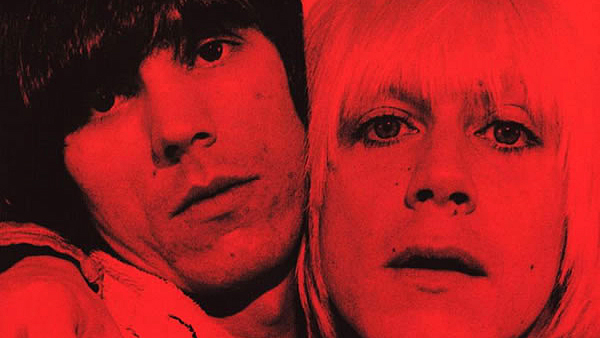
"caption": "James Williamson (left) with Iggy Pop.",
"description": null,
"title": "James Williamson and Iggy Pop",
"credit": "Suzan Carson",
"status": "inherit",
"isLoading": false,
"fetchFailed": false
},
"news_10730293": {
"type": "attachments",
"id": "news_10730293",
"meta": {
"index": "attachments_1716263798",
"site": "news",
"id": "10730293",
"found": true
},
"parent": 10728721,
"imgSizes": {
"twentyfourteen-full-width": {
"file": "https://ww2.kqed.org/app/uploads/sites/10/2015/10/RS17143_JoannaNewsom_byAnnabelMehran_04-qut1-1038x576.jpg",
"width": 1038,
"mimeType": "image/jpeg",
"height": 576
},
"thumbnail": {
"file": "https://ww2.kqed.org/app/uploads/sites/10/2015/10/RS17143_JoannaNewsom_byAnnabelMehran_04-qut1-400x267.jpg",
"width": 400,
"mimeType": "image/jpeg",
"height": 267
},
"fd-sm": {
"file": "https://ww2.kqed.org/app/uploads/sites/10/2015/10/RS17143_JoannaNewsom_byAnnabelMehran_04-qut1-960x640.jpg",
"width": 960,
"mimeType": "image/jpeg",
"height": 640
},
"post-thumbnail": {
"file": "https://ww2.kqed.org/app/uploads/sites/10/2015/10/RS17143_JoannaNewsom_byAnnabelMehran_04-qut1-672x372.jpg",
"width": 672,
"mimeType": "image/jpeg",
"height": 372
},
"kqedFullSize": {
"file": "https://ww2.kqed.org/app/uploads/sites/10/2015/10/RS17143_JoannaNewsom_byAnnabelMehran_04-qut1.jpg",
"width": 1920,
"height": 1280
},
"large": {
"file": "https://ww2.kqed.org/app/uploads/sites/10/2015/10/RS17143_JoannaNewsom_byAnnabelMehran_04-qut1-1440x960.jpg",
"width": 1440,
"mimeType": "image/jpeg",
"height": 960
},
"guest-author-96": {
"file": "https://ww2.kqed.org/app/uploads/sites/10/2015/10/RS17143_JoannaNewsom_byAnnabelMehran_04-qut1-96x96.jpg",
"width": 96,
"mimeType": "image/jpeg",
"height": 96
},
"medium": {
"file": "https://ww2.kqed.org/app/uploads/sites/10/2015/10/RS17143_JoannaNewsom_byAnnabelMehran_04-qut1-800x533.jpg",
"width": 800,
"mimeType": "image/jpeg",
"height": 533
},
"guest-author-64": {
"file": "https://ww2.kqed.org/app/uploads/sites/10/2015/10/RS17143_JoannaNewsom_byAnnabelMehran_04-qut1-64x64.jpg",
"width": 64,
"mimeType": "image/jpeg",
"height": 64
},
"guest-author-32": {
"file": "https://ww2.kqed.org/app/uploads/sites/10/2015/10/RS17143_JoannaNewsom_byAnnabelMehran_04-qut1-32x32.jpg",
"width": 32,
"mimeType": "image/jpeg",
"height": 32
},
"jmtc-small-thumb": {
"file": "https://ww2.kqed.org/app/uploads/sites/10/2015/10/RS17143_JoannaNewsom_byAnnabelMehran_04-qut1-280x150.jpg",
"width": 280,
"mimeType": "image/jpeg",
"height": 150
},
"fd-lrg": {
"file": "https://ww2.kqed.org/app/uploads/sites/10/2015/10/RS17143_JoannaNewsom_byAnnabelMehran_04-qut1-1920x1280.jpg",
"width": 1920,
"mimeType": "image/jpeg",
"height": 1280
},
"fd-med": {
"file": "https://ww2.kqed.org/app/uploads/sites/10/2015/10/RS17143_JoannaNewsom_byAnnabelMehran_04-qut1-1180x787.jpg",
"width": 1180,
"mimeType": "image/jpeg",
"height": 787
},
"detail": {
"file": "https://ww2.kqed.org/app/uploads/sites/10/2015/10/RS17143_JoannaNewsom_byAnnabelMehran_04-qut1-75x75.jpg",
"width": 75,
"mimeType": "image/jpeg",
"height": 75
},
"guest-author-128": {
"file": "https://ww2.kqed.org/app/uploads/sites/10/2015/10/RS17143_JoannaNewsom_byAnnabelMehran_04-qut1-128x128.jpg",
"width": 128,
"mimeType": "image/jpeg",
"height": 128
}
},
"publishDate": 1445626547,
"modified": 1445629790,
"caption": "Joanna Newsom (Photo: Annabel Mehran)",
"description": "Joanna Newsom (Photo: Annabel Mehran)",
"title": "RS17143_JoannaNewsom_byAnnabelMehran_04-qut(1)",
"credit": null,
"status": "inherit",
"isLoading": false,
"fetchFailed": false
},
"news_10730278": {
"type": "attachments",
"id": "news_10730278",
"meta": {
"index": "attachments_1716263798",
"site": "news",
"id": "10730278",
"found": true
},
"parent": 10730214,
"imgSizes": {
"twentyfourteen-full-width": {
"file": "https://ww2.kqed.org/app/uploads/sites/10/2015/10/RS17152_RS16513_IMG_1729.JPG.jpg-alt_326-qut-1038x576.jpg",
"width": 1038,
"mimeType": "image/jpeg",
"height": 576
},
"thumbnail": {
"file": "https://ww2.kqed.org/app/uploads/sites/10/2015/10/RS17152_RS16513_IMG_1729.JPG.jpg-alt_326-qut-400x267.jpg",
"width": 400,
"mimeType": "image/jpeg",
"height": 267
},
"fd-sm": {
"file": "https://ww2.kqed.org/app/uploads/sites/10/2015/10/RS17152_RS16513_IMG_1729.JPG.jpg-alt_326-qut-960x641.jpg",
"width": 960,
"mimeType": "image/jpeg",
"height": 641
},
"post-thumbnail": {
"file": "https://ww2.kqed.org/app/uploads/sites/10/2015/10/RS17152_RS16513_IMG_1729.JPG.jpg-alt_326-qut-672x372.jpg",
"width": 672,
"mimeType": "image/jpeg",
"height": 372
},
"kqedFullSize": {
"file": "https://ww2.kqed.org/app/uploads/sites/10/2015/10/RS17152_RS16513_IMG_1729.JPG.jpg-alt_326-qut.jpg",
"width": 1920,
"height": 1282
},
"large": {
"file": "https://ww2.kqed.org/app/uploads/sites/10/2015/10/RS17152_RS16513_IMG_1729.JPG.jpg-alt_326-qut-1440x962.jpg",
"width": 1440,
"mimeType": "image/jpeg",
"height": 962
},
"guest-author-96": {
"file": "https://ww2.kqed.org/app/uploads/sites/10/2015/10/RS17152_RS16513_IMG_1729.JPG.jpg-alt_326-qut-96x96.jpg",
"width": 96,
"mimeType": "image/jpeg",
"height": 96
},
"medium": {
"file": "https://ww2.kqed.org/app/uploads/sites/10/2015/10/RS17152_RS16513_IMG_1729.JPG.jpg-alt_326-qut-800x534.jpg",
"width": 800,
"mimeType": "image/jpeg",
"height": 534
},
"guest-author-64": {
"file": "https://ww2.kqed.org/app/uploads/sites/10/2015/10/RS17152_RS16513_IMG_1729.JPG.jpg-alt_326-qut-64x64.jpg",
"width": 64,
"mimeType": "image/jpeg",
"height": 64
},
"guest-author-32": {
"file": "https://ww2.kqed.org/app/uploads/sites/10/2015/10/RS17152_RS16513_IMG_1729.JPG.jpg-alt_326-qut-32x32.jpg",
"width": 32,
"mimeType": "image/jpeg",
"height": 32
},
"jmtc-small-thumb": {
"file": "https://ww2.kqed.org/app/uploads/sites/10/2015/10/RS17152_RS16513_IMG_1729.JPG.jpg-alt_326-qut-280x150.jpg",
"width": 280,
"mimeType": "image/jpeg",
"height": 150
},
"fd-lrg": {
"file": "https://ww2.kqed.org/app/uploads/sites/10/2015/10/RS17152_RS16513_IMG_1729.JPG.jpg-alt_326-qut-1920x1282.jpg",
"width": 1920,
"mimeType": "image/jpeg",
"height": 1282
},
"fd-med": {
"file": "https://ww2.kqed.org/app/uploads/sites/10/2015/10/RS17152_RS16513_IMG_1729.JPG.jpg-alt_326-qut-1180x788.jpg",
"width": 1180,
"mimeType": "image/jpeg",
"height": 788
},
"detail": {
"file": "https://ww2.kqed.org/app/uploads/sites/10/2015/10/RS17152_RS16513_IMG_1729.JPG.jpg-alt_326-qut-75x75.jpg",
"width": 75,
"mimeType": "image/jpeg",
"height": 75
},
"guest-author-128": {
"file": "https://ww2.kqed.org/app/uploads/sites/10/2015/10/RS17152_RS16513_IMG_1729.JPG.jpg-alt_326-qut-128x128.jpg",
"width": 128,
"mimeType": "image/jpeg",
"height": 128
}
},
"publishDate": 1445625578,
"modified": 1445650387,
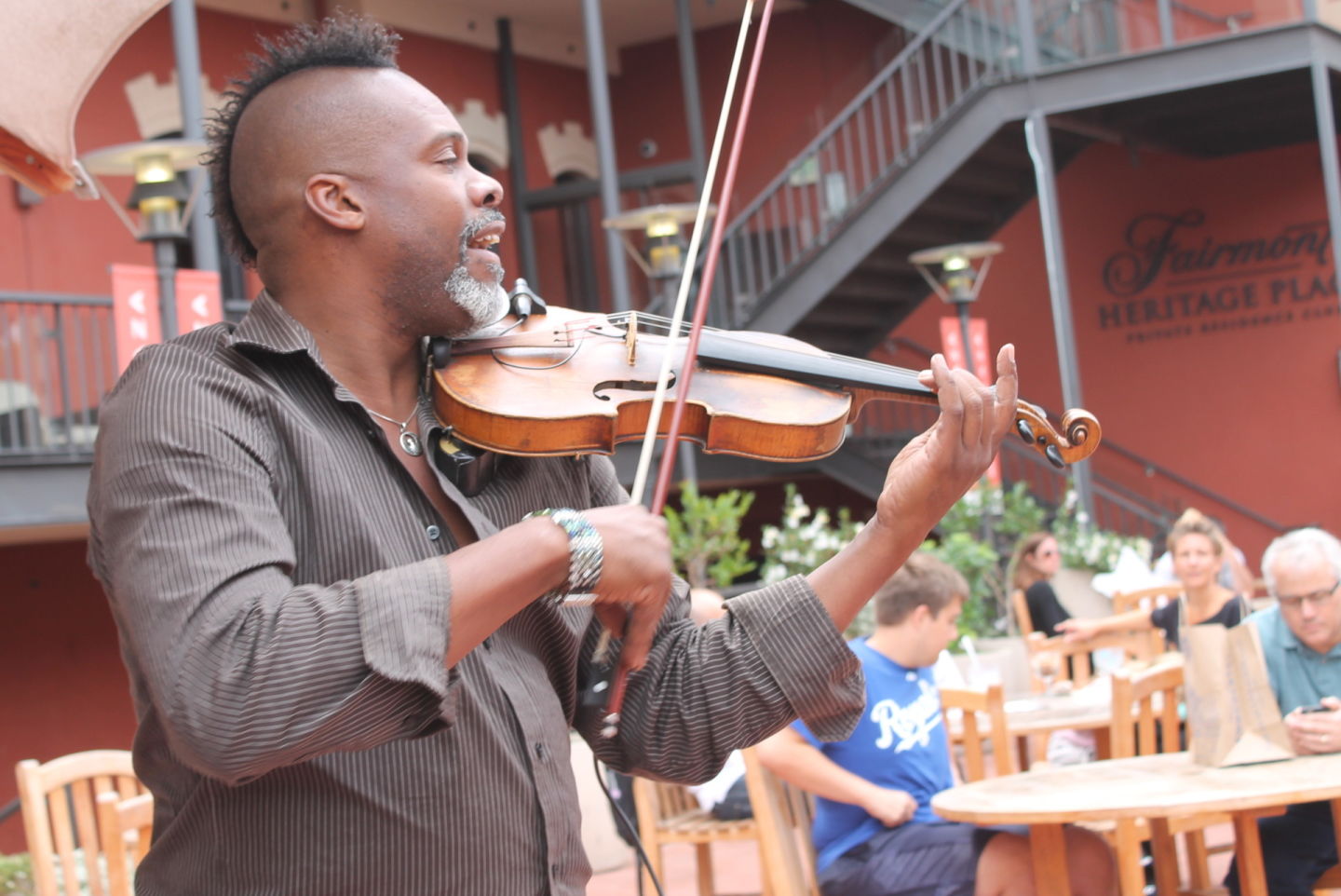
"caption": "Kippy Marks plays electric violin at San Francisco's Ghirardelli Square.",
"description": "Kippy Marks plays electric violin at San Francisco's Ghirardelli Square.",
"title": "RS17152_RS16513_IMG_1729.JPG.jpg-alt_326-qut",
"credit": "Natalya Estrada/KQED",
"status": "inherit",
"isLoading": false,
"fetchFailed": false
},
"news_10719855": {
"type": "attachments",
"id": "news_10719855",
"meta": {
"index": "attachments_1716263798",
"site": "news",
"id": "10719855",
"found": true
},
"parent": 10719848,
"imgSizes": {
"twentyfourteen-full-width": {
"file": "https://ww2.kqed.org/app/uploads/sites/10/2015/10/Blackalicious-1038x576.jpg",
"width": 1038,
"mimeType": "image/jpeg",
"height": 576
},
"thumbnail": {
"file": "https://ww2.kqed.org/app/uploads/sites/10/2015/10/Blackalicious-400x237.jpg",
"width": 400,
"mimeType": "image/jpeg",
"height": 237
},
"fd-sm": {
"file": "https://ww2.kqed.org/app/uploads/sites/10/2015/10/Blackalicious-960x569.jpg",
"width": 960,
"mimeType": "image/jpeg",
"height": 569
},
"post-thumbnail": {
"file": "https://ww2.kqed.org/app/uploads/sites/10/2015/10/Blackalicious-672x372.jpg",
"width": 672,
"mimeType": "image/jpeg",
"height": 372
},
"kqedFullSize": {
"file": "https://ww2.kqed.org/app/uploads/sites/10/2015/10/Blackalicious.jpg",
"width": 1920,
"height": 1137
},
"large": {
"file": "https://ww2.kqed.org/app/uploads/sites/10/2015/10/Blackalicious-1440x853.jpg",
"width": 1440,
"mimeType": "image/jpeg",
"height": 853
},
"guest-author-96": {
"file": "https://ww2.kqed.org/app/uploads/sites/10/2015/10/Blackalicious-96x96.jpg",
"width": 96,
"mimeType": "image/jpeg",
"height": 96
},
"medium": {
"file": "https://ww2.kqed.org/app/uploads/sites/10/2015/10/Blackalicious-800x474.jpg",
"width": 800,
"mimeType": "image/jpeg",
"height": 474
},
"guest-author-64": {
"file": "https://ww2.kqed.org/app/uploads/sites/10/2015/10/Blackalicious-64x64.jpg",
"width": 64,
"mimeType": "image/jpeg",
"height": 64
},
"guest-author-32": {
"file": "https://ww2.kqed.org/app/uploads/sites/10/2015/10/Blackalicious-32x32.jpg",
"width": 32,
"mimeType": "image/jpeg",
"height": 32
},
"jmtc-small-thumb": {
"file": "https://ww2.kqed.org/app/uploads/sites/10/2015/10/Blackalicious-280x150.jpg",
"width": 280,
"mimeType": "image/jpeg",
"height": 150
},
"fd-lrg": {
"file": "https://ww2.kqed.org/app/uploads/sites/10/2015/10/Blackalicious-1920x1137.jpg",
"width": 1920,
"mimeType": "image/jpeg",
"height": 1137
},
"fd-med": {
"file": "https://ww2.kqed.org/app/uploads/sites/10/2015/10/Blackalicious-1180x699.jpg",
"width": 1180,
"mimeType": "image/jpeg",
"height": 699
},
"detail": {
"file": "https://ww2.kqed.org/app/uploads/sites/10/2015/10/Blackalicious-75x75.jpg",
"width": 75,
"mimeType": "image/jpeg",
"height": 75
},
"guest-author-128": {
"file": "https://ww2.kqed.org/app/uploads/sites/10/2015/10/Blackalicious-128x128.jpg",
"width": 128,
"mimeType": "image/jpeg",
"height": 128
}
},
"publishDate": 1445022179,
"modified": 1445022208,
"caption": "Gift of Gab (L) and Chief Xcel of Blackalicious.",
"description": "Gift of Gab (L) and Chief Xcel of Blackalicious.",
"title": "Blackalicious",
"credit": "Photo: Nicole Mago",
"status": "inherit",
"isLoading": false,
"fetchFailed": false
},
"news_10695948": {
"type": "attachments",
"id": "news_10695948",
"meta": {
"index": "attachments_1716263798",
"site": "news",
"id": "10695948",
"found": true
},
"parent": 10695713,
"imgSizes": {
"twentyfourteen-full-width": {
"file": "https://ww2.kqed.org/app/uploads/sites/10/2015/09/RS16783_Los-Lobos-A-Shot-qut-1038x576.jpg",
"width": 1038,
"mimeType": "image/jpeg",
"height": 576
},
"thumbnail": {
"file": "https://ww2.kqed.org/app/uploads/sites/10/2015/09/RS16783_Los-Lobos-A-Shot-qut-400x298.jpg",
"width": 400,
"mimeType": "image/jpeg",
"height": 298
},
"fd-sm": {
"file": "https://ww2.kqed.org/app/uploads/sites/10/2015/09/RS16783_Los-Lobos-A-Shot-qut-960x715.jpg",
"width": 960,
"mimeType": "image/jpeg",
"height": 715
},
"post-thumbnail": {
"file": "https://ww2.kqed.org/app/uploads/sites/10/2015/09/RS16783_Los-Lobos-A-Shot-qut-672x372.jpg",
"width": 672,
"mimeType": "image/jpeg",
"height": 372
},
"kqedFullSize": {
"file": "https://ww2.kqed.org/app/uploads/sites/10/2015/09/RS16783_Los-Lobos-A-Shot-qut.jpg",
"width": 1800,
"height": 1340
},
"large": {
"file": "https://ww2.kqed.org/app/uploads/sites/10/2015/09/RS16783_Los-Lobos-A-Shot-qut-1440x1072.jpg",
"width": 1440,
"mimeType": "image/jpeg",
"height": 1072
},
"guest-author-96": {
"file": "https://ww2.kqed.org/app/uploads/sites/10/2015/09/RS16783_Los-Lobos-A-Shot-qut-96x96.jpg",
"width": 96,
"mimeType": "image/jpeg",
"height": 96
},
"medium": {
"file": "https://ww2.kqed.org/app/uploads/sites/10/2015/09/RS16783_Los-Lobos-A-Shot-qut-800x596.jpg",
"width": 800,
"mimeType": "image/jpeg",
"height": 596
},
"guest-author-64": {
"file": "https://ww2.kqed.org/app/uploads/sites/10/2015/09/RS16783_Los-Lobos-A-Shot-qut-64x64.jpg",
"width": 64,
"mimeType": "image/jpeg",
"height": 64
},
"guest-author-32": {
"file": "https://ww2.kqed.org/app/uploads/sites/10/2015/09/RS16783_Los-Lobos-A-Shot-qut-32x32.jpg",
"width": 32,
"mimeType": "image/jpeg",
"height": 32
},
"jmtc-small-thumb": {
"file": "https://ww2.kqed.org/app/uploads/sites/10/2015/09/RS16783_Los-Lobos-A-Shot-qut-280x150.jpg",
"width": 280,
"mimeType": "image/jpeg",
"height": 150
},
"fd-med": {
"file": "https://ww2.kqed.org/app/uploads/sites/10/2015/09/RS16783_Los-Lobos-A-Shot-qut-1180x878.jpg",
"width": 1180,
"mimeType": "image/jpeg",
"height": 878
},
"detail": {
"file": "https://ww2.kqed.org/app/uploads/sites/10/2015/09/RS16783_Los-Lobos-A-Shot-qut-75x75.jpg",
"width": 75,
"mimeType": "image/jpeg",
"height": 75
},
"guest-author-128": {
"file": "https://ww2.kqed.org/app/uploads/sites/10/2015/09/RS16783_Los-Lobos-A-Shot-qut-128x128.jpg",
"width": 128,
"mimeType": "image/jpeg",
"height": 128
}
},
"publishDate": 1443125690,
"modified": 1443125707,
"caption": "Los Lobos",
"description": "Los Lobos",
"title": "Los Lobos",
"credit": null,
"status": "inherit",
"isLoading": false,
"fetchFailed": false
},
"news_10678093": {
"type": "attachments",
"id": "news_10678093",
"meta": {
"index": "attachments_1716263798",
"site": "news",
"id": "10678093",
"found": true
},
"parent": 10668405,
"imgSizes": {
"twentyfourteen-full-width": {
"file": "https://ww2.kqed.org/app/uploads/sites/10/2015/09/KimNalley-1038x576.jpg",
"width": 1038,
"mimeType": "image/jpeg",
"height": 576
},
"thumbnail": {
"file": "https://ww2.kqed.org/app/uploads/sites/10/2015/09/KimNalley-400x249.jpg",
"width": 400,
"mimeType": "image/jpeg",
"height": 249
},
"fd-sm": {
"file": "https://ww2.kqed.org/app/uploads/sites/10/2015/09/KimNalley-960x598.jpg",
"width": 960,
"mimeType": "image/jpeg",
"height": 598
},
"post-thumbnail": {
"file": "https://ww2.kqed.org/app/uploads/sites/10/2015/09/KimNalley-672x372.jpg",
"width": 672,
"mimeType": "image/jpeg",
"height": 372
},
"kqedFullSize": {
"file": "https://ww2.kqed.org/app/uploads/sites/10/2015/09/KimNalley.jpg",
"width": 1920,
"height": 1196
},
"large": {
"file": "https://ww2.kqed.org/app/uploads/sites/10/2015/09/KimNalley-1440x897.jpg",
"width": 1440,
"mimeType": "image/jpeg",
"height": 897
},
"guest-author-96": {
"file": "https://ww2.kqed.org/app/uploads/sites/10/2015/09/KimNalley-96x96.jpg",
"width": 96,
"mimeType": "image/jpeg",
"height": 96
},
"medium": {
"file": "https://ww2.kqed.org/app/uploads/sites/10/2015/09/KimNalley-800x498.jpg",
"width": 800,
"mimeType": "image/jpeg",
"height": 498
},
"guest-author-64": {
"file": "https://ww2.kqed.org/app/uploads/sites/10/2015/09/KimNalley-64x64.jpg",
"width": 64,
"mimeType": "image/jpeg",
"height": 64
},
"guest-author-32": {
"file": "https://ww2.kqed.org/app/uploads/sites/10/2015/09/KimNalley-32x32.jpg",
"width": 32,
"mimeType": "image/jpeg",
"height": 32
},
"jmtc-small-thumb": {
"file": "https://ww2.kqed.org/app/uploads/sites/10/2015/09/KimNalley-280x150.jpg",
"width": 280,
"mimeType": "image/jpeg",
"height": 150
},
"fd-lrg": {
"file": "https://ww2.kqed.org/app/uploads/sites/10/2015/09/KimNalley-1920x1196.jpg",
"width": 1920,
"mimeType": "image/jpeg",
"height": 1196
},
"fd-med": {
"file": "https://ww2.kqed.org/app/uploads/sites/10/2015/09/KimNalley-1180x735.jpg",
"width": 1180,
"mimeType": "image/jpeg",
"height": 735
},
"detail": {
"file": "https://ww2.kqed.org/app/uploads/sites/10/2015/09/KimNalley-75x75.jpg",
"width": 75,
"mimeType": "image/jpeg",
"height": 75
},
"guest-author-128": {
"file": "https://ww2.kqed.org/app/uploads/sites/10/2015/09/KimNalley-128x128.jpg",
"width": 128,
"mimeType": "image/jpeg",
"height": 128
}
},
"publishDate": 1442006711,
"modified": 1442006724,
"caption": "Kim Nalley",
"description": "Kim Nalley",
"title": "KimNalley",
"credit": null,
"status": "inherit",
"isLoading": false,
"fetchFailed": false
},
"news_10649142": {
"type": "attachments",
"id": "news_10649142",
"meta": {
"index": "attachments_1716263798",
"site": "news",
"id": "10649142",
"found": true
},
"parent": 10647782,
"imgSizes": {
"twentyfourteen-full-width": {
"file": "https://ww2.kqed.org/app/uploads/sites/10/2015/08/stone-wall-corner-house-1038x576.jpg",
"width": 1038,
"mimeType": "image/jpeg",
"height": 576
},
"thumbnail": {
"file": "https://ww2.kqed.org/app/uploads/sites/10/2015/08/stone-wall-corner-house-400x300.jpg",
"width": 400,
"mimeType": "image/jpeg",
"height": 300
},
"fd-sm": {
"file": "https://ww2.kqed.org/app/uploads/sites/10/2015/08/stone-wall-corner-house-960x720.jpg",
"width": 960,
"mimeType": "image/jpeg",
"height": 720
},
"post-thumbnail": {
"file": "https://ww2.kqed.org/app/uploads/sites/10/2015/08/stone-wall-corner-house-672x372.jpg",
"width": 672,
"mimeType": "image/jpeg",
"height": 372
},
"kqedFullSize": {
"file": "https://ww2.kqed.org/app/uploads/sites/10/2015/08/stone-wall-corner-house.jpg",
"width": 1920,
"height": 1440
},
"large": {
"file": "https://ww2.kqed.org/app/uploads/sites/10/2015/08/stone-wall-corner-house-1440x1080.jpg",
"width": 1440,
"mimeType": "image/jpeg",
"height": 1080
},
"guest-author-96": {
"file": "https://ww2.kqed.org/app/uploads/sites/10/2015/08/stone-wall-corner-house-96x96.jpg",
"width": 96,
"mimeType": "image/jpeg",
"height": 96
},
"medium": {
"file": "https://ww2.kqed.org/app/uploads/sites/10/2015/08/stone-wall-corner-house-800x600.jpg",
"width": 800,
"mimeType": "image/jpeg",
"height": 600
},
"guest-author-64": {
"file": "https://ww2.kqed.org/app/uploads/sites/10/2015/08/stone-wall-corner-house-64x64.jpg",
"width": 64,
"mimeType": "image/jpeg",
"height": 64
},
"guest-author-32": {
"file": "https://ww2.kqed.org/app/uploads/sites/10/2015/08/stone-wall-corner-house-32x32.jpg",
"width": 32,
"mimeType": "image/jpeg",
"height": 32
},
"jmtc-small-thumb": {
"file": "https://ww2.kqed.org/app/uploads/sites/10/2015/08/stone-wall-corner-house-280x150.jpg",
"width": 280,
"mimeType": "image/jpeg",
"height": 150
},
"fd-lrg": {
"file": "https://ww2.kqed.org/app/uploads/sites/10/2015/08/stone-wall-corner-house-1920x1440.jpg",
"width": 1920,
"mimeType": "image/jpeg",
"height": 1440
},
"fd-med": {
"file": "https://ww2.kqed.org/app/uploads/sites/10/2015/08/stone-wall-corner-house-1180x885.jpg",
"width": 1180,
"mimeType": "image/jpeg",
"height": 885
},
"detail": {
"file": "https://ww2.kqed.org/app/uploads/sites/10/2015/08/stone-wall-corner-house-75x75.jpg",
"width": 75,
"mimeType": "image/jpeg",
"height": 75
},
"guest-author-128": {
"file": "https://ww2.kqed.org/app/uploads/sites/10/2015/08/stone-wall-corner-house-128x128.jpg",
"width": 128,
"mimeType": "image/jpeg",
"height": 128
}
},
"publishDate": 1439967229,
"modified": 1439967272,
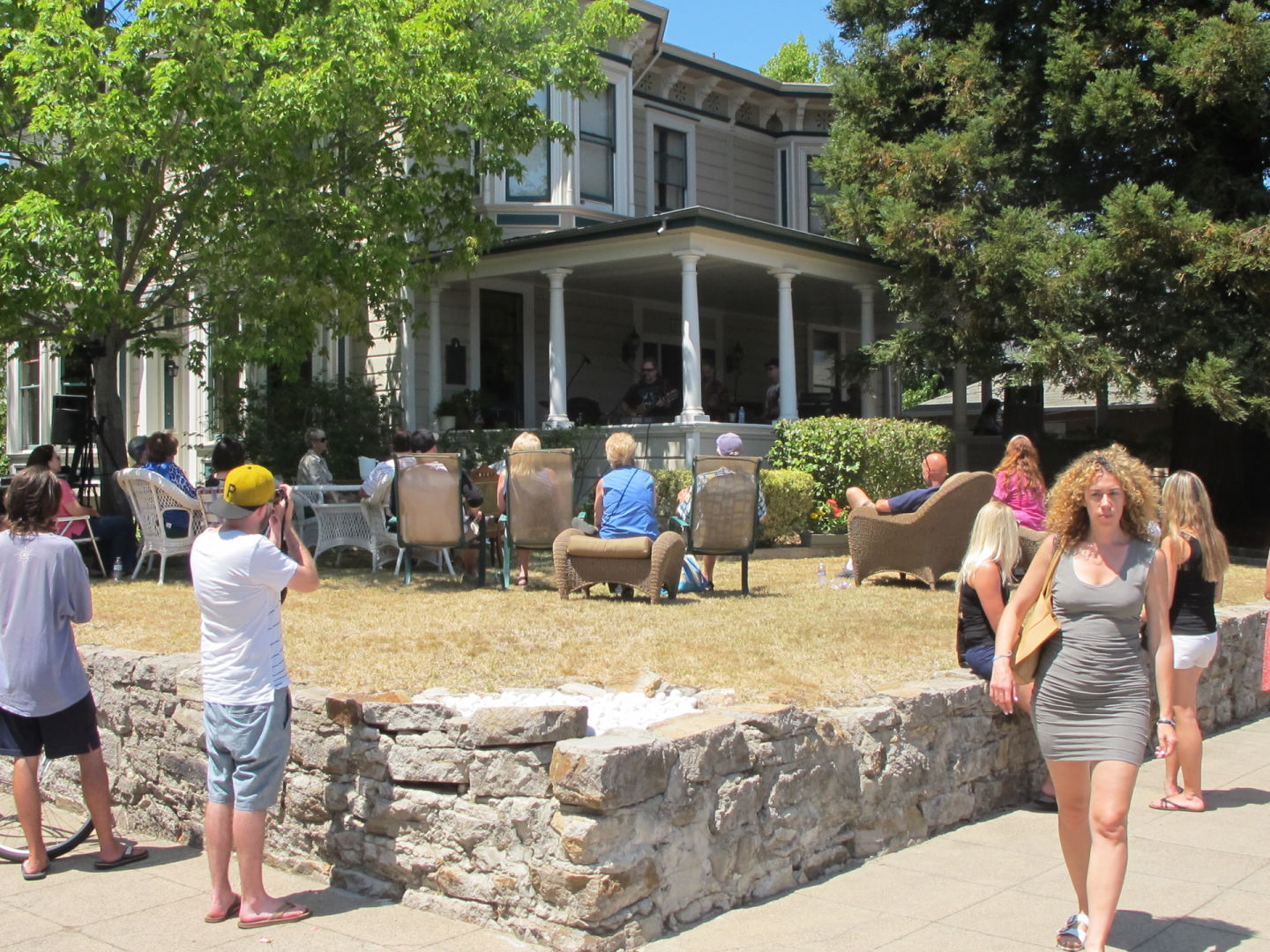
"caption": "56 porches participated in this years festival.",
"description": null,
"title": "stone wall corner house",
"credit": "Andrew Stelzer",
"status": "inherit",
"isLoading": false,
"fetchFailed": false
},
"news_10652221": {
"type": "attachments",
"id": "news_10652221",
"meta": {
"index": "attachments_1716263798",
"site": "news",
"id": "10652221",
"found": true
},
"parent": 10651178,
"imgSizes": {
"twentyfourteen-full-width": {
"file": "https://ww2.kqed.org/app/uploads/sites/10/2015/08/RS16448_19326-IMG_8253-1038x576.jpg",
"width": 1038,
"mimeType": "image/jpeg",
"height": 576
},
"thumbnail": {
"file": "https://ww2.kqed.org/app/uploads/sites/10/2015/08/RS16448_19326-IMG_8253-400x250.jpg",
"width": 400,
"mimeType": "image/jpeg",
"height": 250
},
"fd-sm": {
"file": "https://ww2.kqed.org/app/uploads/sites/10/2015/08/RS16448_19326-IMG_8253-960x600.jpg",
"width": 960,
"mimeType": "image/jpeg",
"height": 600
},
"post-thumbnail": {
"file": "https://ww2.kqed.org/app/uploads/sites/10/2015/08/RS16448_19326-IMG_8253-672x372.jpg",
"width": 672,
"mimeType": "image/jpeg",
"height": 372
},
"kqedFullSize": {
"file": "https://ww2.kqed.org/app/uploads/sites/10/2015/08/RS16448_19326-IMG_8253.jpg",
"width": 4511,
"height": 2819
},
"large": {
"file": "https://ww2.kqed.org/app/uploads/sites/10/2015/08/RS16448_19326-IMG_8253-1440x900.jpg",
"width": 1440,
"mimeType": "image/jpeg",
"height": 900
},
"guest-author-96": {
"file": "https://ww2.kqed.org/app/uploads/sites/10/2015/08/RS16448_19326-IMG_8253-96x96.jpg",
"width": 96,
"mimeType": "image/jpeg",
"height": 96
},
"medium": {
"file": "https://ww2.kqed.org/app/uploads/sites/10/2015/08/RS16448_19326-IMG_8253-800x500.jpg",
"width": 800,
"mimeType": "image/jpeg",
"height": 500
},
"guest-author-64": {
"file": "https://ww2.kqed.org/app/uploads/sites/10/2015/08/RS16448_19326-IMG_8253-64x64.jpg",
"width": 64,
"mimeType": "image/jpeg",
"height": 64
},
"guest-author-32": {
"file": "https://ww2.kqed.org/app/uploads/sites/10/2015/08/RS16448_19326-IMG_8253-32x32.jpg",
"width": 32,
"mimeType": "image/jpeg",
"height": 32
},
"jmtc-small-thumb": {
"file": "https://ww2.kqed.org/app/uploads/sites/10/2015/08/RS16448_19326-IMG_8253-280x150.jpg",
"width": 280,
"mimeType": "image/jpeg",
"height": 150
},
"fd-lrg": {
"file": "https://ww2.kqed.org/app/uploads/sites/10/2015/08/RS16448_19326-IMG_8253-1920x1200.jpg",
"width": 1920,
"mimeType": "image/jpeg",
"height": 1200
},
"fd-med": {
"file": "https://ww2.kqed.org/app/uploads/sites/10/2015/08/RS16448_19326-IMG_8253-1180x737.jpg",
"width": 1180,
"mimeType": "image/jpeg",
"height": 737
},
"detail": {
"file": "https://ww2.kqed.org/app/uploads/sites/10/2015/08/RS16448_19326-IMG_8253-75x75.jpg",
"width": 75,
"mimeType": "image/jpeg",
"height": 75
},
"guest-author-128": {
"file": "https://ww2.kqed.org/app/uploads/sites/10/2015/08/RS16448_19326-IMG_8253-128x128.jpg",
"width": 128,
"mimeType": "image/jpeg",
"height": 128
}
},
"publishDate": 1440183452,
"modified": 1440183537,
"caption": "Bicicletas Por La Paz",
"description": "Bicicletas Por La Paz",
"title": "RS16448_19326-IMG_8253",
"credit": null,
"status": "inherit",
"isLoading": false,
"fetchFailed": false
},
"news_10613063": {
"type": "attachments",
"id": "news_10613063",
"meta": {
"index": "attachments_1716263798",
"site": "news",
"id": "10613063",
"found": true
},
"parent": 10613050,
"imgSizes": {
"twentyfourteen-full-width": {
"file": "https://ww2.kqed.org/app/uploads/sites/10/2015/07/RS16118_Waterless-music-qut-960x576.jpg",
"width": 960,
"mimeType": "image/jpeg",
"height": 576
},
"jmtc-small-thumb": {
"file": "https://ww2.kqed.org/app/uploads/sites/10/2015/07/RS16118_Waterless-music-qut-280x150.jpg",
"width": 280,
"mimeType": "image/jpeg",
"height": 150
},
"thumbnail": {
"file": "https://ww2.kqed.org/app/uploads/sites/10/2015/07/RS16118_Waterless-music-qut-400x267.jpg",
"width": 400,
"mimeType": "image/jpeg",
"height": 267
},
"fd-sm": {
"file": "https://ww2.kqed.org/app/uploads/sites/10/2015/07/RS16118_Waterless-music-qut-960x640.jpg",
"width": 960,
"mimeType": "image/jpeg",
"height": 640
},
"post-thumbnail": {
"file": "https://ww2.kqed.org/app/uploads/sites/10/2015/07/RS16118_Waterless-music-qut-672x372.jpg",
"width": 672,
"mimeType": "image/jpeg",
"height": 372
},
"kqedFullSize": {
"file": "https://ww2.kqed.org/app/uploads/sites/10/2015/07/RS16118_Waterless-music-qut.jpg",
"width": 960,
"height": 640
},
"guest-author-96": {
"file": "https://ww2.kqed.org/app/uploads/sites/10/2015/07/RS16118_Waterless-music-qut-96x96.jpg",
"width": 96,
"mimeType": "image/jpeg",
"height": 96
},
"medium": {
"file": "https://ww2.kqed.org/app/uploads/sites/10/2015/07/RS16118_Waterless-music-qut-800x533.jpg",
"width": 800,
"mimeType": "image/jpeg",
"height": 533
},
"guest-author-64": {
"file": "https://ww2.kqed.org/app/uploads/sites/10/2015/07/RS16118_Waterless-music-qut-64x64.jpg",
"width": 64,
"mimeType": "image/jpeg",
"height": 64
},
"detail": {
"file": "https://ww2.kqed.org/app/uploads/sites/10/2015/07/RS16118_Waterless-music-qut-75x75.jpg",
"width": 75,
"mimeType": "image/jpeg",
"height": 75
},
"guest-author-32": {
"file": "https://ww2.kqed.org/app/uploads/sites/10/2015/07/RS16118_Waterless-music-qut-32x32.jpg",
"width": 32,
"mimeType": "image/jpeg",
"height": 32
},
"guest-author-128": {
"file": "https://ww2.kqed.org/app/uploads/sites/10/2015/07/RS16118_Waterless-music-qut-128x128.jpg",
"width": 128,
"mimeType": "image/jpeg",
"height": 128
}
},
"publishDate": 1437689446,
"modified": 1437695589,
"caption": "'Water(less) Music' incorporates recordings from former U.S. Poet Laureate Philip Levine about water, war and Central California. ",
"description": "“Water(less) Music” incorporates recordings from former U.S. Poet Laureate Philip Levine about water, war and Central California. ",
"title": "RS16118_Water(less) music-qut",
"credit": "Courtesy of Benjamin Boone",
"status": "inherit",
"isLoading": false,
"fetchFailed": false
},
"news_10624151": {
"type": "attachments",
"id": "news_10624151",
"meta": {
"index": "attachments_1716263798",
"site": "news",
"id": "10624151",
"found": true
},
"parent": 10624149,
"imgSizes": {
"twentyfourteen-full-width": {
"file": "https://ww2.kqed.org/app/uploads/sites/10/2015/07/Tootie_Heath-1038x576.jpg",
"width": 1038,
"mimeType": "image/jpeg",
"height": 576
},
"thumbnail": {
"file": "https://ww2.kqed.org/app/uploads/sites/10/2015/07/Tootie_Heath-400x400.jpg",
"width": 400,
"mimeType": "image/jpeg",
"height": 400
},
"fd-sm": {
"file": "https://ww2.kqed.org/app/uploads/sites/10/2015/07/Tootie_Heath-960x960.jpg",
"width": 960,
"mimeType": "image/jpeg",
"height": 960
},
"post-thumbnail": {
"file": "https://ww2.kqed.org/app/uploads/sites/10/2015/07/Tootie_Heath-672x372.jpg",
"width": 672,
"mimeType": "image/jpeg",
"height": 372
},
"kqedFullSize": {
"file": "https://ww2.kqed.org/app/uploads/sites/10/2015/07/Tootie_Heath.jpg",
"width": 1418,
"height": 1418
},
"guest-author-96": {
"file": "https://ww2.kqed.org/app/uploads/sites/10/2015/07/Tootie_Heath-96x96.jpg",
"width": 96,
"mimeType": "image/jpeg",
"height": 96
},
"medium": {
"file": "https://ww2.kqed.org/app/uploads/sites/10/2015/07/Tootie_Heath-800x800.jpg",
"width": 800,
"mimeType": "image/jpeg",
"height": 800
},
"guest-author-64": {
"file": "https://ww2.kqed.org/app/uploads/sites/10/2015/07/Tootie_Heath-64x64.jpg",
"width": 64,
"mimeType": "image/jpeg",
"height": 64
},
"guest-author-32": {
"file": "https://ww2.kqed.org/app/uploads/sites/10/2015/07/Tootie_Heath-32x32.jpg",
"width": 32,
"mimeType": "image/jpeg",
"height": 32
},
"jmtc-small-thumb": {
"file": "https://ww2.kqed.org/app/uploads/sites/10/2015/07/Tootie_Heath-280x150.jpg",
"width": 280,
"mimeType": "image/jpeg",
"height": 150
},
"fd-med": {
"file": "https://ww2.kqed.org/app/uploads/sites/10/2015/07/Tootie_Heath-1180x1180.jpg",
"width": 1180,
"mimeType": "image/jpeg",
"height": 1180
},
"detail": {
"file": "https://ww2.kqed.org/app/uploads/sites/10/2015/07/Tootie_Heath-75x75.jpg",
"width": 75,
"mimeType": "image/jpeg",
"height": 75
},
"guest-author-128": {
"file": "https://ww2.kqed.org/app/uploads/sites/10/2015/07/Tootie_Heath-128x128.jpg",
"width": 128,
"mimeType": "image/jpeg",
"height": 128
}
},
"publishDate": 1438370173,
"modified": 1438370173,
"caption": null,
"description": null,
"title": "Tootie_Heath",
"credit": null,
"status": "inherit",
"isLoading": false,
"fetchFailed": false
},
"news_10614775": {
"type": "attachments",
"id": "news_10614775",
"meta": {
"index": "attachments_1716263798",
"site": "news",
"id": "10614775",
"found": true
},
"parent": 10602278,
"imgSizes": {
"twentyfourteen-full-width": {
"file": "https://ww2.kqed.org/app/uploads/sites/10/2015/07/BirdBee-1038x576.jpg",
"width": 1038,
"mimeType": "image/jpeg",
"height": 576
},
"thumbnail": {
"file": "https://ww2.kqed.org/app/uploads/sites/10/2015/07/BirdBee-400x357.jpg",
"width": 400,
"mimeType": "image/jpeg",
"height": 357
},
"fd-sm": {
"file": "https://ww2.kqed.org/app/uploads/sites/10/2015/07/BirdBee-960x856.jpg",
"width": 960,
"mimeType": "image/jpeg",
"height": 856
},
"post-thumbnail": {
"file": "https://ww2.kqed.org/app/uploads/sites/10/2015/07/BirdBee-672x372.jpg",
"width": 672,
"mimeType": "image/jpeg",
"height": 372
},
"kqedFullSize": {
"file": "https://ww2.kqed.org/app/uploads/sites/10/2015/07/BirdBee.jpg",
"width": 1920,
"height": 1712
},
"large": {
"file": "https://ww2.kqed.org/app/uploads/sites/10/2015/07/BirdBee-1440x1284.jpg",
"width": 1440,
"mimeType": "image/jpeg",
"height": 1284
},
"guest-author-96": {
"file": "https://ww2.kqed.org/app/uploads/sites/10/2015/07/BirdBee-96x96.jpg",
"width": 96,
"mimeType": "image/jpeg",
"height": 96
},
"medium": {
"file": "https://ww2.kqed.org/app/uploads/sites/10/2015/07/BirdBee-800x713.jpg",
"width": 800,
"mimeType": "image/jpeg",
"height": 713
},
"guest-author-64": {
"file": "https://ww2.kqed.org/app/uploads/sites/10/2015/07/BirdBee-64x64.jpg",
"width": 64,
"mimeType": "image/jpeg",
"height": 64
},
"guest-author-32": {
"file": "https://ww2.kqed.org/app/uploads/sites/10/2015/07/BirdBee-32x32.jpg",
"width": 32,
"mimeType": "image/jpeg",
"height": 32
},
"jmtc-small-thumb": {
"file": "https://ww2.kqed.org/app/uploads/sites/10/2015/07/BirdBee-280x150.jpg",
"width": 280,
"mimeType": "image/jpeg",
"height": 150
},
"fd-lrg": {
"file": "https://ww2.kqed.org/app/uploads/sites/10/2015/07/BirdBee-1400x1248.jpg",
"width": 1400,
"mimeType": "image/jpeg",
"height": 1248
},
"fd-med": {
"file": "https://ww2.kqed.org/app/uploads/sites/10/2015/07/BirdBee-1180x1052.jpg",
"width": 1180,
"mimeType": "image/jpeg",
"height": 1052
},
"detail": {
"file": "https://ww2.kqed.org/app/uploads/sites/10/2015/07/BirdBee-75x75.jpg",
"width": 75,
"mimeType": "image/jpeg",
"height": 75
},
"guest-author-128": {
"file": "https://ww2.kqed.org/app/uploads/sites/10/2015/07/BirdBee-128x128.jpg",
"width": 128,
"mimeType": "image/jpeg",
"height": 128
}
},
"publishDate": 1437787662,
"modified": 1437787672,
"caption": "Inara George and Greg Kurstin of The Bird and The Bee.",
"description": "Inara George and Greg Kurstin of The Bird and The Bee.",
"title": "BirdBee",
"credit": null,
"status": "inherit",
"isLoading": false,
"fetchFailed": false
},
"news_10578465": {
"type": "attachments",
"id": "news_10578465",
"meta": {
"index": "attachments_1716263798",
"site": "news",
"id": "10578465",
"found": true
},
"parent": 10577740,
"imgSizes": {
"twentyfourteen-full-width": {
"file": "https://ww2.kqed.org/app/uploads/sites/10/2015/06/TiffanyAustin-1038x576.jpg",
"width": 1038,
"mimeType": "image/jpeg",
"height": 576
},
"thumbnail": {
"file": "https://ww2.kqed.org/app/uploads/sites/10/2015/06/TiffanyAustin-400x274.jpg",
"width": 400,
"mimeType": "image/jpeg",
"height": 274
},
"fd-sm": {
"file": "https://ww2.kqed.org/app/uploads/sites/10/2015/06/TiffanyAustin-960x658.jpg",
"width": 960,
"mimeType": "image/jpeg",
"height": 658
},
"post-thumbnail": {
"file": "https://ww2.kqed.org/app/uploads/sites/10/2015/06/TiffanyAustin-672x372.jpg",
"width": 672,
"mimeType": "image/jpeg",
"height": 372
},
"kqedFullSize": {
"file": "https://ww2.kqed.org/app/uploads/sites/10/2015/06/TiffanyAustin.jpg",
"width": 1920,
"height": 1315
},
"large": {
"file": "https://ww2.kqed.org/app/uploads/sites/10/2015/06/TiffanyAustin-1440x986.jpg",
"width": 1440,
"mimeType": "image/jpeg",
"height": 986
},
"guest-author-96": {
"file": "https://ww2.kqed.org/app/uploads/sites/10/2015/06/TiffanyAustin-96x96.jpg",
"width": 96,
"mimeType": "image/jpeg",
"height": 96
},
"medium": {
"file": "https://ww2.kqed.org/app/uploads/sites/10/2015/06/TiffanyAustin-800x548.jpg",
"width": 800,
"mimeType": "image/jpeg",
"height": 548
},
"guest-author-64": {
"file": "https://ww2.kqed.org/app/uploads/sites/10/2015/06/TiffanyAustin-64x64.jpg",
"width": 64,
"mimeType": "image/jpeg",
"height": 64
},
"guest-author-32": {
"file": "https://ww2.kqed.org/app/uploads/sites/10/2015/06/TiffanyAustin-32x32.jpg",
"width": 32,
"mimeType": "image/jpeg",
"height": 32
},
"jmtc-small-thumb": {
"file": "https://ww2.kqed.org/app/uploads/sites/10/2015/06/TiffanyAustin-280x150.jpg",
"width": 280,
"mimeType": "image/jpeg",
"height": 150
},
"fd-med": {
"file": "https://ww2.kqed.org/app/uploads/sites/10/2015/06/TiffanyAustin-1180x808.jpg",
"width": 1180,
"mimeType": "image/jpeg",
"height": 808
},
"detail": {
"file": "https://ww2.kqed.org/app/uploads/sites/10/2015/06/TiffanyAustin-75x75.jpg",
"width": 75,
"mimeType": "image/jpeg",
"height": 75
},
"guest-author-128": {
"file": "https://ww2.kqed.org/app/uploads/sites/10/2015/06/TiffanyAustin-128x128.jpg",
"width": 128,
"mimeType": "image/jpeg",
"height": 128
}
},
"publishDate": 1435351338,
"modified": 1435364072,
"caption": "Bay Area singer Tiffany Austin's new debut album is \"Nothing But Soul.\"",
"description": "Bay Area singer Tiffany Austin's new debut album is \"Nothing But Soul.\"",
"title": "TiffanyAustin",
"credit": "Bill Reitzel/Courtesy Tiffany Austin",
"status": "inherit",
"isLoading": false,
"fetchFailed": false
}
},
"audioPlayerReducer": {
"postId": "stream_live",
"isPaused": true,
"isPlaying": false,
"pfsActive": false,
"pledgeModalIsOpen": true,
"playerDrawerIsOpen": false,
"liveAudioPlayStartedAt": 0,
"liveAudioPlayContext": ""
},
"authorsReducer": {
"byline_news_10730214": {
"type": "authors",
"id": "byline_news_10730214",
"meta": {
"override": true
},
"slug": "byline_news_10730214",
"name": "Natalya Estrada",
"isLoading": false
},
"byline_news_10719848": {
"type": "authors",
"id": "byline_news_10719848",
"meta": {
"override": true
},
"slug": "byline_news_10719848",
"name": "Max Savage Levenson",
"isLoading": false
},
"byline_news_10613050": {
"type": "authors",
"id": "byline_news_10613050",
"meta": {
"override": true
},
"slug": "byline_news_10613050",
"name": "Ezra David Romero",
"isLoading": false
},
"byline_news_10577740": {
"type": "authors",
"id": "byline_news_10577740",
"meta": {
"override": true
},
"slug": "byline_news_10577740",
"name": "Andrew Gilbert",
"isLoading": false
},
"agilbert": {
"type": "authors",
"id": "86",
"meta": {
"index": "authors_1716337520",
"id": "86",
"found": true
},
"name": "Andrew Gilbert",
"firstName": "Andrew",
"lastName": "Gilbert",
"slug": "agilbert",
"email": "jazzscribe@aol.com",
"display_author_email": false,
"staff_mastheads": [],
"title": "KQED Contributor",
"bio": "A Los Angeles native based in the Berkeley area since 1996, Andrew Gilbert covers jazz, international music and dance for KQED's \u003ci>California Report, \u003c/i>the\u003ci> Mercury News\u003c/i>, \u003ci>San Francisco Chronicle\u003c/i>, \u003ci>Berkeleyside.com\u003c/i>, and other publications. He is available for weddings and bar and bat mitzvahs. #jazzscribe",
"avatar": "https://secure.gravatar.com/avatar/d7bcafdbefdd39e9a68f88724ca616eb4e7a5a6bff9cdfb62de652a1e1751471?s=600&d=blank&r=g",
"twitter": null,
"bluesky": null,
"facebook": null,
"instagram": null,
"linkedin": null,
"sites": [
{
"site": "arts",
"roles": [
"Contributor",
"author"
]
},
{
"site": "news",
"roles": [
"author"
]
}
],
"headData": {
"title": "Andrew Gilbert | KQED",
"description": "KQED Contributor",
"ogImgSrc": "https://secure.gravatar.com/avatar/d7bcafdbefdd39e9a68f88724ca616eb4e7a5a6bff9cdfb62de652a1e1751471?s=600&d=blank&r=g",
"twImgSrc": "https://secure.gravatar.com/avatar/d7bcafdbefdd39e9a68f88724ca616eb4e7a5a6bff9cdfb62de652a1e1751471?s=600&d=blank&r=g"
},
"isLoading": false,
"link": "/author/agilbert"
},
"shochman": {
"type": "authors",
"id": "87",
"meta": {
"index": "authors_1716337520",
"id": "87",
"found": true
},
"name": "Steve Hochman",
"firstName": "Steve",
"lastName": "Hochman",
"slug": "shochman",
"email": "sehochman@me.com",
"display_author_email": false,
"staff_mastheads": [],
"title": "KQED Contributor",
"bio": "Steve Hochman has covered popular, and unpopular, music for more than 30 years, most of that time as a key member of the \u003ci>Los Angeles Times\u003c/i>' music team. In that capacity he wrote about the full range of music and musicians, from Hungarian folk to industrial noise, and from 1991 through 2005 wrote the \u003ci>Times\u003c/i>' widely read weekly \"Pop Eye\" column. In addition to his role with \u003ci>The California Report\u003c/i>, he's a music critic for Pasadena station KPCC's morning magazine \u003ci>Take Two\u003c/i> and a regular contributor to Grammy.com, Fender.com and other outlets. His byline has appeared through the years in an array of major publications, including \u003ci>Rolling Stone\u003c/i>, \u003ci>Billboard\u003c/i> and \u003ci>Entertainment Weekly\u003c/i> and New Orleans' \u003ci>Offbeat\u003c/i>.",
"avatar": "https://secure.gravatar.com/avatar/37fbddee9db232a05a1be3b065171301e8baa142626c45b0caa6fc61c25a8c8d?s=600&d=blank&r=g",
"twitter": null,
"bluesky": null,
"facebook": null,
"instagram": null,
"linkedin": null,
"sites": [
{
"site": "arts",
"roles": [
"Contributor",
"subscriber"
]
},
{
"site": "news",
"roles": [
"subscriber"
]
}
],
"headData": {
"title": "Steve Hochman | KQED",
"description": "KQED Contributor",
"ogImgSrc": "https://secure.gravatar.com/avatar/37fbddee9db232a05a1be3b065171301e8baa142626c45b0caa6fc61c25a8c8d?s=600&d=blank&r=g",
"twImgSrc": "https://secure.gravatar.com/avatar/37fbddee9db232a05a1be3b065171301e8baa142626c45b0caa6fc61c25a8c8d?s=600&d=blank&r=g"
},
"isLoading": false,
"link": "/author/shochman"
},
"amystanden": {
"type": "authors",
"id": "210",
"meta": {
"index": "authors_1716337520",
"id": "210",
"found": true
},
"name": "Amy Standen",
"firstName": "Amy",
"lastName": "Standen",
"slug": "amystanden",
"email": "astanden@kqed.org",
"display_author_email": false,
"staff_mastheads": [],
"title": "KQED Contributor",
"bio": "Amy Standen (@amystanden) is co-host of #\u003ca href=\"https://ww2.kqed.org/news/programs/the-leap\">TheLeapPodcast\u003c/a> (subscribe on iTunes or Stitcher!) and host of KQED and PBSDigital Studios' science video series, \u003ca href=\"https://www.youtube.com/user/KQEDDeepLook\">Deep Look\u003c/a>. Her science radio stories appear on KQED and NPR.\r\n\r\nEmail her at astanden@kqed.org",
"avatar": "https://secure.gravatar.com/avatar/3d021b72de685a788b0487b059d0a6a1?s=600&d=blank&r=g",
"twitter": null,
"facebook": null,
"instagram": null,
"linkedin": null,
"sites": [
{
"site": "news",
"roles": [
"subscriber"
]
},
{
"site": "futureofyou",
"roles": [
"subscriber"
]
},
{
"site": "stateofhealth",
"roles": [
"subscriber"
]
},
{
"site": "science",
"roles": []
},
{
"site": "quest",
"roles": [
"subscriber"
]
}
],
"headData": {
"title": "Amy Standen | KQED",
"description": "KQED Contributor",
"ogImgSrc": "https://secure.gravatar.com/avatar/3d021b72de685a788b0487b059d0a6a1?s=600&d=blank&r=g",
"twImgSrc": "https://secure.gravatar.com/avatar/3d021b72de685a788b0487b059d0a6a1?s=600&d=blank&r=g"
},
"isLoading": false,
"link": "/author/amystanden"
},
"andrewstelzer": {
"type": "authors",
"id": "213",
"meta": {
"index": "authors_1716337520",
"id": "213",
"found": true
},
"name": "Andrew Stelzer",
"firstName": "Andrew",
"lastName": "Stelzer",
"slug": "andrewstelzer",
"email": "andrewstelzer@gmail.com",
"display_author_email": false,
"staff_mastheads": [],
"title": null,
"bio": "Andrew Stelzer has been reporting for KQED since 2010, and is a producer at \u003ca href=\"http://www.radioproject.org\" target=\"_blank\">Making Contact\u003c/a> in Oakland.. His work has been featured on programs including \u003ca href=\"http://www.npr.org/templates/story/story.php?storyId=5010\" target=\"_blank\">NPR’s Weekend Edition\u003c/a>, \u003ca href=\"http://www.theworld.org/\" target=\"_blank\">PRI’s The World\u003c/a>, \u003ca href=\"http://www.studio360.org/\" target=\"_blank\">Studio 360\u003c/a>, \u003ca href=\"http://marketplace.publicradio.org/\" target=\"_blank\">Marketplace\u003c/a>,\u003ca href=\"http://www.loe.org/\" target=\"_blank\">Living on Earth\u003c/a>, \u003ca href=\"http://www.onthemedia.org/\" target=\"_blank\">On the Media\u003c/a>, \u003ca href=\"http://www.latinousa.org/index.html\" target=\"_blank\">Latino USA,\u003c/a> \u003ca href=\"http://www.onlyagame.org/\" rel=\"tag\">Only a Game,\u003c/a> \u003ca href=\"http://www.tswi.org/\" target=\"_blank\">Radio Netherlands,\u003c/a> \u003ca href=\"http://worldradio.ch/index.shtml\" target=\"_blank\">World Radio Switzerland,\u003c/a> and \u003ca href=\"http://www.rfi.fr/langues/statiques/rfi_anglais.asp\" target=\"_blank\">Radio France International\u003c/a>. Andrew has written for publications including \u003ca href=\"http://www.inthesetimes.com/site/about/author/2369\" target=\"_blank\">In These Times\u003c/a>, \u003ca href=\"http://www.progressive.org/\" target=\"_blank\">The Progressive\u003c/a>, \u003ca href=\"http://ipsnews.net/\" target=\"_blank\">Interpress Service\u003c/a>, \u003ca href=\"http://www.tampabay.com/\" target=\"_blank\">The St. Petersburg Times\u003c/a>, and \u003ca href=\"http://www.eastbayexpress.com/ebx/Home\" target=\"_blank\">The East Bay Express\u003c/a>.\r\n\r\nAndrew’s work has received numerous awards from the Society of Professional Journalists, the National Lesbian and Gay Journalists Association, and the National Council on Crime and Delinquency.\r\n\r\nHe previously was a reporter at \u003ca href=\"http://www.wmnf.org/\" target=\"_blank\">WMNF\u003c/a> radio in Tampa, FL, and reporter and youth advocate st \u003ca href=\"http://www.kboo.org/\" target=\"_blank\">KBOO \u003c/a> in Portland, Oregon. Andrew has conducted radio production trainings around the world, from Algeria, to New Orleans, to the desert of Southern Jordan.",
"avatar": "https://secure.gravatar.com/avatar/14c7e75469395cb2468d45c9f6896ca9?s=600&d=blank&r=g",
"twitter": null,
"facebook": null,
"instagram": null,
"linkedin": null,
"sites": [
{
"site": "arts",
"roles": [
"contributor"
]
},
{
"site": "news",
"roles": [
"author"
]
},
{
"site": "stateofhealth",
"roles": [
"author"
]
}
],
"headData": {
"title": "Andrew Stelzer | KQED",
"description": null,
"ogImgSrc": "https://secure.gravatar.com/avatar/14c7e75469395cb2468d45c9f6896ca9?s=600&d=blank&r=g",
"twImgSrc": "https://secure.gravatar.com/avatar/14c7e75469395cb2468d45c9f6896ca9?s=600&d=blank&r=g"
},
"isLoading": false,
"link": "/author/andrewstelzer"
},
"jcampbell": {
"type": "authors",
"id": "11094",
"meta": {
"index": "authors_1716337520",
"id": "11094",
"found": true
},
"name": "Judy Campbell",
"firstName": "Judy",
"lastName": "Campbell",
"slug": "jcampbell",
"email": "jcampbell@kqed.org",
"display_author_email": true,
"staff_mastheads": [
"news"
],
"title": "lead producer, Forum with Alexis Madrigal",
"bio": "Judy Campbell is the lead producer for \u003cem>Forum\u003c/em> with Alexis Madrigal. She hosted and produced the KQED podcast \u003cem>The Leap\u003c/em>, about people making dramatic, risky changes\u003cem>. \u003c/em>Previously, Judy was a KQED reporter, focusing on criminal justice and prison issues.\r\n\r\n ",
"avatar": "https://secure.gravatar.com/avatar/6104f6c32a87cf84a5f6c9dec82a79920c1ab746498a62f06b6e3f92e86d194e?s=600&d=blank&r=g",
"twitter": null,
"bluesky": null,
"facebook": null,
"instagram": null,
"linkedin": null,
"sites": [
{
"site": "news",
"roles": [
"editor"
]
},
{
"site": "forum",
"roles": [
"administrator"
]
}
],
"headData": {
"title": "Judy Campbell | KQED",
"description": "lead producer, Forum with Alexis Madrigal",
"ogImgSrc": "https://secure.gravatar.com/avatar/6104f6c32a87cf84a5f6c9dec82a79920c1ab746498a62f06b6e3f92e86d194e?s=600&d=blank&r=g",
"twImgSrc": "https://secure.gravatar.com/avatar/6104f6c32a87cf84a5f6c9dec82a79920c1ab746498a62f06b6e3f92e86d194e?s=600&d=blank&r=g"
},
"isLoading": false,
"link": "/author/jcampbell"
}
},
"pagesReducer": {
"news_tag_music": {
"type": "terms",
"id": "news_1425",
"meta": {
"index": "terms_1716263798",
"site": "news",
"id": "1425",
"score": 6.847819
},
"featImg": null,
"name": "music",
"description": null,
"taxonomy": "tag",
"headData": {
"twImgId": null,
"twTitle": null,
"ogTitle": null,
"ogImgId": null,
"twDescription": null,
"description": null,
"title": "music Archives | KQED News",
"ogDescription": null
},
"ttid": 1437,
"slug": "music",
"isLoading": false,
"title": "music",
"pageMeta": {
"site": "news",
"WpPageTemplate": "page-topic-editorial",
"currentPage": 20
},
"blocks": [
{
"blockName": "kqed/post-list",
"attrs": {
"layout": "cardArticle2",
"query": "posts/news?tag=music",
"seeMore": false,
"paginated": true,
"page": 20
}
},
{
"blockName": "kqed/ad"
}
]
}
},
"pfsSessionReducer": {},
"postsReducer": {
"stream_live": {
"type": "live",
"id": "stream_live",
"audioUrl": "https://streams.kqed.org/kqedradio",
"title": "Live Stream",
"excerpt": "Live Stream information currently unavailable.",
"link": "/radio",
"featImg": "",
"label": {
"name": "KQED Live",
"link": "/"
}
},
"stream_kqedNewscast": {
"type": "posts",
"id": "stream_kqedNewscast",
"audioUrl": "https://www.kqed.org/.stream/anon/radio/RDnews/newscast.mp3?_=1",
"title": "KQED Newscast",
"featImg": "",
"label": {
"name": "88.5 FM",
"link": "/"
}
},
"news_10762583": {
"type": "posts",
"id": "news_10762583",
"meta": {
"index": "posts_1716263798",
"site": "news",
"id": "10762583",
"score": null,
"sort": [
1447805730000
]
},
"guestAuthors": [],
"slug": "20151117the-leap-episode-four-james-williamson-stooges-iggy-pop",
"title": "The Improbable Transformation of a Punk Pioneer",
"publishDate": 1447805730,
"format": "audio",
"headTitle": "The Improbable Transformation of a Punk Pioneer | KQED",
"labelTerm": {
"term": 18606,
"site": "news"
},
"content": "\u003cp>James Williamson became a punk rock legend as part of the 1970s band The Stooges. He wrote the songs and played guitar on the iconic album “\u003ca href=\"http://www.allmusic.com/album/raw-power-mw0000202295\">Raw Power\u003c/a>,” which changed the course of music. But, a few years into it, he just walked away. He put down the guitar for more than three decades. What did he end up doing? Not what you’d expect. Take a listen.\u003c/p>\n\u003cp>\u003ci>To learn more about Williamson’s troubled musical past, \u003ca href=\"http://ww2.kqed.org/arts/2015/11/17/heaviness-is-guaranteed-a-conversation-with-james-williamson/\" target=\"_blank\" rel=\"noopener noreferrer\">read Kevin L. Jones’ interview with the guitarist\u003c/a> on KQED Arts.)\u003c/i>\u003c/p>\n\u003cp>[kqed_gallery link=\"none\" size=\"full\" ids=\"10761318,10761319,10761320\"]\u003c/p>\n\u003cp>\u003ca href=\"http://ww2.kqed.org/about/wp-content/uploads/sites/19/2015/09/theleap-logo-200.png\">\u003cimg loading=\"lazy\" decoding=\"async\" class=\"alignleft wp-image-5415\" src=\"http://i1.wp.com/ww2.kqed.org/pop/wp-content/uploads/sites/12/2015/10/TheLEAP-iTune-1400x1400-01-e1444097330587.png\" alt=\"theleap-logo-200\" width=\"150\" height=\"82\">\u003c/a>\u003c/p>\n\u003ch3>Subscribe to The Leap\u003c/h3>\n\u003cp>Don’t miss an episode!\u003cbr>\n\u003ca href=\"https://itunes.apple.com/us/podcast/the-leap/id1046668171\">Subscribe in iTunes\u003c/a> | \u003ca href=\"https://ww2.kqed.org/news/programs/the-leap/feed\">RSS\u003c/a> | \u003ca href=\"http://ww2.kqed.org/news/programs/the-leap\">Website\u003c/a>\u003c/p>\n\u003chr>\n\u003cp>Support for The Leap is provided by:\u003c/p>\n\u003cp>[ad fullwidth]\u003c/p>\n\u003cp>\u003ca href=\"http://www.act-sf.org\">\u003cimg decoding=\"async\" src=\"http://u.s.kqed.net/2015/09/21/actlogo250.jpg\" alt=\"\" width=\"200\">\u003c/a>\u003c/p>\n\u003cp>\u003c/p>\n\u003cp>\u003ca href=\"http://www.operasj.org/\">\u003cimg decoding=\"async\" src=\"http://u.s.kqed.net/2015/09/21/operasjlogo250.jpg\" alt=\"\" width=\"200\">\u003c/a>\u003c/p>\n\n",
"blocks": [],
"excerpt": "James Williamson became a punk rock legend as part the 1970s band The Stooges. But, a few years into it, he just walked away. ",
"status": "publish",
"parent": 0,
"modified": 1727132703,
"stats": {
"hasAudio": false,
"hasVideo": false,
"hasChartOrMap": false,
"iframeSrcs": [],
"hasGoogleForm": false,
"hasGallery": false,
"hasHearkenModule": false,
"hasPolis": false,
"paragraphCount": 10,
"wordCount": 126
},
"headData": {
"title": "The Improbable Transformation of a Punk Pioneer | KQED",
"description": "James Williamson became a punk rock legend as part the 1970s band The Stooges. But, a few years into it, he just walked away. ",
"ogTitle": "",
"ogDescription": "",
"ogImgId": "",
"twTitle": "",
"twDescription": "",
"twImgId": "",
"schema": {
"@context": "https://schema.org",
"@type": "NewsArticle",
"headline": "The Improbable Transformation of a Punk Pioneer",
"datePublished": "2015-11-17T16:15:30-08:00",
"dateModified": "2024-09-23T16:05:03-07:00",
"image": "https://cdn.kqed.org/wp-content/uploads/2020/02/KQED-OG-Image@1x.png",
"isAccessibleForFree": "True",
"publisher": {
"@type": "NewsMediaOrganization",
"@id": "https://www.kqed.org/#organization",
"name": "KQED",
"logo": "https://cdn.kqed.org/wp-content/uploads/2020/02/KQED-OG-Image@1x.png",
"url": "https://www.kqed.org",
"sameAs": [
"https://www.facebook.com/KQED",
"https://twitter.com/KQED",
"https://www.instagram.com/kqed/",
"https://www.tiktok.com/@kqedofficial",
"https://www.linkedin.com/company/kqed",
"https://www.youtube.com/channel/UCeC0IOo7i1P_61zVUWbJ4nw"
]
}
}
},
"audioUrl": "https://www.kqed.org/.stream/mp3splice/radio/theleap/2015/11/TheLeap4.mp3",
"sticky": false,
"customPermalink": "2015/11/17/the-leap-episode-four-james-williamson-stooges-iggy-pop/",
"WpOldSlug": "episode-4-the-improbable-transformation-of-a-punk-pioneer-2",
"nprStoryId": "464914625",
"path": "/news/10762583/20151117the-leap-episode-four-james-williamson-stooges-iggy-pop",
"audioTrackLength": null,
"parsedContent": [
{
"type": "contentString",
"content": "\u003cdiv class=\"post-body\">\u003cp>\u003cp>James Williamson became a punk rock legend as part of the 1970s band The Stooges. He wrote the songs and played guitar on the iconic album “\u003ca href=\"http://www.allmusic.com/album/raw-power-mw0000202295\">Raw Power\u003c/a>,” which changed the course of music. But, a few years into it, he just walked away. He put down the guitar for more than three decades. What did he end up doing? Not what you’d expect. Take a listen.\u003c/p>\n\u003cp>\u003ci>To learn more about Williamson’s troubled musical past, \u003ca href=\"http://ww2.kqed.org/arts/2015/11/17/heaviness-is-guaranteed-a-conversation-with-james-williamson/\" target=\"_blank\" rel=\"noopener noreferrer\">read Kevin L. Jones’ interview with the guitarist\u003c/a> on KQED Arts.)\u003c/i>\u003c/p>\n\u003cp>[kqed_gallery link=\"none\" size=\"full\" ids=\"10761318,10761319,10761320\"]\u003c/p>\n\u003cp>\u003ca href=\"http://ww2.kqed.org/about/wp-content/uploads/sites/19/2015/09/theleap-logo-200.png\">\u003cimg loading=\"lazy\" decoding=\"async\" class=\"alignleft wp-image-5415\" src=\"http://i1.wp.com/ww2.kqed.org/pop/wp-content/uploads/sites/12/2015/10/TheLEAP-iTune-1400x1400-01-e1444097330587.png\" alt=\"theleap-logo-200\" width=\"150\" height=\"82\">\u003c/a>\u003c/p>\n\u003ch3>Subscribe to The Leap\u003c/h3>\n\u003cp>Don’t miss an episode!\u003cbr>\n\u003ca href=\"https://itunes.apple.com/us/podcast/the-leap/id1046668171\">Subscribe in iTunes\u003c/a> | \u003ca href=\"https://ww2.kqed.org/news/programs/the-leap/feed\">RSS\u003c/a> | \u003ca href=\"http://ww2.kqed.org/news/programs/the-leap\">Website\u003c/a>\u003c/p>\n\u003chr>\n\u003cp>Support for The Leap is provided by:\u003c/p>\n\u003cp>\u003c/p>\u003c/div>",
"attributes": {
"named": {},
"numeric": []
}
},
{
"type": "component",
"content": "",
"name": "ad",
"attributes": {
"named": {
"label": "fullwidth"
},
"numeric": [
"fullwidth"
]
}
},
{
"type": "contentString",
"content": "\u003cdiv class=\"post-body\">\u003cp>\u003c/p>\n\u003cp>\u003ca href=\"http://www.act-sf.org\">\u003cimg decoding=\"async\" src=\"http://u.s.kqed.net/2015/09/21/actlogo250.jpg\" alt=\"\" width=\"200\">\u003c/a>\u003c/p>\n\u003cp>\u003c/p>\n\u003cp>\u003ca href=\"http://www.operasj.org/\">\u003cimg decoding=\"async\" src=\"http://u.s.kqed.net/2015/09/21/operasjlogo250.jpg\" alt=\"\" width=\"200\">\u003c/a>\u003c/p>\n\n\u003c/div>\u003c/p>",
"attributes": {
"named": {},
"numeric": []
}
}
],
"link": "/news/10762583/20151117the-leap-episode-four-james-williamson-stooges-iggy-pop",
"authors": [
"11094",
"210"
],
"programs": [
"news_72",
"news_18606"
],
"categories": [
"news_223",
"news_33520"
],
"tags": [
"news_1425"
],
"featImg": "news_10761402",
"label": "news_18606"
},
"news_10728721": {
"type": "posts",
"id": "news_10728721",
"meta": {
"index": "posts_1716263798",
"site": "news",
"id": "10728721",
"score": null,
"sort": [
1445781609000
]
},
"parent": 0,
"labelTerm": {
"site": "news",
"term": 72
},
"blocks": [],
"publishDate": 1445781609,
"format": "standard",
"disqusTitle": "Joanna Newsom Returns With Compelling, Complex 'Divers'",
"title": "Joanna Newsom Returns With Compelling, Complex 'Divers'",
"headTitle": "The California Report | KQED News",
"content": "\u003cp>\u003ca href=\"http://www.dragcity.com/artists/joanna-newsom\" target=\"_blank\">Joanna Newsom\u003c/a> can be polarizing. Maybe that comes with the territory of being an indie-rock harp player. Some dismiss her as twee and precious, her music as flighty and pretentious, her voice as, well, odd. But there are others who embrace her with loyal devotion for the very same things.\u003c/p>\n\u003cp>Her last album, 2010’s “Have One on Me,” was too much for even some of her most ardent fans, literally. It clocked in at more than two hours, spread over three CDs -- often brilliant, but a lot to take in.\u003c/p>\n\u003cp>[soundcloud url=\"https://api.soundcloud.com/tracks/229805067\" params=\"color=ff5500&auto_play=false&hide_related=false&show_comments=true&show_user=true&show_reposts=false\" width=\"100%\" height=\"166\" iframe=\"true\" /]\u003c/p>\n\u003cp>She’s taken in a lot herself since that album, notably marrying comic actor Andy Sandberg in 2013 and playing the role of the “Earth goddess” narrator in the movie\u003ca href=\"http://www.ew.com/article/2014/12/14/joanna-newsom-inherent-vice\" target=\"_blank\"> “Inherent Vice”\u003c/a> for director \u003ca href=\"http://www.imdb.com/name/nm0000759/\" target=\"_blank\">Paul Thomas Anderson\u003c/a>, a fan and friend. It’s a long way from her Nevada City, California, origins. But rest assured: She hasn’t gone Hollywood. She’s pretty good with a cinematic-level narrative, though.\u003c/p>\n\u003cfigure id=\"attachment_10730288\" class=\"wp-caption alignright\" style=\"max-width: 487px\">\u003cimg class=\" wp-image-10730288\" src=\"http://ww2.kqed.org/news/wp-content/uploads/sites/10/2015/10/JoannaNewsom_Divers_Mini-800x800.jpg\" alt=\"Joanna Newsom's "Divers"\" width=\"487\" height=\"487\" srcset=\"https://ww2.kqed.org/app/uploads/sites/10/2015/10/JoannaNewsom_Divers_Mini-800x800.jpg 800w, https://ww2.kqed.org/app/uploads/sites/10/2015/10/JoannaNewsom_Divers_Mini-400x400.jpg 400w, https://ww2.kqed.org/app/uploads/sites/10/2015/10/JoannaNewsom_Divers_Mini-1440x1440.jpg 1440w, https://ww2.kqed.org/app/uploads/sites/10/2015/10/JoannaNewsom_Divers_Mini-1920x1920.jpg 1920w, https://ww2.kqed.org/app/uploads/sites/10/2015/10/JoannaNewsom_Divers_Mini-1180x1180.jpg 1180w, https://ww2.kqed.org/app/uploads/sites/10/2015/10/JoannaNewsom_Divers_Mini-960x960.jpg 960w, https://ww2.kqed.org/app/uploads/sites/10/2015/10/JoannaNewsom_Divers_Mini-32x32.jpg 32w, https://ww2.kqed.org/app/uploads/sites/10/2015/10/JoannaNewsom_Divers_Mini-64x64.jpg 64w, https://ww2.kqed.org/app/uploads/sites/10/2015/10/JoannaNewsom_Divers_Mini-96x96.jpg 96w, https://ww2.kqed.org/app/uploads/sites/10/2015/10/JoannaNewsom_Divers_Mini-128x128.jpg 128w, https://ww2.kqed.org/app/uploads/sites/10/2015/10/JoannaNewsom_Divers_Mini-75x75.jpg 75w\" sizes=\"(max-width: 487px) 100vw, 487px\">\u003cfigcaption class=\"wp-caption-text\">Joanna Newsom's \"Divers\"\u003c/figcaption>\u003c/figure>\n\u003cp>If the last one was an epic trilogy, her new album, “Divers,” is a compelling, complex novel, clocking in at a much more manageable 52 minutes. It’s still full of unexpected twists and turns, in story and in her ever-evolving, ancient-modern mix of folk and classical-derived styles.\u003c/p>\n\u003cp>[ad fullwidth]\u003c/p>\n\u003cp>She and co-producer \u003ca href=\"https://en.wikipedia.org/wiki/Noah_Georgeson\" target=\"_blank\">Noah Georgeson\u003c/a> continue to show a taste for the unusual and arcane (a chorus of musical saws on one song, “The Things I Say”), but never without artistic impact.\u003c/p>\n\u003cp>“Divers” opens with a war scene, a battle not witnessed directly but reported by scouts, in the song “Anecdotes.” Love is a battlefield? OK, she’s not the first to use that analogy. \u003c/p>\n\u003cp>But there’s an intimacy to the portrayal, a depth of both experience and emotion, expressed equally in words and music, that threads through the shifting scenes and scenarios that unfold.\u003c/p>\n\u003cp>https://www.youtube.com/watch?v=keke7BGzJPI\u003c/p>\n\u003cp>The most touching, moving moment, perhaps, comes in “Same Old Man,” a traditional folk song in which the singer has returned home from an emotionally painful time in New York. She’s comforted to see the same old woman putting out the wash, the same old man sitting by the mill. Yet the pain remains.\u003c/p>\n\u003cp>[contextly_sidebar id=\"6NMhR7vXdN8CwUujyibzyW98gdmeDObW\"]\u003c/p>\n\u003cp>The title song, with poetically archaic language and an art-song lilt, describes a diver who pops up for air now and then and a woman who watches from a pier. It’s a strange dance of a relationship, but in her telling seems to hold infinite possibilities and magical mysteries within its “rules that bind,” as she sings.\u003c/p>\n\u003cp>The closer, “Time, As a Symptom,” is a song of birth, with a touch of death. Here she and Georgeson outdo themselves, even by the chamber music standards set on earlier albums. With gradually increasing orchestral grandeur — strings and winds and peeling tympani — Newsom’s confident, strong and not-odd voice is joined by chirping birds. Yes, birds! As the music fades, they remain to sing us out, nurtured by nature.\u003c/p>\n\u003cp>\u003c/p>\n\u003cp>Twee tweets? From Joanna Newsom, it’s a perfect ending.\u003c/p>\n\n",
"disqusIdentifier": "10728721 http://ww2.kqed.org/news/?p=10728721",
"disqusUrl": "https://ww2.kqed.org/news/2015/10/25/joanna-newsom-returns-with-compelling-complex-divers/",
"stats": {
"hasVideo": true,
"hasChartOrMap": false,
"hasAudio": false,
"hasPolis": false,
"wordCount": 589,
"hasGoogleForm": false,
"hasGallery": false,
"hasHearkenModule": false,
"iframeSrcs": [],
"paragraphCount": 15
},
"modified": 1445891679,
"excerpt": "Singer resurfaces with her first album since 2010. Steve Hochman has this review.",
"headData": {
"twImgId": "",
"twTitle": "",
"ogTitle": "",
"ogImgId": "",
"twDescription": "",
"description": "Singer resurfaces with her first album since 2010. Steve Hochman has this review.",
"title": "Joanna Newsom Returns With Compelling, Complex 'Divers' | KQED",
"ogDescription": "",
"schema": {
"@context": "https://schema.org",
"@type": "NewsArticle",
"headline": "Joanna Newsom Returns With Compelling, Complex 'Divers'",
"datePublished": "2015-10-25T07:00:09-07:00",
"dateModified": "2015-10-26T13:34:39-07:00",
"image": "https://cdn.kqed.org/wp-content/uploads/2020/02/KQED-OG-Image@1x.png",
"isAccessibleForFree": "True",
"publisher": {
"@type": "NewsMediaOrganization",
"@id": "https://www.kqed.org/#organization",
"name": "KQED",
"logo": "https://cdn.kqed.org/wp-content/uploads/2020/02/KQED-OG-Image@1x.png",
"url": "https://www.kqed.org",
"sameAs": [
"https://www.facebook.com/KQED",
"https://twitter.com/KQED",
"https://www.instagram.com/kqed/",
"https://www.tiktok.com/@kqedofficial",
"https://www.linkedin.com/company/kqed",
"https://www.youtube.com/channel/UCeC0IOo7i1P_61zVUWbJ4nw"
]
}
}
},
"guestAuthors": [],
"slug": "joanna-newsom-returns-with-compelling-complex-divers",
"status": "publish",
"path": "/news/10728721/joanna-newsom-returns-with-compelling-complex-divers",
"audioTrackLength": null,
"parsedContent": [
{
"type": "contentString",
"content": "\u003cdiv class=\"post-body\">\u003cp>\u003cp>\u003ca href=\"http://www.dragcity.com/artists/joanna-newsom\" target=\"_blank\">Joanna Newsom\u003c/a> can be polarizing. Maybe that comes with the territory of being an indie-rock harp player. Some dismiss her as twee and precious, her music as flighty and pretentious, her voice as, well, odd. But there are others who embrace her with loyal devotion for the very same things.\u003c/p>\n\u003cp>Her last album, 2010’s “Have One on Me,” was too much for even some of her most ardent fans, literally. It clocked in at more than two hours, spread over three CDs -- often brilliant, but a lot to take in.\u003c/p>\n\u003cp>\u003c/p>\u003cp>\u003cdiv class='utils-parseShortcode-shortcodes-__shortcodes__shortcodeWrapper'>\n \u003ciframe width='100%' height='166'\n scrolling='no' frameborder='no'\n src='https://w.soundcloud.com/player/?url=https://api.soundcloud.com/tracks/229805067&visual=true&color=ff5500&auto_play=false&hide_related=false&show_comments=true&show_user=true&show_reposts=false'\n title='https://api.soundcloud.com/tracks/229805067'>\n \u003c/iframe>\n \u003c/div>\u003c/p>\u003cp>\u003c/p>\n\u003cp>She’s taken in a lot herself since that album, notably marrying comic actor Andy Sandberg in 2013 and playing the role of the “Earth goddess” narrator in the movie\u003ca href=\"http://www.ew.com/article/2014/12/14/joanna-newsom-inherent-vice\" target=\"_blank\"> “Inherent Vice”\u003c/a> for director \u003ca href=\"http://www.imdb.com/name/nm0000759/\" target=\"_blank\">Paul Thomas Anderson\u003c/a>, a fan and friend. It’s a long way from her Nevada City, California, origins. But rest assured: She hasn’t gone Hollywood. She’s pretty good with a cinematic-level narrative, though.\u003c/p>\n\u003cfigure id=\"attachment_10730288\" class=\"wp-caption alignright\" style=\"max-width: 487px\">\u003cimg class=\" wp-image-10730288\" src=\"http://ww2.kqed.org/news/wp-content/uploads/sites/10/2015/10/JoannaNewsom_Divers_Mini-800x800.jpg\" alt=\"Joanna Newsom's "Divers"\" width=\"487\" height=\"487\" srcset=\"https://ww2.kqed.org/app/uploads/sites/10/2015/10/JoannaNewsom_Divers_Mini-800x800.jpg 800w, https://ww2.kqed.org/app/uploads/sites/10/2015/10/JoannaNewsom_Divers_Mini-400x400.jpg 400w, https://ww2.kqed.org/app/uploads/sites/10/2015/10/JoannaNewsom_Divers_Mini-1440x1440.jpg 1440w, https://ww2.kqed.org/app/uploads/sites/10/2015/10/JoannaNewsom_Divers_Mini-1920x1920.jpg 1920w, https://ww2.kqed.org/app/uploads/sites/10/2015/10/JoannaNewsom_Divers_Mini-1180x1180.jpg 1180w, https://ww2.kqed.org/app/uploads/sites/10/2015/10/JoannaNewsom_Divers_Mini-960x960.jpg 960w, https://ww2.kqed.org/app/uploads/sites/10/2015/10/JoannaNewsom_Divers_Mini-32x32.jpg 32w, https://ww2.kqed.org/app/uploads/sites/10/2015/10/JoannaNewsom_Divers_Mini-64x64.jpg 64w, https://ww2.kqed.org/app/uploads/sites/10/2015/10/JoannaNewsom_Divers_Mini-96x96.jpg 96w, https://ww2.kqed.org/app/uploads/sites/10/2015/10/JoannaNewsom_Divers_Mini-128x128.jpg 128w, https://ww2.kqed.org/app/uploads/sites/10/2015/10/JoannaNewsom_Divers_Mini-75x75.jpg 75w\" sizes=\"(max-width: 487px) 100vw, 487px\">\u003cfigcaption class=\"wp-caption-text\">Joanna Newsom's \"Divers\"\u003c/figcaption>\u003c/figure>\n\u003cp>If the last one was an epic trilogy, her new album, “Divers,” is a compelling, complex novel, clocking in at a much more manageable 52 minutes. It’s still full of unexpected twists and turns, in story and in her ever-evolving, ancient-modern mix of folk and classical-derived styles.\u003c/p>\n\u003cp>\u003c/p>\u003c/div>",
"attributes": {
"named": {},
"numeric": []
}
},
{
"type": "component",
"content": "",
"name": "ad",
"attributes": {
"named": {
"label": "fullwidth"
},
"numeric": [
"fullwidth"
]
}
},
{
"type": "contentString",
"content": "\u003cdiv class=\"post-body\">\u003cp>\u003c/p>\n\u003cp>She and co-producer \u003ca href=\"https://en.wikipedia.org/wiki/Noah_Georgeson\" target=\"_blank\">Noah Georgeson\u003c/a> continue to show a taste for the unusual and arcane (a chorus of musical saws on one song, “The Things I Say”), but never without artistic impact.\u003c/p>\n\u003cp>“Divers” opens with a war scene, a battle not witnessed directly but reported by scouts, in the song “Anecdotes.” Love is a battlefield? OK, she’s not the first to use that analogy. \u003c/p>\n\u003cp>But there’s an intimacy to the portrayal, a depth of both experience and emotion, expressed equally in words and music, that threads through the shifting scenes and scenarios that unfold.\u003c/p>\u003c/p>\u003cp>\u003cspan class='utils-parseShortcode-shortcodes-__youtubeShortcode__embedYoutube'>\n \u003cspan class='utils-parseShortcode-shortcodes-__youtubeShortcode__embedYoutubeInside'>\n \u003ciframe\n loading='lazy'\n class='utils-parseShortcode-shortcodes-__youtubeShortcode__youtubePlayer'\n type='text/html'\n src='//www.youtube.com/embed/keke7BGzJPI'\n title='//www.youtube.com/embed/keke7BGzJPI'\n allowfullscreen='true'\n style='border:0;'>\u003c/iframe>\n \u003c/span>\n \u003c/span>\u003c/p>\u003cp>\u003cp>The most touching, moving moment, perhaps, comes in “Same Old Man,” a traditional folk song in which the singer has returned home from an emotionally painful time in New York. She’s comforted to see the same old woman putting out the wash, the same old man sitting by the mill. Yet the pain remains.\u003c/p>\n\u003cp>\u003c/p>\u003cp>\u003c/p>\u003cp>\u003c/p>\n\u003cp>The title song, with poetically archaic language and an art-song lilt, describes a diver who pops up for air now and then and a woman who watches from a pier. It’s a strange dance of a relationship, but in her telling seems to hold infinite possibilities and magical mysteries within its “rules that bind,” as she sings.\u003c/p>\n\u003cp>The closer, “Time, As a Symptom,” is a song of birth, with a touch of death. Here she and Georgeson outdo themselves, even by the chamber music standards set on earlier albums. With gradually increasing orchestral grandeur — strings and winds and peeling tympani — Newsom’s confident, strong and not-odd voice is joined by chirping birds. Yes, birds! As the music fades, they remain to sing us out, nurtured by nature.\u003c/p>\n\u003cp>\u003c/p>\n\u003cp>Twee tweets? From Joanna Newsom, it’s a perfect ending.\u003c/p>\n\n\u003c/div>\u003c/p>",
"attributes": {
"named": {},
"numeric": []
}
}
],
"link": "/news/10728721/joanna-newsom-returns-with-compelling-complex-divers",
"authors": [
"87"
],
"programs": [
"news_72"
],
"categories": [
"news_223"
],
"tags": [
"news_1425",
"news_17051",
"news_17286"
],
"featImg": "news_10730293",
"label": "news_72"
},
"news_10730214": {
"type": "posts",
"id": "news_10730214",
"meta": {
"index": "posts_1716263798",
"site": "news",
"id": "10730214",
"score": null,
"sort": [
1445702457000
]
},
"parent": 0,
"labelTerm": {
"site": "news",
"term": 72
},
"blocks": [],
"publishDate": 1445702457,
"format": "standard",
"disqusTitle": "My Spot: S.F. Violinist Gives Atmosphere to Ghirardelli Square",
"title": "My Spot: S.F. Violinist Gives Atmosphere to Ghirardelli Square",
"headTitle": "My Spot | The California Report | KQED News",
"content": "\u003cp>Visiting world-famous Ghirardelli Square in San Francisco can be an enchanting and inspiring experience. For musician Kippy Marks, this place is where the magic happens.\u003c/p>\n\u003cp>\"There's a whole different caliber of expression that I'm able to do here in the square,\" he says. \"There's no competition and people aren't trying to be mean to you. It's a wonderful atmosphere and you can't beat it. I've been down here for seven years, eight years almost.\"\u003c/p>\n\u003cp>[soundcloud url=\"https://api.soundcloud.com/tracks/229805314\" params=\"color=ff5500&auto_play=false&hide_related=false&show_comments=true&show_user=true&show_reposts=false\" width=\"100%\" height=\"166\" iframe=\"true\" /]\u003c/p>\n\u003cp>Marks doesn't play your average violin. It has various electronic wires and elements that enhance and deliver a unique sound. That sound is appreciated throughout the square, and Marks says that he is always welcomed with open arms and ears.\u003c/p>\n\u003cp>\"I've been playing the violin for 38 years, and I've played with symphonies all over the United States of America,\" he says.\u003c/p>\n\u003cp>[ad fullwidth]\u003c/p>\n\u003cp>For him, playing music in Ghirardelli Square is much more than a day job. It's a passionate experience that he shares with an audience that changes every day.\u003c/p>\n\u003cp>[contextly_sidebar id=\"YAEI4EulA5LaIC5CjSe0gjvdgLEKgwVc\"]\u003c/p>\n\u003cp>\"And I get to meet people like that who come up and say, 'Thank you for touching my life and giving me that energy.' And that's the best job in the world, if I can make somebody have just a little bit more joy in their day, even if it's just for a minute or 30 seconds. They just allow the music to just lead them to a place or a certain way, that's just, I love it.\"\u003c/p>\n\u003cp>Of course, playing near the Ghirardelli Chocolate shop has its perks, and they're occasionally very sweet.\u003c/p>\n\u003cp>\"People will sometimes give me chocolate for tips. I get candy bars and things like that and, yeah, it's fun.\"\u003c/p>\n\u003cp>\u003c/p>\n\u003cp>Whether you're new to San Francisco or have been here for decades, Kippy Marks is at Ghirardelli Square smiling, laughing and, most importantly, loving every aspect of performing.\u003c/p>\n\n",
"disqusIdentifier": "10730214 http://ww2.kqed.org/news/?p=10730214",
"disqusUrl": "https://ww2.kqed.org/news/2015/10/24/my-spot-local-musician-kippy-marks/",
"stats": {
"hasVideo": false,
"hasChartOrMap": false,
"hasAudio": false,
"hasPolis": false,
"wordCount": 364,
"hasGoogleForm": false,
"hasGallery": false,
"hasHearkenModule": false,
"iframeSrcs": [],
"paragraphCount": 13
},
"modified": 1445651006,
"excerpt": "Violinist loves Ghirardelli Square: 'There's a whole different caliber of expression that I'm able to do here.'",
"headData": {
"twImgId": "",
"twTitle": "",
"ogTitle": "",
"ogImgId": "",
"twDescription": "",
"description": "Violinist loves Ghirardelli Square: 'There's a whole different caliber of expression that I'm able to do here.'",
"title": "My Spot: S.F. Violinist Gives Atmosphere to Ghirardelli Square | KQED",
"ogDescription": "",
"schema": {
"@context": "https://schema.org",
"@type": "NewsArticle",
"headline": "My Spot: S.F. Violinist Gives Atmosphere to Ghirardelli Square",
"datePublished": "2015-10-24T09:00:57-07:00",
"dateModified": "2015-10-23T18:43:26-07:00",
"image": "https://cdn.kqed.org/wp-content/uploads/2020/02/KQED-OG-Image@1x.png",
"isAccessibleForFree": "True",
"publisher": {
"@type": "NewsMediaOrganization",
"@id": "https://www.kqed.org/#organization",
"name": "KQED",
"logo": "https://cdn.kqed.org/wp-content/uploads/2020/02/KQED-OG-Image@1x.png",
"url": "https://www.kqed.org",
"sameAs": [
"https://www.facebook.com/KQED",
"https://twitter.com/KQED",
"https://www.instagram.com/kqed/",
"https://www.tiktok.com/@kqedofficial",
"https://www.linkedin.com/company/kqed",
"https://www.youtube.com/channel/UCeC0IOo7i1P_61zVUWbJ4nw"
]
}
}
},
"guestAuthors": [],
"slug": "my-spot-local-musician-kippy-marks",
"status": "publish",
"nprByline": "Natalya Estrada",
"path": "/news/10730214/my-spot-local-musician-kippy-marks",
"audioTrackLength": null,
"parsedContent": [
{
"type": "contentString",
"content": "\u003cdiv class=\"post-body\">\u003cp>\u003cp>Visiting world-famous Ghirardelli Square in San Francisco can be an enchanting and inspiring experience. For musician Kippy Marks, this place is where the magic happens.\u003c/p>\n\u003cp>\"There's a whole different caliber of expression that I'm able to do here in the square,\" he says. \"There's no competition and people aren't trying to be mean to you. It's a wonderful atmosphere and you can't beat it. I've been down here for seven years, eight years almost.\"\u003c/p>\n\u003cp>\u003c/p>\u003cp>\u003cdiv class='utils-parseShortcode-shortcodes-__shortcodes__shortcodeWrapper'>\n \u003ciframe width='100%' height='166'\n scrolling='no' frameborder='no'\n src='https://w.soundcloud.com/player/?url=https://api.soundcloud.com/tracks/229805314&visual=true&color=ff5500&auto_play=false&hide_related=false&show_comments=true&show_user=true&show_reposts=false'\n title='https://api.soundcloud.com/tracks/229805314'>\n \u003c/iframe>\n \u003c/div>\u003c/p>\u003cp>\u003c/p>\n\u003cp>Marks doesn't play your average violin. It has various electronic wires and elements that enhance and deliver a unique sound. That sound is appreciated throughout the square, and Marks says that he is always welcomed with open arms and ears.\u003c/p>\n\u003cp>\"I've been playing the violin for 38 years, and I've played with symphonies all over the United States of America,\" he says.\u003c/p>\n\u003cp>\u003c/p>\u003c/div>",
"attributes": {
"named": {},
"numeric": []
}
},
{
"type": "component",
"content": "",
"name": "ad",
"attributes": {
"named": {
"label": "fullwidth"
},
"numeric": [
"fullwidth"
]
}
},
{
"type": "contentString",
"content": "\u003cdiv class=\"post-body\">\u003cp>\u003c/p>\n\u003cp>For him, playing music in Ghirardelli Square is much more than a day job. It's a passionate experience that he shares with an audience that changes every day.\u003c/p>\n\u003cp>\u003c/p>\u003cp>\u003c/p>\u003cp>\u003c/p>\n\u003cp>\"And I get to meet people like that who come up and say, 'Thank you for touching my life and giving me that energy.' And that's the best job in the world, if I can make somebody have just a little bit more joy in their day, even if it's just for a minute or 30 seconds. They just allow the music to just lead them to a place or a certain way, that's just, I love it.\"\u003c/p>\n\u003cp>Of course, playing near the Ghirardelli Chocolate shop has its perks, and they're occasionally very sweet.\u003c/p>\n\u003cp>\"People will sometimes give me chocolate for tips. I get candy bars and things like that and, yeah, it's fun.\"\u003c/p>\n\u003cp>\u003c/p>\n\u003cp>Whether you're new to San Francisco or have been here for decades, Kippy Marks is at Ghirardelli Square smiling, laughing and, most importantly, loving every aspect of performing.\u003c/p>\n\n\u003c/div>\u003c/p>",
"attributes": {
"named": {},
"numeric": []
}
}
],
"link": "/news/10730214/my-spot-local-musician-kippy-marks",
"authors": [
"byline_news_10730214"
],
"programs": [
"news_72"
],
"series": [
"news_17120"
],
"categories": [
"news_223"
],
"tags": [
"news_1425",
"news_17286"
],
"featImg": "news_10730278",
"label": "news_72"
},
"news_10719848": {
"type": "posts",
"id": "news_10719848",
"meta": {
"index": "posts_1716263798",
"site": "news",
"id": "10719848",
"score": null,
"sort": [
1445173251000
]
},
"parent": 0,
"labelTerm": {
"site": "news",
"term": 72
},
"blocks": [],
"publishDate": 1445173251,
"format": "standard",
"disqusTitle": "Blackalicious: Hip-Hop Duo Turns Obstacles Into Musical Gold",
"title": "Blackalicious: Hip-Hop Duo Turns Obstacles Into Musical Gold",
"headTitle": "The California Report | KQED News",
"content": "\u003cp>A few weeks ago, the Bay Area hip-hop duo \u003ca href=\"http://blackalicious.com/\" target=\"_blank\">Blackalicious\u003c/a> ended their decade-long hiatus with the release of a brand-new album. Yet despite its effortless flow, the album’s creation was far from easy.\u003c/p>\n\u003cp>Since 1992, Blackalicious has released four albums -- each one chock-full of MC Gift of Gab’s virtuosic wordplay and positive messages, and producer Chief Xcel’s soulful, lush arrangements. They cemented their reputation as masters of their craft with 2002’s breakout album, \"Blazing Arrow,\" and even skeptics may find it hard to not break into a grin while listening to Gab’s ever-accelerating, lightning-fast flow on their beloved track, \u003ca href=\"https://youtu.be/w8YM22wqFkw?t=47\">“Alphabet Aerobics.”\u003c/a>\u003c/p>\n\u003cp>[soundcloud url=\"https://api.soundcloud.com/tracks/228750161\" params=\"color=ff5500&auto_play=false&hide_related=false&show_comments=true&show_user=true&show_reposts=false\" width=\"100%\" height=\"166\" iframe=\"true\" /]\u003c/p>\n\u003cp>Much to the chagrin of their fans, in 2005 the duo took a break to work on solo albums and other collaborations. Yet Gab and X, who have known each other since high school in Sacramento, couldn’t be kept apart.\u003c/p>\n\u003cp>“2012 came and we said, ‘Hey it’s been a minute, time to get back to the mothership,’ ” Gab recalls.\u003c/p>\n\u003cp>[ad fullwidth]\u003c/p>\n\u003cp>“A lot of our communications happens in the sheer nonverbal,” X chimes in. “If something hits, he’ll scrunch up his nose and bob his head and then I know he’s thinking ‘I’m gonna murder this track.’ That’s when I know I’ve struck fire.\"\u003c/p>\n\u003cp>But around the same time that Blackalicious started working on new material, Gab’s health took a sharp turn.\u003c/p>\n\u003cfigure id=\"attachment_10720073\" class=\"wp-caption alignright\" style=\"max-width: 477px\">\u003cimg class=\" wp-image-10720073\" src=\"http://ww2.kqed.org/news/wp-content/uploads/sites/10/2015/10/GabXcelBW-800x545.jpg\" alt=\"Gift of Gab (L) and Chief Xcel.\" width=\"477\" height=\"325\" srcset=\"https://ww2.kqed.org/app/uploads/sites/10/2015/10/GabXcelBW-800x545.jpg 800w, https://ww2.kqed.org/app/uploads/sites/10/2015/10/GabXcelBW-400x273.jpg 400w, https://ww2.kqed.org/app/uploads/sites/10/2015/10/GabXcelBW-1440x982.jpg 1440w, https://ww2.kqed.org/app/uploads/sites/10/2015/10/GabXcelBW.jpg 1920w, https://ww2.kqed.org/app/uploads/sites/10/2015/10/GabXcelBW-1180x804.jpg 1180w, https://ww2.kqed.org/app/uploads/sites/10/2015/10/GabXcelBW-960x655.jpg 960w\" sizes=\"(max-width: 477px) 100vw, 477px\">\u003cfigcaption class=\"wp-caption-text\">Gift of Gab (L) and Chief Xcel. \u003ccite>(Photo: Nicole Mago)\u003c/cite>\u003c/figcaption>\u003c/figure>\n\u003cp>“It was almost like I thought I had the flu,” Gab says. “I would be walking and get tired after 20 steps. I was bedridden and it wouldn't stop. And then I didn't eat for four days.”\u003c/p>\n\u003cp>High blood pressure and diabetes run in Gab’s family.\u003c/p>\n\u003cp>“I knew I hadn’t been living right,” he admits, and acknowledges that his lifestyle had caught up with him.\u003c/p>\n\u003cp>“I felt kinda helpless because I didn’t know what to do and I didn’t know how to deal with it,” he adds. Doctors told him that his kidneys were failing. He was put on dialysis, a machine that removes, cleans and replaces his blood. Each session takes five hours; he gets treatment three times a week.\u003c/p>\n\u003cp>Yet during the dialysis sessions, Gab began writing with newfound urgency.\u003c/p>\n\u003caside class=\"pullquote alignleft\">'We’re all gonna be handed obstacles, it’s just what you do with them.'\u003ccite>Gift of Gab\u003c/cite>\u003c/aside>\n\u003cp>“One day I took a pad and a pen there and I wrote two songs.” He realized, “This is exactly where I’m supposed to be.”\u003c/p>\n\u003cp>The duo composed 60 songs in total, which they whittled down to 16 for \"IMANI Vol. 1,\" their fifth album. The title is the Swahili word for faith.\u003c/p>\n\u003cp>“Your experience makes your record,” Gab reflects. “There’s glimpses of it throughout the album.”\u003c/p>\n\u003cp>With the album finished, they began plotting a world tour. But with the fragile state of Gab’s health, they weren’t sure it could even happen.\u003c/p>\n\u003cp>“[The] first show we did after I started dialysis was SXSW in Texas, and that was a hard show,” Gab recalls. “I can still remember the first rehearsal. I don't think I was even able to get through a song.”\u003c/p>\n\u003cfigure id=\"attachment_10720077\" class=\"wp-caption aligncenter\" style=\"max-width: 800px\">\u003cimg class=\"wp-image-10720077 size-medium\" src=\"http://ww2.kqed.org/news/wp-content/uploads/sites/10/2015/10/ImaniCover-800x800.jpg\" alt=\""IMANI Vol. 1" is Blackalicious' first album in 10 years.\" width=\"800\" height=\"800\" srcset=\"https://ww2.kqed.org/app/uploads/sites/10/2015/10/ImaniCover-800x800.jpg 800w, https://ww2.kqed.org/app/uploads/sites/10/2015/10/ImaniCover-400x400.jpg 400w, https://ww2.kqed.org/app/uploads/sites/10/2015/10/ImaniCover-1440x1441.jpg 1440w, https://ww2.kqed.org/app/uploads/sites/10/2015/10/ImaniCover.jpg 1920w, https://ww2.kqed.org/app/uploads/sites/10/2015/10/ImaniCover-1180x1181.jpg 1180w, https://ww2.kqed.org/app/uploads/sites/10/2015/10/ImaniCover-960x961.jpg 960w, https://ww2.kqed.org/app/uploads/sites/10/2015/10/ImaniCover-32x32.jpg 32w, https://ww2.kqed.org/app/uploads/sites/10/2015/10/ImaniCover-64x64.jpg 64w, https://ww2.kqed.org/app/uploads/sites/10/2015/10/ImaniCover-96x96.jpg 96w, https://ww2.kqed.org/app/uploads/sites/10/2015/10/ImaniCover-128x128.jpg 128w, https://ww2.kqed.org/app/uploads/sites/10/2015/10/ImaniCover-75x75.jpg 75w\" sizes=\"(max-width: 800px) 100vw, 800px\">\u003cfigcaption class=\"wp-caption-text\">\"IMANI Vol. 1\" is Blackalicious' first album in 10 years.\u003c/figcaption>\u003c/figure>\n\u003cp>In order for the tour to succeed, Gab would need regular dialysis on the road. Gradually, his body adjusted to the treatment. They started doing one-off shows, and now they’re in the middle of a four-month tour that’s taking them from Switzerland to Singapore.\u003c/p>\n\u003cp>“And I feel great,” Gab practically shouts. He left for Europe, where Blackalicious is currently touring, days ahead of X, so he would have time to receive dialysis and rest.\u003c/p>\n\u003cp>Over two decades into their career, Blackalicious are at the top of their game, and they aren’t showing any sign of slowing down.\u003c/p>\n\u003cp>“We had amassed so much work doing Vol 1,” X explains, “that we thought there was no way we could tell the whole story in 16 songs.”\u003c/p>\n\u003cp>So now the duo is hard at work on \"IMANI Vol. 2 and 3,\" which will be released over the next year and a half. It’s a daring move for any artist, but for Blackalicious, it’s a testament to one of the most lasting and exciting collaborations in hip-hop.\u003c/p>\n\u003cp>\u003c/p>\n\u003cp>“This whole thing man, life is all about turning negatives into positives,” says Gab. “We’re all gonna be handed obstacles. It’s just what you do with them.\"\u003c/p>\n\n",
"disqusIdentifier": "10719848 http://ww2.kqed.org/news/?p=10719848",
"disqusUrl": "https://ww2.kqed.org/news/2015/10/18/blackalicious-hip-hop-duo-turns-obstacles-into-musical-gold/",
"stats": {
"hasVideo": false,
"hasChartOrMap": false,
"hasAudio": false,
"hasPolis": false,
"wordCount": 868,
"hasGoogleForm": false,
"hasGallery": false,
"hasHearkenModule": false,
"iframeSrcs": [],
"paragraphCount": 25
},
"modified": 1445042959,
"excerpt": "MC Gift of Gab turned a serious health problem into a prolific songwriting period.",
"headData": {
"twImgId": "",
"twTitle": "",
"ogTitle": "",
"ogImgId": "",
"twDescription": "",
"description": "MC Gift of Gab turned a serious health problem into a prolific songwriting period.",
"title": "Blackalicious: Hip-Hop Duo Turns Obstacles Into Musical Gold | KQED",
"ogDescription": "",
"schema": {
"@context": "https://schema.org",
"@type": "NewsArticle",
"headline": "Blackalicious: Hip-Hop Duo Turns Obstacles Into Musical Gold",
"datePublished": "2015-10-18T06:00:51-07:00",
"dateModified": "2015-10-16T17:49:19-07:00",
"image": "https://cdn.kqed.org/wp-content/uploads/2020/02/KQED-OG-Image@1x.png",
"isAccessibleForFree": "True",
"publisher": {
"@type": "NewsMediaOrganization",
"@id": "https://www.kqed.org/#organization",
"name": "KQED",
"logo": "https://cdn.kqed.org/wp-content/uploads/2020/02/KQED-OG-Image@1x.png",
"url": "https://www.kqed.org",
"sameAs": [
"https://www.facebook.com/KQED",
"https://twitter.com/KQED",
"https://www.instagram.com/kqed/",
"https://www.tiktok.com/@kqedofficial",
"https://www.linkedin.com/company/kqed",
"https://www.youtube.com/channel/UCeC0IOo7i1P_61zVUWbJ4nw"
]
}
}
},
"guestAuthors": [],
"slug": "blackalicious-hip-hop-duo-turns-obstacles-into-musical-gold",
"status": "publish",
"nprByline": "Max Savage Levenson",
"path": "/news/10719848/blackalicious-hip-hop-duo-turns-obstacles-into-musical-gold",
"audioTrackLength": null,
"parsedContent": [
{
"type": "contentString",
"content": "\u003cdiv class=\"post-body\">\u003cp>\u003cp>A few weeks ago, the Bay Area hip-hop duo \u003ca href=\"http://blackalicious.com/\" target=\"_blank\">Blackalicious\u003c/a> ended their decade-long hiatus with the release of a brand-new album. Yet despite its effortless flow, the album’s creation was far from easy.\u003c/p>\n\u003cp>Since 1992, Blackalicious has released four albums -- each one chock-full of MC Gift of Gab’s virtuosic wordplay and positive messages, and producer Chief Xcel’s soulful, lush arrangements. They cemented their reputation as masters of their craft with 2002’s breakout album, \"Blazing Arrow,\" and even skeptics may find it hard to not break into a grin while listening to Gab’s ever-accelerating, lightning-fast flow on their beloved track, \u003ca href=\"https://youtu.be/w8YM22wqFkw?t=47\">“Alphabet Aerobics.”\u003c/a>\u003c/p>\n\u003cp>\u003c/p>\u003cp>\u003cdiv class='utils-parseShortcode-shortcodes-__shortcodes__shortcodeWrapper'>\n \u003ciframe width='100%' height='166'\n scrolling='no' frameborder='no'\n src='https://w.soundcloud.com/player/?url=https://api.soundcloud.com/tracks/228750161&visual=true&color=ff5500&auto_play=false&hide_related=false&show_comments=true&show_user=true&show_reposts=false'\n title='https://api.soundcloud.com/tracks/228750161'>\n \u003c/iframe>\n \u003c/div>\u003c/p>\u003cp>\u003c/p>\n\u003cp>Much to the chagrin of their fans, in 2005 the duo took a break to work on solo albums and other collaborations. Yet Gab and X, who have known each other since high school in Sacramento, couldn’t be kept apart.\u003c/p>\n\u003cp>“2012 came and we said, ‘Hey it’s been a minute, time to get back to the mothership,’ ” Gab recalls.\u003c/p>\n\u003cp>\u003c/p>\u003c/div>",
"attributes": {
"named": {},
"numeric": []
}
},
{
"type": "component",
"content": "",
"name": "ad",
"attributes": {
"named": {
"label": "fullwidth"
},
"numeric": [
"fullwidth"
]
}
},
{
"type": "contentString",
"content": "\u003cdiv class=\"post-body\">\u003cp>\u003c/p>\n\u003cp>“A lot of our communications happens in the sheer nonverbal,” X chimes in. “If something hits, he’ll scrunch up his nose and bob his head and then I know he’s thinking ‘I’m gonna murder this track.’ That’s when I know I’ve struck fire.\"\u003c/p>\n\u003cp>But around the same time that Blackalicious started working on new material, Gab’s health took a sharp turn.\u003c/p>\n\u003cfigure id=\"attachment_10720073\" class=\"wp-caption alignright\" style=\"max-width: 477px\">\u003cimg class=\" wp-image-10720073\" src=\"http://ww2.kqed.org/news/wp-content/uploads/sites/10/2015/10/GabXcelBW-800x545.jpg\" alt=\"Gift of Gab (L) and Chief Xcel.\" width=\"477\" height=\"325\" srcset=\"https://ww2.kqed.org/app/uploads/sites/10/2015/10/GabXcelBW-800x545.jpg 800w, https://ww2.kqed.org/app/uploads/sites/10/2015/10/GabXcelBW-400x273.jpg 400w, https://ww2.kqed.org/app/uploads/sites/10/2015/10/GabXcelBW-1440x982.jpg 1440w, https://ww2.kqed.org/app/uploads/sites/10/2015/10/GabXcelBW.jpg 1920w, https://ww2.kqed.org/app/uploads/sites/10/2015/10/GabXcelBW-1180x804.jpg 1180w, https://ww2.kqed.org/app/uploads/sites/10/2015/10/GabXcelBW-960x655.jpg 960w\" sizes=\"(max-width: 477px) 100vw, 477px\">\u003cfigcaption class=\"wp-caption-text\">Gift of Gab (L) and Chief Xcel. \u003ccite>(Photo: Nicole Mago)\u003c/cite>\u003c/figcaption>\u003c/figure>\n\u003cp>“It was almost like I thought I had the flu,” Gab says. “I would be walking and get tired after 20 steps. I was bedridden and it wouldn't stop. And then I didn't eat for four days.”\u003c/p>\n\u003cp>High blood pressure and diabetes run in Gab’s family.\u003c/p>\n\u003cp>“I knew I hadn’t been living right,” he admits, and acknowledges that his lifestyle had caught up with him.\u003c/p>\n\u003cp>“I felt kinda helpless because I didn’t know what to do and I didn’t know how to deal with it,” he adds. Doctors told him that his kidneys were failing. He was put on dialysis, a machine that removes, cleans and replaces his blood. Each session takes five hours; he gets treatment three times a week.\u003c/p>\n\u003cp>Yet during the dialysis sessions, Gab began writing with newfound urgency.\u003c/p>\n\u003caside class=\"pullquote alignleft\">'We’re all gonna be handed obstacles, it’s just what you do with them.'\u003ccite>Gift of Gab\u003c/cite>\u003c/aside>\n\u003cp>“One day I took a pad and a pen there and I wrote two songs.” He realized, “This is exactly where I’m supposed to be.”\u003c/p>\n\u003cp>The duo composed 60 songs in total, which they whittled down to 16 for \"IMANI Vol. 1,\" their fifth album. The title is the Swahili word for faith.\u003c/p>\n\u003cp>“Your experience makes your record,” Gab reflects. “There’s glimpses of it throughout the album.”\u003c/p>\n\u003cp>With the album finished, they began plotting a world tour. But with the fragile state of Gab’s health, they weren’t sure it could even happen.\u003c/p>\n\u003cp>“[The] first show we did after I started dialysis was SXSW in Texas, and that was a hard show,” Gab recalls. “I can still remember the first rehearsal. I don't think I was even able to get through a song.”\u003c/p>\n\u003cfigure id=\"attachment_10720077\" class=\"wp-caption aligncenter\" style=\"max-width: 800px\">\u003cimg class=\"wp-image-10720077 size-medium\" src=\"http://ww2.kqed.org/news/wp-content/uploads/sites/10/2015/10/ImaniCover-800x800.jpg\" alt=\""IMANI Vol. 1" is Blackalicious' first album in 10 years.\" width=\"800\" height=\"800\" srcset=\"https://ww2.kqed.org/app/uploads/sites/10/2015/10/ImaniCover-800x800.jpg 800w, https://ww2.kqed.org/app/uploads/sites/10/2015/10/ImaniCover-400x400.jpg 400w, https://ww2.kqed.org/app/uploads/sites/10/2015/10/ImaniCover-1440x1441.jpg 1440w, https://ww2.kqed.org/app/uploads/sites/10/2015/10/ImaniCover.jpg 1920w, https://ww2.kqed.org/app/uploads/sites/10/2015/10/ImaniCover-1180x1181.jpg 1180w, https://ww2.kqed.org/app/uploads/sites/10/2015/10/ImaniCover-960x961.jpg 960w, https://ww2.kqed.org/app/uploads/sites/10/2015/10/ImaniCover-32x32.jpg 32w, https://ww2.kqed.org/app/uploads/sites/10/2015/10/ImaniCover-64x64.jpg 64w, https://ww2.kqed.org/app/uploads/sites/10/2015/10/ImaniCover-96x96.jpg 96w, https://ww2.kqed.org/app/uploads/sites/10/2015/10/ImaniCover-128x128.jpg 128w, https://ww2.kqed.org/app/uploads/sites/10/2015/10/ImaniCover-75x75.jpg 75w\" sizes=\"(max-width: 800px) 100vw, 800px\">\u003cfigcaption class=\"wp-caption-text\">\"IMANI Vol. 1\" is Blackalicious' first album in 10 years.\u003c/figcaption>\u003c/figure>\n\u003cp>In order for the tour to succeed, Gab would need regular dialysis on the road. Gradually, his body adjusted to the treatment. They started doing one-off shows, and now they’re in the middle of a four-month tour that’s taking them from Switzerland to Singapore.\u003c/p>\n\u003cp>“And I feel great,” Gab practically shouts. He left for Europe, where Blackalicious is currently touring, days ahead of X, so he would have time to receive dialysis and rest.\u003c/p>\n\u003cp>Over two decades into their career, Blackalicious are at the top of their game, and they aren’t showing any sign of slowing down.\u003c/p>\n\u003cp>“We had amassed so much work doing Vol 1,” X explains, “that we thought there was no way we could tell the whole story in 16 songs.”\u003c/p>\n\u003cp>So now the duo is hard at work on \"IMANI Vol. 2 and 3,\" which will be released over the next year and a half. It’s a daring move for any artist, but for Blackalicious, it’s a testament to one of the most lasting and exciting collaborations in hip-hop.\u003c/p>\n\u003cp>\u003c/p>\n\u003cp>“This whole thing man, life is all about turning negatives into positives,” says Gab. “We’re all gonna be handed obstacles. It’s just what you do with them.\"\u003c/p>\n\n\u003c/div>\u003c/p>",
"attributes": {
"named": {},
"numeric": []
}
}
],
"link": "/news/10719848/blackalicious-hip-hop-duo-turns-obstacles-into-musical-gold",
"authors": [
"byline_news_10719848"
],
"programs": [
"news_72"
],
"categories": [
"news_223",
"news_8"
],
"tags": [
"news_18477",
"news_1425",
"news_17286",
"news_17041"
],
"featImg": "news_10719855",
"label": "news_72"
},
"news_10695713": {
"type": "posts",
"id": "news_10695713",
"meta": {
"index": "posts_1716263798",
"site": "news",
"id": "10695713",
"score": null,
"sort": [
1443362408000
]
},
"parent": 0,
"labelTerm": {
"site": "news",
"term": 72
},
"blocks": [],
"publishDate": 1443362408,
"format": "standard",
"disqusTitle": "'Gates of Gold' by Los Lobos Reveals New Mysteries",
"title": "'Gates of Gold' by Los Lobos Reveals New Mysteries",
"headTitle": "The California Report | KQED News",
"content": "\u003cp>The true measure of any \u003ca href=\"http://www.loslobos.org/site/\" target=\"_blank\">Los Lobos\u003c/a> album is not in the things we expect to hear, although that’s all there on the new “Gates of Gold,” the band’s 17th overall studio release and first in five years.\u003c/p>\n\u003cp>[soundcloud url=\"https://api.soundcloud.com/tracks/225595251\" params=\"color=ff5500&auto_play=false&hide_related=false&show_comments=true&show_user=true&show_reposts=false\" width=\"100%\" height=\"166\" iframe=\"true\" /]\u003c/p>\n\u003cp>Yes, there’s a nice little Norteño-style waltz and a snappy \u003ca href=\"http://www.npr.org/sections/altlatino/2013/09/30/227834004/cumbia-the-musical-backbone-of-latin-america\" target=\"_blank\">cumbia\u003c/a>, both featuring David Hidalgo’s accordion.\u003c/p>\n\u003cp>Yes, Cesar Rosas growls through a gritty grinder, “Mistreated Boogie Blues.”\u003c/p>\n\u003cp>And yes, in “Too Small Heart” there’s a scorching turn at a classic rock style, in this case an out-and-out homage to Jimi Hendrix — like Rosas, a lefty guitarist.\u003c/p>\n\u003cp>[ad fullwidth]\u003c/p>\n\u003cp>But the real gauge, always, is in the things we don’t expect, the things that take the band, and us, to new places.\u003c/p>\n\u003cp>The set’s second song, “When We Were Free,” is a dreamy meditation, slinky and seductive, a sort of jazzy tone poem. Here, gloriously, are the collective talents of Hidalgo, Rosas, Louie Perez, Conrad Lozano and Steve Berlin.\u003c/p>\n\u003cp>\u003cimg class=\"alignright size-full wp-image-10695947\" src=\"http://ww2.kqed.org/news/wp-content/uploads/sites/10/2015/09/RS16782_Lobos-Gates-of-Gold-Working-Cvr-qut.jpg\" alt=\"RS16782_Lobos Gates of Gold Working Cvr-qut\" width=\"382\" height=\"380\" srcset=\"https://ww2.kqed.org/app/uploads/sites/10/2015/09/RS16782_Lobos-Gates-of-Gold-Working-Cvr-qut.jpg 382w, https://ww2.kqed.org/app/uploads/sites/10/2015/09/RS16782_Lobos-Gates-of-Gold-Working-Cvr-qut-32x32.jpg 32w, https://ww2.kqed.org/app/uploads/sites/10/2015/09/RS16782_Lobos-Gates-of-Gold-Working-Cvr-qut-64x64.jpg 64w, https://ww2.kqed.org/app/uploads/sites/10/2015/09/RS16782_Lobos-Gates-of-Gold-Working-Cvr-qut-96x96.jpg 96w, https://ww2.kqed.org/app/uploads/sites/10/2015/09/RS16782_Lobos-Gates-of-Gold-Working-Cvr-qut-128x128.jpg 128w, https://ww2.kqed.org/app/uploads/sites/10/2015/09/RS16782_Lobos-Gates-of-Gold-Working-Cvr-qut-75x75.jpg 75w\" sizes=\"(max-width: 382px) 100vw, 382px\">\u003c/p>\n\u003cp>Four of those five have played together for more than 40 years, since they were teens in East L.A. getting wedding and party gigs. And Berlin joined more than 30 years ago, in the time when the band had taken hold in the post-punk Hollywood roots music scene.\u003c/p>\n\u003cp>Well, ever since 1992’s landmark “\u003ca href=\"http://articles.latimes.com/2012/sep/15/entertainment/la-et-ms-los-lobos-20120916\" target=\"_blank\">Kiko\u003c/a>” — a magic-realism reinvention of the band — it’s seemed that \u003cem>anything\u003c/em> was possible from Los Lobos. And yet this song hits with surprise and delight.\u003c/p>\n\u003cp>The music here is only possible with that kind of community, family feel. (And to accent that and move it forward, the drummer on the album is one David Hidalgo Jr., an already established player with time in Social Distortion, Suicidal Tendencies and other bands, as well as occasional stints with his dad’s band on the road in recent years.)\u003c/p>\n\u003cp>Now, we could spend a lot of time talking about that history. But esteemed journalist Chris Morris has taken care of that with his new, detailed and definitive book, “\u003ca href=\"https://www.kirkusreviews.com/book-reviews/chris-morris/los-lobos/\" target=\"_blank\">Los Lobos: Dream in Blue\u003c/a>.” His central point is that the Los Lobos story isn’t only about East L.A., or the Mexican-American experience. It’s an \u003cem>American\u003c/em> story.\u003c/p>\n\u003cp>As expansive as this band’s sound and stance can be, “Gates of Gold” is marked by an inward, ruminative tone. That’s established from the start with the opening song, the sorrowful, loss-filled “Made to Break Your Heart,” with guest \u003ca href=\"http://www.sydstraw.net/bio.html\" target=\"_blank\">Syd Straw\u003c/a> joining in on vocals. But while the words are sad, the sturdy, engaging Americana-ism of the music keeps the door open to hope.\u003c/p>\n\u003cp>\u003c/p>\n\u003cp>That hope is explicit in the album’s title song. With an old-timey folk-gospel feel, Hidalgo sings Perez’s lyrics about the gates of gold revealing new horizons, where there is “mystery untold.” Whether taken as about matters spiritual or earthly, it’s a mystery that holds untold promise. And that’s what we expect from Los Lobos.\u003c/p>\n\n",
"disqusIdentifier": "10695713 http://ww2.kqed.org/news/?p=10695713",
"disqusUrl": "https://ww2.kqed.org/news/2015/09/27/gates-of-gold-by-los-lobos-reveals-new-mysteries/",
"stats": {
"hasVideo": false,
"hasChartOrMap": false,
"hasAudio": false,
"hasPolis": false,
"wordCount": 571,
"hasGoogleForm": false,
"hasGallery": false,
"hasHearkenModule": false,
"iframeSrcs": [],
"paragraphCount": 16
},
"modified": 1443368223,
"excerpt": "The true measure of any Los Lobos album is not in what we expect to hear, but what's new. ",
"headData": {
"twImgId": "",
"twTitle": "",
"ogTitle": "",
"ogImgId": "",
"twDescription": "",
"description": "The true measure of any Los Lobos album is not in what we expect to hear, but what's new. ",
"title": "'Gates of Gold' by Los Lobos Reveals New Mysteries | KQED",
"ogDescription": "",
"schema": {
"@context": "https://schema.org",
"@type": "NewsArticle",
"headline": "'Gates of Gold' by Los Lobos Reveals New Mysteries",
"datePublished": "2015-09-27T07:00:08-07:00",
"dateModified": "2015-09-27T08:37:03-07:00",
"image": "https://cdn.kqed.org/wp-content/uploads/2020/02/KQED-OG-Image@1x.png",
"isAccessibleForFree": "True",
"publisher": {
"@type": "NewsMediaOrganization",
"@id": "https://www.kqed.org/#organization",
"name": "KQED",
"logo": "https://cdn.kqed.org/wp-content/uploads/2020/02/KQED-OG-Image@1x.png",
"url": "https://www.kqed.org",
"sameAs": [
"https://www.facebook.com/KQED",
"https://twitter.com/KQED",
"https://www.instagram.com/kqed/",
"https://www.tiktok.com/@kqedofficial",
"https://www.linkedin.com/company/kqed",
"https://www.youtube.com/channel/UCeC0IOo7i1P_61zVUWbJ4nw"
]
}
}
},
"guestAuthors": [],
"slug": "gates-of-gold-by-los-lobos-reveals-new-mysteries",
"status": "publish",
"path": "/news/10695713/gates-of-gold-by-los-lobos-reveals-new-mysteries",
"audioTrackLength": null,
"parsedContent": [
{
"type": "contentString",
"content": "\u003cdiv class=\"post-body\">\u003cp>\u003cp>The true measure of any \u003ca href=\"http://www.loslobos.org/site/\" target=\"_blank\">Los Lobos\u003c/a> album is not in the things we expect to hear, although that’s all there on the new “Gates of Gold,” the band’s 17th overall studio release and first in five years.\u003c/p>\n\u003cp>\u003c/p>\u003cp>\u003cdiv class='utils-parseShortcode-shortcodes-__shortcodes__shortcodeWrapper'>\n \u003ciframe width='100%' height='166'\n scrolling='no' frameborder='no'\n src='https://w.soundcloud.com/player/?url=https://api.soundcloud.com/tracks/225595251&visual=true&color=ff5500&auto_play=false&hide_related=false&show_comments=true&show_user=true&show_reposts=false'\n title='https://api.soundcloud.com/tracks/225595251'>\n \u003c/iframe>\n \u003c/div>\u003c/p>\u003cp>\u003c/p>\n\u003cp>Yes, there’s a nice little Norteño-style waltz and a snappy \u003ca href=\"http://www.npr.org/sections/altlatino/2013/09/30/227834004/cumbia-the-musical-backbone-of-latin-america\" target=\"_blank\">cumbia\u003c/a>, both featuring David Hidalgo’s accordion.\u003c/p>\n\u003cp>Yes, Cesar Rosas growls through a gritty grinder, “Mistreated Boogie Blues.”\u003c/p>\n\u003cp>And yes, in “Too Small Heart” there’s a scorching turn at a classic rock style, in this case an out-and-out homage to Jimi Hendrix — like Rosas, a lefty guitarist.\u003c/p>\n\u003cp>\u003c/p>\u003c/div>",
"attributes": {
"named": {},
"numeric": []
}
},
{
"type": "component",
"content": "",
"name": "ad",
"attributes": {
"named": {
"label": "fullwidth"
},
"numeric": [
"fullwidth"
]
}
},
{
"type": "contentString",
"content": "\u003cdiv class=\"post-body\">\u003cp>\u003c/p>\n\u003cp>But the real gauge, always, is in the things we don’t expect, the things that take the band, and us, to new places.\u003c/p>\n\u003cp>The set’s second song, “When We Were Free,” is a dreamy meditation, slinky and seductive, a sort of jazzy tone poem. Here, gloriously, are the collective talents of Hidalgo, Rosas, Louie Perez, Conrad Lozano and Steve Berlin.\u003c/p>\n\u003cp>\u003cimg class=\"alignright size-full wp-image-10695947\" src=\"http://ww2.kqed.org/news/wp-content/uploads/sites/10/2015/09/RS16782_Lobos-Gates-of-Gold-Working-Cvr-qut.jpg\" alt=\"RS16782_Lobos Gates of Gold Working Cvr-qut\" width=\"382\" height=\"380\" srcset=\"https://ww2.kqed.org/app/uploads/sites/10/2015/09/RS16782_Lobos-Gates-of-Gold-Working-Cvr-qut.jpg 382w, https://ww2.kqed.org/app/uploads/sites/10/2015/09/RS16782_Lobos-Gates-of-Gold-Working-Cvr-qut-32x32.jpg 32w, https://ww2.kqed.org/app/uploads/sites/10/2015/09/RS16782_Lobos-Gates-of-Gold-Working-Cvr-qut-64x64.jpg 64w, https://ww2.kqed.org/app/uploads/sites/10/2015/09/RS16782_Lobos-Gates-of-Gold-Working-Cvr-qut-96x96.jpg 96w, https://ww2.kqed.org/app/uploads/sites/10/2015/09/RS16782_Lobos-Gates-of-Gold-Working-Cvr-qut-128x128.jpg 128w, https://ww2.kqed.org/app/uploads/sites/10/2015/09/RS16782_Lobos-Gates-of-Gold-Working-Cvr-qut-75x75.jpg 75w\" sizes=\"(max-width: 382px) 100vw, 382px\">\u003c/p>\n\u003cp>Four of those five have played together for more than 40 years, since they were teens in East L.A. getting wedding and party gigs. And Berlin joined more than 30 years ago, in the time when the band had taken hold in the post-punk Hollywood roots music scene.\u003c/p>\n\u003cp>Well, ever since 1992’s landmark “\u003ca href=\"http://articles.latimes.com/2012/sep/15/entertainment/la-et-ms-los-lobos-20120916\" target=\"_blank\">Kiko\u003c/a>” — a magic-realism reinvention of the band — it’s seemed that \u003cem>anything\u003c/em> was possible from Los Lobos. And yet this song hits with surprise and delight.\u003c/p>\n\u003cp>The music here is only possible with that kind of community, family feel. (And to accent that and move it forward, the drummer on the album is one David Hidalgo Jr., an already established player with time in Social Distortion, Suicidal Tendencies and other bands, as well as occasional stints with his dad’s band on the road in recent years.)\u003c/p>\n\u003cp>Now, we could spend a lot of time talking about that history. But esteemed journalist Chris Morris has taken care of that with his new, detailed and definitive book, “\u003ca href=\"https://www.kirkusreviews.com/book-reviews/chris-morris/los-lobos/\" target=\"_blank\">Los Lobos: Dream in Blue\u003c/a>.” His central point is that the Los Lobos story isn’t only about East L.A., or the Mexican-American experience. It’s an \u003cem>American\u003c/em> story.\u003c/p>\n\u003cp>As expansive as this band’s sound and stance can be, “Gates of Gold” is marked by an inward, ruminative tone. That’s established from the start with the opening song, the sorrowful, loss-filled “Made to Break Your Heart,” with guest \u003ca href=\"http://www.sydstraw.net/bio.html\" target=\"_blank\">Syd Straw\u003c/a> joining in on vocals. But while the words are sad, the sturdy, engaging Americana-ism of the music keeps the door open to hope.\u003c/p>\n\u003cp>\u003c/p>\n\u003cp>That hope is explicit in the album’s title song. With an old-timey folk-gospel feel, Hidalgo sings Perez’s lyrics about the gates of gold revealing new horizons, where there is “mystery untold.” Whether taken as about matters spiritual or earthly, it’s a mystery that holds untold promise. And that’s what we expect from Los Lobos.\u003c/p>\n\n\u003c/div>\u003c/p>",
"attributes": {
"named": {},
"numeric": []
}
}
],
"link": "/news/10695713/gates-of-gold-by-los-lobos-reveals-new-mysteries",
"authors": [
"87"
],
"programs": [
"news_72"
],
"categories": [
"news_223"
],
"tags": [
"news_1425",
"news_17051",
"news_17286"
],
"featImg": "news_10695948",
"label": "news_72"
},
"news_10668405": {
"type": "posts",
"id": "news_10668405",
"meta": {
"index": "posts_1716263798",
"site": "news",
"id": "10668405",
"score": null,
"sort": [
1442149207000
]
},
"parent": 0,
"labelTerm": {
"site": "news",
"term": 72
},
"blocks": [],
"publishDate": 1442149207,
"format": "standard",
"disqusTitle": "Kim Nalley Brings the Blues Home With New Album 'Blues People'",
"title": "Kim Nalley Brings the Blues Home With New Album 'Blues People'",
"headTitle": "The California Report | KQED News",
"content": "\u003cp>I need to start with a disclosure: About a dozen years ago I wrote the liner notes for a CD by San Francisco jazz and blues vocalist Kim Nalley. I’d covered her before, and I’ve written about her many times since while enjoying her evolution as an artist. Over the years she’s delved deeply into songs associated with Billie Holiday, Ella Fitzgerald and Nina Simone, and now she’s expanding the songbook herself.\u003c/p>\n\u003cp>[soundcloud url=\"https://api.soundcloud.com/tracks/223464895\" params=\"color=ff5500&auto_play=false&hide_related=false&show_comments=true&show_user=true&show_reposts=false\" width=\"100%\" height=\"166\" iframe=\"true\" /]\u003c/p>\n\u003cp>Steeped in a variety of jazz and blues idioms, Nalley turns her attention to unsettling recent events on her new album, \"Blues People,\" her sixth and most impressive release. She covers a lot of emotional ground, but the album’s through line is anger and defiance.\u003c/p>\n\u003cp>She opens with “Summertime,” the enduring lullaby from “Porgy and Bess” that’s been covered by everyone from Billie Holiday and Sarah Vaughan to Janis Joplin and the Zombies, though I’ve never heard a version like this.\u003c/p>\n\u003cp>Rather than lulling a baby to sleep, Nalley and her superlative accompanist, pianist Tammy Hall, evoke the long hot summers that can turn streets into battlefields. It’s a “Summertime” that doubles down on the song’s irony, making it clear that for far too many black folks, the living is anything but easy.\u003c/p>\n\u003cp>[ad fullwidth]\u003c/p>\n\u003cp>\u003cimg class=\"aligncenter size-full wp-image-10678095\" src=\"http://ww2.kqed.org/news/wp-content/uploads/sites/10/2015/09/BluesPeople.jpg\" alt=\"BluesPeople\" width=\"1920\" height=\"1920\" srcset=\"https://ww2.kqed.org/app/uploads/sites/10/2015/09/BluesPeople.jpg 1920w, https://ww2.kqed.org/app/uploads/sites/10/2015/09/BluesPeople-400x400.jpg 400w, https://ww2.kqed.org/app/uploads/sites/10/2015/09/BluesPeople-800x800.jpg 800w, https://ww2.kqed.org/app/uploads/sites/10/2015/09/BluesPeople-1440x1440.jpg 1440w, https://ww2.kqed.org/app/uploads/sites/10/2015/09/BluesPeople-1180x1180.jpg 1180w, https://ww2.kqed.org/app/uploads/sites/10/2015/09/BluesPeople-960x960.jpg 960w, https://ww2.kqed.org/app/uploads/sites/10/2015/09/BluesPeople-32x32.jpg 32w, https://ww2.kqed.org/app/uploads/sites/10/2015/09/BluesPeople-64x64.jpg 64w, https://ww2.kqed.org/app/uploads/sites/10/2015/09/BluesPeople-96x96.jpg 96w, https://ww2.kqed.org/app/uploads/sites/10/2015/09/BluesPeople-128x128.jpg 128w, https://ww2.kqed.org/app/uploads/sites/10/2015/09/BluesPeople-75x75.jpg 75w\" sizes=\"(max-width: 1920px) 100vw, 1920px\">\u003c/p>\n\u003cp>Nalley follows that with a song she wrote in response to the killing of Trayvon Martin, “Big Hooded Black Man.” It may be ripped from the headlines, but like Nina Simone’s “Mississippi Goddam,” a relentless groove and starkly pointed lyrics transform a topical spark into a timeless blue-hot flame. Which isn’t to say that the only thing on her mind is righteous anger.\u003c/p>\n\u003cp>She’s a master of the double entendre blues, and she offers three gems of the genre with Bessie Smith’s bawdy “Sugar In My Bowl,” Andy Razaf’s hilarious “The Chair Song,” and my favorite, because it always makes me blush, “Trombone Song (Big Long Slidin’ Thing),” a tune delivered with expert timing and maximum salaciousness.\u003c/p>\n\u003cp>Her abundant vocal skills are only part of the reason why Nalley has been one the Bay Area’s busiest and most consistently entertaining vocalists for more than two decades. She’s also a savvy bandleader who’s worked for years with the same world-class crew that accompanies her here, including bassist Michael Zisman, drummer Kent Bryson and guitarist Greg Skaff (Bryan Dyer provides soul-steeped backing vocals on several tracks).\u003c/p>\n\u003cp>Whether Nalley is laying down some serious funk on a medley weaving together the Les McCann/Eddie Harris hits, “Listen Here/Cold Duck/Compared to What,” or evoking Mahalia Jackson with two versions of the spiritual “Trouble of the World” (one acoustic, the other with Tammy Hall on organ), the band provides just the right rhythmic feel for her to groove or soar.\u003c/p>\n\u003cp>More than any of her previous albums, \"Blues People\" is a musical manifesto, and it’s no coincidence that the title echoes the seminal 1963 book of cultural criticism by LeRoi Jones (later known as Amiri Baraka). Nalley, who’s working on her doctoral dissertation in American history at UC Berkeley, makes her case for the depth, resilience and abiding humanity of black culture track by track.\u003c/p>\n\u003cp>Her music embodies a seamless African-American aesthetic encompassing the sacred and profane, the spiritual and the sensual, high art and popular culture, like her gospelized version of “Movin’ On Up,” the aspirational theme song from the 1970s sit-com, \"The Jeffersons .\"\u003c/p>\n\u003cp>\u003c/p>\n\u003cp>The album’s only misfire is the last piece, “I Shall Be Released.” The arrangement is fine, but on an album marked by sudden emotional shifts, Bob Dylan’s anthem of liberation could have packed a bigger punch. But that’s a quibble. This is the time of year when music writers start thinking about Top 10 lists, and \"Blues People\" is a sure bet for mine.\u003c/p>\n\n",
"disqusIdentifier": "10668405 http://ww2.kqed.org/news/?p=10668405",
"disqusUrl": "https://ww2.kqed.org/news/2015/09/13/kim-nalley-brings-the-blues-home-with-new-cd-blues-people/",
"stats": {
"hasVideo": false,
"hasChartOrMap": false,
"hasAudio": false,
"hasPolis": false,
"wordCount": 733,
"hasGoogleForm": false,
"hasGallery": false,
"hasHearkenModule": false,
"iframeSrcs": [],
"paragraphCount": 15
},
"modified": 1442258037,
"excerpt": "Singer makes her case for the depth, resilience and abiding humanity of black culture track by track.",
"headData": {
"twImgId": "",
"twTitle": "",
"ogTitle": "",
"ogImgId": "",
"twDescription": "",
"description": "Singer makes her case for the depth, resilience and abiding humanity of black culture track by track.",
"title": "Kim Nalley Brings the Blues Home With New Album 'Blues People' | KQED",
"ogDescription": "",
"schema": {
"@context": "https://schema.org",
"@type": "NewsArticle",
"headline": "Kim Nalley Brings the Blues Home With New Album 'Blues People'",
"datePublished": "2015-09-13T06:00:07-07:00",
"dateModified": "2015-09-14T12:13:57-07:00",
"image": "https://cdn.kqed.org/wp-content/uploads/2020/02/KQED-OG-Image@1x.png",
"isAccessibleForFree": "True",
"publisher": {
"@type": "NewsMediaOrganization",
"@id": "https://www.kqed.org/#organization",
"name": "KQED",
"logo": "https://cdn.kqed.org/wp-content/uploads/2020/02/KQED-OG-Image@1x.png",
"url": "https://www.kqed.org",
"sameAs": [
"https://www.facebook.com/KQED",
"https://twitter.com/KQED",
"https://www.instagram.com/kqed/",
"https://www.tiktok.com/@kqedofficial",
"https://www.linkedin.com/company/kqed",
"https://www.youtube.com/channel/UCeC0IOo7i1P_61zVUWbJ4nw"
]
}
}
},
"guestAuthors": [],
"slug": "kim-nalley-brings-the-blues-home-with-new-cd-blues-people",
"status": "publish",
"path": "/news/10668405/kim-nalley-brings-the-blues-home-with-new-cd-blues-people",
"audioTrackLength": null,
"parsedContent": [
{
"type": "contentString",
"content": "\u003cdiv class=\"post-body\">\u003cp>\u003cp>I need to start with a disclosure: About a dozen years ago I wrote the liner notes for a CD by San Francisco jazz and blues vocalist Kim Nalley. I’d covered her before, and I’ve written about her many times since while enjoying her evolution as an artist. Over the years she’s delved deeply into songs associated with Billie Holiday, Ella Fitzgerald and Nina Simone, and now she’s expanding the songbook herself.\u003c/p>\n\u003cp>\u003c/p>\u003cp>\u003cdiv class='utils-parseShortcode-shortcodes-__shortcodes__shortcodeWrapper'>\n \u003ciframe width='100%' height='166'\n scrolling='no' frameborder='no'\n src='https://w.soundcloud.com/player/?url=https://api.soundcloud.com/tracks/223464895&visual=true&color=ff5500&auto_play=false&hide_related=false&show_comments=true&show_user=true&show_reposts=false'\n title='https://api.soundcloud.com/tracks/223464895'>\n \u003c/iframe>\n \u003c/div>\u003c/p>\u003cp>\u003c/p>\n\u003cp>Steeped in a variety of jazz and blues idioms, Nalley turns her attention to unsettling recent events on her new album, \"Blues People,\" her sixth and most impressive release. She covers a lot of emotional ground, but the album’s through line is anger and defiance.\u003c/p>\n\u003cp>She opens with “Summertime,” the enduring lullaby from “Porgy and Bess” that’s been covered by everyone from Billie Holiday and Sarah Vaughan to Janis Joplin and the Zombies, though I’ve never heard a version like this.\u003c/p>\n\u003cp>Rather than lulling a baby to sleep, Nalley and her superlative accompanist, pianist Tammy Hall, evoke the long hot summers that can turn streets into battlefields. It’s a “Summertime” that doubles down on the song’s irony, making it clear that for far too many black folks, the living is anything but easy.\u003c/p>\n\u003cp>\u003c/p>\u003c/div>",
"attributes": {
"named": {},
"numeric": []
}
},
{
"type": "component",
"content": "",
"name": "ad",
"attributes": {
"named": {
"label": "fullwidth"
},
"numeric": [
"fullwidth"
]
}
},
{
"type": "contentString",
"content": "\u003cdiv class=\"post-body\">\u003cp>\u003c/p>\n\u003cp>\u003cimg class=\"aligncenter size-full wp-image-10678095\" src=\"http://ww2.kqed.org/news/wp-content/uploads/sites/10/2015/09/BluesPeople.jpg\" alt=\"BluesPeople\" width=\"1920\" height=\"1920\" srcset=\"https://ww2.kqed.org/app/uploads/sites/10/2015/09/BluesPeople.jpg 1920w, https://ww2.kqed.org/app/uploads/sites/10/2015/09/BluesPeople-400x400.jpg 400w, https://ww2.kqed.org/app/uploads/sites/10/2015/09/BluesPeople-800x800.jpg 800w, https://ww2.kqed.org/app/uploads/sites/10/2015/09/BluesPeople-1440x1440.jpg 1440w, https://ww2.kqed.org/app/uploads/sites/10/2015/09/BluesPeople-1180x1180.jpg 1180w, https://ww2.kqed.org/app/uploads/sites/10/2015/09/BluesPeople-960x960.jpg 960w, https://ww2.kqed.org/app/uploads/sites/10/2015/09/BluesPeople-32x32.jpg 32w, https://ww2.kqed.org/app/uploads/sites/10/2015/09/BluesPeople-64x64.jpg 64w, https://ww2.kqed.org/app/uploads/sites/10/2015/09/BluesPeople-96x96.jpg 96w, https://ww2.kqed.org/app/uploads/sites/10/2015/09/BluesPeople-128x128.jpg 128w, https://ww2.kqed.org/app/uploads/sites/10/2015/09/BluesPeople-75x75.jpg 75w\" sizes=\"(max-width: 1920px) 100vw, 1920px\">\u003c/p>\n\u003cp>Nalley follows that with a song she wrote in response to the killing of Trayvon Martin, “Big Hooded Black Man.” It may be ripped from the headlines, but like Nina Simone’s “Mississippi Goddam,” a relentless groove and starkly pointed lyrics transform a topical spark into a timeless blue-hot flame. Which isn’t to say that the only thing on her mind is righteous anger.\u003c/p>\n\u003cp>She’s a master of the double entendre blues, and she offers three gems of the genre with Bessie Smith’s bawdy “Sugar In My Bowl,” Andy Razaf’s hilarious “The Chair Song,” and my favorite, because it always makes me blush, “Trombone Song (Big Long Slidin’ Thing),” a tune delivered with expert timing and maximum salaciousness.\u003c/p>\n\u003cp>Her abundant vocal skills are only part of the reason why Nalley has been one the Bay Area’s busiest and most consistently entertaining vocalists for more than two decades. She’s also a savvy bandleader who’s worked for years with the same world-class crew that accompanies her here, including bassist Michael Zisman, drummer Kent Bryson and guitarist Greg Skaff (Bryan Dyer provides soul-steeped backing vocals on several tracks).\u003c/p>\n\u003cp>Whether Nalley is laying down some serious funk on a medley weaving together the Les McCann/Eddie Harris hits, “Listen Here/Cold Duck/Compared to What,” or evoking Mahalia Jackson with two versions of the spiritual “Trouble of the World” (one acoustic, the other with Tammy Hall on organ), the band provides just the right rhythmic feel for her to groove or soar.\u003c/p>\n\u003cp>More than any of her previous albums, \"Blues People\" is a musical manifesto, and it’s no coincidence that the title echoes the seminal 1963 book of cultural criticism by LeRoi Jones (later known as Amiri Baraka). Nalley, who’s working on her doctoral dissertation in American history at UC Berkeley, makes her case for the depth, resilience and abiding humanity of black culture track by track.\u003c/p>\n\u003cp>Her music embodies a seamless African-American aesthetic encompassing the sacred and profane, the spiritual and the sensual, high art and popular culture, like her gospelized version of “Movin’ On Up,” the aspirational theme song from the 1970s sit-com, \"The Jeffersons .\"\u003c/p>\n\u003cp>\u003c/p>\n\u003cp>The album’s only misfire is the last piece, “I Shall Be Released.” The arrangement is fine, but on an album marked by sudden emotional shifts, Bob Dylan’s anthem of liberation could have packed a bigger punch. But that’s a quibble. This is the time of year when music writers start thinking about Top 10 lists, and \"Blues People\" is a sure bet for mine.\u003c/p>\n\n\u003c/div>\u003c/p>",
"attributes": {
"named": {},
"numeric": []
}
}
],
"link": "/news/10668405/kim-nalley-brings-the-blues-home-with-new-cd-blues-people",
"authors": [
"86"
],
"programs": [
"news_72"
],
"categories": [
"news_223"
],
"tags": [
"news_3771",
"news_1425",
"news_17051",
"news_17286"
],
"featImg": "news_10678093",
"label": "news_72"
},
"news_10647782": {
"type": "posts",
"id": "news_10647782",
"meta": {
"index": "posts_1716263798",
"site": "news",
"id": "10647782",
"score": null,
"sort": [
1440421212000
]
},
"parent": 0,
"labelTerm": {
"site": "news",
"term": 72
},
"blocks": [],
"publishDate": 1440421212,
"format": "image",
"disqusTitle": "Napa's Musicians Take Over the Town for 2015 Porchfest",
"title": "Napa's Musicians Take Over the Town for 2015 Porchfest",
"headTitle": "The California Report | KQED News",
"content": "\u003cp>A 116-band festival probably sounds like Coachella or Lollapalooza. But 59 different stages? For free? Its no wonder the town of Napa is trying to keep \u003ca href=\"https://www.facebook.com/pages/Napa-Porchfest/198470643510714\" target=\"_blank\">Porchfest\u003c/a> under wraps.\u003c/p>\n\u003cp>The basic premise of the Porchfest concept, which was \u003ca href=\"http://www.porchfest.org/\" target=\"_blank\">born in Ithaca, New York\u003c/a> in 2007, is to showcase local music on people’s front porches and yards.\u003c/p>\n\u003cp>It’s proved wildly successful, and \u003ca href=\"http://www.front-porch-ideas-and-more.com/porchfest.html\" target=\"_blank\">dozens of cities\u003c/a> now hold their own Porchfests. But Napa was the first in the western U.S.\u003c/p>\n\u003cp>“The first year we all had butterflies in our stomach,” said Rachel Clark, who helped start Napa Porchfest in 2011.\u003c/p>\n\u003cp>[soundcloud url=\"https://api.soundcloud.com/tracks/220325511\" params=\"color=ff5500&auto_play=false&hide_related=false&show_comments=true&show_user=true&show_reposts=false\" width=\"100%\" height=\"166\" iframe=\"true\" /]\u003c/p>\n\u003cp>“That morning we’re like ‘What if only 250 people show up?’ It ended up being more like 2,500,”Clark said, as she handed out maps to new arrivals wandering the streets of downtown Napa. Bikes zoomed by, families with strollers were out in force and lawns were dotted with strangers chatting and hopping from band to band.\u003c/p>\n\u003cfigure id=\"attachment_10649140\" class=\"wp-caption alignright\" style=\"max-width: 466px\">\u003ca href=\"http://ww2.kqed.org/news/wp-content/uploads/sites/10/2015/08/streets-are-packed.jpg\">\u003cimg class=\" wp-image-10649140\" src=\"http://ww2.kqed.org/news/wp-content/uploads/sites/10/2015/08/streets-are-packed-400x225.jpg\" alt=\"Many of Napa's streets are closed off to cars for the festival.\" width=\"466\" height=\"262\" srcset=\"https://ww2.kqed.org/app/uploads/sites/10/2015/08/streets-are-packed-400x225.jpg 400w, https://ww2.kqed.org/app/uploads/sites/10/2015/08/streets-are-packed-800x450.jpg 800w, https://ww2.kqed.org/app/uploads/sites/10/2015/08/streets-are-packed-1440x810.jpg 1440w, https://ww2.kqed.org/app/uploads/sites/10/2015/08/streets-are-packed.jpg 1920w, https://ww2.kqed.org/app/uploads/sites/10/2015/08/streets-are-packed-1180x664.jpg 1180w, https://ww2.kqed.org/app/uploads/sites/10/2015/08/streets-are-packed-960x540.jpg 960w\" sizes=\"(max-width: 466px) 100vw, 466px\">\u003c/a>\u003cfigcaption class=\"wp-caption-text\">Many of Napa's streets are closed off to cars for the festival. \u003ccite>(Andrew Stelzer)\u003c/cite>\u003c/figcaption>\u003c/figure>\n\u003cp>This year, with music ranging from Celtic folk to hip-hop, and everything in between, attendance topped 12,000, despite an intentional lack of promotion outside the area. There’s a concerted effort to keep Porchfest focused on locals. To play here, at least one member of the band must live in Napa County, and even the food trucks have to be local.\u003c/p>\n\u003cp>[ad fullwidth]\u003c/p>\n\u003cp>\u003cem>“\u003c/em>it’s a little more relaxing than our usual big shows where we’re in front of thousands of people,” said Izi Holokahi, who sings and plays ukulele for \u003ca href=\"https://www.facebook.com/BlessedLoveGospelReggaeBand\" target=\"_blank\">Blessed Love Gospel Reggae\u003c/a>, a 10-piece band\u003c/p>\n\u003cp>He’s sweating in the 85-degree heat, minutes after finishing a set out in front of the keyboardist’s house.\u003c/p>\n\u003cfigure id=\"attachment_10649137\" class=\"wp-caption alignleft\" style=\"max-width: 453px\">\u003ca href=\"http://ww2.kqed.org/news/wp-content/uploads/sites/10/2015/08/Blessed-Love-Gospel-Reggae.jpg\">\u003cimg class=\" wp-image-10649137\" src=\"http://ww2.kqed.org/news/wp-content/uploads/sites/10/2015/08/Blessed-Love-Gospel-Reggae-400x225.jpg\" alt=\"Blessed Love Gospel Reggae\" width=\"453\" height=\"255\" srcset=\"https://ww2.kqed.org/app/uploads/sites/10/2015/08/Blessed-Love-Gospel-Reggae-400x225.jpg 400w, https://ww2.kqed.org/app/uploads/sites/10/2015/08/Blessed-Love-Gospel-Reggae-800x450.jpg 800w, https://ww2.kqed.org/app/uploads/sites/10/2015/08/Blessed-Love-Gospel-Reggae-1440x810.jpg 1440w, https://ww2.kqed.org/app/uploads/sites/10/2015/08/Blessed-Love-Gospel-Reggae.jpg 1920w, https://ww2.kqed.org/app/uploads/sites/10/2015/08/Blessed-Love-Gospel-Reggae-1180x664.jpg 1180w, https://ww2.kqed.org/app/uploads/sites/10/2015/08/Blessed-Love-Gospel-Reggae-960x540.jpg 960w\" sizes=\"(max-width: 453px) 100vw, 453px\">\u003c/a>\u003cfigcaption class=\"wp-caption-text\">Blessed Love Gospel Reggae \u003ccite>(Andrew Stelzer)\u003c/cite>\u003c/figcaption>\u003c/figure>\n\u003cp>“People here live right down the road from each other,\"said Clark. \"So at least they know now, whenever they walk or drive past this house, 'Hey man! That’s the guy that was in that reggae band!'\u003c/p>\n\u003cp>“Who knew that our retired judge [is] an amazing drummer in a band? And our local kindergarten teacher is an awesome vocalist!\"\u003c/p>\n\u003cp>“I think it is absolutely the best thing this city has done,” said Sheree Solomon, who hosts an annual get-together every year. She and some friends are sitting on lawn chairs in her front yard, sipping wine and watching passers-by.\u003c/p>\n\u003cp>\"It gets everybody together as a family,\" she said. \"It supports all these local young startups. It’s awesome. …Every city should do this. It’s a family affair.“\u003c/p>\n\u003cp>Porchfest also can serve as a springboard for up-and-coming musicians, who need exposure and have limited venues in Napa County.\u003c/p>\n\u003cp>“It’s a great place to come and listen to music, and it doesn’t cost anything. So you can’t beat that,\" said Joe Barreca, who’s watching a band called Powerglide play on the porch of a house that dates from the late 1800s.\u003c/p>\n\u003cfigure id=\"attachment_10649138\" class=\"wp-caption aligncenter\" style=\"max-width: 640px\">\u003ca href=\"http://ww2.kqed.org/news/wp-content/uploads/sites/10/2015/08/Solomons-gathering.jpg\">\u003cimg class=\"wp-image-10649138 size-large\" src=\"http://ww2.kqed.org/news/wp-content/uploads/sites/10/2015/08/Solomons-gathering-1440x810.jpg\" alt=\"Sheree Solomon invites friends over each year to sit on the lawn and take in Porchfest.\" width=\"640\" height=\"360\" srcset=\"https://ww2.kqed.org/app/uploads/sites/10/2015/08/Solomons-gathering-1440x810.jpg 1440w, https://ww2.kqed.org/app/uploads/sites/10/2015/08/Solomons-gathering-400x225.jpg 400w, https://ww2.kqed.org/app/uploads/sites/10/2015/08/Solomons-gathering-800x450.jpg 800w, https://ww2.kqed.org/app/uploads/sites/10/2015/08/Solomons-gathering.jpg 1920w, https://ww2.kqed.org/app/uploads/sites/10/2015/08/Solomons-gathering-1180x664.jpg 1180w, https://ww2.kqed.org/app/uploads/sites/10/2015/08/Solomons-gathering-960x540.jpg 960w\" sizes=\"(max-width: 640px) 100vw, 640px\">\u003c/a>\u003cfigcaption class=\"wp-caption-text\">Sheree Solomon invites friends over each year to sit on the lawn and take in Porchfest. \u003ccite>(Andrew Stelzer)\u003c/cite>\u003c/figcaption>\u003c/figure>\n\u003cp>The home is being restored by Lauren Ackerman, to become a local \u003ca href=\"https://www.pinterest.com/napalauren/laurens-victorian/\" target=\"_blank\">heritage museum of sorts\u003c/a>. But Ackerman’s plans hit a major speed bump when last year’s earthquake hit.\u003c/p>\n\u003cp>“All the walls fell down in the main part of the house,” she said while giving visitors an impromptu tour. “I was about 45 days from being done and had to basically lock it up and put the key away for about eight to nine months.”\u003c/p>\n\u003cp>The Porchfest planning committee had been urging Ackerman to participate for several years. \u003ca href=\"http://www.napacountylandmarks.org/\" target=\"_blank\">Napa County Landmarks\u003c/a>, a local nonprofit and the event’s fiscal sponsor, sees live performance as a way to bring the town’s beautiful old houses to life.\u003c/p>\n\u003cp>“The music changes everything,” says the organization's director, Stacey DeShazo. “We want people involved in historic preservation and saving our structures, and seeing these old houses in these great neighborhoods, but seeing it in a different light.\"\u003c/p>\n\u003cfigure id=\"attachment_10649139\" class=\"wp-caption alignright\" style=\"max-width: 459px\">\u003ca href=\"http://ww2.kqed.org/news/wp-content/uploads/sites/10/2015/08/watching-from-corner-fence.jpg\">\u003cimg class=\" wp-image-10649139\" src=\"http://ww2.kqed.org/news/wp-content/uploads/sites/10/2015/08/watching-from-corner-fence-400x225.jpg\" alt=\"Napa Porchfest 2015 attendees check out a band.\" width=\"459\" height=\"258\" srcset=\"https://ww2.kqed.org/app/uploads/sites/10/2015/08/watching-from-corner-fence-400x225.jpg 400w, https://ww2.kqed.org/app/uploads/sites/10/2015/08/watching-from-corner-fence-800x450.jpg 800w, https://ww2.kqed.org/app/uploads/sites/10/2015/08/watching-from-corner-fence-1440x810.jpg 1440w, https://ww2.kqed.org/app/uploads/sites/10/2015/08/watching-from-corner-fence.jpg 1920w, https://ww2.kqed.org/app/uploads/sites/10/2015/08/watching-from-corner-fence-1180x664.jpg 1180w, https://ww2.kqed.org/app/uploads/sites/10/2015/08/watching-from-corner-fence-960x540.jpg 960w\" sizes=\"(max-width: 459px) 100vw, 459px\">\u003c/a>\u003cfigcaption class=\"wp-caption-text\">Napa Porchfest 2015 attendees check out a band. \u003ccite>(Andrew Stelzer)\u003c/cite>\u003c/figcaption>\u003c/figure>\n\u003cp>“We've done house tours for 30 or 40 years, and we do bicycle tours of historic neighborhoods, we do all kinds of ways,\" says Napa City Councilmember \u003ca href=\"http://www.cityofnapa.org/index.php?option=com_content&view=article&id=111&Itemid=1119\" target=\"_blank\">Juliana Inman\u003c/a>, who is also chair of the Porchfest committee. \"And this has by far been the most effective way to get lots of people into our historic neighborhoods and appreciate them.”\u003c/p>\n\u003cp>Inman has also helped other communities who are trying to start their own Porchfest, including the town of Carmel, Indiana.\u003c/p>\n\u003cp>\u003c/p>\n\u003cp>Here in California, San Francisco’s\u003ca href=\"http://www.sfporchfest.org/\" target=\"_blank\"> Mission and Noe Valley\u003c/a> neighborhoods held their inaugural Porchfest this year, and the town of Gilroy is \u003ca href=\"http://www.porchfestgilroy.org/\" target=\"_blank\">holding their second one this September. \u003c/a>\u003c/p>\n\n",
"disqusIdentifier": "10647782 http://ww2.kqed.org/news/?p=10647782",
"disqusUrl": "https://ww2.kqed.org/news/2015/08/24/napas-musicians-take-over-the-town-for-2015-porchfest/",
"stats": {
"hasVideo": false,
"hasChartOrMap": false,
"hasAudio": false,
"hasPolis": false,
"wordCount": 891,
"hasGoogleForm": false,
"hasGallery": false,
"hasHearkenModule": false,
"iframeSrcs": [],
"paragraphCount": 24
},
"modified": 1440202534,
"excerpt": "The national phenomenon is so successful that local leaders are trying to keep it as quiet and local as they can. ",
"headData": {
"twImgId": "",
"twTitle": "",
"ogTitle": "",
"ogImgId": "",
"twDescription": "",
"description": "The national phenomenon is so successful that local leaders are trying to keep it as quiet and local as they can. ",
"title": "Napa's Musicians Take Over the Town for 2015 Porchfest | KQED",
"ogDescription": "",
"schema": {
"@context": "https://schema.org",
"@type": "NewsArticle",
"headline": "Napa's Musicians Take Over the Town for 2015 Porchfest",
"datePublished": "2015-08-24T06:00:12-07:00",
"dateModified": "2015-08-21T17:15:34-07:00",
"image": "https://cdn.kqed.org/wp-content/uploads/2020/02/KQED-OG-Image@1x.png",
"isAccessibleForFree": "True",
"publisher": {
"@type": "NewsMediaOrganization",
"@id": "https://www.kqed.org/#organization",
"name": "KQED",
"logo": "https://cdn.kqed.org/wp-content/uploads/2020/02/KQED-OG-Image@1x.png",
"url": "https://www.kqed.org",
"sameAs": [
"https://www.facebook.com/KQED",
"https://twitter.com/KQED",
"https://www.instagram.com/kqed/",
"https://www.tiktok.com/@kqedofficial",
"https://www.linkedin.com/company/kqed",
"https://www.youtube.com/channel/UCeC0IOo7i1P_61zVUWbJ4nw"
]
}
}
},
"guestAuthors": [],
"slug": "napas-musicians-take-over-the-town-for-2015-porchfest",
"status": "publish",
"path": "/news/10647782/napas-musicians-take-over-the-town-for-2015-porchfest",
"audioTrackLength": null,
"parsedContent": [
{
"type": "contentString",
"content": "\u003cdiv class=\"post-body\">\u003cp>\u003cp>A 116-band festival probably sounds like Coachella or Lollapalooza. But 59 different stages? For free? Its no wonder the town of Napa is trying to keep \u003ca href=\"https://www.facebook.com/pages/Napa-Porchfest/198470643510714\" target=\"_blank\">Porchfest\u003c/a> under wraps.\u003c/p>\n\u003cp>The basic premise of the Porchfest concept, which was \u003ca href=\"http://www.porchfest.org/\" target=\"_blank\">born in Ithaca, New York\u003c/a> in 2007, is to showcase local music on people’s front porches and yards.\u003c/p>\n\u003cp>It’s proved wildly successful, and \u003ca href=\"http://www.front-porch-ideas-and-more.com/porchfest.html\" target=\"_blank\">dozens of cities\u003c/a> now hold their own Porchfests. But Napa was the first in the western U.S.\u003c/p>\n\u003cp>“The first year we all had butterflies in our stomach,” said Rachel Clark, who helped start Napa Porchfest in 2011.\u003c/p>\n\u003cp>\u003c/p>\u003cp>\u003cdiv class='utils-parseShortcode-shortcodes-__shortcodes__shortcodeWrapper'>\n \u003ciframe width='100%' height='166'\n scrolling='no' frameborder='no'\n src='https://w.soundcloud.com/player/?url=https://api.soundcloud.com/tracks/220325511&visual=true&color=ff5500&auto_play=false&hide_related=false&show_comments=true&show_user=true&show_reposts=false'\n title='https://api.soundcloud.com/tracks/220325511'>\n \u003c/iframe>\n \u003c/div>\u003c/p>\u003cp>\u003c/p>\n\u003cp>“That morning we’re like ‘What if only 250 people show up?’ It ended up being more like 2,500,”Clark said, as she handed out maps to new arrivals wandering the streets of downtown Napa. Bikes zoomed by, families with strollers were out in force and lawns were dotted with strangers chatting and hopping from band to band.\u003c/p>\n\u003cfigure id=\"attachment_10649140\" class=\"wp-caption alignright\" style=\"max-width: 466px\">\u003ca href=\"http://ww2.kqed.org/news/wp-content/uploads/sites/10/2015/08/streets-are-packed.jpg\">\u003cimg class=\" wp-image-10649140\" src=\"http://ww2.kqed.org/news/wp-content/uploads/sites/10/2015/08/streets-are-packed-400x225.jpg\" alt=\"Many of Napa's streets are closed off to cars for the festival.\" width=\"466\" height=\"262\" srcset=\"https://ww2.kqed.org/app/uploads/sites/10/2015/08/streets-are-packed-400x225.jpg 400w, https://ww2.kqed.org/app/uploads/sites/10/2015/08/streets-are-packed-800x450.jpg 800w, https://ww2.kqed.org/app/uploads/sites/10/2015/08/streets-are-packed-1440x810.jpg 1440w, https://ww2.kqed.org/app/uploads/sites/10/2015/08/streets-are-packed.jpg 1920w, https://ww2.kqed.org/app/uploads/sites/10/2015/08/streets-are-packed-1180x664.jpg 1180w, https://ww2.kqed.org/app/uploads/sites/10/2015/08/streets-are-packed-960x540.jpg 960w\" sizes=\"(max-width: 466px) 100vw, 466px\">\u003c/a>\u003cfigcaption class=\"wp-caption-text\">Many of Napa's streets are closed off to cars for the festival. \u003ccite>(Andrew Stelzer)\u003c/cite>\u003c/figcaption>\u003c/figure>\n\u003cp>This year, with music ranging from Celtic folk to hip-hop, and everything in between, attendance topped 12,000, despite an intentional lack of promotion outside the area. There’s a concerted effort to keep Porchfest focused on locals. To play here, at least one member of the band must live in Napa County, and even the food trucks have to be local.\u003c/p>\n\u003cp>\u003c/p>\u003c/div>",
"attributes": {
"named": {},
"numeric": []
}
},
{
"type": "component",
"content": "",
"name": "ad",
"attributes": {
"named": {
"label": "fullwidth"
},
"numeric": [
"fullwidth"
]
}
},
{
"type": "contentString",
"content": "\u003cdiv class=\"post-body\">\u003cp>\u003c/p>\n\u003cp>\u003cem>“\u003c/em>it’s a little more relaxing than our usual big shows where we’re in front of thousands of people,” said Izi Holokahi, who sings and plays ukulele for \u003ca href=\"https://www.facebook.com/BlessedLoveGospelReggaeBand\" target=\"_blank\">Blessed Love Gospel Reggae\u003c/a>, a 10-piece band\u003c/p>\n\u003cp>He’s sweating in the 85-degree heat, minutes after finishing a set out in front of the keyboardist’s house.\u003c/p>\n\u003cfigure id=\"attachment_10649137\" class=\"wp-caption alignleft\" style=\"max-width: 453px\">\u003ca href=\"http://ww2.kqed.org/news/wp-content/uploads/sites/10/2015/08/Blessed-Love-Gospel-Reggae.jpg\">\u003cimg class=\" wp-image-10649137\" src=\"http://ww2.kqed.org/news/wp-content/uploads/sites/10/2015/08/Blessed-Love-Gospel-Reggae-400x225.jpg\" alt=\"Blessed Love Gospel Reggae\" width=\"453\" height=\"255\" srcset=\"https://ww2.kqed.org/app/uploads/sites/10/2015/08/Blessed-Love-Gospel-Reggae-400x225.jpg 400w, https://ww2.kqed.org/app/uploads/sites/10/2015/08/Blessed-Love-Gospel-Reggae-800x450.jpg 800w, https://ww2.kqed.org/app/uploads/sites/10/2015/08/Blessed-Love-Gospel-Reggae-1440x810.jpg 1440w, https://ww2.kqed.org/app/uploads/sites/10/2015/08/Blessed-Love-Gospel-Reggae.jpg 1920w, https://ww2.kqed.org/app/uploads/sites/10/2015/08/Blessed-Love-Gospel-Reggae-1180x664.jpg 1180w, https://ww2.kqed.org/app/uploads/sites/10/2015/08/Blessed-Love-Gospel-Reggae-960x540.jpg 960w\" sizes=\"(max-width: 453px) 100vw, 453px\">\u003c/a>\u003cfigcaption class=\"wp-caption-text\">Blessed Love Gospel Reggae \u003ccite>(Andrew Stelzer)\u003c/cite>\u003c/figcaption>\u003c/figure>\n\u003cp>“People here live right down the road from each other,\"said Clark. \"So at least they know now, whenever they walk or drive past this house, 'Hey man! That’s the guy that was in that reggae band!'\u003c/p>\n\u003cp>“Who knew that our retired judge [is] an amazing drummer in a band? And our local kindergarten teacher is an awesome vocalist!\"\u003c/p>\n\u003cp>“I think it is absolutely the best thing this city has done,” said Sheree Solomon, who hosts an annual get-together every year. She and some friends are sitting on lawn chairs in her front yard, sipping wine and watching passers-by.\u003c/p>\n\u003cp>\"It gets everybody together as a family,\" she said. \"It supports all these local young startups. It’s awesome. …Every city should do this. It’s a family affair.“\u003c/p>\n\u003cp>Porchfest also can serve as a springboard for up-and-coming musicians, who need exposure and have limited venues in Napa County.\u003c/p>\n\u003cp>“It’s a great place to come and listen to music, and it doesn’t cost anything. So you can’t beat that,\" said Joe Barreca, who’s watching a band called Powerglide play on the porch of a house that dates from the late 1800s.\u003c/p>\n\u003cfigure id=\"attachment_10649138\" class=\"wp-caption aligncenter\" style=\"max-width: 640px\">\u003ca href=\"http://ww2.kqed.org/news/wp-content/uploads/sites/10/2015/08/Solomons-gathering.jpg\">\u003cimg class=\"wp-image-10649138 size-large\" src=\"http://ww2.kqed.org/news/wp-content/uploads/sites/10/2015/08/Solomons-gathering-1440x810.jpg\" alt=\"Sheree Solomon invites friends over each year to sit on the lawn and take in Porchfest.\" width=\"640\" height=\"360\" srcset=\"https://ww2.kqed.org/app/uploads/sites/10/2015/08/Solomons-gathering-1440x810.jpg 1440w, https://ww2.kqed.org/app/uploads/sites/10/2015/08/Solomons-gathering-400x225.jpg 400w, https://ww2.kqed.org/app/uploads/sites/10/2015/08/Solomons-gathering-800x450.jpg 800w, https://ww2.kqed.org/app/uploads/sites/10/2015/08/Solomons-gathering.jpg 1920w, https://ww2.kqed.org/app/uploads/sites/10/2015/08/Solomons-gathering-1180x664.jpg 1180w, https://ww2.kqed.org/app/uploads/sites/10/2015/08/Solomons-gathering-960x540.jpg 960w\" sizes=\"(max-width: 640px) 100vw, 640px\">\u003c/a>\u003cfigcaption class=\"wp-caption-text\">Sheree Solomon invites friends over each year to sit on the lawn and take in Porchfest. \u003ccite>(Andrew Stelzer)\u003c/cite>\u003c/figcaption>\u003c/figure>\n\u003cp>The home is being restored by Lauren Ackerman, to become a local \u003ca href=\"https://www.pinterest.com/napalauren/laurens-victorian/\" target=\"_blank\">heritage museum of sorts\u003c/a>. But Ackerman’s plans hit a major speed bump when last year’s earthquake hit.\u003c/p>\n\u003cp>“All the walls fell down in the main part of the house,” she said while giving visitors an impromptu tour. “I was about 45 days from being done and had to basically lock it up and put the key away for about eight to nine months.”\u003c/p>\n\u003cp>The Porchfest planning committee had been urging Ackerman to participate for several years. \u003ca href=\"http://www.napacountylandmarks.org/\" target=\"_blank\">Napa County Landmarks\u003c/a>, a local nonprofit and the event’s fiscal sponsor, sees live performance as a way to bring the town’s beautiful old houses to life.\u003c/p>\n\u003cp>“The music changes everything,” says the organization's director, Stacey DeShazo. “We want people involved in historic preservation and saving our structures, and seeing these old houses in these great neighborhoods, but seeing it in a different light.\"\u003c/p>\n\u003cfigure id=\"attachment_10649139\" class=\"wp-caption alignright\" style=\"max-width: 459px\">\u003ca href=\"http://ww2.kqed.org/news/wp-content/uploads/sites/10/2015/08/watching-from-corner-fence.jpg\">\u003cimg class=\" wp-image-10649139\" src=\"http://ww2.kqed.org/news/wp-content/uploads/sites/10/2015/08/watching-from-corner-fence-400x225.jpg\" alt=\"Napa Porchfest 2015 attendees check out a band.\" width=\"459\" height=\"258\" srcset=\"https://ww2.kqed.org/app/uploads/sites/10/2015/08/watching-from-corner-fence-400x225.jpg 400w, https://ww2.kqed.org/app/uploads/sites/10/2015/08/watching-from-corner-fence-800x450.jpg 800w, https://ww2.kqed.org/app/uploads/sites/10/2015/08/watching-from-corner-fence-1440x810.jpg 1440w, https://ww2.kqed.org/app/uploads/sites/10/2015/08/watching-from-corner-fence.jpg 1920w, https://ww2.kqed.org/app/uploads/sites/10/2015/08/watching-from-corner-fence-1180x664.jpg 1180w, https://ww2.kqed.org/app/uploads/sites/10/2015/08/watching-from-corner-fence-960x540.jpg 960w\" sizes=\"(max-width: 459px) 100vw, 459px\">\u003c/a>\u003cfigcaption class=\"wp-caption-text\">Napa Porchfest 2015 attendees check out a band. \u003ccite>(Andrew Stelzer)\u003c/cite>\u003c/figcaption>\u003c/figure>\n\u003cp>“We've done house tours for 30 or 40 years, and we do bicycle tours of historic neighborhoods, we do all kinds of ways,\" says Napa City Councilmember \u003ca href=\"http://www.cityofnapa.org/index.php?option=com_content&view=article&id=111&Itemid=1119\" target=\"_blank\">Juliana Inman\u003c/a>, who is also chair of the Porchfest committee. \"And this has by far been the most effective way to get lots of people into our historic neighborhoods and appreciate them.”\u003c/p>\n\u003cp>Inman has also helped other communities who are trying to start their own Porchfest, including the town of Carmel, Indiana.\u003c/p>\n\u003cp>\u003c/p>\n\u003cp>Here in California, San Francisco’s\u003ca href=\"http://www.sfporchfest.org/\" target=\"_blank\"> Mission and Noe Valley\u003c/a> neighborhoods held their inaugural Porchfest this year, and the town of Gilroy is \u003ca href=\"http://www.porchfestgilroy.org/\" target=\"_blank\">holding their second one this September. \u003c/a>\u003c/p>\n\n\u003c/div>\u003c/p>",
"attributes": {
"named": {},
"numeric": []
}
}
],
"link": "/news/10647782/napas-musicians-take-over-the-town-for-2015-porchfest",
"authors": [
"213"
],
"programs": [
"news_6944",
"news_72"
],
"categories": [
"news_223"
],
"tags": [
"news_1425",
"news_2520",
"news_17286",
"news_17041"
],
"featImg": "news_10649142",
"label": "news_72"
},
"news_10651178": {
"type": "posts",
"id": "news_10651178",
"meta": {
"index": "posts_1716263798",
"site": "news",
"id": "10651178",
"score": null,
"sort": [
1440338413000
]
},
"parent": 0,
"labelTerm": {
"site": "news",
"term": 72
},
"blocks": [],
"publishDate": 1440338413,
"format": "standard",
"disqusTitle": "Bicicletas Por La Paz's Rolling Revolution, With a Beat",
"title": "Bicicletas Por La Paz's Rolling Revolution, With a Beat",
"headTitle": "The California Report | KQED News",
"content": "\u003cp>Bicicletas Por la Paz sounds like the kind of thing people make fun of the Bay Area for. It’s a bicycle advocacy and awareness collective that’s serving healthy meals from its “People’s Kitchen” and building a center for displaced people in Colombia. Oh, and there’s the smoothies stand — blended using pedal power, of course.\u003c/p>\n\u003cp>So with all that, the thought of them being a band, too, might have you rolling your eyes. Not so fast.\u003c/p>\n\u003cp>[soundcloud url=\"https://api.soundcloud.com/tracks/220328502\" params=\"color=ff5500&auto_play=false&hide_related=false&show_comments=true&show_user=true&show_reposts=false\" width=\"100%\" height=\"166\" iframe=\"true\" /]\u003c/p>\n\u003cp>Take the song “Gigante Elefante,” about the perils of dodging cars while rolling on two wheels, which doesn’t sound like fun. And yet it’s a typically frisky — and accomplished — highlight from the debut album, “Musica por Puppets,” being celebrated with an Aug. 29 release party concert at San Francisco’s Great American Music Hall.\u003c/p>\n\u003cp>Throughout, there’s a mix of South American-angled funk, ska, reggae, \u003ci>rock en español\u003c/i> and even some credible rap. On “Keep On,” the band even manages to create sort of an organic hip-hop track.\u003c/p>\n\u003cp>[ad fullwidth]\u003c/p>\n\u003cp>\u003ca href=\"http://ww2.kqed.org/news/wp-content/uploads/sites/10/2015/08/RS16446_20143-Bicicletas_20Final_20Cover-qut.jpg\">\u003cimg class=\"alignleft wp-image-10652222\" src=\"http://ww2.kqed.org/news/wp-content/uploads/sites/10/2015/08/RS16446_20143-Bicicletas_20Final_20Cover-qut-400x388.jpg\" alt=\"Bicicletas Por La Paz\" width=\"342\" height=\"331\" srcset=\"https://ww2.kqed.org/app/uploads/sites/10/2015/08/RS16446_20143-Bicicletas_20Final_20Cover-qut-400x388.jpg 400w, https://ww2.kqed.org/app/uploads/sites/10/2015/08/RS16446_20143-Bicicletas_20Final_20Cover-qut-800x775.jpg 800w, https://ww2.kqed.org/app/uploads/sites/10/2015/08/RS16446_20143-Bicicletas_20Final_20Cover-qut-1440x1395.jpg 1440w, https://ww2.kqed.org/app/uploads/sites/10/2015/08/RS16446_20143-Bicicletas_20Final_20Cover-qut.jpg 1920w, https://ww2.kqed.org/app/uploads/sites/10/2015/08/RS16446_20143-Bicicletas_20Final_20Cover-qut-1180x1143.jpg 1180w, https://ww2.kqed.org/app/uploads/sites/10/2015/08/RS16446_20143-Bicicletas_20Final_20Cover-qut-960x930.jpg 960w, https://ww2.kqed.org/app/uploads/sites/10/2015/08/RS16446_20143-Bicicletas_20Final_20Cover-qut-32x32.jpg 32w\" sizes=\"(max-width: 342px) 100vw, 342px\">\u003c/a>The Bicicletas is a self-described group of “musicians, cyclists, circus performers, visual artists, hooligans and environmentalists,” united to fight “corporate power over people and the environment.” Fortunately, the eight-piece band, led by guitarist Adley Penner and sporting a rotating cast of four singers, understands that the best way to further that mission, musically speaking, is to get people to sing and dance.\u003c/p>\n\u003cp>So the material, by and large, is not specifically topical, but more celebrations and examinations of grass-roots spirit. “On the Clock,” an ode to life in the daily grind, has a dark cheerleading quality, a bit reminiscent of England’s exuberant Go! Team.\u003c/p>\n\u003cp>They do, though, get really topical -- with righteous fire -- on “Fruitvale.” Referencing the 2009 police shooting of young African-American Oscar Grant on a BART platform, the song lives up to the Johnny Rotten maxim: Anger is an energy. Sprawling over six minutes, it moves from slow-simmer prologue to full-on catharsis manifest in roiling ska and then into quasi-theatrical rage.\u003c/p>\n\u003cp>The heavy intensity of that works because it’s buoyed by the lightheartedness of free spirits elsewhere, a sense that the musicians feel that anything can be accomplished if they just get on two wheels and ride, literally or metaphorically.\u003c/p>\n\u003cp>\u003c/p>\n\u003cp>It’s a people-powered revolution and the activism, the politics and the world view all are spokes on one hub, something held forth in what is more or less the Biciclectas Por la Paz anthem, the album’s very first, very joyous song: “Vámonos Ciclista.\"\u003c/p>\n\n",
"disqusIdentifier": "10651178 http://ww2.kqed.org/news/?p=10651178",
"disqusUrl": "https://ww2.kqed.org/news/2015/08/23/bicicletas-por-la-pazs-rolling-revolution-with-a-beat/",
"stats": {
"hasVideo": false,
"hasChartOrMap": false,
"hasAudio": false,
"hasPolis": false,
"wordCount": 499,
"hasGoogleForm": false,
"hasGallery": false,
"hasHearkenModule": false,
"iframeSrcs": [],
"paragraphCount": 12
},
"modified": 1440203425,
"excerpt": "The California Report’s Steve Hochman says Bicicletas Por la Paz delivers grooves with its activism.",
"headData": {
"twImgId": "",
"twTitle": "",
"ogTitle": "",
"ogImgId": "",
"twDescription": "",
"description": "The California Report’s Steve Hochman says Bicicletas Por la Paz delivers grooves with its activism.",
"title": "Bicicletas Por La Paz's Rolling Revolution, With a Beat | KQED",
"ogDescription": "",
"schema": {
"@context": "https://schema.org",
"@type": "NewsArticle",
"headline": "Bicicletas Por La Paz's Rolling Revolution, With a Beat",
"datePublished": "2015-08-23T07:00:13-07:00",
"dateModified": "2015-08-21T17:30:25-07:00",
"image": "https://cdn.kqed.org/wp-content/uploads/2020/02/KQED-OG-Image@1x.png",
"isAccessibleForFree": "True",
"publisher": {
"@type": "NewsMediaOrganization",
"@id": "https://www.kqed.org/#organization",
"name": "KQED",
"logo": "https://cdn.kqed.org/wp-content/uploads/2020/02/KQED-OG-Image@1x.png",
"url": "https://www.kqed.org",
"sameAs": [
"https://www.facebook.com/KQED",
"https://twitter.com/KQED",
"https://www.instagram.com/kqed/",
"https://www.tiktok.com/@kqedofficial",
"https://www.linkedin.com/company/kqed",
"https://www.youtube.com/channel/UCeC0IOo7i1P_61zVUWbJ4nw"
]
}
}
},
"guestAuthors": [],
"slug": "bicicletas-por-la-pazs-rolling-revolution-with-a-beat",
"status": "publish",
"path": "/news/10651178/bicicletas-por-la-pazs-rolling-revolution-with-a-beat",
"audioTrackLength": null,
"parsedContent": [
{
"type": "contentString",
"content": "\u003cdiv class=\"post-body\">\u003cp>\u003cp>Bicicletas Por la Paz sounds like the kind of thing people make fun of the Bay Area for. It’s a bicycle advocacy and awareness collective that’s serving healthy meals from its “People’s Kitchen” and building a center for displaced people in Colombia. Oh, and there’s the smoothies stand — blended using pedal power, of course.\u003c/p>\n\u003cp>So with all that, the thought of them being a band, too, might have you rolling your eyes. Not so fast.\u003c/p>\n\u003cp>\u003c/p>\u003cp>\u003cdiv class='utils-parseShortcode-shortcodes-__shortcodes__shortcodeWrapper'>\n \u003ciframe width='100%' height='166'\n scrolling='no' frameborder='no'\n src='https://w.soundcloud.com/player/?url=https://api.soundcloud.com/tracks/220328502&visual=true&color=ff5500&auto_play=false&hide_related=false&show_comments=true&show_user=true&show_reposts=false'\n title='https://api.soundcloud.com/tracks/220328502'>\n \u003c/iframe>\n \u003c/div>\u003c/p>\u003cp>\u003c/p>\n\u003cp>Take the song “Gigante Elefante,” about the perils of dodging cars while rolling on two wheels, which doesn’t sound like fun. And yet it’s a typically frisky — and accomplished — highlight from the debut album, “Musica por Puppets,” being celebrated with an Aug. 29 release party concert at San Francisco’s Great American Music Hall.\u003c/p>\n\u003cp>Throughout, there’s a mix of South American-angled funk, ska, reggae, \u003ci>rock en español\u003c/i> and even some credible rap. On “Keep On,” the band even manages to create sort of an organic hip-hop track.\u003c/p>\n\u003cp>\u003c/p>\u003c/div>",
"attributes": {
"named": {},
"numeric": []
}
},
{
"type": "component",
"content": "",
"name": "ad",
"attributes": {
"named": {
"label": "fullwidth"
},
"numeric": [
"fullwidth"
]
}
},
{
"type": "contentString",
"content": "\u003cdiv class=\"post-body\">\u003cp>\u003c/p>\n\u003cp>\u003ca href=\"http://ww2.kqed.org/news/wp-content/uploads/sites/10/2015/08/RS16446_20143-Bicicletas_20Final_20Cover-qut.jpg\">\u003cimg class=\"alignleft wp-image-10652222\" src=\"http://ww2.kqed.org/news/wp-content/uploads/sites/10/2015/08/RS16446_20143-Bicicletas_20Final_20Cover-qut-400x388.jpg\" alt=\"Bicicletas Por La Paz\" width=\"342\" height=\"331\" srcset=\"https://ww2.kqed.org/app/uploads/sites/10/2015/08/RS16446_20143-Bicicletas_20Final_20Cover-qut-400x388.jpg 400w, https://ww2.kqed.org/app/uploads/sites/10/2015/08/RS16446_20143-Bicicletas_20Final_20Cover-qut-800x775.jpg 800w, https://ww2.kqed.org/app/uploads/sites/10/2015/08/RS16446_20143-Bicicletas_20Final_20Cover-qut-1440x1395.jpg 1440w, https://ww2.kqed.org/app/uploads/sites/10/2015/08/RS16446_20143-Bicicletas_20Final_20Cover-qut.jpg 1920w, https://ww2.kqed.org/app/uploads/sites/10/2015/08/RS16446_20143-Bicicletas_20Final_20Cover-qut-1180x1143.jpg 1180w, https://ww2.kqed.org/app/uploads/sites/10/2015/08/RS16446_20143-Bicicletas_20Final_20Cover-qut-960x930.jpg 960w, https://ww2.kqed.org/app/uploads/sites/10/2015/08/RS16446_20143-Bicicletas_20Final_20Cover-qut-32x32.jpg 32w\" sizes=\"(max-width: 342px) 100vw, 342px\">\u003c/a>The Bicicletas is a self-described group of “musicians, cyclists, circus performers, visual artists, hooligans and environmentalists,” united to fight “corporate power over people and the environment.” Fortunately, the eight-piece band, led by guitarist Adley Penner and sporting a rotating cast of four singers, understands that the best way to further that mission, musically speaking, is to get people to sing and dance.\u003c/p>\n\u003cp>So the material, by and large, is not specifically topical, but more celebrations and examinations of grass-roots spirit. “On the Clock,” an ode to life in the daily grind, has a dark cheerleading quality, a bit reminiscent of England’s exuberant Go! Team.\u003c/p>\n\u003cp>They do, though, get really topical -- with righteous fire -- on “Fruitvale.” Referencing the 2009 police shooting of young African-American Oscar Grant on a BART platform, the song lives up to the Johnny Rotten maxim: Anger is an energy. Sprawling over six minutes, it moves from slow-simmer prologue to full-on catharsis manifest in roiling ska and then into quasi-theatrical rage.\u003c/p>\n\u003cp>The heavy intensity of that works because it’s buoyed by the lightheartedness of free spirits elsewhere, a sense that the musicians feel that anything can be accomplished if they just get on two wheels and ride, literally or metaphorically.\u003c/p>\n\u003cp>\u003c/p>\n\u003cp>It’s a people-powered revolution and the activism, the politics and the world view all are spokes on one hub, something held forth in what is more or less the Biciclectas Por la Paz anthem, the album’s very first, very joyous song: “Vámonos Ciclista.\"\u003c/p>\n\n\u003c/div>\u003c/p>",
"attributes": {
"named": {},
"numeric": []
}
}
],
"link": "/news/10651178/bicicletas-por-la-pazs-rolling-revolution-with-a-beat",
"authors": [
"87"
],
"programs": [
"news_72"
],
"categories": [
"news_223"
],
"tags": [
"news_1425",
"news_17051",
"news_17286"
],
"featImg": "news_10652221",
"label": "news_72"
},
"news_10613050": {
"type": "posts",
"id": "news_10613050",
"meta": {
"index": "posts_1716263798",
"site": "news",
"id": "10613050",
"score": null,
"sort": [
1438520443000
]
},
"parent": 0,
"labelTerm": {
"site": "news",
"term": 72
},
"blocks": [],
"publishDate": 1438520443,
"format": "standard",
"disqusTitle": "A Mixtape for a Drying California",
"title": "A Mixtape for a Drying California",
"headTitle": "The California Report | KQED News",
"content": "\u003cp>Songs like \"We Shall Overcome\" became part of a soundtrack for the civil rights movement. Prince’s “Baltimore” was inspired by police violence against African-Americans earlier this year. Other historical moments, wars and disasters have created signature sounds. And our state’s historic drought has inspired a new sound: drought music.\u003c/p>\n\u003cp>[soundcloud url=\"https://api.soundcloud.com/tracks/217265559\" params=\"color=ff5500&auto_play=false&hide_related=false&show_comments=true&show_user=true&show_reposts=false\" width=\"100%\" height=\"166\" iframe=\"true\" /]\u003c/p>\n\u003cp>Joseph Costa and Martina Otterbeck of the band \u003ca href=\"http://www.terrabellaofficial.com/band.html\">Terra Bella\u003c/a> are a husband-and-wife duo from the Central Valley, but they now live in Nashville.\u003c/p>\n\u003cp>The two have deep roots in Central California. A phone call from Costa’s father -- a corn and cotton farmer near Visalia -- inspired the song \"Drought.\"\u003c/p>\n\u003cp>\u003ciframe width=\"640\" height=\"360\" src=\"https://www.youtube.com/embed/SNev-eTg764?feature=oembed\" frameborder=\"0\" allow=\"autoplay; encrypted-media\" allowfullscreen>\u003c/iframe>\u003c/p>\n\u003cp>[ad fullwidth]\u003c/p>\n\u003cp>“The story of the song is a father calling his son and saying things aren’t looking good, the well's running out of water,” Costa explains.\u003c/p>\n\u003cp>Drying wells at farms and private homes in Central California is commonplace. In Southern California, conversation about the slow disaster sounds different.\u003c/p>\n\u003cp>[contextly_sidebar id=\"EP5McgAsOCJtUTxit2gP40ZyCtaBzMSt\"]\u003c/p>\n\u003cp>\u003ca href=\"https://twitter.com/deapvally\">Deap Vally\u003c/a> is a heavy rock-and-roll band from Los Angeles -- Julie Edwards on drums and vocals and Lindsey Troy on guitar and vocals. They’ve performed around the globe at music festivals with acts like Iggy Pop and Dinosaur Junior. They wrote \"Drought\" in 2012, reflecting on the drought in the San Fernando Valley.\u003c/p>\n\u003cp>\u003ca href=\"http://https://www.youtube.com/watch?v=egETEGzBlCM\">http://https://www.youtube.com/watch?v=egETEGzBlCM\u003c/a>\u003c/p>\n\u003cp>They remember hot summers, popsicles, running through sprinklers and drought ads in the 1980s and '90s. From their perspective, Los Angeles has been coping with a perpetual drought.\u003c/p>\n\u003cp>“We took the backdrop of a drought,” says Edwards. “Rather than focus on the restrictions of it, we wanted to play with it. But we were making kind of a sultry, swampy, hot, sweaty, sexy song.”\u003c/p>\n\u003cp>The drought has even inspired a piece of classical music. Fresno State music professor Benjamin Boone wrote “Water(less) Music” earlier this year.\u003c/p>\n\u003cp>https://www.youtube.com/watch?v=SMBzNtzAsYw&feature=youtu.be\u003c/p>\n\u003cp>\u003ca href=\"http://www.benjaminboone.com/\">Boone\u003c/a> wove a narrative about water and drought with recordings of former U.S Poet Laureate Philip Levine, who died in February, and then composed orchestral music around that narrative. In the symphony, two 44-quart bowls are played as instruments. There are thunderstorms, and at times just the faint trickle of water.\u003c/p>\n\u003cp>“The water at the beginning is coming down really steadily,” Boone explains. “At the very end, when they’re holding up water bowls with drips, it’s just barely dripping, and you don’t know when it’s going to run out or if it’s going to run out. It’s beautiful, but in a bittersweet way after hearing thunderstorms and hearing raindrops.\"\u003c/p>\n\u003cp>\u003c/p>\n\u003cp>In these hot and dry days, it can feel like we’ll never see rain again. So just maybe, this summer will bring even more songs about the drought in the West.\u003c/p>\n\n",
"disqusIdentifier": "10613050 http://ww2.kqed.org/news/?p=10613050",
"disqusUrl": "https://ww2.kqed.org/news/2015/08/02/a-mixtape-for-a-drying-california/",
"stats": {
"hasVideo": true,
"hasChartOrMap": false,
"hasAudio": false,
"hasPolis": false,
"wordCount": 531,
"hasGoogleForm": false,
"hasGallery": false,
"hasHearkenModule": false,
"iframeSrcs": [],
"paragraphCount": 17
},
"modified": 1438395009,
"excerpt": "Our state’s historic drought has inspired a new sound: drought music.",
"headData": {
"twImgId": "",
"twTitle": "",
"ogTitle": "",
"ogImgId": "",
"twDescription": "",
"description": "Our state’s historic drought has inspired a new sound: drought music.",
"title": "A Mixtape for a Drying California | KQED",
"ogDescription": "",
"schema": {
"@context": "https://schema.org",
"@type": "NewsArticle",
"headline": "A Mixtape for a Drying California",
"datePublished": "2015-08-02T06:00:43-07:00",
"dateModified": "2015-07-31T19:10:09-07:00",
"image": "https://cdn.kqed.org/wp-content/uploads/2020/02/KQED-OG-Image@1x.png",
"isAccessibleForFree": "True",
"publisher": {
"@type": "NewsMediaOrganization",
"@id": "https://www.kqed.org/#organization",
"name": "KQED",
"logo": "https://cdn.kqed.org/wp-content/uploads/2020/02/KQED-OG-Image@1x.png",
"url": "https://www.kqed.org",
"sameAs": [
"https://www.facebook.com/KQED",
"https://twitter.com/KQED",
"https://www.instagram.com/kqed/",
"https://www.tiktok.com/@kqedofficial",
"https://www.linkedin.com/company/kqed",
"https://www.youtube.com/channel/UCeC0IOo7i1P_61zVUWbJ4nw"
]
}
}
},
"guestAuthors": [],
"slug": "a-mixtape-for-a-drying-california",
"status": "publish",
"nprByline": "Ezra David Romero",
"path": "/news/10613050/a-mixtape-for-a-drying-california",
"audioTrackLength": null,
"parsedContent": [
{
"type": "contentString",
"content": "\u003cdiv class=\"post-body\">\u003cp>\u003cp>Songs like \"We Shall Overcome\" became part of a soundtrack for the civil rights movement. Prince’s “Baltimore” was inspired by police violence against African-Americans earlier this year. Other historical moments, wars and disasters have created signature sounds. And our state’s historic drought has inspired a new sound: drought music.\u003c/p>\n\u003cp>\u003c/p>\u003cp>\u003cdiv class='utils-parseShortcode-shortcodes-__shortcodes__shortcodeWrapper'>\n \u003ciframe width='100%' height='166'\n scrolling='no' frameborder='no'\n src='https://w.soundcloud.com/player/?url=https://api.soundcloud.com/tracks/217265559&visual=true&color=ff5500&auto_play=false&hide_related=false&show_comments=true&show_user=true&show_reposts=false'\n title='https://api.soundcloud.com/tracks/217265559'>\n \u003c/iframe>\n \u003c/div>\u003c/p>\u003cp>\u003c/p>\n\u003cp>Joseph Costa and Martina Otterbeck of the band \u003ca href=\"http://www.terrabellaofficial.com/band.html\">Terra Bella\u003c/a> are a husband-and-wife duo from the Central Valley, but they now live in Nashville.\u003c/p>\n\u003cp>The two have deep roots in Central California. A phone call from Costa’s father -- a corn and cotton farmer near Visalia -- inspired the song \"Drought.\"\u003c/p>\n\u003cp>\u003ciframe width=\"640\" height=\"360\" src=\"https://www.youtube.com/embed/SNev-eTg764?feature=oembed\" frameborder=\"0\" allow=\"autoplay; encrypted-media\" allowfullscreen>\u003c/iframe>\u003c/p>\n\u003cp>\u003c/p>\u003c/div>",
"attributes": {
"named": {},
"numeric": []
}
},
{
"type": "component",
"content": "",
"name": "ad",
"attributes": {
"named": {
"label": "fullwidth"
},
"numeric": [
"fullwidth"
]
}
},
{
"type": "contentString",
"content": "\u003cdiv class=\"post-body\">\u003cp>\u003c/p>\n\u003cp>“The story of the song is a father calling his son and saying things aren’t looking good, the well's running out of water,” Costa explains.\u003c/p>\n\u003cp>Drying wells at farms and private homes in Central California is commonplace. In Southern California, conversation about the slow disaster sounds different.\u003c/p>\n\u003cp>\u003c/p>\u003cp>\u003c/p>\u003cp>\u003c/p>\n\u003cp>\u003ca href=\"https://twitter.com/deapvally\">Deap Vally\u003c/a> is a heavy rock-and-roll band from Los Angeles -- Julie Edwards on drums and vocals and Lindsey Troy on guitar and vocals. They’ve performed around the globe at music festivals with acts like Iggy Pop and Dinosaur Junior. They wrote \"Drought\" in 2012, reflecting on the drought in the San Fernando Valley.\u003c/p>\n\u003cp>\u003ca href=\"http://https://www.youtube.com/watch?v=egETEGzBlCM\">http://https://www.youtube.com/watch?v=egETEGzBlCM\u003c/a>\u003c/p>\n\u003cp>They remember hot summers, popsicles, running through sprinklers and drought ads in the 1980s and '90s. From their perspective, Los Angeles has been coping with a perpetual drought.\u003c/p>\n\u003cp>“We took the backdrop of a drought,” says Edwards. “Rather than focus on the restrictions of it, we wanted to play with it. But we were making kind of a sultry, swampy, hot, sweaty, sexy song.”\u003c/p>\n\u003cp>The drought has even inspired a piece of classical music. Fresno State music professor Benjamin Boone wrote “Water(less) Music” earlier this year.\u003c/p>\u003c/p>\u003cp>\u003cspan class='utils-parseShortcode-shortcodes-__youtubeShortcode__embedYoutube'>\n \u003cspan class='utils-parseShortcode-shortcodes-__youtubeShortcode__embedYoutubeInside'>\n \u003ciframe\n loading='lazy'\n class='utils-parseShortcode-shortcodes-__youtubeShortcode__youtubePlayer'\n type='text/html'\n src='//www.youtube.com/embed/SMBzNtzAsYw'\n title='//www.youtube.com/embed/SMBzNtzAsYw'\n allowfullscreen='true'\n style='border:0;'>\u003c/iframe>\n \u003c/span>\n \u003c/span>\u003c/p>\u003cp>\u003cp>\u003ca href=\"http://www.benjaminboone.com/\">Boone\u003c/a> wove a narrative about water and drought with recordings of former U.S Poet Laureate Philip Levine, who died in February, and then composed orchestral music around that narrative. In the symphony, two 44-quart bowls are played as instruments. There are thunderstorms, and at times just the faint trickle of water.\u003c/p>\n\u003cp>“The water at the beginning is coming down really steadily,” Boone explains. “At the very end, when they’re holding up water bowls with drips, it’s just barely dripping, and you don’t know when it’s going to run out or if it’s going to run out. It’s beautiful, but in a bittersweet way after hearing thunderstorms and hearing raindrops.\"\u003c/p>\n\u003cp>\u003c/p>\n\u003cp>In these hot and dry days, it can feel like we’ll never see rain again. So just maybe, this summer will bring even more songs about the drought in the West.\u003c/p>\n\n\u003c/div>\u003c/p>",
"attributes": {
"named": {},
"numeric": []
}
}
],
"link": "/news/10613050/a-mixtape-for-a-drying-california",
"authors": [
"byline_news_10613050"
],
"programs": [
"news_72"
],
"categories": [
"news_223",
"news_8"
],
"tags": [
"news_17601",
"news_1425",
"news_17286",
"news_17041"
],
"featImg": "news_10613063",
"label": "news_72"
},
"news_10624149": {
"type": "posts",
"id": "news_10624149",
"meta": {
"index": "posts_1716263798",
"site": "news",
"id": "10624149",
"score": null,
"sort": [
1438520400000
]
},
"parent": 0,
"labelTerm": {
"site": "news",
"term": 72
},
"blocks": [],
"publishDate": 1438520400,
"format": "standard",
"disqusTitle": "Tootie Heath's 'Kwanza': A Reissue That Deserves Another Spin",
"title": "Tootie Heath's 'Kwanza': A Reissue That Deserves Another Spin",
"headTitle": "The California Report | KQED News",
"content": "\u003cp>It’s never too late for a great jazz musician to step into the spotlight. In recent years, drummer \u003ca href=\"https://en.wikipedia.org/wiki/Albert_Heath\">Albert “Tootie” Heath\u003c/a> has finally gained the recognition commensurate with the esteem he’s long inspired among his peers.\u003c/p>\n\u003cp>The recent reissue of his second album as a leader, \"Kwanza\" (Xanadu) , helps fill out the creative profile of a musician who’s still going strong at 80.\u003c/p>\n\u003cp>Recorded in the spring of 1973, \"Kwanza\" captures a mid-career master with a long-established reputation as one of the most eloquent and adaptable drummers in jazz. Ever since making his recording debut on tenor saxophonist John Coltrane’s first solo record in 1957, he’d provided supple and unfailingly tasteful support for a series of classic albums by now legendary artists like guitarist \u003ca href=\"https://en.wikipedia.org/wiki/Wes_Montgomery\">Wes Montgomery\u003c/a>, tenor saxophonist Dexter Gordon and vibraphonist Milt Jackson.\u003c/p>\n\u003cp>[soundcloud url=\"https://api.soundcloud.com/tracks/217265791\" params=\"color=ff5500&auto_play=false&hide_related=false&show_comments=true&show_user=true&show_reposts=false\" width=\"100%\" height=\"166\" iframe=\"true\" /]\u003c/p>\n\u003cp>He wasn’t forgotten during a four-year stint in Sweden, but when Heath moved back to the U.S. in 1969 he found fewer opportunities to record. With the chance to make \"Kwanza,\" a rare project of his own, Heath wasn’t content to organize an all-star jam session. He’d been collaborating and studying composition with multi-instrumental explorer \u003ca href=\"http://www.yuseflateef.com\">Yusef Lateef\u003c/a>, and he used \"Kwanza\" to investigate some of the chamber music concepts he’d been working on, like “A Notion,” a serene soundscape with a folk-like melody rendered beautifully on flute by Jimmy Heath.\u003c/p>\n\u003cp>[ad fullwidth]\u003c/p>\n\u003cp>The Philadelphia-raised Heaths -- 88-year-old saxophonist/composer and NEA jazz master Jimmy and the late Percy, bassist for the Modern Jazz Quartet -- make up one of the most illustrious clans in jazz. \"Kwanza\" marks the first time the three siblings recorded together, anticipating their prolific output as the Heath Brothers.\u003c/p>\n\u003cp>Tootie seems determined to make the album a family affair. He dedicates his urgent and jagged “Dr. JEH” to Jimmy, who plays some lithesome soprano sax, and includes \"Oops!,\" a joyous blues piece by Percy that is the first tune by the bassist ever recorded. The Heaths sound like they’re having a ball, with Tootie’s soft-shoe brushwork dancing behind, beside and around his brothers’ flute and bass.\u003c/p>\n\u003cp>Joining the brothers are trombonist Curtis Fuller, guitarist Ted Dunbar and pianist Kenny Barron. Everyone gets a chance to stretch out on the album’s longest track, a 10-minute sinuous slow blues “Sub-Set” that features some particularly meaty tenor by Jimmy.\u003c/p>\n\u003cp>The only thing that marks the album as dated is when Barron trades his piano for an electric piano, an instrument with a bright timbre that doesn’t always fit the proceedings (the CD adds a solo Barron piece, “Wazuri Blues,” recorded some eight years after \"Kwanza\" that’s timeless).\u003c/p>\n\u003cp>One reason why Heath flew under the jazz press radar for so long is that he’s been based in Los Angeles since 1974, quietly contributing one potent performance after another. That started to change a few years ago when much younger musicians made a point of seeking him out.\u003c/p>\n\u003cp>Bassist Ben Street and Ethan Iverson, pianist for The Bad Plus, have recorded two excellent albums showcasing Heath, \"Tootie’s Tempo\" and \"\u003ca href=\"http://sunnysidezone.com/album/philadelphia-beat\">Philadelphia Beat\u003c/a>\" (both on Sunnyside). And L.A. pianist \u003ca href=\"http://richardsearsmusic.com\">Richard Sears\u003c/a> recently recorded a brilliant suite he composed for Heath, designed to let the drummer work in rhythmic territory far beyond the hard bop grooves for which he’s known.\u003c/p>\n\u003cp>\"Kwanza\" is finally resurfacing as part of a reissue series bringing to light albums released on the indie label Xanadu, which documented some of L.A.’s overlooked masters in the 1970s (\u003ca href=\"http://www.npr.org/2015/07/27/426737387/new-release-features-jazz-flutist-sam-mosts-breathy-punchy-sound\">Kevin Whitehead\u003c/a> recently reviewed the late L.A. flutist Sam Most’s Xanadu reissue \"From the Attic of My Mind \").\u003c/p>\n\u003cp>\u003c/p>\n\u003cp>The work of a well-traveled veteran still eager to explore new ideas, \"Kwanza\" offers a fresh look at Heath as percussion maestro and as a composer.\u003c/p>\n\n",
"disqusIdentifier": "10624149 http://ww2.kqed.org/news/?p=10624149",
"disqusUrl": "https://ww2.kqed.org/news/2015/08/02/tootie-heaths-kwanza-a-reissue-that-deserves-another-spin/",
"stats": {
"hasVideo": false,
"hasChartOrMap": false,
"hasAudio": false,
"hasPolis": false,
"wordCount": 725,
"hasGoogleForm": false,
"hasGallery": false,
"hasHearkenModule": false,
"iframeSrcs": [],
"paragraphCount": 15
},
"modified": 1438394693,
"excerpt": "His second album, recorded in 1973, captures a mid-career master and offers a look at him as bandleader.",
"headData": {
"twImgId": "",
"twTitle": "",
"ogTitle": "",
"ogImgId": "",
"twDescription": "",
"description": "His second album, recorded in 1973, captures a mid-career master and offers a look at him as bandleader.",
"title": "Tootie Heath's 'Kwanza': A Reissue That Deserves Another Spin | KQED",
"ogDescription": "",
"schema": {
"@context": "https://schema.org",
"@type": "NewsArticle",
"headline": "Tootie Heath's 'Kwanza': A Reissue That Deserves Another Spin",
"datePublished": "2015-08-02T06:00:00-07:00",
"dateModified": "2015-07-31T19:04:53-07:00",
"image": "https://cdn.kqed.org/wp-content/uploads/2020/02/KQED-OG-Image@1x.png",
"isAccessibleForFree": "True",
"publisher": {
"@type": "NewsMediaOrganization",
"@id": "https://www.kqed.org/#organization",
"name": "KQED",
"logo": "https://cdn.kqed.org/wp-content/uploads/2020/02/KQED-OG-Image@1x.png",
"url": "https://www.kqed.org",
"sameAs": [
"https://www.facebook.com/KQED",
"https://twitter.com/KQED",
"https://www.instagram.com/kqed/",
"https://www.tiktok.com/@kqedofficial",
"https://www.linkedin.com/company/kqed",
"https://www.youtube.com/channel/UCeC0IOo7i1P_61zVUWbJ4nw"
]
}
}
},
"guestAuthors": [],
"slug": "tootie-heaths-kwanza-a-reissue-that-deserves-another-spin",
"status": "publish",
"path": "/news/10624149/tootie-heaths-kwanza-a-reissue-that-deserves-another-spin",
"audioTrackLength": null,
"parsedContent": [
{
"type": "contentString",
"content": "\u003cdiv class=\"post-body\">\u003cp>\u003cp>It’s never too late for a great jazz musician to step into the spotlight. In recent years, drummer \u003ca href=\"https://en.wikipedia.org/wiki/Albert_Heath\">Albert “Tootie” Heath\u003c/a> has finally gained the recognition commensurate with the esteem he’s long inspired among his peers.\u003c/p>\n\u003cp>The recent reissue of his second album as a leader, \"Kwanza\" (Xanadu) , helps fill out the creative profile of a musician who’s still going strong at 80.\u003c/p>\n\u003cp>Recorded in the spring of 1973, \"Kwanza\" captures a mid-career master with a long-established reputation as one of the most eloquent and adaptable drummers in jazz. Ever since making his recording debut on tenor saxophonist John Coltrane’s first solo record in 1957, he’d provided supple and unfailingly tasteful support for a series of classic albums by now legendary artists like guitarist \u003ca href=\"https://en.wikipedia.org/wiki/Wes_Montgomery\">Wes Montgomery\u003c/a>, tenor saxophonist Dexter Gordon and vibraphonist Milt Jackson.\u003c/p>\n\u003cp>\u003c/p>\u003cp>\u003cdiv class='utils-parseShortcode-shortcodes-__shortcodes__shortcodeWrapper'>\n \u003ciframe width='100%' height='166'\n scrolling='no' frameborder='no'\n src='https://w.soundcloud.com/player/?url=https://api.soundcloud.com/tracks/217265791&visual=true&color=ff5500&auto_play=false&hide_related=false&show_comments=true&show_user=true&show_reposts=false'\n title='https://api.soundcloud.com/tracks/217265791'>\n \u003c/iframe>\n \u003c/div>\u003c/p>\u003cp>\u003c/p>\n\u003cp>He wasn’t forgotten during a four-year stint in Sweden, but when Heath moved back to the U.S. in 1969 he found fewer opportunities to record. With the chance to make \"Kwanza,\" a rare project of his own, Heath wasn’t content to organize an all-star jam session. He’d been collaborating and studying composition with multi-instrumental explorer \u003ca href=\"http://www.yuseflateef.com\">Yusef Lateef\u003c/a>, and he used \"Kwanza\" to investigate some of the chamber music concepts he’d been working on, like “A Notion,” a serene soundscape with a folk-like melody rendered beautifully on flute by Jimmy Heath.\u003c/p>\n\u003cp>\u003c/p>\u003c/div>",
"attributes": {
"named": {},
"numeric": []
}
},
{
"type": "component",
"content": "",
"name": "ad",
"attributes": {
"named": {
"label": "fullwidth"
},
"numeric": [
"fullwidth"
]
}
},
{
"type": "contentString",
"content": "\u003cdiv class=\"post-body\">\u003cp>\u003c/p>\n\u003cp>The Philadelphia-raised Heaths -- 88-year-old saxophonist/composer and NEA jazz master Jimmy and the late Percy, bassist for the Modern Jazz Quartet -- make up one of the most illustrious clans in jazz. \"Kwanza\" marks the first time the three siblings recorded together, anticipating their prolific output as the Heath Brothers.\u003c/p>\n\u003cp>Tootie seems determined to make the album a family affair. He dedicates his urgent and jagged “Dr. JEH” to Jimmy, who plays some lithesome soprano sax, and includes \"Oops!,\" a joyous blues piece by Percy that is the first tune by the bassist ever recorded. The Heaths sound like they’re having a ball, with Tootie’s soft-shoe brushwork dancing behind, beside and around his brothers’ flute and bass.\u003c/p>\n\u003cp>Joining the brothers are trombonist Curtis Fuller, guitarist Ted Dunbar and pianist Kenny Barron. Everyone gets a chance to stretch out on the album’s longest track, a 10-minute sinuous slow blues “Sub-Set” that features some particularly meaty tenor by Jimmy.\u003c/p>\n\u003cp>The only thing that marks the album as dated is when Barron trades his piano for an electric piano, an instrument with a bright timbre that doesn’t always fit the proceedings (the CD adds a solo Barron piece, “Wazuri Blues,” recorded some eight years after \"Kwanza\" that’s timeless).\u003c/p>\n\u003cp>One reason why Heath flew under the jazz press radar for so long is that he’s been based in Los Angeles since 1974, quietly contributing one potent performance after another. That started to change a few years ago when much younger musicians made a point of seeking him out.\u003c/p>\n\u003cp>Bassist Ben Street and Ethan Iverson, pianist for The Bad Plus, have recorded two excellent albums showcasing Heath, \"Tootie’s Tempo\" and \"\u003ca href=\"http://sunnysidezone.com/album/philadelphia-beat\">Philadelphia Beat\u003c/a>\" (both on Sunnyside). And L.A. pianist \u003ca href=\"http://richardsearsmusic.com\">Richard Sears\u003c/a> recently recorded a brilliant suite he composed for Heath, designed to let the drummer work in rhythmic territory far beyond the hard bop grooves for which he’s known.\u003c/p>\n\u003cp>\"Kwanza\" is finally resurfacing as part of a reissue series bringing to light albums released on the indie label Xanadu, which documented some of L.A.’s overlooked masters in the 1970s (\u003ca href=\"http://www.npr.org/2015/07/27/426737387/new-release-features-jazz-flutist-sam-mosts-breathy-punchy-sound\">Kevin Whitehead\u003c/a> recently reviewed the late L.A. flutist Sam Most’s Xanadu reissue \"From the Attic of My Mind \").\u003c/p>\n\u003cp>\u003c/p>\n\u003cp>The work of a well-traveled veteran still eager to explore new ideas, \"Kwanza\" offers a fresh look at Heath as percussion maestro and as a composer.\u003c/p>\n\n\u003c/div>\u003c/p>",
"attributes": {
"named": {},
"numeric": []
}
}
],
"link": "/news/10624149/tootie-heaths-kwanza-a-reissue-that-deserves-another-spin",
"authors": [
"86"
],
"programs": [
"news_72"
],
"categories": [
"news_223"
],
"tags": [
"news_3771",
"news_1425",
"news_17051",
"news_17286"
],
"featImg": "news_10624151",
"label": "news_72"
},
"news_10602278": {
"type": "posts",
"id": "news_10602278",
"meta": {
"index": "posts_1716263798",
"site": "news",
"id": "10602278",
"score": null,
"sort": [
1437829244000
]
},
"parent": 0,
"labelTerm": {
"site": "news",
"term": 72
},
"blocks": [],
"publishDate": 1437829244,
"format": "standard",
"disqusTitle": "New Music for Summer: Dawn Oberg, Miguel, The Bird and The Bee",
"title": "New Music for Summer: Dawn Oberg, Miguel, The Bird and The Bee",
"headTitle": "The California Report | KQED News",
"content": "\u003cp>Dawn Oberg’s combo of tuneful wit and sharply literate observations evokes the old Algonquin. The Bird and the Bee draws on bubbly pop from more than 30 years ago. And Miguel pays homage to some heroes of his youth more than two decades ago. And yet, with their richly creative new albums, all three make statements very much in, and of, the moment.\u003c/p>\n\u003cp>[soundcloud url=\"https://api.soundcloud.com/tracks/216226221\" params=\"color=ff5500&auto_play=false&hide_related=false&show_comments=true&show_user=true&show_reposts=false\" width=\"100%\" height=\"166\" iframe=\"true\" /]\u003c/p>\n\u003cp>\u003cstrong>Dawn Oberg,\u003cem> Bring\u003c/em> (Blossom Theory)\u003c/strong>\u003c/p>\n\u003cp>\u003ca href=\"http://ww2.kqed.org/news/wp-content/uploads/sites/10/2015/07/RS16120_Bring_package-qut.jpg\">\u003cimg class=\"alignleft size-thumbnail wp-image-10613067\" src=\"http://ww2.kqed.org/news/wp-content/uploads/sites/10/2015/07/RS16120_Bring_package-qut-400x400.jpg\" alt=\"Dawn Oberg's "Bring"\" width=\"400\" height=\"400\" srcset=\"https://ww2.kqed.org/app/uploads/sites/10/2015/07/RS16120_Bring_package-qut-400x400.jpg 400w, https://ww2.kqed.org/app/uploads/sites/10/2015/07/RS16120_Bring_package-qut-800x800.jpg 800w, https://ww2.kqed.org/app/uploads/sites/10/2015/07/RS16120_Bring_package-qut-1440x1440.jpg 1440w, https://ww2.kqed.org/app/uploads/sites/10/2015/07/RS16120_Bring_package-qut-1400x1400.jpg 1400w, https://ww2.kqed.org/app/uploads/sites/10/2015/07/RS16120_Bring_package-qut-1180x1180.jpg 1180w, https://ww2.kqed.org/app/uploads/sites/10/2015/07/RS16120_Bring_package-qut-960x960.jpg 960w, https://ww2.kqed.org/app/uploads/sites/10/2015/07/RS16120_Bring_package-qut-32x32.jpg 32w, https://ww2.kqed.org/app/uploads/sites/10/2015/07/RS16120_Bring_package-qut-64x64.jpg 64w, https://ww2.kqed.org/app/uploads/sites/10/2015/07/RS16120_Bring_package-qut-96x96.jpg 96w, https://ww2.kqed.org/app/uploads/sites/10/2015/07/RS16120_Bring_package-qut-128x128.jpg 128w, https://ww2.kqed.org/app/uploads/sites/10/2015/07/RS16120_Bring_package-qut-75x75.jpg 75w, https://ww2.kqed.org/app/uploads/sites/10/2015/07/RS16120_Bring_package-qut.jpg 1500w\" sizes=\"(max-width: 400px) 100vw, 400px\">\u003c/a>\u003ca href=\"http://www.dawnoberg.com/\" target=\"_blank\">Dawn Oberg \u003c/a>has a bunch of wry songs, and on her last album at least one \"Rye\" song. “Martini Geometry” from her new album, \"Bring,\" is a gin-and-vermouth song. And it’s just the tip of the designer ice cube of saloon culture chronicled. Heck, on “Bartender,” she declares the ’keep as “my partner in crime, in killing all my time” and no less than “my best remedy.”\u003c/p>\n\u003cp>Well, and there’s the distinction and the context. She’s not just killing time, she’s looking for a cure for … well, listen to the songs. But mostly she seeks ways out of aimlessness and uncertainty as she navigates life both inside and, more so, outside the barroom.\u003c/p>\n\u003cp>[ad fullwidth]\u003c/p>\n\u003cp>But the stool is her vantage point and clearly she’s doing more than drinking, but also a lot of honing her literary skills in observations of her fellow ’flies. In the past that’s earned her comparisons to such fine fellows as Randy Newman (including from this writer). But now the San Franciscan brings to mind a line of tuneful cultural anthropologists, from Van Dyke Parks to New York jazz wit \u003ca href=\"http://www.nytimes.com/2009/02/09/arts/music/09dear.html?_r=0\" target=\"_blank\">Blossom Dearie\u003c/a> (and Oberg’s voice, while very different from Dearie’s coo, is equally distinct for its conversational naturalism). And through Dearie, we may as well draw a line right back to the heart of the Algonquin, Dorothy Parker herself.\u003c/p>\n\u003cp>As with Parker, it’s not all tipsy witticisms. There are at least two references on this short album to upchucking (at least one of those directly related to drinking), and other consequences are there both explicitly and implicitly.\u003c/p>\n\u003cp>Where in solo shows she has that intellectual piano bar thing going, the album expands the picture with some colorful instrumental support and range of arrangements, from the sax and vibes on “Martini Geometry” to the California rock of the title song to the dreamy lilt of “Gwen” (looking back on an old friendship lost to time) and the exhilarating rush of “Incantation.”\u003c/p>\n\u003cp>She does look up and outside at least once, with the sarcastic closer “Republican Jesus,” mocking the seemed-ownership of the figure by certain sociopolitical sectors. It’s as smartly done as the rest, but frankly she’s at her best when her flights start from a more finely focused place, even if just a conical glass in front of her.\u003c/p>\n\u003cp>\u003cstrong>Miguel\u003c/strong>\u003cem>\u003cstrong>, Wildheart \u003c/strong>\u003c/em>\u003cstrong>(RCA)\u003c/strong>\u003c/p>\n\u003cp>\u003ca href=\"http://ww2.kqed.org/news/wp-content/uploads/sites/10/2015/07/RS16123_Miguel_wildheart_CD-qut.jpg\">\u003cimg class=\"alignleft size-thumbnail wp-image-10613129\" src=\"http://ww2.kqed.org/news/wp-content/uploads/sites/10/2015/07/RS16123_Miguel_wildheart_CD-qut-400x400.jpg\" alt=\"Miguel, 'Wildheart' (RCA)\" width=\"400\" height=\"400\" srcset=\"https://ww2.kqed.org/app/uploads/sites/10/2015/07/RS16123_Miguel_wildheart_CD-qut-400x400.jpg 400w, https://ww2.kqed.org/app/uploads/sites/10/2015/07/RS16123_Miguel_wildheart_CD-qut-800x800.jpg 800w, https://ww2.kqed.org/app/uploads/sites/10/2015/07/RS16123_Miguel_wildheart_CD-qut-1440x1440.jpg 1440w, https://ww2.kqed.org/app/uploads/sites/10/2015/07/RS16123_Miguel_wildheart_CD-qut-1400x1400.jpg 1400w, https://ww2.kqed.org/app/uploads/sites/10/2015/07/RS16123_Miguel_wildheart_CD-qut-1180x1180.jpg 1180w, https://ww2.kqed.org/app/uploads/sites/10/2015/07/RS16123_Miguel_wildheart_CD-qut-960x960.jpg 960w, https://ww2.kqed.org/app/uploads/sites/10/2015/07/RS16123_Miguel_wildheart_CD-qut-32x32.jpg 32w, https://ww2.kqed.org/app/uploads/sites/10/2015/07/RS16123_Miguel_wildheart_CD-qut-64x64.jpg 64w, https://ww2.kqed.org/app/uploads/sites/10/2015/07/RS16123_Miguel_wildheart_CD-qut-96x96.jpg 96w, https://ww2.kqed.org/app/uploads/sites/10/2015/07/RS16123_Miguel_wildheart_CD-qut-128x128.jpg 128w, https://ww2.kqed.org/app/uploads/sites/10/2015/07/RS16123_Miguel_wildheart_CD-qut-75x75.jpg 75w, https://ww2.kqed.org/app/uploads/sites/10/2015/07/RS16123_Miguel_wildheart_CD-qut.jpg 1500w\" sizes=\"(max-width: 400px) 100vw, 400px\">\u003c/a>What a year so far in what, for wont and dire need of a better term, we must call the new L.A. urban music scene. First \u003ca href=\"http://www.nytimes.com/2014/06/29/magazine/kendrick-lamar-hip-hops-newest-old-school-star.html\" target=\"_blank\">Kendrick Lamar\u003c/a>’s groundbreaking, ear-opening \"To Pimp a Butterfly,\" then Kamasi Washington’s 3-CD jazz epic, \"\u003ca href=\"http://pitchfork.com/reviews/albums/20557-the-epic/\" target=\"_blank\">Epic\u003c/a>.\" And now comes an album of deep, personal imagination and emotional resonance from San Pedro’s \u003ca href=\"http://wildheart.officialmiguel.com/\" target=\"_blank\">Miguel\u003c/a>.\u003c/p>\n\u003cp>It's not a total surprise. He has not only made two impressive and chart-hit albums before this, but he’s also become one of the most in-demand writer-producers for a range of artists, Usher and Asher Roth among them -- not to mention taking the 2013 best R&B song Grammy Award for “Adorn.”\u003c/p>\n\u003cp>But this feels like a major artistic statement, kicking off with the pulsating beacon “a beautiful exit” (yes, lower case, as are most of the titles), the title contrasted with the sense of something new being entered.\u003c/p>\n\u003cp>Half African-American, half Mexican-American, Miguel Jontel Pimentel draws strongly from both heritages here, but goes so much farther, fully encompassing the scope of the L.A. region with rock, R&B, jazz, hip-hop -- all at his command in a blend that transcends any of them.\u003c/p>\n\u003cp>It’s very much an album of time and place, or places, literally, with the finely painted portraits of “the valley” and “Hollywood Dreams” sharing complementary viewpoints, each at once full of unbridled hope and jaded cynicism. The latter in particular throws away the notion of format and genre and invites all comers to his comprehensive, engaging vision. Not to mention that it's all pretty, well, sexy.\u003c/p>\n\u003cp>And then there’s “NWA,” a tribute to the essential Compton troupe of the ’90s hip-hop explosion. Rather than try to sound like NWA (featuring rapper Kurupt) even in the least, he fashions whatever inspiration he took from them into something new, something his own, an atmosphere and sound as true to him and to today as that group was to itself and its time.\u003c/p>\n\u003cp>Which really is what a great artist is supposed to do. And bringing it all back around at the end is “face the sun,” with guest Lenny Kravitz, setting up a whole new beginning for next time.\u003c/p>\n\u003cp>\u003cstrong>The Bird and The Bee\u003c/strong>\u003cem>\u003cstrong>, Recreational Love \u003c/strong>\u003c/em>\u003cstrong>(Rostrum)\u003c/strong>\u003cbr>\n\u003ca href=\"http://ww2.kqed.org/news/wp-content/uploads/sites/10/2015/07/RS16122_rlcover1500x1500-qut.jpg\">\u003cimg class=\"alignleft size-thumbnail wp-image-10613126\" src=\"http://ww2.kqed.org/news/wp-content/uploads/sites/10/2015/07/RS16122_rlcover1500x1500-qut-400x400.jpg\" alt='The Bird and The Bee \"Recreational Love\"' width=\"400\" height=\"400\" srcset=\"https://ww2.kqed.org/app/uploads/sites/10/2015/07/RS16122_rlcover1500x1500-qut-400x400.jpg 400w, https://ww2.kqed.org/app/uploads/sites/10/2015/07/RS16122_rlcover1500x1500-qut-32x32.jpg 32w, https://ww2.kqed.org/app/uploads/sites/10/2015/07/RS16122_rlcover1500x1500-qut-64x64.jpg 64w, https://ww2.kqed.org/app/uploads/sites/10/2015/07/RS16122_rlcover1500x1500-qut-96x96.jpg 96w, https://ww2.kqed.org/app/uploads/sites/10/2015/07/RS16122_rlcover1500x1500-qut-128x128.jpg 128w, https://ww2.kqed.org/app/uploads/sites/10/2015/07/RS16122_rlcover1500x1500-qut-75x75.jpg 75w, https://ww2.kqed.org/app/uploads/sites/10/2015/07/RS16122_rlcover1500x1500-qut.jpg 480w\" sizes=\"(max-width: 400px) 100vw, 400px\">\u003c/a>\"Recreational Love,\" the new album from \u003ca href=\"http://www.thebirdandthebee.com\" target=\"_blank\">The Bird and The Bee\u003c/a>, is a perfect summer soundtrack — for the summer of ’82. In London. If this music doesn’t make you think of \u003ca href=\"https://youtu.be/uPudE8nDog0\" target=\"_blank\">Human League\u003c/a>, the Thompson Twins and Bananarama, well, you probably weren’t born then.\u003c/p>\n\u003cp>And yet, with the song “Los Angeles,” the duo of Inara George and Greg Kurstin put their (and our) attention very much on today. In, well, Los Angeles. It’s personal, a song inspired by an ex-boyfriend of George’s who wouldn’t accept the fact that she is really, truly from L.A. And it’s that in-the-moment quality that keeps The Bird and The Bee from seeming retro, whatever era the rounds may evoke.\u003c/p>\n\u003cp>It’s a nice trick, worked not just through the words, but through George’s very-present voice and Kurstin’s clear production, devoid of any nostalgia haze or time-displacement irony.\u003c/p>\n\u003cp>\u003ciframe width=\"640\" height=\"360\" src=\"https://www.youtube.com/embed/80uk7B-h_R0?feature=oembed\" frameborder=\"0\" allow=\"autoplay; encrypted-media\" allowfullscreen>\u003c/iframe>\u003c/p>\n\u003cp>Simply finding moments to be in together is tricky enough for these two. George keeps herself pretty busy as part of the Living Sisters, in collaborations with Van Dyke Parks and on her own solo projects. Last year she also put together a series of all-star shows at Largo, paying tribute to L.A. songwriters she thought deserved more attention.\u003c/p>\n\u003cp>Kurstin, meanwhile, has become an elite, Grammy-nominated producer and songwriter on the global pop scene, working of late with Sia, Lykke Li and Charli XCX, among others. Oh, then there’s parenthood. Their respective broods have grown (three young kids for her, two for him) in the five years since the last The Bird and The Bee release. That one also glanced back, being a dance-y tribute to Hall Oates.\u003c/p>\n\u003cp>The album was made in bursts of brief get-togethers, mostly on Friday mornings, so it’s understandable that there is some sense of an oasis escape in the sounds, and at times in the lyrics.\u003c/p>\n\u003cp>And it’s hard not to be swept up in it, whether in the frothy “Will You Dance?” (accompanied by a fun video featuring “The Big Bang Theory” star Simon Helberg and comedian Patton Oswalt). Or as George dreams in “Doctor,” of finding relief in “pills and love,” all over shiny beats that Kurstin makes sound as fresh as they did way back then, in some summer when these two 40-somethings were mere tykes.\u003c/p>\n\u003cp>[ad floatright]\u003c/p>\n\u003cp>\u003ciframe width=\"640\" height=\"360\" src=\"https://www.youtube.com/embed/flbce8yaBao?feature=oembed\" frameborder=\"0\" allow=\"autoplay; encrypted-media\" allowfullscreen>\u003c/iframe>\u003c/p>\n\n",
"disqusIdentifier": "10602278 http://ww2.kqed.org/news/?p=10602278",
"disqusUrl": "https://ww2.kqed.org/news/2015/07/25/bringing-then-and-now-together-new-music-from-dawn-oberg-miguel-the-bird-and-the-bee/",
"stats": {
"hasVideo": true,
"hasChartOrMap": false,
"hasAudio": false,
"hasPolis": false,
"wordCount": 1364,
"hasGoogleForm": false,
"hasGallery": false,
"hasHearkenModule": false,
"iframeSrcs": [],
"paragraphCount": 28
},
"modified": 1437787932,
"excerpt": "Pop music critic Steve Hochman reviews new music from The Bird and The Bee, Miguel and Dawn Oberg.",
"headData": {
"twImgId": "",
"twTitle": "",
"ogTitle": "",
"ogImgId": "",
"twDescription": "",
"description": "Pop music critic Steve Hochman reviews new music from The Bird and The Bee, Miguel and Dawn Oberg.",
"title": "New Music for Summer: Dawn Oberg, Miguel, The Bird and The Bee | KQED",
"ogDescription": "",
"schema": {
"@context": "https://schema.org",
"@type": "NewsArticle",
"headline": "New Music for Summer: Dawn Oberg, Miguel, The Bird and The Bee",
"datePublished": "2015-07-25T06:00:44-07:00",
"dateModified": "2015-07-24T18:32:12-07:00",
"image": "https://cdn.kqed.org/wp-content/uploads/2020/02/KQED-OG-Image@1x.png",
"isAccessibleForFree": "True",
"publisher": {
"@type": "NewsMediaOrganization",
"@id": "https://www.kqed.org/#organization",
"name": "KQED",
"logo": "https://cdn.kqed.org/wp-content/uploads/2020/02/KQED-OG-Image@1x.png",
"url": "https://www.kqed.org",
"sameAs": [
"https://www.facebook.com/KQED",
"https://twitter.com/KQED",
"https://www.instagram.com/kqed/",
"https://www.tiktok.com/@kqedofficial",
"https://www.linkedin.com/company/kqed",
"https://www.youtube.com/channel/UCeC0IOo7i1P_61zVUWbJ4nw"
]
}
}
},
"guestAuthors": [],
"slug": "bringing-then-and-now-together-new-music-from-dawn-oberg-miguel-the-bird-and-the-bee",
"status": "publish",
"path": "/news/10602278/bringing-then-and-now-together-new-music-from-dawn-oberg-miguel-the-bird-and-the-bee",
"audioTrackLength": null,
"parsedContent": [
{
"type": "contentString",
"content": "\u003cdiv class=\"post-body\">\u003cp>\u003cp>Dawn Oberg’s combo of tuneful wit and sharply literate observations evokes the old Algonquin. The Bird and the Bee draws on bubbly pop from more than 30 years ago. And Miguel pays homage to some heroes of his youth more than two decades ago. And yet, with their richly creative new albums, all three make statements very much in, and of, the moment.\u003c/p>\n\u003cp>\u003c/p>\u003cp>\u003cdiv class='utils-parseShortcode-shortcodes-__shortcodes__shortcodeWrapper'>\n \u003ciframe width='100%' height='166'\n scrolling='no' frameborder='no'\n src='https://w.soundcloud.com/player/?url=https://api.soundcloud.com/tracks/216226221&visual=true&color=ff5500&auto_play=false&hide_related=false&show_comments=true&show_user=true&show_reposts=false'\n title='https://api.soundcloud.com/tracks/216226221'>\n \u003c/iframe>\n \u003c/div>\u003c/p>\u003cp>\u003c/p>\n\u003cp>\u003cstrong>Dawn Oberg,\u003cem> Bring\u003c/em> (Blossom Theory)\u003c/strong>\u003c/p>\n\u003cp>\u003ca href=\"http://ww2.kqed.org/news/wp-content/uploads/sites/10/2015/07/RS16120_Bring_package-qut.jpg\">\u003cimg class=\"alignleft size-thumbnail wp-image-10613067\" src=\"http://ww2.kqed.org/news/wp-content/uploads/sites/10/2015/07/RS16120_Bring_package-qut-400x400.jpg\" alt=\"Dawn Oberg's "Bring"\" width=\"400\" height=\"400\" srcset=\"https://ww2.kqed.org/app/uploads/sites/10/2015/07/RS16120_Bring_package-qut-400x400.jpg 400w, https://ww2.kqed.org/app/uploads/sites/10/2015/07/RS16120_Bring_package-qut-800x800.jpg 800w, https://ww2.kqed.org/app/uploads/sites/10/2015/07/RS16120_Bring_package-qut-1440x1440.jpg 1440w, https://ww2.kqed.org/app/uploads/sites/10/2015/07/RS16120_Bring_package-qut-1400x1400.jpg 1400w, https://ww2.kqed.org/app/uploads/sites/10/2015/07/RS16120_Bring_package-qut-1180x1180.jpg 1180w, https://ww2.kqed.org/app/uploads/sites/10/2015/07/RS16120_Bring_package-qut-960x960.jpg 960w, https://ww2.kqed.org/app/uploads/sites/10/2015/07/RS16120_Bring_package-qut-32x32.jpg 32w, https://ww2.kqed.org/app/uploads/sites/10/2015/07/RS16120_Bring_package-qut-64x64.jpg 64w, https://ww2.kqed.org/app/uploads/sites/10/2015/07/RS16120_Bring_package-qut-96x96.jpg 96w, https://ww2.kqed.org/app/uploads/sites/10/2015/07/RS16120_Bring_package-qut-128x128.jpg 128w, https://ww2.kqed.org/app/uploads/sites/10/2015/07/RS16120_Bring_package-qut-75x75.jpg 75w, https://ww2.kqed.org/app/uploads/sites/10/2015/07/RS16120_Bring_package-qut.jpg 1500w\" sizes=\"(max-width: 400px) 100vw, 400px\">\u003c/a>\u003ca href=\"http://www.dawnoberg.com/\" target=\"_blank\">Dawn Oberg \u003c/a>has a bunch of wry songs, and on her last album at least one \"Rye\" song. “Martini Geometry” from her new album, \"Bring,\" is a gin-and-vermouth song. And it’s just the tip of the designer ice cube of saloon culture chronicled. Heck, on “Bartender,” she declares the ’keep as “my partner in crime, in killing all my time” and no less than “my best remedy.”\u003c/p>\n\u003cp>Well, and there’s the distinction and the context. She’s not just killing time, she’s looking for a cure for … well, listen to the songs. But mostly she seeks ways out of aimlessness and uncertainty as she navigates life both inside and, more so, outside the barroom.\u003c/p>\n\u003cp>\u003c/p>\u003c/div>",
"attributes": {
"named": {},
"numeric": []
}
},
{
"type": "component",
"content": "",
"name": "ad",
"attributes": {
"named": {
"label": "fullwidth"
},
"numeric": [
"fullwidth"
]
}
},
{
"type": "contentString",
"content": "\u003cdiv class=\"post-body\">\u003cp>\u003c/p>\n\u003cp>But the stool is her vantage point and clearly she’s doing more than drinking, but also a lot of honing her literary skills in observations of her fellow ’flies. In the past that’s earned her comparisons to such fine fellows as Randy Newman (including from this writer). But now the San Franciscan brings to mind a line of tuneful cultural anthropologists, from Van Dyke Parks to New York jazz wit \u003ca href=\"http://www.nytimes.com/2009/02/09/arts/music/09dear.html?_r=0\" target=\"_blank\">Blossom Dearie\u003c/a> (and Oberg’s voice, while very different from Dearie’s coo, is equally distinct for its conversational naturalism). And through Dearie, we may as well draw a line right back to the heart of the Algonquin, Dorothy Parker herself.\u003c/p>\n\u003cp>As with Parker, it’s not all tipsy witticisms. There are at least two references on this short album to upchucking (at least one of those directly related to drinking), and other consequences are there both explicitly and implicitly.\u003c/p>\n\u003cp>Where in solo shows she has that intellectual piano bar thing going, the album expands the picture with some colorful instrumental support and range of arrangements, from the sax and vibes on “Martini Geometry” to the California rock of the title song to the dreamy lilt of “Gwen” (looking back on an old friendship lost to time) and the exhilarating rush of “Incantation.”\u003c/p>\n\u003cp>She does look up and outside at least once, with the sarcastic closer “Republican Jesus,” mocking the seemed-ownership of the figure by certain sociopolitical sectors. It’s as smartly done as the rest, but frankly she’s at her best when her flights start from a more finely focused place, even if just a conical glass in front of her.\u003c/p>\n\u003cp>\u003cstrong>Miguel\u003c/strong>\u003cem>\u003cstrong>, Wildheart \u003c/strong>\u003c/em>\u003cstrong>(RCA)\u003c/strong>\u003c/p>\n\u003cp>\u003ca href=\"http://ww2.kqed.org/news/wp-content/uploads/sites/10/2015/07/RS16123_Miguel_wildheart_CD-qut.jpg\">\u003cimg class=\"alignleft size-thumbnail wp-image-10613129\" src=\"http://ww2.kqed.org/news/wp-content/uploads/sites/10/2015/07/RS16123_Miguel_wildheart_CD-qut-400x400.jpg\" alt=\"Miguel, 'Wildheart' (RCA)\" width=\"400\" height=\"400\" srcset=\"https://ww2.kqed.org/app/uploads/sites/10/2015/07/RS16123_Miguel_wildheart_CD-qut-400x400.jpg 400w, https://ww2.kqed.org/app/uploads/sites/10/2015/07/RS16123_Miguel_wildheart_CD-qut-800x800.jpg 800w, https://ww2.kqed.org/app/uploads/sites/10/2015/07/RS16123_Miguel_wildheart_CD-qut-1440x1440.jpg 1440w, https://ww2.kqed.org/app/uploads/sites/10/2015/07/RS16123_Miguel_wildheart_CD-qut-1400x1400.jpg 1400w, https://ww2.kqed.org/app/uploads/sites/10/2015/07/RS16123_Miguel_wildheart_CD-qut-1180x1180.jpg 1180w, https://ww2.kqed.org/app/uploads/sites/10/2015/07/RS16123_Miguel_wildheart_CD-qut-960x960.jpg 960w, https://ww2.kqed.org/app/uploads/sites/10/2015/07/RS16123_Miguel_wildheart_CD-qut-32x32.jpg 32w, https://ww2.kqed.org/app/uploads/sites/10/2015/07/RS16123_Miguel_wildheart_CD-qut-64x64.jpg 64w, https://ww2.kqed.org/app/uploads/sites/10/2015/07/RS16123_Miguel_wildheart_CD-qut-96x96.jpg 96w, https://ww2.kqed.org/app/uploads/sites/10/2015/07/RS16123_Miguel_wildheart_CD-qut-128x128.jpg 128w, https://ww2.kqed.org/app/uploads/sites/10/2015/07/RS16123_Miguel_wildheart_CD-qut-75x75.jpg 75w, https://ww2.kqed.org/app/uploads/sites/10/2015/07/RS16123_Miguel_wildheart_CD-qut.jpg 1500w\" sizes=\"(max-width: 400px) 100vw, 400px\">\u003c/a>What a year so far in what, for wont and dire need of a better term, we must call the new L.A. urban music scene. First \u003ca href=\"http://www.nytimes.com/2014/06/29/magazine/kendrick-lamar-hip-hops-newest-old-school-star.html\" target=\"_blank\">Kendrick Lamar\u003c/a>’s groundbreaking, ear-opening \"To Pimp a Butterfly,\" then Kamasi Washington’s 3-CD jazz epic, \"\u003ca href=\"http://pitchfork.com/reviews/albums/20557-the-epic/\" target=\"_blank\">Epic\u003c/a>.\" And now comes an album of deep, personal imagination and emotional resonance from San Pedro’s \u003ca href=\"http://wildheart.officialmiguel.com/\" target=\"_blank\">Miguel\u003c/a>.\u003c/p>\n\u003cp>It's not a total surprise. He has not only made two impressive and chart-hit albums before this, but he’s also become one of the most in-demand writer-producers for a range of artists, Usher and Asher Roth among them -- not to mention taking the 2013 best R&B song Grammy Award for “Adorn.”\u003c/p>\n\u003cp>But this feels like a major artistic statement, kicking off with the pulsating beacon “a beautiful exit” (yes, lower case, as are most of the titles), the title contrasted with the sense of something new being entered.\u003c/p>\n\u003cp>Half African-American, half Mexican-American, Miguel Jontel Pimentel draws strongly from both heritages here, but goes so much farther, fully encompassing the scope of the L.A. region with rock, R&B, jazz, hip-hop -- all at his command in a blend that transcends any of them.\u003c/p>\n\u003cp>It’s very much an album of time and place, or places, literally, with the finely painted portraits of “the valley” and “Hollywood Dreams” sharing complementary viewpoints, each at once full of unbridled hope and jaded cynicism. The latter in particular throws away the notion of format and genre and invites all comers to his comprehensive, engaging vision. Not to mention that it's all pretty, well, sexy.\u003c/p>\n\u003cp>And then there’s “NWA,” a tribute to the essential Compton troupe of the ’90s hip-hop explosion. Rather than try to sound like NWA (featuring rapper Kurupt) even in the least, he fashions whatever inspiration he took from them into something new, something his own, an atmosphere and sound as true to him and to today as that group was to itself and its time.\u003c/p>\n\u003cp>Which really is what a great artist is supposed to do. And bringing it all back around at the end is “face the sun,” with guest Lenny Kravitz, setting up a whole new beginning for next time.\u003c/p>\n\u003cp>\u003cstrong>The Bird and The Bee\u003c/strong>\u003cem>\u003cstrong>, Recreational Love \u003c/strong>\u003c/em>\u003cstrong>(Rostrum)\u003c/strong>\u003cbr>\n\u003ca href=\"http://ww2.kqed.org/news/wp-content/uploads/sites/10/2015/07/RS16122_rlcover1500x1500-qut.jpg\">\u003cimg class=\"alignleft size-thumbnail wp-image-10613126\" src=\"http://ww2.kqed.org/news/wp-content/uploads/sites/10/2015/07/RS16122_rlcover1500x1500-qut-400x400.jpg\" alt='The Bird and The Bee \"Recreational Love\"' width=\"400\" height=\"400\" srcset=\"https://ww2.kqed.org/app/uploads/sites/10/2015/07/RS16122_rlcover1500x1500-qut-400x400.jpg 400w, https://ww2.kqed.org/app/uploads/sites/10/2015/07/RS16122_rlcover1500x1500-qut-32x32.jpg 32w, https://ww2.kqed.org/app/uploads/sites/10/2015/07/RS16122_rlcover1500x1500-qut-64x64.jpg 64w, https://ww2.kqed.org/app/uploads/sites/10/2015/07/RS16122_rlcover1500x1500-qut-96x96.jpg 96w, https://ww2.kqed.org/app/uploads/sites/10/2015/07/RS16122_rlcover1500x1500-qut-128x128.jpg 128w, https://ww2.kqed.org/app/uploads/sites/10/2015/07/RS16122_rlcover1500x1500-qut-75x75.jpg 75w, https://ww2.kqed.org/app/uploads/sites/10/2015/07/RS16122_rlcover1500x1500-qut.jpg 480w\" sizes=\"(max-width: 400px) 100vw, 400px\">\u003c/a>\"Recreational Love,\" the new album from \u003ca href=\"http://www.thebirdandthebee.com\" target=\"_blank\">The Bird and The Bee\u003c/a>, is a perfect summer soundtrack — for the summer of ’82. In London. If this music doesn’t make you think of \u003ca href=\"https://youtu.be/uPudE8nDog0\" target=\"_blank\">Human League\u003c/a>, the Thompson Twins and Bananarama, well, you probably weren’t born then.\u003c/p>\n\u003cp>And yet, with the song “Los Angeles,” the duo of Inara George and Greg Kurstin put their (and our) attention very much on today. In, well, Los Angeles. It’s personal, a song inspired by an ex-boyfriend of George’s who wouldn’t accept the fact that she is really, truly from L.A. And it’s that in-the-moment quality that keeps The Bird and The Bee from seeming retro, whatever era the rounds may evoke.\u003c/p>\n\u003cp>It’s a nice trick, worked not just through the words, but through George’s very-present voice and Kurstin’s clear production, devoid of any nostalgia haze or time-displacement irony.\u003c/p>\n\u003cp>\u003ciframe width=\"640\" height=\"360\" src=\"https://www.youtube.com/embed/80uk7B-h_R0?feature=oembed\" frameborder=\"0\" allow=\"autoplay; encrypted-media\" allowfullscreen>\u003c/iframe>\u003c/p>\n\u003cp>Simply finding moments to be in together is tricky enough for these two. George keeps herself pretty busy as part of the Living Sisters, in collaborations with Van Dyke Parks and on her own solo projects. Last year she also put together a series of all-star shows at Largo, paying tribute to L.A. songwriters she thought deserved more attention.\u003c/p>\n\u003cp>Kurstin, meanwhile, has become an elite, Grammy-nominated producer and songwriter on the global pop scene, working of late with Sia, Lykke Li and Charli XCX, among others. Oh, then there’s parenthood. Their respective broods have grown (three young kids for her, two for him) in the five years since the last The Bird and The Bee release. That one also glanced back, being a dance-y tribute to Hall Oates.\u003c/p>\n\u003cp>The album was made in bursts of brief get-togethers, mostly on Friday mornings, so it’s understandable that there is some sense of an oasis escape in the sounds, and at times in the lyrics.\u003c/p>\n\u003cp>And it’s hard not to be swept up in it, whether in the frothy “Will You Dance?” (accompanied by a fun video featuring “The Big Bang Theory” star Simon Helberg and comedian Patton Oswalt). Or as George dreams in “Doctor,” of finding relief in “pills and love,” all over shiny beats that Kurstin makes sound as fresh as they did way back then, in some summer when these two 40-somethings were mere tykes.\u003c/p>\n\u003cp>\u003c/p>\u003c/div>",
"attributes": {
"named": {},
"numeric": []
}
},
{
"type": "component",
"content": "",
"name": "ad",
"attributes": {
"named": {
"label": "floatright"
},
"numeric": [
"floatright"
]
}
},
{
"type": "contentString",
"content": "\u003cdiv class=\"post-body\">\u003cp>\u003c/p>\n\u003cp>\u003ciframe width=\"640\" height=\"360\" src=\"https://www.youtube.com/embed/flbce8yaBao?feature=oembed\" frameborder=\"0\" allow=\"autoplay; encrypted-media\" allowfullscreen>\u003c/iframe>\u003c/p>\n\n\u003c/div>\u003c/p>",
"attributes": {
"named": {},
"numeric": []
}
}
],
"link": "/news/10602278/bringing-then-and-now-together-new-music-from-dawn-oberg-miguel-the-bird-and-the-bee",
"authors": [
"87"
],
"programs": [
"news_72"
],
"categories": [
"news_223"
],
"tags": [
"news_1425",
"news_17051",
"news_17286"
],
"featImg": "news_10614775",
"label": "news_72"
},
"news_10577740": {
"type": "posts",
"id": "news_10577740",
"meta": {
"index": "posts_1716263798",
"site": "news",
"id": "10577740",
"score": null,
"sort": [
1435410021000
]
},
"parent": 0,
"labelTerm": {
"site": "news",
"term": 72
},
"blocks": [],
"publishDate": 1435410021,
"format": "standard",
"disqusTitle": "Two New Albums Are Latest Blooms From S.F.'s Red Poppy Art House",
"title": "Two New Albums Are Latest Blooms From S.F.'s Red Poppy Art House",
"headTitle": "The California Report | KQED News",
"content": "\u003cp>Square foot for square foot, no venue in San Francisco has made a bigger impact over the past 15 years than the \u003ca href=\"http://redpoppyarthouse.org/\">Red Poppy Art House\u003c/a>. A storefront Mission District performance space and studio run on a shoestring budget, the venue has nurtured a fascinating array of hybrid artists, such as the Carnatic jazz of VidyA and the Ethio-soul of Meklit. Two recent albums by artists associated with the Red Poppy make it clear that the club hasn’t lost its mojo.\u003c/p>\n\u003cp>For her first album, \u003ca href=\"http://www.tiffanyaustinmusic.com/\">Tiffany Austin \u003c/a>relies on a time-tested strategy that alto sax great Jackie McLean once described as “new wine in old bottles.” A graduate of the UC Berkeley School of Law, she’s spent the past few years paying dues on the Bay Area jazz scene, singing with established bandleaders like bassist \u003ca href=\"http://www.marcusshelby.com/\">Marcus Shelby\u003c/a>, trombonist \u003ca href=\"http://www.jazzmafia.com/family/adam-theis/\">Adam Theis\u003c/a> and saxophonist Howard Wiley.\u003c/p>\n\u003cp>[soundcloud url=\"https://api.soundcloud.com/tracks/212163759\" params=\"color=ff5500&auto_play=false&hide_related=false&show_comments=true&show_user=true&show_reposts=false\" width=\"100%\" height=\"166\" iframe=\"true\" /]\u003c/p>\n\u003cp>Her new album, \"Nothing But Soul,\" came out of a 2013 SFJAZZ Hotplate concert exploring the songs of Hoagy Carmichael. She and Wiley came up with unfussy arrangements that refashioned some of Carmichael’s best-loved songs to fit the luxuriant contours of her voice.\u003c/p>\n\u003cp>She kicks off the album with a casually swinging version of “Stardust,” set to a lilting two-beat feel that doesn’t dilute the enduring power of Carmichael’s soaring melody. Her fleet and almost frantic take on “Baltimore Oriole” captures the bleak vision of abandonment behind the cutesy avian lyrics. The album’s most unexpected track is her barrelhouse sprint through Johnny Cash’s “I Walk the Line,” a tune that Carmichael evidentially covered in 1956.\u003c/p>\n\u003cp>[ad fullwidth]\u003c/p>\n\u003cp>https://www.youtube.com/watch?v=cyGFpiZW5Do\u003c/p>\n\u003cp>Reimagining standards is just one facet of Austin’s creativity. She spent a year as artist in residence at the Red Poppy Art House, putting her own spin on songs gleaned from early Creole recordings from Louisiana. Accompanied by some of the best jazz musicians in the Bay Area -- pianist Glen Pearson, bassist Ron Belcher and drummer Sly Randolph -- Austin delivers an impressive debut that only hints at her potential.\u003c/p>\n\u003cfigure id=\"attachment_10578476\" class=\"wp-caption alignright\" style=\"max-width: 800px\">\u003cimg class=\"size-medium wp-image-10578476\" src=\"http://ww2.kqed.org/news/wp-content/uploads/sites/10/2015/06/RobReich-800x554.jpg\" alt=\"Oakland accordionist Rob Reich.\" width=\"800\" height=\"554\" srcset=\"https://ww2.kqed.org/app/uploads/sites/10/2015/06/RobReich-800x554.jpg 800w, https://ww2.kqed.org/app/uploads/sites/10/2015/06/RobReich-400x277.jpg 400w, https://ww2.kqed.org/app/uploads/sites/10/2015/06/RobReich-1440x997.jpg 1440w, https://ww2.kqed.org/app/uploads/sites/10/2015/06/RobReich-1180x817.jpg 1180w, https://ww2.kqed.org/app/uploads/sites/10/2015/06/RobReich-960x665.jpg 960w, https://ww2.kqed.org/app/uploads/sites/10/2015/06/RobReich.jpg 1920w\" sizes=\"(max-width: 800px) 100vw, 800px\">\u003cfigcaption class=\"wp-caption-text\">Oakland accordionist Rob Reich \u003ccite>(Courtesy Rob Reich)\u003c/cite>\u003c/figcaption>\u003c/figure>\n\u003cp>Where Austin employs a canny strategy in approaching familiar material, Oakland accordionist \u003ca href=\"http://www.robreich.com/\">Rob Reich\u003c/a> merely has to play a few notes to establish his singular identity. A versatile composer who has thrived in many situations, from writing action-packed circus music to setting e.e. cummings verse to music in the chamber ensemble Tin Hat, Reich delivers a dozen original compositions on his entrancing new album \"Shadowbox.\"\u003c/p>\n\u003cp>The opening track, “Night Heron,” embodies so much of what makes his music memorable and evocative. There’s the subway rumble of Ben Goldberg’s contra alto clarinet and Todd Sickafoose’s elastic bass lines. There’s Eric Garland’s subtle but assertive cymbal touch, and guitarist Ila Cantor’s ominous notes that hang in the air.\u003c/p>\n\u003cp>Reich plays piano on several tracks, too, but it’s the tunes that pair his accordion with Goldberg’s clarinet that I keep coming back to, like “How Now,” a piece that makes me think of Thelonious Monk walking through the countryside in Eastern Europe.\u003c/p>\n\u003cp>https://www.youtube.com/watch?v=8LX4uWyNWTo\u003c/p>\n\u003cp>\u003c/p>\n\u003cp>Using his own particular alchemy to combine various folk, jazz and classical elements, Reich creates soundscapes that linger like a half-remembered scent. It’s a realm where the accordion sheds many, but not all, of its Old World connotations, a Shadowbox brimming with half-buried feelings and memories just out of reach.\u003c/p>\n\n",
"disqusIdentifier": "10577740 http://ww2.kqed.org/news/?p=10577740",
"disqusUrl": "https://ww2.kqed.org/news/2015/06/27/two-new-albums-are-latest-blooms-from-sfs-red-poppy-art-house/",
"stats": {
"hasVideo": true,
"hasChartOrMap": false,
"hasAudio": false,
"hasPolis": false,
"wordCount": 648,
"hasGoogleForm": false,
"hasGallery": false,
"hasHearkenModule": false,
"iframeSrcs": [],
"paragraphCount": 12
},
"modified": 1435367158,
"excerpt": "Releases from singer Tiffany Austin and accordionist Rob Reich show the club hasn’t lost its mojo.",
"headData": {
"twImgId": "",
"twTitle": "",
"ogTitle": "",
"ogImgId": "",
"twDescription": "",
"description": "Releases from singer Tiffany Austin and accordionist Rob Reich show the club hasn’t lost its mojo.",
"title": "Two New Albums Are Latest Blooms From S.F.'s Red Poppy Art House | KQED",
"ogDescription": "",
"schema": {
"@context": "https://schema.org",
"@type": "NewsArticle",
"headline": "Two New Albums Are Latest Blooms From S.F.'s Red Poppy Art House",
"datePublished": "2015-06-27T06:00:21-07:00",
"dateModified": "2015-06-26T18:05:58-07:00",
"image": "https://cdn.kqed.org/wp-content/uploads/2020/02/KQED-OG-Image@1x.png",
"isAccessibleForFree": "True",
"publisher": {
"@type": "NewsMediaOrganization",
"@id": "https://www.kqed.org/#organization",
"name": "KQED",
"logo": "https://cdn.kqed.org/wp-content/uploads/2020/02/KQED-OG-Image@1x.png",
"url": "https://www.kqed.org",
"sameAs": [
"https://www.facebook.com/KQED",
"https://twitter.com/KQED",
"https://www.instagram.com/kqed/",
"https://www.tiktok.com/@kqedofficial",
"https://www.linkedin.com/company/kqed",
"https://www.youtube.com/channel/UCeC0IOo7i1P_61zVUWbJ4nw"
]
}
}
},
"guestAuthors": [],
"slug": "two-new-albums-are-latest-blooms-from-sfs-red-poppy-art-house",
"status": "publish",
"nprByline": "Andrew Gilbert",
"path": "/news/10577740/two-new-albums-are-latest-blooms-from-sfs-red-poppy-art-house",
"audioTrackLength": null,
"parsedContent": [
{
"type": "contentString",
"content": "\u003cdiv class=\"post-body\">\u003cp>\u003cp>Square foot for square foot, no venue in San Francisco has made a bigger impact over the past 15 years than the \u003ca href=\"http://redpoppyarthouse.org/\">Red Poppy Art House\u003c/a>. A storefront Mission District performance space and studio run on a shoestring budget, the venue has nurtured a fascinating array of hybrid artists, such as the Carnatic jazz of VidyA and the Ethio-soul of Meklit. Two recent albums by artists associated with the Red Poppy make it clear that the club hasn’t lost its mojo.\u003c/p>\n\u003cp>For her first album, \u003ca href=\"http://www.tiffanyaustinmusic.com/\">Tiffany Austin \u003c/a>relies on a time-tested strategy that alto sax great Jackie McLean once described as “new wine in old bottles.” A graduate of the UC Berkeley School of Law, she’s spent the past few years paying dues on the Bay Area jazz scene, singing with established bandleaders like bassist \u003ca href=\"http://www.marcusshelby.com/\">Marcus Shelby\u003c/a>, trombonist \u003ca href=\"http://www.jazzmafia.com/family/adam-theis/\">Adam Theis\u003c/a> and saxophonist Howard Wiley.\u003c/p>\n\u003cp>\u003c/p>\u003cp>\u003cdiv class='utils-parseShortcode-shortcodes-__shortcodes__shortcodeWrapper'>\n \u003ciframe width='100%' height='166'\n scrolling='no' frameborder='no'\n src='https://w.soundcloud.com/player/?url=https://api.soundcloud.com/tracks/212163759&visual=true&color=ff5500&auto_play=false&hide_related=false&show_comments=true&show_user=true&show_reposts=false'\n title='https://api.soundcloud.com/tracks/212163759'>\n \u003c/iframe>\n \u003c/div>\u003c/p>\u003cp>\u003c/p>\n\u003cp>Her new album, \"Nothing But Soul,\" came out of a 2013 SFJAZZ Hotplate concert exploring the songs of Hoagy Carmichael. She and Wiley came up with unfussy arrangements that refashioned some of Carmichael’s best-loved songs to fit the luxuriant contours of her voice.\u003c/p>\n\u003cp>She kicks off the album with a casually swinging version of “Stardust,” set to a lilting two-beat feel that doesn’t dilute the enduring power of Carmichael’s soaring melody. Her fleet and almost frantic take on “Baltimore Oriole” captures the bleak vision of abandonment behind the cutesy avian lyrics. The album’s most unexpected track is her barrelhouse sprint through Johnny Cash’s “I Walk the Line,” a tune that Carmichael evidentially covered in 1956.\u003c/p>\n\u003cp>\u003c/p>\u003c/div>",
"attributes": {
"named": {},
"numeric": []
}
},
{
"type": "component",
"content": "",
"name": "ad",
"attributes": {
"named": {
"label": "fullwidth"
},
"numeric": [
"fullwidth"
]
}
},
{
"type": "contentString",
"content": "\u003cdiv class=\"post-body\">\u003cp>\u003c/p>\u003c/p>\u003cp>\u003cspan class='utils-parseShortcode-shortcodes-__youtubeShortcode__embedYoutube'>\n \u003cspan class='utils-parseShortcode-shortcodes-__youtubeShortcode__embedYoutubeInside'>\n \u003ciframe\n loading='lazy'\n class='utils-parseShortcode-shortcodes-__youtubeShortcode__youtubePlayer'\n type='text/html'\n src='//www.youtube.com/embed/cyGFpiZW5Do'\n title='//www.youtube.com/embed/cyGFpiZW5Do'\n allowfullscreen='true'\n style='border:0;'>\u003c/iframe>\n \u003c/span>\n \u003c/span>\u003c/p>\u003cp>\u003cp>Reimagining standards is just one facet of Austin’s creativity. She spent a year as artist in residence at the Red Poppy Art House, putting her own spin on songs gleaned from early Creole recordings from Louisiana. Accompanied by some of the best jazz musicians in the Bay Area -- pianist Glen Pearson, bassist Ron Belcher and drummer Sly Randolph -- Austin delivers an impressive debut that only hints at her potential.\u003c/p>\n\u003cfigure id=\"attachment_10578476\" class=\"wp-caption alignright\" style=\"max-width: 800px\">\u003cimg class=\"size-medium wp-image-10578476\" src=\"http://ww2.kqed.org/news/wp-content/uploads/sites/10/2015/06/RobReich-800x554.jpg\" alt=\"Oakland accordionist Rob Reich.\" width=\"800\" height=\"554\" srcset=\"https://ww2.kqed.org/app/uploads/sites/10/2015/06/RobReich-800x554.jpg 800w, https://ww2.kqed.org/app/uploads/sites/10/2015/06/RobReich-400x277.jpg 400w, https://ww2.kqed.org/app/uploads/sites/10/2015/06/RobReich-1440x997.jpg 1440w, https://ww2.kqed.org/app/uploads/sites/10/2015/06/RobReich-1180x817.jpg 1180w, https://ww2.kqed.org/app/uploads/sites/10/2015/06/RobReich-960x665.jpg 960w, https://ww2.kqed.org/app/uploads/sites/10/2015/06/RobReich.jpg 1920w\" sizes=\"(max-width: 800px) 100vw, 800px\">\u003cfigcaption class=\"wp-caption-text\">Oakland accordionist Rob Reich \u003ccite>(Courtesy Rob Reich)\u003c/cite>\u003c/figcaption>\u003c/figure>\n\u003cp>Where Austin employs a canny strategy in approaching familiar material, Oakland accordionist \u003ca href=\"http://www.robreich.com/\">Rob Reich\u003c/a> merely has to play a few notes to establish his singular identity. A versatile composer who has thrived in many situations, from writing action-packed circus music to setting e.e. cummings verse to music in the chamber ensemble Tin Hat, Reich delivers a dozen original compositions on his entrancing new album \"Shadowbox.\"\u003c/p>\n\u003cp>The opening track, “Night Heron,” embodies so much of what makes his music memorable and evocative. There’s the subway rumble of Ben Goldberg’s contra alto clarinet and Todd Sickafoose’s elastic bass lines. There’s Eric Garland’s subtle but assertive cymbal touch, and guitarist Ila Cantor’s ominous notes that hang in the air.\u003c/p>\n\u003cp>Reich plays piano on several tracks, too, but it’s the tunes that pair his accordion with Goldberg’s clarinet that I keep coming back to, like “How Now,” a piece that makes me think of Thelonious Monk walking through the countryside in Eastern Europe.\u003c/p>\u003c/p>\u003cp>\u003cspan class='utils-parseShortcode-shortcodes-__youtubeShortcode__embedYoutube'>\n \u003cspan class='utils-parseShortcode-shortcodes-__youtubeShortcode__embedYoutubeInside'>\n \u003ciframe\n loading='lazy'\n class='utils-parseShortcode-shortcodes-__youtubeShortcode__youtubePlayer'\n type='text/html'\n src='//www.youtube.com/embed/8LX4uWyNWTo'\n title='//www.youtube.com/embed/8LX4uWyNWTo'\n allowfullscreen='true'\n style='border:0;'>\u003c/iframe>\n \u003c/span>\n \u003c/span>\u003c/p>\u003cp>\u003cp>\u003c/p>\n\u003cp>Using his own particular alchemy to combine various folk, jazz and classical elements, Reich creates soundscapes that linger like a half-remembered scent. It’s a realm where the accordion sheds many, but not all, of its Old World connotations, a Shadowbox brimming with half-buried feelings and memories just out of reach.\u003c/p>\n\n\u003c/div>\u003c/p>",
"attributes": {
"named": {},
"numeric": []
}
}
],
"link": "/news/10577740/two-new-albums-are-latest-blooms-from-sfs-red-poppy-art-house",
"authors": [
"byline_news_10577740"
],
"programs": [
"news_72"
],
"categories": [
"news_223"
],
"tags": [
"news_3771",
"news_1425",
"news_17051",
"news_17286",
"news_17041"
],
"featImg": "news_10578465",
"label": "news_72"
}
},
"podcastsReducer": {
"isFetching": false,
"fetchFailed": false,
"hasFetched": false,
"podcasts": {}
},
"radioProgramsReducer": {
"isFetching": false,
"fetchFailed": false,
"hasFetched": false,
"radioPrograms": {}
},
"radioSearchSegmentsReducer": {},
"programsReducer": {
"all-things-considered": {
"id": "all-things-considered",
"title": "All Things Considered",
"info": "Every weekday, \u003cem>All Things Considered\u003c/em> hosts Robert Siegel, Audie Cornish, Ari Shapiro, and Kelly McEvers present the program's trademark mix of news, interviews, commentaries, reviews, and offbeat features. Michel Martin hosts on the weekends.",
"airtime": "MON-FRI 1pm-2pm, 4:30pm-6:30pm\u003cbr />SAT-SUN 5pm-6pm",
"imageSrc": "https://cdn.kqed.org/wp-content/uploads/2024/04/All-Things-Considered-Podcast-Tile-360x360-1.jpg",
"officialWebsiteLink": "https://www.npr.org/programs/all-things-considered/",
"meta": {
"site": "news",
"source": "npr"
},
"link": "/radio/program/all-things-considered"
},
"american-suburb-podcast": {
"id": "american-suburb-podcast",
"title": "American Suburb: The Podcast",
"tagline": "The flip side of gentrification, told through one town",
"info": "Gentrification is changing cities across America, forcing people from neighborhoods they have long called home. Call them the displaced. Now those priced out of the Bay Area are looking for a better life in an unlikely place. American Suburb follows this migration to one California town along the Delta, 45 miles from San Francisco. But is this once sleepy suburb ready for them?",
"imageSrc": "https://cdn.kqed.org/wp-content/uploads/2024/04/American-Suburb-Podcast-Tile-703x703-1.jpg",
"officialWebsiteLink": "/news/series/american-suburb-podcast",
"meta": {
"site": "news",
"source": "kqed",
"order": 19
},
"link": "/news/series/american-suburb-podcast/",
"subscribe": {
"npr": "https://rpb3r.app.goo.gl/RBrW",
"apple": "https://itunes.apple.com/WebObjects/MZStore.woa/wa/viewPodcast?mt=2&id=1287748328",
"tuneIn": "https://tunein.com/radio/American-Suburb-p1086805/",
"rss": "https://ww2.kqed.org/news/series/american-suburb-podcast/feed/podcast",
"google": "https://podcasts.google.com/feed/aHR0cHM6Ly9mZWVkcy5tZWdhcGhvbmUuZm0vS1FJTkMzMDExODgxNjA5"
}
},
"baycurious": {
"id": "baycurious",
"title": "Bay Curious",
"tagline": "Exploring the Bay Area, one question at a time",
"info": "KQED’s new podcast, Bay Curious, gets to the bottom of the mysteries — both profound and peculiar — that give the Bay Area its unique identity. And we’ll do it with your help! You ask the questions. You decide what Bay Curious investigates. And you join us on the journey to find the answers.",
"imageSrc": "https://cdn.kqed.org/wp-content/uploads/2024/04/Bay-Curious-Podcast-Tile-703x703-1.jpg",
"imageAlt": "KQED Bay Curious",
"officialWebsiteLink": "/news/series/baycurious",
"meta": {
"site": "news",
"source": "kqed",
"order": 3
},
"link": "/podcasts/baycurious",
"subscribe": {
"apple": "https://podcasts.apple.com/us/podcast/bay-curious/id1172473406",
"npr": "https://www.npr.org/podcasts/500557090/bay-curious",
"rss": "https://ww2.kqed.org/news/category/bay-curious-podcast/feed/podcast",
"amazon": "https://music.amazon.com/podcasts/9a90d476-aa04-455d-9a4c-0871ed6216d4/bay-curious",
"stitcher": "https://www.stitcher.com/podcast/kqed/bay-curious",
"spotify": "https://open.spotify.com/show/6O76IdmhixfijmhTZLIJ8k"
}
},
"bbc-world-service": {
"id": "bbc-world-service",
"title": "BBC World Service",
"info": "The day's top stories from BBC News compiled twice daily in the week, once at weekends.",
"airtime": "MON-FRI 9pm-10pm, TUE-FRI 1am-2am",
"imageSrc": "https://cdn.kqed.org/wp-content/uploads/2024/04/BBC-World-Service-Podcast-Tile-360x360-1.jpg",
"officialWebsiteLink": "https://www.bbc.co.uk/sounds/play/live:bbc_world_service",
"meta": {
"site": "news",
"source": "BBC World Service"
},
"link": "/radio/program/bbc-world-service",
"subscribe": {
"apple": "https://itunes.apple.com/us/podcast/global-news-podcast/id135067274?mt=2",
"tuneIn": "https://tunein.com/radio/BBC-World-Service-p455581/",
"rss": "https://podcasts.files.bbci.co.uk/p02nq0gn.rss"
}
},
"californiareport": {
"id": "californiareport",
"title": "The California Report",
"tagline": "California, day by day",
"info": "KQED’s statewide radio news program providing daily coverage of issues, trends and public policy decisions.",
"imageSrc": "https://cdn.kqed.org/wp-content/uploads/2024/04/The-California-Report-Podcast-Tile-703x703-1.jpg",
"imageAlt": "KQED The California Report",
"officialWebsiteLink": "/californiareport",
"meta": {
"site": "news",
"source": "kqed",
"order": 8
},
"link": "/californiareport",
"subscribe": {
"apple": "https://podcasts.apple.com/us/podcast/kqeds-the-california-report/id79681292",
"amazon": "https://music.amazon.com/podcasts/26099305-72af-4542-9dde-ac1807fe36d5/kqed-s-the-california-report",
"npr": "https://www.npr.org/podcasts/432285393/the-california-report",
"stitcher": "https://www.stitcher.com/podcast/kqedfm-kqeds-the-california-report-podcast-8838",
"rss": "https://ww2.kqed.org/news/tag/tcram/feed/podcast"
}
},
"californiareportmagazine": {
"id": "californiareportmagazine",
"title": "The California Report Magazine",
"tagline": "Your state, your stories",
"info": "Every week, The California Report Magazine takes you on a road trip for the ears: to visit the places and meet the people who make California unique. The in-depth storytelling podcast from the California Report.",
"airtime": "FRI 4:30pm-5pm, 6:30pm-7pm, 11pm-11:30pm",
"imageSrc": "https://cdn.kqed.org/wp-content/uploads/2024/04/The-California-Report-Magazine-Podcast-Tile-703x703-1.jpg",
"imageAlt": "KQED The California Report Magazine",
"officialWebsiteLink": "/californiareportmagazine",
"meta": {
"site": "news",
"source": "kqed",
"order": 10
},
"link": "/californiareportmagazine",
"subscribe": {
"apple": "https://podcasts.apple.com/us/podcast/the-california-report-magazine/id1314750545",
"google": "https://podcasts.google.com/feed/aHR0cHM6Ly9mZWVkcy5tZWdhcGhvbmUuZm0vS1FJTkM3NjkwNjk1OTAz",
"npr": "https://www.npr.org/podcasts/564733126/the-california-report-magazine",
"stitcher": "https://www.stitcher.com/podcast/kqed/the-california-report-magazine",
"rss": "https://ww2.kqed.org/news/tag/tcrmag/feed/podcast"
}
},
"city-arts": {
"id": "city-arts",
"title": "City Arts & Lectures",
"info": "A one-hour radio program to hear celebrated writers, artists and thinkers address contemporary ideas and values, often discussing the creative process. Please note: tapes or transcripts are not available",
"imageSrc": "https://ww2.kqed.org/radio/wp-content/uploads/sites/50/2018/05/cityartsandlecture-300x300.jpg",
"officialWebsiteLink": "https://www.cityarts.net/",
"airtime": "SUN 1pm-2pm, TUE 10pm, WED 1am",
"meta": {
"site": "news",
"source": "City Arts & Lectures"
},
"link": "https://www.cityarts.net",
"subscribe": {
"tuneIn": "https://tunein.com/radio/City-Arts-and-Lectures-p692/",
"rss": "https://www.cityarts.net/feed/"
}
},
"closealltabs": {
"id": "closealltabs",
"title": "Close All Tabs",
"tagline": "Your irreverent guide to the trends redefining our world",
"info": "Close All Tabs breaks down how digital culture shapes our world through thoughtful insights and irreverent humor.",
"imageSrc": "https://cdn.kqed.org/wp-content/uploads/2025/02/CAT_2_Tile-scaled.jpg",
"imageAlt": "KQED Close All Tabs",
"officialWebsiteLink": "/podcasts/closealltabs",
"meta": {
"site": "news",
"source": "kqed",
"order": 1
},
"link": "/podcasts/closealltabs",
"subscribe": {
"apple": "https://podcasts.apple.com/us/podcast/close-all-tabs/id214663465",
"rss": "https://feeds.megaphone.fm/KQINC6993880386",
"amazon": "https://music.amazon.com/podcasts/92d9d4ac-67a3-4eed-b10a-fb45d45b1ef2/close-all-tabs",
"spotify": "https://open.spotify.com/show/6LAJFHnGK1pYXYzv6SIol6?si=deb0cae19813417c"
}
},
"code-switch-life-kit": {
"id": "code-switch-life-kit",
"title": "Code Switch / Life Kit",
"info": "\u003cem>Code Switch\u003c/em>, which listeners will hear in the first part of the hour, has fearless and much-needed conversations about race. Hosted by journalists of color, the show tackles the subject of race head-on, exploring how it impacts every part of society — from politics and pop culture to history, sports and more.\u003cbr />\u003cbr />\u003cem>Life Kit\u003c/em>, which will be in the second part of the hour, guides you through spaces and feelings no one prepares you for — from finances to mental health, from workplace microaggressions to imposter syndrome, from relationships to parenting. The show features experts with real world experience and shares their knowledge. Because everyone needs a little help being human.\u003cbr />\u003cbr />\u003ca href=\"https://www.npr.org/podcasts/510312/codeswitch\">\u003cem>Code Switch\u003c/em> offical site and podcast\u003c/a>\u003cbr />\u003ca href=\"https://www.npr.org/lifekit\">\u003cem>Life Kit\u003c/em> offical site and podcast\u003c/a>\u003cbr />",
"airtime": "SUN 9pm-10pm",
"imageSrc": "https://cdn.kqed.org/wp-content/uploads/2024/04/Code-Switch-Life-Kit-Podcast-Tile-360x360-1.jpg",
"meta": {
"site": "radio",
"source": "npr"
},
"link": "/radio/program/code-switch-life-kit",
"subscribe": {
"apple": "https://podcasts.apple.com/podcast/1112190608?mt=2&at=11l79Y&ct=nprdirectory",
"google": "https://podcasts.google.com/feed/aHR0cHM6Ly93d3cubnByLm9yZy9yc3MvcG9kY2FzdC5waHA_aWQ9NTEwMzEy",
"spotify": "https://open.spotify.com/show/3bExJ9JQpkwNhoHvaIIuyV",
"rss": "https://feeds.npr.org/510312/podcast.xml"
}
},
"commonwealth-club": {
"id": "commonwealth-club",
"title": "Commonwealth Club of California Podcast",
"info": "The Commonwealth Club of California is the nation's oldest and largest public affairs forum. As a non-partisan forum, The Club brings to the public airwaves diverse viewpoints on important topics. The Club's weekly radio broadcast - the oldest in the U.S., dating back to 1924 - is carried across the nation on public radio stations and is now podcasting. Our website archive features audio of our recent programs, as well as selected speeches from our long and distinguished history. This podcast feed is usually updated twice a week and is always un-edited.",
"airtime": "THU 10pm, FRI 1am",
"imageSrc": "https://cdn.kqed.org/wp-content/uploads/2024/04/Commonwealth-Club-Podcast-Tile-360x360-1.jpg",
"officialWebsiteLink": "https://www.commonwealthclub.org/podcasts",
"meta": {
"site": "news",
"source": "Commonwealth Club of California"
},
"link": "/radio/program/commonwealth-club",
"subscribe": {
"apple": "https://itunes.apple.com/us/podcast/commonwealth-club-of-california-podcast/id976334034?mt=2",
"google": "https://podcasts.google.com/feed/aHR0cDovL3d3dy5jb21tb253ZWFsdGhjbHViLm9yZy9hdWRpby9wb2RjYXN0L3dlZWtseS54bWw",
"tuneIn": "https://tunein.com/radio/Commonwealth-Club-of-California-p1060/"
}
},
"forum": {
"id": "forum",
"title": "Forum",
"tagline": "The conversation starts here",
"info": "KQED’s live call-in program discussing local, state, national and international issues, as well as in-depth interviews.",
"airtime": "MON-FRI 9am-11am, 10pm-11pm",
"imageSrc": "https://cdn.kqed.org/wp-content/uploads/2024/04/Forum-Podcast-Tile-703x703-1.jpg",
"imageAlt": "KQED Forum with Mina Kim and Alexis Madrigal",
"officialWebsiteLink": "/forum",
"meta": {
"site": "news",
"source": "kqed",
"order": 9
},
"link": "/forum",
"subscribe": {
"apple": "https://podcasts.apple.com/us/podcast/kqeds-forum/id73329719",
"google": "https://podcasts.google.com/feed/aHR0cHM6Ly9mZWVkcy5tZWdhcGhvbmUuZm0vS1FJTkM5NTU3MzgxNjMz",
"npr": "https://www.npr.org/podcasts/432307980/forum",
"stitcher": "https://www.stitcher.com/podcast/kqedfm-kqeds-forum-podcast",
"rss": "https://feeds.megaphone.fm/KQINC9557381633"
}
},
"freakonomics-radio": {
"id": "freakonomics-radio",
"title": "Freakonomics Radio",
"info": "Freakonomics Radio is a one-hour award-winning podcast and public-radio project hosted by Stephen Dubner, with co-author Steve Levitt as a regular guest. It is produced in partnership with WNYC.",
"imageSrc": "https://ww2.kqed.org/news/wp-content/uploads/sites/10/2018/05/freakonomicsRadio.png",
"officialWebsiteLink": "http://freakonomics.com/",
"airtime": "SUN 1am-2am, SAT 3pm-4pm",
"meta": {
"site": "radio",
"source": "WNYC"
},
"link": "/radio/program/freakonomics-radio",
"subscribe": {
"npr": "https://rpb3r.app.goo.gl/4s8b",
"apple": "https://itunes.apple.com/us/podcast/freakonomics-radio/id354668519",
"tuneIn": "https://tunein.com/podcasts/WNYC-Podcasts/Freakonomics-Radio-p272293/",
"rss": "https://feeds.feedburner.com/freakonomicsradio"
}
},
"fresh-air": {
"id": "fresh-air",
"title": "Fresh Air",
"info": "Hosted by Terry Gross, \u003cem>Fresh Air from WHYY\u003c/em> is the Peabody Award-winning weekday magazine of contemporary arts and issues. One of public radio's most popular programs, Fresh Air features intimate conversations with today's biggest luminaries.",
"airtime": "MON-FRI 7pm-8pm",
"imageSrc": "https://cdn.kqed.org/wp-content/uploads/2024/04/Fresh-Air-Podcast-Tile-360x360-1.jpg",
"officialWebsiteLink": "https://www.npr.org/programs/fresh-air/",
"meta": {
"site": "radio",
"source": "npr"
},
"link": "/radio/program/fresh-air",
"subscribe": {
"npr": "https://rpb3r.app.goo.gl/4s8b",
"apple": "https://itunes.apple.com/WebObjects/MZStore.woa/wa/viewPodcast?s=143441&mt=2&id=214089682&at=11l79Y&ct=nprdirectory",
"tuneIn": "https://tunein.com/radio/Fresh-Air-p17/",
"rss": "https://feeds.npr.org/381444908/podcast.xml"
}
},
"here-and-now": {
"id": "here-and-now",
"title": "Here & Now",
"info": "A live production of NPR and WBUR Boston, in collaboration with stations across the country, Here & Now reflects the fluid world of news as it's happening in the middle of the day, with timely, in-depth news, interviews and conversation. Hosted by Robin Young, Jeremy Hobson and Tonya Mosley.",
"airtime": "MON-THU 11am-12pm",
"imageSrc": "https://cdn.kqed.org/wp-content/uploads/2024/04/Here-And-Now-Podcast-Tile-360x360-1.jpg",
"officialWebsiteLink": "http://www.wbur.org/hereandnow",
"meta": {
"site": "news",
"source": "npr"
},
"link": "/radio/program/here-and-now",
"subsdcribe": {
"apple": "https://itunes.apple.com/WebObjects/MZStore.woa/wa/viewPodcast?mt=2&id=426698661",
"tuneIn": "https://tunein.com/radio/Here--Now-p211/",
"rss": "https://feeds.npr.org/510051/podcast.xml"
}
},
"hidden-brain": {
"id": "hidden-brain",
"title": "Hidden Brain",
"info": "Shankar Vedantam uses science and storytelling to reveal the unconscious patterns that drive human behavior, shape our choices and direct our relationships.",
"imageSrc": "https://ww2.kqed.org/radio/wp-content/uploads/sites/50/2018/05/hiddenbrain.jpg",
"officialWebsiteLink": "https://www.npr.org/series/423302056/hidden-brain",
"airtime": "SUN 7pm-8pm",
"meta": {
"site": "news",
"source": "NPR"
},
"link": "/radio/program/hidden-brain",
"subscribe": {
"apple": "https://itunes.apple.com/us/podcast/hidden-brain/id1028908750?mt=2",
"tuneIn": "https://tunein.com/podcasts/Science-Podcasts/Hidden-Brain-p787503/",
"rss": "https://feeds.npr.org/510308/podcast.xml"
}
},
"how-i-built-this": {
"id": "how-i-built-this",
"title": "How I Built This with Guy Raz",
"info": "Guy Raz dives into the stories behind some of the world's best known companies. How I Built This weaves a narrative journey about innovators, entrepreneurs and idealists—and the movements they built.",
"imageSrc": "https://ww2.kqed.org/news/wp-content/uploads/sites/10/2018/05/howIBuiltThis.png",
"officialWebsiteLink": "https://www.npr.org/podcasts/510313/how-i-built-this",
"airtime": "SUN 7:30pm-8pm",
"meta": {
"site": "news",
"source": "npr"
},
"link": "/radio/program/how-i-built-this",
"subscribe": {
"npr": "https://rpb3r.app.goo.gl/3zxy",
"apple": "https://itunes.apple.com/us/podcast/how-i-built-this-with-guy-raz/id1150510297?mt=2",
"tuneIn": "https://tunein.com/podcasts/Arts--Culture-Podcasts/How-I-Built-This-p910896/",
"rss": "https://feeds.npr.org/510313/podcast.xml"
}
},
"hyphenacion": {
"id": "hyphenacion",
"title": "Hyphenación",
"tagline": "Where conversation and cultura meet",
"info": "What kind of no sabo word is Hyphenación? For us, it’s about living within a hyphenation. Like being a third-gen Mexican-American from the Texas border now living that Bay Area Chicano life. Like Xorje! Each week we bring together a couple of hyphenated Latinos to talk all about personal life choices: family, careers, relationships, belonging … everything is on the table. ",
"imageSrc": "https://cdn.kqed.org/wp-content/uploads/2025/03/Hyphenacion_FinalAssets_PodcastTile.png",
"imageAlt": "KQED Hyphenación",
"officialWebsiteLink": "/podcasts/hyphenacion",
"meta": {
"site": "news",
"source": "kqed",
"order": 15
},
"link": "/podcasts/hyphenacion",
"subscribe": {
"apple": "https://podcasts.apple.com/us/podcast/hyphenaci%C3%B3n/id1191591838",
"spotify": "https://open.spotify.com/show/2p3Fifq96nw9BPcmFdIq0o?si=39209f7b25774f38",
"youtube": "https://www.youtube.com/c/kqedarts",
"amazon": "https://music.amazon.com/podcasts/6c3dd23c-93fb-4aab-97ba-1725fa6315f1/hyphenaci%C3%B3n",
"rss": "https://feeds.megaphone.fm/KQINC2275451163"
}
},
"jerrybrown": {
"id": "jerrybrown",
"title": "The Political Mind of Jerry Brown",
"tagline": "Lessons from a lifetime in politics",
"info": "The Political Mind of Jerry Brown brings listeners the wisdom of the former Governor, Mayor, and presidential candidate. Scott Shafer interviewed Brown for more than 40 hours, covering the former governor's life and half-century in the political game – and Brown has some lessons he'd like to share. ",
"imageSrc": "https://cdn.kqed.org/wp-content/uploads/2024/04/The-Political-Mind-of-Jerry-Brown-Podcast-Tile-703x703-1.jpg",
"imageAlt": "KQED The Political Mind of Jerry Brown",
"officialWebsiteLink": "/podcasts/jerrybrown",
"meta": {
"site": "news",
"source": "kqed",
"order": 18
},
"link": "/podcasts/jerrybrown",
"subscribe": {
"npr": "https://www.npr.org/podcasts/790253322/the-political-mind-of-jerry-brown",
"apple": "https://itunes.apple.com/us/podcast/id1492194549",
"rss": "https://ww2.kqed.org/news/series/jerrybrown/feed/podcast/",
"tuneIn": "http://tun.in/pjGcK",
"stitcher": "https://www.stitcher.com/podcast/kqed/the-political-mind-of-jerry-brown",
"spotify": "https://open.spotify.com/show/54C1dmuyFyKMFttY6X2j6r?si=K8SgRCoISNK6ZbjpXrX5-w",
"amazon": "https://music.amazon.com/podcasts/44420f75-3b0e-4301-ab3b-16da6b09e543/the-political-mind-of-jerry-brown"
}
},
"latino-usa": {
"id": "latino-usa",
"title": "Latino USA",
"airtime": "MON 1am-2am, SUN 6pm-7pm",
"info": "Latino USA, the radio journal of news and culture, is the only national, English-language radio program produced from a Latino perspective.",
"imageSrc": "https://ww2.kqed.org/radio/wp-content/uploads/sites/50/2018/04/latinoUsa.jpg",
"officialWebsiteLink": "http://latinousa.org/",
"meta": {
"site": "news",
"source": "npr"
},
"link": "/radio/program/latino-usa",
"subscribe": {
"npr": "https://rpb3r.app.goo.gl/xtTd",
"apple": "https://itunes.apple.com/WebObjects/MZStore.woa/wa/viewPodcast?s=143441&mt=2&id=79681317&at=11l79Y&ct=nprdirectory",
"tuneIn": "https://tunein.com/radio/Latino-USA-p621/",
"rss": "https://feeds.npr.org/510016/podcast.xml"
}
},
"marketplace": {
"id": "marketplace",
"title": "Marketplace",
"info": "Our flagship program, helmed by Kai Ryssdal, examines what the day in money delivered, through stories, conversations, newsworthy numbers and more. Updated Monday through Friday at about 3:30 p.m. PT.",
"airtime": "MON-FRI 4pm-4:30pm, MON-WED 6:30pm-7pm",
"imageSrc": "https://cdn.kqed.org/wp-content/uploads/2024/04/Marketplace-Podcast-Tile-360x360-1.jpg",
"officialWebsiteLink": "https://www.marketplace.org/",
"meta": {
"site": "news",
"source": "American Public Media"
},
"link": "/radio/program/marketplace",
"subscribe": {
"apple": "https://itunes.apple.com/WebObjects/MZStore.woa/wa/viewPodcast?s=143441&mt=2&id=201853034&at=11l79Y&ct=nprdirectory",
"tuneIn": "https://tunein.com/radio/APM-Marketplace-p88/",
"rss": "https://feeds.publicradio.org/public_feeds/marketplace-pm/rss/rss"
}
},
"masters-of-scale": {
"id": "masters-of-scale",
"title": "Masters of Scale",
"info": "Masters of Scale is an original podcast in which LinkedIn co-founder and Greylock Partner Reid Hoffman sets out to describe and prove theories that explain how great entrepreneurs take their companies from zero to a gazillion in ingenious fashion.",
"airtime": "Every other Wednesday June 12 through October 16 at 8pm (repeats Thursdays at 2am)",
"imageSrc": "https://cdn.kqed.org/wp-content/uploads/2024/04/Masters-of-Scale-Podcast-Tile-360x360-1.jpg",
"officialWebsiteLink": "https://mastersofscale.com/",
"meta": {
"site": "radio",
"source": "WaitWhat"
},
"link": "/radio/program/masters-of-scale",
"subscribe": {
"apple": "http://mastersofscale.app.link/",
"rss": "https://rss.art19.com/masters-of-scale"
}
},
"mindshift": {
"id": "mindshift",
"title": "MindShift",
"tagline": "A podcast about the future of learning and how we raise our kids",
"info": "The MindShift podcast explores the innovations in education that are shaping how kids learn. Hosts Ki Sung and Katrina Schwartz introduce listeners to educators, researchers, parents and students who are developing effective ways to improve how kids learn. We cover topics like how fed-up administrators are developing surprising tactics to deal with classroom disruptions; how listening to podcasts are helping kids develop reading skills; the consequences of overparenting; and why interdisciplinary learning can engage students on all ends of the traditional achievement spectrum. This podcast is part of the MindShift education site, a division of KQED News. KQED is an NPR/PBS member station based in San Francisco. You can also visit the MindShift website for episodes and supplemental blog posts or tweet us \u003ca href=\"https://twitter.com/MindShiftKQED\">@MindShiftKQED\u003c/a> or visit us at \u003ca href=\"/mindshift\">MindShift.KQED.org\u003c/a>",
"imageSrc": "https://cdn.kqed.org/wp-content/uploads/2024/04/Mindshift-Podcast-Tile-703x703-1.jpg",
"imageAlt": "KQED MindShift: How We Will Learn",
"officialWebsiteLink": "/mindshift/",
"meta": {
"site": "news",
"source": "kqed",
"order": 12
},
"link": "/podcasts/mindshift",
"subscribe": {
"apple": "https://podcasts.apple.com/us/podcast/mindshift-podcast/id1078765985",
"google": "https://podcasts.google.com/feed/aHR0cHM6Ly9mZWVkcy5tZWdhcGhvbmUuZm0vS1FJTkM1NzY0NjAwNDI5",
"npr": "https://www.npr.org/podcasts/464615685/mind-shift-podcast",
"stitcher": "https://www.stitcher.com/podcast/kqed/stories-teachers-share",
"spotify": "https://open.spotify.com/show/0MxSpNYZKNprFLCl7eEtyx"
}
},
"morning-edition": {
"id": "morning-edition",
"title": "Morning Edition",
"info": "\u003cem>Morning Edition\u003c/em> takes listeners around the country and the world with multi-faceted stories and commentaries every weekday. Hosts Steve Inskeep, David Greene and Rachel Martin bring you the latest breaking news and features to prepare you for the day.",
"airtime": "MON-FRI 3am-9am",
"imageSrc": "https://cdn.kqed.org/wp-content/uploads/2024/04/Morning-Edition-Podcast-Tile-360x360-1.jpg",
"officialWebsiteLink": "https://www.npr.org/programs/morning-edition/",
"meta": {
"site": "news",
"source": "npr"
},
"link": "/radio/program/morning-edition"
},
"onourwatch": {
"id": "onourwatch",
"title": "On Our Watch",
"tagline": "Deeply-reported investigative journalism",
"info": "For decades, the process for how police police themselves has been inconsistent – if not opaque. In some states, like California, these proceedings were completely hidden. After a new police transparency law unsealed scores of internal affairs files, our reporters set out to examine these cases and the shadow world of police discipline. On Our Watch brings listeners into the rooms where officers are questioned and witnesses are interrogated to find out who this system is really protecting. Is it the officers, or the public they've sworn to serve?",
"imageSrc": "https://cdn.kqed.org/wp-content/uploads/2024/04/On-Our-Watch-Podcast-Tile-703x703-1.jpg",
"imageAlt": "On Our Watch from NPR and KQED",
"officialWebsiteLink": "/podcasts/onourwatch",
"meta": {
"site": "news",
"source": "kqed",
"order": 11
},
"link": "/podcasts/onourwatch",
"subscribe": {
"apple": "https://podcasts.apple.com/podcast/id1567098962",
"google": "https://podcasts.google.com/feed/aHR0cHM6Ly9mZWVkcy5ucHIub3JnLzUxMDM2MC9wb2RjYXN0LnhtbD9zYz1nb29nbGVwb2RjYXN0cw",
"npr": "https://rpb3r.app.goo.gl/onourwatch",
"spotify": "https://open.spotify.com/show/0OLWoyizopu6tY1XiuX70x",
"tuneIn": "https://tunein.com/radio/On-Our-Watch-p1436229/",
"stitcher": "https://www.stitcher.com/show/on-our-watch",
"rss": "https://feeds.npr.org/510360/podcast.xml"
}
},
"on-the-media": {
"id": "on-the-media",
"title": "On The Media",
"info": "Our weekly podcast explores how the media 'sausage' is made, casts an incisive eye on fluctuations in the marketplace of ideas, and examines threats to the freedom of information and expression in America and abroad. For one hour a week, the show tries to lift the veil from the process of \"making media,\" especially news media, because it's through that lens that we see the world and the world sees us",
"airtime": "SUN 2pm-3pm, MON 12am-1am",
"imageSrc": "https://ww2.kqed.org/radio/wp-content/uploads/sites/50/2018/04/onTheMedia.png",
"officialWebsiteLink": "https://www.wnycstudios.org/shows/otm",
"meta": {
"site": "news",
"source": "wnyc"
},
"link": "/radio/program/on-the-media",
"subscribe": {
"apple": "https://itunes.apple.com/us/podcast/on-the-media/id73330715?mt=2",
"tuneIn": "https://tunein.com/radio/On-the-Media-p69/",
"rss": "http://feeds.wnyc.org/onthemedia"
}
},
"pbs-newshour": {
"id": "pbs-newshour",
"title": "PBS NewsHour",
"info": "Analysis, background reports and updates from the PBS NewsHour putting today's news in context.",
"airtime": "MON-FRI 3pm-4pm",
"imageSrc": "https://cdn.kqed.org/wp-content/uploads/2024/04/PBS-News-Hour-Podcast-Tile-360x360-1.jpg",
"officialWebsiteLink": "https://www.pbs.org/newshour/",
"meta": {
"site": "news",
"source": "pbs"
},
"link": "/radio/program/pbs-newshour",
"subscribe": {
"apple": "https://itunes.apple.com/us/podcast/pbs-newshour-full-show/id394432287?mt=2",
"tuneIn": "https://tunein.com/radio/PBS-NewsHour---Full-Show-p425698/",
"rss": "https://www.pbs.org/newshour/feeds/rss/podcasts/show"
}
},
"perspectives": {
"id": "perspectives",
"title": "Perspectives",
"tagline": "KQED's series of daily listener commentaries since 1991",
"info": "KQED's series of daily listener commentaries since 1991.",
"imageSrc": "https://cdn.kqed.org/wp-content/uploads/2025/01/Perspectives_Tile_Final.jpg",
"imageAlt": "KQED Perspectives",
"officialWebsiteLink": "/perspectives/",
"meta": {
"site": "radio",
"source": "kqed",
"order": 14
},
"link": "/perspectives",
"subscribe": {
"apple": "https://podcasts.apple.com/us/podcast/id73801135",
"npr": "https://www.npr.org/podcasts/432309616/perspectives",
"rss": "https://ww2.kqed.org/perspectives/category/perspectives/feed/",
"google": "https://podcasts.google.com/feed/aHR0cHM6Ly93dzIua3FlZC5vcmcvcGVyc3BlY3RpdmVzL2NhdGVnb3J5L3BlcnNwZWN0aXZlcy9mZWVkLw"
}
},
"planet-money": {
"id": "planet-money",
"title": "Planet Money",
"info": "The economy explained. Imagine you could call up a friend and say, Meet me at the bar and tell me what's going on with the economy. Now imagine that's actually a fun evening.",
"airtime": "SUN 3pm-4pm",
"imageSrc": "https://ww2.kqed.org/radio/wp-content/uploads/sites/50/2018/04/planetmoney.jpg",
"officialWebsiteLink": "https://www.npr.org/sections/money/",
"meta": {
"site": "news",
"source": "npr"
},
"link": "/radio/program/planet-money",
"subscribe": {
"npr": "https://rpb3r.app.goo.gl/M4f5",
"apple": "https://itunes.apple.com/us/podcast/planet-money/id290783428?mt=2",
"tuneIn": "https://tunein.com/podcasts/Business--Economics-Podcasts/Planet-Money-p164680/",
"rss": "https://feeds.npr.org/510289/podcast.xml"
}
},
"politicalbreakdown": {
"id": "politicalbreakdown",
"title": "Political Breakdown",
"tagline": "Politics from a personal perspective",
"info": "Political Breakdown is a new series that explores the political intersection of California and the nation. Each week hosts Scott Shafer and Marisa Lagos are joined with a new special guest to unpack politics -- with personality — and offer an insider’s glimpse at how politics happens.",
"airtime": "THU 6:30pm-7pm",
"imageSrc": "https://cdn.kqed.org/wp-content/uploads/2024/04/Political-Breakdown-2024-Podcast-Tile-703x703-1.jpg",
"imageAlt": "KQED Political Breakdown",
"officialWebsiteLink": "/podcasts/politicalbreakdown",
"meta": {
"site": "radio",
"source": "kqed",
"order": 5
},
"link": "/podcasts/politicalbreakdown",
"subscribe": {
"apple": "https://podcasts.apple.com/us/podcast/political-breakdown/id1327641087",
"amazon": "https://music.amazon.com/podcasts/e0c2d153-ad36-4c8d-901d-f1da6a724824/political-breakdown",
"npr": "https://www.npr.org/podcasts/572155894/political-breakdown",
"stitcher": "https://www.stitcher.com/podcast/kqed/political-breakdown",
"spotify": "https://open.spotify.com/show/07RVyIjIdk2WDuVehvBMoN",
"rss": "https://ww2.kqed.org/news/tag/political-breakdown/feed/podcast"
}
},
"possible": {
"id": "possible",
"title": "Possible",
"info": "Possible is hosted by entrepreneur Reid Hoffman and writer Aria Finger. Together in Possible, Hoffman and Finger lead enlightening discussions about building a brighter collective future. The show features interviews with visionary guests like Trevor Noah, Sam Altman and Janette Sadik-Khan. Possible paints an optimistic portrait of the world we can create through science, policy, business, art and our shared humanity. It asks: What if everything goes right for once? How can we get there? Each episode also includes a short fiction story generated by advanced AI GPT-4, serving as a thought-provoking springboard to speculate how humanity could leverage technology for good.",
"airtime": "SUN 2pm",
"imageSrc": "https://cdn.kqed.org/wp-content/uploads/2024/04/Possible-Podcast-Tile-360x360-1.jpg",
"officialWebsiteLink": "https://www.possible.fm/",
"meta": {
"site": "news",
"source": "Possible"
},
"link": "/radio/program/possible",
"subscribe": {
"apple": "https://podcasts.apple.com/us/podcast/possible/id1677184070",
"spotify": "https://open.spotify.com/show/730YpdUSNlMyPQwNnyjp4k"
}
},
"pri-the-world": {
"id": "pri-the-world",
"title": "PRI's The World: Latest Edition",
"info": "Each weekday, host Marco Werman and his team of producers bring you the world's most interesting stories in an hour of radio that reminds us just how small our planet really is.",
"airtime": "MON-FRI 2pm-3pm",
"imageSrc": "https://cdn.kqed.org/wp-content/uploads/2024/04/The-World-Podcast-Tile-360x360-1.jpg",
"officialWebsiteLink": "https://www.pri.org/programs/the-world",
"meta": {
"site": "news",
"source": "PRI"
},
"link": "/radio/program/pri-the-world",
"subscribe": {
"apple": "https://itunes.apple.com/us/podcast/pris-the-world-latest-edition/id278196007?mt=2",
"tuneIn": "https://tunein.com/podcasts/News--Politics-Podcasts/PRIs-The-World-p24/",
"rss": "http://feeds.feedburner.com/pri/theworld"
}
},
"radiolab": {
"id": "radiolab",
"title": "Radiolab",
"info": "A two-time Peabody Award-winner, Radiolab is an investigation told through sounds and stories, and centered around one big idea. In the Radiolab world, information sounds like music and science and culture collide. Hosted by Jad Abumrad and Robert Krulwich, the show is designed for listeners who demand skepticism, but appreciate wonder. WNYC Studios is the producer of other leading podcasts including Freakonomics Radio, Death, Sex & Money, On the Media and many more.",
"airtime": "SUN 12am-1am, SAT 2pm-3pm",
"imageSrc": "https://ww2.kqed.org/radio/wp-content/uploads/sites/50/2018/04/radiolab1400.png",
"officialWebsiteLink": "https://www.wnycstudios.org/shows/radiolab/",
"meta": {
"site": "science",
"source": "WNYC"
},
"link": "/radio/program/radiolab",
"subscribe": {
"apple": "https://itunes.apple.com/us/podcast/radiolab/id152249110?mt=2",
"tuneIn": "https://tunein.com/radio/RadioLab-p68032/",
"rss": "https://feeds.wnyc.org/radiolab"
}
},
"reveal": {
"id": "reveal",
"title": "Reveal",
"info": "Created by The Center for Investigative Reporting and PRX, Reveal is public radios first one-hour weekly radio show and podcast dedicated to investigative reporting. Credible, fact based and without a partisan agenda, Reveal combines the power and artistry of driveway moment storytelling with data-rich reporting on critically important issues. The result is stories that inform and inspire, arming our listeners with information to right injustices, hold the powerful accountable and improve lives.Reveal is hosted by Al Letson and showcases the award-winning work of CIR and newsrooms large and small across the nation. In a radio and podcast market crowded with choices, Reveal focuses on important and often surprising stories that illuminate the world for our listeners.",
"airtime": "SAT 4pm-5pm",
"imageSrc": "https://ww2.kqed.org/radio/wp-content/uploads/sites/50/2018/04/reveal300px.png",
"officialWebsiteLink": "https://www.revealnews.org/episodes/",
"meta": {
"site": "news",
"source": "npr"
},
"link": "/radio/program/reveal",
"subscribe": {
"apple": "https://itunes.apple.com/us/podcast/reveal/id886009669",
"tuneIn": "https://tunein.com/radio/Reveal-p679597/",
"rss": "http://feeds.revealradio.org/revealpodcast"
}
},
"rightnowish": {
"id": "rightnowish",
"title": "Rightnowish",
"tagline": "Art is where you find it",
"info": "Rightnowish digs into life in the Bay Area right now… ish. Journalist Pendarvis Harshaw takes us to galleries painted on the sides of liquor stores in West Oakland. We'll dance in warehouses in the Bayview, make smoothies with kids in South Berkeley, and listen to classical music in a 1984 Cutlass Supreme in Richmond. Every week, Pen talks to movers and shakers about how the Bay Area shapes what they create, and how they shape the place we call home.",
"imageSrc": "https://cdn.kqed.org/wp-content/uploads/2024/04/Rightnowish-Podcast-Tile-500x500-1.jpg",
"imageAlt": "KQED Rightnowish with Pendarvis Harshaw",
"officialWebsiteLink": "/podcasts/rightnowish",
"meta": {
"site": "arts",
"source": "kqed",
"order": 16
},
"link": "/podcasts/rightnowish",
"subscribe": {
"npr": "https://www.npr.org/podcasts/721590300/rightnowish",
"rss": "https://ww2.kqed.org/arts/programs/rightnowish/feed/podcast",
"apple": "https://podcasts.apple.com/us/podcast/rightnowish/id1482187648",
"stitcher": "https://www.stitcher.com/podcast/kqed/rightnowish",
"google": "https://podcasts.google.com/feed/aHR0cHM6Ly9mZWVkcy5tZWdhcGhvbmUuZm0vS1FJTkMxMjU5MTY3NDc4",
"spotify": "https://open.spotify.com/show/7kEJuafTzTVan7B78ttz1I"
}
},
"science-friday": {
"id": "science-friday",
"title": "Science Friday",
"info": "Science Friday is a weekly science talk show, broadcast live over public radio stations nationwide. Each week, the show focuses on science topics that are in the news and tries to bring an educated, balanced discussion to bear on the scientific issues at hand. Panels of expert guests join host Ira Flatow, a veteran science journalist, to discuss science and to take questions from listeners during the call-in portion of the program.",
"airtime": "FRI 11am-1pm",
"imageSrc": "https://cdn.kqed.org/wp-content/uploads/2024/04/Science-Friday-Podcast-Tile-360x360-1.jpg",
"officialWebsiteLink": "https://www.wnycstudios.org/shows/science-friday",
"meta": {
"site": "news",
"source": "npr"
},
"link": "/radio/program/science-friday",
"subscribe": {
"apple": "https://itunes.apple.com/WebObjects/MZStore.woa/wa/viewPodcast?s=143441&mt=2&id=73329284&at=11l79Y&ct=nprdirectory",
"tuneIn": "https://tunein.com/radio/Science-Friday-p394/",
"rss": "http://feeds.wnyc.org/science-friday"
}
},
"snap-judgment": {
"id": "snap-judgment",
"title": "Snap Judgment",
"tagline": "Real stories with killer beats",
"info": "The Snap Judgment radio show and podcast mixes real stories with killer beats to produce cinematic, dramatic radio. Snap's musical brand of storytelling dares listeners to see the world through the eyes of another. This is storytelling... with a BEAT!! Snap first aired on public radio stations nationwide in July 2010. Today, Snap Judgment airs on over 450 public radio stations and is brought to the airwaves by KQED & PRX.",
"airtime": "SAT 1pm-2pm, 9pm-10pm",
"imageSrc": "https://cdn.kqed.org/wp-content/uploads/2024/05/Snap-Judgment-Podcast-Tile-703x703-1.jpg",
"imageAlt": "KQED Snap Judgment",
"officialWebsiteLink": "https://snapjudgment.org",
"meta": {
"site": "arts",
"source": "kqed",
"order": 4
},
"link": "https://snapjudgment.org",
"subscribe": {
"apple": "https://podcasts.apple.com/us/podcast/snap-judgment/id283657561",
"npr": "https://www.npr.org/podcasts/449018144/snap-judgment",
"stitcher": "https://www.pandora.com/podcast/snap-judgment/PC:241?source=stitcher-sunset",
"spotify": "https://open.spotify.com/show/3Cct7ZWmxHNAtLgBTqjC5v",
"rss": "https://snap.feed.snapjudgment.org/"
}
},
"soldout": {
"id": "soldout",
"title": "SOLD OUT: Rethinking Housing in America",
"tagline": "A new future for housing",
"info": "Sold Out: Rethinking Housing in America",
"imageSrc": "https://cdn.kqed.org/wp-content/uploads/2024/04/Sold-Out-Podcast-Tile-703x703-1.jpg",
"imageAlt": "KQED Sold Out: Rethinking Housing in America",
"officialWebsiteLink": "/podcasts/soldout",
"meta": {
"site": "news",
"source": "kqed",
"order": 13
},
"link": "/podcasts/soldout",
"subscribe": {
"npr": "https://www.npr.org/podcasts/911586047/s-o-l-d-o-u-t-a-new-future-for-housing",
"apple": "https://podcasts.apple.com/us/podcast/introducing-sold-out-rethinking-housing-in-america/id1531354937",
"rss": "https://feeds.megaphone.fm/soldout",
"spotify": "https://open.spotify.com/show/38dTBSk2ISFoPiyYNoKn1X",
"stitcher": "https://www.stitcher.com/podcast/kqed/sold-out-rethinking-housing-in-america",
"tunein": "https://tunein.com/radio/SOLD-OUT-Rethinking-Housing-in-America-p1365871/"
}
},
"spooked": {
"id": "spooked",
"title": "Spooked",
"tagline": "True-life supernatural stories",
"info": "",
"imageSrc": "https://cdn.kqed.org/wp-content/uploads/2024/10/Spooked-Podcast-Tile-703x703-1.jpg",
"imageAlt": "KQED Spooked",
"officialWebsiteLink": "https://spookedpodcast.org/",
"meta": {
"site": "news",
"source": "kqed",
"order": 7
},
"link": "https://spookedpodcast.org/",
"subscribe": {
"apple": "https://podcasts.apple.com/us/podcast/spooked/id1279361017",
"npr": "https://www.npr.org/podcasts/549547848/snap-judgment-presents-spooked",
"spotify": "https://open.spotify.com/show/76571Rfl3m7PLJQZKQIGCT",
"rss": "https://feeds.simplecast.com/TBotaapn"
}
},
"tech-nation": {
"id": "tech-nation",
"title": "Tech Nation Radio Podcast",
"info": "Tech Nation is a weekly public radio program, hosted by Dr. Moira Gunn. Founded in 1993, it has grown from a simple interview show to a multi-faceted production, featuring conversations with noted technology and science leaders, and a weekly science and technology-related commentary.",
"airtime": "FRI 10pm",
"imageSrc": "https://cdn.kqed.org/wp-content/uploads/2024/04/Tech-Nation-Radio-Podcast-Tile-360x360-1.jpg",
"officialWebsiteLink": "http://technation.podomatic.com/",
"meta": {
"site": "science",
"source": "Tech Nation Media"
},
"link": "/radio/program/tech-nation",
"subscribe": {
"rss": "https://technation.podomatic.com/rss2.xml"
}
},
"ted-radio-hour": {
"id": "ted-radio-hour",
"title": "TED Radio Hour",
"info": "The TED Radio Hour is a journey through fascinating ideas, astonishing inventions, fresh approaches to old problems, and new ways to think and create.",
"airtime": "SUN 3pm-4pm, SAT 10pm-11pm",
"imageSrc": "https://ww2.kqed.org/radio/wp-content/uploads/sites/50/2018/04/tedRadioHour.jpg",
"officialWebsiteLink": "https://www.npr.org/programs/ted-radio-hour/?showDate=2018-06-22",
"meta": {
"site": "news",
"source": "npr"
},
"link": "/radio/program/ted-radio-hour",
"subscribe": {
"npr": "https://rpb3r.app.goo.gl/8vsS",
"apple": "https://itunes.apple.com/WebObjects/MZStore.woa/wa/viewPodcast?s=143441&mt=2&id=523121474&at=11l79Y&ct=nprdirectory",
"tuneIn": "https://tunein.com/radio/TED-Radio-Hour-p418021/",
"rss": "https://feeds.npr.org/510298/podcast.xml"
}
},
"thebay": {
"id": "thebay",
"title": "The Bay",
"tagline": "Local news to keep you rooted",
"info": "Host Devin Katayama walks you through the biggest story of the day with reporters and newsmakers.",
"imageSrc": "https://cdn.kqed.org/wp-content/uploads/2024/04/The-Bay-Podcast-Tile-703x703-1.jpg",
"imageAlt": "KQED The Bay",
"officialWebsiteLink": "/podcasts/thebay",
"meta": {
"site": "radio",
"source": "kqed",
"order": 2
},
"link": "/podcasts/thebay",
"subscribe": {
"apple": "https://podcasts.apple.com/us/podcast/the-bay/id1350043452",
"amazon": "https://music.amazon.com/podcasts/d800ea4c-7a2c-42f2-b861-edaf78a5db0b/the-bay",
"npr": "https://www.npr.org/podcasts/586725995/the-bay",
"stitcher": "https://www.stitcher.com/podcast/kqed/the-bay",
"spotify": "https://open.spotify.com/show/4BIKBKIujizLHlIlBNaAqQ",
"rss": "https://feeds.megaphone.fm/KQINC8259786327"
}
},
"thelatest": {
"id": "thelatest",
"title": "The Latest",
"tagline": "Trusted local news in real time",
"info": "",
"imageSrc": "https://cdn.kqed.org/wp-content/uploads/2025/05/The-Latest-2025-Podcast-Tile-703x703-1.jpg",
"imageAlt": "KQED The Latest",
"officialWebsiteLink": "/thelatest",
"meta": {
"site": "news",
"source": "kqed",
"order": 6
},
"link": "/thelatest",
"subscribe": {
"apple": "https://podcasts.apple.com/us/podcast/the-latest-from-kqed/id1197721799",
"npr": "https://www.npr.org/podcasts/1257949365/the-latest-from-k-q-e-d",
"spotify": "https://open.spotify.com/show/5KIIXMgM9GTi5AepwOYvIZ?si=bd3053fec7244dba",
"rss": "https://feeds.megaphone.fm/KQINC9137121918"
}
},
"theleap": {
"id": "theleap",
"title": "The Leap",
"tagline": "What if you closed your eyes, and jumped?",
"info": "Stories about people making dramatic, risky changes, told by award-winning public radio reporter Judy Campbell.",
"imageSrc": "https://cdn.kqed.org/wp-content/uploads/2024/04/The-Leap-Podcast-Tile-703x703-1.jpg",
"imageAlt": "KQED The Leap",
"officialWebsiteLink": "/podcasts/theleap",
"meta": {
"site": "news",
"source": "kqed",
"order": 17
},
"link": "/podcasts/theleap",
"subscribe": {
"apple": "https://podcasts.apple.com/us/podcast/the-leap/id1046668171",
"npr": "https://www.npr.org/podcasts/447248267/the-leap",
"stitcher": "https://www.stitcher.com/podcast/kqed/the-leap",
"spotify": "https://open.spotify.com/show/3sSlVHHzU0ytLwuGs1SD1U",
"rss": "https://ww2.kqed.org/news/programs/the-leap/feed/podcast"
}
},
"the-moth-radio-hour": {
"id": "the-moth-radio-hour",
"title": "The Moth Radio Hour",
"info": "Since its launch in 1997, The Moth has presented thousands of true stories, told live and without notes, to standing-room-only crowds worldwide. Moth storytellers stand alone, under a spotlight, with only a microphone and a roomful of strangers. The storyteller and the audience embark on a high-wire act of shared experience which is both terrifying and exhilarating. Since 2008, The Moth podcast has featured many of our favorite stories told live on Moth stages around the country. For information on all of our programs and live events, visit themoth.org.",
"airtime": "SAT 8pm-9pm and SUN 11am-12pm",
"imageSrc": "https://ww2.kqed.org/radio/wp-content/uploads/sites/50/2018/04/theMoth.jpg",
"officialWebsiteLink": "https://themoth.org/",
"meta": {
"site": "arts",
"source": "prx"
},
"link": "/radio/program/the-moth-radio-hour",
"subscribe": {
"apple": "https://itunes.apple.com/us/podcast/the-moth-podcast/id275699983?mt=2",
"tuneIn": "https://tunein.com/radio/The-Moth-p273888/",
"rss": "http://feeds.themoth.org/themothpodcast"
}
},
"the-new-yorker-radio-hour": {
"id": "the-new-yorker-radio-hour",
"title": "The New Yorker Radio Hour",
"info": "The New Yorker Radio Hour is a weekly program presented by the magazine's editor, David Remnick, and produced by WNYC Studios and The New Yorker. Each episode features a diverse mix of interviews, profiles, storytelling, and an occasional burst of humor inspired by the magazine, and shaped by its writers, artists, and editors. This isn't a radio version of a magazine, but something all its own, reflecting the rich possibilities of audio storytelling and conversation. Theme music for the show was composed and performed by Merrill Garbus of tUnE-YArDs.",
"airtime": "SAT 10am-11am",
"imageSrc": "https://cdn.kqed.org/wp-content/uploads/2024/04/The-New-Yorker-Podcast-Tile-360x360-1.jpg",
"officialWebsiteLink": "https://www.wnycstudios.org/shows/tnyradiohour",
"meta": {
"site": "arts",
"source": "WNYC"
},
"link": "/radio/program/the-new-yorker-radio-hour",
"subscribe": {
"apple": "https://itunes.apple.com/us/podcast/id1050430296",
"tuneIn": "https://tunein.com/podcasts/WNYC-Podcasts/New-Yorker-Radio-Hour-p803804/",
"rss": "https://feeds.feedburner.com/newyorkerradiohour"
}
},
"the-sam-sanders-show": {
"id": "the-sam-sanders-show",
"title": "The Sam Sanders Show",
"info": "One of public radio's most dynamic voices, Sam Sanders helped launch The NPR Politics Podcast and hosted NPR's hit show It's Been A Minute. Now, the award-winning host returns with something brand new, The Sam Sanders Show. Every week, Sam Sanders and friends dig into the culture that shapes our lives: what's driving the biggest trends, how artists really think, and even the memes you can't stop scrolling past. Sam is beloved for his way of unpacking the world and bringing you up close to fresh currents and engaging conversations. The Sam Sanders Show is smart, funny and always a good time.",
"airtime": "FRI 12-1pm AND SAT 11am-12pm",
"imageSrc": "https://cdn.kqed.org/wp-content/uploads/2025/11/The-Sam-Sanders-Show-Podcast-Tile-400x400-1.jpg",
"officialWebsiteLink": "https://www.kcrw.com/shows/the-sam-sanders-show/latest",
"meta": {
"site": "arts",
"source": "KCRW"
},
"link": "https://www.kcrw.com/shows/the-sam-sanders-show/latest",
"subscribe": {
"rss": "https://feed.cdnstream1.com/zjb/feed/download/ac/28/59/ac28594c-e1d0-4231-8728-61865cdc80e8.xml"
}
},
"the-splendid-table": {
"id": "the-splendid-table",
"title": "The Splendid Table",
"info": "\u003cem>The Splendid Table\u003c/em> hosts our nation's conversations about cooking, sustainability and food culture.",
"imageSrc": "https://cdn.kqed.org/wp-content/uploads/2024/04/The-Splendid-Table-Podcast-Tile-360x360-1.jpg",
"officialWebsiteLink": "https://www.splendidtable.org/",
"airtime": "SUN 10-11 pm",
"meta": {
"site": "radio",
"source": "npr"
},
"link": "/radio/program/the-splendid-table"
},
"this-american-life": {
"id": "this-american-life",
"title": "This American Life",
"info": "This American Life is a weekly public radio show, heard by 2.2 million people on more than 500 stations. Another 2.5 million people download the weekly podcast. It is hosted by Ira Glass, produced in collaboration with Chicago Public Media, delivered to stations by PRX The Public Radio Exchange, and has won all of the major broadcasting awards.",
"airtime": "SAT 12pm-1pm, 7pm-8pm",
"imageSrc": "https://ww2.kqed.org/radio/wp-content/uploads/sites/50/2018/04/thisAmericanLife.png",
"officialWebsiteLink": "https://www.thisamericanlife.org/",
"meta": {
"site": "news",
"source": "wbez"
},
"link": "/radio/program/this-american-life",
"subscribe": {
"apple": "https://itunes.apple.com/WebObjects/MZStore.woa/wa/viewPodcast?s=143441&mt=2&id=201671138&at=11l79Y&ct=nprdirectory",
"rss": "https://www.thisamericanlife.org/podcast/rss.xml"
}
},
"tinydeskradio": {
"id": "tinydeskradio",
"title": "Tiny Desk Radio",
"info": "We're bringing the best of Tiny Desk to the airwaves, only on public radio.",
"airtime": "SUN 8pm and SAT 9pm",
"imageSrc": "https://cdn.kqed.org/wp-content/uploads/2025/04/300x300-For-Member-Station-Logo-Tiny-Desk-Radio-@2x.png",
"officialWebsiteLink": "https://www.npr.org/series/g-s1-52030/tiny-desk-radio",
"meta": {
"site": "news",
"source": "npr"
},
"link": "/radio/program/tinydeskradio",
"subscribe": {
"rss": "https://feeds.npr.org/g-s1-52030/rss.xml"
}
},
"wait-wait-dont-tell-me": {
"id": "wait-wait-dont-tell-me",
"title": "Wait Wait... Don't Tell Me!",
"info": "Peter Sagal and Bill Kurtis host the weekly NPR News quiz show alongside some of the best and brightest news and entertainment personalities.",
"airtime": "SUN 10am-11am, SAT 11am-12pm, SAT 6pm-7pm",
"imageSrc": "https://cdn.kqed.org/wp-content/uploads/2024/04/Wait-Wait-Podcast-Tile-300x300-1.jpg",
"officialWebsiteLink": "https://www.npr.org/programs/wait-wait-dont-tell-me/",
"meta": {
"site": "news",
"source": "npr"
},
"link": "/radio/program/wait-wait-dont-tell-me",
"subscribe": {
"npr": "https://rpb3r.app.goo.gl/Xogv",
"apple": "https://itunes.apple.com/WebObjects/MZStore.woa/wa/viewPodcast?s=143441&mt=2&id=121493804&at=11l79Y&ct=nprdirectory",
"tuneIn": "https://tunein.com/radio/Wait-Wait-Dont-Tell-Me-p46/",
"rss": "https://feeds.npr.org/344098539/podcast.xml"
}
},
"weekend-edition-saturday": {
"id": "weekend-edition-saturday",
"title": "Weekend Edition Saturday",
"info": "Weekend Edition Saturday wraps up the week's news and offers a mix of analysis and features on a wide range of topics, including arts, sports, entertainment, and human interest stories. The two-hour program is hosted by NPR's Peabody Award-winning Scott Simon.",
"airtime": "SAT 5am-10am",
"imageSrc": "https://cdn.kqed.org/wp-content/uploads/2024/04/Weekend-Edition-Podcast-Tile-360x360-1.jpg",
"officialWebsiteLink": "https://www.npr.org/programs/weekend-edition-saturday/",
"meta": {
"site": "news",
"source": "npr"
},
"link": "/radio/program/weekend-edition-saturday"
},
"weekend-edition-sunday": {
"id": "weekend-edition-sunday",
"title": "Weekend Edition Sunday",
"info": "Weekend Edition Sunday features interviews with newsmakers, artists, scientists, politicians, musicians, writers, theologians and historians. The program has covered news events from Nelson Mandela's 1990 release from a South African prison to the capture of Saddam Hussein.",
"airtime": "SUN 5am-10am",
"imageSrc": "https://cdn.kqed.org/wp-content/uploads/2024/04/Weekend-Edition-Podcast-Tile-360x360-1.jpg",
"officialWebsiteLink": "https://www.npr.org/programs/weekend-edition-sunday/",
"meta": {
"site": "news",
"source": "npr"
},
"link": "/radio/program/weekend-edition-sunday"
}
},
"racesReducer": {},
"racesGenElectionReducer": {},
"racesGenElection2026Reducer": {},
"radioSchedulesReducer": {},
"listsReducer": {
"posts/news?tag=music": {
"isFetching": false,
"latestQuery": {
"from": 228,
"size": 12
},
"vitalsOnly": false,
"totalRequested": 12,
"isLoading": false,
"isLoadingMore": true,
"total": {
"value": 266,
"relation": "eq"
},
"items": [
"news_10762583",
"news_10728721",
"news_10730214",
"news_10719848",
"news_10695713",
"news_10668405",
"news_10647782",
"news_10651178",
"news_10613050",
"news_10624149",
"news_10602278",
"news_10577740"
],
"complete": true
}
},
"recallGuideReducer": {
"intros": {},
"policy": {},
"candidates": {}
},
"savedArticleReducer": {
"articles": [],
"status": {}
},
"newslettersReducer": {
"isFetching": false,
"fetchFailed": false,
"hasFetched": false,
"newsletters": {},
"isSubscribing": false,
"isUnsubscribing": false,
"subscribedNewsletters": {}
},
"termsReducer": {
"about": {
"name": "About",
"type": "terms",
"id": "about",
"slug": "about",
"link": "/about",
"taxonomy": "site"
},
"arts": {
"name": "Arts & Culture",
"grouping": [
"arts",
"pop",
"trulyca"
],
"description": "KQED Arts provides daily in-depth coverage of the Bay Area's music, art, film, performing arts, literature and arts news, as well as cultural commentary and criticism.",
"type": "terms",
"id": "arts",
"slug": "arts",
"link": "/arts",
"taxonomy": "site"
},
"artschool": {
"name": "Art School",
"parent": "arts",
"type": "terms",
"id": "artschool",
"slug": "artschool",
"link": "/artschool",
"taxonomy": "site"
},
"bayareabites": {
"name": "KQED food",
"grouping": [
"food",
"bayareabites",
"checkplease"
],
"parent": "food",
"type": "terms",
"id": "bayareabites",
"slug": "bayareabites",
"link": "/food",
"taxonomy": "site"
},
"bayareahiphop": {
"name": "Bay Area Hiphop",
"type": "terms",
"id": "bayareahiphop",
"slug": "bayareahiphop",
"link": "/bayareahiphop",
"taxonomy": "site"
},
"campaign21": {
"name": "Campaign 21",
"type": "terms",
"id": "campaign21",
"slug": "campaign21",
"link": "/campaign21",
"taxonomy": "site"
},
"careers": {
"name": "Careers",
"type": "terms",
"id": "careers",
"slug": "careers",
"link": "/careers",
"taxonomy": "site"
},
"checkplease": {
"name": "KQED food",
"grouping": [
"food",
"bayareabites",
"checkplease"
],
"parent": "food",
"type": "terms",
"id": "checkplease",
"slug": "checkplease",
"link": "/food",
"taxonomy": "site"
},
"education": {
"name": "Education",
"grouping": [
"education"
],
"type": "terms",
"id": "education",
"slug": "education",
"link": "/education",
"taxonomy": "site"
},
"elections": {
"name": "Elections",
"type": "terms",
"id": "elections",
"slug": "elections",
"link": "/elections",
"taxonomy": "site"
},
"events": {
"name": "Events",
"type": "terms",
"id": "events",
"slug": "events",
"link": "/events",
"taxonomy": "site"
},
"event": {
"name": "Event",
"alias": "events",
"type": "terms",
"id": "event",
"slug": "event",
"link": "/event",
"taxonomy": "site"
},
"filmschoolshorts": {
"name": "Film School Shorts",
"type": "terms",
"id": "filmschoolshorts",
"slug": "filmschoolshorts",
"link": "/filmschoolshorts",
"taxonomy": "site"
},
"food": {
"name": "KQED food",
"grouping": [
"food",
"bayareabites",
"checkplease"
],
"type": "terms",
"id": "food",
"slug": "food",
"link": "/food",
"taxonomy": "site"
},
"forum": {
"name": "Forum",
"relatedContentQuery": "posts/forum?",
"parent": "news",
"type": "terms",
"id": "forum",
"slug": "forum",
"link": "/forum",
"taxonomy": "site"
},
"futureofyou": {
"name": "Future of You",
"grouping": [
"science",
"futureofyou"
],
"parent": "science",
"type": "terms",
"id": "futureofyou",
"slug": "futureofyou",
"link": "/futureofyou",
"taxonomy": "site"
},
"jpepinheart": {
"name": "KQED food",
"relatedContentQuery": "posts/food,bayareabites,checkplease",
"parent": "food",
"type": "terms",
"id": "jpepinheart",
"slug": "jpepinheart",
"link": "/food",
"taxonomy": "site"
},
"liveblog": {
"name": "Live Blog",
"type": "terms",
"id": "liveblog",
"slug": "liveblog",
"link": "/liveblog",
"taxonomy": "site"
},
"livetv": {
"name": "Live TV",
"parent": "tv",
"type": "terms",
"id": "livetv",
"slug": "livetv",
"link": "/livetv",
"taxonomy": "site"
},
"lowdown": {
"name": "The Lowdown",
"relatedContentQuery": "posts/lowdown?",
"parent": "news",
"type": "terms",
"id": "lowdown",
"slug": "lowdown",
"link": "/lowdown",
"taxonomy": "site"
},
"mindshift": {
"name": "Mindshift",
"parent": "news",
"description": "MindShift explores the future of education by highlighting the innovative – and sometimes counterintuitive – ways educators and parents are helping all children succeed.",
"type": "terms",
"id": "mindshift",
"slug": "mindshift",
"link": "/mindshift",
"taxonomy": "site"
},
"news": {
"name": "News",
"grouping": [
"news",
"forum"
],
"type": "terms",
"id": "news",
"slug": "news",
"link": "/news",
"taxonomy": "site"
},
"newsletters": {
"name": "newsletters",
"type": "terms",
"id": "newsletters",
"slug": "newsletters",
"link": "/newsletters",
"taxonomy": "site"
},
"perspectives": {
"name": "Perspectives",
"parent": "radio",
"type": "terms",
"id": "perspectives",
"slug": "perspectives",
"link": "/perspectives",
"taxonomy": "site"
},
"podcasts": {
"name": "Podcasts",
"type": "terms",
"id": "podcasts",
"slug": "podcasts",
"link": "/podcasts",
"taxonomy": "site"
},
"pop": {
"name": "Pop",
"parent": "arts",
"type": "terms",
"id": "pop",
"slug": "pop",
"link": "/pop",
"taxonomy": "site"
},
"pressroom": {
"name": "Pressroom",
"type": "terms",
"id": "pressroom",
"slug": "pressroom",
"link": "/pressroom",
"taxonomy": "site"
},
"quest": {
"name": "Quest",
"parent": "science",
"type": "terms",
"id": "quest",
"slug": "quest",
"link": "/quest",
"taxonomy": "site"
},
"radio": {
"name": "Radio",
"grouping": [
"forum",
"perspectives"
],
"description": "Listen to KQED Public Radio – home of Forum and The California Report – on 88.5 FM in San Francisco, 89.3 FM in Sacramento, 88.3 FM in Santa Rosa and 88.1 FM in Martinez.",
"type": "terms",
"id": "radio",
"slug": "radio",
"link": "/radio",
"taxonomy": "site"
},
"root": {
"name": "KQED",
"image": "https://ww2.kqed.org/app/uploads/2020/02/KQED-OG-Image@1x.png",
"imageWidth": 1200,
"imageHeight": 630,
"headData": {
"title": "KQED | News, Radio, Podcasts, TV | Public Media for Northern California",
"description": "KQED provides public radio, television, and independent reporting on issues that matter to the Bay Area. We’re the NPR and PBS member station for Northern California."
},
"type": "terms",
"id": "root",
"slug": "root",
"link": "/root",
"taxonomy": "site"
},
"science": {
"name": "Science",
"grouping": [
"science",
"futureofyou"
],
"description": "KQED Science brings you award-winning science and environment coverage from the Bay Area and beyond.",
"type": "terms",
"id": "science",
"slug": "science",
"link": "/science",
"taxonomy": "site"
},
"stateofhealth": {
"name": "State of Health",
"parent": "science",
"type": "terms",
"id": "stateofhealth",
"slug": "stateofhealth",
"link": "/stateofhealth",
"taxonomy": "site"
},
"support": {
"name": "Support",
"type": "terms",
"id": "support",
"slug": "support",
"link": "/support",
"taxonomy": "site"
},
"thedolist": {
"name": "The Do List",
"parent": "arts",
"type": "terms",
"id": "thedolist",
"slug": "thedolist",
"link": "/thedolist",
"taxonomy": "site"
},
"trulyca": {
"name": "Truly CA",
"grouping": [
"arts",
"pop",
"trulyca"
],
"parent": "arts",
"type": "terms",
"id": "trulyca",
"slug": "trulyca",
"link": "/trulyca",
"taxonomy": "site"
},
"tv": {
"name": "TV",
"type": "terms",
"id": "tv",
"slug": "tv",
"link": "/tv",
"taxonomy": "site"
},
"voterguide": {
"name": "Voter Guide",
"parent": "elections",
"alias": "elections",
"type": "terms",
"id": "voterguide",
"slug": "voterguide",
"link": "/voterguide",
"taxonomy": "site"
},
"guiaelectoral": {
"name": "Guia Electoral",
"parent": "elections",
"alias": "elections",
"type": "terms",
"id": "guiaelectoral",
"slug": "guiaelectoral",
"link": "/guiaelectoral",
"taxonomy": "site"
},
"news_tag_music": {
"isLoading": true
},
"news_1425": {
"type": "terms",
"id": "news_1425",
"meta": {
"index": "terms_1716263798",
"site": "news",
"id": "1425",
"found": true
},
"relationships": {},
"featImg": null,
"name": "music",
"description": null,
"taxonomy": "tag",
"headData": {
"twImgId": null,
"twTitle": null,
"ogTitle": null,
"ogImgId": null,
"twDescription": null,
"description": null,
"title": "music Archives | KQED News",
"ogDescription": null
},
"ttid": 1437,
"slug": "music",
"isLoading": false,
"link": "/news/tag/music"
},
"news_72": {
"type": "terms",
"id": "news_72",
"meta": {
"index": "terms_1716263798",
"site": "news",
"id": "72",
"found": true
},
"relationships": {},
"featImg": "https://ww2.kqed.org/app/uploads/sites/10/2014/10/TCR-2-Logo-Web-Banners-03.png",
"name": "The California Report",
"description": null,
"taxonomy": "program",
"headData": {
"twImgId": null,
"twTitle": null,
"ogTitle": null,
"ogImgId": null,
"twDescription": null,
"description": null,
"title": "The California Report Archives | KQED News",
"ogDescription": null
},
"ttid": 6969,
"slug": "the-california-report",
"isLoading": false,
"link": "/news/program/the-california-report"
},
"news_18606": {
"type": "terms",
"id": "news_18606",
"meta": {
"index": "terms_1716263798",
"site": "news",
"id": "18606",
"found": true
},
"relationships": {},
"featImg": "https://ww2.kqed.org/app/uploads/sites/10/2015/09/KQED_TheLEAP_final-Horizontal-01.png",
"name": "The Leap",
"description": "KQED's award-winning storytelling podcast about people making dramatic transformations and the risky choices that change everything.",
"taxonomy": "program",
"headData": {
"twImgId": null,
"twTitle": null,
"ogTitle": null,
"ogImgId": null,
"twDescription": null,
"description": "KQED's award-winning storytelling podcast about people making dramatic transformations and the risky choices that change everything.",
"title": "The Leap Archives | KQED News",
"ogDescription": null
},
"ttid": 18623,
"slug": "the-leap",
"isLoading": false,
"link": "/news/program/the-leap"
},
"news_223": {
"type": "terms",
"id": "news_223",
"meta": {
"index": "terms_1716263798",
"site": "news",
"id": "223",
"found": true
},
"relationships": {},
"featImg": null,
"name": "Arts and Culture",
"description": null,
"taxonomy": "category",
"headData": {
"twImgId": null,
"twTitle": null,
"ogTitle": null,
"ogImgId": null,
"twDescription": null,
"description": null,
"title": "Arts and Culture Archives | KQED News",
"ogDescription": null
},
"ttid": 231,
"slug": "arts-and-culture",
"isLoading": false,
"link": "/news/category/arts-and-culture"
},
"news_33520": {
"type": "terms",
"id": "news_33520",
"meta": {
"index": "terms_1716263798",
"site": "news",
"id": "33520",
"found": true
},
"relationships": {},
"featImg": null,
"name": "Podcast",
"description": null,
"taxonomy": "category",
"headData": {
"twImgId": null,
"twTitle": null,
"ogTitle": null,
"ogImgId": null,
"twDescription": null,
"description": null,
"title": "Podcast Archives | KQED News",
"ogDescription": null
},
"ttid": 33537,
"slug": "podcast",
"isLoading": false,
"link": "/news/category/podcast"
},
"news_17051": {
"type": "terms",
"id": "news_17051",
"meta": {
"index": "terms_1716263798",
"site": "news",
"id": "17051",
"found": true
},
"relationships": {},
"featImg": null,
"name": "Music Review",
"description": null,
"taxonomy": "tag",
"headData": {
"twImgId": null,
"twTitle": null,
"ogTitle": null,
"ogImgId": null,
"twDescription": null,
"description": null,
"title": "Music Review Archives | KQED News",
"ogDescription": null
},
"ttid": 17079,
"slug": "music-review",
"isLoading": false,
"link": "/news/tag/music-review"
},
"news_17286": {
"type": "terms",
"id": "news_17286",
"meta": {
"index": "terms_1716263798",
"site": "news",
"id": "17286",
"found": true
},
"relationships": {},
"featImg": null,
"name": "tcr",
"description": null,
"taxonomy": "tag",
"headData": {
"twImgId": null,
"twTitle": null,
"ogTitle": null,
"ogImgId": null,
"twDescription": null,
"description": null,
"title": "tcr Archives | KQED News",
"ogDescription": null
},
"ttid": 17318,
"slug": "tcr",
"isLoading": false,
"link": "/news/tag/tcr"
},
"news_17120": {
"type": "terms",
"id": "news_17120",
"meta": {
"index": "terms_1716263798",
"site": "news",
"id": "17120",
"found": true
},
"relationships": {},
"featImg": null,
"name": "My Spot",
"description": "Do you have a place that's special to you in California?\r\n\r\n\"My Spot\" examines interesting and unique locations in the Golden State through personal experiences.\r\n\r\nIs there a California \"spot\" that's special to you? Send us an \u003ca href=\"mailto:calreport@kqed.org\">email\u003c/a>.",
"taxonomy": "series",
"headData": {
"twImgId": null,
"twTitle": null,
"ogTitle": null,
"ogImgId": null,
"twDescription": null,
"description": "Do you have a place that's special to you in California? \"My Spot\" examines interesting and unique locations in the Golden State through personal experiences. Is there a California \"spot\" that's special to you? Send us an email.",
"title": "My Spot Archives | KQED News",
"ogDescription": null
},
"ttid": 17150,
"slug": "my-spot",
"isLoading": false,
"link": "/news/series/my-spot"
},
"news_8": {
"type": "terms",
"id": "news_8",
"meta": {
"index": "terms_1716263798",
"site": "news",
"id": "8",
"found": true
},
"relationships": {},
"featImg": null,
"name": "News",
"description": null,
"taxonomy": "category",
"headData": {
"twImgId": null,
"twTitle": null,
"ogTitle": null,
"ogImgId": null,
"twDescription": null,
"description": null,
"title": "News Archives | KQED News",
"ogDescription": null
},
"ttid": 8,
"slug": "news",
"isLoading": false,
"link": "/news/category/news"
},
"news_18477": {
"type": "terms",
"id": "news_18477",
"meta": {
"index": "terms_1716263798",
"site": "news",
"id": "18477",
"found": true
},
"relationships": {},
"featImg": null,
"name": "hip-hop",
"description": null,
"taxonomy": "tag",
"headData": {
"twImgId": null,
"twTitle": null,
"ogTitle": null,
"ogImgId": null,
"twDescription": null,
"description": null,
"title": "hip-hop Archives | KQED News",
"ogDescription": null
},
"ttid": 18511,
"slug": "hip-hop",
"isLoading": false,
"link": "/news/tag/hip-hop"
},
"news_17041": {
"type": "terms",
"id": "news_17041",
"meta": {
"index": "terms_1716263798",
"site": "news",
"id": "17041",
"found": true
},
"relationships": {},
"featImg": null,
"name": "the-california-report-featured",
"description": null,
"taxonomy": "tag",
"headData": {
"twImgId": null,
"twTitle": null,
"ogTitle": null,
"ogImgId": null,
"twDescription": null,
"description": null,
"title": "the-california-report-featured Archives | KQED News",
"ogDescription": null
},
"ttid": 17067,
"slug": "the-california-report-featured",
"isLoading": false,
"link": "/news/tag/the-california-report-featured"
},
"news_3771": {
"type": "terms",
"id": "news_3771",
"meta": {
"index": "terms_1716263798",
"site": "news",
"id": "3771",
"found": true
},
"relationships": {},
"featImg": null,
"name": "jazz",
"description": null,
"taxonomy": "tag",
"headData": {
"twImgId": null,
"twTitle": null,
"ogTitle": null,
"ogImgId": null,
"twDescription": null,
"description": null,
"title": "jazz Archives | KQED News",
"ogDescription": null
},
"ttid": 3789,
"slug": "jazz",
"isLoading": false,
"link": "/news/tag/jazz"
},
"news_6944": {
"type": "terms",
"id": "news_6944",
"meta": {
"index": "terms_1716263798",
"site": "news",
"id": "6944",
"found": true
},
"relationships": {},
"featImg": "https://ww2.kqed.org/app/uploads/sites/10/2014/10/News-Fix-Logo-Web-Banners-04.png",
"name": "News Fix",
"description": null,
"taxonomy": "program",
"headData": {
"twImgId": null,
"twTitle": null,
"ogTitle": null,
"ogImgId": null,
"twDescription": null,
"description": "The News Fix is a daily news podcast from KQED that breaks down the latest headlines and provides in-depth analysis of the stories that matter to the Bay Area.",
"title": "News Fix - Daily Dose of Bay Area News | KQED",
"ogDescription": null
},
"ttid": 6968,
"slug": "news-fix",
"isLoading": false,
"link": "/news/program/news-fix"
},
"news_2520": {
"type": "terms",
"id": "news_2520",
"meta": {
"index": "terms_1716263798",
"site": "news",
"id": "2520",
"found": true
},
"relationships": {},
"featImg": null,
"name": "Napa",
"description": null,
"taxonomy": "tag",
"headData": {
"twImgId": null,
"twTitle": null,
"ogTitle": null,
"ogImgId": null,
"twDescription": null,
"description": null,
"title": "Napa Archives | KQED News",
"ogDescription": null
},
"ttid": 2535,
"slug": "napa",
"isLoading": false,
"link": "/news/tag/napa"
},
"news_17601": {
"type": "terms",
"id": "news_17601",
"meta": {
"index": "terms_1716263798",
"site": "news",
"id": "17601",
"found": true
},
"relationships": {},
"featImg": null,
"name": "Drought",
"description": null,
"taxonomy": "tag",
"headData": {
"twImgId": null,
"twTitle": null,
"ogTitle": null,
"ogImgId": null,
"twDescription": null,
"description": null,
"title": "Drought Archives | KQED News",
"ogDescription": null
},
"ttid": 17635,
"slug": "drought",
"isLoading": false,
"link": "/news/tag/drought"
}
},
"userPermissionsReducer": {
"wpLoggedIn": false
},
"eventsReducer": {},
"fssReducer": {},
"tvDailyScheduleReducer": {},
"tvWeeklyScheduleReducer": {},
"tvPrimetimeScheduleReducer": {},
"tvMonthlyScheduleReducer": {},
"userAccountReducer": {
"user": {
"email": null,
"emailStatus": "EMAIL_UNVALIDATED",
"loggedStatus": "LOGGED_OUT",
"loggingChecked": false,
"articles": [],
"firstName": null,
"lastName": null,
"phoneNumber": null,
"fetchingMembership": false,
"membershipError": false,
"memberships": [
{
"id": null,
"startDate": null,
"firstName": null,
"lastName": null,
"familyNumber": null,
"memberNumber": null,
"memberSince": null,
"expirationDate": null,
"pfsEligible": false,
"isSustaining": false,
"membershipLevel": "Prospect",
"membershipStatus": "Non Member",
"lastGiftDate": null,
"renewalDate": null,
"lastDonationAmount": null
}
]
},
"authModal": {
"isOpen": false,
"view": "LANDING_VIEW"
},
"error": null
},
"youthMediaReducer": {},
"checkPleaseReducer": {
"filterData": {
"region": {
"key": "Restaurant Region",
"filters": [
"Any Region"
]
},
"cuisine": {
"key": "Restaurant Cuisine",
"filters": [
"Any Cuisine"
]
}
},
"restaurantDataById": {},
"restaurantIdsSorted": [],
"error": null
},
"userAgentReducer": {
"userAgent": "Mozilla/5.0 AppleWebKit/537.36 (KHTML, like Gecko; compatible; ClaudeBot/1.0; +claudebot@anthropic.com)",
"isBot": true
},
"requestOutcomesReducer": {
"notFound": []
}
}