window.__IS_SSR__=true
window.__INITIAL_STATE__={
"attachmentsReducer": {
"audio_0": {
"type": "attachments",
"id": "audio_0",
"imgSizes": {
"kqedFullSize": {
"file": "https://ww2.kqed.org/news/wp-content/themes/KQED-unified/img/audio_bgs/background0.jpg"
}
}
},
"audio_1": {
"type": "attachments",
"id": "audio_1",
"imgSizes": {
"kqedFullSize": {
"file": "https://ww2.kqed.org/news/wp-content/themes/KQED-unified/img/audio_bgs/background1.jpg"
}
}
},
"audio_2": {
"type": "attachments",
"id": "audio_2",
"imgSizes": {
"kqedFullSize": {
"file": "https://ww2.kqed.org/news/wp-content/themes/KQED-unified/img/audio_bgs/background2.jpg"
}
}
},
"audio_3": {
"type": "attachments",
"id": "audio_3",
"imgSizes": {
"kqedFullSize": {
"file": "https://ww2.kqed.org/news/wp-content/themes/KQED-unified/img/audio_bgs/background3.jpg"
}
}
},
"audio_4": {
"type": "attachments",
"id": "audio_4",
"imgSizes": {
"kqedFullSize": {
"file": "https://ww2.kqed.org/news/wp-content/themes/KQED-unified/img/audio_bgs/background4.jpg"
}
}
},
"placeholder": {
"type": "attachments",
"id": "placeholder",
"imgSizes": {
"thumbnail": {
"file": "https://cdn.kqed.org/wp-content/uploads/2024/12/KQED-Default-Image-816638274-2000x1333-1-160x107.jpg",
"width": 160,
"height": 107,
"mimeType": "image/jpeg"
},
"medium": {
"file": "https://cdn.kqed.org/wp-content/uploads/2024/12/KQED-Default-Image-816638274-2000x1333-1-800x533.jpg",
"width": 800,
"height": 533,
"mimeType": "image/jpeg"
},
"medium_large": {
"file": "https://cdn.kqed.org/wp-content/uploads/2024/12/KQED-Default-Image-816638274-2000x1333-1-768x512.jpg",
"width": 768,
"height": 512,
"mimeType": "image/jpeg"
},
"large": {
"file": "https://cdn.kqed.org/wp-content/uploads/2024/12/KQED-Default-Image-816638274-2000x1333-1-1020x680.jpg",
"width": 1020,
"height": 680,
"mimeType": "image/jpeg"
},
"1536x1536": {
"file": "https://cdn.kqed.org/wp-content/uploads/2024/12/KQED-Default-Image-816638274-2000x1333-1-1536x1024.jpg",
"width": 1536,
"height": 1024,
"mimeType": "image/jpeg"
},
"fd-lrg": {
"file": "https://cdn.kqed.org/wp-content/uploads/2024/12/KQED-Default-Image-816638274-2000x1333-1-1536x1024.jpg",
"width": 1536,
"height": 1024,
"mimeType": "image/jpeg"
},
"fd-med": {
"file": "https://cdn.kqed.org/wp-content/uploads/2024/12/KQED-Default-Image-816638274-2000x1333-1-1020x680.jpg",
"width": 1020,
"height": 680,
"mimeType": "image/jpeg"
},
"fd-sm": {
"file": "https://cdn.kqed.org/wp-content/uploads/2024/12/KQED-Default-Image-816638274-2000x1333-1-800x533.jpg",
"width": 800,
"height": 533,
"mimeType": "image/jpeg"
},
"post-thumbnail": {
"file": "https://cdn.kqed.org/wp-content/uploads/2024/12/KQED-Default-Image-816638274-2000x1333-1-672x372.jpg",
"width": 672,
"height": 372,
"mimeType": "image/jpeg"
},
"twentyfourteen-full-width": {
"file": "https://cdn.kqed.org/wp-content/uploads/2024/12/KQED-Default-Image-816638274-2000x1333-1-1038x576.jpg",
"width": 1038,
"height": 576,
"mimeType": "image/jpeg"
},
"xxsmall": {
"file": "https://cdn.kqed.org/wp-content/uploads/2024/12/KQED-Default-Image-816638274-2000x1333-1-160x107.jpg",
"width": 160,
"height": 107,
"mimeType": "image/jpeg"
},
"xsmall": {
"file": "https://cdn.kqed.org/wp-content/uploads/2024/12/KQED-Default-Image-816638274-2000x1333-1-672x372.jpg",
"width": 672,
"height": 372,
"mimeType": "image/jpeg"
},
"small": {
"file": "https://cdn.kqed.org/wp-content/uploads/2024/12/KQED-Default-Image-816638274-2000x1333-1-672x372.jpg",
"width": 672,
"height": 372,
"mimeType": "image/jpeg"
},
"xlarge": {
"file": "https://cdn.kqed.org/wp-content/uploads/2024/12/KQED-Default-Image-816638274-2000x1333-1-1020x680.jpg",
"width": 1020,
"height": 680,
"mimeType": "image/jpeg"
},
"full-width": {
"file": "https://cdn.kqed.org/wp-content/uploads/2024/12/KQED-Default-Image-816638274-2000x1333-1-1920x1280.jpg",
"width": 1920,
"height": 1280,
"mimeType": "image/jpeg"
},
"guest-author-32": {
"file": "https://cdn.kqed.org/wp-content/uploads/2025/01/KQED-Default-Image-816638274-1333x1333-1-160x160.jpg",
"width": 32,
"height": 32,
"mimeType": "image/jpeg"
},
"guest-author-50": {
"file": "https://cdn.kqed.org/wp-content/uploads/2025/01/KQED-Default-Image-816638274-1333x1333-1-160x160.jpg",
"width": 50,
"height": 50,
"mimeType": "image/jpeg"
},
"guest-author-64": {
"file": "https://cdn.kqed.org/wp-content/uploads/2025/01/KQED-Default-Image-816638274-1333x1333-1-160x160.jpg",
"width": 64,
"height": 64,
"mimeType": "image/jpeg"
},
"guest-author-96": {
"file": "https://cdn.kqed.org/wp-content/uploads/2025/01/KQED-Default-Image-816638274-1333x1333-1-160x160.jpg",
"width": 96,
"height": 96,
"mimeType": "image/jpeg"
},
"guest-author-128": {
"file": "https://cdn.kqed.org/wp-content/uploads/2025/01/KQED-Default-Image-816638274-1333x1333-1-160x160.jpg",
"width": 128,
"height": 128,
"mimeType": "image/jpeg"
},
"detail": {
"file": "https://cdn.kqed.org/wp-content/uploads/2025/01/KQED-Default-Image-816638274-1333x1333-1-160x160.jpg",
"width": 160,
"height": 160,
"mimeType": "image/jpeg"
},
"kqedFullSize": {
"file": "https://cdn.kqed.org/wp-content/uploads/2024/12/KQED-Default-Image-816638274-2000x1333-1.jpg",
"width": 2000,
"height": 1333
}
}
},
"news_10985360": {
"type": "attachments",
"id": "news_10985360",
"meta": {
"index": "attachments_1716263798",
"site": "news",
"id": "10985360",
"found": true
},
"parent": 10985355,
"imgSizes": {
"twentyfourteen-full-width": {
"file": "https://ww2.kqed.org/app/uploads/sites/10/2016/06/GuitarMaking-1038x576.jpg",
"width": 1038,
"mimeType": "image/jpeg",
"height": 576
},
"thumbnail": {
"file": "https://ww2.kqed.org/app/uploads/sites/10/2016/06/GuitarMaking-400x249.jpg",
"width": 400,
"mimeType": "image/jpeg",
"height": 249
},
"fd-sm": {
"file": "https://ww2.kqed.org/app/uploads/sites/10/2016/06/GuitarMaking-960x597.jpg",
"width": 960,
"mimeType": "image/jpeg",
"height": 597
},
"post-thumbnail": {
"file": "https://ww2.kqed.org/app/uploads/sites/10/2016/06/GuitarMaking-672x372.jpg",
"width": 672,
"mimeType": "image/jpeg",
"height": 372
},
"kqedFullSize": {
"file": "https://ww2.kqed.org/app/uploads/sites/10/2016/06/GuitarMaking.jpg",
"width": 1920,
"height": 1194
},
"large": {
"file": "https://ww2.kqed.org/app/uploads/sites/10/2016/06/GuitarMaking-1920x1194.jpg",
"width": 1920,
"mimeType": "image/jpeg",
"height": 1194
},
"guest-author-50": {
"file": "https://ww2.kqed.org/app/uploads/sites/10/2016/06/GuitarMaking-50x50.jpg",
"width": 50,
"mimeType": "image/jpeg",
"height": 50
},
"guest-author-96": {
"file": "https://ww2.kqed.org/app/uploads/sites/10/2016/06/GuitarMaking-96x96.jpg",
"width": 96,
"mimeType": "image/jpeg",
"height": 96
},
"medium": {
"file": "https://ww2.kqed.org/app/uploads/sites/10/2016/06/GuitarMaking-800x498.jpg",
"width": 800,
"mimeType": "image/jpeg",
"height": 498
},
"guest-author-64": {
"file": "https://ww2.kqed.org/app/uploads/sites/10/2016/06/GuitarMaking-64x64.jpg",
"width": 64,
"mimeType": "image/jpeg",
"height": 64
},
"guest-author-32": {
"file": "https://ww2.kqed.org/app/uploads/sites/10/2016/06/GuitarMaking-32x32.jpg",
"width": 32,
"mimeType": "image/jpeg",
"height": 32
},
"jmtc-small-thumb": {
"file": "https://ww2.kqed.org/app/uploads/sites/10/2016/06/GuitarMaking-280x150.jpg",
"width": 280,
"mimeType": "image/jpeg",
"height": 150
},
"fd-lrg": {
"file": "https://ww2.kqed.org/app/uploads/sites/10/2016/06/GuitarMaking-1920x1194.jpg",
"width": 1920,
"mimeType": "image/jpeg",
"height": 1194
},
"fd-med": {
"file": "https://ww2.kqed.org/app/uploads/sites/10/2016/06/GuitarMaking-1180x734.jpg",
"width": 1180,
"mimeType": "image/jpeg",
"height": 734
},
"detail": {
"file": "https://ww2.kqed.org/app/uploads/sites/10/2016/06/GuitarMaking-150x150.jpg",
"width": 150,
"mimeType": "image/jpeg",
"height": 150
},
"guest-author-128": {
"file": "https://ww2.kqed.org/app/uploads/sites/10/2016/06/GuitarMaking-128x128.jpg",
"width": 128,
"mimeType": "image/jpeg",
"height": 128
}
},
"publishDate": 1465602637,
"modified": 1465602696,
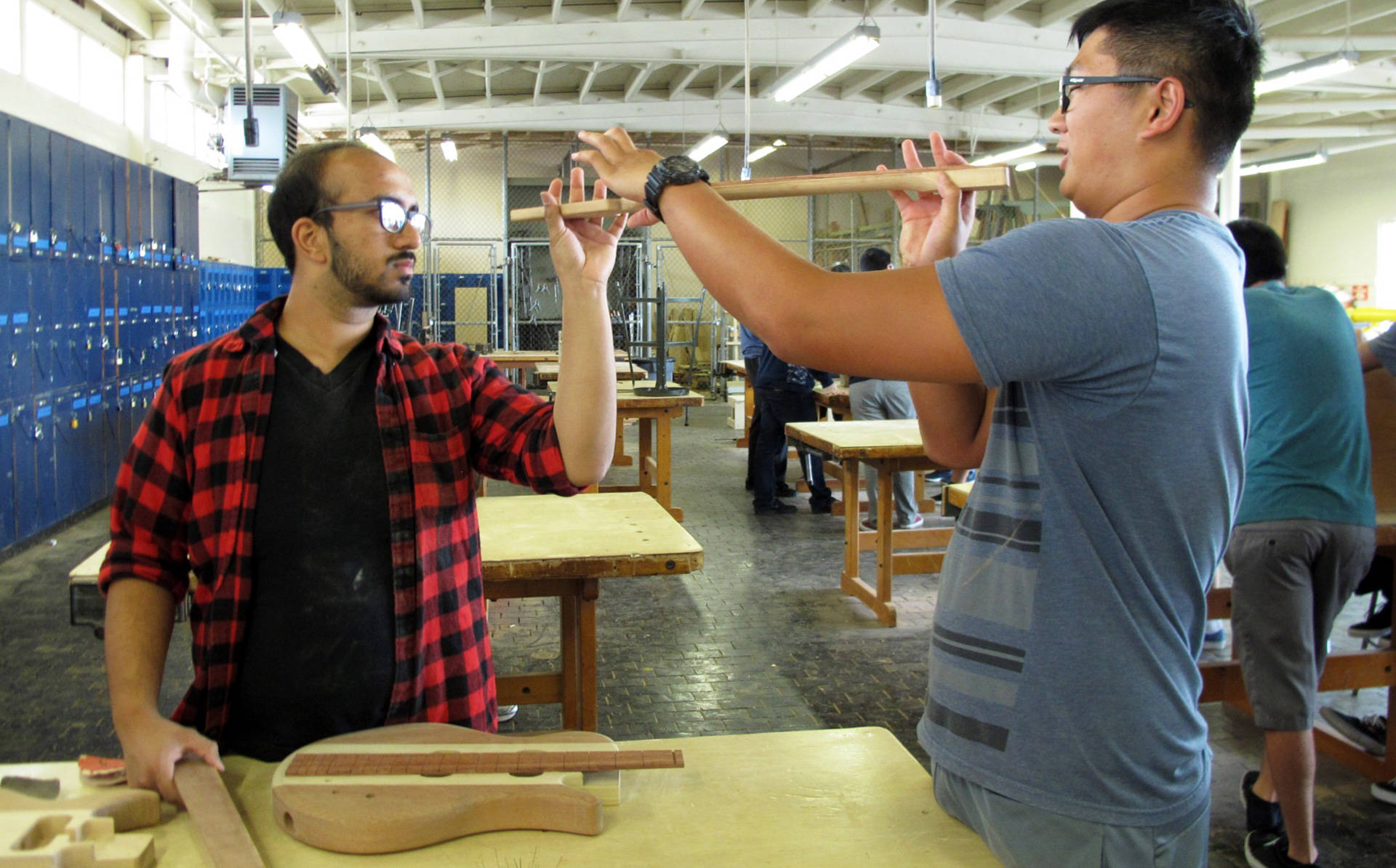
"caption": "Senior Timothy Lee (R) checks out the curve on his fretboard with help from classmate Farhan Saleh. The two are taking wood shop and physics at Camarillo High School as part of the STEM Guitar Project.",
"description": "Senior Timothy Lee (R) checks out the curve on his fretboard with help from classmate Farhan Saleh. The two are taking wood shop and physics at Camarillo High School as part of the STEM Guitar Project.",
"title": "GuitarMaking",
"credit": "Susan Valot/KCRW",
"status": "inherit",
"isLoading": false,
"fetchFailed": false
},
"news_10985468": {
"type": "attachments",
"id": "news_10985468",
"meta": {
"index": "attachments_1716263798",
"site": "news",
"id": "10985468",
"found": true
},
"parent": 10985167,
"imgSizes": {
"twentyfourteen-full-width": {
"file": "https://ww2.kqed.org/app/uploads/sites/10/2016/06/LosPunksCover-1038x576.jpg",
"width": 1038,
"mimeType": "image/jpeg",
"height": 576
},
"thumbnail": {
"file": "https://ww2.kqed.org/app/uploads/sites/10/2016/06/LosPunksCover-400x237.jpg",
"width": 400,
"mimeType": "image/jpeg",
"height": 237
},
"fd-sm": {
"file": "https://ww2.kqed.org/app/uploads/sites/10/2016/06/LosPunksCover-960x570.jpg",
"width": 960,
"mimeType": "image/jpeg",
"height": 570
},
"post-thumbnail": {
"file": "https://ww2.kqed.org/app/uploads/sites/10/2016/06/LosPunksCover-672x372.jpg",
"width": 672,
"mimeType": "image/jpeg",
"height": 372
},
"kqedFullSize": {
"file": "https://ww2.kqed.org/app/uploads/sites/10/2016/06/LosPunksCover.jpg",
"width": 1920,
"height": 1139
},
"large": {
"file": "https://ww2.kqed.org/app/uploads/sites/10/2016/06/LosPunksCover-1920x1139.jpg",
"width": 1920,
"mimeType": "image/jpeg",
"height": 1139
},
"guest-author-50": {
"file": "https://ww2.kqed.org/app/uploads/sites/10/2016/06/LosPunksCover-50x50.jpg",
"width": 50,
"mimeType": "image/jpeg",
"height": 50
},
"guest-author-96": {
"file": "https://ww2.kqed.org/app/uploads/sites/10/2016/06/LosPunksCover-96x96.jpg",
"width": 96,
"mimeType": "image/jpeg",
"height": 96
},
"medium": {
"file": "https://ww2.kqed.org/app/uploads/sites/10/2016/06/LosPunksCover-800x475.jpg",
"width": 800,
"mimeType": "image/jpeg",
"height": 475
},
"guest-author-64": {
"file": "https://ww2.kqed.org/app/uploads/sites/10/2016/06/LosPunksCover-64x64.jpg",
"width": 64,
"mimeType": "image/jpeg",
"height": 64
},
"guest-author-32": {
"file": "https://ww2.kqed.org/app/uploads/sites/10/2016/06/LosPunksCover-32x32.jpg",
"width": 32,
"mimeType": "image/jpeg",
"height": 32
},
"jmtc-small-thumb": {
"file": "https://ww2.kqed.org/app/uploads/sites/10/2016/06/LosPunksCover-280x150.jpg",
"width": 280,
"mimeType": "image/jpeg",
"height": 150
},
"fd-lrg": {
"file": "https://ww2.kqed.org/app/uploads/sites/10/2016/06/LosPunksCover-1920x1139.jpg",
"width": 1920,
"mimeType": "image/jpeg",
"height": 1139
},
"fd-med": {
"file": "https://ww2.kqed.org/app/uploads/sites/10/2016/06/LosPunksCover-1180x700.jpg",
"width": 1180,
"mimeType": "image/jpeg",
"height": 700
},
"detail": {
"file": "https://ww2.kqed.org/app/uploads/sites/10/2016/06/LosPunksCover-150x150.jpg",
"width": 150,
"mimeType": "image/jpeg",
"height": 150
},
"guest-author-128": {
"file": "https://ww2.kqed.org/app/uploads/sites/10/2016/06/LosPunksCover-128x128.jpg",
"width": 128,
"mimeType": "image/jpeg",
"height": 128
}
},
"publishDate": 1465609883,
"modified": 1465609913,
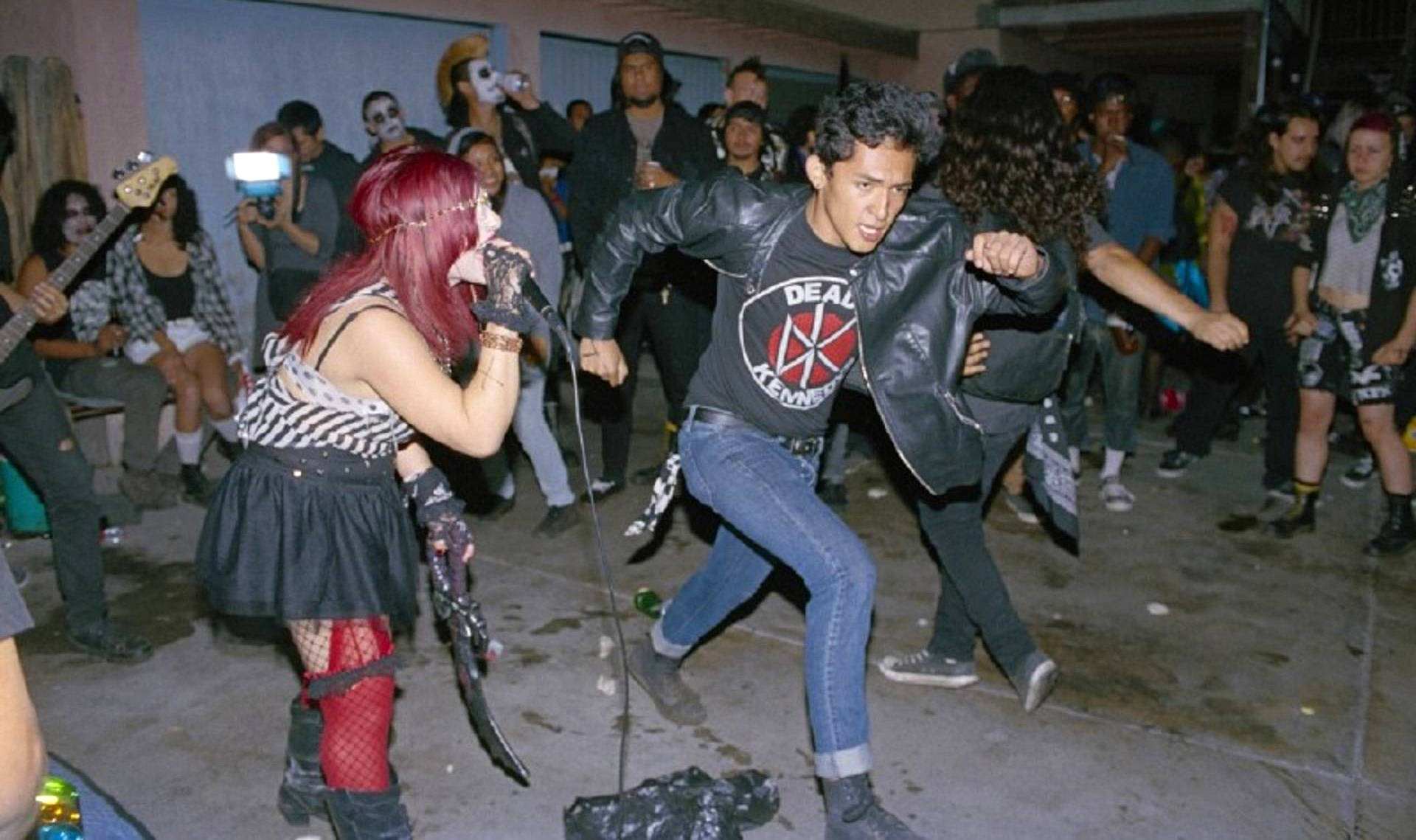
"caption": "The band CXA performs at a backyard show. ",
"description": "The band CXA performs at a backyard show. ",
"title": "LosPunksCover",
"credit": "Photo: Angela Boatwright",
"status": "inherit",
"isLoading": false,
"fetchFailed": false
},
"news_10974391": {
"type": "attachments",
"id": "news_10974391",
"meta": {
"index": "attachments_1716263798",
"site": "news",
"id": "10974391",
"found": true
},
"parent": 10973520,
"imgSizes": {
"twentyfourteen-full-width": {
"file": "https://ww2.kqed.org/app/uploads/sites/10/2016/06/X1980-1038x576.jpg",
"width": 1038,
"mimeType": "image/jpeg",
"height": 576
},
"thumbnail": {
"file": "https://ww2.kqed.org/app/uploads/sites/10/2016/06/X1980-400x257.jpg",
"width": 400,
"mimeType": "image/jpeg",
"height": 257
},
"fd-sm": {
"file": "https://ww2.kqed.org/app/uploads/sites/10/2016/06/X1980-960x616.jpg",
"width": 960,
"mimeType": "image/jpeg",
"height": 616
},
"post-thumbnail": {
"file": "https://ww2.kqed.org/app/uploads/sites/10/2016/06/X1980-672x372.jpg",
"width": 672,
"mimeType": "image/jpeg",
"height": 372
},
"kqedFullSize": {
"file": "https://ww2.kqed.org/app/uploads/sites/10/2016/06/X1980.jpg",
"width": 1920,
"height": 1232
},
"large": {
"file": "https://ww2.kqed.org/app/uploads/sites/10/2016/06/X1980-1920x1232.jpg",
"width": 1920,
"mimeType": "image/jpeg",
"height": 1232
},
"guest-author-50": {
"file": "https://ww2.kqed.org/app/uploads/sites/10/2016/06/X1980-50x50.jpg",
"width": 50,
"mimeType": "image/jpeg",
"height": 50
},
"guest-author-96": {
"file": "https://ww2.kqed.org/app/uploads/sites/10/2016/06/X1980-96x96.jpg",
"width": 96,
"mimeType": "image/jpeg",
"height": 96
},
"medium": {
"file": "https://ww2.kqed.org/app/uploads/sites/10/2016/06/X1980-800x513.jpg",
"width": 800,
"mimeType": "image/jpeg",
"height": 513
},
"guest-author-64": {
"file": "https://ww2.kqed.org/app/uploads/sites/10/2016/06/X1980-64x64.jpg",
"width": 64,
"mimeType": "image/jpeg",
"height": 64
},
"guest-author-32": {
"file": "https://ww2.kqed.org/app/uploads/sites/10/2016/06/X1980-32x32.jpg",
"width": 32,
"mimeType": "image/jpeg",
"height": 32
},
"jmtc-small-thumb": {
"file": "https://ww2.kqed.org/app/uploads/sites/10/2016/06/X1980-280x150.jpg",
"width": 280,
"mimeType": "image/jpeg",
"height": 150
},
"fd-lrg": {
"file": "https://ww2.kqed.org/app/uploads/sites/10/2016/06/X1980-1920x1232.jpg",
"width": 1920,
"mimeType": "image/jpeg",
"height": 1232
},
"fd-med": {
"file": "https://ww2.kqed.org/app/uploads/sites/10/2016/06/X1980-1180x757.jpg",
"width": 1180,
"mimeType": "image/jpeg",
"height": 757
},
"detail": {
"file": "https://ww2.kqed.org/app/uploads/sites/10/2016/06/X1980-150x150.jpg",
"width": 150,
"mimeType": "image/jpeg",
"height": 150
},
"guest-author-128": {
"file": "https://ww2.kqed.org/app/uploads/sites/10/2016/06/X1980-128x128.jpg",
"width": 128,
"mimeType": "image/jpeg",
"height": 128
}
},
"publishDate": 1464810743,
"modified": 1464810805,
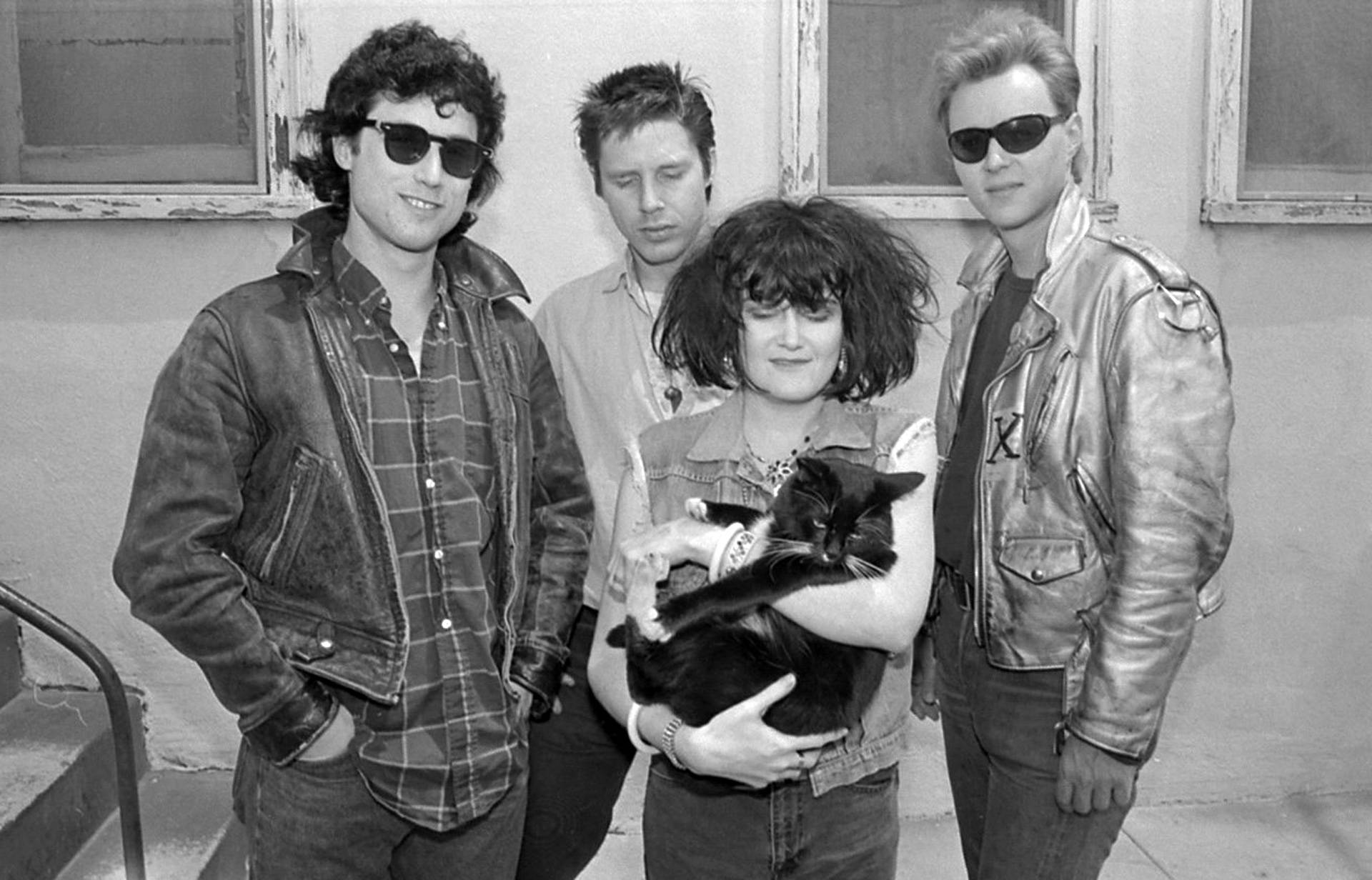
"caption": "The seminal punk band X in Los Angeles in 1980.",
"description": "The seminal punk band X in Los Angeles in 1980.",
"title": "X1980",
"credit": "UCLA Library Special Collections/Flickr",
"status": "inherit",
"isLoading": false,
"fetchFailed": false
},
"news_10961974": {
"type": "attachments",
"id": "news_10961974",
"meta": {
"index": "attachments_1716263798",
"site": "news",
"id": "10961974",
"found": true
},
"parent": 10961928,
"imgSizes": {
"jmtc-small-thumb": {
"file": "https://ww2.kqed.org/app/uploads/sites/10/2016/05/cbcc5dfb-75ce-41a2-807e-019d4fdd9672-280x150.jpg",
"width": 280,
"mimeType": "image/jpeg",
"height": 150
},
"thumbnail": {
"file": "https://ww2.kqed.org/app/uploads/sites/10/2016/05/cbcc5dfb-75ce-41a2-807e-019d4fdd9672-400x266.jpg",
"width": 400,
"mimeType": "image/jpeg",
"height": 266
},
"post-thumbnail": {
"file": "https://ww2.kqed.org/app/uploads/sites/10/2016/05/cbcc5dfb-75ce-41a2-807e-019d4fdd9672-672x372.jpg",
"width": 672,
"mimeType": "image/jpeg",
"height": 372
},
"kqedFullSize": {
"file": "https://ww2.kqed.org/app/uploads/sites/10/2016/05/cbcc5dfb-75ce-41a2-807e-019d4fdd9672.jpg",
"width": 680,
"height": 453
},
"guest-author-50": {
"file": "https://ww2.kqed.org/app/uploads/sites/10/2016/05/cbcc5dfb-75ce-41a2-807e-019d4fdd9672-50x50.jpg",
"width": 50,
"mimeType": "image/jpeg",
"height": 50
},
"guest-author-96": {
"file": "https://ww2.kqed.org/app/uploads/sites/10/2016/05/cbcc5dfb-75ce-41a2-807e-019d4fdd9672-96x96.jpg",
"width": 96,
"mimeType": "image/jpeg",
"height": 96
},
"guest-author-64": {
"file": "https://ww2.kqed.org/app/uploads/sites/10/2016/05/cbcc5dfb-75ce-41a2-807e-019d4fdd9672-64x64.jpg",
"width": 64,
"mimeType": "image/jpeg",
"height": 64
},
"detail": {
"file": "https://ww2.kqed.org/app/uploads/sites/10/2016/05/cbcc5dfb-75ce-41a2-807e-019d4fdd9672-150x150.jpg",
"width": 150,
"mimeType": "image/jpeg",
"height": 150
},
"guest-author-32": {
"file": "https://ww2.kqed.org/app/uploads/sites/10/2016/05/cbcc5dfb-75ce-41a2-807e-019d4fdd9672-32x32.jpg",
"width": 32,
"mimeType": "image/jpeg",
"height": 32
},
"guest-author-128": {
"file": "https://ww2.kqed.org/app/uploads/sites/10/2016/05/cbcc5dfb-75ce-41a2-807e-019d4fdd9672-128x128.jpg",
"width": 128,
"mimeType": "image/jpeg",
"height": 128
}
},
"publishDate": 1463767440,
"modified": 1463799253,
"caption": "East Los Angeles band Stars at Night.",
"description": "East Los Angeles band Stars at Night.",
"title": "cbcc5dfb-75ce-41a2-807e-019d4fdd9672",
"credit": "Courtesy Stars at Night",
"status": "inherit",
"isLoading": false,
"fetchFailed": false
},
"news_10954636": {
"type": "attachments",
"id": "news_10954636",
"meta": {
"index": "attachments_1716263798",
"site": "news",
"id": "10954636",
"found": true
},
"parent": 10952660,
"imgSizes": {
"twentyfourteen-full-width": {
"file": "https://ww2.kqed.org/app/uploads/sites/10/2016/05/RamblinMinors1-1038x576.jpg",
"width": 1038,
"mimeType": "image/jpeg",
"height": 576
},
"thumbnail": {
"file": "https://ww2.kqed.org/app/uploads/sites/10/2016/05/RamblinMinors1-400x264.jpg",
"width": 400,
"mimeType": "image/jpeg",
"height": 264
},
"fd-sm": {
"file": "https://ww2.kqed.org/app/uploads/sites/10/2016/05/RamblinMinors1-960x634.jpg",
"width": 960,
"mimeType": "image/jpeg",
"height": 634
},
"post-thumbnail": {
"file": "https://ww2.kqed.org/app/uploads/sites/10/2016/05/RamblinMinors1-672x372.jpg",
"width": 672,
"mimeType": "image/jpeg",
"height": 372
},
"kqedFullSize": {
"file": "https://ww2.kqed.org/app/uploads/sites/10/2016/05/RamblinMinors1.jpg",
"width": 1920,
"height": 1267
},
"large": {
"file": "https://ww2.kqed.org/app/uploads/sites/10/2016/05/RamblinMinors1-1920x1267.jpg",
"width": 1920,
"mimeType": "image/jpeg",
"height": 1267
},
"guest-author-96": {
"file": "https://ww2.kqed.org/app/uploads/sites/10/2016/05/RamblinMinors1-96x96.jpg",
"width": 96,
"mimeType": "image/jpeg",
"height": 96
},
"medium": {
"file": "https://ww2.kqed.org/app/uploads/sites/10/2016/05/RamblinMinors1-800x528.jpg",
"width": 800,
"mimeType": "image/jpeg",
"height": 528
},
"guest-author-64": {
"file": "https://ww2.kqed.org/app/uploads/sites/10/2016/05/RamblinMinors1-64x64.jpg",
"width": 64,
"mimeType": "image/jpeg",
"height": 64
},
"guest-author-32": {
"file": "https://ww2.kqed.org/app/uploads/sites/10/2016/05/RamblinMinors1-32x32.jpg",
"width": 32,
"mimeType": "image/jpeg",
"height": 32
},
"jmtc-small-thumb": {
"file": "https://ww2.kqed.org/app/uploads/sites/10/2016/05/RamblinMinors1-280x150.jpg",
"width": 280,
"mimeType": "image/jpeg",
"height": 150
},
"fd-lrg": {
"file": "https://ww2.kqed.org/app/uploads/sites/10/2016/05/RamblinMinors1-1920x1267.jpg",
"width": 1920,
"mimeType": "image/jpeg",
"height": 1267
},
"fd-med": {
"file": "https://ww2.kqed.org/app/uploads/sites/10/2016/05/RamblinMinors1-1180x779.jpg",
"width": 1180,
"mimeType": "image/jpeg",
"height": 779
},
"detail": {
"file": "https://ww2.kqed.org/app/uploads/sites/10/2016/05/RamblinMinors1-150x150.jpg",
"width": 150,
"mimeType": "image/jpeg",
"height": 150
},
"guest-author-128": {
"file": "https://ww2.kqed.org/app/uploads/sites/10/2016/05/RamblinMinors1-128x128.jpg",
"width": 128,
"mimeType": "image/jpeg",
"height": 128
}
},
"publishDate": 1463167410,
"modified": 1463167426,
"caption": "The Rambling Minors perform at Goorin Bros. Hats in Berkeley. ",
"description": "The Rambling Minors perform at Goorin Bros. Hats in Berkeley. ",
"title": "RamblinMinors1",
"credit": "Maria Quayle/KQED",
"status": "inherit",
"isLoading": false,
"fetchFailed": false
},
"news_10947578": {
"type": "attachments",
"id": "news_10947578",
"meta": {
"index": "attachments_1716263798",
"site": "news",
"id": "10947578",
"found": true
},
"parent": 10947576,
"imgSizes": {
"jmtc-small-thumb": {
"file": "https://ww2.kqed.org/app/uploads/sites/10/2016/05/joan_jeanrenaud_cd_sleeve-280x150.jpeg",
"width": 280,
"mimeType": "image/jpeg",
"height": 150
},
"thumbnail": {
"file": "https://ww2.kqed.org/app/uploads/sites/10/2016/05/joan_jeanrenaud_cd_sleeve-400x364.jpeg",
"width": 400,
"mimeType": "image/jpeg",
"height": 364
},
"post-thumbnail": {
"file": "https://ww2.kqed.org/app/uploads/sites/10/2016/05/joan_jeanrenaud_cd_sleeve-528x372.jpeg",
"width": 528,
"mimeType": "image/jpeg",
"height": 372
},
"kqedFullSize": {
"file": "https://ww2.kqed.org/app/uploads/sites/10/2016/05/joan_jeanrenaud_cd_sleeve.jpeg",
"width": 528,
"height": 480
},
"guest-author-96": {
"file": "https://ww2.kqed.org/app/uploads/sites/10/2016/05/joan_jeanrenaud_cd_sleeve-96x96.jpeg",
"width": 96,
"mimeType": "image/jpeg",
"height": 96
},
"guest-author-64": {
"file": "https://ww2.kqed.org/app/uploads/sites/10/2016/05/joan_jeanrenaud_cd_sleeve-64x64.jpeg",
"width": 64,
"mimeType": "image/jpeg",
"height": 64
},
"detail": {
"file": "https://ww2.kqed.org/app/uploads/sites/10/2016/05/joan_jeanrenaud_cd_sleeve-150x150.jpeg",
"width": 150,
"mimeType": "image/jpeg",
"height": 150
},
"guest-author-32": {
"file": "https://ww2.kqed.org/app/uploads/sites/10/2016/05/joan_jeanrenaud_cd_sleeve-32x32.jpeg",
"width": 32,
"mimeType": "image/jpeg",
"height": 32
},
"guest-author-128": {
"file": "https://ww2.kqed.org/app/uploads/sites/10/2016/05/joan_jeanrenaud_cd_sleeve-128x128.jpeg",
"width": 128,
"mimeType": "image/jpeg",
"height": 128
}
},
"publishDate": 1462522685,
"modified": 1462522685,
"caption": null,
"description": null,
"title": "joan_jeanrenaud_cd_sleeve",
"credit": null,
"status": "inherit",
"isLoading": false,
"fetchFailed": false
},
"news_10937506": {
"type": "attachments",
"id": "news_10937506",
"meta": {
"index": "attachments_1716263798",
"site": "news",
"id": "10937506",
"found": true
},
"parent": 10937150,
"imgSizes": {
"twentyfourteen-full-width": {
"file": "https://ww2.kqed.org/app/uploads/sites/10/2016/04/EgyptianLover-1038x576.jpg",
"width": 1038,
"mimeType": "image/jpeg",
"height": 576
},
"thumbnail": {
"file": "https://ww2.kqed.org/app/uploads/sites/10/2016/04/EgyptianLover-400x227.jpg",
"width": 400,
"mimeType": "image/jpeg",
"height": 227
},
"fd-sm": {
"file": "https://ww2.kqed.org/app/uploads/sites/10/2016/04/EgyptianLover-960x545.jpg",
"width": 960,
"mimeType": "image/jpeg",
"height": 545
},
"post-thumbnail": {
"file": "https://ww2.kqed.org/app/uploads/sites/10/2016/04/EgyptianLover-672x372.jpg",
"width": 672,
"mimeType": "image/jpeg",
"height": 372
},
"kqedFullSize": {
"file": "https://ww2.kqed.org/app/uploads/sites/10/2016/04/EgyptianLover.jpg",
"width": 1920,
"height": 1089
},
"large": {
"file": "https://ww2.kqed.org/app/uploads/sites/10/2016/04/EgyptianLover-1920x1089.jpg",
"width": 1920,
"mimeType": "image/jpeg",
"height": 1089
},
"guest-author-96": {
"file": "https://ww2.kqed.org/app/uploads/sites/10/2016/04/EgyptianLover-96x96.jpg",
"width": 96,
"mimeType": "image/jpeg",
"height": 96
},
"medium": {
"file": "https://ww2.kqed.org/app/uploads/sites/10/2016/04/EgyptianLover-800x454.jpg",
"width": 800,
"mimeType": "image/jpeg",
"height": 454
},
"guest-author-64": {
"file": "https://ww2.kqed.org/app/uploads/sites/10/2016/04/EgyptianLover-64x64.jpg",
"width": 64,
"mimeType": "image/jpeg",
"height": 64
},
"guest-author-32": {
"file": "https://ww2.kqed.org/app/uploads/sites/10/2016/04/EgyptianLover-32x32.jpg",
"width": 32,
"mimeType": "image/jpeg",
"height": 32
},
"jmtc-small-thumb": {
"file": "https://ww2.kqed.org/app/uploads/sites/10/2016/04/EgyptianLover-280x150.jpg",
"width": 280,
"mimeType": "image/jpeg",
"height": 150
},
"fd-lrg": {
"file": "https://ww2.kqed.org/app/uploads/sites/10/2016/04/EgyptianLover-1920x1089.jpg",
"width": 1920,
"mimeType": "image/jpeg",
"height": 1089
},
"fd-med": {
"file": "https://ww2.kqed.org/app/uploads/sites/10/2016/04/EgyptianLover-1180x669.jpg",
"width": 1180,
"mimeType": "image/jpeg",
"height": 669
},
"detail": {
"file": "https://ww2.kqed.org/app/uploads/sites/10/2016/04/EgyptianLover-75x75.jpg",
"width": 75,
"mimeType": "image/jpeg",
"height": 75
},
"guest-author-128": {
"file": "https://ww2.kqed.org/app/uploads/sites/10/2016/04/EgyptianLover-128x128.jpg",
"width": 128,
"mimeType": "image/jpeg",
"height": 128
}
},
"publishDate": 1461377197,
"modified": 1461377229,
"caption": "The Egyptian Lover, in the days of massive cellphones.",
"description": "The Egyptian Lover, in the days of massive cellphones.",
"title": "EgyptianLover",
"credit": "YouTube",
"status": "inherit",
"isLoading": false,
"fetchFailed": false
},
"news_10924271": {
"type": "attachments",
"id": "news_10924271",
"meta": {
"index": "attachments_1716263798",
"site": "news",
"id": "10924271",
"found": true
},
"parent": 10924139,
"imgSizes": {
"twentyfourteen-full-width": {
"file": "https://ww2.kqed.org/app/uploads/sites/10/2016/04/MerleHaggard-1038x576.jpg",
"width": 1038,
"mimeType": "image/jpeg",
"height": 576
},
"thumbnail": {
"file": "https://ww2.kqed.org/app/uploads/sites/10/2016/04/MerleHaggard-400x273.jpg",
"width": 400,
"mimeType": "image/jpeg",
"height": 273
},
"fd-sm": {
"file": "https://ww2.kqed.org/app/uploads/sites/10/2016/04/MerleHaggard-960x656.jpg",
"width": 960,
"mimeType": "image/jpeg",
"height": 656
},
"post-thumbnail": {
"file": "https://ww2.kqed.org/app/uploads/sites/10/2016/04/MerleHaggard-672x372.jpg",
"width": 672,
"mimeType": "image/jpeg",
"height": 372
},
"kqedFullSize": {
"file": "https://ww2.kqed.org/app/uploads/sites/10/2016/04/MerleHaggard.jpg",
"width": 1920,
"height": 1312
},
"large": {
"file": "https://ww2.kqed.org/app/uploads/sites/10/2016/04/MerleHaggard-1920x1312.jpg",
"width": 1920,
"mimeType": "image/jpeg",
"height": 1312
},
"guest-author-96": {
"file": "https://ww2.kqed.org/app/uploads/sites/10/2016/04/MerleHaggard-96x96.jpg",
"width": 96,
"mimeType": "image/jpeg",
"height": 96
},
"medium": {
"file": "https://ww2.kqed.org/app/uploads/sites/10/2016/04/MerleHaggard-800x547.jpg",
"width": 800,
"mimeType": "image/jpeg",
"height": 547
},
"guest-author-64": {
"file": "https://ww2.kqed.org/app/uploads/sites/10/2016/04/MerleHaggard-64x64.jpg",
"width": 64,
"mimeType": "image/jpeg",
"height": 64
},
"guest-author-32": {
"file": "https://ww2.kqed.org/app/uploads/sites/10/2016/04/MerleHaggard-32x32.jpg",
"width": 32,
"mimeType": "image/jpeg",
"height": 32
},
"jmtc-small-thumb": {
"file": "https://ww2.kqed.org/app/uploads/sites/10/2016/04/MerleHaggard-280x150.jpg",
"width": 280,
"mimeType": "image/jpeg",
"height": 150
},
"fd-lrg": {
"file": "https://ww2.kqed.org/app/uploads/sites/10/2016/04/MerleHaggard-1920x1312.jpg",
"width": 1920,
"mimeType": "image/jpeg",
"height": 1312
},
"fd-med": {
"file": "https://ww2.kqed.org/app/uploads/sites/10/2016/04/MerleHaggard-1180x806.jpg",
"width": 1180,
"mimeType": "image/jpeg",
"height": 806
},
"detail": {
"file": "https://ww2.kqed.org/app/uploads/sites/10/2016/04/MerleHaggard-75x75.jpg",
"width": 75,
"mimeType": "image/jpeg",
"height": 75
},
"guest-author-128": {
"file": "https://ww2.kqed.org/app/uploads/sites/10/2016/04/MerleHaggard-128x128.jpg",
"width": 128,
"mimeType": "image/jpeg",
"height": 128
}
},
"publishDate": 1460164532,
"modified": 1460164583,
"caption": "Merle Haggard performs in 2015.",
"description": "Merle Haggard performs in 2015.",
"title": "MerleHaggard",
"credit": "Frazer Harrison/Getty Images",
"status": "inherit",
"isLoading": false,
"fetchFailed": false
},
"news_10900495": {
"type": "attachments",
"id": "news_10900495",
"meta": {
"index": "attachments_1716263798",
"site": "news",
"id": "10900495",
"found": true
},
"parent": 10900308,
"imgSizes": {
"twentyfourteen-full-width": {
"file": "https://ww2.kqed.org/app/uploads/sites/10/2016/03/SignalRoom-1-1038x576.jpg",
"width": 1038,
"mimeType": "image/jpeg",
"height": 576
},
"thumbnail": {
"file": "https://ww2.kqed.org/app/uploads/sites/10/2016/03/SignalRoom-1-400x212.jpg",
"width": 400,
"mimeType": "image/jpeg",
"height": 212
},
"fd-sm": {
"file": "https://ww2.kqed.org/app/uploads/sites/10/2016/03/SignalRoom-1-960x509.jpg",
"width": 960,
"mimeType": "image/jpeg",
"height": 509
},
"post-thumbnail": {
"file": "https://ww2.kqed.org/app/uploads/sites/10/2016/03/SignalRoom-1-672x372.jpg",
"width": 672,
"mimeType": "image/jpeg",
"height": 372
},
"kqedFullSize": {
"file": "https://ww2.kqed.org/app/uploads/sites/10/2016/03/SignalRoom-1.jpg",
"width": 1920,
"height": 1017
},
"large": {
"file": "https://ww2.kqed.org/app/uploads/sites/10/2016/03/SignalRoom-1-1920x1017.jpg",
"width": 1920,
"mimeType": "image/jpeg",
"height": 1017
},
"guest-author-96": {
"file": "https://ww2.kqed.org/app/uploads/sites/10/2016/03/SignalRoom-1-96x96.jpg",
"width": 96,
"mimeType": "image/jpeg",
"height": 96
},
"medium": {
"file": "https://ww2.kqed.org/app/uploads/sites/10/2016/03/SignalRoom-1-800x424.jpg",
"width": 800,
"mimeType": "image/jpeg",
"height": 424
},
"guest-author-64": {
"file": "https://ww2.kqed.org/app/uploads/sites/10/2016/03/SignalRoom-1-64x64.jpg",
"width": 64,
"mimeType": "image/jpeg",
"height": 64
},
"guest-author-32": {
"file": "https://ww2.kqed.org/app/uploads/sites/10/2016/03/SignalRoom-1-32x32.jpg",
"width": 32,
"mimeType": "image/jpeg",
"height": 32
},
"jmtc-small-thumb": {
"file": "https://ww2.kqed.org/app/uploads/sites/10/2016/03/SignalRoom-1-280x150.jpg",
"width": 280,
"mimeType": "image/jpeg",
"height": 150
},
"fd-lrg": {
"file": "https://ww2.kqed.org/app/uploads/sites/10/2016/03/SignalRoom-1-1920x1017.jpg",
"width": 1920,
"mimeType": "image/jpeg",
"height": 1017
},
"fd-med": {
"file": "https://ww2.kqed.org/app/uploads/sites/10/2016/03/SignalRoom-1-1180x625.jpg",
"width": 1180,
"mimeType": "image/jpeg",
"height": 625
},
"detail": {
"file": "https://ww2.kqed.org/app/uploads/sites/10/2016/03/SignalRoom-1-75x75.jpg",
"width": 75,
"mimeType": "image/jpeg",
"height": 75
},
"guest-author-128": {
"file": "https://ww2.kqed.org/app/uploads/sites/10/2016/03/SignalRoom-1-128x128.jpg",
"width": 128,
"mimeType": "image/jpeg",
"height": 128
}
},
"publishDate": 1458327549,
"modified": 1458327571,
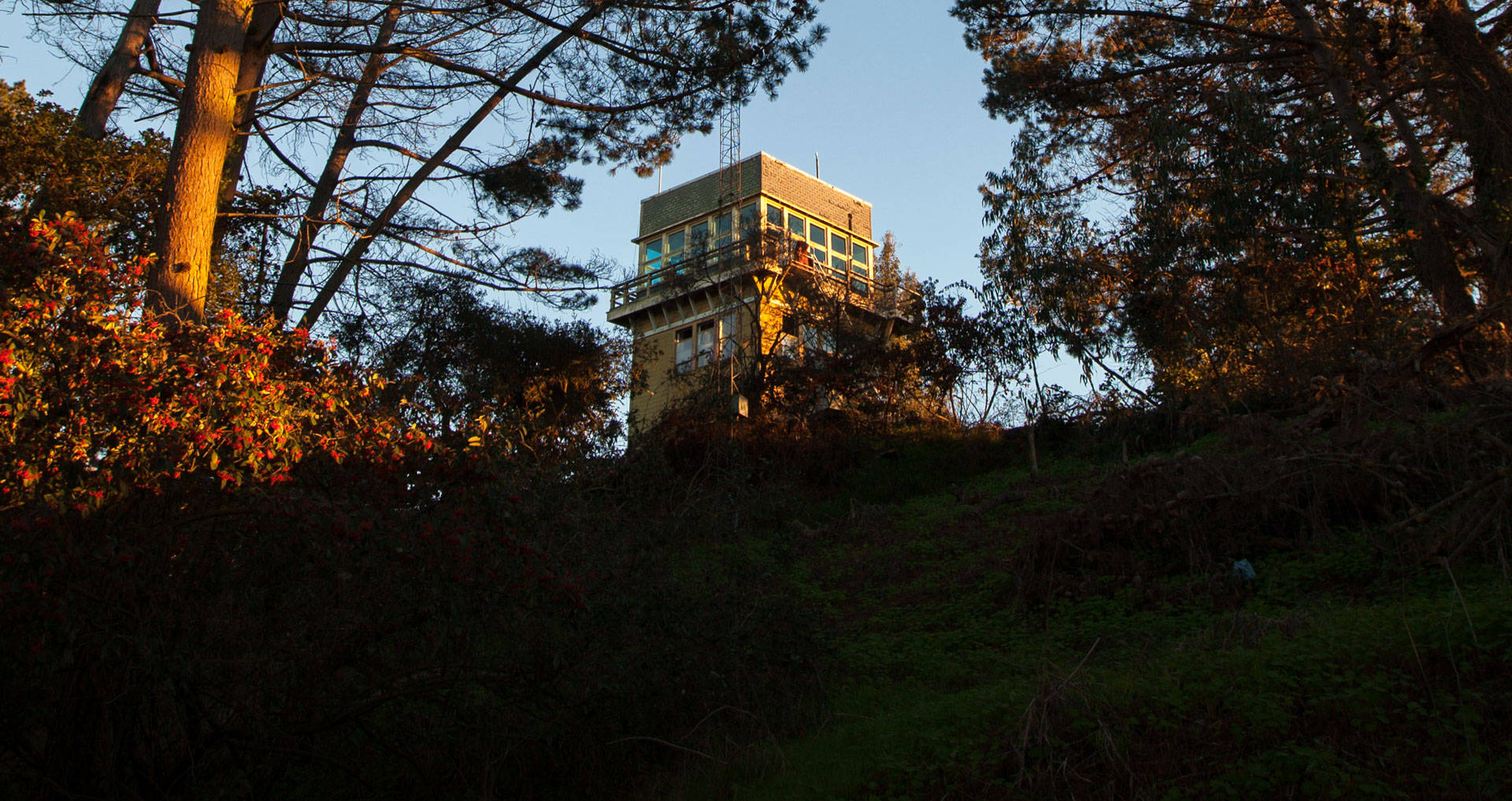
"caption": "After the Loma Prieta earthquake struck in 1989, the radio tower was sealed shut -- until Eugene Ashton-Gonzalez found a way to sneak inside. ",
"description": "After the Loma Prieta earthquake struck in 1989, the radio tower was sealed shut -- until Eugene Ashton-Gonzalez found a way to sneak inside. ",
"title": "SignalRoom",
"credit": "Courtesy Mona Caron",
"status": "inherit",
"isLoading": false,
"fetchFailed": false
},
"news_10900939": {
"type": "attachments",
"id": "news_10900939",
"meta": {
"index": "attachments_1716263798",
"site": "news",
"id": "10900939",
"found": true
},
"parent": 10900368,
"imgSizes": {
"twentyfourteen-full-width": {
"file": "https://ww2.kqed.org/app/uploads/sites/10/2016/03/WoodyGuthrie-1038x576.jpg",
"width": 1038,
"mimeType": "image/jpeg",
"height": 576
},
"thumbnail": {
"file": "https://ww2.kqed.org/app/uploads/sites/10/2016/03/WoodyGuthrie-400x294.jpg",
"width": 400,
"mimeType": "image/jpeg",
"height": 294
},
"fd-sm": {
"file": "https://ww2.kqed.org/app/uploads/sites/10/2016/03/WoodyGuthrie-960x706.jpg",
"width": 960,
"mimeType": "image/jpeg",
"height": 706
},
"post-thumbnail": {
"file": "https://ww2.kqed.org/app/uploads/sites/10/2016/03/WoodyGuthrie-672x372.jpg",
"width": 672,
"mimeType": "image/jpeg",
"height": 372
},
"kqedFullSize": {
"file": "https://ww2.kqed.org/app/uploads/sites/10/2016/03/WoodyGuthrie.jpg",
"width": 1920,
"height": 1412
},
"large": {
"file": "https://ww2.kqed.org/app/uploads/sites/10/2016/03/WoodyGuthrie-1920x1412.jpg",
"width": 1920,
"mimeType": "image/jpeg",
"height": 1412
},
"guest-author-96": {
"file": "https://ww2.kqed.org/app/uploads/sites/10/2016/03/WoodyGuthrie-96x96.jpg",
"width": 96,
"mimeType": "image/jpeg",
"height": 96
},
"medium": {
"file": "https://ww2.kqed.org/app/uploads/sites/10/2016/03/WoodyGuthrie-800x588.jpg",
"width": 800,
"mimeType": "image/jpeg",
"height": 588
},
"guest-author-64": {
"file": "https://ww2.kqed.org/app/uploads/sites/10/2016/03/WoodyGuthrie-64x64.jpg",
"width": 64,
"mimeType": "image/jpeg",
"height": 64
},
"guest-author-32": {
"file": "https://ww2.kqed.org/app/uploads/sites/10/2016/03/WoodyGuthrie-32x32.jpg",
"width": 32,
"mimeType": "image/jpeg",
"height": 32
},
"jmtc-small-thumb": {
"file": "https://ww2.kqed.org/app/uploads/sites/10/2016/03/WoodyGuthrie-280x150.jpg",
"width": 280,
"mimeType": "image/jpeg",
"height": 150
},
"fd-lrg": {
"file": "https://ww2.kqed.org/app/uploads/sites/10/2016/03/WoodyGuthrie-1920x1412.jpg",
"width": 1920,
"mimeType": "image/jpeg",
"height": 1412
},
"fd-med": {
"file": "https://ww2.kqed.org/app/uploads/sites/10/2016/03/WoodyGuthrie-1180x868.jpg",
"width": 1180,
"mimeType": "image/jpeg",
"height": 868
},
"detail": {
"file": "https://ww2.kqed.org/app/uploads/sites/10/2016/03/WoodyGuthrie-75x75.jpg",
"width": 75,
"mimeType": "image/jpeg",
"height": 75
},
"guest-author-128": {
"file": "https://ww2.kqed.org/app/uploads/sites/10/2016/03/WoodyGuthrie-128x128.jpg",
"width": 128,
"mimeType": "image/jpeg",
"height": 128
}
},
"publishDate": 1458347545,
"modified": 1458347589,
"caption": "Woody Guthrie near a Shafter labor camp in 1941.",
"description": "Woody Guthrie near a Shafter labor camp in 1941.",
"title": "WoodyGuthrie",
"credit": "Seema Weatherwax",
"status": "inherit",
"isLoading": false,
"fetchFailed": false
},
"news_10896711": {
"type": "attachments",
"id": "news_10896711",
"meta": {
"index": "attachments_1716263798",
"site": "news",
"id": "10896711",
"found": true
},
"parent": 10892969,
"imgSizes": {
"twentyfourteen-full-width": {
"file": "https://ww2.kqed.org/app/uploads/sites/10/2016/03/TroyWalker-1038x576.jpg",
"width": 1038,
"mimeType": "image/jpeg",
"height": 576
},
"thumbnail": {
"file": "https://ww2.kqed.org/app/uploads/sites/10/2016/03/TroyWalker-400x253.jpg",
"width": 400,
"mimeType": "image/jpeg",
"height": 253
},
"fd-sm": {
"file": "https://ww2.kqed.org/app/uploads/sites/10/2016/03/TroyWalker-960x607.jpg",
"width": 960,
"mimeType": "image/jpeg",
"height": 607
},
"post-thumbnail": {
"file": "https://ww2.kqed.org/app/uploads/sites/10/2016/03/TroyWalker-672x372.jpg",
"width": 672,
"mimeType": "image/jpeg",
"height": 372
},
"kqedFullSize": {
"file": "https://ww2.kqed.org/app/uploads/sites/10/2016/03/TroyWalker.jpg",
"width": 1920,
"height": 1214
},
"large": {
"file": "https://ww2.kqed.org/app/uploads/sites/10/2016/03/TroyWalker-1920x1214.jpg",
"width": 1920,
"mimeType": "image/jpeg",
"height": 1214
},
"guest-author-96": {
"file": "https://ww2.kqed.org/app/uploads/sites/10/2016/03/TroyWalker-96x96.jpg",
"width": 96,
"mimeType": "image/jpeg",
"height": 96
},
"medium": {
"file": "https://ww2.kqed.org/app/uploads/sites/10/2016/03/TroyWalker-800x506.jpg",
"width": 800,
"mimeType": "image/jpeg",
"height": 506
},
"guest-author-64": {
"file": "https://ww2.kqed.org/app/uploads/sites/10/2016/03/TroyWalker-64x64.jpg",
"width": 64,
"mimeType": "image/jpeg",
"height": 64
},
"guest-author-32": {
"file": "https://ww2.kqed.org/app/uploads/sites/10/2016/03/TroyWalker-32x32.jpg",
"width": 32,
"mimeType": "image/jpeg",
"height": 32
},
"jmtc-small-thumb": {
"file": "https://ww2.kqed.org/app/uploads/sites/10/2016/03/TroyWalker-280x150.jpg",
"width": 280,
"mimeType": "image/jpeg",
"height": 150
},
"fd-lrg": {
"file": "https://ww2.kqed.org/app/uploads/sites/10/2016/03/TroyWalker-1920x1214.jpg",
"width": 1920,
"mimeType": "image/jpeg",
"height": 1214
},
"fd-med": {
"file": "https://ww2.kqed.org/app/uploads/sites/10/2016/03/TroyWalker-1180x746.jpg",
"width": 1180,
"mimeType": "image/jpeg",
"height": 746
},
"detail": {
"file": "https://ww2.kqed.org/app/uploads/sites/10/2016/03/TroyWalker-75x75.jpg",
"width": 75,
"mimeType": "image/jpeg",
"height": 75
},
"guest-author-128": {
"file": "https://ww2.kqed.org/app/uploads/sites/10/2016/03/TroyWalker-128x128.jpg",
"width": 128,
"mimeType": "image/jpeg",
"height": 128
}
},
"publishDate": 1458066447,
"modified": 1458071514,
"caption": "Troy Walker sings at Cody Bryant’s Viva Cantina, a Mexican restaurant in Burbank that’s become the singer’s monthly gig.",
"description": "Troy Walker sings at Cody Bryant’s Viva Cantina, a Mexican restaurant in Burbank that’s become the singer’s monthly gig.",
"title": "TroyWalker",
"credit": "Peter Gilstrap/KQED",
"status": "inherit",
"isLoading": false,
"fetchFailed": false
},
"news_10892715": {
"type": "attachments",
"id": "news_10892715",
"meta": {
"index": "attachments_1716263798",
"site": "news",
"id": "10892715",
"found": true
},
"parent": 10892535,
"imgSizes": {
"twentyfourteen-full-width": {
"file": "https://ww2.kqed.org/app/uploads/sites/10/2016/03/ThaoFeat-1038x576.jpg",
"width": 1038,
"mimeType": "image/jpeg",
"height": 576
},
"thumbnail": {
"file": "https://ww2.kqed.org/app/uploads/sites/10/2016/03/ThaoFeat-400x251.jpg",
"width": 400,
"mimeType": "image/jpeg",
"height": 251
},
"fd-sm": {
"file": "https://ww2.kqed.org/app/uploads/sites/10/2016/03/ThaoFeat-960x603.jpg",
"width": 960,
"mimeType": "image/jpeg",
"height": 603
},
"post-thumbnail": {
"file": "https://ww2.kqed.org/app/uploads/sites/10/2016/03/ThaoFeat-672x372.jpg",
"width": 672,
"mimeType": "image/jpeg",
"height": 372
},
"kqedFullSize": {
"file": "https://ww2.kqed.org/app/uploads/sites/10/2016/03/ThaoFeat.jpg",
"width": 1920,
"height": 1206
},
"large": {
"file": "https://ww2.kqed.org/app/uploads/sites/10/2016/03/ThaoFeat-1920x1206.jpg",
"width": 1920,
"mimeType": "image/jpeg",
"height": 1206
},
"guest-author-96": {
"file": "https://ww2.kqed.org/app/uploads/sites/10/2016/03/ThaoFeat-96x96.jpg",
"width": 96,
"mimeType": "image/jpeg",
"height": 96
},
"medium": {
"file": "https://ww2.kqed.org/app/uploads/sites/10/2016/03/ThaoFeat-800x503.jpg",
"width": 800,
"mimeType": "image/jpeg",
"height": 503
},
"guest-author-64": {
"file": "https://ww2.kqed.org/app/uploads/sites/10/2016/03/ThaoFeat-64x64.jpg",
"width": 64,
"mimeType": "image/jpeg",
"height": 64
},
"guest-author-32": {
"file": "https://ww2.kqed.org/app/uploads/sites/10/2016/03/ThaoFeat-32x32.jpg",
"width": 32,
"mimeType": "image/jpeg",
"height": 32
},
"jmtc-small-thumb": {
"file": "https://ww2.kqed.org/app/uploads/sites/10/2016/03/ThaoFeat-280x150.jpg",
"width": 280,
"mimeType": "image/jpeg",
"height": 150
},
"fd-lrg": {
"file": "https://ww2.kqed.org/app/uploads/sites/10/2016/03/ThaoFeat-1920x1206.jpg",
"width": 1920,
"mimeType": "image/jpeg",
"height": 1206
},
"fd-med": {
"file": "https://ww2.kqed.org/app/uploads/sites/10/2016/03/ThaoFeat-1180x741.jpg",
"width": 1180,
"mimeType": "image/jpeg",
"height": 741
},
"detail": {
"file": "https://ww2.kqed.org/app/uploads/sites/10/2016/03/ThaoFeat-75x75.jpg",
"width": 75,
"mimeType": "image/jpeg",
"height": 75
},
"guest-author-128": {
"file": "https://ww2.kqed.org/app/uploads/sites/10/2016/03/ThaoFeat-128x128.jpg",
"width": 128,
"mimeType": "image/jpeg",
"height": 128
}
},
"publishDate": 1457729730,
"modified": 1457729844,
"caption": "Thao Nguyen of Thao & the Get Down Stay Down",
"description": "Thao Nguyen of Thao & the Get Down Stay Down",
"title": "ThaoFeat",
"credit": "Courtesy Maria Kanevskaya",
"status": "inherit",
"isLoading": false,
"fetchFailed": false
}
},
"audioPlayerReducer": {
"postId": "stream_live",
"isPaused": true,
"isPlaying": false,
"pfsActive": false,
"pledgeModalIsOpen": true,
"playerDrawerIsOpen": false,
"liveAudioPlayStartedAt": 0,
"liveAudioPlayContext": ""
},
"authorsReducer": {
"byline_news_10985355": {
"type": "authors",
"id": "byline_news_10985355",
"meta": {
"override": true
},
"slug": "byline_news_10985355",
"name": "\u003cstrong>\u003ca href=\"http://curious.kcrw.com/author/susan-valot\">Susan Valot\u003c/a>\u003cbr>\u003ca href=\"http://curious.kcrw.com/2016/05/when-science-sounds-like-band-practice\">KCRW\u003c/a>\u003c/strong>",
"isLoading": false
},
"byline_news_10973520": {
"type": "authors",
"id": "byline_news_10973520",
"meta": {
"override": true
},
"slug": "byline_news_10973520",
"name": "\u003cstrong>Peter Gilstrap\u003c/strong>",
"isLoading": false
},
"byline_news_10952660": {
"type": "authors",
"id": "byline_news_10952660",
"meta": {
"override": true
},
"slug": "byline_news_10952660",
"name": "Lacy Jane Roberts",
"isLoading": false
},
"byline_news_10900308": {
"type": "authors",
"id": "byline_news_10900308",
"meta": {
"override": true
},
"slug": "byline_news_10900308",
"name": "\u003cstrong>\u003ca href=\"http://cironline.org/person/michael-montgomery\">Michael Montgomery\u003c/a>\u003c/strong>",
"isLoading": false
},
"byline_news_10900368": {
"type": "authors",
"id": "byline_news_10900368",
"meta": {
"override": true
},
"slug": "byline_news_10900368",
"name": "\u003cstrong>\u003ca href=\"http://www.kcrw.com/people/avishay-artsy\">Avishay Artsy\u003c/a>\u003c/strong>",
"isLoading": false
},
"byline_news_10892969": {
"type": "authors",
"id": "byline_news_10892969",
"meta": {
"override": true
},
"slug": "byline_news_10892969",
"name": "Peter Gilstrap",
"isLoading": false
},
"agilbert": {
"type": "authors",
"id": "86",
"meta": {
"index": "authors_1716337520",
"id": "86",
"found": true
},
"name": "Andrew Gilbert",
"firstName": "Andrew",
"lastName": "Gilbert",
"slug": "agilbert",
"email": "jazzscribe@aol.com",
"display_author_email": false,
"staff_mastheads": [],
"title": "KQED Contributor",
"bio": "A Los Angeles native based in the Berkeley area since 1996, Andrew Gilbert covers jazz, international music and dance for KQED's \u003ci>California Report, \u003c/i>the\u003ci> Mercury News\u003c/i>, \u003ci>San Francisco Chronicle\u003c/i>, \u003ci>Berkeleyside.com\u003c/i>, and other publications. He is available for weddings and bar and bat mitzvahs. #jazzscribe",
"avatar": "https://secure.gravatar.com/avatar/d7bcafdbefdd39e9a68f88724ca616eb4e7a5a6bff9cdfb62de652a1e1751471?s=600&d=blank&r=g",
"twitter": null,
"bluesky": null,
"facebook": null,
"instagram": null,
"linkedin": null,
"sites": [
{
"site": "arts",
"roles": [
"Contributor",
"author"
]
},
{
"site": "news",
"roles": [
"author"
]
}
],
"headData": {
"title": "Andrew Gilbert | KQED",
"description": "KQED Contributor",
"ogImgSrc": "https://secure.gravatar.com/avatar/d7bcafdbefdd39e9a68f88724ca616eb4e7a5a6bff9cdfb62de652a1e1751471?s=600&d=blank&r=g",
"twImgSrc": "https://secure.gravatar.com/avatar/d7bcafdbefdd39e9a68f88724ca616eb4e7a5a6bff9cdfb62de652a1e1751471?s=600&d=blank&r=g"
},
"isLoading": false,
"link": "/author/agilbert"
},
"shochman": {
"type": "authors",
"id": "87",
"meta": {
"index": "authors_1716337520",
"id": "87",
"found": true
},
"name": "Steve Hochman",
"firstName": "Steve",
"lastName": "Hochman",
"slug": "shochman",
"email": "sehochman@me.com",
"display_author_email": false,
"staff_mastheads": [],
"title": "KQED Contributor",
"bio": "Steve Hochman has covered popular, and unpopular, music for more than 30 years, most of that time as a key member of the \u003ci>Los Angeles Times\u003c/i>' music team. In that capacity he wrote about the full range of music and musicians, from Hungarian folk to industrial noise, and from 1991 through 2005 wrote the \u003ci>Times\u003c/i>' widely read weekly \"Pop Eye\" column. In addition to his role with \u003ci>The California Report\u003c/i>, he's a music critic for Pasadena station KPCC's morning magazine \u003ci>Take Two\u003c/i> and a regular contributor to Grammy.com, Fender.com and other outlets. His byline has appeared through the years in an array of major publications, including \u003ci>Rolling Stone\u003c/i>, \u003ci>Billboard\u003c/i> and \u003ci>Entertainment Weekly\u003c/i> and New Orleans' \u003ci>Offbeat\u003c/i>.",
"avatar": "https://secure.gravatar.com/avatar/37fbddee9db232a05a1be3b065171301e8baa142626c45b0caa6fc61c25a8c8d?s=600&d=blank&r=g",
"twitter": null,
"bluesky": null,
"facebook": null,
"instagram": null,
"linkedin": null,
"sites": [
{
"site": "arts",
"roles": [
"Contributor",
"subscriber"
]
},
{
"site": "news",
"roles": [
"subscriber"
]
}
],
"headData": {
"title": "Steve Hochman | KQED",
"description": "KQED Contributor",
"ogImgSrc": "https://secure.gravatar.com/avatar/37fbddee9db232a05a1be3b065171301e8baa142626c45b0caa6fc61c25a8c8d?s=600&d=blank&r=g",
"twImgSrc": "https://secure.gravatar.com/avatar/37fbddee9db232a05a1be3b065171301e8baa142626c45b0caa6fc61c25a8c8d?s=600&d=blank&r=g"
},
"isLoading": false,
"link": "/author/shochman"
},
"sracho": {
"type": "authors",
"id": "107",
"meta": {
"index": "authors_1716337520",
"id": "107",
"found": true
},
"name": "Suzie Racho",
"firstName": "Suzie",
"lastName": "Racho",
"slug": "sracho",
"email": "SRacho@KQED.org",
"display_author_email": false,
"staff_mastheads": [
"news"
],
"title": "KQED Contributor",
"bio": "Suzie Racho is a correspondent-producer with \u003cem>The California Report Magazine\u003c/em>\u003cem>. S\u003c/em>he has also worked with several other KQED productions, including Bay Curious, Truth Be Told, The Do List and KQED News.\r\n\r\nSuzie came to KQED in 1996 after receiving a BA in journalism from San Francisco State University and spending several years working in the music industry. As part of \u003cem>The California Report\u003c/em> team, her work has been recognized by the Society for Professional Journalists, National Federation of Community Broadcasters and Public Radio News Directors Incorporated, among others. She was recognized with a national Gracie Award in 2019. She spends her free time baking, listening to K-pop and rooting for the Giants and Valkyries.",
"avatar": "https://secure.gravatar.com/avatar/842e457a9830b0f3c1ce3ab70ed3518d616d1e25e315c6292eab8cd611d98601?s=600&d=blank&r=g",
"twitter": null,
"bluesky": null,
"facebook": null,
"instagram": null,
"linkedin": null,
"sites": [
{
"site": "arts",
"roles": [
"editor"
]
},
{
"site": "news",
"roles": [
"editor"
]
}
],
"headData": {
"title": "Suzie Racho | KQED",
"description": "KQED Contributor",
"ogImgSrc": "https://secure.gravatar.com/avatar/842e457a9830b0f3c1ce3ab70ed3518d616d1e25e315c6292eab8cd611d98601?s=600&d=blank&r=g",
"twImgSrc": "https://secure.gravatar.com/avatar/842e457a9830b0f3c1ce3ab70ed3518d616d1e25e315c6292eab8cd611d98601?s=600&d=blank&r=g"
},
"isLoading": false,
"link": "/author/sracho"
},
"sasha-khokha": {
"type": "authors",
"id": "254",
"meta": {
"index": "authors_1716337520",
"id": "254",
"found": true
},
"name": "Sasha Khokha",
"firstName": "Sasha",
"lastName": "Khokha",
"slug": "sasha-khokha",
"email": "skhokha@kqed.org",
"display_author_email": true,
"staff_mastheads": [
"news"
],
"title": "Host, The California Report Magazine",
"bio": "Sasha Khokha is the host of \u003cem>The California Report's \u003c/em> weekly magazine program, which takes listeners on sound-rich excursions to meet the people that make the Golden State unique -- through audio documentaries and long-form stories. As \u003cem>The California Report's\u003c/em> Central Valley Bureau Chief based in Fresno for nearly a dozen years, Sasha brought the lives and concerns of rural Californians to listeners around the state. Her reporting helped expose the hidden price immigrant women janitors and farmworkers may pay to keep their jobs: sexual assault at work. It inspired two new California laws to protect them from sexual harassment. She was a key member of the reporting team for the Frontline film \u003cem>Rape on the Night Shift, \u003c/em>which was nominated for two national Emmys. Sasha has also won a national Edward R. Murrow and a national PRNDI award for investigative reporting, as well as multiple prizes from the Society for Professional Journalists. Sasha is a proud alum of the UC Berkeley Graduate School of Journalism and Brown University and a member of the South Asian Journalists Association.",
"avatar": "https://secure.gravatar.com/avatar/e4b5e1541aaeea2aa356aa1fb2a68950?s=600&d=blank&r=g",
"twitter": "KQEDSashaKhokha",
"facebook": null,
"instagram": null,
"linkedin": null,
"sites": [
{
"site": "news",
"roles": [
"editor"
]
},
{
"site": "stateofhealth",
"roles": [
"author"
]
},
{
"site": "science",
"roles": [
"author"
]
},
{
"site": "quest",
"roles": [
"subscriber"
]
}
],
"headData": {
"title": "Sasha Khokha | KQED",
"description": "Host, The California Report Magazine",
"ogImgSrc": "https://secure.gravatar.com/avatar/e4b5e1541aaeea2aa356aa1fb2a68950?s=600&d=blank&r=g",
"twImgSrc": "https://secure.gravatar.com/avatar/e4b5e1541aaeea2aa356aa1fb2a68950?s=600&d=blank&r=g"
},
"isLoading": false,
"link": "/author/sasha-khokha"
},
"scuevas": {
"type": "authors",
"id": "2600",
"meta": {
"index": "authors_1716337520",
"id": "2600",
"found": true
},
"name": "Steven Cuevas",
"firstName": "Steven",
"lastName": "Cuevas",
"slug": "scuevas",
"email": "scuevas@kqed.org",
"display_author_email": false,
"staff_mastheads": [],
"title": "KQED Contributor",
"bio": "Steven is a former Los Angeles bureau chief for The California Report.\r\n\r\nHe reports on an array of issues across the Southland, from immigration and regional politics to religion, the performing arts and pop culture.\r\n\r\nPrior to joining KQED in 2012, Steven covered Inland southern California for KPCC in Pasadena. He also helped establish the first newsroom at \u003ca href=\"http://kut.org/\">KUT\u003c/a> in Austin, Texas where he was a general assignment reporter.\r\n\r\nSteven has received numerous awards for his reporting including an RTNDA Edward R. Murrow Award for investigative reporting in addition to awards from the LA Press Club, the Associated Press and the Society for Professional Journalists.\r\n\r\nSteven grew up in and around San Francisco and now lives in Pasadena just a short jog from the foot of the San Gabriel Mountains.",
"avatar": "https://secure.gravatar.com/avatar/2d253580794f8e026100fae05cfabbbd4889b4fe15146146cacb82a01974c538?s=600&d=blank&r=g",
"twitter": null,
"bluesky": null,
"facebook": null,
"instagram": null,
"linkedin": null,
"sites": [
{
"site": "news",
"roles": [
"subscriber"
]
}
],
"headData": {
"title": "Steven Cuevas | KQED",
"description": "KQED Contributor",
"ogImgSrc": "https://secure.gravatar.com/avatar/2d253580794f8e026100fae05cfabbbd4889b4fe15146146cacb82a01974c538?s=600&d=blank&r=g",
"twImgSrc": "https://secure.gravatar.com/avatar/2d253580794f8e026100fae05cfabbbd4889b4fe15146146cacb82a01974c538?s=600&d=blank&r=g"
},
"isLoading": false,
"link": "/author/scuevas"
}
},
"pagesReducer": {
"news_tag_music": {
"type": "terms",
"id": "news_1425",
"meta": {
"index": "terms_1716263798",
"site": "news",
"id": "1425",
"score": 6.847839
},
"featImg": null,
"name": "music",
"description": null,
"taxonomy": "tag",
"headData": {
"twImgId": null,
"twTitle": null,
"ogTitle": null,
"ogImgId": null,
"twDescription": null,
"description": null,
"title": "music Archives | KQED News",
"ogDescription": null
},
"ttid": 1437,
"slug": "music",
"isLoading": false,
"title": "music",
"pageMeta": {
"site": "news",
"WpPageTemplate": "page-topic-editorial",
"currentPage": 18
},
"blocks": [
{
"blockName": "kqed/post-list",
"attrs": {
"layout": "cardArticle2",
"query": "posts/news?tag=music",
"seeMore": false,
"paginated": true,
"page": 18
}
},
{
"blockName": "kqed/ad"
}
]
}
},
"pfsSessionReducer": {},
"postsReducer": {
"stream_live": {
"type": "live",
"id": "stream_live",
"audioUrl": "https://streams.kqed.org/kqedradio",
"title": "Live Stream",
"excerpt": "Live Stream information currently unavailable.",
"link": "/radio",
"featImg": "",
"label": {
"name": "KQED Live",
"link": "/"
}
},
"stream_kqedNewscast": {
"type": "posts",
"id": "stream_kqedNewscast",
"audioUrl": "https://www.kqed.org/.stream/anon/radio/RDnews/newscast.mp3?_=1",
"title": "KQED Newscast",
"featImg": "",
"label": {
"name": "88.5 FM",
"link": "/"
}
},
"news_10985355": {
"type": "posts",
"id": "news_10985355",
"meta": {
"index": "posts_1716263798",
"site": "news",
"id": "10985355",
"score": null,
"sort": [
1465715146000
]
},
"guestAuthors": [],
"slug": "students-build-electric-guitars-in-the-name-of-science",
"title": "Students Build Electric Guitars in the Name of Science",
"publishDate": 1465715146,
"format": "image",
"headTitle": "Students Build Electric Guitars in the Name of Science | KQED",
"labelTerm": {},
"content": "\u003cp>At Camarillo High School, students are building electric guitars in the name of science. \u003ca href=\"http://www.guitarbuilding.org/\" target=\"_blank\" rel=\"noopener\">The STEM Guitar Project\u003c/a>, a National Science Foundation-funded program, gets students to explore science, math and technology through handcrafted woodwork and the physics of instrument making.\u003c/p>\n\u003cp>“It’s increased interest in wood shop by students who wouldn’t normally take it and by woodworking and their interest in science that wouldn’t normally have taken physics. So it’s been a win-win,” said Chip Mills, who teaches the wood shop portion of the program at Camarillo High.\u003c/p>\n\u003cp>About a dozen students at the Ventura County school are currently participating in the program. Mills said students often wonder why they need to know math.\u003c/p>\n\u003cp>“When they’re in here having to do fractions and use Pythagoras’ theorem and all of that where mathematics is used so much, it’s kind of illuminating and makes mathematics more relevant to them,” said Mills.\u003c/p>\n\u003cp>[soundcloud url=”https://api.soundcloud.com/tracks/268543564″ params=”color=ff5500&auto_play=false&hide_related=false&show_comments=true&show_user=true&show_reposts=false” width=”100%” height=”166″ iframe=”true” /]\u003c/p>\n\u003cp>The wood shop teacher talks a lot about curves and angles in his class. If they’re wrong, the guitar components won’t fit together like they’re supposed to. And the guitar is at the heart of what attracts students to this class, like Senior Zach Thatcher. “That’s the only reason I took it,” Thatcher said.\u003c/p>\n\u003cp>[ad fullwidth]\u003c/p>\n\u003cp>On a recent visit to the class, Thatcher is sanding down his guitar, smoothing out the edges, which have been curved by hand. The sweet sounds of the STEM Guitar Project also lured Thatcher into another class he never thought he’d take: physics.\u003c/p>\n\u003cp>“Physics is pretty hard, but it’s also really interesting. So it kind of worked out,” Thatcher said. “I took physics just so I could build the guitar also — that’s the only reason I’m in physics, too. But physics turned out to be really interesting.”\u003c/p>\n\u003cp>That’s the kind of reaction the creators of the STEM Guitar Project were hoping for when they started it in Washington state seven years ago.\u003c/p>\n\u003cp>Now, the project is hitting notes at more than 21 schools and school districts in California, including campuses in Orange, San Diego and Ventura counties.\u003c/p>\n\u003cfigure id=\"attachment_10985404\" class=\"wp-caption aligncenter\" style=\"max-width: 800px\">\u003cimg loading=\"lazy\" decoding=\"async\" class=\"size-medium wp-image-10985404\" src=\"http://ww2.kqed.org/news/wp-content/uploads/sites/10/2016/06/GuitarMaking2-800x555.jpg\" alt=\"Student Cameron Shirley says sanding has been the biggest challenge of making his guitar in the STEM Guitar Project at Camarillo High School.\" width=\"800\" height=\"555\" srcset=\"https://cdn.kqed.org/wp-content/uploads/sites/10/2016/06/GuitarMaking2-800x555.jpg 800w, https://cdn.kqed.org/wp-content/uploads/sites/10/2016/06/GuitarMaking2-400x278.jpg 400w, https://cdn.kqed.org/wp-content/uploads/sites/10/2016/06/GuitarMaking2.jpg 1920w, https://cdn.kqed.org/wp-content/uploads/sites/10/2016/06/GuitarMaking2-1180x819.jpg 1180w, https://cdn.kqed.org/wp-content/uploads/sites/10/2016/06/GuitarMaking2-960x666.jpg 960w\" sizes=\"(max-width: 800px) 100vw, 800px\">\u003cfigcaption class=\"wp-caption-text\">Student Cameron Shirley says sanding has been the biggest challenge of making his guitar in the STEM Guitar Project at Camarillo High School. \u003ccite>(Susan Valot/KCRW)\u003c/cite>\u003c/figcaption>\u003c/figure>\n\u003cp>The STEM Guitar Project’s Scot Rabe of Ventura College said organizers knew it would be a hit with students during a training for teachers in Southern California. \u003c/p>\n\u003cp>“At the end of the second day — it was a five-day experience, the first time I’d ever built a guitar — we had rooms packed with high school kids who just wanted to see what was going on,” Rabe said. “So we knew, instantly, it was a winner.”\u003c/p>\n\u003cp>The program trains teachers of all kinds how to build electric guitars. Then schools can buy guitar-building kits — at cost — for students. Rabe said guitar-building is the rock star jumping off point for all sorts of subjects, from the math of musical notes to the poetry of song lyrics to the inner workings of the guitars.\u003c/p>\n\u003cp>“Then there’s the actual mechanics, the physics of the guitar, and why are the strings the length they are and how much tension is on them when we tighten them? Why do they make different sounds from one string to the next?” Rabe listed off.\u003c/p>\n\u003cp>In the class at Camarillo High School, students will learn about electricity and metals as they solder together the components of their guitars. Once they’re finished, senior Farhan Saleh will have a new challenge. \u003c/p>\n\u003cp>“I don’t actually know how to play instruments,” Saleh said. Regardless, Saleh said he looks forward to plucking the strings of his labor.\u003c/p>\n\u003cp>“It kind of shows that your work is paying off,” Saleh said. “People kind of take it for granted as they buy it and they play it and they kind of get rid of it as it gets old. And … as you’re building, you kind of see how much work and effort goes into actually building these.”\u003c/p>\n\u003cp>STEM Guitar Project organizers hope the students will not only take the guitar home with them, but a passion for hard work and learning, as well.\u003c/p>\n\u003cp>“It’s really enjoyable and relaxing to be able to make something out of wood,” said student Timothy Lee. “And it’s just really fun.”\u003c/p>\n\u003cp>\u003c/p>\n\u003cp>\u003cem>This piece was made with support from KCRW’s Independent Producer Project.\u003c/em>\u003c/p>\n\n",
"blocks": [],
"excerpt": "The STEM Guitar Project gets students to explore science, math and technology through handcrafted woodwork and the physics of instrument making.",
"status": "publish",
"parent": 0,
"modified": 1721107880,
"stats": {
"hasAudio": false,
"hasVideo": false,
"hasChartOrMap": false,
"iframeSrcs": [],
"hasGoogleForm": false,
"hasGallery": false,
"hasHearkenModule": false,
"hasPolis": false,
"paragraphCount": 22,
"wordCount": 844
},
"headData": {
"title": "Students Build Electric Guitars in the Name of Science | KQED",
"description": "The STEM Guitar Project gets students to explore science, math and technology through handcrafted woodwork and the physics of instrument making.",
"ogTitle": "",
"ogDescription": "",
"ogImgId": "",
"twTitle": "",
"twDescription": "",
"twImgId": "",
"schema": {
"@context": "https://schema.org",
"@type": "NewsArticle",
"headline": "Students Build Electric Guitars in the Name of Science",
"datePublished": "2016-06-12T00:05:46-07:00",
"dateModified": "2024-07-15T22:31:20-07:00",
"image": "https://cdn.kqed.org/wp-content/uploads/2020/02/KQED-OG-Image@1x.png",
"isAccessibleForFree": "True",
"publisher": {
"@type": "NewsMediaOrganization",
"@id": "https://www.kqed.org/#organization",
"name": "KQED",
"logo": "https://cdn.kqed.org/wp-content/uploads/2020/02/KQED-OG-Image@1x.png",
"url": "https://www.kqed.org",
"sameAs": [
"https://www.facebook.com/KQED",
"https://twitter.com/KQED",
"https://www.instagram.com/kqed/",
"https://www.tiktok.com/@kqedofficial",
"https://www.linkedin.com/company/kqed",
"https://www.youtube.com/channel/UCeC0IOo7i1P_61zVUWbJ4nw"
]
}
}
},
"source": "KCRW",
"sourceUrl": "http://curious.kcrw.com/2016/05/when-science-sounds-like-band-practice",
"sticky": false,
"nprByline": "\u003cstrong>\u003ca href=\"http://curious.kcrw.com/author/susan-valot\">Susan Valot\u003c/a>\u003cbr>\u003ca href=\"http://curious.kcrw.com/2016/05/when-science-sounds-like-band-practice\">KCRW\u003c/a>\u003c/strong>",
"path": "/news/10985355/students-build-electric-guitars-in-the-name-of-science",
"audioTrackLength": null,
"parsedContent": [
{
"type": "contentString",
"content": "\u003cdiv class=\"post-body\">\u003cp>\u003cp>At Camarillo High School, students are building electric guitars in the name of science. \u003ca href=\"http://www.guitarbuilding.org/\" target=\"_blank\" rel=\"noopener\">The STEM Guitar Project\u003c/a>, a National Science Foundation-funded program, gets students to explore science, math and technology through handcrafted woodwork and the physics of instrument making.\u003c/p>\n\u003cp>“It’s increased interest in wood shop by students who wouldn’t normally take it and by woodworking and their interest in science that wouldn’t normally have taken physics. So it’s been a win-win,” said Chip Mills, who teaches the wood shop portion of the program at Camarillo High.\u003c/p>\n\u003cp>About a dozen students at the Ventura County school are currently participating in the program. Mills said students often wonder why they need to know math.\u003c/p>\n\u003cp>“When they’re in here having to do fractions and use Pythagoras’ theorem and all of that where mathematics is used so much, it’s kind of illuminating and makes mathematics more relevant to them,” said Mills.\u003c/p>\n\u003cp>\u003c/p>\u003cp>\u003cdiv class='utils-parseShortcode-shortcodes-__shortcodes__shortcodeWrapper'>\n \u003ciframe width='”100%”' height='”166″'\n scrolling='no' frameborder='no'\n src='https://w.soundcloud.com/player/?url=”https://api.soundcloud.com/tracks/268543564″&visual=true&”color=ff5500&auto_play=false&hide_related=false&show_comments=true&show_user=true&show_reposts=false”'\n title='”https://api.soundcloud.com/tracks/268543564″'>\n \u003c/iframe>\n \u003c/div>\u003c/p>\u003cp>\u003c/p>\n\u003cp>The wood shop teacher talks a lot about curves and angles in his class. If they’re wrong, the guitar components won’t fit together like they’re supposed to. And the guitar is at the heart of what attracts students to this class, like Senior Zach Thatcher. “That’s the only reason I took it,” Thatcher said.\u003c/p>\n\u003cp>\u003c/p>\u003c/div>",
"attributes": {
"named": {},
"numeric": []
}
},
{
"type": "component",
"content": "",
"name": "ad",
"attributes": {
"named": {
"label": "fullwidth"
},
"numeric": [
"fullwidth"
]
}
},
{
"type": "contentString",
"content": "\u003cdiv class=\"post-body\">\u003cp>\u003c/p>\n\u003cp>On a recent visit to the class, Thatcher is sanding down his guitar, smoothing out the edges, which have been curved by hand. The sweet sounds of the STEM Guitar Project also lured Thatcher into another class he never thought he’d take: physics.\u003c/p>\n\u003cp>“Physics is pretty hard, but it’s also really interesting. So it kind of worked out,” Thatcher said. “I took physics just so I could build the guitar also — that’s the only reason I’m in physics, too. But physics turned out to be really interesting.”\u003c/p>\n\u003cp>That’s the kind of reaction the creators of the STEM Guitar Project were hoping for when they started it in Washington state seven years ago.\u003c/p>\n\u003cp>Now, the project is hitting notes at more than 21 schools and school districts in California, including campuses in Orange, San Diego and Ventura counties.\u003c/p>\n\u003cfigure id=\"attachment_10985404\" class=\"wp-caption aligncenter\" style=\"max-width: 800px\">\u003cimg loading=\"lazy\" decoding=\"async\" class=\"size-medium wp-image-10985404\" src=\"http://ww2.kqed.org/news/wp-content/uploads/sites/10/2016/06/GuitarMaking2-800x555.jpg\" alt=\"Student Cameron Shirley says sanding has been the biggest challenge of making his guitar in the STEM Guitar Project at Camarillo High School.\" width=\"800\" height=\"555\" srcset=\"https://cdn.kqed.org/wp-content/uploads/sites/10/2016/06/GuitarMaking2-800x555.jpg 800w, https://cdn.kqed.org/wp-content/uploads/sites/10/2016/06/GuitarMaking2-400x278.jpg 400w, https://cdn.kqed.org/wp-content/uploads/sites/10/2016/06/GuitarMaking2.jpg 1920w, https://cdn.kqed.org/wp-content/uploads/sites/10/2016/06/GuitarMaking2-1180x819.jpg 1180w, https://cdn.kqed.org/wp-content/uploads/sites/10/2016/06/GuitarMaking2-960x666.jpg 960w\" sizes=\"(max-width: 800px) 100vw, 800px\">\u003cfigcaption class=\"wp-caption-text\">Student Cameron Shirley says sanding has been the biggest challenge of making his guitar in the STEM Guitar Project at Camarillo High School. \u003ccite>(Susan Valot/KCRW)\u003c/cite>\u003c/figcaption>\u003c/figure>\n\u003cp>The STEM Guitar Project’s Scot Rabe of Ventura College said organizers knew it would be a hit with students during a training for teachers in Southern California. \u003c/p>\n\u003cp>“At the end of the second day — it was a five-day experience, the first time I’d ever built a guitar — we had rooms packed with high school kids who just wanted to see what was going on,” Rabe said. “So we knew, instantly, it was a winner.”\u003c/p>\n\u003cp>The program trains teachers of all kinds how to build electric guitars. Then schools can buy guitar-building kits — at cost — for students. Rabe said guitar-building is the rock star jumping off point for all sorts of subjects, from the math of musical notes to the poetry of song lyrics to the inner workings of the guitars.\u003c/p>\n\u003cp>“Then there’s the actual mechanics, the physics of the guitar, and why are the strings the length they are and how much tension is on them when we tighten them? Why do they make different sounds from one string to the next?” Rabe listed off.\u003c/p>\n\u003cp>In the class at Camarillo High School, students will learn about electricity and metals as they solder together the components of their guitars. Once they’re finished, senior Farhan Saleh will have a new challenge. \u003c/p>\n\u003cp>“I don’t actually know how to play instruments,” Saleh said. Regardless, Saleh said he looks forward to plucking the strings of his labor.\u003c/p>\n\u003cp>“It kind of shows that your work is paying off,” Saleh said. “People kind of take it for granted as they buy it and they play it and they kind of get rid of it as it gets old. And … as you’re building, you kind of see how much work and effort goes into actually building these.”\u003c/p>\n\u003cp>STEM Guitar Project organizers hope the students will not only take the guitar home with them, but a passion for hard work and learning, as well.\u003c/p>\n\u003cp>“It’s really enjoyable and relaxing to be able to make something out of wood,” said student Timothy Lee. “And it’s just really fun.”\u003c/p>\n\u003cp>\u003c/p>\n\u003cp>\u003cem>This piece was made with support from KCRW’s Independent Producer Project.\u003c/em>\u003c/p>\n\n\u003c/div>\u003c/p>",
"attributes": {
"named": {},
"numeric": []
}
}
],
"link": "/news/10985355/students-build-electric-guitars-in-the-name-of-science",
"authors": [
"byline_news_10985355"
],
"programs": [
"news_72"
],
"categories": [
"news_223",
"news_18540",
"news_8",
"news_356"
],
"tags": [
"news_1425",
"news_17286"
],
"featImg": "news_10985360",
"label": "source_news_10985355"
},
"news_10985167": {
"type": "posts",
"id": "news_10985167",
"meta": {
"index": "posts_1716263798",
"site": "news",
"id": "10985167",
"score": null,
"sort": [
1465628759000
]
},
"guestAuthors": [],
"slug": "documentary-reveals-l-a-s-secretive-backyard-latino-punk-scene",
"title": "Documentary Reveals L.A.'s Secretive Backyard Latino Punk Scene",
"publishDate": 1465628759,
"format": "image",
"headTitle": "Documentary Reveals L.A.’s Secretive Backyard Latino Punk Scene | KQED",
"labelTerm": {
"term": 72,
"site": "news"
},
"content": "\u003cp>Billy Famine remembers the “old days” of the East L.A. backyard punk scene in the mid-1990s, when he was a teenager.\u003c/p>\n\u003cp>“Back then I just had this fascination with just trashing everything and smashing everything,” says Famine.\u003c/p>\n\u003cp>“Because you’re young, you’re angry, you can break a bone and you just don’t care,” says Famine “If you like punk rock, kids that are angry, primal stuff, backyards are like the place to do it. Nobody’s going to tell you what to do. They’re going to applaud you.”\u003c/p>\n\u003cp>[soundcloud url=”https://api.soundcloud.com/tracks/268544098″ params=”color=ff5500&auto_play=false&hide_related=false&show_comments=true&show_user=true&show_reposts=false” width=”100%” height=”166″ iframe=”true” /]\u003c/p>\n\u003cp>Famine is in his early 30s now, a punk rock lifer; fan, show organizer and vocalist in the metal-tinged hardcore band \u003ca href=\"https://www.facebook.com/withdrawalsymptomspunk/timeline\">Withdrawal Symptoms\u003c/a>.\u003c/p>\n\u003cp>[ad fullwidth]\u003c/p>\n\u003cp>He’s also among the expansive cast of characters who turn up in Angela Boatwright’s documentary, “\u003ca href=\"http://lospunksfilm.com/\">Los Punks: We Are All We Have.\u003c/a>”\u003c/p>\n\u003cfigure id=\"attachment_10985505\" class=\"wp-caption aligncenter\" style=\"max-width: 800px\">\u003cimg loading=\"lazy\" decoding=\"async\" src=\"http://ww2.kqed.org/news/wp-content/uploads/sites/10/2016/06/BillyFamine-800x530.jpg\" alt=\"Billy Famine (R) with fellow members of band Withdrawal Symptoms.\" width=\"800\" height=\"530\" class=\"size-medium wp-image-10985505\" srcset=\"https://cdn.kqed.org/wp-content/uploads/sites/10/2016/06/BillyFamine-800x530.jpg 800w, https://cdn.kqed.org/wp-content/uploads/sites/10/2016/06/BillyFamine-400x265.jpg 400w, https://cdn.kqed.org/wp-content/uploads/sites/10/2016/06/BillyFamine.jpg 1920w, https://cdn.kqed.org/wp-content/uploads/sites/10/2016/06/BillyFamine-1180x782.jpg 1180w, https://cdn.kqed.org/wp-content/uploads/sites/10/2016/06/BillyFamine-960x636.jpg 960w\" sizes=\"(max-width: 800px) 100vw, 800px\">\u003cfigcaption class=\"wp-caption-text\">Billy Famine (R) with fellow members of band Withdrawal Symptoms. \u003ccite>(Photo: Angela Boatwright)\u003c/cite>\u003c/figcaption>\u003c/figure>\n\u003cp>“I was so excited by the music and by the fact they’re playing on like dirt hills and backyards and drummers sitting on lawn chairs,” says Boatwright, herself a veteran of punk and metal scenes on the East Coast.\u003c/p>\n\u003cp>She and her crew spent about four years embedded in the East and South Central L.A. punk scene and befriending the people who propel it.\u003c/p>\n\u003cp>“If you have the balls to strap on a guitar and go out there and play for people anywhere, then more power to you because I’m not doing it. Just get your noise out and play. That’s the first step,” says Boatwright.\u003c/p>\n\u003cfigure id=\"attachment_10985508\" class=\"wp-caption aligncenter\" style=\"max-width: 800px\">\u003cimg loading=\"lazy\" decoding=\"async\" src=\"http://ww2.kqed.org/news/wp-content/uploads/sites/10/2016/06/PunkRockGirls-800x533.jpg\" alt=\"A group of young women at a backyard show in L.A.\" width=\"800\" height=\"533\" class=\"size-medium wp-image-10985508\" srcset=\"https://cdn.kqed.org/wp-content/uploads/sites/10/2016/06/PunkRockGirls-800x533.jpg 800w, https://cdn.kqed.org/wp-content/uploads/sites/10/2016/06/PunkRockGirls-400x266.jpg 400w, https://cdn.kqed.org/wp-content/uploads/sites/10/2016/06/PunkRockGirls.jpg 1920w, https://cdn.kqed.org/wp-content/uploads/sites/10/2016/06/PunkRockGirls-1180x786.jpg 1180w, https://cdn.kqed.org/wp-content/uploads/sites/10/2016/06/PunkRockGirls-960x640.jpg 960w\" sizes=\"(max-width: 800px) 100vw, 800px\">\u003cfigcaption class=\"wp-caption-text\">A group of young women at a backyard show in L.A. \u003ccite>(Photo: Angela Boatwright)\u003c/cite>\u003c/figcaption>\u003c/figure>\n\u003cp>“It’s a way to have a voice and communicate and to go out and play backyard. And you might get $30 for gas and there’s a lot of heart, a lot of passion, so to me that felt important and valid and vital,” says the director.\u003c/p>\n\u003cp>The film depicts a scrappy, off-the-grid music underworld, one that doesn’t rely on record labels, conventional venues or established promoters.\u003c/p>\n\u003cfigure id=\"attachment_10985172\" class=\"wp-caption alignright\" style=\"max-width: 800px\">\u003cimg loading=\"lazy\" decoding=\"async\" class=\"size-medium wp-image-10985172\" src=\"http://ww2.kqed.org/news/wp-content/uploads/sites/10/2016/06/LOS-PUNKX-cxa-800x533.jpg\" alt=\"The band CXA and fans live at backyard show. \" width=\"800\" height=\"533\" srcset=\"https://cdn.kqed.org/wp-content/uploads/sites/10/2016/06/LOS-PUNKX-cxa-800x533.jpg 800w, https://cdn.kqed.org/wp-content/uploads/sites/10/2016/06/LOS-PUNKX-cxa-400x266.jpg 400w, https://cdn.kqed.org/wp-content/uploads/sites/10/2016/06/LOS-PUNKX-cxa.jpg 1920w, https://cdn.kqed.org/wp-content/uploads/sites/10/2016/06/LOS-PUNKX-cxa-1180x786.jpg 1180w, https://cdn.kqed.org/wp-content/uploads/sites/10/2016/06/LOS-PUNKX-cxa-960x640.jpg 960w\" sizes=\"(max-width: 800px) 100vw, 800px\">\u003cfigcaption class=\"wp-caption-text\">The band CXA and fans live at backyard show. \u003ccite>(Angela Boatwright)\u003c/cite>\u003c/figcaption>\u003c/figure>\n\u003cp>A sprawling dirt backyard in a gritty working-class Latino enclave like Monterey Park or Boyle Heights will do. News of a show spreads via social media and word of mouth.\u003c/p>\n\u003cp>“Los Punks” introduces us to kids like April, a 15-year-old backyard show promoter from the south L.A. community of Watts.\u003c/p>\n\u003cp>“I’m 15,” giggles April in the film. “I’m probably like the only one’s that’s like young in the scene.”\u003c/p>\n\u003cp>Her age may set her apart, but April shares a lot with her contemporaries in the scene: a conflicted home life, working-class background and living in a community rife with grinding poverty and street violence. But “Los Punks” also captures a fierce DIY, entrepreneurial spirit and a commitment to the scene and the larger community.\u003c/p>\n\u003cp>So who would let a young kid like Amy transform their dusty backyard into a churning mosh pit for two or three hours on a Saturday night?\u003c/p>\n\u003cfigure id=\"attachment_10985174\" class=\"wp-caption aligncenter\" style=\"max-width: 800px\">\u003cimg loading=\"lazy\" decoding=\"async\" class=\"size-medium wp-image-10985174\" src=\"http://ww2.kqed.org/news/wp-content/uploads/sites/10/2016/06/LOS-PUNKS-April-bandana-800x533.jpg\" alt=\"April, a teenage show promoter from Watts who is profiled in Los Punks. \" width=\"800\" height=\"533\" srcset=\"https://cdn.kqed.org/wp-content/uploads/sites/10/2016/06/LOS-PUNKS-April-bandana.jpg 800w, https://cdn.kqed.org/wp-content/uploads/sites/10/2016/06/LOS-PUNKS-April-bandana-400x267.jpg 400w\" sizes=\"(max-width: 800px) 100vw, 800px\">\u003cfigcaption class=\"wp-caption-text\">April, a teenage show promoter from Watts who is profiled in ‘Los Punks.’\u003c/figcaption>\u003c/figure>\n\u003cp>Billy Famine says most times it’s just regular people. Working moms and dads, migrant families from Mexico or Nicaragua.\u003c/p>\n\u003cp>“And someone’s like, ‘Hey, would you like to make some money on the side, because you have a nice backyard. We’re going to give you a cut and hopefully everything goes well,’ ” explains Famine.\u003c/p>\n\u003cp>“But there are times the house owners are just like; wait, what? This is what you were planning? Was I supposed to tell my neighbors this was going to happen because I think they’re gonna call the cops!”\u003c/p>\n\u003cfigure id=\"attachment_10985176\" class=\"wp-caption alignright\" style=\"max-width: 800px\">\u003cimg loading=\"lazy\" decoding=\"async\" class=\"size-medium wp-image-10985176\" src=\"http://ww2.kqed.org/news/wp-content/uploads/sites/10/2016/06/ROOSTER-on-knees-PTSD-live-800x530.jpg\" alt=\"Rooster Cabrillo (on knees) performing with his now-defunct band PTSD. \" width=\"800\" height=\"530\" srcset=\"https://cdn.kqed.org/wp-content/uploads/sites/10/2016/06/ROOSTER-on-knees-PTSD-live-800x530.jpg 800w, https://cdn.kqed.org/wp-content/uploads/sites/10/2016/06/ROOSTER-on-knees-PTSD-live-400x265.jpg 400w, https://cdn.kqed.org/wp-content/uploads/sites/10/2016/06/ROOSTER-on-knees-PTSD-live.jpg 1920w, https://cdn.kqed.org/wp-content/uploads/sites/10/2016/06/ROOSTER-on-knees-PTSD-live-1180x782.jpg 1180w, https://cdn.kqed.org/wp-content/uploads/sites/10/2016/06/ROOSTER-on-knees-PTSD-live-960x637.jpg 960w\" sizes=\"(max-width: 800px) 100vw, 800px\">\u003cfigcaption class=\"wp-caption-text\">Rooster Cabrillo (on knees) performing with his now-defunct band PTSD. \u003ccite>(Angela Boatwright)\u003c/cite>\u003c/figcaption>\u003c/figure>\n\u003cp>\u003cstrong> \u003c/strong>Shows rarely tip past 11 p.m. or midnight. But run-ins with neighbors do happen. “Los Punks” captures all of it. Most times, though, the neighbors are pretty cool, says Rooster Cabrillo, vocalist of the band \u003ca href=\"https://www.facebook.com/freedombombs123/info/?tab=page_info\">PTSD. \u003c/a>\u003c/p>\n\u003cp>“We had this lady and she didn’t speak any English. And she’s like, well I just don’t want them sitting on the side because they knocking bottles over,” recalls Cabrillo. “You guys can have your party, I just really don’t really want to call the cops because I’m afraid of them.”\u003c/p>\n\u003cp>Cabrillo is in his early 20s. He was born in Sinaloa, Mexico. He crossed into the U.S. with his parents without papers when he was a child. He’s also gay. Writing and performing music, he says, helped him come out — not just as gay and undocumented but also as an advocate for his community.\u003c/p>\n\u003cp>“A lot of our songs have to do with mental illness, drug abuse. We even have a song about being queer. I’m queer and undocumented, and so our environments can really mess with our heads,” says Cabrillo.\u003c/p>\n\u003cfigure id=\"attachment_10985179\" class=\"wp-caption aligncenter\" style=\"max-width: 800px\">\u003cimg loading=\"lazy\" decoding=\"async\" class=\"size-medium wp-image-10985179\" src=\"http://ww2.kqed.org/news/wp-content/uploads/sites/10/2016/06/ROOSTER-close-up-800x530.jpg\" alt=\"PTSD vocalist Rooster Cabrillo in performance makeup. \" width=\"800\" height=\"530\" srcset=\"https://cdn.kqed.org/wp-content/uploads/sites/10/2016/06/ROOSTER-close-up-800x530.jpg 800w, https://cdn.kqed.org/wp-content/uploads/sites/10/2016/06/ROOSTER-close-up-400x265.jpg 400w, https://cdn.kqed.org/wp-content/uploads/sites/10/2016/06/ROOSTER-close-up.jpg 1920w, https://cdn.kqed.org/wp-content/uploads/sites/10/2016/06/ROOSTER-close-up-1180x782.jpg 1180w, https://cdn.kqed.org/wp-content/uploads/sites/10/2016/06/ROOSTER-close-up-960x637.jpg 960w\" sizes=\"(max-width: 800px) 100vw, 800px\">\u003cfigcaption class=\"wp-caption-text\">PTSD vocalist Rooster Cabrillo in performance makeup. \u003ccite>(Angela Boatwright)\u003c/cite>\u003c/figcaption>\u003c/figure>\n\u003cp>Director Boatwright reveals who these young people are the morning after a show; struggles with parents, unemployment, mental health or substance abuse, and how they can find a way forward within the scene.\u003c/p>\n\u003cp>“A million things that can make you angry as young person, you can find solace in punk, hardcore or metal or whatever you like,” says Boatwright. “So I prefer to let the punk explain where they are coming from themselves.”\u003c/p>\n\u003cp>Sitting just a few feet away from Boatwright during this interview, Rooster Cabrillo hesitantly expresses some apprehension over the film, financed, by Orange County-based apparel and lifestyle company \u003ca href=\"http://livingoffthewall.vans.com/angela-boatwright/\" target=\"_blank\" rel=\"noopener\">Vans.\u003c/a>\u003c/p>\n\u003cp>“We have a huge problem with gentrification in Boyle Heights right now,” explains Cabrillo. “There’s a lot of folks that love making movies that are from East L.A., who go to backyard shows, and it would have been cool to see them get an opportunity to tell that story for themselves.”\u003c/p>\n\u003cfigure id=\"attachment_10985182\" class=\"wp-caption alignright\" style=\"max-width: 800px\">\u003cimg loading=\"lazy\" decoding=\"async\" class=\"size-medium wp-image-10985182\" src=\"http://ww2.kqed.org/news/wp-content/uploads/sites/10/2016/06/LOS-PUNKS-pit-slam-1-800x533.jpg\" alt=\"A moshpit in full force at backyard punk show somewhere in L.A. \" width=\"800\" height=\"533\" srcset=\"https://cdn.kqed.org/wp-content/uploads/sites/10/2016/06/LOS-PUNKS-pit-slam-1-800x533.jpg 800w, https://cdn.kqed.org/wp-content/uploads/sites/10/2016/06/LOS-PUNKS-pit-slam-1-400x266.jpg 400w, https://cdn.kqed.org/wp-content/uploads/sites/10/2016/06/LOS-PUNKS-pit-slam-1.jpg 1920w, https://cdn.kqed.org/wp-content/uploads/sites/10/2016/06/LOS-PUNKS-pit-slam-1-1180x786.jpg 1180w, https://cdn.kqed.org/wp-content/uploads/sites/10/2016/06/LOS-PUNKS-pit-slam-1-960x640.jpg 960w\" sizes=\"(max-width: 800px) 100vw, 800px\">\u003cfigcaption class=\"wp-caption-text\">A mosh pit in full force at backyard punk show somewhere in L.A.\u003c/figcaption>\u003c/figure>\n\u003cp>Boatwright says she’s aware of some of the grumbling over the film within the scene, but believes “Los Punks” can actually help open up discussions of issues like gentrification.\u003c/p>\n\u003cp>“The positive thing that I see coming out of this is that there are some really important discussions being started because of this,” says Boatwright. “And I think if that benefits them to have those dialogues and to better their community, I think that’s great. Then my job has been done.”\u003c/p>\n\u003cp>Even with more scrutiny from the “outside” world, the scene is unlikely to diminish.\u003c/p>\n\u003cp>In one telling scene from the movie, the cops break up a backyard show after calls of an alleged stabbing, which turned out to be false. But the kids and the bands were sent packing anyway.\u003c/p>\n\u003cp>Within minutes though, the text messages are flying back and forth. Another backyard is secured at 83\u003csup>rd\u003c/sup> and San Pedro. Gear is hauled off to the new location and the blast of music resumes, roaring up and out over the rooftops of South L.A.\u003c/p>\n\u003cfigure id=\"attachment_10985181\" class=\"wp-caption aligncenter\" style=\"max-width: 800px\">\u003cimg loading=\"lazy\" decoding=\"async\" class=\"wp-image-10985181 size-medium\" src=\"http://ww2.kqed.org/news/wp-content/uploads/sites/10/2016/06/LOS-PUNKS-corrupted-youth-800x533.jpg\" alt=\"he band Corrupted Youth, a lynchpin in the East and South L.A. backyard punk scene. \" width=\"800\" height=\"533\" srcset=\"https://cdn.kqed.org/wp-content/uploads/sites/10/2016/06/LOS-PUNKS-corrupted-youth-800x533.jpg 800w, https://cdn.kqed.org/wp-content/uploads/sites/10/2016/06/LOS-PUNKS-corrupted-youth-400x266.jpg 400w, https://cdn.kqed.org/wp-content/uploads/sites/10/2016/06/LOS-PUNKS-corrupted-youth.jpg 1920w, https://cdn.kqed.org/wp-content/uploads/sites/10/2016/06/LOS-PUNKS-corrupted-youth-1180x786.jpg 1180w, https://cdn.kqed.org/wp-content/uploads/sites/10/2016/06/LOS-PUNKS-corrupted-youth-960x640.jpg 960w\" sizes=\"(max-width: 800px) 100vw, 800px\">\u003cfigcaption class=\"wp-caption-text\">The band Corrupted Youth, a linchpin in the East and South L.A. backyard punk scene. \u003ccite>(Angela Boatwright)\u003c/cite>\u003c/figcaption>\u003c/figure>\n\u003cp>[ad floatright]\u003c/p>\n\u003cp>\u003cem>“Los Punks: We Are All We Have” screens at \u003c/em>\u003cem>San Francisco Doc Fest \u003c/em>\u003cem>Sunday June 12 and Wednesday June 15 at the Roxie Theatre. The film is also available for download now on iTunes.\u003c/em>\u003c/p>\n\n",
"blocks": [],
"excerpt": "The filmmaker and her crew spent about four years embedded in the East and South Central L.A. punk scene and befriending the people who propel it.",
"status": "publish",
"parent": 0,
"modified": 1721150910,
"stats": {
"hasAudio": false,
"hasVideo": false,
"hasChartOrMap": false,
"iframeSrcs": [],
"hasGoogleForm": false,
"hasGallery": false,
"hasHearkenModule": false,
"hasPolis": false,
"paragraphCount": 34,
"wordCount": 1384
},
"headData": {
"title": "Documentary Reveals L.A.'s Secretive Backyard Latino Punk Scene | KQED",
"description": "The filmmaker and her crew spent about four years embedded in the East and South Central L.A. punk scene and befriending the people who propel it.",
"ogTitle": "",
"ogDescription": "",
"ogImgId": "",
"twTitle": "",
"twDescription": "",
"twImgId": "",
"schema": {
"@context": "https://schema.org",
"@type": "NewsArticle",
"headline": "Documentary Reveals L.A.'s Secretive Backyard Latino Punk Scene",
"datePublished": "2016-06-11T00:05:59-07:00",
"dateModified": "2024-07-16T10:28:30-07:00",
"image": "https://cdn.kqed.org/wp-content/uploads/2020/02/KQED-OG-Image@1x.png",
"isAccessibleForFree": "True",
"publisher": {
"@type": "NewsMediaOrganization",
"@id": "https://www.kqed.org/#organization",
"name": "KQED",
"logo": "https://cdn.kqed.org/wp-content/uploads/2020/02/KQED-OG-Image@1x.png",
"url": "https://www.kqed.org",
"sameAs": [
"https://www.facebook.com/KQED",
"https://twitter.com/KQED",
"https://www.instagram.com/kqed/",
"https://www.tiktok.com/@kqedofficial",
"https://www.linkedin.com/company/kqed",
"https://www.youtube.com/channel/UCeC0IOo7i1P_61zVUWbJ4nw"
]
}
}
},
"sticky": false,
"path": "/news/10985167/documentary-reveals-l-a-s-secretive-backyard-latino-punk-scene",
"audioTrackLength": null,
"parsedContent": [
{
"type": "contentString",
"content": "\u003cdiv class=\"post-body\">\u003cp>\u003cp>Billy Famine remembers the “old days” of the East L.A. backyard punk scene in the mid-1990s, when he was a teenager.\u003c/p>\n\u003cp>“Back then I just had this fascination with just trashing everything and smashing everything,” says Famine.\u003c/p>\n\u003cp>“Because you’re young, you’re angry, you can break a bone and you just don’t care,” says Famine “If you like punk rock, kids that are angry, primal stuff, backyards are like the place to do it. Nobody’s going to tell you what to do. They’re going to applaud you.”\u003c/p>\n\u003cp>\u003c/p>\u003cp>\u003cdiv class='utils-parseShortcode-shortcodes-__shortcodes__shortcodeWrapper'>\n \u003ciframe width='”100%”' height='”166″'\n scrolling='no' frameborder='no'\n src='https://w.soundcloud.com/player/?url=”https://api.soundcloud.com/tracks/268544098″&visual=true&”color=ff5500&auto_play=false&hide_related=false&show_comments=true&show_user=true&show_reposts=false”'\n title='”https://api.soundcloud.com/tracks/268544098″'>\n \u003c/iframe>\n \u003c/div>\u003c/p>\u003cp>\u003c/p>\n\u003cp>Famine is in his early 30s now, a punk rock lifer; fan, show organizer and vocalist in the metal-tinged hardcore band \u003ca href=\"https://www.facebook.com/withdrawalsymptomspunk/timeline\">Withdrawal Symptoms\u003c/a>.\u003c/p>\n\u003cp>\u003c/p>\u003c/div>",
"attributes": {
"named": {},
"numeric": []
}
},
{
"type": "component",
"content": "",
"name": "ad",
"attributes": {
"named": {
"label": "fullwidth"
},
"numeric": [
"fullwidth"
]
}
},
{
"type": "contentString",
"content": "\u003cdiv class=\"post-body\">\u003cp>\u003c/p>\n\u003cp>He’s also among the expansive cast of characters who turn up in Angela Boatwright’s documentary, “\u003ca href=\"http://lospunksfilm.com/\">Los Punks: We Are All We Have.\u003c/a>”\u003c/p>\n\u003cfigure id=\"attachment_10985505\" class=\"wp-caption aligncenter\" style=\"max-width: 800px\">\u003cimg loading=\"lazy\" decoding=\"async\" src=\"http://ww2.kqed.org/news/wp-content/uploads/sites/10/2016/06/BillyFamine-800x530.jpg\" alt=\"Billy Famine (R) with fellow members of band Withdrawal Symptoms.\" width=\"800\" height=\"530\" class=\"size-medium wp-image-10985505\" srcset=\"https://cdn.kqed.org/wp-content/uploads/sites/10/2016/06/BillyFamine-800x530.jpg 800w, https://cdn.kqed.org/wp-content/uploads/sites/10/2016/06/BillyFamine-400x265.jpg 400w, https://cdn.kqed.org/wp-content/uploads/sites/10/2016/06/BillyFamine.jpg 1920w, https://cdn.kqed.org/wp-content/uploads/sites/10/2016/06/BillyFamine-1180x782.jpg 1180w, https://cdn.kqed.org/wp-content/uploads/sites/10/2016/06/BillyFamine-960x636.jpg 960w\" sizes=\"(max-width: 800px) 100vw, 800px\">\u003cfigcaption class=\"wp-caption-text\">Billy Famine (R) with fellow members of band Withdrawal Symptoms. \u003ccite>(Photo: Angela Boatwright)\u003c/cite>\u003c/figcaption>\u003c/figure>\n\u003cp>“I was so excited by the music and by the fact they’re playing on like dirt hills and backyards and drummers sitting on lawn chairs,” says Boatwright, herself a veteran of punk and metal scenes on the East Coast.\u003c/p>\n\u003cp>She and her crew spent about four years embedded in the East and South Central L.A. punk scene and befriending the people who propel it.\u003c/p>\n\u003cp>“If you have the balls to strap on a guitar and go out there and play for people anywhere, then more power to you because I’m not doing it. Just get your noise out and play. That’s the first step,” says Boatwright.\u003c/p>\n\u003cfigure id=\"attachment_10985508\" class=\"wp-caption aligncenter\" style=\"max-width: 800px\">\u003cimg loading=\"lazy\" decoding=\"async\" src=\"http://ww2.kqed.org/news/wp-content/uploads/sites/10/2016/06/PunkRockGirls-800x533.jpg\" alt=\"A group of young women at a backyard show in L.A.\" width=\"800\" height=\"533\" class=\"size-medium wp-image-10985508\" srcset=\"https://cdn.kqed.org/wp-content/uploads/sites/10/2016/06/PunkRockGirls-800x533.jpg 800w, https://cdn.kqed.org/wp-content/uploads/sites/10/2016/06/PunkRockGirls-400x266.jpg 400w, https://cdn.kqed.org/wp-content/uploads/sites/10/2016/06/PunkRockGirls.jpg 1920w, https://cdn.kqed.org/wp-content/uploads/sites/10/2016/06/PunkRockGirls-1180x786.jpg 1180w, https://cdn.kqed.org/wp-content/uploads/sites/10/2016/06/PunkRockGirls-960x640.jpg 960w\" sizes=\"(max-width: 800px) 100vw, 800px\">\u003cfigcaption class=\"wp-caption-text\">A group of young women at a backyard show in L.A. \u003ccite>(Photo: Angela Boatwright)\u003c/cite>\u003c/figcaption>\u003c/figure>\n\u003cp>“It’s a way to have a voice and communicate and to go out and play backyard. And you might get $30 for gas and there’s a lot of heart, a lot of passion, so to me that felt important and valid and vital,” says the director.\u003c/p>\n\u003cp>The film depicts a scrappy, off-the-grid music underworld, one that doesn’t rely on record labels, conventional venues or established promoters.\u003c/p>\n\u003cfigure id=\"attachment_10985172\" class=\"wp-caption alignright\" style=\"max-width: 800px\">\u003cimg loading=\"lazy\" decoding=\"async\" class=\"size-medium wp-image-10985172\" src=\"http://ww2.kqed.org/news/wp-content/uploads/sites/10/2016/06/LOS-PUNKX-cxa-800x533.jpg\" alt=\"The band CXA and fans live at backyard show. \" width=\"800\" height=\"533\" srcset=\"https://cdn.kqed.org/wp-content/uploads/sites/10/2016/06/LOS-PUNKX-cxa-800x533.jpg 800w, https://cdn.kqed.org/wp-content/uploads/sites/10/2016/06/LOS-PUNKX-cxa-400x266.jpg 400w, https://cdn.kqed.org/wp-content/uploads/sites/10/2016/06/LOS-PUNKX-cxa.jpg 1920w, https://cdn.kqed.org/wp-content/uploads/sites/10/2016/06/LOS-PUNKX-cxa-1180x786.jpg 1180w, https://cdn.kqed.org/wp-content/uploads/sites/10/2016/06/LOS-PUNKX-cxa-960x640.jpg 960w\" sizes=\"(max-width: 800px) 100vw, 800px\">\u003cfigcaption class=\"wp-caption-text\">The band CXA and fans live at backyard show. \u003ccite>(Angela Boatwright)\u003c/cite>\u003c/figcaption>\u003c/figure>\n\u003cp>A sprawling dirt backyard in a gritty working-class Latino enclave like Monterey Park or Boyle Heights will do. News of a show spreads via social media and word of mouth.\u003c/p>\n\u003cp>“Los Punks” introduces us to kids like April, a 15-year-old backyard show promoter from the south L.A. community of Watts.\u003c/p>\n\u003cp>“I’m 15,” giggles April in the film. “I’m probably like the only one’s that’s like young in the scene.”\u003c/p>\n\u003cp>Her age may set her apart, but April shares a lot with her contemporaries in the scene: a conflicted home life, working-class background and living in a community rife with grinding poverty and street violence. But “Los Punks” also captures a fierce DIY, entrepreneurial spirit and a commitment to the scene and the larger community.\u003c/p>\n\u003cp>So who would let a young kid like Amy transform their dusty backyard into a churning mosh pit for two or three hours on a Saturday night?\u003c/p>\n\u003cfigure id=\"attachment_10985174\" class=\"wp-caption aligncenter\" style=\"max-width: 800px\">\u003cimg loading=\"lazy\" decoding=\"async\" class=\"size-medium wp-image-10985174\" src=\"http://ww2.kqed.org/news/wp-content/uploads/sites/10/2016/06/LOS-PUNKS-April-bandana-800x533.jpg\" alt=\"April, a teenage show promoter from Watts who is profiled in Los Punks. \" width=\"800\" height=\"533\" srcset=\"https://cdn.kqed.org/wp-content/uploads/sites/10/2016/06/LOS-PUNKS-April-bandana.jpg 800w, https://cdn.kqed.org/wp-content/uploads/sites/10/2016/06/LOS-PUNKS-April-bandana-400x267.jpg 400w\" sizes=\"(max-width: 800px) 100vw, 800px\">\u003cfigcaption class=\"wp-caption-text\">April, a teenage show promoter from Watts who is profiled in ‘Los Punks.’\u003c/figcaption>\u003c/figure>\n\u003cp>Billy Famine says most times it’s just regular people. Working moms and dads, migrant families from Mexico or Nicaragua.\u003c/p>\n\u003cp>“And someone’s like, ‘Hey, would you like to make some money on the side, because you have a nice backyard. We’re going to give you a cut and hopefully everything goes well,’ ” explains Famine.\u003c/p>\n\u003cp>“But there are times the house owners are just like; wait, what? This is what you were planning? Was I supposed to tell my neighbors this was going to happen because I think they’re gonna call the cops!”\u003c/p>\n\u003cfigure id=\"attachment_10985176\" class=\"wp-caption alignright\" style=\"max-width: 800px\">\u003cimg loading=\"lazy\" decoding=\"async\" class=\"size-medium wp-image-10985176\" src=\"http://ww2.kqed.org/news/wp-content/uploads/sites/10/2016/06/ROOSTER-on-knees-PTSD-live-800x530.jpg\" alt=\"Rooster Cabrillo (on knees) performing with his now-defunct band PTSD. \" width=\"800\" height=\"530\" srcset=\"https://cdn.kqed.org/wp-content/uploads/sites/10/2016/06/ROOSTER-on-knees-PTSD-live-800x530.jpg 800w, https://cdn.kqed.org/wp-content/uploads/sites/10/2016/06/ROOSTER-on-knees-PTSD-live-400x265.jpg 400w, https://cdn.kqed.org/wp-content/uploads/sites/10/2016/06/ROOSTER-on-knees-PTSD-live.jpg 1920w, https://cdn.kqed.org/wp-content/uploads/sites/10/2016/06/ROOSTER-on-knees-PTSD-live-1180x782.jpg 1180w, https://cdn.kqed.org/wp-content/uploads/sites/10/2016/06/ROOSTER-on-knees-PTSD-live-960x637.jpg 960w\" sizes=\"(max-width: 800px) 100vw, 800px\">\u003cfigcaption class=\"wp-caption-text\">Rooster Cabrillo (on knees) performing with his now-defunct band PTSD. \u003ccite>(Angela Boatwright)\u003c/cite>\u003c/figcaption>\u003c/figure>\n\u003cp>\u003cstrong> \u003c/strong>Shows rarely tip past 11 p.m. or midnight. But run-ins with neighbors do happen. “Los Punks” captures all of it. Most times, though, the neighbors are pretty cool, says Rooster Cabrillo, vocalist of the band \u003ca href=\"https://www.facebook.com/freedombombs123/info/?tab=page_info\">PTSD. \u003c/a>\u003c/p>\n\u003cp>“We had this lady and she didn’t speak any English. And she’s like, well I just don’t want them sitting on the side because they knocking bottles over,” recalls Cabrillo. “You guys can have your party, I just really don’t really want to call the cops because I’m afraid of them.”\u003c/p>\n\u003cp>Cabrillo is in his early 20s. He was born in Sinaloa, Mexico. He crossed into the U.S. with his parents without papers when he was a child. He’s also gay. Writing and performing music, he says, helped him come out — not just as gay and undocumented but also as an advocate for his community.\u003c/p>\n\u003cp>“A lot of our songs have to do with mental illness, drug abuse. We even have a song about being queer. I’m queer and undocumented, and so our environments can really mess with our heads,” says Cabrillo.\u003c/p>\n\u003cfigure id=\"attachment_10985179\" class=\"wp-caption aligncenter\" style=\"max-width: 800px\">\u003cimg loading=\"lazy\" decoding=\"async\" class=\"size-medium wp-image-10985179\" src=\"http://ww2.kqed.org/news/wp-content/uploads/sites/10/2016/06/ROOSTER-close-up-800x530.jpg\" alt=\"PTSD vocalist Rooster Cabrillo in performance makeup. \" width=\"800\" height=\"530\" srcset=\"https://cdn.kqed.org/wp-content/uploads/sites/10/2016/06/ROOSTER-close-up-800x530.jpg 800w, https://cdn.kqed.org/wp-content/uploads/sites/10/2016/06/ROOSTER-close-up-400x265.jpg 400w, https://cdn.kqed.org/wp-content/uploads/sites/10/2016/06/ROOSTER-close-up.jpg 1920w, https://cdn.kqed.org/wp-content/uploads/sites/10/2016/06/ROOSTER-close-up-1180x782.jpg 1180w, https://cdn.kqed.org/wp-content/uploads/sites/10/2016/06/ROOSTER-close-up-960x637.jpg 960w\" sizes=\"(max-width: 800px) 100vw, 800px\">\u003cfigcaption class=\"wp-caption-text\">PTSD vocalist Rooster Cabrillo in performance makeup. \u003ccite>(Angela Boatwright)\u003c/cite>\u003c/figcaption>\u003c/figure>\n\u003cp>Director Boatwright reveals who these young people are the morning after a show; struggles with parents, unemployment, mental health or substance abuse, and how they can find a way forward within the scene.\u003c/p>\n\u003cp>“A million things that can make you angry as young person, you can find solace in punk, hardcore or metal or whatever you like,” says Boatwright. “So I prefer to let the punk explain where they are coming from themselves.”\u003c/p>\n\u003cp>Sitting just a few feet away from Boatwright during this interview, Rooster Cabrillo hesitantly expresses some apprehension over the film, financed, by Orange County-based apparel and lifestyle company \u003ca href=\"http://livingoffthewall.vans.com/angela-boatwright/\" target=\"_blank\" rel=\"noopener\">Vans.\u003c/a>\u003c/p>\n\u003cp>“We have a huge problem with gentrification in Boyle Heights right now,” explains Cabrillo. “There’s a lot of folks that love making movies that are from East L.A., who go to backyard shows, and it would have been cool to see them get an opportunity to tell that story for themselves.”\u003c/p>\n\u003cfigure id=\"attachment_10985182\" class=\"wp-caption alignright\" style=\"max-width: 800px\">\u003cimg loading=\"lazy\" decoding=\"async\" class=\"size-medium wp-image-10985182\" src=\"http://ww2.kqed.org/news/wp-content/uploads/sites/10/2016/06/LOS-PUNKS-pit-slam-1-800x533.jpg\" alt=\"A moshpit in full force at backyard punk show somewhere in L.A. \" width=\"800\" height=\"533\" srcset=\"https://cdn.kqed.org/wp-content/uploads/sites/10/2016/06/LOS-PUNKS-pit-slam-1-800x533.jpg 800w, https://cdn.kqed.org/wp-content/uploads/sites/10/2016/06/LOS-PUNKS-pit-slam-1-400x266.jpg 400w, https://cdn.kqed.org/wp-content/uploads/sites/10/2016/06/LOS-PUNKS-pit-slam-1.jpg 1920w, https://cdn.kqed.org/wp-content/uploads/sites/10/2016/06/LOS-PUNKS-pit-slam-1-1180x786.jpg 1180w, https://cdn.kqed.org/wp-content/uploads/sites/10/2016/06/LOS-PUNKS-pit-slam-1-960x640.jpg 960w\" sizes=\"(max-width: 800px) 100vw, 800px\">\u003cfigcaption class=\"wp-caption-text\">A mosh pit in full force at backyard punk show somewhere in L.A.\u003c/figcaption>\u003c/figure>\n\u003cp>Boatwright says she’s aware of some of the grumbling over the film within the scene, but believes “Los Punks” can actually help open up discussions of issues like gentrification.\u003c/p>\n\u003cp>“The positive thing that I see coming out of this is that there are some really important discussions being started because of this,” says Boatwright. “And I think if that benefits them to have those dialogues and to better their community, I think that’s great. Then my job has been done.”\u003c/p>\n\u003cp>Even with more scrutiny from the “outside” world, the scene is unlikely to diminish.\u003c/p>\n\u003cp>In one telling scene from the movie, the cops break up a backyard show after calls of an alleged stabbing, which turned out to be false. But the kids and the bands were sent packing anyway.\u003c/p>\n\u003cp>Within minutes though, the text messages are flying back and forth. Another backyard is secured at 83\u003csup>rd\u003c/sup> and San Pedro. Gear is hauled off to the new location and the blast of music resumes, roaring up and out over the rooftops of South L.A.\u003c/p>\n\u003cfigure id=\"attachment_10985181\" class=\"wp-caption aligncenter\" style=\"max-width: 800px\">\u003cimg loading=\"lazy\" decoding=\"async\" class=\"wp-image-10985181 size-medium\" src=\"http://ww2.kqed.org/news/wp-content/uploads/sites/10/2016/06/LOS-PUNKS-corrupted-youth-800x533.jpg\" alt=\"he band Corrupted Youth, a lynchpin in the East and South L.A. backyard punk scene. \" width=\"800\" height=\"533\" srcset=\"https://cdn.kqed.org/wp-content/uploads/sites/10/2016/06/LOS-PUNKS-corrupted-youth-800x533.jpg 800w, https://cdn.kqed.org/wp-content/uploads/sites/10/2016/06/LOS-PUNKS-corrupted-youth-400x266.jpg 400w, https://cdn.kqed.org/wp-content/uploads/sites/10/2016/06/LOS-PUNKS-corrupted-youth.jpg 1920w, https://cdn.kqed.org/wp-content/uploads/sites/10/2016/06/LOS-PUNKS-corrupted-youth-1180x786.jpg 1180w, https://cdn.kqed.org/wp-content/uploads/sites/10/2016/06/LOS-PUNKS-corrupted-youth-960x640.jpg 960w\" sizes=\"(max-width: 800px) 100vw, 800px\">\u003cfigcaption class=\"wp-caption-text\">The band Corrupted Youth, a linchpin in the East and South L.A. backyard punk scene. \u003ccite>(Angela Boatwright)\u003c/cite>\u003c/figcaption>\u003c/figure>\n\u003cp>\u003c/p>\u003c/div>",
"attributes": {
"named": {},
"numeric": []
}
},
{
"type": "component",
"content": "",
"name": "ad",
"attributes": {
"named": {
"label": "floatright"
},
"numeric": [
"floatright"
]
}
},
{
"type": "contentString",
"content": "\u003cdiv class=\"post-body\">\u003cp>\u003c/p>\n\u003cp>\u003cem>“Los Punks: We Are All We Have” screens at \u003c/em>\u003cem>San Francisco Doc Fest \u003c/em>\u003cem>Sunday June 12 and Wednesday June 15 at the Roxie Theatre. The film is also available for download now on iTunes.\u003c/em>\u003c/p>\n\n\u003c/div>\u003c/p>",
"attributes": {
"named": {},
"numeric": []
}
}
],
"link": "/news/10985167/documentary-reveals-l-a-s-secretive-backyard-latino-punk-scene",
"authors": [
"2600"
],
"programs": [
"news_72"
],
"categories": [
"news_223"
],
"tags": [
"news_18142",
"news_4",
"news_1425",
"news_17286",
"news_17041"
],
"featImg": "news_10985468",
"label": "news_72"
},
"news_10973520": {
"type": "posts",
"id": "news_10973520",
"meta": {
"index": "posts_1716263798",
"site": "news",
"id": "10973520",
"score": null,
"sort": [
1464819328000
]
},
"guestAuthors": [],
"slug": "l-a-s-punk-history-comes-to-light-in-under-the-big-black-sun",
"title": "L.A.'s Punk History Comes to Light in 'Under the Big Black Sun'",
"publishDate": 1464819328,
"format": "standard",
"headTitle": "L.A.’s Punk History Comes to Light in ‘Under the Big Black Sun’ | KQED",
"labelTerm": {
"term": 72,
"site": "news"
},
"content": "\u003cp>In 1976, musician John Doe set out from his home in Baltimore, bound for Los Angeles. He was behind the wheel of “a yellow 1970 International Travelall with a 1960 Fender Jazz ass, a Traynor bass amp, records, stereo, clothes, a few pots, pans and dishes,” offers Doe. “No furniture that I can recall and probably $1,500, which seemed like a lot.”\u003c/p>\n\u003cp>It would prove to be an eventful move. Within the next year, he would meet Exene Cervenka, Billy Zoom and DJ Bonebrake. Together they would form the band X, a group that would play an integral part in the germinating L.A. punk scene. Almost 40 years later, that vibrant, creative, influential period is the focus of “Under the Big Black Sun: A Personal History of L.A. Punk,” a book wrangled together by Doe and music industry veteran Tom DeSavia.\u003c/p>\n\u003cp>[soundcloud url=”https://api.soundcloud.com/tracks/266809431″ params=”color=ff5500&auto_play=false&hide_related=false&show_comments=true&show_user=true&show_reposts=false” width=”100%” height=”166″ iframe=”true” /]\u003c/p>\n\u003cp>The chapters are written by the musicians, scene makers and music critics who populated the surprisingly small scene centered in Hollywood around a vortex of low-rent apartments, dingy clubs and discount liquor stores. It was the unholy union of fading L.A. noir and the kinetic, upstart world of punk.\u003c/p>\n\u003cp>“So these people had to talk about what the city looked like and what it felt like and what it smelled like,” says Doe of the contributors. And what did L.A. punk smell like in 1977?\u003c/p>\n\u003cp>[ad fullwidth]\u003c/p>\n\u003cp>“Sweat, beer, a little bit of throw up on the side. Just a smattering of vomit! You know what? Punk rock smelled like Los Angeles and that was dusty and there was sun and when it rained it was beautiful and it was the same kind of smell that you got from any good book.”\u003c/p>\n\u003cfigure id=\"attachment_10974433\" class=\"wp-caption aligncenter\" style=\"max-width: 800px\">\u003cimg loading=\"lazy\" decoding=\"async\" src=\"http://ww2.kqed.org/news/wp-content/uploads/sites/10/2016/06/DeSaviaDoe-800x542.jpg\" alt='\"Under the Big Black Sun\" co-authors Tom DeSavia (L) and John Doe.' width=\"800\" height=\"542\" class=\"size-medium wp-image-10974433\" srcset=\"https://cdn.kqed.org/wp-content/uploads/sites/10/2016/06/DeSaviaDoe-800x542.jpg 800w, https://cdn.kqed.org/wp-content/uploads/sites/10/2016/06/DeSaviaDoe-400x271.jpg 400w, https://cdn.kqed.org/wp-content/uploads/sites/10/2016/06/DeSaviaDoe.jpg 1920w, https://cdn.kqed.org/wp-content/uploads/sites/10/2016/06/DeSaviaDoe-1180x799.jpg 1180w, https://cdn.kqed.org/wp-content/uploads/sites/10/2016/06/DeSaviaDoe-960x650.jpg 960w\" sizes=\"(max-width: 800px) 100vw, 800px\">\u003cfigcaption class=\"wp-caption-text\">“Under the Big Black Sun” co-authors Tom DeSavia (L) and John Doe. \u003ccite>(Peter Gilstrap/KQED)\u003c/cite>\u003c/figcaption>\u003c/figure>\n\u003cp>Named for the 1982 X song “Under the Big Black Sun,” the book was the brainchild of DeSavia, a self-confessed “record nerd” from the Valley.\u003c/p>\n\u003cp>“I was not in the punk scene,” he says. “I was a fan, I went with other kids to the shows, I bought the albums, I was a consumer.” He witnessed his first show in ’82. He was 15, he was wearing an argyle sweater and it changed his life.\u003c/p>\n\u003cp>“First time I saw X I was terrified,” recalls DeSavia. “I thought I was going to get pummeled. And then at some point everything refocused and I watched it and I got completely hypnotized by it and the poison seeped in. I remember standing out back and seeing John load some gear that night and thinking he was just the coolest guy on the planet.”\u003c/p>\n\u003caside class=\"pullquote alignright\">‘I quickly found out 90 percent of what I thought I knew was wrong, and everything had a better story than I could have ever imagined.’\u003ccite>Tom DeSavia\u003c/cite>\u003c/aside>\n\u003cp>Fast forward to 1996.\u003c/p>\n\u003cp>“I went to work for Elektra records and the first project I worked on there was something I begged to do, which was an X anthology called ‘Beyond and Back.’ ” While co-producing the album with the band, he became friends with the coolest guy on the planet.\u003c/p>\n\u003cp>He started asking questions about the golden years of the L.A. punk world, which was fast becoming a footnote to New York and London’s scenes.\u003c/p>\n\u003cp>“And I quickly found out 90 percent of what I thought I knew was wrong, and everything had a better story than I could have ever imagined,” DeSavia says. “So at that moment I was like, ‘John, you got to write a book.’ He had no interest.”\u003c/p>\n\u003cp>“I didn’t want to do the work,” admits Doe. “It’s hard. It’s discipline. I’m not the most disciplined person. So, in a bolt of inspiration, I thought, ‘I know, I’ll get other people to write, ’cause I’m also not comfortable with being the authority and the historian. So everybody has their truth.”\u003c/p>\n\u003cfigure id=\"attachment_10974437\" class=\"wp-caption aligncenter\" style=\"max-width: 800px\">\u003cimg loading=\"lazy\" decoding=\"async\" src=\"http://ww2.kqed.org/news/wp-content/uploads/sites/10/2016/06/Exene-800x513.jpg\" alt=\"Exene Cervenka of X performing at a show in 1980.\" width=\"800\" height=\"513\" class=\"size-medium wp-image-10974437\" srcset=\"https://cdn.kqed.org/wp-content/uploads/sites/10/2016/06/Exene-800x513.jpg 800w, https://cdn.kqed.org/wp-content/uploads/sites/10/2016/06/Exene-400x256.jpg 400w, https://cdn.kqed.org/wp-content/uploads/sites/10/2016/06/Exene.jpg 1920w, https://cdn.kqed.org/wp-content/uploads/sites/10/2016/06/Exene-1180x756.jpg 1180w, https://cdn.kqed.org/wp-content/uploads/sites/10/2016/06/Exene-960x615.jpg 960w\" sizes=\"(max-width: 800px) 100vw, 800px\">\u003cfigcaption class=\"wp-caption-text\">Exene Cervenka of X performing at a show in 1980. \u003ccite>(UCLA Library Special Collections/Flickr)\u003c/cite>\u003c/figcaption>\u003c/figure>\n\u003cp>Forty years ago, Hollywood was filthy, cheap, and dangerous, which made it the perfect spawning ground for punk rock. And in late ’70’s Los Angeles, the term “punk” threw a wide embrace that included the raw, edgy power of bands like Fear to the blues and rockabilly infusion of the Blasters to the Go-Go’s hooky power pop. The only rule was to be outside the mainstream.\u003c/p>\n\u003cp>Pleasant Gehman, who refers to herself as “an aging punk rock lady,” was a fixture on the scene. She published the fanzine Lobotomy, and wrote for most of the local publications that delved into the scene.\u003c/p>\n\u003cp>“In those days it felt really communal,” she says, “so whatever you did, you were doing it with a lot of people.” Gehman — the only author in the book who still lives in Hollywood proper, in view of the iconic sign on the hill — reveals a time travel glimpse of that communal scene.\u003c/p>\n\u003cfigure id=\"attachment_10974498\" class=\"wp-caption aligncenter\" style=\"max-width: 800px\">\u003cimg loading=\"lazy\" decoding=\"async\" src=\"http://ww2.kqed.org/news/wp-content/uploads/sites/10/2016/06/PleasantG-800x466.jpg\" alt=\"Pleasant Gehman, still a Hollywood resident, was a fixture of the early punk scene.\" width=\"800\" height=\"466\" class=\"size-medium wp-image-10974498\" srcset=\"https://cdn.kqed.org/wp-content/uploads/sites/10/2016/06/PleasantG-800x466.jpg 800w, https://cdn.kqed.org/wp-content/uploads/sites/10/2016/06/PleasantG-400x233.jpg 400w, https://cdn.kqed.org/wp-content/uploads/sites/10/2016/06/PleasantG.jpg 1920w, https://cdn.kqed.org/wp-content/uploads/sites/10/2016/06/PleasantG-1180x688.jpg 1180w, https://cdn.kqed.org/wp-content/uploads/sites/10/2016/06/PleasantG-960x560.jpg 960w\" sizes=\"(max-width: 800px) 100vw, 800px\">\u003cfigcaption class=\"wp-caption-text\">Pleasant Gehman, still a Hollywood resident, was a fixture of the early punk scene. \u003ccite>(Peter Gilstrap/KQED)\u003c/cite>\u003c/figcaption>\u003c/figure>\n\u003cp>“It’s Saturday night in 1977, and I would be in a room either at somebody’s apartment, like Joan Jett’s apartment across the street from the Whisky, or at the Canterbury [an apartment building notorious for its punk tenants] with a bunch of other people,” she recalls. “We’d all be putting on makeup, all putting on different badges and primping and drinking and gossiping and screaming and yelling.”\u003c/p>\n\u003cp>“There’d be the Clash or the Damned playing on the stereo and we’d all be getting ready to go out. The feeling of excitement was so insane that now, about 40 years later, I still can’t differentiate whether it was my own adolescent excitement or if it really was that electric. It just felt different than any other time in my life.”\u003c/p>\n\u003cp>Fueled by all those yelling, primping, drinking people, bands and audiences were often interchangeable, something San Pedro’s Minutemen discovered when they first ventured north on the 110 freeway to investigate rumors of something happening.\u003c/p>\n\u003cp>“There’s this scene up in Hollywood where people write their own songs. We’re like, whoa!” bassist Mike Watt says. \u003c/p>\n\u003cp>“We go up there and the Bags and the Weirdos were playing four bands for four bucks at the Whisky. And you didn’t sit, actually the guy playing could be standing next to you, they’re like taking turns. And you could tell dudes were just learning, too. And no fear! I looked at D. Boone and go, we can do this! You get something going with like-minded people who don’t fit in, and you make a kind of parallel universe.”\u003c/p>\n\u003cfigure id=\"attachment_10974503\" class=\"wp-caption aligncenter\" style=\"max-width: 800px\">\u003cimg loading=\"lazy\" decoding=\"async\" src=\"http://ww2.kqed.org/news/wp-content/uploads/sites/10/2016/06/Minutemen-800x503.jpg\" alt=\"The Minutemen in 1982.\" width=\"800\" height=\"503\" class=\"size-medium wp-image-10974503\" srcset=\"https://cdn.kqed.org/wp-content/uploads/sites/10/2016/06/Minutemen-800x503.jpg 800w, https://cdn.kqed.org/wp-content/uploads/sites/10/2016/06/Minutemen-400x251.jpg 400w, https://cdn.kqed.org/wp-content/uploads/sites/10/2016/06/Minutemen.jpg 1920w, https://cdn.kqed.org/wp-content/uploads/sites/10/2016/06/Minutemen-1180x741.jpg 1180w, https://cdn.kqed.org/wp-content/uploads/sites/10/2016/06/Minutemen-960x603.jpg 960w\" sizes=\"(max-width: 800px) 100vw, 800px\">\u003cfigcaption class=\"wp-caption-text\">The Minutemen in 1982. \u003ccite>(UCLA Library Special Collections/Flickr)\u003c/cite>\u003c/figcaption>\u003c/figure>\n\u003cp>“Wasn’t it a great time?!” says vocalist Teresa Covarrubias. “It really felt like something different was happening.”\u003c/p>\n\u003cp>Covarrubias and her group, The Brat, came from East L.A., an area of largely Mexican-American neighborhoods across the Los Angeles River from Hollywood, and a long way from punk rock.\u003c/p>\n\u003cp>“In East L.A. in Boyle Heights, that community is very isolated in a way, as far as what gets in there and popular culture, so I really felt alone,” says Covarrubias. “I was really the only person I knew who was aware of that type of music. It was a great epiphany, to know that this was a way for you to get your voice heard, and that punk vehicle — which was very in your face and aggressive — just seemed perfect for the situation I was in at that time.”\u003c/p>\n\u003cp>“It just seemed like there wasn’t a lot of limits,” she continues. “It kind of blew the whole performance thing wide open and changed what it meant to be onstage. You didn’t have to be a virtuoso on guitar, it was more like the spirit behind it and the heart behind what you wanted to do, and the expression. Just the act of expressing yourself, you know?”\u003c/p>\n\u003cfigure id=\"attachment_10974517\" class=\"wp-caption aligncenter\" style=\"max-width: 800px\">\u003cimg loading=\"lazy\" decoding=\"async\" src=\"http://ww2.kqed.org/news/wp-content/uploads/sites/10/2016/06/TheBrat80-800x569.jpg\" alt=\"The Brat in 1980, with Robert Soto, Rudy Brat, Teresa Covarrubias, Sid Medina and Lou Soto.\" width=\"800\" height=\"569\" class=\"size-medium wp-image-10974517\" srcset=\"https://cdn.kqed.org/wp-content/uploads/sites/10/2016/06/TheBrat80-800x569.jpg 800w, https://cdn.kqed.org/wp-content/uploads/sites/10/2016/06/TheBrat80-400x285.jpg 400w, https://cdn.kqed.org/wp-content/uploads/sites/10/2016/06/TheBrat80.jpg 1920w, https://cdn.kqed.org/wp-content/uploads/sites/10/2016/06/TheBrat80-1180x840.jpg 1180w, https://cdn.kqed.org/wp-content/uploads/sites/10/2016/06/TheBrat80-960x683.jpg 960w\" sizes=\"(max-width: 800px) 100vw, 800px\">\u003cfigcaption class=\"wp-caption-text\">The Brat in 1980, with Robert Soto, Rudy Brat, Teresa Covarrubias, Sid Medina and Lou Soto. \u003ccite>(TheBrat.net)\u003c/cite>\u003c/figcaption>\u003c/figure>\n\u003cp>Along with acts like Los Lobos and Robert “El Vez” Lopez, The Brat was redefining the East L.A. stereotype of what Covarrubias says was “all about gangs and violence.”\u003c/p>\n\u003cp>“When people would look at Chicano music or that culture, there was a certain thing that they expected to see,” she continues. “And I think us doing this music that was not as traditional was kind of invigorating because it wasn’t what people expected.”\u003c/p>\n\u003cp>Hailing from the foreign land of blue-collar Downey, a whopping 20 miles from Hollywood and Vine, the roots-fueled Blasters at first found themselves stonewalled by unresponsive club bookers, says songwriter and guitarist Dave Alvin.\u003c/p>\n\u003cp>“The nuts and bolts of breaking into Hollywood from Downey or wherever was difficult,” Alvin says. “In those days I was the guy driving around from club to club with a little demo cassette saying, ‘Uh, we got a band, we sorta play blues and rockabilly, ya know …’ and I would get rejected constantly.”\u003c/p>\n\u003cp>The musicians, on the other hand, were a big supportive family.\u003c/p>\n\u003caside class=\"pullquote alignright\">‘When people would look at Chicano music there was a certain thing that they expected to see. And I think us doing this music… was kind of invigorating because it wasn’t what people expected.’\u003ccite>Teresa Covarrubias, The Brat\u003c/cite>\u003c/aside>\n\u003cp>“The scene was very, very diverse. It accepted women, it accepted gays, it accepted straights, you had a lot of phony anarchists and communists, you even had one or two Republicans. Every race, every gender, every political persuasion, every everything was united by the music and that was a great thing.”\u003c/p>\n\u003cp>Back to X, and back to John Doe.\u003c/p>\n\u003cp>“This is where I’m going to get a little spiritual on you,” he says, a dark and fancy beer at his elbow. “I think if you can envision something and see something and imagine it, you can do it. A lot of people saw themselves in the future doing stuff, saw themselves on stage doing stuff, saw themselves inhabiting this character that they invented. I wasn’t born John Doe, but I created John Doe out of something. I think if you see it and you feel it and you just know it, you’ll find a way to get there. And I think that’s what we did.”\u003c/p>\n\u003cfigure id=\"attachment_10974388\" class=\"wp-caption aligncenter\" style=\"max-width: 800px\">\u003cimg loading=\"lazy\" decoding=\"async\" src=\"http://ww2.kqed.org/news/wp-content/uploads/sites/10/2016/06/BigBlackSunBook-800x619.jpg\" alt='Tom DeSavia, co-author of \"Under the Big Black Sun: A Personal History of L.A. Punk.\"' width=\"800\" height=\"619\" class=\"size-medium wp-image-10974388\" srcset=\"https://cdn.kqed.org/wp-content/uploads/sites/10/2016/06/BigBlackSunBook-800x619.jpg 800w, https://cdn.kqed.org/wp-content/uploads/sites/10/2016/06/BigBlackSunBook-400x310.jpg 400w, https://cdn.kqed.org/wp-content/uploads/sites/10/2016/06/BigBlackSunBook.jpg 1920w, https://cdn.kqed.org/wp-content/uploads/sites/10/2016/06/BigBlackSunBook-1180x913.jpg 1180w, https://cdn.kqed.org/wp-content/uploads/sites/10/2016/06/BigBlackSunBook-960x743.jpg 960w\" sizes=\"(max-width: 800px) 100vw, 800px\">\u003cfigcaption class=\"wp-caption-text\">Tom DeSavia, co-author of “Under the Big Black Sun: A Personal History of L.A. Punk.” \u003ccite>(Peter Gilstrap/KQED)\u003c/cite>\u003c/figcaption>\u003c/figure>\n\u003cp>Singer-songwriter Exene Cervenka — Doe’s partner in X for 39 years and counting — sums it up in her chapter in the audio version of “Under the Big Black Sun”:\u003c/p>\n\u003cblockquote>\u003cp>\nWe were a living spectacle that terrified and confused the traffic on Sunset and Vine, that broke the TV, replaced the radio, infiltrated the record companies, became the big stories the media was forced to tell, and maybe gave the government a bit of a scare. But the best thing we had going for us was originality. Nothing quite like L.A. punk had ever existed, or would, ever again.\n\u003c/p>\u003c/blockquote>\n\u003cp>[ad floatright]\u003c/p>\n\u003cp>It was a moment in time that began with a handful of bands on a handful of stages, and ended when those bands either fell apart or got bigger. But the voices in this book never let you forget one thing: It was all a hell of a lot of fun.\u003c/p>\n\n",
"blocks": [],
"excerpt": "A new book co-authored by John Doe of X features chapters written by musicians, scene makers and music critics who populated the early L.A. punk scene.",
"status": "publish",
"parent": 0,
"modified": 1721150914,
"stats": {
"hasAudio": false,
"hasVideo": false,
"hasChartOrMap": false,
"iframeSrcs": [],
"hasGoogleForm": false,
"hasGallery": false,
"hasHearkenModule": false,
"hasPolis": false,
"paragraphCount": 39,
"wordCount": 2101
},
"headData": {
"title": "L.A.'s Punk History Comes to Light in 'Under the Big Black Sun' | KQED",
"description": "A new book co-authored by John Doe of X features chapters written by musicians, scene makers and music critics who populated the early L.A. punk scene.",
"ogTitle": "",
"ogDescription": "",
"ogImgId": "",
"twTitle": "",
"twDescription": "",
"twImgId": "",
"schema": {
"@context": "https://schema.org",
"@type": "NewsArticle",
"headline": "L.A.'s Punk History Comes to Light in 'Under the Big Black Sun'",
"datePublished": "2016-06-01T15:15:28-07:00",
"dateModified": "2024-07-16T10:28:34-07:00",
"image": "https://cdn.kqed.org/wp-content/uploads/2020/02/KQED-OG-Image@1x.png",
"isAccessibleForFree": "True",
"publisher": {
"@type": "NewsMediaOrganization",
"@id": "https://www.kqed.org/#organization",
"name": "KQED",
"logo": "https://cdn.kqed.org/wp-content/uploads/2020/02/KQED-OG-Image@1x.png",
"url": "https://www.kqed.org",
"sameAs": [
"https://www.facebook.com/KQED",
"https://twitter.com/KQED",
"https://www.instagram.com/kqed/",
"https://www.tiktok.com/@kqedofficial",
"https://www.linkedin.com/company/kqed",
"https://www.youtube.com/channel/UCeC0IOo7i1P_61zVUWbJ4nw"
]
}
}
},
"sticky": false,
"nprByline": "\u003cstrong>Peter Gilstrap\u003c/strong>",
"path": "/news/10973520/l-a-s-punk-history-comes-to-light-in-under-the-big-black-sun",
"audioTrackLength": null,
"parsedContent": [
{
"type": "contentString",
"content": "\u003cdiv class=\"post-body\">\u003cp>\u003cp>In 1976, musician John Doe set out from his home in Baltimore, bound for Los Angeles. He was behind the wheel of “a yellow 1970 International Travelall with a 1960 Fender Jazz ass, a Traynor bass amp, records, stereo, clothes, a few pots, pans and dishes,” offers Doe. “No furniture that I can recall and probably $1,500, which seemed like a lot.”\u003c/p>\n\u003cp>It would prove to be an eventful move. Within the next year, he would meet Exene Cervenka, Billy Zoom and DJ Bonebrake. Together they would form the band X, a group that would play an integral part in the germinating L.A. punk scene. Almost 40 years later, that vibrant, creative, influential period is the focus of “Under the Big Black Sun: A Personal History of L.A. Punk,” a book wrangled together by Doe and music industry veteran Tom DeSavia.\u003c/p>\n\u003cp>\u003c/p>\u003cp>\u003cdiv class='utils-parseShortcode-shortcodes-__shortcodes__shortcodeWrapper'>\n \u003ciframe width='”100%”' height='”166″'\n scrolling='no' frameborder='no'\n src='https://w.soundcloud.com/player/?url=”https://api.soundcloud.com/tracks/266809431″&visual=true&”color=ff5500&auto_play=false&hide_related=false&show_comments=true&show_user=true&show_reposts=false”'\n title='”https://api.soundcloud.com/tracks/266809431″'>\n \u003c/iframe>\n \u003c/div>\u003c/p>\u003cp>\u003c/p>\n\u003cp>The chapters are written by the musicians, scene makers and music critics who populated the surprisingly small scene centered in Hollywood around a vortex of low-rent apartments, dingy clubs and discount liquor stores. It was the unholy union of fading L.A. noir and the kinetic, upstart world of punk.\u003c/p>\n\u003cp>“So these people had to talk about what the city looked like and what it felt like and what it smelled like,” says Doe of the contributors. And what did L.A. punk smell like in 1977?\u003c/p>\n\u003cp>\u003c/p>\u003c/div>",
"attributes": {
"named": {},
"numeric": []
}
},
{
"type": "component",
"content": "",
"name": "ad",
"attributes": {
"named": {
"label": "fullwidth"
},
"numeric": [
"fullwidth"
]
}
},
{
"type": "contentString",
"content": "\u003cdiv class=\"post-body\">\u003cp>\u003c/p>\n\u003cp>“Sweat, beer, a little bit of throw up on the side. Just a smattering of vomit! You know what? Punk rock smelled like Los Angeles and that was dusty and there was sun and when it rained it was beautiful and it was the same kind of smell that you got from any good book.”\u003c/p>\n\u003cfigure id=\"attachment_10974433\" class=\"wp-caption aligncenter\" style=\"max-width: 800px\">\u003cimg loading=\"lazy\" decoding=\"async\" src=\"http://ww2.kqed.org/news/wp-content/uploads/sites/10/2016/06/DeSaviaDoe-800x542.jpg\" alt='\"Under the Big Black Sun\" co-authors Tom DeSavia (L) and John Doe.' width=\"800\" height=\"542\" class=\"size-medium wp-image-10974433\" srcset=\"https://cdn.kqed.org/wp-content/uploads/sites/10/2016/06/DeSaviaDoe-800x542.jpg 800w, https://cdn.kqed.org/wp-content/uploads/sites/10/2016/06/DeSaviaDoe-400x271.jpg 400w, https://cdn.kqed.org/wp-content/uploads/sites/10/2016/06/DeSaviaDoe.jpg 1920w, https://cdn.kqed.org/wp-content/uploads/sites/10/2016/06/DeSaviaDoe-1180x799.jpg 1180w, https://cdn.kqed.org/wp-content/uploads/sites/10/2016/06/DeSaviaDoe-960x650.jpg 960w\" sizes=\"(max-width: 800px) 100vw, 800px\">\u003cfigcaption class=\"wp-caption-text\">“Under the Big Black Sun” co-authors Tom DeSavia (L) and John Doe. \u003ccite>(Peter Gilstrap/KQED)\u003c/cite>\u003c/figcaption>\u003c/figure>\n\u003cp>Named for the 1982 X song “Under the Big Black Sun,” the book was the brainchild of DeSavia, a self-confessed “record nerd” from the Valley.\u003c/p>\n\u003cp>“I was not in the punk scene,” he says. “I was a fan, I went with other kids to the shows, I bought the albums, I was a consumer.” He witnessed his first show in ’82. He was 15, he was wearing an argyle sweater and it changed his life.\u003c/p>\n\u003cp>“First time I saw X I was terrified,” recalls DeSavia. “I thought I was going to get pummeled. And then at some point everything refocused and I watched it and I got completely hypnotized by it and the poison seeped in. I remember standing out back and seeing John load some gear that night and thinking he was just the coolest guy on the planet.”\u003c/p>\n\u003caside class=\"pullquote alignright\">‘I quickly found out 90 percent of what I thought I knew was wrong, and everything had a better story than I could have ever imagined.’\u003ccite>Tom DeSavia\u003c/cite>\u003c/aside>\n\u003cp>Fast forward to 1996.\u003c/p>\n\u003cp>“I went to work for Elektra records and the first project I worked on there was something I begged to do, which was an X anthology called ‘Beyond and Back.’ ” While co-producing the album with the band, he became friends with the coolest guy on the planet.\u003c/p>\n\u003cp>He started asking questions about the golden years of the L.A. punk world, which was fast becoming a footnote to New York and London’s scenes.\u003c/p>\n\u003cp>“And I quickly found out 90 percent of what I thought I knew was wrong, and everything had a better story than I could have ever imagined,” DeSavia says. “So at that moment I was like, ‘John, you got to write a book.’ He had no interest.”\u003c/p>\n\u003cp>“I didn’t want to do the work,” admits Doe. “It’s hard. It’s discipline. I’m not the most disciplined person. So, in a bolt of inspiration, I thought, ‘I know, I’ll get other people to write, ’cause I’m also not comfortable with being the authority and the historian. So everybody has their truth.”\u003c/p>\n\u003cfigure id=\"attachment_10974437\" class=\"wp-caption aligncenter\" style=\"max-width: 800px\">\u003cimg loading=\"lazy\" decoding=\"async\" src=\"http://ww2.kqed.org/news/wp-content/uploads/sites/10/2016/06/Exene-800x513.jpg\" alt=\"Exene Cervenka of X performing at a show in 1980.\" width=\"800\" height=\"513\" class=\"size-medium wp-image-10974437\" srcset=\"https://cdn.kqed.org/wp-content/uploads/sites/10/2016/06/Exene-800x513.jpg 800w, https://cdn.kqed.org/wp-content/uploads/sites/10/2016/06/Exene-400x256.jpg 400w, https://cdn.kqed.org/wp-content/uploads/sites/10/2016/06/Exene.jpg 1920w, https://cdn.kqed.org/wp-content/uploads/sites/10/2016/06/Exene-1180x756.jpg 1180w, https://cdn.kqed.org/wp-content/uploads/sites/10/2016/06/Exene-960x615.jpg 960w\" sizes=\"(max-width: 800px) 100vw, 800px\">\u003cfigcaption class=\"wp-caption-text\">Exene Cervenka of X performing at a show in 1980. \u003ccite>(UCLA Library Special Collections/Flickr)\u003c/cite>\u003c/figcaption>\u003c/figure>\n\u003cp>Forty years ago, Hollywood was filthy, cheap, and dangerous, which made it the perfect spawning ground for punk rock. And in late ’70’s Los Angeles, the term “punk” threw a wide embrace that included the raw, edgy power of bands like Fear to the blues and rockabilly infusion of the Blasters to the Go-Go’s hooky power pop. The only rule was to be outside the mainstream.\u003c/p>\n\u003cp>Pleasant Gehman, who refers to herself as “an aging punk rock lady,” was a fixture on the scene. She published the fanzine Lobotomy, and wrote for most of the local publications that delved into the scene.\u003c/p>\n\u003cp>“In those days it felt really communal,” she says, “so whatever you did, you were doing it with a lot of people.” Gehman — the only author in the book who still lives in Hollywood proper, in view of the iconic sign on the hill — reveals a time travel glimpse of that communal scene.\u003c/p>\n\u003cfigure id=\"attachment_10974498\" class=\"wp-caption aligncenter\" style=\"max-width: 800px\">\u003cimg loading=\"lazy\" decoding=\"async\" src=\"http://ww2.kqed.org/news/wp-content/uploads/sites/10/2016/06/PleasantG-800x466.jpg\" alt=\"Pleasant Gehman, still a Hollywood resident, was a fixture of the early punk scene.\" width=\"800\" height=\"466\" class=\"size-medium wp-image-10974498\" srcset=\"https://cdn.kqed.org/wp-content/uploads/sites/10/2016/06/PleasantG-800x466.jpg 800w, https://cdn.kqed.org/wp-content/uploads/sites/10/2016/06/PleasantG-400x233.jpg 400w, https://cdn.kqed.org/wp-content/uploads/sites/10/2016/06/PleasantG.jpg 1920w, https://cdn.kqed.org/wp-content/uploads/sites/10/2016/06/PleasantG-1180x688.jpg 1180w, https://cdn.kqed.org/wp-content/uploads/sites/10/2016/06/PleasantG-960x560.jpg 960w\" sizes=\"(max-width: 800px) 100vw, 800px\">\u003cfigcaption class=\"wp-caption-text\">Pleasant Gehman, still a Hollywood resident, was a fixture of the early punk scene. \u003ccite>(Peter Gilstrap/KQED)\u003c/cite>\u003c/figcaption>\u003c/figure>\n\u003cp>“It’s Saturday night in 1977, and I would be in a room either at somebody’s apartment, like Joan Jett’s apartment across the street from the Whisky, or at the Canterbury [an apartment building notorious for its punk tenants] with a bunch of other people,” she recalls. “We’d all be putting on makeup, all putting on different badges and primping and drinking and gossiping and screaming and yelling.”\u003c/p>\n\u003cp>“There’d be the Clash or the Damned playing on the stereo and we’d all be getting ready to go out. The feeling of excitement was so insane that now, about 40 years later, I still can’t differentiate whether it was my own adolescent excitement or if it really was that electric. It just felt different than any other time in my life.”\u003c/p>\n\u003cp>Fueled by all those yelling, primping, drinking people, bands and audiences were often interchangeable, something San Pedro’s Minutemen discovered when they first ventured north on the 110 freeway to investigate rumors of something happening.\u003c/p>\n\u003cp>“There’s this scene up in Hollywood where people write their own songs. We’re like, whoa!” bassist Mike Watt says. \u003c/p>\n\u003cp>“We go up there and the Bags and the Weirdos were playing four bands for four bucks at the Whisky. And you didn’t sit, actually the guy playing could be standing next to you, they’re like taking turns. And you could tell dudes were just learning, too. And no fear! I looked at D. Boone and go, we can do this! You get something going with like-minded people who don’t fit in, and you make a kind of parallel universe.”\u003c/p>\n\u003cfigure id=\"attachment_10974503\" class=\"wp-caption aligncenter\" style=\"max-width: 800px\">\u003cimg loading=\"lazy\" decoding=\"async\" src=\"http://ww2.kqed.org/news/wp-content/uploads/sites/10/2016/06/Minutemen-800x503.jpg\" alt=\"The Minutemen in 1982.\" width=\"800\" height=\"503\" class=\"size-medium wp-image-10974503\" srcset=\"https://cdn.kqed.org/wp-content/uploads/sites/10/2016/06/Minutemen-800x503.jpg 800w, https://cdn.kqed.org/wp-content/uploads/sites/10/2016/06/Minutemen-400x251.jpg 400w, https://cdn.kqed.org/wp-content/uploads/sites/10/2016/06/Minutemen.jpg 1920w, https://cdn.kqed.org/wp-content/uploads/sites/10/2016/06/Minutemen-1180x741.jpg 1180w, https://cdn.kqed.org/wp-content/uploads/sites/10/2016/06/Minutemen-960x603.jpg 960w\" sizes=\"(max-width: 800px) 100vw, 800px\">\u003cfigcaption class=\"wp-caption-text\">The Minutemen in 1982. \u003ccite>(UCLA Library Special Collections/Flickr)\u003c/cite>\u003c/figcaption>\u003c/figure>\n\u003cp>“Wasn’t it a great time?!” says vocalist Teresa Covarrubias. “It really felt like something different was happening.”\u003c/p>\n\u003cp>Covarrubias and her group, The Brat, came from East L.A., an area of largely Mexican-American neighborhoods across the Los Angeles River from Hollywood, and a long way from punk rock.\u003c/p>\n\u003cp>“In East L.A. in Boyle Heights, that community is very isolated in a way, as far as what gets in there and popular culture, so I really felt alone,” says Covarrubias. “I was really the only person I knew who was aware of that type of music. It was a great epiphany, to know that this was a way for you to get your voice heard, and that punk vehicle — which was very in your face and aggressive — just seemed perfect for the situation I was in at that time.”\u003c/p>\n\u003cp>“It just seemed like there wasn’t a lot of limits,” she continues. “It kind of blew the whole performance thing wide open and changed what it meant to be onstage. You didn’t have to be a virtuoso on guitar, it was more like the spirit behind it and the heart behind what you wanted to do, and the expression. Just the act of expressing yourself, you know?”\u003c/p>\n\u003cfigure id=\"attachment_10974517\" class=\"wp-caption aligncenter\" style=\"max-width: 800px\">\u003cimg loading=\"lazy\" decoding=\"async\" src=\"http://ww2.kqed.org/news/wp-content/uploads/sites/10/2016/06/TheBrat80-800x569.jpg\" alt=\"The Brat in 1980, with Robert Soto, Rudy Brat, Teresa Covarrubias, Sid Medina and Lou Soto.\" width=\"800\" height=\"569\" class=\"size-medium wp-image-10974517\" srcset=\"https://cdn.kqed.org/wp-content/uploads/sites/10/2016/06/TheBrat80-800x569.jpg 800w, https://cdn.kqed.org/wp-content/uploads/sites/10/2016/06/TheBrat80-400x285.jpg 400w, https://cdn.kqed.org/wp-content/uploads/sites/10/2016/06/TheBrat80.jpg 1920w, https://cdn.kqed.org/wp-content/uploads/sites/10/2016/06/TheBrat80-1180x840.jpg 1180w, https://cdn.kqed.org/wp-content/uploads/sites/10/2016/06/TheBrat80-960x683.jpg 960w\" sizes=\"(max-width: 800px) 100vw, 800px\">\u003cfigcaption class=\"wp-caption-text\">The Brat in 1980, with Robert Soto, Rudy Brat, Teresa Covarrubias, Sid Medina and Lou Soto. \u003ccite>(TheBrat.net)\u003c/cite>\u003c/figcaption>\u003c/figure>\n\u003cp>Along with acts like Los Lobos and Robert “El Vez” Lopez, The Brat was redefining the East L.A. stereotype of what Covarrubias says was “all about gangs and violence.”\u003c/p>\n\u003cp>“When people would look at Chicano music or that culture, there was a certain thing that they expected to see,” she continues. “And I think us doing this music that was not as traditional was kind of invigorating because it wasn’t what people expected.”\u003c/p>\n\u003cp>Hailing from the foreign land of blue-collar Downey, a whopping 20 miles from Hollywood and Vine, the roots-fueled Blasters at first found themselves stonewalled by unresponsive club bookers, says songwriter and guitarist Dave Alvin.\u003c/p>\n\u003cp>“The nuts and bolts of breaking into Hollywood from Downey or wherever was difficult,” Alvin says. “In those days I was the guy driving around from club to club with a little demo cassette saying, ‘Uh, we got a band, we sorta play blues and rockabilly, ya know …’ and I would get rejected constantly.”\u003c/p>\n\u003cp>The musicians, on the other hand, were a big supportive family.\u003c/p>\n\u003caside class=\"pullquote alignright\">‘When people would look at Chicano music there was a certain thing that they expected to see. And I think us doing this music… was kind of invigorating because it wasn’t what people expected.’\u003ccite>Teresa Covarrubias, The Brat\u003c/cite>\u003c/aside>\n\u003cp>“The scene was very, very diverse. It accepted women, it accepted gays, it accepted straights, you had a lot of phony anarchists and communists, you even had one or two Republicans. Every race, every gender, every political persuasion, every everything was united by the music and that was a great thing.”\u003c/p>\n\u003cp>Back to X, and back to John Doe.\u003c/p>\n\u003cp>“This is where I’m going to get a little spiritual on you,” he says, a dark and fancy beer at his elbow. “I think if you can envision something and see something and imagine it, you can do it. A lot of people saw themselves in the future doing stuff, saw themselves on stage doing stuff, saw themselves inhabiting this character that they invented. I wasn’t born John Doe, but I created John Doe out of something. I think if you see it and you feel it and you just know it, you’ll find a way to get there. And I think that’s what we did.”\u003c/p>\n\u003cfigure id=\"attachment_10974388\" class=\"wp-caption aligncenter\" style=\"max-width: 800px\">\u003cimg loading=\"lazy\" decoding=\"async\" src=\"http://ww2.kqed.org/news/wp-content/uploads/sites/10/2016/06/BigBlackSunBook-800x619.jpg\" alt='Tom DeSavia, co-author of \"Under the Big Black Sun: A Personal History of L.A. Punk.\"' width=\"800\" height=\"619\" class=\"size-medium wp-image-10974388\" srcset=\"https://cdn.kqed.org/wp-content/uploads/sites/10/2016/06/BigBlackSunBook-800x619.jpg 800w, https://cdn.kqed.org/wp-content/uploads/sites/10/2016/06/BigBlackSunBook-400x310.jpg 400w, https://cdn.kqed.org/wp-content/uploads/sites/10/2016/06/BigBlackSunBook.jpg 1920w, https://cdn.kqed.org/wp-content/uploads/sites/10/2016/06/BigBlackSunBook-1180x913.jpg 1180w, https://cdn.kqed.org/wp-content/uploads/sites/10/2016/06/BigBlackSunBook-960x743.jpg 960w\" sizes=\"(max-width: 800px) 100vw, 800px\">\u003cfigcaption class=\"wp-caption-text\">Tom DeSavia, co-author of “Under the Big Black Sun: A Personal History of L.A. Punk.” \u003ccite>(Peter Gilstrap/KQED)\u003c/cite>\u003c/figcaption>\u003c/figure>\n\u003cp>Singer-songwriter Exene Cervenka — Doe’s partner in X for 39 years and counting — sums it up in her chapter in the audio version of “Under the Big Black Sun”:\u003c/p>\n\u003cblockquote>\u003cp>\nWe were a living spectacle that terrified and confused the traffic on Sunset and Vine, that broke the TV, replaced the radio, infiltrated the record companies, became the big stories the media was forced to tell, and maybe gave the government a bit of a scare. But the best thing we had going for us was originality. Nothing quite like L.A. punk had ever existed, or would, ever again.\n\u003c/p>\u003c/blockquote>\n\u003cp>\u003c/p>\u003c/div>",
"attributes": {
"named": {},
"numeric": []
}
},
{
"type": "component",
"content": "",
"name": "ad",
"attributes": {
"named": {
"label": "floatright"
},
"numeric": [
"floatright"
]
}
},
{
"type": "contentString",
"content": "\u003cdiv class=\"post-body\">\u003cp>\u003c/p>\n\u003cp>It was a moment in time that began with a handful of bands on a handful of stages, and ended when those bands either fell apart or got bigger. But the voices in this book never let you forget one thing: It was all a hell of a lot of fun.\u003c/p>\n\n\u003c/div>\u003c/p>",
"attributes": {
"named": {},
"numeric": []
}
}
],
"link": "/news/10973520/l-a-s-punk-history-comes-to-light-in-under-the-big-black-sun",
"authors": [
"byline_news_10973520"
],
"programs": [
"news_72"
],
"categories": [
"news_223"
],
"tags": [
"news_18880",
"news_160",
"news_4",
"news_1425",
"news_17286"
],
"featImg": "news_10974391",
"label": "news_72"
},
"news_10961928": {
"type": "posts",
"id": "news_10961928",
"meta": {
"index": "posts_1716263798",
"site": "news",
"id": "10961928",
"score": null,
"sort": [
1463900714000
]
},
"parent": 0,
"labelTerm": {
"site": "news",
"term": 72
},
"blocks": [],
"publishDate": 1463900714,
"format": "audio",
"disqusTitle": "New Music: A Massive Grateful Dead Tribute, East L.A.'s 'Stars at Night'",
"title": "New Music: A Massive Grateful Dead Tribute, East L.A.'s 'Stars at Night'",
"headTitle": "The California Report | KQED News",
"content": "\u003cp>Two new releases span generations of influences, one a massive tribute to The Grateful Dead organized by members of the National with a wide-ranging roster of artists and approaches to the Dead's catalog -- the other a young band from East L.A. filtering several eras of punk, metal, goth and regular ol' rock into a freshly intense sound.\u003c/p>\n\u003cp>\u003cstrong>Various Artists, “Day of the Dead”\u003c/strong>\u003c/p>\n\u003cp>Even the hardest-core Deadheads might be stumped on hearing veteran Senegalese band Orchestra Baobab’s version of the Grateful Dead’s “Franklin’s Tower.” Originally a bouncy shuffle from the 1975 album “Blues for Allah,” here it’s turned into a burbly West African highlife dance tune. But it’s just one of the unexpected highlights of the very wide-ranging tribute album, \u003ca href=\"http://www.dayofthedeadmusic.com\">“Day of the Dead.”\u003c/a>\u003c/p>\n\u003cp>Well, it’s not a full day, but at 5½ hours it might be more Grateful Dead covers than most people really need. Even the most devoted Deadheads who followed the band on tour have collected countless hours of concert tapes and, in recent years, even snapped up such massive releases as the full run of every minute of every show on the famed Europe ’72 tour.\u003c/p>\n\u003cp>Not to mention the many who have flocked to various post-Dead shows since Jerry Garcia’s death in 1995, through last summer’s Fare Thee Well shows with all the surviving members, into the current Dead & Co. with several of them joined by John Mayer.\u003c/p>\n\u003cp>[ad fullwidth]\u003c/p>\n\u003cp>https://www.youtube.com/watch?v=oddNibVais8\u003c/p>\n\u003cp>That said, “Day of the Dead” is a monumental labor of love, and one for a good cause, being the latest in the “Red Hot” tribute series dedicated to HIV/AIDS issues since its first album, “Red Hot + Blue” back in 1990. The loving laborers here are twin brothers Aaron and Bryce Dessner from the band the National, who conceived and produced this set with an imaginative, sweeping run of artists and approaches to the Dead’s iconic catalog.\u003c/p>\n\u003cp>Among those enlisted, naturally, is a range of artists who have added their own creative stamp to American music. Wilco and the National (each in concert performances, joined by real live Deadster Bob Weir), Jim James of My Morning Jacket, Kurt Vile, Lucinda Williams, Flaming Lips, England’s Mumford & Sons, just to name a few. But what really gives this distinction are contributions from a variety of experimental and “serious” composers (a “Drums and Space” excursion teaming the band Man Forever with the So Percussion ensemble and art-rockers Oneida, and “Garcia Counterpoint,” fashioned by Bryce Dessner, who has been earning a reputation as a respected classical composer) and, in some ways most intriguingly, several African acts (South African group Tal National as well as Orchestra Baobab).\u003c/p>\n\u003cp>At times it seems a haphazard, hit-and-miss presentation. Just as Dead shows could be, of course. But often enough, the sequences are marked by flowing ideas, swooping from grace to power, from earthy American roots to time-stretching space, all with emotional resonance and sparkle. Just as Dead shows at their best could be, of course.\u003c/p>\n\u003cp>The bulk of the performers don’t stray too far from the Dead’s original versions. That’s OK. The architecture of the songs — mostly written by the team of Garcia and lyricist Robert Hunter, others by Bob Weir and John Perry Barlow, and still more folk and blues chestnuts — is sturdy. That’s what gave the Dead the framework in which to move in various directions in the course of a song, and a song’s evolution over the years. So here it allows some astute artists to give their own distinctive takes without straying too far from the blueprint. Courtney Barnett’s version of blues churner “New Speedway Boogie” is one such example. Jim James and Friends’ “Candyman” another. And one of the best is a bubbly, sunshine-filled take on “Sugaree,” teaming L.A. band Phosphorescent with singer Jenny Lewis.\u003c/p>\n\u003cp>On the other side of things, Marijuana Deathsquad (how could an act named that not be part of this project?) de- and re-constructs the anthemic narrative “Truckin’ ” into something in places closer to the Residents than the Dead. The Rileys strip Weir’s 7/4 reggae excursion “Estimated Prophet” of everything but its chord progression and then layer on bits of ambient and dissonant noise. The ensemble s t a r g a z e turns the already inner-space-exploring “What’s Become of the Baby” into an electronics-enhanced vocal chorale that could stand on the classical vocal circuit repertoire. And Vijay Iyer, the jazz star, turns “King Solomon’s Marbles,” originally a percussion-heavy instrumental from the 1975 album “Blues for Allah,” into an impressionist set of piano variations.\u003c/p>\n\u003cp>https://www.youtube.com/watch?v=HCanZehKVD0\u003c/p>\n\u003cp>Here and there, and arguably too rarely, an artist manages to keep the song’s essential spirit \u003ci>and \u003c/i>reset it in a new style altogether. The best of these may be where southern R&B belter Charles Bradley and the Menahan Street Band turn “Cumberland Blues,” originally a folk-country saga, into a sunk-soul grinder. To this point, the definitive Dead tributes were the two “Deadicated” collections from the mid-’90s. Those showed the wide appeal and affection for the Dead, with Paul McCartney, Elvis Costello and Perry Farrell among those paying tribute. “Day of the Dead” shows that, a couple of decades on from Jerry Garcia’s death, that embrace is even wider and stronger.\u003c/p>\n\u003cp>\u003cstrong>Stars at Night, “Stars at Night”\u003c/strong>\u003c/p>\n\u003cp>It’s just \u003ca href=\"https://www.youtube.com/watch?v=0ci0ajuKXwA\">a crude iPhone video\u003c/a>, shot a few months ago at the Black Rose pub on Pico in Los Angeles. But it pretty well captures the exciting intensity, and perhaps even sense of “discovery,” felt in seeing the young East L.A. band Stars at Night for the first time.\u003c/p>\n\u003cp>In the song, “Searching,” the quartet plays with tight control (they also have a song, “Control,” one of two that appear in both English and Spanish versions on the band’s new album), while teetering toward chaos, (the other both-languages song is titled “Shake Me”). It’s an edgy, uncertain balance that is at the core of some of the most exciting rock. And singer Irene Quiles manages to seem at once studied — she knows her Johnny, her Siouxsie, her Courtney — and combustibly spontaneous, as her bandmates fire away with dark fury. Joana Rubio’s thunderous drums often as not lead the charge, with Seleste Diaz’s stinging guitar and Elizabeth Banuelos’ roaring bass in overdrive.\u003c/p>\n\u003cp>https://www.youtube.com/watch?v=DCyAE-UJVng\u003c/p>\n\u003cp>The album “Stars at Night” — a debut of sorts, as a hasty 2010 release from the then-nascent band (with a somewhat different lineup) doesn’t really count — does not match the intensity of the show. Of course not. How could it? But it comes admirably close.\u003c/p>\n\u003cp>Here we have a strong first/second step from a band feeling its way on a DIY learning curve. Equal love for punk, metal and goth are evident throughout. You get the impression that they grew up in homes where Guns N’ Roses and the Cure were both favorites, but that they discovered Hole and Joy Division on their own. Sabbath, too. Here we have what is still very much a local band, tied to its East L.A. and Echo Park roots — a generation or two on from Los Lobos, closer to that band’s musical kids (including the son of Louie Perez and daughter of Cesar Rosas with their band LP3 & the Tragedy) in spirit and cultural orientation.\u003c/p>\n\u003cp>[ad floatright]\u003c/p>\n\u003cp>Stars at Night hasn’t even been on a proper tour yet, though they are about to go to Europe, so there's a long way to go for Stars to make a mark. But for now they carry that excitement of discovery that comes from a young band bursting with energy and spirit while playing loud, expressive, even aggressive music wherever someone will let them. It was true in the sock-hop era. It’s true in the iPhone and YouTube age.\u003c/p>\n\n",
"disqusIdentifier": "10961928 http://ww2.kqed.org/news/?p=10961928",
"disqusUrl": "https://ww2.kqed.org/news/2016/05/22/new-music-a-sunny-day-an-intense-night/",
"stats": {
"hasVideo": true,
"hasChartOrMap": false,
"hasAudio": false,
"hasPolis": false,
"wordCount": 1459,
"hasGoogleForm": false,
"hasGallery": false,
"hasHearkenModule": false,
"iframeSrcs": [],
"paragraphCount": 19
},
"modified": 1463800693,
"excerpt": "Two new releases span generations of influences, one a massive tribute to The Grateful Dead, the other a young band from East L.A. filtering several eras into a freshly intense sound.",
"headData": {
"twImgId": "",
"twTitle": "",
"ogTitle": "",
"ogImgId": "",
"twDescription": "",
"description": "Two new releases span generations of influences, one a massive tribute to The Grateful Dead, the other a young band from East L.A. filtering several eras into a freshly intense sound.",
"title": "New Music: A Massive Grateful Dead Tribute, East L.A.'s 'Stars at Night' | KQED",
"ogDescription": "",
"schema": {
"@context": "https://schema.org",
"@type": "NewsArticle",
"headline": "New Music: A Massive Grateful Dead Tribute, East L.A.'s 'Stars at Night'",
"datePublished": "2016-05-22T00:05:14-07:00",
"dateModified": "2016-05-20T20:18:13-07:00",
"image": "https://cdn.kqed.org/wp-content/uploads/2020/02/KQED-OG-Image@1x.png",
"isAccessibleForFree": "True",
"publisher": {
"@type": "NewsMediaOrganization",
"@id": "https://www.kqed.org/#organization",
"name": "KQED",
"logo": "https://cdn.kqed.org/wp-content/uploads/2020/02/KQED-OG-Image@1x.png",
"url": "https://www.kqed.org",
"sameAs": [
"https://www.facebook.com/KQED",
"https://twitter.com/KQED",
"https://www.instagram.com/kqed/",
"https://www.tiktok.com/@kqedofficial",
"https://www.linkedin.com/company/kqed",
"https://www.youtube.com/channel/UCeC0IOo7i1P_61zVUWbJ4nw"
]
}
}
},
"guestAuthors": [],
"slug": "new-music-a-sunny-day-an-intense-night",
"status": "publish",
"audioUrl": "http://www.kqed.org/.stream/anon/radio/tcrmag/2016/05/2016-05-20c-tcrmag.mp3",
"guestFields": "0",
"nprStoryId": "479037705",
"path": "/news/10961928/new-music-a-sunny-day-an-intense-night",
"audioTrackLength": null,
"parsedContent": [
{
"type": "contentString",
"content": "\u003cdiv class=\"post-body\">\u003cp>\u003cp>Two new releases span generations of influences, one a massive tribute to The Grateful Dead organized by members of the National with a wide-ranging roster of artists and approaches to the Dead's catalog -- the other a young band from East L.A. filtering several eras of punk, metal, goth and regular ol' rock into a freshly intense sound.\u003c/p>\n\u003cp>\u003cstrong>Various Artists, “Day of the Dead”\u003c/strong>\u003c/p>\n\u003cp>Even the hardest-core Deadheads might be stumped on hearing veteran Senegalese band Orchestra Baobab’s version of the Grateful Dead’s “Franklin’s Tower.” Originally a bouncy shuffle from the 1975 album “Blues for Allah,” here it’s turned into a burbly West African highlife dance tune. But it’s just one of the unexpected highlights of the very wide-ranging tribute album, \u003ca href=\"http://www.dayofthedeadmusic.com\">“Day of the Dead.”\u003c/a>\u003c/p>\n\u003cp>Well, it’s not a full day, but at 5½ hours it might be more Grateful Dead covers than most people really need. Even the most devoted Deadheads who followed the band on tour have collected countless hours of concert tapes and, in recent years, even snapped up such massive releases as the full run of every minute of every show on the famed Europe ’72 tour.\u003c/p>\n\u003cp>Not to mention the many who have flocked to various post-Dead shows since Jerry Garcia’s death in 1995, through last summer’s Fare Thee Well shows with all the surviving members, into the current Dead & Co. with several of them joined by John Mayer.\u003c/p>\n\u003cp>\u003c/p>\u003c/div>",
"attributes": {
"named": {},
"numeric": []
}
},
{
"type": "component",
"content": "",
"name": "ad",
"attributes": {
"named": {
"label": "fullwidth"
},
"numeric": [
"fullwidth"
]
}
},
{
"type": "contentString",
"content": "\u003cdiv class=\"post-body\">\u003cp>\u003c/p>\u003c/p>\u003cp>\u003cspan class='utils-parseShortcode-shortcodes-__youtubeShortcode__embedYoutube'>\n \u003cspan class='utils-parseShortcode-shortcodes-__youtubeShortcode__embedYoutubeInside'>\n \u003ciframe\n loading='lazy'\n class='utils-parseShortcode-shortcodes-__youtubeShortcode__youtubePlayer'\n type='text/html'\n src='//www.youtube.com/embed/oddNibVais8'\n title='//www.youtube.com/embed/oddNibVais8'\n allowfullscreen='true'\n style='border:0;'>\u003c/iframe>\n \u003c/span>\n \u003c/span>\u003c/p>\u003cp>\u003cp>That said, “Day of the Dead” is a monumental labor of love, and one for a good cause, being the latest in the “Red Hot” tribute series dedicated to HIV/AIDS issues since its first album, “Red Hot + Blue” back in 1990. The loving laborers here are twin brothers Aaron and Bryce Dessner from the band the National, who conceived and produced this set with an imaginative, sweeping run of artists and approaches to the Dead’s iconic catalog.\u003c/p>\n\u003cp>Among those enlisted, naturally, is a range of artists who have added their own creative stamp to American music. Wilco and the National (each in concert performances, joined by real live Deadster Bob Weir), Jim James of My Morning Jacket, Kurt Vile, Lucinda Williams, Flaming Lips, England’s Mumford & Sons, just to name a few. But what really gives this distinction are contributions from a variety of experimental and “serious” composers (a “Drums and Space” excursion teaming the band Man Forever with the So Percussion ensemble and art-rockers Oneida, and “Garcia Counterpoint,” fashioned by Bryce Dessner, who has been earning a reputation as a respected classical composer) and, in some ways most intriguingly, several African acts (South African group Tal National as well as Orchestra Baobab).\u003c/p>\n\u003cp>At times it seems a haphazard, hit-and-miss presentation. Just as Dead shows could be, of course. But often enough, the sequences are marked by flowing ideas, swooping from grace to power, from earthy American roots to time-stretching space, all with emotional resonance and sparkle. Just as Dead shows at their best could be, of course.\u003c/p>\n\u003cp>The bulk of the performers don’t stray too far from the Dead’s original versions. That’s OK. The architecture of the songs — mostly written by the team of Garcia and lyricist Robert Hunter, others by Bob Weir and John Perry Barlow, and still more folk and blues chestnuts — is sturdy. That’s what gave the Dead the framework in which to move in various directions in the course of a song, and a song’s evolution over the years. So here it allows some astute artists to give their own distinctive takes without straying too far from the blueprint. Courtney Barnett’s version of blues churner “New Speedway Boogie” is one such example. Jim James and Friends’ “Candyman” another. And one of the best is a bubbly, sunshine-filled take on “Sugaree,” teaming L.A. band Phosphorescent with singer Jenny Lewis.\u003c/p>\n\u003cp>On the other side of things, Marijuana Deathsquad (how could an act named that not be part of this project?) de- and re-constructs the anthemic narrative “Truckin’ ” into something in places closer to the Residents than the Dead. The Rileys strip Weir’s 7/4 reggae excursion “Estimated Prophet” of everything but its chord progression and then layer on bits of ambient and dissonant noise. The ensemble s t a r g a z e turns the already inner-space-exploring “What’s Become of the Baby” into an electronics-enhanced vocal chorale that could stand on the classical vocal circuit repertoire. And Vijay Iyer, the jazz star, turns “King Solomon’s Marbles,” originally a percussion-heavy instrumental from the 1975 album “Blues for Allah,” into an impressionist set of piano variations.\u003c/p>\u003c/p>\u003cp>\u003cspan class='utils-parseShortcode-shortcodes-__youtubeShortcode__embedYoutube'>\n \u003cspan class='utils-parseShortcode-shortcodes-__youtubeShortcode__embedYoutubeInside'>\n \u003ciframe\n loading='lazy'\n class='utils-parseShortcode-shortcodes-__youtubeShortcode__youtubePlayer'\n type='text/html'\n src='//www.youtube.com/embed/HCanZehKVD0'\n title='//www.youtube.com/embed/HCanZehKVD0'\n allowfullscreen='true'\n style='border:0;'>\u003c/iframe>\n \u003c/span>\n \u003c/span>\u003c/p>\u003cp>\u003cp>Here and there, and arguably too rarely, an artist manages to keep the song’s essential spirit \u003ci>and \u003c/i>reset it in a new style altogether. The best of these may be where southern R&B belter Charles Bradley and the Menahan Street Band turn “Cumberland Blues,” originally a folk-country saga, into a sunk-soul grinder. To this point, the definitive Dead tributes were the two “Deadicated” collections from the mid-’90s. Those showed the wide appeal and affection for the Dead, with Paul McCartney, Elvis Costello and Perry Farrell among those paying tribute. “Day of the Dead” shows that, a couple of decades on from Jerry Garcia’s death, that embrace is even wider and stronger.\u003c/p>\n\u003cp>\u003cstrong>Stars at Night, “Stars at Night”\u003c/strong>\u003c/p>\n\u003cp>It’s just \u003ca href=\"https://www.youtube.com/watch?v=0ci0ajuKXwA\">a crude iPhone video\u003c/a>, shot a few months ago at the Black Rose pub on Pico in Los Angeles. But it pretty well captures the exciting intensity, and perhaps even sense of “discovery,” felt in seeing the young East L.A. band Stars at Night for the first time.\u003c/p>\n\u003cp>In the song, “Searching,” the quartet plays with tight control (they also have a song, “Control,” one of two that appear in both English and Spanish versions on the band’s new album), while teetering toward chaos, (the other both-languages song is titled “Shake Me”). It’s an edgy, uncertain balance that is at the core of some of the most exciting rock. And singer Irene Quiles manages to seem at once studied — she knows her Johnny, her Siouxsie, her Courtney — and combustibly spontaneous, as her bandmates fire away with dark fury. Joana Rubio’s thunderous drums often as not lead the charge, with Seleste Diaz’s stinging guitar and Elizabeth Banuelos’ roaring bass in overdrive.\u003c/p>\u003c/p>\u003cp>\u003cspan class='utils-parseShortcode-shortcodes-__youtubeShortcode__embedYoutube'>\n \u003cspan class='utils-parseShortcode-shortcodes-__youtubeShortcode__embedYoutubeInside'>\n \u003ciframe\n loading='lazy'\n class='utils-parseShortcode-shortcodes-__youtubeShortcode__youtubePlayer'\n type='text/html'\n src='//www.youtube.com/embed/DCyAE-UJVng'\n title='//www.youtube.com/embed/DCyAE-UJVng'\n allowfullscreen='true'\n style='border:0;'>\u003c/iframe>\n \u003c/span>\n \u003c/span>\u003c/p>\u003cp>\u003cp>The album “Stars at Night” — a debut of sorts, as a hasty 2010 release from the then-nascent band (with a somewhat different lineup) doesn’t really count — does not match the intensity of the show. Of course not. How could it? But it comes admirably close.\u003c/p>\n\u003cp>Here we have a strong first/second step from a band feeling its way on a DIY learning curve. Equal love for punk, metal and goth are evident throughout. You get the impression that they grew up in homes where Guns N’ Roses and the Cure were both favorites, but that they discovered Hole and Joy Division on their own. Sabbath, too. Here we have what is still very much a local band, tied to its East L.A. and Echo Park roots — a generation or two on from Los Lobos, closer to that band’s musical kids (including the son of Louie Perez and daughter of Cesar Rosas with their band LP3 & the Tragedy) in spirit and cultural orientation.\u003c/p>\n\u003cp>\u003c/p>\u003c/div>",
"attributes": {
"named": {},
"numeric": []
}
},
{
"type": "component",
"content": "",
"name": "ad",
"attributes": {
"named": {
"label": "floatright"
},
"numeric": [
"floatright"
]
}
},
{
"type": "contentString",
"content": "\u003cdiv class=\"post-body\">\u003cp>\u003c/p>\n\u003cp>Stars at Night hasn’t even been on a proper tour yet, though they are about to go to Europe, so there's a long way to go for Stars to make a mark. But for now they carry that excitement of discovery that comes from a young band bursting with energy and spirit while playing loud, expressive, even aggressive music wherever someone will let them. It was true in the sock-hop era. It’s true in the iPhone and YouTube age.\u003c/p>\n\n\u003c/div>\u003c/p>",
"attributes": {
"named": {},
"numeric": []
}
}
],
"link": "/news/10961928/new-music-a-sunny-day-an-intense-night",
"authors": [
"87"
],
"programs": [
"news_72"
],
"categories": [
"news_223"
],
"tags": [
"news_1425",
"news_17051",
"news_17286"
],
"featImg": "news_10961974",
"label": "news_72"
},
"news_10952660": {
"type": "posts",
"id": "news_10952660",
"meta": {
"index": "posts_1716263798",
"site": "news",
"id": "10952660",
"score": null,
"sort": [
1463295923000
]
},
"parent": 0,
"labelTerm": {
"site": "news",
"term": 72
},
"blocks": [],
"publishDate": 1463295923,
"format": "standard",
"disqusTitle": "Rambling Minors: California's Next Generation of Bluegrass",
"title": "Rambling Minors: California's Next Generation of Bluegrass",
"headTitle": "The California Report | KQED News",
"content": "\u003cp>On a bright morning in Alameda in early May, a bluegrass band plays to about 30 people in sun hats and T-shirts. The crowd is here to tour a native plant garden, but the music commands most of the attention. The four-piece band exchanges virtuosic solos, and the crowd responds clapping along.\u003c/p>\n\u003cp>But one look would tell you this group isn’t an ordinary bluegrass band.\u003c/p>\n\u003cp>At the end of the song, the guitarist, Daisy Kerr, steps forward to the microphone. “We’re the \u003ca href=\"http://www.ramblingminors.com/\">Rambling Minors\u003c/a>,” she announces, adding “Minors: M-I-N-O-R-S.”\u003c/p>\n\u003cp>[soundcloud url=\"https://api.soundcloud.com/tracks/264036523\" params=\"color=ff5500&auto_play=false&hide_related=false&show_comments=true&show_user=true&show_reposts=false\" width=\"100%\" height=\"166\" iframe=\"true\" /]\u003c/p>\n\u003cp>Daisy Kerr is 11 years old. She’s slight, almost dwarfed by her adult-size Martin D-28 guitar. On either side of her stand Miles and Matteo Quayle. Miles is 12, and an accomplished fiddle player. His brother, who goes by Teo, plays the mandolin. Andrew Osborn, 13, stands tall behind Daisy and Miles, easily handling his stand-up bass. Despite their mature sound, none of them have started high school yet.\u003c/p>\n\u003cp>[ad fullwidth]\u003c/p>\n\u003cp>The most surprising thing about the members of this band isn’t their age. It’s that four California youngsters have dedicated themselves to a genre more closely associated with Southern old-timers. Most of the Minors have been playing since they were big enough to hold an instrument, but they mostly played with their families and music teachers. So, when they found other kids who loved bluegrass as much as they did, they were pretty excited.\u003c/p>\n\u003cfigure id=\"attachment_10954686\" class=\"wp-caption aligncenter\" style=\"max-width: 800px\">\u003cimg class=\"wp-image-10954686 size-medium\" src=\"http://ww2.kqed.org/news/wp-content/uploads/sites/10/2016/05/RamblinMinors2-800x532.jpg\" alt=\"The Rambling Minors perform at the “Bringing Back the Natives” garden tour in Alameda. \" width=\"800\" height=\"532\" srcset=\"https://ww2.kqed.org/app/uploads/sites/10/2016/05/RamblinMinors2-800x532.jpg 800w, https://ww2.kqed.org/app/uploads/sites/10/2016/05/RamblinMinors2-400x266.jpg 400w, https://ww2.kqed.org/app/uploads/sites/10/2016/05/RamblinMinors2.jpg 1920w, https://ww2.kqed.org/app/uploads/sites/10/2016/05/RamblinMinors2-1180x785.jpg 1180w, https://ww2.kqed.org/app/uploads/sites/10/2016/05/RamblinMinors2-960x639.jpg 960w\" sizes=\"(max-width: 800px) 100vw, 800px\">\u003cfigcaption class=\"wp-caption-text\">The Rambling Minors perform at the 'Bringing Back the Natives' garden tour in Alameda. \u003ccite>(Lacy Jane Roberts/KQED)\u003c/cite>\u003c/figcaption>\u003c/figure>\n\u003cp>It all started in 2014 at the \u003ca href=\"https://www.cbaweb.org/Events/FathersDayFestival\">Father’s Day Bluegrass Festival in Grass Valley\u003c/a>. The four Minors, along with former bandmate D’Jango Ruckrich, met through the festival’s Kids on Bluegrass program. The following year, Miles and Teo’s mom, Maria Quayle, arranged a meetup with D’Jango’s parents, and Daisy joined in. They jammed together for the first time at the festival campground, surrounded by pine trees, tents and pickup trucks. Quayle remembers her boys’ excitement.\u003c/p>\n\u003cp>“I think that something really just clicked,” she recalls. “It was like, ‘Wow, I’ve just met some kids that can play like us and enjoy the music, and they play Frisbee!’ ”\u003c/p>\n\u003cp>Before they even had a band name, they scored their first gig, performing at a harvest festival at Full Belly Farm in Yolo County. Since then, they’ve played all kinds of shows -- at festivals, on radio stations, even opening for award-winning fiddler Michael Cleveland. But they still needed a bass player, and Andrew was a perfect fit. He’s been providing the rhythm and the bass since February.\u003c/p>\n\u003cfigure id=\"attachment_10954689\" class=\"wp-caption aligncenter\" style=\"max-width: 800px\">\u003cimg class=\"size-medium wp-image-10954689\" src=\"http://ww2.kqed.org/news/wp-content/uploads/sites/10/2016/05/DaisyExercises-800x523.jpg\" alt=\"Daisy Kerr performs vocal exercises during a workshop with musician Keith Little at her home in Placerville.\" width=\"800\" height=\"523\" srcset=\"https://ww2.kqed.org/app/uploads/sites/10/2016/05/DaisyExercises-800x523.jpg 800w, https://ww2.kqed.org/app/uploads/sites/10/2016/05/DaisyExercises-400x262.jpg 400w, https://ww2.kqed.org/app/uploads/sites/10/2016/05/DaisyExercises.jpg 1920w, https://ww2.kqed.org/app/uploads/sites/10/2016/05/DaisyExercises-1180x772.jpg 1180w, https://ww2.kqed.org/app/uploads/sites/10/2016/05/DaisyExercises-960x628.jpg 960w\" sizes=\"(max-width: 800px) 100vw, 800px\">\u003cfigcaption class=\"wp-caption-text\">Daisy Kerr performs vocal exercises during a workshop with musician Keith Little at her home in Placerville. \u003ccite>(Lacy Jane Roberts/KQED)\u003c/cite>\u003c/figcaption>\u003c/figure>\n\u003cp>“It’s really nice to see young people really finding what it is they love and really digging deep into that thing,” says musician Tristan Clarridge. He’s also Miles and Teo’s music teacher, and he says of the Rambling Minors: “Even aside from the wonderful music they’re playing, it’s just a great experience for young people to be having.”\u003c/p>\n\u003cp>The group is busy practicing for a triumphant return to the stage at the Father’s Day Bluegrass Festival the weekend of June 16. They’ve been invited to perform on one of the big stages, only one year after the group first jammed in the campground.\u003c/p>\n\u003cp>Teo is excited. “It feels actually really good to be onstage. It feels like a big accomplishment,” he says.\u003c/p>\n\u003cp>Beyond the upcoming performance, the group has other dreams. When asked where he’d like to see the Rambling Minors go, a smile breaks across his face.\u003c/p>\n\u003cp>\u003c/p>\n\u003cp>“The Grand Ole Opry,” Teo says.\u003c/p>\n\n",
"disqusIdentifier": "10952660 http://ww2.kqed.org/news/?p=10952660",
"disqusUrl": "https://ww2.kqed.org/news/2016/05/15/rambling-minors-californias-next-generation-of-bluegrass/",
"stats": {
"hasVideo": false,
"hasChartOrMap": false,
"hasAudio": false,
"hasPolis": false,
"wordCount": 707,
"hasGoogleForm": false,
"hasGallery": false,
"hasHearkenModule": false,
"iframeSrcs": [],
"paragraphCount": 16
},
"modified": 1463190104,
"excerpt": "Most of the Rambling Minors have been playing since they were big enough to hold an instrument.",
"headData": {
"twImgId": "",
"twTitle": "",
"ogTitle": "",
"ogImgId": "",
"twDescription": "",
"description": "Most of the Rambling Minors have been playing since they were big enough to hold an instrument.",
"title": "Rambling Minors: California's Next Generation of Bluegrass | KQED",
"ogDescription": "",
"schema": {
"@context": "https://schema.org",
"@type": "NewsArticle",
"headline": "Rambling Minors: California's Next Generation of Bluegrass",
"datePublished": "2016-05-15T00:05:23-07:00",
"dateModified": "2016-05-13T18:41:44-07:00",
"image": "https://cdn.kqed.org/wp-content/uploads/2020/02/KQED-OG-Image@1x.png",
"isAccessibleForFree": "True",
"publisher": {
"@type": "NewsMediaOrganization",
"@id": "https://www.kqed.org/#organization",
"name": "KQED",
"logo": "https://cdn.kqed.org/wp-content/uploads/2020/02/KQED-OG-Image@1x.png",
"url": "https://www.kqed.org",
"sameAs": [
"https://www.facebook.com/KQED",
"https://twitter.com/KQED",
"https://www.instagram.com/kqed/",
"https://www.tiktok.com/@kqedofficial",
"https://www.linkedin.com/company/kqed",
"https://www.youtube.com/channel/UCeC0IOo7i1P_61zVUWbJ4nw"
]
}
}
},
"guestAuthors": [],
"slug": "rambling-minors-californias-next-generation-of-bluegrass",
"status": "publish",
"nprByline": "Lacy Jane Roberts",
"path": "/news/10952660/rambling-minors-californias-next-generation-of-bluegrass",
"audioTrackLength": null,
"parsedContent": [
{
"type": "contentString",
"content": "\u003cdiv class=\"post-body\">\u003cp>\u003cp>On a bright morning in Alameda in early May, a bluegrass band plays to about 30 people in sun hats and T-shirts. The crowd is here to tour a native plant garden, but the music commands most of the attention. The four-piece band exchanges virtuosic solos, and the crowd responds clapping along.\u003c/p>\n\u003cp>But one look would tell you this group isn’t an ordinary bluegrass band.\u003c/p>\n\u003cp>At the end of the song, the guitarist, Daisy Kerr, steps forward to the microphone. “We’re the \u003ca href=\"http://www.ramblingminors.com/\">Rambling Minors\u003c/a>,” she announces, adding “Minors: M-I-N-O-R-S.”\u003c/p>\n\u003cp>\u003c/p>\u003cp>\u003cdiv class='utils-parseShortcode-shortcodes-__shortcodes__shortcodeWrapper'>\n \u003ciframe width='100%' height='166'\n scrolling='no' frameborder='no'\n src='https://w.soundcloud.com/player/?url=https://api.soundcloud.com/tracks/264036523&visual=true&color=ff5500&auto_play=false&hide_related=false&show_comments=true&show_user=true&show_reposts=false'\n title='https://api.soundcloud.com/tracks/264036523'>\n \u003c/iframe>\n \u003c/div>\u003c/p>\u003cp>\u003c/p>\n\u003cp>Daisy Kerr is 11 years old. She’s slight, almost dwarfed by her adult-size Martin D-28 guitar. On either side of her stand Miles and Matteo Quayle. Miles is 12, and an accomplished fiddle player. His brother, who goes by Teo, plays the mandolin. Andrew Osborn, 13, stands tall behind Daisy and Miles, easily handling his stand-up bass. Despite their mature sound, none of them have started high school yet.\u003c/p>\n\u003cp>\u003c/p>\u003c/div>",
"attributes": {
"named": {},
"numeric": []
}
},
{
"type": "component",
"content": "",
"name": "ad",
"attributes": {
"named": {
"label": "fullwidth"
},
"numeric": [
"fullwidth"
]
}
},
{
"type": "contentString",
"content": "\u003cdiv class=\"post-body\">\u003cp>\u003c/p>\n\u003cp>The most surprising thing about the members of this band isn’t their age. It’s that four California youngsters have dedicated themselves to a genre more closely associated with Southern old-timers. Most of the Minors have been playing since they were big enough to hold an instrument, but they mostly played with their families and music teachers. So, when they found other kids who loved bluegrass as much as they did, they were pretty excited.\u003c/p>\n\u003cfigure id=\"attachment_10954686\" class=\"wp-caption aligncenter\" style=\"max-width: 800px\">\u003cimg class=\"wp-image-10954686 size-medium\" src=\"http://ww2.kqed.org/news/wp-content/uploads/sites/10/2016/05/RamblinMinors2-800x532.jpg\" alt=\"The Rambling Minors perform at the “Bringing Back the Natives” garden tour in Alameda. \" width=\"800\" height=\"532\" srcset=\"https://ww2.kqed.org/app/uploads/sites/10/2016/05/RamblinMinors2-800x532.jpg 800w, https://ww2.kqed.org/app/uploads/sites/10/2016/05/RamblinMinors2-400x266.jpg 400w, https://ww2.kqed.org/app/uploads/sites/10/2016/05/RamblinMinors2.jpg 1920w, https://ww2.kqed.org/app/uploads/sites/10/2016/05/RamblinMinors2-1180x785.jpg 1180w, https://ww2.kqed.org/app/uploads/sites/10/2016/05/RamblinMinors2-960x639.jpg 960w\" sizes=\"(max-width: 800px) 100vw, 800px\">\u003cfigcaption class=\"wp-caption-text\">The Rambling Minors perform at the 'Bringing Back the Natives' garden tour in Alameda. \u003ccite>(Lacy Jane Roberts/KQED)\u003c/cite>\u003c/figcaption>\u003c/figure>\n\u003cp>It all started in 2014 at the \u003ca href=\"https://www.cbaweb.org/Events/FathersDayFestival\">Father’s Day Bluegrass Festival in Grass Valley\u003c/a>. The four Minors, along with former bandmate D’Jango Ruckrich, met through the festival’s Kids on Bluegrass program. The following year, Miles and Teo’s mom, Maria Quayle, arranged a meetup with D’Jango’s parents, and Daisy joined in. They jammed together for the first time at the festival campground, surrounded by pine trees, tents and pickup trucks. Quayle remembers her boys’ excitement.\u003c/p>\n\u003cp>“I think that something really just clicked,” she recalls. “It was like, ‘Wow, I’ve just met some kids that can play like us and enjoy the music, and they play Frisbee!’ ”\u003c/p>\n\u003cp>Before they even had a band name, they scored their first gig, performing at a harvest festival at Full Belly Farm in Yolo County. Since then, they’ve played all kinds of shows -- at festivals, on radio stations, even opening for award-winning fiddler Michael Cleveland. But they still needed a bass player, and Andrew was a perfect fit. He’s been providing the rhythm and the bass since February.\u003c/p>\n\u003cfigure id=\"attachment_10954689\" class=\"wp-caption aligncenter\" style=\"max-width: 800px\">\u003cimg class=\"size-medium wp-image-10954689\" src=\"http://ww2.kqed.org/news/wp-content/uploads/sites/10/2016/05/DaisyExercises-800x523.jpg\" alt=\"Daisy Kerr performs vocal exercises during a workshop with musician Keith Little at her home in Placerville.\" width=\"800\" height=\"523\" srcset=\"https://ww2.kqed.org/app/uploads/sites/10/2016/05/DaisyExercises-800x523.jpg 800w, https://ww2.kqed.org/app/uploads/sites/10/2016/05/DaisyExercises-400x262.jpg 400w, https://ww2.kqed.org/app/uploads/sites/10/2016/05/DaisyExercises.jpg 1920w, https://ww2.kqed.org/app/uploads/sites/10/2016/05/DaisyExercises-1180x772.jpg 1180w, https://ww2.kqed.org/app/uploads/sites/10/2016/05/DaisyExercises-960x628.jpg 960w\" sizes=\"(max-width: 800px) 100vw, 800px\">\u003cfigcaption class=\"wp-caption-text\">Daisy Kerr performs vocal exercises during a workshop with musician Keith Little at her home in Placerville. \u003ccite>(Lacy Jane Roberts/KQED)\u003c/cite>\u003c/figcaption>\u003c/figure>\n\u003cp>“It’s really nice to see young people really finding what it is they love and really digging deep into that thing,” says musician Tristan Clarridge. He’s also Miles and Teo’s music teacher, and he says of the Rambling Minors: “Even aside from the wonderful music they’re playing, it’s just a great experience for young people to be having.”\u003c/p>\n\u003cp>The group is busy practicing for a triumphant return to the stage at the Father’s Day Bluegrass Festival the weekend of June 16. They’ve been invited to perform on one of the big stages, only one year after the group first jammed in the campground.\u003c/p>\n\u003cp>Teo is excited. “It feels actually really good to be onstage. It feels like a big accomplishment,” he says.\u003c/p>\n\u003cp>Beyond the upcoming performance, the group has other dreams. When asked where he’d like to see the Rambling Minors go, a smile breaks across his face.\u003c/p>\n\u003cp>\u003c/p>\n\u003cp>“The Grand Ole Opry,” Teo says.\u003c/p>\n\n\u003c/div>\u003c/p>",
"attributes": {
"named": {},
"numeric": []
}
}
],
"link": "/news/10952660/rambling-minors-californias-next-generation-of-bluegrass",
"authors": [
"byline_news_10952660"
],
"programs": [
"news_72"
],
"categories": [
"news_223"
],
"tags": [
"news_17762",
"news_1425",
"news_17286"
],
"featImg": "news_10954636",
"label": "news_72"
},
"news_10947576": {
"type": "posts",
"id": "news_10947576",
"meta": {
"index": "posts_1716263798",
"site": "news",
"id": "10947576",
"score": null,
"sort": [
1462691107000
]
},
"parent": 0,
"labelTerm": {
"site": "news",
"term": 72
},
"blocks": [],
"publishDate": 1462691107,
"format": "audio",
"disqusTitle": "New Jazz From a Cuban Pianist and a Former Kronos Quartet Cellist",
"title": "New Jazz From a Cuban Pianist and a Former Kronos Quartet Cellist",
"headTitle": "The California Report | KQED News",
"content": "\u003cp>What does it mean for a musician to embrace his or her roots? Two recent releases by extraordinary California artists provide divergent maps back to their formative environments.\u003c/p>\n\u003cp>San Francisco \u003ca href=\"http://www.jjcello.com\">cellist Joan Jeanrenaud\u003c/a> spent two prolific decades with \u003ca href=\"http://www.kronosquartet.org\">Kronos Quartet\u003c/a>, the celebrated new music ensemble known for collaborating with an international array of composers. Her new album, “Visual Music,” reflects her ongoing creative evolution since leaving Kronos in 1999, when she started generating her own compositions.\u003c/p>\n\u003cp>As the title of her fourth solo project suggests, the album features pieces she originally created for theatrical settings, particularly dance performances. By employing multitracking, Jeanrenaud crafts evocative soundscapes for up to nine cellos, a sound that first caught her ear as a young teen playing group pieces with fellow cello students.\u003c/p>\n\u003cp>She’s joined on several tracks by percussion collaborators \u003ca href=\"http://www.doheelee.com\">Dohee Lee\u003c/a>, \u003ca href=\"http://www.pcmunoz.com\">PC Muñoz\u003c/a> and \u003ca href=\"http://williamwinant.com\">William Winant\u003c/a>, who each provide incisive support. From piece to piece the mood shifts constantly, from her spirited and playful work for the Dance Theater of Harlem to the haunted, baleful tracks from a butoh-influenced production by InkBoat choreographer Shinichi Iova-Koga and AXIS Dance Company. My favorite is “This Is Not A Duet,” a sleek and propulsive duet with Winant on vibes for Cid Pearlman’s dance, “Your Body is Not a Shark.”\u003c/p>\n\u003cp>What makes “Visual Music” far more than a random collection of dance scores is the way that Jeanrenaud threads the album together with brief pieces composed for a Metropolitan Museum of Art sculpture exhibition, creating a graceful sense of flow. She has reconfigured and reconceived the music so it stands on its own away from the original context, which allows you to bask in her sound. Whether her music is austere and forbidding or lush and inviting, Jeanrenaud’s cello work is a thing of miraculous beauty.\u003c/p>\n\u003cp>[ad fullwidth]\u003c/p>\n\u003cp>\u003cimg class=\"alignnone size-medium wp-image-10947580\" src=\"http://ww2.kqed.org/news/wp-content/uploads/sites/10/2016/05/1600px_alfredoRodriguez_tocororo_cover-800x800.jpg\" alt=\"1600px_alfredoRodriguez_tocororo_cover\" width=\"800\" height=\"800\" srcset=\"https://ww2.kqed.org/app/uploads/sites/10/2016/05/1600px_alfredoRodriguez_tocororo_cover-800x800.jpg 800w, https://ww2.kqed.org/app/uploads/sites/10/2016/05/1600px_alfredoRodriguez_tocororo_cover-400x400.jpg 400w, https://ww2.kqed.org/app/uploads/sites/10/2016/05/1600px_alfredoRodriguez_tocororo_cover-1180x1180.jpg 1180w, https://ww2.kqed.org/app/uploads/sites/10/2016/05/1600px_alfredoRodriguez_tocororo_cover-960x960.jpg 960w, https://ww2.kqed.org/app/uploads/sites/10/2016/05/1600px_alfredoRodriguez_tocororo_cover-32x32.jpg 32w, https://ww2.kqed.org/app/uploads/sites/10/2016/05/1600px_alfredoRodriguez_tocororo_cover-64x64.jpg 64w, https://ww2.kqed.org/app/uploads/sites/10/2016/05/1600px_alfredoRodriguez_tocororo_cover-96x96.jpg 96w, https://ww2.kqed.org/app/uploads/sites/10/2016/05/1600px_alfredoRodriguez_tocororo_cover-128x128.jpg 128w, https://ww2.kqed.org/app/uploads/sites/10/2016/05/1600px_alfredoRodriguez_tocororo_cover-150x150.jpg 150w, https://ww2.kqed.org/app/uploads/sites/10/2016/05/1600px_alfredoRodriguez_tocororo_cover.jpg 1600w\" sizes=\"(max-width: 800px) 100vw, 800px\">\u003c/p>\n\u003cp>While Jeanrenaud draws inspiration from her student days in creating lapidary compositions, pianist Alfredo Rodriguez gleefully reinvents a century of popular Cuban music on his new album “Tocororo.” Although he’s only 30, the Los Angeles-based jazz musician has already been on the world stage for a decade. The fact that Quincy Jones has taken him under his wing, producing his albums and opening doors, hasn’t hurt. But Rodriguez is an awe-inspiring pianist who is extending a lineage that runs from Chucho Valdes and Frank Emilio to Gonzalo Rubalcaba and Omar Sosa.\u003c/p>\n\u003cp>He includes a handful of impressive original compositions, but what’s fascinating about “Tocororo” is the way that Rodriguez combines an international roster of guest artists with tunes by definitive Cuban composers such as Compay Segundo, Ernesto Lecuona, and Eliseo Grenet.\u003c/p>\n\u003cp>Highlights include Spanish vocalist Antonio Lizana foregrounding the flamenco influence in Lecuona’s “Gitanerias” and \u003ca href=\"http://www.ganavya.com\">Ganavya Doraiswamy’s\u003c/a> gravity-defying South Indian vocals on the title track (which takes its name from Cuba’s national bird). I especially love Rodriguez on ballads, like his arrangement of Silvio Rodriguez’s “Venga la Esperenza” featuring Lebanese-born, Paris-based trumpeter Ibrahim Maalouf.\u003c/p>\n\u003cp>Listening to “Tocororo,” I get the sense that Rodriguez revels in his freedom to travel and interact with musicians whenever and wherever he wants. He’s not leaving his homeland behind. With “Tocororo” he sounds eager to share its musical bounty.\u003c/p>\n\u003cp>On a different note, I want to offer a brief tribute to the great jazz singer Bill Henderson, a beloved figure on the L.A. scene who died last month at the age of 90. Henderson came up in Chicago performing with Ramsey Lewis, scored a jukebox hit with Horace Silver and toured with Count Basie. Moving to Los Angeles in the late 1960s he found work as an actor in Hollywood, while continuing his career as one of jazz’s greatest male vocalists. Here he is with Oscar Peterson from their classic 1963 collaboration.\u003c/p>\n\u003cp>\u003c/p>\n\u003cp>https://www.youtube.com/watch?v=_BKxsv9bxok\u003c/p>\n\n",
"disqusIdentifier": "10947576 http://ww2.kqed.org/news/?p=10947576",
"disqusUrl": "https://ww2.kqed.org/news/2016/05/08/getting-to-the-roots-with-joan-jeanrenaud-and-alfredo-rodriguez/",
"stats": {
"hasVideo": true,
"hasChartOrMap": false,
"hasAudio": false,
"hasPolis": false,
"wordCount": 680,
"hasGoogleForm": false,
"hasGallery": false,
"hasHearkenModule": false,
"iframeSrcs": [],
"paragraphCount": 13
},
"modified": 1462587161,
"excerpt": "Two recent releases by extraordinary California artists Alfredo Rodriguez and Joan Jeanrenaud provide divergent maps back to their formative environments.",
"headData": {
"twImgId": "",
"twTitle": "",
"ogTitle": "",
"ogImgId": "",
"twDescription": "",
"description": "Two recent releases by extraordinary California artists Alfredo Rodriguez and Joan Jeanrenaud provide divergent maps back to their formative environments.",
"title": "New Jazz From a Cuban Pianist and a Former Kronos Quartet Cellist | KQED",
"ogDescription": "",
"schema": {
"@context": "https://schema.org",
"@type": "NewsArticle",
"headline": "New Jazz From a Cuban Pianist and a Former Kronos Quartet Cellist",
"datePublished": "2016-05-08T00:05:07-07:00",
"dateModified": "2016-05-06T19:12:41-07:00",
"image": "https://cdn.kqed.org/wp-content/uploads/2020/02/KQED-OG-Image@1x.png",
"isAccessibleForFree": "True",
"publisher": {
"@type": "NewsMediaOrganization",
"@id": "https://www.kqed.org/#organization",
"name": "KQED",
"logo": "https://cdn.kqed.org/wp-content/uploads/2020/02/KQED-OG-Image@1x.png",
"url": "https://www.kqed.org",
"sameAs": [
"https://www.facebook.com/KQED",
"https://twitter.com/KQED",
"https://www.instagram.com/kqed/",
"https://www.tiktok.com/@kqedofficial",
"https://www.linkedin.com/company/kqed",
"https://www.youtube.com/channel/UCeC0IOo7i1P_61zVUWbJ4nw"
]
}
}
},
"guestAuthors": [],
"slug": "getting-to-the-roots-with-joan-jeanrenaud-and-alfredo-rodriguez",
"status": "publish",
"audioUrl": "http://www.kqed.org/.stream/anon/radio/tcrmag/2016/05/2016-05-06e-tcrmag.mp3",
"guestFields": "0",
"path": "/news/10947576/getting-to-the-roots-with-joan-jeanrenaud-and-alfredo-rodriguez",
"audioTrackLength": null,
"parsedContent": [
{
"type": "contentString",
"content": "\u003cdiv class=\"post-body\">\u003cp>\u003cp>What does it mean for a musician to embrace his or her roots? Two recent releases by extraordinary California artists provide divergent maps back to their formative environments.\u003c/p>\n\u003cp>San Francisco \u003ca href=\"http://www.jjcello.com\">cellist Joan Jeanrenaud\u003c/a> spent two prolific decades with \u003ca href=\"http://www.kronosquartet.org\">Kronos Quartet\u003c/a>, the celebrated new music ensemble known for collaborating with an international array of composers. Her new album, “Visual Music,” reflects her ongoing creative evolution since leaving Kronos in 1999, when she started generating her own compositions.\u003c/p>\n\u003cp>As the title of her fourth solo project suggests, the album features pieces she originally created for theatrical settings, particularly dance performances. By employing multitracking, Jeanrenaud crafts evocative soundscapes for up to nine cellos, a sound that first caught her ear as a young teen playing group pieces with fellow cello students.\u003c/p>\n\u003cp>She’s joined on several tracks by percussion collaborators \u003ca href=\"http://www.doheelee.com\">Dohee Lee\u003c/a>, \u003ca href=\"http://www.pcmunoz.com\">PC Muñoz\u003c/a> and \u003ca href=\"http://williamwinant.com\">William Winant\u003c/a>, who each provide incisive support. From piece to piece the mood shifts constantly, from her spirited and playful work for the Dance Theater of Harlem to the haunted, baleful tracks from a butoh-influenced production by InkBoat choreographer Shinichi Iova-Koga and AXIS Dance Company. My favorite is “This Is Not A Duet,” a sleek and propulsive duet with Winant on vibes for Cid Pearlman’s dance, “Your Body is Not a Shark.”\u003c/p>\n\u003cp>What makes “Visual Music” far more than a random collection of dance scores is the way that Jeanrenaud threads the album together with brief pieces composed for a Metropolitan Museum of Art sculpture exhibition, creating a graceful sense of flow. She has reconfigured and reconceived the music so it stands on its own away from the original context, which allows you to bask in her sound. Whether her music is austere and forbidding or lush and inviting, Jeanrenaud’s cello work is a thing of miraculous beauty.\u003c/p>\n\u003cp>\u003c/p>\u003c/div>",
"attributes": {
"named": {},
"numeric": []
}
},
{
"type": "component",
"content": "",
"name": "ad",
"attributes": {
"named": {
"label": "fullwidth"
},
"numeric": [
"fullwidth"
]
}
},
{
"type": "contentString",
"content": "\u003cdiv class=\"post-body\">\u003cp>\u003c/p>\n\u003cp>\u003cimg class=\"alignnone size-medium wp-image-10947580\" src=\"http://ww2.kqed.org/news/wp-content/uploads/sites/10/2016/05/1600px_alfredoRodriguez_tocororo_cover-800x800.jpg\" alt=\"1600px_alfredoRodriguez_tocororo_cover\" width=\"800\" height=\"800\" srcset=\"https://ww2.kqed.org/app/uploads/sites/10/2016/05/1600px_alfredoRodriguez_tocororo_cover-800x800.jpg 800w, https://ww2.kqed.org/app/uploads/sites/10/2016/05/1600px_alfredoRodriguez_tocororo_cover-400x400.jpg 400w, https://ww2.kqed.org/app/uploads/sites/10/2016/05/1600px_alfredoRodriguez_tocororo_cover-1180x1180.jpg 1180w, https://ww2.kqed.org/app/uploads/sites/10/2016/05/1600px_alfredoRodriguez_tocororo_cover-960x960.jpg 960w, https://ww2.kqed.org/app/uploads/sites/10/2016/05/1600px_alfredoRodriguez_tocororo_cover-32x32.jpg 32w, https://ww2.kqed.org/app/uploads/sites/10/2016/05/1600px_alfredoRodriguez_tocororo_cover-64x64.jpg 64w, https://ww2.kqed.org/app/uploads/sites/10/2016/05/1600px_alfredoRodriguez_tocororo_cover-96x96.jpg 96w, https://ww2.kqed.org/app/uploads/sites/10/2016/05/1600px_alfredoRodriguez_tocororo_cover-128x128.jpg 128w, https://ww2.kqed.org/app/uploads/sites/10/2016/05/1600px_alfredoRodriguez_tocororo_cover-150x150.jpg 150w, https://ww2.kqed.org/app/uploads/sites/10/2016/05/1600px_alfredoRodriguez_tocororo_cover.jpg 1600w\" sizes=\"(max-width: 800px) 100vw, 800px\">\u003c/p>\n\u003cp>While Jeanrenaud draws inspiration from her student days in creating lapidary compositions, pianist Alfredo Rodriguez gleefully reinvents a century of popular Cuban music on his new album “Tocororo.” Although he’s only 30, the Los Angeles-based jazz musician has already been on the world stage for a decade. The fact that Quincy Jones has taken him under his wing, producing his albums and opening doors, hasn’t hurt. But Rodriguez is an awe-inspiring pianist who is extending a lineage that runs from Chucho Valdes and Frank Emilio to Gonzalo Rubalcaba and Omar Sosa.\u003c/p>\n\u003cp>He includes a handful of impressive original compositions, but what’s fascinating about “Tocororo” is the way that Rodriguez combines an international roster of guest artists with tunes by definitive Cuban composers such as Compay Segundo, Ernesto Lecuona, and Eliseo Grenet.\u003c/p>\n\u003cp>Highlights include Spanish vocalist Antonio Lizana foregrounding the flamenco influence in Lecuona’s “Gitanerias” and \u003ca href=\"http://www.ganavya.com\">Ganavya Doraiswamy’s\u003c/a> gravity-defying South Indian vocals on the title track (which takes its name from Cuba’s national bird). I especially love Rodriguez on ballads, like his arrangement of Silvio Rodriguez’s “Venga la Esperenza” featuring Lebanese-born, Paris-based trumpeter Ibrahim Maalouf.\u003c/p>\n\u003cp>Listening to “Tocororo,” I get the sense that Rodriguez revels in his freedom to travel and interact with musicians whenever and wherever he wants. He’s not leaving his homeland behind. With “Tocororo” he sounds eager to share its musical bounty.\u003c/p>\n\u003cp>On a different note, I want to offer a brief tribute to the great jazz singer Bill Henderson, a beloved figure on the L.A. scene who died last month at the age of 90. Henderson came up in Chicago performing with Ramsey Lewis, scored a jukebox hit with Horace Silver and toured with Count Basie. Moving to Los Angeles in the late 1960s he found work as an actor in Hollywood, while continuing his career as one of jazz’s greatest male vocalists. Here he is with Oscar Peterson from their classic 1963 collaboration.\u003c/p>\n\u003cp>\u003c/p>\u003c/p>\u003cp>\u003cspan class='utils-parseShortcode-shortcodes-__youtubeShortcode__embedYoutube'>\n \u003cspan class='utils-parseShortcode-shortcodes-__youtubeShortcode__embedYoutubeInside'>\n \u003ciframe\n loading='lazy'\n class='utils-parseShortcode-shortcodes-__youtubeShortcode__youtubePlayer'\n type='text/html'\n src='//www.youtube.com/embed/_BKxsv9bxok'\n title='//www.youtube.com/embed/_BKxsv9bxok'\n allowfullscreen='true'\n style='border:0;'>\u003c/iframe>\n \u003c/span>\n \u003c/span>\u003c/p>\u003cp>\n\u003c/div>\u003c/p>",
"attributes": {
"named": {},
"numeric": []
}
}
],
"link": "/news/10947576/getting-to-the-roots-with-joan-jeanrenaud-and-alfredo-rodriguez",
"authors": [
"86"
],
"programs": [
"news_72"
],
"categories": [
"news_223",
"news_8"
],
"tags": [
"news_3771",
"news_1425",
"news_17051",
"news_17286"
],
"featImg": "news_10947578",
"label": "news_72"
},
"news_10937150": {
"type": "posts",
"id": "news_10937150",
"meta": {
"index": "posts_1716263798",
"site": "news",
"id": "10937150",
"score": null,
"sort": [
1461481536000
]
},
"parent": 0,
"labelTerm": {
"site": "news",
"term": 72
},
"blocks": [],
"publishDate": 1461481536,
"format": "audio",
"disqusTitle": "Music Picks for April: Egyptian Lover, Rogue Wave and Terrace Martin",
"title": "Music Picks for April: Egyptian Lover, Rogue Wave and Terrace Martin",
"headTitle": "The California Report | KQED News",
"content": "\u003cp>\u003cstrong>Egyptian Lover, “1983-1988” (Stones Throw)\u003c/strong>\u003c/p>\n\u003cp>By any measure, the music of L.A.’s Egyptian Lover — born Greg Broussard, who came out of the Uncle Jam’s Army DJ collective — was, and remains, pretty weird. And yet, for a brief time in the mid-‘80s he was \u003cem>the\u003c/em> leader of the nascent hip-hop of this city. With N.W.A’s story told in the acclaimed “Straight Outa Compton” movie and the group just now inducted into the Rock and Roll Hall of Fame, and with Kendrick Lamar, the Odd Future collective and others here surging as global forces, it’s a perfect time to look back at this pioneer and celebrate that weirdness.\u003c/p>\n\u003cp>His “Theme” was a series of beeps and blips and squiggles. His musical quotes and references could swing from the instrumental middle of the Mamas and the Papas’ “California Dreaming” (on “Yes, Yes, Yes”) to the Big Bopper (“Dial-a-Freak” opens with a telephone beep-beep dialing, ‘80s style, followed by his heavily echoed voice going “Helloooo, baby!”) to minimalist Prince-ly funk. And on the sort-of-also theme “Egypt, Egypt,” he evokes Kraftwerk so strongly that you might expect the robotic vocals to be in German, though they are in English. And capping that song off is the familiar melody “The Streets of Cairo,” the tune to which generations of kids have sung “There’s a place in France, where the ladies wear no pants.”\u003c/p>\n\u003cp>https://www.youtube.com/watch?v=qjFs9CPGhts\u003c/p>\n\u003cp>This collection, nearly two hours long, captures the achievements of his five-year heyday, a time when hip-hop/rap was young and barely scratching the mainstream, other than the surging New York scene led by Grandmaster Flash, Run-DMC and LL Cool J. The West Coast? Not really a factor at all at that point.\u003c/p>\n\u003cp>[ad fullwidth]\u003c/p>\n\u003cp>But in the course of this we hear Mr. Lover go from a guy obsessed with Kraftwerk, Prince and Rick James playing around with relatively primitive technology of a Roland TR-808 rhythm generator (still his favorite tool to this day) to someone able to headline a triumphant showcase for a burgeoning, if ill-defined scene, a show at Santa Ana stadium that also featured the World Class Wreckin Cru and L.A. Dream Team. Not incidentally, the Wreckin Cru included pre-N.W.A Dr. Dre and DJ Yella.\u003c/p>\n\u003cp>Throughout three themes remain constant, his randy, suave ladies man persona (we should note that on his album covers he’s billed as \u003cem>The\u003c/em> Egyptian Lover), the oft-winking use of Egyptian iconography in images, titles and lyrics and some prime existential DJ boasting. For the latter, paired on this collection “What Is a DJ If He Can’t Scratch?” and “And My Beat Goes Boom” are minimalist anthems, “Boom” being little more than a spare beat and vocals, perhaps consciously imitating/spoofing Melle Mel’s “White Lines.”\u003c/p>\n\u003cp>The music gained in some range and sophistication — “I Cry (Night After Night)” even features a snaky, Isleys-like guitar. But he never let go of the stripped-down aesthetic. By the end of the decade he was obscured by the rising gangsta-rap wave in L.A., even though he’d been a key influence and inspiration to many of its key figures. Listening to the collected works here, though, the idiosyncratic vision remains compelling, the relative naivety of it delightful, the beats and persona equally charming.\u003c/p>\n\u003cp>\u003cstrong>Terrace Martin, “Velvet Portraits” (Sounds Of Crenshaw/Ropeadope)\u003cbr>\n\u003c/strong>\u003c/p>\n\u003cp>Okay, well the title might carry a bit of an ironic wink, given how much of the music on L.A.-based sax player Martin’s second album evokes the smooth jazz and soul of the ‘70s — the velvet portrait sweet spot. Following a jazzy invocation of the short title track, the album kicks in with “Valdez Off Crenshaw,” which could almost have been on an old Grover Washington album.\u003c/p>\n\u003cp>But this is music made with such love and care that it’s hard to doubt the sincerity behind it. Even more so as while it’s the predominant style, it’s far from the only one, threading through a landscape that also includes Curtis Mayfield-like wah-wah funk (“Push,” featuring Tone Trezure), impassioned ‘60s-style soul balladry (“Patiently Waiting,” sung by Uncle Chucc and the classic vocal group the Emotions), slinky R&B-jazz (“Think of You” sung by Rose Gold) to a squonky P-Funk homage (“With You”) to a seven-minute jazz-funk workout (“Curly Martin,” named for his drummer, who happens to be Martin’s dad).\u003c/p>\n\u003cp>https://www.youtube.com/watch?v=3rZJVwKgv_4&feature=youtu.be\u003c/p>\n\u003cp>Martin proudly calls all this “the Sound of Crenshaw,” which is also his label’s name. That sound, he says, is found in everything he’s done, which includes work with Kendrick Lamar (you might have seen him wailing away on the stunning Grammy show performance) and Herbie Hancock (he’s producing some tracks for the jazz-funk man right now).\u003c/p>\n\u003cp>Like fellow saxophonist Kamasi Washington (who guests on this album), he’s been part of the L.A. musical collective anchored by bassist-entrepreneur Thundercat (who also guests). Others sitting in and supplementing Martin’s regular quartet include groundbreaking pianist Robert Glasper and singer Lalah Hathaway (on the forceful “Oakland”)\u003c/p>\n\u003cp>And it all comes to a close on a harder-to-classify note, starting with the odd disjointed electronically manipulated impressionism of “Reverse,” flowing into the closing, 12-minute floating dream-distortion instrumental “Mortal Man,” which continues a journey followed on the same-named closer of Lamar’s “To Pimp a Butterfly.”\u003c/p>\n\u003cp>It’s not the tour de force statement of “Butterfly” or Washington’s epic “Epic” from last year, but it’s an impressive, uh, portrait from and of an emerging artist of talent and vision.\u003c/p>\n\u003cp>\u003cstrong>Rogue Wave, “Delusions of Grand Fur” (Easy Sound)\u003c/strong>\u003c/p>\n\u003cp>Maybe it’s too early for a cool summer song, but “California Bride,” from Oakland band Rogue Wave’s new fifth album, is a strong pick for spring. It’s about looking for new hopes, new vistas, pulling yourself out of darkness, not giving up. And it just \u003cem>sounds\u003c/em> like spring. Even if we’re not totally sure what Zach Rogue means by “you lucked out like a California Bride.”\u003c/p>\n\u003cp>Well, that’s not something new from Rogue (not his real name, as you may have guessed), either the sound of hope or the somewhat obscure references.\u003c/p>\n\u003cp>https://www.youtube.com/watch?v=TU-RB00FoBQ&feature=youtu.be\u003c/p>\n\u003cp>On the one hand. On the other, at least hope-wise, there’s “What is Left to Solve,” its Kraftwerk-echoing electronic pulse carrying Rogue’s musings about the existential void of life in a time when all the answers can be found on our phones — except for to the questions that really matter: “If everything’s my fault,” he sings, “what is left to solve?” A nagging, rhetorical querry for, or from, that bride.\u003c/p>\n\u003cp>Those two songs more or less frame “Delusions of Grand Fur” (do we love the title or what?) both in terms of the emotional and musical tones. With singer-guitarist Rogue along with co-founder drummer and keyboardist Patrick Spurgeon anchoring the band, as they have since the start in 2002, this album sees a turn to more intimate approaches vs. the bigger, more polished sounds on earlier albums for major indie labels Sub Pop and Vagrant. This not only debuts their own label, but saw them recording largely at home in Oakland, where they found a nice mix of, well, homeyness and an ability to explore and experiment at will.\u003c/p>\n\u003cp>[ad floatright]\u003c/p>\n\u003cp>So “California Bride” is closer to the old sound — alt-pop with some arty touches — and “What Is Left to Solve” somewhat newer with the electronics emphasis. Elsewhere there are various shades and mixes of those two sides, some echoes of Brian Wilson here, some faint imprints of ‘80s pop a la the Cure there, never enough to be dominant elements, but just enough to provide some nice accents. Everything is hummable, but with some twists, a bit askew, open and inviting and yet not quite fully revealing, some mystery left. Veiled… like a California bride.\u003c/p>\n\n",
"disqusIdentifier": "10937150 http://ww2.kqed.org/news/?p=10937150",
"disqusUrl": "https://ww2.kqed.org/news/2016/04/24/music-picks-for-april-rogue-wave-egyptian-lover-and-terrace-martin/",
"stats": {
"hasVideo": true,
"hasChartOrMap": false,
"hasAudio": false,
"hasPolis": false,
"wordCount": 1498,
"hasGoogleForm": false,
"hasGallery": false,
"hasHearkenModule": false,
"iframeSrcs": [],
"paragraphCount": 22
},
"modified": 1461378245,
"excerpt": "We review new releases from Rogue Wave and Terrace Martin, and a collection of some classic Egyptian Lover.",
"headData": {
"twImgId": "",
"twTitle": "",
"ogTitle": "",
"ogImgId": "",
"twDescription": "",
"description": "We review new releases from Rogue Wave and Terrace Martin, and a collection of some classic Egyptian Lover.",
"title": "Music Picks for April: Egyptian Lover, Rogue Wave and Terrace Martin | KQED",
"ogDescription": "",
"schema": {
"@context": "https://schema.org",
"@type": "NewsArticle",
"headline": "Music Picks for April: Egyptian Lover, Rogue Wave and Terrace Martin",
"datePublished": "2016-04-24T00:05:36-07:00",
"dateModified": "2016-04-22T19:24:05-07:00",
"image": "https://cdn.kqed.org/wp-content/uploads/2020/02/KQED-OG-Image@1x.png",
"isAccessibleForFree": "True",
"publisher": {
"@type": "NewsMediaOrganization",
"@id": "https://www.kqed.org/#organization",
"name": "KQED",
"logo": "https://cdn.kqed.org/wp-content/uploads/2020/02/KQED-OG-Image@1x.png",
"url": "https://www.kqed.org",
"sameAs": [
"https://www.facebook.com/KQED",
"https://twitter.com/KQED",
"https://www.instagram.com/kqed/",
"https://www.tiktok.com/@kqedofficial",
"https://www.linkedin.com/company/kqed",
"https://www.youtube.com/channel/UCeC0IOo7i1P_61zVUWbJ4nw"
]
}
}
},
"guestAuthors": [],
"slug": "music-picks-for-april-rogue-wave-egyptian-lover-and-terrace-martin",
"status": "publish",
"audioUrl": "http://www.kqed.org/.stream/anon/radio/tcrmag/2016/04/2016-04-22e-tcrmag.mp3",
"guestFields": "0",
"path": "/news/10937150/music-picks-for-april-rogue-wave-egyptian-lover-and-terrace-martin",
"audioTrackLength": null,
"parsedContent": [
{
"type": "contentString",
"content": "\u003cdiv class=\"post-body\">\u003cp>\u003cp>\u003cstrong>Egyptian Lover, “1983-1988” (Stones Throw)\u003c/strong>\u003c/p>\n\u003cp>By any measure, the music of L.A.’s Egyptian Lover — born Greg Broussard, who came out of the Uncle Jam’s Army DJ collective — was, and remains, pretty weird. And yet, for a brief time in the mid-‘80s he was \u003cem>the\u003c/em> leader of the nascent hip-hop of this city. With N.W.A’s story told in the acclaimed “Straight Outa Compton” movie and the group just now inducted into the Rock and Roll Hall of Fame, and with Kendrick Lamar, the Odd Future collective and others here surging as global forces, it’s a perfect time to look back at this pioneer and celebrate that weirdness.\u003c/p>\n\u003cp>His “Theme” was a series of beeps and blips and squiggles. His musical quotes and references could swing from the instrumental middle of the Mamas and the Papas’ “California Dreaming” (on “Yes, Yes, Yes”) to the Big Bopper (“Dial-a-Freak” opens with a telephone beep-beep dialing, ‘80s style, followed by his heavily echoed voice going “Helloooo, baby!”) to minimalist Prince-ly funk. And on the sort-of-also theme “Egypt, Egypt,” he evokes Kraftwerk so strongly that you might expect the robotic vocals to be in German, though they are in English. And capping that song off is the familiar melody “The Streets of Cairo,” the tune to which generations of kids have sung “There’s a place in France, where the ladies wear no pants.”\u003c/p>\u003c/p>\u003cp>\u003cspan class='utils-parseShortcode-shortcodes-__youtubeShortcode__embedYoutube'>\n \u003cspan class='utils-parseShortcode-shortcodes-__youtubeShortcode__embedYoutubeInside'>\n \u003ciframe\n loading='lazy'\n class='utils-parseShortcode-shortcodes-__youtubeShortcode__youtubePlayer'\n type='text/html'\n src='//www.youtube.com/embed/qjFs9CPGhts'\n title='//www.youtube.com/embed/qjFs9CPGhts'\n allowfullscreen='true'\n style='border:0;'>\u003c/iframe>\n \u003c/span>\n \u003c/span>\u003c/p>\u003cp>\u003cp>This collection, nearly two hours long, captures the achievements of his five-year heyday, a time when hip-hop/rap was young and barely scratching the mainstream, other than the surging New York scene led by Grandmaster Flash, Run-DMC and LL Cool J. The West Coast? Not really a factor at all at that point.\u003c/p>\n\u003cp>\u003c/p>\u003c/div>",
"attributes": {
"named": {},
"numeric": []
}
},
{
"type": "component",
"content": "",
"name": "ad",
"attributes": {
"named": {
"label": "fullwidth"
},
"numeric": [
"fullwidth"
]
}
},
{
"type": "contentString",
"content": "\u003cdiv class=\"post-body\">\u003cp>\u003c/p>\n\u003cp>But in the course of this we hear Mr. Lover go from a guy obsessed with Kraftwerk, Prince and Rick James playing around with relatively primitive technology of a Roland TR-808 rhythm generator (still his favorite tool to this day) to someone able to headline a triumphant showcase for a burgeoning, if ill-defined scene, a show at Santa Ana stadium that also featured the World Class Wreckin Cru and L.A. Dream Team. Not incidentally, the Wreckin Cru included pre-N.W.A Dr. Dre and DJ Yella.\u003c/p>\n\u003cp>Throughout three themes remain constant, his randy, suave ladies man persona (we should note that on his album covers he’s billed as \u003cem>The\u003c/em> Egyptian Lover), the oft-winking use of Egyptian iconography in images, titles and lyrics and some prime existential DJ boasting. For the latter, paired on this collection “What Is a DJ If He Can’t Scratch?” and “And My Beat Goes Boom” are minimalist anthems, “Boom” being little more than a spare beat and vocals, perhaps consciously imitating/spoofing Melle Mel’s “White Lines.”\u003c/p>\n\u003cp>The music gained in some range and sophistication — “I Cry (Night After Night)” even features a snaky, Isleys-like guitar. But he never let go of the stripped-down aesthetic. By the end of the decade he was obscured by the rising gangsta-rap wave in L.A., even though he’d been a key influence and inspiration to many of its key figures. Listening to the collected works here, though, the idiosyncratic vision remains compelling, the relative naivety of it delightful, the beats and persona equally charming.\u003c/p>\n\u003cp>\u003cstrong>Terrace Martin, “Velvet Portraits” (Sounds Of Crenshaw/Ropeadope)\u003cbr>\n\u003c/strong>\u003c/p>\n\u003cp>Okay, well the title might carry a bit of an ironic wink, given how much of the music on L.A.-based sax player Martin’s second album evokes the smooth jazz and soul of the ‘70s — the velvet portrait sweet spot. Following a jazzy invocation of the short title track, the album kicks in with “Valdez Off Crenshaw,” which could almost have been on an old Grover Washington album.\u003c/p>\n\u003cp>But this is music made with such love and care that it’s hard to doubt the sincerity behind it. Even more so as while it’s the predominant style, it’s far from the only one, threading through a landscape that also includes Curtis Mayfield-like wah-wah funk (“Push,” featuring Tone Trezure), impassioned ‘60s-style soul balladry (“Patiently Waiting,” sung by Uncle Chucc and the classic vocal group the Emotions), slinky R&B-jazz (“Think of You” sung by Rose Gold) to a squonky P-Funk homage (“With You”) to a seven-minute jazz-funk workout (“Curly Martin,” named for his drummer, who happens to be Martin’s dad).\u003c/p>\u003c/p>\u003cp>\u003cspan class='utils-parseShortcode-shortcodes-__youtubeShortcode__embedYoutube'>\n \u003cspan class='utils-parseShortcode-shortcodes-__youtubeShortcode__embedYoutubeInside'>\n \u003ciframe\n loading='lazy'\n class='utils-parseShortcode-shortcodes-__youtubeShortcode__youtubePlayer'\n type='text/html'\n src='//www.youtube.com/embed/3rZJVwKgv_4'\n title='//www.youtube.com/embed/3rZJVwKgv_4'\n allowfullscreen='true'\n style='border:0;'>\u003c/iframe>\n \u003c/span>\n \u003c/span>\u003c/p>\u003cp>\u003cp>Martin proudly calls all this “the Sound of Crenshaw,” which is also his label’s name. That sound, he says, is found in everything he’s done, which includes work with Kendrick Lamar (you might have seen him wailing away on the stunning Grammy show performance) and Herbie Hancock (he’s producing some tracks for the jazz-funk man right now).\u003c/p>\n\u003cp>Like fellow saxophonist Kamasi Washington (who guests on this album), he’s been part of the L.A. musical collective anchored by bassist-entrepreneur Thundercat (who also guests). Others sitting in and supplementing Martin’s regular quartet include groundbreaking pianist Robert Glasper and singer Lalah Hathaway (on the forceful “Oakland”)\u003c/p>\n\u003cp>And it all comes to a close on a harder-to-classify note, starting with the odd disjointed electronically manipulated impressionism of “Reverse,” flowing into the closing, 12-minute floating dream-distortion instrumental “Mortal Man,” which continues a journey followed on the same-named closer of Lamar’s “To Pimp a Butterfly.”\u003c/p>\n\u003cp>It’s not the tour de force statement of “Butterfly” or Washington’s epic “Epic” from last year, but it’s an impressive, uh, portrait from and of an emerging artist of talent and vision.\u003c/p>\n\u003cp>\u003cstrong>Rogue Wave, “Delusions of Grand Fur” (Easy Sound)\u003c/strong>\u003c/p>\n\u003cp>Maybe it’s too early for a cool summer song, but “California Bride,” from Oakland band Rogue Wave’s new fifth album, is a strong pick for spring. It’s about looking for new hopes, new vistas, pulling yourself out of darkness, not giving up. And it just \u003cem>sounds\u003c/em> like spring. Even if we’re not totally sure what Zach Rogue means by “you lucked out like a California Bride.”\u003c/p>\n\u003cp>Well, that’s not something new from Rogue (not his real name, as you may have guessed), either the sound of hope or the somewhat obscure references.\u003c/p>\u003c/p>\u003cp>\u003cspan class='utils-parseShortcode-shortcodes-__youtubeShortcode__embedYoutube'>\n \u003cspan class='utils-parseShortcode-shortcodes-__youtubeShortcode__embedYoutubeInside'>\n \u003ciframe\n loading='lazy'\n class='utils-parseShortcode-shortcodes-__youtubeShortcode__youtubePlayer'\n type='text/html'\n src='//www.youtube.com/embed/TU-RB00FoBQ'\n title='//www.youtube.com/embed/TU-RB00FoBQ'\n allowfullscreen='true'\n style='border:0;'>\u003c/iframe>\n \u003c/span>\n \u003c/span>\u003c/p>\u003cp>\u003cp>On the one hand. On the other, at least hope-wise, there’s “What is Left to Solve,” its Kraftwerk-echoing electronic pulse carrying Rogue’s musings about the existential void of life in a time when all the answers can be found on our phones — except for to the questions that really matter: “If everything’s my fault,” he sings, “what is left to solve?” A nagging, rhetorical querry for, or from, that bride.\u003c/p>\n\u003cp>Those two songs more or less frame “Delusions of Grand Fur” (do we love the title or what?) both in terms of the emotional and musical tones. With singer-guitarist Rogue along with co-founder drummer and keyboardist Patrick Spurgeon anchoring the band, as they have since the start in 2002, this album sees a turn to more intimate approaches vs. the bigger, more polished sounds on earlier albums for major indie labels Sub Pop and Vagrant. This not only debuts their own label, but saw them recording largely at home in Oakland, where they found a nice mix of, well, homeyness and an ability to explore and experiment at will.\u003c/p>\n\u003cp>\u003c/p>\u003c/div>",
"attributes": {
"named": {},
"numeric": []
}
},
{
"type": "component",
"content": "",
"name": "ad",
"attributes": {
"named": {
"label": "floatright"
},
"numeric": [
"floatright"
]
}
},
{
"type": "contentString",
"content": "\u003cdiv class=\"post-body\">\u003cp>\u003c/p>\n\u003cp>So “California Bride” is closer to the old sound — alt-pop with some arty touches — and “What Is Left to Solve” somewhat newer with the electronics emphasis. Elsewhere there are various shades and mixes of those two sides, some echoes of Brian Wilson here, some faint imprints of ‘80s pop a la the Cure there, never enough to be dominant elements, but just enough to provide some nice accents. Everything is hummable, but with some twists, a bit askew, open and inviting and yet not quite fully revealing, some mystery left. Veiled… like a California bride.\u003c/p>\n\n\u003c/div>\u003c/p>",
"attributes": {
"named": {},
"numeric": []
}
}
],
"link": "/news/10937150/music-picks-for-april-rogue-wave-egyptian-lover-and-terrace-martin",
"authors": [
"107"
],
"programs": [
"news_72"
],
"categories": [
"news_223"
],
"tags": [
"news_1425",
"news_17051",
"news_17286"
],
"featImg": "news_10937506",
"label": "news_72"
},
"news_10924139": {
"type": "posts",
"id": "news_10924139",
"meta": {
"index": "posts_1716263798",
"site": "news",
"id": "10924139",
"score": null,
"sort": [
1460185523000
]
},
"parent": 0,
"labelTerm": {
"site": "news",
"term": 72
},
"blocks": [],
"publishDate": 1460185523,
"format": "standard",
"disqusTitle": "Memories of Growing Up With Merle Haggard",
"title": "Memories of Growing Up With Merle Haggard",
"headTitle": "The California Report | KQED News",
"content": "\u003cp>\u003ca href=\"http://www.geraldhaslam.com/\">Gerald Haslam\u003c/a> met Merle Haggard in elementary school. They both grew up in the tiny Kern County town of Oildale, which was mostly settled by Dust Bowl migrants.\u003c/p>\n\u003cp>“By the time we got to fourth or fifth grade, he was just one of those kids who seemed to be a little bit different, a little more assertive, a little more creative,\" recalls Haslam. \"Sort of an adventurer. A Huckleberry Finn type.”\u003c/p>\n\u003cp>Haslam has authored some 20 books about California, including \"\u003ca href=\"http://www.ucpress.edu/book.php?isbn=9780520275058\">Working Man Blues: Country Music in California.\u003c/a>\" I asked him to share some of his childhood memories of Haggard, who died April 6, on his 79th birthday.\u003c/p>\n\u003cp>[soundcloud url=\"https://api.soundcloud.com/tracks/258067386\" params=\"color=ff5500&auto_play=false&hide_related=false&show_comments=true&show_user=true&show_reposts=false\" width=\"100%\" height=\"166\" iframe=\"true\" /]\u003c/p>\n\u003cp>Because their school was funded by oil companies, Haslam says, they were offered music and art classes, unlike kids at other nearby public schools. But Haslam says Merle Haggard never really stood out as a kid who was a particularly good singer or musician at school. By sixth grade, though, Haslam remembers Haggard playing a borrowed guitar.\u003c/p>\n\u003cp>[ad fullwidth]\u003c/p>\n\u003cp>“The neighborhood we lived in was full of people from the Southwest, and it was not uncommon for people to have guitars and fiddles. And on long summer evenings, no air-conditioning, of course, people would sit out on their porches and play music and sing,” Haslam recalls. “He was one of the young fellows who could do that kind of thing.\"\u003c/p>\n\u003caside class=\"pullquote alignright\">'He was a real free thinker. A song like ‘Okie from Muskogee’ might make someone think he was a reactionary. Quite the opposite.'\u003c/aside>\n\u003cp>Haggard grew up in a converted boxcar, which Gerald Haslam later raised money to help \u003ca href=\"http://www.sacbee.com/opinion/california-forum/article29919502.html\">preserve as a historical site.\u003c/a>\u003c/p>\n\u003cp>“It was actually one of the nicer houses in the neighborhood,” explained Haslam, who grew up four blocks away. “His dad was a carpenter for the railroad, and somehow Mr. Haggard obtained the boxcar, and he converted it. He did a very nice job.”\u003c/p>\n\u003cp>When Haslam and other friends of Haggard's arranged to move the boxcar to a museum last year, they found a family still living in it, explains Haslam. “It stood up after all these years.”\u003c/p>\n\u003cp>I ask Haslam what he thinks some of Merle Haggard’s fans might find most surprising about the man who released more than three dozen hit songs over a long and illustrious career.\u003c/p>\n\u003cp>[contextly_sidebar id=\"HK1NkkFmlN5jqSmBr6YAsjWkD8MWpd08\"]\u003c/p>\n\u003cp>“People who know him only through his commercial successes don’t understand what an open-minded man he was,\" says Haslam. \"He was a real free thinker. A song like 'Okie from Muskogee' might make someone think he was a reactionary. Quite the opposite. He and I could talk about politics. I’m on the left, and we would be right on the money with one another.\"\u003c/p>\n\u003cp>Haggard, in fact, was vehemently against the Iraq War, a sentiment he put to music with his song “America First.”\u003c/p>\n\u003cp>\u003cem>\"Why don’t we liberate these United States. We’re the ones who need it the worst\u003c/em>,” he crooned. \u003cem>“Let’s get out of Iraq, get back on track, and rebuild America first…”\u003c/em>\u003c/p>\n\u003cfigure id=\"attachment_10924191\" class=\"wp-caption aligncenter\" style=\"max-width: 800px\">\u003cimg src=\"http://ww2.kqed.org/news/wp-content/uploads/sites/10/2016/04/Merle-Haggard-accepts-his-Honorary-Doctorate-800x600.jpg\" alt='Merle Haggard accepts his honorary doctorate at Cal State Bakersfield in 2013. His childhood friend, author Gerald Haslam, watched him accept the honor of becoming \"Dr. Haggard.\" ' width=\"800\" height=\"600\" class=\"size-medium wp-image-10924191\" srcset=\"https://ww2.kqed.org/app/uploads/sites/10/2016/04/Merle-Haggard-accepts-his-Honorary-Doctorate-800x600.jpg 800w, https://ww2.kqed.org/app/uploads/sites/10/2016/04/Merle-Haggard-accepts-his-Honorary-Doctorate-400x300.jpg 400w, https://ww2.kqed.org/app/uploads/sites/10/2016/04/Merle-Haggard-accepts-his-Honorary-Doctorate-1920x1440.jpg 1920w, https://ww2.kqed.org/app/uploads/sites/10/2016/04/Merle-Haggard-accepts-his-Honorary-Doctorate-1180x885.jpg 1180w, https://ww2.kqed.org/app/uploads/sites/10/2016/04/Merle-Haggard-accepts-his-Honorary-Doctorate-960x720.jpg 960w, https://ww2.kqed.org/app/uploads/sites/10/2016/04/Merle-Haggard-accepts-his-Honorary-Doctorate.jpg 2048w\" sizes=\"(max-width: 800px) 100vw, 800px\">\u003cfigcaption class=\"wp-caption-text\">Merle Haggard accepts his honorary doctorate at Cal State Bakersfield in 2013. His childhood friend, author Gerald Haslam, watched him accept the honor of becoming \"Dr. Haggard.\" \u003ccite>(Alice Daniel/KQED)\u003c/cite>\u003c/figcaption>\u003c/figure>\n\u003cp>“He was also open-minded musically, so it shouldn’t have been surprising,” says Haslam. “He would perform Dixieland, or Norteño, or just plain West Coast jazz, along with more conventional forms of country music.”\u003c/p>\n\u003cp>But for all Haggard's creativity and originality, Haslam laments that he didn’t have more of an impact on how people look at the Central Valley.\u003c/p>\n\u003cp>“Unfortunately, I think there are still people who think of the valley as being something between uncivilized and primitive,\" he says. \"Merle is a good example of the open-mindedness and sophistication that’s possible, and that manifests itself there. He also illustrates the complexity of politics and philosophy. He wasn’t just a left-winger or a right-winger.\u003c/p>\n\u003cp>\u003c/p>\n\u003cp>“I hope more people will understand that he wasn’t just a country singer, he was a singer. He wasn’t just a country songwriter, he was a songwriter. His musicality came to us at a very high level indeed.”\u003c/p>\n\n",
"disqusIdentifier": "10924139 http://ww2.kqed.org/news/?p=10924139",
"disqusUrl": "https://ww2.kqed.org/news/2016/04/09/memories-of-growing-up-with-merle-haggard/",
"stats": {
"hasVideo": false,
"hasChartOrMap": false,
"hasAudio": false,
"hasPolis": false,
"wordCount": 781,
"hasGoogleForm": false,
"hasGallery": false,
"hasHearkenModule": false,
"iframeSrcs": [],
"paragraphCount": 20
},
"modified": 1460168028,
"excerpt": "'People who know him only through his commercial successes don’t understand what an open-minded man he was. He was a real free thinker.'",
"headData": {
"twImgId": "",
"twTitle": "",
"ogTitle": "",
"ogImgId": "",
"twDescription": "",
"description": "'People who know him only through his commercial successes don’t understand what an open-minded man he was. He was a real free thinker.'",
"title": "Memories of Growing Up With Merle Haggard | KQED",
"ogDescription": "",
"schema": {
"@context": "https://schema.org",
"@type": "NewsArticle",
"headline": "Memories of Growing Up With Merle Haggard",
"datePublished": "2016-04-09T00:05:23-07:00",
"dateModified": "2016-04-08T19:13:48-07:00",
"image": "https://cdn.kqed.org/wp-content/uploads/2020/02/KQED-OG-Image@1x.png",
"isAccessibleForFree": "True",
"publisher": {
"@type": "NewsMediaOrganization",
"@id": "https://www.kqed.org/#organization",
"name": "KQED",
"logo": "https://cdn.kqed.org/wp-content/uploads/2020/02/KQED-OG-Image@1x.png",
"url": "https://www.kqed.org",
"sameAs": [
"https://www.facebook.com/KQED",
"https://twitter.com/KQED",
"https://www.instagram.com/kqed/",
"https://www.tiktok.com/@kqedofficial",
"https://www.linkedin.com/company/kqed",
"https://www.youtube.com/channel/UCeC0IOo7i1P_61zVUWbJ4nw"
]
}
}
},
"guestAuthors": [],
"slug": "memories-of-growing-up-with-merle-haggard",
"status": "publish",
"path": "/news/10924139/memories-of-growing-up-with-merle-haggard",
"audioTrackLength": null,
"parsedContent": [
{
"type": "contentString",
"content": "\u003cdiv class=\"post-body\">\u003cp>\u003cp>\u003ca href=\"http://www.geraldhaslam.com/\">Gerald Haslam\u003c/a> met Merle Haggard in elementary school. They both grew up in the tiny Kern County town of Oildale, which was mostly settled by Dust Bowl migrants.\u003c/p>\n\u003cp>“By the time we got to fourth or fifth grade, he was just one of those kids who seemed to be a little bit different, a little more assertive, a little more creative,\" recalls Haslam. \"Sort of an adventurer. A Huckleberry Finn type.”\u003c/p>\n\u003cp>Haslam has authored some 20 books about California, including \"\u003ca href=\"http://www.ucpress.edu/book.php?isbn=9780520275058\">Working Man Blues: Country Music in California.\u003c/a>\" I asked him to share some of his childhood memories of Haggard, who died April 6, on his 79th birthday.\u003c/p>\n\u003cp>\u003c/p>\u003cp>\u003cdiv class='utils-parseShortcode-shortcodes-__shortcodes__shortcodeWrapper'>\n \u003ciframe width='100%' height='166'\n scrolling='no' frameborder='no'\n src='https://w.soundcloud.com/player/?url=https://api.soundcloud.com/tracks/258067386&visual=true&color=ff5500&auto_play=false&hide_related=false&show_comments=true&show_user=true&show_reposts=false'\n title='https://api.soundcloud.com/tracks/258067386'>\n \u003c/iframe>\n \u003c/div>\u003c/p>\u003cp>\u003c/p>\n\u003cp>Because their school was funded by oil companies, Haslam says, they were offered music and art classes, unlike kids at other nearby public schools. But Haslam says Merle Haggard never really stood out as a kid who was a particularly good singer or musician at school. By sixth grade, though, Haslam remembers Haggard playing a borrowed guitar.\u003c/p>\n\u003cp>\u003c/p>\u003c/div>",
"attributes": {
"named": {},
"numeric": []
}
},
{
"type": "component",
"content": "",
"name": "ad",
"attributes": {
"named": {
"label": "fullwidth"
},
"numeric": [
"fullwidth"
]
}
},
{
"type": "contentString",
"content": "\u003cdiv class=\"post-body\">\u003cp>\u003c/p>\n\u003cp>“The neighborhood we lived in was full of people from the Southwest, and it was not uncommon for people to have guitars and fiddles. And on long summer evenings, no air-conditioning, of course, people would sit out on their porches and play music and sing,” Haslam recalls. “He was one of the young fellows who could do that kind of thing.\"\u003c/p>\n\u003caside class=\"pullquote alignright\">'He was a real free thinker. A song like ‘Okie from Muskogee’ might make someone think he was a reactionary. Quite the opposite.'\u003c/aside>\n\u003cp>Haggard grew up in a converted boxcar, which Gerald Haslam later raised money to help \u003ca href=\"http://www.sacbee.com/opinion/california-forum/article29919502.html\">preserve as a historical site.\u003c/a>\u003c/p>\n\u003cp>“It was actually one of the nicer houses in the neighborhood,” explained Haslam, who grew up four blocks away. “His dad was a carpenter for the railroad, and somehow Mr. Haggard obtained the boxcar, and he converted it. He did a very nice job.”\u003c/p>\n\u003cp>When Haslam and other friends of Haggard's arranged to move the boxcar to a museum last year, they found a family still living in it, explains Haslam. “It stood up after all these years.”\u003c/p>\n\u003cp>I ask Haslam what he thinks some of Merle Haggard’s fans might find most surprising about the man who released more than three dozen hit songs over a long and illustrious career.\u003c/p>\n\u003cp>\u003c/p>\u003cp>\u003c/p>\u003cp>\u003c/p>\n\u003cp>“People who know him only through his commercial successes don’t understand what an open-minded man he was,\" says Haslam. \"He was a real free thinker. A song like 'Okie from Muskogee' might make someone think he was a reactionary. Quite the opposite. He and I could talk about politics. I’m on the left, and we would be right on the money with one another.\"\u003c/p>\n\u003cp>Haggard, in fact, was vehemently against the Iraq War, a sentiment he put to music with his song “America First.”\u003c/p>\n\u003cp>\u003cem>\"Why don’t we liberate these United States. We’re the ones who need it the worst\u003c/em>,” he crooned. \u003cem>“Let’s get out of Iraq, get back on track, and rebuild America first…”\u003c/em>\u003c/p>\n\u003cfigure id=\"attachment_10924191\" class=\"wp-caption aligncenter\" style=\"max-width: 800px\">\u003cimg src=\"http://ww2.kqed.org/news/wp-content/uploads/sites/10/2016/04/Merle-Haggard-accepts-his-Honorary-Doctorate-800x600.jpg\" alt='Merle Haggard accepts his honorary doctorate at Cal State Bakersfield in 2013. His childhood friend, author Gerald Haslam, watched him accept the honor of becoming \"Dr. Haggard.\" ' width=\"800\" height=\"600\" class=\"size-medium wp-image-10924191\" srcset=\"https://ww2.kqed.org/app/uploads/sites/10/2016/04/Merle-Haggard-accepts-his-Honorary-Doctorate-800x600.jpg 800w, https://ww2.kqed.org/app/uploads/sites/10/2016/04/Merle-Haggard-accepts-his-Honorary-Doctorate-400x300.jpg 400w, https://ww2.kqed.org/app/uploads/sites/10/2016/04/Merle-Haggard-accepts-his-Honorary-Doctorate-1920x1440.jpg 1920w, https://ww2.kqed.org/app/uploads/sites/10/2016/04/Merle-Haggard-accepts-his-Honorary-Doctorate-1180x885.jpg 1180w, https://ww2.kqed.org/app/uploads/sites/10/2016/04/Merle-Haggard-accepts-his-Honorary-Doctorate-960x720.jpg 960w, https://ww2.kqed.org/app/uploads/sites/10/2016/04/Merle-Haggard-accepts-his-Honorary-Doctorate.jpg 2048w\" sizes=\"(max-width: 800px) 100vw, 800px\">\u003cfigcaption class=\"wp-caption-text\">Merle Haggard accepts his honorary doctorate at Cal State Bakersfield in 2013. His childhood friend, author Gerald Haslam, watched him accept the honor of becoming \"Dr. Haggard.\" \u003ccite>(Alice Daniel/KQED)\u003c/cite>\u003c/figcaption>\u003c/figure>\n\u003cp>“He was also open-minded musically, so it shouldn’t have been surprising,” says Haslam. “He would perform Dixieland, or Norteño, or just plain West Coast jazz, along with more conventional forms of country music.”\u003c/p>\n\u003cp>But for all Haggard's creativity and originality, Haslam laments that he didn’t have more of an impact on how people look at the Central Valley.\u003c/p>\n\u003cp>“Unfortunately, I think there are still people who think of the valley as being something between uncivilized and primitive,\" he says. \"Merle is a good example of the open-mindedness and sophistication that’s possible, and that manifests itself there. He also illustrates the complexity of politics and philosophy. He wasn’t just a left-winger or a right-winger.\u003c/p>\n\u003cp>\u003c/p>\n\u003cp>“I hope more people will understand that he wasn’t just a country singer, he was a singer. He wasn’t just a country songwriter, he was a songwriter. His musicality came to us at a very high level indeed.”\u003c/p>\n\n\u003c/div>\u003c/p>",
"attributes": {
"named": {},
"numeric": []
}
}
],
"link": "/news/10924139/memories-of-growing-up-with-merle-haggard",
"authors": [
"254"
],
"programs": [
"news_72"
],
"categories": [
"news_223",
"news_8"
],
"tags": [
"news_1425",
"news_17286"
],
"featImg": "news_10924271",
"label": "news_72"
},
"news_10900308": {
"type": "posts",
"id": "news_10900308",
"meta": {
"index": "posts_1716263798",
"site": "news",
"id": "10900308",
"score": null,
"sort": [
1458457547000
]
},
"parent": 0,
"labelTerm": {
"site": "news",
"term": 72
},
"blocks": [],
"publishDate": 1458457547,
"format": "image",
"disqusTitle": "Welcome to the Signal Room, Secret Venue for San Francisco’s Arts Underground",
"title": "Welcome to the Signal Room, Secret Venue for San Francisco’s Arts Underground",
"headTitle": "The California Report | KQED News",
"content": "\u003cp>On a recent evening I joined a group of strangers on a twilight tour of San Francisco’s Yerba Buena Island. This wasn’t your typical urban outing. First, consider our guide, an artist named Eugene Ashton-Gonzalez. He’s wearing a tattered nautical jacket and a two-day beard. He’s confiscated our cellphones and placed them in a heavy briefcase.\u003c/p>\n\u003cp>Then there’s our stealthy, guerrilla-style approach. Ashton-Gonzalez leads us across a small beach, around a clump of trees and up a steep trail. As we pass rows of empty military homes, he orders us to take cover while a private security guard passes nearby. We’ve entered a restricted area that is scheduled for demolition.\u003c/p>\n\u003cp>“Step lightly,” he whispers.\u003c/p>\n\u003cp>[soundcloud url=\"https://api.soundcloud.com/tracks/252914190\" params=\"color=ff5500&auto_play=false&hide_related=false&show_comments=true&show_user=true&show_reposts=false\" width=\"100%\" height=\"166\" iframe=\"true\" /]\u003c/p>\n\u003cp>At the top of the island we dart across a small parking lot to reach our destination -- a lonely wooden tower. Ashton-Gonzalez delivers us through a secret passage and up a darkened staircase to the top floor.\u003c/p>\n\u003cp>[ad fullwidth]\u003c/p>\n\u003cp>That’s when our collective jaws drop. It’s as if we’ve entered the bridge of a giant ship anchored grandly in the middle of the bay. Jutting \u003cem>beneath\u003c/em> us are the white towers of the Bay Bridge. And shimmering all around are the lights of San Francisco, Oakland, Berkeley and beyond.\u003c/p>\n\u003cfigure id=\"attachment_10900553\" class=\"wp-caption aligncenter\" style=\"max-width: 800px\">\u003ca href=\"http://ww2.kqed.org/news/wp-content/uploads/sites/10/2016/03/SignalGroup.jpg\">\u003cimg class=\"wp-image-10900553 size-medium\" src=\"http://ww2.kqed.org/news/wp-content/uploads/sites/10/2016/03/SignalGroup-800x533.jpg\" alt=\"Events here are free unless food is served, and typically involve 15 or 20 people invited by previous guests. \" width=\"800\" height=\"533\" srcset=\"https://ww2.kqed.org/app/uploads/sites/10/2016/03/SignalGroup-800x533.jpg 800w, https://ww2.kqed.org/app/uploads/sites/10/2016/03/SignalGroup-400x267.jpg 400w, https://ww2.kqed.org/app/uploads/sites/10/2016/03/SignalGroup.jpg 1920w, https://ww2.kqed.org/app/uploads/sites/10/2016/03/SignalGroup-1180x787.jpg 1180w, https://ww2.kqed.org/app/uploads/sites/10/2016/03/SignalGroup-960x640.jpg 960w\" sizes=\"(max-width: 800px) 100vw, 800px\">\u003c/a>\u003cfigcaption class=\"wp-caption-text\">Events here are free unless food is served, and typically involve 15 or 20 people invited by previous guests. \u003ccite>(Courtesy Mona Caron)\u003c/cite>\u003c/figcaption>\u003c/figure>\n\u003cp>Welcome to the \u003ca href=\"https://www.facebook.com/thesignalroom/\">Signal Room\u003c/a>. It’s a rogue museum and a modern-day speakeasy, except that the illicit part of the experience is not what you drink, but how you get in.\u003c/p>\n\u003cp>Ashton-Gonzalez created the Signal Room last year after returning from a few years in New York City. He was moonlighting as an actor and storyteller, and conspiring with a group of urban explorers and trespassers. Their rogue pop-up projects included running a bar in an abandoned water tower in Manhattan.\u003c/p>\n\u003cp>Ashton-Gonzalez was looking to replicate his New York experiences back in his hometown. That’s when he discovered the abandoned radio tower on Yerba Buena Island and began researching its history. It was built by the military in 1917 to direct ships through San Francisco Bay. Later, it guided aircraft during World War II and served as an officers club. After the Loma Prieta earthquake struck in 1989, the building was sealed shut. Until Ashton-Gonzalez found a way to sneak inside.\u003c/p>\n\u003cfigure id=\"attachment_10900505\" class=\"wp-caption alignright\" style=\"max-width: 800px\">\u003ca href=\"http://ww2.kqed.org/news/wp-content/uploads/sites/10/2016/03/SignalTowerHistoric.jpg\">\u003cimg class=\"wp-image-10900505 size-medium\" src=\"http://ww2.kqed.org/news/wp-content/uploads/sites/10/2016/03/SignalTowerHistoric-800x568.jpg\" alt=\"Navy signal corpsman F.R. English at the berth board receiving instruction from Chief Signalman Stanley Jones. The operations of the signal tower were military secrets until Dec 27th, 1945. One of the towers of the Bay Bridge's western span is visible in the background.\" width=\"800\" height=\"568\" srcset=\"https://ww2.kqed.org/app/uploads/sites/10/2016/03/SignalTowerHistoric-800x568.jpg 800w, https://ww2.kqed.org/app/uploads/sites/10/2016/03/SignalTowerHistoric-400x284.jpg 400w, https://ww2.kqed.org/app/uploads/sites/10/2016/03/SignalTowerHistoric.jpg 1920w, https://ww2.kqed.org/app/uploads/sites/10/2016/03/SignalTowerHistoric-1180x838.jpg 1180w, https://ww2.kqed.org/app/uploads/sites/10/2016/03/SignalTowerHistoric-960x682.jpg 960w\" sizes=\"(max-width: 800px) 100vw, 800px\">\u003c/a>\u003cfigcaption class=\"wp-caption-text\">Navy signal corpsman F.R. English at the berth board receiving instruction from Chief Signalman Stanley Jones. The operations of the signal tower were military secrets until Dec. 27, 1945. One of the towers of the Bay Bridge's western span is visible in the background. \u003ccite>(Save the Signal Tower/Facebook)\u003c/cite>\u003c/figcaption>\u003c/figure>\n\u003cp>Working with a small group of artists and urban explorers, he repaired and resupplied the tower. He installed tiny exhibits detailing the island’s history -- as an Indian burial site, as a smugglers’ haven and as a listening post for the military. He’s also staged dozens of secret events -- from small concerts and poetry readings to panel discussions and plotting sessions -- making this location the most exclusive (or certainly the most restricted) nighttime venue in the Bay Area.\u003c/p>\n\u003cp>Events here are free (unless food is being served) and typically involve 15 or 20 people who are invited by previous guests. Eugene says that protects against what he calls \"cool hunters.\" On my visit I nibbled on plates of smoked lamb, while a group of storytellers recounted old family yarns and Oakland-based musician Alycia Lang sang her tender songs.\u003c/p>\n\u003cp>Ashton-Gonzalez says the tower’s wooden construction, combined with traffic noise from the Bay Bridge, provides an acoustic camouflage that protects his events from the scrutiny of police and private security (so far not a single happening has been raided).\u003c/p>\n\u003cp>All this cultural commotion caught the eye of San Francisco writer Gary Kamiya, who \u003ca href=\"http://www.modernluxury.com/san-francisco/story/the-unkillable-arts-underground\" target=\"_blank\">visited the tower earlier this year\u003c/a>.\u003c/p>\n\u003cp>“When you see a site like that, you cannot be intellectually prepared for it,” he says. “It’s so stunning.”\u003c/p>\n\u003cfigure id=\"attachment_10900551\" class=\"wp-caption aligncenter\" style=\"max-width: 800px\">\u003ca href=\"http://ww2.kqed.org/news/wp-content/uploads/sites/10/2016/03/SignalView.jpg\">\u003cimg class=\"wp-image-10900551 size-medium\" src=\"http://ww2.kqed.org/news/wp-content/uploads/sites/10/2016/03/SignalView-800x519.jpg\" alt=\"The view from the Signal Room looking across the western span of the Bay Bridge toward San Francisco.\" width=\"800\" height=\"519\" srcset=\"https://ww2.kqed.org/app/uploads/sites/10/2016/03/SignalView-800x519.jpg 800w, https://ww2.kqed.org/app/uploads/sites/10/2016/03/SignalView-400x259.jpg 400w, https://ww2.kqed.org/app/uploads/sites/10/2016/03/SignalView.jpg 1920w, https://ww2.kqed.org/app/uploads/sites/10/2016/03/SignalView-1180x765.jpg 1180w, https://ww2.kqed.org/app/uploads/sites/10/2016/03/SignalView-960x623.jpg 960w\" sizes=\"(max-width: 800px) 100vw, 800px\">\u003c/a>\u003cfigcaption class=\"wp-caption-text\">The view from the Signal Room looking across the western span of the Bay Bridge toward San Francisco. \u003ccite>(Courtesy Eugene Ashton-Gonzalez)\u003c/cite>\u003c/figcaption>\u003c/figure>\n\u003cp>Kamiya says the work of Ashton-Gonzalez and others is proof that an underground countercultural scene is still vibrant in San Francisco in spite of a tech boom that has driven many artists from the city. He says it’s a tradition that began decades ago with groups like the \u003ca href=\"http://www.suicideclub.com/\" target=\"_blank\">Suicide Club\u003c/a> and \u003ca href=\"http://www.cacophony.org/\" target=\"_blank\">Cacophony Society\u003c/a>. They used tunnels, bridges, sewers and civic buildings as a kind of illicit stage set.\u003c/p>\n\u003cp>“That’s why people like Eugene describe themselves as 'experience designers,' ” Kamiya says. “It's not that you're going to design a play or a piece of music. You're going to design an experience. And ideally it will be an intense experience. So when you go up into an abandoned old room with one of the greatest views in the world with a group of strangers, you've succeeded in doing that.”\u003c/p>\n\u003caside class=\"pullquote alignleft\">If all of this is such a big secret, why talk about it to a reporter?\u003cbr>\n'I want to save the building,' he says.\u003c/aside>\n\u003cp>Another fan of the Signal Room is John Law. He joined the Cacophony Society in the 1980s and was a co-founder of Burning Man (he later broke with the festival).\u003c/p>\n\u003cp>“To me the whole thing about urban exploration -- and the best thing about it -- is that it's a connection with the past and it's really ephemeral,” Law says. “And Eugene, finding this space and understanding what it was and giving it a last breath of life, that's brilliant.”\u003c/p>\n\u003cp>At this point you’re probably wondering something. If all of this is such a big secret, why is Ashton-Gonzalez talking about it to a reporter?\u003c/p>\n\u003cp>“I want to save the building,” he says.\u003c/p>\n\u003cp>Preservation isn’t what motivated him at the beginning. He admits that when he first discovered the tower all he wanted to do was have a huge party. But he’s come to see the space as something more than a speakeasy on life support. It’s a San Francisco landmark, albeit a hidden one.\u003c/p>\n\u003cfigure id=\"attachment_10900627\" class=\"wp-caption alignright\" style=\"max-width: 800px\">\u003ca href=\"http://ww2.kqed.org/news/wp-content/uploads/sites/10/2016/03/SignalPath.jpg\">\u003cimg class=\"wp-image-10900627 size-medium\" src=\"http://ww2.kqed.org/news/wp-content/uploads/sites/10/2016/03/SignalPath-800x493.jpg\" alt=\"“Experience designer” Eugene Ashton-Gonzalez leads guests along a trail to the Signal Room. \" width=\"800\" height=\"493\" srcset=\"https://ww2.kqed.org/app/uploads/sites/10/2016/03/SignalPath-800x493.jpg 800w, https://ww2.kqed.org/app/uploads/sites/10/2016/03/SignalPath-400x247.jpg 400w, https://ww2.kqed.org/app/uploads/sites/10/2016/03/SignalPath.jpg 1920w, https://ww2.kqed.org/app/uploads/sites/10/2016/03/SignalPath-1180x728.jpg 1180w, https://ww2.kqed.org/app/uploads/sites/10/2016/03/SignalPath-960x592.jpg 960w\" sizes=\"(max-width: 800px) 100vw, 800px\">\u003c/a>\u003cfigcaption class=\"wp-caption-text\">'Experience designer' Eugene Ashton-Gonzalez leads guests along a trail to the Signal Room. \u003ccite>(Mona Caron)\u003c/cite>\u003c/figcaption>\u003c/figure>\n\u003cp>“This place seems so uniquely special,” he says. “Could you put a little museum up here? Could you put a little exhibition space for public art, street art, sculpture?\"\u003c/p>\n\u003cp>Recently, Ashton-Gonzalez assembled a team of architects and began a quiet lobbying effort to save the building.\u003c/p>\n\u003cp>“It’s sublime in the truest sense,” says Bruce Tomb, a San Francisco-based architect who helped transform a former Army outpost in Marin County into the Headlands Center for the Arts.\u003c/p>\n\u003cp>“The view is priceless. And to have an artifact in that location is an opportunity to talk about our heritage.”\u003c/p>\n\u003cp>Ashton-Gonzalez says he brought city officials to the tower but he declined to identify them.\u003c/p>\n\u003cp>“They were pretty much to a man and woman quite impressed,” he says, but “a little curious about the bureaucratic jumps and hoops that would be required” to save the tower.\u003c/p>\n\u003cfigure id=\"attachment_10900645\" class=\"wp-caption aligncenter\" style=\"max-width: 800px\">\u003ca href=\"http://ww2.kqed.org/news/wp-content/uploads/sites/10/2016/03/Rupa.jpg\">\u003cimg class=\"wp-image-10900645 size-medium\" src=\"http://ww2.kqed.org/news/wp-content/uploads/sites/10/2016/03/Rupa-800x533.jpg\" alt=\"The band Rupa & The April Fishes performs at the Signal Room.\" width=\"800\" height=\"533\" srcset=\"https://ww2.kqed.org/app/uploads/sites/10/2016/03/Rupa-800x533.jpg 800w, https://ww2.kqed.org/app/uploads/sites/10/2016/03/Rupa-400x267.jpg 400w, https://ww2.kqed.org/app/uploads/sites/10/2016/03/Rupa-1180x787.jpg 1180w, https://ww2.kqed.org/app/uploads/sites/10/2016/03/Rupa-960x640.jpg 960w, https://ww2.kqed.org/app/uploads/sites/10/2016/03/Rupa.jpg 1536w\" sizes=\"(max-width: 800px) 100vw, 800px\">\u003c/a>\u003cfigcaption class=\"wp-caption-text\">The band Rupa & the April Fishes performs at the Signal Room. \u003ccite>(Jason LeCras/San Francisco Magazine)\u003c/cite>\u003c/figcaption>\u003c/figure>\n\u003cp>Officials from the Treasure Island Development Authority confirmed that the tower is slated for demolition in May as part of a plan to bring hotels and luxury condos to the twin islands. With that in mind, Ashton-Gonzalez is stepping into the spotlight, knowing that more publicity could bring an end to his secret gatherings.\u003c/p>\n\u003cp>But he doesn’t care. He says it’s time for all of San Francisco to share the story of the Signal Room.\u003c/p>\n\u003cp>[ad floatright]\u003c/p>\n\u003cp>\u003cem>Eugene Ashton-Gonzalez is a transmedia storytelling artist and director of \u003ca href=\"http://eatmyheartout.org\">Eat My Heart Out \u003c/a>[\u003ca href=\"http://eatmyheartout.org\">eatmyheartout.org\u003c/a>] , a private storytelling dinner party for KWMR community radio in West Marin.\u003c/em>\u003c/p>\n\n",
"disqusIdentifier": "10900308 http://ww2.kqed.org/news/?p=10900308",
"disqusUrl": "https://ww2.kqed.org/news/2016/03/20/welcome-to-the-signal-room-secret-venue-for-san-franciscos-arts-underground/",
"stats": {
"hasVideo": false,
"hasChartOrMap": false,
"hasAudio": false,
"hasPolis": false,
"wordCount": 1413,
"hasGoogleForm": false,
"hasGallery": false,
"hasHearkenModule": false,
"iframeSrcs": [],
"paragraphCount": 32
},
"modified": 1458350759,
"excerpt": "'It’s as if we’ve entered the bridge of a giant ship anchored grandly in the middle of the bay.' The historic tower is slated for demolition in May.",
"headData": {
"twImgId": "",
"twTitle": "",
"ogTitle": "",
"ogImgId": "",
"twDescription": "",
"description": "'It’s as if we’ve entered the bridge of a giant ship anchored grandly in the middle of the bay.' The historic tower is slated for demolition in May.",
"title": "Welcome to the Signal Room, Secret Venue for San Francisco’s Arts Underground | KQED",
"ogDescription": "",
"schema": {
"@context": "https://schema.org",
"@type": "NewsArticle",
"headline": "Welcome to the Signal Room, Secret Venue for San Francisco’s Arts Underground",
"datePublished": "2016-03-20T00:05:47-07:00",
"dateModified": "2016-03-18T18:25:59-07:00",
"image": "https://cdn.kqed.org/wp-content/uploads/2020/02/KQED-OG-Image@1x.png",
"isAccessibleForFree": "True",
"publisher": {
"@type": "NewsMediaOrganization",
"@id": "https://www.kqed.org/#organization",
"name": "KQED",
"logo": "https://cdn.kqed.org/wp-content/uploads/2020/02/KQED-OG-Image@1x.png",
"url": "https://www.kqed.org",
"sameAs": [
"https://www.facebook.com/KQED",
"https://twitter.com/KQED",
"https://www.instagram.com/kqed/",
"https://www.tiktok.com/@kqedofficial",
"https://www.linkedin.com/company/kqed",
"https://www.youtube.com/channel/UCeC0IOo7i1P_61zVUWbJ4nw"
]
}
}
},
"guestAuthors": [],
"slug": "welcome-to-the-signal-room-secret-venue-for-san-franciscos-arts-underground",
"status": "publish",
"nprByline": "\u003cstrong>\u003ca href=\"http://cironline.org/person/michael-montgomery\">Michael Montgomery\u003c/a>\u003c/strong>",
"path": "/news/10900308/welcome-to-the-signal-room-secret-venue-for-san-franciscos-arts-underground",
"audioTrackLength": null,
"parsedContent": [
{
"type": "contentString",
"content": "\u003cdiv class=\"post-body\">\u003cp>\u003cp>On a recent evening I joined a group of strangers on a twilight tour of San Francisco’s Yerba Buena Island. This wasn’t your typical urban outing. First, consider our guide, an artist named Eugene Ashton-Gonzalez. He’s wearing a tattered nautical jacket and a two-day beard. He’s confiscated our cellphones and placed them in a heavy briefcase.\u003c/p>\n\u003cp>Then there’s our stealthy, guerrilla-style approach. Ashton-Gonzalez leads us across a small beach, around a clump of trees and up a steep trail. As we pass rows of empty military homes, he orders us to take cover while a private security guard passes nearby. We’ve entered a restricted area that is scheduled for demolition.\u003c/p>\n\u003cp>“Step lightly,” he whispers.\u003c/p>\n\u003cp>\u003c/p>\u003cp>\u003cdiv class='utils-parseShortcode-shortcodes-__shortcodes__shortcodeWrapper'>\n \u003ciframe width='100%' height='166'\n scrolling='no' frameborder='no'\n src='https://w.soundcloud.com/player/?url=https://api.soundcloud.com/tracks/252914190&visual=true&color=ff5500&auto_play=false&hide_related=false&show_comments=true&show_user=true&show_reposts=false'\n title='https://api.soundcloud.com/tracks/252914190'>\n \u003c/iframe>\n \u003c/div>\u003c/p>\u003cp>\u003c/p>\n\u003cp>At the top of the island we dart across a small parking lot to reach our destination -- a lonely wooden tower. Ashton-Gonzalez delivers us through a secret passage and up a darkened staircase to the top floor.\u003c/p>\n\u003cp>\u003c/p>\u003c/div>",
"attributes": {
"named": {},
"numeric": []
}
},
{
"type": "component",
"content": "",
"name": "ad",
"attributes": {
"named": {
"label": "fullwidth"
},
"numeric": [
"fullwidth"
]
}
},
{
"type": "contentString",
"content": "\u003cdiv class=\"post-body\">\u003cp>\u003c/p>\n\u003cp>That’s when our collective jaws drop. It’s as if we’ve entered the bridge of a giant ship anchored grandly in the middle of the bay. Jutting \u003cem>beneath\u003c/em> us are the white towers of the Bay Bridge. And shimmering all around are the lights of San Francisco, Oakland, Berkeley and beyond.\u003c/p>\n\u003cfigure id=\"attachment_10900553\" class=\"wp-caption aligncenter\" style=\"max-width: 800px\">\u003ca href=\"http://ww2.kqed.org/news/wp-content/uploads/sites/10/2016/03/SignalGroup.jpg\">\u003cimg class=\"wp-image-10900553 size-medium\" src=\"http://ww2.kqed.org/news/wp-content/uploads/sites/10/2016/03/SignalGroup-800x533.jpg\" alt=\"Events here are free unless food is served, and typically involve 15 or 20 people invited by previous guests. \" width=\"800\" height=\"533\" srcset=\"https://ww2.kqed.org/app/uploads/sites/10/2016/03/SignalGroup-800x533.jpg 800w, https://ww2.kqed.org/app/uploads/sites/10/2016/03/SignalGroup-400x267.jpg 400w, https://ww2.kqed.org/app/uploads/sites/10/2016/03/SignalGroup.jpg 1920w, https://ww2.kqed.org/app/uploads/sites/10/2016/03/SignalGroup-1180x787.jpg 1180w, https://ww2.kqed.org/app/uploads/sites/10/2016/03/SignalGroup-960x640.jpg 960w\" sizes=\"(max-width: 800px) 100vw, 800px\">\u003c/a>\u003cfigcaption class=\"wp-caption-text\">Events here are free unless food is served, and typically involve 15 or 20 people invited by previous guests. \u003ccite>(Courtesy Mona Caron)\u003c/cite>\u003c/figcaption>\u003c/figure>\n\u003cp>Welcome to the \u003ca href=\"https://www.facebook.com/thesignalroom/\">Signal Room\u003c/a>. It’s a rogue museum and a modern-day speakeasy, except that the illicit part of the experience is not what you drink, but how you get in.\u003c/p>\n\u003cp>Ashton-Gonzalez created the Signal Room last year after returning from a few years in New York City. He was moonlighting as an actor and storyteller, and conspiring with a group of urban explorers and trespassers. Their rogue pop-up projects included running a bar in an abandoned water tower in Manhattan.\u003c/p>\n\u003cp>Ashton-Gonzalez was looking to replicate his New York experiences back in his hometown. That’s when he discovered the abandoned radio tower on Yerba Buena Island and began researching its history. It was built by the military in 1917 to direct ships through San Francisco Bay. Later, it guided aircraft during World War II and served as an officers club. After the Loma Prieta earthquake struck in 1989, the building was sealed shut. Until Ashton-Gonzalez found a way to sneak inside.\u003c/p>\n\u003cfigure id=\"attachment_10900505\" class=\"wp-caption alignright\" style=\"max-width: 800px\">\u003ca href=\"http://ww2.kqed.org/news/wp-content/uploads/sites/10/2016/03/SignalTowerHistoric.jpg\">\u003cimg class=\"wp-image-10900505 size-medium\" src=\"http://ww2.kqed.org/news/wp-content/uploads/sites/10/2016/03/SignalTowerHistoric-800x568.jpg\" alt=\"Navy signal corpsman F.R. English at the berth board receiving instruction from Chief Signalman Stanley Jones. The operations of the signal tower were military secrets until Dec 27th, 1945. One of the towers of the Bay Bridge's western span is visible in the background.\" width=\"800\" height=\"568\" srcset=\"https://ww2.kqed.org/app/uploads/sites/10/2016/03/SignalTowerHistoric-800x568.jpg 800w, https://ww2.kqed.org/app/uploads/sites/10/2016/03/SignalTowerHistoric-400x284.jpg 400w, https://ww2.kqed.org/app/uploads/sites/10/2016/03/SignalTowerHistoric.jpg 1920w, https://ww2.kqed.org/app/uploads/sites/10/2016/03/SignalTowerHistoric-1180x838.jpg 1180w, https://ww2.kqed.org/app/uploads/sites/10/2016/03/SignalTowerHistoric-960x682.jpg 960w\" sizes=\"(max-width: 800px) 100vw, 800px\">\u003c/a>\u003cfigcaption class=\"wp-caption-text\">Navy signal corpsman F.R. English at the berth board receiving instruction from Chief Signalman Stanley Jones. The operations of the signal tower were military secrets until Dec. 27, 1945. One of the towers of the Bay Bridge's western span is visible in the background. \u003ccite>(Save the Signal Tower/Facebook)\u003c/cite>\u003c/figcaption>\u003c/figure>\n\u003cp>Working with a small group of artists and urban explorers, he repaired and resupplied the tower. He installed tiny exhibits detailing the island’s history -- as an Indian burial site, as a smugglers’ haven and as a listening post for the military. He’s also staged dozens of secret events -- from small concerts and poetry readings to panel discussions and plotting sessions -- making this location the most exclusive (or certainly the most restricted) nighttime venue in the Bay Area.\u003c/p>\n\u003cp>Events here are free (unless food is being served) and typically involve 15 or 20 people who are invited by previous guests. Eugene says that protects against what he calls \"cool hunters.\" On my visit I nibbled on plates of smoked lamb, while a group of storytellers recounted old family yarns and Oakland-based musician Alycia Lang sang her tender songs.\u003c/p>\n\u003cp>Ashton-Gonzalez says the tower’s wooden construction, combined with traffic noise from the Bay Bridge, provides an acoustic camouflage that protects his events from the scrutiny of police and private security (so far not a single happening has been raided).\u003c/p>\n\u003cp>All this cultural commotion caught the eye of San Francisco writer Gary Kamiya, who \u003ca href=\"http://www.modernluxury.com/san-francisco/story/the-unkillable-arts-underground\" target=\"_blank\">visited the tower earlier this year\u003c/a>.\u003c/p>\n\u003cp>“When you see a site like that, you cannot be intellectually prepared for it,” he says. “It’s so stunning.”\u003c/p>\n\u003cfigure id=\"attachment_10900551\" class=\"wp-caption aligncenter\" style=\"max-width: 800px\">\u003ca href=\"http://ww2.kqed.org/news/wp-content/uploads/sites/10/2016/03/SignalView.jpg\">\u003cimg class=\"wp-image-10900551 size-medium\" src=\"http://ww2.kqed.org/news/wp-content/uploads/sites/10/2016/03/SignalView-800x519.jpg\" alt=\"The view from the Signal Room looking across the western span of the Bay Bridge toward San Francisco.\" width=\"800\" height=\"519\" srcset=\"https://ww2.kqed.org/app/uploads/sites/10/2016/03/SignalView-800x519.jpg 800w, https://ww2.kqed.org/app/uploads/sites/10/2016/03/SignalView-400x259.jpg 400w, https://ww2.kqed.org/app/uploads/sites/10/2016/03/SignalView.jpg 1920w, https://ww2.kqed.org/app/uploads/sites/10/2016/03/SignalView-1180x765.jpg 1180w, https://ww2.kqed.org/app/uploads/sites/10/2016/03/SignalView-960x623.jpg 960w\" sizes=\"(max-width: 800px) 100vw, 800px\">\u003c/a>\u003cfigcaption class=\"wp-caption-text\">The view from the Signal Room looking across the western span of the Bay Bridge toward San Francisco. \u003ccite>(Courtesy Eugene Ashton-Gonzalez)\u003c/cite>\u003c/figcaption>\u003c/figure>\n\u003cp>Kamiya says the work of Ashton-Gonzalez and others is proof that an underground countercultural scene is still vibrant in San Francisco in spite of a tech boom that has driven many artists from the city. He says it’s a tradition that began decades ago with groups like the \u003ca href=\"http://www.suicideclub.com/\" target=\"_blank\">Suicide Club\u003c/a> and \u003ca href=\"http://www.cacophony.org/\" target=\"_blank\">Cacophony Society\u003c/a>. They used tunnels, bridges, sewers and civic buildings as a kind of illicit stage set.\u003c/p>\n\u003cp>“That’s why people like Eugene describe themselves as 'experience designers,' ” Kamiya says. “It's not that you're going to design a play or a piece of music. You're going to design an experience. And ideally it will be an intense experience. So when you go up into an abandoned old room with one of the greatest views in the world with a group of strangers, you've succeeded in doing that.”\u003c/p>\n\u003caside class=\"pullquote alignleft\">If all of this is such a big secret, why talk about it to a reporter?\u003cbr>\n'I want to save the building,' he says.\u003c/aside>\n\u003cp>Another fan of the Signal Room is John Law. He joined the Cacophony Society in the 1980s and was a co-founder of Burning Man (he later broke with the festival).\u003c/p>\n\u003cp>“To me the whole thing about urban exploration -- and the best thing about it -- is that it's a connection with the past and it's really ephemeral,” Law says. “And Eugene, finding this space and understanding what it was and giving it a last breath of life, that's brilliant.”\u003c/p>\n\u003cp>At this point you’re probably wondering something. If all of this is such a big secret, why is Ashton-Gonzalez talking about it to a reporter?\u003c/p>\n\u003cp>“I want to save the building,” he says.\u003c/p>\n\u003cp>Preservation isn’t what motivated him at the beginning. He admits that when he first discovered the tower all he wanted to do was have a huge party. But he’s come to see the space as something more than a speakeasy on life support. It’s a San Francisco landmark, albeit a hidden one.\u003c/p>\n\u003cfigure id=\"attachment_10900627\" class=\"wp-caption alignright\" style=\"max-width: 800px\">\u003ca href=\"http://ww2.kqed.org/news/wp-content/uploads/sites/10/2016/03/SignalPath.jpg\">\u003cimg class=\"wp-image-10900627 size-medium\" src=\"http://ww2.kqed.org/news/wp-content/uploads/sites/10/2016/03/SignalPath-800x493.jpg\" alt=\"“Experience designer” Eugene Ashton-Gonzalez leads guests along a trail to the Signal Room. \" width=\"800\" height=\"493\" srcset=\"https://ww2.kqed.org/app/uploads/sites/10/2016/03/SignalPath-800x493.jpg 800w, https://ww2.kqed.org/app/uploads/sites/10/2016/03/SignalPath-400x247.jpg 400w, https://ww2.kqed.org/app/uploads/sites/10/2016/03/SignalPath.jpg 1920w, https://ww2.kqed.org/app/uploads/sites/10/2016/03/SignalPath-1180x728.jpg 1180w, https://ww2.kqed.org/app/uploads/sites/10/2016/03/SignalPath-960x592.jpg 960w\" sizes=\"(max-width: 800px) 100vw, 800px\">\u003c/a>\u003cfigcaption class=\"wp-caption-text\">'Experience designer' Eugene Ashton-Gonzalez leads guests along a trail to the Signal Room. \u003ccite>(Mona Caron)\u003c/cite>\u003c/figcaption>\u003c/figure>\n\u003cp>“This place seems so uniquely special,” he says. “Could you put a little museum up here? Could you put a little exhibition space for public art, street art, sculpture?\"\u003c/p>\n\u003cp>Recently, Ashton-Gonzalez assembled a team of architects and began a quiet lobbying effort to save the building.\u003c/p>\n\u003cp>“It’s sublime in the truest sense,” says Bruce Tomb, a San Francisco-based architect who helped transform a former Army outpost in Marin County into the Headlands Center for the Arts.\u003c/p>\n\u003cp>“The view is priceless. And to have an artifact in that location is an opportunity to talk about our heritage.”\u003c/p>\n\u003cp>Ashton-Gonzalez says he brought city officials to the tower but he declined to identify them.\u003c/p>\n\u003cp>“They were pretty much to a man and woman quite impressed,” he says, but “a little curious about the bureaucratic jumps and hoops that would be required” to save the tower.\u003c/p>\n\u003cfigure id=\"attachment_10900645\" class=\"wp-caption aligncenter\" style=\"max-width: 800px\">\u003ca href=\"http://ww2.kqed.org/news/wp-content/uploads/sites/10/2016/03/Rupa.jpg\">\u003cimg class=\"wp-image-10900645 size-medium\" src=\"http://ww2.kqed.org/news/wp-content/uploads/sites/10/2016/03/Rupa-800x533.jpg\" alt=\"The band Rupa & The April Fishes performs at the Signal Room.\" width=\"800\" height=\"533\" srcset=\"https://ww2.kqed.org/app/uploads/sites/10/2016/03/Rupa-800x533.jpg 800w, https://ww2.kqed.org/app/uploads/sites/10/2016/03/Rupa-400x267.jpg 400w, https://ww2.kqed.org/app/uploads/sites/10/2016/03/Rupa-1180x787.jpg 1180w, https://ww2.kqed.org/app/uploads/sites/10/2016/03/Rupa-960x640.jpg 960w, https://ww2.kqed.org/app/uploads/sites/10/2016/03/Rupa.jpg 1536w\" sizes=\"(max-width: 800px) 100vw, 800px\">\u003c/a>\u003cfigcaption class=\"wp-caption-text\">The band Rupa & the April Fishes performs at the Signal Room. \u003ccite>(Jason LeCras/San Francisco Magazine)\u003c/cite>\u003c/figcaption>\u003c/figure>\n\u003cp>Officials from the Treasure Island Development Authority confirmed that the tower is slated for demolition in May as part of a plan to bring hotels and luxury condos to the twin islands. With that in mind, Ashton-Gonzalez is stepping into the spotlight, knowing that more publicity could bring an end to his secret gatherings.\u003c/p>\n\u003cp>But he doesn’t care. He says it’s time for all of San Francisco to share the story of the Signal Room.\u003c/p>\n\u003cp>\u003c/p>\u003c/div>",
"attributes": {
"named": {},
"numeric": []
}
},
{
"type": "component",
"content": "",
"name": "ad",
"attributes": {
"named": {
"label": "floatright"
},
"numeric": [
"floatright"
]
}
},
{
"type": "contentString",
"content": "\u003cdiv class=\"post-body\">\u003cp>\u003c/p>\n\u003cp>\u003cem>Eugene Ashton-Gonzalez is a transmedia storytelling artist and director of \u003ca href=\"http://eatmyheartout.org\">Eat My Heart Out \u003c/a>[\u003ca href=\"http://eatmyheartout.org\">eatmyheartout.org\u003c/a>] , a private storytelling dinner party for KWMR community radio in West Marin.\u003c/em>\u003c/p>\n\n\u003c/div>\u003c/p>",
"attributes": {
"named": {},
"numeric": []
}
}
],
"link": "/news/10900308/welcome-to-the-signal-room-secret-venue-for-san-franciscos-arts-underground",
"authors": [
"byline_news_10900308"
],
"programs": [
"news_72"
],
"categories": [
"news_223",
"news_8"
],
"tags": [
"news_3631",
"news_1425",
"news_1861",
"news_17286",
"news_17041",
"news_19275"
],
"featImg": "news_10900495",
"label": "news_72"
},
"news_10900368": {
"type": "posts",
"id": "news_10900368",
"meta": {
"index": "posts_1716263798",
"site": "news",
"id": "10900368",
"score": null,
"sort": [
1458372653000
]
},
"parent": 0,
"labelTerm": {
"site": "news",
"term": 72
},
"blocks": [],
"publishDate": 1458372653,
"format": "standard",
"disqusTitle": "New Book Explores Woody Guthrie's Formative L.A. Years",
"title": "New Book Explores Woody Guthrie's Formative L.A. Years",
"headTitle": "The California Report | KQED News",
"content": "\u003cp>The great American songwriter Woody Guthrie is usually associated with his home state of Oklahoma and the folk scene of New York City’s Greenwich Village. But it was his time in L.A. that helped define his politics. Those years are the subject of a new book, “\u003ca href=\"http://www.angelcitypress.com/products/guth\">Woody Guthrie L.A., 1937 to 1941\u003c/a>,” co-edited by historians Darryl Holter and William Deverell.\u003c/p>\n\u003cp>[soundcloud url=\"https://api.soundcloud.com/tracks/252910261\" params=\"color=ff5500&auto_play=false&hide_related=false&show_comments=true&show_user=true&show_reposts=false\" width=\"100%\" height=\"166\" iframe=\"true\" /]\u003c/p>\n\u003cp>Guthrie came from a middle-class family in Okemah, Oklahoma. His mother had Huntington's disease, which he eventually succumbed to as well, and she was committed to a state hospital. \u003c/p>\n\u003cp>Guthrie was pretty much on his own after the age of 16. He learned to play guitar in high school and performed old-time music with friends in a group called “The Corncob Trio.” He learned hundreds of hillbilly and folk songs, and began writing his own compositions about the dust storms that were driving families from their land in the Great Plains.\u003c/p>\n\u003cp>After hopping freight trains and doing itinerant work in Pampa, Texas, the young musician landed in Los Angeles, along with tens of thousands of other Dust Bowl refugees. But he learned that living in L.A. isn’t cheap, as he explored in his song \u003cem>\u003ca href=\"https://www.youtube.com/watch?v=-qCpFn1iIqk\">\"Do Re Mi.\"\u003c/a>\u003c/em>\u003c/p>\n\u003cp>[ad fullwidth]\u003c/p>\n\u003cp>\u003cem>California is a garden of Eden, a paradise to live in or see;\u003cbr>\nBut believe it or not, you won't find it so hot\u003cbr>\nIf you ain't got the do re mi.\u003c/em>\u003c/p>\n\u003cfigure id=\"attachment_10900488\" class=\"wp-caption aligncenter\" style=\"max-width: 1920px\">\u003cimg class=\"wp-image-10900488 size-full\" src=\"http://ww2.kqed.org/news/wp-content/uploads/sites/10/2016/03/RS18827_43051-SlowTrainThroughCA_WGdrawing-qut.jpg\" alt=\"Woody Guthrie wrote, illustrated, and bound a pamphlet that included his eyewitness observations of Depression-era California.\" width=\"1920\" height=\"1504\" srcset=\"https://ww2.kqed.org/app/uploads/sites/10/2016/03/RS18827_43051-SlowTrainThroughCA_WGdrawing-qut.jpg 1920w, https://ww2.kqed.org/app/uploads/sites/10/2016/03/RS18827_43051-SlowTrainThroughCA_WGdrawing-qut-400x313.jpg 400w, https://ww2.kqed.org/app/uploads/sites/10/2016/03/RS18827_43051-SlowTrainThroughCA_WGdrawing-qut-800x627.jpg 800w, https://ww2.kqed.org/app/uploads/sites/10/2016/03/RS18827_43051-SlowTrainThroughCA_WGdrawing-qut-1180x924.jpg 1180w, https://ww2.kqed.org/app/uploads/sites/10/2016/03/RS18827_43051-SlowTrainThroughCA_WGdrawing-qut-960x752.jpg 960w\" sizes=\"(max-width: 1920px) 100vw, 1920px\">\u003cfigcaption class=\"wp-caption-text\">Woody Guthrie wrote, illustrated and bound a pamphlet that included his eyewitness observations of Depression-era California. \u003ccite>(Woody Guthrie Archive/Woody Guthrie Center)\u003c/cite>\u003c/figcaption>\u003c/figure>\n\u003cp>“Woody was someone who read a lot of things and he was always interested in things, but his politics were relatively unformed when he came,” says Holter. “He came from places that were basically steeped in segregation. So it was a very different atmosphere, and he came to L.A. and a lot of his political views really changed. I describe him as a kind of a Dust Bowl populist.”\u003c/p>\n\u003cp>Guthrie never had a permanent address in Los Angeles. He crashed with friends in Echo Park and Glendale, and stayed in flophouses on Skid Row, where he also busked in cafes and bars and on streetcorners for spare change.\u003c/p>\n\u003cp>In the summer of 1937, Woody and his cousin, Leon “Oke” Guthrie, were hired to host the “Oklahoma and Woody Show” on L.A. radio station KFVD. A couple months later, Guthrie launched “The Woody and Lefty Lou Show” with Maxine Crissman, the daughter of a friend. He called her “Lefty Lou” because she was left-handed and because Lou rhymed with \"Missou,\" her home state of Missouri. They received nearly 500 fan letters within the show’s first month, and it became the highest-rated show on the station.\u003c/p>\n\u003cfigure id=\"attachment_10900481\" class=\"wp-caption aligncenter\" style=\"max-width: 1920px\">\u003cimg class=\"wp-image-10900481 size-full\" src=\"http://ww2.kqed.org/news/wp-content/uploads/sites/10/2016/03/RS18825_47011-WoodyLeftyLou-qut-1.jpg\" alt=\"Maxine “Lefty Lou” Crissman and Woody Guthrie promote their Woody and Lefty Lou radio show on Los Angeles’s KFVD, ca. 1937.\" width=\"1920\" height=\"1299\" srcset=\"https://ww2.kqed.org/app/uploads/sites/10/2016/03/RS18825_47011-WoodyLeftyLou-qut-1.jpg 1920w, https://ww2.kqed.org/app/uploads/sites/10/2016/03/RS18825_47011-WoodyLeftyLou-qut-1-400x271.jpg 400w, https://ww2.kqed.org/app/uploads/sites/10/2016/03/RS18825_47011-WoodyLeftyLou-qut-1-800x541.jpg 800w, https://ww2.kqed.org/app/uploads/sites/10/2016/03/RS18825_47011-WoodyLeftyLou-qut-1-1180x798.jpg 1180w, https://ww2.kqed.org/app/uploads/sites/10/2016/03/RS18825_47011-WoodyLeftyLou-qut-1-960x650.jpg 960w\" sizes=\"(max-width: 1920px) 100vw, 1920px\">\u003cfigcaption class=\"wp-caption-text\">Maxine 'Lefty Lou' Crissman and Woody Guthrie promote their radio show on Los Angeles’s KFVD, ca. 1937.\u003c/figcaption>\u003c/figure>\n\u003cp>“The show became very popular, particularly among the Dust Bowl population that lived in L.A.,” Holter says. “Even if you were poor you could listen to the radio. And a lot of letters came in, and Guthrie became sort of a minor radio celebrity.”\u003c/p>\n\u003cp>In 1939, Woody met Ed Robbin, a fellow radio host at KFVD, who got him a gig singing at a Communist Party rally at the Embassy Auditorium in downtown L.A. Guthrie became a fixture among L.A.’s radical left and performed at many political and union events around Los Angeles. He also wrote a column for the Communist newspaper People’s Daily World. He called it “Woody Sez,” and wrote in a hillbilly style to seem more authentic.\u003c/p>\n\u003cp>“Woody Guthrie is a very shrewd political actor,” Deverell says. “On the one hand, we might assume -- and that could be right -- that he's surprised by his rising success and fame. On the other hand, it may be in part cultivated by his own sense of a persona. So he's very clever about identifying as just folks.”\u003c/p>\n\u003cp>Guthrie visited Dust Bowlers in their encampments, which were nicknamed \"Hoovervilles.\" For these migrants, the big city held plenty of danger.\u003c/p>\n\u003cp>“When they came to L.A., I mean this is a whole new experience. Not only was it big, noisy, full of cars, full of people, but also you could buy liquor all over, it wasn't dry. There were all kinds of temptations. You could buy your cars on credit. You could buy furniture on credit and lose it as well,” Holter says, citing Guthrie's song \u003cem>“\u003c/em>\u003ca href=\"https://www.youtube.com/watch?v=xqg6k1hVCFw\">\u003cem>Them Big City Ways.\u003c/em>\u003c/a>\u003cem>”\u003c/em>\u003c/p>\n\u003cp>\u003cem>Brother John moved into town, rented him a flat and he settled down\u003cbr>\nLord lord, he’s getting them big city ways.\u003cbr>\nBrought his wife and kids along, but fifteen dollars didn’t last long\u003cbr>\nLord lord, he’s getting them big city ways.\u003c/em>\u003c/p>\n\u003cp>Guthrie also traveled around the Golden State. He performed political skits with actor Will Geer to support strikers in the cotton fields of Kern County and got arrested at the state capital in Sacramento. He performed for migrant farmworkers in the San Joaquin Valley. He met the writers John Steinbeck and Theodore Dreiser. Guthrie’s songs addressed issues of inequality that were amplified by the Depression, and are still relevant today.\u003c/p>\n\u003cfigure id=\"attachment_10900485\" class=\"wp-caption aligncenter\" style=\"max-width: 1920px\">\u003cimg class=\"size-full wp-image-10900485\" src=\"http://ww2.kqed.org/news/wp-content/uploads/sites/10/2016/03/RS18826_43021-WoodyGuthrie_Singing_Shafter_FLCamp-qut.jpg\" alt=\"Woody Guthrie singing at Shafter Labor Camp, 1941.\" width=\"1920\" height=\"1919\" srcset=\"https://ww2.kqed.org/app/uploads/sites/10/2016/03/RS18826_43021-WoodyGuthrie_Singing_Shafter_FLCamp-qut.jpg 1920w, https://ww2.kqed.org/app/uploads/sites/10/2016/03/RS18826_43021-WoodyGuthrie_Singing_Shafter_FLCamp-qut-400x400.jpg 400w, https://ww2.kqed.org/app/uploads/sites/10/2016/03/RS18826_43021-WoodyGuthrie_Singing_Shafter_FLCamp-qut-800x800.jpg 800w, https://ww2.kqed.org/app/uploads/sites/10/2016/03/RS18826_43021-WoodyGuthrie_Singing_Shafter_FLCamp-qut-1180x1179.jpg 1180w, https://ww2.kqed.org/app/uploads/sites/10/2016/03/RS18826_43021-WoodyGuthrie_Singing_Shafter_FLCamp-qut-960x960.jpg 960w, https://ww2.kqed.org/app/uploads/sites/10/2016/03/RS18826_43021-WoodyGuthrie_Singing_Shafter_FLCamp-qut-32x32.jpg 32w, https://ww2.kqed.org/app/uploads/sites/10/2016/03/RS18826_43021-WoodyGuthrie_Singing_Shafter_FLCamp-qut-64x64.jpg 64w, https://ww2.kqed.org/app/uploads/sites/10/2016/03/RS18826_43021-WoodyGuthrie_Singing_Shafter_FLCamp-qut-96x96.jpg 96w, https://ww2.kqed.org/app/uploads/sites/10/2016/03/RS18826_43021-WoodyGuthrie_Singing_Shafter_FLCamp-qut-128x128.jpg 128w, https://ww2.kqed.org/app/uploads/sites/10/2016/03/RS18826_43021-WoodyGuthrie_Singing_Shafter_FLCamp-qut-75x75.jpg 75w\" sizes=\"(max-width: 1920px) 100vw, 1920px\">\u003cfigcaption class=\"wp-caption-text\">Woody Guthrie singing at Shafter Labor Camp, 1941. \u003ccite>(Seema Weatherwax)\u003c/cite>\u003c/figcaption>\u003c/figure>\n\u003cp>“Things like police-community relations. Things like unemployment. Things like poverty. Things like homelessness. Things like really heavy rainfalls and people getting swept away by the L.A. River,” Holter says. “Things about love, things about sex, the same kinds of things we talk about today. And it's a kind of timelessness to the themes of his songs.”\u003c/p>\n\u003cp>Song's like \u003cem> “\u003c/em>\u003ca href=\"https://www.youtube.com/watch?v=vXRT-5rL8z8\">\u003cem>Los Angeles New Year's Flood:\u003c/em>\u003c/a>\u003cem>” \u003c/em>\u003c/p>\n\u003cp>\u003cem>Kind friend, do you remember?\u003cbr>\nOn that fatal New Year's night\u003cbr>\nThe lights of old Los Angeles\u003cbr>\nWas a flick'ring, Oh, so bright.\u003cbr>\nA cloud burst hit the mountains\u003cbr>\nIt swept away our homes;\u003cbr>\nAnd a hundred souls was taken\u003cbr>\nIn that fatal New Year's flood.\u003c/em>\u003c/p>\n\u003cp>“The L.A. River, in the early years of the Depression, it takes a heavy, heavy rainfall and it floods its banks. And many of those Okie and Arkie out-migrants from the Dust Bowl were living in encampments alongside the river. And they get washed away. Or at least their possessions get washed away,” Deverell says.\u003c/p>\n\u003cp>Woody Guthrie and his family left Los Angeles in 1939 and moved to New York, where he wrote “This Land Is Your Land” as a response to Kate Smith’s then-current hit “God Bless America.” The authors of the new book say Guthrie’s experiences in Los Angeles inspired what would become America’s “other” national anthem.\u003c/p>\n\u003cp>Guthrie eventually wrote some 3,000 songs, although we have the score for only about half of them. He’d revisit some songs and modify the lyrics, reflecting his own changing political ideas. For example, one stanza of “\u003ca href=\"https://www.youtube.com/watch?v=wxiMrvDbq3s\">\u003cem>This Land Is Your Land\u003c/em>\u003c/a>” often gets left out:\u003c/p>\n\u003cp>\u003cem>As I went walking I saw a sign there\u003cbr>\nAnd on the sign it said \"No Trespassing.\"\u003cbr>\nBut on the other side it didn't say nothing,\u003cbr>\nThat side was made for you and me.\u003c/em>\u003c/p>\n\u003cp>https://www.youtube.com/watch?v=wxiMrvDbq3s\u003c/p>\n\u003cp>Guthrie eventually became a hero to the burgeoning folk scene of the 1960s and a mentor to musicians like Pete Seeger, Phil Ochs, Ramblin' Jack Elliott and Bob Dylan.\u003c/p>\n\u003cp>Guthrie died in 1967. Interestingly, his ghost keeps popping up in the 2016 presidential election. When Democratic candidate Bernie Sanders campaigned in Oklahoma last month, he made sure to stop by the Woody Guthrie Center in downtown Tulsa. Sanders has been a longtime fan of Guthrie’s music, even covering “This Land Is Your Land” nearly 30 years ago. And at an Iowa rally earlier this year, he hummed along to the tune onstage with Vampire Weekend.\u003c/p>\n\u003cp>That’s not the only connection to the 2016 campaign. \u003c/p>\n\u003cp>[ad floatright]\u003c/p>\n\u003cp>Earlier this year, \u003ca href=\"http://www.nytimes.com/politics/first-draft/2016/01/25/woody-guthrie-sang-of-his-contempt-for-his-landlord-donald-trumps-father/\" target=\"_blank\">an archivist found in Guthrie’s notebooks some nasty things he’d written about Fred Trump\u003c/a>, the father of Republican front-runner Donald Trump. Guthrie rented an apartment in Brooklyn belonging to Trump for two years. And Guthrie wrote angrily about what he called racist housing practices by the real estate mogul, specifically about the lack of diversity among the residents of Trump’s Beach Haven apartments.\u003c/p>\n\n",
"disqusIdentifier": "10900368 http://ww2.kqed.org/news/?p=10900368",
"disqusUrl": "https://ww2.kqed.org/news/2016/03/19/new-book-explores-woody-guthries-formative-l-a-years/",
"stats": {
"hasVideo": true,
"hasChartOrMap": false,
"hasAudio": false,
"hasPolis": false,
"wordCount": 1492,
"hasGoogleForm": false,
"hasGallery": false,
"hasHearkenModule": false,
"iframeSrcs": [],
"paragraphCount": 29
},
"modified": 1458350382,
"excerpt": "Woodie Guthrie's time in Los Angeles inspired him to write America's other national anthem.",
"headData": {
"twImgId": "",
"twTitle": "",
"ogTitle": "",
"ogImgId": "",
"twDescription": "",
"description": "Woodie Guthrie's time in Los Angeles inspired him to write America's other national anthem.",
"title": "New Book Explores Woody Guthrie's Formative L.A. Years | KQED",
"ogDescription": "",
"schema": {
"@context": "https://schema.org",
"@type": "NewsArticle",
"headline": "New Book Explores Woody Guthrie's Formative L.A. Years",
"datePublished": "2016-03-19T00:30:53-07:00",
"dateModified": "2016-03-18T18:19:42-07:00",
"image": "https://cdn.kqed.org/wp-content/uploads/2020/02/KQED-OG-Image@1x.png",
"isAccessibleForFree": "True",
"publisher": {
"@type": "NewsMediaOrganization",
"@id": "https://www.kqed.org/#organization",
"name": "KQED",
"logo": "https://cdn.kqed.org/wp-content/uploads/2020/02/KQED-OG-Image@1x.png",
"url": "https://www.kqed.org",
"sameAs": [
"https://www.facebook.com/KQED",
"https://twitter.com/KQED",
"https://www.instagram.com/kqed/",
"https://www.tiktok.com/@kqedofficial",
"https://www.linkedin.com/company/kqed",
"https://www.youtube.com/channel/UCeC0IOo7i1P_61zVUWbJ4nw"
]
}
}
},
"guestAuthors": [],
"slug": "new-book-explores-woody-guthries-formative-l-a-years",
"status": "publish",
"nprByline": "\u003cstrong>\u003ca href=\"http://www.kcrw.com/people/avishay-artsy\">Avishay Artsy\u003c/a>\u003c/strong>",
"path": "/news/10900368/new-book-explores-woody-guthries-formative-l-a-years",
"audioTrackLength": null,
"parsedContent": [
{
"type": "contentString",
"content": "\u003cdiv class=\"post-body\">\u003cp>\u003cp>The great American songwriter Woody Guthrie is usually associated with his home state of Oklahoma and the folk scene of New York City’s Greenwich Village. But it was his time in L.A. that helped define his politics. Those years are the subject of a new book, “\u003ca href=\"http://www.angelcitypress.com/products/guth\">Woody Guthrie L.A., 1937 to 1941\u003c/a>,” co-edited by historians Darryl Holter and William Deverell.\u003c/p>\n\u003cp>\u003c/p>\u003cp>\u003cdiv class='utils-parseShortcode-shortcodes-__shortcodes__shortcodeWrapper'>\n \u003ciframe width='100%' height='166'\n scrolling='no' frameborder='no'\n src='https://w.soundcloud.com/player/?url=https://api.soundcloud.com/tracks/252910261&visual=true&color=ff5500&auto_play=false&hide_related=false&show_comments=true&show_user=true&show_reposts=false'\n title='https://api.soundcloud.com/tracks/252910261'>\n \u003c/iframe>\n \u003c/div>\u003c/p>\u003cp>\u003c/p>\n\u003cp>Guthrie came from a middle-class family in Okemah, Oklahoma. His mother had Huntington's disease, which he eventually succumbed to as well, and she was committed to a state hospital. \u003c/p>\n\u003cp>Guthrie was pretty much on his own after the age of 16. He learned to play guitar in high school and performed old-time music with friends in a group called “The Corncob Trio.” He learned hundreds of hillbilly and folk songs, and began writing his own compositions about the dust storms that were driving families from their land in the Great Plains.\u003c/p>\n\u003cp>After hopping freight trains and doing itinerant work in Pampa, Texas, the young musician landed in Los Angeles, along with tens of thousands of other Dust Bowl refugees. But he learned that living in L.A. isn’t cheap, as he explored in his song \u003cem>\u003ca href=\"https://www.youtube.com/watch?v=-qCpFn1iIqk\">\"Do Re Mi.\"\u003c/a>\u003c/em>\u003c/p>\n\u003cp>\u003c/p>\u003c/div>",
"attributes": {
"named": {},
"numeric": []
}
},
{
"type": "component",
"content": "",
"name": "ad",
"attributes": {
"named": {
"label": "fullwidth"
},
"numeric": [
"fullwidth"
]
}
},
{
"type": "contentString",
"content": "\u003cdiv class=\"post-body\">\u003cp>\u003c/p>\n\u003cp>\u003cem>California is a garden of Eden, a paradise to live in or see;\u003cbr>\nBut believe it or not, you won't find it so hot\u003cbr>\nIf you ain't got the do re mi.\u003c/em>\u003c/p>\n\u003cfigure id=\"attachment_10900488\" class=\"wp-caption aligncenter\" style=\"max-width: 1920px\">\u003cimg class=\"wp-image-10900488 size-full\" src=\"http://ww2.kqed.org/news/wp-content/uploads/sites/10/2016/03/RS18827_43051-SlowTrainThroughCA_WGdrawing-qut.jpg\" alt=\"Woody Guthrie wrote, illustrated, and bound a pamphlet that included his eyewitness observations of Depression-era California.\" width=\"1920\" height=\"1504\" srcset=\"https://ww2.kqed.org/app/uploads/sites/10/2016/03/RS18827_43051-SlowTrainThroughCA_WGdrawing-qut.jpg 1920w, https://ww2.kqed.org/app/uploads/sites/10/2016/03/RS18827_43051-SlowTrainThroughCA_WGdrawing-qut-400x313.jpg 400w, https://ww2.kqed.org/app/uploads/sites/10/2016/03/RS18827_43051-SlowTrainThroughCA_WGdrawing-qut-800x627.jpg 800w, https://ww2.kqed.org/app/uploads/sites/10/2016/03/RS18827_43051-SlowTrainThroughCA_WGdrawing-qut-1180x924.jpg 1180w, https://ww2.kqed.org/app/uploads/sites/10/2016/03/RS18827_43051-SlowTrainThroughCA_WGdrawing-qut-960x752.jpg 960w\" sizes=\"(max-width: 1920px) 100vw, 1920px\">\u003cfigcaption class=\"wp-caption-text\">Woody Guthrie wrote, illustrated and bound a pamphlet that included his eyewitness observations of Depression-era California. \u003ccite>(Woody Guthrie Archive/Woody Guthrie Center)\u003c/cite>\u003c/figcaption>\u003c/figure>\n\u003cp>“Woody was someone who read a lot of things and he was always interested in things, but his politics were relatively unformed when he came,” says Holter. “He came from places that were basically steeped in segregation. So it was a very different atmosphere, and he came to L.A. and a lot of his political views really changed. I describe him as a kind of a Dust Bowl populist.”\u003c/p>\n\u003cp>Guthrie never had a permanent address in Los Angeles. He crashed with friends in Echo Park and Glendale, and stayed in flophouses on Skid Row, where he also busked in cafes and bars and on streetcorners for spare change.\u003c/p>\n\u003cp>In the summer of 1937, Woody and his cousin, Leon “Oke” Guthrie, were hired to host the “Oklahoma and Woody Show” on L.A. radio station KFVD. A couple months later, Guthrie launched “The Woody and Lefty Lou Show” with Maxine Crissman, the daughter of a friend. He called her “Lefty Lou” because she was left-handed and because Lou rhymed with \"Missou,\" her home state of Missouri. They received nearly 500 fan letters within the show’s first month, and it became the highest-rated show on the station.\u003c/p>\n\u003cfigure id=\"attachment_10900481\" class=\"wp-caption aligncenter\" style=\"max-width: 1920px\">\u003cimg class=\"wp-image-10900481 size-full\" src=\"http://ww2.kqed.org/news/wp-content/uploads/sites/10/2016/03/RS18825_47011-WoodyLeftyLou-qut-1.jpg\" alt=\"Maxine “Lefty Lou” Crissman and Woody Guthrie promote their Woody and Lefty Lou radio show on Los Angeles’s KFVD, ca. 1937.\" width=\"1920\" height=\"1299\" srcset=\"https://ww2.kqed.org/app/uploads/sites/10/2016/03/RS18825_47011-WoodyLeftyLou-qut-1.jpg 1920w, https://ww2.kqed.org/app/uploads/sites/10/2016/03/RS18825_47011-WoodyLeftyLou-qut-1-400x271.jpg 400w, https://ww2.kqed.org/app/uploads/sites/10/2016/03/RS18825_47011-WoodyLeftyLou-qut-1-800x541.jpg 800w, https://ww2.kqed.org/app/uploads/sites/10/2016/03/RS18825_47011-WoodyLeftyLou-qut-1-1180x798.jpg 1180w, https://ww2.kqed.org/app/uploads/sites/10/2016/03/RS18825_47011-WoodyLeftyLou-qut-1-960x650.jpg 960w\" sizes=\"(max-width: 1920px) 100vw, 1920px\">\u003cfigcaption class=\"wp-caption-text\">Maxine 'Lefty Lou' Crissman and Woody Guthrie promote their radio show on Los Angeles’s KFVD, ca. 1937.\u003c/figcaption>\u003c/figure>\n\u003cp>“The show became very popular, particularly among the Dust Bowl population that lived in L.A.,” Holter says. “Even if you were poor you could listen to the radio. And a lot of letters came in, and Guthrie became sort of a minor radio celebrity.”\u003c/p>\n\u003cp>In 1939, Woody met Ed Robbin, a fellow radio host at KFVD, who got him a gig singing at a Communist Party rally at the Embassy Auditorium in downtown L.A. Guthrie became a fixture among L.A.’s radical left and performed at many political and union events around Los Angeles. He also wrote a column for the Communist newspaper People’s Daily World. He called it “Woody Sez,” and wrote in a hillbilly style to seem more authentic.\u003c/p>\n\u003cp>“Woody Guthrie is a very shrewd political actor,” Deverell says. “On the one hand, we might assume -- and that could be right -- that he's surprised by his rising success and fame. On the other hand, it may be in part cultivated by his own sense of a persona. So he's very clever about identifying as just folks.”\u003c/p>\n\u003cp>Guthrie visited Dust Bowlers in their encampments, which were nicknamed \"Hoovervilles.\" For these migrants, the big city held plenty of danger.\u003c/p>\n\u003cp>“When they came to L.A., I mean this is a whole new experience. Not only was it big, noisy, full of cars, full of people, but also you could buy liquor all over, it wasn't dry. There were all kinds of temptations. You could buy your cars on credit. You could buy furniture on credit and lose it as well,” Holter says, citing Guthrie's song \u003cem>“\u003c/em>\u003ca href=\"https://www.youtube.com/watch?v=xqg6k1hVCFw\">\u003cem>Them Big City Ways.\u003c/em>\u003c/a>\u003cem>”\u003c/em>\u003c/p>\n\u003cp>\u003cem>Brother John moved into town, rented him a flat and he settled down\u003cbr>\nLord lord, he’s getting them big city ways.\u003cbr>\nBrought his wife and kids along, but fifteen dollars didn’t last long\u003cbr>\nLord lord, he’s getting them big city ways.\u003c/em>\u003c/p>\n\u003cp>Guthrie also traveled around the Golden State. He performed political skits with actor Will Geer to support strikers in the cotton fields of Kern County and got arrested at the state capital in Sacramento. He performed for migrant farmworkers in the San Joaquin Valley. He met the writers John Steinbeck and Theodore Dreiser. Guthrie’s songs addressed issues of inequality that were amplified by the Depression, and are still relevant today.\u003c/p>\n\u003cfigure id=\"attachment_10900485\" class=\"wp-caption aligncenter\" style=\"max-width: 1920px\">\u003cimg class=\"size-full wp-image-10900485\" src=\"http://ww2.kqed.org/news/wp-content/uploads/sites/10/2016/03/RS18826_43021-WoodyGuthrie_Singing_Shafter_FLCamp-qut.jpg\" alt=\"Woody Guthrie singing at Shafter Labor Camp, 1941.\" width=\"1920\" height=\"1919\" srcset=\"https://ww2.kqed.org/app/uploads/sites/10/2016/03/RS18826_43021-WoodyGuthrie_Singing_Shafter_FLCamp-qut.jpg 1920w, https://ww2.kqed.org/app/uploads/sites/10/2016/03/RS18826_43021-WoodyGuthrie_Singing_Shafter_FLCamp-qut-400x400.jpg 400w, https://ww2.kqed.org/app/uploads/sites/10/2016/03/RS18826_43021-WoodyGuthrie_Singing_Shafter_FLCamp-qut-800x800.jpg 800w, https://ww2.kqed.org/app/uploads/sites/10/2016/03/RS18826_43021-WoodyGuthrie_Singing_Shafter_FLCamp-qut-1180x1179.jpg 1180w, https://ww2.kqed.org/app/uploads/sites/10/2016/03/RS18826_43021-WoodyGuthrie_Singing_Shafter_FLCamp-qut-960x960.jpg 960w, https://ww2.kqed.org/app/uploads/sites/10/2016/03/RS18826_43021-WoodyGuthrie_Singing_Shafter_FLCamp-qut-32x32.jpg 32w, https://ww2.kqed.org/app/uploads/sites/10/2016/03/RS18826_43021-WoodyGuthrie_Singing_Shafter_FLCamp-qut-64x64.jpg 64w, https://ww2.kqed.org/app/uploads/sites/10/2016/03/RS18826_43021-WoodyGuthrie_Singing_Shafter_FLCamp-qut-96x96.jpg 96w, https://ww2.kqed.org/app/uploads/sites/10/2016/03/RS18826_43021-WoodyGuthrie_Singing_Shafter_FLCamp-qut-128x128.jpg 128w, https://ww2.kqed.org/app/uploads/sites/10/2016/03/RS18826_43021-WoodyGuthrie_Singing_Shafter_FLCamp-qut-75x75.jpg 75w\" sizes=\"(max-width: 1920px) 100vw, 1920px\">\u003cfigcaption class=\"wp-caption-text\">Woody Guthrie singing at Shafter Labor Camp, 1941. \u003ccite>(Seema Weatherwax)\u003c/cite>\u003c/figcaption>\u003c/figure>\n\u003cp>“Things like police-community relations. Things like unemployment. Things like poverty. Things like homelessness. Things like really heavy rainfalls and people getting swept away by the L.A. River,” Holter says. “Things about love, things about sex, the same kinds of things we talk about today. And it's a kind of timelessness to the themes of his songs.”\u003c/p>\n\u003cp>Song's like \u003cem> “\u003c/em>\u003ca href=\"https://www.youtube.com/watch?v=vXRT-5rL8z8\">\u003cem>Los Angeles New Year's Flood:\u003c/em>\u003c/a>\u003cem>” \u003c/em>\u003c/p>\n\u003cp>\u003cem>Kind friend, do you remember?\u003cbr>\nOn that fatal New Year's night\u003cbr>\nThe lights of old Los Angeles\u003cbr>\nWas a flick'ring, Oh, so bright.\u003cbr>\nA cloud burst hit the mountains\u003cbr>\nIt swept away our homes;\u003cbr>\nAnd a hundred souls was taken\u003cbr>\nIn that fatal New Year's flood.\u003c/em>\u003c/p>\n\u003cp>“The L.A. River, in the early years of the Depression, it takes a heavy, heavy rainfall and it floods its banks. And many of those Okie and Arkie out-migrants from the Dust Bowl were living in encampments alongside the river. And they get washed away. Or at least their possessions get washed away,” Deverell says.\u003c/p>\n\u003cp>Woody Guthrie and his family left Los Angeles in 1939 and moved to New York, where he wrote “This Land Is Your Land” as a response to Kate Smith’s then-current hit “God Bless America.” The authors of the new book say Guthrie’s experiences in Los Angeles inspired what would become America’s “other” national anthem.\u003c/p>\n\u003cp>Guthrie eventually wrote some 3,000 songs, although we have the score for only about half of them. He’d revisit some songs and modify the lyrics, reflecting his own changing political ideas. For example, one stanza of “\u003ca href=\"https://www.youtube.com/watch?v=wxiMrvDbq3s\">\u003cem>This Land Is Your Land\u003c/em>\u003c/a>” often gets left out:\u003c/p>\n\u003cp>\u003cem>As I went walking I saw a sign there\u003cbr>\nAnd on the sign it said \"No Trespassing.\"\u003cbr>\nBut on the other side it didn't say nothing,\u003cbr>\nThat side was made for you and me.\u003c/em>\u003c/p>\u003c/p>\u003cp>\u003cspan class='utils-parseShortcode-shortcodes-__youtubeShortcode__embedYoutube'>\n \u003cspan class='utils-parseShortcode-shortcodes-__youtubeShortcode__embedYoutubeInside'>\n \u003ciframe\n loading='lazy'\n class='utils-parseShortcode-shortcodes-__youtubeShortcode__youtubePlayer'\n type='text/html'\n src='//www.youtube.com/embed/wxiMrvDbq3s'\n title='//www.youtube.com/embed/wxiMrvDbq3s'\n allowfullscreen='true'\n style='border:0;'>\u003c/iframe>\n \u003c/span>\n \u003c/span>\u003c/p>\u003cp>\u003cp>Guthrie eventually became a hero to the burgeoning folk scene of the 1960s and a mentor to musicians like Pete Seeger, Phil Ochs, Ramblin' Jack Elliott and Bob Dylan.\u003c/p>\n\u003cp>Guthrie died in 1967. Interestingly, his ghost keeps popping up in the 2016 presidential election. When Democratic candidate Bernie Sanders campaigned in Oklahoma last month, he made sure to stop by the Woody Guthrie Center in downtown Tulsa. Sanders has been a longtime fan of Guthrie’s music, even covering “This Land Is Your Land” nearly 30 years ago. And at an Iowa rally earlier this year, he hummed along to the tune onstage with Vampire Weekend.\u003c/p>\n\u003cp>That’s not the only connection to the 2016 campaign. \u003c/p>\n\u003cp>\u003c/p>\u003c/div>",
"attributes": {
"named": {},
"numeric": []
}
},
{
"type": "component",
"content": "",
"name": "ad",
"attributes": {
"named": {
"label": "floatright"
},
"numeric": [
"floatright"
]
}
},
{
"type": "contentString",
"content": "\u003cdiv class=\"post-body\">\u003cp>\u003c/p>\n\u003cp>Earlier this year, \u003ca href=\"http://www.nytimes.com/politics/first-draft/2016/01/25/woody-guthrie-sang-of-his-contempt-for-his-landlord-donald-trumps-father/\" target=\"_blank\">an archivist found in Guthrie’s notebooks some nasty things he’d written about Fred Trump\u003c/a>, the father of Republican front-runner Donald Trump. Guthrie rented an apartment in Brooklyn belonging to Trump for two years. And Guthrie wrote angrily about what he called racist housing practices by the real estate mogul, specifically about the lack of diversity among the residents of Trump’s Beach Haven apartments.\u003c/p>\n\n\u003c/div>\u003c/p>",
"attributes": {
"named": {},
"numeric": []
}
}
],
"link": "/news/10900368/new-book-explores-woody-guthries-formative-l-a-years",
"authors": [
"byline_news_10900368"
],
"programs": [
"news_72"
],
"categories": [
"news_223"
],
"tags": [
"news_160",
"news_4",
"news_1425",
"news_17041"
],
"featImg": "news_10900939",
"label": "news_72"
},
"news_10892969": {
"type": "posts",
"id": "news_10892969",
"meta": {
"index": "posts_1716263798",
"site": "news",
"id": "10892969",
"score": null,
"sort": [
1458057941000
]
},
"parent": 0,
"labelTerm": {
"site": "news",
"term": 72
},
"blocks": [],
"publishDate": 1458057941,
"format": "standard",
"disqusTitle": "After 50 Years in L.A. Clubs, Singer Troy Walker Still Going Strong",
"title": "After 50 Years in L.A. Clubs, Singer Troy Walker Still Going Strong",
"headTitle": "The California Report | KQED News",
"content": "\u003cp>It's the early '60s. It’s a Saturday night on the pre-hippie Sunset Strip. It’s a swinging scene, men in sharp suits, women in cocktail dresses. Everybody smokes. In a lounge called The Interlude, they’re squeezing in to see Troy Walker.\u003c/p>\n\u003cp>\"I’d never imagined myself even having that much talent,” admits Walker. “I was just a singer and I liked showing off.”\u003c/p>\n\u003cp>That inclination paid off for Walker, who was raised in Arizona. As a young boy, he first realized his divine gift of song during a Christmas worship service in his hometown of Phoenix.\u003c/p>\n\u003caside class=\"pullquote alignright\">'Mommy wanted a girl, Daddy wanted a boy, now they’re both happy. I played with it rather than let it bring me down. And it worked fine because I was never out of work, never have been.'\u003ccite>Troy Walker\u003c/cite>\u003c/aside>\n\u003cp>“I remember on a Christmas cantata in church, our choir director Mr. Beasley had me sing ‘O Holy Night,’” Walker says. “I had a very high soprano voice. I sang it and I looked at my mother and she was crying and Mr. Beasley stood up and said, ‘God has sent us an angel.'\"\u003c/p>\n\u003cp>He moved to Hollywood in 1958, “just to come out to Hollywood. I understood I could be a little freer, especially in my personal life, so I came out to Hollywood to see if that could happen.\"\u003c/p>\n\u003cp>[ad fullwidth]\u003c/p>\n\u003cp>\"I walked into a bar on Hollywood Boulevard, and the young man behind the piano asked me if I could sing. I’d sing in school, so I said, ‘Yep,’ and he gave me the microphone and I sang a song. I was only 19. And the owner came over and asked me if I could come in every night and sing a couple songs and he’d give me 10 bucks.\"\u003c/p>\n\u003cp>[soundcloud url=\"https://api.soundcloud.com/tracks/251447759\" params=\"color=ff5500&auto_play=false&hide_related=false&show_comments=true&show_user=true&show_reposts=false\" width=\"100%\" height=\"166\" iframe=\"true\" /]\u003c/p>\n\u003cp>“At the time I was downright broke, and I asked if I could get an advance because my rent was due. At that time it was nine bucks a week. He said, ‘Don’t try and con me, kid.’ I told him I’d be back the next night. That’s how it started, and it’s been that way ever since.”\u003c/p>\n\u003cp>Walker was, to put it mildly, a very pretty boy, something that he learned to use to his advantage onstage. “My first line was, ‘My name’s Troy Walker and whatever you’re thinking, you’re right.’ It just worked for me,” he says. “‘Mommy wanted a girl, Daddy wanted a boy, now they’re both happy.’ I played with it rather than let it bring me down. And it worked fine because I was never out of work, never have been.”\u003c/p>\n\u003cp>Flamboyant young Walker developed a set of current hits and standards recorded by artists he admired like Judy Garland, Johnny Ray and Johnny Mathis. His chops were formidable; his ability to sell a song and give his all to the crowd was immense. He released his first album in 1962. His second -- and last -- record came out two years later, and while neither took off, his reputation as a must-see live act flourished.\u003c/p>\n\u003cfigure id=\"attachment_10896794\" class=\"wp-caption alignright\" style=\"max-width: 800px\">\u003cimg class=\"wp-image-10896794 size-medium\" src=\"http://ww2.kqed.org/news/wp-content/uploads/sites/10/2016/03/TroyWalker2-800x942.jpg\" alt=\"Troy Walker was a very pretty boy, something he learned early on to use to his advantage onstage. “My first line was, ‘My name’s Troy Walker and whatever you’re thinking, you’re right,'" he says.\" width=\"800\" height=\"942\" srcset=\"https://ww2.kqed.org/app/uploads/sites/10/2016/03/TroyWalker2-800x942.jpg 800w, https://ww2.kqed.org/app/uploads/sites/10/2016/03/TroyWalker2-400x471.jpg 400w, https://ww2.kqed.org/app/uploads/sites/10/2016/03/TroyWalker2.jpg 1920w, https://ww2.kqed.org/app/uploads/sites/10/2016/03/TroyWalker2-1180x1390.jpg 1180w, https://ww2.kqed.org/app/uploads/sites/10/2016/03/TroyWalker2-960x1131.jpg 960w\" sizes=\"(max-width: 800px) 100vw, 800px\">\u003cfigcaption class=\"wp-caption-text\">Troy Walker was a very pretty boy, something he learned early on to use to his advantage onstage. “My first line was, ‘My name’s Troy Walker and whatever you’re thinking, you’re right,'\" he says. \u003ccite>(Peter Gilstrap/KQED)\u003c/cite>\u003c/figcaption>\u003c/figure>\n\u003cp>He was on fire, packing rooms and drawing names like Ricky Nelson, Natalie Wood, Ronald Reagan and Elvis himself. He shared the stage with everyone from Ella Fitzgerald to Pat Collins the Hip Hypnotist. He joked, he trash talked, he worked risque but never mean.\u003c/p>\n\u003cp>He was a dazzling, flamboyant attraction, meaning he was as openly gay as an act could be in those closeted times. But it wasn’t really camp, it was just who he was. And that was something that may have hindered his professional growth.\u003c/p>\n\u003cp>“I often wondered why the big [career] push wasn’t made and I just kind of decided, well, nobody wanted at that time to affiliate themselves with a somewhat effete, somewhat maybe feminine man. It was that age.”\u003c/p>\n\u003cp>Walker survived, playing all manner of nightspots. For years he was an attraction at the legendary Palomino Club in North Hollywood. “I became the headliner at the Palomino,” he states. “[Owner] Tommy Thomas called me and asked me to come and I said, ‘They’ll stone me,’ 'cause it was very country. But I wound up there for 17 years every Tuesday night.”\u003c/p>\n\u003cp>And so it was that five years ago he began singing at Cody Bryant’s Viva Cantina, a Mexican restaurant in Burbank that’s become the singer’s monthly gig, backed by guitarist Bryant’s house band for the last five years.\u003c/p>\n\u003cp>“So who does he draw?” asks Bryant. “For some people it’s a freak show, [there’s] some intelligentsia, some hipsters. He cuts a funny path across a lot of personality types. But he’s infinitely human, and that’s what translates to everybody.”\u003c/p>\n\u003cp>That includes people like Jan Damiano, who go way back with Walker.\u003c/p>\n\u003cp>“He taught me to do the twist on Sunset Strip at the Interlude,” she says after a recent Walker set at the Cantina. “My husband and I went there and we learned the twist, and we were twisting everywhere, Miami and everywhere, but I learned from him. It’s a long time ago! He loves his audience. And that’s why people come back.”\u003c/p>\n\u003cfigure id=\"attachment_10896853\" class=\"wp-caption alignright\" style=\"max-width: 800px\">\u003ca href=\"http://ww2.kqed.org/news/wp-content/uploads/sites/10/2016/03/TroyWalkerad.jpg\">\u003cimg class=\"wp-image-10896853 size-medium\" src=\"http://ww2.kqed.org/news/wp-content/uploads/sites/10/2016/03/TroyWalkerad-800x477.jpg\" alt=\"An advertisement for a 1981 Troy Walker performance well encapsulates the singer's approach to gender normativity.\" width=\"800\" height=\"477\" srcset=\"https://ww2.kqed.org/app/uploads/sites/10/2016/03/TroyWalkerad.jpg 800w, https://ww2.kqed.org/app/uploads/sites/10/2016/03/TroyWalkerad-400x239.jpg 400w\" sizes=\"(max-width: 800px) 100vw, 800px\">\u003c/a>\u003cfigcaption class=\"wp-caption-text\">An advertisement for a 1981 Troy Walker performance well encapsulates the singer's approach to gender normativity.\u003c/figcaption>\u003c/figure>\n\u003cp>“I let them know I was there for them,” says Walker of his audience. “A lot of performers don’t project that. They don’t have that thing about letting them know you really are grateful they’re there, and that’s a feeling you have to have to be a good performer.”\u003c/p>\n\u003cp>Tom Kenny, the actor/comedian and voice of SpongeBob SquarePants, has been a Walker follower for years, catching him whenever he can. Like snowflakes and fingerprints, Walker’s sets are never the same.\u003c/p>\n\u003cp>“You really never know what you’re going to get with Troy,” offers Kenny. “A lot of it seems to depend on what mood he’s in and what he’s going through and what songs are resonating with him on a given night, so the shows are kind of like a really long medley mash-up of the American songbook, with dirty jokes peppered in between. What’s not to like?”\u003c/p>\n\u003cp>Walker uses no set list, but moves from song to song seemingly on a whim, rarely finishing anything. You might hear a chorus, a couple verses, and then it’s on to something else.\u003c/p>\n\u003cp>“The music follows him,” says Damiano. “He goes where he wants, he segues on a word. He sails. He floats.”\u003c/p>\n\u003cp>“You have to kind of guess,” offers Bryant. “You have to listen, you have to make your ears go out 3 feet on the side of your head to figure out where in the hell he’s going to go. And to make him look good. You want him to look good.”\u003c/p>\n\u003cfigure id=\"attachment_10896846\" class=\"wp-caption alignleft\" style=\"max-width: 800px\">\u003cimg class=\"wp-image-10896846 size-medium\" src=\"http://ww2.kqed.org/news/wp-content/uploads/sites/10/2016/03/TomKenny-800x567.jpg\" alt='Actor Tom Kenny, voice of SpongeBob SquarePants, has been a Troy Walker fan for years calling his shows \"kind of like a really long medley mash-up of the American songbook, with dirty jokes peppered in between.\"' width=\"800\" height=\"567\" srcset=\"https://ww2.kqed.org/app/uploads/sites/10/2016/03/TomKenny-800x567.jpg 800w, https://ww2.kqed.org/app/uploads/sites/10/2016/03/TomKenny-400x284.jpg 400w, https://ww2.kqed.org/app/uploads/sites/10/2016/03/TomKenny.jpg 1920w, https://ww2.kqed.org/app/uploads/sites/10/2016/03/TomKenny-1180x836.jpg 1180w, https://ww2.kqed.org/app/uploads/sites/10/2016/03/TomKenny-960x681.jpg 960w\" sizes=\"(max-width: 800px) 100vw, 800px\">\u003cfigcaption class=\"wp-caption-text\">Actor Tom Kenny, voice of SpongeBob SquarePants, has been a Troy Walker fan for years, calling his shows \"kind of like a really long medley mash-up of the American songbook, with dirty jokes peppered in between.\" \u003ccite>(Brad Barket/Getty Images)\u003c/cite>\u003c/figcaption>\u003c/figure>\n\u003cp>And really, that’s the thing. Everybody’s rooting for Troy. He’s lovable. He’s impish. He’s a pussycat who’s had a lot of lives but no grand strategy for success. His 50-year career vision has never extended beyond the last set of the night.\u003c/p>\n\u003cp>“I can’t say that I had a real plan,” Walker admits. “I just came to Hollywood and people asked me what I did and I said, ‘I’m a singer.’”\u003c/p>\n\u003cp>And he does it all for the nice people out there in the dark who have been filling the seats—or most of them—for this unique act that never ends.\u003c/p>\n\u003cp>“They give a meaning to my life,” Walker says of his loyal followers. “They want me, even if nobody else does, and I guess that’s the way I qualify what I do. People have no idea, they lay things out like ego and selfishness, but it’s not that at all. If every night you get 20 or 30 minutes of this [he claps] and standing ovations periodically, and you say, “Wow. I’m worth something.' ”\u003c/p>\n\u003cp>[ad floatright]\u003c/p>\n\u003cp>On this Wednesday night in Burbank, for a handful of hipsters, drinkers and gray-haired women he’s turned briefly back into 25-year-olds, he’s worth a lot.\u003c/p>\n\n",
"disqusIdentifier": "10892969 http://ww2.kqed.org/news/?p=10892969",
"disqusUrl": "https://ww2.kqed.org/news/2016/03/15/after-50-years-in-l-a-clubs-singer-troy-walker-still-going-strong/",
"stats": {
"hasVideo": false,
"hasChartOrMap": false,
"hasAudio": false,
"hasPolis": false,
"wordCount": 1615,
"hasGoogleForm": false,
"hasGallery": false,
"hasHearkenModule": false,
"iframeSrcs": [],
"paragraphCount": 31
},
"modified": 1458087418,
"excerpt": "The gender-bending artist moved to Hollywood in 1958, packed rooms and drew names like Natalie Wood, Ronald Reagan and Elvis himself -- and he's still at it.",
"headData": {
"twImgId": "",
"twTitle": "",
"ogTitle": "",
"ogImgId": "",
"twDescription": "",
"description": "The gender-bending artist moved to Hollywood in 1958, packed rooms and drew names like Natalie Wood, Ronald Reagan and Elvis himself -- and he's still at it.",
"title": "After 50 Years in L.A. Clubs, Singer Troy Walker Still Going Strong | KQED",
"ogDescription": "",
"schema": {
"@context": "https://schema.org",
"@type": "NewsArticle",
"headline": "After 50 Years in L.A. Clubs, Singer Troy Walker Still Going Strong",
"datePublished": "2016-03-15T09:05:41-07:00",
"dateModified": "2016-03-15T17:16:58-07:00",
"image": "https://cdn.kqed.org/wp-content/uploads/2020/02/KQED-OG-Image@1x.png",
"isAccessibleForFree": "True",
"publisher": {
"@type": "NewsMediaOrganization",
"@id": "https://www.kqed.org/#organization",
"name": "KQED",
"logo": "https://cdn.kqed.org/wp-content/uploads/2020/02/KQED-OG-Image@1x.png",
"url": "https://www.kqed.org",
"sameAs": [
"https://www.facebook.com/KQED",
"https://twitter.com/KQED",
"https://www.instagram.com/kqed/",
"https://www.tiktok.com/@kqedofficial",
"https://www.linkedin.com/company/kqed",
"https://www.youtube.com/channel/UCeC0IOo7i1P_61zVUWbJ4nw"
]
}
}
},
"guestAuthors": [],
"slug": "after-50-years-in-l-a-clubs-singer-troy-walker-still-going-strong",
"status": "publish",
"nprByline": "Peter Gilstrap",
"path": "/news/10892969/after-50-years-in-l-a-clubs-singer-troy-walker-still-going-strong",
"audioTrackLength": null,
"parsedContent": [
{
"type": "contentString",
"content": "\u003cdiv class=\"post-body\">\u003cp>\u003cp>It's the early '60s. It’s a Saturday night on the pre-hippie Sunset Strip. It’s a swinging scene, men in sharp suits, women in cocktail dresses. Everybody smokes. In a lounge called The Interlude, they’re squeezing in to see Troy Walker.\u003c/p>\n\u003cp>\"I’d never imagined myself even having that much talent,” admits Walker. “I was just a singer and I liked showing off.”\u003c/p>\n\u003cp>That inclination paid off for Walker, who was raised in Arizona. As a young boy, he first realized his divine gift of song during a Christmas worship service in his hometown of Phoenix.\u003c/p>\n\u003caside class=\"pullquote alignright\">'Mommy wanted a girl, Daddy wanted a boy, now they’re both happy. I played with it rather than let it bring me down. And it worked fine because I was never out of work, never have been.'\u003ccite>Troy Walker\u003c/cite>\u003c/aside>\n\u003cp>“I remember on a Christmas cantata in church, our choir director Mr. Beasley had me sing ‘O Holy Night,’” Walker says. “I had a very high soprano voice. I sang it and I looked at my mother and she was crying and Mr. Beasley stood up and said, ‘God has sent us an angel.'\"\u003c/p>\n\u003cp>He moved to Hollywood in 1958, “just to come out to Hollywood. I understood I could be a little freer, especially in my personal life, so I came out to Hollywood to see if that could happen.\"\u003c/p>\n\u003cp>\u003c/p>\u003c/div>",
"attributes": {
"named": {},
"numeric": []
}
},
{
"type": "component",
"content": "",
"name": "ad",
"attributes": {
"named": {
"label": "fullwidth"
},
"numeric": [
"fullwidth"
]
}
},
{
"type": "contentString",
"content": "\u003cdiv class=\"post-body\">\u003cp>\u003c/p>\n\u003cp>\"I walked into a bar on Hollywood Boulevard, and the young man behind the piano asked me if I could sing. I’d sing in school, so I said, ‘Yep,’ and he gave me the microphone and I sang a song. I was only 19. And the owner came over and asked me if I could come in every night and sing a couple songs and he’d give me 10 bucks.\"\u003c/p>\n\u003cp>\u003c/p>\u003cp>\u003cdiv class='utils-parseShortcode-shortcodes-__shortcodes__shortcodeWrapper'>\n \u003ciframe width='100%' height='166'\n scrolling='no' frameborder='no'\n src='https://w.soundcloud.com/player/?url=https://api.soundcloud.com/tracks/251447759&visual=true&color=ff5500&auto_play=false&hide_related=false&show_comments=true&show_user=true&show_reposts=false'\n title='https://api.soundcloud.com/tracks/251447759'>\n \u003c/iframe>\n \u003c/div>\u003c/p>\u003cp>\u003c/p>\n\u003cp>“At the time I was downright broke, and I asked if I could get an advance because my rent was due. At that time it was nine bucks a week. He said, ‘Don’t try and con me, kid.’ I told him I’d be back the next night. That’s how it started, and it’s been that way ever since.”\u003c/p>\n\u003cp>Walker was, to put it mildly, a very pretty boy, something that he learned to use to his advantage onstage. “My first line was, ‘My name’s Troy Walker and whatever you’re thinking, you’re right.’ It just worked for me,” he says. “‘Mommy wanted a girl, Daddy wanted a boy, now they’re both happy.’ I played with it rather than let it bring me down. And it worked fine because I was never out of work, never have been.”\u003c/p>\n\u003cp>Flamboyant young Walker developed a set of current hits and standards recorded by artists he admired like Judy Garland, Johnny Ray and Johnny Mathis. His chops were formidable; his ability to sell a song and give his all to the crowd was immense. He released his first album in 1962. His second -- and last -- record came out two years later, and while neither took off, his reputation as a must-see live act flourished.\u003c/p>\n\u003cfigure id=\"attachment_10896794\" class=\"wp-caption alignright\" style=\"max-width: 800px\">\u003cimg class=\"wp-image-10896794 size-medium\" src=\"http://ww2.kqed.org/news/wp-content/uploads/sites/10/2016/03/TroyWalker2-800x942.jpg\" alt=\"Troy Walker was a very pretty boy, something he learned early on to use to his advantage onstage. “My first line was, ‘My name’s Troy Walker and whatever you’re thinking, you’re right,'" he says.\" width=\"800\" height=\"942\" srcset=\"https://ww2.kqed.org/app/uploads/sites/10/2016/03/TroyWalker2-800x942.jpg 800w, https://ww2.kqed.org/app/uploads/sites/10/2016/03/TroyWalker2-400x471.jpg 400w, https://ww2.kqed.org/app/uploads/sites/10/2016/03/TroyWalker2.jpg 1920w, https://ww2.kqed.org/app/uploads/sites/10/2016/03/TroyWalker2-1180x1390.jpg 1180w, https://ww2.kqed.org/app/uploads/sites/10/2016/03/TroyWalker2-960x1131.jpg 960w\" sizes=\"(max-width: 800px) 100vw, 800px\">\u003cfigcaption class=\"wp-caption-text\">Troy Walker was a very pretty boy, something he learned early on to use to his advantage onstage. “My first line was, ‘My name’s Troy Walker and whatever you’re thinking, you’re right,'\" he says. \u003ccite>(Peter Gilstrap/KQED)\u003c/cite>\u003c/figcaption>\u003c/figure>\n\u003cp>He was on fire, packing rooms and drawing names like Ricky Nelson, Natalie Wood, Ronald Reagan and Elvis himself. He shared the stage with everyone from Ella Fitzgerald to Pat Collins the Hip Hypnotist. He joked, he trash talked, he worked risque but never mean.\u003c/p>\n\u003cp>He was a dazzling, flamboyant attraction, meaning he was as openly gay as an act could be in those closeted times. But it wasn’t really camp, it was just who he was. And that was something that may have hindered his professional growth.\u003c/p>\n\u003cp>“I often wondered why the big [career] push wasn’t made and I just kind of decided, well, nobody wanted at that time to affiliate themselves with a somewhat effete, somewhat maybe feminine man. It was that age.”\u003c/p>\n\u003cp>Walker survived, playing all manner of nightspots. For years he was an attraction at the legendary Palomino Club in North Hollywood. “I became the headliner at the Palomino,” he states. “[Owner] Tommy Thomas called me and asked me to come and I said, ‘They’ll stone me,’ 'cause it was very country. But I wound up there for 17 years every Tuesday night.”\u003c/p>\n\u003cp>And so it was that five years ago he began singing at Cody Bryant’s Viva Cantina, a Mexican restaurant in Burbank that’s become the singer’s monthly gig, backed by guitarist Bryant’s house band for the last five years.\u003c/p>\n\u003cp>“So who does he draw?” asks Bryant. “For some people it’s a freak show, [there’s] some intelligentsia, some hipsters. He cuts a funny path across a lot of personality types. But he’s infinitely human, and that’s what translates to everybody.”\u003c/p>\n\u003cp>That includes people like Jan Damiano, who go way back with Walker.\u003c/p>\n\u003cp>“He taught me to do the twist on Sunset Strip at the Interlude,” she says after a recent Walker set at the Cantina. “My husband and I went there and we learned the twist, and we were twisting everywhere, Miami and everywhere, but I learned from him. It’s a long time ago! He loves his audience. And that’s why people come back.”\u003c/p>\n\u003cfigure id=\"attachment_10896853\" class=\"wp-caption alignright\" style=\"max-width: 800px\">\u003ca href=\"http://ww2.kqed.org/news/wp-content/uploads/sites/10/2016/03/TroyWalkerad.jpg\">\u003cimg class=\"wp-image-10896853 size-medium\" src=\"http://ww2.kqed.org/news/wp-content/uploads/sites/10/2016/03/TroyWalkerad-800x477.jpg\" alt=\"An advertisement for a 1981 Troy Walker performance well encapsulates the singer's approach to gender normativity.\" width=\"800\" height=\"477\" srcset=\"https://ww2.kqed.org/app/uploads/sites/10/2016/03/TroyWalkerad.jpg 800w, https://ww2.kqed.org/app/uploads/sites/10/2016/03/TroyWalkerad-400x239.jpg 400w\" sizes=\"(max-width: 800px) 100vw, 800px\">\u003c/a>\u003cfigcaption class=\"wp-caption-text\">An advertisement for a 1981 Troy Walker performance well encapsulates the singer's approach to gender normativity.\u003c/figcaption>\u003c/figure>\n\u003cp>“I let them know I was there for them,” says Walker of his audience. “A lot of performers don’t project that. They don’t have that thing about letting them know you really are grateful they’re there, and that’s a feeling you have to have to be a good performer.”\u003c/p>\n\u003cp>Tom Kenny, the actor/comedian and voice of SpongeBob SquarePants, has been a Walker follower for years, catching him whenever he can. Like snowflakes and fingerprints, Walker’s sets are never the same.\u003c/p>\n\u003cp>“You really never know what you’re going to get with Troy,” offers Kenny. “A lot of it seems to depend on what mood he’s in and what he’s going through and what songs are resonating with him on a given night, so the shows are kind of like a really long medley mash-up of the American songbook, with dirty jokes peppered in between. What’s not to like?”\u003c/p>\n\u003cp>Walker uses no set list, but moves from song to song seemingly on a whim, rarely finishing anything. You might hear a chorus, a couple verses, and then it’s on to something else.\u003c/p>\n\u003cp>“The music follows him,” says Damiano. “He goes where he wants, he segues on a word. He sails. He floats.”\u003c/p>\n\u003cp>“You have to kind of guess,” offers Bryant. “You have to listen, you have to make your ears go out 3 feet on the side of your head to figure out where in the hell he’s going to go. And to make him look good. You want him to look good.”\u003c/p>\n\u003cfigure id=\"attachment_10896846\" class=\"wp-caption alignleft\" style=\"max-width: 800px\">\u003cimg class=\"wp-image-10896846 size-medium\" src=\"http://ww2.kqed.org/news/wp-content/uploads/sites/10/2016/03/TomKenny-800x567.jpg\" alt='Actor Tom Kenny, voice of SpongeBob SquarePants, has been a Troy Walker fan for years calling his shows \"kind of like a really long medley mash-up of the American songbook, with dirty jokes peppered in between.\"' width=\"800\" height=\"567\" srcset=\"https://ww2.kqed.org/app/uploads/sites/10/2016/03/TomKenny-800x567.jpg 800w, https://ww2.kqed.org/app/uploads/sites/10/2016/03/TomKenny-400x284.jpg 400w, https://ww2.kqed.org/app/uploads/sites/10/2016/03/TomKenny.jpg 1920w, https://ww2.kqed.org/app/uploads/sites/10/2016/03/TomKenny-1180x836.jpg 1180w, https://ww2.kqed.org/app/uploads/sites/10/2016/03/TomKenny-960x681.jpg 960w\" sizes=\"(max-width: 800px) 100vw, 800px\">\u003cfigcaption class=\"wp-caption-text\">Actor Tom Kenny, voice of SpongeBob SquarePants, has been a Troy Walker fan for years, calling his shows \"kind of like a really long medley mash-up of the American songbook, with dirty jokes peppered in between.\" \u003ccite>(Brad Barket/Getty Images)\u003c/cite>\u003c/figcaption>\u003c/figure>\n\u003cp>And really, that’s the thing. Everybody’s rooting for Troy. He’s lovable. He’s impish. He’s a pussycat who’s had a lot of lives but no grand strategy for success. His 50-year career vision has never extended beyond the last set of the night.\u003c/p>\n\u003cp>“I can’t say that I had a real plan,” Walker admits. “I just came to Hollywood and people asked me what I did and I said, ‘I’m a singer.’”\u003c/p>\n\u003cp>And he does it all for the nice people out there in the dark who have been filling the seats—or most of them—for this unique act that never ends.\u003c/p>\n\u003cp>“They give a meaning to my life,” Walker says of his loyal followers. “They want me, even if nobody else does, and I guess that’s the way I qualify what I do. People have no idea, they lay things out like ego and selfishness, but it’s not that at all. If every night you get 20 or 30 minutes of this [he claps] and standing ovations periodically, and you say, “Wow. I’m worth something.' ”\u003c/p>\n\u003cp>\u003c/p>\u003c/div>",
"attributes": {
"named": {},
"numeric": []
}
},
{
"type": "component",
"content": "",
"name": "ad",
"attributes": {
"named": {
"label": "floatright"
},
"numeric": [
"floatright"
]
}
},
{
"type": "contentString",
"content": "\u003cdiv class=\"post-body\">\u003cp>\u003c/p>\n\u003cp>On this Wednesday night in Burbank, for a handful of hipsters, drinkers and gray-haired women he’s turned briefly back into 25-year-olds, he’s worth a lot.\u003c/p>\n\n\u003c/div>\u003c/p>",
"attributes": {
"named": {},
"numeric": []
}
}
],
"link": "/news/10892969/after-50-years-in-l-a-clubs-singer-troy-walker-still-going-strong",
"authors": [
"byline_news_10892969"
],
"programs": [
"news_72"
],
"categories": [
"news_223"
],
"tags": [
"news_160",
"news_82",
"news_4",
"news_1425",
"news_4142",
"news_17286"
],
"featImg": "news_10896711",
"label": "news_72"
},
"news_10892535": {
"type": "posts",
"id": "news_10892535",
"meta": {
"index": "posts_1716263798",
"site": "news",
"id": "10892535",
"score": null,
"sort": [
1457857834000
]
},
"parent": 0,
"labelTerm": {
"site": "news",
"term": 72
},
"blocks": [],
"publishDate": 1457857834,
"format": "audio",
"disqusTitle": "March Music Highlights From Thao, Heron Oblivion and Los Cenzontles",
"title": "March Music Highlights From Thao, Heron Oblivion and Los Cenzontles",
"headTitle": "The California Report | KQED News",
"content": "\u003cp>\u003cb>Thao & the Get Down Stay Down, 'A Man Alive'\u003c/b>\u003c/p>\n\u003cp>Last time we checked in with \u003ca href=\"http://www.thaoandthegetdownstaydown.com\" target=\"_blank\">Thao Nguyen\u003c/a>, she’d been evoking Pete Seeger and Joan Baez, strumming a banjo outside a women’s prison and singing her “We the Common” as a protest through a battery-powered megaphone.\u003c/p>\n\u003cp>With her new album, she sounds like she’s been spending some time on the dance floor. Rhythm is the most immediately notable currency of “A Man Alive,\" maybe more Prince than Pete. Or Tune-Yards. And that latter is no coincidence. The album was produced by Merrill Garbus — \u003ca href=\"http://tune-yards.com\" target=\"_blank\">Tune-Yards\u003c/a> herself. And right from the opening global-minded drumbeats of \"Astonished Man,\" there’s the spirited hey-kids-let's-put-on-a-show sparkle that’s been core to Tune-Yards shows.\u003c/p>\n\u003cp>https://www.youtube.com/watch?v=37yrktde6m0\u003c/p>\n\u003cp>Not that Nguyen and her band didn’t already have that spirit. The “We the Common” album three years ago saw them shifting across a variety of instrumental combinations and sounds. With Garbus on board, they sound like kids let loose in a roomful of instruments and devices, but with two guiding mottos: Anything is possible, but less is more.\u003c/p>\n\u003cp>[ad fullwidth]\u003c/p>\n\u003cp>Arty, percussive “The Evening” is joyful, spare funk — that Prince thing, though with some Talking Heads bounce, perhaps — leaning to the pop side of the pop art formulae at work. The next song, though, “Departure,” goes heavier on the art, with weird electronics and effects, and what sounds like Garbus’ distinctive voice in the background. That duality continues its shifting balance through the album, to great effect.\u003c/p>\n\u003cp>She’s still got a lot to say, still wants to put herself on the front lines. “I’ve got my guts, I don’t need my blood,” she sings on the new song, “Guts,” sounding tested but determined. The most arresting words come on “Nobody Dies,” as she gets inside an all-too-familiar test we all face: “We act like nobody dies,” she sings, anguishing over “what to say” when, presumably, inevitably, that proves untrue. And at the end, a distorted guitar takes over for the questioning voices as words fail to manifest. And you can dance to it.\u003c/p>\n\u003cp>\u003cb>\u003ca href=\"https://www.subpop.com/artists/heron_oblivion\" target=\"_blank\">Heron Oblivion\u003c/a>, 'Heron Oblivion'\u003c/b>\u003c/p>\n\u003cp>The Heron? \u003ca href=\"http://www.dragcity.com/artists/meg-baird\" target=\"_blank\">Meg Baird\u003c/a>’s earthy yet elegant voice, taking flight almost effortlessly.\u003c/p>\n\u003cp>Oblivion? Sonic blasts from fuzzed-out guitars and bass from Noel V. Harmonson, Ethan Miller and Charlie Saufley.\u003c/p>\n\u003cp>Together they soar and sear, sometimes in turn, sometimes at once, freaky psychedelic folk mixing with freak-out psychedelic rock, like long-ringing echoes from the stage of the Fillmore circa ’68.\u003c/p>\n\u003cfigure id=\"attachment_10892721\" class=\"wp-caption aligncenter\" style=\"max-width: 800px\">\u003cimg class=\"size-medium wp-image-10892721\" src=\"http://ww2.kqed.org/news/wp-content/uploads/sites/10/2016/03/HeronOblivion-800x514.jpg\" alt=\"Heron Oblivion\" width=\"800\" height=\"514\" srcset=\"https://ww2.kqed.org/app/uploads/sites/10/2016/03/HeronOblivion-800x514.jpg 800w, https://ww2.kqed.org/app/uploads/sites/10/2016/03/HeronOblivion-400x257.jpg 400w, https://ww2.kqed.org/app/uploads/sites/10/2016/03/HeronOblivion.jpg 1920w, https://ww2.kqed.org/app/uploads/sites/10/2016/03/HeronOblivion-1180x758.jpg 1180w, https://ww2.kqed.org/app/uploads/sites/10/2016/03/HeronOblivion-960x617.jpg 960w\" sizes=\"(max-width: 800px) 100vw, 800px\">\u003cfigcaption class=\"wp-caption-text\">Heron Oblivion \u003ccite>(Courtesy Alissa Anderson)\u003c/cite>\u003c/figcaption>\u003c/figure>\n\u003cp>None of that will be a surprise to anyone familiar with Baird’s solo work or tenure in folky band Espers and/or with the ear-rattling sounds of Bay Area band Comets on Fire, former home to Harmonson and Miller. Nor will it disappoint one bit. It really won’t disappoint if you miss those days of the Fillmore. Or if you rue having missed those days entirely.\u003c/p>\n\u003cp>The guitarists favor the tremulous tones that were the signatures of Jorma Kaukonen in the Jefferson Airplane and John Cipollina in Quicksilver Messenger Service.\u003c/p>\n\u003cp>And if opener “Beneath Fields” is more shoegaze-y than the Airplane or Quicksilver ever got (Baird’s introspective words as much as the music), the chords that blast open the next song, “Oriar,” erase that impression, alternating with lyrical folk-rock choruses, gorgeous and mystical, framed by the instrumental power.\u003c/p>\n\u003cp>https://www.youtube.com/watch?v=bNgij4jBNJI\u003c/p>\n\u003cp>Yet there is strong appeal well beyond nostalgia, most attractively in the straighter, catchy folk-rock of “Sudden Lament,” as close to a pop song structure as this gets. And several longer songs — one runs more than 10 minutes, two others more than seven — are marked by strong blends of mystique-filled power and grace.\u003c/p>\n\u003cp>Closer “Your Hollows” adds organ for a richer swirl of sounds, nicely expressing questions posed by Baird as she contemplates what’s going on in the head of a (her?) young child: “The shadows left your mind — shadows will forgive all in time.” And this is the sound of those shadows.\u003c/p>\n\u003cp>\u003cb>Los Cenzontles, 'Covers'\u003c/b>\u003c/p>\n\u003cp>In its 25 years, the musical arm of the East Bay’s \u003ca href=\"http://www.loscenzontles.com\" target=\"_blank\">Los Cenzontles Cultural Arts Academy\u003c/a> has covered pretty much all the bases of Latin folk and roots music. Now it’s covering, uh, covers.\u003c/p>\n\u003cp>Looking to some different roots, founder Eugene Rodriguez and his crew of young talent are taking on songs by nine of their favorite rock and pop artists spanning the ’60s through the ’00s, to be posted on the band’s \u003ca href=\"https://www.youtube.com/user/loscenzontles\" target=\"_blank\">YouTube\u003c/a> and \u003ca href=\"https://www.facebook.com/Cenzontles/\" target=\"_blank\">Facebook\u003c/a> pages over the course of the next several weeks starting next Friday.\u003c/p>\n\u003cfigure id=\"attachment_10892723\" class=\"wp-caption aligncenter\" style=\"max-width: 800px\">\u003cimg class=\"size-medium wp-image-10892723\" src=\"http://ww2.kqed.org/news/wp-content/uploads/sites/10/2016/03/LosCenzontles-800x800.jpg\" alt=\"Los Cenzontles\" width=\"800\" height=\"800\" srcset=\"https://ww2.kqed.org/app/uploads/sites/10/2016/03/LosCenzontles-800x800.jpg 800w, https://ww2.kqed.org/app/uploads/sites/10/2016/03/LosCenzontles-400x400.jpg 400w, https://ww2.kqed.org/app/uploads/sites/10/2016/03/LosCenzontles.jpg 1920w, https://ww2.kqed.org/app/uploads/sites/10/2016/03/LosCenzontles-1180x1181.jpg 1180w, https://ww2.kqed.org/app/uploads/sites/10/2016/03/LosCenzontles-960x961.jpg 960w, https://ww2.kqed.org/app/uploads/sites/10/2016/03/LosCenzontles-32x32.jpg 32w, https://ww2.kqed.org/app/uploads/sites/10/2016/03/LosCenzontles-64x64.jpg 64w, https://ww2.kqed.org/app/uploads/sites/10/2016/03/LosCenzontles-96x96.jpg 96w, https://ww2.kqed.org/app/uploads/sites/10/2016/03/LosCenzontles-128x128.jpg 128w, https://ww2.kqed.org/app/uploads/sites/10/2016/03/LosCenzontles-75x75.jpg 75w\" sizes=\"(max-width: 800px) 100vw, 800px\">\u003cfigcaption class=\"wp-caption-text\">Los Cenzontles \u003ccite>(Courtesy Los Cenzontles)\u003c/cite>\u003c/figcaption>\u003c/figure>\n\u003cp>Though Los Cenzontles means “the mockingbirds,” there are no mere copies of the originals. One of the two that will be released in the inaugural posting is “I Think of You,” a relative obscurity by Sixto Rodriguez — the subject of the 2012 Oscar-winning documentary “Searching for Sugar Man” — given a mariachi treatment, horns and all.\u003c/p>\n\u003cp>\u003c/p>\n\u003cp>It’s a great introduction to the series, which includes similar Latinized interpretations of Bob Dylan (“Just Like a Woman”), ELO (“Can’t Get It Out of My Head”), Jimi Hendrix (“Little Wing”), Randy Newman (“Memo to My Son”), the Pogues (“A Pair of Brown Eyes”) David Bowie (“Young Americans,” pointedly), the Killers (“When You Were Young”) and, spoiler alert, the final cover, a Latin-pop version of “Every Kind of People.” Of the latter, Rodriguez says, “We need that message today.”\u003c/p>\n\n",
"disqusIdentifier": "10892535 http://ww2.kqed.org/news/?p=10892535",
"disqusUrl": "https://ww2.kqed.org/news/2016/03/13/new-music-from-thao-heron-oblivion-and-los-cenzontles/",
"stats": {
"hasVideo": true,
"hasChartOrMap": false,
"hasAudio": false,
"hasPolis": false,
"wordCount": 1021,
"hasGoogleForm": false,
"hasGallery": false,
"hasHearkenModule": false,
"iframeSrcs": [],
"paragraphCount": 22
},
"modified": 1457930595,
"excerpt": "We get down with Thao, soar with Heron Oblivion and look back with Los Cenzontles: three new music highlights from three distinctively bracing Bay Area bands.",
"headData": {
"twImgId": "",
"twTitle": "",
"ogTitle": "",
"ogImgId": "",
"twDescription": "",
"description": "We get down with Thao, soar with Heron Oblivion and look back with Los Cenzontles: three new music highlights from three distinctively bracing Bay Area bands.",
"title": "March Music Highlights From Thao, Heron Oblivion and Los Cenzontles | KQED",
"ogDescription": "",
"schema": {
"@context": "https://schema.org",
"@type": "NewsArticle",
"headline": "March Music Highlights From Thao, Heron Oblivion and Los Cenzontles",
"datePublished": "2016-03-13T00:30:34-08:00",
"dateModified": "2016-03-13T21:43:15-07:00",
"image": "https://cdn.kqed.org/wp-content/uploads/2020/02/KQED-OG-Image@1x.png",
"isAccessibleForFree": "True",
"publisher": {
"@type": "NewsMediaOrganization",
"@id": "https://www.kqed.org/#organization",
"name": "KQED",
"logo": "https://cdn.kqed.org/wp-content/uploads/2020/02/KQED-OG-Image@1x.png",
"url": "https://www.kqed.org",
"sameAs": [
"https://www.facebook.com/KQED",
"https://twitter.com/KQED",
"https://www.instagram.com/kqed/",
"https://www.tiktok.com/@kqedofficial",
"https://www.linkedin.com/company/kqed",
"https://www.youtube.com/channel/UCeC0IOo7i1P_61zVUWbJ4nw"
]
}
}
},
"guestAuthors": [],
"slug": "new-music-from-thao-heron-oblivion-and-los-cenzontles",
"status": "publish",
"audioUrl": "http://www.kqed.org/.stream/anon/radio/tcrmag/2016/03/2016-03-11d-tcrmag.mp3",
"guestFields": "0",
"path": "/news/10892535/new-music-from-thao-heron-oblivion-and-los-cenzontles",
"audioTrackLength": null,
"parsedContent": [
{
"type": "contentString",
"content": "\u003cdiv class=\"post-body\">\u003cp>\u003cp>\u003cb>Thao & the Get Down Stay Down, 'A Man Alive'\u003c/b>\u003c/p>\n\u003cp>Last time we checked in with \u003ca href=\"http://www.thaoandthegetdownstaydown.com\" target=\"_blank\">Thao Nguyen\u003c/a>, she’d been evoking Pete Seeger and Joan Baez, strumming a banjo outside a women’s prison and singing her “We the Common” as a protest through a battery-powered megaphone.\u003c/p>\n\u003cp>With her new album, she sounds like she’s been spending some time on the dance floor. Rhythm is the most immediately notable currency of “A Man Alive,\" maybe more Prince than Pete. Or Tune-Yards. And that latter is no coincidence. The album was produced by Merrill Garbus — \u003ca href=\"http://tune-yards.com\" target=\"_blank\">Tune-Yards\u003c/a> herself. And right from the opening global-minded drumbeats of \"Astonished Man,\" there’s the spirited hey-kids-let's-put-on-a-show sparkle that’s been core to Tune-Yards shows.\u003c/p>\u003c/p>\u003cp>\u003cspan class='utils-parseShortcode-shortcodes-__youtubeShortcode__embedYoutube'>\n \u003cspan class='utils-parseShortcode-shortcodes-__youtubeShortcode__embedYoutubeInside'>\n \u003ciframe\n loading='lazy'\n class='utils-parseShortcode-shortcodes-__youtubeShortcode__youtubePlayer'\n type='text/html'\n src='//www.youtube.com/embed/37yrktde6m0'\n title='//www.youtube.com/embed/37yrktde6m0'\n allowfullscreen='true'\n style='border:0;'>\u003c/iframe>\n \u003c/span>\n \u003c/span>\u003c/p>\u003cp>\u003cp>Not that Nguyen and her band didn’t already have that spirit. The “We the Common” album three years ago saw them shifting across a variety of instrumental combinations and sounds. With Garbus on board, they sound like kids let loose in a roomful of instruments and devices, but with two guiding mottos: Anything is possible, but less is more.\u003c/p>\n\u003cp>\u003c/p>\u003c/div>",
"attributes": {
"named": {},
"numeric": []
}
},
{
"type": "component",
"content": "",
"name": "ad",
"attributes": {
"named": {
"label": "fullwidth"
},
"numeric": [
"fullwidth"
]
}
},
{
"type": "contentString",
"content": "\u003cdiv class=\"post-body\">\u003cp>\u003c/p>\n\u003cp>Arty, percussive “The Evening” is joyful, spare funk — that Prince thing, though with some Talking Heads bounce, perhaps — leaning to the pop side of the pop art formulae at work. The next song, though, “Departure,” goes heavier on the art, with weird electronics and effects, and what sounds like Garbus’ distinctive voice in the background. That duality continues its shifting balance through the album, to great effect.\u003c/p>\n\u003cp>She’s still got a lot to say, still wants to put herself on the front lines. “I’ve got my guts, I don’t need my blood,” she sings on the new song, “Guts,” sounding tested but determined. The most arresting words come on “Nobody Dies,” as she gets inside an all-too-familiar test we all face: “We act like nobody dies,” she sings, anguishing over “what to say” when, presumably, inevitably, that proves untrue. And at the end, a distorted guitar takes over for the questioning voices as words fail to manifest. And you can dance to it.\u003c/p>\n\u003cp>\u003cb>\u003ca href=\"https://www.subpop.com/artists/heron_oblivion\" target=\"_blank\">Heron Oblivion\u003c/a>, 'Heron Oblivion'\u003c/b>\u003c/p>\n\u003cp>The Heron? \u003ca href=\"http://www.dragcity.com/artists/meg-baird\" target=\"_blank\">Meg Baird\u003c/a>’s earthy yet elegant voice, taking flight almost effortlessly.\u003c/p>\n\u003cp>Oblivion? Sonic blasts from fuzzed-out guitars and bass from Noel V. Harmonson, Ethan Miller and Charlie Saufley.\u003c/p>\n\u003cp>Together they soar and sear, sometimes in turn, sometimes at once, freaky psychedelic folk mixing with freak-out psychedelic rock, like long-ringing echoes from the stage of the Fillmore circa ’68.\u003c/p>\n\u003cfigure id=\"attachment_10892721\" class=\"wp-caption aligncenter\" style=\"max-width: 800px\">\u003cimg class=\"size-medium wp-image-10892721\" src=\"http://ww2.kqed.org/news/wp-content/uploads/sites/10/2016/03/HeronOblivion-800x514.jpg\" alt=\"Heron Oblivion\" width=\"800\" height=\"514\" srcset=\"https://ww2.kqed.org/app/uploads/sites/10/2016/03/HeronOblivion-800x514.jpg 800w, https://ww2.kqed.org/app/uploads/sites/10/2016/03/HeronOblivion-400x257.jpg 400w, https://ww2.kqed.org/app/uploads/sites/10/2016/03/HeronOblivion.jpg 1920w, https://ww2.kqed.org/app/uploads/sites/10/2016/03/HeronOblivion-1180x758.jpg 1180w, https://ww2.kqed.org/app/uploads/sites/10/2016/03/HeronOblivion-960x617.jpg 960w\" sizes=\"(max-width: 800px) 100vw, 800px\">\u003cfigcaption class=\"wp-caption-text\">Heron Oblivion \u003ccite>(Courtesy Alissa Anderson)\u003c/cite>\u003c/figcaption>\u003c/figure>\n\u003cp>None of that will be a surprise to anyone familiar with Baird’s solo work or tenure in folky band Espers and/or with the ear-rattling sounds of Bay Area band Comets on Fire, former home to Harmonson and Miller. Nor will it disappoint one bit. It really won’t disappoint if you miss those days of the Fillmore. Or if you rue having missed those days entirely.\u003c/p>\n\u003cp>The guitarists favor the tremulous tones that were the signatures of Jorma Kaukonen in the Jefferson Airplane and John Cipollina in Quicksilver Messenger Service.\u003c/p>\n\u003cp>And if opener “Beneath Fields” is more shoegaze-y than the Airplane or Quicksilver ever got (Baird’s introspective words as much as the music), the chords that blast open the next song, “Oriar,” erase that impression, alternating with lyrical folk-rock choruses, gorgeous and mystical, framed by the instrumental power.\u003c/p>\u003c/p>\u003cp>\u003cspan class='utils-parseShortcode-shortcodes-__youtubeShortcode__embedYoutube'>\n \u003cspan class='utils-parseShortcode-shortcodes-__youtubeShortcode__embedYoutubeInside'>\n \u003ciframe\n loading='lazy'\n class='utils-parseShortcode-shortcodes-__youtubeShortcode__youtubePlayer'\n type='text/html'\n src='//www.youtube.com/embed/bNgij4jBNJI'\n title='//www.youtube.com/embed/bNgij4jBNJI'\n allowfullscreen='true'\n style='border:0;'>\u003c/iframe>\n \u003c/span>\n \u003c/span>\u003c/p>\u003cp>\u003cp>Yet there is strong appeal well beyond nostalgia, most attractively in the straighter, catchy folk-rock of “Sudden Lament,” as close to a pop song structure as this gets. And several longer songs — one runs more than 10 minutes, two others more than seven — are marked by strong blends of mystique-filled power and grace.\u003c/p>\n\u003cp>Closer “Your Hollows” adds organ for a richer swirl of sounds, nicely expressing questions posed by Baird as she contemplates what’s going on in the head of a (her?) young child: “The shadows left your mind — shadows will forgive all in time.” And this is the sound of those shadows.\u003c/p>\n\u003cp>\u003cb>Los Cenzontles, 'Covers'\u003c/b>\u003c/p>\n\u003cp>In its 25 years, the musical arm of the East Bay’s \u003ca href=\"http://www.loscenzontles.com\" target=\"_blank\">Los Cenzontles Cultural Arts Academy\u003c/a> has covered pretty much all the bases of Latin folk and roots music. Now it’s covering, uh, covers.\u003c/p>\n\u003cp>Looking to some different roots, founder Eugene Rodriguez and his crew of young talent are taking on songs by nine of their favorite rock and pop artists spanning the ’60s through the ’00s, to be posted on the band’s \u003ca href=\"https://www.youtube.com/user/loscenzontles\" target=\"_blank\">YouTube\u003c/a> and \u003ca href=\"https://www.facebook.com/Cenzontles/\" target=\"_blank\">Facebook\u003c/a> pages over the course of the next several weeks starting next Friday.\u003c/p>\n\u003cfigure id=\"attachment_10892723\" class=\"wp-caption aligncenter\" style=\"max-width: 800px\">\u003cimg class=\"size-medium wp-image-10892723\" src=\"http://ww2.kqed.org/news/wp-content/uploads/sites/10/2016/03/LosCenzontles-800x800.jpg\" alt=\"Los Cenzontles\" width=\"800\" height=\"800\" srcset=\"https://ww2.kqed.org/app/uploads/sites/10/2016/03/LosCenzontles-800x800.jpg 800w, https://ww2.kqed.org/app/uploads/sites/10/2016/03/LosCenzontles-400x400.jpg 400w, https://ww2.kqed.org/app/uploads/sites/10/2016/03/LosCenzontles.jpg 1920w, https://ww2.kqed.org/app/uploads/sites/10/2016/03/LosCenzontles-1180x1181.jpg 1180w, https://ww2.kqed.org/app/uploads/sites/10/2016/03/LosCenzontles-960x961.jpg 960w, https://ww2.kqed.org/app/uploads/sites/10/2016/03/LosCenzontles-32x32.jpg 32w, https://ww2.kqed.org/app/uploads/sites/10/2016/03/LosCenzontles-64x64.jpg 64w, https://ww2.kqed.org/app/uploads/sites/10/2016/03/LosCenzontles-96x96.jpg 96w, https://ww2.kqed.org/app/uploads/sites/10/2016/03/LosCenzontles-128x128.jpg 128w, https://ww2.kqed.org/app/uploads/sites/10/2016/03/LosCenzontles-75x75.jpg 75w\" sizes=\"(max-width: 800px) 100vw, 800px\">\u003cfigcaption class=\"wp-caption-text\">Los Cenzontles \u003ccite>(Courtesy Los Cenzontles)\u003c/cite>\u003c/figcaption>\u003c/figure>\n\u003cp>Though Los Cenzontles means “the mockingbirds,” there are no mere copies of the originals. One of the two that will be released in the inaugural posting is “I Think of You,” a relative obscurity by Sixto Rodriguez — the subject of the 2012 Oscar-winning documentary “Searching for Sugar Man” — given a mariachi treatment, horns and all.\u003c/p>\n\u003cp>\u003c/p>\n\u003cp>It’s a great introduction to the series, which includes similar Latinized interpretations of Bob Dylan (“Just Like a Woman”), ELO (“Can’t Get It Out of My Head”), Jimi Hendrix (“Little Wing”), Randy Newman (“Memo to My Son”), the Pogues (“A Pair of Brown Eyes”) David Bowie (“Young Americans,” pointedly), the Killers (“When You Were Young”) and, spoiler alert, the final cover, a Latin-pop version of “Every Kind of People.” Of the latter, Rodriguez says, “We need that message today.”\u003c/p>\n\n\u003c/div>\u003c/p>",
"attributes": {
"named": {},
"numeric": []
}
}
],
"link": "/news/10892535/new-music-from-thao-heron-oblivion-and-los-cenzontles",
"authors": [
"87"
],
"programs": [
"news_72"
],
"categories": [
"news_223"
],
"tags": [
"news_1425",
"news_17051",
"news_17286"
],
"featImg": "news_10892715",
"label": "news_72"
}
},
"podcastsReducer": {
"isFetching": false,
"fetchFailed": false,
"hasFetched": false,
"podcasts": {}
},
"radioProgramsReducer": {
"isFetching": false,
"fetchFailed": false,
"hasFetched": false,
"radioPrograms": {}
},
"radioSearchSegmentsReducer": {},
"programsReducer": {
"all-things-considered": {
"id": "all-things-considered",
"title": "All Things Considered",
"info": "Every weekday, \u003cem>All Things Considered\u003c/em> hosts Robert Siegel, Audie Cornish, Ari Shapiro, and Kelly McEvers present the program's trademark mix of news, interviews, commentaries, reviews, and offbeat features. Michel Martin hosts on the weekends.",
"airtime": "MON-FRI 1pm-2pm, 4:30pm-6:30pm\u003cbr />SAT-SUN 5pm-6pm",
"imageSrc": "https://cdn.kqed.org/wp-content/uploads/2024/04/All-Things-Considered-Podcast-Tile-360x360-1.jpg",
"officialWebsiteLink": "https://www.npr.org/programs/all-things-considered/",
"meta": {
"site": "news",
"source": "npr"
},
"link": "/radio/program/all-things-considered"
},
"american-suburb-podcast": {
"id": "american-suburb-podcast",
"title": "American Suburb: The Podcast",
"tagline": "The flip side of gentrification, told through one town",
"info": "Gentrification is changing cities across America, forcing people from neighborhoods they have long called home. Call them the displaced. Now those priced out of the Bay Area are looking for a better life in an unlikely place. American Suburb follows this migration to one California town along the Delta, 45 miles from San Francisco. But is this once sleepy suburb ready for them?",
"imageSrc": "https://cdn.kqed.org/wp-content/uploads/2024/04/American-Suburb-Podcast-Tile-703x703-1.jpg",
"officialWebsiteLink": "/news/series/american-suburb-podcast",
"meta": {
"site": "news",
"source": "kqed",
"order": 19
},
"link": "/news/series/american-suburb-podcast/",
"subscribe": {
"npr": "https://rpb3r.app.goo.gl/RBrW",
"apple": "https://itunes.apple.com/WebObjects/MZStore.woa/wa/viewPodcast?mt=2&id=1287748328",
"tuneIn": "https://tunein.com/radio/American-Suburb-p1086805/",
"rss": "https://ww2.kqed.org/news/series/american-suburb-podcast/feed/podcast",
"google": "https://podcasts.google.com/feed/aHR0cHM6Ly9mZWVkcy5tZWdhcGhvbmUuZm0vS1FJTkMzMDExODgxNjA5"
}
},
"baycurious": {
"id": "baycurious",
"title": "Bay Curious",
"tagline": "Exploring the Bay Area, one question at a time",
"info": "KQED’s new podcast, Bay Curious, gets to the bottom of the mysteries — both profound and peculiar — that give the Bay Area its unique identity. And we’ll do it with your help! You ask the questions. You decide what Bay Curious investigates. And you join us on the journey to find the answers.",
"imageSrc": "https://cdn.kqed.org/wp-content/uploads/2024/04/Bay-Curious-Podcast-Tile-703x703-1.jpg",
"imageAlt": "KQED Bay Curious",
"officialWebsiteLink": "/news/series/baycurious",
"meta": {
"site": "news",
"source": "kqed",
"order": 3
},
"link": "/podcasts/baycurious",
"subscribe": {
"apple": "https://podcasts.apple.com/us/podcast/bay-curious/id1172473406",
"npr": "https://www.npr.org/podcasts/500557090/bay-curious",
"rss": "https://ww2.kqed.org/news/category/bay-curious-podcast/feed/podcast",
"amazon": "https://music.amazon.com/podcasts/9a90d476-aa04-455d-9a4c-0871ed6216d4/bay-curious",
"stitcher": "https://www.stitcher.com/podcast/kqed/bay-curious",
"spotify": "https://open.spotify.com/show/6O76IdmhixfijmhTZLIJ8k"
}
},
"bbc-world-service": {
"id": "bbc-world-service",
"title": "BBC World Service",
"info": "The day's top stories from BBC News compiled twice daily in the week, once at weekends.",
"airtime": "MON-FRI 9pm-10pm, TUE-FRI 1am-2am",
"imageSrc": "https://cdn.kqed.org/wp-content/uploads/2024/04/BBC-World-Service-Podcast-Tile-360x360-1.jpg",
"officialWebsiteLink": "https://www.bbc.co.uk/sounds/play/live:bbc_world_service",
"meta": {
"site": "news",
"source": "BBC World Service"
},
"link": "/radio/program/bbc-world-service",
"subscribe": {
"apple": "https://itunes.apple.com/us/podcast/global-news-podcast/id135067274?mt=2",
"tuneIn": "https://tunein.com/radio/BBC-World-Service-p455581/",
"rss": "https://podcasts.files.bbci.co.uk/p02nq0gn.rss"
}
},
"californiareport": {
"id": "californiareport",
"title": "The California Report",
"tagline": "California, day by day",
"info": "KQED’s statewide radio news program providing daily coverage of issues, trends and public policy decisions.",
"imageSrc": "https://cdn.kqed.org/wp-content/uploads/2024/04/The-California-Report-Podcast-Tile-703x703-1.jpg",
"imageAlt": "KQED The California Report",
"officialWebsiteLink": "/californiareport",
"meta": {
"site": "news",
"source": "kqed",
"order": 8
},
"link": "/californiareport",
"subscribe": {
"apple": "https://podcasts.apple.com/us/podcast/kqeds-the-california-report/id79681292",
"amazon": "https://music.amazon.com/podcasts/26099305-72af-4542-9dde-ac1807fe36d5/kqed-s-the-california-report",
"npr": "https://www.npr.org/podcasts/432285393/the-california-report",
"stitcher": "https://www.stitcher.com/podcast/kqedfm-kqeds-the-california-report-podcast-8838",
"rss": "https://ww2.kqed.org/news/tag/tcram/feed/podcast"
}
},
"californiareportmagazine": {
"id": "californiareportmagazine",
"title": "The California Report Magazine",
"tagline": "Your state, your stories",
"info": "Every week, The California Report Magazine takes you on a road trip for the ears: to visit the places and meet the people who make California unique. The in-depth storytelling podcast from the California Report.",
"airtime": "FRI 4:30pm-5pm, 6:30pm-7pm, 11pm-11:30pm",
"imageSrc": "https://cdn.kqed.org/wp-content/uploads/2024/04/The-California-Report-Magazine-Podcast-Tile-703x703-1.jpg",
"imageAlt": "KQED The California Report Magazine",
"officialWebsiteLink": "/californiareportmagazine",
"meta": {
"site": "news",
"source": "kqed",
"order": 10
},
"link": "/californiareportmagazine",
"subscribe": {
"apple": "https://podcasts.apple.com/us/podcast/the-california-report-magazine/id1314750545",
"google": "https://podcasts.google.com/feed/aHR0cHM6Ly9mZWVkcy5tZWdhcGhvbmUuZm0vS1FJTkM3NjkwNjk1OTAz",
"npr": "https://www.npr.org/podcasts/564733126/the-california-report-magazine",
"stitcher": "https://www.stitcher.com/podcast/kqed/the-california-report-magazine",
"rss": "https://ww2.kqed.org/news/tag/tcrmag/feed/podcast"
}
},
"city-arts": {
"id": "city-arts",
"title": "City Arts & Lectures",
"info": "A one-hour radio program to hear celebrated writers, artists and thinkers address contemporary ideas and values, often discussing the creative process. Please note: tapes or transcripts are not available",
"imageSrc": "https://ww2.kqed.org/radio/wp-content/uploads/sites/50/2018/05/cityartsandlecture-300x300.jpg",
"officialWebsiteLink": "https://www.cityarts.net/",
"airtime": "SUN 1pm-2pm, TUE 10pm, WED 1am",
"meta": {
"site": "news",
"source": "City Arts & Lectures"
},
"link": "https://www.cityarts.net",
"subscribe": {
"tuneIn": "https://tunein.com/radio/City-Arts-and-Lectures-p692/",
"rss": "https://www.cityarts.net/feed/"
}
},
"closealltabs": {
"id": "closealltabs",
"title": "Close All Tabs",
"tagline": "Your irreverent guide to the trends redefining our world",
"info": "Close All Tabs breaks down how digital culture shapes our world through thoughtful insights and irreverent humor.",
"imageSrc": "https://cdn.kqed.org/wp-content/uploads/2025/02/CAT_2_Tile-scaled.jpg",
"imageAlt": "KQED Close All Tabs",
"officialWebsiteLink": "/podcasts/closealltabs",
"meta": {
"site": "news",
"source": "kqed",
"order": 1
},
"link": "/podcasts/closealltabs",
"subscribe": {
"apple": "https://podcasts.apple.com/us/podcast/close-all-tabs/id214663465",
"rss": "https://feeds.megaphone.fm/KQINC6993880386",
"amazon": "https://music.amazon.com/podcasts/92d9d4ac-67a3-4eed-b10a-fb45d45b1ef2/close-all-tabs",
"spotify": "https://open.spotify.com/show/6LAJFHnGK1pYXYzv6SIol6?si=deb0cae19813417c"
}
},
"code-switch-life-kit": {
"id": "code-switch-life-kit",
"title": "Code Switch / Life Kit",
"info": "\u003cem>Code Switch\u003c/em>, which listeners will hear in the first part of the hour, has fearless and much-needed conversations about race. Hosted by journalists of color, the show tackles the subject of race head-on, exploring how it impacts every part of society — from politics and pop culture to history, sports and more.\u003cbr />\u003cbr />\u003cem>Life Kit\u003c/em>, which will be in the second part of the hour, guides you through spaces and feelings no one prepares you for — from finances to mental health, from workplace microaggressions to imposter syndrome, from relationships to parenting. The show features experts with real world experience and shares their knowledge. Because everyone needs a little help being human.\u003cbr />\u003cbr />\u003ca href=\"https://www.npr.org/podcasts/510312/codeswitch\">\u003cem>Code Switch\u003c/em> offical site and podcast\u003c/a>\u003cbr />\u003ca href=\"https://www.npr.org/lifekit\">\u003cem>Life Kit\u003c/em> offical site and podcast\u003c/a>\u003cbr />",
"airtime": "SUN 9pm-10pm",
"imageSrc": "https://cdn.kqed.org/wp-content/uploads/2024/04/Code-Switch-Life-Kit-Podcast-Tile-360x360-1.jpg",
"meta": {
"site": "radio",
"source": "npr"
},
"link": "/radio/program/code-switch-life-kit",
"subscribe": {
"apple": "https://podcasts.apple.com/podcast/1112190608?mt=2&at=11l79Y&ct=nprdirectory",
"google": "https://podcasts.google.com/feed/aHR0cHM6Ly93d3cubnByLm9yZy9yc3MvcG9kY2FzdC5waHA_aWQ9NTEwMzEy",
"spotify": "https://open.spotify.com/show/3bExJ9JQpkwNhoHvaIIuyV",
"rss": "https://feeds.npr.org/510312/podcast.xml"
}
},
"commonwealth-club": {
"id": "commonwealth-club",
"title": "Commonwealth Club of California Podcast",
"info": "The Commonwealth Club of California is the nation's oldest and largest public affairs forum. As a non-partisan forum, The Club brings to the public airwaves diverse viewpoints on important topics. The Club's weekly radio broadcast - the oldest in the U.S., dating back to 1924 - is carried across the nation on public radio stations and is now podcasting. Our website archive features audio of our recent programs, as well as selected speeches from our long and distinguished history. This podcast feed is usually updated twice a week and is always un-edited.",
"airtime": "THU 10pm, FRI 1am",
"imageSrc": "https://cdn.kqed.org/wp-content/uploads/2024/04/Commonwealth-Club-Podcast-Tile-360x360-1.jpg",
"officialWebsiteLink": "https://www.commonwealthclub.org/podcasts",
"meta": {
"site": "news",
"source": "Commonwealth Club of California"
},
"link": "/radio/program/commonwealth-club",
"subscribe": {
"apple": "https://itunes.apple.com/us/podcast/commonwealth-club-of-california-podcast/id976334034?mt=2",
"google": "https://podcasts.google.com/feed/aHR0cDovL3d3dy5jb21tb253ZWFsdGhjbHViLm9yZy9hdWRpby9wb2RjYXN0L3dlZWtseS54bWw",
"tuneIn": "https://tunein.com/radio/Commonwealth-Club-of-California-p1060/"
}
},
"forum": {
"id": "forum",
"title": "Forum",
"tagline": "The conversation starts here",
"info": "KQED’s live call-in program discussing local, state, national and international issues, as well as in-depth interviews.",
"airtime": "MON-FRI 9am-11am, 10pm-11pm",
"imageSrc": "https://cdn.kqed.org/wp-content/uploads/2024/04/Forum-Podcast-Tile-703x703-1.jpg",
"imageAlt": "KQED Forum with Mina Kim and Alexis Madrigal",
"officialWebsiteLink": "/forum",
"meta": {
"site": "news",
"source": "kqed",
"order": 9
},
"link": "/forum",
"subscribe": {
"apple": "https://podcasts.apple.com/us/podcast/kqeds-forum/id73329719",
"google": "https://podcasts.google.com/feed/aHR0cHM6Ly9mZWVkcy5tZWdhcGhvbmUuZm0vS1FJTkM5NTU3MzgxNjMz",
"npr": "https://www.npr.org/podcasts/432307980/forum",
"stitcher": "https://www.stitcher.com/podcast/kqedfm-kqeds-forum-podcast",
"rss": "https://feeds.megaphone.fm/KQINC9557381633"
}
},
"freakonomics-radio": {
"id": "freakonomics-radio",
"title": "Freakonomics Radio",
"info": "Freakonomics Radio is a one-hour award-winning podcast and public-radio project hosted by Stephen Dubner, with co-author Steve Levitt as a regular guest. It is produced in partnership with WNYC.",
"imageSrc": "https://ww2.kqed.org/news/wp-content/uploads/sites/10/2018/05/freakonomicsRadio.png",
"officialWebsiteLink": "http://freakonomics.com/",
"airtime": "SUN 1am-2am, SAT 3pm-4pm",
"meta": {
"site": "radio",
"source": "WNYC"
},
"link": "/radio/program/freakonomics-radio",
"subscribe": {
"npr": "https://rpb3r.app.goo.gl/4s8b",
"apple": "https://itunes.apple.com/us/podcast/freakonomics-radio/id354668519",
"tuneIn": "https://tunein.com/podcasts/WNYC-Podcasts/Freakonomics-Radio-p272293/",
"rss": "https://feeds.feedburner.com/freakonomicsradio"
}
},
"fresh-air": {
"id": "fresh-air",
"title": "Fresh Air",
"info": "Hosted by Terry Gross, \u003cem>Fresh Air from WHYY\u003c/em> is the Peabody Award-winning weekday magazine of contemporary arts and issues. One of public radio's most popular programs, Fresh Air features intimate conversations with today's biggest luminaries.",
"airtime": "MON-FRI 7pm-8pm",
"imageSrc": "https://cdn.kqed.org/wp-content/uploads/2024/04/Fresh-Air-Podcast-Tile-360x360-1.jpg",
"officialWebsiteLink": "https://www.npr.org/programs/fresh-air/",
"meta": {
"site": "radio",
"source": "npr"
},
"link": "/radio/program/fresh-air",
"subscribe": {
"npr": "https://rpb3r.app.goo.gl/4s8b",
"apple": "https://itunes.apple.com/WebObjects/MZStore.woa/wa/viewPodcast?s=143441&mt=2&id=214089682&at=11l79Y&ct=nprdirectory",
"tuneIn": "https://tunein.com/radio/Fresh-Air-p17/",
"rss": "https://feeds.npr.org/381444908/podcast.xml"
}
},
"here-and-now": {
"id": "here-and-now",
"title": "Here & Now",
"info": "A live production of NPR and WBUR Boston, in collaboration with stations across the country, Here & Now reflects the fluid world of news as it's happening in the middle of the day, with timely, in-depth news, interviews and conversation. Hosted by Robin Young, Jeremy Hobson and Tonya Mosley.",
"airtime": "MON-THU 11am-12pm",
"imageSrc": "https://cdn.kqed.org/wp-content/uploads/2024/04/Here-And-Now-Podcast-Tile-360x360-1.jpg",
"officialWebsiteLink": "http://www.wbur.org/hereandnow",
"meta": {
"site": "news",
"source": "npr"
},
"link": "/radio/program/here-and-now",
"subsdcribe": {
"apple": "https://itunes.apple.com/WebObjects/MZStore.woa/wa/viewPodcast?mt=2&id=426698661",
"tuneIn": "https://tunein.com/radio/Here--Now-p211/",
"rss": "https://feeds.npr.org/510051/podcast.xml"
}
},
"hidden-brain": {
"id": "hidden-brain",
"title": "Hidden Brain",
"info": "Shankar Vedantam uses science and storytelling to reveal the unconscious patterns that drive human behavior, shape our choices and direct our relationships.",
"imageSrc": "https://ww2.kqed.org/radio/wp-content/uploads/sites/50/2018/05/hiddenbrain.jpg",
"officialWebsiteLink": "https://www.npr.org/series/423302056/hidden-brain",
"airtime": "SUN 7pm-8pm",
"meta": {
"site": "news",
"source": "NPR"
},
"link": "/radio/program/hidden-brain",
"subscribe": {
"apple": "https://itunes.apple.com/us/podcast/hidden-brain/id1028908750?mt=2",
"tuneIn": "https://tunein.com/podcasts/Science-Podcasts/Hidden-Brain-p787503/",
"rss": "https://feeds.npr.org/510308/podcast.xml"
}
},
"how-i-built-this": {
"id": "how-i-built-this",
"title": "How I Built This with Guy Raz",
"info": "Guy Raz dives into the stories behind some of the world's best known companies. How I Built This weaves a narrative journey about innovators, entrepreneurs and idealists—and the movements they built.",
"imageSrc": "https://ww2.kqed.org/news/wp-content/uploads/sites/10/2018/05/howIBuiltThis.png",
"officialWebsiteLink": "https://www.npr.org/podcasts/510313/how-i-built-this",
"airtime": "SUN 7:30pm-8pm",
"meta": {
"site": "news",
"source": "npr"
},
"link": "/radio/program/how-i-built-this",
"subscribe": {
"npr": "https://rpb3r.app.goo.gl/3zxy",
"apple": "https://itunes.apple.com/us/podcast/how-i-built-this-with-guy-raz/id1150510297?mt=2",
"tuneIn": "https://tunein.com/podcasts/Arts--Culture-Podcasts/How-I-Built-This-p910896/",
"rss": "https://feeds.npr.org/510313/podcast.xml"
}
},
"hyphenacion": {
"id": "hyphenacion",
"title": "Hyphenación",
"tagline": "Where conversation and cultura meet",
"info": "What kind of no sabo word is Hyphenación? For us, it’s about living within a hyphenation. Like being a third-gen Mexican-American from the Texas border now living that Bay Area Chicano life. Like Xorje! Each week we bring together a couple of hyphenated Latinos to talk all about personal life choices: family, careers, relationships, belonging … everything is on the table. ",
"imageSrc": "https://cdn.kqed.org/wp-content/uploads/2025/03/Hyphenacion_FinalAssets_PodcastTile.png",
"imageAlt": "KQED Hyphenación",
"officialWebsiteLink": "/podcasts/hyphenacion",
"meta": {
"site": "news",
"source": "kqed",
"order": 15
},
"link": "/podcasts/hyphenacion",
"subscribe": {
"apple": "https://podcasts.apple.com/us/podcast/hyphenaci%C3%B3n/id1191591838",
"spotify": "https://open.spotify.com/show/2p3Fifq96nw9BPcmFdIq0o?si=39209f7b25774f38",
"youtube": "https://www.youtube.com/c/kqedarts",
"amazon": "https://music.amazon.com/podcasts/6c3dd23c-93fb-4aab-97ba-1725fa6315f1/hyphenaci%C3%B3n",
"rss": "https://feeds.megaphone.fm/KQINC2275451163"
}
},
"jerrybrown": {
"id": "jerrybrown",
"title": "The Political Mind of Jerry Brown",
"tagline": "Lessons from a lifetime in politics",
"info": "The Political Mind of Jerry Brown brings listeners the wisdom of the former Governor, Mayor, and presidential candidate. Scott Shafer interviewed Brown for more than 40 hours, covering the former governor's life and half-century in the political game – and Brown has some lessons he'd like to share. ",
"imageSrc": "https://cdn.kqed.org/wp-content/uploads/2024/04/The-Political-Mind-of-Jerry-Brown-Podcast-Tile-703x703-1.jpg",
"imageAlt": "KQED The Political Mind of Jerry Brown",
"officialWebsiteLink": "/podcasts/jerrybrown",
"meta": {
"site": "news",
"source": "kqed",
"order": 18
},
"link": "/podcasts/jerrybrown",
"subscribe": {
"npr": "https://www.npr.org/podcasts/790253322/the-political-mind-of-jerry-brown",
"apple": "https://itunes.apple.com/us/podcast/id1492194549",
"rss": "https://ww2.kqed.org/news/series/jerrybrown/feed/podcast/",
"tuneIn": "http://tun.in/pjGcK",
"stitcher": "https://www.stitcher.com/podcast/kqed/the-political-mind-of-jerry-brown",
"spotify": "https://open.spotify.com/show/54C1dmuyFyKMFttY6X2j6r?si=K8SgRCoISNK6ZbjpXrX5-w",
"amazon": "https://music.amazon.com/podcasts/44420f75-3b0e-4301-ab3b-16da6b09e543/the-political-mind-of-jerry-brown"
}
},
"latino-usa": {
"id": "latino-usa",
"title": "Latino USA",
"airtime": "MON 1am-2am, SUN 6pm-7pm",
"info": "Latino USA, the radio journal of news and culture, is the only national, English-language radio program produced from a Latino perspective.",
"imageSrc": "https://ww2.kqed.org/radio/wp-content/uploads/sites/50/2018/04/latinoUsa.jpg",
"officialWebsiteLink": "http://latinousa.org/",
"meta": {
"site": "news",
"source": "npr"
},
"link": "/radio/program/latino-usa",
"subscribe": {
"npr": "https://rpb3r.app.goo.gl/xtTd",
"apple": "https://itunes.apple.com/WebObjects/MZStore.woa/wa/viewPodcast?s=143441&mt=2&id=79681317&at=11l79Y&ct=nprdirectory",
"tuneIn": "https://tunein.com/radio/Latino-USA-p621/",
"rss": "https://feeds.npr.org/510016/podcast.xml"
}
},
"marketplace": {
"id": "marketplace",
"title": "Marketplace",
"info": "Our flagship program, helmed by Kai Ryssdal, examines what the day in money delivered, through stories, conversations, newsworthy numbers and more. Updated Monday through Friday at about 3:30 p.m. PT.",
"airtime": "MON-FRI 4pm-4:30pm, MON-WED 6:30pm-7pm",
"imageSrc": "https://cdn.kqed.org/wp-content/uploads/2024/04/Marketplace-Podcast-Tile-360x360-1.jpg",
"officialWebsiteLink": "https://www.marketplace.org/",
"meta": {
"site": "news",
"source": "American Public Media"
},
"link": "/radio/program/marketplace",
"subscribe": {
"apple": "https://itunes.apple.com/WebObjects/MZStore.woa/wa/viewPodcast?s=143441&mt=2&id=201853034&at=11l79Y&ct=nprdirectory",
"tuneIn": "https://tunein.com/radio/APM-Marketplace-p88/",
"rss": "https://feeds.publicradio.org/public_feeds/marketplace-pm/rss/rss"
}
},
"masters-of-scale": {
"id": "masters-of-scale",
"title": "Masters of Scale",
"info": "Masters of Scale is an original podcast in which LinkedIn co-founder and Greylock Partner Reid Hoffman sets out to describe and prove theories that explain how great entrepreneurs take their companies from zero to a gazillion in ingenious fashion.",
"airtime": "Every other Wednesday June 12 through October 16 at 8pm (repeats Thursdays at 2am)",
"imageSrc": "https://cdn.kqed.org/wp-content/uploads/2024/04/Masters-of-Scale-Podcast-Tile-360x360-1.jpg",
"officialWebsiteLink": "https://mastersofscale.com/",
"meta": {
"site": "radio",
"source": "WaitWhat"
},
"link": "/radio/program/masters-of-scale",
"subscribe": {
"apple": "http://mastersofscale.app.link/",
"rss": "https://rss.art19.com/masters-of-scale"
}
},
"mindshift": {
"id": "mindshift",
"title": "MindShift",
"tagline": "A podcast about the future of learning and how we raise our kids",
"info": "The MindShift podcast explores the innovations in education that are shaping how kids learn. Hosts Ki Sung and Katrina Schwartz introduce listeners to educators, researchers, parents and students who are developing effective ways to improve how kids learn. We cover topics like how fed-up administrators are developing surprising tactics to deal with classroom disruptions; how listening to podcasts are helping kids develop reading skills; the consequences of overparenting; and why interdisciplinary learning can engage students on all ends of the traditional achievement spectrum. This podcast is part of the MindShift education site, a division of KQED News. KQED is an NPR/PBS member station based in San Francisco. You can also visit the MindShift website for episodes and supplemental blog posts or tweet us \u003ca href=\"https://twitter.com/MindShiftKQED\">@MindShiftKQED\u003c/a> or visit us at \u003ca href=\"/mindshift\">MindShift.KQED.org\u003c/a>",
"imageSrc": "https://cdn.kqed.org/wp-content/uploads/2024/04/Mindshift-Podcast-Tile-703x703-1.jpg",
"imageAlt": "KQED MindShift: How We Will Learn",
"officialWebsiteLink": "/mindshift/",
"meta": {
"site": "news",
"source": "kqed",
"order": 12
},
"link": "/podcasts/mindshift",
"subscribe": {
"apple": "https://podcasts.apple.com/us/podcast/mindshift-podcast/id1078765985",
"google": "https://podcasts.google.com/feed/aHR0cHM6Ly9mZWVkcy5tZWdhcGhvbmUuZm0vS1FJTkM1NzY0NjAwNDI5",
"npr": "https://www.npr.org/podcasts/464615685/mind-shift-podcast",
"stitcher": "https://www.stitcher.com/podcast/kqed/stories-teachers-share",
"spotify": "https://open.spotify.com/show/0MxSpNYZKNprFLCl7eEtyx"
}
},
"morning-edition": {
"id": "morning-edition",
"title": "Morning Edition",
"info": "\u003cem>Morning Edition\u003c/em> takes listeners around the country and the world with multi-faceted stories and commentaries every weekday. Hosts Steve Inskeep, David Greene and Rachel Martin bring you the latest breaking news and features to prepare you for the day.",
"airtime": "MON-FRI 3am-9am",
"imageSrc": "https://cdn.kqed.org/wp-content/uploads/2024/04/Morning-Edition-Podcast-Tile-360x360-1.jpg",
"officialWebsiteLink": "https://www.npr.org/programs/morning-edition/",
"meta": {
"site": "news",
"source": "npr"
},
"link": "/radio/program/morning-edition"
},
"onourwatch": {
"id": "onourwatch",
"title": "On Our Watch",
"tagline": "Deeply-reported investigative journalism",
"info": "For decades, the process for how police police themselves has been inconsistent – if not opaque. In some states, like California, these proceedings were completely hidden. After a new police transparency law unsealed scores of internal affairs files, our reporters set out to examine these cases and the shadow world of police discipline. On Our Watch brings listeners into the rooms where officers are questioned and witnesses are interrogated to find out who this system is really protecting. Is it the officers, or the public they've sworn to serve?",
"imageSrc": "https://cdn.kqed.org/wp-content/uploads/2024/04/On-Our-Watch-Podcast-Tile-703x703-1.jpg",
"imageAlt": "On Our Watch from NPR and KQED",
"officialWebsiteLink": "/podcasts/onourwatch",
"meta": {
"site": "news",
"source": "kqed",
"order": 11
},
"link": "/podcasts/onourwatch",
"subscribe": {
"apple": "https://podcasts.apple.com/podcast/id1567098962",
"google": "https://podcasts.google.com/feed/aHR0cHM6Ly9mZWVkcy5ucHIub3JnLzUxMDM2MC9wb2RjYXN0LnhtbD9zYz1nb29nbGVwb2RjYXN0cw",
"npr": "https://rpb3r.app.goo.gl/onourwatch",
"spotify": "https://open.spotify.com/show/0OLWoyizopu6tY1XiuX70x",
"tuneIn": "https://tunein.com/radio/On-Our-Watch-p1436229/",
"stitcher": "https://www.stitcher.com/show/on-our-watch",
"rss": "https://feeds.npr.org/510360/podcast.xml"
}
},
"on-the-media": {
"id": "on-the-media",
"title": "On The Media",
"info": "Our weekly podcast explores how the media 'sausage' is made, casts an incisive eye on fluctuations in the marketplace of ideas, and examines threats to the freedom of information and expression in America and abroad. For one hour a week, the show tries to lift the veil from the process of \"making media,\" especially news media, because it's through that lens that we see the world and the world sees us",
"airtime": "SUN 2pm-3pm, MON 12am-1am",
"imageSrc": "https://ww2.kqed.org/radio/wp-content/uploads/sites/50/2018/04/onTheMedia.png",
"officialWebsiteLink": "https://www.wnycstudios.org/shows/otm",
"meta": {
"site": "news",
"source": "wnyc"
},
"link": "/radio/program/on-the-media",
"subscribe": {
"apple": "https://itunes.apple.com/us/podcast/on-the-media/id73330715?mt=2",
"tuneIn": "https://tunein.com/radio/On-the-Media-p69/",
"rss": "http://feeds.wnyc.org/onthemedia"
}
},
"pbs-newshour": {
"id": "pbs-newshour",
"title": "PBS NewsHour",
"info": "Analysis, background reports and updates from the PBS NewsHour putting today's news in context.",
"airtime": "MON-FRI 3pm-4pm",
"imageSrc": "https://cdn.kqed.org/wp-content/uploads/2024/04/PBS-News-Hour-Podcast-Tile-360x360-1.jpg",
"officialWebsiteLink": "https://www.pbs.org/newshour/",
"meta": {
"site": "news",
"source": "pbs"
},
"link": "/radio/program/pbs-newshour",
"subscribe": {
"apple": "https://itunes.apple.com/us/podcast/pbs-newshour-full-show/id394432287?mt=2",
"tuneIn": "https://tunein.com/radio/PBS-NewsHour---Full-Show-p425698/",
"rss": "https://www.pbs.org/newshour/feeds/rss/podcasts/show"
}
},
"perspectives": {
"id": "perspectives",
"title": "Perspectives",
"tagline": "KQED's series of daily listener commentaries since 1991",
"info": "KQED's series of daily listener commentaries since 1991.",
"imageSrc": "https://cdn.kqed.org/wp-content/uploads/2025/01/Perspectives_Tile_Final.jpg",
"imageAlt": "KQED Perspectives",
"officialWebsiteLink": "/perspectives/",
"meta": {
"site": "radio",
"source": "kqed",
"order": 14
},
"link": "/perspectives",
"subscribe": {
"apple": "https://podcasts.apple.com/us/podcast/id73801135",
"npr": "https://www.npr.org/podcasts/432309616/perspectives",
"rss": "https://ww2.kqed.org/perspectives/category/perspectives/feed/",
"google": "https://podcasts.google.com/feed/aHR0cHM6Ly93dzIua3FlZC5vcmcvcGVyc3BlY3RpdmVzL2NhdGVnb3J5L3BlcnNwZWN0aXZlcy9mZWVkLw"
}
},
"planet-money": {
"id": "planet-money",
"title": "Planet Money",
"info": "The economy explained. Imagine you could call up a friend and say, Meet me at the bar and tell me what's going on with the economy. Now imagine that's actually a fun evening.",
"airtime": "SUN 3pm-4pm",
"imageSrc": "https://ww2.kqed.org/radio/wp-content/uploads/sites/50/2018/04/planetmoney.jpg",
"officialWebsiteLink": "https://www.npr.org/sections/money/",
"meta": {
"site": "news",
"source": "npr"
},
"link": "/radio/program/planet-money",
"subscribe": {
"npr": "https://rpb3r.app.goo.gl/M4f5",
"apple": "https://itunes.apple.com/us/podcast/planet-money/id290783428?mt=2",
"tuneIn": "https://tunein.com/podcasts/Business--Economics-Podcasts/Planet-Money-p164680/",
"rss": "https://feeds.npr.org/510289/podcast.xml"
}
},
"politicalbreakdown": {
"id": "politicalbreakdown",
"title": "Political Breakdown",
"tagline": "Politics from a personal perspective",
"info": "Political Breakdown is a new series that explores the political intersection of California and the nation. Each week hosts Scott Shafer and Marisa Lagos are joined with a new special guest to unpack politics -- with personality — and offer an insider’s glimpse at how politics happens.",
"airtime": "THU 6:30pm-7pm",
"imageSrc": "https://cdn.kqed.org/wp-content/uploads/2024/04/Political-Breakdown-2024-Podcast-Tile-703x703-1.jpg",
"imageAlt": "KQED Political Breakdown",
"officialWebsiteLink": "/podcasts/politicalbreakdown",
"meta": {
"site": "radio",
"source": "kqed",
"order": 5
},
"link": "/podcasts/politicalbreakdown",
"subscribe": {
"apple": "https://podcasts.apple.com/us/podcast/political-breakdown/id1327641087",
"amazon": "https://music.amazon.com/podcasts/e0c2d153-ad36-4c8d-901d-f1da6a724824/political-breakdown",
"npr": "https://www.npr.org/podcasts/572155894/political-breakdown",
"stitcher": "https://www.stitcher.com/podcast/kqed/political-breakdown",
"spotify": "https://open.spotify.com/show/07RVyIjIdk2WDuVehvBMoN",
"rss": "https://ww2.kqed.org/news/tag/political-breakdown/feed/podcast"
}
},
"possible": {
"id": "possible",
"title": "Possible",
"info": "Possible is hosted by entrepreneur Reid Hoffman and writer Aria Finger. Together in Possible, Hoffman and Finger lead enlightening discussions about building a brighter collective future. The show features interviews with visionary guests like Trevor Noah, Sam Altman and Janette Sadik-Khan. Possible paints an optimistic portrait of the world we can create through science, policy, business, art and our shared humanity. It asks: What if everything goes right for once? How can we get there? Each episode also includes a short fiction story generated by advanced AI GPT-4, serving as a thought-provoking springboard to speculate how humanity could leverage technology for good.",
"airtime": "SUN 2pm",
"imageSrc": "https://cdn.kqed.org/wp-content/uploads/2024/04/Possible-Podcast-Tile-360x360-1.jpg",
"officialWebsiteLink": "https://www.possible.fm/",
"meta": {
"site": "news",
"source": "Possible"
},
"link": "/radio/program/possible",
"subscribe": {
"apple": "https://podcasts.apple.com/us/podcast/possible/id1677184070",
"spotify": "https://open.spotify.com/show/730YpdUSNlMyPQwNnyjp4k"
}
},
"pri-the-world": {
"id": "pri-the-world",
"title": "PRI's The World: Latest Edition",
"info": "Each weekday, host Marco Werman and his team of producers bring you the world's most interesting stories in an hour of radio that reminds us just how small our planet really is.",
"airtime": "MON-FRI 2pm-3pm",
"imageSrc": "https://cdn.kqed.org/wp-content/uploads/2024/04/The-World-Podcast-Tile-360x360-1.jpg",
"officialWebsiteLink": "https://www.pri.org/programs/the-world",
"meta": {
"site": "news",
"source": "PRI"
},
"link": "/radio/program/pri-the-world",
"subscribe": {
"apple": "https://itunes.apple.com/us/podcast/pris-the-world-latest-edition/id278196007?mt=2",
"tuneIn": "https://tunein.com/podcasts/News--Politics-Podcasts/PRIs-The-World-p24/",
"rss": "http://feeds.feedburner.com/pri/theworld"
}
},
"radiolab": {
"id": "radiolab",
"title": "Radiolab",
"info": "A two-time Peabody Award-winner, Radiolab is an investigation told through sounds and stories, and centered around one big idea. In the Radiolab world, information sounds like music and science and culture collide. Hosted by Jad Abumrad and Robert Krulwich, the show is designed for listeners who demand skepticism, but appreciate wonder. WNYC Studios is the producer of other leading podcasts including Freakonomics Radio, Death, Sex & Money, On the Media and many more.",
"airtime": "SUN 12am-1am, SAT 2pm-3pm",
"imageSrc": "https://ww2.kqed.org/radio/wp-content/uploads/sites/50/2018/04/radiolab1400.png",
"officialWebsiteLink": "https://www.wnycstudios.org/shows/radiolab/",
"meta": {
"site": "science",
"source": "WNYC"
},
"link": "/radio/program/radiolab",
"subscribe": {
"apple": "https://itunes.apple.com/us/podcast/radiolab/id152249110?mt=2",
"tuneIn": "https://tunein.com/radio/RadioLab-p68032/",
"rss": "https://feeds.wnyc.org/radiolab"
}
},
"reveal": {
"id": "reveal",
"title": "Reveal",
"info": "Created by The Center for Investigative Reporting and PRX, Reveal is public radios first one-hour weekly radio show and podcast dedicated to investigative reporting. Credible, fact based and without a partisan agenda, Reveal combines the power and artistry of driveway moment storytelling with data-rich reporting on critically important issues. The result is stories that inform and inspire, arming our listeners with information to right injustices, hold the powerful accountable and improve lives.Reveal is hosted by Al Letson and showcases the award-winning work of CIR and newsrooms large and small across the nation. In a radio and podcast market crowded with choices, Reveal focuses on important and often surprising stories that illuminate the world for our listeners.",
"airtime": "SAT 4pm-5pm",
"imageSrc": "https://ww2.kqed.org/radio/wp-content/uploads/sites/50/2018/04/reveal300px.png",
"officialWebsiteLink": "https://www.revealnews.org/episodes/",
"meta": {
"site": "news",
"source": "npr"
},
"link": "/radio/program/reveal",
"subscribe": {
"apple": "https://itunes.apple.com/us/podcast/reveal/id886009669",
"tuneIn": "https://tunein.com/radio/Reveal-p679597/",
"rss": "http://feeds.revealradio.org/revealpodcast"
}
},
"rightnowish": {
"id": "rightnowish",
"title": "Rightnowish",
"tagline": "Art is where you find it",
"info": "Rightnowish digs into life in the Bay Area right now… ish. Journalist Pendarvis Harshaw takes us to galleries painted on the sides of liquor stores in West Oakland. We'll dance in warehouses in the Bayview, make smoothies with kids in South Berkeley, and listen to classical music in a 1984 Cutlass Supreme in Richmond. Every week, Pen talks to movers and shakers about how the Bay Area shapes what they create, and how they shape the place we call home.",
"imageSrc": "https://cdn.kqed.org/wp-content/uploads/2024/04/Rightnowish-Podcast-Tile-500x500-1.jpg",
"imageAlt": "KQED Rightnowish with Pendarvis Harshaw",
"officialWebsiteLink": "/podcasts/rightnowish",
"meta": {
"site": "arts",
"source": "kqed",
"order": 16
},
"link": "/podcasts/rightnowish",
"subscribe": {
"npr": "https://www.npr.org/podcasts/721590300/rightnowish",
"rss": "https://ww2.kqed.org/arts/programs/rightnowish/feed/podcast",
"apple": "https://podcasts.apple.com/us/podcast/rightnowish/id1482187648",
"stitcher": "https://www.stitcher.com/podcast/kqed/rightnowish",
"google": "https://podcasts.google.com/feed/aHR0cHM6Ly9mZWVkcy5tZWdhcGhvbmUuZm0vS1FJTkMxMjU5MTY3NDc4",
"spotify": "https://open.spotify.com/show/7kEJuafTzTVan7B78ttz1I"
}
},
"science-friday": {
"id": "science-friday",
"title": "Science Friday",
"info": "Science Friday is a weekly science talk show, broadcast live over public radio stations nationwide. Each week, the show focuses on science topics that are in the news and tries to bring an educated, balanced discussion to bear on the scientific issues at hand. Panels of expert guests join host Ira Flatow, a veteran science journalist, to discuss science and to take questions from listeners during the call-in portion of the program.",
"airtime": "FRI 11am-1pm",
"imageSrc": "https://cdn.kqed.org/wp-content/uploads/2024/04/Science-Friday-Podcast-Tile-360x360-1.jpg",
"officialWebsiteLink": "https://www.wnycstudios.org/shows/science-friday",
"meta": {
"site": "news",
"source": "npr"
},
"link": "/radio/program/science-friday",
"subscribe": {
"apple": "https://itunes.apple.com/WebObjects/MZStore.woa/wa/viewPodcast?s=143441&mt=2&id=73329284&at=11l79Y&ct=nprdirectory",
"tuneIn": "https://tunein.com/radio/Science-Friday-p394/",
"rss": "http://feeds.wnyc.org/science-friday"
}
},
"snap-judgment": {
"id": "snap-judgment",
"title": "Snap Judgment",
"tagline": "Real stories with killer beats",
"info": "The Snap Judgment radio show and podcast mixes real stories with killer beats to produce cinematic, dramatic radio. Snap's musical brand of storytelling dares listeners to see the world through the eyes of another. This is storytelling... with a BEAT!! Snap first aired on public radio stations nationwide in July 2010. Today, Snap Judgment airs on over 450 public radio stations and is brought to the airwaves by KQED & PRX.",
"airtime": "SAT 1pm-2pm, 9pm-10pm",
"imageSrc": "https://cdn.kqed.org/wp-content/uploads/2024/05/Snap-Judgment-Podcast-Tile-703x703-1.jpg",
"imageAlt": "KQED Snap Judgment",
"officialWebsiteLink": "https://snapjudgment.org",
"meta": {
"site": "arts",
"source": "kqed",
"order": 4
},
"link": "https://snapjudgment.org",
"subscribe": {
"apple": "https://podcasts.apple.com/us/podcast/snap-judgment/id283657561",
"npr": "https://www.npr.org/podcasts/449018144/snap-judgment",
"stitcher": "https://www.pandora.com/podcast/snap-judgment/PC:241?source=stitcher-sunset",
"spotify": "https://open.spotify.com/show/3Cct7ZWmxHNAtLgBTqjC5v",
"rss": "https://snap.feed.snapjudgment.org/"
}
},
"soldout": {
"id": "soldout",
"title": "SOLD OUT: Rethinking Housing in America",
"tagline": "A new future for housing",
"info": "Sold Out: Rethinking Housing in America",
"imageSrc": "https://cdn.kqed.org/wp-content/uploads/2024/04/Sold-Out-Podcast-Tile-703x703-1.jpg",
"imageAlt": "KQED Sold Out: Rethinking Housing in America",
"officialWebsiteLink": "/podcasts/soldout",
"meta": {
"site": "news",
"source": "kqed",
"order": 13
},
"link": "/podcasts/soldout",
"subscribe": {
"npr": "https://www.npr.org/podcasts/911586047/s-o-l-d-o-u-t-a-new-future-for-housing",
"apple": "https://podcasts.apple.com/us/podcast/introducing-sold-out-rethinking-housing-in-america/id1531354937",
"rss": "https://feeds.megaphone.fm/soldout",
"spotify": "https://open.spotify.com/show/38dTBSk2ISFoPiyYNoKn1X",
"stitcher": "https://www.stitcher.com/podcast/kqed/sold-out-rethinking-housing-in-america",
"tunein": "https://tunein.com/radio/SOLD-OUT-Rethinking-Housing-in-America-p1365871/"
}
},
"spooked": {
"id": "spooked",
"title": "Spooked",
"tagline": "True-life supernatural stories",
"info": "",
"imageSrc": "https://cdn.kqed.org/wp-content/uploads/2024/10/Spooked-Podcast-Tile-703x703-1.jpg",
"imageAlt": "KQED Spooked",
"officialWebsiteLink": "https://spookedpodcast.org/",
"meta": {
"site": "news",
"source": "kqed",
"order": 7
},
"link": "https://spookedpodcast.org/",
"subscribe": {
"apple": "https://podcasts.apple.com/us/podcast/spooked/id1279361017",
"npr": "https://www.npr.org/podcasts/549547848/snap-judgment-presents-spooked",
"spotify": "https://open.spotify.com/show/76571Rfl3m7PLJQZKQIGCT",
"rss": "https://feeds.simplecast.com/TBotaapn"
}
},
"tech-nation": {
"id": "tech-nation",
"title": "Tech Nation Radio Podcast",
"info": "Tech Nation is a weekly public radio program, hosted by Dr. Moira Gunn. Founded in 1993, it has grown from a simple interview show to a multi-faceted production, featuring conversations with noted technology and science leaders, and a weekly science and technology-related commentary.",
"airtime": "FRI 10pm",
"imageSrc": "https://cdn.kqed.org/wp-content/uploads/2024/04/Tech-Nation-Radio-Podcast-Tile-360x360-1.jpg",
"officialWebsiteLink": "http://technation.podomatic.com/",
"meta": {
"site": "science",
"source": "Tech Nation Media"
},
"link": "/radio/program/tech-nation",
"subscribe": {
"rss": "https://technation.podomatic.com/rss2.xml"
}
},
"ted-radio-hour": {
"id": "ted-radio-hour",
"title": "TED Radio Hour",
"info": "The TED Radio Hour is a journey through fascinating ideas, astonishing inventions, fresh approaches to old problems, and new ways to think and create.",
"airtime": "SUN 3pm-4pm, SAT 10pm-11pm",
"imageSrc": "https://ww2.kqed.org/radio/wp-content/uploads/sites/50/2018/04/tedRadioHour.jpg",
"officialWebsiteLink": "https://www.npr.org/programs/ted-radio-hour/?showDate=2018-06-22",
"meta": {
"site": "news",
"source": "npr"
},
"link": "/radio/program/ted-radio-hour",
"subscribe": {
"npr": "https://rpb3r.app.goo.gl/8vsS",
"apple": "https://itunes.apple.com/WebObjects/MZStore.woa/wa/viewPodcast?s=143441&mt=2&id=523121474&at=11l79Y&ct=nprdirectory",
"tuneIn": "https://tunein.com/radio/TED-Radio-Hour-p418021/",
"rss": "https://feeds.npr.org/510298/podcast.xml"
}
},
"thebay": {
"id": "thebay",
"title": "The Bay",
"tagline": "Local news to keep you rooted",
"info": "Host Devin Katayama walks you through the biggest story of the day with reporters and newsmakers.",
"imageSrc": "https://cdn.kqed.org/wp-content/uploads/2024/04/The-Bay-Podcast-Tile-703x703-1.jpg",
"imageAlt": "KQED The Bay",
"officialWebsiteLink": "/podcasts/thebay",
"meta": {
"site": "radio",
"source": "kqed",
"order": 2
},
"link": "/podcasts/thebay",
"subscribe": {
"apple": "https://podcasts.apple.com/us/podcast/the-bay/id1350043452",
"amazon": "https://music.amazon.com/podcasts/d800ea4c-7a2c-42f2-b861-edaf78a5db0b/the-bay",
"npr": "https://www.npr.org/podcasts/586725995/the-bay",
"stitcher": "https://www.stitcher.com/podcast/kqed/the-bay",
"spotify": "https://open.spotify.com/show/4BIKBKIujizLHlIlBNaAqQ",
"rss": "https://feeds.megaphone.fm/KQINC8259786327"
}
},
"thelatest": {
"id": "thelatest",
"title": "The Latest",
"tagline": "Trusted local news in real time",
"info": "",
"imageSrc": "https://cdn.kqed.org/wp-content/uploads/2025/05/The-Latest-2025-Podcast-Tile-703x703-1.jpg",
"imageAlt": "KQED The Latest",
"officialWebsiteLink": "/thelatest",
"meta": {
"site": "news",
"source": "kqed",
"order": 6
},
"link": "/thelatest",
"subscribe": {
"apple": "https://podcasts.apple.com/us/podcast/the-latest-from-kqed/id1197721799",
"npr": "https://www.npr.org/podcasts/1257949365/the-latest-from-k-q-e-d",
"spotify": "https://open.spotify.com/show/5KIIXMgM9GTi5AepwOYvIZ?si=bd3053fec7244dba",
"rss": "https://feeds.megaphone.fm/KQINC9137121918"
}
},
"theleap": {
"id": "theleap",
"title": "The Leap",
"tagline": "What if you closed your eyes, and jumped?",
"info": "Stories about people making dramatic, risky changes, told by award-winning public radio reporter Judy Campbell.",
"imageSrc": "https://cdn.kqed.org/wp-content/uploads/2024/04/The-Leap-Podcast-Tile-703x703-1.jpg",
"imageAlt": "KQED The Leap",
"officialWebsiteLink": "/podcasts/theleap",
"meta": {
"site": "news",
"source": "kqed",
"order": 17
},
"link": "/podcasts/theleap",
"subscribe": {
"apple": "https://podcasts.apple.com/us/podcast/the-leap/id1046668171",
"npr": "https://www.npr.org/podcasts/447248267/the-leap",
"stitcher": "https://www.stitcher.com/podcast/kqed/the-leap",
"spotify": "https://open.spotify.com/show/3sSlVHHzU0ytLwuGs1SD1U",
"rss": "https://ww2.kqed.org/news/programs/the-leap/feed/podcast"
}
},
"the-moth-radio-hour": {
"id": "the-moth-radio-hour",
"title": "The Moth Radio Hour",
"info": "Since its launch in 1997, The Moth has presented thousands of true stories, told live and without notes, to standing-room-only crowds worldwide. Moth storytellers stand alone, under a spotlight, with only a microphone and a roomful of strangers. The storyteller and the audience embark on a high-wire act of shared experience which is both terrifying and exhilarating. Since 2008, The Moth podcast has featured many of our favorite stories told live on Moth stages around the country. For information on all of our programs and live events, visit themoth.org.",
"airtime": "SAT 8pm-9pm and SUN 11am-12pm",
"imageSrc": "https://ww2.kqed.org/radio/wp-content/uploads/sites/50/2018/04/theMoth.jpg",
"officialWebsiteLink": "https://themoth.org/",
"meta": {
"site": "arts",
"source": "prx"
},
"link": "/radio/program/the-moth-radio-hour",
"subscribe": {
"apple": "https://itunes.apple.com/us/podcast/the-moth-podcast/id275699983?mt=2",
"tuneIn": "https://tunein.com/radio/The-Moth-p273888/",
"rss": "http://feeds.themoth.org/themothpodcast"
}
},
"the-new-yorker-radio-hour": {
"id": "the-new-yorker-radio-hour",
"title": "The New Yorker Radio Hour",
"info": "The New Yorker Radio Hour is a weekly program presented by the magazine's editor, David Remnick, and produced by WNYC Studios and The New Yorker. Each episode features a diverse mix of interviews, profiles, storytelling, and an occasional burst of humor inspired by the magazine, and shaped by its writers, artists, and editors. This isn't a radio version of a magazine, but something all its own, reflecting the rich possibilities of audio storytelling and conversation. Theme music for the show was composed and performed by Merrill Garbus of tUnE-YArDs.",
"airtime": "SAT 10am-11am",
"imageSrc": "https://cdn.kqed.org/wp-content/uploads/2024/04/The-New-Yorker-Podcast-Tile-360x360-1.jpg",
"officialWebsiteLink": "https://www.wnycstudios.org/shows/tnyradiohour",
"meta": {
"site": "arts",
"source": "WNYC"
},
"link": "/radio/program/the-new-yorker-radio-hour",
"subscribe": {
"apple": "https://itunes.apple.com/us/podcast/id1050430296",
"tuneIn": "https://tunein.com/podcasts/WNYC-Podcasts/New-Yorker-Radio-Hour-p803804/",
"rss": "https://feeds.feedburner.com/newyorkerradiohour"
}
},
"the-sam-sanders-show": {
"id": "the-sam-sanders-show",
"title": "The Sam Sanders Show",
"info": "One of public radio's most dynamic voices, Sam Sanders helped launch The NPR Politics Podcast and hosted NPR's hit show It's Been A Minute. Now, the award-winning host returns with something brand new, The Sam Sanders Show. Every week, Sam Sanders and friends dig into the culture that shapes our lives: what's driving the biggest trends, how artists really think, and even the memes you can't stop scrolling past. Sam is beloved for his way of unpacking the world and bringing you up close to fresh currents and engaging conversations. The Sam Sanders Show is smart, funny and always a good time.",
"airtime": "FRI 12-1pm AND SAT 11am-12pm",
"imageSrc": "https://cdn.kqed.org/wp-content/uploads/2025/11/The-Sam-Sanders-Show-Podcast-Tile-400x400-1.jpg",
"officialWebsiteLink": "https://www.kcrw.com/shows/the-sam-sanders-show/latest",
"meta": {
"site": "arts",
"source": "KCRW"
},
"link": "https://www.kcrw.com/shows/the-sam-sanders-show/latest",
"subscribe": {
"rss": "https://feed.cdnstream1.com/zjb/feed/download/ac/28/59/ac28594c-e1d0-4231-8728-61865cdc80e8.xml"
}
},
"the-splendid-table": {
"id": "the-splendid-table",
"title": "The Splendid Table",
"info": "\u003cem>The Splendid Table\u003c/em> hosts our nation's conversations about cooking, sustainability and food culture.",
"imageSrc": "https://cdn.kqed.org/wp-content/uploads/2024/04/The-Splendid-Table-Podcast-Tile-360x360-1.jpg",
"officialWebsiteLink": "https://www.splendidtable.org/",
"airtime": "SUN 10-11 pm",
"meta": {
"site": "radio",
"source": "npr"
},
"link": "/radio/program/the-splendid-table"
},
"this-american-life": {
"id": "this-american-life",
"title": "This American Life",
"info": "This American Life is a weekly public radio show, heard by 2.2 million people on more than 500 stations. Another 2.5 million people download the weekly podcast. It is hosted by Ira Glass, produced in collaboration with Chicago Public Media, delivered to stations by PRX The Public Radio Exchange, and has won all of the major broadcasting awards.",
"airtime": "SAT 12pm-1pm, 7pm-8pm",
"imageSrc": "https://ww2.kqed.org/radio/wp-content/uploads/sites/50/2018/04/thisAmericanLife.png",
"officialWebsiteLink": "https://www.thisamericanlife.org/",
"meta": {
"site": "news",
"source": "wbez"
},
"link": "/radio/program/this-american-life",
"subscribe": {
"apple": "https://itunes.apple.com/WebObjects/MZStore.woa/wa/viewPodcast?s=143441&mt=2&id=201671138&at=11l79Y&ct=nprdirectory",
"rss": "https://www.thisamericanlife.org/podcast/rss.xml"
}
},
"tinydeskradio": {
"id": "tinydeskradio",
"title": "Tiny Desk Radio",
"info": "We're bringing the best of Tiny Desk to the airwaves, only on public radio.",
"airtime": "SUN 8pm and SAT 9pm",
"imageSrc": "https://cdn.kqed.org/wp-content/uploads/2025/04/300x300-For-Member-Station-Logo-Tiny-Desk-Radio-@2x.png",
"officialWebsiteLink": "https://www.npr.org/series/g-s1-52030/tiny-desk-radio",
"meta": {
"site": "news",
"source": "npr"
},
"link": "/radio/program/tinydeskradio",
"subscribe": {
"rss": "https://feeds.npr.org/g-s1-52030/rss.xml"
}
},
"wait-wait-dont-tell-me": {
"id": "wait-wait-dont-tell-me",
"title": "Wait Wait... Don't Tell Me!",
"info": "Peter Sagal and Bill Kurtis host the weekly NPR News quiz show alongside some of the best and brightest news and entertainment personalities.",
"airtime": "SUN 10am-11am, SAT 11am-12pm, SAT 6pm-7pm",
"imageSrc": "https://cdn.kqed.org/wp-content/uploads/2024/04/Wait-Wait-Podcast-Tile-300x300-1.jpg",
"officialWebsiteLink": "https://www.npr.org/programs/wait-wait-dont-tell-me/",
"meta": {
"site": "news",
"source": "npr"
},
"link": "/radio/program/wait-wait-dont-tell-me",
"subscribe": {
"npr": "https://rpb3r.app.goo.gl/Xogv",
"apple": "https://itunes.apple.com/WebObjects/MZStore.woa/wa/viewPodcast?s=143441&mt=2&id=121493804&at=11l79Y&ct=nprdirectory",
"tuneIn": "https://tunein.com/radio/Wait-Wait-Dont-Tell-Me-p46/",
"rss": "https://feeds.npr.org/344098539/podcast.xml"
}
},
"weekend-edition-saturday": {
"id": "weekend-edition-saturday",
"title": "Weekend Edition Saturday",
"info": "Weekend Edition Saturday wraps up the week's news and offers a mix of analysis and features on a wide range of topics, including arts, sports, entertainment, and human interest stories. The two-hour program is hosted by NPR's Peabody Award-winning Scott Simon.",
"airtime": "SAT 5am-10am",
"imageSrc": "https://cdn.kqed.org/wp-content/uploads/2024/04/Weekend-Edition-Podcast-Tile-360x360-1.jpg",
"officialWebsiteLink": "https://www.npr.org/programs/weekend-edition-saturday/",
"meta": {
"site": "news",
"source": "npr"
},
"link": "/radio/program/weekend-edition-saturday"
},
"weekend-edition-sunday": {
"id": "weekend-edition-sunday",
"title": "Weekend Edition Sunday",
"info": "Weekend Edition Sunday features interviews with newsmakers, artists, scientists, politicians, musicians, writers, theologians and historians. The program has covered news events from Nelson Mandela's 1990 release from a South African prison to the capture of Saddam Hussein.",
"airtime": "SUN 5am-10am",
"imageSrc": "https://cdn.kqed.org/wp-content/uploads/2024/04/Weekend-Edition-Podcast-Tile-360x360-1.jpg",
"officialWebsiteLink": "https://www.npr.org/programs/weekend-edition-sunday/",
"meta": {
"site": "news",
"source": "npr"
},
"link": "/radio/program/weekend-edition-sunday"
}
},
"racesReducer": {},
"racesGenElectionReducer": {},
"racesGenElection2026Reducer": {},
"radioSchedulesReducer": {},
"listsReducer": {
"posts/news?tag=music": {
"isFetching": false,
"latestQuery": {
"from": 204,
"size": 12
},
"vitalsOnly": false,
"totalRequested": 12,
"isLoading": false,
"isLoadingMore": true,
"total": {
"value": 266,
"relation": "eq"
},
"items": [
"news_10985355",
"news_10985167",
"news_10973520",
"news_10961928",
"news_10952660",
"news_10947576",
"news_10937150",
"news_10924139",
"news_10900308",
"news_10900368",
"news_10892969",
"news_10892535"
],
"complete": true
}
},
"recallGuideReducer": {
"intros": {},
"policy": {},
"candidates": {}
},
"savedArticleReducer": {
"articles": [],
"status": {}
},
"newslettersReducer": {
"isFetching": false,
"fetchFailed": false,
"hasFetched": false,
"newsletters": {},
"isSubscribing": false,
"isUnsubscribing": false,
"subscribedNewsletters": {}
},
"termsReducer": {
"about": {
"name": "About",
"type": "terms",
"id": "about",
"slug": "about",
"link": "/about",
"taxonomy": "site"
},
"arts": {
"name": "Arts & Culture",
"grouping": [
"arts",
"pop",
"trulyca"
],
"description": "KQED Arts provides daily in-depth coverage of the Bay Area's music, art, film, performing arts, literature and arts news, as well as cultural commentary and criticism.",
"type": "terms",
"id": "arts",
"slug": "arts",
"link": "/arts",
"taxonomy": "site"
},
"artschool": {
"name": "Art School",
"parent": "arts",
"type": "terms",
"id": "artschool",
"slug": "artschool",
"link": "/artschool",
"taxonomy": "site"
},
"bayareabites": {
"name": "KQED food",
"grouping": [
"food",
"bayareabites",
"checkplease"
],
"parent": "food",
"type": "terms",
"id": "bayareabites",
"slug": "bayareabites",
"link": "/food",
"taxonomy": "site"
},
"bayareahiphop": {
"name": "Bay Area Hiphop",
"type": "terms",
"id": "bayareahiphop",
"slug": "bayareahiphop",
"link": "/bayareahiphop",
"taxonomy": "site"
},
"campaign21": {
"name": "Campaign 21",
"type": "terms",
"id": "campaign21",
"slug": "campaign21",
"link": "/campaign21",
"taxonomy": "site"
},
"careers": {
"name": "Careers",
"type": "terms",
"id": "careers",
"slug": "careers",
"link": "/careers",
"taxonomy": "site"
},
"checkplease": {
"name": "KQED food",
"grouping": [
"food",
"bayareabites",
"checkplease"
],
"parent": "food",
"type": "terms",
"id": "checkplease",
"slug": "checkplease",
"link": "/food",
"taxonomy": "site"
},
"education": {
"name": "Education",
"grouping": [
"education"
],
"type": "terms",
"id": "education",
"slug": "education",
"link": "/education",
"taxonomy": "site"
},
"elections": {
"name": "Elections",
"type": "terms",
"id": "elections",
"slug": "elections",
"link": "/elections",
"taxonomy": "site"
},
"events": {
"name": "Events",
"type": "terms",
"id": "events",
"slug": "events",
"link": "/events",
"taxonomy": "site"
},
"event": {
"name": "Event",
"alias": "events",
"type": "terms",
"id": "event",
"slug": "event",
"link": "/event",
"taxonomy": "site"
},
"filmschoolshorts": {
"name": "Film School Shorts",
"type": "terms",
"id": "filmschoolshorts",
"slug": "filmschoolshorts",
"link": "/filmschoolshorts",
"taxonomy": "site"
},
"food": {
"name": "KQED food",
"grouping": [
"food",
"bayareabites",
"checkplease"
],
"type": "terms",
"id": "food",
"slug": "food",
"link": "/food",
"taxonomy": "site"
},
"forum": {
"name": "Forum",
"relatedContentQuery": "posts/forum?",
"parent": "news",
"type": "terms",
"id": "forum",
"slug": "forum",
"link": "/forum",
"taxonomy": "site"
},
"futureofyou": {
"name": "Future of You",
"grouping": [
"science",
"futureofyou"
],
"parent": "science",
"type": "terms",
"id": "futureofyou",
"slug": "futureofyou",
"link": "/futureofyou",
"taxonomy": "site"
},
"jpepinheart": {
"name": "KQED food",
"relatedContentQuery": "posts/food,bayareabites,checkplease",
"parent": "food",
"type": "terms",
"id": "jpepinheart",
"slug": "jpepinheart",
"link": "/food",
"taxonomy": "site"
},
"liveblog": {
"name": "Live Blog",
"type": "terms",
"id": "liveblog",
"slug": "liveblog",
"link": "/liveblog",
"taxonomy": "site"
},
"livetv": {
"name": "Live TV",
"parent": "tv",
"type": "terms",
"id": "livetv",
"slug": "livetv",
"link": "/livetv",
"taxonomy": "site"
},
"lowdown": {
"name": "The Lowdown",
"relatedContentQuery": "posts/lowdown?",
"parent": "news",
"type": "terms",
"id": "lowdown",
"slug": "lowdown",
"link": "/lowdown",
"taxonomy": "site"
},
"mindshift": {
"name": "Mindshift",
"parent": "news",
"description": "MindShift explores the future of education by highlighting the innovative – and sometimes counterintuitive – ways educators and parents are helping all children succeed.",
"type": "terms",
"id": "mindshift",
"slug": "mindshift",
"link": "/mindshift",
"taxonomy": "site"
},
"news": {
"name": "News",
"grouping": [
"news",
"forum"
],
"type": "terms",
"id": "news",
"slug": "news",
"link": "/news",
"taxonomy": "site"
},
"newsletters": {
"name": "newsletters",
"type": "terms",
"id": "newsletters",
"slug": "newsletters",
"link": "/newsletters",
"taxonomy": "site"
},
"perspectives": {
"name": "Perspectives",
"parent": "radio",
"type": "terms",
"id": "perspectives",
"slug": "perspectives",
"link": "/perspectives",
"taxonomy": "site"
},
"podcasts": {
"name": "Podcasts",
"type": "terms",
"id": "podcasts",
"slug": "podcasts",
"link": "/podcasts",
"taxonomy": "site"
},
"pop": {
"name": "Pop",
"parent": "arts",
"type": "terms",
"id": "pop",
"slug": "pop",
"link": "/pop",
"taxonomy": "site"
},
"pressroom": {
"name": "Pressroom",
"type": "terms",
"id": "pressroom",
"slug": "pressroom",
"link": "/pressroom",
"taxonomy": "site"
},
"quest": {
"name": "Quest",
"parent": "science",
"type": "terms",
"id": "quest",
"slug": "quest",
"link": "/quest",
"taxonomy": "site"
},
"radio": {
"name": "Radio",
"grouping": [
"forum",
"perspectives"
],
"description": "Listen to KQED Public Radio – home of Forum and The California Report – on 88.5 FM in San Francisco, 89.3 FM in Sacramento, 88.3 FM in Santa Rosa and 88.1 FM in Martinez.",
"type": "terms",
"id": "radio",
"slug": "radio",
"link": "/radio",
"taxonomy": "site"
},
"root": {
"name": "KQED",
"image": "https://ww2.kqed.org/app/uploads/2020/02/KQED-OG-Image@1x.png",
"imageWidth": 1200,
"imageHeight": 630,
"headData": {
"title": "KQED | News, Radio, Podcasts, TV | Public Media for Northern California",
"description": "KQED provides public radio, television, and independent reporting on issues that matter to the Bay Area. We’re the NPR and PBS member station for Northern California."
},
"type": "terms",
"id": "root",
"slug": "root",
"link": "/root",
"taxonomy": "site"
},
"science": {
"name": "Science",
"grouping": [
"science",
"futureofyou"
],
"description": "KQED Science brings you award-winning science and environment coverage from the Bay Area and beyond.",
"type": "terms",
"id": "science",
"slug": "science",
"link": "/science",
"taxonomy": "site"
},
"stateofhealth": {
"name": "State of Health",
"parent": "science",
"type": "terms",
"id": "stateofhealth",
"slug": "stateofhealth",
"link": "/stateofhealth",
"taxonomy": "site"
},
"support": {
"name": "Support",
"type": "terms",
"id": "support",
"slug": "support",
"link": "/support",
"taxonomy": "site"
},
"thedolist": {
"name": "The Do List",
"parent": "arts",
"type": "terms",
"id": "thedolist",
"slug": "thedolist",
"link": "/thedolist",
"taxonomy": "site"
},
"trulyca": {
"name": "Truly CA",
"grouping": [
"arts",
"pop",
"trulyca"
],
"parent": "arts",
"type": "terms",
"id": "trulyca",
"slug": "trulyca",
"link": "/trulyca",
"taxonomy": "site"
},
"tv": {
"name": "TV",
"type": "terms",
"id": "tv",
"slug": "tv",
"link": "/tv",
"taxonomy": "site"
},
"voterguide": {
"name": "Voter Guide",
"parent": "elections",
"alias": "elections",
"type": "terms",
"id": "voterguide",
"slug": "voterguide",
"link": "/voterguide",
"taxonomy": "site"
},
"guiaelectoral": {
"name": "Guia Electoral",
"parent": "elections",
"alias": "elections",
"type": "terms",
"id": "guiaelectoral",
"slug": "guiaelectoral",
"link": "/guiaelectoral",
"taxonomy": "site"
},
"news_tag_music": {
"isLoading": true
},
"news_1425": {
"type": "terms",
"id": "news_1425",
"meta": {
"index": "terms_1716263798",
"site": "news",
"id": "1425",
"found": true
},
"relationships": {},
"featImg": null,
"name": "music",
"description": null,
"taxonomy": "tag",
"headData": {
"twImgId": null,
"twTitle": null,
"ogTitle": null,
"ogImgId": null,
"twDescription": null,
"description": null,
"title": "music Archives | KQED News",
"ogDescription": null
},
"ttid": 1437,
"slug": "music",
"isLoading": false,
"link": "/news/tag/music"
},
"source_news_10985355": {
"type": "terms",
"id": "source_news_10985355",
"meta": {
"override": true
},
"name": "KCRW",
"link": "http://curious.kcrw.com/2016/05/when-science-sounds-like-band-practice",
"isLoading": false
},
"news_72": {
"type": "terms",
"id": "news_72",
"meta": {
"index": "terms_1716263798",
"site": "news",
"id": "72",
"found": true
},
"relationships": {},
"featImg": "https://ww2.kqed.org/app/uploads/sites/10/2014/10/TCR-2-Logo-Web-Banners-03.png",
"name": "The California Report",
"description": null,
"taxonomy": "program",
"headData": {
"twImgId": null,
"twTitle": null,
"ogTitle": null,
"ogImgId": null,
"twDescription": null,
"description": null,
"title": "The California Report Archives | KQED News",
"ogDescription": null
},
"ttid": 6969,
"slug": "the-california-report",
"isLoading": false,
"link": "/news/program/the-california-report"
},
"news_223": {
"type": "terms",
"id": "news_223",
"meta": {
"index": "terms_1716263798",
"site": "news",
"id": "223",
"found": true
},
"relationships": {},
"featImg": null,
"name": "Arts and Culture",
"description": null,
"taxonomy": "category",
"headData": {
"twImgId": null,
"twTitle": null,
"ogTitle": null,
"ogImgId": null,
"twDescription": null,
"description": null,
"title": "Arts and Culture Archives | KQED News",
"ogDescription": null
},
"ttid": 231,
"slug": "arts-and-culture",
"isLoading": false,
"link": "/news/category/arts-and-culture"
},
"news_18540": {
"type": "terms",
"id": "news_18540",
"meta": {
"index": "terms_1716263798",
"site": "news",
"id": "18540",
"found": true
},
"relationships": {},
"featImg": null,
"name": "Education",
"description": null,
"taxonomy": "category",
"headData": {
"twImgId": null,
"twTitle": null,
"ogTitle": null,
"ogImgId": null,
"twDescription": null,
"description": null,
"title": "Education Archives | KQED News",
"ogDescription": null
},
"ttid": 2595,
"slug": "education",
"isLoading": false,
"link": "/news/category/education"
},
"news_8": {
"type": "terms",
"id": "news_8",
"meta": {
"index": "terms_1716263798",
"site": "news",
"id": "8",
"found": true
},
"relationships": {},
"featImg": null,
"name": "News",
"description": null,
"taxonomy": "category",
"headData": {
"twImgId": null,
"twTitle": null,
"ogTitle": null,
"ogImgId": null,
"twDescription": null,
"description": null,
"title": "News Archives | KQED News",
"ogDescription": null
},
"ttid": 8,
"slug": "news",
"isLoading": false,
"link": "/news/category/news"
},
"news_356": {
"type": "terms",
"id": "news_356",
"meta": {
"index": "terms_1716263798",
"site": "news",
"id": "356",
"found": true
},
"relationships": {},
"featImg": null,
"name": "Science",
"description": null,
"taxonomy": "category",
"headData": {
"twImgId": null,
"twTitle": null,
"ogTitle": null,
"ogImgId": null,
"twDescription": null,
"description": null,
"title": "Science Archives | KQED News",
"ogDescription": null
},
"ttid": 364,
"slug": "science",
"isLoading": false,
"link": "/news/category/science"
},
"news_17286": {
"type": "terms",
"id": "news_17286",
"meta": {
"index": "terms_1716263798",
"site": "news",
"id": "17286",
"found": true
},
"relationships": {},
"featImg": null,
"name": "tcr",
"description": null,
"taxonomy": "tag",
"headData": {
"twImgId": null,
"twTitle": null,
"ogTitle": null,
"ogImgId": null,
"twDescription": null,
"description": null,
"title": "tcr Archives | KQED News",
"ogDescription": null
},
"ttid": 17318,
"slug": "tcr",
"isLoading": false,
"link": "/news/tag/tcr"
},
"news_18142": {
"type": "terms",
"id": "news_18142",
"meta": {
"index": "terms_1716263798",
"site": "news",
"id": "18142",
"found": true
},
"relationships": {},
"featImg": null,
"name": "Latinos",
"description": null,
"taxonomy": "tag",
"headData": {
"twImgId": null,
"twTitle": null,
"ogTitle": null,
"ogImgId": null,
"twDescription": null,
"description": null,
"title": "Latinos Archives | KQED News",
"ogDescription": null
},
"ttid": 18176,
"slug": "latinos",
"isLoading": false,
"link": "/news/tag/latinos"
},
"news_4": {
"type": "terms",
"id": "news_4",
"meta": {
"index": "terms_1716263798",
"site": "news",
"id": "4",
"found": true
},
"relationships": {},
"featImg": null,
"name": "los angeles",
"description": null,
"taxonomy": "tag",
"headData": {
"twImgId": null,
"twTitle": null,
"ogTitle": null,
"ogImgId": null,
"twDescription": null,
"description": null,
"title": "los angeles Archives | KQED News",
"ogDescription": null
},
"ttid": 4,
"slug": "los-angeles",
"isLoading": false,
"link": "/news/tag/los-angeles"
},
"news_17041": {
"type": "terms",
"id": "news_17041",
"meta": {
"index": "terms_1716263798",
"site": "news",
"id": "17041",
"found": true
},
"relationships": {},
"featImg": null,
"name": "the-california-report-featured",
"description": null,
"taxonomy": "tag",
"headData": {
"twImgId": null,
"twTitle": null,
"ogTitle": null,
"ogImgId": null,
"twDescription": null,
"description": null,
"title": "the-california-report-featured Archives | KQED News",
"ogDescription": null
},
"ttid": 17067,
"slug": "the-california-report-featured",
"isLoading": false,
"link": "/news/tag/the-california-report-featured"
},
"news_18880": {
"type": "terms",
"id": "news_18880",
"meta": {
"index": "terms_1716263798",
"site": "news",
"id": "18880",
"found": true
},
"relationships": {},
"featImg": null,
"name": "books",
"description": null,
"taxonomy": "tag",
"headData": {
"twImgId": null,
"twTitle": null,
"ogTitle": null,
"ogImgId": null,
"twDescription": null,
"description": null,
"title": "books Archives | KQED News",
"ogDescription": null
},
"ttid": 18897,
"slug": "books",
"isLoading": false,
"link": "/news/tag/books"
},
"news_160": {
"type": "terms",
"id": "news_160",
"meta": {
"index": "terms_1716263798",
"site": "news",
"id": "160",
"found": true
},
"relationships": {},
"featImg": null,
"name": "history",
"description": null,
"taxonomy": "tag",
"headData": {
"twImgId": null,
"twTitle": null,
"ogTitle": null,
"ogImgId": null,
"twDescription": null,
"description": null,
"title": "history Archives | KQED News",
"ogDescription": null
},
"ttid": 167,
"slug": "history",
"isLoading": false,
"link": "/news/tag/history"
},
"news_17051": {
"type": "terms",
"id": "news_17051",
"meta": {
"index": "terms_1716263798",
"site": "news",
"id": "17051",
"found": true
},
"relationships": {},
"featImg": null,
"name": "Music Review",
"description": null,
"taxonomy": "tag",
"headData": {
"twImgId": null,
"twTitle": null,
"ogTitle": null,
"ogImgId": null,
"twDescription": null,
"description": null,
"title": "Music Review Archives | KQED News",
"ogDescription": null
},
"ttid": 17079,
"slug": "music-review",
"isLoading": false,
"link": "/news/tag/music-review"
},
"news_17762": {
"type": "terms",
"id": "news_17762",
"meta": {
"index": "terms_1716263798",
"site": "news",
"id": "17762",
"found": true
},
"relationships": {},
"featImg": null,
"name": "kids",
"description": null,
"taxonomy": "tag",
"headData": {
"twImgId": null,
"twTitle": null,
"ogTitle": null,
"ogImgId": null,
"twDescription": null,
"description": null,
"title": "kids Archives | KQED News",
"ogDescription": null
},
"ttid": 17796,
"slug": "kids",
"isLoading": false,
"link": "/news/tag/kids"
},
"news_3771": {
"type": "terms",
"id": "news_3771",
"meta": {
"index": "terms_1716263798",
"site": "news",
"id": "3771",
"found": true
},
"relationships": {},
"featImg": null,
"name": "jazz",
"description": null,
"taxonomy": "tag",
"headData": {
"twImgId": null,
"twTitle": null,
"ogTitle": null,
"ogImgId": null,
"twDescription": null,
"description": null,
"title": "jazz Archives | KQED News",
"ogDescription": null
},
"ttid": 3789,
"slug": "jazz",
"isLoading": false,
"link": "/news/tag/jazz"
},
"news_3631": {
"type": "terms",
"id": "news_3631",
"meta": {
"index": "terms_1716263798",
"site": "news",
"id": "3631",
"found": true
},
"relationships": {},
"featImg": null,
"name": "Bay Area History",
"description": null,
"taxonomy": "tag",
"headData": {
"twImgId": null,
"twTitle": null,
"ogTitle": null,
"ogImgId": null,
"twDescription": null,
"description": null,
"title": "Bay Area History Archives | KQED News",
"ogDescription": null
},
"ttid": 3649,
"slug": "bay-area-history",
"isLoading": false,
"link": "/news/tag/bay-area-history"
},
"news_1861": {
"type": "terms",
"id": "news_1861",
"meta": {
"index": "terms_1716263798",
"site": "news",
"id": "1861",
"found": true
},
"relationships": {},
"featImg": null,
"name": "San Francisco Bay",
"description": null,
"taxonomy": "tag",
"headData": {
"twImgId": null,
"twTitle": null,
"ogTitle": null,
"ogImgId": null,
"twDescription": null,
"description": null,
"title": "San Francisco Bay Archives | KQED News",
"ogDescription": null
},
"ttid": 1876,
"slug": "san-francisco-bay",
"isLoading": false,
"link": "/news/tag/san-francisco-bay"
},
"news_19275": {
"type": "terms",
"id": "news_19275",
"meta": {
"index": "terms_1716263798",
"site": "news",
"id": "19275",
"found": true
},
"relationships": {},
"name": "Yerba Buena Island",
"slug": "yerba-buena-island",
"taxonomy": "tag",
"description": null,
"featImg": null,
"headData": {
"title": "Yerba Buena Island | KQED News",
"description": null,
"ogTitle": null,
"ogDescription": null,
"ogImgId": null,
"twTitle": null,
"twDescription": null,
"twImgId": null,
"metaRobotsNoIndex": "noindex"
},
"ttid": 19292,
"isLoading": false,
"link": "/news/tag/yerba-buena-island"
},
"news_82": {
"type": "terms",
"id": "news_82",
"meta": {
"index": "terms_1716263798",
"site": "news",
"id": "82",
"found": true
},
"relationships": {},
"featImg": null,
"name": "LGBT",
"description": null,
"taxonomy": "tag",
"headData": {
"twImgId": null,
"twTitle": null,
"ogTitle": null,
"ogImgId": null,
"twDescription": null,
"description": null,
"title": "LGBT Archives | KQED News",
"ogDescription": null
},
"ttid": 83,
"slug": "lgbt",
"isLoading": false,
"link": "/news/tag/lgbt"
},
"news_4142": {
"type": "terms",
"id": "news_4142",
"meta": {
"index": "terms_1716263798",
"site": "news",
"id": "4142",
"found": true
},
"relationships": {},
"featImg": null,
"name": "musicians",
"description": null,
"taxonomy": "tag",
"headData": {
"twImgId": null,
"twTitle": null,
"ogTitle": null,
"ogImgId": null,
"twDescription": null,
"description": null,
"title": "musicians Archives | KQED News",
"ogDescription": null
},
"ttid": 4161,
"slug": "musicians",
"isLoading": false,
"link": "/news/tag/musicians"
}
},
"userPermissionsReducer": {
"wpLoggedIn": false
},
"eventsReducer": {},
"fssReducer": {},
"tvDailyScheduleReducer": {},
"tvWeeklyScheduleReducer": {},
"tvPrimetimeScheduleReducer": {},
"tvMonthlyScheduleReducer": {},
"userAccountReducer": {
"user": {
"email": null,
"emailStatus": "EMAIL_UNVALIDATED",
"loggedStatus": "LOGGED_OUT",
"loggingChecked": false,
"articles": [],
"firstName": null,
"lastName": null,
"phoneNumber": null,
"fetchingMembership": false,
"membershipError": false,
"memberships": [
{
"id": null,
"startDate": null,
"firstName": null,
"lastName": null,
"familyNumber": null,
"memberNumber": null,
"memberSince": null,
"expirationDate": null,
"pfsEligible": false,
"isSustaining": false,
"membershipLevel": "Prospect",
"membershipStatus": "Non Member",
"lastGiftDate": null,
"renewalDate": null,
"lastDonationAmount": null
}
]
},
"authModal": {
"isOpen": false,
"view": "LANDING_VIEW"
},
"error": null
},
"youthMediaReducer": {},
"checkPleaseReducer": {
"filterData": {
"region": {
"key": "Restaurant Region",
"filters": [
"Any Region"
]
},
"cuisine": {
"key": "Restaurant Cuisine",
"filters": [
"Any Cuisine"
]
}
},
"restaurantDataById": {},
"restaurantIdsSorted": [],
"error": null
},
"userAgentReducer": {
"userAgent": "Mozilla/5.0 AppleWebKit/537.36 (KHTML, like Gecko; compatible; ClaudeBot/1.0; +claudebot@anthropic.com)",
"isBot": true
},
"requestOutcomesReducer": {
"notFound": []
}
}