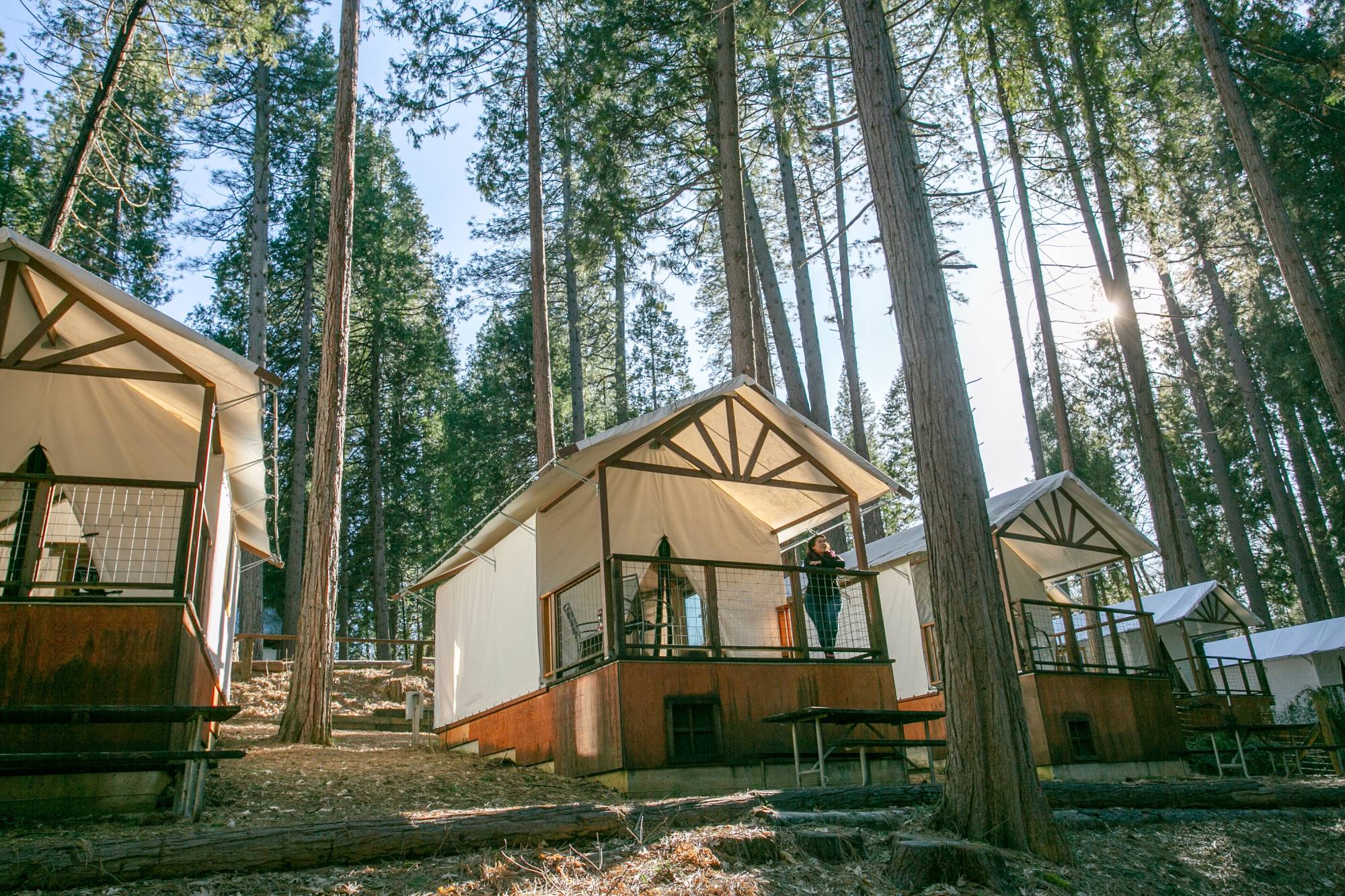
Don’t Like Camping, Still Want Nature? From Yurts to Cabins, 5 'Glamping' Spots in the Bay Area and Beyond
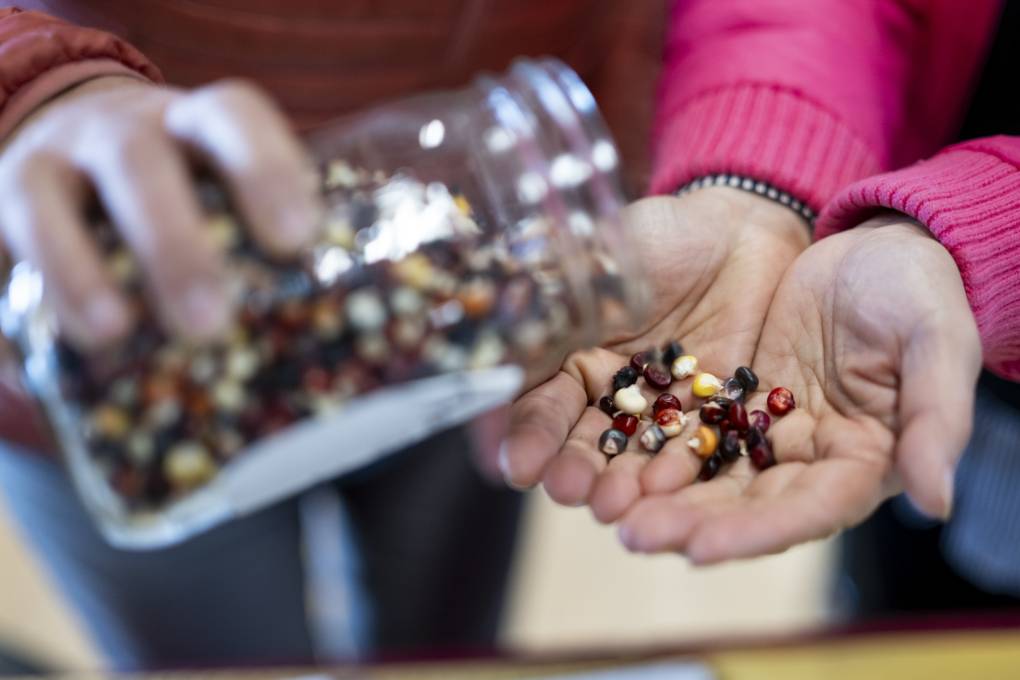
Home on the Grange: In Anderson Valley, Hippies, Old-Timers Return to Farming Roots
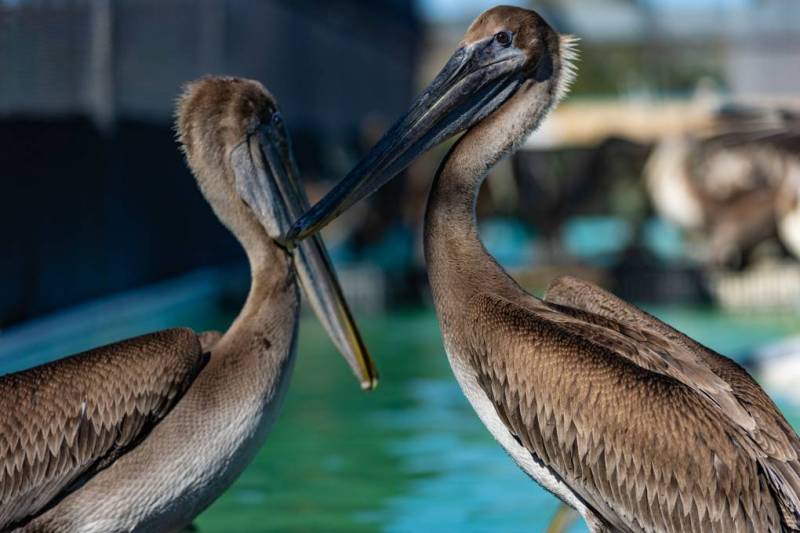
California Pelicans Experience Third Starvation Event In Four Years
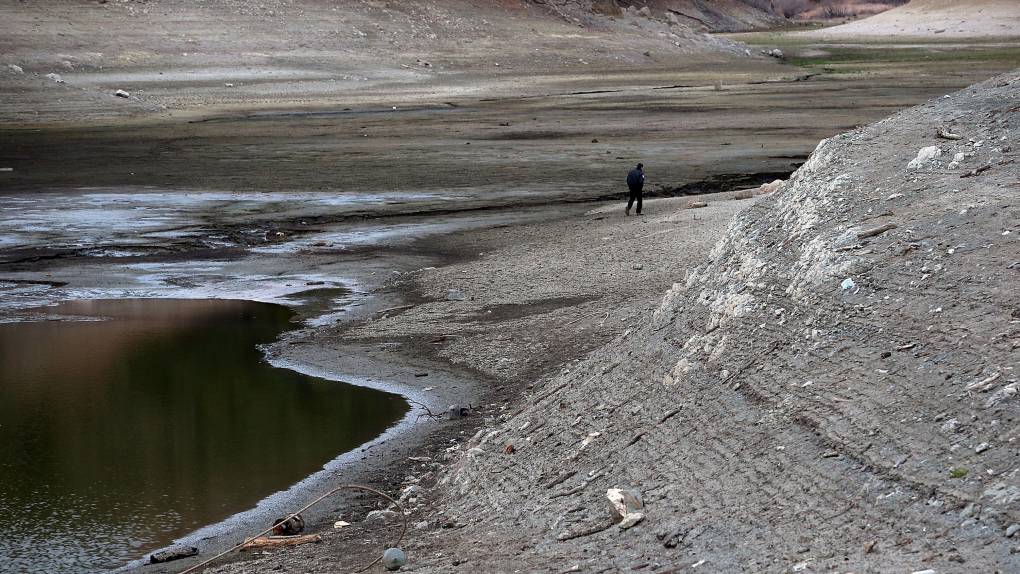
Newsom Declares Drought Emergency in 2 Counties as State Sees Fourth-Driest Year
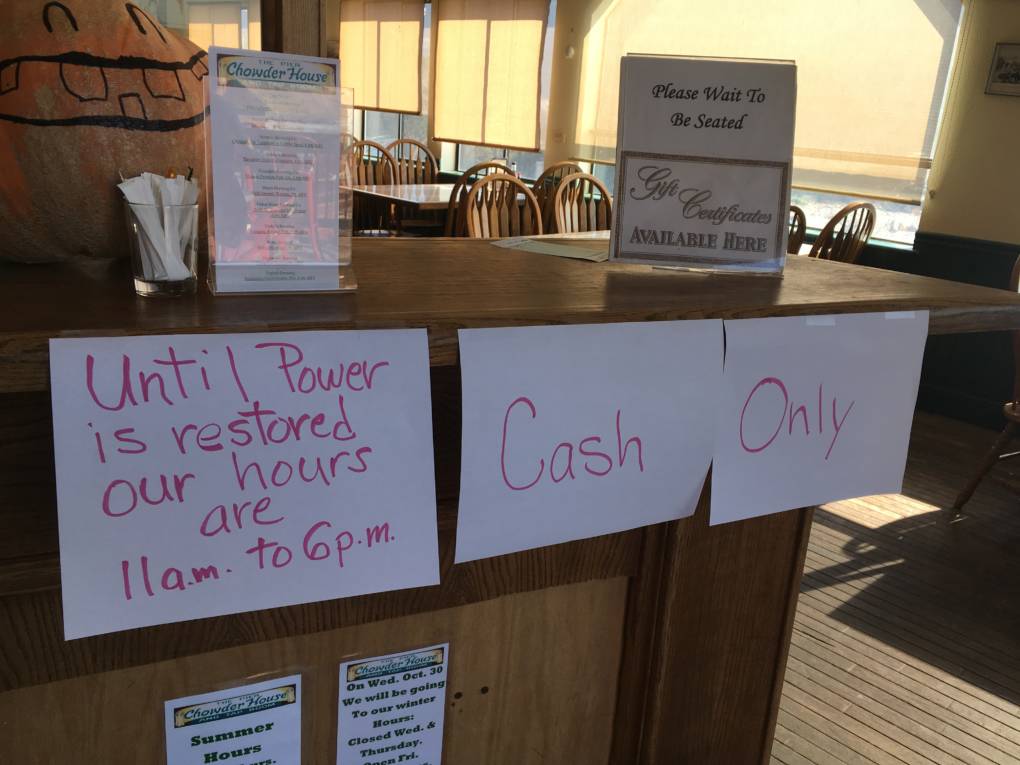
Point Arena Restaurant Copes With Electricity Shutoff
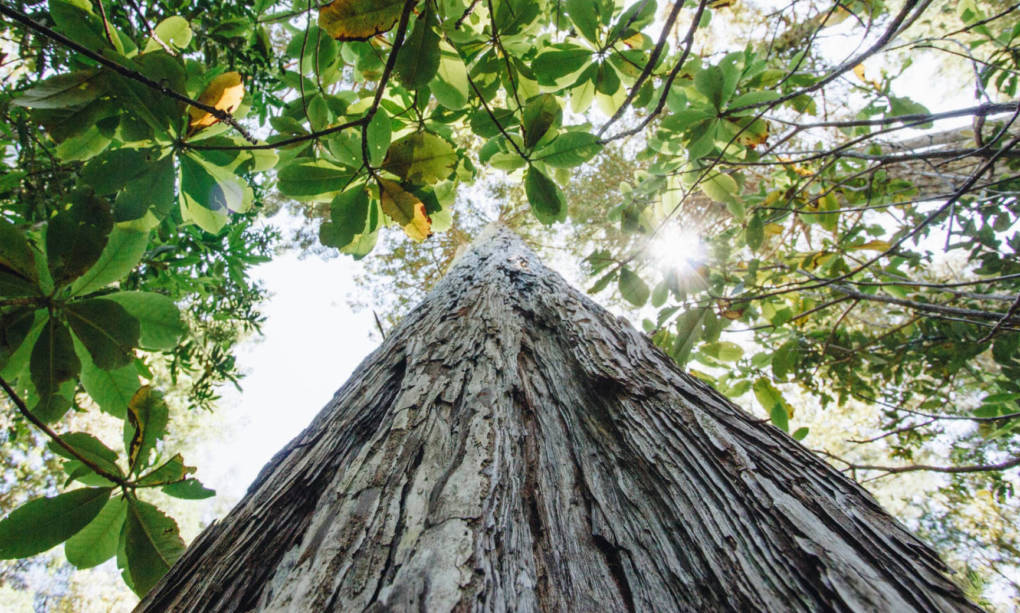
Now You Can Choose to Have Your Cremains Help Redwoods Grow
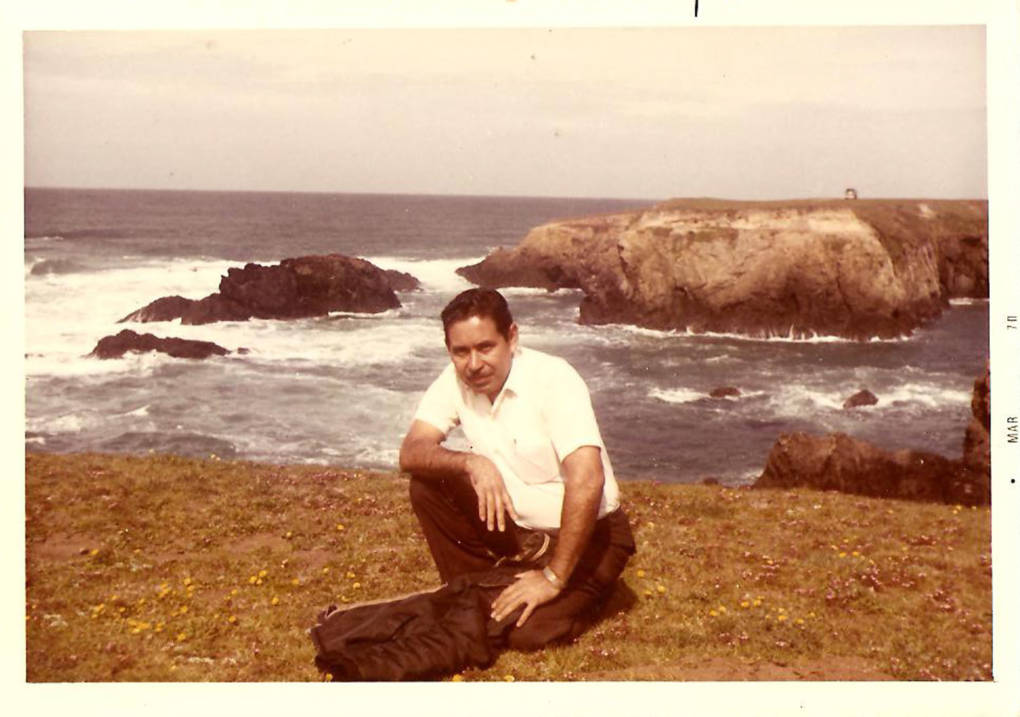
Letter to My California Dreamer: Aiming Higher Than the Redwoods
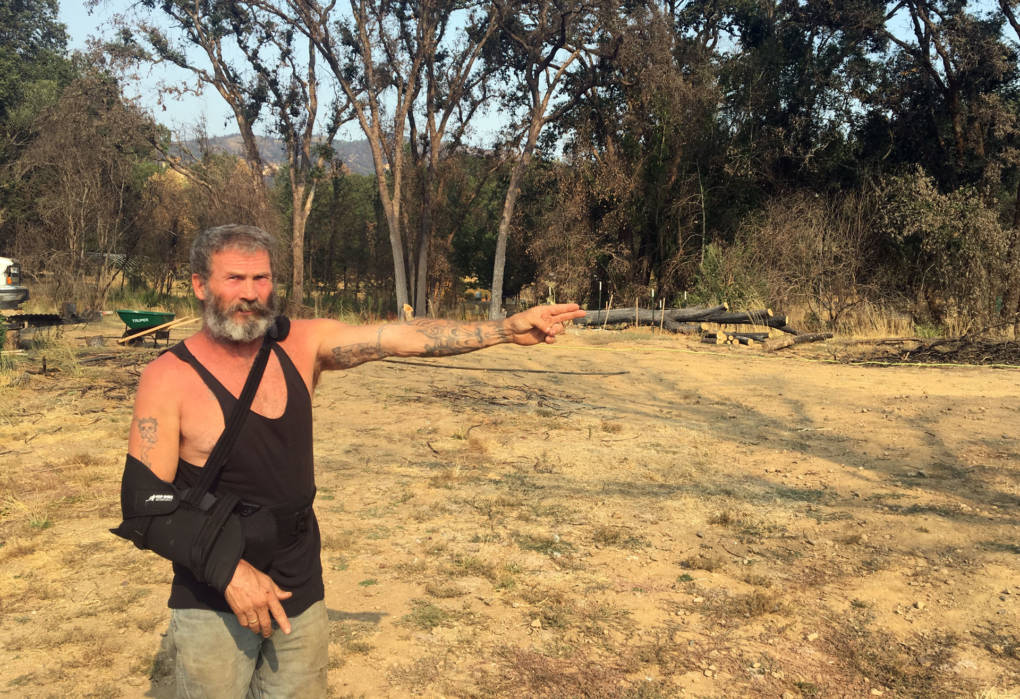
String of Fires in Northern California May Worsen Poverty for Years to Come
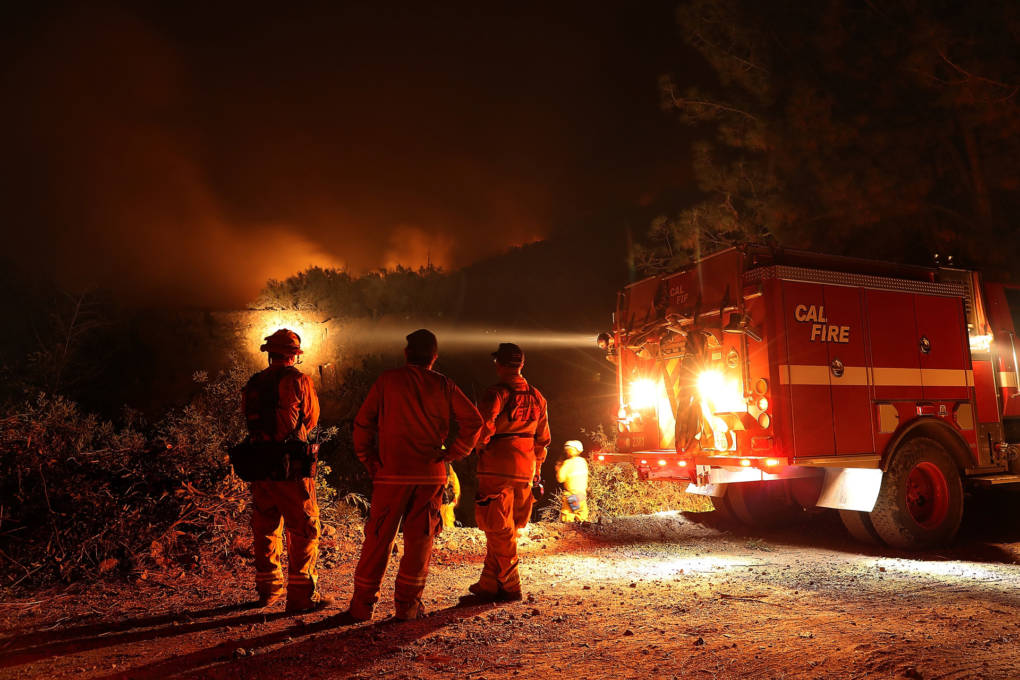
What You Need to Know: Mendocino Complex, Carr and Ferguson Fires
Sponsored
Player sponsored by
window.__IS_SSR__=true
window.__INITIAL_STATE__={
"attachmentsReducer": {
"audio_0": {
"type": "attachments",
"id": "audio_0",
"imgSizes": {
"kqedFullSize": {
"file": "https://ww2.kqed.org/news/wp-content/themes/KQED-unified/img/audio_bgs/background0.jpg"
}
}
},
"audio_1": {
"type": "attachments",
"id": "audio_1",
"imgSizes": {
"kqedFullSize": {
"file": "https://ww2.kqed.org/news/wp-content/themes/KQED-unified/img/audio_bgs/background1.jpg"
}
}
},
"audio_2": {
"type": "attachments",
"id": "audio_2",
"imgSizes": {
"kqedFullSize": {
"file": "https://ww2.kqed.org/news/wp-content/themes/KQED-unified/img/audio_bgs/background2.jpg"
}
}
},
"audio_3": {
"type": "attachments",
"id": "audio_3",
"imgSizes": {
"kqedFullSize": {
"file": "https://ww2.kqed.org/news/wp-content/themes/KQED-unified/img/audio_bgs/background3.jpg"
}
}
},
"audio_4": {
"type": "attachments",
"id": "audio_4",
"imgSizes": {
"kqedFullSize": {
"file": "https://ww2.kqed.org/news/wp-content/themes/KQED-unified/img/audio_bgs/background4.jpg"
}
}
},
"placeholder": {
"type": "attachments",
"id": "placeholder",
"imgSizes": {
"thumbnail": {
"file": "https://cdn.kqed.org/wp-content/uploads/2024/12/KQED-Default-Image-816638274-2000x1333-1-160x107.jpg",
"width": 160,
"height": 107,
"mimeType": "image/jpeg"
},
"medium": {
"file": "https://cdn.kqed.org/wp-content/uploads/2024/12/KQED-Default-Image-816638274-2000x1333-1-800x533.jpg",
"width": 800,
"height": 533,
"mimeType": "image/jpeg"
},
"medium_large": {
"file": "https://cdn.kqed.org/wp-content/uploads/2024/12/KQED-Default-Image-816638274-2000x1333-1-768x512.jpg",
"width": 768,
"height": 512,
"mimeType": "image/jpeg"
},
"large": {
"file": "https://cdn.kqed.org/wp-content/uploads/2024/12/KQED-Default-Image-816638274-2000x1333-1-1020x680.jpg",
"width": 1020,
"height": 680,
"mimeType": "image/jpeg"
},
"1536x1536": {
"file": "https://cdn.kqed.org/wp-content/uploads/2024/12/KQED-Default-Image-816638274-2000x1333-1-1536x1024.jpg",
"width": 1536,
"height": 1024,
"mimeType": "image/jpeg"
},
"fd-lrg": {
"file": "https://cdn.kqed.org/wp-content/uploads/2024/12/KQED-Default-Image-816638274-2000x1333-1-1536x1024.jpg",
"width": 1536,
"height": 1024,
"mimeType": "image/jpeg"
},
"fd-med": {
"file": "https://cdn.kqed.org/wp-content/uploads/2024/12/KQED-Default-Image-816638274-2000x1333-1-1020x680.jpg",
"width": 1020,
"height": 680,
"mimeType": "image/jpeg"
},
"fd-sm": {
"file": "https://cdn.kqed.org/wp-content/uploads/2024/12/KQED-Default-Image-816638274-2000x1333-1-800x533.jpg",
"width": 800,
"height": 533,
"mimeType": "image/jpeg"
},
"post-thumbnail": {
"file": "https://cdn.kqed.org/wp-content/uploads/2024/12/KQED-Default-Image-816638274-2000x1333-1-672x372.jpg",
"width": 672,
"height": 372,
"mimeType": "image/jpeg"
},
"twentyfourteen-full-width": {
"file": "https://cdn.kqed.org/wp-content/uploads/2024/12/KQED-Default-Image-816638274-2000x1333-1-1038x576.jpg",
"width": 1038,
"height": 576,
"mimeType": "image/jpeg"
},
"xxsmall": {
"file": "https://cdn.kqed.org/wp-content/uploads/2024/12/KQED-Default-Image-816638274-2000x1333-1-160x107.jpg",
"width": 160,
"height": 107,
"mimeType": "image/jpeg"
},
"xsmall": {
"file": "https://cdn.kqed.org/wp-content/uploads/2024/12/KQED-Default-Image-816638274-2000x1333-1-672x372.jpg",
"width": 672,
"height": 372,
"mimeType": "image/jpeg"
},
"small": {
"file": "https://cdn.kqed.org/wp-content/uploads/2024/12/KQED-Default-Image-816638274-2000x1333-1-672x372.jpg",
"width": 672,
"height": 372,
"mimeType": "image/jpeg"
},
"xlarge": {
"file": "https://cdn.kqed.org/wp-content/uploads/2024/12/KQED-Default-Image-816638274-2000x1333-1-1020x680.jpg",
"width": 1020,
"height": 680,
"mimeType": "image/jpeg"
},
"full-width": {
"file": "https://cdn.kqed.org/wp-content/uploads/2024/12/KQED-Default-Image-816638274-2000x1333-1-1920x1280.jpg",
"width": 1920,
"height": 1280,
"mimeType": "image/jpeg"
},
"guest-author-32": {
"file": "https://cdn.kqed.org/wp-content/uploads/2025/01/KQED-Default-Image-816638274-1333x1333-1-160x160.jpg",
"width": 32,
"height": 32,
"mimeType": "image/jpeg"
},
"guest-author-50": {
"file": "https://cdn.kqed.org/wp-content/uploads/2025/01/KQED-Default-Image-816638274-1333x1333-1-160x160.jpg",
"width": 50,
"height": 50,
"mimeType": "image/jpeg"
},
"guest-author-64": {
"file": "https://cdn.kqed.org/wp-content/uploads/2025/01/KQED-Default-Image-816638274-1333x1333-1-160x160.jpg",
"width": 64,
"height": 64,
"mimeType": "image/jpeg"
},
"guest-author-96": {
"file": "https://cdn.kqed.org/wp-content/uploads/2025/01/KQED-Default-Image-816638274-1333x1333-1-160x160.jpg",
"width": 96,
"height": 96,
"mimeType": "image/jpeg"
},
"guest-author-128": {
"file": "https://cdn.kqed.org/wp-content/uploads/2025/01/KQED-Default-Image-816638274-1333x1333-1-160x160.jpg",
"width": 128,
"height": 128,
"mimeType": "image/jpeg"
},
"detail": {
"file": "https://cdn.kqed.org/wp-content/uploads/2025/01/KQED-Default-Image-816638274-1333x1333-1-160x160.jpg",
"width": 160,
"height": 160,
"mimeType": "image/jpeg"
},
"kqedFullSize": {
"file": "https://cdn.kqed.org/wp-content/uploads/2024/12/KQED-Default-Image-816638274-2000x1333-1.jpg",
"width": 2000,
"height": 1333
}
}
},
"news_12044408": {
"type": "attachments",
"id": "news_12044408",
"meta": {
"index": "attachments_1716263798",
"site": "news",
"id": "12044408",
"found": true
},
"title": "inntown-3",
"publishDate": 1749860749,
"status": "inherit",
"parent": 12044161,
"modified": 1749860817,
"caption": "Glamping tents at Inn Town Campground in Nevada City feature balconies, electricity, linens and fans. ",
"credit": "Courtesy of Inn Town Campground",
"altTag": null,
"description": null,
"imgSizes": {
"medium": {
"file": "https://cdn.kqed.org/wp-content/uploads/sites/10/2025/06/inntown-3-2000x1333.jpg",
"width": 2000,
"height": 1333,
"mimeType": "image/jpeg"
},
"large": {
"file": "https://cdn.kqed.org/wp-content/uploads/sites/10/2025/06/inntown-3-2000x1333.jpg",
"width": 2000,
"height": 1333,
"mimeType": "image/jpeg"
},
"thumbnail": {
"file": "https://cdn.kqed.org/wp-content/uploads/sites/10/2025/06/inntown-3-160x107.jpg",
"width": 160,
"height": 107,
"mimeType": "image/jpeg"
},
"1536x1536": {
"file": "https://cdn.kqed.org/wp-content/uploads/sites/10/2025/06/inntown-3-1536x1024.jpg",
"width": 1536,
"height": 1024,
"mimeType": "image/jpeg"
},
"2048x2048": {
"file": "https://cdn.kqed.org/wp-content/uploads/sites/10/2025/06/inntown-3-2048x1365.jpg",
"width": 2048,
"height": 1365,
"mimeType": "image/jpeg"
},
"post-thumbnail": {
"file": "https://cdn.kqed.org/wp-content/uploads/sites/10/2025/06/inntown-3-672x372.jpg",
"width": 672,
"height": 372,
"mimeType": "image/jpeg"
},
"twentyfourteen-full-width": {
"file": "https://cdn.kqed.org/wp-content/uploads/sites/10/2025/06/inntown-3-1038x576.jpg",
"width": 1038,
"height": 576,
"mimeType": "image/jpeg"
},
"full-width": {
"file": "https://cdn.kqed.org/wp-content/uploads/sites/10/2025/06/inntown-3-2000x1333.jpg",
"width": 2000,
"height": 1333,
"mimeType": "image/jpeg"
},
"kqedFullSize": {
"file": "https://cdn.kqed.org/wp-content/uploads/sites/10/2025/06/inntown-3-scaled-e1755278420216.jpg",
"width": 2000,
"height": 1334
}
},
"fetchFailed": false,
"isLoading": false
},
"news_12030043": {
"type": "attachments",
"id": "news_12030043",
"meta": {
"index": "attachments_1716263798",
"site": "news",
"id": "12030043",
"found": true
},
"title": "250301-ANDERSONVALLEYGRANGE-01-BL-KQED",
"publishDate": 1741284377,
"status": "inherit",
"parent": 0,
"modified": 1741284556,
"caption": "Victoria Joy pours corn seeds into Agnes Li’s hands at the Winter Abundance Gathering, a seed and scion exchange, at the Anderson Valley Grange in Philo, California, on March 1, 2025. The grange has served as a community hub since its establishment in the late 1930s, hosting local events, farmers' markets, and gatherings that celebrate the region's agricultural heritage.",
"credit": "Beth LaBerge/KQED",
"altTag": null,
"description": null,
"imgSizes": {
"medium": {
"file": "https://cdn.kqed.org/wp-content/uploads/sites/10/2025/03/250301-ANDERSONVALLEYGRANGE-01-BL-KQED-800x533.jpg",
"width": 800,
"height": 533,
"mimeType": "image/jpeg"
},
"large": {
"file": "https://cdn.kqed.org/wp-content/uploads/sites/10/2025/03/250301-ANDERSONVALLEYGRANGE-01-BL-KQED-1020x680.jpg",
"width": 1020,
"height": 680,
"mimeType": "image/jpeg"
},
"thumbnail": {
"file": "https://cdn.kqed.org/wp-content/uploads/sites/10/2025/03/250301-ANDERSONVALLEYGRANGE-01-BL-KQED-160x107.jpg",
"width": 160,
"height": 107,
"mimeType": "image/jpeg"
},
"1536x1536": {
"file": "https://cdn.kqed.org/wp-content/uploads/sites/10/2025/03/250301-ANDERSONVALLEYGRANGE-01-BL-KQED-1536x1024.jpg",
"width": 1536,
"height": 1024,
"mimeType": "image/jpeg"
},
"post-thumbnail": {
"file": "https://cdn.kqed.org/wp-content/uploads/sites/10/2025/03/250301-ANDERSONVALLEYGRANGE-01-BL-KQED-672x372.jpg",
"width": 672,
"height": 372,
"mimeType": "image/jpeg"
},
"twentyfourteen-full-width": {
"file": "https://cdn.kqed.org/wp-content/uploads/sites/10/2025/03/250301-ANDERSONVALLEYGRANGE-01-BL-KQED-1038x576.jpg",
"width": 1038,
"height": 576,
"mimeType": "image/jpeg"
},
"full-width": {
"file": "https://cdn.kqed.org/wp-content/uploads/sites/10/2025/03/250301-ANDERSONVALLEYGRANGE-01-BL-KQED-1920x1280.jpg",
"width": 1920,
"height": 1280,
"mimeType": "image/jpeg"
},
"kqedFullSize": {
"file": "https://cdn.kqed.org/wp-content/uploads/sites/10/2025/03/250301-ANDERSONVALLEYGRANGE-01-BL-KQED.jpg",
"width": 2000,
"height": 1333
}
},
"fetchFailed": false,
"isLoading": false
},
"news_12042129": {
"type": "attachments",
"id": "news_12042129",
"meta": {
"index": "attachments_1716263798",
"site": "news",
"id": "12042129",
"found": true
},
"title": "20250519_SICKPELICANS_GC-38-KQED-1020x680",
"publishDate": 1748622701,
"status": "inherit",
"parent": 12042123,
"modified": 1748622701,
"caption": null,
"credit": null,
"altTag": null,
"description": null,
"imgSizes": {
"medium": {
"file": "https://cdn.kqed.org/wp-content/uploads/sites/10/2025/05/20250519_SICKPELICANS_GC-38-KQED-1020x680-1-800x533.jpg",
"width": 800,
"height": 533,
"mimeType": "image/jpeg"
},
"thumbnail": {
"file": "https://cdn.kqed.org/wp-content/uploads/sites/10/2025/05/20250519_SICKPELICANS_GC-38-KQED-1020x680-1-160x107.jpg",
"width": 160,
"height": 107,
"mimeType": "image/jpeg"
},
"post-thumbnail": {
"file": "https://cdn.kqed.org/wp-content/uploads/sites/10/2025/05/20250519_SICKPELICANS_GC-38-KQED-1020x680-1-672x372.jpg",
"width": 672,
"height": 372,
"mimeType": "image/jpeg"
},
"twentyfourteen-full-width": {
"file": "https://cdn.kqed.org/wp-content/uploads/sites/10/2025/05/20250519_SICKPELICANS_GC-38-KQED-1020x680-1-1020x576.jpg",
"width": 1020,
"height": 576,
"mimeType": "image/jpeg"
},
"kqedFullSize": {
"file": "https://cdn.kqed.org/wp-content/uploads/sites/10/2025/05/20250519_SICKPELICANS_GC-38-KQED-1020x680-1.jpg",
"width": 1020,
"height": 680
}
},
"fetchFailed": false,
"isLoading": false
},
"news_11870606": {
"type": "attachments",
"id": "news_11870606",
"meta": {
"index": "attachments_1716263798",
"site": "news",
"id": "11870606",
"found": true
},
"parent": 11870600,
"imgSizes": {
"twentyfourteen-full-width": {
"file": "https://ww2.kqed.org/app/uploads/sites/10/2021/04/1920_RS8413_reservoir-full-1038x576.jpg",
"width": 1038,
"mimeType": "image/jpeg",
"height": 576
},
"thumbnail": {
"file": "https://ww2.kqed.org/app/uploads/sites/10/2021/04/1920_RS8413_reservoir-full-160x90.jpg",
"width": 160,
"mimeType": "image/jpeg",
"height": 90
},
"post-thumbnail": {
"file": "https://ww2.kqed.org/app/uploads/sites/10/2021/04/1920_RS8413_reservoir-full-672x372.jpg",
"width": 672,
"mimeType": "image/jpeg",
"height": 372
},
"kqedFullSize": {
"file": "https://ww2.kqed.org/app/uploads/sites/10/2021/04/1920_RS8413_reservoir-full-scaled.jpg",
"width": 2560,
"height": 1440
},
"2048x2048": {
"file": "https://ww2.kqed.org/app/uploads/sites/10/2021/04/1920_RS8413_reservoir-full-2048x1152.jpg",
"width": 2048,
"mimeType": "image/jpeg",
"height": 1152
},
"large": {
"file": "https://ww2.kqed.org/app/uploads/sites/10/2021/04/1920_RS8413_reservoir-full-1020x574.jpg",
"width": 1020,
"mimeType": "image/jpeg",
"height": 574
},
"1536x1536": {
"file": "https://ww2.kqed.org/app/uploads/sites/10/2021/04/1920_RS8413_reservoir-full-1536x864.jpg",
"width": 1536,
"mimeType": "image/jpeg",
"height": 864
},
"full-width": {
"file": "https://ww2.kqed.org/app/uploads/sites/10/2021/04/1920_RS8413_reservoir-full-1920x1080.jpg",
"width": 1920,
"mimeType": "image/jpeg",
"height": 1080
},
"medium": {
"file": "https://ww2.kqed.org/app/uploads/sites/10/2021/04/1920_RS8413_reservoir-full-800x450.jpg",
"width": 800,
"mimeType": "image/jpeg",
"height": 450
}
},
"publishDate": 1619043596,
"modified": 1619043680,
"caption": "A security guard walks the perimeter of the Almaden Reservoir on January 28, 2014 in San Jose, California. At the time, California was in its third straight year of drought conditions. ",
"description": null,
"title": "California Drought Dries Up Bay Area Reservoirs",
"credit": "Justin Sullivan/Getty Images",
"status": "inherit",
"altTag": null,
"fetchFailed": false,
"isLoading": false
},
"news_11784228": {
"type": "attachments",
"id": "news_11784228",
"meta": {
"index": "attachments_1716263798",
"site": "news",
"id": "11784228",
"found": true
},
"parent": 11784226,
"imgSizes": {
"apple_news_ca_landscape_5_5": {
"file": "https://ww2.kqed.org/app/uploads/sites/10/2019/10/Chowder-House-1-1044x783.jpg",
"width": 1044,
"mimeType": "image/jpeg",
"height": 783
},
"apple_news_ca_square_4_0": {
"file": "https://ww2.kqed.org/app/uploads/sites/10/2019/10/Chowder-House-1-470x470.jpg",
"width": 470,
"mimeType": "image/jpeg",
"height": 470
},
"twentyfourteen-full-width": {
"file": "https://ww2.kqed.org/app/uploads/sites/10/2019/10/Chowder-House-1-1038x576.jpg",
"width": 1038,
"mimeType": "image/jpeg",
"height": 576
},
"thumbnail": {
"file": "https://ww2.kqed.org/app/uploads/sites/10/2019/10/Chowder-House-1-160x120.jpg",
"width": 160,
"mimeType": "image/jpeg",
"height": 120
},
"post-thumbnail": {
"file": "https://ww2.kqed.org/app/uploads/sites/10/2019/10/Chowder-House-1-672x372.jpg",
"width": 672,
"mimeType": "image/jpeg",
"height": 372
},
"kqedFullSize": {
"file": "https://ww2.kqed.org/app/uploads/sites/10/2019/10/Chowder-House-1-e1572572080121.jpg",
"width": 1920,
"height": 1440
},
"apple_news_ca_landscape_4_7": {
"file": "https://ww2.kqed.org/app/uploads/sites/10/2019/10/Chowder-House-1-632x474.jpg",
"width": 632,
"mimeType": "image/jpeg",
"height": 474
},
"large": {
"file": "https://ww2.kqed.org/app/uploads/sites/10/2019/10/Chowder-House-1-1020x765.jpg",
"width": 1020,
"mimeType": "image/jpeg",
"height": 765
},
"complete_open_graph": {
"file": "https://ww2.kqed.org/app/uploads/sites/10/2019/10/Chowder-House-1-1200x900.jpg",
"width": 1200,
"mimeType": "image/jpeg",
"height": 900
},
"apple_news_ca_landscape_4_0": {
"file": "https://ww2.kqed.org/app/uploads/sites/10/2019/10/Chowder-House-1-536x402.jpg",
"width": 536,
"mimeType": "image/jpeg",
"height": 402
},
"apple_news_ca_portrait_12_9": {
"file": "https://ww2.kqed.org/app/uploads/sites/10/2019/10/Chowder-House-1-1122x1496.jpg",
"width": 1122,
"mimeType": "image/jpeg",
"height": 1496
},
"medium": {
"file": "https://ww2.kqed.org/app/uploads/sites/10/2019/10/Chowder-House-1-800x600.jpg",
"width": 800,
"mimeType": "image/jpeg",
"height": 600
},
"apple_news_ca_portrait_4_0": {
"file": "https://ww2.kqed.org/app/uploads/sites/10/2019/10/Chowder-House-1-354x472.jpg",
"width": 354,
"mimeType": "image/jpeg",
"height": 472
},
"apple_news_ca_portrait_9_7": {
"file": "https://ww2.kqed.org/app/uploads/sites/10/2019/10/Chowder-House-1-840x1120.jpg",
"width": 840,
"mimeType": "image/jpeg",
"height": 1120
},
"apple_news_ca_landscape_12_9": {
"file": "https://ww2.kqed.org/app/uploads/sites/10/2019/10/Chowder-House-1-1832x1374.jpg",
"width": 1832,
"mimeType": "image/jpeg",
"height": 1374
},
"apple_news_ca_square_9_7": {
"file": "https://ww2.kqed.org/app/uploads/sites/10/2019/10/Chowder-House-1-1104x1104.jpg",
"width": 1104,
"mimeType": "image/jpeg",
"height": 1104
},
"apple_news_ca_portrait_4_7": {
"file": "https://ww2.kqed.org/app/uploads/sites/10/2019/10/Chowder-House-1-414x552.jpg",
"width": 414,
"mimeType": "image/jpeg",
"height": 552
},
"apple_news_ca_square_12_9": {
"file": "https://ww2.kqed.org/app/uploads/sites/10/2019/10/Chowder-House-1-1472x1472.jpg",
"width": 1472,
"mimeType": "image/jpeg",
"height": 1472
},
"apple_news_ca_portrait_5_5": {
"file": "https://ww2.kqed.org/app/uploads/sites/10/2019/10/Chowder-House-1-687x916.jpg",
"width": 687,
"mimeType": "image/jpeg",
"height": 916
},
"full-width": {
"file": "https://ww2.kqed.org/app/uploads/sites/10/2019/10/Chowder-House-1-1920x1440.jpg",
"width": 1920,
"mimeType": "image/jpeg",
"height": 1440
},
"apple_news_ca_square_4_7": {
"file": "https://ww2.kqed.org/app/uploads/sites/10/2019/10/Chowder-House-1-550x550.jpg",
"width": 550,
"mimeType": "image/jpeg",
"height": 550
},
"apple_news_ca_landscape_9_7": {
"file": "https://ww2.kqed.org/app/uploads/sites/10/2019/10/Chowder-House-1-1376x1032.jpg",
"width": 1376,
"mimeType": "image/jpeg",
"height": 1032
},
"apple_news_ca_square_5_5": {
"file": "https://ww2.kqed.org/app/uploads/sites/10/2019/10/Chowder-House-1-912x912.jpg",
"width": 912,
"mimeType": "image/jpeg",
"height": 912
}
},
"publishDate": 1572572040,
"modified": 1572743004,
"caption": "The Pier Chowder House and Tap Room has had to cut hours and scale back its menu during the power outage.",
"description": null,
"title": "Chowder House 1",
"credit": "April Dembosky/KQED",
"status": "inherit",
"fetchFailed": false,
"isLoading": false
},
"news_11759956": {
"type": "attachments",
"id": "news_11759956",
"meta": {
"index": "attachments_1716263798",
"site": "news",
"id": "11759956",
"found": true
},
"parent": 11759125,
"imgSizes": {
"apple_news_ca_landscape_5_5": {
"file": "https://ww2.kqed.org/app/uploads/sites/10/2019/07/Point-Arena-Coastal-Redwood-e1562623443751-1-1044x783.jpg",
"width": 1044,
"mimeType": "image/jpeg",
"height": 783
},
"apple_news_ca_square_4_0": {
"file": "https://ww2.kqed.org/app/uploads/sites/10/2019/07/Point-Arena-Coastal-Redwood-e1562623443751-1-470x470.jpg",
"width": 470,
"mimeType": "image/jpeg",
"height": 470
},
"twentyfourteen-full-width": {
"file": "https://ww2.kqed.org/app/uploads/sites/10/2019/07/Point-Arena-Coastal-Redwood-e1562623443751-1-1038x576.jpg",
"width": 1038,
"mimeType": "image/jpeg",
"height": 576
},
"thumbnail": {
"file": "https://ww2.kqed.org/app/uploads/sites/10/2019/07/Point-Arena-Coastal-Redwood-e1562623443751-1-160x96.jpg",
"width": 160,
"mimeType": "image/jpeg",
"height": 96
},
"post-thumbnail": {
"file": "https://ww2.kqed.org/app/uploads/sites/10/2019/07/Point-Arena-Coastal-Redwood-e1562623443751-1-672x372.jpg",
"width": 672,
"mimeType": "image/jpeg",
"height": 372
},
"kqedFullSize": {
"file": "https://ww2.kqed.org/app/uploads/sites/10/2019/07/Point-Arena-Coastal-Redwood-e1562623443751-1.jpg",
"width": 1729,
"height": 1039
},
"apple_news_ca_landscape_4_7": {
"file": "https://ww2.kqed.org/app/uploads/sites/10/2019/07/Point-Arena-Coastal-Redwood-e1562623443751-1-632x474.jpg",
"width": 632,
"mimeType": "image/jpeg",
"height": 474
},
"large": {
"file": "https://ww2.kqed.org/app/uploads/sites/10/2019/07/Point-Arena-Coastal-Redwood-e1562623443751-1-1020x613.jpg",
"width": 1020,
"mimeType": "image/jpeg",
"height": 613
},
"complete_open_graph": {
"file": "https://ww2.kqed.org/app/uploads/sites/10/2019/07/Point-Arena-Coastal-Redwood-e1562623443751-1-1200x721.jpg",
"width": 1200,
"mimeType": "image/jpeg",
"height": 721
},
"apple_news_ca_landscape_4_0": {
"file": "https://ww2.kqed.org/app/uploads/sites/10/2019/07/Point-Arena-Coastal-Redwood-e1562623443751-1-536x402.jpg",
"width": 536,
"mimeType": "image/jpeg",
"height": 402
},
"apple_news_ca_portrait_12_9": {
"file": "https://ww2.kqed.org/app/uploads/sites/10/2019/07/Point-Arena-Coastal-Redwood-e1562623443751-1-1122x1039.jpg",
"width": 1122,
"mimeType": "image/jpeg",
"height": 1039
},
"medium": {
"file": "https://ww2.kqed.org/app/uploads/sites/10/2019/07/Point-Arena-Coastal-Redwood-e1562623443751-1-800x481.jpg",
"width": 800,
"mimeType": "image/jpeg",
"height": 481
},
"apple_news_ca_portrait_4_0": {
"file": "https://ww2.kqed.org/app/uploads/sites/10/2019/07/Point-Arena-Coastal-Redwood-e1562623443751-1-354x472.jpg",
"width": 354,
"mimeType": "image/jpeg",
"height": 472
},
"apple_news_ca_portrait_9_7": {
"file": "https://ww2.kqed.org/app/uploads/sites/10/2019/07/Point-Arena-Coastal-Redwood-e1562623443751-1-840x1039.jpg",
"width": 840,
"mimeType": "image/jpeg",
"height": 1039
},
"apple_news_ca_square_9_7": {
"file": "https://ww2.kqed.org/app/uploads/sites/10/2019/07/Point-Arena-Coastal-Redwood-e1562623443751-1-1104x1039.jpg",
"width": 1104,
"mimeType": "image/jpeg",
"height": 1039
},
"apple_news_ca_portrait_4_7": {
"file": "https://ww2.kqed.org/app/uploads/sites/10/2019/07/Point-Arena-Coastal-Redwood-e1562623443751-1-414x552.jpg",
"width": 414,
"mimeType": "image/jpeg",
"height": 552
},
"apple_news_ca_square_12_9": {
"file": "https://ww2.kqed.org/app/uploads/sites/10/2019/07/Point-Arena-Coastal-Redwood-e1562623443751-1-1472x1039.jpg",
"width": 1472,
"mimeType": "image/jpeg",
"height": 1039
},
"apple_news_ca_portrait_5_5": {
"file": "https://ww2.kqed.org/app/uploads/sites/10/2019/07/Point-Arena-Coastal-Redwood-e1562623443751-1-687x916.jpg",
"width": 687,
"mimeType": "image/jpeg",
"height": 916
},
"apple_news_ca_square_4_7": {
"file": "https://ww2.kqed.org/app/uploads/sites/10/2019/07/Point-Arena-Coastal-Redwood-e1562623443751-1-550x550.jpg",
"width": 550,
"mimeType": "image/jpeg",
"height": 550
},
"apple_news_ca_landscape_9_7": {
"file": "https://ww2.kqed.org/app/uploads/sites/10/2019/07/Point-Arena-Coastal-Redwood-e1562623443751-1-1376x1032.jpg",
"width": 1376,
"mimeType": "image/jpeg",
"height": 1032
},
"apple_news_ca_square_5_5": {
"file": "https://ww2.kqed.org/app/uploads/sites/10/2019/07/Point-Arena-Coastal-Redwood-e1562623443751-1-912x912.jpg",
"width": 912,
"mimeType": "image/jpeg",
"height": 912
}
},
"publishDate": 1562703122,
"modified": 1562703151,
"caption": "Co-founder of Better Place Forests Sandy Gibson says he was inspired to start the business after his own personal experience with loss. ",
"description": "Co-founder of Better Place Forests Sandy Gibson says he was inspired to start the business after his own personal experience with loss. ",
"title": "Point-Arena-Coastal-Redwood-e1562623443751",
"credit": "Courtesy of Better Place Forests",
"status": "inherit",
"fetchFailed": false,
"isLoading": false
},
"news_11701103": {
"type": "attachments",
"id": "news_11701103",
"meta": {
"index": "attachments_1716263798",
"site": "news",
"id": "11701103",
"found": true
},
"parent": 11701063,
"imgSizes": {
"small": {
"file": "https://ww2.kqed.org/app/uploads/sites/10/2018/10/RS33399_Dad-on-CA-coast-qut-520x366.jpg",
"width": 520,
"mimeType": "image/jpeg",
"height": 366
},
"twentyfourteen-full-width": {
"file": "https://ww2.kqed.org/app/uploads/sites/10/2018/10/RS33399_Dad-on-CA-coast-qut-1038x576.jpg",
"width": 1038,
"mimeType": "image/jpeg",
"height": 576
},
"thumbnail": {
"file": "https://ww2.kqed.org/app/uploads/sites/10/2018/10/RS33399_Dad-on-CA-coast-qut-160x113.jpg",
"width": 160,
"mimeType": "image/jpeg",
"height": 113
},
"fd-sm": {
"file": "https://ww2.kqed.org/app/uploads/sites/10/2018/10/RS33399_Dad-on-CA-coast-qut-960x675.jpg",
"width": 960,
"mimeType": "image/jpeg",
"height": 675
},
"post-thumbnail": {
"file": "https://ww2.kqed.org/app/uploads/sites/10/2018/10/RS33399_Dad-on-CA-coast-qut-672x372.jpg",
"width": 672,
"mimeType": "image/jpeg",
"height": 372
},
"xsmall": {
"file": "https://ww2.kqed.org/app/uploads/sites/10/2018/10/RS33399_Dad-on-CA-coast-qut-375x264.jpg",
"width": 375,
"mimeType": "image/jpeg",
"height": 264
},
"kqedFullSize": {
"file": "https://ww2.kqed.org/app/uploads/sites/10/2018/10/RS33399_Dad-on-CA-coast-qut.jpg",
"width": 1520,
"height": 1069
},
"large": {
"file": "https://ww2.kqed.org/app/uploads/sites/10/2018/10/RS33399_Dad-on-CA-coast-qut-1020x717.jpg",
"width": 1020,
"mimeType": "image/jpeg",
"height": 717
},
"xlarge": {
"file": "https://ww2.kqed.org/app/uploads/sites/10/2018/10/RS33399_Dad-on-CA-coast-qut-1180x830.jpg",
"width": 1180,
"mimeType": "image/jpeg",
"height": 830
},
"complete_open_graph": {
"file": "https://ww2.kqed.org/app/uploads/sites/10/2018/10/RS33399_Dad-on-CA-coast-qut-1200x844.jpg",
"width": 1200,
"mimeType": "image/jpeg",
"height": 844
},
"guest-author-50": {
"file": "https://ww2.kqed.org/app/uploads/sites/10/2018/10/RS33399_Dad-on-CA-coast-qut-50x50.jpg",
"width": 50,
"mimeType": "image/jpeg",
"height": 50
},
"guest-author-96": {
"file": "https://ww2.kqed.org/app/uploads/sites/10/2018/10/RS33399_Dad-on-CA-coast-qut-96x96.jpg",
"width": 96,
"mimeType": "image/jpeg",
"height": 96
},
"medium": {
"file": "https://ww2.kqed.org/app/uploads/sites/10/2018/10/RS33399_Dad-on-CA-coast-qut-800x563.jpg",
"width": 800,
"mimeType": "image/jpeg",
"height": 563
},
"guest-author-64": {
"file": "https://ww2.kqed.org/app/uploads/sites/10/2018/10/RS33399_Dad-on-CA-coast-qut-64x64.jpg",
"width": 64,
"mimeType": "image/jpeg",
"height": 64
},
"guest-author-32": {
"file": "https://ww2.kqed.org/app/uploads/sites/10/2018/10/RS33399_Dad-on-CA-coast-qut-32x32.jpg",
"width": 32,
"mimeType": "image/jpeg",
"height": 32
},
"fd-med": {
"file": "https://ww2.kqed.org/app/uploads/sites/10/2018/10/RS33399_Dad-on-CA-coast-qut-1180x830.jpg",
"width": 1180,
"mimeType": "image/jpeg",
"height": 830
},
"detail": {
"file": "https://ww2.kqed.org/app/uploads/sites/10/2018/10/RS33399_Dad-on-CA-coast-qut-150x150.jpg",
"width": 150,
"mimeType": "image/jpeg",
"height": 150
},
"guest-author-128": {
"file": "https://ww2.kqed.org/app/uploads/sites/10/2018/10/RS33399_Dad-on-CA-coast-qut-128x128.jpg",
"width": 128,
"mimeType": "image/jpeg",
"height": 128
},
"xxsmall": {
"file": "https://ww2.kqed.org/app/uploads/sites/10/2018/10/RS33399_Dad-on-CA-coast-qut-240x169.jpg",
"width": 240,
"mimeType": "image/jpeg",
"height": 169
}
},
"publishDate": 1540423924,
"modified": 1540593700,
"caption": "Sarah's father, Enrique Monroy, along the California coastline near Mendocino, circa 1970.",
"description": null,
"title": "RS33399_Dad on CA coast-qut",
"credit": "Courtesy of Sarah Monroy",
"status": "inherit",
"fetchFailed": false,
"isLoading": false
},
"news_11691130": {
"type": "attachments",
"id": "news_11691130",
"meta": {
"index": "attachments_1716263798",
"site": "news",
"id": "11691130",
"found": true
},
"parent": 11691065,
"imgSizes": {
"small": {
"file": "https://ww2.kqed.org/app/uploads/sites/10/2018/09/JohnPoints-520x356.jpg",
"width": 520,
"mimeType": "image/jpeg",
"height": 356
},
"twentyfourteen-full-width": {
"file": "https://ww2.kqed.org/app/uploads/sites/10/2018/09/JohnPoints-1038x576.jpg",
"width": 1038,
"mimeType": "image/jpeg",
"height": 576
},
"thumbnail": {
"file": "https://ww2.kqed.org/app/uploads/sites/10/2018/09/JohnPoints-160x110.jpg",
"width": 160,
"mimeType": "image/jpeg",
"height": 110
},
"fd-sm": {
"file": "https://ww2.kqed.org/app/uploads/sites/10/2018/09/JohnPoints-960x658.jpg",
"width": 960,
"mimeType": "image/jpeg",
"height": 658
},
"post-thumbnail": {
"file": "https://ww2.kqed.org/app/uploads/sites/10/2018/09/JohnPoints-672x372.jpg",
"width": 672,
"mimeType": "image/jpeg",
"height": 372
},
"xsmall": {
"file": "https://ww2.kqed.org/app/uploads/sites/10/2018/09/JohnPoints-375x257.jpg",
"width": 375,
"mimeType": "image/jpeg",
"height": 257
},
"kqedFullSize": {
"file": "https://ww2.kqed.org/app/uploads/sites/10/2018/09/JohnPoints.jpg",
"width": 1920,
"height": 1316
},
"large": {
"file": "https://ww2.kqed.org/app/uploads/sites/10/2018/09/JohnPoints-1020x699.jpg",
"width": 1020,
"mimeType": "image/jpeg",
"height": 699
},
"xlarge": {
"file": "https://ww2.kqed.org/app/uploads/sites/10/2018/09/JohnPoints-1180x809.jpg",
"width": 1180,
"mimeType": "image/jpeg",
"height": 809
},
"complete_open_graph": {
"file": "https://ww2.kqed.org/app/uploads/sites/10/2018/09/JohnPoints-1200x823.jpg",
"width": 1200,
"mimeType": "image/jpeg",
"height": 823
},
"guest-author-50": {
"file": "https://ww2.kqed.org/app/uploads/sites/10/2018/09/JohnPoints-50x50.jpg",
"width": 50,
"mimeType": "image/jpeg",
"height": 50
},
"guest-author-96": {
"file": "https://ww2.kqed.org/app/uploads/sites/10/2018/09/JohnPoints-96x96.jpg",
"width": 96,
"mimeType": "image/jpeg",
"height": 96
},
"medium": {
"file": "https://ww2.kqed.org/app/uploads/sites/10/2018/09/JohnPoints-800x548.jpg",
"width": 800,
"mimeType": "image/jpeg",
"height": 548
},
"guest-author-64": {
"file": "https://ww2.kqed.org/app/uploads/sites/10/2018/09/JohnPoints-64x64.jpg",
"width": 64,
"mimeType": "image/jpeg",
"height": 64
},
"guest-author-32": {
"file": "https://ww2.kqed.org/app/uploads/sites/10/2018/09/JohnPoints-32x32.jpg",
"width": 32,
"mimeType": "image/jpeg",
"height": 32
},
"fd-lrg": {
"file": "https://ww2.kqed.org/app/uploads/sites/10/2018/09/JohnPoints-1920x1316.jpg",
"width": 1920,
"mimeType": "image/jpeg",
"height": 1316
},
"fd-med": {
"file": "https://ww2.kqed.org/app/uploads/sites/10/2018/09/JohnPoints-1180x809.jpg",
"width": 1180,
"mimeType": "image/jpeg",
"height": 809
},
"full-width": {
"file": "https://ww2.kqed.org/app/uploads/sites/10/2018/09/JohnPoints-1920x1316.jpg",
"width": 1920,
"mimeType": "image/jpeg",
"height": 1316
},
"detail": {
"file": "https://ww2.kqed.org/app/uploads/sites/10/2018/09/JohnPoints-150x150.jpg",
"width": 150,
"mimeType": "image/jpeg",
"height": 150
},
"guest-author-128": {
"file": "https://ww2.kqed.org/app/uploads/sites/10/2018/09/JohnPoints-128x128.jpg",
"width": 128,
"mimeType": "image/jpeg",
"height": 128
},
"xxsmall": {
"file": "https://ww2.kqed.org/app/uploads/sites/10/2018/09/JohnPoints-240x165.jpg",
"width": 240,
"mimeType": "image/jpeg",
"height": 165
}
},
"publishDate": 1536359540,
"modified": 1536359564,
"caption": "John Brackett points to where his home was destroyed by fire last October. ",
"description": "John Brackett points to where his home was destroyed by fire last October. ",
"title": "JohnPoints",
"credit": "Sam Harnett/KQED",
"status": "inherit",
"fetchFailed": false,
"isLoading": false
},
"news_11687617": {
"type": "attachments",
"id": "news_11687617",
"meta": {
"index": "attachments_1716263798",
"site": "news",
"id": "11687617",
"found": true
},
"parent": 11683410,
"imgSizes": {
"small": {
"file": "https://ww2.kqed.org/app/uploads/sites/10/2018/08/RS32465_GettyImages-1013042908-qut-520x347.jpg",
"width": 520,
"mimeType": "image/jpeg",
"height": 347
},
"twentyfourteen-full-width": {
"file": "https://ww2.kqed.org/app/uploads/sites/10/2018/08/RS32465_GettyImages-1013042908-qut-1038x576.jpg",
"width": 1038,
"mimeType": "image/jpeg",
"height": 576
},
"thumbnail": {
"file": "https://ww2.kqed.org/app/uploads/sites/10/2018/08/RS32465_GettyImages-1013042908-qut-160x107.jpg",
"width": 160,
"mimeType": "image/jpeg",
"height": 107
},
"fd-sm": {
"file": "https://ww2.kqed.org/app/uploads/sites/10/2018/08/RS32465_GettyImages-1013042908-qut-960x640.jpg",
"width": 960,
"mimeType": "image/jpeg",
"height": 640
},
"post-thumbnail": {
"file": "https://ww2.kqed.org/app/uploads/sites/10/2018/08/RS32465_GettyImages-1013042908-qut-672x372.jpg",
"width": 672,
"mimeType": "image/jpeg",
"height": 372
},
"xsmall": {
"file": "https://ww2.kqed.org/app/uploads/sites/10/2018/08/RS32465_GettyImages-1013042908-qut-375x250.jpg",
"width": 375,
"mimeType": "image/jpeg",
"height": 250
},
"kqedFullSize": {
"file": "https://ww2.kqed.org/app/uploads/sites/10/2018/08/RS32465_GettyImages-1013042908-qut.jpg",
"width": 1920,
"height": 1280
},
"large": {
"file": "https://ww2.kqed.org/app/uploads/sites/10/2018/08/RS32465_GettyImages-1013042908-qut-1020x680.jpg",
"width": 1020,
"mimeType": "image/jpeg",
"height": 680
},
"xlarge": {
"file": "https://ww2.kqed.org/app/uploads/sites/10/2018/08/RS32465_GettyImages-1013042908-qut-1180x787.jpg",
"width": 1180,
"mimeType": "image/jpeg",
"height": 787
},
"complete_open_graph": {
"file": "https://ww2.kqed.org/app/uploads/sites/10/2018/08/RS32465_GettyImages-1013042908-qut-1200x800.jpg",
"width": 1200,
"mimeType": "image/jpeg",
"height": 800
},
"guest-author-50": {
"file": "https://ww2.kqed.org/app/uploads/sites/10/2018/08/RS32465_GettyImages-1013042908-qut-50x50.jpg",
"width": 50,
"mimeType": "image/jpeg",
"height": 50
},
"guest-author-96": {
"file": "https://ww2.kqed.org/app/uploads/sites/10/2018/08/RS32465_GettyImages-1013042908-qut-96x96.jpg",
"width": 96,
"mimeType": "image/jpeg",
"height": 96
},
"medium": {
"file": "https://ww2.kqed.org/app/uploads/sites/10/2018/08/RS32465_GettyImages-1013042908-qut-800x533.jpg",
"width": 800,
"mimeType": "image/jpeg",
"height": 533
},
"guest-author-64": {
"file": "https://ww2.kqed.org/app/uploads/sites/10/2018/08/RS32465_GettyImages-1013042908-qut-64x64.jpg",
"width": 64,
"mimeType": "image/jpeg",
"height": 64
},
"guest-author-32": {
"file": "https://ww2.kqed.org/app/uploads/sites/10/2018/08/RS32465_GettyImages-1013042908-qut-32x32.jpg",
"width": 32,
"mimeType": "image/jpeg",
"height": 32
},
"fd-lrg": {
"file": "https://ww2.kqed.org/app/uploads/sites/10/2018/08/RS32465_GettyImages-1013042908-qut-1920x1280.jpg",
"width": 1920,
"mimeType": "image/jpeg",
"height": 1280
},
"fd-med": {
"file": "https://ww2.kqed.org/app/uploads/sites/10/2018/08/RS32465_GettyImages-1013042908-qut-1180x787.jpg",
"width": 1180,
"mimeType": "image/jpeg",
"height": 787
},
"full-width": {
"file": "https://ww2.kqed.org/app/uploads/sites/10/2018/08/RS32465_GettyImages-1013042908-qut-1920x1280.jpg",
"width": 1920,
"mimeType": "image/jpeg",
"height": 1280
},
"detail": {
"file": "https://ww2.kqed.org/app/uploads/sites/10/2018/08/RS32465_GettyImages-1013042908-qut-150x150.jpg",
"width": 150,
"mimeType": "image/jpeg",
"height": 150
},
"guest-author-128": {
"file": "https://ww2.kqed.org/app/uploads/sites/10/2018/08/RS32465_GettyImages-1013042908-qut-128x128.jpg",
"width": 128,
"mimeType": "image/jpeg",
"height": 128
},
"xxsmall": {
"file": "https://ww2.kqed.org/app/uploads/sites/10/2018/08/RS32465_GettyImages-1013042908-qut-240x160.jpg",
"width": 240,
"mimeType": "image/jpeg",
"height": 160
}
},
"publishDate": 1534618220,
"modified": 1534976339,
"caption": "A Cal Fire crew monitors a firing operation while battling the Mendocino Complex Fire on Aug. 7 near the community of Lodoga.",
"description": null,
"title": "Mendocino-Complex Fire In Northern California Grows To Largest Fire In State's History",
"credit": "Justin Sullivan/Getty Images",
"status": "inherit",
"fetchFailed": false,
"isLoading": false
}
},
"audioPlayerReducer": {
"postId": "stream_live",
"isPaused": true,
"isPlaying": false,
"pfsActive": false,
"pledgeModalIsOpen": true,
"playerDrawerIsOpen": false
},
"authorsReducer": {
"byline_news_11870600": {
"type": "authors",
"id": "byline_news_11870600",
"meta": {
"override": true
},
"slug": "byline_news_11870600",
"name": "Kathleen Ronayne and John Antczak \u003cbr> Associated Press",
"isLoading": false
},
"byline_news_11701063": {
"type": "authors",
"id": "byline_news_11701063",
"meta": {
"override": true
},
"slug": "byline_news_11701063",
"name": "Sarah Monroy",
"isLoading": false
},
"samharnett": {
"type": "authors",
"id": "253",
"meta": {
"index": "authors_1716337520",
"id": "253",
"found": true
},
"name": "Sam Harnett",
"firstName": "Sam",
"lastName": "Harnett",
"slug": "samharnett",
"email": "samharnett@gmail.com",
"display_author_email": false,
"staff_mastheads": [],
"title": "KQED Contributor",
"bio": "Sam Harnett covered tech and work at KQED. He is the co-creator of \u003cem>\u003ca href=\"http://www.theworldaccordingtosound.org\">The World According to Sound\u003c/a>,\u003c/em> a 90-second podcast that features different sounds and the stories behind them.\r\n\r\nBefore coming to KQED, Sam worked as an independent reporter who contributed regularly to \u003cem>The California Report, Marketplace,\u003c/em> \u003cem>The World \u003c/em>and NPR.",
"avatar": "https://secure.gravatar.com/avatar/2538b972ac02f2b9546c7a6c59a0f3d0?s=600&d=blank&r=g",
"twitter": "Samwharnett",
"facebook": null,
"instagram": null,
"linkedin": null,
"sites": [
{
"site": "news",
"roles": [
"edit_others_posts",
"subscriber"
]
},
{
"site": "stateofhealth",
"roles": [
"author"
]
},
{
"site": "science",
"roles": [
"editor"
]
},
{
"site": "quest",
"roles": [
"subscriber"
]
}
],
"headData": {
"title": "Sam Harnett | KQED",
"description": "KQED Contributor",
"ogImgSrc": "https://secure.gravatar.com/avatar/2538b972ac02f2b9546c7a6c59a0f3d0?s=600&d=blank&r=g",
"twImgSrc": "https://secure.gravatar.com/avatar/2538b972ac02f2b9546c7a6c59a0f3d0?s=600&d=blank&r=g"
},
"isLoading": false,
"link": "/author/samharnett"
},
"adembosky": {
"type": "authors",
"id": "3205",
"meta": {
"index": "authors_1716337520",
"id": "3205",
"found": true
},
"name": "April Dembosky",
"firstName": "April",
"lastName": "Dembosky",
"slug": "adembosky",
"email": "adembosky@kqed.org",
"display_author_email": false,
"staff_mastheads": [
"news",
"science"
],
"title": "KQED Health Correspondent",
"bio": "April Dembosky is the health correspondent for KQED News and a regular contributor to NPR. She specializes in covering altered states of mind, from postpartum depression to methamphetamine-induced psychosis to the insanity defense. Her investigative series on insurance companies sidestepping mental health laws won multiple awards, including first place in beat reporting from the national Association of Health Care Journalists. She is the recipient of numerous other prizes and fellowships, including a national Edward R. Murrow award for investigative reporting, a Society of Professional Journalists award for long-form storytelling, and a Carter Center Fellowship for Mental Health Journalism.\r\n\r\nDembosky reported and produced \u003cem>Soundtrack of Silence\u003c/em>, an audio documentary about music and memory that is currently being made into a feature film by Paramount Pictures.\r\n\r\nBefore joining KQED in 2013, Dembosky covered technology and Silicon Valley for \u003cem>The Financial Times of London,\u003c/em> and contributed business and arts stories to \u003cem>Marketplace \u003c/em>and \u003cem>The New York Times.\u003c/em> She got her undergraduate degree in philosophy from Smith College and her master's in journalism from the University of California, Berkeley. She is a classically trained violinist and proud alum of the first symphony orchestra at Burning Man.",
"avatar": "https://secure.gravatar.com/avatar/ef92999be4ceb9ea60701e7dc276f813?s=600&d=blank&r=g",
"twitter": "adembosky",
"facebook": null,
"instagram": null,
"linkedin": null,
"sites": [
{
"site": "arts",
"roles": [
"author"
]
},
{
"site": "news",
"roles": [
"editor"
]
},
{
"site": "futureofyou",
"roles": [
"author"
]
},
{
"site": "stateofhealth",
"roles": [
"editor"
]
},
{
"site": "science",
"roles": [
"editor"
]
},
{
"site": "forum",
"roles": [
"editor"
]
}
],
"headData": {
"title": "April Dembosky | KQED",
"description": "KQED Health Correspondent",
"ogImgSrc": "https://secure.gravatar.com/avatar/ef92999be4ceb9ea60701e7dc276f813?s=600&d=blank&r=g",
"twImgSrc": "https://secure.gravatar.com/avatar/ef92999be4ceb9ea60701e7dc276f813?s=600&d=blank&r=g"
},
"isLoading": false,
"link": "/author/adembosky"
},
"lmorehouse": {
"type": "authors",
"id": "3229",
"meta": {
"index": "authors_1716337520",
"id": "3229",
"found": true
},
"name": "Lisa Morehouse",
"firstName": "Lisa",
"lastName": "Morehouse",
"slug": "lmorehouse",
"email": "morehouse.lisa@gmail.com",
"display_author_email": false,
"staff_mastheads": [],
"title": "KQED Contributor",
"bio": "Lisa Morehouse is an award-winning public radio and print journalist, who has filed for National Public Radio, American Public Media, KQED Public Radio, Edutopia, and McSweeney’s. Her reporting has taken her from Samoan traveling circuses to Mississippi Delta classrooms to the homes of Lao refugees in rural Iowa. In addition to reporting, she teaches radio production to at-risk youth in the Bay Area. Her series \u003ca href=\"http://afterthegoldrushradio.com/\">After the Gold Rush\u003c/a> featured the changing industries, populations and identities of rural towns throughout California. She’s now producing \u003ca href=\"http://www.californiafoodways.com/\">California Foodways\u003c/a>, a series exploring the intersections of food, culture, economics, history and labor. Follow along on the \u003ca href=\"https://www.facebook.com/californiafoodways?ref=hl\">Facebook page\u003c/a> or on Twitter @cafoodways.",
"avatar": "https://secure.gravatar.com/avatar/dae74b002a6e256f39abb19d6f5acaea?s=600&d=blank&r=g",
"twitter": null,
"facebook": null,
"instagram": null,
"linkedin": null,
"sites": [
{
"site": "",
"roles": [
"editor"
]
},
{
"site": "news",
"roles": [
"author"
]
}
],
"headData": {
"title": "Lisa Morehouse | KQED",
"description": "KQED Contributor",
"ogImgSrc": "https://secure.gravatar.com/avatar/dae74b002a6e256f39abb19d6f5acaea?s=600&d=blank&r=g",
"twImgSrc": "https://secure.gravatar.com/avatar/dae74b002a6e256f39abb19d6f5acaea?s=600&d=blank&r=g"
},
"isLoading": false,
"link": "/author/lmorehouse"
},
"rlevi": {
"type": "authors",
"id": "11260",
"meta": {
"index": "authors_1716337520",
"id": "11260",
"found": true
},
"name": "Ryan Levi",
"firstName": "Ryan",
"lastName": "Levi",
"slug": "rlevi",
"email": "rlevi@KQED.org",
"display_author_email": false,
"staff_mastheads": [],
"title": "KQED Contributor",
"bio": "Ryan Levi was a reporter and podcast producer at KQED News from 2016-2019. He worked on \u003ca href=\"https://www.kqed.org/news/series/baycurious\">Bay Curious\u003c/a>, \u003ca href=\"https://www.kqed.org/news/tag/the-bay/\">The Bay, \u003c/a>and \u003ca href=\"https://podcasts.apple.com/us/podcast/the-california-report-magazine/id1314750545\">The California Report Magazine\u003c/a>, as well as hosting and producing the weekly \u003ca href=\"https://www.kqed.org/news/program/qedup/\">Q'ed Up podcast. \u003c/a>He also helped inaugurate KQED's weekend news coverage in 2017 as one of two original digital producers. Ryan holds degrees in multimedia journalism and Spanish from the University of Missouri.",
"avatar": "https://secure.gravatar.com/avatar/4cb2ddd028ac8807d1adf09609c5555d?s=600&d=blank&r=g",
"twitter": "ryan_levi",
"facebook": null,
"instagram": null,
"linkedin": null,
"sites": [
{
"site": "arts",
"roles": [
"editor"
]
},
{
"site": "news",
"roles": [
"subscriber"
]
},
{
"site": "stateofhealth",
"roles": [
"editor"
]
},
{
"site": "science",
"roles": [
"editor"
]
},
{
"site": "forum",
"roles": [
"administrator"
]
},
{
"site": "perspectives",
"roles": [
"administrator"
]
}
],
"headData": {
"title": "Ryan Levi | KQED",
"description": "KQED Contributor",
"ogImgSrc": "https://secure.gravatar.com/avatar/4cb2ddd028ac8807d1adf09609c5555d?s=600&d=blank&r=g",
"twImgSrc": "https://secure.gravatar.com/avatar/4cb2ddd028ac8807d1adf09609c5555d?s=600&d=blank&r=g"
},
"isLoading": false,
"link": "/author/rlevi"
},
"scraig": {
"type": "authors",
"id": "11327",
"meta": {
"index": "authors_1716337520",
"id": "11327",
"found": true
},
"name": "Sarah Craig",
"firstName": "Sarah",
"lastName": "Craig",
"slug": "scraig",
"email": "scraig@KQED.org",
"display_author_email": false,
"staff_mastheads": [],
"title": "KQED Contributor",
"bio": "Sarah Craig is a freelance radio reporter and documentary photographer. She is currently working on \u003cem>Dreams of Dust\u003c/em>, @dreamsofdust, a multimedia project that documents stories of climate migration in California’s Central Valley, previously funded by the California Humanities. Her completed projects include \u003cem>\u003ca href=\"http://www.facesoffracking.org/\" target=\"_blank\" rel=\"nofollow noopener noreferrer\">Faces of Fracking\u003c/a>,\u003c/em> an investigation into the impact of fracking on the people and places of California, and \u003cem>\u003ca href=\"http://sarahcraig.visura.co/gulf-disaster-2\" target=\"_blank\" rel=\"nofollow noopener noreferrer\">The Gulf Disaster\u003c/a>,\u003c/em> stories on the lives of fishermen in the aftermath of the BP spill. Her work has been published by Marketplace, KQED's Bay Curious and Q'ed Up podcasts, KQED's California Report Magazine, KALW's Crosscurrents, Grist.org, High Country News, Earth Island Journal, and others. Sarah received a B.A. in Geography at Vassar College and attended the \u003ca href=\"http://www.salt.edu/\" target=\"_blank\" rel=\"nofollow noopener noreferrer\">Salt Institute of Documentary Studies\u003c/a> in Portland, ME. She recently received an Excellence in Journalism Award from the NorCal Society of Professional Journalists for her documentary radio piece, \u003ca href=\"http://kalw.org/post/215-will-water-come#stream/0\">\"Will the Water Come.\"\u003c/a> Email: scraig@kqed.org Twitter: @sarahcraigmedia Website: sarahcraigmedia.com",
"avatar": "https://secure.gravatar.com/avatar/97f17950c828429d3df9f2907412a50b?s=600&d=blank&r=g",
"twitter": null,
"facebook": null,
"instagram": null,
"linkedin": null,
"sites": [
{
"site": "news",
"roles": [
"subscriber"
]
},
{
"site": "science",
"roles": [
"editor"
]
}
],
"headData": {
"title": "Sarah Craig | KQED",
"description": "KQED Contributor",
"ogImgSrc": "https://secure.gravatar.com/avatar/97f17950c828429d3df9f2907412a50b?s=600&d=blank&r=g",
"twImgSrc": "https://secure.gravatar.com/avatar/97f17950c828429d3df9f2907412a50b?s=600&d=blank&r=g"
},
"isLoading": false,
"link": "/author/scraig"
},
"bhernandez": {
"type": "authors",
"id": "11359",
"meta": {
"index": "authors_1716337520",
"id": "11359",
"found": true
},
"name": "Bianca Hernandez",
"firstName": "Bianca",
"lastName": "Hernandez",
"slug": "bhernandez",
"email": "bhernandez@kqed.org",
"display_author_email": false,
"staff_mastheads": [],
"title": "KQED Contributor",
"bio": "Bianca Hernandez is a former Interactive Producer for KQED. She has produced at KGPE, KSEE24 and Sierra Magazine. In 2011 she received an undergraduate degree in Journalism and Anthropology from CSU, Chico . She earned a Master's from the University of Southern California in 2013, where she completed a documentary on teenage farmworkers. She is an avid Jane Austen fan and takes lightsaber combat class for fun.",
"avatar": "https://secure.gravatar.com/avatar/75b3424851e2f9fa131f2cb6a051aeac?s=600&d=blank&r=g",
"twitter": "bookhoarding",
"facebook": null,
"instagram": null,
"linkedin": null,
"sites": [
{
"site": "arts",
"roles": []
},
{
"site": "news",
"roles": []
},
{
"site": "science",
"roles": []
},
{
"site": "forum",
"roles": []
}
],
"headData": {
"title": "Bianca Hernandez | KQED",
"description": "KQED Contributor",
"ogImgSrc": "https://secure.gravatar.com/avatar/75b3424851e2f9fa131f2cb6a051aeac?s=600&d=blank&r=g",
"twImgSrc": "https://secure.gravatar.com/avatar/75b3424851e2f9fa131f2cb6a051aeac?s=600&d=blank&r=g"
},
"isLoading": false,
"link": "/author/bhernandez"
},
"mwiley": {
"type": "authors",
"id": "11526",
"meta": {
"index": "authors_1716337520",
"id": "11526",
"found": true
},
"name": "Michelle Wiley",
"firstName": "Michelle",
"lastName": "Wiley",
"slug": "mwiley",
"email": "mwiley@KQED.org",
"display_author_email": true,
"staff_mastheads": [],
"title": null,
"bio": "Michelle Wiley was the senior editor of weekends.",
"avatar": "https://secure.gravatar.com/avatar/3b897d82a09e8587e8e73fa69fbcc635?s=600&d=blank&r=g",
"twitter": "michelleewiley",
"facebook": null,
"instagram": null,
"linkedin": null,
"sites": [
{
"site": "",
"roles": [
"editor"
]
},
{
"site": "arts",
"roles": [
"editor"
]
},
{
"site": "news",
"roles": [
"subscriber"
]
},
{
"site": "lowdown",
"roles": [
"editor"
]
},
{
"site": "science",
"roles": [
"editor"
]
},
{
"site": "podcasts",
"roles": [
"editor"
]
}
],
"headData": {
"title": "Michelle Wiley | KQED",
"description": null,
"ogImgSrc": "https://secure.gravatar.com/avatar/3b897d82a09e8587e8e73fa69fbcc635?s=600&d=blank&r=g",
"twImgSrc": "https://secure.gravatar.com/avatar/3b897d82a09e8587e8e73fa69fbcc635?s=600&d=blank&r=g"
},
"isLoading": false,
"link": "/author/mwiley"
},
"sarahwright": {
"type": "authors",
"id": "11956",
"meta": {
"index": "authors_1716337520",
"id": "11956",
"found": true
},
"name": "Sarah Wright",
"firstName": "Sarah",
"lastName": "Wright",
"slug": "sarahwright",
"email": "swright@kqed.org",
"display_author_email": true,
"staff_mastheads": [],
"title": "Outdoors Engagement Reporter",
"bio": "Sarah Wright is KQED's Outdoors Engagement Reporter. Originally from Lake Tahoe, she completed a thru-hike of the Pacific Crest Trail in 2019 and was a U.S. Fulbright Program grantee to Argentina in 2023. Her journalism has appeared in The Guardian, The San Francisco Standard, The Palo Alto Weekly and the Half Moon Bay Review.",
"avatar": "https://secure.gravatar.com/avatar/585b7a53f459b86d1d3ca1561541ab4b?s=600&d=blank&r=g",
"twitter": null,
"facebook": null,
"instagram": null,
"linkedin": null,
"sites": [
{
"site": "arts",
"roles": [
"editor"
]
},
{
"site": "news",
"roles": [
"editor"
]
},
{
"site": "science",
"roles": [
"contributor",
"author"
]
},
{
"site": "forum",
"roles": [
"editor"
]
}
],
"headData": {
"title": "Sarah Wright | KQED",
"description": "Outdoors Engagement Reporter",
"ogImgSrc": "https://secure.gravatar.com/avatar/585b7a53f459b86d1d3ca1561541ab4b?s=600&d=blank&r=g",
"twImgSrc": "https://secure.gravatar.com/avatar/585b7a53f459b86d1d3ca1561541ab4b?s=600&d=blank&r=g"
},
"isLoading": false,
"link": "/author/sarahwright"
}
},
"breakingNewsReducer": {},
"pagesReducer": {},
"postsReducer": {
"stream_live": {
"type": "live",
"id": "stream_live",
"audioUrl": "https://streams.kqed.org/kqedradio",
"title": "Live Stream",
"excerpt": "Live Stream information currently unavailable.",
"link": "/radio",
"featImg": "",
"label": {
"name": "KQED Live",
"link": "/"
}
},
"stream_kqedNewscast": {
"type": "posts",
"id": "stream_kqedNewscast",
"audioUrl": "https://www.kqed.org/.stream/anon/radio/RDnews/newscast.mp3?_=1",
"title": "KQED Newscast",
"featImg": "",
"label": {
"name": "88.5 FM",
"link": "/"
}
},
"news_12044161": {
"type": "posts",
"id": "news_12044161",
"meta": {
"index": "posts_1716263798",
"site": "news",
"id": "12044161",
"score": null,
"sort": [
1750086027000
]
},
"guestAuthors": [],
"slug": "bay-area-camping-alternatives-glamping-yurts-cabins-big-sur",
"title": "Don’t Like Camping, Still Want Nature? From Yurts to Cabins, 5 'Glamping' Spots in the Bay Area and Beyond",
"publishDate": 1750086027,
"format": "standard",
"headTitle": "Don’t Like Camping, Still Want Nature? From Yurts to Cabins, 5 ‘Glamping’ Spots in the Bay Area and Beyond | KQED",
"labelTerm": {
"site": "news"
},
"content": "\u003cp>\u003ca href=\"https://www.kqed.org/news/12040242/start-backpacking-trails-bay-area-near-me-permits\">Backpacking\u003c/a> and \u003ca href=\"https://www.kqed.org/news/11973183/want-to-go-camping-near-the-bay-area-this-summer-make-your-reservations-now\">camping\u003c/a> isn’t for everyone, and that’s OK.\u003c/p>\n\u003cp>Maybe you don’t like sleeping on the ground. Maybe you’d rather have a real bathroom nearby — or perhaps you just want to cook in a full kitchen on your next outdoor adventure. But if you’re still seeking that immersive nature experience while wanting a \u003cem>little \u003c/em>more comfort, glamping — a.k.a “glamorous camping” — in a prefab tent, yurt or cabin might be your best bet.\u003c/p>\n\u003cp>Glamping can still be “elemental,” said Teresa Raffo, owner and camp operator for glamping sport \u003ca href=\"https://mendocinogrove.com/\">Mendocino Grove\u003c/a> on the northern California coast. “But still, you can really relax. And not have to go back home and take a few days to regroup because you went on a pretty intense camping trip.”\u003c/p>\n\u003cp>[ad fullwidth]\u003c/p>\n\u003cp>So if hot showers and warm food just steps from your tent sounds ideal to you, read on — we’ve compiled a list of a few nearby glamping locations, as well as campsites that offer cabins, to up your outdoor game this year.\u003c/p>\n\u003cp>(And if you happen to be the “camping friend” who can never convince your friends or family to accompany you into nature overnight? This list could be what changes their mind.)\u003c/p>\n\u003cp>\u003cstrong>Jump straight to:\u003c/strong>\u003c/p>\n\u003cul>\n\u003cli>\u003cstrong>\u003ca href=\"#A\">For Gold Rush history: Stay in Malakoff Diggins State Historic Park\u003c/a>\u003c/strong>\u003c/li>\n\u003cli>\u003cstrong>\u003ca href=\"#B\">For peace in the redwoods: Stay in Anderson Valley’s Hendy Woods\u003c/a>\u003c/strong>\u003c/li>\n\u003cli>\u003cstrong>\u003ca href=\"#F\">For an iconic (but coveted) Mt. Tam experience: Stay in the Steep Ravine Cabins\u003c/a>\u003c/strong>\u003c/li>\n\u003cli>\u003cstrong>\u003ca href=\"#C\">For stunning ocean views: Stay in Treebones Resort in Big Sur\u003c/a>\u003c/strong>\u003c/li>\n\u003cli>\u003cstrong>\u003ca href=\"#D\">For an escape on the northern coast: Stay in Mendocino Grove\u003c/a>\u003c/strong>\u003c/li>\n\u003cli>\u003cstrong>\u003ca href=\"#E\">For a family-friendly campout: Stay in Nevada City’s Inn Town Campground\u003c/a>\u003c/strong>\u003c/li>\n\u003c/ul>\n\u003ch2>\u003cstrong>\u003ca id=\"A\">\u003c/a>For Gold Rush history: Stay in \u003c/strong>\u003ca href=\"https://www.parks.ca.gov/?page_id=494\">\u003cstrong>Malakoff Diggins State Historic Park\u003c/strong>\u003c/a>\u003c/h2>\n\u003cdiv class=\"mceTemp\">\u003c/div>\n\u003cfigure id=\"attachment_12044411\" class=\"wp-caption aligncenter\" style=\"max-width: 1280px\">\u003cimg loading=\"lazy\" decoding=\"async\" class=\"size-full wp-image-12044411\" src=\"https://cdn.kqed.org/wp-content/uploads/sites/10/2025/06/malkoff-diggins2.jpg\" alt=\"\" width=\"1280\" height=\"853\" srcset=\"https://cdn.kqed.org/wp-content/uploads/sites/10/2025/06/malkoff-diggins2.jpg 1280w, https://cdn.kqed.org/wp-content/uploads/sites/10/2025/06/malkoff-diggins2-160x107.jpg 160w\" sizes=\"auto, (max-width: 1280px) 100vw, 1280px\">\u003cfigcaption class=\"wp-caption-text\">A hydraulic water cannon shoots water down a street in North Bloomfield during Humbug Day, an annual celebration at Malakoff Diggins State Historic Park. \u003ccite>(Courtesy of California State Parks, 2025)\u003c/cite>\u003c/figcaption>\u003c/figure>\n\u003cp>Home to what was the \u003ca href=\"https://www.usgs.gov/media/images/historical-photo-malakoff-diggins-hydraulic-gold-mine\">state’s largest hydraulic gold mine,\u003c/a> Malakoff Diggins — north of Nevada City in the Sierra Foothills — immerses visitors in 1800s California and allows glampers to stay in one of three cabins designed to resemble those of Gold Rush-era miners back when the town was known as Humbug.\u003c/p>\n\u003cp>Be aware: \u003ca href=\"https://reservecalifornia.com/Web/Default.aspx#!park/669/763\">These cabins,\u003c/a> located in the historic ghost town of North Bloomfield, are “very primitive,” said park aide Deidra Hall. Each has bunks for four to six people and potable water for drinking and cooking. They each also have a wood stove inside and an outdoor fire pit for grilling, plus a picnic table and bear box for food storage. Dogs are allowed both in the campground and in town.\u003c/p>\n\u003cp>Hall said the state park runs tours of the historic town on Thursday, Friday and Saturday afternoon. While the towering cliffs of the “Diggins” — carved out by powerful water cannons in the 1800s — are the main attraction nearby, Hall said there are plenty of \u003ca href=\"https://www.alltrails.com/trail/us/california/humbug-trail--2\">trails for hikers\u003c/a> and bikers to explore. Anyone staying in the state park, whether at the cabins or in the campsites above North Bloomfield, can also get a chance at some gold panning, Hall said.\u003c/p>\n\u003cp>“We have gold pans here that you can check out at the Visitor Center and we have a spot on Humbug Creek where you can go and try your hand,” Hall said.\u003c/p>\n\u003cp>\u003cstrong>Pro tip: \u003c/strong>If you’ve made a reservation, consider calling ahead of your arrival to check on the park’s fire status, “because we do stop campfires later in the summer,” Hall said. Also: Don’t forget to bring bug spray.\u003c/p>\n\u003cfigure id=\"attachment_12044412\" class=\"wp-caption aligncenter\" style=\"max-width: 1024px\">\u003cimg loading=\"lazy\" decoding=\"async\" class=\"size-full wp-image-12044412\" src=\"https://cdn.kqed.org/wp-content/uploads/sites/10/2025/06/malkoff-diggins.jpg\" alt=\"\" width=\"1024\" height=\"681\" srcset=\"https://cdn.kqed.org/wp-content/uploads/sites/10/2025/06/malkoff-diggins.jpg 1024w, https://cdn.kqed.org/wp-content/uploads/sites/10/2025/06/malkoff-diggins-160x106.jpg 160w\" sizes=\"auto, (max-width: 1024px) 100vw, 1024px\">\u003cfigcaption class=\"wp-caption-text\">A historic building in the town of North Bloomfield in Malakoff Diggins State Historic Park preserves its Gold Rush-era aesthetic. \u003ccite>(Courtesy of California State Parks, 2025)\u003c/cite>\u003c/figcaption>\u003c/figure>\n\u003ch2>\u003cstrong>\u003ca id=\"B\">\u003c/a>For peace in the redwoods: Stay in Anderson Valley’s \u003c/strong>\u003ca href=\"https://www.parks.ca.gov/?page_id=438\">\u003cstrong>Hendy Woods\u003c/strong>\u003c/a>\u003cstrong> \u003c/strong>\u003c/h2>\n\u003cp>Just a few hours from the Bay Area, \u003ca href=\"https://www.parks.ca.gov/?page_id=438\">Hendy Woods State Park\u003c/a> feels a world away. Nestled in the \u003ca href=\"https://www.kqed.org/bayareabites/134544/a-northern-california-wine-bootcamp-adventure-from-healdsburg-to-boonville\">Anderson Valley, famous for its Pinot Noirs\u003c/a>, is a warmer, less foggy alternative to many redwood forests in California — and it has \u003ca href=\"https://reservecalifornia.com/Web/Default.aspx#!park/654/759\">four cabins that can be reserved\u003c/a> online.\u003c/p>\n\u003cp>Senior Park Aide Bo Venturi said while the bathrooms are shared with other campers, each cabin includes a wood stove, table and full size bunk beds.\u003c/p>\n\u003cp>Venturi said that while the cabins get booked up quickly on the weekends, there are openings all summer long during the weekdays.\u003c/p>\n\u003cp>As for the park itself, if the redwoods aren’t enough of a draw themselves, park visitors can do everything from ranger-led nature walks and ample hiking to canoeing, kayaking and picturesque picnic spots. Dogs are allowed at the campground but not on trails, and bikes are allowed only on paved roads.\u003c/p>\n\u003cp>\u003cstrong>Pro Tip:\u003c/strong> While the cabins technically sleep six, “I think four would be more comfortable in there,” Venturi said.\u003c/p>\n\u003cfigure id=\"attachment_12044413\" class=\"wp-caption aligncenter\" style=\"max-width: 1024px\">\u003cimg loading=\"lazy\" decoding=\"async\" class=\"size-full wp-image-12044413\" src=\"https://cdn.kqed.org/wp-content/uploads/sites/10/2025/06/hendy-woods.jpg\" alt=\"\" width=\"1024\" height=\"681\" srcset=\"https://cdn.kqed.org/wp-content/uploads/sites/10/2025/06/hendy-woods.jpg 1024w, https://cdn.kqed.org/wp-content/uploads/sites/10/2025/06/hendy-woods-160x106.jpg 160w\" sizes=\"auto, (max-width: 1024px) 100vw, 1024px\">\u003cfigcaption class=\"wp-caption-text\">The sun sets on a picnic area at Hendy Woods State Park, where 4 cabins can be reserved for an overnight stay in the park. \u003ccite>(Courtesy of California State Parks, 2025)\u003c/cite>\u003c/figcaption>\u003c/figure>\n\u003ch2>\u003cstrong>\u003ca id=\"F\">\u003c/a>For an iconic (but coveted) Mt. Tam experience: Stay at the \u003c/strong>\u003ca href=\"https://www.parks.ca.gov/?page_id=471\">\u003cstrong>Steep Ravine Cabins in Mount Tamalpais State Park\u003c/strong>\u003c/a>\u003c/h2>\n\u003cp>Perhaps the most famous glamping experience in the Bay Area, the nine Steep Ravine Cabins are nearly impossible to snag.[aside postID=news_12047586 hero='https://cdn.kqed.org/wp-content/uploads/sites/10/2025/07/IMG_1993-scaled.jpg']The cabins themselves are fairly understated — they don’t have any electricity, heaters, A/C or other amenities, and bathrooms are shared by the whole campsite.\u003c/p>\n\u003cp>But their location, perched on rugged, rural cliffs overlooking the Pacific Ocean from Marin, gives overnight visitors the remote feeling of seaside camping right here in the Bay Area. And their resulting popularity has prompted \u003ca href=\"https://www.parks.ca.gov/?page_id=31271\">the state parks department to pilot a lottery system\u003c/a> to give more people a chance at getting a site.\u003c/p>\n\u003cp>So how does it work? \u003ca href=\"https://www.reservecalifornia.com/Web/#!park/682\">Anyone can put their hat into a drawing for a cabin for free\u003c/a> up to eight months in advance of your desired reservation, and if selected, will have 30 days to pay and claim their spot. When applying, you can add preferences like how many nights, your preferred arrival date and whether you need an accessible site.\u003c/p>\n\u003cp>\u003cstrong>Pro tip: \u003c/strong>Don’t worry if you don’t get a spot your first time entering the lottery: Each time you apply and aren’t selected, you get an increased chance at winning via a points system that awards you one point for every failed application you put in. The more points you have, the more likely you are to win a reservation.\u003c/p>\n\u003cfigure id=\"attachment_12044415\" class=\"wp-caption aligncenter\" style=\"max-width: 1777px\">\u003cimg loading=\"lazy\" decoding=\"async\" class=\"size-full wp-image-12044415\" src=\"https://cdn.kqed.org/wp-content/uploads/sites/10/2025/06/IMG_4087_qed.jpg\" alt=\"\" width=\"1777\" height=\"1333\" srcset=\"https://cdn.kqed.org/wp-content/uploads/sites/10/2025/06/IMG_4087_qed.jpg 1777w, https://cdn.kqed.org/wp-content/uploads/sites/10/2025/06/IMG_4087_qed-160x120.jpg 160w, https://cdn.kqed.org/wp-content/uploads/sites/10/2025/06/IMG_4087_qed-1536x1152.jpg 1536w\" sizes=\"auto, (max-width: 1777px) 100vw, 1777px\">\u003cfigcaption class=\"wp-caption-text\">Mount Tamalpais rises more than 2,500 feet above San Francisco Bay, providing 360-degree views of the Bay, San Francisco, and Marin coast. \u003ccite>(Craig Miller/KQED)\u003c/cite>\u003c/figcaption>\u003c/figure>\n\u003ch2>\u003cstrong>\u003ca id=\"C\">\u003c/a>For stunning ocean views: Stay in \u003c/strong>\u003ca href=\"https://www.treebonesresort.com/\">\u003cstrong>Treebones Resort\u003c/strong>\u003c/a>\u003cstrong> in Big Sur\u003c/strong>\u003c/h2>\n\u003cp>A section of \u003ca href=\"https://www.kqed.org/forum/2010101905691/the-uncertain-future-of-iconic-battered-highway-1\">Highway 1 through Big Sur may remain closed,\u003c/a> but the stunning Treebones Resort is still open. And even though it’s located south of the Hwy 1 closure at the town of Lucia, the resort is accessible inland from the Bay Area via the \u003ca href=\"https://www.alltrails.com/trail/us/california/nacimiento-fergusson-road\">Nacimiento-Fergusson Road over the Santa Lucia mountain range.\u003c/a>\u003c/p>\n\u003cp>“It’s one of those roads that either you love it or you hate it,” laughed Donna Heckert, Treebones’ manager of guest relations and reservations, who’s worked here for 20 years.\u003c/p>\n\u003cp>This glamping spot is renowned for its hard-to-beat location on Big Sur’s bluffs overlooking the Pacific Ocean and its luxurious amenities, from \u003ca href=\"https://www.treebonesresort.com/wild-coast-restaurant/#wildcoast\">a sushi restaurant\u003c/a> and \u003ca href=\"https://www.treebonesresort.com/massage/\">massage therapists\u003c/a> onsite to \u003ca href=\"https://www.treebonesresort.com/yurts/\">yurts with running water, heaters and fireplaces.\u003c/a>\u003c/p>\n\u003cp>“You’ve got the best of both worlds,” Heckert said. “Think of it like going to a hotel with the bathroom down the hall.”\u003c/p>\n\u003cp>Be aware that this luxury comes at a price, making Treebones much more expensive than other options on this list and may be best saved for a splurge or special occasion.\u003c/p>\n\u003cp>Heckert said although reservations fill up quickly, and “we get a lot of repeat guests,” Treebones still has availability for this summer.\u003c/p>\n\u003cp>\u003cstrong>Pro tip: \u003c/strong>If you’ve got extra time, \u003ca href=\"https://hearstcastle.org/\">head south to Hearst Castle\u003c/a> or San Simeon to see elephant seals basking in the sun at the \u003ca href=\"https://elephantseal.org/live-view/\">Piedras Blancas Rookery.\u003c/a>\u003c/p>\n\u003cfigure id=\"attachment_11830892\" class=\"wp-caption aligncenter\" style=\"max-width: 1920px\">\u003cimg loading=\"lazy\" decoding=\"async\" class=\"size-full wp-image-11830892\" src=\"https://cdn.kqed.org/wp-content/uploads/sites/10/2020/07/Redwoods-And-Little-Sur-River-Doug-Steakley-e1595978826150.jpg\" alt=\"\" width=\"1920\" height=\"1282\">\u003cfigcaption class=\"wp-caption-text\">Redwoods along the Little Sur River in Big Sur, CA \u003ccite>(Courtesy of Doug Steakley/Western Rivers Conservancy)\u003c/cite>\u003c/figcaption>\u003c/figure>\n\u003ch2>\u003cstrong>\u003ca id=\"D\">\u003c/a>For an escape on the northern coast: Stay in \u003c/strong>\u003ca href=\"https://mendocinogrove.com/\">\u003cstrong>Mendocino Grove\u003c/strong>\u003c/a>\u003cstrong> \u003c/strong>\u003c/h2>\n\u003cp>“Camping made comfy” is how Teresa Raffo, owner and camp operator for Mendocino Grove, describes the rustic-yet-cushy “neighborhoods” of tents just a few hours north of the Bay Area on the coast. The campsite features around 60 tents, but it doesn’t feel crowded, Raffo said, as everyone has their own space and quiet hours help guests “relax into the experience,” she said.\u003c/p>\n\u003cp>Their goal is to toe the line between the peace and quiet of a camping experience and the amenities of a resort — like a dry sauna, heated mattress pads, complimentary breakfast and high-touch customer service: “If you need hot cocoa at 11 o’clock at night, we’re going to go get you hot cocoa,” Raffo said. And unlike traditional camping, you don’t need to bring anything for your stay.\u003c/p>\n\u003cp>The beauty of the campsite itself is a main draw, with towering redwood forests, ocean views and an expansive meadow where you can play volleyball, bocce ball or do other camping activities. Nearby you’ll find the \u003ca href=\"https://www.visitcalifornia.com/places-to-visit/mendocino/\">quaint town of Mendocino\u003c/a> with its cozy downtown and \u003ca href=\"https://www.visitmendocino.com/8-fantastic-beaches-in-mendocino-county/\">lots of small beaches\u003c/a> to explore up and down the coast.\u003c/p>\n\u003cp>\u003cstrong>Pro tip: \u003c/strong>If you’re hoping to come up on a weekend but don’t see anything available, Raffo suggested that you call the front office direct, as last-minute cancellations are common.\u003c/p>\n\u003ch2>\u003cstrong>\u003ca id=\"E\">\u003c/a>For a family-friendly campout: Stay at Nevada’s City’s \u003c/strong>\u003ca href=\"https://inntowncampground.com/\">\u003cstrong>Inn Town Campground\u003c/strong>\u003c/a>\u003cstrong> \u003c/strong>\u003c/h2>\n\u003cfigure id=\"attachment_12044409\" class=\"wp-caption aligncenter\" style=\"max-width: 1800px\">\u003cimg loading=\"lazy\" decoding=\"async\" class=\"size-full wp-image-12044409\" src=\"https://cdn.kqed.org/wp-content/uploads/sites/10/2025/06/inntown-2.jpg\" alt=\"\" width=\"1800\" height=\"1200\" srcset=\"https://cdn.kqed.org/wp-content/uploads/sites/10/2025/06/inntown-2.jpg 1800w, https://cdn.kqed.org/wp-content/uploads/sites/10/2025/06/inntown-2-160x107.jpg 160w, https://cdn.kqed.org/wp-content/uploads/sites/10/2025/06/inntown-2-1536x1024.jpg 1536w\" sizes=\"auto, (max-width: 1800px) 100vw, 1800px\">\u003cfigcaption class=\"wp-caption-text\">The Nevada City Farmers Market, outdoors every Saturday during the summer, is walking distance from Inn Town Campground in Nevada City. \u003ccite>(Courtesy of Inn Town Campground)\u003c/cite>\u003c/figcaption>\u003c/figure>\n\u003cp>That’s right, this is another glamping spot in the Nevada City area. The Inn Town Campground is a privately run camping, glamping and RV park started by couple Erin Thiem and her husband Dan, who, after living in New Zealand, wanted to replicate that country’s “holiday park” experience in Erin’s very own hometown.\u003c/p>\n\u003cp>“We thought a campground would be a good fit for this community, and I’m grateful that we have been correct,” Thiem said.\u003c/p>\n\u003cp>For glampers, the site offers 21 glamping tents which include a bed, linens, electricity and a fan. Four of these tents are large enough for a big family, and even the smaller tents are “super family friendly,” Thiem said and can be outfitted with cots for additional kids if needed.\u003c/p>\n\u003cfigure id=\"attachment_12044410\" class=\"wp-caption aligncenter\" style=\"max-width: 1800px\">\u003cimg loading=\"lazy\" decoding=\"async\" class=\"size-full wp-image-12044410\" src=\"https://cdn.kqed.org/wp-content/uploads/sites/10/2025/06/Inntown.jpg\" alt=\"\" width=\"1800\" height=\"1200\" srcset=\"https://cdn.kqed.org/wp-content/uploads/sites/10/2025/06/Inntown.jpg 1800w, https://cdn.kqed.org/wp-content/uploads/sites/10/2025/06/Inntown-160x107.jpg 160w, https://cdn.kqed.org/wp-content/uploads/sites/10/2025/06/Inntown-1536x1024.jpg 1536w\" sizes=\"auto, (max-width: 1800px) 100vw, 1800px\">\u003cfigcaption class=\"wp-caption-text\">The interior of a glamping tent that sleeps 4 people at Inn Town Campground in Nevada City. \u003ccite>(Courtesy of Inn Town Campground)\u003c/cite>\u003c/figcaption>\u003c/figure>\n\u003cp>The campground is also dog-friendly and features a swimming pool, outdoor movie screening area and communal kitchen and living room area, plus a camp store to pick up any extra food. There are communal bathrooms, showers and laundry facilities onsite.\u003c/p>\n\u003cp>Being a short walking distance from Nevada City’s historic downtown has its perks, as glampers can see live shows or concerts or time their visit around events like \u003ca href=\"https://www.nevadacitychamber.com/nevada-city-events/summer-nights/\">summer nights on Wednesdays\u003c/a>, \u003ca href=\"https://www.nevadacitychamber.com/nevada-city-events/first-friday-artwalks/\">first Friday art walks\u003c/a> or the \u003ca href=\"https://www.nevadacountyfair.com/\">county fair in nearby Grass Valley.\u003c/a> That’s not to mention the ample outdoor activities like hiking, swimming, mountain biking and whitewater kayaking, or the nearby \u003ca href=\"https://www.parks.ca.gov/?page_id=499\">Empire Mine Historic State Park.\u003c/a>\u003c/p>\n\u003cp>\u003cstrong>Pro tip: \u003c/strong>“No one should miss the South Yuba River,” Thiem said. Whether in spring, when the wildflowers are blooming or in winter, when the river is in full flow, it’s a sight to behold, she said. “\u003ca href=\"https://www.kqed.org/news/11988947/heading-to-a-river-this-summer-heres-how-to-stay-safe\">You go down there and the river is just raging\u003c/a>,” she said. “It’s powerful.”\u003c/p>\n\u003cp>https://docs.google.com/forms/d/e/1FAIpQLSeCeDp_MY_h4G6VWj_-VPl-BJlQ3Uya2H0vxRZZd_47BpXwVA/viewform?embedded=true\u003c/p>\n\u003cp>[ad floatright]\u003c/p>\n",
"blocks": [],
"excerpt": "From bare-bones bunk bed cabins to hotel-like luxury, you choose your comfort level at these five glamping spots.",
"status": "publish",
"parent": 0,
"modified": 1752522870,
"stats": {
"hasAudio": false,
"hasVideo": false,
"hasChartOrMap": false,
"iframeSrcs": [],
"hasGoogleForm": true,
"hasGallery": false,
"hasHearkenModule": false,
"hasPolis": false,
"paragraphCount": 39,
"wordCount": 2097
},
"headData": {
"title": "Don’t Like Camping, Still Want Nature? From Yurts to Cabins, 5 'Glamping' Spots in the Bay Area and Beyond | KQED",
"description": "From bare-bones bunk bed cabins to hotel-like luxury, you choose your comfort level at these five glamping spots.",
"ogTitle": "",
"ogDescription": "",
"ogImgId": "",
"twTitle": "",
"twDescription": "",
"twImgId": "",
"schema": {
"@context": "https://schema.org",
"@type": "NewsArticle",
"headline": "Don’t Like Camping, Still Want Nature? From Yurts to Cabins, 5 'Glamping' Spots in the Bay Area and Beyond",
"datePublished": "2025-06-16T08:00:27-07:00",
"dateModified": "2025-07-14T12:54:30-07:00",
"image": "https://cdn.kqed.org/wp-content/uploads/2020/02/KQED-OG-Image@1x.png",
"isAccessibleForFree": "True",
"publisher": {
"@type": "NewsMediaOrganization",
"@id": "https://www.kqed.org/#organization",
"name": "KQED",
"logo": "https://cdn.kqed.org/wp-content/uploads/2020/02/KQED-OG-Image@1x.png",
"url": "https://www.kqed.org",
"sameAs": [
"https://www.facebook.com/KQED",
"https://twitter.com/KQED",
"https://www.instagram.com/kqed/",
"https://www.tiktok.com/@kqedofficial",
"https://www.linkedin.com/company/kqed",
"https://www.youtube.com/channel/UCeC0IOo7i1P_61zVUWbJ4nw"
]
}
}
},
"primaryCategory": {
"termId": 8,
"slug": "news",
"name": "News"
},
"sticky": false,
"nprStoryId": "kqed-12044161",
"templateType": "standard",
"featuredImageType": "standard",
"excludeFromSiteSearch": "Include",
"articleAge": "0",
"path": "/news/12044161/bay-area-camping-alternatives-glamping-yurts-cabins-big-sur",
"audioTrackLength": null,
"parsedContent": [
{
"type": "contentString",
"content": "\u003cdiv class=\"post-body\">\u003cp>\u003cp>\u003ca href=\"https://www.kqed.org/news/12040242/start-backpacking-trails-bay-area-near-me-permits\">Backpacking\u003c/a> and \u003ca href=\"https://www.kqed.org/news/11973183/want-to-go-camping-near-the-bay-area-this-summer-make-your-reservations-now\">camping\u003c/a> isn’t for everyone, and that’s OK.\u003c/p>\n\u003cp>Maybe you don’t like sleeping on the ground. Maybe you’d rather have a real bathroom nearby — or perhaps you just want to cook in a full kitchen on your next outdoor adventure. But if you’re still seeking that immersive nature experience while wanting a \u003cem>little \u003c/em>more comfort, glamping — a.k.a “glamorous camping” — in a prefab tent, yurt or cabin might be your best bet.\u003c/p>\n\u003cp>Glamping can still be “elemental,” said Teresa Raffo, owner and camp operator for glamping sport \u003ca href=\"https://mendocinogrove.com/\">Mendocino Grove\u003c/a> on the northern California coast. “But still, you can really relax. And not have to go back home and take a few days to regroup because you went on a pretty intense camping trip.”\u003c/p>\n\u003cp>\u003c/p>\u003c/div>",
"attributes": {
"named": {},
"numeric": []
}
},
{
"type": "component",
"content": "",
"name": "ad",
"attributes": {
"named": {
"label": "fullwidth"
},
"numeric": [
"fullwidth"
]
}
},
{
"type": "contentString",
"content": "\u003cdiv class=\"post-body\">\u003cp>\u003c/p>\n\u003cp>So if hot showers and warm food just steps from your tent sounds ideal to you, read on — we’ve compiled a list of a few nearby glamping locations, as well as campsites that offer cabins, to up your outdoor game this year.\u003c/p>\n\u003cp>(And if you happen to be the “camping friend” who can never convince your friends or family to accompany you into nature overnight? This list could be what changes their mind.)\u003c/p>\n\u003cp>\u003cstrong>Jump straight to:\u003c/strong>\u003c/p>\n\u003cul>\n\u003cli>\u003cstrong>\u003ca href=\"#A\">For Gold Rush history: Stay in Malakoff Diggins State Historic Park\u003c/a>\u003c/strong>\u003c/li>\n\u003cli>\u003cstrong>\u003ca href=\"#B\">For peace in the redwoods: Stay in Anderson Valley’s Hendy Woods\u003c/a>\u003c/strong>\u003c/li>\n\u003cli>\u003cstrong>\u003ca href=\"#F\">For an iconic (but coveted) Mt. Tam experience: Stay in the Steep Ravine Cabins\u003c/a>\u003c/strong>\u003c/li>\n\u003cli>\u003cstrong>\u003ca href=\"#C\">For stunning ocean views: Stay in Treebones Resort in Big Sur\u003c/a>\u003c/strong>\u003c/li>\n\u003cli>\u003cstrong>\u003ca href=\"#D\">For an escape on the northern coast: Stay in Mendocino Grove\u003c/a>\u003c/strong>\u003c/li>\n\u003cli>\u003cstrong>\u003ca href=\"#E\">For a family-friendly campout: Stay in Nevada City’s Inn Town Campground\u003c/a>\u003c/strong>\u003c/li>\n\u003c/ul>\n\u003ch2>\u003cstrong>\u003ca id=\"A\">\u003c/a>For Gold Rush history: Stay in \u003c/strong>\u003ca href=\"https://www.parks.ca.gov/?page_id=494\">\u003cstrong>Malakoff Diggins State Historic Park\u003c/strong>\u003c/a>\u003c/h2>\n\u003cdiv class=\"mceTemp\">\u003c/div>\n\u003cfigure id=\"attachment_12044411\" class=\"wp-caption aligncenter\" style=\"max-width: 1280px\">\u003cimg loading=\"lazy\" decoding=\"async\" class=\"size-full wp-image-12044411\" src=\"https://cdn.kqed.org/wp-content/uploads/sites/10/2025/06/malkoff-diggins2.jpg\" alt=\"\" width=\"1280\" height=\"853\" srcset=\"https://cdn.kqed.org/wp-content/uploads/sites/10/2025/06/malkoff-diggins2.jpg 1280w, https://cdn.kqed.org/wp-content/uploads/sites/10/2025/06/malkoff-diggins2-160x107.jpg 160w\" sizes=\"auto, (max-width: 1280px) 100vw, 1280px\">\u003cfigcaption class=\"wp-caption-text\">A hydraulic water cannon shoots water down a street in North Bloomfield during Humbug Day, an annual celebration at Malakoff Diggins State Historic Park. \u003ccite>(Courtesy of California State Parks, 2025)\u003c/cite>\u003c/figcaption>\u003c/figure>\n\u003cp>Home to what was the \u003ca href=\"https://www.usgs.gov/media/images/historical-photo-malakoff-diggins-hydraulic-gold-mine\">state’s largest hydraulic gold mine,\u003c/a> Malakoff Diggins — north of Nevada City in the Sierra Foothills — immerses visitors in 1800s California and allows glampers to stay in one of three cabins designed to resemble those of Gold Rush-era miners back when the town was known as Humbug.\u003c/p>\n\u003cp>Be aware: \u003ca href=\"https://reservecalifornia.com/Web/Default.aspx#!park/669/763\">These cabins,\u003c/a> located in the historic ghost town of North Bloomfield, are “very primitive,” said park aide Deidra Hall. Each has bunks for four to six people and potable water for drinking and cooking. They each also have a wood stove inside and an outdoor fire pit for grilling, plus a picnic table and bear box for food storage. Dogs are allowed both in the campground and in town.\u003c/p>\n\u003cp>Hall said the state park runs tours of the historic town on Thursday, Friday and Saturday afternoon. While the towering cliffs of the “Diggins” — carved out by powerful water cannons in the 1800s — are the main attraction nearby, Hall said there are plenty of \u003ca href=\"https://www.alltrails.com/trail/us/california/humbug-trail--2\">trails for hikers\u003c/a> and bikers to explore. Anyone staying in the state park, whether at the cabins or in the campsites above North Bloomfield, can also get a chance at some gold panning, Hall said.\u003c/p>\n\u003cp>“We have gold pans here that you can check out at the Visitor Center and we have a spot on Humbug Creek where you can go and try your hand,” Hall said.\u003c/p>\n\u003cp>\u003cstrong>Pro tip: \u003c/strong>If you’ve made a reservation, consider calling ahead of your arrival to check on the park’s fire status, “because we do stop campfires later in the summer,” Hall said. Also: Don’t forget to bring bug spray.\u003c/p>\n\u003cfigure id=\"attachment_12044412\" class=\"wp-caption aligncenter\" style=\"max-width: 1024px\">\u003cimg loading=\"lazy\" decoding=\"async\" class=\"size-full wp-image-12044412\" src=\"https://cdn.kqed.org/wp-content/uploads/sites/10/2025/06/malkoff-diggins.jpg\" alt=\"\" width=\"1024\" height=\"681\" srcset=\"https://cdn.kqed.org/wp-content/uploads/sites/10/2025/06/malkoff-diggins.jpg 1024w, https://cdn.kqed.org/wp-content/uploads/sites/10/2025/06/malkoff-diggins-160x106.jpg 160w\" sizes=\"auto, (max-width: 1024px) 100vw, 1024px\">\u003cfigcaption class=\"wp-caption-text\">A historic building in the town of North Bloomfield in Malakoff Diggins State Historic Park preserves its Gold Rush-era aesthetic. \u003ccite>(Courtesy of California State Parks, 2025)\u003c/cite>\u003c/figcaption>\u003c/figure>\n\u003ch2>\u003cstrong>\u003ca id=\"B\">\u003c/a>For peace in the redwoods: Stay in Anderson Valley’s \u003c/strong>\u003ca href=\"https://www.parks.ca.gov/?page_id=438\">\u003cstrong>Hendy Woods\u003c/strong>\u003c/a>\u003cstrong> \u003c/strong>\u003c/h2>\n\u003cp>Just a few hours from the Bay Area, \u003ca href=\"https://www.parks.ca.gov/?page_id=438\">Hendy Woods State Park\u003c/a> feels a world away. Nestled in the \u003ca href=\"https://www.kqed.org/bayareabites/134544/a-northern-california-wine-bootcamp-adventure-from-healdsburg-to-boonville\">Anderson Valley, famous for its Pinot Noirs\u003c/a>, is a warmer, less foggy alternative to many redwood forests in California — and it has \u003ca href=\"https://reservecalifornia.com/Web/Default.aspx#!park/654/759\">four cabins that can be reserved\u003c/a> online.\u003c/p>\n\u003cp>Senior Park Aide Bo Venturi said while the bathrooms are shared with other campers, each cabin includes a wood stove, table and full size bunk beds.\u003c/p>\n\u003cp>Venturi said that while the cabins get booked up quickly on the weekends, there are openings all summer long during the weekdays.\u003c/p>\n\u003cp>As for the park itself, if the redwoods aren’t enough of a draw themselves, park visitors can do everything from ranger-led nature walks and ample hiking to canoeing, kayaking and picturesque picnic spots. Dogs are allowed at the campground but not on trails, and bikes are allowed only on paved roads.\u003c/p>\n\u003cp>\u003cstrong>Pro Tip:\u003c/strong> While the cabins technically sleep six, “I think four would be more comfortable in there,” Venturi said.\u003c/p>\n\u003cfigure id=\"attachment_12044413\" class=\"wp-caption aligncenter\" style=\"max-width: 1024px\">\u003cimg loading=\"lazy\" decoding=\"async\" class=\"size-full wp-image-12044413\" src=\"https://cdn.kqed.org/wp-content/uploads/sites/10/2025/06/hendy-woods.jpg\" alt=\"\" width=\"1024\" height=\"681\" srcset=\"https://cdn.kqed.org/wp-content/uploads/sites/10/2025/06/hendy-woods.jpg 1024w, https://cdn.kqed.org/wp-content/uploads/sites/10/2025/06/hendy-woods-160x106.jpg 160w\" sizes=\"auto, (max-width: 1024px) 100vw, 1024px\">\u003cfigcaption class=\"wp-caption-text\">The sun sets on a picnic area at Hendy Woods State Park, where 4 cabins can be reserved for an overnight stay in the park. \u003ccite>(Courtesy of California State Parks, 2025)\u003c/cite>\u003c/figcaption>\u003c/figure>\n\u003ch2>\u003cstrong>\u003ca id=\"F\">\u003c/a>For an iconic (but coveted) Mt. Tam experience: Stay at the \u003c/strong>\u003ca href=\"https://www.parks.ca.gov/?page_id=471\">\u003cstrong>Steep Ravine Cabins in Mount Tamalpais State Park\u003c/strong>\u003c/a>\u003c/h2>\n\u003cp>Perhaps the most famous glamping experience in the Bay Area, the nine Steep Ravine Cabins are nearly impossible to snag.\u003c/p>\u003c/div>",
"attributes": {
"named": {},
"numeric": []
}
},
{
"type": "component",
"content": "",
"name": "aside",
"attributes": {
"named": {
"postid": "news_12047586",
"hero": "https://cdn.kqed.org/wp-content/uploads/sites/10/2025/07/IMG_1993-scaled.jpg",
"label": ""
},
"numeric": []
}
},
{
"type": "contentString",
"content": "\u003cdiv class=\"post-body\">\u003cp>The cabins themselves are fairly understated — they don’t have any electricity, heaters, A/C or other amenities, and bathrooms are shared by the whole campsite.\u003c/p>\n\u003cp>But their location, perched on rugged, rural cliffs overlooking the Pacific Ocean from Marin, gives overnight visitors the remote feeling of seaside camping right here in the Bay Area. And their resulting popularity has prompted \u003ca href=\"https://www.parks.ca.gov/?page_id=31271\">the state parks department to pilot a lottery system\u003c/a> to give more people a chance at getting a site.\u003c/p>\n\u003cp>So how does it work? \u003ca href=\"https://www.reservecalifornia.com/Web/#!park/682\">Anyone can put their hat into a drawing for a cabin for free\u003c/a> up to eight months in advance of your desired reservation, and if selected, will have 30 days to pay and claim their spot. When applying, you can add preferences like how many nights, your preferred arrival date and whether you need an accessible site.\u003c/p>\n\u003cp>\u003cstrong>Pro tip: \u003c/strong>Don’t worry if you don’t get a spot your first time entering the lottery: Each time you apply and aren’t selected, you get an increased chance at winning via a points system that awards you one point for every failed application you put in. The more points you have, the more likely you are to win a reservation.\u003c/p>\n\u003cfigure id=\"attachment_12044415\" class=\"wp-caption aligncenter\" style=\"max-width: 1777px\">\u003cimg loading=\"lazy\" decoding=\"async\" class=\"size-full wp-image-12044415\" src=\"https://cdn.kqed.org/wp-content/uploads/sites/10/2025/06/IMG_4087_qed.jpg\" alt=\"\" width=\"1777\" height=\"1333\" srcset=\"https://cdn.kqed.org/wp-content/uploads/sites/10/2025/06/IMG_4087_qed.jpg 1777w, https://cdn.kqed.org/wp-content/uploads/sites/10/2025/06/IMG_4087_qed-160x120.jpg 160w, https://cdn.kqed.org/wp-content/uploads/sites/10/2025/06/IMG_4087_qed-1536x1152.jpg 1536w\" sizes=\"auto, (max-width: 1777px) 100vw, 1777px\">\u003cfigcaption class=\"wp-caption-text\">Mount Tamalpais rises more than 2,500 feet above San Francisco Bay, providing 360-degree views of the Bay, San Francisco, and Marin coast. \u003ccite>(Craig Miller/KQED)\u003c/cite>\u003c/figcaption>\u003c/figure>\n\u003ch2>\u003cstrong>\u003ca id=\"C\">\u003c/a>For stunning ocean views: Stay in \u003c/strong>\u003ca href=\"https://www.treebonesresort.com/\">\u003cstrong>Treebones Resort\u003c/strong>\u003c/a>\u003cstrong> in Big Sur\u003c/strong>\u003c/h2>\n\u003cp>A section of \u003ca href=\"https://www.kqed.org/forum/2010101905691/the-uncertain-future-of-iconic-battered-highway-1\">Highway 1 through Big Sur may remain closed,\u003c/a> but the stunning Treebones Resort is still open. And even though it’s located south of the Hwy 1 closure at the town of Lucia, the resort is accessible inland from the Bay Area via the \u003ca href=\"https://www.alltrails.com/trail/us/california/nacimiento-fergusson-road\">Nacimiento-Fergusson Road over the Santa Lucia mountain range.\u003c/a>\u003c/p>\n\u003cp>“It’s one of those roads that either you love it or you hate it,” laughed Donna Heckert, Treebones’ manager of guest relations and reservations, who’s worked here for 20 years.\u003c/p>\n\u003cp>This glamping spot is renowned for its hard-to-beat location on Big Sur’s bluffs overlooking the Pacific Ocean and its luxurious amenities, from \u003ca href=\"https://www.treebonesresort.com/wild-coast-restaurant/#wildcoast\">a sushi restaurant\u003c/a> and \u003ca href=\"https://www.treebonesresort.com/massage/\">massage therapists\u003c/a> onsite to \u003ca href=\"https://www.treebonesresort.com/yurts/\">yurts with running water, heaters and fireplaces.\u003c/a>\u003c/p>\n\u003cp>“You’ve got the best of both worlds,” Heckert said. “Think of it like going to a hotel with the bathroom down the hall.”\u003c/p>\n\u003cp>Be aware that this luxury comes at a price, making Treebones much more expensive than other options on this list and may be best saved for a splurge or special occasion.\u003c/p>\n\u003cp>Heckert said although reservations fill up quickly, and “we get a lot of repeat guests,” Treebones still has availability for this summer.\u003c/p>\n\u003cp>\u003cstrong>Pro tip: \u003c/strong>If you’ve got extra time, \u003ca href=\"https://hearstcastle.org/\">head south to Hearst Castle\u003c/a> or San Simeon to see elephant seals basking in the sun at the \u003ca href=\"https://elephantseal.org/live-view/\">Piedras Blancas Rookery.\u003c/a>\u003c/p>\n\u003cfigure id=\"attachment_11830892\" class=\"wp-caption aligncenter\" style=\"max-width: 1920px\">\u003cimg loading=\"lazy\" decoding=\"async\" class=\"size-full wp-image-11830892\" src=\"https://cdn.kqed.org/wp-content/uploads/sites/10/2020/07/Redwoods-And-Little-Sur-River-Doug-Steakley-e1595978826150.jpg\" alt=\"\" width=\"1920\" height=\"1282\">\u003cfigcaption class=\"wp-caption-text\">Redwoods along the Little Sur River in Big Sur, CA \u003ccite>(Courtesy of Doug Steakley/Western Rivers Conservancy)\u003c/cite>\u003c/figcaption>\u003c/figure>\n\u003ch2>\u003cstrong>\u003ca id=\"D\">\u003c/a>For an escape on the northern coast: Stay in \u003c/strong>\u003ca href=\"https://mendocinogrove.com/\">\u003cstrong>Mendocino Grove\u003c/strong>\u003c/a>\u003cstrong> \u003c/strong>\u003c/h2>\n\u003cp>“Camping made comfy” is how Teresa Raffo, owner and camp operator for Mendocino Grove, describes the rustic-yet-cushy “neighborhoods” of tents just a few hours north of the Bay Area on the coast. The campsite features around 60 tents, but it doesn’t feel crowded, Raffo said, as everyone has their own space and quiet hours help guests “relax into the experience,” she said.\u003c/p>\n\u003cp>Their goal is to toe the line between the peace and quiet of a camping experience and the amenities of a resort — like a dry sauna, heated mattress pads, complimentary breakfast and high-touch customer service: “If you need hot cocoa at 11 o’clock at night, we’re going to go get you hot cocoa,” Raffo said. And unlike traditional camping, you don’t need to bring anything for your stay.\u003c/p>\n\u003cp>The beauty of the campsite itself is a main draw, with towering redwood forests, ocean views and an expansive meadow where you can play volleyball, bocce ball or do other camping activities. Nearby you’ll find the \u003ca href=\"https://www.visitcalifornia.com/places-to-visit/mendocino/\">quaint town of Mendocino\u003c/a> with its cozy downtown and \u003ca href=\"https://www.visitmendocino.com/8-fantastic-beaches-in-mendocino-county/\">lots of small beaches\u003c/a> to explore up and down the coast.\u003c/p>\n\u003cp>\u003cstrong>Pro tip: \u003c/strong>If you’re hoping to come up on a weekend but don’t see anything available, Raffo suggested that you call the front office direct, as last-minute cancellations are common.\u003c/p>\n\u003ch2>\u003cstrong>\u003ca id=\"E\">\u003c/a>For a family-friendly campout: Stay at Nevada’s City’s \u003c/strong>\u003ca href=\"https://inntowncampground.com/\">\u003cstrong>Inn Town Campground\u003c/strong>\u003c/a>\u003cstrong> \u003c/strong>\u003c/h2>\n\u003cfigure id=\"attachment_12044409\" class=\"wp-caption aligncenter\" style=\"max-width: 1800px\">\u003cimg loading=\"lazy\" decoding=\"async\" class=\"size-full wp-image-12044409\" src=\"https://cdn.kqed.org/wp-content/uploads/sites/10/2025/06/inntown-2.jpg\" alt=\"\" width=\"1800\" height=\"1200\" srcset=\"https://cdn.kqed.org/wp-content/uploads/sites/10/2025/06/inntown-2.jpg 1800w, https://cdn.kqed.org/wp-content/uploads/sites/10/2025/06/inntown-2-160x107.jpg 160w, https://cdn.kqed.org/wp-content/uploads/sites/10/2025/06/inntown-2-1536x1024.jpg 1536w\" sizes=\"auto, (max-width: 1800px) 100vw, 1800px\">\u003cfigcaption class=\"wp-caption-text\">The Nevada City Farmers Market, outdoors every Saturday during the summer, is walking distance from Inn Town Campground in Nevada City. \u003ccite>(Courtesy of Inn Town Campground)\u003c/cite>\u003c/figcaption>\u003c/figure>\n\u003cp>That’s right, this is another glamping spot in the Nevada City area. The Inn Town Campground is a privately run camping, glamping and RV park started by couple Erin Thiem and her husband Dan, who, after living in New Zealand, wanted to replicate that country’s “holiday park” experience in Erin’s very own hometown.\u003c/p>\n\u003cp>“We thought a campground would be a good fit for this community, and I’m grateful that we have been correct,” Thiem said.\u003c/p>\n\u003cp>For glampers, the site offers 21 glamping tents which include a bed, linens, electricity and a fan. Four of these tents are large enough for a big family, and even the smaller tents are “super family friendly,” Thiem said and can be outfitted with cots for additional kids if needed.\u003c/p>\n\u003cfigure id=\"attachment_12044410\" class=\"wp-caption aligncenter\" style=\"max-width: 1800px\">\u003cimg loading=\"lazy\" decoding=\"async\" class=\"size-full wp-image-12044410\" src=\"https://cdn.kqed.org/wp-content/uploads/sites/10/2025/06/Inntown.jpg\" alt=\"\" width=\"1800\" height=\"1200\" srcset=\"https://cdn.kqed.org/wp-content/uploads/sites/10/2025/06/Inntown.jpg 1800w, https://cdn.kqed.org/wp-content/uploads/sites/10/2025/06/Inntown-160x107.jpg 160w, https://cdn.kqed.org/wp-content/uploads/sites/10/2025/06/Inntown-1536x1024.jpg 1536w\" sizes=\"auto, (max-width: 1800px) 100vw, 1800px\">\u003cfigcaption class=\"wp-caption-text\">The interior of a glamping tent that sleeps 4 people at Inn Town Campground in Nevada City. \u003ccite>(Courtesy of Inn Town Campground)\u003c/cite>\u003c/figcaption>\u003c/figure>\n\u003cp>The campground is also dog-friendly and features a swimming pool, outdoor movie screening area and communal kitchen and living room area, plus a camp store to pick up any extra food. There are communal bathrooms, showers and laundry facilities onsite.\u003c/p>\n\u003cp>Being a short walking distance from Nevada City’s historic downtown has its perks, as glampers can see live shows or concerts or time their visit around events like \u003ca href=\"https://www.nevadacitychamber.com/nevada-city-events/summer-nights/\">summer nights on Wednesdays\u003c/a>, \u003ca href=\"https://www.nevadacitychamber.com/nevada-city-events/first-friday-artwalks/\">first Friday art walks\u003c/a> or the \u003ca href=\"https://www.nevadacountyfair.com/\">county fair in nearby Grass Valley.\u003c/a> That’s not to mention the ample outdoor activities like hiking, swimming, mountain biking and whitewater kayaking, or the nearby \u003ca href=\"https://www.parks.ca.gov/?page_id=499\">Empire Mine Historic State Park.\u003c/a>\u003c/p>\n\u003cp>\u003cstrong>Pro tip: \u003c/strong>“No one should miss the South Yuba River,” Thiem said. Whether in spring, when the wildflowers are blooming or in winter, when the river is in full flow, it’s a sight to behold, she said. “\u003ca href=\"https://www.kqed.org/news/11988947/heading-to-a-river-this-summer-heres-how-to-stay-safe\">You go down there and the river is just raging\u003c/a>,” she said. “It’s powerful.”\u003c/p>\u003c/p>\u003cp>\u003cdiv class='utils-parseShortcode-shortcodes-__shortcodes__shortcodeWrapper'>\n \u003ciframe\n src='https://docs.google.com/forms/d/e/1FAIpQLSeCeDp_MY_h4G6VWj_-VPl-BJlQ3Uya2H0vxRZZd_47BpXwVA/viewform?embedded=true?embedded=true'\n title='https://docs.google.com/forms/d/e/1FAIpQLSeCeDp_MY_h4G6VWj_-VPl-BJlQ3Uya2H0vxRZZd_47BpXwVA/viewform?embedded=true'\n width='760' height='500'\n frameborder='0'\n marginheight='0' marginwidth='0'>\u003c/iframe>\u003c/div>\u003c/p>\u003cp>\u003cp>\u003c/p>\u003c/div>",
"attributes": {
"named": {},
"numeric": []
}
},
{
"type": "component",
"content": "",
"name": "ad",
"attributes": {
"named": {
"label": "floatright"
},
"numeric": [
"floatright"
]
}
},
{
"type": "contentString",
"content": "\u003cdiv class=\"post-body\">\u003cp>\u003c/p>\n\u003c/div>\u003c/p>",
"attributes": {
"named": {},
"numeric": []
}
}
],
"link": "/news/12044161/bay-area-camping-alternatives-glamping-yurts-cabins-big-sur",
"authors": [
"11956"
],
"categories": [
"news_34168",
"news_8"
],
"tags": [
"news_32707",
"news_5369",
"news_2062",
"news_5718",
"news_3034",
"news_2905",
"news_22761"
],
"featImg": "news_12044408",
"label": "news"
},
"news_12042713": {
"type": "posts",
"id": "news_12042713",
"meta": {
"index": "posts_1716263798",
"site": "news",
"id": "12042713",
"score": null,
"sort": [
1749823225000
]
},
"guestAuthors": [],
"slug": "home-on-the-grange-in-anderson-valley-hippies-old-timers-return-to-farming-roots",
"title": "Home on the Grange: In Anderson Valley, Hippies, Old-Timers Return to Farming Roots",
"publishDate": 1749823225,
"format": "standard",
"headTitle": "Home on the Grange: In Anderson Valley, Hippies, Old-Timers Return to Farming Roots | KQED",
"labelTerm": {
"term": 26731,
"site": "news"
},
"content": "\u003cp>\u003cem>For her series \u003ca href=\"https://www.kqed.org/californiafoodways\">California Foodways\u003c/a>, Lisa Morehouse is reporting a story about food and farming from each of California’s 58 counties.\u003c/em>\u003c/p>\n\u003cp>Every month, the \u003ca href=\"https://www.kqed.org/bayareabites/tag/anderson-valley\">Anderson Valley \u003c/a>Grange holds a pancake breakfast at their Grange hall in the town of Philo. A team of volunteers prepares pancakes, eggs and bacon for the 100 or so community members who show up.\u003c/p>\n\u003cp>In the kitchen during January’s breakfast, a man known as Captain Rainbow called out “Danger, danger!” as he pulled sizzling bacon out of the oven.\u003c/p>\n\u003cp>As a trio of local musicians played, Erich Jonas mixed a hyper-local pancake batter. It includes flour from the Mendocino Grain Project, which he called “absolutely perfect for this local feast,” and just about half a can of the best beer from the Anderson Valley Brewing Company.\u003c/p>\n\u003cp>“And so here we go. We’re going to add this magic ingredient, just enough to wet the batter down so it’s not sticky,” he said, while whisking.\u003c/p>\n\u003cp>[ad fullwidth]\u003c/p>\n\u003cp>Grange halls like this one have been around for more than 150 years — the Grange began as a fraternal organization for farmers. Even though farming — and Grange membership — are down to a fraction of what they were decades ago, many rural towns still rely on Grange halls as community centers.\u003c/p>\n\u003cp>“Whether it’s doing a holiday dinner or … hosting a local food bank, it’s a place where people can do what’s most natural to us, which is focus on our cooperative dynamics and community,” Jonas said.\u003c/p>\n\u003cfigure id=\"attachment_12030055\" class=\"wp-caption aligncenter\" style=\"max-width: 2000px\">\u003ca href=\"https://cdn.kqed.org/wp-content/uploads/sites/10/2025/03/250301-ANDERSONVALLEYGRANGE-47-BL-KQED.jpg\">\u003cimg loading=\"lazy\" decoding=\"async\" class=\"size-full wp-image-12030055\" src=\"https://cdn.kqed.org/wp-content/uploads/sites/10/2025/03/250301-ANDERSONVALLEYGRANGE-47-BL-KQED.jpg\" alt=\"\" width=\"2000\" height=\"1333\" srcset=\"https://cdn.kqed.org/wp-content/uploads/sites/10/2025/03/250301-ANDERSONVALLEYGRANGE-47-BL-KQED.jpg 2000w, https://cdn.kqed.org/wp-content/uploads/sites/10/2025/03/250301-ANDERSONVALLEYGRANGE-47-BL-KQED-800x533.jpg 800w, https://cdn.kqed.org/wp-content/uploads/sites/10/2025/03/250301-ANDERSONVALLEYGRANGE-47-BL-KQED-1020x680.jpg 1020w, https://cdn.kqed.org/wp-content/uploads/sites/10/2025/03/250301-ANDERSONVALLEYGRANGE-47-BL-KQED-160x107.jpg 160w, https://cdn.kqed.org/wp-content/uploads/sites/10/2025/03/250301-ANDERSONVALLEYGRANGE-47-BL-KQED-1536x1024.jpg 1536w, https://cdn.kqed.org/wp-content/uploads/sites/10/2025/03/250301-ANDERSONVALLEYGRANGE-47-BL-KQED-1920x1280.jpg 1920w\" sizes=\"auto, (max-width: 2000px) 100vw, 2000px\">\u003c/a>\u003cfigcaption class=\"wp-caption-text\">A sign for the Anderson Valley Brewing Company on a fermentation tank in Boonville, California, on March 1, 2025. The sign includes the words Bahl Mornin, meaning Good Morning in the Boontling language. \u003ccite>(Beth LaBerge/KQED)\u003c/cite>\u003c/figcaption>\u003c/figure>\n\u003cp>In the Anderson Valley, many people credit this place for bringing together groups of people that were once really divided.\u003c/p>\n\u003cp>The Order of the Patrons of Husbandry, better known as the Grange, was founded in 1867 as a social and educational organization for farmers. It gained membership as Grangers banded together to fight the high prices that grain elevators and \u003ca href=\"https://www.britannica.com/event/Granger-movement\">railroads\u003c/a> were charging to store and transport their crops. Their non-partisan political advocacy began with \u003ca href=\"https://www.kqed.org/news/12029560/the-california-railroads-surprising-impact-on-food-and-civil-rights\">issues like regulating the railroads\u003c/a> and making sure mail was delivered to rural areas for free.\u003c/p>\n\u003cp>Captain Rainbow explained, “The farmers essentially created the Grange as like a co-op, and they had some power in numbers like a union.”\u003c/p>\n\u003cp>The Anderson Valley is an agricultural community. Dozens of vineyards line Highway 128, and they grow a lot of cannabis in this region, too. But wine and cannabis didn’t dominate the Valley when Captain Rainbow arrived here in the early 1970s.\u003c/p>\n\u003cp>“When I first came here, the economy of the valley was sheep farming, and apples, and logging, pretty much.”\u003c/p>\n\u003cp>[aside postID=news_12029568 hero='https://cdn.kqed.org/wp-content/uploads/sites/10/2025/03/20250308_BESANS-MARKET_DMB_00963-KQED-1020x680.jpg']\u003c/p>\n\u003cp>He said he wore a loincloth, lived up in the woods with some other back-to-the-landers, and didn’t come into town too much.\u003c/p>\n\u003cp>“In those days, if you were a hippie, you weren’t particularly welcome here,” he said. “The nickname of the bar was ‘the Bucket of Blood,’ and it was pretty renowned for being a pretty rugged spot. I didn’t go in the bar for about 10 years because it was chainsaw haircut time if you did.”\u003c/p>\n\u003cp>Rainbow still has the long hair — now gray, pulled back in a neat ponytail.\u003c/p>\n\u003cp>Back then, the only affordable place in town to hold an event was at the old Grange hall, built in 1939.\u003c/p>\n\u003cp>“It had a really nice old fir dance floor, and a big barrel stove with a bunch of firewood to warm the place up, and a little tiny goofy stage,” Rainbow said. “That’s where we’d have our rock and roll parties and do our little plays and our clown shows.”\u003c/p>\n\u003cfigure id=\"attachment_12030052\" class=\"wp-caption aligncenter\" style=\"max-width: 2000px\">\u003ca href=\"https://cdn.kqed.org/wp-content/uploads/sites/10/2025/03/250301-ANDERSONVALLEYGRANGE-38-BL-KQED.jpg\">\u003cimg loading=\"lazy\" decoding=\"async\" class=\"size-full wp-image-12030052\" src=\"https://cdn.kqed.org/wp-content/uploads/sites/10/2025/03/250301-ANDERSONVALLEYGRANGE-38-BL-KQED.jpg\" alt=\"\" width=\"2000\" height=\"1333\" srcset=\"https://cdn.kqed.org/wp-content/uploads/sites/10/2025/03/250301-ANDERSONVALLEYGRANGE-38-BL-KQED.jpg 2000w, https://cdn.kqed.org/wp-content/uploads/sites/10/2025/03/250301-ANDERSONVALLEYGRANGE-38-BL-KQED-800x533.jpg 800w, https://cdn.kqed.org/wp-content/uploads/sites/10/2025/03/250301-ANDERSONVALLEYGRANGE-38-BL-KQED-1020x680.jpg 1020w, https://cdn.kqed.org/wp-content/uploads/sites/10/2025/03/250301-ANDERSONVALLEYGRANGE-38-BL-KQED-160x107.jpg 160w, https://cdn.kqed.org/wp-content/uploads/sites/10/2025/03/250301-ANDERSONVALLEYGRANGE-38-BL-KQED-1536x1024.jpg 1536w, https://cdn.kqed.org/wp-content/uploads/sites/10/2025/03/250301-ANDERSONVALLEYGRANGE-38-BL-KQED-1920x1280.jpg 1920w\" sizes=\"auto, (max-width: 2000px) 100vw, 2000px\">\u003c/a>\u003cfigcaption class=\"wp-caption-text\">Captain Rainbow stands in the doorway of the Anderson Valley Grange during the Winter Abundance Gathering, a seed and scion exchange, in Philo, California, on March 1, 2025. Established in the late 1930s, the Grange has long been a community hub, hosting local events, farmers’ markets, and gatherings that honor the region’s agricultural heritage. \u003ccite>(Beth LaBerge/KQED)\u003c/cite>\u003c/figcaption>\u003c/figure>\n\u003cp>Rainbow said the Grange membership back then was made up of old-timers who were a little reluctant to rent out the hall to hippies.\u003c/p>\n\u003cp>“But they didn’t have any money either,” so they grudgingly relented. “And you know what?” Rainbow said, “We loved that building, too, so we did take care of it.”\u003c/p>\n\u003cp>But one morning in 1985, Rainbow heard some terrible news: the Grange hall burned down. News spread fast, and people from across the valley went to see the damage.\u003c/p>\n\u003cp>“There was nothing left,” Rainbow said. “I mean, it was just a pile of gray and black charred stuff. It was gone.”\u003c/p>\n\u003cp>As Anderson Valley’s Grangers planned to rebuild the hall, the hippies begged them to include a stage and a wooden floor for dancing. They even made a bargain with the Grangers, one they never thought they’d have to keep: if the insurance money ran out, they would help the Grangers rebuild the hall. The insurance money didn’t last, and so, working one day a week, it took this incongruous group of volunteers six years to build the new Grange hall.[aside postID=news_12029560 hero='https://cdn.kqed.org/wp-content/uploads/sites/10/2024/12/CSRM_39595_p-1020x679.jpg']“This was, to me, the nut of a coming together of different groups of people who needed each other,” Captain Rainbow said. “They needed us to do the work for free, and we needed them to provide this space and this place and the possibility that we could have a dance hall again.”\u003c/p>\n\u003cp>Even if a hippie had a bad encounter with an old timer at the Bucket of Blood saloon the night before, Rainbow said, “The next day, hungover, both of you would be hanging sheetrock together, and you’d find out that, hey, you’re all right.”\u003c/p>\n\u003cp>Instead of drinking or talking politics, they were building something together.\u003c/p>\n\u003cp>“I gained a lot of friends in the valley that way. I’m not sure this holds for everyone else in the valley, but for me, that was the time things opened up, because we were engaged in a common purpose. Rather than looking at our differences, we were looking at our samenesses,” Rainbow said.\u003c/p>\n\u003cp>As the Anderson Valley Grangers saw their peers getting older, they looked around at the younger volunteers who were showing up with skills and interest, and they saw something else: potential Grange members.\u003c/p>\n\u003cp>Captain Rainbow remembered, “One day, one of those guys came up to me and said, ‘Hey, you know, you want to join the grange?’ And my eyes got big, and I went, ‘Really?’ And they asked other people who had been volunteering, as well, to become members. We couldn’t believe it. We went, ‘What? You’re kidding. You really … you want us? You want us?’ And they did.”\u003c/p>\n\u003cfigure id=\"attachment_12030053\" class=\"wp-caption aligncenter\" style=\"max-width: 2000px\">\u003ca href=\"https://cdn.kqed.org/wp-content/uploads/sites/10/2025/03/250301-ANDERSONVALLEYGRANGE-41-BL-KQED.jpg\">\u003cimg loading=\"lazy\" decoding=\"async\" class=\"size-full wp-image-12030053\" src=\"https://cdn.kqed.org/wp-content/uploads/sites/10/2025/03/250301-ANDERSONVALLEYGRANGE-41-BL-KQED.jpg\" alt=\"\" width=\"2000\" height=\"1333\" srcset=\"https://cdn.kqed.org/wp-content/uploads/sites/10/2025/03/250301-ANDERSONVALLEYGRANGE-41-BL-KQED.jpg 2000w, https://cdn.kqed.org/wp-content/uploads/sites/10/2025/03/250301-ANDERSONVALLEYGRANGE-41-BL-KQED-800x533.jpg 800w, https://cdn.kqed.org/wp-content/uploads/sites/10/2025/03/250301-ANDERSONVALLEYGRANGE-41-BL-KQED-1020x680.jpg 1020w, https://cdn.kqed.org/wp-content/uploads/sites/10/2025/03/250301-ANDERSONVALLEYGRANGE-41-BL-KQED-160x107.jpg 160w, https://cdn.kqed.org/wp-content/uploads/sites/10/2025/03/250301-ANDERSONVALLEYGRANGE-41-BL-KQED-1536x1024.jpg 1536w, https://cdn.kqed.org/wp-content/uploads/sites/10/2025/03/250301-ANDERSONVALLEYGRANGE-41-BL-KQED-1920x1280.jpg 1920w\" sizes=\"auto, (max-width: 2000px) 100vw, 2000px\">\u003c/a>\u003cfigcaption class=\"wp-caption-text\">Captain Rainbow talks with a friend during the Winter Abundance Gathering, a seed and scion exchange, at the Anderson Valley Grange in Philo, California, on March 1, 2025. Established in the late 1930s, the Grange has long been a community hub, hosting local events, farmers’ markets, and gatherings that honor the region’s agricultural heritage. \u003ccite>(Beth LaBerge/KQED)\u003c/cite>\u003c/figcaption>\u003c/figure>\n\u003cp>Both sides had to compromise a bit. When they became members, the hippies had to go through some rituals, learn the secret handshake, and the password. This new contingent wasn’t going to go all in for the traditions of a fraternal organization, but Captain Rainbow and others learned the origins of many of these rituals and began to understand.\u003c/p>\n\u003cp>“The secret handshake and all that stuff came about because they would go to Washington D.C. and lobby for farmers’ rights,” Rainbow said, “and they had to know who was a Granger.”\u003c/p>\n\u003cp>Soon enough, Captain Rainbow found himself appointed Grange Master, and he’s been involved ever since.\u003c/p>\n\u003cp>These days, people know the Anderson Valley Grange Hall for its annual variety show and as a place to hold meetings, dances and quinceañeras, but it still has agricultural connections.\u003c/p>\n\u003cp>The reality of this was on full display in early March. The parking lot was packed before the official start of the event at the hall.\u003c/p>\n\u003cp>Local food groups rented out the Grange hall for a day of education and seed and scion exchanges.[aside postID=news_12015282 hero='https://cdn.kqed.org/wp-content/uploads/sites/10/2024/11/240715-StillLifeCafe-03-1020x680.jpg']Amid grafting workshops, people walked in carrying containers full of seeds and grocery bags with cuttings from trees — young shoots, called scions.\u003c/p>\n\u003cp>On one side of the Grange hall, tables were covered with scion wood. Barbara Goodell, one of the event’s organizers, pointed out many of the varieties she saw:\u003c/p>\n\u003cp>“Nuts, grapes, figs on this table. There’s apples, peaches, persimmons, plums, all kinds of things. Anything that you can graft, it’s here.”\u003c/p>\n\u003cp>Grafting lets growers join two different plants together into one — like a hearty rootstock with a scion of a really delicious apple variety.\u003c/p>\n\u003cp>“It’s not rocket science, necessarily,” Goodell said. “It’s putting two sticks together in the right way.”\u003c/p>\n\u003cp>The other side of the hall was all about seeds, including seed libraries for each of Mendocino County’s library branches.\u003c/p>\n\u003cp>Kat Wu and Sab Mai came up from San Jose. They chatted with Jini Reynolds, a Grange advocate and leader, about how to save seeds from their small home garden.\u003c/p>\n\u003cfigure id=\"attachment_12030048\" class=\"wp-caption aligncenter\" style=\"max-width: 2000px\">\u003ca href=\"https://cdn.kqed.org/wp-content/uploads/sites/10/2025/03/250301-ANDERSONVALLEYGRANGE-22-BL-KQED.jpg\">\u003cimg loading=\"lazy\" decoding=\"async\" class=\"size-full wp-image-12030048\" src=\"https://cdn.kqed.org/wp-content/uploads/sites/10/2025/03/250301-ANDERSONVALLEYGRANGE-22-BL-KQED.jpg\" alt=\"\" width=\"2000\" height=\"1333\" srcset=\"https://cdn.kqed.org/wp-content/uploads/sites/10/2025/03/250301-ANDERSONVALLEYGRANGE-22-BL-KQED.jpg 2000w, https://cdn.kqed.org/wp-content/uploads/sites/10/2025/03/250301-ANDERSONVALLEYGRANGE-22-BL-KQED-800x533.jpg 800w, https://cdn.kqed.org/wp-content/uploads/sites/10/2025/03/250301-ANDERSONVALLEYGRANGE-22-BL-KQED-1020x680.jpg 1020w, https://cdn.kqed.org/wp-content/uploads/sites/10/2025/03/250301-ANDERSONVALLEYGRANGE-22-BL-KQED-160x107.jpg 160w, https://cdn.kqed.org/wp-content/uploads/sites/10/2025/03/250301-ANDERSONVALLEYGRANGE-22-BL-KQED-1536x1024.jpg 1536w, https://cdn.kqed.org/wp-content/uploads/sites/10/2025/03/250301-ANDERSONVALLEYGRANGE-22-BL-KQED-1920x1280.jpg 1920w\" sizes=\"auto, (max-width: 2000px) 100vw, 2000px\">\u003c/a>\u003cfigcaption class=\"wp-caption-text\">Community members gather for the Winter Abundance Gathering, a seed and scion exchange, at the Anderson Valley Grange in Philo, California, on March 1, 2025. Established in the late 1930s, the Grange has long been a community hub, hosting local events, farmers’ markets, and gatherings that honor the region’s agricultural heritage. \u003ccite>(Beth LaBerge/KQED)\u003c/cite>\u003c/figcaption>\u003c/figure>\n\u003cp>“The important thing about saving seeds is to mark down what kind of climate you grew it in, the things that made you successful, like the soils or did you have a raised bed, so that other people in your community can then understand how they can grow,” Reynolds said.\u003c/p>\n\u003cp>She encouraged Wu and Mai to look for resources in their own region, too.\u003c/p>\n\u003cp>“I’m with the Grange, and we’re a national organization. So you have Granges down in your area, too. Maybe put together some kind of seed exchange so that you can all share information,” she told them.\u003c/p>\n\u003cp>Reynolds is a member of another Grange in Mendocino County, about an hour away from the Anderson Valley hall. There are seven community Granges in Mendocino County.\u003c/p>\n\u003cp>When Reynolds moved to a one-acre farm in Mendocino County 50 years ago, she’d attend parties and PTA meetings at the local grange hall, but had no idea what “Grange” meant. As she learned more about the organization, she got more committed.\u003c/p>\n\u003cp>Starting about 15 years ago, there was a lot of tension within California Granges. Rifts widened over values, leadership and property. Many groups in California broke away from the national Grange.[aside postID=news_11999452 hero='https://cdn.kqed.org/wp-content/uploads/sites/10/2024/08/DiversGearUp-1020x680.jpg']During this time, Reynolds said, she studied Grange history and bylaws. She decided to help the organization grow and change it from within.\u003c/p>\n\u003cp>“I’m now kind of like a cheerleader for the Grange,” Reynolds said. “Because I see that — even clear across the nation, not just California —all of us are looking at, ‘How do we live sustainably? How do we keep our community centers? Where do we get the support?’”\u003c/p>\n\u003cp>Now, she’s president of what’s called the “Pomona” — the regional Grange serving Mendocino and Lake Counties, and she’s \u003ca href=\"https://www.castategrange.org/field-representatives\">helping state granges\u003c/a> rebuild their membership. She’s also on the diversity team of the national Grange.\u003c/p>\n\u003cp>In the early days, the Grange helped farmers organize and fight railroad moguls. The needs for today’s rural communities are different. Many Granges are modernizing their halls to be emergency shelters. Reynolds pointed out that members can get discounts on propane and can attend practical workshops.\u003c/p>\n\u003cp>“Come on down and learn how to do CPR. Come on down and learn how to handle that ham radio. Come on down and learn this skill on how to put new gravel in your driveway,” she said.\u003c/p>\n\u003cp>Mendocino County Grangers even started a retirement facility that houses 170 people.\u003c/p>\n\u003cfigure id=\"attachment_12030050\" class=\"wp-caption aligncenter\" style=\"max-width: 2000px\">\u003ca href=\"https://cdn.kqed.org/wp-content/uploads/sites/10/2025/03/250301-ANDERSONVALLEYGRANGE-29-BL-KQED.jpg\">\u003cimg loading=\"lazy\" decoding=\"async\" class=\"size-full wp-image-12030050\" src=\"https://cdn.kqed.org/wp-content/uploads/sites/10/2025/03/250301-ANDERSONVALLEYGRANGE-29-BL-KQED.jpg\" alt=\"\" width=\"2000\" height=\"1333\" srcset=\"https://cdn.kqed.org/wp-content/uploads/sites/10/2025/03/250301-ANDERSONVALLEYGRANGE-29-BL-KQED.jpg 2000w, https://cdn.kqed.org/wp-content/uploads/sites/10/2025/03/250301-ANDERSONVALLEYGRANGE-29-BL-KQED-800x533.jpg 800w, https://cdn.kqed.org/wp-content/uploads/sites/10/2025/03/250301-ANDERSONVALLEYGRANGE-29-BL-KQED-1020x680.jpg 1020w, https://cdn.kqed.org/wp-content/uploads/sites/10/2025/03/250301-ANDERSONVALLEYGRANGE-29-BL-KQED-160x107.jpg 160w, https://cdn.kqed.org/wp-content/uploads/sites/10/2025/03/250301-ANDERSONVALLEYGRANGE-29-BL-KQED-1536x1024.jpg 1536w, https://cdn.kqed.org/wp-content/uploads/sites/10/2025/03/250301-ANDERSONVALLEYGRANGE-29-BL-KQED-1920x1280.jpg 1920w\" sizes=\"auto, (max-width: 2000px) 100vw, 2000px\">\u003c/a>\u003cfigcaption class=\"wp-caption-text\">Stuart (left) talks with Victoria Joy about seeds during the Winter Abundance Gathering, a seed and scion exchange, at the Anderson Valley Grange in Philo, California, on March 1, 2025. Established in the late 1930s, the Grange has long been a community hub, hosting local events, farmers’ markets, and gatherings that honor the region’s agricultural heritage. \u003ccite>(Beth LaBerge/KQED)\u003c/cite>\u003c/figcaption>\u003c/figure>\n\u003cp>In rural California, one concern comes up again and again: fire. One that stays with Reynolds is 2017’s \u003ca href=\"https://www.mendocinocounty.gov/Home/Components/News/News/6829/#:~:text=The%20fire%20began%20on%20October,the%20lives%20of%20nine%20individuals.\">Redwood Complex\u003c/a> fire. The disaster killed nine people. It destroyed 350 homes and 36,000 acres, and required thousands of people to evacuate. When roads opened back up, Reynolds said she was the one with the key to the Redwood Valley Grange, which was still standing. She let PG&E in to get the propane turned back on, she said.\u003c/p>\n\u003cp>“I told my husband, ‘I can’t close the door to the Grange,’” she said, with emotion creeping into her voice. “All of my neighbors were going back to see if they had a house or not, or whether their farms were there anymore, whether they had anything left at all, and they were driving right past the Grange.”\u003c/p>\n\u003cp>Reynolds said that she, her husband, and other volunteers made brownies and coffee, and put out a sandwich board, saying, “Come on in.”\u003c/p>\n\u003cp>“And all of a sudden, people were bringing food down there,” she said. “Red Cross was outside, FEMA was in the room and they started answering people’s questions.”\u003c/p>\n\u003cp>Families were able to reconnect and find each other after the fire.\u003c/p>\n\u003cp>“This is all because of a Grange hall. If we didn’t have the Grange hall, none of this would have happened.”\u003c/p>\n\u003cp>Nationally, the Grange was at its peak in the 1950s, with over 850,000 members. That dropped a lot over the decades, as farmland was paved over for suburbs, and membership in civic organizations declined.[aside postID=news_11948223 hero='https://ww2.kqed.org/app/uploads/sites/10/2023/05/mas-in-blooms-sized-1020x574.jpg'] But the last few years have seen membership grow incrementally.\u003c/p>\n\u003cp>California has 120 Granges, and in the last year alone, seven Granges opened — some brand new, some brought back to life or reorganized, since the state-wide rift. Reynolds said, revitalizing the Grange is her calling. She’s working to reestablish Granges in Fort Bragg and Upper Lake — communities in Mendocino and Lake Counties — in the coming months.\u003c/p>\n\u003cp>She said she knows that the Grange needs to be truly inclusive to keep growing and represent all the people living in rural areas. As someone with Paiute ancestry, that’s dear to her heart. She pointed out that the National organization has changed language, like “Grange Master,” to “President.” A number of Granges — including in California — have a majority Latino population. And California’s state Grange is translating all documents into Spanish.\u003c/p>\n\u003cp>“It’s going to be a while, but we’re working on that. And as far as the indigenous people,” she said, getting emotional, “we’re working on that.”\u003c/p>\n\u003cp>Thinking about the future of the Anderson Valley Grange, Captain Rainbow gets a little nostalgic. “When my generation came in and became part of the Grange, the old-timers, they needed us. And now, I’m a geezer now!” He called his peer group new old-timers.\u003c/p>\n\u003cfigure id=\"attachment_12030051\" class=\"wp-caption aligncenter\" style=\"max-width: 2000px\">\u003ca href=\"https://cdn.kqed.org/wp-content/uploads/sites/10/2025/03/250301-ANDERSONVALLEYGRANGE-35-BL-KQED.jpg\">\u003cimg loading=\"lazy\" decoding=\"async\" class=\"size-full wp-image-12030051\" src=\"https://cdn.kqed.org/wp-content/uploads/sites/10/2025/03/250301-ANDERSONVALLEYGRANGE-35-BL-KQED.jpg\" alt=\"\" width=\"2000\" height=\"1333\" srcset=\"https://cdn.kqed.org/wp-content/uploads/sites/10/2025/03/250301-ANDERSONVALLEYGRANGE-35-BL-KQED.jpg 2000w, https://cdn.kqed.org/wp-content/uploads/sites/10/2025/03/250301-ANDERSONVALLEYGRANGE-35-BL-KQED-800x533.jpg 800w, https://cdn.kqed.org/wp-content/uploads/sites/10/2025/03/250301-ANDERSONVALLEYGRANGE-35-BL-KQED-1020x680.jpg 1020w, https://cdn.kqed.org/wp-content/uploads/sites/10/2025/03/250301-ANDERSONVALLEYGRANGE-35-BL-KQED-160x107.jpg 160w, https://cdn.kqed.org/wp-content/uploads/sites/10/2025/03/250301-ANDERSONVALLEYGRANGE-35-BL-KQED-1536x1024.jpg 1536w, https://cdn.kqed.org/wp-content/uploads/sites/10/2025/03/250301-ANDERSONVALLEYGRANGE-35-BL-KQED-1920x1280.jpg 1920w\" sizes=\"auto, (max-width: 2000px) 100vw, 2000px\">\u003c/a>\u003cfigcaption class=\"wp-caption-text\">Jerzy Skupny (right) teaches a grafting workshop during the Winter Abundance Gathering, a seed and scion exchange, at the Anderson Valley Grange in Philo, California, on March 1, 2025. Established in the late 1930s, the Grange has long been a community hub, hosting local events, farmers’ markets, and gatherings that honor the region’s agricultural heritage. \u003ccite>(Beth LaBerge/KQED)\u003c/cite>\u003c/figcaption>\u003c/figure>\n\u003cp>Though the Anderson Valley Grange Hall fills up for dances, pancake breakfasts and seed exchanges, the chapter hovers between 40 and 50 members, and many of them are from Rainbow’s generation.\u003c/p>\n\u003cp>“We need some fresh blood,” Rainbow said. Although, he said, “there’s still some folks who are coming and want to do small-time agricultural farming,” he worries there won’t be enough, or that they won’t have the same spirit.\u003c/p>\n\u003cp>“But who knows, things evolve. They change. And who am I to claim that I know what’s going to happen or what’s right,” he said.\u003c/p>\n\u003cp>“Why I came here was a sense of place,” he said.\u003c/p>\n\u003cp>Hopefully, he said, the Grange can remain “a focal point for this sense of place,” and continue to be a space that brings people together in the Anderson Valley.\u003c/p>\n\u003cp>\u003cem>This story was produced with support from the \u003c/em>\u003ca href=\"https://thefern.org/\">\u003cem>Food and Environment Reporting Network\u003c/em>\u003c/a>\u003cem>. It’s part of Lisa’s series \u003c/em>\u003ca href=\"https://californiafoodways.com/\">\u003cem>California Foodways\u003c/em>\u003c/a>\u003cem>. \u003c/em>\u003c/p>\n\u003cp>[ad floatright]\u003c/p>\n",
"blocks": [],
"excerpt": "In Mendocino County, a community bands together over farming, food and wildfire resilience at a historic Grange hall.",
"status": "publish",
"parent": 0,
"modified": 1749835083,
"stats": {
"hasAudio": false,
"hasVideo": false,
"hasChartOrMap": false,
"iframeSrcs": [],
"hasGoogleForm": false,
"hasGallery": false,
"hasHearkenModule": false,
"hasPolis": false,
"paragraphCount": 70,
"wordCount": 3078
},
"headData": {
"title": "Home on the Grange: In Anderson Valley, Hippies, Old-Timers Return to Farming Roots | KQED",
"description": "In Mendocino County, a community bands together over farming, food and wildfire resilience at a historic Grange hall.",
"ogTitle": "",
"ogDescription": "",
"ogImgId": "",
"twTitle": "",
"twDescription": "",
"twImgId": "",
"schema": {
"@context": "https://schema.org",
"@type": "NewsArticle",
"headline": "Home on the Grange: In Anderson Valley, Hippies, Old-Timers Return to Farming Roots",
"datePublished": "2025-06-13T07:00:25-07:00",
"dateModified": "2025-06-13T10:18:03-07:00",
"image": "https://cdn.kqed.org/wp-content/uploads/2020/02/KQED-OG-Image@1x.png",
"isAccessibleForFree": "True",
"publisher": {
"@type": "NewsMediaOrganization",
"@id": "https://www.kqed.org/#organization",
"name": "KQED",
"logo": "https://cdn.kqed.org/wp-content/uploads/2020/02/KQED-OG-Image@1x.png",
"url": "https://www.kqed.org",
"sameAs": [
"https://www.facebook.com/KQED",
"https://twitter.com/KQED",
"https://www.instagram.com/kqed/",
"https://www.tiktok.com/@kqedofficial",
"https://www.linkedin.com/company/kqed",
"https://www.youtube.com/channel/UCeC0IOo7i1P_61zVUWbJ4nw"
]
}
}
},
"audioUrl": "https://traffic.omny.fm/d/clips/0af137ef-751e-4b19-a055-aaef00d2d578/ffca7e9f-6831-41c5-bcaf-aaef00f5a073/3e912379-ea12-4d42-9354-b2f4013f09d3/audio.mp3",
"sticky": false,
"nprStoryId": "kqed-12042713",
"templateType": "standard",
"featuredImageType": "standard",
"excludeFromSiteSearch": "Include",
"articleAge": "0",
"path": "/news/12042713/home-on-the-grange-in-anderson-valley-hippies-old-timers-return-to-farming-roots",
"audioTrackLength": null,
"parsedContent": [
{
"type": "contentString",
"content": "\u003cdiv class=\"post-body\">\u003cp>\u003cp>\u003cem>For her series \u003ca href=\"https://www.kqed.org/californiafoodways\">California Foodways\u003c/a>, Lisa Morehouse is reporting a story about food and farming from each of California’s 58 counties.\u003c/em>\u003c/p>\n\u003cp>Every month, the \u003ca href=\"https://www.kqed.org/bayareabites/tag/anderson-valley\">Anderson Valley \u003c/a>Grange holds a pancake breakfast at their Grange hall in the town of Philo. A team of volunteers prepares pancakes, eggs and bacon for the 100 or so community members who show up.\u003c/p>\n\u003cp>In the kitchen during January’s breakfast, a man known as Captain Rainbow called out “Danger, danger!” as he pulled sizzling bacon out of the oven.\u003c/p>\n\u003cp>As a trio of local musicians played, Erich Jonas mixed a hyper-local pancake batter. It includes flour from the Mendocino Grain Project, which he called “absolutely perfect for this local feast,” and just about half a can of the best beer from the Anderson Valley Brewing Company.\u003c/p>\n\u003cp>“And so here we go. We’re going to add this magic ingredient, just enough to wet the batter down so it’s not sticky,” he said, while whisking.\u003c/p>\n\u003cp>\u003c/p>\u003c/div>",
"attributes": {
"named": {},
"numeric": []
}
},
{
"type": "component",
"content": "",
"name": "ad",
"attributes": {
"named": {
"label": "fullwidth"
},
"numeric": [
"fullwidth"
]
}
},
{
"type": "contentString",
"content": "\u003cdiv class=\"post-body\">\u003cp>\u003c/p>\n\u003cp>Grange halls like this one have been around for more than 150 years — the Grange began as a fraternal organization for farmers. Even though farming — and Grange membership — are down to a fraction of what they were decades ago, many rural towns still rely on Grange halls as community centers.\u003c/p>\n\u003cp>“Whether it’s doing a holiday dinner or … hosting a local food bank, it’s a place where people can do what’s most natural to us, which is focus on our cooperative dynamics and community,” Jonas said.\u003c/p>\n\u003cfigure id=\"attachment_12030055\" class=\"wp-caption aligncenter\" style=\"max-width: 2000px\">\u003ca href=\"https://cdn.kqed.org/wp-content/uploads/sites/10/2025/03/250301-ANDERSONVALLEYGRANGE-47-BL-KQED.jpg\">\u003cimg loading=\"lazy\" decoding=\"async\" class=\"size-full wp-image-12030055\" src=\"https://cdn.kqed.org/wp-content/uploads/sites/10/2025/03/250301-ANDERSONVALLEYGRANGE-47-BL-KQED.jpg\" alt=\"\" width=\"2000\" height=\"1333\" srcset=\"https://cdn.kqed.org/wp-content/uploads/sites/10/2025/03/250301-ANDERSONVALLEYGRANGE-47-BL-KQED.jpg 2000w, https://cdn.kqed.org/wp-content/uploads/sites/10/2025/03/250301-ANDERSONVALLEYGRANGE-47-BL-KQED-800x533.jpg 800w, https://cdn.kqed.org/wp-content/uploads/sites/10/2025/03/250301-ANDERSONVALLEYGRANGE-47-BL-KQED-1020x680.jpg 1020w, https://cdn.kqed.org/wp-content/uploads/sites/10/2025/03/250301-ANDERSONVALLEYGRANGE-47-BL-KQED-160x107.jpg 160w, https://cdn.kqed.org/wp-content/uploads/sites/10/2025/03/250301-ANDERSONVALLEYGRANGE-47-BL-KQED-1536x1024.jpg 1536w, https://cdn.kqed.org/wp-content/uploads/sites/10/2025/03/250301-ANDERSONVALLEYGRANGE-47-BL-KQED-1920x1280.jpg 1920w\" sizes=\"auto, (max-width: 2000px) 100vw, 2000px\">\u003c/a>\u003cfigcaption class=\"wp-caption-text\">A sign for the Anderson Valley Brewing Company on a fermentation tank in Boonville, California, on March 1, 2025. The sign includes the words Bahl Mornin, meaning Good Morning in the Boontling language. \u003ccite>(Beth LaBerge/KQED)\u003c/cite>\u003c/figcaption>\u003c/figure>\n\u003cp>In the Anderson Valley, many people credit this place for bringing together groups of people that were once really divided.\u003c/p>\n\u003cp>The Order of the Patrons of Husbandry, better known as the Grange, was founded in 1867 as a social and educational organization for farmers. It gained membership as Grangers banded together to fight the high prices that grain elevators and \u003ca href=\"https://www.britannica.com/event/Granger-movement\">railroads\u003c/a> were charging to store and transport their crops. Their non-partisan political advocacy began with \u003ca href=\"https://www.kqed.org/news/12029560/the-california-railroads-surprising-impact-on-food-and-civil-rights\">issues like regulating the railroads\u003c/a> and making sure mail was delivered to rural areas for free.\u003c/p>\n\u003cp>Captain Rainbow explained, “The farmers essentially created the Grange as like a co-op, and they had some power in numbers like a union.”\u003c/p>\n\u003cp>The Anderson Valley is an agricultural community. Dozens of vineyards line Highway 128, and they grow a lot of cannabis in this region, too. But wine and cannabis didn’t dominate the Valley when Captain Rainbow arrived here in the early 1970s.\u003c/p>\n\u003cp>“When I first came here, the economy of the valley was sheep farming, and apples, and logging, pretty much.”\u003c/p>\n\u003cp>\u003c/p>\u003c/div>",
"attributes": {
"named": {},
"numeric": []
}
},
{
"type": "component",
"content": "",
"name": "aside",
"attributes": {
"named": {
"postid": "news_12029568",
"hero": "https://cdn.kqed.org/wp-content/uploads/sites/10/2025/03/20250308_BESANS-MARKET_DMB_00963-KQED-1020x680.jpg",
"label": ""
},
"numeric": []
}
},
{
"type": "contentString",
"content": "\u003cdiv class=\"post-body\">\u003cp>\u003c/p>\n\u003cp>He said he wore a loincloth, lived up in the woods with some other back-to-the-landers, and didn’t come into town too much.\u003c/p>\n\u003cp>“In those days, if you were a hippie, you weren’t particularly welcome here,” he said. “The nickname of the bar was ‘the Bucket of Blood,’ and it was pretty renowned for being a pretty rugged spot. I didn’t go in the bar for about 10 years because it was chainsaw haircut time if you did.”\u003c/p>\n\u003cp>Rainbow still has the long hair — now gray, pulled back in a neat ponytail.\u003c/p>\n\u003cp>Back then, the only affordable place in town to hold an event was at the old Grange hall, built in 1939.\u003c/p>\n\u003cp>“It had a really nice old fir dance floor, and a big barrel stove with a bunch of firewood to warm the place up, and a little tiny goofy stage,” Rainbow said. “That’s where we’d have our rock and roll parties and do our little plays and our clown shows.”\u003c/p>\n\u003cfigure id=\"attachment_12030052\" class=\"wp-caption aligncenter\" style=\"max-width: 2000px\">\u003ca href=\"https://cdn.kqed.org/wp-content/uploads/sites/10/2025/03/250301-ANDERSONVALLEYGRANGE-38-BL-KQED.jpg\">\u003cimg loading=\"lazy\" decoding=\"async\" class=\"size-full wp-image-12030052\" src=\"https://cdn.kqed.org/wp-content/uploads/sites/10/2025/03/250301-ANDERSONVALLEYGRANGE-38-BL-KQED.jpg\" alt=\"\" width=\"2000\" height=\"1333\" srcset=\"https://cdn.kqed.org/wp-content/uploads/sites/10/2025/03/250301-ANDERSONVALLEYGRANGE-38-BL-KQED.jpg 2000w, https://cdn.kqed.org/wp-content/uploads/sites/10/2025/03/250301-ANDERSONVALLEYGRANGE-38-BL-KQED-800x533.jpg 800w, https://cdn.kqed.org/wp-content/uploads/sites/10/2025/03/250301-ANDERSONVALLEYGRANGE-38-BL-KQED-1020x680.jpg 1020w, https://cdn.kqed.org/wp-content/uploads/sites/10/2025/03/250301-ANDERSONVALLEYGRANGE-38-BL-KQED-160x107.jpg 160w, https://cdn.kqed.org/wp-content/uploads/sites/10/2025/03/250301-ANDERSONVALLEYGRANGE-38-BL-KQED-1536x1024.jpg 1536w, https://cdn.kqed.org/wp-content/uploads/sites/10/2025/03/250301-ANDERSONVALLEYGRANGE-38-BL-KQED-1920x1280.jpg 1920w\" sizes=\"auto, (max-width: 2000px) 100vw, 2000px\">\u003c/a>\u003cfigcaption class=\"wp-caption-text\">Captain Rainbow stands in the doorway of the Anderson Valley Grange during the Winter Abundance Gathering, a seed and scion exchange, in Philo, California, on March 1, 2025. Established in the late 1930s, the Grange has long been a community hub, hosting local events, farmers’ markets, and gatherings that honor the region’s agricultural heritage. \u003ccite>(Beth LaBerge/KQED)\u003c/cite>\u003c/figcaption>\u003c/figure>\n\u003cp>Rainbow said the Grange membership back then was made up of old-timers who were a little reluctant to rent out the hall to hippies.\u003c/p>\n\u003cp>“But they didn’t have any money either,” so they grudgingly relented. “And you know what?” Rainbow said, “We loved that building, too, so we did take care of it.”\u003c/p>\n\u003cp>But one morning in 1985, Rainbow heard some terrible news: the Grange hall burned down. News spread fast, and people from across the valley went to see the damage.\u003c/p>\n\u003cp>“There was nothing left,” Rainbow said. “I mean, it was just a pile of gray and black charred stuff. It was gone.”\u003c/p>\n\u003cp>As Anderson Valley’s Grangers planned to rebuild the hall, the hippies begged them to include a stage and a wooden floor for dancing. They even made a bargain with the Grangers, one they never thought they’d have to keep: if the insurance money ran out, they would help the Grangers rebuild the hall. The insurance money didn’t last, and so, working one day a week, it took this incongruous group of volunteers six years to build the new Grange hall.\u003c/p>\u003c/div>",
"attributes": {
"named": {},
"numeric": []
}
},
{
"type": "component",
"content": "",
"name": "aside",
"attributes": {
"named": {
"postid": "news_12029560",
"hero": "https://cdn.kqed.org/wp-content/uploads/sites/10/2024/12/CSRM_39595_p-1020x679.jpg",
"label": ""
},
"numeric": []
}
},
{
"type": "contentString",
"content": "\u003cdiv class=\"post-body\">\u003cp>“This was, to me, the nut of a coming together of different groups of people who needed each other,” Captain Rainbow said. “They needed us to do the work for free, and we needed them to provide this space and this place and the possibility that we could have a dance hall again.”\u003c/p>\n\u003cp>Even if a hippie had a bad encounter with an old timer at the Bucket of Blood saloon the night before, Rainbow said, “The next day, hungover, both of you would be hanging sheetrock together, and you’d find out that, hey, you’re all right.”\u003c/p>\n\u003cp>Instead of drinking or talking politics, they were building something together.\u003c/p>\n\u003cp>“I gained a lot of friends in the valley that way. I’m not sure this holds for everyone else in the valley, but for me, that was the time things opened up, because we were engaged in a common purpose. Rather than looking at our differences, we were looking at our samenesses,” Rainbow said.\u003c/p>\n\u003cp>As the Anderson Valley Grangers saw their peers getting older, they looked around at the younger volunteers who were showing up with skills and interest, and they saw something else: potential Grange members.\u003c/p>\n\u003cp>Captain Rainbow remembered, “One day, one of those guys came up to me and said, ‘Hey, you know, you want to join the grange?’ And my eyes got big, and I went, ‘Really?’ And they asked other people who had been volunteering, as well, to become members. We couldn’t believe it. We went, ‘What? You’re kidding. You really … you want us? You want us?’ And they did.”\u003c/p>\n\u003cfigure id=\"attachment_12030053\" class=\"wp-caption aligncenter\" style=\"max-width: 2000px\">\u003ca href=\"https://cdn.kqed.org/wp-content/uploads/sites/10/2025/03/250301-ANDERSONVALLEYGRANGE-41-BL-KQED.jpg\">\u003cimg loading=\"lazy\" decoding=\"async\" class=\"size-full wp-image-12030053\" src=\"https://cdn.kqed.org/wp-content/uploads/sites/10/2025/03/250301-ANDERSONVALLEYGRANGE-41-BL-KQED.jpg\" alt=\"\" width=\"2000\" height=\"1333\" srcset=\"https://cdn.kqed.org/wp-content/uploads/sites/10/2025/03/250301-ANDERSONVALLEYGRANGE-41-BL-KQED.jpg 2000w, https://cdn.kqed.org/wp-content/uploads/sites/10/2025/03/250301-ANDERSONVALLEYGRANGE-41-BL-KQED-800x533.jpg 800w, https://cdn.kqed.org/wp-content/uploads/sites/10/2025/03/250301-ANDERSONVALLEYGRANGE-41-BL-KQED-1020x680.jpg 1020w, https://cdn.kqed.org/wp-content/uploads/sites/10/2025/03/250301-ANDERSONVALLEYGRANGE-41-BL-KQED-160x107.jpg 160w, https://cdn.kqed.org/wp-content/uploads/sites/10/2025/03/250301-ANDERSONVALLEYGRANGE-41-BL-KQED-1536x1024.jpg 1536w, https://cdn.kqed.org/wp-content/uploads/sites/10/2025/03/250301-ANDERSONVALLEYGRANGE-41-BL-KQED-1920x1280.jpg 1920w\" sizes=\"auto, (max-width: 2000px) 100vw, 2000px\">\u003c/a>\u003cfigcaption class=\"wp-caption-text\">Captain Rainbow talks with a friend during the Winter Abundance Gathering, a seed and scion exchange, at the Anderson Valley Grange in Philo, California, on March 1, 2025. Established in the late 1930s, the Grange has long been a community hub, hosting local events, farmers’ markets, and gatherings that honor the region’s agricultural heritage. \u003ccite>(Beth LaBerge/KQED)\u003c/cite>\u003c/figcaption>\u003c/figure>\n\u003cp>Both sides had to compromise a bit. When they became members, the hippies had to go through some rituals, learn the secret handshake, and the password. This new contingent wasn’t going to go all in for the traditions of a fraternal organization, but Captain Rainbow and others learned the origins of many of these rituals and began to understand.\u003c/p>\n\u003cp>“The secret handshake and all that stuff came about because they would go to Washington D.C. and lobby for farmers’ rights,” Rainbow said, “and they had to know who was a Granger.”\u003c/p>\n\u003cp>Soon enough, Captain Rainbow found himself appointed Grange Master, and he’s been involved ever since.\u003c/p>\n\u003cp>These days, people know the Anderson Valley Grange Hall for its annual variety show and as a place to hold meetings, dances and quinceañeras, but it still has agricultural connections.\u003c/p>\n\u003cp>The reality of this was on full display in early March. The parking lot was packed before the official start of the event at the hall.\u003c/p>\n\u003cp>Local food groups rented out the Grange hall for a day of education and seed and scion exchanges.\u003c/p>\u003c/div>",
"attributes": {
"named": {},
"numeric": []
}
},
{
"type": "component",
"content": "",
"name": "aside",
"attributes": {
"named": {
"postid": "news_12015282",
"hero": "https://cdn.kqed.org/wp-content/uploads/sites/10/2024/11/240715-StillLifeCafe-03-1020x680.jpg",
"label": ""
},
"numeric": []
}
},
{
"type": "contentString",
"content": "\u003cdiv class=\"post-body\">\u003cp>Amid grafting workshops, people walked in carrying containers full of seeds and grocery bags with cuttings from trees — young shoots, called scions.\u003c/p>\n\u003cp>On one side of the Grange hall, tables were covered with scion wood. Barbara Goodell, one of the event’s organizers, pointed out many of the varieties she saw:\u003c/p>\n\u003cp>“Nuts, grapes, figs on this table. There’s apples, peaches, persimmons, plums, all kinds of things. Anything that you can graft, it’s here.”\u003c/p>\n\u003cp>Grafting lets growers join two different plants together into one — like a hearty rootstock with a scion of a really delicious apple variety.\u003c/p>\n\u003cp>“It’s not rocket science, necessarily,” Goodell said. “It’s putting two sticks together in the right way.”\u003c/p>\n\u003cp>The other side of the hall was all about seeds, including seed libraries for each of Mendocino County’s library branches.\u003c/p>\n\u003cp>Kat Wu and Sab Mai came up from San Jose. They chatted with Jini Reynolds, a Grange advocate and leader, about how to save seeds from their small home garden.\u003c/p>\n\u003cfigure id=\"attachment_12030048\" class=\"wp-caption aligncenter\" style=\"max-width: 2000px\">\u003ca href=\"https://cdn.kqed.org/wp-content/uploads/sites/10/2025/03/250301-ANDERSONVALLEYGRANGE-22-BL-KQED.jpg\">\u003cimg loading=\"lazy\" decoding=\"async\" class=\"size-full wp-image-12030048\" src=\"https://cdn.kqed.org/wp-content/uploads/sites/10/2025/03/250301-ANDERSONVALLEYGRANGE-22-BL-KQED.jpg\" alt=\"\" width=\"2000\" height=\"1333\" srcset=\"https://cdn.kqed.org/wp-content/uploads/sites/10/2025/03/250301-ANDERSONVALLEYGRANGE-22-BL-KQED.jpg 2000w, https://cdn.kqed.org/wp-content/uploads/sites/10/2025/03/250301-ANDERSONVALLEYGRANGE-22-BL-KQED-800x533.jpg 800w, https://cdn.kqed.org/wp-content/uploads/sites/10/2025/03/250301-ANDERSONVALLEYGRANGE-22-BL-KQED-1020x680.jpg 1020w, https://cdn.kqed.org/wp-content/uploads/sites/10/2025/03/250301-ANDERSONVALLEYGRANGE-22-BL-KQED-160x107.jpg 160w, https://cdn.kqed.org/wp-content/uploads/sites/10/2025/03/250301-ANDERSONVALLEYGRANGE-22-BL-KQED-1536x1024.jpg 1536w, https://cdn.kqed.org/wp-content/uploads/sites/10/2025/03/250301-ANDERSONVALLEYGRANGE-22-BL-KQED-1920x1280.jpg 1920w\" sizes=\"auto, (max-width: 2000px) 100vw, 2000px\">\u003c/a>\u003cfigcaption class=\"wp-caption-text\">Community members gather for the Winter Abundance Gathering, a seed and scion exchange, at the Anderson Valley Grange in Philo, California, on March 1, 2025. Established in the late 1930s, the Grange has long been a community hub, hosting local events, farmers’ markets, and gatherings that honor the region’s agricultural heritage. \u003ccite>(Beth LaBerge/KQED)\u003c/cite>\u003c/figcaption>\u003c/figure>\n\u003cp>“The important thing about saving seeds is to mark down what kind of climate you grew it in, the things that made you successful, like the soils or did you have a raised bed, so that other people in your community can then understand how they can grow,” Reynolds said.\u003c/p>\n\u003cp>She encouraged Wu and Mai to look for resources in their own region, too.\u003c/p>\n\u003cp>“I’m with the Grange, and we’re a national organization. So you have Granges down in your area, too. Maybe put together some kind of seed exchange so that you can all share information,” she told them.\u003c/p>\n\u003cp>Reynolds is a member of another Grange in Mendocino County, about an hour away from the Anderson Valley hall. There are seven community Granges in Mendocino County.\u003c/p>\n\u003cp>When Reynolds moved to a one-acre farm in Mendocino County 50 years ago, she’d attend parties and PTA meetings at the local grange hall, but had no idea what “Grange” meant. As she learned more about the organization, she got more committed.\u003c/p>\n\u003cp>Starting about 15 years ago, there was a lot of tension within California Granges. Rifts widened over values, leadership and property. Many groups in California broke away from the national Grange.\u003c/p>\u003c/div>",
"attributes": {
"named": {},
"numeric": []
}
},
{
"type": "component",
"content": "",
"name": "aside",
"attributes": {
"named": {
"postid": "news_11999452",
"hero": "https://cdn.kqed.org/wp-content/uploads/sites/10/2024/08/DiversGearUp-1020x680.jpg",
"label": ""
},
"numeric": []
}
},
{
"type": "contentString",
"content": "\u003cdiv class=\"post-body\">\u003cp>During this time, Reynolds said, she studied Grange history and bylaws. She decided to help the organization grow and change it from within.\u003c/p>\n\u003cp>“I’m now kind of like a cheerleader for the Grange,” Reynolds said. “Because I see that — even clear across the nation, not just California —all of us are looking at, ‘How do we live sustainably? How do we keep our community centers? Where do we get the support?’”\u003c/p>\n\u003cp>Now, she’s president of what’s called the “Pomona” — the regional Grange serving Mendocino and Lake Counties, and she’s \u003ca href=\"https://www.castategrange.org/field-representatives\">helping state granges\u003c/a> rebuild their membership. She’s also on the diversity team of the national Grange.\u003c/p>\n\u003cp>In the early days, the Grange helped farmers organize and fight railroad moguls. The needs for today’s rural communities are different. Many Granges are modernizing their halls to be emergency shelters. Reynolds pointed out that members can get discounts on propane and can attend practical workshops.\u003c/p>\n\u003cp>“Come on down and learn how to do CPR. Come on down and learn how to handle that ham radio. Come on down and learn this skill on how to put new gravel in your driveway,” she said.\u003c/p>\n\u003cp>Mendocino County Grangers even started a retirement facility that houses 170 people.\u003c/p>\n\u003cfigure id=\"attachment_12030050\" class=\"wp-caption aligncenter\" style=\"max-width: 2000px\">\u003ca href=\"https://cdn.kqed.org/wp-content/uploads/sites/10/2025/03/250301-ANDERSONVALLEYGRANGE-29-BL-KQED.jpg\">\u003cimg loading=\"lazy\" decoding=\"async\" class=\"size-full wp-image-12030050\" src=\"https://cdn.kqed.org/wp-content/uploads/sites/10/2025/03/250301-ANDERSONVALLEYGRANGE-29-BL-KQED.jpg\" alt=\"\" width=\"2000\" height=\"1333\" srcset=\"https://cdn.kqed.org/wp-content/uploads/sites/10/2025/03/250301-ANDERSONVALLEYGRANGE-29-BL-KQED.jpg 2000w, https://cdn.kqed.org/wp-content/uploads/sites/10/2025/03/250301-ANDERSONVALLEYGRANGE-29-BL-KQED-800x533.jpg 800w, https://cdn.kqed.org/wp-content/uploads/sites/10/2025/03/250301-ANDERSONVALLEYGRANGE-29-BL-KQED-1020x680.jpg 1020w, https://cdn.kqed.org/wp-content/uploads/sites/10/2025/03/250301-ANDERSONVALLEYGRANGE-29-BL-KQED-160x107.jpg 160w, https://cdn.kqed.org/wp-content/uploads/sites/10/2025/03/250301-ANDERSONVALLEYGRANGE-29-BL-KQED-1536x1024.jpg 1536w, https://cdn.kqed.org/wp-content/uploads/sites/10/2025/03/250301-ANDERSONVALLEYGRANGE-29-BL-KQED-1920x1280.jpg 1920w\" sizes=\"auto, (max-width: 2000px) 100vw, 2000px\">\u003c/a>\u003cfigcaption class=\"wp-caption-text\">Stuart (left) talks with Victoria Joy about seeds during the Winter Abundance Gathering, a seed and scion exchange, at the Anderson Valley Grange in Philo, California, on March 1, 2025. Established in the late 1930s, the Grange has long been a community hub, hosting local events, farmers’ markets, and gatherings that honor the region’s agricultural heritage. \u003ccite>(Beth LaBerge/KQED)\u003c/cite>\u003c/figcaption>\u003c/figure>\n\u003cp>In rural California, one concern comes up again and again: fire. One that stays with Reynolds is 2017’s \u003ca href=\"https://www.mendocinocounty.gov/Home/Components/News/News/6829/#:~:text=The%20fire%20began%20on%20October,the%20lives%20of%20nine%20individuals.\">Redwood Complex\u003c/a> fire. The disaster killed nine people. It destroyed 350 homes and 36,000 acres, and required thousands of people to evacuate. When roads opened back up, Reynolds said she was the one with the key to the Redwood Valley Grange, which was still standing. She let PG&E in to get the propane turned back on, she said.\u003c/p>\n\u003cp>“I told my husband, ‘I can’t close the door to the Grange,’” she said, with emotion creeping into her voice. “All of my neighbors were going back to see if they had a house or not, or whether their farms were there anymore, whether they had anything left at all, and they were driving right past the Grange.”\u003c/p>\n\u003cp>Reynolds said that she, her husband, and other volunteers made brownies and coffee, and put out a sandwich board, saying, “Come on in.”\u003c/p>\n\u003cp>“And all of a sudden, people were bringing food down there,” she said. “Red Cross was outside, FEMA was in the room and they started answering people’s questions.”\u003c/p>\n\u003cp>Families were able to reconnect and find each other after the fire.\u003c/p>\n\u003cp>“This is all because of a Grange hall. If we didn’t have the Grange hall, none of this would have happened.”\u003c/p>\n\u003cp>Nationally, the Grange was at its peak in the 1950s, with over 850,000 members. That dropped a lot over the decades, as farmland was paved over for suburbs, and membership in civic organizations declined.\u003c/p>\u003c/div>",
"attributes": {
"named": {},
"numeric": []
}
},
{
"type": "component",
"content": "",
"name": "aside",
"attributes": {
"named": {
"postid": "news_11948223",
"hero": "https://ww2.kqed.org/app/uploads/sites/10/2023/05/mas-in-blooms-sized-1020x574.jpg",
"label": ""
},
"numeric": []
}
},
{
"type": "contentString",
"content": "\u003cdiv class=\"post-body\">\u003cp> But the last few years have seen membership grow incrementally.\u003c/p>\n\u003cp>California has 120 Granges, and in the last year alone, seven Granges opened — some brand new, some brought back to life or reorganized, since the state-wide rift. Reynolds said, revitalizing the Grange is her calling. She’s working to reestablish Granges in Fort Bragg and Upper Lake — communities in Mendocino and Lake Counties — in the coming months.\u003c/p>\n\u003cp>She said she knows that the Grange needs to be truly inclusive to keep growing and represent all the people living in rural areas. As someone with Paiute ancestry, that’s dear to her heart. She pointed out that the National organization has changed language, like “Grange Master,” to “President.” A number of Granges — including in California — have a majority Latino population. And California’s state Grange is translating all documents into Spanish.\u003c/p>\n\u003cp>“It’s going to be a while, but we’re working on that. And as far as the indigenous people,” she said, getting emotional, “we’re working on that.”\u003c/p>\n\u003cp>Thinking about the future of the Anderson Valley Grange, Captain Rainbow gets a little nostalgic. “When my generation came in and became part of the Grange, the old-timers, they needed us. And now, I’m a geezer now!” He called his peer group new old-timers.\u003c/p>\n\u003cfigure id=\"attachment_12030051\" class=\"wp-caption aligncenter\" style=\"max-width: 2000px\">\u003ca href=\"https://cdn.kqed.org/wp-content/uploads/sites/10/2025/03/250301-ANDERSONVALLEYGRANGE-35-BL-KQED.jpg\">\u003cimg loading=\"lazy\" decoding=\"async\" class=\"size-full wp-image-12030051\" src=\"https://cdn.kqed.org/wp-content/uploads/sites/10/2025/03/250301-ANDERSONVALLEYGRANGE-35-BL-KQED.jpg\" alt=\"\" width=\"2000\" height=\"1333\" srcset=\"https://cdn.kqed.org/wp-content/uploads/sites/10/2025/03/250301-ANDERSONVALLEYGRANGE-35-BL-KQED.jpg 2000w, https://cdn.kqed.org/wp-content/uploads/sites/10/2025/03/250301-ANDERSONVALLEYGRANGE-35-BL-KQED-800x533.jpg 800w, https://cdn.kqed.org/wp-content/uploads/sites/10/2025/03/250301-ANDERSONVALLEYGRANGE-35-BL-KQED-1020x680.jpg 1020w, https://cdn.kqed.org/wp-content/uploads/sites/10/2025/03/250301-ANDERSONVALLEYGRANGE-35-BL-KQED-160x107.jpg 160w, https://cdn.kqed.org/wp-content/uploads/sites/10/2025/03/250301-ANDERSONVALLEYGRANGE-35-BL-KQED-1536x1024.jpg 1536w, https://cdn.kqed.org/wp-content/uploads/sites/10/2025/03/250301-ANDERSONVALLEYGRANGE-35-BL-KQED-1920x1280.jpg 1920w\" sizes=\"auto, (max-width: 2000px) 100vw, 2000px\">\u003c/a>\u003cfigcaption class=\"wp-caption-text\">Jerzy Skupny (right) teaches a grafting workshop during the Winter Abundance Gathering, a seed and scion exchange, at the Anderson Valley Grange in Philo, California, on March 1, 2025. Established in the late 1930s, the Grange has long been a community hub, hosting local events, farmers’ markets, and gatherings that honor the region’s agricultural heritage. \u003ccite>(Beth LaBerge/KQED)\u003c/cite>\u003c/figcaption>\u003c/figure>\n\u003cp>Though the Anderson Valley Grange Hall fills up for dances, pancake breakfasts and seed exchanges, the chapter hovers between 40 and 50 members, and many of them are from Rainbow’s generation.\u003c/p>\n\u003cp>“We need some fresh blood,” Rainbow said. Although, he said, “there’s still some folks who are coming and want to do small-time agricultural farming,” he worries there won’t be enough, or that they won’t have the same spirit.\u003c/p>\n\u003cp>“But who knows, things evolve. They change. And who am I to claim that I know what’s going to happen or what’s right,” he said.\u003c/p>\n\u003cp>“Why I came here was a sense of place,” he said.\u003c/p>\n\u003cp>Hopefully, he said, the Grange can remain “a focal point for this sense of place,” and continue to be a space that brings people together in the Anderson Valley.\u003c/p>\n\u003cp>\u003cem>This story was produced with support from the \u003c/em>\u003ca href=\"https://thefern.org/\">\u003cem>Food and Environment Reporting Network\u003c/em>\u003c/a>\u003cem>. It’s part of Lisa’s series \u003c/em>\u003ca href=\"https://californiafoodways.com/\">\u003cem>California Foodways\u003c/em>\u003c/a>\u003cem>. \u003c/em>\u003c/p>\n\u003cp>\u003c/p>\u003c/div>",
"attributes": {
"named": {},
"numeric": []
}
},
{
"type": "component",
"content": "",
"name": "ad",
"attributes": {
"named": {
"label": "floatright"
},
"numeric": [
"floatright"
]
}
},
{
"type": "contentString",
"content": "\u003cdiv class=\"post-body\">\u003cp>\u003c/p>\n\u003c/div>\u003c/p>",
"attributes": {
"named": {},
"numeric": []
}
}
],
"link": "/news/12042713/home-on-the-grange-in-anderson-valley-hippies-old-timers-return-to-farming-roots",
"authors": [
"3229"
],
"programs": [
"news_72",
"news_26731"
],
"series": [
"news_17045"
],
"categories": [
"news_31795",
"news_8"
],
"tags": [
"news_18538",
"news_255",
"news_27626",
"news_2062",
"news_2672",
"news_17286",
"news_30233",
"news_17041",
"news_4463"
],
"featImg": "news_12030043",
"label": "news_26731"
},
"news_12042123": {
"type": "posts",
"id": "news_12042123",
"meta": {
"index": "posts_1716263798",
"site": "news",
"id": "12042123",
"score": null,
"sort": [
1748629161000
]
},
"guestAuthors": [],
"slug": "california-pelicans-experience-third-starvation-event-in-four-years",
"title": "California Pelicans Experience Third Starvation Event In Four Years",
"publishDate": 1748629161,
"format": "audio",
"headTitle": "California Pelicans Experience Third Starvation Event In Four Years | KQED",
"labelTerm": {},
"content": "\u003cp>\u003cb>Here are the morning’s top stories on Friday, May 30, 2025…\u003c/b>\u003c/p>\n\u003cul>\n\u003cli style=\"font-weight: 400\">\u003cspan style=\"font-weight: 400\">California’s brown pelicans are in trouble again — and this time it involves infant birds. \u003c/span>\u003cspan style=\"font-weight: 400\">\u003ca href=\"https://www.kqed.org/science/1996948/californias-pelicans-are-once-again-starving-this-year-its-the-babies\">This spring marks the third starvation event in four years\u003c/a> for the iconic seabirds. And scientists are still looking for answers. \u003c/span>\u003c/li>\n\u003cli style=\"font-weight: 400\">\u003cspan style=\"font-weight: 400\">Overdose deaths are falling nationwide—but in California, they continue to rise.\u003c/span>\u003c/li>\n\u003cli style=\"font-weight: 400\">\u003cspan style=\"font-weight: 400\">\u003ca href=\"https://calmatters.org/education/higher-education/2025/05/community-colleges-california/\">People applying to California’s community colleges will soon be required to verify their identities\u003c/a> when they submit their applications. \u003c/span>\u003cspan style=\"font-weight: 400\">The board that governs community colleges made the decision after multiple reports of scammers applying \u003c/span>\u003cspan style=\"font-weight: 400\">and getting into\u003c/span>\u003cspan style=\"font-weight: 400\"> schools.\u003c/span>\u003c/li>\n\u003c/ul>\n\u003ch2>\u003ca href=\"https://www.kqed.org/science/1996948/californias-pelicans-are-once-again-starving-this-year-its-the-babies\">Brown Pelicans Struggle With Illness And Starvation As Experts Search For Solutions\u003c/a>\u003c/h2>\n\u003cp>It’s the third \u003ca href=\"https://www.kqed.org/science/1992933/california-has-a-theory-on-why-brown-pelicans-are-starving-and-dying\">starvation event\u003c/a> in four years for the iconic California seabirds. Experts can’t fully explain why, though they said climate change is at play.\u003c/p>\n\u003cp>“Everything’s getting weirder,” said Corinne Gibble, a marine bird specialist for the California Department of Fish and Wildlife. “We’re having \u003ca href=\"https://www.kqed.org/science/1993633/algal-blooms-love-heat-waves-when-is-bay-area-swimming-dangerous-for-humans-and-pets\">harmful algal blooms\u003c/a> and more unexpected weather events. What we can do is get more birds into rehab and better the science around helping them.”\u003c/p>\n\u003cp>To explain last year’s \u003ca href=\"https://www.kqed.org/science/1992933/california-has-a-theory-on-why-brown-pelicans-are-starving-and-dying\">starving pelicans\u003c/a>, scientists hypothesized that the birds could not see their prey in choppy, murky water after late-season storms. Another possibility is that anchovies and other fish swam farther below the warm sea surface, too deep for the pelicans to reach. During last year’s event, the state recorded roughly 1,000 pelicans captured for rehabilitation — and in 2022, for similar reasons, 800.\u003c/p>\n\u003cp>This year, there are only 250 ailing pelicans tallied so far, but there are new challenges. The seabirds arrived in two waves, sick and then starving.\u003c/p>\n\u003cp>[ad fullwidth]\u003c/p>\n\u003cp>\u003cspan style=\"font-weight: 400\">Rebecca Duerr, who directs veterinary science at International Bird Rescue, said this spring, a toxic algal bloom first poisoned some adult birds. The blooms, predicted to become \u003ca href=\"https://www.epa.gov/habs/climate-change-and-freshwater-harmful-algal-blooms#:~:text=Scientists%20continue%20to%20document%20many,more%20often%20in%20more%20waterbodies.\">more severe with climate change\u003c/a>, have lasted \u003ca href=\"https://insideclimatenews.org/news/02052025/california-toxic-algae-marine-life-poisoning/#:~:text=This%20is%20the%20fourth%20year,for%20longer%2C%E2%80%9D%20Lefebvre%20said.\">longer\u003c/a> this year.\u003c/span>\u003c/p>\n\u003cp>And then came the starving babies. The majority of the roughly 250 pelicans International Bird Rescue received since March were less than 6 months old. The center gets about two-thirds of the birds statewide and considers 90 birds a month highly unusual.\u003c/p>\n\u003cp>\u003cspan style=\"font-weight: 400\">This second wave of almost 200 rescued starving babies is still a mystery. Maybe the algal blooms also affected them. Maybe their successful breeding season just meant higher numbers didn’t learn to forage. \u003c/span>Another theory about these starving young, \u003cspan style=\"font-weight: 400\">Duerr \u003c/span>said, is that their parents, sickened by the harmful algal blooms, might have abandoned them before they were ready to forage alone.\u003c/p>\n\u003cp>“These young birds didn’t know how to eat yet,” Duerr said. “It’s circumstantial evidence, but it looked like, you know, if mom doesn’t come back, they have to leave the nest or they’ll die.\u003c/p>\n\u003cp>\u003cspan style=\"font-weight: 400\">So far, there are less starving pelicans than last year. And, luckily, the numbers show the starvation event slowing down. \u003c/span>\u003c/p>\n\u003ch2>While Overdose Deaths Drop Nationwide, California’s Numbers Climb\u003c/h2>\n\u003cp>More than 11,000 people died of a drug overdose in California in 2023, which is about 400 more people than the prior year.\u003c/p>\n\u003cp>\u003ca href=\"https://www.tfah.org/people/j-nadine-gracia-md-msce/\">Dr. J. Nadine Gracia\u003c/a> leads \u003ca href=\"https://www.tfah.org/\">Trust for America’s Health\u003c/a>, a nonpartisan group that tracks overdose and suicide trends. She said the western part of the U.S. is seeing some of the sharpest increases — and California’s crisis is being fueled by fentanyl and rising use of stimulants like meth.\u003c/p>\n\u003cp>“What we need to do is bolster our programs that support addressing adverse childhood experiences and trauma,” Gracia said. “And really invest in resilience, mental health, and substance use.”\u003c/p>\n\u003cp>Deaths from alcohol and suicide are falling in California. But Gracia warned that progress is fragile — especially as overdoses continue to rise.\u003c/p>\n\u003ch2>\u003ca href=\"https://calmatters.org/education/higher-education/2025/05/community-colleges-california/\">To Mitigate Financial Aid Fraud, All Prospective Community College Students Will Soon Need To Provide Proof of Identity To Apply\u003c/a>\u003c/h2>\n\u003cp>Under scrutiny from state and federal lawmakers, California’s community colleges are trying to crack down on financial aid fraud. Scammers have increasingly infiltrated the state’s 116 community colleges, posing as students in an effort to steal financial aid from the state and federal government.\u003c/p>\n\u003cp>At a meeting recently, the board that oversees California’s community colleges voted to require all students to verify their identity, which is currently optional for most applicants. The board also considered asking the Legislature for approval to charge students a \u003ca href=\"https://go.boarddocs.com/ca/cccchan/Board.nsf/goto?open&id=DGHPTY663CB2\" target=\"_blank\" rel=\"noreferrer noopener\">nominal application fee\u003c/a> — which many said should be no more than $10. But after more than two hours of debate, the board rejected that proposal and instead asked staff to “explore” a fee policy.\u003c/p>\n\u003cp>Students from across the state told board members that they were against imposing a fee, sharing stories of times when they were so poor that they didn’t have a bank account or $10 to buy lunch. Many had personal experiences with fake students.\u003c/p>\n\u003cp>Flo Cudal, a student at Santiago Canyon College in Orange County, testified about her own experience with scammers.\u003c/p>\n\u003cp>“A bot once took my seat in a class I needed to graduate and transfer,” Cudal said. “That fraud almost cost me my future. I understand the need for strong protections, but they must not come at the expense of excluding a real student.”\u003c/p>\n\u003cp>\u003c/p>\n\u003cp>Even though students have to sign an affidavit swearing that their personal information is valid when they apply, only a few schools require applicants to upload an ID to prove their identity. The board vote means prospective students would be required to submit IDs with their applications.\u003c/p>\n\n",
"blocks": [],
"excerpt": "California’s Pelicans Are Once Again Starving. This Year, It’s the Babies",
"status": "publish",
"parent": 0,
"modified": 1748629161,
"stats": {
"hasAudio": false,
"hasVideo": false,
"hasChartOrMap": false,
"iframeSrcs": [],
"hasGoogleForm": false,
"hasGallery": false,
"hasHearkenModule": false,
"hasPolis": false,
"paragraphCount": 22,
"wordCount": 969
},
"headData": {
"title": "California Pelicans Experience Third Starvation Event In Four Years | KQED",
"description": "California’s Pelicans Are Once Again Starving. This Year, It’s the Babies",
"ogTitle": "",
"ogDescription": "",
"ogImgId": "",
"twTitle": "",
"twDescription": "",
"twImgId": "",
"schema": {
"@context": "https://schema.org",
"@type": "NewsArticle",
"headline": "California Pelicans Experience Third Starvation Event In Four Years",
"datePublished": "2025-05-30T11:19:21-07:00",
"dateModified": "2025-05-30T11:19:21-07:00",
"image": "https://cdn.kqed.org/wp-content/uploads/2020/02/KQED-OG-Image@1x.png",
"isAccessibleForFree": "True",
"publisher": {
"@type": "NewsMediaOrganization",
"@id": "https://www.kqed.org/#organization",
"name": "KQED",
"logo": "https://cdn.kqed.org/wp-content/uploads/2020/02/KQED-OG-Image@1x.png",
"url": "https://www.kqed.org",
"sameAs": [
"https://www.facebook.com/KQED",
"https://twitter.com/KQED",
"https://www.instagram.com/kqed/",
"https://www.tiktok.com/@kqedofficial",
"https://www.linkedin.com/company/kqed",
"https://www.youtube.com/channel/UCeC0IOo7i1P_61zVUWbJ4nw"
]
}
}
},
"source": "The California Report",
"sourceUrl": "https://www.kqed.org/news/tag/tcrarchive/",
"audioUrl": "https://www.podtrac.com/pts/redirect.mp3/chrt.fm/track/G6C7C3/traffic.megaphone.fm/KQINC2348198376.mp3?updated=1748621504",
"sticky": false,
"nprStoryId": "kqed-12042123",
"templateType": "standard",
"featuredImageType": "standard",
"excludeFromSiteSearch": "Include",
"articleAge": "0",
"path": "/news/12042123/california-pelicans-experience-third-starvation-event-in-four-years",
"audioTrackLength": null,
"parsedContent": [
{
"type": "contentString",
"content": "\u003cdiv class=\"post-body\">\u003cp>\u003cp>\u003cb>Here are the morning’s top stories on Friday, May 30, 2025…\u003c/b>\u003c/p>\n\u003cul>\n\u003cli style=\"font-weight: 400\">\u003cspan style=\"font-weight: 400\">California’s brown pelicans are in trouble again — and this time it involves infant birds. \u003c/span>\u003cspan style=\"font-weight: 400\">\u003ca href=\"https://www.kqed.org/science/1996948/californias-pelicans-are-once-again-starving-this-year-its-the-babies\">This spring marks the third starvation event in four years\u003c/a> for the iconic seabirds. And scientists are still looking for answers. \u003c/span>\u003c/li>\n\u003cli style=\"font-weight: 400\">\u003cspan style=\"font-weight: 400\">Overdose deaths are falling nationwide—but in California, they continue to rise.\u003c/span>\u003c/li>\n\u003cli style=\"font-weight: 400\">\u003cspan style=\"font-weight: 400\">\u003ca href=\"https://calmatters.org/education/higher-education/2025/05/community-colleges-california/\">People applying to California’s community colleges will soon be required to verify their identities\u003c/a> when they submit their applications. \u003c/span>\u003cspan style=\"font-weight: 400\">The board that governs community colleges made the decision after multiple reports of scammers applying \u003c/span>\u003cspan style=\"font-weight: 400\">and getting into\u003c/span>\u003cspan style=\"font-weight: 400\"> schools.\u003c/span>\u003c/li>\n\u003c/ul>\n\u003ch2>\u003ca href=\"https://www.kqed.org/science/1996948/californias-pelicans-are-once-again-starving-this-year-its-the-babies\">Brown Pelicans Struggle With Illness And Starvation As Experts Search For Solutions\u003c/a>\u003c/h2>\n\u003cp>It’s the third \u003ca href=\"https://www.kqed.org/science/1992933/california-has-a-theory-on-why-brown-pelicans-are-starving-and-dying\">starvation event\u003c/a> in four years for the iconic California seabirds. Experts can’t fully explain why, though they said climate change is at play.\u003c/p>\n\u003cp>“Everything’s getting weirder,” said Corinne Gibble, a marine bird specialist for the California Department of Fish and Wildlife. “We’re having \u003ca href=\"https://www.kqed.org/science/1993633/algal-blooms-love-heat-waves-when-is-bay-area-swimming-dangerous-for-humans-and-pets\">harmful algal blooms\u003c/a> and more unexpected weather events. What we can do is get more birds into rehab and better the science around helping them.”\u003c/p>\n\u003cp>To explain last year’s \u003ca href=\"https://www.kqed.org/science/1992933/california-has-a-theory-on-why-brown-pelicans-are-starving-and-dying\">starving pelicans\u003c/a>, scientists hypothesized that the birds could not see their prey in choppy, murky water after late-season storms. Another possibility is that anchovies and other fish swam farther below the warm sea surface, too deep for the pelicans to reach. During last year’s event, the state recorded roughly 1,000 pelicans captured for rehabilitation — and in 2022, for similar reasons, 800.\u003c/p>\n\u003cp>This year, there are only 250 ailing pelicans tallied so far, but there are new challenges. The seabirds arrived in two waves, sick and then starving.\u003c/p>\n\u003cp>\u003c/p>\u003c/div>",
"attributes": {
"named": {},
"numeric": []
}
},
{
"type": "component",
"content": "",
"name": "ad",
"attributes": {
"named": {
"label": "fullwidth"
},
"numeric": [
"fullwidth"
]
}
},
{
"type": "contentString",
"content": "\u003cdiv class=\"post-body\">\u003cp>\u003c/p>\n\u003cp>\u003cspan style=\"font-weight: 400\">Rebecca Duerr, who directs veterinary science at International Bird Rescue, said this spring, a toxic algal bloom first poisoned some adult birds. The blooms, predicted to become \u003ca href=\"https://www.epa.gov/habs/climate-change-and-freshwater-harmful-algal-blooms#:~:text=Scientists%20continue%20to%20document%20many,more%20often%20in%20more%20waterbodies.\">more severe with climate change\u003c/a>, have lasted \u003ca href=\"https://insideclimatenews.org/news/02052025/california-toxic-algae-marine-life-poisoning/#:~:text=This%20is%20the%20fourth%20year,for%20longer%2C%E2%80%9D%20Lefebvre%20said.\">longer\u003c/a> this year.\u003c/span>\u003c/p>\n\u003cp>And then came the starving babies. The majority of the roughly 250 pelicans International Bird Rescue received since March were less than 6 months old. The center gets about two-thirds of the birds statewide and considers 90 birds a month highly unusual.\u003c/p>\n\u003cp>\u003cspan style=\"font-weight: 400\">This second wave of almost 200 rescued starving babies is still a mystery. Maybe the algal blooms also affected them. Maybe their successful breeding season just meant higher numbers didn’t learn to forage. \u003c/span>Another theory about these starving young, \u003cspan style=\"font-weight: 400\">Duerr \u003c/span>said, is that their parents, sickened by the harmful algal blooms, might have abandoned them before they were ready to forage alone.\u003c/p>\n\u003cp>“These young birds didn’t know how to eat yet,” Duerr said. “It’s circumstantial evidence, but it looked like, you know, if mom doesn’t come back, they have to leave the nest or they’ll die.\u003c/p>\n\u003cp>\u003cspan style=\"font-weight: 400\">So far, there are less starving pelicans than last year. And, luckily, the numbers show the starvation event slowing down. \u003c/span>\u003c/p>\n\u003ch2>While Overdose Deaths Drop Nationwide, California’s Numbers Climb\u003c/h2>\n\u003cp>More than 11,000 people died of a drug overdose in California in 2023, which is about 400 more people than the prior year.\u003c/p>\n\u003cp>\u003ca href=\"https://www.tfah.org/people/j-nadine-gracia-md-msce/\">Dr. J. Nadine Gracia\u003c/a> leads \u003ca href=\"https://www.tfah.org/\">Trust for America’s Health\u003c/a>, a nonpartisan group that tracks overdose and suicide trends. She said the western part of the U.S. is seeing some of the sharpest increases — and California’s crisis is being fueled by fentanyl and rising use of stimulants like meth.\u003c/p>\n\u003cp>“What we need to do is bolster our programs that support addressing adverse childhood experiences and trauma,” Gracia said. “And really invest in resilience, mental health, and substance use.”\u003c/p>\n\u003cp>Deaths from alcohol and suicide are falling in California. But Gracia warned that progress is fragile — especially as overdoses continue to rise.\u003c/p>\n\u003ch2>\u003ca href=\"https://calmatters.org/education/higher-education/2025/05/community-colleges-california/\">To Mitigate Financial Aid Fraud, All Prospective Community College Students Will Soon Need To Provide Proof of Identity To Apply\u003c/a>\u003c/h2>\n\u003cp>Under scrutiny from state and federal lawmakers, California’s community colleges are trying to crack down on financial aid fraud. Scammers have increasingly infiltrated the state’s 116 community colleges, posing as students in an effort to steal financial aid from the state and federal government.\u003c/p>\n\u003cp>At a meeting recently, the board that oversees California’s community colleges voted to require all students to verify their identity, which is currently optional for most applicants. The board also considered asking the Legislature for approval to charge students a \u003ca href=\"https://go.boarddocs.com/ca/cccchan/Board.nsf/goto?open&id=DGHPTY663CB2\" target=\"_blank\" rel=\"noreferrer noopener\">nominal application fee\u003c/a> — which many said should be no more than $10. But after more than two hours of debate, the board rejected that proposal and instead asked staff to “explore” a fee policy.\u003c/p>\n\u003cp>Students from across the state told board members that they were against imposing a fee, sharing stories of times when they were so poor that they didn’t have a bank account or $10 to buy lunch. Many had personal experiences with fake students.\u003c/p>\n\u003cp>Flo Cudal, a student at Santiago Canyon College in Orange County, testified about her own experience with scammers.\u003c/p>\n\u003cp>“A bot once took my seat in a class I needed to graduate and transfer,” Cudal said. “That fraud almost cost me my future. I understand the need for strong protections, but they must not come at the expense of excluding a real student.”\u003c/p>\n\u003cp>\u003c/p>\n\u003cp>Even though students have to sign an affidavit swearing that their personal information is valid when they apply, only a few schools require applicants to upload an ID to prove their identity. The board vote means prospective students would be required to submit IDs with their applications.\u003c/p>\n\n\u003c/div>\u003c/p>",
"attributes": {
"named": {},
"numeric": []
}
}
],
"link": "/news/12042123/california-pelicans-experience-third-starvation-event-in-four-years",
"authors": [
"11955"
],
"programs": [
"news_72"
],
"categories": [
"news_33520",
"news_34018"
],
"tags": [
"news_34065",
"news_20334",
"news_255",
"news_20652",
"news_26003",
"news_22697",
"news_2062",
"news_33046",
"news_29747",
"news_2705",
"news_21998",
"news_21268"
],
"featImg": "news_12042129",
"label": "source_news_12042123"
},
"news_11870600": {
"type": "posts",
"id": "news_11870600",
"meta": {
"index": "posts_1716263798",
"site": "news",
"id": "11870600",
"score": null,
"sort": [
1619045121000
]
},
"guestAuthors": [],
"slug": "newsom-declares-drought-emergency-in-2-counties-as-state-sees-fourth-driest-year",
"title": "Newsom Declares Drought Emergency in 2 Counties as State Sees Fourth-Driest Year",
"publishDate": 1619045121,
"format": "standard",
"headTitle": "Newsom Declares Drought Emergency in 2 Counties as State Sees Fourth-Driest Year | KQED",
"labelTerm": {
"site": "news"
},
"content": "\u003cp>Standing in the dry, cracked bottom of what should have been a more watery Lake Mendocino, Gov. Gavin Newsom declared an emergency executive order Wednesday in two Northern California counties in response to drought conditions affecting much of the state and the West Coast.\u003c/p>\n\u003cp>The announcement affects Mendocino and Sonoma counties, where Newsom says drought conditions are especially bad, but it falls far short of a statewide declaration despite some regions seeking one. The state, which is now in its second year of drought conditions, is bracing for another devastating wildfire season after a winter with little precipitation. [pullquote size=\"medium\" align=\"right\" citation=\"Karla Nemeth, director of the California Department of Water Resources\"]‘If you’re in a different part of the state, you probably need to know that this will one day happen to you’[/pullquote]\u003c/p>\n\u003cp>“Oftentimes we overstate the word historic, but this is indeed an historic moment, certainly historic for this particular lake, Mendocino, which is at 43% of its capacity this time of year,” Newsom said, standing where 40 feet of lake water was supposed to be.\u003c/p>\n\u003cp>The order allows the state to prepare for the expected effects of the water shortage more quickly and to take swifter action in restricting and managing usage. State regulators have issued letters to roughly 700 vineyards, residential suppliers, farmers and others with water rights to the Russian River that they may have their water curtailed, said Grant Davis, general manager for Sonoma Water, which manages water in the region.\u003c/p>\n\u003cp>State officials at Wednesday’s briefing said the order could expand statewide, and likely will, given conditions.\u003c/p>\n\u003cp>[ad fullwidth]\u003c/p>\n\u003cp>“If you’re in a different part of the state, you probably need to know that this will one day happen to you,” said Karla Nemeth, director of the California Department of Water Resources.\u003c/p>\n\u003cp>The department says this is the fourth-driest year on record statewide, especially in the northern two-thirds of the state. But Newsom said urban Californians are also using 16% less water than they were at the start of the last major drought from 2012 to 2016, and he urged residents to conserve.\u003c/p>\n\u003cp>“We’ve barely been out of those drought conditions and here we are entering back into these drought conditions,” he said.[aside tag=\"drought, water, climate-change\" label=\"More Related Stories\"]\u003c/p>\n\u003cp>The Russian River watershed is unique in that it relies much more on falling precipitation as it is “geographically isolated” from larger water systems in the state, said Wade Crowfoot, the state’s natural resources secretary.\u003c/p>\n\u003cp>Farmers and leaders in Central Valley counties are pleading with the governor to declare a statewide emergency, saying they desperately need water.\u003c/p>\n\u003cp>Local water districts are already taking action against dry conditions, with the district serving a chunk of Marin County telling residents they’ll have to stop washing vehicles at home and filling backyard pools starting next month, or face fines.\u003c/p>\n\u003cp>Newsom said he’s not anticipating issuing mandates but added, “I am very clear that we’re gaming out everything.”\u003c/p>\n\u003cp>About three-quarters of the western United States is in what is called a megadrought, he said.\u003c/p>\n\u003cp>Last week, hundreds of farmers who rely on a massive irrigation project spanning the Oregon-California border were told they’ll get a fraction of the water deliveries they need as federal regulators attempt to balance agriculture against federally threatened and endangered fish species central to the heritage of several tribes.\u003c/p>\n\u003cp>\u003c/p>\n\u003cp>\u003cem>John Antczak reported from Los Angeles. AP writer Janie Har contributed from San Francisco.\u003c/em>\u003c/p>\n\n",
"blocks": [],
"excerpt": "Standing in what should have been a more watery Lake Mendocino, Gov. Gavin Newsom declared an emergency executive order in Mendocino and Sonoma counties in response to drought conditions affecting much of the state and the West Coast.",
"status": "publish",
"parent": 0,
"modified": 1726001071,
"stats": {
"hasAudio": false,
"hasVideo": false,
"hasChartOrMap": false,
"iframeSrcs": [],
"hasGoogleForm": false,
"hasGallery": false,
"hasHearkenModule": false,
"hasPolis": false,
"paragraphCount": 17,
"wordCount": 609
},
"headData": {
"title": "Newsom Declares Drought Emergency in 2 Counties as State Sees Fourth-Driest Year | KQED",
"description": "Standing in what should have been a more watery Lake Mendocino, Gov. Gavin Newsom declared an emergency executive order in Mendocino and Sonoma counties in response to drought conditions affecting much of the state and the West Coast.",
"ogTitle": "",
"ogDescription": "",
"ogImgId": "",
"twTitle": "",
"twDescription": "",
"twImgId": "",
"schema": {
"@context": "https://schema.org",
"@type": "NewsArticle",
"headline": "Newsom Declares Drought Emergency in 2 Counties as State Sees Fourth-Driest Year",
"datePublished": "2021-04-21T15:45:21-07:00",
"dateModified": "2024-09-10T13:44:31-07:00",
"image": "https://cdn.kqed.org/wp-content/uploads/2020/02/KQED-OG-Image@1x.png",
"isAccessibleForFree": "True",
"publisher": {
"@type": "NewsMediaOrganization",
"@id": "https://www.kqed.org/#organization",
"name": "KQED",
"logo": "https://cdn.kqed.org/wp-content/uploads/2020/02/KQED-OG-Image@1x.png",
"url": "https://www.kqed.org",
"sameAs": [
"https://www.facebook.com/KQED",
"https://twitter.com/KQED",
"https://www.instagram.com/kqed/",
"https://www.tiktok.com/@kqedofficial",
"https://www.linkedin.com/company/kqed",
"https://www.youtube.com/channel/UCeC0IOo7i1P_61zVUWbJ4nw"
]
}
}
},
"sticky": false,
"nprByline": "Kathleen Ronayne and John Antczak \u003cbr> Associated Press",
"path": "/news/11870600/newsom-declares-drought-emergency-in-2-counties-as-state-sees-fourth-driest-year",
"audioTrackLength": null,
"parsedContent": [
{
"type": "contentString",
"content": "\u003cdiv class=\"post-body\">\u003cp>\u003cp>Standing in the dry, cracked bottom of what should have been a more watery Lake Mendocino, Gov. Gavin Newsom declared an emergency executive order Wednesday in two Northern California counties in response to drought conditions affecting much of the state and the West Coast.\u003c/p>\n\u003cp>The announcement affects Mendocino and Sonoma counties, where Newsom says drought conditions are especially bad, but it falls far short of a statewide declaration despite some regions seeking one. The state, which is now in its second year of drought conditions, is bracing for another devastating wildfire season after a winter with little precipitation. \u003c/p>\u003c/div>",
"attributes": {
"named": {},
"numeric": []
}
},
{
"type": "component",
"content": "‘If you’re in a different part of the state, you probably need to know that this will one day happen to you’",
"name": "pullquote",
"attributes": {
"named": {
"size": "medium",
"align": "right",
"citation": "Karla Nemeth, director of the California Department of Water Resources",
"label": ""
},
"numeric": []
}
},
{
"type": "contentString",
"content": "\u003cdiv class=\"post-body\">\u003cp>\u003c/p>\n\u003cp>“Oftentimes we overstate the word historic, but this is indeed an historic moment, certainly historic for this particular lake, Mendocino, which is at 43% of its capacity this time of year,” Newsom said, standing where 40 feet of lake water was supposed to be.\u003c/p>\n\u003cp>The order allows the state to prepare for the expected effects of the water shortage more quickly and to take swifter action in restricting and managing usage. State regulators have issued letters to roughly 700 vineyards, residential suppliers, farmers and others with water rights to the Russian River that they may have their water curtailed, said Grant Davis, general manager for Sonoma Water, which manages water in the region.\u003c/p>\n\u003cp>State officials at Wednesday’s briefing said the order could expand statewide, and likely will, given conditions.\u003c/p>\n\u003cp>\u003c/p>\u003c/div>",
"attributes": {
"named": {},
"numeric": []
}
},
{
"type": "component",
"content": "",
"name": "ad",
"attributes": {
"named": {
"label": "fullwidth"
},
"numeric": [
"fullwidth"
]
}
},
{
"type": "contentString",
"content": "\u003cdiv class=\"post-body\">\u003cp>\u003c/p>\n\u003cp>“If you’re in a different part of the state, you probably need to know that this will one day happen to you,” said Karla Nemeth, director of the California Department of Water Resources.\u003c/p>\n\u003cp>The department says this is the fourth-driest year on record statewide, especially in the northern two-thirds of the state. But Newsom said urban Californians are also using 16% less water than they were at the start of the last major drought from 2012 to 2016, and he urged residents to conserve.\u003c/p>\n\u003cp>“We’ve barely been out of those drought conditions and here we are entering back into these drought conditions,” he said.\u003c/p>\u003c/div>",
"attributes": {
"named": {},
"numeric": []
}
},
{
"type": "component",
"content": "",
"name": "aside",
"attributes": {
"named": {
"tag": "drought, water, climate-change",
"label": "More Related Stories "
},
"numeric": []
}
},
{
"type": "contentString",
"content": "\u003cdiv class=\"post-body\">\u003cp>\u003c/p>\n\u003cp>The Russian River watershed is unique in that it relies much more on falling precipitation as it is “geographically isolated” from larger water systems in the state, said Wade Crowfoot, the state’s natural resources secretary.\u003c/p>\n\u003cp>Farmers and leaders in Central Valley counties are pleading with the governor to declare a statewide emergency, saying they desperately need water.\u003c/p>\n\u003cp>Local water districts are already taking action against dry conditions, with the district serving a chunk of Marin County telling residents they’ll have to stop washing vehicles at home and filling backyard pools starting next month, or face fines.\u003c/p>\n\u003cp>Newsom said he’s not anticipating issuing mandates but added, “I am very clear that we’re gaming out everything.”\u003c/p>\n\u003cp>About three-quarters of the western United States is in what is called a megadrought, he said.\u003c/p>\n\u003cp>Last week, hundreds of farmers who rely on a massive irrigation project spanning the Oregon-California border were told they’ll get a fraction of the water deliveries they need as federal regulators attempt to balance agriculture against federally threatened and endangered fish species central to the heritage of several tribes.\u003c/p>\n\u003cp>\u003c/p>\n\u003cp>\u003cem>John Antczak reported from Los Angeles. AP writer Janie Har contributed from San Francisco.\u003c/em>\u003c/p>\n\n\u003c/div>\u003c/p>",
"attributes": {
"named": {},
"numeric": []
}
}
],
"link": "/news/11870600/newsom-declares-drought-emergency-in-2-counties-as-state-sees-fourth-driest-year",
"authors": [
"byline_news_11870600"
],
"categories": [
"news_34165",
"news_19906",
"news_8"
],
"tags": [
"news_31711",
"news_18538",
"news_255",
"news_17601",
"news_16",
"news_18543",
"news_2062",
"news_21766"
],
"featImg": "news_11870606",
"label": "news"
},
"news_11784226": {
"type": "posts",
"id": "news_11784226",
"meta": {
"index": "posts_1716263798",
"site": "news",
"id": "11784226",
"score": null,
"sort": [
1572719319000
]
},
"guestAuthors": [],
"slug": "point-arena-restaurant-copes-with-electricity-shutoff",
"title": "Point Arena Restaurant Copes With Electricity Shutoff",
"publishDate": 1572719319,
"format": "audio",
"headTitle": "Point Arena Restaurant Copes With Electricity Shutoff | KQED",
"labelTerm": {
"term": 72,
"site": "news"
},
"content": "\u003cp>When server Victoria Flores greets customers at the Pier Chowder House and Tap Room, she presents them with a special “Power Outage Menu.”\u003c/p>\n\u003cp>The smoke fans in the hood over the grill use more electricity than their backup generators can manage, so they’ve had to decommission it and instead rely on their gas-powered appliances.\u003c/p>\n\u003cp>“We can only do fried food and stuff from the flattop stove, like tacos and quesadillas,” Flores says. “Our menu is usually three pages long and we’ve limited it to one page.”\u003c/p>\n\u003cp>[aside postID='news_11778663,news_11750455,news_11784017' label='RELATED STORIES']\u003c/p>\n\u003cp>They’ve had to limit their hours until the sun goes down at 6 p.m. The walk-in fridge and freezer use all the power from the generator, so there are no lights in the front of the house, or the back. The kitchen staff is cooking under a single lantern.\u003c/p>\n\u003cp>“It’s a pretty drastic change,” Flores says.\u003c/p>\n\u003cp>The power went out throughout Mendocino County on Saturday, as part of Pacific Gas & Electric’s planned electricity shutoffs. Amid dry, windy weather conditions and wildfires already burning in parts of Northern California, the utility cut power in an attempt to prevent sparking additional fires, leaving almost 1 million customers without power, including 38,000 in Mendocino County.\u003c/p>\n\u003cp>For more than four days, the tiny coastal city of Point Arena, about three hours north of San Francisco, was in the dark. Until early Thursday, Main Street was a ghost town, with businesses closed and barely a car parked on the street.\u003c/p>\n\u003cp>“It’s a burden on everybody,” said Paul Andersen, administrative assistant at Point Arena’s city hall. “There’s been a lot of food loss. The co-op lost food, the school district lost food.”\u003c/p>\n\u003cp>The Chowder House was one of two restaurants that managed to stay open on generator power.\u003c/p>\n\u003cp>“We have two, a small one and a big one,” Flores says, 3500 watts and 5500 watts, “but the big one is not being friendly with us.”\u003c/p>\n\u003cfigure id=\"attachment_11784232\" class=\"wp-caption alignnone\" style=\"max-width: 1920px\">\u003cimg loading=\"lazy\" decoding=\"async\" class=\"size-full wp-image-11784232\" src=\"https://ww2.kqed.org/news/wp-content/uploads/sites/10/2019/10/Chowder-House-2-e1572742977996.jpg\" alt=\"\" width=\"1920\" height=\"1440\">\u003cfigcaption class=\"wp-caption-text\">Power is out over the bar, so the restaurant can’t pull draft beer. Only bottled beer is served during the outage. \u003ccite>(April Dembosky/KQED)\u003c/cite>\u003c/figcaption>\u003c/figure>\n\u003cp>Instead of their usual four soups, they only have one. There’s no power over the bar, so no draft beer. The soda machine is out, too, so there’s only bottled beer, canned ginger ale and water.\u003c/p>\n\u003cp>All the drinks are served in plastic cups and the food comes in red and white paper trays, because the city asked them to keep their water usage down, too.\u003c/p>\n\u003cp>“All the waste water from that restaurant goes into a lift station at the pier,” Andersen explains. “That station pumps it to the wastewater plant, but when the power’s out, it doesn’t pump.”\u003c/p>\n\u003cp>Overall, customers have been really patient and understanding, Flores says. But even though they’re better off than if they had shut down completely, they’re still taking a hit to the bottom line.\u003c/p>\n\u003cp>“We’ve been extremely slow,” she says. With internet and cell service down, “nobody wants to come out because they don’t know if anything’s open.”\u003c/p>\n\u003cp>[ad fullwidth]\u003c/p>\n\u003cp>\u003c/p>\n",
"blocks": [],
"excerpt": "Reduced hours and a reduced menu — that's how one restaurant is weathering PG&E's planned power outages. ",
"status": "publish",
"parent": 0,
"modified": 1722638411,
"stats": {
"hasAudio": false,
"hasVideo": false,
"hasChartOrMap": false,
"iframeSrcs": [],
"hasGoogleForm": false,
"hasGallery": false,
"hasHearkenModule": false,
"hasPolis": false,
"paragraphCount": 18,
"wordCount": 571
},
"headData": {
"title": "Point Arena Restaurant Copes With Electricity Shutoff | KQED",
"description": "Reduced hours and a reduced menu — that's how one restaurant is weathering PG&E's planned power outages. ",
"ogTitle": "",
"ogDescription": "",
"ogImgId": "",
"twTitle": "",
"twDescription": "",
"twImgId": "",
"schema": {
"@context": "https://schema.org",
"@type": "NewsArticle",
"headline": "Point Arena Restaurant Copes With Electricity Shutoff",
"datePublished": "2019-11-02T11:28:39-07:00",
"dateModified": "2024-08-02T15:40:11-07:00",
"image": "https://cdn.kqed.org/wp-content/uploads/2020/02/KQED-OG-Image@1x.png",
"isAccessibleForFree": "True",
"publisher": {
"@type": "NewsMediaOrganization",
"@id": "https://www.kqed.org/#organization",
"name": "KQED",
"logo": "https://cdn.kqed.org/wp-content/uploads/2020/02/KQED-OG-Image@1x.png",
"url": "https://www.kqed.org",
"sameAs": [
"https://www.facebook.com/KQED",
"https://twitter.com/KQED",
"https://www.instagram.com/kqed/",
"https://www.tiktok.com/@kqedofficial",
"https://www.linkedin.com/company/kqed",
"https://www.youtube.com/channel/UCeC0IOo7i1P_61zVUWbJ4nw"
]
}
}
},
"audioUrl": "https://www.kqed.org/.stream/anon/radio/RDnews/2019/11/DemboskyPointArenaRestaurant.mp3",
"sticky": false,
"audioTrackLength": 118,
"path": "/news/11784226/point-arena-restaurant-copes-with-electricity-shutoff",
"audioDuration": 118000,
"parsedContent": [
{
"type": "contentString",
"content": "\u003cdiv class=\"post-body\">\u003cp>\u003cp>When server Victoria Flores greets customers at the Pier Chowder House and Tap Room, she presents them with a special “Power Outage Menu.”\u003c/p>\n\u003cp>The smoke fans in the hood over the grill use more electricity than their backup generators can manage, so they’ve had to decommission it and instead rely on their gas-powered appliances.\u003c/p>\n\u003cp>“We can only do fried food and stuff from the flattop stove, like tacos and quesadillas,” Flores says. “Our menu is usually three pages long and we’ve limited it to one page.”\u003c/p>\n\u003cp>\u003c/p>\u003c/div>",
"attributes": {
"named": {},
"numeric": []
}
},
{
"type": "component",
"content": "",
"name": "aside",
"attributes": {
"named": {
"postid": "news_11778663,news_11750455,news_11784017",
"label": "RELATED STORIES "
},
"numeric": []
}
},
{
"type": "contentString",
"content": "\u003cdiv class=\"post-body\">\u003cp>\u003c/p>\n\u003cp>They’ve had to limit their hours until the sun goes down at 6 p.m. The walk-in fridge and freezer use all the power from the generator, so there are no lights in the front of the house, or the back. The kitchen staff is cooking under a single lantern.\u003c/p>\n\u003cp>“It’s a pretty drastic change,” Flores says.\u003c/p>\n\u003cp>The power went out throughout Mendocino County on Saturday, as part of Pacific Gas & Electric’s planned electricity shutoffs. Amid dry, windy weather conditions and wildfires already burning in parts of Northern California, the utility cut power in an attempt to prevent sparking additional fires, leaving almost 1 million customers without power, including 38,000 in Mendocino County.\u003c/p>\n\u003cp>For more than four days, the tiny coastal city of Point Arena, about three hours north of San Francisco, was in the dark. Until early Thursday, Main Street was a ghost town, with businesses closed and barely a car parked on the street.\u003c/p>\n\u003cp>“It’s a burden on everybody,” said Paul Andersen, administrative assistant at Point Arena’s city hall. “There’s been a lot of food loss. The co-op lost food, the school district lost food.”\u003c/p>\n\u003cp>The Chowder House was one of two restaurants that managed to stay open on generator power.\u003c/p>\n\u003cp>“We have two, a small one and a big one,” Flores says, 3500 watts and 5500 watts, “but the big one is not being friendly with us.”\u003c/p>\n\u003cfigure id=\"attachment_11784232\" class=\"wp-caption alignnone\" style=\"max-width: 1920px\">\u003cimg loading=\"lazy\" decoding=\"async\" class=\"size-full wp-image-11784232\" src=\"https://ww2.kqed.org/news/wp-content/uploads/sites/10/2019/10/Chowder-House-2-e1572742977996.jpg\" alt=\"\" width=\"1920\" height=\"1440\">\u003cfigcaption class=\"wp-caption-text\">Power is out over the bar, so the restaurant can’t pull draft beer. Only bottled beer is served during the outage. \u003ccite>(April Dembosky/KQED)\u003c/cite>\u003c/figcaption>\u003c/figure>\n\u003cp>Instead of their usual four soups, they only have one. There’s no power over the bar, so no draft beer. The soda machine is out, too, so there’s only bottled beer, canned ginger ale and water.\u003c/p>\n\u003cp>All the drinks are served in plastic cups and the food comes in red and white paper trays, because the city asked them to keep their water usage down, too.\u003c/p>\n\u003cp>“All the waste water from that restaurant goes into a lift station at the pier,” Andersen explains. “That station pumps it to the wastewater plant, but when the power’s out, it doesn’t pump.”\u003c/p>\n\u003cp>Overall, customers have been really patient and understanding, Flores says. But even though they’re better off than if they had shut down completely, they’re still taking a hit to the bottom line.\u003c/p>\n\u003cp>“We’ve been extremely slow,” she says. With internet and cell service down, “nobody wants to come out because they don’t know if anything’s open.”\u003c/p>\n\u003cp>\u003c/p>\u003c/div>",
"attributes": {
"named": {},
"numeric": []
}
},
{
"type": "component",
"content": "",
"name": "ad",
"attributes": {
"named": {
"label": "fullwidth"
},
"numeric": [
"fullwidth"
]
}
},
{
"type": "contentString",
"content": "\u003cdiv class=\"post-body\">\u003cp>\u003c/p>\n\u003cp>\u003c/p>\n\u003c/div>\u003c/p>",
"attributes": {
"named": {},
"numeric": []
}
}
],
"link": "/news/11784226/point-arena-restaurant-copes-with-electricity-shutoff",
"authors": [
"3205"
],
"programs": [
"news_72"
],
"categories": [
"news_1758",
"news_8"
],
"tags": [
"news_2062",
"news_140",
"news_5929",
"news_1084",
"news_26943",
"news_20920",
"news_4463"
],
"featImg": "news_11784228",
"label": "news_72"
},
"news_11759125": {
"type": "posts",
"id": "news_11759125",
"meta": {
"index": "posts_1716263798",
"site": "news",
"id": "11759125",
"score": null,
"sort": [
1562702565000
]
},
"parent": 0,
"labelTerm": {
"site": "news",
"term": 72
},
"blocks": [],
"publishDate": 1562702565,
"format": "image",
"disqusTitle": "Now You Can Choose to Have Your Cremains Help Redwoods Grow",
"title": "Now You Can Choose to Have Your Cremains Help Redwoods Grow",
"headTitle": "The California Report | KQED News",
"content": "\u003cp>Sandy Gibson remembers that his mother thought about the end of her life a lot.\u003c/p>\n\u003cp>When he was 5, his mother found out she had terminal cancer. She was only 39 years old.\u003c/p>\n\u003cp>\"My mom grew up in a very religious family, and she'd ask, 'Why would God do this to me?'\" said Gibson. \"Why would she have a 5-year-old and an 8-year-old and have a terminal illness?\"\u003c/p>\n\u003cfigure id=\"attachment_11759768\" class=\"wp-caption alignright\" style=\"max-width: 800px\">\u003cimg class=\"size-medium wp-image-11759768\" src=\"https://ww2.kqed.org/news/wp-content/uploads/sites/10/2019/07/Sandy-Gibson-800x533.jpg\" alt=\"Co-founder of Better Place Forests Sandy Gibson lost both his parents in his youth. \" width=\"800\" height=\"533\">\u003cfigcaption class=\"wp-caption-text\">Co-founder of Better Place Forests Sandy Gibson said his parents' gravesite \"never felt like the right place for them.\" \u003ccite>(Courtesy of Better Place Forests)\u003c/cite>\u003c/figcaption>\u003c/figure>\n\u003cp>One year before his mother passed away — when Gibson was 10 years old — his father died of complications due to a stroke. For most of his life, Gibson never wanted to visit that site where his parents were buried.\u003c/p>\n\u003cp>\"It never felt like the right place for them,\" he said.\u003c/p>\n\u003cp>His personal experience with loss is, in part, what inspired Gibson to co-found \u003ca href=\"https://www.betterplaceforests.com\" target=\"_blank\" rel=\"noopener\">Better Place Forests\u003c/a> — an alternative to cemeteries, where families can claim a redwood tree as a grave marker and scatter their loved one's ashes.\u003c/p>\n\u003cp>The company currently has two locations in California — Point Arena and Santa Cruz — and is hoping to expand to locations in Oregon, Colorado, Arizona and Washington.\u003c/p>\n\u003cp>According to Gibson, scattering remains at Better Place Forests involves two rituals. First, selecting a tree. Families come to the forest together to decide which section of the forest speaks to them.\u003c/p>\n\u003cp>\"Because while it's in a 20-acre forest, you might have 50 different sections that feel very different,\" Gibson explained. \"It might be that the birds live in one section, or the fact that rhododendrons are in another.\"\u003c/p>\n\u003cp>Choosing a tree also involves deciding if you want to be scattered alone, or with your pets and family members. Better Place offers \u003ca href=\"http://learn.betterplaceforests.com/knowledge/what-are-the-different-options-in-the-forestv2\" target=\"_blank\" rel=\"noopener\">five different tree options\u003c/a> with varying scattering rights.\u003c/p>\n\u003cfigure id=\"attachment_11759965\" class=\"wp-caption aligncenter\" style=\"max-width: 800px\">\u003cimg class=\"size-medium wp-image-11759965\" src=\"https://ww2.kqed.org/news/wp-content/uploads/sites/10/2019/07/Tree-Cremains-Marker-800x533.jpg\" alt=\"Families can choose to add memorial markers with personalized quotes to their tree.\" width=\"800\" height=\"533\" srcset=\"https://ww2.kqed.org/app/uploads/sites/10/2019/07/Tree-Cremains-Marker.jpg 800w, https://ww2.kqed.org/app/uploads/sites/10/2019/07/Tree-Cremains-Marker-160x107.jpg 160w\" sizes=\"(max-width: 800px) 100vw, 800px\">\u003cfigcaption class=\"wp-caption-text\">Families can choose to add memorial markers with personalized quotes to their tree. \u003ccite>(Courtesy of Better Place Forests)\u003c/cite>\u003c/figcaption>\u003c/figure>\n\u003cp>Once the tree is selected, the second ritual is the spreading ceremony, where family members gather to scatter the ashes.\u003c/p>\n\u003cp>As part of the experience, Better Place takes the cremains and mixes them with local soil to rebalance the pH.\u003c/p>\n\u003cp>[pullquote size='small' align='right' citation='Sandy Gibson, Better Place Forests co-founder']'We perform the ceremony where they watch the ashes be returned to the earth and remixed with that soil and then be re-covered. Then we spread wildflower seeds, and the family participates in watering the area around the tree.'[/pullquote]\u003c/p>\n\u003cp>\"That's very important because it's the bacteria in the soil that's going to break down the bone ash to become nutrients for the forest floor,\" explained Gibson. \"That's what starts the cycle of life with that bacteria. And that can only live and thrive in a properly balanced soil mixture.\"\u003c/p>\n\u003cp>After the ashes are prepared, a member of Better Place Forests walks with the family to their chosen tree to perform the service.\u003c/p>\n\u003cp>\"We perform the ceremony where they watch the ashes be returned to the earth and remixed with that soil and then be re-covered. Then we spread wildflower seeds, and the family participates in watering the area around the tree,\" said Gibson.\u003c/p>\n\u003cfigure id=\"attachment_11759766\" class=\"wp-caption aligncenter\" style=\"max-width: 800px\">\u003cimg class=\"size-medium wp-image-11759766\" src=\"https://ww2.kqed.org/news/wp-content/uploads/sites/10/2019/07/Point-Arena-Visitor-Center-Day-800x533.jpg\" alt=\"The Better Place Forests visitor's center at Point Arena.\" width=\"800\" height=\"533\">\u003cfigcaption class=\"wp-caption-text\">The Better Place Forests visitors center at Point Arena. \u003ccite>(Courtesy of Better Place Forests)\u003c/cite>\u003c/figcaption>\u003c/figure>\n\u003cp>Scattering ashes in forests or other scenic locations is not a new idea. But California has strict laws on where this can be legally performed.\u003c/p>\n\u003cp>[pullquote size='medium' align='right' citation='Sandy Gibson, Better Place Forests co-founder']'It's all about creating a ritual that connects you to a sense of place'[/pullquote]\u003c/p>\n\u003cp>According to the \u003ca href=\"https://leginfo.legislature.ca.gov/faces/codes_displaySection.xhtml?lawCode=HSC§ionNum=7116.\" target=\"_blank\" rel=\"noopener\">Health and Safety Code\u003c/a>, cremated human remains can be scattered only in places where \"no local prohibition exists,\" as long as they're not \"visible to the public.\"\u003c/p>\n\u003cp>Those doing the scattering must also obtain written permission from the property owner — be that a private landowner or governing agency.\u003c/p>\n\u003cp>But the California Cemetery and Funeral Bureau (CFB) warns that scattering cremains on private property doesn't guarantee that a family will always be able to return and visit.\u003c/p>\n\u003cp>\"... as time goes on property status may change. If the consumers' goal is to return to a site to visit their loved ones over the years or decades, they may want to consider a licensed cemetery,\" said the agency in a statement.\u003c/p>\n\u003cfigure id=\"attachment_11759761\" class=\"wp-caption aligncenter\" style=\"max-width: 800px\">\u003cimg class=\"size-medium wp-image-11759761\" src=\"https://ww2.kqed.org/news/wp-content/uploads/sites/10/2019/07/Point-Arena-Forest-Creekside-Area-800x533.jpg\" alt=\""It's all about creating a ritual that connects you to a sense of place," said Gibson. "It's the opposite of my experience. It's the opposite of trying to think about my mother and thinking of a black tombstone. It's thinking about your husband or your father or your mother and thinking about this beautiful place that's full of life."\" width=\"800\" height=\"533\">\u003cfigcaption class=\"wp-caption-text\">\"It's all about creating a ritual that connects you to a sense of place,\" Gibson said. \u003ccite>(Courtesy of Better Place Forests)\u003c/cite>\u003c/figcaption>\u003c/figure>\n\u003cp>Gibson says the creation of this new option for burial has helped him deal with some of his personal trauma.\u003c/p>\n\u003cp>\"It's all about creating a ritual that connects you to a sense of place,\" said Gibson. \"It's the opposite of my experience. It's the opposite of trying to think about my mother and thinking of a black tombstone. It's thinking about your husband or your father or your mother and thinking about this beautiful place that's full of life.\"\u003c/p>\n\u003cp>[ad fullwidth]\u003c/p>\n\u003cp>\u003c/p>\n",
"disqusIdentifier": "11759125 https://ww2.kqed.org/news/?p=11759125",
"disqusUrl": "https://ww2.kqed.org/news/2019/07/09/now-you-can-choose-to-have-your-cremains-help-redwoods-grow/",
"stats": {
"hasVideo": false,
"hasChartOrMap": false,
"hasAudio": false,
"hasPolis": false,
"wordCount": 857,
"hasGoogleForm": false,
"hasGallery": false,
"hasHearkenModule": false,
"iframeSrcs": [],
"paragraphCount": 26
},
"modified": 1563217786,
"excerpt": "Co-founder of Better Place Forests Sandy Gibson was inspired to start the business, in part, due to his own history with personal loss. ",
"headData": {
"twImgId": "",
"twTitle": "",
"ogTitle": "",
"ogImgId": "",
"twDescription": "",
"description": "Co-founder of Better Place Forests Sandy Gibson was inspired to start the business, in part, due to his own history with personal loss. ",
"title": "Now You Can Choose to Have Your Cremains Help Redwoods Grow | KQED",
"ogDescription": "",
"schema": {
"@context": "https://schema.org",
"@type": "NewsArticle",
"headline": "Now You Can Choose to Have Your Cremains Help Redwoods Grow",
"datePublished": "2019-07-09T13:02:45-07:00",
"dateModified": "2019-07-15T12:09:46-07:00",
"image": "https://cdn.kqed.org/wp-content/uploads/2020/02/KQED-OG-Image@1x.png",
"isAccessibleForFree": "True",
"publisher": {
"@type": "NewsMediaOrganization",
"@id": "https://www.kqed.org/#organization",
"name": "KQED",
"logo": "https://cdn.kqed.org/wp-content/uploads/2020/02/KQED-OG-Image@1x.png",
"url": "https://www.kqed.org",
"sameAs": [
"https://www.facebook.com/KQED",
"https://twitter.com/KQED",
"https://www.instagram.com/kqed/",
"https://www.tiktok.com/@kqedofficial",
"https://www.linkedin.com/company/kqed",
"https://www.youtube.com/channel/UCeC0IOo7i1P_61zVUWbJ4nw"
]
}
}
},
"guestAuthors": [],
"slug": "now-you-can-choose-to-have-your-cremains-help-redwoods-grow",
"status": "publish",
"audioUrl": "https://www.kqed.org/.stream/anon/radio/tcr/2019/07/WileyTreeburials.mp3",
"audioTrackLength": 98,
"path": "/news/11759125/now-you-can-choose-to-have-your-cremains-help-redwoods-grow",
"audioDuration": 98000,
"parsedContent": [
{
"type": "contentString",
"content": "\u003cdiv class=\"post-body\">\u003cp>\u003cp>Sandy Gibson remembers that his mother thought about the end of her life a lot.\u003c/p>\n\u003cp>When he was 5, his mother found out she had terminal cancer. She was only 39 years old.\u003c/p>\n\u003cp>\"My mom grew up in a very religious family, and she'd ask, 'Why would God do this to me?'\" said Gibson. \"Why would she have a 5-year-old and an 8-year-old and have a terminal illness?\"\u003c/p>\n\u003cfigure id=\"attachment_11759768\" class=\"wp-caption alignright\" style=\"max-width: 800px\">\u003cimg class=\"size-medium wp-image-11759768\" src=\"https://ww2.kqed.org/news/wp-content/uploads/sites/10/2019/07/Sandy-Gibson-800x533.jpg\" alt=\"Co-founder of Better Place Forests Sandy Gibson lost both his parents in his youth. \" width=\"800\" height=\"533\">\u003cfigcaption class=\"wp-caption-text\">Co-founder of Better Place Forests Sandy Gibson said his parents' gravesite \"never felt like the right place for them.\" \u003ccite>(Courtesy of Better Place Forests)\u003c/cite>\u003c/figcaption>\u003c/figure>\n\u003cp>One year before his mother passed away — when Gibson was 10 years old — his father died of complications due to a stroke. For most of his life, Gibson never wanted to visit that site where his parents were buried.\u003c/p>\n\u003cp>\"It never felt like the right place for them,\" he said.\u003c/p>\n\u003cp>His personal experience with loss is, in part, what inspired Gibson to co-found \u003ca href=\"https://www.betterplaceforests.com\" target=\"_blank\" rel=\"noopener\">Better Place Forests\u003c/a> — an alternative to cemeteries, where families can claim a redwood tree as a grave marker and scatter their loved one's ashes.\u003c/p>\n\u003cp>The company currently has two locations in California — Point Arena and Santa Cruz — and is hoping to expand to locations in Oregon, Colorado, Arizona and Washington.\u003c/p>\n\u003cp>According to Gibson, scattering remains at Better Place Forests involves two rituals. First, selecting a tree. Families come to the forest together to decide which section of the forest speaks to them.\u003c/p>\n\u003cp>\"Because while it's in a 20-acre forest, you might have 50 different sections that feel very different,\" Gibson explained. \"It might be that the birds live in one section, or the fact that rhododendrons are in another.\"\u003c/p>\n\u003cp>Choosing a tree also involves deciding if you want to be scattered alone, or with your pets and family members. Better Place offers \u003ca href=\"http://learn.betterplaceforests.com/knowledge/what-are-the-different-options-in-the-forestv2\" target=\"_blank\" rel=\"noopener\">five different tree options\u003c/a> with varying scattering rights.\u003c/p>\n\u003cfigure id=\"attachment_11759965\" class=\"wp-caption aligncenter\" style=\"max-width: 800px\">\u003cimg class=\"size-medium wp-image-11759965\" src=\"https://ww2.kqed.org/news/wp-content/uploads/sites/10/2019/07/Tree-Cremains-Marker-800x533.jpg\" alt=\"Families can choose to add memorial markers with personalized quotes to their tree.\" width=\"800\" height=\"533\" srcset=\"https://ww2.kqed.org/app/uploads/sites/10/2019/07/Tree-Cremains-Marker.jpg 800w, https://ww2.kqed.org/app/uploads/sites/10/2019/07/Tree-Cremains-Marker-160x107.jpg 160w\" sizes=\"(max-width: 800px) 100vw, 800px\">\u003cfigcaption class=\"wp-caption-text\">Families can choose to add memorial markers with personalized quotes to their tree. \u003ccite>(Courtesy of Better Place Forests)\u003c/cite>\u003c/figcaption>\u003c/figure>\n\u003cp>Once the tree is selected, the second ritual is the spreading ceremony, where family members gather to scatter the ashes.\u003c/p>\n\u003cp>As part of the experience, Better Place takes the cremains and mixes them with local soil to rebalance the pH.\u003c/p>\n\u003cp>\u003c/p>\u003c/div>",
"attributes": {
"named": {},
"numeric": []
}
},
{
"type": "component",
"content": "'We perform the ceremony where they watch the ashes be returned to the earth and remixed with that soil and then be re-covered. Then we spread wildflower seeds, and the family participates in watering the area around the tree.'",
"name": "pullquote",
"attributes": {
"named": {
"size": "small",
"align": "right",
"citation": "Sandy Gibson, Better Place Forests co-founder",
"label": ""
},
"numeric": []
}
},
{
"type": "contentString",
"content": "\u003cdiv class=\"post-body\">\u003cp>\u003c/p>\n\u003cp>\"That's very important because it's the bacteria in the soil that's going to break down the bone ash to become nutrients for the forest floor,\" explained Gibson. \"That's what starts the cycle of life with that bacteria. And that can only live and thrive in a properly balanced soil mixture.\"\u003c/p>\n\u003cp>After the ashes are prepared, a member of Better Place Forests walks with the family to their chosen tree to perform the service.\u003c/p>\n\u003cp>\"We perform the ceremony where they watch the ashes be returned to the earth and remixed with that soil and then be re-covered. Then we spread wildflower seeds, and the family participates in watering the area around the tree,\" said Gibson.\u003c/p>\n\u003cfigure id=\"attachment_11759766\" class=\"wp-caption aligncenter\" style=\"max-width: 800px\">\u003cimg class=\"size-medium wp-image-11759766\" src=\"https://ww2.kqed.org/news/wp-content/uploads/sites/10/2019/07/Point-Arena-Visitor-Center-Day-800x533.jpg\" alt=\"The Better Place Forests visitor's center at Point Arena.\" width=\"800\" height=\"533\">\u003cfigcaption class=\"wp-caption-text\">The Better Place Forests visitors center at Point Arena. \u003ccite>(Courtesy of Better Place Forests)\u003c/cite>\u003c/figcaption>\u003c/figure>\n\u003cp>Scattering ashes in forests or other scenic locations is not a new idea. But California has strict laws on where this can be legally performed.\u003c/p>\n\u003cp>\u003c/p>\u003c/div>",
"attributes": {
"named": {},
"numeric": []
}
},
{
"type": "component",
"content": "'It's all about creating a ritual that connects you to a sense of place'",
"name": "pullquote",
"attributes": {
"named": {
"size": "medium",
"align": "right",
"citation": "Sandy Gibson, Better Place Forests co-founder",
"label": ""
},
"numeric": []
}
},
{
"type": "contentString",
"content": "\u003cdiv class=\"post-body\">\u003cp>\u003c/p>\n\u003cp>According to the \u003ca href=\"https://leginfo.legislature.ca.gov/faces/codes_displaySection.xhtml?lawCode=HSC§ionNum=7116.\" target=\"_blank\" rel=\"noopener\">Health and Safety Code\u003c/a>, cremated human remains can be scattered only in places where \"no local prohibition exists,\" as long as they're not \"visible to the public.\"\u003c/p>\n\u003cp>Those doing the scattering must also obtain written permission from the property owner — be that a private landowner or governing agency.\u003c/p>\n\u003cp>But the California Cemetery and Funeral Bureau (CFB) warns that scattering cremains on private property doesn't guarantee that a family will always be able to return and visit.\u003c/p>\n\u003cp>\"... as time goes on property status may change. If the consumers' goal is to return to a site to visit their loved ones over the years or decades, they may want to consider a licensed cemetery,\" said the agency in a statement.\u003c/p>\n\u003cfigure id=\"attachment_11759761\" class=\"wp-caption aligncenter\" style=\"max-width: 800px\">\u003cimg class=\"size-medium wp-image-11759761\" src=\"https://ww2.kqed.org/news/wp-content/uploads/sites/10/2019/07/Point-Arena-Forest-Creekside-Area-800x533.jpg\" alt=\""It's all about creating a ritual that connects you to a sense of place," said Gibson. "It's the opposite of my experience. It's the opposite of trying to think about my mother and thinking of a black tombstone. It's thinking about your husband or your father or your mother and thinking about this beautiful place that's full of life."\" width=\"800\" height=\"533\">\u003cfigcaption class=\"wp-caption-text\">\"It's all about creating a ritual that connects you to a sense of place,\" Gibson said. \u003ccite>(Courtesy of Better Place Forests)\u003c/cite>\u003c/figcaption>\u003c/figure>\n\u003cp>Gibson says the creation of this new option for burial has helped him deal with some of his personal trauma.\u003c/p>\n\u003cp>\"It's all about creating a ritual that connects you to a sense of place,\" said Gibson. \"It's the opposite of my experience. It's the opposite of trying to think about my mother and thinking of a black tombstone. It's thinking about your husband or your father or your mother and thinking about this beautiful place that's full of life.\"\u003c/p>\n\u003cp>\u003c/p>\u003c/div>",
"attributes": {
"named": {},
"numeric": []
}
},
{
"type": "component",
"content": "",
"name": "ad",
"attributes": {
"named": {
"label": "fullwidth"
},
"numeric": [
"fullwidth"
]
}
},
{
"type": "contentString",
"content": "\u003cdiv class=\"post-body\">\u003cp>\u003c/p>\n\u003cp>\u003c/p>\n\u003c/div>\u003c/p>",
"attributes": {
"named": {},
"numeric": []
}
}
],
"link": "/news/11759125/now-you-can-choose-to-have-your-cremains-help-redwoods-grow",
"authors": [
"11526"
],
"programs": [
"news_72"
],
"categories": [
"news_19906",
"news_457",
"news_8"
],
"tags": [
"news_22434",
"news_18202",
"news_2062",
"news_21176",
"news_721"
],
"featImg": "news_11759956",
"label": "news_72"
},
"news_11701063": {
"type": "posts",
"id": "news_11701063",
"meta": {
"index": "posts_1716263798",
"site": "news",
"id": "11701063",
"score": null,
"sort": [
1540598759000
]
},
"guestAuthors": [],
"slug": "letter-to-my-california-dreamer-aiming-higher-than-the-redwoods",
"title": "Letter to My California Dreamer: Aiming Higher Than the Redwoods",
"publishDate": 1540598759,
"format": "audio",
"headTitle": "Letter to My California Dreamer: Aiming Higher Than the Redwoods | KQED",
"labelTerm": {
"term": 72,
"site": "news"
},
"content": "\u003cp>For a series we’re calling “\u003ca href=\"https://www.kqed.org/news/tag/letters-to-my-california-dreamer\" target=\"_blank\" rel=\"noopener\">Letter to My California Dreamer\u003c/a>,” we’re asking Californians from all walks of life to write a short letter to one of the first people in their family who came to the Golden State. The letter should explain:\u003c/p>\n\u003cp>\u003cstrong>What was their California Dream?\u003cbr>\nWhat happened to it?\u003cbr>\nIs that California Dream still alive for you?\u003c/strong>\u003c/p>\n\u003cp>Here’s a letter from Sarah Monroy to her father, Enrique Monroy.\u003c/p>\n\u003cp style=\"font-family: courier\">Dear Papá,\u003c/p>\n\u003cp style=\"font-family: courier\">You landed in California in 1967, during the month of July. Mendocino was your first home here, unlike any town you had known in Guatemala. Just two years later, also in July, Neil Armstrong landed on the moon. It felt like a momentous echo of your own journey to California.\u003c/p>\n\u003cp style=\"font-family: courier\">One small step for a Guatemalan boy, one giant leap for human survival. But Neil Armstrong had a home that he went back to, whereas for you, orphaned as a child, there was no home or family waiting for you in Escuintla, Guatemala.\u003c/p>\n\u003cp style=\"font-family: courier\">You clipped the front page of the Time magazine cover with Neil standing next to the words “Man on the Moon.” It stayed pinned on the wall by your desk in our home in Imperial Valley.\u003c/p>\n\u003cfigure id=\"attachment_11701106\" class=\"wp-caption aligncenter\" style=\"max-width: 800px\">\u003cimg loading=\"lazy\" decoding=\"async\" class=\"size-medium wp-image-11701106\" src=\"https://ww2.kqed.org/news/wp-content/uploads/sites/10/2018/10/RS33396_Dad-redwood-forest-qut-800x575.jpg\" alt=\"\" width=\"800\" height=\"575\" srcset=\"https://cdn.kqed.org/wp-content/uploads/sites/10/2018/10/RS33396_Dad-redwood-forest-qut-800x575.jpg 800w, https://cdn.kqed.org/wp-content/uploads/sites/10/2018/10/RS33396_Dad-redwood-forest-qut-160x115.jpg 160w, https://cdn.kqed.org/wp-content/uploads/sites/10/2018/10/RS33396_Dad-redwood-forest-qut-1020x733.jpg 1020w, https://cdn.kqed.org/wp-content/uploads/sites/10/2018/10/RS33396_Dad-redwood-forest-qut-960x690.jpg 960w, https://cdn.kqed.org/wp-content/uploads/sites/10/2018/10/RS33396_Dad-redwood-forest-qut-240x172.jpg 240w, https://cdn.kqed.org/wp-content/uploads/sites/10/2018/10/RS33396_Dad-redwood-forest-qut-375x269.jpg 375w, https://cdn.kqed.org/wp-content/uploads/sites/10/2018/10/RS33396_Dad-redwood-forest-qut-520x374.jpg 520w, https://cdn.kqed.org/wp-content/uploads/sites/10/2018/10/RS33396_Dad-redwood-forest-qut.jpg 1087w\" sizes=\"(max-width: 800px) 100vw, 800px\">\u003cfigcaption class=\"wp-caption-text\">Enrique Monroy in the redwood forest, Avenue of the Giants, circa 1970. \u003ccite>(Courtesy of Sarah Monroy)\u003c/cite>\u003c/figcaption>\u003c/figure>\n\u003cp style=\"font-family: courier\">Your desert dreams swelled, even in drought years. They overflowed with a hope for cultural survival and language acquisition because, like Neil Armstrong, you had to survive on a foreign moon that neither saw you nor understood your accent.\u003c/p>\n\u003cp style=\"font-family: courier\">You died when I was very young, but I still hear your American dream in the lingering bellow of the foghorn when I stand beneath the Golden Gate Bridge.\u003c/p>\n\u003cp style=\"font-family: courier\">The first time I heard that foghorn was on one of our road trips. You pulled over at the last exit for the bridge, our old gray van blending into a mist so thick we could barely see a few yards ahead. I couldn’t believe there was a city this cold in summer.\u003c/p>\n\u003cfigure id=\"attachment_11701100\" class=\"wp-caption aligncenter\" style=\"max-width: 800px\">\u003cimg loading=\"lazy\" decoding=\"async\" class=\"size-medium wp-image-11701100\" src=\"https://ww2.kqed.org/news/wp-content/uploads/sites/10/2018/10/RS33398_family-chandelier-tree-qut-800x576.jpg\" alt=\"\" width=\"800\" height=\"576\" srcset=\"https://cdn.kqed.org/wp-content/uploads/sites/10/2018/10/RS33398_family-chandelier-tree-qut-800x576.jpg 800w, https://cdn.kqed.org/wp-content/uploads/sites/10/2018/10/RS33398_family-chandelier-tree-qut-160x115.jpg 160w, https://cdn.kqed.org/wp-content/uploads/sites/10/2018/10/RS33398_family-chandelier-tree-qut-960x691.jpg 960w, https://cdn.kqed.org/wp-content/uploads/sites/10/2018/10/RS33398_family-chandelier-tree-qut-240x173.jpg 240w, https://cdn.kqed.org/wp-content/uploads/sites/10/2018/10/RS33398_family-chandelier-tree-qut-375x270.jpg 375w, https://cdn.kqed.org/wp-content/uploads/sites/10/2018/10/RS33398_family-chandelier-tree-qut-520x374.jpg 520w, https://cdn.kqed.org/wp-content/uploads/sites/10/2018/10/RS33398_family-chandelier-tree-qut.jpg 963w\" sizes=\"(max-width: 800px) 100vw, 800px\">\u003cfigcaption class=\"wp-caption-text\">Sarah Monroy’s older siblings and parents at the Redwood Chandelier Tree, circa 1970. \u003ccite>(Courtesy of Sarah Monroy)\u003c/cite>\u003c/figcaption>\u003c/figure>\n\u003cp style=\"font-family: courier\">We’d driven 500 miles and left the desert of Imperial Valley for a short vacation to escape the 120-degree heat. We crossed miles of desert, through layers of marine smells at the Salton Sea. We joined the long trails of cars filling the L.A. freeways like ants pouring into an anthill, until finally we reached the cliff sides of Northern California. Their wind-carved cypresses and old redwood trees made me think of fairy-tale forests and dragons.\u003c/p>\n\u003cp style=\"font-family: courier\">Only now that I’m a mother do I see how these road trips were not just family vacations to you. They were expressions of hunger to find your American dream. Your dream was taller than the redwoods, and not sated by simply having a family, an old van and a job as a printer at the Mendocino Beacon.\u003c/p>\n\u003cfigure id=\"attachment_11701101\" class=\"wp-caption aligncenter\" style=\"max-width: 800px\">\u003cimg loading=\"lazy\" decoding=\"async\" class=\"size-medium wp-image-11701101\" src=\"https://ww2.kqed.org/news/wp-content/uploads/sites/10/2018/10/RS33397_Dad-working-pre-1970-Mendocino-qut-800x540.jpg\" alt=\"\" width=\"800\" height=\"540\" srcset=\"https://cdn.kqed.org/wp-content/uploads/sites/10/2018/10/RS33397_Dad-working-pre-1970-Mendocino-qut-800x540.jpg 800w, https://cdn.kqed.org/wp-content/uploads/sites/10/2018/10/RS33397_Dad-working-pre-1970-Mendocino-qut-160x108.jpg 160w, https://cdn.kqed.org/wp-content/uploads/sites/10/2018/10/RS33397_Dad-working-pre-1970-Mendocino-qut-240x162.jpg 240w, https://cdn.kqed.org/wp-content/uploads/sites/10/2018/10/RS33397_Dad-working-pre-1970-Mendocino-qut-375x253.jpg 375w, https://cdn.kqed.org/wp-content/uploads/sites/10/2018/10/RS33397_Dad-working-pre-1970-Mendocino-qut-520x351.jpg 520w, https://cdn.kqed.org/wp-content/uploads/sites/10/2018/10/RS33397_Dad-working-pre-1970-Mendocino-qut.jpg 877w\" sizes=\"(max-width: 800px) 100vw, 800px\">\u003cfigcaption class=\"wp-caption-text\">Sarah’s father, Enrique Monroy, working on an old printing press, at the Mendocino Beacon, circa 1969. \u003ccite>(Courtesy of Sarah Monroy)\u003c/cite>\u003c/figcaption>\u003c/figure>\n\u003cp style=\"font-family: courier\">I now live in San Francisco — its skyline often ebbing and flowing from view beneath the white cloak of fog. Here, I realize my own version of the American dream by translating the dreams of immigrants into ways I can advocate for them as an attorney. I also realize it by watching my son grow up speaking and reading both English and Spanish, loving the written word as deeply as you and I.\u003c/p>\n\u003cp style=\"font-family: courier\">Love,\u003c/p>\n\u003cp style=\"font-family: courier\">Sarah\u003c/p>\n\u003cp>[ad fullwidth]\u003c/p>\n\u003cp>\u003c/p>\n",
"blocks": [],
"excerpt": "Sarah Monroy writes a letter to her Guatemalan-born father. He landed in California two years before Neil Armstrong landed on the moon: a momentous echo of her father's journey to the Golden State.",
"status": "publish",
"parent": 0,
"modified": 1721118740,
"stats": {
"hasAudio": false,
"hasVideo": false,
"hasChartOrMap": false,
"iframeSrcs": [],
"hasGoogleForm": false,
"hasGallery": false,
"hasHearkenModule": false,
"hasPolis": false,
"paragraphCount": 5,
"wordCount": 612
},
"headData": {
"title": "Letter to My California Dreamer: Aiming Higher Than the Redwoods | KQED",
"description": "Sarah Monroy writes a letter to her Guatemalan-born father. He landed in California two years before Neil Armstrong landed on the moon: a momentous echo of her father's journey to the Golden State.",
"ogTitle": "",
"ogDescription": "",
"ogImgId": "",
"twTitle": "",
"twDescription": "",
"twImgId": "",
"schema": {
"@context": "https://schema.org",
"@type": "NewsArticle",
"headline": "Letter to My California Dreamer: Aiming Higher Than the Redwoods",
"datePublished": "2018-10-26T17:05:59-07:00",
"dateModified": "2024-07-16T01:32:20-07:00",
"image": "https://cdn.kqed.org/wp-content/uploads/2020/02/KQED-OG-Image@1x.png",
"isAccessibleForFree": "True",
"publisher": {
"@type": "NewsMediaOrganization",
"@id": "https://www.kqed.org/#organization",
"name": "KQED",
"logo": "https://cdn.kqed.org/wp-content/uploads/2020/02/KQED-OG-Image@1x.png",
"url": "https://www.kqed.org",
"sameAs": [
"https://www.facebook.com/KQED",
"https://twitter.com/KQED",
"https://www.instagram.com/kqed/",
"https://www.tiktok.com/@kqedofficial",
"https://www.linkedin.com/company/kqed",
"https://www.youtube.com/channel/UCeC0IOo7i1P_61zVUWbJ4nw"
]
}
}
},
"audioUrl": "https://www.kqed.org/.stream/anon/radio/tcrmag/2018/10/DreamerMonroy.mp3",
"sticky": false,
"nprByline": "Sarah Monroy",
"audioTrackLength": 233,
"path": "/news/11701063/letter-to-my-california-dreamer-aiming-higher-than-the-redwoods",
"audioDuration": 250000,
"parsedContent": [
{
"type": "contentString",
"content": "\u003cdiv class=\"post-body\">\u003cp>\u003cp>For a series we’re calling “\u003ca href=\"https://www.kqed.org/news/tag/letters-to-my-california-dreamer\" target=\"_blank\" rel=\"noopener\">Letter to My California Dreamer\u003c/a>,” we’re asking Californians from all walks of life to write a short letter to one of the first people in their family who came to the Golden State. The letter should explain:\u003c/p>\n\u003cp>\u003cstrong>What was their California Dream?\u003cbr>\nWhat happened to it?\u003cbr>\nIs that California Dream still alive for you?\u003c/strong>\u003c/p>\n\u003cp>Here’s a letter from Sarah Monroy to her father, Enrique Monroy.\u003c/p>\n\u003cp style=\"font-family: courier\">Dear Papá,\u003c/p>\n\u003cp style=\"font-family: courier\">You landed in California in 1967, during the month of July. Mendocino was your first home here, unlike any town you had known in Guatemala. Just two years later, also in July, Neil Armstrong landed on the moon. It felt like a momentous echo of your own journey to California.\u003c/p>\n\u003cp style=\"font-family: courier\">One small step for a Guatemalan boy, one giant leap for human survival. But Neil Armstrong had a home that he went back to, whereas for you, orphaned as a child, there was no home or family waiting for you in Escuintla, Guatemala.\u003c/p>\n\u003cp style=\"font-family: courier\">You clipped the front page of the Time magazine cover with Neil standing next to the words “Man on the Moon.” It stayed pinned on the wall by your desk in our home in Imperial Valley.\u003c/p>\n\u003cfigure id=\"attachment_11701106\" class=\"wp-caption aligncenter\" style=\"max-width: 800px\">\u003cimg loading=\"lazy\" decoding=\"async\" class=\"size-medium wp-image-11701106\" src=\"https://ww2.kqed.org/news/wp-content/uploads/sites/10/2018/10/RS33396_Dad-redwood-forest-qut-800x575.jpg\" alt=\"\" width=\"800\" height=\"575\" srcset=\"https://cdn.kqed.org/wp-content/uploads/sites/10/2018/10/RS33396_Dad-redwood-forest-qut-800x575.jpg 800w, https://cdn.kqed.org/wp-content/uploads/sites/10/2018/10/RS33396_Dad-redwood-forest-qut-160x115.jpg 160w, https://cdn.kqed.org/wp-content/uploads/sites/10/2018/10/RS33396_Dad-redwood-forest-qut-1020x733.jpg 1020w, https://cdn.kqed.org/wp-content/uploads/sites/10/2018/10/RS33396_Dad-redwood-forest-qut-960x690.jpg 960w, https://cdn.kqed.org/wp-content/uploads/sites/10/2018/10/RS33396_Dad-redwood-forest-qut-240x172.jpg 240w, https://cdn.kqed.org/wp-content/uploads/sites/10/2018/10/RS33396_Dad-redwood-forest-qut-375x269.jpg 375w, https://cdn.kqed.org/wp-content/uploads/sites/10/2018/10/RS33396_Dad-redwood-forest-qut-520x374.jpg 520w, https://cdn.kqed.org/wp-content/uploads/sites/10/2018/10/RS33396_Dad-redwood-forest-qut.jpg 1087w\" sizes=\"(max-width: 800px) 100vw, 800px\">\u003cfigcaption class=\"wp-caption-text\">Enrique Monroy in the redwood forest, Avenue of the Giants, circa 1970. \u003ccite>(Courtesy of Sarah Monroy)\u003c/cite>\u003c/figcaption>\u003c/figure>\n\u003cp style=\"font-family: courier\">Your desert dreams swelled, even in drought years. They overflowed with a hope for cultural survival and language acquisition because, like Neil Armstrong, you had to survive on a foreign moon that neither saw you nor understood your accent.\u003c/p>\n\u003cp style=\"font-family: courier\">You died when I was very young, but I still hear your American dream in the lingering bellow of the foghorn when I stand beneath the Golden Gate Bridge.\u003c/p>\n\u003cp style=\"font-family: courier\">The first time I heard that foghorn was on one of our road trips. You pulled over at the last exit for the bridge, our old gray van blending into a mist so thick we could barely see a few yards ahead. I couldn’t believe there was a city this cold in summer.\u003c/p>\n\u003cfigure id=\"attachment_11701100\" class=\"wp-caption aligncenter\" style=\"max-width: 800px\">\u003cimg loading=\"lazy\" decoding=\"async\" class=\"size-medium wp-image-11701100\" src=\"https://ww2.kqed.org/news/wp-content/uploads/sites/10/2018/10/RS33398_family-chandelier-tree-qut-800x576.jpg\" alt=\"\" width=\"800\" height=\"576\" srcset=\"https://cdn.kqed.org/wp-content/uploads/sites/10/2018/10/RS33398_family-chandelier-tree-qut-800x576.jpg 800w, https://cdn.kqed.org/wp-content/uploads/sites/10/2018/10/RS33398_family-chandelier-tree-qut-160x115.jpg 160w, https://cdn.kqed.org/wp-content/uploads/sites/10/2018/10/RS33398_family-chandelier-tree-qut-960x691.jpg 960w, https://cdn.kqed.org/wp-content/uploads/sites/10/2018/10/RS33398_family-chandelier-tree-qut-240x173.jpg 240w, https://cdn.kqed.org/wp-content/uploads/sites/10/2018/10/RS33398_family-chandelier-tree-qut-375x270.jpg 375w, https://cdn.kqed.org/wp-content/uploads/sites/10/2018/10/RS33398_family-chandelier-tree-qut-520x374.jpg 520w, https://cdn.kqed.org/wp-content/uploads/sites/10/2018/10/RS33398_family-chandelier-tree-qut.jpg 963w\" sizes=\"(max-width: 800px) 100vw, 800px\">\u003cfigcaption class=\"wp-caption-text\">Sarah Monroy’s older siblings and parents at the Redwood Chandelier Tree, circa 1970. \u003ccite>(Courtesy of Sarah Monroy)\u003c/cite>\u003c/figcaption>\u003c/figure>\n\u003cp style=\"font-family: courier\">We’d driven 500 miles and left the desert of Imperial Valley for a short vacation to escape the 120-degree heat. We crossed miles of desert, through layers of marine smells at the Salton Sea. We joined the long trails of cars filling the L.A. freeways like ants pouring into an anthill, until finally we reached the cliff sides of Northern California. Their wind-carved cypresses and old redwood trees made me think of fairy-tale forests and dragons.\u003c/p>\n\u003cp style=\"font-family: courier\">Only now that I’m a mother do I see how these road trips were not just family vacations to you. They were expressions of hunger to find your American dream. Your dream was taller than the redwoods, and not sated by simply having a family, an old van and a job as a printer at the Mendocino Beacon.\u003c/p>\n\u003cfigure id=\"attachment_11701101\" class=\"wp-caption aligncenter\" style=\"max-width: 800px\">\u003cimg loading=\"lazy\" decoding=\"async\" class=\"size-medium wp-image-11701101\" src=\"https://ww2.kqed.org/news/wp-content/uploads/sites/10/2018/10/RS33397_Dad-working-pre-1970-Mendocino-qut-800x540.jpg\" alt=\"\" width=\"800\" height=\"540\" srcset=\"https://cdn.kqed.org/wp-content/uploads/sites/10/2018/10/RS33397_Dad-working-pre-1970-Mendocino-qut-800x540.jpg 800w, https://cdn.kqed.org/wp-content/uploads/sites/10/2018/10/RS33397_Dad-working-pre-1970-Mendocino-qut-160x108.jpg 160w, https://cdn.kqed.org/wp-content/uploads/sites/10/2018/10/RS33397_Dad-working-pre-1970-Mendocino-qut-240x162.jpg 240w, https://cdn.kqed.org/wp-content/uploads/sites/10/2018/10/RS33397_Dad-working-pre-1970-Mendocino-qut-375x253.jpg 375w, https://cdn.kqed.org/wp-content/uploads/sites/10/2018/10/RS33397_Dad-working-pre-1970-Mendocino-qut-520x351.jpg 520w, https://cdn.kqed.org/wp-content/uploads/sites/10/2018/10/RS33397_Dad-working-pre-1970-Mendocino-qut.jpg 877w\" sizes=\"(max-width: 800px) 100vw, 800px\">\u003cfigcaption class=\"wp-caption-text\">Sarah’s father, Enrique Monroy, working on an old printing press, at the Mendocino Beacon, circa 1969. \u003ccite>(Courtesy of Sarah Monroy)\u003c/cite>\u003c/figcaption>\u003c/figure>\n\u003cp style=\"font-family: courier\">I now live in San Francisco — its skyline often ebbing and flowing from view beneath the white cloak of fog. Here, I realize my own version of the American dream by translating the dreams of immigrants into ways I can advocate for them as an attorney. I also realize it by watching my son grow up speaking and reading both English and Spanish, loving the written word as deeply as you and I.\u003c/p>\n\u003cp style=\"font-family: courier\">Love,\u003c/p>\n\u003cp style=\"font-family: courier\">Sarah\u003c/p>\n\u003cp>\u003c/p>\u003c/div>",
"attributes": {
"named": {},
"numeric": []
}
},
{
"type": "component",
"content": "",
"name": "ad",
"attributes": {
"named": {
"label": "fullwidth"
},
"numeric": [
"fullwidth"
]
}
},
{
"type": "contentString",
"content": "\u003cdiv class=\"post-body\">\u003cp>\u003c/p>\n\u003cp>\u003c/p>\n\u003c/div>\u003c/p>",
"attributes": {
"named": {},
"numeric": []
}
}
],
"link": "/news/11701063/letter-to-my-california-dreamer-aiming-higher-than-the-redwoods",
"authors": [
"byline_news_11701063"
],
"programs": [
"news_72"
],
"series": [
"news_24148"
],
"categories": [
"news_8"
],
"tags": [
"news_20202",
"news_24369",
"news_23351",
"news_2062",
"news_1770"
],
"featImg": "news_11701103",
"label": "news_72"
},
"news_11691065": {
"type": "posts",
"id": "news_11691065",
"meta": {
"index": "posts_1716263798",
"site": "news",
"id": "11691065",
"score": null,
"sort": [
1536363038000
]
},
"guestAuthors": [],
"slug": "string-of-fires-in-northern-california-may-worsen-poverty-for-years-to-come",
"title": "String of Fires in Northern California May Worsen Poverty for Years to Come",
"publishDate": 1536363038,
"format": "image",
"headTitle": "String of Fires in Northern California May Worsen Poverty for Years to Come | KQED",
"labelTerm": {
"term": 72,
"site": "news"
},
"content": "\u003cp>\u003cem>\u003ca href=\"http://itunes.apple.com/us/podcast/the-california-report-magazine/id1314750545?mt=2\" rel=\"noopener\" target=\"_blank\">Listen to this and more in-depth storytelling by subscribing to The California Report Magazine podcast.\u003c/a>\u003c/em>\u003c/p>\n\u003cp>[dropcap]W[/dropcap]endy and Norm Alvarez had a unique living arrangement, which they depended on because Wendy has MS and can’t work. Norm is a carpenter and had taken care of an antique dealer’s house for years. The place was on a scrubby country road on the outskirts of Redding. It had a workshop where Norm did small jobs for other clients, and it had an in-law unit. Two years ago Norm and Wendy moved in.\u003c/p>\n\u003cp>It was an ideal setup, one that they thought would carry them into a fairly comfortable retirement. \u003c/p>\n\u003cp>“It was peaceful and quiet to sit out here in the evening with all the trees and birds and animals,” Wendy said, “We had a good life.”\u003c/p>\n\u003cp>About a month ago, the \u003ca href=\"https://www.kqed.org/news/tag/carr-fire/\" rel=\"noopener\" target=\"_blank\">Carr Fire\u003c/a> forced Norm and Wendy to evacuate. The next day they were watching the news and saw footage of their neighborhood. Some of the houses were untouched. Theirs was completely destroyed.\u003c/p>\n\u003cp>Nearly everything they owned was burned. Wendy said she felt like suddenly they might never recover financially. And she’s right. They might not. The set back has been tremendous.\u003c/p>\n\u003cfigure id=\"attachment_11691136\" class=\"wp-caption aligncenter\" style=\"max-width: 800px\">\u003cimg loading=\"lazy\" decoding=\"async\" src=\"https://ww2.kqed.org/news/wp-content/uploads/sites/10/2018/09/WendyAndNorm-800x588.jpg\" alt=\"Wendy and Norm Alvarez lost their home to the Carr Fire earlier this summer.\" width=\"800\" height=\"588\" class=\"size-medium wp-image-11691136\" srcset=\"https://cdn.kqed.org/wp-content/uploads/sites/10/2018/09/WendyAndNorm-800x588.jpg 800w, https://cdn.kqed.org/wp-content/uploads/sites/10/2018/09/WendyAndNorm-160x118.jpg 160w, https://cdn.kqed.org/wp-content/uploads/sites/10/2018/09/WendyAndNorm-1020x750.jpg 1020w, https://cdn.kqed.org/wp-content/uploads/sites/10/2018/09/WendyAndNorm-1200x883.jpg 1200w, https://cdn.kqed.org/wp-content/uploads/sites/10/2018/09/WendyAndNorm.jpg 1920w, https://cdn.kqed.org/wp-content/uploads/sites/10/2018/09/WendyAndNorm-1180x868.jpg 1180w, https://cdn.kqed.org/wp-content/uploads/sites/10/2018/09/WendyAndNorm-960x706.jpg 960w, https://cdn.kqed.org/wp-content/uploads/sites/10/2018/09/WendyAndNorm-240x177.jpg 240w, https://cdn.kqed.org/wp-content/uploads/sites/10/2018/09/WendyAndNorm-375x276.jpg 375w, https://cdn.kqed.org/wp-content/uploads/sites/10/2018/09/WendyAndNorm-520x382.jpg 520w\" sizes=\"(max-width: 800px) 100vw, 800px\">\u003cfigcaption class=\"wp-caption-text\">Wendy and Norm Alvarez lost their home to the Carr Fire earlier this summer. \u003ccite>(Sam Harnett/KQED)\u003c/cite>\u003c/figcaption>\u003c/figure>\n\u003cp>Not only did they lose their possessions, their affordable living situation and Norm’s caretaking arrangement, they also lost what Norm used to make money: his tools. All he has left is a drill, which happened to be in his truck when they fled.\u003c/p>\n\u003cp>Like many who lost homes in these fires, the couple did not have renters insurance. For the first time in their lives they had to ask for help. \u003c/p>\n\u003cp>“Financially we are in a position we haven’t had to be in,” Wendy said, “It’s been very uncomfortable to humble yourself to ask for help.”\u003c/p>\n\u003cp>In the immediate aftermath of the fire, organizations like the Red Cross, the Buddhist Tzu Chi Foundation and the Lion’s Club gave them some money for food and clothes. FEMA helped cover a few months rent. Right now they’re splitting rent on an apartment with other fire survivors.\u003c/p>\n\u003caside class=\"pullquote alignright\">‘It strips you from the inside out. It doesn’t leave you feeling like you have any value.’\u003ccite>Wendy Alvarez\u003c/cite>\u003c/aside>\n\u003cp>“None of us know which direction we’re going to go,” Wendy said.\u003c/p>\n\u003cp>Wendy and Norm need to start generating income. They’re trying to scrape together money to buy Norm tools so he can get some work helping others rebuild. All their loss has made it hard for them to even think about a long-term plan.\u003c/p>\n\u003cp>“It strips you from the inside out,” Wendy said, “It doesn’t leave you feeling like you have any value. You don’t have any hope left to go forward. I am a godly woman, so I ask God every day, ‘give me the strength.’”\u003c/p>\n\u003cp>Fires, like all natural disasters, disproportionately affect those who are low income. They often lack insurance and resources to rebuild or move elsewhere. The effects on families quickly add up for a community. You can see that with all the fires that have hit Shasta and surrounding counties in recent years.\u003c/p>\n\u003cp>\u003ca href=\"https://www.scientificamerican.com/article/natural-disasters-by-location-rich-leave-and-poor-get-poorer/\">A paper published\u003c/a> in the National Bureau of Economic Research analyzed 90 years of natural disaster data. It found that major catastrophes increase a county’s poverty rate — the percentage of people living below the poverty line — by an average of 1 percent. That’s because disasters encourage those who are well off to leave, and it makes those with low income poorer.\u003c/p>\n\u003cp>It’s a disturbing reality for the counties hit by wildfires this summer. Many of them are already struggling with above-average poverty rates.\u003c/p>\n\u003cfigure id=\"attachment_11691147\" class=\"wp-caption aligncenter\" style=\"max-width: 800px\">\u003cimg loading=\"lazy\" decoding=\"async\" src=\"https://ww2.kqed.org/news/wp-content/uploads/sites/10/2018/09/DestroyedHome-800x541.jpg\" alt=\"The fire completely destroyed Norm's workshop along with all of his tools.\" width=\"800\" height=\"541\" class=\"size-medium wp-image-11691147\" srcset=\"https://cdn.kqed.org/wp-content/uploads/sites/10/2018/09/DestroyedHome-800x541.jpg 800w, https://cdn.kqed.org/wp-content/uploads/sites/10/2018/09/DestroyedHome-160x108.jpg 160w, https://cdn.kqed.org/wp-content/uploads/sites/10/2018/09/DestroyedHome-1020x690.jpg 1020w, https://cdn.kqed.org/wp-content/uploads/sites/10/2018/09/DestroyedHome-1200x811.jpg 1200w, https://cdn.kqed.org/wp-content/uploads/sites/10/2018/09/DestroyedHome.jpg 1920w, https://cdn.kqed.org/wp-content/uploads/sites/10/2018/09/DestroyedHome-1180x798.jpg 1180w, https://cdn.kqed.org/wp-content/uploads/sites/10/2018/09/DestroyedHome-960x649.jpg 960w, https://cdn.kqed.org/wp-content/uploads/sites/10/2018/09/DestroyedHome-240x162.jpg 240w, https://cdn.kqed.org/wp-content/uploads/sites/10/2018/09/DestroyedHome-375x254.jpg 375w, https://cdn.kqed.org/wp-content/uploads/sites/10/2018/09/DestroyedHome-520x352.jpg 520w\" sizes=\"(max-width: 800px) 100vw, 800px\">\u003cfigcaption class=\"wp-caption-text\">The fire completely destroyed Norm’s workshop along with all of his tools. \u003ccite>(Sam Harnett/KQED)\u003c/cite>\u003c/figcaption>\u003c/figure>\n\u003cp>In Shasta County, where Wendy and Norm live, the percentage of people living below the poverty line is 17.5 percent. To the south, in Mendocino, it’s close to 20 percent. Next door in Lake County it’s 25 percent. These counties have been pounded by wildfires since the drought that began in 2011. Take Lake County for instance. Well over half of it has burned since then.\u003c/p>\n\u003cp>Just this year, the Carr and Mendocino Complex Fires destroyed over 1,300 homes. Many of those who lost their homes may never fully rebound financially. Good jobs and affordable housing are hard to replace in rural Northern California. Losing a home can destabilize a family for years or even generations. Many fire survivors from previous years are still in limbo, like John and Ellen Brackett.\u003c/p>\n\u003caside class=\"alignright\">\n\u003ch3>\u003ca href=\"https://www.kqed.org/news/11689006/the-shrunken-california-dream-just-keeping-a-place-to-live\">The Shrunken California Dream: Just Keeping a Place to Live\u003c/a>\u003c/h3>\n\u003cfigure>\u003ca href=\"https://www.kqed.org/news/11689006/the-shrunken-california-dream-just-keeping-a-place-to-live\">\u003cimg decoding=\"async\" src=\"https://ww2.kqed.org/wp-content/uploads/sites/10/2016/10/Florida-St-1920x1280.jpg\" alt=\"\">\u003c/a>\u003c/figure>\n\u003c/aside>\n\u003cp>John and Ellen’s house in Mendocino County burned in the fires last October. They lost everything.\u003c/p>\n\u003cp>The couple had two acres that John’s grandparents had bought. They lived on the property with their two children. The place was all paid for, they just needed to cover taxes.\u003c/p>\n\u003cp>The property was filled with three generations of stuff: tools, trailers and lots of motorbikes. John only saved his Harley, on which he road away from the flames.\u003c/p>\n\u003cp>Like Wendy and Norm, the couple had no insurance. Ellen said it was complicated and expensive because they had so much stuff on the property. After the fires, FEMA gave them $21,000. It didn’t go very far. Ellen said they used almost all of the money just to fix their well and get drinking water.\u003c/p>\n\u003cp>They needed the well on their property to get a FEMA trailer, which they’re still living in. They have been in the trailer since February. Ellen said they aren’t allowed to tack pictures to the walls. The walls are bare except for one small photo of the family.\u003c/p>\n\u003cfigure id=\"attachment_11691141\" class=\"wp-caption aligncenter\" style=\"max-width: 800px\">\u003cimg loading=\"lazy\" decoding=\"async\" src=\"https://ww2.kqed.org/news/wp-content/uploads/sites/10/2018/09/EllenAndJohn-800x576.jpg\" alt=\"Ellen and John Brackett had a collection of antique coins that was destroyed by the fire.\" width=\"800\" height=\"576\" class=\"size-medium wp-image-11691141\" srcset=\"https://cdn.kqed.org/wp-content/uploads/sites/10/2018/09/EllenAndJohn-800x576.jpg 800w, https://cdn.kqed.org/wp-content/uploads/sites/10/2018/09/EllenAndJohn-160x115.jpg 160w, https://cdn.kqed.org/wp-content/uploads/sites/10/2018/09/EllenAndJohn-1020x734.jpg 1020w, https://cdn.kqed.org/wp-content/uploads/sites/10/2018/09/EllenAndJohn-1200x864.jpg 1200w, https://cdn.kqed.org/wp-content/uploads/sites/10/2018/09/EllenAndJohn.jpg 1920w, https://cdn.kqed.org/wp-content/uploads/sites/10/2018/09/EllenAndJohn-1180x849.jpg 1180w, https://cdn.kqed.org/wp-content/uploads/sites/10/2018/09/EllenAndJohn-960x691.jpg 960w, https://cdn.kqed.org/wp-content/uploads/sites/10/2018/09/EllenAndJohn-240x173.jpg 240w, https://cdn.kqed.org/wp-content/uploads/sites/10/2018/09/EllenAndJohn-375x270.jpg 375w, https://cdn.kqed.org/wp-content/uploads/sites/10/2018/09/EllenAndJohn-520x374.jpg 520w\" sizes=\"(max-width: 800px) 100vw, 800px\">\u003cfigcaption class=\"wp-caption-text\">Ellen and John Brackett had a collection of antique coins that was destroyed by the fire. \u003ccite>(Sam Harnett/KQED)\u003c/cite>\u003c/figcaption>\u003c/figure>\n\u003cp>The family has no real savings. Ellen has a job doing in-home care. John was a sheetrocker. But a motorcycle accident and years of hanging drywall destroyed his shoulder. He just had surgery, and is in a sling. His doctor told him he’s done with manual labor.\u003c/p>\n\u003cp>John said he’s the kind of guy who likes to give help, not receive it. But right now they need help.\u003c/p>\n\u003cp>In Mendocino, 402 families lost their homes last October. Only one family has rebuilt and moved back in, according to a local organization called \u003ca href=\"https://mendocino-roc.com/\" rel=\"noopener\" target=\"_blank\">Mendocino Rebuilding Our Community\u003c/a>. Around 50 families like the Bracketts are living in FEMA trailers or even tents.\u003c/p>\n\u003cp>You only get a FEMA trailer for 18 months. Ellen and John will lose theirs next April. If they don’t have a home by then, Ellen said they will have to live in a tent.\u003c/p>\n\u003cp>“We have be done with our plan by April,” Ellen said, “We have to have a place out here. Because my kids, his mom, I mean we can rough it in a tent, but a 15-year-old, a 12-year-old and a 70-year-old? They cannot be in a tent.”\u003c/p>\n\u003cfigure id=\"attachment_11691151\" class=\"wp-caption aligncenter\" style=\"max-width: 800px\">\u003cimg loading=\"lazy\" decoding=\"async\" src=\"https://ww2.kqed.org/news/wp-content/uploads/sites/10/2018/09/DestroyedCoins-800x597.jpg\" alt=\"Only one coin survived from Ellen and John Brackett's coin collection.\" width=\"800\" height=\"597\" class=\"size-medium wp-image-11691151\" srcset=\"https://cdn.kqed.org/wp-content/uploads/sites/10/2018/09/DestroyedCoins-800x597.jpg 800w, https://cdn.kqed.org/wp-content/uploads/sites/10/2018/09/DestroyedCoins-160x119.jpg 160w, https://cdn.kqed.org/wp-content/uploads/sites/10/2018/09/DestroyedCoins-1020x761.jpg 1020w, https://cdn.kqed.org/wp-content/uploads/sites/10/2018/09/DestroyedCoins-1200x896.jpg 1200w, https://cdn.kqed.org/wp-content/uploads/sites/10/2018/09/DestroyedCoins.jpg 1920w, https://cdn.kqed.org/wp-content/uploads/sites/10/2018/09/DestroyedCoins-1180x881.jpg 1180w, https://cdn.kqed.org/wp-content/uploads/sites/10/2018/09/DestroyedCoins-960x717.jpg 960w, https://cdn.kqed.org/wp-content/uploads/sites/10/2018/09/DestroyedCoins-240x179.jpg 240w, https://cdn.kqed.org/wp-content/uploads/sites/10/2018/09/DestroyedCoins-375x280.jpg 375w, https://cdn.kqed.org/wp-content/uploads/sites/10/2018/09/DestroyedCoins-520x388.jpg 520w\" sizes=\"(max-width: 800px) 100vw, 800px\">\u003cfigcaption class=\"wp-caption-text\">Only one coin survived from Ellen and John Brackett’s coin collection. \u003ccite>(Sam Harnett/KQED)\u003c/cite>\u003c/figcaption>\u003c/figure>\n\u003cp>Mendocino Rebuilding Our Community estimates it would take around $9 million for everyone to rebuild. The group has raised $3 million. The state plans to start issuing a handful of low or no interest home-building loans. Ellen and John are praying they’re one of the lucky few to get one.\u003c/p>\n\u003cp>“Hopefully we will get approved,” Ellen said, “and then, we’re just going to slap in a five-bedroom modular, and hopefully get our lives back together. Because this is crazy.”\u003c/p>\n\u003cp>In the couple’s bedroom they have a large plastic storage tub. In it, John keeps the remains of stuff his family has collected over the years: small antiques, coins, very old guns and knives.\u003c/p>\n\u003cp>The things may not have been worth that much, but it gave Ellen and John a sense of security. They thought they could sell some of this stuff in a pinch. Only one thing survived the fire: a 100-year-old gold dollar coin.\u003c/p>\n\u003cp>“This one piece amongst all of this is kind of like a hope,” Ellen said, “There has to be. This can’t be what ends it. There has to be something better.”\u003c/p>\n\u003cp>[ad fullwidth]\u003c/p>\n\u003cp>[ad floatright]\u003c/p>\n",
"blocks": [],
"excerpt": "Natural disasters have been shown to increase the poverty rate in counties by further impoverishing low-income survivors, and encouraging those with means to leave.",
"status": "publish",
"parent": 0,
"modified": 1722635781,
"stats": {
"hasAudio": false,
"hasVideo": false,
"hasChartOrMap": false,
"iframeSrcs": [],
"hasGoogleForm": false,
"hasGallery": false,
"hasHearkenModule": false,
"hasPolis": false,
"paragraphCount": 35,
"wordCount": 1478
},
"headData": {
"title": "String of Fires in Northern California May Worsen Poverty for Years to Come | KQED",
"description": "Natural disasters have been shown to increase the poverty rate in counties by further impoverishing low-income survivors, and encouraging those with means to leave.",
"ogTitle": "",
"ogDescription": "",
"ogImgId": "",
"twTitle": "",
"twDescription": "",
"twImgId": "",
"schema": {
"@context": "https://schema.org",
"@type": "NewsArticle",
"headline": "String of Fires in Northern California May Worsen Poverty for Years to Come",
"datePublished": "2018-09-07T16:30:38-07:00",
"dateModified": "2024-08-02T14:56:21-07:00",
"image": "https://cdn.kqed.org/wp-content/uploads/2020/02/KQED-OG-Image@1x.png",
"isAccessibleForFree": "True",
"publisher": {
"@type": "NewsMediaOrganization",
"@id": "https://www.kqed.org/#organization",
"name": "KQED",
"logo": "https://cdn.kqed.org/wp-content/uploads/2020/02/KQED-OG-Image@1x.png",
"url": "https://www.kqed.org",
"sameAs": [
"https://www.facebook.com/KQED",
"https://twitter.com/KQED",
"https://www.instagram.com/kqed/",
"https://www.tiktok.com/@kqedofficial",
"https://www.linkedin.com/company/kqed",
"https://www.youtube.com/channel/UCeC0IOo7i1P_61zVUWbJ4nw"
]
}
}
},
"audioUrl": "https://www.kqed.org/.stream/anon/radio/tcrmag/2018/09/HarnettFirePoverty.mp3",
"sticky": false,
"audioTrackLength": 417,
"path": "/news/11691065/string-of-fires-in-northern-california-may-worsen-poverty-for-years-to-come",
"audioDuration": 430000,
"parsedContent": [
{
"type": "contentString",
"content": "\u003cdiv class=\"post-body\">\u003cp>\u003cp>\u003cem>\u003ca href=\"http://itunes.apple.com/us/podcast/the-california-report-magazine/id1314750545?mt=2\" rel=\"noopener\" target=\"_blank\">Listen to this and more in-depth storytelling by subscribing to The California Report Magazine podcast.\u003c/a>\u003c/em>\u003c/p>\n\u003cp>\u003c/p>\u003cp>\u003cspan class=\"utils-parseShortcode-shortcodes-__dropcapShortcode__dropcap\">W\u003c/span>\u003c/p>\u003cp>endy and Norm Alvarez had a unique living arrangement, which they depended on because Wendy has MS and can’t work. Norm is a carpenter and had taken care of an antique dealer’s house for years. The place was on a scrubby country road on the outskirts of Redding. It had a workshop where Norm did small jobs for other clients, and it had an in-law unit. Two years ago Norm and Wendy moved in.\u003c/p>\n\u003cp>It was an ideal setup, one that they thought would carry them into a fairly comfortable retirement. \u003c/p>\n\u003cp>“It was peaceful and quiet to sit out here in the evening with all the trees and birds and animals,” Wendy said, “We had a good life.”\u003c/p>\n\u003cp>About a month ago, the \u003ca href=\"https://www.kqed.org/news/tag/carr-fire/\" rel=\"noopener\" target=\"_blank\">Carr Fire\u003c/a> forced Norm and Wendy to evacuate. The next day they were watching the news and saw footage of their neighborhood. Some of the houses were untouched. Theirs was completely destroyed.\u003c/p>\n\u003cp>Nearly everything they owned was burned. Wendy said she felt like suddenly they might never recover financially. And she’s right. They might not. The set back has been tremendous.\u003c/p>\n\u003cfigure id=\"attachment_11691136\" class=\"wp-caption aligncenter\" style=\"max-width: 800px\">\u003cimg loading=\"lazy\" decoding=\"async\" src=\"https://ww2.kqed.org/news/wp-content/uploads/sites/10/2018/09/WendyAndNorm-800x588.jpg\" alt=\"Wendy and Norm Alvarez lost their home to the Carr Fire earlier this summer.\" width=\"800\" height=\"588\" class=\"size-medium wp-image-11691136\" srcset=\"https://cdn.kqed.org/wp-content/uploads/sites/10/2018/09/WendyAndNorm-800x588.jpg 800w, https://cdn.kqed.org/wp-content/uploads/sites/10/2018/09/WendyAndNorm-160x118.jpg 160w, https://cdn.kqed.org/wp-content/uploads/sites/10/2018/09/WendyAndNorm-1020x750.jpg 1020w, https://cdn.kqed.org/wp-content/uploads/sites/10/2018/09/WendyAndNorm-1200x883.jpg 1200w, https://cdn.kqed.org/wp-content/uploads/sites/10/2018/09/WendyAndNorm.jpg 1920w, https://cdn.kqed.org/wp-content/uploads/sites/10/2018/09/WendyAndNorm-1180x868.jpg 1180w, https://cdn.kqed.org/wp-content/uploads/sites/10/2018/09/WendyAndNorm-960x706.jpg 960w, https://cdn.kqed.org/wp-content/uploads/sites/10/2018/09/WendyAndNorm-240x177.jpg 240w, https://cdn.kqed.org/wp-content/uploads/sites/10/2018/09/WendyAndNorm-375x276.jpg 375w, https://cdn.kqed.org/wp-content/uploads/sites/10/2018/09/WendyAndNorm-520x382.jpg 520w\" sizes=\"(max-width: 800px) 100vw, 800px\">\u003cfigcaption class=\"wp-caption-text\">Wendy and Norm Alvarez lost their home to the Carr Fire earlier this summer. \u003ccite>(Sam Harnett/KQED)\u003c/cite>\u003c/figcaption>\u003c/figure>\n\u003cp>Not only did they lose their possessions, their affordable living situation and Norm’s caretaking arrangement, they also lost what Norm used to make money: his tools. All he has left is a drill, which happened to be in his truck when they fled.\u003c/p>\n\u003cp>Like many who lost homes in these fires, the couple did not have renters insurance. For the first time in their lives they had to ask for help. \u003c/p>\n\u003cp>“Financially we are in a position we haven’t had to be in,” Wendy said, “It’s been very uncomfortable to humble yourself to ask for help.”\u003c/p>\n\u003cp>In the immediate aftermath of the fire, organizations like the Red Cross, the Buddhist Tzu Chi Foundation and the Lion’s Club gave them some money for food and clothes. FEMA helped cover a few months rent. Right now they’re splitting rent on an apartment with other fire survivors.\u003c/p>\n\u003caside class=\"pullquote alignright\">‘It strips you from the inside out. It doesn’t leave you feeling like you have any value.’\u003ccite>Wendy Alvarez\u003c/cite>\u003c/aside>\n\u003cp>“None of us know which direction we’re going to go,” Wendy said.\u003c/p>\n\u003cp>Wendy and Norm need to start generating income. They’re trying to scrape together money to buy Norm tools so he can get some work helping others rebuild. All their loss has made it hard for them to even think about a long-term plan.\u003c/p>\n\u003cp>“It strips you from the inside out,” Wendy said, “It doesn’t leave you feeling like you have any value. You don’t have any hope left to go forward. I am a godly woman, so I ask God every day, ‘give me the strength.’”\u003c/p>\n\u003cp>Fires, like all natural disasters, disproportionately affect those who are low income. They often lack insurance and resources to rebuild or move elsewhere. The effects on families quickly add up for a community. You can see that with all the fires that have hit Shasta and surrounding counties in recent years.\u003c/p>\n\u003cp>\u003ca href=\"https://www.scientificamerican.com/article/natural-disasters-by-location-rich-leave-and-poor-get-poorer/\">A paper published\u003c/a> in the National Bureau of Economic Research analyzed 90 years of natural disaster data. It found that major catastrophes increase a county’s poverty rate — the percentage of people living below the poverty line — by an average of 1 percent. That’s because disasters encourage those who are well off to leave, and it makes those with low income poorer.\u003c/p>\n\u003cp>It’s a disturbing reality for the counties hit by wildfires this summer. Many of them are already struggling with above-average poverty rates.\u003c/p>\n\u003cfigure id=\"attachment_11691147\" class=\"wp-caption aligncenter\" style=\"max-width: 800px\">\u003cimg loading=\"lazy\" decoding=\"async\" src=\"https://ww2.kqed.org/news/wp-content/uploads/sites/10/2018/09/DestroyedHome-800x541.jpg\" alt=\"The fire completely destroyed Norm's workshop along with all of his tools.\" width=\"800\" height=\"541\" class=\"size-medium wp-image-11691147\" srcset=\"https://cdn.kqed.org/wp-content/uploads/sites/10/2018/09/DestroyedHome-800x541.jpg 800w, https://cdn.kqed.org/wp-content/uploads/sites/10/2018/09/DestroyedHome-160x108.jpg 160w, https://cdn.kqed.org/wp-content/uploads/sites/10/2018/09/DestroyedHome-1020x690.jpg 1020w, https://cdn.kqed.org/wp-content/uploads/sites/10/2018/09/DestroyedHome-1200x811.jpg 1200w, https://cdn.kqed.org/wp-content/uploads/sites/10/2018/09/DestroyedHome.jpg 1920w, https://cdn.kqed.org/wp-content/uploads/sites/10/2018/09/DestroyedHome-1180x798.jpg 1180w, https://cdn.kqed.org/wp-content/uploads/sites/10/2018/09/DestroyedHome-960x649.jpg 960w, https://cdn.kqed.org/wp-content/uploads/sites/10/2018/09/DestroyedHome-240x162.jpg 240w, https://cdn.kqed.org/wp-content/uploads/sites/10/2018/09/DestroyedHome-375x254.jpg 375w, https://cdn.kqed.org/wp-content/uploads/sites/10/2018/09/DestroyedHome-520x352.jpg 520w\" sizes=\"(max-width: 800px) 100vw, 800px\">\u003cfigcaption class=\"wp-caption-text\">The fire completely destroyed Norm’s workshop along with all of his tools. \u003ccite>(Sam Harnett/KQED)\u003c/cite>\u003c/figcaption>\u003c/figure>\n\u003cp>In Shasta County, where Wendy and Norm live, the percentage of people living below the poverty line is 17.5 percent. To the south, in Mendocino, it’s close to 20 percent. Next door in Lake County it’s 25 percent. These counties have been pounded by wildfires since the drought that began in 2011. Take Lake County for instance. Well over half of it has burned since then.\u003c/p>\n\u003cp>Just this year, the Carr and Mendocino Complex Fires destroyed over 1,300 homes. Many of those who lost their homes may never fully rebound financially. Good jobs and affordable housing are hard to replace in rural Northern California. Losing a home can destabilize a family for years or even generations. Many fire survivors from previous years are still in limbo, like John and Ellen Brackett.\u003c/p>\n\u003caside class=\"alignright\">\n\u003ch3>\u003ca href=\"https://www.kqed.org/news/11689006/the-shrunken-california-dream-just-keeping-a-place-to-live\">The Shrunken California Dream: Just Keeping a Place to Live\u003c/a>\u003c/h3>\n\u003cfigure>\u003ca href=\"https://www.kqed.org/news/11689006/the-shrunken-california-dream-just-keeping-a-place-to-live\">\u003cimg decoding=\"async\" src=\"https://ww2.kqed.org/wp-content/uploads/sites/10/2016/10/Florida-St-1920x1280.jpg\" alt=\"\">\u003c/a>\u003c/figure>\n\u003c/aside>\n\u003cp>John and Ellen’s house in Mendocino County burned in the fires last October. They lost everything.\u003c/p>\n\u003cp>The couple had two acres that John’s grandparents had bought. They lived on the property with their two children. The place was all paid for, they just needed to cover taxes.\u003c/p>\n\u003cp>The property was filled with three generations of stuff: tools, trailers and lots of motorbikes. John only saved his Harley, on which he road away from the flames.\u003c/p>\n\u003cp>Like Wendy and Norm, the couple had no insurance. Ellen said it was complicated and expensive because they had so much stuff on the property. After the fires, FEMA gave them $21,000. It didn’t go very far. Ellen said they used almost all of the money just to fix their well and get drinking water.\u003c/p>\n\u003cp>They needed the well on their property to get a FEMA trailer, which they’re still living in. They have been in the trailer since February. Ellen said they aren’t allowed to tack pictures to the walls. The walls are bare except for one small photo of the family.\u003c/p>\n\u003cfigure id=\"attachment_11691141\" class=\"wp-caption aligncenter\" style=\"max-width: 800px\">\u003cimg loading=\"lazy\" decoding=\"async\" src=\"https://ww2.kqed.org/news/wp-content/uploads/sites/10/2018/09/EllenAndJohn-800x576.jpg\" alt=\"Ellen and John Brackett had a collection of antique coins that was destroyed by the fire.\" width=\"800\" height=\"576\" class=\"size-medium wp-image-11691141\" srcset=\"https://cdn.kqed.org/wp-content/uploads/sites/10/2018/09/EllenAndJohn-800x576.jpg 800w, https://cdn.kqed.org/wp-content/uploads/sites/10/2018/09/EllenAndJohn-160x115.jpg 160w, https://cdn.kqed.org/wp-content/uploads/sites/10/2018/09/EllenAndJohn-1020x734.jpg 1020w, https://cdn.kqed.org/wp-content/uploads/sites/10/2018/09/EllenAndJohn-1200x864.jpg 1200w, https://cdn.kqed.org/wp-content/uploads/sites/10/2018/09/EllenAndJohn.jpg 1920w, https://cdn.kqed.org/wp-content/uploads/sites/10/2018/09/EllenAndJohn-1180x849.jpg 1180w, https://cdn.kqed.org/wp-content/uploads/sites/10/2018/09/EllenAndJohn-960x691.jpg 960w, https://cdn.kqed.org/wp-content/uploads/sites/10/2018/09/EllenAndJohn-240x173.jpg 240w, https://cdn.kqed.org/wp-content/uploads/sites/10/2018/09/EllenAndJohn-375x270.jpg 375w, https://cdn.kqed.org/wp-content/uploads/sites/10/2018/09/EllenAndJohn-520x374.jpg 520w\" sizes=\"(max-width: 800px) 100vw, 800px\">\u003cfigcaption class=\"wp-caption-text\">Ellen and John Brackett had a collection of antique coins that was destroyed by the fire. \u003ccite>(Sam Harnett/KQED)\u003c/cite>\u003c/figcaption>\u003c/figure>\n\u003cp>The family has no real savings. Ellen has a job doing in-home care. John was a sheetrocker. But a motorcycle accident and years of hanging drywall destroyed his shoulder. He just had surgery, and is in a sling. His doctor told him he’s done with manual labor.\u003c/p>\n\u003cp>John said he’s the kind of guy who likes to give help, not receive it. But right now they need help.\u003c/p>\n\u003cp>In Mendocino, 402 families lost their homes last October. Only one family has rebuilt and moved back in, according to a local organization called \u003ca href=\"https://mendocino-roc.com/\" rel=\"noopener\" target=\"_blank\">Mendocino Rebuilding Our Community\u003c/a>. Around 50 families like the Bracketts are living in FEMA trailers or even tents.\u003c/p>\n\u003cp>You only get a FEMA trailer for 18 months. Ellen and John will lose theirs next April. If they don’t have a home by then, Ellen said they will have to live in a tent.\u003c/p>\n\u003cp>“We have be done with our plan by April,” Ellen said, “We have to have a place out here. Because my kids, his mom, I mean we can rough it in a tent, but a 15-year-old, a 12-year-old and a 70-year-old? They cannot be in a tent.”\u003c/p>\n\u003cfigure id=\"attachment_11691151\" class=\"wp-caption aligncenter\" style=\"max-width: 800px\">\u003cimg loading=\"lazy\" decoding=\"async\" src=\"https://ww2.kqed.org/news/wp-content/uploads/sites/10/2018/09/DestroyedCoins-800x597.jpg\" alt=\"Only one coin survived from Ellen and John Brackett's coin collection.\" width=\"800\" height=\"597\" class=\"size-medium wp-image-11691151\" srcset=\"https://cdn.kqed.org/wp-content/uploads/sites/10/2018/09/DestroyedCoins-800x597.jpg 800w, https://cdn.kqed.org/wp-content/uploads/sites/10/2018/09/DestroyedCoins-160x119.jpg 160w, https://cdn.kqed.org/wp-content/uploads/sites/10/2018/09/DestroyedCoins-1020x761.jpg 1020w, https://cdn.kqed.org/wp-content/uploads/sites/10/2018/09/DestroyedCoins-1200x896.jpg 1200w, https://cdn.kqed.org/wp-content/uploads/sites/10/2018/09/DestroyedCoins.jpg 1920w, https://cdn.kqed.org/wp-content/uploads/sites/10/2018/09/DestroyedCoins-1180x881.jpg 1180w, https://cdn.kqed.org/wp-content/uploads/sites/10/2018/09/DestroyedCoins-960x717.jpg 960w, https://cdn.kqed.org/wp-content/uploads/sites/10/2018/09/DestroyedCoins-240x179.jpg 240w, https://cdn.kqed.org/wp-content/uploads/sites/10/2018/09/DestroyedCoins-375x280.jpg 375w, https://cdn.kqed.org/wp-content/uploads/sites/10/2018/09/DestroyedCoins-520x388.jpg 520w\" sizes=\"(max-width: 800px) 100vw, 800px\">\u003cfigcaption class=\"wp-caption-text\">Only one coin survived from Ellen and John Brackett’s coin collection. \u003ccite>(Sam Harnett/KQED)\u003c/cite>\u003c/figcaption>\u003c/figure>\n\u003cp>Mendocino Rebuilding Our Community estimates it would take around $9 million for everyone to rebuild. The group has raised $3 million. The state plans to start issuing a handful of low or no interest home-building loans. Ellen and John are praying they’re one of the lucky few to get one.\u003c/p>\n\u003cp>“Hopefully we will get approved,” Ellen said, “and then, we’re just going to slap in a five-bedroom modular, and hopefully get our lives back together. Because this is crazy.”\u003c/p>\n\u003cp>In the couple’s bedroom they have a large plastic storage tub. In it, John keeps the remains of stuff his family has collected over the years: small antiques, coins, very old guns and knives.\u003c/p>\n\u003cp>The things may not have been worth that much, but it gave Ellen and John a sense of security. They thought they could sell some of this stuff in a pinch. Only one thing survived the fire: a 100-year-old gold dollar coin.\u003c/p>\n\u003cp>“This one piece amongst all of this is kind of like a hope,” Ellen said, “There has to be. This can’t be what ends it. There has to be something better.”\u003c/p>\n\u003cp>\u003c/p>\u003c/div>",
"attributes": {
"named": {},
"numeric": []
}
},
{
"type": "component",
"content": "",
"name": "ad",
"attributes": {
"named": {
"label": "fullwidth"
},
"numeric": [
"fullwidth"
]
}
},
{
"type": "contentString",
"content": "\u003cdiv class=\"post-body\">\u003cp>\u003c/p>\n\u003cp>\u003c/p>\u003c/div>",
"attributes": {
"named": {},
"numeric": []
}
},
{
"type": "component",
"content": "",
"name": "ad",
"attributes": {
"named": {
"label": "floatright"
},
"numeric": [
"floatright"
]
}
},
{
"type": "contentString",
"content": "\u003cdiv class=\"post-body\">\u003cp>\u003c/p>\n\u003c/div>\u003c/p>",
"attributes": {
"named": {},
"numeric": []
}
}
],
"link": "/news/11691065/string-of-fires-in-northern-california-may-worsen-poverty-for-years-to-come",
"authors": [
"253"
],
"programs": [
"news_72"
],
"categories": [
"news_1758",
"news_19906",
"news_457",
"news_6266",
"news_8",
"news_356"
],
"tags": [
"news_23802",
"news_19542",
"news_18411",
"news_2062",
"news_23994",
"news_1585",
"news_18285",
"news_22895",
"news_17041",
"news_4463"
],
"featImg": "news_11691130",
"label": "news_72"
},
"news_11683410": {
"type": "posts",
"id": "news_11683410",
"meta": {
"index": "posts_1716263798",
"site": "news",
"id": "11683410",
"score": null,
"sort": [
1534690848000
]
},
"guestAuthors": [],
"slug": "carr-fire-expands-in-shasta-two-wildfires-blaze-in-mendocino",
"title": "What You Need to Know: Mendocino Complex, Carr and Ferguson Fires",
"publishDate": 1534690848,
"format": "image",
"headTitle": "What You Need to Know: Mendocino Complex, Carr and Ferguson Fires | KQED",
"labelTerm": {
"term": 72,
"site": "news"
},
"content": "\u003cp>\u003cem>Updated Monday, Aug. 20, 11 a.m.\u003c/em>\u003c/p>\n\u003cp>A roundup of major wildfires burning across California.\u003c/p>\n\u003ch2>Mendocino Complex/Mendocino, Lake and Colusa counties\u003c/h2>\n\u003cp>\u003c!-- iframe plugin v.4.3 wordpress.org/plugins/iframe/ -->\u003cbr>\n\u003ciframe loading=\"lazy\" width=\"800\" height=\"400\" src=\"https://google.org/crisismap/us-wildfires?hl=en&llbox=39.427%2C38.94%2C-122.2732%2C-123.5916&t=TERRAIN&layers=16%2C17%2C9%2C2&embedded=true\" scrolling=\"yes\" class=\"iframe-class\" frameborder=\"0\">\u003c/iframe>\u003c/p>\n\u003cp>\u003cstrong>Acreage and containment:\u003c/strong> Two fires, the River and Ranch fires, are collectively named the Mendocino Complex. The complex has burned 389,862 acres in Mendocino, Lake and Colusa counties and is 79 percent contained as of Monday, Aug. 20. On Monday, Aug. 7, it became the largest wildfire in California history, surpassing the Thomas Fire, which burned 281,893 acres in Santa Barbara and Ventura counties this past December before it was contained.\u003c/p>\n\u003cp>On Sunday, Aug. 12, the \u003ca href=\"http://www.fire.ca.gov/current_incidents/incidentdetails/Index/2175\" target=\"_blank\" rel=\"noopener\">Ranch Fire\u003c/a>, burning southwest of the community of Potter Valley and north of Highway 20, on its own surpassed the Thomas Fire as the largest single fire in state history. It has now consumed 349,942 acres and is 74 percent contained as of Monday, Aug. 20. \u003ca href=\"https://www.npr.org/2018/08/08/636613915/largest-california-wildfire-wont-be-contained-until-september-officials-say\" target=\"_blank\" rel=\"noopener\">Officials now estimate\u003c/a> the fire won’t be fully contained until Sept. 1. The smaller \u003ca href=\"http://www.fire.ca.gov/current_incidents/incidentdetails/Index/2178\" target=\"_blank\" rel=\"noopener\">River Fire\u003c/a> has burned 48,920 acres northeast of the community of Hopland and west of the town of Lakeport, and was fully contained as of Monday, Aug. 13.\u003c/p>\n\u003cp>[ad fullwidth]\u003c/p>\n\u003cp>\u003cstrong>Casualties:\u003c/strong> On Monday, Aug. 13, \u003ca href=\"https://www.kqed.org/news/11686818/fatality-in-mendocino-complex-fire-adds-to-deadly-month-for-california-firefighters\" target=\"_blank\" rel=\"noopener\">Cal Fire announced that a firefighter\u003c/a> died while working on an “active portion” of the Ranch Fire. He was identified as Matthew Burchett, 42, of Draper, Utah.\u003c/p>\n\u003cp>\u003cstrong>Damage update:\u003c/strong> At least 277 structures — including 157 homes — have been destroyed as of Monday, Aug. 20, and another 1,050 structures remain threatened.\u003c/p>\n\u003cp>\u003cstrong>Evacuations and repopulation:\u003c/strong> See Cal Fire’s Mendocino Complex \u003ca href=\"http://cdfdata.fire.ca.gov/admin8327985/cdf/images/incidentfile2178_3955.pdf\" target=\"_blank\" rel=\"noopener\">information sheet\u003c/a> for details on evacuations ordered in Mendocino and Lake counties. The Mendocino County Sheriff’s Office is also providing evacuation updates on their \u003ca href=\"https://www.facebook.com/MendocinoSheriff/\" target=\"_blank\" rel=\"noopener\">Facebook page\u003c/a>. Cal Fire is publishing repopulation notices on its \u003ca href=\"http://www.fire.ca.gov/current_incidents/incidentdetails/Index/2175\" target=\"_blank\" rel=\"noopener\">Ranch\u003c/a> and \u003ca href=\"http://www.fire.ca.gov/current_incidents/incidentdetails/Index/2178\" target=\"_blank\" rel=\"noopener\">River\u003c/a> fire information pages.\u003c/p>\n\u003cp>\u003cstrong>Evacuation centers:\u003c/strong>\u003c/p>\n\u003cul>\n\u003cli>Lower Lake High School, 9430 Lake St., Lower Lake\u003c/li>\n\u003cli>Twin Pine Casino, 22223 CA-29, Middletown\u003c/li>\n\u003cli>Middletown High School, 20932 Big Canyon Road, Middletown\u003c/li>\n\u003cli>Middletown Middle School, 15846 Wardlaw St., Middletown\u003c/li>\n\u003cli>Mountain Vista Middle School, 5081 Konocti Road, Kelseyville\u003c/li>\n\u003cli>Colusa County Veterans Hall, 108 E. Main St., Colusa\u003c/li>\n\u003c/ul>\n\u003cp>\u003cstrong>Animal shelters:\u003c/strong> Horses are being accepted at Redwood Riders Arena at 8300 East Road in Redwood Valley, and small animals are being accepted at Animal Care at 298 Plant Road in Ukiah. You can contact the shelter directly at 707-463-4427 with any questions or concerns.\u003c/p>\n\u003ch2>\u003ca href=\"http://www.fire.ca.gov/current_incidents/incidentdetails/Index/2164\" target=\"_blank\" rel=\"noopener\">Carr Fire/Shasta County\u003c/a>\u003c/h2>\n\u003cp>\u003c!-- iframe plugin v.4.3 wordpress.org/plugins/iframe/ -->\u003cbr>\n\u003ciframe loading=\"lazy\" width=\"800\" height=\"500\" src=\"https://google.org/crisismap/us-wildfires?hl=en&llbox=41.1249%2C40.1715%2C-120.9908%2C-123.6275&t=TERRAIN&layers=16%2C17%2C9%2C2&embedded=true\" scrolling=\"yes\" class=\"iframe-class\" frameborder=\"0\">\u003c/iframe>\u003c/p>\n\u003cp>\u003cstrong>Acreage and containment:\u003c/strong> The Carr Fire in Shasta County has burned 229,651 acres. The blaze was 88 percent contained as of Monday, Aug. 20. It is now the sixth-most-destructive wildfire in California history.\u003c/p>\n\u003cp>\u003cstrong>Casualties:\u003c/strong> Three firefighters and four residents have died in the blaze. A PG&E employee was also killed while working to restore service to an area affected by the fire.\u003c/p>\n\u003cp>The dead include:\u003c/p>\n\u003cul>\n\u003cli>\u003ca href=\"https://www.kqed.org/news/11687075/cal-fire-green-sheet-carr-fire-jeremy-stoke-don-ray-smith\" rel=\"noopener\" target=\"_blank\">Don Ray Smith\u003c/a>, 81, a contract bulldozer operator working with Cal Fire\u003c/li>\n\u003cli>\u003ca href=\"https://www.redding.com/story/news/2018/08/09/cal-fire-mechanic-eighth-death-linked-carr-fire/952203002/\" rel=\"noopener\" target=\"_blank\">Andrew Brake\u003c/a>, 40, a heavy equipment mechanic working with Cal Fire\u003c/li>\n\u003cli>\u003ca href=\"https://www.kqed.org/news/11687075/cal-fire-green-sheet-carr-fire-jeremy-stoke-don-ray-smith\" rel=\"noopener\" target=\"_blank\">Jeremy Stoke\u003c/a>, 37, a firefighter with the Redding Fire Department\u003c/li>\n\u003cli>\u003ca href=\"https://www.kqed.org/news/11684923/seventh-person-killed-in-connection-with-carr-fire\" rel=\"noopener\" target=\"_blank\">Jairus Ayeta\u003c/a>, 21, an apprentice linesman with PG&E\u003c/li>\n\u003cli>\u003ca href=\"https://www.kqed.org/news/11683457/death-toll-up-to-5-as-carr-fire-continues-to-burn-in-redding\" rel=\"noopener\" target=\"_blank\">Melody Bledsoe\u003c/a>, 70, a resident of Redding\u003c/li>\n\u003cli>\u003ca href=\"https://www.kqed.org/news/11683457/death-toll-up-to-5-as-carr-fire-continues-to-burn-in-redding\" rel=\"noopener\" target=\"_blank\">James Roberts\u003c/a>, 5, Bledsoe’s great-grandson\u003c/li>\n\u003cli>\u003ca href=\"https://www.kqed.org/news/11683457/death-toll-up-to-5-as-carr-fire-continues-to-burn-in-redding\" rel=\"noopener\" target=\"_blank\">Emily Roberts\u003c/a>, 4, Bledsoe’s great-granddaughter\u003c/li>\n\u003cli>Daniel Bush, 62, a resident of Keswick who was identified by the \u003ca href=\"https://www.redding.com/story/news/local/2018/07/31/sister-says-brother-who-died-carr-fire-needed-help-evacuating/875542002/\" target=\"_blank\" rel=\"noopener\">Redding Record Searchlight.\u003c/a>\u003c/li>\n\u003c/ul>\n\u003cp>\u003cstrong>Missing persons:\u003c/strong> Authorities in Northern California say all people reported missing in a massive wildfire have been located. Shasta County Sheriff Tom Bosenko said officials received 60 reports of missing people and that all had been located.\u003c/p>\n\u003cp>\u003cstrong>Damage update:\u003c/strong> Cal Fire said 1,604 structures have been destroyed — including 1,079 homes — and another 279 structures have been damaged. No additional structures are threatened by the fire, according to Cal Fire. You can view a map with the \u003ca href=\"http://calfire-forestry.maps.arcgis.com/apps/PublicInformation/index.html?appid=5bbcbed430ad45e5a38e6be155ef5fec\" target=\"_blank\" rel=\"noopener\">most current structure information here\u003c/a>.\u003c/p>\n\u003cp>\u003cstrong>Evacuations and repopulation:\u003c/strong> As of Aug. 15, \u003ca href=\"https://twitter.com/CALFIRESHU/status/1029842988279586816\" target=\"_blank\" rel=\"noopener\">all the remaining evacuation orders had been lifted\u003c/a>. Here’s \u003ca href=\"https://www.co.shasta.ca.us/index/sheriff_index.aspx\" target=\"_blank\" rel=\"noopener\">the latest list\u003c/a> of repopulation plans from the Shasta County Sheriff’s Office. You can view \u003ca href=\"http://nifc.maps.arcgis.com/apps/webappviewer/index.html?id=cdd41ecf8575458ea8851c6f76770d50\" target=\"_blank\" rel=\"noopener\">a map here\u003c/a>. Cal Fire is also publishing repopulation announcements on its \u003ca href=\"http://www.fire.ca.gov/current_incidents/incidentdetails/Index/2164\" target=\"_blank\" rel=\"noopener\">Carr Fire information page\u003c/a>.\u003c/p>\n\u003cp>\u003cstrong>Emergency shelters:\u003c/strong> All evacuation centers have now closed. There is, however, a disaster recovery center at the former K-Mart at 2685 Hilltop Drive in Redding.\u003c/p>\n\u003cp>Shasta County and the city of Redding have created \u003ca href=\"https://stories.opengov.com/reddingca/published/bDZJVvdJK\" target=\"_blank\" rel=\"noopener\">a disaster recovery website\u003c/a> for rebuilding and relief information.\u003c/p>\n\u003cp>\u003cstrong>Animal evacuation centers:\u003c/strong>\u003c/p>\n\u003cul>\n\u003cli>Small animal shelter: Haven Humane, 1816 CA-273, Anderson\u003c/li>\n\u003c/ul>\n\u003cp>\u003cstrong>Drinking water alerts: \u003c/strong>The California State Water Resources Control Board \u003ca href=\"https://www.co.shasta.ca.us/docs/libraries/resource-management-docs/ehd-docs/boil-water-advisory-7-31-18.pdf?sfvrsn=26c3fb89_0\" target=\"_blank\" rel=\"noopener\">issued a boil water advisory\u003c/a> for the Shasta community service district (west of Redding) water systems as a result of the Carr Fire. Customers in these areas should boil their water for one minute before using it for drinking or food preparation. The advisories for Clear Creek and Centerville were lifted. You can view \u003ca href=\"https://www.co.shasta.ca.us/index/drm_index/eh_index.aspx\" target=\"_blank\" rel=\"noopener\">updates to the advisory here.\u003c/a>\u003c/p>\n\u003ch2>\u003ca href=\"https://inciweb.nwcg.gov/incident/5927/\" target=\"_blank\" rel=\"noopener\">Ferguson Fire/Mariposa County\u003c/a>\u003c/h2>\n\u003cp>\u003c!-- iframe plugin v.4.3 wordpress.org/plugins/iframe/ -->\u003cbr>\n\u003ciframe loading=\"lazy\" width=\"800\" height=\"400\" src=\"https://google.org/crisismap/us-wildfires?hl=en&llbox=37.9436%2C37.2417%2C-118.8572%2C-120.615&t=TERRAIN&layers=16%2C17%2C9%2C2&embedded=true\" scrolling=\"yes\" class=\"iframe-class\" frameborder=\"0\">\u003c/iframe>\u003c/p>\n\u003cp>\u003cstrong>Acreage and containment:\u003c/strong> The fire just west of Yosemite National Park had burned 96,901 acres and was 100 percent contained as of Sunday, Aug. 19. It is now the largest fire in the Sierra National Forest’s history.\u003c/p>\n\u003cp>\u003cstrong>Yosemite closures:\u003c/strong> The Ferguson Fire prompted an extended indefinite closure of Yosemite Valley and other parts of the national park. It was the longest closure at Yosemite since 1997, when floods closed the park for over two months.\u003c/p>\n\u003cp>Most of Yosemite Valley \u003ca href=\"https://www.kqed.org/news/11686856/yosemite-national-park-reopens-but-fires-toll-still-felt\" target=\"_blank\" rel=\"noopener\">reopened on Tuesday, Aug. 14\u003c/a>. Highway 41 and Glacier Point will remain closed for another week.\u003c/p>\n\u003cp>\u003cstrong>Casualties:\u003c/strong> The fire has killed two firefighters: \u003ca href=\"https://www.kqed.org/news/11683600/second-firefighter-killed-battling-wildfire-near-yosemite\" target=\"_blank\" rel=\"noopener\">Brian Hughes\u003c/a>, who died Sunday, July 29, after being struck by a tree, and \u003ca href=\"https://www.kqed.org/news/11680606/firefighter-killed-fighting-blaze-near-yosemite\" target=\"_blank\" rel=\"noopener\">Braden Varney\u003c/a>, who died on Saturday, July 14, when his bulldozer tumbled down a mountainside. The fire has injured 15 others.\u003c/p>\n\u003cp>\u003cstrong>Evacuations and repopulations:\u003c/strong> Federal incident managers have published a list of mandatory evacuations and repopulation notices on Inciweb’s \u003ca href=\"https://inciweb.nwcg.gov/incident/5927/\" target=\"_blank\" rel=\"noopener\">Ferguson Fire page\u003c/a>.\u003c/p>\n\u003cp>\u003cstrong>Evacuation center:\u003c/strong> Temporary evacuations centers have now closed.\u003c/p>\n\u003cp>\u003cstrong>Animal shelters:\u003c/strong> For small animals, call the Central California Animal Disaster Team (CCADT) at 888-402-2238, ext. 700. Large animals are being accepted at the Mariposa County Fairgrounds at 5007 Fairgrounds Road in Mariposa.\u003c/p>\n\u003cp>\u003c/p>\n\u003cp>\u003cem>This post contains reporting from The Associated Press.\u003c/em>\u003c/p>\n\n",
"blocks": [],
"excerpt": "Major wildfires are burning throughout the state forcing evacuations. Here's what you need to know.",
"status": "publish",
"parent": 0,
"modified": 1722638583,
"stats": {
"hasAudio": false,
"hasVideo": false,
"hasChartOrMap": true,
"iframeSrcs": [
"https://google.org/crisismap/us-wildfires"
],
"hasGoogleForm": false,
"hasGallery": false,
"hasHearkenModule": false,
"hasPolis": false,
"paragraphCount": 32,
"wordCount": 1045
},
"headData": {
"title": "What You Need to Know: Mendocino Complex, Carr and Ferguson Fires | KQED",
"description": "Major wildfires are burning throughout the state forcing evacuations. Here's what you need to know.",
"ogTitle": "",
"ogDescription": "",
"ogImgId": "",
"twTitle": "",
"twDescription": "",
"twImgId": "",
"schema": {
"@context": "https://schema.org",
"@type": "NewsArticle",
"headline": "What You Need to Know: Mendocino Complex, Carr and Ferguson Fires",
"datePublished": "2018-08-19T08:00:48-07:00",
"dateModified": "2024-08-02T15:43:03-07:00",
"image": "https://cdn.kqed.org/wp-content/uploads/2020/02/KQED-OG-Image@1x.png",
"isAccessibleForFree": "True",
"publisher": {
"@type": "NewsMediaOrganization",
"@id": "https://www.kqed.org/#organization",
"name": "KQED",
"logo": "https://cdn.kqed.org/wp-content/uploads/2020/02/KQED-OG-Image@1x.png",
"url": "https://www.kqed.org",
"sameAs": [
"https://www.facebook.com/KQED",
"https://twitter.com/KQED",
"https://www.instagram.com/kqed/",
"https://www.tiktok.com/@kqedofficial",
"https://www.linkedin.com/company/kqed",
"https://www.youtube.com/channel/UCeC0IOo7i1P_61zVUWbJ4nw"
]
}
}
},
"sticky": false,
"path": "/news/11683410/carr-fire-expands-in-shasta-two-wildfires-blaze-in-mendocino",
"audioTrackLength": null,
"parsedContent": [
{
"type": "contentString",
"content": "\u003cdiv class=\"post-body\">\u003cp>\u003cp>\u003cem>Updated Monday, Aug. 20, 11 a.m.\u003c/em>\u003c/p>\n\u003cp>A roundup of major wildfires burning across California.\u003c/p>\n\u003ch2>Mendocino Complex/Mendocino, Lake and Colusa counties\u003c/h2>\n\u003cp>\u003c!-- iframe plugin v.4.3 wordpress.org/plugins/iframe/ -->\u003cbr>\n\u003ciframe loading=\"lazy\" width=\"800\" height=\"400\" src=\"https://google.org/crisismap/us-wildfires?hl=en&llbox=39.427%2C38.94%2C-122.2732%2C-123.5916&t=TERRAIN&layers=16%2C17%2C9%2C2&embedded=true\" scrolling=\"yes\" class=\"iframe-class\" frameborder=\"0\">\u003c/iframe>\u003c/p>\n\u003cp>\u003cstrong>Acreage and containment:\u003c/strong> Two fires, the River and Ranch fires, are collectively named the Mendocino Complex. The complex has burned 389,862 acres in Mendocino, Lake and Colusa counties and is 79 percent contained as of Monday, Aug. 20. On Monday, Aug. 7, it became the largest wildfire in California history, surpassing the Thomas Fire, which burned 281,893 acres in Santa Barbara and Ventura counties this past December before it was contained.\u003c/p>\n\u003cp>On Sunday, Aug. 12, the \u003ca href=\"http://www.fire.ca.gov/current_incidents/incidentdetails/Index/2175\" target=\"_blank\" rel=\"noopener\">Ranch Fire\u003c/a>, burning southwest of the community of Potter Valley and north of Highway 20, on its own surpassed the Thomas Fire as the largest single fire in state history. It has now consumed 349,942 acres and is 74 percent contained as of Monday, Aug. 20. \u003ca href=\"https://www.npr.org/2018/08/08/636613915/largest-california-wildfire-wont-be-contained-until-september-officials-say\" target=\"_blank\" rel=\"noopener\">Officials now estimate\u003c/a> the fire won’t be fully contained until Sept. 1. The smaller \u003ca href=\"http://www.fire.ca.gov/current_incidents/incidentdetails/Index/2178\" target=\"_blank\" rel=\"noopener\">River Fire\u003c/a> has burned 48,920 acres northeast of the community of Hopland and west of the town of Lakeport, and was fully contained as of Monday, Aug. 13.\u003c/p>\n\u003cp>\u003c/p>\u003c/div>",
"attributes": {
"named": {},
"numeric": []
}
},
{
"type": "component",
"content": "",
"name": "ad",
"attributes": {
"named": {
"label": "fullwidth"
},
"numeric": [
"fullwidth"
]
}
},
{
"type": "contentString",
"content": "\u003cdiv class=\"post-body\">\u003cp>\u003c/p>\n\u003cp>\u003cstrong>Casualties:\u003c/strong> On Monday, Aug. 13, \u003ca href=\"https://www.kqed.org/news/11686818/fatality-in-mendocino-complex-fire-adds-to-deadly-month-for-california-firefighters\" target=\"_blank\" rel=\"noopener\">Cal Fire announced that a firefighter\u003c/a> died while working on an “active portion” of the Ranch Fire. He was identified as Matthew Burchett, 42, of Draper, Utah.\u003c/p>\n\u003cp>\u003cstrong>Damage update:\u003c/strong> At least 277 structures — including 157 homes — have been destroyed as of Monday, Aug. 20, and another 1,050 structures remain threatened.\u003c/p>\n\u003cp>\u003cstrong>Evacuations and repopulation:\u003c/strong> See Cal Fire’s Mendocino Complex \u003ca href=\"http://cdfdata.fire.ca.gov/admin8327985/cdf/images/incidentfile2178_3955.pdf\" target=\"_blank\" rel=\"noopener\">information sheet\u003c/a> for details on evacuations ordered in Mendocino and Lake counties. The Mendocino County Sheriff’s Office is also providing evacuation updates on their \u003ca href=\"https://www.facebook.com/MendocinoSheriff/\" target=\"_blank\" rel=\"noopener\">Facebook page\u003c/a>. Cal Fire is publishing repopulation notices on its \u003ca href=\"http://www.fire.ca.gov/current_incidents/incidentdetails/Index/2175\" target=\"_blank\" rel=\"noopener\">Ranch\u003c/a> and \u003ca href=\"http://www.fire.ca.gov/current_incidents/incidentdetails/Index/2178\" target=\"_blank\" rel=\"noopener\">River\u003c/a> fire information pages.\u003c/p>\n\u003cp>\u003cstrong>Evacuation centers:\u003c/strong>\u003c/p>\n\u003cul>\n\u003cli>Lower Lake High School, 9430 Lake St., Lower Lake\u003c/li>\n\u003cli>Twin Pine Casino, 22223 CA-29, Middletown\u003c/li>\n\u003cli>Middletown High School, 20932 Big Canyon Road, Middletown\u003c/li>\n\u003cli>Middletown Middle School, 15846 Wardlaw St., Middletown\u003c/li>\n\u003cli>Mountain Vista Middle School, 5081 Konocti Road, Kelseyville\u003c/li>\n\u003cli>Colusa County Veterans Hall, 108 E. Main St., Colusa\u003c/li>\n\u003c/ul>\n\u003cp>\u003cstrong>Animal shelters:\u003c/strong> Horses are being accepted at Redwood Riders Arena at 8300 East Road in Redwood Valley, and small animals are being accepted at Animal Care at 298 Plant Road in Ukiah. You can contact the shelter directly at 707-463-4427 with any questions or concerns.\u003c/p>\n\u003ch2>\u003ca href=\"http://www.fire.ca.gov/current_incidents/incidentdetails/Index/2164\" target=\"_blank\" rel=\"noopener\">Carr Fire/Shasta County\u003c/a>\u003c/h2>\n\u003cp>\u003c!-- iframe plugin v.4.3 wordpress.org/plugins/iframe/ -->\u003cbr>\n\u003ciframe loading=\"lazy\" width=\"800\" height=\"500\" src=\"https://google.org/crisismap/us-wildfires?hl=en&llbox=41.1249%2C40.1715%2C-120.9908%2C-123.6275&t=TERRAIN&layers=16%2C17%2C9%2C2&embedded=true\" scrolling=\"yes\" class=\"iframe-class\" frameborder=\"0\">\u003c/iframe>\u003c/p>\n\u003cp>\u003cstrong>Acreage and containment:\u003c/strong> The Carr Fire in Shasta County has burned 229,651 acres. The blaze was 88 percent contained as of Monday, Aug. 20. It is now the sixth-most-destructive wildfire in California history.\u003c/p>\n\u003cp>\u003cstrong>Casualties:\u003c/strong> Three firefighters and four residents have died in the blaze. A PG&E employee was also killed while working to restore service to an area affected by the fire.\u003c/p>\n\u003cp>The dead include:\u003c/p>\n\u003cul>\n\u003cli>\u003ca href=\"https://www.kqed.org/news/11687075/cal-fire-green-sheet-carr-fire-jeremy-stoke-don-ray-smith\" rel=\"noopener\" target=\"_blank\">Don Ray Smith\u003c/a>, 81, a contract bulldozer operator working with Cal Fire\u003c/li>\n\u003cli>\u003ca href=\"https://www.redding.com/story/news/2018/08/09/cal-fire-mechanic-eighth-death-linked-carr-fire/952203002/\" rel=\"noopener\" target=\"_blank\">Andrew Brake\u003c/a>, 40, a heavy equipment mechanic working with Cal Fire\u003c/li>\n\u003cli>\u003ca href=\"https://www.kqed.org/news/11687075/cal-fire-green-sheet-carr-fire-jeremy-stoke-don-ray-smith\" rel=\"noopener\" target=\"_blank\">Jeremy Stoke\u003c/a>, 37, a firefighter with the Redding Fire Department\u003c/li>\n\u003cli>\u003ca href=\"https://www.kqed.org/news/11684923/seventh-person-killed-in-connection-with-carr-fire\" rel=\"noopener\" target=\"_blank\">Jairus Ayeta\u003c/a>, 21, an apprentice linesman with PG&E\u003c/li>\n\u003cli>\u003ca href=\"https://www.kqed.org/news/11683457/death-toll-up-to-5-as-carr-fire-continues-to-burn-in-redding\" rel=\"noopener\" target=\"_blank\">Melody Bledsoe\u003c/a>, 70, a resident of Redding\u003c/li>\n\u003cli>\u003ca href=\"https://www.kqed.org/news/11683457/death-toll-up-to-5-as-carr-fire-continues-to-burn-in-redding\" rel=\"noopener\" target=\"_blank\">James Roberts\u003c/a>, 5, Bledsoe’s great-grandson\u003c/li>\n\u003cli>\u003ca href=\"https://www.kqed.org/news/11683457/death-toll-up-to-5-as-carr-fire-continues-to-burn-in-redding\" rel=\"noopener\" target=\"_blank\">Emily Roberts\u003c/a>, 4, Bledsoe’s great-granddaughter\u003c/li>\n\u003cli>Daniel Bush, 62, a resident of Keswick who was identified by the \u003ca href=\"https://www.redding.com/story/news/local/2018/07/31/sister-says-brother-who-died-carr-fire-needed-help-evacuating/875542002/\" target=\"_blank\" rel=\"noopener\">Redding Record Searchlight.\u003c/a>\u003c/li>\n\u003c/ul>\n\u003cp>\u003cstrong>Missing persons:\u003c/strong> Authorities in Northern California say all people reported missing in a massive wildfire have been located. Shasta County Sheriff Tom Bosenko said officials received 60 reports of missing people and that all had been located.\u003c/p>\n\u003cp>\u003cstrong>Damage update:\u003c/strong> Cal Fire said 1,604 structures have been destroyed — including 1,079 homes — and another 279 structures have been damaged. No additional structures are threatened by the fire, according to Cal Fire. You can view a map with the \u003ca href=\"http://calfire-forestry.maps.arcgis.com/apps/PublicInformation/index.html?appid=5bbcbed430ad45e5a38e6be155ef5fec\" target=\"_blank\" rel=\"noopener\">most current structure information here\u003c/a>.\u003c/p>\n\u003cp>\u003cstrong>Evacuations and repopulation:\u003c/strong> As of Aug. 15, \u003ca href=\"https://twitter.com/CALFIRESHU/status/1029842988279586816\" target=\"_blank\" rel=\"noopener\">all the remaining evacuation orders had been lifted\u003c/a>. Here’s \u003ca href=\"https://www.co.shasta.ca.us/index/sheriff_index.aspx\" target=\"_blank\" rel=\"noopener\">the latest list\u003c/a> of repopulation plans from the Shasta County Sheriff’s Office. You can view \u003ca href=\"http://nifc.maps.arcgis.com/apps/webappviewer/index.html?id=cdd41ecf8575458ea8851c6f76770d50\" target=\"_blank\" rel=\"noopener\">a map here\u003c/a>. Cal Fire is also publishing repopulation announcements on its \u003ca href=\"http://www.fire.ca.gov/current_incidents/incidentdetails/Index/2164\" target=\"_blank\" rel=\"noopener\">Carr Fire information page\u003c/a>.\u003c/p>\n\u003cp>\u003cstrong>Emergency shelters:\u003c/strong> All evacuation centers have now closed. There is, however, a disaster recovery center at the former K-Mart at 2685 Hilltop Drive in Redding.\u003c/p>\n\u003cp>Shasta County and the city of Redding have created \u003ca href=\"https://stories.opengov.com/reddingca/published/bDZJVvdJK\" target=\"_blank\" rel=\"noopener\">a disaster recovery website\u003c/a> for rebuilding and relief information.\u003c/p>\n\u003cp>\u003cstrong>Animal evacuation centers:\u003c/strong>\u003c/p>\n\u003cul>\n\u003cli>Small animal shelter: Haven Humane, 1816 CA-273, Anderson\u003c/li>\n\u003c/ul>\n\u003cp>\u003cstrong>Drinking water alerts: \u003c/strong>The California State Water Resources Control Board \u003ca href=\"https://www.co.shasta.ca.us/docs/libraries/resource-management-docs/ehd-docs/boil-water-advisory-7-31-18.pdf?sfvrsn=26c3fb89_0\" target=\"_blank\" rel=\"noopener\">issued a boil water advisory\u003c/a> for the Shasta community service district (west of Redding) water systems as a result of the Carr Fire. Customers in these areas should boil their water for one minute before using it for drinking or food preparation. The advisories for Clear Creek and Centerville were lifted. You can view \u003ca href=\"https://www.co.shasta.ca.us/index/drm_index/eh_index.aspx\" target=\"_blank\" rel=\"noopener\">updates to the advisory here.\u003c/a>\u003c/p>\n\u003ch2>\u003ca href=\"https://inciweb.nwcg.gov/incident/5927/\" target=\"_blank\" rel=\"noopener\">Ferguson Fire/Mariposa County\u003c/a>\u003c/h2>\n\u003cp>\u003c!-- iframe plugin v.4.3 wordpress.org/plugins/iframe/ -->\u003cbr>\n\u003ciframe loading=\"lazy\" width=\"800\" height=\"400\" src=\"https://google.org/crisismap/us-wildfires?hl=en&llbox=37.9436%2C37.2417%2C-118.8572%2C-120.615&t=TERRAIN&layers=16%2C17%2C9%2C2&embedded=true\" scrolling=\"yes\" class=\"iframe-class\" frameborder=\"0\">\u003c/iframe>\u003c/p>\n\u003cp>\u003cstrong>Acreage and containment:\u003c/strong> The fire just west of Yosemite National Park had burned 96,901 acres and was 100 percent contained as of Sunday, Aug. 19. It is now the largest fire in the Sierra National Forest’s history.\u003c/p>\n\u003cp>\u003cstrong>Yosemite closures:\u003c/strong> The Ferguson Fire prompted an extended indefinite closure of Yosemite Valley and other parts of the national park. It was the longest closure at Yosemite since 1997, when floods closed the park for over two months.\u003c/p>\n\u003cp>Most of Yosemite Valley \u003ca href=\"https://www.kqed.org/news/11686856/yosemite-national-park-reopens-but-fires-toll-still-felt\" target=\"_blank\" rel=\"noopener\">reopened on Tuesday, Aug. 14\u003c/a>. Highway 41 and Glacier Point will remain closed for another week.\u003c/p>\n\u003cp>\u003cstrong>Casualties:\u003c/strong> The fire has killed two firefighters: \u003ca href=\"https://www.kqed.org/news/11683600/second-firefighter-killed-battling-wildfire-near-yosemite\" target=\"_blank\" rel=\"noopener\">Brian Hughes\u003c/a>, who died Sunday, July 29, after being struck by a tree, and \u003ca href=\"https://www.kqed.org/news/11680606/firefighter-killed-fighting-blaze-near-yosemite\" target=\"_blank\" rel=\"noopener\">Braden Varney\u003c/a>, who died on Saturday, July 14, when his bulldozer tumbled down a mountainside. The fire has injured 15 others.\u003c/p>\n\u003cp>\u003cstrong>Evacuations and repopulations:\u003c/strong> Federal incident managers have published a list of mandatory evacuations and repopulation notices on Inciweb’s \u003ca href=\"https://inciweb.nwcg.gov/incident/5927/\" target=\"_blank\" rel=\"noopener\">Ferguson Fire page\u003c/a>.\u003c/p>\n\u003cp>\u003cstrong>Evacuation center:\u003c/strong> Temporary evacuations centers have now closed.\u003c/p>\n\u003cp>\u003cstrong>Animal shelters:\u003c/strong> For small animals, call the Central California Animal Disaster Team (CCADT) at 888-402-2238, ext. 700. Large animals are being accepted at the Mariposa County Fairgrounds at 5007 Fairgrounds Road in Mariposa.\u003c/p>\n\u003cp>\u003c/p>\n\u003cp>\u003cem>This post contains reporting from The Associated Press.\u003c/em>\u003c/p>\n\n\u003c/div>\u003c/p>",
"attributes": {
"named": {},
"numeric": []
}
}
],
"link": "/news/11683410/carr-fire-expands-in-shasta-two-wildfires-blaze-in-mendocino",
"authors": [
"11359",
"11260",
"11526",
"11327"
],
"programs": [
"news_72"
],
"categories": [
"news_8"
],
"tags": [
"news_23802",
"news_2062",
"news_23994",
"news_23881",
"news_18285",
"news_4463"
],
"featImg": "news_11687617",
"label": "news_72"
}
},
"programsReducer": {
"all-things-considered": {
"id": "all-things-considered",
"title": "All Things Considered",
"info": "Every weekday, \u003cem>All Things Considered\u003c/em> hosts Robert Siegel, Audie Cornish, Ari Shapiro, and Kelly McEvers present the program's trademark mix of news, interviews, commentaries, reviews, and offbeat features. Michel Martin hosts on the weekends.",
"airtime": "MON-FRI 1pm-2pm, 4:30pm-6:30pm\u003cbr />SAT-SUN 5pm-6pm",
"imageSrc": "https://cdn.kqed.org/wp-content/uploads/2024/04/All-Things-Considered-Podcast-Tile-360x360-1.jpg",
"officialWebsiteLink": "https://www.npr.org/programs/all-things-considered/",
"meta": {
"site": "news",
"source": "npr"
},
"link": "/radio/program/all-things-considered"
},
"american-suburb-podcast": {
"id": "american-suburb-podcast",
"title": "American Suburb: The Podcast",
"tagline": "The flip side of gentrification, told through one town",
"info": "Gentrification is changing cities across America, forcing people from neighborhoods they have long called home. Call them the displaced. Now those priced out of the Bay Area are looking for a better life in an unlikely place. American Suburb follows this migration to one California town along the Delta, 45 miles from San Francisco. But is this once sleepy suburb ready for them?",
"imageSrc": "https://cdn.kqed.org/wp-content/uploads/2024/04/American-Suburb-Podcast-Tile-703x703-1.jpg",
"officialWebsiteLink": "/news/series/american-suburb-podcast",
"meta": {
"site": "news",
"source": "kqed",
"order": 19
},
"link": "/news/series/american-suburb-podcast/",
"subscribe": {
"npr": "https://rpb3r.app.goo.gl/RBrW",
"apple": "https://itunes.apple.com/WebObjects/MZStore.woa/wa/viewPodcast?mt=2&id=1287748328",
"tuneIn": "https://tunein.com/radio/American-Suburb-p1086805/",
"rss": "https://ww2.kqed.org/news/series/american-suburb-podcast/feed/podcast",
"google": "https://podcasts.google.com/feed/aHR0cHM6Ly9mZWVkcy5tZWdhcGhvbmUuZm0vS1FJTkMzMDExODgxNjA5"
}
},
"baycurious": {
"id": "baycurious",
"title": "Bay Curious",
"tagline": "Exploring the Bay Area, one question at a time",
"info": "KQED’s new podcast, Bay Curious, gets to the bottom of the mysteries — both profound and peculiar — that give the Bay Area its unique identity. And we’ll do it with your help! You ask the questions. You decide what Bay Curious investigates. And you join us on the journey to find the answers.",
"imageSrc": "https://cdn.kqed.org/wp-content/uploads/2024/04/Bay-Curious-Podcast-Tile-703x703-1.jpg",
"imageAlt": "\"KQED Bay Curious",
"officialWebsiteLink": "/news/series/baycurious",
"meta": {
"site": "news",
"source": "kqed",
"order": 3
},
"link": "/podcasts/baycurious",
"subscribe": {
"apple": "https://podcasts.apple.com/us/podcast/bay-curious/id1172473406",
"npr": "https://www.npr.org/podcasts/500557090/bay-curious",
"rss": "https://ww2.kqed.org/news/category/bay-curious-podcast/feed/podcast",
"google": "https://podcasts.google.com/feed/aHR0cHM6Ly93dzIua3FlZC5vcmcvbmV3cy9jYXRlZ29yeS9iYXktY3VyaW91cy1wb2RjYXN0L2ZlZWQvcG9kY2FzdA",
"stitcher": "https://www.stitcher.com/podcast/kqed/bay-curious",
"spotify": "https://open.spotify.com/show/6O76IdmhixfijmhTZLIJ8k"
}
},
"bbc-world-service": {
"id": "bbc-world-service",
"title": "BBC World Service",
"info": "The day's top stories from BBC News compiled twice daily in the week, once at weekends.",
"airtime": "MON-FRI 9pm-10pm, TUE-FRI 1am-2am",
"imageSrc": "https://cdn.kqed.org/wp-content/uploads/2024/04/BBC-World-Service-Podcast-Tile-360x360-1.jpg",
"officialWebsiteLink": "https://www.bbc.co.uk/sounds/play/live:bbc_world_service",
"meta": {
"site": "news",
"source": "BBC World Service"
},
"link": "/radio/program/bbc-world-service",
"subscribe": {
"apple": "https://itunes.apple.com/us/podcast/global-news-podcast/id135067274?mt=2",
"tuneIn": "https://tunein.com/radio/BBC-World-Service-p455581/",
"rss": "https://podcasts.files.bbci.co.uk/p02nq0gn.rss"
}
},
"californiareport": {
"id": "californiareport",
"title": "The California Report",
"tagline": "California, day by day",
"info": "KQED’s statewide radio news program providing daily coverage of issues, trends and public policy decisions.",
"imageSrc": "https://cdn.kqed.org/wp-content/uploads/2024/04/The-California-Report-Podcast-Tile-703x703-1.jpg",
"imageAlt": "KQED The California Report",
"officialWebsiteLink": "/californiareport",
"meta": {
"site": "news",
"source": "kqed",
"order": 8
},
"link": "/californiareport",
"subscribe": {
"apple": "https://podcasts.apple.com/us/podcast/kqeds-the-california-report/id79681292",
"google": "https://podcasts.google.com/feed/aHR0cHM6Ly9mZWVkcy5tZWdhcGhvbmUuZm0vS1FJTkM1MDAyODE4NTgz",
"npr": "https://www.npr.org/podcasts/432285393/the-california-report",
"stitcher": "https://www.stitcher.com/podcast/kqedfm-kqeds-the-california-report-podcast-8838",
"rss": "https://ww2.kqed.org/news/tag/tcram/feed/podcast"
}
},
"californiareportmagazine": {
"id": "californiareportmagazine",
"title": "The California Report Magazine",
"tagline": "Your state, your stories",
"info": "Every week, The California Report Magazine takes you on a road trip for the ears: to visit the places and meet the people who make California unique. The in-depth storytelling podcast from the California Report.",
"airtime": "FRI 4:30pm-5pm, 6:30pm-7pm, 11pm-11:30pm",
"imageSrc": "https://cdn.kqed.org/wp-content/uploads/2024/04/The-California-Report-Magazine-Podcast-Tile-703x703-1.jpg",
"imageAlt": "KQED The California Report Magazine",
"officialWebsiteLink": "/californiareportmagazine",
"meta": {
"site": "news",
"source": "kqed",
"order": 10
},
"link": "/californiareportmagazine",
"subscribe": {
"apple": "https://podcasts.apple.com/us/podcast/the-california-report-magazine/id1314750545",
"google": "https://podcasts.google.com/feed/aHR0cHM6Ly9mZWVkcy5tZWdhcGhvbmUuZm0vS1FJTkM3NjkwNjk1OTAz",
"npr": "https://www.npr.org/podcasts/564733126/the-california-report-magazine",
"stitcher": "https://www.stitcher.com/podcast/kqed/the-california-report-magazine",
"rss": "https://ww2.kqed.org/news/tag/tcrmag/feed/podcast"
}
},
"city-arts": {
"id": "city-arts",
"title": "City Arts & Lectures",
"info": "A one-hour radio program to hear celebrated writers, artists and thinkers address contemporary ideas and values, often discussing the creative process. Please note: tapes or transcripts are not available",
"imageSrc": "https://ww2.kqed.org/radio/wp-content/uploads/sites/50/2018/05/cityartsandlecture-300x300.jpg",
"officialWebsiteLink": "https://www.cityarts.net/",
"airtime": "SUN 1pm-2pm, TUE 10pm, WED 1am",
"meta": {
"site": "news",
"source": "City Arts & Lectures"
},
"link": "https://www.cityarts.net",
"subscribe": {
"tuneIn": "https://tunein.com/radio/City-Arts-and-Lectures-p692/",
"rss": "https://www.cityarts.net/feed/"
}
},
"closealltabs": {
"id": "closealltabs",
"title": "Close All Tabs",
"tagline": "Your irreverent guide to the trends redefining our world",
"info": "Close All Tabs breaks down how digital culture shapes our world through thoughtful insights and irreverent humor.",
"imageSrc": "https://cdn.kqed.org/wp-content/uploads/2025/02/CAT_2_Tile-scaled.jpg",
"imageAlt": "\"KQED Close All Tabs",
"officialWebsiteLink": "/podcasts/closealltabs",
"meta": {
"site": "news",
"source": "kqed",
"order": 1
},
"link": "/podcasts/closealltabs",
"subscribe": {
"apple": "https://podcasts.apple.com/us/podcast/close-all-tabs/id214663465",
"rss": "https://feeds.megaphone.fm/KQINC6993880386",
"amazon": "https://music.amazon.com/podcasts/92d9d4ac-67a3-4eed-b10a-fb45d45b1ef2/close-all-tabs",
"spotify": "https://open.spotify.com/show/6LAJFHnGK1pYXYzv6SIol6?si=deb0cae19813417c"
}
},
"code-switch-life-kit": {
"id": "code-switch-life-kit",
"title": "Code Switch / Life Kit",
"info": "\u003cem>Code Switch\u003c/em>, which listeners will hear in the first part of the hour, has fearless and much-needed conversations about race. Hosted by journalists of color, the show tackles the subject of race head-on, exploring how it impacts every part of society — from politics and pop culture to history, sports and more.\u003cbr />\u003cbr />\u003cem>Life Kit\u003c/em>, which will be in the second part of the hour, guides you through spaces and feelings no one prepares you for — from finances to mental health, from workplace microaggressions to imposter syndrome, from relationships to parenting. The show features experts with real world experience and shares their knowledge. Because everyone needs a little help being human.\u003cbr />\u003cbr />\u003ca href=\"https://www.npr.org/podcasts/510312/codeswitch\">\u003cem>Code Switch\u003c/em> offical site and podcast\u003c/a>\u003cbr />\u003ca href=\"https://www.npr.org/lifekit\">\u003cem>Life Kit\u003c/em> offical site and podcast\u003c/a>\u003cbr />",
"airtime": "SUN 9pm-10pm",
"imageSrc": "https://cdn.kqed.org/wp-content/uploads/2024/04/Code-Switch-Life-Kit-Podcast-Tile-360x360-1.jpg",
"meta": {
"site": "radio",
"source": "npr"
},
"link": "/radio/program/code-switch-life-kit",
"subscribe": {
"apple": "https://podcasts.apple.com/podcast/1112190608?mt=2&at=11l79Y&ct=nprdirectory",
"google": "https://podcasts.google.com/feed/aHR0cHM6Ly93d3cubnByLm9yZy9yc3MvcG9kY2FzdC5waHA_aWQ9NTEwMzEy",
"spotify": "https://open.spotify.com/show/3bExJ9JQpkwNhoHvaIIuyV",
"rss": "https://feeds.npr.org/510312/podcast.xml"
}
},
"commonwealth-club": {
"id": "commonwealth-club",
"title": "Commonwealth Club of California Podcast",
"info": "The Commonwealth Club of California is the nation's oldest and largest public affairs forum. As a non-partisan forum, The Club brings to the public airwaves diverse viewpoints on important topics. The Club's weekly radio broadcast - the oldest in the U.S., dating back to 1924 - is carried across the nation on public radio stations and is now podcasting. Our website archive features audio of our recent programs, as well as selected speeches from our long and distinguished history. This podcast feed is usually updated twice a week and is always un-edited.",
"airtime": "THU 10pm, FRI 1am",
"imageSrc": "https://cdn.kqed.org/wp-content/uploads/2024/04/Commonwealth-Club-Podcast-Tile-360x360-1.jpg",
"officialWebsiteLink": "https://www.commonwealthclub.org/podcasts",
"meta": {
"site": "news",
"source": "Commonwealth Club of California"
},
"link": "/radio/program/commonwealth-club",
"subscribe": {
"apple": "https://itunes.apple.com/us/podcast/commonwealth-club-of-california-podcast/id976334034?mt=2",
"google": "https://podcasts.google.com/feed/aHR0cDovL3d3dy5jb21tb253ZWFsdGhjbHViLm9yZy9hdWRpby9wb2RjYXN0L3dlZWtseS54bWw",
"tuneIn": "https://tunein.com/radio/Commonwealth-Club-of-California-p1060/"
}
},
"forum": {
"id": "forum",
"title": "Forum",
"tagline": "The conversation starts here",
"info": "KQED’s live call-in program discussing local, state, national and international issues, as well as in-depth interviews.",
"airtime": "MON-FRI 9am-11am, 10pm-11pm",
"imageSrc": "https://cdn.kqed.org/wp-content/uploads/2024/04/Forum-Podcast-Tile-703x703-1.jpg",
"imageAlt": "KQED Forum with Mina Kim and Alexis Madrigal",
"officialWebsiteLink": "/forum",
"meta": {
"site": "news",
"source": "kqed",
"order": 9
},
"link": "/forum",
"subscribe": {
"apple": "https://podcasts.apple.com/us/podcast/kqeds-forum/id73329719",
"google": "https://podcasts.google.com/feed/aHR0cHM6Ly9mZWVkcy5tZWdhcGhvbmUuZm0vS1FJTkM5NTU3MzgxNjMz",
"npr": "https://www.npr.org/podcasts/432307980/forum",
"stitcher": "https://www.stitcher.com/podcast/kqedfm-kqeds-forum-podcast",
"rss": "https://feeds.megaphone.fm/KQINC9557381633"
}
},
"freakonomics-radio": {
"id": "freakonomics-radio",
"title": "Freakonomics Radio",
"info": "Freakonomics Radio is a one-hour award-winning podcast and public-radio project hosted by Stephen Dubner, with co-author Steve Levitt as a regular guest. It is produced in partnership with WNYC.",
"imageSrc": "https://ww2.kqed.org/news/wp-content/uploads/sites/10/2018/05/freakonomicsRadio.png",
"officialWebsiteLink": "http://freakonomics.com/",
"airtime": "SUN 1am-2am, SAT 3pm-4pm",
"meta": {
"site": "radio",
"source": "WNYC"
},
"link": "/radio/program/freakonomics-radio",
"subscribe": {
"npr": "https://rpb3r.app.goo.gl/4s8b",
"apple": "https://itunes.apple.com/us/podcast/freakonomics-radio/id354668519",
"tuneIn": "https://tunein.com/podcasts/WNYC-Podcasts/Freakonomics-Radio-p272293/",
"rss": "https://feeds.feedburner.com/freakonomicsradio"
}
},
"fresh-air": {
"id": "fresh-air",
"title": "Fresh Air",
"info": "Hosted by Terry Gross, \u003cem>Fresh Air from WHYY\u003c/em> is the Peabody Award-winning weekday magazine of contemporary arts and issues. One of public radio's most popular programs, Fresh Air features intimate conversations with today's biggest luminaries.",
"airtime": "MON-FRI 7pm-8pm",
"imageSrc": "https://cdn.kqed.org/wp-content/uploads/2024/04/Fresh-Air-Podcast-Tile-360x360-1.jpg",
"officialWebsiteLink": "https://www.npr.org/programs/fresh-air/",
"meta": {
"site": "radio",
"source": "npr"
},
"link": "/radio/program/fresh-air",
"subscribe": {
"npr": "https://rpb3r.app.goo.gl/4s8b",
"apple": "https://itunes.apple.com/WebObjects/MZStore.woa/wa/viewPodcast?s=143441&mt=2&id=214089682&at=11l79Y&ct=nprdirectory",
"tuneIn": "https://tunein.com/radio/Fresh-Air-p17/",
"rss": "https://feeds.npr.org/381444908/podcast.xml"
}
},
"here-and-now": {
"id": "here-and-now",
"title": "Here & Now",
"info": "A live production of NPR and WBUR Boston, in collaboration with stations across the country, Here & Now reflects the fluid world of news as it's happening in the middle of the day, with timely, in-depth news, interviews and conversation. Hosted by Robin Young, Jeremy Hobson and Tonya Mosley.",
"airtime": "MON-THU 11am-12pm",
"imageSrc": "https://cdn.kqed.org/wp-content/uploads/2024/04/Here-And-Now-Podcast-Tile-360x360-1.jpg",
"officialWebsiteLink": "http://www.wbur.org/hereandnow",
"meta": {
"site": "news",
"source": "npr"
},
"link": "/radio/program/here-and-now",
"subsdcribe": {
"apple": "https://itunes.apple.com/WebObjects/MZStore.woa/wa/viewPodcast?mt=2&id=426698661",
"tuneIn": "https://tunein.com/radio/Here--Now-p211/",
"rss": "https://feeds.npr.org/510051/podcast.xml"
}
},
"hidden-brain": {
"id": "hidden-brain",
"title": "Hidden Brain",
"info": "Shankar Vedantam uses science and storytelling to reveal the unconscious patterns that drive human behavior, shape our choices and direct our relationships.",
"imageSrc": "https://ww2.kqed.org/radio/wp-content/uploads/sites/50/2018/05/hiddenbrain.jpg",
"officialWebsiteLink": "https://www.npr.org/series/423302056/hidden-brain",
"airtime": "SUN 7pm-8pm",
"meta": {
"site": "news",
"source": "NPR"
},
"link": "/radio/program/hidden-brain",
"subscribe": {
"apple": "https://itunes.apple.com/us/podcast/hidden-brain/id1028908750?mt=2",
"tuneIn": "https://tunein.com/podcasts/Science-Podcasts/Hidden-Brain-p787503/",
"rss": "https://feeds.npr.org/510308/podcast.xml"
}
},
"how-i-built-this": {
"id": "how-i-built-this",
"title": "How I Built This with Guy Raz",
"info": "Guy Raz dives into the stories behind some of the world's best known companies. How I Built This weaves a narrative journey about innovators, entrepreneurs and idealists—and the movements they built.",
"imageSrc": "https://ww2.kqed.org/news/wp-content/uploads/sites/10/2018/05/howIBuiltThis.png",
"officialWebsiteLink": "https://www.npr.org/podcasts/510313/how-i-built-this",
"airtime": "SUN 7:30pm-8pm",
"meta": {
"site": "news",
"source": "npr"
},
"link": "/radio/program/how-i-built-this",
"subscribe": {
"npr": "https://rpb3r.app.goo.gl/3zxy",
"apple": "https://itunes.apple.com/us/podcast/how-i-built-this-with-guy-raz/id1150510297?mt=2",
"tuneIn": "https://tunein.com/podcasts/Arts--Culture-Podcasts/How-I-Built-This-p910896/",
"rss": "https://feeds.npr.org/510313/podcast.xml"
}
},
"hyphenacion": {
"id": "hyphenacion",
"title": "Hyphenación",
"tagline": "Where conversation and cultura meet",
"info": "What kind of no sabo word is Hyphenación? For us, it’s about living within a hyphenation. Like being a third-gen Mexican-American from the Texas border now living that Bay Area Chicano life. Like Xorje! Each week we bring together a couple of hyphenated Latinos to talk all about personal life choices: family, careers, relationships, belonging … everything is on the table. ",
"imageSrc": "https://cdn.kqed.org/wp-content/uploads/2025/03/Hyphenacion_FinalAssets_PodcastTile.png",
"imageAlt": "KQED Hyphenación",
"officialWebsiteLink": "/podcasts/hyphenacion",
"meta": {
"site": "news",
"source": "kqed",
"order": 15
},
"link": "/podcasts/hyphenacion",
"subscribe": {
"apple": "https://podcasts.apple.com/us/podcast/hyphenaci%C3%B3n/id1191591838",
"spotify": "https://open.spotify.com/show/2p3Fifq96nw9BPcmFdIq0o?si=39209f7b25774f38",
"youtube": "https://www.youtube.com/c/kqedarts",
"amazon": "https://music.amazon.com/podcasts/6c3dd23c-93fb-4aab-97ba-1725fa6315f1/hyphenaci%C3%B3n",
"rss": "https://feeds.megaphone.fm/KQINC2275451163"
}
},
"jerrybrown": {
"id": "jerrybrown",
"title": "The Political Mind of Jerry Brown",
"tagline": "Lessons from a lifetime in politics",
"info": "The Political Mind of Jerry Brown brings listeners the wisdom of the former Governor, Mayor, and presidential candidate. Scott Shafer interviewed Brown for more than 40 hours, covering the former governor's life and half-century in the political game – and Brown has some lessons he'd like to share. ",
"imageSrc": "https://cdn.kqed.org/wp-content/uploads/2024/04/The-Political-Mind-of-Jerry-Brown-Podcast-Tile-703x703-1.jpg",
"imageAlt": "KQED The Political Mind of Jerry Brown",
"officialWebsiteLink": "/podcasts/jerrybrown",
"meta": {
"site": "news",
"source": "kqed",
"order": 18
},
"link": "/podcasts/jerrybrown",
"subscribe": {
"npr": "https://www.npr.org/podcasts/790253322/the-political-mind-of-jerry-brown",
"apple": "https://itunes.apple.com/us/podcast/id1492194549",
"rss": "https://ww2.kqed.org/news/series/jerrybrown/feed/podcast/",
"tuneIn": "http://tun.in/pjGcK",
"stitcher": "https://www.stitcher.com/podcast/kqed/the-political-mind-of-jerry-brown",
"spotify": "https://open.spotify.com/show/54C1dmuyFyKMFttY6X2j6r?si=K8SgRCoISNK6ZbjpXrX5-w",
"google": "https://podcasts.google.com/feed/aHR0cHM6Ly93dzIua3FlZC5vcmcvbmV3cy9zZXJpZXMvamVycnlicm93bi9mZWVkL3BvZGNhc3Qv"
}
},
"latino-usa": {
"id": "latino-usa",
"title": "Latino USA",
"airtime": "MON 1am-2am, SUN 6pm-7pm",
"info": "Latino USA, the radio journal of news and culture, is the only national, English-language radio program produced from a Latino perspective.",
"imageSrc": "https://ww2.kqed.org/radio/wp-content/uploads/sites/50/2018/04/latinoUsa.jpg",
"officialWebsiteLink": "http://latinousa.org/",
"meta": {
"site": "news",
"source": "npr"
},
"link": "/radio/program/latino-usa",
"subscribe": {
"npr": "https://rpb3r.app.goo.gl/xtTd",
"apple": "https://itunes.apple.com/WebObjects/MZStore.woa/wa/viewPodcast?s=143441&mt=2&id=79681317&at=11l79Y&ct=nprdirectory",
"tuneIn": "https://tunein.com/radio/Latino-USA-p621/",
"rss": "https://feeds.npr.org/510016/podcast.xml"
}
},
"marketplace": {
"id": "marketplace",
"title": "Marketplace",
"info": "Our flagship program, helmed by Kai Ryssdal, examines what the day in money delivered, through stories, conversations, newsworthy numbers and more. Updated Monday through Friday at about 3:30 p.m. PT.",
"airtime": "MON-FRI 4pm-4:30pm, MON-WED 6:30pm-7pm",
"imageSrc": "https://cdn.kqed.org/wp-content/uploads/2024/04/Marketplace-Podcast-Tile-360x360-1.jpg",
"officialWebsiteLink": "https://www.marketplace.org/",
"meta": {
"site": "news",
"source": "American Public Media"
},
"link": "/radio/program/marketplace",
"subscribe": {
"apple": "https://itunes.apple.com/WebObjects/MZStore.woa/wa/viewPodcast?s=143441&mt=2&id=201853034&at=11l79Y&ct=nprdirectory",
"tuneIn": "https://tunein.com/radio/APM-Marketplace-p88/",
"rss": "https://feeds.publicradio.org/public_feeds/marketplace-pm/rss/rss"
}
},
"masters-of-scale": {
"id": "masters-of-scale",
"title": "Masters of Scale",
"info": "Masters of Scale is an original podcast in which LinkedIn co-founder and Greylock Partner Reid Hoffman sets out to describe and prove theories that explain how great entrepreneurs take their companies from zero to a gazillion in ingenious fashion.",
"airtime": "Every other Wednesday June 12 through October 16 at 8pm (repeats Thursdays at 2am)",
"imageSrc": "https://cdn.kqed.org/wp-content/uploads/2024/04/Masters-of-Scale-Podcast-Tile-360x360-1.jpg",
"officialWebsiteLink": "https://mastersofscale.com/",
"meta": {
"site": "radio",
"source": "WaitWhat"
},
"link": "/radio/program/masters-of-scale",
"subscribe": {
"apple": "http://mastersofscale.app.link/",
"rss": "https://rss.art19.com/masters-of-scale"
}
},
"mindshift": {
"id": "mindshift",
"title": "MindShift",
"tagline": "A podcast about the future of learning and how we raise our kids",
"info": "The MindShift podcast explores the innovations in education that are shaping how kids learn. Hosts Ki Sung and Katrina Schwartz introduce listeners to educators, researchers, parents and students who are developing effective ways to improve how kids learn. We cover topics like how fed-up administrators are developing surprising tactics to deal with classroom disruptions; how listening to podcasts are helping kids develop reading skills; the consequences of overparenting; and why interdisciplinary learning can engage students on all ends of the traditional achievement spectrum. This podcast is part of the MindShift education site, a division of KQED News. KQED is an NPR/PBS member station based in San Francisco. You can also visit the MindShift website for episodes and supplemental blog posts or tweet us \u003ca href=\"https://twitter.com/MindShiftKQED\">@MindShiftKQED\u003c/a> or visit us at \u003ca href=\"/mindshift\">MindShift.KQED.org\u003c/a>",
"imageSrc": "https://cdn.kqed.org/wp-content/uploads/2024/04/Mindshift-Podcast-Tile-703x703-1.jpg",
"imageAlt": "KQED MindShift: How We Will Learn",
"officialWebsiteLink": "/mindshift/",
"meta": {
"site": "news",
"source": "kqed",
"order": 12
},
"link": "/podcasts/mindshift",
"subscribe": {
"apple": "https://podcasts.apple.com/us/podcast/mindshift-podcast/id1078765985",
"google": "https://podcasts.google.com/feed/aHR0cHM6Ly9mZWVkcy5tZWdhcGhvbmUuZm0vS1FJTkM1NzY0NjAwNDI5",
"npr": "https://www.npr.org/podcasts/464615685/mind-shift-podcast",
"stitcher": "https://www.stitcher.com/podcast/kqed/stories-teachers-share",
"spotify": "https://open.spotify.com/show/0MxSpNYZKNprFLCl7eEtyx"
}
},
"morning-edition": {
"id": "morning-edition",
"title": "Morning Edition",
"info": "\u003cem>Morning Edition\u003c/em> takes listeners around the country and the world with multi-faceted stories and commentaries every weekday. Hosts Steve Inskeep, David Greene and Rachel Martin bring you the latest breaking news and features to prepare you for the day.",
"airtime": "MON-FRI 3am-9am",
"imageSrc": "https://cdn.kqed.org/wp-content/uploads/2024/04/Morning-Edition-Podcast-Tile-360x360-1.jpg",
"officialWebsiteLink": "https://www.npr.org/programs/morning-edition/",
"meta": {
"site": "news",
"source": "npr"
},
"link": "/radio/program/morning-edition"
},
"onourwatch": {
"id": "onourwatch",
"title": "On Our Watch",
"tagline": "Deeply-reported investigative journalism",
"info": "For decades, the process for how police police themselves has been inconsistent – if not opaque. In some states, like California, these proceedings were completely hidden. After a new police transparency law unsealed scores of internal affairs files, our reporters set out to examine these cases and the shadow world of police discipline. On Our Watch brings listeners into the rooms where officers are questioned and witnesses are interrogated to find out who this system is really protecting. Is it the officers, or the public they've sworn to serve?",
"imageSrc": "https://cdn.kqed.org/wp-content/uploads/2024/04/On-Our-Watch-Podcast-Tile-703x703-1.jpg",
"imageAlt": "On Our Watch from NPR and KQED",
"officialWebsiteLink": "/podcasts/onourwatch",
"meta": {
"site": "news",
"source": "kqed",
"order": 11
},
"link": "/podcasts/onourwatch",
"subscribe": {
"apple": "https://podcasts.apple.com/podcast/id1567098962",
"google": "https://podcasts.google.com/feed/aHR0cHM6Ly9mZWVkcy5ucHIub3JnLzUxMDM2MC9wb2RjYXN0LnhtbD9zYz1nb29nbGVwb2RjYXN0cw",
"npr": "https://rpb3r.app.goo.gl/onourwatch",
"spotify": "https://open.spotify.com/show/0OLWoyizopu6tY1XiuX70x",
"tuneIn": "https://tunein.com/radio/On-Our-Watch-p1436229/",
"stitcher": "https://www.stitcher.com/show/on-our-watch",
"rss": "https://feeds.npr.org/510360/podcast.xml"
}
},
"on-the-media": {
"id": "on-the-media",
"title": "On The Media",
"info": "Our weekly podcast explores how the media 'sausage' is made, casts an incisive eye on fluctuations in the marketplace of ideas, and examines threats to the freedom of information and expression in America and abroad. For one hour a week, the show tries to lift the veil from the process of \"making media,\" especially news media, because it's through that lens that we see the world and the world sees us",
"airtime": "SUN 2pm-3pm, MON 12am-1am",
"imageSrc": "https://ww2.kqed.org/radio/wp-content/uploads/sites/50/2018/04/onTheMedia.png",
"officialWebsiteLink": "https://www.wnycstudios.org/shows/otm",
"meta": {
"site": "news",
"source": "wnyc"
},
"link": "/radio/program/on-the-media",
"subscribe": {
"apple": "https://itunes.apple.com/us/podcast/on-the-media/id73330715?mt=2",
"tuneIn": "https://tunein.com/radio/On-the-Media-p69/",
"rss": "http://feeds.wnyc.org/onthemedia"
}
},
"pbs-newshour": {
"id": "pbs-newshour",
"title": "PBS NewsHour",
"info": "Analysis, background reports and updates from the PBS NewsHour putting today's news in context.",
"airtime": "MON-FRI 3pm-4pm",
"imageSrc": "https://cdn.kqed.org/wp-content/uploads/2024/04/PBS-News-Hour-Podcast-Tile-360x360-1.jpg",
"officialWebsiteLink": "https://www.pbs.org/newshour/",
"meta": {
"site": "news",
"source": "pbs"
},
"link": "/radio/program/pbs-newshour",
"subscribe": {
"apple": "https://itunes.apple.com/us/podcast/pbs-newshour-full-show/id394432287?mt=2",
"tuneIn": "https://tunein.com/radio/PBS-NewsHour---Full-Show-p425698/",
"rss": "https://www.pbs.org/newshour/feeds/rss/podcasts/show"
}
},
"perspectives": {
"id": "perspectives",
"title": "Perspectives",
"tagline": "KQED's series of daily listener commentaries since 1991",
"info": "KQED's series of daily listener commentaries since 1991.",
"imageSrc": "https://cdn.kqed.org/wp-content/uploads/2025/01/Perspectives_Tile_Final.jpg",
"officialWebsiteLink": "/perspectives/",
"meta": {
"site": "radio",
"source": "kqed",
"order": 14
},
"link": "/perspectives",
"subscribe": {
"apple": "https://podcasts.apple.com/us/podcast/id73801135",
"npr": "https://www.npr.org/podcasts/432309616/perspectives",
"rss": "https://ww2.kqed.org/perspectives/category/perspectives/feed/",
"google": "https://podcasts.google.com/feed/aHR0cHM6Ly93dzIua3FlZC5vcmcvcGVyc3BlY3RpdmVzL2NhdGVnb3J5L3BlcnNwZWN0aXZlcy9mZWVkLw"
}
},
"planet-money": {
"id": "planet-money",
"title": "Planet Money",
"info": "The economy explained. Imagine you could call up a friend and say, Meet me at the bar and tell me what's going on with the economy. Now imagine that's actually a fun evening.",
"airtime": "SUN 3pm-4pm",
"imageSrc": "https://ww2.kqed.org/radio/wp-content/uploads/sites/50/2018/04/planetmoney.jpg",
"officialWebsiteLink": "https://www.npr.org/sections/money/",
"meta": {
"site": "news",
"source": "npr"
},
"link": "/radio/program/planet-money",
"subscribe": {
"npr": "https://rpb3r.app.goo.gl/M4f5",
"apple": "https://itunes.apple.com/us/podcast/planet-money/id290783428?mt=2",
"tuneIn": "https://tunein.com/podcasts/Business--Economics-Podcasts/Planet-Money-p164680/",
"rss": "https://feeds.npr.org/510289/podcast.xml"
}
},
"politicalbreakdown": {
"id": "politicalbreakdown",
"title": "Political Breakdown",
"tagline": "Politics from a personal perspective",
"info": "Political Breakdown is a new series that explores the political intersection of California and the nation. Each week hosts Scott Shafer and Marisa Lagos are joined with a new special guest to unpack politics -- with personality — and offer an insider’s glimpse at how politics happens.",
"airtime": "THU 6:30pm-7pm",
"imageSrc": "https://cdn.kqed.org/wp-content/uploads/2024/04/Political-Breakdown-2024-Podcast-Tile-703x703-1.jpg",
"imageAlt": "KQED Political Breakdown",
"officialWebsiteLink": "/podcasts/politicalbreakdown",
"meta": {
"site": "radio",
"source": "kqed",
"order": 5
},
"link": "/podcasts/politicalbreakdown",
"subscribe": {
"apple": "https://podcasts.apple.com/us/podcast/political-breakdown/id1327641087",
"google": "https://podcasts.google.com/feed/aHR0cHM6Ly9mZWVkcy5tZWdhcGhvbmUuZm0vS1FJTkM5Nzk2MzI2MTEx",
"npr": "https://www.npr.org/podcasts/572155894/political-breakdown",
"stitcher": "https://www.stitcher.com/podcast/kqed/political-breakdown",
"spotify": "https://open.spotify.com/show/07RVyIjIdk2WDuVehvBMoN",
"rss": "https://ww2.kqed.org/news/tag/political-breakdown/feed/podcast"
}
},
"possible": {
"id": "possible",
"title": "Possible",
"info": "Possible is hosted by entrepreneur Reid Hoffman and writer Aria Finger. Together in Possible, Hoffman and Finger lead enlightening discussions about building a brighter collective future. The show features interviews with visionary guests like Trevor Noah, Sam Altman and Janette Sadik-Khan. Possible paints an optimistic portrait of the world we can create through science, policy, business, art and our shared humanity. It asks: What if everything goes right for once? How can we get there? Each episode also includes a short fiction story generated by advanced AI GPT-4, serving as a thought-provoking springboard to speculate how humanity could leverage technology for good.",
"airtime": "SUN 2pm",
"imageSrc": "https://cdn.kqed.org/wp-content/uploads/2024/04/Possible-Podcast-Tile-360x360-1.jpg",
"officialWebsiteLink": "https://www.possible.fm/",
"meta": {
"site": "news",
"source": "Possible"
},
"link": "/radio/program/possible",
"subscribe": {
"apple": "https://podcasts.apple.com/us/podcast/possible/id1677184070",
"spotify": "https://open.spotify.com/show/730YpdUSNlMyPQwNnyjp4k"
}
},
"pri-the-world": {
"id": "pri-the-world",
"title": "PRI's The World: Latest Edition",
"info": "Each weekday, host Marco Werman and his team of producers bring you the world's most interesting stories in an hour of radio that reminds us just how small our planet really is.",
"airtime": "MON-FRI 2pm-3pm",
"imageSrc": "https://cdn.kqed.org/wp-content/uploads/2024/04/The-World-Podcast-Tile-360x360-1.jpg",
"officialWebsiteLink": "https://www.pri.org/programs/the-world",
"meta": {
"site": "news",
"source": "PRI"
},
"link": "/radio/program/pri-the-world",
"subscribe": {
"apple": "https://itunes.apple.com/us/podcast/pris-the-world-latest-edition/id278196007?mt=2",
"tuneIn": "https://tunein.com/podcasts/News--Politics-Podcasts/PRIs-The-World-p24/",
"rss": "http://feeds.feedburner.com/pri/theworld"
}
},
"radiolab": {
"id": "radiolab",
"title": "Radiolab",
"info": "A two-time Peabody Award-winner, Radiolab is an investigation told through sounds and stories, and centered around one big idea. In the Radiolab world, information sounds like music and science and culture collide. Hosted by Jad Abumrad and Robert Krulwich, the show is designed for listeners who demand skepticism, but appreciate wonder. WNYC Studios is the producer of other leading podcasts including Freakonomics Radio, Death, Sex & Money, On the Media and many more.",
"airtime": "SUN 12am-1am, SAT 2pm-3pm",
"imageSrc": "https://ww2.kqed.org/radio/wp-content/uploads/sites/50/2018/04/radiolab1400.png",
"officialWebsiteLink": "https://www.wnycstudios.org/shows/radiolab/",
"meta": {
"site": "science",
"source": "WNYC"
},
"link": "/radio/program/radiolab",
"subscribe": {
"apple": "https://itunes.apple.com/us/podcast/radiolab/id152249110?mt=2",
"tuneIn": "https://tunein.com/radio/RadioLab-p68032/",
"rss": "https://feeds.wnyc.org/radiolab"
}
},
"reveal": {
"id": "reveal",
"title": "Reveal",
"info": "Created by The Center for Investigative Reporting and PRX, Reveal is public radios first one-hour weekly radio show and podcast dedicated to investigative reporting. Credible, fact based and without a partisan agenda, Reveal combines the power and artistry of driveway moment storytelling with data-rich reporting on critically important issues. The result is stories that inform and inspire, arming our listeners with information to right injustices, hold the powerful accountable and improve lives.Reveal is hosted by Al Letson and showcases the award-winning work of CIR and newsrooms large and small across the nation. In a radio and podcast market crowded with choices, Reveal focuses on important and often surprising stories that illuminate the world for our listeners.",
"airtime": "SAT 4pm-5pm",
"imageSrc": "https://ww2.kqed.org/radio/wp-content/uploads/sites/50/2018/04/reveal300px.png",
"officialWebsiteLink": "https://www.revealnews.org/episodes/",
"meta": {
"site": "news",
"source": "npr"
},
"link": "/radio/program/reveal",
"subscribe": {
"apple": "https://itunes.apple.com/us/podcast/reveal/id886009669",
"tuneIn": "https://tunein.com/radio/Reveal-p679597/",
"rss": "http://feeds.revealradio.org/revealpodcast"
}
},
"rightnowish": {
"id": "rightnowish",
"title": "Rightnowish",
"tagline": "Art is where you find it",
"info": "Rightnowish digs into life in the Bay Area right now… ish. Journalist Pendarvis Harshaw takes us to galleries painted on the sides of liquor stores in West Oakland. We'll dance in warehouses in the Bayview, make smoothies with kids in South Berkeley, and listen to classical music in a 1984 Cutlass Supreme in Richmond. Every week, Pen talks to movers and shakers about how the Bay Area shapes what they create, and how they shape the place we call home.",
"imageSrc": "https://cdn.kqed.org/wp-content/uploads/2024/04/Rightnowish-Podcast-Tile-500x500-1.jpg",
"imageAlt": "KQED Rightnowish with Pendarvis Harshaw",
"officialWebsiteLink": "/podcasts/rightnowish",
"meta": {
"site": "arts",
"source": "kqed",
"order": 16
},
"link": "/podcasts/rightnowish",
"subscribe": {
"npr": "https://www.npr.org/podcasts/721590300/rightnowish",
"rss": "https://ww2.kqed.org/arts/programs/rightnowish/feed/podcast",
"apple": "https://podcasts.apple.com/us/podcast/rightnowish/id1482187648",
"stitcher": "https://www.stitcher.com/podcast/kqed/rightnowish",
"google": "https://podcasts.google.com/feed/aHR0cHM6Ly9mZWVkcy5tZWdhcGhvbmUuZm0vS1FJTkMxMjU5MTY3NDc4",
"spotify": "https://open.spotify.com/show/7kEJuafTzTVan7B78ttz1I"
}
},
"science-friday": {
"id": "science-friday",
"title": "Science Friday",
"info": "Science Friday is a weekly science talk show, broadcast live over public radio stations nationwide. Each week, the show focuses on science topics that are in the news and tries to bring an educated, balanced discussion to bear on the scientific issues at hand. Panels of expert guests join host Ira Flatow, a veteran science journalist, to discuss science and to take questions from listeners during the call-in portion of the program.",
"airtime": "FRI 11am-1pm",
"imageSrc": "https://cdn.kqed.org/wp-content/uploads/2024/04/Science-Friday-Podcast-Tile-360x360-1.jpg",
"officialWebsiteLink": "https://www.wnycstudios.org/shows/science-friday",
"meta": {
"site": "news",
"source": "npr"
},
"link": "/radio/program/science-friday",
"subscribe": {
"apple": "https://itunes.apple.com/WebObjects/MZStore.woa/wa/viewPodcast?s=143441&mt=2&id=73329284&at=11l79Y&ct=nprdirectory",
"tuneIn": "https://tunein.com/radio/Science-Friday-p394/",
"rss": "http://feeds.wnyc.org/science-friday"
}
},
"snap-judgment": {
"id": "snap-judgment",
"title": "Snap Judgment",
"tagline": "Real stories with killer beats",
"info": "The Snap Judgment radio show and podcast mixes real stories with killer beats to produce cinematic, dramatic radio. Snap's musical brand of storytelling dares listeners to see the world through the eyes of another. This is storytelling... with a BEAT!! Snap first aired on public radio stations nationwide in July 2010. Today, Snap Judgment airs on over 450 public radio stations and is brought to the airwaves by KQED & PRX.",
"airtime": "SAT 1pm-2pm, 9pm-10pm",
"imageSrc": "https://cdn.kqed.org/wp-content/uploads/2024/05/Snap-Judgment-Podcast-Tile-703x703-1.jpg",
"officialWebsiteLink": "https://snapjudgment.org",
"meta": {
"site": "arts",
"source": "kqed",
"order": 4
},
"link": "https://snapjudgment.org",
"subscribe": {
"apple": "https://podcasts.apple.com/us/podcast/snap-judgment/id283657561",
"npr": "https://www.npr.org/podcasts/449018144/snap-judgment",
"stitcher": "https://www.pandora.com/podcast/snap-judgment/PC:241?source=stitcher-sunset",
"spotify": "https://open.spotify.com/show/3Cct7ZWmxHNAtLgBTqjC5v",
"rss": "https://snap.feed.snapjudgment.org/"
}
},
"soldout": {
"id": "soldout",
"title": "SOLD OUT: Rethinking Housing in America",
"tagline": "A new future for housing",
"info": "Sold Out: Rethinking Housing in America",
"imageSrc": "https://cdn.kqed.org/wp-content/uploads/2024/04/Sold-Out-Podcast-Tile-703x703-1.jpg",
"imageAlt": "KQED Sold Out: Rethinking Housing in America",
"officialWebsiteLink": "/podcasts/soldout",
"meta": {
"site": "news",
"source": "kqed",
"order": 13
},
"link": "/podcasts/soldout",
"subscribe": {
"npr": "https://www.npr.org/podcasts/911586047/s-o-l-d-o-u-t-a-new-future-for-housing",
"apple": "https://podcasts.apple.com/us/podcast/introducing-sold-out-rethinking-housing-in-america/id1531354937",
"rss": "https://feeds.megaphone.fm/soldout",
"spotify": "https://open.spotify.com/show/38dTBSk2ISFoPiyYNoKn1X",
"stitcher": "https://www.stitcher.com/podcast/kqed/sold-out-rethinking-housing-in-america",
"tunein": "https://tunein.com/radio/SOLD-OUT-Rethinking-Housing-in-America-p1365871/",
"google": "https://podcasts.google.com/feed/aHR0cHM6Ly9mZWVkcy5tZWdhcGhvbmUuZm0vc29sZG91dA"
}
},
"spooked": {
"id": "spooked",
"title": "Spooked",
"tagline": "True-life supernatural stories",
"info": "",
"imageSrc": "https://cdn.kqed.org/wp-content/uploads/2024/10/Spooked-Podcast-Tile-703x703-1.jpg",
"imageAlt": "",
"officialWebsiteLink": "https://spookedpodcast.org/",
"meta": {
"site": "news",
"source": "kqed",
"order": 7
},
"link": "https://spookedpodcast.org/",
"subscribe": {
"apple": "https://podcasts.apple.com/us/podcast/spooked/id1279361017",
"npr": "https://www.npr.org/podcasts/549547848/snap-judgment-presents-spooked",
"spotify": "https://open.spotify.com/show/76571Rfl3m7PLJQZKQIGCT",
"rss": "https://feeds.simplecast.com/TBotaapn"
}
},
"tech-nation": {
"id": "tech-nation",
"title": "Tech Nation Radio Podcast",
"info": "Tech Nation is a weekly public radio program, hosted by Dr. Moira Gunn. Founded in 1993, it has grown from a simple interview show to a multi-faceted production, featuring conversations with noted technology and science leaders, and a weekly science and technology-related commentary.",
"airtime": "FRI 10pm",
"imageSrc": "https://cdn.kqed.org/wp-content/uploads/2024/04/Tech-Nation-Radio-Podcast-Tile-360x360-1.jpg",
"officialWebsiteLink": "http://technation.podomatic.com/",
"meta": {
"site": "science",
"source": "Tech Nation Media"
},
"link": "/radio/program/tech-nation",
"subscribe": {
"rss": "https://technation.podomatic.com/rss2.xml"
}
},
"ted-radio-hour": {
"id": "ted-radio-hour",
"title": "TED Radio Hour",
"info": "The TED Radio Hour is a journey through fascinating ideas, astonishing inventions, fresh approaches to old problems, and new ways to think and create.",
"airtime": "SUN 3pm-4pm, SAT 10pm-11pm",
"imageSrc": "https://ww2.kqed.org/radio/wp-content/uploads/sites/50/2018/04/tedRadioHour.jpg",
"officialWebsiteLink": "https://www.npr.org/programs/ted-radio-hour/?showDate=2018-06-22",
"meta": {
"site": "news",
"source": "npr"
},
"link": "/radio/program/ted-radio-hour",
"subscribe": {
"npr": "https://rpb3r.app.goo.gl/8vsS",
"apple": "https://itunes.apple.com/WebObjects/MZStore.woa/wa/viewPodcast?s=143441&mt=2&id=523121474&at=11l79Y&ct=nprdirectory",
"tuneIn": "https://tunein.com/radio/TED-Radio-Hour-p418021/",
"rss": "https://feeds.npr.org/510298/podcast.xml"
}
},
"thebay": {
"id": "thebay",
"title": "The Bay",
"tagline": "Local news to keep you rooted",
"info": "Host Devin Katayama walks you through the biggest story of the day with reporters and newsmakers.",
"imageSrc": "https://cdn.kqed.org/wp-content/uploads/2024/04/The-Bay-Podcast-Tile-703x703-1.jpg",
"imageAlt": "KQED The Bay",
"officialWebsiteLink": "/podcasts/thebay",
"meta": {
"site": "radio",
"source": "kqed",
"order": 2
},
"link": "/podcasts/thebay",
"subscribe": {
"apple": "https://podcasts.apple.com/us/podcast/the-bay/id1350043452",
"google": "https://podcasts.google.com/feed/aHR0cHM6Ly9mZWVkcy5tZWdhcGhvbmUuZm0vS1FJTkM4MjU5Nzg2MzI3",
"npr": "https://www.npr.org/podcasts/586725995/the-bay",
"stitcher": "https://www.stitcher.com/podcast/kqed/the-bay",
"spotify": "https://open.spotify.com/show/4BIKBKIujizLHlIlBNaAqQ",
"rss": "https://feeds.megaphone.fm/KQINC8259786327"
}
},
"thelatest": {
"id": "thelatest",
"title": "The Latest",
"tagline": "Trusted local news in real time",
"info": "",
"imageSrc": "https://cdn.kqed.org/wp-content/uploads/2025/05/The-Latest-2025-Podcast-Tile-703x703-1.jpg",
"imageAlt": "KQED The Latest",
"officialWebsiteLink": "/thelatest",
"meta": {
"site": "news",
"source": "kqed",
"order": 6
},
"link": "/thelatest",
"subscribe": {
"apple": "https://podcasts.apple.com/us/podcast/the-latest-from-kqed/id1197721799",
"npr": "https://www.npr.org/podcasts/1257949365/the-latest-from-k-q-e-d",
"spotify": "https://open.spotify.com/show/5KIIXMgM9GTi5AepwOYvIZ?si=bd3053fec7244dba",
"rss": "https://feeds.megaphone.fm/KQINC9137121918"
}
},
"theleap": {
"id": "theleap",
"title": "The Leap",
"tagline": "What if you closed your eyes, and jumped?",
"info": "Stories about people making dramatic, risky changes, told by award-winning public radio reporter Judy Campbell.",
"imageSrc": "https://cdn.kqed.org/wp-content/uploads/2024/04/The-Leap-Podcast-Tile-703x703-1.jpg",
"imageAlt": "KQED The Leap",
"officialWebsiteLink": "/podcasts/theleap",
"meta": {
"site": "news",
"source": "kqed",
"order": 17
},
"link": "/podcasts/theleap",
"subscribe": {
"apple": "https://podcasts.apple.com/us/podcast/the-leap/id1046668171",
"google": "https://podcasts.google.com/feed/aHR0cHM6Ly9mZWVkcy5tZWdhcGhvbmUuZm0vS1FJTkM0NTcwODQ2MjY2",
"npr": "https://www.npr.org/podcasts/447248267/the-leap",
"stitcher": "https://www.stitcher.com/podcast/kqed/the-leap",
"spotify": "https://open.spotify.com/show/3sSlVHHzU0ytLwuGs1SD1U",
"rss": "https://ww2.kqed.org/news/programs/the-leap/feed/podcast"
}
},
"the-moth-radio-hour": {
"id": "the-moth-radio-hour",
"title": "The Moth Radio Hour",
"info": "Since its launch in 1997, The Moth has presented thousands of true stories, told live and without notes, to standing-room-only crowds worldwide. Moth storytellers stand alone, under a spotlight, with only a microphone and a roomful of strangers. The storyteller and the audience embark on a high-wire act of shared experience which is both terrifying and exhilarating. Since 2008, The Moth podcast has featured many of our favorite stories told live on Moth stages around the country. For information on all of our programs and live events, visit themoth.org.",
"airtime": "SAT 8pm-9pm and SUN 11am-12pm",
"imageSrc": "https://ww2.kqed.org/radio/wp-content/uploads/sites/50/2018/04/theMoth.jpg",
"officialWebsiteLink": "https://themoth.org/",
"meta": {
"site": "arts",
"source": "prx"
},
"link": "/radio/program/the-moth-radio-hour",
"subscribe": {
"apple": "https://itunes.apple.com/us/podcast/the-moth-podcast/id275699983?mt=2",
"tuneIn": "https://tunein.com/radio/The-Moth-p273888/",
"rss": "http://feeds.themoth.org/themothpodcast"
}
},
"the-new-yorker-radio-hour": {
"id": "the-new-yorker-radio-hour",
"title": "The New Yorker Radio Hour",
"info": "The New Yorker Radio Hour is a weekly program presented by the magazine's editor, David Remnick, and produced by WNYC Studios and The New Yorker. Each episode features a diverse mix of interviews, profiles, storytelling, and an occasional burst of humor inspired by the magazine, and shaped by its writers, artists, and editors. This isn't a radio version of a magazine, but something all its own, reflecting the rich possibilities of audio storytelling and conversation. Theme music for the show was composed and performed by Merrill Garbus of tUnE-YArDs.",
"airtime": "SAT 10am-11am",
"imageSrc": "https://cdn.kqed.org/wp-content/uploads/2024/04/The-New-Yorker-Podcast-Tile-360x360-1.jpg",
"officialWebsiteLink": "https://www.wnycstudios.org/shows/tnyradiohour",
"meta": {
"site": "arts",
"source": "WNYC"
},
"link": "/radio/program/the-new-yorker-radio-hour",
"subscribe": {
"apple": "https://itunes.apple.com/us/podcast/id1050430296",
"tuneIn": "https://tunein.com/podcasts/WNYC-Podcasts/New-Yorker-Radio-Hour-p803804/",
"rss": "https://feeds.feedburner.com/newyorkerradiohour"
}
},
"the-sam-sanders-show": {
"id": "the-sam-sanders-show",
"title": "The Sam Sanders Show",
"info": "One of public radio's most dynamic voices, Sam Sanders helped launch The NPR Politics Podcast and hosted NPR's hit show It's Been A Minute. Now, the award-winning host returns with something brand new, The Sam Sanders Show. Every week, Sam Sanders and friends dig into the culture that shapes our lives: what's driving the biggest trends, how artists really think, and even the memes you can't stop scrolling past. Sam is beloved for his way of unpacking the world and bringing you up close to fresh currents and engaging conversations. The Sam Sanders Show is smart, funny and always a good time.",
"airtime": "FRI 12-1pm AND SAT 11am-12pm",
"imageSrc": "https://cdn.kqed.org/wp-content/uploads/2025/11/The-Sam-Sanders-Show-Podcast-Tile-400x400-1.jpg",
"officialWebsiteLink": "https://www.kcrw.com/shows/the-sam-sanders-show/latest",
"meta": {
"site": "arts",
"source": "KCRW"
},
"link": "https://www.kcrw.com/shows/the-sam-sanders-show/latest",
"subscribe": {
"rss": "https://feed.cdnstream1.com/zjb/feed/download/ac/28/59/ac28594c-e1d0-4231-8728-61865cdc80e8.xml"
}
},
"the-splendid-table": {
"id": "the-splendid-table",
"title": "The Splendid Table",
"info": "\u003cem>The Splendid Table\u003c/em> hosts our nation's conversations about cooking, sustainability and food culture.",
"imageSrc": "https://cdn.kqed.org/wp-content/uploads/2024/04/The-Splendid-Table-Podcast-Tile-360x360-1.jpg",
"officialWebsiteLink": "https://www.splendidtable.org/",
"airtime": "SUN 10-11 pm",
"meta": {
"site": "radio",
"source": "npr"
},
"link": "/radio/program/the-splendid-table"
},
"this-american-life": {
"id": "this-american-life",
"title": "This American Life",
"info": "This American Life is a weekly public radio show, heard by 2.2 million people on more than 500 stations. Another 2.5 million people download the weekly podcast. It is hosted by Ira Glass, produced in collaboration with Chicago Public Media, delivered to stations by PRX The Public Radio Exchange, and has won all of the major broadcasting awards.",
"airtime": "SAT 12pm-1pm, 7pm-8pm",
"imageSrc": "https://ww2.kqed.org/radio/wp-content/uploads/sites/50/2018/04/thisAmericanLife.png",
"officialWebsiteLink": "https://www.thisamericanlife.org/",
"meta": {
"site": "news",
"source": "wbez"
},
"link": "/radio/program/this-american-life",
"subscribe": {
"apple": "https://itunes.apple.com/WebObjects/MZStore.woa/wa/viewPodcast?s=143441&mt=2&id=201671138&at=11l79Y&ct=nprdirectory",
"rss": "https://www.thisamericanlife.org/podcast/rss.xml"
}
},
"tinydeskradio": {
"id": "tinydeskradio",
"title": "Tiny Desk Radio",
"info": "We're bringing the best of Tiny Desk to the airwaves, only on public radio.",
"airtime": "SUN 8pm and SAT 9pm",
"imageSrc": "https://cdn.kqed.org/wp-content/uploads/2025/04/300x300-For-Member-Station-Logo-Tiny-Desk-Radio-@2x.png",
"officialWebsiteLink": "https://www.npr.org/series/g-s1-52030/tiny-desk-radio",
"meta": {
"site": "news",
"source": "npr"
},
"link": "/radio/program/tinydeskradio",
"subscribe": {
"rss": "https://feeds.npr.org/g-s1-52030/rss.xml"
}
},
"wait-wait-dont-tell-me": {
"id": "wait-wait-dont-tell-me",
"title": "Wait Wait... Don't Tell Me!",
"info": "Peter Sagal and Bill Kurtis host the weekly NPR News quiz show alongside some of the best and brightest news and entertainment personalities.",
"airtime": "SUN 10am-11am, SAT 11am-12pm, SAT 6pm-7pm",
"imageSrc": "https://cdn.kqed.org/wp-content/uploads/2024/04/Wait-Wait-Podcast-Tile-300x300-1.jpg",
"officialWebsiteLink": "https://www.npr.org/programs/wait-wait-dont-tell-me/",
"meta": {
"site": "news",
"source": "npr"
},
"link": "/radio/program/wait-wait-dont-tell-me",
"subscribe": {
"npr": "https://rpb3r.app.goo.gl/Xogv",
"apple": "https://itunes.apple.com/WebObjects/MZStore.woa/wa/viewPodcast?s=143441&mt=2&id=121493804&at=11l79Y&ct=nprdirectory",
"tuneIn": "https://tunein.com/radio/Wait-Wait-Dont-Tell-Me-p46/",
"rss": "https://feeds.npr.org/344098539/podcast.xml"
}
},
"weekend-edition-saturday": {
"id": "weekend-edition-saturday",
"title": "Weekend Edition Saturday",
"info": "Weekend Edition Saturday wraps up the week's news and offers a mix of analysis and features on a wide range of topics, including arts, sports, entertainment, and human interest stories. The two-hour program is hosted by NPR's Peabody Award-winning Scott Simon.",
"airtime": "SAT 5am-10am",
"imageSrc": "https://cdn.kqed.org/wp-content/uploads/2024/04/Weekend-Edition-Podcast-Tile-360x360-1.jpg",
"officialWebsiteLink": "https://www.npr.org/programs/weekend-edition-saturday/",
"meta": {
"site": "news",
"source": "npr"
},
"link": "/radio/program/weekend-edition-saturday"
},
"weekend-edition-sunday": {
"id": "weekend-edition-sunday",
"title": "Weekend Edition Sunday",
"info": "Weekend Edition Sunday features interviews with newsmakers, artists, scientists, politicians, musicians, writers, theologians and historians. The program has covered news events from Nelson Mandela's 1990 release from a South African prison to the capture of Saddam Hussein.",
"airtime": "SUN 5am-10am",
"imageSrc": "https://cdn.kqed.org/wp-content/uploads/2024/04/Weekend-Edition-Podcast-Tile-360x360-1.jpg",
"officialWebsiteLink": "https://www.npr.org/programs/weekend-edition-sunday/",
"meta": {
"site": "news",
"source": "npr"
},
"link": "/radio/program/weekend-edition-sunday"
}
},
"racesReducer": {},
"racesGenElectionReducer": {},
"radioSchedulesReducer": {},
"listsReducer": {
"posts/news?tag=mendocino": {
"isFetching": false,
"latestQuery": {
"from": 0,
"postsToRender": 9
},
"tag": null,
"vitalsOnly": true,
"totalRequested": 9,
"isLoading": false,
"isLoadingMore": true,
"total": {
"value": 17,
"relation": "eq"
},
"items": [
"news_12044161",
"news_12042713",
"news_12042123",
"news_11870600",
"news_11784226",
"news_11759125",
"news_11701063",
"news_11691065",
"news_11683410"
]
}
},
"recallGuideReducer": {
"intros": {},
"policy": {},
"candidates": {}
},
"savedArticleReducer": {
"articles": [],
"status": {}
},
"pfsSessionReducer": {},
"subscriptionsReducer": {},
"termsReducer": {
"about": {
"name": "About",
"type": "terms",
"id": "about",
"slug": "about",
"link": "/about",
"taxonomy": "site"
},
"arts": {
"name": "Arts & Culture",
"grouping": [
"arts",
"pop",
"trulyca"
],
"description": "KQED Arts provides daily in-depth coverage of the Bay Area's music, art, film, performing arts, literature and arts news, as well as cultural commentary and criticism.",
"type": "terms",
"id": "arts",
"slug": "arts",
"link": "/arts",
"taxonomy": "site"
},
"artschool": {
"name": "Art School",
"parent": "arts",
"type": "terms",
"id": "artschool",
"slug": "artschool",
"link": "/artschool",
"taxonomy": "site"
},
"bayareabites": {
"name": "KQED food",
"grouping": [
"food",
"bayareabites",
"checkplease"
],
"parent": "food",
"type": "terms",
"id": "bayareabites",
"slug": "bayareabites",
"link": "/food",
"taxonomy": "site"
},
"bayareahiphop": {
"name": "Bay Area Hiphop",
"type": "terms",
"id": "bayareahiphop",
"slug": "bayareahiphop",
"link": "/bayareahiphop",
"taxonomy": "site"
},
"campaign21": {
"name": "Campaign 21",
"type": "terms",
"id": "campaign21",
"slug": "campaign21",
"link": "/campaign21",
"taxonomy": "site"
},
"checkplease": {
"name": "KQED food",
"grouping": [
"food",
"bayareabites",
"checkplease"
],
"parent": "food",
"type": "terms",
"id": "checkplease",
"slug": "checkplease",
"link": "/food",
"taxonomy": "site"
},
"education": {
"name": "Education",
"grouping": [
"education"
],
"type": "terms",
"id": "education",
"slug": "education",
"link": "/education",
"taxonomy": "site"
},
"elections": {
"name": "Elections",
"type": "terms",
"id": "elections",
"slug": "elections",
"link": "/elections",
"taxonomy": "site"
},
"events": {
"name": "Events",
"type": "terms",
"id": "events",
"slug": "events",
"link": "/events",
"taxonomy": "site"
},
"event": {
"name": "Event",
"alias": "events",
"type": "terms",
"id": "event",
"slug": "event",
"link": "/event",
"taxonomy": "site"
},
"filmschoolshorts": {
"name": "Film School Shorts",
"type": "terms",
"id": "filmschoolshorts",
"slug": "filmschoolshorts",
"link": "/filmschoolshorts",
"taxonomy": "site"
},
"food": {
"name": "KQED food",
"grouping": [
"food",
"bayareabites",
"checkplease"
],
"type": "terms",
"id": "food",
"slug": "food",
"link": "/food",
"taxonomy": "site"
},
"forum": {
"name": "Forum",
"relatedContentQuery": "posts/forum?",
"parent": "news",
"type": "terms",
"id": "forum",
"slug": "forum",
"link": "/forum",
"taxonomy": "site"
},
"futureofyou": {
"name": "Future of You",
"grouping": [
"science",
"futureofyou"
],
"parent": "science",
"type": "terms",
"id": "futureofyou",
"slug": "futureofyou",
"link": "/futureofyou",
"taxonomy": "site"
},
"jpepinheart": {
"name": "KQED food",
"relatedContentQuery": "posts/food,bayareabites,checkplease",
"parent": "food",
"type": "terms",
"id": "jpepinheart",
"slug": "jpepinheart",
"link": "/food",
"taxonomy": "site"
},
"liveblog": {
"name": "Live Blog",
"type": "terms",
"id": "liveblog",
"slug": "liveblog",
"link": "/liveblog",
"taxonomy": "site"
},
"livetv": {
"name": "Live TV",
"parent": "tv",
"type": "terms",
"id": "livetv",
"slug": "livetv",
"link": "/livetv",
"taxonomy": "site"
},
"lowdown": {
"name": "The Lowdown",
"relatedContentQuery": "posts/lowdown?",
"parent": "news",
"type": "terms",
"id": "lowdown",
"slug": "lowdown",
"link": "/lowdown",
"taxonomy": "site"
},
"mindshift": {
"name": "Mindshift",
"parent": "news",
"description": "MindShift explores the future of education by highlighting the innovative – and sometimes counterintuitive – ways educators and parents are helping all children succeed.",
"type": "terms",
"id": "mindshift",
"slug": "mindshift",
"link": "/mindshift",
"taxonomy": "site"
},
"news": {
"name": "News",
"grouping": [
"news",
"forum"
],
"type": "terms",
"id": "news",
"slug": "news",
"link": "/news",
"taxonomy": "site"
},
"perspectives": {
"name": "Perspectives",
"parent": "radio",
"type": "terms",
"id": "perspectives",
"slug": "perspectives",
"link": "/perspectives",
"taxonomy": "site"
},
"podcasts": {
"name": "Podcasts",
"type": "terms",
"id": "podcasts",
"slug": "podcasts",
"link": "/podcasts",
"taxonomy": "site"
},
"pop": {
"name": "Pop",
"parent": "arts",
"type": "terms",
"id": "pop",
"slug": "pop",
"link": "/pop",
"taxonomy": "site"
},
"pressroom": {
"name": "Pressroom",
"type": "terms",
"id": "pressroom",
"slug": "pressroom",
"link": "/pressroom",
"taxonomy": "site"
},
"quest": {
"name": "Quest",
"parent": "science",
"type": "terms",
"id": "quest",
"slug": "quest",
"link": "/quest",
"taxonomy": "site"
},
"radio": {
"name": "Radio",
"grouping": [
"forum",
"perspectives"
],
"description": "Listen to KQED Public Radio – home of Forum and The California Report – on 88.5 FM in San Francisco, 89.3 FM in Sacramento, 88.3 FM in Santa Rosa and 88.1 FM in Martinez.",
"type": "terms",
"id": "radio",
"slug": "radio",
"link": "/radio",
"taxonomy": "site"
},
"root": {
"name": "KQED",
"image": "https://ww2.kqed.org/app/uploads/2020/02/KQED-OG-Image@1x.png",
"imageWidth": 1200,
"imageHeight": 630,
"headData": {
"title": "KQED | News, Radio, Podcasts, TV | Public Media for Northern California",
"description": "KQED provides public radio, television, and independent reporting on issues that matter to the Bay Area. We’re the NPR and PBS member station for Northern California."
},
"type": "terms",
"id": "root",
"slug": "root",
"link": "/root",
"taxonomy": "site"
},
"science": {
"name": "Science",
"grouping": [
"science",
"futureofyou"
],
"description": "KQED Science brings you award-winning science and environment coverage from the Bay Area and beyond.",
"type": "terms",
"id": "science",
"slug": "science",
"link": "/science",
"taxonomy": "site"
},
"stateofhealth": {
"name": "State of Health",
"parent": "science",
"type": "terms",
"id": "stateofhealth",
"slug": "stateofhealth",
"link": "/stateofhealth",
"taxonomy": "site"
},
"support": {
"name": "Support",
"type": "terms",
"id": "support",
"slug": "support",
"link": "/support",
"taxonomy": "site"
},
"thedolist": {
"name": "The Do List",
"parent": "arts",
"type": "terms",
"id": "thedolist",
"slug": "thedolist",
"link": "/thedolist",
"taxonomy": "site"
},
"trulyca": {
"name": "Truly CA",
"grouping": [
"arts",
"pop",
"trulyca"
],
"parent": "arts",
"type": "terms",
"id": "trulyca",
"slug": "trulyca",
"link": "/trulyca",
"taxonomy": "site"
},
"tv": {
"name": "TV",
"type": "terms",
"id": "tv",
"slug": "tv",
"link": "/tv",
"taxonomy": "site"
},
"voterguide": {
"name": "Voter Guide",
"parent": "elections",
"alias": "elections",
"type": "terms",
"id": "voterguide",
"slug": "voterguide",
"link": "/voterguide",
"taxonomy": "site"
},
"guiaelectoral": {
"name": "Guia Electoral",
"parent": "elections",
"alias": "elections",
"type": "terms",
"id": "guiaelectoral",
"slug": "guiaelectoral",
"link": "/guiaelectoral",
"taxonomy": "site"
},
"news_2062": {
"type": "terms",
"id": "news_2062",
"meta": {
"index": "terms_1716263798",
"site": "news",
"id": "2062",
"found": true
},
"relationships": {},
"featImg": null,
"name": "Mendocino",
"description": null,
"taxonomy": "tag",
"headData": {
"twImgId": null,
"twTitle": null,
"ogTitle": null,
"ogImgId": null,
"twDescription": null,
"description": null,
"title": "Mendocino Archives | KQED News",
"ogDescription": null,
"imageData": {
"ogImageSize": {
"file": "https://cdn.kqed.org/wp-content/uploads/2020/02/KQED-OG-Image@1x.png",
"width": 1200,
"height": 630
},
"twImageSize": {
"file": "https://cdn.kqed.org/wp-content/uploads/2020/02/KQED-OG-Image@1x.png"
},
"twitterCard": "summary_large_image"
}
},
"ttid": 2077,
"slug": "mendocino",
"isLoading": false,
"link": "/news/tag/mendocino"
},
"source_news_12042123": {
"type": "terms",
"id": "source_news_12042123",
"meta": {
"override": true
},
"name": "The California Report",
"link": "https://www.kqed.org/news/tag/tcrarchive/",
"isLoading": false
},
"news_34168": {
"type": "terms",
"id": "news_34168",
"meta": {
"index": "terms_1716263798",
"site": "news",
"id": "34168",
"found": true
},
"relationships": {},
"name": "Guides and Explainers",
"slug": "guides-and-explainers",
"taxonomy": "category",
"description": null,
"featImg": null,
"headData": {
"title": "Guides and Explainers Archives | KQED News",
"description": null,
"ogTitle": null,
"ogDescription": null,
"ogImgId": null,
"twTitle": null,
"twDescription": null,
"twImgId": null
},
"ttid": 34185,
"isLoading": false,
"link": "/news/category/guides-and-explainers"
},
"news_8": {
"type": "terms",
"id": "news_8",
"meta": {
"index": "terms_1716263798",
"site": "news",
"id": "8",
"found": true
},
"relationships": {},
"featImg": null,
"name": "News",
"description": null,
"taxonomy": "category",
"headData": {
"twImgId": null,
"twTitle": null,
"ogTitle": null,
"ogImgId": null,
"twDescription": null,
"description": null,
"title": "News Archives | KQED News",
"ogDescription": null
},
"ttid": 8,
"slug": "news",
"isLoading": false,
"link": "/news/category/news"
},
"news_32707": {
"type": "terms",
"id": "news_32707",
"meta": {
"index": "terms_1716263798",
"site": "news",
"id": "32707",
"found": true
},
"relationships": {},
"featImg": null,
"name": "audience-news",
"description": null,
"taxonomy": "tag",
"headData": {
"twImgId": null,
"twTitle": null,
"ogTitle": null,
"ogImgId": null,
"twDescription": null,
"description": null,
"title": "audience-news Archives | KQED News",
"ogDescription": null
},
"ttid": 32724,
"slug": "audience-news",
"isLoading": false,
"link": "/news/tag/audience-news"
},
"news_5369": {
"type": "terms",
"id": "news_5369",
"meta": {
"index": "terms_1716263798",
"site": "news",
"id": "5369",
"found": true
},
"relationships": {},
"featImg": null,
"name": "Big Sur",
"description": null,
"taxonomy": "tag",
"headData": {
"twImgId": null,
"twTitle": null,
"ogTitle": null,
"ogImgId": null,
"twDescription": null,
"description": null,
"title": "Big Sur Archives | KQED News",
"ogDescription": null
},
"ttid": 5391,
"slug": "big-sur",
"isLoading": false,
"link": "/news/tag/big-sur"
},
"news_5718": {
"type": "terms",
"id": "news_5718",
"meta": {
"index": "terms_1716263798",
"site": "news",
"id": "5718",
"found": true
},
"relationships": {},
"featImg": null,
"name": "Mount Tamalpais",
"description": null,
"taxonomy": "tag",
"headData": {
"twImgId": null,
"twTitle": null,
"ogTitle": null,
"ogImgId": null,
"twDescription": null,
"description": null,
"title": "Mount Tamalpais Archives | KQED News",
"ogDescription": null
},
"ttid": 5742,
"slug": "mount-tamalpais",
"isLoading": false,
"link": "/news/tag/mount-tamalpais"
},
"news_3034": {
"type": "terms",
"id": "news_3034",
"meta": {
"index": "terms_1716263798",
"site": "news",
"id": "3034",
"found": true
},
"relationships": {},
"featImg": null,
"name": "Nevada",
"description": null,
"taxonomy": "tag",
"headData": {
"twImgId": null,
"twTitle": null,
"ogTitle": null,
"ogImgId": null,
"twDescription": null,
"description": null,
"title": "Nevada Archives | KQED News",
"ogDescription": null
},
"ttid": 3052,
"slug": "nevada",
"isLoading": false,
"link": "/news/tag/nevada"
},
"news_2905": {
"type": "terms",
"id": "news_2905",
"meta": {
"index": "terms_1716263798",
"site": "news",
"id": "2905",
"found": true
},
"relationships": {},
"featImg": null,
"name": "parks",
"description": null,
"taxonomy": "tag",
"headData": {
"twImgId": null,
"twTitle": null,
"ogTitle": null,
"ogImgId": null,
"twDescription": null,
"description": null,
"title": "parks Archives | KQED News",
"ogDescription": null
},
"ttid": 2923,
"slug": "parks",
"isLoading": false,
"link": "/news/tag/parks"
},
"news_22761": {
"type": "terms",
"id": "news_22761",
"meta": {
"index": "terms_1716263798",
"site": "news",
"id": "22761",
"found": true
},
"relationships": {},
"featImg": null,
"name": "The Gold Rush",
"description": null,
"taxonomy": "tag",
"headData": {
"twImgId": null,
"twTitle": null,
"ogTitle": null,
"ogImgId": null,
"twDescription": null,
"description": null,
"title": "The Gold Rush Archives | KQED News",
"ogDescription": null
},
"ttid": 22778,
"slug": "the-gold-rush",
"isLoading": false,
"link": "/news/tag/the-gold-rush"
},
"news_33733": {
"type": "terms",
"id": "news_33733",
"meta": {
"index": "terms_1716263798",
"site": "news",
"id": "33733",
"found": true
},
"relationships": {},
"featImg": null,
"name": "News",
"description": null,
"taxonomy": "interest",
"headData": {
"twImgId": null,
"twTitle": null,
"ogTitle": null,
"ogImgId": null,
"twDescription": null,
"description": null,
"title": "News Archives | KQED News",
"ogDescription": null
},
"ttid": 33750,
"slug": "news",
"isLoading": false,
"link": "/news/interest/news"
},
"news_72": {
"type": "terms",
"id": "news_72",
"meta": {
"index": "terms_1716263798",
"site": "news",
"id": "72",
"found": true
},
"relationships": {},
"featImg": "https://ww2.kqed.org/app/uploads/sites/10/2014/10/TCR-2-Logo-Web-Banners-03.png",
"name": "The California Report",
"description": null,
"taxonomy": "program",
"headData": {
"twImgId": null,
"twTitle": null,
"ogTitle": null,
"ogImgId": null,
"twDescription": null,
"description": null,
"title": "The California Report Archives | KQED News",
"ogDescription": null
},
"ttid": 6969,
"slug": "the-california-report",
"isLoading": false,
"link": "/news/program/the-california-report"
},
"news_26731": {
"type": "terms",
"id": "news_26731",
"meta": {
"index": "terms_1716263798",
"site": "news",
"id": "26731",
"found": true
},
"relationships": {},
"featImg": null,
"name": "The California Report Magazine",
"description": null,
"taxonomy": "program",
"headData": {
"twImgId": null,
"twTitle": null,
"ogTitle": null,
"ogImgId": null,
"twDescription": null,
"description": null,
"title": "The California Report Magazine Archives | KQED News",
"ogDescription": null
},
"ttid": 26748,
"slug": "the-california-report-magazine",
"isLoading": false,
"link": "/news/program/the-california-report-magazine"
},
"news_17045": {
"type": "terms",
"id": "news_17045",
"meta": {
"index": "terms_1716263798",
"site": "news",
"id": "17045",
"found": true
},
"relationships": {},
"featImg": null,
"name": "California Foodways",
"description": "\u003ca href=\"http://www.californiafoodways.com/\" target=\"_blank\">California Foodways\u003c/a> is a series by independent producer Lisa Morehouse. She's traveling county by county reporting on people and places at the intersection of food, culture, history and economy.\r\n\r\nFollow the series on \u003ca href=\"https://www.facebook.com/californiafoodways\">Facebook\u003c/a> and Twitter \u003ca href=\"https://twitter.com/cafoodways\">@cafoodways.\r\n\u003c/a>\r\n\u003cem>Funded in part by \u003ca href=\"http://www.calhum.org/\">Cal Humanities\u003c/a>.\u003c/em>",
"taxonomy": "series",
"headData": {
"twImgId": null,
"twTitle": null,
"ogTitle": null,
"ogImgId": null,
"twDescription": null,
"description": "California Foodways is a series by independent producer Lisa Morehouse. She's traveling county by county reporting on people and places at the intersection of food, culture, history and economy. Follow the series on Facebook and Twitter @cafoodways. Funded in part by Cal Humanities.",
"title": "California Foodways Archives | KQED News",
"ogDescription": null
},
"ttid": 17073,
"slug": "california-foodways",
"isLoading": false,
"link": "/news/series/california-foodways"
},
"news_31795": {
"type": "terms",
"id": "news_31795",
"meta": {
"index": "terms_1716263798",
"site": "news",
"id": "31795",
"found": true
},
"relationships": {},
"featImg": null,
"name": "California",
"description": null,
"taxonomy": "category",
"headData": {
"twImgId": null,
"twTitle": null,
"ogTitle": null,
"ogImgId": null,
"twDescription": null,
"description": null,
"title": "California Archives | KQED News",
"ogDescription": null
},
"ttid": 31812,
"slug": "california",
"isLoading": false,
"link": "/news/category/california"
},
"news_18538": {
"type": "terms",
"id": "news_18538",
"meta": {
"index": "terms_1716263798",
"site": "news",
"id": "18538",
"found": true
},
"relationships": {},
"featImg": null,
"name": "California",
"description": null,
"taxonomy": "tag",
"headData": {
"twImgId": null,
"twTitle": null,
"ogTitle": null,
"ogImgId": null,
"twDescription": null,
"description": null,
"title": "California Archives | KQED News",
"ogDescription": null
},
"ttid": 31,
"slug": "california",
"isLoading": false,
"link": "/news/tag/california"
},
"news_255": {
"type": "terms",
"id": "news_255",
"meta": {
"index": "terms_1716263798",
"site": "news",
"id": "255",
"found": true
},
"relationships": {},
"featImg": null,
"name": "climate change",
"description": null,
"taxonomy": "tag",
"headData": {
"twImgId": null,
"twTitle": null,
"ogTitle": null,
"ogImgId": null,
"twDescription": null,
"description": null,
"title": "climate change Archives | KQED News",
"ogDescription": null
},
"ttid": 263,
"slug": "climate-change",
"isLoading": false,
"link": "/news/tag/climate-change"
},
"news_27626": {
"type": "terms",
"id": "news_27626",
"meta": {
"index": "terms_1716263798",
"site": "news",
"id": "27626",
"found": true
},
"relationships": {},
"featImg": null,
"name": "featured-news",
"description": null,
"taxonomy": "tag",
"headData": {
"twImgId": null,
"twTitle": null,
"ogTitle": null,
"ogImgId": null,
"twDescription": null,
"description": null,
"title": "featured-news Archives | KQED News",
"ogDescription": null
},
"ttid": 27643,
"slug": "featured-news",
"isLoading": false,
"link": "/news/tag/featured-news"
},
"news_2672": {
"type": "terms",
"id": "news_2672",
"meta": {
"index": "terms_1716263798",
"site": "news",
"id": "2672",
"found": true
},
"relationships": {},
"featImg": null,
"name": "Photography",
"description": "Witness the Bay Area through captivating images and compelling narratives. Explore the latest visually-driven storytelling by KQED and immerse yourself in the heart of our community.",
"taxonomy": "tag",
"headData": {
"twImgId": null,
"twTitle": null,
"ogTitle": null,
"ogImgId": null,
"twDescription": null,
"description": "Witness the Bay Area through captivating images and compelling narratives. Explore the latest visually-driven storytelling by KQED and immerse yourself in the heart of our community.",
"title": "Photography Archives | KQED News",
"ogDescription": null
},
"ttid": 2689,
"slug": "photography",
"isLoading": false,
"link": "/news/tag/photography"
},
"news_17286": {
"type": "terms",
"id": "news_17286",
"meta": {
"index": "terms_1716263798",
"site": "news",
"id": "17286",
"found": true
},
"relationships": {},
"featImg": null,
"name": "tcr",
"description": null,
"taxonomy": "tag",
"headData": {
"twImgId": null,
"twTitle": null,
"ogTitle": null,
"ogImgId": null,
"twDescription": null,
"description": null,
"title": "tcr Archives | KQED News",
"ogDescription": null
},
"ttid": 17318,
"slug": "tcr",
"isLoading": false,
"link": "/news/tag/tcr"
},
"news_30233": {
"type": "terms",
"id": "news_30233",
"meta": {
"index": "terms_1716263798",
"site": "news",
"id": "30233",
"found": true
},
"relationships": {},
"featImg": null,
"name": "TCR Mag",
"description": null,
"taxonomy": "tag",
"headData": {
"twImgId": null,
"twTitle": null,
"ogTitle": null,
"ogImgId": null,
"twDescription": null,
"description": null,
"title": "TCR Mag Archives | KQED News",
"ogDescription": null
},
"ttid": 30250,
"slug": "tcr-mag",
"isLoading": false,
"link": "/news/tag/tcr-mag"
},
"news_17041": {
"type": "terms",
"id": "news_17041",
"meta": {
"index": "terms_1716263798",
"site": "news",
"id": "17041",
"found": true
},
"relationships": {},
"featImg": null,
"name": "the-california-report-featured",
"description": null,
"taxonomy": "tag",
"headData": {
"twImgId": null,
"twTitle": null,
"ogTitle": null,
"ogImgId": null,
"twDescription": null,
"description": null,
"title": "the-california-report-featured Archives | KQED News",
"ogDescription": null
},
"ttid": 17067,
"slug": "the-california-report-featured",
"isLoading": false,
"link": "/news/tag/the-california-report-featured"
},
"news_4463": {
"type": "terms",
"id": "news_4463",
"meta": {
"index": "terms_1716263798",
"site": "news",
"id": "4463",
"found": true
},
"relationships": {},
"featImg": null,
"name": "wildfires",
"description": null,
"taxonomy": "tag",
"headData": {
"twImgId": null,
"twTitle": null,
"ogTitle": null,
"ogImgId": null,
"twDescription": null,
"description": null,
"title": "wildfires Archives | KQED News",
"ogDescription": null
},
"ttid": 4482,
"slug": "wildfires",
"isLoading": false,
"link": "/news/tag/wildfires"
},
"news_33738": {
"type": "terms",
"id": "news_33738",
"meta": {
"index": "terms_1716263798",
"site": "news",
"id": "33738",
"found": true
},
"relationships": {},
"featImg": null,
"name": "California",
"description": null,
"taxonomy": "interest",
"headData": {
"twImgId": null,
"twTitle": null,
"ogTitle": null,
"ogImgId": null,
"twDescription": null,
"description": null,
"title": "California Archives | KQED News",
"ogDescription": null
},
"ttid": 33755,
"slug": "california",
"isLoading": false,
"link": "/news/interest/california"
},
"news_33735": {
"type": "terms",
"id": "news_33735",
"meta": {
"index": "terms_1716263798",
"site": "news",
"id": "33735",
"found": true
},
"relationships": {},
"featImg": null,
"name": "Food and Drink",
"description": null,
"taxonomy": "interest",
"headData": {
"twImgId": null,
"twTitle": null,
"ogTitle": null,
"ogImgId": null,
"twDescription": null,
"description": null,
"title": "Food and Drink Archives | KQED News",
"ogDescription": null
},
"ttid": 33752,
"slug": "food-and-drink",
"isLoading": false,
"link": "/news/interest/food-and-drink"
},
"news_33520": {
"type": "terms",
"id": "news_33520",
"meta": {
"index": "terms_1716263798",
"site": "news",
"id": "33520",
"found": true
},
"relationships": {},
"featImg": null,
"name": "Podcast",
"description": null,
"taxonomy": "category",
"headData": {
"twImgId": null,
"twTitle": null,
"ogTitle": null,
"ogImgId": null,
"twDescription": null,
"description": null,
"title": "Podcast Archives | KQED News",
"ogDescription": null
},
"ttid": 33537,
"slug": "podcast",
"isLoading": false,
"link": "/news/category/podcast"
},
"news_34018": {
"type": "terms",
"id": "news_34018",
"meta": {
"index": "terms_1716263798",
"site": "news",
"id": "34018",
"found": true
},
"relationships": {},
"featImg": null,
"name": "tcr",
"description": null,
"taxonomy": "category",
"headData": {
"twImgId": null,
"twTitle": null,
"ogTitle": null,
"ogImgId": null,
"twDescription": null,
"description": null,
"title": "tcr Archives | KQED News",
"ogDescription": null
},
"ttid": 34035,
"slug": "tcr",
"isLoading": false,
"link": "/news/category/tcr"
},
"news_34065": {
"type": "terms",
"id": "news_34065",
"meta": {
"index": "terms_1716263798",
"site": "news",
"id": "34065",
"found": true
},
"relationships": {},
"featImg": null,
"name": "Brown Pelicans",
"description": null,
"taxonomy": "tag",
"headData": {
"twImgId": null,
"twTitle": null,
"ogTitle": null,
"ogImgId": null,
"twDescription": null,
"description": null,
"title": "Brown Pelicans Archives | KQED News",
"ogDescription": null
},
"ttid": 34082,
"slug": "brown-pelicans",
"isLoading": false,
"link": "/news/tag/brown-pelicans"
},
"news_20334": {
"type": "terms",
"id": "news_20334",
"meta": {
"index": "terms_1716263798",
"site": "news",
"id": "20334",
"found": true
},
"relationships": {},
"featImg": null,
"name": "California Community Colleges",
"description": null,
"taxonomy": "tag",
"headData": {
"twImgId": null,
"twTitle": null,
"ogTitle": null,
"ogImgId": null,
"twDescription": null,
"description": null,
"title": "California Community Colleges Archives | KQED News",
"ogDescription": null
},
"ttid": 20351,
"slug": "california-community-colleges",
"isLoading": false,
"link": "/news/tag/california-community-colleges"
},
"news_20652": {
"type": "terms",
"id": "news_20652",
"meta": {
"index": "terms_1716263798",
"site": "news",
"id": "20652",
"found": true
},
"relationships": {},
"featImg": null,
"name": "community college",
"description": null,
"taxonomy": "tag",
"headData": {
"twImgId": null,
"twTitle": null,
"ogTitle": null,
"ogImgId": null,
"twDescription": null,
"description": null,
"title": "community college Archives | KQED News",
"ogDescription": null
},
"ttid": 20669,
"slug": "community-college",
"isLoading": false,
"link": "/news/tag/community-college"
},
"news_26003": {
"type": "terms",
"id": "news_26003",
"meta": {
"index": "terms_1716263798",
"site": "news",
"id": "26003",
"found": true
},
"relationships": {},
"featImg": null,
"name": "drug overdose",
"description": null,
"taxonomy": "tag",
"headData": {
"twImgId": null,
"twTitle": null,
"ogTitle": null,
"ogImgId": null,
"twDescription": null,
"description": null,
"title": "drug overdose Archives | KQED News",
"ogDescription": null
},
"ttid": 26020,
"slug": "drug-overdose",
"isLoading": false,
"link": "/news/tag/drug-overdose"
},
"news_22697": {
"type": "terms",
"id": "news_22697",
"meta": {
"index": "terms_1716263798",
"site": "news",
"id": "22697",
"found": true
},
"relationships": {},
"featImg": null,
"name": "financial aid",
"description": null,
"taxonomy": "tag",
"headData": {
"twImgId": null,
"twTitle": null,
"ogTitle": null,
"ogImgId": null,
"twDescription": null,
"description": null,
"title": "financial aid Archives | KQED News",
"ogDescription": null
},
"ttid": 22714,
"slug": "financial-aid",
"isLoading": false,
"link": "/news/tag/financial-aid"
},
"news_33046": {
"type": "terms",
"id": "news_33046",
"meta": {
"index": "terms_1716263798",
"site": "news",
"id": "33046",
"found": true
},
"relationships": {},
"featImg": null,
"name": "overdose crisis",
"description": null,
"taxonomy": "tag",
"headData": {
"twImgId": null,
"twTitle": null,
"ogTitle": null,
"ogImgId": null,
"twDescription": null,
"description": null,
"title": "overdose crisis Archives | KQED News",
"ogDescription": null
},
"ttid": 33063,
"slug": "overdose-crisis",
"isLoading": false,
"link": "/news/tag/overdose-crisis"
},
"news_29747": {
"type": "terms",
"id": "news_29747",
"meta": {
"index": "terms_1716263798",
"site": "news",
"id": "29747",
"found": true
},
"relationships": {},
"featImg": null,
"name": "overdose deaths",
"description": null,
"taxonomy": "tag",
"headData": {
"twImgId": null,
"twTitle": null,
"ogTitle": null,
"ogImgId": null,
"twDescription": null,
"description": null,
"title": "overdose deaths Archives | KQED News",
"ogDescription": null
},
"ttid": 29764,
"slug": "overdose-deaths",
"isLoading": false,
"link": "/news/tag/overdose-deaths"
},
"news_2705": {
"type": "terms",
"id": "news_2705",
"meta": {
"index": "terms_1716263798",
"site": "news",
"id": "2705",
"found": true
},
"relationships": {},
"featImg": null,
"name": "pelicans",
"description": null,
"taxonomy": "tag",
"headData": {
"twImgId": null,
"twTitle": null,
"ogTitle": null,
"ogImgId": null,
"twDescription": null,
"description": null,
"title": "pelicans Archives | KQED News",
"ogDescription": null
},
"ttid": 2723,
"slug": "pelicans",
"isLoading": false,
"link": "/news/tag/pelicans"
},
"news_21998": {
"type": "terms",
"id": "news_21998",
"meta": {
"index": "terms_1716263798",
"site": "news",
"id": "21998",
"found": true
},
"relationships": {},
"featImg": null,
"name": "TCRAM",
"description": null,
"taxonomy": "tag",
"headData": {
"twImgId": null,
"twTitle": null,
"ogTitle": null,
"ogImgId": null,
"twDescription": null,
"description": null,
"title": "TCRAM Archives | KQED News",
"ogDescription": null
},
"ttid": 22015,
"slug": "tcram",
"isLoading": false,
"link": "/news/tag/tcram"
},
"news_21268": {
"type": "terms",
"id": "news_21268",
"meta": {
"index": "terms_1716263798",
"site": "news",
"id": "21268",
"found": true
},
"relationships": {},
"featImg": null,
"name": "tcrarchive",
"description": null,
"taxonomy": "tag",
"headData": {
"twImgId": null,
"twTitle": null,
"ogTitle": null,
"ogImgId": null,
"twDescription": null,
"description": null,
"title": "tcrarchive Archives | KQED News",
"ogDescription": null
},
"ttid": 21285,
"slug": "tcrarchive",
"isLoading": false,
"link": "/news/tag/tcrarchive"
},
"news_34165": {
"type": "terms",
"id": "news_34165",
"meta": {
"index": "terms_1716263798",
"site": "news",
"id": "34165",
"found": true
},
"relationships": {},
"name": "Climate",
"slug": "climate",
"taxonomy": "category",
"description": null,
"featImg": null,
"headData": {
"title": "Climate Archives | KQED News",
"description": null,
"ogTitle": null,
"ogDescription": null,
"ogImgId": null,
"twTitle": null,
"twDescription": null,
"twImgId": null
},
"ttid": 34182,
"isLoading": false,
"link": "/news/category/climate"
},
"news_19906": {
"type": "terms",
"id": "news_19906",
"meta": {
"index": "terms_1716263798",
"site": "news",
"id": "19906",
"found": true
},
"relationships": {},
"featImg": null,
"name": "Environment",
"description": null,
"taxonomy": "category",
"headData": {
"twImgId": null,
"twTitle": null,
"ogTitle": null,
"ogImgId": null,
"twDescription": null,
"description": null,
"title": "Environment Archives | KQED News",
"ogDescription": null
},
"ttid": 19923,
"slug": "environment",
"isLoading": false,
"link": "/news/category/environment"
},
"news_31711": {
"type": "terms",
"id": "news_31711",
"meta": {
"index": "terms_1716263798",
"site": "news",
"id": "31711",
"found": true
},
"relationships": {},
"name": "#water",
"slug": "water",
"taxonomy": "tag",
"description": null,
"featImg": null,
"headData": {
"title": "#water | KQED News",
"description": null,
"ogTitle": null,
"ogDescription": null,
"ogImgId": null,
"twTitle": null,
"twDescription": null,
"twImgId": null
},
"ttid": 31728,
"isLoading": false,
"link": "/news/tag/water"
},
"news_17601": {
"type": "terms",
"id": "news_17601",
"meta": {
"index": "terms_1716263798",
"site": "news",
"id": "17601",
"found": true
},
"relationships": {},
"featImg": null,
"name": "Drought",
"description": null,
"taxonomy": "tag",
"headData": {
"twImgId": null,
"twTitle": null,
"ogTitle": null,
"ogImgId": null,
"twDescription": null,
"description": null,
"title": "Drought Archives | KQED News",
"ogDescription": null
},
"ttid": 17635,
"slug": "drought",
"isLoading": false,
"link": "/news/tag/drought"
},
"news_16": {
"type": "terms",
"id": "news_16",
"meta": {
"index": "terms_1716263798",
"site": "news",
"id": "16",
"found": true
},
"relationships": {},
"featImg": null,
"name": "Gavin Newsom",
"description": null,
"taxonomy": "tag",
"headData": {
"twImgId": null,
"twTitle": null,
"ogTitle": null,
"ogImgId": null,
"twDescription": null,
"description": null,
"title": "Gavin Newsom Archives | KQED News",
"ogDescription": null
},
"ttid": 16,
"slug": "gavin-newsom",
"isLoading": false,
"link": "/news/tag/gavin-newsom"
},
"news_18543": {
"type": "terms",
"id": "news_18543",
"meta": {
"index": "terms_1716263798",
"site": "news",
"id": "18543",
"found": true
},
"relationships": {},
"featImg": null,
"name": "Health",
"description": null,
"taxonomy": "tag",
"headData": {
"twImgId": null,
"twTitle": null,
"ogTitle": null,
"ogImgId": null,
"twDescription": null,
"description": null,
"title": "Health Archives | KQED News",
"ogDescription": null
},
"ttid": 466,
"slug": "health",
"isLoading": false,
"link": "/news/tag/health"
},
"news_21766": {
"type": "terms",
"id": "news_21766",
"meta": {
"index": "terms_1716263798",
"site": "news",
"id": "21766",
"found": true
},
"relationships": {},
"featImg": null,
"name": "Sonoma",
"description": null,
"taxonomy": "tag",
"headData": {
"twImgId": null,
"twTitle": null,
"ogTitle": null,
"ogImgId": null,
"twDescription": null,
"description": null,
"title": "Sonoma Archives | KQED News",
"ogDescription": null
},
"ttid": 21783,
"slug": "sonoma",
"isLoading": false,
"link": "/news/tag/sonoma"
},
"news_1758": {
"type": "terms",
"id": "news_1758",
"meta": {
"index": "terms_1716263798",
"site": "news",
"id": "1758",
"found": true
},
"relationships": {},
"featImg": null,
"name": "Economy",
"description": null,
"taxonomy": "category",
"headData": {
"twImgId": null,
"twTitle": null,
"ogTitle": null,
"ogImgId": null,
"twDescription": null,
"description": "Full coverage of the economy",
"title": "Economy Archives | KQED News",
"ogDescription": null
},
"ttid": 2648,
"slug": "economy",
"isLoading": false,
"link": "/news/category/economy"
},
"news_140": {
"type": "terms",
"id": "news_140",
"meta": {
"index": "terms_1716263798",
"site": "news",
"id": "140",
"found": true
},
"relationships": {},
"featImg": null,
"name": "PG&E",
"description": null,
"taxonomy": "tag",
"headData": {
"twImgId": null,
"twTitle": null,
"ogTitle": null,
"ogImgId": null,
"twDescription": null,
"description": null,
"title": "PG&E Archives | KQED News",
"ogDescription": null
},
"ttid": 144,
"slug": "pge",
"isLoading": false,
"link": "/news/tag/pge"
},
"news_5929": {
"type": "terms",
"id": "news_5929",
"meta": {
"index": "terms_1716263798",
"site": "news",
"id": "5929",
"found": true
},
"relationships": {},
"name": "Point Arena",
"slug": "point-arena",
"taxonomy": "tag",
"description": null,
"featImg": null,
"headData": {
"title": "Point Arena | KQED News",
"description": null,
"ogTitle": null,
"ogDescription": null,
"ogImgId": null,
"twTitle": null,
"twDescription": null,
"twImgId": null,
"metaRobotsNoIndex": "noindex"
},
"ttid": 5953,
"isLoading": false,
"link": "/news/tag/point-arena"
},
"news_1084": {
"type": "terms",
"id": "news_1084",
"meta": {
"index": "terms_1716263798",
"site": "news",
"id": "1084",
"found": true
},
"relationships": {},
"featImg": null,
"name": "power outage",
"description": null,
"taxonomy": "tag",
"headData": {
"twImgId": null,
"twTitle": null,
"ogTitle": null,
"ogImgId": null,
"twDescription": null,
"description": null,
"title": "power outage Archives | KQED News",
"ogDescription": null
},
"ttid": 1095,
"slug": "power-outage",
"isLoading": false,
"link": "/news/tag/power-outage"
},
"news_26943": {
"type": "terms",
"id": "news_26943",
"meta": {
"index": "terms_1716263798",
"site": "news",
"id": "26943",
"found": true
},
"relationships": {},
"featImg": null,
"name": "restaurant",
"description": null,
"taxonomy": "tag",
"headData": {
"twImgId": null,
"twTitle": null,
"ogTitle": null,
"ogImgId": null,
"twDescription": null,
"description": null,
"title": "restaurant Archives | KQED News",
"ogDescription": null
},
"ttid": 26960,
"slug": "restaurant",
"isLoading": false,
"link": "/news/tag/restaurant"
},
"news_20920": {
"type": "terms",
"id": "news_20920",
"meta": {
"index": "terms_1716263798",
"site": "news",
"id": "20920",
"found": true
},
"relationships": {},
"featImg": null,
"name": "small business",
"description": null,
"taxonomy": "tag",
"headData": {
"twImgId": null,
"twTitle": null,
"ogTitle": null,
"ogImgId": null,
"twDescription": null,
"description": null,
"title": "small business Archives | KQED News",
"ogDescription": null
},
"ttid": 20937,
"slug": "small-business",
"isLoading": false,
"link": "/news/tag/small-business"
},
"news_457": {
"type": "terms",
"id": "news_457",
"meta": {
"index": "terms_1716263798",
"site": "news",
"id": "457",
"found": true
},
"relationships": {},
"featImg": null,
"name": "Health",
"description": null,
"taxonomy": "category",
"headData": {
"twImgId": null,
"twTitle": null,
"ogTitle": null,
"ogImgId": null,
"twDescription": null,
"description": null,
"title": "Health Archives | KQED News",
"ogDescription": null
},
"ttid": 16998,
"slug": "health",
"isLoading": false,
"link": "/news/category/health"
},
"news_22434": {
"type": "terms",
"id": "news_22434",
"meta": {
"index": "terms_1716263798",
"site": "news",
"id": "22434",
"found": true
},
"relationships": {},
"featImg": null,
"name": "death",
"description": null,
"taxonomy": "tag",
"headData": {
"twImgId": null,
"twTitle": null,
"ogTitle": null,
"ogImgId": null,
"twDescription": null,
"description": null,
"title": "death Archives | KQED News",
"ogDescription": null
},
"ttid": 22451,
"slug": "death",
"isLoading": false,
"link": "/news/tag/death"
},
"news_18202": {
"type": "terms",
"id": "news_18202",
"meta": {
"index": "terms_1716263798",
"site": "news",
"id": "18202",
"found": true
},
"relationships": {},
"featImg": null,
"name": "End of Life",
"description": null,
"taxonomy": "tag",
"headData": {
"twImgId": null,
"twTitle": null,
"ogTitle": null,
"ogImgId": null,
"twDescription": null,
"description": null,
"title": "End of Life Archives | KQED News",
"ogDescription": null
},
"ttid": 18236,
"slug": "end-of-life",
"isLoading": false,
"link": "/news/tag/end-of-life"
},
"news_21176": {
"type": "terms",
"id": "news_21176",
"meta": {
"index": "terms_1716263798",
"site": "news",
"id": "21176",
"found": true
},
"relationships": {},
"featImg": null,
"name": "redwoods",
"description": null,
"taxonomy": "tag",
"headData": {
"twImgId": null,
"twTitle": null,
"ogTitle": null,
"ogImgId": null,
"twDescription": null,
"description": null,
"title": "redwoods Archives | KQED News",
"ogDescription": null
},
"ttid": 21193,
"slug": "redwoods",
"isLoading": false,
"link": "/news/tag/redwoods"
},
"news_721": {
"type": "terms",
"id": "news_721",
"meta": {
"index": "terms_1716263798",
"site": "news",
"id": "721",
"found": true
},
"relationships": {},
"featImg": null,
"name": "Santa Cruz",
"description": null,
"taxonomy": "tag",
"headData": {
"twImgId": null,
"twTitle": null,
"ogTitle": null,
"ogImgId": null,
"twDescription": null,
"description": null,
"title": "Santa Cruz Archives | KQED News",
"ogDescription": null
},
"ttid": 730,
"slug": "santa-cruz",
"isLoading": false,
"link": "/news/tag/santa-cruz"
},
"news_24148": {
"type": "terms",
"id": "news_24148",
"meta": {
"index": "terms_1716263798",
"site": "news",
"id": "24148",
"found": true
},
"relationships": {},
"featImg": null,
"name": "Letter to My CA Dreamer",
"description": null,
"taxonomy": "series",
"headData": {
"twImgId": null,
"twTitle": null,
"ogTitle": null,
"ogImgId": null,
"twDescription": null,
"description": null,
"title": "Letter to My CA Dreamer Archives | KQED News",
"ogDescription": null
},
"ttid": 24165,
"slug": "letter-to-my-ca-dreamer",
"isLoading": false,
"link": "/news/series/letter-to-my-ca-dreamer"
},
"news_20202": {
"type": "terms",
"id": "news_20202",
"meta": {
"index": "terms_1716263798",
"site": "news",
"id": "20202",
"found": true
},
"relationships": {},
"featImg": null,
"name": "immigration",
"description": null,
"taxonomy": "tag",
"headData": {
"twImgId": null,
"twTitle": null,
"ogTitle": null,
"ogImgId": null,
"twDescription": null,
"description": null,
"title": "immigration Archives | KQED News",
"ogDescription": null
},
"ttid": 20219,
"slug": "immigration",
"isLoading": false,
"link": "/news/tag/immigration"
},
"news_24369": {
"type": "terms",
"id": "news_24369",
"meta": {
"index": "terms_1716263798",
"site": "news",
"id": "24369",
"found": true
},
"relationships": {},
"name": "Imperial Valley",
"slug": "imperial-valley",
"taxonomy": "tag",
"description": null,
"featImg": null,
"headData": {
"title": "Imperial Valley | KQED News",
"description": null,
"ogTitle": null,
"ogDescription": null,
"ogImgId": null,
"twTitle": null,
"twDescription": null,
"twImgId": null,
"metaRobotsNoIndex": "noindex"
},
"ttid": 24386,
"isLoading": false,
"link": "/news/tag/imperial-valley"
},
"news_23351": {
"type": "terms",
"id": "news_23351",
"meta": {
"index": "terms_1716263798",
"site": "news",
"id": "23351",
"found": true
},
"relationships": {},
"featImg": null,
"name": "Letters to My California Dreamer",
"description": null,
"taxonomy": "tag",
"headData": {
"twImgId": null,
"twTitle": null,
"ogTitle": null,
"ogImgId": null,
"twDescription": null,
"description": null,
"title": "Letters to My California Dreamer Archives | KQED News",
"ogDescription": null
},
"ttid": 23368,
"slug": "letters-to-my-california-dreamer",
"isLoading": false,
"link": "/news/tag/letters-to-my-california-dreamer"
},
"news_1770": {
"type": "terms",
"id": "news_1770",
"meta": {
"index": "terms_1716263798",
"site": "news",
"id": "1770",
"found": true
},
"relationships": {},
"featImg": null,
"name": "space",
"description": null,
"taxonomy": "tag",
"headData": {
"twImgId": null,
"twTitle": null,
"ogTitle": null,
"ogImgId": null,
"twDescription": null,
"description": null,
"title": "space Archives | KQED News",
"ogDescription": null
},
"ttid": 1785,
"slug": "space",
"isLoading": false,
"link": "/news/tag/space"
},
"news_6266": {
"type": "terms",
"id": "news_6266",
"meta": {
"index": "terms_1716263798",
"site": "news",
"id": "6266",
"found": true
},
"relationships": {},
"featImg": null,
"name": "Housing",
"description": null,
"taxonomy": "category",
"headData": {
"twImgId": null,
"twTitle": null,
"ogTitle": null,
"ogImgId": null,
"twDescription": null,
"description": null,
"title": "Housing Archives | KQED News",
"ogDescription": null
},
"ttid": 6290,
"slug": "housing",
"isLoading": false,
"link": "/news/category/housing"
},
"news_356": {
"type": "terms",
"id": "news_356",
"meta": {
"index": "terms_1716263798",
"site": "news",
"id": "356",
"found": true
},
"relationships": {},
"featImg": null,
"name": "Science",
"description": null,
"taxonomy": "category",
"headData": {
"twImgId": null,
"twTitle": null,
"ogTitle": null,
"ogImgId": null,
"twDescription": null,
"description": null,
"title": "Science Archives | KQED News",
"ogDescription": null
},
"ttid": 364,
"slug": "science",
"isLoading": false,
"link": "/news/category/science"
},
"news_23802": {
"type": "terms",
"id": "news_23802",
"meta": {
"index": "terms_1716263798",
"site": "news",
"id": "23802",
"found": true
},
"relationships": {},
"featImg": null,
"name": "Carr Fire",
"description": null,
"taxonomy": "tag",
"headData": {
"twImgId": null,
"twTitle": null,
"ogTitle": null,
"ogImgId": null,
"twDescription": null,
"description": null,
"title": "Carr Fire Archives | KQED News",
"ogDescription": null
},
"ttid": 23819,
"slug": "carr-fire",
"isLoading": false,
"link": "/news/tag/carr-fire"
},
"news_19542": {
"type": "terms",
"id": "news_19542",
"meta": {
"index": "terms_1716263798",
"site": "news",
"id": "19542",
"found": true
},
"relationships": {},
"featImg": null,
"name": "featured",
"description": null,
"taxonomy": "tag",
"headData": {
"twImgId": null,
"twTitle": null,
"ogTitle": null,
"ogImgId": null,
"twDescription": null,
"description": null,
"title": "featured Archives | KQED News",
"ogDescription": null
},
"ttid": 19559,
"slug": "featured",
"isLoading": false,
"link": "/news/tag/featured"
},
"news_18411": {
"type": "terms",
"id": "news_18411",
"meta": {
"index": "terms_1716263798",
"site": "news",
"id": "18411",
"found": true
},
"relationships": {},
"featImg": null,
"name": "Lake County",
"description": null,
"taxonomy": "tag",
"headData": {
"twImgId": null,
"twTitle": null,
"ogTitle": null,
"ogImgId": null,
"twDescription": null,
"description": null,
"title": "Lake County Archives | KQED News",
"ogDescription": null
},
"ttid": 18445,
"slug": "lake-county",
"isLoading": false,
"link": "/news/tag/lake-county"
},
"news_23994": {
"type": "terms",
"id": "news_23994",
"meta": {
"index": "terms_1716263798",
"site": "news",
"id": "23994",
"found": true
},
"relationships": {},
"featImg": null,
"name": "Mendocino Complex Fire",
"description": null,
"taxonomy": "tag",
"headData": {
"twImgId": null,
"twTitle": null,
"ogTitle": null,
"ogImgId": null,
"twDescription": null,
"description": null,
"title": "Mendocino Complex Fire Archives | KQED News",
"ogDescription": null
},
"ttid": 24011,
"slug": "mendocino-complex-fire",
"isLoading": false,
"link": "/news/tag/mendocino-complex-fire"
},
"news_1585": {
"type": "terms",
"id": "news_1585",
"meta": {
"index": "terms_1716263798",
"site": "news",
"id": "1585",
"found": true
},
"relationships": {},
"featImg": null,
"name": "poverty",
"description": null,
"taxonomy": "tag",
"headData": {
"twImgId": null,
"twTitle": null,
"ogTitle": null,
"ogImgId": null,
"twDescription": null,
"description": null,
"title": "poverty Archives | KQED News",
"ogDescription": null
},
"ttid": 1597,
"slug": "poverty",
"isLoading": false,
"link": "/news/tag/poverty"
},
"news_18285": {
"type": "terms",
"id": "news_18285",
"meta": {
"index": "terms_1716263798",
"site": "news",
"id": "18285",
"found": true
},
"relationships": {},
"featImg": null,
"name": "Redding",
"description": null,
"taxonomy": "tag",
"headData": {
"twImgId": null,
"twTitle": null,
"ogTitle": null,
"ogImgId": null,
"twDescription": null,
"description": null,
"title": "Redding Archives | KQED News",
"ogDescription": null
},
"ttid": 18319,
"slug": "redding",
"isLoading": false,
"link": "/news/tag/redding"
},
"news_22895": {
"type": "terms",
"id": "news_22895",
"meta": {
"index": "terms_1716263798",
"site": "news",
"id": "22895",
"found": true
},
"relationships": {},
"featImg": null,
"name": "Shasta County",
"description": null,
"taxonomy": "tag",
"headData": {
"twImgId": null,
"twTitle": null,
"ogTitle": null,
"ogImgId": null,
"twDescription": null,
"description": null,
"title": "Shasta County Archives | KQED News",
"ogDescription": null
},
"ttid": 22912,
"slug": "shasta-county",
"isLoading": false,
"link": "/news/tag/shasta-county"
},
"news_23881": {
"type": "terms",
"id": "news_23881",
"meta": {
"index": "terms_1716263798",
"site": "news",
"id": "23881",
"found": true
},
"relationships": {},
"featImg": null,
"name": "ranch fire",
"description": null,
"taxonomy": "tag",
"headData": {
"twImgId": null,
"twTitle": null,
"ogTitle": null,
"ogImgId": null,
"twDescription": null,
"description": null,
"title": "ranch fire Archives | KQED News",
"ogDescription": null
},
"ttid": 23898,
"slug": "ranch-fire",
"isLoading": false,
"link": "/news/tag/ranch-fire"
}
},
"userAgentReducer": {
"userAgent": "Mozilla/5.0 AppleWebKit/537.36 (KHTML, like Gecko; compatible; ClaudeBot/1.0; +claudebot@anthropic.com)",
"isBot": true
},
"userPermissionsReducer": {
"wpLoggedIn": false
},
"localStorageReducer": {},
"browserHistoryReducer": [],
"eventsReducer": {},
"fssReducer": {},
"tvDailyScheduleReducer": {},
"tvWeeklyScheduleReducer": {},
"tvPrimetimeScheduleReducer": {},
"tvMonthlyScheduleReducer": {},
"userAccountReducer": {
"user": {
"email": null,
"emailStatus": "EMAIL_UNVALIDATED",
"loggedStatus": "LOGGED_OUT",
"loggingChecked": false,
"articles": [],
"firstName": null,
"lastName": null,
"phoneNumber": null,
"fetchingMembership": false,
"membershipError": false,
"memberships": [
{
"id": null,
"startDate": null,
"firstName": null,
"lastName": null,
"familyNumber": null,
"memberNumber": null,
"memberSince": null,
"expirationDate": null,
"pfsEligible": false,
"isSustaining": false,
"membershipLevel": "Prospect",
"membershipStatus": "Non Member",
"lastGiftDate": null,
"renewalDate": null,
"lastDonationAmount": null
}
]
},
"authModal": {
"isOpen": false,
"view": "LANDING_VIEW"
},
"error": null
},
"youthMediaReducer": {},
"checkPleaseReducer": {
"filterData": {},
"restaurantData": []
},
"location": {
"pathname": "/news/tag/mendocino",
"previousPathname": "/"
}
}