window.__IS_SSR__=true
window.__INITIAL_STATE__={
"attachmentsReducer": {
"audio_0": {
"type": "attachments",
"id": "audio_0",
"imgSizes": {
"kqedFullSize": {
"file": "https://ww2.kqed.org/news/wp-content/themes/KQED-unified/img/audio_bgs/background0.jpg"
}
}
},
"audio_1": {
"type": "attachments",
"id": "audio_1",
"imgSizes": {
"kqedFullSize": {
"file": "https://ww2.kqed.org/news/wp-content/themes/KQED-unified/img/audio_bgs/background1.jpg"
}
}
},
"audio_2": {
"type": "attachments",
"id": "audio_2",
"imgSizes": {
"kqedFullSize": {
"file": "https://ww2.kqed.org/news/wp-content/themes/KQED-unified/img/audio_bgs/background2.jpg"
}
}
},
"audio_3": {
"type": "attachments",
"id": "audio_3",
"imgSizes": {
"kqedFullSize": {
"file": "https://ww2.kqed.org/news/wp-content/themes/KQED-unified/img/audio_bgs/background3.jpg"
}
}
},
"audio_4": {
"type": "attachments",
"id": "audio_4",
"imgSizes": {
"kqedFullSize": {
"file": "https://ww2.kqed.org/news/wp-content/themes/KQED-unified/img/audio_bgs/background4.jpg"
}
}
},
"placeholder": {
"type": "attachments",
"id": "placeholder",
"imgSizes": {
"thumbnail": {
"file": "https://cdn.kqed.org/wp-content/uploads/2024/12/KQED-Default-Image-816638274-2000x1333-1-160x107.jpg",
"width": 160,
"height": 107,
"mimeType": "image/jpeg"
},
"medium": {
"file": "https://cdn.kqed.org/wp-content/uploads/2024/12/KQED-Default-Image-816638274-2000x1333-1-800x533.jpg",
"width": 800,
"height": 533,
"mimeType": "image/jpeg"
},
"medium_large": {
"file": "https://cdn.kqed.org/wp-content/uploads/2024/12/KQED-Default-Image-816638274-2000x1333-1-768x512.jpg",
"width": 768,
"height": 512,
"mimeType": "image/jpeg"
},
"large": {
"file": "https://cdn.kqed.org/wp-content/uploads/2024/12/KQED-Default-Image-816638274-2000x1333-1-1020x680.jpg",
"width": 1020,
"height": 680,
"mimeType": "image/jpeg"
},
"1536x1536": {
"file": "https://cdn.kqed.org/wp-content/uploads/2024/12/KQED-Default-Image-816638274-2000x1333-1-1536x1024.jpg",
"width": 1536,
"height": 1024,
"mimeType": "image/jpeg"
},
"fd-lrg": {
"file": "https://cdn.kqed.org/wp-content/uploads/2024/12/KQED-Default-Image-816638274-2000x1333-1-1536x1024.jpg",
"width": 1536,
"height": 1024,
"mimeType": "image/jpeg"
},
"fd-med": {
"file": "https://cdn.kqed.org/wp-content/uploads/2024/12/KQED-Default-Image-816638274-2000x1333-1-1020x680.jpg",
"width": 1020,
"height": 680,
"mimeType": "image/jpeg"
},
"fd-sm": {
"file": "https://cdn.kqed.org/wp-content/uploads/2024/12/KQED-Default-Image-816638274-2000x1333-1-800x533.jpg",
"width": 800,
"height": 533,
"mimeType": "image/jpeg"
},
"post-thumbnail": {
"file": "https://cdn.kqed.org/wp-content/uploads/2024/12/KQED-Default-Image-816638274-2000x1333-1-672x372.jpg",
"width": 672,
"height": 372,
"mimeType": "image/jpeg"
},
"twentyfourteen-full-width": {
"file": "https://cdn.kqed.org/wp-content/uploads/2024/12/KQED-Default-Image-816638274-2000x1333-1-1038x576.jpg",
"width": 1038,
"height": 576,
"mimeType": "image/jpeg"
},
"xxsmall": {
"file": "https://cdn.kqed.org/wp-content/uploads/2024/12/KQED-Default-Image-816638274-2000x1333-1-160x107.jpg",
"width": 160,
"height": 107,
"mimeType": "image/jpeg"
},
"xsmall": {
"file": "https://cdn.kqed.org/wp-content/uploads/2024/12/KQED-Default-Image-816638274-2000x1333-1-672x372.jpg",
"width": 672,
"height": 372,
"mimeType": "image/jpeg"
},
"small": {
"file": "https://cdn.kqed.org/wp-content/uploads/2024/12/KQED-Default-Image-816638274-2000x1333-1-672x372.jpg",
"width": 672,
"height": 372,
"mimeType": "image/jpeg"
},
"xlarge": {
"file": "https://cdn.kqed.org/wp-content/uploads/2024/12/KQED-Default-Image-816638274-2000x1333-1-1020x680.jpg",
"width": 1020,
"height": 680,
"mimeType": "image/jpeg"
},
"full-width": {
"file": "https://cdn.kqed.org/wp-content/uploads/2024/12/KQED-Default-Image-816638274-2000x1333-1-1920x1280.jpg",
"width": 1920,
"height": 1280,
"mimeType": "image/jpeg"
},
"guest-author-32": {
"file": "https://cdn.kqed.org/wp-content/uploads/2025/01/KQED-Default-Image-816638274-1333x1333-1-160x160.jpg",
"width": 32,
"height": 32,
"mimeType": "image/jpeg"
},
"guest-author-50": {
"file": "https://cdn.kqed.org/wp-content/uploads/2025/01/KQED-Default-Image-816638274-1333x1333-1-160x160.jpg",
"width": 50,
"height": 50,
"mimeType": "image/jpeg"
},
"guest-author-64": {
"file": "https://cdn.kqed.org/wp-content/uploads/2025/01/KQED-Default-Image-816638274-1333x1333-1-160x160.jpg",
"width": 64,
"height": 64,
"mimeType": "image/jpeg"
},
"guest-author-96": {
"file": "https://cdn.kqed.org/wp-content/uploads/2025/01/KQED-Default-Image-816638274-1333x1333-1-160x160.jpg",
"width": 96,
"height": 96,
"mimeType": "image/jpeg"
},
"guest-author-128": {
"file": "https://cdn.kqed.org/wp-content/uploads/2025/01/KQED-Default-Image-816638274-1333x1333-1-160x160.jpg",
"width": 128,
"height": 128,
"mimeType": "image/jpeg"
},
"detail": {
"file": "https://cdn.kqed.org/wp-content/uploads/2025/01/KQED-Default-Image-816638274-1333x1333-1-160x160.jpg",
"width": 160,
"height": 160,
"mimeType": "image/jpeg"
},
"kqedFullSize": {
"file": "https://cdn.kqed.org/wp-content/uploads/2024/12/KQED-Default-Image-816638274-2000x1333-1.jpg",
"width": 2000,
"height": 1333
}
}
},
"news_12100549": {
"type": "attachments",
"id": "news_12100549",
"meta": {
"index": "attachments_1716263798",
"site": "news",
"id": "12100549",
"found": true
},
"title": "ImmigrationCourtSFGetty",
"publishDate": 1789756991,
"status": "inherit",
"parent": 12100528,
"modified": 1789757063,
"caption": "Catherine Depooter-Hov hugs her cousin Bob Lim in front of the U.S. Immigration and Customs Enforcement offices in San Francisco, after her husband, Hay, turned himself over to ICE officials on March 13, 2019. Hay was told to turn himself in after being in the U.S. since he was 6 years old, brought by his parents, but he lost his green card at 19 when he was convicted of a crime. ",
"credit": "Carlos Avila Gonzalez/San Francisco Chronicle via Getty Images",
"altTag": null,
"description": null,
"imgSizes": {
"thumbnail": {
"file": "https://cdn.kqed.org/wp-content/uploads/sites/10/2026/09/ImmigrationCourtSFGetty-160x107.jpg",
"width": 160,
"height": 107,
"mimeType": "image/jpeg"
},
"1536x1536": {
"file": "https://cdn.kqed.org/wp-content/uploads/sites/10/2026/09/ImmigrationCourtSFGetty-1536x1024.jpg",
"width": 1536,
"height": 1024,
"mimeType": "image/jpeg"
},
"post-thumbnail": {
"file": "https://cdn.kqed.org/wp-content/uploads/sites/10/2026/09/ImmigrationCourtSFGetty-672x372.jpg",
"width": 672,
"height": 372,
"mimeType": "image/jpeg"
},
"twentyfourteen-full-width": {
"file": "https://cdn.kqed.org/wp-content/uploads/sites/10/2026/09/ImmigrationCourtSFGetty-1038x576.jpg",
"width": 1038,
"height": 576,
"mimeType": "image/jpeg"
},
"npr-cds-wide": {
"file": "https://cdn.kqed.org/wp-content/uploads/sites/10/2026/09/ImmigrationCourtSFGetty-1200x675.jpg",
"width": 1200,
"height": 675,
"mimeType": "image/jpeg"
},
"npr-cds-square": {
"file": "https://cdn.kqed.org/wp-content/uploads/sites/10/2026/09/ImmigrationCourtSFGetty-600x600.jpg",
"width": 600,
"height": 600,
"mimeType": "image/jpeg"
},
"kqedFullSize": {
"file": "https://cdn.kqed.org/wp-content/uploads/sites/10/2026/09/ImmigrationCourtSFGetty.jpg",
"width": 2000,
"height": 1333
}
},
"isLoading": false,
"fetchFailed": false
},
"news_12099640": {
"type": "attachments",
"id": "news_12099640",
"meta": {
"index": "attachments_1716263798",
"site": "news",
"id": "12099640",
"found": true
},
"title": "260913-CancerScalpTreatment-NG-22-KQED",
"publishDate": 1789416894,
"status": "inherit",
"parent": 0,
"modified": 1789417002,
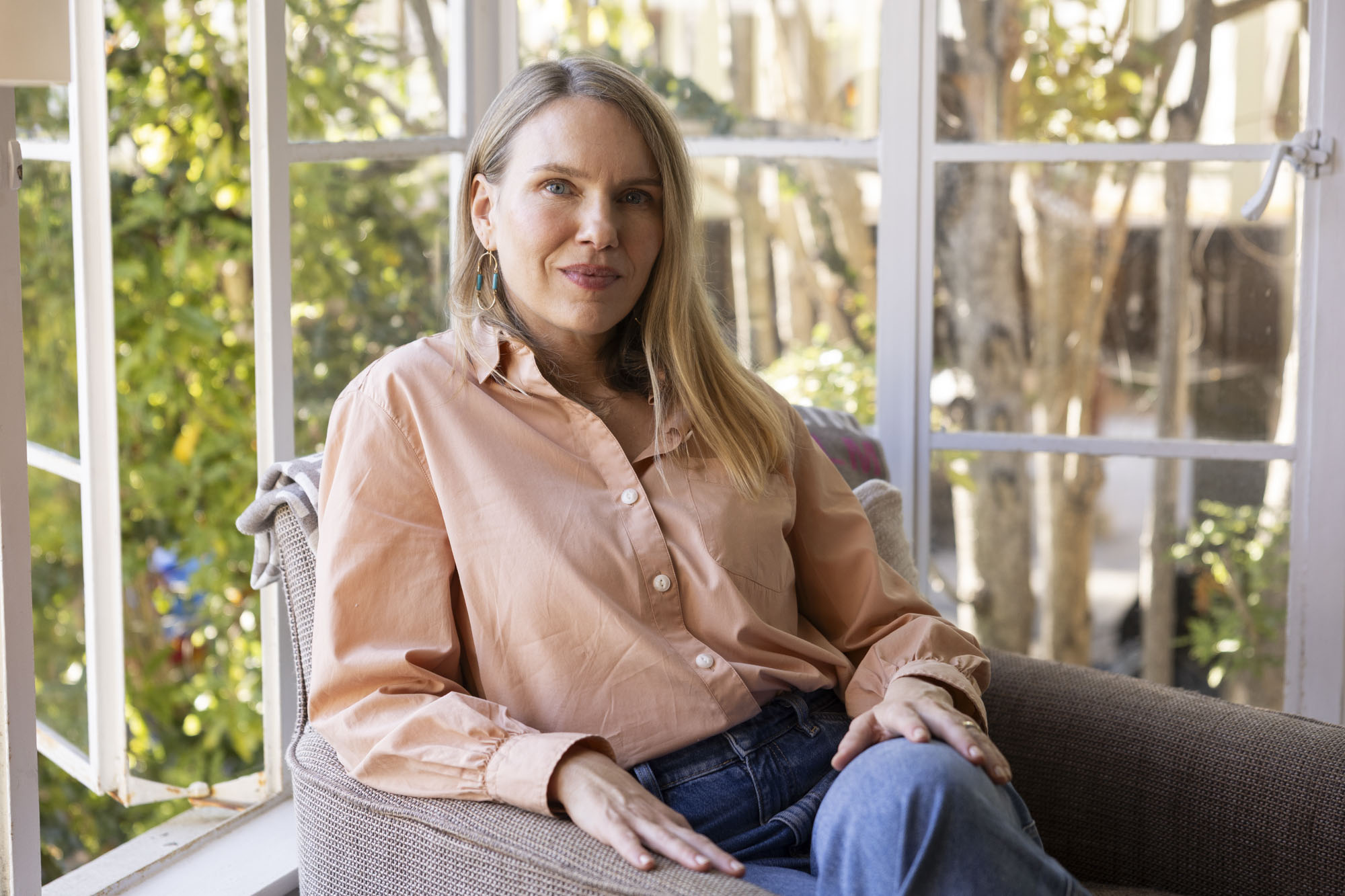
"caption": "Cancer survivor Anna Karrer Manley poses for a portrait in her home in Oakland on Sept. 13, 2026.",
"credit": "Nina Glick/KQED",
"altTag": null,
"description": null,
"imgSizes": {
"thumbnail": {
"file": "https://cdn.kqed.org/wp-content/uploads/sites/10/2026/09/260913-CancerScalpTreatment-NG-22-KQED-160x107.jpg",
"width": 160,
"height": 107,
"mimeType": "image/jpeg"
},
"1536x1536": {
"file": "https://cdn.kqed.org/wp-content/uploads/sites/10/2026/09/260913-CancerScalpTreatment-NG-22-KQED-1536x1024.jpg",
"width": 1536,
"height": 1024,
"mimeType": "image/jpeg"
},
"post-thumbnail": {
"file": "https://cdn.kqed.org/wp-content/uploads/sites/10/2026/09/260913-CancerScalpTreatment-NG-22-KQED-672x372.jpg",
"width": 672,
"height": 372,
"mimeType": "image/jpeg"
},
"twentyfourteen-full-width": {
"file": "https://cdn.kqed.org/wp-content/uploads/sites/10/2026/09/260913-CancerScalpTreatment-NG-22-KQED-1038x576.jpg",
"width": 1038,
"height": 576,
"mimeType": "image/jpeg"
},
"npr-cds-wide": {
"file": "https://cdn.kqed.org/wp-content/uploads/sites/10/2026/09/260913-CancerScalpTreatment-NG-22-KQED-1200x675.jpg",
"width": 1200,
"height": 675,
"mimeType": "image/jpeg"
},
"npr-cds-square": {
"file": "https://cdn.kqed.org/wp-content/uploads/sites/10/2026/09/260913-CancerScalpTreatment-NG-22-KQED-600x600.jpg",
"width": 600,
"height": 600,
"mimeType": "image/jpeg"
},
"kqedFullSize": {
"file": "https://cdn.kqed.org/wp-content/uploads/sites/10/2026/09/260913-CancerScalpTreatment-NG-22-KQED.jpg",
"width": 2000,
"height": 1333
}
},
"isLoading": false,
"fetchFailed": false
},
"news_12098646": {
"type": "attachments",
"id": "news_12098646",
"meta": {
"index": "attachments_1716263798",
"site": "news",
"id": "12098646",
"found": true
},
"title": "CMHealthCare1",
"publishDate": 1788890582,
"status": "inherit",
"parent": 12098643,
"modified": 1788890611,
"caption": "An older adult rests a hand on their knee while sitting in a wheelchair near a window.\n",
"credit": "iStock",
"altTag": null,
"description": null,
"imgSizes": {
"thumbnail": {
"file": "https://cdn.kqed.org/wp-content/uploads/sites/10/2026/09/CMHealthCare1-160x107.jpg",
"width": 160,
"height": 107,
"mimeType": "image/jpeg"
},
"1536x1536": {
"file": "https://cdn.kqed.org/wp-content/uploads/sites/10/2026/09/CMHealthCare1-1536x1024.jpg",
"width": 1536,
"height": 1024,
"mimeType": "image/jpeg"
},
"post-thumbnail": {
"file": "https://cdn.kqed.org/wp-content/uploads/sites/10/2026/09/CMHealthCare1-672x372.jpg",
"width": 672,
"height": 372,
"mimeType": "image/jpeg"
},
"twentyfourteen-full-width": {
"file": "https://cdn.kqed.org/wp-content/uploads/sites/10/2026/09/CMHealthCare1-1038x576.jpg",
"width": 1038,
"height": 576,
"mimeType": "image/jpeg"
},
"npr-cds-wide": {
"file": "https://cdn.kqed.org/wp-content/uploads/sites/10/2026/09/CMHealthCare1-1200x675.jpg",
"width": 1200,
"height": 675,
"mimeType": "image/jpeg"
},
"npr-cds-square": {
"file": "https://cdn.kqed.org/wp-content/uploads/sites/10/2026/09/CMHealthCare1-600x600.jpg",
"width": 600,
"height": 600,
"mimeType": "image/jpeg"
},
"kqedFullSize": {
"file": "https://cdn.kqed.org/wp-content/uploads/sites/10/2026/09/CMHealthCare1.jpg",
"width": 2000,
"height": 1333
}
},
"isLoading": false,
"fetchFailed": false
},
"news_12095715": {
"type": "attachments",
"id": "news_12095715",
"meta": {
"index": "attachments_1716263798",
"site": "news",
"id": "12095715",
"found": true
},
"title": "ASSITED LIVING",
"publishDate": 1787071910,
"status": "inherit",
"parent": 12095710,
"modified": 1787071927,
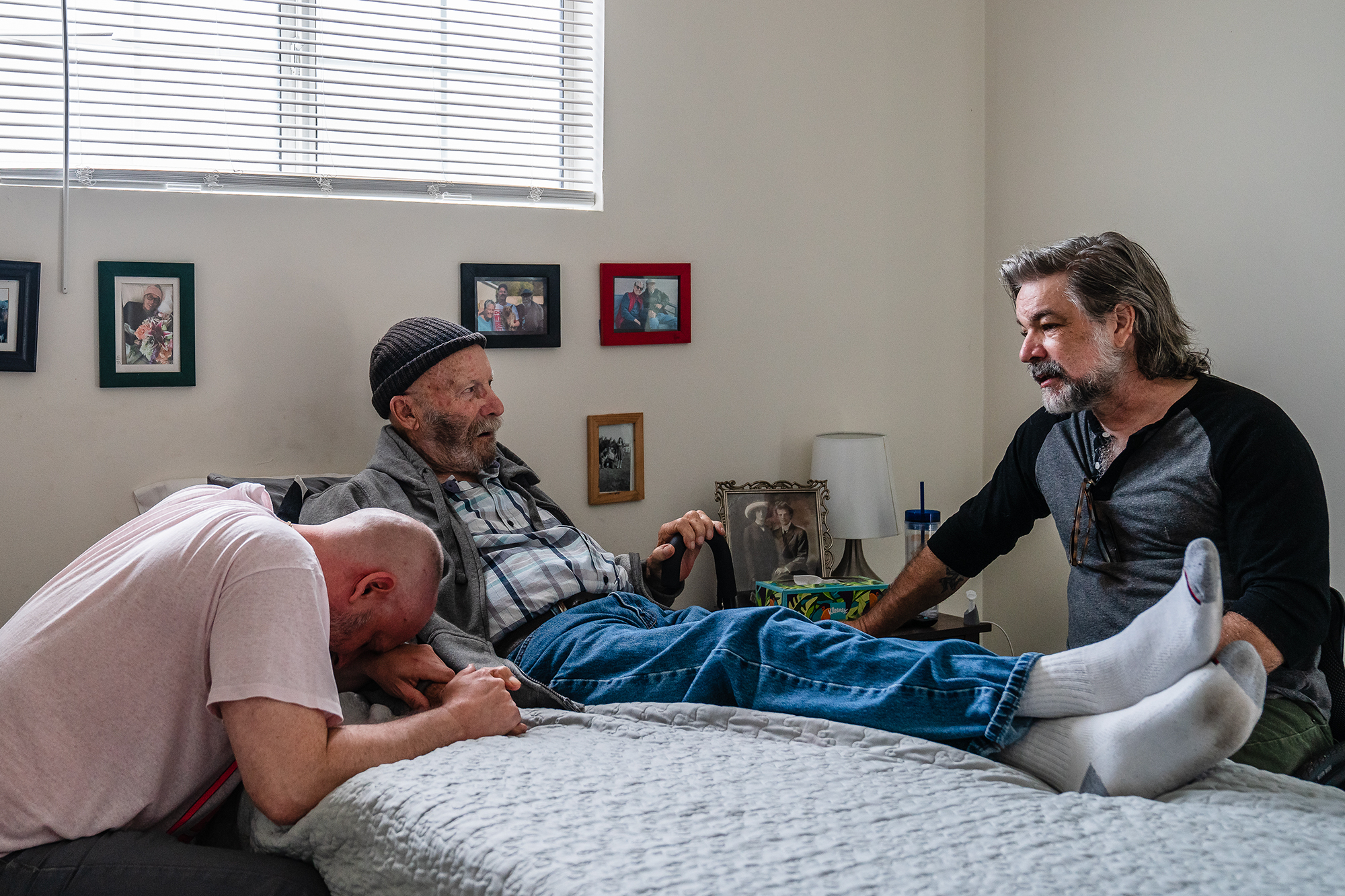
"caption": "Jim, who has dementia, with his sons Russell Granger, far right, and Matt Johnstone, far left, in his room at an assisted living facility in North Hollywood on Aug. 13, 2026. ",
"credit": "Ariana Drehsler for CalMatters",
"altTag": null,
"description": null,
"imgSizes": {
"thumbnail": {
"file": "https://cdn.kqed.org/wp-content/uploads/sites/10/2026/08/081326_Assisted-Living_AD_CM_10-160x107.jpg",
"width": 160,
"height": 107,
"mimeType": "image/jpeg"
},
"1536x1536": {
"file": "https://cdn.kqed.org/wp-content/uploads/sites/10/2026/08/081326_Assisted-Living_AD_CM_10-1536x1024.jpg",
"width": 1536,
"height": 1024,
"mimeType": "image/jpeg"
},
"post-thumbnail": {
"file": "https://cdn.kqed.org/wp-content/uploads/sites/10/2026/08/081326_Assisted-Living_AD_CM_10-672x372.jpg",
"width": 672,
"height": 372,
"mimeType": "image/jpeg"
},
"twentyfourteen-full-width": {
"file": "https://cdn.kqed.org/wp-content/uploads/sites/10/2026/08/081326_Assisted-Living_AD_CM_10-1038x576.jpg",
"width": 1038,
"height": 576,
"mimeType": "image/jpeg"
},
"npr-cds-wide": {
"file": "https://cdn.kqed.org/wp-content/uploads/sites/10/2026/08/081326_Assisted-Living_AD_CM_10-1200x675.jpg",
"width": 1200,
"height": 675,
"mimeType": "image/jpeg"
},
"npr-cds-square": {
"file": "https://cdn.kqed.org/wp-content/uploads/sites/10/2026/08/081326_Assisted-Living_AD_CM_10-600x600.jpg",
"width": 600,
"height": 600,
"mimeType": "image/jpeg"
},
"kqedFullSize": {
"file": "https://cdn.kqed.org/wp-content/uploads/sites/10/2026/08/081326_Assisted-Living_AD_CM_10.jpg",
"width": 2000,
"height": 1333
}
},
"isLoading": false,
"fetchFailed": false
},
"news_12086346": {
"type": "attachments",
"id": "news_12086346",
"meta": {
"index": "attachments_1716263798",
"site": "news",
"id": "12086346",
"found": true
},
"title": "Trump Administration Considers Reclassifying Marijuana As A Less Dangerous Drug",
"publishDate": 1780668730,
"status": "inherit",
"parent": 12086345,
"modified": 1780668813,
"caption": "SAN FRANCISCO, CALIFORNIA - AUGUST 11: Marijuana flower is displayed in a jar at California Street Cannabis Company on August 11, 2025 in San Francisco, California. ",
"credit": "Photo by Justin Sullivan/Getty Images",
"altTag": null,
"description": null,
"imgSizes": {
"medium": {
"file": "https://cdn.kqed.org/wp-content/uploads/sites/10/2026/06/GettyImages-2229622334-2000x1361.jpg",
"width": 2000,
"height": 1361,
"mimeType": "image/jpeg"
},
"large": {
"file": "https://cdn.kqed.org/wp-content/uploads/sites/10/2026/06/GettyImages-2229622334-2000x1361.jpg",
"width": 2000,
"height": 1361,
"mimeType": "image/jpeg"
},
"thumbnail": {
"file": "https://cdn.kqed.org/wp-content/uploads/sites/10/2026/06/GettyImages-2229622334-160x109.jpg",
"width": 160,
"height": 109,
"mimeType": "image/jpeg"
},
"1536x1536": {
"file": "https://cdn.kqed.org/wp-content/uploads/sites/10/2026/06/GettyImages-2229622334-1536x1045.jpg",
"width": 1536,
"height": 1045,
"mimeType": "image/jpeg"
},
"2048x2048": {
"file": "https://cdn.kqed.org/wp-content/uploads/sites/10/2026/06/GettyImages-2229622334-2048x1393.jpg",
"width": 2048,
"height": 1393,
"mimeType": "image/jpeg"
},
"post-thumbnail": {
"file": "https://cdn.kqed.org/wp-content/uploads/sites/10/2026/06/GettyImages-2229622334-672x372.jpg",
"width": 672,
"height": 372,
"mimeType": "image/jpeg"
},
"twentyfourteen-full-width": {
"file": "https://cdn.kqed.org/wp-content/uploads/sites/10/2026/06/GettyImages-2229622334-1038x576.jpg",
"width": 1038,
"height": 576,
"mimeType": "image/jpeg"
},
"full-width": {
"file": "https://cdn.kqed.org/wp-content/uploads/sites/10/2026/06/GettyImages-2229622334-2000x1361.jpg",
"width": 2000,
"height": 1361,
"mimeType": "image/jpeg"
},
"npr-cds-wide": {
"file": "https://cdn.kqed.org/wp-content/uploads/sites/10/2026/06/GettyImages-2229622334-1200x675.jpg",
"width": 1200,
"height": 675,
"mimeType": "image/jpeg"
},
"npr-cds-square": {
"file": "https://cdn.kqed.org/wp-content/uploads/sites/10/2026/06/GettyImages-2229622334-600x600.jpg",
"width": 600,
"height": 600,
"mimeType": "image/jpeg"
},
"kqedFullSize": {
"file": "https://cdn.kqed.org/wp-content/uploads/sites/10/2026/06/GettyImages-2229622334-scaled.jpg",
"width": 2560,
"height": 1741
}
},
"isLoading": false,
"fetchFailed": false
},
"news_12073557": {
"type": "attachments",
"id": "news_12073557",
"meta": {
"index": "attachments_1716263798",
"site": "news",
"id": "12073557",
"found": true
},
"title": "DanielLurieSFUSDStrike",
"publishDate": 1771026356,
"status": "inherit",
"parent": 12073441,
"modified": 1779411107,
"caption": "Mayor Daniel Lurie speaks at a press conference on Friday, Feb. 13, 2026, in San Francisco, addressing the San Francisco Unified School District’s newly reached agreement with the teachers union.",
"credit": "Sydney Johnson/KQED",
"altTag": null,
"description": null,
"imgSizes": {
"thumbnail": {
"file": "https://cdn.kqed.org/wp-content/uploads/sites/10/2026/02/DanielLurieSFUSDStrike-160x120.jpg",
"width": 160,
"height": 120,
"mimeType": "image/jpeg"
},
"1536x1536": {
"file": "https://cdn.kqed.org/wp-content/uploads/sites/10/2026/02/DanielLurieSFUSDStrike-1536x1152.jpg",
"width": 1536,
"height": 1152,
"mimeType": "image/jpeg"
},
"post-thumbnail": {
"file": "https://cdn.kqed.org/wp-content/uploads/sites/10/2026/02/DanielLurieSFUSDStrike-672x372.jpg",
"width": 672,
"height": 372,
"mimeType": "image/jpeg"
},
"twentyfourteen-full-width": {
"file": "https://cdn.kqed.org/wp-content/uploads/sites/10/2026/02/DanielLurieSFUSDStrike-1038x576.jpg",
"width": 1038,
"height": 576,
"mimeType": "image/jpeg"
},
"npr-cds-wide": {
"file": "https://cdn.kqed.org/wp-content/uploads/sites/10/2026/02/DanielLurieSFUSDStrike-1200x675.jpg",
"width": 1200,
"height": 675,
"mimeType": "image/jpeg"
},
"kqedFullSize": {
"file": "https://cdn.kqed.org/wp-content/uploads/sites/10/2026/02/DanielLurieSFUSDStrike.jpg",
"width": 2000,
"height": 1500
}
},
"isLoading": false,
"fetchFailed": false
},
"news_12081269": {
"type": "attachments",
"id": "news_12081269",
"meta": {
"index": "attachments_1716263798",
"site": "news",
"id": "12081269",
"found": true
},
"title": "medical-richmondside-rotocare",
"publishDate": 1777046794,
"status": "inherit",
"parent": 12081208,
"modified": 1777046824,
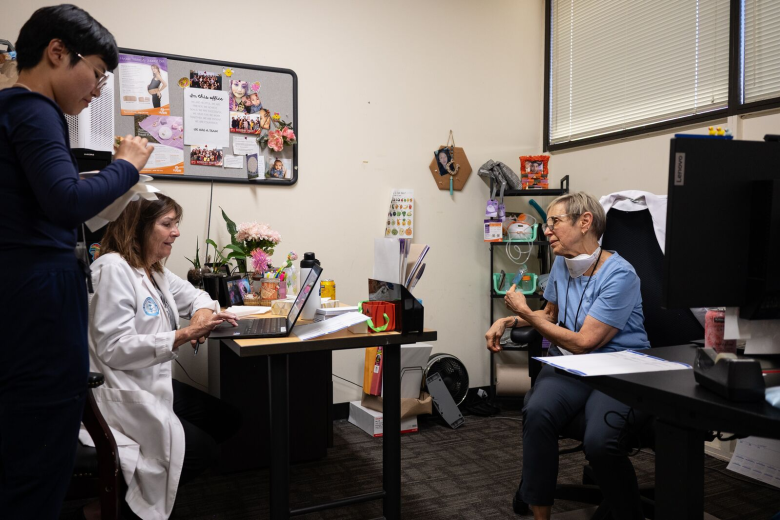
"caption": "Dr. Ellen Prodromou (left) and Dr. Jan Herr (right) run a monthly women’s health clinic at RotoCare, which provides free care for west Contra Costa County residents. ",
"credit": "Tyger Ligon for Richmondside",
"altTag": null,
"description": null,
"imgSizes": {
"thumbnail": {
"file": "https://cdn.kqed.org/wp-content/uploads/sites/10/2026/04/medical-richmondside-rotocare-160x107.png",
"width": 160,
"height": 107,
"mimeType": "image/png"
},
"post-thumbnail": {
"file": "https://cdn.kqed.org/wp-content/uploads/sites/10/2026/04/medical-richmondside-rotocare-672x372.png",
"width": 672,
"height": 372,
"mimeType": "image/png"
},
"npr-cds-square": {
"file": "https://cdn.kqed.org/wp-content/uploads/sites/10/2026/04/medical-richmondside-rotocare-600x520.png",
"width": 600,
"height": 520,
"mimeType": "image/png"
},
"kqedFullSize": {
"file": "https://cdn.kqed.org/wp-content/uploads/sites/10/2026/04/medical-richmondside-rotocare.png",
"width": 780,
"height": 520
}
},
"isLoading": false,
"fetchFailed": false
},
"news_12078496": {
"type": "attachments",
"id": "news_12078496",
"meta": {
"index": "attachments_1716263798",
"site": "news",
"id": "12078496",
"found": true
},
"title": "Producer Prices",
"publishDate": 1775161780,
"status": "inherit",
"parent": 12078490,
"modified": 1775161888,
"caption": "A California's SNAP benefits shopper pushes a cart through a supermarket in Bellflower, California, on Feb. 13, 2023.",
"credit": "Allison Dinner/AP Photo",
"altTag": null,
"description": null,
"imgSizes": {
"thumbnail": {
"file": "https://cdn.kqed.org/wp-content/uploads/sites/10/2026/04/GroceriesAP-160x107.jpg",
"width": 160,
"height": 107,
"mimeType": "image/jpeg"
},
"1536x1536": {
"file": "https://cdn.kqed.org/wp-content/uploads/sites/10/2026/04/GroceriesAP-1536x1024.jpg",
"width": 1536,
"height": 1024,
"mimeType": "image/jpeg"
},
"post-thumbnail": {
"file": "https://cdn.kqed.org/wp-content/uploads/sites/10/2026/04/GroceriesAP-672x372.jpg",
"width": 672,
"height": 372,
"mimeType": "image/jpeg"
},
"twentyfourteen-full-width": {
"file": "https://cdn.kqed.org/wp-content/uploads/sites/10/2026/04/GroceriesAP-1038x576.jpg",
"width": 1038,
"height": 576,
"mimeType": "image/jpeg"
},
"npr-cds-wide": {
"file": "https://cdn.kqed.org/wp-content/uploads/sites/10/2026/04/GroceriesAP-1200x675.jpg",
"width": 1200,
"height": 675,
"mimeType": "image/jpeg"
},
"npr-cds-square": {
"file": "https://cdn.kqed.org/wp-content/uploads/sites/10/2026/04/GroceriesAP-600x600.jpg",
"width": 600,
"height": 600,
"mimeType": "image/jpeg"
},
"kqedFullSize": {
"file": "https://cdn.kqed.org/wp-content/uploads/sites/10/2026/04/GroceriesAP.jpg",
"width": 2000,
"height": 1333
}
},
"isLoading": false,
"fetchFailed": false
},
"news_12071887": {
"type": "attachments",
"id": "news_12071887",
"meta": {
"index": "attachments_1716263798",
"site": "news",
"id": "12071887",
"found": true
},
"title": "092222-DAVID-VALADAO-REUTERS-GS-CM",
"publishDate": 1770052779,
"status": "inherit",
"parent": 12071886,
"modified": 1770053168,
"caption": "Rep. David Valadao of California speaks at the U.S. Capitol in Washington, D.C., on March 17, 2021. ",
"credit": "Graeme Sloan/Sipa USA via Reuters",
"altTag": null,
"description": null,
"imgSizes": {
"thumbnail": {
"file": "https://cdn.kqed.org/wp-content/uploads/sites/10/2026/02/092222-DAVID-VALADAO-REUTERS-GS-CM-160x107.jpeg",
"width": 160,
"height": 107,
"mimeType": "image/jpeg"
},
"1536x1536": {
"file": "https://cdn.kqed.org/wp-content/uploads/sites/10/2026/02/092222-DAVID-VALADAO-REUTERS-GS-CM-1536x1024.jpeg",
"width": 1536,
"height": 1024,
"mimeType": "image/jpeg"
},
"post-thumbnail": {
"file": "https://cdn.kqed.org/wp-content/uploads/sites/10/2026/02/092222-DAVID-VALADAO-REUTERS-GS-CM-672x372.jpeg",
"width": 672,
"height": 372,
"mimeType": "image/jpeg"
},
"twentyfourteen-full-width": {
"file": "https://cdn.kqed.org/wp-content/uploads/sites/10/2026/02/092222-DAVID-VALADAO-REUTERS-GS-CM-1038x576.jpeg",
"width": 1038,
"height": 576,
"mimeType": "image/jpeg"
},
"npr-cds-wide": {
"file": "https://cdn.kqed.org/wp-content/uploads/sites/10/2026/02/092222-DAVID-VALADAO-REUTERS-GS-CM-1200x675.jpeg",
"width": 1200,
"height": 675,
"mimeType": "image/jpeg"
},
"kqedFullSize": {
"file": "https://cdn.kqed.org/wp-content/uploads/sites/10/2026/02/092222-DAVID-VALADAO-REUTERS-GS-CM.jpeg",
"width": 2000,
"height": 1333
}
},
"isLoading": false,
"fetchFailed": false
},
"news_12067060": {
"type": "attachments",
"id": "news_12067060",
"meta": {
"index": "attachments_1716263798",
"site": "news",
"id": "12067060",
"found": true
},
"title": "251210-SFOEATING-80-BL-KQED",
"publishDate": 1765586616,
"status": "inherit",
"parent": 12069729,
"modified": 1768418541,
"caption": "Passengers walk through Terminal 2 at San Francisco International Airport on Dec. 10, 2025.",
"credit": "Beth LaBerge/KQED",
"altTag": null,
"description": null,
"imgSizes": {
"thumbnail": {
"file": "https://cdn.kqed.org/wp-content/uploads/sites/10/2025/12/251210-SFOEATING-80-BL-KQED-160x107.jpg",
"width": 160,
"height": 107,
"mimeType": "image/jpeg"
},
"1536x1536": {
"file": "https://cdn.kqed.org/wp-content/uploads/sites/10/2025/12/251210-SFOEATING-80-BL-KQED-1536x1024.jpg",
"width": 1536,
"height": 1024,
"mimeType": "image/jpeg"
},
"post-thumbnail": {
"file": "https://cdn.kqed.org/wp-content/uploads/sites/10/2025/12/251210-SFOEATING-80-BL-KQED-672x372.jpg",
"width": 672,
"height": 372,
"mimeType": "image/jpeg"
},
"twentyfourteen-full-width": {
"file": "https://cdn.kqed.org/wp-content/uploads/sites/10/2025/12/251210-SFOEATING-80-BL-KQED-1038x576.jpg",
"width": 1038,
"height": 576,
"mimeType": "image/jpeg"
},
"npr-cds-wide": {
"file": "https://cdn.kqed.org/wp-content/uploads/sites/10/2025/12/251210-SFOEATING-80-BL-KQED-1200x675.jpg",
"width": 1200,
"height": 675,
"mimeType": "image/jpeg"
},
"kqedFullSize": {
"file": "https://cdn.kqed.org/wp-content/uploads/sites/10/2025/12/251210-SFOEATING-80-BL-KQED.jpg",
"width": 2000,
"height": 1333
}
},
"isLoading": false,
"fetchFailed": false
},
"news_12070142": {
"type": "attachments",
"id": "news_12070142",
"meta": {
"index": "attachments_1716263798",
"site": "news",
"id": "12070142",
"found": true
},
"title": "Emma's room 2",
"publishDate": 1768584118,
"status": "inherit",
"parent": 12070141,
"modified": 1768607308,
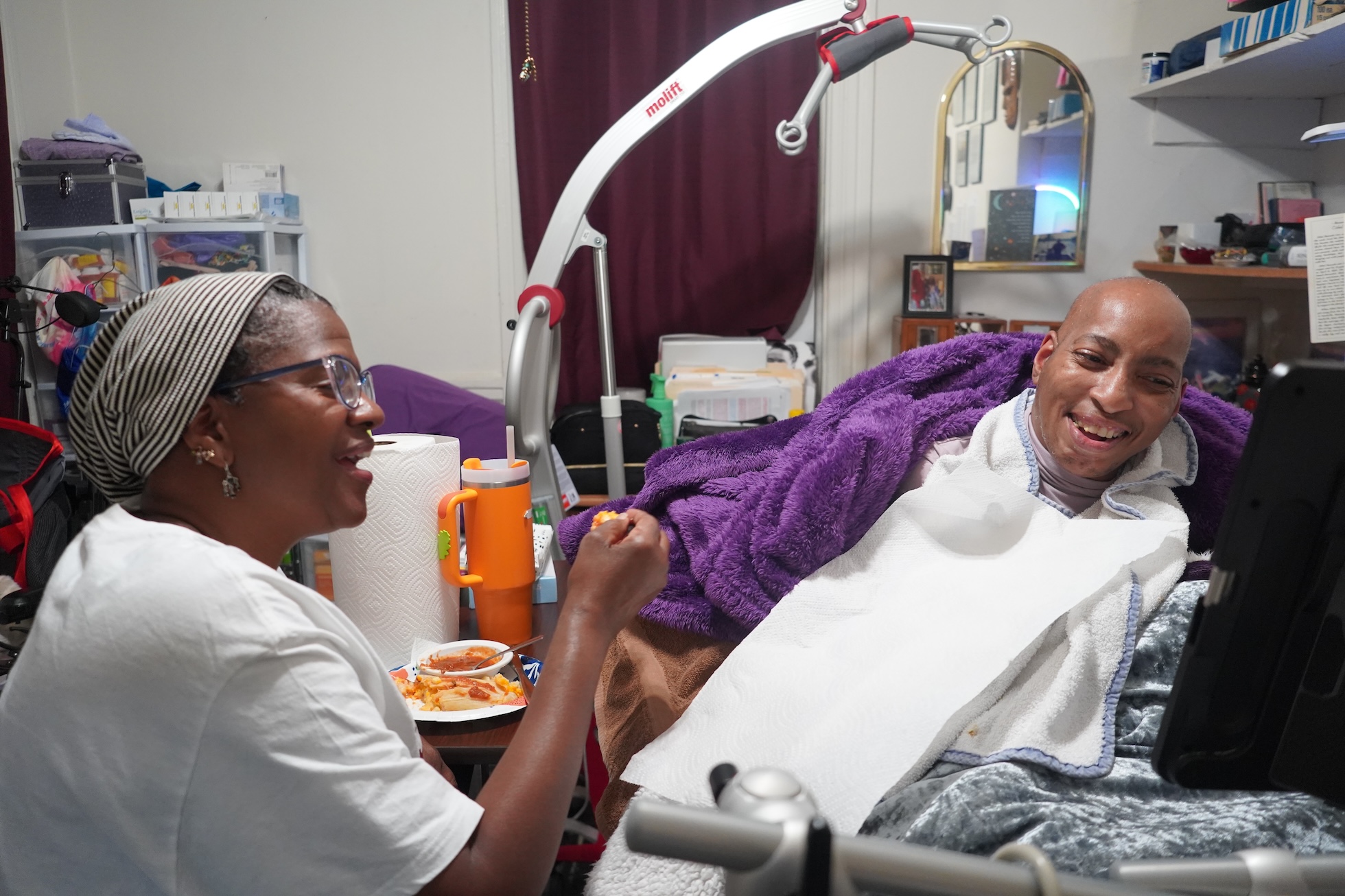
"caption": "Emma Denice Milligan and her caregiver, Wanda Kincy, laugh in her Oakland home on Dec. 12, 2025. ",
"credit": "Courtesy of Hyeyoon Cho",
"altTag": null,
"description": null,
"imgSizes": {
"thumbnail": {
"file": "https://cdn.kqed.org/wp-content/uploads/sites/10/2026/01/Emmas-room-2-160x107.jpg",
"width": 160,
"height": 107,
"mimeType": "image/jpeg"
},
"1536x1536": {
"file": "https://cdn.kqed.org/wp-content/uploads/sites/10/2026/01/Emmas-room-2-1536x1023.jpg",
"width": 1536,
"height": 1023,
"mimeType": "image/jpeg"
},
"post-thumbnail": {
"file": "https://cdn.kqed.org/wp-content/uploads/sites/10/2026/01/Emmas-room-2-672x372.jpg",
"width": 672,
"height": 372,
"mimeType": "image/jpeg"
},
"twentyfourteen-full-width": {
"file": "https://cdn.kqed.org/wp-content/uploads/sites/10/2026/01/Emmas-room-2-1038x576.jpg",
"width": 1038,
"height": 576,
"mimeType": "image/jpeg"
},
"npr-cds-wide": {
"file": "https://cdn.kqed.org/wp-content/uploads/sites/10/2026/01/Emmas-room-2-1200x675.jpg",
"width": 1200,
"height": 675,
"mimeType": "image/jpeg"
},
"kqedFullSize": {
"file": "https://cdn.kqed.org/wp-content/uploads/sites/10/2026/01/Emmas-room-2.jpg",
"width": 1960,
"height": 1306
}
},
"isLoading": false,
"fetchFailed": false
},
"news_12065499": {
"type": "attachments",
"id": "news_12065499",
"meta": {
"index": "attachments_1716263798",
"site": "news",
"id": "12065499",
"found": true
},
"title": "251124-DISABILITYJUSTICELEADERS00314_TV-KQED",
"publishDate": 1764191449,
"status": "inherit",
"parent": 0,
"modified": 1764883872,
"caption": "Brittanie Hernandez-Wilson, a disability justice activist, poses for a portrait at Lake Merritt in Oakland on Nov. 24, 2025. Hernandez-Wilson worked closely with Alice Wong, a disability justice leader who died in November.",
"credit": "Tâm Vũ/KQED",
"altTag": null,
"description": null,
"imgSizes": {
"thumbnail": {
"file": "https://cdn.kqed.org/wp-content/uploads/sites/10/2025/11/251124-DISABILITYJUSTICELEADERS00314_TV-KQED-160x107.jpg",
"width": 160,
"height": 107,
"mimeType": "image/jpeg"
},
"1536x1536": {
"file": "https://cdn.kqed.org/wp-content/uploads/sites/10/2025/11/251124-DISABILITYJUSTICELEADERS00314_TV-KQED-1536x1024.jpg",
"width": 1536,
"height": 1024,
"mimeType": "image/jpeg"
},
"post-thumbnail": {
"file": "https://cdn.kqed.org/wp-content/uploads/sites/10/2025/11/251124-DISABILITYJUSTICELEADERS00314_TV-KQED-672x372.jpg",
"width": 672,
"height": 372,
"mimeType": "image/jpeg"
},
"twentyfourteen-full-width": {
"file": "https://cdn.kqed.org/wp-content/uploads/sites/10/2025/11/251124-DISABILITYJUSTICELEADERS00314_TV-KQED-1038x576.jpg",
"width": 1038,
"height": 576,
"mimeType": "image/jpeg"
},
"npr-cds-wide": {
"file": "https://cdn.kqed.org/wp-content/uploads/sites/10/2025/11/251124-DISABILITYJUSTICELEADERS00314_TV-KQED-1200x675.jpg",
"width": 1200,
"height": 675,
"mimeType": "image/jpeg"
},
"kqedFullSize": {
"file": "https://cdn.kqed.org/wp-content/uploads/sites/10/2025/11/251124-DISABILITYJUSTICELEADERS00314_TV-KQED.jpg",
"width": 2000,
"height": 1333
}
},
"isLoading": false,
"fetchFailed": false
}
},
"audioPlayerReducer": {
"postId": "stream_live",
"isPaused": true,
"isPlaying": false,
"pfsActive": false,
"pledgeModalIsOpen": true,
"playerDrawerIsOpen": false,
"liveAudioPlayStartedAt": 0,
"liveAudioPlayContext": ""
},
"authorsReducer": {
"byline_news_12098643": {
"type": "authors",
"id": "byline_news_12098643",
"meta": {
"override": true
},
"slug": "byline_news_12098643",
"name": "Jessica Blough, UC Berkeley",
"isLoading": false
},
"byline_news_12095710": {
"type": "authors",
"id": "byline_news_12095710",
"meta": {
"override": true
},
"slug": "byline_news_12095710",
"name": "Kristen Hwang, CalMatters",
"isLoading": false
},
"byline_news_12071886": {
"type": "authors",
"id": "byline_news_12071886",
"meta": {
"override": true
},
"slug": "byline_news_12071886",
"name": "Maya C. Miller, CalMatters",
"isLoading": false
},
"byline_news_12070141": {
"type": "authors",
"id": "byline_news_12070141",
"meta": {
"override": true
},
"slug": "byline_news_12070141",
"name": "Hyeyoon Cho",
"isLoading": false
},
"tychehendricks": {
"type": "authors",
"id": "259",
"meta": {
"index": "authors_1716337520",
"id": "259",
"found": true
},
"name": "Tyche Hendricks",
"firstName": "Tyche",
"lastName": "Hendricks",
"slug": "tychehendricks",
"email": "thendricks@kqed.org",
"display_author_email": true,
"staff_mastheads": [
"news"
],
"title": "KQED Senior Editor, Immigration",
"bio": "\u003cspan style=\"font-weight: 400;\">Tyche Hendricks is KQED’s senior editor for immigration, leading coverage of the policy and politics that affect California’s immigrant communities. Her work for KQED’s radio and online audiences is also carried on NPR and other national outlets. She has been recognized with awards from the Radio and Television News Directors Association, the Society for Professional Journalists; the Education Writers Association; the Best of the West and the National Federation of Community Broadcasters. Before joining KQED in 2010, Tyche spent more than a dozen years as a newspaper reporter, notably at the \u003c/span>\u003ci>\u003cspan style=\"font-weight: 400;\">San Francisco Chronicle\u003c/span>\u003c/i>\u003cspan style=\"font-weight: 400;\">. At different times she has covered criminal justice, government and politics and urban planning. Tyche has taught in the MFA Creative Writing program at the University of San Francisco and at UC Berkeley’s Graduate School of Journalism, where she was co-director of a national immigration symposium for professional journalists. She is the author of \u003c/span>\u003ci>\u003cspan style=\"font-weight: 400;\">The Wind Doesn't Need a Passport: Stories from the U.S.-Mexico Borderlands\u003c/span>\u003c/i>\u003cspan style=\"font-weight: 400;\"> (University of California Press). \u003c/span>",
"avatar": "https://secure.gravatar.com/avatar/b8ee458e2731c2d43df86882ce17267e?s=600&d=blank&r=g",
"twitter": "tychehendricks",
"facebook": null,
"instagram": null,
"linkedin": null,
"sites": [
{
"site": "news",
"roles": [
"editor"
]
},
{
"site": "stateofhealth",
"roles": [
"editor"
]
}
],
"headData": {
"title": "Tyche Hendricks | KQED",
"description": "KQED Senior Editor, Immigration",
"ogImgSrc": "https://secure.gravatar.com/avatar/b8ee458e2731c2d43df86882ce17267e?s=600&d=blank&r=g",
"twImgSrc": "https://secure.gravatar.com/avatar/b8ee458e2731c2d43df86882ce17267e?s=600&d=blank&r=g"
},
"isLoading": false,
"link": "/author/tychehendricks"
},
"shossaini": {
"type": "authors",
"id": "3214",
"meta": {
"index": "authors_1716337520",
"id": "3214",
"found": true
},
"name": "Sara Hossaini",
"firstName": "Sara",
"lastName": "Hossaini",
"slug": "shossaini",
"email": "shossaini@kqed.org",
"display_author_email": true,
"staff_mastheads": [
"news"
],
"title": "KQED Reporter",
"bio": "Sara Hossaini came to general assignment reporting at KQED in 2013 after two winters reporting at Wyoming Public Radio. She holds a bachelor's degree in broadcast journalism from the University of Nebraska-Lincoln. Her radio romance began after a bitter breakup with documentary film (Ok, maybe it's still complicated). Her first simultaneous jobs in San Francisco were as Associate Producer on a PBS film series through the Center for Asian American Media and as a butler. She likes to trot, plot and make things with her hands.",
"avatar": "https://secure.gravatar.com/avatar/060e9f56b9554e17942e89f413242774?s=600&d=blank&r=g",
"twitter": "mshossaini",
"facebook": null,
"instagram": null,
"linkedin": null,
"sites": [
{
"site": "news",
"roles": [
"author"
]
},
{
"site": "stateofhealth",
"roles": [
"author"
]
}
],
"headData": {
"title": "Sara Hossaini | KQED",
"description": "KQED Reporter",
"ogImgSrc": "https://secure.gravatar.com/avatar/060e9f56b9554e17942e89f413242774?s=600&d=blank&r=g",
"twImgSrc": "https://secure.gravatar.com/avatar/060e9f56b9554e17942e89f413242774?s=600&d=blank&r=g"
},
"isLoading": false,
"link": "/author/shossaini"
},
"ecruzguevarra": {
"type": "authors",
"id": "8654",
"meta": {
"index": "authors_1716337520",
"id": "8654",
"found": true
},
"name": "Ericka Cruz Guevarra",
"firstName": "Ericka",
"lastName": "Cruz Guevarra",
"slug": "ecruzguevarra",
"email": "ecruzguevarra@kqed.org",
"display_author_email": true,
"staff_mastheads": [
"news"
],
"title": "Producer, The Bay Podcast",
"bio": "Ericka Cruz Guevarra is host of \u003ca href=\"https://www.kqed.org/podcasts/thebay\">\u003cem>The Bay\u003c/em>\u003c/a> podcast at KQED. Before host, she was the show’s producer. Her work in that capacity includes a three-part reported series on policing in Vallejo, which won a 2020 excellence in journalism award from the Society of Professional Journalists. Ericka has worked as a breaking news reporter at Oregon Public Broadcasting, helped produce the Code Switch podcast, and was KQED’s inaugural Raul Ramirez Diversity Fund intern. She’s also an alumna of NPR’s Next Generation Radio program. Send her an email if you have strong feelings about whether Fairfield and Suisun City are the Bay. Ericka is represented by SAG-AFTRA.",
"avatar": "https://secure.gravatar.com/avatar/accefc1de4bafc7e234b69bcb9b6f6536c130fd84709bc3069ef11a78787e1bb?s=600&d=blank&r=g",
"twitter": "NotoriousECG",
"bluesky": null,
"facebook": null,
"instagram": null,
"linkedin": null,
"sites": [
{
"site": "arts",
"roles": [
"subscriber"
]
},
{
"site": "news",
"roles": [
"editor",
"manage_categories"
]
},
{
"site": "futureofyou",
"roles": [
"subscriber"
]
},
{
"site": "stateofhealth",
"roles": [
"subscriber"
]
},
{
"site": "science",
"roles": [
"editor"
]
},
{
"site": "forum",
"roles": [
"subscriber"
]
}
],
"headData": {
"title": "Ericka Cruz Guevarra | KQED",
"description": "Producer, The Bay Podcast",
"ogImgSrc": "https://secure.gravatar.com/avatar/accefc1de4bafc7e234b69bcb9b6f6536c130fd84709bc3069ef11a78787e1bb?s=600&d=blank&r=g",
"twImgSrc": "https://secure.gravatar.com/avatar/accefc1de4bafc7e234b69bcb9b6f6536c130fd84709bc3069ef11a78787e1bb?s=600&d=blank&r=g"
},
"isLoading": false,
"link": "/author/ecruzguevarra"
},
"amontecillo": {
"type": "authors",
"id": "11649",
"meta": {
"index": "authors_1716337520",
"id": "11649",
"found": true
},
"name": "Alan Montecillo",
"firstName": "Alan",
"lastName": "Montecillo",
"slug": "amontecillo",
"email": "amontecillo@kqed.org",
"display_author_email": false,
"staff_mastheads": [
"news"
],
"title": "KQED Contributor",
"bio": "Alan Montecillo is the senior editor of \u003cem>\u003ca href=\"http://kqed.org/thebay\">The Bay\u003c/a>, \u003c/em> KQED's local news podcast. Before moving to the Bay Area, he worked as a senior talk show producer for WILL in Champaign-Urbana, Illinois and at Oregon Public Broadcasting in Portland, Oregon. He has won journalism awards from the Society of Professional Journalists Northern California, the Public Media Journalists Association, The Signal Awards, and has also received a regional Edward R. Murrow award. Alan is a Filipino American from Hong Kong and a graduate of Reed College.",
"avatar": "https://secure.gravatar.com/avatar/268f53a2066899ea9efdd8a5900218b17c822d9862cbc9326cccec53ef41d349?s=600&d=blank&r=g",
"twitter": "alanmontecillo",
"bluesky": null,
"facebook": null,
"instagram": null,
"linkedin": null,
"sites": [
{
"site": "",
"roles": [
"editor"
]
},
{
"site": "news",
"roles": [
"editor",
"manage_categories"
]
}
],
"headData": {
"title": "Alan Montecillo | KQED",
"description": "KQED Contributor",
"ogImgSrc": "https://secure.gravatar.com/avatar/268f53a2066899ea9efdd8a5900218b17c822d9862cbc9326cccec53ef41d349?s=600&d=blank&r=g",
"twImgSrc": "https://secure.gravatar.com/avatar/268f53a2066899ea9efdd8a5900218b17c822d9862cbc9326cccec53ef41d349?s=600&d=blank&r=g"
},
"isLoading": false,
"link": "/author/amontecillo"
},
"ccabreralomeli": {
"type": "authors",
"id": "11708",
"meta": {
"index": "authors_1716337520",
"id": "11708",
"found": true
},
"name": "Carlos Cabrera-Lomelí",
"firstName": "Carlos",
"lastName": "Cabrera-Lomelí",
"slug": "ccabreralomeli",
"email": "ccabreralomeli@KQED.org",
"display_author_email": true,
"staff_mastheads": [
"news"
],
"title": "Community Reporter",
"bio": "Carlos Cabrera-Lomelí is a community reporter with KQED's digital engagement team. He also reports and co-produces for KQED's bilingual news hub KQED en Español. He grew up in San Francisco's Mission District and has previously worked with Univision, 48 Hills and REFORMA in Mexico City.",
"avatar": "https://secure.gravatar.com/avatar/c309be9665e484f887b818c89e273ecc673004f426f36b24d00a4d813a2e0518?s=600&d=blank&r=g",
"twitter": "@LomeliCabrera",
"bluesky": null,
"facebook": null,
"instagram": null,
"linkedin": null,
"sites": [
{
"site": "arts",
"roles": [
"editor"
]
},
{
"site": "news",
"roles": [
"editor"
]
},
{
"site": "about",
"roles": [
"editor"
]
},
{
"site": "science",
"roles": [
"editor"
]
},
{
"site": "perspectives",
"roles": [
"editor"
]
},
{
"site": "elections",
"roles": [
"editor"
]
},
{
"site": "liveblog",
"roles": [
"contributor"
]
}
],
"headData": {
"title": "Carlos Cabrera-Lomelí | KQED",
"description": "Community Reporter",
"ogImgSrc": "https://secure.gravatar.com/avatar/c309be9665e484f887b818c89e273ecc673004f426f36b24d00a4d813a2e0518?s=600&d=blank&r=g",
"twImgSrc": "https://secure.gravatar.com/avatar/c309be9665e484f887b818c89e273ecc673004f426f36b24d00a4d813a2e0518?s=600&d=blank&r=g"
},
"isLoading": false,
"link": "/author/ccabreralomeli"
},
"kmizuguchi": {
"type": "authors",
"id": "11739",
"meta": {
"index": "authors_1716337520",
"id": "11739",
"found": true
},
"name": "Keith Mizuguchi",
"firstName": "Keith",
"lastName": "Mizuguchi",
"slug": "kmizuguchi",
"email": "kmizuguchi@kqed.org",
"display_author_email": false,
"staff_mastheads": [],
"title": "KQED Contributor",
"bio": null,
"avatar": "https://secure.gravatar.com/avatar/64d8a7de0723d4099b9fe4e915136103febcc20809abce228ee4415bcb237023?s=600&d=blank&r=g",
"twitter": null,
"bluesky": null,
"facebook": null,
"instagram": null,
"linkedin": null,
"sites": [
{
"site": "news",
"roles": [
"editor"
]
},
{
"site": "science",
"roles": [
"editor"
]
}
],
"headData": {
"title": "Keith Mizuguchi | KQED",
"description": "KQED Contributor",
"ogImgSrc": "https://secure.gravatar.com/avatar/64d8a7de0723d4099b9fe4e915136103febcc20809abce228ee4415bcb237023?s=600&d=blank&r=g",
"twImgSrc": "https://secure.gravatar.com/avatar/64d8a7de0723d4099b9fe4e915136103febcc20809abce228ee4415bcb237023?s=600&d=blank&r=g"
},
"isLoading": false,
"link": "/author/kmizuguchi"
},
"jessicakariisa": {
"type": "authors",
"id": "11831",
"meta": {
"index": "authors_1716337520",
"id": "11831",
"found": true
},
"name": "Jessica Kariisa",
"firstName": "Jessica",
"lastName": "Kariisa",
"slug": "jessicakariisa",
"email": "jkariisa@kqed.org",
"display_author_email": false,
"staff_mastheads": [],
"title": "Producer, The Bay",
"bio": "Jessica Kariisa is the producer of The Bay. She first joined KQED as an intern for The California Report Magazine, after which she became an on-call producer. She reported a Bay Curious episode on the use of rap lyrics in criminal trials which won a Society of Professional Journalists award in 2023 for Excellence in Features Journalism and the 2023 Signal Award for Best Conversation Starter. She’s worked on podcasts for Snap Judgment and American Public Media. Before embarking on her audio career, she was a music journalist.\r\n\r\nJessica Kariisa is represented by SAG-AFTRA.",
"avatar": "https://secure.gravatar.com/avatar/522e97b28ac0b3d411621c0fde8f3419c7b71ea2c5c262c57c4bb600963f328c?s=600&d=blank&r=g",
"twitter": null,
"bluesky": null,
"facebook": null,
"instagram": null,
"linkedin": null,
"sites": [
{
"site": "arts",
"roles": [
"author"
]
},
{
"site": "news",
"roles": [
"editor",
"manage_categories"
]
}
],
"headData": {
"title": "Jessica Kariisa | KQED",
"description": "Producer, The Bay",
"ogImgSrc": "https://secure.gravatar.com/avatar/522e97b28ac0b3d411621c0fde8f3419c7b71ea2c5c262c57c4bb600963f328c?s=600&d=blank&r=g",
"twImgSrc": "https://secure.gravatar.com/avatar/522e97b28ac0b3d411621c0fde8f3419c7b71ea2c5c262c57c4bb600963f328c?s=600&d=blank&r=g"
},
"isLoading": false,
"link": "/author/jessicakariisa"
},
"ejackson": {
"type": "authors",
"id": "12003",
"meta": {
"index": "authors_1716337520",
"id": "12003",
"found": true
},
"name": "Ella Jackson",
"firstName": "Ella",
"lastName": "Jackson",
"slug": "ejackson",
"email": "ejackson@kqed.org",
"display_author_email": false,
"staff_mastheads": [],
"title": "KQED Contributor",
"bio": null,
"avatar": "https://secure.gravatar.com/avatar/3c688edc62aec1dcae096e1475956d245f72bde99cff316455871c9b22a7205b?s=600&d=blank&r=g",
"twitter": null,
"bluesky": null,
"facebook": null,
"instagram": null,
"linkedin": null,
"sites": [
{
"site": "news",
"roles": [
"author"
]
},
{
"site": "science",
"roles": [
"author"
]
}
],
"headData": {
"title": "Ella Jackson | KQED",
"description": "KQED Contributor",
"ogImgSrc": "https://secure.gravatar.com/avatar/3c688edc62aec1dcae096e1475956d245f72bde99cff316455871c9b22a7205b?s=600&d=blank&r=g",
"twImgSrc": "https://secure.gravatar.com/avatar/3c688edc62aec1dcae096e1475956d245f72bde99cff316455871c9b22a7205b?s=600&d=blank&r=g"
},
"isLoading": false,
"link": "/author/ejackson"
}
},
"pagesReducer": {
"news_tag_medi-cal": {
"type": "terms",
"id": "news_2605",
"meta": {
"index": "terms_1716263798",
"site": "news",
"id": "2605",
"score": 9.894144
},
"featImg": null,
"name": "Medi-Cal",
"description": null,
"taxonomy": "tag",
"headData": {
"twImgId": null,
"twTitle": null,
"ogTitle": null,
"ogImgId": null,
"twDescription": null,
"description": null,
"title": "Medi-Cal Archives | KQED News",
"ogDescription": null
},
"ttid": 2621,
"slug": "medi-cal",
"isLoading": false,
"title": "Medi-Cal",
"pageMeta": {
"site": "news",
"WpPageTemplate": "page-topic-editorial",
"currentPage": 1
},
"blocks": [
{
"blockName": "kqed/post-list",
"attrs": {
"layout": "cardArticle2",
"query": "posts/news?tag=medi-cal",
"seeMore": false,
"paginated": true,
"page": 1
}
},
{
"blockName": "kqed/ad"
}
]
}
},
"pfsSessionReducer": {},
"postsReducer": {
"stream_live": {
"type": "live",
"id": "stream_live",
"audioUrl": "https://streams.kqed.org/kqedradio",
"title": "Live Stream",
"excerpt": "Live Stream information currently unavailable.",
"link": "/radio",
"featImg": "",
"label": {
"name": "KQED Live",
"link": "/"
}
},
"stream_kqedNewscast": {
"type": "posts",
"id": "stream_kqedNewscast",
"audioUrl": "https://www.kqed.org/.stream/anon/radio/RDnews/newscast.mp3?_=1",
"title": "KQED Newscast",
"featImg": "",
"label": {
"name": "88.5 FM",
"link": "/"
}
},
"news_12100528": {
"type": "posts",
"id": "news_12100528",
"meta": {
"index": "posts_1716263798",
"site": "news",
"id": "12100528",
"score": null,
"sort": [
1789757847000
]
},
"guestAuthors": [],
"slug": "applying-for-a-green-card-or-a-visa-what-to-know-about-the-new-public-charge-rule",
"title": "Applying for a Green Card or a Visa? What to Know About the New Public Charge Rule",
"publishDate": 1789757847,
"format": "standard",
"headTitle": "Applying for a Green Card or a Visa? What to Know About the New Public Charge Rule | KQED",
"labelTerm": {
"site": "news"
},
"content": "\n\u003cp>As of this Friday, the \u003ca href=\"https://www.kqed.org/news/tag/trump-administration\">Trump administration\u003c/a> will give immigration officers more power to deny green cards and visas to immigrants who use public benefits.\u003c/p>\n\n\n\n\u003cp>Immigration officials will now consider a wider range of factors to decide if an applicant is likely to become a “public charge” — someone who is primarily dependent on the government to support themselves.\u003c/p>\n\n\n\n\u003cp>Federal law \u003ca href=\"https://www.uscis.gov/policy-manual/volume-8-part-g-chapter-2\">states\u003c/a> that individuals who are likely to become a public charge cannot be admitted to the country, but it does not provide an exact list of factors or circumstances to determine who is a “public charge.” \u003c/p>\n\n\n\n\u003cp>That’s why different administrations have interpreted the law differently. \u003c/p>\n\n\n\n\u003cfigure class=\"wp-block-image size-full\">\u003cimg loading=\"lazy\" decoding=\"async\" width=\"2000\" height=\"1333\" src=\"https://cdn.kqed.org/wp-content/uploads/sites/10/2026/05/260507-IMMIGRATIONCOURTVOLUNTEERS-07-BL-KQED.jpg\" alt=\"\" class=\"wp-image-12084722\" srcset=\"https://cdn.kqed.org/wp-content/uploads/sites/10/2026/05/260507-IMMIGRATIONCOURTVOLUNTEERS-07-BL-KQED.jpg 2000w, https://cdn.kqed.org/wp-content/uploads/sites/10/2026/05/260507-IMMIGRATIONCOURTVOLUNTEERS-07-BL-KQED-160x107.jpg 160w, https://cdn.kqed.org/wp-content/uploads/sites/10/2026/05/260507-IMMIGRATIONCOURTVOLUNTEERS-07-BL-KQED-1536x1024.jpg 1536w\" sizes=\"auto, (max-width: 2000px) 100vw, 2000px\" />\u003cfigcaption class=\"wp-element-caption\">The Concord Immigration Court in Concord on May 7, 2026. (Beth LaBerge/KQED)\u003c/figcaption>\u003c/figure>\n\n\n\n\u003cp>Earlier this year, the Department of Homeland Security revoked a Biden-era rule that limited what officials could look at when considering an application. Without that guardrail in place, DHS can now consider whether an individual has ever received “means-tested public benefits” — a category that officials \u003ca href=\"https://www.federalregister.gov/documents/2026/07/20/2026-14539/public-charge-ground-of-inadmissibility\">have confirmed\u003c/a> includes:\u003c/p>\n\n\n\n\u003cul class=\"wp-block-list\">\n\u003cli>Medicaid (Medi-Cal) coverage\u003c/li>\n\n\n\n\u003cli>Unemployment benefits (CalWords)\u003c/li>\n\n\n\n\u003cli>Food stamps (CalFresh) and other nutrition-assistance programs like WIC for women, infants and children\u003c/li>\n\n\n\n\u003cli>Housing vouchers\u003c/li>\n\n\n\n\u003cli>Early education programs like Head Start (if the applicant is a child)\u003c/li>\n\n\n\n\u003cli>School lunch and summer food service programs that an applicant received thanks to food stamps or Medicaid coverage\u003c/li>\n\u003c/ul>\n\n\n\n\u003cp>The new policy also considers direct cash aid programs at the local level, like guaranteed or universal basic income programs (also known as UBI). Over the past decade, cities like San Francisco, Oakland, Los Angeles and Stockton have developed their own UBI programs for low-income families that don’t take immigration status into account.\u003c/p>\n\n\n\n\u003ch2 class=\"wp-block-heading\">What else could immigration officials look at?\u003c/h2>\n\n\n\n\u003cp>DHS insists that the Biden-era rule prevented immigration officials from making more informed decisions. Looking at current and past public benefits, the agency said, is “relevant to determining whether an alien is likely at any time to become a public charge.”\u003c/p>\n\n\n\n\u003cp>The new policy is not entirely clear about what else immigration officials would consider public benefits, said Robert Yabes, who leads the immigration legal program at Catholic Charities of Santa Clara County.\u003c/p>\n\n\n\n\u003cp>“Officials now have much more discretion when making a decision,” he added. “We will have to observe how they use that now in cases,” he said. “And then based on what we learn, we will guide clients.”\u003c/p>\n\n\n\n\u003cfigure class=\"wp-block-image size-full\">\u003cimg loading=\"lazy\" decoding=\"async\" width=\"2000\" height=\"1334\" src=\"https://cdn.kqed.org/wp-content/uploads/sites/10/2026/05/gettyimages-2238189274-scaled-e1789757180450.jpeg\" alt=\"A federal officer stands in a hallway at New York Federal Plaza Immigration Court inside the Jacob K. Javitz Federal Building in New York in October 2025.\" class=\"wp-image-12085161\"/>\u003cfigcaption class=\"wp-element-caption\">A federal officer stands in a hallway at New York Federal Plaza Immigration Court inside the Jacob K. Javitz Federal Building in New York in October 2025. (Charly Triballeau/AFP via Getty Images)\u003c/figcaption>\u003c/figure>\n\n\n\n\u003cp>The announcement has sparked uncertainty and anxiety among immigrant families in the Bay Area. \u003c/p>\n\n\n\n\u003cp>“The rules are constantly changing, and it’s hard to know what’s real and what’s not,” said Lydia Bustamante, who leads San José’s Office of Inclusion and Belonging.\u003c/p>\n\n\n\n\u003cp>“The result is that people are not accessing the services and resources that they need and deserve in order to support their families in one of the highest-cost-of-living areas in the country,” she added, stressing the importance of talking to legal experts to better understand this new rule.\u003c/p>\n\n\n\n\u003cp>There are many ways to find legal aid in the Bay Area. These are some options recommended by immigrant advocates KQED spoke to:\u003c/p>\n\n\n\n\u003cul class=\"wp-block-list\">\n\u003cli>\u003ca href=\"https://baylegal.org/get-help/\">Bay Area Legal Aid\u003c/a>: 800-551-5554\u003c/li>\n\n\n\n\u003cli>Santa Clara County’s \u003ca href=\"https://desj.santaclaracounty.gov/oir/legal-services\">portal of free-to-low-cost immigration legal services\u003c/a>\u003c/li>\n\n\n\n\u003cli>Alameda County Immigration Legal and Education Partnership: 510-241-4011\u003c/li>\n\n\n\n\u003cli>Marin County Rapid Response Network: 415-991-4545\u003c/li>\n\n\n\n\u003cli>San Francisco Rapid Response Network: 415-200-1548\u003c/li>\n\n\n\n\u003cli>Santa Clara County: 408-290-1144\u003c/li>\n\n\n\n\u003cli>Stand Together Contra Costa: 925-900-5151\u003c/li>\n\n\n\n\u003cli>North Bay Rapid Response Network (Napa, Sonoma and Solano counties): 707-800-4544\u003c/li>\n\u003c/ul>\n\n\n\n\u003cp>Cities and counties are generally not involved in federal immigration affairs, Santa Clara County Executive James Williams pointed out. “All of the care and services we offer to ensure the health and well-being of every family in our community,” he said, “remains fully open and accessible to everybody.”\u003c/p>\n\n\n\n\u003cp>“We’re doing all we can to make sure that people continue to access those services,” he added, “and know that their county government is standing with them.”\u003c/p>\n\n\n\n\u003ch2 class=\"wp-block-heading\">Who is impacted by this change?\u003c/h2>\n\n\n\n\u003cp>Folks should first find out whether the new public charge rule actually affects them, said Yabes from Catholic Charities of Santa Clara County.\u003c/p>\n\n\n\n\u003cp>“This doesn’t apply to everybody,” he said. “Families should not automatically withdraw from any program that they’re in right now, especially with children, [without] finding out if the new rule actually applies to their particular immigration situation.”\u003c/p>\n\n\n\n\n\n\u003cp>The new rule affects only people who are applying for a green card or a visa, Yabes explained. It doesn’t include naturalized U.S. citizens or current green card holders — unless they leave the country for more than six months. “It also does not apply to people who have refugee or asylum status,” he added, “or even DACA and TPS recipients.”\u003c/p>\n\n\n\n\u003cp>Deferred Action for Childhood Arrivals, or DACA, protects some people who were brought to the U.S. as children from deportation. \u003c/p>\n\n\n\n\u003cp>Temporary Protected Status, or TPS, is granted to immigrants from countries where the situation is too dangerous or unstable to return. \u003c/p>\n\n\n\n\u003cp>Individuals who are applying for legal permanent residence (a green card) will, however, be subject to the \u003ca href=\"https://www.uscis.gov/policy-manual/volume-8-part-g-chapter-3\">new guidelines\u003c/a> — even if they have an immediate family member who is a U.S. citizen or are being sponsored by an employer.\u003c/p>\n\n\n\n\u003ch2 class=\"wp-block-heading\">Why are state and local officials worried about this new public charge rule?\u003c/h2>\n\n\n\n\u003cp>California and 22 other Democrat-led states are suing the Trump administration to block the new public charge rule. Attorney General Rob Bonta said on Monday that these guidelines give immigration officials “practically unlimited discretion to deny someone a green card because they used a public benefit program.”\u003c/p>\n\n\n\n\u003cp>“This is a cruel policy designed to force immigrant families to forgo healthcare and food assistance programs out of fear that using them could jeopardize their immigration status,” he added.\u003c/p>\n\n\n\n\u003cfigure class=\"wp-block-image size-full\">\u003cimg loading=\"lazy\" decoding=\"async\" width=\"1999\" height=\"1333\" src=\"https://cdn.kqed.org/wp-content/uploads/sites/10/2025/08/240815-CityAttorneyDeepfakes-10-BL_qed-1.jpg\" alt=\"\" class=\"wp-image-12053793\" srcset=\"https://cdn.kqed.org/wp-content/uploads/sites/10/2025/08/240815-CityAttorneyDeepfakes-10-BL_qed-1.jpg 1999w, https://cdn.kqed.org/wp-content/uploads/sites/10/2025/08/240815-CityAttorneyDeepfakes-10-BL_qed-1-160x107.jpg 160w, https://cdn.kqed.org/wp-content/uploads/sites/10/2025/08/240815-CityAttorneyDeepfakes-10-BL_qed-1-1536x1024.jpg 1536w\" sizes=\"auto, (max-width: 1999px) 100vw, 1999px\" />\u003cfigcaption class=\"wp-element-caption\">City Attorney David Chiu speaks during a press conference at City Hall in San Francisco on Aug. 15, 2024. (Beth LaBerge/KQED)\u003c/figcaption>\u003c/figure>\n\n\n\n\u003cp>San Francisco and Santa Clara County have also sued the federal government over the new policy in a separate lawsuit. “If even a fraction of households are withdrawing from these social services, our city stands to lose millions of dollars in federal reimbursements,” San Francisco City Attorney David Chiu said.\u003c/p>\n\n\n\n\u003cp>Bay Area counties are already \u003ca href=\"https://www.kqed.org/news/12082251/after-the-one-big-beautiful-bill-free-clinics-are-stepping-up\">expecting to lose\u003c/a> millions of dollars in Medicaid funding thanks to cuts from President Donald Trump’s One Big Beautiful Bill. More funding losses could strain local services even more.\u003c/p>\n\n\n\n\u003cp>In a statement to KQED, DHS said that state leaders pushing back against the policy “are terrified they will lose federal funds because hundreds of thousands of illegals and noncitizens might remove themselves from American welfare programs.”\u003c/p>\n\n\n\n\u003cp>“We’re shaking in our boots over this supposedly terrible outcome,” DHS added.\u003c/p>\n\n\n\n\u003cp>In 2019, San Francisco and Santa Clara County won a \u003ca href=\"https://www.sf.gov/news-san-francisco-and-county-of-santa-clara-conclude-public-charge-lawsuit\">legal battle\u003c/a> against the first Trump administration over a similar change to the public charge rule. “This is something that we have fought before,” Chiu said. “This is a cruel attempt by the federal administration to impose a wealth test on families that are seeking a future in our country.”\u003c/p>\n",
"blocks": [
{
"blockName": "core/paragraph",
"attrs": {
"dropCap": false
},
"innerHTML": "\n\u003cp>As of this Friday, the \u003ca href=\"https://www.kqed.org/news/tag/trump-administration\">Trump administration\u003c/a> will give immigration officers more power to deny green cards and visas to immigrants who use public benefits.\u003c/p>\n",
"innerContent": [
"\n\u003cp>As of this Friday, the \u003ca href=\"https://www.kqed.org/news/tag/trump-administration\">Trump administration\u003c/a> will give immigration officers more power to deny green cards and visas to immigrants who use public benefits.\u003c/p>\n"
],
"innerBlocks": []
},
{
"blockName": "core/paragraph",
"attrs": {
"dropCap": false
},
"innerHTML": "\n\u003cp>Immigration officials will now consider a wider range of factors to decide if an applicant is likely to become a “public charge” — someone who is primarily dependent on the government to support themselves.\u003c/p>\n",
"innerContent": [
"\n\u003cp>Immigration officials will now consider a wider range of factors to decide if an applicant is likely to become a “public charge” — someone who is primarily dependent on the government to support themselves.\u003c/p>\n"
],
"innerBlocks": []
},
{
"blockName": "core/paragraph",
"attrs": {
"dropCap": false
},
"innerHTML": "\n\u003cp>Federal law \u003ca href=\"https://www.uscis.gov/policy-manual/volume-8-part-g-chapter-2\">states\u003c/a> that individuals who are likely to become a public charge cannot be admitted to the country, but it does not provide an exact list of factors or circumstances to determine who is a “public charge.” \u003c/p>\n",
"innerContent": [
"\n\u003cp>Federal law \u003ca href=\"https://www.uscis.gov/policy-manual/volume-8-part-g-chapter-2\">states\u003c/a> that individuals who are likely to become a public charge cannot be admitted to the country, but it does not provide an exact list of factors or circumstances to determine who is a “public charge.” \u003c/p>\n"
],
"innerBlocks": []
},
{
"blockName": "core/paragraph",
"attrs": {
"dropCap": false
},
"innerHTML": "\n\u003cp>That’s why different administrations have interpreted the law differently. \u003c/p>\n",
"innerContent": [
"\n\u003cp>That’s why different administrations have interpreted the law differently. \u003c/p>\n"
],
"innerBlocks": []
},
{
"blockName": "core/image",
"attrs": {
"id": 12084722,
"sizeSlug": "full",
"linkDestination": "none",
"alt": "",
"srcset": "https://cdn.kqed.org/wp-content/uploads/sites/10/2026/05/260507-IMMIGRATIONCOURTVOLUNTEERS-07-BL-KQED.jpg 2000w, https://cdn.kqed.org/wp-content/uploads/sites/10/2026/05/260507-IMMIGRATIONCOURTVOLUNTEERS-07-BL-KQED-160x107.jpg 160w, https://cdn.kqed.org/wp-content/uploads/sites/10/2026/05/260507-IMMIGRATIONCOURTVOLUNTEERS-07-BL-KQED-1536x1024.jpg 1536w",
"sizes": "(min-width: 992px) min(100vw, 1536px), (min-width: 768px) min(100vw, 1280px), min(100vw, 1020px)"
},
"innerHTML": "\n\u003cfigure class=\"wp-block-image size-full\">\u003cimg src=\"https://cdn.kqed.org/wp-content/uploads/sites/10/2026/05/260507-IMMIGRATIONCOURTVOLUNTEERS-07-BL-KQED.jpg\" alt=\"\" class=\"wp-image-12084722\" srcset=\"https://cdn.kqed.org/wp-content/uploads/sites/10/2026/05/260507-IMMIGRATIONCOURTVOLUNTEERS-07-BL-KQED.jpg 2000w, https://cdn.kqed.org/wp-content/uploads/sites/10/2026/05/260507-IMMIGRATIONCOURTVOLUNTEERS-07-BL-KQED-160x107.jpg 160w, https://cdn.kqed.org/wp-content/uploads/sites/10/2026/05/260507-IMMIGRATIONCOURTVOLUNTEERS-07-BL-KQED-1536x1024.jpg 1536w\" sizes=\"(min-width: 992px) min(100vw, 1536px), (min-width: 768px) min(100vw, 1280px), min(100vw, 1020px)\"/>\u003cfigcaption class=\"wp-element-caption\">The Concord Immigration Court in Concord on May 7, 2026.\u003ccite class=\"wp-inline-image-credit\"> (Beth LaBerge/KQED)\u003c/cite>\u003c/figcaption>\u003c/figure>\n",
"innerContent": [
"\n\u003cfigure class=\"wp-block-image size-full\">\u003cimg src=\"https://cdn.kqed.org/wp-content/uploads/sites/10/2026/05/260507-IMMIGRATIONCOURTVOLUNTEERS-07-BL-KQED.jpg\" alt=\"\" class=\"wp-image-12084722\"/>\u003cfigcaption class=\"wp-element-caption\">The Concord Immigration Court in Concord on May 7, 2026.\u003ccite class=\"wp-inline-image-credit\"> (Beth LaBerge/KQED)\u003c/cite>\u003c/figcaption>\u003c/figure>\n"
],
"innerBlocks": []
},
{
"blockName": "core/paragraph",
"attrs": {
"dropCap": false
},
"innerHTML": "\n\u003cp>Earlier this year, the Department of Homeland Security revoked a Biden-era rule that limited what officials could look at when considering an application. Without that guardrail in place, DHS can now consider whether an individual has ever received “means-tested public benefits” — a category that officials \u003ca href=\"https://www.federalregister.gov/documents/2026/07/20/2026-14539/public-charge-ground-of-inadmissibility\">have confirmed\u003c/a> includes:\u003c/p>\n",
"innerContent": [
"\n\u003cp>Earlier this year, the Department of Homeland Security revoked a Biden-era rule that limited what officials could look at when considering an application. Without that guardrail in place, DHS can now consider whether an individual has ever received “means-tested public benefits” — a category that officials \u003ca href=\"https://www.federalregister.gov/documents/2026/07/20/2026-14539/public-charge-ground-of-inadmissibility\">have confirmed\u003c/a> includes:\u003c/p>\n"
],
"innerBlocks": []
},
{
"blockName": "core/list",
"attrs": {
"items": [
"Medicaid (Medi-Cal) coverage",
"Unemployment benefits (CalWords)",
"Food stamps (CalFresh) and other nutrition-assistance programs like WIC for women, infants and children",
"Housing vouchers",
"Early education programs like Head Start (if the applicant is a child)",
"School lunch and summer food service programs that an applicant received thanks to food stamps or Medicaid coverage"
],
"ordered": false,
"values": ""
},
"innerHTML": "\n\u003cul class=\"wp-block-list\">\n\n\n\n\n\n\n\n\n\n\u003c/ul>\n",
"innerContent": [
"\n\u003cul class=\"wp-block-list\">",
null,
"\n\n",
null,
"\n\n",
null,
"\n\n",
null,
"\n\n",
null,
"\n\n",
null,
"\u003c/ul>\n"
],
"innerBlocks": [
{
"blockName": "core/list-item",
"attrs": [],
"innerBlocks": [],
"innerHTML": "\n\u003cli>Medicaid (Medi-Cal) coverage\u003c/li>\n",
"innerContent": [
"\n\u003cli>Medicaid (Medi-Cal) coverage\u003c/li>\n"
]
},
{
"blockName": "core/list-item",
"attrs": [],
"innerBlocks": [],
"innerHTML": "\n\u003cli>Unemployment benefits (CalWords)\u003c/li>\n",
"innerContent": [
"\n\u003cli>Unemployment benefits (CalWords)\u003c/li>\n"
]
},
{
"blockName": "core/list-item",
"attrs": [],
"innerBlocks": [],
"innerHTML": "\n\u003cli>Food stamps (CalFresh) and other nutrition-assistance programs like WIC for women, infants and children\u003c/li>\n",
"innerContent": [
"\n\u003cli>Food stamps (CalFresh) and other nutrition-assistance programs like WIC for women, infants and children\u003c/li>\n"
]
},
{
"blockName": "core/list-item",
"attrs": [],
"innerBlocks": [],
"innerHTML": "\n\u003cli>Housing vouchers\u003c/li>\n",
"innerContent": [
"\n\u003cli>Housing vouchers\u003c/li>\n"
]
},
{
"blockName": "core/list-item",
"attrs": [],
"innerBlocks": [],
"innerHTML": "\n\u003cli>Early education programs like Head Start (if the applicant is a child)\u003c/li>\n",
"innerContent": [
"\n\u003cli>Early education programs like Head Start (if the applicant is a child)\u003c/li>\n"
]
},
{
"blockName": "core/list-item",
"attrs": [],
"innerBlocks": [],
"innerHTML": "\n\u003cli>School lunch and summer food service programs that an applicant received thanks to food stamps or Medicaid coverage\u003c/li>\n",
"innerContent": [
"\n\u003cli>School lunch and summer food service programs that an applicant received thanks to food stamps or Medicaid coverage\u003c/li>\n"
]
}
]
},
{
"blockName": "core/paragraph",
"attrs": {
"dropCap": false
},
"innerHTML": "\n\u003cp>The new policy also considers direct cash aid programs at the local level, like guaranteed or universal basic income programs (also known as UBI). Over the past decade, cities like San Francisco, Oakland, Los Angeles and Stockton have developed their own UBI programs for low-income families that don’t take immigration status into account.\u003c/p>\n",
"innerContent": [
"\n\u003cp>The new policy also considers direct cash aid programs at the local level, like guaranteed or universal basic income programs (also known as UBI). Over the past decade, cities like San Francisco, Oakland, Los Angeles and Stockton have developed their own UBI programs for low-income families that don’t take immigration status into account.\u003c/p>\n"
],
"innerBlocks": []
},
{
"blockName": "core/heading",
"attrs": {
"text": "What else could immigration officials look at?",
"level": 2
},
"innerHTML": "\n\u003ch2 class=\"wp-block-heading\">What else could immigration officials look at?\u003c/h2>\n",
"innerContent": [
"\n\u003ch2 class=\"wp-block-heading\">What else could immigration officials look at?\u003c/h2>\n"
],
"innerBlocks": []
},
{
"blockName": "core/paragraph",
"attrs": {
"dropCap": false
},
"innerHTML": "\n\u003cp>DHS insists that the Biden-era rule prevented immigration officials from making more informed decisions. Looking at current and past public benefits, the agency said, is “relevant to determining whether an alien is likely at any time to become a public charge.”\u003c/p>\n",
"innerContent": [
"\n\u003cp>DHS insists that the Biden-era rule prevented immigration officials from making more informed decisions. Looking at current and past public benefits, the agency said, is “relevant to determining whether an alien is likely at any time to become a public charge.”\u003c/p>\n"
],
"innerBlocks": []
},
{
"blockName": "core/paragraph",
"attrs": {
"dropCap": false
},
"innerHTML": "\n\u003cp>The new policy is not entirely clear about what else immigration officials would consider public benefits, said Robert Yabes, who leads the immigration legal program at Catholic Charities of Santa Clara County.\u003c/p>\n",
"innerContent": [
"\n\u003cp>The new policy is not entirely clear about what else immigration officials would consider public benefits, said Robert Yabes, who leads the immigration legal program at Catholic Charities of Santa Clara County.\u003c/p>\n"
],
"innerBlocks": []
},
{
"blockName": "core/paragraph",
"attrs": {
"dropCap": false
},
"innerHTML": "\n\u003cp>“Officials now have much more discretion when making a decision,” he added. “We will have to observe how they use that now in cases,” he said. “And then based on what we learn, we will guide clients.”\u003c/p>\n",
"innerContent": [
"\n\u003cp>“Officials now have much more discretion when making a decision,” he added. “We will have to observe how they use that now in cases,” he said. “And then based on what we learn, we will guide clients.”\u003c/p>\n"
],
"innerBlocks": []
},
{
"blockName": "core/image",
"attrs": {
"id": 12085161,
"sizeSlug": "full",
"linkDestination": "none",
"alt": "A federal officer stands in a hallway at New York Federal Plaza Immigration Court inside the Jacob K. Javitz Federal Building in New York in October 2025."
},
"innerHTML": "\n\u003cfigure class=\"wp-block-image size-full\">\u003cimg src=\"https://cdn.kqed.org/wp-content/uploads/sites/10/2026/05/gettyimages-2238189274-scaled-e1789757180450.jpeg\" alt=\"A federal officer stands in a hallway at New York Federal Plaza Immigration Court inside the Jacob K. Javitz Federal Building in New York in October 2025.\" class=\"wp-image-12085161\"/>\u003cfigcaption class=\"wp-element-caption\">A federal officer stands in a hallway at New York Federal Plaza Immigration Court inside the Jacob K. Javitz Federal Building in New York in October 2025.\u003ccite class=\"wp-inline-image-credit\"> (Charly Triballeau/AFP via Getty Images)\u003c/cite>\u003c/figcaption>\u003c/figure>\n",
"innerContent": [
"\n\u003cfigure class=\"wp-block-image size-full\">\u003cimg src=\"https://cdn.kqed.org/wp-content/uploads/sites/10/2026/05/gettyimages-2238189274-scaled-e1789757180450.jpeg\" alt=\"A federal officer stands in a hallway at New York Federal Plaza Immigration Court inside the Jacob K. Javitz Federal Building in New York in October 2025.\" class=\"wp-image-12085161\"/>\u003cfigcaption class=\"wp-element-caption\">A federal officer stands in a hallway at New York Federal Plaza Immigration Court inside the Jacob K. Javitz Federal Building in New York in October 2025.\u003ccite class=\"wp-inline-image-credit\"> (Charly Triballeau/AFP via Getty Images)\u003c/cite>\u003c/figcaption>\u003c/figure>\n"
],
"innerBlocks": []
},
{
"blockName": "core/paragraph",
"attrs": {
"dropCap": false
},
"innerHTML": "\n\u003cp>The announcement has sparked uncertainty and anxiety among immigrant families in the Bay Area. \u003c/p>\n",
"innerContent": [
"\n\u003cp>The announcement has sparked uncertainty and anxiety among immigrant families in the Bay Area. \u003c/p>\n"
],
"innerBlocks": []
},
{
"blockName": "core/paragraph",
"attrs": {
"dropCap": false
},
"innerHTML": "\n\u003cp>“The rules are constantly changing, and it’s hard to know what’s real and what’s not,” said Lydia Bustamante, who leads San José’s Office of Inclusion and Belonging.\u003c/p>\n",
"innerContent": [
"\n\u003cp>“The rules are constantly changing, and it’s hard to know what’s real and what’s not,” said Lydia Bustamante, who leads San José’s Office of Inclusion and Belonging.\u003c/p>\n"
],
"innerBlocks": []
},
{
"blockName": "core/paragraph",
"attrs": {
"dropCap": false
},
"innerHTML": "\n\u003cp>“The result is that people are not accessing the services and resources that they need and deserve in order to support their families in one of the highest-cost-of-living areas in the country,” she added, stressing the importance of talking to legal experts to better understand this new rule.\u003c/p>\n",
"innerContent": [
"\n\u003cp>“The result is that people are not accessing the services and resources that they need and deserve in order to support their families in one of the highest-cost-of-living areas in the country,” she added, stressing the importance of talking to legal experts to better understand this new rule.\u003c/p>\n"
],
"innerBlocks": []
},
{
"blockName": "core/paragraph",
"attrs": {
"dropCap": false
},
"innerHTML": "\n\u003cp>There are many ways to find legal aid in the Bay Area. These are some options recommended by immigrant advocates KQED spoke to:\u003c/p>\n",
"innerContent": [
"\n\u003cp>There are many ways to find legal aid in the Bay Area. These are some options recommended by immigrant advocates KQED spoke to:\u003c/p>\n"
],
"innerBlocks": []
},
{
"blockName": "core/list",
"attrs": {
"items": [
"Bay Area Legal Aid: 800-551-5554",
"Santa Clara County’s portal of free-to-low-cost immigration legal services",
"Alameda County Immigration Legal and Education Partnership: 510-241-4011",
"Marin County Rapid Response Network: 415-991-4545",
"San Francisco Rapid Response Network: 415-200-1548",
"Santa Clara County: 408-290-1144",
"Stand Together Contra Costa: 925-900-5151",
"North Bay Rapid Response Network (Napa, Sonoma and Solano counties): 707-800-4544"
],
"ordered": false,
"values": ""
},
"innerHTML": "\n\u003cul class=\"wp-block-list\">\n\n\n\n\n\n\n\n\n\n\n\n\n\n\u003c/ul>\n",
"innerContent": [
"\n\u003cul class=\"wp-block-list\">",
null,
"\n\n",
null,
"\n\n",
null,
"\n\n",
null,
"\n\n",
null,
"\n\n",
null,
"\n\n",
null,
"\n\n",
null,
"\u003c/ul>\n"
],
"innerBlocks": [
{
"blockName": "core/list-item",
"attrs": [],
"innerBlocks": [],
"innerHTML": "\n\u003cli>\u003ca href=\"https://baylegal.org/get-help/\">Bay Area Legal Aid\u003c/a>: 800-551-5554\u003c/li>\n",
"innerContent": [
"\n\u003cli>\u003ca href=\"https://baylegal.org/get-help/\">Bay Area Legal Aid\u003c/a>: 800-551-5554\u003c/li>\n"
]
},
{
"blockName": "core/list-item",
"attrs": [],
"innerBlocks": [],
"innerHTML": "\n\u003cli>Santa Clara County’s \u003ca href=\"https://desj.santaclaracounty.gov/oir/legal-services\">portal of free-to-low-cost immigration legal services\u003c/a>\u003c/li>\n",
"innerContent": [
"\n\u003cli>Santa Clara County’s \u003ca href=\"https://desj.santaclaracounty.gov/oir/legal-services\">portal of free-to-low-cost immigration legal services\u003c/a>\u003c/li>\n"
]
},
{
"blockName": "core/list-item",
"attrs": [],
"innerBlocks": [],
"innerHTML": "\n\u003cli>Alameda County Immigration Legal and Education Partnership: 510-241-4011\u003c/li>\n",
"innerContent": [
"\n\u003cli>Alameda County Immigration Legal and Education Partnership: 510-241-4011\u003c/li>\n"
]
},
{
"blockName": "core/list-item",
"attrs": [],
"innerBlocks": [],
"innerHTML": "\n\u003cli>Marin County Rapid Response Network: 415-991-4545\u003c/li>\n",
"innerContent": [
"\n\u003cli>Marin County Rapid Response Network: 415-991-4545\u003c/li>\n"
]
},
{
"blockName": "core/list-item",
"attrs": [],
"innerBlocks": [],
"innerHTML": "\n\u003cli>San Francisco Rapid Response Network: 415-200-1548\u003c/li>\n",
"innerContent": [
"\n\u003cli>San Francisco Rapid Response Network: 415-200-1548\u003c/li>\n"
]
},
{
"blockName": "core/list-item",
"attrs": [],
"innerBlocks": [],
"innerHTML": "\n\u003cli>Santa Clara County: 408-290-1144\u003c/li>\n",
"innerContent": [
"\n\u003cli>Santa Clara County: 408-290-1144\u003c/li>\n"
]
},
{
"blockName": "core/list-item",
"attrs": [],
"innerBlocks": [],
"innerHTML": "\n\u003cli>Stand Together Contra Costa: 925-900-5151\u003c/li>\n",
"innerContent": [
"\n\u003cli>Stand Together Contra Costa: 925-900-5151\u003c/li>\n"
]
},
{
"blockName": "core/list-item",
"attrs": [],
"innerBlocks": [],
"innerHTML": "\n\u003cli>North Bay Rapid Response Network (Napa, Sonoma and Solano counties): 707-800-4544\u003c/li>\n",
"innerContent": [
"\n\u003cli>North Bay Rapid Response Network (Napa, Sonoma and Solano counties): 707-800-4544\u003c/li>\n"
]
}
]
},
{
"blockName": "core/paragraph",
"attrs": {
"dropCap": false
},
"innerHTML": "\n\u003cp>Cities and counties are generally not involved in federal immigration affairs, Santa Clara County Executive James Williams pointed out. “All of the care and services we offer to ensure the health and well-being of every family in our community,” he said, “remains fully open and accessible to everybody.”\u003c/p>\n",
"innerContent": [
"\n\u003cp>Cities and counties are generally not involved in federal immigration affairs, Santa Clara County Executive James Williams pointed out. “All of the care and services we offer to ensure the health and well-being of every family in our community,” he said, “remains fully open and accessible to everybody.”\u003c/p>\n"
],
"innerBlocks": []
},
{
"blockName": "core/paragraph",
"attrs": {
"dropCap": false
},
"innerHTML": "\n\u003cp>“We’re doing all we can to make sure that people continue to access those services,” he added, “and know that their county government is standing with them.”\u003c/p>\n",
"innerContent": [
"\n\u003cp>“We’re doing all we can to make sure that people continue to access those services,” he added, “and know that their county government is standing with them.”\u003c/p>\n"
],
"innerBlocks": []
},
{
"blockName": "core/heading",
"attrs": {
"text": "Who is impacted by this change?",
"level": 2
},
"innerHTML": "\n\u003ch2 class=\"wp-block-heading\">Who is impacted by this change?\u003c/h2>\n",
"innerContent": [
"\n\u003ch2 class=\"wp-block-heading\">Who is impacted by this change?\u003c/h2>\n"
],
"innerBlocks": []
},
{
"blockName": "core/paragraph",
"attrs": {
"dropCap": false
},
"innerHTML": "\n\u003cp>Folks should first find out whether the new public charge rule actually affects them, said Yabes from Catholic Charities of Santa Clara County.\u003c/p>\n",
"innerContent": [
"\n\u003cp>Folks should first find out whether the new public charge rule actually affects them, said Yabes from Catholic Charities of Santa Clara County.\u003c/p>\n"
],
"innerBlocks": []
},
{
"blockName": "core/paragraph",
"attrs": {
"dropCap": false
},
"innerHTML": "\n\u003cp>“This doesn’t apply to everybody,” he said. “Families should not automatically withdraw from any program that they’re in right now, especially with children, [without] finding out if the new rule actually applies to their particular immigration situation.”\u003c/p>\n",
"innerContent": [
"\n\u003cp>“This doesn’t apply to everybody,” he said. “Families should not automatically withdraw from any program that they’re in right now, especially with children, [without] finding out if the new rule actually applies to their particular immigration situation.”\u003c/p>\n"
],
"innerBlocks": []
},
{
"blockName": "kqed-v2/related-articles",
"attrs": {
"postIds": [
"news_12099578"
],
"label": "Related Articles",
"maxPosts": 1,
"showImages": false,
"heroImage": "https://cdn.kqed.org/wp-content/uploads/sites/10/2025/10/RobBontaAP.jpg",
"query": "",
"labelWasCleared": false,
"heroImageAlt": "",
"heroImageLink": "",
"labelLink": "",
"alignment": "right",
"target": "_self",
"manualLinks": [],
"posts": []
},
"innerHTML": "",
"innerContent": [],
"innerBlocks": []
},
{
"blockName": "core/paragraph",
"attrs": {
"dropCap": false
},
"innerHTML": "\n\u003cp>The new rule affects only people who are applying for a green card or a visa, Yabes explained. It doesn’t include naturalized U.S. citizens or current green card holders — unless they leave the country for more than six months. “It also does not apply to people who have refugee or asylum status,” he added, “or even DACA and TPS recipients.”\u003c/p>\n",
"innerContent": [
"\n\u003cp>The new rule affects only people who are applying for a green card or a visa, Yabes explained. It doesn’t include naturalized U.S. citizens or current green card holders — unless they leave the country for more than six months. “It also does not apply to people who have refugee or asylum status,” he added, “or even DACA and TPS recipients.”\u003c/p>\n"
],
"innerBlocks": []
},
{
"blockName": "core/paragraph",
"attrs": {
"dropCap": false
},
"innerHTML": "\n\u003cp>Deferred Action for Childhood Arrivals, or DACA, protects some people who were brought to the U.S. as children from deportation. \u003c/p>\n",
"innerContent": [
"\n\u003cp>Deferred Action for Childhood Arrivals, or DACA, protects some people who were brought to the U.S. as children from deportation. \u003c/p>\n"
],
"innerBlocks": []
},
{
"blockName": "core/paragraph",
"attrs": {
"dropCap": false
},
"innerHTML": "\n\u003cp>Temporary Protected Status, or TPS, is granted to immigrants from countries where the situation is too dangerous or unstable to return. \u003c/p>\n",
"innerContent": [
"\n\u003cp>Temporary Protected Status, or TPS, is granted to immigrants from countries where the situation is too dangerous or unstable to return. \u003c/p>\n"
],
"innerBlocks": []
},
{
"blockName": "core/paragraph",
"attrs": {
"dropCap": false
},
"innerHTML": "\n\u003cp>Individuals who are applying for legal permanent residence (a green card) will, however, be subject to the \u003ca href=\"https://www.uscis.gov/policy-manual/volume-8-part-g-chapter-3\">new guidelines\u003c/a> — even if they have an immediate family member who is a U.S. citizen or are being sponsored by an employer.\u003c/p>\n",
"innerContent": [
"\n\u003cp>Individuals who are applying for legal permanent residence (a green card) will, however, be subject to the \u003ca href=\"https://www.uscis.gov/policy-manual/volume-8-part-g-chapter-3\">new guidelines\u003c/a> — even if they have an immediate family member who is a U.S. citizen or are being sponsored by an employer.\u003c/p>\n"
],
"innerBlocks": []
},
{
"blockName": "core/heading",
"attrs": {
"text": "Why are state and local officials worried about this new public charge rule?",
"level": 2
},
"innerHTML": "\n\u003ch2 class=\"wp-block-heading\">Why are state and local officials worried about this new public charge rule?\u003c/h2>\n",
"innerContent": [
"\n\u003ch2 class=\"wp-block-heading\">Why are state and local officials worried about this new public charge rule?\u003c/h2>\n"
],
"innerBlocks": []
},
{
"blockName": "core/paragraph",
"attrs": {
"dropCap": false
},
"innerHTML": "\n\u003cp>California and 22 other Democrat-led states are suing the Trump administration to block the new public charge rule. Attorney General Rob Bonta said on Monday that these guidelines give immigration officials “practically unlimited discretion to deny someone a green card because they used a public benefit program.”\u003c/p>\n",
"innerContent": [
"\n\u003cp>California and 22 other Democrat-led states are suing the Trump administration to block the new public charge rule. Attorney General Rob Bonta said on Monday that these guidelines give immigration officials “practically unlimited discretion to deny someone a green card because they used a public benefit program.”\u003c/p>\n"
],
"innerBlocks": []
},
{
"blockName": "core/paragraph",
"attrs": {
"dropCap": false
},
"innerHTML": "\n\u003cp>“This is a cruel policy designed to force immigrant families to forgo healthcare and food assistance programs out of fear that using them could jeopardize their immigration status,” he added.\u003c/p>\n",
"innerContent": [
"\n\u003cp>“This is a cruel policy designed to force immigrant families to forgo healthcare and food assistance programs out of fear that using them could jeopardize their immigration status,” he added.\u003c/p>\n"
],
"innerBlocks": []
},
{
"blockName": "core/image",
"attrs": {
"id": 12053793,
"sizeSlug": "full",
"linkDestination": "none",
"alt": "",
"srcset": "https://cdn.kqed.org/wp-content/uploads/sites/10/2025/08/240815-CityAttorneyDeepfakes-10-BL_qed-1.jpg 1999w, https://cdn.kqed.org/wp-content/uploads/sites/10/2025/08/240815-CityAttorneyDeepfakes-10-BL_qed-1-160x107.jpg 160w, https://cdn.kqed.org/wp-content/uploads/sites/10/2025/08/240815-CityAttorneyDeepfakes-10-BL_qed-1-1536x1024.jpg 1536w",
"sizes": "(min-width: 992px) min(100vw, 1536px), (min-width: 768px) min(100vw, 1280px), min(100vw, 1020px)"
},
"innerHTML": "\n\u003cfigure class=\"wp-block-image size-full\">\u003cimg src=\"https://cdn.kqed.org/wp-content/uploads/sites/10/2025/08/240815-CityAttorneyDeepfakes-10-BL_qed-1.jpg\" alt=\"\" class=\"wp-image-12053793\" srcset=\"https://cdn.kqed.org/wp-content/uploads/sites/10/2025/08/240815-CityAttorneyDeepfakes-10-BL_qed-1.jpg 1999w, https://cdn.kqed.org/wp-content/uploads/sites/10/2025/08/240815-CityAttorneyDeepfakes-10-BL_qed-1-160x107.jpg 160w, https://cdn.kqed.org/wp-content/uploads/sites/10/2025/08/240815-CityAttorneyDeepfakes-10-BL_qed-1-1536x1024.jpg 1536w\" sizes=\"(min-width: 992px) min(100vw, 1536px), (min-width: 768px) min(100vw, 1280px), min(100vw, 1020px)\"/>\u003cfigcaption class=\"wp-element-caption\">City Attorney David Chiu speaks during a press conference at City Hall in San Francisco on Aug. 15, 2024.\u003ccite class=\"wp-inline-image-credit\"> (Beth LaBerge/KQED)\u003c/cite>\u003c/figcaption>\u003c/figure>\n",
"innerContent": [
"\n\u003cfigure class=\"wp-block-image size-full\">\u003cimg src=\"https://cdn.kqed.org/wp-content/uploads/sites/10/2025/08/240815-CityAttorneyDeepfakes-10-BL_qed-1.jpg\" alt=\"\" class=\"wp-image-12053793\"/>\u003cfigcaption class=\"wp-element-caption\">City Attorney David Chiu speaks during a press conference at City Hall in San Francisco on Aug. 15, 2024.\u003ccite class=\"wp-inline-image-credit\"> (Beth LaBerge/KQED)\u003c/cite>\u003c/figcaption>\u003c/figure>\n"
],
"innerBlocks": []
},
{
"blockName": "core/paragraph",
"attrs": {
"dropCap": false
},
"innerHTML": "\n\u003cp>San Francisco and Santa Clara County have also sued the federal government over the new policy in a separate lawsuit. “If even a fraction of households are withdrawing from these social services, our city stands to lose millions of dollars in federal reimbursements,” San Francisco City Attorney David Chiu said.\u003c/p>\n",
"innerContent": [
"\n\u003cp>San Francisco and Santa Clara County have also sued the federal government over the new policy in a separate lawsuit. “If even a fraction of households are withdrawing from these social services, our city stands to lose millions of dollars in federal reimbursements,” San Francisco City Attorney David Chiu said.\u003c/p>\n"
],
"innerBlocks": []
},
{
"blockName": "core/paragraph",
"attrs": {
"dropCap": false
},
"innerHTML": "\n\u003cp>Bay Area counties are already \u003ca href=\"https://www.kqed.org/news/12082251/after-the-one-big-beautiful-bill-free-clinics-are-stepping-up\">expecting to lose\u003c/a> millions of dollars in Medicaid funding thanks to cuts from President Donald Trump’s One Big Beautiful Bill. More funding losses could strain local services even more.\u003c/p>\n",
"innerContent": [
"\n\u003cp>Bay Area counties are already \u003ca href=\"https://www.kqed.org/news/12082251/after-the-one-big-beautiful-bill-free-clinics-are-stepping-up\">expecting to lose\u003c/a> millions of dollars in Medicaid funding thanks to cuts from President Donald Trump’s One Big Beautiful Bill. More funding losses could strain local services even more.\u003c/p>\n"
],
"innerBlocks": []
},
{
"blockName": "core/paragraph",
"attrs": {
"dropCap": false
},
"innerHTML": "\n\u003cp>In a statement to KQED, DHS said that state leaders pushing back against the policy “are terrified they will lose federal funds because hundreds of thousands of illegals and noncitizens might remove themselves from American welfare programs.”\u003c/p>\n",
"innerContent": [
"\n\u003cp>In a statement to KQED, DHS said that state leaders pushing back against the policy “are terrified they will lose federal funds because hundreds of thousands of illegals and noncitizens might remove themselves from American welfare programs.”\u003c/p>\n"
],
"innerBlocks": []
},
{
"blockName": "core/paragraph",
"attrs": {
"dropCap": false
},
"innerHTML": "\n\u003cp>“We’re shaking in our boots over this supposedly terrible outcome,” DHS added.\u003c/p>\n",
"innerContent": [
"\n\u003cp>“We’re shaking in our boots over this supposedly terrible outcome,” DHS added.\u003c/p>\n"
],
"innerBlocks": []
},
{
"blockName": "core/paragraph",
"attrs": {
"dropCap": false
},
"innerHTML": "\n\u003cp>In 2019, San Francisco and Santa Clara County won a \u003ca href=\"https://www.sf.gov/news-san-francisco-and-county-of-santa-clara-conclude-public-charge-lawsuit\">legal battle\u003c/a> against the first Trump administration over a similar change to the public charge rule. “This is something that we have fought before,” Chiu said. “This is a cruel attempt by the federal administration to impose a wealth test on families that are seeking a future in our country.”\u003c/p>\n",
"innerContent": [
"\n\u003cp>In 2019, San Francisco and Santa Clara County won a \u003ca href=\"https://www.sf.gov/news-san-francisco-and-county-of-santa-clara-conclude-public-charge-lawsuit\">legal battle\u003c/a> against the first Trump administration over a similar change to the public charge rule. “This is something that we have fought before,” Chiu said. “This is a cruel attempt by the federal administration to impose a wealth test on families that are seeking a future in our country.”\u003c/p>\n"
],
"innerBlocks": []
}
],
"excerpt": "The change will not impact all immigrants. But federal officers can now consider whether a green card or visa applicant received unemployment benefits, housing vouchers, Medi-Cal and even free school lunches.",
"status": "publish",
"parent": 0,
"modified": 1789760927,
"stats": {
"hasAudio": false,
"hasVideo": false,
"hasChartOrMap": false,
"iframeSrcs": [],
"hasGoogleForm": false,
"hasGallery": false,
"hasHearkenModule": false,
"hasPolis": false,
"paragraphCount": 28,
"wordCount": 1221
},
"headData": {
"title": "Applying for a Green Card or a Visa? What to Know About the New Public Charge Rule | KQED",
"description": "The change will not impact all immigrants. But federal officers can now consider whether a green card or visa applicant received unemployment benefits, housing vouchers, Medi-Cal and even free school lunches.",
"ogTitle": "",
"ogDescription": "",
"ogImgId": "",
"twTitle": "",
"twDescription": "",
"twImgId": "",
"schema": {
"@context": "https://schema.org",
"@type": "NewsArticle",
"headline": "Applying for a Green Card or a Visa? What to Know About the New Public Charge Rule",
"datePublished": "2026-09-18T11:57:27-07:00",
"dateModified": "2026-09-18T12:48:47-07:00",
"image": "https://cdn.kqed.org/wp-content/uploads/2020/02/KQED-OG-Image@1x.png",
"isAccessibleForFree": "True",
"publisher": {
"@type": "NewsMediaOrganization",
"@id": "https://www.kqed.org/#organization",
"name": "KQED",
"logo": "https://cdn.kqed.org/wp-content/uploads/2020/02/KQED-OG-Image@1x.png",
"url": "https://www.kqed.org",
"sameAs": [
"https://www.facebook.com/KQED",
"https://twitter.com/KQED",
"https://www.instagram.com/kqed/",
"https://www.tiktok.com/@kqedofficial",
"https://www.linkedin.com/company/kqed",
"https://www.youtube.com/channel/UCeC0IOo7i1P_61zVUWbJ4nw"
]
}
}
},
"primaryCategory": {
"termId": 34168,
"slug": "guides-and-explainers",
"name": "Guides and Explainers"
},
"sticky": false,
"nprStoryId": "kqed-12100528",
"templateType": "standard",
"featuredImageType": "standard",
"excludeFromSiteSearch": "Include",
"articleAge": "0",
"path": "/news/12100528/applying-for-a-green-card-or-a-visa-what-to-know-about-the-new-public-charge-rule",
"audioTrackLength": null,
"parsedContent": [
{
"type": "contentString",
"content": "\u003cdiv class=\"post-body\">\u003cp>\n\u003cp>As of this Friday, the \u003ca href=\"https://www.kqed.org/news/tag/trump-administration\">Trump administration\u003c/a> will give immigration officers more power to deny green cards and visas to immigrants who use public benefits.\u003c/p>\n\n\n\n\u003cp>Immigration officials will now consider a wider range of factors to decide if an applicant is likely to become a “public charge” — someone who is primarily dependent on the government to support themselves.\u003c/p>\n\n\n\n\u003cp>Federal law \u003ca href=\"https://www.uscis.gov/policy-manual/volume-8-part-g-chapter-2\">states\u003c/a> that individuals who are likely to become a public charge cannot be admitted to the country, but it does not provide an exact list of factors or circumstances to determine who is a “public charge.” \u003c/p>\n\n\n\n\u003cp>That’s why different administrations have interpreted the law differently. \u003c/p>\n\n\n\n\u003cfigure class=\"wp-block-image size-full\">\u003cimg loading=\"lazy\" decoding=\"async\" width=\"2000\" height=\"1333\" src=\"https://cdn.kqed.org/wp-content/uploads/sites/10/2026/05/260507-IMMIGRATIONCOURTVOLUNTEERS-07-BL-KQED.jpg\" alt=\"\" class=\"wp-image-12084722\" srcset=\"https://cdn.kqed.org/wp-content/uploads/sites/10/2026/05/260507-IMMIGRATIONCOURTVOLUNTEERS-07-BL-KQED.jpg 2000w, https://cdn.kqed.org/wp-content/uploads/sites/10/2026/05/260507-IMMIGRATIONCOURTVOLUNTEERS-07-BL-KQED-160x107.jpg 160w, https://cdn.kqed.org/wp-content/uploads/sites/10/2026/05/260507-IMMIGRATIONCOURTVOLUNTEERS-07-BL-KQED-1536x1024.jpg 1536w\" sizes=\"auto, (max-width: 2000px) 100vw, 2000px\" />\u003cfigcaption class=\"wp-element-caption\">The Concord Immigration Court in Concord on May 7, 2026. (Beth LaBerge/KQED)\u003c/figcaption>\u003c/figure>\n\n\n\n\u003cp>Earlier this year, the Department of Homeland Security revoked a Biden-era rule that limited what officials could look at when considering an application. Without that guardrail in place, DHS can now consider whether an individual has ever received “means-tested public benefits” — a category that officials \u003ca href=\"https://www.federalregister.gov/documents/2026/07/20/2026-14539/public-charge-ground-of-inadmissibility\">have confirmed\u003c/a> includes:\u003c/p>\n\n\n\n\u003cul class=\"wp-block-list\">\n\u003cli>Medicaid (Medi-Cal) coverage\u003c/li>\n\n\n\n\u003cli>Unemployment benefits (CalWords)\u003c/li>\n\n\n\n\u003cli>Food stamps (CalFresh) and other nutrition-assistance programs like WIC for women, infants and children\u003c/li>\n\n\n\n\u003cli>Housing vouchers\u003c/li>\n\n\n\n\u003cli>Early education programs like Head Start (if the applicant is a child)\u003c/li>\n\n\n\n\u003cli>School lunch and summer food service programs that an applicant received thanks to food stamps or Medicaid coverage\u003c/li>\n\u003c/ul>\n\n\n\n\u003cp>The new policy also considers direct cash aid programs at the local level, like guaranteed or universal basic income programs (also known as UBI). Over the past decade, cities like San Francisco, Oakland, Los Angeles and Stockton have developed their own UBI programs for low-income families that don’t take immigration status into account.\u003c/p>\n\n\n\n\u003ch2 class=\"wp-block-heading\">What else could immigration officials look at?\u003c/h2>\n\n\n\n\u003cp>DHS insists that the Biden-era rule prevented immigration officials from making more informed decisions. Looking at current and past public benefits, the agency said, is “relevant to determining whether an alien is likely at any time to become a public charge.”\u003c/p>\n\n\n\n\u003cp>The new policy is not entirely clear about what else immigration officials would consider public benefits, said Robert Yabes, who leads the immigration legal program at Catholic Charities of Santa Clara County.\u003c/p>\n\n\n\n\u003cp>“Officials now have much more discretion when making a decision,” he added. “We will have to observe how they use that now in cases,” he said. “And then based on what we learn, we will guide clients.”\u003c/p>\n\n\n\n\u003cfigure class=\"wp-block-image size-full\">\u003cimg loading=\"lazy\" decoding=\"async\" width=\"2000\" height=\"1334\" src=\"https://cdn.kqed.org/wp-content/uploads/sites/10/2026/05/gettyimages-2238189274-scaled-e1789757180450.jpeg\" alt=\"A federal officer stands in a hallway at New York Federal Plaza Immigration Court inside the Jacob K. Javitz Federal Building in New York in October 2025.\" class=\"wp-image-12085161\"/>\u003cfigcaption class=\"wp-element-caption\">A federal officer stands in a hallway at New York Federal Plaza Immigration Court inside the Jacob K. Javitz Federal Building in New York in October 2025. (Charly Triballeau/AFP via Getty Images)\u003c/figcaption>\u003c/figure>\n\n\n\n\u003cp>The announcement has sparked uncertainty and anxiety among immigrant families in the Bay Area. \u003c/p>\n\n\n\n\u003cp>“The rules are constantly changing, and it’s hard to know what’s real and what’s not,” said Lydia Bustamante, who leads San José’s Office of Inclusion and Belonging.\u003c/p>\n\n\n\n\u003cp>“The result is that people are not accessing the services and resources that they need and deserve in order to support their families in one of the highest-cost-of-living areas in the country,” she added, stressing the importance of talking to legal experts to better understand this new rule.\u003c/p>\n\n\n\n\u003cp>There are many ways to find legal aid in the Bay Area. These are some options recommended by immigrant advocates KQED spoke to:\u003c/p>\n\n\n\n\u003cul class=\"wp-block-list\">\n\u003cli>\u003ca href=\"https://baylegal.org/get-help/\">Bay Area Legal Aid\u003c/a>: 800-551-5554\u003c/li>\n\n\n\n\u003cli>Santa Clara County’s \u003ca href=\"https://desj.santaclaracounty.gov/oir/legal-services\">portal of free-to-low-cost immigration legal services\u003c/a>\u003c/li>\n\n\n\n\u003cli>Alameda County Immigration Legal and Education Partnership: 510-241-4011\u003c/li>\n\n\n\n\u003cli>Marin County Rapid Response Network: 415-991-4545\u003c/li>\n\n\n\n\u003cli>San Francisco Rapid Response Network: 415-200-1548\u003c/li>\n\n\n\n\u003cli>Santa Clara County: 408-290-1144\u003c/li>\n\n\n\n\u003cli>Stand Together Contra Costa: 925-900-5151\u003c/li>\n\n\n\n\u003cli>North Bay Rapid Response Network (Napa, Sonoma and Solano counties): 707-800-4544\u003c/li>\n\u003c/ul>\n\n\n\n\u003cp>Cities and counties are generally not involved in federal immigration affairs, Santa Clara County Executive James Williams pointed out. “All of the care and services we offer to ensure the health and well-being of every family in our community,” he said, “remains fully open and accessible to everybody.”\u003c/p>\n\n\n\n\u003cp>“We’re doing all we can to make sure that people continue to access those services,” he added, “and know that their county government is standing with them.”\u003c/p>\n\n\n\n\u003ch2 class=\"wp-block-heading\">Who is impacted by this change?\u003c/h2>\n\n\n\n\u003cp>Folks should first find out whether the new public charge rule actually affects them, said Yabes from Catholic Charities of Santa Clara County.\u003c/p>\n\n\n\n\u003cp>“This doesn’t apply to everybody,” he said. “Families should not automatically withdraw from any program that they’re in right now, especially with children, [without] finding out if the new rule actually applies to their particular immigration situation.”\u003c/p>\n\n\n\n\n\n\u003cp>The new rule affects only people who are applying for a green card or a visa, Yabes explained. It doesn’t include naturalized U.S. citizens or current green card holders — unless they leave the country for more than six months. “It also does not apply to people who have refugee or asylum status,” he added, “or even DACA and TPS recipients.”\u003c/p>\n\n\n\n\u003cp>Deferred Action for Childhood Arrivals, or DACA, protects some people who were brought to the U.S. as children from deportation. \u003c/p>\n\n\n\n\u003cp>Temporary Protected Status, or TPS, is granted to immigrants from countries where the situation is too dangerous or unstable to return. \u003c/p>\n\n\n\n\u003cp>Individuals who are applying for legal permanent residence (a green card) will, however, be subject to the \u003ca href=\"https://www.uscis.gov/policy-manual/volume-8-part-g-chapter-3\">new guidelines\u003c/a> — even if they have an immediate family member who is a U.S. citizen or are being sponsored by an employer.\u003c/p>\n\n\n\n\u003ch2 class=\"wp-block-heading\">Why are state and local officials worried about this new public charge rule?\u003c/h2>\n\n\n\n\u003cp>California and 22 other Democrat-led states are suing the Trump administration to block the new public charge rule. Attorney General Rob Bonta said on Monday that these guidelines give immigration officials “practically unlimited discretion to deny someone a green card because they used a public benefit program.”\u003c/p>\n\n\n\n\u003cp>“This is a cruel policy designed to force immigrant families to forgo healthcare and food assistance programs out of fear that using them could jeopardize their immigration status,” he added.\u003c/p>\n\n\n\n\u003cfigure class=\"wp-block-image size-full\">\u003cimg loading=\"lazy\" decoding=\"async\" width=\"1999\" height=\"1333\" src=\"https://cdn.kqed.org/wp-content/uploads/sites/10/2025/08/240815-CityAttorneyDeepfakes-10-BL_qed-1.jpg\" alt=\"\" class=\"wp-image-12053793\" srcset=\"https://cdn.kqed.org/wp-content/uploads/sites/10/2025/08/240815-CityAttorneyDeepfakes-10-BL_qed-1.jpg 1999w, https://cdn.kqed.org/wp-content/uploads/sites/10/2025/08/240815-CityAttorneyDeepfakes-10-BL_qed-1-160x107.jpg 160w, https://cdn.kqed.org/wp-content/uploads/sites/10/2025/08/240815-CityAttorneyDeepfakes-10-BL_qed-1-1536x1024.jpg 1536w\" sizes=\"auto, (max-width: 1999px) 100vw, 1999px\" />\u003cfigcaption class=\"wp-element-caption\">City Attorney David Chiu speaks during a press conference at City Hall in San Francisco on Aug. 15, 2024. (Beth LaBerge/KQED)\u003c/figcaption>\u003c/figure>\n\n\n\n\u003cp>San Francisco and Santa Clara County have also sued the federal government over the new policy in a separate lawsuit. “If even a fraction of households are withdrawing from these social services, our city stands to lose millions of dollars in federal reimbursements,” San Francisco City Attorney David Chiu said.\u003c/p>\n\n\n\n\u003cp>Bay Area counties are already \u003ca href=\"https://www.kqed.org/news/12082251/after-the-one-big-beautiful-bill-free-clinics-are-stepping-up\">expecting to lose\u003c/a> millions of dollars in Medicaid funding thanks to cuts from President Donald Trump’s One Big Beautiful Bill. More funding losses could strain local services even more.\u003c/p>\n\n\n\n\u003cp>In a statement to KQED, DHS said that state leaders pushing back against the policy “are terrified they will lose federal funds because hundreds of thousands of illegals and noncitizens might remove themselves from American welfare programs.”\u003c/p>\n\n\n\n\u003cp>“We’re shaking in our boots over this supposedly terrible outcome,” DHS added.\u003c/p>\n\n\n\n\u003cp>In 2019, San Francisco and Santa Clara County won a \u003ca href=\"https://www.sf.gov/news-san-francisco-and-county-of-santa-clara-conclude-public-charge-lawsuit\">legal battle\u003c/a> against the first Trump administration over a similar change to the public charge rule. “This is something that we have fought before,” Chiu said. “This is a cruel attempt by the federal administration to impose a wealth test on families that are seeking a future in our country.”\u003c/p>\n\u003c/div>\u003c/p>",
"attributes": {
"named": {},
"numeric": []
}
}
],
"link": "/news/12100528/applying-for-a-green-card-or-a-visa-what-to-know-about-the-new-public-charge-rule",
"authors": [
"11708"
],
"categories": [
"news_31795",
"news_34168",
"news_1169",
"news_8"
],
"tags": [
"news_32707",
"news_1386",
"news_18538",
"news_4750",
"news_3716",
"news_1323",
"news_35888",
"news_23122",
"news_19994",
"news_20829",
"news_33388",
"news_20202",
"news_2605",
"news_3365",
"news_30130"
],
"featImg": "news_12100549",
"label": "news"
},
"news_12100411": {
"type": "posts",
"id": "news_12100411",
"meta": {
"index": "posts_1716263798",
"site": "news",
"id": "12100411",
"score": null,
"sort": [
1789740000000
]
},
"guestAuthors": [],
"slug": "california-could-join-handful-of-states-that-cover-cancer-hair-loss-treatment",
"title": "California Could Join Handful of States That Cover Cancer Hair-Loss Treatment",
"publishDate": 1789740000,
"format": "standard",
"headTitle": "California Could Join Handful of States That Cover Cancer Hair-Loss Treatment | KQED",
"labelTerm": {
"site": "news"
},
"content": "\n\u003cp>\u003ca href=\"https://www.kqed.org/news/tag/oakland\">Oakland\u003c/a> mom Anna Karrer Manley remembers one of the hardest conversations she had two years ago.\u003c/p>\n\n\n\n\u003cp>She was 45 and had recently learned about her breast cancer diagnosis. She needed to share the news with her two kids, then ages 6 and 11, to prepare them for her battle with the disease — six rounds of chemotherapy and their most recognizable side effect, hair loss. \u003c/p>\n\n\n\n\u003cp>“My son had just started a new school in sixth grade, and he sheepishly asked me, ‘So, Mom, are you still gonna come to pick up?’” Karrer Manley said. “[My daughter] just cried because she didn’t want Mommy to change\u003cem>.\u003c/em>”\u003c/p>\n\n\n\n\u003cp>Soon after her diagnosis, Karrer Manley joined a breast cancer patient support group, \u003ca href=\"https://bayareayoungsurvivors.org/\">Bay Area Young Survivors\u003c/a>, where she learned about scalp cooling, an FDA-cleared treatment that helps patients keep their hair through cooling caps, which can be worn before, during and after chemotherapy infusions. The technology helps restrict blood flow and reduce the amount of medication that reaches the hair follicles. The vast majority of people who use scalp cooling, like Karrer Manley, are battling breast cancer, according to \u003ca href=\"https://ascopubs.org/doi/10.1200/JCO.2021.39.15_suppl.e18739\">research\u003c/a> presented at the American Society of Clinical Oncology in 2021. \u003c/p>\n\n\n\u003cdiv class=\"wp-block-image\">\n\u003cfigure class=\"aligncenter size-full\">\u003cimg loading=\"lazy\" decoding=\"async\" width=\"2000\" height=\"1333\" src=\"https://cdn.kqed.org/wp-content/uploads/sites/10/2026/09/260913-CancerScalpTreatment-NG-46-KQED.jpg\" alt=\"\" class=\"wp-image-12099645\" srcset=\"https://cdn.kqed.org/wp-content/uploads/sites/10/2026/09/260913-CancerScalpTreatment-NG-46-KQED.jpg 2000w, https://cdn.kqed.org/wp-content/uploads/sites/10/2026/09/260913-CancerScalpTreatment-NG-46-KQED-160x107.jpg 160w, https://cdn.kqed.org/wp-content/uploads/sites/10/2026/09/260913-CancerScalpTreatment-NG-46-KQED-1536x1024.jpg 1536w\" sizes=\"auto, (max-width: 2000px) 100vw, 2000px\" />\u003cfigcaption class=\"wp-element-caption\">Ines (from left), Stacey Manley, Etienne, Anna Karrer Manley, and their chemo puppy, Asa, at their home in Oakland on Sept. 13, 2026. (Nina Glick/KQED)\u003c/figcaption>\u003c/figure>\n\u003c/div>\n\n\n\u003cfigure class=\"wp-block-gallery has-nested-images columns-default is-cropped wp-block-gallery-5 is-layout-flex wp-block-gallery-is-layout-flex\">\n\u003cfigure class=\"wp-block-image size-large\">\u003cimg loading=\"lazy\" decoding=\"async\" width=\"2000\" height=\"1333\" data-id=\"12099642\" src=\"https://cdn.kqed.org/wp-content/uploads/sites/10/2026/09/260913-CancerScalpTreatment-NG-27-KQED.jpg\" alt=\"\" class=\"wp-image-12099642\" srcset=\"https://cdn.kqed.org/wp-content/uploads/sites/10/2026/09/260913-CancerScalpTreatment-NG-27-KQED.jpg 2000w, https://cdn.kqed.org/wp-content/uploads/sites/10/2026/09/260913-CancerScalpTreatment-NG-27-KQED-160x107.jpg 160w, https://cdn.kqed.org/wp-content/uploads/sites/10/2026/09/260913-CancerScalpTreatment-NG-27-KQED-1536x1024.jpg 1536w\" sizes=\"auto, (max-width: 2000px) 100vw, 2000px\" />\u003cfigcaption class=\"wp-element-caption\">Anna Karrer Manley shows strands of her hair that grew back darker and curlier after falling out during chemotherapy. (Nina Glick/KQED)\u003c/figcaption>\u003c/figure>\n\n\n\n\u003cfigure class=\"wp-block-image size-large\">\u003cimg loading=\"lazy\" decoding=\"async\" width=\"2000\" height=\"1333\" data-id=\"12099641\" src=\"https://cdn.kqed.org/wp-content/uploads/sites/10/2026/09/260913-CancerScalpTreatment-NG-26-KQED.jpg\" alt=\"\" class=\"wp-image-12099641\" srcset=\"https://cdn.kqed.org/wp-content/uploads/sites/10/2026/09/260913-CancerScalpTreatment-NG-26-KQED.jpg 2000w, https://cdn.kqed.org/wp-content/uploads/sites/10/2026/09/260913-CancerScalpTreatment-NG-26-KQED-160x107.jpg 160w, https://cdn.kqed.org/wp-content/uploads/sites/10/2026/09/260913-CancerScalpTreatment-NG-26-KQED-1536x1024.jpg 1536w\" sizes=\"auto, (max-width: 2000px) 100vw, 2000px\" />\u003cfigcaption class=\"wp-element-caption\">Anna Karrer Manley holds a photo of herself wearing a cold cap at her home in Oakland on Sept. 13, 2026. (Nina Glick/KQED)\u003c/figcaption>\u003c/figure>\n\u003c/figure>\n\n\n\n\u003cp>The technology wasn’t covered through insurance, but Karrer Manley said she and her husband scraped around $5,000 to pay for the treatment. (She returned to work part time during treatment.) The cooling caps allowed her to keep 70% of her hair, she said.\u003c/p>\n\n\n\n\u003cp>Her vibrant complexion and beyond-shoulder-length hair belie the difficult journey of survival — and advocacy — she’s undertaken. Karrer Manley has since joined survivors, medical professionals and public health advocates calling for the passage of \u003ca href=\"https://leginfo.legislature.ca.gov/faces/billNavClient.xhtml?bill_id=202520260AB1682\">AB 1682\u003c/a>, which is currently on Gov. Gavin Newsom’s desk, that aims to make automated mechanical scalp-cooling devices more accessible, beginning in 2027.\u003c/p>\n\n\n\n\u003cp>“To move about the world during chemo treatment with your hair and not everybody realizing what’s going on with you or staring at you, I think that’s really meaningful and important, and it has such an impact on your mental health,” said Karrer Manley, sitting at her dining room table alongside Asa, the “chemo puppy” she adopted for treatment support. “You know, cancer takes so much from you, it really robs so much of you, but at least I had a little bit of hair.”\u003c/p>\n\n\n\n\n\n\u003cp>At a June \u003ca href=\"https://calmatters.digitaldemocracy.org/bills/ca_202520260ab1682\">hearing\u003c/a> in Sacramento, the bill’s co-author Assemblymember Gregg Hart of Santa Barbara said the measure – which resembles \u003ca href=\"https://rapunzelproject.org/\">similar\u003c/a> laws in five states (Connecticut, Louisiana, Maryland, New York and West Virginia) — would preserve “dignity, confidence and quality of life” for Californians fighting cancer, regardless of their ability to pay.\u003c/p>\n\n\n\n\u003cp>The amended proposal — which state legislators passed unanimously — applies to large group insurers and Medi-Cal plans.\u003c/p>\n\n\n\n\u003cp>In April, the California Health Benefits Review Program, a nonpartisan \u003ca href=\"https://www.chbrp.org/about\">group\u003c/a> tasked with responding to the state Legislature’s request for independent review of all proposed bills related to health benefits, reviewed an earlier, broader draft of AB 1682. The original legislation would have applied to \u003cem>all\u003c/em> state-regulated health insurance, but would have resulted in 680 additional enrollees receiving scalp cooling, for an additional $4 million in annual premiums paid by employers and enrollees.\u003c/p>\n\n\n\n\u003cp>Janet Coffman, a member of the benefits review program and a health policy expert with UCSF, said the technology has a relatively small fiscal impact (unlike, for example, proposed insurance \u003ca href=\"https://abcnews.com/GMA/Wellness/halle-berry-criticizes-gov-gavin-newsom-devaluing-women/story?id=128104843\">mandates\u003c/a> for pre- and postmenopausal hormone replacement therapy that Newsom vetoed in 2025, calling it “too far-reaching”).\u003c/p>\n\n\n\n\u003cp>“It’s only for people who are actively undergoing cancer treatment. And they’re really only used with a subset of cancers,” Coffman said. “The marginal cost is pretty small.”\u003c/p>\n\n\n\u003cdiv class=\"wp-block-image\">\n\u003cfigure class=\"aligncenter size-full\">\u003cimg loading=\"lazy\" decoding=\"async\" width=\"2000\" height=\"1333\" src=\"https://cdn.kqed.org/wp-content/uploads/sites/10/2026/09/260913-CancerScalpTreatment-NG-57-KQED.jpg\" alt=\"\" class=\"wp-image-12099646\" srcset=\"https://cdn.kqed.org/wp-content/uploads/sites/10/2026/09/260913-CancerScalpTreatment-NG-57-KQED.jpg 2000w, https://cdn.kqed.org/wp-content/uploads/sites/10/2026/09/260913-CancerScalpTreatment-NG-57-KQED-160x107.jpg 160w, https://cdn.kqed.org/wp-content/uploads/sites/10/2026/09/260913-CancerScalpTreatment-NG-57-KQED-1536x1024.jpg 1536w\" sizes=\"auto, (max-width: 2000px) 100vw, 2000px\" />\u003cfigcaption class=\"wp-element-caption\">Anna Karrer Manley (center) with her children Etienne (left) and Ines (right) at their home in Oakland on Sept. 13, 2026. (Nina Glick/KQED)\u003c/figcaption>\u003c/figure>\n\u003c/div>\n\n\n\u003cfigure class=\"wp-block-gallery has-nested-images columns-default is-cropped wp-block-gallery-6 is-layout-flex wp-block-gallery-is-layout-flex\">\n\u003cfigure class=\"wp-block-image size-large\">\u003cimg loading=\"lazy\" decoding=\"async\" width=\"2000\" height=\"1333\" data-id=\"12099647\" src=\"https://cdn.kqed.org/wp-content/uploads/sites/10/2026/09/260913-CancerScalpTreatment-NG-69-KQED.jpg\" alt=\"\" class=\"wp-image-12099647\" srcset=\"https://cdn.kqed.org/wp-content/uploads/sites/10/2026/09/260913-CancerScalpTreatment-NG-69-KQED.jpg 2000w, https://cdn.kqed.org/wp-content/uploads/sites/10/2026/09/260913-CancerScalpTreatment-NG-69-KQED-160x107.jpg 160w, https://cdn.kqed.org/wp-content/uploads/sites/10/2026/09/260913-CancerScalpTreatment-NG-69-KQED-1536x1024.jpg 1536w\" sizes=\"auto, (max-width: 2000px) 100vw, 2000px\" />\u003cfigcaption class=\"wp-element-caption\">Anna Karrer Manley walks her dog, Asa, whom she got while she was undergoing chemotherapy, near her home in Oakland on Sept. 13, 2026. (Nina Glick/KQED)\u003c/figcaption>\u003c/figure>\n\n\n\n\u003cfigure class=\"wp-block-image size-large\">\u003cimg loading=\"lazy\" decoding=\"async\" width=\"2000\" height=\"1333\" data-id=\"12099639\" src=\"https://cdn.kqed.org/wp-content/uploads/sites/10/2026/09/260913-CancerScalpTreatment-NG-19-KQED.jpg\" alt=\"\" class=\"wp-image-12099639\" srcset=\"https://cdn.kqed.org/wp-content/uploads/sites/10/2026/09/260913-CancerScalpTreatment-NG-19-KQED.jpg 2000w, https://cdn.kqed.org/wp-content/uploads/sites/10/2026/09/260913-CancerScalpTreatment-NG-19-KQED-160x107.jpg 160w, https://cdn.kqed.org/wp-content/uploads/sites/10/2026/09/260913-CancerScalpTreatment-NG-19-KQED-1536x1024.jpg 1536w\" sizes=\"auto, (max-width: 2000px) 100vw, 2000px\" />\u003cfigcaption class=\"wp-element-caption\">Cookbooks, including The Cancer-Fighting Kitchen: Nourishing, Big-Flavor Recipes for Cancer Treatment and Recovery, in Anna Karrer Manley’s home in Oakland on Sept. 13, 2026. (Nina Glick/KQED)\u003c/figcaption>\u003c/figure>\n\u003c/figure>\n\n\n\n\u003cp>The insurance lobby group California Association of Health Plans has opposed the measure, arguing that Californians are facing a health care affordability crisis, citing a \u003ca href=\"https://calmatters.org/health/2026/06/california-health-tax-medi-cal-premiums/\">health tax redesign\u003c/a> recently approved by the governor that the California Medical Association, a physician advocacy group, has \u003ca href=\"https://www.cmadocs.org/newsroom/news/view/cma-warns-2026-27-state-budget-will-increase-health-insurance-costs\">warned\u003c/a> could pass through to consumers in the form of higher premiums.\u003c/p>\n\n\n\n\u003cp>“At the same time, six additional health care mandates, including AB 1682, have been sent to the governor for his signature that will altogether increase premiums by more than $170 million, piling on even more health care costs for working families across the state,” the CAHP said in a statement.\u003c/p>\n\n\n\n\u003cp>The governor’s office declined to comment on bills pending action from Newsom by a Sept. 30 deadline. He is no stranger to the disease, as he has previously \u003ca href=\"https://www.washingtonpost.com/politics/2026/02/04/gavin-newsom-assisted-suicide\">spoken\u003c/a> about being with his mother during her assisted suicide in 2002 after her yearslong battle with breast cancer.\u003c/p>\n\n\n\n\u003cp>Karrer Manley hopes that he will advocate for supportive cancer care for people who otherwise cannot afford it. \u003c/p>\n\n\n\n\u003cp>“There are just too many people impacted by cancer, and yet the fiscal impact is so small,” she said.\u003c/p>\n",
"blocks": [
{
"blockName": "core/paragraph",
"attrs": {
"dropCap": false
},
"innerHTML": "\n\u003cp>\u003ca href=\"https://www.kqed.org/news/tag/oakland\">Oakland\u003c/a> mom Anna Karrer Manley remembers one of the hardest conversations she had two years ago.\u003c/p>\n",
"innerContent": [
"\n\u003cp>\u003ca href=\"https://www.kqed.org/news/tag/oakland\">Oakland\u003c/a> mom Anna Karrer Manley remembers one of the hardest conversations she had two years ago.\u003c/p>\n"
],
"innerBlocks": []
},
{
"blockName": "core/paragraph",
"attrs": {
"dropCap": false
},
"innerHTML": "\n\u003cp>She was 45 and had recently learned about her breast cancer diagnosis. She needed to share the news with her two kids, then ages 6 and 11, to prepare them for her battle with the disease — six rounds of chemotherapy and their most recognizable side effect, hair loss. \u003c/p>\n",
"innerContent": [
"\n\u003cp>She was 45 and had recently learned about her breast cancer diagnosis. She needed to share the news with her two kids, then ages 6 and 11, to prepare them for her battle with the disease — six rounds of chemotherapy and their most recognizable side effect, hair loss. \u003c/p>\n"
],
"innerBlocks": []
},
{
"blockName": "core/paragraph",
"attrs": {
"dropCap": false
},
"innerHTML": "\n\u003cp>“My son had just started a new school in sixth grade, and he sheepishly asked me, ‘So, Mom, are you still gonna come to pick up?’” Karrer Manley said. “[My daughter] just cried because she didn’t want Mommy to change\u003cem>.\u003c/em>”\u003c/p>\n",
"innerContent": [
"\n\u003cp>“My son had just started a new school in sixth grade, and he sheepishly asked me, ‘So, Mom, are you still gonna come to pick up?’” Karrer Manley said. “[My daughter] just cried because she didn’t want Mommy to change\u003cem>.\u003c/em>”\u003c/p>\n"
],
"innerBlocks": []
},
{
"blockName": "core/paragraph",
"attrs": {
"dropCap": false
},
"innerHTML": "\n\u003cp>Soon after her diagnosis, Karrer Manley joined a breast cancer patient support group, \u003ca href=\"https://bayareayoungsurvivors.org/\">Bay Area Young Survivors\u003c/a>, where she learned about scalp cooling, an FDA-cleared treatment that helps patients keep their hair through cooling caps, which can be worn before, during and after chemotherapy infusions. The technology helps restrict blood flow and reduce the amount of medication that reaches the hair follicles. The vast majority of people who use scalp cooling, like Karrer Manley, are battling breast cancer, according to \u003ca href=\"https://ascopubs.org/doi/10.1200/JCO.2021.39.15_suppl.e18739\">research\u003c/a> presented at the American Society of Clinical Oncology in 2021. \u003c/p>\n",
"innerContent": [
"\n\u003cp>Soon after her diagnosis, Karrer Manley joined a breast cancer patient support group, \u003ca href=\"https://bayareayoungsurvivors.org/\">Bay Area Young Survivors\u003c/a>, where she learned about scalp cooling, an FDA-cleared treatment that helps patients keep their hair through cooling caps, which can be worn before, during and after chemotherapy infusions. The technology helps restrict blood flow and reduce the amount of medication that reaches the hair follicles. The vast majority of people who use scalp cooling, like Karrer Manley, are battling breast cancer, according to \u003ca href=\"https://ascopubs.org/doi/10.1200/JCO.2021.39.15_suppl.e18739\">research\u003c/a> presented at the American Society of Clinical Oncology in 2021. \u003c/p>\n"
],
"innerBlocks": []
},
{
"blockName": "core/image",
"attrs": {
"id": 12099645,
"sizeSlug": "full",
"linkDestination": "none",
"align": "center",
"alt": "",
"srcset": "https://cdn.kqed.org/wp-content/uploads/sites/10/2026/09/260913-CancerScalpTreatment-NG-46-KQED.jpg 2000w, https://cdn.kqed.org/wp-content/uploads/sites/10/2026/09/260913-CancerScalpTreatment-NG-46-KQED-160x107.jpg 160w, https://cdn.kqed.org/wp-content/uploads/sites/10/2026/09/260913-CancerScalpTreatment-NG-46-KQED-1536x1024.jpg 1536w",
"sizes": "(min-width: 992px) min(100vw, 1536px), (min-width: 768px) min(100vw, 1280px), min(100vw, 1020px)"
},
"innerHTML": "\n\u003cfigure class=\"wp-block-image aligncenter size-full\">\u003cimg src=\"https://cdn.kqed.org/wp-content/uploads/sites/10/2026/09/260913-CancerScalpTreatment-NG-46-KQED.jpg\" alt=\"\" class=\"wp-image-12099645\" srcset=\"https://cdn.kqed.org/wp-content/uploads/sites/10/2026/09/260913-CancerScalpTreatment-NG-46-KQED.jpg 2000w, https://cdn.kqed.org/wp-content/uploads/sites/10/2026/09/260913-CancerScalpTreatment-NG-46-KQED-160x107.jpg 160w, https://cdn.kqed.org/wp-content/uploads/sites/10/2026/09/260913-CancerScalpTreatment-NG-46-KQED-1536x1024.jpg 1536w\" sizes=\"(min-width: 992px) min(100vw, 1536px), (min-width: 768px) min(100vw, 1280px), min(100vw, 1020px)\" />\u003cfigcaption class=\"wp-element-caption\">Ines (from left), Stacey Manley, Etienne, Anna Karrer Manley, and their chemo puppy, Asa, at their home in Oakland on Sept. 13, 2026.\u003ccite class=\"wp-inline-image-credit\"> (Nina Glick/KQED)\u003c/cite>\u003c/figcaption>\u003c/figure>\n",
"innerContent": [
"\n\u003cfigure class=\"wp-block-image aligncenter size-full\">\u003cimg src=\"https://cdn.kqed.org/wp-content/uploads/sites/10/2026/09/260913-CancerScalpTreatment-NG-46-KQED.jpg\" alt=\"\" class=\"wp-image-12099645\" />\u003cfigcaption class=\"wp-element-caption\">Ines (from left), Stacey Manley, Etienne, Anna Karrer Manley, and their chemo puppy, Asa, at their home in Oakland on Sept. 13, 2026.\u003ccite class=\"wp-inline-image-credit\"> (Nina Glick/KQED)\u003c/cite>\u003c/figcaption>\u003c/figure>\n"
],
"innerBlocks": []
},
{
"blockName": "core/gallery",
"attrs": {
"linkTo": "none",
"images": [],
"ids": [],
"shortCodeTransforms": [],
"imageCrop": true,
"randomOrder": false,
"fixedHeight": true,
"sizeSlug": "large",
"allowResize": false,
"aspectRatio": "auto"
},
"innerHTML": "\n\u003cfigure class=\"wp-block-gallery has-nested-images columns-default is-cropped\">\n\n\u003c/figure>\n",
"innerContent": [
"\n\u003cfigure class=\"wp-block-gallery has-nested-images columns-default is-cropped\">",
null,
"\n\n",
null,
"\u003c/figure>\n"
],
"innerBlocks": [
{
"blockName": "core/image",
"attrs": {
"id": 12099642,
"sizeSlug": "large",
"linkDestination": "none",
"alt": ""
},
"innerBlocks": [],
"innerHTML": "\n\u003cfigure class=\"wp-block-image size-large\">\u003cimg src=\"https://cdn.kqed.org/wp-content/uploads/sites/10/2026/09/260913-CancerScalpTreatment-NG-27-KQED.jpg\" alt=\"\" class=\"wp-image-12099642\" />\u003cfigcaption class=\"wp-element-caption\">Anna Karrer Manley shows strands of her hair that grew back darker and curlier after falling out during chemotherapy.\u003c/figcaption>\u003c/figure>\n",
"innerContent": [
"\n\u003cfigure class=\"wp-block-image size-large\">\u003cimg src=\"https://cdn.kqed.org/wp-content/uploads/sites/10/2026/09/260913-CancerScalpTreatment-NG-27-KQED.jpg\" alt=\"\" class=\"wp-image-12099642\" />\u003cfigcaption class=\"wp-element-caption\">Anna Karrer Manley shows strands of her hair that grew back darker and curlier after falling out during chemotherapy.\u003c/figcaption>\u003c/figure>\n"
]
},
{
"blockName": "core/image",
"attrs": {
"id": 12099641,
"sizeSlug": "large",
"linkDestination": "none",
"alt": ""
},
"innerBlocks": [],
"innerHTML": "\n\u003cfigure class=\"wp-block-image size-large\">\u003cimg src=\"https://cdn.kqed.org/wp-content/uploads/sites/10/2026/09/260913-CancerScalpTreatment-NG-26-KQED.jpg\" alt=\"\" class=\"wp-image-12099641\" />\u003cfigcaption class=\"wp-element-caption\">Anna Karrer Manley holds a photo of herself wearing a cold cap at her home in Oakland on Sept. 13, 2026.\u003c/figcaption>\u003c/figure>\n",
"innerContent": [
"\n\u003cfigure class=\"wp-block-image size-large\">\u003cimg src=\"https://cdn.kqed.org/wp-content/uploads/sites/10/2026/09/260913-CancerScalpTreatment-NG-26-KQED.jpg\" alt=\"\" class=\"wp-image-12099641\" />\u003cfigcaption class=\"wp-element-caption\">Anna Karrer Manley holds a photo of herself wearing a cold cap at her home in Oakland on Sept. 13, 2026.\u003c/figcaption>\u003c/figure>\n"
]
}
]
},
{
"blockName": "core/paragraph",
"attrs": {
"dropCap": false
},
"innerHTML": "\n\u003cp>The technology wasn’t covered through insurance, but Karrer Manley said she and her husband scraped around $5,000 to pay for the treatment. (She returned to work part time during treatment.) The cooling caps allowed her to keep 70% of her hair, she said.\u003c/p>\n",
"innerContent": [
"\n\u003cp>The technology wasn’t covered through insurance, but Karrer Manley said she and her husband scraped around $5,000 to pay for the treatment. (She returned to work part time during treatment.) The cooling caps allowed her to keep 70% of her hair, she said.\u003c/p>\n"
],
"innerBlocks": []
},
{
"blockName": "core/paragraph",
"attrs": {
"dropCap": false
},
"innerHTML": "\n\u003cp>Her vibrant complexion and beyond-shoulder-length hair belie the difficult journey of survival — and advocacy — she’s undertaken. Karrer Manley has since joined survivors, medical professionals and public health advocates calling for the passage of \u003ca href=\"https://leginfo.legislature.ca.gov/faces/billNavClient.xhtml?bill_id=202520260AB1682\">AB 1682\u003c/a>, which is currently on Gov. Gavin Newsom’s desk, that aims to make automated mechanical scalp-cooling devices more accessible, beginning in 2027.\u003c/p>\n",
"innerContent": [
"\n\u003cp>Her vibrant complexion and beyond-shoulder-length hair belie the difficult journey of survival — and advocacy — she’s undertaken. Karrer Manley has since joined survivors, medical professionals and public health advocates calling for the passage of \u003ca href=\"https://leginfo.legislature.ca.gov/faces/billNavClient.xhtml?bill_id=202520260AB1682\">AB 1682\u003c/a>, which is currently on Gov. Gavin Newsom’s desk, that aims to make automated mechanical scalp-cooling devices more accessible, beginning in 2027.\u003c/p>\n"
],
"innerBlocks": []
},
{
"blockName": "core/paragraph",
"attrs": {
"dropCap": false
},
"innerHTML": "\n\u003cp>“To move about the world during chemo treatment with your hair and not everybody realizing what’s going on with you or staring at you, I think that’s really meaningful and important, and it has such an impact on your mental health,” said Karrer Manley, sitting at her dining room table alongside Asa, the “chemo puppy” she adopted for treatment support. “You know, cancer takes so much from you, it really robs so much of you, but at least I had a little bit of hair.”\u003c/p>\n",
"innerContent": [
"\n\u003cp>“To move about the world during chemo treatment with your hair and not everybody realizing what’s going on with you or staring at you, I think that’s really meaningful and important, and it has such an impact on your mental health,” said Karrer Manley, sitting at her dining room table alongside Asa, the “chemo puppy” she adopted for treatment support. “You know, cancer takes so much from you, it really robs so much of you, but at least I had a little bit of hair.”\u003c/p>\n"
],
"innerBlocks": []
},
{
"blockName": "kqed-v2/related-articles",
"attrs": {
"postIds": [
"news_12099595"
],
"label": "Related Articles",
"maxPosts": 1,
"showImages": false,
"heroImage": "https://cdn.kqed.org/wp-content/uploads/sites/10/2026/09/260915-CANCERSURVIVOR-06-BL-KQED.jpg",
"query": "",
"labelWasCleared": false,
"heroImageAlt": "",
"heroImageLink": "",
"labelLink": "",
"alignment": "right",
"target": "_self",
"manualLinks": [],
"posts": []
},
"innerHTML": "",
"innerContent": [],
"innerBlocks": []
},
{
"blockName": "core/paragraph",
"attrs": {
"dropCap": false
},
"innerHTML": "\n\u003cp>At a June \u003ca href=\"https://calmatters.digitaldemocracy.org/bills/ca_202520260ab1682\">hearing\u003c/a> in Sacramento, the bill’s co-author Assemblymember Gregg Hart of Santa Barbara said the measure – which resembles \u003ca href=\"https://rapunzelproject.org/\">similar\u003c/a> laws in five states (Connecticut, Louisiana, Maryland, New York and West Virginia) — would preserve “dignity, confidence and quality of life” for Californians fighting cancer, regardless of their ability to pay.\u003c/p>\n",
"innerContent": [
"\n\u003cp>At a June \u003ca href=\"https://calmatters.digitaldemocracy.org/bills/ca_202520260ab1682\">hearing\u003c/a> in Sacramento, the bill’s co-author Assemblymember Gregg Hart of Santa Barbara said the measure – which resembles \u003ca href=\"https://rapunzelproject.org/\">similar\u003c/a> laws in five states (Connecticut, Louisiana, Maryland, New York and West Virginia) — would preserve “dignity, confidence and quality of life” for Californians fighting cancer, regardless of their ability to pay.\u003c/p>\n"
],
"innerBlocks": []
},
{
"blockName": "core/paragraph",
"attrs": {
"dropCap": false
},
"innerHTML": "\n\u003cp>The amended proposal — which state legislators passed unanimously — applies to large group insurers and Medi-Cal plans.\u003c/p>\n",
"innerContent": [
"\n\u003cp>The amended proposal — which state legislators passed unanimously — applies to large group insurers and Medi-Cal plans.\u003c/p>\n"
],
"innerBlocks": []
},
{
"blockName": "core/paragraph",
"attrs": {
"dropCap": false
},
"innerHTML": "\n\u003cp>In April, the California Health Benefits Review Program, a nonpartisan \u003ca href=\"https://www.chbrp.org/about\">group\u003c/a> tasked with responding to the state Legislature’s request for independent review of all proposed bills related to health benefits, reviewed an earlier, broader draft of AB 1682. The original legislation would have applied to \u003cem>all\u003c/em> state-regulated health insurance, but would have resulted in 680 additional enrollees receiving scalp cooling, for an additional $4 million in annual premiums paid by employers and enrollees.\u003c/p>\n",
"innerContent": [
"\n\u003cp>In April, the California Health Benefits Review Program, a nonpartisan \u003ca href=\"https://www.chbrp.org/about\">group\u003c/a> tasked with responding to the state Legislature’s request for independent review of all proposed bills related to health benefits, reviewed an earlier, broader draft of AB 1682. The original legislation would have applied to \u003cem>all\u003c/em> state-regulated health insurance, but would have resulted in 680 additional enrollees receiving scalp cooling, for an additional $4 million in annual premiums paid by employers and enrollees.\u003c/p>\n"
],
"innerBlocks": []
},
{
"blockName": "core/paragraph",
"attrs": {
"dropCap": false
},
"innerHTML": "\n\u003cp>Janet Coffman, a member of the benefits review program and a health policy expert with UCSF, said the technology has a relatively small fiscal impact (unlike, for example, proposed insurance \u003ca href=\"https://abcnews.com/GMA/Wellness/halle-berry-criticizes-gov-gavin-newsom-devaluing-women/story?id=128104843\">mandates\u003c/a> for pre- and postmenopausal hormone replacement therapy that Newsom vetoed in 2025, calling it “too far-reaching”).\u003c/p>\n",
"innerContent": [
"\n\u003cp>Janet Coffman, a member of the benefits review program and a health policy expert with UCSF, said the technology has a relatively small fiscal impact (unlike, for example, proposed insurance \u003ca href=\"https://abcnews.com/GMA/Wellness/halle-berry-criticizes-gov-gavin-newsom-devaluing-women/story?id=128104843\">mandates\u003c/a> for pre- and postmenopausal hormone replacement therapy that Newsom vetoed in 2025, calling it “too far-reaching”).\u003c/p>\n"
],
"innerBlocks": []
},
{
"blockName": "core/paragraph",
"attrs": {
"dropCap": false
},
"innerHTML": "\n\u003cp>“It’s only for people who are actively undergoing cancer treatment. And they’re really only used with a subset of cancers,” Coffman said. “The marginal cost is pretty small.”\u003c/p>\n",
"innerContent": [
"\n\u003cp>“It’s only for people who are actively undergoing cancer treatment. And they’re really only used with a subset of cancers,” Coffman said. “The marginal cost is pretty small.”\u003c/p>\n"
],
"innerBlocks": []
},
{
"blockName": "core/image",
"attrs": {
"id": 12099646,
"sizeSlug": "full",
"linkDestination": "none",
"align": "center",
"alt": "",
"srcset": "https://cdn.kqed.org/wp-content/uploads/sites/10/2026/09/260913-CancerScalpTreatment-NG-57-KQED.jpg 2000w, https://cdn.kqed.org/wp-content/uploads/sites/10/2026/09/260913-CancerScalpTreatment-NG-57-KQED-160x107.jpg 160w, https://cdn.kqed.org/wp-content/uploads/sites/10/2026/09/260913-CancerScalpTreatment-NG-57-KQED-1536x1024.jpg 1536w",
"sizes": "(min-width: 992px) min(100vw, 1536px), (min-width: 768px) min(100vw, 1280px), min(100vw, 1020px)"
},
"innerHTML": "\n\u003cfigure class=\"wp-block-image aligncenter size-full\">\u003cimg src=\"https://cdn.kqed.org/wp-content/uploads/sites/10/2026/09/260913-CancerScalpTreatment-NG-57-KQED.jpg\" alt=\"\" class=\"wp-image-12099646\" srcset=\"https://cdn.kqed.org/wp-content/uploads/sites/10/2026/09/260913-CancerScalpTreatment-NG-57-KQED.jpg 2000w, https://cdn.kqed.org/wp-content/uploads/sites/10/2026/09/260913-CancerScalpTreatment-NG-57-KQED-160x107.jpg 160w, https://cdn.kqed.org/wp-content/uploads/sites/10/2026/09/260913-CancerScalpTreatment-NG-57-KQED-1536x1024.jpg 1536w\" sizes=\"(min-width: 992px) min(100vw, 1536px), (min-width: 768px) min(100vw, 1280px), min(100vw, 1020px)\" />\u003cfigcaption class=\"wp-element-caption\">Anna Karrer Manley (center) with her children Etienne (left) and Ines (right) at their home in Oakland on Sept. 13, 2026.\u003ccite class=\"wp-inline-image-credit\"> (Nina Glick/KQED)\u003c/cite>\u003c/figcaption>\u003c/figure>\n",
"innerContent": [
"\n\u003cfigure class=\"wp-block-image aligncenter size-full\">\u003cimg src=\"https://cdn.kqed.org/wp-content/uploads/sites/10/2026/09/260913-CancerScalpTreatment-NG-57-KQED.jpg\" alt=\"\" class=\"wp-image-12099646\" />\u003cfigcaption class=\"wp-element-caption\">Anna Karrer Manley (center) with her children Etienne (left) and Ines (right) at their home in Oakland on Sept. 13, 2026.\u003ccite class=\"wp-inline-image-credit\"> (Nina Glick/KQED)\u003c/cite>\u003c/figcaption>\u003c/figure>\n"
],
"innerBlocks": []
},
{
"blockName": "core/gallery",
"attrs": {
"linkTo": "none",
"images": [],
"ids": [],
"shortCodeTransforms": [],
"imageCrop": true,
"randomOrder": false,
"fixedHeight": true,
"sizeSlug": "large",
"allowResize": false,
"aspectRatio": "auto"
},
"innerHTML": "\n\u003cfigure class=\"wp-block-gallery has-nested-images columns-default is-cropped\">\n\n\u003c/figure>\n",
"innerContent": [
"\n\u003cfigure class=\"wp-block-gallery has-nested-images columns-default is-cropped\">",
null,
"\n\n",
null,
"\u003c/figure>\n"
],
"innerBlocks": [
{
"blockName": "core/image",
"attrs": {
"id": 12099647,
"sizeSlug": "large",
"linkDestination": "none",
"alt": ""
},
"innerBlocks": [],
"innerHTML": "\n\u003cfigure class=\"wp-block-image size-large\">\u003cimg src=\"https://cdn.kqed.org/wp-content/uploads/sites/10/2026/09/260913-CancerScalpTreatment-NG-69-KQED.jpg\" alt=\"\" class=\"wp-image-12099647\" />\u003cfigcaption class=\"wp-element-caption\">Anna Karrer Manley walks her dog, Asa, whom she got while she was undergoing chemotherapy, near her home in Oakland on Sept. 13, 2026.\u003c/figcaption>\u003c/figure>\n",
"innerContent": [
"\n\u003cfigure class=\"wp-block-image size-large\">\u003cimg src=\"https://cdn.kqed.org/wp-content/uploads/sites/10/2026/09/260913-CancerScalpTreatment-NG-69-KQED.jpg\" alt=\"\" class=\"wp-image-12099647\" />\u003cfigcaption class=\"wp-element-caption\">Anna Karrer Manley walks her dog, Asa, whom she got while she was undergoing chemotherapy, near her home in Oakland on Sept. 13, 2026.\u003c/figcaption>\u003c/figure>\n"
]
},
{
"blockName": "core/image",
"attrs": {
"id": 12099639,
"sizeSlug": "large",
"linkDestination": "none",
"alt": ""
},
"innerBlocks": [],
"innerHTML": "\n\u003cfigure class=\"wp-block-image size-large\">\u003cimg src=\"https://cdn.kqed.org/wp-content/uploads/sites/10/2026/09/260913-CancerScalpTreatment-NG-19-KQED.jpg\" alt=\"\" class=\"wp-image-12099639\" />\u003cfigcaption class=\"wp-element-caption\">Cookbooks, including The Cancer-Fighting Kitchen: Nourishing, Big-Flavor Recipes for Cancer Treatment and Recovery, in Anna Karrer Manley’s home in Oakland on Sept. 13, 2026.\u003c/figcaption>\u003c/figure>\n",
"innerContent": [
"\n\u003cfigure class=\"wp-block-image size-large\">\u003cimg src=\"https://cdn.kqed.org/wp-content/uploads/sites/10/2026/09/260913-CancerScalpTreatment-NG-19-KQED.jpg\" alt=\"\" class=\"wp-image-12099639\" />\u003cfigcaption class=\"wp-element-caption\">Cookbooks, including The Cancer-Fighting Kitchen: Nourishing, Big-Flavor Recipes for Cancer Treatment and Recovery, in Anna Karrer Manley’s home in Oakland on Sept. 13, 2026.\u003c/figcaption>\u003c/figure>\n"
]
}
]
},
{
"blockName": "core/paragraph",
"attrs": {
"dropCap": false
},
"innerHTML": "\n\u003cp>The insurance lobby group California Association of Health Plans has opposed the measure, arguing that Californians are facing a health care affordability crisis, citing a \u003ca href=\"https://calmatters.org/health/2026/06/california-health-tax-medi-cal-premiums/\">health tax redesign\u003c/a> recently approved by the governor that the California Medical Association, a physician advocacy group, has \u003ca href=\"https://www.cmadocs.org/newsroom/news/view/cma-warns-2026-27-state-budget-will-increase-health-insurance-costs\">warned\u003c/a> could pass through to consumers in the form of higher premiums.\u003c/p>\n",
"innerContent": [
"\n\u003cp>The insurance lobby group California Association of Health Plans has opposed the measure, arguing that Californians are facing a health care affordability crisis, citing a \u003ca href=\"https://calmatters.org/health/2026/06/california-health-tax-medi-cal-premiums/\">health tax redesign\u003c/a> recently approved by the governor that the California Medical Association, a physician advocacy group, has \u003ca href=\"https://www.cmadocs.org/newsroom/news/view/cma-warns-2026-27-state-budget-will-increase-health-insurance-costs\">warned\u003c/a> could pass through to consumers in the form of higher premiums.\u003c/p>\n"
],
"innerBlocks": []
},
{
"blockName": "core/paragraph",
"attrs": {
"dropCap": false
},
"innerHTML": "\n\u003cp>“At the same time, six additional health care mandates, including AB 1682, have been sent to the governor for his signature that will altogether increase premiums by more than $170 million, piling on even more health care costs for working families across the state,” the CAHP said in a statement.\u003c/p>\n",
"innerContent": [
"\n\u003cp>“At the same time, six additional health care mandates, including AB 1682, have been sent to the governor for his signature that will altogether increase premiums by more than $170 million, piling on even more health care costs for working families across the state,” the CAHP said in a statement.\u003c/p>\n"
],
"innerBlocks": []
},
{
"blockName": "core/paragraph",
"attrs": {
"dropCap": false
},
"innerHTML": "\n\u003cp>The governor’s office declined to comment on bills pending action from Newsom by a Sept. 30 deadline. He is no stranger to the disease, as he has previously \u003ca href=\"https://www.washingtonpost.com/politics/2026/02/04/gavin-newsom-assisted-suicide\">spoken\u003c/a> about being with his mother during her assisted suicide in 2002 after her yearslong battle with breast cancer.\u003c/p>\n",
"innerContent": [
"\n\u003cp>The governor’s office declined to comment on bills pending action from Newsom by a Sept. 30 deadline. He is no stranger to the disease, as he has previously \u003ca href=\"https://www.washingtonpost.com/politics/2026/02/04/gavin-newsom-assisted-suicide\">spoken\u003c/a> about being with his mother during her assisted suicide in 2002 after her yearslong battle with breast cancer.\u003c/p>\n"
],
"innerBlocks": []
},
{
"blockName": "core/paragraph",
"attrs": {
"dropCap": false
},
"innerHTML": "\n\u003cp>Karrer Manley hopes that he will advocate for supportive cancer care for people who otherwise cannot afford it. \u003c/p>\n",
"innerContent": [
"\n\u003cp>Karrer Manley hopes that he will advocate for supportive cancer care for people who otherwise cannot afford it. \u003c/p>\n"
],
"innerBlocks": []
},
{
"blockName": "core/paragraph",
"attrs": {
"dropCap": false
},
"innerHTML": "\n\u003cp>“There are just too many people impacted by cancer, and yet the fiscal impact is so small,” she said.\u003c/p>\n",
"innerContent": [
"\n\u003cp>“There are just too many people impacted by cancer, and yet the fiscal impact is so small,” she said.\u003c/p>\n"
],
"innerBlocks": []
}
],
"excerpt": "If the measure becomes law, it would require Medi-Cal and other large group health plans to cover scalp-cooling treatments.",
"status": "publish",
"parent": 0,
"modified": 1789754041,
"stats": {
"hasAudio": false,
"hasVideo": false,
"hasChartOrMap": false,
"iframeSrcs": [],
"hasGoogleForm": false,
"hasGallery": false,
"hasHearkenModule": false,
"hasPolis": false,
"paragraphCount": 17,
"wordCount": 964
},
"headData": {
"title": "California Could Join Handful of States That Cover Cancer Hair-Loss Treatment | KQED",
"description": "If the measure becomes law, it would require Medi-Cal and other large group health plans to cover scalp-cooling treatments.",
"ogTitle": "",
"ogDescription": "",
"ogImgId": "",
"twTitle": "",
"twDescription": "",
"twImgId": "",
"schema": {
"@context": "https://schema.org",
"@type": "NewsArticle",
"headline": "California Could Join Handful of States That Cover Cancer Hair-Loss Treatment",
"datePublished": "2026-09-18T07:00:00-07:00",
"dateModified": "2026-09-18T10:54:01-07:00",
"image": "https://cdn.kqed.org/wp-content/uploads/2020/02/KQED-OG-Image@1x.png",
"isAccessibleForFree": "True",
"publisher": {
"@type": "NewsMediaOrganization",
"@id": "https://www.kqed.org/#organization",
"name": "KQED",
"logo": "https://cdn.kqed.org/wp-content/uploads/2020/02/KQED-OG-Image@1x.png",
"url": "https://www.kqed.org",
"sameAs": [
"https://www.facebook.com/KQED",
"https://twitter.com/KQED",
"https://www.instagram.com/kqed/",
"https://www.tiktok.com/@kqedofficial",
"https://www.linkedin.com/company/kqed",
"https://www.youtube.com/channel/UCeC0IOo7i1P_61zVUWbJ4nw"
]
}
}
},
"primaryCategory": {
"termId": 457,
"slug": "health",
"name": "Health"
},
"audioUrl": "https://traffic.omny.fm/d/clips/0af137ef-751e-4b19-a055-aaef00d2d578/ffca7e9f-6831-41c5-bcaf-aaef00f5a073/7c770507-5916-4709-a9b2-b4c9011cba65/audio.mp3",
"sticky": false,
"nprStoryId": "kqed-12100411",
"templateType": "standard",
"featuredImageType": "standard",
"excludeFromSiteSearch": "Include",
"articleAge": "0",
"path": "/news/12100411/california-could-join-handful-of-states-that-cover-cancer-hair-loss-treatment",
"audioTrackLength": null,
"parsedContent": [
{
"type": "contentString",
"content": "\u003cdiv class=\"post-body\">\u003cp>\n\u003cp>\u003ca href=\"https://www.kqed.org/news/tag/oakland\">Oakland\u003c/a> mom Anna Karrer Manley remembers one of the hardest conversations she had two years ago.\u003c/p>\n\n\n\n\u003cp>She was 45 and had recently learned about her breast cancer diagnosis. She needed to share the news with her two kids, then ages 6 and 11, to prepare them for her battle with the disease — six rounds of chemotherapy and their most recognizable side effect, hair loss. \u003c/p>\n\n\n\n\u003cp>“My son had just started a new school in sixth grade, and he sheepishly asked me, ‘So, Mom, are you still gonna come to pick up?’” Karrer Manley said. “[My daughter] just cried because she didn’t want Mommy to change\u003cem>.\u003c/em>”\u003c/p>\n\n\n\n\u003cp>Soon after her diagnosis, Karrer Manley joined a breast cancer patient support group, \u003ca href=\"https://bayareayoungsurvivors.org/\">Bay Area Young Survivors\u003c/a>, where she learned about scalp cooling, an FDA-cleared treatment that helps patients keep their hair through cooling caps, which can be worn before, during and after chemotherapy infusions. The technology helps restrict blood flow and reduce the amount of medication that reaches the hair follicles. The vast majority of people who use scalp cooling, like Karrer Manley, are battling breast cancer, according to \u003ca href=\"https://ascopubs.org/doi/10.1200/JCO.2021.39.15_suppl.e18739\">research\u003c/a> presented at the American Society of Clinical Oncology in 2021. \u003c/p>\n\n\n\u003cdiv class=\"wp-block-image\">\n\u003cfigure class=\"aligncenter size-full\">\u003cimg loading=\"lazy\" decoding=\"async\" width=\"2000\" height=\"1333\" src=\"https://cdn.kqed.org/wp-content/uploads/sites/10/2026/09/260913-CancerScalpTreatment-NG-46-KQED.jpg\" alt=\"\" class=\"wp-image-12099645\" srcset=\"https://cdn.kqed.org/wp-content/uploads/sites/10/2026/09/260913-CancerScalpTreatment-NG-46-KQED.jpg 2000w, https://cdn.kqed.org/wp-content/uploads/sites/10/2026/09/260913-CancerScalpTreatment-NG-46-KQED-160x107.jpg 160w, https://cdn.kqed.org/wp-content/uploads/sites/10/2026/09/260913-CancerScalpTreatment-NG-46-KQED-1536x1024.jpg 1536w\" sizes=\"auto, (max-width: 2000px) 100vw, 2000px\" />\u003cfigcaption class=\"wp-element-caption\">Ines (from left), Stacey Manley, Etienne, Anna Karrer Manley, and their chemo puppy, Asa, at their home in Oakland on Sept. 13, 2026. (Nina Glick/KQED)\u003c/figcaption>\u003c/figure>\n\u003c/div>\n\n\n\u003cfigure class=\"wp-block-gallery has-nested-images columns-default is-cropped wp-block-gallery-5 is-layout-flex wp-block-gallery-is-layout-flex\">\n\u003cfigure class=\"wp-block-image size-large\">\u003cimg loading=\"lazy\" decoding=\"async\" width=\"2000\" height=\"1333\" data-id=\"12099642\" src=\"https://cdn.kqed.org/wp-content/uploads/sites/10/2026/09/260913-CancerScalpTreatment-NG-27-KQED.jpg\" alt=\"\" class=\"wp-image-12099642\" srcset=\"https://cdn.kqed.org/wp-content/uploads/sites/10/2026/09/260913-CancerScalpTreatment-NG-27-KQED.jpg 2000w, https://cdn.kqed.org/wp-content/uploads/sites/10/2026/09/260913-CancerScalpTreatment-NG-27-KQED-160x107.jpg 160w, https://cdn.kqed.org/wp-content/uploads/sites/10/2026/09/260913-CancerScalpTreatment-NG-27-KQED-1536x1024.jpg 1536w\" sizes=\"auto, (max-width: 2000px) 100vw, 2000px\" />\u003cfigcaption class=\"wp-element-caption\">Anna Karrer Manley shows strands of her hair that grew back darker and curlier after falling out during chemotherapy. (Nina Glick/KQED)\u003c/figcaption>\u003c/figure>\n\n\n\n\u003cfigure class=\"wp-block-image size-large\">\u003cimg loading=\"lazy\" decoding=\"async\" width=\"2000\" height=\"1333\" data-id=\"12099641\" src=\"https://cdn.kqed.org/wp-content/uploads/sites/10/2026/09/260913-CancerScalpTreatment-NG-26-KQED.jpg\" alt=\"\" class=\"wp-image-12099641\" srcset=\"https://cdn.kqed.org/wp-content/uploads/sites/10/2026/09/260913-CancerScalpTreatment-NG-26-KQED.jpg 2000w, https://cdn.kqed.org/wp-content/uploads/sites/10/2026/09/260913-CancerScalpTreatment-NG-26-KQED-160x107.jpg 160w, https://cdn.kqed.org/wp-content/uploads/sites/10/2026/09/260913-CancerScalpTreatment-NG-26-KQED-1536x1024.jpg 1536w\" sizes=\"auto, (max-width: 2000px) 100vw, 2000px\" />\u003cfigcaption class=\"wp-element-caption\">Anna Karrer Manley holds a photo of herself wearing a cold cap at her home in Oakland on Sept. 13, 2026. (Nina Glick/KQED)\u003c/figcaption>\u003c/figure>\n\u003c/figure>\n\n\n\n\u003cp>The technology wasn’t covered through insurance, but Karrer Manley said she and her husband scraped around $5,000 to pay for the treatment. (She returned to work part time during treatment.) The cooling caps allowed her to keep 70% of her hair, she said.\u003c/p>\n\n\n\n\u003cp>Her vibrant complexion and beyond-shoulder-length hair belie the difficult journey of survival — and advocacy — she’s undertaken. Karrer Manley has since joined survivors, medical professionals and public health advocates calling for the passage of \u003ca href=\"https://leginfo.legislature.ca.gov/faces/billNavClient.xhtml?bill_id=202520260AB1682\">AB 1682\u003c/a>, which is currently on Gov. Gavin Newsom’s desk, that aims to make automated mechanical scalp-cooling devices more accessible, beginning in 2027.\u003c/p>\n\n\n\n\u003cp>“To move about the world during chemo treatment with your hair and not everybody realizing what’s going on with you or staring at you, I think that’s really meaningful and important, and it has such an impact on your mental health,” said Karrer Manley, sitting at her dining room table alongside Asa, the “chemo puppy” she adopted for treatment support. “You know, cancer takes so much from you, it really robs so much of you, but at least I had a little bit of hair.”\u003c/p>\n\n\n\n\n\n\u003cp>At a June \u003ca href=\"https://calmatters.digitaldemocracy.org/bills/ca_202520260ab1682\">hearing\u003c/a> in Sacramento, the bill’s co-author Assemblymember Gregg Hart of Santa Barbara said the measure – which resembles \u003ca href=\"https://rapunzelproject.org/\">similar\u003c/a> laws in five states (Connecticut, Louisiana, Maryland, New York and West Virginia) — would preserve “dignity, confidence and quality of life” for Californians fighting cancer, regardless of their ability to pay.\u003c/p>\n\n\n\n\u003cp>The amended proposal — which state legislators passed unanimously — applies to large group insurers and Medi-Cal plans.\u003c/p>\n\n\n\n\u003cp>In April, the California Health Benefits Review Program, a nonpartisan \u003ca href=\"https://www.chbrp.org/about\">group\u003c/a> tasked with responding to the state Legislature’s request for independent review of all proposed bills related to health benefits, reviewed an earlier, broader draft of AB 1682. The original legislation would have applied to \u003cem>all\u003c/em> state-regulated health insurance, but would have resulted in 680 additional enrollees receiving scalp cooling, for an additional $4 million in annual premiums paid by employers and enrollees.\u003c/p>\n\n\n\n\u003cp>Janet Coffman, a member of the benefits review program and a health policy expert with UCSF, said the technology has a relatively small fiscal impact (unlike, for example, proposed insurance \u003ca href=\"https://abcnews.com/GMA/Wellness/halle-berry-criticizes-gov-gavin-newsom-devaluing-women/story?id=128104843\">mandates\u003c/a> for pre- and postmenopausal hormone replacement therapy that Newsom vetoed in 2025, calling it “too far-reaching”).\u003c/p>\n\n\n\n\u003cp>“It’s only for people who are actively undergoing cancer treatment. And they’re really only used with a subset of cancers,” Coffman said. “The marginal cost is pretty small.”\u003c/p>\n\n\n\u003cdiv class=\"wp-block-image\">\n\u003cfigure class=\"aligncenter size-full\">\u003cimg loading=\"lazy\" decoding=\"async\" width=\"2000\" height=\"1333\" src=\"https://cdn.kqed.org/wp-content/uploads/sites/10/2026/09/260913-CancerScalpTreatment-NG-57-KQED.jpg\" alt=\"\" class=\"wp-image-12099646\" srcset=\"https://cdn.kqed.org/wp-content/uploads/sites/10/2026/09/260913-CancerScalpTreatment-NG-57-KQED.jpg 2000w, https://cdn.kqed.org/wp-content/uploads/sites/10/2026/09/260913-CancerScalpTreatment-NG-57-KQED-160x107.jpg 160w, https://cdn.kqed.org/wp-content/uploads/sites/10/2026/09/260913-CancerScalpTreatment-NG-57-KQED-1536x1024.jpg 1536w\" sizes=\"auto, (max-width: 2000px) 100vw, 2000px\" />\u003cfigcaption class=\"wp-element-caption\">Anna Karrer Manley (center) with her children Etienne (left) and Ines (right) at their home in Oakland on Sept. 13, 2026. (Nina Glick/KQED)\u003c/figcaption>\u003c/figure>\n\u003c/div>\n\n\n\u003cfigure class=\"wp-block-gallery has-nested-images columns-default is-cropped wp-block-gallery-6 is-layout-flex wp-block-gallery-is-layout-flex\">\n\u003cfigure class=\"wp-block-image size-large\">\u003cimg loading=\"lazy\" decoding=\"async\" width=\"2000\" height=\"1333\" data-id=\"12099647\" src=\"https://cdn.kqed.org/wp-content/uploads/sites/10/2026/09/260913-CancerScalpTreatment-NG-69-KQED.jpg\" alt=\"\" class=\"wp-image-12099647\" srcset=\"https://cdn.kqed.org/wp-content/uploads/sites/10/2026/09/260913-CancerScalpTreatment-NG-69-KQED.jpg 2000w, https://cdn.kqed.org/wp-content/uploads/sites/10/2026/09/260913-CancerScalpTreatment-NG-69-KQED-160x107.jpg 160w, https://cdn.kqed.org/wp-content/uploads/sites/10/2026/09/260913-CancerScalpTreatment-NG-69-KQED-1536x1024.jpg 1536w\" sizes=\"auto, (max-width: 2000px) 100vw, 2000px\" />\u003cfigcaption class=\"wp-element-caption\">Anna Karrer Manley walks her dog, Asa, whom she got while she was undergoing chemotherapy, near her home in Oakland on Sept. 13, 2026. (Nina Glick/KQED)\u003c/figcaption>\u003c/figure>\n\n\n\n\u003cfigure class=\"wp-block-image size-large\">\u003cimg loading=\"lazy\" decoding=\"async\" width=\"2000\" height=\"1333\" data-id=\"12099639\" src=\"https://cdn.kqed.org/wp-content/uploads/sites/10/2026/09/260913-CancerScalpTreatment-NG-19-KQED.jpg\" alt=\"\" class=\"wp-image-12099639\" srcset=\"https://cdn.kqed.org/wp-content/uploads/sites/10/2026/09/260913-CancerScalpTreatment-NG-19-KQED.jpg 2000w, https://cdn.kqed.org/wp-content/uploads/sites/10/2026/09/260913-CancerScalpTreatment-NG-19-KQED-160x107.jpg 160w, https://cdn.kqed.org/wp-content/uploads/sites/10/2026/09/260913-CancerScalpTreatment-NG-19-KQED-1536x1024.jpg 1536w\" sizes=\"auto, (max-width: 2000px) 100vw, 2000px\" />\u003cfigcaption class=\"wp-element-caption\">Cookbooks, including The Cancer-Fighting Kitchen: Nourishing, Big-Flavor Recipes for Cancer Treatment and Recovery, in Anna Karrer Manley’s home in Oakland on Sept. 13, 2026. (Nina Glick/KQED)\u003c/figcaption>\u003c/figure>\n\u003c/figure>\n\n\n\n\u003cp>The insurance lobby group California Association of Health Plans has opposed the measure, arguing that Californians are facing a health care affordability crisis, citing a \u003ca href=\"https://calmatters.org/health/2026/06/california-health-tax-medi-cal-premiums/\">health tax redesign\u003c/a> recently approved by the governor that the California Medical Association, a physician advocacy group, has \u003ca href=\"https://www.cmadocs.org/newsroom/news/view/cma-warns-2026-27-state-budget-will-increase-health-insurance-costs\">warned\u003c/a> could pass through to consumers in the form of higher premiums.\u003c/p>\n\n\n\n\u003cp>“At the same time, six additional health care mandates, including AB 1682, have been sent to the governor for his signature that will altogether increase premiums by more than $170 million, piling on even more health care costs for working families across the state,” the CAHP said in a statement.\u003c/p>\n\n\n\n\u003cp>The governor’s office declined to comment on bills pending action from Newsom by a Sept. 30 deadline. He is no stranger to the disease, as he has previously \u003ca href=\"https://www.washingtonpost.com/politics/2026/02/04/gavin-newsom-assisted-suicide\">spoken\u003c/a> about being with his mother during her assisted suicide in 2002 after her yearslong battle with breast cancer.\u003c/p>\n\n\n\n\u003cp>Karrer Manley hopes that he will advocate for supportive cancer care for people who otherwise cannot afford it. \u003c/p>\n\n\n\n\u003cp>“There are just too many people impacted by cancer, and yet the fiscal impact is so small,” she said.\u003c/p>\n\u003c/div>\u003c/p>",
"attributes": {
"named": {},
"numeric": []
}
}
],
"link": "/news/12100411/california-could-join-handful-of-states-that-cover-cancer-hair-loss-treatment",
"authors": [
"3214"
],
"categories": [
"news_31795",
"news_457",
"news_28250",
"news_8"
],
"tags": [
"news_18538",
"news_17617",
"news_27626",
"news_28199",
"news_18543",
"news_35118",
"news_2605",
"news_34054",
"news_3187"
],
"featImg": "news_12099640",
"label": "news"
},
"news_12098643": {
"type": "posts",
"id": "news_12098643",
"meta": {
"index": "posts_1716263798",
"site": "news",
"id": "12098643",
"score": null,
"sort": [
1788962400000
]
},
"guestAuthors": [],
"slug": "medi-cal-wont-pay-for-assisted-living-in-most-of-california-one-brother-fought-back",
"title": "Medi-Cal Won’t Pay for Assisted Living in Most of California. One Brother Fought Back",
"publishDate": 1788962400,
"format": "standard",
"headTitle": "Medi-Cal Won’t Pay for Assisted Living in Most of California. One Brother Fought Back | KQED",
"labelTerm": {},
"content": "\n\u003cp>\u003cem>Welcome to CalMatters, the only nonprofit newsroom devoted solely to covering issues that affect all Californians. Sign up for \u003ca href=\"https://calmatters.org/subscribe-to-calmatters/whatmatters\">WhatMatters\u003c/a> to receive the latest news and commentary on the most important issues in the Golden State.\u003c/em>\u003c/p>\n\n\n\n\u003cp>Last summer, siblings Roselie and John Aiello decided it was time for Roselie to leave her home of 73 years. \u003c/p>\n\n\n\n\u003cp>Raised on a cattle ranch in the small town of Mount Shasta, Roselie spent her life working as a butcher and handling animals, assisting her father until his death. When her three brothers moved away, she stayed at home on the ranch, with its winding dirt roads and green pastures. But over the years, the hard manual labor left her bones weak and her back curved, slowing her pace. \u003c/p>\n\n\n\n\u003cp>John moved back to the ranch in far \u003ca href=\"https://www.kqed.org/news/tag/northern-california\">Northern California\u003c/a> to take care of Roselie, who needed some assistance with showering and getting dressed. But these tasks began to weigh on John as he balanced his career as a writer with tending to the land, which was getting more difficult for Roselie to navigate. \u003c/p>\n\n\n\n\u003cp>The two siblings made a decision: Roselie, who qualified for Medicaid, would move into assisted living. John would find an appropriate place for her to live and receive care.\u003c/p>\n\n\n\n\u003cp>But when John tried to apply for assisted living benefits on his sister’s behalf, he found that Medi-Cal — California’s version of Medicaid — does not offer a waiver to pay for assisted living care in Siskiyou County, nor does it in 42 others across the state. Only \u003ca href=\"https://www.dhcs.ca.gov/services/long-term-care-alternatives-home-and-community-based-service-options/assisted-living-waiver/\">15 California counties\u003c/a>, most of them urban, offer this option.\u003c/p>\n\n\n\n\u003cp>This has created geographic disparity that gives aging adults in urban areas more options for care than those in rural areas, pushing Northern California seniors like Roselie Aiello into nursing homes or out of their communities, not because they need that level of care, but because they can’t afford to pay out of pocket for assisted living. \u003c/p>\n\n\n\n\u003cp>“You’re wasting money by dumping somebody like my sister in a skilled nursing facility and lessening her quality of life and her chance at doing better,” John said. “By doing this, it makes no fundamental sense.”\u003c/p>\n\n\n\n\u003cfigure class=\"wp-block-gallery has-nested-images columns-default is-cropped wp-block-gallery-1 is-layout-flex wp-block-gallery-is-layout-flex\">\n\u003cfigure class=\"wp-block-image size-large\">\u003cimg loading=\"lazy\" decoding=\"async\" width=\"2000\" height=\"1333\" data-id=\"12098658\" src=\"https://cdn.kqed.org/wp-content/uploads/sites/10/2026/09/CMHealthCare2.jpg\" alt=\"\" class=\"wp-image-12098658\" srcset=\"https://cdn.kqed.org/wp-content/uploads/sites/10/2026/09/CMHealthCare2.jpg 2000w, https://cdn.kqed.org/wp-content/uploads/sites/10/2026/09/CMHealthCare2-160x107.jpg 160w, https://cdn.kqed.org/wp-content/uploads/sites/10/2026/09/CMHealthCare2-1536x1024.jpg 1536w\" sizes=\"auto, (max-width: 2000px) 100vw, 2000px\" />\u003cfigcaption class=\"wp-element-caption\">Roselie Aiello at Sundial Assisted Living in Shasta County on March 25, 2026. \u003cbr> (Jessica Blough for CalMatters)\u003c/figcaption>\u003c/figure>\n\n\n\n\u003cfigure class=\"wp-block-image size-large\">\u003cimg loading=\"lazy\" decoding=\"async\" width=\"2000\" height=\"1333\" data-id=\"12098659\" src=\"https://cdn.kqed.org/wp-content/uploads/sites/10/2026/09/CMHealthCare3.jpg\" alt=\"\" class=\"wp-image-12098659\" srcset=\"https://cdn.kqed.org/wp-content/uploads/sites/10/2026/09/CMHealthCare3.jpg 2000w, https://cdn.kqed.org/wp-content/uploads/sites/10/2026/09/CMHealthCare3-160x107.jpg 160w, https://cdn.kqed.org/wp-content/uploads/sites/10/2026/09/CMHealthCare3-1536x1024.jpg 1536w\" sizes=\"auto, (max-width: 2000px) 100vw, 2000px\" />\u003cfigcaption class=\"wp-element-caption\">Roselie Aiello at Sundial Assisted Living in Shasta County on March 25, 2026. (Jessica Blough for CalMatters)\u003c/figcaption>\u003c/figure>\n\u003c/figure>\n\n\n\n\u003cp>In the coming decade, many more Californians may face the same predicament, given that one in four will be older than 60. As the state prepares for this explosion in the older adult population, it is prioritizing the ability to age in community-based settings like homes or assisted living facilities. \u003c/p>\n\n\n\n\u003cp>But availability of assisted living options varies county to county and is based on decisions by the various managed care providers contracted to deliver healthcare to the state’s lowest-income residents.\u003c/p>\n\n\n\n\u003cp>“There’s not a lot of options to begin with in rural counties. You take (the assisted living waiver) off a table, which already has a history of a long waiting list, and the options are pretty bleak,” said Maura Gibney, executive director of California Advocates for Nursing Home Reform.\u003c/p>\n\n\n\u003cp>\u003c!-- iframe plugin v.4.3 wordpress.org/plugins/iframe/ -->\u003cbr />\n\u003ciframe loading=\"lazy\" src=\"https://datawrapper.dwcdn.net/PCZuA/\" width=\"800\" height=\"800\" scrolling=\"yes\" class=\"iframe-class\" frameborder=\"0\">\u003c/iframe>\u003c/p>\n\n\n\n\u003cp>Partnership HealthPlan, which Roselie Aiello is enrolled in, contracts with the state to provide coverage to almost a million Californians on Medi-Cal, making it the largest Medi-Cal managed care plan in Northern California. It is the only Medi-Cal managed care plan available in a separate set of 15 California counties. \u003c/p>\n\n\n\n\u003cp>Managed care providers are encouraged, but not required, to offer as many “\u003ca href=\"https://calaim.dhcs.ca.gov/pages/community-supports\">community supports\u003c/a>” as they can, Tessa Outhyse, a spokesperson for the California Department of Health Care Services, said in an email. CalAIM, the state’s multiyear initiative to overhaul Medi-Cal, includes community supports such as assistance transitioning to an assisted living facility as well as transitional rent, caregiver respite and personal care services. \u003c/p>\n\n\n\n\u003cp>These services are intended to offer healthcare options to Medi-Cal members before their conditions escalate to needing more serious care, therefore saving money. Even when CalAIM’s current waivers expire at the end of the year, the community supports benefits will continue through the managed care plans. \u003c/p>\n\n\n\n\u003cp>When determining which supports to offer, managed care plans take into consideration provider availability and local capacity to offer care, Outhyse said. Partnership chose not to offer assisted living support based on financial factors and a lack of appropriate facilities in the rural areas where it provides care, said Dustin Lyda, spokesperson for the organization. \u003c/p>\n\n\n\n\u003cp>Lyda said any change in what the organization offers would require proof that assisted living facilities would be safer and healthier for members than nursing homes. But he acknowledged that options are more limited for rural members. \u003c/p>\n\n\n\n\u003cp>“There’s definitely a lot more work that we need to do on our end to navigate the more rural areas,” Lyda said. \u003c/p>\n\n\n\n\u003ch2 class=\"wp-block-heading\" id=\"hitting-roadblocks\">Hitting roadblocks\u003c/h2>\n\n\n\n\u003cp>When John Aiello heard about assisted living benefits through Medi-Cal, he saw it as the perfect match for his sister’s needs. He knew that he likely would have to move her out of Siskiyou County, where there was only one facility for Medi-Cal recipients, a nursing home.\u003c/p>\n\n\n\n\u003cp>Roselie had spent some time at an assisted living facility in neighboring Shasta County, which they saw as a better fit. But Partnership didn’t offer assisted living as a community support in that county. \u003c/p>\n\n\n\n\n\n\u003cp>Instead, the provider offered Roselie a waiver to go into assisted living in Sonoma County, which is about five hours from her home. The Aiellos turned that down, thinking it would not be good for Roselie. \u003c/p>\n\n\n\n\u003cp>“If you remove her totally from a family contact, she would not be thriving right now. She needs to see family,” John Aiello said. “When there were resources available that fit her needs in Redding — that’s the closest point to her home county — why do I need to move her to Oakland, to Los Angeles, to San Diego?”\u003c/p>\n\n\n\n\u003cp>Over the course of nine months, John sent dozens of emails and spent hours on phone calls to get Partnership HealthPlan to cover Roselie’s placement in assisted living. He had the support of her doctor and a spot for Roselie at the residence in Shasta County. \u003c/p>\n\n\n\n\u003cp>The process was so intense and frustrating that it drove a wedge between him and his sister in their final months of living together. \u003c/p>\n\n\n\n\u003cp>“He was doing all of this to help me,” Roselie said. “Where was it going to end?”\u003c/p>\n\n\n\n\u003ch2 class=\"wp-block-heading\" id=\"encouraged-or-required\">Encouraged or required? \u003c/h2>\n\n\n\n\u003cp>Most people prefer community-based services over skilled nursing care, which is \u003ca href=\"https://heller.brandeis.edu/community-living-policy/research-policy/publications/pdfs/briefs/hcbs-improve-outcomes-and-reduce-costs.pdf\">generally more expensive\u003c/a>. But nursing home beds are in short supply and should be reserved for those who truly need them, Gibney said.\u003c/p>\n\n\n\n\u003cp>“We really try to help people look at the other options that exist for remaining in the community,” Gibney said. “You’re going to have better health outcomes, better quality of care, if you can stay in the community and out of an institutional setting.”\u003c/p>\n\n\n\n\u003cp>Research indicates that while assisted living may provide better outcomes for some, people in assisted living are more likely than nursing home residents to be hospitalized, which can drive up costs, said Dr. Kenneth Lam, a geriatrician and assistant professor at the University of Colorado Anschutz Medical Campus. \u003c/p>\n\n\n\n\u003cp>“The evidence suggests that it’s a trade-off,” he said. \u003c/p>\n\n\n\n\n\n\u003cp>Contracts for managed care plans are not competitively bid, Outhyse said. And potential contractors aren’t asked to include specific community supports, such as assisted living, in their managed care plans.\u003c/p>\n\n\n\n\u003cp>“Whether a plan chooses to provide specific community supports is not a factor in contract renewal, which focuses instead on overall compliance with state and federal performance standards,” Outhyse wrote in the email.\u003c/p>\n\n\n\n\u003cp>Partnership’s contract with the state was set to expire in December, but will be extended until 2029 because the state \u003ca href=\"https://www.dhcs.ca.gov/services/Pages/ManagedCarePlanProcurementUpdate.aspx\">delayed\u003c/a> the process of soliciting managed care contracts. Lyda said Partnership is facing increasing demand for its community supports — which mainly address social needs, such as housing and food security — and for assisted living benefits. But even people in counties where the managed care provider offers an assisted living benefit can have a long wait for placement. \u003c/p>\n\n\n\n\u003cp>After years of constant increases, the number of Californians receiving an assisted living waiver for the first time dropped at the beginning of 2025, though the waitlist continued to climb. \u003c/p>\n\n\n\n\u003cp>By September, the number of Californians waiting for a waiver had surpassed the number of people who were being supported by it.\u003c/p>\n\n\n\u003cp>\u003c!-- iframe plugin v.4.3 wordpress.org/plugins/iframe/ -->\u003cbr />\n\u003ciframe loading=\"lazy\" src=\"https://datawrapper.dwcdn.net/kH9D7\" width=\"800\" height=\"800\" scrolling=\"yes\" class=\"iframe-class\" frameborder=\"0\">\u003c/iframe>\u003c/p>\n\n\n\n\u003cp>Gibney said that Medi-Cal members are often encouraged to get on the waitlist before applying for assisted living funding, which could contribute to the long wait. \u003c/p>\n\n\n\n\u003cp>Older adults might spend months on a waitlist, only to be told that they are ineligible for assisted living coverage. \u003c/p>\n\n\n\n\u003cp>“It’s a lot of shifting sand, that’s what people are finding themselves in the middle of,” Lam said. “They’re being told that they get to choose, but it’s a complex choice.”\u003c/p>\n\n\n\n\u003ch2 class=\"wp-block-heading\" id=\"a-new-home\">A new home\u003c/h2>\n\n\n\n\u003cp>In March, Roselie moved into her new home, Sundial Assisted Living, the Shasta County facility where she had previously spent some time. Two months earlier, Partnership had informed the Aiellos that it would cover Roselie’s assisted living care. \u003c/p>\n\n\n\n\u003cp>Partnership offered Roselie early access to a pilot program that launched on July 1, which extends the assisted living options to select members of the network. There will be no open application process, but members can ask to be considered or referred through a healthcare provider. \u003c/p>\n\n\n\n\u003cp>The goal is to discover if offering the assisted living option will provide better health outcomes at a lower price.\u003c/p>\n\n\n\n\u003cp>“Success would also be having these individuals being able to continue to receive care within their community setting, being in their home,” Lyda said. “We know that that is more impactful to health than being completely taken out of a familiar area.” \u003c/p>\n\n\n\n\u003cp>The adjustment has not been easy for Roselie. She has been hospitalized twice since she moved to Sundial and briefly entered a nursing home. \u003cs> \u003c/s>\u003c/p>\n\n\n\n\u003cp>Socially, things have gone better. Roselie has made friends and is often called on to teach card games to her fellow Sundial residents. While she was hospitalized, her neighbors and caretakers at Sundial visited her. She’s grateful to John for navigating through red tape to get her here. \u003c/p>\n\n\n\n\u003cp>“I’m looking at it like this: It’s a new adventure,” she said. \u003c/p>\n\n\n\n\u003cp>John worries about his sister’s health issues and whether Sundial will be a long-term solution for her. He’s gratified that his fight ended with his sister’s placement in their chosen facility. But he resents having to wage the battle.\u003c/p>\n\n\n\n\u003cp>“I don’t understand why I was the guy fighting for everybody,” John said. “I’m just one person trying to support myself, trying to take care of a family member.”\u003c/p>\n\n\n\n\u003cp>\u003cem>Jessica Blough reported on this story while with the\u003c/em> \u003ca href=\"https://journalism.berkeley.edu/programs/mj/investigative-reporting/\">\u003cem>Investigative Reporting Program\u003c/em>\u003c/a> \u003cem>at UC Berkeley Journalism School, with a grant from\u003c/em> \u003ca href=\"https://www.thescanfoundation.org/\">\u003cem>The SCAN Foundation\u003c/em>\u003c/a>\u003cem>.\u003c/em>\u003c/p>\n",
"blocks": [
{
"blockName": "core/paragraph",
"attrs": {
"dropCap": false
},
"innerHTML": "\n\u003cp>\u003cem>Welcome to CalMatters, the only nonprofit newsroom devoted solely to covering issues that affect all Californians. Sign up for \u003ca href=\"https://calmatters.org/subscribe-to-calmatters/whatmatters\">WhatMatters\u003c/a> to receive the latest news and commentary on the most important issues in the Golden State.\u003c/em>\u003c/p>\n",
"innerContent": [
"\n\u003cp>\u003cem>Welcome to CalMatters, the only nonprofit newsroom devoted solely to covering issues that affect all Californians. Sign up for \u003ca href=\"https://calmatters.org/subscribe-to-calmatters/whatmatters\">WhatMatters\u003c/a> to receive the latest news and commentary on the most important issues in the Golden State.\u003c/em>\u003c/p>\n"
],
"innerBlocks": []
},
{
"blockName": "core/paragraph",
"attrs": {
"dropCap": false
},
"innerHTML": "\n\u003cp>Last summer, siblings Roselie and John Aiello decided it was time for Roselie to leave her home of 73 years. \u003c/p>\n",
"innerContent": [
"\n\u003cp>Last summer, siblings Roselie and John Aiello decided it was time for Roselie to leave her home of 73 years. \u003c/p>\n"
],
"innerBlocks": []
},
{
"blockName": "core/paragraph",
"attrs": {
"dropCap": false
},
"innerHTML": "\n\u003cp>Raised on a cattle ranch in the small town of Mount Shasta, Roselie spent her life working as a butcher and handling animals, assisting her father until his death. When her three brothers moved away, she stayed at home on the ranch, with its winding dirt roads and green pastures. But over the years, the hard manual labor left her bones weak and her back curved, slowing her pace. \u003c/p>\n",
"innerContent": [
"\n\u003cp>Raised on a cattle ranch in the small town of Mount Shasta, Roselie spent her life working as a butcher and handling animals, assisting her father until his death. When her three brothers moved away, she stayed at home on the ranch, with its winding dirt roads and green pastures. But over the years, the hard manual labor left her bones weak and her back curved, slowing her pace. \u003c/p>\n"
],
"innerBlocks": []
},
{
"blockName": "core/paragraph",
"attrs": {
"dropCap": false
},
"innerHTML": "\n\u003cp>John moved back to the ranch in far \u003ca href=\"https://www.kqed.org/news/tag/northern-california\">Northern California\u003c/a> to take care of Roselie, who needed some assistance with showering and getting dressed. But these tasks began to weigh on John as he balanced his career as a writer with tending to the land, which was getting more difficult for Roselie to navigate. \u003c/p>\n",
"innerContent": [
"\n\u003cp>John moved back to the ranch in far \u003ca href=\"https://www.kqed.org/news/tag/northern-california\">Northern California\u003c/a> to take care of Roselie, who needed some assistance with showering and getting dressed. But these tasks began to weigh on John as he balanced his career as a writer with tending to the land, which was getting more difficult for Roselie to navigate. \u003c/p>\n"
],
"innerBlocks": []
},
{
"blockName": "core/paragraph",
"attrs": {
"dropCap": false
},
"innerHTML": "\n\u003cp>The two siblings made a decision: Roselie, who qualified for Medicaid, would move into assisted living. John would find an appropriate place for her to live and receive care.\u003c/p>\n",
"innerContent": [
"\n\u003cp>The two siblings made a decision: Roselie, who qualified for Medicaid, would move into assisted living. John would find an appropriate place for her to live and receive care.\u003c/p>\n"
],
"innerBlocks": []
},
{
"blockName": "core/paragraph",
"attrs": {
"dropCap": false
},
"innerHTML": "\n\u003cp>But when John tried to apply for assisted living benefits on his sister’s behalf, he found that Medi-Cal — California’s version of Medicaid — does not offer a waiver to pay for assisted living care in Siskiyou County, nor does it in 42 others across the state. Only \u003ca href=\"https://www.dhcs.ca.gov/services/long-term-care-alternatives-home-and-community-based-service-options/assisted-living-waiver/\">15 California counties\u003c/a>, most of them urban, offer this option.\u003c/p>\n",
"innerContent": [
"\n\u003cp>But when John tried to apply for assisted living benefits on his sister’s behalf, he found that Medi-Cal — California’s version of Medicaid — does not offer a waiver to pay for assisted living care in Siskiyou County, nor does it in 42 others across the state. Only \u003ca href=\"https://www.dhcs.ca.gov/services/long-term-care-alternatives-home-and-community-based-service-options/assisted-living-waiver/\">15 California counties\u003c/a>, most of them urban, offer this option.\u003c/p>\n"
],
"innerBlocks": []
},
{
"blockName": "core/paragraph",
"attrs": {
"dropCap": false
},
"innerHTML": "\n\u003cp>This has created geographic disparity that gives aging adults in urban areas more options for care than those in rural areas, pushing Northern California seniors like Roselie Aiello into nursing homes or out of their communities, not because they need that level of care, but because they can’t afford to pay out of pocket for assisted living. \u003c/p>\n",
"innerContent": [
"\n\u003cp>This has created geographic disparity that gives aging adults in urban areas more options for care than those in rural areas, pushing Northern California seniors like Roselie Aiello into nursing homes or out of their communities, not because they need that level of care, but because they can’t afford to pay out of pocket for assisted living. \u003c/p>\n"
],
"innerBlocks": []
},
{
"blockName": "core/paragraph",
"attrs": {
"dropCap": false
},
"innerHTML": "\n\u003cp>“You’re wasting money by dumping somebody like my sister in a skilled nursing facility and lessening her quality of life and her chance at doing better,” John said. “By doing this, it makes no fundamental sense.”\u003c/p>\n",
"innerContent": [
"\n\u003cp>“You’re wasting money by dumping somebody like my sister in a skilled nursing facility and lessening her quality of life and her chance at doing better,” John said. “By doing this, it makes no fundamental sense.”\u003c/p>\n"
],
"innerBlocks": []
},
{
"blockName": "core/gallery",
"attrs": {
"linkTo": "none",
"images": [],
"ids": [],
"shortCodeTransforms": [],
"imageCrop": true,
"randomOrder": false,
"fixedHeight": true,
"sizeSlug": "large",
"allowResize": false,
"aspectRatio": "auto"
},
"innerHTML": "\n\u003cfigure class=\"wp-block-gallery has-nested-images columns-default is-cropped\">\n\n\u003c/figure>\n",
"innerContent": [
"\n\u003cfigure class=\"wp-block-gallery has-nested-images columns-default is-cropped\">",
null,
"\n\n",
null,
"\u003c/figure>\n"
],
"innerBlocks": [
{
"blockName": "core/image",
"attrs": {
"id": 12098658,
"sizeSlug": "large",
"linkDestination": "none",
"alt": ""
},
"innerBlocks": [],
"innerHTML": "\n\u003cfigure class=\"wp-block-image size-large\">\u003cimg src=\"https://cdn.kqed.org/wp-content/uploads/sites/10/2026/09/CMHealthCare2.jpg\" alt=\"\" class=\"wp-image-12098658\" />\u003cfigcaption class=\"wp-element-caption\">Roselie Aiello at Sundial Assisted Living in Shasta County on March 25, 2026. \u003cbr>\u003c/figcaption>\u003c/figure>\n",
"innerContent": [
"\n\u003cfigure class=\"wp-block-image size-large\">\u003cimg src=\"https://cdn.kqed.org/wp-content/uploads/sites/10/2026/09/CMHealthCare2.jpg\" alt=\"\" class=\"wp-image-12098658\" />\u003cfigcaption class=\"wp-element-caption\">Roselie Aiello at Sundial Assisted Living in Shasta County on March 25, 2026. \u003cbr>\u003c/figcaption>\u003c/figure>\n"
]
},
{
"blockName": "core/image",
"attrs": {
"id": 12098659,
"sizeSlug": "large",
"linkDestination": "none",
"alt": ""
},
"innerBlocks": [],
"innerHTML": "\n\u003cfigure class=\"wp-block-image size-large\">\u003cimg src=\"https://cdn.kqed.org/wp-content/uploads/sites/10/2026/09/CMHealthCare3.jpg\" alt=\"\" class=\"wp-image-12098659\" />\u003cfigcaption class=\"wp-element-caption\">Roselie Aiello at Sundial Assisted Living in Shasta County on March 25, 2026.\u003c/figcaption>\u003c/figure>\n",
"innerContent": [
"\n\u003cfigure class=\"wp-block-image size-large\">\u003cimg src=\"https://cdn.kqed.org/wp-content/uploads/sites/10/2026/09/CMHealthCare3.jpg\" alt=\"\" class=\"wp-image-12098659\" />\u003cfigcaption class=\"wp-element-caption\">Roselie Aiello at Sundial Assisted Living in Shasta County on March 25, 2026.\u003c/figcaption>\u003c/figure>\n"
]
}
]
},
{
"blockName": "core/paragraph",
"attrs": {
"dropCap": false
},
"innerHTML": "\n\u003cp>In the coming decade, many more Californians may face the same predicament, given that one in four will be older than 60. As the state prepares for this explosion in the older adult population, it is prioritizing the ability to age in community-based settings like homes or assisted living facilities. \u003c/p>\n",
"innerContent": [
"\n\u003cp>In the coming decade, many more Californians may face the same predicament, given that one in four will be older than 60. As the state prepares for this explosion in the older adult population, it is prioritizing the ability to age in community-based settings like homes or assisted living facilities. \u003c/p>\n"
],
"innerBlocks": []
},
{
"blockName": "core/paragraph",
"attrs": {
"dropCap": false
},
"innerHTML": "\n\u003cp>But availability of assisted living options varies county to county and is based on decisions by the various managed care providers contracted to deliver healthcare to the state’s lowest-income residents.\u003c/p>\n",
"innerContent": [
"\n\u003cp>But availability of assisted living options varies county to county and is based on decisions by the various managed care providers contracted to deliver healthcare to the state’s lowest-income residents.\u003c/p>\n"
],
"innerBlocks": []
},
{
"blockName": "core/paragraph",
"attrs": {
"dropCap": false
},
"innerHTML": "\n\u003cp>“There’s not a lot of options to begin with in rural counties. You take (the assisted living waiver) off a table, which already has a history of a long waiting list, and the options are pretty bleak,” said Maura Gibney, executive director of California Advocates for Nursing Home Reform.\u003c/p>\n",
"innerContent": [
"\n\u003cp>“There’s not a lot of options to begin with in rural counties. You take (the assisted living waiver) off a table, which already has a history of a long waiting list, and the options are pretty bleak,” said Maura Gibney, executive director of California Advocates for Nursing Home Reform.\u003c/p>\n"
],
"innerBlocks": []
},
{
"blockName": "core/shortcode",
"attrs": {
"shortcode_type": "self_closing",
"shortcode_name": "iframe",
"src": "https://datawrapper.dwcdn.net/PCZuA/",
"width": "800",
"height": "800"
},
"innerHTML": "\n[iframe src=\"https://datawrapper.dwcdn.net/PCZuA/\" width=\"800\" height=\"800\"]\n",
"innerContent": [
"\n[iframe src=\"https://datawrapper.dwcdn.net/PCZuA/\" width=\"800\" height=\"800\"]\n"
],
"innerBlocks": []
},
{
"blockName": "core/paragraph",
"attrs": {
"dropCap": false
},
"innerHTML": "\n\u003cp>Partnership HealthPlan, which Roselie Aiello is enrolled in, contracts with the state to provide coverage to almost a million Californians on Medi-Cal, making it the largest Medi-Cal managed care plan in Northern California. It is the only Medi-Cal managed care plan available in a separate set of 15 California counties. \u003c/p>\n",
"innerContent": [
"\n\u003cp>Partnership HealthPlan, which Roselie Aiello is enrolled in, contracts with the state to provide coverage to almost a million Californians on Medi-Cal, making it the largest Medi-Cal managed care plan in Northern California. It is the only Medi-Cal managed care plan available in a separate set of 15 California counties. \u003c/p>\n"
],
"innerBlocks": []
},
{
"blockName": "core/paragraph",
"attrs": {
"dropCap": false
},
"innerHTML": "\n\u003cp>Managed care providers are encouraged, but not required, to offer as many “\u003ca href=\"https://calaim.dhcs.ca.gov/pages/community-supports\">community supports\u003c/a>” as they can, Tessa Outhyse, a spokesperson for the California Department of Health Care Services, said in an email. CalAIM, the state’s multiyear initiative to overhaul Medi-Cal, includes community supports such as assistance transitioning to an assisted living facility as well as transitional rent, caregiver respite and personal care services. \u003c/p>\n",
"innerContent": [
"\n\u003cp>Managed care providers are encouraged, but not required, to offer as many “\u003ca href=\"https://calaim.dhcs.ca.gov/pages/community-supports\">community supports\u003c/a>” as they can, Tessa Outhyse, a spokesperson for the California Department of Health Care Services, said in an email. CalAIM, the state’s multiyear initiative to overhaul Medi-Cal, includes community supports such as assistance transitioning to an assisted living facility as well as transitional rent, caregiver respite and personal care services. \u003c/p>\n"
],
"innerBlocks": []
},
{
"blockName": "core/paragraph",
"attrs": {
"dropCap": false
},
"innerHTML": "\n\u003cp>These services are intended to offer healthcare options to Medi-Cal members before their conditions escalate to needing more serious care, therefore saving money. Even when CalAIM’s current waivers expire at the end of the year, the community supports benefits will continue through the managed care plans. \u003c/p>\n",
"innerContent": [
"\n\u003cp>These services are intended to offer healthcare options to Medi-Cal members before their conditions escalate to needing more serious care, therefore saving money. Even when CalAIM’s current waivers expire at the end of the year, the community supports benefits will continue through the managed care plans. \u003c/p>\n"
],
"innerBlocks": []
},
{
"blockName": "core/paragraph",
"attrs": {
"dropCap": false
},
"innerHTML": "\n\u003cp>When determining which supports to offer, managed care plans take into consideration provider availability and local capacity to offer care, Outhyse said. Partnership chose not to offer assisted living support based on financial factors and a lack of appropriate facilities in the rural areas where it provides care, said Dustin Lyda, spokesperson for the organization. \u003c/p>\n",
"innerContent": [
"\n\u003cp>When determining which supports to offer, managed care plans take into consideration provider availability and local capacity to offer care, Outhyse said. Partnership chose not to offer assisted living support based on financial factors and a lack of appropriate facilities in the rural areas where it provides care, said Dustin Lyda, spokesperson for the organization. \u003c/p>\n"
],
"innerBlocks": []
},
{
"blockName": "core/paragraph",
"attrs": {
"dropCap": false
},
"innerHTML": "\n\u003cp>Lyda said any change in what the organization offers would require proof that assisted living facilities would be safer and healthier for members than nursing homes. But he acknowledged that options are more limited for rural members. \u003c/p>\n",
"innerContent": [
"\n\u003cp>Lyda said any change in what the organization offers would require proof that assisted living facilities would be safer and healthier for members than nursing homes. But he acknowledged that options are more limited for rural members. \u003c/p>\n"
],
"innerBlocks": []
},
{
"blockName": "core/paragraph",
"attrs": {
"dropCap": false
},
"innerHTML": "\n\u003cp>“There’s definitely a lot more work that we need to do on our end to navigate the more rural areas,” Lyda said. \u003c/p>\n",
"innerContent": [
"\n\u003cp>“There’s definitely a lot more work that we need to do on our end to navigate the more rural areas,” Lyda said. \u003c/p>\n"
],
"innerBlocks": []
},
{
"blockName": "core/heading",
"attrs": {
"text": "Hitting roadblocks",
"level": 2
},
"innerHTML": "\n\u003ch2 class=\"wp-block-heading\" id=\"hitting-roadblocks\">Hitting roadblocks\u003c/h2>\n",
"innerContent": [
"\n\u003ch2 class=\"wp-block-heading\" id=\"hitting-roadblocks\">Hitting roadblocks\u003c/h2>\n"
],
"innerBlocks": []
},
{
"blockName": "core/paragraph",
"attrs": {
"dropCap": false
},
"innerHTML": "\n\u003cp>When John Aiello heard about assisted living benefits through Medi-Cal, he saw it as the perfect match for his sister’s needs. He knew that he likely would have to move her out of Siskiyou County, where there was only one facility for Medi-Cal recipients, a nursing home.\u003c/p>\n",
"innerContent": [
"\n\u003cp>When John Aiello heard about assisted living benefits through Medi-Cal, he saw it as the perfect match for his sister’s needs. He knew that he likely would have to move her out of Siskiyou County, where there was only one facility for Medi-Cal recipients, a nursing home.\u003c/p>\n"
],
"innerBlocks": []
},
{
"blockName": "core/paragraph",
"attrs": {
"dropCap": false
},
"innerHTML": "\n\u003cp>Roselie had spent some time at an assisted living facility in neighboring Shasta County, which they saw as a better fit. But Partnership didn’t offer assisted living as a community support in that county. \u003c/p>\n",
"innerContent": [
"\n\u003cp>Roselie had spent some time at an assisted living facility in neighboring Shasta County, which they saw as a better fit. But Partnership didn’t offer assisted living as a community support in that county. \u003c/p>\n"
],
"innerBlocks": []
},
{
"blockName": "kqed-v2/related-articles",
"attrs": {
"postIds": [
"news_12097878"
],
"label": "Related Articles",
"maxPosts": 1,
"showImages": false,
"heroImage": "https://cdn.kqed.org/wp-content/uploads/sites/10/2026/09/Kaiser-Labor-4-KQED.jpg",
"query": "",
"labelWasCleared": false,
"heroImageAlt": "",
"heroImageLink": "",
"labelLink": "",
"alignment": "right",
"target": "_self",
"manualLinks": [],
"posts": []
},
"innerHTML": "",
"innerContent": [],
"innerBlocks": []
},
{
"blockName": "core/paragraph",
"attrs": {
"dropCap": false
},
"innerHTML": "\n\u003cp>Instead, the provider offered Roselie a waiver to go into assisted living in Sonoma County, which is about five hours from her home. The Aiellos turned that down, thinking it would not be good for Roselie. \u003c/p>\n",
"innerContent": [
"\n\u003cp>Instead, the provider offered Roselie a waiver to go into assisted living in Sonoma County, which is about five hours from her home. The Aiellos turned that down, thinking it would not be good for Roselie. \u003c/p>\n"
],
"innerBlocks": []
},
{
"blockName": "core/paragraph",
"attrs": {
"dropCap": false
},
"innerHTML": "\n\u003cp>“If you remove her totally from a family contact, she would not be thriving right now. She needs to see family,” John Aiello said. “When there were resources available that fit her needs in Redding — that’s the closest point to her home county — why do I need to move her to Oakland, to Los Angeles, to San Diego?”\u003c/p>\n",
"innerContent": [
"\n\u003cp>“If you remove her totally from a family contact, she would not be thriving right now. She needs to see family,” John Aiello said. “When there were resources available that fit her needs in Redding — that’s the closest point to her home county — why do I need to move her to Oakland, to Los Angeles, to San Diego?”\u003c/p>\n"
],
"innerBlocks": []
},
{
"blockName": "core/paragraph",
"attrs": {
"dropCap": false
},
"innerHTML": "\n\u003cp>Over the course of nine months, John sent dozens of emails and spent hours on phone calls to get Partnership HealthPlan to cover Roselie’s placement in assisted living. He had the support of her doctor and a spot for Roselie at the residence in Shasta County. \u003c/p>\n",
"innerContent": [
"\n\u003cp>Over the course of nine months, John sent dozens of emails and spent hours on phone calls to get Partnership HealthPlan to cover Roselie’s placement in assisted living. He had the support of her doctor and a spot for Roselie at the residence in Shasta County. \u003c/p>\n"
],
"innerBlocks": []
},
{
"blockName": "core/paragraph",
"attrs": {
"dropCap": false
},
"innerHTML": "\n\u003cp>The process was so intense and frustrating that it drove a wedge between him and his sister in their final months of living together. \u003c/p>\n",
"innerContent": [
"\n\u003cp>The process was so intense and frustrating that it drove a wedge between him and his sister in their final months of living together. \u003c/p>\n"
],
"innerBlocks": []
},
{
"blockName": "core/paragraph",
"attrs": {
"dropCap": false
},
"innerHTML": "\n\u003cp>“He was doing all of this to help me,” Roselie said. “Where was it going to end?”\u003c/p>\n",
"innerContent": [
"\n\u003cp>“He was doing all of this to help me,” Roselie said. “Where was it going to end?”\u003c/p>\n"
],
"innerBlocks": []
},
{
"blockName": "core/heading",
"attrs": {
"text": "Encouraged or required? ",
"level": 2
},
"innerHTML": "\n\u003ch2 class=\"wp-block-heading\" id=\"encouraged-or-required\">Encouraged or required? \u003c/h2>\n",
"innerContent": [
"\n\u003ch2 class=\"wp-block-heading\" id=\"encouraged-or-required\">Encouraged or required? \u003c/h2>\n"
],
"innerBlocks": []
},
{
"blockName": "core/paragraph",
"attrs": {
"dropCap": false
},
"innerHTML": "\n\u003cp>Most people prefer community-based services over skilled nursing care, which is \u003ca href=\"https://heller.brandeis.edu/community-living-policy/research-policy/publications/pdfs/briefs/hcbs-improve-outcomes-and-reduce-costs.pdf\">generally more expensive\u003c/a>. But nursing home beds are in short supply and should be reserved for those who truly need them, Gibney said.\u003c/p>\n",
"innerContent": [
"\n\u003cp>Most people prefer community-based services over skilled nursing care, which is \u003ca href=\"https://heller.brandeis.edu/community-living-policy/research-policy/publications/pdfs/briefs/hcbs-improve-outcomes-and-reduce-costs.pdf\">generally more expensive\u003c/a>. But nursing home beds are in short supply and should be reserved for those who truly need them, Gibney said.\u003c/p>\n"
],
"innerBlocks": []
},
{
"blockName": "core/paragraph",
"attrs": {
"dropCap": false
},
"innerHTML": "\n\u003cp>“We really try to help people look at the other options that exist for remaining in the community,” Gibney said. “You’re going to have better health outcomes, better quality of care, if you can stay in the community and out of an institutional setting.”\u003c/p>\n",
"innerContent": [
"\n\u003cp>“We really try to help people look at the other options that exist for remaining in the community,” Gibney said. “You’re going to have better health outcomes, better quality of care, if you can stay in the community and out of an institutional setting.”\u003c/p>\n"
],
"innerBlocks": []
},
{
"blockName": "core/paragraph",
"attrs": {
"dropCap": false
},
"innerHTML": "\n\u003cp>Research indicates that while assisted living may provide better outcomes for some, people in assisted living are more likely than nursing home residents to be hospitalized, which can drive up costs, said Dr. Kenneth Lam, a geriatrician and assistant professor at the University of Colorado Anschutz Medical Campus. \u003c/p>\n",
"innerContent": [
"\n\u003cp>Research indicates that while assisted living may provide better outcomes for some, people in assisted living are more likely than nursing home residents to be hospitalized, which can drive up costs, said Dr. Kenneth Lam, a geriatrician and assistant professor at the University of Colorado Anschutz Medical Campus. \u003c/p>\n"
],
"innerBlocks": []
},
{
"blockName": "core/paragraph",
"attrs": {
"dropCap": false
},
"innerHTML": "\n\u003cp>“The evidence suggests that it’s a trade-off,” he said. \u003c/p>\n",
"innerContent": [
"\n\u003cp>“The evidence suggests that it’s a trade-off,” he said. \u003c/p>\n"
],
"innerBlocks": []
},
{
"blockName": "kqed-v2/related-articles",
"attrs": {
"postIds": [
"news_12096008"
],
"label": "Related Articles",
"maxPosts": 1,
"showImages": false,
"heroImage": "https://cdn.kqed.org/wp-content/uploads/sites/10/2026/08/260812-FamilyRehab-01.jpg",
"query": "",
"labelWasCleared": false,
"heroImageAlt": "",
"heroImageLink": "",
"labelLink": "",
"alignment": "right",
"target": "_self",
"manualLinks": [],
"posts": []
},
"innerHTML": "",
"innerContent": [],
"innerBlocks": []
},
{
"blockName": "core/paragraph",
"attrs": {
"dropCap": false
},
"innerHTML": "\n\u003cp>Contracts for managed care plans are not competitively bid, Outhyse said. And potential contractors aren’t asked to include specific community supports, such as assisted living, in their managed care plans.\u003c/p>\n",
"innerContent": [
"\n\u003cp>Contracts for managed care plans are not competitively bid, Outhyse said. And potential contractors aren’t asked to include specific community supports, such as assisted living, in their managed care plans.\u003c/p>\n"
],
"innerBlocks": []
},
{
"blockName": "core/paragraph",
"attrs": {
"dropCap": false
},
"innerHTML": "\n\u003cp>“Whether a plan chooses to provide specific community supports is not a factor in contract renewal, which focuses instead on overall compliance with state and federal performance standards,” Outhyse wrote in the email.\u003c/p>\n",
"innerContent": [
"\n\u003cp>“Whether a plan chooses to provide specific community supports is not a factor in contract renewal, which focuses instead on overall compliance with state and federal performance standards,” Outhyse wrote in the email.\u003c/p>\n"
],
"innerBlocks": []
},
{
"blockName": "core/paragraph",
"attrs": {
"dropCap": false
},
"innerHTML": "\n\u003cp>Partnership’s contract with the state was set to expire in December, but will be extended until 2029 because the state \u003ca href=\"https://www.dhcs.ca.gov/services/Pages/ManagedCarePlanProcurementUpdate.aspx\">delayed\u003c/a> the process of soliciting managed care contracts. Lyda said Partnership is facing increasing demand for its community supports — which mainly address social needs, such as housing and food security — and for assisted living benefits. But even people in counties where the managed care provider offers an assisted living benefit can have a long wait for placement. \u003c/p>\n",
"innerContent": [
"\n\u003cp>Partnership’s contract with the state was set to expire in December, but will be extended until 2029 because the state \u003ca href=\"https://www.dhcs.ca.gov/services/Pages/ManagedCarePlanProcurementUpdate.aspx\">delayed\u003c/a> the process of soliciting managed care contracts. Lyda said Partnership is facing increasing demand for its community supports — which mainly address social needs, such as housing and food security — and for assisted living benefits. But even people in counties where the managed care provider offers an assisted living benefit can have a long wait for placement. \u003c/p>\n"
],
"innerBlocks": []
},
{
"blockName": "core/paragraph",
"attrs": {
"dropCap": false
},
"innerHTML": "\n\u003cp>After years of constant increases, the number of Californians receiving an assisted living waiver for the first time dropped at the beginning of 2025, though the waitlist continued to climb. \u003c/p>\n",
"innerContent": [
"\n\u003cp>After years of constant increases, the number of Californians receiving an assisted living waiver for the first time dropped at the beginning of 2025, though the waitlist continued to climb. \u003c/p>\n"
],
"innerBlocks": []
},
{
"blockName": "core/paragraph",
"attrs": {
"dropCap": false
},
"innerHTML": "\n\u003cp>By September, the number of Californians waiting for a waiver had surpassed the number of people who were being supported by it.\u003c/p>\n",
"innerContent": [
"\n\u003cp>By September, the number of Californians waiting for a waiver had surpassed the number of people who were being supported by it.\u003c/p>\n"
],
"innerBlocks": []
},
{
"blockName": "core/shortcode",
"attrs": {
"shortcode_type": "self_closing",
"shortcode_name": "iframe",
"src": "https://datawrapper.dwcdn.net/kH9D7",
"width": "800",
"height": "800"
},
"innerHTML": "\n[iframe src=\"https://datawrapper.dwcdn.net/kH9D7\" width=\"800\" height=\"800\"]\n",
"innerContent": [
"\n[iframe src=\"https://datawrapper.dwcdn.net/kH9D7\" width=\"800\" height=\"800\"]\n"
],
"innerBlocks": []
},
{
"blockName": "core/paragraph",
"attrs": {
"dropCap": false
},
"innerHTML": "\n\u003cp>Gibney said that Medi-Cal members are often encouraged to get on the waitlist before applying for assisted living funding, which could contribute to the long wait. \u003c/p>\n",
"innerContent": [
"\n\u003cp>Gibney said that Medi-Cal members are often encouraged to get on the waitlist before applying for assisted living funding, which could contribute to the long wait. \u003c/p>\n"
],
"innerBlocks": []
},
{
"blockName": "core/paragraph",
"attrs": {
"dropCap": false
},
"innerHTML": "\n\u003cp>Older adults might spend months on a waitlist, only to be told that they are ineligible for assisted living coverage. \u003c/p>\n",
"innerContent": [
"\n\u003cp>Older adults might spend months on a waitlist, only to be told that they are ineligible for assisted living coverage. \u003c/p>\n"
],
"innerBlocks": []
},
{
"blockName": "core/paragraph",
"attrs": {
"dropCap": false
},
"innerHTML": "\n\u003cp>“It’s a lot of shifting sand, that’s what people are finding themselves in the middle of,” Lam said. “They’re being told that they get to choose, but it’s a complex choice.”\u003c/p>\n",
"innerContent": [
"\n\u003cp>“It’s a lot of shifting sand, that’s what people are finding themselves in the middle of,” Lam said. “They’re being told that they get to choose, but it’s a complex choice.”\u003c/p>\n"
],
"innerBlocks": []
},
{
"blockName": "core/heading",
"attrs": {
"text": "A new home",
"level": 2
},
"innerHTML": "\n\u003ch2 class=\"wp-block-heading\" id=\"a-new-home\">A new home\u003c/h2>\n",
"innerContent": [
"\n\u003ch2 class=\"wp-block-heading\" id=\"a-new-home\">A new home\u003c/h2>\n"
],
"innerBlocks": []
},
{
"blockName": "core/paragraph",
"attrs": {
"dropCap": false
},
"innerHTML": "\n\u003cp>In March, Roselie moved into her new home, Sundial Assisted Living, the Shasta County facility where she had previously spent some time. Two months earlier, Partnership had informed the Aiellos that it would cover Roselie’s assisted living care. \u003c/p>\n",
"innerContent": [
"\n\u003cp>In March, Roselie moved into her new home, Sundial Assisted Living, the Shasta County facility where she had previously spent some time. Two months earlier, Partnership had informed the Aiellos that it would cover Roselie’s assisted living care. \u003c/p>\n"
],
"innerBlocks": []
},
{
"blockName": "core/paragraph",
"attrs": {
"dropCap": false
},
"innerHTML": "\n\u003cp>Partnership offered Roselie early access to a pilot program that launched on July 1, which extends the assisted living options to select members of the network. There will be no open application process, but members can ask to be considered or referred through a healthcare provider. \u003c/p>\n",
"innerContent": [
"\n\u003cp>Partnership offered Roselie early access to a pilot program that launched on July 1, which extends the assisted living options to select members of the network. There will be no open application process, but members can ask to be considered or referred through a healthcare provider. \u003c/p>\n"
],
"innerBlocks": []
},
{
"blockName": "core/paragraph",
"attrs": {
"dropCap": false
},
"innerHTML": "\n\u003cp>The goal is to discover if offering the assisted living option will provide better health outcomes at a lower price.\u003c/p>\n",
"innerContent": [
"\n\u003cp>The goal is to discover if offering the assisted living option will provide better health outcomes at a lower price.\u003c/p>\n"
],
"innerBlocks": []
},
{
"blockName": "core/paragraph",
"attrs": {
"dropCap": false
},
"innerHTML": "\n\u003cp>“Success would also be having these individuals being able to continue to receive care within their community setting, being in their home,” Lyda said. “We know that that is more impactful to health than being completely taken out of a familiar area.” \u003c/p>\n",
"innerContent": [
"\n\u003cp>“Success would also be having these individuals being able to continue to receive care within their community setting, being in their home,” Lyda said. “We know that that is more impactful to health than being completely taken out of a familiar area.” \u003c/p>\n"
],
"innerBlocks": []
},
{
"blockName": "core/paragraph",
"attrs": {
"dropCap": false
},
"innerHTML": "\n\u003cp>The adjustment has not been easy for Roselie. She has been hospitalized twice since she moved to Sundial and briefly entered a nursing home. \u003cs> \u003c/s>\u003c/p>\n",
"innerContent": [
"\n\u003cp>The adjustment has not been easy for Roselie. She has been hospitalized twice since she moved to Sundial and briefly entered a nursing home. \u003cs> \u003c/s>\u003c/p>\n"
],
"innerBlocks": []
},
{
"blockName": "core/paragraph",
"attrs": {
"dropCap": false
},
"innerHTML": "\n\u003cp>Socially, things have gone better. Roselie has made friends and is often called on to teach card games to her fellow Sundial residents. While she was hospitalized, her neighbors and caretakers at Sundial visited her. She’s grateful to John for navigating through red tape to get her here. \u003c/p>\n",
"innerContent": [
"\n\u003cp>Socially, things have gone better. Roselie has made friends and is often called on to teach card games to her fellow Sundial residents. While she was hospitalized, her neighbors and caretakers at Sundial visited her. She’s grateful to John for navigating through red tape to get her here. \u003c/p>\n"
],
"innerBlocks": []
},
{
"blockName": "core/paragraph",
"attrs": {
"dropCap": false
},
"innerHTML": "\n\u003cp>“I’m looking at it like this: It’s a new adventure,” she said. \u003c/p>\n",
"innerContent": [
"\n\u003cp>“I’m looking at it like this: It’s a new adventure,” she said. \u003c/p>\n"
],
"innerBlocks": []
},
{
"blockName": "core/paragraph",
"attrs": {
"dropCap": false
},
"innerHTML": "\n\u003cp>John worries about his sister’s health issues and whether Sundial will be a long-term solution for her. He’s gratified that his fight ended with his sister’s placement in their chosen facility. But he resents having to wage the battle.\u003c/p>\n",
"innerContent": [
"\n\u003cp>John worries about his sister’s health issues and whether Sundial will be a long-term solution for her. He’s gratified that his fight ended with his sister’s placement in their chosen facility. But he resents having to wage the battle.\u003c/p>\n"
],
"innerBlocks": []
},
{
"blockName": "core/paragraph",
"attrs": {
"dropCap": false
},
"innerHTML": "\n\u003cp>“I don’t understand why I was the guy fighting for everybody,” John said. “I’m just one person trying to support myself, trying to take care of a family member.”\u003c/p>\n",
"innerContent": [
"\n\u003cp>“I don’t understand why I was the guy fighting for everybody,” John said. “I’m just one person trying to support myself, trying to take care of a family member.”\u003c/p>\n"
],
"innerBlocks": []
},
{
"blockName": "core/paragraph",
"attrs": {
"dropCap": false
},
"innerHTML": "\n\u003cp>\u003cem>Jessica Blough reported on this story while with the\u003c/em> \u003ca href=\"https://journalism.berkeley.edu/programs/mj/investigative-reporting/\">\u003cem>Investigative Reporting Program\u003c/em>\u003c/a> \u003cem>at UC Berkeley Journalism School, with a grant from\u003c/em> \u003ca href=\"https://www.thescanfoundation.org/\">\u003cem>The SCAN Foundation\u003c/em>\u003c/a>\u003cem>.\u003c/em>\u003c/p>\n",
"innerContent": [
"\n\u003cp>\u003cem>Jessica Blough reported on this story while with the\u003c/em> \u003ca href=\"https://journalism.berkeley.edu/programs/mj/investigative-reporting/\">\u003cem>Investigative Reporting Program\u003c/em>\u003c/a> \u003cem>at UC Berkeley Journalism School, with a grant from\u003c/em> \u003ca href=\"https://www.thescanfoundation.org/\">\u003cem>The SCAN Foundation\u003c/em>\u003c/a>\u003cem>.\u003c/em>\u003c/p>\n"
],
"innerBlocks": []
}
],
"excerpt": "A pilot program providing more assisted living coverage in rural California has emerged from one man’s fight to change his sister’s options.",
"status": "publish",
"parent": 0,
"modified": 1788905851,
"stats": {
"hasAudio": false,
"hasVideo": false,
"hasChartOrMap": true,
"iframeSrcs": [
"https://datawrapper.dwcdn.net/PCZuA/",
"https://datawrapper.dwcdn.net/kH9D7"
],
"hasGoogleForm": false,
"hasGallery": false,
"hasHearkenModule": false,
"hasPolis": false,
"paragraphCount": 48,
"wordCount": 1863
},
"headData": {
"title": "Medi-Cal Won’t Pay for Assisted Living in Most of California. One Brother Fought Back | KQED",
"description": "A pilot program providing more assisted living coverage in rural California has emerged from one man’s fight to change his sister’s options.",
"ogTitle": "",
"ogDescription": "",
"ogImgId": "",
"twTitle": "",
"twDescription": "",
"twImgId": "",
"schema": {
"@context": "https://schema.org",
"@type": "NewsArticle",
"headline": "Medi-Cal Won’t Pay for Assisted Living in Most of California. One Brother Fought Back",
"datePublished": "2026-09-09T07:00:00-07:00",
"dateModified": "2026-09-08T15:17:31-07:00",
"image": "https://cdn.kqed.org/wp-content/uploads/2020/02/KQED-OG-Image@1x.png",
"isAccessibleForFree": "True",
"publisher": {
"@type": "NewsMediaOrganization",
"@id": "https://www.kqed.org/#organization",
"name": "KQED",
"logo": "https://cdn.kqed.org/wp-content/uploads/2020/02/KQED-OG-Image@1x.png",
"url": "https://www.kqed.org",
"sameAs": [
"https://www.facebook.com/KQED",
"https://twitter.com/KQED",
"https://www.instagram.com/kqed/",
"https://www.tiktok.com/@kqedofficial",
"https://www.linkedin.com/company/kqed",
"https://www.youtube.com/channel/UCeC0IOo7i1P_61zVUWbJ4nw"
]
}
}
},
"primaryCategory": {
"termId": 457,
"slug": "health",
"name": "Health"
},
"source": "CalMatters",
"sourceUrl": "https://calmatters.org/",
"sticky": false,
"nprByline": "Jessica Blough, UC Berkeley",
"templateType": "standard",
"featuredImageType": "standard",
"excludeFromSiteSearch": "Include",
"showOnAuthorArchivePages": "No",
"articleAge": "0",
"path": "/news/12098643/medi-cal-wont-pay-for-assisted-living-in-most-of-california-one-brother-fought-back",
"audioTrackLength": null,
"parsedContent": [
{
"type": "contentString",
"content": "\u003cdiv class=\"post-body\">\u003cp>\n\u003cp>\u003cem>Welcome to CalMatters, the only nonprofit newsroom devoted solely to covering issues that affect all Californians. Sign up for \u003ca href=\"https://calmatters.org/subscribe-to-calmatters/whatmatters\">WhatMatters\u003c/a> to receive the latest news and commentary on the most important issues in the Golden State.\u003c/em>\u003c/p>\n\n\n\n\u003cp>Last summer, siblings Roselie and John Aiello decided it was time for Roselie to leave her home of 73 years. \u003c/p>\n\n\n\n\u003cp>Raised on a cattle ranch in the small town of Mount Shasta, Roselie spent her life working as a butcher and handling animals, assisting her father until his death. When her three brothers moved away, she stayed at home on the ranch, with its winding dirt roads and green pastures. But over the years, the hard manual labor left her bones weak and her back curved, slowing her pace. \u003c/p>\n\n\n\n\u003cp>John moved back to the ranch in far \u003ca href=\"https://www.kqed.org/news/tag/northern-california\">Northern California\u003c/a> to take care of Roselie, who needed some assistance with showering and getting dressed. But these tasks began to weigh on John as he balanced his career as a writer with tending to the land, which was getting more difficult for Roselie to navigate. \u003c/p>\n\n\n\n\u003cp>The two siblings made a decision: Roselie, who qualified for Medicaid, would move into assisted living. John would find an appropriate place for her to live and receive care.\u003c/p>\n\n\n\n\u003cp>But when John tried to apply for assisted living benefits on his sister’s behalf, he found that Medi-Cal — California’s version of Medicaid — does not offer a waiver to pay for assisted living care in Siskiyou County, nor does it in 42 others across the state. Only \u003ca href=\"https://www.dhcs.ca.gov/services/long-term-care-alternatives-home-and-community-based-service-options/assisted-living-waiver/\">15 California counties\u003c/a>, most of them urban, offer this option.\u003c/p>\n\n\n\n\u003cp>This has created geographic disparity that gives aging adults in urban areas more options for care than those in rural areas, pushing Northern California seniors like Roselie Aiello into nursing homes or out of their communities, not because they need that level of care, but because they can’t afford to pay out of pocket for assisted living. \u003c/p>\n\n\n\n\u003cp>“You’re wasting money by dumping somebody like my sister in a skilled nursing facility and lessening her quality of life and her chance at doing better,” John said. “By doing this, it makes no fundamental sense.”\u003c/p>\n\n\n\n\u003cfigure class=\"wp-block-gallery has-nested-images columns-default is-cropped wp-block-gallery-1 is-layout-flex wp-block-gallery-is-layout-flex\">\n\u003cfigure class=\"wp-block-image size-large\">\u003cimg loading=\"lazy\" decoding=\"async\" width=\"2000\" height=\"1333\" data-id=\"12098658\" src=\"https://cdn.kqed.org/wp-content/uploads/sites/10/2026/09/CMHealthCare2.jpg\" alt=\"\" class=\"wp-image-12098658\" srcset=\"https://cdn.kqed.org/wp-content/uploads/sites/10/2026/09/CMHealthCare2.jpg 2000w, https://cdn.kqed.org/wp-content/uploads/sites/10/2026/09/CMHealthCare2-160x107.jpg 160w, https://cdn.kqed.org/wp-content/uploads/sites/10/2026/09/CMHealthCare2-1536x1024.jpg 1536w\" sizes=\"auto, (max-width: 2000px) 100vw, 2000px\" />\u003cfigcaption class=\"wp-element-caption\">Roselie Aiello at Sundial Assisted Living in Shasta County on March 25, 2026. \u003cbr> (Jessica Blough for CalMatters)\u003c/figcaption>\u003c/figure>\n\n\n\n\u003cfigure class=\"wp-block-image size-large\">\u003cimg loading=\"lazy\" decoding=\"async\" width=\"2000\" height=\"1333\" data-id=\"12098659\" src=\"https://cdn.kqed.org/wp-content/uploads/sites/10/2026/09/CMHealthCare3.jpg\" alt=\"\" class=\"wp-image-12098659\" srcset=\"https://cdn.kqed.org/wp-content/uploads/sites/10/2026/09/CMHealthCare3.jpg 2000w, https://cdn.kqed.org/wp-content/uploads/sites/10/2026/09/CMHealthCare3-160x107.jpg 160w, https://cdn.kqed.org/wp-content/uploads/sites/10/2026/09/CMHealthCare3-1536x1024.jpg 1536w\" sizes=\"auto, (max-width: 2000px) 100vw, 2000px\" />\u003cfigcaption class=\"wp-element-caption\">Roselie Aiello at Sundial Assisted Living in Shasta County on March 25, 2026. (Jessica Blough for CalMatters)\u003c/figcaption>\u003c/figure>\n\u003c/figure>\n\n\n\n\u003cp>In the coming decade, many more Californians may face the same predicament, given that one in four will be older than 60. As the state prepares for this explosion in the older adult population, it is prioritizing the ability to age in community-based settings like homes or assisted living facilities. \u003c/p>\n\n\n\n\u003cp>But availability of assisted living options varies county to county and is based on decisions by the various managed care providers contracted to deliver healthcare to the state’s lowest-income residents.\u003c/p>\n\n\n\n\u003cp>“There’s not a lot of options to begin with in rural counties. You take (the assisted living waiver) off a table, which already has a history of a long waiting list, and the options are pretty bleak,” said Maura Gibney, executive director of California Advocates for Nursing Home Reform.\u003c/p>\n\n\n\u003cp>\u003c!-- iframe plugin v.4.3 wordpress.org/plugins/iframe/ -->\u003cbr />\n\u003ciframe loading=\"lazy\" src=\"https://datawrapper.dwcdn.net/PCZuA/\" width=\"800\" height=\"800\" scrolling=\"yes\" class=\"iframe-class\" frameborder=\"0\">\u003c/iframe>\u003c/p>\n\n\n\n\u003cp>Partnership HealthPlan, which Roselie Aiello is enrolled in, contracts with the state to provide coverage to almost a million Californians on Medi-Cal, making it the largest Medi-Cal managed care plan in Northern California. It is the only Medi-Cal managed care plan available in a separate set of 15 California counties. \u003c/p>\n\n\n\n\u003cp>Managed care providers are encouraged, but not required, to offer as many “\u003ca href=\"https://calaim.dhcs.ca.gov/pages/community-supports\">community supports\u003c/a>” as they can, Tessa Outhyse, a spokesperson for the California Department of Health Care Services, said in an email. CalAIM, the state’s multiyear initiative to overhaul Medi-Cal, includes community supports such as assistance transitioning to an assisted living facility as well as transitional rent, caregiver respite and personal care services. \u003c/p>\n\n\n\n\u003cp>These services are intended to offer healthcare options to Medi-Cal members before their conditions escalate to needing more serious care, therefore saving money. Even when CalAIM’s current waivers expire at the end of the year, the community supports benefits will continue through the managed care plans. \u003c/p>\n\n\n\n\u003cp>When determining which supports to offer, managed care plans take into consideration provider availability and local capacity to offer care, Outhyse said. Partnership chose not to offer assisted living support based on financial factors and a lack of appropriate facilities in the rural areas where it provides care, said Dustin Lyda, spokesperson for the organization. \u003c/p>\n\n\n\n\u003cp>Lyda said any change in what the organization offers would require proof that assisted living facilities would be safer and healthier for members than nursing homes. But he acknowledged that options are more limited for rural members. \u003c/p>\n\n\n\n\u003cp>“There’s definitely a lot more work that we need to do on our end to navigate the more rural areas,” Lyda said. \u003c/p>\n\n\n\n\u003ch2 class=\"wp-block-heading\" id=\"hitting-roadblocks\">Hitting roadblocks\u003c/h2>\n\n\n\n\u003cp>When John Aiello heard about assisted living benefits through Medi-Cal, he saw it as the perfect match for his sister’s needs. He knew that he likely would have to move her out of Siskiyou County, where there was only one facility for Medi-Cal recipients, a nursing home.\u003c/p>\n\n\n\n\u003cp>Roselie had spent some time at an assisted living facility in neighboring Shasta County, which they saw as a better fit. But Partnership didn’t offer assisted living as a community support in that county. \u003c/p>\n\n\n\n\n\n\u003cp>Instead, the provider offered Roselie a waiver to go into assisted living in Sonoma County, which is about five hours from her home. The Aiellos turned that down, thinking it would not be good for Roselie. \u003c/p>\n\n\n\n\u003cp>“If you remove her totally from a family contact, she would not be thriving right now. She needs to see family,” John Aiello said. “When there were resources available that fit her needs in Redding — that’s the closest point to her home county — why do I need to move her to Oakland, to Los Angeles, to San Diego?”\u003c/p>\n\n\n\n\u003cp>Over the course of nine months, John sent dozens of emails and spent hours on phone calls to get Partnership HealthPlan to cover Roselie’s placement in assisted living. He had the support of her doctor and a spot for Roselie at the residence in Shasta County. \u003c/p>\n\n\n\n\u003cp>The process was so intense and frustrating that it drove a wedge between him and his sister in their final months of living together. \u003c/p>\n\n\n\n\u003cp>“He was doing all of this to help me,” Roselie said. “Where was it going to end?”\u003c/p>\n\n\n\n\u003ch2 class=\"wp-block-heading\" id=\"encouraged-or-required\">Encouraged or required? \u003c/h2>\n\n\n\n\u003cp>Most people prefer community-based services over skilled nursing care, which is \u003ca href=\"https://heller.brandeis.edu/community-living-policy/research-policy/publications/pdfs/briefs/hcbs-improve-outcomes-and-reduce-costs.pdf\">generally more expensive\u003c/a>. But nursing home beds are in short supply and should be reserved for those who truly need them, Gibney said.\u003c/p>\n\n\n\n\u003cp>“We really try to help people look at the other options that exist for remaining in the community,” Gibney said. “You’re going to have better health outcomes, better quality of care, if you can stay in the community and out of an institutional setting.”\u003c/p>\n\n\n\n\u003cp>Research indicates that while assisted living may provide better outcomes for some, people in assisted living are more likely than nursing home residents to be hospitalized, which can drive up costs, said Dr. Kenneth Lam, a geriatrician and assistant professor at the University of Colorado Anschutz Medical Campus. \u003c/p>\n\n\n\n\u003cp>“The evidence suggests that it’s a trade-off,” he said. \u003c/p>\n\n\n\n\n\n\u003cp>Contracts for managed care plans are not competitively bid, Outhyse said. And potential contractors aren’t asked to include specific community supports, such as assisted living, in their managed care plans.\u003c/p>\n\n\n\n\u003cp>“Whether a plan chooses to provide specific community supports is not a factor in contract renewal, which focuses instead on overall compliance with state and federal performance standards,” Outhyse wrote in the email.\u003c/p>\n\n\n\n\u003cp>Partnership’s contract with the state was set to expire in December, but will be extended until 2029 because the state \u003ca href=\"https://www.dhcs.ca.gov/services/Pages/ManagedCarePlanProcurementUpdate.aspx\">delayed\u003c/a> the process of soliciting managed care contracts. Lyda said Partnership is facing increasing demand for its community supports — which mainly address social needs, such as housing and food security — and for assisted living benefits. But even people in counties where the managed care provider offers an assisted living benefit can have a long wait for placement. \u003c/p>\n\n\n\n\u003cp>After years of constant increases, the number of Californians receiving an assisted living waiver for the first time dropped at the beginning of 2025, though the waitlist continued to climb. \u003c/p>\n\n\n\n\u003cp>By September, the number of Californians waiting for a waiver had surpassed the number of people who were being supported by it.\u003c/p>\n\n\n\u003cp>\u003c!-- iframe plugin v.4.3 wordpress.org/plugins/iframe/ -->\u003cbr />\n\u003ciframe loading=\"lazy\" src=\"https://datawrapper.dwcdn.net/kH9D7\" width=\"800\" height=\"800\" scrolling=\"yes\" class=\"iframe-class\" frameborder=\"0\">\u003c/iframe>\u003c/p>\n\n\n\n\u003cp>Gibney said that Medi-Cal members are often encouraged to get on the waitlist before applying for assisted living funding, which could contribute to the long wait. \u003c/p>\n\n\n\n\u003cp>Older adults might spend months on a waitlist, only to be told that they are ineligible for assisted living coverage. \u003c/p>\n\n\n\n\u003cp>“It’s a lot of shifting sand, that’s what people are finding themselves in the middle of,” Lam said. “They’re being told that they get to choose, but it’s a complex choice.”\u003c/p>\n\n\n\n\u003ch2 class=\"wp-block-heading\" id=\"a-new-home\">A new home\u003c/h2>\n\n\n\n\u003cp>In March, Roselie moved into her new home, Sundial Assisted Living, the Shasta County facility where she had previously spent some time. Two months earlier, Partnership had informed the Aiellos that it would cover Roselie’s assisted living care. \u003c/p>\n\n\n\n\u003cp>Partnership offered Roselie early access to a pilot program that launched on July 1, which extends the assisted living options to select members of the network. There will be no open application process, but members can ask to be considered or referred through a healthcare provider. \u003c/p>\n\n\n\n\u003cp>The goal is to discover if offering the assisted living option will provide better health outcomes at a lower price.\u003c/p>\n\n\n\n\u003cp>“Success would also be having these individuals being able to continue to receive care within their community setting, being in their home,” Lyda said. “We know that that is more impactful to health than being completely taken out of a familiar area.” \u003c/p>\n\n\n\n\u003cp>The adjustment has not been easy for Roselie. She has been hospitalized twice since she moved to Sundial and briefly entered a nursing home. \u003cs> \u003c/s>\u003c/p>\n\n\n\n\u003cp>Socially, things have gone better. Roselie has made friends and is often called on to teach card games to her fellow Sundial residents. While she was hospitalized, her neighbors and caretakers at Sundial visited her. She’s grateful to John for navigating through red tape to get her here. \u003c/p>\n\n\n\n\u003cp>“I’m looking at it like this: It’s a new adventure,” she said. \u003c/p>\n\n\n\n\u003cp>John worries about his sister’s health issues and whether Sundial will be a long-term solution for her. He’s gratified that his fight ended with his sister’s placement in their chosen facility. But he resents having to wage the battle.\u003c/p>\n\n\n\n\u003cp>“I don’t understand why I was the guy fighting for everybody,” John said. “I’m just one person trying to support myself, trying to take care of a family member.”\u003c/p>\n\n\n\n\u003cp>\u003cem>Jessica Blough reported on this story while with the\u003c/em> \u003ca href=\"https://journalism.berkeley.edu/programs/mj/investigative-reporting/\">\u003cem>Investigative Reporting Program\u003c/em>\u003c/a> \u003cem>at UC Berkeley Journalism School, with a grant from\u003c/em> \u003ca href=\"https://www.thescanfoundation.org/\">\u003cem>The SCAN Foundation\u003c/em>\u003c/a>\u003cem>.\u003c/em>\u003c/p>\n\u003c/div>\u003c/p>",
"attributes": {
"named": {},
"numeric": []
}
}
],
"link": "/news/12098643/medi-cal-wont-pay-for-assisted-living-in-most-of-california-one-brother-fought-back",
"authors": [
"byline_news_12098643"
],
"categories": [
"news_31795",
"news_457",
"news_8"
],
"tags": [
"news_1386",
"news_18538",
"news_22072",
"news_18543",
"news_35118",
"news_36947",
"news_1054",
"news_2605",
"news_30761",
"news_5930",
"news_22895"
],
"affiliates": [
"news_18481"
],
"featImg": "news_12098646",
"label": "source_news_12098643"
},
"news_12095710": {
"type": "posts",
"id": "news_12095710",
"meta": {
"index": "posts_1716263798",
"site": "news",
"id": "12095710",
"score": null,
"sort": [
1787076025000
]
},
"guestAuthors": [],
"slug": "californians-face-eviction-as-insurer-cancels-assisted-living-benefit",
"title": "Californians Face Eviction as Insurer Cancels Assisted Living Benefit",
"publishDate": 1787076025,
"format": "standard",
"headTitle": "Californians Face Eviction as Insurer Cancels Assisted Living Benefit | KQED",
"labelTerm": {},
"content": "\u003cp>\u003c!-- Creative Commons Attribution-NonCommercial-NoDerivatives https://creativecommons.org/licenses/by-nc-nd/4.0/ -->\u003c/p>\n\u003cp>\u003cem>This story was originally published by \u003ca href=\"https://calmatters.org/\">CalMatters\u003c/a>. \u003ca href=\"https://calmatters.org/subscribe-to-calmatters/\">Sign up\u003c/a> for their newsletters.\u003c/em>\u003c/p>\n\u003cp>Four weeks ago, Matt Johnstone received a call from the board-and-care facility in North Hollywood where his 89-year-old father lives. Health Net, the \u003ca href=\"https://www.kqed.org/news/tag/health-insurance\">insurance\u003c/a> company that pays for his care, was eliminating its assisted living benefit, meaning he would have to move out soon.\u003c/p>\n\u003cp>Johnstone panicked. His father has dementia and needs around-the-clock care. Neither Johnstone nor his brother can afford the roughly $6,000 per month the facility costs, and with health problems of their own, they can’t safely meet his needs at home either. Without insurance coverage, their father could end up on the streets, he said.\u003c/p>\n\u003cfigure id=\"attachment_12095716\" class=\"wp-caption aligncenter\" style=\"max-width: 2000px\">\u003cimg loading=\"lazy\" decoding=\"async\" class=\"size-full wp-image-12095716\" src=\"https://cdn.kqed.org/wp-content/uploads/sites/10/2026/08/081326_Assisted-Living_AD_CM_21.jpeg\" alt=\"\" width=\"2000\" height=\"1333\" srcset=\"https://cdn.kqed.org/wp-content/uploads/sites/10/2026/08/081326_Assisted-Living_AD_CM_21.jpeg 2000w, https://cdn.kqed.org/wp-content/uploads/sites/10/2026/08/081326_Assisted-Living_AD_CM_21-160x107.jpeg 160w, https://cdn.kqed.org/wp-content/uploads/sites/10/2026/08/081326_Assisted-Living_AD_CM_21-1536x1024.jpeg 1536w\" sizes=\"auto, (max-width: 2000px) 100vw, 2000px\">\u003cfigcaption class=\"wp-caption-text\">Matt Johnstone helps his dad put on his shoes while he sits at the edge of his bed in his room at an assisted living facility in North Hollywood on Aug. 13, 2026. \u003ccite>(Ariana Drehsler for CalMatters)\u003c/cite>\u003c/figcaption>\u003c/figure>\n\u003cp>“He’s declining, and I just don’t know what’s going to happen if the program ends,” Johnstone said. CalMatters is not publishing the father’s name because Johnstone fears the plan will target him for speaking with media.\u003c/p>\n\u003cp>[ad fullwidth]\u003c/p>\n\u003cp>Health Net, one of the largest \u003ca href=\"https://calmatters.org/tag/medi-cal/\">Medi-Cal\u003c/a> insurers in the country, is canceling assisted living benefits for members at the end of the year, according to documents obtained by CalMatters and interviews with providers. Approximately 3,500 Medi-Cal patients like Johnstone’s father rely on Health Net to pay for assisted living costs. Most are elderly, and many have cognitive issues like dementia, senior advocates say. Medi-Cal is the state’s public insurance program for low-income Californians and people with disabilities.\u003c/p>\n\u003cp>CalViva Health and Community Health Plan of Imperial Valley, which contract with Health Net to provide services, have also notified the state of their intent to discontinue assisted living benefits.\u003c/p>\n\u003cp>Health Net’s decision has been shrouded in confusion with little public information. Senior advocates and family members of assisted living residents fear people will become homeless or be shuffled between hospitals and skilled nursing facilities.\u003c/p>\n\u003ch2>A disaster in the making?\u003c/h2>\n\u003cp>Pauline Shatara, deputy director of California Advocates for Nursing Home Reform, said a few assisted living facilities have already confirmed to her organization that residents have been dropped off at emergency rooms.\u003c/p>\n\u003cp>“This is going to be a disaster,” Shatara said.\u003c/p>\n\u003cp>Senior advocates also say the state did not include enough consumer protections to ensure patients stay housed if plans decide to terminate coverage. State regulators dispute that characterization.\u003c/p>\n\u003cfigure id=\"attachment_12095717\" class=\"wp-caption aligncenter\" style=\"max-width: 2000px\">\u003cimg loading=\"lazy\" decoding=\"async\" class=\"size-full wp-image-12095717\" src=\"https://cdn.kqed.org/wp-content/uploads/sites/10/2026/08/081326_Assisted-Living_AD_CM_27.jpeg\" alt=\"\" width=\"2000\" height=\"1333\" srcset=\"https://cdn.kqed.org/wp-content/uploads/sites/10/2026/08/081326_Assisted-Living_AD_CM_27.jpeg 2000w, https://cdn.kqed.org/wp-content/uploads/sites/10/2026/08/081326_Assisted-Living_AD_CM_27-160x107.jpeg 160w, https://cdn.kqed.org/wp-content/uploads/sites/10/2026/08/081326_Assisted-Living_AD_CM_27-1536x1024.jpeg 1536w\" sizes=\"auto, (max-width: 2000px) 100vw, 2000px\">\u003cfigcaption class=\"wp-caption-text\">Pictures of Johnstone’s father with puppies, books, a stuffed animal and a first-prize award for a motorcycle show sit on a nightstand in his room. \u003ccite>(Ariana Drehsler for CalMatters)\u003c/cite>\u003c/figcaption>\u003c/figure>\n\u003cp>The assisted living support is an optional Medi-Cal benefit, meaning plans can opt-into offering it to members and decide annually whether the program will continue.\u003c/p>\n\u003cp>Assisted living support is part of CalAIM, California’s broad effort to improve Medi-Cal services and save money by stabilizing high-cost users who often end up repeatedly in emergency rooms. It pays a majority of the 24-hour service costs at board-and-care homes, memory care facilities, or larger group settings, while residents cover room-and-board fees.\u003c/p>\n\u003cp>The average nursing home, which offers a higher level of medical care, costs upwards of \u003ca href=\"https://ltsschoices.aarp.org/scorecard-report/2023/dimensions-and-indicators/nursing-home-cost\">$10,000 per month\u003c/a>, while an assisted living facility costs between $5,000 to $7,000 monthly.\u003c/p>\n\u003cp>The state created the benefit in part to relieve pressure on a \u003ca href=\"https://calmatters.org/health/2022/09/medi-cal-assisted-living/\">separate assisted living program for low-income patients\u003c/a> managed directly by the state, which has an 18,000 person cap and a three- to four-year waitlist.\u003c/p>\n\u003cp>Health Net operates Medi-Cal plans in 10 counties: Amador, Calaveras, Fresno, Inyo, Los Angeles, Mono, Sacramento, San Joaquin, Stanislaus, Tulare.\u003cspan style=\"font-weight: 400;\">[aside postID=news_12095504 hero='https://cdn.kqed.org/wp-content/uploads/sites/10/2026/08/gettyimages-1257858410-scaled.jpeg']\u003c/span>In an unsigned statement, a spokesperson for the company disputed the assertion that patients would be left without services and would end up unhoused. Affected members will receive care through their individual authorization date, and could be transitioned to nursing homes, back home with in-home supportive services, or to other programs, according to the statement.\u003c/p>\n\u003cp>“We are working closely with members, providers and care management teams to develop individualized transition plans based on each member’s clinical needs and eligibility for other available programs and services,” the company statement said.\u003cstrong> \u003c/strong>\u003c/p>\n\u003cp>The statement also said internal data showed the assisted living program “has not led to better care” in terms of fewer emergency room visits or days hospitalized.\u003c/p>\n\u003cp>Health Net told state regulators its decision was fueled partly by an increase in members moving from home to assisted living rather than from nursing homes, a trend that costs the plan money instead of generating savings, according to a termination notice sent to the Department of Health Care Services. The plan also blames regulators for changing program guidelines that had previously allowed Health Net to limit community transitions.\u003c/p>\n\u003cp>“The guidance raises concerns regarding program integrity and long term viability,” the notice reads.\u003c/p>\n\u003cp>The Department of Health Care Services, which oversees the program, refused an interview request. In an emailed statement, officials said the department would communicate with Health Net to “ensure member protections and continuity of care”\u003c/p>\n\u003cp>Health Net’s decision follows a \u003ca href=\"https://laist.com/news/health/recuperative-care-soul-housing-health-net-discharge-contract-terminate-transition-plan-respite\">similar one last year to terminate a separate CalAIM benefit with a provider in L.A. County\u003c/a>, affecting hundreds of people in temporary medical housing.\u003c/p>\n\u003cp>“Their position is it’s less costly to offer no services than some services,” said Hagar Dickman, director of long-term services and supports for Justice In Aging.\u003c/p>\n\u003ch2>No information sparks confusion, ‘rumor mill’\u003c/h2>\n\u003cp>When Johnstone first heard about Health Net’s decision, he searched the company’s website for information about the change: Nothing. Then, he picked up the phone.\u003c/p>\n\u003cp>“When I called into Health Net customer service, they didn’t even know what the program is,” Johnstone said. He has not received a letter notifying him of the upcoming termination.\u003c/p>\n\u003cp>Jennifer Horcasitas-Glenn ran into the same problem. Her 75-year-old mother-in-law, Jacqueline Glenn, has dementia and Alzheimer’s. Horcasistas-Glenn and her husband spent nine years caring for Jacqueline at home until recent hospitalizations made it impossible to continue. She has been in a memory care facility since May.\u003c/p>\n\u003cfigure id=\"attachment_12095719\" class=\"wp-caption aligncenter\" style=\"max-width: 2000px\">\u003cimg loading=\"lazy\" decoding=\"async\" class=\"size-full wp-image-12095719\" src=\"https://cdn.kqed.org/wp-content/uploads/sites/10/2026/08/081326_Assisted-Living_AD_CM_23.jpeg\" alt=\"\" width=\"2000\" height=\"1333\" srcset=\"https://cdn.kqed.org/wp-content/uploads/sites/10/2026/08/081326_Assisted-Living_AD_CM_23.jpeg 2000w, https://cdn.kqed.org/wp-content/uploads/sites/10/2026/08/081326_Assisted-Living_AD_CM_23-160x107.jpeg 160w, https://cdn.kqed.org/wp-content/uploads/sites/10/2026/08/081326_Assisted-Living_AD_CM_23-1536x1024.jpeg 1536w\" sizes=\"auto, (max-width: 2000px) 100vw, 2000px\">\u003cfigcaption class=\"wp-caption-text\">Johnstone’s father smokes his pipe outside an assisted living facility in North Hollywood on Aug. 13, 2026. \u003ccite>(Ariana Drehsler for CalMatters)\u003c/cite>\u003c/figcaption>\u003c/figure>\n\u003cp>Horcasitas-Glenn said she was also notified of the change by a third-party provider, not Health Net, and hasn’t gotten answers from the insurer. Horcasitas-Glenn said she spent days bouncing between customer service representatives and supervisors who had never heard of the program before being transferred to a Health Net social worker who was aware of the changes but had no further information.\u003c/p>\n\u003cp>“I told her I have a plethora of questions I need answered. She said ‘I think you should forward all of your questions to this email,’” Horcasitas-Glenn said. To-date she has not received answers.\u003c/p>\n\u003cp>The health plan notified some major contractors that services would be terminated Oct. 7, according to providers interviewed by CalMatters. But Medi-Cal enrollees themselves have not been notified of changes by Health Net, according to advocates and multiple families interviewed for this story.\u003c/p>\n\u003cp>One of the biggest sources of confusion is when services will actually stop. Many of the plan contracts end in October, but the plan has an obligation to continue services until the end of the year, Dickman said.\u003c/p>\n\u003cp>“The question is, what’s Health Net going to do after October 7? They don’t have contracts with these facilities, so how are they going to provide?” said Jonathan Istrin, chairman of Libertana, one of the groups whose contracts were terminated. Libertana subcontracts with hundreds of assisted living facilities in California, Istrin said, and Health Net doesn’t have the infrastructure to pay those places directly.\u003c/p>\n\u003cfigure id=\"attachment_12028053\" class=\"wp-caption aligncenter\" style=\"max-width: 2048px\">\u003cimg loading=\"lazy\" decoding=\"async\" class=\"size-full wp-image-12028053\" src=\"https://cdn.kqed.org/wp-content/uploads/sites/10/2025/02/GettyImages-1434072256-copy.jpg\" alt=\"\" width=\"2048\" height=\"1365\" srcset=\"https://cdn.kqed.org/wp-content/uploads/sites/10/2025/02/GettyImages-1434072256-copy.jpg 2048w, https://cdn.kqed.org/wp-content/uploads/sites/10/2025/02/GettyImages-1434072256-copy-800x533.jpg 800w, https://cdn.kqed.org/wp-content/uploads/sites/10/2025/02/GettyImages-1434072256-copy-1020x680.jpg 1020w, https://cdn.kqed.org/wp-content/uploads/sites/10/2025/02/GettyImages-1434072256-copy-160x107.jpg 160w, https://cdn.kqed.org/wp-content/uploads/sites/10/2025/02/GettyImages-1434072256-copy-1536x1024.jpg 1536w, https://cdn.kqed.org/wp-content/uploads/sites/10/2025/02/GettyImages-1434072256-copy-1920x1280.jpg 1920w\" sizes=\"auto, (max-width: 2048px) 100vw, 2048px\">\u003cfigcaption class=\"wp-caption-text\">Various analyses have found that many who escalate complaints to government regulators successfully get insurance denials overturned. Consumer advocates and policymakers say that’s a clear sign insurance companies routinely deny care they shouldn’t. \u003ccite>(Skynesher/Getty Images)\u003c/cite>\u003c/figcaption>\u003c/figure>\n\u003cp>Health Net must notify members of termination 30 days before the service end date. Providers aren’t certain whether notices will go out at the end of September or beginning of December. For some, the notices may come after members are already evicted, Shatara said..\u003c/p>\n\u003cp>“Right now it can feel like a rumor mill and nobody knows what they should do because Health Net has not been giving anyone any information,” Shatara said.\u003c/p>\n\u003cp>On Aug. 10, Horcasitas-Glenn said she received a letter from Health Net stating that approval for her mother’s memory care facility would be revoked a month early “at the request of the provider.” The provider told Horcasitas-Glenn that they had not requested an early termination and had instead asked Health Net how to accommodate patients who have a right to services until the end of the year. CalMatters independently confirmed this information.\u003c/p>\n\u003cp>“This is baloney. They’re not being transparent about anything, and they’re lying on documents,” Horcasitas-Glenn said. Customer service still doesn’t know what program she’s talking about when she calls.\u003c/p>\n\u003cp>According to state regulators, Health Net members are entitled to services until Dec. 31 as long as it is “clinically appropriate.” If the authorization for a member’s assisted living expires before the end of the year, they should request an extension.\u003c/p>\n\u003ch2>State offers few consumer protections\u003c/h2>\n\u003cp>Other than the 30-day notice, advocates say, the state has very few protections for patients when services are terminated.\u003c/p>\n\u003cp>Health Net has not given patients transition plans, and the state cannot guarantee patients will receive the same level of care elsewhere, Shatara said. Advocates and providers told CalMatters the Department of Health Care Services and Health Net have mutually referred questions to the other organization, offering no clear answers.\u003c/p>\n\u003cp>The Department of Health Care Services in an email argued its patient notification requirements are adequate, stating “Medi-Cal members have strong protections.” Some patient protections include the right to appeal or file a grievance with the plan, access to alternative services, and continuity-of-care requirements. The state also places responsibility with Health Net.\u003c/p>\n\u003cfigure id=\"attachment_12095729\" class=\"wp-caption aligncenter\" style=\"max-width: 2000px\">\u003cimg loading=\"lazy\" decoding=\"async\" class=\"size-full wp-image-12095729\" src=\"https://cdn.kqed.org/wp-content/uploads/sites/10/2026/08/081326_Assisted-Living_AD_CM_14.jpg\" alt=\"\" width=\"2000\" height=\"1333\" srcset=\"https://cdn.kqed.org/wp-content/uploads/sites/10/2026/08/081326_Assisted-Living_AD_CM_14.jpg 2000w, https://cdn.kqed.org/wp-content/uploads/sites/10/2026/08/081326_Assisted-Living_AD_CM_14-160x107.jpg 160w, https://cdn.kqed.org/wp-content/uploads/sites/10/2026/08/081326_Assisted-Living_AD_CM_14-1536x1024.jpg 1536w\" sizes=\"auto, (max-width: 2000px) 100vw, 2000px\">\u003cfigcaption class=\"wp-caption-text\">Matt Johnstone, left, and Russell Granger, right, help their father Jim get up from his bed at an assisted living facility in North Hollywood on Aug. 13, 2026. \u003ccite>(Ariana Drehsler for CalMatters)\u003c/cite>\u003c/figcaption>\u003c/figure>\n\u003cp>According to the termination notice filed with the state, Health Net members “will be transitioned to alternative care settings, including home, as appropriate.”\u003c/p>\n\u003cfigure>\u003cfigcaption>\u003c/figcaption>\u003c/figure>\n\u003cp>For most patients, home is not an option, Shatara said. Many live on fixed Social Security incomes and give up their primary residence in order to pay room and board fees at care facilities that Medi-Cal doesn’t cover. Their needs are also too acute for family members to meet. The only other appropriate alternative care settings, Shatara said, are nursing homes and hospitals, which may not be able to handle the influx.\u003c/p>\n\u003cp>“It’s inevitable that people will end up in ERs and on the streets,” Shatara said.\u003c/p>\n\u003cp>Some families like Horcasitas-Glenn are contemplating switching to another Medi-Cal insurer that still provides the benefit, but have been told other plans don’t want to approve these expensive long-term services for new patients. Others, like Johnstone, are at a loss.\u003c/p>\n\u003cp>Johnstone’s dad turned a lifelong love of motorcycles and racecars into a successful autobody repair and restoration business in Southern California. Eventually, in his later years, undiagnosed dementia would trap his mind 20 years in the past, Johnstone said, causing him to make poor business decisions and take on enormous amounts of debt and work he could no longer perform. A terminal cancer diagnosis for Johnstone’s mother would also wipe out all of the family’s savings.\u003c/p>\n\u003cp>“There is nothing else,” Johnstone said.\u003c/p>\n\u003cp>\u003cem>Worried your loved one will be affected by changes to Medi-Cal services? Send tips to health@calmatters.org.\u003c/em>\u003c/p>\n\u003cp>\u003cem>Supported by the California Health Care Foundation (CHCF), which works to ensure that people have access to the care they need, when they need it, at a price they can afford. Visit www.chcf.org to learn more.\u003c/em>\u003c/p>\n\u003cp>[ad floatright]\u003c/p>\n\u003cp>\u003cem>This article was \u003ca href=\"https://calmatters.org/health/2026/08/assisted-living-healthnet-coverage/\">originally published on CalMatters\u003c/a> and was republished under the \u003ca href=\"https://creativecommons.org/licenses/by-nc-nd/4.0/\">Creative Commons Attribution-NonCommercial-NoDerivatives\u003c/a> license.\u003c/em>\u003c/p>\n\n",
"blocks": [],
"excerpt": "Health Net’s decision to cut assisted living benefits for roughly 3,500 low-income seniors could force some of them onto the streets, critics fear.",
"status": "publish",
"parent": 0,
"modified": 1787100992,
"stats": {
"hasAudio": false,
"hasVideo": false,
"hasChartOrMap": false,
"iframeSrcs": [],
"hasGoogleForm": false,
"hasGallery": false,
"hasHearkenModule": false,
"hasPolis": false,
"paragraphCount": 50,
"wordCount": 2158
},
"headData": {
"title": "Californians Face Eviction as Insurer Cancels Assisted Living Benefit | KQED",
"description": "Health Net’s decision to cut assisted living benefits for roughly 3,500 low-income seniors could force some of them onto the streets, critics fear.",
"ogTitle": "",
"ogDescription": "",
"ogImgId": "",
"twTitle": "",
"twDescription": "",
"twImgId": "",
"schema": {
"@context": "https://schema.org",
"@type": "NewsArticle",
"headline": "Californians Face Eviction as Insurer Cancels Assisted Living Benefit",
"datePublished": "2026-08-18T11:00:25-07:00",
"dateModified": "2026-08-18T17:56:32-07:00",
"image": "https://cdn.kqed.org/wp-content/uploads/2020/02/KQED-OG-Image@1x.png",
"isAccessibleForFree": "True",
"publisher": {
"@type": "NewsMediaOrganization",
"@id": "https://www.kqed.org/#organization",
"name": "KQED",
"logo": "https://cdn.kqed.org/wp-content/uploads/2020/02/KQED-OG-Image@1x.png",
"url": "https://www.kqed.org",
"sameAs": [
"https://www.facebook.com/KQED",
"https://twitter.com/KQED",
"https://www.instagram.com/kqed/",
"https://www.tiktok.com/@kqedofficial",
"https://www.linkedin.com/company/kqed",
"https://www.youtube.com/channel/UCeC0IOo7i1P_61zVUWbJ4nw"
]
}
}
},
"primaryCategory": {
"termId": 457,
"slug": "health",
"name": "Health"
},
"source": "CalMatters",
"sourceUrl": "https://calmatters.org/",
"sticky": false,
"nprByline": "Kristen Hwang, CalMatters",
"nprStoryId": "kqed-12095710",
"templateType": "standard",
"featuredImageType": "standard",
"excludeFromSiteSearch": "Include",
"showOnAuthorArchivePages": "No",
"articleAge": "0",
"path": "/news/12095710/californians-face-eviction-as-insurer-cancels-assisted-living-benefit",
"audioTrackLength": null,
"parsedContent": [
{
"type": "contentString",
"content": "\u003cdiv class=\"post-body\">\u003cp>\u003cp>\u003c!-- Creative Commons Attribution-NonCommercial-NoDerivatives https://creativecommons.org/licenses/by-nc-nd/4.0/ -->\u003c/p>\n\u003cp>\u003cem>This story was originally published by \u003ca href=\"https://calmatters.org/\">CalMatters\u003c/a>. \u003ca href=\"https://calmatters.org/subscribe-to-calmatters/\">Sign up\u003c/a> for their newsletters.\u003c/em>\u003c/p>\n\u003cp>Four weeks ago, Matt Johnstone received a call from the board-and-care facility in North Hollywood where his 89-year-old father lives. Health Net, the \u003ca href=\"https://www.kqed.org/news/tag/health-insurance\">insurance\u003c/a> company that pays for his care, was eliminating its assisted living benefit, meaning he would have to move out soon.\u003c/p>\n\u003cp>Johnstone panicked. His father has dementia and needs around-the-clock care. Neither Johnstone nor his brother can afford the roughly $6,000 per month the facility costs, and with health problems of their own, they can’t safely meet his needs at home either. Without insurance coverage, their father could end up on the streets, he said.\u003c/p>\n\u003cfigure id=\"attachment_12095716\" class=\"wp-caption aligncenter\" style=\"max-width: 2000px\">\u003cimg loading=\"lazy\" decoding=\"async\" class=\"size-full wp-image-12095716\" src=\"https://cdn.kqed.org/wp-content/uploads/sites/10/2026/08/081326_Assisted-Living_AD_CM_21.jpeg\" alt=\"\" width=\"2000\" height=\"1333\" srcset=\"https://cdn.kqed.org/wp-content/uploads/sites/10/2026/08/081326_Assisted-Living_AD_CM_21.jpeg 2000w, https://cdn.kqed.org/wp-content/uploads/sites/10/2026/08/081326_Assisted-Living_AD_CM_21-160x107.jpeg 160w, https://cdn.kqed.org/wp-content/uploads/sites/10/2026/08/081326_Assisted-Living_AD_CM_21-1536x1024.jpeg 1536w\" sizes=\"auto, (max-width: 2000px) 100vw, 2000px\">\u003cfigcaption class=\"wp-caption-text\">Matt Johnstone helps his dad put on his shoes while he sits at the edge of his bed in his room at an assisted living facility in North Hollywood on Aug. 13, 2026. \u003ccite>(Ariana Drehsler for CalMatters)\u003c/cite>\u003c/figcaption>\u003c/figure>\n\u003cp>“He’s declining, and I just don’t know what’s going to happen if the program ends,” Johnstone said. CalMatters is not publishing the father’s name because Johnstone fears the plan will target him for speaking with media.\u003c/p>\n\u003cp>\u003c/p>\u003c/div>",
"attributes": {
"named": {},
"numeric": []
}
},
{
"type": "component",
"content": "",
"name": "ad",
"attributes": {
"named": {
"label": "fullwidth"
},
"numeric": [
"fullwidth"
]
}
},
{
"type": "contentString",
"content": "\u003cdiv class=\"post-body\">\u003cp>\u003c/p>\n\u003cp>Health Net, one of the largest \u003ca href=\"https://calmatters.org/tag/medi-cal/\">Medi-Cal\u003c/a> insurers in the country, is canceling assisted living benefits for members at the end of the year, according to documents obtained by CalMatters and interviews with providers. Approximately 3,500 Medi-Cal patients like Johnstone’s father rely on Health Net to pay for assisted living costs. Most are elderly, and many have cognitive issues like dementia, senior advocates say. Medi-Cal is the state’s public insurance program for low-income Californians and people with disabilities.\u003c/p>\n\u003cp>CalViva Health and Community Health Plan of Imperial Valley, which contract with Health Net to provide services, have also notified the state of their intent to discontinue assisted living benefits.\u003c/p>\n\u003cp>Health Net’s decision has been shrouded in confusion with little public information. Senior advocates and family members of assisted living residents fear people will become homeless or be shuffled between hospitals and skilled nursing facilities.\u003c/p>\n\u003ch2>A disaster in the making?\u003c/h2>\n\u003cp>Pauline Shatara, deputy director of California Advocates for Nursing Home Reform, said a few assisted living facilities have already confirmed to her organization that residents have been dropped off at emergency rooms.\u003c/p>\n\u003cp>“This is going to be a disaster,” Shatara said.\u003c/p>\n\u003cp>Senior advocates also say the state did not include enough consumer protections to ensure patients stay housed if plans decide to terminate coverage. State regulators dispute that characterization.\u003c/p>\n\u003cfigure id=\"attachment_12095717\" class=\"wp-caption aligncenter\" style=\"max-width: 2000px\">\u003cimg loading=\"lazy\" decoding=\"async\" class=\"size-full wp-image-12095717\" src=\"https://cdn.kqed.org/wp-content/uploads/sites/10/2026/08/081326_Assisted-Living_AD_CM_27.jpeg\" alt=\"\" width=\"2000\" height=\"1333\" srcset=\"https://cdn.kqed.org/wp-content/uploads/sites/10/2026/08/081326_Assisted-Living_AD_CM_27.jpeg 2000w, https://cdn.kqed.org/wp-content/uploads/sites/10/2026/08/081326_Assisted-Living_AD_CM_27-160x107.jpeg 160w, https://cdn.kqed.org/wp-content/uploads/sites/10/2026/08/081326_Assisted-Living_AD_CM_27-1536x1024.jpeg 1536w\" sizes=\"auto, (max-width: 2000px) 100vw, 2000px\">\u003cfigcaption class=\"wp-caption-text\">Pictures of Johnstone’s father with puppies, books, a stuffed animal and a first-prize award for a motorcycle show sit on a nightstand in his room. \u003ccite>(Ariana Drehsler for CalMatters)\u003c/cite>\u003c/figcaption>\u003c/figure>\n\u003cp>The assisted living support is an optional Medi-Cal benefit, meaning plans can opt-into offering it to members and decide annually whether the program will continue.\u003c/p>\n\u003cp>Assisted living support is part of CalAIM, California’s broad effort to improve Medi-Cal services and save money by stabilizing high-cost users who often end up repeatedly in emergency rooms. It pays a majority of the 24-hour service costs at board-and-care homes, memory care facilities, or larger group settings, while residents cover room-and-board fees.\u003c/p>\n\u003cp>The average nursing home, which offers a higher level of medical care, costs upwards of \u003ca href=\"https://ltsschoices.aarp.org/scorecard-report/2023/dimensions-and-indicators/nursing-home-cost\">$10,000 per month\u003c/a>, while an assisted living facility costs between $5,000 to $7,000 monthly.\u003c/p>\n\u003cp>The state created the benefit in part to relieve pressure on a \u003ca href=\"https://calmatters.org/health/2022/09/medi-cal-assisted-living/\">separate assisted living program for low-income patients\u003c/a> managed directly by the state, which has an 18,000 person cap and a three- to four-year waitlist.\u003c/p>\n\u003cp>Health Net operates Medi-Cal plans in 10 counties: Amador, Calaveras, Fresno, Inyo, Los Angeles, Mono, Sacramento, San Joaquin, Stanislaus, Tulare.\u003cspan style=\"font-weight: 400;\">\u003c/p>\u003c/div>",
"attributes": {
"named": {},
"numeric": []
}
},
{
"type": "component",
"content": "",
"name": "aside",
"attributes": {
"named": {
"postid": "news_12095504",
"hero": "https://cdn.kqed.org/wp-content/uploads/sites/10/2026/08/gettyimages-1257858410-scaled.jpeg",
"label": ""
},
"numeric": []
}
},
{
"type": "contentString",
"content": "\u003cdiv class=\"post-body\">\u003cp>\u003c/span>In an unsigned statement, a spokesperson for the company disputed the assertion that patients would be left without services and would end up unhoused. Affected members will receive care through their individual authorization date, and could be transitioned to nursing homes, back home with in-home supportive services, or to other programs, according to the statement.\u003c/p>\n\u003cp>“We are working closely with members, providers and care management teams to develop individualized transition plans based on each member’s clinical needs and eligibility for other available programs and services,” the company statement said.\u003cstrong> \u003c/strong>\u003c/p>\n\u003cp>The statement also said internal data showed the assisted living program “has not led to better care” in terms of fewer emergency room visits or days hospitalized.\u003c/p>\n\u003cp>Health Net told state regulators its decision was fueled partly by an increase in members moving from home to assisted living rather than from nursing homes, a trend that costs the plan money instead of generating savings, according to a termination notice sent to the Department of Health Care Services. The plan also blames regulators for changing program guidelines that had previously allowed Health Net to limit community transitions.\u003c/p>\n\u003cp>“The guidance raises concerns regarding program integrity and long term viability,” the notice reads.\u003c/p>\n\u003cp>The Department of Health Care Services, which oversees the program, refused an interview request. In an emailed statement, officials said the department would communicate with Health Net to “ensure member protections and continuity of care”\u003c/p>\n\u003cp>Health Net’s decision follows a \u003ca href=\"https://laist.com/news/health/recuperative-care-soul-housing-health-net-discharge-contract-terminate-transition-plan-respite\">similar one last year to terminate a separate CalAIM benefit with a provider in L.A. County\u003c/a>, affecting hundreds of people in temporary medical housing.\u003c/p>\n\u003cp>“Their position is it’s less costly to offer no services than some services,” said Hagar Dickman, director of long-term services and supports for Justice In Aging.\u003c/p>\n\u003ch2>No information sparks confusion, ‘rumor mill’\u003c/h2>\n\u003cp>When Johnstone first heard about Health Net’s decision, he searched the company’s website for information about the change: Nothing. Then, he picked up the phone.\u003c/p>\n\u003cp>“When I called into Health Net customer service, they didn’t even know what the program is,” Johnstone said. He has not received a letter notifying him of the upcoming termination.\u003c/p>\n\u003cp>Jennifer Horcasitas-Glenn ran into the same problem. Her 75-year-old mother-in-law, Jacqueline Glenn, has dementia and Alzheimer’s. Horcasistas-Glenn and her husband spent nine years caring for Jacqueline at home until recent hospitalizations made it impossible to continue. She has been in a memory care facility since May.\u003c/p>\n\u003cfigure id=\"attachment_12095719\" class=\"wp-caption aligncenter\" style=\"max-width: 2000px\">\u003cimg loading=\"lazy\" decoding=\"async\" class=\"size-full wp-image-12095719\" src=\"https://cdn.kqed.org/wp-content/uploads/sites/10/2026/08/081326_Assisted-Living_AD_CM_23.jpeg\" alt=\"\" width=\"2000\" height=\"1333\" srcset=\"https://cdn.kqed.org/wp-content/uploads/sites/10/2026/08/081326_Assisted-Living_AD_CM_23.jpeg 2000w, https://cdn.kqed.org/wp-content/uploads/sites/10/2026/08/081326_Assisted-Living_AD_CM_23-160x107.jpeg 160w, https://cdn.kqed.org/wp-content/uploads/sites/10/2026/08/081326_Assisted-Living_AD_CM_23-1536x1024.jpeg 1536w\" sizes=\"auto, (max-width: 2000px) 100vw, 2000px\">\u003cfigcaption class=\"wp-caption-text\">Johnstone’s father smokes his pipe outside an assisted living facility in North Hollywood on Aug. 13, 2026. \u003ccite>(Ariana Drehsler for CalMatters)\u003c/cite>\u003c/figcaption>\u003c/figure>\n\u003cp>Horcasitas-Glenn said she was also notified of the change by a third-party provider, not Health Net, and hasn’t gotten answers from the insurer. Horcasitas-Glenn said she spent days bouncing between customer service representatives and supervisors who had never heard of the program before being transferred to a Health Net social worker who was aware of the changes but had no further information.\u003c/p>\n\u003cp>“I told her I have a plethora of questions I need answered. She said ‘I think you should forward all of your questions to this email,’” Horcasitas-Glenn said. To-date she has not received answers.\u003c/p>\n\u003cp>The health plan notified some major contractors that services would be terminated Oct. 7, according to providers interviewed by CalMatters. But Medi-Cal enrollees themselves have not been notified of changes by Health Net, according to advocates and multiple families interviewed for this story.\u003c/p>\n\u003cp>One of the biggest sources of confusion is when services will actually stop. Many of the plan contracts end in October, but the plan has an obligation to continue services until the end of the year, Dickman said.\u003c/p>\n\u003cp>“The question is, what’s Health Net going to do after October 7? They don’t have contracts with these facilities, so how are they going to provide?” said Jonathan Istrin, chairman of Libertana, one of the groups whose contracts were terminated. Libertana subcontracts with hundreds of assisted living facilities in California, Istrin said, and Health Net doesn’t have the infrastructure to pay those places directly.\u003c/p>\n\u003cfigure id=\"attachment_12028053\" class=\"wp-caption aligncenter\" style=\"max-width: 2048px\">\u003cimg loading=\"lazy\" decoding=\"async\" class=\"size-full wp-image-12028053\" src=\"https://cdn.kqed.org/wp-content/uploads/sites/10/2025/02/GettyImages-1434072256-copy.jpg\" alt=\"\" width=\"2048\" height=\"1365\" srcset=\"https://cdn.kqed.org/wp-content/uploads/sites/10/2025/02/GettyImages-1434072256-copy.jpg 2048w, https://cdn.kqed.org/wp-content/uploads/sites/10/2025/02/GettyImages-1434072256-copy-800x533.jpg 800w, https://cdn.kqed.org/wp-content/uploads/sites/10/2025/02/GettyImages-1434072256-copy-1020x680.jpg 1020w, https://cdn.kqed.org/wp-content/uploads/sites/10/2025/02/GettyImages-1434072256-copy-160x107.jpg 160w, https://cdn.kqed.org/wp-content/uploads/sites/10/2025/02/GettyImages-1434072256-copy-1536x1024.jpg 1536w, https://cdn.kqed.org/wp-content/uploads/sites/10/2025/02/GettyImages-1434072256-copy-1920x1280.jpg 1920w\" sizes=\"auto, (max-width: 2048px) 100vw, 2048px\">\u003cfigcaption class=\"wp-caption-text\">Various analyses have found that many who escalate complaints to government regulators successfully get insurance denials overturned. Consumer advocates and policymakers say that’s a clear sign insurance companies routinely deny care they shouldn’t. \u003ccite>(Skynesher/Getty Images)\u003c/cite>\u003c/figcaption>\u003c/figure>\n\u003cp>Health Net must notify members of termination 30 days before the service end date. Providers aren’t certain whether notices will go out at the end of September or beginning of December. For some, the notices may come after members are already evicted, Shatara said..\u003c/p>\n\u003cp>“Right now it can feel like a rumor mill and nobody knows what they should do because Health Net has not been giving anyone any information,” Shatara said.\u003c/p>\n\u003cp>On Aug. 10, Horcasitas-Glenn said she received a letter from Health Net stating that approval for her mother’s memory care facility would be revoked a month early “at the request of the provider.” The provider told Horcasitas-Glenn that they had not requested an early termination and had instead asked Health Net how to accommodate patients who have a right to services until the end of the year. CalMatters independently confirmed this information.\u003c/p>\n\u003cp>“This is baloney. They’re not being transparent about anything, and they’re lying on documents,” Horcasitas-Glenn said. Customer service still doesn’t know what program she’s talking about when she calls.\u003c/p>\n\u003cp>According to state regulators, Health Net members are entitled to services until Dec. 31 as long as it is “clinically appropriate.” If the authorization for a member’s assisted living expires before the end of the year, they should request an extension.\u003c/p>\n\u003ch2>State offers few consumer protections\u003c/h2>\n\u003cp>Other than the 30-day notice, advocates say, the state has very few protections for patients when services are terminated.\u003c/p>\n\u003cp>Health Net has not given patients transition plans, and the state cannot guarantee patients will receive the same level of care elsewhere, Shatara said. Advocates and providers told CalMatters the Department of Health Care Services and Health Net have mutually referred questions to the other organization, offering no clear answers.\u003c/p>\n\u003cp>The Department of Health Care Services in an email argued its patient notification requirements are adequate, stating “Medi-Cal members have strong protections.” Some patient protections include the right to appeal or file a grievance with the plan, access to alternative services, and continuity-of-care requirements. The state also places responsibility with Health Net.\u003c/p>\n\u003cfigure id=\"attachment_12095729\" class=\"wp-caption aligncenter\" style=\"max-width: 2000px\">\u003cimg loading=\"lazy\" decoding=\"async\" class=\"size-full wp-image-12095729\" src=\"https://cdn.kqed.org/wp-content/uploads/sites/10/2026/08/081326_Assisted-Living_AD_CM_14.jpg\" alt=\"\" width=\"2000\" height=\"1333\" srcset=\"https://cdn.kqed.org/wp-content/uploads/sites/10/2026/08/081326_Assisted-Living_AD_CM_14.jpg 2000w, https://cdn.kqed.org/wp-content/uploads/sites/10/2026/08/081326_Assisted-Living_AD_CM_14-160x107.jpg 160w, https://cdn.kqed.org/wp-content/uploads/sites/10/2026/08/081326_Assisted-Living_AD_CM_14-1536x1024.jpg 1536w\" sizes=\"auto, (max-width: 2000px) 100vw, 2000px\">\u003cfigcaption class=\"wp-caption-text\">Matt Johnstone, left, and Russell Granger, right, help their father Jim get up from his bed at an assisted living facility in North Hollywood on Aug. 13, 2026. \u003ccite>(Ariana Drehsler for CalMatters)\u003c/cite>\u003c/figcaption>\u003c/figure>\n\u003cp>According to the termination notice filed with the state, Health Net members “will be transitioned to alternative care settings, including home, as appropriate.”\u003c/p>\n\u003cfigure>\u003cfigcaption>\u003c/figcaption>\u003c/figure>\n\u003cp>For most patients, home is not an option, Shatara said. Many live on fixed Social Security incomes and give up their primary residence in order to pay room and board fees at care facilities that Medi-Cal doesn’t cover. Their needs are also too acute for family members to meet. The only other appropriate alternative care settings, Shatara said, are nursing homes and hospitals, which may not be able to handle the influx.\u003c/p>\n\u003cp>“It’s inevitable that people will end up in ERs and on the streets,” Shatara said.\u003c/p>\n\u003cp>Some families like Horcasitas-Glenn are contemplating switching to another Medi-Cal insurer that still provides the benefit, but have been told other plans don’t want to approve these expensive long-term services for new patients. Others, like Johnstone, are at a loss.\u003c/p>\n\u003cp>Johnstone’s dad turned a lifelong love of motorcycles and racecars into a successful autobody repair and restoration business in Southern California. Eventually, in his later years, undiagnosed dementia would trap his mind 20 years in the past, Johnstone said, causing him to make poor business decisions and take on enormous amounts of debt and work he could no longer perform. A terminal cancer diagnosis for Johnstone’s mother would also wipe out all of the family’s savings.\u003c/p>\n\u003cp>“There is nothing else,” Johnstone said.\u003c/p>\n\u003cp>\u003cem>Worried your loved one will be affected by changes to Medi-Cal services? Send tips to health@calmatters.org.\u003c/em>\u003c/p>\n\u003cp>\u003cem>Supported by the California Health Care Foundation (CHCF), which works to ensure that people have access to the care they need, when they need it, at a price they can afford. Visit www.chcf.org to learn more.\u003c/em>\u003c/p>\n\u003cp>\u003c/p>\u003c/div>",
"attributes": {
"named": {},
"numeric": []
}
},
{
"type": "component",
"content": "",
"name": "ad",
"attributes": {
"named": {
"label": "floatright"
},
"numeric": [
"floatright"
]
}
},
{
"type": "contentString",
"content": "\u003cdiv class=\"post-body\">\u003cp>\u003c/p>\n\u003cp>\u003cem>This article was \u003ca href=\"https://calmatters.org/health/2026/08/assisted-living-healthnet-coverage/\">originally published on CalMatters\u003c/a> and was republished under the \u003ca href=\"https://creativecommons.org/licenses/by-nc-nd/4.0/\">Creative Commons Attribution-NonCommercial-NoDerivatives\u003c/a> license.\u003c/em>\u003c/p>\n\n\u003c/div>\u003c/p>",
"attributes": {
"named": {},
"numeric": []
}
}
],
"link": "/news/12095710/californians-face-eviction-as-insurer-cancels-assisted-living-benefit",
"authors": [
"byline_news_12095710"
],
"categories": [
"news_31795",
"news_457"
],
"tags": [
"news_18538",
"news_34601",
"news_18543",
"news_1054",
"news_2605",
"news_25798"
],
"affiliates": [
"news_18481"
],
"featImg": "news_12095715",
"label": "source_news_12095710"
},
"news_12086345": {
"type": "posts",
"id": "news_12086345",
"meta": {
"index": "posts_1716263798",
"site": "news",
"id": "12086345",
"score": null,
"sort": [
1780678839000
]
},
"guestAuthors": [],
"slug": "in-santa-cruz-cannabis-culture-faces-challenges-from-increased-regulations",
"title": "In Santa Cruz, Cannabis Culture Faces Challenges From Increased Regulations",
"publishDate": 1780678839,
"format": "standard",
"headTitle": "In Santa Cruz, Cannabis Culture Faces Challenges From Increased Regulations | KQED",
"labelTerm": {},
"content": "\u003cp>\u003cb>Here are the morning’s top stories on Friday, June 5, 2026\u003c/b>\u003c/p>\n\u003cul>\n\u003cli style=\"font-weight: 400\">\u003cspan style=\"font-weight: 400\">Cannabis businesses say California’s weed regulations are hurting the industry, but public health groups are pushing back, saying regulators are leaving protections for youth on the table. In Santa Cruz, known for its cannabis culture, the city says keeping both groups happy is an ongoing challenge. \u003c/span>\u003c/li>\n\u003cli style=\"font-weight: 400\">\u003cspan style=\"font-weight: 400\">New data shows cuts to Medi-Cal — the state’s Medicaid program — are taking a steep toll on California’s once-celebrated “Health Care for All” movement.\u003c/span>\u003c/li>\n\u003c/ul>\n\u003ch2>\u003cstrong>Regulations hampering many legal cannabis businesses\u003c/strong>\u003c/h2>\n\u003cp>At Santa Cruz’s iconic Lighthouse Field, it’s a party. There’s live music, people dancing, and lots of weed. Virginia Elena moved to Santa Cruz as a kid and says weed’s an essential part of its identity. “It’s a huge part of the culture,” Elena said. “It’s always been a huge part of the music scene, the festival scene.”\u003c/p>\n\u003cp>Weed’s been popular here since as far back as she can remember, but since its legalization, the culture has grown more and more commercial. She said vapes and gummies started replacing joints, and that high taxes have made survival hard for small legacy operators. “I’ve seen dispensary after dispensaries go down or get sold,” she said.\u003c/p>\n\u003cp>Johnny Hamala owns the Green Spot Dispensary on Santa Cruz’s West Side. He said California regulations have been challenging. “We have just now been bumbling through to get to a good system,” he said. High taxes and strict regulations have caused many small growers he works with to go out of business.\u003c/p>\n\u003cp>The state responded to industry concerns late last year by reducing its excise tax on cannabis from 19% to 15%. While Hamala celebrates the reduction, he also said regulations have fallen short in other ways, like failing to limit the amount of weed in the legal industry. “There was way too much. Way too much cannabis,” Hamala said. “You couldn’t sell it. You were lucky if you could get what it cost you to grow it to get the money out of it.”\u003c/p>\n\u003cp>[ad fullwidth]\u003c/p>\n\u003cp>The lack of a growing cap led to an oversupply of weed in the market, causing prices to drop rapidly. That’s according to Whitney Economics, an industry group that collects economic data for businesses and regulators. As a result, small operators who’d been around the longest couldn’t compete in the oversaturated market.\u003c/p>\n\u003cp>But public health groups say that same oversupply is also concerning for its effects on the consumer side. “What we have now is a bunch of people who produce too much weed and they’re looking for warm bodies to consume it,” said Lynn Silver, program director at the Public Health Institute.\u003c/p>\n\u003cp>The organization released targeted guidelines earlier this year that scored cities based on how they protect public health and prevent kids from smoking weed. Santa Cruz scored just 42 out of 100. The scorecard recommends doing things like prohibiting weed infused drinks and increasing buffer zones between schools and dispensaries — an issue that came up in 2024 when a dispensary was approved blocks away from Santa Cruz High School.\u003c/p>\n\u003cp>As California continues to fine tune its regulation of the legal weed industry, towns like Santa Cruz are finding their own balance, figuring out what a new age of cannabis culture means for them.\u003c/p>\n\u003ch2 class=\"entry-title \">\u003ca href=\"https://publichealthwatch.org/2026/05/26/california-immigrants-medicaid-healthcare-uninsured/\">When new CA laws kicked in, thousands of immigrants dropped or lost Medicaid coverage\u003c/a>\u003c/h2>\n\u003cp class=\"wp-block-paragraph\">New data show California’s cuts to its Medicaid program are taking a steep toll on the state’s once-signature “Health Care for All” movement.\u003c/p>\n\u003cp class=\"wp-block-paragraph\">More than 86,000 immigrants without legal status left or were denied Medi-Cal in January and February, exiting the program at a rate six times higher than other enrollees, according to a Public Health Watch analysis of the most recent \u003ca href=\"http://google.com/url?q=https://data.chhs.ca.gov/dataset/medi-cal-adult-expansion&sa=D&source=editors&ust=1779397616056213&usg=AOvVaw0sfV6K1OsWhauyDNXVzKK9\">data\u003c/a> available. The sharp decline is the largest two-month enrollment drop for this population since California first opened Medi-Cal to all low-income residents regardless of immigration status in 2024.\u003c/p>\n\u003cp class=\"wp-block-paragraph\">The initiative, championed by Gov. Gavin Newsom, had been steadily growing until May 2025, when participation peaked at 1.48 million enrollees. Enrollment has fallen gradually since, driven in large part by passage of the sweeping federal budget bill, H.R. 1, and other state actions that will deter or discourage more immigrants from getting Medicaid coverage. “We’ve got a real chilling effect,” said Laura Sheckler, deputy director of policy and regulatory affairs at the California Primary Care Association, which represents nonprofit health clinics statewide. “A lot of actions have happened at the federal level … and then on top of that, state policies [have indicated] just a clear withdrawal from that promise of care and coverage.”\u003c/p>\n\u003cp class=\"wp-block-paragraph\">In June, when enrollment began to dip, it was revealed the Trump administration was sharing Medicaid data with Immigration and Customs Enforcement, or ICE. The data \u003ca href=\"https://www.dhcs.ca.gov/formsandpubs/publications/oc/Pages/2025/25-20-Statement-Federal-Use-Medi-Cal-Data-6-13-25.aspx\">included\u003c/a> names, addresses and citizenship status of Medi-Cal members. That same month, California approved a Medi-Cal enrollment freeze on undocumented immigrants, to take effect this year. The freeze has a twofold effect: It stops new adult immigrants without legal status from enrolling and blocks former recipients from re-enrolling. That means undocumented adults who lapsed on paperwork or payments for more than 90 days will lose coverage permanently.\u003c/p>\n\u003cp class=\"wp-block-paragraph\">Then, in July, the pace of disenrollments sped up. On July 4, President Trump signed the sweeping tax and spending bill, H.R. 1, which is projected to cut Medicaid spending by nearly $1 trillion over the next decade. Meanwhile, a series of federal ICE raids across California caused panic among immigrants and led to widespread demonstrations.\u003c/p>\n\u003cp>[ad floatright]\u003c/p>\n\u003cp class=\"wp-block-paragraph\">But the sharpest decline in Medi-Cal numbers began on January 1, when California’s enrollment freeze took effect. The freeze halted the state’s first-in-the-nation Medi-Cal expansion program, which had extended Medi-Cal coverage to all low-income undocumented adults. \u003ca href=\"https://lao.ca.gov/Publications/Report/5180\">State analysts say\u003c/a> the long-term consequences could be huge. About 1.3 million immigrants in California are expected to lose their full-scope Medi-Cal over the next four years due to the freeze and other state changes. That could cause many to forego treatment for chronic illnesses or ignore medical symptoms until they become emergencies, providers say.\u003c/p>\n\n",
"blocks": [],
"excerpt": "The culture has grown more and more commercial since marijuana was legalized in the state.",
"status": "publish",
"parent": 0,
"modified": 1780949733,
"stats": {
"hasAudio": false,
"hasVideo": false,
"hasChartOrMap": false,
"iframeSrcs": [],
"hasGoogleForm": false,
"hasGallery": false,
"hasHearkenModule": false,
"hasPolis": false,
"paragraphCount": 11,
"wordCount": 1118
},
"headData": {
"title": "In Santa Cruz, Cannabis Culture Faces Challenges From Increased Regulations | KQED",
"description": "The culture has grown more and more commercial since marijuana was legalized in the state.",
"ogTitle": "",
"ogDescription": "",
"ogImgId": "",
"twTitle": "",
"twDescription": "",
"twImgId": "",
"schema": {
"@context": "https://schema.org",
"@type": "NewsArticle",
"headline": "In Santa Cruz, Cannabis Culture Faces Challenges From Increased Regulations",
"datePublished": "2026-06-05T10:00:39-07:00",
"dateModified": "2026-06-08T13:15:33-07:00",
"image": "https://cdn.kqed.org/wp-content/uploads/2020/02/KQED-OG-Image@1x.png",
"isAccessibleForFree": "True",
"publisher": {
"@type": "NewsMediaOrganization",
"@id": "https://www.kqed.org/#organization",
"name": "KQED",
"logo": "https://cdn.kqed.org/wp-content/uploads/2020/02/KQED-OG-Image@1x.png",
"url": "https://www.kqed.org",
"sameAs": [
"https://www.facebook.com/KQED",
"https://twitter.com/KQED",
"https://www.instagram.com/kqed/",
"https://www.tiktok.com/@kqedofficial",
"https://www.linkedin.com/company/kqed",
"https://www.youtube.com/channel/UCeC0IOo7i1P_61zVUWbJ4nw"
]
}
}
},
"primaryCategory": {
"termId": 33520,
"slug": "podcast",
"name": "Podcast"
},
"source": "The California Report",
"sourceUrl": "https://www.kqed.org/news/tag/tcrarchive/",
"audioUrl": "https://www.podtrac.com/pts/redirect.mp3/traffic.megaphone.fm/KQINC5531642092.mp3",
"sticky": false,
"nprStoryId": "kqed-12086345",
"templateType": "standard",
"featuredImageType": "standard",
"excludeFromSiteSearch": "Include",
"articleAge": "0",
"path": "/news/12086345/in-santa-cruz-cannabis-culture-faces-challenges-from-increased-regulations",
"audioTrackLength": null,
"parsedContent": [
{
"type": "contentString",
"content": "\u003cdiv class=\"post-body\">\u003cp>\u003cp>\u003cb>Here are the morning’s top stories on Friday, June 5, 2026\u003c/b>\u003c/p>\n\u003cul>\n\u003cli style=\"font-weight: 400\">\u003cspan style=\"font-weight: 400\">Cannabis businesses say California’s weed regulations are hurting the industry, but public health groups are pushing back, saying regulators are leaving protections for youth on the table. In Santa Cruz, known for its cannabis culture, the city says keeping both groups happy is an ongoing challenge. \u003c/span>\u003c/li>\n\u003cli style=\"font-weight: 400\">\u003cspan style=\"font-weight: 400\">New data shows cuts to Medi-Cal — the state’s Medicaid program — are taking a steep toll on California’s once-celebrated “Health Care for All” movement.\u003c/span>\u003c/li>\n\u003c/ul>\n\u003ch2>\u003cstrong>Regulations hampering many legal cannabis businesses\u003c/strong>\u003c/h2>\n\u003cp>At Santa Cruz’s iconic Lighthouse Field, it’s a party. There’s live music, people dancing, and lots of weed. Virginia Elena moved to Santa Cruz as a kid and says weed’s an essential part of its identity. “It’s a huge part of the culture,” Elena said. “It’s always been a huge part of the music scene, the festival scene.”\u003c/p>\n\u003cp>Weed’s been popular here since as far back as she can remember, but since its legalization, the culture has grown more and more commercial. She said vapes and gummies started replacing joints, and that high taxes have made survival hard for small legacy operators. “I’ve seen dispensary after dispensaries go down or get sold,” she said.\u003c/p>\n\u003cp>Johnny Hamala owns the Green Spot Dispensary on Santa Cruz’s West Side. He said California regulations have been challenging. “We have just now been bumbling through to get to a good system,” he said. High taxes and strict regulations have caused many small growers he works with to go out of business.\u003c/p>\n\u003cp>The state responded to industry concerns late last year by reducing its excise tax on cannabis from 19% to 15%. While Hamala celebrates the reduction, he also said regulations have fallen short in other ways, like failing to limit the amount of weed in the legal industry. “There was way too much. Way too much cannabis,” Hamala said. “You couldn’t sell it. You were lucky if you could get what it cost you to grow it to get the money out of it.”\u003c/p>\n\u003cp>\u003c/p>\u003c/div>",
"attributes": {
"named": {},
"numeric": []
}
},
{
"type": "component",
"content": "",
"name": "ad",
"attributes": {
"named": {
"label": "fullwidth"
},
"numeric": [
"fullwidth"
]
}
},
{
"type": "contentString",
"content": "\u003cdiv class=\"post-body\">\u003cp>\u003c/p>\n\u003cp>The lack of a growing cap led to an oversupply of weed in the market, causing prices to drop rapidly. That’s according to Whitney Economics, an industry group that collects economic data for businesses and regulators. As a result, small operators who’d been around the longest couldn’t compete in the oversaturated market.\u003c/p>\n\u003cp>But public health groups say that same oversupply is also concerning for its effects on the consumer side. “What we have now is a bunch of people who produce too much weed and they’re looking for warm bodies to consume it,” said Lynn Silver, program director at the Public Health Institute.\u003c/p>\n\u003cp>The organization released targeted guidelines earlier this year that scored cities based on how they protect public health and prevent kids from smoking weed. Santa Cruz scored just 42 out of 100. The scorecard recommends doing things like prohibiting weed infused drinks and increasing buffer zones between schools and dispensaries — an issue that came up in 2024 when a dispensary was approved blocks away from Santa Cruz High School.\u003c/p>\n\u003cp>As California continues to fine tune its regulation of the legal weed industry, towns like Santa Cruz are finding their own balance, figuring out what a new age of cannabis culture means for them.\u003c/p>\n\u003ch2 class=\"entry-title \">\u003ca href=\"https://publichealthwatch.org/2026/05/26/california-immigrants-medicaid-healthcare-uninsured/\">When new CA laws kicked in, thousands of immigrants dropped or lost Medicaid coverage\u003c/a>\u003c/h2>\n\u003cp class=\"wp-block-paragraph\">New data show California’s cuts to its Medicaid program are taking a steep toll on the state’s once-signature “Health Care for All” movement.\u003c/p>\n\u003cp class=\"wp-block-paragraph\">More than 86,000 immigrants without legal status left or were denied Medi-Cal in January and February, exiting the program at a rate six times higher than other enrollees, according to a Public Health Watch analysis of the most recent \u003ca href=\"http://google.com/url?q=https://data.chhs.ca.gov/dataset/medi-cal-adult-expansion&sa=D&source=editors&ust=1779397616056213&usg=AOvVaw0sfV6K1OsWhauyDNXVzKK9\">data\u003c/a> available. The sharp decline is the largest two-month enrollment drop for this population since California first opened Medi-Cal to all low-income residents regardless of immigration status in 2024.\u003c/p>\n\u003cp class=\"wp-block-paragraph\">The initiative, championed by Gov. Gavin Newsom, had been steadily growing until May 2025, when participation peaked at 1.48 million enrollees. Enrollment has fallen gradually since, driven in large part by passage of the sweeping federal budget bill, H.R. 1, and other state actions that will deter or discourage more immigrants from getting Medicaid coverage. “We’ve got a real chilling effect,” said Laura Sheckler, deputy director of policy and regulatory affairs at the California Primary Care Association, which represents nonprofit health clinics statewide. “A lot of actions have happened at the federal level … and then on top of that, state policies [have indicated] just a clear withdrawal from that promise of care and coverage.”\u003c/p>\n\u003cp class=\"wp-block-paragraph\">In June, when enrollment began to dip, it was revealed the Trump administration was sharing Medicaid data with Immigration and Customs Enforcement, or ICE. The data \u003ca href=\"https://www.dhcs.ca.gov/formsandpubs/publications/oc/Pages/2025/25-20-Statement-Federal-Use-Medi-Cal-Data-6-13-25.aspx\">included\u003c/a> names, addresses and citizenship status of Medi-Cal members. That same month, California approved a Medi-Cal enrollment freeze on undocumented immigrants, to take effect this year. The freeze has a twofold effect: It stops new adult immigrants without legal status from enrolling and blocks former recipients from re-enrolling. That means undocumented adults who lapsed on paperwork or payments for more than 90 days will lose coverage permanently.\u003c/p>\n\u003cp class=\"wp-block-paragraph\">Then, in July, the pace of disenrollments sped up. On July 4, President Trump signed the sweeping tax and spending bill, H.R. 1, which is projected to cut Medicaid spending by nearly $1 trillion over the next decade. Meanwhile, a series of federal ICE raids across California caused panic among immigrants and led to widespread demonstrations.\u003c/p>\n\u003cp>\u003c/p>\u003c/div>",
"attributes": {
"named": {},
"numeric": []
}
},
{
"type": "component",
"content": "",
"name": "ad",
"attributes": {
"named": {
"label": "floatright"
},
"numeric": [
"floatright"
]
}
},
{
"type": "contentString",
"content": "\u003cdiv class=\"post-body\">\u003cp>\u003c/p>\n\u003cp class=\"wp-block-paragraph\">But the sharpest decline in Medi-Cal numbers began on January 1, when California’s enrollment freeze took effect. The freeze halted the state’s first-in-the-nation Medi-Cal expansion program, which had extended Medi-Cal coverage to all low-income undocumented adults. \u003ca href=\"https://lao.ca.gov/Publications/Report/5180\">State analysts say\u003c/a> the long-term consequences could be huge. About 1.3 million immigrants in California are expected to lose their full-scope Medi-Cal over the next four years due to the freeze and other state changes. That could cause many to forego treatment for chronic illnesses or ignore medical symptoms until they become emergencies, providers say.\u003c/p>\n\n\u003c/div>\u003c/p>",
"attributes": {
"named": {},
"numeric": []
}
}
],
"link": "/news/12086345/in-santa-cruz-cannabis-culture-faces-challenges-from-increased-regulations",
"authors": [
"11739"
],
"programs": [
"news_72"
],
"categories": [
"news_33520",
"news_34018"
],
"tags": [
"news_36947",
"news_17708",
"news_21926",
"news_5279",
"news_2605",
"news_36946",
"news_721",
"news_21998",
"news_21268"
],
"featImg": "news_12086346",
"label": "source_news_12086345"
},
"news_12084669": {
"type": "posts",
"id": "news_12084669",
"meta": {
"index": "posts_1716263798",
"site": "news",
"id": "12084669",
"score": null,
"sort": [
1779406837000
]
},
"guestAuthors": [],
"slug": "lurie-eyes-34-million-to-cushion-h-r-1-blows-to-medi-cal-and-calfresh",
"title": "Lurie Eyes $34 Million to Cushion HR 1 Blows to Medi-Cal and CalFresh",
"publishDate": 1779406837,
"format": "standard",
"headTitle": "Lurie Eyes $34 Million to Cushion HR 1 Blows to Medi-Cal and CalFresh | KQED",
"labelTerm": {
"site": "news"
},
"content": "\u003cp>As \u003ca href=\"https://www.kqed.org/news/12083922/calfresh-snap-new-work-requirements-rules-2026-hr1-eligibility-who-is-exempt-food-stamps\">CalFresh\u003c/a> recipients in San Francisco brace themselves for changes to their federal work and reporting requirements, effective June 1, Mayor Daniel Lurie plans to spend $34 million to help.\u003c/p>\n\u003cp>President Donald Trump’s H.R. 1, or his “One Big Beautiful Bill,” added new work \u003ca href=\"https://www.kqed.org/news/12083922/calfresh-snap-new-work-requirements-rules-2026-hr1-eligibility-who-is-exempt-food-stamps\">requirements\u003c/a> with stricter enforcement, which will impact roughly 21,000 CalFresh and over 40,000 Medi-Cal recipients in San Francisco.\u003c/p>\n\u003cp>The updated requirements for CalFresh recipients begin in June, with Medi-Cal’s changes slated for January. Recipients who are aged 18 to 64 — and who do not live with a child under the age of 14 — will have to prove that they are completing at least 20 hours of work a week to continue receiving food and healthcare.\u003c/p>\n\u003cp>[ad fullwidth]\u003c/p>\n\u003cp>The upcoming \u003ca href=\"https://www.kqed.org/news/12083922/calfresh-snap-new-work-requirements-rules-2026-hr1-eligibility-who-is-exempt-food-stamps\">restrictions\u003c/a> will only apply to new CalFresh and Medi-Cal applicants. Current recipients in California will only be subject to these rules once they recertify their benefits.\u003c/p>\n\u003cp>But Lurie, who is currently working to balance the budget, proposed a way to cushion the blows posed by a more stringent federal guideline — setting aside $34 million for retaining staff that would help San Franciscans navigate the new measures necessary to continue receiving federal aid.[aside postID=news_12083922 hero='https://cdn.kqed.org/wp-content/uploads/sites/10/2025/12/CalFreshGetty.jpg']“While federal cuts make it harder for San Franciscans to access healthcare and put food on the table, this budget will protect our city’s social safety net and help residents stay on the benefits they rely on,” Lurie said in a statement on Thursday. Trent Rhorer, executive director of the San Francisco Human Services Agency, described the federal bill as death by bureaucracy.\u003c/p>\n\u003cp>“They ascribed all of these new requirements as a way to reduce the number of people who successfully receive healthcare through Obamacare,” Rhorer said.\u003c/p>\n\u003cp>He called it “a sinister approach to undoing one of the most successful domestic policy changes in the last four decades.”\u003c/p>\n\u003cp>If passed, hiring for what Lurie estimated as over 150 staffers would not begin until July — once his budget passes through the Board of Supervisors. About half of those employees would work directly with clients to help them find jobs, navigate the paperwork processes and do monthly check-ins to confirm they’re working. The remainder will work as “employment training specialists” to help clients choose the right classes to level up their job skills.\u003c/p>\n\u003cp>Rhorer said that as his team works to protect the Medi-Cal and CalFresh recipients at risk of losing coverage, this additional staffing will be necessary in helping “mitigate the harm to clients that the authors of H.R. 1 actually intend to occur.”\u003c/p>\n\u003cp>\u003c/p>\n",
"blocks": [],
"excerpt": "If his budget is approved, San Francisco will hire 154 new staff to process paperwork, help San Franciscans navigate job applications and conduct employment training.",
"status": "publish",
"parent": 0,
"modified": 1783641056,
"stats": {
"hasAudio": false,
"hasVideo": false,
"hasChartOrMap": false,
"iframeSrcs": [],
"hasGoogleForm": false,
"hasGallery": false,
"hasHearkenModule": false,
"hasPolis": false,
"paragraphCount": 11,
"wordCount": 468
},
"headData": {
"title": "Lurie Eyes $34 Million to Cushion HR 1 Blows to Medi-Cal and CalFresh | KQED",
"description": "If his budget is approved, San Francisco will hire 154 new staff to process paperwork, help San Franciscans navigate job applications and conduct employment training.",
"ogTitle": "",
"ogDescription": "",
"ogImgId": "",
"twTitle": "",
"twDescription": "",
"twImgId": "",
"schema": {
"@context": "https://schema.org",
"@type": "NewsArticle",
"headline": "Lurie Eyes $34 Million to Cushion HR 1 Blows to Medi-Cal and CalFresh",
"datePublished": "2026-05-21T16:40:37-07:00",
"dateModified": "2026-07-09T16:50:56-07:00",
"image": "https://cdn.kqed.org/wp-content/uploads/2020/02/KQED-OG-Image@1x.png",
"isAccessibleForFree": "True",
"publisher": {
"@type": "NewsMediaOrganization",
"@id": "https://www.kqed.org/#organization",
"name": "KQED",
"logo": "https://cdn.kqed.org/wp-content/uploads/2020/02/KQED-OG-Image@1x.png",
"url": "https://www.kqed.org",
"sameAs": [
"https://www.facebook.com/KQED",
"https://twitter.com/KQED",
"https://www.instagram.com/kqed/",
"https://www.tiktok.com/@kqedofficial",
"https://www.linkedin.com/company/kqed",
"https://www.youtube.com/channel/UCeC0IOo7i1P_61zVUWbJ4nw"
]
}
}
},
"primaryCategory": {
"termId": 28250,
"slug": "local",
"name": "Local"
},
"sticky": false,
"nprStoryId": "kqed-12084669",
"templateType": "standard",
"featuredImageType": "standard",
"excludeFromSiteSearch": "Include",
"showOnAuthorArchivePages": "No",
"articleAge": "0",
"path": "/news/12084669/lurie-eyes-34-million-to-cushion-h-r-1-blows-to-medi-cal-and-calfresh",
"audioTrackLength": null,
"parsedContent": [
{
"type": "contentString",
"content": "\u003cdiv class=\"post-body\">\u003cp>\u003cp>As \u003ca href=\"https://www.kqed.org/news/12083922/calfresh-snap-new-work-requirements-rules-2026-hr1-eligibility-who-is-exempt-food-stamps\">CalFresh\u003c/a> recipients in San Francisco brace themselves for changes to their federal work and reporting requirements, effective June 1, Mayor Daniel Lurie plans to spend $34 million to help.\u003c/p>\n\u003cp>President Donald Trump’s H.R. 1, or his “One Big Beautiful Bill,” added new work \u003ca href=\"https://www.kqed.org/news/12083922/calfresh-snap-new-work-requirements-rules-2026-hr1-eligibility-who-is-exempt-food-stamps\">requirements\u003c/a> with stricter enforcement, which will impact roughly 21,000 CalFresh and over 40,000 Medi-Cal recipients in San Francisco.\u003c/p>\n\u003cp>The updated requirements for CalFresh recipients begin in June, with Medi-Cal’s changes slated for January. Recipients who are aged 18 to 64 — and who do not live with a child under the age of 14 — will have to prove that they are completing at least 20 hours of work a week to continue receiving food and healthcare.\u003c/p>\n\u003cp>\u003c/p>\u003c/div>",
"attributes": {
"named": {},
"numeric": []
}
},
{
"type": "component",
"content": "",
"name": "ad",
"attributes": {
"named": {
"label": "fullwidth"
},
"numeric": [
"fullwidth"
]
}
},
{
"type": "contentString",
"content": "\u003cdiv class=\"post-body\">\u003cp>\u003c/p>\n\u003cp>The upcoming \u003ca href=\"https://www.kqed.org/news/12083922/calfresh-snap-new-work-requirements-rules-2026-hr1-eligibility-who-is-exempt-food-stamps\">restrictions\u003c/a> will only apply to new CalFresh and Medi-Cal applicants. Current recipients in California will only be subject to these rules once they recertify their benefits.\u003c/p>\n\u003cp>But Lurie, who is currently working to balance the budget, proposed a way to cushion the blows posed by a more stringent federal guideline — setting aside $34 million for retaining staff that would help San Franciscans navigate the new measures necessary to continue receiving federal aid.\u003c/p>\u003c/div>",
"attributes": {
"named": {},
"numeric": []
}
},
{
"type": "component",
"content": "",
"name": "aside",
"attributes": {
"named": {
"postid": "news_12083922",
"hero": "https://cdn.kqed.org/wp-content/uploads/sites/10/2025/12/CalFreshGetty.jpg",
"label": ""
},
"numeric": []
}
},
{
"type": "contentString",
"content": "\u003cdiv class=\"post-body\">\u003cp>“While federal cuts make it harder for San Franciscans to access healthcare and put food on the table, this budget will protect our city’s social safety net and help residents stay on the benefits they rely on,” Lurie said in a statement on Thursday. Trent Rhorer, executive director of the San Francisco Human Services Agency, described the federal bill as death by bureaucracy.\u003c/p>\n\u003cp>“They ascribed all of these new requirements as a way to reduce the number of people who successfully receive healthcare through Obamacare,” Rhorer said.\u003c/p>\n\u003cp>He called it “a sinister approach to undoing one of the most successful domestic policy changes in the last four decades.”\u003c/p>\n\u003cp>If passed, hiring for what Lurie estimated as over 150 staffers would not begin until July — once his budget passes through the Board of Supervisors. About half of those employees would work directly with clients to help them find jobs, navigate the paperwork processes and do monthly check-ins to confirm they’re working. The remainder will work as “employment training specialists” to help clients choose the right classes to level up their job skills.\u003c/p>\n\u003cp>Rhorer said that as his team works to protect the Medi-Cal and CalFresh recipients at risk of losing coverage, this additional staffing will be necessary in helping “mitigate the harm to clients that the authors of H.R. 1 actually intend to occur.”\u003c/p>\n\u003cp>\u003c/p>\n\u003c/div>\u003c/p>",
"attributes": {
"named": {},
"numeric": []
}
}
],
"link": "/news/12084669/lurie-eyes-34-million-to-cushion-h-r-1-blows-to-medi-cal-and-calfresh",
"authors": [
"12003"
],
"categories": [
"news_457",
"news_28250",
"news_8"
],
"tags": [
"news_22578",
"news_34055",
"news_23122",
"news_18543",
"news_35118",
"news_2605",
"news_17968",
"news_38"
],
"featImg": "news_12073557",
"label": "news"
},
"news_12081208": {
"type": "posts",
"id": "news_12081208",
"meta": {
"index": "posts_1716263798",
"site": "news",
"id": "12081208",
"score": null,
"sort": [
1777024834000
]
},
"guestAuthors": [],
"slug": "medi-cal-cuts-are-coming-contra-costa-county-is-bracing-for-impact",
"title": "Medi-Cal Cuts Are Coming. Contra Costa County Is Bracing for Impact",
"publishDate": 1777024834,
"format": "audio",
"headTitle": "Medi-Cal Cuts Are Coming. Contra Costa County Is Bracing for Impact | KQED",
"labelTerm": {},
"content": "\u003cp>The One Big Beautiful Bill Act, signed by President Donald Trump last year, will cut an estimated $900 billion to $1 trillion from Medicaid over the next decade. Between funding cuts and big changes to enrollment and eligibility requirements, residents who rely on Medi-Cal, California’s Medicaid program, are bracing for impact. Doctor and journalist Sejal Parekh explores how this is playing out in Contra Costa County.\u003c/p>\n\u003cp>\u003cstrong>Links:\u003c/strong>\u003c/p>\n\u003cul>\n\u003cli>\u003ca href=\"https://richmondside.org/2026/03/30/trump-medi-cal-cuts-contra-costa/\">Up to 93K Contra Costa County residents could lose health insurance under Trump cuts\u003c/a>\u003c/li>\n\u003c/ul>\n\u003cp>\u003c!-- iframe plugin v.4.3 wordpress.org/plugins/iframe/ -->\u003cbr>\n\u003ciframe loading=\"lazy\" frameborder=\"0\" height=\"200\" scrolling=\"no\" src=\"https://playlist.megaphone.fm?e=KQINC2727484835&light=true\" width=\"100%\" class=\"iframe-class\">\u003c/iframe>\u003c/p>\n\u003ch3>Episode transcript\u003c/h3>\n\u003cp>\u003cem>This transcript is computer-generated. While our team has reviewed it, there may be errors.\u003c/em>\u003c/p>\n\u003cp>\u003cb>Ericka Cruz Guevarra: \u003c/b>\u003cem>[00:00:48] \u003c/em>I’m Ericka Cruz Guevara and welcome to the Bay local news to keep you rooted.\u003c/p>\n\u003cp>[ad fullwidth]\u003c/p>\n\u003cp>\u003cb>Sejal Parekh: \u003c/b>\u003cem>[00:00:54] \u003c/em>I saw a newborn this morning, fresh, it was great.\u003c/p>\n\u003cp>\u003cb>Ericka Cruz Guevarra: \u003c/b>\u003cem>[00:00:56] \u003c/em>Wow. This is Sejal Parekh. She’s a pediatrician in the Bay Area. And in her downtime, if you can imagine it, she’s a freelance health reporter for the Richmond side. And lately, Sejal has been thinking a lot about big changes coming to health insurance for low-income residents in Contra Costa County.\u003c/p>\n\u003cp>\u003cb>Sejal Parekh: \u003c/b>\u003cem>[00:01:21] \u003c/em>My personal fear is that patients in general, people in general don’t get the care they need as their health worsens.\u003c/p>\n\u003cp>\u003cb>Ericka Cruz Guevarra: \u003c/b>\u003cem>[00:01:32] \u003c/em>Californians who have Medicaid are bracing for big changes. And in Contra Costa County alone, up to 93,000 residents could lose their health insurance as a result of the One Big Beautiful Bill Act that President Donald Trump signed into law last year. Today, doctor and journalist Sejal Parekh explains how Contra Costa County is bracing for impact.\u003c/p>\n\u003cp>\u003cb>Ericka Cruz Guevarra: \u003c/b>\u003cem>[00:02:11] \u003c/em>First, what exactly was Medicaid set up to do, and who is it supposed to serve?\u003c/p>\n\u003cp>\u003cb>Sejal Parekh: \u003c/b>\u003cem>[00:02:17] \u003c/em>Medicaid was originally set up as a safety net, as a place where low-income people can get health insurance and so that their services can be appropriately paid for, that there’s not a lot of people without health insurance not getting the care that they need. Medicaid is this federal program, which is kind of a federal-state partnership, in which the federal government gives X amount of dollars and California chips in X amount of dollars. And we get the state plan called Medi-Cal, which was administered by the State Department of health care services.\u003c/p>\n\u003cp>\u003cb>Ericka Cruz Guevarra: \u003c/b>\u003cem>[00:02:47] \u003c/em>So when we are talking about Medicaid in California, we’re going to be referring to it as Medi-Cal. And you spoke with folks who rely on this program, including a woman named Lisa. Can you tell me a little bit about her and where she lives and what’s her story?\u003c/p>\n\u003cp>\u003cb>Sejal Parekh: \u003c/b>\u003cem>[00:03:05] \u003c/em>Yeah, Lisa lives in Richmond, she’s 58. She relies heavily on Medi-Cal.\u003c/p>\n\u003cp>\u003cb>Lisa: \u003c/b>\u003cem>[00:03:11] \u003c/em>I am approved for cancer treatment at UCSF, which I know is probably very expensive.\u003c/p>\n\u003cp>\u003cb>Sejal Parekh: \u003c/b>\u003cem>[00:03:18] \u003c/em>So we’re only using Lisa’s first name for privacy concerns. She has a lot of health conditions she doesn’t want others to know about. And so she requested for privacy that we only use her first name.\u003c/p>\n\u003cp>\u003cb>Lisa: \u003c/b>\u003cem>[00:03:28] \u003c/em>I’ve been diagnosed with bipolar disorder, which is very well controlled with really good, but very expensive medication. I have autoimmune disease, Hashimoto’s, thyroiditis.\u003c/p>\n\u003cp>\u003cb>Sejal Parekh: \u003c/b>\u003cem>[00:03:46] \u003c/em>She has several different health conditions, including a blood cancer, chronic back pain, several other issues, autoimmune issue affecting her thyroid. And so she needs to see a lot of doctors, get blood tests regularly, and is on many medications. And so for all of this, she relies on Medi-Cal coverage.\u003c/p>\n\u003cp>\u003cb>Lisa: \u003c/b>\u003cem>[00:04:07] \u003c/em>I see a hematologist, oncologist, cancer specialist at UCSF as well. So I am really praying I can continue to get my care there.\u003c/p>\n\u003cp>\u003cb>Sejal Parekh: \u003c/b>\u003cem>[00:04:21] \u003c/em>If she were to lose Medi-Cal, Lisa would have to figure something out, maybe she would have to move, maybe should have to find some other plan she’s covered under. But when I first talked to Lisa she told me in no uncertain terms that losing Medi Cal would be kind of the difference between life and death.\u003c/p>\n\u003cp>\u003cb>Lisa: \u003c/b>\u003cem>[00:04:37] \u003c/em>It’s not an option for me to just go get a job, even though I did work for 45 years, I’m just not able to. I definitely need to sleep 12 to 14 hours a day just to function.\u003c/p>\n\u003cp>\u003cb>Ericka Cruz Guevarra: \u003c/b>\u003cem>[00:04:52] \u003c/em>Of course, we’re talking about this now because a lot of changes are coming to Medi-Cal under Trump’s big, beautiful bill. What is changing for MediCal patients exactly? What do we know about that?\u003c/p>\n\u003cp>\u003cb>Sejal Parekh: \u003c/b>\u003cem>[00:05:04] \u003c/em>Big cuts are coming. I think that’s the biggest point. The amount people estimate might be between $900 billion to $1 trillion. This will be over the next 10 years. Another big change is going to be work requirements for those aged 18 to 64. That might mean working a certain number of hours a week, studying some hours a weak, volunteering some number of hour, but the work requirements are going to new and required in starting 2027. There’s this new determination that those with unsatisfactory immigration status will no longer be able to sign up for new Medi-Cal. What does that mean? That unsatisfactorily immigration status loosely refers to undocumented immigrants. I don’t know if you remember, but a couple of years ago, Governor Newsom made a big deal about extending MediCal to all undocumented immigrants, and so this is clearly seen as a rollback of that policy.\u003c/p>\n\u003cp>\u003cb>Ericka Cruz Guevarra: \u003c/b>\u003cem>[00:06:03] \u003c/em>Other changes coming to Medi-Cal are seen as new barriers to enrollment. Starting next year, enrollees will have to renew their benefits more frequently, every six months instead of every year. That’s expected to create more paperwork for personnel, too. And in Contra Costa County, new federal restrictions and state budget cuts could mean $307 million in losses for Medi-Cal patients there by 2029.\u003c/p>\n\u003cp>\u003cb>Ericka Cruz Guevarra: \u003c/b>\u003cem>[00:06:40] \u003c/em>This is something that Contra Costa County and really counties around the state and the Bay Area have really been preparing for these changes to Medi-Cal. What has Contra-Costa County said about the anticipated impacts?\u003c/p>\n\u003cp>\u003cb>Sejal Parekh: \u003c/b>\u003cem>[00:06:54] \u003c/em>County officials are really worried.\u003c/p>\n\u003cp>\u003cb>Grant Colfax: \u003c/b>\u003cem>[00:06:57] \u003c/em>I’m not going to sugarcoat it. Without intervention, our hospitals and clinics across the country will be in dire straits.\u003c/p>\n\u003cp>\u003cb>Sejal Parekh: \u003c/b>\u003cem>[00:07:06] \u003c/em>In public hearings, such as the Board of Supervisors meeting in December 2025, Grant Colfax, who’s the health director, said the changes coming through were unprecedented.\u003c/p>\n\u003cp>\u003cb>Grant Colfax: \u003c/b>\u003cem>[00:07:17] \u003c/em>And by the numbers, while difficult to predict, EHSD estimates that as many as 93,000 people in Contra Costa County will be subject to these new rules implemented by HR 1 and the state changes.\u003c/p>\n\u003cp>\u003cb>Sejal Parekh: \u003c/b>\u003cem>[00:07:33] \u003c/em>Changes happen to the county kind of a couple of different ways. One is that the county is required now to process all of these every six month eligibility kind of packets. So that’s doubling the work that they have to do. So there’s an increase in the amount of resources the county needs to just implement these changes. There’s also a fear that the more people that lose the Medi-Cal, those people don’t stop using health services. If you break a leg, you break leg. And so there’s a concern that, with a lot of people potentially losing MediCal, they’re still gonna need the same ER services and the hospital services, but who’s gonna pay for that?\u003c/p>\n\u003cp>\u003cb>Ericka Cruz Guevarra: \u003c/b>\u003cem>[00:08:18] \u003c/em>Coming up, what’s happening inside local clinics in Contra Costa County as they brace for changes to Medi-Cal. We’ll be right back.\u003c/p>\n\u003cp>\u003cb>Ericka Cruz Guevarra: \u003c/b>\u003cem>[00:09:21] \u003c/em>And I know you’ve actually talked with folks at local clinics in Contra Costa County about what they’re already seeing. How is it trickling down to these clinics now?\u003c/p>\n\u003cp>\u003cb>Sejal Parekh: \u003c/b>\u003cem>[00:09:32] \u003c/em>Yeah, great question. So I talked with Amit Randhawa, who is the clinic manager for RotaCare West Contra Costa County.\u003c/p>\n\u003cp>\u003cb>Amit Randhawa: \u003c/b>\u003cem>[00:09:39] \u003c/em>We are part of a larger organization called RotaCare Bay Area, serving uninsured folks throughout the Bay Area as far north as San Rafael and as far down south as Monterey.\u003c/p>\n\u003cp>\u003cb>Sejal Parekh: \u003c/b>\u003cem>[00:09:51] \u003c/em>And it’s a free clinic that he runs with volunteer doctors and other health care professionals and some social workers.\u003c/p>\n\u003cp>\u003cb>Amit Randhawa: \u003c/b>\u003cem>[00:09:58] \u003c/em>And we will serve anyone who is uninsured for any reason.\u003c/p>\n\u003cp>\u003cb>Sejal Parekh: \u003c/b>\u003cem>[00:10:03] \u003c/em>And so he said that in the first couple of months of 2026, he’s seen a big increase in the number of people asking about changes to Medi-Cal if they’re going to be eligible.\u003c/p>\n\u003cp>\u003cb>Amit Randhawa: \u003c/b>\u003cem>[00:10:14] \u003c/em>And I’ve got to say some of the calls are just a bit distressing, you know, there’s a lot of people with fear and despair, it’s very scary, you don’t really know how to navigate the systems.\u003c/p>\n\u003cp>\u003cb>Sejal Parekh: \u003c/b>\u003cem>[00:10:25] \u003c/em>He sees a lot of fear in the community of not wanting to even mention anything about immigration status. He also mentioned that as much free care as he and the clinic want to offer, it’s not gonna be able to keep up with the number of people who are gonna lose their Medi-Cal insurance.\u003c/p>\n\u003cp>\u003cb>Amit Randhawa: \u003c/b>\u003cem>[00:10:42] \u003c/em>I would hate to think that folks are going to be utilizing the emergency department more, but that is most likely what’s going to happen.\u003c/p>\n\u003cp>\u003cb>Sejal Parekh: \u003c/b>\u003cem>[00:10:53] \u003c/em>When I asked him at, you know, how ready, willing, and able are you to deal with this? He said, we’re willing, but we’re not able.\u003c/p>\n\u003cp>\u003cb>Amit Randhawa: \u003c/b>\u003cem>[00:11:02] \u003c/em>If folks don’t have any other way to access preventive care or seek treatment for things that could be managed. You know, ahead of time, they may just wait until things cannot be managed anymore and they end up in an emergency department. Who’s going to support all of these uninsured people and who’s going pay for the medical providers to provide that care? I wish I had an answer, but we’re all kind of in this together to figure out what’s gonna be next.\u003c/p>\n\u003cp>\u003cb>Sejal Parekh: \u003c/b>\u003cem>[00:11:35] \u003c/em>One of the things that’s been tough is that you may not know if you’re going to be affected by these upcoming changes to Medi-Cal. And that’s because a lot of this is handled by the state, by the Department of Health Care Services. And they’re kind of in the process of figuring out who’s going to affected and who’s not. And does that mean that you get a letter in the mail saying, hey, just so you know, you’re going to to be effected? So a lot patients, especially the patients I talk to, were fearful that they were gonna lose their medical, but they didn’t actually know if they were going to be affected or not. And that contributes to, you know, an atmosphere of fear and concern and maybe not seeking the healthcare that you need.\u003c/p>\n\u003cp>\u003cb>Ericka Cruz Guevarra: \u003c/b>\u003cem>[00:12:14] \u003c/em>Yeah, I mean, I can only imagine the anxiety that that creates, which I guess to that point, I wanna come back to Lisa, who is someone who relies very heavily on Medi-Cal. I mean, has she been told anything about what these potential changes could mean for her specifically?\u003c/p>\n\u003cp>\u003cb>Sejal Parekh: \u003c/b>\u003cem>[00:12:33] \u003c/em>She has not heard from the state if she’s gonna be affected, and I think that adds to her anxiety.\u003c/p>\n\u003cp>\u003cb>Lisa: \u003c/b>\u003cem>[00:12:39] \u003c/em>Even with a good RX, one of my psychiatric medications is about $4,000 a month.\u003c/p>\n\u003cp>\u003cb>Sejal Parekh: \u003c/b>\u003cem>[00:12:46] \u003c/em>She told me that other people on Medi-Cal might start hoarding their medications, refilling their medications on the first date it’s available, even if they haven’t run out of the medication yet.\u003c/p>\n\u003cp>\u003cb>Lisa: \u003c/b>\u003cem>[00:12:56] \u003c/em>Even if I’m not out, I am cutting some of my medications in half.\u003c/p>\n\u003cp>\u003cb>Sejal Parekh: \u003c/b>\u003cem>[00:13:02] \u003c/em>And I don’t think anyone wants to do that. I think this is a response out of fear.\u003c/p>\n\u003cp>\u003cb>Ericka Cruz Guevarra: \u003c/b>\u003cem>[00:13:07] \u003c/em>Just fear that she doesn’t know that she’ll be able to get access to those medications on the line.\u003c/p>\n\u003cp>\u003cb>Sejal Parekh: \u003c/b>\u003cem>[00:13:12] \u003c/em>Exactly, exactly.\u003cem> \u003c/em>\u003c/p>\n\u003cp>\u003cb>Lisa: \u003c/b>\u003cem>[00:13:16] \u003c/em>Just trying to do the best I can with what I have, knowing what could be coming.\u003c/p>\n\u003cp>\u003cb>Ericka Cruz Guevarra: \u003c/b>\u003cem>[00:13:27] \u003c/em>I mean, how is Contra Costa County responding to all of this? It seems like there’s a lot of anticipation on their end. How are they responding to these changes at the federal level?\u003c/p>\n\u003cp>\u003cb>Sejal Parekh: \u003c/b>\u003cem>[00:13:40] \u003c/em>I think the best way to characterize it right now is that they’re taking these changes seriously. They’re also in a tough spot, because for example, they need a lot more funding for eligibility workers to check everyone’s paperwork every six months, right? And some of that also has to do with the state budget. They have started hiring more eligibility workers. They’re starting to prepare estimates for the hospital of what financial changes are coming up. And I would say the most notable thing they’re doing is there’s a ballot measure coming up in November, measure B, which would be, I think, 5 eighths a cent sales tax on goods sold in Contra Costa County. Theoretically, this money would be specifically for kind of shoring up the health care infrastructure.\u003c/p>\n\u003cp>\u003cb>\u003c/b>\u003cem>[00:14:24] \u003c/em>So, trying to fill in the gaps left by these federal cuts, essentially\u003c/p>\n\u003cp>\u003cb>Sejal Parekh: \u003c/b>\u003cem>[00:14:30] \u003c/em>It could be a stopgap measure, but there’s no way it would replace lost federal dollars.\u003c/p>\n\u003cp>\u003cb>Ericka Cruz Guevarra: \u003c/b>\u003cem>[00:14:36] \u003c/em>I mean, Sejal, I feel like you’re describing so many trickle-down impacts as a result of these federal cuts, this squeeze on the county healthcare system, but also this like very personal everyday impacts to people’s health. Looking ahead as you cover health as a journalist, but also as a doctor yourself, like what is your fear moving forward for? Your patients are just people seeking care who could be impacted by these cuts.\u003c/p>\n\u003cp>\u003cb>Sejal Parekh: \u003c/b>\u003cem>[00:15:09] \u003c/em>My personal fear is that patients in general, people in general don’t get the care they need and their health worsens. For example, for me as a pediatrician, I worry that if one of my patients who loses their health insurance doesn’t come to me for their cold that it turns into an asthma attack and then they need to be hospitalized. Another example for preventative care is mammograms. If there’s breast cancer that’s caught early, there may be an option to have quicker treatment versus if breast cancer spreads, there might not be a surgical option. Patient might have to go through chemo and radiation. I think that changes like this erode trust in the health care system, erode trust that I can just go to the hospital, I’m going to get what I need, I am going to be okay. There’s a lot of calculations people make of, well, am I going to afford my medications this month? Am I going afford rent this month. And so it creates a culture in which there’s so much uncertainty that that itself can also negatively impact people’s health.\u003c/p>\n\u003cp>\u003cb>Ericka Cruz Guevarra: \u003c/b>\u003cem>[00:16:20] \u003c/em>Well, Sejal, thank you so much for sharing your reporting with us and for joining me on the show. I really appreciate it.\u003c/p>\n\u003cp>\u003cb>Sejal Parekh: \u003c/b>\u003cem>[00:16:25] \u003c/em>Thank you so for having me.\u003c/p>\n\u003cp>[ad floatright]\u003c/p>\n\u003cp>\u003cspan class=\"\" title=\"\">\u003ci>Some members of the KQED podcast team are represented by The Screen Actors Guild, American Federation of Television and Radio Artists, San Francisco-Northern California Local.\u003c/i>\u003c/span>\u003c/p>\n\n",
"blocks": [],
"excerpt": "The One Big Beautiful Bill Act, signed by President Donald Trump last year, will cut an estimated $900 billion to $1 trillion from Medicaid over the next decade.",
"status": "publish",
"parent": 0,
"modified": 1783016111,
"stats": {
"hasAudio": true,
"hasVideo": false,
"hasChartOrMap": false,
"iframeSrcs": [],
"hasGoogleForm": false,
"hasGallery": false,
"hasHearkenModule": false,
"hasPolis": false,
"paragraphCount": 62,
"wordCount": 2876
},
"headData": {
"title": "Medi-Cal Cuts Are Coming. Contra Costa County Is Bracing for Impact | KQED",
"description": "The One Big Beautiful Bill Act, signed by President Donald Trump last year, will cut an estimated $900 billion to $1 trillion from Medicaid over the next decade.",
"ogTitle": "",
"ogDescription": "",
"ogImgId": "",
"twTitle": "",
"twDescription": "",
"twImgId": "",
"schema": {
"@context": "https://schema.org",
"@type": "NewsArticle",
"headline": "Medi-Cal Cuts Are Coming. Contra Costa County Is Bracing for Impact",
"datePublished": "2026-04-24T03:00:34-07:00",
"dateModified": "2026-07-02T11:15:11-07:00",
"image": "https://cdn.kqed.org/wp-content/uploads/2020/02/KQED-OG-Image@1x.png",
"isAccessibleForFree": "True",
"publisher": {
"@type": "NewsMediaOrganization",
"@id": "https://www.kqed.org/#organization",
"name": "KQED",
"logo": "https://cdn.kqed.org/wp-content/uploads/2020/02/KQED-OG-Image@1x.png",
"url": "https://www.kqed.org",
"sameAs": [
"https://www.facebook.com/KQED",
"https://twitter.com/KQED",
"https://www.instagram.com/kqed/",
"https://www.tiktok.com/@kqedofficial",
"https://www.linkedin.com/company/kqed",
"https://www.youtube.com/channel/UCeC0IOo7i1P_61zVUWbJ4nw"
]
}
}
},
"primaryCategory": {
"termId": 457,
"slug": "health",
"name": "Health"
},
"source": "The Bay",
"sourceUrl": "https://www.kqed.org/podcasts/thebay",
"audioUrl": "https://www.podtrac.com/pts/redirect.mp3/traffic.megaphone.fm/KQINC2727484835.mp3",
"sticky": false,
"nprStoryId": "kqed-12081208",
"templateType": "standard",
"featuredImageType": "standard",
"excludeFromSiteSearch": "Include",
"articleAge": "0",
"path": "/news/12081208/medi-cal-cuts-are-coming-contra-costa-county-is-bracing-for-impact",
"audioTrackLength": null,
"parsedContent": [
{
"type": "contentString",
"content": "\u003cdiv class=\"post-body\">\u003cp>\u003cp>The One Big Beautiful Bill Act, signed by President Donald Trump last year, will cut an estimated $900 billion to $1 trillion from Medicaid over the next decade. Between funding cuts and big changes to enrollment and eligibility requirements, residents who rely on Medi-Cal, California’s Medicaid program, are bracing for impact. Doctor and journalist Sejal Parekh explores how this is playing out in Contra Costa County.\u003c/p>\n\u003cp>\u003cstrong>Links:\u003c/strong>\u003c/p>\n\u003cul>\n\u003cli>\u003ca href=\"https://richmondside.org/2026/03/30/trump-medi-cal-cuts-contra-costa/\">Up to 93K Contra Costa County residents could lose health insurance under Trump cuts\u003c/a>\u003c/li>\n\u003c/ul>\n\u003cp>\u003c!-- iframe plugin v.4.3 wordpress.org/plugins/iframe/ -->\u003cbr>\n\u003ciframe loading=\"lazy\" frameborder=\"0\" height=\"200\" scrolling=\"no\" src=\"https://playlist.megaphone.fm?e=KQINC2727484835&light=true\" width=\"100%\" class=\"iframe-class\">\u003c/iframe>\u003c/p>\n\u003ch3>Episode transcript\u003c/h3>\n\u003cp>\u003cem>This transcript is computer-generated. While our team has reviewed it, there may be errors.\u003c/em>\u003c/p>\n\u003cp>\u003cb>Ericka Cruz Guevarra: \u003c/b>\u003cem>[00:00:48] \u003c/em>I’m Ericka Cruz Guevara and welcome to the Bay local news to keep you rooted.\u003c/p>\n\u003cp>\u003c/p>\u003c/div>",
"attributes": {
"named": {},
"numeric": []
}
},
{
"type": "component",
"content": "",
"name": "ad",
"attributes": {
"named": {
"label": "fullwidth"
},
"numeric": [
"fullwidth"
]
}
},
{
"type": "contentString",
"content": "\u003cdiv class=\"post-body\">\u003cp>\u003c/p>\n\u003cp>\u003cb>Sejal Parekh: \u003c/b>\u003cem>[00:00:54] \u003c/em>I saw a newborn this morning, fresh, it was great.\u003c/p>\n\u003cp>\u003cb>Ericka Cruz Guevarra: \u003c/b>\u003cem>[00:00:56] \u003c/em>Wow. This is Sejal Parekh. She’s a pediatrician in the Bay Area. And in her downtime, if you can imagine it, she’s a freelance health reporter for the Richmond side. And lately, Sejal has been thinking a lot about big changes coming to health insurance for low-income residents in Contra Costa County.\u003c/p>\n\u003cp>\u003cb>Sejal Parekh: \u003c/b>\u003cem>[00:01:21] \u003c/em>My personal fear is that patients in general, people in general don’t get the care they need as their health worsens.\u003c/p>\n\u003cp>\u003cb>Ericka Cruz Guevarra: \u003c/b>\u003cem>[00:01:32] \u003c/em>Californians who have Medicaid are bracing for big changes. And in Contra Costa County alone, up to 93,000 residents could lose their health insurance as a result of the One Big Beautiful Bill Act that President Donald Trump signed into law last year. Today, doctor and journalist Sejal Parekh explains how Contra Costa County is bracing for impact.\u003c/p>\n\u003cp>\u003cb>Ericka Cruz Guevarra: \u003c/b>\u003cem>[00:02:11] \u003c/em>First, what exactly was Medicaid set up to do, and who is it supposed to serve?\u003c/p>\n\u003cp>\u003cb>Sejal Parekh: \u003c/b>\u003cem>[00:02:17] \u003c/em>Medicaid was originally set up as a safety net, as a place where low-income people can get health insurance and so that their services can be appropriately paid for, that there’s not a lot of people without health insurance not getting the care that they need. Medicaid is this federal program, which is kind of a federal-state partnership, in which the federal government gives X amount of dollars and California chips in X amount of dollars. And we get the state plan called Medi-Cal, which was administered by the State Department of health care services.\u003c/p>\n\u003cp>\u003cb>Ericka Cruz Guevarra: \u003c/b>\u003cem>[00:02:47] \u003c/em>So when we are talking about Medicaid in California, we’re going to be referring to it as Medi-Cal. And you spoke with folks who rely on this program, including a woman named Lisa. Can you tell me a little bit about her and where she lives and what’s her story?\u003c/p>\n\u003cp>\u003cb>Sejal Parekh: \u003c/b>\u003cem>[00:03:05] \u003c/em>Yeah, Lisa lives in Richmond, she’s 58. She relies heavily on Medi-Cal.\u003c/p>\n\u003cp>\u003cb>Lisa: \u003c/b>\u003cem>[00:03:11] \u003c/em>I am approved for cancer treatment at UCSF, which I know is probably very expensive.\u003c/p>\n\u003cp>\u003cb>Sejal Parekh: \u003c/b>\u003cem>[00:03:18] \u003c/em>So we’re only using Lisa’s first name for privacy concerns. She has a lot of health conditions she doesn’t want others to know about. And so she requested for privacy that we only use her first name.\u003c/p>\n\u003cp>\u003cb>Lisa: \u003c/b>\u003cem>[00:03:28] \u003c/em>I’ve been diagnosed with bipolar disorder, which is very well controlled with really good, but very expensive medication. I have autoimmune disease, Hashimoto’s, thyroiditis.\u003c/p>\n\u003cp>\u003cb>Sejal Parekh: \u003c/b>\u003cem>[00:03:46] \u003c/em>She has several different health conditions, including a blood cancer, chronic back pain, several other issues, autoimmune issue affecting her thyroid. And so she needs to see a lot of doctors, get blood tests regularly, and is on many medications. And so for all of this, she relies on Medi-Cal coverage.\u003c/p>\n\u003cp>\u003cb>Lisa: \u003c/b>\u003cem>[00:04:07] \u003c/em>I see a hematologist, oncologist, cancer specialist at UCSF as well. So I am really praying I can continue to get my care there.\u003c/p>\n\u003cp>\u003cb>Sejal Parekh: \u003c/b>\u003cem>[00:04:21] \u003c/em>If she were to lose Medi-Cal, Lisa would have to figure something out, maybe she would have to move, maybe should have to find some other plan she’s covered under. But when I first talked to Lisa she told me in no uncertain terms that losing Medi Cal would be kind of the difference between life and death.\u003c/p>\n\u003cp>\u003cb>Lisa: \u003c/b>\u003cem>[00:04:37] \u003c/em>It’s not an option for me to just go get a job, even though I did work for 45 years, I’m just not able to. I definitely need to sleep 12 to 14 hours a day just to function.\u003c/p>\n\u003cp>\u003cb>Ericka Cruz Guevarra: \u003c/b>\u003cem>[00:04:52] \u003c/em>Of course, we’re talking about this now because a lot of changes are coming to Medi-Cal under Trump’s big, beautiful bill. What is changing for MediCal patients exactly? What do we know about that?\u003c/p>\n\u003cp>\u003cb>Sejal Parekh: \u003c/b>\u003cem>[00:05:04] \u003c/em>Big cuts are coming. I think that’s the biggest point. The amount people estimate might be between $900 billion to $1 trillion. This will be over the next 10 years. Another big change is going to be work requirements for those aged 18 to 64. That might mean working a certain number of hours a week, studying some hours a weak, volunteering some number of hour, but the work requirements are going to new and required in starting 2027. There’s this new determination that those with unsatisfactory immigration status will no longer be able to sign up for new Medi-Cal. What does that mean? That unsatisfactorily immigration status loosely refers to undocumented immigrants. I don’t know if you remember, but a couple of years ago, Governor Newsom made a big deal about extending MediCal to all undocumented immigrants, and so this is clearly seen as a rollback of that policy.\u003c/p>\n\u003cp>\u003cb>Ericka Cruz Guevarra: \u003c/b>\u003cem>[00:06:03] \u003c/em>Other changes coming to Medi-Cal are seen as new barriers to enrollment. Starting next year, enrollees will have to renew their benefits more frequently, every six months instead of every year. That’s expected to create more paperwork for personnel, too. And in Contra Costa County, new federal restrictions and state budget cuts could mean $307 million in losses for Medi-Cal patients there by 2029.\u003c/p>\n\u003cp>\u003cb>Ericka Cruz Guevarra: \u003c/b>\u003cem>[00:06:40] \u003c/em>This is something that Contra Costa County and really counties around the state and the Bay Area have really been preparing for these changes to Medi-Cal. What has Contra-Costa County said about the anticipated impacts?\u003c/p>\n\u003cp>\u003cb>Sejal Parekh: \u003c/b>\u003cem>[00:06:54] \u003c/em>County officials are really worried.\u003c/p>\n\u003cp>\u003cb>Grant Colfax: \u003c/b>\u003cem>[00:06:57] \u003c/em>I’m not going to sugarcoat it. Without intervention, our hospitals and clinics across the country will be in dire straits.\u003c/p>\n\u003cp>\u003cb>Sejal Parekh: \u003c/b>\u003cem>[00:07:06] \u003c/em>In public hearings, such as the Board of Supervisors meeting in December 2025, Grant Colfax, who’s the health director, said the changes coming through were unprecedented.\u003c/p>\n\u003cp>\u003cb>Grant Colfax: \u003c/b>\u003cem>[00:07:17] \u003c/em>And by the numbers, while difficult to predict, EHSD estimates that as many as 93,000 people in Contra Costa County will be subject to these new rules implemented by HR 1 and the state changes.\u003c/p>\n\u003cp>\u003cb>Sejal Parekh: \u003c/b>\u003cem>[00:07:33] \u003c/em>Changes happen to the county kind of a couple of different ways. One is that the county is required now to process all of these every six month eligibility kind of packets. So that’s doubling the work that they have to do. So there’s an increase in the amount of resources the county needs to just implement these changes. There’s also a fear that the more people that lose the Medi-Cal, those people don’t stop using health services. If you break a leg, you break leg. And so there’s a concern that, with a lot of people potentially losing MediCal, they’re still gonna need the same ER services and the hospital services, but who’s gonna pay for that?\u003c/p>\n\u003cp>\u003cb>Ericka Cruz Guevarra: \u003c/b>\u003cem>[00:08:18] \u003c/em>Coming up, what’s happening inside local clinics in Contra Costa County as they brace for changes to Medi-Cal. We’ll be right back.\u003c/p>\n\u003cp>\u003cb>Ericka Cruz Guevarra: \u003c/b>\u003cem>[00:09:21] \u003c/em>And I know you’ve actually talked with folks at local clinics in Contra Costa County about what they’re already seeing. How is it trickling down to these clinics now?\u003c/p>\n\u003cp>\u003cb>Sejal Parekh: \u003c/b>\u003cem>[00:09:32] \u003c/em>Yeah, great question. So I talked with Amit Randhawa, who is the clinic manager for RotaCare West Contra Costa County.\u003c/p>\n\u003cp>\u003cb>Amit Randhawa: \u003c/b>\u003cem>[00:09:39] \u003c/em>We are part of a larger organization called RotaCare Bay Area, serving uninsured folks throughout the Bay Area as far north as San Rafael and as far down south as Monterey.\u003c/p>\n\u003cp>\u003cb>Sejal Parekh: \u003c/b>\u003cem>[00:09:51] \u003c/em>And it’s a free clinic that he runs with volunteer doctors and other health care professionals and some social workers.\u003c/p>\n\u003cp>\u003cb>Amit Randhawa: \u003c/b>\u003cem>[00:09:58] \u003c/em>And we will serve anyone who is uninsured for any reason.\u003c/p>\n\u003cp>\u003cb>Sejal Parekh: \u003c/b>\u003cem>[00:10:03] \u003c/em>And so he said that in the first couple of months of 2026, he’s seen a big increase in the number of people asking about changes to Medi-Cal if they’re going to be eligible.\u003c/p>\n\u003cp>\u003cb>Amit Randhawa: \u003c/b>\u003cem>[00:10:14] \u003c/em>And I’ve got to say some of the calls are just a bit distressing, you know, there’s a lot of people with fear and despair, it’s very scary, you don’t really know how to navigate the systems.\u003c/p>\n\u003cp>\u003cb>Sejal Parekh: \u003c/b>\u003cem>[00:10:25] \u003c/em>He sees a lot of fear in the community of not wanting to even mention anything about immigration status. He also mentioned that as much free care as he and the clinic want to offer, it’s not gonna be able to keep up with the number of people who are gonna lose their Medi-Cal insurance.\u003c/p>\n\u003cp>\u003cb>Amit Randhawa: \u003c/b>\u003cem>[00:10:42] \u003c/em>I would hate to think that folks are going to be utilizing the emergency department more, but that is most likely what’s going to happen.\u003c/p>\n\u003cp>\u003cb>Sejal Parekh: \u003c/b>\u003cem>[00:10:53] \u003c/em>When I asked him at, you know, how ready, willing, and able are you to deal with this? He said, we’re willing, but we’re not able.\u003c/p>\n\u003cp>\u003cb>Amit Randhawa: \u003c/b>\u003cem>[00:11:02] \u003c/em>If folks don’t have any other way to access preventive care or seek treatment for things that could be managed. You know, ahead of time, they may just wait until things cannot be managed anymore and they end up in an emergency department. Who’s going to support all of these uninsured people and who’s going pay for the medical providers to provide that care? I wish I had an answer, but we’re all kind of in this together to figure out what’s gonna be next.\u003c/p>\n\u003cp>\u003cb>Sejal Parekh: \u003c/b>\u003cem>[00:11:35] \u003c/em>One of the things that’s been tough is that you may not know if you’re going to be affected by these upcoming changes to Medi-Cal. And that’s because a lot of this is handled by the state, by the Department of Health Care Services. And they’re kind of in the process of figuring out who’s going to affected and who’s not. And does that mean that you get a letter in the mail saying, hey, just so you know, you’re going to to be effected? So a lot patients, especially the patients I talk to, were fearful that they were gonna lose their medical, but they didn’t actually know if they were going to be affected or not. And that contributes to, you know, an atmosphere of fear and concern and maybe not seeking the healthcare that you need.\u003c/p>\n\u003cp>\u003cb>Ericka Cruz Guevarra: \u003c/b>\u003cem>[00:12:14] \u003c/em>Yeah, I mean, I can only imagine the anxiety that that creates, which I guess to that point, I wanna come back to Lisa, who is someone who relies very heavily on Medi-Cal. I mean, has she been told anything about what these potential changes could mean for her specifically?\u003c/p>\n\u003cp>\u003cb>Sejal Parekh: \u003c/b>\u003cem>[00:12:33] \u003c/em>She has not heard from the state if she’s gonna be affected, and I think that adds to her anxiety.\u003c/p>\n\u003cp>\u003cb>Lisa: \u003c/b>\u003cem>[00:12:39] \u003c/em>Even with a good RX, one of my psychiatric medications is about $4,000 a month.\u003c/p>\n\u003cp>\u003cb>Sejal Parekh: \u003c/b>\u003cem>[00:12:46] \u003c/em>She told me that other people on Medi-Cal might start hoarding their medications, refilling their medications on the first date it’s available, even if they haven’t run out of the medication yet.\u003c/p>\n\u003cp>\u003cb>Lisa: \u003c/b>\u003cem>[00:12:56] \u003c/em>Even if I’m not out, I am cutting some of my medications in half.\u003c/p>\n\u003cp>\u003cb>Sejal Parekh: \u003c/b>\u003cem>[00:13:02] \u003c/em>And I don’t think anyone wants to do that. I think this is a response out of fear.\u003c/p>\n\u003cp>\u003cb>Ericka Cruz Guevarra: \u003c/b>\u003cem>[00:13:07] \u003c/em>Just fear that she doesn’t know that she’ll be able to get access to those medications on the line.\u003c/p>\n\u003cp>\u003cb>Sejal Parekh: \u003c/b>\u003cem>[00:13:12] \u003c/em>Exactly, exactly.\u003cem> \u003c/em>\u003c/p>\n\u003cp>\u003cb>Lisa: \u003c/b>\u003cem>[00:13:16] \u003c/em>Just trying to do the best I can with what I have, knowing what could be coming.\u003c/p>\n\u003cp>\u003cb>Ericka Cruz Guevarra: \u003c/b>\u003cem>[00:13:27] \u003c/em>I mean, how is Contra Costa County responding to all of this? It seems like there’s a lot of anticipation on their end. How are they responding to these changes at the federal level?\u003c/p>\n\u003cp>\u003cb>Sejal Parekh: \u003c/b>\u003cem>[00:13:40] \u003c/em>I think the best way to characterize it right now is that they’re taking these changes seriously. They’re also in a tough spot, because for example, they need a lot more funding for eligibility workers to check everyone’s paperwork every six months, right? And some of that also has to do with the state budget. They have started hiring more eligibility workers. They’re starting to prepare estimates for the hospital of what financial changes are coming up. And I would say the most notable thing they’re doing is there’s a ballot measure coming up in November, measure B, which would be, I think, 5 eighths a cent sales tax on goods sold in Contra Costa County. Theoretically, this money would be specifically for kind of shoring up the health care infrastructure.\u003c/p>\n\u003cp>\u003cb>\u003c/b>\u003cem>[00:14:24] \u003c/em>So, trying to fill in the gaps left by these federal cuts, essentially\u003c/p>\n\u003cp>\u003cb>Sejal Parekh: \u003c/b>\u003cem>[00:14:30] \u003c/em>It could be a stopgap measure, but there’s no way it would replace lost federal dollars.\u003c/p>\n\u003cp>\u003cb>Ericka Cruz Guevarra: \u003c/b>\u003cem>[00:14:36] \u003c/em>I mean, Sejal, I feel like you’re describing so many trickle-down impacts as a result of these federal cuts, this squeeze on the county healthcare system, but also this like very personal everyday impacts to people’s health. Looking ahead as you cover health as a journalist, but also as a doctor yourself, like what is your fear moving forward for? Your patients are just people seeking care who could be impacted by these cuts.\u003c/p>\n\u003cp>\u003cb>Sejal Parekh: \u003c/b>\u003cem>[00:15:09] \u003c/em>My personal fear is that patients in general, people in general don’t get the care they need and their health worsens. For example, for me as a pediatrician, I worry that if one of my patients who loses their health insurance doesn’t come to me for their cold that it turns into an asthma attack and then they need to be hospitalized. Another example for preventative care is mammograms. If there’s breast cancer that’s caught early, there may be an option to have quicker treatment versus if breast cancer spreads, there might not be a surgical option. Patient might have to go through chemo and radiation. I think that changes like this erode trust in the health care system, erode trust that I can just go to the hospital, I’m going to get what I need, I am going to be okay. There’s a lot of calculations people make of, well, am I going to afford my medications this month? Am I going afford rent this month. And so it creates a culture in which there’s so much uncertainty that that itself can also negatively impact people’s health.\u003c/p>\n\u003cp>\u003cb>Ericka Cruz Guevarra: \u003c/b>\u003cem>[00:16:20] \u003c/em>Well, Sejal, thank you so much for sharing your reporting with us and for joining me on the show. I really appreciate it.\u003c/p>\n\u003cp>\u003cb>Sejal Parekh: \u003c/b>\u003cem>[00:16:25] \u003c/em>Thank you so for having me.\u003c/p>\n\u003cp>\u003c/p>\u003c/div>",
"attributes": {
"named": {},
"numeric": []
}
},
{
"type": "component",
"content": "",
"name": "ad",
"attributes": {
"named": {
"label": "floatright"
},
"numeric": [
"floatright"
]
}
},
{
"type": "contentString",
"content": "\u003cdiv class=\"post-body\">\u003cp>\u003c/p>\n\u003cp>\u003cspan class=\"\" title=\"\">\u003ci>Some members of the KQED podcast team are represented by The Screen Actors Guild, American Federation of Television and Radio Artists, San Francisco-Northern California Local.\u003c/i>\u003c/span>\u003c/p>\n\n\u003c/div>\u003c/p>",
"attributes": {
"named": {},
"numeric": []
}
}
],
"link": "/news/12081208/medi-cal-cuts-are-coming-contra-costa-county-is-bracing-for-impact",
"authors": [
"8654",
"11831",
"11649"
],
"categories": [
"news_457",
"news_8"
],
"tags": [
"news_1467",
"news_1323",
"news_35118",
"news_33812",
"news_2605",
"news_20666",
"news_579",
"news_22598"
],
"featImg": "news_12081269",
"label": "source_news_12081208"
},
"news_12078490": {
"type": "posts",
"id": "news_12078490",
"meta": {
"index": "posts_1716263798",
"site": "news",
"id": "12078490",
"score": null,
"sort": [
1775595726000
]
},
"guestAuthors": [],
"slug": "hundreds-of-thousands-could-be-booted-from-calfresh-and-medi-cal-this-bill-aims-to-help",
"title": "Hundreds of Thousands Could Be Booted From CalFresh and Medi-Cal. This Bill Aims to Help",
"publishDate": 1775595726,
"format": "standard",
"headTitle": "Hundreds of Thousands Could Be Booted From CalFresh and Medi-Cal. This Bill Aims to Help | KQED",
"labelTerm": {
"site": "news"
},
"content": "\u003cp>As new federal work requirements leave hundreds of thousands of Californians at \u003ca href=\"https://www.kqed.org/news/12078168/april-1-snap-food-stamps-cal-fresh-eligibility-change-2026-immigrants-refugees-asylum-seekers-recertify-where-to-find-food-bank\">risk of losing\u003c/a> Medi-Cal and food stamps, the state Legislature is considering a bill that aims to ensure eligible recipients keep their benefits.\u003c/p>\n\u003cp>Under \u003ca href=\"https://www.kqed.org/forum/2010101910533/what-the-big-beautiful-bill-means-for-california\">H.R. 1\u003c/a>, the major Republican spending bill known as the One Big Beautiful Bill Act that President Donald Trump signed last summer, working-age adults without children will be \u003ca href=\"https://www.dhcs.ca.gov/federal-impacts/Documents/DHCS-HR1-Implementation-Plan.pdf\">required\u003c/a> to put in 20 hours a week of work, school or volunteering in order to maintain their benefits. The new requirement goes into effect Jan. 1, 2027.\u003c/p>\n\u003cp>As a result of those changes, the California Legislative Analyst’s office estimates that up to 2 million people could get dropped from Medi-Cal, and around 840,000 could lose CalFresh food aid. Some of those recipients would be disqualified because they don’t meet the work requirement. Others may simply be unable to manage the new bureaucratic requirement of documenting their hours for the government twice a year.\u003c/p>\n\u003cp>[ad fullwidth]\u003c/p>\n\u003cp>State Sen. Christopher Cabaldon, D-West Sacramento, drafted a solution that he hopes will prevent people from losing benefits for failing to report their hours.\u003c/p>\n\u003cp>His bill, \u003ca href=\"https://legiscan.com/CA/bill/SB1054/2025\">SB 1054\u003c/a>, would instead require employers to provide that information to the state Employment Development Department — which already collects data on employee wages to administer unemployment benefits. The bill would then authorize the EDD to share that data with the state health and social service agencies that determine eligibility for Medi-Cal and CalFresh.\u003c/p>\n\u003cp>“Congress has opened up a giant chasm for Californians to fall into and lose their Medi-Cal coverage,” Cabaldon said. “We can use our data systems to thwart that cynical ploy and make sure that Californians don’t get booted off because of a paper processing requirement.”\u003c/p>\n\u003cfigure id=\"attachment_12060772\" class=\"wp-caption aligncenter\" style=\"max-width: 2000px\">\u003cimg loading=\"lazy\" decoding=\"async\" class=\"size-full wp-image-12060772\" src=\"https://cdn.kqed.org/wp-content/uploads/sites/10/2025/10/SNAPGetty.jpg\" alt=\"\" width=\"2000\" height=\"1333\" srcset=\"https://cdn.kqed.org/wp-content/uploads/sites/10/2025/10/SNAPGetty.jpg 2000w, https://cdn.kqed.org/wp-content/uploads/sites/10/2025/10/SNAPGetty-160x107.jpg 160w, https://cdn.kqed.org/wp-content/uploads/sites/10/2025/10/SNAPGetty-1536x1024.jpg 1536w\" sizes=\"auto, (max-width: 2000px) 100vw, 2000px\">\u003cfigcaption class=\"wp-caption-text\">SNAP and EBT Accepted here sign. SNAP and Food Stamps provide nutrition benefits to supplement the budgets of disadvantaged families. \u003ccite>(Jet City Image/iStock Editorial via Getty Images Plus)\u003c/cite>\u003c/figcaption>\u003c/figure>\n\u003cp>The bill passed out of the Senate Labor, Public Employment and Retirement Committee last month with unanimous, bipartisan support. Currently, it’s set for an April 13 hearing at the Appropriations Committee.\u003c/p>\n\u003cp>Monica Saucedo, a senior fellow at the California Budget and Policy Center, said the federal spending bill is putting extra pressure on state policymakers who are trying to ensure a social safety net for Californians, all while the state faces a budget deficit in the coming year.\u003c/p>\n\u003cp>“H.R. 1 has put state leaders in a really tough spot,” she said. “Introducing creative solutions — like ensuring that data can be shared across agencies, and the burden is removed off of the individuals — is a really good way to try to mitigate this harm.”\u003c/p>\n\u003cp>She applauded Cabaldon’s bill but said she’s concerned about a bigger problem: not just the work \u003cem>reporting\u003c/em> requirement, but the work requirement itself. According to Saucedo, it’s the first time in the history of the Medicaid program, known in California as Medi-Cal, that people have been required to work to maintain their health coverage.[aside postID=news_12078168 hero='https://cdn.kqed.org/wp-content/uploads/sites/10/2025/10/251031-SFMARINFOODBANK-11-BL-KQED.jpg']Roughly 1 in 3 Californians is covered by Medi-Cal.\u003c/p>\n\u003cp>House Speaker Mike Johnson, R-Louisiana, has said the\u003ca href=\"https://x.com/atrupar/status/1910358772272202135?s=20\"> work requirement helps\u003c/a> “return the dignity of work to young men who need to be out working instead of playing video games all day.”\u003c/p>\n\u003cp>But Saucedo said most people receiving benefits are already working, and research has shown that such requirements don’t increase employment or earnings.\u003c/p>\n\u003cp>Saucedo called the work reporting requirements “a bad policy.” “It really is just another way of … pushing people off of the programs,” she said.\u003c/p>\n\u003cp>What Cabaldon’s bill does not do is change \u003cem>who \u003c/em>is eligible for health and food aid. It would not restore access to Medi-Cal and CalFresh for tens of thousands of \u003ca href=\"https://www.kqed.org/news/12078168/april-1-snap-food-stamps-cal-fresh-eligibility-change-2026-immigrants-refugees-asylum-seekers-recertify-where-to-find-food-bank\">lawfully present immigrants\u003c/a> in California — including refugees and asylees, DACA recipients and Temporary Protected Status holders. Under H.R. 1, they became ineligible for CalFresh on April 1 and \u003ca href=\"https://www.dhcs.ca.gov/federal-impacts/Documents/DHCS-HR1-Implementation-Plan.pdf\">will lose Medi-Cal\u003c/a> on Oct. 1.\u003c/p>\n\u003cp>Benyamin Chao, a policy manager with the California Immigrant Policy Center, said he wants to see state lawmakers find a solution for those immigrants as well.\u003c/p>\n\u003cp>“It’s heartbreaking to see these cuts go into effect,” he said. “Given the amount of contributions that immigrants make, tax-wise or just through our social fabric in California, now is really that test for our leaders in Sacramento, whether we will make those investments.”\u003c/p>\n\u003cfigure id=\"attachment_11963409\" class=\"wp-caption aligncenter\" style=\"max-width: 2000px\">\u003cimg loading=\"lazy\" decoding=\"async\" class=\"size-full wp-image-11963409\" src=\"https://cdn.kqed.org/wp-content/uploads/sites/10/2023/10/231004-KAISER-STRIKE-MD-10-KQED.jpg\" alt='A large modern building with the words \"Kaiser Permanente\" across the top.' width=\"2000\" height=\"1333\" srcset=\"https://cdn.kqed.org/wp-content/uploads/sites/10/2023/10/231004-KAISER-STRIKE-MD-10-KQED.jpg 2000w, https://cdn.kqed.org/wp-content/uploads/sites/10/2023/10/231004-KAISER-STRIKE-MD-10-KQED-800x533.jpg 800w, https://cdn.kqed.org/wp-content/uploads/sites/10/2023/10/231004-KAISER-STRIKE-MD-10-KQED-1020x680.jpg 1020w, https://cdn.kqed.org/wp-content/uploads/sites/10/2023/10/231004-KAISER-STRIKE-MD-10-KQED-160x107.jpg 160w, https://cdn.kqed.org/wp-content/uploads/sites/10/2023/10/231004-KAISER-STRIKE-MD-10-KQED-1536x1024.jpg 1536w, https://cdn.kqed.org/wp-content/uploads/sites/10/2023/10/231004-KAISER-STRIKE-MD-10-KQED-1920x1280.jpg 1920w\" sizes=\"auto, (max-width: 2000px) 100vw, 2000px\">\u003cfigcaption class=\"wp-caption-text\">The Kaiser Permanente Oakland Medical Center in Oakland on Oct. 4, 2023. \u003ccite>(Martin do Nascimento/KQED)\u003c/cite>\u003c/figcaption>\u003c/figure>\n\u003cp>Chao’s organization is working with Sen. Maria Elena Durazo, D-Los Angeles, on \u003ca href=\"https://leginfo.legislature.ca.gov/faces/billNavClient.xhtml?bill_id=202520260SB1422\">SB 1422\u003c/a>, a different bill that aims to restore state-funded health coverage to low-income working-age Californians — regardless of immigration status or whether the federal government will pay for it.\u003c/p>\n\u003cp>Cabaldon said his bill would offer another benefit: improved data sharing between state agencies that could help California improve the college and career training programs it funds.\u003c/p>\n\u003cp>“We have the data we need in order to make much smarter decisions and evaluations about where we’re spending our workforce development training dollars, but … it’s not used for that purpose,” he said.\u003c/p>\n\u003cp>The “nerdy side” of the bill, as Cabaldon called it, would enable the state government to share necessary data “to improve the effectiveness of our workforce development and education programs, to make sure that folks get and keep high-quality, good-paying jobs and careers.”\u003c/p>\n\u003cp>\u003c/p>\n",
"blocks": [],
"excerpt": "With more stringent federal work requirements looming, proposed California legislation aims to prevent the state’s SNAP and Medicaid recipients from losing their coverage because of bureaucratic rules.\r\n",
"status": "publish",
"parent": 0,
"modified": 1775596077,
"stats": {
"hasAudio": false,
"hasVideo": false,
"hasChartOrMap": false,
"iframeSrcs": [],
"hasGoogleForm": false,
"hasGallery": false,
"hasHearkenModule": false,
"hasPolis": false,
"paragraphCount": 22,
"wordCount": 971
},
"headData": {
"title": "Hundreds of Thousands Could Be Booted From CalFresh and Medi-Cal. This Bill Aims to Help | KQED",
"description": "With more stringent federal work requirements looming, proposed California legislation aims to prevent the state’s SNAP and Medicaid recipients from losing their coverage because of bureaucratic rules.\r\n",
"ogTitle": "",
"ogDescription": "",
"ogImgId": "",
"twTitle": "",
"twDescription": "",
"twImgId": "",
"schema": {
"@context": "https://schema.org",
"@type": "NewsArticle",
"headline": "Hundreds of Thousands Could Be Booted From CalFresh and Medi-Cal. This Bill Aims to Help",
"datePublished": "2026-04-07T14:02:06-07:00",
"dateModified": "2026-04-07T14:07:57-07:00",
"image": "https://cdn.kqed.org/wp-content/uploads/2020/02/KQED-OG-Image@1x.png",
"isAccessibleForFree": "True",
"publisher": {
"@type": "NewsMediaOrganization",
"@id": "https://www.kqed.org/#organization",
"name": "KQED",
"logo": "https://cdn.kqed.org/wp-content/uploads/2020/02/KQED-OG-Image@1x.png",
"url": "https://www.kqed.org",
"sameAs": [
"https://www.facebook.com/KQED",
"https://twitter.com/KQED",
"https://www.instagram.com/kqed/",
"https://www.tiktok.com/@kqedofficial",
"https://www.linkedin.com/company/kqed",
"https://www.youtube.com/channel/UCeC0IOo7i1P_61zVUWbJ4nw"
]
}
}
},
"primaryCategory": {
"termId": 31795,
"slug": "california",
"name": "California"
},
"sticky": false,
"nprStoryId": "kqed-12078490",
"templateType": "standard",
"featuredImageType": "standard",
"excludeFromSiteSearch": "Include",
"articleAge": "0",
"path": "/news/12078490/hundreds-of-thousands-could-be-booted-from-calfresh-and-medi-cal-this-bill-aims-to-help",
"audioTrackLength": null,
"parsedContent": [
{
"type": "contentString",
"content": "\u003cdiv class=\"post-body\">\u003cp>\u003cp>As new federal work requirements leave hundreds of thousands of Californians at \u003ca href=\"https://www.kqed.org/news/12078168/april-1-snap-food-stamps-cal-fresh-eligibility-change-2026-immigrants-refugees-asylum-seekers-recertify-where-to-find-food-bank\">risk of losing\u003c/a> Medi-Cal and food stamps, the state Legislature is considering a bill that aims to ensure eligible recipients keep their benefits.\u003c/p>\n\u003cp>Under \u003ca href=\"https://www.kqed.org/forum/2010101910533/what-the-big-beautiful-bill-means-for-california\">H.R. 1\u003c/a>, the major Republican spending bill known as the One Big Beautiful Bill Act that President Donald Trump signed last summer, working-age adults without children will be \u003ca href=\"https://www.dhcs.ca.gov/federal-impacts/Documents/DHCS-HR1-Implementation-Plan.pdf\">required\u003c/a> to put in 20 hours a week of work, school or volunteering in order to maintain their benefits. The new requirement goes into effect Jan. 1, 2027.\u003c/p>\n\u003cp>As a result of those changes, the California Legislative Analyst’s office estimates that up to 2 million people could get dropped from Medi-Cal, and around 840,000 could lose CalFresh food aid. Some of those recipients would be disqualified because they don’t meet the work requirement. Others may simply be unable to manage the new bureaucratic requirement of documenting their hours for the government twice a year.\u003c/p>\n\u003cp>\u003c/p>\u003c/div>",
"attributes": {
"named": {},
"numeric": []
}
},
{
"type": "component",
"content": "",
"name": "ad",
"attributes": {
"named": {
"label": "fullwidth"
},
"numeric": [
"fullwidth"
]
}
},
{
"type": "contentString",
"content": "\u003cdiv class=\"post-body\">\u003cp>\u003c/p>\n\u003cp>State Sen. Christopher Cabaldon, D-West Sacramento, drafted a solution that he hopes will prevent people from losing benefits for failing to report their hours.\u003c/p>\n\u003cp>His bill, \u003ca href=\"https://legiscan.com/CA/bill/SB1054/2025\">SB 1054\u003c/a>, would instead require employers to provide that information to the state Employment Development Department — which already collects data on employee wages to administer unemployment benefits. The bill would then authorize the EDD to share that data with the state health and social service agencies that determine eligibility for Medi-Cal and CalFresh.\u003c/p>\n\u003cp>“Congress has opened up a giant chasm for Californians to fall into and lose their Medi-Cal coverage,” Cabaldon said. “We can use our data systems to thwart that cynical ploy and make sure that Californians don’t get booted off because of a paper processing requirement.”\u003c/p>\n\u003cfigure id=\"attachment_12060772\" class=\"wp-caption aligncenter\" style=\"max-width: 2000px\">\u003cimg loading=\"lazy\" decoding=\"async\" class=\"size-full wp-image-12060772\" src=\"https://cdn.kqed.org/wp-content/uploads/sites/10/2025/10/SNAPGetty.jpg\" alt=\"\" width=\"2000\" height=\"1333\" srcset=\"https://cdn.kqed.org/wp-content/uploads/sites/10/2025/10/SNAPGetty.jpg 2000w, https://cdn.kqed.org/wp-content/uploads/sites/10/2025/10/SNAPGetty-160x107.jpg 160w, https://cdn.kqed.org/wp-content/uploads/sites/10/2025/10/SNAPGetty-1536x1024.jpg 1536w\" sizes=\"auto, (max-width: 2000px) 100vw, 2000px\">\u003cfigcaption class=\"wp-caption-text\">SNAP and EBT Accepted here sign. SNAP and Food Stamps provide nutrition benefits to supplement the budgets of disadvantaged families. \u003ccite>(Jet City Image/iStock Editorial via Getty Images Plus)\u003c/cite>\u003c/figcaption>\u003c/figure>\n\u003cp>The bill passed out of the Senate Labor, Public Employment and Retirement Committee last month with unanimous, bipartisan support. Currently, it’s set for an April 13 hearing at the Appropriations Committee.\u003c/p>\n\u003cp>Monica Saucedo, a senior fellow at the California Budget and Policy Center, said the federal spending bill is putting extra pressure on state policymakers who are trying to ensure a social safety net for Californians, all while the state faces a budget deficit in the coming year.\u003c/p>\n\u003cp>“H.R. 1 has put state leaders in a really tough spot,” she said. “Introducing creative solutions — like ensuring that data can be shared across agencies, and the burden is removed off of the individuals — is a really good way to try to mitigate this harm.”\u003c/p>\n\u003cp>She applauded Cabaldon’s bill but said she’s concerned about a bigger problem: not just the work \u003cem>reporting\u003c/em> requirement, but the work requirement itself. According to Saucedo, it’s the first time in the history of the Medicaid program, known in California as Medi-Cal, that people have been required to work to maintain their health coverage.\u003c/p>\u003c/div>",
"attributes": {
"named": {},
"numeric": []
}
},
{
"type": "component",
"content": "",
"name": "aside",
"attributes": {
"named": {
"postid": "news_12078168",
"hero": "https://cdn.kqed.org/wp-content/uploads/sites/10/2025/10/251031-SFMARINFOODBANK-11-BL-KQED.jpg",
"label": ""
},
"numeric": []
}
},
{
"type": "contentString",
"content": "\u003cdiv class=\"post-body\">\u003cp>Roughly 1 in 3 Californians is covered by Medi-Cal.\u003c/p>\n\u003cp>House Speaker Mike Johnson, R-Louisiana, has said the\u003ca href=\"https://x.com/atrupar/status/1910358772272202135?s=20\"> work requirement helps\u003c/a> “return the dignity of work to young men who need to be out working instead of playing video games all day.”\u003c/p>\n\u003cp>But Saucedo said most people receiving benefits are already working, and research has shown that such requirements don’t increase employment or earnings.\u003c/p>\n\u003cp>Saucedo called the work reporting requirements “a bad policy.” “It really is just another way of … pushing people off of the programs,” she said.\u003c/p>\n\u003cp>What Cabaldon’s bill does not do is change \u003cem>who \u003c/em>is eligible for health and food aid. It would not restore access to Medi-Cal and CalFresh for tens of thousands of \u003ca href=\"https://www.kqed.org/news/12078168/april-1-snap-food-stamps-cal-fresh-eligibility-change-2026-immigrants-refugees-asylum-seekers-recertify-where-to-find-food-bank\">lawfully present immigrants\u003c/a> in California — including refugees and asylees, DACA recipients and Temporary Protected Status holders. Under H.R. 1, they became ineligible for CalFresh on April 1 and \u003ca href=\"https://www.dhcs.ca.gov/federal-impacts/Documents/DHCS-HR1-Implementation-Plan.pdf\">will lose Medi-Cal\u003c/a> on Oct. 1.\u003c/p>\n\u003cp>Benyamin Chao, a policy manager with the California Immigrant Policy Center, said he wants to see state lawmakers find a solution for those immigrants as well.\u003c/p>\n\u003cp>“It’s heartbreaking to see these cuts go into effect,” he said. “Given the amount of contributions that immigrants make, tax-wise or just through our social fabric in California, now is really that test for our leaders in Sacramento, whether we will make those investments.”\u003c/p>\n\u003cfigure id=\"attachment_11963409\" class=\"wp-caption aligncenter\" style=\"max-width: 2000px\">\u003cimg loading=\"lazy\" decoding=\"async\" class=\"size-full wp-image-11963409\" src=\"https://cdn.kqed.org/wp-content/uploads/sites/10/2023/10/231004-KAISER-STRIKE-MD-10-KQED.jpg\" alt='A large modern building with the words \"Kaiser Permanente\" across the top.' width=\"2000\" height=\"1333\" srcset=\"https://cdn.kqed.org/wp-content/uploads/sites/10/2023/10/231004-KAISER-STRIKE-MD-10-KQED.jpg 2000w, https://cdn.kqed.org/wp-content/uploads/sites/10/2023/10/231004-KAISER-STRIKE-MD-10-KQED-800x533.jpg 800w, https://cdn.kqed.org/wp-content/uploads/sites/10/2023/10/231004-KAISER-STRIKE-MD-10-KQED-1020x680.jpg 1020w, https://cdn.kqed.org/wp-content/uploads/sites/10/2023/10/231004-KAISER-STRIKE-MD-10-KQED-160x107.jpg 160w, https://cdn.kqed.org/wp-content/uploads/sites/10/2023/10/231004-KAISER-STRIKE-MD-10-KQED-1536x1024.jpg 1536w, https://cdn.kqed.org/wp-content/uploads/sites/10/2023/10/231004-KAISER-STRIKE-MD-10-KQED-1920x1280.jpg 1920w\" sizes=\"auto, (max-width: 2000px) 100vw, 2000px\">\u003cfigcaption class=\"wp-caption-text\">The Kaiser Permanente Oakland Medical Center in Oakland on Oct. 4, 2023. \u003ccite>(Martin do Nascimento/KQED)\u003c/cite>\u003c/figcaption>\u003c/figure>\n\u003cp>Chao’s organization is working with Sen. Maria Elena Durazo, D-Los Angeles, on \u003ca href=\"https://leginfo.legislature.ca.gov/faces/billNavClient.xhtml?bill_id=202520260SB1422\">SB 1422\u003c/a>, a different bill that aims to restore state-funded health coverage to low-income working-age Californians — regardless of immigration status or whether the federal government will pay for it.\u003c/p>\n\u003cp>Cabaldon said his bill would offer another benefit: improved data sharing between state agencies that could help California improve the college and career training programs it funds.\u003c/p>\n\u003cp>“We have the data we need in order to make much smarter decisions and evaluations about where we’re spending our workforce development training dollars, but … it’s not used for that purpose,” he said.\u003c/p>\n\u003cp>The “nerdy side” of the bill, as Cabaldon called it, would enable the state government to share necessary data “to improve the effectiveness of our workforce development and education programs, to make sure that folks get and keep high-quality, good-paying jobs and careers.”\u003c/p>\n\u003cp>\u003c/p>\n\u003c/div>\u003c/p>",
"attributes": {
"named": {},
"numeric": []
}
}
],
"link": "/news/12078490/hundreds-of-thousands-could-be-booted-from-calfresh-and-medi-cal-this-bill-aims-to-help",
"authors": [
"259"
],
"categories": [
"news_31795",
"news_457",
"news_1169",
"news_8"
],
"tags": [
"news_18538",
"news_1323",
"news_27626",
"news_23122",
"news_20337",
"news_21602",
"news_19904",
"news_2605",
"news_30761",
"news_22992"
],
"featImg": "news_12078496",
"label": "news"
},
"news_12071886": {
"type": "posts",
"id": "news_12071886",
"meta": {
"index": "posts_1716263798",
"site": "news",
"id": "12071886",
"score": null,
"sort": [
1770055248000
]
},
"guestAuthors": [],
"slug": "california-rep-david-valadao-voted-for-medi-cal-cuts-will-voters-hold-it-against-him",
"title": "California Rep. David Valadao Voted for Medi-Cal Cuts. Will Voters Hold It Against Him?",
"publishDate": 1770055248,
"format": "standard",
"headTitle": "California Rep. David Valadao Voted for Medi-Cal Cuts. Will Voters Hold It Against Him? | KQED",
"labelTerm": {
"term": 18481,
"site": "news"
},
"content": "\u003cp>\u003cem>This story was originally published by \u003ca href=\"https://calmatters.org/\">CalMatters\u003c/a>. \u003ca href=\"https://calmatters.org/subscribe-to-calmatters/\">Sign up\u003c/a> for their newsletters.\u003c/em>\u003c/p>\n\u003cp>California Rep. \u003ca href=\"https://www.kqed.org/news/tag/david-valadao\">David Valadao\u003c/a> has some explaining to do.\u003c/p>\n\u003cp>Nearly two-thirds of constituents in his Central Valley district — approximately 527,000 Californians — are enrolled in Medi-Cal, the state Medicaid program that provides health care coverage to low-income Americans and those with disabilities. At 64%, Valadao’s district has the \u003ca href=\"https://www.kff.org/medicaid/congressional-district-interactive-map-medicaid-enrollment-by-eligibility-group/\">highest \u003c/a>Medicaid enrollment rate of any Republican seat in the country.\u003c/p>\n\u003cp>Yet last year, the \u003ca href=\"https://www.kqed.org/news/12033802/how-cuts-medicaid-republican-gains-california\">Republican cast what would become\u003c/a> the decisive vote to pass President Donald Trump’s domestic policy megabill, a law that \u003ca href=\"https://www.kqed.org/news/12051681/local-health-providers-prepare-for-medi-cal-cuts\">slashed more than $1 trillion\u003c/a> from Medicaid and other programs that help the poorest Americans to pay for tax cuts that will mostly \u003ca href=\"https://www.nytimes.com/2025/08/11/us/politics/trump-gop-policy-bill-rich-poor.html\">benefit \u003c/a>the country’s richest. One of the most drastic changes is stricter eligibility requirements for Medicaid that California officials \u003ca href=\"https://www.youtube.com/watch?v=gT9_aI0TD5U\">estimate \u003c/a>will kick two million Californians off their health care.\u003c/p>\n\u003cp>[ad fullwidth]\u003c/p>\n\u003cp>Republicans across the country will face an uphill battle in the midterms as they toil to defend — and sell — the record of their party’s widely unpopular and polarizing president.\u003c/p>\n\u003cp>But Valadao in particular has the unenviable task of justifying why he consistently supported — not just on final passage, but at each procedural step along the way — a measure that bears such dire consequences for so many of the constituents whose votes he’ll need to win reelection.\u003c/p>\n\u003cfigure id=\"attachment_11977150\" class=\"wp-caption aligncenter\" style=\"max-width: 2000px\">\u003ca href=\"https://cdn.kqed.org/wp-content/uploads/sites/10/2024/02/GettyImages-1255046317-scaled-e1770053296326.jpg\">\u003cimg loading=\"lazy\" decoding=\"async\" class=\"size-full wp-image-11977150\" src=\"https://cdn.kqed.org/wp-content/uploads/sites/10/2024/02/GettyImages-1255046317-scaled-e1770053296326.jpg\" alt=\"\" width=\"2000\" height=\"1334\">\u003c/a>\u003cfigcaption class=\"wp-caption-text\">Rep. David Valadao stands in his milo field on Oct. 21, 2022 in Hanford, King’s County. \u003ccite>(Irfan Khan/Los Angeles Times via Getty Images)\u003c/cite>\u003c/figcaption>\u003c/figure>\n\u003cp>His two Democratic opponents are already arguing that Valadao’s vote in favor of the “one big beautiful bill,” which came after he suggested he wouldn’t support cutting Medicaid, amounts to a breach of trust that should cost him his job.\u003c/p>\n\u003cp>“He was the deciding vote. His one vote could have stopped that,” said Assemblymember \u003ca href=\"https://calmatters.digitaldemocracy.org/legislators/jasmeet-bains-165424\">Jasmeet Bains\u003c/a>, a Bakersfield physician who’s challenging Valadao.\u003c/p>\n\u003cp>Randy Villegas, a Visalia school board trustee and college professor who is also vying for the chance to unseat Valadao, put it more bluntly.\u003c/p>\n\u003cp>He “lied to our faces,” Villegas said, using an expletive for emphasis. “We have somebody in office who is willing to try and do or say whatever is politically convenient to save his own butt.”\u003c/p>\n\u003cp>A spokesperson for the six-term congressman declined CalMatters’ requests for an interview, saying his schedule was full.\u003c/p>\n\u003cp>“Congressman David Valadao has consistently fought for Central Valley families and real solutions to strengthen rural health care, not played politics for headlines,” wrote Christian Martinez, regional press secretary for the National Republican Congressional Committee, in a statement.\u003c/p>\n\u003cp>Shortly after his final vote on the megabill, Valadao stressed that even though he \u003ca href=\"https://valadao.house.gov/news/documentsingle.aspx?DocumentID=3103\">still had concerns\u003c/a> with the bill, he ultimately voted for it to avoid tax hikes that would result from the expiration of Trump’s 2017 tax cuts. While Valadao and other Republicans have marketed those cuts as tax relief for middle- and low-income families, economists agree that they \u003ca href=\"https://economics.ucla.edu/how-a-historic-corporate-tax-cut-reshaped-the-u-s-economy/#:~:text=The%20researchers%20identify%20a%20substantial,costs%20required%20to%20produce%20them.\">disproportionately benefit wealthy Americans and corporations\u003c/a>.\u003c/p>\n\u003ch2>\u003cstrong>Can Democrats replicate 2018?\u003c/strong>\u003c/h2>\n\u003cp>Out of seven elections, Valadao has only lost once – in 2018, as part of the decisive “blue wave” that flipped control of the House during Trump’s first midterm.\u003c/p>\n\u003cp>That year, Democrats leveraged the GOP’s multiple failed attempts to repeal the Affordable Care Act, a program that since its creation has grown broadly popular with Americans across the political spectrum. Also looming then was the White House’s controversial practice of separating immigrant children from their parents and detaining them to deter border crossings.[aside postID=news_12033802 hero='https://cdn.kqed.org/wp-content/uploads/sites/10/2025/03/250323-DEM-TOWN-HALLS-MD-14-KQED-1-1020x680.jpg']Even casual observers of politics can draw the parallels between 2018 — a Trump midterm election defined by Republican attacks on health care and aggressive immigration enforcement — and 2026. And national Democrats for months have said they plan to \u003ca href=\"https://www.nytimes.com/2025/03/01/us/politics/trump-budget-medicaid.html\">run the same playbook\u003c/a> as they push to flip the House.\u003c/p>\n\u003cp>Republican strategists agree this will be the most difficult reelection that incumbent House Republicans have faced since the last time Trump was in office, even for someone like Valadao who has consistently outperformed as a Republican in a Democratic-leaning district.\u003c/p>\n\u003cp>“I do think this is the year that Valadao is in deep trouble,” said Mike Madrid, Republican political consultant and cofounder of the anti-Trump Lincoln Project. “Nine times out of 10, I don’t say that. But this year is going to look a lot like 2018 — probably more.”\u003c/p>\n\u003cp>Since Valadao reclaimed his seat in 2020, he’s twice fended off challenges from former Democratic Assemblyman Rudy Salas, a moderate with strong backing from national Democrats. (Salas \u003ca href=\"https://docquery.fec.gov/cgi-bin/forms/C00791756/1932283/\">filed candidate paperwork\u003c/a> but \u003ca href=\"https://www.politico.com/newsletters/california-playbook/2026/01/27/republicans-navigate-alex-prettis-killing-00748773\">recently stated\u003c/a> he has not yet decided whether he’ll enter the race.)\u003c/p>\n\u003cp>He has also sought to further burnish his reputation as a moderate and an independent thinker rather than a Trump acolyte. Of the 10 Republican defectors who voted with Democrats in 2021 to impeach Trump for inciting an insurrection on Jan. 6, Valadao is the only one left in Congress.\u003c/p>\n\u003ch2>\u003cstrong>Will Medicaid vote cost Valadao his job?\u003c/strong>\u003c/h2>\n\u003cp>After Trump won reelection in 2024 and congressional Republicans started crafting the president’s first big legislative package, Valadao repeatedly signaled that he wouldn’t support a bill that threatened Medicaid.\u003c/p>\n\u003cp>In one letter to House leadership, Valadao and some Hispanic lawmakers argued that such cuts “would have serious consequences, particularly in rural and predominantly Hispanic communities where hospitals and nursing homes are already struggling to keep their doors open.”\u003c/p>\n\u003cfigure>\u003cimg decoding=\"async\" src=\"https://calmatters.org/wp-content/uploads/2026/01/092525_Redistricting-Day-2_LV_CM_12-1024x682.jpg\" alt='A red political sign is seen near a highways with cars passing through. That sign, that includes an image of a lawmaker next to an image of a child, reads \" Rep. Valadao cut our healthcare to give tax breaks to billionaires.\"'>\u003cfigcaption>A political sign against U.S. Rep. David Valadao off of Highway 198 in Lemoore on Sept. 26, 2025. Larry Valenzuela/CalMatters via CatchLight Local\u003c/figcaption>\u003c/figure>\n\u003cp>But ultimately, he voted several times to advance Trump’s domestic policy agenda, which health care advocates and constituents lambasted.\u003c/p>\n\u003cp>“I do think there was really a sense of betrayal among at least some of his voters, who thought, ‘You know, this is not what I elected him to Congress to do — I thought he was a different kind of Republican who would represent the needs of the district,’” said Amanda McAllister-Wallner, executive director of Health Access. She helped lead the coalition known as “Fight for Our Health,” which lobbied Valadao and other California House Republicans to vote against the cuts.\u003c/p>\n\u003cp>Valadao’s vote was especially significant given that the 22nd Congressional District, which he represents, is home to a higher percentage of Medicaid enrollees than any other Republican district in the U.S.\u003c/p>\n\u003cp>Valadao has defended his votes and said he ultimately supported the legislation because it preserved the Medicaid program “for its intended recipients — children, pregnant women, the disabled and elderly.”\u003c/p>\n\u003cp>Critics say the more stringent eligibility requirements will cause patients of all ages to lose coverage, since proving eligibility can be a confusing and laborious process.\u003c/p>\n\u003cp>“I know how important the program is for my constituents,” Valadao \u003ca href=\"https://valadao.house.gov/news/documentsingle.aspx?DocumentID=3103\">wrote in a statement\u003c/a> after he voted to approve the bill. He added that several of the most concerning policy changes that “would have devastated healthcare in my district,” were removed as a result of his “many months of meetings” with Republican leadership.\u003c/p>\n\u003ch2>\u003cstrong>Valadao does damage control\u003c/strong>\u003c/h2>\n\u003cp>Since the vote, Valadao has seemingly worked to insulate himself from potentially difficult questions, declining multiple interviews with CalMatters for several different stories.\u003c/p>\n\u003cp>In a nod to the issue that lost him the 2018 race, Valadao also joined Democrats and 16 other Republicans to buck House GOP leadership in a symbolic vote to extend the already-expired Affordable Care Act tax subsidies. More than 85,000 of his constituents on ACA plans saw their health premiums skyrocket by an average of $85 per month, \u003ca href=\"https://fightforourhealth.org/wp-content/uploads/FFOH-District-22-Fact-Sheet-23636-1.pdf\">according to health advocates\u003c/a>.[aside postID=news_12071841 hero='https://cdn.kqed.org/wp-content/uploads/sites/10/2025/03/250312-MATT-MAHAN-ON-PB-MD-06-KQED-1020x680.jpg']When he has received questions about Medicaid funding, he has pointed repeatedly to the “Rural Health Transformation Project,” a $50 billion fund tucked into the Trump megabill designed to help some rural hospitals keep their doors open as \u003ca href=\"https://calhospital.org/federal-medicaid-cuts-will-strip-up-to-128-billion-from-ca-hospitals-cha-estimates/\">they prepare to lose billions in Medicaid revenue\u003c/a>. Critics have pointed out that California would only receive $230 million from the program in 2026, a fraction of the estimated $15 billion the state’s hospitals would have received in Medicaid dollars this year.\u003c/p>\n\u003cp>Valadao co-hosted a roundtable last month with local health care industry leaders and advocates, Rep. Vince Fong and Dr. Mehmet Oz, administrator of the Centers for Medicare and Medicaid Services under Trump. The event was closed to the press, and one attendee said there was little time to address specific questions or concerns.\u003c/p>\n\u003cp>“I would say that it felt performative,” said Virginia Hedrick, CEO of the California Rural Indian Health Board. She said she was frustrated that the conversation was largely scripted and felt more like a sales pitch for Oz and the White House’s agenda than a genuine discussion.\u003c/p>\n\u003cp>“There was a great roundtable of people who would have loved to have a more robust conversation around true impacts and what solutions exist,” Hedrick said. “And those solutions would be congressional fixes.”\u003c/p>\n\u003cfigure>\n\u003cblockquote>\u003cp>‘It felt performative.’\u003c/p>\n\u003cp>\u003ccite>Virginia Hedrick, CEO of the California Rural Indian Health Board.\u003c/cite>\u003c/p>\u003c/blockquote>\n\u003c/figure>\n\u003cp>But as much as Valadao’s opponents hope to leverage the Medicaid cuts, political strategists warn that they should not fixate too much on health care.\u003c/p>\n\u003cp>“If I were running the campaign against him, I would not pin all my hopes on that,” said Madrid. He argued that Democrats should tap into Americans’ concerns about the economy and the cost of living, which consistently poll as the top issue for voters and are “politically poisonous” for Republicans given that prices have only risen since their party took control of Washington.\u003c/p>\n\u003cp>Rob Stutzman, a veteran Republican political strategist, posited that Medicaid wouldn’t be as strong a motivator as the Affordable Care Act was to get voters out. The people most affected by those cuts, low-income families and those with disabilities, are not the typical demographic of likely midterm voters.\u003c/p>\n\u003cp>“He’s as equipped to weather a Trump midterm as a lot of Republicans in similar situations across the country,” Stutzman said of Valadao. “He’s now a long-term incumbent. He’s got a lot of muscle and strength in that district.”\u003c/p>\n\u003cp>\u003cem>This article was \u003ca href=\"https://calmatters.org/politics/2026/02/congress-valadao-medicaid-cuts/\">originally published on CalMatters\u003c/a> and was republished under the \u003ca href=\"https://creativecommons.org/licenses/by-nc-nd/4.0/\">Creative Commons Attribution-NonCommercial-NoDerivatives\u003c/a> license.\u003c/em>\u003c/p>\n\u003cp>[ad floatright]\u003c/p>\n",
"blocks": [],
"excerpt": "Democrats hope to oust him again by leveraging his vote for the GOP megabill that will cut funding to Medi-Cal, which provides health coverage for nearly two-thirds of his constituents.\r\n\r\n",
"status": "publish",
"parent": 0,
"modified": 1770069079,
"stats": {
"hasAudio": false,
"hasVideo": false,
"hasChartOrMap": false,
"iframeSrcs": [],
"hasGoogleForm": false,
"hasGallery": false,
"hasHearkenModule": false,
"hasPolis": false,
"paragraphCount": 41,
"wordCount": 1842
},
"headData": {
"title": "California Rep. David Valadao Voted for Medi-Cal Cuts. Will Voters Hold It Against Him? | KQED",
"description": "Democrats hope to oust him again by leveraging his vote for the GOP megabill that will cut funding to Medi-Cal, which provides health coverage for nearly two-thirds of his constituents.\r\n\r\n",
"ogTitle": "",
"ogDescription": "",
"ogImgId": "",
"twTitle": "",
"twDescription": "",
"twImgId": "",
"schema": {
"@context": "https://schema.org",
"@type": "NewsArticle",
"headline": "California Rep. David Valadao Voted for Medi-Cal Cuts. Will Voters Hold It Against Him?",
"datePublished": "2026-02-02T10:00:48-08:00",
"dateModified": "2026-02-02T13:51:19-08:00",
"image": "https://cdn.kqed.org/wp-content/uploads/2020/02/KQED-OG-Image@1x.png",
"isAccessibleForFree": "True",
"publisher": {
"@type": "NewsMediaOrganization",
"@id": "https://www.kqed.org/#organization",
"name": "KQED",
"logo": "https://cdn.kqed.org/wp-content/uploads/2020/02/KQED-OG-Image@1x.png",
"url": "https://www.kqed.org",
"sameAs": [
"https://www.facebook.com/KQED",
"https://twitter.com/KQED",
"https://www.instagram.com/kqed/",
"https://www.tiktok.com/@kqedofficial",
"https://www.linkedin.com/company/kqed",
"https://www.youtube.com/channel/UCeC0IOo7i1P_61zVUWbJ4nw"
]
}
}
},
"primaryCategory": {
"termId": 13,
"slug": "politics",
"name": "Politics"
},
"sticky": false,
"nprByline": "Maya C. Miller, CalMatters",
"nprStoryId": "kqed-12071886",
"templateType": "standard",
"featuredImageType": "standard",
"excludeFromSiteSearch": "Include",
"showOnAuthorArchivePages": "No",
"articleAge": "0",
"path": "/news/12071886/california-rep-david-valadao-voted-for-medi-cal-cuts-will-voters-hold-it-against-him",
"audioTrackLength": null,
"parsedContent": [
{
"type": "contentString",
"content": "\u003cdiv class=\"post-body\">\u003cp>\u003cp>\u003cem>This story was originally published by \u003ca href=\"https://calmatters.org/\">CalMatters\u003c/a>. \u003ca href=\"https://calmatters.org/subscribe-to-calmatters/\">Sign up\u003c/a> for their newsletters.\u003c/em>\u003c/p>\n\u003cp>California Rep. \u003ca href=\"https://www.kqed.org/news/tag/david-valadao\">David Valadao\u003c/a> has some explaining to do.\u003c/p>\n\u003cp>Nearly two-thirds of constituents in his Central Valley district — approximately 527,000 Californians — are enrolled in Medi-Cal, the state Medicaid program that provides health care coverage to low-income Americans and those with disabilities. At 64%, Valadao’s district has the \u003ca href=\"https://www.kff.org/medicaid/congressional-district-interactive-map-medicaid-enrollment-by-eligibility-group/\">highest \u003c/a>Medicaid enrollment rate of any Republican seat in the country.\u003c/p>\n\u003cp>Yet last year, the \u003ca href=\"https://www.kqed.org/news/12033802/how-cuts-medicaid-republican-gains-california\">Republican cast what would become\u003c/a> the decisive vote to pass President Donald Trump’s domestic policy megabill, a law that \u003ca href=\"https://www.kqed.org/news/12051681/local-health-providers-prepare-for-medi-cal-cuts\">slashed more than $1 trillion\u003c/a> from Medicaid and other programs that help the poorest Americans to pay for tax cuts that will mostly \u003ca href=\"https://www.nytimes.com/2025/08/11/us/politics/trump-gop-policy-bill-rich-poor.html\">benefit \u003c/a>the country’s richest. One of the most drastic changes is stricter eligibility requirements for Medicaid that California officials \u003ca href=\"https://www.youtube.com/watch?v=gT9_aI0TD5U\">estimate \u003c/a>will kick two million Californians off their health care.\u003c/p>\n\u003cp>\u003c/p>\u003c/div>",
"attributes": {
"named": {},
"numeric": []
}
},
{
"type": "component",
"content": "",
"name": "ad",
"attributes": {
"named": {
"label": "fullwidth"
},
"numeric": [
"fullwidth"
]
}
},
{
"type": "contentString",
"content": "\u003cdiv class=\"post-body\">\u003cp>\u003c/p>\n\u003cp>Republicans across the country will face an uphill battle in the midterms as they toil to defend — and sell — the record of their party’s widely unpopular and polarizing president.\u003c/p>\n\u003cp>But Valadao in particular has the unenviable task of justifying why he consistently supported — not just on final passage, but at each procedural step along the way — a measure that bears such dire consequences for so many of the constituents whose votes he’ll need to win reelection.\u003c/p>\n\u003cfigure id=\"attachment_11977150\" class=\"wp-caption aligncenter\" style=\"max-width: 2000px\">\u003ca href=\"https://cdn.kqed.org/wp-content/uploads/sites/10/2024/02/GettyImages-1255046317-scaled-e1770053296326.jpg\">\u003cimg loading=\"lazy\" decoding=\"async\" class=\"size-full wp-image-11977150\" src=\"https://cdn.kqed.org/wp-content/uploads/sites/10/2024/02/GettyImages-1255046317-scaled-e1770053296326.jpg\" alt=\"\" width=\"2000\" height=\"1334\">\u003c/a>\u003cfigcaption class=\"wp-caption-text\">Rep. David Valadao stands in his milo field on Oct. 21, 2022 in Hanford, King’s County. \u003ccite>(Irfan Khan/Los Angeles Times via Getty Images)\u003c/cite>\u003c/figcaption>\u003c/figure>\n\u003cp>His two Democratic opponents are already arguing that Valadao’s vote in favor of the “one big beautiful bill,” which came after he suggested he wouldn’t support cutting Medicaid, amounts to a breach of trust that should cost him his job.\u003c/p>\n\u003cp>“He was the deciding vote. His one vote could have stopped that,” said Assemblymember \u003ca href=\"https://calmatters.digitaldemocracy.org/legislators/jasmeet-bains-165424\">Jasmeet Bains\u003c/a>, a Bakersfield physician who’s challenging Valadao.\u003c/p>\n\u003cp>Randy Villegas, a Visalia school board trustee and college professor who is also vying for the chance to unseat Valadao, put it more bluntly.\u003c/p>\n\u003cp>He “lied to our faces,” Villegas said, using an expletive for emphasis. “We have somebody in office who is willing to try and do or say whatever is politically convenient to save his own butt.”\u003c/p>\n\u003cp>A spokesperson for the six-term congressman declined CalMatters’ requests for an interview, saying his schedule was full.\u003c/p>\n\u003cp>“Congressman David Valadao has consistently fought for Central Valley families and real solutions to strengthen rural health care, not played politics for headlines,” wrote Christian Martinez, regional press secretary for the National Republican Congressional Committee, in a statement.\u003c/p>\n\u003cp>Shortly after his final vote on the megabill, Valadao stressed that even though he \u003ca href=\"https://valadao.house.gov/news/documentsingle.aspx?DocumentID=3103\">still had concerns\u003c/a> with the bill, he ultimately voted for it to avoid tax hikes that would result from the expiration of Trump’s 2017 tax cuts. While Valadao and other Republicans have marketed those cuts as tax relief for middle- and low-income families, economists agree that they \u003ca href=\"https://economics.ucla.edu/how-a-historic-corporate-tax-cut-reshaped-the-u-s-economy/#:~:text=The%20researchers%20identify%20a%20substantial,costs%20required%20to%20produce%20them.\">disproportionately benefit wealthy Americans and corporations\u003c/a>.\u003c/p>\n\u003ch2>\u003cstrong>Can Democrats replicate 2018?\u003c/strong>\u003c/h2>\n\u003cp>Out of seven elections, Valadao has only lost once – in 2018, as part of the decisive “blue wave” that flipped control of the House during Trump’s first midterm.\u003c/p>\n\u003cp>That year, Democrats leveraged the GOP’s multiple failed attempts to repeal the Affordable Care Act, a program that since its creation has grown broadly popular with Americans across the political spectrum. Also looming then was the White House’s controversial practice of separating immigrant children from their parents and detaining them to deter border crossings.\u003c/p>\u003c/div>",
"attributes": {
"named": {},
"numeric": []
}
},
{
"type": "component",
"content": "",
"name": "aside",
"attributes": {
"named": {
"postid": "news_12033802",
"hero": "https://cdn.kqed.org/wp-content/uploads/sites/10/2025/03/250323-DEM-TOWN-HALLS-MD-14-KQED-1-1020x680.jpg",
"label": ""
},
"numeric": []
}
},
{
"type": "contentString",
"content": "\u003cdiv class=\"post-body\">\u003cp>Even casual observers of politics can draw the parallels between 2018 — a Trump midterm election defined by Republican attacks on health care and aggressive immigration enforcement — and 2026. And national Democrats for months have said they plan to \u003ca href=\"https://www.nytimes.com/2025/03/01/us/politics/trump-budget-medicaid.html\">run the same playbook\u003c/a> as they push to flip the House.\u003c/p>\n\u003cp>Republican strategists agree this will be the most difficult reelection that incumbent House Republicans have faced since the last time Trump was in office, even for someone like Valadao who has consistently outperformed as a Republican in a Democratic-leaning district.\u003c/p>\n\u003cp>“I do think this is the year that Valadao is in deep trouble,” said Mike Madrid, Republican political consultant and cofounder of the anti-Trump Lincoln Project. “Nine times out of 10, I don’t say that. But this year is going to look a lot like 2018 — probably more.”\u003c/p>\n\u003cp>Since Valadao reclaimed his seat in 2020, he’s twice fended off challenges from former Democratic Assemblyman Rudy Salas, a moderate with strong backing from national Democrats. (Salas \u003ca href=\"https://docquery.fec.gov/cgi-bin/forms/C00791756/1932283/\">filed candidate paperwork\u003c/a> but \u003ca href=\"https://www.politico.com/newsletters/california-playbook/2026/01/27/republicans-navigate-alex-prettis-killing-00748773\">recently stated\u003c/a> he has not yet decided whether he’ll enter the race.)\u003c/p>\n\u003cp>He has also sought to further burnish his reputation as a moderate and an independent thinker rather than a Trump acolyte. Of the 10 Republican defectors who voted with Democrats in 2021 to impeach Trump for inciting an insurrection on Jan. 6, Valadao is the only one left in Congress.\u003c/p>\n\u003ch2>\u003cstrong>Will Medicaid vote cost Valadao his job?\u003c/strong>\u003c/h2>\n\u003cp>After Trump won reelection in 2024 and congressional Republicans started crafting the president’s first big legislative package, Valadao repeatedly signaled that he wouldn’t support a bill that threatened Medicaid.\u003c/p>\n\u003cp>In one letter to House leadership, Valadao and some Hispanic lawmakers argued that such cuts “would have serious consequences, particularly in rural and predominantly Hispanic communities where hospitals and nursing homes are already struggling to keep their doors open.”\u003c/p>\n\u003cfigure>\u003cimg decoding=\"async\" src=\"https://calmatters.org/wp-content/uploads/2026/01/092525_Redistricting-Day-2_LV_CM_12-1024x682.jpg\" alt='A red political sign is seen near a highways with cars passing through. That sign, that includes an image of a lawmaker next to an image of a child, reads \" Rep. Valadao cut our healthcare to give tax breaks to billionaires.\"'>\u003cfigcaption>A political sign against U.S. Rep. David Valadao off of Highway 198 in Lemoore on Sept. 26, 2025. Larry Valenzuela/CalMatters via CatchLight Local\u003c/figcaption>\u003c/figure>\n\u003cp>But ultimately, he voted several times to advance Trump’s domestic policy agenda, which health care advocates and constituents lambasted.\u003c/p>\n\u003cp>“I do think there was really a sense of betrayal among at least some of his voters, who thought, ‘You know, this is not what I elected him to Congress to do — I thought he was a different kind of Republican who would represent the needs of the district,’” said Amanda McAllister-Wallner, executive director of Health Access. She helped lead the coalition known as “Fight for Our Health,” which lobbied Valadao and other California House Republicans to vote against the cuts.\u003c/p>\n\u003cp>Valadao’s vote was especially significant given that the 22nd Congressional District, which he represents, is home to a higher percentage of Medicaid enrollees than any other Republican district in the U.S.\u003c/p>\n\u003cp>Valadao has defended his votes and said he ultimately supported the legislation because it preserved the Medicaid program “for its intended recipients — children, pregnant women, the disabled and elderly.”\u003c/p>\n\u003cp>Critics say the more stringent eligibility requirements will cause patients of all ages to lose coverage, since proving eligibility can be a confusing and laborious process.\u003c/p>\n\u003cp>“I know how important the program is for my constituents,” Valadao \u003ca href=\"https://valadao.house.gov/news/documentsingle.aspx?DocumentID=3103\">wrote in a statement\u003c/a> after he voted to approve the bill. He added that several of the most concerning policy changes that “would have devastated healthcare in my district,” were removed as a result of his “many months of meetings” with Republican leadership.\u003c/p>\n\u003ch2>\u003cstrong>Valadao does damage control\u003c/strong>\u003c/h2>\n\u003cp>Since the vote, Valadao has seemingly worked to insulate himself from potentially difficult questions, declining multiple interviews with CalMatters for several different stories.\u003c/p>\n\u003cp>In a nod to the issue that lost him the 2018 race, Valadao also joined Democrats and 16 other Republicans to buck House GOP leadership in a symbolic vote to extend the already-expired Affordable Care Act tax subsidies. More than 85,000 of his constituents on ACA plans saw their health premiums skyrocket by an average of $85 per month, \u003ca href=\"https://fightforourhealth.org/wp-content/uploads/FFOH-District-22-Fact-Sheet-23636-1.pdf\">according to health advocates\u003c/a>.\u003c/p>\u003c/div>",
"attributes": {
"named": {},
"numeric": []
}
},
{
"type": "component",
"content": "",
"name": "aside",
"attributes": {
"named": {
"postid": "news_12071841",
"hero": "https://cdn.kqed.org/wp-content/uploads/sites/10/2025/03/250312-MATT-MAHAN-ON-PB-MD-06-KQED-1020x680.jpg",
"label": ""
},
"numeric": []
}
},
{
"type": "contentString",
"content": "\u003cdiv class=\"post-body\">\u003cp>When he has received questions about Medicaid funding, he has pointed repeatedly to the “Rural Health Transformation Project,” a $50 billion fund tucked into the Trump megabill designed to help some rural hospitals keep their doors open as \u003ca href=\"https://calhospital.org/federal-medicaid-cuts-will-strip-up-to-128-billion-from-ca-hospitals-cha-estimates/\">they prepare to lose billions in Medicaid revenue\u003c/a>. Critics have pointed out that California would only receive $230 million from the program in 2026, a fraction of the estimated $15 billion the state’s hospitals would have received in Medicaid dollars this year.\u003c/p>\n\u003cp>Valadao co-hosted a roundtable last month with local health care industry leaders and advocates, Rep. Vince Fong and Dr. Mehmet Oz, administrator of the Centers for Medicare and Medicaid Services under Trump. The event was closed to the press, and one attendee said there was little time to address specific questions or concerns.\u003c/p>\n\u003cp>“I would say that it felt performative,” said Virginia Hedrick, CEO of the California Rural Indian Health Board. She said she was frustrated that the conversation was largely scripted and felt more like a sales pitch for Oz and the White House’s agenda than a genuine discussion.\u003c/p>\n\u003cp>“There was a great roundtable of people who would have loved to have a more robust conversation around true impacts and what solutions exist,” Hedrick said. “And those solutions would be congressional fixes.”\u003c/p>\n\u003cfigure>\n\u003cblockquote>\u003cp>‘It felt performative.’\u003c/p>\n\u003cp>\u003ccite>Virginia Hedrick, CEO of the California Rural Indian Health Board.\u003c/cite>\u003c/p>\u003c/blockquote>\n\u003c/figure>\n\u003cp>But as much as Valadao’s opponents hope to leverage the Medicaid cuts, political strategists warn that they should not fixate too much on health care.\u003c/p>\n\u003cp>“If I were running the campaign against him, I would not pin all my hopes on that,” said Madrid. He argued that Democrats should tap into Americans’ concerns about the economy and the cost of living, which consistently poll as the top issue for voters and are “politically poisonous” for Republicans given that prices have only risen since their party took control of Washington.\u003c/p>\n\u003cp>Rob Stutzman, a veteran Republican political strategist, posited that Medicaid wouldn’t be as strong a motivator as the Affordable Care Act was to get voters out. The people most affected by those cuts, low-income families and those with disabilities, are not the typical demographic of likely midterm voters.\u003c/p>\n\u003cp>“He’s as equipped to weather a Trump midterm as a lot of Republicans in similar situations across the country,” Stutzman said of Valadao. “He’s now a long-term incumbent. He’s got a lot of muscle and strength in that district.”\u003c/p>\n\u003cp>\u003cem>This article was \u003ca href=\"https://calmatters.org/politics/2026/02/congress-valadao-medicaid-cuts/\">originally published on CalMatters\u003c/a> and was republished under the \u003ca href=\"https://creativecommons.org/licenses/by-nc-nd/4.0/\">Creative Commons Attribution-NonCommercial-NoDerivatives\u003c/a> license.\u003c/em>\u003c/p>\n\u003cp>\u003c/p>\u003c/div>",
"attributes": {
"named": {},
"numeric": []
}
},
{
"type": "component",
"content": "",
"name": "ad",
"attributes": {
"named": {
"label": "floatright"
},
"numeric": [
"floatright"
]
}
},
{
"type": "contentString",
"content": "\u003cdiv class=\"post-body\">\u003cp>\u003c/p>\n\u003c/div>\u003c/p>",
"attributes": {
"named": {},
"numeric": []
}
}
],
"link": "/news/12071886/california-rep-david-valadao-voted-for-medi-cal-cuts-will-voters-hold-it-against-him",
"authors": [
"byline_news_12071886"
],
"categories": [
"news_31795",
"news_8",
"news_13"
],
"tags": [
"news_22772",
"news_1323",
"news_2605",
"news_17968"
],
"affiliates": [
"news_18481"
],
"featImg": "news_12071887",
"label": "news_18481"
},
"news_12070391": {
"type": "posts",
"id": "news_12070391",
"meta": {
"index": "posts_1716263798",
"site": "news",
"id": "12070391",
"score": null,
"sort": [
1768932622000
]
},
"guestAuthors": [],
"slug": "changes-coming-for-travelers-without-real-id",
"title": "Changes Coming For Travelers Without Real ID",
"publishDate": 1768932622,
"format": "audio",
"headTitle": "Changes Coming For Travelers Without Real ID | KQED",
"labelTerm": {},
"content": "\u003cp>\u003cb>Here are the morning’s top stories on Tuesday, January 20, 2026\u003c/b>\u003c/p>\n\u003cul>\n\u003cli style=\"font-weight: 400\">\u003cspan style=\"font-weight: 400\">If you’re planning on taking a domestic flight soon, there are some things you need to know. \u003ca href=\"https://www.kqed.org/news/12069729/no-real-id-tsa-fee-fine-feb-1-how-to-pay-requirements-passport-california-sfo-oak\">Starting February 1\u003c/a>, if you don’t have a Real ID driver’s license or another federally approved document like a passport, you’ll need to pay a $45 fee at the airport to be able to get on your flight. This new fee was announced by TSA back in December.\u003c/span>\u003c/li>\n\u003cli style=\"font-weight: 400\">\u003cspan style=\"font-weight: 400\">Until this year, drugs like Ozempic and Wegovy had been covered under Medi-Cal, California’s Medicaid program. Now, the state says patients who only take these GLP-1 drugs for weight loss, \u003ca href=\"https://kffhealthnews.org/news/article/california-medicaid-medi-cal-glp1-weight-loss-drugs-ends-coverage-cost/\">are no longer covered.\u003c/a>\u003c/span>\u003c/li>\n\u003cli style=\"font-weight: 400\">\u003cspan style=\"font-weight: 400\">Siskiyou County \u003ca href=\"https://www.ijpr.org/law-and-justice/2026-01-16/siskiyou-county-must-hire-independent-monitor-in-traffic-stop-discrimination-settlement\">has reached a partial settlement\u003c/a> in a class-action lawsuit alleging discrimination against Asian residents.\u003c/span>\u003c/li>\n\u003c/ul>\n\u003ch2 class=\"routes-Site-routes-Post-Title-__Title__title\">\u003ca href=\"https://www.kqed.org/news/12069729/no-real-id-tsa-fee-fine-feb-1-how-to-pay-requirements-passport-california-sfo-oak\">\u003cstrong>No REAL ID? TSA Will Charge You $45 At The Airport Starting Feb. 1\u003c/strong>\u003c/a>\u003c/h2>\n\u003cp>Are you taking a domestic flight soon? You should know: Starting Feb. 1, if you don’t have \u003ca href=\"https://www.kqed.org/news/12027050/apply-for-real-id-deadline-may-7-can-i-fly-without\">a REAL ID driver’s license\u003c/a> — or another \u003ca href=\"https://www.kqed.org/news/11643609/what-you-need-to-know-about-california-real-id-drivers-licenses\">federally approved document like a passport \u003c/a>— you’ll need to pay a $45 fee at the airport to be able to get on your flight.\u003c/p>\n\u003cp>This new fee was \u003ca href=\"https://www.kqed.org/news/12027050/apply-for-real-id-deadline-may-7-can-i-fly-without\">announced by the Transportation Security Administration\u003c/a> back in December. Federal REAL ID requirements were originally introduced for domestic air travelers in May 2025. Until now, anyone who lacked a REAL ID license or other acceptable form of identification was still allowed to go through airport security, albeit with additional screening. But as of Feb. 1, every person 18 or older attempting to board a domestic flight without a REAL ID will face the $45 fee – or won’t be allowed through TSA screening to board their flight.\u003c/p>\n\u003cp>While \u003ca href=\"https://www.tsa.gov/news/press/releases/2025/12/01/tsa-introduces-new-45-fee-option-for-travelers-without-real-id\">TSA says that “more than 94% of passengers already use their REAL ID \u003c/a>or other acceptable forms of identification,” in 2025, the California DMV reported that only about 58% of all driver’s license and ID cardholders in the state were REAL ID-compliant.\u003c/p>\n\u003cp>TSA says even if you pay the new $45 TSA fee starting Feb. 1, \u003ca href=\"https://www.tsa.gov/tsaconfirm-id/confirmid-faqs\">“there is no guarantee” they’ll be able to successfully verify your identity \u003c/a>through TSA ConfirmID. A spokesperson for TSA confirmed to KQED by email that the $45 fee is non-refundable in this instance. But because payments are “valid for a 10-day period after their original first flight date,” travelers who miss their flight because their identity couldn’t be verified can “use the receipt once they are able to rebook their flight within that 10-day period,” the spokesperson says.\u003c/p>\n\u003cp>[ad fullwidth]\u003c/p>\n\u003cp>You can pay at the airport itself, or beforehand, but either way, TSA says you have to \u003ca href=\"https://www.tsa.gov/tsaconfirm-id\">pay online at \u003c/a>\u003ca href=\"http://pay.gov/\">pay.gov\u003c/a>, the same federal website that processes payments like Department of Veterans Affairs medical bills and Social Security remittances. You won’t be able to pay TSA staff directly at the airport.\u003c/p>\n\u003ch2>\u003cstrong>California Ends Medicaid Coverage Of Weight Loss Drugs\u003c/strong>\u003c/h2>\n\u003cp>Until this year, drugs like Ozempic and Wegovy had been covered under Medi-Cal, California’s Medicaid program. Now, the state says patients who only take these GLP-1 drugs for weight loss, \u003ca href=\"https://kffhealthnews.org/news/article/california-medicaid-medi-cal-glp1-weight-loss-drugs-ends-coverage-cost/\">are no longer covered.\u003c/a>\u003c/p>\n\u003cp>The governor’s office has said limiting Medi-Cal coverage for GLP-1s could save the state nearly $800 million by 2029. The state is moving forward with this plan, even though the Trump administration has announced an agreement that is supposed to reduce the cost of these drugs for government insurance programs in the coming years.\u003c/p>\n\u003cp>Some providers are concerned about the effect this shift will have on patients taking the drugs for obesity, who will no longer have this coverage. Dr. Wayne Ho is a Los Angeles obesity specialist. He said patients could be at risk of regaining the weight. He said there’s also the physical and mental health issues that can come with that, which range from high blood pressure to depression. Now, he’s trying to adapt his approach. “I think that’s important not to forget. It’s not GLP or bust,” he said.\u003c/p>\n\u003cp>These alternatives could include everything from lifestyle changes to other medications and interventions like bariatric surgery, which is covered by Medi-Cal. Medi-Cal will continue to cover GLP-1 prescriptions for patients diagnosed with issues like Type 2 diabetes and cardiovascular disease.\u003c/p>\n\u003ch2 class=\"ArtP-headline\">\u003ca href=\"https://www.ijpr.org/law-and-justice/2026-01-16/siskiyou-county-must-hire-independent-monitor-in-traffic-stop-discrimination-settlement\">\u003cstrong>Siskiyou County Must Hire Independent Monitor In Traffic Stop Discrimination Settlement\u003c/strong>\u003c/a>\u003c/h2>\n\u003cp>Siskiyou County has reached a \u003ca class=\"Link\" href=\"https://www.aclunorcal.org/app/uploads/2026/01/190-1-Partial-Settlement-Agreement-and-Court-Order-re-Traffic-Stop-and-Liens-Ordinance-Claims.pdf\" target=\"_blank\" rel=\"noopener\">partial settlement\u003c/a> in a 2021 class-action lawsuit alleging discrimination against Asian residents. The sheriff’s office agreed to a traffic stop policy that prohibits targeting certain races or using stops as a pretext to investigate other crimes.\u003c/p>\n\u003cp>“The fact that, for example, a person is Asian American or driving in an alleged high-crime area, or the mere fact that they have out-of-state license plates, cannot be used as a basis to essentially harass that driver,” said Emi Young, an attorney with the ACLU of Northern California.\u003c/p>\n\u003cp>Deputies regularly catch drivers transporting illegal cannabis grown in the county. The board of commissioners declared a local state of emergency last year over alleged widespread use of \u003ca class=\"Link\" href=\"https://www.ijpr.org/law-and-justice/2025-07-16/siskiyou-county-pesticide-emergency\" target=\"_blank\" rel=\"noopener\">\u003cu>foreign-made pesticides\u003c/u>\u003c/a> at grow sites. According to this agreement, the sheriff department can’t pull over a suspect for a traffic violation in the hopes of searching their vehicle for cannabis. Deputies must also activate body-worn cameras during all traffic stops, tell suspects they have no legal consequences for refusing a search and offer translations if the person is not proficient in English.\u003c/p>\n\u003cp>\u003c/p>\n\u003cp>The county will also hire an external auditor for at least two years, for no more than $150,000 per year, who will review stop records and a randomized sample of body camera footage.\u003c/p>\n\n",
"blocks": [],
"excerpt": "On February 1, if you don't have a Real ID license or another federally approved document, you'll need to pay a $45 fee.",
"status": "publish",
"parent": 0,
"modified": 1768932622,
"stats": {
"hasAudio": false,
"hasVideo": false,
"hasChartOrMap": false,
"iframeSrcs": [],
"hasGoogleForm": false,
"hasGallery": false,
"hasHearkenModule": false,
"hasPolis": false,
"paragraphCount": 16,
"wordCount": 1017
},
"headData": {
"title": "Changes Coming For Travelers Without Real ID | KQED",
"description": "On February 1, if you don't have a Real ID license or another federally approved document, you'll need to pay a $45 fee.",
"ogTitle": "",
"ogDescription": "",
"ogImgId": "",
"twTitle": "",
"twDescription": "",
"twImgId": "",
"schema": {
"@context": "https://schema.org",
"@type": "NewsArticle",
"headline": "Changes Coming For Travelers Without Real ID",
"datePublished": "2026-01-20T10:10:22-08:00",
"dateModified": "2026-01-20T10:10:22-08:00",
"image": "https://cdn.kqed.org/wp-content/uploads/2020/02/KQED-OG-Image@1x.png",
"isAccessibleForFree": "True",
"publisher": {
"@type": "NewsMediaOrganization",
"@id": "https://www.kqed.org/#organization",
"name": "KQED",
"logo": "https://cdn.kqed.org/wp-content/uploads/2020/02/KQED-OG-Image@1x.png",
"url": "https://www.kqed.org",
"sameAs": [
"https://www.facebook.com/KQED",
"https://twitter.com/KQED",
"https://www.instagram.com/kqed/",
"https://www.tiktok.com/@kqedofficial",
"https://www.linkedin.com/company/kqed",
"https://www.youtube.com/channel/UCeC0IOo7i1P_61zVUWbJ4nw"
]
}
}
},
"primaryCategory": {
"termId": 33520,
"slug": "podcast",
"name": "Podcast"
},
"source": "The California Report",
"sourceUrl": "https://www.kqed.org/news/tag/tcrarchive/",
"audioUrl": "https://www.podtrac.com/pts/redirect.mp3/traffic.megaphone.fm/KQINC8451733416.mp3?updated=1768919949",
"sticky": false,
"nprStoryId": "kqed-12070391",
"templateType": "standard",
"featuredImageType": "standard",
"excludeFromSiteSearch": "Include",
"articleAge": "0",
"path": "/news/12070391/changes-coming-for-travelers-without-real-id",
"audioTrackLength": null,
"parsedContent": [
{
"type": "contentString",
"content": "\u003cdiv class=\"post-body\">\u003cp>\u003cp>\u003cb>Here are the morning’s top stories on Tuesday, January 20, 2026\u003c/b>\u003c/p>\n\u003cul>\n\u003cli style=\"font-weight: 400\">\u003cspan style=\"font-weight: 400\">If you’re planning on taking a domestic flight soon, there are some things you need to know. \u003ca href=\"https://www.kqed.org/news/12069729/no-real-id-tsa-fee-fine-feb-1-how-to-pay-requirements-passport-california-sfo-oak\">Starting February 1\u003c/a>, if you don’t have a Real ID driver’s license or another federally approved document like a passport, you’ll need to pay a $45 fee at the airport to be able to get on your flight. This new fee was announced by TSA back in December.\u003c/span>\u003c/li>\n\u003cli style=\"font-weight: 400\">\u003cspan style=\"font-weight: 400\">Until this year, drugs like Ozempic and Wegovy had been covered under Medi-Cal, California’s Medicaid program. Now, the state says patients who only take these GLP-1 drugs for weight loss, \u003ca href=\"https://kffhealthnews.org/news/article/california-medicaid-medi-cal-glp1-weight-loss-drugs-ends-coverage-cost/\">are no longer covered.\u003c/a>\u003c/span>\u003c/li>\n\u003cli style=\"font-weight: 400\">\u003cspan style=\"font-weight: 400\">Siskiyou County \u003ca href=\"https://www.ijpr.org/law-and-justice/2026-01-16/siskiyou-county-must-hire-independent-monitor-in-traffic-stop-discrimination-settlement\">has reached a partial settlement\u003c/a> in a class-action lawsuit alleging discrimination against Asian residents.\u003c/span>\u003c/li>\n\u003c/ul>\n\u003ch2 class=\"routes-Site-routes-Post-Title-__Title__title\">\u003ca href=\"https://www.kqed.org/news/12069729/no-real-id-tsa-fee-fine-feb-1-how-to-pay-requirements-passport-california-sfo-oak\">\u003cstrong>No REAL ID? TSA Will Charge You $45 At The Airport Starting Feb. 1\u003c/strong>\u003c/a>\u003c/h2>\n\u003cp>Are you taking a domestic flight soon? You should know: Starting Feb. 1, if you don’t have \u003ca href=\"https://www.kqed.org/news/12027050/apply-for-real-id-deadline-may-7-can-i-fly-without\">a REAL ID driver’s license\u003c/a> — or another \u003ca href=\"https://www.kqed.org/news/11643609/what-you-need-to-know-about-california-real-id-drivers-licenses\">federally approved document like a passport \u003c/a>— you’ll need to pay a $45 fee at the airport to be able to get on your flight.\u003c/p>\n\u003cp>This new fee was \u003ca href=\"https://www.kqed.org/news/12027050/apply-for-real-id-deadline-may-7-can-i-fly-without\">announced by the Transportation Security Administration\u003c/a> back in December. Federal REAL ID requirements were originally introduced for domestic air travelers in May 2025. Until now, anyone who lacked a REAL ID license or other acceptable form of identification was still allowed to go through airport security, albeit with additional screening. But as of Feb. 1, every person 18 or older attempting to board a domestic flight without a REAL ID will face the $45 fee – or won’t be allowed through TSA screening to board their flight.\u003c/p>\n\u003cp>While \u003ca href=\"https://www.tsa.gov/news/press/releases/2025/12/01/tsa-introduces-new-45-fee-option-for-travelers-without-real-id\">TSA says that “more than 94% of passengers already use their REAL ID \u003c/a>or other acceptable forms of identification,” in 2025, the California DMV reported that only about 58% of all driver’s license and ID cardholders in the state were REAL ID-compliant.\u003c/p>\n\u003cp>TSA says even if you pay the new $45 TSA fee starting Feb. 1, \u003ca href=\"https://www.tsa.gov/tsaconfirm-id/confirmid-faqs\">“there is no guarantee” they’ll be able to successfully verify your identity \u003c/a>through TSA ConfirmID. A spokesperson for TSA confirmed to KQED by email that the $45 fee is non-refundable in this instance. But because payments are “valid for a 10-day period after their original first flight date,” travelers who miss their flight because their identity couldn’t be verified can “use the receipt once they are able to rebook their flight within that 10-day period,” the spokesperson says.\u003c/p>\n\u003cp>\u003c/p>\u003c/div>",
"attributes": {
"named": {},
"numeric": []
}
},
{
"type": "component",
"content": "",
"name": "ad",
"attributes": {
"named": {
"label": "fullwidth"
},
"numeric": [
"fullwidth"
]
}
},
{
"type": "contentString",
"content": "\u003cdiv class=\"post-body\">\u003cp>\u003c/p>\n\u003cp>You can pay at the airport itself, or beforehand, but either way, TSA says you have to \u003ca href=\"https://www.tsa.gov/tsaconfirm-id\">pay online at \u003c/a>\u003ca href=\"http://pay.gov/\">pay.gov\u003c/a>, the same federal website that processes payments like Department of Veterans Affairs medical bills and Social Security remittances. You won’t be able to pay TSA staff directly at the airport.\u003c/p>\n\u003ch2>\u003cstrong>California Ends Medicaid Coverage Of Weight Loss Drugs\u003c/strong>\u003c/h2>\n\u003cp>Until this year, drugs like Ozempic and Wegovy had been covered under Medi-Cal, California’s Medicaid program. Now, the state says patients who only take these GLP-1 drugs for weight loss, \u003ca href=\"https://kffhealthnews.org/news/article/california-medicaid-medi-cal-glp1-weight-loss-drugs-ends-coverage-cost/\">are no longer covered.\u003c/a>\u003c/p>\n\u003cp>The governor’s office has said limiting Medi-Cal coverage for GLP-1s could save the state nearly $800 million by 2029. The state is moving forward with this plan, even though the Trump administration has announced an agreement that is supposed to reduce the cost of these drugs for government insurance programs in the coming years.\u003c/p>\n\u003cp>Some providers are concerned about the effect this shift will have on patients taking the drugs for obesity, who will no longer have this coverage. Dr. Wayne Ho is a Los Angeles obesity specialist. He said patients could be at risk of regaining the weight. He said there’s also the physical and mental health issues that can come with that, which range from high blood pressure to depression. Now, he’s trying to adapt his approach. “I think that’s important not to forget. It’s not GLP or bust,” he said.\u003c/p>\n\u003cp>These alternatives could include everything from lifestyle changes to other medications and interventions like bariatric surgery, which is covered by Medi-Cal. Medi-Cal will continue to cover GLP-1 prescriptions for patients diagnosed with issues like Type 2 diabetes and cardiovascular disease.\u003c/p>\n\u003ch2 class=\"ArtP-headline\">\u003ca href=\"https://www.ijpr.org/law-and-justice/2026-01-16/siskiyou-county-must-hire-independent-monitor-in-traffic-stop-discrimination-settlement\">\u003cstrong>Siskiyou County Must Hire Independent Monitor In Traffic Stop Discrimination Settlement\u003c/strong>\u003c/a>\u003c/h2>\n\u003cp>Siskiyou County has reached a \u003ca class=\"Link\" href=\"https://www.aclunorcal.org/app/uploads/2026/01/190-1-Partial-Settlement-Agreement-and-Court-Order-re-Traffic-Stop-and-Liens-Ordinance-Claims.pdf\" target=\"_blank\" rel=\"noopener\">partial settlement\u003c/a> in a 2021 class-action lawsuit alleging discrimination against Asian residents. The sheriff’s office agreed to a traffic stop policy that prohibits targeting certain races or using stops as a pretext to investigate other crimes.\u003c/p>\n\u003cp>“The fact that, for example, a person is Asian American or driving in an alleged high-crime area, or the mere fact that they have out-of-state license plates, cannot be used as a basis to essentially harass that driver,” said Emi Young, an attorney with the ACLU of Northern California.\u003c/p>\n\u003cp>Deputies regularly catch drivers transporting illegal cannabis grown in the county. The board of commissioners declared a local state of emergency last year over alleged widespread use of \u003ca class=\"Link\" href=\"https://www.ijpr.org/law-and-justice/2025-07-16/siskiyou-county-pesticide-emergency\" target=\"_blank\" rel=\"noopener\">\u003cu>foreign-made pesticides\u003c/u>\u003c/a> at grow sites. According to this agreement, the sheriff department can’t pull over a suspect for a traffic violation in the hopes of searching their vehicle for cannabis. Deputies must also activate body-worn cameras during all traffic stops, tell suspects they have no legal consequences for refusing a search and offer translations if the person is not proficient in English.\u003c/p>\n\u003cp>\u003c/p>\n\u003cp>The county will also hire an external auditor for at least two years, for no more than $150,000 per year, who will review stop records and a randomized sample of body camera footage.\u003c/p>\n\n\u003c/div>\u003c/p>",
"attributes": {
"named": {},
"numeric": []
}
}
],
"link": "/news/12070391/changes-coming-for-travelers-without-real-id",
"authors": [
"11739"
],
"programs": [
"news_72"
],
"categories": [
"news_33520",
"news_34018"
],
"tags": [
"news_36369",
"news_20228",
"news_36371",
"news_2605",
"news_36368",
"news_4776",
"news_21998",
"news_21268",
"news_1855",
"news_264",
"news_36370"
],
"featImg": "news_12067060",
"label": "source_news_12070391"
},
"news_12070141": {
"type": "posts",
"id": "news_12070141",
"meta": {
"index": "posts_1716263798",
"site": "news",
"id": "12070141",
"score": null,
"sort": [
1768744841000
]
},
"guestAuthors": [],
"slug": "id-be-left-alone-medicaid-cuts-put-disabled-patients-in-home-care-at-risk",
"title": "‘I’d Be Left Alone’: Medicaid Cuts Put Disabled Patients’ In-Home Care at Risk",
"publishDate": 1768744841,
"format": "standard",
"headTitle": "‘I’d Be Left Alone’: Medicaid Cuts Put Disabled Patients’ In-Home Care at Risk | KQED",
"labelTerm": {
"site": "news"
},
"content": "\u003cp>Emma Denice Milligan can be a prankster. Her warm eyes, big smile and wheelchair can be misleading, said her caregiver, Wanda Kincy. But Emma once crashed a wedding and helped herself to the food. Another time, she put herself on a plane from \u003ca href=\"https://www.kqed.org/news/tag/oakland\">Oakland\u003c/a> to Chicago to meet her high school sweetheart without telling her caregivers.\u003c/p>\n\u003cp>Kincy points two fingers at her own eyes and then at Milligan’s. “I know you,” she said with a grin.\u003c/p>\n\u003cp>Kincy arrives at the Oakland home Milligan shares with her aunt and uncle at 8 a.m., five days a week, staying until at least 10 p.m. and overnight on Thursdays and Fridays. She helps Milligan, 57, get dressed, bathed and ready for her adult day program. Kincy books Milligan’s paratransit rides, times medication reminders and keeps track of the small details that make her independence possible.\u003c/p>\n\u003cp>[ad fullwidth]\u003c/p>\n\u003cp>The care Kincy provides is covered through California’s Medicaid program, also known as Medi-Cal. Federal cuts have many advocates worried about the future of such care.\u003c/p>\n\u003cp>Under federal law, most home- and community-based services are optional benefits, meaning states can choose whether to include services like personal care in their Medicaid plans and how broadly to offer them.\u003c/p>\n\u003cp>In California, Medicaid covers in-home supportive services to Californians who are elderly, blind or disabled and would otherwise be at risk of nursing home placement. The federal government reimburses California for about half of the cost of IHSS.\u003c/p>\n\u003cfigure id=\"attachment_12070295\" class=\"wp-caption aligncenter\" style=\"max-width: 2000px\">\u003cimg loading=\"lazy\" decoding=\"async\" class=\"size-full wp-image-12070295\" src=\"https://cdn.kqed.org/wp-content/uploads/sites/10/2026/01/InHomeCare2.jpg\" alt=\"\" width=\"2000\" height=\"1333\" srcset=\"https://cdn.kqed.org/wp-content/uploads/sites/10/2026/01/InHomeCare2.jpg 2000w, https://cdn.kqed.org/wp-content/uploads/sites/10/2026/01/InHomeCare2-160x107.jpg 160w, https://cdn.kqed.org/wp-content/uploads/sites/10/2026/01/InHomeCare2-1536x1024.jpg 1536w\" sizes=\"auto, (max-width: 2000px) 100vw, 2000px\">\u003cfigcaption class=\"wp-caption-text\">In her Oakland home on Dec. 12, 2025, Emma Denice Milligan smiles at her caregiver, Wanda Kincy, as Kincy recounts how Milligan has coped with the death of her mother, Carolyn Milligan, a human rights activist who worked on housing rights in Chicago and served Black communities in Oakland, in 2023. \u003ccite>(Courtesy of Hyeyoon Cho)\u003c/cite>\u003c/figcaption>\u003c/figure>\n\u003cp>In-home services enable Milligan’s family to hire Kincy to assist with daily personal care and household tasks so Milligan can remain safely in her family home.\u003c/p>\n\u003cp>“If I lose Wanda, then I would probably have to go to a facility,” she said. “People at the facility don’t care. I would be calling them for help, and they wouldn’t come. I’d be left alone and be wet all night, because I can’t go to the bathroom.”\u003c/p>\n\u003cp>Milligan has received IHSS on and off while living in both California and Chicago. In 2011, she moved to Oakland and has relied on the program continuously since. But there is a growing concern about how long the services can last.[aside postID=news_12068383 hero='https://ww2.kqed.org/app/uploads/sites/10/2020/04/001_KQED_Oakland_HighlandHospital_041152020-1020x680.jpg']In July, Congress approved roughly $1 trillion in Medicaid cuts over the next decade, beginning in 2026. Because the federal government pays roughly 54% of California’s total home- and community-based services costs, the impending cuts immediately raised alarm.\u003c/p>\n\u003cp>The \u003ca href=\"https://www.whitehouse.gov/articles/2025/06/myth-vs-fact-the-one-big-beautiful-bill/\">White House\u003c/a> has said the budget package would not affect Medicaid coverage for people with disabilities. Advocates warn the changes will nonetheless fall heavily on home- and community-based services, which aren’t protected like nursing home services. They say optional services are often the first to be reduced.\u003c/p>\n\u003cp>Hagar Dickman, a senior attorney at Justice in Aging, said the risk to in-home services is not theoretical. During last year’s state budget negotiations, she said, Gov. Gavin Newsom’s administration initially looked to IHSS as one of the first areas to cut when facing a projected shortfall.\u003c/p>\n\u003cp>“In the May budget revision, home- and community-based services were immediately on the table,” Dickman said.\u003c/p>\n\u003cp>The budget proposed \u003ca href=\"https://calbudgetcenter.org/resources/first-look-understanding-the-governors-2025-26-may-revision/#h-revised-budget-fails-to-invest-in-older-adults-and-californians-with-disabilities\">over $1 billion\u003c/a> in mostly ongoing cuts to in-home supportive services, including limits on provider pay and hours and the elimination of benefits for certain groups. Although this was not adopted in the final budget, a plan for freezing new Medi-Cal enrollments from undocumented adults, including IHSS eligibility, was adopted and is set to begin in 2026, while existing enrollees retain coverage. \u003c/p>\n\u003cfigure id=\"attachment_12070297\" class=\"wp-caption aligncenter\" style=\"max-width: 2000px\">\u003cimg loading=\"lazy\" decoding=\"async\" class=\"size-full wp-image-12070297\" src=\"https://cdn.kqed.org/wp-content/uploads/sites/10/2026/01/InHomeCare3.jpg\" alt=\"\" width=\"2000\" height=\"1333\" srcset=\"https://cdn.kqed.org/wp-content/uploads/sites/10/2026/01/InHomeCare3.jpg 2000w, https://cdn.kqed.org/wp-content/uploads/sites/10/2026/01/InHomeCare3-160x107.jpg 160w, https://cdn.kqed.org/wp-content/uploads/sites/10/2026/01/InHomeCare3-1536x1024.jpg 1536w\" sizes=\"auto, (max-width: 2000px) 100vw, 2000px\">\u003cfigcaption class=\"wp-caption-text\">Emma Denice Milligan jokes with Wanda Kincy in Ability Now, an Oakland-based adult day center for people with disabilities, on Nov. 20, 2025. \u003ccite>(Courtesy of Hyeyoon Cho)\u003c/cite>\u003c/figcaption>\u003c/figure>\n\u003cp>Dickman said this episode underscored how quickly optional services can be targeted.\u003c/p>\n\u003cp>“When states are under pressure, they go after HCBS [home- and community-based services] first because they’re optional under federal law,” she said.\u003c/p>\n\u003cp>Congress has agreed to restructure \u003ca href=\"https://calbudgetcenter.org/resources/how-federal-funding-cuts-threaten-the-health-of-californians/\">Medicaid\u003c/a> by reducing the federal government’s share of reimbursements, restricting how states raise Medicaid revenue and imposing new eligibility checks, work requirements and exclusions for certain immigrant groups.\u003c/p>\n\u003cp>A recent analysis by the \u003ca href=\"https://www.chcf.org/wp-content/uploads/2025/10/HowCutsMediCalHomeCommunityBasedServicesImpactCA.pdf\">California Health Care Foundation \u003c/a>suggests the consequences could be costly. If the state reduces HCBS by 10% in response to federal cuts, California could face roughly $1 billion in added Medicaid expenses as more residents are moved into institutional settings.[aside postID=news_12068555 hero='https://ww2.kqed.org/app/uploads/sites/10/2022/07/GettyImages-1197447255-1020x680.jpg']“The federal Medicaid cuts are an absolute disaster for HCBS,” said Sabrina Epstein, a policy analyst at Disability Rights California. She said the cuts will push many people off Medicaid, leaving them without access to the only program that funds round-the-clock in-home support.\u003c/p>\n\u003cp>“People will be forced into nursing homes or left to rely on unpaid family care,” Epstein said.\u003c/p>\n\u003cp>During the Great Recession, the federal government gave states more money for Medicaid. Researchers at UCSF and the Disability Rights Education and Defense Fund \u003ca href=\"https://geigergibson.publichealth.gwu.edu/sites/g/files/zaxdzs4421/files/2025-04/Kaye%20HCBS%20Cuts%202010-2012%20%282%29%20%281%29.pdf\">examined what happened\u003c/a> when Congress ended enhanced federal Medicaid funding to states between 2010 and 2012.\u003c/p>\n\u003cp>Every state responded by cutting home- and community-based services in some way — reducing benefits, the number of people covered, or both. Waiting lists for home care grew across the country.\u003c/p>\n\u003cp>California will not be able to absorb the loss if federal Medicaid cuts take effect in 2026, said Mike Pereira, executive director of Ala Costa Centers in Berkeley, which offers adult day services to people with developmental disabilities.\u003c/p>\n\u003cp>“We’re all bracing,” he said. “We’re watching the sand run out of the hourglass.”\u003c/p>\n\u003ch2>Round-the-clock care\u003c/h2>\n\u003cp>Milligan’s bedroom is crowded but intentional. A metal lift helps get her out of bed. A tray table holds adaptive cups and utensils. Framed photographs line the walls: Emma smiling at family gatherings, dressed up for celebrations, captured at different points in her life. One large portrait shows her late mother smiling for the camera.\u003c/p>\n\u003cp>Milligan’s uncle, Austin Long-Scott, is in his 80s and has Parkinson’s disease, which has increasingly limited what he can physically do. His wife, Ethel, is also in her 80s and not able to do as much as she used to do for Milligan.\u003c/p>\n\u003cp>“We used to stay with her 24/7,” Austin Long-Scott said. “We can’t do that anymore.”\u003c/p>\n\u003cfigure id=\"attachment_12070294\" class=\"wp-caption aligncenter\" style=\"max-width: 2000px\">\u003cimg loading=\"lazy\" decoding=\"async\" class=\"size-full wp-image-12070294\" src=\"https://cdn.kqed.org/wp-content/uploads/sites/10/2026/01/InHomeCare1.jpg\" alt=\"\" width=\"2000\" height=\"1333\" srcset=\"https://cdn.kqed.org/wp-content/uploads/sites/10/2026/01/InHomeCare1.jpg 2000w, https://cdn.kqed.org/wp-content/uploads/sites/10/2026/01/InHomeCare1-160x107.jpg 160w, https://cdn.kqed.org/wp-content/uploads/sites/10/2026/01/InHomeCare1-1536x1024.jpg 1536w\" sizes=\"auto, (max-width: 2000px) 100vw, 2000px\">\u003cfigcaption class=\"wp-caption-text\">Photos of Emma Denice Milligan with friends and pastors sit in the corner of her room in Oakland on Dec. 12, 2025. \u003ccite>(Courtesy of Hyeyoon Cho)\u003c/cite>\u003c/figcaption>\u003c/figure>\n\u003cp>In October, Milligan had a setback, spending weeks in the hospital as doctors struggled to manage severe chest and stomach pain. Kincy often stayed with her, helping communicate with nurses and doctors, monitoring pain levels and watching for changes.\u003c/p>\n\u003cp>Without IHSS, Long-Scott said, their options would be grim. Paying out of pocket to retain Kincy would be financially overwhelming.\u003c/p>\n\u003cp>Without a caregiver, Milligan would not be able to speak at churches and community organizations about disability justice or connect domestic violence survivors with resources, advocacy that she’s been committed to for more than a decade.[aside postID=news_12069772 hero='https://cdn.kqed.org/wp-content/uploads/sites/10/2026/01/011426_SF-VA-CUTS-_GH_013-KQED.jpg']Kincy reads the statements Milligan writes and facilitates questions from the audience. Their coordination allows Milligan to remain active in her community.\u003c/p>\n\u003cp>“The two of them just bonded,” Long-Scott said. “It was almost instant.”\u003c/p>\n\u003cp>In the afternoons, Milligan attends Ability Now Bay Area, a center for people with disabilities. There, she is developing a business idea on adaptive clothing, which grew out of her daily care needs. She wants to design garments secured with snaps, magnets or velcro — clothing that can be put on and taken off with minimal movement.\u003c/p>\n\u003cp>Fridays leave small joys for Milligan: browsing with Kincy at Macy’s Backstage in Pleasanton or getting dumplings in Alameda. Recently, at an outlet store in Berkeley, Kincy used her charms to talk a cashier into reducing the price of a new jacket for Milligan by 15%. They were thrilled about the bargain.\u003c/p>\n\u003cp>Milligan appreciates Kincy and the programs that enable her to remain vibrant in her community. “People I meet at Ability Now and the community around me understand me. They can relate,” she said. “Wanda and I always crack up when we’re there. They bring a lot of joy.”\u003c/p>\n\u003cp>\u003cem>This story is part of \u003c/em>\u003ca href=\"https://archive.is/o/DQQxE/https:/hub.journalism.berkeley.edu/thestakes/\">\u003cem>“The Stakes,”\u003c/em>\u003c/a>\u003cem> a UC Berkeley Journalism project on executive orders and actions affecting Californians and their communities.\u003c/em>\u003c/p>\n\u003cp>[ad floatright]\u003c/p>\n",
"blocks": [],
"excerpt": "After Congress approved roughly $1 trillion in Medicaid cuts over the next decade, California advocates are worried about the future of home-based care covered by Medi-Cal.\r\n",
"status": "publish",
"parent": 0,
"modified": 1769115366,
"stats": {
"hasAudio": false,
"hasVideo": false,
"hasChartOrMap": false,
"iframeSrcs": [],
"hasGoogleForm": false,
"hasGallery": false,
"hasHearkenModule": false,
"hasPolis": false,
"paragraphCount": 35,
"wordCount": 1557
},
"headData": {
"title": "‘I’d Be Left Alone’: Medicaid Cuts Put Disabled Patients’ In-Home Care at Risk | KQED",
"description": "After Congress approved roughly $1 trillion in Medicaid cuts over the next decade, California advocates are worried about the future of home-based care covered by Medi-Cal.\r\n",
"ogTitle": "",
"ogDescription": "",
"ogImgId": "",
"twTitle": "",
"twDescription": "",
"twImgId": "",
"schema": {
"@context": "https://schema.org",
"@type": "NewsArticle",
"headline": "‘I’d Be Left Alone’: Medicaid Cuts Put Disabled Patients’ In-Home Care at Risk",
"datePublished": "2026-01-18T06:00:41-08:00",
"dateModified": "2026-01-22T12:56:06-08:00",
"image": "https://cdn.kqed.org/wp-content/uploads/2020/02/KQED-OG-Image@1x.png",
"isAccessibleForFree": "True",
"publisher": {
"@type": "NewsMediaOrganization",
"@id": "https://www.kqed.org/#organization",
"name": "KQED",
"logo": "https://cdn.kqed.org/wp-content/uploads/2020/02/KQED-OG-Image@1x.png",
"url": "https://www.kqed.org",
"sameAs": [
"https://www.facebook.com/KQED",
"https://twitter.com/KQED",
"https://www.instagram.com/kqed/",
"https://www.tiktok.com/@kqedofficial",
"https://www.linkedin.com/company/kqed",
"https://www.youtube.com/channel/UCeC0IOo7i1P_61zVUWbJ4nw"
]
}
}
},
"primaryCategory": {
"termId": 457,
"slug": "health",
"name": "Health"
},
"sticky": false,
"nprByline": "Hyeyoon Cho",
"nprStoryId": "kqed-12070141",
"templateType": "standard",
"featuredImageType": "standard",
"excludeFromSiteSearch": "Include",
"showOnAuthorArchivePages": "No",
"articleAge": "0",
"path": "/news/12070141/id-be-left-alone-medicaid-cuts-put-disabled-patients-in-home-care-at-risk",
"audioTrackLength": null,
"parsedContent": [
{
"type": "contentString",
"content": "\u003cdiv class=\"post-body\">\u003cp>\u003cp>Emma Denice Milligan can be a prankster. Her warm eyes, big smile and wheelchair can be misleading, said her caregiver, Wanda Kincy. But Emma once crashed a wedding and helped herself to the food. Another time, she put herself on a plane from \u003ca href=\"https://www.kqed.org/news/tag/oakland\">Oakland\u003c/a> to Chicago to meet her high school sweetheart without telling her caregivers.\u003c/p>\n\u003cp>Kincy points two fingers at her own eyes and then at Milligan’s. “I know you,” she said with a grin.\u003c/p>\n\u003cp>Kincy arrives at the Oakland home Milligan shares with her aunt and uncle at 8 a.m., five days a week, staying until at least 10 p.m. and overnight on Thursdays and Fridays. She helps Milligan, 57, get dressed, bathed and ready for her adult day program. Kincy books Milligan’s paratransit rides, times medication reminders and keeps track of the small details that make her independence possible.\u003c/p>\n\u003cp>\u003c/p>\u003c/div>",
"attributes": {
"named": {},
"numeric": []
}
},
{
"type": "component",
"content": "",
"name": "ad",
"attributes": {
"named": {
"label": "fullwidth"
},
"numeric": [
"fullwidth"
]
}
},
{
"type": "contentString",
"content": "\u003cdiv class=\"post-body\">\u003cp>\u003c/p>\n\u003cp>The care Kincy provides is covered through California’s Medicaid program, also known as Medi-Cal. Federal cuts have many advocates worried about the future of such care.\u003c/p>\n\u003cp>Under federal law, most home- and community-based services are optional benefits, meaning states can choose whether to include services like personal care in their Medicaid plans and how broadly to offer them.\u003c/p>\n\u003cp>In California, Medicaid covers in-home supportive services to Californians who are elderly, blind or disabled and would otherwise be at risk of nursing home placement. The federal government reimburses California for about half of the cost of IHSS.\u003c/p>\n\u003cfigure id=\"attachment_12070295\" class=\"wp-caption aligncenter\" style=\"max-width: 2000px\">\u003cimg loading=\"lazy\" decoding=\"async\" class=\"size-full wp-image-12070295\" src=\"https://cdn.kqed.org/wp-content/uploads/sites/10/2026/01/InHomeCare2.jpg\" alt=\"\" width=\"2000\" height=\"1333\" srcset=\"https://cdn.kqed.org/wp-content/uploads/sites/10/2026/01/InHomeCare2.jpg 2000w, https://cdn.kqed.org/wp-content/uploads/sites/10/2026/01/InHomeCare2-160x107.jpg 160w, https://cdn.kqed.org/wp-content/uploads/sites/10/2026/01/InHomeCare2-1536x1024.jpg 1536w\" sizes=\"auto, (max-width: 2000px) 100vw, 2000px\">\u003cfigcaption class=\"wp-caption-text\">In her Oakland home on Dec. 12, 2025, Emma Denice Milligan smiles at her caregiver, Wanda Kincy, as Kincy recounts how Milligan has coped with the death of her mother, Carolyn Milligan, a human rights activist who worked on housing rights in Chicago and served Black communities in Oakland, in 2023. \u003ccite>(Courtesy of Hyeyoon Cho)\u003c/cite>\u003c/figcaption>\u003c/figure>\n\u003cp>In-home services enable Milligan’s family to hire Kincy to assist with daily personal care and household tasks so Milligan can remain safely in her family home.\u003c/p>\n\u003cp>“If I lose Wanda, then I would probably have to go to a facility,” she said. “People at the facility don’t care. I would be calling them for help, and they wouldn’t come. I’d be left alone and be wet all night, because I can’t go to the bathroom.”\u003c/p>\n\u003cp>Milligan has received IHSS on and off while living in both California and Chicago. In 2011, she moved to Oakland and has relied on the program continuously since. But there is a growing concern about how long the services can last.\u003c/p>\u003c/div>",
"attributes": {
"named": {},
"numeric": []
}
},
{
"type": "component",
"content": "",
"name": "aside",
"attributes": {
"named": {
"postid": "news_12068383",
"hero": "https://ww2.kqed.org/app/uploads/sites/10/2020/04/001_KQED_Oakland_HighlandHospital_041152020-1020x680.jpg",
"label": ""
},
"numeric": []
}
},
{
"type": "contentString",
"content": "\u003cdiv class=\"post-body\">\u003cp>In July, Congress approved roughly $1 trillion in Medicaid cuts over the next decade, beginning in 2026. Because the federal government pays roughly 54% of California’s total home- and community-based services costs, the impending cuts immediately raised alarm.\u003c/p>\n\u003cp>The \u003ca href=\"https://www.whitehouse.gov/articles/2025/06/myth-vs-fact-the-one-big-beautiful-bill/\">White House\u003c/a> has said the budget package would not affect Medicaid coverage for people with disabilities. Advocates warn the changes will nonetheless fall heavily on home- and community-based services, which aren’t protected like nursing home services. They say optional services are often the first to be reduced.\u003c/p>\n\u003cp>Hagar Dickman, a senior attorney at Justice in Aging, said the risk to in-home services is not theoretical. During last year’s state budget negotiations, she said, Gov. Gavin Newsom’s administration initially looked to IHSS as one of the first areas to cut when facing a projected shortfall.\u003c/p>\n\u003cp>“In the May budget revision, home- and community-based services were immediately on the table,” Dickman said.\u003c/p>\n\u003cp>The budget proposed \u003ca href=\"https://calbudgetcenter.org/resources/first-look-understanding-the-governors-2025-26-may-revision/#h-revised-budget-fails-to-invest-in-older-adults-and-californians-with-disabilities\">over $1 billion\u003c/a> in mostly ongoing cuts to in-home supportive services, including limits on provider pay and hours and the elimination of benefits for certain groups. Although this was not adopted in the final budget, a plan for freezing new Medi-Cal enrollments from undocumented adults, including IHSS eligibility, was adopted and is set to begin in 2026, while existing enrollees retain coverage. \u003c/p>\n\u003cfigure id=\"attachment_12070297\" class=\"wp-caption aligncenter\" style=\"max-width: 2000px\">\u003cimg loading=\"lazy\" decoding=\"async\" class=\"size-full wp-image-12070297\" src=\"https://cdn.kqed.org/wp-content/uploads/sites/10/2026/01/InHomeCare3.jpg\" alt=\"\" width=\"2000\" height=\"1333\" srcset=\"https://cdn.kqed.org/wp-content/uploads/sites/10/2026/01/InHomeCare3.jpg 2000w, https://cdn.kqed.org/wp-content/uploads/sites/10/2026/01/InHomeCare3-160x107.jpg 160w, https://cdn.kqed.org/wp-content/uploads/sites/10/2026/01/InHomeCare3-1536x1024.jpg 1536w\" sizes=\"auto, (max-width: 2000px) 100vw, 2000px\">\u003cfigcaption class=\"wp-caption-text\">Emma Denice Milligan jokes with Wanda Kincy in Ability Now, an Oakland-based adult day center for people with disabilities, on Nov. 20, 2025. \u003ccite>(Courtesy of Hyeyoon Cho)\u003c/cite>\u003c/figcaption>\u003c/figure>\n\u003cp>Dickman said this episode underscored how quickly optional services can be targeted.\u003c/p>\n\u003cp>“When states are under pressure, they go after HCBS [home- and community-based services] first because they’re optional under federal law,” she said.\u003c/p>\n\u003cp>Congress has agreed to restructure \u003ca href=\"https://calbudgetcenter.org/resources/how-federal-funding-cuts-threaten-the-health-of-californians/\">Medicaid\u003c/a> by reducing the federal government’s share of reimbursements, restricting how states raise Medicaid revenue and imposing new eligibility checks, work requirements and exclusions for certain immigrant groups.\u003c/p>\n\u003cp>A recent analysis by the \u003ca href=\"https://www.chcf.org/wp-content/uploads/2025/10/HowCutsMediCalHomeCommunityBasedServicesImpactCA.pdf\">California Health Care Foundation \u003c/a>suggests the consequences could be costly. If the state reduces HCBS by 10% in response to federal cuts, California could face roughly $1 billion in added Medicaid expenses as more residents are moved into institutional settings.\u003c/p>\u003c/div>",
"attributes": {
"named": {},
"numeric": []
}
},
{
"type": "component",
"content": "",
"name": "aside",
"attributes": {
"named": {
"postid": "news_12068555",
"hero": "https://ww2.kqed.org/app/uploads/sites/10/2022/07/GettyImages-1197447255-1020x680.jpg",
"label": ""
},
"numeric": []
}
},
{
"type": "contentString",
"content": "\u003cdiv class=\"post-body\">\u003cp>“The federal Medicaid cuts are an absolute disaster for HCBS,” said Sabrina Epstein, a policy analyst at Disability Rights California. She said the cuts will push many people off Medicaid, leaving them without access to the only program that funds round-the-clock in-home support.\u003c/p>\n\u003cp>“People will be forced into nursing homes or left to rely on unpaid family care,” Epstein said.\u003c/p>\n\u003cp>During the Great Recession, the federal government gave states more money for Medicaid. Researchers at UCSF and the Disability Rights Education and Defense Fund \u003ca href=\"https://geigergibson.publichealth.gwu.edu/sites/g/files/zaxdzs4421/files/2025-04/Kaye%20HCBS%20Cuts%202010-2012%20%282%29%20%281%29.pdf\">examined what happened\u003c/a> when Congress ended enhanced federal Medicaid funding to states between 2010 and 2012.\u003c/p>\n\u003cp>Every state responded by cutting home- and community-based services in some way — reducing benefits, the number of people covered, or both. Waiting lists for home care grew across the country.\u003c/p>\n\u003cp>California will not be able to absorb the loss if federal Medicaid cuts take effect in 2026, said Mike Pereira, executive director of Ala Costa Centers in Berkeley, which offers adult day services to people with developmental disabilities.\u003c/p>\n\u003cp>“We’re all bracing,” he said. “We’re watching the sand run out of the hourglass.”\u003c/p>\n\u003ch2>Round-the-clock care\u003c/h2>\n\u003cp>Milligan’s bedroom is crowded but intentional. A metal lift helps get her out of bed. A tray table holds adaptive cups and utensils. Framed photographs line the walls: Emma smiling at family gatherings, dressed up for celebrations, captured at different points in her life. One large portrait shows her late mother smiling for the camera.\u003c/p>\n\u003cp>Milligan’s uncle, Austin Long-Scott, is in his 80s and has Parkinson’s disease, which has increasingly limited what he can physically do. His wife, Ethel, is also in her 80s and not able to do as much as she used to do for Milligan.\u003c/p>\n\u003cp>“We used to stay with her 24/7,” Austin Long-Scott said. “We can’t do that anymore.”\u003c/p>\n\u003cfigure id=\"attachment_12070294\" class=\"wp-caption aligncenter\" style=\"max-width: 2000px\">\u003cimg loading=\"lazy\" decoding=\"async\" class=\"size-full wp-image-12070294\" src=\"https://cdn.kqed.org/wp-content/uploads/sites/10/2026/01/InHomeCare1.jpg\" alt=\"\" width=\"2000\" height=\"1333\" srcset=\"https://cdn.kqed.org/wp-content/uploads/sites/10/2026/01/InHomeCare1.jpg 2000w, https://cdn.kqed.org/wp-content/uploads/sites/10/2026/01/InHomeCare1-160x107.jpg 160w, https://cdn.kqed.org/wp-content/uploads/sites/10/2026/01/InHomeCare1-1536x1024.jpg 1536w\" sizes=\"auto, (max-width: 2000px) 100vw, 2000px\">\u003cfigcaption class=\"wp-caption-text\">Photos of Emma Denice Milligan with friends and pastors sit in the corner of her room in Oakland on Dec. 12, 2025. \u003ccite>(Courtesy of Hyeyoon Cho)\u003c/cite>\u003c/figcaption>\u003c/figure>\n\u003cp>In October, Milligan had a setback, spending weeks in the hospital as doctors struggled to manage severe chest and stomach pain. Kincy often stayed with her, helping communicate with nurses and doctors, monitoring pain levels and watching for changes.\u003c/p>\n\u003cp>Without IHSS, Long-Scott said, their options would be grim. Paying out of pocket to retain Kincy would be financially overwhelming.\u003c/p>\n\u003cp>Without a caregiver, Milligan would not be able to speak at churches and community organizations about disability justice or connect domestic violence survivors with resources, advocacy that she’s been committed to for more than a decade.\u003c/p>\u003c/div>",
"attributes": {
"named": {},
"numeric": []
}
},
{
"type": "component",
"content": "",
"name": "aside",
"attributes": {
"named": {
"postid": "news_12069772",
"hero": "https://cdn.kqed.org/wp-content/uploads/sites/10/2026/01/011426_SF-VA-CUTS-_GH_013-KQED.jpg",
"label": ""
},
"numeric": []
}
},
{
"type": "contentString",
"content": "\u003cdiv class=\"post-body\">\u003cp>Kincy reads the statements Milligan writes and facilitates questions from the audience. Their coordination allows Milligan to remain active in her community.\u003c/p>\n\u003cp>“The two of them just bonded,” Long-Scott said. “It was almost instant.”\u003c/p>\n\u003cp>In the afternoons, Milligan attends Ability Now Bay Area, a center for people with disabilities. There, she is developing a business idea on adaptive clothing, which grew out of her daily care needs. She wants to design garments secured with snaps, magnets or velcro — clothing that can be put on and taken off with minimal movement.\u003c/p>\n\u003cp>Fridays leave small joys for Milligan: browsing with Kincy at Macy’s Backstage in Pleasanton or getting dumplings in Alameda. Recently, at an outlet store in Berkeley, Kincy used her charms to talk a cashier into reducing the price of a new jacket for Milligan by 15%. They were thrilled about the bargain.\u003c/p>\n\u003cp>Milligan appreciates Kincy and the programs that enable her to remain vibrant in her community. “People I meet at Ability Now and the community around me understand me. They can relate,” she said. “Wanda and I always crack up when we’re there. They bring a lot of joy.”\u003c/p>\n\u003cp>\u003cem>This story is part of \u003c/em>\u003ca href=\"https://archive.is/o/DQQxE/https:/hub.journalism.berkeley.edu/thestakes/\">\u003cem>“The Stakes,”\u003c/em>\u003c/a>\u003cem> a UC Berkeley Journalism project on executive orders and actions affecting Californians and their communities.\u003c/em>\u003c/p>\n\u003cp>\u003c/p>\u003c/div>",
"attributes": {
"named": {},
"numeric": []
}
},
{
"type": "component",
"content": "",
"name": "ad",
"attributes": {
"named": {
"label": "floatright"
},
"numeric": [
"floatright"
]
}
},
{
"type": "contentString",
"content": "\u003cdiv class=\"post-body\">\u003cp>\u003c/p>\n\u003c/div>\u003c/p>",
"attributes": {
"named": {},
"numeric": []
}
}
],
"link": "/news/12070141/id-be-left-alone-medicaid-cuts-put-disabled-patients-in-home-care-at-risk",
"authors": [
"byline_news_12070141"
],
"categories": [
"news_31795",
"news_1758",
"news_457",
"news_8",
"news_13"
],
"tags": [
"news_18538",
"news_20149",
"news_1323",
"news_27626",
"news_35063",
"news_34927",
"news_18543",
"news_35118",
"news_2605",
"news_20666",
"news_17996",
"news_34054",
"news_17968"
],
"featImg": "news_12070142",
"label": "news"
},
"news_12065192": {
"type": "posts",
"id": "news_12065192",
"meta": {
"index": "posts_1716263798",
"site": "news",
"id": "12065192",
"score": null,
"sort": [
1765206048000
]
},
"guestAuthors": [],
"slug": "friends-honor-alice-wong-as-disabled-advocates-brace-for-deep-medicaid-cuts",
"title": "After Alice Wong’s Death, Her Friends Vow to Keep Fighting for Disability Justice",
"publishDate": 1765206048,
"format": "standard",
"headTitle": "After Alice Wong’s Death, Her Friends Vow to Keep Fighting for Disability Justice | KQED",
"labelTerm": {
"site": "news"
},
"content": "\u003cp>With a smile, Brittanie Hernandez-Wilson, 38, closes her eyes when she says her friend’s name. She pauses. A tear rolls down her cheek.\u003c/p>\n\u003cp>“There’s a real level of rage that I feel around Alice’s death,” she said.\u003c/p>\n\u003cp>It’s been \u003ca href=\"https://www.kqed.org/arts/13983848/alice-wong-disability-rights-activist-obituary\"> a month\u003c/a> since disability activist and author \u003ca href=\"https://www.kqed.org/forum/2010101912041/remembering-disability-activist-alice-wong\">Alice Wong\u003c/a> died in San Francisco. Since her passing, KQED has spoken with many of Wong’s friends and collaborators in the Bay Area to better understand what motivated her decades of organizing.\u003c/p>\n\u003cp>In her writings and public appearances, Wong spoke of the need for disabled people to advocate loudly for their health needs. This mission brought together a bold and effective network of advocates living with different disabilities. But now, folks are preparing for the biggest challenge yet: more than a trillion dollars in cuts to Medicaid and other social services in the coming decade, \u003ca href=\"https://www.kqed.org/news/12058930/medicaid-cuts-could-put-services-for-disabled-californians-at-risk\">slashing a lifeline\u003c/a> for disabled people nationwide.\u003c/p>\n\u003cp>[ad fullwidth]\u003c/p>\n\u003cp>“Alice fought like hell to exist in her body and mind every day,” said Hernandez-Wilson, who works for a nonprofit that advocates for domestic workers and caretakers. “There is a larger system at play that dictates if we are worthy enough of getting care.”\u003c/p>\n\u003cp>Raised in rural Minnesota, Hernandez-Wilson was the only student with a disability in her class and one of the few students of color in her entire school. “I was afraid that if I was labeled as a certain type of disabled person, I would be locked away in a classroom … that deep internalized ableism can really mess with your mind,” she said.\u003c/p>\n\u003cp>As an adult, she picked up \u003ca href=\"https://www.penguinrandomhouse.com/books/617802/disability-visibility-by-alice-wong/\">\u003cem>Disability Visibility: First-Person Stories from the Twenty-First Century\u003c/em>\u003c/a>, an anthology edited by Wong.\u003c/p>\n\u003cfigure id=\"attachment_12065500\" class=\"wp-caption aligncenter\" style=\"max-width: 2000px\">\u003cimg loading=\"lazy\" decoding=\"async\" class=\"size-full wp-image-12065500\" src=\"https://cdn.kqed.org/wp-content/uploads/sites/10/2025/11/251124-DISABILITYJUSTICELEADERS00424_TV-KQED.jpg\" alt=\"\" width=\"2000\" height=\"1333\" srcset=\"https://cdn.kqed.org/wp-content/uploads/sites/10/2025/11/251124-DISABILITYJUSTICELEADERS00424_TV-KQED.jpg 2000w, https://cdn.kqed.org/wp-content/uploads/sites/10/2025/11/251124-DISABILITYJUSTICELEADERS00424_TV-KQED-160x107.jpg 160w, https://cdn.kqed.org/wp-content/uploads/sites/10/2025/11/251124-DISABILITYJUSTICELEADERS00424_TV-KQED-1536x1024.jpg 1536w\" sizes=\"auto, (max-width: 2000px) 100vw, 2000px\">\u003cfigcaption class=\"wp-caption-text\">Sandy Ho, left, and Brittanie Hernandez-Wilson, right, hold hands at Lake Merritt in Oakland on Nov. 24, 2025. Hernandez-Wilson and Ho, who both worked closely with disability justice leader Alice Wong, are mourning their loss, yet continuing their fight for disability justice. \u003ccite>(Tâm Vũ/KQED)\u003c/cite>\u003c/figcaption>\u003c/figure>\n\u003cp>“It was the first time in my entire life that I really saw disabled people who looked like me embody self-love, embracing their body and mind,” she said. “It was like a hug from the universe.”\u003c/p>\n\u003cp>After Hernandez-Wilson moved to the Bay Area last year, Wong became her mentor and friend. They shared jokes, stories of old crushes and how each managed their health. Born with spinal muscular atrophy, Wong dealt with chronic health issues throughout her life. After a series of medical emergencies in 2022, she began communicating \u003ca href=\"https://www.kqed.org/perspectives/201601143471/alice-wong-i-still-have-a-voice-2\">through text-to-speech technology\u003c/a> and her family confirmed that her death was due to an infection.\u003c/p>\n\u003cp>“If the systems weren’t the way they are, many of our people would still be here,” said Hernandez-Wilson. But even after Wong’s passing, she said, a generation of activists mentored by her is ready to push forward a bolder vision of liberation for all disabled people.\u003c/p>\n\u003ch2>Centering the most marginalized\u003c/h2>\n\u003cp>Gifted with radiant charm and a disarming sense of humor, Wong, who was 51, built coalitions between different disabled communities. Cross-disability solidarity is \u003ca href=\"https://sinsinvalid.org/10-principles-of-disability-justice/\">a core principle of disability justice\u003c/a>, a framework developed over the last decade by queer and trans disabled activists of color in California.\u003c/p>\n\u003cp>In the 20th century, the primary objective for many disabled activists was securing equal employment, political participation and economic self-sufficiency — as outlined in the Americans with Disabilities Act of 1980.\u003c/p>\n\u003cfigure id=\"attachment_12065194\" class=\"wp-caption aligncenter\" style=\"max-width: 2000px\">\u003cimg loading=\"lazy\" decoding=\"async\" class=\"size-full wp-image-12065194\" src=\"https://cdn.kqed.org/wp-content/uploads/sites/10/2025/11/250813-DisabilityCulturalCenter-10_qed.jpg\" alt=\"\" width=\"2000\" height=\"1333\" srcset=\"https://cdn.kqed.org/wp-content/uploads/sites/10/2025/11/250813-DisabilityCulturalCenter-10_qed.jpg 2000w, https://cdn.kqed.org/wp-content/uploads/sites/10/2025/11/250813-DisabilityCulturalCenter-10_qed-160x107.jpg 160w, https://cdn.kqed.org/wp-content/uploads/sites/10/2025/11/250813-DisabilityCulturalCenter-10_qed-1536x1024.jpg 1536w\" sizes=\"auto, (max-width: 2000px) 100vw, 2000px\">\u003cfigcaption class=\"wp-caption-text\">Alice Wong, a disability rights activist and founder of the Disability Visibility Project, sits in the courtyard at the Disability Cultural Center on Aug. 13, 2025. \u003ccite>(Beth LaBerge/KQED)\u003c/cite>\u003c/figcaption>\u003c/figure>\n\u003cp>This organizing was rooted in the Bay Area: the independent living movement \u003ca href=\"https://www.kalw.org/news/2017-04-05/berkeley-disability-activists-took-cues-from-the-civil-rights-era-and-sparked-a-national-movement\">took off here in the 1970s\u003c/a>; activists in Berkeley created the state’s \u003ca href=\"https://www.pbs.org/wgbh/americanexperience/features/they-took-sledgehammers-sidewalks-heres-why-curb-cut-effect/\">first sidewalk curb cuts\u003c/a>; and in 1977, \u003ca href=\"https://www.kqed.org/arts/13966861/judith-heumann-disability-rights-uc-berkeley-center-independent-living\">more than 100 disabled protesters\u003c/a> occupied the San Francisco Federal Building to demand implementation of the rule that prohibited discrimination based on disability in federally funded programs.\u003c/p>\n\u003cp>Proponents of disability justice maintain that ableism affects everyone — particularly those living with disabilities — and call for a future free of all systems that oppress disabled people. This fight, Wong said in \u003ca href=\"https://www.buzzsprout.com/2003809/episodes/10799918-making-the-world-brighter-sassier-and-more-colorful-alice-wong-on-disability-justice\">a 2022 podcast\u003c/a>, “must center on the most marginalized.” Nowhere is this more necessary, she added, than in a post-COVID world.\u003c/p>\n\u003cp>While cities and states rushed to loosen pandemic restrictions, Wong pushed back and demanded hospitals — including her own care provider, UCSF — continue \u003ca href=\"https://disabilityvisibilityproject.com/2024/01/25/n95s4ucsf-call-to-action/\">requiring face masks\u003c/a> and expand \u003ca href=\"https://nursing.ucsf.edu/news/disability-and-health-care-conversation-activist-alice-wong\">research into treatments\u003c/a> for those living with long COVID.[aside postID=news_11984990 hero='https://cdn.kqed.org/wp-content/uploads/sites/10/2023/12/Featured-photo-horizontal-Alice-Wong-1020x574.png']That’s how she met Charlie McCone.\u003c/p>\n\u003cp>Before contracting COVID in 2020, McCone, 35, said he had never experienced a serious health problem before.\u003c/p>\n\u003cp>“When you go from biking 10 miles a day to work to being housebound indefinitely, losing your job and not having any answers from the medical system, it is absolutely devastating,” he said.\u003c/p>\n\u003cp>\u003ca href=\"https://www.kqed.org/news/tag/long-covid\">Long COVID\u003c/a> — a chronic condition that follows many coronavirus infections and still confounds researchers — permanently altered McCone’s life.\u003c/p>\n\u003cp>Searching for answers to his condition, he joined Twitter (now known as X). From his San Francisco home, he shared his experiences online, hoping more people would take long COVID seriously. But after two years, “I came to the realization that otherwise good and reasonable people are still completely unfazed by the fact that their next COVID infection could cause extreme harm to them or their family,” he said.\u003c/p>\n\u003cp>He started to feel rage at the injustices he saw.\u003c/p>\n\u003cp>“People disabled by this virus and those already disabled prior to the pandemic are being completely disregarded and considered disposable by the general public,” he said.\u003c/p>\n\u003ch2>Preparing for cuts\u003c/h2>\n\u003cp>While others recommended he temper his emotions online, Wong encouraged McCone to lean into them. They met in person for the first time in 2023 over tea and soon got to work: over the next year, their online network launched \u003ca href=\"https://disabilityvisibilityproject.com/2024/01/02/disabled-outrage-and-podsavejon/\">a massive social media campaign\u003c/a> to pressure federal lawmakers to address the needs of those with long COVID.\u003c/p>\n\u003cp>Their efforts would bear fruit in January 2024 when Sen. Bernie Sanders (I-Vermont) held the \u003ca href=\"https://www.npr.org/2024/01/20/1225862790/advocates-push-for-greater-investment-in-long-covid-research-at-senate-hearing\">first Congressional hearing\u003c/a> on long COVID. Patients and doctors testified and called for long-term investments in research. Democrats \u003ca href=\"https://www.kqed.org/news/12006894/bay-areas-long-covid-community-celebrates-moonshot-bill-for-10-billion-in-funding\">later proposed $10 billion\u003c/a> in funding for research, treatment and education.\u003c/p>\n\u003cfigure id=\"attachment_12052187\" class=\"wp-caption aligncenter\" style=\"max-width: 2000px\">\u003cimg loading=\"lazy\" decoding=\"async\" class=\"size-full wp-image-12052187\" src=\"https://cdn.kqed.org/wp-content/uploads/sites/10/2025/08/250813-DISABILITYCULTURALCENTER-05-KQED.jpg\" alt=\"\" width=\"2000\" height=\"1333\" srcset=\"https://cdn.kqed.org/wp-content/uploads/sites/10/2025/08/250813-DISABILITYCULTURALCENTER-05-KQED.jpg 2000w, https://cdn.kqed.org/wp-content/uploads/sites/10/2025/08/250813-DISABILITYCULTURALCENTER-05-KQED-160x107.jpg 160w, https://cdn.kqed.org/wp-content/uploads/sites/10/2025/08/250813-DISABILITYCULTURALCENTER-05-KQED-1536x1024.jpg 1536w\" sizes=\"auto, (max-width: 2000px) 100vw, 2000px\">\u003cfigcaption class=\"wp-caption-text\">(From left) Eli Gelardin, Director of the Mayor’s Office on Disability, speaks with Alice Wong, a disability rights activist, and Debbie Kaplan, Deputy Director of Programmatic Access, at the Disability Cultural Center on Aug. 13, 2025. \u003ccite>(Beth LaBerge/KQED)\u003c/cite>\u003c/figcaption>\u003c/figure>\n\u003cp>“Alice could make incredibly meaningful change through media,” McCone said, adding that folks living with long COVID need to keep sharing their stories — now more than ever.\u003c/p>\n\u003cp>Legislation to fund long COVID research has stalled since Republicans took control of Congress, but the Trump administration is moving quickly to implement \u003ca href=\"https://www.kqed.org/science/1997707/how-will-trumps-mega-bill-impact-health-care-in-california\">major health care reforms\u003c/a> outlined in the sweeping legislation known as the One Big Beautiful Bill.\u003c/p>\n\u003cp>The bill establishes \u003ca href=\"https://www.kqed.org/news/12047647/trumps-health-law-spurs-big-medi-cal-changes-what-californians-need-to-know\">new eligibility rules for Medi-Cal\u003c/a>, the state’s Medicaid program that covers over 15 million low-income Californians. State health officials predict that up to 3.4 million Medi-Cal recipients could lose their coverage in the coming years under new rules that include more frequent eligibility screenings and work requirements for certain groups. While the White House \u003ca href=\"https://www.whitehouse.gov/articles/2025/06/myth-vs-fact-the-one-big-beautiful-bill/\">insists\u003c/a> that the bill will not take coverage away from Americans with disabilities, \u003ca href=\"https://www.kqed.org/news/12058930/medicaid-cuts-could-put-services-for-disabled-californians-at-risk\">independent policy experts note\u003c/a> that California will lose matching federal funds as residents lose their Medi-Cal coverage.\u003c/p>\n\u003cp>State lawmakers could respond by \u003ca href=\"https://www.healthaffairs.org/content/forefront/history-repeats-faced-medicaid-cuts-states-reduced-support-older-adults-and-disabled\">cutting home and community-based services\u003c/a>, which allow people with disabilities to receive treatment, care and job training in their own communities rather than in institutions like nursing homes.\u003c/p>\n\u003cp>“If you really want people with disabilities to get jobs, then you don’t cut the health care that allows people to stay well enough to work,” said Silvia Yee, public policy director at the Berkeley-based Disability Rights Education and Defense Fund. “You don’t cut the services that help people with disabilities navigate hiring and settling into a job.”\u003c/p>\n\u003cp>Besides Medicaid changes, Yee noted that the One Big Beautiful Bill also failed to extend subsidies for people who bought health insurance through Affordable Care Act marketplaces like Covered California. Many people with a disability or chronic illness have an ACA insurance plan and will have to pay more to receive necessary care.\u003c/p>\n\u003cp>“These all seem like different cuts, but they affect the same pool of people,” Yee said. “All of this together makes it incredibly hard for people with disabilities to participate and live as part of the community.”\u003c/p>\n\u003ch2>‘The weight of carrying out disability justice’\u003c/h2>\n\u003cp>The future can quite often feel precarious when you’re disabled, said Sandy Ho, one of Wong’s closest friends and executive director of the Disability and Philanthropy Forum. Ho, originally from Boston, met Wong 15 years ago online. They didn’t meet in person until Ho moved to Oakland, but the bond of their friendship endured.\u003c/p>\n\u003cp>“There are always forces trying to take away our health care, and Alice understood that on a level that emboldened her to just say, ‘F— it all, either you’re with me, or you’re not,’” said Ho, who Wong tasked with carrying forward some of her unfinished projects, including her next book.\u003c/p>\n\u003cfigure id=\"attachment_12065498\" class=\"wp-caption aligncenter\" style=\"max-width: 2000px\">\u003cimg loading=\"lazy\" decoding=\"async\" class=\"size-full wp-image-12065498\" src=\"https://cdn.kqed.org/wp-content/uploads/sites/10/2025/11/251124-DISABILITYJUSTICELEADERS00080_TV-KQED.jpg\" alt=\"\" width=\"2000\" height=\"1333\" srcset=\"https://cdn.kqed.org/wp-content/uploads/sites/10/2025/11/251124-DISABILITYJUSTICELEADERS00080_TV-KQED.jpg 2000w, https://cdn.kqed.org/wp-content/uploads/sites/10/2025/11/251124-DISABILITYJUSTICELEADERS00080_TV-KQED-160x107.jpg 160w, https://cdn.kqed.org/wp-content/uploads/sites/10/2025/11/251124-DISABILITYJUSTICELEADERS00080_TV-KQED-1536x1024.jpg 1536w\" sizes=\"auto, (max-width: 2000px) 100vw, 2000px\">\u003cfigcaption class=\"wp-caption-text\">Sandy Ho, a disability justice activist, poses for a portrait at Lake Merritt in Oakland on Nov. 24, 2025. Ho worked closely with Alice Wong, a disability justice leader who died in November. \u003ccite>(Tâm Vũ/KQED)\u003c/cite>\u003c/figcaption>\u003c/figure>\n\u003cp>“So many of us got to witness her life and be a part of it on so many different levels,” she said, adding that Wong loved organizing dinner parties for her friends, bringing together artists, organizers, researchers and health care workers. “She is our future — the future looks like getting fed really well because disabled people deserve delicious things. Disabled people deserve joy, to have fun and create.”\u003c/p>\n\u003cp>This year also saw the death of another leader in the disabled community: Patty Berne — co-founder of the Bay Area-based performance group \u003ca href=\"https://sinsinvalid.org/about-sins/\">Sins Invalid\u003c/a> and one of the minds behind the disability justice framework — \u003ca href=\"https://19thnews.org/2025/08/patty-berne-obituary-disability-justice-movement/\">died last May in Berkeley\u003c/a>.\u003c/p>\n\u003cp>“One of the things that I have unfortunately experienced a lot in the disability community is grief,” said Rosemary McDonnell-Horita, a Berkeley-based writer who was a friend to Wong and Berne. “The depths of love also come with the depths of grief.”\u003c/p>\n\u003cp>Campaigns both online and in Sacramento \u003ca href=\"https://dredf.org/oppose-cuts-to-medi-cal/\">are already underway\u003c/a> to protect Medi-Cal funding that serves disabled Californians. Other friends of Wong are \u003ca href=\"https://llps.substack.com/p/alice-wong-was-crips-for-esims-for\">continuing her call\u003c/a> to help provide disabled Palestinians in Gaza with cellular data. And McDonnell-Horita plans to keep working on a project that Wong loudly cheered: a cookbook for disabled people by disabled people.\u003c/p>\n\u003cp>“We all now bear the weight of carrying out disability justice to the best of our ability,” she said.\u003c/p>\n\u003cp>[ad floatright]\u003c/p>\n",
"blocks": [],
"excerpt": "Friends, activists and policy experts reflect on Alice Wong’s legacy as looming Medicaid cuts threaten critical services for disabled people in California and nationwide.",
"status": "publish",
"parent": 0,
"modified": 1765247568,
"stats": {
"hasAudio": false,
"hasVideo": false,
"hasChartOrMap": false,
"iframeSrcs": [],
"hasGoogleForm": false,
"hasGallery": false,
"hasHearkenModule": false,
"hasPolis": false,
"paragraphCount": 39,
"wordCount": 1914
},
"headData": {
"title": "After Alice Wong’s Death, Her Friends Vow to Keep Fighting for Disability Justice | KQED",
"description": "Friends, activists and policy experts reflect on Alice Wong’s legacy as looming Medicaid cuts threaten critical services for disabled people in California and nationwide.",
"ogTitle": "",
"ogDescription": "",
"ogImgId": "",
"twTitle": "",
"twDescription": "",
"twImgId": "",
"schema": {
"@context": "https://schema.org",
"@type": "NewsArticle",
"headline": "After Alice Wong’s Death, Her Friends Vow to Keep Fighting for Disability Justice",
"datePublished": "2025-12-08T07:00:48-08:00",
"dateModified": "2025-12-08T18:32:48-08:00",
"image": "https://cdn.kqed.org/wp-content/uploads/2020/02/KQED-OG-Image@1x.png",
"isAccessibleForFree": "True",
"publisher": {
"@type": "NewsMediaOrganization",
"@id": "https://www.kqed.org/#organization",
"name": "KQED",
"logo": "https://cdn.kqed.org/wp-content/uploads/2020/02/KQED-OG-Image@1x.png",
"url": "https://www.kqed.org",
"sameAs": [
"https://www.facebook.com/KQED",
"https://twitter.com/KQED",
"https://www.instagram.com/kqed/",
"https://www.tiktok.com/@kqedofficial",
"https://www.linkedin.com/company/kqed",
"https://www.youtube.com/channel/UCeC0IOo7i1P_61zVUWbJ4nw"
]
}
}
},
"primaryCategory": {
"termId": 457,
"slug": "health",
"name": "Health"
},
"sticky": false,
"nprStoryId": "kqed-12065192",
"templateType": "standard",
"featuredImageType": "standard",
"excludeFromSiteSearch": "Include",
"articleAge": "0",
"path": "/news/12065192/friends-honor-alice-wong-as-disabled-advocates-brace-for-deep-medicaid-cuts",
"audioTrackLength": null,
"parsedContent": [
{
"type": "contentString",
"content": "\u003cdiv class=\"post-body\">\u003cp>\u003cp>With a smile, Brittanie Hernandez-Wilson, 38, closes her eyes when she says her friend’s name. She pauses. A tear rolls down her cheek.\u003c/p>\n\u003cp>“There’s a real level of rage that I feel around Alice’s death,” she said.\u003c/p>\n\u003cp>It’s been \u003ca href=\"https://www.kqed.org/arts/13983848/alice-wong-disability-rights-activist-obituary\"> a month\u003c/a> since disability activist and author \u003ca href=\"https://www.kqed.org/forum/2010101912041/remembering-disability-activist-alice-wong\">Alice Wong\u003c/a> died in San Francisco. Since her passing, KQED has spoken with many of Wong’s friends and collaborators in the Bay Area to better understand what motivated her decades of organizing.\u003c/p>\n\u003cp>In her writings and public appearances, Wong spoke of the need for disabled people to advocate loudly for their health needs. This mission brought together a bold and effective network of advocates living with different disabilities. But now, folks are preparing for the biggest challenge yet: more than a trillion dollars in cuts to Medicaid and other social services in the coming decade, \u003ca href=\"https://www.kqed.org/news/12058930/medicaid-cuts-could-put-services-for-disabled-californians-at-risk\">slashing a lifeline\u003c/a> for disabled people nationwide.\u003c/p>\n\u003cp>\u003c/p>\u003c/div>",
"attributes": {
"named": {},
"numeric": []
}
},
{
"type": "component",
"content": "",
"name": "ad",
"attributes": {
"named": {
"label": "fullwidth"
},
"numeric": [
"fullwidth"
]
}
},
{
"type": "contentString",
"content": "\u003cdiv class=\"post-body\">\u003cp>\u003c/p>\n\u003cp>“Alice fought like hell to exist in her body and mind every day,” said Hernandez-Wilson, who works for a nonprofit that advocates for domestic workers and caretakers. “There is a larger system at play that dictates if we are worthy enough of getting care.”\u003c/p>\n\u003cp>Raised in rural Minnesota, Hernandez-Wilson was the only student with a disability in her class and one of the few students of color in her entire school. “I was afraid that if I was labeled as a certain type of disabled person, I would be locked away in a classroom … that deep internalized ableism can really mess with your mind,” she said.\u003c/p>\n\u003cp>As an adult, she picked up \u003ca href=\"https://www.penguinrandomhouse.com/books/617802/disability-visibility-by-alice-wong/\">\u003cem>Disability Visibility: First-Person Stories from the Twenty-First Century\u003c/em>\u003c/a>, an anthology edited by Wong.\u003c/p>\n\u003cfigure id=\"attachment_12065500\" class=\"wp-caption aligncenter\" style=\"max-width: 2000px\">\u003cimg loading=\"lazy\" decoding=\"async\" class=\"size-full wp-image-12065500\" src=\"https://cdn.kqed.org/wp-content/uploads/sites/10/2025/11/251124-DISABILITYJUSTICELEADERS00424_TV-KQED.jpg\" alt=\"\" width=\"2000\" height=\"1333\" srcset=\"https://cdn.kqed.org/wp-content/uploads/sites/10/2025/11/251124-DISABILITYJUSTICELEADERS00424_TV-KQED.jpg 2000w, https://cdn.kqed.org/wp-content/uploads/sites/10/2025/11/251124-DISABILITYJUSTICELEADERS00424_TV-KQED-160x107.jpg 160w, https://cdn.kqed.org/wp-content/uploads/sites/10/2025/11/251124-DISABILITYJUSTICELEADERS00424_TV-KQED-1536x1024.jpg 1536w\" sizes=\"auto, (max-width: 2000px) 100vw, 2000px\">\u003cfigcaption class=\"wp-caption-text\">Sandy Ho, left, and Brittanie Hernandez-Wilson, right, hold hands at Lake Merritt in Oakland on Nov. 24, 2025. Hernandez-Wilson and Ho, who both worked closely with disability justice leader Alice Wong, are mourning their loss, yet continuing their fight for disability justice. \u003ccite>(Tâm Vũ/KQED)\u003c/cite>\u003c/figcaption>\u003c/figure>\n\u003cp>“It was the first time in my entire life that I really saw disabled people who looked like me embody self-love, embracing their body and mind,” she said. “It was like a hug from the universe.”\u003c/p>\n\u003cp>After Hernandez-Wilson moved to the Bay Area last year, Wong became her mentor and friend. They shared jokes, stories of old crushes and how each managed their health. Born with spinal muscular atrophy, Wong dealt with chronic health issues throughout her life. After a series of medical emergencies in 2022, she began communicating \u003ca href=\"https://www.kqed.org/perspectives/201601143471/alice-wong-i-still-have-a-voice-2\">through text-to-speech technology\u003c/a> and her family confirmed that her death was due to an infection.\u003c/p>\n\u003cp>“If the systems weren’t the way they are, many of our people would still be here,” said Hernandez-Wilson. But even after Wong’s passing, she said, a generation of activists mentored by her is ready to push forward a bolder vision of liberation for all disabled people.\u003c/p>\n\u003ch2>Centering the most marginalized\u003c/h2>\n\u003cp>Gifted with radiant charm and a disarming sense of humor, Wong, who was 51, built coalitions between different disabled communities. Cross-disability solidarity is \u003ca href=\"https://sinsinvalid.org/10-principles-of-disability-justice/\">a core principle of disability justice\u003c/a>, a framework developed over the last decade by queer and trans disabled activists of color in California.\u003c/p>\n\u003cp>In the 20th century, the primary objective for many disabled activists was securing equal employment, political participation and economic self-sufficiency — as outlined in the Americans with Disabilities Act of 1980.\u003c/p>\n\u003cfigure id=\"attachment_12065194\" class=\"wp-caption aligncenter\" style=\"max-width: 2000px\">\u003cimg loading=\"lazy\" decoding=\"async\" class=\"size-full wp-image-12065194\" src=\"https://cdn.kqed.org/wp-content/uploads/sites/10/2025/11/250813-DisabilityCulturalCenter-10_qed.jpg\" alt=\"\" width=\"2000\" height=\"1333\" srcset=\"https://cdn.kqed.org/wp-content/uploads/sites/10/2025/11/250813-DisabilityCulturalCenter-10_qed.jpg 2000w, https://cdn.kqed.org/wp-content/uploads/sites/10/2025/11/250813-DisabilityCulturalCenter-10_qed-160x107.jpg 160w, https://cdn.kqed.org/wp-content/uploads/sites/10/2025/11/250813-DisabilityCulturalCenter-10_qed-1536x1024.jpg 1536w\" sizes=\"auto, (max-width: 2000px) 100vw, 2000px\">\u003cfigcaption class=\"wp-caption-text\">Alice Wong, a disability rights activist and founder of the Disability Visibility Project, sits in the courtyard at the Disability Cultural Center on Aug. 13, 2025. \u003ccite>(Beth LaBerge/KQED)\u003c/cite>\u003c/figcaption>\u003c/figure>\n\u003cp>This organizing was rooted in the Bay Area: the independent living movement \u003ca href=\"https://www.kalw.org/news/2017-04-05/berkeley-disability-activists-took-cues-from-the-civil-rights-era-and-sparked-a-national-movement\">took off here in the 1970s\u003c/a>; activists in Berkeley created the state’s \u003ca href=\"https://www.pbs.org/wgbh/americanexperience/features/they-took-sledgehammers-sidewalks-heres-why-curb-cut-effect/\">first sidewalk curb cuts\u003c/a>; and in 1977, \u003ca href=\"https://www.kqed.org/arts/13966861/judith-heumann-disability-rights-uc-berkeley-center-independent-living\">more than 100 disabled protesters\u003c/a> occupied the San Francisco Federal Building to demand implementation of the rule that prohibited discrimination based on disability in federally funded programs.\u003c/p>\n\u003cp>Proponents of disability justice maintain that ableism affects everyone — particularly those living with disabilities — and call for a future free of all systems that oppress disabled people. This fight, Wong said in \u003ca href=\"https://www.buzzsprout.com/2003809/episodes/10799918-making-the-world-brighter-sassier-and-more-colorful-alice-wong-on-disability-justice\">a 2022 podcast\u003c/a>, “must center on the most marginalized.” Nowhere is this more necessary, she added, than in a post-COVID world.\u003c/p>\n\u003cp>While cities and states rushed to loosen pandemic restrictions, Wong pushed back and demanded hospitals — including her own care provider, UCSF — continue \u003ca href=\"https://disabilityvisibilityproject.com/2024/01/25/n95s4ucsf-call-to-action/\">requiring face masks\u003c/a> and expand \u003ca href=\"https://nursing.ucsf.edu/news/disability-and-health-care-conversation-activist-alice-wong\">research into treatments\u003c/a> for those living with long COVID.\u003c/p>\u003c/div>",
"attributes": {
"named": {},
"numeric": []
}
},
{
"type": "component",
"content": "",
"name": "aside",
"attributes": {
"named": {
"postid": "news_11984990",
"hero": "https://cdn.kqed.org/wp-content/uploads/sites/10/2023/12/Featured-photo-horizontal-Alice-Wong-1020x574.png",
"label": ""
},
"numeric": []
}
},
{
"type": "contentString",
"content": "\u003cdiv class=\"post-body\">\u003cp>That’s how she met Charlie McCone.\u003c/p>\n\u003cp>Before contracting COVID in 2020, McCone, 35, said he had never experienced a serious health problem before.\u003c/p>\n\u003cp>“When you go from biking 10 miles a day to work to being housebound indefinitely, losing your job and not having any answers from the medical system, it is absolutely devastating,” he said.\u003c/p>\n\u003cp>\u003ca href=\"https://www.kqed.org/news/tag/long-covid\">Long COVID\u003c/a> — a chronic condition that follows many coronavirus infections and still confounds researchers — permanently altered McCone’s life.\u003c/p>\n\u003cp>Searching for answers to his condition, he joined Twitter (now known as X). From his San Francisco home, he shared his experiences online, hoping more people would take long COVID seriously. But after two years, “I came to the realization that otherwise good and reasonable people are still completely unfazed by the fact that their next COVID infection could cause extreme harm to them or their family,” he said.\u003c/p>\n\u003cp>He started to feel rage at the injustices he saw.\u003c/p>\n\u003cp>“People disabled by this virus and those already disabled prior to the pandemic are being completely disregarded and considered disposable by the general public,” he said.\u003c/p>\n\u003ch2>Preparing for cuts\u003c/h2>\n\u003cp>While others recommended he temper his emotions online, Wong encouraged McCone to lean into them. They met in person for the first time in 2023 over tea and soon got to work: over the next year, their online network launched \u003ca href=\"https://disabilityvisibilityproject.com/2024/01/02/disabled-outrage-and-podsavejon/\">a massive social media campaign\u003c/a> to pressure federal lawmakers to address the needs of those with long COVID.\u003c/p>\n\u003cp>Their efforts would bear fruit in January 2024 when Sen. Bernie Sanders (I-Vermont) held the \u003ca href=\"https://www.npr.org/2024/01/20/1225862790/advocates-push-for-greater-investment-in-long-covid-research-at-senate-hearing\">first Congressional hearing\u003c/a> on long COVID. Patients and doctors testified and called for long-term investments in research. Democrats \u003ca href=\"https://www.kqed.org/news/12006894/bay-areas-long-covid-community-celebrates-moonshot-bill-for-10-billion-in-funding\">later proposed $10 billion\u003c/a> in funding for research, treatment and education.\u003c/p>\n\u003cfigure id=\"attachment_12052187\" class=\"wp-caption aligncenter\" style=\"max-width: 2000px\">\u003cimg loading=\"lazy\" decoding=\"async\" class=\"size-full wp-image-12052187\" src=\"https://cdn.kqed.org/wp-content/uploads/sites/10/2025/08/250813-DISABILITYCULTURALCENTER-05-KQED.jpg\" alt=\"\" width=\"2000\" height=\"1333\" srcset=\"https://cdn.kqed.org/wp-content/uploads/sites/10/2025/08/250813-DISABILITYCULTURALCENTER-05-KQED.jpg 2000w, https://cdn.kqed.org/wp-content/uploads/sites/10/2025/08/250813-DISABILITYCULTURALCENTER-05-KQED-160x107.jpg 160w, https://cdn.kqed.org/wp-content/uploads/sites/10/2025/08/250813-DISABILITYCULTURALCENTER-05-KQED-1536x1024.jpg 1536w\" sizes=\"auto, (max-width: 2000px) 100vw, 2000px\">\u003cfigcaption class=\"wp-caption-text\">(From left) Eli Gelardin, Director of the Mayor’s Office on Disability, speaks with Alice Wong, a disability rights activist, and Debbie Kaplan, Deputy Director of Programmatic Access, at the Disability Cultural Center on Aug. 13, 2025. \u003ccite>(Beth LaBerge/KQED)\u003c/cite>\u003c/figcaption>\u003c/figure>\n\u003cp>“Alice could make incredibly meaningful change through media,” McCone said, adding that folks living with long COVID need to keep sharing their stories — now more than ever.\u003c/p>\n\u003cp>Legislation to fund long COVID research has stalled since Republicans took control of Congress, but the Trump administration is moving quickly to implement \u003ca href=\"https://www.kqed.org/science/1997707/how-will-trumps-mega-bill-impact-health-care-in-california\">major health care reforms\u003c/a> outlined in the sweeping legislation known as the One Big Beautiful Bill.\u003c/p>\n\u003cp>The bill establishes \u003ca href=\"https://www.kqed.org/news/12047647/trumps-health-law-spurs-big-medi-cal-changes-what-californians-need-to-know\">new eligibility rules for Medi-Cal\u003c/a>, the state’s Medicaid program that covers over 15 million low-income Californians. State health officials predict that up to 3.4 million Medi-Cal recipients could lose their coverage in the coming years under new rules that include more frequent eligibility screenings and work requirements for certain groups. While the White House \u003ca href=\"https://www.whitehouse.gov/articles/2025/06/myth-vs-fact-the-one-big-beautiful-bill/\">insists\u003c/a> that the bill will not take coverage away from Americans with disabilities, \u003ca href=\"https://www.kqed.org/news/12058930/medicaid-cuts-could-put-services-for-disabled-californians-at-risk\">independent policy experts note\u003c/a> that California will lose matching federal funds as residents lose their Medi-Cal coverage.\u003c/p>\n\u003cp>State lawmakers could respond by \u003ca href=\"https://www.healthaffairs.org/content/forefront/history-repeats-faced-medicaid-cuts-states-reduced-support-older-adults-and-disabled\">cutting home and community-based services\u003c/a>, which allow people with disabilities to receive treatment, care and job training in their own communities rather than in institutions like nursing homes.\u003c/p>\n\u003cp>“If you really want people with disabilities to get jobs, then you don’t cut the health care that allows people to stay well enough to work,” said Silvia Yee, public policy director at the Berkeley-based Disability Rights Education and Defense Fund. “You don’t cut the services that help people with disabilities navigate hiring and settling into a job.”\u003c/p>\n\u003cp>Besides Medicaid changes, Yee noted that the One Big Beautiful Bill also failed to extend subsidies for people who bought health insurance through Affordable Care Act marketplaces like Covered California. Many people with a disability or chronic illness have an ACA insurance plan and will have to pay more to receive necessary care.\u003c/p>\n\u003cp>“These all seem like different cuts, but they affect the same pool of people,” Yee said. “All of this together makes it incredibly hard for people with disabilities to participate and live as part of the community.”\u003c/p>\n\u003ch2>‘The weight of carrying out disability justice’\u003c/h2>\n\u003cp>The future can quite often feel precarious when you’re disabled, said Sandy Ho, one of Wong’s closest friends and executive director of the Disability and Philanthropy Forum. Ho, originally from Boston, met Wong 15 years ago online. They didn’t meet in person until Ho moved to Oakland, but the bond of their friendship endured.\u003c/p>\n\u003cp>“There are always forces trying to take away our health care, and Alice understood that on a level that emboldened her to just say, ‘F— it all, either you’re with me, or you’re not,’” said Ho, who Wong tasked with carrying forward some of her unfinished projects, including her next book.\u003c/p>\n\u003cfigure id=\"attachment_12065498\" class=\"wp-caption aligncenter\" style=\"max-width: 2000px\">\u003cimg loading=\"lazy\" decoding=\"async\" class=\"size-full wp-image-12065498\" src=\"https://cdn.kqed.org/wp-content/uploads/sites/10/2025/11/251124-DISABILITYJUSTICELEADERS00080_TV-KQED.jpg\" alt=\"\" width=\"2000\" height=\"1333\" srcset=\"https://cdn.kqed.org/wp-content/uploads/sites/10/2025/11/251124-DISABILITYJUSTICELEADERS00080_TV-KQED.jpg 2000w, https://cdn.kqed.org/wp-content/uploads/sites/10/2025/11/251124-DISABILITYJUSTICELEADERS00080_TV-KQED-160x107.jpg 160w, https://cdn.kqed.org/wp-content/uploads/sites/10/2025/11/251124-DISABILITYJUSTICELEADERS00080_TV-KQED-1536x1024.jpg 1536w\" sizes=\"auto, (max-width: 2000px) 100vw, 2000px\">\u003cfigcaption class=\"wp-caption-text\">Sandy Ho, a disability justice activist, poses for a portrait at Lake Merritt in Oakland on Nov. 24, 2025. Ho worked closely with Alice Wong, a disability justice leader who died in November. \u003ccite>(Tâm Vũ/KQED)\u003c/cite>\u003c/figcaption>\u003c/figure>\n\u003cp>“So many of us got to witness her life and be a part of it on so many different levels,” she said, adding that Wong loved organizing dinner parties for her friends, bringing together artists, organizers, researchers and health care workers. “She is our future — the future looks like getting fed really well because disabled people deserve delicious things. Disabled people deserve joy, to have fun and create.”\u003c/p>\n\u003cp>This year also saw the death of another leader in the disabled community: Patty Berne — co-founder of the Bay Area-based performance group \u003ca href=\"https://sinsinvalid.org/about-sins/\">Sins Invalid\u003c/a> and one of the minds behind the disability justice framework — \u003ca href=\"https://19thnews.org/2025/08/patty-berne-obituary-disability-justice-movement/\">died last May in Berkeley\u003c/a>.\u003c/p>\n\u003cp>“One of the things that I have unfortunately experienced a lot in the disability community is grief,” said Rosemary McDonnell-Horita, a Berkeley-based writer who was a friend to Wong and Berne. “The depths of love also come with the depths of grief.”\u003c/p>\n\u003cp>Campaigns both online and in Sacramento \u003ca href=\"https://dredf.org/oppose-cuts-to-medi-cal/\">are already underway\u003c/a> to protect Medi-Cal funding that serves disabled Californians. Other friends of Wong are \u003ca href=\"https://llps.substack.com/p/alice-wong-was-crips-for-esims-for\">continuing her call\u003c/a> to help provide disabled Palestinians in Gaza with cellular data. And McDonnell-Horita plans to keep working on a project that Wong loudly cheered: a cookbook for disabled people by disabled people.\u003c/p>\n\u003cp>“We all now bear the weight of carrying out disability justice to the best of our ability,” she said.\u003c/p>\n\u003cp>\u003c/p>\u003c/div>",
"attributes": {
"named": {},
"numeric": []
}
},
{
"type": "component",
"content": "",
"name": "ad",
"attributes": {
"named": {
"label": "floatright"
},
"numeric": [
"floatright"
]
}
},
{
"type": "contentString",
"content": "\u003cdiv class=\"post-body\">\u003cp>\u003c/p>\n\u003c/div>\u003c/p>",
"attributes": {
"named": {},
"numeric": []
}
}
],
"link": "/news/12065192/friends-honor-alice-wong-as-disabled-advocates-brace-for-deep-medicaid-cuts",
"authors": [
"11708"
],
"categories": [
"news_457",
"news_28250",
"news_8",
"news_13"
],
"tags": [
"news_28001",
"news_32707",
"news_29228",
"news_25262",
"news_1323",
"news_35888",
"news_27626",
"news_18543",
"news_35118",
"news_2605",
"news_20666",
"news_17968",
"news_38"
],
"featImg": "news_12065499",
"label": "news"
}
},
"podcastsReducer": {
"isFetching": false,
"fetchFailed": false,
"hasFetched": false,
"podcasts": {}
},
"radioProgramsReducer": {
"isFetching": false,
"fetchFailed": false,
"hasFetched": false,
"radioPrograms": {}
},
"radioSearchSegmentsReducer": {},
"programsReducer": {
"all-things-considered": {
"id": "all-things-considered",
"title": "All Things Considered",
"info": "Every weekday, \u003cem>All Things Considered\u003c/em> hosts Robert Siegel, Audie Cornish, Ari Shapiro, and Kelly McEvers present the program's trademark mix of news, interviews, commentaries, reviews, and offbeat features. Michel Martin hosts on the weekends.",
"airtime": "MON-FRI 1pm-2pm, 4:30pm-6:30pm\u003cbr />SAT-SUN 5pm-6pm",
"imageSrc": "https://cdn.kqed.org/wp-content/uploads/2024/04/All-Things-Considered-Podcast-Tile-360x360-1.jpg",
"officialWebsiteLink": "https://www.npr.org/programs/all-things-considered/",
"meta": {
"site": "news",
"source": "npr"
},
"link": "/radio/program/all-things-considered"
},
"american-suburb-podcast": {
"id": "american-suburb-podcast",
"title": "American Suburb: The Podcast",
"tagline": "The flip side of gentrification, told through one town",
"info": "Gentrification is changing cities across America, forcing people from neighborhoods they have long called home. Call them the displaced. Now those priced out of the Bay Area are looking for a better life in an unlikely place. American Suburb follows this migration to one California town along the Delta, 45 miles from San Francisco. But is this once sleepy suburb ready for them?",
"imageSrc": "https://cdn.kqed.org/wp-content/uploads/2024/04/American-Suburb-Podcast-Tile-703x703-1.jpg",
"officialWebsiteLink": "/news/series/american-suburb-podcast",
"meta": {
"site": "news",
"source": "kqed",
"order": 19
},
"link": "/news/series/american-suburb-podcast/",
"subscribe": {
"npr": "https://rpb3r.app.goo.gl/RBrW",
"apple": "https://itunes.apple.com/WebObjects/MZStore.woa/wa/viewPodcast?mt=2&id=1287748328",
"tuneIn": "https://tunein.com/radio/American-Suburb-p1086805/",
"rss": "https://ww2.kqed.org/news/series/american-suburb-podcast/feed/podcast",
"google": "https://podcasts.google.com/feed/aHR0cHM6Ly9mZWVkcy5tZWdhcGhvbmUuZm0vS1FJTkMzMDExODgxNjA5"
}
},
"baycurious": {
"id": "baycurious",
"title": "Bay Curious",
"tagline": "Exploring the Bay Area, one question at a time",
"info": "KQED’s new podcast, Bay Curious, gets to the bottom of the mysteries — both profound and peculiar — that give the Bay Area its unique identity. And we’ll do it with your help! You ask the questions. You decide what Bay Curious investigates. And you join us on the journey to find the answers.",
"imageSrc": "https://cdn.kqed.org/wp-content/uploads/2024/04/Bay-Curious-Podcast-Tile-703x703-1.jpg",
"imageAlt": "KQED Bay Curious",
"officialWebsiteLink": "/news/series/baycurious",
"meta": {
"site": "news",
"source": "kqed",
"order": 3
},
"link": "/podcasts/baycurious",
"subscribe": {
"apple": "https://podcasts.apple.com/us/podcast/bay-curious/id1172473406",
"npr": "https://www.npr.org/podcasts/500557090/bay-curious",
"rss": "https://ww2.kqed.org/news/category/bay-curious-podcast/feed/podcast",
"amazon": "https://music.amazon.com/podcasts/9a90d476-aa04-455d-9a4c-0871ed6216d4/bay-curious",
"stitcher": "https://www.stitcher.com/podcast/kqed/bay-curious",
"spotify": "https://open.spotify.com/show/6O76IdmhixfijmhTZLIJ8k"
}
},
"bbc-world-service": {
"id": "bbc-world-service",
"title": "BBC World Service",
"info": "The day's top stories from BBC News compiled twice daily in the week, once at weekends.",
"airtime": "MON-FRI 9pm-10pm, TUE-FRI 1am-2am",
"imageSrc": "https://cdn.kqed.org/wp-content/uploads/2024/04/BBC-World-Service-Podcast-Tile-360x360-1.jpg",
"officialWebsiteLink": "https://www.bbc.co.uk/sounds/play/live:bbc_world_service",
"meta": {
"site": "news",
"source": "BBC World Service"
},
"link": "/radio/program/bbc-world-service",
"subscribe": {
"apple": "https://itunes.apple.com/us/podcast/global-news-podcast/id135067274?mt=2",
"tuneIn": "https://tunein.com/radio/BBC-World-Service-p455581/",
"rss": "https://podcasts.files.bbci.co.uk/p02nq0gn.rss"
}
},
"californiareport": {
"id": "californiareport",
"title": "The California Report",
"tagline": "California, day by day",
"info": "KQED’s statewide radio news program providing daily coverage of issues, trends and public policy decisions.",
"imageSrc": "https://cdn.kqed.org/wp-content/uploads/2024/04/The-California-Report-Podcast-Tile-703x703-1.jpg",
"imageAlt": "KQED The California Report",
"officialWebsiteLink": "/californiareport",
"meta": {
"site": "news",
"source": "kqed",
"order": 8
},
"link": "/californiareport",
"subscribe": {
"apple": "https://podcasts.apple.com/us/podcast/kqeds-the-california-report/id79681292",
"amazon": "https://music.amazon.com/podcasts/26099305-72af-4542-9dde-ac1807fe36d5/kqed-s-the-california-report",
"npr": "https://www.npr.org/podcasts/432285393/the-california-report",
"stitcher": "https://www.stitcher.com/podcast/kqedfm-kqeds-the-california-report-podcast-8838",
"rss": "https://ww2.kqed.org/news/tag/tcram/feed/podcast"
}
},
"californiareportmagazine": {
"id": "californiareportmagazine",
"title": "The California Report Magazine",
"tagline": "Your state, your stories",
"info": "Every week, The California Report Magazine takes you on a road trip for the ears: to visit the places and meet the people who make California unique. The in-depth storytelling podcast from the California Report.",
"airtime": "FRI 4:30pm-5pm, 6:30pm-7pm, 11pm-11:30pm",
"imageSrc": "https://cdn.kqed.org/wp-content/uploads/2024/04/The-California-Report-Magazine-Podcast-Tile-703x703-1.jpg",
"imageAlt": "KQED The California Report Magazine",
"officialWebsiteLink": "/californiareportmagazine",
"meta": {
"site": "news",
"source": "kqed",
"order": 10
},
"link": "/californiareportmagazine",
"subscribe": {
"apple": "https://podcasts.apple.com/us/podcast/the-california-report-magazine/id1314750545",
"google": "https://podcasts.google.com/feed/aHR0cHM6Ly9mZWVkcy5tZWdhcGhvbmUuZm0vS1FJTkM3NjkwNjk1OTAz",
"npr": "https://www.npr.org/podcasts/564733126/the-california-report-magazine",
"stitcher": "https://www.stitcher.com/podcast/kqed/the-california-report-magazine",
"rss": "https://ww2.kqed.org/news/tag/tcrmag/feed/podcast"
}
},
"city-arts": {
"id": "city-arts",
"title": "City Arts & Lectures",
"info": "A one-hour radio program to hear celebrated writers, artists and thinkers address contemporary ideas and values, often discussing the creative process. Please note: tapes or transcripts are not available",
"imageSrc": "https://ww2.kqed.org/radio/wp-content/uploads/sites/50/2018/05/cityartsandlecture-300x300.jpg",
"officialWebsiteLink": "https://www.cityarts.net/",
"airtime": "SUN 1pm-2pm, TUE 10pm, WED 1am",
"meta": {
"site": "news",
"source": "City Arts & Lectures"
},
"link": "https://www.cityarts.net",
"subscribe": {
"tuneIn": "https://tunein.com/radio/City-Arts-and-Lectures-p692/",
"rss": "https://www.cityarts.net/feed/"
}
},
"closealltabs": {
"id": "closealltabs",
"title": "Close All Tabs",
"tagline": "Your irreverent guide to the trends redefining our world",
"info": "Close All Tabs breaks down how digital culture shapes our world through thoughtful insights and irreverent humor.",
"imageSrc": "https://cdn.kqed.org/wp-content/uploads/2025/02/CAT_2_Tile-scaled.jpg",
"imageAlt": "KQED Close All Tabs",
"officialWebsiteLink": "/podcasts/closealltabs",
"meta": {
"site": "news",
"source": "kqed",
"order": 1
},
"link": "/podcasts/closealltabs",
"subscribe": {
"apple": "https://podcasts.apple.com/us/podcast/close-all-tabs/id214663465",
"rss": "https://feeds.megaphone.fm/KQINC6993880386",
"amazon": "https://music.amazon.com/podcasts/92d9d4ac-67a3-4eed-b10a-fb45d45b1ef2/close-all-tabs",
"spotify": "https://open.spotify.com/show/6LAJFHnGK1pYXYzv6SIol6?si=deb0cae19813417c"
}
},
"code-switch-life-kit": {
"id": "code-switch-life-kit",
"title": "Code Switch / Life Kit",
"info": "\u003cem>Code Switch\u003c/em>, which listeners will hear in the first part of the hour, has fearless and much-needed conversations about race. Hosted by journalists of color, the show tackles the subject of race head-on, exploring how it impacts every part of society — from politics and pop culture to history, sports and more.\u003cbr />\u003cbr />\u003cem>Life Kit\u003c/em>, which will be in the second part of the hour, guides you through spaces and feelings no one prepares you for — from finances to mental health, from workplace microaggressions to imposter syndrome, from relationships to parenting. The show features experts with real world experience and shares their knowledge. Because everyone needs a little help being human.\u003cbr />\u003cbr />\u003ca href=\"https://www.npr.org/podcasts/510312/codeswitch\">\u003cem>Code Switch\u003c/em> offical site and podcast\u003c/a>\u003cbr />\u003ca href=\"https://www.npr.org/lifekit\">\u003cem>Life Kit\u003c/em> offical site and podcast\u003c/a>\u003cbr />",
"airtime": "SUN 9pm-10pm",
"imageSrc": "https://cdn.kqed.org/wp-content/uploads/2024/04/Code-Switch-Life-Kit-Podcast-Tile-360x360-1.jpg",
"meta": {
"site": "radio",
"source": "npr"
},
"link": "/radio/program/code-switch-life-kit",
"subscribe": {
"apple": "https://podcasts.apple.com/podcast/1112190608?mt=2&at=11l79Y&ct=nprdirectory",
"google": "https://podcasts.google.com/feed/aHR0cHM6Ly93d3cubnByLm9yZy9yc3MvcG9kY2FzdC5waHA_aWQ9NTEwMzEy",
"spotify": "https://open.spotify.com/show/3bExJ9JQpkwNhoHvaIIuyV",
"rss": "https://feeds.npr.org/510312/podcast.xml"
}
},
"commonwealth-club": {
"id": "commonwealth-club",
"title": "Commonwealth Club of California Podcast",
"info": "The Commonwealth Club of California is the nation's oldest and largest public affairs forum. As a non-partisan forum, The Club brings to the public airwaves diverse viewpoints on important topics. The Club's weekly radio broadcast - the oldest in the U.S., dating back to 1924 - is carried across the nation on public radio stations and is now podcasting. Our website archive features audio of our recent programs, as well as selected speeches from our long and distinguished history. This podcast feed is usually updated twice a week and is always un-edited.",
"airtime": "THU 10pm, FRI 1am",
"imageSrc": "https://cdn.kqed.org/wp-content/uploads/2024/04/Commonwealth-Club-Podcast-Tile-360x360-1.jpg",
"officialWebsiteLink": "https://www.commonwealthclub.org/podcasts",
"meta": {
"site": "news",
"source": "Commonwealth Club of California"
},
"link": "/radio/program/commonwealth-club",
"subscribe": {
"apple": "https://itunes.apple.com/us/podcast/commonwealth-club-of-california-podcast/id976334034?mt=2",
"google": "https://podcasts.google.com/feed/aHR0cDovL3d3dy5jb21tb253ZWFsdGhjbHViLm9yZy9hdWRpby9wb2RjYXN0L3dlZWtseS54bWw",
"tuneIn": "https://tunein.com/radio/Commonwealth-Club-of-California-p1060/"
}
},
"forum": {
"id": "forum",
"title": "Forum",
"tagline": "The conversation starts here",
"info": "KQED’s live call-in program discussing local, state, national and international issues, as well as in-depth interviews.",
"airtime": "MON-FRI 9am-11am, 10pm-11pm",
"imageSrc": "https://cdn.kqed.org/wp-content/uploads/2024/04/Forum-Podcast-Tile-703x703-1.jpg",
"imageAlt": "KQED Forum with Mina Kim and Alexis Madrigal",
"officialWebsiteLink": "/forum",
"meta": {
"site": "news",
"source": "kqed",
"order": 9
},
"link": "/forum",
"subscribe": {
"apple": "https://podcasts.apple.com/us/podcast/kqeds-forum/id73329719",
"google": "https://podcasts.google.com/feed/aHR0cHM6Ly9mZWVkcy5tZWdhcGhvbmUuZm0vS1FJTkM5NTU3MzgxNjMz",
"npr": "https://www.npr.org/podcasts/432307980/forum",
"stitcher": "https://www.stitcher.com/podcast/kqedfm-kqeds-forum-podcast",
"rss": "https://feeds.megaphone.fm/KQINC9557381633"
}
},
"freakonomics-radio": {
"id": "freakonomics-radio",
"title": "Freakonomics Radio",
"info": "Freakonomics Radio is a one-hour award-winning podcast and public-radio project hosted by Stephen Dubner, with co-author Steve Levitt as a regular guest. It is produced in partnership with WNYC.",
"imageSrc": "https://ww2.kqed.org/news/wp-content/uploads/sites/10/2018/05/freakonomicsRadio.png",
"officialWebsiteLink": "http://freakonomics.com/",
"airtime": "SUN 1am-2am, SAT 3pm-4pm",
"meta": {
"site": "radio",
"source": "WNYC"
},
"link": "/radio/program/freakonomics-radio",
"subscribe": {
"npr": "https://rpb3r.app.goo.gl/4s8b",
"apple": "https://itunes.apple.com/us/podcast/freakonomics-radio/id354668519",
"tuneIn": "https://tunein.com/podcasts/WNYC-Podcasts/Freakonomics-Radio-p272293/",
"rss": "https://feeds.feedburner.com/freakonomicsradio"
}
},
"fresh-air": {
"id": "fresh-air",
"title": "Fresh Air",
"info": "Hosted by Terry Gross, \u003cem>Fresh Air from WHYY\u003c/em> is the Peabody Award-winning weekday magazine of contemporary arts and issues. One of public radio's most popular programs, Fresh Air features intimate conversations with today's biggest luminaries.",
"airtime": "MON-FRI 7pm-8pm",
"imageSrc": "https://cdn.kqed.org/wp-content/uploads/2024/04/Fresh-Air-Podcast-Tile-360x360-1.jpg",
"officialWebsiteLink": "https://www.npr.org/programs/fresh-air/",
"meta": {
"site": "radio",
"source": "npr"
},
"link": "/radio/program/fresh-air",
"subscribe": {
"npr": "https://rpb3r.app.goo.gl/4s8b",
"apple": "https://itunes.apple.com/WebObjects/MZStore.woa/wa/viewPodcast?s=143441&mt=2&id=214089682&at=11l79Y&ct=nprdirectory",
"tuneIn": "https://tunein.com/radio/Fresh-Air-p17/",
"rss": "https://feeds.npr.org/381444908/podcast.xml"
}
},
"here-and-now": {
"id": "here-and-now",
"title": "Here & Now",
"info": "A live production of NPR and WBUR Boston, in collaboration with stations across the country, Here & Now reflects the fluid world of news as it's happening in the middle of the day, with timely, in-depth news, interviews and conversation. Hosted by Robin Young, Jeremy Hobson and Tonya Mosley.",
"airtime": "MON-THU 11am-12pm",
"imageSrc": "https://cdn.kqed.org/wp-content/uploads/2024/04/Here-And-Now-Podcast-Tile-360x360-1.jpg",
"officialWebsiteLink": "http://www.wbur.org/hereandnow",
"meta": {
"site": "news",
"source": "npr"
},
"link": "/radio/program/here-and-now",
"subsdcribe": {
"apple": "https://itunes.apple.com/WebObjects/MZStore.woa/wa/viewPodcast?mt=2&id=426698661",
"tuneIn": "https://tunein.com/radio/Here--Now-p211/",
"rss": "https://feeds.npr.org/510051/podcast.xml"
}
},
"hidden-brain": {
"id": "hidden-brain",
"title": "Hidden Brain",
"info": "Shankar Vedantam uses science and storytelling to reveal the unconscious patterns that drive human behavior, shape our choices and direct our relationships.",
"imageSrc": "https://ww2.kqed.org/radio/wp-content/uploads/sites/50/2018/05/hiddenbrain.jpg",
"officialWebsiteLink": "https://www.npr.org/series/423302056/hidden-brain",
"airtime": "SUN 7pm-8pm",
"meta": {
"site": "news",
"source": "NPR"
},
"link": "/radio/program/hidden-brain",
"subscribe": {
"apple": "https://itunes.apple.com/us/podcast/hidden-brain/id1028908750?mt=2",
"tuneIn": "https://tunein.com/podcasts/Science-Podcasts/Hidden-Brain-p787503/",
"rss": "https://feeds.npr.org/510308/podcast.xml"
}
},
"how-i-built-this": {
"id": "how-i-built-this",
"title": "How I Built This with Guy Raz",
"info": "Guy Raz dives into the stories behind some of the world's best known companies. How I Built This weaves a narrative journey about innovators, entrepreneurs and idealists—and the movements they built.",
"imageSrc": "https://ww2.kqed.org/news/wp-content/uploads/sites/10/2018/05/howIBuiltThis.png",
"officialWebsiteLink": "https://www.npr.org/podcasts/510313/how-i-built-this",
"airtime": "SUN 7:30pm-8pm",
"meta": {
"site": "news",
"source": "npr"
},
"link": "/radio/program/how-i-built-this",
"subscribe": {
"npr": "https://rpb3r.app.goo.gl/3zxy",
"apple": "https://itunes.apple.com/us/podcast/how-i-built-this-with-guy-raz/id1150510297?mt=2",
"tuneIn": "https://tunein.com/podcasts/Arts--Culture-Podcasts/How-I-Built-This-p910896/",
"rss": "https://feeds.npr.org/510313/podcast.xml"
}
},
"hyphenacion": {
"id": "hyphenacion",
"title": "Hyphenación",
"tagline": "Where conversation and cultura meet",
"info": "What kind of no sabo word is Hyphenación? For us, it’s about living within a hyphenation. Like being a third-gen Mexican-American from the Texas border now living that Bay Area Chicano life. Like Xorje! Each week we bring together a couple of hyphenated Latinos to talk all about personal life choices: family, careers, relationships, belonging … everything is on the table. ",
"imageSrc": "https://cdn.kqed.org/wp-content/uploads/2025/03/Hyphenacion_FinalAssets_PodcastTile.png",
"imageAlt": "KQED Hyphenación",
"officialWebsiteLink": "/podcasts/hyphenacion",
"meta": {
"site": "news",
"source": "kqed",
"order": 15
},
"link": "/podcasts/hyphenacion",
"subscribe": {
"apple": "https://podcasts.apple.com/us/podcast/hyphenaci%C3%B3n/id1191591838",
"spotify": "https://open.spotify.com/show/2p3Fifq96nw9BPcmFdIq0o?si=39209f7b25774f38",
"youtube": "https://www.youtube.com/c/kqedarts",
"amazon": "https://music.amazon.com/podcasts/6c3dd23c-93fb-4aab-97ba-1725fa6315f1/hyphenaci%C3%B3n",
"rss": "https://feeds.megaphone.fm/KQINC2275451163"
}
},
"jerrybrown": {
"id": "jerrybrown",
"title": "The Political Mind of Jerry Brown",
"tagline": "Lessons from a lifetime in politics",
"info": "The Political Mind of Jerry Brown brings listeners the wisdom of the former Governor, Mayor, and presidential candidate. Scott Shafer interviewed Brown for more than 40 hours, covering the former governor's life and half-century in the political game – and Brown has some lessons he'd like to share. ",
"imageSrc": "https://cdn.kqed.org/wp-content/uploads/2024/04/The-Political-Mind-of-Jerry-Brown-Podcast-Tile-703x703-1.jpg",
"imageAlt": "KQED The Political Mind of Jerry Brown",
"officialWebsiteLink": "/podcasts/jerrybrown",
"meta": {
"site": "news",
"source": "kqed",
"order": 18
},
"link": "/podcasts/jerrybrown",
"subscribe": {
"npr": "https://www.npr.org/podcasts/790253322/the-political-mind-of-jerry-brown",
"apple": "https://itunes.apple.com/us/podcast/id1492194549",
"rss": "https://ww2.kqed.org/news/series/jerrybrown/feed/podcast/",
"tuneIn": "http://tun.in/pjGcK",
"stitcher": "https://www.stitcher.com/podcast/kqed/the-political-mind-of-jerry-brown",
"spotify": "https://open.spotify.com/show/54C1dmuyFyKMFttY6X2j6r?si=K8SgRCoISNK6ZbjpXrX5-w",
"amazon": "https://music.amazon.com/podcasts/44420f75-3b0e-4301-ab3b-16da6b09e543/the-political-mind-of-jerry-brown"
}
},
"latino-usa": {
"id": "latino-usa",
"title": "Latino USA",
"airtime": "MON 1am-2am, SUN 6pm-7pm",
"info": "Latino USA, the radio journal of news and culture, is the only national, English-language radio program produced from a Latino perspective.",
"imageSrc": "https://ww2.kqed.org/radio/wp-content/uploads/sites/50/2018/04/latinoUsa.jpg",
"officialWebsiteLink": "http://latinousa.org/",
"meta": {
"site": "news",
"source": "npr"
},
"link": "/radio/program/latino-usa",
"subscribe": {
"npr": "https://rpb3r.app.goo.gl/xtTd",
"apple": "https://itunes.apple.com/WebObjects/MZStore.woa/wa/viewPodcast?s=143441&mt=2&id=79681317&at=11l79Y&ct=nprdirectory",
"tuneIn": "https://tunein.com/radio/Latino-USA-p621/",
"rss": "https://feeds.npr.org/510016/podcast.xml"
}
},
"marketplace": {
"id": "marketplace",
"title": "Marketplace",
"info": "Our flagship program, helmed by Kai Ryssdal, examines what the day in money delivered, through stories, conversations, newsworthy numbers and more. Updated Monday through Friday at about 3:30 p.m. PT.",
"airtime": "MON-FRI 4pm-4:30pm, MON-WED 6:30pm-7pm",
"imageSrc": "https://cdn.kqed.org/wp-content/uploads/2024/04/Marketplace-Podcast-Tile-360x360-1.jpg",
"officialWebsiteLink": "https://www.marketplace.org/",
"meta": {
"site": "news",
"source": "American Public Media"
},
"link": "/radio/program/marketplace",
"subscribe": {
"apple": "https://itunes.apple.com/WebObjects/MZStore.woa/wa/viewPodcast?s=143441&mt=2&id=201853034&at=11l79Y&ct=nprdirectory",
"tuneIn": "https://tunein.com/radio/APM-Marketplace-p88/",
"rss": "https://feeds.publicradio.org/public_feeds/marketplace-pm/rss/rss"
}
},
"masters-of-scale": {
"id": "masters-of-scale",
"title": "Masters of Scale",
"info": "Masters of Scale is an original podcast in which LinkedIn co-founder and Greylock Partner Reid Hoffman sets out to describe and prove theories that explain how great entrepreneurs take their companies from zero to a gazillion in ingenious fashion.",
"airtime": "Every other Wednesday June 12 through October 16 at 8pm (repeats Thursdays at 2am)",
"imageSrc": "https://cdn.kqed.org/wp-content/uploads/2024/04/Masters-of-Scale-Podcast-Tile-360x360-1.jpg",
"officialWebsiteLink": "https://mastersofscale.com/",
"meta": {
"site": "radio",
"source": "WaitWhat"
},
"link": "/radio/program/masters-of-scale",
"subscribe": {
"apple": "http://mastersofscale.app.link/",
"rss": "https://rss.art19.com/masters-of-scale"
}
},
"mindshift": {
"id": "mindshift",
"title": "MindShift",
"tagline": "A podcast about the future of learning and how we raise our kids",
"info": "The MindShift podcast explores the innovations in education that are shaping how kids learn. Hosts Ki Sung and Katrina Schwartz introduce listeners to educators, researchers, parents and students who are developing effective ways to improve how kids learn. We cover topics like how fed-up administrators are developing surprising tactics to deal with classroom disruptions; how listening to podcasts are helping kids develop reading skills; the consequences of overparenting; and why interdisciplinary learning can engage students on all ends of the traditional achievement spectrum. This podcast is part of the MindShift education site, a division of KQED News. KQED is an NPR/PBS member station based in San Francisco. You can also visit the MindShift website for episodes and supplemental blog posts or tweet us \u003ca href=\"https://twitter.com/MindShiftKQED\">@MindShiftKQED\u003c/a> or visit us at \u003ca href=\"/mindshift\">MindShift.KQED.org\u003c/a>",
"imageSrc": "https://cdn.kqed.org/wp-content/uploads/2024/04/Mindshift-Podcast-Tile-703x703-1.jpg",
"imageAlt": "KQED MindShift: How We Will Learn",
"officialWebsiteLink": "/mindshift/",
"meta": {
"site": "news",
"source": "kqed",
"order": 12
},
"link": "/podcasts/mindshift",
"subscribe": {
"apple": "https://podcasts.apple.com/us/podcast/mindshift-podcast/id1078765985",
"google": "https://podcasts.google.com/feed/aHR0cHM6Ly9mZWVkcy5tZWdhcGhvbmUuZm0vS1FJTkM1NzY0NjAwNDI5",
"npr": "https://www.npr.org/podcasts/464615685/mind-shift-podcast",
"stitcher": "https://www.stitcher.com/podcast/kqed/stories-teachers-share",
"spotify": "https://open.spotify.com/show/0MxSpNYZKNprFLCl7eEtyx"
}
},
"morning-edition": {
"id": "morning-edition",
"title": "Morning Edition",
"info": "\u003cem>Morning Edition\u003c/em> takes listeners around the country and the world with multi-faceted stories and commentaries every weekday. Hosts Steve Inskeep, David Greene and Rachel Martin bring you the latest breaking news and features to prepare you for the day.",
"airtime": "MON-FRI 3am-9am",
"imageSrc": "https://cdn.kqed.org/wp-content/uploads/2024/04/Morning-Edition-Podcast-Tile-360x360-1.jpg",
"officialWebsiteLink": "https://www.npr.org/programs/morning-edition/",
"meta": {
"site": "news",
"source": "npr"
},
"link": "/radio/program/morning-edition"
},
"onourwatch": {
"id": "onourwatch",
"title": "On Our Watch",
"tagline": "Deeply-reported investigative journalism",
"info": "For decades, the process for how police police themselves has been inconsistent – if not opaque. In some states, like California, these proceedings were completely hidden. After a new police transparency law unsealed scores of internal affairs files, our reporters set out to examine these cases and the shadow world of police discipline. On Our Watch brings listeners into the rooms where officers are questioned and witnesses are interrogated to find out who this system is really protecting. Is it the officers, or the public they've sworn to serve?",
"imageSrc": "https://cdn.kqed.org/wp-content/uploads/2024/04/On-Our-Watch-Podcast-Tile-703x703-1.jpg",
"imageAlt": "On Our Watch from NPR and KQED",
"officialWebsiteLink": "/podcasts/onourwatch",
"meta": {
"site": "news",
"source": "kqed",
"order": 11
},
"link": "/podcasts/onourwatch",
"subscribe": {
"apple": "https://podcasts.apple.com/podcast/id1567098962",
"google": "https://podcasts.google.com/feed/aHR0cHM6Ly9mZWVkcy5ucHIub3JnLzUxMDM2MC9wb2RjYXN0LnhtbD9zYz1nb29nbGVwb2RjYXN0cw",
"npr": "https://rpb3r.app.goo.gl/onourwatch",
"spotify": "https://open.spotify.com/show/0OLWoyizopu6tY1XiuX70x",
"tuneIn": "https://tunein.com/radio/On-Our-Watch-p1436229/",
"stitcher": "https://www.stitcher.com/show/on-our-watch",
"rss": "https://feeds.npr.org/510360/podcast.xml"
}
},
"on-the-media": {
"id": "on-the-media",
"title": "On The Media",
"info": "Our weekly podcast explores how the media 'sausage' is made, casts an incisive eye on fluctuations in the marketplace of ideas, and examines threats to the freedom of information and expression in America and abroad. For one hour a week, the show tries to lift the veil from the process of \"making media,\" especially news media, because it's through that lens that we see the world and the world sees us",
"airtime": "SUN 2pm-3pm, MON 12am-1am",
"imageSrc": "https://ww2.kqed.org/radio/wp-content/uploads/sites/50/2018/04/onTheMedia.png",
"officialWebsiteLink": "https://www.wnycstudios.org/shows/otm",
"meta": {
"site": "news",
"source": "wnyc"
},
"link": "/radio/program/on-the-media",
"subscribe": {
"apple": "https://itunes.apple.com/us/podcast/on-the-media/id73330715?mt=2",
"tuneIn": "https://tunein.com/radio/On-the-Media-p69/",
"rss": "http://feeds.wnyc.org/onthemedia"
}
},
"pbs-newshour": {
"id": "pbs-newshour",
"title": "PBS NewsHour",
"info": "Analysis, background reports and updates from the PBS NewsHour putting today's news in context.",
"airtime": "MON-FRI 3pm-4pm",
"imageSrc": "https://cdn.kqed.org/wp-content/uploads/2024/04/PBS-News-Hour-Podcast-Tile-360x360-1.jpg",
"officialWebsiteLink": "https://www.pbs.org/newshour/",
"meta": {
"site": "news",
"source": "pbs"
},
"link": "/radio/program/pbs-newshour",
"subscribe": {
"apple": "https://itunes.apple.com/us/podcast/pbs-newshour-full-show/id394432287?mt=2",
"tuneIn": "https://tunein.com/radio/PBS-NewsHour---Full-Show-p425698/",
"rss": "https://www.pbs.org/newshour/feeds/rss/podcasts/show"
}
},
"perspectives": {
"id": "perspectives",
"title": "Perspectives",
"tagline": "KQED's series of daily listener commentaries since 1991",
"info": "KQED's series of daily listener commentaries since 1991.",
"imageSrc": "https://cdn.kqed.org/wp-content/uploads/2025/01/Perspectives_Tile_Final.jpg",
"imageAlt": "KQED Perspectives",
"officialWebsiteLink": "/perspectives/",
"meta": {
"site": "radio",
"source": "kqed",
"order": 14
},
"link": "/perspectives",
"subscribe": {
"apple": "https://podcasts.apple.com/us/podcast/id73801135",
"npr": "https://www.npr.org/podcasts/432309616/perspectives",
"rss": "https://ww2.kqed.org/perspectives/category/perspectives/feed/",
"google": "https://podcasts.google.com/feed/aHR0cHM6Ly93dzIua3FlZC5vcmcvcGVyc3BlY3RpdmVzL2NhdGVnb3J5L3BlcnNwZWN0aXZlcy9mZWVkLw"
}
},
"planet-money": {
"id": "planet-money",
"title": "Planet Money",
"info": "The economy explained. Imagine you could call up a friend and say, Meet me at the bar and tell me what's going on with the economy. Now imagine that's actually a fun evening.",
"airtime": "SUN 3pm-4pm",
"imageSrc": "https://ww2.kqed.org/radio/wp-content/uploads/sites/50/2018/04/planetmoney.jpg",
"officialWebsiteLink": "https://www.npr.org/sections/money/",
"meta": {
"site": "news",
"source": "npr"
},
"link": "/radio/program/planet-money",
"subscribe": {
"npr": "https://rpb3r.app.goo.gl/M4f5",
"apple": "https://itunes.apple.com/us/podcast/planet-money/id290783428?mt=2",
"tuneIn": "https://tunein.com/podcasts/Business--Economics-Podcasts/Planet-Money-p164680/",
"rss": "https://feeds.npr.org/510289/podcast.xml"
}
},
"politicalbreakdown": {
"id": "politicalbreakdown",
"title": "Political Breakdown",
"tagline": "Politics from a personal perspective",
"info": "Political Breakdown is a new series that explores the political intersection of California and the nation. Each week hosts Scott Shafer and Marisa Lagos are joined with a new special guest to unpack politics -- with personality — and offer an insider’s glimpse at how politics happens.",
"airtime": "THU 6:30pm-7pm",
"imageSrc": "https://cdn.kqed.org/wp-content/uploads/2024/04/Political-Breakdown-2024-Podcast-Tile-703x703-1.jpg",
"imageAlt": "KQED Political Breakdown",
"officialWebsiteLink": "/podcasts/politicalbreakdown",
"meta": {
"site": "radio",
"source": "kqed",
"order": 5
},
"link": "/podcasts/politicalbreakdown",
"subscribe": {
"apple": "https://podcasts.apple.com/us/podcast/political-breakdown/id1327641087",
"amazon": "https://music.amazon.com/podcasts/e0c2d153-ad36-4c8d-901d-f1da6a724824/political-breakdown",
"npr": "https://www.npr.org/podcasts/572155894/political-breakdown",
"stitcher": "https://www.stitcher.com/podcast/kqed/political-breakdown",
"spotify": "https://open.spotify.com/show/07RVyIjIdk2WDuVehvBMoN",
"rss": "https://ww2.kqed.org/news/tag/political-breakdown/feed/podcast"
}
},
"possible": {
"id": "possible",
"title": "Possible",
"info": "Possible is hosted by entrepreneur Reid Hoffman and writer Aria Finger. Together in Possible, Hoffman and Finger lead enlightening discussions about building a brighter collective future. The show features interviews with visionary guests like Trevor Noah, Sam Altman and Janette Sadik-Khan. Possible paints an optimistic portrait of the world we can create through science, policy, business, art and our shared humanity. It asks: What if everything goes right for once? How can we get there? Each episode also includes a short fiction story generated by advanced AI GPT-4, serving as a thought-provoking springboard to speculate how humanity could leverage technology for good.",
"airtime": "SUN 2pm",
"imageSrc": "https://cdn.kqed.org/wp-content/uploads/2024/04/Possible-Podcast-Tile-360x360-1.jpg",
"officialWebsiteLink": "https://www.possible.fm/",
"meta": {
"site": "news",
"source": "Possible"
},
"link": "/radio/program/possible",
"subscribe": {
"apple": "https://podcasts.apple.com/us/podcast/possible/id1677184070",
"spotify": "https://open.spotify.com/show/730YpdUSNlMyPQwNnyjp4k"
}
},
"pri-the-world": {
"id": "pri-the-world",
"title": "PRI's The World: Latest Edition",
"info": "Each weekday, host Marco Werman and his team of producers bring you the world's most interesting stories in an hour of radio that reminds us just how small our planet really is.",
"airtime": "MON-FRI 2pm-3pm",
"imageSrc": "https://cdn.kqed.org/wp-content/uploads/2024/04/The-World-Podcast-Tile-360x360-1.jpg",
"officialWebsiteLink": "https://www.pri.org/programs/the-world",
"meta": {
"site": "news",
"source": "PRI"
},
"link": "/radio/program/pri-the-world",
"subscribe": {
"apple": "https://itunes.apple.com/us/podcast/pris-the-world-latest-edition/id278196007?mt=2",
"tuneIn": "https://tunein.com/podcasts/News--Politics-Podcasts/PRIs-The-World-p24/",
"rss": "http://feeds.feedburner.com/pri/theworld"
}
},
"radiolab": {
"id": "radiolab",
"title": "Radiolab",
"info": "A two-time Peabody Award-winner, Radiolab is an investigation told through sounds and stories, and centered around one big idea. In the Radiolab world, information sounds like music and science and culture collide. Hosted by Jad Abumrad and Robert Krulwich, the show is designed for listeners who demand skepticism, but appreciate wonder. WNYC Studios is the producer of other leading podcasts including Freakonomics Radio, Death, Sex & Money, On the Media and many more.",
"airtime": "SUN 12am-1am, SAT 2pm-3pm",
"imageSrc": "https://ww2.kqed.org/radio/wp-content/uploads/sites/50/2018/04/radiolab1400.png",
"officialWebsiteLink": "https://www.wnycstudios.org/shows/radiolab/",
"meta": {
"site": "science",
"source": "WNYC"
},
"link": "/radio/program/radiolab",
"subscribe": {
"apple": "https://itunes.apple.com/us/podcast/radiolab/id152249110?mt=2",
"tuneIn": "https://tunein.com/radio/RadioLab-p68032/",
"rss": "https://feeds.wnyc.org/radiolab"
}
},
"reveal": {
"id": "reveal",
"title": "Reveal",
"info": "Created by The Center for Investigative Reporting and PRX, Reveal is public radios first one-hour weekly radio show and podcast dedicated to investigative reporting. Credible, fact based and without a partisan agenda, Reveal combines the power and artistry of driveway moment storytelling with data-rich reporting on critically important issues. The result is stories that inform and inspire, arming our listeners with information to right injustices, hold the powerful accountable and improve lives.Reveal is hosted by Al Letson and showcases the award-winning work of CIR and newsrooms large and small across the nation. In a radio and podcast market crowded with choices, Reveal focuses on important and often surprising stories that illuminate the world for our listeners.",
"airtime": "SAT 4pm-5pm",
"imageSrc": "https://ww2.kqed.org/radio/wp-content/uploads/sites/50/2018/04/reveal300px.png",
"officialWebsiteLink": "https://www.revealnews.org/episodes/",
"meta": {
"site": "news",
"source": "npr"
},
"link": "/radio/program/reveal",
"subscribe": {
"apple": "https://itunes.apple.com/us/podcast/reveal/id886009669",
"tuneIn": "https://tunein.com/radio/Reveal-p679597/",
"rss": "http://feeds.revealradio.org/revealpodcast"
}
},
"rightnowish": {
"id": "rightnowish",
"title": "Rightnowish",
"tagline": "Art is where you find it",
"info": "Rightnowish digs into life in the Bay Area right now… ish. Journalist Pendarvis Harshaw takes us to galleries painted on the sides of liquor stores in West Oakland. We'll dance in warehouses in the Bayview, make smoothies with kids in South Berkeley, and listen to classical music in a 1984 Cutlass Supreme in Richmond. Every week, Pen talks to movers and shakers about how the Bay Area shapes what they create, and how they shape the place we call home.",
"imageSrc": "https://cdn.kqed.org/wp-content/uploads/2024/04/Rightnowish-Podcast-Tile-500x500-1.jpg",
"imageAlt": "KQED Rightnowish with Pendarvis Harshaw",
"officialWebsiteLink": "/podcasts/rightnowish",
"meta": {
"site": "arts",
"source": "kqed",
"order": 16
},
"link": "/podcasts/rightnowish",
"subscribe": {
"npr": "https://www.npr.org/podcasts/721590300/rightnowish",
"rss": "https://ww2.kqed.org/arts/programs/rightnowish/feed/podcast",
"apple": "https://podcasts.apple.com/us/podcast/rightnowish/id1482187648",
"stitcher": "https://www.stitcher.com/podcast/kqed/rightnowish",
"google": "https://podcasts.google.com/feed/aHR0cHM6Ly9mZWVkcy5tZWdhcGhvbmUuZm0vS1FJTkMxMjU5MTY3NDc4",
"spotify": "https://open.spotify.com/show/7kEJuafTzTVan7B78ttz1I"
}
},
"science-friday": {
"id": "science-friday",
"title": "Science Friday",
"info": "Science Friday is a weekly science talk show, broadcast live over public radio stations nationwide. Each week, the show focuses on science topics that are in the news and tries to bring an educated, balanced discussion to bear on the scientific issues at hand. Panels of expert guests join host Ira Flatow, a veteran science journalist, to discuss science and to take questions from listeners during the call-in portion of the program.",
"airtime": "FRI 11am-1pm",
"imageSrc": "https://cdn.kqed.org/wp-content/uploads/2024/04/Science-Friday-Podcast-Tile-360x360-1.jpg",
"officialWebsiteLink": "https://www.wnycstudios.org/shows/science-friday",
"meta": {
"site": "news",
"source": "npr"
},
"link": "/radio/program/science-friday",
"subscribe": {
"apple": "https://itunes.apple.com/WebObjects/MZStore.woa/wa/viewPodcast?s=143441&mt=2&id=73329284&at=11l79Y&ct=nprdirectory",
"tuneIn": "https://tunein.com/radio/Science-Friday-p394/",
"rss": "http://feeds.wnyc.org/science-friday"
}
},
"snap-judgment": {
"id": "snap-judgment",
"title": "Snap Judgment",
"tagline": "Real stories with killer beats",
"info": "The Snap Judgment radio show and podcast mixes real stories with killer beats to produce cinematic, dramatic radio. Snap's musical brand of storytelling dares listeners to see the world through the eyes of another. This is storytelling... with a BEAT!! Snap first aired on public radio stations nationwide in July 2010. Today, Snap Judgment airs on over 450 public radio stations and is brought to the airwaves by KQED & PRX.",
"airtime": "SAT 1pm-2pm, 9pm-10pm",
"imageSrc": "https://cdn.kqed.org/wp-content/uploads/2024/05/Snap-Judgment-Podcast-Tile-703x703-1.jpg",
"imageAlt": "KQED Snap Judgment",
"officialWebsiteLink": "https://snapjudgment.org",
"meta": {
"site": "arts",
"source": "kqed",
"order": 4
},
"link": "https://snapjudgment.org",
"subscribe": {
"apple": "https://podcasts.apple.com/us/podcast/snap-judgment/id283657561",
"npr": "https://www.npr.org/podcasts/449018144/snap-judgment",
"stitcher": "https://www.pandora.com/podcast/snap-judgment/PC:241?source=stitcher-sunset",
"spotify": "https://open.spotify.com/show/3Cct7ZWmxHNAtLgBTqjC5v",
"rss": "https://snap.feed.snapjudgment.org/"
}
},
"soldout": {
"id": "soldout",
"title": "SOLD OUT: Rethinking Housing in America",
"tagline": "A new future for housing",
"info": "Sold Out: Rethinking Housing in America",
"imageSrc": "https://cdn.kqed.org/wp-content/uploads/2024/04/Sold-Out-Podcast-Tile-703x703-1.jpg",
"imageAlt": "KQED Sold Out: Rethinking Housing in America",
"officialWebsiteLink": "/podcasts/soldout",
"meta": {
"site": "news",
"source": "kqed",
"order": 13
},
"link": "/podcasts/soldout",
"subscribe": {
"npr": "https://www.npr.org/podcasts/911586047/s-o-l-d-o-u-t-a-new-future-for-housing",
"apple": "https://podcasts.apple.com/us/podcast/introducing-sold-out-rethinking-housing-in-america/id1531354937",
"rss": "https://feeds.megaphone.fm/soldout",
"spotify": "https://open.spotify.com/show/38dTBSk2ISFoPiyYNoKn1X",
"stitcher": "https://www.stitcher.com/podcast/kqed/sold-out-rethinking-housing-in-america",
"tunein": "https://tunein.com/radio/SOLD-OUT-Rethinking-Housing-in-America-p1365871/"
}
},
"spooked": {
"id": "spooked",
"title": "Spooked",
"tagline": "True-life supernatural stories",
"info": "",
"imageSrc": "https://cdn.kqed.org/wp-content/uploads/2024/10/Spooked-Podcast-Tile-703x703-1.jpg",
"imageAlt": "KQED Spooked",
"officialWebsiteLink": "https://spookedpodcast.org/",
"meta": {
"site": "news",
"source": "kqed",
"order": 7
},
"link": "https://spookedpodcast.org/",
"subscribe": {
"apple": "https://podcasts.apple.com/us/podcast/spooked/id1279361017",
"npr": "https://www.npr.org/podcasts/549547848/snap-judgment-presents-spooked",
"spotify": "https://open.spotify.com/show/76571Rfl3m7PLJQZKQIGCT",
"rss": "https://feeds.simplecast.com/TBotaapn"
}
},
"tech-nation": {
"id": "tech-nation",
"title": "Tech Nation Radio Podcast",
"info": "Tech Nation is a weekly public radio program, hosted by Dr. Moira Gunn. Founded in 1993, it has grown from a simple interview show to a multi-faceted production, featuring conversations with noted technology and science leaders, and a weekly science and technology-related commentary.",
"airtime": "FRI 10pm",
"imageSrc": "https://cdn.kqed.org/wp-content/uploads/2024/04/Tech-Nation-Radio-Podcast-Tile-360x360-1.jpg",
"officialWebsiteLink": "http://technation.podomatic.com/",
"meta": {
"site": "science",
"source": "Tech Nation Media"
},
"link": "/radio/program/tech-nation",
"subscribe": {
"rss": "https://technation.podomatic.com/rss2.xml"
}
},
"ted-radio-hour": {
"id": "ted-radio-hour",
"title": "TED Radio Hour",
"info": "The TED Radio Hour is a journey through fascinating ideas, astonishing inventions, fresh approaches to old problems, and new ways to think and create.",
"airtime": "SUN 3pm-4pm, SAT 10pm-11pm",
"imageSrc": "https://ww2.kqed.org/radio/wp-content/uploads/sites/50/2018/04/tedRadioHour.jpg",
"officialWebsiteLink": "https://www.npr.org/programs/ted-radio-hour/?showDate=2018-06-22",
"meta": {
"site": "news",
"source": "npr"
},
"link": "/radio/program/ted-radio-hour",
"subscribe": {
"npr": "https://rpb3r.app.goo.gl/8vsS",
"apple": "https://itunes.apple.com/WebObjects/MZStore.woa/wa/viewPodcast?s=143441&mt=2&id=523121474&at=11l79Y&ct=nprdirectory",
"tuneIn": "https://tunein.com/radio/TED-Radio-Hour-p418021/",
"rss": "https://feeds.npr.org/510298/podcast.xml"
}
},
"thebay": {
"id": "thebay",
"title": "The Bay",
"tagline": "Local news to keep you rooted",
"info": "Host Devin Katayama walks you through the biggest story of the day with reporters and newsmakers.",
"imageSrc": "https://cdn.kqed.org/wp-content/uploads/2024/04/The-Bay-Podcast-Tile-703x703-1.jpg",
"imageAlt": "KQED The Bay",
"officialWebsiteLink": "/podcasts/thebay",
"meta": {
"site": "radio",
"source": "kqed",
"order": 2
},
"link": "/podcasts/thebay",
"subscribe": {
"apple": "https://podcasts.apple.com/us/podcast/the-bay/id1350043452",
"amazon": "https://music.amazon.com/podcasts/d800ea4c-7a2c-42f2-b861-edaf78a5db0b/the-bay",
"npr": "https://www.npr.org/podcasts/586725995/the-bay",
"stitcher": "https://www.stitcher.com/podcast/kqed/the-bay",
"spotify": "https://open.spotify.com/show/4BIKBKIujizLHlIlBNaAqQ",
"rss": "https://feeds.megaphone.fm/KQINC8259786327"
}
},
"thelatest": {
"id": "thelatest",
"title": "The Latest",
"tagline": "Trusted local news in real time",
"info": "",
"imageSrc": "https://cdn.kqed.org/wp-content/uploads/2025/05/The-Latest-2025-Podcast-Tile-703x703-1.jpg",
"imageAlt": "KQED The Latest",
"officialWebsiteLink": "/thelatest",
"meta": {
"site": "news",
"source": "kqed",
"order": 6
},
"link": "/thelatest",
"subscribe": {
"apple": "https://podcasts.apple.com/us/podcast/the-latest-from-kqed/id1197721799",
"npr": "https://www.npr.org/podcasts/1257949365/the-latest-from-k-q-e-d",
"spotify": "https://open.spotify.com/show/5KIIXMgM9GTi5AepwOYvIZ?si=bd3053fec7244dba",
"rss": "https://feeds.megaphone.fm/KQINC9137121918"
}
},
"theleap": {
"id": "theleap",
"title": "The Leap",
"tagline": "What if you closed your eyes, and jumped?",
"info": "Stories about people making dramatic, risky changes, told by award-winning public radio reporter Judy Campbell.",
"imageSrc": "https://cdn.kqed.org/wp-content/uploads/2024/04/The-Leap-Podcast-Tile-703x703-1.jpg",
"imageAlt": "KQED The Leap",
"officialWebsiteLink": "/podcasts/theleap",
"meta": {
"site": "news",
"source": "kqed",
"order": 17
},
"link": "/podcasts/theleap",
"subscribe": {
"apple": "https://podcasts.apple.com/us/podcast/the-leap/id1046668171",
"npr": "https://www.npr.org/podcasts/447248267/the-leap",
"stitcher": "https://www.stitcher.com/podcast/kqed/the-leap",
"spotify": "https://open.spotify.com/show/3sSlVHHzU0ytLwuGs1SD1U",
"rss": "https://ww2.kqed.org/news/programs/the-leap/feed/podcast"
}
},
"the-moth-radio-hour": {
"id": "the-moth-radio-hour",
"title": "The Moth Radio Hour",
"info": "Since its launch in 1997, The Moth has presented thousands of true stories, told live and without notes, to standing-room-only crowds worldwide. Moth storytellers stand alone, under a spotlight, with only a microphone and a roomful of strangers. The storyteller and the audience embark on a high-wire act of shared experience which is both terrifying and exhilarating. Since 2008, The Moth podcast has featured many of our favorite stories told live on Moth stages around the country. For information on all of our programs and live events, visit themoth.org.",
"airtime": "SAT 8pm-9pm and SUN 11am-12pm",
"imageSrc": "https://ww2.kqed.org/radio/wp-content/uploads/sites/50/2018/04/theMoth.jpg",
"officialWebsiteLink": "https://themoth.org/",
"meta": {
"site": "arts",
"source": "prx"
},
"link": "/radio/program/the-moth-radio-hour",
"subscribe": {
"apple": "https://itunes.apple.com/us/podcast/the-moth-podcast/id275699983?mt=2",
"tuneIn": "https://tunein.com/radio/The-Moth-p273888/",
"rss": "http://feeds.themoth.org/themothpodcast"
}
},
"the-new-yorker-radio-hour": {
"id": "the-new-yorker-radio-hour",
"title": "The New Yorker Radio Hour",
"info": "The New Yorker Radio Hour is a weekly program presented by the magazine's editor, David Remnick, and produced by WNYC Studios and The New Yorker. Each episode features a diverse mix of interviews, profiles, storytelling, and an occasional burst of humor inspired by the magazine, and shaped by its writers, artists, and editors. This isn't a radio version of a magazine, but something all its own, reflecting the rich possibilities of audio storytelling and conversation. Theme music for the show was composed and performed by Merrill Garbus of tUnE-YArDs.",
"airtime": "SAT 10am-11am",
"imageSrc": "https://cdn.kqed.org/wp-content/uploads/2024/04/The-New-Yorker-Podcast-Tile-360x360-1.jpg",
"officialWebsiteLink": "https://www.wnycstudios.org/shows/tnyradiohour",
"meta": {
"site": "arts",
"source": "WNYC"
},
"link": "/radio/program/the-new-yorker-radio-hour",
"subscribe": {
"apple": "https://itunes.apple.com/us/podcast/id1050430296",
"tuneIn": "https://tunein.com/podcasts/WNYC-Podcasts/New-Yorker-Radio-Hour-p803804/",
"rss": "https://feeds.feedburner.com/newyorkerradiohour"
}
},
"the-sam-sanders-show": {
"id": "the-sam-sanders-show",
"title": "The Sam Sanders Show",
"info": "One of public radio's most dynamic voices, Sam Sanders helped launch The NPR Politics Podcast and hosted NPR's hit show It's Been A Minute. Now, the award-winning host returns with something brand new, The Sam Sanders Show. Every week, Sam Sanders and friends dig into the culture that shapes our lives: what's driving the biggest trends, how artists really think, and even the memes you can't stop scrolling past. Sam is beloved for his way of unpacking the world and bringing you up close to fresh currents and engaging conversations. The Sam Sanders Show is smart, funny and always a good time.",
"airtime": "FRI 12-1pm AND SAT 11am-12pm",
"imageSrc": "https://cdn.kqed.org/wp-content/uploads/2025/11/The-Sam-Sanders-Show-Podcast-Tile-400x400-1.jpg",
"officialWebsiteLink": "https://www.kcrw.com/shows/the-sam-sanders-show/latest",
"meta": {
"site": "arts",
"source": "KCRW"
},
"link": "https://www.kcrw.com/shows/the-sam-sanders-show/latest",
"subscribe": {
"rss": "https://feed.cdnstream1.com/zjb/feed/download/ac/28/59/ac28594c-e1d0-4231-8728-61865cdc80e8.xml"
}
},
"the-splendid-table": {
"id": "the-splendid-table",
"title": "The Splendid Table",
"info": "\u003cem>The Splendid Table\u003c/em> hosts our nation's conversations about cooking, sustainability and food culture.",
"imageSrc": "https://cdn.kqed.org/wp-content/uploads/2024/04/The-Splendid-Table-Podcast-Tile-360x360-1.jpg",
"officialWebsiteLink": "https://www.splendidtable.org/",
"airtime": "SUN 10-11 pm",
"meta": {
"site": "radio",
"source": "npr"
},
"link": "/radio/program/the-splendid-table"
},
"this-american-life": {
"id": "this-american-life",
"title": "This American Life",
"info": "This American Life is a weekly public radio show, heard by 2.2 million people on more than 500 stations. Another 2.5 million people download the weekly podcast. It is hosted by Ira Glass, produced in collaboration with Chicago Public Media, delivered to stations by PRX The Public Radio Exchange, and has won all of the major broadcasting awards.",
"airtime": "SAT 12pm-1pm, 7pm-8pm",
"imageSrc": "https://ww2.kqed.org/radio/wp-content/uploads/sites/50/2018/04/thisAmericanLife.png",
"officialWebsiteLink": "https://www.thisamericanlife.org/",
"meta": {
"site": "news",
"source": "wbez"
},
"link": "/radio/program/this-american-life",
"subscribe": {
"apple": "https://itunes.apple.com/WebObjects/MZStore.woa/wa/viewPodcast?s=143441&mt=2&id=201671138&at=11l79Y&ct=nprdirectory",
"rss": "https://www.thisamericanlife.org/podcast/rss.xml"
}
},
"tinydeskradio": {
"id": "tinydeskradio",
"title": "Tiny Desk Radio",
"info": "We're bringing the best of Tiny Desk to the airwaves, only on public radio.",
"airtime": "SUN 8pm and SAT 9pm",
"imageSrc": "https://cdn.kqed.org/wp-content/uploads/2025/04/300x300-For-Member-Station-Logo-Tiny-Desk-Radio-@2x.png",
"officialWebsiteLink": "https://www.npr.org/series/g-s1-52030/tiny-desk-radio",
"meta": {
"site": "news",
"source": "npr"
},
"link": "/radio/program/tinydeskradio",
"subscribe": {
"rss": "https://feeds.npr.org/g-s1-52030/rss.xml"
}
},
"wait-wait-dont-tell-me": {
"id": "wait-wait-dont-tell-me",
"title": "Wait Wait... Don't Tell Me!",
"info": "Peter Sagal and Bill Kurtis host the weekly NPR News quiz show alongside some of the best and brightest news and entertainment personalities.",
"airtime": "SUN 10am-11am, SAT 11am-12pm, SAT 6pm-7pm",
"imageSrc": "https://cdn.kqed.org/wp-content/uploads/2024/04/Wait-Wait-Podcast-Tile-300x300-1.jpg",
"officialWebsiteLink": "https://www.npr.org/programs/wait-wait-dont-tell-me/",
"meta": {
"site": "news",
"source": "npr"
},
"link": "/radio/program/wait-wait-dont-tell-me",
"subscribe": {
"npr": "https://rpb3r.app.goo.gl/Xogv",
"apple": "https://itunes.apple.com/WebObjects/MZStore.woa/wa/viewPodcast?s=143441&mt=2&id=121493804&at=11l79Y&ct=nprdirectory",
"tuneIn": "https://tunein.com/radio/Wait-Wait-Dont-Tell-Me-p46/",
"rss": "https://feeds.npr.org/344098539/podcast.xml"
}
},
"weekend-edition-saturday": {
"id": "weekend-edition-saturday",
"title": "Weekend Edition Saturday",
"info": "Weekend Edition Saturday wraps up the week's news and offers a mix of analysis and features on a wide range of topics, including arts, sports, entertainment, and human interest stories. The two-hour program is hosted by NPR's Peabody Award-winning Scott Simon.",
"airtime": "SAT 5am-10am",
"imageSrc": "https://cdn.kqed.org/wp-content/uploads/2024/04/Weekend-Edition-Podcast-Tile-360x360-1.jpg",
"officialWebsiteLink": "https://www.npr.org/programs/weekend-edition-saturday/",
"meta": {
"site": "news",
"source": "npr"
},
"link": "/radio/program/weekend-edition-saturday"
},
"weekend-edition-sunday": {
"id": "weekend-edition-sunday",
"title": "Weekend Edition Sunday",
"info": "Weekend Edition Sunday features interviews with newsmakers, artists, scientists, politicians, musicians, writers, theologians and historians. The program has covered news events from Nelson Mandela's 1990 release from a South African prison to the capture of Saddam Hussein.",
"airtime": "SUN 5am-10am",
"imageSrc": "https://cdn.kqed.org/wp-content/uploads/2024/04/Weekend-Edition-Podcast-Tile-360x360-1.jpg",
"officialWebsiteLink": "https://www.npr.org/programs/weekend-edition-sunday/",
"meta": {
"site": "news",
"source": "npr"
},
"link": "/radio/program/weekend-edition-sunday"
}
},
"racesReducer": {},
"racesGenElectionReducer": {},
"racesGenElection2026Reducer": {},
"racesGenElection2026PresidentialReducer": {},
"radioSchedulesReducer": {},
"listsReducer": {
"posts/news?tag=medi-cal": {
"isFetching": false,
"latestQuery": {
"from": 0,
"size": 12
},
"vitalsOnly": false,
"totalRequested": 12,
"isLoading": false,
"isLoadingMore": true,
"total": {
"value": 137,
"relation": "eq"
},
"items": [
"news_12100528",
"news_12100411",
"news_12098643",
"news_12095710",
"news_12086345",
"news_12084669",
"news_12081208",
"news_12078490",
"news_12071886",
"news_12070391",
"news_12070141",
"news_12065192"
],
"complete": true
}
},
"recallGuideReducer": {
"intros": {},
"policy": {},
"candidates": {}
},
"savedArticleReducer": {
"articles": [],
"status": {}
},
"newslettersReducer": {
"isFetching": false,
"fetchFailed": false,
"hasFetched": false,
"newsletters": {},
"isSubscribing": false,
"isUnsubscribing": false,
"subscribedNewsletters": {}
},
"termsReducer": {
"about": {
"name": "About",
"type": "terms",
"id": "about",
"slug": "about",
"link": "/about",
"taxonomy": "site"
},
"arts": {
"name": "Arts & Culture",
"grouping": [
"arts",
"pop",
"trulyca"
],
"description": "KQED Arts provides daily in-depth coverage of the Bay Area's music, art, film, performing arts, literature and arts news, as well as cultural commentary and criticism.",
"type": "terms",
"id": "arts",
"slug": "arts",
"link": "/arts",
"taxonomy": "site"
},
"artschool": {
"name": "Art School",
"parent": "arts",
"type": "terms",
"id": "artschool",
"slug": "artschool",
"link": "/artschool",
"taxonomy": "site"
},
"bayareabites": {
"name": "KQED food",
"grouping": [
"food",
"bayareabites",
"checkplease"
],
"parent": "food",
"type": "terms",
"id": "bayareabites",
"slug": "bayareabites",
"link": "/food",
"taxonomy": "site"
},
"bayareahiphop": {
"name": "Bay Area Hiphop",
"type": "terms",
"id": "bayareahiphop",
"slug": "bayareahiphop",
"link": "/bayareahiphop",
"taxonomy": "site"
},
"campaign21": {
"name": "Campaign 21",
"type": "terms",
"id": "campaign21",
"slug": "campaign21",
"link": "/campaign21",
"taxonomy": "site"
},
"careers": {
"name": "Careers",
"type": "terms",
"id": "careers",
"slug": "careers",
"link": "/careers",
"taxonomy": "site"
},
"checkplease": {
"name": "KQED food",
"grouping": [
"food",
"bayareabites",
"checkplease"
],
"parent": "food",
"type": "terms",
"id": "checkplease",
"slug": "checkplease",
"link": "/food",
"taxonomy": "site"
},
"education": {
"name": "Education",
"grouping": [
"education"
],
"type": "terms",
"id": "education",
"slug": "education",
"link": "/education",
"taxonomy": "site"
},
"elections": {
"name": "Elections",
"type": "terms",
"id": "elections",
"slug": "elections",
"link": "/elections",
"taxonomy": "site"
},
"events": {
"name": "Events",
"type": "terms",
"id": "events",
"slug": "events",
"link": "/events",
"taxonomy": "site"
},
"event": {
"name": "Event",
"alias": "events",
"type": "terms",
"id": "event",
"slug": "event",
"link": "/event",
"taxonomy": "site"
},
"filmschoolshorts": {
"name": "Film School Shorts",
"type": "terms",
"id": "filmschoolshorts",
"slug": "filmschoolshorts",
"link": "/filmschoolshorts",
"taxonomy": "site"
},
"food": {
"name": "KQED food",
"grouping": [
"food",
"bayareabites",
"checkplease"
],
"type": "terms",
"id": "food",
"slug": "food",
"link": "/food",
"taxonomy": "site"
},
"forum": {
"name": "Forum",
"relatedContentQuery": "posts/forum?",
"parent": "news",
"type": "terms",
"id": "forum",
"slug": "forum",
"link": "/forum",
"taxonomy": "site"
},
"futureofyou": {
"name": "Future of You",
"grouping": [
"science",
"futureofyou"
],
"parent": "science",
"type": "terms",
"id": "futureofyou",
"slug": "futureofyou",
"link": "/futureofyou",
"taxonomy": "site"
},
"jpepinheart": {
"name": "KQED food",
"relatedContentQuery": "posts/food,bayareabites,checkplease",
"parent": "food",
"type": "terms",
"id": "jpepinheart",
"slug": "jpepinheart",
"link": "/food",
"taxonomy": "site"
},
"liveblog": {
"name": "Live Blog",
"type": "terms",
"id": "liveblog",
"slug": "liveblog",
"link": "/liveblog",
"taxonomy": "site"
},
"livetv": {
"name": "Live TV",
"parent": "tv",
"type": "terms",
"id": "livetv",
"slug": "livetv",
"link": "/livetv",
"taxonomy": "site"
},
"lowdown": {
"name": "The Lowdown",
"relatedContentQuery": "posts/lowdown?",
"parent": "news",
"type": "terms",
"id": "lowdown",
"slug": "lowdown",
"link": "/lowdown",
"taxonomy": "site"
},
"mindshift": {
"name": "Mindshift",
"parent": "news",
"description": "MindShift explores the future of education by highlighting the innovative – and sometimes counterintuitive – ways educators and parents are helping all children succeed.",
"type": "terms",
"id": "mindshift",
"slug": "mindshift",
"link": "/mindshift",
"taxonomy": "site"
},
"news": {
"name": "News",
"grouping": [
"news",
"forum"
],
"type": "terms",
"id": "news",
"slug": "news",
"link": "/news",
"taxonomy": "site"
},
"newsletters": {
"name": "newsletters",
"type": "terms",
"id": "newsletters",
"slug": "newsletters",
"link": "/newsletters",
"taxonomy": "site"
},
"perspectives": {
"name": "Perspectives",
"parent": "radio",
"type": "terms",
"id": "perspectives",
"slug": "perspectives",
"link": "/perspectives",
"taxonomy": "site"
},
"podcasts": {
"name": "Podcasts",
"type": "terms",
"id": "podcasts",
"slug": "podcasts",
"link": "/podcasts",
"taxonomy": "site"
},
"pop": {
"name": "Pop",
"parent": "arts",
"type": "terms",
"id": "pop",
"slug": "pop",
"link": "/pop",
"taxonomy": "site"
},
"pressroom": {
"name": "Pressroom",
"type": "terms",
"id": "pressroom",
"slug": "pressroom",
"link": "/pressroom",
"taxonomy": "site"
},
"quest": {
"name": "Quest",
"parent": "science",
"type": "terms",
"id": "quest",
"slug": "quest",
"link": "/quest",
"taxonomy": "site"
},
"radio": {
"name": "Radio",
"grouping": [
"forum",
"perspectives"
],
"description": "Listen to KQED Public Radio – home of Forum and The California Report – on 88.5 FM in San Francisco, 89.3 FM in Sacramento, 88.3 FM in Santa Rosa and 88.1 FM in Martinez.",
"type": "terms",
"id": "radio",
"slug": "radio",
"link": "/radio",
"taxonomy": "site"
},
"root": {
"name": "KQED",
"image": "https://ww2.kqed.org/app/uploads/2020/02/KQED-OG-Image@1x.png",
"imageWidth": 1200,
"imageHeight": 630,
"headData": {
"title": "KQED | News, Radio, Podcasts, TV | Public Media for Northern California",
"description": "KQED provides public radio, television, and independent reporting on issues that matter to the Bay Area. We’re the NPR and PBS member station for Northern California."
},
"type": "terms",
"id": "root",
"slug": "root",
"link": "/root",
"taxonomy": "site"
},
"science": {
"name": "Science",
"grouping": [
"science",
"futureofyou"
],
"description": "KQED Science brings you award-winning science and environment coverage from the Bay Area and beyond.",
"type": "terms",
"id": "science",
"slug": "science",
"link": "/science",
"taxonomy": "site"
},
"stateofhealth": {
"name": "State of Health",
"parent": "science",
"type": "terms",
"id": "stateofhealth",
"slug": "stateofhealth",
"link": "/stateofhealth",
"taxonomy": "site"
},
"support": {
"name": "Support",
"type": "terms",
"id": "support",
"slug": "support",
"link": "/support",
"taxonomy": "site"
},
"thedolist": {
"name": "The Do List",
"parent": "arts",
"type": "terms",
"id": "thedolist",
"slug": "thedolist",
"link": "/thedolist",
"taxonomy": "site"
},
"trulyca": {
"name": "Truly CA",
"grouping": [
"arts",
"pop",
"trulyca"
],
"parent": "arts",
"type": "terms",
"id": "trulyca",
"slug": "trulyca",
"link": "/trulyca",
"taxonomy": "site"
},
"tv": {
"name": "TV",
"type": "terms",
"id": "tv",
"slug": "tv",
"link": "/tv",
"taxonomy": "site"
},
"voterguide": {
"name": "Voter Guide",
"parent": "elections",
"alias": "elections",
"type": "terms",
"id": "voterguide",
"slug": "voterguide",
"link": "/voterguide",
"taxonomy": "site"
},
"guiaelectoral": {
"name": "Guia Electoral",
"parent": "elections",
"alias": "elections",
"type": "terms",
"id": "guiaelectoral",
"slug": "guiaelectoral",
"link": "/guiaelectoral",
"taxonomy": "site"
},
"news_tag_medi-cal": {
"isLoading": true
},
"news_2605": {
"type": "terms",
"id": "news_2605",
"meta": {
"index": "terms_1716263798",
"site": "news",
"id": "2605",
"found": true
},
"relationships": {},
"featImg": null,
"name": "Medi-Cal",
"description": null,
"taxonomy": "tag",
"headData": {
"twImgId": null,
"twTitle": null,
"ogTitle": null,
"ogImgId": null,
"twDescription": null,
"description": null,
"title": "Medi-Cal Archives | KQED News",
"ogDescription": null
},
"ttid": 2621,
"slug": "medi-cal",
"isLoading": false,
"link": "/news/tag/medi-cal"
},
"source_news_12098643": {
"type": "terms",
"id": "source_news_12098643",
"meta": {
"override": true
},
"name": "CalMatters",
"link": "https://calmatters.org/",
"isLoading": false
},
"source_news_12095710": {
"type": "terms",
"id": "source_news_12095710",
"meta": {
"override": true
},
"name": "CalMatters",
"link": "https://calmatters.org/",
"isLoading": false
},
"source_news_12086345": {
"type": "terms",
"id": "source_news_12086345",
"meta": {
"override": true
},
"name": "The California Report",
"link": "https://www.kqed.org/news/tag/tcrarchive/",
"isLoading": false
},
"source_news_12081208": {
"type": "terms",
"id": "source_news_12081208",
"meta": {
"override": true
},
"name": "The Bay",
"link": "https://www.kqed.org/podcasts/thebay",
"isLoading": false
},
"source_news_12070391": {
"type": "terms",
"id": "source_news_12070391",
"meta": {
"override": true
},
"name": "The California Report",
"link": "https://www.kqed.org/news/tag/tcrarchive/",
"isLoading": false
},
"news_31795": {
"type": "terms",
"id": "news_31795",
"meta": {
"index": "terms_1716263798",
"site": "news",
"id": "31795",
"found": true
},
"relationships": {},
"featImg": null,
"name": "California",
"description": null,
"taxonomy": "category",
"headData": {
"twImgId": null,
"twTitle": null,
"ogTitle": null,
"ogImgId": null,
"twDescription": null,
"description": null,
"title": "California Archives | KQED News",
"ogDescription": null
},
"ttid": 31812,
"slug": "california",
"isLoading": false,
"link": "/news/category/california"
},
"news_34168": {
"type": "terms",
"id": "news_34168",
"meta": {
"index": "terms_1716263798",
"site": "news",
"id": "34168",
"found": true
},
"relationships": {},
"name": "Guides and Explainers",
"slug": "guides-and-explainers",
"taxonomy": "category",
"description": null,
"featImg": null,
"headData": {
"title": "Guides and Explainers Archives | KQED News",
"description": null,
"ogTitle": null,
"ogDescription": null,
"ogImgId": null,
"twTitle": null,
"twDescription": null,
"twImgId": null
},
"ttid": 34185,
"isLoading": false,
"link": "/news/category/guides-and-explainers"
},
"news_1169": {
"type": "terms",
"id": "news_1169",
"meta": {
"index": "terms_1716263798",
"site": "news",
"id": "1169",
"found": true
},
"relationships": {},
"featImg": null,
"name": "Immigration",
"description": null,
"taxonomy": "category",
"headData": {
"twImgId": null,
"twTitle": null,
"ogTitle": null,
"ogImgId": null,
"twDescription": null,
"description": null,
"title": "Immigration Archives | KQED News",
"ogDescription": null
},
"ttid": 1180,
"slug": "immigration",
"isLoading": false,
"link": "/news/category/immigration"
},
"news_8": {
"type": "terms",
"id": "news_8",
"meta": {
"index": "terms_1716263798",
"site": "news",
"id": "8",
"found": true
},
"relationships": {},
"featImg": null,
"name": "News",
"description": null,
"taxonomy": "category",
"headData": {
"twImgId": null,
"twTitle": null,
"ogTitle": null,
"ogImgId": null,
"twDescription": null,
"description": null,
"title": "News Archives | KQED News",
"ogDescription": null
},
"ttid": 8,
"slug": "news",
"isLoading": false,
"link": "/news/category/news"
},
"news_32707": {
"type": "terms",
"id": "news_32707",
"meta": {
"index": "terms_1716263798",
"site": "news",
"id": "32707",
"found": true
},
"relationships": {},
"featImg": null,
"name": "audience-news",
"description": null,
"taxonomy": "tag",
"headData": {
"twImgId": null,
"twTitle": null,
"ogTitle": null,
"ogImgId": null,
"twDescription": null,
"description": null,
"title": "audience-news Archives | KQED News",
"ogDescription": null
},
"ttid": 32724,
"slug": "audience-news",
"isLoading": false,
"link": "/news/tag/audience-news"
},
"news_1386": {
"type": "terms",
"id": "news_1386",
"meta": {
"index": "terms_1716263798",
"site": "news",
"id": "1386",
"found": true
},
"relationships": {},
"featImg": null,
"name": "Bay Area",
"description": null,
"taxonomy": "tag",
"headData": {
"twImgId": null,
"twTitle": null,
"ogTitle": null,
"ogImgId": null,
"twDescription": null,
"description": null,
"title": "Bay Area Archives | KQED News",
"ogDescription": null
},
"ttid": 1398,
"slug": "bay-area",
"isLoading": false,
"link": "/news/tag/bay-area"
},
"news_18538": {
"type": "terms",
"id": "news_18538",
"meta": {
"index": "terms_1716263798",
"site": "news",
"id": "18538",
"found": true
},
"relationships": {},
"featImg": null,
"name": "California",
"description": null,
"taxonomy": "tag",
"headData": {
"twImgId": null,
"twTitle": null,
"ogTitle": null,
"ogImgId": null,
"twDescription": null,
"description": null,
"title": "California Archives | KQED News",
"ogDescription": null
},
"ttid": 31,
"slug": "california",
"isLoading": false,
"link": "/news/tag/california"
},
"news_4750": {
"type": "terms",
"id": "news_4750",
"meta": {
"index": "terms_1716263798",
"site": "news",
"id": "4750",
"found": true
},
"relationships": {},
"featImg": null,
"name": "civil rights",
"description": null,
"taxonomy": "tag",
"headData": {
"twImgId": null,
"twTitle": null,
"ogTitle": null,
"ogImgId": null,
"twDescription": null,
"description": null,
"title": "civil rights Archives | KQED News",
"ogDescription": null
},
"ttid": 4769,
"slug": "civil-rights",
"isLoading": false,
"link": "/news/tag/civil-rights"
},
"news_3716": {
"type": "terms",
"id": "news_3716",
"meta": {
"index": "terms_1716263798",
"site": "news",
"id": "3716",
"found": true
},
"relationships": {},
"featImg": null,
"name": "Department of Homeland Security",
"description": null,
"taxonomy": "tag",
"headData": {
"twImgId": null,
"twTitle": null,
"ogTitle": null,
"ogImgId": null,
"twDescription": null,
"description": null,
"title": "Department of Homeland Security Archives | KQED News",
"ogDescription": null
},
"ttid": 3734,
"slug": "department-of-homeland-security",
"isLoading": false,
"link": "/news/tag/department-of-homeland-security"
},
"news_1323": {
"type": "terms",
"id": "news_1323",
"meta": {
"index": "terms_1716263798",
"site": "news",
"id": "1323",
"found": true
},
"relationships": {},
"featImg": null,
"name": "Donald Trump",
"description": null,
"taxonomy": "tag",
"headData": {
"twImgId": null,
"twTitle": null,
"ogTitle": null,
"ogImgId": null,
"twDescription": null,
"description": null,
"title": "Donald Trump Archives | KQED News",
"ogDescription": null
},
"ttid": 1335,
"slug": "donald-trump",
"isLoading": false,
"link": "/news/tag/donald-trump"
},
"news_35888": {
"type": "terms",
"id": "news_35888",
"meta": {
"index": "terms_1716263798",
"site": "news",
"id": "35888",
"found": true
},
"relationships": {},
"name": "featured-audience-news",
"slug": "featured-audience-news",
"taxonomy": "tag",
"description": null,
"featImg": null,
"headData": {
"title": "featured-audience-news | KQED News",
"description": null,
"ogTitle": null,
"ogDescription": null,
"ogImgId": null,
"twTitle": null,
"twDescription": null,
"twImgId": null
},
"ttid": 35905,
"isLoading": false,
"link": "/news/tag/featured-audience-news"
},
"news_23122": {
"type": "terms",
"id": "news_23122",
"meta": {
"index": "terms_1716263798",
"site": "news",
"id": "23122",
"found": true
},
"relationships": {},
"featImg": null,
"name": "food assistance",
"description": null,
"taxonomy": "tag",
"headData": {
"twImgId": null,
"twTitle": null,
"ogTitle": null,
"ogImgId": null,
"twDescription": null,
"description": null,
"title": "food assistance Archives | KQED News",
"ogDescription": null
},
"ttid": 23139,
"slug": "food-assistance",
"isLoading": false,
"link": "/news/tag/food-assistance"
},
"news_19994": {
"type": "terms",
"id": "news_19994",
"meta": {
"index": "terms_1716263798",
"site": "news",
"id": "19994",
"found": true
},
"relationships": {},
"featImg": null,
"name": "food stamps",
"description": null,
"taxonomy": "tag",
"headData": {
"twImgId": null,
"twTitle": null,
"ogTitle": null,
"ogImgId": null,
"twDescription": null,
"description": null,
"title": "food stamps Archives | KQED News",
"ogDescription": null
},
"ttid": 20011,
"slug": "food-stamps",
"isLoading": false,
"link": "/news/tag/food-stamps"
},
"news_20829": {
"type": "terms",
"id": "news_20829",
"meta": {
"index": "terms_1716263798",
"site": "news",
"id": "20829",
"found": true
},
"relationships": {},
"featImg": null,
"name": "green card",
"description": null,
"taxonomy": "tag",
"headData": {
"twImgId": null,
"twTitle": null,
"ogTitle": null,
"ogImgId": null,
"twDescription": null,
"description": null,
"title": "green card Archives | KQED News",
"ogDescription": null
},
"ttid": 20846,
"slug": "green-card",
"isLoading": false,
"link": "/news/tag/green-card"
},
"news_33388": {
"type": "terms",
"id": "news_33388",
"meta": {
"index": "terms_1716263798",
"site": "news",
"id": "33388",
"found": true
},
"relationships": {},
"featImg": null,
"name": "Head Start",
"description": null,
"taxonomy": "tag",
"headData": {
"twImgId": null,
"twTitle": null,
"ogTitle": null,
"ogImgId": null,
"twDescription": null,
"description": null,
"title": "Head Start Archives | KQED News",
"ogDescription": null
},
"ttid": 33405,
"slug": "head-start",
"isLoading": false,
"link": "/news/tag/head-start"
},
"news_20202": {
"type": "terms",
"id": "news_20202",
"meta": {
"index": "terms_1716263798",
"site": "news",
"id": "20202",
"found": true
},
"relationships": {},
"featImg": null,
"name": "immigration",
"description": null,
"taxonomy": "tag",
"headData": {
"twImgId": null,
"twTitle": null,
"ogTitle": null,
"ogImgId": null,
"twDescription": null,
"description": null,
"title": "immigration Archives | KQED News",
"ogDescription": null
},
"ttid": 20219,
"slug": "immigration",
"isLoading": false,
"link": "/news/tag/immigration"
},
"news_3365": {
"type": "terms",
"id": "news_3365",
"meta": {
"index": "terms_1716263798",
"site": "news",
"id": "3365",
"found": true
},
"relationships": {},
"featImg": null,
"name": "school lunch",
"description": null,
"taxonomy": "tag",
"headData": {
"twImgId": null,
"twTitle": null,
"ogTitle": null,
"ogImgId": null,
"twDescription": null,
"description": null,
"title": "school lunch Archives | KQED News",
"ogDescription": null
},
"ttid": 3383,
"slug": "school-lunch",
"isLoading": false,
"link": "/news/tag/school-lunch"
},
"news_30130": {
"type": "terms",
"id": "news_30130",
"meta": {
"index": "terms_1716263798",
"site": "news",
"id": "30130",
"found": true
},
"relationships": {},
"featImg": null,
"name": "unemployment benefits",
"description": null,
"taxonomy": "tag",
"headData": {
"twImgId": null,
"twTitle": null,
"ogTitle": null,
"ogImgId": null,
"twDescription": null,
"description": null,
"title": "unemployment benefits Archives | KQED News",
"ogDescription": null
},
"ttid": 30147,
"slug": "unemployment-benefits",
"isLoading": false,
"link": "/news/tag/unemployment-benefits"
},
"news_33738": {
"type": "terms",
"id": "news_33738",
"meta": {
"index": "terms_1716263798",
"site": "news",
"id": "33738",
"found": true
},
"relationships": {},
"featImg": null,
"name": "California",
"description": null,
"taxonomy": "interest",
"headData": {
"twImgId": null,
"twTitle": null,
"ogTitle": null,
"ogImgId": null,
"twDescription": null,
"description": null,
"title": "California Archives | KQED News",
"ogDescription": null
},
"ttid": 33755,
"slug": "california",
"isLoading": false,
"link": "/news/interest/california"
},
"news_33748": {
"type": "terms",
"id": "news_33748",
"meta": {
"index": "terms_1716263798",
"site": "news",
"id": "33748",
"found": true
},
"relationships": {},
"featImg": null,
"name": "Immigration",
"description": null,
"taxonomy": "interest",
"headData": {
"twImgId": null,
"twTitle": null,
"ogTitle": null,
"ogImgId": null,
"twDescription": null,
"description": null,
"title": "Immigration Archives | KQED News",
"ogDescription": null
},
"ttid": 33765,
"slug": "immigration",
"isLoading": false,
"link": "/news/interest/immigration"
},
"news_33733": {
"type": "terms",
"id": "news_33733",
"meta": {
"index": "terms_1716263798",
"site": "news",
"id": "33733",
"found": true
},
"relationships": {},
"featImg": null,
"name": "News",
"description": null,
"taxonomy": "interest",
"headData": {
"twImgId": null,
"twTitle": null,
"ogTitle": null,
"ogImgId": null,
"twDescription": null,
"description": null,
"title": "News Archives | KQED News",
"ogDescription": null
},
"ttid": 33750,
"slug": "news",
"isLoading": false,
"link": "/news/interest/news"
},
"news_457": {
"type": "terms",
"id": "news_457",
"meta": {
"index": "terms_1716263798",
"site": "news",
"id": "457",
"found": true
},
"relationships": {},
"featImg": null,
"name": "Health",
"description": null,
"taxonomy": "category",
"headData": {
"twImgId": null,
"twTitle": null,
"ogTitle": null,
"ogImgId": null,
"twDescription": null,
"description": null,
"title": "Health Archives | KQED News",
"ogDescription": null
},
"ttid": 16998,
"slug": "health",
"isLoading": false,
"link": "/news/category/health"
},
"news_28250": {
"type": "terms",
"id": "news_28250",
"meta": {
"index": "terms_1716263798",
"site": "news",
"id": "28250",
"found": true
},
"relationships": {},
"featImg": null,
"name": "Local",
"description": null,
"taxonomy": "category",
"headData": {
"twImgId": null,
"twTitle": null,
"ogTitle": null,
"ogImgId": null,
"twDescription": null,
"description": null,
"title": "Local Archives | KQED News",
"ogDescription": null
},
"ttid": 28267,
"slug": "local",
"isLoading": false,
"link": "/news/category/local"
},
"news_17617": {
"type": "terms",
"id": "news_17617",
"meta": {
"index": "terms_1716263798",
"site": "news",
"id": "17617",
"found": true
},
"relationships": {},
"featImg": null,
"name": "cancer",
"description": null,
"taxonomy": "tag",
"headData": {
"twImgId": null,
"twTitle": null,
"ogTitle": null,
"ogImgId": null,
"twDescription": null,
"description": null,
"title": "cancer Archives | KQED News",
"ogDescription": null
},
"ttid": 17651,
"slug": "cancer",
"isLoading": false,
"link": "/news/tag/cancer"
},
"news_27626": {
"type": "terms",
"id": "news_27626",
"meta": {
"index": "terms_1716263798",
"site": "news",
"id": "27626",
"found": true
},
"relationships": {},
"featImg": null,
"name": "featured-news",
"description": null,
"taxonomy": "tag",
"headData": {
"twImgId": null,
"twTitle": null,
"ogTitle": null,
"ogImgId": null,
"twDescription": null,
"description": null,
"title": "featured-news Archives | KQED News",
"ogDescription": null
},
"ttid": 27643,
"slug": "featured-news",
"isLoading": false,
"link": "/news/tag/featured-news"
},
"news_28199": {
"type": "terms",
"id": "news_28199",
"meta": {
"index": "terms_1716263798",
"site": "news",
"id": "28199",
"found": true
},
"relationships": {},
"featImg": null,
"name": "featured-science",
"description": null,
"taxonomy": "tag",
"headData": {
"twImgId": null,
"twTitle": null,
"ogTitle": null,
"ogImgId": null,
"twDescription": null,
"description": null,
"title": "featured-science Archives | KQED News",
"ogDescription": null
},
"ttid": 28216,
"slug": "featured-science",
"isLoading": false,
"link": "/news/tag/featured-science"
},
"news_18543": {
"type": "terms",
"id": "news_18543",
"meta": {
"index": "terms_1716263798",
"site": "news",
"id": "18543",
"found": true
},
"relationships": {},
"featImg": null,
"name": "Health",
"description": null,
"taxonomy": "tag",
"headData": {
"twImgId": null,
"twTitle": null,
"ogTitle": null,
"ogImgId": null,
"twDescription": null,
"description": null,
"title": "Health Archives | KQED News",
"ogDescription": null
},
"ttid": 466,
"slug": "health",
"isLoading": false,
"link": "/news/tag/health"
},
"news_35118": {
"type": "terms",
"id": "news_35118",
"meta": {
"index": "terms_1716263798",
"site": "news",
"id": "35118",
"found": true
},
"relationships": {},
"name": "health care",
"slug": "health-care",
"taxonomy": "tag",
"description": null,
"featImg": null,
"headData": {
"title": "health care | KQED News",
"description": null,
"ogTitle": null,
"ogDescription": null,
"ogImgId": null,
"twTitle": null,
"twDescription": null,
"twImgId": null
},
"ttid": 35135,
"isLoading": false,
"link": "/news/tag/health-care"
},
"news_34054": {
"type": "terms",
"id": "news_34054",
"meta": {
"index": "terms_1716263798",
"site": "news",
"id": "34054",
"found": true
},
"relationships": {},
"featImg": null,
"name": "oakland",
"description": null,
"taxonomy": "tag",
"headData": {
"twImgId": null,
"twTitle": null,
"ogTitle": null,
"ogImgId": null,
"twDescription": null,
"description": null,
"title": "oakland Archives | KQED News",
"ogDescription": null
},
"ttid": 34071,
"slug": "oakland",
"isLoading": false,
"link": "/news/tag/oakland"
},
"news_3187": {
"type": "terms",
"id": "news_3187",
"meta": {
"index": "terms_1716263798",
"site": "news",
"id": "3187",
"found": true
},
"relationships": {},
"featImg": null,
"name": "science",
"description": null,
"taxonomy": "tag",
"headData": {
"twImgId": null,
"twTitle": null,
"ogTitle": null,
"ogImgId": null,
"twDescription": null,
"description": null,
"title": "science Archives | KQED News",
"ogDescription": null
},
"ttid": 3205,
"slug": "science-2",
"isLoading": false,
"link": "/news/tag/science-2"
},
"news_33747": {
"type": "terms",
"id": "news_33747",
"meta": {
"index": "terms_1716263798",
"site": "news",
"id": "33747",
"found": true
},
"relationships": {},
"featImg": null,
"name": "Health",
"description": null,
"taxonomy": "interest",
"headData": {
"twImgId": null,
"twTitle": null,
"ogTitle": null,
"ogImgId": null,
"twDescription": null,
"description": null,
"title": "Health Archives | KQED News",
"ogDescription": null
},
"ttid": 33764,
"slug": "health",
"isLoading": false,
"link": "/news/interest/health"
},
"news_22072": {
"type": "terms",
"id": "news_22072",
"meta": {
"index": "terms_1716263798",
"site": "news",
"id": "22072",
"found": true
},
"relationships": {},
"featImg": null,
"name": "elderly",
"description": null,
"taxonomy": "tag",
"headData": {
"twImgId": null,
"twTitle": null,
"ogTitle": null,
"ogImgId": null,
"twDescription": null,
"description": null,
"title": "elderly Archives | KQED News",
"ogDescription": null
},
"ttid": 22089,
"slug": "elderly",
"isLoading": false,
"link": "/news/tag/elderly"
},
"news_36947": {
"type": "terms",
"id": "news_36947",
"meta": {
"index": "terms_1716263798",
"site": "news",
"id": "36947",
"found": true
},
"relationships": {},
"name": "health coverage",
"slug": "health-coverage",
"taxonomy": "tag",
"description": null,
"featImg": null,
"headData": {
"title": "health coverage | KQED News",
"description": null,
"ogTitle": null,
"ogDescription": null,
"ogImgId": null,
"twTitle": null,
"twDescription": null,
"twImgId": null
},
"ttid": 36964,
"isLoading": false,
"link": "/news/tag/health-coverage"
},
"news_1054": {
"type": "terms",
"id": "news_1054",
"meta": {
"index": "terms_1716263798",
"site": "news",
"id": "1054",
"found": true
},
"relationships": {},
"featImg": null,
"name": "health insurance",
"description": null,
"taxonomy": "tag",
"headData": {
"twImgId": null,
"twTitle": null,
"ogTitle": null,
"ogImgId": null,
"twDescription": null,
"description": null,
"title": "health insurance Archives | KQED News",
"ogDescription": null
},
"ttid": 1065,
"slug": "health-insurance",
"isLoading": false,
"link": "/news/tag/health-insurance"
},
"news_30761": {
"type": "terms",
"id": "news_30761",
"meta": {
"index": "terms_1716263798",
"site": "news",
"id": "30761",
"found": true
},
"relationships": {},
"featImg": null,
"name": "Medi-Cal coverage",
"description": null,
"taxonomy": "tag",
"headData": {
"twImgId": null,
"twTitle": null,
"ogTitle": null,
"ogImgId": null,
"twDescription": null,
"description": null,
"title": "Medi-Cal coverage Archives | KQED News",
"ogDescription": null
},
"ttid": 30778,
"slug": "medi-cal-coverage",
"isLoading": false,
"link": "/news/tag/medi-cal-coverage"
},
"news_5930": {
"type": "terms",
"id": "news_5930",
"meta": {
"index": "terms_1716263798",
"site": "news",
"id": "5930",
"found": true
},
"relationships": {},
"featImg": null,
"name": "Northern California",
"description": null,
"taxonomy": "tag",
"headData": {
"twImgId": null,
"twTitle": null,
"ogTitle": null,
"ogImgId": null,
"twDescription": null,
"description": null,
"title": "Northern California Archives | KQED News",
"ogDescription": null
},
"ttid": 5954,
"slug": "northern-california",
"isLoading": false,
"link": "/news/tag/northern-california"
},
"news_22895": {
"type": "terms",
"id": "news_22895",
"meta": {
"index": "terms_1716263798",
"site": "news",
"id": "22895",
"found": true
},
"relationships": {},
"featImg": null,
"name": "Shasta County",
"description": null,
"taxonomy": "tag",
"headData": {
"twImgId": null,
"twTitle": null,
"ogTitle": null,
"ogImgId": null,
"twDescription": null,
"description": null,
"title": "Shasta County Archives | KQED News",
"ogDescription": null
},
"ttid": 22912,
"slug": "shasta-county",
"isLoading": false,
"link": "/news/tag/shasta-county"
},
"news_18481": {
"type": "terms",
"id": "news_18481",
"meta": {
"index": "terms_1716263798",
"site": "news",
"id": "18481",
"found": true
},
"relationships": {},
"featImg": null,
"name": "CALmatters",
"description": null,
"taxonomy": "affiliate",
"headData": {
"twImgId": null,
"twTitle": null,
"ogTitle": null,
"ogImgId": null,
"twDescription": null,
"description": null,
"title": "CALmatters Archives | KQED Arts",
"ogDescription": null
},
"ttid": 18515,
"slug": "calmatters",
"isLoading": false,
"link": "/news/affiliate/calmatters"
},
"news_34601": {
"type": "terms",
"id": "news_34601",
"meta": {
"index": "terms_1716263798",
"site": "news",
"id": "34601",
"found": true
},
"relationships": {},
"name": "department of health",
"slug": "department-of-health",
"taxonomy": "tag",
"description": null,
"featImg": null,
"headData": {
"title": "department of health | KQED News",
"description": null,
"ogTitle": null,
"ogDescription": null,
"ogImgId": null,
"twTitle": null,
"twDescription": null,
"twImgId": null,
"metaRobotsNoIndex": "noindex"
},
"ttid": 34618,
"isLoading": false,
"link": "/news/tag/department-of-health"
},
"news_25798": {
"type": "terms",
"id": "news_25798",
"meta": {
"index": "terms_1716263798",
"site": "news",
"id": "25798",
"found": true
},
"relationships": {},
"featImg": null,
"name": "senior citizens",
"description": null,
"taxonomy": "tag",
"headData": {
"twImgId": null,
"twTitle": null,
"ogTitle": null,
"ogImgId": null,
"twDescription": null,
"description": null,
"title": "senior citizens Archives | KQED News",
"ogDescription": null
},
"ttid": 25815,
"slug": "senior-citizens",
"isLoading": false,
"link": "/news/tag/senior-citizens"
},
"news_72": {
"type": "terms",
"id": "news_72",
"meta": {
"index": "terms_1716263798",
"site": "news",
"id": "72",
"found": true
},
"relationships": {},
"featImg": "https://ww2.kqed.org/app/uploads/sites/10/2014/10/TCR-2-Logo-Web-Banners-03.png",
"name": "The California Report",
"description": null,
"taxonomy": "program",
"headData": {
"twImgId": null,
"twTitle": null,
"ogTitle": null,
"ogImgId": null,
"twDescription": null,
"description": null,
"title": "The California Report Archives | KQED News",
"ogDescription": null
},
"ttid": 6969,
"slug": "the-california-report",
"isLoading": false,
"link": "/news/program/the-california-report"
},
"news_33520": {
"type": "terms",
"id": "news_33520",
"meta": {
"index": "terms_1716263798",
"site": "news",
"id": "33520",
"found": true
},
"relationships": {},
"featImg": null,
"name": "Podcast",
"description": null,
"taxonomy": "category",
"headData": {
"twImgId": null,
"twTitle": null,
"ogTitle": null,
"ogImgId": null,
"twDescription": null,
"description": null,
"title": "Podcast Archives | KQED News",
"ogDescription": null
},
"ttid": 33537,
"slug": "podcast",
"isLoading": false,
"link": "/news/category/podcast"
},
"news_34018": {
"type": "terms",
"id": "news_34018",
"meta": {
"index": "terms_1716263798",
"site": "news",
"id": "34018",
"found": true
},
"relationships": {},
"featImg": null,
"name": "tcr",
"description": null,
"taxonomy": "category",
"headData": {
"twImgId": null,
"twTitle": null,
"ogTitle": null,
"ogImgId": null,
"twDescription": null,
"description": null,
"title": "tcr Archives | KQED News",
"ogDescription": null
},
"ttid": 34035,
"slug": "tcr",
"isLoading": false,
"link": "/news/category/tcr"
},
"news_17708": {
"type": "terms",
"id": "news_17708",
"meta": {
"index": "terms_1716263798",
"site": "news",
"id": "17708",
"found": true
},
"relationships": {},
"featImg": null,
"name": "immigrants",
"description": null,
"taxonomy": "tag",
"headData": {
"twImgId": null,
"twTitle": null,
"ogTitle": null,
"ogImgId": null,
"twDescription": null,
"description": null,
"title": "immigrants Archives | KQED News",
"ogDescription": null
},
"ttid": 17742,
"slug": "immigrants",
"isLoading": false,
"link": "/news/tag/immigrants"
},
"news_21926": {
"type": "terms",
"id": "news_21926",
"meta": {
"index": "terms_1716263798",
"site": "news",
"id": "21926",
"found": true
},
"relationships": {},
"featImg": null,
"name": "legal cannabis",
"description": null,
"taxonomy": "tag",
"headData": {
"twImgId": null,
"twTitle": null,
"ogTitle": null,
"ogImgId": null,
"twDescription": null,
"description": null,
"title": "legal cannabis Archives | KQED News",
"ogDescription": null
},
"ttid": 21943,
"slug": "legal-cannabis",
"isLoading": false,
"link": "/news/tag/legal-cannabis"
},
"news_5279": {
"type": "terms",
"id": "news_5279",
"meta": {
"index": "terms_1716263798",
"site": "news",
"id": "5279",
"found": true
},
"relationships": {},
"featImg": null,
"name": "marijuana dispensaries",
"description": null,
"taxonomy": "tag",
"headData": {
"twImgId": null,
"twTitle": null,
"ogTitle": null,
"ogImgId": null,
"twDescription": null,
"description": null,
"title": "marijuana dispensaries Archives | KQED News",
"ogDescription": null
},
"ttid": 5301,
"slug": "marijuana-dispensaries",
"isLoading": false,
"link": "/news/tag/marijuana-dispensaries"
},
"news_36946": {
"type": "terms",
"id": "news_36946",
"meta": {
"index": "terms_1716263798",
"site": "news",
"id": "36946",
"found": true
},
"relationships": {},
"name": "regulations",
"slug": "regulations",
"taxonomy": "tag",
"description": null,
"featImg": null,
"headData": {
"title": "regulations | KQED News",
"description": null,
"ogTitle": null,
"ogDescription": null,
"ogImgId": null,
"twTitle": null,
"twDescription": null,
"twImgId": null
},
"ttid": 36963,
"isLoading": false,
"link": "/news/tag/regulations"
},
"news_721": {
"type": "terms",
"id": "news_721",
"meta": {
"index": "terms_1716263798",
"site": "news",
"id": "721",
"found": true
},
"relationships": {},
"featImg": null,
"name": "Santa Cruz",
"description": null,
"taxonomy": "tag",
"headData": {
"twImgId": null,
"twTitle": null,
"ogTitle": null,
"ogImgId": null,
"twDescription": null,
"description": null,
"title": "Santa Cruz Archives | KQED News",
"ogDescription": null
},
"ttid": 730,
"slug": "santa-cruz",
"isLoading": false,
"link": "/news/tag/santa-cruz"
},
"news_21998": {
"type": "terms",
"id": "news_21998",
"meta": {
"index": "terms_1716263798",
"site": "news",
"id": "21998",
"found": true
},
"relationships": {},
"featImg": null,
"name": "TCRAM",
"description": null,
"taxonomy": "tag",
"headData": {
"twImgId": null,
"twTitle": null,
"ogTitle": null,
"ogImgId": null,
"twDescription": null,
"description": null,
"title": "TCRAM Archives | KQED News",
"ogDescription": null
},
"ttid": 22015,
"slug": "tcram",
"isLoading": false,
"link": "/news/tag/tcram"
},
"news_21268": {
"type": "terms",
"id": "news_21268",
"meta": {
"index": "terms_1716263798",
"site": "news",
"id": "21268",
"found": true
},
"relationships": {},
"featImg": null,
"name": "tcrarchive",
"description": null,
"taxonomy": "tag",
"headData": {
"twImgId": null,
"twTitle": null,
"ogTitle": null,
"ogImgId": null,
"twDescription": null,
"description": null,
"title": "tcrarchive Archives | KQED News",
"ogDescription": null
},
"ttid": 21285,
"slug": "tcrarchive",
"isLoading": false,
"link": "/news/tag/tcrarchive"
},
"news_22578": {
"type": "terms",
"id": "news_22578",
"meta": {
"index": "terms_1716263798",
"site": "news",
"id": "22578",
"found": true
},
"relationships": {},
"featImg": null,
"name": "CalFresh",
"description": null,
"taxonomy": "tag",
"headData": {
"twImgId": null,
"twTitle": null,
"ogTitle": null,
"ogImgId": null,
"twDescription": null,
"description": null,
"title": "CalFresh Archives | KQED News",
"ogDescription": null
},
"ttid": 22595,
"slug": "calfresh",
"isLoading": false,
"link": "/news/tag/calfresh"
},
"news_34055": {
"type": "terms",
"id": "news_34055",
"meta": {
"index": "terms_1716263798",
"site": "news",
"id": "34055",
"found": true
},
"relationships": {},
"name": "Daniel Lurie",
"slug": "daniel-lurie",
"taxonomy": "tag",
"description": null,
"featImg": null,
"headData": {
"title": "Daniel Lurie | KQED News",
"description": null,
"ogTitle": null,
"ogDescription": null,
"ogImgId": null,
"twTitle": null,
"twDescription": null,
"twImgId": null
},
"ttid": 34072,
"isLoading": false,
"link": "/news/tag/daniel-lurie"
},
"news_17968": {
"type": "terms",
"id": "news_17968",
"meta": {
"index": "terms_1716263798",
"site": "news",
"id": "17968",
"found": true
},
"relationships": {},
"name": "Politics",
"slug": "politics",
"taxonomy": "tag",
"description": null,
"featImg": null,
"headData": {
"title": "Politics | KQED News",
"description": null,
"ogTitle": null,
"ogDescription": null,
"ogImgId": null,
"twTitle": null,
"twDescription": null,
"twImgId": null
},
"ttid": 18002,
"isLoading": false,
"link": "/news/tag/politics"
},
"news_38": {
"type": "terms",
"id": "news_38",
"meta": {
"index": "terms_1716263798",
"site": "news",
"id": "38",
"found": true
},
"relationships": {},
"featImg": null,
"name": "San Francisco",
"description": null,
"taxonomy": "tag",
"headData": {
"twImgId": null,
"twTitle": null,
"ogTitle": null,
"ogImgId": null,
"twDescription": null,
"description": null,
"title": "San Francisco Archives | KQED News",
"ogDescription": null
},
"ttid": 58,
"slug": "san-francisco",
"isLoading": false,
"link": "/news/tag/san-francisco"
},
"news_33734": {
"type": "terms",
"id": "news_33734",
"meta": {
"index": "terms_1716263798",
"site": "news",
"id": "33734",
"found": true
},
"relationships": {},
"featImg": null,
"name": "Local Politics",
"description": null,
"taxonomy": "interest",
"headData": {
"twImgId": null,
"twTitle": null,
"ogTitle": null,
"ogImgId": null,
"twDescription": null,
"description": null,
"title": "Local Politics Archives | KQED News",
"ogDescription": null
},
"ttid": 33751,
"slug": "local-politics",
"isLoading": false,
"link": "/news/interest/local-politics"
},
"news_33729": {
"type": "terms",
"id": "news_33729",
"meta": {
"index": "terms_1716263798",
"site": "news",
"id": "33729",
"found": true
},
"relationships": {},
"featImg": null,
"name": "San Francisco",
"description": null,
"taxonomy": "interest",
"headData": {
"twImgId": null,
"twTitle": null,
"ogTitle": null,
"ogImgId": null,
"twDescription": null,
"description": null,
"title": "San Francisco Archives | KQED News",
"ogDescription": null
},
"ttid": 33746,
"slug": "san-francisco",
"isLoading": false,
"link": "/news/interest/san-francisco"
},
"news_1467": {
"type": "terms",
"id": "news_1467",
"meta": {
"index": "terms_1716263798",
"site": "news",
"id": "1467",
"found": true
},
"relationships": {},
"featImg": null,
"name": "Contra Costa County",
"description": null,
"taxonomy": "tag",
"headData": {
"twImgId": null,
"twTitle": null,
"ogTitle": null,
"ogImgId": null,
"twDescription": null,
"description": null,
"title": "Contra Costa County Archives | KQED News",
"ogDescription": null
},
"ttid": 1479,
"slug": "contra-costa-county",
"isLoading": false,
"link": "/news/tag/contra-costa-county"
},
"news_33812": {
"type": "terms",
"id": "news_33812",
"meta": {
"index": "terms_1716263798",
"site": "news",
"id": "33812",
"found": true
},
"relationships": {},
"featImg": null,
"name": "Interests",
"description": null,
"taxonomy": "tag",
"headData": {
"twImgId": null,
"twTitle": null,
"ogTitle": null,
"ogImgId": null,
"twDescription": null,
"description": null,
"title": "Interests Archives | KQED News",
"ogDescription": null
},
"ttid": 33829,
"slug": "interests",
"isLoading": false,
"link": "/news/tag/interests"
},
"news_20666": {
"type": "terms",
"id": "news_20666",
"meta": {
"index": "terms_1716263798",
"site": "news",
"id": "20666",
"found": true
},
"relationships": {},
"featImg": null,
"name": "Medicaid",
"description": null,
"taxonomy": "tag",
"headData": {
"twImgId": null,
"twTitle": null,
"ogTitle": null,
"ogImgId": null,
"twDescription": null,
"description": null,
"title": "Medicaid Archives | KQED News",
"ogDescription": null
},
"ttid": 20683,
"slug": "medicaid",
"isLoading": false,
"link": "/news/tag/medicaid"
},
"news_579": {
"type": "terms",
"id": "news_579",
"meta": {
"index": "terms_1716263798",
"site": "news",
"id": "579",
"found": true
},
"relationships": {},
"featImg": null,
"name": "Richmond",
"description": null,
"taxonomy": "tag",
"headData": {
"twImgId": null,
"twTitle": null,
"ogTitle": null,
"ogImgId": null,
"twDescription": null,
"description": null,
"title": "Richmond Archives | KQED News",
"ogDescription": null
},
"ttid": 2717,
"slug": "richmond",
"isLoading": false,
"link": "/news/tag/richmond"
},
"news_22598": {
"type": "terms",
"id": "news_22598",
"meta": {
"index": "terms_1716263798",
"site": "news",
"id": "22598",
"found": true
},
"relationships": {},
"featImg": null,
"name": "The Bay",
"description": "\u003cimg class=\"alignnone size-medium wp-image-11638190\" src=\"https://ww2.kqed.org/news/wp-content/uploads/sites/10/2018/02/TheBay_1200x6301.png\" alt=\"\" />\r\n\u003cbr/>\r\n\r\nEvery good story starts local. So that’s where we start. \u003ci>The Bay\u003c/i> is storytelling for daily news. KQED host Devin Katayama talks with reporters to help us make sense of what’s happening in the Bay Area. One story. One conversation. One idea.\r\n\r\n\u003cstrong>Subscribe to The Bay:\u003c/strong>\r\n\r\n\u003ca href=\"https://itunes.apple.com/us/podcast/the-bay/id1350043452?mt=2\">\u003cimg src=\"https://ww2.kqed.org/news/wp-content/uploads/sites/10/2018/01/Listen_on_Apple_Podcasts_sRGB_US-e1515635079510.png\" />\u003c/a>",
"taxonomy": "tag",
"headData": {
"twImgId": null,
"twTitle": null,
"ogTitle": null,
"ogImgId": null,
"twDescription": null,
"description": "Every good story starts local. So that’s where we start. The Bay is storytelling for daily news. KQED host Devin Katayama talks with reporters to help us make sense of what’s happening in the Bay Area. One story. One conversation. One idea. Subscribe to The Bay:",
"title": "The Bay Archives | KQED News",
"ogDescription": null
},
"ttid": 22615,
"slug": "the-bay",
"isLoading": false,
"link": "/news/tag/the-bay"
},
"news_20337": {
"type": "terms",
"id": "news_20337",
"meta": {
"index": "terms_1716263798",
"site": "news",
"id": "20337",
"found": true
},
"relationships": {},
"featImg": null,
"name": "food banks",
"description": null,
"taxonomy": "tag",
"headData": {
"twImgId": null,
"twTitle": null,
"ogTitle": null,
"ogImgId": null,
"twDescription": null,
"description": null,
"title": "food banks Archives | KQED News",
"ogDescription": null
},
"ttid": 20354,
"slug": "food-banks",
"isLoading": false,
"link": "/news/tag/food-banks"
},
"news_21602": {
"type": "terms",
"id": "news_21602",
"meta": {
"index": "terms_1716263798",
"site": "news",
"id": "21602",
"found": true
},
"relationships": {},
"featImg": null,
"name": "food insecurity",
"description": null,
"taxonomy": "tag",
"headData": {
"twImgId": null,
"twTitle": null,
"ogTitle": null,
"ogImgId": null,
"twDescription": null,
"description": null,
"title": "food insecurity Archives | KQED News",
"ogDescription": null
},
"ttid": 21619,
"slug": "food-insecurity",
"isLoading": false,
"link": "/news/tag/food-insecurity"
},
"news_19904": {
"type": "terms",
"id": "news_19904",
"meta": {
"index": "terms_1716263798",
"site": "news",
"id": "19904",
"found": true
},
"relationships": {},
"name": "Labor",
"slug": "labor",
"taxonomy": "tag",
"description": null,
"featImg": null,
"headData": {
"title": "Labor | KQED News",
"description": null,
"ogTitle": null,
"ogDescription": null,
"ogImgId": null,
"twTitle": null,
"twDescription": null,
"twImgId": null
},
"ttid": 19921,
"isLoading": false,
"link": "/news/tag/labor"
},
"news_22992": {
"type": "terms",
"id": "news_22992",
"meta": {
"index": "terms_1716263798",
"site": "news",
"id": "22992",
"found": true
},
"relationships": {},
"featImg": null,
"name": "snap",
"description": null,
"taxonomy": "tag",
"headData": {
"twImgId": null,
"twTitle": null,
"ogTitle": null,
"ogImgId": null,
"twDescription": null,
"description": null,
"title": "snap Archives | KQED News",
"ogDescription": null
},
"ttid": 23009,
"slug": "snap",
"isLoading": false,
"link": "/news/tag/snap"
},
"news_13": {
"type": "terms",
"id": "news_13",
"meta": {
"index": "terms_1716263798",
"site": "news",
"id": "13",
"found": true
},
"relationships": {},
"name": "Politics",
"slug": "politics",
"taxonomy": "category",
"description": null,
"featImg": null,
"headData": {
"title": "Politics | KQED News",
"description": null,
"ogTitle": null,
"ogDescription": null,
"ogImgId": null,
"twTitle": null,
"twDescription": null,
"twImgId": null
},
"ttid": 13,
"isLoading": false,
"link": "/news/category/politics"
},
"news_22772": {
"type": "terms",
"id": "news_22772",
"meta": {
"index": "terms_1716263798",
"site": "news",
"id": "22772",
"found": true
},
"relationships": {},
"featImg": null,
"name": "CALmatters",
"description": null,
"taxonomy": "tag",
"headData": {
"twImgId": null,
"twTitle": null,
"ogTitle": null,
"ogImgId": null,
"twDescription": null,
"description": null,
"title": "CALmatters Archives | KQED News",
"ogDescription": null
},
"ttid": 22789,
"slug": "calmatters",
"isLoading": false,
"link": "/news/tag/calmatters"
},
"news_36369": {
"type": "terms",
"id": "news_36369",
"meta": {
"index": "terms_1716263798",
"site": "news",
"id": "36369",
"found": true
},
"relationships": {},
"name": "airports",
"slug": "airports",
"taxonomy": "tag",
"description": null,
"featImg": null,
"headData": {
"title": "airports | KQED News",
"description": null,
"ogTitle": null,
"ogDescription": null,
"ogImgId": null,
"twTitle": null,
"twDescription": null,
"twImgId": null
},
"ttid": 36386,
"isLoading": false,
"link": "/news/tag/airports"
},
"news_20228": {
"type": "terms",
"id": "news_20228",
"meta": {
"index": "terms_1716263798",
"site": "news",
"id": "20228",
"found": true
},
"relationships": {},
"featImg": null,
"name": "discrimination",
"description": null,
"taxonomy": "tag",
"headData": {
"twImgId": null,
"twTitle": null,
"ogTitle": null,
"ogImgId": null,
"twDescription": null,
"description": null,
"title": "discrimination Archives | KQED News",
"ogDescription": null
},
"ttid": 20245,
"slug": "discrimination",
"isLoading": false,
"link": "/news/tag/discrimination"
},
"news_36371": {
"type": "terms",
"id": "news_36371",
"meta": {
"index": "terms_1716263798",
"site": "news",
"id": "36371",
"found": true
},
"relationships": {},
"name": "drivers",
"slug": "drivers",
"taxonomy": "tag",
"description": null,
"featImg": null,
"headData": {
"title": "drivers | KQED News",
"description": null,
"ogTitle": null,
"ogDescription": null,
"ogImgId": null,
"twTitle": null,
"twDescription": null,
"twImgId": null
},
"ttid": 36388,
"isLoading": false,
"link": "/news/tag/drivers"
},
"news_36368": {
"type": "terms",
"id": "news_36368",
"meta": {
"index": "terms_1716263798",
"site": "news",
"id": "36368",
"found": true
},
"relationships": {},
"name": "Real ID",
"slug": "real-id",
"taxonomy": "tag",
"description": null,
"featImg": null,
"headData": {
"title": "Real ID | KQED News",
"description": null,
"ogTitle": null,
"ogDescription": null,
"ogImgId": null,
"twTitle": null,
"twDescription": null,
"twImgId": null
},
"ttid": 36385,
"isLoading": false,
"link": "/news/tag/real-id"
},
"news_4776": {
"type": "terms",
"id": "news_4776",
"meta": {
"index": "terms_1716263798",
"site": "news",
"id": "4776",
"found": true
},
"relationships": {},
"featImg": null,
"name": "Siskiyou County",
"description": null,
"taxonomy": "tag",
"headData": {
"twImgId": null,
"twTitle": null,
"ogTitle": null,
"ogImgId": null,
"twDescription": null,
"description": null,
"title": "Siskiyou County Archives | KQED News",
"ogDescription": null
},
"ttid": 4795,
"slug": "siskiyou-county",
"isLoading": false,
"link": "/news/tag/siskiyou-county"
},
"news_1855": {
"type": "terms",
"id": "news_1855",
"meta": {
"index": "terms_1716263798",
"site": "news",
"id": "1855",
"found": true
},
"relationships": {},
"featImg": null,
"name": "travel",
"description": null,
"taxonomy": "tag",
"headData": {
"twImgId": null,
"twTitle": null,
"ogTitle": null,
"ogImgId": null,
"twDescription": null,
"description": null,
"title": "travel Archives | KQED News",
"ogDescription": null
},
"ttid": 1870,
"slug": "travel",
"isLoading": false,
"link": "/news/tag/travel"
},
"news_264": {
"type": "terms",
"id": "news_264",
"meta": {
"index": "terms_1716263798",
"site": "news",
"id": "264",
"found": true
},
"relationships": {},
"featImg": null,
"name": "TSA",
"description": null,
"taxonomy": "tag",
"headData": {
"twImgId": null,
"twTitle": null,
"ogTitle": null,
"ogImgId": null,
"twDescription": null,
"description": null,
"title": "TSA Archives | KQED News",
"ogDescription": null
},
"ttid": 272,
"slug": "tsa",
"isLoading": false,
"link": "/news/tag/tsa"
},
"news_36370": {
"type": "terms",
"id": "news_36370",
"meta": {
"index": "terms_1716263798",
"site": "news",
"id": "36370",
"found": true
},
"relationships": {},
"name": "weight loss drugs",
"slug": "weight-loss-drugs",
"taxonomy": "tag",
"description": null,
"featImg": null,
"headData": {
"title": "weight loss drugs | KQED News",
"description": null,
"ogTitle": null,
"ogDescription": null,
"ogImgId": null,
"twTitle": null,
"twDescription": null,
"twImgId": null
},
"ttid": 36387,
"isLoading": false,
"link": "/news/tag/weight-loss-drugs"
},
"news_1758": {
"type": "terms",
"id": "news_1758",
"meta": {
"index": "terms_1716263798",
"site": "news",
"id": "1758",
"found": true
},
"relationships": {},
"featImg": null,
"name": "Economy",
"description": null,
"taxonomy": "category",
"headData": {
"twImgId": null,
"twTitle": null,
"ogTitle": null,
"ogImgId": null,
"twDescription": null,
"description": "Full coverage of the economy",
"title": "Economy Archives | KQED News",
"ogDescription": null
},
"ttid": 2648,
"slug": "economy",
"isLoading": false,
"link": "/news/category/economy"
},
"news_20149": {
"type": "terms",
"id": "news_20149",
"meta": {
"index": "terms_1716263798",
"site": "news",
"id": "20149",
"found": true
},
"relationships": {},
"featImg": null,
"name": "Congress",
"description": null,
"taxonomy": "tag",
"headData": {
"twImgId": null,
"twTitle": null,
"ogTitle": null,
"ogImgId": null,
"twDescription": null,
"description": null,
"title": "Congress Archives | KQED News",
"ogDescription": null
},
"ttid": 20166,
"slug": "congress",
"isLoading": false,
"link": "/news/tag/congress"
},
"news_35063": {
"type": "terms",
"id": "news_35063",
"meta": {
"index": "terms_1716263798",
"site": "news",
"id": "35063",
"found": true
},
"relationships": {},
"name": "federal funding",
"slug": "federal-funding",
"taxonomy": "tag",
"description": null,
"featImg": null,
"headData": {
"title": "federal funding | KQED News",
"description": null,
"ogTitle": null,
"ogDescription": null,
"ogImgId": null,
"twTitle": null,
"twDescription": null,
"twImgId": null
},
"ttid": 35080,
"isLoading": false,
"link": "/news/tag/federal-funding"
},
"news_34927": {
"type": "terms",
"id": "news_34927",
"meta": {
"index": "terms_1716263798",
"site": "news",
"id": "34927",
"found": true
},
"relationships": {},
"name": "federal funds",
"slug": "federal-funds",
"taxonomy": "tag",
"description": null,
"featImg": null,
"headData": {
"title": "federal funds | KQED News",
"description": null,
"ogTitle": null,
"ogDescription": null,
"ogImgId": null,
"twTitle": null,
"twDescription": null,
"twImgId": null
},
"ttid": 34944,
"isLoading": false,
"link": "/news/tag/federal-funds"
},
"news_17996": {
"type": "terms",
"id": "news_17996",
"meta": {
"index": "terms_1716263798",
"site": "news",
"id": "17996",
"found": true
},
"relationships": {},
"featImg": null,
"name": "News",
"description": null,
"taxonomy": "tag",
"headData": {
"twImgId": null,
"twTitle": null,
"ogTitle": null,
"ogImgId": null,
"twDescription": null,
"description": null,
"title": "News Archives | KQED News",
"ogDescription": null
},
"ttid": 18030,
"slug": "news",
"isLoading": false,
"link": "/news/tag/news"
},
"news_33730": {
"type": "terms",
"id": "news_33730",
"meta": {
"index": "terms_1716263798",
"site": "news",
"id": "33730",
"found": true
},
"relationships": {},
"featImg": null,
"name": "Oakland",
"description": null,
"taxonomy": "interest",
"headData": {
"twImgId": null,
"twTitle": null,
"ogTitle": null,
"ogImgId": null,
"twDescription": null,
"description": null,
"title": "Oakland Archives | KQED News",
"ogDescription": null
},
"ttid": 33747,
"slug": "oakland",
"isLoading": false,
"link": "/news/interest/oakland"
},
"news_28001": {
"type": "terms",
"id": "news_28001",
"meta": {
"index": "terms_1716263798",
"site": "news",
"id": "28001",
"found": true
},
"relationships": {},
"name": "Alice Wong",
"slug": "alice-wong",
"taxonomy": "tag",
"description": null,
"featImg": null,
"headData": {
"title": "Alice Wong | KQED News",
"description": null,
"ogTitle": null,
"ogDescription": null,
"ogImgId": null,
"twTitle": null,
"twDescription": null,
"twImgId": null,
"metaRobotsNoIndex": "noindex"
},
"ttid": 28018,
"isLoading": false,
"link": "/news/tag/alice-wong"
},
"news_29228": {
"type": "terms",
"id": "news_29228",
"meta": {
"index": "terms_1716263798",
"site": "news",
"id": "29228",
"found": true
},
"relationships": {},
"featImg": null,
"name": "disability community",
"description": null,
"taxonomy": "tag",
"headData": {
"twImgId": null,
"twTitle": null,
"ogTitle": null,
"ogImgId": null,
"twDescription": null,
"description": null,
"title": "disability community Archives | KQED News",
"ogDescription": null
},
"ttid": 29245,
"slug": "disability-community",
"isLoading": false,
"link": "/news/tag/disability-community"
},
"news_25262": {
"type": "terms",
"id": "news_25262",
"meta": {
"index": "terms_1716263798",
"site": "news",
"id": "25262",
"found": true
},
"relationships": {},
"featImg": null,
"name": "disability rights",
"description": null,
"taxonomy": "tag",
"headData": {
"twImgId": null,
"twTitle": null,
"ogTitle": null,
"ogImgId": null,
"twDescription": null,
"description": null,
"title": "disability rights Archives | KQED News",
"ogDescription": null
},
"ttid": 25279,
"slug": "disability-rights",
"isLoading": false,
"link": "/news/tag/disability-rights"
}
},
"userPermissionsReducer": {
"wpLoggedIn": false
},
"eventsReducer": {},
"fssReducer": {},
"tvDailyScheduleReducer": {},
"tvWeeklyScheduleReducer": {},
"tvPrimetimeScheduleReducer": {},
"tvMonthlyScheduleReducer": {},
"userAccountReducer": {
"user": {
"email": null,
"emailStatus": "EMAIL_UNVALIDATED",
"loggedStatus": "LOGGED_OUT",
"loggingChecked": false,
"articles": [],
"firstName": null,
"lastName": null,
"phoneNumber": null,
"fetchingMembership": false,
"membershipError": false,
"memberships": [
{
"id": null,
"startDate": null,
"firstName": null,
"lastName": null,
"familyNumber": null,
"memberNumber": null,
"memberSince": null,
"expirationDate": null,
"pfsEligible": false,
"isSustaining": false,
"membershipLevel": "Prospect",
"membershipStatus": "Non Member",
"lastGiftDate": null,
"renewalDate": null,
"lastDonationAmount": null
}
]
},
"authModal": {
"isOpen": false,
"view": "LANDING_VIEW"
},
"error": null
},
"youthMediaReducer": {},
"checkPleaseReducer": {
"filterData": {
"region": {
"key": "Restaurant Region",
"filters": [
"Any Region"
]
},
"cuisine": {
"key": "Restaurant Cuisine",
"filters": [
"Any Cuisine"
]
}
},
"restaurantDataById": {},
"restaurantIdsSorted": [],
"error": null
},
"userAgentReducer": {
"userAgent": "Mozilla/5.0 AppleWebKit/537.36 (KHTML, like Gecko; compatible; ClaudeBot/1.0; +claudebot@anthropic.com)",
"isBot": true
},
"requestOutcomesReducer": {
"notFound": []
}
}