window.__IS_SSR__=true
window.__INITIAL_STATE__={
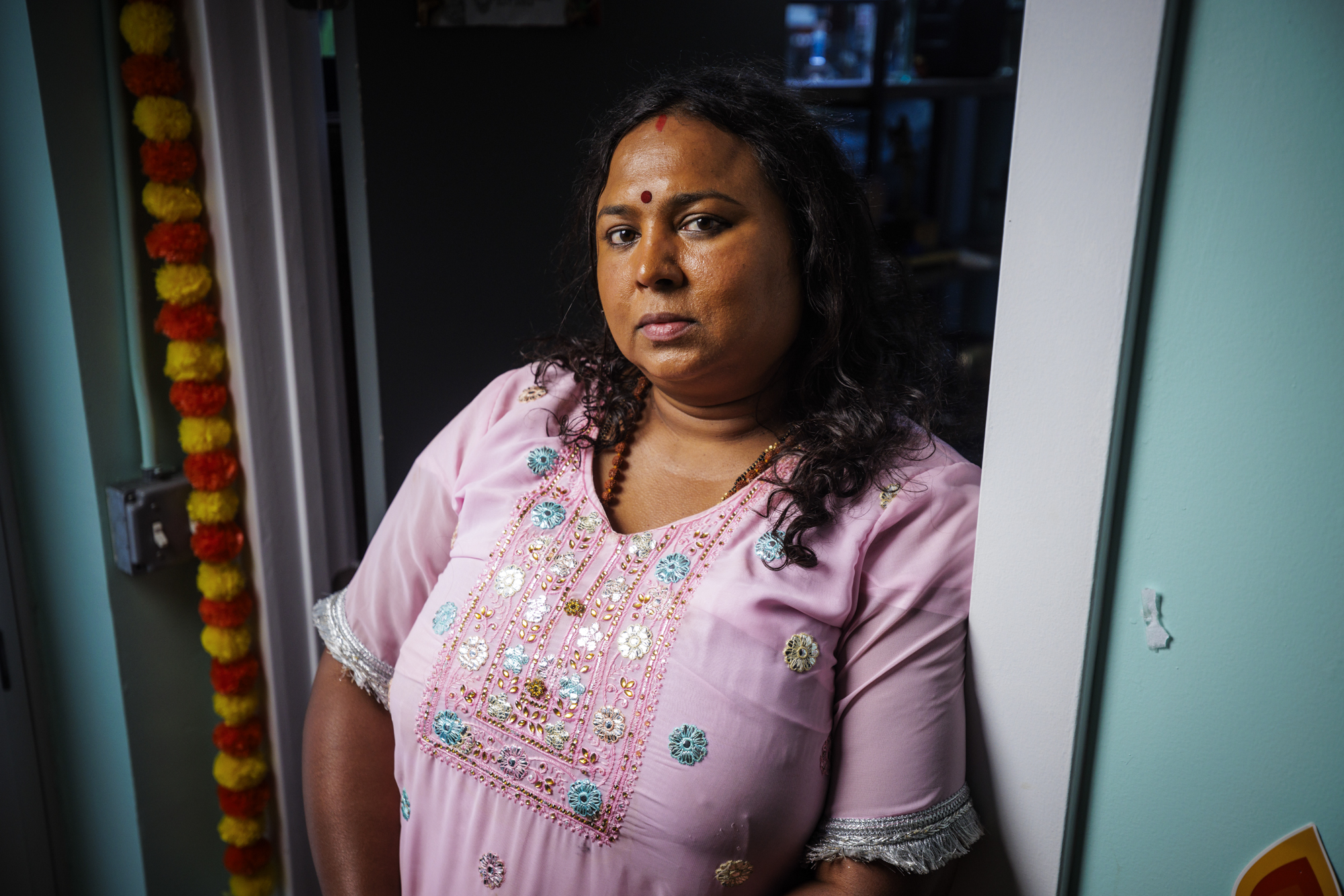
"attachmentsReducer": {
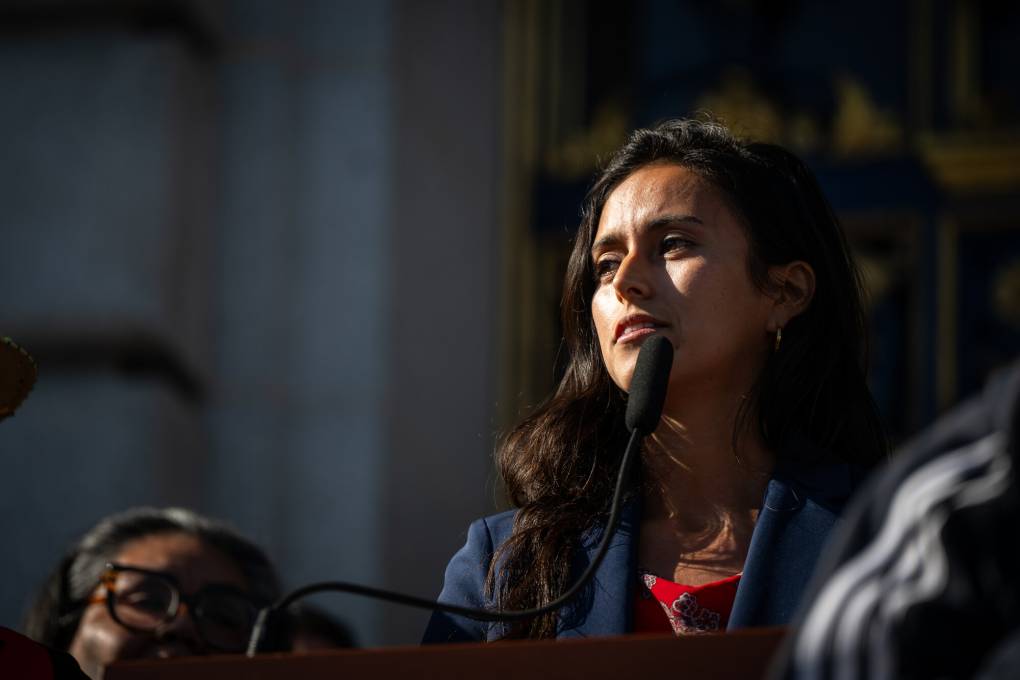
"audio_0": {
"type": "attachments",
"id": "audio_0",
"imgSizes": {
"kqedFullSize": {
"file": "https://ww2.kqed.org/news/wp-content/themes/KQED-unified/img/audio_bgs/background0.jpg"
}
}
},
"audio_1": {
"type": "attachments",
"id": "audio_1",
"imgSizes": {
"kqedFullSize": {
"file": "https://ww2.kqed.org/news/wp-content/themes/KQED-unified/img/audio_bgs/background1.jpg"
}
}
},
"audio_2": {
"type": "attachments",
"id": "audio_2",
"imgSizes": {
"kqedFullSize": {
"file": "https://ww2.kqed.org/news/wp-content/themes/KQED-unified/img/audio_bgs/background2.jpg"
}
}
},
"audio_3": {
"type": "attachments",
"id": "audio_3",
"imgSizes": {
"kqedFullSize": {
"file": "https://ww2.kqed.org/news/wp-content/themes/KQED-unified/img/audio_bgs/background3.jpg"
}
}
},
"audio_4": {
"type": "attachments",
"id": "audio_4",
"imgSizes": {
"kqedFullSize": {
"file": "https://ww2.kqed.org/news/wp-content/themes/KQED-unified/img/audio_bgs/background4.jpg"
}
}
},
"placeholder": {
"type": "attachments",
"id": "placeholder",
"imgSizes": {
"thumbnail": {
"file": "https://cdn.kqed.org/wp-content/uploads/2024/12/KQED-Default-Image-816638274-2000x1333-1-160x107.jpg",
"width": 160,
"height": 107,
"mimeType": "image/jpeg"
},
"medium": {
"file": "https://cdn.kqed.org/wp-content/uploads/2024/12/KQED-Default-Image-816638274-2000x1333-1-800x533.jpg",
"width": 800,
"height": 533,
"mimeType": "image/jpeg"
},
"medium_large": {
"file": "https://cdn.kqed.org/wp-content/uploads/2024/12/KQED-Default-Image-816638274-2000x1333-1-768x512.jpg",
"width": 768,
"height": 512,
"mimeType": "image/jpeg"
},
"large": {
"file": "https://cdn.kqed.org/wp-content/uploads/2024/12/KQED-Default-Image-816638274-2000x1333-1-1020x680.jpg",
"width": 1020,
"height": 680,
"mimeType": "image/jpeg"
},
"1536x1536": {
"file": "https://cdn.kqed.org/wp-content/uploads/2024/12/KQED-Default-Image-816638274-2000x1333-1-1536x1024.jpg",
"width": 1536,
"height": 1024,
"mimeType": "image/jpeg"
},
"fd-lrg": {
"file": "https://cdn.kqed.org/wp-content/uploads/2024/12/KQED-Default-Image-816638274-2000x1333-1-1536x1024.jpg",
"width": 1536,
"height": 1024,
"mimeType": "image/jpeg"
},
"fd-med": {
"file": "https://cdn.kqed.org/wp-content/uploads/2024/12/KQED-Default-Image-816638274-2000x1333-1-1020x680.jpg",
"width": 1020,
"height": 680,
"mimeType": "image/jpeg"
},
"fd-sm": {
"file": "https://cdn.kqed.org/wp-content/uploads/2024/12/KQED-Default-Image-816638274-2000x1333-1-800x533.jpg",
"width": 800,
"height": 533,
"mimeType": "image/jpeg"
},
"post-thumbnail": {
"file": "https://cdn.kqed.org/wp-content/uploads/2024/12/KQED-Default-Image-816638274-2000x1333-1-672x372.jpg",
"width": 672,
"height": 372,
"mimeType": "image/jpeg"
},
"twentyfourteen-full-width": {
"file": "https://cdn.kqed.org/wp-content/uploads/2024/12/KQED-Default-Image-816638274-2000x1333-1-1038x576.jpg",
"width": 1038,
"height": 576,
"mimeType": "image/jpeg"
},
"xxsmall": {
"file": "https://cdn.kqed.org/wp-content/uploads/2024/12/KQED-Default-Image-816638274-2000x1333-1-160x107.jpg",
"width": 160,
"height": 107,
"mimeType": "image/jpeg"
},
"xsmall": {
"file": "https://cdn.kqed.org/wp-content/uploads/2024/12/KQED-Default-Image-816638274-2000x1333-1-672x372.jpg",
"width": 672,
"height": 372,
"mimeType": "image/jpeg"
},
"small": {
"file": "https://cdn.kqed.org/wp-content/uploads/2024/12/KQED-Default-Image-816638274-2000x1333-1-672x372.jpg",
"width": 672,
"height": 372,
"mimeType": "image/jpeg"
},
"xlarge": {
"file": "https://cdn.kqed.org/wp-content/uploads/2024/12/KQED-Default-Image-816638274-2000x1333-1-1020x680.jpg",
"width": 1020,
"height": 680,
"mimeType": "image/jpeg"
},
"full-width": {
"file": "https://cdn.kqed.org/wp-content/uploads/2024/12/KQED-Default-Image-816638274-2000x1333-1-1920x1280.jpg",
"width": 1920,
"height": 1280,
"mimeType": "image/jpeg"
},
"guest-author-32": {
"file": "https://cdn.kqed.org/wp-content/uploads/2025/01/KQED-Default-Image-816638274-1333x1333-1-160x160.jpg",
"width": 32,
"height": 32,
"mimeType": "image/jpeg"
},
"guest-author-50": {
"file": "https://cdn.kqed.org/wp-content/uploads/2025/01/KQED-Default-Image-816638274-1333x1333-1-160x160.jpg",
"width": 50,
"height": 50,
"mimeType": "image/jpeg"
},
"guest-author-64": {
"file": "https://cdn.kqed.org/wp-content/uploads/2025/01/KQED-Default-Image-816638274-1333x1333-1-160x160.jpg",
"width": 64,
"height": 64,
"mimeType": "image/jpeg"
},
"guest-author-96": {
"file": "https://cdn.kqed.org/wp-content/uploads/2025/01/KQED-Default-Image-816638274-1333x1333-1-160x160.jpg",
"width": 96,
"height": 96,
"mimeType": "image/jpeg"
},
"guest-author-128": {
"file": "https://cdn.kqed.org/wp-content/uploads/2025/01/KQED-Default-Image-816638274-1333x1333-1-160x160.jpg",
"width": 128,
"height": 128,
"mimeType": "image/jpeg"
},
"detail": {
"file": "https://cdn.kqed.org/wp-content/uploads/2025/01/KQED-Default-Image-816638274-1333x1333-1-160x160.jpg",
"width": 160,
"height": 160,
"mimeType": "image/jpeg"
},
"kqedFullSize": {
"file": "https://cdn.kqed.org/wp-content/uploads/2024/12/KQED-Default-Image-816638274-2000x1333-1.jpg",
"width": 2000,
"height": 1333
}
}
},
"news_12092017": {
"type": "attachments",
"id": "news_12092017",
"meta": {
"index": "attachments_1716263798",
"site": "news",
"id": "12092017",
"found": true
},
"title": "260721-PARIVAR FUNDING-MD-05-KQED",
"publishDate": 1784666260,
"status": "inherit",
"parent": 0,
"modified": 1784742523,
"caption": "Parivar Bay Area's office in San Francisco on July 21, 2026. Facing closure, Parivar Bay Area this week received an emergency injection of funding from city officials.",
"credit": "Martin do Nascimento/KQED",
"altTag": null,
"description": null,
"imgSizes": {
"thumbnail": {
"file": "https://cdn.kqed.org/wp-content/uploads/sites/10/2026/07/260721-PARIVAR-FUNDING-MD-05-KQED-160x107.jpg",
"width": 160,
"height": 107,
"mimeType": "image/jpeg"
},
"1536x1536": {
"file": "https://cdn.kqed.org/wp-content/uploads/sites/10/2026/07/260721-PARIVAR-FUNDING-MD-05-KQED-1536x1025.jpg",
"width": 1536,
"height": 1025,
"mimeType": "image/jpeg"
},
"post-thumbnail": {
"file": "https://cdn.kqed.org/wp-content/uploads/sites/10/2026/07/260721-PARIVAR-FUNDING-MD-05-KQED-672x372.jpg",
"width": 672,
"height": 372,
"mimeType": "image/jpeg"
},
"twentyfourteen-full-width": {
"file": "https://cdn.kqed.org/wp-content/uploads/sites/10/2026/07/260721-PARIVAR-FUNDING-MD-05-KQED-1038x576.jpg",
"width": 1038,
"height": 576,
"mimeType": "image/jpeg"
},
"npr-cds-wide": {
"file": "https://cdn.kqed.org/wp-content/uploads/sites/10/2026/07/260721-PARIVAR-FUNDING-MD-05-KQED-1200x675.jpg",
"width": 1200,
"height": 675,
"mimeType": "image/jpeg"
},
"npr-cds-square": {
"file": "https://cdn.kqed.org/wp-content/uploads/sites/10/2026/07/260721-PARIVAR-FUNDING-MD-05-KQED-600x600.jpg",
"width": 600,
"height": 600,
"mimeType": "image/jpeg"
},
"kqedFullSize": {
"file": "https://cdn.kqed.org/wp-content/uploads/sites/10/2026/07/260721-PARIVAR-FUNDING-MD-05-KQED.jpg",
"width": 2000,
"height": 1334
}
},
"isLoading": false,
"fetchFailed": false
},
"news_12099747": {
"type": "attachments",
"id": "news_12099747",
"meta": {
"index": "attachments_1716263798",
"site": "news",
"id": "12099747",
"found": true
},
"title": "_M6A0677_qed",
"publishDate": 1789495239,
"status": "inherit",
"parent": 12099744,
"modified": 1789495279,
"caption": "The Hall of Justice in San Francisco on Oct. 17, 2019.\n\n",
"credit": "Stephanie Lister/KQED",
"altTag": null,
"description": null,
"imgSizes": {
"thumbnail": {
"file": "https://cdn.kqed.org/wp-content/uploads/sites/10/2026/09/M6A0677_qed-160x107.jpg",
"width": 160,
"height": 107,
"mimeType": "image/jpeg"
},
"1536x1536": {
"file": "https://cdn.kqed.org/wp-content/uploads/sites/10/2026/09/M6A0677_qed-1536x1024.jpg",
"width": 1536,
"height": 1024,
"mimeType": "image/jpeg"
},
"post-thumbnail": {
"file": "https://cdn.kqed.org/wp-content/uploads/sites/10/2026/09/M6A0677_qed-672x372.jpg",
"width": 672,
"height": 372,
"mimeType": "image/jpeg"
},
"twentyfourteen-full-width": {
"file": "https://cdn.kqed.org/wp-content/uploads/sites/10/2026/09/M6A0677_qed-1038x576.jpg",
"width": 1038,
"height": 576,
"mimeType": "image/jpeg"
},
"npr-cds-wide": {
"file": "https://cdn.kqed.org/wp-content/uploads/sites/10/2026/09/M6A0677_qed-1200x675.jpg",
"width": 1200,
"height": 675,
"mimeType": "image/jpeg"
},
"npr-cds-square": {
"file": "https://cdn.kqed.org/wp-content/uploads/sites/10/2026/09/M6A0677_qed-600x600.jpg",
"width": 600,
"height": 600,
"mimeType": "image/jpeg"
},
"kqedFullSize": {
"file": "https://cdn.kqed.org/wp-content/uploads/sites/10/2026/09/M6A0677_qed.jpg",
"width": 2000,
"height": 1333
}
},
"isLoading": false,
"fetchFailed": false
},
"news_12095732": {
"type": "attachments",
"id": "news_12095732",
"meta": {
"index": "attachments_1716263798",
"site": "news",
"id": "12095732",
"found": true
},
"title": "260814-LGBTBookArchive-NG-45-KQED",
"publishDate": 1787072523,
"status": "inherit",
"parent": 0,
"modified": 1788207117,
"caption": "Books from the Tarpey-Schwed LGBT Families Children’s Book Collection at the Mechanics’ Institute in San Francisco on Aug. 14, 2026.",
"credit": "Nina Glick/KQED",
"altTag": null,
"description": null,
"imgSizes": {
"thumbnail": {
"file": "https://cdn.kqed.org/wp-content/uploads/sites/10/2026/08/260814-LGBTBookArchive-NG-45-KQED-160x107.jpg",
"width": 160,
"height": 107,
"mimeType": "image/jpeg"
},
"1536x1536": {
"file": "https://cdn.kqed.org/wp-content/uploads/sites/10/2026/08/260814-LGBTBookArchive-NG-45-KQED-1536x1024.jpg",
"width": 1536,
"height": 1024,
"mimeType": "image/jpeg"
},
"post-thumbnail": {
"file": "https://cdn.kqed.org/wp-content/uploads/sites/10/2026/08/260814-LGBTBookArchive-NG-45-KQED-672x372.jpg",
"width": 672,
"height": 372,
"mimeType": "image/jpeg"
},
"twentyfourteen-full-width": {
"file": "https://cdn.kqed.org/wp-content/uploads/sites/10/2026/08/260814-LGBTBookArchive-NG-45-KQED-1038x576.jpg",
"width": 1038,
"height": 576,
"mimeType": "image/jpeg"
},
"npr-cds-wide": {
"file": "https://cdn.kqed.org/wp-content/uploads/sites/10/2026/08/260814-LGBTBookArchive-NG-45-KQED-1200x675.jpg",
"width": 1200,
"height": 675,
"mimeType": "image/jpeg"
},
"npr-cds-square": {
"file": "https://cdn.kqed.org/wp-content/uploads/sites/10/2026/08/260814-LGBTBookArchive-NG-45-KQED-600x600.jpg",
"width": 600,
"height": 600,
"mimeType": "image/jpeg"
},
"kqedFullSize": {
"file": "https://cdn.kqed.org/wp-content/uploads/sites/10/2026/08/260814-LGBTBookArchive-NG-45-KQED.jpg",
"width": 2000,
"height": 1333
}
},
"isLoading": false,
"fetchFailed": false
},
"news_11947159": {
"type": "attachments",
"id": "news_11947159",
"meta": {
"index": "attachments_1716263798",
"site": "news",
"id": "11947159",
"found": true
},
"title": "second-bivalent-booster-six-months",
"publishDate": 1681939509,
"status": "inherit",
"parent": 11945763,
"modified": 1787854267,
"caption": "Ria Garcia, a licensed vocational nurse with the Los Angeles County Department of Public Health, draws up mpox vaccines at the Balboa Sports Complex vaccine site in Encino on Sept. 8, 2022.",
"credit": "Sarah Reingewirtz/MediaNews Group/Los Angeles Daily News via Getty Images",
"altTag": "A healthcare worker wears a face shield, a blue surgical mask and goggles, and holds a needle full of vaccine up.",
"description": null,
"imgSizes": {
"medium": {
"file": "https://cdn.kqed.org/wp-content/uploads/sites/10/2023/04/RS64580_GettyImages-1243073124-qut-800x533.jpg",
"width": 800,
"height": 533,
"mimeType": "image/jpeg"
},
"large": {
"file": "https://cdn.kqed.org/wp-content/uploads/sites/10/2023/04/RS64580_GettyImages-1243073124-qut-1020x680.jpg",
"width": 1020,
"height": 680,
"mimeType": "image/jpeg"
},
"thumbnail": {
"file": "https://cdn.kqed.org/wp-content/uploads/sites/10/2023/04/RS64580_GettyImages-1243073124-qut-160x107.jpg",
"width": 160,
"height": 107,
"mimeType": "image/jpeg"
},
"1536x1536": {
"file": "https://cdn.kqed.org/wp-content/uploads/sites/10/2023/04/RS64580_GettyImages-1243073124-qut-1536x1024.jpg",
"width": 1536,
"height": 1024,
"mimeType": "image/jpeg"
},
"post-thumbnail": {
"file": "https://cdn.kqed.org/wp-content/uploads/sites/10/2023/04/RS64580_GettyImages-1243073124-qut-672x372.jpg",
"width": 672,
"height": 372,
"mimeType": "image/jpeg"
},
"twentyfourteen-full-width": {
"file": "https://cdn.kqed.org/wp-content/uploads/sites/10/2023/04/RS64580_GettyImages-1243073124-qut-1038x576.jpg",
"width": 1038,
"height": 576,
"mimeType": "image/jpeg"
},
"kqedFullSize": {
"file": "https://cdn.kqed.org/wp-content/uploads/sites/10/2023/04/RS64580_GettyImages-1243073124-qut.jpg",
"width": 1920,
"height": 1280
}
},
"isLoading": false,
"fetchFailed": false
},
"news_12094624": {
"type": "attachments",
"id": "news_12094624",
"meta": {
"index": "attachments_1716263798",
"site": "news",
"id": "12094624",
"found": true
},
"title": "Bishop O'Dowd High School in Oakland on Aug. 10, 2026.",
"publishDate": 1786393239,
"status": "inherit",
"parent": 0,
"modified": 1786393284,
"caption": "Bishop O'Dowd High School in Oakland on Aug. 10, 2026.",
"credit": "Martin do Nascimento/KQED",
"altTag": null,
"description": null,
"imgSizes": {
"thumbnail": {
"file": "https://cdn.kqed.org/wp-content/uploads/sites/10/2026/08/260810-INCLUSIVE-O-MD-03-KQED-160x107.jpg",
"width": 160,
"height": 107,
"mimeType": "image/jpeg"
},
"1536x1536": {
"file": "https://cdn.kqed.org/wp-content/uploads/sites/10/2026/08/260810-INCLUSIVE-O-MD-03-KQED-1536x1025.jpg",
"width": 1536,
"height": 1025,
"mimeType": "image/jpeg"
},
"post-thumbnail": {
"file": "https://cdn.kqed.org/wp-content/uploads/sites/10/2026/08/260810-INCLUSIVE-O-MD-03-KQED-672x372.jpg",
"width": 672,
"height": 372,
"mimeType": "image/jpeg"
},
"twentyfourteen-full-width": {
"file": "https://cdn.kqed.org/wp-content/uploads/sites/10/2026/08/260810-INCLUSIVE-O-MD-03-KQED-1038x576.jpg",
"width": 1038,
"height": 576,
"mimeType": "image/jpeg"
},
"npr-cds-wide": {
"file": "https://cdn.kqed.org/wp-content/uploads/sites/10/2026/08/260810-INCLUSIVE-O-MD-03-KQED-1200x675.jpg",
"width": 1200,
"height": 675,
"mimeType": "image/jpeg"
},
"npr-cds-square": {
"file": "https://cdn.kqed.org/wp-content/uploads/sites/10/2026/08/260810-INCLUSIVE-O-MD-03-KQED-600x600.jpg",
"width": 600,
"height": 600,
"mimeType": "image/jpeg"
},
"kqedFullSize": {
"file": "https://cdn.kqed.org/wp-content/uploads/sites/10/2026/08/260810-INCLUSIVE-O-MD-03-KQED.jpg",
"width": 2000,
"height": 1334
}
},
"isLoading": false,
"fetchFailed": false
},
"news_12093504": {
"type": "attachments",
"id": "news_12093504",
"meta": {
"index": "attachments_1716263798",
"site": "news",
"id": "12093504",
"found": true
},
"title": "Destructive Wildfires Burn California Wine Country",
"publishDate": 1785534194,
"status": "inherit",
"parent": 12093447,
"modified": 1785539633,
"caption": "Smoke and ash from the Tubbs Fire create an eerie sunrise along the Russian River on October 11, 2017, in Guerneville, California. ",
"credit": "George Rose/Getty Images",
"altTag": null,
"description": null,
"imgSizes": {
"thumbnail": {
"file": "https://cdn.kqed.org/wp-content/uploads/sites/10/2026/07/GettyImages-865143324-160x113.jpg",
"width": 160,
"height": 113,
"mimeType": "image/jpeg"
},
"1536x1536": {
"file": "https://cdn.kqed.org/wp-content/uploads/sites/10/2026/07/GettyImages-865143324-1536x1089.jpg",
"width": 1536,
"height": 1089,
"mimeType": "image/jpeg"
},
"post-thumbnail": {
"file": "https://cdn.kqed.org/wp-content/uploads/sites/10/2026/07/GettyImages-865143324-672x372.jpg",
"width": 672,
"height": 372,
"mimeType": "image/jpeg"
},
"twentyfourteen-full-width": {
"file": "https://cdn.kqed.org/wp-content/uploads/sites/10/2026/07/GettyImages-865143324-1038x576.jpg",
"width": 1038,
"height": 576,
"mimeType": "image/jpeg"
},
"npr-cds-wide": {
"file": "https://cdn.kqed.org/wp-content/uploads/sites/10/2026/07/GettyImages-865143324-1200x675.jpg",
"width": 1200,
"height": 675,
"mimeType": "image/jpeg"
},
"npr-cds-square": {
"file": "https://cdn.kqed.org/wp-content/uploads/sites/10/2026/07/GettyImages-865143324-600x600.jpg",
"width": 600,
"height": 600,
"mimeType": "image/jpeg"
},
"kqedFullSize": {
"file": "https://cdn.kqed.org/wp-content/uploads/sites/10/2026/07/GettyImages-865143324.jpg",
"width": 1980,
"height": 1404
}
},
"isLoading": false,
"fetchFailed": false
},
"news_12080230": {
"type": "attachments",
"id": "news_12080230",
"meta": {
"index": "attachments_1716263798",
"site": "news",
"id": "12080230",
"found": true
},
"title": "250128-SFImmigration-10-BL_qed",
"publishDate": 1776359834,
"status": "inherit",
"parent": 12080217,
"modified": 1776359862,
"caption": "San Francisco District Attorney Brooke Jenkins speaks during a press conference with elected and public safety officials and labor leaders in front of City Hall in San Francisco on Tuesday, Jan. 28, 2025, to reaffirm San Francisco’s commitment to being a Sanctuary City.",
"credit": "Beth LaBerge/KQED",
"altTag": null,
"description": null,
"imgSizes": {
"thumbnail": {
"file": "https://cdn.kqed.org/wp-content/uploads/sites/10/2026/04/250128-SFImmigration-10-BL_qed-160x107.jpg",
"width": 160,
"height": 107,
"mimeType": "image/jpeg"
},
"1536x1536": {
"file": "https://cdn.kqed.org/wp-content/uploads/sites/10/2026/04/250128-SFImmigration-10-BL_qed-1536x1024.jpg",
"width": 1536,
"height": 1024,
"mimeType": "image/jpeg"
},
"post-thumbnail": {
"file": "https://cdn.kqed.org/wp-content/uploads/sites/10/2026/04/250128-SFImmigration-10-BL_qed-672x372.jpg",
"width": 672,
"height": 372,
"mimeType": "image/jpeg"
},
"twentyfourteen-full-width": {
"file": "https://cdn.kqed.org/wp-content/uploads/sites/10/2026/04/250128-SFImmigration-10-BL_qed-1038x576.jpg",
"width": 1038,
"height": 576,
"mimeType": "image/jpeg"
},
"npr-cds-wide": {
"file": "https://cdn.kqed.org/wp-content/uploads/sites/10/2026/04/250128-SFImmigration-10-BL_qed-1200x675.jpg",
"width": 1200,
"height": 675,
"mimeType": "image/jpeg"
},
"npr-cds-square": {
"file": "https://cdn.kqed.org/wp-content/uploads/sites/10/2026/04/250128-SFImmigration-10-BL_qed-600x600.jpg",
"width": 600,
"height": 600,
"mimeType": "image/jpeg"
},
"kqedFullSize": {
"file": "https://cdn.kqed.org/wp-content/uploads/sites/10/2026/04/250128-SFImmigration-10-BL_qed.jpg",
"width": 2000,
"height": 1333
}
},
"isLoading": false,
"fetchFailed": false
},
"news_12092015": {
"type": "attachments",
"id": "news_12092015",
"meta": {
"index": "attachments_1716263798",
"site": "news",
"id": "12092015",
"found": true
},
"title": "Anjali Rimi at the Parivar Bay Aria offices in San Francisco on July 21, 2026.",
"publishDate": 1784666250,
"status": "inherit",
"parent": 0,
"modified": 1784725968,
"caption": "Anjali Rimi at the Parivar Bay Area offices in San Francisco on July 21, 2026. Less than a year since it opened, the organization is struggling to keep its doors open.",
"credit": "Martin do Nascimento/KQED",
"altTag": null,
"description": null,
"imgSizes": {
"thumbnail": {
"file": "https://cdn.kqed.org/wp-content/uploads/sites/10/2026/07/260721-PARIVAR-FUNDING-MD-02-KQED-160x107.jpg",
"width": 160,
"height": 107,
"mimeType": "image/jpeg"
},
"1536x1536": {
"file": "https://cdn.kqed.org/wp-content/uploads/sites/10/2026/07/260721-PARIVAR-FUNDING-MD-02-KQED-1536x1025.jpg",
"width": 1536,
"height": 1025,
"mimeType": "image/jpeg"
},
"post-thumbnail": {
"file": "https://cdn.kqed.org/wp-content/uploads/sites/10/2026/07/260721-PARIVAR-FUNDING-MD-02-KQED-672x372.jpg",
"width": 672,
"height": 372,
"mimeType": "image/jpeg"
},
"twentyfourteen-full-width": {
"file": "https://cdn.kqed.org/wp-content/uploads/sites/10/2026/07/260721-PARIVAR-FUNDING-MD-02-KQED-1038x576.jpg",
"width": 1038,
"height": 576,
"mimeType": "image/jpeg"
},
"npr-cds-wide": {
"file": "https://cdn.kqed.org/wp-content/uploads/sites/10/2026/07/260721-PARIVAR-FUNDING-MD-02-KQED-1200x675.jpg",
"width": 1200,
"height": 675,
"mimeType": "image/jpeg"
},
"npr-cds-square": {
"file": "https://cdn.kqed.org/wp-content/uploads/sites/10/2026/07/260721-PARIVAR-FUNDING-MD-02-KQED-600x600.jpg",
"width": 600,
"height": 600,
"mimeType": "image/jpeg"
},
"kqedFullSize": {
"file": "https://cdn.kqed.org/wp-content/uploads/sites/10/2026/07/260721-PARIVAR-FUNDING-MD-02-KQED.jpg",
"width": 2000,
"height": 1334
}
},
"isLoading": false,
"fetchFailed": false
},
"news_12090476": {
"type": "attachments",
"id": "news_12090476",
"meta": {
"index": "attachments_1716263798",
"site": "news",
"id": "12090476",
"found": true
},
"title": "_DSC8290",
"publishDate": 1783703552,
"status": "inherit",
"parent": 0,
"modified": 1783706935,
"caption": "Police made arrests of protesters during the Trans March in San Francisco on June 26, 2026.",
"credit": "Courtesy of Deja Whitney",
"altTag": null,
"description": null,
"imgSizes": {
"medium": {
"file": "https://cdn.kqed.org/wp-content/uploads/sites/10/2026/07/DSC8290-1-2000x1333.jpg",
"width": 2000,
"height": 1333,
"mimeType": "image/jpeg"
},
"large": {
"file": "https://cdn.kqed.org/wp-content/uploads/sites/10/2026/07/DSC8290-1-2000x1333.jpg",
"width": 2000,
"height": 1333,
"mimeType": "image/jpeg"
},
"thumbnail": {
"file": "https://cdn.kqed.org/wp-content/uploads/sites/10/2026/07/DSC8290-1-160x107.jpg",
"width": 160,
"height": 107,
"mimeType": "image/jpeg"
},
"1536x1536": {
"file": "https://cdn.kqed.org/wp-content/uploads/sites/10/2026/07/DSC8290-1-1536x1024.jpg",
"width": 1536,
"height": 1024,
"mimeType": "image/jpeg"
},
"2048x2048": {
"file": "https://cdn.kqed.org/wp-content/uploads/sites/10/2026/07/DSC8290-1-2048x1365.jpg",
"width": 2048,
"height": 1365,
"mimeType": "image/jpeg"
},
"post-thumbnail": {
"file": "https://cdn.kqed.org/wp-content/uploads/sites/10/2026/07/DSC8290-1-672x372.jpg",
"width": 672,
"height": 372,
"mimeType": "image/jpeg"
},
"twentyfourteen-full-width": {
"file": "https://cdn.kqed.org/wp-content/uploads/sites/10/2026/07/DSC8290-1-1038x576.jpg",
"width": 1038,
"height": 576,
"mimeType": "image/jpeg"
},
"full-width": {
"file": "https://cdn.kqed.org/wp-content/uploads/sites/10/2026/07/DSC8290-1-2000x1333.jpg",
"width": 2000,
"height": 1333,
"mimeType": "image/jpeg"
},
"npr-cds-wide": {
"file": "https://cdn.kqed.org/wp-content/uploads/sites/10/2026/07/DSC8290-1-1200x675.jpg",
"width": 1200,
"height": 675,
"mimeType": "image/jpeg"
},
"npr-cds-square": {
"file": "https://cdn.kqed.org/wp-content/uploads/sites/10/2026/07/DSC8290-1-600x600.jpg",
"width": 600,
"height": 600,
"mimeType": "image/jpeg"
},
"kqedFullSize": {
"file": "https://cdn.kqed.org/wp-content/uploads/sites/10/2026/07/DSC8290-1-scaled-e1783703649667.jpg",
"width": 2000,
"height": 1334
}
},
"isLoading": false,
"fetchFailed": false
},
"news_12058864": {
"type": "attachments",
"id": "news_12058864",
"meta": {
"index": "attachments_1716263798",
"site": "news",
"id": "12058864",
"found": true
},
"title": "1497898_me-bonta-office-behind-the-scenes_AJS",
"publishDate": 1759794181,
"status": "inherit",
"parent": 12058799,
"modified": 1759794302,
"caption": "California Attorney General Rob Bonta is briefed by members of his Civil Rights Enforcement Section on litigation challenging the Trump administration at his offices in downtown Los Angeles, California, on March 11, 2025. ",
"credit": "Allen J. Schaben/Los Angeles Times via Getty Images",
"altTag": null,
"description": null,
"imgSizes": {
"thumbnail": {
"file": "https://cdn.kqed.org/wp-content/uploads/sites/10/2025/10/RobBontaTrumpGetty-160x107.jpg",
"width": 160,
"height": 107,
"mimeType": "image/jpeg"
},
"1536x1536": {
"file": "https://cdn.kqed.org/wp-content/uploads/sites/10/2025/10/RobBontaTrumpGetty-1536x1024.jpg",
"width": 1536,
"height": 1024,
"mimeType": "image/jpeg"
},
"post-thumbnail": {
"file": "https://cdn.kqed.org/wp-content/uploads/sites/10/2025/10/RobBontaTrumpGetty-672x372.jpg",
"width": 672,
"height": 372,
"mimeType": "image/jpeg"
},
"twentyfourteen-full-width": {
"file": "https://cdn.kqed.org/wp-content/uploads/sites/10/2025/10/RobBontaTrumpGetty-1038x576.jpg",
"width": 1038,
"height": 576,
"mimeType": "image/jpeg"
},
"kqedFullSize": {
"file": "https://cdn.kqed.org/wp-content/uploads/sites/10/2025/10/RobBontaTrumpGetty.jpg",
"width": 2000,
"height": 1333
}
},
"isLoading": false,
"fetchFailed": false
},
"news_12089562": {
"type": "attachments",
"id": "news_12089562",
"meta": {
"index": "attachments_1716263798",
"site": "news",
"id": "12089562",
"found": true
},
"title": "IMG_1571",
"publishDate": 1782932761,
"status": "inherit",
"parent": 12089546,
"modified": 1782932810,
"caption": "LifeMoves' New Haven Inn feels more like a large, welcoming house than a typical homeless shelter. The San José center is one of the first LifeMoves shelters to implement new staff training to better support LGBTQ+ residents.",
"credit": "Anna Vignet/KQED",
"altTag": null,
"description": null,
"imgSizes": {
"medium": {
"file": "https://cdn.kqed.org/wp-content/uploads/sites/10/2026/07/IMG_1571-2000x1500.jpg",
"width": 2000,
"height": 1500,
"mimeType": "image/jpeg"
},
"large": {
"file": "https://cdn.kqed.org/wp-content/uploads/sites/10/2026/07/IMG_1571-2000x1500.jpg",
"width": 2000,
"height": 1500,
"mimeType": "image/jpeg"
},
"thumbnail": {
"file": "https://cdn.kqed.org/wp-content/uploads/sites/10/2026/07/IMG_1571-160x120.jpg",
"width": 160,
"height": 120,
"mimeType": "image/jpeg"
},
"1536x1536": {
"file": "https://cdn.kqed.org/wp-content/uploads/sites/10/2026/07/IMG_1571-1536x1152.jpg",
"width": 1536,
"height": 1152,
"mimeType": "image/jpeg"
},
"2048x2048": {
"file": "https://cdn.kqed.org/wp-content/uploads/sites/10/2026/07/IMG_1571-2048x1536.jpg",
"width": 2048,
"height": 1536,
"mimeType": "image/jpeg"
},
"post-thumbnail": {
"file": "https://cdn.kqed.org/wp-content/uploads/sites/10/2026/07/IMG_1571-672x372.jpg",
"width": 672,
"height": 372,
"mimeType": "image/jpeg"
},
"twentyfourteen-full-width": {
"file": "https://cdn.kqed.org/wp-content/uploads/sites/10/2026/07/IMG_1571-1038x576.jpg",
"width": 1038,
"height": 576,
"mimeType": "image/jpeg"
},
"full-width": {
"file": "https://cdn.kqed.org/wp-content/uploads/sites/10/2026/07/IMG_1571-2000x1500.jpg",
"width": 2000,
"height": 1500,
"mimeType": "image/jpeg"
},
"npr-cds-wide": {
"file": "https://cdn.kqed.org/wp-content/uploads/sites/10/2026/07/IMG_1571-1200x675.jpg",
"width": 1200,
"height": 675,
"mimeType": "image/jpeg"
},
"npr-cds-square": {
"file": "https://cdn.kqed.org/wp-content/uploads/sites/10/2026/07/IMG_1571-600x600.jpg",
"width": 600,
"height": 600,
"mimeType": "image/jpeg"
},
"kqedFullSize": {
"file": "https://cdn.kqed.org/wp-content/uploads/sites/10/2026/07/IMG_1571.jpg",
"width": 2560,
"height": 1920
}
},
"isLoading": false,
"fetchFailed": false
},
"news_12041396": {
"type": "attachments",
"id": "news_12041396",
"meta": {
"index": "attachments_1716263798",
"site": "news",
"id": "12041396",
"found": true
},
"title": "250128-SFImmigration-25-BL_qed",
"publishDate": 1747954329,
"status": "inherit",
"parent": 12041112,
"modified": 1764713928,
"caption": "San Francisco Supervisor Jackie Fielder speaks during a press conference with elected and public safety officials and labor leaders in front of City Hall in San Francisco on Jan. 28, 2025.",
"credit": "Beth LaBerge/KQED",
"altTag": null,
"description": null,
"imgSizes": {
"medium": {
"file": "https://cdn.kqed.org/wp-content/uploads/sites/10/2025/05/250128-SFImmigration-25-BL_qed-800x533.jpg",
"width": 800,
"height": 533,
"mimeType": "image/jpeg"
},
"large": {
"file": "https://cdn.kqed.org/wp-content/uploads/sites/10/2025/05/250128-SFImmigration-25-BL_qed-1020x680.jpg",
"width": 1020,
"height": 680,
"mimeType": "image/jpeg"
},
"thumbnail": {
"file": "https://cdn.kqed.org/wp-content/uploads/sites/10/2025/05/250128-SFImmigration-25-BL_qed-160x107.jpg",
"width": 160,
"height": 107,
"mimeType": "image/jpeg"
},
"1536x1536": {
"file": "https://cdn.kqed.org/wp-content/uploads/sites/10/2025/05/250128-SFImmigration-25-BL_qed-1536x1024.jpg",
"width": 1536,
"height": 1024,
"mimeType": "image/jpeg"
},
"post-thumbnail": {
"file": "https://cdn.kqed.org/wp-content/uploads/sites/10/2025/05/250128-SFImmigration-25-BL_qed-672x372.jpg",
"width": 672,
"height": 372,
"mimeType": "image/jpeg"
},
"twentyfourteen-full-width": {
"file": "https://cdn.kqed.org/wp-content/uploads/sites/10/2025/05/250128-SFImmigration-25-BL_qed-1038x576.jpg",
"width": 1038,
"height": 576,
"mimeType": "image/jpeg"
},
"full-width": {
"file": "https://cdn.kqed.org/wp-content/uploads/sites/10/2025/05/250128-SFImmigration-25-BL_qed-1920x1280.jpg",
"width": 1920,
"height": 1280,
"mimeType": "image/jpeg"
},
"kqedFullSize": {
"file": "https://cdn.kqed.org/wp-content/uploads/sites/10/2025/05/250128-SFImmigration-25-BL_qed.jpg",
"width": 2000,
"height": 1333
}
},
"isLoading": false,
"fetchFailed": false
}
},
"audioPlayerReducer": {
"postId": "stream_live",
"isPaused": true,
"isPlaying": false,
"pfsActive": false,
"pledgeModalIsOpen": true,
"playerDrawerIsOpen": false,
"liveAudioPlayStartedAt": 0,
"liveAudioPlayContext": ""
},
"authorsReducer": {
"shossaini": {
"type": "authors",
"id": "3214",
"meta": {
"index": "authors_1716337520",
"id": "3214",
"found": true
},
"name": "Sara Hossaini",
"firstName": "Sara",
"lastName": "Hossaini",
"slug": "shossaini",
"email": "shossaini@kqed.org",
"display_author_email": true,
"staff_mastheads": [
"news"
],
"title": "KQED Reporter",
"bio": "Sara Hossaini came to general assignment reporting at KQED in 2013 after two winters reporting at Wyoming Public Radio. She holds a bachelor's degree in broadcast journalism from the University of Nebraska-Lincoln. Her radio romance began after a bitter breakup with documentary film (Ok, maybe it's still complicated). Her first simultaneous jobs in San Francisco were as Associate Producer on a PBS film series through the Center for Asian American Media and as a butler. She likes to trot, plot and make things with her hands.",
"avatar": "https://secure.gravatar.com/avatar/060e9f56b9554e17942e89f413242774?s=600&d=blank&r=g",
"twitter": "mshossaini",
"facebook": null,
"instagram": null,
"linkedin": null,
"sites": [
{
"site": "news",
"roles": [
"author"
]
},
{
"site": "stateofhealth",
"roles": [
"author"
]
}
],
"headData": {
"title": "Sara Hossaini | KQED",
"description": "KQED Reporter",
"ogImgSrc": "https://secure.gravatar.com/avatar/060e9f56b9554e17942e89f413242774?s=600&d=blank&r=g",
"twImgSrc": "https://secure.gravatar.com/avatar/060e9f56b9554e17942e89f413242774?s=600&d=blank&r=g"
},
"isLoading": false,
"link": "/author/shossaini"
},
"carlysevern": {
"type": "authors",
"id": "3243",
"meta": {
"index": "authors_1716337520",
"id": "3243",
"found": true
},
"name": "Carly Severn",
"firstName": "Carly",
"lastName": "Severn",
"slug": "carlysevern",
"email": "csevern@kqed.org",
"display_author_email": false,
"staff_mastheads": [
"news"
],
"title": "Senior Editor, Audience News ",
"bio": "Carly is KQED's Senior Editor of Audience News on the Digital News team, and has reported for the California Report Magazine, Bay Curious and KQED Arts. She's formerly the host of \u003ca href=\"http://ww2.kqed.org/pop/category/the-cooler/\" rel=\"noopener noreferrer\">The Cooler\u003c/a> podcast.",
"avatar": "https://secure.gravatar.com/avatar/54037bf5c128fe678f0ef26cec97a93f2e7f220a22d7285703328f12c42c1b1d?s=600&d=blank&r=g",
"twitter": "teacupinthebay",
"bluesky": null,
"facebook": null,
"instagram": null,
"linkedin": null,
"sites": [
{
"site": "",
"roles": [
"editor"
]
},
{
"site": "arts",
"roles": [
"editor"
]
},
{
"site": "news",
"roles": [
"administrator"
]
},
{
"site": "pop",
"roles": [
"editor"
]
},
{
"site": "futureofyou",
"roles": [
"editor"
]
},
{
"site": "about",
"roles": [
"administrator"
]
},
{
"site": "mindshift",
"roles": [
"editor"
]
},
{
"site": "bayareabites",
"roles": [
"editor"
]
},
{
"site": "stateofhealth",
"roles": [
"editor"
]
},
{
"site": "science",
"roles": [
"editor"
]
},
{
"site": "food",
"roles": [
"contributor"
]
},
{
"site": "forum",
"roles": [
"editor"
]
},
{
"site": "perspectives",
"roles": [
"administrator"
]
},
{
"site": "liveblog",
"roles": [
"editor"
]
}
],
"headData": {
"title": "Carly Severn | KQED",
"description": "Senior Editor, Audience News ",
"ogImgSrc": "https://secure.gravatar.com/avatar/54037bf5c128fe678f0ef26cec97a93f2e7f220a22d7285703328f12c42c1b1d?s=600&d=blank&r=g",
"twImgSrc": "https://secure.gravatar.com/avatar/54037bf5c128fe678f0ef26cec97a93f2e7f220a22d7285703328f12c42c1b1d?s=600&d=blank&r=g"
},
"isLoading": false,
"link": "/author/carlysevern"
},
"ccabreralomeli": {
"type": "authors",
"id": "11708",
"meta": {
"index": "authors_1716337520",
"id": "11708",
"found": true
},
"name": "Carlos Cabrera-Lomelí",
"firstName": "Carlos",
"lastName": "Cabrera-Lomelí",
"slug": "ccabreralomeli",
"email": "ccabreralomeli@KQED.org",
"display_author_email": true,
"staff_mastheads": [
"news"
],
"title": "Community Reporter",
"bio": "Carlos Cabrera-Lomelí is a community reporter with KQED's digital engagement team. He also reports and co-produces for KQED's bilingual news hub KQED en Español. He grew up in San Francisco's Mission District and has previously worked with Univision, 48 Hills and REFORMA in Mexico City.",
"avatar": "https://secure.gravatar.com/avatar/c309be9665e484f887b818c89e273ecc673004f426f36b24d00a4d813a2e0518?s=600&d=blank&r=g",
"twitter": "@LomeliCabrera",
"bluesky": null,
"facebook": null,
"instagram": null,
"linkedin": null,
"sites": [
{
"site": "arts",
"roles": [
"editor"
]
},
{
"site": "news",
"roles": [
"editor"
]
},
{
"site": "about",
"roles": [
"editor"
]
},
{
"site": "science",
"roles": [
"editor"
]
},
{
"site": "perspectives",
"roles": [
"editor"
]
},
{
"site": "elections",
"roles": [
"editor"
]
},
{
"site": "liveblog",
"roles": [
"contributor"
]
}
],
"headData": {
"title": "Carlos Cabrera-Lomelí | KQED",
"description": "Community Reporter",
"ogImgSrc": "https://secure.gravatar.com/avatar/c309be9665e484f887b818c89e273ecc673004f426f36b24d00a4d813a2e0518?s=600&d=blank&r=g",
"twImgSrc": "https://secure.gravatar.com/avatar/c309be9665e484f887b818c89e273ecc673004f426f36b24d00a4d813a2e0518?s=600&d=blank&r=g"
},
"isLoading": false,
"link": "/author/ccabreralomeli"
},
"eromero": {
"type": "authors",
"id": "11746",
"meta": {
"index": "authors_1716337520",
"id": "11746",
"found": true
},
"name": "Ezra David Romero",
"firstName": "Ezra David",
"lastName": "Romero",
"slug": "eromero",
"email": "eromero@kqed.org",
"display_author_email": true,
"staff_mastheads": [
"news",
"science"
],
"title": "Climate Reporter",
"bio": "Ezra David Romero is a climate reporter for KQED News. He covers the absence and excess of water in the Bay Area — think sea level rise, flooding and drought. For nearly a decade he’s covered how warming temperatures are altering the lives of Californians. He’s reported on farmers worried their pistachio trees aren’t getting enough sleep, families desperate for water, scientists studying dying giant sequoias, and alongside firefighters containing wildfires. His work has appeared on local stations across California and nationally on public radio shows like Morning Edition, Here and Now, All Things Considered and Science Friday. ",
"avatar": "https://secure.gravatar.com/avatar/c76404d287c10ed40224227551ac36e24352c7306f106632caf6fead76f8801f?s=600&d=blank&r=g",
"twitter": "ezraromero",
"bluesky": null,
"facebook": null,
"instagram": null,
"linkedin": null,
"sites": [
{
"site": "arts",
"roles": [
"editor"
]
},
{
"site": "news",
"roles": [
"editor"
]
},
{
"site": "science",
"roles": [
"editor"
]
},
{
"site": "liveblog",
"roles": [
"author"
]
}
],
"headData": {
"title": "Ezra David Romero | KQED",
"description": "Climate Reporter",
"ogImgSrc": "https://secure.gravatar.com/avatar/c76404d287c10ed40224227551ac36e24352c7306f106632caf6fead76f8801f?s=600&d=blank&r=g",
"twImgSrc": "https://secure.gravatar.com/avatar/c76404d287c10ed40224227551ac36e24352c7306f106632caf6fead76f8801f?s=600&d=blank&r=g"
},
"isLoading": false,
"link": "/author/eromero"
},
"sjohnson": {
"type": "authors",
"id": "11840",
"meta": {
"index": "authors_1716337520",
"id": "11840",
"found": true
},
"name": "Sydney Johnson",
"firstName": "Sydney",
"lastName": "Johnson",
"slug": "sjohnson",
"email": "sjohnson@kqed.org",
"display_author_email": false,
"staff_mastheads": [
"news"
],
"title": "KQED Reporter",
"bio": "Sydney Johnson is a general assignment reporter at KQED. She previously reported on public health and city government at the San Francisco Examiner, and before that, she covered statewide education policy for EdSource. Her reporting has won multiple local, state and national awards. Sydney is a graduate of the University of California, Berkeley and lives in San Francisco.",
"avatar": "https://secure.gravatar.com/avatar/97855f2719b72ad6190b7c535fe642c8?s=600&d=blank&r=g",
"twitter": "sydneyfjohnson",
"facebook": null,
"instagram": null,
"linkedin": null,
"sites": [
{
"site": "news",
"roles": [
"editor"
]
}
],
"headData": {
"title": "Sydney Johnson | KQED",
"description": "KQED Reporter",
"ogImgSrc": "https://secure.gravatar.com/avatar/97855f2719b72ad6190b7c535fe642c8?s=600&d=blank&r=g",
"twImgSrc": "https://secure.gravatar.com/avatar/97855f2719b72ad6190b7c535fe642c8?s=600&d=blank&r=g"
},
"isLoading": false,
"link": "/author/sjohnson"
},
"nkhan": {
"type": "authors",
"id": "11867",
"meta": {
"index": "authors_1716337520",
"id": "11867",
"found": true
},
"name": "Nisa Khan",
"firstName": "Nisa",
"lastName": "Khan",
"slug": "nkhan",
"email": "nkhan@kqed.org",
"display_author_email": false,
"staff_mastheads": [],
"title": "KQED Contributor",
"bio": "Nisa Khan is a reporter for KQED's Audience News Desk. She was formerly a data reporter at Michigan Radio. She earned a Bachelor of Science in Information from the University of Michigan and a Master of Arts in Communication from Stanford University.",
"avatar": "https://secure.gravatar.com/avatar/8720459eef081ff64582b3506b124d58523e80e120704a0cbd9892533c914991?s=600&d=blank&r=g",
"twitter": "mnisakhan",
"bluesky": null,
"facebook": null,
"instagram": null,
"linkedin": null,
"sites": [
{
"site": "arts",
"roles": [
"editor"
]
},
{
"site": "news",
"roles": [
"editor"
]
},
{
"site": "science",
"roles": [
"editor",
"author"
]
},
{
"site": "forum",
"roles": [
"editor"
]
},
{
"site": "liveblog",
"roles": [
"contributor"
]
}
],
"headData": {
"title": "Nisa Khan | KQED",
"description": "KQED Contributor",
"ogImgSrc": "https://secure.gravatar.com/avatar/8720459eef081ff64582b3506b124d58523e80e120704a0cbd9892533c914991?s=600&d=blank&r=g",
"twImgSrc": "https://secure.gravatar.com/avatar/8720459eef081ff64582b3506b124d58523e80e120704a0cbd9892533c914991?s=600&d=blank&r=g"
},
"isLoading": false,
"link": "/author/nkhan"
},
"kdebenedetti": {
"type": "authors",
"id": "11913",
"meta": {
"index": "authors_1716337520",
"id": "11913",
"found": true
},
"name": "Katie DeBenedetti",
"firstName": "Katie",
"lastName": "DeBenedetti",
"slug": "kdebenedetti",
"email": "kdebenedetti@kqed.org",
"display_author_email": false,
"staff_mastheads": [
"news",
"science"
],
"title": "KQED Contributor",
"bio": "Katie DeBenedetti is a digital reporter covering daily news for the Express Desk. Prior to joining KQED as a culture reporting intern in January 2024, she covered education and city government for the Napa Valley Register.",
"avatar": "https://secure.gravatar.com/avatar/6e31073cb8f7e4214ab03f42771d0f45?s=600&d=blank&r=g",
"twitter": null,
"facebook": null,
"instagram": null,
"linkedin": null,
"sites": [
{
"site": "news",
"roles": [
"author"
]
},
{
"site": "science",
"roles": [
"author"
]
},
{
"site": "liveblog",
"roles": [
"author"
]
}
],
"headData": {
"title": "Katie DeBenedetti | KQED",
"description": "KQED Contributor",
"ogImgSrc": "https://secure.gravatar.com/avatar/6e31073cb8f7e4214ab03f42771d0f45?s=600&d=blank&r=g",
"twImgSrc": "https://secure.gravatar.com/avatar/6e31073cb8f7e4214ab03f42771d0f45?s=600&d=blank&r=g"
},
"isLoading": false,
"link": "/author/kdebenedetti"
},
"aaliahmad": {
"type": "authors",
"id": "11986",
"meta": {
"index": "authors_1716337520",
"id": "11986",
"found": true
},
"name": "Ayah Ali-Ahmad",
"firstName": "Ayah",
"lastName": "Ali-Ahmad",
"slug": "aaliahmad",
"email": "aaliahmad@KQED.org",
"display_author_email": false,
"staff_mastheads": [],
"title": "KQED Contributor",
"bio": null,
"avatar": "https://secure.gravatar.com/avatar/1cf54f187a5e1064b2cfef3f3d2f1e4f93e453395d56912aca6382a6071ec3ed?s=600&d=blank&r=g",
"twitter": "ayahaliahmad",
"bluesky": null,
"facebook": null,
"instagram": null,
"linkedin": null,
"sites": [
{
"site": "news",
"roles": [
"subscriber"
]
}
],
"headData": {
"title": "Ayah Ali-Ahmad | KQED",
"description": "KQED Contributor",
"ogImgSrc": "https://secure.gravatar.com/avatar/1cf54f187a5e1064b2cfef3f3d2f1e4f93e453395d56912aca6382a6071ec3ed?s=600&d=blank&r=g",
"twImgSrc": "https://secure.gravatar.com/avatar/1cf54f187a5e1064b2cfef3f3d2f1e4f93e453395d56912aca6382a6071ec3ed?s=600&d=blank&r=g"
},
"isLoading": false,
"link": "/author/aaliahmad"
},
"epeppel": {
"type": "authors",
"id": "11989",
"meta": {
"index": "authors_1716337520",
"id": "11989",
"found": true
},
"name": "Eliza Peppel",
"firstName": "Eliza",
"lastName": "Peppel",
"slug": "epeppel",
"email": "epeppel@kqed.org",
"display_author_email": false,
"staff_mastheads": [],
"title": null,
"bio": "Eliza is an award-winning journalist living in Oakland. She was previously a reporting fellow at KALW, where she reported daily news and long-form radio features. Eliza studied journalism at Fordham University in The Bronx during the COVID-19 pandemic. She grew up mainly in California and spent a few childhood years in Aix en Provence, France.",
"avatar": "https://secure.gravatar.com/avatar/20d9e17a06ee787c11052e6096319dd583b6376233d02383dab5eaeb874d5f56?s=600&d=blank&r=g",
"twitter": null,
"bluesky": null,
"facebook": null,
"instagram": null,
"linkedin": null,
"sites": [
{
"site": "news",
"roles": [
"subscriber"
]
},
{
"site": "science",
"roles": [
"subscriber"
]
}
],
"headData": {
"title": "Eliza Peppel | KQED",
"description": null,
"ogImgSrc": "https://secure.gravatar.com/avatar/20d9e17a06ee787c11052e6096319dd583b6376233d02383dab5eaeb874d5f56?s=600&d=blank&r=g",
"twImgSrc": "https://secure.gravatar.com/avatar/20d9e17a06ee787c11052e6096319dd583b6376233d02383dab5eaeb874d5f56?s=600&d=blank&r=g"
},
"isLoading": false,
"link": "/author/epeppel"
}
},
"pagesReducer": {
"news_tag_lgbtq": {
"type": "terms",
"id": "news_20004",
"meta": {
"index": "terms_1716263798",
"site": "news",
"id": "20004",
"score": 8.284343
},
"featImg": null,
"name": "LGBTQ",
"description": null,
"taxonomy": "tag",
"headData": {
"twImgId": null,
"twTitle": null,
"ogTitle": null,
"ogImgId": null,
"twDescription": null,
"description": null,
"title": "LGBTQ Archives | KQED News",
"ogDescription": null
},
"ttid": 20021,
"slug": "lgbtq",
"isLoading": false,
"title": "LGBTQ",
"pageMeta": {
"site": "news",
"WpPageTemplate": "page-topic-editorial",
"currentPage": 1
},
"blocks": [
{
"blockName": "kqed/post-list",
"attrs": {
"layout": "cardArticle2",
"query": "posts/news?tag=lgbtq",
"seeMore": false,
"paginated": true,
"page": 1
}
},
{
"blockName": "kqed/ad"
}
]
}
},
"pfsSessionReducer": {},
"postsReducer": {
"stream_live": {
"type": "live",
"id": "stream_live",
"audioUrl": "https://streams.kqed.org/kqedradio",
"title": "Live Stream",
"excerpt": "Live Stream information currently unavailable.",
"link": "/radio",
"featImg": "",
"label": {
"name": "KQED Live",
"link": "/"
}
},
"stream_kqedNewscast": {
"type": "posts",
"id": "stream_kqedNewscast",
"audioUrl": "https://www.kqed.org/.stream/anon/radio/RDnews/newscast.mp3?_=1",
"title": "KQED Newscast",
"featImg": "",
"label": {
"name": "88.5 FM",
"link": "/"
}
},
"news_12100375": {
"type": "posts",
"id": "news_12100375",
"meta": {
"index": "posts_1716263798",
"site": "news",
"id": "12100375",
"score": null,
"sort": [
1790785696000
]
},
"guestAuthors": [],
"slug": "a-lifeline-san-francisco-trans-led-space-finds-new-home",
"title": "‘A Lifeline’: San Francisco Trans-Led Space Finds New Home",
"publishDate": 1790785696,
"format": "standard",
"headTitle": "‘A Lifeline’: San Francisco Trans-Led Space Finds New Home | KQED",
"labelTerm": {
"site": "news"
},
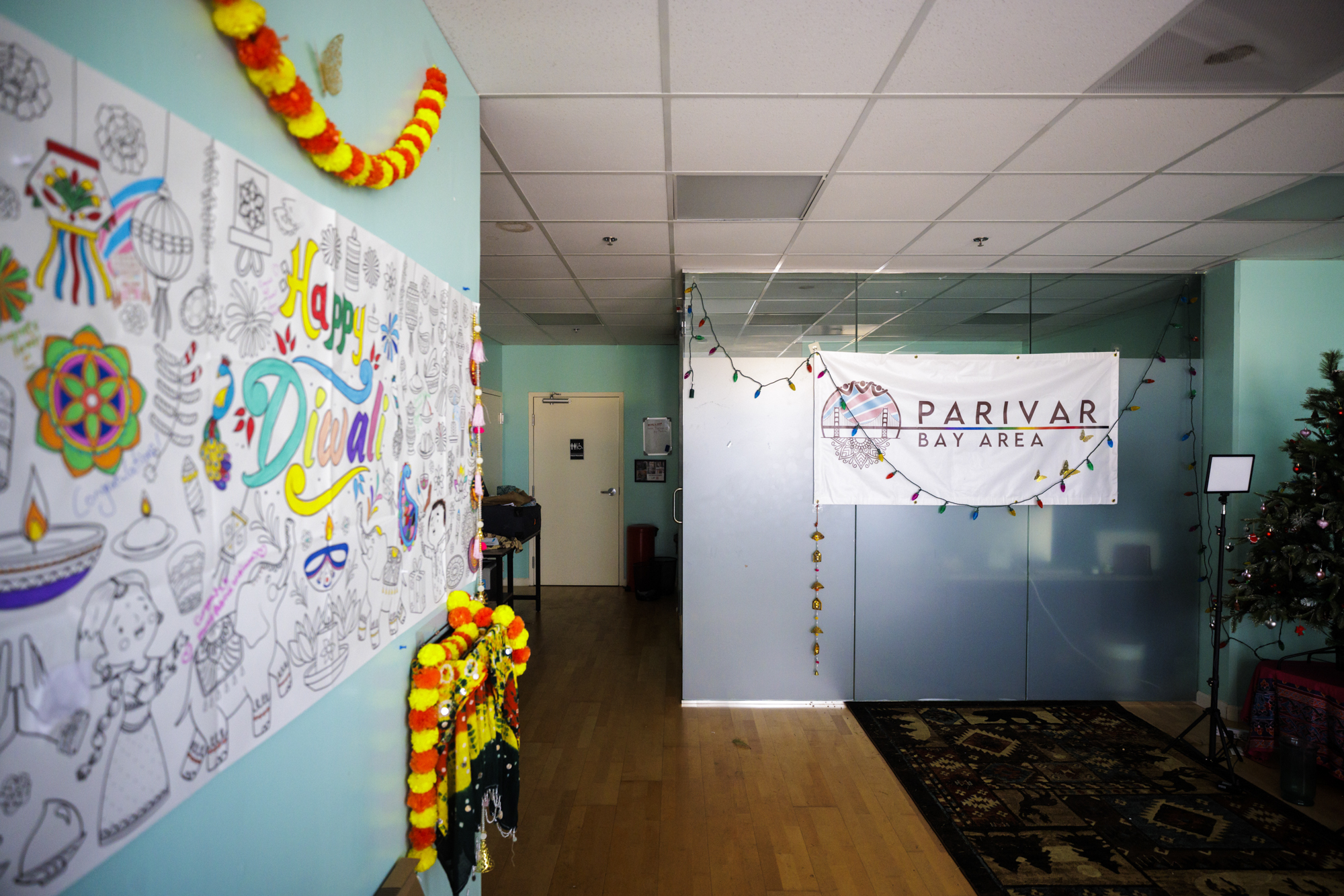
"content": "\n\u003cp>This summer, Parivar Bay Area — an organization dedicated to supporting trans immigrants — \u003ca href=\"https://www.kqed.org/news/12091922/san-francisco-trans-led-space-fears-closure-9-months-after-opening\">made a plea\u003c/a> to San Francisco officials: Help us keep our doors open.\u003c/p>\n\n\n\n\u003cp>The space was established just nine months prior, during \u003ca href=\"https://www.kqed.org/news/12060818/we-are-home-center-supporting-transgender-immigrants-opens-in-sf-during-diwali\">a colorful Diwali \u003c/a>event attended by leaders like Supervisor Rafael Mandelman and director of the city’s Office of Transgender Initiatives Honey Mahogany.\u003c/p>\n\n\n\n\u003cp>But funding was running out, and co-founder Anjali Rimi began sounding the alarm that Parivar Bay Area was at risk of losing its downtown San Francisco location entirely. Its programming — including immigration support and leadership development — had already been halted.\u003c/p>\n\n\n\n\u003cp>But since then, things for Rimi and her organization have turned around: This week, the city’s Board of Supervisors \u003ca href=\"https://sanfrancisco.granicus.com/player/clip/53261?view_id=10&redirect=true\">unanimously approved\u003c/a> a resolution to \u003ca href=\"https://media.api.sf.gov/documents/bag092926_agenda.pdf\">allocate\u003c/a> $150,000 to Parivar Bay Area through its fiscal sponsor, \u003ca href=\"https://www.transcanwork.org/\">TransCanWork\u003c/a>. \u003c/p>\n\n\n\n\u003cfigure class=\"wp-block-image size-full\">\u003cimg loading=\"lazy\" decoding=\"async\" width=\"2000\" height=\"1333\" src=\"https://cdn.kqed.org/wp-content/uploads/sites/10/2025/10/251021-DIWALI-PARIVAR-NK-04-KQED.jpg\" alt=\"\" class=\"wp-image-12060836\" srcset=\"https://cdn.kqed.org/wp-content/uploads/sites/10/2025/10/251021-DIWALI-PARIVAR-NK-04-KQED.jpg 2000w, https://cdn.kqed.org/wp-content/uploads/sites/10/2025/10/251021-DIWALI-PARIVAR-NK-04-KQED-160x107.jpg 160w, https://cdn.kqed.org/wp-content/uploads/sites/10/2025/10/251021-DIWALI-PARIVAR-NK-04-KQED-1536x1024.jpg 1536w\" sizes=\"auto, (max-width: 2000px) 100vw, 2000px\" />\u003cfigcaption class=\"wp-element-caption\">Kaj (left) dances during the Diwali celebrations at Parivar Bay Area in San Francisco on Oct. 20, 2025. (Nisa Khan/KQED)\u003c/figcaption>\u003c/figure>\n\n\n\n\u003cp>Rimi said the money is a “lifeline” and that she was “extremely relieved and eternally grateful for the City and County of \u003ca href=\"https://www.kqed.org/news/tag/san-francisco\">San Francisco\u003c/a> for truly coming through in these times and helping us rebuild.”\u003c/p>\n\n\n\n\u003cp>“We are staying in San Francisco, we’re rebuilding, and we’re opening our doors again,” she said. \u003c/p>\n\n\n\n\u003cp>The resolution was \u003ca href=\"https://sfgov.legistar.com/LegislationDetail.aspx?ID=8145043&GUID=ECF08B98-28F2-4B32-82DB-7516AF0277AF\">sponsored\u003c/a> by supervisors Mandelman, Connie Chan, Matt Dorsey and Bilal Mahmood. It will now head to Mayor Daniel Lurie’s desk to be signed and approved. \u003c/p>\n\n\n\n\u003cp>“Parivar Bay Area fills a role no other organization does — it’s the only trans-led group focused on South Asian and Global South trans immigrants,” Mandelman said \u003ca href=\"https://www.kqed.org/news/12091922/san-francisco-trans-led-space-fears-closure-9-months-after-opening\">in a July statement to KQED\u003c/a>. “Building that kind of trust and infrastructure took years, and it’s important to do what we can to keep it in place.”\u003c/p>\n\n\n\n\n\n\u003cp>While Parivar Bay Area did \u003ca href=\"https://www.kqed.org/news/12060818/we-are-home-center-supporting-transgender-immigrants-opens-in-sf-during-diwali\">lose its original community space\u003c/a> in downtown San Francisco, Rimi said it has moved to an office at \u003ca href=\"https://stmarkssquare.org/\">St. Mark’s Square\u003c/a> near Japantown. \u003c/p>\n\n\n\n\u003cp>She added that Parivar aims to start bringing back its programming early to mid-October, with a Diwali celebration slated for November. \u003c/p>\n\n\n\n\u003cp>“The Diwali [celebration] is kind of the testament of what it symbolizes — which is light over darkness, and saying, ‘This is now us getting back to doing the work,’” she said. \u003c/p>\n\n\n\n\u003cp>However, Rimi said that the full breadth of Parivar’s programming may not be able to return to its original scale. For example, Parivar may not be able to provide direct immigration and legal navigation support but switch to referrals. \u003c/p>\n\n\n\n\u003cp>“We can’t bring everything back overnight,” she said. “But most important is that we have a physical space. We have a dot on the map in San Francisco … where one can walk through the doors during our opening hours and find support, culture and belonging.”\u003c/p>\n\n\n\n\u003cp>Rimi said she saw ways the San Francisco community came to support Parivar — the organization \u003ca href=\"https://www.zeffy.com/en-US/donation-form/saveparivar\">received over $5,000 in donations\u003c/a> — but the experience highlighted to her that “impact alone doesn’t guarantee sustainability” and that the long-term future “cannot depend on one source of funding.”\u003c/p>\n\n\n\n\u003cp>“Community shouldn’t have to lose an institution or a grassroots organization like Parivar to realize how much they need it,” she said. “Because these services are sometimes not deemed as core services, but they’re the only services offered anywhere.”\u003c/p>\n",
"blocks": [
{
"blockName": "core/paragraph",
"attrs": {
"dropCap": false
},
"innerHTML": "\n\u003cp>This summer, Parivar Bay Area — an organization dedicated to supporting trans immigrants — \u003ca href=\"https://www.kqed.org/news/12091922/san-francisco-trans-led-space-fears-closure-9-months-after-opening\">made a plea\u003c/a> to San Francisco officials: Help us keep our doors open.\u003c/p>\n",
"innerContent": [
"\n\u003cp>This summer, Parivar Bay Area — an organization dedicated to supporting trans immigrants — \u003ca href=\"https://www.kqed.org/news/12091922/san-francisco-trans-led-space-fears-closure-9-months-after-opening\">made a plea\u003c/a> to San Francisco officials: Help us keep our doors open.\u003c/p>\n"
],
"innerBlocks": []
},
{
"blockName": "core/paragraph",
"attrs": {
"dropCap": false
},
"innerHTML": "\n\u003cp>The space was established just nine months prior, during \u003ca href=\"https://www.kqed.org/news/12060818/we-are-home-center-supporting-transgender-immigrants-opens-in-sf-during-diwali\">a colorful Diwali \u003c/a>event attended by leaders like Supervisor Rafael Mandelman and director of the city’s Office of Transgender Initiatives Honey Mahogany.\u003c/p>\n",
"innerContent": [
"\n\u003cp>The space was established just nine months prior, during \u003ca href=\"https://www.kqed.org/news/12060818/we-are-home-center-supporting-transgender-immigrants-opens-in-sf-during-diwali\">a colorful Diwali \u003c/a>event attended by leaders like Supervisor Rafael Mandelman and director of the city’s Office of Transgender Initiatives Honey Mahogany.\u003c/p>\n"
],
"innerBlocks": []
},
{
"blockName": "core/paragraph",
"attrs": {
"dropCap": false
},
"innerHTML": "\n\u003cp>But funding was running out, and co-founder Anjali Rimi began sounding the alarm that Parivar Bay Area was at risk of losing its downtown San Francisco location entirely. Its programming — including immigration support and leadership development — had already been halted.\u003c/p>\n",
"innerContent": [
"\n\u003cp>But funding was running out, and co-founder Anjali Rimi began sounding the alarm that Parivar Bay Area was at risk of losing its downtown San Francisco location entirely. Its programming — including immigration support and leadership development — had already been halted.\u003c/p>\n"
],
"innerBlocks": []
},
{
"blockName": "core/paragraph",
"attrs": {
"dropCap": false
},
"innerHTML": "\n\u003cp>But since then, things for Rimi and her organization have turned around: This week, the city’s Board of Supervisors \u003ca href=\"https://sanfrancisco.granicus.com/player/clip/53261?view_id=10&redirect=true\">unanimously approved\u003c/a> a resolution to \u003ca href=\"https://media.api.sf.gov/documents/bag092926_agenda.pdf\">allocate\u003c/a> $150,000 to Parivar Bay Area through its fiscal sponsor, \u003ca href=\"https://www.transcanwork.org/\">TransCanWork\u003c/a>. \u003c/p>\n",
"innerContent": [
"\n\u003cp>But since then, things for Rimi and her organization have turned around: This week, the city’s Board of Supervisors \u003ca href=\"https://sanfrancisco.granicus.com/player/clip/53261?view_id=10&redirect=true\">unanimously approved\u003c/a> a resolution to \u003ca href=\"https://media.api.sf.gov/documents/bag092926_agenda.pdf\">allocate\u003c/a> $150,000 to Parivar Bay Area through its fiscal sponsor, \u003ca href=\"https://www.transcanwork.org/\">TransCanWork\u003c/a>. \u003c/p>\n"
],
"innerBlocks": []
},
{
"blockName": "core/image",
"attrs": {
"id": 12060836,
"sizeSlug": "full",
"linkDestination": "none",
"alt": "",
"srcset": "https://cdn.kqed.org/wp-content/uploads/sites/10/2025/10/251021-DIWALI-PARIVAR-NK-04-KQED.jpg 2000w, https://cdn.kqed.org/wp-content/uploads/sites/10/2025/10/251021-DIWALI-PARIVAR-NK-04-KQED-160x107.jpg 160w, https://cdn.kqed.org/wp-content/uploads/sites/10/2025/10/251021-DIWALI-PARIVAR-NK-04-KQED-1536x1024.jpg 1536w",
"sizes": "(min-width: 992px) min(100vw, 1536px), (min-width: 768px) min(100vw, 1280px), min(100vw, 1020px)"
},
"innerHTML": "\n\u003cfigure class=\"wp-block-image size-full\">\u003cimg src=\"https://cdn.kqed.org/wp-content/uploads/sites/10/2025/10/251021-DIWALI-PARIVAR-NK-04-KQED.jpg\" alt=\"\" class=\"wp-image-12060836\" srcset=\"https://cdn.kqed.org/wp-content/uploads/sites/10/2025/10/251021-DIWALI-PARIVAR-NK-04-KQED.jpg 2000w, https://cdn.kqed.org/wp-content/uploads/sites/10/2025/10/251021-DIWALI-PARIVAR-NK-04-KQED-160x107.jpg 160w, https://cdn.kqed.org/wp-content/uploads/sites/10/2025/10/251021-DIWALI-PARIVAR-NK-04-KQED-1536x1024.jpg 1536w\" sizes=\"(min-width: 992px) min(100vw, 1536px), (min-width: 768px) min(100vw, 1280px), min(100vw, 1020px)\"/>\u003cfigcaption class=\"wp-element-caption\">Kaj (left) dances during the Diwali celebrations at Parivar Bay Area in San Francisco on Oct. 20, 2025.\u003ccite class=\"wp-inline-image-credit\"> (Nisa Khan/KQED)\u003c/cite>\u003c/figcaption>\u003c/figure>\n",
"innerContent": [
"\n\u003cfigure class=\"wp-block-image size-full\">\u003cimg src=\"https://cdn.kqed.org/wp-content/uploads/sites/10/2025/10/251021-DIWALI-PARIVAR-NK-04-KQED.jpg\" alt=\"\" class=\"wp-image-12060836\"/>\u003cfigcaption class=\"wp-element-caption\">Kaj (left) dances during the Diwali celebrations at Parivar Bay Area in San Francisco on Oct. 20, 2025.\u003ccite class=\"wp-inline-image-credit\"> (Nisa Khan/KQED)\u003c/cite>\u003c/figcaption>\u003c/figure>\n"
],
"innerBlocks": []
},
{
"blockName": "core/paragraph",
"attrs": {
"dropCap": false
},
"innerHTML": "\n\u003cp>Rimi said the money is a “lifeline” and that she was “extremely relieved and eternally grateful for the City and County of \u003ca href=\"https://www.kqed.org/news/tag/san-francisco\">San Francisco\u003c/a> for truly coming through in these times and helping us rebuild.”\u003c/p>\n",
"innerContent": [
"\n\u003cp>Rimi said the money is a “lifeline” and that she was “extremely relieved and eternally grateful for the City and County of \u003ca href=\"https://www.kqed.org/news/tag/san-francisco\">San Francisco\u003c/a> for truly coming through in these times and helping us rebuild.”\u003c/p>\n"
],
"innerBlocks": []
},
{
"blockName": "core/paragraph",
"attrs": {
"dropCap": false
},
"innerHTML": "\n\u003cp>“We are staying in San Francisco, we’re rebuilding, and we’re opening our doors again,” she said. \u003c/p>\n",
"innerContent": [
"\n\u003cp>“We are staying in San Francisco, we’re rebuilding, and we’re opening our doors again,” she said. \u003c/p>\n"
],
"innerBlocks": []
},
{
"blockName": "core/paragraph",
"attrs": {
"dropCap": false
},
"innerHTML": "\n\u003cp>The resolution was \u003ca href=\"https://sfgov.legistar.com/LegislationDetail.aspx?ID=8145043&GUID=ECF08B98-28F2-4B32-82DB-7516AF0277AF\">sponsored\u003c/a> by supervisors Mandelman, Connie Chan, Matt Dorsey and Bilal Mahmood. It will now head to Mayor Daniel Lurie’s desk to be signed and approved. \u003c/p>\n",
"innerContent": [
"\n\u003cp>The resolution was \u003ca href=\"https://sfgov.legistar.com/LegislationDetail.aspx?ID=8145043&GUID=ECF08B98-28F2-4B32-82DB-7516AF0277AF\">sponsored\u003c/a> by supervisors Mandelman, Connie Chan, Matt Dorsey and Bilal Mahmood. It will now head to Mayor Daniel Lurie’s desk to be signed and approved. \u003c/p>\n"
],
"innerBlocks": []
},
{
"blockName": "core/paragraph",
"attrs": {
"dropCap": false
},
"innerHTML": "\n\u003cp>“Parivar Bay Area fills a role no other organization does — it’s the only trans-led group focused on South Asian and Global South trans immigrants,” Mandelman said \u003ca href=\"https://www.kqed.org/news/12091922/san-francisco-trans-led-space-fears-closure-9-months-after-opening\">in a July statement to KQED\u003c/a>. “Building that kind of trust and infrastructure took years, and it’s important to do what we can to keep it in place.”\u003c/p>\n",
"innerContent": [
"\n\u003cp>“Parivar Bay Area fills a role no other organization does — it’s the only trans-led group focused on South Asian and Global South trans immigrants,” Mandelman said \u003ca href=\"https://www.kqed.org/news/12091922/san-francisco-trans-led-space-fears-closure-9-months-after-opening\">in a July statement to KQED\u003c/a>. “Building that kind of trust and infrastructure took years, and it’s important to do what we can to keep it in place.”\u003c/p>\n"
],
"innerBlocks": []
},
{
"blockName": "kqed-v2/related-articles",
"attrs": {
"postIds": [
"news_12091922"
],
"label": "Related Articles",
"maxPosts": 1,
"showImages": false,
"heroImage": "https://cdn.kqed.org/wp-content/uploads/sites/10/2026/07/260721-PARIVAR-FUNDING-MD-02-KQED.jpg",
"query": "",
"labelWasCleared": false,
"heroImageAlt": "",
"heroImageLink": "",
"labelLink": "",
"alignment": "right",
"target": "_self",
"manualLinks": [],
"posts": []
},
"innerHTML": "",
"innerContent": [],
"innerBlocks": []
},
{
"blockName": "core/paragraph",
"attrs": {
"dropCap": false
},
"innerHTML": "\n\u003cp>While Parivar Bay Area did \u003ca href=\"https://www.kqed.org/news/12060818/we-are-home-center-supporting-transgender-immigrants-opens-in-sf-during-diwali\">lose its original community space\u003c/a> in downtown San Francisco, Rimi said it has moved to an office at \u003ca href=\"https://stmarkssquare.org/\">St. Mark’s Square\u003c/a> near Japantown. \u003c/p>\n",
"innerContent": [
"\n\u003cp>While Parivar Bay Area did \u003ca href=\"https://www.kqed.org/news/12060818/we-are-home-center-supporting-transgender-immigrants-opens-in-sf-during-diwali\">lose its original community space\u003c/a> in downtown San Francisco, Rimi said it has moved to an office at \u003ca href=\"https://stmarkssquare.org/\">St. Mark’s Square\u003c/a> near Japantown. \u003c/p>\n"
],
"innerBlocks": []
},
{
"blockName": "core/paragraph",
"attrs": {
"dropCap": false
},
"innerHTML": "\n\u003cp>She added that Parivar aims to start bringing back its programming early to mid-October, with a Diwali celebration slated for November. \u003c/p>\n",
"innerContent": [
"\n\u003cp>She added that Parivar aims to start bringing back its programming early to mid-October, with a Diwali celebration slated for November. \u003c/p>\n"
],
"innerBlocks": []
},
{
"blockName": "core/paragraph",
"attrs": {
"dropCap": false
},
"innerHTML": "\n\u003cp>“The Diwali [celebration] is kind of the testament of what it symbolizes — which is light over darkness, and saying, ‘This is now us getting back to doing the work,’” she said. \u003c/p>\n",
"innerContent": [
"\n\u003cp>“The Diwali [celebration] is kind of the testament of what it symbolizes — which is light over darkness, and saying, ‘This is now us getting back to doing the work,’” she said. \u003c/p>\n"
],
"innerBlocks": []
},
{
"blockName": "core/paragraph",
"attrs": {
"dropCap": false
},
"innerHTML": "\n\u003cp>However, Rimi said that the full breadth of Parivar’s programming may not be able to return to its original scale. For example, Parivar may not be able to provide direct immigration and legal navigation support but switch to referrals. \u003c/p>\n",
"innerContent": [
"\n\u003cp>However, Rimi said that the full breadth of Parivar’s programming may not be able to return to its original scale. For example, Parivar may not be able to provide direct immigration and legal navigation support but switch to referrals. \u003c/p>\n"
],
"innerBlocks": []
},
{
"blockName": "core/paragraph",
"attrs": {
"dropCap": false
},
"innerHTML": "\n\u003cp>“We can’t bring everything back overnight,” she said. “But most important is that we have a physical space. We have a dot on the map in San Francisco … where one can walk through the doors during our opening hours and find support, culture and belonging.”\u003c/p>\n",
"innerContent": [
"\n\u003cp>“We can’t bring everything back overnight,” she said. “But most important is that we have a physical space. We have a dot on the map in San Francisco … where one can walk through the doors during our opening hours and find support, culture and belonging.”\u003c/p>\n"
],
"innerBlocks": []
},
{
"blockName": "core/paragraph",
"attrs": {
"dropCap": false
},
"innerHTML": "\n\u003cp>Rimi said she saw ways the San Francisco community came to support Parivar — the organization \u003ca href=\"https://www.zeffy.com/en-US/donation-form/saveparivar\">received over $5,000 in donations\u003c/a> — but the experience highlighted to her that “impact alone doesn’t guarantee sustainability” and that the long-term future “cannot depend on one source of funding.”\u003c/p>\n",
"innerContent": [
"\n\u003cp>Rimi said she saw ways the San Francisco community came to support Parivar — the organization \u003ca href=\"https://www.zeffy.com/en-US/donation-form/saveparivar\">received over $5,000 in donations\u003c/a> — but the experience highlighted to her that “impact alone doesn’t guarantee sustainability” and that the long-term future “cannot depend on one source of funding.”\u003c/p>\n"
],
"innerBlocks": []
},
{
"blockName": "core/paragraph",
"attrs": {
"dropCap": false
},
"innerHTML": "\n\u003cp>“Community shouldn’t have to lose an institution or a grassroots organization like Parivar to realize how much they need it,” she said. “Because these services are sometimes not deemed as core services, but they’re the only services offered anywhere.”\u003c/p>\n",
"innerContent": [
"\n\u003cp>“Community shouldn’t have to lose an institution or a grassroots organization like Parivar to realize how much they need it,” she said. “Because these services are sometimes not deemed as core services, but they’re the only services offered anywhere.”\u003c/p>\n"
],
"innerBlocks": []
}
],
"excerpt": "San Francisco’s Board of Supervisors voted this week to sustain Parivar Bay Area, a nonprofit dedicated to supporting trans immigrants.",
"status": "publish",
"parent": 0,
"modified": 1790790253,
"stats": {
"hasAudio": false,
"hasVideo": false,
"hasChartOrMap": false,
"iframeSrcs": [],
"hasGoogleForm": false,
"hasGallery": false,
"hasHearkenModule": false,
"hasPolis": false,
"paragraphCount": 15,
"wordCount": 563
},
"headData": {
"title": "‘A Lifeline’: San Francisco Trans-Led Space Finds New Home | KQED",
"description": "San Francisco’s Board of Supervisors voted this week to sustain Parivar Bay Area, a nonprofit dedicated to supporting trans immigrants.",
"ogTitle": "",
"ogDescription": "",
"ogImgId": "",
"twTitle": "",
"twDescription": "",
"twImgId": "",
"schema": {
"@context": "https://schema.org",
"@type": "NewsArticle",
"headline": "‘A Lifeline’: San Francisco Trans-Led Space Finds New Home",
"datePublished": "2026-09-30T09:28:16-07:00",
"dateModified": "2026-09-30T10:44:13-07:00",
"image": "https://cdn.kqed.org/wp-content/uploads/2020/02/KQED-OG-Image@1x.png",
"isAccessibleForFree": "True",
"publisher": {
"@type": "NewsMediaOrganization",
"@id": "https://www.kqed.org/#organization",
"name": "KQED",
"logo": "https://cdn.kqed.org/wp-content/uploads/2020/02/KQED-OG-Image@1x.png",
"url": "https://www.kqed.org",
"sameAs": [
"https://www.facebook.com/KQED",
"https://twitter.com/KQED",
"https://www.instagram.com/kqed/",
"https://www.tiktok.com/@kqedofficial",
"https://www.linkedin.com/company/kqed",
"https://www.youtube.com/channel/UCeC0IOo7i1P_61zVUWbJ4nw"
]
}
}
},
"primaryCategory": {
"termId": 28250,
"slug": "local",
"name": "Local"
},
"sticky": false,
"nprStoryId": "kqed-12100375",
"templateType": "standard",
"featuredImageType": "standard",
"excludeFromSiteSearch": "Include",
"articleAge": "0",
"path": "/news/12100375/a-lifeline-san-francisco-trans-led-space-finds-new-home",
"audioTrackLength": null,
"parsedContent": [
{
"type": "contentString",
"content": "\u003cdiv class=\"post-body\">\u003cp>\n\u003cp>This summer, Parivar Bay Area — an organization dedicated to supporting trans immigrants — \u003ca href=\"https://www.kqed.org/news/12091922/san-francisco-trans-led-space-fears-closure-9-months-after-opening\">made a plea\u003c/a> to San Francisco officials: Help us keep our doors open.\u003c/p>\n\n\n\n\u003cp>The space was established just nine months prior, during \u003ca href=\"https://www.kqed.org/news/12060818/we-are-home-center-supporting-transgender-immigrants-opens-in-sf-during-diwali\">a colorful Diwali \u003c/a>event attended by leaders like Supervisor Rafael Mandelman and director of the city’s Office of Transgender Initiatives Honey Mahogany.\u003c/p>\n\n\n\n\u003cp>But funding was running out, and co-founder Anjali Rimi began sounding the alarm that Parivar Bay Area was at risk of losing its downtown San Francisco location entirely. Its programming — including immigration support and leadership development — had already been halted.\u003c/p>\n\n\n\n\u003cp>But since then, things for Rimi and her organization have turned around: This week, the city’s Board of Supervisors \u003ca href=\"https://sanfrancisco.granicus.com/player/clip/53261?view_id=10&redirect=true\">unanimously approved\u003c/a> a resolution to \u003ca href=\"https://media.api.sf.gov/documents/bag092926_agenda.pdf\">allocate\u003c/a> $150,000 to Parivar Bay Area through its fiscal sponsor, \u003ca href=\"https://www.transcanwork.org/\">TransCanWork\u003c/a>. \u003c/p>\n\n\n\n\u003cfigure class=\"wp-block-image size-full\">\u003cimg loading=\"lazy\" decoding=\"async\" width=\"2000\" height=\"1333\" src=\"https://cdn.kqed.org/wp-content/uploads/sites/10/2025/10/251021-DIWALI-PARIVAR-NK-04-KQED.jpg\" alt=\"\" class=\"wp-image-12060836\" srcset=\"https://cdn.kqed.org/wp-content/uploads/sites/10/2025/10/251021-DIWALI-PARIVAR-NK-04-KQED.jpg 2000w, https://cdn.kqed.org/wp-content/uploads/sites/10/2025/10/251021-DIWALI-PARIVAR-NK-04-KQED-160x107.jpg 160w, https://cdn.kqed.org/wp-content/uploads/sites/10/2025/10/251021-DIWALI-PARIVAR-NK-04-KQED-1536x1024.jpg 1536w\" sizes=\"auto, (max-width: 2000px) 100vw, 2000px\" />\u003cfigcaption class=\"wp-element-caption\">Kaj (left) dances during the Diwali celebrations at Parivar Bay Area in San Francisco on Oct. 20, 2025. (Nisa Khan/KQED)\u003c/figcaption>\u003c/figure>\n\n\n\n\u003cp>Rimi said the money is a “lifeline” and that she was “extremely relieved and eternally grateful for the City and County of \u003ca href=\"https://www.kqed.org/news/tag/san-francisco\">San Francisco\u003c/a> for truly coming through in these times and helping us rebuild.”\u003c/p>\n\n\n\n\u003cp>“We are staying in San Francisco, we’re rebuilding, and we’re opening our doors again,” she said. \u003c/p>\n\n\n\n\u003cp>The resolution was \u003ca href=\"https://sfgov.legistar.com/LegislationDetail.aspx?ID=8145043&GUID=ECF08B98-28F2-4B32-82DB-7516AF0277AF\">sponsored\u003c/a> by supervisors Mandelman, Connie Chan, Matt Dorsey and Bilal Mahmood. It will now head to Mayor Daniel Lurie’s desk to be signed and approved. \u003c/p>\n\n\n\n\u003cp>“Parivar Bay Area fills a role no other organization does — it’s the only trans-led group focused on South Asian and Global South trans immigrants,” Mandelman said \u003ca href=\"https://www.kqed.org/news/12091922/san-francisco-trans-led-space-fears-closure-9-months-after-opening\">in a July statement to KQED\u003c/a>. “Building that kind of trust and infrastructure took years, and it’s important to do what we can to keep it in place.”\u003c/p>\n\n\n\n\n\n\u003cp>While Parivar Bay Area did \u003ca href=\"https://www.kqed.org/news/12060818/we-are-home-center-supporting-transgender-immigrants-opens-in-sf-during-diwali\">lose its original community space\u003c/a> in downtown San Francisco, Rimi said it has moved to an office at \u003ca href=\"https://stmarkssquare.org/\">St. Mark’s Square\u003c/a> near Japantown. \u003c/p>\n\n\n\n\u003cp>She added that Parivar aims to start bringing back its programming early to mid-October, with a Diwali celebration slated for November. \u003c/p>\n\n\n\n\u003cp>“The Diwali [celebration] is kind of the testament of what it symbolizes — which is light over darkness, and saying, ‘This is now us getting back to doing the work,’” she said. \u003c/p>\n\n\n\n\u003cp>However, Rimi said that the full breadth of Parivar’s programming may not be able to return to its original scale. For example, Parivar may not be able to provide direct immigration and legal navigation support but switch to referrals. \u003c/p>\n\n\n\n\u003cp>“We can’t bring everything back overnight,” she said. “But most important is that we have a physical space. We have a dot on the map in San Francisco … where one can walk through the doors during our opening hours and find support, culture and belonging.”\u003c/p>\n\n\n\n\u003cp>Rimi said she saw ways the San Francisco community came to support Parivar — the organization \u003ca href=\"https://www.zeffy.com/en-US/donation-form/saveparivar\">received over $5,000 in donations\u003c/a> — but the experience highlighted to her that “impact alone doesn’t guarantee sustainability” and that the long-term future “cannot depend on one source of funding.”\u003c/p>\n\n\n\n\u003cp>“Community shouldn’t have to lose an institution or a grassroots organization like Parivar to realize how much they need it,” she said. “Because these services are sometimes not deemed as core services, but they’re the only services offered anywhere.”\u003c/p>\n\u003c/div>\u003c/p>",
"attributes": {
"named": {},
"numeric": []
}
}
],
"link": "/news/12100375/a-lifeline-san-francisco-trans-led-space-finds-new-home",
"authors": [
"11867"
],
"categories": [
"news_1169",
"news_28250",
"news_8"
],
"tags": [
"news_17708",
"news_35547",
"news_20004",
"news_38",
"news_2486"
],
"featImg": "news_12092017",
"label": "news"
},
"news_12099744": {
"type": "posts",
"id": "news_12099744",
"meta": {
"index": "posts_1716263798",
"site": "news",
"id": "12099744",
"score": null,
"sort": [
1789496408000
]
},
"guestAuthors": [],
"slug": "judge-in-san-francisco-dismisses-charges-against-18-pride-block-party-protesters",
"title": "Judge in San Francisco Dismisses Charges Against 18 Pride Block Party Protesters",
"publishDate": 1789496408,
"format": "standard",
"headTitle": "Judge in San Francisco Dismisses Charges Against 18 Pride Block Party Protesters | KQED",
"labelTerm": {
"site": "news"
},
"content": "\n\u003cp>A judge in San Francisco dropped charges Monday against \u003ca href=\"https://www.kqed.org/news/12092308/san-francisco-district-attorney-charges-18-arrested-at-pride-block-party\">18 people arrested\u003c/a> after refusing to disperse at a Pride weekend dance party in June. \u003c/p>\n\n\n\n\u003cp>The partygoers and their attorneys celebrated the victory but said that the city’s apparent efforts to crack down on Pride activities this year is “horrifying” for queer people who have long considered San Francisco a safe haven.\u003c/p>\n\n\n\n\u003cp>“It’s honestly just been really shocking to see this kind of attack against queer people. That’s really been sitting with me throughout this case,” said Renee Coe, who filmed police in riot gear breaking up the June block party when she was arrested. “It’s not really about these individual charges against us, but just the fact that the city is choosing to attack queer people during Pride weekend, while [it] advertises itself as a sanctuary.”\u003c/p>\n\n\n\n\u003cp>The San Francisco District Attorney’s Office did not respond to a request for comment Tuesday.\u003c/p>\n\n\n\n\u003cfigure class=\"wp-block-image size-full\">\u003cimg loading=\"lazy\" decoding=\"async\" width=\"1920\" height=\"1303\" src=\"https://cdn.kqed.org/wp-content/uploads/sites/10/2026/09/160719_The-Stud-Bar_bhs05.jpg\" alt=\"\" class=\"wp-image-12099746\" srcset=\"https://cdn.kqed.org/wp-content/uploads/sites/10/2026/09/160719_The-Stud-Bar_bhs05.jpg 1920w, https://cdn.kqed.org/wp-content/uploads/sites/10/2026/09/160719_The-Stud-Bar_bhs05-160x109.jpg 160w, https://cdn.kqed.org/wp-content/uploads/sites/10/2026/09/160719_The-Stud-Bar_bhs05-1536x1042.jpg 1536w\" sizes=\"auto, (max-width: 1920px) 100vw, 1920px\" />\u003cfigcaption class=\"wp-element-caption\">Patrons of The Stud Bar mingle outside. Founded in 1966, it’s one of San Francisco’s oldest gay bars. (Brittany Hosea-Small/KQED)\u003c/figcaption>\u003c/figure>\n\n\n\n\u003cp>In July, DA Brooke Jenkins charged 18 people, including Coe, with unlawful assembly, failure to disperse and resisting or obstructing an officer after police broke up an unofficial block party in the South of Market neighborhood during Pride weekend.\u003c/p>\n\n\n\n\u003cp>The annual unauthorized event held in the alley on Kissling Street between 11th and 12th streets, known as “Stud Alley,” has gone on for six years without major incident. \u003c/p>\n\n\n\n\u003cp>But on June 27, around 11 p.m., dozens of San Francisco Police officers arrived at the scene, where about 300 people were gathered, and told the DJ playing music there to clear the area. \u003c/p>\n\n\n\n\u003cp>While the party on Kissling broke up, a group reassembled nearby on Washburn Street. There, officers declared an unlawful assembly, and arrested 18 people who they said refused to disperse.\u003c/p>\n\n\n\n\u003cp>According to SFPD, two vehicles and barricades were vandalized, and there was graffiti. In total, 20 people were arrested, cited and released during the event.\u003c/p>\n\n\n\n\u003cp>The police response prompted backlash from the queer community, particularly because the day prior, five people were arrested in the Tenderloin after the annual Trans March. Police said the arrests stemmed from vandalism complaints and a report that one person assaulted and sprayed paint on another. \u003c/p>\n\n\n\n\n\n\u003cp>“I’ve never had anything like this happen before,” said Coe, 36, who said she’s gone to San Francisco Pride for decades, and had also been at the Trans March the previous day.\u003c/p>\n\n\n\n\u003cp>“Part of the reason for attending Stud Ally was to be with community, to have that solidarity and joy and experience what Pride should be about for us, because a lot of us, I think, were traumatized by that experience at Trans March,” she told KQED. “So to then be attacked again was honestly horrifying.”\u003c/p>\n\n\n\n\u003cp>While Stud Alley has historically drawn some criticism from neighbors over the late-night noise, attorney Kate Raven, who represented two of the defendants in the case, said that it’s never required police contact.\u003c/p>\n\n\n\n\u003cp>Last year, officers monitored but did not shut down the party.\u003c/p>\n\n\n\n\u003cp>Raven said the police crackdown was like a sudden “blitz attack” that caught attendees off guard after years of the event. She said Judge Brian Hill granted defense attorneys’ motion for dismissal for two of the charges, related to unlawful assembly, based on a lack of evidence that attendees knew they were part of such an event. \u003c/p>\n\n\n\n\u003cp>“How was anyone there to know that they were at an unlawful assembly when they’re just at a dance party during Pride weekend?” she asked.\u003c/p>\n\n\n\n\u003cp>Body camera footage and internal police documents that defense attorneys presented earlier this month, and \u003ca href=\"https://missionlocal.org/2026/09/stud-alley-pride-arrests-sfpd-bodycam/\">\u003cem>Mission Local\u003c/em> reported\u003c/a>, revealed that police did not give a dispersal order until after arrests were made.\u003c/p>\n\n\n\n\u003cp>The third charge, resisting arrest, was dismissed by Hill “in the interest of justice,” he said during the hearing. While he found that the police were acting reasonably and lawfully in their response to the incident, he said there was minimal resistance by the defendants.\u003c/p>\n\n\n\n\u003cp>Coe said Monday that she felt good about the dismissal, and would continue to attend Pride events in the future. But she said that the three-month ordeal has been difficult. \u003c/p>\n\n\n\n\u003cp>During the hearing, attorneys revealed that some of their clients, all but one of whom had no criminal record, had lost employment over the charges, and one person, who is an immigrant, was dealing with potential visa complications.\u003c/p>\n\n\n\n\u003cp>“It’s still sitting with me, even though these charges are gone, what it means for us as queer people in the city,” Coe said.\u003c/p>\n\n\n\n\u003cp>\u003cem>KQED’s \u003c/em>\u003ca href=\"https://www.kqed.org/author/sjohnson\">\u003cem>Sydney Johnson\u003c/em>\u003c/a> \u003cem>contributed to this report. \u003c/em>\u003c/p>\n",
"blocks": [
{
"blockName": "core/paragraph",
"attrs": {
"dropCap": false
},
"innerHTML": "\n\u003cp>A judge in San Francisco dropped charges Monday against \u003ca href=\"https://www.kqed.org/news/12092308/san-francisco-district-attorney-charges-18-arrested-at-pride-block-party\">18 people arrested\u003c/a> after refusing to disperse at a Pride weekend dance party in June. \u003c/p>\n",
"innerContent": [
"\n\u003cp>A judge in San Francisco dropped charges Monday against \u003ca href=\"https://www.kqed.org/news/12092308/san-francisco-district-attorney-charges-18-arrested-at-pride-block-party\">18 people arrested\u003c/a> after refusing to disperse at a Pride weekend dance party in June. \u003c/p>\n"
],
"innerBlocks": []
},
{
"blockName": "core/paragraph",
"attrs": {
"dropCap": false
},
"innerHTML": "\n\u003cp>The partygoers and their attorneys celebrated the victory but said that the city’s apparent efforts to crack down on Pride activities this year is “horrifying” for queer people who have long considered San Francisco a safe haven.\u003c/p>\n",
"innerContent": [
"\n\u003cp>The partygoers and their attorneys celebrated the victory but said that the city’s apparent efforts to crack down on Pride activities this year is “horrifying” for queer people who have long considered San Francisco a safe haven.\u003c/p>\n"
],
"innerBlocks": []
},
{
"blockName": "core/paragraph",
"attrs": {
"dropCap": false
},
"innerHTML": "\n\u003cp>“It’s honestly just been really shocking to see this kind of attack against queer people. That’s really been sitting with me throughout this case,” said Renee Coe, who filmed police in riot gear breaking up the June block party when she was arrested. “It’s not really about these individual charges against us, but just the fact that the city is choosing to attack queer people during Pride weekend, while [it] advertises itself as a sanctuary.”\u003c/p>\n",
"innerContent": [
"\n\u003cp>“It’s honestly just been really shocking to see this kind of attack against queer people. That’s really been sitting with me throughout this case,” said Renee Coe, who filmed police in riot gear breaking up the June block party when she was arrested. “It’s not really about these individual charges against us, but just the fact that the city is choosing to attack queer people during Pride weekend, while [it] advertises itself as a sanctuary.”\u003c/p>\n"
],
"innerBlocks": []
},
{
"blockName": "core/paragraph",
"attrs": {
"dropCap": false
},
"innerHTML": "\n\u003cp>The San Francisco District Attorney’s Office did not respond to a request for comment Tuesday.\u003c/p>\n",
"innerContent": [
"\n\u003cp>The San Francisco District Attorney’s Office did not respond to a request for comment Tuesday.\u003c/p>\n"
],
"innerBlocks": []
},
{
"blockName": "core/image",
"attrs": {
"id": 12099746,
"sizeSlug": "full",
"linkDestination": "none",
"alt": "",
"srcset": "https://cdn.kqed.org/wp-content/uploads/sites/10/2026/09/160719_The-Stud-Bar_bhs05.jpg 1920w, https://cdn.kqed.org/wp-content/uploads/sites/10/2026/09/160719_The-Stud-Bar_bhs05-160x109.jpg 160w, https://cdn.kqed.org/wp-content/uploads/sites/10/2026/09/160719_The-Stud-Bar_bhs05-1536x1042.jpg 1536w",
"sizes": "(min-width: 992px) min(100vw, 1536px), (min-width: 768px) min(100vw, 1280px), min(100vw, 1020px)"
},
"innerHTML": "\n\u003cfigure class=\"wp-block-image size-full\">\u003cimg src=\"https://cdn.kqed.org/wp-content/uploads/sites/10/2026/09/160719_The-Stud-Bar_bhs05.jpg\" alt=\"\" class=\"wp-image-12099746\" srcset=\"https://cdn.kqed.org/wp-content/uploads/sites/10/2026/09/160719_The-Stud-Bar_bhs05.jpg 1920w, https://cdn.kqed.org/wp-content/uploads/sites/10/2026/09/160719_The-Stud-Bar_bhs05-160x109.jpg 160w, https://cdn.kqed.org/wp-content/uploads/sites/10/2026/09/160719_The-Stud-Bar_bhs05-1536x1042.jpg 1536w\" sizes=\"(min-width: 992px) min(100vw, 1536px), (min-width: 768px) min(100vw, 1280px), min(100vw, 1020px)\" />\u003cfigcaption class=\"wp-element-caption\">Patrons of The Stud Bar mingle outside. Founded in 1966, it’s one of San Francisco’s oldest gay bars.\u003ccite class=\"wp-inline-image-credit\"> (Brittany Hosea-Small/KQED)\u003c/cite>\u003c/figcaption>\u003c/figure>\n",
"innerContent": [
"\n\u003cfigure class=\"wp-block-image size-full\">\u003cimg src=\"https://cdn.kqed.org/wp-content/uploads/sites/10/2026/09/160719_The-Stud-Bar_bhs05.jpg\" alt=\"\" class=\"wp-image-12099746\" />\u003cfigcaption class=\"wp-element-caption\">Patrons of The Stud Bar mingle outside. Founded in 1966, it’s one of San Francisco’s oldest gay bars.\u003ccite class=\"wp-inline-image-credit\"> (Brittany Hosea-Small/KQED)\u003c/cite>\u003c/figcaption>\u003c/figure>\n"
],
"innerBlocks": []
},
{
"blockName": "core/paragraph",
"attrs": {
"dropCap": false
},
"innerHTML": "\n\u003cp>In July, DA Brooke Jenkins charged 18 people, including Coe, with unlawful assembly, failure to disperse and resisting or obstructing an officer after police broke up an unofficial block party in the South of Market neighborhood during Pride weekend.\u003c/p>\n",
"innerContent": [
"\n\u003cp>In July, DA Brooke Jenkins charged 18 people, including Coe, with unlawful assembly, failure to disperse and resisting or obstructing an officer after police broke up an unofficial block party in the South of Market neighborhood during Pride weekend.\u003c/p>\n"
],
"innerBlocks": []
},
{
"blockName": "core/paragraph",
"attrs": {
"dropCap": false
},
"innerHTML": "\n\u003cp>The annual unauthorized event held in the alley on Kissling Street between 11th and 12th streets, known as “Stud Alley,” has gone on for six years without major incident. \u003c/p>\n",
"innerContent": [
"\n\u003cp>The annual unauthorized event held in the alley on Kissling Street between 11th and 12th streets, known as “Stud Alley,” has gone on for six years without major incident. \u003c/p>\n"
],
"innerBlocks": []
},
{
"blockName": "core/paragraph",
"attrs": {
"dropCap": false
},
"innerHTML": "\n\u003cp>But on June 27, around 11 p.m., dozens of San Francisco Police officers arrived at the scene, where about 300 people were gathered, and told the DJ playing music there to clear the area. \u003c/p>\n",
"innerContent": [
"\n\u003cp>But on June 27, around 11 p.m., dozens of San Francisco Police officers arrived at the scene, where about 300 people were gathered, and told the DJ playing music there to clear the area. \u003c/p>\n"
],
"innerBlocks": []
},
{
"blockName": "core/paragraph",
"attrs": {
"dropCap": false
},
"innerHTML": "\n\u003cp>While the party on Kissling broke up, a group reassembled nearby on Washburn Street. There, officers declared an unlawful assembly, and arrested 18 people who they said refused to disperse.\u003c/p>\n",
"innerContent": [
"\n\u003cp>While the party on Kissling broke up, a group reassembled nearby on Washburn Street. There, officers declared an unlawful assembly, and arrested 18 people who they said refused to disperse.\u003c/p>\n"
],
"innerBlocks": []
},
{
"blockName": "core/paragraph",
"attrs": {
"dropCap": false
},
"innerHTML": "\n\u003cp>According to SFPD, two vehicles and barricades were vandalized, and there was graffiti. In total, 20 people were arrested, cited and released during the event.\u003c/p>\n",
"innerContent": [
"\n\u003cp>According to SFPD, two vehicles and barricades were vandalized, and there was graffiti. In total, 20 people were arrested, cited and released during the event.\u003c/p>\n"
],
"innerBlocks": []
},
{
"blockName": "core/paragraph",
"attrs": {
"dropCap": false
},
"innerHTML": "\n\u003cp>The police response prompted backlash from the queer community, particularly because the day prior, five people were arrested in the Tenderloin after the annual Trans March. Police said the arrests stemmed from vandalism complaints and a report that one person assaulted and sprayed paint on another. \u003c/p>\n",
"innerContent": [
"\n\u003cp>The police response prompted backlash from the queer community, particularly because the day prior, five people were arrested in the Tenderloin after the annual Trans March. Police said the arrests stemmed from vandalism complaints and a report that one person assaulted and sprayed paint on another. \u003c/p>\n"
],
"innerBlocks": []
},
{
"blockName": "kqed-v2/related-articles",
"attrs": {
"postIds": [
"news_12090380"
],
"label": "Related Articles",
"maxPosts": 1,
"showImages": false,
"heroImage": "https://cdn.kqed.org/wp-content/uploads/sites/10/2026/07/DSC8290-1-2000x1333.jpg",
"query": "",
"labelWasCleared": false,
"heroImageAlt": "",
"heroImageLink": "",
"labelLink": "",
"alignment": "right",
"target": "_self",
"manualLinks": [],
"posts": []
},
"innerHTML": "",
"innerContent": [],
"innerBlocks": []
},
{
"blockName": "core/paragraph",
"attrs": {
"dropCap": false
},
"innerHTML": "\n\u003cp>“I’ve never had anything like this happen before,” said Coe, 36, who said she’s gone to San Francisco Pride for decades, and had also been at the Trans March the previous day.\u003c/p>\n",
"innerContent": [
"\n\u003cp>“I’ve never had anything like this happen before,” said Coe, 36, who said she’s gone to San Francisco Pride for decades, and had also been at the Trans March the previous day.\u003c/p>\n"
],
"innerBlocks": []
},
{
"blockName": "core/paragraph",
"attrs": {
"dropCap": false
},
"innerHTML": "\n\u003cp>“Part of the reason for attending Stud Ally was to be with community, to have that solidarity and joy and experience what Pride should be about for us, because a lot of us, I think, were traumatized by that experience at Trans March,” she told KQED. “So to then be attacked again was honestly horrifying.”\u003c/p>\n",
"innerContent": [
"\n\u003cp>“Part of the reason for attending Stud Ally was to be with community, to have that solidarity and joy and experience what Pride should be about for us, because a lot of us, I think, were traumatized by that experience at Trans March,” she told KQED. “So to then be attacked again was honestly horrifying.”\u003c/p>\n"
],
"innerBlocks": []
},
{
"blockName": "core/paragraph",
"attrs": {
"dropCap": false
},
"innerHTML": "\n\u003cp>While Stud Alley has historically drawn some criticism from neighbors over the late-night noise, attorney Kate Raven, who represented two of the defendants in the case, said that it’s never required police contact.\u003c/p>\n",
"innerContent": [
"\n\u003cp>While Stud Alley has historically drawn some criticism from neighbors over the late-night noise, attorney Kate Raven, who represented two of the defendants in the case, said that it’s never required police contact.\u003c/p>\n"
],
"innerBlocks": []
},
{
"blockName": "core/paragraph",
"attrs": {
"dropCap": false
},
"innerHTML": "\n\u003cp>Last year, officers monitored but did not shut down the party.\u003c/p>\n",
"innerContent": [
"\n\u003cp>Last year, officers monitored but did not shut down the party.\u003c/p>\n"
],
"innerBlocks": []
},
{
"blockName": "core/paragraph",
"attrs": {
"dropCap": false
},
"innerHTML": "\n\u003cp>Raven said the police crackdown was like a sudden “blitz attack” that caught attendees off guard after years of the event. She said Judge Brian Hill granted defense attorneys’ motion for dismissal for two of the charges, related to unlawful assembly, based on a lack of evidence that attendees knew they were part of such an event. \u003c/p>\n",
"innerContent": [
"\n\u003cp>Raven said the police crackdown was like a sudden “blitz attack” that caught attendees off guard after years of the event. She said Judge Brian Hill granted defense attorneys’ motion for dismissal for two of the charges, related to unlawful assembly, based on a lack of evidence that attendees knew they were part of such an event. \u003c/p>\n"
],
"innerBlocks": []
},
{
"blockName": "core/paragraph",
"attrs": {
"dropCap": false
},
"innerHTML": "\n\u003cp>“How was anyone there to know that they were at an unlawful assembly when they’re just at a dance party during Pride weekend?” she asked.\u003c/p>\n",
"innerContent": [
"\n\u003cp>“How was anyone there to know that they were at an unlawful assembly when they’re just at a dance party during Pride weekend?” she asked.\u003c/p>\n"
],
"innerBlocks": []
},
{
"blockName": "core/paragraph",
"attrs": {
"dropCap": false
},
"innerHTML": "\n\u003cp>Body camera footage and internal police documents that defense attorneys presented earlier this month, and \u003ca href=\"https://missionlocal.org/2026/09/stud-alley-pride-arrests-sfpd-bodycam/\">\u003cem>Mission Local\u003c/em> reported\u003c/a>, revealed that police did not give a dispersal order until after arrests were made.\u003c/p>\n",
"innerContent": [
"\n\u003cp>Body camera footage and internal police documents that defense attorneys presented earlier this month, and \u003ca href=\"https://missionlocal.org/2026/09/stud-alley-pride-arrests-sfpd-bodycam/\">\u003cem>Mission Local\u003c/em> reported\u003c/a>, revealed that police did not give a dispersal order until after arrests were made.\u003c/p>\n"
],
"innerBlocks": []
},
{
"blockName": "core/paragraph",
"attrs": {
"dropCap": false
},
"innerHTML": "\n\u003cp>The third charge, resisting arrest, was dismissed by Hill “in the interest of justice,” he said during the hearing. While he found that the police were acting reasonably and lawfully in their response to the incident, he said there was minimal resistance by the defendants.\u003c/p>\n",
"innerContent": [
"\n\u003cp>The third charge, resisting arrest, was dismissed by Hill “in the interest of justice,” he said during the hearing. While he found that the police were acting reasonably and lawfully in their response to the incident, he said there was minimal resistance by the defendants.\u003c/p>\n"
],
"innerBlocks": []
},
{
"blockName": "core/paragraph",
"attrs": {
"dropCap": false
},
"innerHTML": "\n\u003cp>Coe said Monday that she felt good about the dismissal, and would continue to attend Pride events in the future. But she said that the three-month ordeal has been difficult. \u003c/p>\n",
"innerContent": [
"\n\u003cp>Coe said Monday that she felt good about the dismissal, and would continue to attend Pride events in the future. But she said that the three-month ordeal has been difficult. \u003c/p>\n"
],
"innerBlocks": []
},
{
"blockName": "core/paragraph",
"attrs": {
"dropCap": false
},
"innerHTML": "\n\u003cp>During the hearing, attorneys revealed that some of their clients, all but one of whom had no criminal record, had lost employment over the charges, and one person, who is an immigrant, was dealing with potential visa complications.\u003c/p>\n",
"innerContent": [
"\n\u003cp>During the hearing, attorneys revealed that some of their clients, all but one of whom had no criminal record, had lost employment over the charges, and one person, who is an immigrant, was dealing with potential visa complications.\u003c/p>\n"
],
"innerBlocks": []
},
{
"blockName": "core/paragraph",
"attrs": {
"dropCap": false
},
"innerHTML": "\n\u003cp>“It’s still sitting with me, even though these charges are gone, what it means for us as queer people in the city,” Coe said.\u003c/p>\n",
"innerContent": [
"\n\u003cp>“It’s still sitting with me, even though these charges are gone, what it means for us as queer people in the city,” Coe said.\u003c/p>\n"
],
"innerBlocks": []
},
{
"blockName": "core/paragraph",
"attrs": {
"dropCap": false
},
"innerHTML": "\n\u003cp>\u003cem>KQED’s \u003c/em>\u003ca href=\"https://www.kqed.org/author/sjohnson\">\u003cem>Sydney Johnson\u003c/em>\u003c/a> \u003cem>contributed to this report. \u003c/em>\u003c/p>\n",
"innerContent": [
"\n\u003cp>\u003cem>KQED’s \u003c/em>\u003ca href=\"https://www.kqed.org/author/sjohnson\">\u003cem>Sydney Johnson\u003c/em>\u003c/a> \u003cem>contributed to this report. \u003c/em>\u003c/p>\n"
],
"innerBlocks": []
}
],
"excerpt": "The ruling ends a three-month ordeal for defendants who said the arrests were an attack on the city’s queer community.",
"status": "publish",
"parent": 0,
"modified": 1789504453,
"stats": {
"hasAudio": false,
"hasVideo": false,
"hasChartOrMap": false,
"iframeSrcs": [],
"hasGoogleForm": false,
"hasGallery": false,
"hasHearkenModule": false,
"hasPolis": false,
"paragraphCount": 22,
"wordCount": 793
},
"headData": {
"title": "Judge in San Francisco Dismisses Charges Against 18 Pride Block Party Protesters | KQED",
"description": "The ruling ends a three-month ordeal for defendants who said the arrests were an attack on the city’s queer community.",
"ogTitle": "",
"ogDescription": "",
"ogImgId": "",
"twTitle": "",
"twDescription": "",
"twImgId": "",
"schema": {
"@context": "https://schema.org",
"@type": "NewsArticle",
"headline": "Judge in San Francisco Dismisses Charges Against 18 Pride Block Party Protesters",
"datePublished": "2026-09-15T11:20:08-07:00",
"dateModified": "2026-09-15T13:34:13-07:00",
"image": "https://cdn.kqed.org/wp-content/uploads/2020/02/KQED-OG-Image@1x.png",
"isAccessibleForFree": "True",
"publisher": {
"@type": "NewsMediaOrganization",
"@id": "https://www.kqed.org/#organization",
"name": "KQED",
"logo": "https://cdn.kqed.org/wp-content/uploads/2020/02/KQED-OG-Image@1x.png",
"url": "https://www.kqed.org",
"sameAs": [
"https://www.facebook.com/KQED",
"https://twitter.com/KQED",
"https://www.instagram.com/kqed/",
"https://www.tiktok.com/@kqedofficial",
"https://www.linkedin.com/company/kqed",
"https://www.youtube.com/channel/UCeC0IOo7i1P_61zVUWbJ4nw"
]
}
}
},
"primaryCategory": {
"termId": 28250,
"slug": "local",
"name": "Local"
},
"sticky": false,
"nprStoryId": "kqed-12099744",
"templateType": "standard",
"featuredImageType": "standard",
"excludeFromSiteSearch": "Include",
"articleAge": "0",
"path": "/news/12099744/judge-in-san-francisco-dismisses-charges-against-18-pride-block-party-protesters",
"audioTrackLength": null,
"parsedContent": [
{
"type": "contentString",
"content": "\u003cdiv class=\"post-body\">\u003cp>\n\u003cp>A judge in San Francisco dropped charges Monday against \u003ca href=\"https://www.kqed.org/news/12092308/san-francisco-district-attorney-charges-18-arrested-at-pride-block-party\">18 people arrested\u003c/a> after refusing to disperse at a Pride weekend dance party in June. \u003c/p>\n\n\n\n\u003cp>The partygoers and their attorneys celebrated the victory but said that the city’s apparent efforts to crack down on Pride activities this year is “horrifying” for queer people who have long considered San Francisco a safe haven.\u003c/p>\n\n\n\n\u003cp>“It’s honestly just been really shocking to see this kind of attack against queer people. That’s really been sitting with me throughout this case,” said Renee Coe, who filmed police in riot gear breaking up the June block party when she was arrested. “It’s not really about these individual charges against us, but just the fact that the city is choosing to attack queer people during Pride weekend, while [it] advertises itself as a sanctuary.”\u003c/p>\n\n\n\n\u003cp>The San Francisco District Attorney’s Office did not respond to a request for comment Tuesday.\u003c/p>\n\n\n\n\u003cfigure class=\"wp-block-image size-full\">\u003cimg loading=\"lazy\" decoding=\"async\" width=\"1920\" height=\"1303\" src=\"https://cdn.kqed.org/wp-content/uploads/sites/10/2026/09/160719_The-Stud-Bar_bhs05.jpg\" alt=\"\" class=\"wp-image-12099746\" srcset=\"https://cdn.kqed.org/wp-content/uploads/sites/10/2026/09/160719_The-Stud-Bar_bhs05.jpg 1920w, https://cdn.kqed.org/wp-content/uploads/sites/10/2026/09/160719_The-Stud-Bar_bhs05-160x109.jpg 160w, https://cdn.kqed.org/wp-content/uploads/sites/10/2026/09/160719_The-Stud-Bar_bhs05-1536x1042.jpg 1536w\" sizes=\"auto, (max-width: 1920px) 100vw, 1920px\" />\u003cfigcaption class=\"wp-element-caption\">Patrons of The Stud Bar mingle outside. Founded in 1966, it’s one of San Francisco’s oldest gay bars. (Brittany Hosea-Small/KQED)\u003c/figcaption>\u003c/figure>\n\n\n\n\u003cp>In July, DA Brooke Jenkins charged 18 people, including Coe, with unlawful assembly, failure to disperse and resisting or obstructing an officer after police broke up an unofficial block party in the South of Market neighborhood during Pride weekend.\u003c/p>\n\n\n\n\u003cp>The annual unauthorized event held in the alley on Kissling Street between 11th and 12th streets, known as “Stud Alley,” has gone on for six years without major incident. \u003c/p>\n\n\n\n\u003cp>But on June 27, around 11 p.m., dozens of San Francisco Police officers arrived at the scene, where about 300 people were gathered, and told the DJ playing music there to clear the area. \u003c/p>\n\n\n\n\u003cp>While the party on Kissling broke up, a group reassembled nearby on Washburn Street. There, officers declared an unlawful assembly, and arrested 18 people who they said refused to disperse.\u003c/p>\n\n\n\n\u003cp>According to SFPD, two vehicles and barricades were vandalized, and there was graffiti. In total, 20 people were arrested, cited and released during the event.\u003c/p>\n\n\n\n\u003cp>The police response prompted backlash from the queer community, particularly because the day prior, five people were arrested in the Tenderloin after the annual Trans March. Police said the arrests stemmed from vandalism complaints and a report that one person assaulted and sprayed paint on another. \u003c/p>\n\n\n\n\n\n\u003cp>“I’ve never had anything like this happen before,” said Coe, 36, who said she’s gone to San Francisco Pride for decades, and had also been at the Trans March the previous day.\u003c/p>\n\n\n\n\u003cp>“Part of the reason for attending Stud Ally was to be with community, to have that solidarity and joy and experience what Pride should be about for us, because a lot of us, I think, were traumatized by that experience at Trans March,” she told KQED. “So to then be attacked again was honestly horrifying.”\u003c/p>\n\n\n\n\u003cp>While Stud Alley has historically drawn some criticism from neighbors over the late-night noise, attorney Kate Raven, who represented two of the defendants in the case, said that it’s never required police contact.\u003c/p>\n\n\n\n\u003cp>Last year, officers monitored but did not shut down the party.\u003c/p>\n\n\n\n\u003cp>Raven said the police crackdown was like a sudden “blitz attack” that caught attendees off guard after years of the event. She said Judge Brian Hill granted defense attorneys’ motion for dismissal for two of the charges, related to unlawful assembly, based on a lack of evidence that attendees knew they were part of such an event. \u003c/p>\n\n\n\n\u003cp>“How was anyone there to know that they were at an unlawful assembly when they’re just at a dance party during Pride weekend?” she asked.\u003c/p>\n\n\n\n\u003cp>Body camera footage and internal police documents that defense attorneys presented earlier this month, and \u003ca href=\"https://missionlocal.org/2026/09/stud-alley-pride-arrests-sfpd-bodycam/\">\u003cem>Mission Local\u003c/em> reported\u003c/a>, revealed that police did not give a dispersal order until after arrests were made.\u003c/p>\n\n\n\n\u003cp>The third charge, resisting arrest, was dismissed by Hill “in the interest of justice,” he said during the hearing. While he found that the police were acting reasonably and lawfully in their response to the incident, he said there was minimal resistance by the defendants.\u003c/p>\n\n\n\n\u003cp>Coe said Monday that she felt good about the dismissal, and would continue to attend Pride events in the future. But she said that the three-month ordeal has been difficult. \u003c/p>\n\n\n\n\u003cp>During the hearing, attorneys revealed that some of their clients, all but one of whom had no criminal record, had lost employment over the charges, and one person, who is an immigrant, was dealing with potential visa complications.\u003c/p>\n\n\n\n\u003cp>“It’s still sitting with me, even though these charges are gone, what it means for us as queer people in the city,” Coe said.\u003c/p>\n\n\n\n\u003cp>\u003cem>KQED’s \u003c/em>\u003ca href=\"https://www.kqed.org/author/sjohnson\">\u003cem>Sydney Johnson\u003c/em>\u003c/a> \u003cem>contributed to this report. \u003c/em>\u003c/p>\n\u003c/div>\u003c/p>",
"attributes": {
"named": {},
"numeric": []
}
}
],
"link": "/news/12099744/judge-in-san-francisco-dismisses-charges-against-18-pride-block-party-protesters",
"authors": [
"11913",
"3214"
],
"categories": [
"news_6188",
"news_28250",
"news_8"
],
"tags": [
"news_19954",
"news_20004",
"news_19345",
"news_38"
],
"featImg": "news_12099747",
"label": "news"
},
"news_12097547": {
"type": "posts",
"id": "news_12097547",
"meta": {
"index": "posts_1716263798",
"site": "news",
"id": "12097547",
"score": null,
"sort": [
1788202743000
]
},
"guestAuthors": [],
"slug": "time-capsules-huge-san-francisco-archive-of-kids-books-traces-long-history-of-lgbtq-families",
"title": "‘Time Capsules’: Huge San Francisco Archive of Kids' Books Traces Long History of LGBTQ Families",
"publishDate": 1788202743,
"format": "standard",
"headTitle": "‘Time Capsules’: Huge San Francisco Archive of Kids’ Books Traces Long History of LGBTQ Families | KQED",
"labelTerm": {
"site": "news"
},
"content": "\n\u003cp class=\"wp-block-kqed-v2-dropcap-paragraph dropcap-paragraph\">\u003cspan class=\"dropcap\">A\u003c/span>s a book collector in the early 2000s, Randall Tarpey-Schwed and his husband read bedtime stories endlessly to their children.\u003cbr>\u003c/p>\n\n\n\n\u003cp>“We read all kinds of children’s books to our kids,” Tarpey-Schwed of Mill Valley said. “But I wanted to make sure that some of those showed \u003cem>their \u003c/em>kind of family.”\u003c/p>\n\n\n\n\u003cp>Tarpey-Schwed’s passion had taught him to go searching for deep cuts like these: specifically, books for young people that featured LGBTQ families and characters. He began scouring used book websites and other corners of the internet for titles to bring back to his family — something that he said took “a lot of persistence.”\u003c/p>\n\n\n\n\u003cp>But his efforts paid off when these books became an instant hit with his daughters. \u003c/p>\n\n\n\n\u003cp>“I’d ask them, ‘What do you want to read tonight?’” he said. “Sometimes they would say, ‘Oh, I want a Papa and Daddy book.’”\u003c/p>\n\n\n\n\u003cfigure class=\"wp-block-image size-full\">\u003cimg loading=\"lazy\" decoding=\"async\" width=\"2000\" height=\"1333\" src=\"https://cdn.kqed.org/wp-content/uploads/sites/10/2026/08/260814-LGBTBookArchive-NG-71-KQED.jpg\" alt=\"\" class=\"wp-image-12095736\" srcset=\"https://cdn.kqed.org/wp-content/uploads/sites/10/2026/08/260814-LGBTBookArchive-NG-71-KQED.jpg 2000w, https://cdn.kqed.org/wp-content/uploads/sites/10/2026/08/260814-LGBTBookArchive-NG-71-KQED-160x107.jpg 160w, https://cdn.kqed.org/wp-content/uploads/sites/10/2026/08/260814-LGBTBookArchive-NG-71-KQED-1536x1024.jpg 1536w\" sizes=\"auto, (max-width: 2000px) 100vw, 2000px\" />\u003cfigcaption class=\"wp-element-caption\">A person reads a newspaper at the Mechanics’ Institute Library in San Francisco on Aug. 14, 2026. (Nina Glick/KQED)\u003c/figcaption>\u003c/figure>\n\n\n\n\u003cp>Exploring his growing collection, Tarpey-Schwed saw how the genre evolved — especially when looking at the earlier titles from as early as the 1960s. While some of the books were undoubtedly dated, they still communicated the values he and his husband felt were important: acceptance, community and love.\u003c/p>\n\n\n\n\u003cp>Over the years, he eventually amassed over 200 books, magazines and other printed materials that featured queer characters, themes and other diverse representations of families. \u003c/p>\n\n\n\n\u003cp>As his daughters grew up, Tarpey-Schwed carefully packed the books away. But he always wanted to find a home for them. \u003c/p>\n\n\n\n\u003cp>Then, through the bibliophile circles of San Francisco, Myles Cooper, a library manager at the Mechanics’ Institute — a beautiful \u003ca href=\"https://www.vogue.com/article/what-is-beaux-arts-architecture\">Beaux-Arts-style\u003c/a> historical library in downtown San Francisco — found out about Tarpey-Schwed’s archive of books. \u003c/p>\n\n\n\n\u003cp>Which is how Tarpey-Schwed handed off his yearslong work in November last year — and how the Mechanics Institute became the new, public home of what they call one of the most thorough catalogs of early LGBTQ children’s literature in the United States, dating from 1969. \u003c/p>\n\n\n\n\u003cp>Scores of books which for years were stored in Tarpey-Schwed’s home can now be viewed in person by appointment or \u003ca href=\"https://tarpey-schwed-special-collection.vercel.app/\">online\u003c/a>.\u003c/p>\n\n\n\n\u003cp>“The Mechanics’ Institute was willing to make a commitment to preserve it as a collection, rather than, say, putting all the books into circulation,” Tarpey-Schwed said. “I felt this was more important to keep it together. Because, in its whole, it shows the history of the genre.” \u003c/p>\n\n\n\n\u003ch2 class=\"wp-block-heading\">‘It’s adorable — and it’s true’\u003c/h2>\n\n\n\n\u003cp>The Mechanics’ Institute dates back to the 19th century, \u003ca href=\"https://www.sfexaminer.com/archives/the-mechanics-institute-san-francisco-s-first-tech-incubator/article_644e6ace-b579-52eb-bbb2-6aec5a9534f5.html\">years before\u003c/a> \u003ca href=\"https://sfpl.org/about-us/history-san-francisco-public-library\">the first branch of the San Francisco Public Library\u003c/a> opened its doors. During \u003ca href=\"https://www.milibrary.org/about-us/history-and-mission/\">its initial years\u003c/a>, the center served as a place for people to learn vocational skills at the tail end of the Gold Rush. \u003c/p>\n\n\n\n\u003cp>Now, the Mechanics’ Institute is a home for the Bay Area’s chess players, cultural events and \u003ca href=\"https://www.milibrary.org/research-and-resources/special-collections/\">special collections\u003c/a> for researchers to dive into. And a major reason, Cooper said, why the Mechanics’ Institute took in Tarpey-Schwed’s “wonderful addition” was to “widen, broaden and tell more stories that relate to people here and that are important to people today.”\u003c/p>\n\n\n\n\u003cp>While the Tarpey-Schwed LGBT Families Children’s Book Collection has some contemporary examples, what makes it unique are the earlier titles Tarpey-Schwed discovered — many of which came from small independent presses, are out of print or were self-published.\u003c/p>\n\n\n\n\u003cfigure class=\"wp-block-image size-full\">\u003cimg loading=\"lazy\" decoding=\"async\" width=\"2000\" height=\"1333\" src=\"https://cdn.kqed.org/wp-content/uploads/sites/10/2026/08/260814-LGBTBookArchive-NG-81-KQED.jpg\" alt=\"\" class=\"wp-image-12095738\" srcset=\"https://cdn.kqed.org/wp-content/uploads/sites/10/2026/08/260814-LGBTBookArchive-NG-81-KQED.jpg 2000w, https://cdn.kqed.org/wp-content/uploads/sites/10/2026/08/260814-LGBTBookArchive-NG-81-KQED-160x107.jpg 160w, https://cdn.kqed.org/wp-content/uploads/sites/10/2026/08/260814-LGBTBookArchive-NG-81-KQED-1536x1024.jpg 1536w\" sizes=\"auto, (max-width: 2000px) 100vw, 2000px\" />\u003cfigcaption class=\"wp-element-caption\">Myles Cooper, library manager and archivist, is photographed at the Mechanics’ Institute in San Francisco on Aug. 14, 2026. (Nina Glick/KQED)\u003c/figcaption>\u003c/figure>\n\n\n\n\u003cp>Like \u003ca href=\"https://tarpey-schwed-special-collection.vercel.app/items/KB-146/heather-has-two-mommies\">“Heather Has Two Mommies”\u003c/a> by Lesléa Newman and illustrated by Diana Souza, self-published in 1989 before being picked up a year earlier by \u003ca href=\"https://web.archive.org/web/20131103212823/http://www.glbtq.com/sfeatures/interviewsalyson.html\">Alyson Wonderland\u003c/a> — a then-brand-new LGBTQ children’s fiction publisher. \u003c/p>\n\n\n\n\u003cp>The collection, while telling the story of LGBTQ families, “also tells the stories of publishing,” Cooper said. “Publishers that dared to print some of those first stories that had representation of alternative families.”\u003c/p>\n\n\n\n\u003cp>Tarpey-Schwed’s collection traces how the genre was also impacted by real-life events, like legal developments around marriage equality and family law — or the lack of them. For instance, some of the earlier works Tarpey-Schwed found written before \u003ca href=\"https://www.kqed.org/news/12016010/reflecting-on-the-fight-for-marriage-equality\">marriage equality\u003c/a> tried to grapple with what to \u003cem>call \u003c/em>the union of two parents, or a new partner of a parent. \u003c/p>\n\n\n\n\u003cp>“So, it could be ‘roommate’ — which I think is a hilarious euphemism,” he said. “There’s one story in which a little girl is portrayed as living with her mother and her godmother. But when you look at the iconography of the image, it’s clearly a lesbian couple.”\u003c/p>\n\n\n\n\u003cp>A title that became dear to Tarpey-Schwed’s own family is \u003ca href=\"https://tarpey-schwed-special-collection.vercel.app/items/KB-137/in-our-mothers-house\">“In Our Mother’s House,”\u003c/a> by Patricia Polacco, which follows two moms throwing a block party in Berkeley. At one point in the book, a neighbor storms in and snaps at the family, scaring the kids.\u003c/p>\n\n\n\n\u003cp>“And then — this is going to choke me up talking about it — what happens is that every one of the neighbors, one by one, comes up and gives the family a hug,” Tarpey-Schwed said. “Even though it’s a complicated and nuanced story, at the end, it cuts right through to: ‘But your family is loved.’”\u003c/p>\n\n\n\n\u003cfigure class=\"wp-block-gallery has-nested-images columns-default is-cropped wp-block-gallery-7 is-layout-flex wp-block-gallery-is-layout-flex\">\n\u003cfigure class=\"wp-block-image size-large\">\u003cimg loading=\"lazy\" decoding=\"async\" width=\"2000\" height=\"1333\" data-id=\"12095737\" src=\"https://cdn.kqed.org/wp-content/uploads/sites/10/2026/08/260814-LGBTBookArchive-NG-79-KQED.jpg\" alt=\"\" class=\"wp-image-12095737\" srcset=\"https://cdn.kqed.org/wp-content/uploads/sites/10/2026/08/260814-LGBTBookArchive-NG-79-KQED.jpg 2000w, https://cdn.kqed.org/wp-content/uploads/sites/10/2026/08/260814-LGBTBookArchive-NG-79-KQED-160x107.jpg 160w, https://cdn.kqed.org/wp-content/uploads/sites/10/2026/08/260814-LGBTBookArchive-NG-79-KQED-1536x1024.jpg 1536w\" sizes=\"auto, (max-width: 2000px) 100vw, 2000px\" />\u003cfigcaption class=\"wp-element-caption\">Myles Cooper, library manager and archivist, is photographed at the Mechanics’ Institute in San Francisco on Aug. 14, 2026. (Nina Glick/KQED)\u003c/figcaption>\u003c/figure>\n\n\n\n\u003cfigure class=\"wp-block-image size-large\">\u003cimg loading=\"lazy\" decoding=\"async\" width=\"2000\" height=\"1333\" data-id=\"12095722\" src=\"https://cdn.kqed.org/wp-content/uploads/sites/10/2026/08/260814-LGBTBookArchive-NG-8-KQED.jpg\" alt=\"\" class=\"wp-image-12095722\" srcset=\"https://cdn.kqed.org/wp-content/uploads/sites/10/2026/08/260814-LGBTBookArchive-NG-8-KQED.jpg 2000w, https://cdn.kqed.org/wp-content/uploads/sites/10/2026/08/260814-LGBTBookArchive-NG-8-KQED-160x107.jpg 160w, https://cdn.kqed.org/wp-content/uploads/sites/10/2026/08/260814-LGBTBookArchive-NG-8-KQED-1536x1024.jpg 1536w\" sizes=\"auto, (max-width: 2000px) 100vw, 2000px\" />\u003cfigcaption class=\"wp-element-caption\">Myles Cooper, library manager and archivist at the Mechanics’ Institute, flips through a box of books from the institute’s Tarpey-Schwed LGBT Families Children’s Book Collection, at the Mechanics’ Institute in San Francisco on Aug. 14, 2026. (Nina Glick/KQED)\u003c/figcaption>\u003c/figure>\n\u003c/figure>\n\n\n\n\u003cp>“There’s maybe an assumption out there that writing a children’s book is like writing a dumbed-down version of an adult book, and that’s completely wrong,” he said. “Children’s books are a genre of their own, and a really good children’s book is a good book, period.”\u003c/p>\n\n\n\n\u003cp>For Cooper, \u003ca href=\"https://tarpey-schwed-special-collection.vercel.app/items/KB-139/and-tango-makes-three\">“And Tango Makes Three”\u003c/a> has a special place in his heart, bringing back memories of reading it to elementary-school students upon its first release in 2005. Written by Justin Richardson and Peter Parnell and illustrated by Henry Cole, the famous book is based on \u003ca href=\"https://www.theguardian.com/world/2004/feb/08/usa.gayrights\">a true story\u003c/a> of two penguins in a New York zoo who raise a baby chick named Tango after zoo keepers notice their desire for a family — evidenced by their attempts to “hatch” a rock.\u003c/p>\n\n\n\n\u003cp>“How can you argue with that?” Cooper said. “It’s adorable, and it’s true.” \u003c/p>\n\n\n\n\u003ch2 class=\"wp-block-heading\">‘A broad censorship effect’\u003c/h2>\n\n\n\n\u003cp>Nonetheless, “And Tango Makes Three” — like many of the books in the Tarpey-Schwed collection — has been a target of \u003ca href=\"https://www.ala.org/bbooks/book-ban-data\">coordinated campaigns nationwide\u003c/a> that aim to pull diverse books off the shelves of public libraries and schools. \u003c/p>\n\n\n\n\u003cp>“This is a very fragile area of collections,” Cooper said. “They’re being banned, \u003ca href=\"https://calmatters.org/politics/capitol/2024/08/book-bans-california-libraries/\">even in public libraries in California\u003c/a>. It really is an area that we need to collect and keep and maintain just for our own history.”\u003c/p>\n\n\n\n\u003cp>In 2016, the American Library Association \u003ca href=\"https://www.ala.org/bbooks/book-ban-data\">tracked 208 unique titles\u003c/a> that were challenged in public schools and libraries in the United States. In 2025, that number shot up to over 4,200 titles — and nearly 40% of those titles featured LGBTQ characters or characters of color. \u003c/p>\n\n\n\n\u003cfigure class=\"wp-block-image size-full\">\u003cimg loading=\"lazy\" decoding=\"async\" width=\"2000\" height=\"1333\" src=\"https://cdn.kqed.org/wp-content/uploads/sites/10/2026/08/260814-LGBTBookArchive-NG-44-KQED.jpg\" alt=\"\" class=\"wp-image-12095731\" srcset=\"https://cdn.kqed.org/wp-content/uploads/sites/10/2026/08/260814-LGBTBookArchive-NG-44-KQED.jpg 2000w, https://cdn.kqed.org/wp-content/uploads/sites/10/2026/08/260814-LGBTBookArchive-NG-44-KQED-160x107.jpg 160w, https://cdn.kqed.org/wp-content/uploads/sites/10/2026/08/260814-LGBTBookArchive-NG-44-KQED-1536x1024.jpg 1536w\" sizes=\"auto, (max-width: 2000px) 100vw, 2000px\" />\u003cfigcaption class=\"wp-element-caption\">Myles Cooper, library manager and archivist at the Mechanics’ Institute, flips through Asha’s Mums, a book published in 1990, which is part of the institute’s Tarpey-Schwed LGBT Families Children’s Book Collection, at the Mechanics’ Institute in San Francisco on Aug. 14, 2026. (Nina Glick/KQED)\u003c/figcaption>\u003c/figure>\n\n\n\n\u003cp>The ALA also found that almost all book challenges in 2025 were initiated \u003ca href=\"https://www.ala.org/bbooks/book-ban-data\">by pressure groups, government officials and decision-makers\u003c/a>.\u003c/p>\n\n\n\n\u003cp>Along with these challenges, \u003ca href=\"https://lawlibguides.sandiego.edu/c.php?g=1421168&p=10542274\">various laws and policies\u003c/a> — some carrying serious consequences for offenders — can be found across the country that are attempting to restrict materials based on broad definitions like being \u003ca href=\"https://arktimes.com/wp-content/uploads/2023/06/Filed-Complaint-Fayetteville-Public-Library-et-al.-v.-Crawford-County-et-al.pdf\">“harmful to minors.”\u003c/a>\u003c/p>\n\n\n\n\u003cp>The wave of censorship seen in the 2020s arose after the initial stages of the pandemic, often involving the same people involved with the anti-masking movement, like \u003ca href=\"https://www.kqed.org/forum/2010101904708/conservative-mothers-as-a-political-force-in-california\">Moms for Liberty\u003c/a>, said Sarah Lamdan, the executive director of the Office for Intellectual Freedom at the American Library Association.\u003c/p>\n\n\n\n\n\n\u003cp>“A lot of the emphasis on book bans and censorship attacks has been around the concept of ‘protecting children,’” Lamdan said. But “anyone who’s willing to say that “And Tango Makes Three” could be harmful to anyone isn’t being honest with themselves or the community that they’re addressing.”\u003c/p>\n\n\n\n\u003cp>And as the book challenges increase across the country, “the fatigue around fighting it has definitely set in at the same time,” said Jonathan Friedman, the Sy Syms managing director of U.S. free expression programs at PEN America. “It’s just normalized; it’s not news.”\u003c/p>\n\n\n\n\u003cp>San Francisco authors and married duo Sarah and Ian Hoffman are very familiar with that fatigue. They are the authors of \u003ca href=\"https://www.sarahandianhoffman.com/books/\">the “Jacob” picture book series\u003c/a>, which includes installments like “Jacob’s New Dress”.\u003c/p>\n\n\n\n\u003cp>The first time one of their books was banned was in 2017, in a North Carolina school district. Bans at the time were rare enough, Sarah Hoffman said, that the \u003ca href=\"https://www.nytimes.com/2017/03/24/us/north-carolina-school-jacobs-new-dress-book.html\">\u003cem>New York Times \u003c/em>was interested in the story\u003c/a>.\u003c/p>\n\n\n\n\u003cp>“We got all these love notes from people in North Carolina saying things like, ‘We’re so sorry, we are not all like that, we don’t want to ban your book, your book is wonderful.’ So it was actually kind of a great experience,” she said. \u003c/p>\n\n\n\n\u003cp>But now, “the book banners are so well organized … It’s impossible for anyone to keep up with,” she said.\u003c/p>\n\n\n\n\u003cfigure class=\"wp-block-image size-full\">\u003cimg loading=\"lazy\" decoding=\"async\" width=\"2000\" height=\"1333\" src=\"https://cdn.kqed.org/wp-content/uploads/sites/10/2026/08/260814-LGBTBookArchive-NG-67-KQED.jpg\" alt=\"\" class=\"wp-image-12095735\" srcset=\"https://cdn.kqed.org/wp-content/uploads/sites/10/2026/08/260814-LGBTBookArchive-NG-67-KQED.jpg 2000w, https://cdn.kqed.org/wp-content/uploads/sites/10/2026/08/260814-LGBTBookArchive-NG-67-KQED-160x107.jpg 160w, https://cdn.kqed.org/wp-content/uploads/sites/10/2026/08/260814-LGBTBookArchive-NG-67-KQED-1536x1024.jpg 1536w\" sizes=\"auto, (max-width: 2000px) 100vw, 2000px\" />\u003cfigcaption class=\"wp-element-caption\">The Mechanics’ Institute Library in San Francisco on Aug. 14, 2026. (Nina Glick/KQED)\u003c/figcaption>\u003c/figure>\n\n\n\n\u003cp>California does have \u003ca href=\"https://www.kqed.org/forum/2010101893478/california-pushes-back-on-the-book-banning-movement\">some protections against these campaigns\u003c/a>. In 2024, the state adopted a \u003ca href=\"https://leginfo.legislature.ca.gov/faces/billTextClient.xhtml?bill_id=202320240AB1825\">Freedom to Read Act\u003c/a>, which states that public libraries cannot exclude materials from their shelves based on content like race, gender and sexual orientation.\u003c/p>\n\n\n\n\u003cp>“It’s not a cure-all. It doesn’t mean that, ‘Okay, there’s no more censorship in California,’” the American Library Association’s Lamdan said. Rather, “there’s a tool to push back on censorship attempts,” she said.\u003c/p>\n\n\n\n\u003cp>But in many other parts of the country, the book banning movement has only strengthened — especially after the Supreme Court’s \u003ca href=\"https://www.oyez.org/cases/2024/24-297\">\u003cem>Mahmoud v. Taylor\u003c/em>\u003c/a> ruling in 2025 that a group of parents’ freedom of religion was violated when they couldn’t opt their children out of a class that included LGBTQ storybooks.\u003c/p>\n\n\n\n\u003cp>“What is so stunning about that decision is that it has this potential to have such a broad censorship effect on the very books that we know can have such a powerful positive impact for many young children,” Friedman said. \u003c/p>\n\n\n\n\u003ch2 class=\"wp-block-heading\">‘Able to see themselves’\u003c/h2>\n\n\n\n\u003cp>Libraries are intended to meet the needs of their communities, Lamdan said — and are supposed to have an array of books that touch every person.\u003c/p>\n\n\n\n\u003cp>For her, the Mechanics’ Institute’s motives for acquiring Tarpey-Schwed’s collection show “exactly why censorship in libraries is so harmful.” \u003c/p>\n\n\n\n\u003cp>“Everybody deserves to see themselves reflected in stories and to see themselves reflected in library collections,” she said.\u003c/p>\n\n\n\n\u003cp>Making sure children feel seen is a major motivating factor for the works written by Half Moon Bay author Cynthia Chin-Lee — compounded by her experience as an Asian American growing up in the 60s with little to no representation in the stories around her.\u003c/p>\n\n\n\n\u003cfigure class=\"wp-block-gallery has-nested-images columns-default is-cropped wp-block-gallery-8 is-layout-flex wp-block-gallery-is-layout-flex\">\n\u003cfigure class=\"wp-block-image size-large\">\u003cimg loading=\"lazy\" decoding=\"async\" width=\"2000\" height=\"1333\" data-id=\"12095727\" src=\"https://cdn.kqed.org/wp-content/uploads/sites/10/2026/08/260814-LGBTBookArchive-NG-25-KQED.jpg\" alt=\"\" class=\"wp-image-12095727\" srcset=\"https://cdn.kqed.org/wp-content/uploads/sites/10/2026/08/260814-LGBTBookArchive-NG-25-KQED.jpg 2000w, https://cdn.kqed.org/wp-content/uploads/sites/10/2026/08/260814-LGBTBookArchive-NG-25-KQED-160x107.jpg 160w, https://cdn.kqed.org/wp-content/uploads/sites/10/2026/08/260814-LGBTBookArchive-NG-25-KQED-1536x1024.jpg 1536w\" sizes=\"auto, (max-width: 2000px) 100vw, 2000px\" />\u003cfigcaption class=\"wp-element-caption\">Myles Cooper, library manager and archivist at the Mechanics’ Institute, flips through the pages of The Generous Jefferson Bartleby Jones, a book published in 1991, which is a part of the institute’s Tarpey-Schwed LGBT Families Children’s Book Collection, at the Mechanics’ Institute in San Francisco on Aug. 14, 2026. (Nina Glick/KQED)\u003c/figcaption>\u003c/figure>\n\n\n\n\u003cfigure class=\"wp-block-image size-large\">\u003cimg loading=\"lazy\" decoding=\"async\" width=\"2000\" height=\"1333\" data-id=\"12095730\" src=\"https://cdn.kqed.org/wp-content/uploads/sites/10/2026/08/260814-LGBTBookArchive-NG-41-KQED.jpg\" alt=\"\" class=\"wp-image-12095730\" srcset=\"https://cdn.kqed.org/wp-content/uploads/sites/10/2026/08/260814-LGBTBookArchive-NG-41-KQED.jpg 2000w, https://cdn.kqed.org/wp-content/uploads/sites/10/2026/08/260814-LGBTBookArchive-NG-41-KQED-160x107.jpg 160w, https://cdn.kqed.org/wp-content/uploads/sites/10/2026/08/260814-LGBTBookArchive-NG-41-KQED-1536x1024.jpg 1536w\" sizes=\"auto, (max-width: 2000px) 100vw, 2000px\" />\u003cfigcaption class=\"wp-element-caption\">Myles Cooper, library manager and archivist at the Mechanics’ Institute, flips through Asha’s Mums, a book published in 1990, which is part of the institute’s Tarpey-Schwed LGBT Families Children’s Book Collection, at the Mechanics’ Institute in San Francisco on Aug. 14, 2026. (Nina Glick/KQED)\u003c/figcaption>\u003c/figure>\n\u003c/figure>\n\n\n\n\u003cp>Her picture book \u003ca href=\"https://tarpey-schwed-special-collection.vercel.app/items/KB-020/operation-marriage\">“Operation Marriage”\u003c/a>, which features in the Mechanics’ Institute Tarpey-Schwed collection, follows Alex and her younger brother Nicky, who are trying to convince their moms to get married before \u003ca href=\"https://www.kqed.org/news/11981023/a-queer-journalist-reflects-on-the-legacy-of-the-propostion-8-trial-tapes\">the passage of Proposition 8\u003c/a> — the California law that banned same-sex marriage in 2008, which was ultimately struck down a few years later.\u003c/p>\n\n\n\n\u003cp>Chin-Lee said it’s based on a true story about a family who attended her church in Palo Alto. In fact, the making of the picture book was a community effort: People from the church even posed for pictures, which local artist Lea Lyon then illustrated, she said. \u003c/p>\n\n\n\n\u003cp>But in 2023 — well after the legalization of gay marriage nationwide — “Operation Marriage” was challenged by \u003ca href=\"https://docs.google.com/spreadsheets/u/1/d/1am1vKU3MR1209AanJVqySFtRYe3IiB1k/edit?gid=479202673#gid=479202673\">a Midland, Texas, county commissioner\u003c/a> and \u003ca href=\"https://www.mrt.com/news/article/midland-county-releases-full-list-redesignated-18342965.php\">a group of volunteers\u003c/a> who wanted to remove it from the shelves of the children’s section of a public library and into the adults’ section.\u003c/p>\n\n\n\n\u003cp>“We have freedom of speech, freedom of writing, and the kids that are LGBTQ especially need our support,” she said. “They need to be able to see themselves in books.” \u003c/p>\n\n\n\n\u003cp>These books also play a role for parents. The Hoffmans’ first book about Jacob — “Jacob’s New Dress” — depicted a little boy who wants to wear a dress. It was based on their son Sam, who, as a kid, “liked all things that were pink and girly and sparkly” and asked to wear a dress to school when he was four, Sarah Hoffman said.\u003c/p>\n\n\n\n\u003cp>“That was when we faced our first issue as parents, because we wanted to let Sam be himself,” she said. “And clearly this was coming from \u003cem>him\u003c/em>, because nothing around him said little boys should like these things.” \u003c/p>\n\n\n\n\u003cfigure class=\"wp-block-image size-full\">\u003cimg loading=\"lazy\" decoding=\"async\" width=\"2000\" height=\"1333\" src=\"https://cdn.kqed.org/wp-content/uploads/sites/10/2026/08/260814-LGBTBookArchive-NG-31-KQED.jpg\" alt=\"\" class=\"wp-image-12095728\" srcset=\"https://cdn.kqed.org/wp-content/uploads/sites/10/2026/08/260814-LGBTBookArchive-NG-31-KQED.jpg 2000w, https://cdn.kqed.org/wp-content/uploads/sites/10/2026/08/260814-LGBTBookArchive-NG-31-KQED-160x107.jpg 160w, https://cdn.kqed.org/wp-content/uploads/sites/10/2026/08/260814-LGBTBookArchive-NG-31-KQED-1536x1024.jpg 1536w\" sizes=\"auto, (max-width: 2000px) 100vw, 2000px\" />\u003cfigcaption class=\"wp-element-caption\">Myles Cooper, library manager and archivist at the Mechanics’ Institute, flips through the pages of Daddy’s Roommate, a book published in 1990, which is a part of the institute’s Tarpey-Schwed LGBT Families Children’s Book Collection, at the Mechanics’ Institute in San Francisco on Aug. 14, 2026. (Nina Glick/KQED)\u003c/figcaption>\u003c/figure>\n\n\n\n\u003cp>While they were the only parents in Sam’s school navigating this, they connected with other parents online all over the world who also had \u003ca href=\"https://www.kqed.org/loveyouforyou\">gender nonconforming kids\u003c/a>. \u003c/p>\n\n\n\n\u003cp>“Everyone felt alone until they found this group, and suddenly we had community,” Hoffman said. “We realized that we all face the same kinds of issues.”\u003c/p>\n\n\n\n\u003cp>The collection is already acting as a historical reference — and source of inspiration — for the field’s writers too. Like San Francisco children’s book author Marcus Ewert, the writer of “\u003ca href=\"https://www.sevenstories.com/books/2795-10-000-dresses\">10,000 Dresses\u003c/a>,” about a young trans girl named Bailey. For Ewert, the archive functions as a trove of the genre’s pioneers.\u003c/p>\n\n\n\n\u003cp>“Oh my God, I wanna spend hours and hours and hours just looking at all these things,” he said. “As little time capsules, as little pieces of history.”\u003c/p>\n\n\n\n\u003ch2 class=\"wp-block-heading\">‘Profound effects’\u003c/h2>\n\n\n\n\u003cp>Along with being a resource for early examples of LGBTQ children’s literature, Tarpey-Schwed said he hoped that more titles and examples will continue to be added to the collection.\u003c/p>\n\n\n\n\u003cp>The children’s publishing world in the past few years has seen a major wave of inclusive literature, partly thanks to industry-wide initiatives like the \u003ca href=\"https://www.diversebooks.org/\">We Need Diverse Books campaign\u003c/a>. \u003c/p>\n\n\n\n\u003cp>“It was hugely successful in getting all these stories out there that weren’t being told,” Ian Hoffman said. But the backlash to the campaign was also swift — and he admitted the last few years have felt “bleak.” \u003c/p>\n\n\n\n\u003cfigure class=\"wp-block-gallery has-nested-images columns-default is-cropped wp-block-gallery-9 is-layout-flex wp-block-gallery-is-layout-flex\">\n\u003cfigure class=\"wp-block-image size-large\">\u003cimg loading=\"lazy\" decoding=\"async\" width=\"2000\" height=\"1333\" data-id=\"12095724\" src=\"https://cdn.kqed.org/wp-content/uploads/sites/10/2026/08/260814-LGBTBookArchive-NG-12-KQED.jpg\" alt=\"\" class=\"wp-image-12095724\" srcset=\"https://cdn.kqed.org/wp-content/uploads/sites/10/2026/08/260814-LGBTBookArchive-NG-12-KQED.jpg 2000w, https://cdn.kqed.org/wp-content/uploads/sites/10/2026/08/260814-LGBTBookArchive-NG-12-KQED-160x107.jpg 160w, https://cdn.kqed.org/wp-content/uploads/sites/10/2026/08/260814-LGBTBookArchive-NG-12-KQED-1536x1024.jpg 1536w\" sizes=\"auto, (max-width: 2000px) 100vw, 2000px\" />\u003cfigcaption class=\"wp-element-caption\">The authors of the 1979 children’s book When Megan Went Away dedicate the book to children of lesbian mothers. The book is a part of the institute’s Tarpey-Schwed LGBT Families Children’s Book Collection. (Nina Glick/KQED)\u003c/figcaption>\u003c/figure>\n\n\n\n\u003cfigure class=\"wp-block-image size-large\">\u003cimg loading=\"lazy\" decoding=\"async\" width=\"2000\" height=\"1333\" data-id=\"12095726\" src=\"https://cdn.kqed.org/wp-content/uploads/sites/10/2026/08/260814-LGBTBookArchive-NG-18-KQED.jpg\" alt=\"\" class=\"wp-image-12095726\" srcset=\"https://cdn.kqed.org/wp-content/uploads/sites/10/2026/08/260814-LGBTBookArchive-NG-18-KQED.jpg 2000w, https://cdn.kqed.org/wp-content/uploads/sites/10/2026/08/260814-LGBTBookArchive-NG-18-KQED-160x107.jpg 160w, https://cdn.kqed.org/wp-content/uploads/sites/10/2026/08/260814-LGBTBookArchive-NG-18-KQED-1536x1024.jpg 1536w\" sizes=\"auto, (max-width: 2000px) 100vw, 2000px\" />\u003cfigcaption class=\"wp-element-caption\">Myles Cooper, library manager and archivist at the Mechanics’ Institute, flips through the pages of a 1989 self-published version Heather Has Two Mommies, which is a part of the institute’s Tarpey-Schwed LGBT Families Children’s Book Collection, at the Mechanics’ Institute in San Francisco on Aug. 14, 2026. (Nina Glick/KQED)\u003c/figcaption>\u003c/figure>\n\u003c/figure>\n\n\n\n\u003cp>But his wife, Sarah Hoffman, had some optimism. “We can temporarily go back, but you can’t change the fact that these books have existed,” she said. \u003c/p>\n\n\n\n\u003cp>For Mechanics’ Institute archivist Cooper, the collection has been an exciting opportunity to learn more about children’s literature. Most people in his 40s like him, or older, have never experienced queer picture books.\u003c/p>\n\n\n\n\u003cp>“[We] didn’t grow up with these kinds of stories,” he said. “I think that really does affect children … When they’re thinking about their life, what’s it going to be like? ‘I never pictured having a family, because I didn’t see that reflected in literature.’” \u003c/p>\n\n\n\n\u003cp>“This can really have profound effects on children today,” Cooper said.\u003c/p>\n",
"blocks": [
{
"blockName": "kqed-v2/dropcap-paragraph",
"attrs": {
"content": "As a book collector in the early 2000s, Randall Tarpey-Schwed and his husband read bedtime stories endlessly to their children.\u003cbr>"
},
"innerHTML": "\n\u003cp class=\"wp-block-kqed-v2-dropcap-paragraph dropcap-paragraph\">\u003cspan class=\"dropcap\">A\u003c/span>s a book collector in the early 2000s, Randall Tarpey-Schwed and his husband read bedtime stories endlessly to their children.\u003cbr>\u003c/p>\n",
"innerContent": [
"\n\u003cp class=\"wp-block-kqed-v2-dropcap-paragraph dropcap-paragraph\">\u003cspan class=\"dropcap\">A\u003c/span>s a book collector in the early 2000s, Randall Tarpey-Schwed and his husband read bedtime stories endlessly to their children.\u003cbr>\u003c/p>\n"
],
"innerBlocks": []
},
{
"blockName": "core/paragraph",
"attrs": {
"dropCap": false
},
"innerHTML": "\n\u003cp>“We read all kinds of children’s books to our kids,” Tarpey-Schwed of Mill Valley said. “But I wanted to make sure that some of those showed \u003cem>their \u003c/em>kind of family.”\u003c/p>\n",
"innerContent": [
"\n\u003cp>“We read all kinds of children’s books to our kids,” Tarpey-Schwed of Mill Valley said. “But I wanted to make sure that some of those showed \u003cem>their \u003c/em>kind of family.”\u003c/p>\n"
],
"innerBlocks": []
},
{
"blockName": "core/paragraph",
"attrs": {
"dropCap": false
},
"innerHTML": "\n\u003cp>Tarpey-Schwed’s passion had taught him to go searching for deep cuts like these: specifically, books for young people that featured LGBTQ families and characters. He began scouring used book websites and other corners of the internet for titles to bring back to his family — something that he said took “a lot of persistence.”\u003c/p>\n",
"innerContent": [
"\n\u003cp>Tarpey-Schwed’s passion had taught him to go searching for deep cuts like these: specifically, books for young people that featured LGBTQ families and characters. He began scouring used book websites and other corners of the internet for titles to bring back to his family — something that he said took “a lot of persistence.”\u003c/p>\n"
],
"innerBlocks": []
},
{
"blockName": "core/paragraph",
"attrs": {
"dropCap": false
},
"innerHTML": "\n\u003cp>But his efforts paid off when these books became an instant hit with his daughters. \u003c/p>\n",
"innerContent": [
"\n\u003cp>But his efforts paid off when these books became an instant hit with his daughters. \u003c/p>\n"
],
"innerBlocks": []
},
{
"blockName": "core/paragraph",
"attrs": {
"dropCap": false
},
"innerHTML": "\n\u003cp>“I’d ask them, ‘What do you want to read tonight?’” he said. “Sometimes they would say, ‘Oh, I want a Papa and Daddy book.’”\u003c/p>\n",
"innerContent": [
"\n\u003cp>“I’d ask them, ‘What do you want to read tonight?’” he said. “Sometimes they would say, ‘Oh, I want a Papa and Daddy book.’”\u003c/p>\n"
],
"innerBlocks": []
},
{
"blockName": "core/image",
"attrs": {
"id": 12095736,
"sizeSlug": "full",
"linkDestination": "none",
"alt": "",
"srcset": "https://cdn.kqed.org/wp-content/uploads/sites/10/2026/08/260814-LGBTBookArchive-NG-71-KQED.jpg 2000w, https://cdn.kqed.org/wp-content/uploads/sites/10/2026/08/260814-LGBTBookArchive-NG-71-KQED-160x107.jpg 160w, https://cdn.kqed.org/wp-content/uploads/sites/10/2026/08/260814-LGBTBookArchive-NG-71-KQED-1536x1024.jpg 1536w",
"sizes": "(min-width: 992px) min(100vw, 1536px), (min-width: 768px) min(100vw, 1280px), min(100vw, 1020px)"
},
"innerHTML": "\n\u003cfigure class=\"wp-block-image size-full\">\u003cimg src=\"https://cdn.kqed.org/wp-content/uploads/sites/10/2026/08/260814-LGBTBookArchive-NG-71-KQED.jpg\" alt=\"\" class=\"wp-image-12095736\" srcset=\"https://cdn.kqed.org/wp-content/uploads/sites/10/2026/08/260814-LGBTBookArchive-NG-71-KQED.jpg 2000w, https://cdn.kqed.org/wp-content/uploads/sites/10/2026/08/260814-LGBTBookArchive-NG-71-KQED-160x107.jpg 160w, https://cdn.kqed.org/wp-content/uploads/sites/10/2026/08/260814-LGBTBookArchive-NG-71-KQED-1536x1024.jpg 1536w\" sizes=\"(min-width: 992px) min(100vw, 1536px), (min-width: 768px) min(100vw, 1280px), min(100vw, 1020px)\" />\u003cfigcaption class=\"wp-element-caption\">A person reads a newspaper at the Mechanics’ Institute Library in San Francisco on Aug. 14, 2026.\u003ccite class=\"wp-inline-image-credit\"> (Nina Glick/KQED)\u003c/cite>\u003c/figcaption>\u003c/figure>\n",
"innerContent": [
"\n\u003cfigure class=\"wp-block-image size-full\">\u003cimg src=\"https://cdn.kqed.org/wp-content/uploads/sites/10/2026/08/260814-LGBTBookArchive-NG-71-KQED.jpg\" alt=\"\" class=\"wp-image-12095736\" />\u003cfigcaption class=\"wp-element-caption\">A person reads a newspaper at the Mechanics’ Institute Library in San Francisco on Aug. 14, 2026.\u003ccite class=\"wp-inline-image-credit\"> (Nina Glick/KQED)\u003c/cite>\u003c/figcaption>\u003c/figure>\n"
],
"innerBlocks": []
},
{
"blockName": "core/paragraph",
"attrs": {
"dropCap": false
},
"innerHTML": "\n\u003cp>Exploring his growing collection, Tarpey-Schwed saw how the genre evolved — especially when looking at the earlier titles from as early as the 1960s. While some of the books were undoubtedly dated, they still communicated the values he and his husband felt were important: acceptance, community and love.\u003c/p>\n",
"innerContent": [
"\n\u003cp>Exploring his growing collection, Tarpey-Schwed saw how the genre evolved — especially when looking at the earlier titles from as early as the 1960s. While some of the books were undoubtedly dated, they still communicated the values he and his husband felt were important: acceptance, community and love.\u003c/p>\n"
],
"innerBlocks": []
},
{
"blockName": "core/paragraph",
"attrs": {
"dropCap": false
},
"innerHTML": "\n\u003cp>Over the years, he eventually amassed over 200 books, magazines and other printed materials that featured queer characters, themes and other diverse representations of families. \u003c/p>\n",
"innerContent": [
"\n\u003cp>Over the years, he eventually amassed over 200 books, magazines and other printed materials that featured queer characters, themes and other diverse representations of families. \u003c/p>\n"
],
"innerBlocks": []
},
{
"blockName": "core/paragraph",
"attrs": {
"dropCap": false
},
"innerHTML": "\n\u003cp>As his daughters grew up, Tarpey-Schwed carefully packed the books away. But he always wanted to find a home for them. \u003c/p>\n",
"innerContent": [
"\n\u003cp>As his daughters grew up, Tarpey-Schwed carefully packed the books away. But he always wanted to find a home for them. \u003c/p>\n"
],
"innerBlocks": []
},
{
"blockName": "core/paragraph",
"attrs": {
"dropCap": false
},
"innerHTML": "\n\u003cp>Then, through the bibliophile circles of San Francisco, Myles Cooper, a library manager at the Mechanics’ Institute — a beautiful \u003ca href=\"https://www.vogue.com/article/what-is-beaux-arts-architecture\">Beaux-Arts-style\u003c/a> historical library in downtown San Francisco — found out about Tarpey-Schwed’s archive of books. \u003c/p>\n",
"innerContent": [
"\n\u003cp>Then, through the bibliophile circles of San Francisco, Myles Cooper, a library manager at the Mechanics’ Institute — a beautiful \u003ca href=\"https://www.vogue.com/article/what-is-beaux-arts-architecture\">Beaux-Arts-style\u003c/a> historical library in downtown San Francisco — found out about Tarpey-Schwed’s archive of books. \u003c/p>\n"
],
"innerBlocks": []
},
{
"blockName": "core/paragraph",
"attrs": {
"dropCap": false
},
"innerHTML": "\n\u003cp>Which is how Tarpey-Schwed handed off his yearslong work in November last year — and how the Mechanics Institute became the new, public home of what they call one of the most thorough catalogs of early LGBTQ children’s literature in the United States, dating from 1969. \u003c/p>\n",
"innerContent": [
"\n\u003cp>Which is how Tarpey-Schwed handed off his yearslong work in November last year — and how the Mechanics Institute became the new, public home of what they call one of the most thorough catalogs of early LGBTQ children’s literature in the United States, dating from 1969. \u003c/p>\n"
],
"innerBlocks": []
},
{
"blockName": "core/paragraph",
"attrs": {
"dropCap": false
},
"innerHTML": "\n\u003cp>Scores of books which for years were stored in Tarpey-Schwed’s home can now be viewed in person by appointment or \u003ca href=\"https://tarpey-schwed-special-collection.vercel.app/\">online\u003c/a>.\u003c/p>\n",
"innerContent": [
"\n\u003cp>Scores of books which for years were stored in Tarpey-Schwed’s home can now be viewed in person by appointment or \u003ca href=\"https://tarpey-schwed-special-collection.vercel.app/\">online\u003c/a>.\u003c/p>\n"
],
"innerBlocks": []
},
{
"blockName": "core/paragraph",
"attrs": {
"dropCap": false
},
"innerHTML": "\n\u003cp>“The Mechanics’ Institute was willing to make a commitment to preserve it as a collection, rather than, say, putting all the books into circulation,” Tarpey-Schwed said. “I felt this was more important to keep it together. Because, in its whole, it shows the history of the genre.” \u003c/p>\n",
"innerContent": [
"\n\u003cp>“The Mechanics’ Institute was willing to make a commitment to preserve it as a collection, rather than, say, putting all the books into circulation,” Tarpey-Schwed said. “I felt this was more important to keep it together. Because, in its whole, it shows the history of the genre.” \u003c/p>\n"
],
"innerBlocks": []
},
{
"blockName": "core/heading",
"attrs": {
"text": "‘It’s adorable — and it’s true’",
"level": 2
},
"innerHTML": "\n\u003ch2 class=\"wp-block-heading\">‘It’s adorable — and it’s true’\u003c/h2>\n",
"innerContent": [
"\n\u003ch2 class=\"wp-block-heading\">‘It’s adorable — and it’s true’\u003c/h2>\n"
],
"innerBlocks": []
},
{
"blockName": "core/paragraph",
"attrs": {
"dropCap": false
},
"innerHTML": "\n\u003cp>The Mechanics’ Institute dates back to the 19th century, \u003ca href=\"https://www.sfexaminer.com/archives/the-mechanics-institute-san-francisco-s-first-tech-incubator/article_644e6ace-b579-52eb-bbb2-6aec5a9534f5.html\">years before\u003c/a> \u003ca href=\"https://sfpl.org/about-us/history-san-francisco-public-library\">the first branch of the San Francisco Public Library\u003c/a> opened its doors. During \u003ca href=\"https://www.milibrary.org/about-us/history-and-mission/\">its initial years\u003c/a>, the center served as a place for people to learn vocational skills at the tail end of the Gold Rush. \u003c/p>\n",
"innerContent": [
"\n\u003cp>The Mechanics’ Institute dates back to the 19th century, \u003ca href=\"https://www.sfexaminer.com/archives/the-mechanics-institute-san-francisco-s-first-tech-incubator/article_644e6ace-b579-52eb-bbb2-6aec5a9534f5.html\">years before\u003c/a> \u003ca href=\"https://sfpl.org/about-us/history-san-francisco-public-library\">the first branch of the San Francisco Public Library\u003c/a> opened its doors. During \u003ca href=\"https://www.milibrary.org/about-us/history-and-mission/\">its initial years\u003c/a>, the center served as a place for people to learn vocational skills at the tail end of the Gold Rush. \u003c/p>\n"
],
"innerBlocks": []
},
{
"blockName": "core/paragraph",
"attrs": {
"dropCap": false
},
"innerHTML": "\n\u003cp>Now, the Mechanics’ Institute is a home for the Bay Area’s chess players, cultural events and \u003ca href=\"https://www.milibrary.org/research-and-resources/special-collections/\">special collections\u003c/a> for researchers to dive into. And a major reason, Cooper said, why the Mechanics’ Institute took in Tarpey-Schwed’s “wonderful addition” was to “widen, broaden and tell more stories that relate to people here and that are important to people today.”\u003c/p>\n",
"innerContent": [
"\n\u003cp>Now, the Mechanics’ Institute is a home for the Bay Area’s chess players, cultural events and \u003ca href=\"https://www.milibrary.org/research-and-resources/special-collections/\">special collections\u003c/a> for researchers to dive into. And a major reason, Cooper said, why the Mechanics’ Institute took in Tarpey-Schwed’s “wonderful addition” was to “widen, broaden and tell more stories that relate to people here and that are important to people today.”\u003c/p>\n"
],
"innerBlocks": []
},
{
"blockName": "core/paragraph",
"attrs": {
"dropCap": false
},
"innerHTML": "\n\u003cp>While the Tarpey-Schwed LGBT Families Children’s Book Collection has some contemporary examples, what makes it unique are the earlier titles Tarpey-Schwed discovered — many of which came from small independent presses, are out of print or were self-published.\u003c/p>\n",
"innerContent": [
"\n\u003cp>While the Tarpey-Schwed LGBT Families Children’s Book Collection has some contemporary examples, what makes it unique are the earlier titles Tarpey-Schwed discovered — many of which came from small independent presses, are out of print or were self-published.\u003c/p>\n"
],
"innerBlocks": []
},
{
"blockName": "core/image",
"attrs": {
"id": 12095738,
"sizeSlug": "full",
"linkDestination": "none",
"alt": "",
"srcset": "https://cdn.kqed.org/wp-content/uploads/sites/10/2026/08/260814-LGBTBookArchive-NG-81-KQED.jpg 2000w, https://cdn.kqed.org/wp-content/uploads/sites/10/2026/08/260814-LGBTBookArchive-NG-81-KQED-160x107.jpg 160w, https://cdn.kqed.org/wp-content/uploads/sites/10/2026/08/260814-LGBTBookArchive-NG-81-KQED-1536x1024.jpg 1536w",
"sizes": "(min-width: 992px) min(100vw, 1536px), (min-width: 768px) min(100vw, 1280px), min(100vw, 1020px)"
},
"innerHTML": "\n\u003cfigure class=\"wp-block-image size-full\">\u003cimg src=\"https://cdn.kqed.org/wp-content/uploads/sites/10/2026/08/260814-LGBTBookArchive-NG-81-KQED.jpg\" alt=\"\" class=\"wp-image-12095738\" srcset=\"https://cdn.kqed.org/wp-content/uploads/sites/10/2026/08/260814-LGBTBookArchive-NG-81-KQED.jpg 2000w, https://cdn.kqed.org/wp-content/uploads/sites/10/2026/08/260814-LGBTBookArchive-NG-81-KQED-160x107.jpg 160w, https://cdn.kqed.org/wp-content/uploads/sites/10/2026/08/260814-LGBTBookArchive-NG-81-KQED-1536x1024.jpg 1536w\" sizes=\"(min-width: 992px) min(100vw, 1536px), (min-width: 768px) min(100vw, 1280px), min(100vw, 1020px)\" />\u003cfigcaption class=\"wp-element-caption\">Myles Cooper, library manager and archivist, is photographed at the Mechanics’ Institute in San Francisco on Aug. 14, 2026.\u003ccite class=\"wp-inline-image-credit\"> (Nina Glick/KQED)\u003c/cite>\u003c/figcaption>\u003c/figure>\n",
"innerContent": [
"\n\u003cfigure class=\"wp-block-image size-full\">\u003cimg src=\"https://cdn.kqed.org/wp-content/uploads/sites/10/2026/08/260814-LGBTBookArchive-NG-81-KQED.jpg\" alt=\"\" class=\"wp-image-12095738\" />\u003cfigcaption class=\"wp-element-caption\">Myles Cooper, library manager and archivist, is photographed at the Mechanics’ Institute in San Francisco on Aug. 14, 2026.\u003ccite class=\"wp-inline-image-credit\"> (Nina Glick/KQED)\u003c/cite>\u003c/figcaption>\u003c/figure>\n"
],
"innerBlocks": []
},
{
"blockName": "core/paragraph",
"attrs": {
"dropCap": false
},
"innerHTML": "\n\u003cp>Like \u003ca href=\"https://tarpey-schwed-special-collection.vercel.app/items/KB-146/heather-has-two-mommies\">“Heather Has Two Mommies”\u003c/a> by Lesléa Newman and illustrated by Diana Souza, self-published in 1989 before being picked up a year earlier by \u003ca href=\"https://web.archive.org/web/20131103212823/http://www.glbtq.com/sfeatures/interviewsalyson.html\">Alyson Wonderland\u003c/a> — a then-brand-new LGBTQ children’s fiction publisher. \u003c/p>\n",
"innerContent": [
"\n\u003cp>Like \u003ca href=\"https://tarpey-schwed-special-collection.vercel.app/items/KB-146/heather-has-two-mommies\">“Heather Has Two Mommies”\u003c/a> by Lesléa Newman and illustrated by Diana Souza, self-published in 1989 before being picked up a year earlier by \u003ca href=\"https://web.archive.org/web/20131103212823/http://www.glbtq.com/sfeatures/interviewsalyson.html\">Alyson Wonderland\u003c/a> — a then-brand-new LGBTQ children’s fiction publisher. \u003c/p>\n"
],
"innerBlocks": []
},
{
"blockName": "core/paragraph",
"attrs": {
"dropCap": false
},
"innerHTML": "\n\u003cp>The collection, while telling the story of LGBTQ families, “also tells the stories of publishing,” Cooper said. “Publishers that dared to print some of those first stories that had representation of alternative families.”\u003c/p>\n",
"innerContent": [
"\n\u003cp>The collection, while telling the story of LGBTQ families, “also tells the stories of publishing,” Cooper said. “Publishers that dared to print some of those first stories that had representation of alternative families.”\u003c/p>\n"
],
"innerBlocks": []
},
{
"blockName": "core/paragraph",
"attrs": {
"dropCap": false
},
"innerHTML": "\n\u003cp>Tarpey-Schwed’s collection traces how the genre was also impacted by real-life events, like legal developments around marriage equality and family law — or the lack of them. For instance, some of the earlier works Tarpey-Schwed found written before \u003ca href=\"https://www.kqed.org/news/12016010/reflecting-on-the-fight-for-marriage-equality\">marriage equality\u003c/a> tried to grapple with what to \u003cem>call \u003c/em>the union of two parents, or a new partner of a parent. \u003c/p>\n",
"innerContent": [
"\n\u003cp>Tarpey-Schwed’s collection traces how the genre was also impacted by real-life events, like legal developments around marriage equality and family law — or the lack of them. For instance, some of the earlier works Tarpey-Schwed found written before \u003ca href=\"https://www.kqed.org/news/12016010/reflecting-on-the-fight-for-marriage-equality\">marriage equality\u003c/a> tried to grapple with what to \u003cem>call \u003c/em>the union of two parents, or a new partner of a parent. \u003c/p>\n"
],
"innerBlocks": []
},
{
"blockName": "core/paragraph",
"attrs": {
"dropCap": false
},
"innerHTML": "\n\u003cp>“So, it could be ‘roommate’ — which I think is a hilarious euphemism,” he said. “There’s one story in which a little girl is portrayed as living with her mother and her godmother. But when you look at the iconography of the image, it’s clearly a lesbian couple.”\u003c/p>\n",
"innerContent": [
"\n\u003cp>“So, it could be ‘roommate’ — which I think is a hilarious euphemism,” he said. “There’s one story in which a little girl is portrayed as living with her mother and her godmother. But when you look at the iconography of the image, it’s clearly a lesbian couple.”\u003c/p>\n"
],
"innerBlocks": []
},
{
"blockName": "core/paragraph",
"attrs": {
"dropCap": false
},
"innerHTML": "\n\u003cp>A title that became dear to Tarpey-Schwed’s own family is \u003ca href=\"https://tarpey-schwed-special-collection.vercel.app/items/KB-137/in-our-mothers-house\">“In Our Mother’s House,”\u003c/a> by Patricia Polacco, which follows two moms throwing a block party in Berkeley. At one point in the book, a neighbor storms in and snaps at the family, scaring the kids.\u003c/p>\n",
"innerContent": [
"\n\u003cp>A title that became dear to Tarpey-Schwed’s own family is \u003ca href=\"https://tarpey-schwed-special-collection.vercel.app/items/KB-137/in-our-mothers-house\">“In Our Mother’s House,”\u003c/a> by Patricia Polacco, which follows two moms throwing a block party in Berkeley. At one point in the book, a neighbor storms in and snaps at the family, scaring the kids.\u003c/p>\n"
],
"innerBlocks": []
},
{
"blockName": "core/paragraph",
"attrs": {
"dropCap": false
},
"innerHTML": "\n\u003cp>“And then — this is going to choke me up talking about it — what happens is that every one of the neighbors, one by one, comes up and gives the family a hug,” Tarpey-Schwed said. “Even though it’s a complicated and nuanced story, at the end, it cuts right through to: ‘But your family is loved.’”\u003c/p>\n",
"innerContent": [
"\n\u003cp>“And then — this is going to choke me up talking about it — what happens is that every one of the neighbors, one by one, comes up and gives the family a hug,” Tarpey-Schwed said. “Even though it’s a complicated and nuanced story, at the end, it cuts right through to: ‘But your family is loved.’”\u003c/p>\n"
],
"innerBlocks": []
},
{
"blockName": "core/gallery",
"attrs": {
"linkTo": "none",
"images": [],
"ids": [],
"shortCodeTransforms": [],
"imageCrop": true,
"randomOrder": false,
"fixedHeight": true,
"sizeSlug": "large",
"allowResize": false,
"aspectRatio": "auto"
},
"innerHTML": "\n\u003cfigure class=\"wp-block-gallery has-nested-images columns-default is-cropped\">\n\n\u003c/figure>\n",
"innerContent": [
"\n\u003cfigure class=\"wp-block-gallery has-nested-images columns-default is-cropped\">",
null,
"\n\n",
null,
"\u003c/figure>\n"
],
"innerBlocks": [
{
"blockName": "core/image",
"attrs": {
"id": 12095737,
"sizeSlug": "large",
"linkDestination": "none",
"alt": ""
},
"innerBlocks": [],
"innerHTML": "\n\u003cfigure class=\"wp-block-image size-large\">\u003cimg src=\"https://cdn.kqed.org/wp-content/uploads/sites/10/2026/08/260814-LGBTBookArchive-NG-79-KQED.jpg\" alt=\"\" class=\"wp-image-12095737\" />\u003cfigcaption class=\"wp-element-caption\">Myles Cooper, library manager and archivist, is photographed at the Mechanics’ Institute in San Francisco on Aug. 14, 2026.\u003c/figcaption>\u003c/figure>\n",
"innerContent": [
"\n\u003cfigure class=\"wp-block-image size-large\">\u003cimg src=\"https://cdn.kqed.org/wp-content/uploads/sites/10/2026/08/260814-LGBTBookArchive-NG-79-KQED.jpg\" alt=\"\" class=\"wp-image-12095737\" />\u003cfigcaption class=\"wp-element-caption\">Myles Cooper, library manager and archivist, is photographed at the Mechanics’ Institute in San Francisco on Aug. 14, 2026.\u003c/figcaption>\u003c/figure>\n"
]
},
{
"blockName": "core/image",
"attrs": {
"id": 12095722,
"sizeSlug": "large",
"linkDestination": "none",
"alt": ""
},
"innerBlocks": [],
"innerHTML": "\n\u003cfigure class=\"wp-block-image size-large\">\u003cimg src=\"https://cdn.kqed.org/wp-content/uploads/sites/10/2026/08/260814-LGBTBookArchive-NG-8-KQED.jpg\" alt=\"\" class=\"wp-image-12095722\" />\u003cfigcaption class=\"wp-element-caption\">Myles Cooper, library manager and archivist at the Mechanics’ Institute, flips through a box of books from the institute’s Tarpey-Schwed LGBT Families Children’s Book Collection, at the Mechanics’ Institute in San Francisco on Aug. 14, 2026.\u003c/figcaption>\u003c/figure>\n",
"innerContent": [
"\n\u003cfigure class=\"wp-block-image size-large\">\u003cimg src=\"https://cdn.kqed.org/wp-content/uploads/sites/10/2026/08/260814-LGBTBookArchive-NG-8-KQED.jpg\" alt=\"\" class=\"wp-image-12095722\" />\u003cfigcaption class=\"wp-element-caption\">Myles Cooper, library manager and archivist at the Mechanics’ Institute, flips through a box of books from the institute’s Tarpey-Schwed LGBT Families Children’s Book Collection, at the Mechanics’ Institute in San Francisco on Aug. 14, 2026.\u003c/figcaption>\u003c/figure>\n"
]
}
]
},
{
"blockName": "core/paragraph",
"attrs": {
"dropCap": false
},
"innerHTML": "\n\u003cp>“There’s maybe an assumption out there that writing a children’s book is like writing a dumbed-down version of an adult book, and that’s completely wrong,” he said. “Children’s books are a genre of their own, and a really good children’s book is a good book, period.”\u003c/p>\n",
"innerContent": [
"\n\u003cp>“There’s maybe an assumption out there that writing a children’s book is like writing a dumbed-down version of an adult book, and that’s completely wrong,” he said. “Children’s books are a genre of their own, and a really good children’s book is a good book, period.”\u003c/p>\n"
],
"innerBlocks": []
},
{
"blockName": "core/paragraph",
"attrs": {
"dropCap": false
},
"innerHTML": "\n\u003cp>For Cooper, \u003ca href=\"https://tarpey-schwed-special-collection.vercel.app/items/KB-139/and-tango-makes-three\">“And Tango Makes Three”\u003c/a> has a special place in his heart, bringing back memories of reading it to elementary-school students upon its first release in 2005. Written by Justin Richardson and Peter Parnell and illustrated by Henry Cole, the famous book is based on \u003ca href=\"https://www.theguardian.com/world/2004/feb/08/usa.gayrights\">a true story\u003c/a> of two penguins in a New York zoo who raise a baby chick named Tango after zoo keepers notice their desire for a family — evidenced by their attempts to “hatch” a rock.\u003c/p>\n",
"innerContent": [
"\n\u003cp>For Cooper, \u003ca href=\"https://tarpey-schwed-special-collection.vercel.app/items/KB-139/and-tango-makes-three\">“And Tango Makes Three”\u003c/a> has a special place in his heart, bringing back memories of reading it to elementary-school students upon its first release in 2005. Written by Justin Richardson and Peter Parnell and illustrated by Henry Cole, the famous book is based on \u003ca href=\"https://www.theguardian.com/world/2004/feb/08/usa.gayrights\">a true story\u003c/a> of two penguins in a New York zoo who raise a baby chick named Tango after zoo keepers notice their desire for a family — evidenced by their attempts to “hatch” a rock.\u003c/p>\n"
],
"innerBlocks": []
},
{
"blockName": "core/paragraph",
"attrs": {
"dropCap": false
},
"innerHTML": "\n\u003cp>“How can you argue with that?” Cooper said. “It’s adorable, and it’s true.” \u003c/p>\n",
"innerContent": [
"\n\u003cp>“How can you argue with that?” Cooper said. “It’s adorable, and it’s true.” \u003c/p>\n"
],
"innerBlocks": []
},
{
"blockName": "core/heading",
"attrs": {
"text": "‘A broad censorship effect’",
"level": 2
},
"innerHTML": "\n\u003ch2 class=\"wp-block-heading\">‘A broad censorship effect’\u003c/h2>\n",
"innerContent": [
"\n\u003ch2 class=\"wp-block-heading\">‘A broad censorship effect’\u003c/h2>\n"
],
"innerBlocks": []
},
{
"blockName": "core/paragraph",
"attrs": {
"dropCap": false
},
"innerHTML": "\n\u003cp>Nonetheless, “And Tango Makes Three” — like many of the books in the Tarpey-Schwed collection — has been a target of \u003ca href=\"https://www.ala.org/bbooks/book-ban-data\">coordinated campaigns nationwide\u003c/a> that aim to pull diverse books off the shelves of public libraries and schools. \u003c/p>\n",
"innerContent": [
"\n\u003cp>Nonetheless, “And Tango Makes Three” — like many of the books in the Tarpey-Schwed collection — has been a target of \u003ca href=\"https://www.ala.org/bbooks/book-ban-data\">coordinated campaigns nationwide\u003c/a> that aim to pull diverse books off the shelves of public libraries and schools. \u003c/p>\n"
],
"innerBlocks": []
},
{
"blockName": "core/paragraph",
"attrs": {
"dropCap": false
},
"innerHTML": "\n\u003cp>“This is a very fragile area of collections,” Cooper said. “They’re being banned, \u003ca href=\"https://calmatters.org/politics/capitol/2024/08/book-bans-california-libraries/\">even in public libraries in California\u003c/a>. It really is an area that we need to collect and keep and maintain just for our own history.”\u003c/p>\n",
"innerContent": [
"\n\u003cp>“This is a very fragile area of collections,” Cooper said. “They’re being banned, \u003ca href=\"https://calmatters.org/politics/capitol/2024/08/book-bans-california-libraries/\">even in public libraries in California\u003c/a>. It really is an area that we need to collect and keep and maintain just for our own history.”\u003c/p>\n"
],
"innerBlocks": []
},
{
"blockName": "core/paragraph",
"attrs": {
"dropCap": false
},
"innerHTML": "\n\u003cp>In 2016, the American Library Association \u003ca href=\"https://www.ala.org/bbooks/book-ban-data\">tracked 208 unique titles\u003c/a> that were challenged in public schools and libraries in the United States. In 2025, that number shot up to over 4,200 titles — and nearly 40% of those titles featured LGBTQ characters or characters of color. \u003c/p>\n",
"innerContent": [
"\n\u003cp>In 2016, the American Library Association \u003ca href=\"https://www.ala.org/bbooks/book-ban-data\">tracked 208 unique titles\u003c/a> that were challenged in public schools and libraries in the United States. In 2025, that number shot up to over 4,200 titles — and nearly 40% of those titles featured LGBTQ characters or characters of color. \u003c/p>\n"
],
"innerBlocks": []
},
{
"blockName": "core/image",
"attrs": {
"id": 12095731,
"sizeSlug": "full",
"linkDestination": "none",
"alt": "",
"srcset": "https://cdn.kqed.org/wp-content/uploads/sites/10/2026/08/260814-LGBTBookArchive-NG-44-KQED.jpg 2000w, https://cdn.kqed.org/wp-content/uploads/sites/10/2026/08/260814-LGBTBookArchive-NG-44-KQED-160x107.jpg 160w, https://cdn.kqed.org/wp-content/uploads/sites/10/2026/08/260814-LGBTBookArchive-NG-44-KQED-1536x1024.jpg 1536w",
"sizes": "(min-width: 992px) min(100vw, 1536px), (min-width: 768px) min(100vw, 1280px), min(100vw, 1020px)"
},
"innerHTML": "\n\u003cfigure class=\"wp-block-image size-full\">\u003cimg src=\"https://cdn.kqed.org/wp-content/uploads/sites/10/2026/08/260814-LGBTBookArchive-NG-44-KQED.jpg\" alt=\"\" class=\"wp-image-12095731\" srcset=\"https://cdn.kqed.org/wp-content/uploads/sites/10/2026/08/260814-LGBTBookArchive-NG-44-KQED.jpg 2000w, https://cdn.kqed.org/wp-content/uploads/sites/10/2026/08/260814-LGBTBookArchive-NG-44-KQED-160x107.jpg 160w, https://cdn.kqed.org/wp-content/uploads/sites/10/2026/08/260814-LGBTBookArchive-NG-44-KQED-1536x1024.jpg 1536w\" sizes=\"(min-width: 992px) min(100vw, 1536px), (min-width: 768px) min(100vw, 1280px), min(100vw, 1020px)\" />\u003cfigcaption class=\"wp-element-caption\">Myles Cooper, library manager and archivist at the Mechanics’ Institute, flips through Asha’s Mums, a book published in 1990, which is part of the institute’s Tarpey-Schwed LGBT Families Children’s Book Collection, at the Mechanics’ Institute in San Francisco on Aug. 14, 2026.\u003ccite class=\"wp-inline-image-credit\"> (Nina Glick/KQED)\u003c/cite>\u003c/figcaption>\u003c/figure>\n",
"innerContent": [
"\n\u003cfigure class=\"wp-block-image size-full\">\u003cimg src=\"https://cdn.kqed.org/wp-content/uploads/sites/10/2026/08/260814-LGBTBookArchive-NG-44-KQED.jpg\" alt=\"\" class=\"wp-image-12095731\" />\u003cfigcaption class=\"wp-element-caption\">Myles Cooper, library manager and archivist at the Mechanics’ Institute, flips through Asha’s Mums, a book published in 1990, which is part of the institute’s Tarpey-Schwed LGBT Families Children’s Book Collection, at the Mechanics’ Institute in San Francisco on Aug. 14, 2026.\u003ccite class=\"wp-inline-image-credit\"> (Nina Glick/KQED)\u003c/cite>\u003c/figcaption>\u003c/figure>\n"
],
"innerBlocks": []
},
{
"blockName": "core/paragraph",
"attrs": {
"dropCap": false
},
"innerHTML": "\n\u003cp>The ALA also found that almost all book challenges in 2025 were initiated \u003ca href=\"https://www.ala.org/bbooks/book-ban-data\">by pressure groups, government officials and decision-makers\u003c/a>.\u003c/p>\n",
"innerContent": [
"\n\u003cp>The ALA also found that almost all book challenges in 2025 were initiated \u003ca href=\"https://www.ala.org/bbooks/book-ban-data\">by pressure groups, government officials and decision-makers\u003c/a>.\u003c/p>\n"
],
"innerBlocks": []
},
{
"blockName": "core/paragraph",
"attrs": {
"dropCap": false
},
"innerHTML": "\n\u003cp>Along with these challenges, \u003ca href=\"https://lawlibguides.sandiego.edu/c.php?g=1421168&p=10542274\">various laws and policies\u003c/a> — some carrying serious consequences for offenders — can be found across the country that are attempting to restrict materials based on broad definitions like being \u003ca href=\"https://arktimes.com/wp-content/uploads/2023/06/Filed-Complaint-Fayetteville-Public-Library-et-al.-v.-Crawford-County-et-al.pdf\">“harmful to minors.”\u003c/a>\u003c/p>\n",
"innerContent": [
"\n\u003cp>Along with these challenges, \u003ca href=\"https://lawlibguides.sandiego.edu/c.php?g=1421168&p=10542274\">various laws and policies\u003c/a> — some carrying serious consequences for offenders — can be found across the country that are attempting to restrict materials based on broad definitions like being \u003ca href=\"https://arktimes.com/wp-content/uploads/2023/06/Filed-Complaint-Fayetteville-Public-Library-et-al.-v.-Crawford-County-et-al.pdf\">“harmful to minors.”\u003c/a>\u003c/p>\n"
],
"innerBlocks": []
},
{
"blockName": "core/paragraph",
"attrs": {
"dropCap": false
},
"innerHTML": "\n\u003cp>The wave of censorship seen in the 2020s arose after the initial stages of the pandemic, often involving the same people involved with the anti-masking movement, like \u003ca href=\"https://www.kqed.org/forum/2010101904708/conservative-mothers-as-a-political-force-in-california\">Moms for Liberty\u003c/a>, said Sarah Lamdan, the executive director of the Office for Intellectual Freedom at the American Library Association.\u003c/p>\n",
"innerContent": [
"\n\u003cp>The wave of censorship seen in the 2020s arose after the initial stages of the pandemic, often involving the same people involved with the anti-masking movement, like \u003ca href=\"https://www.kqed.org/forum/2010101904708/conservative-mothers-as-a-political-force-in-california\">Moms for Liberty\u003c/a>, said Sarah Lamdan, the executive director of the Office for Intellectual Freedom at the American Library Association.\u003c/p>\n"
],
"innerBlocks": []
},
{
"blockName": "kqed-v2/related-articles",
"attrs": {
"postIds": [
"news_12097535"
],
"label": "Related Articles",
"maxPosts": 1,
"showImages": false,
"heroImage": "https://cdn.kqed.org/wp-content/uploads/sites/10/2026/08/081726-SFUSDFirstDay-33-MC_qed.jpg",
"query": "",
"labelWasCleared": false,
"heroImageAlt": "",
"heroImageLink": "",
"labelLink": "",
"alignment": "right",
"target": "_self",
"manualLinks": [],
"posts": []
},
"innerHTML": "",
"innerContent": [],
"innerBlocks": []
},
{
"blockName": "core/paragraph",
"attrs": {
"dropCap": false
},
"innerHTML": "\n\u003cp>“A lot of the emphasis on book bans and censorship attacks has been around the concept of ‘protecting children,’” Lamdan said. But “anyone who’s willing to say that “And Tango Makes Three” could be harmful to anyone isn’t being honest with themselves or the community that they’re addressing.”\u003c/p>\n",
"innerContent": [
"\n\u003cp>“A lot of the emphasis on book bans and censorship attacks has been around the concept of ‘protecting children,’” Lamdan said. But “anyone who’s willing to say that “And Tango Makes Three” could be harmful to anyone isn’t being honest with themselves or the community that they’re addressing.”\u003c/p>\n"
],
"innerBlocks": []
},
{
"blockName": "core/paragraph",
"attrs": {
"dropCap": false
},
"innerHTML": "\n\u003cp>And as the book challenges increase across the country, “the fatigue around fighting it has definitely set in at the same time,” said Jonathan Friedman, the Sy Syms managing director of U.S. free expression programs at PEN America. “It’s just normalized; it’s not news.”\u003c/p>\n",
"innerContent": [
"\n\u003cp>And as the book challenges increase across the country, “the fatigue around fighting it has definitely set in at the same time,” said Jonathan Friedman, the Sy Syms managing director of U.S. free expression programs at PEN America. “It’s just normalized; it’s not news.”\u003c/p>\n"
],
"innerBlocks": []
},
{
"blockName": "core/paragraph",
"attrs": {
"dropCap": false
},
"innerHTML": "\n\u003cp>San Francisco authors and married duo Sarah and Ian Hoffman are very familiar with that fatigue. They are the authors of \u003ca href=\"https://www.sarahandianhoffman.com/books/\">the “Jacob” picture book series\u003c/a>, which includes installments like “Jacob’s New Dress”.\u003c/p>\n",
"innerContent": [
"\n\u003cp>San Francisco authors and married duo Sarah and Ian Hoffman are very familiar with that fatigue. They are the authors of \u003ca href=\"https://www.sarahandianhoffman.com/books/\">the “Jacob” picture book series\u003c/a>, which includes installments like “Jacob’s New Dress”.\u003c/p>\n"
],
"innerBlocks": []
},
{
"blockName": "core/paragraph",
"attrs": {
"dropCap": false
},
"innerHTML": "\n\u003cp>The first time one of their books was banned was in 2017, in a North Carolina school district. Bans at the time were rare enough, Sarah Hoffman said, that the \u003ca href=\"https://www.nytimes.com/2017/03/24/us/north-carolina-school-jacobs-new-dress-book.html\">\u003cem>New York Times \u003c/em>was interested in the story\u003c/a>.\u003c/p>\n",
"innerContent": [
"\n\u003cp>The first time one of their books was banned was in 2017, in a North Carolina school district. Bans at the time were rare enough, Sarah Hoffman said, that the \u003ca href=\"https://www.nytimes.com/2017/03/24/us/north-carolina-school-jacobs-new-dress-book.html\">\u003cem>New York Times \u003c/em>was interested in the story\u003c/a>.\u003c/p>\n"
],
"innerBlocks": []
},
{
"blockName": "core/paragraph",
"attrs": {
"dropCap": false
},
"innerHTML": "\n\u003cp>“We got all these love notes from people in North Carolina saying things like, ‘We’re so sorry, we are not all like that, we don’t want to ban your book, your book is wonderful.’ So it was actually kind of a great experience,” she said. \u003c/p>\n",
"innerContent": [
"\n\u003cp>“We got all these love notes from people in North Carolina saying things like, ‘We’re so sorry, we are not all like that, we don’t want to ban your book, your book is wonderful.’ So it was actually kind of a great experience,” she said. \u003c/p>\n"
],
"innerBlocks": []
},
{
"blockName": "core/paragraph",
"attrs": {
"dropCap": false
},
"innerHTML": "\n\u003cp>But now, “the book banners are so well organized … It’s impossible for anyone to keep up with,” she said.\u003c/p>\n",
"innerContent": [
"\n\u003cp>But now, “the book banners are so well organized … It’s impossible for anyone to keep up with,” she said.\u003c/p>\n"
],
"innerBlocks": []
},
{
"blockName": "core/image",
"attrs": {
"id": 12095735,
"sizeSlug": "full",
"linkDestination": "none",
"alt": "",
"srcset": "https://cdn.kqed.org/wp-content/uploads/sites/10/2026/08/260814-LGBTBookArchive-NG-67-KQED.jpg 2000w, https://cdn.kqed.org/wp-content/uploads/sites/10/2026/08/260814-LGBTBookArchive-NG-67-KQED-160x107.jpg 160w, https://cdn.kqed.org/wp-content/uploads/sites/10/2026/08/260814-LGBTBookArchive-NG-67-KQED-1536x1024.jpg 1536w",
"sizes": "(min-width: 992px) min(100vw, 1536px), (min-width: 768px) min(100vw, 1280px), min(100vw, 1020px)"
},
"innerHTML": "\n\u003cfigure class=\"wp-block-image size-full\">\u003cimg src=\"https://cdn.kqed.org/wp-content/uploads/sites/10/2026/08/260814-LGBTBookArchive-NG-67-KQED.jpg\" alt=\"\" class=\"wp-image-12095735\" srcset=\"https://cdn.kqed.org/wp-content/uploads/sites/10/2026/08/260814-LGBTBookArchive-NG-67-KQED.jpg 2000w, https://cdn.kqed.org/wp-content/uploads/sites/10/2026/08/260814-LGBTBookArchive-NG-67-KQED-160x107.jpg 160w, https://cdn.kqed.org/wp-content/uploads/sites/10/2026/08/260814-LGBTBookArchive-NG-67-KQED-1536x1024.jpg 1536w\" sizes=\"(min-width: 992px) min(100vw, 1536px), (min-width: 768px) min(100vw, 1280px), min(100vw, 1020px)\" />\u003cfigcaption class=\"wp-element-caption\">The Mechanics’ Institute Library in San Francisco on Aug. 14, 2026.\u003ccite class=\"wp-inline-image-credit\"> (Nina Glick/KQED)\u003c/cite>\u003c/figcaption>\u003c/figure>\n",
"innerContent": [
"\n\u003cfigure class=\"wp-block-image size-full\">\u003cimg src=\"https://cdn.kqed.org/wp-content/uploads/sites/10/2026/08/260814-LGBTBookArchive-NG-67-KQED.jpg\" alt=\"\" class=\"wp-image-12095735\" />\u003cfigcaption class=\"wp-element-caption\">The Mechanics’ Institute Library in San Francisco on Aug. 14, 2026.\u003ccite class=\"wp-inline-image-credit\"> (Nina Glick/KQED)\u003c/cite>\u003c/figcaption>\u003c/figure>\n"
],
"innerBlocks": []
},
{
"blockName": "core/paragraph",
"attrs": {
"dropCap": false
},
"innerHTML": "\n\u003cp>California does have \u003ca href=\"https://www.kqed.org/forum/2010101893478/california-pushes-back-on-the-book-banning-movement\">some protections against these campaigns\u003c/a>. In 2024, the state adopted a \u003ca href=\"https://leginfo.legislature.ca.gov/faces/billTextClient.xhtml?bill_id=202320240AB1825\">Freedom to Read Act\u003c/a>, which states that public libraries cannot exclude materials from their shelves based on content like race, gender and sexual orientation.\u003c/p>\n",
"innerContent": [
"\n\u003cp>California does have \u003ca href=\"https://www.kqed.org/forum/2010101893478/california-pushes-back-on-the-book-banning-movement\">some protections against these campaigns\u003c/a>. In 2024, the state adopted a \u003ca href=\"https://leginfo.legislature.ca.gov/faces/billTextClient.xhtml?bill_id=202320240AB1825\">Freedom to Read Act\u003c/a>, which states that public libraries cannot exclude materials from their shelves based on content like race, gender and sexual orientation.\u003c/p>\n"
],
"innerBlocks": []
},
{
"blockName": "core/paragraph",
"attrs": {
"dropCap": false
},
"innerHTML": "\n\u003cp>“It’s not a cure-all. It doesn’t mean that, ‘Okay, there’s no more censorship in California,’” the American Library Association’s Lamdan said. Rather, “there’s a tool to push back on censorship attempts,” she said.\u003c/p>\n",
"innerContent": [
"\n\u003cp>“It’s not a cure-all. It doesn’t mean that, ‘Okay, there’s no more censorship in California,’” the American Library Association’s Lamdan said. Rather, “there’s a tool to push back on censorship attempts,” she said.\u003c/p>\n"
],
"innerBlocks": []
},
{
"blockName": "core/paragraph",
"attrs": {
"dropCap": false
},
"innerHTML": "\n\u003cp>But in many other parts of the country, the book banning movement has only strengthened — especially after the Supreme Court’s \u003ca href=\"https://www.oyez.org/cases/2024/24-297\">\u003cem>Mahmoud v. Taylor\u003c/em>\u003c/a> ruling in 2025 that a group of parents’ freedom of religion was violated when they couldn’t opt their children out of a class that included LGBTQ storybooks.\u003c/p>\n",
"innerContent": [
"\n\u003cp>But in many other parts of the country, the book banning movement has only strengthened — especially after the Supreme Court’s \u003ca href=\"https://www.oyez.org/cases/2024/24-297\">\u003cem>Mahmoud v. Taylor\u003c/em>\u003c/a> ruling in 2025 that a group of parents’ freedom of religion was violated when they couldn’t opt their children out of a class that included LGBTQ storybooks.\u003c/p>\n"
],
"innerBlocks": []
},
{
"blockName": "core/paragraph",
"attrs": {
"dropCap": false
},
"innerHTML": "\n\u003cp>“What is so stunning about that decision is that it has this potential to have such a broad censorship effect on the very books that we know can have such a powerful positive impact for many young children,” Friedman said. \u003c/p>\n",
"innerContent": [
"\n\u003cp>“What is so stunning about that decision is that it has this potential to have such a broad censorship effect on the very books that we know can have such a powerful positive impact for many young children,” Friedman said. \u003c/p>\n"
],
"innerBlocks": []
},
{
"blockName": "core/heading",
"attrs": {
"text": "‘Able to see themselves’",
"level": 2
},
"innerHTML": "\n\u003ch2 class=\"wp-block-heading\">‘Able to see themselves’\u003c/h2>\n",
"innerContent": [
"\n\u003ch2 class=\"wp-block-heading\">‘Able to see themselves’\u003c/h2>\n"
],
"innerBlocks": []
},
{
"blockName": "core/paragraph",
"attrs": {
"dropCap": false
},
"innerHTML": "\n\u003cp>Libraries are intended to meet the needs of their communities, Lamdan said — and are supposed to have an array of books that touch every person.\u003c/p>\n",
"innerContent": [
"\n\u003cp>Libraries are intended to meet the needs of their communities, Lamdan said — and are supposed to have an array of books that touch every person.\u003c/p>\n"
],
"innerBlocks": []
},
{
"blockName": "core/paragraph",
"attrs": {
"dropCap": false
},
"innerHTML": "\n\u003cp>For her, the Mechanics’ Institute’s motives for acquiring Tarpey-Schwed’s collection show “exactly why censorship in libraries is so harmful.” \u003c/p>\n",
"innerContent": [
"\n\u003cp>For her, the Mechanics’ Institute’s motives for acquiring Tarpey-Schwed’s collection show “exactly why censorship in libraries is so harmful.” \u003c/p>\n"
],
"innerBlocks": []
},
{
"blockName": "core/paragraph",
"attrs": {
"dropCap": false
},
"innerHTML": "\n\u003cp>“Everybody deserves to see themselves reflected in stories and to see themselves reflected in library collections,” she said.\u003c/p>\n",
"innerContent": [
"\n\u003cp>“Everybody deserves to see themselves reflected in stories and to see themselves reflected in library collections,” she said.\u003c/p>\n"
],
"innerBlocks": []
},
{
"blockName": "core/paragraph",
"attrs": {
"dropCap": false
},
"innerHTML": "\n\u003cp>Making sure children feel seen is a major motivating factor for the works written by Half Moon Bay author Cynthia Chin-Lee — compounded by her experience as an Asian American growing up in the 60s with little to no representation in the stories around her.\u003c/p>\n",
"innerContent": [
"\n\u003cp>Making sure children feel seen is a major motivating factor for the works written by Half Moon Bay author Cynthia Chin-Lee — compounded by her experience as an Asian American growing up in the 60s with little to no representation in the stories around her.\u003c/p>\n"
],
"innerBlocks": []
},
{
"blockName": "core/gallery",
"attrs": {
"linkTo": "none",
"images": [],
"ids": [],
"shortCodeTransforms": [],
"imageCrop": true,
"randomOrder": false,
"fixedHeight": true,
"sizeSlug": "large",
"allowResize": false,
"aspectRatio": "auto"
},
"innerHTML": "\n\u003cfigure class=\"wp-block-gallery has-nested-images columns-default is-cropped\">\n\n\u003c/figure>\n",
"innerContent": [
"\n\u003cfigure class=\"wp-block-gallery has-nested-images columns-default is-cropped\">",
null,
"\n\n",
null,
"\u003c/figure>\n"
],
"innerBlocks": [
{
"blockName": "core/image",
"attrs": {
"id": 12095727,
"sizeSlug": "large",
"linkDestination": "none",
"alt": ""
},
"innerBlocks": [],
"innerHTML": "\n\u003cfigure class=\"wp-block-image size-large\">\u003cimg src=\"https://cdn.kqed.org/wp-content/uploads/sites/10/2026/08/260814-LGBTBookArchive-NG-25-KQED.jpg\" alt=\"\" class=\"wp-image-12095727\" />\u003cfigcaption class=\"wp-element-caption\">Myles Cooper, library manager and archivist at the Mechanics’ Institute, flips through the pages of The Generous Jefferson Bartleby Jones, a book published in 1991, which is a part of the institute’s Tarpey-Schwed LGBT Families Children’s Book Collection, at the Mechanics’ Institute in San Francisco on Aug. 14, 2026.\u003c/figcaption>\u003c/figure>\n",
"innerContent": [
"\n\u003cfigure class=\"wp-block-image size-large\">\u003cimg src=\"https://cdn.kqed.org/wp-content/uploads/sites/10/2026/08/260814-LGBTBookArchive-NG-25-KQED.jpg\" alt=\"\" class=\"wp-image-12095727\" />\u003cfigcaption class=\"wp-element-caption\">Myles Cooper, library manager and archivist at the Mechanics’ Institute, flips through the pages of The Generous Jefferson Bartleby Jones, a book published in 1991, which is a part of the institute’s Tarpey-Schwed LGBT Families Children’s Book Collection, at the Mechanics’ Institute in San Francisco on Aug. 14, 2026.\u003c/figcaption>\u003c/figure>\n"
]
},
{
"blockName": "core/image",
"attrs": {
"id": 12095730,
"sizeSlug": "large",
"linkDestination": "none",
"alt": ""
},
"innerBlocks": [],
"innerHTML": "\n\u003cfigure class=\"wp-block-image size-large\">\u003cimg src=\"https://cdn.kqed.org/wp-content/uploads/sites/10/2026/08/260814-LGBTBookArchive-NG-41-KQED.jpg\" alt=\"\" class=\"wp-image-12095730\" />\u003cfigcaption class=\"wp-element-caption\">Myles Cooper, library manager and archivist at the Mechanics’ Institute, flips through Asha’s Mums, a book published in 1990, which is part of the institute’s Tarpey-Schwed LGBT Families Children’s Book Collection, at the Mechanics’ Institute in San Francisco on Aug. 14, 2026.\u003c/figcaption>\u003c/figure>\n",
"innerContent": [
"\n\u003cfigure class=\"wp-block-image size-large\">\u003cimg src=\"https://cdn.kqed.org/wp-content/uploads/sites/10/2026/08/260814-LGBTBookArchive-NG-41-KQED.jpg\" alt=\"\" class=\"wp-image-12095730\" />\u003cfigcaption class=\"wp-element-caption\">Myles Cooper, library manager and archivist at the Mechanics’ Institute, flips through Asha’s Mums, a book published in 1990, which is part of the institute’s Tarpey-Schwed LGBT Families Children’s Book Collection, at the Mechanics’ Institute in San Francisco on Aug. 14, 2026.\u003c/figcaption>\u003c/figure>\n"
]
}
]
},
{
"blockName": "core/paragraph",
"attrs": {
"dropCap": false
},
"innerHTML": "\n\u003cp>Her picture book \u003ca href=\"https://tarpey-schwed-special-collection.vercel.app/items/KB-020/operation-marriage\">“Operation Marriage”\u003c/a>, which features in the Mechanics’ Institute Tarpey-Schwed collection, follows Alex and her younger brother Nicky, who are trying to convince their moms to get married before \u003ca href=\"https://www.kqed.org/news/11981023/a-queer-journalist-reflects-on-the-legacy-of-the-propostion-8-trial-tapes\">the passage of Proposition 8\u003c/a> — the California law that banned same-sex marriage in 2008, which was ultimately struck down a few years later.\u003c/p>\n",
"innerContent": [
"\n\u003cp>Her picture book \u003ca href=\"https://tarpey-schwed-special-collection.vercel.app/items/KB-020/operation-marriage\">“Operation Marriage”\u003c/a>, which features in the Mechanics’ Institute Tarpey-Schwed collection, follows Alex and her younger brother Nicky, who are trying to convince their moms to get married before \u003ca href=\"https://www.kqed.org/news/11981023/a-queer-journalist-reflects-on-the-legacy-of-the-propostion-8-trial-tapes\">the passage of Proposition 8\u003c/a> — the California law that banned same-sex marriage in 2008, which was ultimately struck down a few years later.\u003c/p>\n"
],
"innerBlocks": []
},
{
"blockName": "core/paragraph",
"attrs": {
"dropCap": false
},
"innerHTML": "\n\u003cp>Chin-Lee said it’s based on a true story about a family who attended her church in Palo Alto. In fact, the making of the picture book was a community effort: People from the church even posed for pictures, which local artist Lea Lyon then illustrated, she said. \u003c/p>\n",
"innerContent": [
"\n\u003cp>Chin-Lee said it’s based on a true story about a family who attended her church in Palo Alto. In fact, the making of the picture book was a community effort: People from the church even posed for pictures, which local artist Lea Lyon then illustrated, she said. \u003c/p>\n"
],
"innerBlocks": []
},
{
"blockName": "core/paragraph",
"attrs": {
"dropCap": false
},
"innerHTML": "\n\u003cp>But in 2023 — well after the legalization of gay marriage nationwide — “Operation Marriage” was challenged by \u003ca href=\"https://docs.google.com/spreadsheets/u/1/d/1am1vKU3MR1209AanJVqySFtRYe3IiB1k/edit?gid=479202673#gid=479202673\">a Midland, Texas, county commissioner\u003c/a> and \u003ca href=\"https://www.mrt.com/news/article/midland-county-releases-full-list-redesignated-18342965.php\">a group of volunteers\u003c/a> who wanted to remove it from the shelves of the children’s section of a public library and into the adults’ section.\u003c/p>\n",
"innerContent": [
"\n\u003cp>But in 2023 — well after the legalization of gay marriage nationwide — “Operation Marriage” was challenged by \u003ca href=\"https://docs.google.com/spreadsheets/u/1/d/1am1vKU3MR1209AanJVqySFtRYe3IiB1k/edit?gid=479202673#gid=479202673\">a Midland, Texas, county commissioner\u003c/a> and \u003ca href=\"https://www.mrt.com/news/article/midland-county-releases-full-list-redesignated-18342965.php\">a group of volunteers\u003c/a> who wanted to remove it from the shelves of the children’s section of a public library and into the adults’ section.\u003c/p>\n"
],
"innerBlocks": []
},
{
"blockName": "core/paragraph",
"attrs": {
"dropCap": false
},
"innerHTML": "\n\u003cp>“We have freedom of speech, freedom of writing, and the kids that are LGBTQ especially need our support,” she said. “They need to be able to see themselves in books.” \u003c/p>\n",
"innerContent": [
"\n\u003cp>“We have freedom of speech, freedom of writing, and the kids that are LGBTQ especially need our support,” she said. “They need to be able to see themselves in books.” \u003c/p>\n"
],
"innerBlocks": []
},
{
"blockName": "core/paragraph",
"attrs": {
"dropCap": false
},
"innerHTML": "\n\u003cp>These books also play a role for parents. The Hoffmans’ first book about Jacob — “Jacob’s New Dress” — depicted a little boy who wants to wear a dress. It was based on their son Sam, who, as a kid, “liked all things that were pink and girly and sparkly” and asked to wear a dress to school when he was four, Sarah Hoffman said.\u003c/p>\n",
"innerContent": [
"\n\u003cp>These books also play a role for parents. The Hoffmans’ first book about Jacob — “Jacob’s New Dress” — depicted a little boy who wants to wear a dress. It was based on their son Sam, who, as a kid, “liked all things that were pink and girly and sparkly” and asked to wear a dress to school when he was four, Sarah Hoffman said.\u003c/p>\n"
],
"innerBlocks": []
},
{
"blockName": "core/paragraph",
"attrs": {
"dropCap": false
},
"innerHTML": "\n\u003cp>“That was when we faced our first issue as parents, because we wanted to let Sam be himself,” she said. “And clearly this was coming from \u003cem>him\u003c/em>, because nothing around him said little boys should like these things.” \u003c/p>\n",
"innerContent": [
"\n\u003cp>“That was when we faced our first issue as parents, because we wanted to let Sam be himself,” she said. “And clearly this was coming from \u003cem>him\u003c/em>, because nothing around him said little boys should like these things.” \u003c/p>\n"
],
"innerBlocks": []
},
{
"blockName": "core/image",
"attrs": {
"id": 12095728,
"sizeSlug": "full",
"linkDestination": "none",
"alt": "",
"srcset": "https://cdn.kqed.org/wp-content/uploads/sites/10/2026/08/260814-LGBTBookArchive-NG-31-KQED.jpg 2000w, https://cdn.kqed.org/wp-content/uploads/sites/10/2026/08/260814-LGBTBookArchive-NG-31-KQED-160x107.jpg 160w, https://cdn.kqed.org/wp-content/uploads/sites/10/2026/08/260814-LGBTBookArchive-NG-31-KQED-1536x1024.jpg 1536w",
"sizes": "(min-width: 992px) min(100vw, 1536px), (min-width: 768px) min(100vw, 1280px), min(100vw, 1020px)"
},
"innerHTML": "\n\u003cfigure class=\"wp-block-image size-full\">\u003cimg src=\"https://cdn.kqed.org/wp-content/uploads/sites/10/2026/08/260814-LGBTBookArchive-NG-31-KQED.jpg\" alt=\"\" class=\"wp-image-12095728\" srcset=\"https://cdn.kqed.org/wp-content/uploads/sites/10/2026/08/260814-LGBTBookArchive-NG-31-KQED.jpg 2000w, https://cdn.kqed.org/wp-content/uploads/sites/10/2026/08/260814-LGBTBookArchive-NG-31-KQED-160x107.jpg 160w, https://cdn.kqed.org/wp-content/uploads/sites/10/2026/08/260814-LGBTBookArchive-NG-31-KQED-1536x1024.jpg 1536w\" sizes=\"(min-width: 992px) min(100vw, 1536px), (min-width: 768px) min(100vw, 1280px), min(100vw, 1020px)\" />\u003cfigcaption class=\"wp-element-caption\">Myles Cooper, library manager and archivist at the Mechanics’ Institute, flips through the pages of Daddy’s Roommate, a book published in 1990, which is a part of the institute’s Tarpey-Schwed LGBT Families Children’s Book Collection, at the Mechanics’ Institute in San Francisco on Aug. 14, 2026.\u003ccite class=\"wp-inline-image-credit\"> (Nina Glick/KQED)\u003c/cite>\u003c/figcaption>\u003c/figure>\n",
"innerContent": [
"\n\u003cfigure class=\"wp-block-image size-full\">\u003cimg src=\"https://cdn.kqed.org/wp-content/uploads/sites/10/2026/08/260814-LGBTBookArchive-NG-31-KQED.jpg\" alt=\"\" class=\"wp-image-12095728\" />\u003cfigcaption class=\"wp-element-caption\">Myles Cooper, library manager and archivist at the Mechanics’ Institute, flips through the pages of Daddy’s Roommate, a book published in 1990, which is a part of the institute’s Tarpey-Schwed LGBT Families Children’s Book Collection, at the Mechanics’ Institute in San Francisco on Aug. 14, 2026.\u003ccite class=\"wp-inline-image-credit\"> (Nina Glick/KQED)\u003c/cite>\u003c/figcaption>\u003c/figure>\n"
],
"innerBlocks": []
},
{
"blockName": "core/paragraph",
"attrs": {
"dropCap": false
},
"innerHTML": "\n\u003cp>While they were the only parents in Sam’s school navigating this, they connected with other parents online all over the world who also had \u003ca href=\"https://www.kqed.org/loveyouforyou\">gender nonconforming kids\u003c/a>. \u003c/p>\n",
"innerContent": [
"\n\u003cp>While they were the only parents in Sam’s school navigating this, they connected with other parents online all over the world who also had \u003ca href=\"https://www.kqed.org/loveyouforyou\">gender nonconforming kids\u003c/a>. \u003c/p>\n"
],
"innerBlocks": []
},
{
"blockName": "core/paragraph",
"attrs": {
"dropCap": false
},
"innerHTML": "\n\u003cp>“Everyone felt alone until they found this group, and suddenly we had community,” Hoffman said. “We realized that we all face the same kinds of issues.”\u003c/p>\n",
"innerContent": [
"\n\u003cp>“Everyone felt alone until they found this group, and suddenly we had community,” Hoffman said. “We realized that we all face the same kinds of issues.”\u003c/p>\n"
],
"innerBlocks": []
},
{
"blockName": "core/paragraph",
"attrs": {
"dropCap": false
},
"innerHTML": "\n\u003cp>The collection is already acting as a historical reference — and source of inspiration — for the field’s writers too. Like San Francisco children’s book author Marcus Ewert, the writer of “\u003ca href=\"https://www.sevenstories.com/books/2795-10-000-dresses\">10,000 Dresses\u003c/a>,” about a young trans girl named Bailey. For Ewert, the archive functions as a trove of the genre’s pioneers.\u003c/p>\n",
"innerContent": [
"\n\u003cp>The collection is already acting as a historical reference — and source of inspiration — for the field’s writers too. Like San Francisco children’s book author Marcus Ewert, the writer of “\u003ca href=\"https://www.sevenstories.com/books/2795-10-000-dresses\">10,000 Dresses\u003c/a>,” about a young trans girl named Bailey. For Ewert, the archive functions as a trove of the genre’s pioneers.\u003c/p>\n"
],
"innerBlocks": []
},
{
"blockName": "core/paragraph",
"attrs": {
"dropCap": false
},
"innerHTML": "\n\u003cp>“Oh my God, I wanna spend hours and hours and hours just looking at all these things,” he said. “As little time capsules, as little pieces of history.”\u003c/p>\n",
"innerContent": [
"\n\u003cp>“Oh my God, I wanna spend hours and hours and hours just looking at all these things,” he said. “As little time capsules, as little pieces of history.”\u003c/p>\n"
],
"innerBlocks": []
},
{
"blockName": "core/heading",
"attrs": {
"text": "‘Profound effects’",
"level": 2
},
"innerHTML": "\n\u003ch2 class=\"wp-block-heading\">‘Profound effects’\u003c/h2>\n",
"innerContent": [
"\n\u003ch2 class=\"wp-block-heading\">‘Profound effects’\u003c/h2>\n"
],
"innerBlocks": []
},
{
"blockName": "core/paragraph",
"attrs": {
"dropCap": false
},
"innerHTML": "\n\u003cp>Along with being a resource for early examples of LGBTQ children’s literature, Tarpey-Schwed said he hoped that more titles and examples will continue to be added to the collection.\u003c/p>\n",
"innerContent": [
"\n\u003cp>Along with being a resource for early examples of LGBTQ children’s literature, Tarpey-Schwed said he hoped that more titles and examples will continue to be added to the collection.\u003c/p>\n"
],
"innerBlocks": []
},
{
"blockName": "core/paragraph",
"attrs": {
"dropCap": false
},
"innerHTML": "\n\u003cp>The children’s publishing world in the past few years has seen a major wave of inclusive literature, partly thanks to industry-wide initiatives like the \u003ca href=\"https://www.diversebooks.org/\">We Need Diverse Books campaign\u003c/a>. \u003c/p>\n",
"innerContent": [
"\n\u003cp>The children’s publishing world in the past few years has seen a major wave of inclusive literature, partly thanks to industry-wide initiatives like the \u003ca href=\"https://www.diversebooks.org/\">We Need Diverse Books campaign\u003c/a>. \u003c/p>\n"
],
"innerBlocks": []
},
{
"blockName": "core/paragraph",
"attrs": {
"dropCap": false
},
"innerHTML": "\n\u003cp>“It was hugely successful in getting all these stories out there that weren’t being told,” Ian Hoffman said. But the backlash to the campaign was also swift — and he admitted the last few years have felt “bleak.” \u003c/p>\n",
"innerContent": [
"\n\u003cp>“It was hugely successful in getting all these stories out there that weren’t being told,” Ian Hoffman said. But the backlash to the campaign was also swift — and he admitted the last few years have felt “bleak.” \u003c/p>\n"
],
"innerBlocks": []
},
{
"blockName": "core/gallery",
"attrs": {
"linkTo": "none",
"images": [],
"ids": [],
"shortCodeTransforms": [],
"imageCrop": true,
"randomOrder": false,
"fixedHeight": true,
"sizeSlug": "large",
"allowResize": false,
"aspectRatio": "auto"
},
"innerHTML": "\n\u003cfigure class=\"wp-block-gallery has-nested-images columns-default is-cropped\">\n\n\u003c/figure>\n",
"innerContent": [
"\n\u003cfigure class=\"wp-block-gallery has-nested-images columns-default is-cropped\">",
null,
"\n\n",
null,
"\u003c/figure>\n"
],
"innerBlocks": [
{
"blockName": "core/image",
"attrs": {
"id": 12095724,
"sizeSlug": "large",
"linkDestination": "none",
"alt": ""
},
"innerBlocks": [],
"innerHTML": "\n\u003cfigure class=\"wp-block-image size-large\">\u003cimg src=\"https://cdn.kqed.org/wp-content/uploads/sites/10/2026/08/260814-LGBTBookArchive-NG-12-KQED.jpg\" alt=\"\" class=\"wp-image-12095724\" />\u003cfigcaption class=\"wp-element-caption\">The authors of the 1979 children’s book When Megan Went Away dedicate the book to children of lesbian mothers. The book is a part of the institute’s Tarpey-Schwed LGBT Families Children’s Book Collection.\u003c/figcaption>\u003c/figure>\n",
"innerContent": [
"\n\u003cfigure class=\"wp-block-image size-large\">\u003cimg src=\"https://cdn.kqed.org/wp-content/uploads/sites/10/2026/08/260814-LGBTBookArchive-NG-12-KQED.jpg\" alt=\"\" class=\"wp-image-12095724\" />\u003cfigcaption class=\"wp-element-caption\">The authors of the 1979 children’s book When Megan Went Away dedicate the book to children of lesbian mothers. The book is a part of the institute’s Tarpey-Schwed LGBT Families Children’s Book Collection.\u003c/figcaption>\u003c/figure>\n"
]
},
{
"blockName": "core/image",
"attrs": {
"id": 12095726,
"sizeSlug": "large",
"linkDestination": "none",
"alt": ""
},
"innerBlocks": [],
"innerHTML": "\n\u003cfigure class=\"wp-block-image size-large\">\u003cimg src=\"https://cdn.kqed.org/wp-content/uploads/sites/10/2026/08/260814-LGBTBookArchive-NG-18-KQED.jpg\" alt=\"\" class=\"wp-image-12095726\" />\u003cfigcaption class=\"wp-element-caption\">Myles Cooper, library manager and archivist at the Mechanics’ Institute, flips through the pages of a 1989 self-published version Heather Has Two Mommies, which is a part of the institute’s Tarpey-Schwed LGBT Families Children’s Book Collection, at the Mechanics’ Institute in San Francisco on Aug. 14, 2026.\u003c/figcaption>\u003c/figure>\n",
"innerContent": [
"\n\u003cfigure class=\"wp-block-image size-large\">\u003cimg src=\"https://cdn.kqed.org/wp-content/uploads/sites/10/2026/08/260814-LGBTBookArchive-NG-18-KQED.jpg\" alt=\"\" class=\"wp-image-12095726\" />\u003cfigcaption class=\"wp-element-caption\">Myles Cooper, library manager and archivist at the Mechanics’ Institute, flips through the pages of a 1989 self-published version Heather Has Two Mommies, which is a part of the institute’s Tarpey-Schwed LGBT Families Children’s Book Collection, at the Mechanics’ Institute in San Francisco on Aug. 14, 2026.\u003c/figcaption>\u003c/figure>\n"
]
}
]
},
{
"blockName": "core/paragraph",
"attrs": {
"dropCap": false
},
"innerHTML": "\n\u003cp>But his wife, Sarah Hoffman, had some optimism. “We can temporarily go back, but you can’t change the fact that these books have existed,” she said. \u003c/p>\n",
"innerContent": [
"\n\u003cp>But his wife, Sarah Hoffman, had some optimism. “We can temporarily go back, but you can’t change the fact that these books have existed,” she said. \u003c/p>\n"
],
"innerBlocks": []
},
{
"blockName": "core/paragraph",
"attrs": {
"dropCap": false
},
"innerHTML": "\n\u003cp>For Mechanics’ Institute archivist Cooper, the collection has been an exciting opportunity to learn more about children’s literature. Most people in his 40s like him, or older, have never experienced queer picture books.\u003c/p>\n",
"innerContent": [
"\n\u003cp>For Mechanics’ Institute archivist Cooper, the collection has been an exciting opportunity to learn more about children’s literature. Most people in his 40s like him, or older, have never experienced queer picture books.\u003c/p>\n"
],
"innerBlocks": []
},
{
"blockName": "core/paragraph",
"attrs": {
"dropCap": false
},
"innerHTML": "\n\u003cp>“[We] didn’t grow up with these kinds of stories,” he said. “I think that really does affect children … When they’re thinking about their life, what’s it going to be like? ‘I never pictured having a family, because I didn’t see that reflected in literature.’” \u003c/p>\n",
"innerContent": [
"\n\u003cp>“[We] didn’t grow up with these kinds of stories,” he said. “I think that really does affect children … When they’re thinking about their life, what’s it going to be like? ‘I never pictured having a family, because I didn’t see that reflected in literature.’” \u003c/p>\n"
],
"innerBlocks": []
},
{
"blockName": "core/paragraph",
"attrs": {
"dropCap": false
},
"innerHTML": "\n\u003cp>“This can really have profound effects on children today,” Cooper said.\u003c/p>\n",
"innerContent": [
"\n\u003cp>“This can really have profound effects on children today,” Cooper said.\u003c/p>\n"
],
"innerBlocks": []
}
],
"excerpt": "Amid book bans, how one collector's quest to find books for his children that reflected their own family created a public archive at the Mechanics’ Institute.",
"status": "publish",
"parent": 0,
"modified": 1788209085,
"stats": {
"hasAudio": false,
"hasVideo": false,
"hasChartOrMap": false,
"iframeSrcs": [],
"hasGoogleForm": false,
"hasGallery": false,
"hasHearkenModule": false,
"hasPolis": false,
"paragraphCount": 60,
"wordCount": 2857
},
"headData": {
"title": "‘Time Capsules’: Huge San Francisco Archive of Kids' Books Traces Long History of LGBTQ Families | KQED",
"description": "Amid book bans, how one collector's quest to find books for his children that reflected their own family created a public archive at the Mechanics’ Institute.",
"ogTitle": "",
"ogDescription": "",
"ogImgId": "",
"twTitle": "",
"twDescription": "",
"twImgId": "",
"schema": {
"@context": "https://schema.org",
"@type": "NewsArticle",
"headline": "‘Time Capsules’: Huge San Francisco Archive of Kids' Books Traces Long History of LGBTQ Families",
"datePublished": "2026-08-31T11:59:03-07:00",
"dateModified": "2026-08-31T13:44:45-07:00",
"image": "https://cdn.kqed.org/wp-content/uploads/2020/02/KQED-OG-Image@1x.png",
"isAccessibleForFree": "True",
"publisher": {
"@type": "NewsMediaOrganization",
"@id": "https://www.kqed.org/#organization",
"name": "KQED",
"logo": "https://cdn.kqed.org/wp-content/uploads/2020/02/KQED-OG-Image@1x.png",
"url": "https://www.kqed.org",
"sameAs": [
"https://www.facebook.com/KQED",
"https://twitter.com/KQED",
"https://www.instagram.com/kqed/",
"https://www.tiktok.com/@kqedofficial",
"https://www.linkedin.com/company/kqed",
"https://www.youtube.com/channel/UCeC0IOo7i1P_61zVUWbJ4nw"
]
}
}
},
"primaryCategory": {
"termId": 34168,
"slug": "guides-and-explainers",
"name": "Guides and Explainers"
},
"audioUrl": "https://traffic.omny.fm/d/clips/0af137ef-751e-4b19-a055-aaef00d2d578/ffca7e9f-6831-41c5-bcaf-aaef00f5a073/123283c7-d6bf-4825-87c0-b4b7011409e6/audio.mp3",
"sticky": false,
"nprStoryId": "kqed-12097547",
"templateType": "standard",
"featuredImageType": "standard",
"excludeFromSiteSearch": "Include",
"articleAge": "0",
"path": "/news/12097547/time-capsules-huge-san-francisco-archive-of-kids-books-traces-long-history-of-lgbtq-families",
"audioTrackLength": null,
"parsedContent": [
{
"type": "contentString",
"content": "\u003cdiv class=\"post-body\">\u003cp>\n\u003cp class=\"wp-block-kqed-v2-dropcap-paragraph dropcap-paragraph\">\u003cspan class=\"dropcap\">A\u003c/span>s a book collector in the early 2000s, Randall Tarpey-Schwed and his husband read bedtime stories endlessly to their children.\u003cbr>\u003c/p>\n\n\n\n\u003cp>“We read all kinds of children’s books to our kids,” Tarpey-Schwed of Mill Valley said. “But I wanted to make sure that some of those showed \u003cem>their \u003c/em>kind of family.”\u003c/p>\n\n\n\n\u003cp>Tarpey-Schwed’s passion had taught him to go searching for deep cuts like these: specifically, books for young people that featured LGBTQ families and characters. He began scouring used book websites and other corners of the internet for titles to bring back to his family — something that he said took “a lot of persistence.”\u003c/p>\n\n\n\n\u003cp>But his efforts paid off when these books became an instant hit with his daughters. \u003c/p>\n\n\n\n\u003cp>“I’d ask them, ‘What do you want to read tonight?’” he said. “Sometimes they would say, ‘Oh, I want a Papa and Daddy book.’”\u003c/p>\n\n\n\n\u003cfigure class=\"wp-block-image size-full\">\u003cimg loading=\"lazy\" decoding=\"async\" width=\"2000\" height=\"1333\" src=\"https://cdn.kqed.org/wp-content/uploads/sites/10/2026/08/260814-LGBTBookArchive-NG-71-KQED.jpg\" alt=\"\" class=\"wp-image-12095736\" srcset=\"https://cdn.kqed.org/wp-content/uploads/sites/10/2026/08/260814-LGBTBookArchive-NG-71-KQED.jpg 2000w, https://cdn.kqed.org/wp-content/uploads/sites/10/2026/08/260814-LGBTBookArchive-NG-71-KQED-160x107.jpg 160w, https://cdn.kqed.org/wp-content/uploads/sites/10/2026/08/260814-LGBTBookArchive-NG-71-KQED-1536x1024.jpg 1536w\" sizes=\"auto, (max-width: 2000px) 100vw, 2000px\" />\u003cfigcaption class=\"wp-element-caption\">A person reads a newspaper at the Mechanics’ Institute Library in San Francisco on Aug. 14, 2026. (Nina Glick/KQED)\u003c/figcaption>\u003c/figure>\n\n\n\n\u003cp>Exploring his growing collection, Tarpey-Schwed saw how the genre evolved — especially when looking at the earlier titles from as early as the 1960s. While some of the books were undoubtedly dated, they still communicated the values he and his husband felt were important: acceptance, community and love.\u003c/p>\n\n\n\n\u003cp>Over the years, he eventually amassed over 200 books, magazines and other printed materials that featured queer characters, themes and other diverse representations of families. \u003c/p>\n\n\n\n\u003cp>As his daughters grew up, Tarpey-Schwed carefully packed the books away. But he always wanted to find a home for them. \u003c/p>\n\n\n\n\u003cp>Then, through the bibliophile circles of San Francisco, Myles Cooper, a library manager at the Mechanics’ Institute — a beautiful \u003ca href=\"https://www.vogue.com/article/what-is-beaux-arts-architecture\">Beaux-Arts-style\u003c/a> historical library in downtown San Francisco — found out about Tarpey-Schwed’s archive of books. \u003c/p>\n\n\n\n\u003cp>Which is how Tarpey-Schwed handed off his yearslong work in November last year — and how the Mechanics Institute became the new, public home of what they call one of the most thorough catalogs of early LGBTQ children’s literature in the United States, dating from 1969. \u003c/p>\n\n\n\n\u003cp>Scores of books which for years were stored in Tarpey-Schwed’s home can now be viewed in person by appointment or \u003ca href=\"https://tarpey-schwed-special-collection.vercel.app/\">online\u003c/a>.\u003c/p>\n\n\n\n\u003cp>“The Mechanics’ Institute was willing to make a commitment to preserve it as a collection, rather than, say, putting all the books into circulation,” Tarpey-Schwed said. “I felt this was more important to keep it together. Because, in its whole, it shows the history of the genre.” \u003c/p>\n\n\n\n\u003ch2 class=\"wp-block-heading\">‘It’s adorable — and it’s true’\u003c/h2>\n\n\n\n\u003cp>The Mechanics’ Institute dates back to the 19th century, \u003ca href=\"https://www.sfexaminer.com/archives/the-mechanics-institute-san-francisco-s-first-tech-incubator/article_644e6ace-b579-52eb-bbb2-6aec5a9534f5.html\">years before\u003c/a> \u003ca href=\"https://sfpl.org/about-us/history-san-francisco-public-library\">the first branch of the San Francisco Public Library\u003c/a> opened its doors. During \u003ca href=\"https://www.milibrary.org/about-us/history-and-mission/\">its initial years\u003c/a>, the center served as a place for people to learn vocational skills at the tail end of the Gold Rush. \u003c/p>\n\n\n\n\u003cp>Now, the Mechanics’ Institute is a home for the Bay Area’s chess players, cultural events and \u003ca href=\"https://www.milibrary.org/research-and-resources/special-collections/\">special collections\u003c/a> for researchers to dive into. And a major reason, Cooper said, why the Mechanics’ Institute took in Tarpey-Schwed’s “wonderful addition” was to “widen, broaden and tell more stories that relate to people here and that are important to people today.”\u003c/p>\n\n\n\n\u003cp>While the Tarpey-Schwed LGBT Families Children’s Book Collection has some contemporary examples, what makes it unique are the earlier titles Tarpey-Schwed discovered — many of which came from small independent presses, are out of print or were self-published.\u003c/p>\n\n\n\n\u003cfigure class=\"wp-block-image size-full\">\u003cimg loading=\"lazy\" decoding=\"async\" width=\"2000\" height=\"1333\" src=\"https://cdn.kqed.org/wp-content/uploads/sites/10/2026/08/260814-LGBTBookArchive-NG-81-KQED.jpg\" alt=\"\" class=\"wp-image-12095738\" srcset=\"https://cdn.kqed.org/wp-content/uploads/sites/10/2026/08/260814-LGBTBookArchive-NG-81-KQED.jpg 2000w, https://cdn.kqed.org/wp-content/uploads/sites/10/2026/08/260814-LGBTBookArchive-NG-81-KQED-160x107.jpg 160w, https://cdn.kqed.org/wp-content/uploads/sites/10/2026/08/260814-LGBTBookArchive-NG-81-KQED-1536x1024.jpg 1536w\" sizes=\"auto, (max-width: 2000px) 100vw, 2000px\" />\u003cfigcaption class=\"wp-element-caption\">Myles Cooper, library manager and archivist, is photographed at the Mechanics’ Institute in San Francisco on Aug. 14, 2026. (Nina Glick/KQED)\u003c/figcaption>\u003c/figure>\n\n\n\n\u003cp>Like \u003ca href=\"https://tarpey-schwed-special-collection.vercel.app/items/KB-146/heather-has-two-mommies\">“Heather Has Two Mommies”\u003c/a> by Lesléa Newman and illustrated by Diana Souza, self-published in 1989 before being picked up a year earlier by \u003ca href=\"https://web.archive.org/web/20131103212823/http://www.glbtq.com/sfeatures/interviewsalyson.html\">Alyson Wonderland\u003c/a> — a then-brand-new LGBTQ children’s fiction publisher. \u003c/p>\n\n\n\n\u003cp>The collection, while telling the story of LGBTQ families, “also tells the stories of publishing,” Cooper said. “Publishers that dared to print some of those first stories that had representation of alternative families.”\u003c/p>\n\n\n\n\u003cp>Tarpey-Schwed’s collection traces how the genre was also impacted by real-life events, like legal developments around marriage equality and family law — or the lack of them. For instance, some of the earlier works Tarpey-Schwed found written before \u003ca href=\"https://www.kqed.org/news/12016010/reflecting-on-the-fight-for-marriage-equality\">marriage equality\u003c/a> tried to grapple with what to \u003cem>call \u003c/em>the union of two parents, or a new partner of a parent. \u003c/p>\n\n\n\n\u003cp>“So, it could be ‘roommate’ — which I think is a hilarious euphemism,” he said. “There’s one story in which a little girl is portrayed as living with her mother and her godmother. But when you look at the iconography of the image, it’s clearly a lesbian couple.”\u003c/p>\n\n\n\n\u003cp>A title that became dear to Tarpey-Schwed’s own family is \u003ca href=\"https://tarpey-schwed-special-collection.vercel.app/items/KB-137/in-our-mothers-house\">“In Our Mother’s House,”\u003c/a> by Patricia Polacco, which follows two moms throwing a block party in Berkeley. At one point in the book, a neighbor storms in and snaps at the family, scaring the kids.\u003c/p>\n\n\n\n\u003cp>“And then — this is going to choke me up talking about it — what happens is that every one of the neighbors, one by one, comes up and gives the family a hug,” Tarpey-Schwed said. “Even though it’s a complicated and nuanced story, at the end, it cuts right through to: ‘But your family is loved.’”\u003c/p>\n\n\n\n\u003cfigure class=\"wp-block-gallery has-nested-images columns-default is-cropped wp-block-gallery-7 is-layout-flex wp-block-gallery-is-layout-flex\">\n\u003cfigure class=\"wp-block-image size-large\">\u003cimg loading=\"lazy\" decoding=\"async\" width=\"2000\" height=\"1333\" data-id=\"12095737\" src=\"https://cdn.kqed.org/wp-content/uploads/sites/10/2026/08/260814-LGBTBookArchive-NG-79-KQED.jpg\" alt=\"\" class=\"wp-image-12095737\" srcset=\"https://cdn.kqed.org/wp-content/uploads/sites/10/2026/08/260814-LGBTBookArchive-NG-79-KQED.jpg 2000w, https://cdn.kqed.org/wp-content/uploads/sites/10/2026/08/260814-LGBTBookArchive-NG-79-KQED-160x107.jpg 160w, https://cdn.kqed.org/wp-content/uploads/sites/10/2026/08/260814-LGBTBookArchive-NG-79-KQED-1536x1024.jpg 1536w\" sizes=\"auto, (max-width: 2000px) 100vw, 2000px\" />\u003cfigcaption class=\"wp-element-caption\">Myles Cooper, library manager and archivist, is photographed at the Mechanics’ Institute in San Francisco on Aug. 14, 2026. (Nina Glick/KQED)\u003c/figcaption>\u003c/figure>\n\n\n\n\u003cfigure class=\"wp-block-image size-large\">\u003cimg loading=\"lazy\" decoding=\"async\" width=\"2000\" height=\"1333\" data-id=\"12095722\" src=\"https://cdn.kqed.org/wp-content/uploads/sites/10/2026/08/260814-LGBTBookArchive-NG-8-KQED.jpg\" alt=\"\" class=\"wp-image-12095722\" srcset=\"https://cdn.kqed.org/wp-content/uploads/sites/10/2026/08/260814-LGBTBookArchive-NG-8-KQED.jpg 2000w, https://cdn.kqed.org/wp-content/uploads/sites/10/2026/08/260814-LGBTBookArchive-NG-8-KQED-160x107.jpg 160w, https://cdn.kqed.org/wp-content/uploads/sites/10/2026/08/260814-LGBTBookArchive-NG-8-KQED-1536x1024.jpg 1536w\" sizes=\"auto, (max-width: 2000px) 100vw, 2000px\" />\u003cfigcaption class=\"wp-element-caption\">Myles Cooper, library manager and archivist at the Mechanics’ Institute, flips through a box of books from the institute’s Tarpey-Schwed LGBT Families Children’s Book Collection, at the Mechanics’ Institute in San Francisco on Aug. 14, 2026. (Nina Glick/KQED)\u003c/figcaption>\u003c/figure>\n\u003c/figure>\n\n\n\n\u003cp>“There’s maybe an assumption out there that writing a children’s book is like writing a dumbed-down version of an adult book, and that’s completely wrong,” he said. “Children’s books are a genre of their own, and a really good children’s book is a good book, period.”\u003c/p>\n\n\n\n\u003cp>For Cooper, \u003ca href=\"https://tarpey-schwed-special-collection.vercel.app/items/KB-139/and-tango-makes-three\">“And Tango Makes Three”\u003c/a> has a special place in his heart, bringing back memories of reading it to elementary-school students upon its first release in 2005. Written by Justin Richardson and Peter Parnell and illustrated by Henry Cole, the famous book is based on \u003ca href=\"https://www.theguardian.com/world/2004/feb/08/usa.gayrights\">a true story\u003c/a> of two penguins in a New York zoo who raise a baby chick named Tango after zoo keepers notice their desire for a family — evidenced by their attempts to “hatch” a rock.\u003c/p>\n\n\n\n\u003cp>“How can you argue with that?” Cooper said. “It’s adorable, and it’s true.” \u003c/p>\n\n\n\n\u003ch2 class=\"wp-block-heading\">‘A broad censorship effect’\u003c/h2>\n\n\n\n\u003cp>Nonetheless, “And Tango Makes Three” — like many of the books in the Tarpey-Schwed collection — has been a target of \u003ca href=\"https://www.ala.org/bbooks/book-ban-data\">coordinated campaigns nationwide\u003c/a> that aim to pull diverse books off the shelves of public libraries and schools. \u003c/p>\n\n\n\n\u003cp>“This is a very fragile area of collections,” Cooper said. “They’re being banned, \u003ca href=\"https://calmatters.org/politics/capitol/2024/08/book-bans-california-libraries/\">even in public libraries in California\u003c/a>. It really is an area that we need to collect and keep and maintain just for our own history.”\u003c/p>\n\n\n\n\u003cp>In 2016, the American Library Association \u003ca href=\"https://www.ala.org/bbooks/book-ban-data\">tracked 208 unique titles\u003c/a> that were challenged in public schools and libraries in the United States. In 2025, that number shot up to over 4,200 titles — and nearly 40% of those titles featured LGBTQ characters or characters of color. \u003c/p>\n\n\n\n\u003cfigure class=\"wp-block-image size-full\">\u003cimg loading=\"lazy\" decoding=\"async\" width=\"2000\" height=\"1333\" src=\"https://cdn.kqed.org/wp-content/uploads/sites/10/2026/08/260814-LGBTBookArchive-NG-44-KQED.jpg\" alt=\"\" class=\"wp-image-12095731\" srcset=\"https://cdn.kqed.org/wp-content/uploads/sites/10/2026/08/260814-LGBTBookArchive-NG-44-KQED.jpg 2000w, https://cdn.kqed.org/wp-content/uploads/sites/10/2026/08/260814-LGBTBookArchive-NG-44-KQED-160x107.jpg 160w, https://cdn.kqed.org/wp-content/uploads/sites/10/2026/08/260814-LGBTBookArchive-NG-44-KQED-1536x1024.jpg 1536w\" sizes=\"auto, (max-width: 2000px) 100vw, 2000px\" />\u003cfigcaption class=\"wp-element-caption\">Myles Cooper, library manager and archivist at the Mechanics’ Institute, flips through Asha’s Mums, a book published in 1990, which is part of the institute’s Tarpey-Schwed LGBT Families Children’s Book Collection, at the Mechanics’ Institute in San Francisco on Aug. 14, 2026. (Nina Glick/KQED)\u003c/figcaption>\u003c/figure>\n\n\n\n\u003cp>The ALA also found that almost all book challenges in 2025 were initiated \u003ca href=\"https://www.ala.org/bbooks/book-ban-data\">by pressure groups, government officials and decision-makers\u003c/a>.\u003c/p>\n\n\n\n\u003cp>Along with these challenges, \u003ca href=\"https://lawlibguides.sandiego.edu/c.php?g=1421168&p=10542274\">various laws and policies\u003c/a> — some carrying serious consequences for offenders — can be found across the country that are attempting to restrict materials based on broad definitions like being \u003ca href=\"https://arktimes.com/wp-content/uploads/2023/06/Filed-Complaint-Fayetteville-Public-Library-et-al.-v.-Crawford-County-et-al.pdf\">“harmful to minors.”\u003c/a>\u003c/p>\n\n\n\n\u003cp>The wave of censorship seen in the 2020s arose after the initial stages of the pandemic, often involving the same people involved with the anti-masking movement, like \u003ca href=\"https://www.kqed.org/forum/2010101904708/conservative-mothers-as-a-political-force-in-california\">Moms for Liberty\u003c/a>, said Sarah Lamdan, the executive director of the Office for Intellectual Freedom at the American Library Association.\u003c/p>\n\n\n\n\n\n\u003cp>“A lot of the emphasis on book bans and censorship attacks has been around the concept of ‘protecting children,’” Lamdan said. But “anyone who’s willing to say that “And Tango Makes Three” could be harmful to anyone isn’t being honest with themselves or the community that they’re addressing.”\u003c/p>\n\n\n\n\u003cp>And as the book challenges increase across the country, “the fatigue around fighting it has definitely set in at the same time,” said Jonathan Friedman, the Sy Syms managing director of U.S. free expression programs at PEN America. “It’s just normalized; it’s not news.”\u003c/p>\n\n\n\n\u003cp>San Francisco authors and married duo Sarah and Ian Hoffman are very familiar with that fatigue. They are the authors of \u003ca href=\"https://www.sarahandianhoffman.com/books/\">the “Jacob” picture book series\u003c/a>, which includes installments like “Jacob’s New Dress”.\u003c/p>\n\n\n\n\u003cp>The first time one of their books was banned was in 2017, in a North Carolina school district. Bans at the time were rare enough, Sarah Hoffman said, that the \u003ca href=\"https://www.nytimes.com/2017/03/24/us/north-carolina-school-jacobs-new-dress-book.html\">\u003cem>New York Times \u003c/em>was interested in the story\u003c/a>.\u003c/p>\n\n\n\n\u003cp>“We got all these love notes from people in North Carolina saying things like, ‘We’re so sorry, we are not all like that, we don’t want to ban your book, your book is wonderful.’ So it was actually kind of a great experience,” she said. \u003c/p>\n\n\n\n\u003cp>But now, “the book banners are so well organized … It’s impossible for anyone to keep up with,” she said.\u003c/p>\n\n\n\n\u003cfigure class=\"wp-block-image size-full\">\u003cimg loading=\"lazy\" decoding=\"async\" width=\"2000\" height=\"1333\" src=\"https://cdn.kqed.org/wp-content/uploads/sites/10/2026/08/260814-LGBTBookArchive-NG-67-KQED.jpg\" alt=\"\" class=\"wp-image-12095735\" srcset=\"https://cdn.kqed.org/wp-content/uploads/sites/10/2026/08/260814-LGBTBookArchive-NG-67-KQED.jpg 2000w, https://cdn.kqed.org/wp-content/uploads/sites/10/2026/08/260814-LGBTBookArchive-NG-67-KQED-160x107.jpg 160w, https://cdn.kqed.org/wp-content/uploads/sites/10/2026/08/260814-LGBTBookArchive-NG-67-KQED-1536x1024.jpg 1536w\" sizes=\"auto, (max-width: 2000px) 100vw, 2000px\" />\u003cfigcaption class=\"wp-element-caption\">The Mechanics’ Institute Library in San Francisco on Aug. 14, 2026. (Nina Glick/KQED)\u003c/figcaption>\u003c/figure>\n\n\n\n\u003cp>California does have \u003ca href=\"https://www.kqed.org/forum/2010101893478/california-pushes-back-on-the-book-banning-movement\">some protections against these campaigns\u003c/a>. In 2024, the state adopted a \u003ca href=\"https://leginfo.legislature.ca.gov/faces/billTextClient.xhtml?bill_id=202320240AB1825\">Freedom to Read Act\u003c/a>, which states that public libraries cannot exclude materials from their shelves based on content like race, gender and sexual orientation.\u003c/p>\n\n\n\n\u003cp>“It’s not a cure-all. It doesn’t mean that, ‘Okay, there’s no more censorship in California,’” the American Library Association’s Lamdan said. Rather, “there’s a tool to push back on censorship attempts,” she said.\u003c/p>\n\n\n\n\u003cp>But in many other parts of the country, the book banning movement has only strengthened — especially after the Supreme Court’s \u003ca href=\"https://www.oyez.org/cases/2024/24-297\">\u003cem>Mahmoud v. Taylor\u003c/em>\u003c/a> ruling in 2025 that a group of parents’ freedom of religion was violated when they couldn’t opt their children out of a class that included LGBTQ storybooks.\u003c/p>\n\n\n\n\u003cp>“What is so stunning about that decision is that it has this potential to have such a broad censorship effect on the very books that we know can have such a powerful positive impact for many young children,” Friedman said. \u003c/p>\n\n\n\n\u003ch2 class=\"wp-block-heading\">‘Able to see themselves’\u003c/h2>\n\n\n\n\u003cp>Libraries are intended to meet the needs of their communities, Lamdan said — and are supposed to have an array of books that touch every person.\u003c/p>\n\n\n\n\u003cp>For her, the Mechanics’ Institute’s motives for acquiring Tarpey-Schwed’s collection show “exactly why censorship in libraries is so harmful.” \u003c/p>\n\n\n\n\u003cp>“Everybody deserves to see themselves reflected in stories and to see themselves reflected in library collections,” she said.\u003c/p>\n\n\n\n\u003cp>Making sure children feel seen is a major motivating factor for the works written by Half Moon Bay author Cynthia Chin-Lee — compounded by her experience as an Asian American growing up in the 60s with little to no representation in the stories around her.\u003c/p>\n\n\n\n\u003cfigure class=\"wp-block-gallery has-nested-images columns-default is-cropped wp-block-gallery-8 is-layout-flex wp-block-gallery-is-layout-flex\">\n\u003cfigure class=\"wp-block-image size-large\">\u003cimg loading=\"lazy\" decoding=\"async\" width=\"2000\" height=\"1333\" data-id=\"12095727\" src=\"https://cdn.kqed.org/wp-content/uploads/sites/10/2026/08/260814-LGBTBookArchive-NG-25-KQED.jpg\" alt=\"\" class=\"wp-image-12095727\" srcset=\"https://cdn.kqed.org/wp-content/uploads/sites/10/2026/08/260814-LGBTBookArchive-NG-25-KQED.jpg 2000w, https://cdn.kqed.org/wp-content/uploads/sites/10/2026/08/260814-LGBTBookArchive-NG-25-KQED-160x107.jpg 160w, https://cdn.kqed.org/wp-content/uploads/sites/10/2026/08/260814-LGBTBookArchive-NG-25-KQED-1536x1024.jpg 1536w\" sizes=\"auto, (max-width: 2000px) 100vw, 2000px\" />\u003cfigcaption class=\"wp-element-caption\">Myles Cooper, library manager and archivist at the Mechanics’ Institute, flips through the pages of The Generous Jefferson Bartleby Jones, a book published in 1991, which is a part of the institute’s Tarpey-Schwed LGBT Families Children’s Book Collection, at the Mechanics’ Institute in San Francisco on Aug. 14, 2026. (Nina Glick/KQED)\u003c/figcaption>\u003c/figure>\n\n\n\n\u003cfigure class=\"wp-block-image size-large\">\u003cimg loading=\"lazy\" decoding=\"async\" width=\"2000\" height=\"1333\" data-id=\"12095730\" src=\"https://cdn.kqed.org/wp-content/uploads/sites/10/2026/08/260814-LGBTBookArchive-NG-41-KQED.jpg\" alt=\"\" class=\"wp-image-12095730\" srcset=\"https://cdn.kqed.org/wp-content/uploads/sites/10/2026/08/260814-LGBTBookArchive-NG-41-KQED.jpg 2000w, https://cdn.kqed.org/wp-content/uploads/sites/10/2026/08/260814-LGBTBookArchive-NG-41-KQED-160x107.jpg 160w, https://cdn.kqed.org/wp-content/uploads/sites/10/2026/08/260814-LGBTBookArchive-NG-41-KQED-1536x1024.jpg 1536w\" sizes=\"auto, (max-width: 2000px) 100vw, 2000px\" />\u003cfigcaption class=\"wp-element-caption\">Myles Cooper, library manager and archivist at the Mechanics’ Institute, flips through Asha’s Mums, a book published in 1990, which is part of the institute’s Tarpey-Schwed LGBT Families Children’s Book Collection, at the Mechanics’ Institute in San Francisco on Aug. 14, 2026. (Nina Glick/KQED)\u003c/figcaption>\u003c/figure>\n\u003c/figure>\n\n\n\n\u003cp>Her picture book \u003ca href=\"https://tarpey-schwed-special-collection.vercel.app/items/KB-020/operation-marriage\">“Operation Marriage”\u003c/a>, which features in the Mechanics’ Institute Tarpey-Schwed collection, follows Alex and her younger brother Nicky, who are trying to convince their moms to get married before \u003ca href=\"https://www.kqed.org/news/11981023/a-queer-journalist-reflects-on-the-legacy-of-the-propostion-8-trial-tapes\">the passage of Proposition 8\u003c/a> — the California law that banned same-sex marriage in 2008, which was ultimately struck down a few years later.\u003c/p>\n\n\n\n\u003cp>Chin-Lee said it’s based on a true story about a family who attended her church in Palo Alto. In fact, the making of the picture book was a community effort: People from the church even posed for pictures, which local artist Lea Lyon then illustrated, she said. \u003c/p>\n\n\n\n\u003cp>But in 2023 — well after the legalization of gay marriage nationwide — “Operation Marriage” was challenged by \u003ca href=\"https://docs.google.com/spreadsheets/u/1/d/1am1vKU3MR1209AanJVqySFtRYe3IiB1k/edit?gid=479202673#gid=479202673\">a Midland, Texas, county commissioner\u003c/a> and \u003ca href=\"https://www.mrt.com/news/article/midland-county-releases-full-list-redesignated-18342965.php\">a group of volunteers\u003c/a> who wanted to remove it from the shelves of the children’s section of a public library and into the adults’ section.\u003c/p>\n\n\n\n\u003cp>“We have freedom of speech, freedom of writing, and the kids that are LGBTQ especially need our support,” she said. “They need to be able to see themselves in books.” \u003c/p>\n\n\n\n\u003cp>These books also play a role for parents. The Hoffmans’ first book about Jacob — “Jacob’s New Dress” — depicted a little boy who wants to wear a dress. It was based on their son Sam, who, as a kid, “liked all things that were pink and girly and sparkly” and asked to wear a dress to school when he was four, Sarah Hoffman said.\u003c/p>\n\n\n\n\u003cp>“That was when we faced our first issue as parents, because we wanted to let Sam be himself,” she said. “And clearly this was coming from \u003cem>him\u003c/em>, because nothing around him said little boys should like these things.” \u003c/p>\n\n\n\n\u003cfigure class=\"wp-block-image size-full\">\u003cimg loading=\"lazy\" decoding=\"async\" width=\"2000\" height=\"1333\" src=\"https://cdn.kqed.org/wp-content/uploads/sites/10/2026/08/260814-LGBTBookArchive-NG-31-KQED.jpg\" alt=\"\" class=\"wp-image-12095728\" srcset=\"https://cdn.kqed.org/wp-content/uploads/sites/10/2026/08/260814-LGBTBookArchive-NG-31-KQED.jpg 2000w, https://cdn.kqed.org/wp-content/uploads/sites/10/2026/08/260814-LGBTBookArchive-NG-31-KQED-160x107.jpg 160w, https://cdn.kqed.org/wp-content/uploads/sites/10/2026/08/260814-LGBTBookArchive-NG-31-KQED-1536x1024.jpg 1536w\" sizes=\"auto, (max-width: 2000px) 100vw, 2000px\" />\u003cfigcaption class=\"wp-element-caption\">Myles Cooper, library manager and archivist at the Mechanics’ Institute, flips through the pages of Daddy’s Roommate, a book published in 1990, which is a part of the institute’s Tarpey-Schwed LGBT Families Children’s Book Collection, at the Mechanics’ Institute in San Francisco on Aug. 14, 2026. (Nina Glick/KQED)\u003c/figcaption>\u003c/figure>\n\n\n\n\u003cp>While they were the only parents in Sam’s school navigating this, they connected with other parents online all over the world who also had \u003ca href=\"https://www.kqed.org/loveyouforyou\">gender nonconforming kids\u003c/a>. \u003c/p>\n\n\n\n\u003cp>“Everyone felt alone until they found this group, and suddenly we had community,” Hoffman said. “We realized that we all face the same kinds of issues.”\u003c/p>\n\n\n\n\u003cp>The collection is already acting as a historical reference — and source of inspiration — for the field’s writers too. Like San Francisco children’s book author Marcus Ewert, the writer of “\u003ca href=\"https://www.sevenstories.com/books/2795-10-000-dresses\">10,000 Dresses\u003c/a>,” about a young trans girl named Bailey. For Ewert, the archive functions as a trove of the genre’s pioneers.\u003c/p>\n\n\n\n\u003cp>“Oh my God, I wanna spend hours and hours and hours just looking at all these things,” he said. “As little time capsules, as little pieces of history.”\u003c/p>\n\n\n\n\u003ch2 class=\"wp-block-heading\">‘Profound effects’\u003c/h2>\n\n\n\n\u003cp>Along with being a resource for early examples of LGBTQ children’s literature, Tarpey-Schwed said he hoped that more titles and examples will continue to be added to the collection.\u003c/p>\n\n\n\n\u003cp>The children’s publishing world in the past few years has seen a major wave of inclusive literature, partly thanks to industry-wide initiatives like the \u003ca href=\"https://www.diversebooks.org/\">We Need Diverse Books campaign\u003c/a>. \u003c/p>\n\n\n\n\u003cp>“It was hugely successful in getting all these stories out there that weren’t being told,” Ian Hoffman said. But the backlash to the campaign was also swift — and he admitted the last few years have felt “bleak.” \u003c/p>\n\n\n\n\u003cfigure class=\"wp-block-gallery has-nested-images columns-default is-cropped wp-block-gallery-9 is-layout-flex wp-block-gallery-is-layout-flex\">\n\u003cfigure class=\"wp-block-image size-large\">\u003cimg loading=\"lazy\" decoding=\"async\" width=\"2000\" height=\"1333\" data-id=\"12095724\" src=\"https://cdn.kqed.org/wp-content/uploads/sites/10/2026/08/260814-LGBTBookArchive-NG-12-KQED.jpg\" alt=\"\" class=\"wp-image-12095724\" srcset=\"https://cdn.kqed.org/wp-content/uploads/sites/10/2026/08/260814-LGBTBookArchive-NG-12-KQED.jpg 2000w, https://cdn.kqed.org/wp-content/uploads/sites/10/2026/08/260814-LGBTBookArchive-NG-12-KQED-160x107.jpg 160w, https://cdn.kqed.org/wp-content/uploads/sites/10/2026/08/260814-LGBTBookArchive-NG-12-KQED-1536x1024.jpg 1536w\" sizes=\"auto, (max-width: 2000px) 100vw, 2000px\" />\u003cfigcaption class=\"wp-element-caption\">The authors of the 1979 children’s book When Megan Went Away dedicate the book to children of lesbian mothers. The book is a part of the institute’s Tarpey-Schwed LGBT Families Children’s Book Collection. (Nina Glick/KQED)\u003c/figcaption>\u003c/figure>\n\n\n\n\u003cfigure class=\"wp-block-image size-large\">\u003cimg loading=\"lazy\" decoding=\"async\" width=\"2000\" height=\"1333\" data-id=\"12095726\" src=\"https://cdn.kqed.org/wp-content/uploads/sites/10/2026/08/260814-LGBTBookArchive-NG-18-KQED.jpg\" alt=\"\" class=\"wp-image-12095726\" srcset=\"https://cdn.kqed.org/wp-content/uploads/sites/10/2026/08/260814-LGBTBookArchive-NG-18-KQED.jpg 2000w, https://cdn.kqed.org/wp-content/uploads/sites/10/2026/08/260814-LGBTBookArchive-NG-18-KQED-160x107.jpg 160w, https://cdn.kqed.org/wp-content/uploads/sites/10/2026/08/260814-LGBTBookArchive-NG-18-KQED-1536x1024.jpg 1536w\" sizes=\"auto, (max-width: 2000px) 100vw, 2000px\" />\u003cfigcaption class=\"wp-element-caption\">Myles Cooper, library manager and archivist at the Mechanics’ Institute, flips through the pages of a 1989 self-published version Heather Has Two Mommies, which is a part of the institute’s Tarpey-Schwed LGBT Families Children’s Book Collection, at the Mechanics’ Institute in San Francisco on Aug. 14, 2026. (Nina Glick/KQED)\u003c/figcaption>\u003c/figure>\n\u003c/figure>\n\n\n\n\u003cp>But his wife, Sarah Hoffman, had some optimism. “We can temporarily go back, but you can’t change the fact that these books have existed,” she said. \u003c/p>\n\n\n\n\u003cp>For Mechanics’ Institute archivist Cooper, the collection has been an exciting opportunity to learn more about children’s literature. Most people in his 40s like him, or older, have never experienced queer picture books.\u003c/p>\n\n\n\n\u003cp>“[We] didn’t grow up with these kinds of stories,” he said. “I think that really does affect children … When they’re thinking about their life, what’s it going to be like? ‘I never pictured having a family, because I didn’t see that reflected in literature.’” \u003c/p>\n\n\n\n\u003cp>“This can really have profound effects on children today,” Cooper said.\u003c/p>\n\u003c/div>\u003c/p>",
"attributes": {
"named": {},
"numeric": []
}
}
],
"link": "/news/12097547/time-capsules-huge-san-francisco-archive-of-kids-books-traces-long-history-of-lgbtq-families",
"authors": [
"11867"
],
"categories": [
"news_223",
"news_34168",
"news_8"
],
"tags": [
"news_32707",
"news_36313",
"news_35888",
"news_27626",
"news_20004",
"news_18500",
"news_38"
],
"featImg": "news_12095732",
"label": "news"
},
"news_12096836": {
"type": "posts",
"id": "news_12096836",
"meta": {
"index": "posts_1716263798",
"site": "news",
"id": "12096836",
"score": null,
"sort": [
1787853600000
]
},
"guestAuthors": [],
"slug": "mpox-san-francisco-2026-folsom-street-fair-events-symptoms-rash-where-to-find-monkeypox-vaccine",
"title": "Who Should Get an Mpox Vaccine Before San Francisco’s Fall Party Season Begins?",
"publishDate": 1787853600,
"format": "standard",
"headTitle": "Who Should Get an Mpox Vaccine Before San Francisco’s Fall Party Season Begins? | KQED",
"labelTerm": {
"site": "news"
},
"content": "\n\u003cp>Ahead of San Francisco’s \u003ca href=\"https://www.kqed.org/arts/tag/fall-guide-2026\">jam-packed\u003c/a> fall slate of gatherings and concerts — including Folsom Street and Portola Music Festival — city health officials are reminding at-risk residents to get fully vaccinated against \u003ca href=\"https://www.kqed.org/news/tag/mpox\">mpox\u003c/a>. \u003c/p>\n\n\n\n\u003cp>The San Francisco Department of Public Health confirmed on Tuesday that over 70 cases of mpox — formerly known as monkeypox — have been reported in San Francisco this year. \u003c/p>\n\n\n\n\u003cp>Eight of these infections involve clade I mpox: a strain that in other parts of the world has caused more severe symptoms than the clade II strain associated with the \u003ca href=\"https://www.kqed.org/news/11919070/monkeypox-in-the-bay-area-from-symptoms-to-how-to-find-a-vaccine-heres-what-we-know\">2022 outbreak\u003c/a> in the Bay Area.\u003c/p>\n\n\n\n\u003cp>According to SFDPH, mpox cases usually increase in summer and fall — especially when the city is hosting events that draw people from all over the world. “People come together, they’re meeting,” said Dr. Julia Janssen, deputy director of the STI and HIV branch at SFDPH. “That’s why we emphasize and recommend the Jynneos vaccine during this time.”\u003c/p>\n\n\n\n\u003cfigure class=\"wp-block-image size-full\">\u003cimg loading=\"lazy\" decoding=\"async\" width=\"2000\" height=\"1333\" src=\"https://cdn.kqed.org/wp-content/uploads/sites/10/2025/09/240928_Portola_EG_59_qed.jpg\" alt=\"\" class=\"wp-image-12054358\" srcset=\"https://cdn.kqed.org/wp-content/uploads/sites/10/2025/09/240928_Portola_EG_59_qed.jpg 2000w, https://cdn.kqed.org/wp-content/uploads/sites/10/2025/09/240928_Portola_EG_59_qed-160x107.jpg 160w, https://cdn.kqed.org/wp-content/uploads/sites/10/2025/09/240928_Portola_EG_59_qed-1536x1024.jpg 1536w\" sizes=\"auto, (max-width: 2000px) 100vw, 2000px\" />\u003cfigcaption class=\"wp-element-caption\">Thousands of people dance as Disclosure performs at Portola Music Festival in San Francisco on Sept. 29, 2024. (Estefany Gonzalez for KQED)\u003c/figcaption>\u003c/figure>\n\n\n\n\u003cp>Ahead of San Francisco Pride celebrations back in June, health officials recommended the mpox vaccine — which has the brand name Jynneos — to the same at-risk populations that have been most affected by previous mpox outbreaks. These included gay and bisexual men, along with transgender people who have sex with men.\u003c/p>\n\n\n\n\u003cp>But the fact that the clade I strain is also starting to \u003ca href=\"https://www.who.int/emergencies/disease-outbreak-news/item/2025-DON587\">spread\u003c/a> among local populations in popular tourist destinations — including Italy, Spain and Portugal — has prompted San Francisco health officials to now recommend that \u003cem>more \u003c/em>people beyond those primary at-risk groups get vaccinated if they’re planning to travel to these areas.\u003c/p>\n\n\n\n\u003cp>“We have started to see local transmission in Western Europe,” Janssen said. “We recommend that anyone traveling outside of the United States — particularly to a country where clade I mpox is spreading between people — and [who] anticipates having sex during travel: Get the Jynneos vaccine.”\u003c/p>\n\n\n\n\u003cp>The recommendation is also extended to Bay Area folks who have sex here with anyone who has just traveled to those areas.\u003c/p>\n\n\n\n\u003cp>“There’s currently no evidence of local clade I transmission within San Francisco,” Janssen said. All confirmed clade I mpox cases in the city have been associated with international travel.\u003c/p>\n\n\n\n\u003ch2 class=\"wp-block-heading\">‘The absolute best protection’\u003c/h2>\n\n\n\n\u003cp>The symptoms of clade I and clade II mpox are similar and can initially resemble the flu. The virus also appears as a rash or sores or spots that resemble pimples or blisters on the skin anywhere on the body, including the face, inside the mouth, hands, feet, chest, genitals and anus. \u003c/p>\n\n\n\n\n\n\u003cp>Clade I mpox, however, has historically caused more severe disease and more deaths in other countries, \u003ca href=\"https://www.cdc.gov/monkeypox/about/index.html\">according\u003c/a> to the Centers for Disease Control and Prevention.\u003c/p>\n\n\n\n\u003cp>During the 2022 outbreak, more than 15,000 San Francisco residents \u003ca href=\"https://data.sfgov.org/Health-and-Social-Services/ARCHIVED-Mpox-Vaccinations-Given-to-SF-Residents-O/6vxp-9av3/about_data\">received\u003c/a> both doses of the mpox vaccine. “That led to a dramatic decrease in cases,” Janssen said. “We’re in a much better place now because of the uptake of the Jynneos vaccine in San Francisco.”\u003c/p>\n\n\n\n\u003cp>She called the vaccine “really the absolute best protection” and “the main tool in our toolbox.”\u003c/p>\n\n\n\n\u003cp>Both clade I and clade II usually spread through close skin-to-skin contact, including sex. Anyone can get mpox, but most cases in the United States are among gay, bisexual and other men who have sex with men, as well as transgender people who have sex with men.\u003c/p>\n\n\n\n\u003cp>On the heels of SDFPH’s advisory, here’s what to know about mpox and the Jynneos vaccine in the Bay Area this fall. \u003c/p>\n\n\n\n\u003ch2 class=\"wp-block-heading\">Who’s eligible for an mpox vaccine in the Bay Area?\u003c/h2>\n\n\n\n\u003cp>The vaccine currently available in the U.S. (brand name: Jynneos) is a two-dose series, with roughly a month between doses. Maximal immunity will build two weeks after your second dose.\u003c/p>\n\n\n\n\u003cp>The vaccine “protects against both clade 1 and clade 2 mpox,” Janssen said, and added that if someone just got one dose in the past, they may just need the second dose now.\u003c/p>\n\n\n\n\u003cp>“Anyone who has received one dose can go ahead and receive their second dose if it has been 28 days or more since their first dose,” she said. “There’s no need to restart.”\u003c/p>\n\n\n\n\u003cfigure class=\"wp-block-image size-full\">\u003cimg loading=\"lazy\" decoding=\"async\" width=\"1920\" height=\"1611\" src=\"https://cdn.kqed.org/wp-content/uploads/sites/10/2018/09/RS33007_IMG_2033-qut.jpg\" alt=\"The Leather Pride flag flies at the Folsom Street Fair in San Francisco on Sept. 30, 2018.\" class=\"wp-image-11695637\" srcset=\"https://cdn.kqed.org/wp-content/uploads/sites/10/2018/09/RS33007_IMG_2033-qut.jpg 1920w, https://cdn.kqed.org/wp-content/uploads/sites/10/2018/09/RS33007_IMG_2033-qut-160x134.jpg 160w, https://cdn.kqed.org/wp-content/uploads/sites/10/2018/09/RS33007_IMG_2033-qut-800x671.jpg 800w, https://cdn.kqed.org/wp-content/uploads/sites/10/2018/09/RS33007_IMG_2033-qut-1020x856.jpg 1020w, https://cdn.kqed.org/wp-content/uploads/sites/10/2018/09/RS33007_IMG_2033-qut-1200x1007.jpg 1200w, https://cdn.kqed.org/wp-content/uploads/sites/10/2018/09/RS33007_IMG_2033-qut-1180x990.jpg 1180w, https://cdn.kqed.org/wp-content/uploads/sites/10/2018/09/RS33007_IMG_2033-qut-960x806.jpg 960w, https://cdn.kqed.org/wp-content/uploads/sites/10/2018/09/RS33007_IMG_2033-qut-240x201.jpg 240w, https://cdn.kqed.org/wp-content/uploads/sites/10/2018/09/RS33007_IMG_2033-qut-375x315.jpg 375w, https://cdn.kqed.org/wp-content/uploads/sites/10/2018/09/RS33007_IMG_2033-qut-520x436.jpg 520w\" sizes=\"auto, (max-width: 1920px) 100vw, 1920px\" />\u003cfigcaption class=\"wp-element-caption\">The Leather Pride flag flies at the Folsom Street Fair in San Francisco on Sept. 30, 2018. (Michelle Wiley/KQED)\u003c/figcaption>\u003c/figure>\n\n\n\n\u003cp>The CDC recommends the two-dose mpox vaccine to gay and bisexual men and other men who have sex with men, as well as transgender, nonbinary or gender-diverse people who in the past 6 months have had:\u003c/p>\n\n\n\n\u003cul class=\"wp-block-list\">\n\u003cli>More than one sexual partner and/or\u003c/li>\n\n\n\n\u003cli>A new diagnosis of one or more sexually transmitted infections.\u003c/li>\n\u003c/ul>\n\n\n\n\u003cp>The CDC’s vaccine recommendations also include anyone who has had sex at a commercial sex venue like a sex club or bathhouse. See the CDC’s \u003ca href=\"https://www.cdc.gov/mpox/vaccines/index.html\">full mpox vaccine eligibility recommendations\u003c/a>.\u003c/p>\n\n\n\n\u003cp>San Francisco additionally recommends vaccination for anyone living with HIV, anyone taking PrEP or who’s eligible to take it and sex workers. \u003c/p>\n\n\n\n\u003ch2 class=\"wp-block-heading\">What about travel and mpox?\u003c/h2>\n\n\n\n\u003cp>In 2025, SFDPH expanded their mpox vaccine recommendations to include anyone traveling outside the U.S. — particularly to a country where clade I mpox is spreading between people — who anticipates having sex while they travel. \u003c/p>\n\n\n\n\u003cp>The CDC recommends getting both doses of the Jynneos vaccine “if you anticipate experiencing any of the following” while traveling to these countries:\u003c/p>\n\n\n\n\u003cfigure class=\"wp-block-image size-full\">\u003cimg loading=\"lazy\" decoding=\"async\" width=\"2000\" height=\"1333\" src=\"https://cdn.kqed.org/wp-content/uploads/sites/10/2026/08/240928_Portola_EG_34_qed-1.jpg\" alt=\"\" class=\"wp-image-12097016\" srcset=\"https://cdn.kqed.org/wp-content/uploads/sites/10/2026/08/240928_Portola_EG_34_qed-1.jpg 2000w, https://cdn.kqed.org/wp-content/uploads/sites/10/2026/08/240928_Portola_EG_34_qed-1-160x107.jpg 160w, https://cdn.kqed.org/wp-content/uploads/sites/10/2026/08/240928_Portola_EG_34_qed-1-1536x1024.jpg 1536w\" sizes=\"auto, (max-width: 2000px) 100vw, 2000px\" />\u003cfigcaption class=\"wp-element-caption\">Warren Manio, 36, sits on top of his friend’s shoulders as Natasha Bedingfield performs at Portola Music Festival in San Francisco on Sept. 28, 2024. (Estefany Gonzalez for KQED)\u003c/figcaption>\u003c/figure>\n\n\n\n\u003cul class=\"wp-block-list\">\n\u003cli>Sex with a new partner\u003c/li>\n\n\n\n\u003cli>Sex at a commercial sex venue, such as a sex club or bathhouse\u003c/li>\n\n\n\n\u003cli>Sex in exchange for money, goods, drugs or other trade\u003c/li>\n\n\n\n\u003cli>Sex in association with a large public event, such as a rave, party or festival.\u003c/li>\n\u003c/ul>\n\n\n\n\u003cp>As of August this year, SFDPH also recommends that if you’re a Bay Area resident who is having sex with a person who’s traveled to these countries, you should also seek out the vaccine.\u003c/p>\n\n\n\n\u003cp>The mpox vaccine was also originally only available for people aged 18 and older, but in 2022, the Food and Drug Administration (FDA) issued an emergency-use authorization that allows providers to also give the vaccine to young people aged under 18 who are “determined to be at high risk” of infection.\u003c/p>\n\n\n\n\u003ch2 class=\"wp-block-heading\">Where can I find an mpox vaccine?\u003c/h2>\n\n\n\n\u003cp>If you have a regular health care provider, SFDPH recommends you ask them first about getting the mpox vaccine. Your vaccine will be free, but you may be charged a regular copay for seeing your provider.\u003c/p>\n\n\n\n\u003cp>If you’re eligible for the vaccine, your health insurance should cover the costs thanks to the CDC’s recommendations. If you don’t have a regular health care provider or insurance, SFDPH said you can visit one of these \u003ca href=\"https://www.sf.gov/get-mpox-vaccines-testing-and-treatment\">four pharmacies\u003c/a> in the city (two Walgreens and two CVS locations).\u003c/p>\n\n\n\n\u003cfigure class=\"wp-block-image size-full\">\u003cimg loading=\"lazy\" decoding=\"async\" width=\"1920\" height=\"1440\" src=\"https://cdn.kqed.org/wp-content/uploads/sites/10/2023/11/GettyImages-1408879341-qut.jpg\" alt=\"close-up photo of fingers holding a tiny vial which reads 'monkeypox vaccine'\" class=\"wp-image-11966643\" srcset=\"https://cdn.kqed.org/wp-content/uploads/sites/10/2023/11/GettyImages-1408879341-qut.jpg 1920w, https://cdn.kqed.org/wp-content/uploads/sites/10/2023/11/GettyImages-1408879341-qut-800x600.jpg 800w, https://cdn.kqed.org/wp-content/uploads/sites/10/2023/11/GettyImages-1408879341-qut-1020x765.jpg 1020w, https://cdn.kqed.org/wp-content/uploads/sites/10/2023/11/GettyImages-1408879341-qut-160x120.jpg 160w, https://cdn.kqed.org/wp-content/uploads/sites/10/2023/11/GettyImages-1408879341-qut-1536x1152.jpg 1536w\" sizes=\"auto, (max-width: 1920px) 100vw, 1920px\" />\u003cfigcaption class=\"wp-element-caption\">A vial of the mpox vaccine is displayed by a medical professional at a vaccination site in July, 2022. (James Carbone/Newsday RM via Getty Images)\u003c/figcaption>\u003c/figure>\n\n\n\n\u003cp>(As with the COVID-19 vaccine, receiving an mpox vaccine won’t make you a public charge or affect any future immigration processes you may enter into, and you won’t be asked about your immigration status to receive the mpox vaccine.)\u003c/p>\n\n\n\n\u003cp>If you get your health care through a health system like Kaiser Permanente, it’s unlikely you’ll be able to get your mpox vaccine covered by insurance at a pharmacy like CVS or Walgreens — the way you can’t get your COVID-19 or flu shot covered by Kaiser at a pharmacy either — and may have to seek it directly from a Kaiser provider.\u003c/p>\n\n\n\n\u003cp>If you’re able to make an appointment online at a pharmacy for your mpox vaccine, you should consider calling that location ahead of time to verify that they do indeed have supplies in stock.\u003c/p>\n\n\n\n\u003cp>\u003cem>This story includes reporting from KQED’s \u003c/em>\u003ca href=\"https://www.kqed.org/author/nkhan\">\u003cem>Nisa Khan\u003c/em>\u003c/a>\u003cem>.\u003c/em>\u003c/p>\n",
"blocks": [
{
"blockName": "core/paragraph",
"attrs": {
"dropCap": false
},
"innerHTML": "\n\u003cp>Ahead of San Francisco’s \u003ca href=\"https://www.kqed.org/arts/tag/fall-guide-2026\">jam-packed\u003c/a> fall slate of gatherings and concerts — including Folsom Street and Portola Music Festival — city health officials are reminding at-risk residents to get fully vaccinated against \u003ca href=\"https://www.kqed.org/news/tag/mpox\">mpox\u003c/a>. \u003c/p>\n",
"innerContent": [
"\n\u003cp>Ahead of San Francisco’s \u003ca href=\"https://www.kqed.org/arts/tag/fall-guide-2026\">jam-packed\u003c/a> fall slate of gatherings and concerts — including Folsom Street and Portola Music Festival — city health officials are reminding at-risk residents to get fully vaccinated against \u003ca href=\"https://www.kqed.org/news/tag/mpox\">mpox\u003c/a>. \u003c/p>\n"
],
"innerBlocks": []
},
{
"blockName": "core/paragraph",
"attrs": {
"dropCap": false
},
"innerHTML": "\n\u003cp>The San Francisco Department of Public Health confirmed on Tuesday that over 70 cases of mpox — formerly known as monkeypox — have been reported in San Francisco this year. \u003c/p>\n",
"innerContent": [
"\n\u003cp>The San Francisco Department of Public Health confirmed on Tuesday that over 70 cases of mpox — formerly known as monkeypox — have been reported in San Francisco this year. \u003c/p>\n"
],
"innerBlocks": []
},
{
"blockName": "core/paragraph",
"attrs": {
"dropCap": false
},
"innerHTML": "\n\u003cp>Eight of these infections involve clade I mpox: a strain that in other parts of the world has caused more severe symptoms than the clade II strain associated with the \u003ca href=\"https://www.kqed.org/news/11919070/monkeypox-in-the-bay-area-from-symptoms-to-how-to-find-a-vaccine-heres-what-we-know\">2022 outbreak\u003c/a> in the Bay Area.\u003c/p>\n",
"innerContent": [
"\n\u003cp>Eight of these infections involve clade I mpox: a strain that in other parts of the world has caused more severe symptoms than the clade II strain associated with the \u003ca href=\"https://www.kqed.org/news/11919070/monkeypox-in-the-bay-area-from-symptoms-to-how-to-find-a-vaccine-heres-what-we-know\">2022 outbreak\u003c/a> in the Bay Area.\u003c/p>\n"
],
"innerBlocks": []
},
{
"blockName": "core/paragraph",
"attrs": {
"dropCap": false
},
"innerHTML": "\n\u003cp>According to SFDPH, mpox cases usually increase in summer and fall — especially when the city is hosting events that draw people from all over the world. “People come together, they’re meeting,” said Dr. Julia Janssen, deputy director of the STI and HIV branch at SFDPH. “That’s why we emphasize and recommend the Jynneos vaccine during this time.”\u003c/p>\n",
"innerContent": [
"\n\u003cp>According to SFDPH, mpox cases usually increase in summer and fall — especially when the city is hosting events that draw people from all over the world. “People come together, they’re meeting,” said Dr. Julia Janssen, deputy director of the STI and HIV branch at SFDPH. “That’s why we emphasize and recommend the Jynneos vaccine during this time.”\u003c/p>\n"
],
"innerBlocks": []
},
{
"blockName": "core/image",
"attrs": {
"id": 12054358,
"sizeSlug": "full",
"linkDestination": "none",
"alt": "",
"srcset": "https://cdn.kqed.org/wp-content/uploads/sites/10/2025/09/240928_Portola_EG_59_qed.jpg 2000w, https://cdn.kqed.org/wp-content/uploads/sites/10/2025/09/240928_Portola_EG_59_qed-160x107.jpg 160w, https://cdn.kqed.org/wp-content/uploads/sites/10/2025/09/240928_Portola_EG_59_qed-1536x1024.jpg 1536w",
"sizes": "(min-width: 992px) min(100vw, 1536px), (min-width: 768px) min(100vw, 1280px), min(100vw, 1020px)"
},
"innerHTML": "\n\u003cfigure class=\"wp-block-image size-full\">\u003cimg src=\"https://cdn.kqed.org/wp-content/uploads/sites/10/2025/09/240928_Portola_EG_59_qed.jpg\" alt=\"\" class=\"wp-image-12054358\" srcset=\"https://cdn.kqed.org/wp-content/uploads/sites/10/2025/09/240928_Portola_EG_59_qed.jpg 2000w, https://cdn.kqed.org/wp-content/uploads/sites/10/2025/09/240928_Portola_EG_59_qed-160x107.jpg 160w, https://cdn.kqed.org/wp-content/uploads/sites/10/2025/09/240928_Portola_EG_59_qed-1536x1024.jpg 1536w\" sizes=\"(min-width: 992px) min(100vw, 1536px), (min-width: 768px) min(100vw, 1280px), min(100vw, 1020px)\" />\u003cfigcaption class=\"wp-element-caption\">Thousands of people dance as Disclosure performs at Portola Music Festival in San Francisco on Sept. 29, 2024.\u003ccite class=\"wp-inline-image-credit\"> (Estefany Gonzalez for KQED)\u003c/cite>\u003c/figcaption>\u003c/figure>\n",
"innerContent": [
"\n\u003cfigure class=\"wp-block-image size-full\">\u003cimg src=\"https://cdn.kqed.org/wp-content/uploads/sites/10/2025/09/240928_Portola_EG_59_qed.jpg\" alt=\"\" class=\"wp-image-12054358\" />\u003cfigcaption class=\"wp-element-caption\">Thousands of people dance as Disclosure performs at Portola Music Festival in San Francisco on Sept. 29, 2024.\u003ccite class=\"wp-inline-image-credit\"> (Estefany Gonzalez for KQED)\u003c/cite>\u003c/figcaption>\u003c/figure>\n"
],
"innerBlocks": []
},
{
"blockName": "core/paragraph",
"attrs": {
"dropCap": false
},
"innerHTML": "\n\u003cp>Ahead of San Francisco Pride celebrations back in June, health officials recommended the mpox vaccine — which has the brand name Jynneos — to the same at-risk populations that have been most affected by previous mpox outbreaks. These included gay and bisexual men, along with transgender people who have sex with men.\u003c/p>\n",
"innerContent": [
"\n\u003cp>Ahead of San Francisco Pride celebrations back in June, health officials recommended the mpox vaccine — which has the brand name Jynneos — to the same at-risk populations that have been most affected by previous mpox outbreaks. These included gay and bisexual men, along with transgender people who have sex with men.\u003c/p>\n"
],
"innerBlocks": []
},
{
"blockName": "core/paragraph",
"attrs": {
"dropCap": false
},
"innerHTML": "\n\u003cp>But the fact that the clade I strain is also starting to \u003ca href=\"https://www.who.int/emergencies/disease-outbreak-news/item/2025-DON587\">spread\u003c/a> among local populations in popular tourist destinations — including Italy, Spain and Portugal — has prompted San Francisco health officials to now recommend that \u003cem>more \u003c/em>people beyond those primary at-risk groups get vaccinated if they’re planning to travel to these areas.\u003c/p>\n",
"innerContent": [
"\n\u003cp>But the fact that the clade I strain is also starting to \u003ca href=\"https://www.who.int/emergencies/disease-outbreak-news/item/2025-DON587\">spread\u003c/a> among local populations in popular tourist destinations — including Italy, Spain and Portugal — has prompted San Francisco health officials to now recommend that \u003cem>more \u003c/em>people beyond those primary at-risk groups get vaccinated if they’re planning to travel to these areas.\u003c/p>\n"
],
"innerBlocks": []
},
{
"blockName": "core/paragraph",
"attrs": {
"dropCap": false
},
"innerHTML": "\n\u003cp>“We have started to see local transmission in Western Europe,” Janssen said. “We recommend that anyone traveling outside of the United States — particularly to a country where clade I mpox is spreading between people — and [who] anticipates having sex during travel: Get the Jynneos vaccine.”\u003c/p>\n",
"innerContent": [
"\n\u003cp>“We have started to see local transmission in Western Europe,” Janssen said. “We recommend that anyone traveling outside of the United States — particularly to a country where clade I mpox is spreading between people — and [who] anticipates having sex during travel: Get the Jynneos vaccine.”\u003c/p>\n"
],
"innerBlocks": []
},
{
"blockName": "core/paragraph",
"attrs": {
"dropCap": false
},
"innerHTML": "\n\u003cp>The recommendation is also extended to Bay Area folks who have sex here with anyone who has just traveled to those areas.\u003c/p>\n",
"innerContent": [
"\n\u003cp>The recommendation is also extended to Bay Area folks who have sex here with anyone who has just traveled to those areas.\u003c/p>\n"
],
"innerBlocks": []
},
{
"blockName": "core/paragraph",
"attrs": {
"dropCap": false
},
"innerHTML": "\n\u003cp>“There’s currently no evidence of local clade I transmission within San Francisco,” Janssen said. All confirmed clade I mpox cases in the city have been associated with international travel.\u003c/p>\n",
"innerContent": [
"\n\u003cp>“There’s currently no evidence of local clade I transmission within San Francisco,” Janssen said. All confirmed clade I mpox cases in the city have been associated with international travel.\u003c/p>\n"
],
"innerBlocks": []
},
{
"blockName": "core/heading",
"attrs": {
"text": "‘The absolute best protection’",
"level": 2
},
"innerHTML": "\n\u003ch2 class=\"wp-block-heading\">‘The absolute best protection’\u003c/h2>\n",
"innerContent": [
"\n\u003ch2 class=\"wp-block-heading\">‘The absolute best protection’\u003c/h2>\n"
],
"innerBlocks": []
},
{
"blockName": "core/paragraph",
"attrs": {
"dropCap": false
},
"innerHTML": "\n\u003cp>The symptoms of clade I and clade II mpox are similar and can initially resemble the flu. The virus also appears as a rash or sores or spots that resemble pimples or blisters on the skin anywhere on the body, including the face, inside the mouth, hands, feet, chest, genitals and anus. \u003c/p>\n",
"innerContent": [
"\n\u003cp>The symptoms of clade I and clade II mpox are similar and can initially resemble the flu. The virus also appears as a rash or sores or spots that resemble pimples or blisters on the skin anywhere on the body, including the face, inside the mouth, hands, feet, chest, genitals and anus. \u003c/p>\n"
],
"innerBlocks": []
},
{
"blockName": "kqed-v2/related-articles",
"attrs": {
"postIds": [
"news_12080320"
],
"label": "Related Articles",
"maxPosts": 1,
"showImages": false,
"heroImage": "https://ww2.kqed.org/app/uploads/sites/10/2023/05/RS65506_GettyImages-1428290091-1-qut-1536x1218.jpg",
"query": "",
"labelWasCleared": false,
"heroImageAlt": "",
"heroImageLink": "",
"labelLink": "",
"alignment": "right",
"target": "_self",
"manualLinks": [],
"posts": []
},
"innerHTML": "",
"innerContent": [],
"innerBlocks": []
},
{
"blockName": "core/paragraph",
"attrs": {
"dropCap": false
},
"innerHTML": "\n\u003cp>Clade I mpox, however, has historically caused more severe disease and more deaths in other countries, \u003ca href=\"https://www.cdc.gov/monkeypox/about/index.html\">according\u003c/a> to the Centers for Disease Control and Prevention.\u003c/p>\n",
"innerContent": [
"\n\u003cp>Clade I mpox, however, has historically caused more severe disease and more deaths in other countries, \u003ca href=\"https://www.cdc.gov/monkeypox/about/index.html\">according\u003c/a> to the Centers for Disease Control and Prevention.\u003c/p>\n"
],
"innerBlocks": []
},
{
"blockName": "core/paragraph",
"attrs": {
"dropCap": false
},
"innerHTML": "\n\u003cp>During the 2022 outbreak, more than 15,000 San Francisco residents \u003ca href=\"https://data.sfgov.org/Health-and-Social-Services/ARCHIVED-Mpox-Vaccinations-Given-to-SF-Residents-O/6vxp-9av3/about_data\">received\u003c/a> both doses of the mpox vaccine. “That led to a dramatic decrease in cases,” Janssen said. “We’re in a much better place now because of the uptake of the Jynneos vaccine in San Francisco.”\u003c/p>\n",
"innerContent": [
"\n\u003cp>During the 2022 outbreak, more than 15,000 San Francisco residents \u003ca href=\"https://data.sfgov.org/Health-and-Social-Services/ARCHIVED-Mpox-Vaccinations-Given-to-SF-Residents-O/6vxp-9av3/about_data\">received\u003c/a> both doses of the mpox vaccine. “That led to a dramatic decrease in cases,” Janssen said. “We’re in a much better place now because of the uptake of the Jynneos vaccine in San Francisco.”\u003c/p>\n"
],
"innerBlocks": []
},
{
"blockName": "core/paragraph",
"attrs": {
"dropCap": false
},
"innerHTML": "\n\u003cp>She called the vaccine “really the absolute best protection” and “the main tool in our toolbox.”\u003c/p>\n",
"innerContent": [
"\n\u003cp>She called the vaccine “really the absolute best protection” and “the main tool in our toolbox.”\u003c/p>\n"
],
"innerBlocks": []
},
{
"blockName": "core/paragraph",
"attrs": {
"dropCap": false
},
"innerHTML": "\n\u003cp>Both clade I and clade II usually spread through close skin-to-skin contact, including sex. Anyone can get mpox, but most cases in the United States are among gay, bisexual and other men who have sex with men, as well as transgender people who have sex with men.\u003c/p>\n",
"innerContent": [
"\n\u003cp>Both clade I and clade II usually spread through close skin-to-skin contact, including sex. Anyone can get mpox, but most cases in the United States are among gay, bisexual and other men who have sex with men, as well as transgender people who have sex with men.\u003c/p>\n"
],
"innerBlocks": []
},
{
"blockName": "core/paragraph",
"attrs": {
"dropCap": false
},
"innerHTML": "\n\u003cp>On the heels of SDFPH’s advisory, here’s what to know about mpox and the Jynneos vaccine in the Bay Area this fall. \u003c/p>\n",
"innerContent": [
"\n\u003cp>On the heels of SDFPH’s advisory, here’s what to know about mpox and the Jynneos vaccine in the Bay Area this fall. \u003c/p>\n"
],
"innerBlocks": []
},
{
"blockName": "core/heading",
"attrs": {
"text": "Who’s eligible for an mpox vaccine in the Bay Area?",
"level": 2
},
"innerHTML": "\n\u003ch2 class=\"wp-block-heading\">Who’s eligible for an mpox vaccine in the Bay Area?\u003c/h2>\n",
"innerContent": [
"\n\u003ch2 class=\"wp-block-heading\">Who’s eligible for an mpox vaccine in the Bay Area?\u003c/h2>\n"
],
"innerBlocks": []
},
{
"blockName": "core/paragraph",
"attrs": {
"dropCap": false
},
"innerHTML": "\n\u003cp>The vaccine currently available in the U.S. (brand name: Jynneos) is a two-dose series, with roughly a month between doses. Maximal immunity will build two weeks after your second dose.\u003c/p>\n",
"innerContent": [
"\n\u003cp>The vaccine currently available in the U.S. (brand name: Jynneos) is a two-dose series, with roughly a month between doses. Maximal immunity will build two weeks after your second dose.\u003c/p>\n"
],
"innerBlocks": []
},
{
"blockName": "core/paragraph",
"attrs": {
"dropCap": false
},
"innerHTML": "\n\u003cp>The vaccine “protects against both clade 1 and clade 2 mpox,” Janssen said, and added that if someone just got one dose in the past, they may just need the second dose now.\u003c/p>\n",
"innerContent": [
"\n\u003cp>The vaccine “protects against both clade 1 and clade 2 mpox,” Janssen said, and added that if someone just got one dose in the past, they may just need the second dose now.\u003c/p>\n"
],
"innerBlocks": []
},
{
"blockName": "core/paragraph",
"attrs": {
"dropCap": false
},
"innerHTML": "\n\u003cp>“Anyone who has received one dose can go ahead and receive their second dose if it has been 28 days or more since their first dose,” she said. “There’s no need to restart.”\u003c/p>\n",
"innerContent": [
"\n\u003cp>“Anyone who has received one dose can go ahead and receive their second dose if it has been 28 days or more since their first dose,” she said. “There’s no need to restart.”\u003c/p>\n"
],
"innerBlocks": []
},
{
"blockName": "core/image",
"attrs": {
"id": 11695637,
"sizeSlug": "full",
"linkDestination": "none",
"alt": "The Leather Pride flag flies at the Folsom Street Fair in San Francisco on Sept. 30, 2018.",
"srcset": "https://cdn.kqed.org/wp-content/uploads/sites/10/2018/09/RS33007_IMG_2033-qut.jpg 1920w, https://cdn.kqed.org/wp-content/uploads/sites/10/2018/09/RS33007_IMG_2033-qut-160x134.jpg 160w, https://cdn.kqed.org/wp-content/uploads/sites/10/2018/09/RS33007_IMG_2033-qut-800x671.jpg 800w, https://cdn.kqed.org/wp-content/uploads/sites/10/2018/09/RS33007_IMG_2033-qut-1020x856.jpg 1020w, https://cdn.kqed.org/wp-content/uploads/sites/10/2018/09/RS33007_IMG_2033-qut-1200x1007.jpg 1200w, https://cdn.kqed.org/wp-content/uploads/sites/10/2018/09/RS33007_IMG_2033-qut-1180x990.jpg 1180w, https://cdn.kqed.org/wp-content/uploads/sites/10/2018/09/RS33007_IMG_2033-qut-960x806.jpg 960w, https://cdn.kqed.org/wp-content/uploads/sites/10/2018/09/RS33007_IMG_2033-qut-240x201.jpg 240w, https://cdn.kqed.org/wp-content/uploads/sites/10/2018/09/RS33007_IMG_2033-qut-375x315.jpg 375w, https://cdn.kqed.org/wp-content/uploads/sites/10/2018/09/RS33007_IMG_2033-qut-520x436.jpg 520w",
"sizes": "(min-width: 992px) min(100vw, 1536px), (min-width: 768px) min(100vw, 1280px), min(100vw, 1020px)"
},
"innerHTML": "\n\u003cfigure class=\"wp-block-image size-full\">\u003cimg src=\"https://cdn.kqed.org/wp-content/uploads/sites/10/2018/09/RS33007_IMG_2033-qut.jpg\" alt=\"The Leather Pride flag flies at the Folsom Street Fair in San Francisco on Sept. 30, 2018.\" class=\"wp-image-11695637\" srcset=\"https://cdn.kqed.org/wp-content/uploads/sites/10/2018/09/RS33007_IMG_2033-qut.jpg 1920w, https://cdn.kqed.org/wp-content/uploads/sites/10/2018/09/RS33007_IMG_2033-qut-160x134.jpg 160w, https://cdn.kqed.org/wp-content/uploads/sites/10/2018/09/RS33007_IMG_2033-qut-800x671.jpg 800w, https://cdn.kqed.org/wp-content/uploads/sites/10/2018/09/RS33007_IMG_2033-qut-1020x856.jpg 1020w, https://cdn.kqed.org/wp-content/uploads/sites/10/2018/09/RS33007_IMG_2033-qut-1200x1007.jpg 1200w, https://cdn.kqed.org/wp-content/uploads/sites/10/2018/09/RS33007_IMG_2033-qut-1180x990.jpg 1180w, https://cdn.kqed.org/wp-content/uploads/sites/10/2018/09/RS33007_IMG_2033-qut-960x806.jpg 960w, https://cdn.kqed.org/wp-content/uploads/sites/10/2018/09/RS33007_IMG_2033-qut-240x201.jpg 240w, https://cdn.kqed.org/wp-content/uploads/sites/10/2018/09/RS33007_IMG_2033-qut-375x315.jpg 375w, https://cdn.kqed.org/wp-content/uploads/sites/10/2018/09/RS33007_IMG_2033-qut-520x436.jpg 520w\" sizes=\"(min-width: 992px) min(100vw, 1536px), (min-width: 768px) min(100vw, 1280px), min(100vw, 1020px)\" />\u003cfigcaption class=\"wp-element-caption\">The Leather Pride flag flies at the Folsom Street Fair in San Francisco on Sept. 30, 2018.\u003ccite class=\"wp-inline-image-credit\"> (Michelle Wiley/KQED)\u003c/cite>\u003c/figcaption>\u003c/figure>\n",
"innerContent": [
"\n\u003cfigure class=\"wp-block-image size-full\">\u003cimg src=\"https://cdn.kqed.org/wp-content/uploads/sites/10/2018/09/RS33007_IMG_2033-qut.jpg\" alt=\"The Leather Pride flag flies at the Folsom Street Fair in San Francisco on Sept. 30, 2018.\" class=\"wp-image-11695637\" />\u003cfigcaption class=\"wp-element-caption\">The Leather Pride flag flies at the Folsom Street Fair in San Francisco on Sept. 30, 2018.\u003ccite class=\"wp-inline-image-credit\"> (Michelle Wiley/KQED)\u003c/cite>\u003c/figcaption>\u003c/figure>\n"
],
"innerBlocks": []
},
{
"blockName": "core/paragraph",
"attrs": {
"dropCap": false
},
"innerHTML": "\n\u003cp>The CDC recommends the two-dose mpox vaccine to gay and bisexual men and other men who have sex with men, as well as transgender, nonbinary or gender-diverse people who in the past 6 months have had:\u003c/p>\n",
"innerContent": [
"\n\u003cp>The CDC recommends the two-dose mpox vaccine to gay and bisexual men and other men who have sex with men, as well as transgender, nonbinary or gender-diverse people who in the past 6 months have had:\u003c/p>\n"
],
"innerBlocks": []
},
{
"blockName": "core/list",
"attrs": {
"items": [
"More than one sexual partner and/or",
"A new diagnosis of one or more sexually transmitted infections."
],
"ordered": false,
"values": ""
},
"innerHTML": "\n\u003cul class=\"wp-block-list\">\n\n\u003c/ul>\n",
"innerContent": [
"\n\u003cul class=\"wp-block-list\">",
null,
"\n\n",
null,
"\u003c/ul>\n"
],
"innerBlocks": [
{
"blockName": "core/list-item",
"attrs": [],
"innerBlocks": [],
"innerHTML": "\n\u003cli>More than one sexual partner and/or\u003c/li>\n",
"innerContent": [
"\n\u003cli>More than one sexual partner and/or\u003c/li>\n"
]
},
{
"blockName": "core/list-item",
"attrs": [],
"innerBlocks": [],
"innerHTML": "\n\u003cli>A new diagnosis of one or more sexually transmitted infections.\u003c/li>\n",
"innerContent": [
"\n\u003cli>A new diagnosis of one or more sexually transmitted infections.\u003c/li>\n"
]
}
]
},
{
"blockName": "core/paragraph",
"attrs": {
"dropCap": false
},
"innerHTML": "\n\u003cp>The CDC’s vaccine recommendations also include anyone who has had sex at a commercial sex venue like a sex club or bathhouse. See the CDC’s \u003ca href=\"https://www.cdc.gov/mpox/vaccines/index.html\">full mpox vaccine eligibility recommendations\u003c/a>.\u003c/p>\n",
"innerContent": [
"\n\u003cp>The CDC’s vaccine recommendations also include anyone who has had sex at a commercial sex venue like a sex club or bathhouse. See the CDC’s \u003ca href=\"https://www.cdc.gov/mpox/vaccines/index.html\">full mpox vaccine eligibility recommendations\u003c/a>.\u003c/p>\n"
],
"innerBlocks": []
},
{
"blockName": "core/paragraph",
"attrs": {
"dropCap": false
},
"innerHTML": "\n\u003cp>San Francisco additionally recommends vaccination for anyone living with HIV, anyone taking PrEP or who’s eligible to take it and sex workers. \u003c/p>\n",
"innerContent": [
"\n\u003cp>San Francisco additionally recommends vaccination for anyone living with HIV, anyone taking PrEP or who’s eligible to take it and sex workers. \u003c/p>\n"
],
"innerBlocks": []
},
{
"blockName": "core/heading",
"attrs": {
"text": "What about travel and mpox?",
"level": 2
},
"innerHTML": "\n\u003ch2 class=\"wp-block-heading\">What about travel and mpox?\u003c/h2>\n",
"innerContent": [
"\n\u003ch2 class=\"wp-block-heading\">What about travel and mpox?\u003c/h2>\n"
],
"innerBlocks": []
},
{
"blockName": "core/paragraph",
"attrs": {
"dropCap": false
},
"innerHTML": "\n\u003cp>In 2025, SFDPH expanded their mpox vaccine recommendations to include anyone traveling outside the U.S. — particularly to a country where clade I mpox is spreading between people — who anticipates having sex while they travel. \u003c/p>\n",
"innerContent": [
"\n\u003cp>In 2025, SFDPH expanded their mpox vaccine recommendations to include anyone traveling outside the U.S. — particularly to a country where clade I mpox is spreading between people — who anticipates having sex while they travel. \u003c/p>\n"
],
"innerBlocks": []
},
{
"blockName": "core/paragraph",
"attrs": {
"dropCap": false
},
"innerHTML": "\n\u003cp>The CDC recommends getting both doses of the Jynneos vaccine “if you anticipate experiencing any of the following” while traveling to these countries:\u003c/p>\n",
"innerContent": [
"\n\u003cp>The CDC recommends getting both doses of the Jynneos vaccine “if you anticipate experiencing any of the following” while traveling to these countries:\u003c/p>\n"
],
"innerBlocks": []
},
{
"blockName": "core/image",
"attrs": {
"id": 12097016,
"sizeSlug": "full",
"linkDestination": "none",
"alt": "",
"srcset": "https://cdn.kqed.org/wp-content/uploads/sites/10/2026/08/240928_Portola_EG_34_qed-1.jpg 2000w, https://cdn.kqed.org/wp-content/uploads/sites/10/2026/08/240928_Portola_EG_34_qed-1-160x107.jpg 160w, https://cdn.kqed.org/wp-content/uploads/sites/10/2026/08/240928_Portola_EG_34_qed-1-1536x1024.jpg 1536w",
"sizes": "(min-width: 992px) min(100vw, 1536px), (min-width: 768px) min(100vw, 1280px), min(100vw, 1020px)"
},
"innerHTML": "\n\u003cfigure class=\"wp-block-image size-full\">\u003cimg src=\"https://cdn.kqed.org/wp-content/uploads/sites/10/2026/08/240928_Portola_EG_34_qed-1.jpg\" alt=\"\" class=\"wp-image-12097016\" srcset=\"https://cdn.kqed.org/wp-content/uploads/sites/10/2026/08/240928_Portola_EG_34_qed-1.jpg 2000w, https://cdn.kqed.org/wp-content/uploads/sites/10/2026/08/240928_Portola_EG_34_qed-1-160x107.jpg 160w, https://cdn.kqed.org/wp-content/uploads/sites/10/2026/08/240928_Portola_EG_34_qed-1-1536x1024.jpg 1536w\" sizes=\"(min-width: 992px) min(100vw, 1536px), (min-width: 768px) min(100vw, 1280px), min(100vw, 1020px)\" />\u003cfigcaption class=\"wp-element-caption\">Warren Manio, 36, sits on top of his friend’s shoulders as Natasha Bedingfield performs at Portola Music Festival in San Francisco on Sept. 28, 2024.\u003ccite class=\"wp-inline-image-credit\"> (Estefany Gonzalez for KQED)\u003c/cite>\u003c/figcaption>\u003c/figure>\n",
"innerContent": [
"\n\u003cfigure class=\"wp-block-image size-full\">\u003cimg src=\"https://cdn.kqed.org/wp-content/uploads/sites/10/2026/08/240928_Portola_EG_34_qed-1.jpg\" alt=\"\" class=\"wp-image-12097016\" />\u003cfigcaption class=\"wp-element-caption\">Warren Manio, 36, sits on top of his friend’s shoulders as Natasha Bedingfield performs at Portola Music Festival in San Francisco on Sept. 28, 2024.\u003ccite class=\"wp-inline-image-credit\"> (Estefany Gonzalez for KQED)\u003c/cite>\u003c/figcaption>\u003c/figure>\n"
],
"innerBlocks": []
},
{
"blockName": "core/list",
"attrs": {
"items": [
"Sex with a new partner",
"Sex at a commercial sex venue, such as a sex club or bathhouse",
"Sex in exchange for money, goods, drugs or other trade",
"Sex in association with a large public event, such as a rave, party or festival."
],
"ordered": false,
"values": ""
},
"innerHTML": "\n\u003cul class=\"wp-block-list\">\n\n\n\n\n\n\u003c/ul>\n",
"innerContent": [
"\n\u003cul class=\"wp-block-list\">",
null,
"\n\n",
null,
"\n\n",
null,
"\n\n",
null,
"\u003c/ul>\n"
],
"innerBlocks": [
{
"blockName": "core/list-item",
"attrs": [],
"innerBlocks": [],
"innerHTML": "\n\u003cli>Sex with a new partner\u003c/li>\n",
"innerContent": [
"\n\u003cli>Sex with a new partner\u003c/li>\n"
]
},
{
"blockName": "core/list-item",
"attrs": [],
"innerBlocks": [],
"innerHTML": "\n\u003cli>Sex at a commercial sex venue, such as a sex club or bathhouse\u003c/li>\n",
"innerContent": [
"\n\u003cli>Sex at a commercial sex venue, such as a sex club or bathhouse\u003c/li>\n"
]
},
{
"blockName": "core/list-item",
"attrs": [],
"innerBlocks": [],
"innerHTML": "\n\u003cli>Sex in exchange for money, goods, drugs or other trade\u003c/li>\n",
"innerContent": [
"\n\u003cli>Sex in exchange for money, goods, drugs or other trade\u003c/li>\n"
]
},
{
"blockName": "core/list-item",
"attrs": [],
"innerBlocks": [],
"innerHTML": "\n\u003cli>Sex in association with a large public event, such as a rave, party or festival.\u003c/li>\n",
"innerContent": [
"\n\u003cli>Sex in association with a large public event, such as a rave, party or festival.\u003c/li>\n"
]
}
]
},
{
"blockName": "core/paragraph",
"attrs": {
"dropCap": false
},
"innerHTML": "\n\u003cp>As of August this year, SFDPH also recommends that if you’re a Bay Area resident who is having sex with a person who’s traveled to these countries, you should also seek out the vaccine.\u003c/p>\n",
"innerContent": [
"\n\u003cp>As of August this year, SFDPH also recommends that if you’re a Bay Area resident who is having sex with a person who’s traveled to these countries, you should also seek out the vaccine.\u003c/p>\n"
],
"innerBlocks": []
},
{
"blockName": "core/paragraph",
"attrs": {
"dropCap": false
},
"innerHTML": "\n\u003cp>The mpox vaccine was also originally only available for people aged 18 and older, but in 2022, the Food and Drug Administration (FDA) issued an emergency-use authorization that allows providers to also give the vaccine to young people aged under 18 who are “determined to be at high risk” of infection.\u003c/p>\n",
"innerContent": [
"\n\u003cp>The mpox vaccine was also originally only available for people aged 18 and older, but in 2022, the Food and Drug Administration (FDA) issued an emergency-use authorization that allows providers to also give the vaccine to young people aged under 18 who are “determined to be at high risk” of infection.\u003c/p>\n"
],
"innerBlocks": []
},
{
"blockName": "core/heading",
"attrs": {
"text": "Where can I find an mpox vaccine?",
"level": 2
},
"innerHTML": "\n\u003ch2 class=\"wp-block-heading\">Where can I find an mpox vaccine?\u003c/h2>\n",
"innerContent": [
"\n\u003ch2 class=\"wp-block-heading\">Where can I find an mpox vaccine?\u003c/h2>\n"
],
"innerBlocks": []
},
{
"blockName": "core/paragraph",
"attrs": {
"dropCap": false
},
"innerHTML": "\n\u003cp>If you have a regular health care provider, SFDPH recommends you ask them first about getting the mpox vaccine. Your vaccine will be free, but you may be charged a regular copay for seeing your provider.\u003c/p>\n",
"innerContent": [
"\n\u003cp>If you have a regular health care provider, SFDPH recommends you ask them first about getting the mpox vaccine. Your vaccine will be free, but you may be charged a regular copay for seeing your provider.\u003c/p>\n"
],
"innerBlocks": []
},
{
"blockName": "core/paragraph",
"attrs": {
"dropCap": false
},
"innerHTML": "\n\u003cp>If you’re eligible for the vaccine, your health insurance should cover the costs thanks to the CDC’s recommendations. If you don’t have a regular health care provider or insurance, SFDPH said you can visit one of these \u003ca href=\"https://www.sf.gov/get-mpox-vaccines-testing-and-treatment\">four pharmacies\u003c/a> in the city (two Walgreens and two CVS locations).\u003c/p>\n",
"innerContent": [
"\n\u003cp>If you’re eligible for the vaccine, your health insurance should cover the costs thanks to the CDC’s recommendations. If you don’t have a regular health care provider or insurance, SFDPH said you can visit one of these \u003ca href=\"https://www.sf.gov/get-mpox-vaccines-testing-and-treatment\">four pharmacies\u003c/a> in the city (two Walgreens and two CVS locations).\u003c/p>\n"
],
"innerBlocks": []
},
{
"blockName": "core/image",
"attrs": {
"id": 11966643,
"sizeSlug": "full",
"linkDestination": "none",
"alt": "close-up photo of fingers holding a tiny vial which reads 'monkeypox vaccine'",
"srcset": "https://cdn.kqed.org/wp-content/uploads/sites/10/2023/11/GettyImages-1408879341-qut.jpg 1920w, https://cdn.kqed.org/wp-content/uploads/sites/10/2023/11/GettyImages-1408879341-qut-800x600.jpg 800w, https://cdn.kqed.org/wp-content/uploads/sites/10/2023/11/GettyImages-1408879341-qut-1020x765.jpg 1020w, https://cdn.kqed.org/wp-content/uploads/sites/10/2023/11/GettyImages-1408879341-qut-160x120.jpg 160w, https://cdn.kqed.org/wp-content/uploads/sites/10/2023/11/GettyImages-1408879341-qut-1536x1152.jpg 1536w",
"sizes": "(min-width: 992px) min(100vw, 1536px), (min-width: 768px) min(100vw, 1280px), min(100vw, 1020px)"
},
"innerHTML": "\n\u003cfigure class=\"wp-block-image size-full\">\u003cimg src=\"https://cdn.kqed.org/wp-content/uploads/sites/10/2023/11/GettyImages-1408879341-qut.jpg\" alt=\"close-up photo of fingers holding a tiny vial which reads 'monkeypox vaccine'\" class=\"wp-image-11966643\" srcset=\"https://cdn.kqed.org/wp-content/uploads/sites/10/2023/11/GettyImages-1408879341-qut.jpg 1920w, https://cdn.kqed.org/wp-content/uploads/sites/10/2023/11/GettyImages-1408879341-qut-800x600.jpg 800w, https://cdn.kqed.org/wp-content/uploads/sites/10/2023/11/GettyImages-1408879341-qut-1020x765.jpg 1020w, https://cdn.kqed.org/wp-content/uploads/sites/10/2023/11/GettyImages-1408879341-qut-160x120.jpg 160w, https://cdn.kqed.org/wp-content/uploads/sites/10/2023/11/GettyImages-1408879341-qut-1536x1152.jpg 1536w\" sizes=\"(min-width: 992px) min(100vw, 1536px), (min-width: 768px) min(100vw, 1280px), min(100vw, 1020px)\" />\u003cfigcaption class=\"wp-element-caption\">A vial of the mpox vaccine is displayed by a medical professional at a vaccination site in July, 2022.\u003ccite class=\"wp-inline-image-credit\"> (James Carbone/Newsday RM via Getty Images)\u003c/cite>\u003c/figcaption>\u003c/figure>\n",
"innerContent": [
"\n\u003cfigure class=\"wp-block-image size-full\">\u003cimg src=\"https://cdn.kqed.org/wp-content/uploads/sites/10/2023/11/GettyImages-1408879341-qut.jpg\" alt=\"close-up photo of fingers holding a tiny vial which reads 'monkeypox vaccine'\" class=\"wp-image-11966643\" />\u003cfigcaption class=\"wp-element-caption\">A vial of the mpox vaccine is displayed by a medical professional at a vaccination site in July, 2022.\u003ccite class=\"wp-inline-image-credit\"> (James Carbone/Newsday RM via Getty Images)\u003c/cite>\u003c/figcaption>\u003c/figure>\n"
],
"innerBlocks": []
},
{
"blockName": "core/paragraph",
"attrs": {
"dropCap": false
},
"innerHTML": "\n\u003cp>(As with the COVID-19 vaccine, receiving an mpox vaccine won’t make you a public charge or affect any future immigration processes you may enter into, and you won’t be asked about your immigration status to receive the mpox vaccine.)\u003c/p>\n",
"innerContent": [
"\n\u003cp>(As with the COVID-19 vaccine, receiving an mpox vaccine won’t make you a public charge or affect any future immigration processes you may enter into, and you won’t be asked about your immigration status to receive the mpox vaccine.)\u003c/p>\n"
],
"innerBlocks": []
},
{
"blockName": "core/paragraph",
"attrs": {
"dropCap": false
},
"innerHTML": "\n\u003cp>If you get your health care through a health system like Kaiser Permanente, it’s unlikely you’ll be able to get your mpox vaccine covered by insurance at a pharmacy like CVS or Walgreens — the way you can’t get your COVID-19 or flu shot covered by Kaiser at a pharmacy either — and may have to seek it directly from a Kaiser provider.\u003c/p>\n",
"innerContent": [
"\n\u003cp>If you get your health care through a health system like Kaiser Permanente, it’s unlikely you’ll be able to get your mpox vaccine covered by insurance at a pharmacy like CVS or Walgreens — the way you can’t get your COVID-19 or flu shot covered by Kaiser at a pharmacy either — and may have to seek it directly from a Kaiser provider.\u003c/p>\n"
],
"innerBlocks": []
},
{
"blockName": "core/paragraph",
"attrs": {
"dropCap": false
},
"innerHTML": "\n\u003cp>If you’re able to make an appointment online at a pharmacy for your mpox vaccine, you should consider calling that location ahead of time to verify that they do indeed have supplies in stock.\u003c/p>\n",
"innerContent": [
"\n\u003cp>If you’re able to make an appointment online at a pharmacy for your mpox vaccine, you should consider calling that location ahead of time to verify that they do indeed have supplies in stock.\u003c/p>\n"
],
"innerBlocks": []
},
{
"blockName": "core/paragraph",
"attrs": {
"dropCap": false
},
"innerHTML": "\n\u003cp>\u003cem>This story includes reporting from KQED’s \u003c/em>\u003ca href=\"https://www.kqed.org/author/nkhan\">\u003cem>Nisa Khan\u003c/em>\u003c/a>\u003cem>.\u003c/em>\u003c/p>\n",
"innerContent": [
"\n\u003cp>\u003cem>This story includes reporting from KQED’s \u003c/em>\u003ca href=\"https://www.kqed.org/author/nkhan\">\u003cem>Nisa Khan\u003c/em>\u003c/a>\u003cem>.\u003c/em>\u003c/p>\n"
],
"innerBlocks": []
}
],
"excerpt": "Ahead of San Francisco's slate of gatherings and shows, city health officials are reminding at-risk residents to get fully vaccinated against mpox. Here’s how to find an mpox vaccine.",
"status": "publish",
"parent": 0,
"modified": 1787858161,
"stats": {
"hasAudio": false,
"hasVideo": false,
"hasChartOrMap": false,
"iframeSrcs": [],
"hasGoogleForm": false,
"hasGallery": false,
"hasHearkenModule": false,
"hasPolis": false,
"paragraphCount": 31,
"wordCount": 1341
},
"headData": {
"title": "Who Should Get an Mpox Vaccine Before San Francisco’s Fall Party Season Begins? | KQED",
"description": "Ahead of San Francisco's slate of gatherings and shows, city health officials are reminding at-risk residents to get fully vaccinated against mpox. Here’s how to find an mpox vaccine.",
"ogTitle": "",
"ogDescription": "",
"ogImgId": "",
"twTitle": "",
"twDescription": "",
"twImgId": "",
"schema": {
"@context": "https://schema.org",
"@type": "NewsArticle",
"headline": "Who Should Get an Mpox Vaccine Before San Francisco’s Fall Party Season Begins?",
"datePublished": "2026-08-27T11:00:00-07:00",
"dateModified": "2026-08-27T12:16:01-07:00",
"image": "https://cdn.kqed.org/wp-content/uploads/2020/02/KQED-OG-Image@1x.png",
"isAccessibleForFree": "True",
"publisher": {
"@type": "NewsMediaOrganization",
"@id": "https://www.kqed.org/#organization",
"name": "KQED",
"logo": "https://cdn.kqed.org/wp-content/uploads/2020/02/KQED-OG-Image@1x.png",
"url": "https://www.kqed.org",
"sameAs": [
"https://www.facebook.com/KQED",
"https://twitter.com/KQED",
"https://www.instagram.com/kqed/",
"https://www.tiktok.com/@kqedofficial",
"https://www.linkedin.com/company/kqed",
"https://www.youtube.com/channel/UCeC0IOo7i1P_61zVUWbJ4nw"
]
}
}
},
"primaryCategory": {
"termId": 34168,
"slug": "guides-and-explainers",
"name": "Guides and Explainers"
},
"sticky": false,
"nprStoryId": "kqed-12096836",
"templateType": "standard",
"featuredImageType": "standard",
"excludeFromSiteSearch": "Include",
"articleAge": "0",
"path": "/news/12096836/mpox-san-francisco-2026-folsom-street-fair-events-symptoms-rash-where-to-find-monkeypox-vaccine",
"audioTrackLength": null,
"parsedContent": [
{
"type": "contentString",
"content": "\u003cdiv class=\"post-body\">\u003cp>\n\u003cp>Ahead of San Francisco’s \u003ca href=\"https://www.kqed.org/arts/tag/fall-guide-2026\">jam-packed\u003c/a> fall slate of gatherings and concerts — including Folsom Street and Portola Music Festival — city health officials are reminding at-risk residents to get fully vaccinated against \u003ca href=\"https://www.kqed.org/news/tag/mpox\">mpox\u003c/a>. \u003c/p>\n\n\n\n\u003cp>The San Francisco Department of Public Health confirmed on Tuesday that over 70 cases of mpox — formerly known as monkeypox — have been reported in San Francisco this year. \u003c/p>\n\n\n\n\u003cp>Eight of these infections involve clade I mpox: a strain that in other parts of the world has caused more severe symptoms than the clade II strain associated with the \u003ca href=\"https://www.kqed.org/news/11919070/monkeypox-in-the-bay-area-from-symptoms-to-how-to-find-a-vaccine-heres-what-we-know\">2022 outbreak\u003c/a> in the Bay Area.\u003c/p>\n\n\n\n\u003cp>According to SFDPH, mpox cases usually increase in summer and fall — especially when the city is hosting events that draw people from all over the world. “People come together, they’re meeting,” said Dr. Julia Janssen, deputy director of the STI and HIV branch at SFDPH. “That’s why we emphasize and recommend the Jynneos vaccine during this time.”\u003c/p>\n\n\n\n\u003cfigure class=\"wp-block-image size-full\">\u003cimg loading=\"lazy\" decoding=\"async\" width=\"2000\" height=\"1333\" src=\"https://cdn.kqed.org/wp-content/uploads/sites/10/2025/09/240928_Portola_EG_59_qed.jpg\" alt=\"\" class=\"wp-image-12054358\" srcset=\"https://cdn.kqed.org/wp-content/uploads/sites/10/2025/09/240928_Portola_EG_59_qed.jpg 2000w, https://cdn.kqed.org/wp-content/uploads/sites/10/2025/09/240928_Portola_EG_59_qed-160x107.jpg 160w, https://cdn.kqed.org/wp-content/uploads/sites/10/2025/09/240928_Portola_EG_59_qed-1536x1024.jpg 1536w\" sizes=\"auto, (max-width: 2000px) 100vw, 2000px\" />\u003cfigcaption class=\"wp-element-caption\">Thousands of people dance as Disclosure performs at Portola Music Festival in San Francisco on Sept. 29, 2024. (Estefany Gonzalez for KQED)\u003c/figcaption>\u003c/figure>\n\n\n\n\u003cp>Ahead of San Francisco Pride celebrations back in June, health officials recommended the mpox vaccine — which has the brand name Jynneos — to the same at-risk populations that have been most affected by previous mpox outbreaks. These included gay and bisexual men, along with transgender people who have sex with men.\u003c/p>\n\n\n\n\u003cp>But the fact that the clade I strain is also starting to \u003ca href=\"https://www.who.int/emergencies/disease-outbreak-news/item/2025-DON587\">spread\u003c/a> among local populations in popular tourist destinations — including Italy, Spain and Portugal — has prompted San Francisco health officials to now recommend that \u003cem>more \u003c/em>people beyond those primary at-risk groups get vaccinated if they’re planning to travel to these areas.\u003c/p>\n\n\n\n\u003cp>“We have started to see local transmission in Western Europe,” Janssen said. “We recommend that anyone traveling outside of the United States — particularly to a country where clade I mpox is spreading between people — and [who] anticipates having sex during travel: Get the Jynneos vaccine.”\u003c/p>\n\n\n\n\u003cp>The recommendation is also extended to Bay Area folks who have sex here with anyone who has just traveled to those areas.\u003c/p>\n\n\n\n\u003cp>“There’s currently no evidence of local clade I transmission within San Francisco,” Janssen said. All confirmed clade I mpox cases in the city have been associated with international travel.\u003c/p>\n\n\n\n\u003ch2 class=\"wp-block-heading\">‘The absolute best protection’\u003c/h2>\n\n\n\n\u003cp>The symptoms of clade I and clade II mpox are similar and can initially resemble the flu. The virus also appears as a rash or sores or spots that resemble pimples or blisters on the skin anywhere on the body, including the face, inside the mouth, hands, feet, chest, genitals and anus. \u003c/p>\n\n\n\n\n\n\u003cp>Clade I mpox, however, has historically caused more severe disease and more deaths in other countries, \u003ca href=\"https://www.cdc.gov/monkeypox/about/index.html\">according\u003c/a> to the Centers for Disease Control and Prevention.\u003c/p>\n\n\n\n\u003cp>During the 2022 outbreak, more than 15,000 San Francisco residents \u003ca href=\"https://data.sfgov.org/Health-and-Social-Services/ARCHIVED-Mpox-Vaccinations-Given-to-SF-Residents-O/6vxp-9av3/about_data\">received\u003c/a> both doses of the mpox vaccine. “That led to a dramatic decrease in cases,” Janssen said. “We’re in a much better place now because of the uptake of the Jynneos vaccine in San Francisco.”\u003c/p>\n\n\n\n\u003cp>She called the vaccine “really the absolute best protection” and “the main tool in our toolbox.”\u003c/p>\n\n\n\n\u003cp>Both clade I and clade II usually spread through close skin-to-skin contact, including sex. Anyone can get mpox, but most cases in the United States are among gay, bisexual and other men who have sex with men, as well as transgender people who have sex with men.\u003c/p>\n\n\n\n\u003cp>On the heels of SDFPH’s advisory, here’s what to know about mpox and the Jynneos vaccine in the Bay Area this fall. \u003c/p>\n\n\n\n\u003ch2 class=\"wp-block-heading\">Who’s eligible for an mpox vaccine in the Bay Area?\u003c/h2>\n\n\n\n\u003cp>The vaccine currently available in the U.S. (brand name: Jynneos) is a two-dose series, with roughly a month between doses. Maximal immunity will build two weeks after your second dose.\u003c/p>\n\n\n\n\u003cp>The vaccine “protects against both clade 1 and clade 2 mpox,” Janssen said, and added that if someone just got one dose in the past, they may just need the second dose now.\u003c/p>\n\n\n\n\u003cp>“Anyone who has received one dose can go ahead and receive their second dose if it has been 28 days or more since their first dose,” she said. “There’s no need to restart.”\u003c/p>\n\n\n\n\u003cfigure class=\"wp-block-image size-full\">\u003cimg loading=\"lazy\" decoding=\"async\" width=\"1920\" height=\"1611\" src=\"https://cdn.kqed.org/wp-content/uploads/sites/10/2018/09/RS33007_IMG_2033-qut.jpg\" alt=\"The Leather Pride flag flies at the Folsom Street Fair in San Francisco on Sept. 30, 2018.\" class=\"wp-image-11695637\" srcset=\"https://cdn.kqed.org/wp-content/uploads/sites/10/2018/09/RS33007_IMG_2033-qut.jpg 1920w, https://cdn.kqed.org/wp-content/uploads/sites/10/2018/09/RS33007_IMG_2033-qut-160x134.jpg 160w, https://cdn.kqed.org/wp-content/uploads/sites/10/2018/09/RS33007_IMG_2033-qut-800x671.jpg 800w, https://cdn.kqed.org/wp-content/uploads/sites/10/2018/09/RS33007_IMG_2033-qut-1020x856.jpg 1020w, https://cdn.kqed.org/wp-content/uploads/sites/10/2018/09/RS33007_IMG_2033-qut-1200x1007.jpg 1200w, https://cdn.kqed.org/wp-content/uploads/sites/10/2018/09/RS33007_IMG_2033-qut-1180x990.jpg 1180w, https://cdn.kqed.org/wp-content/uploads/sites/10/2018/09/RS33007_IMG_2033-qut-960x806.jpg 960w, https://cdn.kqed.org/wp-content/uploads/sites/10/2018/09/RS33007_IMG_2033-qut-240x201.jpg 240w, https://cdn.kqed.org/wp-content/uploads/sites/10/2018/09/RS33007_IMG_2033-qut-375x315.jpg 375w, https://cdn.kqed.org/wp-content/uploads/sites/10/2018/09/RS33007_IMG_2033-qut-520x436.jpg 520w\" sizes=\"auto, (max-width: 1920px) 100vw, 1920px\" />\u003cfigcaption class=\"wp-element-caption\">The Leather Pride flag flies at the Folsom Street Fair in San Francisco on Sept. 30, 2018. (Michelle Wiley/KQED)\u003c/figcaption>\u003c/figure>\n\n\n\n\u003cp>The CDC recommends the two-dose mpox vaccine to gay and bisexual men and other men who have sex with men, as well as transgender, nonbinary or gender-diverse people who in the past 6 months have had:\u003c/p>\n\n\n\n\u003cul class=\"wp-block-list\">\n\u003cli>More than one sexual partner and/or\u003c/li>\n\n\n\n\u003cli>A new diagnosis of one or more sexually transmitted infections.\u003c/li>\n\u003c/ul>\n\n\n\n\u003cp>The CDC’s vaccine recommendations also include anyone who has had sex at a commercial sex venue like a sex club or bathhouse. See the CDC’s \u003ca href=\"https://www.cdc.gov/mpox/vaccines/index.html\">full mpox vaccine eligibility recommendations\u003c/a>.\u003c/p>\n\n\n\n\u003cp>San Francisco additionally recommends vaccination for anyone living with HIV, anyone taking PrEP or who’s eligible to take it and sex workers. \u003c/p>\n\n\n\n\u003ch2 class=\"wp-block-heading\">What about travel and mpox?\u003c/h2>\n\n\n\n\u003cp>In 2025, SFDPH expanded their mpox vaccine recommendations to include anyone traveling outside the U.S. — particularly to a country where clade I mpox is spreading between people — who anticipates having sex while they travel. \u003c/p>\n\n\n\n\u003cp>The CDC recommends getting both doses of the Jynneos vaccine “if you anticipate experiencing any of the following” while traveling to these countries:\u003c/p>\n\n\n\n\u003cfigure class=\"wp-block-image size-full\">\u003cimg loading=\"lazy\" decoding=\"async\" width=\"2000\" height=\"1333\" src=\"https://cdn.kqed.org/wp-content/uploads/sites/10/2026/08/240928_Portola_EG_34_qed-1.jpg\" alt=\"\" class=\"wp-image-12097016\" srcset=\"https://cdn.kqed.org/wp-content/uploads/sites/10/2026/08/240928_Portola_EG_34_qed-1.jpg 2000w, https://cdn.kqed.org/wp-content/uploads/sites/10/2026/08/240928_Portola_EG_34_qed-1-160x107.jpg 160w, https://cdn.kqed.org/wp-content/uploads/sites/10/2026/08/240928_Portola_EG_34_qed-1-1536x1024.jpg 1536w\" sizes=\"auto, (max-width: 2000px) 100vw, 2000px\" />\u003cfigcaption class=\"wp-element-caption\">Warren Manio, 36, sits on top of his friend’s shoulders as Natasha Bedingfield performs at Portola Music Festival in San Francisco on Sept. 28, 2024. (Estefany Gonzalez for KQED)\u003c/figcaption>\u003c/figure>\n\n\n\n\u003cul class=\"wp-block-list\">\n\u003cli>Sex with a new partner\u003c/li>\n\n\n\n\u003cli>Sex at a commercial sex venue, such as a sex club or bathhouse\u003c/li>\n\n\n\n\u003cli>Sex in exchange for money, goods, drugs or other trade\u003c/li>\n\n\n\n\u003cli>Sex in association with a large public event, such as a rave, party or festival.\u003c/li>\n\u003c/ul>\n\n\n\n\u003cp>As of August this year, SFDPH also recommends that if you’re a Bay Area resident who is having sex with a person who’s traveled to these countries, you should also seek out the vaccine.\u003c/p>\n\n\n\n\u003cp>The mpox vaccine was also originally only available for people aged 18 and older, but in 2022, the Food and Drug Administration (FDA) issued an emergency-use authorization that allows providers to also give the vaccine to young people aged under 18 who are “determined to be at high risk” of infection.\u003c/p>\n\n\n\n\u003ch2 class=\"wp-block-heading\">Where can I find an mpox vaccine?\u003c/h2>\n\n\n\n\u003cp>If you have a regular health care provider, SFDPH recommends you ask them first about getting the mpox vaccine. Your vaccine will be free, but you may be charged a regular copay for seeing your provider.\u003c/p>\n\n\n\n\u003cp>If you’re eligible for the vaccine, your health insurance should cover the costs thanks to the CDC’s recommendations. If you don’t have a regular health care provider or insurance, SFDPH said you can visit one of these \u003ca href=\"https://www.sf.gov/get-mpox-vaccines-testing-and-treatment\">four pharmacies\u003c/a> in the city (two Walgreens and two CVS locations).\u003c/p>\n\n\n\n\u003cfigure class=\"wp-block-image size-full\">\u003cimg loading=\"lazy\" decoding=\"async\" width=\"1920\" height=\"1440\" src=\"https://cdn.kqed.org/wp-content/uploads/sites/10/2023/11/GettyImages-1408879341-qut.jpg\" alt=\"close-up photo of fingers holding a tiny vial which reads 'monkeypox vaccine'\" class=\"wp-image-11966643\" srcset=\"https://cdn.kqed.org/wp-content/uploads/sites/10/2023/11/GettyImages-1408879341-qut.jpg 1920w, https://cdn.kqed.org/wp-content/uploads/sites/10/2023/11/GettyImages-1408879341-qut-800x600.jpg 800w, https://cdn.kqed.org/wp-content/uploads/sites/10/2023/11/GettyImages-1408879341-qut-1020x765.jpg 1020w, https://cdn.kqed.org/wp-content/uploads/sites/10/2023/11/GettyImages-1408879341-qut-160x120.jpg 160w, https://cdn.kqed.org/wp-content/uploads/sites/10/2023/11/GettyImages-1408879341-qut-1536x1152.jpg 1536w\" sizes=\"auto, (max-width: 1920px) 100vw, 1920px\" />\u003cfigcaption class=\"wp-element-caption\">A vial of the mpox vaccine is displayed by a medical professional at a vaccination site in July, 2022. (James Carbone/Newsday RM via Getty Images)\u003c/figcaption>\u003c/figure>\n\n\n\n\u003cp>(As with the COVID-19 vaccine, receiving an mpox vaccine won’t make you a public charge or affect any future immigration processes you may enter into, and you won’t be asked about your immigration status to receive the mpox vaccine.)\u003c/p>\n\n\n\n\u003cp>If you get your health care through a health system like Kaiser Permanente, it’s unlikely you’ll be able to get your mpox vaccine covered by insurance at a pharmacy like CVS or Walgreens — the way you can’t get your COVID-19 or flu shot covered by Kaiser at a pharmacy either — and may have to seek it directly from a Kaiser provider.\u003c/p>\n\n\n\n\u003cp>If you’re able to make an appointment online at a pharmacy for your mpox vaccine, you should consider calling that location ahead of time to verify that they do indeed have supplies in stock.\u003c/p>\n\n\n\n\u003cp>\u003cem>This story includes reporting from KQED’s \u003c/em>\u003ca href=\"https://www.kqed.org/author/nkhan\">\u003cem>Nisa Khan\u003c/em>\u003c/a>\u003cem>.\u003c/em>\u003c/p>\n\u003c/div>\u003c/p>",
"attributes": {
"named": {},
"numeric": []
}
}
],
"link": "/news/12096836/mpox-san-francisco-2026-folsom-street-fair-events-symptoms-rash-where-to-find-monkeypox-vaccine",
"authors": [
"11708",
"3243"
],
"categories": [
"news_31795",
"news_34168",
"news_457"
],
"tags": [
"news_32707",
"news_35888",
"news_3148",
"news_18543",
"news_20004",
"news_20003",
"news_32353",
"news_31325",
"news_19960",
"news_38"
],
"featImg": "news_11947159",
"label": "news"
},
"news_12094507": {
"type": "posts",
"id": "news_12094507",
"meta": {
"index": "posts_1716263798",
"site": "news",
"id": "12094507",
"score": null,
"sort": [
1786393608000
]
},
"guestAuthors": [],
"slug": "east-bay-catholic-high-school-removes-and-replaces-pride-flag-with-new-symbol",
"title": "East Bay Catholic High School Removes and Replaces Pride Flag With New Symbol",
"publishDate": 1786393608,
"format": "standard",
"headTitle": "East Bay Catholic High School Removes and Replaces Pride Flag With New Symbol | KQED",
"labelTerm": {
"site": "news"
},
"content": "\u003cp>A Catholic high school in the East Bay removed \u003ca href=\"https://www.kqed.org/news/tag/lgbtq\">pride flags\u003c/a> ahead of students’ return to campus this week, replacing them with a new symbol that it said affirms the LGBTQ+ community. \u003c/p>\n\n\n\n\u003cp>In a \u003ca href=\"https://www.bishopodowd.org/inclusive-o\">letter\u003c/a> to families last week, Bishop O’Dowd High School President Kim Walsh said the school would introduce the “Inclusive O,” a blocky letter washed in rainbow pride colors, after the classic flags became a “lightning rod” on campus last year. \u003c/p>\n\n\n\n\u003cp>Walsh wrote that the new “O” will be displayed across the Oakland Hills campus and is meant to “affirm that our LGBTQ+ students, families, faculty, and staff are seen, known, loved, and belong here.”\u003c/p>\n\n\n\n\u003cfigure class=\"wp-block-image size-full\">\u003cimg loading=\"lazy\" decoding=\"async\" width=\"2000\" height=\"1334\" src=\"https://cdn.kqed.org/wp-content/uploads/sites/10/2026/08/260810-INCLUSIVE-O-MD-05-KQED.jpg\" alt=\"\" class=\"wp-image-12094626\" srcset=\"https://cdn.kqed.org/wp-content/uploads/sites/10/2026/08/260810-INCLUSIVE-O-MD-05-KQED.jpg 2000w, https://cdn.kqed.org/wp-content/uploads/sites/10/2026/08/260810-INCLUSIVE-O-MD-05-KQED-160x107.jpg 160w, https://cdn.kqed.org/wp-content/uploads/sites/10/2026/08/260810-INCLUSIVE-O-MD-05-KQED-1536x1025.jpg 1536w\" sizes=\"auto, (max-width: 2000px) 100vw, 2000px\">\u003cfigcaption class=\"wp-element-caption\">Bishop O’Dowd High School in Oakland on Aug. 10, 2026. (Martin do Nascimento/KQED)\u003c/figcaption>\u003c/figure>\n\n\n\n\u003cp>The Diocese of Oakland asked the school to remove the pride flags after someone in the community saw a “progress” flag — which includes the traditional six pride colors, plus a chevron-shaped overlay to the left side in the transgender pride colors, and black and brown — on campus and reported it to Oakland Archbishop Michael Barber.\u003c/p>\n\n\n\n\u003cp>The school did not immediately comply with the order, but removed flags just before summer break, featuring them in a ceremony in the school’s chapel and replacing them with posters and shirts featuring the “Inclusive O.” \u003c/p>\n\n\n\n\u003cp>[ad fullwidth]\u003c/p>\n\u003cp>Walsh wrote that developing the alternative symbol was a “yearlong process,” during which school leaders “engaged faculty and staff, counselors, parents, the Board of Regents, LGBTQ+ community members, and student leaders” to ask “How do we continue to visibly communicate that every student belongs?”\u003c/p>\n\n\n\n\n\n\u003cp>She said that in recent years, the Catholic Church across the U.S. has begun discussing the flags.\u003c/p>\n\n\n\n\u003cp>In 2023, Barber and Archbishop of San Francisco Salvatore Cordileone issued a joint letter on gender ideology, saying that it “denies certain fundamental aspects of human existence,” including the differences between men and women, and is, as a concept, “opposed to reason, to science, and to a Christian view of the human person.”\u003c/p>\n\n\n\n\u003cp>Walsh wrote that the “Inclusive O,” introduced to students at orientation on Thursday, expresses unwavering commitment to LGBTQ+ members of O’Dowd’s community, which has included openly gay educators for decades, according to previous reporting by \u003ca href=\"https://oaklandside.org/2023/07/20/oakland-catholic-diocese-st-josephs-lgbtq-students-concerned-gender-identity-guidance/\">\u003cem>The\u003c/em> \u003cem>Oaklandside\u003c/em>\u003c/a>. \u003c/p>\n\n\n\n\u003cp>A spokesperson for the school said it has had a unity club for queer students for more than a decade and hosts an annual family day for LGBTQ+ families. \u003c/p>\n\n\n\n\u003cp>\u003c/p>\n\u003cp>Still, alumni who created a social media profile opposed to the decision said replacing the traditional flags “directly affects the LGBTQ+ population of the school by removing pieces of representation.”\u003c/p>\n\n",
"blocks": [
{
"blockName": "core/paragraph",
"attrs": [],
"innerHTML": "\n\u003cp>A Catholic high school in the East Bay removed \u003ca href=\"https://www.kqed.org/news/tag/lgbtq\">pride flags\u003c/a> ahead of students’ return to campus this week, replacing them with a new symbol that it said affirms the LGBTQ+ community. \u003c/p>\n",
"innerContent": [
"\n\u003cp>A Catholic high school in the East Bay removed \u003ca href=\"https://www.kqed.org/news/tag/lgbtq\">pride flags\u003c/a> ahead of students’ return to campus this week, replacing them with a new symbol that it said affirms the LGBTQ+ community. \u003c/p>\n"
],
"innerBlocks": []
},
{
"blockName": "core/paragraph",
"attrs": [],
"innerHTML": "\n\u003cp>In a \u003ca href=\"https://www.bishopodowd.org/inclusive-o\">letter\u003c/a> to families last week, Bishop O’Dowd High School President Kim Walsh said the school would introduce the “Inclusive O,” a blocky letter washed in rainbow pride colors, after the classic flags became a “lightning rod” on campus last year. \u003c/p>\n",
"innerContent": [
"\n\u003cp>In a \u003ca href=\"https://www.bishopodowd.org/inclusive-o\">letter\u003c/a> to families last week, Bishop O’Dowd High School President Kim Walsh said the school would introduce the “Inclusive O,” a blocky letter washed in rainbow pride colors, after the classic flags became a “lightning rod” on campus last year. \u003c/p>\n"
],
"innerBlocks": []
},
{
"blockName": "core/paragraph",
"attrs": [],
"innerHTML": "\n\u003cp>Walsh wrote that the new “O” will be displayed across the Oakland Hills campus and is meant to “affirm that our LGBTQ+ students, families, faculty, and staff are seen, known, loved, and belong here.”\u003c/p>\n",
"innerContent": [
"\n\u003cp>Walsh wrote that the new “O” will be displayed across the Oakland Hills campus and is meant to “affirm that our LGBTQ+ students, families, faculty, and staff are seen, known, loved, and belong here.”\u003c/p>\n"
],
"innerBlocks": []
},
{
"blockName": "core/image",
"attrs": {
"id": 12094626,
"sizeSlug": "full",
"linkDestination": "none",
"imageCredit": "Martin do Nascimento/KQED",
"srcset": "https://cdn.kqed.org/wp-content/uploads/sites/10/2026/08/260810-INCLUSIVE-O-MD-05-KQED.jpg 2000w, https://cdn.kqed.org/wp-content/uploads/sites/10/2026/08/260810-INCLUSIVE-O-MD-05-KQED-160x107.jpg 160w, https://cdn.kqed.org/wp-content/uploads/sites/10/2026/08/260810-INCLUSIVE-O-MD-05-KQED-1536x1025.jpg 1536w",
"sizes": "(min-width: 992px) min(100vw, 1536px), (min-width: 768px) min(100vw, 1280px), min(100vw, 1020px)"
},
"innerHTML": "\n\u003cfigure class=\"wp-block-image size-full\">\u003cimg src=\"https://cdn.kqed.org/wp-content/uploads/sites/10/2026/08/260810-INCLUSIVE-O-MD-05-KQED.jpg\" alt=\"\" class=\"wp-image-12094626\" srcset=\"https://cdn.kqed.org/wp-content/uploads/sites/10/2026/08/260810-INCLUSIVE-O-MD-05-KQED.jpg 2000w, https://cdn.kqed.org/wp-content/uploads/sites/10/2026/08/260810-INCLUSIVE-O-MD-05-KQED-160x107.jpg 160w, https://cdn.kqed.org/wp-content/uploads/sites/10/2026/08/260810-INCLUSIVE-O-MD-05-KQED-1536x1025.jpg 1536w\" sizes=\"(min-width: 992px) min(100vw, 1536px), (min-width: 768px) min(100vw, 1280px), min(100vw, 1020px)\" />\u003cfigcaption class=\"wp-element-caption\">Bishop O’Dowd High School in Oakland on Aug. 10, 2026.\u003c/figcaption>\u003c/figure>\n",
"innerContent": [
"\n\u003cfigure class=\"wp-block-image size-full\">\u003cimg src=\"https://cdn.kqed.org/wp-content/uploads/sites/10/2026/08/260810-INCLUSIVE-O-MD-05-KQED.jpg\" alt=\"\" class=\"wp-image-12094626\" />\u003cfigcaption class=\"wp-element-caption\">Bishop O’Dowd High School in Oakland on Aug. 10, 2026.\u003c/figcaption>\u003c/figure>\n"
],
"innerBlocks": []
},
{
"blockName": "core/paragraph",
"attrs": [],
"innerHTML": "\n\u003cp>The Diocese of Oakland asked the school to remove the pride flags after someone in the community saw a “progress” flag — which includes the traditional six pride colors, plus a chevron-shaped overlay to the left side in the transgender pride colors, and black and brown — on campus and reported it to Oakland Archbishop Michael Barber.\u003c/p>\n",
"innerContent": [
"\n\u003cp>The Diocese of Oakland asked the school to remove the pride flags after someone in the community saw a “progress” flag — which includes the traditional six pride colors, plus a chevron-shaped overlay to the left side in the transgender pride colors, and black and brown — on campus and reported it to Oakland Archbishop Michael Barber.\u003c/p>\n"
],
"innerBlocks": []
},
{
"blockName": "core/paragraph",
"attrs": [],
"innerHTML": "\n\u003cp>The school did not immediately comply with the order, but removed flags just before summer break, featuring them in a ceremony in the school’s chapel and replacing them with posters and shirts featuring the “Inclusive O.” \u003c/p>\n",
"innerContent": [
"\n\u003cp>The school did not immediately comply with the order, but removed flags just before summer break, featuring them in a ceremony in the school’s chapel and replacing them with posters and shirts featuring the “Inclusive O.” \u003c/p>\n"
],
"innerBlocks": []
},
{
"blockName": "kqed/ad",
"attrs": {
"format": "fullwidth"
},
"innerBlocks": [],
"innerHTML": "",
"innerContent": []
},
{
"blockName": "core/paragraph",
"attrs": [],
"innerHTML": "\n\u003cp>Walsh wrote that developing the alternative symbol was a “yearlong process,” during which school leaders “engaged faculty and staff, counselors, parents, the Board of Regents, LGBTQ+ community members, and student leaders” to ask “How do we continue to visibly communicate that every student belongs?”\u003c/p>\n",
"innerContent": [
"\n\u003cp>Walsh wrote that developing the alternative symbol was a “yearlong process,” during which school leaders “engaged faculty and staff, counselors, parents, the Board of Regents, LGBTQ+ community members, and student leaders” to ask “How do we continue to visibly communicate that every student belongs?”\u003c/p>\n"
],
"innerBlocks": []
},
{
"blockName": "kqed-v2/related-articles",
"attrs": {
"postIds": [
"news_12094226"
],
"label": "Related Articles",
"maxPosts": 1,
"showImages": false,
"heroImage": "https://cdn.kqed.org/wp-content/uploads/sites/10/2024/06/101023-AI-College-Toby-Reed-LA-CM-21-copy.jpg"
},
"innerHTML": "",
"innerContent": [],
"innerBlocks": []
},
{
"blockName": "core/paragraph",
"attrs": [],
"innerHTML": "\n\u003cp>She said that in recent years, the Catholic Church across the U.S. has begun discussing the flags.\u003c/p>\n",
"innerContent": [
"\n\u003cp>She said that in recent years, the Catholic Church across the U.S. has begun discussing the flags.\u003c/p>\n"
],
"innerBlocks": []
},
{
"blockName": "core/paragraph",
"attrs": [],
"innerHTML": "\n\u003cp>In 2023, Barber and Archbishop of San Francisco Salvatore Cordileone issued a joint letter on gender ideology, saying that it “denies certain fundamental aspects of human existence,” including the differences between men and women, and is, as a concept, “opposed to reason, to science, and to a Christian view of the human person.”\u003c/p>\n",
"innerContent": [
"\n\u003cp>In 2023, Barber and Archbishop of San Francisco Salvatore Cordileone issued a joint letter on gender ideology, saying that it “denies certain fundamental aspects of human existence,” including the differences between men and women, and is, as a concept, “opposed to reason, to science, and to a Christian view of the human person.”\u003c/p>\n"
],
"innerBlocks": []
},
{
"blockName": "core/paragraph",
"attrs": [],
"innerHTML": "\n\u003cp>Walsh wrote that the “Inclusive O,” introduced to students at orientation on Thursday, expresses unwavering commitment to LGBTQ+ members of O’Dowd’s community, which has included openly gay educators for decades, according to previous reporting by \u003ca href=\"https://oaklandside.org/2023/07/20/oakland-catholic-diocese-st-josephs-lgbtq-students-concerned-gender-identity-guidance/\">\u003cem>The\u003c/em> \u003cem>Oaklandside\u003c/em>\u003c/a>. \u003c/p>\n",
"innerContent": [
"\n\u003cp>Walsh wrote that the “Inclusive O,” introduced to students at orientation on Thursday, expresses unwavering commitment to LGBTQ+ members of O’Dowd’s community, which has included openly gay educators for decades, according to previous reporting by \u003ca href=\"https://oaklandside.org/2023/07/20/oakland-catholic-diocese-st-josephs-lgbtq-students-concerned-gender-identity-guidance/\">\u003cem>The\u003c/em> \u003cem>Oaklandside\u003c/em>\u003c/a>. \u003c/p>\n"
],
"innerBlocks": []
},
{
"blockName": "core/paragraph",
"attrs": [],
"innerHTML": "\n\u003cp>A spokesperson for the school said it has had a unity club for queer students for more than a decade and hosts an annual family day for LGBTQ+ families. \u003c/p>\n",
"innerContent": [
"\n\u003cp>A spokesperson for the school said it has had a unity club for queer students for more than a decade and hosts an annual family day for LGBTQ+ families. \u003c/p>\n"
],
"innerBlocks": []
},
{
"blockName": "core/paragraph",
"attrs": [],
"innerHTML": "\n\u003cp>Still, alumni who created a social media profile opposed to the decision said replacing the traditional flags “directly affects the LGBTQ+ population of the school by removing pieces of representation.”\u003c/p>\n",
"innerContent": [
"\n\u003cp>Still, alumni who created a social media profile opposed to the decision said replacing the traditional flags “directly affects the LGBTQ+ population of the school by removing pieces of representation.”\u003c/p>\n"
],
"innerBlocks": []
}
],
"excerpt": "Bishop O’Dowd High School introduced a rainbow-colored letter “O” after the Oakland Archdiocese asked the school to take the rainbow flags down. ",
"status": "publish",
"parent": 0,
"modified": 1786399915,
"stats": {
"hasAudio": false,
"hasVideo": false,
"hasChartOrMap": false,
"iframeSrcs": [],
"hasGoogleForm": false,
"hasGallery": false,
"hasHearkenModule": false,
"hasPolis": false,
"paragraphCount": 13,
"wordCount": 471
},
"headData": {
"title": "East Bay Catholic High School Removes and Replaces Pride Flag With New Symbol | KQED",
"description": "Bishop O’Dowd High School introduced a rainbow-colored letter “O” after the Oakland Archdiocese asked the school to take the rainbow flags down. ",
"ogTitle": "",
"ogDescription": "",
"ogImgId": "",
"twTitle": "",
"twDescription": "",
"twImgId": "",
"schema": {
"@context": "https://schema.org",
"@type": "NewsArticle",
"headline": "East Bay Catholic High School Removes and Replaces Pride Flag With New Symbol",
"datePublished": "2026-08-10T13:26:48-07:00",
"dateModified": "2026-08-10T15:11:55-07:00",
"image": "https://cdn.kqed.org/wp-content/uploads/2020/02/KQED-OG-Image@1x.png",
"isAccessibleForFree": "True",
"publisher": {
"@type": "NewsMediaOrganization",
"@id": "https://www.kqed.org/#organization",
"name": "KQED",
"logo": "https://cdn.kqed.org/wp-content/uploads/2020/02/KQED-OG-Image@1x.png",
"url": "https://www.kqed.org",
"sameAs": [
"https://www.facebook.com/KQED",
"https://twitter.com/KQED",
"https://www.instagram.com/kqed/",
"https://www.tiktok.com/@kqedofficial",
"https://www.linkedin.com/company/kqed",
"https://www.youtube.com/channel/UCeC0IOo7i1P_61zVUWbJ4nw"
]
}
}
},
"primaryCategory": {
"termId": 18540,
"slug": "education",
"name": "Education"
},
"sticky": false,
"nprStoryId": "kqed-12094507",
"templateType": "standard",
"featuredImageType": "standard",
"excludeFromSiteSearch": "Include",
"articleAge": "0",
"path": "/news/12094507/east-bay-catholic-high-school-removes-and-replaces-pride-flag-with-new-symbol",
"audioTrackLength": null,
"parsedContent": [
{
"type": "contentString",
"content": "\u003cdiv class=\"post-body\">\u003cp>\u003cp>A Catholic high school in the East Bay removed \u003ca href=\"https://www.kqed.org/news/tag/lgbtq\">pride flags\u003c/a> ahead of students’ return to campus this week, replacing them with a new symbol that it said affirms the LGBTQ+ community. \u003c/p>\n\n\n\n\u003cp>In a \u003ca href=\"https://www.bishopodowd.org/inclusive-o\">letter\u003c/a> to families last week, Bishop O’Dowd High School President Kim Walsh said the school would introduce the “Inclusive O,” a blocky letter washed in rainbow pride colors, after the classic flags became a “lightning rod” on campus last year. \u003c/p>\n\n\n\n\u003cp>Walsh wrote that the new “O” will be displayed across the Oakland Hills campus and is meant to “affirm that our LGBTQ+ students, families, faculty, and staff are seen, known, loved, and belong here.”\u003c/p>\n\n\n\n\u003cfigure class=\"wp-block-image size-full\">\u003cimg loading=\"lazy\" decoding=\"async\" width=\"2000\" height=\"1334\" src=\"https://cdn.kqed.org/wp-content/uploads/sites/10/2026/08/260810-INCLUSIVE-O-MD-05-KQED.jpg\" alt=\"\" class=\"wp-image-12094626\" srcset=\"https://cdn.kqed.org/wp-content/uploads/sites/10/2026/08/260810-INCLUSIVE-O-MD-05-KQED.jpg 2000w, https://cdn.kqed.org/wp-content/uploads/sites/10/2026/08/260810-INCLUSIVE-O-MD-05-KQED-160x107.jpg 160w, https://cdn.kqed.org/wp-content/uploads/sites/10/2026/08/260810-INCLUSIVE-O-MD-05-KQED-1536x1025.jpg 1536w\" sizes=\"auto, (max-width: 2000px) 100vw, 2000px\">\u003cfigcaption class=\"wp-element-caption\">Bishop O’Dowd High School in Oakland on Aug. 10, 2026. (Martin do Nascimento/KQED)\u003c/figcaption>\u003c/figure>\n\n\n\n\u003cp>The Diocese of Oakland asked the school to remove the pride flags after someone in the community saw a “progress” flag — which includes the traditional six pride colors, plus a chevron-shaped overlay to the left side in the transgender pride colors, and black and brown — on campus and reported it to Oakland Archbishop Michael Barber.\u003c/p>\n\n\n\n\u003cp>The school did not immediately comply with the order, but removed flags just before summer break, featuring them in a ceremony in the school’s chapel and replacing them with posters and shirts featuring the “Inclusive O.” \u003c/p>\n\n\n\n\u003cp>\u003c/p>\u003c/div>",
"attributes": {
"named": {},
"numeric": []
}
},
{
"type": "component",
"content": "",
"name": "ad",
"attributes": {
"named": {
"label": "fullwidth"
},
"numeric": [
"fullwidth"
]
}
},
{
"type": "contentString",
"content": "\u003cdiv class=\"post-body\">\u003cp>\u003c/p>\n\u003cp>Walsh wrote that developing the alternative symbol was a “yearlong process,” during which school leaders “engaged faculty and staff, counselors, parents, the Board of Regents, LGBTQ+ community members, and student leaders” to ask “How do we continue to visibly communicate that every student belongs?”\u003c/p>\n\n\n\n\n\n\u003cp>She said that in recent years, the Catholic Church across the U.S. has begun discussing the flags.\u003c/p>\n\n\n\n\u003cp>In 2023, Barber and Archbishop of San Francisco Salvatore Cordileone issued a joint letter on gender ideology, saying that it “denies certain fundamental aspects of human existence,” including the differences between men and women, and is, as a concept, “opposed to reason, to science, and to a Christian view of the human person.”\u003c/p>\n\n\n\n\u003cp>Walsh wrote that the “Inclusive O,” introduced to students at orientation on Thursday, expresses unwavering commitment to LGBTQ+ members of O’Dowd’s community, which has included openly gay educators for decades, according to previous reporting by \u003ca href=\"https://oaklandside.org/2023/07/20/oakland-catholic-diocese-st-josephs-lgbtq-students-concerned-gender-identity-guidance/\">\u003cem>The\u003c/em> \u003cem>Oaklandside\u003c/em>\u003c/a>. \u003c/p>\n\n\n\n\u003cp>A spokesperson for the school said it has had a unity club for queer students for more than a decade and hosts an annual family day for LGBTQ+ families. \u003c/p>\n\n\n\n\u003cp>\u003c/p>\n\u003cp>Still, alumni who created a social media profile opposed to the decision said replacing the traditional flags “directly affects the LGBTQ+ population of the school by removing pieces of representation.”\u003c/p>\n\n\u003c/div>\u003c/p>",
"attributes": {
"named": {},
"numeric": []
}
}
],
"link": "/news/12094507/east-bay-catholic-high-school-removes-and-replaces-pride-flag-with-new-symbol",
"authors": [
"11913"
],
"categories": [
"news_18540",
"news_28250",
"news_8"
],
"tags": [
"news_2824",
"news_18352",
"news_20013",
"news_20004",
"news_34054",
"news_33256",
"news_2439"
],
"featImg": "news_12094624",
"label": "news"
},
"news_12093447": {
"type": "posts",
"id": "news_12093447",
"meta": {
"index": "posts_1716263798",
"site": "news",
"id": "12093447",
"score": null,
"sort": [
1785535587000
]
},
"guestAuthors": [],
"slug": "lazy-bear-week-gets-hazy-as-woodside-fire-smoke-fills-guerneville",
"title": "Lazy Bear Week Gets Hazy as Woodside Fire Smoke Fills Guerneville",
"publishDate": 1785535587,
"format": "standard",
"headTitle": "Lazy Bear Week Gets Hazy as Woodside Fire Smoke Fills Guerneville | KQED",
"labelTerm": {
"site": "news"
},
"content": "\u003cp>Bears love to frolic in the woods every summer for Guerneville’s \u003ca href=\"https://www.lazybearfund.org/\">Lazy Bear Week\u003c/a>. But this year, the coastal Sonoma County \u003ca href=\"https://www.kqed.org/news/12093405/woodside-fire-forces-evacuation-of-sonoma-county-summer-camp-homes\">Woodside Fire\u003c/a> is dampening the weeklong LGBTQ+ festival.\u003c/p>\n\n\n\n\u003cp>“We’ve started calling it hazy bear,” said Joey Pineda, an attendee visiting from Southern California. “This morning I woke up with the dirtiest boogers I’ve ever encountered in my life. But you know what? The bears are making do.”\u003c/p>\n\n\n\n\u003cp>The Woodside Fire burning near Jenner broke out Thursday afternoon. As of Friday morning, it grew to about 140 acres and was 30% contained. \u003c/p>\n\n\n\n\u003cp>Lazy Bear Week is a fundraising event for the LGBTQ+ “bear” community, a weeklong festival made up of pool parties, dances, campfires and social events. The bear subculture represents a wide array of larger, hairier and often bearded queer people. \u003c/p>\n\n\n\n\u003cfigure class=\"wp-block-image size-full\">\u003cimg loading=\"lazy\" decoding=\"async\" width=\"1980\" height=\"1347\" src=\"https://cdn.kqed.org/wp-content/uploads/sites/10/2026/07/GettyImages-457745698.jpg\" alt=\"\" class=\"wp-image-12093448\" srcset=\"https://cdn.kqed.org/wp-content/uploads/sites/10/2026/07/GettyImages-457745698.jpg 1980w, https://cdn.kqed.org/wp-content/uploads/sites/10/2026/07/GettyImages-457745698-160x109.jpg 160w, https://cdn.kqed.org/wp-content/uploads/sites/10/2026/07/GettyImages-457745698-1536x1045.jpg 1536w\" sizes=\"auto, (max-width: 1980px) 100vw, 1980px\">\u003cfigcaption class=\"wp-element-caption\">The surrounding community of Guerneville, located along the Russian River, on Aug. 24, 2014, near Healdsburg, California. (George Rose/Getty Images)\u003c/figcaption>\u003c/figure>\n\n\n\n\u003cp>“It’s a whole weekend where I don’t have to deal with straight people,” Pineda said. “I’m surrounded by my queer family and people that are encouragers, admirers, and folks who like bears.”\u003c/p>\n\n\n\n\u003cp>[ad fullwidth]\u003c/p>\n\u003cp>This year, the Lazy Bear Fund is celebrating its 30th anniversary, which officials said could be adjusted depending on the air quality.\u003c/p>\n\n\n\n\u003cp>Pineda and most of his friends decided to stick around for the rest of the weekend, even though the smoke was still thick on Friday morning. As a Californian, he’s used to living with the threat of wildfires. \u003c/p>\n\n\n\n\u003cp>“I’m just so used to hearing about fires and the droughts,” Pineda said. “What can we do but survive and keep moving forward?” \u003c/p>\n\n\n\n\u003cp>Pineda said Lazy Bear Fund officials have been transparent about air quality issues and encouraged people with health issues to stay indoors. \u003c/p>\n\n\n\n\u003cp>“What’s so resilient about the queer community is that we’re always looking out for each other,” Pineda said.\u003c/p>\n\n\n\n\n\n\u003cp>John Ledwith, the organization’s creative director and social media manager, said that as of Friday afternoon, air quality was purple, or very unhealthy. \u003c/p>\n\n\n\n\u003cp>“People are very aware of the smell and of the air quality,” said Ledwith. “We are keeping an eye on the situation and monitoring it, but people are still lining up to get into our pool parties.\u003cem>”\u003c/em>\u003c/p>\n\n\n\n\u003cp>Ledwith said at least one pool party and several other events have been canceled because the smoke was too thick, and that only one person has contacted the organization about health concerns.\u003c/p>\n\n\n\n\u003cp>“No one has reached out to say they’re struggling,” Ledwith said. “The smoke is steadily improving as the day continues.”\u003c/p>\n\n\n\n\u003cp>The group is not offering refunds to people who leave early because the event is a fundraiser that has raised $100,000 for LYRIC Center for LGBTQQ+ Youth and $50,000 for Positive Images of Sonoma County.\u003c/p>\n\n\n\n\u003cp>Ledwith recommends that attendees follow its social media channels for event updates, download the \u003ca href=\"https://app.watchduty.org/\">Watch Duty\u003c/a> app for fire updates and \u003ca href=\"https://www.iqair.com/air-quality/usa/california/guerneville\">IQAIR \u003c/a>for air quality updates. \u003c/p>\n\n\n\n\u003cp>When Ari Halevy arrived Thursday, it didn’t take him long before he decided that the smoke was too thick.\u003c/p>\n\n\n\n\u003cp>“The air quality index was off the charts,” Halevy said. “It felt like you were inside somebody’s barbecue.”\u003c/p>\n\n\n\n\u003cp>The smoke reminded Halevy, the Angeleno, of the fires that burned in Southern California, and he ultimately decided his health was at risk if he were to stay.\u003c/p>\n\n\n\n\u003cp>\u003c/p>\n\u003cp>“I had to evacuate and stay with my friend, but the air quality was way worse from this in my opinion,” Halevy said. “It sucks not to be able to get any of my money back, but I don’t need to suffer anymore.”\u003c/p>\n\n",
"blocks": [
{
"blockName": "core/paragraph",
"attrs": [],
"innerHTML": "\n\u003cp>Bears love to frolic in the woods every summer for Guerneville’s \u003ca href=\"https://www.lazybearfund.org/\">Lazy Bear Week\u003c/a>. But this year, the coastal Sonoma County \u003ca href=\"https://www.kqed.org/news/12093405/woodside-fire-forces-evacuation-of-sonoma-county-summer-camp-homes\">Woodside Fire\u003c/a> is dampening the weeklong LGBTQ+ festival.\u003c/p>\n",
"innerContent": [
"\n\u003cp>Bears love to frolic in the woods every summer for Guerneville’s \u003ca href=\"https://www.lazybearfund.org/\">Lazy Bear Week\u003c/a>. But this year, the coastal Sonoma County \u003ca href=\"https://www.kqed.org/news/12093405/woodside-fire-forces-evacuation-of-sonoma-county-summer-camp-homes\">Woodside Fire\u003c/a> is dampening the weeklong LGBTQ+ festival.\u003c/p>\n"
],
"innerBlocks": []
},
{
"blockName": "core/paragraph",
"attrs": [],
"innerHTML": "\n\u003cp>“We’ve started calling it hazy bear,” said Joey Pineda, an attendee visiting from Southern California. “This morning I woke up with the dirtiest boogers I’ve ever encountered in my life. But you know what? The bears are making do.”\u003c/p>\n",
"innerContent": [
"\n\u003cp>“We’ve started calling it hazy bear,” said Joey Pineda, an attendee visiting from Southern California. “This morning I woke up with the dirtiest boogers I’ve ever encountered in my life. But you know what? The bears are making do.”\u003c/p>\n"
],
"innerBlocks": []
},
{
"blockName": "core/paragraph",
"attrs": [],
"innerHTML": "\n\u003cp>The Woodside Fire burning near Jenner broke out Thursday afternoon. As of Friday morning, it grew to about 140 acres and was 30% contained. \u003c/p>\n",
"innerContent": [
"\n\u003cp>The Woodside Fire burning near Jenner broke out Thursday afternoon. As of Friday morning, it grew to about 140 acres and was 30% contained. \u003c/p>\n"
],
"innerBlocks": []
},
{
"blockName": "core/paragraph",
"attrs": [],
"innerHTML": "\n\u003cp>Lazy Bear Week is a fundraising event for the LGBTQ+ “bear” community, a weeklong festival made up of pool parties, dances, campfires and social events. The bear subculture represents a wide array of larger, hairier and often bearded queer people. \u003c/p>\n",
"innerContent": [
"\n\u003cp>Lazy Bear Week is a fundraising event for the LGBTQ+ “bear” community, a weeklong festival made up of pool parties, dances, campfires and social events. The bear subculture represents a wide array of larger, hairier and often bearded queer people. \u003c/p>\n"
],
"innerBlocks": []
},
{
"blockName": "core/image",
"attrs": {
"id": 12093448,
"sizeSlug": "full",
"linkDestination": "none",
"imageCredit": "George Rose/Getty Images",
"srcset": "https://cdn.kqed.org/wp-content/uploads/sites/10/2026/07/GettyImages-457745698.jpg 1980w, https://cdn.kqed.org/wp-content/uploads/sites/10/2026/07/GettyImages-457745698-160x109.jpg 160w, https://cdn.kqed.org/wp-content/uploads/sites/10/2026/07/GettyImages-457745698-1536x1045.jpg 1536w",
"sizes": "(min-width: 992px) min(100vw, 1536px), (min-width: 768px) min(100vw, 1280px), min(100vw, 1020px)"
},
"innerHTML": "\n\u003cfigure class=\"wp-block-image size-full\">\u003cimg src=\"https://cdn.kqed.org/wp-content/uploads/sites/10/2026/07/GettyImages-457745698.jpg\" alt=\"\" class=\"wp-image-12093448\" srcset=\"https://cdn.kqed.org/wp-content/uploads/sites/10/2026/07/GettyImages-457745698.jpg 1980w, https://cdn.kqed.org/wp-content/uploads/sites/10/2026/07/GettyImages-457745698-160x109.jpg 160w, https://cdn.kqed.org/wp-content/uploads/sites/10/2026/07/GettyImages-457745698-1536x1045.jpg 1536w\" sizes=\"(min-width: 992px) min(100vw, 1536px), (min-width: 768px) min(100vw, 1280px), min(100vw, 1020px)\" />\u003cfigcaption class=\"wp-element-caption\">The surrounding community of Guerneville, located along the Russian River, on Aug. 24, 2014, near Healdsburg, California.\u003c/figcaption>\u003c/figure>\n",
"innerContent": [
"\n\u003cfigure class=\"wp-block-image size-full\">\u003cimg src=\"https://cdn.kqed.org/wp-content/uploads/sites/10/2026/07/GettyImages-457745698.jpg\" alt=\"\" class=\"wp-image-12093448\" />\u003cfigcaption class=\"wp-element-caption\">The surrounding community of Guerneville, located along the Russian River, on Aug. 24, 2014, near Healdsburg, California.\u003c/figcaption>\u003c/figure>\n"
],
"innerBlocks": []
},
{
"blockName": "core/paragraph",
"attrs": [],
"innerHTML": "\n\u003cp>“It’s a whole weekend where I don’t have to deal with straight people,” Pineda said. “I’m surrounded by my queer family and people that are encouragers, admirers, and folks who like bears.”\u003c/p>\n",
"innerContent": [
"\n\u003cp>“It’s a whole weekend where I don’t have to deal with straight people,” Pineda said. “I’m surrounded by my queer family and people that are encouragers, admirers, and folks who like bears.”\u003c/p>\n"
],
"innerBlocks": []
},
{
"blockName": "kqed/ad",
"attrs": {
"format": "fullwidth"
},
"innerBlocks": [],
"innerHTML": "",
"innerContent": []
},
{
"blockName": "core/paragraph",
"attrs": [],
"innerHTML": "\n\u003cp>This year, the Lazy Bear Fund is celebrating its 30th anniversary, which officials said could be adjusted depending on the air quality.\u003c/p>\n",
"innerContent": [
"\n\u003cp>This year, the Lazy Bear Fund is celebrating its 30th anniversary, which officials said could be adjusted depending on the air quality.\u003c/p>\n"
],
"innerBlocks": []
},
{
"blockName": "core/paragraph",
"attrs": [],
"innerHTML": "\n\u003cp>Pineda and most of his friends decided to stick around for the rest of the weekend, even though the smoke was still thick on Friday morning. As a Californian, he’s used to living with the threat of wildfires. \u003c/p>\n",
"innerContent": [
"\n\u003cp>Pineda and most of his friends decided to stick around for the rest of the weekend, even though the smoke was still thick on Friday morning. As a Californian, he’s used to living with the threat of wildfires. \u003c/p>\n"
],
"innerBlocks": []
},
{
"blockName": "core/paragraph",
"attrs": [],
"innerHTML": "\n\u003cp>“I’m just so used to hearing about fires and the droughts,” Pineda said. “What can we do but survive and keep moving forward?” \u003c/p>\n",
"innerContent": [
"\n\u003cp>“I’m just so used to hearing about fires and the droughts,” Pineda said. “What can we do but survive and keep moving forward?” \u003c/p>\n"
],
"innerBlocks": []
},
{
"blockName": "core/paragraph",
"attrs": [],
"innerHTML": "\n\u003cp>Pineda said Lazy Bear Fund officials have been transparent about air quality issues and encouraged people with health issues to stay indoors. \u003c/p>\n",
"innerContent": [
"\n\u003cp>Pineda said Lazy Bear Fund officials have been transparent about air quality issues and encouraged people with health issues to stay indoors. \u003c/p>\n"
],
"innerBlocks": []
},
{
"blockName": "core/paragraph",
"attrs": [],
"innerHTML": "\n\u003cp>“What’s so resilient about the queer community is that we’re always looking out for each other,” Pineda said.\u003c/p>\n",
"innerContent": [
"\n\u003cp>“What’s so resilient about the queer community is that we’re always looking out for each other,” Pineda said.\u003c/p>\n"
],
"innerBlocks": []
},
{
"blockName": "kqed-v2/related-articles",
"attrs": {
"postIds": [
"news_12093383"
],
"label": "Related Articles",
"maxPosts": 1,
"showImages": false,
"heroImage": "https://cdn.kqed.org/wp-content/uploads/sites/10/2026/07/260731-WOODSIDE-FIRE-01-KQED.jpg"
},
"innerHTML": "",
"innerContent": [],
"innerBlocks": []
},
{
"blockName": "core/paragraph",
"attrs": [],
"innerHTML": "\n\u003cp>John Ledwith, the organization’s creative director and social media manager, said that as of Friday afternoon, air quality was purple, or very unhealthy. \u003c/p>\n",
"innerContent": [
"\n\u003cp>John Ledwith, the organization’s creative director and social media manager, said that as of Friday afternoon, air quality was purple, or very unhealthy. \u003c/p>\n"
],
"innerBlocks": []
},
{
"blockName": "core/paragraph",
"attrs": [],
"innerHTML": "\n\u003cp>“People are very aware of the smell and of the air quality,” said Ledwith. “We are keeping an eye on the situation and monitoring it, but people are still lining up to get into our pool parties.\u003cem>”\u003c/em>\u003c/p>\n",
"innerContent": [
"\n\u003cp>“People are very aware of the smell and of the air quality,” said Ledwith. “We are keeping an eye on the situation and monitoring it, but people are still lining up to get into our pool parties.\u003cem>”\u003c/em>\u003c/p>\n"
],
"innerBlocks": []
},
{
"blockName": "core/paragraph",
"attrs": [],
"innerHTML": "\n\u003cp>Ledwith said at least one pool party and several other events have been canceled because the smoke was too thick, and that only one person has contacted the organization about health concerns.\u003c/p>\n",
"innerContent": [
"\n\u003cp>Ledwith said at least one pool party and several other events have been canceled because the smoke was too thick, and that only one person has contacted the organization about health concerns.\u003c/p>\n"
],
"innerBlocks": []
},
{
"blockName": "core/paragraph",
"attrs": [],
"innerHTML": "\n\u003cp>“No one has reached out to say they’re struggling,” Ledwith said. “The smoke is steadily improving as the day continues.”\u003c/p>\n",
"innerContent": [
"\n\u003cp>“No one has reached out to say they’re struggling,” Ledwith said. “The smoke is steadily improving as the day continues.”\u003c/p>\n"
],
"innerBlocks": []
},
{
"blockName": "core/paragraph",
"attrs": [],
"innerHTML": "\n\u003cp>The group is not offering refunds to people who leave early because the event is a fundraiser that has raised $100,000 for LYRIC Center for LGBTQQ+ Youth and $50,000 for Positive Images of Sonoma County.\u003c/p>\n",
"innerContent": [
"\n\u003cp>The group is not offering refunds to people who leave early because the event is a fundraiser that has raised $100,000 for LYRIC Center for LGBTQQ+ Youth and $50,000 for Positive Images of Sonoma County.\u003c/p>\n"
],
"innerBlocks": []
},
{
"blockName": "core/paragraph",
"attrs": [],
"innerHTML": "\n\u003cp>Ledwith recommends that attendees follow its social media channels for event updates, download the \u003ca href=\"https://app.watchduty.org/\">Watch Duty\u003c/a> app for fire updates and \u003ca href=\"https://www.iqair.com/air-quality/usa/california/guerneville\">IQAIR \u003c/a>for air quality updates. \u003c/p>\n",
"innerContent": [
"\n\u003cp>Ledwith recommends that attendees follow its social media channels for event updates, download the \u003ca href=\"https://app.watchduty.org/\">Watch Duty\u003c/a> app for fire updates and \u003ca href=\"https://www.iqair.com/air-quality/usa/california/guerneville\">IQAIR \u003c/a>for air quality updates. \u003c/p>\n"
],
"innerBlocks": []
},
{
"blockName": "core/paragraph",
"attrs": [],
"innerHTML": "\n\u003cp>When Ari Halevy arrived Thursday, it didn’t take him long before he decided that the smoke was too thick.\u003c/p>\n",
"innerContent": [
"\n\u003cp>When Ari Halevy arrived Thursday, it didn’t take him long before he decided that the smoke was too thick.\u003c/p>\n"
],
"innerBlocks": []
},
{
"blockName": "core/paragraph",
"attrs": [],
"innerHTML": "\n\u003cp>“The air quality index was off the charts,” Halevy said. “It felt like you were inside somebody’s barbecue.”\u003c/p>\n",
"innerContent": [
"\n\u003cp>“The air quality index was off the charts,” Halevy said. “It felt like you were inside somebody’s barbecue.”\u003c/p>\n"
],
"innerBlocks": []
},
{
"blockName": "core/paragraph",
"attrs": [],
"innerHTML": "\n\u003cp>The smoke reminded Halevy, the Angeleno, of the fires that burned in Southern California, and he ultimately decided his health was at risk if he were to stay.\u003c/p>\n",
"innerContent": [
"\n\u003cp>The smoke reminded Halevy, the Angeleno, of the fires that burned in Southern California, and he ultimately decided his health was at risk if he were to stay.\u003c/p>\n"
],
"innerBlocks": []
},
{
"blockName": "kqed/ad",
"attrs": {
"format": "floatright"
},
"innerBlocks": [],
"innerHTML": "",
"innerContent": []
},
{
"blockName": "core/paragraph",
"attrs": [],
"innerHTML": "\n\u003cp>“I had to evacuate and stay with my friend, but the air quality was way worse from this in my opinion,” Halevy said. “It sucks not to be able to get any of my money back, but I don’t need to suffer anymore.”\u003c/p>\n",
"innerContent": [
"\n\u003cp>“I had to evacuate and stay with my friend, but the air quality was way worse from this in my opinion,” Halevy said. “It sucks not to be able to get any of my money back, but I don’t need to suffer anymore.”\u003c/p>\n"
],
"innerBlocks": []
}
],
"excerpt": "The Woodside Fire has turned Lazy Bear Week into “Hazy Bear” as smoke from the Woodside Fire burns northwest of Guerneville. ",
"status": "publish",
"parent": 0,
"modified": 1785539839,
"stats": {
"hasAudio": false,
"hasVideo": false,
"hasChartOrMap": false,
"iframeSrcs": [],
"hasGoogleForm": false,
"hasGallery": false,
"hasHearkenModule": false,
"hasPolis": false,
"paragraphCount": 22,
"wordCount": 663
},
"headData": {
"title": "Lazy Bear Week Gets Hazy as Woodside Fire Smoke Fills Guerneville | KQED",
"description": "The Woodside Fire has turned Lazy Bear Week into “Hazy Bear” as smoke from the Woodside Fire burns northwest of Guerneville. ",
"ogTitle": "",
"ogDescription": "",
"ogImgId": "",
"twTitle": "",
"twDescription": "",
"twImgId": "",
"schema": {
"@context": "https://schema.org",
"@type": "NewsArticle",
"headline": "Lazy Bear Week Gets Hazy as Woodside Fire Smoke Fills Guerneville",
"datePublished": "2026-07-31T15:06:27-07:00",
"dateModified": "2026-07-31T16:17:19-07:00",
"image": "https://cdn.kqed.org/wp-content/uploads/2020/02/KQED-OG-Image@1x.png",
"isAccessibleForFree": "True",
"publisher": {
"@type": "NewsMediaOrganization",
"@id": "https://www.kqed.org/#organization",
"name": "KQED",
"logo": "https://cdn.kqed.org/wp-content/uploads/2020/02/KQED-OG-Image@1x.png",
"url": "https://www.kqed.org",
"sameAs": [
"https://www.facebook.com/KQED",
"https://twitter.com/KQED",
"https://www.instagram.com/kqed/",
"https://www.tiktok.com/@kqedofficial",
"https://www.linkedin.com/company/kqed",
"https://www.youtube.com/channel/UCeC0IOo7i1P_61zVUWbJ4nw"
]
}
}
},
"primaryCategory": {
"termId": 34165,
"slug": "climate",
"name": "Climate"
},
"sticky": false,
"nprStoryId": "kqed-12093447",
"templateType": "standard",
"featuredImageType": "standard",
"excludeFromSiteSearch": "Include",
"articleAge": "0",
"path": "/news/12093447/lazy-bear-week-gets-hazy-as-woodside-fire-smoke-fills-guerneville",
"audioTrackLength": null,
"parsedContent": [
{
"type": "contentString",
"content": "\u003cdiv class=\"post-body\">\u003cp>\u003cp>Bears love to frolic in the woods every summer for Guerneville’s \u003ca href=\"https://www.lazybearfund.org/\">Lazy Bear Week\u003c/a>. But this year, the coastal Sonoma County \u003ca href=\"https://www.kqed.org/news/12093405/woodside-fire-forces-evacuation-of-sonoma-county-summer-camp-homes\">Woodside Fire\u003c/a> is dampening the weeklong LGBTQ+ festival.\u003c/p>\n\n\n\n\u003cp>“We’ve started calling it hazy bear,” said Joey Pineda, an attendee visiting from Southern California. “This morning I woke up with the dirtiest boogers I’ve ever encountered in my life. But you know what? The bears are making do.”\u003c/p>\n\n\n\n\u003cp>The Woodside Fire burning near Jenner broke out Thursday afternoon. As of Friday morning, it grew to about 140 acres and was 30% contained. \u003c/p>\n\n\n\n\u003cp>Lazy Bear Week is a fundraising event for the LGBTQ+ “bear” community, a weeklong festival made up of pool parties, dances, campfires and social events. The bear subculture represents a wide array of larger, hairier and often bearded queer people. \u003c/p>\n\n\n\n\u003cfigure class=\"wp-block-image size-full\">\u003cimg loading=\"lazy\" decoding=\"async\" width=\"1980\" height=\"1347\" src=\"https://cdn.kqed.org/wp-content/uploads/sites/10/2026/07/GettyImages-457745698.jpg\" alt=\"\" class=\"wp-image-12093448\" srcset=\"https://cdn.kqed.org/wp-content/uploads/sites/10/2026/07/GettyImages-457745698.jpg 1980w, https://cdn.kqed.org/wp-content/uploads/sites/10/2026/07/GettyImages-457745698-160x109.jpg 160w, https://cdn.kqed.org/wp-content/uploads/sites/10/2026/07/GettyImages-457745698-1536x1045.jpg 1536w\" sizes=\"auto, (max-width: 1980px) 100vw, 1980px\">\u003cfigcaption class=\"wp-element-caption\">The surrounding community of Guerneville, located along the Russian River, on Aug. 24, 2014, near Healdsburg, California. (George Rose/Getty Images)\u003c/figcaption>\u003c/figure>\n\n\n\n\u003cp>“It’s a whole weekend where I don’t have to deal with straight people,” Pineda said. “I’m surrounded by my queer family and people that are encouragers, admirers, and folks who like bears.”\u003c/p>\n\n\n\n\u003cp>\u003c/p>\u003c/div>",
"attributes": {
"named": {},
"numeric": []
}
},
{
"type": "component",
"content": "",
"name": "ad",
"attributes": {
"named": {
"label": "fullwidth"
},
"numeric": [
"fullwidth"
]
}
},
{
"type": "contentString",
"content": "\u003cdiv class=\"post-body\">\u003cp>\u003c/p>\n\u003cp>This year, the Lazy Bear Fund is celebrating its 30th anniversary, which officials said could be adjusted depending on the air quality.\u003c/p>\n\n\n\n\u003cp>Pineda and most of his friends decided to stick around for the rest of the weekend, even though the smoke was still thick on Friday morning. As a Californian, he’s used to living with the threat of wildfires. \u003c/p>\n\n\n\n\u003cp>“I’m just so used to hearing about fires and the droughts,” Pineda said. “What can we do but survive and keep moving forward?” \u003c/p>\n\n\n\n\u003cp>Pineda said Lazy Bear Fund officials have been transparent about air quality issues and encouraged people with health issues to stay indoors. \u003c/p>\n\n\n\n\u003cp>“What’s so resilient about the queer community is that we’re always looking out for each other,” Pineda said.\u003c/p>\n\n\n\n\n\n\u003cp>John Ledwith, the organization’s creative director and social media manager, said that as of Friday afternoon, air quality was purple, or very unhealthy. \u003c/p>\n\n\n\n\u003cp>“People are very aware of the smell and of the air quality,” said Ledwith. “We are keeping an eye on the situation and monitoring it, but people are still lining up to get into our pool parties.\u003cem>”\u003c/em>\u003c/p>\n\n\n\n\u003cp>Ledwith said at least one pool party and several other events have been canceled because the smoke was too thick, and that only one person has contacted the organization about health concerns.\u003c/p>\n\n\n\n\u003cp>“No one has reached out to say they’re struggling,” Ledwith said. “The smoke is steadily improving as the day continues.”\u003c/p>\n\n\n\n\u003cp>The group is not offering refunds to people who leave early because the event is a fundraiser that has raised $100,000 for LYRIC Center for LGBTQQ+ Youth and $50,000 for Positive Images of Sonoma County.\u003c/p>\n\n\n\n\u003cp>Ledwith recommends that attendees follow its social media channels for event updates, download the \u003ca href=\"https://app.watchduty.org/\">Watch Duty\u003c/a> app for fire updates and \u003ca href=\"https://www.iqair.com/air-quality/usa/california/guerneville\">IQAIR \u003c/a>for air quality updates. \u003c/p>\n\n\n\n\u003cp>When Ari Halevy arrived Thursday, it didn’t take him long before he decided that the smoke was too thick.\u003c/p>\n\n\n\n\u003cp>“The air quality index was off the charts,” Halevy said. “It felt like you were inside somebody’s barbecue.”\u003c/p>\n\n\n\n\u003cp>The smoke reminded Halevy, the Angeleno, of the fires that burned in Southern California, and he ultimately decided his health was at risk if he were to stay.\u003c/p>\n\n\n\n\u003cp>\u003c/p>\n\u003cp>“I had to evacuate and stay with my friend, but the air quality was way worse from this in my opinion,” Halevy said. “It sucks not to be able to get any of my money back, but I don’t need to suffer anymore.”\u003c/p>\n\n\u003c/div>\u003c/p>",
"attributes": {
"named": {},
"numeric": []
}
}
],
"link": "/news/12093447/lazy-bear-week-gets-hazy-as-woodside-fire-smoke-fills-guerneville",
"authors": [
"11746"
],
"categories": [
"news_31795",
"news_34165",
"news_8"
],
"tags": [
"news_2928",
"news_1386",
"news_5522",
"news_20004",
"news_20003",
"news_2509",
"news_25105",
"news_4463"
],
"featImg": "news_12093504",
"label": "news"
},
"news_12092308": {
"type": "posts",
"id": "news_12092308",
"meta": {
"index": "posts_1716263798",
"site": "news",
"id": "12092308",
"score": null,
"sort": [
1784823926000
]
},
"guestAuthors": [],
"slug": "san-francisco-district-attorney-charges-18-arrested-at-pride-block-party",
"title": "San Francisco District Attorney Charges 18 Arrested at Pride Block Party",
"publishDate": 1784823926,
"format": "standard",
"headTitle": "San Francisco District Attorney Charges 18 Arrested at Pride Block Party | KQED",
"labelTerm": {
"site": "news"
},
"content": "\u003cp>San Francisco District Attorney Brooke Jenkins is charging 18 people arrested at an unpermitted \u003ca href=\"https://www.kqed.org/news/12089373/san-francisco-supervisors-demand-answers-after-pride-weekend-police-raid\">block party during Pride\u003c/a> weekend. \u003c/p>\n\n\n\n\u003cp>Video footage from the event shows police in riot gear storming the Stud Alley block party on June 27 in a chaotic scene that led to 20 arrests. Everyone who was arrested was cited and released the same night. \u003c/p>\n\n\n\n\u003cp>On Wednesday, the district attorney’s office announced that 18 people were charged with unlawful assembly, failure to disperse and resisting and obstructing an officer. They were set to be arraigned the following day at the Hall of Justice. However, the arraignment did not happen and has been rescheduled for Aug. 25, 2026. \u003c/p>\n\n\n\n\u003cp>The charges come after public scrutiny over the police response at Stud Alley over Pride weekend, as well as arrests made following the Trans March in San Francisco the day prior. Supervisor Jackie Fielder has since submitted two letters of inquiry to Mayor Daniel Lurie and law enforcement officials about what advocates said was an aggressive crackdown this year. \u003c/p>\n\n\n\n\u003cfigure class=\"wp-block-image size-full\">\u003cimg loading=\"lazy\" decoding=\"async\" width=\"2000\" height=\"1334\" src=\"https://cdn.kqed.org/wp-content/uploads/sites/10/2026/07/DSC8280-scaled-e1783705450346.jpg\" alt=\"\" class=\"wp-image-12090481\">\u003cfigcaption class=\"wp-element-caption\">San Francisco Police Department officers form a line on Turk Street in San Francisco’s Tenderloin neighborhood during the Trans March on June 26, 2026. (Courtesy of Deja Whitney)\u003c/figcaption>\u003c/figure>\n\n\n\n\u003cp>“I was deeply concerned to see video footage and reports of San Francisco police officers clashing with San Francisco residents and visitors participating in Pride activities in two separate incidents: Trans March and an event known as ‘Stud Alley,’” Fielder’s memo said.\u003c/p>\n\n\n\n\u003cp>[ad fullwidth]\u003c/p>\n\u003cp>Stud Alley has taken place for six years in the South of Market neighborhood during Pride weekend. The event drew hundreds last year, as well as some criticism from neighbors, but police monitored the party then rather than shutting it down or making arrests at the scene.\u003c/p>\n\n\n\n\u003cp>This year, around 11 p.m. on June 27, police arrived at what they said was an unsanctioned block party on Kissling Street, where around 300 people had gathered. Officers ordered attendees and a DJ performing at the event to clear the area, and two adults resisted. \u003c/p>\n\n\n\n\n\n\u003cp>Shortly after, some people reconvened on another block on Washburn Street, where officers declared another unlawful assembly. At the second dispersal order, 18 people were arrested. Police said two vehicles and barricades were vandalized, and there was graffiti. \u003c/p>\n\n\n\n\u003cp>The encounter came just one day after police also arrested five people in the Tenderloin, following the Trans March. In a statement, SFPD said they were responding to vandalism complaints that day, and that one individual assaulted and sprayed paint on a person.\u003c/p>\n\n\n\n\u003cp>The response has drawn criticism and renewed concerns from the city’s transgender community and allies. \u003c/p>\n\n\n\n\u003cp>“We were appalled by the behavior of SFPD at the end of the march,” a letter from Rainbow Families Action, a group of families and parents of transgender children, said. “All hell broke loose around us. A large pack of police officers came charging past us, weapons drawn and with a terrifying enough urgency that one officer fell … We were terrified. Our kids were terrified.”\u003c/p>\n\n\n\n\u003cp>Some families said they did not feel safe bringing their children to other pride events after the police response on Friday. \u003c/p>\n\n\n\n\u003cfigure class=\"wp-block-image size-full\">\u003cimg loading=\"lazy\" decoding=\"async\" width=\"2000\" height=\"1334\" src=\"https://cdn.kqed.org/wp-content/uploads/sites/10/2026/07/DSC8302-scaled-e1783705687955.jpg\" alt=\"\" class=\"wp-image-12090480\">\u003cfigcaption class=\"wp-element-caption\">Police and protesters look at one another during the Trans March on June 26, 2026, near the intersection of Turk and Taylor streets in San Francisco. (Courtesy of Deja Whitney)\u003c/figcaption>\u003c/figure>\n\n\n\n\u003cp>“I felt betrayed,” said Katie, who attended the Trans March with her transgender daughter, and asked not to use her last name to protect her child’s privacy. Katie said her family had a fun time at the march all day, until police cars started racing by them and armed officers chased people off of the street as they turned down Market. “They were not prioritizing the safety of the people.”\u003c/p>\n\n\n\n\u003cp>Organizers of the Trans March met with Lurie earlier this month to discuss the response that led to four arrests. \u003c/p>\n\n\n\n\u003cp>They are demanding that the district attorney drop charges against the individuals arrested after the march, and asking the city to invest in long-term safety planning through healthcare, housing and employment for the transgender community.\u003c/p>\n\n\n\n\u003cp>\u003c/p>\n\u003cp>“We are committed to cooperative efforts to ensure our LGBTQ+ community members can safely participate in Trans March and other Pride celebrations,” Charles Lutvak, a spokesperson for the mayor, said in a statement at the time. “We invited trans community leaders and city leaders to City Hall today to initiate a series of conversations that will take us toward safety and visibility for our transgender community in San Francisco.”\u003c/p>\n\n",
"blocks": [
{
"blockName": "core/paragraph",
"attrs": [],
"innerHTML": "\n\u003cp>San Francisco District Attorney Brooke Jenkins is charging 18 people arrested at an unpermitted \u003ca href=\"https://www.kqed.org/news/12089373/san-francisco-supervisors-demand-answers-after-pride-weekend-police-raid\">block party during Pride\u003c/a> weekend. \u003c/p>\n",
"innerContent": [
"\n\u003cp>San Francisco District Attorney Brooke Jenkins is charging 18 people arrested at an unpermitted \u003ca href=\"https://www.kqed.org/news/12089373/san-francisco-supervisors-demand-answers-after-pride-weekend-police-raid\">block party during Pride\u003c/a> weekend. \u003c/p>\n"
],
"innerBlocks": []
},
{
"blockName": "core/paragraph",
"attrs": [],
"innerHTML": "\n\u003cp>Video footage from the event shows police in riot gear storming the Stud Alley block party on June 27 in a chaotic scene that led to 20 arrests. Everyone who was arrested was cited and released the same night. \u003c/p>\n",
"innerContent": [
"\n\u003cp>Video footage from the event shows police in riot gear storming the Stud Alley block party on June 27 in a chaotic scene that led to 20 arrests. Everyone who was arrested was cited and released the same night. \u003c/p>\n"
],
"innerBlocks": []
},
{
"blockName": "core/paragraph",
"attrs": [],
"innerHTML": "\n\u003cp>On Wednesday, the district attorney’s office announced that 18 people were charged with unlawful assembly, failure to disperse and resisting and obstructing an officer. They were set to be arraigned the following day at the Hall of Justice. However, the arraignment did not happen and has been rescheduled for Aug. 25, 2026. \u003c/p>\n",
"innerContent": [
"\n\u003cp>On Wednesday, the district attorney’s office announced that 18 people were charged with unlawful assembly, failure to disperse and resisting and obstructing an officer. They were set to be arraigned the following day at the Hall of Justice. However, the arraignment did not happen and has been rescheduled for Aug. 25, 2026. \u003c/p>\n"
],
"innerBlocks": []
},
{
"blockName": "core/paragraph",
"attrs": [],
"innerHTML": "\n\u003cp>The charges come after public scrutiny over the police response at Stud Alley over Pride weekend, as well as arrests made following the Trans March in San Francisco the day prior. Supervisor Jackie Fielder has since submitted two letters of inquiry to Mayor Daniel Lurie and law enforcement officials about what advocates said was an aggressive crackdown this year. \u003c/p>\n",
"innerContent": [
"\n\u003cp>The charges come after public scrutiny over the police response at Stud Alley over Pride weekend, as well as arrests made following the Trans March in San Francisco the day prior. Supervisor Jackie Fielder has since submitted two letters of inquiry to Mayor Daniel Lurie and law enforcement officials about what advocates said was an aggressive crackdown this year. \u003c/p>\n"
],
"innerBlocks": []
},
{
"blockName": "core/image",
"attrs": {
"id": 12090481,
"sizeSlug": "full",
"linkDestination": "none",
"imageCredit": "Courtesy of Deja Whitney"
},
"innerHTML": "\n\u003cfigure class=\"wp-block-image size-full\">\u003cimg src=\"https://cdn.kqed.org/wp-content/uploads/sites/10/2026/07/DSC8280-scaled-e1783705450346.jpg\" alt=\"\" class=\"wp-image-12090481\"/>\u003cfigcaption class=\"wp-element-caption\">San Francisco Police Department officers form a line on Turk Street in San Francisco’s Tenderloin neighborhood during the Trans March on June 26, 2026.\u003c/figcaption>\u003c/figure>\n",
"innerContent": [
"\n\u003cfigure class=\"wp-block-image size-full\">\u003cimg src=\"https://cdn.kqed.org/wp-content/uploads/sites/10/2026/07/DSC8280-scaled-e1783705450346.jpg\" alt=\"\" class=\"wp-image-12090481\"/>\u003cfigcaption class=\"wp-element-caption\">San Francisco Police Department officers form a line on Turk Street in San Francisco’s Tenderloin neighborhood during the Trans March on June 26, 2026.\u003c/figcaption>\u003c/figure>\n"
],
"innerBlocks": []
},
{
"blockName": "core/paragraph",
"attrs": [],
"innerHTML": "\n\u003cp>“I was deeply concerned to see video footage and reports of San Francisco police officers clashing with San Francisco residents and visitors participating in Pride activities in two separate incidents: Trans March and an event known as ‘Stud Alley,’” Fielder’s memo said.\u003c/p>\n",
"innerContent": [
"\n\u003cp>“I was deeply concerned to see video footage and reports of San Francisco police officers clashing with San Francisco residents and visitors participating in Pride activities in two separate incidents: Trans March and an event known as ‘Stud Alley,’” Fielder’s memo said.\u003c/p>\n"
],
"innerBlocks": []
},
{
"blockName": "kqed/ad",
"attrs": {
"format": "fullwidth"
},
"innerBlocks": [],
"innerHTML": "",
"innerContent": []
},
{
"blockName": "core/paragraph",
"attrs": [],
"innerHTML": "\n\u003cp>Stud Alley has taken place for six years in the South of Market neighborhood during Pride weekend. The event drew hundreds last year, as well as some criticism from neighbors, but police monitored the party then rather than shutting it down or making arrests at the scene.\u003c/p>\n",
"innerContent": [
"\n\u003cp>Stud Alley has taken place for six years in the South of Market neighborhood during Pride weekend. The event drew hundreds last year, as well as some criticism from neighbors, but police monitored the party then rather than shutting it down or making arrests at the scene.\u003c/p>\n"
],
"innerBlocks": []
},
{
"blockName": "core/paragraph",
"attrs": [],
"innerHTML": "\n\u003cp>This year, around 11 p.m. on June 27, police arrived at what they said was an unsanctioned block party on Kissling Street, where around 300 people had gathered. Officers ordered attendees and a DJ performing at the event to clear the area, and two adults resisted. \u003c/p>\n",
"innerContent": [
"\n\u003cp>This year, around 11 p.m. on June 27, police arrived at what they said was an unsanctioned block party on Kissling Street, where around 300 people had gathered. Officers ordered attendees and a DJ performing at the event to clear the area, and two adults resisted. \u003c/p>\n"
],
"innerBlocks": []
},
{
"blockName": "kqed-v2/related-articles",
"attrs": {
"postIds": [
"news_12090380"
],
"label": "Related Articles",
"maxPosts": 1,
"showImages": false,
"heroImage": "https://cdn.kqed.org/wp-content/uploads/sites/10/2026/07/DSC8290-1-scaled-e1783703649667.jpg"
},
"innerHTML": "",
"innerContent": [],
"innerBlocks": []
},
{
"blockName": "core/paragraph",
"attrs": [],
"innerHTML": "\n\u003cp>Shortly after, some people reconvened on another block on Washburn Street, where officers declared another unlawful assembly. At the second dispersal order, 18 people were arrested. Police said two vehicles and barricades were vandalized, and there was graffiti. \u003c/p>\n",
"innerContent": [
"\n\u003cp>Shortly after, some people reconvened on another block on Washburn Street, where officers declared another unlawful assembly. At the second dispersal order, 18 people were arrested. Police said two vehicles and barricades were vandalized, and there was graffiti. \u003c/p>\n"
],
"innerBlocks": []
},
{
"blockName": "core/paragraph",
"attrs": [],
"innerHTML": "\n\u003cp>The encounter came just one day after police also arrested five people in the Tenderloin, following the Trans March. In a statement, SFPD said they were responding to vandalism complaints that day, and that one individual assaulted and sprayed paint on a person.\u003c/p>\n",
"innerContent": [
"\n\u003cp>The encounter came just one day after police also arrested five people in the Tenderloin, following the Trans March. In a statement, SFPD said they were responding to vandalism complaints that day, and that one individual assaulted and sprayed paint on a person.\u003c/p>\n"
],
"innerBlocks": []
},
{
"blockName": "core/paragraph",
"attrs": [],
"innerHTML": "\n\u003cp>The response has drawn criticism and renewed concerns from the city’s transgender community and allies. \u003c/p>\n",
"innerContent": [
"\n\u003cp>The response has drawn criticism and renewed concerns from the city’s transgender community and allies. \u003c/p>\n"
],
"innerBlocks": []
},
{
"blockName": "core/paragraph",
"attrs": [],
"innerHTML": "\n\u003cp>“We were appalled by the behavior of SFPD at the end of the march,” a letter from Rainbow Families Action, a group of families and parents of transgender children, said. “All hell broke loose around us. A large pack of police officers came charging past us, weapons drawn and with a terrifying enough urgency that one officer fell … We were terrified. Our kids were terrified.”\u003c/p>\n",
"innerContent": [
"\n\u003cp>“We were appalled by the behavior of SFPD at the end of the march,” a letter from Rainbow Families Action, a group of families and parents of transgender children, said. “All hell broke loose around us. A large pack of police officers came charging past us, weapons drawn and with a terrifying enough urgency that one officer fell … We were terrified. Our kids were terrified.”\u003c/p>\n"
],
"innerBlocks": []
},
{
"blockName": "core/paragraph",
"attrs": [],
"innerHTML": "\n\u003cp>Some families said they did not feel safe bringing their children to other pride events after the police response on Friday. \u003c/p>\n",
"innerContent": [
"\n\u003cp>Some families said they did not feel safe bringing their children to other pride events after the police response on Friday. \u003c/p>\n"
],
"innerBlocks": []
},
{
"blockName": "core/image",
"attrs": {
"id": 12090480,
"sizeSlug": "full",
"linkDestination": "none",
"imageCredit": "Courtesy of Deja Whitney"
},
"innerHTML": "\n\u003cfigure class=\"wp-block-image size-full\">\u003cimg src=\"https://cdn.kqed.org/wp-content/uploads/sites/10/2026/07/DSC8302-scaled-e1783705687955.jpg\" alt=\"\" class=\"wp-image-12090480\"/>\u003cfigcaption class=\"wp-element-caption\">Police and protesters look at one another during the Trans March on June 26, 2026, near the intersection of Turk and Taylor streets in San Francisco.\u003c/figcaption>\u003c/figure>\n",
"innerContent": [
"\n\u003cfigure class=\"wp-block-image size-full\">\u003cimg src=\"https://cdn.kqed.org/wp-content/uploads/sites/10/2026/07/DSC8302-scaled-e1783705687955.jpg\" alt=\"\" class=\"wp-image-12090480\"/>\u003cfigcaption class=\"wp-element-caption\">Police and protesters look at one another during the Trans March on June 26, 2026, near the intersection of Turk and Taylor streets in San Francisco.\u003c/figcaption>\u003c/figure>\n"
],
"innerBlocks": []
},
{
"blockName": "core/paragraph",
"attrs": [],
"innerHTML": "\n\u003cp>“I felt betrayed,” said Katie, who attended the Trans March with her transgender daughter, and asked not to use her last name to protect her child’s privacy. Katie said her family had a fun time at the march all day, until police cars started racing by them and armed officers chased people off of the street as they turned down Market. “They were not prioritizing the safety of the people.”\u003c/p>\n",
"innerContent": [
"\n\u003cp>“I felt betrayed,” said Katie, who attended the Trans March with her transgender daughter, and asked not to use her last name to protect her child’s privacy. Katie said her family had a fun time at the march all day, until police cars started racing by them and armed officers chased people off of the street as they turned down Market. “They were not prioritizing the safety of the people.”\u003c/p>\n"
],
"innerBlocks": []
},
{
"blockName": "core/paragraph",
"attrs": [],
"innerHTML": "\n\u003cp>Organizers of the Trans March met with Lurie earlier this month to discuss the response that led to four arrests. \u003c/p>\n",
"innerContent": [
"\n\u003cp>Organizers of the Trans March met with Lurie earlier this month to discuss the response that led to four arrests. \u003c/p>\n"
],
"innerBlocks": []
},
{
"blockName": "core/paragraph",
"attrs": [],
"innerHTML": "\n\u003cp>They are demanding that the district attorney drop charges against the individuals arrested after the march, and asking the city to invest in long-term safety planning through healthcare, housing and employment for the transgender community.\u003c/p>\n",
"innerContent": [
"\n\u003cp>They are demanding that the district attorney drop charges against the individuals arrested after the march, and asking the city to invest in long-term safety planning through healthcare, housing and employment for the transgender community.\u003c/p>\n"
],
"innerBlocks": []
},
{
"blockName": "kqed/ad",
"attrs": {
"format": "floatright"
},
"innerBlocks": [],
"innerHTML": "",
"innerContent": []
},
{
"blockName": "core/paragraph",
"attrs": [],
"innerHTML": "\n\u003cp>“We are committed to cooperative efforts to ensure our LGBTQ+ community members can safely participate in Trans March and other Pride celebrations,” Charles Lutvak, a spokesperson for the mayor, said in a statement at the time. “We invited trans community leaders and city leaders to City Hall today to initiate a series of conversations that will take us toward safety and visibility for our transgender community in San Francisco.”\u003c/p>\n",
"innerContent": [
"\n\u003cp>“We are committed to cooperative efforts to ensure our LGBTQ+ community members can safely participate in Trans March and other Pride celebrations,” Charles Lutvak, a spokesperson for the mayor, said in a statement at the time. “We invited trans community leaders and city leaders to City Hall today to initiate a series of conversations that will take us toward safety and visibility for our transgender community in San Francisco.”\u003c/p>\n"
],
"innerBlocks": []
}
],
"excerpt": "Video footage shows police in riot gear storming the Stud Alley block party on June 27 in a chaotic scene that led to 20 arrests. ",
"status": "publish",
"parent": 0,
"modified": 1784844482,
"stats": {
"hasAudio": false,
"hasVideo": false,
"hasChartOrMap": false,
"iframeSrcs": [],
"hasGoogleForm": false,
"hasGallery": false,
"hasHearkenModule": false,
"hasPolis": false,
"paragraphCount": 18,
"wordCount": 778
},
"headData": {
"title": "San Francisco District Attorney Charges 18 Arrested at Pride Block Party | KQED",
"description": "Video footage shows police in riot gear storming the Stud Alley block party on June 27 in a chaotic scene that led to 20 arrests. ",
"ogTitle": "",
"ogDescription": "",
"ogImgId": "",
"twTitle": "",
"twDescription": "",
"twImgId": "",
"schema": {
"@context": "https://schema.org",
"@type": "NewsArticle",
"headline": "San Francisco District Attorney Charges 18 Arrested at Pride Block Party",
"datePublished": "2026-07-23T09:25:26-07:00",
"dateModified": "2026-07-23T15:08:02-07:00",
"image": "https://cdn.kqed.org/wp-content/uploads/2020/02/KQED-OG-Image@1x.png",
"isAccessibleForFree": "True",
"publisher": {
"@type": "NewsMediaOrganization",
"@id": "https://www.kqed.org/#organization",
"name": "KQED",
"logo": "https://cdn.kqed.org/wp-content/uploads/2020/02/KQED-OG-Image@1x.png",
"url": "https://www.kqed.org",
"sameAs": [
"https://www.facebook.com/KQED",
"https://twitter.com/KQED",
"https://www.instagram.com/kqed/",
"https://www.tiktok.com/@kqedofficial",
"https://www.linkedin.com/company/kqed",
"https://www.youtube.com/channel/UCeC0IOo7i1P_61zVUWbJ4nw"
]
}
}
},
"primaryCategory": {
"termId": 28250,
"slug": "local",
"name": "Local"
},
"sticky": false,
"nprStoryId": "kqed-12092308",
"templateType": "standard",
"featuredImageType": "standard",
"excludeFromSiteSearch": "Include",
"articleAge": "0",
"path": "/news/12092308/san-francisco-district-attorney-charges-18-arrested-at-pride-block-party",
"audioTrackLength": null,
"parsedContent": [
{
"type": "contentString",
"content": "\u003cdiv class=\"post-body\">\u003cp>\u003cp>San Francisco District Attorney Brooke Jenkins is charging 18 people arrested at an unpermitted \u003ca href=\"https://www.kqed.org/news/12089373/san-francisco-supervisors-demand-answers-after-pride-weekend-police-raid\">block party during Pride\u003c/a> weekend. \u003c/p>\n\n\n\n\u003cp>Video footage from the event shows police in riot gear storming the Stud Alley block party on June 27 in a chaotic scene that led to 20 arrests. Everyone who was arrested was cited and released the same night. \u003c/p>\n\n\n\n\u003cp>On Wednesday, the district attorney’s office announced that 18 people were charged with unlawful assembly, failure to disperse and resisting and obstructing an officer. They were set to be arraigned the following day at the Hall of Justice. However, the arraignment did not happen and has been rescheduled for Aug. 25, 2026. \u003c/p>\n\n\n\n\u003cp>The charges come after public scrutiny over the police response at Stud Alley over Pride weekend, as well as arrests made following the Trans March in San Francisco the day prior. Supervisor Jackie Fielder has since submitted two letters of inquiry to Mayor Daniel Lurie and law enforcement officials about what advocates said was an aggressive crackdown this year. \u003c/p>\n\n\n\n\u003cfigure class=\"wp-block-image size-full\">\u003cimg loading=\"lazy\" decoding=\"async\" width=\"2000\" height=\"1334\" src=\"https://cdn.kqed.org/wp-content/uploads/sites/10/2026/07/DSC8280-scaled-e1783705450346.jpg\" alt=\"\" class=\"wp-image-12090481\">\u003cfigcaption class=\"wp-element-caption\">San Francisco Police Department officers form a line on Turk Street in San Francisco’s Tenderloin neighborhood during the Trans March on June 26, 2026. (Courtesy of Deja Whitney)\u003c/figcaption>\u003c/figure>\n\n\n\n\u003cp>“I was deeply concerned to see video footage and reports of San Francisco police officers clashing with San Francisco residents and visitors participating in Pride activities in two separate incidents: Trans March and an event known as ‘Stud Alley,’” Fielder’s memo said.\u003c/p>\n\n\n\n\u003cp>\u003c/p>\u003c/div>",
"attributes": {
"named": {},
"numeric": []
}
},
{
"type": "component",
"content": "",
"name": "ad",
"attributes": {
"named": {
"label": "fullwidth"
},
"numeric": [
"fullwidth"
]
}
},
{
"type": "contentString",
"content": "\u003cdiv class=\"post-body\">\u003cp>\u003c/p>\n\u003cp>Stud Alley has taken place for six years in the South of Market neighborhood during Pride weekend. The event drew hundreds last year, as well as some criticism from neighbors, but police monitored the party then rather than shutting it down or making arrests at the scene.\u003c/p>\n\n\n\n\u003cp>This year, around 11 p.m. on June 27, police arrived at what they said was an unsanctioned block party on Kissling Street, where around 300 people had gathered. Officers ordered attendees and a DJ performing at the event to clear the area, and two adults resisted. \u003c/p>\n\n\n\n\n\n\u003cp>Shortly after, some people reconvened on another block on Washburn Street, where officers declared another unlawful assembly. At the second dispersal order, 18 people were arrested. Police said two vehicles and barricades were vandalized, and there was graffiti. \u003c/p>\n\n\n\n\u003cp>The encounter came just one day after police also arrested five people in the Tenderloin, following the Trans March. In a statement, SFPD said they were responding to vandalism complaints that day, and that one individual assaulted and sprayed paint on a person.\u003c/p>\n\n\n\n\u003cp>The response has drawn criticism and renewed concerns from the city’s transgender community and allies. \u003c/p>\n\n\n\n\u003cp>“We were appalled by the behavior of SFPD at the end of the march,” a letter from Rainbow Families Action, a group of families and parents of transgender children, said. “All hell broke loose around us. A large pack of police officers came charging past us, weapons drawn and with a terrifying enough urgency that one officer fell … We were terrified. Our kids were terrified.”\u003c/p>\n\n\n\n\u003cp>Some families said they did not feel safe bringing their children to other pride events after the police response on Friday. \u003c/p>\n\n\n\n\u003cfigure class=\"wp-block-image size-full\">\u003cimg loading=\"lazy\" decoding=\"async\" width=\"2000\" height=\"1334\" src=\"https://cdn.kqed.org/wp-content/uploads/sites/10/2026/07/DSC8302-scaled-e1783705687955.jpg\" alt=\"\" class=\"wp-image-12090480\">\u003cfigcaption class=\"wp-element-caption\">Police and protesters look at one another during the Trans March on June 26, 2026, near the intersection of Turk and Taylor streets in San Francisco. (Courtesy of Deja Whitney)\u003c/figcaption>\u003c/figure>\n\n\n\n\u003cp>“I felt betrayed,” said Katie, who attended the Trans March with her transgender daughter, and asked not to use her last name to protect her child’s privacy. Katie said her family had a fun time at the march all day, until police cars started racing by them and armed officers chased people off of the street as they turned down Market. “They were not prioritizing the safety of the people.”\u003c/p>\n\n\n\n\u003cp>Organizers of the Trans March met with Lurie earlier this month to discuss the response that led to four arrests. \u003c/p>\n\n\n\n\u003cp>They are demanding that the district attorney drop charges against the individuals arrested after the march, and asking the city to invest in long-term safety planning through healthcare, housing and employment for the transgender community.\u003c/p>\n\n\n\n\u003cp>\u003c/p>\n\u003cp>“We are committed to cooperative efforts to ensure our LGBTQ+ community members can safely participate in Trans March and other Pride celebrations,” Charles Lutvak, a spokesperson for the mayor, said in a statement at the time. “We invited trans community leaders and city leaders to City Hall today to initiate a series of conversations that will take us toward safety and visibility for our transgender community in San Francisco.”\u003c/p>\n\n\u003c/div>\u003c/p>",
"attributes": {
"named": {},
"numeric": []
}
}
],
"link": "/news/12092308/san-francisco-district-attorney-charges-18-arrested-at-pride-block-party",
"authors": [
"11840"
],
"categories": [
"news_34167",
"news_6188",
"news_28250",
"news_8"
],
"tags": [
"news_1386",
"news_31298",
"news_17725",
"news_19954",
"news_20004",
"news_20003",
"news_3123",
"news_38",
"news_559",
"news_545",
"news_1579",
"news_1345",
"news_20331"
],
"featImg": "news_12080230",
"label": "news"
},
"news_12091922": {
"type": "posts",
"id": "news_12091922",
"meta": {
"index": "posts_1716263798",
"site": "news",
"id": "12091922",
"score": null,
"sort": [
1784746800000
]
},
"guestAuthors": [],
"slug": "san-francisco-trans-led-space-fears-closure-9-months-after-opening",
"title": "San Francisco Trans-Led Space Fears Closure, 9 Months After Opening",
"publishDate": 1784746800,
"format": "standard",
"headTitle": "San Francisco Trans-Led Space Fears Closure, 9 Months After Opening | KQED",
"labelTerm": {
"site": "news"
},
"content": "\u003cp>In October, Parivar Bay Area — an organization dedicated to supporting trans immigrants — \u003ca href=\"https://www.kqed.org/news/12060818/we-are-home-center-supporting-transgender-immigrants-opens-in-sf-during-diwali\">opened its doors during Diwali\u003c/a>.\u003c/p>\n\n\n\n\u003cp>The brightly decorated office in downtown San Francisco was packed with friends, supporters and several elected officials, including Supervisor Rafael Mandelman, director of the city’s Office of Transgender Initiatives Honey Mahogany and representatives from Supervisor Bilal Mahmood and Mayor Daniel Lurie’s offices. \u003c/p>\n\n\n\n\u003cp>Nine months later, Parivar is struggling to keep its doors open. \u003c/p>\n\n\n\n\u003cp>In past years, much of the organization’s funding had come from the city and the state’s Department of Social Services, co-founder Anjali Rimi said.\n\u003c/p>\n\n\n\n\u003cp>San Francisco’s Human Rights Commission awarded Parivar in 2023 as part of its \u003ca href=\"https://media.api.sf.gov/documents/RFP_85__LGBTQI__and_Various_Communities_-_Intent_to_Award_List.pdf\">“LGBTQI+ and Various Communities Grants.”\u003c/a> Parivar also received funds through a 2024-2025 city grant and a two-year state grant administered to The LGBT Asylum Project through the Mayor’s Office of Housing and Community Development, according to spokesperson Anne Stanley.\u003c/p>\n\n\n\n\u003cp>[ad fullwidth]\u003c/p>\n\u003cp>However, the group did not receive financial support from the city last year or this year, and now, funding has been “exhausted fully,” Rimi said.\u003c/p>\n\n\n\n\u003cp>“I have poured my blood, sweat, tears and taken on so much hate and so much love at the same time,” she said. “I’m hurting. I’m grieving.” \u003c/p>\n\n\n\n\u003cfigure class=\"wp-block-image size-full\">\u003cimg loading=\"lazy\" decoding=\"async\" width=\"2000\" height=\"1334\" src=\"https://cdn.kqed.org/wp-content/uploads/sites/10/2026/07/260721-PARIVAR-FUNDING-MD-04-KQED.jpg\" alt=\"\" class=\"wp-image-12092016\" srcset=\"https://cdn.kqed.org/wp-content/uploads/sites/10/2026/07/260721-PARIVAR-FUNDING-MD-04-KQED.jpg 2000w, https://cdn.kqed.org/wp-content/uploads/sites/10/2026/07/260721-PARIVAR-FUNDING-MD-04-KQED-160x107.jpg 160w, https://cdn.kqed.org/wp-content/uploads/sites/10/2026/07/260721-PARIVAR-FUNDING-MD-04-KQED-1536x1025.jpg 1536w\" sizes=\"auto, (max-width: 2000px) 100vw, 2000px\">\u003cfigcaption class=\"wp-element-caption\">Decorations from Parivar Bay Area’s inaugural Diwali celebration in October hang in the organization’s office in San Francisco on July 21, 2026. (Martin do Nascimento/KQED)\u003c/figcaption>\u003c/figure>\n\n\n\n\u003cp>The organization has been in operation since 2018, and \u003ca href=\"https://www.parivarbayarea.net/\">describes itself\u003c/a> as a trans-led organization centering Indian, South Asian and Global South transgender, gender-diverse and intersex immigrants and asylees. Among its services are immigration and resettlement support, legal clinics partnered with \u003ca href=\"https://okanlaw.com/\">Okan Law\u003c/a> and a leadership development program that has over 200 graduates. \u003c/p>\n\n\n\n\u003cp>But all of those programs have “been at a standstill” since April, according to Rimi. \u003c/p>\n\n\n\n\u003cp>“The hardest part is not that Parivar Bay Area wasn’t funded,” she said. “It’s knowing what the decision means for people who depend on us.\u003c/p>\n\n\n\n\u003cp>“With a rent increase from our space, we are looking like we need to move out if the place gets sold or we are told to move out,” Rimi said.\u003c/p>\n\n\n\n\u003cp>Parivar Bay Area, she said, had been advocating early in the year for city support. Though Rimi acknowledged that the state of public funding “is very tight these days” — especially for LGBTQ+ organizations, which saw \u003ca href=\"https://www.kqed.org/news/12089007/san-fran\">some funding restored\u003c/a> during the budget process — she said that Parivar Bay Area did not get a sufficient chance to make its case to leaders.\u003c/p>\n\n\n\n\n\n\u003cp>During \u003ca href=\"https://www.instagram.com/p/CNvtYXjHC-8/\">Trans Advocacy Week\u003c/a> in April — an annual opportunity for organizations serving trans people in San Francisco to speak with elected officials through meetings and roundtables — organizers from the group who were best positioned to advocate for funding were dealing with serious immigration issues, Rimi said.\u003c/p>\n\n\n\n\u003cp>“What happened is that during this very critical time window of budget advocacy, our own leaders, including myself, were facing severe immigration challenges,” Rimi said. “We’re not assigning blame … It’s to ensure that everybody recognizes that communities we serve are not left without support.”\u003c/p>\n\n\n\n\u003cp>Instead, J Jha, a community adviser with Parivar Bay Area, said they were then asked to represent the organization on behalf of others. \u003c/p>\n\n\n\n\u003cp>While they were happy to support the organization, Jha said they haven’t been as involved as they have been in its founding years, and \u003ca href=\"https://www.kqed.org/immigration\">stringent immigrant policies\u003c/a> have prevented the right person from making it to the meetings. \u003c/p>\n\n\n\n\u003cp>Jha said among the 12 to 15 groups serving trans people — like youth support nonprofit LYRIC Center for LGBTQQ+ Youth — Parivar Bay Area was the only one that did not receive funding.\u003c/p>\n\n\n\n\u003cp>“I felt shocked,” Jha said.\u003c/p>\n\n\n\n\u003cp>A spokesperson from the city’s HRC, Devi Zinzuvadia, confirmed that a representative from Parivar took part in meetings. \u003c/p>\n\n\n\n\u003cp>Zinzuvadia said this period saw “critical funding gains and other positive outcomes for many trans-led and trans-serving organizations across San Francisco. \u003c/p>\n\n\n\n\u003cp>“OTI continues to work with all partners — including Parivar, the mayor’s office, the Board of Supervisors and city departments — to best serve and advocate for the needs of trans residents,” Zinzuvadia said.\u003c/p>\n\n\n\n\u003cfigure class=\"wp-block-image size-full\">\u003cimg loading=\"lazy\" decoding=\"async\" width=\"2000\" height=\"1334\" src=\"https://cdn.kqed.org/wp-content/uploads/sites/10/2026/07/260721-PARIVAR-FUNDING-MD-05-KQED.jpg\" alt=\"\" class=\"wp-image-12092017\" srcset=\"https://cdn.kqed.org/wp-content/uploads/sites/10/2026/07/260721-PARIVAR-FUNDING-MD-05-KQED.jpg 2000w, https://cdn.kqed.org/wp-content/uploads/sites/10/2026/07/260721-PARIVAR-FUNDING-MD-05-KQED-160x107.jpg 160w, https://cdn.kqed.org/wp-content/uploads/sites/10/2026/07/260721-PARIVAR-FUNDING-MD-05-KQED-1536x1025.jpg 1536w\" sizes=\"auto, (max-width: 2000px) 100vw, 2000px\">\u003cfigcaption class=\"wp-element-caption\">Parivar Bay Area’s office in San Francisco on July 21, 2026. (Martin do Nascimento/KQED)\u003c/figcaption>\u003c/figure>\n\n\n\n\u003cp>Stanley echoed this statement, saying that “MOHCD remains committed to supporting transgender and immigrant communities and will continue working with partner organizations to ensure essential services remain available.”\u003c/p>\n\n\n\n\u003cp>Rimi said right now, Parivar is seeking $1.1 million — or \u003ca href=\"https://www.parivarbayarea.net/\">at least $675,000\u003c/a> — and is reaching out to public officials like Lurie, philanthropists, corporate partners and other nonprofits for support. The group is also seeking help \u003ca href=\"https://www.zeffy.com/en-US/donation-form/parivar-bay-area\">from the community\u003c/a>, and will be fundraising at events like \u003ca href=\"https://www.bhangraandbeats.com/\">Bhangra & Beats\u003c/a> Night Market, selling jewelry, saris and other accessories. \u003c/p>\n\n\n\n\u003cp>“We remain hopeful that Mayor Lurie will do right by us as well as he has done right by many, many organizations,” Rimi said. She added that officials like Mandelman, who also serves as the Board’s President, have been supportive during this time.\u003c/p>\n\n\n\n\u003cp>“Parivar Bay Area fills a role no other organization does — it’s the only trans-led group focused on South Asian and Global South trans immigrants,” Mandelman said in a statement to KQED. “Building that kind of trust and infrastructure took years, and it’s important to do what we can to keep it in place.”\u003c/p>\n\n\n\n\n\n\u003cp>In a statement, Lurie spokesperson Charles Lutvak said the mayor’s office is “working right now with the Board of Supervisors to secure additional funding to support the work Parivar has been doing, and we would welcome them applying for funding in the future.”\u003c/p>\n\n\n\n\u003cp>Though Parivar’s programs are currently suspended, staff is still trying to connect people to resources. \u003c/p>\n\n\n\n\u003cp>“All of our services have been put on hold,” she said. “If there is a community member who reaches out to us with immense threat, with immense danger, with immense need for support … we will connect them with other partners who may not be essentially the same sphere, who may not be … affirming, completely, of their gender journey or identity.” \u003c/p>\n\n\n\n\u003cp>While other organizations may provide similar support, Rimi said that Parivar Bay Area has an understanding of background and gender identity that can specifically serve trans immigrants because its leaders have those very “lived experiences,” Rimi said. \u003c/p>\n\n\n\n\u003cp>“That helps us build trust,” she said. “That cannot be easily replicated by any other organization that may have those services”\u003c/p>\n\n\n\n\u003cp>Jha said the experience of an asylum seeker can be isolating and “extremely soul-crushing.”\u003c/p>\n\n\n\n\u003cp>“This land — which is supposedly a land of opportunity and liberation, but really everybody is rowing their own canoe in waters that are murky and dangerous,” they said. “You are crushed in this absolutely confusing and terrifying maze of legality which can completely upend your life in a second, as you can see with this administration.\u003c/p>\n\n\n\n\u003cp>“On top of that is the fact that you don’t see anyone like you,” they said. “There’s no one around you. Who do you talk to about the stories you’ve left behind?” \u003c/p>\n\n\n\n\u003cp>Parivar’s work, and Rimi herself, have been recognized and awarded many times by the city — including during the opening Diwali ceremony in October. \u003c/p>\n\n\n\n\u003cp>And while “that visibility is meaningful,” Rimi said, “that’s not matched for the investment that happens for these particular intersectional folks who need support.\u003c/p>\n\n\n\n\u003cp>[ad floatright]\u003c/p>\n\u003cp>“We’re not asking to be remembered after we are gone,” she said. “We’re asking for the chance to keep serving those vulnerable folks while we’re still here.”\u003c/p>\n\n",
"blocks": [
{
"blockName": "core/paragraph",
"attrs": [],
"innerHTML": "\n\u003cp>In October, Parivar Bay Area — an organization dedicated to supporting trans immigrants — \u003ca href=\"https://www.kqed.org/news/12060818/we-are-home-center-supporting-transgender-immigrants-opens-in-sf-during-diwali\">opened its doors during Diwali\u003c/a>.\u003c/p>\n",
"innerContent": [
"\n\u003cp>In October, Parivar Bay Area — an organization dedicated to supporting trans immigrants — \u003ca href=\"https://www.kqed.org/news/12060818/we-are-home-center-supporting-transgender-immigrants-opens-in-sf-during-diwali\">opened its doors during Diwali\u003c/a>.\u003c/p>\n"
],
"innerBlocks": []
},
{
"blockName": "core/paragraph",
"attrs": [],
"innerHTML": "\n\u003cp>The brightly decorated office in downtown San Francisco was packed with friends, supporters and several elected officials, including Supervisor Rafael Mandelman, director of the city’s Office of Transgender Initiatives Honey Mahogany and representatives from Supervisor Bilal Mahmood and Mayor Daniel Lurie’s offices. \u003c/p>\n",
"innerContent": [
"\n\u003cp>The brightly decorated office in downtown San Francisco was packed with friends, supporters and several elected officials, including Supervisor Rafael Mandelman, director of the city’s Office of Transgender Initiatives Honey Mahogany and representatives from Supervisor Bilal Mahmood and Mayor Daniel Lurie’s offices. \u003c/p>\n"
],
"innerBlocks": []
},
{
"blockName": "core/paragraph",
"attrs": [],
"innerHTML": "\n\u003cp>Nine months later, Parivar is struggling to keep its doors open. \u003c/p>\n",
"innerContent": [
"\n\u003cp>Nine months later, Parivar is struggling to keep its doors open. \u003c/p>\n"
],
"innerBlocks": []
},
{
"blockName": "core/paragraph",
"attrs": [],
"innerHTML": "\n\u003cp>In past years, much of the organization’s funding had come from the city and the state’s Department of Social Services, co-founder Anjali Rimi said.\n\u003c/p>\n",
"innerContent": [
"\n\u003cp>In past years, much of the organization’s funding had come from the city and the state’s Department of Social Services, co-founder Anjali Rimi said.\n\u003c/p>\n"
],
"innerBlocks": []
},
{
"blockName": "core/paragraph",
"attrs": [],
"innerHTML": "\n\u003cp>San Francisco’s Human Rights Commission awarded Parivar in 2023 as part of its \u003ca href=\"https://media.api.sf.gov/documents/RFP_85__LGBTQI__and_Various_Communities_-_Intent_to_Award_List.pdf\">“LGBTQI+ and Various Communities Grants.”\u003c/a> Parivar also received funds through a 2024-2025 city grant and a two-year state grant administered to The LGBT Asylum Project through the Mayor’s Office of Housing and Community Development, according to spokesperson Anne Stanley.\u003c/p>\n",
"innerContent": [
"\n\u003cp>San Francisco’s Human Rights Commission awarded Parivar in 2023 as part of its \u003ca href=\"https://media.api.sf.gov/documents/RFP_85__LGBTQI__and_Various_Communities_-_Intent_to_Award_List.pdf\">“LGBTQI+ and Various Communities Grants.”\u003c/a> Parivar also received funds through a 2024-2025 city grant and a two-year state grant administered to The LGBT Asylum Project through the Mayor’s Office of Housing and Community Development, according to spokesperson Anne Stanley.\u003c/p>\n"
],
"innerBlocks": []
},
{
"blockName": "kqed/ad",
"attrs": {
"format": "fullwidth"
},
"innerBlocks": [],
"innerHTML": "",
"innerContent": []
},
{
"blockName": "core/paragraph",
"attrs": [],
"innerHTML": "\n\u003cp>However, the group did not receive financial support from the city last year or this year, and now, funding has been “exhausted fully,” Rimi said.\u003c/p>\n",
"innerContent": [
"\n\u003cp>However, the group did not receive financial support from the city last year or this year, and now, funding has been “exhausted fully,” Rimi said.\u003c/p>\n"
],
"innerBlocks": []
},
{
"blockName": "core/paragraph",
"attrs": [],
"innerHTML": "\n\u003cp>“I have poured my blood, sweat, tears and taken on so much hate and so much love at the same time,” she said. “I’m hurting. I’m grieving.” \u003c/p>\n",
"innerContent": [
"\n\u003cp>“I have poured my blood, sweat, tears and taken on so much hate and so much love at the same time,” she said. “I’m hurting. I’m grieving.” \u003c/p>\n"
],
"innerBlocks": []
},
{
"blockName": "core/image",
"attrs": {
"id": 12092016,
"sizeSlug": "full",
"linkDestination": "none",
"imageCredit": "Martin do Nascimento/KQED",
"srcset": "https://cdn.kqed.org/wp-content/uploads/sites/10/2026/07/260721-PARIVAR-FUNDING-MD-04-KQED.jpg 2000w, https://cdn.kqed.org/wp-content/uploads/sites/10/2026/07/260721-PARIVAR-FUNDING-MD-04-KQED-160x107.jpg 160w, https://cdn.kqed.org/wp-content/uploads/sites/10/2026/07/260721-PARIVAR-FUNDING-MD-04-KQED-1536x1025.jpg 1536w",
"sizes": "(min-width: 992px) min(100vw, 1536px), (min-width: 768px) min(100vw, 1280px), min(100vw, 1020px)"
},
"innerHTML": "\n\u003cfigure class=\"wp-block-image size-full\">\u003cimg src=\"https://cdn.kqed.org/wp-content/uploads/sites/10/2026/07/260721-PARIVAR-FUNDING-MD-04-KQED.jpg\" alt=\"\" class=\"wp-image-12092016\" srcset=\"https://cdn.kqed.org/wp-content/uploads/sites/10/2026/07/260721-PARIVAR-FUNDING-MD-04-KQED.jpg 2000w, https://cdn.kqed.org/wp-content/uploads/sites/10/2026/07/260721-PARIVAR-FUNDING-MD-04-KQED-160x107.jpg 160w, https://cdn.kqed.org/wp-content/uploads/sites/10/2026/07/260721-PARIVAR-FUNDING-MD-04-KQED-1536x1025.jpg 1536w\" sizes=\"(min-width: 992px) min(100vw, 1536px), (min-width: 768px) min(100vw, 1280px), min(100vw, 1020px)\" />\u003cfigcaption class=\"wp-element-caption\">Decorations from Parivar Bay Area’s inaugural Diwali celebration in October hang in the organization’s office in San Francisco on July 21, 2026. \u003c/figcaption>\u003c/figure>\n",
"innerContent": [
"\n\u003cfigure class=\"wp-block-image size-full\">\u003cimg src=\"https://cdn.kqed.org/wp-content/uploads/sites/10/2026/07/260721-PARIVAR-FUNDING-MD-04-KQED.jpg\" alt=\"\" class=\"wp-image-12092016\" />\u003cfigcaption class=\"wp-element-caption\">Decorations from Parivar Bay Area’s inaugural Diwali celebration in October hang in the organization’s office in San Francisco on July 21, 2026. \u003c/figcaption>\u003c/figure>\n"
],
"innerBlocks": []
},
{
"blockName": "core/paragraph",
"attrs": [],
"innerHTML": "\n\u003cp>The organization has been in operation since 2018, and \u003ca href=\"https://www.parivarbayarea.net/\">describes itself\u003c/a> as a trans-led organization centering Indian, South Asian and Global South transgender, gender-diverse and intersex immigrants and asylees. Among its services are immigration and resettlement support, legal clinics partnered with \u003ca href=\"https://okanlaw.com/\">Okan Law\u003c/a> and a leadership development program that has over 200 graduates. \u003c/p>\n",
"innerContent": [
"\n\u003cp>The organization has been in operation since 2018, and \u003ca href=\"https://www.parivarbayarea.net/\">describes itself\u003c/a> as a trans-led organization centering Indian, South Asian and Global South transgender, gender-diverse and intersex immigrants and asylees. Among its services are immigration and resettlement support, legal clinics partnered with \u003ca href=\"https://okanlaw.com/\">Okan Law\u003c/a> and a leadership development program that has over 200 graduates. \u003c/p>\n"
],
"innerBlocks": []
},
{
"blockName": "core/paragraph",
"attrs": [],
"innerHTML": "\n\u003cp>But all of those programs have “been at a standstill” since April, according to Rimi. \u003c/p>\n",
"innerContent": [
"\n\u003cp>But all of those programs have “been at a standstill” since April, according to Rimi. \u003c/p>\n"
],
"innerBlocks": []
},
{
"blockName": "core/paragraph",
"attrs": [],
"innerHTML": "\n\u003cp>“The hardest part is not that Parivar Bay Area wasn’t funded,” she said. “It’s knowing what the decision means for people who depend on us.\u003c/p>\n",
"innerContent": [
"\n\u003cp>“The hardest part is not that Parivar Bay Area wasn’t funded,” she said. “It’s knowing what the decision means for people who depend on us.\u003c/p>\n"
],
"innerBlocks": []
},
{
"blockName": "core/paragraph",
"attrs": [],
"innerHTML": "\n\u003cp>“With a rent increase from our space, we are looking like we need to move out if the place gets sold or we are told to move out,” Rimi said.\u003c/p>\n",
"innerContent": [
"\n\u003cp>“With a rent increase from our space, we are looking like we need to move out if the place gets sold or we are told to move out,” Rimi said.\u003c/p>\n"
],
"innerBlocks": []
},
{
"blockName": "core/paragraph",
"attrs": [],
"innerHTML": "\n\u003cp>Parivar Bay Area, she said, had been advocating early in the year for city support. Though Rimi acknowledged that the state of public funding “is very tight these days” — especially for LGBTQ+ organizations, which saw \u003ca href=\"https://www.kqed.org/news/12089007/san-fran\">some funding restored\u003c/a> during the budget process — she said that Parivar Bay Area did not get a sufficient chance to make its case to leaders.\u003c/p>\n",
"innerContent": [
"\n\u003cp>Parivar Bay Area, she said, had been advocating early in the year for city support. Though Rimi acknowledged that the state of public funding “is very tight these days” — especially for LGBTQ+ organizations, which saw \u003ca href=\"https://www.kqed.org/news/12089007/san-fran\">some funding restored\u003c/a> during the budget process — she said that Parivar Bay Area did not get a sufficient chance to make its case to leaders.\u003c/p>\n"
],
"innerBlocks": []
},
{
"blockName": "kqed-v2/related-articles",
"attrs": {
"postIds": [
"news_12060818"
],
"label": "Related Articles",
"maxPosts": 1,
"showImages": false,
"heroImage": "https://cdn.kqed.org/wp-content/uploads/sites/10/2025/10/251021-DIWALI-PARIVAR-NK-04-KQED.jpg"
},
"innerHTML": "",
"innerContent": [],
"innerBlocks": []
},
{
"blockName": "core/paragraph",
"attrs": [],
"innerHTML": "\n\u003cp>During \u003ca href=\"https://www.instagram.com/p/CNvtYXjHC-8/\">Trans Advocacy Week\u003c/a> in April — an annual opportunity for organizations serving trans people in San Francisco to speak with elected officials through meetings and roundtables — organizers from the group who were best positioned to advocate for funding were dealing with serious immigration issues, Rimi said.\u003c/p>\n",
"innerContent": [
"\n\u003cp>During \u003ca href=\"https://www.instagram.com/p/CNvtYXjHC-8/\">Trans Advocacy Week\u003c/a> in April — an annual opportunity for organizations serving trans people in San Francisco to speak with elected officials through meetings and roundtables — organizers from the group who were best positioned to advocate for funding were dealing with serious immigration issues, Rimi said.\u003c/p>\n"
],
"innerBlocks": []
},
{
"blockName": "core/paragraph",
"attrs": [],
"innerHTML": "\n\u003cp>“What happened is that during this very critical time window of budget advocacy, our own leaders, including myself, were facing severe immigration challenges,” Rimi said. “We’re not assigning blame … It’s to ensure that everybody recognizes that communities we serve are not left without support.”\u003c/p>\n",
"innerContent": [
"\n\u003cp>“What happened is that during this very critical time window of budget advocacy, our own leaders, including myself, were facing severe immigration challenges,” Rimi said. “We’re not assigning blame … It’s to ensure that everybody recognizes that communities we serve are not left without support.”\u003c/p>\n"
],
"innerBlocks": []
},
{
"blockName": "core/paragraph",
"attrs": [],
"innerHTML": "\n\u003cp>Instead, J Jha, a community adviser with Parivar Bay Area, said they were then asked to represent the organization on behalf of others. \u003c/p>\n",
"innerContent": [
"\n\u003cp>Instead, J Jha, a community adviser with Parivar Bay Area, said they were then asked to represent the organization on behalf of others. \u003c/p>\n"
],
"innerBlocks": []
},
{
"blockName": "core/paragraph",
"attrs": [],
"innerHTML": "\n\u003cp>While they were happy to support the organization, Jha said they haven’t been as involved as they have been in its founding years, and \u003ca href=\"https://www.kqed.org/immigration\">stringent immigrant policies\u003c/a> have prevented the right person from making it to the meetings. \u003c/p>\n",
"innerContent": [
"\n\u003cp>While they were happy to support the organization, Jha said they haven’t been as involved as they have been in its founding years, and \u003ca href=\"https://www.kqed.org/immigration\">stringent immigrant policies\u003c/a> have prevented the right person from making it to the meetings. \u003c/p>\n"
],
"innerBlocks": []
},
{
"blockName": "core/paragraph",
"attrs": [],
"innerHTML": "\n\u003cp>Jha said among the 12 to 15 groups serving trans people — like youth support nonprofit LYRIC Center for LGBTQQ+ Youth — Parivar Bay Area was the only one that did not receive funding.\u003c/p>\n",
"innerContent": [
"\n\u003cp>Jha said among the 12 to 15 groups serving trans people — like youth support nonprofit LYRIC Center for LGBTQQ+ Youth — Parivar Bay Area was the only one that did not receive funding.\u003c/p>\n"
],
"innerBlocks": []
},
{
"blockName": "core/paragraph",
"attrs": [],
"innerHTML": "\n\u003cp>“I felt shocked,” Jha said.\u003c/p>\n",
"innerContent": [
"\n\u003cp>“I felt shocked,” Jha said.\u003c/p>\n"
],
"innerBlocks": []
},
{
"blockName": "core/paragraph",
"attrs": [],
"innerHTML": "\n\u003cp>A spokesperson from the city’s HRC, Devi Zinzuvadia, confirmed that a representative from Parivar took part in meetings. \u003c/p>\n",
"innerContent": [
"\n\u003cp>A spokesperson from the city’s HRC, Devi Zinzuvadia, confirmed that a representative from Parivar took part in meetings. \u003c/p>\n"
],
"innerBlocks": []
},
{
"blockName": "core/paragraph",
"attrs": [],
"innerHTML": "\n\u003cp>Zinzuvadia said this period saw “critical funding gains and other positive outcomes for many trans-led and trans-serving organizations across San Francisco. \u003c/p>\n",
"innerContent": [
"\n\u003cp>Zinzuvadia said this period saw “critical funding gains and other positive outcomes for many trans-led and trans-serving organizations across San Francisco. \u003c/p>\n"
],
"innerBlocks": []
},
{
"blockName": "core/paragraph",
"attrs": [],
"innerHTML": "\n\u003cp>“OTI continues to work with all partners — including Parivar, the mayor’s office, the Board of Supervisors and city departments — to best serve and advocate for the needs of trans residents,” Zinzuvadia said.\u003c/p>\n",
"innerContent": [
"\n\u003cp>“OTI continues to work with all partners — including Parivar, the mayor’s office, the Board of Supervisors and city departments — to best serve and advocate for the needs of trans residents,” Zinzuvadia said.\u003c/p>\n"
],
"innerBlocks": []
},
{
"blockName": "core/image",
"attrs": {
"id": 12092017,
"sizeSlug": "full",
"linkDestination": "none",
"imageCredit": "Martin do Nascimento/KQED",
"srcset": "https://cdn.kqed.org/wp-content/uploads/sites/10/2026/07/260721-PARIVAR-FUNDING-MD-05-KQED.jpg 2000w, https://cdn.kqed.org/wp-content/uploads/sites/10/2026/07/260721-PARIVAR-FUNDING-MD-05-KQED-160x107.jpg 160w, https://cdn.kqed.org/wp-content/uploads/sites/10/2026/07/260721-PARIVAR-FUNDING-MD-05-KQED-1536x1025.jpg 1536w",
"sizes": "(min-width: 992px) min(100vw, 1536px), (min-width: 768px) min(100vw, 1280px), min(100vw, 1020px)"
},
"innerHTML": "\n\u003cfigure class=\"wp-block-image size-full\">\u003cimg src=\"https://cdn.kqed.org/wp-content/uploads/sites/10/2026/07/260721-PARIVAR-FUNDING-MD-05-KQED.jpg\" alt=\"\" class=\"wp-image-12092017\" srcset=\"https://cdn.kqed.org/wp-content/uploads/sites/10/2026/07/260721-PARIVAR-FUNDING-MD-05-KQED.jpg 2000w, https://cdn.kqed.org/wp-content/uploads/sites/10/2026/07/260721-PARIVAR-FUNDING-MD-05-KQED-160x107.jpg 160w, https://cdn.kqed.org/wp-content/uploads/sites/10/2026/07/260721-PARIVAR-FUNDING-MD-05-KQED-1536x1025.jpg 1536w\" sizes=\"(min-width: 992px) min(100vw, 1536px), (min-width: 768px) min(100vw, 1280px), min(100vw, 1020px)\" />\u003cfigcaption class=\"wp-element-caption\">Parivar Bay Area’s office in San Francisco on July 21, 2026. \u003c/figcaption>\u003c/figure>\n",
"innerContent": [
"\n\u003cfigure class=\"wp-block-image size-full\">\u003cimg src=\"https://cdn.kqed.org/wp-content/uploads/sites/10/2026/07/260721-PARIVAR-FUNDING-MD-05-KQED.jpg\" alt=\"\" class=\"wp-image-12092017\" />\u003cfigcaption class=\"wp-element-caption\">Parivar Bay Area’s office in San Francisco on July 21, 2026. \u003c/figcaption>\u003c/figure>\n"
],
"innerBlocks": []
},
{
"blockName": "core/paragraph",
"attrs": [],
"innerHTML": "\n\u003cp>Stanley echoed this statement, saying that “MOHCD remains committed to supporting transgender and immigrant communities and will continue working with partner organizations to ensure essential services remain available.”\u003c/p>\n",
"innerContent": [
"\n\u003cp>Stanley echoed this statement, saying that “MOHCD remains committed to supporting transgender and immigrant communities and will continue working with partner organizations to ensure essential services remain available.”\u003c/p>\n"
],
"innerBlocks": []
},
{
"blockName": "core/paragraph",
"attrs": [],
"innerHTML": "\n\u003cp>Rimi said right now, Parivar is seeking $1.1 million — or \u003ca href=\"https://www.parivarbayarea.net/\">at least $675,000\u003c/a> — and is reaching out to public officials like Lurie, philanthropists, corporate partners and other nonprofits for support. The group is also seeking help \u003ca href=\"https://www.zeffy.com/en-US/donation-form/parivar-bay-area\">from the community\u003c/a>, and will be fundraising at events like \u003ca href=\"https://www.bhangraandbeats.com/\">Bhangra & Beats\u003c/a> Night Market, selling jewelry, saris and other accessories. \u003c/p>\n",
"innerContent": [
"\n\u003cp>Rimi said right now, Parivar is seeking $1.1 million — or \u003ca href=\"https://www.parivarbayarea.net/\">at least $675,000\u003c/a> — and is reaching out to public officials like Lurie, philanthropists, corporate partners and other nonprofits for support. The group is also seeking help \u003ca href=\"https://www.zeffy.com/en-US/donation-form/parivar-bay-area\">from the community\u003c/a>, and will be fundraising at events like \u003ca href=\"https://www.bhangraandbeats.com/\">Bhangra & Beats\u003c/a> Night Market, selling jewelry, saris and other accessories. \u003c/p>\n"
],
"innerBlocks": []
},
{
"blockName": "core/paragraph",
"attrs": [],
"innerHTML": "\n\u003cp>“We remain hopeful that Mayor Lurie will do right by us as well as he has done right by many, many organizations,” Rimi said. She added that officials like Mandelman, who also serves as the Board’s President, have been supportive during this time.\u003c/p>\n",
"innerContent": [
"\n\u003cp>“We remain hopeful that Mayor Lurie will do right by us as well as he has done right by many, many organizations,” Rimi said. She added that officials like Mandelman, who also serves as the Board’s President, have been supportive during this time.\u003c/p>\n"
],
"innerBlocks": []
},
{
"blockName": "core/paragraph",
"attrs": [],
"innerHTML": "\n\u003cp>“Parivar Bay Area fills a role no other organization does — it’s the only trans-led group focused on South Asian and Global South trans immigrants,” Mandelman said in a statement to KQED. “Building that kind of trust and infrastructure took years, and it’s important to do what we can to keep it in place.”\u003c/p>\n",
"innerContent": [
"\n\u003cp>“Parivar Bay Area fills a role no other organization does — it’s the only trans-led group focused on South Asian and Global South trans immigrants,” Mandelman said in a statement to KQED. “Building that kind of trust and infrastructure took years, and it’s important to do what we can to keep it in place.”\u003c/p>\n"
],
"innerBlocks": []
},
{
"blockName": "kqed-v2/related-articles",
"attrs": {
"postIds": [
"news_12090380"
],
"label": "Related Articles",
"maxPosts": 1,
"showImages": false,
"heroImage": "https://cdn.kqed.org/wp-content/uploads/sites/10/2026/07/DSC8290-1-scaled-e1783703649667.jpg"
},
"innerHTML": "",
"innerContent": [],
"innerBlocks": []
},
{
"blockName": "core/paragraph",
"attrs": [],
"innerHTML": "\n\u003cp>In a statement, Lurie spokesperson Charles Lutvak said the mayor’s office is “working right now with the Board of Supervisors to secure additional funding to support the work Parivar has been doing, and we would welcome them applying for funding in the future.”\u003c/p>\n",
"innerContent": [
"\n\u003cp>In a statement, Lurie spokesperson Charles Lutvak said the mayor’s office is “working right now with the Board of Supervisors to secure additional funding to support the work Parivar has been doing, and we would welcome them applying for funding in the future.”\u003c/p>\n"
],
"innerBlocks": []
},
{
"blockName": "core/paragraph",
"attrs": [],
"innerHTML": "\n\u003cp>Though Parivar’s programs are currently suspended, staff is still trying to connect people to resources. \u003c/p>\n",
"innerContent": [
"\n\u003cp>Though Parivar’s programs are currently suspended, staff is still trying to connect people to resources. \u003c/p>\n"
],
"innerBlocks": []
},
{
"blockName": "core/paragraph",
"attrs": [],
"innerHTML": "\n\u003cp>“All of our services have been put on hold,” she said. “If there is a community member who reaches out to us with immense threat, with immense danger, with immense need for support … we will connect them with other partners who may not be essentially the same sphere, who may not be … affirming, completely, of their gender journey or identity.” \u003c/p>\n",
"innerContent": [
"\n\u003cp>“All of our services have been put on hold,” she said. “If there is a community member who reaches out to us with immense threat, with immense danger, with immense need for support … we will connect them with other partners who may not be essentially the same sphere, who may not be … affirming, completely, of their gender journey or identity.” \u003c/p>\n"
],
"innerBlocks": []
},
{
"blockName": "core/paragraph",
"attrs": [],
"innerHTML": "\n\u003cp>While other organizations may provide similar support, Rimi said that Parivar Bay Area has an understanding of background and gender identity that can specifically serve trans immigrants because its leaders have those very “lived experiences,” Rimi said. \u003c/p>\n",
"innerContent": [
"\n\u003cp>While other organizations may provide similar support, Rimi said that Parivar Bay Area has an understanding of background and gender identity that can specifically serve trans immigrants because its leaders have those very “lived experiences,” Rimi said. \u003c/p>\n"
],
"innerBlocks": []
},
{
"blockName": "core/paragraph",
"attrs": [],
"innerHTML": "\n\u003cp>“That helps us build trust,” she said. “That cannot be easily replicated by any other organization that may have those services”\u003c/p>\n",
"innerContent": [
"\n\u003cp>“That helps us build trust,” she said. “That cannot be easily replicated by any other organization that may have those services”\u003c/p>\n"
],
"innerBlocks": []
},
{
"blockName": "core/paragraph",
"attrs": [],
"innerHTML": "\n\u003cp>Jha said the experience of an asylum seeker can be isolating and “extremely soul-crushing.”\u003c/p>\n",
"innerContent": [
"\n\u003cp>Jha said the experience of an asylum seeker can be isolating and “extremely soul-crushing.”\u003c/p>\n"
],
"innerBlocks": []
},
{
"blockName": "core/paragraph",
"attrs": [],
"innerHTML": "\n\u003cp>“This land — which is supposedly a land of opportunity and liberation, but really everybody is rowing their own canoe in waters that are murky and dangerous,” they said. “You are crushed in this absolutely confusing and terrifying maze of legality which can completely upend your life in a second, as you can see with this administration.\u003c/p>\n",
"innerContent": [
"\n\u003cp>“This land — which is supposedly a land of opportunity and liberation, but really everybody is rowing their own canoe in waters that are murky and dangerous,” they said. “You are crushed in this absolutely confusing and terrifying maze of legality which can completely upend your life in a second, as you can see with this administration.\u003c/p>\n"
],
"innerBlocks": []
},
{
"blockName": "core/paragraph",
"attrs": [],
"innerHTML": "\n\u003cp>“On top of that is the fact that you don’t see anyone like you,” they said. “There’s no one around you. Who do you talk to about the stories you’ve left behind?” \u003c/p>\n",
"innerContent": [
"\n\u003cp>“On top of that is the fact that you don’t see anyone like you,” they said. “There’s no one around you. Who do you talk to about the stories you’ve left behind?” \u003c/p>\n"
],
"innerBlocks": []
},
{
"blockName": "core/paragraph",
"attrs": [],
"innerHTML": "\n\u003cp>Parivar’s work, and Rimi herself, have been recognized and awarded many times by the city — including during the opening Diwali ceremony in October. \u003c/p>\n",
"innerContent": [
"\n\u003cp>Parivar’s work, and Rimi herself, have been recognized and awarded many times by the city — including during the opening Diwali ceremony in October. \u003c/p>\n"
],
"innerBlocks": []
},
{
"blockName": "core/paragraph",
"attrs": [],
"innerHTML": "\n\u003cp>And while “that visibility is meaningful,” Rimi said, “that’s not matched for the investment that happens for these particular intersectional folks who need support.\u003c/p>\n",
"innerContent": [
"\n\u003cp>And while “that visibility is meaningful,” Rimi said, “that’s not matched for the investment that happens for these particular intersectional folks who need support.\u003c/p>\n"
],
"innerBlocks": []
},
{
"blockName": "kqed/ad",
"attrs": {
"format": "floatright"
},
"innerBlocks": [],
"innerHTML": "",
"innerContent": []
},
{
"blockName": "core/paragraph",
"attrs": [],
"innerHTML": "\n\u003cp>“We’re not asking to be remembered after we are gone,” she said. “We’re asking for the chance to keep serving those vulnerable folks while we’re still here.”\u003c/p>\n",
"innerContent": [
"\n\u003cp>“We’re not asking to be remembered after we are gone,” she said. “We’re asking for the chance to keep serving those vulnerable folks while we’re still here.”\u003c/p>\n"
],
"innerBlocks": []
}
],
"excerpt": "Parivar Bay Area — an organization dedicated to supporting South Asian gender-diverse immigrants — may be forced to shut its doors in two weeks, a co-founder says.",
"status": "publish",
"parent": 0,
"modified": 1784917657,
"stats": {
"hasAudio": false,
"hasVideo": false,
"hasChartOrMap": false,
"iframeSrcs": [],
"hasGoogleForm": false,
"hasGallery": false,
"hasHearkenModule": false,
"hasPolis": false,
"paragraphCount": 38,
"wordCount": 1387
},
"headData": {
"title": "San Francisco Trans-Led Space Fears Closure, 9 Months After Opening | KQED",
"description": "Parivar Bay Area — an organization dedicated to supporting South Asian gender-diverse immigrants — may be forced to shut its doors in two weeks, a co-founder says.",
"ogTitle": "",
"ogDescription": "",
"ogImgId": "",
"twTitle": "",
"twDescription": "",
"twImgId": "",
"schema": {
"@context": "https://schema.org",
"@type": "NewsArticle",
"headline": "San Francisco Trans-Led Space Fears Closure, 9 Months After Opening",
"datePublished": "2026-07-22T12:00:00-07:00",
"dateModified": "2026-07-24T11:27:37-07:00",
"image": "https://cdn.kqed.org/wp-content/uploads/2020/02/KQED-OG-Image@1x.png",
"isAccessibleForFree": "True",
"publisher": {
"@type": "NewsMediaOrganization",
"@id": "https://www.kqed.org/#organization",
"name": "KQED",
"logo": "https://cdn.kqed.org/wp-content/uploads/2020/02/KQED-OG-Image@1x.png",
"url": "https://www.kqed.org",
"sameAs": [
"https://www.facebook.com/KQED",
"https://twitter.com/KQED",
"https://www.instagram.com/kqed/",
"https://www.tiktok.com/@kqedofficial",
"https://www.linkedin.com/company/kqed",
"https://www.youtube.com/channel/UCeC0IOo7i1P_61zVUWbJ4nw"
]
}
}
},
"primaryCategory": {
"termId": 28250,
"slug": "local",
"name": "Local"
},
"audioUrl": "https://traffic.omny.fm/d/clips/0af137ef-751e-4b19-a055-aaef00d2d578/ffca7e9f-6831-41c5-bcaf-aaef00f5a073/dd3323a2-4c60-4484-95bb-b4910121884b/audio.mp3",
"sticky": false,
"nprStoryId": "kqed-12091922",
"templateType": "standard",
"featuredImageType": "standard",
"excludeFromSiteSearch": "Include",
"articleAge": "0",
"path": "/news/12091922/san-francisco-trans-led-space-fears-closure-9-months-after-opening",
"audioTrackLength": null,
"parsedContent": [
{
"type": "contentString",
"content": "\u003cdiv class=\"post-body\">\u003cp>\u003cp>In October, Parivar Bay Area — an organization dedicated to supporting trans immigrants — \u003ca href=\"https://www.kqed.org/news/12060818/we-are-home-center-supporting-transgender-immigrants-opens-in-sf-during-diwali\">opened its doors during Diwali\u003c/a>.\u003c/p>\n\n\n\n\u003cp>The brightly decorated office in downtown San Francisco was packed with friends, supporters and several elected officials, including Supervisor Rafael Mandelman, director of the city’s Office of Transgender Initiatives Honey Mahogany and representatives from Supervisor Bilal Mahmood and Mayor Daniel Lurie’s offices. \u003c/p>\n\n\n\n\u003cp>Nine months later, Parivar is struggling to keep its doors open. \u003c/p>\n\n\n\n\u003cp>In past years, much of the organization’s funding had come from the city and the state’s Department of Social Services, co-founder Anjali Rimi said.\n\u003c/p>\n\n\n\n\u003cp>San Francisco’s Human Rights Commission awarded Parivar in 2023 as part of its \u003ca href=\"https://media.api.sf.gov/documents/RFP_85__LGBTQI__and_Various_Communities_-_Intent_to_Award_List.pdf\">“LGBTQI+ and Various Communities Grants.”\u003c/a> Parivar also received funds through a 2024-2025 city grant and a two-year state grant administered to The LGBT Asylum Project through the Mayor’s Office of Housing and Community Development, according to spokesperson Anne Stanley.\u003c/p>\n\n\n\n\u003cp>\u003c/p>\u003c/div>",
"attributes": {
"named": {},
"numeric": []
}
},
{
"type": "component",
"content": "",
"name": "ad",
"attributes": {
"named": {
"label": "fullwidth"
},
"numeric": [
"fullwidth"
]
}
},
{
"type": "contentString",
"content": "\u003cdiv class=\"post-body\">\u003cp>\u003c/p>\n\u003cp>However, the group did not receive financial support from the city last year or this year, and now, funding has been “exhausted fully,” Rimi said.\u003c/p>\n\n\n\n\u003cp>“I have poured my blood, sweat, tears and taken on so much hate and so much love at the same time,” she said. “I’m hurting. I’m grieving.” \u003c/p>\n\n\n\n\u003cfigure class=\"wp-block-image size-full\">\u003cimg loading=\"lazy\" decoding=\"async\" width=\"2000\" height=\"1334\" src=\"https://cdn.kqed.org/wp-content/uploads/sites/10/2026/07/260721-PARIVAR-FUNDING-MD-04-KQED.jpg\" alt=\"\" class=\"wp-image-12092016\" srcset=\"https://cdn.kqed.org/wp-content/uploads/sites/10/2026/07/260721-PARIVAR-FUNDING-MD-04-KQED.jpg 2000w, https://cdn.kqed.org/wp-content/uploads/sites/10/2026/07/260721-PARIVAR-FUNDING-MD-04-KQED-160x107.jpg 160w, https://cdn.kqed.org/wp-content/uploads/sites/10/2026/07/260721-PARIVAR-FUNDING-MD-04-KQED-1536x1025.jpg 1536w\" sizes=\"auto, (max-width: 2000px) 100vw, 2000px\">\u003cfigcaption class=\"wp-element-caption\">Decorations from Parivar Bay Area’s inaugural Diwali celebration in October hang in the organization’s office in San Francisco on July 21, 2026. (Martin do Nascimento/KQED)\u003c/figcaption>\u003c/figure>\n\n\n\n\u003cp>The organization has been in operation since 2018, and \u003ca href=\"https://www.parivarbayarea.net/\">describes itself\u003c/a> as a trans-led organization centering Indian, South Asian and Global South transgender, gender-diverse and intersex immigrants and asylees. Among its services are immigration and resettlement support, legal clinics partnered with \u003ca href=\"https://okanlaw.com/\">Okan Law\u003c/a> and a leadership development program that has over 200 graduates. \u003c/p>\n\n\n\n\u003cp>But all of those programs have “been at a standstill” since April, according to Rimi. \u003c/p>\n\n\n\n\u003cp>“The hardest part is not that Parivar Bay Area wasn’t funded,” she said. “It’s knowing what the decision means for people who depend on us.\u003c/p>\n\n\n\n\u003cp>“With a rent increase from our space, we are looking like we need to move out if the place gets sold or we are told to move out,” Rimi said.\u003c/p>\n\n\n\n\u003cp>Parivar Bay Area, she said, had been advocating early in the year for city support. Though Rimi acknowledged that the state of public funding “is very tight these days” — especially for LGBTQ+ organizations, which saw \u003ca href=\"https://www.kqed.org/news/12089007/san-fran\">some funding restored\u003c/a> during the budget process — she said that Parivar Bay Area did not get a sufficient chance to make its case to leaders.\u003c/p>\n\n\n\n\n\n\u003cp>During \u003ca href=\"https://www.instagram.com/p/CNvtYXjHC-8/\">Trans Advocacy Week\u003c/a> in April — an annual opportunity for organizations serving trans people in San Francisco to speak with elected officials through meetings and roundtables — organizers from the group who were best positioned to advocate for funding were dealing with serious immigration issues, Rimi said.\u003c/p>\n\n\n\n\u003cp>“What happened is that during this very critical time window of budget advocacy, our own leaders, including myself, were facing severe immigration challenges,” Rimi said. “We’re not assigning blame … It’s to ensure that everybody recognizes that communities we serve are not left without support.”\u003c/p>\n\n\n\n\u003cp>Instead, J Jha, a community adviser with Parivar Bay Area, said they were then asked to represent the organization on behalf of others. \u003c/p>\n\n\n\n\u003cp>While they were happy to support the organization, Jha said they haven’t been as involved as they have been in its founding years, and \u003ca href=\"https://www.kqed.org/immigration\">stringent immigrant policies\u003c/a> have prevented the right person from making it to the meetings. \u003c/p>\n\n\n\n\u003cp>Jha said among the 12 to 15 groups serving trans people — like youth support nonprofit LYRIC Center for LGBTQQ+ Youth — Parivar Bay Area was the only one that did not receive funding.\u003c/p>\n\n\n\n\u003cp>“I felt shocked,” Jha said.\u003c/p>\n\n\n\n\u003cp>A spokesperson from the city’s HRC, Devi Zinzuvadia, confirmed that a representative from Parivar took part in meetings. \u003c/p>\n\n\n\n\u003cp>Zinzuvadia said this period saw “critical funding gains and other positive outcomes for many trans-led and trans-serving organizations across San Francisco. \u003c/p>\n\n\n\n\u003cp>“OTI continues to work with all partners — including Parivar, the mayor’s office, the Board of Supervisors and city departments — to best serve and advocate for the needs of trans residents,” Zinzuvadia said.\u003c/p>\n\n\n\n\u003cfigure class=\"wp-block-image size-full\">\u003cimg loading=\"lazy\" decoding=\"async\" width=\"2000\" height=\"1334\" src=\"https://cdn.kqed.org/wp-content/uploads/sites/10/2026/07/260721-PARIVAR-FUNDING-MD-05-KQED.jpg\" alt=\"\" class=\"wp-image-12092017\" srcset=\"https://cdn.kqed.org/wp-content/uploads/sites/10/2026/07/260721-PARIVAR-FUNDING-MD-05-KQED.jpg 2000w, https://cdn.kqed.org/wp-content/uploads/sites/10/2026/07/260721-PARIVAR-FUNDING-MD-05-KQED-160x107.jpg 160w, https://cdn.kqed.org/wp-content/uploads/sites/10/2026/07/260721-PARIVAR-FUNDING-MD-05-KQED-1536x1025.jpg 1536w\" sizes=\"auto, (max-width: 2000px) 100vw, 2000px\">\u003cfigcaption class=\"wp-element-caption\">Parivar Bay Area’s office in San Francisco on July 21, 2026. (Martin do Nascimento/KQED)\u003c/figcaption>\u003c/figure>\n\n\n\n\u003cp>Stanley echoed this statement, saying that “MOHCD remains committed to supporting transgender and immigrant communities and will continue working with partner organizations to ensure essential services remain available.”\u003c/p>\n\n\n\n\u003cp>Rimi said right now, Parivar is seeking $1.1 million — or \u003ca href=\"https://www.parivarbayarea.net/\">at least $675,000\u003c/a> — and is reaching out to public officials like Lurie, philanthropists, corporate partners and other nonprofits for support. The group is also seeking help \u003ca href=\"https://www.zeffy.com/en-US/donation-form/parivar-bay-area\">from the community\u003c/a>, and will be fundraising at events like \u003ca href=\"https://www.bhangraandbeats.com/\">Bhangra & Beats\u003c/a> Night Market, selling jewelry, saris and other accessories. \u003c/p>\n\n\n\n\u003cp>“We remain hopeful that Mayor Lurie will do right by us as well as he has done right by many, many organizations,” Rimi said. She added that officials like Mandelman, who also serves as the Board’s President, have been supportive during this time.\u003c/p>\n\n\n\n\u003cp>“Parivar Bay Area fills a role no other organization does — it’s the only trans-led group focused on South Asian and Global South trans immigrants,” Mandelman said in a statement to KQED. “Building that kind of trust and infrastructure took years, and it’s important to do what we can to keep it in place.”\u003c/p>\n\n\n\n\n\n\u003cp>In a statement, Lurie spokesperson Charles Lutvak said the mayor’s office is “working right now with the Board of Supervisors to secure additional funding to support the work Parivar has been doing, and we would welcome them applying for funding in the future.”\u003c/p>\n\n\n\n\u003cp>Though Parivar’s programs are currently suspended, staff is still trying to connect people to resources. \u003c/p>\n\n\n\n\u003cp>“All of our services have been put on hold,” she said. “If there is a community member who reaches out to us with immense threat, with immense danger, with immense need for support … we will connect them with other partners who may not be essentially the same sphere, who may not be … affirming, completely, of their gender journey or identity.” \u003c/p>\n\n\n\n\u003cp>While other organizations may provide similar support, Rimi said that Parivar Bay Area has an understanding of background and gender identity that can specifically serve trans immigrants because its leaders have those very “lived experiences,” Rimi said. \u003c/p>\n\n\n\n\u003cp>“That helps us build trust,” she said. “That cannot be easily replicated by any other organization that may have those services”\u003c/p>\n\n\n\n\u003cp>Jha said the experience of an asylum seeker can be isolating and “extremely soul-crushing.”\u003c/p>\n\n\n\n\u003cp>“This land — which is supposedly a land of opportunity and liberation, but really everybody is rowing their own canoe in waters that are murky and dangerous,” they said. “You are crushed in this absolutely confusing and terrifying maze of legality which can completely upend your life in a second, as you can see with this administration.\u003c/p>\n\n\n\n\u003cp>“On top of that is the fact that you don’t see anyone like you,” they said. “There’s no one around you. Who do you talk to about the stories you’ve left behind?” \u003c/p>\n\n\n\n\u003cp>Parivar’s work, and Rimi herself, have been recognized and awarded many times by the city — including during the opening Diwali ceremony in October. \u003c/p>\n\n\n\n\u003cp>And while “that visibility is meaningful,” Rimi said, “that’s not matched for the investment that happens for these particular intersectional folks who need support.\u003c/p>\n\n\n\n\u003cp>\u003c/p>\u003c/div>",
"attributes": {
"named": {},
"numeric": []
}
},
{
"type": "component",
"content": "",
"name": "ad",
"attributes": {
"named": {
"label": "floatright"
},
"numeric": [
"floatright"
]
}
},
{
"type": "contentString",
"content": "\u003cdiv class=\"post-body\">\u003cp>\u003c/p>\n\u003cp>“We’re not asking to be remembered after we are gone,” she said. “We’re asking for the chance to keep serving those vulnerable folks while we’re still here.”\u003c/p>\n\n\u003c/div>\u003c/p>",
"attributes": {
"named": {},
"numeric": []
}
}
],
"link": "/news/12091922/san-francisco-trans-led-space-fears-closure-9-months-after-opening",
"authors": [
"11867"
],
"categories": [
"news_28250",
"news_8"
],
"tags": [
"news_1386",
"news_27626",
"news_34388",
"news_17708",
"news_20004",
"news_20003",
"news_3424",
"news_38",
"news_28528",
"news_2486",
"news_35628"
],
"featImg": "news_12092015",
"label": "news"
},
"news_12090380": {
"type": "posts",
"id": "news_12090380",
"meta": {
"index": "posts_1716263798",
"site": "news",
"id": "12090380",
"score": null,
"sort": [
1783706402000
]
},
"guestAuthors": [],
"slug": "new-details-emerge-about-sfpd-arrests-and-use-of-force-during-trans-march",
"title": "New Details Emerge About SFPD Arrests and Use of Force During Trans March",
"publishDate": 1783706402,
"format": "standard",
"headTitle": "New Details Emerge About SFPD Arrests and Use of Force During Trans March | KQED",
"labelTerm": {
"site": "news"
},
"content": "\u003cp>San Francisco Police Chief Derrick Lew offered new information about \u003ca href=\"https://www.kqed.org/news/12089373/san-francisco-supervisors-demand-answers-after-pride-weekend-police-raid\">arrests, use of force and surveillance\u003c/a> during San Francisco’s Pride Weekend on Wednesday.\u003c/p>\n\u003cp>More than a dozen transgender residents and their allies packed San Francisco’s Police Commission meeting on Wednesday night to demand accountability for what they described as a violent, militarized police response to two events in late June. That included the June 26 Trans March, which ended in arrests near Turk and Taylor streets, blocks from the site of the 1966 Compton’s Cafeteria uprising; and an unpermitted block party the next night in the South of Market neighborhood, known as the Stud Alley party.\u003c/p>\n\u003cp>Video of both \u003ca href=\"https://www.instagram.com/reel/DaEvoG-RX3M/?utm_source=ig_web_copy_link&igsh=MzRlODBiNWFlZA==\">spread widely online\u003c/a>, leading District 9 Supervisor Jackie Fielder to file a \u003ca href=\"https://static1.squarespace.com/static/65023928e628bd272e752a09/t/6a431dd60898a511080e40e1/1782783446423/LOI+into+SFPD+re_+pride.pdf\">letter of inquiry\u003c/a> demanding the department, Mayor Daniel Lurie and other officials explain what happened.\u003c/p>\n\u003cp>[ad fullwidth]\u003c/p>\n\u003cp>One after another, speakers told the commission they had come to celebrate — and instead watched officers wade into crowds with batons and rifles.\u003c/p>\n\u003cp>“There is no reasonable world where armed police officers should be allowed to instigate violence by charging into an unarmed crowd of thousands,” one speaker said.\u003c/p>\n\u003cp>A trans resident named Leah said people were shoved and handled aggressively, some left with bruises, and that one person reported a concussion. Another speaker, who said she had fled political persecution in Russia, told the commission the officers reminded her of what she had left behind: “people who have been sanctioned by the state to protect us, [who] attack us.”\u003c/p>\n\u003cfigure id=\"attachment_12090418\" class=\"wp-caption aligncenter\" style=\"max-width: 2000px\">\u003cimg loading=\"lazy\" decoding=\"async\" class=\"size-full wp-image-12090418\" src=\"https://cdn.kqed.org/wp-content/uploads/sites/10/2026/07/A64A3904.jpg\" alt=\"\" width=\"2000\" height=\"1334\" srcset=\"https://cdn.kqed.org/wp-content/uploads/sites/10/2026/07/A64A3904.jpg 2000w, https://cdn.kqed.org/wp-content/uploads/sites/10/2026/07/A64A3904-160x107.jpg 160w, https://cdn.kqed.org/wp-content/uploads/sites/10/2026/07/A64A3904-1536x1025.jpg 1536w\" sizes=\"auto, (max-width: 2000px) 100vw, 2000px\">\u003cfigcaption class=\"wp-caption-text\">Hundreds participated in a march for Trans Rights in San Francisco, California, on June 26, 2026. \u003ccite>(Courtesy of Kane C Andrade)\u003c/cite>\u003c/figcaption>\u003c/figure>\n\u003cp>Several framed the response as a betrayal of the city’s reputation as a refuge. “If trans people cannot feel safe in this city in San Francisco, what message does that send to the rest of the country?” Leah said.\u003c/p>\n\u003cp>Chief Derrick Lew, appearing before the commission during his regular report, pushed back on what he called misperceptions about the operation.\u003c/p>\n\u003cp>“The San Francisco Police Department supports the LGBTQ community full stop,” he said.\u003c/p>\n\u003cp>The Trans March arrests, he added, “were not targeted at the transgender community” but at “a few people amongst thousands of peaceful participants who chose to break the law” — conduct he said would have drawn arrests “at any event.”[aside postID=news_12089373 hero='https://cdn.kqed.org/wp-content/uploads/sites/10/2025/05/250128-SFImmigration-25-BL_qed.jpg']Lew said the proximity to Compton’s Cafeteria was not chosen “to demean, offend or disrespect,” but was simply where suspects were encountered.\u003c/p>\n\u003cp>By the chief’s account, around 7 p.m., officers saw several people using paint-filled, Super Soaker-style water guns to spray buildings, vehicles and security cameras along the route. A police drone tracked two suspects to Turk and Taylor, Lew said, and captured footage of them stuffing the water guns into a paper bag and stripping off outer clothing and face coverings to “blend back into” the crowd.\u003c/p>\n\u003cp>When officers moved in, he said, a crowd of roughly 300 surrounded them, linked arms, chanted “let them go” and threw glass bottles; one person climbed onto a patrol car and another pried open its door to try to free the detained suspects.\u003c/p>\n\u003cp>What began as “targeted enforcement,” Lew said, “evolved into a crowd management situation” after officers met interference.\u003c/p>\n\u003cp>He reported six arrests at the march, on charges that included felony vandalism with a hate-crime enhancement, conspiracy, resisting arrest and battery on an officer, and more than 20 acts of vandalism, mostly to security and license-plate-reader Flock cameras. In an earlier statement to KQED, SFPD reported five Trans March arrests.\u003c/p>\n\u003cp>At the Stud Alley Pride Weekend party the following night, Lew said, a crowd that grew past 100 blocked Kissling Street with boulders and later built barricades on Washburn Street out of wood, traffic cones and plumbing pipe, spray-painting anti-police graffiti.\u003c/p>\n\u003cfigure id=\"attachment_12090481\" class=\"wp-caption aligncenter\" style=\"max-width: 2000px\">\u003cimg loading=\"lazy\" decoding=\"async\" class=\"size-full wp-image-12090481\" src=\"https://cdn.kqed.org/wp-content/uploads/sites/10/2026/07/DSC8280-scaled-e1783705450346.jpg\" alt=\"\" width=\"2000\" height=\"1334\">\u003cfigcaption class=\"wp-caption-text\">San Francisco Police Department officers form a line on Turk Street in San Francisco’s Tenderloin neighborhood during the Trans March on June 26, 2026. \u003ccite>(Courtesy of Deja Whitney)\u003c/cite>\u003c/figcaption>\u003c/figure>\n\u003cp>Officers declared an unlawful assembly and made 20 arrests, mostly for unlawful assembly and resisting or delaying an officer, he said; two officers suffered minor injuries, and a group slashed the tires of two Waymo vehicles. In the past, the party, a six-year SoMa tradition, had been monitored rather than shut down.\u003c/p>\n\u003cp>The sharpest exchange of the night came over use of force. In response to questions from Commission Vice President Kevin Benedicto, Lew confirmed there were eight uses of force at the Trans March and one at the block party — but said he did not have details on what those incidents entailed — drawing repeated criticism from the public.\u003c/p>\n\u003cp>“You’ve clearly and carefully, meticulously tracked instances of vandalism at the Trans March,” one speaker said, “but it’s extremely troubling that you can’t seem to cite even one use of force.”\u003c/p>\n\u003cp>Others said the count did not match what they witnessed. One commenter described seeing an officer knock a woman to the ground beside her; another said she encountered an older woman, jeans torn and bleeding, who had been pushed.\u003c/p>\n\u003cfigure id=\"attachment_12090480\" class=\"wp-caption aligncenter\" style=\"max-width: 2000px\">\u003cimg loading=\"lazy\" decoding=\"async\" class=\"size-full wp-image-12090480\" src=\"https://cdn.kqed.org/wp-content/uploads/sites/10/2026/07/DSC8302-scaled-e1783705687955.jpg\" alt=\"\" width=\"2000\" height=\"1334\">\u003cfigcaption class=\"wp-caption-text\">Police and protesters look at one another during the Trans March on June 26, 2026, near the intersection of Turk and Taylor streets in San Francisco. \u003ccite>(Courtesy of Deja Whitney)\u003c/cite>\u003c/figcaption>\u003c/figure>\n\u003cp>Several returned to the same question: why officers moved into a dense crowd to arrest suspects already identified by drone, rather than making arrests later.\u003c/p>\n\u003cp>“Who put property over human life and health?” asked one Mission District resident.\u003c/p>\n\u003cp>Others questioned the use of drones, and Flock automated license-plate cameras at LGBTQ events, citing reports that such data has been shared with agencies in other states.\u003c/p>\n\u003cp>Karen Fleshman, a District 5 resident, told the commission that cameras funded by a single tech billionaire — in reference to \u003ca href=\"https://www.eff.org/deeplinks/2025/09/san-francisco-gets-invasive-billionaire-bought-surveillance-hq\">Ripple founder Chris Larsen\u003c/a>, whose $9.4 million gift funded a new crime investigations center — had spread across the city, and that “the people of San Francisco don’t want a surveillance state.”\u003c/p>\n\u003cp>The Department of Police Accountability said it is auditing SFPD’s use of surveillance and license-plate readers, an inquiry it opened in April.\u003c/p>\n\u003cfigure id=\"attachment_12090478\" class=\"wp-caption aligncenter\" style=\"max-width: 2000px\">\u003cimg loading=\"lazy\" decoding=\"async\" class=\"wp-image-12090478 size-full\" src=\"https://cdn.kqed.org/wp-content/uploads/sites/10/2026/07/DSC8343-scaled-e1783706096233.jpg\" alt=\"\" width=\"2000\" height=\"1334\">\u003cfigcaption class=\"wp-caption-text\">Demonstrators and police officers clash during the Trans March on June 26, 2026, near the intersection of Turk and Taylor streets in San Francisco. \u003ccite>(Courtesy of Deja Whitney)\u003c/cite>\u003c/figcaption>\u003c/figure>\n\u003cp>Not everyone objected to police at community celebrations. San Francisco police have long had a heavy presence during Pride, including marching in the main parade — something that has drawn objection from many in the LGBTQ community in \u003ca href=\"https://www.kqed.org/news/11917710/sfpd-officers-to-march-in-pride-amid-complicated-feelings-uniform-compromise\">recent years\u003c/a>.\u003c/p>\n\u003cp>A retired police officer said officers had helped make a recent Juneteenth celebration a success, and Commissioner Mattie Scott pushed for a prevention-focused approach, with community “ambassadors” and strategic planning ahead of large events.\u003c/p>\n\u003cp>Commissioners Benedicto and Cindy Elias asked that Fielder’s letter and the department’s response be posted publicly and agendized for a future meeting, and pressed Lew on holding a town hall of the kind SFPD convenes after officer-involved shootings. Lew said he was in talks with supervisors about some form of public discussion and that the department’s response to Fielder is due July 16.\u003c/p>\n\u003cp>For many who spoke, that was not enough.\u003c/p>\n\u003cp>“Shame on all of you,” said activist Michael Petrelis, faulting the commission for not formally placing the Trans March on its agenda. “When cops show up, trouble starts. That is the lesson I take away from what happened.”\u003c/p>\n\u003cp>[ad floatright]\u003c/p>\n",
"blocks": [],
"excerpt": "At a packed Police Commission meeting, San Francisco’s top cop defended dozens of arrests during Pride Weekend events.",
"status": "publish",
"parent": 0,
"modified": 1783707600,
"stats": {
"hasAudio": false,
"hasVideo": false,
"hasChartOrMap": false,
"iframeSrcs": [],
"hasGoogleForm": false,
"hasGallery": false,
"hasHearkenModule": false,
"hasPolis": false,
"paragraphCount": 31,
"wordCount": 1317
},
"headData": {
"title": "New Details Emerge About SFPD Arrests and Use of Force During Trans March | KQED",
"description": "At a packed Police Commission meeting, San Francisco’s top cop defended dozens of arrests during Pride Weekend events.",
"ogTitle": "",
"ogDescription": "",
"ogImgId": "",
"twTitle": "",
"twDescription": "",
"twImgId": "",
"schema": {
"@context": "https://schema.org",
"@type": "NewsArticle",
"headline": "New Details Emerge About SFPD Arrests and Use of Force During Trans March",
"datePublished": "2026-07-10T11:00:02-07:00",
"dateModified": "2026-07-10T11:20:00-07:00",
"image": "https://cdn.kqed.org/wp-content/uploads/2020/02/KQED-OG-Image@1x.png",
"isAccessibleForFree": "True",
"publisher": {
"@type": "NewsMediaOrganization",
"@id": "https://www.kqed.org/#organization",
"name": "KQED",
"logo": "https://cdn.kqed.org/wp-content/uploads/2020/02/KQED-OG-Image@1x.png",
"url": "https://www.kqed.org",
"sameAs": [
"https://www.facebook.com/KQED",
"https://twitter.com/KQED",
"https://www.instagram.com/kqed/",
"https://www.tiktok.com/@kqedofficial",
"https://www.linkedin.com/company/kqed",
"https://www.youtube.com/channel/UCeC0IOo7i1P_61zVUWbJ4nw"
]
}
}
},
"primaryCategory": {
"termId": 28250,
"slug": "local",
"name": "Local"
},
"sticky": false,
"nprStoryId": "kqed-12090380",
"templateType": "standard",
"featuredImageType": "standard",
"excludeFromSiteSearch": "Include",
"articleAge": "0",
"path": "/news/12090380/new-details-emerge-about-sfpd-arrests-and-use-of-force-during-trans-march",
"audioTrackLength": null,
"parsedContent": [
{
"type": "contentString",
"content": "\u003cdiv class=\"post-body\">\u003cp>\u003cp>San Francisco Police Chief Derrick Lew offered new information about \u003ca href=\"https://www.kqed.org/news/12089373/san-francisco-supervisors-demand-answers-after-pride-weekend-police-raid\">arrests, use of force and surveillance\u003c/a> during San Francisco’s Pride Weekend on Wednesday.\u003c/p>\n\u003cp>More than a dozen transgender residents and their allies packed San Francisco’s Police Commission meeting on Wednesday night to demand accountability for what they described as a violent, militarized police response to two events in late June. That included the June 26 Trans March, which ended in arrests near Turk and Taylor streets, blocks from the site of the 1966 Compton’s Cafeteria uprising; and an unpermitted block party the next night in the South of Market neighborhood, known as the Stud Alley party.\u003c/p>\n\u003cp>Video of both \u003ca href=\"https://www.instagram.com/reel/DaEvoG-RX3M/?utm_source=ig_web_copy_link&igsh=MzRlODBiNWFlZA==\">spread widely online\u003c/a>, leading District 9 Supervisor Jackie Fielder to file a \u003ca href=\"https://static1.squarespace.com/static/65023928e628bd272e752a09/t/6a431dd60898a511080e40e1/1782783446423/LOI+into+SFPD+re_+pride.pdf\">letter of inquiry\u003c/a> demanding the department, Mayor Daniel Lurie and other officials explain what happened.\u003c/p>\n\u003cp>\u003c/p>\u003c/div>",
"attributes": {
"named": {},
"numeric": []
}
},
{
"type": "component",
"content": "",
"name": "ad",
"attributes": {
"named": {
"label": "fullwidth"
},
"numeric": [
"fullwidth"
]
}
},
{
"type": "contentString",
"content": "\u003cdiv class=\"post-body\">\u003cp>\u003c/p>\n\u003cp>One after another, speakers told the commission they had come to celebrate — and instead watched officers wade into crowds with batons and rifles.\u003c/p>\n\u003cp>“There is no reasonable world where armed police officers should be allowed to instigate violence by charging into an unarmed crowd of thousands,” one speaker said.\u003c/p>\n\u003cp>A trans resident named Leah said people were shoved and handled aggressively, some left with bruises, and that one person reported a concussion. Another speaker, who said she had fled political persecution in Russia, told the commission the officers reminded her of what she had left behind: “people who have been sanctioned by the state to protect us, [who] attack us.”\u003c/p>\n\u003cfigure id=\"attachment_12090418\" class=\"wp-caption aligncenter\" style=\"max-width: 2000px\">\u003cimg loading=\"lazy\" decoding=\"async\" class=\"size-full wp-image-12090418\" src=\"https://cdn.kqed.org/wp-content/uploads/sites/10/2026/07/A64A3904.jpg\" alt=\"\" width=\"2000\" height=\"1334\" srcset=\"https://cdn.kqed.org/wp-content/uploads/sites/10/2026/07/A64A3904.jpg 2000w, https://cdn.kqed.org/wp-content/uploads/sites/10/2026/07/A64A3904-160x107.jpg 160w, https://cdn.kqed.org/wp-content/uploads/sites/10/2026/07/A64A3904-1536x1025.jpg 1536w\" sizes=\"auto, (max-width: 2000px) 100vw, 2000px\">\u003cfigcaption class=\"wp-caption-text\">Hundreds participated in a march for Trans Rights in San Francisco, California, on June 26, 2026. \u003ccite>(Courtesy of Kane C Andrade)\u003c/cite>\u003c/figcaption>\u003c/figure>\n\u003cp>Several framed the response as a betrayal of the city’s reputation as a refuge. “If trans people cannot feel safe in this city in San Francisco, what message does that send to the rest of the country?” Leah said.\u003c/p>\n\u003cp>Chief Derrick Lew, appearing before the commission during his regular report, pushed back on what he called misperceptions about the operation.\u003c/p>\n\u003cp>“The San Francisco Police Department supports the LGBTQ community full stop,” he said.\u003c/p>\n\u003cp>The Trans March arrests, he added, “were not targeted at the transgender community” but at “a few people amongst thousands of peaceful participants who chose to break the law” — conduct he said would have drawn arrests “at any event.”\u003c/p>\u003c/div>",
"attributes": {
"named": {},
"numeric": []
}
},
{
"type": "component",
"content": "",
"name": "aside",
"attributes": {
"named": {
"postid": "news_12089373",
"hero": "https://cdn.kqed.org/wp-content/uploads/sites/10/2025/05/250128-SFImmigration-25-BL_qed.jpg",
"label": ""
},
"numeric": []
}
},
{
"type": "contentString",
"content": "\u003cdiv class=\"post-body\">\u003cp>Lew said the proximity to Compton’s Cafeteria was not chosen “to demean, offend or disrespect,” but was simply where suspects were encountered.\u003c/p>\n\u003cp>By the chief’s account, around 7 p.m., officers saw several people using paint-filled, Super Soaker-style water guns to spray buildings, vehicles and security cameras along the route. A police drone tracked two suspects to Turk and Taylor, Lew said, and captured footage of them stuffing the water guns into a paper bag and stripping off outer clothing and face coverings to “blend back into” the crowd.\u003c/p>\n\u003cp>When officers moved in, he said, a crowd of roughly 300 surrounded them, linked arms, chanted “let them go” and threw glass bottles; one person climbed onto a patrol car and another pried open its door to try to free the detained suspects.\u003c/p>\n\u003cp>What began as “targeted enforcement,” Lew said, “evolved into a crowd management situation” after officers met interference.\u003c/p>\n\u003cp>He reported six arrests at the march, on charges that included felony vandalism with a hate-crime enhancement, conspiracy, resisting arrest and battery on an officer, and more than 20 acts of vandalism, mostly to security and license-plate-reader Flock cameras. In an earlier statement to KQED, SFPD reported five Trans March arrests.\u003c/p>\n\u003cp>At the Stud Alley Pride Weekend party the following night, Lew said, a crowd that grew past 100 blocked Kissling Street with boulders and later built barricades on Washburn Street out of wood, traffic cones and plumbing pipe, spray-painting anti-police graffiti.\u003c/p>\n\u003cfigure id=\"attachment_12090481\" class=\"wp-caption aligncenter\" style=\"max-width: 2000px\">\u003cimg loading=\"lazy\" decoding=\"async\" class=\"size-full wp-image-12090481\" src=\"https://cdn.kqed.org/wp-content/uploads/sites/10/2026/07/DSC8280-scaled-e1783705450346.jpg\" alt=\"\" width=\"2000\" height=\"1334\">\u003cfigcaption class=\"wp-caption-text\">San Francisco Police Department officers form a line on Turk Street in San Francisco’s Tenderloin neighborhood during the Trans March on June 26, 2026. \u003ccite>(Courtesy of Deja Whitney)\u003c/cite>\u003c/figcaption>\u003c/figure>\n\u003cp>Officers declared an unlawful assembly and made 20 arrests, mostly for unlawful assembly and resisting or delaying an officer, he said; two officers suffered minor injuries, and a group slashed the tires of two Waymo vehicles. In the past, the party, a six-year SoMa tradition, had been monitored rather than shut down.\u003c/p>\n\u003cp>The sharpest exchange of the night came over use of force. In response to questions from Commission Vice President Kevin Benedicto, Lew confirmed there were eight uses of force at the Trans March and one at the block party — but said he did not have details on what those incidents entailed — drawing repeated criticism from the public.\u003c/p>\n\u003cp>“You’ve clearly and carefully, meticulously tracked instances of vandalism at the Trans March,” one speaker said, “but it’s extremely troubling that you can’t seem to cite even one use of force.”\u003c/p>\n\u003cp>Others said the count did not match what they witnessed. One commenter described seeing an officer knock a woman to the ground beside her; another said she encountered an older woman, jeans torn and bleeding, who had been pushed.\u003c/p>\n\u003cfigure id=\"attachment_12090480\" class=\"wp-caption aligncenter\" style=\"max-width: 2000px\">\u003cimg loading=\"lazy\" decoding=\"async\" class=\"size-full wp-image-12090480\" src=\"https://cdn.kqed.org/wp-content/uploads/sites/10/2026/07/DSC8302-scaled-e1783705687955.jpg\" alt=\"\" width=\"2000\" height=\"1334\">\u003cfigcaption class=\"wp-caption-text\">Police and protesters look at one another during the Trans March on June 26, 2026, near the intersection of Turk and Taylor streets in San Francisco. \u003ccite>(Courtesy of Deja Whitney)\u003c/cite>\u003c/figcaption>\u003c/figure>\n\u003cp>Several returned to the same question: why officers moved into a dense crowd to arrest suspects already identified by drone, rather than making arrests later.\u003c/p>\n\u003cp>“Who put property over human life and health?” asked one Mission District resident.\u003c/p>\n\u003cp>Others questioned the use of drones, and Flock automated license-plate cameras at LGBTQ events, citing reports that such data has been shared with agencies in other states.\u003c/p>\n\u003cp>Karen Fleshman, a District 5 resident, told the commission that cameras funded by a single tech billionaire — in reference to \u003ca href=\"https://www.eff.org/deeplinks/2025/09/san-francisco-gets-invasive-billionaire-bought-surveillance-hq\">Ripple founder Chris Larsen\u003c/a>, whose $9.4 million gift funded a new crime investigations center — had spread across the city, and that “the people of San Francisco don’t want a surveillance state.”\u003c/p>\n\u003cp>The Department of Police Accountability said it is auditing SFPD’s use of surveillance and license-plate readers, an inquiry it opened in April.\u003c/p>\n\u003cfigure id=\"attachment_12090478\" class=\"wp-caption aligncenter\" style=\"max-width: 2000px\">\u003cimg loading=\"lazy\" decoding=\"async\" class=\"wp-image-12090478 size-full\" src=\"https://cdn.kqed.org/wp-content/uploads/sites/10/2026/07/DSC8343-scaled-e1783706096233.jpg\" alt=\"\" width=\"2000\" height=\"1334\">\u003cfigcaption class=\"wp-caption-text\">Demonstrators and police officers clash during the Trans March on June 26, 2026, near the intersection of Turk and Taylor streets in San Francisco. \u003ccite>(Courtesy of Deja Whitney)\u003c/cite>\u003c/figcaption>\u003c/figure>\n\u003cp>Not everyone objected to police at community celebrations. San Francisco police have long had a heavy presence during Pride, including marching in the main parade — something that has drawn objection from many in the LGBTQ community in \u003ca href=\"https://www.kqed.org/news/11917710/sfpd-officers-to-march-in-pride-amid-complicated-feelings-uniform-compromise\">recent years\u003c/a>.\u003c/p>\n\u003cp>A retired police officer said officers had helped make a recent Juneteenth celebration a success, and Commissioner Mattie Scott pushed for a prevention-focused approach, with community “ambassadors” and strategic planning ahead of large events.\u003c/p>\n\u003cp>Commissioners Benedicto and Cindy Elias asked that Fielder’s letter and the department’s response be posted publicly and agendized for a future meeting, and pressed Lew on holding a town hall of the kind SFPD convenes after officer-involved shootings. Lew said he was in talks with supervisors about some form of public discussion and that the department’s response to Fielder is due July 16.\u003c/p>\n\u003cp>For many who spoke, that was not enough.\u003c/p>\n\u003cp>“Shame on all of you,” said activist Michael Petrelis, faulting the commission for not formally placing the Trans March on its agenda. “When cops show up, trouble starts. That is the lesson I take away from what happened.”\u003c/p>\n\u003cp>\u003c/p>\u003c/div>",
"attributes": {
"named": {},
"numeric": []
}
},
{
"type": "component",
"content": "",
"name": "ad",
"attributes": {
"named": {
"label": "floatright"
},
"numeric": [
"floatright"
]
}
},
{
"type": "contentString",
"content": "\u003cdiv class=\"post-body\">\u003cp>\u003c/p>\n\u003c/div>\u003c/p>",
"attributes": {
"named": {},
"numeric": []
}
}
],
"link": "/news/12090380/new-details-emerge-about-sfpd-arrests-and-use-of-force-during-trans-march",
"authors": [
"11986"
],
"categories": [
"news_34167",
"news_28250",
"news_8"
],
"tags": [
"news_1386",
"news_17725",
"news_20004",
"news_3123",
"news_545",
"news_1579",
"news_1345",
"news_20331",
"news_2486",
"news_35628"
],
"featImg": "news_12090476",
"label": "news"
},
"news_12089597": {
"type": "posts",
"id": "news_12089597",
"meta": {
"index": "posts_1716263798",
"site": "news",
"id": "12089597",
"score": null,
"sort": [
1783377233000
]
},
"guestAuthors": [],
"slug": "california-says-homicide-is-down-but-anti-trans-anti-immigrant-hate-crimes-are-peaking",
"title": "California Sees Historic Crime Rate Drops in Every Category, Except This One",
"publishDate": 1783377233,
"format": "standard",
"headTitle": "California Sees Historic Crime Rate Drops in Every Category, Except This One | KQED",
"labelTerm": {
"site": "news"
},
"content": "\u003cp>While overall crime dropped in \u003ca href=\"https://www.kqed.org/news/tag/california\">California\u003c/a> in 2025, hate crimes related to citizenship and gender spiked — a trend that \u003ca href=\"https://www.kqed.org/news/tag/rob-bonta\">Attorney General Rob Bonta\u003c/a> linked to the Trump administration’s crackdowns and rhetoric.\u003c/p>\n\u003cp>According to new \u003ca href=\"https://oag.ca.gov/news/press-releases/attorney-general-bonta-releases-2025-hate-crime-report-calls-renewed-commitment\">data\u003c/a> released by the state attorney general’s office Wednesday, anti-citizenship status bias events more than \u003ca href=\"https://data-openjustice.doj.ca.gov/sites/default/files/2026-07/Hate%20Crime%20In%20CA%202025f.pdf\">doubled\u003c/a>, while attacks targeting transgender people rose 23%. Anti-Hispanic and anti-Latino hate crimes also rose by more than 30%.\u003c/p>\n\u003cp>“It matters how leaders speak and what they say,” Bonta said during a press conference announcing the crime trends Wednesday. “When our president and administration and members of his party continue to spout racist, xenophobic and transphobic rhetoric; When the people leading our country spread misinformation and fan the flames of division, we can’t be all too surprised to see the numbers that follow.”\u003c/p>\n\u003cp>[ad fullwidth]\u003c/p>\n\u003cp>Arne Johnson, an advocate for the Bay Area-based group Rainbow Families Action, said he’s seen a sharp increase in anti-trans hate in California since 2024.\u003c/p>\n\u003cp>“The primary thing we’ve noticed is just how the rhetoric, laws and executive orders have emboldened hateful action and words on every level — things that previously would’ve been shameful or said privately,” he said.\u003c/p>\n\u003cp>Johnson said that while efforts to pass legislation that harms trans students haven’t succeeded in the Bay Area, their consideration “opens up opportunities for hateful rhetoric to be spoken in the presence of our families.”\u003c/p>\n\u003cfigure id=\"attachment_12067258\" class=\"wp-caption aligncenter\" style=\"max-width: 2000px\">\u003cimg loading=\"lazy\" decoding=\"async\" class=\"size-full wp-image-12067258\" src=\"https://cdn.kqed.org/wp-content/uploads/sites/10/2025/12/250331-TRANS-NEWSOM-RALLY-AC-67-KQED.jpg\" alt=\"\" width=\"2000\" height=\"1334\" srcset=\"https://cdn.kqed.org/wp-content/uploads/sites/10/2025/12/250331-TRANS-NEWSOM-RALLY-AC-67-KQED.jpg 2000w, https://cdn.kqed.org/wp-content/uploads/sites/10/2025/12/250331-TRANS-NEWSOM-RALLY-AC-67-KQED-160x107.jpg 160w, https://cdn.kqed.org/wp-content/uploads/sites/10/2025/12/250331-TRANS-NEWSOM-RALLY-AC-67-KQED-1536x1025.jpg 1536w\" sizes=\"auto, (max-width: 2000px) 100vw, 2000px\">\u003cfigcaption class=\"wp-caption-text\">Will Lohf bears an LGBTQ+ flag during a march for trans youth in Kentfield on March 31, 2025. \u003ccite>(Aryk Copley for KQED)\u003c/cite>\u003c/figcaption>\u003c/figure>\n\u003cp>The report comes on the heels of the Supreme Court’s decision affirming \u003ca href=\"https://www.kqed.org/news/12086891/supreme-court-upholds-birthright-citizenship\">birthright citizenship\u003c/a>, after President Donald Trump tried to end the practice, and a \u003ca href=\"https://www.kqed.org/news/12088215/states-can-ban-trans-girls-from-sports-competition-supreme-court-rules\">ruling upholding states’ bans\u003c/a> preventing transgender girls from playing on women’s school sports teams.\u003c/p>\n\u003cp>California state law includes protections for transgender children and student-athletes, but anti-trans controversy has surrounded the state’s recent \u003ca href=\"https://www.kqed.org/news/12081357/they-picked-on-the-wrong-kid-how-families-are-speaking-up-for-trans-athletes\">interscholastic federation meetings\u003c/a>, \u003ca href=\"https://www.kqed.org/news/12084083/california-quietly-brings-back-controversial-scoring-policy-for-trans-student-athletes\">track-and-field championships\u003c/a>, and collegiate volleyball after San José State University’s team \u003ca href=\"https://www.kqed.org/news/12071407/trump-officials-say-san-jose-state-broke-civil-rights-law-by-letting-trans-athlete-play\">included a transgender athlete\u003c/a> in 2024.\u003c/p>\n\u003cp>Gov. Gavin Newsom has repeatedly questioned the fairness of trans girls’ participation in women’s sports and suggested that state law should be changed to clarify when they can play on gendered teams. Sonja Shaw, one of the candidates who advanced to the runoff for the role of Superintendent of Public Instruction in November, has focused her campaign on parental rights and “protect[ing] our daughters.”[aside postID=news_12089236 hero='https://cdn.kqed.org/wp-content/uploads/sites/10/2026/04/GroceriesAP.jpg']According to Pew Research Center \u003ca href=\"https://www.pewresearch.org/short-reads/2025/02/26/americans-have-grown-more-supportive-of-restrictions-for-trans-people-in-recent-years/\">data \u003c/a>collected in 2025, Americans have become more supportive of laws restricting trans rights, including limiting the sports teams they can play on and gender-affirming care for minors, in recent years.\u003c/p>\n\u003cp>In March, a United Nations watchdog committee \u003ca href=\"https://www.ohchr.org/en/press-releases/2026/03/usa-racial-profiling-and-racist-hate-speech-political-leaders-heightened\">warned\u003c/a> that “racist hate speech” by Trump and other political leaders, along with the administration’s immigration crackdowns, “sparked grave human rights violations,” including growing use of derogatory and dehumanizing language and stereotyping.\u003c/p>\n\u003cp>“Portraying them as criminals or as a burden, by politicians and influential public figures at the highest level, particularly the President,” the U.N. committee said, “may incite racial discrimination and hate crimes.”\u003c/p>\n\u003cp>California has been at the forefront of fighting Trump’s immigration crackdown, with Bonta leading multiple high-profile legal challenges to policies that withhold \u003ca href=\"https://www.kqed.org/news/12039912/california-sues-trump-over-efforts-link-federal-grants-immigration-enforcement\">federal funding over immigration enforcement\u003c/a>.\u003c/p>\n\u003cp>Despite the increases in some targeted hate incidents, overall hate crime incidents in the state decreased, along with other major crime levels.\u003c/p>\n\u003cp>Bonta said Wednesday that last year was the “safest on record” in terms of homicides and shootings since the state began collecting data in 1966.\u003c/p>\n\u003cfigure id=\"attachment_12084253\" class=\"wp-caption aligncenter\" style=\"max-width: 2000px\">\u003cimg loading=\"lazy\" decoding=\"async\" class=\"size-full wp-image-12084253\" src=\"https://cdn.kqed.org/wp-content/uploads/sites/10/2026/05/OaklandPoliceCarKQED.jpg\" alt=\"\" width=\"2000\" height=\"1333\" srcset=\"https://cdn.kqed.org/wp-content/uploads/sites/10/2026/05/OaklandPoliceCarKQED.jpg 2000w, https://cdn.kqed.org/wp-content/uploads/sites/10/2026/05/OaklandPoliceCarKQED-160x107.jpg 160w, https://cdn.kqed.org/wp-content/uploads/sites/10/2026/05/OaklandPoliceCarKQED-1536x1024.jpg 1536w\" sizes=\"auto, (max-width: 2000px) 100vw, 2000px\">\u003cfigcaption class=\"wp-caption-text\">An Oakland Police vehicle in Oakland, California, on Nov. 5, 2025. \u003ccite>(Smith Collection/Gado via Getty Images)\u003c/cite>\u003c/figcaption>\u003c/figure>\n\u003cp>The homicide rate decreased 18%, while violent crime was down 10.2%.\u003c/p>\n\u003cp>Property crime also dropped, spurred by a 25% decline in motor vehicle theft.\u003c/p>\n\u003cp>Bonta said the downward trends are in line with national progress, but are especially significant in the state. He credited improved law enforcement and state policy changes for the success.\u003c/p>\n\u003cp>“We’re holding more people accountable, and we’re deterring potential crimes,” Bonta said.\u003c/p>\n\u003cp>“These historic results show that when we invest in our communities, support law enforcement, crack down on organized crime, and expand prevention and intervention efforts, we can save lives and improve public safety,” Newsom said in a statement. “California is proving that smart, sustained investments are making a real difference for families across our state.”\u003c/p>\n\u003cp>\u003c/p>\n",
"blocks": [],
"excerpt": "Homicides and car thefts have dropped, but officials said anti-citizenship status bias incidents have doubled. ",
"status": "publish",
"parent": 0,
"modified": 1783377197,
"stats": {
"hasAudio": false,
"hasVideo": false,
"hasChartOrMap": false,
"iframeSrcs": [],
"hasGoogleForm": false,
"hasGallery": false,
"hasHearkenModule": false,
"hasPolis": false,
"paragraphCount": 21,
"wordCount": 804
},
"headData": {
"title": "California Sees Historic Crime Rate Drops in Every Category, Except This One | KQED",
"description": "Homicides and car thefts have dropped, but officials said anti-citizenship status bias incidents have doubled. ",
"ogTitle": "",
"ogDescription": "",
"ogImgId": "",
"twTitle": "",
"twDescription": "",
"twImgId": "",
"schema": {
"@context": "https://schema.org",
"@type": "NewsArticle",
"headline": "California Sees Historic Crime Rate Drops in Every Category, Except This One",
"datePublished": "2026-07-06T15:33:53-07:00",
"dateModified": "2026-07-06T15:33:17-07:00",
"image": "https://cdn.kqed.org/wp-content/uploads/2020/02/KQED-OG-Image@1x.png",
"isAccessibleForFree": "True",
"publisher": {
"@type": "NewsMediaOrganization",
"@id": "https://www.kqed.org/#organization",
"name": "KQED",
"logo": "https://cdn.kqed.org/wp-content/uploads/2020/02/KQED-OG-Image@1x.png",
"url": "https://www.kqed.org",
"sameAs": [
"https://www.facebook.com/KQED",
"https://twitter.com/KQED",
"https://www.instagram.com/kqed/",
"https://www.tiktok.com/@kqedofficial",
"https://www.linkedin.com/company/kqed",
"https://www.youtube.com/channel/UCeC0IOo7i1P_61zVUWbJ4nw"
]
}
}
},
"primaryCategory": {
"termId": 31795,
"slug": "california",
"name": "California"
},
"sticky": false,
"nprStoryId": "kqed-12089597",
"templateType": "standard",
"featuredImageType": "standard",
"excludeFromSiteSearch": "Include",
"articleAge": "0",
"path": "/news/12089597/california-says-homicide-is-down-but-anti-trans-anti-immigrant-hate-crimes-are-peaking",
"audioTrackLength": null,
"parsedContent": [
{
"type": "contentString",
"content": "\u003cdiv class=\"post-body\">\u003cp>\u003cp>While overall crime dropped in \u003ca href=\"https://www.kqed.org/news/tag/california\">California\u003c/a> in 2025, hate crimes related to citizenship and gender spiked — a trend that \u003ca href=\"https://www.kqed.org/news/tag/rob-bonta\">Attorney General Rob Bonta\u003c/a> linked to the Trump administration’s crackdowns and rhetoric.\u003c/p>\n\u003cp>According to new \u003ca href=\"https://oag.ca.gov/news/press-releases/attorney-general-bonta-releases-2025-hate-crime-report-calls-renewed-commitment\">data\u003c/a> released by the state attorney general’s office Wednesday, anti-citizenship status bias events more than \u003ca href=\"https://data-openjustice.doj.ca.gov/sites/default/files/2026-07/Hate%20Crime%20In%20CA%202025f.pdf\">doubled\u003c/a>, while attacks targeting transgender people rose 23%. Anti-Hispanic and anti-Latino hate crimes also rose by more than 30%.\u003c/p>\n\u003cp>“It matters how leaders speak and what they say,” Bonta said during a press conference announcing the crime trends Wednesday. “When our president and administration and members of his party continue to spout racist, xenophobic and transphobic rhetoric; When the people leading our country spread misinformation and fan the flames of division, we can’t be all too surprised to see the numbers that follow.”\u003c/p>\n\u003cp>\u003c/p>\u003c/div>",
"attributes": {
"named": {},
"numeric": []
}
},
{
"type": "component",
"content": "",
"name": "ad",
"attributes": {
"named": {
"label": "fullwidth"
},
"numeric": [
"fullwidth"
]
}
},
{
"type": "contentString",
"content": "\u003cdiv class=\"post-body\">\u003cp>\u003c/p>\n\u003cp>Arne Johnson, an advocate for the Bay Area-based group Rainbow Families Action, said he’s seen a sharp increase in anti-trans hate in California since 2024.\u003c/p>\n\u003cp>“The primary thing we’ve noticed is just how the rhetoric, laws and executive orders have emboldened hateful action and words on every level — things that previously would’ve been shameful or said privately,” he said.\u003c/p>\n\u003cp>Johnson said that while efforts to pass legislation that harms trans students haven’t succeeded in the Bay Area, their consideration “opens up opportunities for hateful rhetoric to be spoken in the presence of our families.”\u003c/p>\n\u003cfigure id=\"attachment_12067258\" class=\"wp-caption aligncenter\" style=\"max-width: 2000px\">\u003cimg loading=\"lazy\" decoding=\"async\" class=\"size-full wp-image-12067258\" src=\"https://cdn.kqed.org/wp-content/uploads/sites/10/2025/12/250331-TRANS-NEWSOM-RALLY-AC-67-KQED.jpg\" alt=\"\" width=\"2000\" height=\"1334\" srcset=\"https://cdn.kqed.org/wp-content/uploads/sites/10/2025/12/250331-TRANS-NEWSOM-RALLY-AC-67-KQED.jpg 2000w, https://cdn.kqed.org/wp-content/uploads/sites/10/2025/12/250331-TRANS-NEWSOM-RALLY-AC-67-KQED-160x107.jpg 160w, https://cdn.kqed.org/wp-content/uploads/sites/10/2025/12/250331-TRANS-NEWSOM-RALLY-AC-67-KQED-1536x1025.jpg 1536w\" sizes=\"auto, (max-width: 2000px) 100vw, 2000px\">\u003cfigcaption class=\"wp-caption-text\">Will Lohf bears an LGBTQ+ flag during a march for trans youth in Kentfield on March 31, 2025. \u003ccite>(Aryk Copley for KQED)\u003c/cite>\u003c/figcaption>\u003c/figure>\n\u003cp>The report comes on the heels of the Supreme Court’s decision affirming \u003ca href=\"https://www.kqed.org/news/12086891/supreme-court-upholds-birthright-citizenship\">birthright citizenship\u003c/a>, after President Donald Trump tried to end the practice, and a \u003ca href=\"https://www.kqed.org/news/12088215/states-can-ban-trans-girls-from-sports-competition-supreme-court-rules\">ruling upholding states’ bans\u003c/a> preventing transgender girls from playing on women’s school sports teams.\u003c/p>\n\u003cp>California state law includes protections for transgender children and student-athletes, but anti-trans controversy has surrounded the state’s recent \u003ca href=\"https://www.kqed.org/news/12081357/they-picked-on-the-wrong-kid-how-families-are-speaking-up-for-trans-athletes\">interscholastic federation meetings\u003c/a>, \u003ca href=\"https://www.kqed.org/news/12084083/california-quietly-brings-back-controversial-scoring-policy-for-trans-student-athletes\">track-and-field championships\u003c/a>, and collegiate volleyball after San José State University’s team \u003ca href=\"https://www.kqed.org/news/12071407/trump-officials-say-san-jose-state-broke-civil-rights-law-by-letting-trans-athlete-play\">included a transgender athlete\u003c/a> in 2024.\u003c/p>\n\u003cp>Gov. Gavin Newsom has repeatedly questioned the fairness of trans girls’ participation in women’s sports and suggested that state law should be changed to clarify when they can play on gendered teams. Sonja Shaw, one of the candidates who advanced to the runoff for the role of Superintendent of Public Instruction in November, has focused her campaign on parental rights and “protect[ing] our daughters.”\u003c/p>\u003c/div>",
"attributes": {
"named": {},
"numeric": []
}
},
{
"type": "component",
"content": "",
"name": "aside",
"attributes": {
"named": {
"postid": "news_12089236",
"hero": "https://cdn.kqed.org/wp-content/uploads/sites/10/2026/04/GroceriesAP.jpg",
"label": ""
},
"numeric": []
}
},
{
"type": "contentString",
"content": "\u003cdiv class=\"post-body\">\u003cp>According to Pew Research Center \u003ca href=\"https://www.pewresearch.org/short-reads/2025/02/26/americans-have-grown-more-supportive-of-restrictions-for-trans-people-in-recent-years/\">data \u003c/a>collected in 2025, Americans have become more supportive of laws restricting trans rights, including limiting the sports teams they can play on and gender-affirming care for minors, in recent years.\u003c/p>\n\u003cp>In March, a United Nations watchdog committee \u003ca href=\"https://www.ohchr.org/en/press-releases/2026/03/usa-racial-profiling-and-racist-hate-speech-political-leaders-heightened\">warned\u003c/a> that “racist hate speech” by Trump and other political leaders, along with the administration’s immigration crackdowns, “sparked grave human rights violations,” including growing use of derogatory and dehumanizing language and stereotyping.\u003c/p>\n\u003cp>“Portraying them as criminals or as a burden, by politicians and influential public figures at the highest level, particularly the President,” the U.N. committee said, “may incite racial discrimination and hate crimes.”\u003c/p>\n\u003cp>California has been at the forefront of fighting Trump’s immigration crackdown, with Bonta leading multiple high-profile legal challenges to policies that withhold \u003ca href=\"https://www.kqed.org/news/12039912/california-sues-trump-over-efforts-link-federal-grants-immigration-enforcement\">federal funding over immigration enforcement\u003c/a>.\u003c/p>\n\u003cp>Despite the increases in some targeted hate incidents, overall hate crime incidents in the state decreased, along with other major crime levels.\u003c/p>\n\u003cp>Bonta said Wednesday that last year was the “safest on record” in terms of homicides and shootings since the state began collecting data in 1966.\u003c/p>\n\u003cfigure id=\"attachment_12084253\" class=\"wp-caption aligncenter\" style=\"max-width: 2000px\">\u003cimg loading=\"lazy\" decoding=\"async\" class=\"size-full wp-image-12084253\" src=\"https://cdn.kqed.org/wp-content/uploads/sites/10/2026/05/OaklandPoliceCarKQED.jpg\" alt=\"\" width=\"2000\" height=\"1333\" srcset=\"https://cdn.kqed.org/wp-content/uploads/sites/10/2026/05/OaklandPoliceCarKQED.jpg 2000w, https://cdn.kqed.org/wp-content/uploads/sites/10/2026/05/OaklandPoliceCarKQED-160x107.jpg 160w, https://cdn.kqed.org/wp-content/uploads/sites/10/2026/05/OaklandPoliceCarKQED-1536x1024.jpg 1536w\" sizes=\"auto, (max-width: 2000px) 100vw, 2000px\">\u003cfigcaption class=\"wp-caption-text\">An Oakland Police vehicle in Oakland, California, on Nov. 5, 2025. \u003ccite>(Smith Collection/Gado via Getty Images)\u003c/cite>\u003c/figcaption>\u003c/figure>\n\u003cp>The homicide rate decreased 18%, while violent crime was down 10.2%.\u003c/p>\n\u003cp>Property crime also dropped, spurred by a 25% decline in motor vehicle theft.\u003c/p>\n\u003cp>Bonta said the downward trends are in line with national progress, but are especially significant in the state. He credited improved law enforcement and state policy changes for the success.\u003c/p>\n\u003cp>“We’re holding more people accountable, and we’re deterring potential crimes,” Bonta said.\u003c/p>\n\u003cp>“These historic results show that when we invest in our communities, support law enforcement, crack down on organized crime, and expand prevention and intervention efforts, we can save lives and improve public safety,” Newsom said in a statement. “California is proving that smart, sustained investments are making a real difference for families across our state.”\u003c/p>\n\u003cp>\u003c/p>\n\u003c/div>\u003c/p>",
"attributes": {
"named": {},
"numeric": []
}
}
],
"link": "/news/12089597/california-says-homicide-is-down-but-anti-trans-anti-immigrant-hate-crimes-are-peaking",
"authors": [
"11913"
],
"categories": [
"news_31795",
"news_34167",
"news_8"
],
"tags": [
"news_34903",
"news_18538",
"news_17626",
"news_27626",
"news_4273",
"news_1393",
"news_36434",
"news_17708",
"news_20004",
"news_20003",
"news_22456",
"news_3674",
"news_2486"
],
"featImg": "news_12058864",
"label": "news"
},
"news_12089546": {
"type": "posts",
"id": "news_12089546",
"meta": {
"index": "posts_1716263798",
"site": "news",
"id": "12089546",
"score": null,
"sort": [
1782990043000
]
},
"guestAuthors": [],
"slug": "this-bay-area-homeless-nonprofit-trains-staff-to-better-care-for-lgbtq-residents",
"title": "This Bay Area Homeless Nonprofit Trains Staff to Better Care for LGBTQ+ Residents",
"publishDate": 1782990043,
"format": "standard",
"headTitle": "This Bay Area Homeless Nonprofit Trains Staff to Better Care for LGBTQ+ Residents | KQED",
"labelTerm": {
"site": "news"
},
"content": "\u003cp>When Dahlia Burns was placed in a homeless shelter that housed 90 men, they didn’t feel comfortable — not least of all because they don’t identify with a specific gender.\u003c/p>\n\u003cp>After voicing concerns, they were moved to New Haven Inn in \u003ca href=\"https://www.kqed.org/news/tag/san-jose\">San José\u003c/a>, an LGBTQ-focused shelter with a capacity of 20 people. After four months there, the 61-year-old says they’ve found a bit more security.\u003c/p>\n\u003cp>“It’s the freedom of knowing that somebody is there to care,” Burns says. “They don’t say, ‘Yeah, we’ll get to it,’ and don’t ever do it. They stay true to their word.”\u003c/p>\n\u003cp>New Haven Inn is one of only a handful of adult LGBTQ-focused homeless shelters in the country, despite the community being overrepresented in the homeless population.\u003c/p>\n\u003cp>People who identify as LGBTQ+ make up around \u003ca href=\"https://nationalhomeless.org/lgbtq-homelessness/\">40% of homeless youth\u003c/a>, but only 10% of the general youth population. Among the general homeless population in the Bay Area, a little \u003ca href=\"https://files.santaclaracounty.gov/exjcpb1571/2025-09/santa-clara-county-point-in-time-count-2025-final-report.pdf?VersionId=aGEbcN9xWzAZ0Kv8FEcDq5fBpwvhDJlr\">less than 10%\u003c/a> of unhoused residents \u003ca href=\"https://homelessness.acgov.org/homelessness-assets/docs/infographic/Alameda%20County%202024%20PIT%20Homelessness%20Report%20-%20FINAL%20.pdf\">surveyed\u003c/a> in recent years self-identified as LGBTQ+.\u003c/p>\n\u003cp>[ad fullwidth]\u003c/p>\n\u003cp>Bay Area housing nonprofit \u003ca href=\"https://lifemoves.org/\">LifeMoves\u003c/a>, which oversees more than two dozen interim shelters, is piloting a new training model for the staff at all their sites to better support their LGBTQ+ residents. The New Haven Inn, an LGBTQ-focused shelter for over seven years, is one of the first LifeMoves sites to implement it before the model rolls out to all other sites by the end of the year.\u003c/p>\n\u003cp>The New Haven Inn offers the same resources as other LifeMoves sites, including intensive case management, housing and employment specialists, and on-site therapists. But at this San José shelter, pride flags are strung up in the backyard over picnic tables, and the kitchen is decorated with colorful tissue paper hearts.\u003c/p>\n\u003cp>The building feels more like a large, welcoming house than a typical homeless shelter. The dorm-style rooms are divided into sections with two people each. Each resident gets their own cabinet and fridge space in a large, shared kitchen stocked with appliances.\u003c/p>\n\u003cfigure id=\"attachment_11754459\" class=\"wp-caption aligncenter\" style=\"max-width: 1350px\">\u003cimg loading=\"lazy\" decoding=\"async\" class=\"size-full wp-image-11754459\" src=\"https://cdn.kqed.org/wp-content/uploads/sites/10/2019/06/GettyImages-1150342344.jpg\" alt=\"A Pride and Trans Flag.\" width=\"1350\" height=\"900\" srcset=\"https://cdn.kqed.org/wp-content/uploads/sites/10/2019/06/GettyImages-1150342344.jpg 1350w, https://cdn.kqed.org/wp-content/uploads/sites/10/2019/06/GettyImages-1150342344-160x107.jpg 160w, https://cdn.kqed.org/wp-content/uploads/sites/10/2019/06/GettyImages-1150342344-800x533.jpg 800w, https://cdn.kqed.org/wp-content/uploads/sites/10/2019/06/GettyImages-1150342344-1020x680.jpg 1020w, https://cdn.kqed.org/wp-content/uploads/sites/10/2019/06/GettyImages-1150342344-1200x800.jpg 1200w\" sizes=\"auto, (max-width: 1350px) 100vw, 1350px\">\u003cfigcaption class=\"wp-caption-text\">A Pride and Trans Flag. \u003ccite>(Getty Images)\u003c/cite>\u003c/figcaption>\u003c/figure>\n\u003cp>“I’ve had people come in and say that there’s no scarcity because people will cook together and share meals together and things like that. So it’s a very, very home vibe,” Program Director Kate Horsting says.\u003c/p>\n\u003cp>LifeMoves Director of Client Experience De Anna Garcia organized the staff training program after noticing a significant need for it. Those experiencing homelessness are faced with unique challenges. Some have been rejected by their families or support systems, leaving them isolated. They face \u003ca href=\"https://www.hrc.org/resources/understanding-intimate-partner-violence-in-the-lgbtq-community\">higher rates\u003c/a> of intimate partner violence and increased vulnerability to violence on the streets. Traditional shelters can also pose safety risks.\u003c/p>\n\u003cp>Garcia says that while there are a number of resources geared toward LGBTQ+ youth or young adults, options dwindle with age. “We have a lot of data that suggests that LGBTQ youth are overrepresented in the unhoused community, and those youth become adults. That doesn’t just disappear, right?”[aside postID=news_12078932 hero='https://cdn.kqed.org/wp-content/uploads/sites/10/2026/04/033026Trans-affordability-_GH_010_qed.jpg']Many of New Haven Inn’s residents have aged out of those services, and Garcia says it’s nice to see intergenerational friendships develop in the shared communal living room, where residents gather on sofas and at a shared table.\u003c/p>\n\u003cp>The staff-to-resident-ratio at New Haven is also high, ranging from eight to 10 people each night, and the shelter is open 24 hours a day with extended case management hours. Most residents are there for a four-month stay.\u003c/p>\n\u003cp>The new training program staff aims to cultivate support and acceptance. That starts with using language that affirms residents’ identities, Garcia says. \u003cstrong>“\u003c/strong>That’s the big question mark that a lot of [staff] are just scared to say the wrong thing or use the wrong terminology. So language is a big component of it.” Training includes exploring and defining concepts like pronouns, gender expression, and microaggressions.\u003c/p>\n\u003cp>It also covers how to deal with sensitive information. Staff is taught that a client’s sexual orientation and gender expression shouldn’t be disclosed without their permission, since Garcia says that information could potentially invite discrimination if it appears on paperwork for housing or employment.\u003c/p>\n\u003cp>But a big part of the training is reminding staff not to make assumptions. Garcia says details about clients’ identity, like pronouns, should always come from the client themselves.\u003c/p>\n\u003cp>The main goal for New Haven Inn residents is to land stable housing. Garcia says this often comes in the form of reconciling with family or friends. It can also mean a job and steady income consistent enough to support living on their own.\u003c/p>\n\u003cp>“We’re all just people that are trying to be loved and cared for and accepted out in the world for who we are,” Garcia says. “Most of this has nothing to do with the LGBTQ piece. This is just people being people going through one of the hardest times in their life.”\u003c/p>\n\u003cp>\u003c/p>\n",
"blocks": [],
"excerpt": "Despite LGBTQ+ people being overrepresented in the homeless population, shelters geared toward them are few and far between.",
"status": "publish",
"parent": 0,
"modified": 1783019561,
"stats": {
"hasAudio": false,
"hasVideo": false,
"hasChartOrMap": false,
"iframeSrcs": [],
"hasGoogleForm": false,
"hasGallery": false,
"hasHearkenModule": false,
"hasPolis": false,
"paragraphCount": 19,
"wordCount": 879
},
"headData": {
"title": "This Bay Area Homeless Nonprofit Trains Staff to Better Care for LGBTQ+ Residents | KQED",
"description": "Despite LGBTQ+ people being overrepresented in the homeless population, shelters geared toward them are few and far between.",
"ogTitle": "",
"ogDescription": "",
"ogImgId": "",
"twTitle": "",
"twDescription": "",
"twImgId": "",
"schema": {
"@context": "https://schema.org",
"@type": "NewsArticle",
"headline": "This Bay Area Homeless Nonprofit Trains Staff to Better Care for LGBTQ+ Residents",
"datePublished": "2026-07-02T04:00:43-07:00",
"dateModified": "2026-07-02T12:12:41-07:00",
"image": "https://cdn.kqed.org/wp-content/uploads/2020/02/KQED-OG-Image@1x.png",
"isAccessibleForFree": "True",
"publisher": {
"@type": "NewsMediaOrganization",
"@id": "https://www.kqed.org/#organization",
"name": "KQED",
"logo": "https://cdn.kqed.org/wp-content/uploads/2020/02/KQED-OG-Image@1x.png",
"url": "https://www.kqed.org",
"sameAs": [
"https://www.facebook.com/KQED",
"https://twitter.com/KQED",
"https://www.instagram.com/kqed/",
"https://www.tiktok.com/@kqedofficial",
"https://www.linkedin.com/company/kqed",
"https://www.youtube.com/channel/UCeC0IOo7i1P_61zVUWbJ4nw"
]
}
}
},
"primaryCategory": {
"termId": 6266,
"slug": "housing",
"name": "Housing"
},
"audioUrl": "https://traffic.omny.fm/d/clips/0af137ef-751e-4b19-a055-aaef00d2d578/ffca7e9f-6831-41c5-bcaf-aaef00f5a073/5639cc67-e4cf-4c62-a619-b478013099b7/audio.mp3",
"sticky": false,
"nprStoryId": "kqed-12089546",
"templateType": "standard",
"featuredImageType": "standard",
"excludeFromSiteSearch": "Include",
"articleAge": "0",
"path": "/news/12089546/this-bay-area-homeless-nonprofit-trains-staff-to-better-care-for-lgbtq-residents",
"audioTrackLength": null,
"parsedContent": [
{
"type": "contentString",
"content": "\u003cdiv class=\"post-body\">\u003cp>\u003cp>When Dahlia Burns was placed in a homeless shelter that housed 90 men, they didn’t feel comfortable — not least of all because they don’t identify with a specific gender.\u003c/p>\n\u003cp>After voicing concerns, they were moved to New Haven Inn in \u003ca href=\"https://www.kqed.org/news/tag/san-jose\">San José\u003c/a>, an LGBTQ-focused shelter with a capacity of 20 people. After four months there, the 61-year-old says they’ve found a bit more security.\u003c/p>\n\u003cp>“It’s the freedom of knowing that somebody is there to care,” Burns says. “They don’t say, ‘Yeah, we’ll get to it,’ and don’t ever do it. They stay true to their word.”\u003c/p>\n\u003cp>New Haven Inn is one of only a handful of adult LGBTQ-focused homeless shelters in the country, despite the community being overrepresented in the homeless population.\u003c/p>\n\u003cp>People who identify as LGBTQ+ make up around \u003ca href=\"https://nationalhomeless.org/lgbtq-homelessness/\">40% of homeless youth\u003c/a>, but only 10% of the general youth population. Among the general homeless population in the Bay Area, a little \u003ca href=\"https://files.santaclaracounty.gov/exjcpb1571/2025-09/santa-clara-county-point-in-time-count-2025-final-report.pdf?VersionId=aGEbcN9xWzAZ0Kv8FEcDq5fBpwvhDJlr\">less than 10%\u003c/a> of unhoused residents \u003ca href=\"https://homelessness.acgov.org/homelessness-assets/docs/infographic/Alameda%20County%202024%20PIT%20Homelessness%20Report%20-%20FINAL%20.pdf\">surveyed\u003c/a> in recent years self-identified as LGBTQ+.\u003c/p>\n\u003cp>\u003c/p>\u003c/div>",
"attributes": {
"named": {},
"numeric": []
}
},
{
"type": "component",
"content": "",
"name": "ad",
"attributes": {
"named": {
"label": "fullwidth"
},
"numeric": [
"fullwidth"
]
}
},
{
"type": "contentString",
"content": "\u003cdiv class=\"post-body\">\u003cp>\u003c/p>\n\u003cp>Bay Area housing nonprofit \u003ca href=\"https://lifemoves.org/\">LifeMoves\u003c/a>, which oversees more than two dozen interim shelters, is piloting a new training model for the staff at all their sites to better support their LGBTQ+ residents. The New Haven Inn, an LGBTQ-focused shelter for over seven years, is one of the first LifeMoves sites to implement it before the model rolls out to all other sites by the end of the year.\u003c/p>\n\u003cp>The New Haven Inn offers the same resources as other LifeMoves sites, including intensive case management, housing and employment specialists, and on-site therapists. But at this San José shelter, pride flags are strung up in the backyard over picnic tables, and the kitchen is decorated with colorful tissue paper hearts.\u003c/p>\n\u003cp>The building feels more like a large, welcoming house than a typical homeless shelter. The dorm-style rooms are divided into sections with two people each. Each resident gets their own cabinet and fridge space in a large, shared kitchen stocked with appliances.\u003c/p>\n\u003cfigure id=\"attachment_11754459\" class=\"wp-caption aligncenter\" style=\"max-width: 1350px\">\u003cimg loading=\"lazy\" decoding=\"async\" class=\"size-full wp-image-11754459\" src=\"https://cdn.kqed.org/wp-content/uploads/sites/10/2019/06/GettyImages-1150342344.jpg\" alt=\"A Pride and Trans Flag.\" width=\"1350\" height=\"900\" srcset=\"https://cdn.kqed.org/wp-content/uploads/sites/10/2019/06/GettyImages-1150342344.jpg 1350w, https://cdn.kqed.org/wp-content/uploads/sites/10/2019/06/GettyImages-1150342344-160x107.jpg 160w, https://cdn.kqed.org/wp-content/uploads/sites/10/2019/06/GettyImages-1150342344-800x533.jpg 800w, https://cdn.kqed.org/wp-content/uploads/sites/10/2019/06/GettyImages-1150342344-1020x680.jpg 1020w, https://cdn.kqed.org/wp-content/uploads/sites/10/2019/06/GettyImages-1150342344-1200x800.jpg 1200w\" sizes=\"auto, (max-width: 1350px) 100vw, 1350px\">\u003cfigcaption class=\"wp-caption-text\">A Pride and Trans Flag. \u003ccite>(Getty Images)\u003c/cite>\u003c/figcaption>\u003c/figure>\n\u003cp>“I’ve had people come in and say that there’s no scarcity because people will cook together and share meals together and things like that. So it’s a very, very home vibe,” Program Director Kate Horsting says.\u003c/p>\n\u003cp>LifeMoves Director of Client Experience De Anna Garcia organized the staff training program after noticing a significant need for it. Those experiencing homelessness are faced with unique challenges. Some have been rejected by their families or support systems, leaving them isolated. They face \u003ca href=\"https://www.hrc.org/resources/understanding-intimate-partner-violence-in-the-lgbtq-community\">higher rates\u003c/a> of intimate partner violence and increased vulnerability to violence on the streets. Traditional shelters can also pose safety risks.\u003c/p>\n\u003cp>Garcia says that while there are a number of resources geared toward LGBTQ+ youth or young adults, options dwindle with age. “We have a lot of data that suggests that LGBTQ youth are overrepresented in the unhoused community, and those youth become adults. That doesn’t just disappear, right?”\u003c/p>\u003c/div>",
"attributes": {
"named": {},
"numeric": []
}
},
{
"type": "component",
"content": "",
"name": "aside",
"attributes": {
"named": {
"postid": "news_12078932",
"hero": "https://cdn.kqed.org/wp-content/uploads/sites/10/2026/04/033026Trans-affordability-_GH_010_qed.jpg",
"label": ""
},
"numeric": []
}
},
{
"type": "contentString",
"content": "\u003cdiv class=\"post-body\">\u003cp>Many of New Haven Inn’s residents have aged out of those services, and Garcia says it’s nice to see intergenerational friendships develop in the shared communal living room, where residents gather on sofas and at a shared table.\u003c/p>\n\u003cp>The staff-to-resident-ratio at New Haven is also high, ranging from eight to 10 people each night, and the shelter is open 24 hours a day with extended case management hours. Most residents are there for a four-month stay.\u003c/p>\n\u003cp>The new training program staff aims to cultivate support and acceptance. That starts with using language that affirms residents’ identities, Garcia says. \u003cstrong>“\u003c/strong>That’s the big question mark that a lot of [staff] are just scared to say the wrong thing or use the wrong terminology. So language is a big component of it.” Training includes exploring and defining concepts like pronouns, gender expression, and microaggressions.\u003c/p>\n\u003cp>It also covers how to deal with sensitive information. Staff is taught that a client’s sexual orientation and gender expression shouldn’t be disclosed without their permission, since Garcia says that information could potentially invite discrimination if it appears on paperwork for housing or employment.\u003c/p>\n\u003cp>But a big part of the training is reminding staff not to make assumptions. Garcia says details about clients’ identity, like pronouns, should always come from the client themselves.\u003c/p>\n\u003cp>The main goal for New Haven Inn residents is to land stable housing. Garcia says this often comes in the form of reconciling with family or friends. It can also mean a job and steady income consistent enough to support living on their own.\u003c/p>\n\u003cp>“We’re all just people that are trying to be loved and cared for and accepted out in the world for who we are,” Garcia says. “Most of this has nothing to do with the LGBTQ piece. This is just people being people going through one of the hardest times in their life.”\u003c/p>\n\u003cp>\u003c/p>\n\u003c/div>\u003c/p>",
"attributes": {
"named": {},
"numeric": []
}
}
],
"link": "/news/12089546/this-bay-area-homeless-nonprofit-trains-staff-to-better-care-for-lgbtq-residents",
"authors": [
"11989"
],
"categories": [
"news_6266",
"news_28250",
"news_8"
],
"tags": [
"news_3921",
"news_1386",
"news_27626",
"news_35213",
"news_4020",
"news_1775",
"news_20004",
"news_20003"
],
"featImg": "news_12089562",
"label": "news"
},
"news_12089373": {
"type": "posts",
"id": "news_12089373",
"meta": {
"index": "posts_1716263798",
"site": "news",
"id": "12089373",
"score": null,
"sort": [
1782861411000
]
},
"guestAuthors": [],
"slug": "san-francisco-supervisors-demand-answers-after-pride-weekend-police-raid",
"title": "San Francisco Supervisors Demand Answers After Pride Weekend Police Raid",
"publishDate": 1782861411,
"format": "standard",
"headTitle": "San Francisco Supervisors Demand Answers After Pride Weekend Police Raid | KQED",
"labelTerm": {
"site": "news"
},
"content": "\u003cp>San Francisco Supervisor \u003ca href=\"https://www.kqed.org/news/tag/jackie-fielder\">Jackie Fielder\u003c/a> is asking the police department, Mayor Daniel Lurie and other city officials to release more information after officers in riot gear stormed the unpermitted Stud Alley block party during last weekend’s Pride events.\u003c/p>\n\u003cp>On Tuesday, Fielder submitted an official \u003ca href=\"https://static1.squarespace.com/static/65023928e628bd272e752a09/t/6a431dd60898a511080e40e1/1782783446423/LOI+into+SFPD+re_+pride.pdf\">letter of inquiry\u003c/a> about the timeline of events that led to the clashes between police and partygoers on Saturday night, as well as after the Trans March on Friday.\u003c/p>\n\u003cp>“I was deeply concerned to see video footage and reports of San Francisco police officers clashing with San Francisco residents and visitors participating in Pride activities in two separate incidents,” Fielder’s memo to law enforcement and city officials said.\u003c/p>\n\u003cp>[ad fullwidth]\u003c/p>\n\u003cp>For six years, the Stud Alley block party has taken place in the South of Market neighborhood during Pride weekend. The event drew hundreds last year, as well as some criticism from neighbors, but police \u003ca href=\"https://sfstandard.com/2025/07/01/san-francisco-pride-stud-alley-vandalism-soma/\">monitored the party\u003c/a> then rather than shutting it down or making arrests on the scene.\u003c/p>\n\u003cp>Police said they responded to the Stud Alley block party on Kissling Street on Saturday night after 11 p.m., where officers ordered the crowd to disperse. Officers arrested a total of 20 people, who they said obstructed police.\u003c/p>\n\u003cfigure id=\"attachment_12047757\" class=\"wp-caption aligncenter\" style=\"max-width: 2000px\">\u003cimg loading=\"lazy\" decoding=\"async\" class=\"size-full wp-image-12047757\" src=\"https://cdn.kqed.org/wp-content/uploads/sites/10/2025/07/250418-SFPDFile-39-BL_qed-1.jpg\" alt=\"\" width=\"2000\" height=\"1333\" srcset=\"https://cdn.kqed.org/wp-content/uploads/sites/10/2025/07/250418-SFPDFile-39-BL_qed-1.jpg 2000w, https://cdn.kqed.org/wp-content/uploads/sites/10/2025/07/250418-SFPDFile-39-BL_qed-1-160x107.jpg 160w, https://cdn.kqed.org/wp-content/uploads/sites/10/2025/07/250418-SFPDFile-39-BL_qed-1-1536x1024.jpg 1536w\" sizes=\"auto, (max-width: 2000px) 100vw, 2000px\">\u003cfigcaption class=\"wp-caption-text\">A San Francisco Police Department officer in San Francisco on April 18, 2025. \u003ccite>(Beth LaBerge/KQED)\u003c/cite>\u003c/figcaption>\u003c/figure>\n\u003cp>“Officers gave an order to disperse for the unlawful assembly and also directed the DJ who was performing at the event to vacate the premises,” said Robert Rueca, a spokesperson for SFPD. “The DJ eventually stopped performing and left the premises, but the crowd refused to comply with the lawful orders.”\u003c/p>\n\u003cp>“Anti-police graffiti was observed spray-painted on walls, and makeshift barricades had been erected in an effort to prevent officers from entering the area,” he said.\u003c/p>\n\u003cp>Video footage from the event shows dozens of officers in riot gear marching down the street where the block party was taking place, with visitors shoved and forcefully moved away from the premises.[aside postID=news_12089163 hero='https://cdn.kqed.org/wp-content/uploads/sites/10/2026/06/20260628-SFPride-JY-03_qed.jpg']Saturday night’s encounter came just one day after police also arrested five people in the Tenderloin, following the Trans March. In a statement, SFPD said they were responding to vandalism complaints that day, and that one individual assaulted and sprayed paint on a person.\u003c/p>\n\u003cp>Video footage from that night shows officers shoving a person to the ground in what appeared to be a chaotic response to police entering the scene.\u003c/p>\n\u003cp>Fielder has requested the city controller to report by Monday, July 14, on the number of overtime hours and costs associated with the Pride police response.\u003c/p>\n\u003cp>In a blog post in May, organizers of the Stud Alley event wrote that this year, the party would not unfold in its usual form.\u003c/p>\n\u003cp>“Our hearts long for the liberatory beauty, the freaky, outrageous, decadent, and depraved dreams-turned-into-actions, of the militant queers who show up,” the unknown organizers wrote.\u003c/p>\n\u003cp>“But we’re starting to feel that the alley has outgrown itself. Each year it gets bigger, more people show up and not all of them share our dreams,” they said, later nodding to “rebellious play” and LGBTQ+ protests throughout history like Compton’s Cafeteria Riot and Stonewall.\u003c/p>\n\u003cp>\u003c/p>\n",
"blocks": [],
"excerpt": "Twenty people were arrested on Saturday night after 11 p.m. in what police called an “unsanctioned block party” on Kissling Street.",
"status": "publish",
"parent": 0,
"modified": 1782862466,
"stats": {
"hasAudio": false,
"hasVideo": false,
"hasChartOrMap": false,
"iframeSrcs": [],
"hasGoogleForm": false,
"hasGallery": false,
"hasHearkenModule": false,
"hasPolis": false,
"paragraphCount": 15,
"wordCount": 569
},
"headData": {
"title": "San Francisco Supervisors Demand Answers After Pride Weekend Police Raid | KQED",
"description": "Twenty people were arrested on Saturday night after 11 p.m. in what police called an “unsanctioned block party” on Kissling Street.",
"ogTitle": "",
"ogDescription": "",
"ogImgId": "",
"twTitle": "",
"twDescription": "",
"twImgId": "",
"schema": {
"@context": "https://schema.org",
"@type": "NewsArticle",
"headline": "San Francisco Supervisors Demand Answers After Pride Weekend Police Raid",
"datePublished": "2026-06-30T16:16:51-07:00",
"dateModified": "2026-06-30T16:34:26-07:00",
"image": "https://cdn.kqed.org/wp-content/uploads/2020/02/KQED-OG-Image@1x.png",
"isAccessibleForFree": "True",
"publisher": {
"@type": "NewsMediaOrganization",
"@id": "https://www.kqed.org/#organization",
"name": "KQED",
"logo": "https://cdn.kqed.org/wp-content/uploads/2020/02/KQED-OG-Image@1x.png",
"url": "https://www.kqed.org",
"sameAs": [
"https://www.facebook.com/KQED",
"https://twitter.com/KQED",
"https://www.instagram.com/kqed/",
"https://www.tiktok.com/@kqedofficial",
"https://www.linkedin.com/company/kqed",
"https://www.youtube.com/channel/UCeC0IOo7i1P_61zVUWbJ4nw"
]
}
}
},
"primaryCategory": {
"termId": 28250,
"slug": "local",
"name": "Local"
},
"sticky": false,
"nprStoryId": "kqed-12089373",
"templateType": "standard",
"featuredImageType": "standard",
"excludeFromSiteSearch": "Include",
"articleAge": "0",
"path": "/news/12089373/san-francisco-supervisors-demand-answers-after-pride-weekend-police-raid",
"audioTrackLength": null,
"parsedContent": [
{
"type": "contentString",
"content": "\u003cdiv class=\"post-body\">\u003cp>\u003cp>San Francisco Supervisor \u003ca href=\"https://www.kqed.org/news/tag/jackie-fielder\">Jackie Fielder\u003c/a> is asking the police department, Mayor Daniel Lurie and other city officials to release more information after officers in riot gear stormed the unpermitted Stud Alley block party during last weekend’s Pride events.\u003c/p>\n\u003cp>On Tuesday, Fielder submitted an official \u003ca href=\"https://static1.squarespace.com/static/65023928e628bd272e752a09/t/6a431dd60898a511080e40e1/1782783446423/LOI+into+SFPD+re_+pride.pdf\">letter of inquiry\u003c/a> about the timeline of events that led to the clashes between police and partygoers on Saturday night, as well as after the Trans March on Friday.\u003c/p>\n\u003cp>“I was deeply concerned to see video footage and reports of San Francisco police officers clashing with San Francisco residents and visitors participating in Pride activities in two separate incidents,” Fielder’s memo to law enforcement and city officials said.\u003c/p>\n\u003cp>\u003c/p>\u003c/div>",
"attributes": {
"named": {},
"numeric": []
}
},
{
"type": "component",
"content": "",
"name": "ad",
"attributes": {
"named": {
"label": "fullwidth"
},
"numeric": [
"fullwidth"
]
}
},
{
"type": "contentString",
"content": "\u003cdiv class=\"post-body\">\u003cp>\u003c/p>\n\u003cp>For six years, the Stud Alley block party has taken place in the South of Market neighborhood during Pride weekend. The event drew hundreds last year, as well as some criticism from neighbors, but police \u003ca href=\"https://sfstandard.com/2025/07/01/san-francisco-pride-stud-alley-vandalism-soma/\">monitored the party\u003c/a> then rather than shutting it down or making arrests on the scene.\u003c/p>\n\u003cp>Police said they responded to the Stud Alley block party on Kissling Street on Saturday night after 11 p.m., where officers ordered the crowd to disperse. Officers arrested a total of 20 people, who they said obstructed police.\u003c/p>\n\u003cfigure id=\"attachment_12047757\" class=\"wp-caption aligncenter\" style=\"max-width: 2000px\">\u003cimg loading=\"lazy\" decoding=\"async\" class=\"size-full wp-image-12047757\" src=\"https://cdn.kqed.org/wp-content/uploads/sites/10/2025/07/250418-SFPDFile-39-BL_qed-1.jpg\" alt=\"\" width=\"2000\" height=\"1333\" srcset=\"https://cdn.kqed.org/wp-content/uploads/sites/10/2025/07/250418-SFPDFile-39-BL_qed-1.jpg 2000w, https://cdn.kqed.org/wp-content/uploads/sites/10/2025/07/250418-SFPDFile-39-BL_qed-1-160x107.jpg 160w, https://cdn.kqed.org/wp-content/uploads/sites/10/2025/07/250418-SFPDFile-39-BL_qed-1-1536x1024.jpg 1536w\" sizes=\"auto, (max-width: 2000px) 100vw, 2000px\">\u003cfigcaption class=\"wp-caption-text\">A San Francisco Police Department officer in San Francisco on April 18, 2025. \u003ccite>(Beth LaBerge/KQED)\u003c/cite>\u003c/figcaption>\u003c/figure>\n\u003cp>“Officers gave an order to disperse for the unlawful assembly and also directed the DJ who was performing at the event to vacate the premises,” said Robert Rueca, a spokesperson for SFPD. “The DJ eventually stopped performing and left the premises, but the crowd refused to comply with the lawful orders.”\u003c/p>\n\u003cp>“Anti-police graffiti was observed spray-painted on walls, and makeshift barricades had been erected in an effort to prevent officers from entering the area,” he said.\u003c/p>\n\u003cp>Video footage from the event shows dozens of officers in riot gear marching down the street where the block party was taking place, with visitors shoved and forcefully moved away from the premises.\u003c/p>\u003c/div>",
"attributes": {
"named": {},
"numeric": []
}
},
{
"type": "component",
"content": "",
"name": "aside",
"attributes": {
"named": {
"postid": "news_12089163",
"hero": "https://cdn.kqed.org/wp-content/uploads/sites/10/2026/06/20260628-SFPride-JY-03_qed.jpg",
"label": ""
},
"numeric": []
}
},
{
"type": "contentString",
"content": "\u003cdiv class=\"post-body\">\u003cp>Saturday night’s encounter came just one day after police also arrested five people in the Tenderloin, following the Trans March. In a statement, SFPD said they were responding to vandalism complaints that day, and that one individual assaulted and sprayed paint on a person.\u003c/p>\n\u003cp>Video footage from that night shows officers shoving a person to the ground in what appeared to be a chaotic response to police entering the scene.\u003c/p>\n\u003cp>Fielder has requested the city controller to report by Monday, July 14, on the number of overtime hours and costs associated with the Pride police response.\u003c/p>\n\u003cp>In a blog post in May, organizers of the Stud Alley event wrote that this year, the party would not unfold in its usual form.\u003c/p>\n\u003cp>“Our hearts long for the liberatory beauty, the freaky, outrageous, decadent, and depraved dreams-turned-into-actions, of the militant queers who show up,” the unknown organizers wrote.\u003c/p>\n\u003cp>“But we’re starting to feel that the alley has outgrown itself. Each year it gets bigger, more people show up and not all of them share our dreams,” they said, later nodding to “rebellious play” and LGBTQ+ protests throughout history like Compton’s Cafeteria Riot and Stonewall.\u003c/p>\n\u003cp>\u003c/p>\n\u003c/div>\u003c/p>",
"attributes": {
"named": {},
"numeric": []
}
}
],
"link": "/news/12089373/san-francisco-supervisors-demand-answers-after-pride-weekend-police-raid",
"authors": [
"11840"
],
"categories": [
"news_28250",
"news_8",
"news_13"
],
"tags": [
"news_17725",
"news_36696",
"news_20004",
"news_20003",
"news_545",
"news_1579",
"news_1217",
"news_1345"
],
"featImg": "news_12041396",
"label": "news"
}
},
"podcastsReducer": {
"isFetching": false,
"fetchFailed": false,
"hasFetched": false,
"podcasts": {}
},
"radioProgramsReducer": {
"isFetching": false,
"fetchFailed": false,
"hasFetched": false,
"radioPrograms": {}
},
"radioSearchSegmentsReducer": {},
"programsReducer": {
"all-things-considered": {
"id": "all-things-considered",
"title": "All Things Considered",
"info": "Every weekday, \u003cem>All Things Considered\u003c/em> hosts Robert Siegel, Audie Cornish, Ari Shapiro, and Kelly McEvers present the program's trademark mix of news, interviews, commentaries, reviews, and offbeat features. Michel Martin hosts on the weekends.",
"airtime": "MON-FRI 1pm-2pm, 4:30pm-6:30pm\u003cbr />SAT-SUN 5pm-6pm",
"imageSrc": "https://cdn.kqed.org/wp-content/uploads/2024/04/All-Things-Considered-Podcast-Tile-360x360-1.jpg",
"officialWebsiteLink": "https://www.npr.org/programs/all-things-considered/",
"meta": {
"site": "news",
"source": "npr"
},
"link": "/radio/program/all-things-considered"
},
"american-suburb-podcast": {
"id": "american-suburb-podcast",
"title": "American Suburb: The Podcast",
"tagline": "The flip side of gentrification, told through one town",
"info": "Gentrification is changing cities across America, forcing people from neighborhoods they have long called home. Call them the displaced. Now those priced out of the Bay Area are looking for a better life in an unlikely place. American Suburb follows this migration to one California town along the Delta, 45 miles from San Francisco. But is this once sleepy suburb ready for them?",
"imageSrc": "https://cdn.kqed.org/wp-content/uploads/2024/04/American-Suburb-Podcast-Tile-703x703-1.jpg",
"officialWebsiteLink": "/news/series/american-suburb-podcast",
"meta": {
"site": "news",
"source": "kqed",
"order": 19
},
"link": "/news/series/american-suburb-podcast/",
"subscribe": {
"npr": "https://rpb3r.app.goo.gl/RBrW",
"apple": "https://itunes.apple.com/WebObjects/MZStore.woa/wa/viewPodcast?mt=2&id=1287748328",
"tuneIn": "https://tunein.com/radio/American-Suburb-p1086805/",
"rss": "https://ww2.kqed.org/news/series/american-suburb-podcast/feed/podcast",
"google": "https://podcasts.google.com/feed/aHR0cHM6Ly9mZWVkcy5tZWdhcGhvbmUuZm0vS1FJTkMzMDExODgxNjA5"
}
},
"baycurious": {
"id": "baycurious",
"title": "Bay Curious",
"tagline": "Exploring the Bay Area, one question at a time",
"info": "KQED’s new podcast, Bay Curious, gets to the bottom of the mysteries — both profound and peculiar — that give the Bay Area its unique identity. And we’ll do it with your help! You ask the questions. You decide what Bay Curious investigates. And you join us on the journey to find the answers.",
"imageSrc": "https://cdn.kqed.org/wp-content/uploads/2024/04/Bay-Curious-Podcast-Tile-703x703-1.jpg",
"imageAlt": "KQED Bay Curious",
"officialWebsiteLink": "/news/series/baycurious",
"meta": {
"site": "news",
"source": "kqed",
"order": 3
},
"link": "/podcasts/baycurious",
"subscribe": {
"apple": "https://podcasts.apple.com/us/podcast/bay-curious/id1172473406",
"npr": "https://www.npr.org/podcasts/500557090/bay-curious",
"rss": "https://ww2.kqed.org/news/category/bay-curious-podcast/feed/podcast",
"amazon": "https://music.amazon.com/podcasts/9a90d476-aa04-455d-9a4c-0871ed6216d4/bay-curious",
"stitcher": "https://www.stitcher.com/podcast/kqed/bay-curious",
"spotify": "https://open.spotify.com/show/6O76IdmhixfijmhTZLIJ8k"
}
},
"bbc-world-service": {
"id": "bbc-world-service",
"title": "BBC World Service",
"info": "The day's top stories from BBC News compiled twice daily in the week, once at weekends.",
"airtime": "MON-FRI 9pm-10pm, TUE-FRI 1am-2am",
"imageSrc": "https://cdn.kqed.org/wp-content/uploads/2024/04/BBC-World-Service-Podcast-Tile-360x360-1.jpg",
"officialWebsiteLink": "https://www.bbc.co.uk/sounds/play/live:bbc_world_service",
"meta": {
"site": "news",
"source": "BBC World Service"
},
"link": "/radio/program/bbc-world-service",
"subscribe": {
"apple": "https://itunes.apple.com/us/podcast/global-news-podcast/id135067274?mt=2",
"tuneIn": "https://tunein.com/radio/BBC-World-Service-p455581/",
"rss": "https://podcasts.files.bbci.co.uk/p02nq0gn.rss"
}
},
"californiareport": {
"id": "californiareport",
"title": "The California Report",
"tagline": "California, day by day",
"info": "KQED’s statewide radio news program providing daily coverage of issues, trends and public policy decisions.",
"imageSrc": "https://cdn.kqed.org/wp-content/uploads/2024/04/The-California-Report-Podcast-Tile-703x703-1.jpg",
"imageAlt": "KQED The California Report",
"officialWebsiteLink": "/californiareport",
"meta": {
"site": "news",
"source": "kqed",
"order": 8
},
"link": "/californiareport",
"subscribe": {
"apple": "https://podcasts.apple.com/us/podcast/kqeds-the-california-report/id79681292",
"amazon": "https://music.amazon.com/podcasts/26099305-72af-4542-9dde-ac1807fe36d5/kqed-s-the-california-report",
"npr": "https://www.npr.org/podcasts/432285393/the-california-report",
"stitcher": "https://www.stitcher.com/podcast/kqedfm-kqeds-the-california-report-podcast-8838",
"rss": "https://ww2.kqed.org/news/tag/tcram/feed/podcast"
}
},
"californiareportmagazine": {
"id": "californiareportmagazine",
"title": "The California Report Magazine",
"tagline": "Your state, your stories",
"info": "Every week, The California Report Magazine takes you on a road trip for the ears: to visit the places and meet the people who make California unique. The in-depth storytelling podcast from the California Report.",
"airtime": "FRI 4:30pm-5pm, 6:30pm-7pm, 11pm-11:30pm",
"imageSrc": "https://cdn.kqed.org/wp-content/uploads/2024/04/The-California-Report-Magazine-Podcast-Tile-703x703-1.jpg",
"imageAlt": "KQED The California Report Magazine",
"officialWebsiteLink": "/californiareportmagazine",
"meta": {
"site": "news",
"source": "kqed",
"order": 10
},
"link": "/californiareportmagazine",
"subscribe": {
"apple": "https://podcasts.apple.com/us/podcast/the-california-report-magazine/id1314750545",
"google": "https://podcasts.google.com/feed/aHR0cHM6Ly9mZWVkcy5tZWdhcGhvbmUuZm0vS1FJTkM3NjkwNjk1OTAz",
"npr": "https://www.npr.org/podcasts/564733126/the-california-report-magazine",
"stitcher": "https://www.stitcher.com/podcast/kqed/the-california-report-magazine",
"rss": "https://ww2.kqed.org/news/tag/tcrmag/feed/podcast"
}
},
"city-arts": {
"id": "city-arts",
"title": "City Arts & Lectures",
"info": "A one-hour radio program to hear celebrated writers, artists and thinkers address contemporary ideas and values, often discussing the creative process. Please note: tapes or transcripts are not available",
"imageSrc": "https://ww2.kqed.org/radio/wp-content/uploads/sites/50/2018/05/cityartsandlecture-300x300.jpg",
"officialWebsiteLink": "https://www.cityarts.net/",
"airtime": "SUN 1pm-2pm, TUE 10pm, WED 1am",
"meta": {
"site": "news",
"source": "City Arts & Lectures"
},
"link": "https://www.cityarts.net",
"subscribe": {
"tuneIn": "https://tunein.com/radio/City-Arts-and-Lectures-p692/",
"rss": "https://www.cityarts.net/feed/"
}
},
"closealltabs": {
"id": "closealltabs",
"title": "Close All Tabs",
"tagline": "Your irreverent guide to the trends redefining our world",
"info": "Close All Tabs breaks down how digital culture shapes our world through thoughtful insights and irreverent humor.",
"imageSrc": "https://cdn.kqed.org/wp-content/uploads/2025/02/CAT_2_Tile-scaled.jpg",
"imageAlt": "KQED Close All Tabs",
"officialWebsiteLink": "/podcasts/closealltabs",
"meta": {
"site": "news",
"source": "kqed",
"order": 1
},
"link": "/podcasts/closealltabs",
"subscribe": {
"apple": "https://podcasts.apple.com/us/podcast/close-all-tabs/id214663465",
"rss": "https://feeds.megaphone.fm/KQINC6993880386",
"amazon": "https://music.amazon.com/podcasts/92d9d4ac-67a3-4eed-b10a-fb45d45b1ef2/close-all-tabs",
"spotify": "https://open.spotify.com/show/6LAJFHnGK1pYXYzv6SIol6?si=deb0cae19813417c"
}
},
"code-switch-life-kit": {
"id": "code-switch-life-kit",
"title": "Code Switch / Life Kit",
"info": "\u003cem>Code Switch\u003c/em>, which listeners will hear in the first part of the hour, has fearless and much-needed conversations about race. Hosted by journalists of color, the show tackles the subject of race head-on, exploring how it impacts every part of society — from politics and pop culture to history, sports and more.\u003cbr />\u003cbr />\u003cem>Life Kit\u003c/em>, which will be in the second part of the hour, guides you through spaces and feelings no one prepares you for — from finances to mental health, from workplace microaggressions to imposter syndrome, from relationships to parenting. The show features experts with real world experience and shares their knowledge. Because everyone needs a little help being human.\u003cbr />\u003cbr />\u003ca href=\"https://www.npr.org/podcasts/510312/codeswitch\">\u003cem>Code Switch\u003c/em> offical site and podcast\u003c/a>\u003cbr />\u003ca href=\"https://www.npr.org/lifekit\">\u003cem>Life Kit\u003c/em> offical site and podcast\u003c/a>\u003cbr />",
"airtime": "SUN 9pm-10pm",
"imageSrc": "https://cdn.kqed.org/wp-content/uploads/2024/04/Code-Switch-Life-Kit-Podcast-Tile-360x360-1.jpg",
"meta": {
"site": "radio",
"source": "npr"
},
"link": "/radio/program/code-switch-life-kit",
"subscribe": {
"apple": "https://podcasts.apple.com/podcast/1112190608?mt=2&at=11l79Y&ct=nprdirectory",
"google": "https://podcasts.google.com/feed/aHR0cHM6Ly93d3cubnByLm9yZy9yc3MvcG9kY2FzdC5waHA_aWQ9NTEwMzEy",
"spotify": "https://open.spotify.com/show/3bExJ9JQpkwNhoHvaIIuyV",
"rss": "https://feeds.npr.org/510312/podcast.xml"
}
},
"commonwealth-club": {
"id": "commonwealth-club",
"title": "Commonwealth Club of California Podcast",
"info": "The Commonwealth Club of California is the nation's oldest and largest public affairs forum. As a non-partisan forum, The Club brings to the public airwaves diverse viewpoints on important topics. The Club's weekly radio broadcast - the oldest in the U.S., dating back to 1924 - is carried across the nation on public radio stations and is now podcasting. Our website archive features audio of our recent programs, as well as selected speeches from our long and distinguished history. This podcast feed is usually updated twice a week and is always un-edited.",
"airtime": "THU 10pm, FRI 1am",
"imageSrc": "https://cdn.kqed.org/wp-content/uploads/2024/04/Commonwealth-Club-Podcast-Tile-360x360-1.jpg",
"officialWebsiteLink": "https://www.commonwealthclub.org/podcasts",
"meta": {
"site": "news",
"source": "Commonwealth Club of California"
},
"link": "/radio/program/commonwealth-club",
"subscribe": {
"apple": "https://itunes.apple.com/us/podcast/commonwealth-club-of-california-podcast/id976334034?mt=2",
"google": "https://podcasts.google.com/feed/aHR0cDovL3d3dy5jb21tb253ZWFsdGhjbHViLm9yZy9hdWRpby9wb2RjYXN0L3dlZWtseS54bWw",
"tuneIn": "https://tunein.com/radio/Commonwealth-Club-of-California-p1060/"
}
},
"forum": {
"id": "forum",
"title": "Forum",
"tagline": "The conversation starts here",
"info": "KQED’s live call-in program discussing local, state, national and international issues, as well as in-depth interviews.",
"airtime": "MON-FRI 9am-11am, 10pm-11pm",
"imageSrc": "https://cdn.kqed.org/wp-content/uploads/2024/04/Forum-Podcast-Tile-703x703-1.jpg",
"imageAlt": "KQED Forum with Mina Kim and Alexis Madrigal",
"officialWebsiteLink": "/forum",
"meta": {
"site": "news",
"source": "kqed",
"order": 9
},
"link": "/forum",
"subscribe": {
"apple": "https://podcasts.apple.com/us/podcast/kqeds-forum/id73329719",
"google": "https://podcasts.google.com/feed/aHR0cHM6Ly9mZWVkcy5tZWdhcGhvbmUuZm0vS1FJTkM5NTU3MzgxNjMz",
"npr": "https://www.npr.org/podcasts/432307980/forum",
"stitcher": "https://www.stitcher.com/podcast/kqedfm-kqeds-forum-podcast",
"rss": "https://feeds.megaphone.fm/KQINC9557381633"
}
},
"freakonomics-radio": {
"id": "freakonomics-radio",
"title": "Freakonomics Radio",
"info": "Freakonomics Radio is a one-hour award-winning podcast and public-radio project hosted by Stephen Dubner, with co-author Steve Levitt as a regular guest. It is produced in partnership with WNYC.",
"imageSrc": "https://ww2.kqed.org/news/wp-content/uploads/sites/10/2018/05/freakonomicsRadio.png",
"officialWebsiteLink": "http://freakonomics.com/",
"airtime": "SUN 1am-2am, SAT 3pm-4pm",
"meta": {
"site": "radio",
"source": "WNYC"
},
"link": "/radio/program/freakonomics-radio",
"subscribe": {
"npr": "https://rpb3r.app.goo.gl/4s8b",
"apple": "https://itunes.apple.com/us/podcast/freakonomics-radio/id354668519",
"tuneIn": "https://tunein.com/podcasts/WNYC-Podcasts/Freakonomics-Radio-p272293/",
"rss": "https://feeds.feedburner.com/freakonomicsradio"
}
},
"fresh-air": {
"id": "fresh-air",
"title": "Fresh Air",
"info": "Hosted by Terry Gross, \u003cem>Fresh Air from WHYY\u003c/em> is the Peabody Award-winning weekday magazine of contemporary arts and issues. One of public radio's most popular programs, Fresh Air features intimate conversations with today's biggest luminaries.",
"airtime": "MON-FRI 7pm-8pm",
"imageSrc": "https://cdn.kqed.org/wp-content/uploads/2024/04/Fresh-Air-Podcast-Tile-360x360-1.jpg",
"officialWebsiteLink": "https://www.npr.org/programs/fresh-air/",
"meta": {
"site": "radio",
"source": "npr"
},
"link": "/radio/program/fresh-air",
"subscribe": {
"npr": "https://rpb3r.app.goo.gl/4s8b",
"apple": "https://itunes.apple.com/WebObjects/MZStore.woa/wa/viewPodcast?s=143441&mt=2&id=214089682&at=11l79Y&ct=nprdirectory",
"tuneIn": "https://tunein.com/radio/Fresh-Air-p17/",
"rss": "https://feeds.npr.org/381444908/podcast.xml"
}
},
"here-and-now": {
"id": "here-and-now",
"title": "Here & Now",
"info": "A live production of NPR and WBUR Boston, in collaboration with stations across the country, Here & Now reflects the fluid world of news as it's happening in the middle of the day, with timely, in-depth news, interviews and conversation. Hosted by Robin Young, Jeremy Hobson and Tonya Mosley.",
"airtime": "MON-THU 11am-12pm",
"imageSrc": "https://cdn.kqed.org/wp-content/uploads/2024/04/Here-And-Now-Podcast-Tile-360x360-1.jpg",
"officialWebsiteLink": "http://www.wbur.org/hereandnow",
"meta": {
"site": "news",
"source": "npr"
},
"link": "/radio/program/here-and-now",
"subsdcribe": {
"apple": "https://itunes.apple.com/WebObjects/MZStore.woa/wa/viewPodcast?mt=2&id=426698661",
"tuneIn": "https://tunein.com/radio/Here--Now-p211/",
"rss": "https://feeds.npr.org/510051/podcast.xml"
}
},
"hidden-brain": {
"id": "hidden-brain",
"title": "Hidden Brain",
"info": "Shankar Vedantam uses science and storytelling to reveal the unconscious patterns that drive human behavior, shape our choices and direct our relationships.",
"imageSrc": "https://ww2.kqed.org/radio/wp-content/uploads/sites/50/2018/05/hiddenbrain.jpg",
"officialWebsiteLink": "https://www.npr.org/series/423302056/hidden-brain",
"airtime": "SUN 7pm-8pm",
"meta": {
"site": "news",
"source": "NPR"
},
"link": "/radio/program/hidden-brain",
"subscribe": {
"apple": "https://itunes.apple.com/us/podcast/hidden-brain/id1028908750?mt=2",
"tuneIn": "https://tunein.com/podcasts/Science-Podcasts/Hidden-Brain-p787503/",
"rss": "https://feeds.npr.org/510308/podcast.xml"
}
},
"how-i-built-this": {
"id": "how-i-built-this",
"title": "How I Built This with Guy Raz",
"info": "Guy Raz dives into the stories behind some of the world's best known companies. How I Built This weaves a narrative journey about innovators, entrepreneurs and idealists—and the movements they built.",
"imageSrc": "https://ww2.kqed.org/news/wp-content/uploads/sites/10/2018/05/howIBuiltThis.png",
"officialWebsiteLink": "https://www.npr.org/podcasts/510313/how-i-built-this",
"airtime": "SUN 7:30pm-8pm",
"meta": {
"site": "news",
"source": "npr"
},
"link": "/radio/program/how-i-built-this",
"subscribe": {
"npr": "https://rpb3r.app.goo.gl/3zxy",
"apple": "https://itunes.apple.com/us/podcast/how-i-built-this-with-guy-raz/id1150510297?mt=2",
"tuneIn": "https://tunein.com/podcasts/Arts--Culture-Podcasts/How-I-Built-This-p910896/",
"rss": "https://feeds.npr.org/510313/podcast.xml"
}
},
"hyphenacion": {
"id": "hyphenacion",
"title": "Hyphenación",
"tagline": "Where conversation and cultura meet",
"info": "What kind of no sabo word is Hyphenación? For us, it’s about living within a hyphenation. Like being a third-gen Mexican-American from the Texas border now living that Bay Area Chicano life. Like Xorje! Each week we bring together a couple of hyphenated Latinos to talk all about personal life choices: family, careers, relationships, belonging … everything is on the table. ",
"imageSrc": "https://cdn.kqed.org/wp-content/uploads/2025/03/Hyphenacion_FinalAssets_PodcastTile.png",
"imageAlt": "KQED Hyphenación",
"officialWebsiteLink": "/podcasts/hyphenacion",
"meta": {
"site": "news",
"source": "kqed",
"order": 15
},
"link": "/podcasts/hyphenacion",
"subscribe": {
"apple": "https://podcasts.apple.com/us/podcast/hyphenaci%C3%B3n/id1191591838",
"spotify": "https://open.spotify.com/show/2p3Fifq96nw9BPcmFdIq0o?si=39209f7b25774f38",
"youtube": "https://www.youtube.com/c/kqedarts",
"amazon": "https://music.amazon.com/podcasts/6c3dd23c-93fb-4aab-97ba-1725fa6315f1/hyphenaci%C3%B3n",
"rss": "https://feeds.megaphone.fm/KQINC2275451163"
}
},
"jerrybrown": {
"id": "jerrybrown",
"title": "The Political Mind of Jerry Brown",
"tagline": "Lessons from a lifetime in politics",
"info": "The Political Mind of Jerry Brown brings listeners the wisdom of the former Governor, Mayor, and presidential candidate. Scott Shafer interviewed Brown for more than 40 hours, covering the former governor's life and half-century in the political game – and Brown has some lessons he'd like to share. ",
"imageSrc": "https://cdn.kqed.org/wp-content/uploads/2024/04/The-Political-Mind-of-Jerry-Brown-Podcast-Tile-703x703-1.jpg",
"imageAlt": "KQED The Political Mind of Jerry Brown",
"officialWebsiteLink": "/podcasts/jerrybrown",
"meta": {
"site": "news",
"source": "kqed",
"order": 18
},
"link": "/podcasts/jerrybrown",
"subscribe": {
"npr": "https://www.npr.org/podcasts/790253322/the-political-mind-of-jerry-brown",
"apple": "https://itunes.apple.com/us/podcast/id1492194549",
"rss": "https://ww2.kqed.org/news/series/jerrybrown/feed/podcast/",
"tuneIn": "http://tun.in/pjGcK",
"stitcher": "https://www.stitcher.com/podcast/kqed/the-political-mind-of-jerry-brown",
"spotify": "https://open.spotify.com/show/54C1dmuyFyKMFttY6X2j6r?si=K8SgRCoISNK6ZbjpXrX5-w",
"amazon": "https://music.amazon.com/podcasts/44420f75-3b0e-4301-ab3b-16da6b09e543/the-political-mind-of-jerry-brown"
}
},
"latino-usa": {
"id": "latino-usa",
"title": "Latino USA",
"airtime": "MON 1am-2am, SUN 6pm-7pm",
"info": "Latino USA, the radio journal of news and culture, is the only national, English-language radio program produced from a Latino perspective.",
"imageSrc": "https://ww2.kqed.org/radio/wp-content/uploads/sites/50/2018/04/latinoUsa.jpg",
"officialWebsiteLink": "http://latinousa.org/",
"meta": {
"site": "news",
"source": "npr"
},
"link": "/radio/program/latino-usa",
"subscribe": {
"npr": "https://rpb3r.app.goo.gl/xtTd",
"apple": "https://itunes.apple.com/WebObjects/MZStore.woa/wa/viewPodcast?s=143441&mt=2&id=79681317&at=11l79Y&ct=nprdirectory",
"tuneIn": "https://tunein.com/radio/Latino-USA-p621/",
"rss": "https://feeds.npr.org/510016/podcast.xml"
}
},
"marketplace": {
"id": "marketplace",
"title": "Marketplace",
"info": "Our flagship program, helmed by Kai Ryssdal, examines what the day in money delivered, through stories, conversations, newsworthy numbers and more. Updated Monday through Friday at about 3:30 p.m. PT.",
"airtime": "MON-FRI 4pm-4:30pm, MON-WED 6:30pm-7pm",
"imageSrc": "https://cdn.kqed.org/wp-content/uploads/2024/04/Marketplace-Podcast-Tile-360x360-1.jpg",
"officialWebsiteLink": "https://www.marketplace.org/",
"meta": {
"site": "news",
"source": "American Public Media"
},
"link": "/radio/program/marketplace",
"subscribe": {
"apple": "https://itunes.apple.com/WebObjects/MZStore.woa/wa/viewPodcast?s=143441&mt=2&id=201853034&at=11l79Y&ct=nprdirectory",
"tuneIn": "https://tunein.com/radio/APM-Marketplace-p88/",
"rss": "https://feeds.publicradio.org/public_feeds/marketplace-pm/rss/rss"
}
},
"masters-of-scale": {
"id": "masters-of-scale",
"title": "Masters of Scale",
"info": "Masters of Scale is an original podcast in which LinkedIn co-founder and Greylock Partner Reid Hoffman sets out to describe and prove theories that explain how great entrepreneurs take their companies from zero to a gazillion in ingenious fashion.",
"airtime": "Every other Wednesday June 12 through October 16 at 8pm (repeats Thursdays at 2am)",
"imageSrc": "https://cdn.kqed.org/wp-content/uploads/2024/04/Masters-of-Scale-Podcast-Tile-360x360-1.jpg",
"officialWebsiteLink": "https://mastersofscale.com/",
"meta": {
"site": "radio",
"source": "WaitWhat"
},
"link": "/radio/program/masters-of-scale",
"subscribe": {
"apple": "http://mastersofscale.app.link/",
"rss": "https://rss.art19.com/masters-of-scale"
}
},
"mindshift": {
"id": "mindshift",
"title": "MindShift",
"tagline": "A podcast about the future of learning and how we raise our kids",
"info": "The MindShift podcast explores the innovations in education that are shaping how kids learn. Hosts Ki Sung and Katrina Schwartz introduce listeners to educators, researchers, parents and students who are developing effective ways to improve how kids learn. We cover topics like how fed-up administrators are developing surprising tactics to deal with classroom disruptions; how listening to podcasts are helping kids develop reading skills; the consequences of overparenting; and why interdisciplinary learning can engage students on all ends of the traditional achievement spectrum. This podcast is part of the MindShift education site, a division of KQED News. KQED is an NPR/PBS member station based in San Francisco. You can also visit the MindShift website for episodes and supplemental blog posts or tweet us \u003ca href=\"https://twitter.com/MindShiftKQED\">@MindShiftKQED\u003c/a> or visit us at \u003ca href=\"/mindshift\">MindShift.KQED.org\u003c/a>",
"imageSrc": "https://cdn.kqed.org/wp-content/uploads/2024/04/Mindshift-Podcast-Tile-703x703-1.jpg",
"imageAlt": "KQED MindShift: How We Will Learn",
"officialWebsiteLink": "/mindshift/",
"meta": {
"site": "news",
"source": "kqed",
"order": 12
},
"link": "/podcasts/mindshift",
"subscribe": {
"apple": "https://podcasts.apple.com/us/podcast/mindshift-podcast/id1078765985",
"google": "https://podcasts.google.com/feed/aHR0cHM6Ly9mZWVkcy5tZWdhcGhvbmUuZm0vS1FJTkM1NzY0NjAwNDI5",
"npr": "https://www.npr.org/podcasts/464615685/mind-shift-podcast",
"stitcher": "https://www.stitcher.com/podcast/kqed/stories-teachers-share",
"spotify": "https://open.spotify.com/show/0MxSpNYZKNprFLCl7eEtyx"
}
},
"morning-edition": {
"id": "morning-edition",
"title": "Morning Edition",
"info": "\u003cem>Morning Edition\u003c/em> takes listeners around the country and the world with multi-faceted stories and commentaries every weekday. Hosts Steve Inskeep, David Greene and Rachel Martin bring you the latest breaking news and features to prepare you for the day.",
"airtime": "MON-FRI 3am-9am",
"imageSrc": "https://cdn.kqed.org/wp-content/uploads/2024/04/Morning-Edition-Podcast-Tile-360x360-1.jpg",
"officialWebsiteLink": "https://www.npr.org/programs/morning-edition/",
"meta": {
"site": "news",
"source": "npr"
},
"link": "/radio/program/morning-edition"
},
"onourwatch": {
"id": "onourwatch",
"title": "On Our Watch",
"tagline": "Deeply-reported investigative journalism",
"info": "For decades, the process for how police police themselves has been inconsistent – if not opaque. In some states, like California, these proceedings were completely hidden. After a new police transparency law unsealed scores of internal affairs files, our reporters set out to examine these cases and the shadow world of police discipline. On Our Watch brings listeners into the rooms where officers are questioned and witnesses are interrogated to find out who this system is really protecting. Is it the officers, or the public they've sworn to serve?",
"imageSrc": "https://cdn.kqed.org/wp-content/uploads/2024/04/On-Our-Watch-Podcast-Tile-703x703-1.jpg",
"imageAlt": "On Our Watch from NPR and KQED",
"officialWebsiteLink": "/podcasts/onourwatch",
"meta": {
"site": "news",
"source": "kqed",
"order": 11
},
"link": "/podcasts/onourwatch",
"subscribe": {
"apple": "https://podcasts.apple.com/podcast/id1567098962",
"google": "https://podcasts.google.com/feed/aHR0cHM6Ly9mZWVkcy5ucHIub3JnLzUxMDM2MC9wb2RjYXN0LnhtbD9zYz1nb29nbGVwb2RjYXN0cw",
"npr": "https://rpb3r.app.goo.gl/onourwatch",
"spotify": "https://open.spotify.com/show/0OLWoyizopu6tY1XiuX70x",
"tuneIn": "https://tunein.com/radio/On-Our-Watch-p1436229/",
"stitcher": "https://www.stitcher.com/show/on-our-watch",
"rss": "https://feeds.npr.org/510360/podcast.xml"
}
},
"on-the-media": {
"id": "on-the-media",
"title": "On The Media",
"info": "Our weekly podcast explores how the media 'sausage' is made, casts an incisive eye on fluctuations in the marketplace of ideas, and examines threats to the freedom of information and expression in America and abroad. For one hour a week, the show tries to lift the veil from the process of \"making media,\" especially news media, because it's through that lens that we see the world and the world sees us",
"airtime": "SUN 2pm-3pm, MON 12am-1am",
"imageSrc": "https://ww2.kqed.org/radio/wp-content/uploads/sites/50/2018/04/onTheMedia.png",
"officialWebsiteLink": "https://www.wnycstudios.org/shows/otm",
"meta": {
"site": "news",
"source": "wnyc"
},
"link": "/radio/program/on-the-media",
"subscribe": {
"apple": "https://itunes.apple.com/us/podcast/on-the-media/id73330715?mt=2",
"tuneIn": "https://tunein.com/radio/On-the-Media-p69/",
"rss": "http://feeds.wnyc.org/onthemedia"
}
},
"pbs-newshour": {
"id": "pbs-newshour",
"title": "PBS NewsHour",
"info": "Analysis, background reports and updates from the PBS NewsHour putting today's news in context.",
"airtime": "MON-FRI 3pm-4pm",
"imageSrc": "https://cdn.kqed.org/wp-content/uploads/2024/04/PBS-News-Hour-Podcast-Tile-360x360-1.jpg",
"officialWebsiteLink": "https://www.pbs.org/newshour/",
"meta": {
"site": "news",
"source": "pbs"
},
"link": "/radio/program/pbs-newshour",
"subscribe": {
"apple": "https://itunes.apple.com/us/podcast/pbs-newshour-full-show/id394432287?mt=2",
"tuneIn": "https://tunein.com/radio/PBS-NewsHour---Full-Show-p425698/",
"rss": "https://www.pbs.org/newshour/feeds/rss/podcasts/show"
}
},
"perspectives": {
"id": "perspectives",
"title": "Perspectives",
"tagline": "KQED's series of daily listener commentaries since 1991",
"info": "KQED's series of daily listener commentaries since 1991.",
"imageSrc": "https://cdn.kqed.org/wp-content/uploads/2025/01/Perspectives_Tile_Final.jpg",
"imageAlt": "KQED Perspectives",
"officialWebsiteLink": "/perspectives/",
"meta": {
"site": "radio",
"source": "kqed",
"order": 14
},
"link": "/perspectives",
"subscribe": {
"apple": "https://podcasts.apple.com/us/podcast/id73801135",
"npr": "https://www.npr.org/podcasts/432309616/perspectives",
"rss": "https://ww2.kqed.org/perspectives/category/perspectives/feed/",
"google": "https://podcasts.google.com/feed/aHR0cHM6Ly93dzIua3FlZC5vcmcvcGVyc3BlY3RpdmVzL2NhdGVnb3J5L3BlcnNwZWN0aXZlcy9mZWVkLw"
}
},
"planet-money": {
"id": "planet-money",
"title": "Planet Money",
"info": "The economy explained. Imagine you could call up a friend and say, Meet me at the bar and tell me what's going on with the economy. Now imagine that's actually a fun evening.",
"airtime": "SUN 3pm-4pm",
"imageSrc": "https://ww2.kqed.org/radio/wp-content/uploads/sites/50/2018/04/planetmoney.jpg",
"officialWebsiteLink": "https://www.npr.org/sections/money/",
"meta": {
"site": "news",
"source": "npr"
},
"link": "/radio/program/planet-money",
"subscribe": {
"npr": "https://rpb3r.app.goo.gl/M4f5",
"apple": "https://itunes.apple.com/us/podcast/planet-money/id290783428?mt=2",
"tuneIn": "https://tunein.com/podcasts/Business--Economics-Podcasts/Planet-Money-p164680/",
"rss": "https://feeds.npr.org/510289/podcast.xml"
}
},
"politicalbreakdown": {
"id": "politicalbreakdown",
"title": "Political Breakdown",
"tagline": "Politics from a personal perspective",
"info": "Political Breakdown is a new series that explores the political intersection of California and the nation. Each week hosts Scott Shafer and Marisa Lagos are joined with a new special guest to unpack politics -- with personality — and offer an insider’s glimpse at how politics happens.",
"airtime": "THU 6:30pm-7pm",
"imageSrc": "https://cdn.kqed.org/wp-content/uploads/2024/04/Political-Breakdown-2024-Podcast-Tile-703x703-1.jpg",
"imageAlt": "KQED Political Breakdown",
"officialWebsiteLink": "/podcasts/politicalbreakdown",
"meta": {
"site": "radio",
"source": "kqed",
"order": 5
},
"link": "/podcasts/politicalbreakdown",
"subscribe": {
"apple": "https://podcasts.apple.com/us/podcast/political-breakdown/id1327641087",
"amazon": "https://music.amazon.com/podcasts/e0c2d153-ad36-4c8d-901d-f1da6a724824/political-breakdown",
"npr": "https://www.npr.org/podcasts/572155894/political-breakdown",
"stitcher": "https://www.stitcher.com/podcast/kqed/political-breakdown",
"spotify": "https://open.spotify.com/show/07RVyIjIdk2WDuVehvBMoN",
"rss": "https://ww2.kqed.org/news/tag/political-breakdown/feed/podcast"
}
},
"possible": {
"id": "possible",
"title": "Possible",
"info": "Possible is hosted by entrepreneur Reid Hoffman and writer Aria Finger. Together in Possible, Hoffman and Finger lead enlightening discussions about building a brighter collective future. The show features interviews with visionary guests like Trevor Noah, Sam Altman and Janette Sadik-Khan. Possible paints an optimistic portrait of the world we can create through science, policy, business, art and our shared humanity. It asks: What if everything goes right for once? How can we get there? Each episode also includes a short fiction story generated by advanced AI GPT-4, serving as a thought-provoking springboard to speculate how humanity could leverage technology for good.",
"airtime": "SUN 2pm",
"imageSrc": "https://cdn.kqed.org/wp-content/uploads/2024/04/Possible-Podcast-Tile-360x360-1.jpg",
"officialWebsiteLink": "https://www.possible.fm/",
"meta": {
"site": "news",
"source": "Possible"
},
"link": "/radio/program/possible",
"subscribe": {
"apple": "https://podcasts.apple.com/us/podcast/possible/id1677184070",
"spotify": "https://open.spotify.com/show/730YpdUSNlMyPQwNnyjp4k"
}
},
"pri-the-world": {
"id": "pri-the-world",
"title": "PRI's The World: Latest Edition",
"info": "Each weekday, host Marco Werman and his team of producers bring you the world's most interesting stories in an hour of radio that reminds us just how small our planet really is.",
"airtime": "MON-FRI 2pm-3pm",
"imageSrc": "https://cdn.kqed.org/wp-content/uploads/2024/04/The-World-Podcast-Tile-360x360-1.jpg",
"officialWebsiteLink": "https://www.pri.org/programs/the-world",
"meta": {
"site": "news",
"source": "PRI"
},
"link": "/radio/program/pri-the-world",
"subscribe": {
"apple": "https://itunes.apple.com/us/podcast/pris-the-world-latest-edition/id278196007?mt=2",
"tuneIn": "https://tunein.com/podcasts/News--Politics-Podcasts/PRIs-The-World-p24/",
"rss": "http://feeds.feedburner.com/pri/theworld"
}
},
"radiolab": {
"id": "radiolab",
"title": "Radiolab",
"info": "A two-time Peabody Award-winner, Radiolab is an investigation told through sounds and stories, and centered around one big idea. In the Radiolab world, information sounds like music and science and culture collide. Hosted by Jad Abumrad and Robert Krulwich, the show is designed for listeners who demand skepticism, but appreciate wonder. WNYC Studios is the producer of other leading podcasts including Freakonomics Radio, Death, Sex & Money, On the Media and many more.",
"airtime": "SUN 12am-1am, SAT 2pm-3pm",
"imageSrc": "https://ww2.kqed.org/radio/wp-content/uploads/sites/50/2018/04/radiolab1400.png",
"officialWebsiteLink": "https://www.wnycstudios.org/shows/radiolab/",
"meta": {
"site": "science",
"source": "WNYC"
},
"link": "/radio/program/radiolab",
"subscribe": {
"apple": "https://itunes.apple.com/us/podcast/radiolab/id152249110?mt=2",
"tuneIn": "https://tunein.com/radio/RadioLab-p68032/",
"rss": "https://feeds.wnyc.org/radiolab"
}
},
"reveal": {
"id": "reveal",
"title": "Reveal",
"info": "Created by The Center for Investigative Reporting and PRX, Reveal is public radios first one-hour weekly radio show and podcast dedicated to investigative reporting. Credible, fact based and without a partisan agenda, Reveal combines the power and artistry of driveway moment storytelling with data-rich reporting on critically important issues. The result is stories that inform and inspire, arming our listeners with information to right injustices, hold the powerful accountable and improve lives.Reveal is hosted by Al Letson and showcases the award-winning work of CIR and newsrooms large and small across the nation. In a radio and podcast market crowded with choices, Reveal focuses on important and often surprising stories that illuminate the world for our listeners.",
"airtime": "SAT 4pm-5pm",
"imageSrc": "https://ww2.kqed.org/radio/wp-content/uploads/sites/50/2018/04/reveal300px.png",
"officialWebsiteLink": "https://www.revealnews.org/episodes/",
"meta": {
"site": "news",
"source": "npr"
},
"link": "/radio/program/reveal",
"subscribe": {
"apple": "https://itunes.apple.com/us/podcast/reveal/id886009669",
"tuneIn": "https://tunein.com/radio/Reveal-p679597/",
"rss": "http://feeds.revealradio.org/revealpodcast"
}
},
"rightnowish": {
"id": "rightnowish",
"title": "Rightnowish",
"tagline": "Art is where you find it",
"info": "Rightnowish digs into life in the Bay Area right now… ish. Journalist Pendarvis Harshaw takes us to galleries painted on the sides of liquor stores in West Oakland. We'll dance in warehouses in the Bayview, make smoothies with kids in South Berkeley, and listen to classical music in a 1984 Cutlass Supreme in Richmond. Every week, Pen talks to movers and shakers about how the Bay Area shapes what they create, and how they shape the place we call home.",
"imageSrc": "https://cdn.kqed.org/wp-content/uploads/2024/04/Rightnowish-Podcast-Tile-500x500-1.jpg",
"imageAlt": "KQED Rightnowish with Pendarvis Harshaw",
"officialWebsiteLink": "/podcasts/rightnowish",
"meta": {
"site": "arts",
"source": "kqed",
"order": 16
},
"link": "/podcasts/rightnowish",
"subscribe": {
"npr": "https://www.npr.org/podcasts/721590300/rightnowish",
"rss": "https://ww2.kqed.org/arts/programs/rightnowish/feed/podcast",
"apple": "https://podcasts.apple.com/us/podcast/rightnowish/id1482187648",
"stitcher": "https://www.stitcher.com/podcast/kqed/rightnowish",
"google": "https://podcasts.google.com/feed/aHR0cHM6Ly9mZWVkcy5tZWdhcGhvbmUuZm0vS1FJTkMxMjU5MTY3NDc4",
"spotify": "https://open.spotify.com/show/7kEJuafTzTVan7B78ttz1I"
}
},
"science-friday": {
"id": "science-friday",
"title": "Science Friday",
"info": "Science Friday is a weekly science talk show, broadcast live over public radio stations nationwide. Each week, the show focuses on science topics that are in the news and tries to bring an educated, balanced discussion to bear on the scientific issues at hand. Panels of expert guests join host Ira Flatow, a veteran science journalist, to discuss science and to take questions from listeners during the call-in portion of the program.",
"airtime": "FRI 11am-1pm",
"imageSrc": "https://cdn.kqed.org/wp-content/uploads/2024/04/Science-Friday-Podcast-Tile-360x360-1.jpg",
"officialWebsiteLink": "https://www.wnycstudios.org/shows/science-friday",
"meta": {
"site": "news",
"source": "npr"
},
"link": "/radio/program/science-friday",
"subscribe": {
"apple": "https://itunes.apple.com/WebObjects/MZStore.woa/wa/viewPodcast?s=143441&mt=2&id=73329284&at=11l79Y&ct=nprdirectory",
"tuneIn": "https://tunein.com/radio/Science-Friday-p394/",
"rss": "http://feeds.wnyc.org/science-friday"
}
},
"snap-judgment": {
"id": "snap-judgment",
"title": "Snap Judgment",
"tagline": "Real stories with killer beats",
"info": "The Snap Judgment radio show and podcast mixes real stories with killer beats to produce cinematic, dramatic radio. Snap's musical brand of storytelling dares listeners to see the world through the eyes of another. This is storytelling... with a BEAT!! Snap first aired on public radio stations nationwide in July 2010. Today, Snap Judgment airs on over 450 public radio stations and is brought to the airwaves by KQED & PRX.",
"airtime": "SAT 1pm-2pm, 9pm-10pm",
"imageSrc": "https://cdn.kqed.org/wp-content/uploads/2024/05/Snap-Judgment-Podcast-Tile-703x703-1.jpg",
"imageAlt": "KQED Snap Judgment",
"officialWebsiteLink": "https://snapjudgment.org",
"meta": {
"site": "arts",
"source": "kqed",
"order": 4
},
"link": "https://snapjudgment.org",
"subscribe": {
"apple": "https://podcasts.apple.com/us/podcast/snap-judgment/id283657561",
"npr": "https://www.npr.org/podcasts/449018144/snap-judgment",
"stitcher": "https://www.pandora.com/podcast/snap-judgment/PC:241?source=stitcher-sunset",
"spotify": "https://open.spotify.com/show/3Cct7ZWmxHNAtLgBTqjC5v",
"rss": "https://snap.feed.snapjudgment.org/"
}
},
"soldout": {
"id": "soldout",
"title": "SOLD OUT: Rethinking Housing in America",
"tagline": "A new future for housing",
"info": "Sold Out: Rethinking Housing in America",
"imageSrc": "https://cdn.kqed.org/wp-content/uploads/2024/04/Sold-Out-Podcast-Tile-703x703-1.jpg",
"imageAlt": "KQED Sold Out: Rethinking Housing in America",
"officialWebsiteLink": "/podcasts/soldout",
"meta": {
"site": "news",
"source": "kqed",
"order": 13
},
"link": "/podcasts/soldout",
"subscribe": {
"npr": "https://www.npr.org/podcasts/911586047/s-o-l-d-o-u-t-a-new-future-for-housing",
"apple": "https://podcasts.apple.com/us/podcast/introducing-sold-out-rethinking-housing-in-america/id1531354937",
"rss": "https://feeds.megaphone.fm/soldout",
"spotify": "https://open.spotify.com/show/38dTBSk2ISFoPiyYNoKn1X",
"stitcher": "https://www.stitcher.com/podcast/kqed/sold-out-rethinking-housing-in-america",
"tunein": "https://tunein.com/radio/SOLD-OUT-Rethinking-Housing-in-America-p1365871/"
}
},
"spooked": {
"id": "spooked",
"title": "Spooked",
"tagline": "True-life supernatural stories",
"info": "",
"imageSrc": "https://cdn.kqed.org/wp-content/uploads/2024/10/Spooked-Podcast-Tile-703x703-1.jpg",
"imageAlt": "KQED Spooked",
"officialWebsiteLink": "https://spookedpodcast.org/",
"meta": {
"site": "news",
"source": "kqed",
"order": 7
},
"link": "https://spookedpodcast.org/",
"subscribe": {
"apple": "https://podcasts.apple.com/us/podcast/spooked/id1279361017",
"npr": "https://www.npr.org/podcasts/549547848/snap-judgment-presents-spooked",
"spotify": "https://open.spotify.com/show/76571Rfl3m7PLJQZKQIGCT",
"rss": "https://feeds.simplecast.com/TBotaapn"
}
},
"tech-nation": {
"id": "tech-nation",
"title": "Tech Nation Radio Podcast",
"info": "Tech Nation is a weekly public radio program, hosted by Dr. Moira Gunn. Founded in 1993, it has grown from a simple interview show to a multi-faceted production, featuring conversations with noted technology and science leaders, and a weekly science and technology-related commentary.",
"airtime": "FRI 10pm",
"imageSrc": "https://cdn.kqed.org/wp-content/uploads/2024/04/Tech-Nation-Radio-Podcast-Tile-360x360-1.jpg",
"officialWebsiteLink": "http://technation.podomatic.com/",
"meta": {
"site": "science",
"source": "Tech Nation Media"
},
"link": "/radio/program/tech-nation",
"subscribe": {
"rss": "https://technation.podomatic.com/rss2.xml"
}
},
"ted-radio-hour": {
"id": "ted-radio-hour",
"title": "TED Radio Hour",
"info": "The TED Radio Hour is a journey through fascinating ideas, astonishing inventions, fresh approaches to old problems, and new ways to think and create.",
"airtime": "SUN 3pm-4pm, SAT 10pm-11pm",
"imageSrc": "https://ww2.kqed.org/radio/wp-content/uploads/sites/50/2018/04/tedRadioHour.jpg",
"officialWebsiteLink": "https://www.npr.org/programs/ted-radio-hour/?showDate=2018-06-22",
"meta": {
"site": "news",
"source": "npr"
},
"link": "/radio/program/ted-radio-hour",
"subscribe": {
"npr": "https://rpb3r.app.goo.gl/8vsS",
"apple": "https://itunes.apple.com/WebObjects/MZStore.woa/wa/viewPodcast?s=143441&mt=2&id=523121474&at=11l79Y&ct=nprdirectory",
"tuneIn": "https://tunein.com/radio/TED-Radio-Hour-p418021/",
"rss": "https://feeds.npr.org/510298/podcast.xml"
}
},
"thebay": {
"id": "thebay",
"title": "The Bay",
"tagline": "Local news to keep you rooted",
"info": "Host Devin Katayama walks you through the biggest story of the day with reporters and newsmakers.",
"imageSrc": "https://cdn.kqed.org/wp-content/uploads/2024/04/The-Bay-Podcast-Tile-703x703-1.jpg",
"imageAlt": "KQED The Bay",
"officialWebsiteLink": "/podcasts/thebay",
"meta": {
"site": "radio",
"source": "kqed",
"order": 2
},
"link": "/podcasts/thebay",
"subscribe": {
"apple": "https://podcasts.apple.com/us/podcast/the-bay/id1350043452",
"amazon": "https://music.amazon.com/podcasts/d800ea4c-7a2c-42f2-b861-edaf78a5db0b/the-bay",
"npr": "https://www.npr.org/podcasts/586725995/the-bay",
"stitcher": "https://www.stitcher.com/podcast/kqed/the-bay",
"spotify": "https://open.spotify.com/show/4BIKBKIujizLHlIlBNaAqQ",
"rss": "https://feeds.megaphone.fm/KQINC8259786327"
}
},
"thelatest": {
"id": "thelatest",
"title": "The Latest",
"tagline": "Trusted local news in real time",
"info": "",
"imageSrc": "https://cdn.kqed.org/wp-content/uploads/2025/05/The-Latest-2025-Podcast-Tile-703x703-1.jpg",
"imageAlt": "KQED The Latest",
"officialWebsiteLink": "/thelatest",
"meta": {
"site": "news",
"source": "kqed",
"order": 6
},
"link": "/thelatest",
"subscribe": {
"apple": "https://podcasts.apple.com/us/podcast/the-latest-from-kqed/id1197721799",
"npr": "https://www.npr.org/podcasts/1257949365/the-latest-from-k-q-e-d",
"spotify": "https://open.spotify.com/show/5KIIXMgM9GTi5AepwOYvIZ?si=bd3053fec7244dba",
"rss": "https://feeds.megaphone.fm/KQINC9137121918"
}
},
"theleap": {
"id": "theleap",
"title": "The Leap",
"tagline": "What if you closed your eyes, and jumped?",
"info": "Stories about people making dramatic, risky changes, told by award-winning public radio reporter Judy Campbell.",
"imageSrc": "https://cdn.kqed.org/wp-content/uploads/2024/04/The-Leap-Podcast-Tile-703x703-1.jpg",
"imageAlt": "KQED The Leap",
"officialWebsiteLink": "/podcasts/theleap",
"meta": {
"site": "news",
"source": "kqed",
"order": 17
},
"link": "/podcasts/theleap",
"subscribe": {
"apple": "https://podcasts.apple.com/us/podcast/the-leap/id1046668171",
"npr": "https://www.npr.org/podcasts/447248267/the-leap",
"stitcher": "https://www.stitcher.com/podcast/kqed/the-leap",
"spotify": "https://open.spotify.com/show/3sSlVHHzU0ytLwuGs1SD1U",
"rss": "https://ww2.kqed.org/news/programs/the-leap/feed/podcast"
}
},
"the-moth-radio-hour": {
"id": "the-moth-radio-hour",
"title": "The Moth Radio Hour",
"info": "Since its launch in 1997, The Moth has presented thousands of true stories, told live and without notes, to standing-room-only crowds worldwide. Moth storytellers stand alone, under a spotlight, with only a microphone and a roomful of strangers. The storyteller and the audience embark on a high-wire act of shared experience which is both terrifying and exhilarating. Since 2008, The Moth podcast has featured many of our favorite stories told live on Moth stages around the country. For information on all of our programs and live events, visit themoth.org.",
"airtime": "SAT 8pm-9pm and SUN 11am-12pm",
"imageSrc": "https://ww2.kqed.org/radio/wp-content/uploads/sites/50/2018/04/theMoth.jpg",
"officialWebsiteLink": "https://themoth.org/",
"meta": {
"site": "arts",
"source": "prx"
},
"link": "/radio/program/the-moth-radio-hour",
"subscribe": {
"apple": "https://itunes.apple.com/us/podcast/the-moth-podcast/id275699983?mt=2",
"tuneIn": "https://tunein.com/radio/The-Moth-p273888/",
"rss": "http://feeds.themoth.org/themothpodcast"
}
},
"the-new-yorker-radio-hour": {
"id": "the-new-yorker-radio-hour",
"title": "The New Yorker Radio Hour",
"info": "The New Yorker Radio Hour is a weekly program presented by the magazine's editor, David Remnick, and produced by WNYC Studios and The New Yorker. Each episode features a diverse mix of interviews, profiles, storytelling, and an occasional burst of humor inspired by the magazine, and shaped by its writers, artists, and editors. This isn't a radio version of a magazine, but something all its own, reflecting the rich possibilities of audio storytelling and conversation. Theme music for the show was composed and performed by Merrill Garbus of tUnE-YArDs.",
"airtime": "SAT 10am-11am",
"imageSrc": "https://cdn.kqed.org/wp-content/uploads/2024/04/The-New-Yorker-Podcast-Tile-360x360-1.jpg",
"officialWebsiteLink": "https://www.wnycstudios.org/shows/tnyradiohour",
"meta": {
"site": "arts",
"source": "WNYC"
},
"link": "/radio/program/the-new-yorker-radio-hour",
"subscribe": {
"apple": "https://itunes.apple.com/us/podcast/id1050430296",
"tuneIn": "https://tunein.com/podcasts/WNYC-Podcasts/New-Yorker-Radio-Hour-p803804/",
"rss": "https://feeds.feedburner.com/newyorkerradiohour"
}
},
"the-sam-sanders-show": {
"id": "the-sam-sanders-show",
"title": "The Sam Sanders Show",
"info": "One of public radio's most dynamic voices, Sam Sanders helped launch The NPR Politics Podcast and hosted NPR's hit show It's Been A Minute. Now, the award-winning host returns with something brand new, The Sam Sanders Show. Every week, Sam Sanders and friends dig into the culture that shapes our lives: what's driving the biggest trends, how artists really think, and even the memes you can't stop scrolling past. Sam is beloved for his way of unpacking the world and bringing you up close to fresh currents and engaging conversations. The Sam Sanders Show is smart, funny and always a good time.",
"airtime": "FRI 12-1pm AND SAT 11am-12pm",
"imageSrc": "https://cdn.kqed.org/wp-content/uploads/2025/11/The-Sam-Sanders-Show-Podcast-Tile-400x400-1.jpg",
"officialWebsiteLink": "https://www.kcrw.com/shows/the-sam-sanders-show/latest",
"meta": {
"site": "arts",
"source": "KCRW"
},
"link": "https://www.kcrw.com/shows/the-sam-sanders-show/latest",
"subscribe": {
"rss": "https://feed.cdnstream1.com/zjb/feed/download/ac/28/59/ac28594c-e1d0-4231-8728-61865cdc80e8.xml"
}
},
"the-splendid-table": {
"id": "the-splendid-table",
"title": "The Splendid Table",
"info": "\u003cem>The Splendid Table\u003c/em> hosts our nation's conversations about cooking, sustainability and food culture.",
"imageSrc": "https://cdn.kqed.org/wp-content/uploads/2024/04/The-Splendid-Table-Podcast-Tile-360x360-1.jpg",
"officialWebsiteLink": "https://www.splendidtable.org/",
"airtime": "SUN 10-11 pm",
"meta": {
"site": "radio",
"source": "npr"
},
"link": "/radio/program/the-splendid-table"
},
"this-american-life": {
"id": "this-american-life",
"title": "This American Life",
"info": "This American Life is a weekly public radio show, heard by 2.2 million people on more than 500 stations. Another 2.5 million people download the weekly podcast. It is hosted by Ira Glass, produced in collaboration with Chicago Public Media, delivered to stations by PRX The Public Radio Exchange, and has won all of the major broadcasting awards.",
"airtime": "SAT 12pm-1pm, 7pm-8pm",
"imageSrc": "https://ww2.kqed.org/radio/wp-content/uploads/sites/50/2018/04/thisAmericanLife.png",
"officialWebsiteLink": "https://www.thisamericanlife.org/",
"meta": {
"site": "news",
"source": "wbez"
},
"link": "/radio/program/this-american-life",
"subscribe": {
"apple": "https://itunes.apple.com/WebObjects/MZStore.woa/wa/viewPodcast?s=143441&mt=2&id=201671138&at=11l79Y&ct=nprdirectory",
"rss": "https://www.thisamericanlife.org/podcast/rss.xml"
}
},
"tinydeskradio": {
"id": "tinydeskradio",
"title": "Tiny Desk Radio",
"info": "We're bringing the best of Tiny Desk to the airwaves, only on public radio.",
"airtime": "SUN 8pm and SAT 9pm",
"imageSrc": "https://cdn.kqed.org/wp-content/uploads/2025/04/300x300-For-Member-Station-Logo-Tiny-Desk-Radio-@2x.png",
"officialWebsiteLink": "https://www.npr.org/series/g-s1-52030/tiny-desk-radio",
"meta": {
"site": "news",
"source": "npr"
},
"link": "/radio/program/tinydeskradio",
"subscribe": {
"rss": "https://feeds.npr.org/g-s1-52030/rss.xml"
}
},
"wait-wait-dont-tell-me": {
"id": "wait-wait-dont-tell-me",
"title": "Wait Wait... Don't Tell Me!",
"info": "Peter Sagal and Bill Kurtis host the weekly NPR News quiz show alongside some of the best and brightest news and entertainment personalities.",
"airtime": "SUN 10am-11am, SAT 11am-12pm, SAT 6pm-7pm",
"imageSrc": "https://cdn.kqed.org/wp-content/uploads/2024/04/Wait-Wait-Podcast-Tile-300x300-1.jpg",
"officialWebsiteLink": "https://www.npr.org/programs/wait-wait-dont-tell-me/",
"meta": {
"site": "news",
"source": "npr"
},
"link": "/radio/program/wait-wait-dont-tell-me",
"subscribe": {
"npr": "https://rpb3r.app.goo.gl/Xogv",
"apple": "https://itunes.apple.com/WebObjects/MZStore.woa/wa/viewPodcast?s=143441&mt=2&id=121493804&at=11l79Y&ct=nprdirectory",
"tuneIn": "https://tunein.com/radio/Wait-Wait-Dont-Tell-Me-p46/",
"rss": "https://feeds.npr.org/344098539/podcast.xml"
}
},
"weekend-edition-saturday": {
"id": "weekend-edition-saturday",
"title": "Weekend Edition Saturday",
"info": "Weekend Edition Saturday wraps up the week's news and offers a mix of analysis and features on a wide range of topics, including arts, sports, entertainment, and human interest stories. The two-hour program is hosted by NPR's Peabody Award-winning Scott Simon.",
"airtime": "SAT 5am-10am",
"imageSrc": "https://cdn.kqed.org/wp-content/uploads/2024/04/Weekend-Edition-Podcast-Tile-360x360-1.jpg",
"officialWebsiteLink": "https://www.npr.org/programs/weekend-edition-saturday/",
"meta": {
"site": "news",
"source": "npr"
},
"link": "/radio/program/weekend-edition-saturday"
},
"weekend-edition-sunday": {
"id": "weekend-edition-sunday",
"title": "Weekend Edition Sunday",
"info": "Weekend Edition Sunday features interviews with newsmakers, artists, scientists, politicians, musicians, writers, theologians and historians. The program has covered news events from Nelson Mandela's 1990 release from a South African prison to the capture of Saddam Hussein.",
"airtime": "SUN 5am-10am",
"imageSrc": "https://cdn.kqed.org/wp-content/uploads/2024/04/Weekend-Edition-Podcast-Tile-360x360-1.jpg",
"officialWebsiteLink": "https://www.npr.org/programs/weekend-edition-sunday/",
"meta": {
"site": "news",
"source": "npr"
},
"link": "/radio/program/weekend-edition-sunday"
}
},
"racesReducer": {},
"racesGenElectionReducer": {},
"racesGenElection2026Reducer": {},
"racesGenElection2026PresidentialReducer": {},
"radioSchedulesReducer": {},
"listsReducer": {
"posts/news?tag=lgbtq": {
"isFetching": false,
"latestQuery": {
"from": 0,
"size": 12
},
"vitalsOnly": false,
"totalRequested": 12,
"isLoading": false,
"isLoadingMore": true,
"total": {
"value": 263,
"relation": "eq"
},
"items": [
"news_12100375",
"news_12099744",
"news_12097547",
"news_12096836",
"news_12094507",
"news_12093447",
"news_12092308",
"news_12091922",
"news_12090380",
"news_12089597",
"news_12089546",
"news_12089373"
],
"complete": true
}
},
"recallGuideReducer": {
"intros": {},
"policy": {},
"candidates": {}
},
"savedArticleReducer": {
"articles": [],
"status": {}
},
"newslettersReducer": {
"isFetching": false,
"fetchFailed": false,
"hasFetched": false,
"newsletters": {},
"isSubscribing": false,
"isUnsubscribing": false,
"subscribedNewsletters": {}
},
"termsReducer": {
"about": {
"name": "About",
"type": "terms",
"id": "about",
"slug": "about",
"link": "/about",
"taxonomy": "site"
},
"arts": {
"name": "Arts & Culture",
"grouping": [
"arts",
"pop",
"trulyca"
],
"description": "KQED Arts provides daily in-depth coverage of the Bay Area's music, art, film, performing arts, literature and arts news, as well as cultural commentary and criticism.",
"type": "terms",
"id": "arts",
"slug": "arts",
"link": "/arts",
"taxonomy": "site"
},
"artschool": {
"name": "Art School",
"parent": "arts",
"type": "terms",
"id": "artschool",
"slug": "artschool",
"link": "/artschool",
"taxonomy": "site"
},
"bayareabites": {
"name": "KQED food",
"grouping": [
"food",
"bayareabites",
"checkplease"
],
"parent": "food",
"type": "terms",
"id": "bayareabites",
"slug": "bayareabites",
"link": "/food",
"taxonomy": "site"
},
"bayareahiphop": {
"name": "Bay Area Hiphop",
"type": "terms",
"id": "bayareahiphop",
"slug": "bayareahiphop",
"link": "/bayareahiphop",
"taxonomy": "site"
},
"campaign21": {
"name": "Campaign 21",
"type": "terms",
"id": "campaign21",
"slug": "campaign21",
"link": "/campaign21",
"taxonomy": "site"
},
"careers": {
"name": "Careers",
"type": "terms",
"id": "careers",
"slug": "careers",
"link": "/careers",
"taxonomy": "site"
},
"checkplease": {
"name": "KQED food",
"grouping": [
"food",
"bayareabites",
"checkplease"
],
"parent": "food",
"type": "terms",
"id": "checkplease",
"slug": "checkplease",
"link": "/food",
"taxonomy": "site"
},
"education": {
"name": "Education",
"grouping": [
"education"
],
"type": "terms",
"id": "education",
"slug": "education",
"link": "/education",
"taxonomy": "site"
},
"elections": {
"name": "Elections",
"type": "terms",
"id": "elections",
"slug": "elections",
"link": "/elections",
"taxonomy": "site"
},
"events": {
"name": "Events",
"type": "terms",
"id": "events",
"slug": "events",
"link": "/events",
"taxonomy": "site"
},
"event": {
"name": "Event",
"alias": "events",
"type": "terms",
"id": "event",
"slug": "event",
"link": "/event",
"taxonomy": "site"
},
"filmschoolshorts": {
"name": "Film School Shorts",
"type": "terms",
"id": "filmschoolshorts",
"slug": "filmschoolshorts",
"link": "/filmschoolshorts",
"taxonomy": "site"
},
"food": {
"name": "KQED food",
"grouping": [
"food",
"bayareabites",
"checkplease"
],
"type": "terms",
"id": "food",
"slug": "food",
"link": "/food",
"taxonomy": "site"
},
"forum": {
"name": "Forum",
"relatedContentQuery": "posts/forum?",
"parent": "news",
"type": "terms",
"id": "forum",
"slug": "forum",
"link": "/forum",
"taxonomy": "site"
},
"futureofyou": {
"name": "Future of You",
"grouping": [
"science",
"futureofyou"
],
"parent": "science",
"type": "terms",
"id": "futureofyou",
"slug": "futureofyou",
"link": "/futureofyou",
"taxonomy": "site"
},
"jpepinheart": {
"name": "KQED food",
"relatedContentQuery": "posts/food,bayareabites,checkplease",
"parent": "food",
"type": "terms",
"id": "jpepinheart",
"slug": "jpepinheart",
"link": "/food",
"taxonomy": "site"
},
"liveblog": {
"name": "Live Blog",
"type": "terms",
"id": "liveblog",
"slug": "liveblog",
"link": "/liveblog",
"taxonomy": "site"
},
"livetv": {
"name": "Live TV",
"parent": "tv",
"type": "terms",
"id": "livetv",
"slug": "livetv",
"link": "/livetv",
"taxonomy": "site"
},
"lowdown": {
"name": "The Lowdown",
"relatedContentQuery": "posts/lowdown?",
"parent": "news",
"type": "terms",
"id": "lowdown",
"slug": "lowdown",
"link": "/lowdown",
"taxonomy": "site"
},
"mindshift": {
"name": "Mindshift",
"parent": "news",
"description": "MindShift explores the future of education by highlighting the innovative – and sometimes counterintuitive – ways educators and parents are helping all children succeed.",
"type": "terms",
"id": "mindshift",
"slug": "mindshift",
"link": "/mindshift",
"taxonomy": "site"
},
"news": {
"name": "News",
"grouping": [
"news",
"forum"
],
"type": "terms",
"id": "news",
"slug": "news",
"link": "/news",
"taxonomy": "site"
},
"newsletters": {
"name": "newsletters",
"type": "terms",
"id": "newsletters",
"slug": "newsletters",
"link": "/newsletters",
"taxonomy": "site"
},
"perspectives": {
"name": "Perspectives",
"parent": "radio",
"type": "terms",
"id": "perspectives",
"slug": "perspectives",
"link": "/perspectives",
"taxonomy": "site"
},
"podcasts": {
"name": "Podcasts",
"type": "terms",
"id": "podcasts",
"slug": "podcasts",
"link": "/podcasts",
"taxonomy": "site"
},
"pop": {
"name": "Pop",
"parent": "arts",
"type": "terms",
"id": "pop",
"slug": "pop",
"link": "/pop",
"taxonomy": "site"
},
"pressroom": {
"name": "Pressroom",
"type": "terms",
"id": "pressroom",
"slug": "pressroom",
"link": "/pressroom",
"taxonomy": "site"
},
"quest": {
"name": "Quest",
"parent": "science",
"type": "terms",
"id": "quest",
"slug": "quest",
"link": "/quest",
"taxonomy": "site"
},
"radio": {
"name": "Radio",
"grouping": [
"forum",
"perspectives"
],
"description": "Listen to KQED Public Radio – home of Forum and The California Report – on 88.5 FM in San Francisco, 89.3 FM in Sacramento, 88.3 FM in Santa Rosa and 88.1 FM in Martinez.",
"type": "terms",
"id": "radio",
"slug": "radio",
"link": "/radio",
"taxonomy": "site"
},
"root": {
"name": "KQED",
"image": "https://ww2.kqed.org/app/uploads/2020/02/KQED-OG-Image@1x.png",
"imageWidth": 1200,
"imageHeight": 630,
"headData": {
"title": "KQED | News, Radio, Podcasts, TV | Public Media for Northern California",
"description": "KQED provides public radio, television, and independent reporting on issues that matter to the Bay Area. We’re the NPR and PBS member station for Northern California."
},
"type": "terms",
"id": "root",
"slug": "root",
"link": "/root",
"taxonomy": "site"
},
"science": {
"name": "Science",
"grouping": [
"science",
"futureofyou"
],
"description": "KQED Science brings you award-winning science and environment coverage from the Bay Area and beyond.",
"type": "terms",
"id": "science",
"slug": "science",
"link": "/science",
"taxonomy": "site"
},
"stateofhealth": {
"name": "State of Health",
"parent": "science",
"type": "terms",
"id": "stateofhealth",
"slug": "stateofhealth",
"link": "/stateofhealth",
"taxonomy": "site"
},
"support": {
"name": "Support",
"type": "terms",
"id": "support",
"slug": "support",
"link": "/support",
"taxonomy": "site"
},
"thedolist": {
"name": "The Do List",
"parent": "arts",
"type": "terms",
"id": "thedolist",
"slug": "thedolist",
"link": "/thedolist",
"taxonomy": "site"
},
"trulyca": {
"name": "Truly CA",
"grouping": [
"arts",
"pop",
"trulyca"
],
"parent": "arts",
"type": "terms",
"id": "trulyca",
"slug": "trulyca",
"link": "/trulyca",
"taxonomy": "site"
},
"tv": {
"name": "TV",
"type": "terms",
"id": "tv",
"slug": "tv",
"link": "/tv",
"taxonomy": "site"
},
"voterguide": {
"name": "Voter Guide",
"parent": "elections",
"alias": "elections",
"type": "terms",
"id": "voterguide",
"slug": "voterguide",
"link": "/voterguide",
"taxonomy": "site"
},
"guiaelectoral": {
"name": "Guia Electoral",
"parent": "elections",
"alias": "elections",
"type": "terms",
"id": "guiaelectoral",
"slug": "guiaelectoral",
"link": "/guiaelectoral",
"taxonomy": "site"
},
"news_tag_lgbtq": {
"isLoading": true
},
"news_20004": {
"type": "terms",
"id": "news_20004",
"meta": {
"index": "terms_1716263798",
"site": "news",
"id": "20004",
"found": true
},
"relationships": {},
"featImg": null,
"name": "LGBTQ",
"description": null,
"taxonomy": "tag",
"headData": {
"twImgId": null,
"twTitle": null,
"ogTitle": null,
"ogImgId": null,
"twDescription": null,
"description": null,
"title": "LGBTQ Archives | KQED News",
"ogDescription": null
},
"ttid": 20021,
"slug": "lgbtq",
"isLoading": false,
"link": "/news/tag/lgbtq"
},
"news_1169": {
"type": "terms",
"id": "news_1169",
"meta": {
"index": "terms_1716263798",
"site": "news",
"id": "1169",
"found": true
},
"relationships": {},
"featImg": null,
"name": "Immigration",
"description": null,
"taxonomy": "category",
"headData": {
"twImgId": null,
"twTitle": null,
"ogTitle": null,
"ogImgId": null,
"twDescription": null,
"description": null,
"title": "Immigration Archives | KQED News",
"ogDescription": null
},
"ttid": 1180,
"slug": "immigration",
"isLoading": false,
"link": "/news/category/immigration"
},
"news_28250": {
"type": "terms",
"id": "news_28250",
"meta": {
"index": "terms_1716263798",
"site": "news",
"id": "28250",
"found": true
},
"relationships": {},
"featImg": null,
"name": "Local",
"description": null,
"taxonomy": "category",
"headData": {
"twImgId": null,
"twTitle": null,
"ogTitle": null,
"ogImgId": null,
"twDescription": null,
"description": null,
"title": "Local Archives | KQED News",
"ogDescription": null
},
"ttid": 28267,
"slug": "local",
"isLoading": false,
"link": "/news/category/local"
},
"news_8": {
"type": "terms",
"id": "news_8",
"meta": {
"index": "terms_1716263798",
"site": "news",
"id": "8",
"found": true
},
"relationships": {},
"featImg": null,
"name": "News",
"description": null,
"taxonomy": "category",
"headData": {
"twImgId": null,
"twTitle": null,
"ogTitle": null,
"ogImgId": null,
"twDescription": null,
"description": null,
"title": "News Archives | KQED News",
"ogDescription": null
},
"ttid": 8,
"slug": "news",
"isLoading": false,
"link": "/news/category/news"
},
"news_17708": {
"type": "terms",
"id": "news_17708",
"meta": {
"index": "terms_1716263798",
"site": "news",
"id": "17708",
"found": true
},
"relationships": {},
"featImg": null,
"name": "immigrants",
"description": null,
"taxonomy": "tag",
"headData": {
"twImgId": null,
"twTitle": null,
"ogTitle": null,
"ogImgId": null,
"twDescription": null,
"description": null,
"title": "immigrants Archives | KQED News",
"ogDescription": null
},
"ttid": 17742,
"slug": "immigrants",
"isLoading": false,
"link": "/news/tag/immigrants"
},
"news_35547": {
"type": "terms",
"id": "news_35547",
"meta": {
"index": "terms_1716263798",
"site": "news",
"id": "35547",
"found": true
},
"relationships": {},
"name": "legal aid",
"slug": "legal-aid",
"taxonomy": "tag",
"description": null,
"featImg": null,
"headData": {
"title": "legal aid | KQED News",
"description": null,
"ogTitle": null,
"ogDescription": null,
"ogImgId": null,
"twTitle": null,
"twDescription": null,
"twImgId": null
},
"ttid": 35564,
"isLoading": false,
"link": "/news/tag/legal-aid"
},
"news_38": {
"type": "terms",
"id": "news_38",
"meta": {
"index": "terms_1716263798",
"site": "news",
"id": "38",
"found": true
},
"relationships": {},
"featImg": null,
"name": "San Francisco",
"description": null,
"taxonomy": "tag",
"headData": {
"twImgId": null,
"twTitle": null,
"ogTitle": null,
"ogImgId": null,
"twDescription": null,
"description": null,
"title": "San Francisco Archives | KQED News",
"ogDescription": null
},
"ttid": 58,
"slug": "san-francisco",
"isLoading": false,
"link": "/news/tag/san-francisco"
},
"news_2486": {
"type": "terms",
"id": "news_2486",
"meta": {
"index": "terms_1716263798",
"site": "news",
"id": "2486",
"found": true
},
"relationships": {},
"featImg": null,
"name": "transgender",
"description": null,
"taxonomy": "tag",
"headData": {
"twImgId": null,
"twTitle": null,
"ogTitle": null,
"ogImgId": null,
"twDescription": null,
"description": null,
"title": "transgender Archives | KQED News",
"ogDescription": null
},
"ttid": 2501,
"slug": "transgender",
"isLoading": false,
"link": "/news/tag/transgender"
},
"news_33733": {
"type": "terms",
"id": "news_33733",
"meta": {
"index": "terms_1716263798",
"site": "news",
"id": "33733",
"found": true
},
"relationships": {},
"featImg": null,
"name": "News",
"description": null,
"taxonomy": "interest",
"headData": {
"twImgId": null,
"twTitle": null,
"ogTitle": null,
"ogImgId": null,
"twDescription": null,
"description": null,
"title": "News Archives | KQED News",
"ogDescription": null
},
"ttid": 33750,
"slug": "news",
"isLoading": false,
"link": "/news/interest/news"
},
"news_33729": {
"type": "terms",
"id": "news_33729",
"meta": {
"index": "terms_1716263798",
"site": "news",
"id": "33729",
"found": true
},
"relationships": {},
"featImg": null,
"name": "San Francisco",
"description": null,
"taxonomy": "interest",
"headData": {
"twImgId": null,
"twTitle": null,
"ogTitle": null,
"ogImgId": null,
"twDescription": null,
"description": null,
"title": "San Francisco Archives | KQED News",
"ogDescription": null
},
"ttid": 33746,
"slug": "san-francisco",
"isLoading": false,
"link": "/news/interest/san-francisco"
},
"news_6188": {
"type": "terms",
"id": "news_6188",
"meta": {
"index": "terms_1716263798",
"site": "news",
"id": "6188",
"found": true
},
"relationships": {},
"featImg": null,
"name": "Law and Justice",
"description": null,
"taxonomy": "category",
"headData": {
"twImgId": null,
"twTitle": null,
"ogTitle": null,
"ogImgId": null,
"twDescription": null,
"description": null,
"title": "Law and Justice Archives | KQED News",
"ogDescription": null
},
"ttid": 6212,
"slug": "law-and-justice",
"isLoading": false,
"link": "/news/category/law-and-justice"
},
"news_19954": {
"type": "terms",
"id": "news_19954",
"meta": {
"index": "terms_1716263798",
"site": "news",
"id": "19954",
"found": true
},
"relationships": {},
"featImg": null,
"name": "Law and Justice",
"description": null,
"taxonomy": "tag",
"headData": {
"twImgId": null,
"twTitle": null,
"ogTitle": null,
"ogImgId": null,
"twDescription": null,
"description": null,
"title": "Law and Justice Archives | KQED News",
"ogDescription": null
},
"ttid": 19971,
"slug": "law-and-justice",
"isLoading": false,
"link": "/news/tag/law-and-justice"
},
"news_19345": {
"type": "terms",
"id": "news_19345",
"meta": {
"index": "terms_1716263798",
"site": "news",
"id": "19345",
"found": true
},
"relationships": {},
"featImg": null,
"name": "LGBTQ rights",
"description": null,
"taxonomy": "tag",
"headData": {
"twImgId": null,
"twTitle": null,
"ogTitle": null,
"ogImgId": null,
"twDescription": null,
"description": null,
"title": "LGBTQ rights Archives | KQED News",
"ogDescription": null
},
"ttid": 19362,
"slug": "lgbtq-rights",
"isLoading": false,
"link": "/news/tag/lgbtq-rights"
},
"news_223": {
"type": "terms",
"id": "news_223",
"meta": {
"index": "terms_1716263798",
"site": "news",
"id": "223",
"found": true
},
"relationships": {},
"featImg": null,
"name": "Arts and Culture",
"description": null,
"taxonomy": "category",
"headData": {
"twImgId": null,
"twTitle": null,
"ogTitle": null,
"ogImgId": null,
"twDescription": null,
"description": null,
"title": "Arts and Culture Archives | KQED News",
"ogDescription": null
},
"ttid": 231,
"slug": "arts-and-culture",
"isLoading": false,
"link": "/news/category/arts-and-culture"
},
"news_34168": {
"type": "terms",
"id": "news_34168",
"meta": {
"index": "terms_1716263798",
"site": "news",
"id": "34168",
"found": true
},
"relationships": {},
"name": "Guides and Explainers",
"slug": "guides-and-explainers",
"taxonomy": "category",
"description": null,
"featImg": null,
"headData": {
"title": "Guides and Explainers Archives | KQED News",
"description": null,
"ogTitle": null,
"ogDescription": null,
"ogImgId": null,
"twTitle": null,
"twDescription": null,
"twImgId": null
},
"ttid": 34185,
"isLoading": false,
"link": "/news/category/guides-and-explainers"
},
"news_32707": {
"type": "terms",
"id": "news_32707",
"meta": {
"index": "terms_1716263798",
"site": "news",
"id": "32707",
"found": true
},
"relationships": {},
"featImg": null,
"name": "audience-news",
"description": null,
"taxonomy": "tag",
"headData": {
"twImgId": null,
"twTitle": null,
"ogTitle": null,
"ogImgId": null,
"twDescription": null,
"description": null,
"title": "audience-news Archives | KQED News",
"ogDescription": null
},
"ttid": 32724,
"slug": "audience-news",
"isLoading": false,
"link": "/news/tag/audience-news"
},
"news_36313": {
"type": "terms",
"id": "news_36313",
"meta": {
"index": "terms_1716263798",
"site": "news",
"id": "36313",
"found": true
},
"relationships": {},
"name": "children's books",
"slug": "childrens-books",
"taxonomy": "tag",
"description": null,
"featImg": null,
"headData": {
"title": "children's books | KQED News",
"description": null,
"ogTitle": null,
"ogDescription": null,
"ogImgId": null,
"twTitle": null,
"twDescription": null,
"twImgId": null
},
"ttid": 36330,
"isLoading": false,
"link": "/news/tag/childrens-books"
},
"news_35888": {
"type": "terms",
"id": "news_35888",
"meta": {
"index": "terms_1716263798",
"site": "news",
"id": "35888",
"found": true
},
"relationships": {},
"name": "featured-audience-news",
"slug": "featured-audience-news",
"taxonomy": "tag",
"description": null,
"featImg": null,
"headData": {
"title": "featured-audience-news | KQED News",
"description": null,
"ogTitle": null,
"ogDescription": null,
"ogImgId": null,
"twTitle": null,
"twDescription": null,
"twImgId": null
},
"ttid": 35905,
"isLoading": false,
"link": "/news/tag/featured-audience-news"
},
"news_27626": {
"type": "terms",
"id": "news_27626",
"meta": {
"index": "terms_1716263798",
"site": "news",
"id": "27626",
"found": true
},
"relationships": {},
"featImg": null,
"name": "featured-news",
"description": null,
"taxonomy": "tag",
"headData": {
"twImgId": null,
"twTitle": null,
"ogTitle": null,
"ogImgId": null,
"twDescription": null,
"description": null,
"title": "featured-news Archives | KQED News",
"ogDescription": null
},
"ttid": 27643,
"slug": "featured-news",
"isLoading": false,
"link": "/news/tag/featured-news"
},
"news_18500": {
"type": "terms",
"id": "news_18500",
"meta": {
"index": "terms_1716263798",
"site": "news",
"id": "18500",
"found": true
},
"relationships": {},
"featImg": null,
"name": "reading",
"description": null,
"taxonomy": "tag",
"headData": {
"twImgId": null,
"twTitle": null,
"ogTitle": null,
"ogImgId": null,
"twDescription": null,
"description": null,
"title": "reading Archives | KQED News",
"ogDescription": null
},
"ttid": 18534,
"slug": "reading",
"isLoading": false,
"link": "/news/tag/reading"
},
"news_31795": {
"type": "terms",
"id": "news_31795",
"meta": {
"index": "terms_1716263798",
"site": "news",
"id": "31795",
"found": true
},
"relationships": {},
"featImg": null,
"name": "California",
"description": null,
"taxonomy": "category",
"headData": {
"twImgId": null,
"twTitle": null,
"ogTitle": null,
"ogImgId": null,
"twDescription": null,
"description": null,
"title": "California Archives | KQED News",
"ogDescription": null
},
"ttid": 31812,
"slug": "california",
"isLoading": false,
"link": "/news/category/california"
},
"news_457": {
"type": "terms",
"id": "news_457",
"meta": {
"index": "terms_1716263798",
"site": "news",
"id": "457",
"found": true
},
"relationships": {},
"featImg": null,
"name": "Health",
"description": null,
"taxonomy": "category",
"headData": {
"twImgId": null,
"twTitle": null,
"ogTitle": null,
"ogImgId": null,
"twDescription": null,
"description": null,
"title": "Health Archives | KQED News",
"ogDescription": null
},
"ttid": 16998,
"slug": "health",
"isLoading": false,
"link": "/news/category/health"
},
"news_3148": {
"type": "terms",
"id": "news_3148",
"meta": {
"index": "terms_1716263798",
"site": "news",
"id": "3148",
"found": true
},
"relationships": {},
"name": "Folsom",
"slug": "folsom",
"taxonomy": "tag",
"description": null,
"featImg": null,
"headData": {
"title": "Folsom | KQED News",
"description": null,
"ogTitle": null,
"ogDescription": null,
"ogImgId": null,
"twTitle": null,
"twDescription": null,
"twImgId": null,
"metaRobotsNoIndex": "noindex"
},
"ttid": 3166,
"isLoading": false,
"link": "/news/tag/folsom"
},
"news_18543": {
"type": "terms",
"id": "news_18543",
"meta": {
"index": "terms_1716263798",
"site": "news",
"id": "18543",
"found": true
},
"relationships": {},
"featImg": null,
"name": "Health",
"description": null,
"taxonomy": "tag",
"headData": {
"twImgId": null,
"twTitle": null,
"ogTitle": null,
"ogImgId": null,
"twDescription": null,
"description": null,
"title": "Health Archives | KQED News",
"ogDescription": null
},
"ttid": 466,
"slug": "health",
"isLoading": false,
"link": "/news/tag/health"
},
"news_20003": {
"type": "terms",
"id": "news_20003",
"meta": {
"index": "terms_1716263798",
"site": "news",
"id": "20003",
"found": true
},
"relationships": {},
"featImg": null,
"name": "LGBTQ community",
"description": null,
"taxonomy": "tag",
"headData": {
"twImgId": null,
"twTitle": null,
"ogTitle": null,
"ogImgId": null,
"twDescription": null,
"description": null,
"title": "LGBTQ community Archives | KQED News",
"ogDescription": null
},
"ttid": 20020,
"slug": "lgbtq-community",
"isLoading": false,
"link": "/news/tag/lgbtq-community"
},
"news_32353": {
"type": "terms",
"id": "news_32353",
"meta": {
"index": "terms_1716263798",
"site": "news",
"id": "32353",
"found": true
},
"relationships": {},
"featImg": null,
"name": "mpox",
"description": null,
"taxonomy": "tag",
"headData": {
"twImgId": null,
"twTitle": null,
"ogTitle": null,
"ogImgId": null,
"twDescription": null,
"description": null,
"title": "mpox Archives | KQED News",
"ogDescription": null
},
"ttid": 32370,
"slug": "mpox",
"isLoading": false,
"link": "/news/tag/mpox"
},
"news_31325": {
"type": "terms",
"id": "news_31325",
"meta": {
"index": "terms_1716263798",
"site": "news",
"id": "31325",
"found": true
},
"relationships": {},
"name": "Mpox vaccine",
"slug": "mpox-vaccine",
"taxonomy": "tag",
"description": null,
"featImg": null,
"headData": {
"title": "Mpox vaccine | KQED News",
"description": null,
"ogTitle": null,
"ogDescription": null,
"ogImgId": null,
"twTitle": null,
"twDescription": null,
"twImgId": null
},
"ttid": 31342,
"isLoading": false,
"link": "/news/tag/mpox-vaccine"
},
"news_19960": {
"type": "terms",
"id": "news_19960",
"meta": {
"index": "terms_1716263798",
"site": "news",
"id": "19960",
"found": true
},
"relationships": {},
"featImg": null,
"name": "public health",
"description": null,
"taxonomy": "tag",
"headData": {
"twImgId": null,
"twTitle": null,
"ogTitle": null,
"ogImgId": null,
"twDescription": null,
"description": null,
"title": "public health Archives | KQED News",
"ogDescription": null
},
"ttid": 19977,
"slug": "public-health",
"isLoading": false,
"link": "/news/tag/public-health"
},
"news_33747": {
"type": "terms",
"id": "news_33747",
"meta": {
"index": "terms_1716263798",
"site": "news",
"id": "33747",
"found": true
},
"relationships": {},
"featImg": null,
"name": "Health",
"description": null,
"taxonomy": "interest",
"headData": {
"twImgId": null,
"twTitle": null,
"ogTitle": null,
"ogImgId": null,
"twDescription": null,
"description": null,
"title": "Health Archives | KQED News",
"ogDescription": null
},
"ttid": 33764,
"slug": "health",
"isLoading": false,
"link": "/news/interest/health"
},
"news_18540": {
"type": "terms",
"id": "news_18540",
"meta": {
"index": "terms_1716263798",
"site": "news",
"id": "18540",
"found": true
},
"relationships": {},
"featImg": null,
"name": "Education",
"description": null,
"taxonomy": "category",
"headData": {
"twImgId": null,
"twTitle": null,
"ogTitle": null,
"ogImgId": null,
"twDescription": null,
"description": null,
"title": "Education Archives | KQED News",
"ogDescription": null
},
"ttid": 2595,
"slug": "education",
"isLoading": false,
"link": "/news/category/education"
},
"news_2824": {
"type": "terms",
"id": "news_2824",
"meta": {
"index": "terms_1716263798",
"site": "news",
"id": "2824",
"found": true
},
"relationships": {},
"featImg": null,
"name": "Catholic",
"description": null,
"taxonomy": "tag",
"headData": {
"twImgId": null,
"twTitle": null,
"ogTitle": null,
"ogImgId": null,
"twDescription": null,
"description": null,
"title": "Catholic Archives | KQED News",
"ogDescription": null
},
"ttid": 2842,
"slug": "catholic",
"isLoading": false,
"link": "/news/tag/catholic"
},
"news_18352": {
"type": "terms",
"id": "news_18352",
"meta": {
"index": "terms_1716263798",
"site": "news",
"id": "18352",
"found": true
},
"relationships": {},
"featImg": null,
"name": "East Bay",
"description": null,
"taxonomy": "tag",
"headData": {
"twImgId": null,
"twTitle": null,
"ogTitle": null,
"ogImgId": null,
"twDescription": null,
"description": null,
"title": "East Bay Archives | KQED News",
"ogDescription": null
},
"ttid": 18386,
"slug": "east-bay",
"isLoading": false,
"link": "/news/tag/east-bay"
},
"news_20013": {
"type": "terms",
"id": "news_20013",
"meta": {
"index": "terms_1716263798",
"site": "news",
"id": "20013",
"found": true
},
"relationships": {},
"featImg": null,
"name": "education",
"description": null,
"taxonomy": "tag",
"headData": {
"twImgId": null,
"twTitle": null,
"ogTitle": null,
"ogImgId": null,
"twDescription": null,
"description": null,
"title": "education Archives | KQED News",
"ogDescription": null
},
"ttid": 20030,
"slug": "education",
"isLoading": false,
"link": "/news/tag/education"
},
"news_34054": {
"type": "terms",
"id": "news_34054",
"meta": {
"index": "terms_1716263798",
"site": "news",
"id": "34054",
"found": true
},
"relationships": {},
"featImg": null,
"name": "oakland",
"description": null,
"taxonomy": "tag",
"headData": {
"twImgId": null,
"twTitle": null,
"ogTitle": null,
"ogImgId": null,
"twDescription": null,
"description": null,
"title": "oakland Archives | KQED News",
"ogDescription": null
},
"ttid": 34071,
"slug": "oakland",
"isLoading": false,
"link": "/news/tag/oakland"
},
"news_33256": {
"type": "terms",
"id": "news_33256",
"meta": {
"index": "terms_1716263798",
"site": "news",
"id": "33256",
"found": true
},
"relationships": {},
"name": "pride flag",
"slug": "pride-flag",
"taxonomy": "tag",
"description": null,
"featImg": null,
"headData": {
"title": "pride flag | KQED News",
"description": null,
"ogTitle": null,
"ogDescription": null,
"ogImgId": null,
"twTitle": null,
"twDescription": null,
"twImgId": null,
"metaRobotsNoIndex": "noindex"
},
"ttid": 33273,
"isLoading": false,
"link": "/news/tag/pride-flag"
},
"news_2439": {
"type": "terms",
"id": "news_2439",
"meta": {
"index": "terms_1716263798",
"site": "news",
"id": "2439",
"found": true
},
"relationships": {},
"featImg": null,
"name": "San Francisco Archdiocese",
"description": null,
"taxonomy": "tag",
"headData": {
"twImgId": null,
"twTitle": null,
"ogTitle": null,
"ogImgId": null,
"twDescription": null,
"description": null,
"title": "San Francisco Archdiocese Archives | KQED News",
"ogDescription": null
},
"ttid": 2454,
"slug": "san-francisco-archdiocese",
"isLoading": false,
"link": "/news/tag/san-francisco-archdiocese"
},
"news_33746": {
"type": "terms",
"id": "news_33746",
"meta": {
"index": "terms_1716263798",
"site": "news",
"id": "33746",
"found": true
},
"relationships": {},
"featImg": null,
"name": "Education",
"description": null,
"taxonomy": "interest",
"headData": {
"twImgId": null,
"twTitle": null,
"ogTitle": null,
"ogImgId": null,
"twDescription": null,
"description": null,
"title": "Education Archives | KQED News",
"ogDescription": null
},
"ttid": 33763,
"slug": "education",
"isLoading": false,
"link": "/news/interest/education"
},
"news_33730": {
"type": "terms",
"id": "news_33730",
"meta": {
"index": "terms_1716263798",
"site": "news",
"id": "33730",
"found": true
},
"relationships": {},
"featImg": null,
"name": "Oakland",
"description": null,
"taxonomy": "interest",
"headData": {
"twImgId": null,
"twTitle": null,
"ogTitle": null,
"ogImgId": null,
"twDescription": null,
"description": null,
"title": "Oakland Archives | KQED News",
"ogDescription": null
},
"ttid": 33747,
"slug": "oakland",
"isLoading": false,
"link": "/news/interest/oakland"
},
"news_34165": {
"type": "terms",
"id": "news_34165",
"meta": {
"index": "terms_1716263798",
"site": "news",
"id": "34165",
"found": true
},
"relationships": {},
"name": "Climate",
"slug": "climate",
"taxonomy": "category",
"description": null,
"featImg": null,
"headData": {
"title": "Climate Archives | KQED News",
"description": null,
"ogTitle": null,
"ogDescription": null,
"ogImgId": null,
"twTitle": null,
"twDescription": null,
"twImgId": null
},
"ttid": 34182,
"isLoading": false,
"link": "/news/category/climate"
},
"news_2928": {
"type": "terms",
"id": "news_2928",
"meta": {
"index": "terms_1716263798",
"site": "news",
"id": "2928",
"found": true
},
"relationships": {},
"featImg": null,
"name": "air quality",
"description": null,
"taxonomy": "tag",
"headData": {
"twImgId": null,
"twTitle": null,
"ogTitle": null,
"ogImgId": null,
"twDescription": null,
"description": null,
"title": "air quality Archives | KQED News",
"ogDescription": null
},
"ttid": 2946,
"slug": "air-quality",
"isLoading": false,
"link": "/news/tag/air-quality"
},
"news_1386": {
"type": "terms",
"id": "news_1386",
"meta": {
"index": "terms_1716263798",
"site": "news",
"id": "1386",
"found": true
},
"relationships": {},
"featImg": null,
"name": "Bay Area",
"description": null,
"taxonomy": "tag",
"headData": {
"twImgId": null,
"twTitle": null,
"ogTitle": null,
"ogImgId": null,
"twDescription": null,
"description": null,
"title": "Bay Area Archives | KQED News",
"ogDescription": null
},
"ttid": 1398,
"slug": "bay-area",
"isLoading": false,
"link": "/news/tag/bay-area"
},
"news_5522": {
"type": "terms",
"id": "news_5522",
"meta": {
"index": "terms_1716263798",
"site": "news",
"id": "5522",
"found": true
},
"relationships": {},
"name": "Guerneville",
"slug": "guerneville",
"taxonomy": "tag",
"description": null,
"featImg": null,
"headData": {
"title": "Guerneville | KQED News",
"description": null,
"ogTitle": null,
"ogDescription": null,
"ogImgId": null,
"twTitle": null,
"twDescription": null,
"twImgId": null,
"metaRobotsNoIndex": "noindex"
},
"ttid": 5545,
"isLoading": false,
"link": "/news/tag/guerneville"
},
"news_2509": {
"type": "terms",
"id": "news_2509",
"meta": {
"index": "terms_1716263798",
"site": "news",
"id": "2509",
"found": true
},
"relationships": {},
"featImg": null,
"name": "Petaluma",
"description": null,
"taxonomy": "tag",
"headData": {
"twImgId": null,
"twTitle": null,
"ogTitle": null,
"ogImgId": null,
"twDescription": null,
"description": null,
"title": "Petaluma Archives | KQED News",
"ogDescription": null
},
"ttid": 2524,
"slug": "petaluma",
"isLoading": false,
"link": "/news/tag/petaluma"
},
"news_25105": {
"type": "terms",
"id": "news_25105",
"meta": {
"index": "terms_1716263798",
"site": "news",
"id": "25105",
"found": true
},
"relationships": {},
"featImg": null,
"name": "Russian River",
"description": null,
"taxonomy": "tag",
"headData": {
"twImgId": null,
"twTitle": null,
"ogTitle": null,
"ogImgId": null,
"twDescription": null,
"description": null,
"title": "Russian River Archives | KQED News",
"ogDescription": null
},
"ttid": 25122,
"slug": "russian-river",
"isLoading": false,
"link": "/news/tag/russian-river"
},
"news_4463": {
"type": "terms",
"id": "news_4463",
"meta": {
"index": "terms_1716263798",
"site": "news",
"id": "4463",
"found": true
},
"relationships": {},
"featImg": null,
"name": "wildfires",
"description": null,
"taxonomy": "tag",
"headData": {
"twImgId": null,
"twTitle": null,
"ogTitle": null,
"ogImgId": null,
"twDescription": null,
"description": null,
"title": "wildfires Archives | KQED News",
"ogDescription": null
},
"ttid": 4482,
"slug": "wildfires",
"isLoading": false,
"link": "/news/tag/wildfires"
},
"news_33750": {
"type": "terms",
"id": "news_33750",
"meta": {
"index": "terms_1716263798",
"site": "news",
"id": "33750",
"found": true
},
"relationships": {},
"featImg": null,
"name": "Climate",
"description": null,
"taxonomy": "interest",
"headData": {
"twImgId": null,
"twTitle": null,
"ogTitle": null,
"ogImgId": null,
"twDescription": null,
"description": null,
"title": "Climate Archives | KQED News",
"ogDescription": null
},
"ttid": 33767,
"slug": "climate",
"isLoading": false,
"link": "/news/interest/climate"
},
"news_33743": {
"type": "terms",
"id": "news_33743",
"meta": {
"index": "terms_1716263798",
"site": "news",
"id": "33743",
"found": true
},
"relationships": {},
"featImg": null,
"name": "North Bay",
"description": null,
"taxonomy": "interest",
"headData": {
"twImgId": null,
"twTitle": null,
"ogTitle": null,
"ogImgId": null,
"twDescription": null,
"description": null,
"title": "North Bay Archives | KQED News",
"ogDescription": null
},
"ttid": 33760,
"slug": "north-bay",
"isLoading": false,
"link": "/news/interest/north-bay"
},
"news_34167": {
"type": "terms",
"id": "news_34167",
"meta": {
"index": "terms_1716263798",
"site": "news",
"id": "34167",
"found": true
},
"relationships": {},
"name": "Criminal Justice",
"slug": "criminal-justice",
"taxonomy": "category",
"description": null,
"featImg": null,
"headData": {
"title": "Criminal Justice Archives | KQED News",
"description": null,
"ogTitle": null,
"ogDescription": null,
"ogImgId": null,
"twTitle": null,
"twDescription": null,
"twImgId": null
},
"ttid": 34184,
"isLoading": false,
"link": "/news/category/criminal-justice"
},
"news_31298": {
"type": "terms",
"id": "news_31298",
"meta": {
"index": "terms_1716263798",
"site": "news",
"id": "31298",
"found": true
},
"relationships": {},
"name": "Brooke Jenkins",
"slug": "brooke-jenkins",
"taxonomy": "tag",
"description": null,
"featImg": null,
"headData": {
"title": "Brooke Jenkins | KQED News",
"description": null,
"ogTitle": null,
"ogDescription": null,
"ogImgId": null,
"twTitle": null,
"twDescription": null,
"twImgId": null,
"metaRobotsNoIndex": "index"
},
"ttid": 31315,
"isLoading": false,
"link": "/news/tag/brooke-jenkins"
},
"news_17725": {
"type": "terms",
"id": "news_17725",
"meta": {
"index": "terms_1716263798",
"site": "news",
"id": "17725",
"found": true
},
"relationships": {},
"featImg": null,
"name": "criminal justice",
"description": null,
"taxonomy": "tag",
"headData": {
"twImgId": null,
"twTitle": null,
"ogTitle": null,
"ogImgId": null,
"twDescription": null,
"description": null,
"title": "criminal justice Archives | KQED News",
"ogDescription": null
},
"ttid": 17759,
"slug": "criminal-justice",
"isLoading": false,
"link": "/news/tag/criminal-justice"
},
"news_3123": {
"type": "terms",
"id": "news_3123",
"meta": {
"index": "terms_1716263798",
"site": "news",
"id": "3123",
"found": true
},
"relationships": {},
"featImg": null,
"name": "pride",
"description": null,
"taxonomy": "tag",
"headData": {
"twImgId": null,
"twTitle": null,
"ogTitle": null,
"ogImgId": null,
"twDescription": null,
"description": null,
"title": "pride Archives | KQED News",
"ogDescription": null
},
"ttid": 3141,
"slug": "pride",
"isLoading": false,
"link": "/news/tag/pride"
},
"news_559": {
"type": "terms",
"id": "news_559",
"meta": {
"index": "terms_1716263798",
"site": "news",
"id": "559",
"found": true
},
"relationships": {},
"featImg": null,
"name": "San Francisco District Attorney",
"description": null,
"taxonomy": "tag",
"headData": {
"twImgId": null,
"twTitle": null,
"ogTitle": null,
"ogImgId": null,
"twDescription": null,
"description": null,
"title": "San Francisco District Attorney Archives | KQED News",
"ogDescription": null
},
"ttid": 568,
"slug": "san-francisco-district-attorney",
"isLoading": false,
"link": "/news/tag/san-francisco-district-attorney"
},
"news_545": {
"type": "terms",
"id": "news_545",
"meta": {
"index": "terms_1716263798",
"site": "news",
"id": "545",
"found": true
},
"relationships": {},
"featImg": null,
"name": "San Francisco Police Department",
"description": null,
"taxonomy": "tag",
"headData": {
"twImgId": null,
"twTitle": null,
"ogTitle": null,
"ogImgId": null,
"twDescription": null,
"description": null,
"title": "San Francisco Police Department Archives | KQED News",
"ogDescription": null
},
"ttid": 554,
"slug": "san-francisco-police-department",
"isLoading": false,
"link": "/news/tag/san-francisco-police-department"
},
"news_1579": {
"type": "terms",
"id": "news_1579",
"meta": {
"index": "terms_1716263798",
"site": "news",
"id": "1579",
"found": true
},
"relationships": {},
"featImg": null,
"name": "San Francisco Pride",
"description": null,
"taxonomy": "tag",
"headData": {
"twImgId": null,
"twTitle": null,
"ogTitle": null,
"ogImgId": null,
"twDescription": null,
"description": null,
"title": "San Francisco Pride Archives | KQED News",
"ogDescription": null
},
"ttid": 1591,
"slug": "san-francisco-pride",
"isLoading": false,
"link": "/news/tag/san-francisco-pride"
},
"news_1345": {
"type": "terms",
"id": "news_1345",
"meta": {
"index": "terms_1716263798",
"site": "news",
"id": "1345",
"found": true
},
"relationships": {},
"featImg": null,
"name": "SF Pride",
"description": null,
"taxonomy": "tag",
"headData": {
"twImgId": null,
"twTitle": null,
"ogTitle": null,
"ogImgId": null,
"twDescription": null,
"description": null,
"title": "SF Pride Archives | KQED News",
"ogDescription": null
},
"ttid": 1357,
"slug": "sf-pride",
"isLoading": false,
"link": "/news/tag/sf-pride"
},
"news_20331": {
"type": "terms",
"id": "news_20331",
"meta": {
"index": "terms_1716263798",
"site": "news",
"id": "20331",
"found": true
},
"relationships": {},
"featImg": null,
"name": "SFPD",
"description": null,
"taxonomy": "tag",
"headData": {
"twImgId": null,
"twTitle": null,
"ogTitle": null,
"ogImgId": null,
"twDescription": null,
"description": null,
"title": "SFPD Archives | KQED News",
"ogDescription": null
},
"ttid": 20348,
"slug": "sfpd",
"isLoading": false,
"link": "/news/tag/sfpd"
},
"news_33745": {
"type": "terms",
"id": "news_33745",
"meta": {
"index": "terms_1716263798",
"site": "news",
"id": "33745",
"found": true
},
"relationships": {},
"featImg": null,
"name": "Criminal Justice",
"description": null,
"taxonomy": "interest",
"headData": {
"twImgId": null,
"twTitle": null,
"ogTitle": null,
"ogImgId": null,
"twDescription": null,
"description": null,
"title": "Criminal Justice Archives | KQED News",
"ogDescription": null
},
"ttid": 33762,
"slug": "criminal-justice",
"isLoading": false,
"link": "/news/interest/criminal-justice"
},
"news_34388": {
"type": "terms",
"id": "news_34388",
"meta": {
"index": "terms_1716263798",
"site": "news",
"id": "34388",
"found": true
},
"relationships": {},
"name": "funding",
"slug": "funding",
"taxonomy": "tag",
"description": null,
"featImg": null,
"headData": {
"title": "funding Archives | KQED News",
"description": null,
"ogTitle": null,
"ogDescription": null,
"ogImgId": null,
"twTitle": null,
"twDescription": null,
"twImgId": null
},
"ttid": 34405,
"isLoading": false,
"link": "/news/tag/funding"
},
"news_3424": {
"type": "terms",
"id": "news_3424",
"meta": {
"index": "terms_1716263798",
"site": "news",
"id": "3424",
"found": true
},
"relationships": {},
"featImg": null,
"name": "nonprofits",
"description": null,
"taxonomy": "tag",
"headData": {
"twImgId": null,
"twTitle": null,
"ogTitle": null,
"ogImgId": null,
"twDescription": null,
"description": null,
"title": "nonprofits Archives | KQED News",
"ogDescription": null
},
"ttid": 3442,
"slug": "nonprofits",
"isLoading": false,
"link": "/news/tag/nonprofits"
},
"news_28528": {
"type": "terms",
"id": "news_28528",
"meta": {
"index": "terms_1716263798",
"site": "news",
"id": "28528",
"found": true
},
"relationships": {},
"featImg": null,
"name": "south asian",
"description": null,
"taxonomy": "tag",
"headData": {
"twImgId": null,
"twTitle": null,
"ogTitle": null,
"ogImgId": null,
"twDescription": null,
"description": null,
"title": "south asian Archives | KQED News",
"ogDescription": null
},
"ttid": 28545,
"slug": "south-asian",
"isLoading": false,
"link": "/news/tag/south-asian"
},
"news_35628": {
"type": "terms",
"id": "news_35628",
"meta": {
"index": "terms_1716263798",
"site": "news",
"id": "35628",
"found": true
},
"relationships": {},
"name": "transgender rights",
"slug": "transgender-rights",
"taxonomy": "tag",
"description": null,
"featImg": null,
"headData": {
"title": "transgender rights | KQED News",
"description": null,
"ogTitle": null,
"ogDescription": null,
"ogImgId": null,
"twTitle": null,
"twDescription": null,
"twImgId": null
},
"ttid": 35645,
"isLoading": false,
"link": "/news/tag/transgender-rights"
},
"news_34903": {
"type": "terms",
"id": "news_34903",
"meta": {
"index": "terms_1716263798",
"site": "news",
"id": "34903",
"found": true
},
"relationships": {},
"name": "birthright citizenship",
"slug": "birthright-citizenship",
"taxonomy": "tag",
"description": null,
"featImg": null,
"headData": {
"title": "birthright citizenship | KQED News",
"description": null,
"ogTitle": null,
"ogDescription": null,
"ogImgId": null,
"twTitle": null,
"twDescription": null,
"twImgId": null
},
"ttid": 34920,
"isLoading": false,
"link": "/news/tag/birthright-citizenship"
},
"news_18538": {
"type": "terms",
"id": "news_18538",
"meta": {
"index": "terms_1716263798",
"site": "news",
"id": "18538",
"found": true
},
"relationships": {},
"featImg": null,
"name": "California",
"description": null,
"taxonomy": "tag",
"headData": {
"twImgId": null,
"twTitle": null,
"ogTitle": null,
"ogImgId": null,
"twDescription": null,
"description": null,
"title": "California Archives | KQED News",
"ogDescription": null
},
"ttid": 31,
"slug": "california",
"isLoading": false,
"link": "/news/tag/california"
},
"news_17626": {
"type": "terms",
"id": "news_17626",
"meta": {
"index": "terms_1716263798",
"site": "news",
"id": "17626",
"found": true
},
"relationships": {},
"featImg": null,
"name": "crime",
"description": null,
"taxonomy": "tag",
"headData": {
"twImgId": null,
"twTitle": null,
"ogTitle": null,
"ogImgId": null,
"twDescription": null,
"description": null,
"title": "crime Archives | KQED News",
"ogDescription": null
},
"ttid": 17660,
"slug": "crime",
"isLoading": false,
"link": "/news/tag/crime"
},
"news_4273": {
"type": "terms",
"id": "news_4273",
"meta": {
"index": "terms_1716263798",
"site": "news",
"id": "4273",
"found": true
},
"relationships": {},
"featImg": null,
"name": "hate crimes",
"description": null,
"taxonomy": "tag",
"headData": {
"twImgId": null,
"twTitle": null,
"ogTitle": null,
"ogImgId": null,
"twDescription": null,
"description": null,
"title": "hate crimes Archives | KQED News",
"ogDescription": null
},
"ttid": 4292,
"slug": "hate-crimes",
"isLoading": false,
"link": "/news/tag/hate-crimes"
},
"news_1393": {
"type": "terms",
"id": "news_1393",
"meta": {
"index": "terms_1716263798",
"site": "news",
"id": "1393",
"found": true
},
"relationships": {},
"featImg": null,
"name": "homicide",
"description": null,
"taxonomy": "tag",
"headData": {
"twImgId": null,
"twTitle": null,
"ogTitle": null,
"ogImgId": null,
"twDescription": null,
"description": null,
"title": "homicide Archives | KQED News",
"ogDescription": null
},
"ttid": 1405,
"slug": "homicide",
"isLoading": false,
"link": "/news/tag/homicide"
},
"news_36434": {
"type": "terms",
"id": "news_36434",
"meta": {
"index": "terms_1716263798",
"site": "news",
"id": "36434",
"found": true
},
"relationships": {},
"name": "homicide rates",
"slug": "homicide-rates",
"taxonomy": "tag",
"description": null,
"featImg": null,
"headData": {
"title": "homicide rates | KQED News",
"description": null,
"ogTitle": null,
"ogDescription": null,
"ogImgId": null,
"twTitle": null,
"twDescription": null,
"twImgId": null
},
"ttid": 36451,
"isLoading": false,
"link": "/news/tag/homicide-rates"
},
"news_22456": {
"type": "terms",
"id": "news_22456",
"meta": {
"index": "terms_1716263798",
"site": "news",
"id": "22456",
"found": true
},
"relationships": {},
"featImg": null,
"name": "public safety",
"description": null,
"taxonomy": "tag",
"headData": {
"twImgId": null,
"twTitle": null,
"ogTitle": null,
"ogImgId": null,
"twDescription": null,
"description": null,
"title": "public safety Archives | KQED News",
"ogDescription": null
},
"ttid": 22473,
"slug": "public-safety",
"isLoading": false,
"link": "/news/tag/public-safety"
},
"news_3674": {
"type": "terms",
"id": "news_3674",
"meta": {
"index": "terms_1716263798",
"site": "news",
"id": "3674",
"found": true
},
"relationships": {},
"featImg": null,
"name": "Rob Bonta",
"description": null,
"taxonomy": "tag",
"headData": {
"twImgId": null,
"twTitle": null,
"ogTitle": null,
"ogImgId": null,
"twDescription": null,
"description": null,
"title": "Rob Bonta Archives | KQED News",
"ogDescription": null
},
"ttid": 3692,
"slug": "rob-bonta",
"isLoading": false,
"link": "/news/tag/rob-bonta"
},
"news_33738": {
"type": "terms",
"id": "news_33738",
"meta": {
"index": "terms_1716263798",
"site": "news",
"id": "33738",
"found": true
},
"relationships": {},
"featImg": null,
"name": "California",
"description": null,
"taxonomy": "interest",
"headData": {
"twImgId": null,
"twTitle": null,
"ogTitle": null,
"ogImgId": null,
"twDescription": null,
"description": null,
"title": "California Archives | KQED News",
"ogDescription": null
},
"ttid": 33755,
"slug": "california",
"isLoading": false,
"link": "/news/interest/california"
},
"news_6266": {
"type": "terms",
"id": "news_6266",
"meta": {
"index": "terms_1716263798",
"site": "news",
"id": "6266",
"found": true
},
"relationships": {},
"featImg": null,
"name": "Housing",
"description": null,
"taxonomy": "category",
"headData": {
"twImgId": null,
"twTitle": null,
"ogTitle": null,
"ogImgId": null,
"twDescription": null,
"description": null,
"title": "Housing Archives | KQED News",
"ogDescription": null
},
"ttid": 6290,
"slug": "housing",
"isLoading": false,
"link": "/news/category/housing"
},
"news_3921": {
"type": "terms",
"id": "news_3921",
"meta": {
"index": "terms_1716263798",
"site": "news",
"id": "3921",
"found": true
},
"relationships": {},
"featImg": null,
"name": "affordable housing",
"description": null,
"taxonomy": "tag",
"headData": {
"twImgId": null,
"twTitle": null,
"ogTitle": null,
"ogImgId": null,
"twDescription": null,
"description": null,
"title": "affordable housing Archives | KQED News",
"ogDescription": null
},
"ttid": 3940,
"slug": "affordable-housing",
"isLoading": false,
"link": "/news/tag/affordable-housing"
},
"news_35213": {
"type": "terms",
"id": "news_35213",
"meta": {
"index": "terms_1716263798",
"site": "news",
"id": "35213",
"found": true
},
"relationships": {},
"name": "homeless shelters",
"slug": "homeless-shelters",
"taxonomy": "tag",
"description": null,
"featImg": null,
"headData": {
"title": "homeless shelters | KQED News",
"description": null,
"ogTitle": null,
"ogDescription": null,
"ogImgId": null,
"twTitle": null,
"twDescription": null,
"twImgId": null
},
"ttid": 35230,
"isLoading": false,
"link": "/news/tag/homeless-shelters"
},
"news_4020": {
"type": "terms",
"id": "news_4020",
"meta": {
"index": "terms_1716263798",
"site": "news",
"id": "4020",
"found": true
},
"relationships": {},
"name": "Homelessness",
"slug": "homelessness",
"taxonomy": "tag",
"description": null,
"featImg": null,
"headData": {
"title": "Homelessness | KQED News",
"description": null,
"ogTitle": null,
"ogDescription": null,
"ogImgId": null,
"twTitle": null,
"twDescription": null,
"twImgId": null,
"metaRobotsNoIndex": "index"
},
"ttid": 4039,
"isLoading": false,
"link": "/news/tag/homelessness"
},
"news_1775": {
"type": "terms",
"id": "news_1775",
"meta": {
"index": "terms_1716263798",
"site": "news",
"id": "1775",
"found": true
},
"relationships": {},
"featImg": null,
"name": "housing",
"description": null,
"taxonomy": "tag",
"headData": {
"twImgId": null,
"twTitle": null,
"ogTitle": null,
"ogImgId": null,
"twDescription": null,
"description": null,
"title": "housing Archives | KQED News",
"ogDescription": null
},
"ttid": 1790,
"slug": "housing",
"isLoading": false,
"link": "/news/tag/housing"
},
"news_33739": {
"type": "terms",
"id": "news_33739",
"meta": {
"index": "terms_1716263798",
"site": "news",
"id": "33739",
"found": true
},
"relationships": {},
"featImg": null,
"name": "Housing",
"description": null,
"taxonomy": "interest",
"headData": {
"twImgId": null,
"twTitle": null,
"ogTitle": null,
"ogImgId": null,
"twDescription": null,
"description": null,
"title": "Housing Archives | KQED News",
"ogDescription": null
},
"ttid": 33756,
"slug": "housing",
"isLoading": false,
"link": "/news/interest/housing"
},
"news_13": {
"type": "terms",
"id": "news_13",
"meta": {
"index": "terms_1716263798",
"site": "news",
"id": "13",
"found": true
},
"relationships": {},
"name": "Politics",
"slug": "politics",
"taxonomy": "category",
"description": null,
"featImg": null,
"headData": {
"title": "Politics | KQED News",
"description": null,
"ogTitle": null,
"ogDescription": null,
"ogImgId": null,
"twTitle": null,
"twDescription": null,
"twImgId": null
},
"ttid": 13,
"isLoading": false,
"link": "/news/category/politics"
},
"news_36696": {
"type": "terms",
"id": "news_36696",
"meta": {
"index": "terms_1716263798",
"site": "news",
"id": "36696",
"found": true
},
"relationships": {},
"name": "jackie fielder",
"slug": "jackie-fielder",
"taxonomy": "tag",
"description": null,
"featImg": null,
"headData": {
"title": "jackie fielder | KQED News",
"description": null,
"ogTitle": null,
"ogDescription": null,
"ogImgId": null,
"twTitle": null,
"twDescription": null,
"twImgId": null
},
"ttid": 36713,
"isLoading": false,
"link": "/news/tag/jackie-fielder"
},
"news_1217": {
"type": "terms",
"id": "news_1217",
"meta": {
"index": "terms_1716263798",
"site": "news",
"id": "1217",
"found": true
},
"relationships": {},
"featImg": null,
"name": "Scott Wiener",
"description": null,
"taxonomy": "tag",
"headData": {
"twImgId": null,
"twTitle": null,
"ogTitle": null,
"ogImgId": null,
"twDescription": null,
"description": null,
"title": "Scott Wiener Archives | KQED News",
"ogDescription": null
},
"ttid": 1229,
"slug": "scott-wiener",
"isLoading": false,
"link": "/news/tag/scott-wiener"
}
},
"userPermissionsReducer": {
"wpLoggedIn": false
},
"eventsReducer": {},
"fssReducer": {},
"tvDailyScheduleReducer": {},
"tvWeeklyScheduleReducer": {},
"tvPrimetimeScheduleReducer": {},
"tvMonthlyScheduleReducer": {},
"userAccountReducer": {
"user": {
"email": null,
"emailStatus": "EMAIL_UNVALIDATED",
"loggedStatus": "LOGGED_OUT",
"loggingChecked": false,
"articles": [],
"firstName": null,
"lastName": null,
"phoneNumber": null,
"fetchingMembership": false,
"membershipError": false,
"memberships": [
{
"id": null,
"startDate": null,
"firstName": null,
"lastName": null,
"familyNumber": null,
"memberNumber": null,
"memberSince": null,
"expirationDate": null,
"pfsEligible": false,
"isSustaining": false,
"membershipLevel": "Prospect",
"membershipStatus": "Non Member",
"lastGiftDate": null,
"renewalDate": null,
"lastDonationAmount": null
}
]
},
"authModal": {
"isOpen": false,
"view": "LANDING_VIEW"
},
"error": null
},
"youthMediaReducer": {},
"checkPleaseReducer": {
"filterData": {
"region": {
"key": "Restaurant Region",
"filters": [
"Any Region"
]
},
"cuisine": {
"key": "Restaurant Cuisine",
"filters": [
"Any Cuisine"
]
}
},
"restaurantDataById": {},
"restaurantIdsSorted": [],
"error": null
},
"userAgentReducer": {
"userAgent": "Mozilla/5.0 AppleWebKit/537.36 (KHTML, like Gecko; compatible; ClaudeBot/1.0; +claudebot@anthropic.com)",
"isBot": true
},
"requestOutcomesReducer": {
"notFound": []
}
}