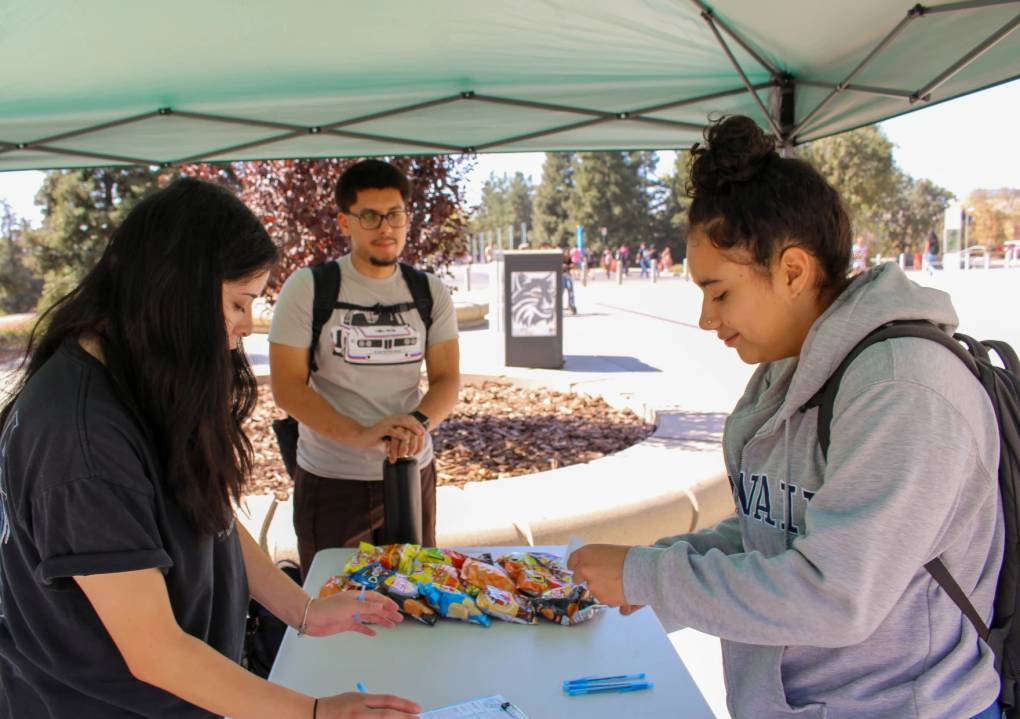
Young Voters Could Decide Key Central Valley Congressional Race
John Duarte on Immigration, Abortion and the GOP Primary
Sponsored
Player sponsored by
window.__IS_SSR__=true
window.__INITIAL_STATE__={
"attachmentsReducer": {
"audio_0": {
"type": "attachments",
"id": "audio_0",
"imgSizes": {
"kqedFullSize": {
"file": "https://ww2.kqed.org/news/wp-content/themes/KQED-unified/img/audio_bgs/background0.jpg"
}
}
},
"audio_1": {
"type": "attachments",
"id": "audio_1",
"imgSizes": {
"kqedFullSize": {
"file": "https://ww2.kqed.org/news/wp-content/themes/KQED-unified/img/audio_bgs/background1.jpg"
}
}
},
"audio_2": {
"type": "attachments",
"id": "audio_2",
"imgSizes": {
"kqedFullSize": {
"file": "https://ww2.kqed.org/news/wp-content/themes/KQED-unified/img/audio_bgs/background2.jpg"
}
}
},
"audio_3": {
"type": "attachments",
"id": "audio_3",
"imgSizes": {
"kqedFullSize": {
"file": "https://ww2.kqed.org/news/wp-content/themes/KQED-unified/img/audio_bgs/background3.jpg"
}
}
},
"audio_4": {
"type": "attachments",
"id": "audio_4",
"imgSizes": {
"kqedFullSize": {
"file": "https://ww2.kqed.org/news/wp-content/themes/KQED-unified/img/audio_bgs/background4.jpg"
}
}
},
"placeholder": {
"type": "attachments",
"id": "placeholder",
"imgSizes": {
"thumbnail": {
"file": "https://cdn.kqed.org/wp-content/uploads/2024/12/KQED-Default-Image-816638274-2000x1333-1-160x107.jpg",
"width": 160,
"height": 107,
"mimeType": "image/jpeg"
},
"medium": {
"file": "https://cdn.kqed.org/wp-content/uploads/2024/12/KQED-Default-Image-816638274-2000x1333-1-800x533.jpg",
"width": 800,
"height": 533,
"mimeType": "image/jpeg"
},
"medium_large": {
"file": "https://cdn.kqed.org/wp-content/uploads/2024/12/KQED-Default-Image-816638274-2000x1333-1-768x512.jpg",
"width": 768,
"height": 512,
"mimeType": "image/jpeg"
},
"large": {
"file": "https://cdn.kqed.org/wp-content/uploads/2024/12/KQED-Default-Image-816638274-2000x1333-1-1020x680.jpg",
"width": 1020,
"height": 680,
"mimeType": "image/jpeg"
},
"1536x1536": {
"file": "https://cdn.kqed.org/wp-content/uploads/2024/12/KQED-Default-Image-816638274-2000x1333-1-1536x1024.jpg",
"width": 1536,
"height": 1024,
"mimeType": "image/jpeg"
},
"fd-lrg": {
"file": "https://cdn.kqed.org/wp-content/uploads/2024/12/KQED-Default-Image-816638274-2000x1333-1-1536x1024.jpg",
"width": 1536,
"height": 1024,
"mimeType": "image/jpeg"
},
"fd-med": {
"file": "https://cdn.kqed.org/wp-content/uploads/2024/12/KQED-Default-Image-816638274-2000x1333-1-1020x680.jpg",
"width": 1020,
"height": 680,
"mimeType": "image/jpeg"
},
"fd-sm": {
"file": "https://cdn.kqed.org/wp-content/uploads/2024/12/KQED-Default-Image-816638274-2000x1333-1-800x533.jpg",
"width": 800,
"height": 533,
"mimeType": "image/jpeg"
},
"post-thumbnail": {
"file": "https://cdn.kqed.org/wp-content/uploads/2024/12/KQED-Default-Image-816638274-2000x1333-1-672x372.jpg",
"width": 672,
"height": 372,
"mimeType": "image/jpeg"
},
"twentyfourteen-full-width": {
"file": "https://cdn.kqed.org/wp-content/uploads/2024/12/KQED-Default-Image-816638274-2000x1333-1-1038x576.jpg",
"width": 1038,
"height": 576,
"mimeType": "image/jpeg"
},
"xxsmall": {
"file": "https://cdn.kqed.org/wp-content/uploads/2024/12/KQED-Default-Image-816638274-2000x1333-1-160x107.jpg",
"width": 160,
"height": 107,
"mimeType": "image/jpeg"
},
"xsmall": {
"file": "https://cdn.kqed.org/wp-content/uploads/2024/12/KQED-Default-Image-816638274-2000x1333-1-672x372.jpg",
"width": 672,
"height": 372,
"mimeType": "image/jpeg"
},
"small": {
"file": "https://cdn.kqed.org/wp-content/uploads/2024/12/KQED-Default-Image-816638274-2000x1333-1-672x372.jpg",
"width": 672,
"height": 372,
"mimeType": "image/jpeg"
},
"xlarge": {
"file": "https://cdn.kqed.org/wp-content/uploads/2024/12/KQED-Default-Image-816638274-2000x1333-1-1020x680.jpg",
"width": 1020,
"height": 680,
"mimeType": "image/jpeg"
},
"full-width": {
"file": "https://cdn.kqed.org/wp-content/uploads/2024/12/KQED-Default-Image-816638274-2000x1333-1-1920x1280.jpg",
"width": 1920,
"height": 1280,
"mimeType": "image/jpeg"
},
"guest-author-32": {
"file": "https://cdn.kqed.org/wp-content/uploads/2025/01/KQED-Default-Image-816638274-1333x1333-1-160x160.jpg",
"width": 32,
"height": 32,
"mimeType": "image/jpeg"
},
"guest-author-50": {
"file": "https://cdn.kqed.org/wp-content/uploads/2025/01/KQED-Default-Image-816638274-1333x1333-1-160x160.jpg",
"width": 50,
"height": 50,
"mimeType": "image/jpeg"
},
"guest-author-64": {
"file": "https://cdn.kqed.org/wp-content/uploads/2025/01/KQED-Default-Image-816638274-1333x1333-1-160x160.jpg",
"width": 64,
"height": 64,
"mimeType": "image/jpeg"
},
"guest-author-96": {
"file": "https://cdn.kqed.org/wp-content/uploads/2025/01/KQED-Default-Image-816638274-1333x1333-1-160x160.jpg",
"width": 96,
"height": 96,
"mimeType": "image/jpeg"
},
"guest-author-128": {
"file": "https://cdn.kqed.org/wp-content/uploads/2025/01/KQED-Default-Image-816638274-1333x1333-1-160x160.jpg",
"width": 128,
"height": 128,
"mimeType": "image/jpeg"
},
"detail": {
"file": "https://cdn.kqed.org/wp-content/uploads/2025/01/KQED-Default-Image-816638274-1333x1333-1-160x160.jpg",
"width": 160,
"height": 160,
"mimeType": "image/jpeg"
},
"kqedFullSize": {
"file": "https://cdn.kqed.org/wp-content/uploads/2024/12/KQED-Default-Image-816638274-2000x1333-1.jpg",
"width": 2000,
"height": 1333
}
}
},
"news_11964633": {
"type": "attachments",
"id": "news_11964633",
"meta": {
"index": "attachments_1716263798",
"site": "news",
"id": "11964633",
"found": true
},
"parent": 11964629,
"imgSizes": {
"twentyfourteen-full-width": {
"file": "https://ww2.kqed.org/app/uploads/sites/10/2023/10/AP23254663677240-1038x576.jpg",
"width": 1038,
"mimeType": "image/jpeg",
"height": 576
},
"thumbnail": {
"file": "https://ww2.kqed.org/app/uploads/sites/10/2023/10/AP23254663677240-160x107.jpg",
"width": 160,
"mimeType": "image/jpeg",
"height": 107
},
"post-thumbnail": {
"file": "https://ww2.kqed.org/app/uploads/sites/10/2023/10/AP23254663677240-672x372.jpg",
"width": 672,
"mimeType": "image/jpeg",
"height": 372
},
"kqedFullSize": {
"file": "https://ww2.kqed.org/app/uploads/sites/10/2023/10/AP23254663677240-scaled.jpg",
"width": 2560,
"height": 1707
},
"2048x2048": {
"file": "https://ww2.kqed.org/app/uploads/sites/10/2023/10/AP23254663677240-2048x1365.jpg",
"width": 2048,
"mimeType": "image/jpeg",
"height": 1365
},
"large": {
"file": "https://ww2.kqed.org/app/uploads/sites/10/2023/10/AP23254663677240-1020x680.jpg",
"width": 1020,
"mimeType": "image/jpeg",
"height": 680
},
"1536x1536": {
"file": "https://ww2.kqed.org/app/uploads/sites/10/2023/10/AP23254663677240-1536x1024.jpg",
"width": 1536,
"mimeType": "image/jpeg",
"height": 1024
},
"full-width": {
"file": "https://ww2.kqed.org/app/uploads/sites/10/2023/10/AP23254663677240-1920x1280.jpg",
"width": 1920,
"mimeType": "image/jpeg",
"height": 1280
},
"medium": {
"file": "https://ww2.kqed.org/app/uploads/sites/10/2023/10/AP23254663677240-800x533.jpg",
"width": 800,
"mimeType": "image/jpeg",
"height": 533
}
},
"publishDate": 1697478081,
"modified": 1697479435,
"caption": "Megan Glaab, winemaker at Ryme Cellars in Forestville, Calif., pours white grapes into an amphora, a ceramic container dating back to ancient Greece, to ferment wine naturally on Sept. 8, 2023. More wineries and wine bars dedicated exclusively to natural wine are opening in the U.S., with a focus on a back-to-basics approach, avoiding additives, pesticides and other manipulative techniques. ",
"description": null,
"title": "Natural Wines",
"credit": "Haven Daley/AP",
"status": "inherit",
"altTag": "A woman pours grapes into a wooden barrel.",
"fetchFailed": false,
"isLoading": false
},
"news_12011870": {
"type": "attachments",
"id": "news_12011870",
"meta": {
"index": "attachments_1716263798",
"site": "news",
"id": "12011870",
"found": true
},
"title": "cd-13-young-voters-67238c0014cc1",
"publishDate": 1730382885,
"status": "inherit",
"parent": 12011869,
"modified": 1730383181,
"caption": "Verania Vizcarra-Sanchez, left, President of the UC Merced chapter of the Young Democrats, said the number of students her organization registers to vote varies. On a recent Tuesday morning, the tent registered only one student.",
"credit": "Rachel Livinal/KVPR",
"altTag": "cd 13",
"description": null,
"imgSizes": {
"medium": {
"file": "https://cdn.kqed.org/wp-content/uploads/sites/10/2024/10/cd-13-young-voters-67238c0014cc1-800x564.jpg",
"width": 800,
"height": 564,
"mimeType": "image/jpeg"
},
"large": {
"file": "https://cdn.kqed.org/wp-content/uploads/sites/10/2024/10/cd-13-young-voters-67238c0014cc1-1020x719.jpg",
"width": 1020,
"height": 719,
"mimeType": "image/jpeg"
},
"thumbnail": {
"file": "https://cdn.kqed.org/wp-content/uploads/sites/10/2024/10/cd-13-young-voters-67238c0014cc1-160x113.jpg",
"width": 160,
"height": 113,
"mimeType": "image/jpeg"
},
"1536x1536": {
"file": "https://cdn.kqed.org/wp-content/uploads/sites/10/2024/10/cd-13-young-voters-67238c0014cc1-1536x1082.jpg",
"width": 1536,
"height": 1082,
"mimeType": "image/jpeg"
},
"post-thumbnail": {
"file": "https://cdn.kqed.org/wp-content/uploads/sites/10/2024/10/cd-13-young-voters-67238c0014cc1-672x372.jpg",
"width": 672,
"height": 372,
"mimeType": "image/jpeg"
},
"twentyfourteen-full-width": {
"file": "https://cdn.kqed.org/wp-content/uploads/sites/10/2024/10/cd-13-young-voters-67238c0014cc1-1038x576.jpg",
"width": 1038,
"height": 576,
"mimeType": "image/jpeg"
},
"kqedFullSize": {
"file": "https://cdn.kqed.org/wp-content/uploads/sites/10/2024/10/cd-13-young-voters-67238c0014cc1.jpg",
"width": 1760,
"height": 1240
}
},
"fetchFailed": false,
"isLoading": false
},
"news_11959081": {
"type": "attachments",
"id": "news_11959081",
"meta": {
"index": "attachments_1716263798",
"site": "news",
"id": "11959081",
"found": true
},
"parent": 11959080,
"imgSizes": {
"twentyfourteen-full-width": {
"file": "https://ww2.kqed.org/app/uploads/sites/10/2023/08/RS68282_IMG_1518-qut-1038x576.jpg",
"width": 1038,
"mimeType": "image/jpeg",
"height": 576
},
"thumbnail": {
"file": "https://ww2.kqed.org/app/uploads/sites/10/2023/08/RS68282_IMG_1518-qut-160x120.jpg",
"width": 160,
"mimeType": "image/jpeg",
"height": 120
},
"post-thumbnail": {
"file": "https://ww2.kqed.org/app/uploads/sites/10/2023/08/RS68282_IMG_1518-qut-672x372.jpg",
"width": 672,
"mimeType": "image/jpeg",
"height": 372
},
"kqedFullSize": {
"file": "https://ww2.kqed.org/app/uploads/sites/10/2023/08/RS68282_IMG_1518-qut.jpg",
"width": 1920,
"height": 1440
},
"large": {
"file": "https://ww2.kqed.org/app/uploads/sites/10/2023/08/RS68282_IMG_1518-qut-1020x765.jpg",
"width": 1020,
"mimeType": "image/jpeg",
"height": 765
},
"1536x1536": {
"file": "https://ww2.kqed.org/app/uploads/sites/10/2023/08/RS68282_IMG_1518-qut-1536x1152.jpg",
"width": 1536,
"mimeType": "image/jpeg",
"height": 1152
},
"medium": {
"file": "https://ww2.kqed.org/app/uploads/sites/10/2023/08/RS68282_IMG_1518-qut-800x600.jpg",
"width": 800,
"mimeType": "image/jpeg",
"height": 600
}
},
"publishDate": 1692915737,
"modified": 1692915772,
"caption": "Rep. John Duarte, R-Modesto, outside of his district office in Turlock, CA on August 23, 2023.",
"description": null,
"title": "RS68282_IMG_1518-qut",
"credit": "Marisa Lagos/KQED",
"status": "inherit",
"altTag": null,
"fetchFailed": false,
"isLoading": false
}
},
"audioPlayerReducer": {
"postId": "stream_live",
"isPaused": true,
"isPlaying": false,
"pfsActive": false,
"pledgeModalIsOpen": true,
"playerDrawerIsOpen": false
},
"authorsReducer": {
"gmarzorati": {
"type": "authors",
"id": "227",
"meta": {
"index": "authors_1716337520",
"id": "227",
"found": true
},
"name": "Guy Marzorati",
"firstName": "Guy",
"lastName": "Marzorati",
"slug": "gmarzorati",
"email": "gmarzorati@KQED.org",
"display_author_email": true,
"staff_mastheads": [
"news"
],
"title": "Correspondent",
"bio": "Guy Marzorati is a correspondent on KQED's California Politics and Government Desk, based in San Jose. A graduate of Santa Clara University, Guy joined KQED in 2013. He reports on state and local politics and produces KQED's digital voter guide.",
"avatar": "https://secure.gravatar.com/avatar/e7038b8dbfd55b104369b76b1cd0b9de?s=600&d=blank&r=g",
"twitter": "guymarzorati",
"facebook": null,
"instagram": null,
"linkedin": null,
"sites": [
{
"site": "",
"roles": [
"editor"
]
},
{
"site": "news",
"roles": [
"editor"
]
},
{
"site": "science",
"roles": [
"editor"
]
},
{
"site": "forum",
"roles": [
"editor"
]
},
{
"site": "elections",
"roles": [
"editor"
]
},
{
"site": "liveblog",
"roles": [
"editor"
]
}
],
"headData": {
"title": "Guy Marzorati | KQED",
"description": "Correspondent",
"ogImgSrc": "https://secure.gravatar.com/avatar/e7038b8dbfd55b104369b76b1cd0b9de?s=600&d=blank&r=g",
"twImgSrc": "https://secure.gravatar.com/avatar/e7038b8dbfd55b104369b76b1cd0b9de?s=600&d=blank&r=g"
},
"isLoading": false,
"link": "/author/gmarzorati"
},
"mlagos": {
"type": "authors",
"id": "3239",
"meta": {
"index": "authors_1716337520",
"id": "3239",
"found": true
},
"name": "Marisa Lagos",
"firstName": "Marisa",
"lastName": "Lagos",
"slug": "mlagos",
"email": "mlagos@kqed.org",
"display_author_email": false,
"staff_mastheads": [
"news"
],
"title": "KQED Contributor",
"bio": "Marisa Lagos is a correspondent for KQED’s California Politics and Government Desk and co-hosts the award-winning show and podcast, Political Breakdown. At KQED, Lagos also conducts reporting, analysis and investigations into state, local and national politics for radio, TV, online and onstage. In 2022, she and co-host, Scott Shafer, moderated the only gubernatorial debate in California. In 2020, the \u003ci>Washington Post\u003c/i> named her one of the top political journalists in California; she was nominated for a Peabody and won several other awards for her work investigating the 2017 California wildfires. She has worked at the \u003ci>San Francisco Chronicle\u003c/i>, \u003ci>San Francisco Examiner\u003c/i> and \u003ci>Los Angeles Times\u003c/i>. A UC Santa Barbara graduate, she lives in San Francisco with her two sons and husband.",
"avatar": "https://secure.gravatar.com/avatar/a261a0d3696fc066871ef96b85b5e7d2?s=600&d=blank&r=g",
"twitter": "@mlagos",
"facebook": null,
"instagram": null,
"linkedin": null,
"sites": [
{
"site": "arts",
"roles": [
"author"
]
},
{
"site": "news",
"roles": [
"editor"
]
},
{
"site": "science",
"roles": [
"editor"
]
},
{
"site": "forum",
"roles": [
"author"
]
},
{
"site": "liveblog",
"roles": [
"author"
]
}
],
"headData": {
"title": "Marisa Lagos | KQED",
"description": "KQED Contributor",
"ogImgSrc": "https://secure.gravatar.com/avatar/a261a0d3696fc066871ef96b85b5e7d2?s=600&d=blank&r=g",
"twImgSrc": "https://secure.gravatar.com/avatar/a261a0d3696fc066871ef96b85b5e7d2?s=600&d=blank&r=g"
},
"isLoading": false,
"link": "/author/mlagos"
},
"kmizuguchi": {
"type": "authors",
"id": "11739",
"meta": {
"index": "authors_1716337520",
"id": "11739",
"found": true
},
"name": "Keith Mizuguchi",
"firstName": "Keith",
"lastName": "Mizuguchi",
"slug": "kmizuguchi",
"email": "kmizuguchi@kqed.org",
"display_author_email": false,
"staff_mastheads": [],
"title": "KQED Contributor",
"bio": null,
"avatar": "https://secure.gravatar.com/avatar/ce1182f9924192ae5ea66d39a75cd7d1?s=600&d=blank&r=g",
"twitter": null,
"facebook": null,
"instagram": null,
"linkedin": null,
"sites": [
{
"site": "news",
"roles": [
"editor"
]
},
{
"site": "science",
"roles": [
"editor"
]
}
],
"headData": {
"title": "Keith Mizuguchi | KQED",
"description": "KQED Contributor",
"ogImgSrc": "https://secure.gravatar.com/avatar/ce1182f9924192ae5ea66d39a75cd7d1?s=600&d=blank&r=g",
"twImgSrc": "https://secure.gravatar.com/avatar/ce1182f9924192ae5ea66d39a75cd7d1?s=600&d=blank&r=g"
},
"isLoading": false,
"link": "/author/kmizuguchi"
}
},
"breakingNewsReducer": {},
"pagesReducer": {},
"postsReducer": {
"stream_live": {
"type": "live",
"id": "stream_live",
"audioUrl": "https://streams.kqed.org/kqedradio",
"title": "Live Stream",
"excerpt": "Live Stream information currently unavailable.",
"link": "/radio",
"featImg": "",
"label": {
"name": "KQED Live",
"link": "/"
}
},
"stream_kqedNewscast": {
"type": "posts",
"id": "stream_kqedNewscast",
"audioUrl": "https://www.kqed.org/.stream/anon/radio/RDnews/newscast.mp3?_=1",
"title": "KQED Newscast",
"featImg": "",
"label": {
"name": "88.5 FM",
"link": "/"
}
},
"news_12016592": {
"type": "posts",
"id": "news_12016592",
"meta": {
"index": "posts_1716263798",
"site": "news",
"id": "12016592",
"score": null,
"sort": [
1733339498000
]
},
"guestAuthors": [],
"slug": "california-winemakers-brace-for-potential-tariffs",
"title": "California Winemakers Brace For Potential Tariffs",
"publishDate": 1733339498,
"format": "audio",
"headTitle": "California Winemakers Brace For Potential Tariffs | KQED",
"labelTerm": {},
"content": "\u003cp>\u003cb>Here are the morning’s top stories on Wednesday, December 4, 2024…\u003c/b>\u003c/p>\n\u003cul>\n\u003cli style=\"font-weight: 400\">\u003cspan style=\"font-weight: 400\">President-elect Trump is proposing to increase tariffs on products imported from China, Canada and Mexico. That, he says, will slash trade deficits and help domestic manufacturing compete by raising prices on imports. But imposing tariffs on imported wines and winemaking supplies \u003c/span>\u003ca href=\"https://norcalpublicmedia.org/2024112796895/news-feed/local-wine-businesses-brace-for-potential-tariffs-in-2025\">\u003cspan style=\"font-weight: 400\">could hurt California’s wine industry\u003c/span>\u003c/a>\u003cspan style=\"font-weight: 400\"> more than it helps. \u003c/span>\u003c/li>\n\u003cli style=\"font-weight: 400\">\u003cspan style=\"font-weight: 400\">The \u003c/span>\u003ca href=\"https://apnews.com/article/california-house-adam-gray-john-duarte-a1ecd3172a1a4b88ad270e0e69325b4e\">\u003cspan style=\"font-weight: 400\">final congressional seat\u003c/span>\u003c/a>\u003cspan style=\"font-weight: 400\"> that was up for grabs in California is going to Central Valley Democrat Adam Gray. Gray defeated Republican incumbent John Duarte in California’s 13th Congressional District race, by fewer than 200 votes.\u003c/span>\u003c/li>\n\u003cli>A San Bernardino County man \u003ca href=\"https://apnews.com/article/california-chinese-man-weapons-shipments-north-korea-456a461228c6384f9092610f9c16e1f0\">has been arrested\u003c/a> and charged with illegally shipping weapons and ammunition to North Korea.\u003c/li>\n\u003c/ul>\n\u003ch2>\u003ca href=\"https://norcalpublicmedia.org/2024112796895/news-feed/local-wine-businesses-brace-for-potential-tariffs-in-2025\">\u003cstrong>Wine Businesses Brace For Potential Tariffs In 2025\u003c/strong>\u003c/a>\u003c/h2>\n\u003cp>Days after winning a second term in the White House, President-elect Donald Trump \u003ca href=\"https://www.npr.org/2024/11/25/g-s1-35842/trump-tariffs-threat\">proposed a 10 to 20% tariff\u003c/a> on all goods coming into the United States. The idea, he says, is to reduce trade deficits and help domestic businesses by raising prices on imports. But many in the U.S. wine industry say that imposing tariffs on imported wines and winemaking supplies would hurt the sector more than it helps.\u003c/p>\n\u003cp>You might think that adding a tax — or tariff — on imported wines would give the domestic industry a boost. Why buy more expensive bottles from overseas when you can pay the same amount or less for local wines? But experts say the issue is more complicated than that — and it starts with who pays the bill.\u003c/p>\n\u003cp>Ben Aneff is head of the U.S. Wine Trade Alliance in Sacramento and the managing partner of Tribeca Wine Merchants in New York. “We sort of all end up paying for the tariff, but the importer writes the check to the U.S. government,” Aneff said. “Then, they would obviously pass that cost up to the distributor, who would pass that cost up to the restaurant or the retailer, who would end up having to pass costs on to consumers.”\u003c/p>\n\u003ch2 class=\"Page-headline\">\u003ca href=\"https://apnews.com/article/california-house-adam-gray-john-duarte-a1ecd3172a1a4b88ad270e0e69325b4e\">\u003cstrong>Adam Gray Captures California’s 13th US House District\u003c/strong>\u003c/a>\u003c/h2>\n\u003cp>Democrat Adam Gray captured California’s 13th Congressional District on Tuesday, unseating Republican Rep. John Duarte in the final U.S. House contest to be decided this year.\u003c/p>\n\u003cp>[ad fullwidth]\u003c/p>\n\u003cp>Gray’s win in the farm belt seat that cuts through five counties means Republicans won 220 House seats this election cycle, with Democrats holding 215 seats. Gray won by a margin of less than 200 votes, with election officials reporting Tuesday all ballots had been counted.\u003c/p>\n\u003cp>Duarte \u003cspan class=\"LinkEnhancement\">\u003ca class=\"Link AnClick-LinkEnhancement\" href=\"https://apnews.com/article/2022-midterm-elections-california-race-and-ethnicity-congress-government-politics-a75c8a9b693ce9a39cce7be09eb124dc\" data-gtm-enhancement-style=\"LinkEnhancementA\">captured the seat\u003c/a>\u003c/span> in 2022 when he defeated Gray by one of the closest margins in the country, 564 votes. He was often listed among the most vulnerable House Republicans given that narrow margin of victory in a district with a Democratic tilt — about 11 points over registered Republicans.\u003c/p>\n\u003ch2 class=\"Page-headline\">\u003ca href=\"https://apnews.com/article/california-chinese-man-weapons-shipments-north-korea-456a461228c6384f9092610f9c16e1f0\">\u003cstrong>California Man Charged With Shipping Weapons To North Korea\u003c/strong>\u003c/a>\u003c/h2>\n\u003cp>A California man has been charged with shipping weapons and ammunition to North Korea and told investigators they were to be used for a surprise attack on South Korea, authorities said Tuesday.\u003c/p>\n\u003cp>Shenghua Wen came to the U.S. from China on a student visa more than a decade ago after meeting with North Korean officials who instructed him to procure goods for the North Korean government, according to the U.S. Attorney’s office in Los Angeles.\u003c/p>\n\u003cp>Wen, 41, was arrested at his home in Ontario, California, without incident Tuesday and charged with conspiring to violate federal law barring the shipments.\u003c/p>\n\u003cp>\u003c/p>\n\u003cp> \u003c/p>\n\n",
"blocks": [],
"excerpt": "President-elect Donald Trump has proposed a 10 to 20% tariff on all goods coming into the United States.",
"status": "publish",
"parent": 0,
"modified": 1733339498,
"stats": {
"hasAudio": false,
"hasVideo": false,
"hasChartOrMap": false,
"iframeSrcs": [],
"hasGoogleForm": false,
"hasGallery": false,
"hasHearkenModule": false,
"hasPolis": false,
"paragraphCount": 12,
"wordCount": 606
},
"headData": {
"title": "California Winemakers Brace For Potential Tariffs | KQED",
"description": "President-elect Donald Trump has proposed a 10 to 20% tariff on all goods coming into the United States.",
"ogTitle": "",
"ogDescription": "",
"ogImgId": "",
"twTitle": "",
"twDescription": "",
"twImgId": "",
"schema": {
"@context": "https://schema.org",
"@type": "NewsArticle",
"headline": "California Winemakers Brace For Potential Tariffs",
"datePublished": "2024-12-04T11:11:38-08:00",
"dateModified": "2024-12-04T11:11:38-08:00",
"image": "https://cdn.kqed.org/wp-content/uploads/2020/02/KQED-OG-Image@1x.png",
"isAccessibleForFree": "True",
"publisher": {
"@type": "NewsMediaOrganization",
"@id": "https://www.kqed.org/#organization",
"name": "KQED",
"logo": "https://cdn.kqed.org/wp-content/uploads/2020/02/KQED-OG-Image@1x.png",
"url": "https://www.kqed.org",
"sameAs": [
"https://www.facebook.com/KQED",
"https://twitter.com/KQED",
"https://www.instagram.com/kqed/",
"https://www.tiktok.com/@kqedofficial",
"https://www.linkedin.com/company/kqed",
"https://www.youtube.com/channel/UCeC0IOo7i1P_61zVUWbJ4nw"
]
}
}
},
"source": "The California Report",
"sourceUrl": "https://www.kqed.org/news/tag/tcrarchive/",
"audioUrl": "https://www.podtrac.com/pts/redirect.mp3/chrt.fm/track/G6C7C3/traffic.megaphone.fm/KQINC4568734694.mp3?updated=1733324721",
"sticky": false,
"nprStoryId": "kqed-12016592",
"excludeFromSiteSearch": "Include",
"articleAge": "0",
"path": "/news/12016592/california-winemakers-brace-for-potential-tariffs",
"audioTrackLength": null,
"parsedContent": [
{
"type": "contentString",
"content": "\u003cdiv class=\"post-body\">\u003cp>\u003cp>\u003cb>Here are the morning’s top stories on Wednesday, December 4, 2024…\u003c/b>\u003c/p>\n\u003cul>\n\u003cli style=\"font-weight: 400\">\u003cspan style=\"font-weight: 400\">President-elect Trump is proposing to increase tariffs on products imported from China, Canada and Mexico. That, he says, will slash trade deficits and help domestic manufacturing compete by raising prices on imports. But imposing tariffs on imported wines and winemaking supplies \u003c/span>\u003ca href=\"https://norcalpublicmedia.org/2024112796895/news-feed/local-wine-businesses-brace-for-potential-tariffs-in-2025\">\u003cspan style=\"font-weight: 400\">could hurt California’s wine industry\u003c/span>\u003c/a>\u003cspan style=\"font-weight: 400\"> more than it helps. \u003c/span>\u003c/li>\n\u003cli style=\"font-weight: 400\">\u003cspan style=\"font-weight: 400\">The \u003c/span>\u003ca href=\"https://apnews.com/article/california-house-adam-gray-john-duarte-a1ecd3172a1a4b88ad270e0e69325b4e\">\u003cspan style=\"font-weight: 400\">final congressional seat\u003c/span>\u003c/a>\u003cspan style=\"font-weight: 400\"> that was up for grabs in California is going to Central Valley Democrat Adam Gray. Gray defeated Republican incumbent John Duarte in California’s 13th Congressional District race, by fewer than 200 votes.\u003c/span>\u003c/li>\n\u003cli>A San Bernardino County man \u003ca href=\"https://apnews.com/article/california-chinese-man-weapons-shipments-north-korea-456a461228c6384f9092610f9c16e1f0\">has been arrested\u003c/a> and charged with illegally shipping weapons and ammunition to North Korea.\u003c/li>\n\u003c/ul>\n\u003ch2>\u003ca href=\"https://norcalpublicmedia.org/2024112796895/news-feed/local-wine-businesses-brace-for-potential-tariffs-in-2025\">\u003cstrong>Wine Businesses Brace For Potential Tariffs In 2025\u003c/strong>\u003c/a>\u003c/h2>\n\u003cp>Days after winning a second term in the White House, President-elect Donald Trump \u003ca href=\"https://www.npr.org/2024/11/25/g-s1-35842/trump-tariffs-threat\">proposed a 10 to 20% tariff\u003c/a> on all goods coming into the United States. The idea, he says, is to reduce trade deficits and help domestic businesses by raising prices on imports. But many in the U.S. wine industry say that imposing tariffs on imported wines and winemaking supplies would hurt the sector more than it helps.\u003c/p>\n\u003cp>You might think that adding a tax — or tariff — on imported wines would give the domestic industry a boost. Why buy more expensive bottles from overseas when you can pay the same amount or less for local wines? But experts say the issue is more complicated than that — and it starts with who pays the bill.\u003c/p>\n\u003cp>Ben Aneff is head of the U.S. Wine Trade Alliance in Sacramento and the managing partner of Tribeca Wine Merchants in New York. “We sort of all end up paying for the tariff, but the importer writes the check to the U.S. government,” Aneff said. “Then, they would obviously pass that cost up to the distributor, who would pass that cost up to the restaurant or the retailer, who would end up having to pass costs on to consumers.”\u003c/p>\n\u003ch2 class=\"Page-headline\">\u003ca href=\"https://apnews.com/article/california-house-adam-gray-john-duarte-a1ecd3172a1a4b88ad270e0e69325b4e\">\u003cstrong>Adam Gray Captures California’s 13th US House District\u003c/strong>\u003c/a>\u003c/h2>\n\u003cp>Democrat Adam Gray captured California’s 13th Congressional District on Tuesday, unseating Republican Rep. John Duarte in the final U.S. House contest to be decided this year.\u003c/p>\n\u003cp>\u003c/p>\u003c/div>",
"attributes": {
"named": {},
"numeric": []
}
},
{
"type": "component",
"content": "",
"name": "ad",
"attributes": {
"named": {
"label": "fullwidth"
},
"numeric": [
"fullwidth"
]
}
},
{
"type": "contentString",
"content": "\u003cdiv class=\"post-body\">\u003cp>\u003c/p>\n\u003cp>Gray’s win in the farm belt seat that cuts through five counties means Republicans won 220 House seats this election cycle, with Democrats holding 215 seats. Gray won by a margin of less than 200 votes, with election officials reporting Tuesday all ballots had been counted.\u003c/p>\n\u003cp>Duarte \u003cspan class=\"LinkEnhancement\">\u003ca class=\"Link AnClick-LinkEnhancement\" href=\"https://apnews.com/article/2022-midterm-elections-california-race-and-ethnicity-congress-government-politics-a75c8a9b693ce9a39cce7be09eb124dc\" data-gtm-enhancement-style=\"LinkEnhancementA\">captured the seat\u003c/a>\u003c/span> in 2022 when he defeated Gray by one of the closest margins in the country, 564 votes. He was often listed among the most vulnerable House Republicans given that narrow margin of victory in a district with a Democratic tilt — about 11 points over registered Republicans.\u003c/p>\n\u003ch2 class=\"Page-headline\">\u003ca href=\"https://apnews.com/article/california-chinese-man-weapons-shipments-north-korea-456a461228c6384f9092610f9c16e1f0\">\u003cstrong>California Man Charged With Shipping Weapons To North Korea\u003c/strong>\u003c/a>\u003c/h2>\n\u003cp>A California man has been charged with shipping weapons and ammunition to North Korea and told investigators they were to be used for a surprise attack on South Korea, authorities said Tuesday.\u003c/p>\n\u003cp>Shenghua Wen came to the U.S. from China on a student visa more than a decade ago after meeting with North Korean officials who instructed him to procure goods for the North Korean government, according to the U.S. Attorney’s office in Los Angeles.\u003c/p>\n\u003cp>Wen, 41, was arrested at his home in Ontario, California, without incident Tuesday and charged with conspiring to violate federal law barring the shipments.\u003c/p>\n\u003cp>\u003c/p>\n\u003cp> \u003c/p>\n\n\u003c/div>\u003c/p>",
"attributes": {
"named": {},
"numeric": []
}
}
],
"link": "/news/12016592/california-winemakers-brace-for-potential-tariffs",
"authors": [
"11739"
],
"programs": [
"news_72"
],
"categories": [
"news_33520",
"news_34018"
],
"tags": [
"news_34671",
"news_20149",
"news_34672",
"news_2166",
"news_23908",
"news_21998",
"news_21268",
"news_6926"
],
"featImg": "news_11964633",
"label": "source_news_12016592"
},
"news_12011869": {
"type": "posts",
"id": "news_12011869",
"meta": {
"index": "posts_1716263798",
"site": "news",
"id": "12011869",
"score": null,
"sort": [
1730402887000
]
},
"guestAuthors": [],
"slug": "young-voters-could-decide-key-central-valley-congressional-race",
"title": "Young Voters Could Decide Key Central Valley Congressional Race",
"publishDate": 1730402887,
"format": "audio",
"headTitle": "Young Voters Could Decide Key Central Valley Congressional Race | KQED",
"labelTerm": {},
"content": "\u003cp>\u003cb>Here are the morning’s top stories on Thursday, October 31, 2024…\u003c/b>\u003c/p>\n\u003cul>\n\u003cli style=\"font-weight: 400\">\u003cspan style=\"font-weight: 400\">Young voter turnout across the U.S. has historically been low. But this year, youth voter registration has surged. And that \u003c/span>\u003ca href=\"https://www.kvpr.org/local-news/2024-10-10/in-a-rural-california-house-district-young-people-could-tilt-power-in-congress\">\u003cspan style=\"font-weight: 400\">could make a difference\u003c/span>\u003c/a>\u003cspan style=\"font-weight: 400\"> in the Congressional District 13 race in northern San Joaquin Valley. Two years ago, Republican John Duarte beat Democrat Adam Gray by less than 600 votes. \u003c/span>\u003c/li>\n\u003cli style=\"font-weight: 400\">\u003cspan style=\"font-weight: 400\">Another demographic that could sway the vote in California’s 13th District is Latinas. They make up 1 in every 4 voters in the District, according to Lucete Latina, a Federal Political Action Committee.\u003c/span>\u003c/li>\n\u003cli>The Los Angeles Dodgers \u003ca href=\"https://laist.com/news/dodgers-yankees-win-world-series\">won another championship \u003c/a>in dramatic fashion Wednesday night, coming from behind to beat the New York Yankees 7–6 in Game 5 of the World Series. It’s the franchise’s eighth World Series championship.\u003c/li>\n\u003c/ul>\n\u003ch2 class=\"ArtP-headline\">\u003ca href=\"https://www.kvpr.org/local-news/2024-10-10/in-a-rural-california-house-district-young-people-could-tilt-power-in-congress\">In A Rural California House District, Young People Could Tilt Power In Congress\u003c/a>\u003c/h2>\n\u003cp>Young voter turnout across the U.S., including many California districts, has historically been low. But this year, youth voter registration has surged nationwide. Voter guide website vote.org has registered more than 300,000 people to vote since President Joe Biden withdrew from the race in July. Most are under 35 years old.\u003c/p>\n\u003cp>In counties that make up \u003ca href=\"https://www.govtrack.us/congress/members/CA/13\">the 13th Congressional District\u003c/a> — which includes Merced and parts of Madera, Stanislaus, Fresno and San Joaquin — about a third of registered voters are between 18 and 35 years old. Their votes could make a difference in this district, a swing district in the northern San Joaquin Valley. In the last general election, in 2022, Republican John Duarte beat Democratic challenger Adam Gray by 564 votes. Youth turnout for that race, according to CalMatters, was only 23% in 2022.\u003c/p>\n\u003cp>That’s led a lot of civically engaged young people to go out to canvas and support their party and/or candidate, both locally and nationally.\u003c/p>\n\u003ch2>\u003cstrong>Latina Vote Could Be Key In 13th Congressional District\u003c/strong>\u003c/h2>\n\u003cp>Latinas could also play a huge role in determining the winner in the toss-up 13th Congressional District. According to \u003ca href=\"https://www.anewcalifornia.org/\">Lucete Latina\u003c/a>, a Federal Political Action Committee, they make up 1 in every 4 voters in the District.\u003c/p>\n\u003cp>[ad fullwidth]\u003c/p>\n\u003cp>Roxana Pantoja is a 19-year-old Merced resident. She’s been knocking on doors for the last several weeks in an effort to get fellow Latinas out to vote. “It’s honestly helping a lot of the Mexican community because sometimes they don’t even know that it’s happening. They just think that it’s just the presidential elections,” she said. “One told me that they weren’t going to vote this year, but since we’re trying to get them to vote, she was going to actually go and vote. That just made my day.”\u003c/p>\n\u003cp>Pantoja said some of her family members can’t vote because they’re not citizens. Her mom told her that she can’t vote for who she wants to represent her, “but you get that chance.”\u003c/p>\n\u003ch1 class=\"ArticlePage-headline\">\u003ca href=\"https://laist.com/news/dodgers-yankees-win-world-series\">Dodgers Beat Yankees To Become 8-Time World Series Champs\u003c/a>\u003c/h1>\n\u003cp>The Los Angeles Dodgers \u003ca href=\"https://www.npr.org/2024/10/31/g-s1-31147/la-dodgers-win-world-series\">won their second World Series\u003c/a> championship in five seasons, overcoming a five-run deficit with the help of three Yankees defensive miscues and rallying on sacrifice flies from Gavin Lux and Mookie Betts in the eighth inning to beat New York 7–6 in Game 5 on Wednesday night.\u003c/p>\n\u003cp>\u003c/p>\n\u003cp>The Dodgers earned their eighth championship and seventh since leaving Brooklyn for Los Angeles — their first in a non-shortened season since 1988. They won a neutral-site World Series against Tampa Bay in 2020 after a 60-game regular season and couldn’t have a parade because of the coronavirus pandemic.\u003c/p>\n\n",
"blocks": [],
"excerpt": "The 13th Congressional District is considered a toss-up by most political pundits.",
"status": "publish",
"parent": 0,
"modified": 1743708809,
"stats": {
"hasAudio": false,
"hasVideo": false,
"hasChartOrMap": false,
"iframeSrcs": [],
"hasGoogleForm": false,
"hasGallery": false,
"hasHearkenModule": false,
"hasPolis": false,
"paragraphCount": 11,
"wordCount": 641
},
"headData": {
"title": "Young Voters Could Decide Key Central Valley Congressional Race | KQED",
"description": "The 13th Congressional District is considered a toss-up by most political pundits.",
"ogTitle": "",
"ogDescription": "",
"ogImgId": "",
"twTitle": "",
"twDescription": "",
"twImgId": "",
"schema": {
"@context": "https://schema.org",
"@type": "NewsArticle",
"headline": "Young Voters Could Decide Key Central Valley Congressional Race",
"datePublished": "2024-10-31T12:28:07-07:00",
"dateModified": "2025-04-03T12:33:29-07:00",
"image": "https://cdn.kqed.org/wp-content/uploads/2020/02/KQED-OG-Image@1x.png",
"isAccessibleForFree": "True",
"publisher": {
"@type": "NewsMediaOrganization",
"@id": "https://www.kqed.org/#organization",
"name": "KQED",
"logo": "https://cdn.kqed.org/wp-content/uploads/2020/02/KQED-OG-Image@1x.png",
"url": "https://www.kqed.org",
"sameAs": [
"https://www.facebook.com/KQED",
"https://twitter.com/KQED",
"https://www.instagram.com/kqed/",
"https://www.tiktok.com/@kqedofficial",
"https://www.linkedin.com/company/kqed",
"https://www.youtube.com/channel/UCeC0IOo7i1P_61zVUWbJ4nw"
]
}
}
},
"source": "The California Report",
"sourceUrl": "https://www.kqed.org/news/tag/tcrarchive/",
"audioUrl": "https://www.podtrac.com/pts/redirect.mp3/chrt.fm/track/G6C7C3/traffic.megaphone.fm/KQINC1939078026.mp3?updated=1730384958",
"sticky": false,
"nprStoryId": "kqed-12011869",
"templateType": "standard",
"featuredImageType": "standard",
"excludeFromSiteSearch": "Include",
"articleAge": "0",
"path": "/news/12011869/young-voters-could-decide-key-central-valley-congressional-race",
"audioTrackLength": null,
"parsedContent": [
{
"type": "contentString",
"content": "\u003cdiv class=\"post-body\">\u003cp>\u003cp>\u003cb>Here are the morning’s top stories on Thursday, October 31, 2024…\u003c/b>\u003c/p>\n\u003cul>\n\u003cli style=\"font-weight: 400\">\u003cspan style=\"font-weight: 400\">Young voter turnout across the U.S. has historically been low. But this year, youth voter registration has surged. And that \u003c/span>\u003ca href=\"https://www.kvpr.org/local-news/2024-10-10/in-a-rural-california-house-district-young-people-could-tilt-power-in-congress\">\u003cspan style=\"font-weight: 400\">could make a difference\u003c/span>\u003c/a>\u003cspan style=\"font-weight: 400\"> in the Congressional District 13 race in northern San Joaquin Valley. Two years ago, Republican John Duarte beat Democrat Adam Gray by less than 600 votes. \u003c/span>\u003c/li>\n\u003cli style=\"font-weight: 400\">\u003cspan style=\"font-weight: 400\">Another demographic that could sway the vote in California’s 13th District is Latinas. They make up 1 in every 4 voters in the District, according to Lucete Latina, a Federal Political Action Committee.\u003c/span>\u003c/li>\n\u003cli>The Los Angeles Dodgers \u003ca href=\"https://laist.com/news/dodgers-yankees-win-world-series\">won another championship \u003c/a>in dramatic fashion Wednesday night, coming from behind to beat the New York Yankees 7–6 in Game 5 of the World Series. It’s the franchise’s eighth World Series championship.\u003c/li>\n\u003c/ul>\n\u003ch2 class=\"ArtP-headline\">\u003ca href=\"https://www.kvpr.org/local-news/2024-10-10/in-a-rural-california-house-district-young-people-could-tilt-power-in-congress\">In A Rural California House District, Young People Could Tilt Power In Congress\u003c/a>\u003c/h2>\n\u003cp>Young voter turnout across the U.S., including many California districts, has historically been low. But this year, youth voter registration has surged nationwide. Voter guide website vote.org has registered more than 300,000 people to vote since President Joe Biden withdrew from the race in July. Most are under 35 years old.\u003c/p>\n\u003cp>In counties that make up \u003ca href=\"https://www.govtrack.us/congress/members/CA/13\">the 13th Congressional District\u003c/a> — which includes Merced and parts of Madera, Stanislaus, Fresno and San Joaquin — about a third of registered voters are between 18 and 35 years old. Their votes could make a difference in this district, a swing district in the northern San Joaquin Valley. In the last general election, in 2022, Republican John Duarte beat Democratic challenger Adam Gray by 564 votes. Youth turnout for that race, according to CalMatters, was only 23% in 2022.\u003c/p>\n\u003cp>That’s led a lot of civically engaged young people to go out to canvas and support their party and/or candidate, both locally and nationally.\u003c/p>\n\u003ch2>\u003cstrong>Latina Vote Could Be Key In 13th Congressional District\u003c/strong>\u003c/h2>\n\u003cp>Latinas could also play a huge role in determining the winner in the toss-up 13th Congressional District. According to \u003ca href=\"https://www.anewcalifornia.org/\">Lucete Latina\u003c/a>, a Federal Political Action Committee, they make up 1 in every 4 voters in the District.\u003c/p>\n\u003cp>\u003c/p>\u003c/div>",
"attributes": {
"named": {},
"numeric": []
}
},
{
"type": "component",
"content": "",
"name": "ad",
"attributes": {
"named": {
"label": "fullwidth"
},
"numeric": [
"fullwidth"
]
}
},
{
"type": "contentString",
"content": "\u003cdiv class=\"post-body\">\u003cp>\u003c/p>\n\u003cp>Roxana Pantoja is a 19-year-old Merced resident. She’s been knocking on doors for the last several weeks in an effort to get fellow Latinas out to vote. “It’s honestly helping a lot of the Mexican community because sometimes they don’t even know that it’s happening. They just think that it’s just the presidential elections,” she said. “One told me that they weren’t going to vote this year, but since we’re trying to get them to vote, she was going to actually go and vote. That just made my day.”\u003c/p>\n\u003cp>Pantoja said some of her family members can’t vote because they’re not citizens. Her mom told her that she can’t vote for who she wants to represent her, “but you get that chance.”\u003c/p>\n\u003ch1 class=\"ArticlePage-headline\">\u003ca href=\"https://laist.com/news/dodgers-yankees-win-world-series\">Dodgers Beat Yankees To Become 8-Time World Series Champs\u003c/a>\u003c/h1>\n\u003cp>The Los Angeles Dodgers \u003ca href=\"https://www.npr.org/2024/10/31/g-s1-31147/la-dodgers-win-world-series\">won their second World Series\u003c/a> championship in five seasons, overcoming a five-run deficit with the help of three Yankees defensive miscues and rallying on sacrifice flies from Gavin Lux and Mookie Betts in the eighth inning to beat New York 7–6 in Game 5 on Wednesday night.\u003c/p>\n\u003cp>\u003c/p>\n\u003cp>The Dodgers earned their eighth championship and seventh since leaving Brooklyn for Los Angeles — their first in a non-shortened season since 1988. They won a neutral-site World Series against Tampa Bay in 2020 after a 60-game regular season and couldn’t have a parade because of the coronavirus pandemic.\u003c/p>\n\n\u003c/div>\u003c/p>",
"attributes": {
"named": {},
"numeric": []
}
}
],
"link": "/news/12011869/young-voters-could-decide-key-central-valley-congressional-race",
"authors": [
"11739"
],
"programs": [
"news_72"
],
"categories": [
"news_33520",
"news_34018"
],
"tags": [
"news_34671",
"news_34670",
"news_778",
"news_32839",
"news_34672",
"news_21998",
"news_21268",
"news_144",
"news_34381"
],
"featImg": "news_12011870",
"label": "source_news_12011869"
},
"news_11959080": {
"type": "posts",
"id": "news_11959080",
"meta": {
"index": "posts_1716263798",
"site": "news",
"id": "11959080",
"score": null,
"sort": [
1692926741000
]
},
"parent": 0,
"labelTerm": {},
"blocks": [],
"publishDate": 1692926741,
"format": "audio",
"title": "John Duarte on Immigration, Abortion and the GOP Primary",
"headTitle": "John Duarte on Immigration, Abortion and the GOP Primary | KQED",
"content": "\u003cp>\u003ca href=\"#episode-transcript\">\u003ci>\u003cspan style=\"font-weight: 400\">View the full episode transcript.\u003c/span>\u003c/i>\u003c/a>\u003c/p>\n\u003cp>Tax fights between business groups and the Democratic legislature intensify in Sacramento. Marisa and Guy Marzorati discuss the implications for 2024 and head to Turlock to talk with Republican Rep. John Duarte about his plant nursery business, why he split with the GOP caucus in recent votes on immigration and abortion and his thoughts on the Republican presidential primary.\u003c/p>\n\u003ch2 id=\"episode-transcript\">Episode Transcript\u003c/h2>\n\u003cp>\u003ci>\u003cspan style=\"font-weight: 400\">This is a computer-generated transcript. While our team has reviewed it, there may be errors.\u003c/span>\u003c/i>\u003c/p>\n\u003cp>\u003cstrong>Marisa Lagos:\u003c/strong> Hey, everyone from KQED Public Radio, this is Political Breakdown. I’m Marisa Lagos.\u003c/p>\n\u003cp>\u003cstrong>Guy Marzorati:\u003c/strong> And I’m Guy Marzorati, in for Scott Shafer, and today on the Breakdown, we hit the road to the Central Valley to sit down with one of the GOP congressmen representing that region, in one of California’s key swing districts.\u003c/p>\n\u003cp>[ad fullwidth]\u003c/p>\n\u003cp>\u003cstrong>Marisa Lagos:\u003c/strong> That’s right. We’re thrilled to bring you our conversation with Representative John Duarte. He’s a longtime player in the state’s agricultural sector, and he won the 13th Congressional District in 2022 in a very close race against former state Assemblyman Adam Gray. Voters can expect a rematch between the two moderates next year. But we got to talk to him about immigration, abortion and other hot button issues. So stick around for that. It was a great conversation.\u003c/p>\n\u003cp>\u003cstrong>Guy Marzorati:\u003c/strong> Yeah good conversation with him.\u003c/p>\n\u003cp>\u003cstrong>Marisa Lagos:\u003c/strong> But first Guy it’s end of session in Sacramento, the time of year when the legislature has to finish up its business this year by midnight on September 14th and the shenanigans have begun. I feel like there is a big kind of growing I mean, existing, but growing maybe to a head tension between the business community and Democrats in the legislature, as well as a number of other groups. There’s a couple of big kind of labor fights, a bill that would allow striking workers to get unemployment benefits. Of course, those are paid for by companies. It’s not a thing the business community likes to hear about. Another proposal to increase the number of guaranteed six days per year from 3 to 7. But I feel like all of this is being slightly overshadowed by a burgeoning fight over next year’s ballot measures.\u003c/p>\n\u003cp>So I guess to back up a second, we have a ballot measure put on next November’s ballot by the business community that’s going to make it a lot harder for the state and locals to assess taxes and fees on voters. And what we saw last week was the new Assembly speaker reflects a little muscle, introducing a measure that would kind of undercut that business ballot measure.\u003c/p>\n\u003cp>\u003cstrong>Guy Marzorati:\u003c/strong> Right. Basically, the Democratic-backed measure that the legislature is hoping to get done in the next few weeks, potentially put it on the March ballot. So get it on before this business measure goes on in November. That would say, look, if you know, these business groups want to increase the threshold to pass taxes, basically their measure would make any tax have to be passed by the legislature and then go before voters. It would say if you want to raise the threshold and raise some local threshold to two-thirds, your own measure on the state ballot would need to get two-thirds of the statewide vote. So both sides have accused each other of kind of changing the rules of the game on the fly. But this is, as you say, just an ongoing escalation between business groups in California, a lot of the labor backed Democrats in the state capitol. I think of almost like rational deterrence, right? These groups are just arming up so much on either side that it almost seems like we could be headed toward some kind of compromise.\u003c/p>\n\u003cp>We’ve seen this before where a ballot measure like the one business groups have qualified can be taken off. It doesn’t have to go on the November ballot. There can be a deal reached between now and then. And I think as you’re seeing so much escalation on both sides, it could point to that. The question is at what price for Democrats? Because we’ve seen this before, where they’ve had to negotiate with the business community to get a measure off the ballot. A couple of years ago, it meant that they had to basically put a halt on all local soda taxes. What’s the price this time to stop this measure from getting on the ballot that really, and we can talk about some of the details. I think it’s a fair comparison to something like Prop 13, maybe not with the immediate financial impact, but just the reach.\u003c/p>\n\u003cp>\u003cstrong>Marisa Lagos:\u003c/strong> Yeah, I mean, it is really extreme. And I think that that is one area that I’m going to be interested to watch this kind of positioning occur because you mentioned sort of labor versus business. I think that the tax measure the Business Roundtable put on next fall’s ballot goes way beyond that normal kind of breakdown because it does so clearly go after local jurisdictions and their ability to raise revenue. I think you’re going to have a really interesting group if this stays on the ballot of bedfellows, because it’s going to affect red, you know, Central Valley cities and counties, special districts just as much as blue ones. And at the end of the day, a lot of the services that are provided by government are not controversial or political. We’re talking police and fire and, you know, in some cases, you know, picking up the streets. I mean, I really think that if this is an attempt by the new speaker and Democrats and labor and, you know, the League of California Cities and all these other groups to kind of push this off the ballot, they will be flexing that muscle in a kind of bigger coalition than we’ve seen. And I think just generally, it’s going to be a fascinating campaign on both sides to kind of see how they try to take what just took me like an hour to just go through this measure and understand it.\u003c/p>\n\u003cp>\u003cstrong>Guy Marzorati:\u003c/strong> Oh, there’s so much, look we’re going to spend a lot of time, I anticipate unpacking this business tax measure. But one of the impacts we talked about today was just on local measures that have already passed. There’s a retroactive element to this that would basically say measures passed in the 2022 election if they didn’t really specify a timetable for the taxation, they would be wiped out. And you’d have there’s plenty of local taxes here in the Bay Area in San Francisco, many in the South Bay —\u003c/p>\n\u003cp>\u003cstrong>Marisa Lagos:\u003c/strong> We’re talking billions of dollars of revenue —\u003c/p>\n\u003cp>\u003cstrong>Guy Marzorati:\u003c/strong> That would be thrown out by this, potentially.\u003c/p>\n\u003cp>\u003cstrong>Marisa Lagos:\u003c/strong> Yeah, I looked at this. I mean on the list that might actually go down is a $20 million a year tax in Oakland, $10 million a year tax in Culver City, that is real money for these jurisdictions. So, as you said, we’ll be watching this really closely. I think the other question is just going to be the potential for litigation and just the kind of, you know, hornet’s nest —\u003c/p>\n\u003cp>\u003cstrong>Guy Marzorati:\u003c/strong> Oh, city attorney’s nightmare.\u003c/p>\n\u003cp>\u003cstrong>Marisa Lagos:\u003c/strong> City attorney’s nightmare for sure. All right. So we’re going to take a short break now. We will talk about this plenty in the months ahead. When we come back, our conversation Wednesday with Central Valley Congressman John Duarte. You’re listening to Political Breakdown from KQED Public Radio.\u003c/p>\n\u003cp>\u003cstrong>Marisa Lagos:\u003c/strong> Welcome back to Political Breakdown. I’m Marisa Lagos here with Guy Marzorati and we are excited to be in Turlock today in the office of Central Valley Republican Congressman John Duarte. He was elected in a very close race in 2022 to represent Congressional District 13. It runs down the I-5 corridor from around Modesto to the area west of Fresno. Congressman, welcome to the Breakdown.\u003c/p>\n\u003cp>\u003cstrong>John Duarte:\u003c/strong> Good to be here Marisa.\u003c/p>\n\u003cp>\u003cstrong>Marisa Lagos:\u003c/strong> Thanks for taking some time. So as we said, we’re in Turlock. And I wondered if you would just start by telling listeners a little bit about your district, what gets grown here versus other parts of the Central Valley further south?\u003c/p>\n\u003cp>\u003cstrong>John Duarte:\u003c/strong> Excellent. Well, this district, as you said, goes from Lathrop up just west of Stockton, all the way down the Highway 5 corridor includes West Modesto, which is one of the richest, most heritage farm areas in America, all the way down to Coalinga on the very south and west end, Riverdale. And so as you go up through the valley, we have more almond acreage in this district than any other district in America, probably any other political district in the world, for that matter, because when you’re number one on California in almonds, you’re number one.\u003c/p>\n\u003cp>\u003cstrong>Guy Marzorati:\u003c/strong> Tell us a little bit about your family business. This is something that your parents started, is that right?\u003c/p>\n\u003cp>\u003cstrong>John Duarte:\u003c/strong> Well, yeah. Duarte Nursery, Duarte Trees & Vines is a business we have here in Hughson, California that was begun by my parents in 1988. I joined them in ’89, kind of co-founded the business with them, my brother Jeff and my mom and dad, Jim and Anita all started it, built it up kind of out of the ashes of previous nursery companies my parents had had. And it was a real privilege to come out of college and be able to just be able to bootstrap a company together and kind of grow it with my parents, with my brother Jeff, and now my wife Alexandra and my son Isaac are full time employees at the nursery. Isaac just came back out of Cal Poly with a horticulture degree. So we’re very pleased, very family —\u003c/p>\n\u003cp>\u003cstrong>Marisa Lagos:\u003c/strong> Three generations.\u003c/p>\n\u003cp>\u003cstrong>Guy Marzorati:\u003c/strong> Your parents — tough bosses?\u003c/p>\n\u003cp>\u003cstrong>John Duarte:\u003c/strong>\u003cem> [laughs]\u003c/em> Well, we were you know, my brother and I owned half the company from the beginning. And so my dad was the president. He’s retired since ’06, I became president of the company in 2006. And now my brother Jeff is running it, I’ve kind of dumped it on him —\u003c/p>\n\u003cp>\u003cstrong>Marisa Lagos:\u003c/strong> You have another job —\u003c/p>\n\u003cp>\u003cstrong>John Duarte:\u003c/strong> \u003cem>[laughs]\u003c/em> Yeah I’ve got some things to do.\u003c/p>\n\u003cp>\u003cstrong>Marisa Lagos:\u003c/strong> I want to ask, though, I think you majored in finance. Was numbers kind of always your forte? Were you thinking about this burgeoning business venture when you did that?\u003c/p>\n\u003cp>\u003cstrong>John Duarte:\u003c/strong> Yeah. I’ve always known I wanted to run my own business, be have my own business. Even as a young kid, my dad was always entrepreneurial and that’s the experience we had growing up. And I had no doubt that I didn’t want to work for somebody else, per say. So at San Diego State, I chose finance just because the classes looked more interesting as an undergraduate business program and looked at the management, looked at the marketing, looked at accounting, looked at, you know, real estate emphasis and chose finance because it just looked to be the most analytical, insightful, and then came to work at the nursery for five years from ’89 through ’94 and then started the MBA program at University of the Pacific.\u003c/p>\n\u003cp>\u003cstrong>Marisa Lagos:\u003c/strong> Oh, wow.\u003c/p>\n\u003cp>\u003cstrong>John Duarte:\u003c/strong> So I’m actually a ’97 graduate of the Eberhardt School of Business, also with an MBA. So that’s plenty of education for a nursery guy and a farmer.\u003c/p>\n\u003cp>\u003cstrong>Guy Marzorati:\u003c/strong> And what seems unique about the nursery business is a lot of your clients are other growers. So it seems like you’re constantly kind of in communication with growers in this area, farmers, probably got to know a lot of people through that business.\u003c/p>\n\u003cp>\u003cstrong>John Duarte:\u003c/strong> Absolutely. So when I came out of college in finance, I grew up in San Diego, Chula Vista area, came back to Modesto having been born here but not grown up. And my dad says “We’re starting the grapevine nursery. Glad to see you. You’re the sales department.” And so I got to go out and take my finance degree, which had absolutely no relevance whatsoever to selling grapevines.\u003c/p>\n\u003cp>\u003cstrong>Marisa Lagos:\u003c/strong> Yeah, sales is a different —\u003c/p>\n\u003cp>\u003cstrong>John Duarte:\u003c/strong> So I had to, you know, go study grape vines and grape pests and genetics and you know, I think I became a relative expert in that in a few years. I was presenting at conferences. At our peak, you know, the nursing goes up and down, peak years we’re serving about 3000 agriculture clients. So we know agriculture very, very well and agriculture knows the Duarte family and myself very, very well.\u003c/p>\n\u003cp>\u003cstrong>Marisa Lagos:\u003c/strong> Yeah I mean, propagation and the stuff you’re talking about is actually pretty scientific too.\u003c/p>\n\u003cp>\u003cstrong>John Duarte:\u003c/strong> Yeah, we were the first of the tree nurseries, we started in grapevines and expanded into almonds and pistachios and walnuts, and really solved a couple of major environmental issues through our technology. We invested in Ph.D. research and we have a 11,000 square foot biotechnology laboratory on-site at the nursery. We really approached the nursery in a way that was integrated in a way nobody had approached a tree and vine nursery in the world before. We started micro-propagation. We started doing transgenic work with Monsanto. We actually, in the 1990s had an apple that wouldn’t get worms with the same Bt gene in the apple tree that has been in the corn and eliminates insecticides. That became a question for the marketplace that didn’t pan out. So we had to abandon it. But one thing we’ve done is we’re cloned root stocks, meaning that instead of planting seeds to make trees, we make sure the trees are genetically identical, both top and bottom. And so those advancements have led for better water utilization, more salt tolerance.\u003c/p>\n\u003cp>We’re able to grow almonds in areas in the delta and down in the south valley where the water quality — where they’re inundated with too much water at times or the water’s too salty or has too much boron. And we can help growers adapt — almond growing, pistachio growing, walnut growing to areas where it wasn’t feasible prior to that. So we like to invest in research, but that’s not why we’re here today.\u003c/p>\n\u003cp>\u003cstrong>Marisa Lagos:\u003c/strong> Very interesting, we won’t just ask you gardening questions, I promise. Even though that’s kind of tempting.\u003c/p>\n\u003cp>\u003cstrong>Guy Marzorati:\u003c/strong> You, you know, through all these years was politics at all of interest to your family? Was that a conversation around the dinner table? How did that —\u003c/p>\n\u003cp>\u003cstrong>John Duarte:\u003c/strong> You know, the Duarte family and I’ll just go back to my dad because that’s the example I grew up with, is never afraid of a fight. You know, I remember when you were down in San Diego, we had then mayor of San Diego, Roger Hedgecock, great guy out on Otay Mesa in the middle of nowhere talking about water and issues at the time that my dad was dealing with. We came up here, we had planning and zoning issues and building permit issues, just trying to build a greenhouse operation, which was ridiculous that we had to struggle through. And we’ve always been moderate Republicans, but very partisan Republicans. We’ve always believed that the Republican Party really had the answers for business, freedom, opportunity, affordability. And so we’ve always been in the Republican Party, but never, never on the fringe of it.\u003c/p>\n\u003cp>\u003cstrong>Guy Marzorati:\u003c/strong> It seems like the nature of the business, you’re constantly interacting with government, whether it’s about water, you know —\u003c/p>\n\u003cp>\u003cstrong>John Duarte:\u003c/strong> Well I tell a lot of farmer friends I have had, you know, like all of u, most of the time, all seen people. “I don’t want to deal with politics.” Well, if you don’t deal with politics and policy, it comes to you anyways. You’re going to be dealing with it. You’re going to be dealing with results that you didn’t have a part in developing. And so, I think more out of necessity than anything we’ve been engaged in in politics, fundraising for different candidates over the years. We’ve been very engaged on policy. We got played a major role in getting the tractor tax taken off of tractors. We played a very lead role in getting the sales tax taken off of the trees and vines that we and other nurseries sell under the food exemption in 1997. So when I went to Farm Bureau for endorsement, saying, “Hey, look, I’ve got I’ve got more deliverables as a civilian than some of my opponents did after, you know, in some cases having a career in politics.”\u003c/p>\n\u003cp>\u003cstrong>Marisa Lagos:\u003c/strong> Yeah, well, you got a lot of notoriety for a long running battle you actually had with the federal government. This was, I don’t want to get too far into the weeds, but it was essentially over the way you plowed a piece of land that you owned in Northern California. You ended up settling the case. I’m curious, like, did that make you more likely to run for this job? Did it draw you into politics more? What did you learn from that experience?\u003c/p>\n\u003cp>\u003cstrong>John Duarte:\u003c/strong> It’s hard to say, retrospectively, that set me up to do this. But remember, I was the guy that sued the government to begin with. \u003cem>[laughs]\u003c/em> So I wasn’t you know, I was open for a challenge, you know. So I don’t know if that struggle —\u003c/p>\n\u003cp>\u003cstrong>Marisa Lagos:\u003c/strong> Chicken or the egg kind of thing?\u003c/p>\n\u003cp>\u003cstrong>John Duarte:\u003c/strong> Or if I’m just that guy. And I saw America just, you know it last year we were heading toward socialism. I personally, from my values, think that is bad. I think that working families will be crushed by socialism. I think we need to get water on the farms, drill American oil, expand affordability and opportunity so that the American dream is alive for new immigrants, for families that are struggling to break out of, break out of their their day jobs and accomplish something for themselves. And that was being shut down.\u003c/p>\n\u003cp>So I don’t know that the struggles and losses of the past drove me, other than I really believed I could win this seat and that this seat would be a very important seat to win, to keep America from drifting further left than than I thought it should, and realigning it back towards a centrist, you know, somewhat conservative, free market opportunity society that I think is important to many people in this district particularly.\u003c/p>\n\u003cp>\u003cstrong>Marisa Lagos:\u003c/strong> If you’re just joining us, you’re listening to a Political breakdown from KQED Public Radio. I’m Marisa Lagos with Guy Marzorati, we are in the office of Central Valley Republican Congressman John Duarte.\u003c/p>\n\u003cp>So you said socialist several times. What does that mean to you? What do you what are you talking about when you talk about the country going socialist?\u003c/p>\n\u003cp>\u003cstrong>John Duarte:\u003c/strong> Ultimately it means that government becomes the prime state of the entire society. It’s no longer that family, which I believe is the prime estate. You know, we start teaching our kids what we want to teach them in school. We teach them that government is the only force that can protect them from bigotry and discrimination and that their identity is a problem one way or another and they need government to arbitrate, you know, how they relate to other people. So socialist means the government takes on this kind of social welfare role, over all family issues and cultural issues within our society. That’s just wrong.\u003c/p>\n\u003cp>And then more familiarly to a lot of people, it means the government starts to decide which companies are successful. It starts to decide which farmer gets prosecuted for planting wheat in a wheat field that other farmers farm just fine. You you start to see government used as a cudgel against that farmer who stands up to the government and simply asks for a hearing to show them, I’m just planting wheat, you guys are idiots. So socialism to me means an overbearing government that starts to really push down on individual liberty and opportunity. And then as we see play out now, affordability is gone.\u003c/p>\n\u003cp>\u003cstrong>Guy Marzorati:\u003c/strong> I mean, but cultural issues aside, without the government intervention, what would this valley be?\u003c/p>\n\u003cp>\u003cstrong>John Duarte:\u003c/strong> Without the government intervention?\u003c/p>\n\u003cp>\u003cstrong>Guy Marzorati:\u003c/strong> I mean in terms of water delivery, I mean, isn’t that isn’t that kind of central to how the agricultural business operates?\u003c/p>\n\u003cp>\u003cstrong>John Duarte:\u003c/strong> Well, let’s realize that here we’re sitting in Turlock. This is the first municipal irrigation district in the country. The farmers in Turlock Irrigation District, and then a year later Modesto Irrigation District taxed themselves back to the 1880s. Right? Taxed themselves to build the diversion at La Grange and begin the water infrastructure that we have. These canals that we drive by were dug with horses. Right? No diesel power. And that was the first irrigation districts in California. Then we built out of local money the first Don Pedro Reservoir that provided — so if you look around Modesto, you say, wow — I was just at Del Monte Cannery this morning. We were celebrating the Del Monte Peach growers. You can go to Gallo Winery. You can you can go through the whole Beard industrial tract and look at how Modesto has a disproportionate number of state secretaries of agriculture, national secretaries of agriculture. You look at Modesto’s got the biggest canneries, the biggest wineries in the world. My family’s in the nursery business. Duarte Nursery — I’ll say that one first — but Burchell Nursery, Wilson Nursery, Green Tree Nursery, Driver Nursery. All right, here.\u003c/p>\n\u003cp>So when left to our own devices with local resources and local leadership. We built this oasis without the federal government. And so to say that while the federal government’s doing everything well, maybe they’re doing a lot of things, but maybe there’s not enough freedom for local communities to solve their own problems. And I don’t believe for a moment that we couldn’t solve water and infrastructure with better, more local control and without federal interference and some resources.\u003c/p>\n\u003cp>\u003cstrong>Marisa Lagos:\u003c/strong> But it does require some collectivism to your point.\u003c/p>\n\u003cp>\u003cstrong>John Duarte:\u003c/strong> Oh, we need a government. I’m in the U.S. Congress, I’m very proud to walk up the steps and see the Capitol building and participate in the government we have. It just doesn’t need to get bigger at the exclusion of family, of local control, of individual initiative, free enterprise, opportunity and affordability.\u003c/p>\n\u003cp>\u003cstrong>Guy Marzorati:\u003c/strong> Well, we want to talk to you also about immigration. You made some headlines. You were one of a few Republicans earlier this year to vote against a GOP backed immigration bill. This would have funded construction of the border wall. It would have limited the asylum system. What was kind of your thinking going into that, ultimately why you decided to vote against the bill?\u003c/p>\n\u003cp>\u003cstrong>John Duarte:\u003c/strong> Sure. Well, first of all, it was a bill that passed Congress that said, “Let’s build the border wall.” Do we see the border security? No, we don’t see the border security, even though it passed despite me voting against it. It’s not doing anything. It was just a messaging bill. Because there was nothing in it for the other side. So I was suggesting, hey, I really do want a secure border, you know, And if you want to put the border security in place, we need a DACA fix, we need a DACA fix right now. If you want a secure border and you want to ramp up E-Verify, which is a major problem I had with that bill. If you want to force me to become a policeman at my own company with families who have been relying on working at my company for decades, and you wanna do the same thing to every other family and every company throughout the Central Valley greatly. Then let’s talk about a guest worker program. Let’s talk about bringing our working families out of the shadows. Let’s talk about getting a DACA fix done. And if we talk about those things along with border security, then we might actually get these problems fixed. If all you want to do is pass a messaging bill that if passed, would disenfranchise working families, would disenfranchise employers. It’s not going to pass. It’s not going to do anything. If it does just do those things and not solve DACA, have a guest worker program, fix some long term lingering immigration issues — that are becoming public safety issues, these families can’t come out of the shadows — then you’re just messaging and I’m not interested in that message.\u003c/p>\n\u003cp>\u003cstrong>Marisa Lagos:\u003c/strong> I mean, your party has moved pretty far to the right, and a lot of the things you’re talking about are kind of outside of the mainstream for for the Republican Party. What are those conversations like with folks within your caucus? How are you making that case to them?\u003c/p>\n\u003cp>\u003cstrong>John Duarte:\u003c/strong> Well, in some cases successfully and in some cases unsuccessfully. I mean, obviously, you know, if you go to the Judiciary Committee and you go to the subcommittee on immigration, that’s a fairly conservative group of Republicans in there, and they have their own perspectives. But if you go to the, you know, other bills I’m on, we’ve got, you know, Maria Salazar from Florida. She’s got the Dignity Act, I’m on board with her on that, I’m one of the one of the few Republican co-sponsors with her there. If you go to Lori Chavez-DeRemer, she’s got the DREAM Act dealing with the Dreamers. I’m one of a few Republicans on that with her. So there’s a number of bipartisan immigration efforts going along. I think they’re viable if we get leadership. Right now, we have border chaos. You know, down at the border is complete chaos. And our current president’s been sending his vice president down there to deal with it, look at it. She has lunch about 80 miles from the border and comes home.\u003c/p>\n\u003cp>\u003cstrong>Marisa Lagos:\u003c/strong> You’re talking about the Texas border?\u003c/p>\n\u003cp>\u003cstrong>John Duarte:\u003c/strong> Yeah, Texas.\u003c/p>\n\u003cp>\u003cstrong>Marisa Lagos:\u003c/strong> Do you think the California border is a mess?\u003c/p>\n\u003cp>\u003cstrong>John Duarte:\u003c/strong> Yeah, the whole the whole border is a mess. And we’re not doing anything about it. There’s been no legislation change. Nothing’s been legislated. We simply have an executive, you know, President Biden who doesn’t want to deal with the problem down there for whatever reason, and it’s making it a huge mess.\u003c/p>\n\u003cp>\u003cstrong>Guy Marzorati:\u003c/strong> So what do you see as the roadblocks? I mean, let’s take specifically you’ve been working on a bill around migrant farm workers. That’s something supported by Democrats and Republicans in California. What’s holding that back? I mean, that’s passed the House before. What’s the roadblock there?\u003c/p>\n\u003cp>\u003cstrong>John Duarte:\u003c/strong> Well, the biggest roadblock to anything happening in immigration the last 20, 30 years, really since 1986, when Reagan did the big amnesty program…that bill had border security in it. That 86 immigration bill had border security in it. So until we pass border security and get it implemented, there’s been a lot of reluctance towards anything else. Now, if we want to do it step wise and say we will secure the border, then we will vote now also to solve these problems. That would be great.\u003c/p>\n\u003cp>\u003cstrong>Guy Marzorati:\u003c/strong> But that seems, I mean it’s been ten years since the last big compromise reform on that. It seems like Republican voters have moved to the right, Democratic voters have moved to the left on this issue. You’re still, you still have hope?\u003c/p>\n\u003cp>\u003cstrong>John Duarte:\u003c/strong> I have a lot of hope. Because I’m looking at, you know, this is a Voting Rights Act district. This is a desert, California 13, that is 60% Hispanic by voter. Right? So this is a Voting Rights Act district. There’s going to be more of these come to play. And Hispanic families are starting to look at the same problems we’re all looking at. They’re not you know, we don’t want to pass laws that are, you know, insulting that would disenfranchise them if implemented, which the border security bill and the E-Verify clause of it would have. But they’re staring at the same issues we’re staring at. And so I want to make sure that that in the Republican Party, we’ve got an enticing message for Hispanic families to look at Republican candidates like myself and say, you know what? Maybe there’s some people in that party that that aren’t with us on everything, but there’s a lot of people in the Democrat Party that are hurting us. You know, we’re not drilling American oil. We’re not getting water on the farms. We have border chaos. We have groups that want to defund the police. So, you know, there’s real decisions to be made. And I want to put up an offering of a moderate Republican agenda that really solves problems for working families and shows them that the American dream is still alive and that we’re fighting for their access to the American dream.\u003c/p>\n\u003cp>\u003cstrong>Marisa Lagos:\u003c/strong> Well, switching gears a little bit, talking about a couple of other votes you’ve taken. So you were the only Republican that voted against amendments to the defense bill that would have blocked the Department of Defense from paying for abortions and sex reassignment surgeries. Why that vote? Is that about tying those issues to defense authorization or, you know, talk about that.\u003c/p>\n\u003cp>\u003cstrong>John Duarte:\u003c/strong> That was the Hyde Amendment. The major problem I had with that was when I ran, I said I’m a moderate on abortion. All right? A, it’s a state issue. I believe women should have access to first trimester abortion. And I will vote against any effort to federalize abortion law. So that was simply fulfilling a campaign promise. Now, we never get to choose exactly how these things are packaged up, right? You know, sometimes you get a narrow abortion amendment. Sometimes it’s packaged in an appropriations bill.\u003c/p>\n\u003cp>But, you know, women go in the military and they may be stationed wherever the military stations them. It could be a state with very restrictive abortion laws. And it’s a medical service that the military, you know, provides. It should not be a woman’s cost to bear if she has to go to another state to get medical services that are available where she needs them just because she’s in the military. I don’t want women not enlisting because we restrict their access to certain medical services based on what state they’re in.\u003c/p>\n\u003cp>\u003cstrong>Guy Marzorati:\u003c/strong> The state party’s actually considering removing opposition to a federally protected right to abortion from the party platform. What do you make of that?\u003c/p>\n\u003cp>\u003cstrong>John Duarte:\u003c/strong> I really want to keep abortion a state’s issue. Now, I think in California, I will starkly disagree with some of the extreme left end of that with full term and elective late-term. Those things I disagree with. But we’ve argued for years, decades now that abortion is a state’s rights issue, and I think that’s where it belongs.\u003c/p>\n\u003cp>\u003cstrong>Marisa Lagos:\u003c/strong> All right, just a couple more questions. The first Republican debate is tonight. We’re taping this Wednesday. I’m curious who you’re supporting next year and what you’re looking for in these debates and this just campaign moving forward.\u003c/p>\n\u003cp>\u003cstrong>John Duarte:\u003c/strong> Well, I want my party to retake government and I’m looking at the debate without any opinion on the individual players. I’m going to vote Republican. It’s baked in. I’m going to support the Republican candidate for president. But I want that candidate to be whoever can deliver us the biggest win, whoever can appeal to the moderate voters and bring us victory in the White House, also the Senate, also Congress. And so I’m just looking for whoever successfully resonates with the most Americans possible, which probably means a more moderate candidate. But I’m not picking any names. I just, I want to win and I want to get America back to affordability opportunity and the American dream.\u003c/p>\n\u003cp>\u003cstrong>Marisa Lagos:\u003c/strong> Does a Trump nomination make your job more hard next fall?\u003c/p>\n\u003cp>\u003cstrong>John Duarte:\u003c/strong> I don’t know. I don’t know. It’s a turnout model. It’s lots of moving parts. All I know is I can do my job well. I can vote my district. I can be accessible and engage in my district and hope people know what I’m about. And if that’s not what the people want, then I’ll go make some trees and vines.\u003c/p>\n\u003cp>\u003cstrong>Marisa Lagos:\u003c/strong> Alright, when he’s not voting in Congress he’s running the poinsettia farm. Congressman Duarte, thank you so much for having us.\u003c/p>\n\u003cp>\u003cstrong>Guy Marzorati:\u003c/strong> Appreciate it.\u003c/p>\n\u003cp>\u003cstrong>John Duarte:\u003c/strong> Well, Marisa, Guy thank you for having me, great speaking to you here today.\u003c/p>\n\u003cp>\u003cstrong>Marisa Lagos:\u003c/strong> That is going to do it for this edition of Political Breakdown. We are a production of KQED Public Radio.\u003c/p>\n\u003cp>\u003cstrong>Guy Marzorati:\u003c/strong> Our engineer today is Christopher Beale. I’m Guy Marzorati.\u003c/p>\n\u003cp>[ad floatright]\u003c/p>\n\u003cp>\u003cstrong>Marisa Lagos:\u003c/strong> And I’m Marisa Lagos, we’ll see you next time.\u003c/p>\n\n",
"stats": {
"hasVideo": false,
"hasChartOrMap": false,
"hasAudio": false,
"hasPolis": false,
"wordCount": 6004,
"hasGoogleForm": false,
"hasGallery": false,
"hasHearkenModule": false,
"iframeSrcs": [],
"paragraphCount": 90
},
"modified": 1700874532,
"excerpt": "Plus, tax fights ramp up in Sacramento over a business-backed initiative headed for the 2024 ballot.",
"headData": {
"twImgId": "",
"twTitle": "",
"ogTitle": "",
"ogImgId": "",
"twDescription": "",
"description": "Plus, tax fights ramp up in Sacramento over a business-backed initiative headed for the 2024 ballot.",
"title": "John Duarte on Immigration, Abortion and the GOP Primary | KQED",
"ogDescription": "",
"schema": {
"@context": "https://schema.org",
"@type": "NewsArticle",
"headline": "John Duarte on Immigration, Abortion and the GOP Primary",
"datePublished": "2023-08-24T18:25:41-07:00",
"dateModified": "2023-11-24T17:08:52-08:00",
"image": "https://cdn.kqed.org/wp-content/uploads/2020/02/KQED-OG-Image@1x.png",
"isAccessibleForFree": "True",
"publisher": {
"@type": "NewsMediaOrganization",
"@id": "https://www.kqed.org/#organization",
"name": "KQED",
"logo": "https://cdn.kqed.org/wp-content/uploads/2020/02/KQED-OG-Image@1x.png",
"url": "https://www.kqed.org",
"sameAs": [
"https://www.facebook.com/KQED",
"https://twitter.com/KQED",
"https://www.instagram.com/kqed/",
"https://www.tiktok.com/@kqedofficial",
"https://www.linkedin.com/company/kqed",
"https://www.youtube.com/channel/UCeC0IOo7i1P_61zVUWbJ4nw"
]
}
}
},
"guestAuthors": [],
"slug": "john-duarte-on-immigration-abortion-and-the-gop-primary",
"status": "publish",
"audioUrl": "https://www.podtrac.com/pts/redirect.mp3/chrt.fm/track/G6C7C3/traffic.megaphone.fm/KQINC2892870415.mp3",
"excludeFromSiteSearch": "Include",
"source": "Political Breakdown",
"articleAge": "0",
"path": "/news/11959080/john-duarte-on-immigration-abortion-and-the-gop-primary",
"audioDuration": 1835000,
"audioTrackLength": null,
"parsedContent": [
{
"type": "contentString",
"content": "\u003cdiv class=\"post-body\">\u003cp>\u003cp>\u003ca href=\"#episode-transcript\">\u003ci>\u003cspan style=\"font-weight: 400\">View the full episode transcript.\u003c/span>\u003c/i>\u003c/a>\u003c/p>\n\u003cp>Tax fights between business groups and the Democratic legislature intensify in Sacramento. Marisa and Guy Marzorati discuss the implications for 2024 and head to Turlock to talk with Republican Rep. John Duarte about his plant nursery business, why he split with the GOP caucus in recent votes on immigration and abortion and his thoughts on the Republican presidential primary.\u003c/p>\n\u003ch2 id=\"episode-transcript\">Episode Transcript\u003c/h2>\n\u003cp>\u003ci>\u003cspan style=\"font-weight: 400\">This is a computer-generated transcript. While our team has reviewed it, there may be errors.\u003c/span>\u003c/i>\u003c/p>\n\u003cp>\u003cstrong>Marisa Lagos:\u003c/strong> Hey, everyone from KQED Public Radio, this is Political Breakdown. I’m Marisa Lagos.\u003c/p>\n\u003cp>\u003cstrong>Guy Marzorati:\u003c/strong> And I’m Guy Marzorati, in for Scott Shafer, and today on the Breakdown, we hit the road to the Central Valley to sit down with one of the GOP congressmen representing that region, in one of California’s key swing districts.\u003c/p>\n\u003cp>\u003c/p>\u003c/div>",
"attributes": {
"named": {},
"numeric": []
}
},
{
"type": "component",
"content": "",
"name": "ad",
"attributes": {
"named": {
"label": "fullwidth"
},
"numeric": [
"fullwidth"
]
}
},
{
"type": "contentString",
"content": "\u003cdiv class=\"post-body\">\u003cp>\u003c/p>\n\u003cp>\u003cstrong>Marisa Lagos:\u003c/strong> That’s right. We’re thrilled to bring you our conversation with Representative John Duarte. He’s a longtime player in the state’s agricultural sector, and he won the 13th Congressional District in 2022 in a very close race against former state Assemblyman Adam Gray. Voters can expect a rematch between the two moderates next year. But we got to talk to him about immigration, abortion and other hot button issues. So stick around for that. It was a great conversation.\u003c/p>\n\u003cp>\u003cstrong>Guy Marzorati:\u003c/strong> Yeah good conversation with him.\u003c/p>\n\u003cp>\u003cstrong>Marisa Lagos:\u003c/strong> But first Guy it’s end of session in Sacramento, the time of year when the legislature has to finish up its business this year by midnight on September 14th and the shenanigans have begun. I feel like there is a big kind of growing I mean, existing, but growing maybe to a head tension between the business community and Democrats in the legislature, as well as a number of other groups. There’s a couple of big kind of labor fights, a bill that would allow striking workers to get unemployment benefits. Of course, those are paid for by companies. It’s not a thing the business community likes to hear about. Another proposal to increase the number of guaranteed six days per year from 3 to 7. But I feel like all of this is being slightly overshadowed by a burgeoning fight over next year’s ballot measures.\u003c/p>\n\u003cp>So I guess to back up a second, we have a ballot measure put on next November’s ballot by the business community that’s going to make it a lot harder for the state and locals to assess taxes and fees on voters. And what we saw last week was the new Assembly speaker reflects a little muscle, introducing a measure that would kind of undercut that business ballot measure.\u003c/p>\n\u003cp>\u003cstrong>Guy Marzorati:\u003c/strong> Right. Basically, the Democratic-backed measure that the legislature is hoping to get done in the next few weeks, potentially put it on the March ballot. So get it on before this business measure goes on in November. That would say, look, if you know, these business groups want to increase the threshold to pass taxes, basically their measure would make any tax have to be passed by the legislature and then go before voters. It would say if you want to raise the threshold and raise some local threshold to two-thirds, your own measure on the state ballot would need to get two-thirds of the statewide vote. So both sides have accused each other of kind of changing the rules of the game on the fly. But this is, as you say, just an ongoing escalation between business groups in California, a lot of the labor backed Democrats in the state capitol. I think of almost like rational deterrence, right? These groups are just arming up so much on either side that it almost seems like we could be headed toward some kind of compromise.\u003c/p>\n\u003cp>We’ve seen this before where a ballot measure like the one business groups have qualified can be taken off. It doesn’t have to go on the November ballot. There can be a deal reached between now and then. And I think as you’re seeing so much escalation on both sides, it could point to that. The question is at what price for Democrats? Because we’ve seen this before, where they’ve had to negotiate with the business community to get a measure off the ballot. A couple of years ago, it meant that they had to basically put a halt on all local soda taxes. What’s the price this time to stop this measure from getting on the ballot that really, and we can talk about some of the details. I think it’s a fair comparison to something like Prop 13, maybe not with the immediate financial impact, but just the reach.\u003c/p>\n\u003cp>\u003cstrong>Marisa Lagos:\u003c/strong> Yeah, I mean, it is really extreme. And I think that that is one area that I’m going to be interested to watch this kind of positioning occur because you mentioned sort of labor versus business. I think that the tax measure the Business Roundtable put on next fall’s ballot goes way beyond that normal kind of breakdown because it does so clearly go after local jurisdictions and their ability to raise revenue. I think you’re going to have a really interesting group if this stays on the ballot of bedfellows, because it’s going to affect red, you know, Central Valley cities and counties, special districts just as much as blue ones. And at the end of the day, a lot of the services that are provided by government are not controversial or political. We’re talking police and fire and, you know, in some cases, you know, picking up the streets. I mean, I really think that if this is an attempt by the new speaker and Democrats and labor and, you know, the League of California Cities and all these other groups to kind of push this off the ballot, they will be flexing that muscle in a kind of bigger coalition than we’ve seen. And I think just generally, it’s going to be a fascinating campaign on both sides to kind of see how they try to take what just took me like an hour to just go through this measure and understand it.\u003c/p>\n\u003cp>\u003cstrong>Guy Marzorati:\u003c/strong> Oh, there’s so much, look we’re going to spend a lot of time, I anticipate unpacking this business tax measure. But one of the impacts we talked about today was just on local measures that have already passed. There’s a retroactive element to this that would basically say measures passed in the 2022 election if they didn’t really specify a timetable for the taxation, they would be wiped out. And you’d have there’s plenty of local taxes here in the Bay Area in San Francisco, many in the South Bay —\u003c/p>\n\u003cp>\u003cstrong>Marisa Lagos:\u003c/strong> We’re talking billions of dollars of revenue —\u003c/p>\n\u003cp>\u003cstrong>Guy Marzorati:\u003c/strong> That would be thrown out by this, potentially.\u003c/p>\n\u003cp>\u003cstrong>Marisa Lagos:\u003c/strong> Yeah, I looked at this. I mean on the list that might actually go down is a $20 million a year tax in Oakland, $10 million a year tax in Culver City, that is real money for these jurisdictions. So, as you said, we’ll be watching this really closely. I think the other question is just going to be the potential for litigation and just the kind of, you know, hornet’s nest —\u003c/p>\n\u003cp>\u003cstrong>Guy Marzorati:\u003c/strong> Oh, city attorney’s nightmare.\u003c/p>\n\u003cp>\u003cstrong>Marisa Lagos:\u003c/strong> City attorney’s nightmare for sure. All right. So we’re going to take a short break now. We will talk about this plenty in the months ahead. When we come back, our conversation Wednesday with Central Valley Congressman John Duarte. You’re listening to Political Breakdown from KQED Public Radio.\u003c/p>\n\u003cp>\u003cstrong>Marisa Lagos:\u003c/strong> Welcome back to Political Breakdown. I’m Marisa Lagos here with Guy Marzorati and we are excited to be in Turlock today in the office of Central Valley Republican Congressman John Duarte. He was elected in a very close race in 2022 to represent Congressional District 13. It runs down the I-5 corridor from around Modesto to the area west of Fresno. Congressman, welcome to the Breakdown.\u003c/p>\n\u003cp>\u003cstrong>John Duarte:\u003c/strong> Good to be here Marisa.\u003c/p>\n\u003cp>\u003cstrong>Marisa Lagos:\u003c/strong> Thanks for taking some time. So as we said, we’re in Turlock. And I wondered if you would just start by telling listeners a little bit about your district, what gets grown here versus other parts of the Central Valley further south?\u003c/p>\n\u003cp>\u003cstrong>John Duarte:\u003c/strong> Excellent. Well, this district, as you said, goes from Lathrop up just west of Stockton, all the way down the Highway 5 corridor includes West Modesto, which is one of the richest, most heritage farm areas in America, all the way down to Coalinga on the very south and west end, Riverdale. And so as you go up through the valley, we have more almond acreage in this district than any other district in America, probably any other political district in the world, for that matter, because when you’re number one on California in almonds, you’re number one.\u003c/p>\n\u003cp>\u003cstrong>Guy Marzorati:\u003c/strong> Tell us a little bit about your family business. This is something that your parents started, is that right?\u003c/p>\n\u003cp>\u003cstrong>John Duarte:\u003c/strong> Well, yeah. Duarte Nursery, Duarte Trees & Vines is a business we have here in Hughson, California that was begun by my parents in 1988. I joined them in ’89, kind of co-founded the business with them, my brother Jeff and my mom and dad, Jim and Anita all started it, built it up kind of out of the ashes of previous nursery companies my parents had had. And it was a real privilege to come out of college and be able to just be able to bootstrap a company together and kind of grow it with my parents, with my brother Jeff, and now my wife Alexandra and my son Isaac are full time employees at the nursery. Isaac just came back out of Cal Poly with a horticulture degree. So we’re very pleased, very family —\u003c/p>\n\u003cp>\u003cstrong>Marisa Lagos:\u003c/strong> Three generations.\u003c/p>\n\u003cp>\u003cstrong>Guy Marzorati:\u003c/strong> Your parents — tough bosses?\u003c/p>\n\u003cp>\u003cstrong>John Duarte:\u003c/strong>\u003cem> [laughs]\u003c/em> Well, we were you know, my brother and I owned half the company from the beginning. And so my dad was the president. He’s retired since ’06, I became president of the company in 2006. And now my brother Jeff is running it, I’ve kind of dumped it on him —\u003c/p>\n\u003cp>\u003cstrong>Marisa Lagos:\u003c/strong> You have another job —\u003c/p>\n\u003cp>\u003cstrong>John Duarte:\u003c/strong> \u003cem>[laughs]\u003c/em> Yeah I’ve got some things to do.\u003c/p>\n\u003cp>\u003cstrong>Marisa Lagos:\u003c/strong> I want to ask, though, I think you majored in finance. Was numbers kind of always your forte? Were you thinking about this burgeoning business venture when you did that?\u003c/p>\n\u003cp>\u003cstrong>John Duarte:\u003c/strong> Yeah. I’ve always known I wanted to run my own business, be have my own business. Even as a young kid, my dad was always entrepreneurial and that’s the experience we had growing up. And I had no doubt that I didn’t want to work for somebody else, per say. So at San Diego State, I chose finance just because the classes looked more interesting as an undergraduate business program and looked at the management, looked at the marketing, looked at accounting, looked at, you know, real estate emphasis and chose finance because it just looked to be the most analytical, insightful, and then came to work at the nursery for five years from ’89 through ’94 and then started the MBA program at University of the Pacific.\u003c/p>\n\u003cp>\u003cstrong>Marisa Lagos:\u003c/strong> Oh, wow.\u003c/p>\n\u003cp>\u003cstrong>John Duarte:\u003c/strong> So I’m actually a ’97 graduate of the Eberhardt School of Business, also with an MBA. So that’s plenty of education for a nursery guy and a farmer.\u003c/p>\n\u003cp>\u003cstrong>Guy Marzorati:\u003c/strong> And what seems unique about the nursery business is a lot of your clients are other growers. So it seems like you’re constantly kind of in communication with growers in this area, farmers, probably got to know a lot of people through that business.\u003c/p>\n\u003cp>\u003cstrong>John Duarte:\u003c/strong> Absolutely. So when I came out of college in finance, I grew up in San Diego, Chula Vista area, came back to Modesto having been born here but not grown up. And my dad says “We’re starting the grapevine nursery. Glad to see you. You’re the sales department.” And so I got to go out and take my finance degree, which had absolutely no relevance whatsoever to selling grapevines.\u003c/p>\n\u003cp>\u003cstrong>Marisa Lagos:\u003c/strong> Yeah, sales is a different —\u003c/p>\n\u003cp>\u003cstrong>John Duarte:\u003c/strong> So I had to, you know, go study grape vines and grape pests and genetics and you know, I think I became a relative expert in that in a few years. I was presenting at conferences. At our peak, you know, the nursing goes up and down, peak years we’re serving about 3000 agriculture clients. So we know agriculture very, very well and agriculture knows the Duarte family and myself very, very well.\u003c/p>\n\u003cp>\u003cstrong>Marisa Lagos:\u003c/strong> Yeah I mean, propagation and the stuff you’re talking about is actually pretty scientific too.\u003c/p>\n\u003cp>\u003cstrong>John Duarte:\u003c/strong> Yeah, we were the first of the tree nurseries, we started in grapevines and expanded into almonds and pistachios and walnuts, and really solved a couple of major environmental issues through our technology. We invested in Ph.D. research and we have a 11,000 square foot biotechnology laboratory on-site at the nursery. We really approached the nursery in a way that was integrated in a way nobody had approached a tree and vine nursery in the world before. We started micro-propagation. We started doing transgenic work with Monsanto. We actually, in the 1990s had an apple that wouldn’t get worms with the same Bt gene in the apple tree that has been in the corn and eliminates insecticides. That became a question for the marketplace that didn’t pan out. So we had to abandon it. But one thing we’ve done is we’re cloned root stocks, meaning that instead of planting seeds to make trees, we make sure the trees are genetically identical, both top and bottom. And so those advancements have led for better water utilization, more salt tolerance.\u003c/p>\n\u003cp>We’re able to grow almonds in areas in the delta and down in the south valley where the water quality — where they’re inundated with too much water at times or the water’s too salty or has too much boron. And we can help growers adapt — almond growing, pistachio growing, walnut growing to areas where it wasn’t feasible prior to that. So we like to invest in research, but that’s not why we’re here today.\u003c/p>\n\u003cp>\u003cstrong>Marisa Lagos:\u003c/strong> Very interesting, we won’t just ask you gardening questions, I promise. Even though that’s kind of tempting.\u003c/p>\n\u003cp>\u003cstrong>Guy Marzorati:\u003c/strong> You, you know, through all these years was politics at all of interest to your family? Was that a conversation around the dinner table? How did that —\u003c/p>\n\u003cp>\u003cstrong>John Duarte:\u003c/strong> You know, the Duarte family and I’ll just go back to my dad because that’s the example I grew up with, is never afraid of a fight. You know, I remember when you were down in San Diego, we had then mayor of San Diego, Roger Hedgecock, great guy out on Otay Mesa in the middle of nowhere talking about water and issues at the time that my dad was dealing with. We came up here, we had planning and zoning issues and building permit issues, just trying to build a greenhouse operation, which was ridiculous that we had to struggle through. And we’ve always been moderate Republicans, but very partisan Republicans. We’ve always believed that the Republican Party really had the answers for business, freedom, opportunity, affordability. And so we’ve always been in the Republican Party, but never, never on the fringe of it.\u003c/p>\n\u003cp>\u003cstrong>Guy Marzorati:\u003c/strong> It seems like the nature of the business, you’re constantly interacting with government, whether it’s about water, you know —\u003c/p>\n\u003cp>\u003cstrong>John Duarte:\u003c/strong> Well I tell a lot of farmer friends I have had, you know, like all of u, most of the time, all seen people. “I don’t want to deal with politics.” Well, if you don’t deal with politics and policy, it comes to you anyways. You’re going to be dealing with it. You’re going to be dealing with results that you didn’t have a part in developing. And so, I think more out of necessity than anything we’ve been engaged in in politics, fundraising for different candidates over the years. We’ve been very engaged on policy. We got played a major role in getting the tractor tax taken off of tractors. We played a very lead role in getting the sales tax taken off of the trees and vines that we and other nurseries sell under the food exemption in 1997. So when I went to Farm Bureau for endorsement, saying, “Hey, look, I’ve got I’ve got more deliverables as a civilian than some of my opponents did after, you know, in some cases having a career in politics.”\u003c/p>\n\u003cp>\u003cstrong>Marisa Lagos:\u003c/strong> Yeah, well, you got a lot of notoriety for a long running battle you actually had with the federal government. This was, I don’t want to get too far into the weeds, but it was essentially over the way you plowed a piece of land that you owned in Northern California. You ended up settling the case. I’m curious, like, did that make you more likely to run for this job? Did it draw you into politics more? What did you learn from that experience?\u003c/p>\n\u003cp>\u003cstrong>John Duarte:\u003c/strong> It’s hard to say, retrospectively, that set me up to do this. But remember, I was the guy that sued the government to begin with. \u003cem>[laughs]\u003c/em> So I wasn’t you know, I was open for a challenge, you know. So I don’t know if that struggle —\u003c/p>\n\u003cp>\u003cstrong>Marisa Lagos:\u003c/strong> Chicken or the egg kind of thing?\u003c/p>\n\u003cp>\u003cstrong>John Duarte:\u003c/strong> Or if I’m just that guy. And I saw America just, you know it last year we were heading toward socialism. I personally, from my values, think that is bad. I think that working families will be crushed by socialism. I think we need to get water on the farms, drill American oil, expand affordability and opportunity so that the American dream is alive for new immigrants, for families that are struggling to break out of, break out of their their day jobs and accomplish something for themselves. And that was being shut down.\u003c/p>\n\u003cp>So I don’t know that the struggles and losses of the past drove me, other than I really believed I could win this seat and that this seat would be a very important seat to win, to keep America from drifting further left than than I thought it should, and realigning it back towards a centrist, you know, somewhat conservative, free market opportunity society that I think is important to many people in this district particularly.\u003c/p>\n\u003cp>\u003cstrong>Marisa Lagos:\u003c/strong> If you’re just joining us, you’re listening to a Political breakdown from KQED Public Radio. I’m Marisa Lagos with Guy Marzorati, we are in the office of Central Valley Republican Congressman John Duarte.\u003c/p>\n\u003cp>So you said socialist several times. What does that mean to you? What do you what are you talking about when you talk about the country going socialist?\u003c/p>\n\u003cp>\u003cstrong>John Duarte:\u003c/strong> Ultimately it means that government becomes the prime state of the entire society. It’s no longer that family, which I believe is the prime estate. You know, we start teaching our kids what we want to teach them in school. We teach them that government is the only force that can protect them from bigotry and discrimination and that their identity is a problem one way or another and they need government to arbitrate, you know, how they relate to other people. So socialist means the government takes on this kind of social welfare role, over all family issues and cultural issues within our society. That’s just wrong.\u003c/p>\n\u003cp>And then more familiarly to a lot of people, it means the government starts to decide which companies are successful. It starts to decide which farmer gets prosecuted for planting wheat in a wheat field that other farmers farm just fine. You you start to see government used as a cudgel against that farmer who stands up to the government and simply asks for a hearing to show them, I’m just planting wheat, you guys are idiots. So socialism to me means an overbearing government that starts to really push down on individual liberty and opportunity. And then as we see play out now, affordability is gone.\u003c/p>\n\u003cp>\u003cstrong>Guy Marzorati:\u003c/strong> I mean, but cultural issues aside, without the government intervention, what would this valley be?\u003c/p>\n\u003cp>\u003cstrong>John Duarte:\u003c/strong> Without the government intervention?\u003c/p>\n\u003cp>\u003cstrong>Guy Marzorati:\u003c/strong> I mean in terms of water delivery, I mean, isn’t that isn’t that kind of central to how the agricultural business operates?\u003c/p>\n\u003cp>\u003cstrong>John Duarte:\u003c/strong> Well, let’s realize that here we’re sitting in Turlock. This is the first municipal irrigation district in the country. The farmers in Turlock Irrigation District, and then a year later Modesto Irrigation District taxed themselves back to the 1880s. Right? Taxed themselves to build the diversion at La Grange and begin the water infrastructure that we have. These canals that we drive by were dug with horses. Right? No diesel power. And that was the first irrigation districts in California. Then we built out of local money the first Don Pedro Reservoir that provided — so if you look around Modesto, you say, wow — I was just at Del Monte Cannery this morning. We were celebrating the Del Monte Peach growers. You can go to Gallo Winery. You can you can go through the whole Beard industrial tract and look at how Modesto has a disproportionate number of state secretaries of agriculture, national secretaries of agriculture. You look at Modesto’s got the biggest canneries, the biggest wineries in the world. My family’s in the nursery business. Duarte Nursery — I’ll say that one first — but Burchell Nursery, Wilson Nursery, Green Tree Nursery, Driver Nursery. All right, here.\u003c/p>\n\u003cp>So when left to our own devices with local resources and local leadership. We built this oasis without the federal government. And so to say that while the federal government’s doing everything well, maybe they’re doing a lot of things, but maybe there’s not enough freedom for local communities to solve their own problems. And I don’t believe for a moment that we couldn’t solve water and infrastructure with better, more local control and without federal interference and some resources.\u003c/p>\n\u003cp>\u003cstrong>Marisa Lagos:\u003c/strong> But it does require some collectivism to your point.\u003c/p>\n\u003cp>\u003cstrong>John Duarte:\u003c/strong> Oh, we need a government. I’m in the U.S. Congress, I’m very proud to walk up the steps and see the Capitol building and participate in the government we have. It just doesn’t need to get bigger at the exclusion of family, of local control, of individual initiative, free enterprise, opportunity and affordability.\u003c/p>\n\u003cp>\u003cstrong>Guy Marzorati:\u003c/strong> Well, we want to talk to you also about immigration. You made some headlines. You were one of a few Republicans earlier this year to vote against a GOP backed immigration bill. This would have funded construction of the border wall. It would have limited the asylum system. What was kind of your thinking going into that, ultimately why you decided to vote against the bill?\u003c/p>\n\u003cp>\u003cstrong>John Duarte:\u003c/strong> Sure. Well, first of all, it was a bill that passed Congress that said, “Let’s build the border wall.” Do we see the border security? No, we don’t see the border security, even though it passed despite me voting against it. It’s not doing anything. It was just a messaging bill. Because there was nothing in it for the other side. So I was suggesting, hey, I really do want a secure border, you know, And if you want to put the border security in place, we need a DACA fix, we need a DACA fix right now. If you want a secure border and you want to ramp up E-Verify, which is a major problem I had with that bill. If you want to force me to become a policeman at my own company with families who have been relying on working at my company for decades, and you wanna do the same thing to every other family and every company throughout the Central Valley greatly. Then let’s talk about a guest worker program. Let’s talk about bringing our working families out of the shadows. Let’s talk about getting a DACA fix done. And if we talk about those things along with border security, then we might actually get these problems fixed. If all you want to do is pass a messaging bill that if passed, would disenfranchise working families, would disenfranchise employers. It’s not going to pass. It’s not going to do anything. If it does just do those things and not solve DACA, have a guest worker program, fix some long term lingering immigration issues — that are becoming public safety issues, these families can’t come out of the shadows — then you’re just messaging and I’m not interested in that message.\u003c/p>\n\u003cp>\u003cstrong>Marisa Lagos:\u003c/strong> I mean, your party has moved pretty far to the right, and a lot of the things you’re talking about are kind of outside of the mainstream for for the Republican Party. What are those conversations like with folks within your caucus? How are you making that case to them?\u003c/p>\n\u003cp>\u003cstrong>John Duarte:\u003c/strong> Well, in some cases successfully and in some cases unsuccessfully. I mean, obviously, you know, if you go to the Judiciary Committee and you go to the subcommittee on immigration, that’s a fairly conservative group of Republicans in there, and they have their own perspectives. But if you go to the, you know, other bills I’m on, we’ve got, you know, Maria Salazar from Florida. She’s got the Dignity Act, I’m on board with her on that, I’m one of the one of the few Republican co-sponsors with her there. If you go to Lori Chavez-DeRemer, she’s got the DREAM Act dealing with the Dreamers. I’m one of a few Republicans on that with her. So there’s a number of bipartisan immigration efforts going along. I think they’re viable if we get leadership. Right now, we have border chaos. You know, down at the border is complete chaos. And our current president’s been sending his vice president down there to deal with it, look at it. She has lunch about 80 miles from the border and comes home.\u003c/p>\n\u003cp>\u003cstrong>Marisa Lagos:\u003c/strong> You’re talking about the Texas border?\u003c/p>\n\u003cp>\u003cstrong>John Duarte:\u003c/strong> Yeah, Texas.\u003c/p>\n\u003cp>\u003cstrong>Marisa Lagos:\u003c/strong> Do you think the California border is a mess?\u003c/p>\n\u003cp>\u003cstrong>John Duarte:\u003c/strong> Yeah, the whole the whole border is a mess. And we’re not doing anything about it. There’s been no legislation change. Nothing’s been legislated. We simply have an executive, you know, President Biden who doesn’t want to deal with the problem down there for whatever reason, and it’s making it a huge mess.\u003c/p>\n\u003cp>\u003cstrong>Guy Marzorati:\u003c/strong> So what do you see as the roadblocks? I mean, let’s take specifically you’ve been working on a bill around migrant farm workers. That’s something supported by Democrats and Republicans in California. What’s holding that back? I mean, that’s passed the House before. What’s the roadblock there?\u003c/p>\n\u003cp>\u003cstrong>John Duarte:\u003c/strong> Well, the biggest roadblock to anything happening in immigration the last 20, 30 years, really since 1986, when Reagan did the big amnesty program…that bill had border security in it. That 86 immigration bill had border security in it. So until we pass border security and get it implemented, there’s been a lot of reluctance towards anything else. Now, if we want to do it step wise and say we will secure the border, then we will vote now also to solve these problems. That would be great.\u003c/p>\n\u003cp>\u003cstrong>Guy Marzorati:\u003c/strong> But that seems, I mean it’s been ten years since the last big compromise reform on that. It seems like Republican voters have moved to the right, Democratic voters have moved to the left on this issue. You’re still, you still have hope?\u003c/p>\n\u003cp>\u003cstrong>John Duarte:\u003c/strong> I have a lot of hope. Because I’m looking at, you know, this is a Voting Rights Act district. This is a desert, California 13, that is 60% Hispanic by voter. Right? So this is a Voting Rights Act district. There’s going to be more of these come to play. And Hispanic families are starting to look at the same problems we’re all looking at. They’re not you know, we don’t want to pass laws that are, you know, insulting that would disenfranchise them if implemented, which the border security bill and the E-Verify clause of it would have. But they’re staring at the same issues we’re staring at. And so I want to make sure that that in the Republican Party, we’ve got an enticing message for Hispanic families to look at Republican candidates like myself and say, you know what? Maybe there’s some people in that party that that aren’t with us on everything, but there’s a lot of people in the Democrat Party that are hurting us. You know, we’re not drilling American oil. We’re not getting water on the farms. We have border chaos. We have groups that want to defund the police. So, you know, there’s real decisions to be made. And I want to put up an offering of a moderate Republican agenda that really solves problems for working families and shows them that the American dream is still alive and that we’re fighting for their access to the American dream.\u003c/p>\n\u003cp>\u003cstrong>Marisa Lagos:\u003c/strong> Well, switching gears a little bit, talking about a couple of other votes you’ve taken. So you were the only Republican that voted against amendments to the defense bill that would have blocked the Department of Defense from paying for abortions and sex reassignment surgeries. Why that vote? Is that about tying those issues to defense authorization or, you know, talk about that.\u003c/p>\n\u003cp>\u003cstrong>John Duarte:\u003c/strong> That was the Hyde Amendment. The major problem I had with that was when I ran, I said I’m a moderate on abortion. All right? A, it’s a state issue. I believe women should have access to first trimester abortion. And I will vote against any effort to federalize abortion law. So that was simply fulfilling a campaign promise. Now, we never get to choose exactly how these things are packaged up, right? You know, sometimes you get a narrow abortion amendment. Sometimes it’s packaged in an appropriations bill.\u003c/p>\n\u003cp>But, you know, women go in the military and they may be stationed wherever the military stations them. It could be a state with very restrictive abortion laws. And it’s a medical service that the military, you know, provides. It should not be a woman’s cost to bear if she has to go to another state to get medical services that are available where she needs them just because she’s in the military. I don’t want women not enlisting because we restrict their access to certain medical services based on what state they’re in.\u003c/p>\n\u003cp>\u003cstrong>Guy Marzorati:\u003c/strong> The state party’s actually considering removing opposition to a federally protected right to abortion from the party platform. What do you make of that?\u003c/p>\n\u003cp>\u003cstrong>John Duarte:\u003c/strong> I really want to keep abortion a state’s issue. Now, I think in California, I will starkly disagree with some of the extreme left end of that with full term and elective late-term. Those things I disagree with. But we’ve argued for years, decades now that abortion is a state’s rights issue, and I think that’s where it belongs.\u003c/p>\n\u003cp>\u003cstrong>Marisa Lagos:\u003c/strong> All right, just a couple more questions. The first Republican debate is tonight. We’re taping this Wednesday. I’m curious who you’re supporting next year and what you’re looking for in these debates and this just campaign moving forward.\u003c/p>\n\u003cp>\u003cstrong>John Duarte:\u003c/strong> Well, I want my party to retake government and I’m looking at the debate without any opinion on the individual players. I’m going to vote Republican. It’s baked in. I’m going to support the Republican candidate for president. But I want that candidate to be whoever can deliver us the biggest win, whoever can appeal to the moderate voters and bring us victory in the White House, also the Senate, also Congress. And so I’m just looking for whoever successfully resonates with the most Americans possible, which probably means a more moderate candidate. But I’m not picking any names. I just, I want to win and I want to get America back to affordability opportunity and the American dream.\u003c/p>\n\u003cp>\u003cstrong>Marisa Lagos:\u003c/strong> Does a Trump nomination make your job more hard next fall?\u003c/p>\n\u003cp>\u003cstrong>John Duarte:\u003c/strong> I don’t know. I don’t know. It’s a turnout model. It’s lots of moving parts. All I know is I can do my job well. I can vote my district. I can be accessible and engage in my district and hope people know what I’m about. And if that’s not what the people want, then I’ll go make some trees and vines.\u003c/p>\n\u003cp>\u003cstrong>Marisa Lagos:\u003c/strong> Alright, when he’s not voting in Congress he’s running the poinsettia farm. Congressman Duarte, thank you so much for having us.\u003c/p>\n\u003cp>\u003cstrong>Guy Marzorati:\u003c/strong> Appreciate it.\u003c/p>\n\u003cp>\u003cstrong>John Duarte:\u003c/strong> Well, Marisa, Guy thank you for having me, great speaking to you here today.\u003c/p>\n\u003cp>\u003cstrong>Marisa Lagos:\u003c/strong> That is going to do it for this edition of Political Breakdown. We are a production of KQED Public Radio.\u003c/p>\n\u003cp>\u003cstrong>Guy Marzorati:\u003c/strong> Our engineer today is Christopher Beale. I’m Guy Marzorati.\u003c/p>\n\u003cp>\u003c/p>\u003c/div>",
"attributes": {
"named": {},
"numeric": []
}
},
{
"type": "component",
"content": "",
"name": "ad",
"attributes": {
"named": {
"label": "floatright"
},
"numeric": [
"floatright"
]
}
},
{
"type": "contentString",
"content": "\u003cdiv class=\"post-body\">\u003cp>\u003c/p>\n\u003cp>\u003cstrong>Marisa Lagos:\u003c/strong> And I’m Marisa Lagos, we’ll see you next time.\u003c/p>\n\n\u003c/div>\u003c/p>",
"attributes": {
"named": {},
"numeric": []
}
}
],
"link": "/news/11959080/john-duarte-on-immigration-abortion-and-the-gop-primary",
"authors": [
"3239",
"227"
],
"programs": [
"news_33544"
],
"categories": [
"news_8",
"news_33520"
],
"tags": [
"news_33087",
"news_22235"
],
"featImg": "news_11959081",
"label": "source_news_11959080"
}
},
"programsReducer": {
"all-things-considered": {
"id": "all-things-considered",
"title": "All Things Considered",
"info": "Every weekday, \u003cem>All Things Considered\u003c/em> hosts Robert Siegel, Audie Cornish, Ari Shapiro, and Kelly McEvers present the program's trademark mix of news, interviews, commentaries, reviews, and offbeat features. Michel Martin hosts on the weekends.",
"airtime": "MON-FRI 1pm-2pm, 4:30pm-6:30pm\u003cbr />SAT-SUN 5pm-6pm",
"imageSrc": "https://cdn.kqed.org/wp-content/uploads/2024/04/All-Things-Considered-Podcast-Tile-360x360-1.jpg",
"officialWebsiteLink": "https://www.npr.org/programs/all-things-considered/",
"meta": {
"site": "news",
"source": "npr"
},
"link": "/radio/program/all-things-considered"
},
"american-suburb-podcast": {
"id": "american-suburb-podcast",
"title": "American Suburb: The Podcast",
"tagline": "The flip side of gentrification, told through one town",
"info": "Gentrification is changing cities across America, forcing people from neighborhoods they have long called home. Call them the displaced. Now those priced out of the Bay Area are looking for a better life in an unlikely place. American Suburb follows this migration to one California town along the Delta, 45 miles from San Francisco. But is this once sleepy suburb ready for them?",
"imageSrc": "https://cdn.kqed.org/wp-content/uploads/2024/04/American-Suburb-Podcast-Tile-703x703-1.jpg",
"officialWebsiteLink": "/news/series/american-suburb-podcast",
"meta": {
"site": "news",
"source": "kqed",
"order": 19
},
"link": "/news/series/american-suburb-podcast/",
"subscribe": {
"npr": "https://rpb3r.app.goo.gl/RBrW",
"apple": "https://itunes.apple.com/WebObjects/MZStore.woa/wa/viewPodcast?mt=2&id=1287748328",
"tuneIn": "https://tunein.com/radio/American-Suburb-p1086805/",
"rss": "https://ww2.kqed.org/news/series/american-suburb-podcast/feed/podcast",
"google": "https://podcasts.google.com/feed/aHR0cHM6Ly9mZWVkcy5tZWdhcGhvbmUuZm0vS1FJTkMzMDExODgxNjA5"
}
},
"baycurious": {
"id": "baycurious",
"title": "Bay Curious",
"tagline": "Exploring the Bay Area, one question at a time",
"info": "KQED’s new podcast, Bay Curious, gets to the bottom of the mysteries — both profound and peculiar — that give the Bay Area its unique identity. And we’ll do it with your help! You ask the questions. You decide what Bay Curious investigates. And you join us on the journey to find the answers.",
"imageSrc": "https://cdn.kqed.org/wp-content/uploads/2024/04/Bay-Curious-Podcast-Tile-703x703-1.jpg",
"imageAlt": "\"KQED Bay Curious",
"officialWebsiteLink": "/news/series/baycurious",
"meta": {
"site": "news",
"source": "kqed",
"order": 3
},
"link": "/podcasts/baycurious",
"subscribe": {
"apple": "https://podcasts.apple.com/us/podcast/bay-curious/id1172473406",
"npr": "https://www.npr.org/podcasts/500557090/bay-curious",
"rss": "https://ww2.kqed.org/news/category/bay-curious-podcast/feed/podcast",
"google": "https://podcasts.google.com/feed/aHR0cHM6Ly93dzIua3FlZC5vcmcvbmV3cy9jYXRlZ29yeS9iYXktY3VyaW91cy1wb2RjYXN0L2ZlZWQvcG9kY2FzdA",
"stitcher": "https://www.stitcher.com/podcast/kqed/bay-curious",
"spotify": "https://open.spotify.com/show/6O76IdmhixfijmhTZLIJ8k"
}
},
"bbc-world-service": {
"id": "bbc-world-service",
"title": "BBC World Service",
"info": "The day's top stories from BBC News compiled twice daily in the week, once at weekends.",
"airtime": "MON-FRI 9pm-10pm, TUE-FRI 1am-2am",
"imageSrc": "https://cdn.kqed.org/wp-content/uploads/2024/04/BBC-World-Service-Podcast-Tile-360x360-1.jpg",
"officialWebsiteLink": "https://www.bbc.co.uk/sounds/play/live:bbc_world_service",
"meta": {
"site": "news",
"source": "BBC World Service"
},
"link": "/radio/program/bbc-world-service",
"subscribe": {
"apple": "https://itunes.apple.com/us/podcast/global-news-podcast/id135067274?mt=2",
"tuneIn": "https://tunein.com/radio/BBC-World-Service-p455581/",
"rss": "https://podcasts.files.bbci.co.uk/p02nq0gn.rss"
}
},
"californiareport": {
"id": "californiareport",
"title": "The California Report",
"tagline": "California, day by day",
"info": "KQED’s statewide radio news program providing daily coverage of issues, trends and public policy decisions.",
"imageSrc": "https://cdn.kqed.org/wp-content/uploads/2024/04/The-California-Report-Podcast-Tile-703x703-1.jpg",
"imageAlt": "KQED The California Report",
"officialWebsiteLink": "/californiareport",
"meta": {
"site": "news",
"source": "kqed",
"order": 8
},
"link": "/californiareport",
"subscribe": {
"apple": "https://podcasts.apple.com/us/podcast/kqeds-the-california-report/id79681292",
"google": "https://podcasts.google.com/feed/aHR0cHM6Ly9mZWVkcy5tZWdhcGhvbmUuZm0vS1FJTkM1MDAyODE4NTgz",
"npr": "https://www.npr.org/podcasts/432285393/the-california-report",
"stitcher": "https://www.stitcher.com/podcast/kqedfm-kqeds-the-california-report-podcast-8838",
"rss": "https://ww2.kqed.org/news/tag/tcram/feed/podcast"
}
},
"californiareportmagazine": {
"id": "californiareportmagazine",
"title": "The California Report Magazine",
"tagline": "Your state, your stories",
"info": "Every week, The California Report Magazine takes you on a road trip for the ears: to visit the places and meet the people who make California unique. The in-depth storytelling podcast from the California Report.",
"airtime": "FRI 4:30pm-5pm, 6:30pm-7pm, 11pm-11:30pm",
"imageSrc": "https://cdn.kqed.org/wp-content/uploads/2024/04/The-California-Report-Magazine-Podcast-Tile-703x703-1.jpg",
"imageAlt": "KQED The California Report Magazine",
"officialWebsiteLink": "/californiareportmagazine",
"meta": {
"site": "news",
"source": "kqed",
"order": 10
},
"link": "/californiareportmagazine",
"subscribe": {
"apple": "https://podcasts.apple.com/us/podcast/the-california-report-magazine/id1314750545",
"google": "https://podcasts.google.com/feed/aHR0cHM6Ly9mZWVkcy5tZWdhcGhvbmUuZm0vS1FJTkM3NjkwNjk1OTAz",
"npr": "https://www.npr.org/podcasts/564733126/the-california-report-magazine",
"stitcher": "https://www.stitcher.com/podcast/kqed/the-california-report-magazine",
"rss": "https://ww2.kqed.org/news/tag/tcrmag/feed/podcast"
}
},
"city-arts": {
"id": "city-arts",
"title": "City Arts & Lectures",
"info": "A one-hour radio program to hear celebrated writers, artists and thinkers address contemporary ideas and values, often discussing the creative process. Please note: tapes or transcripts are not available",
"imageSrc": "https://ww2.kqed.org/radio/wp-content/uploads/sites/50/2018/05/cityartsandlecture-300x300.jpg",
"officialWebsiteLink": "https://www.cityarts.net/",
"airtime": "SUN 1pm-2pm, TUE 10pm, WED 1am",
"meta": {
"site": "news",
"source": "City Arts & Lectures"
},
"link": "https://www.cityarts.net",
"subscribe": {
"tuneIn": "https://tunein.com/radio/City-Arts-and-Lectures-p692/",
"rss": "https://www.cityarts.net/feed/"
}
},
"closealltabs": {
"id": "closealltabs",
"title": "Close All Tabs",
"tagline": "Your irreverent guide to the trends redefining our world",
"info": "Close All Tabs breaks down how digital culture shapes our world through thoughtful insights and irreverent humor.",
"imageSrc": "https://cdn.kqed.org/wp-content/uploads/2025/02/CAT_2_Tile-scaled.jpg",
"imageAlt": "\"KQED Close All Tabs",
"officialWebsiteLink": "/podcasts/closealltabs",
"meta": {
"site": "news",
"source": "kqed",
"order": 1
},
"link": "/podcasts/closealltabs",
"subscribe": {
"apple": "https://podcasts.apple.com/us/podcast/close-all-tabs/id214663465",
"rss": "https://feeds.megaphone.fm/KQINC6993880386",
"amazon": "https://music.amazon.com/podcasts/92d9d4ac-67a3-4eed-b10a-fb45d45b1ef2/close-all-tabs",
"spotify": "https://open.spotify.com/show/6LAJFHnGK1pYXYzv6SIol6?si=deb0cae19813417c"
}
},
"code-switch-life-kit": {
"id": "code-switch-life-kit",
"title": "Code Switch / Life Kit",
"info": "\u003cem>Code Switch\u003c/em>, which listeners will hear in the first part of the hour, has fearless and much-needed conversations about race. Hosted by journalists of color, the show tackles the subject of race head-on, exploring how it impacts every part of society — from politics and pop culture to history, sports and more.\u003cbr />\u003cbr />\u003cem>Life Kit\u003c/em>, which will be in the second part of the hour, guides you through spaces and feelings no one prepares you for — from finances to mental health, from workplace microaggressions to imposter syndrome, from relationships to parenting. The show features experts with real world experience and shares their knowledge. Because everyone needs a little help being human.\u003cbr />\u003cbr />\u003ca href=\"https://www.npr.org/podcasts/510312/codeswitch\">\u003cem>Code Switch\u003c/em> offical site and podcast\u003c/a>\u003cbr />\u003ca href=\"https://www.npr.org/lifekit\">\u003cem>Life Kit\u003c/em> offical site and podcast\u003c/a>\u003cbr />",
"airtime": "SUN 9pm-10pm",
"imageSrc": "https://cdn.kqed.org/wp-content/uploads/2024/04/Code-Switch-Life-Kit-Podcast-Tile-360x360-1.jpg",
"meta": {
"site": "radio",
"source": "npr"
},
"link": "/radio/program/code-switch-life-kit",
"subscribe": {
"apple": "https://podcasts.apple.com/podcast/1112190608?mt=2&at=11l79Y&ct=nprdirectory",
"google": "https://podcasts.google.com/feed/aHR0cHM6Ly93d3cubnByLm9yZy9yc3MvcG9kY2FzdC5waHA_aWQ9NTEwMzEy",
"spotify": "https://open.spotify.com/show/3bExJ9JQpkwNhoHvaIIuyV",
"rss": "https://feeds.npr.org/510312/podcast.xml"
}
},
"commonwealth-club": {
"id": "commonwealth-club",
"title": "Commonwealth Club of California Podcast",
"info": "The Commonwealth Club of California is the nation's oldest and largest public affairs forum. As a non-partisan forum, The Club brings to the public airwaves diverse viewpoints on important topics. The Club's weekly radio broadcast - the oldest in the U.S., dating back to 1924 - is carried across the nation on public radio stations and is now podcasting. Our website archive features audio of our recent programs, as well as selected speeches from our long and distinguished history. This podcast feed is usually updated twice a week and is always un-edited.",
"airtime": "THU 10pm, FRI 1am",
"imageSrc": "https://cdn.kqed.org/wp-content/uploads/2024/04/Commonwealth-Club-Podcast-Tile-360x360-1.jpg",
"officialWebsiteLink": "https://www.commonwealthclub.org/podcasts",
"meta": {
"site": "news",
"source": "Commonwealth Club of California"
},
"link": "/radio/program/commonwealth-club",
"subscribe": {
"apple": "https://itunes.apple.com/us/podcast/commonwealth-club-of-california-podcast/id976334034?mt=2",
"google": "https://podcasts.google.com/feed/aHR0cDovL3d3dy5jb21tb253ZWFsdGhjbHViLm9yZy9hdWRpby9wb2RjYXN0L3dlZWtseS54bWw",
"tuneIn": "https://tunein.com/radio/Commonwealth-Club-of-California-p1060/"
}
},
"forum": {
"id": "forum",
"title": "Forum",
"tagline": "The conversation starts here",
"info": "KQED’s live call-in program discussing local, state, national and international issues, as well as in-depth interviews.",
"airtime": "MON-FRI 9am-11am, 10pm-11pm",
"imageSrc": "https://cdn.kqed.org/wp-content/uploads/2024/04/Forum-Podcast-Tile-703x703-1.jpg",
"imageAlt": "KQED Forum with Mina Kim and Alexis Madrigal",
"officialWebsiteLink": "/forum",
"meta": {
"site": "news",
"source": "kqed",
"order": 9
},
"link": "/forum",
"subscribe": {
"apple": "https://podcasts.apple.com/us/podcast/kqeds-forum/id73329719",
"google": "https://podcasts.google.com/feed/aHR0cHM6Ly9mZWVkcy5tZWdhcGhvbmUuZm0vS1FJTkM5NTU3MzgxNjMz",
"npr": "https://www.npr.org/podcasts/432307980/forum",
"stitcher": "https://www.stitcher.com/podcast/kqedfm-kqeds-forum-podcast",
"rss": "https://feeds.megaphone.fm/KQINC9557381633"
}
},
"freakonomics-radio": {
"id": "freakonomics-radio",
"title": "Freakonomics Radio",
"info": "Freakonomics Radio is a one-hour award-winning podcast and public-radio project hosted by Stephen Dubner, with co-author Steve Levitt as a regular guest. It is produced in partnership with WNYC.",
"imageSrc": "https://ww2.kqed.org/news/wp-content/uploads/sites/10/2018/05/freakonomicsRadio.png",
"officialWebsiteLink": "http://freakonomics.com/",
"airtime": "SUN 1am-2am, SAT 3pm-4pm",
"meta": {
"site": "radio",
"source": "WNYC"
},
"link": "/radio/program/freakonomics-radio",
"subscribe": {
"npr": "https://rpb3r.app.goo.gl/4s8b",
"apple": "https://itunes.apple.com/us/podcast/freakonomics-radio/id354668519",
"tuneIn": "https://tunein.com/podcasts/WNYC-Podcasts/Freakonomics-Radio-p272293/",
"rss": "https://feeds.feedburner.com/freakonomicsradio"
}
},
"fresh-air": {
"id": "fresh-air",
"title": "Fresh Air",
"info": "Hosted by Terry Gross, \u003cem>Fresh Air from WHYY\u003c/em> is the Peabody Award-winning weekday magazine of contemporary arts and issues. One of public radio's most popular programs, Fresh Air features intimate conversations with today's biggest luminaries.",
"airtime": "MON-FRI 7pm-8pm",
"imageSrc": "https://cdn.kqed.org/wp-content/uploads/2024/04/Fresh-Air-Podcast-Tile-360x360-1.jpg",
"officialWebsiteLink": "https://www.npr.org/programs/fresh-air/",
"meta": {
"site": "radio",
"source": "npr"
},
"link": "/radio/program/fresh-air",
"subscribe": {
"npr": "https://rpb3r.app.goo.gl/4s8b",
"apple": "https://itunes.apple.com/WebObjects/MZStore.woa/wa/viewPodcast?s=143441&mt=2&id=214089682&at=11l79Y&ct=nprdirectory",
"tuneIn": "https://tunein.com/radio/Fresh-Air-p17/",
"rss": "https://feeds.npr.org/381444908/podcast.xml"
}
},
"here-and-now": {
"id": "here-and-now",
"title": "Here & Now",
"info": "A live production of NPR and WBUR Boston, in collaboration with stations across the country, Here & Now reflects the fluid world of news as it's happening in the middle of the day, with timely, in-depth news, interviews and conversation. Hosted by Robin Young, Jeremy Hobson and Tonya Mosley.",
"airtime": "MON-THU 11am-12pm",
"imageSrc": "https://cdn.kqed.org/wp-content/uploads/2024/04/Here-And-Now-Podcast-Tile-360x360-1.jpg",
"officialWebsiteLink": "http://www.wbur.org/hereandnow",
"meta": {
"site": "news",
"source": "npr"
},
"link": "/radio/program/here-and-now",
"subsdcribe": {
"apple": "https://itunes.apple.com/WebObjects/MZStore.woa/wa/viewPodcast?mt=2&id=426698661",
"tuneIn": "https://tunein.com/radio/Here--Now-p211/",
"rss": "https://feeds.npr.org/510051/podcast.xml"
}
},
"hidden-brain": {
"id": "hidden-brain",
"title": "Hidden Brain",
"info": "Shankar Vedantam uses science and storytelling to reveal the unconscious patterns that drive human behavior, shape our choices and direct our relationships.",
"imageSrc": "https://ww2.kqed.org/radio/wp-content/uploads/sites/50/2018/05/hiddenbrain.jpg",
"officialWebsiteLink": "https://www.npr.org/series/423302056/hidden-brain",
"airtime": "SUN 7pm-8pm",
"meta": {
"site": "news",
"source": "NPR"
},
"link": "/radio/program/hidden-brain",
"subscribe": {
"apple": "https://itunes.apple.com/us/podcast/hidden-brain/id1028908750?mt=2",
"tuneIn": "https://tunein.com/podcasts/Science-Podcasts/Hidden-Brain-p787503/",
"rss": "https://feeds.npr.org/510308/podcast.xml"
}
},
"how-i-built-this": {
"id": "how-i-built-this",
"title": "How I Built This with Guy Raz",
"info": "Guy Raz dives into the stories behind some of the world's best known companies. How I Built This weaves a narrative journey about innovators, entrepreneurs and idealists—and the movements they built.",
"imageSrc": "https://ww2.kqed.org/news/wp-content/uploads/sites/10/2018/05/howIBuiltThis.png",
"officialWebsiteLink": "https://www.npr.org/podcasts/510313/how-i-built-this",
"airtime": "SUN 7:30pm-8pm",
"meta": {
"site": "news",
"source": "npr"
},
"link": "/radio/program/how-i-built-this",
"subscribe": {
"npr": "https://rpb3r.app.goo.gl/3zxy",
"apple": "https://itunes.apple.com/us/podcast/how-i-built-this-with-guy-raz/id1150510297?mt=2",
"tuneIn": "https://tunein.com/podcasts/Arts--Culture-Podcasts/How-I-Built-This-p910896/",
"rss": "https://feeds.npr.org/510313/podcast.xml"
}
},
"hyphenacion": {
"id": "hyphenacion",
"title": "Hyphenación",
"tagline": "Where conversation and cultura meet",
"info": "What kind of no sabo word is Hyphenación? For us, it’s about living within a hyphenation. Like being a third-gen Mexican-American from the Texas border now living that Bay Area Chicano life. Like Xorje! Each week we bring together a couple of hyphenated Latinos to talk all about personal life choices: family, careers, relationships, belonging … everything is on the table. ",
"imageSrc": "https://cdn.kqed.org/wp-content/uploads/2025/03/Hyphenacion_FinalAssets_PodcastTile.png",
"imageAlt": "KQED Hyphenación",
"officialWebsiteLink": "/podcasts/hyphenacion",
"meta": {
"site": "news",
"source": "kqed",
"order": 15
},
"link": "/podcasts/hyphenacion",
"subscribe": {
"apple": "https://podcasts.apple.com/us/podcast/hyphenaci%C3%B3n/id1191591838",
"spotify": "https://open.spotify.com/show/2p3Fifq96nw9BPcmFdIq0o?si=39209f7b25774f38",
"youtube": "https://www.youtube.com/c/kqedarts",
"amazon": "https://music.amazon.com/podcasts/6c3dd23c-93fb-4aab-97ba-1725fa6315f1/hyphenaci%C3%B3n",
"rss": "https://feeds.megaphone.fm/KQINC2275451163"
}
},
"jerrybrown": {
"id": "jerrybrown",
"title": "The Political Mind of Jerry Brown",
"tagline": "Lessons from a lifetime in politics",
"info": "The Political Mind of Jerry Brown brings listeners the wisdom of the former Governor, Mayor, and presidential candidate. Scott Shafer interviewed Brown for more than 40 hours, covering the former governor's life and half-century in the political game – and Brown has some lessons he'd like to share. ",
"imageSrc": "https://cdn.kqed.org/wp-content/uploads/2024/04/The-Political-Mind-of-Jerry-Brown-Podcast-Tile-703x703-1.jpg",
"imageAlt": "KQED The Political Mind of Jerry Brown",
"officialWebsiteLink": "/podcasts/jerrybrown",
"meta": {
"site": "news",
"source": "kqed",
"order": 18
},
"link": "/podcasts/jerrybrown",
"subscribe": {
"npr": "https://www.npr.org/podcasts/790253322/the-political-mind-of-jerry-brown",
"apple": "https://itunes.apple.com/us/podcast/id1492194549",
"rss": "https://ww2.kqed.org/news/series/jerrybrown/feed/podcast/",
"tuneIn": "http://tun.in/pjGcK",
"stitcher": "https://www.stitcher.com/podcast/kqed/the-political-mind-of-jerry-brown",
"spotify": "https://open.spotify.com/show/54C1dmuyFyKMFttY6X2j6r?si=K8SgRCoISNK6ZbjpXrX5-w",
"google": "https://podcasts.google.com/feed/aHR0cHM6Ly93dzIua3FlZC5vcmcvbmV3cy9zZXJpZXMvamVycnlicm93bi9mZWVkL3BvZGNhc3Qv"
}
},
"latino-usa": {
"id": "latino-usa",
"title": "Latino USA",
"airtime": "MON 1am-2am, SUN 6pm-7pm",
"info": "Latino USA, the radio journal of news and culture, is the only national, English-language radio program produced from a Latino perspective.",
"imageSrc": "https://ww2.kqed.org/radio/wp-content/uploads/sites/50/2018/04/latinoUsa.jpg",
"officialWebsiteLink": "http://latinousa.org/",
"meta": {
"site": "news",
"source": "npr"
},
"link": "/radio/program/latino-usa",
"subscribe": {
"npr": "https://rpb3r.app.goo.gl/xtTd",
"apple": "https://itunes.apple.com/WebObjects/MZStore.woa/wa/viewPodcast?s=143441&mt=2&id=79681317&at=11l79Y&ct=nprdirectory",
"tuneIn": "https://tunein.com/radio/Latino-USA-p621/",
"rss": "https://feeds.npr.org/510016/podcast.xml"
}
},
"marketplace": {
"id": "marketplace",
"title": "Marketplace",
"info": "Our flagship program, helmed by Kai Ryssdal, examines what the day in money delivered, through stories, conversations, newsworthy numbers and more. Updated Monday through Friday at about 3:30 p.m. PT.",
"airtime": "MON-FRI 4pm-4:30pm, MON-WED 6:30pm-7pm",
"imageSrc": "https://cdn.kqed.org/wp-content/uploads/2024/04/Marketplace-Podcast-Tile-360x360-1.jpg",
"officialWebsiteLink": "https://www.marketplace.org/",
"meta": {
"site": "news",
"source": "American Public Media"
},
"link": "/radio/program/marketplace",
"subscribe": {
"apple": "https://itunes.apple.com/WebObjects/MZStore.woa/wa/viewPodcast?s=143441&mt=2&id=201853034&at=11l79Y&ct=nprdirectory",
"tuneIn": "https://tunein.com/radio/APM-Marketplace-p88/",
"rss": "https://feeds.publicradio.org/public_feeds/marketplace-pm/rss/rss"
}
},
"masters-of-scale": {
"id": "masters-of-scale",
"title": "Masters of Scale",
"info": "Masters of Scale is an original podcast in which LinkedIn co-founder and Greylock Partner Reid Hoffman sets out to describe and prove theories that explain how great entrepreneurs take their companies from zero to a gazillion in ingenious fashion.",
"airtime": "Every other Wednesday June 12 through October 16 at 8pm (repeats Thursdays at 2am)",
"imageSrc": "https://cdn.kqed.org/wp-content/uploads/2024/04/Masters-of-Scale-Podcast-Tile-360x360-1.jpg",
"officialWebsiteLink": "https://mastersofscale.com/",
"meta": {
"site": "radio",
"source": "WaitWhat"
},
"link": "/radio/program/masters-of-scale",
"subscribe": {
"apple": "http://mastersofscale.app.link/",
"rss": "https://rss.art19.com/masters-of-scale"
}
},
"mindshift": {
"id": "mindshift",
"title": "MindShift",
"tagline": "A podcast about the future of learning and how we raise our kids",
"info": "The MindShift podcast explores the innovations in education that are shaping how kids learn. Hosts Ki Sung and Katrina Schwartz introduce listeners to educators, researchers, parents and students who are developing effective ways to improve how kids learn. We cover topics like how fed-up administrators are developing surprising tactics to deal with classroom disruptions; how listening to podcasts are helping kids develop reading skills; the consequences of overparenting; and why interdisciplinary learning can engage students on all ends of the traditional achievement spectrum. This podcast is part of the MindShift education site, a division of KQED News. KQED is an NPR/PBS member station based in San Francisco. You can also visit the MindShift website for episodes and supplemental blog posts or tweet us \u003ca href=\"https://twitter.com/MindShiftKQED\">@MindShiftKQED\u003c/a> or visit us at \u003ca href=\"/mindshift\">MindShift.KQED.org\u003c/a>",
"imageSrc": "https://cdn.kqed.org/wp-content/uploads/2024/04/Mindshift-Podcast-Tile-703x703-1.jpg",
"imageAlt": "KQED MindShift: How We Will Learn",
"officialWebsiteLink": "/mindshift/",
"meta": {
"site": "news",
"source": "kqed",
"order": 12
},
"link": "/podcasts/mindshift",
"subscribe": {
"apple": "https://podcasts.apple.com/us/podcast/mindshift-podcast/id1078765985",
"google": "https://podcasts.google.com/feed/aHR0cHM6Ly9mZWVkcy5tZWdhcGhvbmUuZm0vS1FJTkM1NzY0NjAwNDI5",
"npr": "https://www.npr.org/podcasts/464615685/mind-shift-podcast",
"stitcher": "https://www.stitcher.com/podcast/kqed/stories-teachers-share",
"spotify": "https://open.spotify.com/show/0MxSpNYZKNprFLCl7eEtyx"
}
},
"morning-edition": {
"id": "morning-edition",
"title": "Morning Edition",
"info": "\u003cem>Morning Edition\u003c/em> takes listeners around the country and the world with multi-faceted stories and commentaries every weekday. Hosts Steve Inskeep, David Greene and Rachel Martin bring you the latest breaking news and features to prepare you for the day.",
"airtime": "MON-FRI 3am-9am",
"imageSrc": "https://cdn.kqed.org/wp-content/uploads/2024/04/Morning-Edition-Podcast-Tile-360x360-1.jpg",
"officialWebsiteLink": "https://www.npr.org/programs/morning-edition/",
"meta": {
"site": "news",
"source": "npr"
},
"link": "/radio/program/morning-edition"
},
"onourwatch": {
"id": "onourwatch",
"title": "On Our Watch",
"tagline": "Deeply-reported investigative journalism",
"info": "For decades, the process for how police police themselves has been inconsistent – if not opaque. In some states, like California, these proceedings were completely hidden. After a new police transparency law unsealed scores of internal affairs files, our reporters set out to examine these cases and the shadow world of police discipline. On Our Watch brings listeners into the rooms where officers are questioned and witnesses are interrogated to find out who this system is really protecting. Is it the officers, or the public they've sworn to serve?",
"imageSrc": "https://cdn.kqed.org/wp-content/uploads/2024/04/On-Our-Watch-Podcast-Tile-703x703-1.jpg",
"imageAlt": "On Our Watch from NPR and KQED",
"officialWebsiteLink": "/podcasts/onourwatch",
"meta": {
"site": "news",
"source": "kqed",
"order": 11
},
"link": "/podcasts/onourwatch",
"subscribe": {
"apple": "https://podcasts.apple.com/podcast/id1567098962",
"google": "https://podcasts.google.com/feed/aHR0cHM6Ly9mZWVkcy5ucHIub3JnLzUxMDM2MC9wb2RjYXN0LnhtbD9zYz1nb29nbGVwb2RjYXN0cw",
"npr": "https://rpb3r.app.goo.gl/onourwatch",
"spotify": "https://open.spotify.com/show/0OLWoyizopu6tY1XiuX70x",
"tuneIn": "https://tunein.com/radio/On-Our-Watch-p1436229/",
"stitcher": "https://www.stitcher.com/show/on-our-watch",
"rss": "https://feeds.npr.org/510360/podcast.xml"
}
},
"on-the-media": {
"id": "on-the-media",
"title": "On The Media",
"info": "Our weekly podcast explores how the media 'sausage' is made, casts an incisive eye on fluctuations in the marketplace of ideas, and examines threats to the freedom of information and expression in America and abroad. For one hour a week, the show tries to lift the veil from the process of \"making media,\" especially news media, because it's through that lens that we see the world and the world sees us",
"airtime": "SUN 2pm-3pm, MON 12am-1am",
"imageSrc": "https://ww2.kqed.org/radio/wp-content/uploads/sites/50/2018/04/onTheMedia.png",
"officialWebsiteLink": "https://www.wnycstudios.org/shows/otm",
"meta": {
"site": "news",
"source": "wnyc"
},
"link": "/radio/program/on-the-media",
"subscribe": {
"apple": "https://itunes.apple.com/us/podcast/on-the-media/id73330715?mt=2",
"tuneIn": "https://tunein.com/radio/On-the-Media-p69/",
"rss": "http://feeds.wnyc.org/onthemedia"
}
},
"pbs-newshour": {
"id": "pbs-newshour",
"title": "PBS NewsHour",
"info": "Analysis, background reports and updates from the PBS NewsHour putting today's news in context.",
"airtime": "MON-FRI 3pm-4pm",
"imageSrc": "https://cdn.kqed.org/wp-content/uploads/2024/04/PBS-News-Hour-Podcast-Tile-360x360-1.jpg",
"officialWebsiteLink": "https://www.pbs.org/newshour/",
"meta": {
"site": "news",
"source": "pbs"
},
"link": "/radio/program/pbs-newshour",
"subscribe": {
"apple": "https://itunes.apple.com/us/podcast/pbs-newshour-full-show/id394432287?mt=2",
"tuneIn": "https://tunein.com/radio/PBS-NewsHour---Full-Show-p425698/",
"rss": "https://www.pbs.org/newshour/feeds/rss/podcasts/show"
}
},
"perspectives": {
"id": "perspectives",
"title": "Perspectives",
"tagline": "KQED's series of daily listener commentaries since 1991",
"info": "KQED's series of daily listener commentaries since 1991.",
"imageSrc": "https://cdn.kqed.org/wp-content/uploads/2025/01/Perspectives_Tile_Final.jpg",
"officialWebsiteLink": "/perspectives/",
"meta": {
"site": "radio",
"source": "kqed",
"order": 14
},
"link": "/perspectives",
"subscribe": {
"apple": "https://podcasts.apple.com/us/podcast/id73801135",
"npr": "https://www.npr.org/podcasts/432309616/perspectives",
"rss": "https://ww2.kqed.org/perspectives/category/perspectives/feed/",
"google": "https://podcasts.google.com/feed/aHR0cHM6Ly93dzIua3FlZC5vcmcvcGVyc3BlY3RpdmVzL2NhdGVnb3J5L3BlcnNwZWN0aXZlcy9mZWVkLw"
}
},
"planet-money": {
"id": "planet-money",
"title": "Planet Money",
"info": "The economy explained. Imagine you could call up a friend and say, Meet me at the bar and tell me what's going on with the economy. Now imagine that's actually a fun evening.",
"airtime": "SUN 3pm-4pm",
"imageSrc": "https://ww2.kqed.org/radio/wp-content/uploads/sites/50/2018/04/planetmoney.jpg",
"officialWebsiteLink": "https://www.npr.org/sections/money/",
"meta": {
"site": "news",
"source": "npr"
},
"link": "/radio/program/planet-money",
"subscribe": {
"npr": "https://rpb3r.app.goo.gl/M4f5",
"apple": "https://itunes.apple.com/us/podcast/planet-money/id290783428?mt=2",
"tuneIn": "https://tunein.com/podcasts/Business--Economics-Podcasts/Planet-Money-p164680/",
"rss": "https://feeds.npr.org/510289/podcast.xml"
}
},
"politicalbreakdown": {
"id": "politicalbreakdown",
"title": "Political Breakdown",
"tagline": "Politics from a personal perspective",
"info": "Political Breakdown is a new series that explores the political intersection of California and the nation. Each week hosts Scott Shafer and Marisa Lagos are joined with a new special guest to unpack politics -- with personality — and offer an insider’s glimpse at how politics happens.",
"airtime": "THU 6:30pm-7pm",
"imageSrc": "https://cdn.kqed.org/wp-content/uploads/2024/04/Political-Breakdown-2024-Podcast-Tile-703x703-1.jpg",
"imageAlt": "KQED Political Breakdown",
"officialWebsiteLink": "/podcasts/politicalbreakdown",
"meta": {
"site": "radio",
"source": "kqed",
"order": 5
},
"link": "/podcasts/politicalbreakdown",
"subscribe": {
"apple": "https://podcasts.apple.com/us/podcast/political-breakdown/id1327641087",
"google": "https://podcasts.google.com/feed/aHR0cHM6Ly9mZWVkcy5tZWdhcGhvbmUuZm0vS1FJTkM5Nzk2MzI2MTEx",
"npr": "https://www.npr.org/podcasts/572155894/political-breakdown",
"stitcher": "https://www.stitcher.com/podcast/kqed/political-breakdown",
"spotify": "https://open.spotify.com/show/07RVyIjIdk2WDuVehvBMoN",
"rss": "https://ww2.kqed.org/news/tag/political-breakdown/feed/podcast"
}
},
"possible": {
"id": "possible",
"title": "Possible",
"info": "Possible is hosted by entrepreneur Reid Hoffman and writer Aria Finger. Together in Possible, Hoffman and Finger lead enlightening discussions about building a brighter collective future. The show features interviews with visionary guests like Trevor Noah, Sam Altman and Janette Sadik-Khan. Possible paints an optimistic portrait of the world we can create through science, policy, business, art and our shared humanity. It asks: What if everything goes right for once? How can we get there? Each episode also includes a short fiction story generated by advanced AI GPT-4, serving as a thought-provoking springboard to speculate how humanity could leverage technology for good.",
"airtime": "SUN 2pm",
"imageSrc": "https://cdn.kqed.org/wp-content/uploads/2024/04/Possible-Podcast-Tile-360x360-1.jpg",
"officialWebsiteLink": "https://www.possible.fm/",
"meta": {
"site": "news",
"source": "Possible"
},
"link": "/radio/program/possible",
"subscribe": {
"apple": "https://podcasts.apple.com/us/podcast/possible/id1677184070",
"spotify": "https://open.spotify.com/show/730YpdUSNlMyPQwNnyjp4k"
}
},
"pri-the-world": {
"id": "pri-the-world",
"title": "PRI's The World: Latest Edition",
"info": "Each weekday, host Marco Werman and his team of producers bring you the world's most interesting stories in an hour of radio that reminds us just how small our planet really is.",
"airtime": "MON-FRI 2pm-3pm",
"imageSrc": "https://cdn.kqed.org/wp-content/uploads/2024/04/The-World-Podcast-Tile-360x360-1.jpg",
"officialWebsiteLink": "https://www.pri.org/programs/the-world",
"meta": {
"site": "news",
"source": "PRI"
},
"link": "/radio/program/pri-the-world",
"subscribe": {
"apple": "https://itunes.apple.com/us/podcast/pris-the-world-latest-edition/id278196007?mt=2",
"tuneIn": "https://tunein.com/podcasts/News--Politics-Podcasts/PRIs-The-World-p24/",
"rss": "http://feeds.feedburner.com/pri/theworld"
}
},
"radiolab": {
"id": "radiolab",
"title": "Radiolab",
"info": "A two-time Peabody Award-winner, Radiolab is an investigation told through sounds and stories, and centered around one big idea. In the Radiolab world, information sounds like music and science and culture collide. Hosted by Jad Abumrad and Robert Krulwich, the show is designed for listeners who demand skepticism, but appreciate wonder. WNYC Studios is the producer of other leading podcasts including Freakonomics Radio, Death, Sex & Money, On the Media and many more.",
"airtime": "SUN 12am-1am, SAT 2pm-3pm",
"imageSrc": "https://ww2.kqed.org/radio/wp-content/uploads/sites/50/2018/04/radiolab1400.png",
"officialWebsiteLink": "https://www.wnycstudios.org/shows/radiolab/",
"meta": {
"site": "science",
"source": "WNYC"
},
"link": "/radio/program/radiolab",
"subscribe": {
"apple": "https://itunes.apple.com/us/podcast/radiolab/id152249110?mt=2",
"tuneIn": "https://tunein.com/radio/RadioLab-p68032/",
"rss": "https://feeds.wnyc.org/radiolab"
}
},
"reveal": {
"id": "reveal",
"title": "Reveal",
"info": "Created by The Center for Investigative Reporting and PRX, Reveal is public radios first one-hour weekly radio show and podcast dedicated to investigative reporting. Credible, fact based and without a partisan agenda, Reveal combines the power and artistry of driveway moment storytelling with data-rich reporting on critically important issues. The result is stories that inform and inspire, arming our listeners with information to right injustices, hold the powerful accountable and improve lives.Reveal is hosted by Al Letson and showcases the award-winning work of CIR and newsrooms large and small across the nation. In a radio and podcast market crowded with choices, Reveal focuses on important and often surprising stories that illuminate the world for our listeners.",
"airtime": "SAT 4pm-5pm",
"imageSrc": "https://ww2.kqed.org/radio/wp-content/uploads/sites/50/2018/04/reveal300px.png",
"officialWebsiteLink": "https://www.revealnews.org/episodes/",
"meta": {
"site": "news",
"source": "npr"
},
"link": "/radio/program/reveal",
"subscribe": {
"apple": "https://itunes.apple.com/us/podcast/reveal/id886009669",
"tuneIn": "https://tunein.com/radio/Reveal-p679597/",
"rss": "http://feeds.revealradio.org/revealpodcast"
}
},
"rightnowish": {
"id": "rightnowish",
"title": "Rightnowish",
"tagline": "Art is where you find it",
"info": "Rightnowish digs into life in the Bay Area right now… ish. Journalist Pendarvis Harshaw takes us to galleries painted on the sides of liquor stores in West Oakland. We'll dance in warehouses in the Bayview, make smoothies with kids in South Berkeley, and listen to classical music in a 1984 Cutlass Supreme in Richmond. Every week, Pen talks to movers and shakers about how the Bay Area shapes what they create, and how they shape the place we call home.",
"imageSrc": "https://cdn.kqed.org/wp-content/uploads/2024/04/Rightnowish-Podcast-Tile-500x500-1.jpg",
"imageAlt": "KQED Rightnowish with Pendarvis Harshaw",
"officialWebsiteLink": "/podcasts/rightnowish",
"meta": {
"site": "arts",
"source": "kqed",
"order": 16
},
"link": "/podcasts/rightnowish",
"subscribe": {
"npr": "https://www.npr.org/podcasts/721590300/rightnowish",
"rss": "https://ww2.kqed.org/arts/programs/rightnowish/feed/podcast",
"apple": "https://podcasts.apple.com/us/podcast/rightnowish/id1482187648",
"stitcher": "https://www.stitcher.com/podcast/kqed/rightnowish",
"google": "https://podcasts.google.com/feed/aHR0cHM6Ly9mZWVkcy5tZWdhcGhvbmUuZm0vS1FJTkMxMjU5MTY3NDc4",
"spotify": "https://open.spotify.com/show/7kEJuafTzTVan7B78ttz1I"
}
},
"science-friday": {
"id": "science-friday",
"title": "Science Friday",
"info": "Science Friday is a weekly science talk show, broadcast live over public radio stations nationwide. Each week, the show focuses on science topics that are in the news and tries to bring an educated, balanced discussion to bear on the scientific issues at hand. Panels of expert guests join host Ira Flatow, a veteran science journalist, to discuss science and to take questions from listeners during the call-in portion of the program.",
"airtime": "FRI 11am-1pm",
"imageSrc": "https://cdn.kqed.org/wp-content/uploads/2024/04/Science-Friday-Podcast-Tile-360x360-1.jpg",
"officialWebsiteLink": "https://www.wnycstudios.org/shows/science-friday",
"meta": {
"site": "news",
"source": "npr"
},
"link": "/radio/program/science-friday",
"subscribe": {
"apple": "https://itunes.apple.com/WebObjects/MZStore.woa/wa/viewPodcast?s=143441&mt=2&id=73329284&at=11l79Y&ct=nprdirectory",
"tuneIn": "https://tunein.com/radio/Science-Friday-p394/",
"rss": "http://feeds.wnyc.org/science-friday"
}
},
"snap-judgment": {
"id": "snap-judgment",
"title": "Snap Judgment",
"tagline": "Real stories with killer beats",
"info": "The Snap Judgment radio show and podcast mixes real stories with killer beats to produce cinematic, dramatic radio. Snap's musical brand of storytelling dares listeners to see the world through the eyes of another. This is storytelling... with a BEAT!! Snap first aired on public radio stations nationwide in July 2010. Today, Snap Judgment airs on over 450 public radio stations and is brought to the airwaves by KQED & PRX.",
"airtime": "SAT 1pm-2pm, 9pm-10pm",
"imageSrc": "https://cdn.kqed.org/wp-content/uploads/2024/05/Snap-Judgment-Podcast-Tile-703x703-1.jpg",
"officialWebsiteLink": "https://snapjudgment.org",
"meta": {
"site": "arts",
"source": "kqed",
"order": 4
},
"link": "https://snapjudgment.org",
"subscribe": {
"apple": "https://podcasts.apple.com/us/podcast/snap-judgment/id283657561",
"npr": "https://www.npr.org/podcasts/449018144/snap-judgment",
"stitcher": "https://www.pandora.com/podcast/snap-judgment/PC:241?source=stitcher-sunset",
"spotify": "https://open.spotify.com/show/3Cct7ZWmxHNAtLgBTqjC5v",
"rss": "https://snap.feed.snapjudgment.org/"
}
},
"soldout": {
"id": "soldout",
"title": "SOLD OUT: Rethinking Housing in America",
"tagline": "A new future for housing",
"info": "Sold Out: Rethinking Housing in America",
"imageSrc": "https://cdn.kqed.org/wp-content/uploads/2024/04/Sold-Out-Podcast-Tile-703x703-1.jpg",
"imageAlt": "KQED Sold Out: Rethinking Housing in America",
"officialWebsiteLink": "/podcasts/soldout",
"meta": {
"site": "news",
"source": "kqed",
"order": 13
},
"link": "/podcasts/soldout",
"subscribe": {
"npr": "https://www.npr.org/podcasts/911586047/s-o-l-d-o-u-t-a-new-future-for-housing",
"apple": "https://podcasts.apple.com/us/podcast/introducing-sold-out-rethinking-housing-in-america/id1531354937",
"rss": "https://feeds.megaphone.fm/soldout",
"spotify": "https://open.spotify.com/show/38dTBSk2ISFoPiyYNoKn1X",
"stitcher": "https://www.stitcher.com/podcast/kqed/sold-out-rethinking-housing-in-america",
"tunein": "https://tunein.com/radio/SOLD-OUT-Rethinking-Housing-in-America-p1365871/",
"google": "https://podcasts.google.com/feed/aHR0cHM6Ly9mZWVkcy5tZWdhcGhvbmUuZm0vc29sZG91dA"
}
},
"spooked": {
"id": "spooked",
"title": "Spooked",
"tagline": "True-life supernatural stories",
"info": "",
"imageSrc": "https://cdn.kqed.org/wp-content/uploads/2024/10/Spooked-Podcast-Tile-703x703-1.jpg",
"imageAlt": "",
"officialWebsiteLink": "https://spookedpodcast.org/",
"meta": {
"site": "news",
"source": "kqed",
"order": 7
},
"link": "https://spookedpodcast.org/",
"subscribe": {
"apple": "https://podcasts.apple.com/us/podcast/spooked/id1279361017",
"npr": "https://www.npr.org/podcasts/549547848/snap-judgment-presents-spooked",
"spotify": "https://open.spotify.com/show/76571Rfl3m7PLJQZKQIGCT",
"rss": "https://feeds.simplecast.com/TBotaapn"
}
},
"tech-nation": {
"id": "tech-nation",
"title": "Tech Nation Radio Podcast",
"info": "Tech Nation is a weekly public radio program, hosted by Dr. Moira Gunn. Founded in 1993, it has grown from a simple interview show to a multi-faceted production, featuring conversations with noted technology and science leaders, and a weekly science and technology-related commentary.",
"airtime": "FRI 10pm",
"imageSrc": "https://cdn.kqed.org/wp-content/uploads/2024/04/Tech-Nation-Radio-Podcast-Tile-360x360-1.jpg",
"officialWebsiteLink": "http://technation.podomatic.com/",
"meta": {
"site": "science",
"source": "Tech Nation Media"
},
"link": "/radio/program/tech-nation",
"subscribe": {
"rss": "https://technation.podomatic.com/rss2.xml"
}
},
"ted-radio-hour": {
"id": "ted-radio-hour",
"title": "TED Radio Hour",
"info": "The TED Radio Hour is a journey through fascinating ideas, astonishing inventions, fresh approaches to old problems, and new ways to think and create.",
"airtime": "SUN 3pm-4pm, SAT 10pm-11pm",
"imageSrc": "https://ww2.kqed.org/radio/wp-content/uploads/sites/50/2018/04/tedRadioHour.jpg",
"officialWebsiteLink": "https://www.npr.org/programs/ted-radio-hour/?showDate=2018-06-22",
"meta": {
"site": "news",
"source": "npr"
},
"link": "/radio/program/ted-radio-hour",
"subscribe": {
"npr": "https://rpb3r.app.goo.gl/8vsS",
"apple": "https://itunes.apple.com/WebObjects/MZStore.woa/wa/viewPodcast?s=143441&mt=2&id=523121474&at=11l79Y&ct=nprdirectory",
"tuneIn": "https://tunein.com/radio/TED-Radio-Hour-p418021/",
"rss": "https://feeds.npr.org/510298/podcast.xml"
}
},
"thebay": {
"id": "thebay",
"title": "The Bay",
"tagline": "Local news to keep you rooted",
"info": "Host Devin Katayama walks you through the biggest story of the day with reporters and newsmakers.",
"imageSrc": "https://cdn.kqed.org/wp-content/uploads/2024/04/The-Bay-Podcast-Tile-703x703-1.jpg",
"imageAlt": "KQED The Bay",
"officialWebsiteLink": "/podcasts/thebay",
"meta": {
"site": "radio",
"source": "kqed",
"order": 2
},
"link": "/podcasts/thebay",
"subscribe": {
"apple": "https://podcasts.apple.com/us/podcast/the-bay/id1350043452",
"google": "https://podcasts.google.com/feed/aHR0cHM6Ly9mZWVkcy5tZWdhcGhvbmUuZm0vS1FJTkM4MjU5Nzg2MzI3",
"npr": "https://www.npr.org/podcasts/586725995/the-bay",
"stitcher": "https://www.stitcher.com/podcast/kqed/the-bay",
"spotify": "https://open.spotify.com/show/4BIKBKIujizLHlIlBNaAqQ",
"rss": "https://feeds.megaphone.fm/KQINC8259786327"
}
},
"thelatest": {
"id": "thelatest",
"title": "The Latest",
"tagline": "Trusted local news in real time",
"info": "",
"imageSrc": "https://cdn.kqed.org/wp-content/uploads/2025/05/The-Latest-2025-Podcast-Tile-703x703-1.jpg",
"imageAlt": "KQED The Latest",
"officialWebsiteLink": "/thelatest",
"meta": {
"site": "news",
"source": "kqed",
"order": 6
},
"link": "/thelatest",
"subscribe": {
"apple": "https://podcasts.apple.com/us/podcast/the-latest-from-kqed/id1197721799",
"npr": "https://www.npr.org/podcasts/1257949365/the-latest-from-k-q-e-d",
"spotify": "https://open.spotify.com/show/5KIIXMgM9GTi5AepwOYvIZ?si=bd3053fec7244dba",
"rss": "https://feeds.megaphone.fm/KQINC9137121918"
}
},
"theleap": {
"id": "theleap",
"title": "The Leap",
"tagline": "What if you closed your eyes, and jumped?",
"info": "Stories about people making dramatic, risky changes, told by award-winning public radio reporter Judy Campbell.",
"imageSrc": "https://cdn.kqed.org/wp-content/uploads/2024/04/The-Leap-Podcast-Tile-703x703-1.jpg",
"imageAlt": "KQED The Leap",
"officialWebsiteLink": "/podcasts/theleap",
"meta": {
"site": "news",
"source": "kqed",
"order": 17
},
"link": "/podcasts/theleap",
"subscribe": {
"apple": "https://podcasts.apple.com/us/podcast/the-leap/id1046668171",
"google": "https://podcasts.google.com/feed/aHR0cHM6Ly9mZWVkcy5tZWdhcGhvbmUuZm0vS1FJTkM0NTcwODQ2MjY2",
"npr": "https://www.npr.org/podcasts/447248267/the-leap",
"stitcher": "https://www.stitcher.com/podcast/kqed/the-leap",
"spotify": "https://open.spotify.com/show/3sSlVHHzU0ytLwuGs1SD1U",
"rss": "https://ww2.kqed.org/news/programs/the-leap/feed/podcast"
}
},
"the-moth-radio-hour": {
"id": "the-moth-radio-hour",
"title": "The Moth Radio Hour",
"info": "Since its launch in 1997, The Moth has presented thousands of true stories, told live and without notes, to standing-room-only crowds worldwide. Moth storytellers stand alone, under a spotlight, with only a microphone and a roomful of strangers. The storyteller and the audience embark on a high-wire act of shared experience which is both terrifying and exhilarating. Since 2008, The Moth podcast has featured many of our favorite stories told live on Moth stages around the country. For information on all of our programs and live events, visit themoth.org.",
"airtime": "SAT 8pm-9pm and SUN 11am-12pm",
"imageSrc": "https://ww2.kqed.org/radio/wp-content/uploads/sites/50/2018/04/theMoth.jpg",
"officialWebsiteLink": "https://themoth.org/",
"meta": {
"site": "arts",
"source": "prx"
},
"link": "/radio/program/the-moth-radio-hour",
"subscribe": {
"apple": "https://itunes.apple.com/us/podcast/the-moth-podcast/id275699983?mt=2",
"tuneIn": "https://tunein.com/radio/The-Moth-p273888/",
"rss": "http://feeds.themoth.org/themothpodcast"
}
},
"the-new-yorker-radio-hour": {
"id": "the-new-yorker-radio-hour",
"title": "The New Yorker Radio Hour",
"info": "The New Yorker Radio Hour is a weekly program presented by the magazine's editor, David Remnick, and produced by WNYC Studios and The New Yorker. Each episode features a diverse mix of interviews, profiles, storytelling, and an occasional burst of humor inspired by the magazine, and shaped by its writers, artists, and editors. This isn't a radio version of a magazine, but something all its own, reflecting the rich possibilities of audio storytelling and conversation. Theme music for the show was composed and performed by Merrill Garbus of tUnE-YArDs.",
"airtime": "SAT 10am-11am",
"imageSrc": "https://cdn.kqed.org/wp-content/uploads/2024/04/The-New-Yorker-Podcast-Tile-360x360-1.jpg",
"officialWebsiteLink": "https://www.wnycstudios.org/shows/tnyradiohour",
"meta": {
"site": "arts",
"source": "WNYC"
},
"link": "/radio/program/the-new-yorker-radio-hour",
"subscribe": {
"apple": "https://itunes.apple.com/us/podcast/id1050430296",
"tuneIn": "https://tunein.com/podcasts/WNYC-Podcasts/New-Yorker-Radio-Hour-p803804/",
"rss": "https://feeds.feedburner.com/newyorkerradiohour"
}
},
"the-sam-sanders-show": {
"id": "the-sam-sanders-show",
"title": "The Sam Sanders Show",
"info": "One of public radio's most dynamic voices, Sam Sanders helped launch The NPR Politics Podcast and hosted NPR's hit show It's Been A Minute. Now, the award-winning host returns with something brand new, The Sam Sanders Show. Every week, Sam Sanders and friends dig into the culture that shapes our lives: what's driving the biggest trends, how artists really think, and even the memes you can't stop scrolling past. Sam is beloved for his way of unpacking the world and bringing you up close to fresh currents and engaging conversations. The Sam Sanders Show is smart, funny and always a good time.",
"airtime": "FRI 12-1pm AND SAT 11am-12pm",
"imageSrc": "https://cdn.kqed.org/wp-content/uploads/2025/11/The-Sam-Sanders-Show-Podcast-Tile-400x400-1.jpg",
"officialWebsiteLink": "https://www.kcrw.com/shows/the-sam-sanders-show/latest",
"meta": {
"site": "arts",
"source": "KCRW"
},
"link": "https://www.kcrw.com/shows/the-sam-sanders-show/latest",
"subscribe": {
"rss": "https://feed.cdnstream1.com/zjb/feed/download/ac/28/59/ac28594c-e1d0-4231-8728-61865cdc80e8.xml"
}
},
"the-splendid-table": {
"id": "the-splendid-table",
"title": "The Splendid Table",
"info": "\u003cem>The Splendid Table\u003c/em> hosts our nation's conversations about cooking, sustainability and food culture.",
"imageSrc": "https://cdn.kqed.org/wp-content/uploads/2024/04/The-Splendid-Table-Podcast-Tile-360x360-1.jpg",
"officialWebsiteLink": "https://www.splendidtable.org/",
"airtime": "SUN 10-11 pm",
"meta": {
"site": "radio",
"source": "npr"
},
"link": "/radio/program/the-splendid-table"
},
"this-american-life": {
"id": "this-american-life",
"title": "This American Life",
"info": "This American Life is a weekly public radio show, heard by 2.2 million people on more than 500 stations. Another 2.5 million people download the weekly podcast. It is hosted by Ira Glass, produced in collaboration with Chicago Public Media, delivered to stations by PRX The Public Radio Exchange, and has won all of the major broadcasting awards.",
"airtime": "SAT 12pm-1pm, 7pm-8pm",
"imageSrc": "https://ww2.kqed.org/radio/wp-content/uploads/sites/50/2018/04/thisAmericanLife.png",
"officialWebsiteLink": "https://www.thisamericanlife.org/",
"meta": {
"site": "news",
"source": "wbez"
},
"link": "/radio/program/this-american-life",
"subscribe": {
"apple": "https://itunes.apple.com/WebObjects/MZStore.woa/wa/viewPodcast?s=143441&mt=2&id=201671138&at=11l79Y&ct=nprdirectory",
"rss": "https://www.thisamericanlife.org/podcast/rss.xml"
}
},
"tinydeskradio": {
"id": "tinydeskradio",
"title": "Tiny Desk Radio",
"info": "We're bringing the best of Tiny Desk to the airwaves, only on public radio.",
"airtime": "SUN 8pm and SAT 9pm",
"imageSrc": "https://cdn.kqed.org/wp-content/uploads/2025/04/300x300-For-Member-Station-Logo-Tiny-Desk-Radio-@2x.png",
"officialWebsiteLink": "https://www.npr.org/series/g-s1-52030/tiny-desk-radio",
"meta": {
"site": "news",
"source": "npr"
},
"link": "/radio/program/tinydeskradio",
"subscribe": {
"rss": "https://feeds.npr.org/g-s1-52030/rss.xml"
}
},
"wait-wait-dont-tell-me": {
"id": "wait-wait-dont-tell-me",
"title": "Wait Wait... Don't Tell Me!",
"info": "Peter Sagal and Bill Kurtis host the weekly NPR News quiz show alongside some of the best and brightest news and entertainment personalities.",
"airtime": "SUN 10am-11am, SAT 11am-12pm, SAT 6pm-7pm",
"imageSrc": "https://cdn.kqed.org/wp-content/uploads/2024/04/Wait-Wait-Podcast-Tile-300x300-1.jpg",
"officialWebsiteLink": "https://www.npr.org/programs/wait-wait-dont-tell-me/",
"meta": {
"site": "news",
"source": "npr"
},
"link": "/radio/program/wait-wait-dont-tell-me",
"subscribe": {
"npr": "https://rpb3r.app.goo.gl/Xogv",
"apple": "https://itunes.apple.com/WebObjects/MZStore.woa/wa/viewPodcast?s=143441&mt=2&id=121493804&at=11l79Y&ct=nprdirectory",
"tuneIn": "https://tunein.com/radio/Wait-Wait-Dont-Tell-Me-p46/",
"rss": "https://feeds.npr.org/344098539/podcast.xml"
}
},
"weekend-edition-saturday": {
"id": "weekend-edition-saturday",
"title": "Weekend Edition Saturday",
"info": "Weekend Edition Saturday wraps up the week's news and offers a mix of analysis and features on a wide range of topics, including arts, sports, entertainment, and human interest stories. The two-hour program is hosted by NPR's Peabody Award-winning Scott Simon.",
"airtime": "SAT 5am-10am",
"imageSrc": "https://cdn.kqed.org/wp-content/uploads/2024/04/Weekend-Edition-Podcast-Tile-360x360-1.jpg",
"officialWebsiteLink": "https://www.npr.org/programs/weekend-edition-saturday/",
"meta": {
"site": "news",
"source": "npr"
},
"link": "/radio/program/weekend-edition-saturday"
},
"weekend-edition-sunday": {
"id": "weekend-edition-sunday",
"title": "Weekend Edition Sunday",
"info": "Weekend Edition Sunday features interviews with newsmakers, artists, scientists, politicians, musicians, writers, theologians and historians. The program has covered news events from Nelson Mandela's 1990 release from a South African prison to the capture of Saddam Hussein.",
"airtime": "SUN 5am-10am",
"imageSrc": "https://cdn.kqed.org/wp-content/uploads/2024/04/Weekend-Edition-Podcast-Tile-360x360-1.jpg",
"officialWebsiteLink": "https://www.npr.org/programs/weekend-edition-sunday/",
"meta": {
"site": "news",
"source": "npr"
},
"link": "/radio/program/weekend-edition-sunday"
}
},
"racesReducer": {},
"racesGenElectionReducer": {},
"radioSchedulesReducer": {},
"listsReducer": {
"posts/news?tag=john-duarte": {
"isFetching": false,
"latestQuery": {
"from": 0,
"postsToRender": 9
},
"tag": null,
"vitalsOnly": true,
"totalRequested": 3,
"isLoading": false,
"isLoadingMore": true,
"total": {
"value": 3,
"relation": "eq"
},
"items": [
"news_12016592",
"news_12011869",
"news_11959080"
]
}
},
"recallGuideReducer": {
"intros": {},
"policy": {},
"candidates": {}
},
"savedArticleReducer": {
"articles": [],
"status": {}
},
"pfsSessionReducer": {},
"subscriptionsReducer": {},
"termsReducer": {
"about": {
"name": "About",
"type": "terms",
"id": "about",
"slug": "about",
"link": "/about",
"taxonomy": "site"
},
"arts": {
"name": "Arts & Culture",
"grouping": [
"arts",
"pop",
"trulyca"
],
"description": "KQED Arts provides daily in-depth coverage of the Bay Area's music, art, film, performing arts, literature and arts news, as well as cultural commentary and criticism.",
"type": "terms",
"id": "arts",
"slug": "arts",
"link": "/arts",
"taxonomy": "site"
},
"artschool": {
"name": "Art School",
"parent": "arts",
"type": "terms",
"id": "artschool",
"slug": "artschool",
"link": "/artschool",
"taxonomy": "site"
},
"bayareabites": {
"name": "KQED food",
"grouping": [
"food",
"bayareabites",
"checkplease"
],
"parent": "food",
"type": "terms",
"id": "bayareabites",
"slug": "bayareabites",
"link": "/food",
"taxonomy": "site"
},
"bayareahiphop": {
"name": "Bay Area Hiphop",
"type": "terms",
"id": "bayareahiphop",
"slug": "bayareahiphop",
"link": "/bayareahiphop",
"taxonomy": "site"
},
"campaign21": {
"name": "Campaign 21",
"type": "terms",
"id": "campaign21",
"slug": "campaign21",
"link": "/campaign21",
"taxonomy": "site"
},
"checkplease": {
"name": "KQED food",
"grouping": [
"food",
"bayareabites",
"checkplease"
],
"parent": "food",
"type": "terms",
"id": "checkplease",
"slug": "checkplease",
"link": "/food",
"taxonomy": "site"
},
"education": {
"name": "Education",
"grouping": [
"education"
],
"type": "terms",
"id": "education",
"slug": "education",
"link": "/education",
"taxonomy": "site"
},
"elections": {
"name": "Elections",
"type": "terms",
"id": "elections",
"slug": "elections",
"link": "/elections",
"taxonomy": "site"
},
"events": {
"name": "Events",
"type": "terms",
"id": "events",
"slug": "events",
"link": "/events",
"taxonomy": "site"
},
"event": {
"name": "Event",
"alias": "events",
"type": "terms",
"id": "event",
"slug": "event",
"link": "/event",
"taxonomy": "site"
},
"filmschoolshorts": {
"name": "Film School Shorts",
"type": "terms",
"id": "filmschoolshorts",
"slug": "filmschoolshorts",
"link": "/filmschoolshorts",
"taxonomy": "site"
},
"food": {
"name": "KQED food",
"grouping": [
"food",
"bayareabites",
"checkplease"
],
"type": "terms",
"id": "food",
"slug": "food",
"link": "/food",
"taxonomy": "site"
},
"forum": {
"name": "Forum",
"relatedContentQuery": "posts/forum?",
"parent": "news",
"type": "terms",
"id": "forum",
"slug": "forum",
"link": "/forum",
"taxonomy": "site"
},
"futureofyou": {
"name": "Future of You",
"grouping": [
"science",
"futureofyou"
],
"parent": "science",
"type": "terms",
"id": "futureofyou",
"slug": "futureofyou",
"link": "/futureofyou",
"taxonomy": "site"
},
"jpepinheart": {
"name": "KQED food",
"relatedContentQuery": "posts/food,bayareabites,checkplease",
"parent": "food",
"type": "terms",
"id": "jpepinheart",
"slug": "jpepinheart",
"link": "/food",
"taxonomy": "site"
},
"liveblog": {
"name": "Live Blog",
"type": "terms",
"id": "liveblog",
"slug": "liveblog",
"link": "/liveblog",
"taxonomy": "site"
},
"livetv": {
"name": "Live TV",
"parent": "tv",
"type": "terms",
"id": "livetv",
"slug": "livetv",
"link": "/livetv",
"taxonomy": "site"
},
"lowdown": {
"name": "The Lowdown",
"relatedContentQuery": "posts/lowdown?",
"parent": "news",
"type": "terms",
"id": "lowdown",
"slug": "lowdown",
"link": "/lowdown",
"taxonomy": "site"
},
"mindshift": {
"name": "Mindshift",
"parent": "news",
"description": "MindShift explores the future of education by highlighting the innovative – and sometimes counterintuitive – ways educators and parents are helping all children succeed.",
"type": "terms",
"id": "mindshift",
"slug": "mindshift",
"link": "/mindshift",
"taxonomy": "site"
},
"news": {
"name": "News",
"grouping": [
"news",
"forum"
],
"type": "terms",
"id": "news",
"slug": "news",
"link": "/news",
"taxonomy": "site"
},
"perspectives": {
"name": "Perspectives",
"parent": "radio",
"type": "terms",
"id": "perspectives",
"slug": "perspectives",
"link": "/perspectives",
"taxonomy": "site"
},
"podcasts": {
"name": "Podcasts",
"type": "terms",
"id": "podcasts",
"slug": "podcasts",
"link": "/podcasts",
"taxonomy": "site"
},
"pop": {
"name": "Pop",
"parent": "arts",
"type": "terms",
"id": "pop",
"slug": "pop",
"link": "/pop",
"taxonomy": "site"
},
"pressroom": {
"name": "Pressroom",
"type": "terms",
"id": "pressroom",
"slug": "pressroom",
"link": "/pressroom",
"taxonomy": "site"
},
"quest": {
"name": "Quest",
"parent": "science",
"type": "terms",
"id": "quest",
"slug": "quest",
"link": "/quest",
"taxonomy": "site"
},
"radio": {
"name": "Radio",
"grouping": [
"forum",
"perspectives"
],
"description": "Listen to KQED Public Radio – home of Forum and The California Report – on 88.5 FM in San Francisco, 89.3 FM in Sacramento, 88.3 FM in Santa Rosa and 88.1 FM in Martinez.",
"type": "terms",
"id": "radio",
"slug": "radio",
"link": "/radio",
"taxonomy": "site"
},
"root": {
"name": "KQED",
"image": "https://ww2.kqed.org/app/uploads/2020/02/KQED-OG-Image@1x.png",
"imageWidth": 1200,
"imageHeight": 630,
"headData": {
"title": "KQED | News, Radio, Podcasts, TV | Public Media for Northern California",
"description": "KQED provides public radio, television, and independent reporting on issues that matter to the Bay Area. We’re the NPR and PBS member station for Northern California."
},
"type": "terms",
"id": "root",
"slug": "root",
"link": "/root",
"taxonomy": "site"
},
"science": {
"name": "Science",
"grouping": [
"science",
"futureofyou"
],
"description": "KQED Science brings you award-winning science and environment coverage from the Bay Area and beyond.",
"type": "terms",
"id": "science",
"slug": "science",
"link": "/science",
"taxonomy": "site"
},
"stateofhealth": {
"name": "State of Health",
"parent": "science",
"type": "terms",
"id": "stateofhealth",
"slug": "stateofhealth",
"link": "/stateofhealth",
"taxonomy": "site"
},
"support": {
"name": "Support",
"type": "terms",
"id": "support",
"slug": "support",
"link": "/support",
"taxonomy": "site"
},
"thedolist": {
"name": "The Do List",
"parent": "arts",
"type": "terms",
"id": "thedolist",
"slug": "thedolist",
"link": "/thedolist",
"taxonomy": "site"
},
"trulyca": {
"name": "Truly CA",
"grouping": [
"arts",
"pop",
"trulyca"
],
"parent": "arts",
"type": "terms",
"id": "trulyca",
"slug": "trulyca",
"link": "/trulyca",
"taxonomy": "site"
},
"tv": {
"name": "TV",
"type": "terms",
"id": "tv",
"slug": "tv",
"link": "/tv",
"taxonomy": "site"
},
"voterguide": {
"name": "Voter Guide",
"parent": "elections",
"alias": "elections",
"type": "terms",
"id": "voterguide",
"slug": "voterguide",
"link": "/voterguide",
"taxonomy": "site"
},
"guiaelectoral": {
"name": "Guia Electoral",
"parent": "elections",
"alias": "elections",
"type": "terms",
"id": "guiaelectoral",
"slug": "guiaelectoral",
"link": "/guiaelectoral",
"taxonomy": "site"
},
"news_34672": {
"type": "terms",
"id": "news_34672",
"meta": {
"index": "terms_1716263798",
"site": "news",
"id": "34672",
"found": true
},
"relationships": {},
"name": "john duarte",
"slug": "john-duarte",
"taxonomy": "tag",
"description": null,
"featImg": null,
"headData": {
"title": "john duarte | KQED News",
"description": null,
"ogTitle": null,
"ogDescription": null,
"ogImgId": null,
"twTitle": null,
"twDescription": null,
"twImgId": null,
"metaRobotsNoIndex": "noindex",
"imageData": {
"ogImageSize": {
"file": "https://cdn.kqed.org/wp-content/uploads/2020/02/KQED-OG-Image@1x.png",
"width": 1200,
"height": 630
},
"twImageSize": {
"file": "https://cdn.kqed.org/wp-content/uploads/2020/02/KQED-OG-Image@1x.png"
},
"twitterCard": "summary_large_image"
}
},
"ttid": 34689,
"isLoading": false,
"link": "/news/tag/john-duarte"
},
"source_news_12016592": {
"type": "terms",
"id": "source_news_12016592",
"meta": {
"override": true
},
"name": "The California Report",
"link": "https://www.kqed.org/news/tag/tcrarchive/",
"isLoading": false
},
"source_news_12011869": {
"type": "terms",
"id": "source_news_12011869",
"meta": {
"override": true
},
"name": "The California Report",
"link": "https://www.kqed.org/news/tag/tcrarchive/",
"isLoading": false
},
"source_news_11959080": {
"type": "terms",
"id": "source_news_11959080",
"meta": {
"override": true
},
"name": "Political Breakdown",
"isLoading": false
},
"news_72": {
"type": "terms",
"id": "news_72",
"meta": {
"index": "terms_1716263798",
"site": "news",
"id": "72",
"found": true
},
"relationships": {},
"featImg": "https://ww2.kqed.org/app/uploads/sites/10/2014/10/TCR-2-Logo-Web-Banners-03.png",
"name": "The California Report",
"description": null,
"taxonomy": "program",
"headData": {
"twImgId": null,
"twTitle": null,
"ogTitle": null,
"ogImgId": null,
"twDescription": null,
"description": null,
"title": "The California Report Archives | KQED News",
"ogDescription": null
},
"ttid": 6969,
"slug": "the-california-report",
"isLoading": false,
"link": "/news/program/the-california-report"
},
"news_33520": {
"type": "terms",
"id": "news_33520",
"meta": {
"index": "terms_1716263798",
"site": "news",
"id": "33520",
"found": true
},
"relationships": {},
"featImg": null,
"name": "Podcast",
"description": null,
"taxonomy": "category",
"headData": {
"twImgId": null,
"twTitle": null,
"ogTitle": null,
"ogImgId": null,
"twDescription": null,
"description": null,
"title": "Podcast Archives | KQED News",
"ogDescription": null
},
"ttid": 33537,
"slug": "podcast",
"isLoading": false,
"link": "/news/category/podcast"
},
"news_34018": {
"type": "terms",
"id": "news_34018",
"meta": {
"index": "terms_1716263798",
"site": "news",
"id": "34018",
"found": true
},
"relationships": {},
"featImg": null,
"name": "tcr",
"description": null,
"taxonomy": "category",
"headData": {
"twImgId": null,
"twTitle": null,
"ogTitle": null,
"ogImgId": null,
"twDescription": null,
"description": null,
"title": "tcr Archives | KQED News",
"ogDescription": null
},
"ttid": 34035,
"slug": "tcr",
"isLoading": false,
"link": "/news/category/tcr"
},
"news_34671": {
"type": "terms",
"id": "news_34671",
"meta": {
"index": "terms_1716263798",
"site": "news",
"id": "34671",
"found": true
},
"relationships": {},
"name": "adam gray",
"slug": "adam-gray",
"taxonomy": "tag",
"description": null,
"featImg": null,
"headData": {
"title": "adam gray | KQED News",
"description": null,
"ogTitle": null,
"ogDescription": null,
"ogImgId": null,
"twTitle": null,
"twDescription": null,
"twImgId": null,
"metaRobotsNoIndex": "noindex"
},
"ttid": 34688,
"isLoading": false,
"link": "/news/tag/adam-gray"
},
"news_20149": {
"type": "terms",
"id": "news_20149",
"meta": {
"index": "terms_1716263798",
"site": "news",
"id": "20149",
"found": true
},
"relationships": {},
"featImg": null,
"name": "Congress",
"description": null,
"taxonomy": "tag",
"headData": {
"twImgId": null,
"twTitle": null,
"ogTitle": null,
"ogImgId": null,
"twDescription": null,
"description": null,
"title": "Congress Archives | KQED News",
"ogDescription": null
},
"ttid": 20166,
"slug": "congress",
"isLoading": false,
"link": "/news/tag/congress"
},
"news_2166": {
"type": "terms",
"id": "news_2166",
"meta": {
"index": "terms_1716263798",
"site": "news",
"id": "2166",
"found": true
},
"relationships": {},
"featImg": null,
"name": "North Korea",
"description": null,
"taxonomy": "tag",
"headData": {
"twImgId": null,
"twTitle": null,
"ogTitle": null,
"ogImgId": null,
"twDescription": null,
"description": null,
"title": "North Korea Archives | KQED News",
"ogDescription": null
},
"ttid": 2181,
"slug": "north-korea",
"isLoading": false,
"link": "/news/tag/north-korea"
},
"news_23908": {
"type": "terms",
"id": "news_23908",
"meta": {
"index": "terms_1716263798",
"site": "news",
"id": "23908",
"found": true
},
"relationships": {},
"featImg": null,
"name": "tariffs",
"description": null,
"taxonomy": "tag",
"headData": {
"twImgId": null,
"twTitle": null,
"ogTitle": null,
"ogImgId": null,
"twDescription": null,
"description": null,
"title": "tariffs Archives | KQED News",
"ogDescription": null
},
"ttid": 23925,
"slug": "tariffs",
"isLoading": false,
"link": "/news/tag/tariffs"
},
"news_21998": {
"type": "terms",
"id": "news_21998",
"meta": {
"index": "terms_1716263798",
"site": "news",
"id": "21998",
"found": true
},
"relationships": {},
"featImg": null,
"name": "TCRAM",
"description": null,
"taxonomy": "tag",
"headData": {
"twImgId": null,
"twTitle": null,
"ogTitle": null,
"ogImgId": null,
"twDescription": null,
"description": null,
"title": "TCRAM Archives | KQED News",
"ogDescription": null
},
"ttid": 22015,
"slug": "tcram",
"isLoading": false,
"link": "/news/tag/tcram"
},
"news_21268": {
"type": "terms",
"id": "news_21268",
"meta": {
"index": "terms_1716263798",
"site": "news",
"id": "21268",
"found": true
},
"relationships": {},
"featImg": null,
"name": "tcrarchive",
"description": null,
"taxonomy": "tag",
"headData": {
"twImgId": null,
"twTitle": null,
"ogTitle": null,
"ogImgId": null,
"twDescription": null,
"description": null,
"title": "tcrarchive Archives | KQED News",
"ogDescription": null
},
"ttid": 21285,
"slug": "tcrarchive",
"isLoading": false,
"link": "/news/tag/tcrarchive"
},
"news_6926": {
"type": "terms",
"id": "news_6926",
"meta": {
"index": "terms_1716263798",
"site": "news",
"id": "6926",
"found": true
},
"relationships": {},
"featImg": null,
"name": "wine industry",
"description": null,
"taxonomy": "tag",
"headData": {
"twImgId": null,
"twTitle": null,
"ogTitle": null,
"ogImgId": null,
"twDescription": null,
"description": null,
"title": "wine industry Archives | KQED News",
"ogDescription": null
},
"ttid": 6950,
"slug": "wine-industry",
"isLoading": false,
"link": "/news/tag/wine-industry"
},
"news_34670": {
"type": "terms",
"id": "news_34670",
"meta": {
"index": "terms_1716263798",
"site": "news",
"id": "34670",
"found": true
},
"relationships": {},
"name": "congressional district 13",
"slug": "congressional-district-13",
"taxonomy": "tag",
"description": null,
"featImg": null,
"headData": {
"title": "congressional district 13 | KQED News",
"description": null,
"ogTitle": null,
"ogDescription": null,
"ogImgId": null,
"twTitle": null,
"twDescription": null,
"twImgId": null,
"metaRobotsNoIndex": "noindex"
},
"ttid": 34687,
"isLoading": false,
"link": "/news/tag/congressional-district-13"
},
"news_778": {
"type": "terms",
"id": "news_778",
"meta": {
"index": "terms_1716263798",
"site": "news",
"id": "778",
"found": true
},
"relationships": {},
"featImg": null,
"name": "Dodgers",
"description": null,
"taxonomy": "tag",
"headData": {
"twImgId": null,
"twTitle": null,
"ogTitle": null,
"ogImgId": null,
"twDescription": null,
"description": null,
"title": "Dodgers Archives | KQED News",
"ogDescription": null
},
"ttid": 787,
"slug": "dodgers",
"isLoading": false,
"link": "/news/tag/dodgers"
},
"news_32839": {
"type": "terms",
"id": "news_32839",
"meta": {
"index": "terms_1716263798",
"site": "news",
"id": "32839",
"found": true
},
"relationships": {},
"featImg": null,
"name": "Election 2024",
"description": null,
"taxonomy": "tag",
"headData": {
"twImgId": null,
"twTitle": null,
"ogTitle": null,
"ogImgId": null,
"twDescription": null,
"description": null,
"title": "Election 2024 Archives | KQED News",
"ogDescription": null
},
"ttid": 32856,
"slug": "election-2024",
"isLoading": false,
"link": "/news/tag/election-2024"
},
"news_144": {
"type": "terms",
"id": "news_144",
"meta": {
"index": "terms_1716263798",
"site": "news",
"id": "144",
"found": true
},
"relationships": {},
"featImg": null,
"name": "World Series",
"description": null,
"taxonomy": "tag",
"headData": {
"twImgId": null,
"twTitle": null,
"ogTitle": null,
"ogImgId": null,
"twDescription": null,
"description": null,
"title": "World Series Archives | KQED News",
"ogDescription": null
},
"ttid": 149,
"slug": "world-series",
"isLoading": false,
"link": "/news/tag/world-series"
},
"news_34381": {
"type": "terms",
"id": "news_34381",
"meta": {
"index": "terms_1716263798",
"site": "news",
"id": "34381",
"found": true
},
"relationships": {},
"name": "young voters",
"slug": "young-voters",
"taxonomy": "tag",
"description": null,
"featImg": null,
"headData": {
"title": "young voters | KQED News",
"description": null,
"ogTitle": null,
"ogDescription": null,
"ogImgId": null,
"twTitle": null,
"twDescription": null,
"twImgId": null,
"metaRobotsNoIndex": "noindex"
},
"ttid": 34398,
"isLoading": false,
"link": "/news/tag/young-voters"
},
"news_33544": {
"type": "terms",
"id": "news_33544",
"meta": {
"index": "terms_1716263798",
"site": "news",
"id": "33544",
"found": true
},
"relationships": {},
"featImg": null,
"name": "Political Breakdown",
"description": null,
"taxonomy": "program",
"headData": {
"twImgId": null,
"twTitle": null,
"ogTitle": null,
"ogImgId": null,
"twDescription": null,
"description": null,
"title": "Political Breakdown Archives | KQED News",
"ogDescription": null
},
"ttid": 33561,
"slug": "political-breakdown",
"isLoading": false,
"link": "/news/program/political-breakdown"
},
"news_8": {
"type": "terms",
"id": "news_8",
"meta": {
"index": "terms_1716263798",
"site": "news",
"id": "8",
"found": true
},
"relationships": {},
"featImg": null,
"name": "News",
"description": null,
"taxonomy": "category",
"headData": {
"twImgId": null,
"twTitle": null,
"ogTitle": null,
"ogImgId": null,
"twDescription": null,
"description": null,
"title": "News Archives | KQED News",
"ogDescription": null
},
"ttid": 8,
"slug": "news",
"isLoading": false,
"link": "/news/category/news"
},
"news_22235": {
"type": "terms",
"id": "news_22235",
"meta": {
"index": "terms_1716263798",
"site": "news",
"id": "22235",
"found": true
},
"relationships": {},
"featImg": null,
"name": "Political Breakdown",
"description": "\u003cimg class=\"alignnone size-medium wp-image-11638190\" src=\"https://ww2.kqed.org/news/wp-content/uploads/sites/10/2018/01/PB-for-FB-links.png\" alt=\"\" />\r\n\r\nJoin hosts\u003cstrong> Scott Shafer\u003c/strong> and \u003cstrong>Marisa Lagos\u003c/strong> as they unpack the week in politics with a California perspective. Featuring interviews with reporters and other insiders involved in the craft of politics—including elected officials, candidates, pollsters, campaign managers, fundraisers, and other political players—\u003ci>Political Breakdown \u003c/i>pulls back the curtain to offer an insider’s glimpse at how politics works today.\r\n\r\n\u003ca href=\"https://itunes.apple.com/us/podcast/political-breakdown/id1327641087?mt=2\">\u003cimg src=\"https://ww2.kqed.org/news/wp-content/uploads/sites/10/2018/01/Listen_on_Apple_Podcasts_sRGB_US-e1515635079510.png\" />\u003c/a>",
"taxonomy": "tag",
"headData": {
"twImgId": null,
"twTitle": null,
"ogTitle": null,
"ogImgId": null,
"twDescription": null,
"description": "Join hosts Scott Shafer and Marisa Lagos as they unpack the week in politics with a California perspective. Featuring interviews with reporters and other insiders involved in the craft of politics—including elected officials, candidates, pollsters, campaign managers, fundraisers, and other political players—Political Breakdown pulls back the curtain to offer an insider’s glimpse at how politics works today.",
"title": "Political Breakdown Archives | KQED News",
"ogDescription": null
},
"ttid": 22252,
"slug": "political-breakdown",
"isLoading": false,
"link": "/news/tag/political-breakdown"
}
},
"userAgentReducer": {
"userAgent": "Mozilla/5.0 AppleWebKit/537.36 (KHTML, like Gecko; compatible; ClaudeBot/1.0; +claudebot@anthropic.com)",
"isBot": true
},
"userPermissionsReducer": {
"wpLoggedIn": false
},
"localStorageReducer": {},
"browserHistoryReducer": [],
"eventsReducer": {},
"fssReducer": {},
"tvDailyScheduleReducer": {},
"tvWeeklyScheduleReducer": {},
"tvPrimetimeScheduleReducer": {},
"tvMonthlyScheduleReducer": {},
"userAccountReducer": {
"user": {
"email": null,
"emailStatus": "EMAIL_UNVALIDATED",
"loggedStatus": "LOGGED_OUT",
"loggingChecked": false,
"articles": [],
"firstName": null,
"lastName": null,
"phoneNumber": null,
"fetchingMembership": false,
"membershipError": false,
"memberships": [
{
"id": null,
"startDate": null,
"firstName": null,
"lastName": null,
"familyNumber": null,
"memberNumber": null,
"memberSince": null,
"expirationDate": null,
"pfsEligible": false,
"isSustaining": false,
"membershipLevel": "Prospect",
"membershipStatus": "Non Member",
"lastGiftDate": null,
"renewalDate": null,
"lastDonationAmount": null
}
]
},
"authModal": {
"isOpen": false,
"view": "LANDING_VIEW"
},
"error": null
},
"youthMediaReducer": {},
"checkPleaseReducer": {
"filterData": {},
"restaurantData": []
},
"location": {
"pathname": "/news/tag/john-duarte",
"previousPathname": "/"
}
}