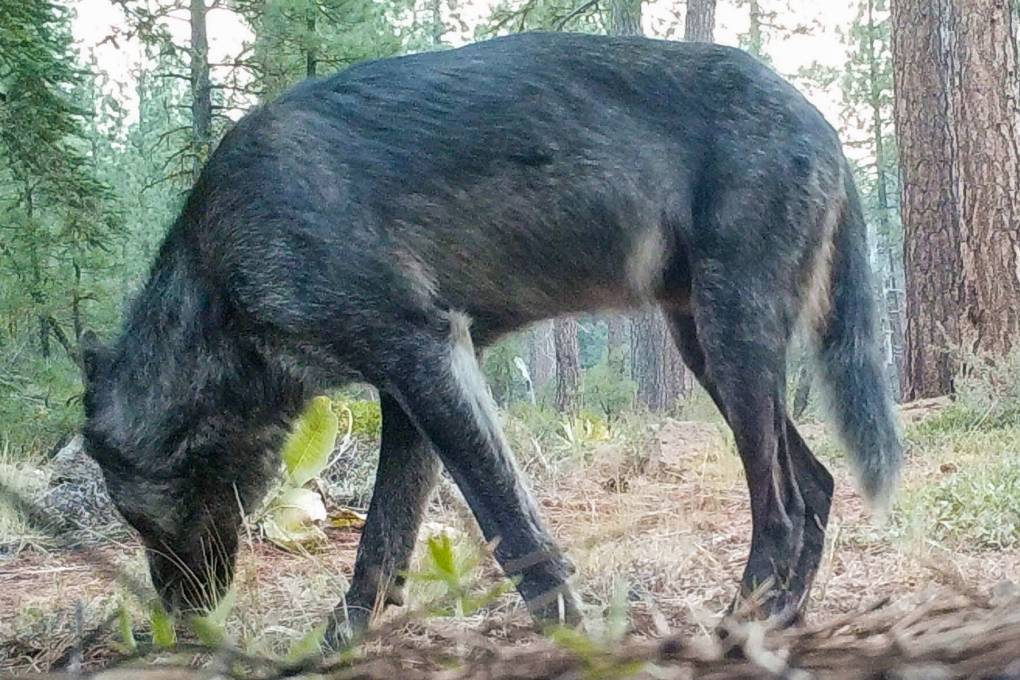
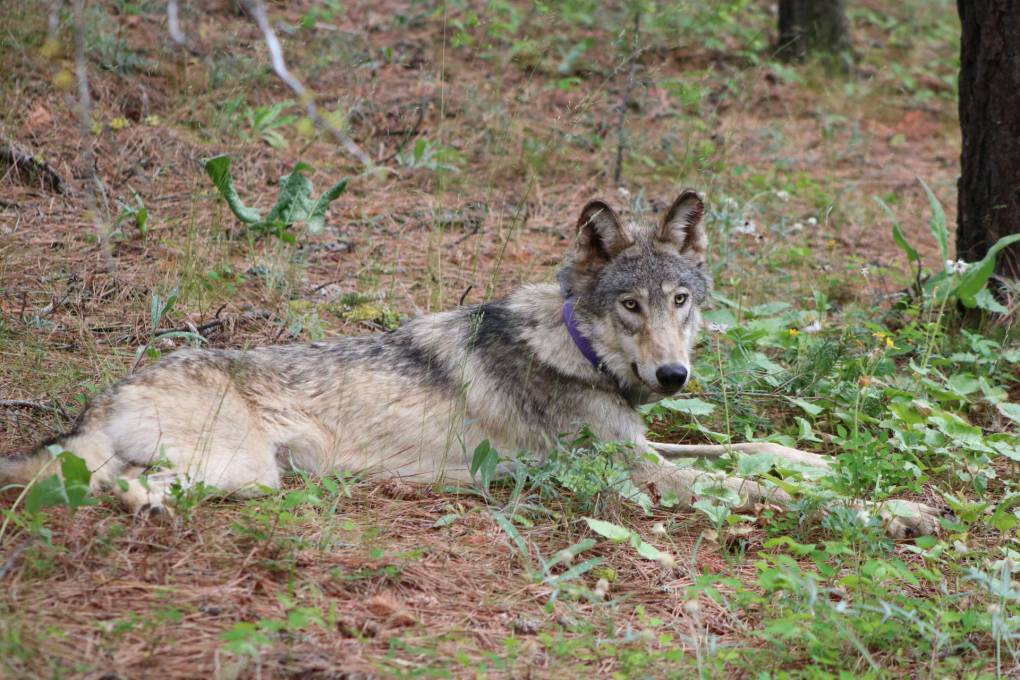
Wolves Roam California Again, Reviving Old Fears and New Conflicts in Ranch Country
Wolf Tracked Near Yosemite for First Time in 100 Years
U.S. Plans to End Protections for Gray Wolves; Critics Say It's Premature
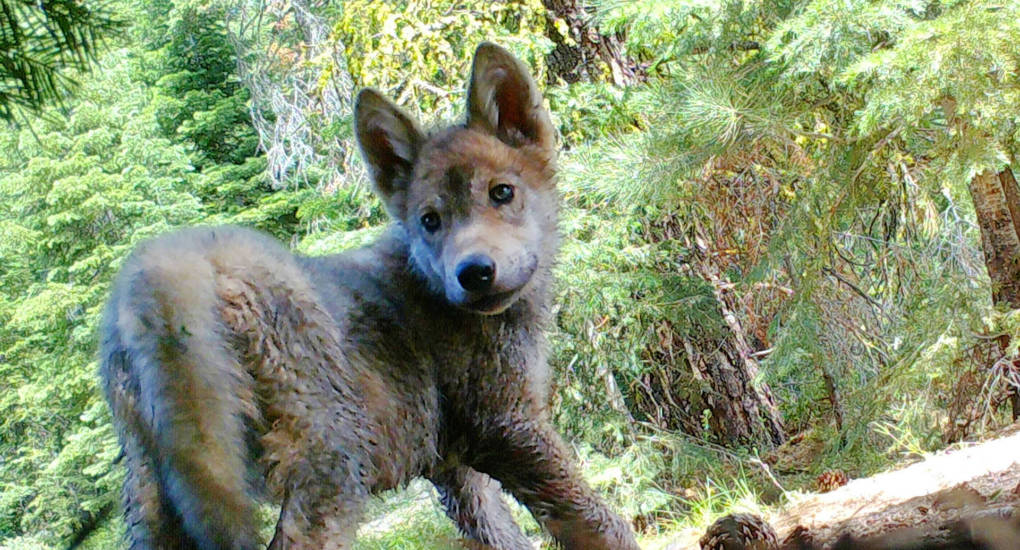
A Pack of Cuteness
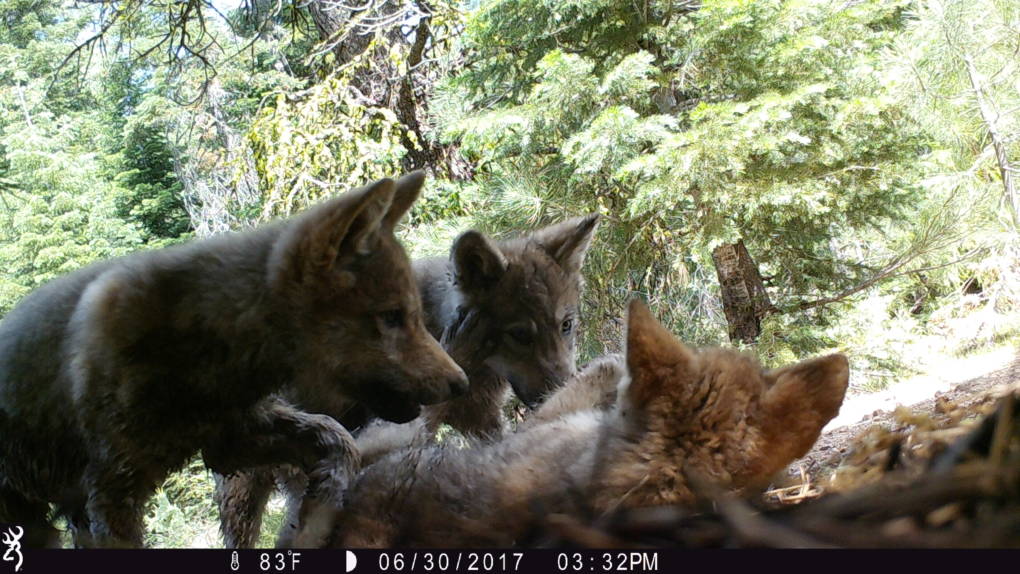
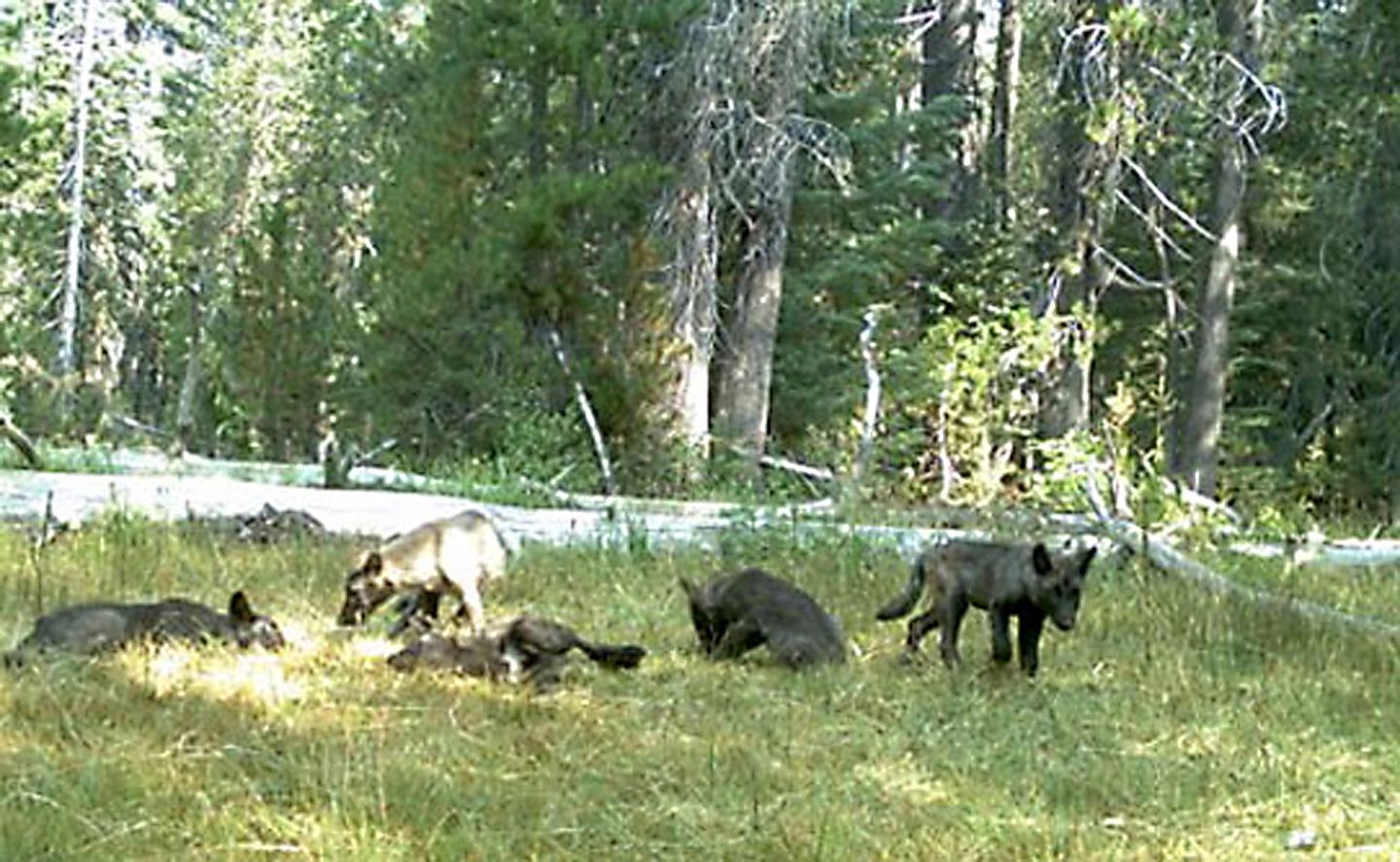
Rare Gray Wolf Pups Born in California
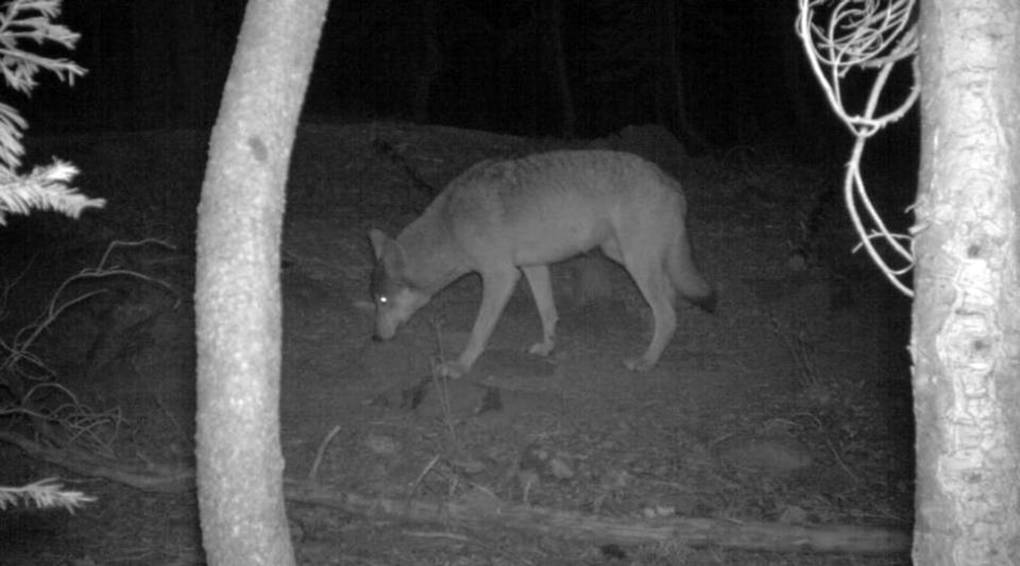
New Gray Wolf Couple Confirmed Living in California
Gray Wolves May Lose Protections Once There Are 50 in California
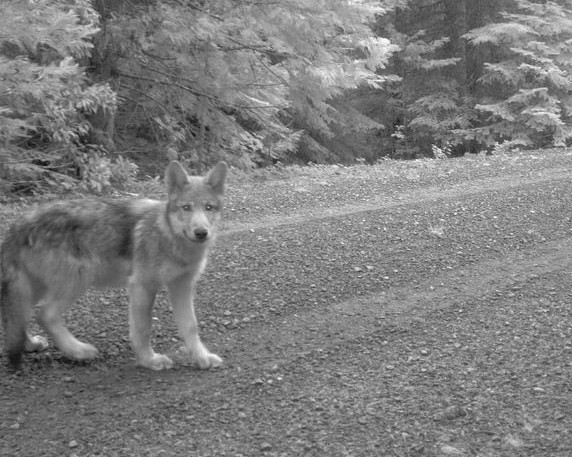
California's Wandering Wolf Now Has Puppies in Oregon
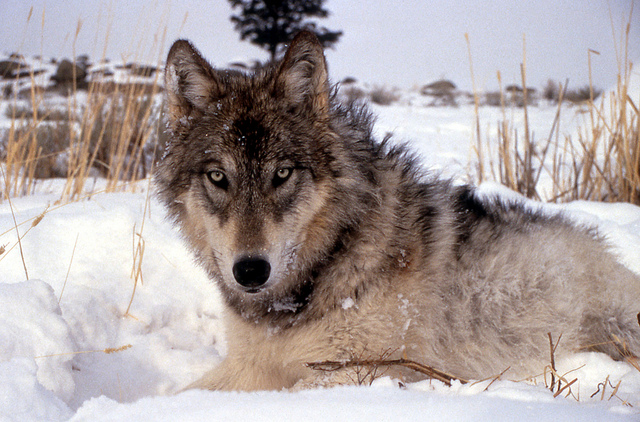
Reviled, Revered: Is the Gray Wolf Still An Endangered Species?
Player sponsored by
window.__IS_SSR__=true
window.__INITIAL_STATE__={
"attachmentsReducer": {
"audio_0": {
"type": "attachments",
"id": "audio_0",
"imgSizes": {
"kqedFullSize": {
"file": "https://ww2.kqed.org/news/wp-content/themes/KQED-unified/img/audio_bgs/background0.jpg"
}
}
},
"audio_1": {
"type": "attachments",
"id": "audio_1",
"imgSizes": {
"kqedFullSize": {
"file": "https://ww2.kqed.org/news/wp-content/themes/KQED-unified/img/audio_bgs/background1.jpg"
}
}
},
"audio_2": {
"type": "attachments",
"id": "audio_2",
"imgSizes": {
"kqedFullSize": {
"file": "https://ww2.kqed.org/news/wp-content/themes/KQED-unified/img/audio_bgs/background2.jpg"
}
}
},
"audio_3": {
"type": "attachments",
"id": "audio_3",
"imgSizes": {
"kqedFullSize": {
"file": "https://ww2.kqed.org/news/wp-content/themes/KQED-unified/img/audio_bgs/background3.jpg"
}
}
},
"audio_4": {
"type": "attachments",
"id": "audio_4",
"imgSizes": {
"kqedFullSize": {
"file": "https://ww2.kqed.org/news/wp-content/themes/KQED-unified/img/audio_bgs/background4.jpg"
}
}
},
"placeholder": {
"type": "attachments",
"id": "placeholder",
"imgSizes": {
"thumbnail": {
"file": "https://cdn.kqed.org/wp-content/uploads/2024/12/KQED-Default-Image-816638274-2000x1333-1-160x107.jpg",
"width": 160,
"height": 107,
"mimeType": "image/jpeg"
},
"medium": {
"file": "https://cdn.kqed.org/wp-content/uploads/2024/12/KQED-Default-Image-816638274-2000x1333-1-800x533.jpg",
"width": 800,
"height": 533,
"mimeType": "image/jpeg"
},
"medium_large": {
"file": "https://cdn.kqed.org/wp-content/uploads/2024/12/KQED-Default-Image-816638274-2000x1333-1-768x512.jpg",
"width": 768,
"height": 512,
"mimeType": "image/jpeg"
},
"large": {
"file": "https://cdn.kqed.org/wp-content/uploads/2024/12/KQED-Default-Image-816638274-2000x1333-1-1020x680.jpg",
"width": 1020,
"height": 680,
"mimeType": "image/jpeg"
},
"1536x1536": {
"file": "https://cdn.kqed.org/wp-content/uploads/2024/12/KQED-Default-Image-816638274-2000x1333-1-1536x1024.jpg",
"width": 1536,
"height": 1024,
"mimeType": "image/jpeg"
},
"fd-lrg": {
"file": "https://cdn.kqed.org/wp-content/uploads/2024/12/KQED-Default-Image-816638274-2000x1333-1-1536x1024.jpg",
"width": 1536,
"height": 1024,
"mimeType": "image/jpeg"
},
"fd-med": {
"file": "https://cdn.kqed.org/wp-content/uploads/2024/12/KQED-Default-Image-816638274-2000x1333-1-1020x680.jpg",
"width": 1020,
"height": 680,
"mimeType": "image/jpeg"
},
"fd-sm": {
"file": "https://cdn.kqed.org/wp-content/uploads/2024/12/KQED-Default-Image-816638274-2000x1333-1-800x533.jpg",
"width": 800,
"height": 533,
"mimeType": "image/jpeg"
},
"post-thumbnail": {
"file": "https://cdn.kqed.org/wp-content/uploads/2024/12/KQED-Default-Image-816638274-2000x1333-1-672x372.jpg",
"width": 672,
"height": 372,
"mimeType": "image/jpeg"
},
"twentyfourteen-full-width": {
"file": "https://cdn.kqed.org/wp-content/uploads/2024/12/KQED-Default-Image-816638274-2000x1333-1-1038x576.jpg",
"width": 1038,
"height": 576,
"mimeType": "image/jpeg"
},
"xxsmall": {
"file": "https://cdn.kqed.org/wp-content/uploads/2024/12/KQED-Default-Image-816638274-2000x1333-1-160x107.jpg",
"width": 160,
"height": 107,
"mimeType": "image/jpeg"
},
"xsmall": {
"file": "https://cdn.kqed.org/wp-content/uploads/2024/12/KQED-Default-Image-816638274-2000x1333-1-672x372.jpg",
"width": 672,
"height": 372,
"mimeType": "image/jpeg"
},
"small": {
"file": "https://cdn.kqed.org/wp-content/uploads/2024/12/KQED-Default-Image-816638274-2000x1333-1-672x372.jpg",
"width": 672,
"height": 372,
"mimeType": "image/jpeg"
},
"xlarge": {
"file": "https://cdn.kqed.org/wp-content/uploads/2024/12/KQED-Default-Image-816638274-2000x1333-1-1020x680.jpg",
"width": 1020,
"height": 680,
"mimeType": "image/jpeg"
},
"full-width": {
"file": "https://cdn.kqed.org/wp-content/uploads/2024/12/KQED-Default-Image-816638274-2000x1333-1-1920x1280.jpg",
"width": 1920,
"height": 1280,
"mimeType": "image/jpeg"
},
"guest-author-32": {
"file": "https://cdn.kqed.org/wp-content/uploads/2025/01/KQED-Default-Image-816638274-1333x1333-1-160x160.jpg",
"width": 32,
"height": 32,
"mimeType": "image/jpeg"
},
"guest-author-50": {
"file": "https://cdn.kqed.org/wp-content/uploads/2025/01/KQED-Default-Image-816638274-1333x1333-1-160x160.jpg",
"width": 50,
"height": 50,
"mimeType": "image/jpeg"
},
"guest-author-64": {
"file": "https://cdn.kqed.org/wp-content/uploads/2025/01/KQED-Default-Image-816638274-1333x1333-1-160x160.jpg",
"width": 64,
"height": 64,
"mimeType": "image/jpeg"
},
"guest-author-96": {
"file": "https://cdn.kqed.org/wp-content/uploads/2025/01/KQED-Default-Image-816638274-1333x1333-1-160x160.jpg",
"width": 96,
"height": 96,
"mimeType": "image/jpeg"
},
"guest-author-128": {
"file": "https://cdn.kqed.org/wp-content/uploads/2025/01/KQED-Default-Image-816638274-1333x1333-1-160x160.jpg",
"width": 128,
"height": 128,
"mimeType": "image/jpeg"
},
"detail": {
"file": "https://cdn.kqed.org/wp-content/uploads/2025/01/KQED-Default-Image-816638274-1333x1333-1-160x160.jpg",
"width": 160,
"height": 160,
"mimeType": "image/jpeg"
},
"kqedFullSize": {
"file": "https://cdn.kqed.org/wp-content/uploads/2024/12/KQED-Default-Image-816638274-2000x1333-1.jpg",
"width": 2000,
"height": 1333
}
}
},
"news_12038722": {
"type": "attachments",
"id": "news_12038722",
"meta": {
"index": "attachments_1716263798",
"site": "news",
"id": "12038722",
"found": true
},
"title": "0-1-KQED_1",
"publishDate": 1746467422,
"status": "inherit",
"parent": 12061709,
"modified": 1761606866,
"caption": "A gray wolf caught on a trail camera in the California backcountry.",
"credit": "Courtesy of California Department of Fish and Wildlife",
"altTag": null,
"description": null,
"imgSizes": {
"medium": {
"file": "https://cdn.kqed.org/wp-content/uploads/sites/10/2025/05/0-1-KQED_1-800x533.jpg",
"width": 800,
"height": 533,
"mimeType": "image/jpeg"
},
"large": {
"file": "https://cdn.kqed.org/wp-content/uploads/sites/10/2025/05/0-1-KQED_1-1020x680.jpg",
"width": 1020,
"height": 680,
"mimeType": "image/jpeg"
},
"thumbnail": {
"file": "https://cdn.kqed.org/wp-content/uploads/sites/10/2025/05/0-1-KQED_1-160x107.jpg",
"width": 160,
"height": 107,
"mimeType": "image/jpeg"
},
"1536x1536": {
"file": "https://cdn.kqed.org/wp-content/uploads/sites/10/2025/05/0-1-KQED_1-1536x1024.jpg",
"width": 1536,
"height": 1024,
"mimeType": "image/jpeg"
},
"post-thumbnail": {
"file": "https://cdn.kqed.org/wp-content/uploads/sites/10/2025/05/0-1-KQED_1-672x372.jpg",
"width": 672,
"height": 372,
"mimeType": "image/jpeg"
},
"twentyfourteen-full-width": {
"file": "https://cdn.kqed.org/wp-content/uploads/sites/10/2025/05/0-1-KQED_1-1038x576.jpg",
"width": 1038,
"height": 576,
"mimeType": "image/jpeg"
},
"kqedFullSize": {
"file": "https://cdn.kqed.org/wp-content/uploads/sites/10/2025/05/0-1-KQED_1.jpg",
"width": 1774,
"height": 1183
}
},
"isLoading": false,
"fetchFailed": false
},
"news_11862588": {
"type": "attachments",
"id": "news_11862588",
"meta": {
"index": "attachments_1716263798",
"site": "news",
"id": "11862588",
"found": true
},
"parent": 11862584,
"imgSizes": {
"apple_news_ca_landscape_5_5": {
"file": "https://ww2.kqed.org/app/uploads/sites/10/2021/03/or93-1044x783.jpg",
"width": 1044,
"mimeType": "image/jpeg",
"height": 783
},
"apple_news_ca_square_4_0": {
"file": "https://ww2.kqed.org/app/uploads/sites/10/2021/03/or93-470x470.jpg",
"width": 470,
"mimeType": "image/jpeg",
"height": 470
},
"twentyfourteen-full-width": {
"file": "https://ww2.kqed.org/app/uploads/sites/10/2021/03/or93-1038x576.jpg",
"width": 1038,
"mimeType": "image/jpeg",
"height": 576
},
"thumbnail": {
"file": "https://ww2.kqed.org/app/uploads/sites/10/2021/03/or93-160x107.jpg",
"width": 160,
"mimeType": "image/jpeg",
"height": 107
},
"post-thumbnail": {
"file": "https://ww2.kqed.org/app/uploads/sites/10/2021/03/or93-672x372.jpg",
"width": 672,
"mimeType": "image/jpeg",
"height": 372
},
"kqedFullSize": {
"file": "https://ww2.kqed.org/app/uploads/sites/10/2021/03/or93.jpg",
"width": 1920,
"height": 1280
},
"apple_news_ca_landscape_4_7": {
"file": "https://ww2.kqed.org/app/uploads/sites/10/2021/03/or93-632x474.jpg",
"width": 632,
"mimeType": "image/jpeg",
"height": 474
},
"large": {
"file": "https://ww2.kqed.org/app/uploads/sites/10/2021/03/or93-1020x680.jpg",
"width": 1020,
"mimeType": "image/jpeg",
"height": 680
},
"apple_news_ca_landscape_4_0": {
"file": "https://ww2.kqed.org/app/uploads/sites/10/2021/03/or93-536x402.jpg",
"width": 536,
"mimeType": "image/jpeg",
"height": 402
},
"apple_news_ca_portrait_12_9": {
"file": "https://ww2.kqed.org/app/uploads/sites/10/2021/03/or93-1122x1280.jpg",
"width": 1122,
"mimeType": "image/jpeg",
"height": 1280
},
"medium": {
"file": "https://ww2.kqed.org/app/uploads/sites/10/2021/03/or93-800x533.jpg",
"width": 800,
"mimeType": "image/jpeg",
"height": 533
},
"apple_news_ca_portrait_4_0": {
"file": "https://ww2.kqed.org/app/uploads/sites/10/2021/03/or93-354x472.jpg",
"width": 354,
"mimeType": "image/jpeg",
"height": 472
},
"apple_news_ca_portrait_9_7": {
"file": "https://ww2.kqed.org/app/uploads/sites/10/2021/03/or93-840x1120.jpg",
"width": 840,
"mimeType": "image/jpeg",
"height": 1120
},
"apple_news_ca_landscape_12_9": {
"file": "https://ww2.kqed.org/app/uploads/sites/10/2021/03/or93-1832x1280.jpg",
"width": 1832,
"mimeType": "image/jpeg",
"height": 1280
},
"apple_news_ca_square_9_7": {
"file": "https://ww2.kqed.org/app/uploads/sites/10/2021/03/or93-1104x1104.jpg",
"width": 1104,
"mimeType": "image/jpeg",
"height": 1104
},
"1536x1536": {
"file": "https://ww2.kqed.org/app/uploads/sites/10/2021/03/or93-1536x1024.jpg",
"width": 1536,
"mimeType": "image/jpeg",
"height": 1024
},
"apple_news_ca_portrait_4_7": {
"file": "https://ww2.kqed.org/app/uploads/sites/10/2021/03/or93-414x552.jpg",
"width": 414,
"mimeType": "image/jpeg",
"height": 552
},
"apple_news_ca_square_12_9": {
"file": "https://ww2.kqed.org/app/uploads/sites/10/2021/03/or93-1472x1280.jpg",
"width": 1472,
"mimeType": "image/jpeg",
"height": 1280
},
"apple_news_ca_portrait_5_5": {
"file": "https://ww2.kqed.org/app/uploads/sites/10/2021/03/or93-687x916.jpg",
"width": 687,
"mimeType": "image/jpeg",
"height": 916
},
"apple_news_ca_square_4_7": {
"file": "https://ww2.kqed.org/app/uploads/sites/10/2021/03/or93-550x550.jpg",
"width": 550,
"mimeType": "image/jpeg",
"height": 550
},
"apple_news_ca_landscape_9_7": {
"file": "https://ww2.kqed.org/app/uploads/sites/10/2021/03/or93-1376x1032.jpg",
"width": 1376,
"mimeType": "image/jpeg",
"height": 1032
},
"apple_news_ca_square_5_5": {
"file": "https://ww2.kqed.org/app/uploads/sites/10/2021/03/or93-912x912.jpg",
"width": 912,
"mimeType": "image/jpeg",
"height": 912
}
},
"publishDate": 1614628283,
"modified": 1614632977,
"caption": "A young male gray wolf, dubbed OR-93, shown in a file photo released by the California Department of Fish and Wildlife.",
"description": "A young male gray wolf, dubbed OR-93, shown in a file photo released by the California Dept. of Fish and Wildlife.",
"title": "or93",
"credit": "Austin Smith Jr./Confederated Tribes of Warm Springs/California Department of Fish and Wildlife",
"status": "inherit",
"altTag": "Gray wolf or-93 laying in the woods",
"isLoading": false,
"fetchFailed": false
},
"news_11731067": {
"type": "attachments",
"id": "news_11731067",
"meta": {
"index": "attachments_1716263798",
"site": "news",
"id": "11731067",
"found": true
},
"parent": 11731050,
"imgSizes": {
"twentyfourteen-full-width": {
"file": "https://ww2.kqed.org/app/uploads/sites/10/2019/03/wolves-1038x576.jpg",
"width": 1038,
"mimeType": "image/jpeg",
"height": 576
},
"thumbnail": {
"file": "https://ww2.kqed.org/app/uploads/sites/10/2019/03/wolves-160x90.jpg",
"width": 160,
"mimeType": "image/jpeg",
"height": 90
},
"post-thumbnail": {
"file": "https://ww2.kqed.org/app/uploads/sites/10/2019/03/wolves-672x372.jpg",
"width": 672,
"mimeType": "image/jpeg",
"height": 372
},
"kqedFullSize": {
"file": "https://ww2.kqed.org/app/uploads/sites/10/2019/03/wolves.jpg",
"width": 2048,
"height": 1152
},
"large": {
"file": "https://ww2.kqed.org/app/uploads/sites/10/2019/03/wolves-1020x574.jpg",
"width": 1020,
"mimeType": "image/jpeg",
"height": 574
},
"complete_open_graph": {
"file": "https://ww2.kqed.org/app/uploads/sites/10/2019/03/wolves-1200x675.jpg",
"width": 1200,
"mimeType": "image/jpeg",
"height": 675
},
"guest-author-50": {
"file": "https://ww2.kqed.org/app/uploads/sites/10/2019/03/wolves-50x50.jpg",
"width": 50,
"mimeType": "image/jpeg",
"height": 50
},
"guest-author-96": {
"file": "https://ww2.kqed.org/app/uploads/sites/10/2019/03/wolves-96x96.jpg",
"width": 96,
"mimeType": "image/jpeg",
"height": 96
},
"medium": {
"file": "https://ww2.kqed.org/app/uploads/sites/10/2019/03/wolves-800x450.jpg",
"width": 800,
"mimeType": "image/jpeg",
"height": 450
},
"guest-author-64": {
"file": "https://ww2.kqed.org/app/uploads/sites/10/2019/03/wolves-64x64.jpg",
"width": 64,
"mimeType": "image/jpeg",
"height": 64
},
"guest-author-32": {
"file": "https://ww2.kqed.org/app/uploads/sites/10/2019/03/wolves-32x32.jpg",
"width": 32,
"mimeType": "image/jpeg",
"height": 32
},
"full-width": {
"file": "https://ww2.kqed.org/app/uploads/sites/10/2019/03/wolves-1920x1080.jpg",
"width": 1920,
"mimeType": "image/jpeg",
"height": 1080
},
"guest-author-128": {
"file": "https://ww2.kqed.org/app/uploads/sites/10/2019/03/wolves-128x128.jpg",
"width": 128,
"mimeType": "image/jpeg",
"height": 128
}
},
"publishDate": 1551911906,
"modified": 1551911991,
"caption": "A rare gray wolf couple in California mated in 2017, producing at least three pups.",
"description": "A rare gray wolf couple in California mated in 2017, producing at least three pups.",
"title": "1532:063017:83F:0000: :2E[131:0113]G[008:0x0006]",
"credit": "U.S. Forest Service",
"status": "inherit",
"isLoading": false,
"fetchFailed": false
},
"news_11552621": {
"type": "attachments",
"id": "news_11552621",
"meta": {
"index": "attachments_1716263798",
"site": "news",
"id": "11552621",
"found": true
},
"parent": 11552618,
"imgSizes": {
"small": {
"file": "https://ww2.kqed.org/app/uploads/sites/10/2017/07/pups_070717_final-520x520.jpg",
"width": 520,
"mimeType": "image/jpeg",
"height": 520
},
"twentyfourteen-full-width": {
"file": "https://ww2.kqed.org/app/uploads/sites/10/2017/07/pups_070717_final-1038x576.jpg",
"width": 1038,
"mimeType": "image/jpeg",
"height": 576
},
"thumbnail": {
"file": "https://ww2.kqed.org/app/uploads/sites/10/2017/07/pups_070717_final-160x160.jpg",
"width": 160,
"mimeType": "image/jpeg",
"height": 160
},
"fd-sm": {
"file": "https://ww2.kqed.org/app/uploads/sites/10/2017/07/pups_070717_final-960x960.jpg",
"width": 960,
"mimeType": "image/jpeg",
"height": 960
},
"post-thumbnail": {
"file": "https://ww2.kqed.org/app/uploads/sites/10/2017/07/pups_070717_final-672x372.jpg",
"width": 672,
"mimeType": "image/jpeg",
"height": 372
},
"xsmall": {
"file": "https://ww2.kqed.org/app/uploads/sites/10/2017/07/pups_070717_final-375x375.jpg",
"width": 375,
"mimeType": "image/jpeg",
"height": 375
},
"kqedFullSize": {
"file": "https://ww2.kqed.org/app/uploads/sites/10/2017/07/pups_070717_final.jpg",
"width": 1920,
"height": 1920
},
"large": {
"file": "https://ww2.kqed.org/app/uploads/sites/10/2017/07/pups_070717_final-1020x1020.jpg",
"width": 1020,
"mimeType": "image/jpeg",
"height": 1020
},
"xlarge": {
"file": "https://ww2.kqed.org/app/uploads/sites/10/2017/07/pups_070717_final-1180x1180.jpg",
"width": 1180,
"mimeType": "image/jpeg",
"height": 1180
},
"guest-author-50": {
"file": "https://ww2.kqed.org/app/uploads/sites/10/2017/07/pups_070717_final-50x50.jpg",
"width": 50,
"mimeType": "image/jpeg",
"height": 50
},
"guest-author-96": {
"file": "https://ww2.kqed.org/app/uploads/sites/10/2017/07/pups_070717_final-96x96.jpg",
"width": 96,
"mimeType": "image/jpeg",
"height": 96
},
"medium": {
"file": "https://ww2.kqed.org/app/uploads/sites/10/2017/07/pups_070717_final-800x800.jpg",
"width": 800,
"mimeType": "image/jpeg",
"height": 800
},
"guest-author-64": {
"file": "https://ww2.kqed.org/app/uploads/sites/10/2017/07/pups_070717_final-64x64.jpg",
"width": 64,
"mimeType": "image/jpeg",
"height": 64
},
"guest-author-32": {
"file": "https://ww2.kqed.org/app/uploads/sites/10/2017/07/pups_070717_final-32x32.jpg",
"width": 32,
"mimeType": "image/jpeg",
"height": 32
},
"fd-lrg": {
"file": "https://ww2.kqed.org/app/uploads/sites/10/2017/07/pups_070717_final-1920x1920.jpg",
"width": 1920,
"mimeType": "image/jpeg",
"height": 1920
},
"fd-med": {
"file": "https://ww2.kqed.org/app/uploads/sites/10/2017/07/pups_070717_final-1180x1180.jpg",
"width": 1180,
"mimeType": "image/jpeg",
"height": 1180
},
"full-width": {
"file": "https://ww2.kqed.org/app/uploads/sites/10/2017/07/pups_070717_final-1920x1920.jpg",
"width": 1920,
"mimeType": "image/jpeg",
"height": 1920
},
"detail": {
"file": "https://ww2.kqed.org/app/uploads/sites/10/2017/07/pups_070717_final-150x150.jpg",
"width": 150,
"mimeType": "image/jpeg",
"height": 150
},
"guest-author-128": {
"file": "https://ww2.kqed.org/app/uploads/sites/10/2017/07/pups_070717_final-128x128.jpg",
"width": 128,
"mimeType": "image/jpeg",
"height": 128
},
"xxsmall": {
"file": "https://ww2.kqed.org/app/uploads/sites/10/2017/07/pups_070717_final-240x240.jpg",
"width": 240,
"mimeType": "image/jpeg",
"height": 240
}
},
"publishDate": 1499402333,
"modified": 1499402365,
"caption": null,
"description": null,
"title": "pups_070717_final",
"credit": null,
"status": "inherit",
"isLoading": false,
"fetchFailed": false
},
"news_11563887": {
"type": "attachments",
"id": "news_11563887",
"meta": {
"index": "attachments_1716263798",
"site": "news",
"id": "11563887",
"found": true
},
"parent": 11551637,
"imgSizes": {
"small": {
"file": "https://ww2.kqed.org/app/uploads/sites/10/2017/07/WolfPupCorrected-520x280.jpg",
"width": 520,
"mimeType": "image/jpeg",
"height": 280
},
"twentyfourteen-full-width": {
"file": "https://ww2.kqed.org/app/uploads/sites/10/2017/07/WolfPupCorrected-1038x576.jpg",
"width": 1038,
"mimeType": "image/jpeg",
"height": 576
},
"thumbnail": {
"file": "https://ww2.kqed.org/app/uploads/sites/10/2017/07/WolfPupCorrected-160x86.jpg",
"width": 160,
"mimeType": "image/jpeg",
"height": 86
},
"fd-sm": {
"file": "https://ww2.kqed.org/app/uploads/sites/10/2017/07/WolfPupCorrected-960x518.jpg",
"width": 960,
"mimeType": "image/jpeg",
"height": 518
},
"post-thumbnail": {
"file": "https://ww2.kqed.org/app/uploads/sites/10/2017/07/WolfPupCorrected-672x372.jpg",
"width": 672,
"mimeType": "image/jpeg",
"height": 372
},
"xsmall": {
"file": "https://ww2.kqed.org/app/uploads/sites/10/2017/07/WolfPupCorrected-375x202.jpg",
"width": 375,
"mimeType": "image/jpeg",
"height": 202
},
"kqedFullSize": {
"file": "https://ww2.kqed.org/app/uploads/sites/10/2017/07/WolfPupCorrected.jpg",
"width": 1920,
"height": 1035
},
"large": {
"file": "https://ww2.kqed.org/app/uploads/sites/10/2017/07/WolfPupCorrected-1020x550.jpg",
"width": 1020,
"mimeType": "image/jpeg",
"height": 550
},
"xlarge": {
"file": "https://ww2.kqed.org/app/uploads/sites/10/2017/07/WolfPupCorrected-1180x636.jpg",
"width": 1180,
"mimeType": "image/jpeg",
"height": 636
},
"guest-author-50": {
"file": "https://ww2.kqed.org/app/uploads/sites/10/2017/07/WolfPupCorrected-50x50.jpg",
"width": 50,
"mimeType": "image/jpeg",
"height": 50
},
"guest-author-96": {
"file": "https://ww2.kqed.org/app/uploads/sites/10/2017/07/WolfPupCorrected-96x96.jpg",
"width": 96,
"mimeType": "image/jpeg",
"height": 96
},
"medium": {
"file": "https://ww2.kqed.org/app/uploads/sites/10/2017/07/WolfPupCorrected-800x431.jpg",
"width": 800,
"mimeType": "image/jpeg",
"height": 431
},
"guest-author-64": {
"file": "https://ww2.kqed.org/app/uploads/sites/10/2017/07/WolfPupCorrected-64x64.jpg",
"width": 64,
"mimeType": "image/jpeg",
"height": 64
},
"guest-author-32": {
"file": "https://ww2.kqed.org/app/uploads/sites/10/2017/07/WolfPupCorrected-32x32.jpg",
"width": 32,
"mimeType": "image/jpeg",
"height": 32
},
"fd-lrg": {
"file": "https://ww2.kqed.org/app/uploads/sites/10/2017/07/WolfPupCorrected-1920x1035.jpg",
"width": 1920,
"mimeType": "image/jpeg",
"height": 1035
},
"fd-med": {
"file": "https://ww2.kqed.org/app/uploads/sites/10/2017/07/WolfPupCorrected-1180x636.jpg",
"width": 1180,
"mimeType": "image/jpeg",
"height": 636
},
"full-width": {
"file": "https://ww2.kqed.org/app/uploads/sites/10/2017/07/WolfPupCorrected-1920x1035.jpg",
"width": 1920,
"mimeType": "image/jpeg",
"height": 1035
},
"detail": {
"file": "https://ww2.kqed.org/app/uploads/sites/10/2017/07/WolfPupCorrected-150x150.jpg",
"width": 150,
"mimeType": "image/jpeg",
"height": 150
},
"guest-author-128": {
"file": "https://ww2.kqed.org/app/uploads/sites/10/2017/07/WolfPupCorrected-128x128.jpg",
"width": 128,
"mimeType": "image/jpeg",
"height": 128
},
"xxsmall": {
"file": "https://ww2.kqed.org/app/uploads/sites/10/2017/07/WolfPupCorrected-240x129.jpg",
"width": 240,
"mimeType": "image/jpeg",
"height": 129
}
},
"publishDate": 1499883656,
"modified": 1499883690,
"caption": "A rare gray wolf couple new to California have mated, producing at least three pups this year, the California Department of Fish and Wildlife said. ",
"description": "A rare gray wolf couple new to California have mated, producing at least three pups this year, the California Department of Fish and Wildlife said. ",
"title": "WolfPupCorrected",
"credit": "U.S. Forest Service",
"status": "inherit",
"isLoading": false,
"fetchFailed": false
},
"news_11158109": {
"type": "attachments",
"id": "news_11158109",
"meta": {
"index": "attachments_1716263798",
"site": "news",
"id": "11158109",
"found": true
},
"parent": 11158107,
"imgSizes": {
"small": {
"file": "https://ww2.kqed.org/app/uploads/sites/10/2016/11/GrayWolf-520x289.jpg",
"width": 520,
"mimeType": "image/jpeg",
"height": 289
},
"twentyfourteen-full-width": {
"file": "https://ww2.kqed.org/app/uploads/sites/10/2016/11/GrayWolf-1038x576.jpg",
"width": 1038,
"mimeType": "image/jpeg",
"height": 576
},
"thumbnail": {
"file": "https://ww2.kqed.org/app/uploads/sites/10/2016/11/GrayWolf-160x89.jpg",
"width": 160,
"mimeType": "image/jpeg",
"height": 89
},
"fd-sm": {
"file": "https://ww2.kqed.org/app/uploads/sites/10/2016/11/GrayWolf-960x533.jpg",
"width": 960,
"mimeType": "image/jpeg",
"height": 533
},
"post-thumbnail": {
"file": "https://ww2.kqed.org/app/uploads/sites/10/2016/11/GrayWolf-672x372.jpg",
"width": 672,
"mimeType": "image/jpeg",
"height": 372
},
"xsmall": {
"file": "https://ww2.kqed.org/app/uploads/sites/10/2016/11/GrayWolf-375x208.jpg",
"width": 375,
"mimeType": "image/jpeg",
"height": 208
},
"kqedFullSize": {
"file": "https://ww2.kqed.org/app/uploads/sites/10/2016/11/GrayWolf.jpg",
"width": 1920,
"height": 1066
},
"large": {
"file": "https://ww2.kqed.org/app/uploads/sites/10/2016/11/GrayWolf-1020x566.jpg",
"width": 1020,
"mimeType": "image/jpeg",
"height": 566
},
"xlarge": {
"file": "https://ww2.kqed.org/app/uploads/sites/10/2016/11/GrayWolf-1180x655.jpg",
"width": 1180,
"mimeType": "image/jpeg",
"height": 655
},
"guest-author-50": {
"file": "https://ww2.kqed.org/app/uploads/sites/10/2016/11/GrayWolf-50x50.jpg",
"width": 50,
"mimeType": "image/jpeg",
"height": 50
},
"guest-author-96": {
"file": "https://ww2.kqed.org/app/uploads/sites/10/2016/11/GrayWolf-96x96.jpg",
"width": 96,
"mimeType": "image/jpeg",
"height": 96
},
"medium": {
"file": "https://ww2.kqed.org/app/uploads/sites/10/2016/11/GrayWolf-800x444.jpg",
"width": 800,
"mimeType": "image/jpeg",
"height": 444
},
"guest-author-64": {
"file": "https://ww2.kqed.org/app/uploads/sites/10/2016/11/GrayWolf-64x64.jpg",
"width": 64,
"mimeType": "image/jpeg",
"height": 64
},
"guest-author-32": {
"file": "https://ww2.kqed.org/app/uploads/sites/10/2016/11/GrayWolf-32x32.jpg",
"width": 32,
"mimeType": "image/jpeg",
"height": 32
},
"jmtc-small-thumb": {
"file": "https://ww2.kqed.org/app/uploads/sites/10/2016/11/GrayWolf-280x150.jpg",
"width": 280,
"mimeType": "image/jpeg",
"height": 150
},
"fd-lrg": {
"file": "https://ww2.kqed.org/app/uploads/sites/10/2016/11/GrayWolf-1920x1066.jpg",
"width": 1920,
"mimeType": "image/jpeg",
"height": 1066
},
"fd-med": {
"file": "https://ww2.kqed.org/app/uploads/sites/10/2016/11/GrayWolf-1180x655.jpg",
"width": 1180,
"mimeType": "image/jpeg",
"height": 655
},
"full-width": {
"file": "https://ww2.kqed.org/app/uploads/sites/10/2016/11/GrayWolf-1920x1066.jpg",
"width": 1920,
"mimeType": "image/jpeg",
"height": 1066
},
"detail": {
"file": "https://ww2.kqed.org/app/uploads/sites/10/2016/11/GrayWolf-150x150.jpg",
"width": 150,
"mimeType": "image/jpeg",
"height": 150
},
"guest-author-128": {
"file": "https://ww2.kqed.org/app/uploads/sites/10/2016/11/GrayWolf-128x128.jpg",
"width": 128,
"mimeType": "image/jpeg",
"height": 128
},
"xxsmall": {
"file": "https://ww2.kqed.org/app/uploads/sites/10/2016/11/GrayWolf-240x133.jpg",
"width": 240,
"mimeType": "image/jpeg",
"height": 133
}
},
"publishDate": 1478206163,
"modified": 1478206242,
"caption": "A motion-activated trail camera captured a photo of one of two gray wolves believed to be living in Lassen County. ",
"description": "A motion-activated trail camera captured a photo of one of two gray wolves believed to be living in Lassen County. ",
"title": "graywolf",
"credit": "Courtesy California Department of Fish and Wildlife",
"status": "inherit",
"isLoading": false,
"fetchFailed": false
},
"news_10780879": {
"type": "attachments",
"id": "news_10780879",
"meta": {
"index": "attachments_1716263798",
"site": "news",
"id": "10780879",
"found": true
},
"title": "ShastaPackPups",
"publishDate": 1449184677,
"status": "inherit",
"parent": 10780868,
"modified": 1761607220,
"caption": "Several gray wolf pups, dubbed the Shasta Pack, were captured by a remote camera in Siskiyou County this past August. They were the first gray wolf pups found in the state in nearly a century.",
"credit": "Courtesy of the California Department of Fish and Wildlife",
"altTag": "Several gray wolf pups, dubbed the Shasta Pack, were captured by a remote camera in Siskiyou County this past August. They were the first gray wolf pups found in the state in nearly a century.",
"description": "Several gray wolf pups, dubbed the Shasta Pack, were captured by a remote camera in Siskiyou County. They were the first gray wolf pups found in the state in nearly a century.",
"imgSizes": {
"thumbnail": {
"file": "https://cdn.kqed.org/wp-content/uploads/sites/10/2015/12/ShastaPackPups-400x246.jpg",
"width": 400,
"height": 246,
"mimeType": "image/jpeg"
},
"medium": {
"file": "https://cdn.kqed.org/wp-content/uploads/sites/10/2015/12/ShastaPackPups-800x493.jpg",
"width": 800,
"height": 493,
"mimeType": "image/jpeg"
},
"large": {
"file": "https://cdn.kqed.org/wp-content/uploads/sites/10/2015/12/ShastaPackPups-1440x887.jpg",
"width": 1440,
"height": 887,
"mimeType": "image/jpeg"
},
"fd-lrg": {
"file": "https://cdn.kqed.org/wp-content/uploads/sites/10/2015/12/ShastaPackPups-1920x1183.jpg",
"width": 1920,
"height": 1183,
"mimeType": "image/jpeg"
},
"fd-med": {
"file": "https://cdn.kqed.org/wp-content/uploads/sites/10/2015/12/ShastaPackPups-1180x727.jpg",
"width": 1180,
"height": 727,
"mimeType": "image/jpeg"
},
"fd-sm": {
"file": "https://cdn.kqed.org/wp-content/uploads/sites/10/2015/12/ShastaPackPups-960x592.jpg",
"width": 960,
"height": 592,
"mimeType": "image/jpeg"
},
"post-thumbnail": {
"file": "https://cdn.kqed.org/wp-content/uploads/sites/10/2015/12/ShastaPackPups-672x372.jpg",
"width": 672,
"height": 372,
"mimeType": "image/jpeg"
},
"twentyfourteen-full-width": {
"file": "https://cdn.kqed.org/wp-content/uploads/sites/10/2015/12/ShastaPackPups-1038x576.jpg",
"width": 1038,
"height": 576,
"mimeType": "image/jpeg"
},
"guest-author-32": {
"file": "https://cdn.kqed.org/wp-content/uploads/sites/10/2015/12/ShastaPackPups-32x32.jpg",
"width": 32,
"height": 32,
"mimeType": "image/jpeg"
},
"guest-author-64": {
"file": "https://cdn.kqed.org/wp-content/uploads/sites/10/2015/12/ShastaPackPups-64x64.jpg",
"width": 64,
"height": 64,
"mimeType": "image/jpeg"
},
"guest-author-96": {
"file": "https://cdn.kqed.org/wp-content/uploads/sites/10/2015/12/ShastaPackPups-96x96.jpg",
"width": 96,
"height": 96,
"mimeType": "image/jpeg"
},
"guest-author-128": {
"file": "https://cdn.kqed.org/wp-content/uploads/sites/10/2015/12/ShastaPackPups-128x128.jpg",
"width": 128,
"height": 128,
"mimeType": "image/jpeg"
},
"detail": {
"file": "https://cdn.kqed.org/wp-content/uploads/sites/10/2015/12/ShastaPackPups-75x75.jpg",
"width": 75,
"height": 75,
"mimeType": "image/jpeg"
},
"jmtc-small-thumb": {
"file": "https://cdn.kqed.org/wp-content/uploads/sites/10/2015/12/ShastaPackPups-280x150.jpg",
"width": 280,
"height": 150,
"mimeType": "image/jpeg"
},
"kqedFullSize": {
"file": "https://cdn.kqed.org/wp-content/uploads/sites/10/2015/12/ShastaPackPups.jpg",
"width": 1920,
"height": 1183
}
},
"isLoading": false,
"fetchFailed": false
},
"science_19858": {
"type": "attachments",
"id": "science_19858",
"meta": {
"index": "attachments_1716263798",
"site": "science",
"id": "19858",
"found": true
},
"parent": 19845,
"imgSizes": {
"kqedFullSize": {
"file": "https://ww2.kqed.org/app/uploads/sites/35/2014/07/14547399159_a7f6b6fe9d_z1-e1406319210315.jpg",
"width": 572,
"height": 457
}
},
"publishDate": 1406319190,
"modified": 1406319190,
"caption": "One of OR-7's wolf pups in southwestern Oregon. (USFWS/Flickr)",
"description": "One of OR-7's wolf pups in southwestern Oregon. (USFWS/Flickr)",
"title": "14547399159_a7f6b6fe9d_z",
"credit": null,
"status": "inherit",
"isLoading": false,
"fetchFailed": false
},
"news_118943": {
"type": "attachments",
"id": "news_118943",
"meta": {
"index": "attachments_1716263798",
"site": "news",
"id": "118943",
"found": true
},
"parent": 118901,
"imgSizes": {
"kqedFullSize": {
"file": "https://ww2.kqed.org/app/uploads/sites/10/2013/11/6545954621_cb647443de_z.jpg",
"width": 640,
"height": 422
}
},
"publishDate": 1385006044,
"modified": 1385006044,
"caption": "The U.S. Fish & Wildlife Service may remove the gray wolf from the Endangered Species List. (U.S. Fish & Wildlife Service - Midwest Region / Flickr)",
"description": null,
"title": "6545954621_cb647443de_z",
"credit": null,
"status": "inherit",
"isLoading": false,
"fetchFailed": false
}
},
"audioPlayerReducer": {
"postId": "stream_live",
"isPaused": true,
"isPlaying": false,
"pfsActive": false,
"pledgeModalIsOpen": true,
"playerDrawerIsOpen": false,
"liveAudioPlayStartedAt": 0,
"liveAudioPlayContext": ""
},
"authorsReducer": {
"byline_news_11862584": {
"type": "authors",
"id": "byline_news_11862584",
"meta": {
"override": true
},
"slug": "byline_news_11862584",
"name": "The Associated Press",
"isLoading": false
},
"byline_news_11731050": {
"type": "authors",
"id": "byline_news_11731050",
"meta": {
"override": true
},
"slug": "byline_news_11731050",
"name": "Matthew Brown and John Flesher\u003cbr>\u003cstrong>Associated Press\u003c/strong>",
"isLoading": false
},
"byline_news_11158107": {
"type": "authors",
"id": "byline_news_11158107",
"meta": {
"override": true
},
"slug": "byline_news_11158107",
"name": "Associated Press",
"isLoading": false
},
"byline_news_10780868": {
"type": "authors",
"id": "byline_news_10780868",
"meta": {
"override": true
},
"slug": "byline_news_10780868",
"name": "\u003cstrong>Scott Smith\u003cbr>Associated Press\u003c/strong>",
"isLoading": false
},
"katharinefong": {
"type": "authors",
"id": "1479",
"meta": {
"index": "authors_1716337520",
"id": "1479",
"found": true
},
"name": "Katharine Fong",
"firstName": "Katharine",
"lastName": "Fong",
"slug": "katharinefong",
"email": "katharinefong@gmail.com",
"display_author_email": false,
"staff_mastheads": [],
"title": null,
"bio": null,
"avatar": "https://secure.gravatar.com/avatar/7ee290207889c71d9adcaf3591853a92?s=600&d=blank&r=g",
"twitter": null,
"facebook": null,
"instagram": null,
"linkedin": null,
"sites": [
{
"site": "news",
"roles": [
"subscriber"
]
},
{
"site": "lowdown",
"roles": [
"editor"
]
},
{
"site": "stateofhealth",
"roles": [
"subscriber"
]
}
],
"headData": {
"title": "Katharine Fong | KQED",
"description": null,
"ogImgSrc": "https://secure.gravatar.com/avatar/7ee290207889c71d9adcaf3591853a92?s=600&d=blank&r=g",
"twImgSrc": "https://secure.gravatar.com/avatar/7ee290207889c71d9adcaf3591853a92?s=600&d=blank&r=g"
},
"isLoading": false,
"link": "/author/katharinefong"
},
"markfiore": {
"type": "authors",
"id": "3236",
"meta": {
"index": "authors_1716337520",
"id": "3236",
"found": true
},
"name": "Mark Fiore",
"firstName": "Mark",
"lastName": "Fiore",
"slug": "markfiore",
"email": "mark@markfiore.com",
"display_author_email": false,
"staff_mastheads": [
"news"
],
"title": "KQED News Cartoonist",
"bio": "\u003ca href=\"http://www.MarkFiore.com\">MarkFiore.com\u003c/a> | \u003ca href=\"https://twitter.com/markfiore\">Follow on Twitter\u003c/a> | \u003ca href=\"https://www.facebook.com/pages/Mark-Fiore-Animated-Political-Cartoons/94451707396?ref=bookmarks\">Facebook\u003c/a> | \u003ca href=\"mailto:mark@markfiore.com\">email\u003c/a>\r\n\r\nPulitzer Prize-winner, Mark Fiore, who the Wall Street Journal has called “the undisputed guru of the form,” creates animated political cartoons in San Francisco, where his work has been featured regularly on the San Francisco Chronicle’s web site, SFGate.com. His work has appeared on Newsweek.com, Slate.com, CBSNews.com, MotherJones.com, DailyKos.com and NPR’s web site. Fiore’s political animation has appeared on CNN, Frontline, Bill Moyers Journal, Salon.com and cable and broadcast outlets across the globe.\r\n\r\nBeginning his professional life by drawing traditional political cartoons for newspapers, Fiore’s work appeared in publications ranging from the Washington Post to the Los Angeles Times. In the late 1990s, he began to experiment with animating political cartoons and, after a short stint at the San Jose Mercury News as their staff cartoonist, Fiore devoted all his energies to animation.\r\nGrowing up in California, Fiore also spent a good portion of his life in the backwoods of Idaho. It was this combination that shaped him politically. Mark majored in political science at Colorado College, where, in a perfect send-off for a cartoonist, he received his diploma in 1991 as commencement speaker Dick Cheney smiled approvingly.\r\nMark Fiore was awarded the Pulitzer Prize for political cartooning in 2010, a Robert F. Kennedy Journalism Award in 2004 and has twice received an Online Journalism Award for commentary from the Online News Association (2002, 2008). Fiore has received two awards for his work in new media from the National Cartoonists Society (2001, 2002), and in 2006 received The James Madison Freedom of Information Award from The Society of Professional Journalists.",
"avatar": "https://secure.gravatar.com/avatar/fc4e2a612b15b67bad0c6f0e1db4ca9b?s=600&d=blank&r=g",
"twitter": "MarkFiore",
"facebook": null,
"instagram": "https://www.instagram.com/markfiore/?hl=en",
"linkedin": null,
"sites": [
{
"site": "arts",
"roles": [
"contributor"
]
},
{
"site": "news",
"roles": [
"editor"
]
},
{
"site": "futureofyou",
"roles": [
"editor"
]
},
{
"site": "science",
"roles": [
"editor"
]
}
],
"headData": {
"title": "Mark Fiore | KQED",
"description": "KQED News Cartoonist",
"ogImgSrc": "https://secure.gravatar.com/avatar/fc4e2a612b15b67bad0c6f0e1db4ca9b?s=600&d=blank&r=g",
"twImgSrc": "https://secure.gravatar.com/avatar/fc4e2a612b15b67bad0c6f0e1db4ca9b?s=600&d=blank&r=g"
},
"isLoading": false,
"link": "/author/markfiore"
},
"kqedscience": {
"type": "authors",
"id": "6387",
"meta": {
"index": "authors_1716337520",
"id": "6387",
"found": true
},
"name": "KQED Science",
"firstName": "KQED",
"lastName": "Science",
"slug": "kqedscience",
"email": "kqedscience@gmail.com",
"display_author_email": false,
"staff_mastheads": [],
"title": null,
"bio": "KQED Science brings you award-winning science and environment coverage from the Bay Area and beyond by the flagship Northern California PBS and NPR affiliate.",
"avatar": "https://secure.gravatar.com/avatar/5a295ff49cf82a8c0f30937d3f788b2f?s=600&d=blank&r=g",
"twitter": null,
"facebook": null,
"instagram": null,
"linkedin": null,
"sites": [
{
"site": "science",
"roles": [
"contributor"
]
},
{
"site": "quest",
"roles": [
"editor"
]
},
{
"site": "food",
"roles": [
"contributor"
]
}
],
"headData": {
"title": "KQED Science | KQED",
"description": null,
"ogImgSrc": "https://secure.gravatar.com/avatar/5a295ff49cf82a8c0f30937d3f788b2f?s=600&d=blank&r=g",
"twImgSrc": "https://secure.gravatar.com/avatar/5a295ff49cf82a8c0f30937d3f788b2f?s=600&d=blank&r=g"
},
"isLoading": false,
"link": "/author/kqedscience"
},
"mleitsinger": {
"type": "authors",
"id": "11310",
"meta": {
"index": "authors_1716337520",
"id": "11310",
"found": true
},
"name": "Miranda Leitsinger",
"firstName": "Miranda",
"lastName": "Leitsinger",
"slug": "mleitsinger",
"email": "mleitsinger@KQED.org",
"display_author_email": false,
"staff_mastheads": [
"news"
],
"title": "KQED Contributor",
"bio": "Miranda Leitsinger has worked in journalism as a reporter and editor since 2000, including seven years at The Associated Press in locales such as Cambodia and Puerto Rico, four years at NBC News Digital in New York and 2.5 years at CNN.com International in Hong Kong. Major stories she has covered included sexual abuse in the yoga community, the rise of women in local politics post-2016 election, the struggle over LGBTQ inclusion in the Boy Scouts, aftermath of the 2004 and 2011 tsunamis, the Aurora movie theater attack, the Newtown school shooting, Superstorm Sandy and the Boston Marathon bombing.",
"avatar": "https://secure.gravatar.com/avatar/cdd00de7be92aab3b7fd3d915e02033d?s=600&d=blank&r=g",
"twitter": "mimileitsinger",
"facebook": null,
"instagram": null,
"linkedin": null,
"sites": [
{
"site": "arts",
"roles": [
"author"
]
},
{
"site": "news",
"roles": [
"subscriber"
]
},
{
"site": "futureofyou",
"roles": [
"editor"
]
},
{
"site": "stateofhealth",
"roles": [
"editor"
]
}
],
"headData": {
"title": "Miranda Leitsinger | KQED",
"description": "KQED Contributor",
"ogImgSrc": "https://secure.gravatar.com/avatar/cdd00de7be92aab3b7fd3d915e02033d?s=600&d=blank&r=g",
"twImgSrc": "https://secure.gravatar.com/avatar/cdd00de7be92aab3b7fd3d915e02033d?s=600&d=blank&r=g"
},
"isLoading": false,
"link": "/author/mleitsinger"
},
"sgonzalez": {
"type": "authors",
"id": "11621",
"meta": {
"index": "authors_1716337520",
"id": "11621",
"found": true
},
"name": "Saul Gonzalez",
"firstName": "Saul",
"lastName": "Gonzalez",
"slug": "sgonzalez",
"email": "sgonzalez@KQED.org",
"display_author_email": false,
"staff_mastheads": [
"news"
],
"title": "Host, The California Report",
"bio": "A Golden State native, Saul has been the Los Angeles co-host of \u003cem>The California Report\u003c/em>since 2019, covering such issues as homelessness and housing policy, the state's response to climate change and the ravages of the Covid pandemic. Whenever possible, tries to be outside of the studio, connecting these big issues to the daily lives of Californians experiencing them in very personal ways.\r\n\r\nBefore joining KQED, Saul worked for the PBS \u003cem>NewsHour, Religion & Ethics Newsweekly, \u003c/em>and public radio affiliate KCRW in Santa Monica, where he also hosted the podcast series \"There Goes the Neighborhood\" about gentrification. For his work, Saul has been honored with several Emmys and is a two-time winner of the L.A. Press Club's Radio Journalist of the Year Award.\r\n\r\nWhen not working, Saul spends his time trying to hone his amateur photography skills and spending as much time as possible in bookstores and coffee houses.",
"avatar": "https://secure.gravatar.com/avatar/06e10f8ad252ef896cc4dc6bbee5f901?s=600&d=blank&r=g",
"twitter": null,
"facebook": null,
"instagram": null,
"linkedin": null,
"sites": [
{
"site": "news",
"roles": [
"author"
]
}
],
"headData": {
"title": "Saul Gonzalez | KQED",
"description": "Host, The California Report",
"ogImgSrc": "https://secure.gravatar.com/avatar/06e10f8ad252ef896cc4dc6bbee5f901?s=600&d=blank&r=g",
"twImgSrc": "https://secure.gravatar.com/avatar/06e10f8ad252ef896cc4dc6bbee5f901?s=600&d=blank&r=g"
},
"isLoading": false,
"link": "/author/sgonzalez"
}
},
"pagesReducer": {
"news_tag_gray-wolf": {
"type": "terms",
"id": "news_5139",
"meta": {
"index": "terms_1716263798",
"site": "news",
"id": "5139",
"score": 10.404627
},
"featImg": null,
"name": "gray wolf",
"description": null,
"taxonomy": "tag",
"headData": {
"twImgId": null,
"twTitle": null,
"ogTitle": null,
"ogImgId": null,
"twDescription": null,
"description": null,
"title": "gray wolf Archives | KQED News",
"ogDescription": null
},
"ttid": 5160,
"slug": "gray-wolf",
"isLoading": false,
"title": "gray wolf",
"pageMeta": {
"site": "news",
"WpPageTemplate": "page-topic-editorial",
"currentPage": 1
},
"blocks": [
{
"blockName": "kqed/post-list",
"attrs": {
"layout": "cardArticle2",
"query": "posts/news?tag=gray-wolf",
"seeMore": false,
"paginated": true,
"page": 1
}
},
{
"blockName": "kqed/ad"
}
]
}
},
"pfsSessionReducer": {},
"postsReducer": {
"stream_live": {
"type": "live",
"id": "stream_live",
"audioUrl": "https://streams.kqed.org/kqedradio",
"title": "Live Stream",
"excerpt": "Live Stream information currently unavailable.",
"link": "/radio",
"featImg": "",
"label": {
"name": "KQED Live",
"link": "/"
}
},
"stream_kqedNewscast": {
"type": "posts",
"id": "stream_kqedNewscast",
"audioUrl": "https://www.kqed.org/.stream/anon/radio/RDnews/newscast.mp3?_=1",
"title": "KQED Newscast",
"featImg": "",
"label": {
"name": "88.5 FM",
"link": "/"
}
},
"news_12038703": {
"type": "posts",
"id": "news_12038703",
"meta": {
"index": "posts_1716263798",
"site": "news",
"id": "12038703",
"score": null,
"sort": [
1746529211000
]
},
"guestAuthors": [],
"slug": "wolves-roam-california-again-reviving-old-fears-and-new-conflicts-in-ranch-country",
"title": "Wolves Roam California Again, Reviving Old Fears and New Conflicts in Ranch Country",
"publishDate": 1746529211,
"format": "standard",
"headTitle": "Wolves Roam California Again, Reviving Old Fears and New Conflicts in Ranch Country | KQED",
"labelTerm": {},
"content": "\u003cp>For decades, \u003ca href=\"https://www.kqed.org/news/tag/gray-wolf\">gray wolves\u003c/a> were thought to have been hunted and poisoned into extinction in California, with the last sighting of the animal in the 1920s.\u003c/p>\n\u003cp>But that changed in late 2011, when a wolf wearing a radio collar crossed into the state from Oregon.\u003c/p>\n\u003cp>In the years since, California’s gray wolf population has grown into the dozens, with most roaming the \u003ca href=\"https://nrm.dfg.ca.gov/FileHandler.ashx?DocumentID=229435&inline\">far northern part of the state\u003c/a>. State Department of Fish and Wildlife officials say wolfpack activity has been reported in Shasta, Lassen, Plumas and Sierra counties. But in some of those areas, like Modoc County, the wolf’s reappearance is fueling a backlash — especially among \u003ca href=\"https://www.kqed.org/news/tag/cattle-ranchers\">cattle ranchers\u003c/a>, who see the apex predator as a growing menace.\u003c/p>\n\u003cp>“They have lost all fear of humans and are coming in and killing livestock in very close proximity to ranch houses that are occupied with families,” said Ned Coe, a Modoc County supervisor and rancher.\u003c/p>\n\u003cp>[ad fullwidth]\u003c/p>\n\u003cp>He added that more ranchers in the region are losing their cattle to wolf attacks as the predators shift their hunting targets from wild game to livestock.\u003c/p>\n\u003cp>“What would your choice be? A very fast deer or a large, fast elk? Or a beef animal — out in what oftentimes is a very smooth, wide open pasture — that doesn’t run very fast or very far?” he asked. “Easy dinner.”\u003c/p>\n\u003cp>To protect their livestock, ranchers use a variety of non-lethal deterrents to keep the wolves away. That includes electric fencing and air horns programmed to emit blasts of sound at random times. Ranchers also use fladry, which are brightly colored strips of plastic or cloth tied to fences, to exploit wolves’ fear of unfamiliar objects and keep them away from herds.\u003c/p>\n\u003cfigure id=\"attachment_12038715\" class=\"wp-caption aligncenter\" style=\"max-width: 2000px\">\u003cimg loading=\"lazy\" decoding=\"async\" class=\"size-full wp-image-12038715\" src=\"https://cdn.kqed.org/wp-content/uploads/sites/10/2025/05/JESSICA-VIGIL-KQED.jpg\" alt=\"\" width=\"2000\" height=\"1333\" srcset=\"https://cdn.kqed.org/wp-content/uploads/sites/10/2025/05/JESSICA-VIGIL-KQED.jpg 2000w, https://cdn.kqed.org/wp-content/uploads/sites/10/2025/05/JESSICA-VIGIL-KQED-800x533.jpg 800w, https://cdn.kqed.org/wp-content/uploads/sites/10/2025/05/JESSICA-VIGIL-KQED-1020x680.jpg 1020w, https://cdn.kqed.org/wp-content/uploads/sites/10/2025/05/JESSICA-VIGIL-KQED-160x107.jpg 160w, https://cdn.kqed.org/wp-content/uploads/sites/10/2025/05/JESSICA-VIGIL-KQED-1536x1024.jpg 1536w, https://cdn.kqed.org/wp-content/uploads/sites/10/2025/05/JESSICA-VIGIL-KQED-1920x1280.jpg 1920w\" sizes=\"auto, (max-width: 2000px) 100vw, 2000px\">\u003cfigcaption class=\"wp-caption-text\">Jessica Vigil, manager of Dixie Valley Ranch in Shasta County, has lost cattle to wolf attacks. \u003ccite>(Saul Gonzalez/KQED)\u003c/cite>\u003c/figcaption>\u003c/figure>\n\u003cp>But Jessica Vigil said wolves are canny predators that quickly adapt to measures used to scare them off. Vigil, manager of the Dixie Valley Ranch, which spans thousands of acres in Shasta County, said wolf attacks are increasing.\u003c/p>\n\u003cp>“In a short span of last fall in a month, we had five depredations confirmed by wolves,” Vigil said. “That is a cattle killed by a wolf. And then, last month, we had a set of twin calves that were born, they were killed.”\u003c/p>\n\u003cp>Since the wolves’ return to the state, no people have been injured or killed by the animals. Experts say that’s rare, but Modoc County Sheriff Tex Dowdy fears that could change.\u003c/p>\n\u003cp>“That is the absolute fear … that we get a call that somebody’s been attacked by one of these wolves and at that point it’s too late,” he said. “I feel like we haven’t done enough to protect our constituents, our folks, our kids. And that’s why we’re trying to get ahead of this.”\u003c/p>\n\u003cfigure id=\"attachment_12038712\" class=\"wp-caption aligncenter\" style=\"max-width: 2000px\">\u003cimg loading=\"lazy\" decoding=\"async\" class=\"size-full wp-image-12038712\" src=\"https://cdn.kqed.org/wp-content/uploads/sites/10/2025/05/CATTLE-1-KQED.jpg\" alt=\"\" width=\"2000\" height=\"1125\" srcset=\"https://cdn.kqed.org/wp-content/uploads/sites/10/2025/05/CATTLE-1-KQED.jpg 2000w, https://cdn.kqed.org/wp-content/uploads/sites/10/2025/05/CATTLE-1-KQED-800x450.jpg 800w, https://cdn.kqed.org/wp-content/uploads/sites/10/2025/05/CATTLE-1-KQED-1020x574.jpg 1020w, https://cdn.kqed.org/wp-content/uploads/sites/10/2025/05/CATTLE-1-KQED-160x90.jpg 160w, https://cdn.kqed.org/wp-content/uploads/sites/10/2025/05/CATTLE-1-KQED-1536x864.jpg 1536w, https://cdn.kqed.org/wp-content/uploads/sites/10/2025/05/CATTLE-1-KQED-1920x1080.jpg 1920w\" sizes=\"auto, (max-width: 2000px) 100vw, 2000px\">\u003cfigcaption class=\"wp-caption-text\">Cattle graze in a Modoc County pasture. \u003ccite>(Saul Gonzalez/KQED)\u003c/cite>\u003c/figcaption>\u003c/figure>\n\u003cp>So far, three counties in the state — \u003ca href=\"https://plumassun.org/2025/04/14/emergency-proposal-would-allow-removal-of-wolves/\">Sierra, Plumas and Modoc\u003c/a> — have declared a wolf-related state of emergency.\u003c/p>\n\u003cp>But wolves, which are native to California, are protected by both the \u003ca href=\"https://www.fws.gov/initiative/protecting-wildlife/gray-wolf-recovery-news-and-updates\">federal\u003c/a> and \u003ca href=\"https://nrm.dfg.ca.gov/FileHandler.ashx?DocumentID=109405&inline\">state\u003c/a> endangered species acts. Officials and environmental groups, like the \u003ca href=\"https://www.biologicaldiversity.org/campaigns/gray_wolves/\">Center for Biological Diversity\u003c/a>, want to make sure the animal’s population continues to rebound in the state.\u003c/p>\n\u003cp>“Something that was here from the beginning of time is back in California, and that’s amazing,” said Chuck Bonham, the director of California’s Department of Fish and Wildlife. He added that the reappearance is a natural process that should be welcomed.\u003c/p>\n\u003cp>“Our department didn’t go to Oregon. Our department did not go to Washington State. We did not pick up a wolf and bring it here,” he said. “What happened is nature played out, and she’s super tough and resilient if we give her a chance.”\u003c/p>\n\u003cfigure id=\"attachment_12038717\" class=\"wp-caption aligncenter\" style=\"max-width: 2000px\">\u003cimg loading=\"lazy\" decoding=\"async\" class=\"size-full wp-image-12038717\" src=\"https://cdn.kqed.org/wp-content/uploads/sites/10/2025/05/PROTECT-OUR-LIVESTOCK-KQED.jpg\" alt=\"\" width=\"2000\" height=\"1333\" srcset=\"https://cdn.kqed.org/wp-content/uploads/sites/10/2025/05/PROTECT-OUR-LIVESTOCK-KQED.jpg 2000w, https://cdn.kqed.org/wp-content/uploads/sites/10/2025/05/PROTECT-OUR-LIVESTOCK-KQED-800x533.jpg 800w, https://cdn.kqed.org/wp-content/uploads/sites/10/2025/05/PROTECT-OUR-LIVESTOCK-KQED-1020x680.jpg 1020w, https://cdn.kqed.org/wp-content/uploads/sites/10/2025/05/PROTECT-OUR-LIVESTOCK-KQED-160x107.jpg 160w, https://cdn.kqed.org/wp-content/uploads/sites/10/2025/05/PROTECT-OUR-LIVESTOCK-KQED-1536x1024.jpg 1536w, https://cdn.kqed.org/wp-content/uploads/sites/10/2025/05/PROTECT-OUR-LIVESTOCK-KQED-1920x1280.jpg 1920w\" sizes=\"auto, (max-width: 2000px) 100vw, 2000px\">\u003cfigcaption class=\"wp-caption-text\">A sign outside a Modoc County ranch echoes ranchers’ concerns about the dangers wolves pose. \u003ccite>(Saul Gonzalez/KQED)\u003c/cite>\u003c/figcaption>\u003c/figure>\n\u003cp>Bonham said the department estimates that there are between 50 and 80 gray wolves in California, which he called an “amazing story, ecologically.”\u003c/p>\n\u003cp>Department of Fish and Wildlife officials have started a number of programs to make sure the wolf’s reappearance doesn’t come at the expense of people and livestock.\u003c/p>\n\u003cp>That includes placing \u003ca href=\"https://wildlife.ca.gov/News/Archive/california-enters-next-phase-of-wolf-conservation-plan-as-states-gray-wolf-population-continues-to-expand\">transmitters on captured wolves\u003c/a> to track their movements and providing financial compensation to ranchers whose livestock have been killed by wolves.[aside postID=news_11862584 hero='https://cdn.kqed.org/wp-content/uploads/sites/10/2025/05/0-KQED.jpg']\u003c/p>\n\u003cp>Critical to determining whether wolves are responsible for livestock deaths is an unusual facility in a Sacramento office park. Filled with DNA testing equipment, it’s the state’s only wildlife forensic laboratory and helps lead investigations into “wildlife conflict,” including wolf attacks on livestock.\u003c/p>\n\u003cp>“We’re very similar to a human forensic lab,” said Erin Meredith, a forensic specialist with the Department of Fish and Wildlife. “The only difference is we work with more than one species.”\u003c/p>\n\u003cp>Meredith and her colleagues receive DNA samples from investigators in the field and analyze them to determine whether wolves are responsible for specific cattle deaths, instead of bears or mountain lions. The investigations also help determine whether a wolf actually attacked and killed cattle, or merely fed on carcasses that died from other causes.\u003c/p>\n\u003cp>“Those people in the field, as they’re doing their investigation, they’re going to collect swabs of the wounds, they’re gonna collect swabs of any areas of the animal that might have been fed on, in hopes of trying to obtain DNA from whatever species that was that did the damage to the animal,” she said. “We’re gonna get those swabs in and we’re gonna sample those for the DNA of that species.”\u003c/p>\n\u003cfigure id=\"attachment_12038718\" class=\"wp-caption aligncenter\" style=\"max-width: 2000px\">\u003cimg loading=\"lazy\" decoding=\"async\" class=\"size-full wp-image-12038718\" src=\"https://cdn.kqed.org/wp-content/uploads/sites/10/2025/05/SHERIFF-TEX-GOWDY-KQED.jpg\" alt=\"\" width=\"2000\" height=\"1333\" srcset=\"https://cdn.kqed.org/wp-content/uploads/sites/10/2025/05/SHERIFF-TEX-GOWDY-KQED.jpg 2000w, https://cdn.kqed.org/wp-content/uploads/sites/10/2025/05/SHERIFF-TEX-GOWDY-KQED-800x533.jpg 800w, https://cdn.kqed.org/wp-content/uploads/sites/10/2025/05/SHERIFF-TEX-GOWDY-KQED-1020x680.jpg 1020w, https://cdn.kqed.org/wp-content/uploads/sites/10/2025/05/SHERIFF-TEX-GOWDY-KQED-160x107.jpg 160w, https://cdn.kqed.org/wp-content/uploads/sites/10/2025/05/SHERIFF-TEX-GOWDY-KQED-1536x1024.jpg 1536w, https://cdn.kqed.org/wp-content/uploads/sites/10/2025/05/SHERIFF-TEX-GOWDY-KQED-1920x1280.jpg 1920w\" sizes=\"auto, (max-width: 2000px) 100vw, 2000px\">\u003cfigcaption class=\"wp-caption-text\">Sheriff William “Tex” Dowdy in his office in the Modoc County community of Alturas. Dowdy said he’s concerned about the possible threat of wolves to people, from children living on remote ranches to hikers camping in the backcountry. \u003ccite>(Saul Gonzalez/KQED)\u003c/cite>\u003c/figcaption>\u003c/figure>\n\u003cp>Back in places like Modoc County, ranchers and local officials want more than DNA testing, radio collars on wolves and \u003ca href=\"https://wildlife.ca.gov/Conservation/Mammals/Gray-Wolf/Grants\">financial compensation\u003c/a> for lost cattle.\u003c/p>\n\u003cp>“You don’t want the wolves here,” Dowdy said. “I don’t want the wolves here. I wish we would do more to push them out instead of accept them into California.”\u003c/p>\n\u003cp>Dowdy added he thinks law enforcement should “be able to eliminate that threat when it becomes an imminent threat to public safety.” But wolf defenders say killing even some of the animals would be a tragic replay of what first drove the species to the vanishing point in the state for nearly a century.\u003c/p>\n\u003cp>They say that with additional precautions, such as the state studying the release of an online tool to \u003ca href=\"https://wildlife.ca.gov/News/Archive/california-enters-next-phase-of-wolf-conservation-plan-as-states-gray-wolf-population-continues-to-expand\">track GPS-collared wolves\u003c/a>, it’s possible for people and this predator — a symbol of the American West — to coexist.\u003c/p>\n\u003cp>\u003cem>This story was edited with help from \u003ca href=\"https://www.kqed.org/californianewsroom\">The California Newsroom\u003c/a>\u003c/em>.\u003c/p>\n\u003cp>[ad floatright]\u003c/p>\n",
"blocks": [],
"excerpt": "Gray wolves are regaining territory in northern regions of the state, with pack activity reported in Shasta, Lassen and Plumas counties. Ranchers say livestock losses are mounting.",
"status": "publish",
"parent": 0,
"modified": 1782154133,
"stats": {
"hasAudio": false,
"hasVideo": false,
"hasChartOrMap": false,
"iframeSrcs": [],
"hasGoogleForm": false,
"hasGallery": false,
"hasHearkenModule": false,
"hasPolis": false,
"paragraphCount": 29,
"wordCount": 1241
},
"headData": {
"title": "Wolves Roam California Again, Reviving Old Fears and New Conflicts in Ranch Country | KQED",
"description": "Gray wolves are regaining territory in northern regions of the state, with pack activity reported in Shasta, Lassen and Plumas counties. Ranchers say livestock losses are mounting.",
"ogTitle": "",
"ogDescription": "",
"ogImgId": "",
"twTitle": "",
"twDescription": "",
"twImgId": "",
"schema": {
"@context": "https://schema.org",
"@type": "NewsArticle",
"headline": "Wolves Roam California Again, Reviving Old Fears and New Conflicts in Ranch Country",
"datePublished": "2025-05-06T04:00:11-07:00",
"dateModified": "2026-06-22T11:48:53-07:00",
"image": "https://cdn.kqed.org/wp-content/uploads/2020/02/KQED-OG-Image@1x.png",
"isAccessibleForFree": "True",
"publisher": {
"@type": "NewsMediaOrganization",
"@id": "https://www.kqed.org/#organization",
"name": "KQED",
"logo": "https://cdn.kqed.org/wp-content/uploads/2020/02/KQED-OG-Image@1x.png",
"url": "https://www.kqed.org",
"sameAs": [
"https://www.facebook.com/KQED",
"https://twitter.com/KQED",
"https://www.instagram.com/kqed/",
"https://www.tiktok.com/@kqedofficial",
"https://www.linkedin.com/company/kqed",
"https://www.youtube.com/channel/UCeC0IOo7i1P_61zVUWbJ4nw"
]
}
}
},
"primaryCategory": {
"termId": 8,
"slug": "news",
"name": "News"
},
"source": "The California Report",
"audioUrl": "https://traffic.omny.fm/d/clips/0af137ef-751e-4b19-a055-aaef00d2d578/ffca7e9f-6831-4[…]f-aaef00f5a073/f9140fbd-2414-4739-b217-b2d400fe0175/audio.mp3",
"sticky": false,
"nprStoryId": "kqed-12038703",
"templateType": "standard",
"featuredImageType": "standard",
"excludeFromSiteSearch": "Include",
"articleAge": "0",
"path": "/news/12038703/wolves-roam-california-again-reviving-old-fears-and-new-conflicts-in-ranch-country",
"audioTrackLength": null,
"parsedContent": [
{
"type": "contentString",
"content": "\u003cdiv class=\"post-body\">\u003cp>\u003cp>For decades, \u003ca href=\"https://www.kqed.org/news/tag/gray-wolf\">gray wolves\u003c/a> were thought to have been hunted and poisoned into extinction in California, with the last sighting of the animal in the 1920s.\u003c/p>\n\u003cp>But that changed in late 2011, when a wolf wearing a radio collar crossed into the state from Oregon.\u003c/p>\n\u003cp>In the years since, California’s gray wolf population has grown into the dozens, with most roaming the \u003ca href=\"https://nrm.dfg.ca.gov/FileHandler.ashx?DocumentID=229435&inline\">far northern part of the state\u003c/a>. State Department of Fish and Wildlife officials say wolfpack activity has been reported in Shasta, Lassen, Plumas and Sierra counties. But in some of those areas, like Modoc County, the wolf’s reappearance is fueling a backlash — especially among \u003ca href=\"https://www.kqed.org/news/tag/cattle-ranchers\">cattle ranchers\u003c/a>, who see the apex predator as a growing menace.\u003c/p>\n\u003cp>“They have lost all fear of humans and are coming in and killing livestock in very close proximity to ranch houses that are occupied with families,” said Ned Coe, a Modoc County supervisor and rancher.\u003c/p>\n\u003cp>\u003c/p>\u003c/div>",
"attributes": {
"named": {},
"numeric": []
}
},
{
"type": "component",
"content": "",
"name": "ad",
"attributes": {
"named": {
"label": "fullwidth"
},
"numeric": [
"fullwidth"
]
}
},
{
"type": "contentString",
"content": "\u003cdiv class=\"post-body\">\u003cp>\u003c/p>\n\u003cp>He added that more ranchers in the region are losing their cattle to wolf attacks as the predators shift their hunting targets from wild game to livestock.\u003c/p>\n\u003cp>“What would your choice be? A very fast deer or a large, fast elk? Or a beef animal — out in what oftentimes is a very smooth, wide open pasture — that doesn’t run very fast or very far?” he asked. “Easy dinner.”\u003c/p>\n\u003cp>To protect their livestock, ranchers use a variety of non-lethal deterrents to keep the wolves away. That includes electric fencing and air horns programmed to emit blasts of sound at random times. Ranchers also use fladry, which are brightly colored strips of plastic or cloth tied to fences, to exploit wolves’ fear of unfamiliar objects and keep them away from herds.\u003c/p>\n\u003cfigure id=\"attachment_12038715\" class=\"wp-caption aligncenter\" style=\"max-width: 2000px\">\u003cimg loading=\"lazy\" decoding=\"async\" class=\"size-full wp-image-12038715\" src=\"https://cdn.kqed.org/wp-content/uploads/sites/10/2025/05/JESSICA-VIGIL-KQED.jpg\" alt=\"\" width=\"2000\" height=\"1333\" srcset=\"https://cdn.kqed.org/wp-content/uploads/sites/10/2025/05/JESSICA-VIGIL-KQED.jpg 2000w, https://cdn.kqed.org/wp-content/uploads/sites/10/2025/05/JESSICA-VIGIL-KQED-800x533.jpg 800w, https://cdn.kqed.org/wp-content/uploads/sites/10/2025/05/JESSICA-VIGIL-KQED-1020x680.jpg 1020w, https://cdn.kqed.org/wp-content/uploads/sites/10/2025/05/JESSICA-VIGIL-KQED-160x107.jpg 160w, https://cdn.kqed.org/wp-content/uploads/sites/10/2025/05/JESSICA-VIGIL-KQED-1536x1024.jpg 1536w, https://cdn.kqed.org/wp-content/uploads/sites/10/2025/05/JESSICA-VIGIL-KQED-1920x1280.jpg 1920w\" sizes=\"auto, (max-width: 2000px) 100vw, 2000px\">\u003cfigcaption class=\"wp-caption-text\">Jessica Vigil, manager of Dixie Valley Ranch in Shasta County, has lost cattle to wolf attacks. \u003ccite>(Saul Gonzalez/KQED)\u003c/cite>\u003c/figcaption>\u003c/figure>\n\u003cp>But Jessica Vigil said wolves are canny predators that quickly adapt to measures used to scare them off. Vigil, manager of the Dixie Valley Ranch, which spans thousands of acres in Shasta County, said wolf attacks are increasing.\u003c/p>\n\u003cp>“In a short span of last fall in a month, we had five depredations confirmed by wolves,” Vigil said. “That is a cattle killed by a wolf. And then, last month, we had a set of twin calves that were born, they were killed.”\u003c/p>\n\u003cp>Since the wolves’ return to the state, no people have been injured or killed by the animals. Experts say that’s rare, but Modoc County Sheriff Tex Dowdy fears that could change.\u003c/p>\n\u003cp>“That is the absolute fear … that we get a call that somebody’s been attacked by one of these wolves and at that point it’s too late,” he said. “I feel like we haven’t done enough to protect our constituents, our folks, our kids. And that’s why we’re trying to get ahead of this.”\u003c/p>\n\u003cfigure id=\"attachment_12038712\" class=\"wp-caption aligncenter\" style=\"max-width: 2000px\">\u003cimg loading=\"lazy\" decoding=\"async\" class=\"size-full wp-image-12038712\" src=\"https://cdn.kqed.org/wp-content/uploads/sites/10/2025/05/CATTLE-1-KQED.jpg\" alt=\"\" width=\"2000\" height=\"1125\" srcset=\"https://cdn.kqed.org/wp-content/uploads/sites/10/2025/05/CATTLE-1-KQED.jpg 2000w, https://cdn.kqed.org/wp-content/uploads/sites/10/2025/05/CATTLE-1-KQED-800x450.jpg 800w, https://cdn.kqed.org/wp-content/uploads/sites/10/2025/05/CATTLE-1-KQED-1020x574.jpg 1020w, https://cdn.kqed.org/wp-content/uploads/sites/10/2025/05/CATTLE-1-KQED-160x90.jpg 160w, https://cdn.kqed.org/wp-content/uploads/sites/10/2025/05/CATTLE-1-KQED-1536x864.jpg 1536w, https://cdn.kqed.org/wp-content/uploads/sites/10/2025/05/CATTLE-1-KQED-1920x1080.jpg 1920w\" sizes=\"auto, (max-width: 2000px) 100vw, 2000px\">\u003cfigcaption class=\"wp-caption-text\">Cattle graze in a Modoc County pasture. \u003ccite>(Saul Gonzalez/KQED)\u003c/cite>\u003c/figcaption>\u003c/figure>\n\u003cp>So far, three counties in the state — \u003ca href=\"https://plumassun.org/2025/04/14/emergency-proposal-would-allow-removal-of-wolves/\">Sierra, Plumas and Modoc\u003c/a> — have declared a wolf-related state of emergency.\u003c/p>\n\u003cp>But wolves, which are native to California, are protected by both the \u003ca href=\"https://www.fws.gov/initiative/protecting-wildlife/gray-wolf-recovery-news-and-updates\">federal\u003c/a> and \u003ca href=\"https://nrm.dfg.ca.gov/FileHandler.ashx?DocumentID=109405&inline\">state\u003c/a> endangered species acts. Officials and environmental groups, like the \u003ca href=\"https://www.biologicaldiversity.org/campaigns/gray_wolves/\">Center for Biological Diversity\u003c/a>, want to make sure the animal’s population continues to rebound in the state.\u003c/p>\n\u003cp>“Something that was here from the beginning of time is back in California, and that’s amazing,” said Chuck Bonham, the director of California’s Department of Fish and Wildlife. He added that the reappearance is a natural process that should be welcomed.\u003c/p>\n\u003cp>“Our department didn’t go to Oregon. Our department did not go to Washington State. We did not pick up a wolf and bring it here,” he said. “What happened is nature played out, and she’s super tough and resilient if we give her a chance.”\u003c/p>\n\u003cfigure id=\"attachment_12038717\" class=\"wp-caption aligncenter\" style=\"max-width: 2000px\">\u003cimg loading=\"lazy\" decoding=\"async\" class=\"size-full wp-image-12038717\" src=\"https://cdn.kqed.org/wp-content/uploads/sites/10/2025/05/PROTECT-OUR-LIVESTOCK-KQED.jpg\" alt=\"\" width=\"2000\" height=\"1333\" srcset=\"https://cdn.kqed.org/wp-content/uploads/sites/10/2025/05/PROTECT-OUR-LIVESTOCK-KQED.jpg 2000w, https://cdn.kqed.org/wp-content/uploads/sites/10/2025/05/PROTECT-OUR-LIVESTOCK-KQED-800x533.jpg 800w, https://cdn.kqed.org/wp-content/uploads/sites/10/2025/05/PROTECT-OUR-LIVESTOCK-KQED-1020x680.jpg 1020w, https://cdn.kqed.org/wp-content/uploads/sites/10/2025/05/PROTECT-OUR-LIVESTOCK-KQED-160x107.jpg 160w, https://cdn.kqed.org/wp-content/uploads/sites/10/2025/05/PROTECT-OUR-LIVESTOCK-KQED-1536x1024.jpg 1536w, https://cdn.kqed.org/wp-content/uploads/sites/10/2025/05/PROTECT-OUR-LIVESTOCK-KQED-1920x1280.jpg 1920w\" sizes=\"auto, (max-width: 2000px) 100vw, 2000px\">\u003cfigcaption class=\"wp-caption-text\">A sign outside a Modoc County ranch echoes ranchers’ concerns about the dangers wolves pose. \u003ccite>(Saul Gonzalez/KQED)\u003c/cite>\u003c/figcaption>\u003c/figure>\n\u003cp>Bonham said the department estimates that there are between 50 and 80 gray wolves in California, which he called an “amazing story, ecologically.”\u003c/p>\n\u003cp>Department of Fish and Wildlife officials have started a number of programs to make sure the wolf’s reappearance doesn’t come at the expense of people and livestock.\u003c/p>\n\u003cp>That includes placing \u003ca href=\"https://wildlife.ca.gov/News/Archive/california-enters-next-phase-of-wolf-conservation-plan-as-states-gray-wolf-population-continues-to-expand\">transmitters on captured wolves\u003c/a> to track their movements and providing financial compensation to ranchers whose livestock have been killed by wolves.\u003c/p>\u003c/div>",
"attributes": {
"named": {},
"numeric": []
}
},
{
"type": "component",
"content": "",
"name": "aside",
"attributes": {
"named": {
"postid": "news_11862584",
"hero": "https://cdn.kqed.org/wp-content/uploads/sites/10/2025/05/0-KQED.jpg",
"label": ""
},
"numeric": []
}
},
{
"type": "contentString",
"content": "\u003cdiv class=\"post-body\">\u003cp>\u003c/p>\n\u003cp>Critical to determining whether wolves are responsible for livestock deaths is an unusual facility in a Sacramento office park. Filled with DNA testing equipment, it’s the state’s only wildlife forensic laboratory and helps lead investigations into “wildlife conflict,” including wolf attacks on livestock.\u003c/p>\n\u003cp>“We’re very similar to a human forensic lab,” said Erin Meredith, a forensic specialist with the Department of Fish and Wildlife. “The only difference is we work with more than one species.”\u003c/p>\n\u003cp>Meredith and her colleagues receive DNA samples from investigators in the field and analyze them to determine whether wolves are responsible for specific cattle deaths, instead of bears or mountain lions. The investigations also help determine whether a wolf actually attacked and killed cattle, or merely fed on carcasses that died from other causes.\u003c/p>\n\u003cp>“Those people in the field, as they’re doing their investigation, they’re going to collect swabs of the wounds, they’re gonna collect swabs of any areas of the animal that might have been fed on, in hopes of trying to obtain DNA from whatever species that was that did the damage to the animal,” she said. “We’re gonna get those swabs in and we’re gonna sample those for the DNA of that species.”\u003c/p>\n\u003cfigure id=\"attachment_12038718\" class=\"wp-caption aligncenter\" style=\"max-width: 2000px\">\u003cimg loading=\"lazy\" decoding=\"async\" class=\"size-full wp-image-12038718\" src=\"https://cdn.kqed.org/wp-content/uploads/sites/10/2025/05/SHERIFF-TEX-GOWDY-KQED.jpg\" alt=\"\" width=\"2000\" height=\"1333\" srcset=\"https://cdn.kqed.org/wp-content/uploads/sites/10/2025/05/SHERIFF-TEX-GOWDY-KQED.jpg 2000w, https://cdn.kqed.org/wp-content/uploads/sites/10/2025/05/SHERIFF-TEX-GOWDY-KQED-800x533.jpg 800w, https://cdn.kqed.org/wp-content/uploads/sites/10/2025/05/SHERIFF-TEX-GOWDY-KQED-1020x680.jpg 1020w, https://cdn.kqed.org/wp-content/uploads/sites/10/2025/05/SHERIFF-TEX-GOWDY-KQED-160x107.jpg 160w, https://cdn.kqed.org/wp-content/uploads/sites/10/2025/05/SHERIFF-TEX-GOWDY-KQED-1536x1024.jpg 1536w, https://cdn.kqed.org/wp-content/uploads/sites/10/2025/05/SHERIFF-TEX-GOWDY-KQED-1920x1280.jpg 1920w\" sizes=\"auto, (max-width: 2000px) 100vw, 2000px\">\u003cfigcaption class=\"wp-caption-text\">Sheriff William “Tex” Dowdy in his office in the Modoc County community of Alturas. Dowdy said he’s concerned about the possible threat of wolves to people, from children living on remote ranches to hikers camping in the backcountry. \u003ccite>(Saul Gonzalez/KQED)\u003c/cite>\u003c/figcaption>\u003c/figure>\n\u003cp>Back in places like Modoc County, ranchers and local officials want more than DNA testing, radio collars on wolves and \u003ca href=\"https://wildlife.ca.gov/Conservation/Mammals/Gray-Wolf/Grants\">financial compensation\u003c/a> for lost cattle.\u003c/p>\n\u003cp>“You don’t want the wolves here,” Dowdy said. “I don’t want the wolves here. I wish we would do more to push them out instead of accept them into California.”\u003c/p>\n\u003cp>Dowdy added he thinks law enforcement should “be able to eliminate that threat when it becomes an imminent threat to public safety.” But wolf defenders say killing even some of the animals would be a tragic replay of what first drove the species to the vanishing point in the state for nearly a century.\u003c/p>\n\u003cp>They say that with additional precautions, such as the state studying the release of an online tool to \u003ca href=\"https://wildlife.ca.gov/News/Archive/california-enters-next-phase-of-wolf-conservation-plan-as-states-gray-wolf-population-continues-to-expand\">track GPS-collared wolves\u003c/a>, it’s possible for people and this predator — a symbol of the American West — to coexist.\u003c/p>\n\u003cp>\u003cem>This story was edited with help from \u003ca href=\"https://www.kqed.org/californianewsroom\">The California Newsroom\u003c/a>\u003c/em>.\u003c/p>\n\u003cp>\u003c/p>\u003c/div>",
"attributes": {
"named": {},
"numeric": []
}
},
{
"type": "component",
"content": "",
"name": "ad",
"attributes": {
"named": {
"label": "floatright"
},
"numeric": [
"floatright"
]
}
},
{
"type": "contentString",
"content": "\u003cdiv class=\"post-body\">\u003cp>\u003c/p>\n\u003c/div>\u003c/p>",
"attributes": {
"named": {},
"numeric": []
}
}
],
"link": "/news/12038703/wolves-roam-california-again-reviving-old-fears-and-new-conflicts-in-ranch-country",
"authors": [
"11621"
],
"categories": [
"news_31795",
"news_19906",
"news_8"
],
"tags": [
"news_18538",
"news_36765",
"news_18334",
"news_27626",
"news_5139",
"news_3885",
"news_21998"
],
"featImg": "news_12038722",
"label": "source_news_12038703"
},
"news_11862584": {
"type": "posts",
"id": "news_11862584",
"meta": {
"index": "posts_1716263798",
"site": "news",
"id": "11862584",
"score": null,
"sort": [
1614628602000
]
},
"parent": 0,
"labelTerm": {
"site": "news"
},
"blocks": [],
"publishDate": 1614628602,
"format": "standard",
"disqusTitle": "Wolf Tracked Near Yosemite for First Time in 100 Years",
"title": "Wolf Tracked Near Yosemite for First Time in 100 Years",
"headTitle": "KQED News",
"content": "\u003cp>A young male wolf has been traveling near Yosemite National Park, the farthest south a wolf has been tracked in California in more than a century, officials said. \u003c/p>\n\u003cp>Researchers have been monitoring the wolf dubbed OR-93 via his tracking collar and said the animal departed Oregon earlier this year, likely in search of a new territory, \u003ca href=\"https://cdfgnews.wordpress.com/2021/02/25/dispersing-gray-wolf-travels-from-oregon-to-the-central-sierra-nevada/\">officials with the state Department of Fish and Wildlife said Thursday\u003c/a>.\u003c/p>\n\u003cp>After trekking through Modoc County and crossing state highways 4 and 208, OR-93 recently moved into Mono County, just east of Yosemite. \u003c/p>\n\u003cp>\"Given the time of year, we assume OR-93 has traveled such a long way in search of a mate,\" Center for Biological Diversity wolf advocate Amaroq Weiss said in a statement. \"I hope he can find one.\"\u003c/p>\n\u003cp>Previously, the farthest south a gray wolf was spotted in recent decades was the Lake Tahoe Basin, according to wildlife officials. That wolf, OR-54, eventually headed back north. \u003c/p>\n\u003cp>Earlier this month, another male wolf, OR-85, was tracked to California's Siskiyou County, just south of the Oregon state line. \u003c/p>\n\u003cp>[ad fullwidth]\u003c/p>\n\u003cp>Gray wolves were eradicated in California early in the last century because of their perceived threat to livestock. Their reappearance in the state has riled ranchers, who say wolves have preyed on their livestock on public or private land.\u003c/p>\n\u003cp>Wolves are protected under California's Endangered Species Act. Trump administration officials in November stripped Endangered Species Act protections for gray wolves in most of the U.S., ending longstanding federal safeguards and putting states and tribes in charge of overseeing the predators.\u003c/p>\n\u003cp>The Biden administration \u003ca href=\"https://www.bloomberg.com/news/articles/2021-02-02/biden-backs-trump-decision-to-strip-gray-wolf-of-protections\">is still weighing what to do about that decision\u003c/a>.\u003c/p>\n\u003cp>\"We're thrilled to learn this wolf is exploring deep into the Sierra Nevada, since scientists have said all along this is great wolf habitat,\" Weiss said of OR-93. \u003c/p>\n\u003cp>\"He's another beacon of hope, showing that wolves can return here and flourish as long as they remain legally protected.\"\u003c/p>\n\u003cp>\u003c/p>\n",
"disqusIdentifier": "11862584 https://ww2.kqed.org/news/?p=11862584",
"disqusUrl": "https://ww2.kqed.org/news/2021/03/01/wolf-tracked-near-yosemite-for-first-time-in-100-years/",
"stats": {
"hasVideo": false,
"hasChartOrMap": false,
"hasAudio": false,
"hasPolis": false,
"wordCount": 327,
"hasGoogleForm": false,
"hasGallery": false,
"hasHearkenModule": false,
"iframeSrcs": [],
"paragraphCount": 13
},
"modified": 1614633023,
"excerpt": "After leaving Oregon and trekking through Modoc County, a young male gray wolf dubbed OR-93 recently moved into Mono County, just east of Yosemite.",
"headData": {
"twImgId": "",
"twTitle": "",
"ogTitle": "",
"ogImgId": "",
"twDescription": "",
"description": "After leaving Oregon and trekking through Modoc County, a young male gray wolf dubbed OR-93 recently moved into Mono County, just east of Yosemite.",
"title": "Wolf Tracked Near Yosemite for First Time in 100 Years | KQED",
"ogDescription": "",
"schema": {
"@context": "https://schema.org",
"@type": "NewsArticle",
"headline": "Wolf Tracked Near Yosemite for First Time in 100 Years",
"datePublished": "2021-03-01T11:56:42-08:00",
"dateModified": "2021-03-01T13:10:23-08:00",
"image": "https://cdn.kqed.org/wp-content/uploads/2020/02/KQED-OG-Image@1x.png",
"isAccessibleForFree": "True",
"publisher": {
"@type": "NewsMediaOrganization",
"@id": "https://www.kqed.org/#organization",
"name": "KQED",
"logo": "https://cdn.kqed.org/wp-content/uploads/2020/02/KQED-OG-Image@1x.png",
"url": "https://www.kqed.org",
"sameAs": [
"https://www.facebook.com/KQED",
"https://twitter.com/KQED",
"https://www.instagram.com/kqed/",
"https://www.tiktok.com/@kqedofficial",
"https://www.linkedin.com/company/kqed",
"https://www.youtube.com/channel/UCeC0IOo7i1P_61zVUWbJ4nw"
]
}
}
},
"guestAuthors": [],
"slug": "wolf-tracked-near-yosemite-for-first-time-in-100-years",
"status": "publish",
"nprByline": "The Associated Press",
"path": "/news/11862584/wolf-tracked-near-yosemite-for-first-time-in-100-years",
"audioTrackLength": null,
"parsedContent": [
{
"type": "contentString",
"content": "\u003cdiv class=\"post-body\">\u003cp>\u003cp>A young male wolf has been traveling near Yosemite National Park, the farthest south a wolf has been tracked in California in more than a century, officials said. \u003c/p>\n\u003cp>Researchers have been monitoring the wolf dubbed OR-93 via his tracking collar and said the animal departed Oregon earlier this year, likely in search of a new territory, \u003ca href=\"https://cdfgnews.wordpress.com/2021/02/25/dispersing-gray-wolf-travels-from-oregon-to-the-central-sierra-nevada/\">officials with the state Department of Fish and Wildlife said Thursday\u003c/a>.\u003c/p>\n\u003cp>After trekking through Modoc County and crossing state highways 4 and 208, OR-93 recently moved into Mono County, just east of Yosemite. \u003c/p>\n\u003cp>\"Given the time of year, we assume OR-93 has traveled such a long way in search of a mate,\" Center for Biological Diversity wolf advocate Amaroq Weiss said in a statement. \"I hope he can find one.\"\u003c/p>\n\u003cp>Previously, the farthest south a gray wolf was spotted in recent decades was the Lake Tahoe Basin, according to wildlife officials. That wolf, OR-54, eventually headed back north. \u003c/p>\n\u003cp>Earlier this month, another male wolf, OR-85, was tracked to California's Siskiyou County, just south of the Oregon state line. \u003c/p>\n\u003cp>\u003c/p>\u003c/div>",
"attributes": {
"named": {},
"numeric": []
}
},
{
"type": "component",
"content": "",
"name": "ad",
"attributes": {
"named": {
"label": "fullwidth"
},
"numeric": [
"fullwidth"
]
}
},
{
"type": "contentString",
"content": "\u003cdiv class=\"post-body\">\u003cp>\u003c/p>\n\u003cp>Gray wolves were eradicated in California early in the last century because of their perceived threat to livestock. Their reappearance in the state has riled ranchers, who say wolves have preyed on their livestock on public or private land.\u003c/p>\n\u003cp>Wolves are protected under California's Endangered Species Act. Trump administration officials in November stripped Endangered Species Act protections for gray wolves in most of the U.S., ending longstanding federal safeguards and putting states and tribes in charge of overseeing the predators.\u003c/p>\n\u003cp>The Biden administration \u003ca href=\"https://www.bloomberg.com/news/articles/2021-02-02/biden-backs-trump-decision-to-strip-gray-wolf-of-protections\">is still weighing what to do about that decision\u003c/a>.\u003c/p>\n\u003cp>\"We're thrilled to learn this wolf is exploring deep into the Sierra Nevada, since scientists have said all along this is great wolf habitat,\" Weiss said of OR-93. \u003c/p>\n\u003cp>\"He's another beacon of hope, showing that wolves can return here and flourish as long as they remain legally protected.\"\u003c/p>\n\u003cp>\u003c/p>\n\u003c/div>\u003c/p>",
"attributes": {
"named": {},
"numeric": []
}
}
],
"link": "/news/11862584/wolf-tracked-near-yosemite-for-first-time-in-100-years",
"authors": [
"byline_news_11862584"
],
"categories": [
"news_19906",
"news_8"
],
"tags": [
"news_18538",
"news_20767",
"news_5139",
"news_29211",
"news_3825",
"news_17603",
"news_4746"
],
"featImg": "news_11862588",
"label": "news"
},
"news_11731050": {
"type": "posts",
"id": "news_11731050",
"meta": {
"index": "posts_1716263798",
"site": "news",
"id": "11731050",
"score": null,
"sort": [
1551925165000
]
},
"guestAuthors": [],
"slug": "u-s-plans-to-end-protections-for-gray-wolves-critics-say-its-premature",
"title": "U.S. Plans to End Protections for Gray Wolves; Critics Say It's Premature",
"publishDate": 1551925165,
"format": "image",
"headTitle": "U.S. Plans to End Protections for Gray Wolves; Critics Say It’s Premature | KQED",
"labelTerm": {
"term": 72,
"site": "news"
},
"content": "\u003cp>Wildlife officials plan to lift protections for gray wolves across the lower 48 states, re-igniting the legal battle over a predator that’s run into conflicts with farmers and ranchers after rebounding in some regions.\u003c/p>\n\u003cp>Acting Interior Secretary David Bernhardt announced the proposal during a Wednesday speech at the North American Wildlife and Natural Resources Conference in Denver, a weeklong conservation forum for researchers, government officials and others, said U.S. Fish and Wildlife Spokesman Gavin Shire in an interview with the Associated Press.\u003c/p>\n\u003cp>[aside hero=\"https://ww2.kqed.org/wp-content/uploads/sites/10/2017/07/WolfPupCorrected-1180x636.jpg\" label=\"Gray Wolves in California\" link1=\"https://www.kqed.org/science/1925619/california-comeback-for-gray-wolf-hits-farthest-point-south,California Comeback for Gray Wolf Hits Farthest Point South\" link2=\"https://www.kqed.org/science/204165/gray-wolf-pups-found-in-california-first-in-nearly-a-century,Gray Wolf Pups Found in California -- First in Nearly a Century\" link3=\"https://www.kqed.org/news/11551637/rare-gray-wolf-pups-born-in-california,Rare Gray Wolf Pups Born in California\"]The decision was based on gray wolves successfully recovering from widespread extermination last century, Shire said. Further details were expected during a formal announcement planned in coming days.\u003c/p>\n\u003cp>Wildlife advocates reacted with outrage and promised to challenge in court any attempt to lift protections. Agriculture groups and lawmakers from Western states are likely to support the administration’s proposal.\u003c/p>\n\u003cp>Long despised by farmers and ranchers, wolves were shot, trapped and poisoned out of existence in most of the country by the mid-20th century.\u003c/p>\n\u003cp>They received endangered species protections in 1975, when there were about 1,000 left, only in northern Minnesota. Now more than 5,000 of the animals live in the contiguous U.S.\u003c/p>\n\u003cp>Most are in the Western Great Lakes and Northern Rockies regions. Since being reintroduced in Yellowstone National Park and central Idaho in the mid-1990s, the population has expanded to parts of Oregon, Washington and California. In 2015, \u003ca href=\"https://www.kqed.org/science/204165/gray-wolf-pups-found-in-california-first-in-nearly-a-century\" target=\"_blank\" rel=\"noopener\">the first gray wolf pups\u003c/a> were found in California in nearly a century. In 2017, \u003ca href=\"https://www.kqed.org/news/11551637/rare-gray-wolf-pups-born-in-california\" target=\"_blank\" rel=\"noopener\">a second pack of pups\u003c/a> was spotted in Lassen County.\u003c/p>\n\u003cp>Protections for the Northern Rockies population were lifted in 2011 and hundreds of wolves are killed annually by hunters in Wyoming, Idaho and Montana.\u003c/p>\n\u003cfigure id=\"attachment_11731066\" class=\"wp-caption aligncenter\" style=\"max-width: 640px\">\u003ca href=\"https://ww2.kqed.org/news/wp-content/uploads/sites/10/2019/03/6545954621_cb647443de_z.jpg\">\u003cimg loading=\"lazy\" decoding=\"async\" class=\"size-full wp-image-11731066\" src=\"https://ww2.kqed.org/news/wp-content/uploads/sites/10/2019/03/6545954621_cb647443de_z.jpg\" alt=\"\" width=\"640\" height=\"422\" srcset=\"https://cdn.kqed.org/wp-content/uploads/sites/10/2019/03/6545954621_cb647443de_z.jpg 640w, https://cdn.kqed.org/wp-content/uploads/sites/10/2019/03/6545954621_cb647443de_z-160x106.jpg 160w\" sizes=\"(max-width: 640px) 100vw, 640px\">\u003c/a>\u003cfigcaption class=\"wp-caption-text\">The U.S. Fish & Wildlife Service may remove the gray wolf from the Endangered Species list. \u003ccite>(U.S. Fish & Wildlife Service - Midwest Region / Flickr)\u003c/cite>\u003c/figcaption>\u003c/figure>\n\u003cp>State officials and government biologists have said wolves continue to thrive despite pressure from hunting. The animals are prolific breeders and can adapt to a variety of habitats.\u003c/p>\n\u003cp>But wildlife advocates have fought to keep federal protections in place until wolves repopulate more of their historic range that stretched across most of North America.\u003c/p>\n\u003cp>[aside postID=\"science_1937360\"]The Fish and Wildlife Service has argued for years that gray wolves have recovered in the lower 48 states, despite experts who contend they occupy about 15 percent of the territory they once roamed. Agency officials insist that recovery of wolves everywhere is not required for the species to no longer to be in danger of extinction.\u003c/p>\n\u003cp>John Vucetich, a wildlife biologist at Michigan Technological University, said most wolf experts probably would agree the species is not at imminent risk, but he said he considers dropping federal protections a premature move.\u003c/p>\n\u003cp>He said he could not pinpoint a threshold at which he would consider the wolves to be recovered but that “it’s nowhere near as small as 15 percent” of the far-flung regions where they once lived.\u003c/p>\n\u003cp>Many people “still find it difficult to live with wolves,” primarily because they kill livestock, as well as the deer and elk that people like to hunt, Vucetich said. If wolves are returned to state management, he said, “I do worry that some of the states could be overly aggressive and that wolves could fare worse than their current condition.”\u003c/p>\n\u003cp>\u003ca href=\"https://www.kqed.org/news/118901/reviled-revered-is-the-gray-wolf-still-an-endangered-species\" target=\"_blank\" rel=\"noopener\">The government first proposed revoking the wolf’s protected status in 2013\u003c/a>, but backed off after federal courts struck down its plan for “delisting” the species in Michigan, Minnesota and Wisconsin.\u003c/p>\n\u003cp>[aside postID=\"news_118901\"]Fish and Wildlife Service officials disclosed to the Associated Press last year that another scientific review of the animal’s status had been launched.\u003c/p>\n\u003cp>Shire declined to disclose the agency’s rationale for determining the species had recovered, but said members of the public would have a chance to comment before a final decision was reached in coming months.\u003c/p>\n\u003cp>“Recovery of the gray wolf under the Endangered Species Act is one of our nation’s great conservation successes, with the wolf joining other cherished species, such as the bald eagle, that have been brought back from the brink,” Shire later added in an email statement.\u003c/p>\n\u003cp>Jamie Clark, a former director of the Fish and Wildlife Service now with the Defenders of Wildlife group, said endangered species protections were need to prevent “an all-out war on wolves” in states that would allow hunting.\u003c/p>\n\u003cp>[ad fullwidth]\u003c/p>\n\u003cp>“We don’t have any confidence that wolves will be managed like other wildlife,” she said. “We’re going to fight this in any way possible.”\u003c/p>\n\u003cp>Ryan Yates, director of congressional relations for the American Farm Bureau Federation, applauded the federal agency’s plan and said many farmers and ranchers have lost livestock to wolf kills since the species was granted legal protections. The farmers and ranchers will respect state regulations aimed at managing wolf populations, he said.\u003c/p>\n\u003cp>“Some people like them, some people don’t, but the law’s the law,” said Yates.\u003c/p>\n\u003cp>Lawmakers in Congress frustrated with \u003ca href=\"https://www.kqed.org/science/1937360/judge-rules-gray-wolves-can-stay-in-california\" target=\"_blank\" rel=\"noopener\">court rulings maintaining protections\u003c/a> for wolves have backed legislation to forcibly strip protections in the Great Lakes region and beyond. It was a similar effort by lawmakers that succeeded in 2011 for Northern Rockies wolves.\u003c/p>\n\u003cp>\u003c/p>\n",
"blocks": [],
"excerpt": "Officials say the decision was based on gray wolves successfully recovering from widespread extermination, but advocates say they haven't recovered enough.",
"status": "publish",
"parent": 0,
"modified": 1721108327,
"stats": {
"hasAudio": false,
"hasVideo": false,
"hasChartOrMap": false,
"iframeSrcs": [],
"hasGoogleForm": false,
"hasGallery": false,
"hasHearkenModule": false,
"hasPolis": false,
"paragraphCount": 25,
"wordCount": 999
},
"headData": {
"title": "U.S. Plans to End Protections for Gray Wolves; Critics Say It's Premature | KQED",
"description": "Officials say the decision was based on gray wolves successfully recovering from widespread extermination, but advocates say they haven't recovered enough.",
"ogTitle": "",
"ogDescription": "",
"ogImgId": "",
"twTitle": "",
"twDescription": "",
"twImgId": "",
"schema": {
"@context": "https://schema.org",
"@type": "NewsArticle",
"headline": "U.S. Plans to End Protections for Gray Wolves; Critics Say It's Premature",
"datePublished": "2019-03-06T18:19:25-08:00",
"dateModified": "2024-07-15T22:38:47-07:00",
"image": "https://cdn.kqed.org/wp-content/uploads/2020/02/KQED-OG-Image@1x.png",
"isAccessibleForFree": "True",
"publisher": {
"@type": "NewsMediaOrganization",
"@id": "https://www.kqed.org/#organization",
"name": "KQED",
"logo": "https://cdn.kqed.org/wp-content/uploads/2020/02/KQED-OG-Image@1x.png",
"url": "https://www.kqed.org",
"sameAs": [
"https://www.facebook.com/KQED",
"https://twitter.com/KQED",
"https://www.instagram.com/kqed/",
"https://www.tiktok.com/@kqedofficial",
"https://www.linkedin.com/company/kqed",
"https://www.youtube.com/channel/UCeC0IOo7i1P_61zVUWbJ4nw"
]
}
}
},
"sticky": false,
"nprByline": "Matthew Brown and John Flesher\u003cbr>\u003cstrong>Associated Press\u003c/strong>",
"path": "/news/11731050/u-s-plans-to-end-protections-for-gray-wolves-critics-say-its-premature",
"audioTrackLength": null,
"parsedContent": [
{
"type": "contentString",
"content": "\u003cdiv class=\"post-body\">\u003cp>\u003cp>Wildlife officials plan to lift protections for gray wolves across the lower 48 states, re-igniting the legal battle over a predator that’s run into conflicts with farmers and ranchers after rebounding in some regions.\u003c/p>\n\u003cp>Acting Interior Secretary David Bernhardt announced the proposal during a Wednesday speech at the North American Wildlife and Natural Resources Conference in Denver, a weeklong conservation forum for researchers, government officials and others, said U.S. Fish and Wildlife Spokesman Gavin Shire in an interview with the Associated Press.\u003c/p>\n\u003cp>\u003c/p>\u003c/div>",
"attributes": {
"named": {},
"numeric": []
}
},
{
"type": "component",
"content": "",
"name": "aside",
"attributes": {
"named": {
"hero": "https://ww2.kqed.org/wp-content/uploads/sites/10/2017/07/WolfPupCorrected-1180x636.jpg",
"label": "Gray Wolves in California ",
"link1": "https://www.kqed.org/science/1925619/california-comeback-for-gray-wolf-hits-farthest-point-south,California Comeback for Gray Wolf Hits Farthest Point South",
"link2": "https://www.kqed.org/science/204165/gray-wolf-pups-found-in-california-first-in-nearly-a-century,Gray Wolf Pups Found in California -- First in Nearly a Century",
"link3": "https://www.kqed.org/news/11551637/rare-gray-wolf-pups-born-in-california,Rare Gray Wolf Pups Born in California"
},
"numeric": []
}
},
{
"type": "contentString",
"content": "\u003cdiv class=\"post-body\">\u003cp>The decision was based on gray wolves successfully recovering from widespread extermination last century, Shire said. Further details were expected during a formal announcement planned in coming days.\u003c/p>\n\u003cp>Wildlife advocates reacted with outrage and promised to challenge in court any attempt to lift protections. Agriculture groups and lawmakers from Western states are likely to support the administration’s proposal.\u003c/p>\n\u003cp>Long despised by farmers and ranchers, wolves were shot, trapped and poisoned out of existence in most of the country by the mid-20th century.\u003c/p>\n\u003cp>They received endangered species protections in 1975, when there were about 1,000 left, only in northern Minnesota. Now more than 5,000 of the animals live in the contiguous U.S.\u003c/p>\n\u003cp>Most are in the Western Great Lakes and Northern Rockies regions. Since being reintroduced in Yellowstone National Park and central Idaho in the mid-1990s, the population has expanded to parts of Oregon, Washington and California. In 2015, \u003ca href=\"https://www.kqed.org/science/204165/gray-wolf-pups-found-in-california-first-in-nearly-a-century\" target=\"_blank\" rel=\"noopener\">the first gray wolf pups\u003c/a> were found in California in nearly a century. In 2017, \u003ca href=\"https://www.kqed.org/news/11551637/rare-gray-wolf-pups-born-in-california\" target=\"_blank\" rel=\"noopener\">a second pack of pups\u003c/a> was spotted in Lassen County.\u003c/p>\n\u003cp>Protections for the Northern Rockies population were lifted in 2011 and hundreds of wolves are killed annually by hunters in Wyoming, Idaho and Montana.\u003c/p>\n\u003cfigure id=\"attachment_11731066\" class=\"wp-caption aligncenter\" style=\"max-width: 640px\">\u003ca href=\"https://ww2.kqed.org/news/wp-content/uploads/sites/10/2019/03/6545954621_cb647443de_z.jpg\">\u003cimg loading=\"lazy\" decoding=\"async\" class=\"size-full wp-image-11731066\" src=\"https://ww2.kqed.org/news/wp-content/uploads/sites/10/2019/03/6545954621_cb647443de_z.jpg\" alt=\"\" width=\"640\" height=\"422\" srcset=\"https://cdn.kqed.org/wp-content/uploads/sites/10/2019/03/6545954621_cb647443de_z.jpg 640w, https://cdn.kqed.org/wp-content/uploads/sites/10/2019/03/6545954621_cb647443de_z-160x106.jpg 160w\" sizes=\"(max-width: 640px) 100vw, 640px\">\u003c/a>\u003cfigcaption class=\"wp-caption-text\">The U.S. Fish & Wildlife Service may remove the gray wolf from the Endangered Species list. \u003ccite>(U.S. Fish & Wildlife Service - Midwest Region / Flickr)\u003c/cite>\u003c/figcaption>\u003c/figure>\n\u003cp>State officials and government biologists have said wolves continue to thrive despite pressure from hunting. The animals are prolific breeders and can adapt to a variety of habitats.\u003c/p>\n\u003cp>But wildlife advocates have fought to keep federal protections in place until wolves repopulate more of their historic range that stretched across most of North America.\u003c/p>\n\u003cp>\u003c/p>\u003c/div>",
"attributes": {
"named": {},
"numeric": []
}
},
{
"type": "component",
"content": "",
"name": "aside",
"attributes": {
"named": {
"postid": "science_1937360",
"label": ""
},
"numeric": []
}
},
{
"type": "contentString",
"content": "\u003cdiv class=\"post-body\">\u003cp>The Fish and Wildlife Service has argued for years that gray wolves have recovered in the lower 48 states, despite experts who contend they occupy about 15 percent of the territory they once roamed. Agency officials insist that recovery of wolves everywhere is not required for the species to no longer to be in danger of extinction.\u003c/p>\n\u003cp>John Vucetich, a wildlife biologist at Michigan Technological University, said most wolf experts probably would agree the species is not at imminent risk, but he said he considers dropping federal protections a premature move.\u003c/p>\n\u003cp>He said he could not pinpoint a threshold at which he would consider the wolves to be recovered but that “it’s nowhere near as small as 15 percent” of the far-flung regions where they once lived.\u003c/p>\n\u003cp>Many people “still find it difficult to live with wolves,” primarily because they kill livestock, as well as the deer and elk that people like to hunt, Vucetich said. If wolves are returned to state management, he said, “I do worry that some of the states could be overly aggressive and that wolves could fare worse than their current condition.”\u003c/p>\n\u003cp>\u003ca href=\"https://www.kqed.org/news/118901/reviled-revered-is-the-gray-wolf-still-an-endangered-species\" target=\"_blank\" rel=\"noopener\">The government first proposed revoking the wolf’s protected status in 2013\u003c/a>, but backed off after federal courts struck down its plan for “delisting” the species in Michigan, Minnesota and Wisconsin.\u003c/p>\n\u003cp>\u003c/p>\u003c/div>",
"attributes": {
"named": {},
"numeric": []
}
},
{
"type": "component",
"content": "",
"name": "aside",
"attributes": {
"named": {
"postid": "news_118901",
"label": ""
},
"numeric": []
}
},
{
"type": "contentString",
"content": "\u003cdiv class=\"post-body\">\u003cp>Fish and Wildlife Service officials disclosed to the Associated Press last year that another scientific review of the animal’s status had been launched.\u003c/p>\n\u003cp>Shire declined to disclose the agency’s rationale for determining the species had recovered, but said members of the public would have a chance to comment before a final decision was reached in coming months.\u003c/p>\n\u003cp>“Recovery of the gray wolf under the Endangered Species Act is one of our nation’s great conservation successes, with the wolf joining other cherished species, such as the bald eagle, that have been brought back from the brink,” Shire later added in an email statement.\u003c/p>\n\u003cp>Jamie Clark, a former director of the Fish and Wildlife Service now with the Defenders of Wildlife group, said endangered species protections were need to prevent “an all-out war on wolves” in states that would allow hunting.\u003c/p>\n\u003cp>\u003c/p>\u003c/div>",
"attributes": {
"named": {},
"numeric": []
}
},
{
"type": "component",
"content": "",
"name": "ad",
"attributes": {
"named": {
"label": "fullwidth"
},
"numeric": [
"fullwidth"
]
}
},
{
"type": "contentString",
"content": "\u003cdiv class=\"post-body\">\u003cp>\u003c/p>\n\u003cp>“We don’t have any confidence that wolves will be managed like other wildlife,” she said. “We’re going to fight this in any way possible.”\u003c/p>\n\u003cp>Ryan Yates, director of congressional relations for the American Farm Bureau Federation, applauded the federal agency’s plan and said many farmers and ranchers have lost livestock to wolf kills since the species was granted legal protections. The farmers and ranchers will respect state regulations aimed at managing wolf populations, he said.\u003c/p>\n\u003cp>“Some people like them, some people don’t, but the law’s the law,” said Yates.\u003c/p>\n\u003cp>Lawmakers in Congress frustrated with \u003ca href=\"https://www.kqed.org/science/1937360/judge-rules-gray-wolves-can-stay-in-california\" target=\"_blank\" rel=\"noopener\">court rulings maintaining protections\u003c/a> for wolves have backed legislation to forcibly strip protections in the Great Lakes region and beyond. It was a similar effort by lawmakers that succeeded in 2011 for Northern Rockies wolves.\u003c/p>\n\u003cp>\u003c/p>\n\u003c/div>\u003c/p>",
"attributes": {
"named": {},
"numeric": []
}
}
],
"link": "/news/11731050/u-s-plans-to-end-protections-for-gray-wolves-critics-say-its-premature",
"authors": [
"byline_news_11731050"
],
"programs": [
"news_72"
],
"categories": [
"news_19906",
"news_8",
"news_13",
"news_356"
],
"tags": [
"news_18132",
"news_18245",
"news_5139"
],
"featImg": "news_11731067",
"label": "news_72"
},
"news_11552618": {
"type": "posts",
"id": "news_11552618",
"meta": {
"index": "posts_1716263798",
"site": "news",
"id": "11552618",
"score": null,
"sort": [
1499469501000
]
},
"parent": 0,
"labelTerm": {
"site": "news",
"term": 18515
},
"blocks": [],
"publishDate": 1499469501,
"format": "standard",
"disqusTitle": "A Pack of Cuteness",
"title": "A Pack of Cuteness",
"headTitle": "Mark Fiore: Drawn to the Bay | KQED News",
"content": "\u003cp>State biologists have discovered \u003ca href=\"https://ww2.kqed.org/news/2017/07/06/rare-gray-wolf-pups-born-in-california/\">three wolf pups\u003c/a> in Lassen County, the second pack of endangered gray wolves in California. \u003c/p>\n\u003cp>California Department of Fish and Wildlife biologists were tracking a female wolf and her mate when they found \"very small tracks.\" Luckily, the pups decided to play right in front of a U.S. Forest Service trail camera.\u003c/p>\n\u003cp>[ad fullwidth]\u003c/p>\u003cp>\u003c/p>\n",
"disqusIdentifier": "11552618 https://ww2.kqed.org/news/?p=11552618",
"disqusUrl": "https://ww2.kqed.org/news/2017/07/07/a-pack-of-cuteness/",
"stats": {
"hasVideo": false,
"hasChartOrMap": false,
"hasAudio": false,
"hasPolis": false,
"wordCount": 62,
"hasGoogleForm": false,
"hasGallery": false,
"hasHearkenModule": false,
"iframeSrcs": [],
"paragraphCount": 4
},
"modified": 1499469501,
"excerpt": "State biologists have discovered three wolf pups in Lassen County, the second pack of endangered gray wolves in California. ",
"headData": {
"twImgId": "",
"twTitle": "",
"ogTitle": "",
"ogImgId": "",
"twDescription": "",
"description": "State biologists have discovered three wolf pups in Lassen County, the second pack of endangered gray wolves in California. ",
"title": "A Pack of Cuteness | KQED",
"ogDescription": "",
"schema": {
"@context": "https://schema.org",
"@type": "NewsArticle",
"headline": "A Pack of Cuteness",
"datePublished": "2017-07-07T16:18:21-07:00",
"dateModified": "2017-07-07T16:18:21-07:00",
"image": "https://cdn.kqed.org/wp-content/uploads/2020/02/KQED-OG-Image@1x.png",
"isAccessibleForFree": "True",
"publisher": {
"@type": "NewsMediaOrganization",
"@id": "https://www.kqed.org/#organization",
"name": "KQED",
"logo": "https://cdn.kqed.org/wp-content/uploads/2020/02/KQED-OG-Image@1x.png",
"url": "https://www.kqed.org",
"sameAs": [
"https://www.facebook.com/KQED",
"https://twitter.com/KQED",
"https://www.instagram.com/kqed/",
"https://www.tiktok.com/@kqedofficial",
"https://www.linkedin.com/company/kqed",
"https://www.youtube.com/channel/UCeC0IOo7i1P_61zVUWbJ4nw"
]
}
}
},
"guestAuthors": [],
"slug": "a-pack-of-cuteness",
"status": "publish",
"path": "/news/11552618/a-pack-of-cuteness",
"audioTrackLength": null,
"parsedContent": [
{
"type": "contentString",
"content": "\u003cdiv class=\"post-body\">\u003cp>\u003cp>State biologists have discovered \u003ca href=\"https://ww2.kqed.org/news/2017/07/06/rare-gray-wolf-pups-born-in-california/\">three wolf pups\u003c/a> in Lassen County, the second pack of endangered gray wolves in California. \u003c/p>\n\u003cp>California Department of Fish and Wildlife biologists were tracking a female wolf and her mate when they found \"very small tracks.\" Luckily, the pups decided to play right in front of a U.S. Forest Service trail camera.\u003c/p>\n\u003cp>\u003c/p>\u003c/div>",
"attributes": {
"named": {},
"numeric": []
}
},
{
"type": "component",
"content": "",
"name": "ad",
"attributes": {
"named": {
"label": "fullwidth"
},
"numeric": [
"fullwidth"
]
}
},
{
"type": "contentString",
"content": "\u003cdiv class=\"post-body\">\u003cp>\u003c/p>\u003cp>\u003c/p>\n\u003c/div>\u003c/p>",
"attributes": {
"named": {},
"numeric": []
}
}
],
"link": "/news/11552618/a-pack-of-cuteness",
"authors": [
"3236"
],
"series": [
"news_18515"
],
"categories": [
"news_19906",
"news_356"
],
"tags": [
"news_18245",
"news_20150",
"news_5139",
"news_20949"
],
"featImg": "news_11552621",
"label": "news_18515"
},
"news_11551637": {
"type": "posts",
"id": "news_11551637",
"meta": {
"index": "posts_1716263798",
"site": "news",
"id": "11551637",
"score": null,
"sort": [
1499383210000
]
},
"parent": 0,
"labelTerm": {
"site": "news",
"term": 72
},
"blocks": [],
"publishDate": 1499383210,
"format": "standard",
"disqusTitle": "Rare Gray Wolf Pups Born in California",
"title": "Rare Gray Wolf Pups Born in California",
"headTitle": "The California Report | KQED News",
"content": "\u003cp>A rare gray wolf couple new to California have mated, producing at least three pups this year, officials say, and establishing the second pack of the endangered species in the state.\u003c/p>\n\u003cp>State biologists made the discovery after capturing the female gray wolf in Lassen County in late June and fitting a tracking collar on her. They’d initially \u003ca href=\"https://ww2.kqed.org/news/2016/11/03/new-gray-wolf-couple-confirmed-living-in-california/\">spotted her and her mate\u003c/a> during the summer and fall of 2016, when remote trail cameras captured images of the pair traveling in the northeast part of the state, the California Department of Fish and Wildlife (CDFW) said.\u003c/p>\n\u003cp>There was no evidence the couple had produced pups at that time, but biologists doing a routine check on the female wolf in the field on July 1 found the \"very small tracks\" of what appeared to be wolf pups, Jordan Traverso, a CDFW spokeswoman, said Thursday. They then found that a nearby U.S. Forest Service trail camera had captured images of the pups playing close up.\u003c/p>\n\u003cp>\u003cspan style=\"font-weight: 400\">\"As it turns out they had been there -- right in front of the trail camera. It’s pretty fortuitous, and some of those pictures are absolutely just so cute of those pups,\" Traverso said. \u003c/span>\u003c/p>\n\u003cp>\u003cspan style=\"font-weight: 400\">\"Some of them are looking right at the camera,\" she added.\u003c/span>\u003c/p>\n\u003cp>[ad fullwidth]\u003c/p>\n\u003cp>[gallery type=\"rectangular\" ids=\"11551854,11551852,11551855,11551850,11551851,11551853\"]\u003c/p>\n\u003cp>The pack is the second one detected in California since the extinction -- or extirpation -- of gray wolves statewide in the 1920s. The first confirmed breeding pair in California produced five pups in eastern Siskiyou County in 2015. They’re called the Shasta Pack and the second is the Lassen Pack.\u003c/p>\n\u003cp>\u003cspan style=\"font-weight: 400\">\"For a really long time, they’ve been extirpated, but there’s re-introductions that have happened in other states ... they had come back to Washington and Oregon and they disperse,\" Traverso said. \"We knew it was only a matter of time.\"\u003c/span>\u003c/p>\n\u003cp>Gray wolves are categorized as endangered by the state and at the federal level. They can't be hunted or killed under the state's protections.\u003c/p>\n\u003cp>\u003cspan style=\"font-weight: 400\">\"We were really excited that there is another established pack in California,\" Traverso said. \"We know it’s met with a lot of mixed emotions, based on the fact that there’s a lot of different uses of land up in the northern part of the state, including a lot of cattle ranchers. But it’s also a great ecological story that wolves are re-establishing after almost 100 years.\"\u003c/span>\u003c/p>\n\u003cp>[audio src=\"http://www.kqed.org/.stream/anon/radio/tcr/2017/07/ShastaPackwolveshowlingNov2015CDFW.mp3\" Image=\"https://ww2.kqed.org/news/wp-content/uploads/sites/10/2017/07/feature_cropped-1920x1061.jpg\" Title=\"LISTEN: Audio of Shasta Pack wolves howling in November 2015. Courtesy of CDFW\" program=\"The California Report\"]\u003c/p>\n\u003cp>The tracking collar was put on the Lassen Pack's 75-pound female wolf on June 30 after 12 days of trapping attempts. State biologists planned the capture operation after the U.S. Forest Service found evidence of a recent wolf presence in Lassen National Forest.\u003c/p>\n\u003cp>“The anesthesia and collaring process went smoothly and the wolf was in excellent condition,” CDFW’s senior wildlife veterinarian, Dr. Deana Clifford, said in a statement. “Furthermore, our physical examination indicated that she had given birth to pups this spring.”\u003c/p>\n\u003cp>The female wolf was lactating, and state biologists believe it's her first litter. It's unclear how old the pups are. \"She’s still nursing them. It’s really hard to assess,\" Traverso said.\u003c/p>\n\u003cp>While the female’s origins remain unknown, genetic samples obtained from scat indicate the male wolf originated from Oregon’s Rogue Pack. Traverso said he is the son of the famous wolf OR-7, the Rogue Pack’s breeding male -- who generated international interest when he became the first wild wolf in nearly a century to venture into Northern California.\u003c/p>\n\u003cp>\u003ca href=\"https://ww2.kqed.org/science/2014/07/25/californias-wandering-wolf-now-has-puppies-in-oregon/\">Photos taken in 2014\u003c/a>, also by remote camera, confirmed that OR-7 had at least three pups. Today, his son's pups are the equivalent of his grand-pups.\u003c/p>\n\u003cp>Biologists are hoping to learn a lot more about the Lassen Pack via the collar on the female -- the first gray wolf collared in California. The collar will collect data about her activity patterns, survival, reproduction and prey preferences. It may also help to minimize wolf-livestock conflicts by providing information about the pack’s location.\u003c/p>\n\u003cp>\"It’s going to help us learn and glean information that can help us with the conservation management plan, as far as how we can help protect livestock and also help the species grow in the state,\" Traverso said.\u003c/p>\n\u003cp>\u003c/p>\n\u003cp>So far, biologists know that the Lassen Pack regularly crosses public and private lands. While most of the pack’s known activity to date has been in western Lassen County, some tracks also have been confirmed in Plumas County, the CDFW said.\u003c/p>\n\n",
"disqusIdentifier": "11551637 https://ww2.kqed.org/news/?p=11551637",
"disqusUrl": "https://ww2.kqed.org/news/2017/07/06/rare-gray-wolf-pups-born-in-california/",
"stats": {
"hasVideo": false,
"hasChartOrMap": false,
"hasAudio": true,
"hasPolis": false,
"wordCount": 840,
"hasGoogleForm": false,
"hasGallery": true,
"hasHearkenModule": false,
"iframeSrcs": [],
"paragraphCount": 20
},
"modified": 1551909667,
"excerpt": "State biologists made the discovery after capturing a female gray wolf in Lassen County and fitting a tracking collar on her.",
"headData": {
"twImgId": "",
"twTitle": "",
"ogTitle": "",
"ogImgId": "",
"twDescription": "",
"description": "State biologists made the discovery after capturing a female gray wolf in Lassen County and fitting a tracking collar on her.",
"title": "Rare Gray Wolf Pups Born in California | KQED",
"ogDescription": "",
"schema": {
"@context": "https://schema.org",
"@type": "NewsArticle",
"headline": "Rare Gray Wolf Pups Born in California",
"datePublished": "2017-07-06T16:20:10-07:00",
"dateModified": "2019-03-06T14:01:07-08:00",
"image": "https://cdn.kqed.org/wp-content/uploads/2020/02/KQED-OG-Image@1x.png",
"isAccessibleForFree": "True",
"publisher": {
"@type": "NewsMediaOrganization",
"@id": "https://www.kqed.org/#organization",
"name": "KQED",
"logo": "https://cdn.kqed.org/wp-content/uploads/2020/02/KQED-OG-Image@1x.png",
"url": "https://www.kqed.org",
"sameAs": [
"https://www.facebook.com/KQED",
"https://twitter.com/KQED",
"https://www.instagram.com/kqed/",
"https://www.tiktok.com/@kqedofficial",
"https://www.linkedin.com/company/kqed",
"https://www.youtube.com/channel/UCeC0IOo7i1P_61zVUWbJ4nw"
]
}
}
},
"guestAuthors": [],
"slug": "rare-gray-wolf-pups-born-in-california",
"status": "publish",
"path": "/news/11551637/rare-gray-wolf-pups-born-in-california",
"audioTrackLength": null,
"parsedContent": [
{
"type": "contentString",
"content": "\u003cdiv class=\"post-body\">\u003cp>\u003cp>A rare gray wolf couple new to California have mated, producing at least three pups this year, officials say, and establishing the second pack of the endangered species in the state.\u003c/p>\n\u003cp>State biologists made the discovery after capturing the female gray wolf in Lassen County in late June and fitting a tracking collar on her. They’d initially \u003ca href=\"https://ww2.kqed.org/news/2016/11/03/new-gray-wolf-couple-confirmed-living-in-california/\">spotted her and her mate\u003c/a> during the summer and fall of 2016, when remote trail cameras captured images of the pair traveling in the northeast part of the state, the California Department of Fish and Wildlife (CDFW) said.\u003c/p>\n\u003cp>There was no evidence the couple had produced pups at that time, but biologists doing a routine check on the female wolf in the field on July 1 found the \"very small tracks\" of what appeared to be wolf pups, Jordan Traverso, a CDFW spokeswoman, said Thursday. They then found that a nearby U.S. Forest Service trail camera had captured images of the pups playing close up.\u003c/p>\n\u003cp>\u003cspan style=\"font-weight: 400\">\"As it turns out they had been there -- right in front of the trail camera. It’s pretty fortuitous, and some of those pictures are absolutely just so cute of those pups,\" Traverso said. \u003c/span>\u003c/p>\n\u003cp>\u003cspan style=\"font-weight: 400\">\"Some of them are looking right at the camera,\" she added.\u003c/span>\u003c/p>\n\u003cp>\u003c/p>\u003c/div>",
"attributes": {
"named": {},
"numeric": []
}
},
{
"type": "component",
"content": "",
"name": "ad",
"attributes": {
"named": {
"label": "fullwidth"
},
"numeric": [
"fullwidth"
]
}
},
{
"type": "contentString",
"content": "\u003cdiv class=\"post-body\">\u003cp>\u003c/p>\n\u003cp>\u003c/p>\u003c/div>",
"attributes": {
"named": {},
"numeric": []
}
},
{
"type": "component",
"content": "",
"name": "gallery",
"attributes": {
"named": {
"type": "rectangular",
"ids": "11551854,11551852,11551855,11551850,11551851,11551853",
"label": ""
},
"numeric": []
}
},
{
"type": "contentString",
"content": "\u003cdiv class=\"post-body\">\u003cp>\u003c/p>\n\u003cp>The pack is the second one detected in California since the extinction -- or extirpation -- of gray wolves statewide in the 1920s. The first confirmed breeding pair in California produced five pups in eastern Siskiyou County in 2015. They’re called the Shasta Pack and the second is the Lassen Pack.\u003c/p>\n\u003cp>\u003cspan style=\"font-weight: 400\">\"For a really long time, they’ve been extirpated, but there’s re-introductions that have happened in other states ... they had come back to Washington and Oregon and they disperse,\" Traverso said. \"We knew it was only a matter of time.\"\u003c/span>\u003c/p>\n\u003cp>Gray wolves are categorized as endangered by the state and at the federal level. They can't be hunted or killed under the state's protections.\u003c/p>\n\u003cp>\u003cspan style=\"font-weight: 400\">\"We were really excited that there is another established pack in California,\" Traverso said. \"We know it’s met with a lot of mixed emotions, based on the fact that there’s a lot of different uses of land up in the northern part of the state, including a lot of cattle ranchers. But it’s also a great ecological story that wolves are re-establishing after almost 100 years.\"\u003c/span>\u003c/p>\n\u003cp>\u003c/p>\u003c/div>",
"attributes": {
"named": {},
"numeric": []
}
},
{
"type": "component",
"content": "",
"name": "audio",
"attributes": {
"named": {
"src": "http://www.kqed.org/.stream/anon/radio/tcr/2017/07/ShastaPackwolveshowlingNov2015CDFW.mp3",
"image": "https://ww2.kqed.org/news/wp-content/uploads/sites/10/2017/07/feature_cropped-1920x1061.jpg",
"title": "LISTEN: Audio of Shasta Pack wolves howling in November 2015. Courtesy of CDFW",
"program": "The California Report",
"label": ""
},
"numeric": []
}
},
{
"type": "contentString",
"content": "\u003cdiv class=\"post-body\">\u003cp>\u003c/p>\n\u003cp>The tracking collar was put on the Lassen Pack's 75-pound female wolf on June 30 after 12 days of trapping attempts. State biologists planned the capture operation after the U.S. Forest Service found evidence of a recent wolf presence in Lassen National Forest.\u003c/p>\n\u003cp>“The anesthesia and collaring process went smoothly and the wolf was in excellent condition,” CDFW’s senior wildlife veterinarian, Dr. Deana Clifford, said in a statement. “Furthermore, our physical examination indicated that she had given birth to pups this spring.”\u003c/p>\n\u003cp>The female wolf was lactating, and state biologists believe it's her first litter. It's unclear how old the pups are. \"She’s still nursing them. It’s really hard to assess,\" Traverso said.\u003c/p>\n\u003cp>While the female’s origins remain unknown, genetic samples obtained from scat indicate the male wolf originated from Oregon’s Rogue Pack. Traverso said he is the son of the famous wolf OR-7, the Rogue Pack’s breeding male -- who generated international interest when he became the first wild wolf in nearly a century to venture into Northern California.\u003c/p>\n\u003cp>\u003ca href=\"https://ww2.kqed.org/science/2014/07/25/californias-wandering-wolf-now-has-puppies-in-oregon/\">Photos taken in 2014\u003c/a>, also by remote camera, confirmed that OR-7 had at least three pups. Today, his son's pups are the equivalent of his grand-pups.\u003c/p>\n\u003cp>Biologists are hoping to learn a lot more about the Lassen Pack via the collar on the female -- the first gray wolf collared in California. The collar will collect data about her activity patterns, survival, reproduction and prey preferences. It may also help to minimize wolf-livestock conflicts by providing information about the pack’s location.\u003c/p>\n\u003cp>\"It’s going to help us learn and glean information that can help us with the conservation management plan, as far as how we can help protect livestock and also help the species grow in the state,\" Traverso said.\u003c/p>\n\u003cp>\u003c/p>\n\u003cp>So far, biologists know that the Lassen Pack regularly crosses public and private lands. While most of the pack’s known activity to date has been in western Lassen County, some tracks also have been confirmed in Plumas County, the CDFW said.\u003c/p>\n\n\u003c/div>\u003c/p>",
"attributes": {
"named": {},
"numeric": []
}
}
],
"link": "/news/11551637/rare-gray-wolf-pups-born-in-california",
"authors": [
"11310"
],
"programs": [
"news_6944",
"news_72"
],
"categories": [
"news_19906",
"news_8",
"news_356"
],
"tags": [
"news_18538",
"news_5139",
"news_3825"
],
"featImg": "news_11563887",
"label": "news_72"
},
"news_11158107": {
"type": "posts",
"id": "news_11158107",
"meta": {
"index": "posts_1716263798",
"site": "news",
"id": "11158107",
"score": null,
"sort": [
1478211038000
]
},
"parent": 0,
"labelTerm": {
"site": "news",
"term": 72
},
"blocks": [],
"publishDate": 1478211038,
"format": "standard",
"disqusTitle": "New Gray Wolf Couple Confirmed Living in California",
"title": "New Gray Wolf Couple Confirmed Living in California",
"headTitle": "The California Report | KQED News",
"content": "\u003cp>SAN FRANCISCO — State wildlife officials say a new gray wolf couple appears to be courting in rural northeastern California.\u003c/p>\n\u003cp>\u003ca href=\"http://www.sacbee.com/news/local/article112147427.html\" target=\"_blank\">The Sacramento Bee reports\u003c/a> that officials confirmed Wednesday that the pair has been in Lassen County likely since late last year.\u003c/p>\n\u003cp>Wildlife officials say an animal that appeared to be a wolf was captured on motion-activated trail cameras last fall. Since then, officials also received photographs, found tracks and received eyewitness sightings suggested that there were actually two wolves traveling together, the newspaper reported.\u003c/p>\n\u003cp>Tests show the male wolf was born into the Rogue Pack of Southern Oregon in 2014 and most likely entered Lassen County in late 2015 or 2016.\u003c/p>\n\u003cp>The founder of the Rogue Pack is OR-7, a well-known gray wolf who generated international interest when he became the first wild wolf in nearly 100 years to venture into Northern California.\u003c/p>\n\u003cfigure id=\"attachment_11158239\" class=\"wp-caption aligncenter\" style=\"max-width: 800px\">\u003cimg class=\"size-medium wp-image-11158239\" src=\"http://ww2.kqed.org/news/wp-content/uploads/sites/10/2016/11/WolfPup-800x661.jpg\" alt=\"One of OR-7’s wolf pups -- and thus a member of the Rogue Pack -- photographed in 2014 in southwestern Oregon.\" width=\"800\" height=\"661\" srcset=\"https://ww2.kqed.org/app/uploads/sites/10/2016/11/WolfPup-800x661.jpg 800w, https://ww2.kqed.org/app/uploads/sites/10/2016/11/WolfPup-160x132.jpg 160w, https://ww2.kqed.org/app/uploads/sites/10/2016/11/WolfPup-1020x843.jpg 1020w, https://ww2.kqed.org/app/uploads/sites/10/2016/11/WolfPup.jpg 1920w, https://ww2.kqed.org/app/uploads/sites/10/2016/11/WolfPup-1180x975.jpg 1180w, https://ww2.kqed.org/app/uploads/sites/10/2016/11/WolfPup-960x794.jpg 960w, https://ww2.kqed.org/app/uploads/sites/10/2016/11/WolfPup-240x198.jpg 240w, https://ww2.kqed.org/app/uploads/sites/10/2016/11/WolfPup-375x310.jpg 375w, https://ww2.kqed.org/app/uploads/sites/10/2016/11/WolfPup-520x430.jpg 520w\" sizes=\"(max-width: 800px) 100vw, 800px\">\u003cfigcaption class=\"wp-caption-text\">One of OR-7’s wolf pups -- and thus a member of the Rogue Pack -- photographed in 2014 in southwestern Oregon. \u003ccite>(USFWS/Flickr)\u003c/cite>\u003c/figcaption>\u003c/figure>\n\u003cp>OR-7's arrival led to a decision by state wildlife officials to \u003ca href=\"https://ww2.kqed.org/science/2014/06/04/california-to-protect-gray-wolves-as-endangered-species/\" target=\"_blank\">grant gray wolves endangered species protections\u003c/a>.\u003c/p>\n\u003cp>[ad fullwidth]\u003c/p>\n\u003cp>\u003ca href=\"https://ww2.kqed.org/science/2014/07/25/californias-wandering-wolf-now-has-puppies-in-oregon/\" target=\"_blank\">Photos taken in 2014\u003c/a>, also by remote camera, confirmed that OR-7 had at least three pups.\u003c/p>\n\u003cp>\u003c/p>\n\u003cp>It's not immediately clear from the DNA tests where the female came from. Wolves can travel hundreds of miles when they leave their packs in search of mates.\u003c/p>\n\n",
"disqusIdentifier": "11158107 http://ww2.kqed.org/news/?p=11158107",
"disqusUrl": "https://ww2.kqed.org/news/2016/11/03/new-gray-wolf-couple-confirmed-living-in-california/",
"stats": {
"hasVideo": false,
"hasChartOrMap": false,
"hasAudio": false,
"hasPolis": false,
"wordCount": 237,
"hasGoogleForm": false,
"hasGallery": false,
"hasHearkenModule": false,
"iframeSrcs": [],
"paragraphCount": 10
},
"modified": 1478296928,
"excerpt": "State wildlife officials confirmed on Wednesday that the pair has been in Lassen County likely since late last year.",
"headData": {
"twImgId": "",
"twTitle": "",
"ogTitle": "",
"ogImgId": "",
"twDescription": "",
"description": "State wildlife officials confirmed on Wednesday that the pair has been in Lassen County likely since late last year.",
"title": "New Gray Wolf Couple Confirmed Living in California | KQED",
"ogDescription": "",
"schema": {
"@context": "https://schema.org",
"@type": "NewsArticle",
"headline": "New Gray Wolf Couple Confirmed Living in California",
"datePublished": "2016-11-03T15:10:38-07:00",
"dateModified": "2016-11-04T15:02:08-07:00",
"image": "https://cdn.kqed.org/wp-content/uploads/2020/02/KQED-OG-Image@1x.png",
"isAccessibleForFree": "True",
"publisher": {
"@type": "NewsMediaOrganization",
"@id": "https://www.kqed.org/#organization",
"name": "KQED",
"logo": "https://cdn.kqed.org/wp-content/uploads/2020/02/KQED-OG-Image@1x.png",
"url": "https://www.kqed.org",
"sameAs": [
"https://www.facebook.com/KQED",
"https://twitter.com/KQED",
"https://www.instagram.com/kqed/",
"https://www.tiktok.com/@kqedofficial",
"https://www.linkedin.com/company/kqed",
"https://www.youtube.com/channel/UCeC0IOo7i1P_61zVUWbJ4nw"
]
}
}
},
"guestAuthors": [],
"slug": "new-gray-wolf-couple-confirmed-living-in-california",
"status": "publish",
"nprByline": "Associated Press",
"path": "/news/11158107/new-gray-wolf-couple-confirmed-living-in-california",
"audioTrackLength": null,
"parsedContent": [
{
"type": "contentString",
"content": "\u003cdiv class=\"post-body\">\u003cp>\u003cp>SAN FRANCISCO — State wildlife officials say a new gray wolf couple appears to be courting in rural northeastern California.\u003c/p>\n\u003cp>\u003ca href=\"http://www.sacbee.com/news/local/article112147427.html\" target=\"_blank\">The Sacramento Bee reports\u003c/a> that officials confirmed Wednesday that the pair has been in Lassen County likely since late last year.\u003c/p>\n\u003cp>Wildlife officials say an animal that appeared to be a wolf was captured on motion-activated trail cameras last fall. Since then, officials also received photographs, found tracks and received eyewitness sightings suggested that there were actually two wolves traveling together, the newspaper reported.\u003c/p>\n\u003cp>Tests show the male wolf was born into the Rogue Pack of Southern Oregon in 2014 and most likely entered Lassen County in late 2015 or 2016.\u003c/p>\n\u003cp>The founder of the Rogue Pack is OR-7, a well-known gray wolf who generated international interest when he became the first wild wolf in nearly 100 years to venture into Northern California.\u003c/p>\n\u003cfigure id=\"attachment_11158239\" class=\"wp-caption aligncenter\" style=\"max-width: 800px\">\u003cimg class=\"size-medium wp-image-11158239\" src=\"http://ww2.kqed.org/news/wp-content/uploads/sites/10/2016/11/WolfPup-800x661.jpg\" alt=\"One of OR-7’s wolf pups -- and thus a member of the Rogue Pack -- photographed in 2014 in southwestern Oregon.\" width=\"800\" height=\"661\" srcset=\"https://ww2.kqed.org/app/uploads/sites/10/2016/11/WolfPup-800x661.jpg 800w, https://ww2.kqed.org/app/uploads/sites/10/2016/11/WolfPup-160x132.jpg 160w, https://ww2.kqed.org/app/uploads/sites/10/2016/11/WolfPup-1020x843.jpg 1020w, https://ww2.kqed.org/app/uploads/sites/10/2016/11/WolfPup.jpg 1920w, https://ww2.kqed.org/app/uploads/sites/10/2016/11/WolfPup-1180x975.jpg 1180w, https://ww2.kqed.org/app/uploads/sites/10/2016/11/WolfPup-960x794.jpg 960w, https://ww2.kqed.org/app/uploads/sites/10/2016/11/WolfPup-240x198.jpg 240w, https://ww2.kqed.org/app/uploads/sites/10/2016/11/WolfPup-375x310.jpg 375w, https://ww2.kqed.org/app/uploads/sites/10/2016/11/WolfPup-520x430.jpg 520w\" sizes=\"(max-width: 800px) 100vw, 800px\">\u003cfigcaption class=\"wp-caption-text\">One of OR-7’s wolf pups -- and thus a member of the Rogue Pack -- photographed in 2014 in southwestern Oregon. \u003ccite>(USFWS/Flickr)\u003c/cite>\u003c/figcaption>\u003c/figure>\n\u003cp>OR-7's arrival led to a decision by state wildlife officials to \u003ca href=\"https://ww2.kqed.org/science/2014/06/04/california-to-protect-gray-wolves-as-endangered-species/\" target=\"_blank\">grant gray wolves endangered species protections\u003c/a>.\u003c/p>\n\u003cp>\u003c/p>\u003c/div>",
"attributes": {
"named": {},
"numeric": []
}
},
{
"type": "component",
"content": "",
"name": "ad",
"attributes": {
"named": {
"label": "fullwidth"
},
"numeric": [
"fullwidth"
]
}
},
{
"type": "contentString",
"content": "\u003cdiv class=\"post-body\">\u003cp>\u003c/p>\n\u003cp>\u003ca href=\"https://ww2.kqed.org/science/2014/07/25/californias-wandering-wolf-now-has-puppies-in-oregon/\" target=\"_blank\">Photos taken in 2014\u003c/a>, also by remote camera, confirmed that OR-7 had at least three pups.\u003c/p>\n\u003cp>\u003c/p>\n\u003cp>It's not immediately clear from the DNA tests where the female came from. Wolves can travel hundreds of miles when they leave their packs in search of mates.\u003c/p>\n\n\u003c/div>\u003c/p>",
"attributes": {
"named": {},
"numeric": []
}
}
],
"link": "/news/11158107/new-gray-wolf-couple-confirmed-living-in-california",
"authors": [
"byline_news_11158107"
],
"programs": [
"news_6944",
"news_72"
],
"categories": [
"news_19906",
"news_8",
"news_356"
],
"tags": [
"news_18132",
"news_5139",
"news_17286"
],
"featImg": "news_11158109",
"label": "news_72"
},
"news_10780868": {
"type": "posts",
"id": "news_10780868",
"meta": {
"index": "posts_1716263798",
"site": "news",
"id": "10780868",
"score": null,
"sort": [
1449185709000
]
},
"guestAuthors": [],
"slug": "gray-wolves-may-lose-protections-once-there-are-50-in-california",
"title": "Gray Wolves May Lose Protections Once There Are 50 in California",
"publishDate": 1449185709,
"format": "standard",
"headTitle": "Gray Wolves May Lose Protections Once There Are 50 in California | KQED",
"labelTerm": {
"term": 72,
"site": "news"
},
"content": "\u003cp>Gray wolves could be stripped of state endangered species protections once at least 50 of the animals are roaming in California, wildlife officials said Wednesday.\u003c/p>\n\u003cp>The California Department of Fish and Wildlife \u003ca href=\"https://www.wildlife.ca.gov/Conservation/Mammals/Gray-Wolf\" target=\"_blank\" rel=\"noopener\">released a draft plan\u003c/a> for managing gray wolves, which were \u003ca href=\"http://ww2.kqed.org/science/2014/06/04/california-to-protect-gray-wolves-as-endangered-species/\" target=\"_blank\" rel=\"noopener\">granted protections last year\u003c/a> but whose numbers are growing. It outlines efforts to minimize livestock loss and ways to ensure there’s enough prey for wolves, other predators and hunters.\u003c/p>\n\u003cp>Under California’s protections, gray wolves can’t be killed or hunted. U.S. law also protects wolves in most of the nation, except for Idaho, Montana and parts of Washington, Oregon and Utah. But there is a pending proposal to strip federal protections from most of the Lower 48 states, including California.\u003c/p>\n\u003cp>[contextly_sidebar id=”7fvT3EudCAabHvLuT0hgEHqyhUtlm42p”]\u003c/p>\n\u003cp>Once there are between 50 and 75 wolves in California, the state’s proposal suggests considering whether wolves should be removed from a list of endangered animals.\u003c/p>\n\u003cp>[ad fullwidth]\u003c/p>\n\u003cp>Wolves were hunted to extinction in California nearly a century ago, but a lone wolf called OR-7 crossed the northern border from Oregon in 2011, marking their return. Remote cameras in Siskiyou County earlier this year \u003ca href=\"http://ww2.kqed.org/science/2015/08/20/gray-wolf-pups-found-in-california-first-in-nearly-a-century/\" target=\"_blank\" rel=\"noopener\">captured two adults and five pups\u003c/a>, dubbed the Shasta Pack.\u003c/p>\n\u003cp>Environmentalists herald their return as an icon of California’s western landscape, while ranchers fear wolf packs will kill valuable livestock.\u003c/p>\n\u003cp>Fifty doesn’t sound like many wolves, but Northern California doesn’t have enough wild prey to support that number of predators, said Kirk Wilbur, spokesman for the California Cattlemen’s Association. He fears that wolves will remain forever under the state’s protection, depriving ranchers of the ability to kill them and protecting their cattle.\u003c/p>\n\u003cp>“We had concerns with listing them in the first place,” Wilbur said.\u003c/p>\n\u003cp>https://www.youtube.com/watch?v=Nj3pzWYOQ3s\u003c/p>\n\u003cp>Amaroq Weiss, a wolf advocate at the Center for Biological Diversity, said the state proposes removing protections for gray wolves just as they gain a solid foothold in California.\u003c/p>\n\u003cp>“We disagree with the proposal to weaken protections before wolves have truly recovered in California,” she said.\u003c/p>\n\u003cp>However, any discussion of removing protections at this point is a premature, said Jordan Traverso, a spokeswoman for the Department of Fish and Wildlife. She said it is hard to know whether wolves will flourish to that degree in California.\u003c/p>\n\u003cp>“It’s impossible to speculate what Mother Nature would do,” Traverso said. “We have no idea.”\u003c/p>\n\u003cp>\u003c/p>\n\u003cp>Officials will \u003ca href=\"http://wolfconservationplancomments.org/\" target=\"_blank\" rel=\"noopener\">take public comment\u003c/a> on the plan through mid-February before it is adopted.\u003c/p>\n\n",
"blocks": [],
"excerpt": "State wildlife officials consider stripping the endangered animal's protections once it has established a target population.",
"status": "publish",
"parent": 0,
"modified": 1721108337,
"stats": {
"hasAudio": false,
"hasVideo": true,
"hasChartOrMap": false,
"iframeSrcs": [],
"hasGoogleForm": false,
"hasGallery": false,
"hasHearkenModule": false,
"hasPolis": false,
"paragraphCount": 16,
"wordCount": 437
},
"headData": {
"title": "Gray Wolves May Lose Protections Once There Are 50 in California | KQED",
"description": "State wildlife officials consider stripping the endangered animal's protections once it has established a target population.",
"ogTitle": "",
"ogDescription": "",
"ogImgId": "",
"twTitle": "",
"twDescription": "",
"twImgId": "",
"schema": {
"@context": "https://schema.org",
"@type": "NewsArticle",
"headline": "Gray Wolves May Lose Protections Once There Are 50 in California",
"datePublished": "2015-12-03T15:35:09-08:00",
"dateModified": "2024-07-15T22:38:57-07:00",
"image": "https://cdn.kqed.org/wp-content/uploads/2020/02/KQED-OG-Image@1x.png",
"isAccessibleForFree": "True",
"publisher": {
"@type": "NewsMediaOrganization",
"@id": "https://www.kqed.org/#organization",
"name": "KQED",
"logo": "https://cdn.kqed.org/wp-content/uploads/2020/02/KQED-OG-Image@1x.png",
"url": "https://www.kqed.org",
"sameAs": [
"https://www.facebook.com/KQED",
"https://twitter.com/KQED",
"https://www.instagram.com/kqed/",
"https://www.tiktok.com/@kqedofficial",
"https://www.linkedin.com/company/kqed",
"https://www.youtube.com/channel/UCeC0IOo7i1P_61zVUWbJ4nw"
]
}
}
},
"sticky": false,
"nprByline": "\u003cstrong>Scott Smith\u003cbr>Associated Press\u003c/strong>",
"path": "/news/10780868/gray-wolves-may-lose-protections-once-there-are-50-in-california",
"audioTrackLength": null,
"parsedContent": [
{
"type": "contentString",
"content": "\u003cdiv class=\"post-body\">\u003cp>\u003cp>Gray wolves could be stripped of state endangered species protections once at least 50 of the animals are roaming in California, wildlife officials said Wednesday.\u003c/p>\n\u003cp>The California Department of Fish and Wildlife \u003ca href=\"https://www.wildlife.ca.gov/Conservation/Mammals/Gray-Wolf\" target=\"_blank\" rel=\"noopener\">released a draft plan\u003c/a> for managing gray wolves, which were \u003ca href=\"http://ww2.kqed.org/science/2014/06/04/california-to-protect-gray-wolves-as-endangered-species/\" target=\"_blank\" rel=\"noopener\">granted protections last year\u003c/a> but whose numbers are growing. It outlines efforts to minimize livestock loss and ways to ensure there’s enough prey for wolves, other predators and hunters.\u003c/p>\n\u003cp>Under California’s protections, gray wolves can’t be killed or hunted. U.S. law also protects wolves in most of the nation, except for Idaho, Montana and parts of Washington, Oregon and Utah. But there is a pending proposal to strip federal protections from most of the Lower 48 states, including California.\u003c/p>\n\u003cp>\u003c/p>\u003cp>\u003c/p>\u003cp>\u003c/p>\n\u003cp>Once there are between 50 and 75 wolves in California, the state’s proposal suggests considering whether wolves should be removed from a list of endangered animals.\u003c/p>\n\u003cp>\u003c/p>\u003c/div>",
"attributes": {
"named": {},
"numeric": []
}
},
{
"type": "component",
"content": "",
"name": "ad",
"attributes": {
"named": {
"label": "fullwidth"
},
"numeric": [
"fullwidth"
]
}
},
{
"type": "contentString",
"content": "\u003cdiv class=\"post-body\">\u003cp>\u003c/p>\n\u003cp>Wolves were hunted to extinction in California nearly a century ago, but a lone wolf called OR-7 crossed the northern border from Oregon in 2011, marking their return. Remote cameras in Siskiyou County earlier this year \u003ca href=\"http://ww2.kqed.org/science/2015/08/20/gray-wolf-pups-found-in-california-first-in-nearly-a-century/\" target=\"_blank\" rel=\"noopener\">captured two adults and five pups\u003c/a>, dubbed the Shasta Pack.\u003c/p>\n\u003cp>Environmentalists herald their return as an icon of California’s western landscape, while ranchers fear wolf packs will kill valuable livestock.\u003c/p>\n\u003cp>Fifty doesn’t sound like many wolves, but Northern California doesn’t have enough wild prey to support that number of predators, said Kirk Wilbur, spokesman for the California Cattlemen’s Association. He fears that wolves will remain forever under the state’s protection, depriving ranchers of the ability to kill them and protecting their cattle.\u003c/p>\n\u003cp>“We had concerns with listing them in the first place,” Wilbur said.\u003c/p>\u003c/p>\u003cp>\u003cspan class='utils-parseShortcode-shortcodes-__youtubeShortcode__embedYoutube'>\n \u003cspan class='utils-parseShortcode-shortcodes-__youtubeShortcode__embedYoutubeInside'>\n \u003ciframe\n loading='lazy'\n class='utils-parseShortcode-shortcodes-__youtubeShortcode__youtubePlayer'\n type='text/html'\n src='//www.youtube.com/embed/Nj3pzWYOQ3s'\n title='//www.youtube.com/embed/Nj3pzWYOQ3s'\n allowfullscreen='true'\n style='border:0;'>\u003c/iframe>\n \u003c/span>\n \u003c/span>\u003c/p>\u003cp>\u003cp>Amaroq Weiss, a wolf advocate at the Center for Biological Diversity, said the state proposes removing protections for gray wolves just as they gain a solid foothold in California.\u003c/p>\n\u003cp>“We disagree with the proposal to weaken protections before wolves have truly recovered in California,” she said.\u003c/p>\n\u003cp>However, any discussion of removing protections at this point is a premature, said Jordan Traverso, a spokeswoman for the Department of Fish and Wildlife. She said it is hard to know whether wolves will flourish to that degree in California.\u003c/p>\n\u003cp>“It’s impossible to speculate what Mother Nature would do,” Traverso said. “We have no idea.”\u003c/p>\n\u003cp>\u003c/p>\n\u003cp>Officials will \u003ca href=\"http://wolfconservationplancomments.org/\" target=\"_blank\" rel=\"noopener\">take public comment\u003c/a> on the plan through mid-February before it is adopted.\u003c/p>\n\n\u003c/div>\u003c/p>",
"attributes": {
"named": {},
"numeric": []
}
}
],
"link": "/news/10780868/gray-wolves-may-lose-protections-once-there-are-50-in-california",
"authors": [
"byline_news_10780868"
],
"programs": [
"news_72"
],
"categories": [
"news_19906",
"news_8",
"news_356"
],
"tags": [
"news_18132",
"news_5139",
"news_2356",
"news_4776",
"news_17286",
"news_1421",
"news_2354"
],
"featImg": "news_10780879",
"label": "news_72"
},
"science_19845": {
"type": "posts",
"id": "science_19845",
"meta": {
"index": "posts_1716263798",
"site": "science",
"id": "19845",
"score": null,
"sort": [
1406319143000
]
},
"parent": 0,
"labelTerm": {
"site": "science"
},
"blocks": [],
"publishDate": 1406319143,
"format": "aside",
"title": "California's Wandering Wolf Now Has Puppies in Oregon",
"headTitle": "California’s Wandering Wolf Now Has Puppies in Oregon | KQED",
"content": "\u003cp>\u003cstrong>By Associated Press\u003c/strong>\u003c/p>\n\u003cfigure id=\"attachment_19846\" class=\"wp-caption alignleft\" style=\"max-width: 320px\">\u003ca href=\"http://ww2.kqed.org/science/wp-content/uploads/sites/35/2014/07/14547399159_a7f6b6fe9d_z.jpg\">\u003cimg loading=\"lazy\" decoding=\"async\" class=\"wp-image-19846\" src=\"http://ww2.kqed.org/science/wp-content/uploads/sites/35/2014/07/14547399159_a7f6b6fe9d_z.jpg\" alt=\"USFWS/Flickr https://www.flickr.com/photos/usfwspacific/14547399159/in/photostream/\" width=\"320\" height=\"298\">\u003c/a>\u003cfigcaption class=\"wp-caption-text\">One of OR-7’s wolf pups in southwestern Oregon. (\u003ca href=\"https://www.flickr.com/photos/usfwspacific/14547399159/in/photostream/\">USFWS/Flickr\u003c/a>)\u003c/figcaption>\u003c/figure>\n\u003cp>New photos show that Oregon’s famous wandering wolf, OR-7, has at least three pups that he and a mate are raising in the Cascade Range of southern Oregon.\u003c/p>\n\u003cp>U.S. Fish and Wildlife Service biologist John Stephenson said Friday that the \u003ca href=\"https://www.flickr.com/photos/usfwspacific/\">photos taken July 12\u003c/a> by an automatic camera in a remote section of the Rogue River-Siskiyou National Forest show two gray pups.\u003c/p>\n\u003cp>Combined with one black pup Stephenson observed outside the pack’s den back in June, that makes at least three.\u003c/p>\n\u003cp>OR-7 set off in search of a mate in September 2011, covering thousands of miles from his birthplace in northeastern Oregon to Northern California before settling in southwest Oregon. The wolf gained worldwide fame as his GPS tracking collar showed his wanderings.\u003c/p>\n\u003cp>[ad fullwidth]\u003c/p>\u003cp>\u003c/p>\n",
"stats": {
"hasVideo": false,
"hasChartOrMap": false,
"hasAudio": false,
"hasPolis": false,
"wordCount": 149,
"hasGoogleForm": false,
"hasGallery": false,
"hasHearkenModule": false,
"iframeSrcs": [],
"paragraphCount": 7
},
"modified": 1704933232,
"excerpt": "OR-7 has at least three pups that he and a mate are raising in the Cascade Range of southern Oregon.",
"headData": {
"twImgId": "",
"twTitle": "",
"ogTitle": "",
"ogImgId": "",
"twDescription": "",
"description": "OR-7 has at least three pups that he and a mate are raising in the Cascade Range of southern Oregon.",
"title": "California's Wandering Wolf Now Has Puppies in Oregon | KQED",
"ogDescription": "",
"schema": {
"@context": "https://schema.org",
"@type": "Article",
"headline": "California's Wandering Wolf Now Has Puppies in Oregon",
"datePublished": "2014-07-25T13:12:23-07:00",
"dateModified": "2024-01-10T16:33:52-08:00",
"image": "https://cdn.kqed.org/wp-content/uploads/2020/02/KQED-OG-Image@1x.png"
}
},
"guestAuthors": [],
"slug": "californias-wandering-wolf-now-has-puppies-in-oregon",
"status": "publish",
"sticky": false,
"path": "/science/19845/californias-wandering-wolf-now-has-puppies-in-oregon",
"audioTrackLength": null,
"parsedContent": [
{
"type": "contentString",
"content": "\u003cdiv class=\"post-body\">\u003cp>\u003cp>\u003cstrong>By Associated Press\u003c/strong>\u003c/p>\n\u003cfigure id=\"attachment_19846\" class=\"wp-caption alignleft\" style=\"max-width: 320px\">\u003ca href=\"http://ww2.kqed.org/science/wp-content/uploads/sites/35/2014/07/14547399159_a7f6b6fe9d_z.jpg\">\u003cimg loading=\"lazy\" decoding=\"async\" class=\"wp-image-19846\" src=\"http://ww2.kqed.org/science/wp-content/uploads/sites/35/2014/07/14547399159_a7f6b6fe9d_z.jpg\" alt=\"USFWS/Flickr https://www.flickr.com/photos/usfwspacific/14547399159/in/photostream/\" width=\"320\" height=\"298\">\u003c/a>\u003cfigcaption class=\"wp-caption-text\">One of OR-7’s wolf pups in southwestern Oregon. (\u003ca href=\"https://www.flickr.com/photos/usfwspacific/14547399159/in/photostream/\">USFWS/Flickr\u003c/a>)\u003c/figcaption>\u003c/figure>\n\u003cp>New photos show that Oregon’s famous wandering wolf, OR-7, has at least three pups that he and a mate are raising in the Cascade Range of southern Oregon.\u003c/p>\n\u003cp>U.S. Fish and Wildlife Service biologist John Stephenson said Friday that the \u003ca href=\"https://www.flickr.com/photos/usfwspacific/\">photos taken July 12\u003c/a> by an automatic camera in a remote section of the Rogue River-Siskiyou National Forest show two gray pups.\u003c/p>\n\u003cp>Combined with one black pup Stephenson observed outside the pack’s den back in June, that makes at least three.\u003c/p>\n\u003cp>OR-7 set off in search of a mate in September 2011, covering thousands of miles from his birthplace in northeastern Oregon to Northern California before settling in southwest Oregon. The wolf gained worldwide fame as his GPS tracking collar showed his wanderings.\u003c/p>\n\u003cp>\u003c/p>\u003c/div>",
"attributes": {
"named": {},
"numeric": []
}
},
{
"type": "component",
"content": "",
"name": "ad",
"attributes": {
"named": {
"label": "fullwidth"
},
"numeric": [
"fullwidth"
]
}
},
{
"type": "contentString",
"content": "\u003cdiv class=\"post-body\">\u003cp>\u003c/p>\u003cp>\u003c/p>\n\u003c/div>\u003c/p>",
"attributes": {
"named": {},
"numeric": []
}
}
],
"link": "/science/19845/californias-wandering-wolf-now-has-puppies-in-oregon",
"authors": [
"6387"
],
"categories": [
"science_35",
"science_40"
],
"featImg": "science_19858",
"label": "science"
},
"news_118901": {
"type": "posts",
"id": "news_118901",
"meta": {
"index": "posts_1716263798",
"site": "news",
"id": "118901",
"score": null,
"sort": [
1385085311000
]
},
"parent": 0,
"labelTerm": {
"site": "news",
"term": 6944
},
"blocks": [],
"publishDate": 1385085311,
"format": "aside",
"disqusTitle": "Reviled, Revered: Is the Gray Wolf Still An Endangered Species?",
"title": "Reviled, Revered: Is the Gray Wolf Still An Endangered Species?",
"headTitle": "News Fix | KQED News",
"content": "\u003cfigure id=\"attachment_118943\" class=\"wp-caption alignnone\" style=\"max-width: 640px\">\u003ca href=\"http://ww2.kqed.org/news/2013/11/20/118901/gray-wolf-endangered-species/6545954621_cb647443de_z/\" rel=\"attachment wp-att-118943\">\u003cimg class=\"size-full wp-image-118943\" src=\"http://ww2.kqed.org/news/wp-content/uploads/sites/10/2013/11/6545954621_cb647443de_z.jpg\" alt=\"The U.S. Fish & Wildlife Service may remove the gray wolf from the Endangered Species List. (U.S. Fish & Wildlife Service - Midwest Region / Flickr)\" width=\"640\" height=\"422\">\u003c/a>\u003cfigcaption class=\"wp-caption-text\">The U.S. Fish & Wildlife Service may remove the gray wolf from the Endangered Species List. (U.S. Fish & Wildlife Service - Midwest Region / Flickr)\u003c/figcaption>\u003c/figure>\n\u003cp>\u003cstrong>\u003cem>This post was updated on Nov. 21 to include more detail about California's wolf listing process.\u003c/em>\u003c/strong>\u003c/p>\n\u003cp>\u003cstrong>By Katharine Fong and Lauren Sommer\u003c/strong>\u003c/p>\n\u003cp>\u003ca href=\"http://science.kqed.org/quest/2012/02/06/california%E2%80%99s-gray-wolves/\">OR7\u003c/a> wandered into California in December 2011, the first known gray wolf in the state in decades. Known by the code name given to him when he was tagged with a GPS collar, he caused \u003ca href=\"http://science.kqed.org/quest/audio/lone-wolf%E2%80%99s-historic-trek-provokes-questions-and-concerns/\">quite a stir\u003c/a> among everyone from environmentalists to cattle ranchers. \u003ca href=\"http://science.kqed.org/quest/2013/01/23/fear-and-loathing-in-wolf-country/\">Conflicting feelings ran deep\u003c/a>, rooted in various cultures and histories: some revere the wolf; many fear it. OR7 has since returned to Oregon.\u003c/p>\n\u003cp>Our lone wolf notwithstanding, the gray wolf has made a healthy comeback since its listing under the Endangered Species Act over three decades ago — so much so that the U.S. Fish & Wildlife Service (FWS) is \u003ca href=\"http://www.fws.gov/home/wolfrecovery/\">proposing\u003c/a> to remove the animal from federal protections in the lower 48 states.\u003c/p>\n\u003cp>Wolf activists think the move to delist is premature, and are planning a \u003ca href=\"http://org.salsalabs.com/o/2167/p/salsa/event/common/public/?event_KEY=81110\">rally\u003c/a> in Sacramento on Friday, Nov. 22, to voice their opposition. The rally precedes an FWS \u003ca href=\"http://www.fws.gov/home/wolfrecovery/\">public hearing\u003c/a> on the proposal, one of several being held across the country. \u003c/p>\n\u003caside class=\"pullquote alignleft\">'We need to restore the gray wolf to the numbers where it's fulfilling its ecological role.'\u003c/aside>\n\u003cp>FWS \u003ca href=\"http://www.fws.gov/home/wolfrecovery/pdf/FrequentlyAskedQuestions11-19-13.pdf\">states\u003c/a> on its website that there are now 5,360 gray wolves in the lower 48, with a current estimate of 1,674 in the northern Rocky Mountains and 3,686 in the western Great Lakes. The numbers, say FWS, far exceed the minimum numbers set at the outset of the recovery plan, and it is now time to \"focus our limited resources on the Mexican wolf population in the Southwest.\"\u003c/p>\n\u003cp>[ad fullwidth]\u003c/p>\n\u003cp>But activists say the numbers are not nearly enough to ensure full recovery. \"They're utterly deficient,\" says Amaroq Weiss of the \u003ca href=\"http://www.biologicaldiversity.org/\">Center for Biological Diversity\u003c/a>, one of the groups behind Friday's rally.\u003c/p>\n\u003cp>\"We need to restore the gray wolf to the numbers where it's fulfilling its ecological role,\" Weiss adds. She points out what happened at \u003ca href=\"http://en.wikipedia.org/wiki/History_of_wolves_in_Yellowstone\">Yellowstone National Park\u003c/a>, when the gray wolf population was decimated in the 1920s. This resulted in elk — wolves' prey — proliferating and overgrazing on the area flora and fauna, which had a detrimental effect on the larger animal and plant environment. (The gray wolf was reintroduced to Yellowstone in 1995.)\u003c/p>\n\u003cp>FWS says the gray wolf population is \"robust\" in eight states – Michigan, Minnesota, Wisconsin, Idaho, Montana, Wyoming, Washington and Oregon. If it does delist the animal, wolf recovery efforts will be left almost entirely to the states.\u003c/p>\n\u003cp>Which brings us back to OR7. When he crossed into California in December 2011, the Center for Biological Diversity and several other groups petitioned the state to add the gray wolf to its endangered species list. After several years of study, the prospects of state action do not look good, says Weiss. In an op-ed that ran in the \u003ca href=\"http://www.mercurynews.com/opinion/ci_24557440/wolves-california-needs-help-save-endangered-species\">Mercury News\u003c/a> today she wrote:\u003c/p>\n\u003cblockquote>\u003cp>The word out of Sacramento this week is that a preliminary state study undergoing peer review tries to make a case against protecting wolves. In fact, OR-7's historic 500-mile journey from Oregon to California makes a very strong case for why wolves need protecting here, offering on-the-ground proof of what top researchers have said for decades: Recovering populations will return to California's thousands of acres of prime, upland wolf habitat.\u003c/p>\n\u003cp>The question is, will California be prepared to manage them when they get here?\u003c/p>\u003c/blockquote>\n\u003cp>The \u003ca href=\"http://www.fgc.ca.gov/\">California Fish and Game Commission\u003c/a> is expected to decide in February whether wolves should be protected under the state’s Endangered Species Act. They’ll be using the preliminary state study that Weiss mentioned in her op-ed. According to a \u003ca href=\"http://www.capitalpress.com/article/20131119/ARTICLE/131119888\">report from Capital Press\u003c/a>, the study recommends against endangered species protections because currently, there aren’t any wolves in the state.\u003c/p>\n\u003cp>Should a wolf wander into California without being protected as a state or federal endangered species, it would be considered a “non-game” mammal, which means it can’t be hunted, but could be killed for causing property damage.\u003c/p>\n\u003cp>California is planning for more wolves. State officials have convened stakeholders including ranching, hunting and environmental groups to put together a \u003ca href=\"http://www.dfg.ca.gov/wildlife/nongame/wolf/Stakeholders.html\">statewide wolf management plan\u003c/a>. The plan would look at where wolves could expand to in California and will examine how other states have managed conflicts between wolves and livestock.\u003c/p>\n\u003cp>Hunting wolves is already allowed in the northern Rockies, and about 56 were killed in Wyoming this year, according to the \u003ca href=\"http://www.denverpost.com/environment/ci_24559595/feds-push-end-endangered-protection-gray-wolves-ignites\">Denver Post\u003c/a>. Michigan held its \u003ca href=\"http://www.usatoday.com/story/news/nation/2013/11/15/mich-prepares-for-first-wolf-hunt/3561529/\">first-ever wolf hunt\u003c/a> last Friday -- an effort, say state officials, to reduce wolf depredation.\u003c/p>\n\u003cp>A \u003cstrong>public hearing\u003c/strong> on the U.S. Fish & Wildlife Service proposal to delist the gray wolf from the Endangered Species Act will be held on Friday, Nov. 22, 6-8:30 p.m., the Marriott Courtyard Sacramento Cal Expo, Golden State Ballroom, 1782 Tribute Road, Sacramento. A \u003cstrong>rally\u003c/strong> by those opposed to the delisting is scheduled the same day at 4 p.m. at the entrance to the Marriott.\u003c/p>\n\u003cp>\u003c/p>\n\u003cp> \u003c/p>\n\n",
"disqusIdentifier": "118901 http://ww2.kqed.org/news/?p=118901",
"disqusUrl": "https://ww2.kqed.org/news/2013/11/21/reviled-revered-is-the-gray-wolf-still-an-endangered-species/",
"stats": {
"hasVideo": false,
"hasChartOrMap": false,
"hasAudio": false,
"hasPolis": false,
"wordCount": 883,
"hasGoogleForm": false,
"hasGallery": false,
"hasHearkenModule": false,
"iframeSrcs": [],
"paragraphCount": 19
},
"modified": 1385085206,
"excerpt": "The federal government is proposing to delist the animal; activists are staunchly opposed.",
"headData": {
"twImgId": "",
"twTitle": "",
"ogTitle": "",
"ogImgId": "",
"twDescription": "",
"description": "The federal government is proposing to delist the animal; activists are staunchly opposed.",
"title": "Reviled, Revered: Is the Gray Wolf Still An Endangered Species? | KQED",
"ogDescription": "",
"schema": {
"@context": "https://schema.org",
"@type": "NewsArticle",
"headline": "Reviled, Revered: Is the Gray Wolf Still An Endangered Species?",
"datePublished": "2013-11-21T17:55:11-08:00",
"dateModified": "2013-11-21T17:53:26-08:00",
"image": "https://cdn.kqed.org/wp-content/uploads/2020/02/KQED-OG-Image@1x.png",
"isAccessibleForFree": "True",
"publisher": {
"@type": "NewsMediaOrganization",
"@id": "https://www.kqed.org/#organization",
"name": "KQED",
"logo": "https://cdn.kqed.org/wp-content/uploads/2020/02/KQED-OG-Image@1x.png",
"url": "https://www.kqed.org",
"sameAs": [
"https://www.facebook.com/KQED",
"https://twitter.com/KQED",
"https://www.instagram.com/kqed/",
"https://www.tiktok.com/@kqedofficial",
"https://www.linkedin.com/company/kqed",
"https://www.youtube.com/channel/UCeC0IOo7i1P_61zVUWbJ4nw"
]
}
}
},
"guestAuthors": [],
"slug": "reviled-revered-is-the-gray-wolf-still-an-endangered-species",
"status": "publish",
"customPermalink": "2013/11/20/118901/gray-wolf-endangered-species/",
"path": "/news/118901/reviled-revered-is-the-gray-wolf-still-an-endangered-species",
"audioTrackLength": null,
"parsedContent": [
{
"type": "contentString",
"content": "\u003cdiv class=\"post-body\">\u003cp>\u003cfigure id=\"attachment_118943\" class=\"wp-caption alignnone\" style=\"max-width: 640px\">\u003ca href=\"http://ww2.kqed.org/news/2013/11/20/118901/gray-wolf-endangered-species/6545954621_cb647443de_z/\" rel=\"attachment wp-att-118943\">\u003cimg class=\"size-full wp-image-118943\" src=\"http://ww2.kqed.org/news/wp-content/uploads/sites/10/2013/11/6545954621_cb647443de_z.jpg\" alt=\"The U.S. Fish & Wildlife Service may remove the gray wolf from the Endangered Species List. (U.S. Fish & Wildlife Service - Midwest Region / Flickr)\" width=\"640\" height=\"422\">\u003c/a>\u003cfigcaption class=\"wp-caption-text\">The U.S. Fish & Wildlife Service may remove the gray wolf from the Endangered Species List. (U.S. Fish & Wildlife Service - Midwest Region / Flickr)\u003c/figcaption>\u003c/figure>\n\u003cp>\u003cstrong>\u003cem>This post was updated on Nov. 21 to include more detail about California's wolf listing process.\u003c/em>\u003c/strong>\u003c/p>\n\u003cp>\u003cstrong>By Katharine Fong and Lauren Sommer\u003c/strong>\u003c/p>\n\u003cp>\u003ca href=\"http://science.kqed.org/quest/2012/02/06/california%E2%80%99s-gray-wolves/\">OR7\u003c/a> wandered into California in December 2011, the first known gray wolf in the state in decades. Known by the code name given to him when he was tagged with a GPS collar, he caused \u003ca href=\"http://science.kqed.org/quest/audio/lone-wolf%E2%80%99s-historic-trek-provokes-questions-and-concerns/\">quite a stir\u003c/a> among everyone from environmentalists to cattle ranchers. \u003ca href=\"http://science.kqed.org/quest/2013/01/23/fear-and-loathing-in-wolf-country/\">Conflicting feelings ran deep\u003c/a>, rooted in various cultures and histories: some revere the wolf; many fear it. OR7 has since returned to Oregon.\u003c/p>\n\u003cp>Our lone wolf notwithstanding, the gray wolf has made a healthy comeback since its listing under the Endangered Species Act over three decades ago — so much so that the U.S. Fish & Wildlife Service (FWS) is \u003ca href=\"http://www.fws.gov/home/wolfrecovery/\">proposing\u003c/a> to remove the animal from federal protections in the lower 48 states.\u003c/p>\n\u003cp>Wolf activists think the move to delist is premature, and are planning a \u003ca href=\"http://org.salsalabs.com/o/2167/p/salsa/event/common/public/?event_KEY=81110\">rally\u003c/a> in Sacramento on Friday, Nov. 22, to voice their opposition. The rally precedes an FWS \u003ca href=\"http://www.fws.gov/home/wolfrecovery/\">public hearing\u003c/a> on the proposal, one of several being held across the country. \u003c/p>\n\u003caside class=\"pullquote alignleft\">'We need to restore the gray wolf to the numbers where it's fulfilling its ecological role.'\u003c/aside>\n\u003cp>FWS \u003ca href=\"http://www.fws.gov/home/wolfrecovery/pdf/FrequentlyAskedQuestions11-19-13.pdf\">states\u003c/a> on its website that there are now 5,360 gray wolves in the lower 48, with a current estimate of 1,674 in the northern Rocky Mountains and 3,686 in the western Great Lakes. The numbers, say FWS, far exceed the minimum numbers set at the outset of the recovery plan, and it is now time to \"focus our limited resources on the Mexican wolf population in the Southwest.\"\u003c/p>\n\u003cp>\u003c/p>\u003c/div>",
"attributes": {
"named": {},
"numeric": []
}
},
{
"type": "component",
"content": "",
"name": "ad",
"attributes": {
"named": {
"label": "fullwidth"
},
"numeric": [
"fullwidth"
]
}
},
{
"type": "contentString",
"content": "\u003cdiv class=\"post-body\">\u003cp>\u003c/p>\n\u003cp>But activists say the numbers are not nearly enough to ensure full recovery. \"They're utterly deficient,\" says Amaroq Weiss of the \u003ca href=\"http://www.biologicaldiversity.org/\">Center for Biological Diversity\u003c/a>, one of the groups behind Friday's rally.\u003c/p>\n\u003cp>\"We need to restore the gray wolf to the numbers where it's fulfilling its ecological role,\" Weiss adds. She points out what happened at \u003ca href=\"http://en.wikipedia.org/wiki/History_of_wolves_in_Yellowstone\">Yellowstone National Park\u003c/a>, when the gray wolf population was decimated in the 1920s. This resulted in elk — wolves' prey — proliferating and overgrazing on the area flora and fauna, which had a detrimental effect on the larger animal and plant environment. (The gray wolf was reintroduced to Yellowstone in 1995.)\u003c/p>\n\u003cp>FWS says the gray wolf population is \"robust\" in eight states – Michigan, Minnesota, Wisconsin, Idaho, Montana, Wyoming, Washington and Oregon. If it does delist the animal, wolf recovery efforts will be left almost entirely to the states.\u003c/p>\n\u003cp>Which brings us back to OR7. When he crossed into California in December 2011, the Center for Biological Diversity and several other groups petitioned the state to add the gray wolf to its endangered species list. After several years of study, the prospects of state action do not look good, says Weiss. In an op-ed that ran in the \u003ca href=\"http://www.mercurynews.com/opinion/ci_24557440/wolves-california-needs-help-save-endangered-species\">Mercury News\u003c/a> today she wrote:\u003c/p>\n\u003cblockquote>\u003cp>The word out of Sacramento this week is that a preliminary state study undergoing peer review tries to make a case against protecting wolves. In fact, OR-7's historic 500-mile journey from Oregon to California makes a very strong case for why wolves need protecting here, offering on-the-ground proof of what top researchers have said for decades: Recovering populations will return to California's thousands of acres of prime, upland wolf habitat.\u003c/p>\n\u003cp>The question is, will California be prepared to manage them when they get here?\u003c/p>\u003c/blockquote>\n\u003cp>The \u003ca href=\"http://www.fgc.ca.gov/\">California Fish and Game Commission\u003c/a> is expected to decide in February whether wolves should be protected under the state’s Endangered Species Act. They’ll be using the preliminary state study that Weiss mentioned in her op-ed. According to a \u003ca href=\"http://www.capitalpress.com/article/20131119/ARTICLE/131119888\">report from Capital Press\u003c/a>, the study recommends against endangered species protections because currently, there aren’t any wolves in the state.\u003c/p>\n\u003cp>Should a wolf wander into California without being protected as a state or federal endangered species, it would be considered a “non-game” mammal, which means it can’t be hunted, but could be killed for causing property damage.\u003c/p>\n\u003cp>California is planning for more wolves. State officials have convened stakeholders including ranching, hunting and environmental groups to put together a \u003ca href=\"http://www.dfg.ca.gov/wildlife/nongame/wolf/Stakeholders.html\">statewide wolf management plan\u003c/a>. The plan would look at where wolves could expand to in California and will examine how other states have managed conflicts between wolves and livestock.\u003c/p>\n\u003cp>Hunting wolves is already allowed in the northern Rockies, and about 56 were killed in Wyoming this year, according to the \u003ca href=\"http://www.denverpost.com/environment/ci_24559595/feds-push-end-endangered-protection-gray-wolves-ignites\">Denver Post\u003c/a>. Michigan held its \u003ca href=\"http://www.usatoday.com/story/news/nation/2013/11/15/mich-prepares-for-first-wolf-hunt/3561529/\">first-ever wolf hunt\u003c/a> last Friday -- an effort, say state officials, to reduce wolf depredation.\u003c/p>\n\u003cp>A \u003cstrong>public hearing\u003c/strong> on the U.S. Fish & Wildlife Service proposal to delist the gray wolf from the Endangered Species Act will be held on Friday, Nov. 22, 6-8:30 p.m., the Marriott Courtyard Sacramento Cal Expo, Golden State Ballroom, 1782 Tribute Road, Sacramento. A \u003cstrong>rally\u003c/strong> by those opposed to the delisting is scheduled the same day at 4 p.m. at the entrance to the Marriott.\u003c/p>\n\u003cp>\u003c/p>\n\u003cp> \u003c/p>\n\n\u003c/div>\u003c/p>",
"attributes": {
"named": {},
"numeric": []
}
}
],
"link": "/news/118901/reviled-revered-is-the-gray-wolf-still-an-endangered-species",
"authors": [
"1479"
],
"programs": [
"news_6944"
],
"categories": [
"news_19906",
"news_8"
],
"tags": [
"news_152",
"news_5139"
],
"featImg": "news_118943",
"label": "news_6944"
}
},
"podcastsReducer": {
"isFetching": false,
"fetchFailed": false,
"hasFetched": false,
"podcasts": {}
},
"radioProgramsReducer": {
"isFetching": false,
"fetchFailed": false,
"hasFetched": false,
"radioPrograms": {}
},
"radioSearchSegmentsReducer": {},
"programsReducer": {
"all-things-considered": {
"id": "all-things-considered",
"title": "All Things Considered",
"info": "Every weekday, \u003cem>All Things Considered\u003c/em> hosts Robert Siegel, Audie Cornish, Ari Shapiro, and Kelly McEvers present the program's trademark mix of news, interviews, commentaries, reviews, and offbeat features. Michel Martin hosts on the weekends.",
"airtime": "MON-FRI 1pm-2pm, 4:30pm-6:30pm\u003cbr />SAT-SUN 5pm-6pm",
"imageSrc": "https://cdn.kqed.org/wp-content/uploads/2024/04/All-Things-Considered-Podcast-Tile-360x360-1.jpg",
"officialWebsiteLink": "https://www.npr.org/programs/all-things-considered/",
"meta": {
"site": "news",
"source": "npr"
},
"link": "/radio/program/all-things-considered"
},
"american-suburb-podcast": {
"id": "american-suburb-podcast",
"title": "American Suburb: The Podcast",
"tagline": "The flip side of gentrification, told through one town",
"info": "Gentrification is changing cities across America, forcing people from neighborhoods they have long called home. Call them the displaced. Now those priced out of the Bay Area are looking for a better life in an unlikely place. American Suburb follows this migration to one California town along the Delta, 45 miles from San Francisco. But is this once sleepy suburb ready for them?",
"imageSrc": "https://cdn.kqed.org/wp-content/uploads/2024/04/American-Suburb-Podcast-Tile-703x703-1.jpg",
"officialWebsiteLink": "/news/series/american-suburb-podcast",
"meta": {
"site": "news",
"source": "kqed",
"order": 19
},
"link": "/news/series/american-suburb-podcast/",
"subscribe": {
"npr": "https://rpb3r.app.goo.gl/RBrW",
"apple": "https://itunes.apple.com/WebObjects/MZStore.woa/wa/viewPodcast?mt=2&id=1287748328",
"tuneIn": "https://tunein.com/radio/American-Suburb-p1086805/",
"rss": "https://ww2.kqed.org/news/series/american-suburb-podcast/feed/podcast",
"google": "https://podcasts.google.com/feed/aHR0cHM6Ly9mZWVkcy5tZWdhcGhvbmUuZm0vS1FJTkMzMDExODgxNjA5"
}
},
"baycurious": {
"id": "baycurious",
"title": "Bay Curious",
"tagline": "Exploring the Bay Area, one question at a time",
"info": "KQED’s new podcast, Bay Curious, gets to the bottom of the mysteries — both profound and peculiar — that give the Bay Area its unique identity. And we’ll do it with your help! You ask the questions. You decide what Bay Curious investigates. And you join us on the journey to find the answers.",
"imageSrc": "https://cdn.kqed.org/wp-content/uploads/2024/04/Bay-Curious-Podcast-Tile-703x703-1.jpg",
"imageAlt": "KQED Bay Curious",
"officialWebsiteLink": "/news/series/baycurious",
"meta": {
"site": "news",
"source": "kqed",
"order": 3
},
"link": "/podcasts/baycurious",
"subscribe": {
"apple": "https://podcasts.apple.com/us/podcast/bay-curious/id1172473406",
"npr": "https://www.npr.org/podcasts/500557090/bay-curious",
"rss": "https://ww2.kqed.org/news/category/bay-curious-podcast/feed/podcast",
"amazon": "https://music.amazon.com/podcasts/9a90d476-aa04-455d-9a4c-0871ed6216d4/bay-curious",
"stitcher": "https://www.stitcher.com/podcast/kqed/bay-curious",
"spotify": "https://open.spotify.com/show/6O76IdmhixfijmhTZLIJ8k"
}
},
"bbc-world-service": {
"id": "bbc-world-service",
"title": "BBC World Service",
"info": "The day's top stories from BBC News compiled twice daily in the week, once at weekends.",
"airtime": "MON-FRI 9pm-10pm, TUE-FRI 1am-2am",
"imageSrc": "https://cdn.kqed.org/wp-content/uploads/2024/04/BBC-World-Service-Podcast-Tile-360x360-1.jpg",
"officialWebsiteLink": "https://www.bbc.co.uk/sounds/play/live:bbc_world_service",
"meta": {
"site": "news",
"source": "BBC World Service"
},
"link": "/radio/program/bbc-world-service",
"subscribe": {
"apple": "https://itunes.apple.com/us/podcast/global-news-podcast/id135067274?mt=2",
"tuneIn": "https://tunein.com/radio/BBC-World-Service-p455581/",
"rss": "https://podcasts.files.bbci.co.uk/p02nq0gn.rss"
}
},
"californiareport": {
"id": "californiareport",
"title": "The California Report",
"tagline": "California, day by day",
"info": "KQED’s statewide radio news program providing daily coverage of issues, trends and public policy decisions.",
"imageSrc": "https://cdn.kqed.org/wp-content/uploads/2024/04/The-California-Report-Podcast-Tile-703x703-1.jpg",
"imageAlt": "KQED The California Report",
"officialWebsiteLink": "/californiareport",
"meta": {
"site": "news",
"source": "kqed",
"order": 8
},
"link": "/californiareport",
"subscribe": {
"apple": "https://podcasts.apple.com/us/podcast/kqeds-the-california-report/id79681292",
"amazon": "https://music.amazon.com/podcasts/26099305-72af-4542-9dde-ac1807fe36d5/kqed-s-the-california-report",
"npr": "https://www.npr.org/podcasts/432285393/the-california-report",
"stitcher": "https://www.stitcher.com/podcast/kqedfm-kqeds-the-california-report-podcast-8838",
"rss": "https://ww2.kqed.org/news/tag/tcram/feed/podcast"
}
},
"californiareportmagazine": {
"id": "californiareportmagazine",
"title": "The California Report Magazine",
"tagline": "Your state, your stories",
"info": "Every week, The California Report Magazine takes you on a road trip for the ears: to visit the places and meet the people who make California unique. The in-depth storytelling podcast from the California Report.",
"airtime": "FRI 4:30pm-5pm, 6:30pm-7pm, 11pm-11:30pm",
"imageSrc": "https://cdn.kqed.org/wp-content/uploads/2024/04/The-California-Report-Magazine-Podcast-Tile-703x703-1.jpg",
"imageAlt": "KQED The California Report Magazine",
"officialWebsiteLink": "/californiareportmagazine",
"meta": {
"site": "news",
"source": "kqed",
"order": 10
},
"link": "/californiareportmagazine",
"subscribe": {
"apple": "https://podcasts.apple.com/us/podcast/the-california-report-magazine/id1314750545",
"google": "https://podcasts.google.com/feed/aHR0cHM6Ly9mZWVkcy5tZWdhcGhvbmUuZm0vS1FJTkM3NjkwNjk1OTAz",
"npr": "https://www.npr.org/podcasts/564733126/the-california-report-magazine",
"stitcher": "https://www.stitcher.com/podcast/kqed/the-california-report-magazine",
"rss": "https://ww2.kqed.org/news/tag/tcrmag/feed/podcast"
}
},
"city-arts": {
"id": "city-arts",
"title": "City Arts & Lectures",
"info": "A one-hour radio program to hear celebrated writers, artists and thinkers address contemporary ideas and values, often discussing the creative process. Please note: tapes or transcripts are not available",
"imageSrc": "https://ww2.kqed.org/radio/wp-content/uploads/sites/50/2018/05/cityartsandlecture-300x300.jpg",
"officialWebsiteLink": "https://www.cityarts.net/",
"airtime": "SUN 1pm-2pm, TUE 10pm, WED 1am",
"meta": {
"site": "news",
"source": "City Arts & Lectures"
},
"link": "https://www.cityarts.net",
"subscribe": {
"tuneIn": "https://tunein.com/radio/City-Arts-and-Lectures-p692/",
"rss": "https://www.cityarts.net/feed/"
}
},
"closealltabs": {
"id": "closealltabs",
"title": "Close All Tabs",
"tagline": "Your irreverent guide to the trends redefining our world",
"info": "Close All Tabs breaks down how digital culture shapes our world through thoughtful insights and irreverent humor.",
"imageSrc": "https://cdn.kqed.org/wp-content/uploads/2025/02/CAT_2_Tile-scaled.jpg",
"imageAlt": "KQED Close All Tabs",
"officialWebsiteLink": "/podcasts/closealltabs",
"meta": {
"site": "news",
"source": "kqed",
"order": 1
},
"link": "/podcasts/closealltabs",
"subscribe": {
"apple": "https://podcasts.apple.com/us/podcast/close-all-tabs/id214663465",
"rss": "https://feeds.megaphone.fm/KQINC6993880386",
"amazon": "https://music.amazon.com/podcasts/92d9d4ac-67a3-4eed-b10a-fb45d45b1ef2/close-all-tabs",
"spotify": "https://open.spotify.com/show/6LAJFHnGK1pYXYzv6SIol6?si=deb0cae19813417c"
}
},
"code-switch-life-kit": {
"id": "code-switch-life-kit",
"title": "Code Switch / Life Kit",
"info": "\u003cem>Code Switch\u003c/em>, which listeners will hear in the first part of the hour, has fearless and much-needed conversations about race. Hosted by journalists of color, the show tackles the subject of race head-on, exploring how it impacts every part of society — from politics and pop culture to history, sports and more.\u003cbr />\u003cbr />\u003cem>Life Kit\u003c/em>, which will be in the second part of the hour, guides you through spaces and feelings no one prepares you for — from finances to mental health, from workplace microaggressions to imposter syndrome, from relationships to parenting. The show features experts with real world experience and shares their knowledge. Because everyone needs a little help being human.\u003cbr />\u003cbr />\u003ca href=\"https://www.npr.org/podcasts/510312/codeswitch\">\u003cem>Code Switch\u003c/em> offical site and podcast\u003c/a>\u003cbr />\u003ca href=\"https://www.npr.org/lifekit\">\u003cem>Life Kit\u003c/em> offical site and podcast\u003c/a>\u003cbr />",
"airtime": "SUN 9pm-10pm",
"imageSrc": "https://cdn.kqed.org/wp-content/uploads/2024/04/Code-Switch-Life-Kit-Podcast-Tile-360x360-1.jpg",
"meta": {
"site": "radio",
"source": "npr"
},
"link": "/radio/program/code-switch-life-kit",
"subscribe": {
"apple": "https://podcasts.apple.com/podcast/1112190608?mt=2&at=11l79Y&ct=nprdirectory",
"google": "https://podcasts.google.com/feed/aHR0cHM6Ly93d3cubnByLm9yZy9yc3MvcG9kY2FzdC5waHA_aWQ9NTEwMzEy",
"spotify": "https://open.spotify.com/show/3bExJ9JQpkwNhoHvaIIuyV",
"rss": "https://feeds.npr.org/510312/podcast.xml"
}
},
"commonwealth-club": {
"id": "commonwealth-club",
"title": "Commonwealth Club of California Podcast",
"info": "The Commonwealth Club of California is the nation's oldest and largest public affairs forum. As a non-partisan forum, The Club brings to the public airwaves diverse viewpoints on important topics. The Club's weekly radio broadcast - the oldest in the U.S., dating back to 1924 - is carried across the nation on public radio stations and is now podcasting. Our website archive features audio of our recent programs, as well as selected speeches from our long and distinguished history. This podcast feed is usually updated twice a week and is always un-edited.",
"airtime": "THU 10pm, FRI 1am",
"imageSrc": "https://cdn.kqed.org/wp-content/uploads/2024/04/Commonwealth-Club-Podcast-Tile-360x360-1.jpg",
"officialWebsiteLink": "https://www.commonwealthclub.org/podcasts",
"meta": {
"site": "news",
"source": "Commonwealth Club of California"
},
"link": "/radio/program/commonwealth-club",
"subscribe": {
"apple": "https://itunes.apple.com/us/podcast/commonwealth-club-of-california-podcast/id976334034?mt=2",
"google": "https://podcasts.google.com/feed/aHR0cDovL3d3dy5jb21tb253ZWFsdGhjbHViLm9yZy9hdWRpby9wb2RjYXN0L3dlZWtseS54bWw",
"tuneIn": "https://tunein.com/radio/Commonwealth-Club-of-California-p1060/"
}
},
"forum": {
"id": "forum",
"title": "Forum",
"tagline": "The conversation starts here",
"info": "KQED’s live call-in program discussing local, state, national and international issues, as well as in-depth interviews.",
"airtime": "MON-FRI 9am-11am, 10pm-11pm",
"imageSrc": "https://cdn.kqed.org/wp-content/uploads/2024/04/Forum-Podcast-Tile-703x703-1.jpg",
"imageAlt": "KQED Forum with Mina Kim and Alexis Madrigal",
"officialWebsiteLink": "/forum",
"meta": {
"site": "news",
"source": "kqed",
"order": 9
},
"link": "/forum",
"subscribe": {
"apple": "https://podcasts.apple.com/us/podcast/kqeds-forum/id73329719",
"google": "https://podcasts.google.com/feed/aHR0cHM6Ly9mZWVkcy5tZWdhcGhvbmUuZm0vS1FJTkM5NTU3MzgxNjMz",
"npr": "https://www.npr.org/podcasts/432307980/forum",
"stitcher": "https://www.stitcher.com/podcast/kqedfm-kqeds-forum-podcast",
"rss": "https://feeds.megaphone.fm/KQINC9557381633"
}
},
"freakonomics-radio": {
"id": "freakonomics-radio",
"title": "Freakonomics Radio",
"info": "Freakonomics Radio is a one-hour award-winning podcast and public-radio project hosted by Stephen Dubner, with co-author Steve Levitt as a regular guest. It is produced in partnership with WNYC.",
"imageSrc": "https://ww2.kqed.org/news/wp-content/uploads/sites/10/2018/05/freakonomicsRadio.png",
"officialWebsiteLink": "http://freakonomics.com/",
"airtime": "SUN 1am-2am, SAT 3pm-4pm",
"meta": {
"site": "radio",
"source": "WNYC"
},
"link": "/radio/program/freakonomics-radio",
"subscribe": {
"npr": "https://rpb3r.app.goo.gl/4s8b",
"apple": "https://itunes.apple.com/us/podcast/freakonomics-radio/id354668519",
"tuneIn": "https://tunein.com/podcasts/WNYC-Podcasts/Freakonomics-Radio-p272293/",
"rss": "https://feeds.feedburner.com/freakonomicsradio"
}
},
"fresh-air": {
"id": "fresh-air",
"title": "Fresh Air",
"info": "Hosted by Terry Gross, \u003cem>Fresh Air from WHYY\u003c/em> is the Peabody Award-winning weekday magazine of contemporary arts and issues. One of public radio's most popular programs, Fresh Air features intimate conversations with today's biggest luminaries.",
"airtime": "MON-FRI 7pm-8pm",
"imageSrc": "https://cdn.kqed.org/wp-content/uploads/2024/04/Fresh-Air-Podcast-Tile-360x360-1.jpg",
"officialWebsiteLink": "https://www.npr.org/programs/fresh-air/",
"meta": {
"site": "radio",
"source": "npr"
},
"link": "/radio/program/fresh-air",
"subscribe": {
"npr": "https://rpb3r.app.goo.gl/4s8b",
"apple": "https://itunes.apple.com/WebObjects/MZStore.woa/wa/viewPodcast?s=143441&mt=2&id=214089682&at=11l79Y&ct=nprdirectory",
"tuneIn": "https://tunein.com/radio/Fresh-Air-p17/",
"rss": "https://feeds.npr.org/381444908/podcast.xml"
}
},
"here-and-now": {
"id": "here-and-now",
"title": "Here & Now",
"info": "A live production of NPR and WBUR Boston, in collaboration with stations across the country, Here & Now reflects the fluid world of news as it's happening in the middle of the day, with timely, in-depth news, interviews and conversation. Hosted by Robin Young, Jeremy Hobson and Tonya Mosley.",
"airtime": "MON-THU 11am-12pm",
"imageSrc": "https://cdn.kqed.org/wp-content/uploads/2024/04/Here-And-Now-Podcast-Tile-360x360-1.jpg",
"officialWebsiteLink": "http://www.wbur.org/hereandnow",
"meta": {
"site": "news",
"source": "npr"
},
"link": "/radio/program/here-and-now",
"subsdcribe": {
"apple": "https://itunes.apple.com/WebObjects/MZStore.woa/wa/viewPodcast?mt=2&id=426698661",
"tuneIn": "https://tunein.com/radio/Here--Now-p211/",
"rss": "https://feeds.npr.org/510051/podcast.xml"
}
},
"hidden-brain": {
"id": "hidden-brain",
"title": "Hidden Brain",
"info": "Shankar Vedantam uses science and storytelling to reveal the unconscious patterns that drive human behavior, shape our choices and direct our relationships.",
"imageSrc": "https://ww2.kqed.org/radio/wp-content/uploads/sites/50/2018/05/hiddenbrain.jpg",
"officialWebsiteLink": "https://www.npr.org/series/423302056/hidden-brain",
"airtime": "SUN 7pm-8pm",
"meta": {
"site": "news",
"source": "NPR"
},
"link": "/radio/program/hidden-brain",
"subscribe": {
"apple": "https://itunes.apple.com/us/podcast/hidden-brain/id1028908750?mt=2",
"tuneIn": "https://tunein.com/podcasts/Science-Podcasts/Hidden-Brain-p787503/",
"rss": "https://feeds.npr.org/510308/podcast.xml"
}
},
"how-i-built-this": {
"id": "how-i-built-this",
"title": "How I Built This with Guy Raz",
"info": "Guy Raz dives into the stories behind some of the world's best known companies. How I Built This weaves a narrative journey about innovators, entrepreneurs and idealists—and the movements they built.",
"imageSrc": "https://ww2.kqed.org/news/wp-content/uploads/sites/10/2018/05/howIBuiltThis.png",
"officialWebsiteLink": "https://www.npr.org/podcasts/510313/how-i-built-this",
"airtime": "SUN 7:30pm-8pm",
"meta": {
"site": "news",
"source": "npr"
},
"link": "/radio/program/how-i-built-this",
"subscribe": {
"npr": "https://rpb3r.app.goo.gl/3zxy",
"apple": "https://itunes.apple.com/us/podcast/how-i-built-this-with-guy-raz/id1150510297?mt=2",
"tuneIn": "https://tunein.com/podcasts/Arts--Culture-Podcasts/How-I-Built-This-p910896/",
"rss": "https://feeds.npr.org/510313/podcast.xml"
}
},
"hyphenacion": {
"id": "hyphenacion",
"title": "Hyphenación",
"tagline": "Where conversation and cultura meet",
"info": "What kind of no sabo word is Hyphenación? For us, it’s about living within a hyphenation. Like being a third-gen Mexican-American from the Texas border now living that Bay Area Chicano life. Like Xorje! Each week we bring together a couple of hyphenated Latinos to talk all about personal life choices: family, careers, relationships, belonging … everything is on the table. ",
"imageSrc": "https://cdn.kqed.org/wp-content/uploads/2025/03/Hyphenacion_FinalAssets_PodcastTile.png",
"imageAlt": "KQED Hyphenación",
"officialWebsiteLink": "/podcasts/hyphenacion",
"meta": {
"site": "news",
"source": "kqed",
"order": 15
},
"link": "/podcasts/hyphenacion",
"subscribe": {
"apple": "https://podcasts.apple.com/us/podcast/hyphenaci%C3%B3n/id1191591838",
"spotify": "https://open.spotify.com/show/2p3Fifq96nw9BPcmFdIq0o?si=39209f7b25774f38",
"youtube": "https://www.youtube.com/c/kqedarts",
"amazon": "https://music.amazon.com/podcasts/6c3dd23c-93fb-4aab-97ba-1725fa6315f1/hyphenaci%C3%B3n",
"rss": "https://feeds.megaphone.fm/KQINC2275451163"
}
},
"jerrybrown": {
"id": "jerrybrown",
"title": "The Political Mind of Jerry Brown",
"tagline": "Lessons from a lifetime in politics",
"info": "The Political Mind of Jerry Brown brings listeners the wisdom of the former Governor, Mayor, and presidential candidate. Scott Shafer interviewed Brown for more than 40 hours, covering the former governor's life and half-century in the political game – and Brown has some lessons he'd like to share. ",
"imageSrc": "https://cdn.kqed.org/wp-content/uploads/2024/04/The-Political-Mind-of-Jerry-Brown-Podcast-Tile-703x703-1.jpg",
"imageAlt": "KQED The Political Mind of Jerry Brown",
"officialWebsiteLink": "/podcasts/jerrybrown",
"meta": {
"site": "news",
"source": "kqed",
"order": 18
},
"link": "/podcasts/jerrybrown",
"subscribe": {
"npr": "https://www.npr.org/podcasts/790253322/the-political-mind-of-jerry-brown",
"apple": "https://itunes.apple.com/us/podcast/id1492194549",
"rss": "https://ww2.kqed.org/news/series/jerrybrown/feed/podcast/",
"tuneIn": "http://tun.in/pjGcK",
"stitcher": "https://www.stitcher.com/podcast/kqed/the-political-mind-of-jerry-brown",
"spotify": "https://open.spotify.com/show/54C1dmuyFyKMFttY6X2j6r?si=K8SgRCoISNK6ZbjpXrX5-w",
"amazon": "https://music.amazon.com/podcasts/44420f75-3b0e-4301-ab3b-16da6b09e543/the-political-mind-of-jerry-brown"
}
},
"latino-usa": {
"id": "latino-usa",
"title": "Latino USA",
"airtime": "MON 1am-2am, SUN 6pm-7pm",
"info": "Latino USA, the radio journal of news and culture, is the only national, English-language radio program produced from a Latino perspective.",
"imageSrc": "https://ww2.kqed.org/radio/wp-content/uploads/sites/50/2018/04/latinoUsa.jpg",
"officialWebsiteLink": "http://latinousa.org/",
"meta": {
"site": "news",
"source": "npr"
},
"link": "/radio/program/latino-usa",
"subscribe": {
"npr": "https://rpb3r.app.goo.gl/xtTd",
"apple": "https://itunes.apple.com/WebObjects/MZStore.woa/wa/viewPodcast?s=143441&mt=2&id=79681317&at=11l79Y&ct=nprdirectory",
"tuneIn": "https://tunein.com/radio/Latino-USA-p621/",
"rss": "https://feeds.npr.org/510016/podcast.xml"
}
},
"marketplace": {
"id": "marketplace",
"title": "Marketplace",
"info": "Our flagship program, helmed by Kai Ryssdal, examines what the day in money delivered, through stories, conversations, newsworthy numbers and more. Updated Monday through Friday at about 3:30 p.m. PT.",
"airtime": "MON-FRI 4pm-4:30pm, MON-WED 6:30pm-7pm",
"imageSrc": "https://cdn.kqed.org/wp-content/uploads/2024/04/Marketplace-Podcast-Tile-360x360-1.jpg",
"officialWebsiteLink": "https://www.marketplace.org/",
"meta": {
"site": "news",
"source": "American Public Media"
},
"link": "/radio/program/marketplace",
"subscribe": {
"apple": "https://itunes.apple.com/WebObjects/MZStore.woa/wa/viewPodcast?s=143441&mt=2&id=201853034&at=11l79Y&ct=nprdirectory",
"tuneIn": "https://tunein.com/radio/APM-Marketplace-p88/",
"rss": "https://feeds.publicradio.org/public_feeds/marketplace-pm/rss/rss"
}
},
"masters-of-scale": {
"id": "masters-of-scale",
"title": "Masters of Scale",
"info": "Masters of Scale is an original podcast in which LinkedIn co-founder and Greylock Partner Reid Hoffman sets out to describe and prove theories that explain how great entrepreneurs take their companies from zero to a gazillion in ingenious fashion.",
"airtime": "Every other Wednesday June 12 through October 16 at 8pm (repeats Thursdays at 2am)",
"imageSrc": "https://cdn.kqed.org/wp-content/uploads/2024/04/Masters-of-Scale-Podcast-Tile-360x360-1.jpg",
"officialWebsiteLink": "https://mastersofscale.com/",
"meta": {
"site": "radio",
"source": "WaitWhat"
},
"link": "/radio/program/masters-of-scale",
"subscribe": {
"apple": "http://mastersofscale.app.link/",
"rss": "https://rss.art19.com/masters-of-scale"
}
},
"mindshift": {
"id": "mindshift",
"title": "MindShift",
"tagline": "A podcast about the future of learning and how we raise our kids",
"info": "The MindShift podcast explores the innovations in education that are shaping how kids learn. Hosts Ki Sung and Katrina Schwartz introduce listeners to educators, researchers, parents and students who are developing effective ways to improve how kids learn. We cover topics like how fed-up administrators are developing surprising tactics to deal with classroom disruptions; how listening to podcasts are helping kids develop reading skills; the consequences of overparenting; and why interdisciplinary learning can engage students on all ends of the traditional achievement spectrum. This podcast is part of the MindShift education site, a division of KQED News. KQED is an NPR/PBS member station based in San Francisco. You can also visit the MindShift website for episodes and supplemental blog posts or tweet us \u003ca href=\"https://twitter.com/MindShiftKQED\">@MindShiftKQED\u003c/a> or visit us at \u003ca href=\"/mindshift\">MindShift.KQED.org\u003c/a>",
"imageSrc": "https://cdn.kqed.org/wp-content/uploads/2024/04/Mindshift-Podcast-Tile-703x703-1.jpg",
"imageAlt": "KQED MindShift: How We Will Learn",
"officialWebsiteLink": "/mindshift/",
"meta": {
"site": "news",
"source": "kqed",
"order": 12
},
"link": "/podcasts/mindshift",
"subscribe": {
"apple": "https://podcasts.apple.com/us/podcast/mindshift-podcast/id1078765985",
"google": "https://podcasts.google.com/feed/aHR0cHM6Ly9mZWVkcy5tZWdhcGhvbmUuZm0vS1FJTkM1NzY0NjAwNDI5",
"npr": "https://www.npr.org/podcasts/464615685/mind-shift-podcast",
"stitcher": "https://www.stitcher.com/podcast/kqed/stories-teachers-share",
"spotify": "https://open.spotify.com/show/0MxSpNYZKNprFLCl7eEtyx"
}
},
"morning-edition": {
"id": "morning-edition",
"title": "Morning Edition",
"info": "\u003cem>Morning Edition\u003c/em> takes listeners around the country and the world with multi-faceted stories and commentaries every weekday. Hosts Steve Inskeep, David Greene and Rachel Martin bring you the latest breaking news and features to prepare you for the day.",
"airtime": "MON-FRI 3am-9am",
"imageSrc": "https://cdn.kqed.org/wp-content/uploads/2024/04/Morning-Edition-Podcast-Tile-360x360-1.jpg",
"officialWebsiteLink": "https://www.npr.org/programs/morning-edition/",
"meta": {
"site": "news",
"source": "npr"
},
"link": "/radio/program/morning-edition"
},
"onourwatch": {
"id": "onourwatch",
"title": "On Our Watch",
"tagline": "Deeply-reported investigative journalism",
"info": "For decades, the process for how police police themselves has been inconsistent – if not opaque. In some states, like California, these proceedings were completely hidden. After a new police transparency law unsealed scores of internal affairs files, our reporters set out to examine these cases and the shadow world of police discipline. On Our Watch brings listeners into the rooms where officers are questioned and witnesses are interrogated to find out who this system is really protecting. Is it the officers, or the public they've sworn to serve?",
"imageSrc": "https://cdn.kqed.org/wp-content/uploads/2024/04/On-Our-Watch-Podcast-Tile-703x703-1.jpg",
"imageAlt": "On Our Watch from NPR and KQED",
"officialWebsiteLink": "/podcasts/onourwatch",
"meta": {
"site": "news",
"source": "kqed",
"order": 11
},
"link": "/podcasts/onourwatch",
"subscribe": {
"apple": "https://podcasts.apple.com/podcast/id1567098962",
"google": "https://podcasts.google.com/feed/aHR0cHM6Ly9mZWVkcy5ucHIub3JnLzUxMDM2MC9wb2RjYXN0LnhtbD9zYz1nb29nbGVwb2RjYXN0cw",
"npr": "https://rpb3r.app.goo.gl/onourwatch",
"spotify": "https://open.spotify.com/show/0OLWoyizopu6tY1XiuX70x",
"tuneIn": "https://tunein.com/radio/On-Our-Watch-p1436229/",
"stitcher": "https://www.stitcher.com/show/on-our-watch",
"rss": "https://feeds.npr.org/510360/podcast.xml"
}
},
"on-the-media": {
"id": "on-the-media",
"title": "On The Media",
"info": "Our weekly podcast explores how the media 'sausage' is made, casts an incisive eye on fluctuations in the marketplace of ideas, and examines threats to the freedom of information and expression in America and abroad. For one hour a week, the show tries to lift the veil from the process of \"making media,\" especially news media, because it's through that lens that we see the world and the world sees us",
"airtime": "SUN 2pm-3pm, MON 12am-1am",
"imageSrc": "https://ww2.kqed.org/radio/wp-content/uploads/sites/50/2018/04/onTheMedia.png",
"officialWebsiteLink": "https://www.wnycstudios.org/shows/otm",
"meta": {
"site": "news",
"source": "wnyc"
},
"link": "/radio/program/on-the-media",
"subscribe": {
"apple": "https://itunes.apple.com/us/podcast/on-the-media/id73330715?mt=2",
"tuneIn": "https://tunein.com/radio/On-the-Media-p69/",
"rss": "http://feeds.wnyc.org/onthemedia"
}
},
"pbs-newshour": {
"id": "pbs-newshour",
"title": "PBS NewsHour",
"info": "Analysis, background reports and updates from the PBS NewsHour putting today's news in context.",
"airtime": "MON-FRI 3pm-4pm",
"imageSrc": "https://cdn.kqed.org/wp-content/uploads/2024/04/PBS-News-Hour-Podcast-Tile-360x360-1.jpg",
"officialWebsiteLink": "https://www.pbs.org/newshour/",
"meta": {
"site": "news",
"source": "pbs"
},
"link": "/radio/program/pbs-newshour",
"subscribe": {
"apple": "https://itunes.apple.com/us/podcast/pbs-newshour-full-show/id394432287?mt=2",
"tuneIn": "https://tunein.com/radio/PBS-NewsHour---Full-Show-p425698/",
"rss": "https://www.pbs.org/newshour/feeds/rss/podcasts/show"
}
},
"perspectives": {
"id": "perspectives",
"title": "Perspectives",
"tagline": "KQED's series of daily listener commentaries since 1991",
"info": "KQED's series of daily listener commentaries since 1991.",
"imageSrc": "https://cdn.kqed.org/wp-content/uploads/2025/01/Perspectives_Tile_Final.jpg",
"imageAlt": "KQED Perspectives",
"officialWebsiteLink": "/perspectives/",
"meta": {
"site": "radio",
"source": "kqed",
"order": 14
},
"link": "/perspectives",
"subscribe": {
"apple": "https://podcasts.apple.com/us/podcast/id73801135",
"npr": "https://www.npr.org/podcasts/432309616/perspectives",
"rss": "https://ww2.kqed.org/perspectives/category/perspectives/feed/",
"google": "https://podcasts.google.com/feed/aHR0cHM6Ly93dzIua3FlZC5vcmcvcGVyc3BlY3RpdmVzL2NhdGVnb3J5L3BlcnNwZWN0aXZlcy9mZWVkLw"
}
},
"planet-money": {
"id": "planet-money",
"title": "Planet Money",
"info": "The economy explained. Imagine you could call up a friend and say, Meet me at the bar and tell me what's going on with the economy. Now imagine that's actually a fun evening.",
"airtime": "SUN 3pm-4pm",
"imageSrc": "https://ww2.kqed.org/radio/wp-content/uploads/sites/50/2018/04/planetmoney.jpg",
"officialWebsiteLink": "https://www.npr.org/sections/money/",
"meta": {
"site": "news",
"source": "npr"
},
"link": "/radio/program/planet-money",
"subscribe": {
"npr": "https://rpb3r.app.goo.gl/M4f5",
"apple": "https://itunes.apple.com/us/podcast/planet-money/id290783428?mt=2",
"tuneIn": "https://tunein.com/podcasts/Business--Economics-Podcasts/Planet-Money-p164680/",
"rss": "https://feeds.npr.org/510289/podcast.xml"
}
},
"politicalbreakdown": {
"id": "politicalbreakdown",
"title": "Political Breakdown",
"tagline": "Politics from a personal perspective",
"info": "Political Breakdown is a new series that explores the political intersection of California and the nation. Each week hosts Scott Shafer and Marisa Lagos are joined with a new special guest to unpack politics -- with personality — and offer an insider’s glimpse at how politics happens.",
"airtime": "THU 6:30pm-7pm",
"imageSrc": "https://cdn.kqed.org/wp-content/uploads/2024/04/Political-Breakdown-2024-Podcast-Tile-703x703-1.jpg",
"imageAlt": "KQED Political Breakdown",
"officialWebsiteLink": "/podcasts/politicalbreakdown",
"meta": {
"site": "radio",
"source": "kqed",
"order": 5
},
"link": "/podcasts/politicalbreakdown",
"subscribe": {
"apple": "https://podcasts.apple.com/us/podcast/political-breakdown/id1327641087",
"amazon": "https://music.amazon.com/podcasts/e0c2d153-ad36-4c8d-901d-f1da6a724824/political-breakdown",
"npr": "https://www.npr.org/podcasts/572155894/political-breakdown",
"stitcher": "https://www.stitcher.com/podcast/kqed/political-breakdown",
"spotify": "https://open.spotify.com/show/07RVyIjIdk2WDuVehvBMoN",
"rss": "https://ww2.kqed.org/news/tag/political-breakdown/feed/podcast"
}
},
"possible": {
"id": "possible",
"title": "Possible",
"info": "Possible is hosted by entrepreneur Reid Hoffman and writer Aria Finger. Together in Possible, Hoffman and Finger lead enlightening discussions about building a brighter collective future. The show features interviews with visionary guests like Trevor Noah, Sam Altman and Janette Sadik-Khan. Possible paints an optimistic portrait of the world we can create through science, policy, business, art and our shared humanity. It asks: What if everything goes right for once? How can we get there? Each episode also includes a short fiction story generated by advanced AI GPT-4, serving as a thought-provoking springboard to speculate how humanity could leverage technology for good.",
"airtime": "SUN 2pm",
"imageSrc": "https://cdn.kqed.org/wp-content/uploads/2024/04/Possible-Podcast-Tile-360x360-1.jpg",
"officialWebsiteLink": "https://www.possible.fm/",
"meta": {
"site": "news",
"source": "Possible"
},
"link": "/radio/program/possible",
"subscribe": {
"apple": "https://podcasts.apple.com/us/podcast/possible/id1677184070",
"spotify": "https://open.spotify.com/show/730YpdUSNlMyPQwNnyjp4k"
}
},
"pri-the-world": {
"id": "pri-the-world",
"title": "PRI's The World: Latest Edition",
"info": "Each weekday, host Marco Werman and his team of producers bring you the world's most interesting stories in an hour of radio that reminds us just how small our planet really is.",
"airtime": "MON-FRI 2pm-3pm",
"imageSrc": "https://cdn.kqed.org/wp-content/uploads/2024/04/The-World-Podcast-Tile-360x360-1.jpg",
"officialWebsiteLink": "https://www.pri.org/programs/the-world",
"meta": {
"site": "news",
"source": "PRI"
},
"link": "/radio/program/pri-the-world",
"subscribe": {
"apple": "https://itunes.apple.com/us/podcast/pris-the-world-latest-edition/id278196007?mt=2",
"tuneIn": "https://tunein.com/podcasts/News--Politics-Podcasts/PRIs-The-World-p24/",
"rss": "http://feeds.feedburner.com/pri/theworld"
}
},
"radiolab": {
"id": "radiolab",
"title": "Radiolab",
"info": "A two-time Peabody Award-winner, Radiolab is an investigation told through sounds and stories, and centered around one big idea. In the Radiolab world, information sounds like music and science and culture collide. Hosted by Jad Abumrad and Robert Krulwich, the show is designed for listeners who demand skepticism, but appreciate wonder. WNYC Studios is the producer of other leading podcasts including Freakonomics Radio, Death, Sex & Money, On the Media and many more.",
"airtime": "SUN 12am-1am, SAT 2pm-3pm",
"imageSrc": "https://ww2.kqed.org/radio/wp-content/uploads/sites/50/2018/04/radiolab1400.png",
"officialWebsiteLink": "https://www.wnycstudios.org/shows/radiolab/",
"meta": {
"site": "science",
"source": "WNYC"
},
"link": "/radio/program/radiolab",
"subscribe": {
"apple": "https://itunes.apple.com/us/podcast/radiolab/id152249110?mt=2",
"tuneIn": "https://tunein.com/radio/RadioLab-p68032/",
"rss": "https://feeds.wnyc.org/radiolab"
}
},
"reveal": {
"id": "reveal",
"title": "Reveal",
"info": "Created by The Center for Investigative Reporting and PRX, Reveal is public radios first one-hour weekly radio show and podcast dedicated to investigative reporting. Credible, fact based and without a partisan agenda, Reveal combines the power and artistry of driveway moment storytelling with data-rich reporting on critically important issues. The result is stories that inform and inspire, arming our listeners with information to right injustices, hold the powerful accountable and improve lives.Reveal is hosted by Al Letson and showcases the award-winning work of CIR and newsrooms large and small across the nation. In a radio and podcast market crowded with choices, Reveal focuses on important and often surprising stories that illuminate the world for our listeners.",
"airtime": "SAT 4pm-5pm",
"imageSrc": "https://ww2.kqed.org/radio/wp-content/uploads/sites/50/2018/04/reveal300px.png",
"officialWebsiteLink": "https://www.revealnews.org/episodes/",
"meta": {
"site": "news",
"source": "npr"
},
"link": "/radio/program/reveal",
"subscribe": {
"apple": "https://itunes.apple.com/us/podcast/reveal/id886009669",
"tuneIn": "https://tunein.com/radio/Reveal-p679597/",
"rss": "http://feeds.revealradio.org/revealpodcast"
}
},
"rightnowish": {
"id": "rightnowish",
"title": "Rightnowish",
"tagline": "Art is where you find it",
"info": "Rightnowish digs into life in the Bay Area right now… ish. Journalist Pendarvis Harshaw takes us to galleries painted on the sides of liquor stores in West Oakland. We'll dance in warehouses in the Bayview, make smoothies with kids in South Berkeley, and listen to classical music in a 1984 Cutlass Supreme in Richmond. Every week, Pen talks to movers and shakers about how the Bay Area shapes what they create, and how they shape the place we call home.",
"imageSrc": "https://cdn.kqed.org/wp-content/uploads/2024/04/Rightnowish-Podcast-Tile-500x500-1.jpg",
"imageAlt": "KQED Rightnowish with Pendarvis Harshaw",
"officialWebsiteLink": "/podcasts/rightnowish",
"meta": {
"site": "arts",
"source": "kqed",
"order": 16
},
"link": "/podcasts/rightnowish",
"subscribe": {
"npr": "https://www.npr.org/podcasts/721590300/rightnowish",
"rss": "https://ww2.kqed.org/arts/programs/rightnowish/feed/podcast",
"apple": "https://podcasts.apple.com/us/podcast/rightnowish/id1482187648",
"stitcher": "https://www.stitcher.com/podcast/kqed/rightnowish",
"google": "https://podcasts.google.com/feed/aHR0cHM6Ly9mZWVkcy5tZWdhcGhvbmUuZm0vS1FJTkMxMjU5MTY3NDc4",
"spotify": "https://open.spotify.com/show/7kEJuafTzTVan7B78ttz1I"
}
},
"science-friday": {
"id": "science-friday",
"title": "Science Friday",
"info": "Science Friday is a weekly science talk show, broadcast live over public radio stations nationwide. Each week, the show focuses on science topics that are in the news and tries to bring an educated, balanced discussion to bear on the scientific issues at hand. Panels of expert guests join host Ira Flatow, a veteran science journalist, to discuss science and to take questions from listeners during the call-in portion of the program.",
"airtime": "FRI 11am-1pm",
"imageSrc": "https://cdn.kqed.org/wp-content/uploads/2024/04/Science-Friday-Podcast-Tile-360x360-1.jpg",
"officialWebsiteLink": "https://www.wnycstudios.org/shows/science-friday",
"meta": {
"site": "news",
"source": "npr"
},
"link": "/radio/program/science-friday",
"subscribe": {
"apple": "https://itunes.apple.com/WebObjects/MZStore.woa/wa/viewPodcast?s=143441&mt=2&id=73329284&at=11l79Y&ct=nprdirectory",
"tuneIn": "https://tunein.com/radio/Science-Friday-p394/",
"rss": "http://feeds.wnyc.org/science-friday"
}
},
"snap-judgment": {
"id": "snap-judgment",
"title": "Snap Judgment",
"tagline": "Real stories with killer beats",
"info": "The Snap Judgment radio show and podcast mixes real stories with killer beats to produce cinematic, dramatic radio. Snap's musical brand of storytelling dares listeners to see the world through the eyes of another. This is storytelling... with a BEAT!! Snap first aired on public radio stations nationwide in July 2010. Today, Snap Judgment airs on over 450 public radio stations and is brought to the airwaves by KQED & PRX.",
"airtime": "SAT 1pm-2pm, 9pm-10pm",
"imageSrc": "https://cdn.kqed.org/wp-content/uploads/2024/05/Snap-Judgment-Podcast-Tile-703x703-1.jpg",
"imageAlt": "KQED Snap Judgment",
"officialWebsiteLink": "https://snapjudgment.org",
"meta": {
"site": "arts",
"source": "kqed",
"order": 4
},
"link": "https://snapjudgment.org",
"subscribe": {
"apple": "https://podcasts.apple.com/us/podcast/snap-judgment/id283657561",
"npr": "https://www.npr.org/podcasts/449018144/snap-judgment",
"stitcher": "https://www.pandora.com/podcast/snap-judgment/PC:241?source=stitcher-sunset",
"spotify": "https://open.spotify.com/show/3Cct7ZWmxHNAtLgBTqjC5v",
"rss": "https://snap.feed.snapjudgment.org/"
}
},
"soldout": {
"id": "soldout",
"title": "SOLD OUT: Rethinking Housing in America",
"tagline": "A new future for housing",
"info": "Sold Out: Rethinking Housing in America",
"imageSrc": "https://cdn.kqed.org/wp-content/uploads/2024/04/Sold-Out-Podcast-Tile-703x703-1.jpg",
"imageAlt": "KQED Sold Out: Rethinking Housing in America",
"officialWebsiteLink": "/podcasts/soldout",
"meta": {
"site": "news",
"source": "kqed",
"order": 13
},
"link": "/podcasts/soldout",
"subscribe": {
"npr": "https://www.npr.org/podcasts/911586047/s-o-l-d-o-u-t-a-new-future-for-housing",
"apple": "https://podcasts.apple.com/us/podcast/introducing-sold-out-rethinking-housing-in-america/id1531354937",
"rss": "https://feeds.megaphone.fm/soldout",
"spotify": "https://open.spotify.com/show/38dTBSk2ISFoPiyYNoKn1X",
"stitcher": "https://www.stitcher.com/podcast/kqed/sold-out-rethinking-housing-in-america",
"tunein": "https://tunein.com/radio/SOLD-OUT-Rethinking-Housing-in-America-p1365871/"
}
},
"spooked": {
"id": "spooked",
"title": "Spooked",
"tagline": "True-life supernatural stories",
"info": "",
"imageSrc": "https://cdn.kqed.org/wp-content/uploads/2024/10/Spooked-Podcast-Tile-703x703-1.jpg",
"imageAlt": "KQED Spooked",
"officialWebsiteLink": "https://spookedpodcast.org/",
"meta": {
"site": "news",
"source": "kqed",
"order": 7
},
"link": "https://spookedpodcast.org/",
"subscribe": {
"apple": "https://podcasts.apple.com/us/podcast/spooked/id1279361017",
"npr": "https://www.npr.org/podcasts/549547848/snap-judgment-presents-spooked",
"spotify": "https://open.spotify.com/show/76571Rfl3m7PLJQZKQIGCT",
"rss": "https://feeds.simplecast.com/TBotaapn"
}
},
"tech-nation": {
"id": "tech-nation",
"title": "Tech Nation Radio Podcast",
"info": "Tech Nation is a weekly public radio program, hosted by Dr. Moira Gunn. Founded in 1993, it has grown from a simple interview show to a multi-faceted production, featuring conversations with noted technology and science leaders, and a weekly science and technology-related commentary.",
"airtime": "FRI 10pm",
"imageSrc": "https://cdn.kqed.org/wp-content/uploads/2024/04/Tech-Nation-Radio-Podcast-Tile-360x360-1.jpg",
"officialWebsiteLink": "http://technation.podomatic.com/",
"meta": {
"site": "science",
"source": "Tech Nation Media"
},
"link": "/radio/program/tech-nation",
"subscribe": {
"rss": "https://technation.podomatic.com/rss2.xml"
}
},
"ted-radio-hour": {
"id": "ted-radio-hour",
"title": "TED Radio Hour",
"info": "The TED Radio Hour is a journey through fascinating ideas, astonishing inventions, fresh approaches to old problems, and new ways to think and create.",
"airtime": "SUN 3pm-4pm, SAT 10pm-11pm",
"imageSrc": "https://ww2.kqed.org/radio/wp-content/uploads/sites/50/2018/04/tedRadioHour.jpg",
"officialWebsiteLink": "https://www.npr.org/programs/ted-radio-hour/?showDate=2018-06-22",
"meta": {
"site": "news",
"source": "npr"
},
"link": "/radio/program/ted-radio-hour",
"subscribe": {
"npr": "https://rpb3r.app.goo.gl/8vsS",
"apple": "https://itunes.apple.com/WebObjects/MZStore.woa/wa/viewPodcast?s=143441&mt=2&id=523121474&at=11l79Y&ct=nprdirectory",
"tuneIn": "https://tunein.com/radio/TED-Radio-Hour-p418021/",
"rss": "https://feeds.npr.org/510298/podcast.xml"
}
},
"thebay": {
"id": "thebay",
"title": "The Bay",
"tagline": "Local news to keep you rooted",
"info": "Host Devin Katayama walks you through the biggest story of the day with reporters and newsmakers.",
"imageSrc": "https://cdn.kqed.org/wp-content/uploads/2024/04/The-Bay-Podcast-Tile-703x703-1.jpg",
"imageAlt": "KQED The Bay",
"officialWebsiteLink": "/podcasts/thebay",
"meta": {
"site": "radio",
"source": "kqed",
"order": 2
},
"link": "/podcasts/thebay",
"subscribe": {
"apple": "https://podcasts.apple.com/us/podcast/the-bay/id1350043452",
"amazon": "https://music.amazon.com/podcasts/d800ea4c-7a2c-42f2-b861-edaf78a5db0b/the-bay",
"npr": "https://www.npr.org/podcasts/586725995/the-bay",
"stitcher": "https://www.stitcher.com/podcast/kqed/the-bay",
"spotify": "https://open.spotify.com/show/4BIKBKIujizLHlIlBNaAqQ",
"rss": "https://feeds.megaphone.fm/KQINC8259786327"
}
},
"thelatest": {
"id": "thelatest",
"title": "The Latest",
"tagline": "Trusted local news in real time",
"info": "",
"imageSrc": "https://cdn.kqed.org/wp-content/uploads/2025/05/The-Latest-2025-Podcast-Tile-703x703-1.jpg",
"imageAlt": "KQED The Latest",
"officialWebsiteLink": "/thelatest",
"meta": {
"site": "news",
"source": "kqed",
"order": 6
},
"link": "/thelatest",
"subscribe": {
"apple": "https://podcasts.apple.com/us/podcast/the-latest-from-kqed/id1197721799",
"npr": "https://www.npr.org/podcasts/1257949365/the-latest-from-k-q-e-d",
"spotify": "https://open.spotify.com/show/5KIIXMgM9GTi5AepwOYvIZ?si=bd3053fec7244dba",
"rss": "https://feeds.megaphone.fm/KQINC9137121918"
}
},
"theleap": {
"id": "theleap",
"title": "The Leap",
"tagline": "What if you closed your eyes, and jumped?",
"info": "Stories about people making dramatic, risky changes, told by award-winning public radio reporter Judy Campbell.",
"imageSrc": "https://cdn.kqed.org/wp-content/uploads/2024/04/The-Leap-Podcast-Tile-703x703-1.jpg",
"imageAlt": "KQED The Leap",
"officialWebsiteLink": "/podcasts/theleap",
"meta": {
"site": "news",
"source": "kqed",
"order": 17
},
"link": "/podcasts/theleap",
"subscribe": {
"apple": "https://podcasts.apple.com/us/podcast/the-leap/id1046668171",
"npr": "https://www.npr.org/podcasts/447248267/the-leap",
"stitcher": "https://www.stitcher.com/podcast/kqed/the-leap",
"spotify": "https://open.spotify.com/show/3sSlVHHzU0ytLwuGs1SD1U",
"rss": "https://ww2.kqed.org/news/programs/the-leap/feed/podcast"
}
},
"the-moth-radio-hour": {
"id": "the-moth-radio-hour",
"title": "The Moth Radio Hour",
"info": "Since its launch in 1997, The Moth has presented thousands of true stories, told live and without notes, to standing-room-only crowds worldwide. Moth storytellers stand alone, under a spotlight, with only a microphone and a roomful of strangers. The storyteller and the audience embark on a high-wire act of shared experience which is both terrifying and exhilarating. Since 2008, The Moth podcast has featured many of our favorite stories told live on Moth stages around the country. For information on all of our programs and live events, visit themoth.org.",
"airtime": "SAT 8pm-9pm and SUN 11am-12pm",
"imageSrc": "https://ww2.kqed.org/radio/wp-content/uploads/sites/50/2018/04/theMoth.jpg",
"officialWebsiteLink": "https://themoth.org/",
"meta": {
"site": "arts",
"source": "prx"
},
"link": "/radio/program/the-moth-radio-hour",
"subscribe": {
"apple": "https://itunes.apple.com/us/podcast/the-moth-podcast/id275699983?mt=2",
"tuneIn": "https://tunein.com/radio/The-Moth-p273888/",
"rss": "http://feeds.themoth.org/themothpodcast"
}
},
"the-new-yorker-radio-hour": {
"id": "the-new-yorker-radio-hour",
"title": "The New Yorker Radio Hour",
"info": "The New Yorker Radio Hour is a weekly program presented by the magazine's editor, David Remnick, and produced by WNYC Studios and The New Yorker. Each episode features a diverse mix of interviews, profiles, storytelling, and an occasional burst of humor inspired by the magazine, and shaped by its writers, artists, and editors. This isn't a radio version of a magazine, but something all its own, reflecting the rich possibilities of audio storytelling and conversation. Theme music for the show was composed and performed by Merrill Garbus of tUnE-YArDs.",
"airtime": "SAT 10am-11am",
"imageSrc": "https://cdn.kqed.org/wp-content/uploads/2024/04/The-New-Yorker-Podcast-Tile-360x360-1.jpg",
"officialWebsiteLink": "https://www.wnycstudios.org/shows/tnyradiohour",
"meta": {
"site": "arts",
"source": "WNYC"
},
"link": "/radio/program/the-new-yorker-radio-hour",
"subscribe": {
"apple": "https://itunes.apple.com/us/podcast/id1050430296",
"tuneIn": "https://tunein.com/podcasts/WNYC-Podcasts/New-Yorker-Radio-Hour-p803804/",
"rss": "https://feeds.feedburner.com/newyorkerradiohour"
}
},
"the-sam-sanders-show": {
"id": "the-sam-sanders-show",
"title": "The Sam Sanders Show",
"info": "One of public radio's most dynamic voices, Sam Sanders helped launch The NPR Politics Podcast and hosted NPR's hit show It's Been A Minute. Now, the award-winning host returns with something brand new, The Sam Sanders Show. Every week, Sam Sanders and friends dig into the culture that shapes our lives: what's driving the biggest trends, how artists really think, and even the memes you can't stop scrolling past. Sam is beloved for his way of unpacking the world and bringing you up close to fresh currents and engaging conversations. The Sam Sanders Show is smart, funny and always a good time.",
"airtime": "FRI 12-1pm AND SAT 11am-12pm",
"imageSrc": "https://cdn.kqed.org/wp-content/uploads/2025/11/The-Sam-Sanders-Show-Podcast-Tile-400x400-1.jpg",
"officialWebsiteLink": "https://www.kcrw.com/shows/the-sam-sanders-show/latest",
"meta": {
"site": "arts",
"source": "KCRW"
},
"link": "https://www.kcrw.com/shows/the-sam-sanders-show/latest",
"subscribe": {
"rss": "https://feed.cdnstream1.com/zjb/feed/download/ac/28/59/ac28594c-e1d0-4231-8728-61865cdc80e8.xml"
}
},
"the-splendid-table": {
"id": "the-splendid-table",
"title": "The Splendid Table",
"info": "\u003cem>The Splendid Table\u003c/em> hosts our nation's conversations about cooking, sustainability and food culture.",
"imageSrc": "https://cdn.kqed.org/wp-content/uploads/2024/04/The-Splendid-Table-Podcast-Tile-360x360-1.jpg",
"officialWebsiteLink": "https://www.splendidtable.org/",
"airtime": "SUN 10-11 pm",
"meta": {
"site": "radio",
"source": "npr"
},
"link": "/radio/program/the-splendid-table"
},
"this-american-life": {
"id": "this-american-life",
"title": "This American Life",
"info": "This American Life is a weekly public radio show, heard by 2.2 million people on more than 500 stations. Another 2.5 million people download the weekly podcast. It is hosted by Ira Glass, produced in collaboration with Chicago Public Media, delivered to stations by PRX The Public Radio Exchange, and has won all of the major broadcasting awards.",
"airtime": "SAT 12pm-1pm, 7pm-8pm",
"imageSrc": "https://ww2.kqed.org/radio/wp-content/uploads/sites/50/2018/04/thisAmericanLife.png",
"officialWebsiteLink": "https://www.thisamericanlife.org/",
"meta": {
"site": "news",
"source": "wbez"
},
"link": "/radio/program/this-american-life",
"subscribe": {
"apple": "https://itunes.apple.com/WebObjects/MZStore.woa/wa/viewPodcast?s=143441&mt=2&id=201671138&at=11l79Y&ct=nprdirectory",
"rss": "https://www.thisamericanlife.org/podcast/rss.xml"
}
},
"tinydeskradio": {
"id": "tinydeskradio",
"title": "Tiny Desk Radio",
"info": "We're bringing the best of Tiny Desk to the airwaves, only on public radio.",
"airtime": "SUN 8pm and SAT 9pm",
"imageSrc": "https://cdn.kqed.org/wp-content/uploads/2025/04/300x300-For-Member-Station-Logo-Tiny-Desk-Radio-@2x.png",
"officialWebsiteLink": "https://www.npr.org/series/g-s1-52030/tiny-desk-radio",
"meta": {
"site": "news",
"source": "npr"
},
"link": "/radio/program/tinydeskradio",
"subscribe": {
"rss": "https://feeds.npr.org/g-s1-52030/rss.xml"
}
},
"wait-wait-dont-tell-me": {
"id": "wait-wait-dont-tell-me",
"title": "Wait Wait... Don't Tell Me!",
"info": "Peter Sagal and Bill Kurtis host the weekly NPR News quiz show alongside some of the best and brightest news and entertainment personalities.",
"airtime": "SUN 10am-11am, SAT 11am-12pm, SAT 6pm-7pm",
"imageSrc": "https://cdn.kqed.org/wp-content/uploads/2024/04/Wait-Wait-Podcast-Tile-300x300-1.jpg",
"officialWebsiteLink": "https://www.npr.org/programs/wait-wait-dont-tell-me/",
"meta": {
"site": "news",
"source": "npr"
},
"link": "/radio/program/wait-wait-dont-tell-me",
"subscribe": {
"npr": "https://rpb3r.app.goo.gl/Xogv",
"apple": "https://itunes.apple.com/WebObjects/MZStore.woa/wa/viewPodcast?s=143441&mt=2&id=121493804&at=11l79Y&ct=nprdirectory",
"tuneIn": "https://tunein.com/radio/Wait-Wait-Dont-Tell-Me-p46/",
"rss": "https://feeds.npr.org/344098539/podcast.xml"
}
},
"weekend-edition-saturday": {
"id": "weekend-edition-saturday",
"title": "Weekend Edition Saturday",
"info": "Weekend Edition Saturday wraps up the week's news and offers a mix of analysis and features on a wide range of topics, including arts, sports, entertainment, and human interest stories. The two-hour program is hosted by NPR's Peabody Award-winning Scott Simon.",
"airtime": "SAT 5am-10am",
"imageSrc": "https://cdn.kqed.org/wp-content/uploads/2024/04/Weekend-Edition-Podcast-Tile-360x360-1.jpg",
"officialWebsiteLink": "https://www.npr.org/programs/weekend-edition-saturday/",
"meta": {
"site": "news",
"source": "npr"
},
"link": "/radio/program/weekend-edition-saturday"
},
"weekend-edition-sunday": {
"id": "weekend-edition-sunday",
"title": "Weekend Edition Sunday",
"info": "Weekend Edition Sunday features interviews with newsmakers, artists, scientists, politicians, musicians, writers, theologians and historians. The program has covered news events from Nelson Mandela's 1990 release from a South African prison to the capture of Saddam Hussein.",
"airtime": "SUN 5am-10am",
"imageSrc": "https://cdn.kqed.org/wp-content/uploads/2024/04/Weekend-Edition-Podcast-Tile-360x360-1.jpg",
"officialWebsiteLink": "https://www.npr.org/programs/weekend-edition-sunday/",
"meta": {
"site": "news",
"source": "npr"
},
"link": "/radio/program/weekend-edition-sunday"
}
},
"racesReducer": {},
"racesGenElectionReducer": {},
"racesGenElection2026Reducer": {},
"racesGenElection2026PresidentialReducer": {},
"radioSchedulesReducer": {},
"listsReducer": {
"posts/news?tag=gray-wolf": {
"isFetching": false,
"latestQuery": {
"from": 0,
"size": 12
},
"vitalsOnly": false,
"totalRequested": 9,
"isLoading": false,
"isLoadingMore": true,
"total": {
"value": 9,
"relation": "eq"
},
"items": [
"news_12038703",
"news_11862584",
"news_11731050",
"news_11552618",
"news_11551637",
"news_11158107",
"news_10780868",
"science_19845",
"news_118901"
],
"complete": true
}
},
"recallGuideReducer": {
"intros": {},
"policy": {},
"candidates": {}
},
"savedArticleReducer": {
"articles": [],
"status": {}
},
"newslettersReducer": {
"isFetching": false,
"fetchFailed": false,
"hasFetched": false,
"newsletters": {},
"isSubscribing": false,
"isUnsubscribing": false,
"subscribedNewsletters": {}
},
"termsReducer": {
"about": {
"name": "About",
"type": "terms",
"id": "about",
"slug": "about",
"link": "/about",
"taxonomy": "site"
},
"arts": {
"name": "Arts & Culture",
"grouping": [
"arts",
"pop",
"trulyca"
],
"description": "KQED Arts provides daily in-depth coverage of the Bay Area's music, art, film, performing arts, literature and arts news, as well as cultural commentary and criticism.",
"type": "terms",
"id": "arts",
"slug": "arts",
"link": "/arts",
"taxonomy": "site"
},
"artschool": {
"name": "Art School",
"parent": "arts",
"type": "terms",
"id": "artschool",
"slug": "artschool",
"link": "/artschool",
"taxonomy": "site"
},
"bayareabites": {
"name": "KQED food",
"grouping": [
"food",
"bayareabites",
"checkplease"
],
"parent": "food",
"type": "terms",
"id": "bayareabites",
"slug": "bayareabites",
"link": "/food",
"taxonomy": "site"
},
"bayareahiphop": {
"name": "Bay Area Hiphop",
"type": "terms",
"id": "bayareahiphop",
"slug": "bayareahiphop",
"link": "/bayareahiphop",
"taxonomy": "site"
},
"campaign21": {
"name": "Campaign 21",
"type": "terms",
"id": "campaign21",
"slug": "campaign21",
"link": "/campaign21",
"taxonomy": "site"
},
"careers": {
"name": "Careers",
"type": "terms",
"id": "careers",
"slug": "careers",
"link": "/careers",
"taxonomy": "site"
},
"checkplease": {
"name": "KQED food",
"grouping": [
"food",
"bayareabites",
"checkplease"
],
"parent": "food",
"type": "terms",
"id": "checkplease",
"slug": "checkplease",
"link": "/food",
"taxonomy": "site"
},
"education": {
"name": "Education",
"grouping": [
"education"
],
"type": "terms",
"id": "education",
"slug": "education",
"link": "/education",
"taxonomy": "site"
},
"elections": {
"name": "Elections",
"type": "terms",
"id": "elections",
"slug": "elections",
"link": "/elections",
"taxonomy": "site"
},
"events": {
"name": "Events",
"type": "terms",
"id": "events",
"slug": "events",
"link": "/events",
"taxonomy": "site"
},
"event": {
"name": "Event",
"alias": "events",
"type": "terms",
"id": "event",
"slug": "event",
"link": "/event",
"taxonomy": "site"
},
"filmschoolshorts": {
"name": "Film School Shorts",
"type": "terms",
"id": "filmschoolshorts",
"slug": "filmschoolshorts",
"link": "/filmschoolshorts",
"taxonomy": "site"
},
"food": {
"name": "KQED food",
"grouping": [
"food",
"bayareabites",
"checkplease"
],
"type": "terms",
"id": "food",
"slug": "food",
"link": "/food",
"taxonomy": "site"
},
"forum": {
"name": "Forum",
"relatedContentQuery": "posts/forum?",
"parent": "news",
"type": "terms",
"id": "forum",
"slug": "forum",
"link": "/forum",
"taxonomy": "site"
},
"futureofyou": {
"name": "Future of You",
"grouping": [
"science",
"futureofyou"
],
"parent": "science",
"type": "terms",
"id": "futureofyou",
"slug": "futureofyou",
"link": "/futureofyou",
"taxonomy": "site"
},
"jpepinheart": {
"name": "KQED food",
"relatedContentQuery": "posts/food,bayareabites,checkplease",
"parent": "food",
"type": "terms",
"id": "jpepinheart",
"slug": "jpepinheart",
"link": "/food",
"taxonomy": "site"
},
"liveblog": {
"name": "Live Blog",
"type": "terms",
"id": "liveblog",
"slug": "liveblog",
"link": "/liveblog",
"taxonomy": "site"
},
"livetv": {
"name": "Live TV",
"parent": "tv",
"type": "terms",
"id": "livetv",
"slug": "livetv",
"link": "/livetv",
"taxonomy": "site"
},
"lowdown": {
"name": "The Lowdown",
"relatedContentQuery": "posts/lowdown?",
"parent": "news",
"type": "terms",
"id": "lowdown",
"slug": "lowdown",
"link": "/lowdown",
"taxonomy": "site"
},
"mindshift": {
"name": "Mindshift",
"parent": "news",
"description": "MindShift explores the future of education by highlighting the innovative – and sometimes counterintuitive – ways educators and parents are helping all children succeed.",
"type": "terms",
"id": "mindshift",
"slug": "mindshift",
"link": "/mindshift",
"taxonomy": "site"
},
"news": {
"name": "News",
"grouping": [
"news",
"forum"
],
"type": "terms",
"id": "news",
"slug": "news",
"link": "/news",
"taxonomy": "site"
},
"newsletters": {
"name": "newsletters",
"type": "terms",
"id": "newsletters",
"slug": "newsletters",
"link": "/newsletters",
"taxonomy": "site"
},
"perspectives": {
"name": "Perspectives",
"parent": "radio",
"type": "terms",
"id": "perspectives",
"slug": "perspectives",
"link": "/perspectives",
"taxonomy": "site"
},
"podcasts": {
"name": "Podcasts",
"type": "terms",
"id": "podcasts",
"slug": "podcasts",
"link": "/podcasts",
"taxonomy": "site"
},
"pop": {
"name": "Pop",
"parent": "arts",
"type": "terms",
"id": "pop",
"slug": "pop",
"link": "/pop",
"taxonomy": "site"
},
"pressroom": {
"name": "Pressroom",
"type": "terms",
"id": "pressroom",
"slug": "pressroom",
"link": "/pressroom",
"taxonomy": "site"
},
"quest": {
"name": "Quest",
"parent": "science",
"type": "terms",
"id": "quest",
"slug": "quest",
"link": "/quest",
"taxonomy": "site"
},
"radio": {
"name": "Radio",
"grouping": [
"forum",
"perspectives"
],
"description": "Listen to KQED Public Radio – home of Forum and The California Report – on 88.5 FM in San Francisco, 89.3 FM in Sacramento, 88.3 FM in Santa Rosa and 88.1 FM in Martinez.",
"type": "terms",
"id": "radio",
"slug": "radio",
"link": "/radio",
"taxonomy": "site"
},
"root": {
"name": "KQED",
"image": "https://ww2.kqed.org/app/uploads/2020/02/KQED-OG-Image@1x.png",
"imageWidth": 1200,
"imageHeight": 630,
"headData": {
"title": "KQED | News, Radio, Podcasts, TV | Public Media for Northern California",
"description": "KQED provides public radio, television, and independent reporting on issues that matter to the Bay Area. We’re the NPR and PBS member station for Northern California."
},
"type": "terms",
"id": "root",
"slug": "root",
"link": "/root",
"taxonomy": "site"
},
"science": {
"name": "Science",
"grouping": [
"science",
"futureofyou"
],
"description": "KQED Science brings you award-winning science and environment coverage from the Bay Area and beyond.",
"type": "terms",
"id": "science",
"slug": "science",
"link": "/science",
"taxonomy": "site"
},
"stateofhealth": {
"name": "State of Health",
"parent": "science",
"type": "terms",
"id": "stateofhealth",
"slug": "stateofhealth",
"link": "/stateofhealth",
"taxonomy": "site"
},
"support": {
"name": "Support",
"type": "terms",
"id": "support",
"slug": "support",
"link": "/support",
"taxonomy": "site"
},
"thedolist": {
"name": "The Do List",
"parent": "arts",
"type": "terms",
"id": "thedolist",
"slug": "thedolist",
"link": "/thedolist",
"taxonomy": "site"
},
"trulyca": {
"name": "Truly CA",
"grouping": [
"arts",
"pop",
"trulyca"
],
"parent": "arts",
"type": "terms",
"id": "trulyca",
"slug": "trulyca",
"link": "/trulyca",
"taxonomy": "site"
},
"tv": {
"name": "TV",
"type": "terms",
"id": "tv",
"slug": "tv",
"link": "/tv",
"taxonomy": "site"
},
"voterguide": {
"name": "Voter Guide",
"parent": "elections",
"alias": "elections",
"type": "terms",
"id": "voterguide",
"slug": "voterguide",
"link": "/voterguide",
"taxonomy": "site"
},
"guiaelectoral": {
"name": "Guia Electoral",
"parent": "elections",
"alias": "elections",
"type": "terms",
"id": "guiaelectoral",
"slug": "guiaelectoral",
"link": "/guiaelectoral",
"taxonomy": "site"
},
"news_tag_gray-wolf": {
"isLoading": true
},
"news_5139": {
"type": "terms",
"id": "news_5139",
"meta": {
"index": "terms_1716263798",
"site": "news",
"id": "5139",
"found": true
},
"relationships": {},
"featImg": null,
"name": "gray wolf",
"description": null,
"taxonomy": "tag",
"headData": {
"twImgId": null,
"twTitle": null,
"ogTitle": null,
"ogImgId": null,
"twDescription": null,
"description": null,
"title": "gray wolf Archives | KQED News",
"ogDescription": null
},
"ttid": 5160,
"slug": "gray-wolf",
"isLoading": false,
"link": "/news/tag/gray-wolf"
},
"source_news_12038703": {
"type": "terms",
"id": "source_news_12038703",
"meta": {
"override": true
},
"name": "The California Report",
"isLoading": false
},
"news_31795": {
"type": "terms",
"id": "news_31795",
"meta": {
"index": "terms_1716263798",
"site": "news",
"id": "31795",
"found": true
},
"relationships": {},
"featImg": null,
"name": "California",
"description": null,
"taxonomy": "category",
"headData": {
"twImgId": null,
"twTitle": null,
"ogTitle": null,
"ogImgId": null,
"twDescription": null,
"description": null,
"title": "California Archives | KQED News",
"ogDescription": null
},
"ttid": 31812,
"slug": "california",
"isLoading": false,
"link": "/news/category/california"
},
"news_19906": {
"type": "terms",
"id": "news_19906",
"meta": {
"index": "terms_1716263798",
"site": "news",
"id": "19906",
"found": true
},
"relationships": {},
"featImg": null,
"name": "Environment",
"description": null,
"taxonomy": "category",
"headData": {
"twImgId": null,
"twTitle": null,
"ogTitle": null,
"ogImgId": null,
"twDescription": null,
"description": null,
"title": "Environment Archives | KQED News",
"ogDescription": null
},
"ttid": 19923,
"slug": "environment",
"isLoading": false,
"link": "/news/category/environment"
},
"news_8": {
"type": "terms",
"id": "news_8",
"meta": {
"index": "terms_1716263798",
"site": "news",
"id": "8",
"found": true
},
"relationships": {},
"featImg": null,
"name": "News",
"description": null,
"taxonomy": "category",
"headData": {
"twImgId": null,
"twTitle": null,
"ogTitle": null,
"ogImgId": null,
"twDescription": null,
"description": null,
"title": "News Archives | KQED News",
"ogDescription": null
},
"ttid": 8,
"slug": "news",
"isLoading": false,
"link": "/news/category/news"
},
"news_18538": {
"type": "terms",
"id": "news_18538",
"meta": {
"index": "terms_1716263798",
"site": "news",
"id": "18538",
"found": true
},
"relationships": {},
"featImg": null,
"name": "California",
"description": null,
"taxonomy": "tag",
"headData": {
"twImgId": null,
"twTitle": null,
"ogTitle": null,
"ogImgId": null,
"twDescription": null,
"description": null,
"title": "California Archives | KQED News",
"ogDescription": null
},
"ttid": 31,
"slug": "california",
"isLoading": false,
"link": "/news/tag/california"
},
"news_36765": {
"type": "terms",
"id": "news_36765",
"meta": {
"index": "terms_1716263798",
"site": "news",
"id": "36765",
"found": true
},
"relationships": {},
"name": "California Newsroom",
"slug": "california-newsroom",
"taxonomy": "tag",
"description": "Tag that will file all California Newsroom-related stories to the California Newsroom landing page.",
"featImg": null,
"headData": {
"title": "California Newsroom | KQED News",
"description": "Tag that will file all California Newsroom-related stories to the California Newsroom landing page.",
"ogTitle": null,
"ogDescription": null,
"ogImgId": null,
"twTitle": null,
"twDescription": null,
"twImgId": null
},
"ttid": 36782,
"isLoading": false,
"link": "/news/tag/california-newsroom"
},
"news_18334": {
"type": "terms",
"id": "news_18334",
"meta": {
"index": "terms_1716263798",
"site": "news",
"id": "18334",
"found": true
},
"relationships": {},
"featImg": null,
"name": "cattle ranchers",
"description": null,
"taxonomy": "tag",
"headData": {
"twImgId": null,
"twTitle": null,
"ogTitle": null,
"ogImgId": null,
"twDescription": null,
"description": null,
"title": "cattle ranchers Archives | KQED News",
"ogDescription": null
},
"ttid": 18368,
"slug": "cattle-ranchers",
"isLoading": false,
"link": "/news/tag/cattle-ranchers"
},
"news_27626": {
"type": "terms",
"id": "news_27626",
"meta": {
"index": "terms_1716263798",
"site": "news",
"id": "27626",
"found": true
},
"relationships": {},
"featImg": null,
"name": "featured-news",
"description": null,
"taxonomy": "tag",
"headData": {
"twImgId": null,
"twTitle": null,
"ogTitle": null,
"ogImgId": null,
"twDescription": null,
"description": null,
"title": "featured-news Archives | KQED News",
"ogDescription": null
},
"ttid": 27643,
"slug": "featured-news",
"isLoading": false,
"link": "/news/tag/featured-news"
},
"news_3885": {
"type": "terms",
"id": "news_3885",
"meta": {
"index": "terms_1716263798",
"site": "news",
"id": "3885",
"found": true
},
"relationships": {},
"featImg": null,
"name": "Modoc County",
"description": null,
"taxonomy": "tag",
"headData": {
"twImgId": null,
"twTitle": null,
"ogTitle": null,
"ogImgId": null,
"twDescription": null,
"description": null,
"title": "Modoc County Archives | KQED News",
"ogDescription": null
},
"ttid": 3904,
"slug": "modoc-county",
"isLoading": false,
"link": "/news/tag/modoc-county"
},
"news_21998": {
"type": "terms",
"id": "news_21998",
"meta": {
"index": "terms_1716263798",
"site": "news",
"id": "21998",
"found": true
},
"relationships": {},
"featImg": null,
"name": "TCRAM",
"description": null,
"taxonomy": "tag",
"headData": {
"twImgId": null,
"twTitle": null,
"ogTitle": null,
"ogImgId": null,
"twDescription": null,
"description": null,
"title": "TCRAM Archives | KQED News",
"ogDescription": null
},
"ttid": 22015,
"slug": "tcram",
"isLoading": false,
"link": "/news/tag/tcram"
},
"news_33738": {
"type": "terms",
"id": "news_33738",
"meta": {
"index": "terms_1716263798",
"site": "news",
"id": "33738",
"found": true
},
"relationships": {},
"featImg": null,
"name": "California",
"description": null,
"taxonomy": "interest",
"headData": {
"twImgId": null,
"twTitle": null,
"ogTitle": null,
"ogImgId": null,
"twDescription": null,
"description": null,
"title": "California Archives | KQED News",
"ogDescription": null
},
"ttid": 33755,
"slug": "california",
"isLoading": false,
"link": "/news/interest/california"
},
"news_33733": {
"type": "terms",
"id": "news_33733",
"meta": {
"index": "terms_1716263798",
"site": "news",
"id": "33733",
"found": true
},
"relationships": {},
"featImg": null,
"name": "News",
"description": null,
"taxonomy": "interest",
"headData": {
"twImgId": null,
"twTitle": null,
"ogTitle": null,
"ogImgId": null,
"twDescription": null,
"description": null,
"title": "News Archives | KQED News",
"ogDescription": null
},
"ttid": 33750,
"slug": "news",
"isLoading": false,
"link": "/news/interest/news"
},
"news_20767": {
"type": "terms",
"id": "news_20767",
"meta": {
"index": "terms_1716263798",
"site": "news",
"id": "20767",
"found": true
},
"relationships": {},
"featImg": null,
"name": "california department of fish and wildlife",
"description": null,
"taxonomy": "tag",
"headData": {
"twImgId": null,
"twTitle": null,
"ogTitle": null,
"ogImgId": null,
"twDescription": null,
"description": null,
"title": "california department of fish and wildlife Archives | KQED News",
"ogDescription": null
},
"ttid": 20784,
"slug": "california-department-of-fish-and-wildlife",
"isLoading": false,
"link": "/news/tag/california-department-of-fish-and-wildlife"
},
"news_3825": {
"type": "terms",
"id": "news_3825",
"meta": {
"index": "terms_1716263798",
"site": "news",
"id": "3825",
"found": true
},
"relationships": {},
"featImg": null,
"name": "wolves",
"description": null,
"taxonomy": "tag",
"headData": {
"twImgId": null,
"twTitle": null,
"ogTitle": null,
"ogImgId": null,
"twDescription": null,
"description": null,
"title": "wolves Archives | KQED News",
"ogDescription": null
},
"ttid": 3844,
"slug": "wolves",
"isLoading": false,
"link": "/news/tag/wolves"
},
"news_17603": {
"type": "terms",
"id": "news_17603",
"meta": {
"index": "terms_1716263798",
"site": "news",
"id": "17603",
"found": true
},
"relationships": {},
"featImg": null,
"name": "Yosemite",
"description": null,
"taxonomy": "tag",
"headData": {
"twImgId": null,
"twTitle": null,
"ogTitle": null,
"ogImgId": null,
"twDescription": null,
"description": null,
"title": "Yosemite Archives | KQED News",
"ogDescription": null
},
"ttid": 17637,
"slug": "yosemite",
"isLoading": false,
"link": "/news/tag/yosemite"
},
"news_4746": {
"type": "terms",
"id": "news_4746",
"meta": {
"index": "terms_1716263798",
"site": "news",
"id": "4746",
"found": true
},
"relationships": {},
"featImg": null,
"name": "Yosemite National Park",
"description": null,
"taxonomy": "tag",
"headData": {
"twImgId": null,
"twTitle": null,
"ogTitle": null,
"ogImgId": null,
"twDescription": null,
"description": null,
"title": "Yosemite National Park Archives | KQED News",
"ogDescription": null
},
"ttid": 4765,
"slug": "yosemite-national-park",
"isLoading": false,
"link": "/news/tag/yosemite-national-park"
},
"news_72": {
"type": "terms",
"id": "news_72",
"meta": {
"index": "terms_1716263798",
"site": "news",
"id": "72",
"found": true
},
"relationships": {},
"featImg": "https://ww2.kqed.org/app/uploads/sites/10/2014/10/TCR-2-Logo-Web-Banners-03.png",
"name": "The California Report",
"description": null,
"taxonomy": "program",
"headData": {
"twImgId": null,
"twTitle": null,
"ogTitle": null,
"ogImgId": null,
"twDescription": null,
"description": null,
"title": "The California Report Archives | KQED News",
"ogDescription": null
},
"ttid": 6969,
"slug": "the-california-report",
"isLoading": false,
"link": "/news/program/the-california-report"
},
"news_13": {
"type": "terms",
"id": "news_13",
"meta": {
"index": "terms_1716263798",
"site": "news",
"id": "13",
"found": true
},
"relationships": {},
"name": "Politics",
"slug": "politics",
"taxonomy": "category",
"description": null,
"featImg": null,
"headData": {
"title": "Politics | KQED News",
"description": null,
"ogTitle": null,
"ogDescription": null,
"ogImgId": null,
"twTitle": null,
"twDescription": null,
"twImgId": null
},
"ttid": 13,
"isLoading": false,
"link": "/news/category/politics"
},
"news_356": {
"type": "terms",
"id": "news_356",
"meta": {
"index": "terms_1716263798",
"site": "news",
"id": "356",
"found": true
},
"relationships": {},
"featImg": null,
"name": "Science",
"description": null,
"taxonomy": "category",
"headData": {
"twImgId": null,
"twTitle": null,
"ogTitle": null,
"ogImgId": null,
"twDescription": null,
"description": null,
"title": "Science Archives | KQED News",
"ogDescription": null
},
"ttid": 364,
"slug": "science",
"isLoading": false,
"link": "/news/category/science"
},
"news_18132": {
"type": "terms",
"id": "news_18132",
"meta": {
"index": "terms_1716263798",
"site": "news",
"id": "18132",
"found": true
},
"relationships": {},
"featImg": null,
"name": "animals",
"description": null,
"taxonomy": "tag",
"headData": {
"twImgId": null,
"twTitle": null,
"ogTitle": null,
"ogImgId": null,
"twDescription": null,
"description": null,
"title": "animals Archives | KQED News",
"ogDescription": null
},
"ttid": 18166,
"slug": "animals",
"isLoading": false,
"link": "/news/tag/animals"
},
"news_18245": {
"type": "terms",
"id": "news_18245",
"meta": {
"index": "terms_1716263798",
"site": "news",
"id": "18245",
"found": true
},
"relationships": {},
"featImg": null,
"name": "endangered species",
"description": null,
"taxonomy": "tag",
"headData": {
"twImgId": null,
"twTitle": null,
"ogTitle": null,
"ogImgId": null,
"twDescription": null,
"description": null,
"title": "endangered species Archives | KQED News",
"ogDescription": null
},
"ttid": 18279,
"slug": "endangered-species",
"isLoading": false,
"link": "/news/tag/endangered-species"
},
"news_18515": {
"type": "terms",
"id": "news_18515",
"meta": {
"index": "terms_1716263798",
"site": "news",
"id": "18515",
"found": true
},
"relationships": {},
"featImg": "https://ww2.kqed.org/app/uploads/sites/10/2015/09/DrawnBayHeader.jpg",
"name": "Mark Fiore: Drawn to the Bay",
"description": "\"Mark Fiore: Drawn to the Bay\" is a look at the Bay Area through the eyes of a longtime local cartoonist. Sometimes current, sometimes quirky, always interesting and engaging, you can find Drawn to the Bay here and on KQED’s Facebook, Twitter and Instagram feeds Monday through Friday. Mark Fiore is a Pulitzer Prize-winning political animator and cartoonist who hatched in California before the Intertubes were even invented.\r\n",
"taxonomy": "series",
"headData": {
"twImgId": null,
"twTitle": null,
"ogTitle": null,
"ogImgId": null,
"twDescription": null,
"description": "\"Mark Fiore: Drawn to the Bay\" is a look at the Bay Area through the eyes of a longtime local cartoonist. Sometimes current, sometimes quirky, always interesting and engaging, you can find Drawn to the Bay here and on KQED’s Facebook, Twitter and Instagram feeds Monday through Friday. Mark Fiore is a Pulitzer Prize-winning political animator and cartoonist who hatched in California before the Intertubes were even invented.",
"title": "Mark Fiore: Drawn to the Bay Archives | KQED News",
"ogDescription": null
},
"ttid": 18549,
"slug": "mark-fiore-drawn-to-the-bay",
"isLoading": false,
"link": "/news/series/mark-fiore-drawn-to-the-bay"
},
"news_20150": {
"type": "terms",
"id": "news_20150",
"meta": {
"index": "terms_1716263798",
"site": "news",
"id": "20150",
"found": true
},
"relationships": {},
"featImg": null,
"name": "exclude",
"description": null,
"taxonomy": "tag",
"headData": {
"twImgId": null,
"twTitle": null,
"ogTitle": null,
"ogImgId": null,
"twDescription": null,
"description": null,
"title": "exclude Archives | KQED News",
"ogDescription": null
},
"ttid": 20167,
"slug": "exclude",
"isLoading": false,
"link": "/news/tag/exclude"
},
"news_20949": {
"type": "terms",
"id": "news_20949",
"meta": {
"index": "terms_1716263798",
"site": "news",
"id": "20949",
"found": true
},
"relationships": {},
"featImg": null,
"name": "mark-fiore-drawn-to-the-bay-featured",
"description": null,
"taxonomy": "tag",
"headData": {
"twImgId": null,
"twTitle": null,
"ogTitle": null,
"ogImgId": null,
"twDescription": null,
"description": null,
"title": "mark-fiore-drawn-to-the-bay-featured Archives | KQED News",
"ogDescription": null
},
"ttid": 20966,
"slug": "mark-fiore-drawn-to-the-bay-featured",
"isLoading": false,
"link": "/news/tag/mark-fiore-drawn-to-the-bay-featured"
},
"news_6944": {
"type": "terms",
"id": "news_6944",
"meta": {
"index": "terms_1716263798",
"site": "news",
"id": "6944",
"found": true
},
"relationships": {},
"featImg": "https://ww2.kqed.org/app/uploads/sites/10/2014/10/News-Fix-Logo-Web-Banners-04.png",
"name": "News Fix",
"description": null,
"taxonomy": "program",
"headData": {
"twImgId": null,
"twTitle": null,
"ogTitle": null,
"ogImgId": null,
"twDescription": null,
"description": "The News Fix is a daily news podcast from KQED that breaks down the latest headlines and provides in-depth analysis of the stories that matter to the Bay Area.",
"title": "News Fix - Daily Dose of Bay Area News | KQED",
"ogDescription": null
},
"ttid": 6968,
"slug": "news-fix",
"isLoading": false,
"link": "/news/program/news-fix"
},
"news_17286": {
"type": "terms",
"id": "news_17286",
"meta": {
"index": "terms_1716263798",
"site": "news",
"id": "17286",
"found": true
},
"relationships": {},
"featImg": null,
"name": "tcr",
"description": null,
"taxonomy": "tag",
"headData": {
"twImgId": null,
"twTitle": null,
"ogTitle": null,
"ogImgId": null,
"twDescription": null,
"description": null,
"title": "tcr Archives | KQED News",
"ogDescription": null
},
"ttid": 17318,
"slug": "tcr",
"isLoading": false,
"link": "/news/tag/tcr"
},
"news_2356": {
"type": "terms",
"id": "news_2356",
"meta": {
"index": "terms_1716263798",
"site": "news",
"id": "2356",
"found": true
},
"relationships": {},
"featImg": null,
"name": "OR7",
"description": null,
"taxonomy": "tag",
"headData": {
"twImgId": null,
"twTitle": null,
"ogTitle": null,
"ogImgId": null,
"twDescription": null,
"description": null,
"title": "OR7 Archives | KQED News",
"ogDescription": null
},
"ttid": 2371,
"slug": "or7",
"isLoading": false,
"link": "/news/tag/or7"
},
"news_4776": {
"type": "terms",
"id": "news_4776",
"meta": {
"index": "terms_1716263798",
"site": "news",
"id": "4776",
"found": true
},
"relationships": {},
"featImg": null,
"name": "Siskiyou County",
"description": null,
"taxonomy": "tag",
"headData": {
"twImgId": null,
"twTitle": null,
"ogTitle": null,
"ogImgId": null,
"twDescription": null,
"description": null,
"title": "Siskiyou County Archives | KQED News",
"ogDescription": null
},
"ttid": 4795,
"slug": "siskiyou-county",
"isLoading": false,
"link": "/news/tag/siskiyou-county"
},
"news_1421": {
"type": "terms",
"id": "news_1421",
"meta": {
"index": "terms_1716263798",
"site": "news",
"id": "1421",
"found": true
},
"relationships": {},
"featImg": null,
"name": "wildlife",
"description": null,
"taxonomy": "tag",
"headData": {
"twImgId": null,
"twTitle": null,
"ogTitle": null,
"ogImgId": null,
"twDescription": null,
"description": null,
"title": "wildlife Archives | KQED News",
"ogDescription": null
},
"ttid": 1433,
"slug": "wildlife",
"isLoading": false,
"link": "/news/tag/wildlife"
},
"news_2354": {
"type": "terms",
"id": "news_2354",
"meta": {
"index": "terms_1716263798",
"site": "news",
"id": "2354",
"found": true
},
"relationships": {},
"featImg": null,
"name": "wolf",
"description": null,
"taxonomy": "tag",
"headData": {
"twImgId": null,
"twTitle": null,
"ogTitle": null,
"ogImgId": null,
"twDescription": null,
"description": null,
"title": "wolf Archives | KQED News",
"ogDescription": null
},
"ttid": 2369,
"slug": "wolf",
"isLoading": false,
"link": "/news/tag/wolf"
},
"science_35": {
"type": "terms",
"id": "science_35",
"meta": {
"index": "terms_1716263798",
"site": "science",
"id": "35",
"found": true
},
"relationships": {},
"featImg": null,
"name": "Environment",
"description": null,
"taxonomy": "category",
"headData": {
"twImgId": null,
"twTitle": null,
"ogTitle": null,
"ogImgId": null,
"twDescription": null,
"description": null,
"title": "Environment Archives | KQED Science",
"ogDescription": null
},
"ttid": 37,
"slug": "environment",
"isLoading": false,
"link": "/science/category/environment"
},
"science_40": {
"type": "terms",
"id": "science_40",
"meta": {
"index": "terms_1716263798",
"site": "science",
"id": "40",
"found": true
},
"relationships": {},
"featImg": null,
"name": "News",
"description": null,
"taxonomy": "category",
"headData": {
"twImgId": null,
"twTitle": null,
"ogTitle": null,
"ogImgId": null,
"twDescription": null,
"description": null,
"title": "News Archives | KQED Science",
"ogDescription": null
},
"ttid": 42,
"slug": "news",
"isLoading": false,
"link": "/science/category/news"
},
"news_152": {
"type": "terms",
"id": "news_152",
"meta": {
"index": "terms_1716263798",
"site": "news",
"id": "152",
"found": true
},
"relationships": {},
"featImg": null,
"name": "Government",
"description": null,
"taxonomy": "tag",
"headData": {
"twImgId": null,
"twTitle": null,
"ogTitle": null,
"ogImgId": null,
"twDescription": null,
"description": null,
"title": "Government Archives | KQED News",
"ogDescription": null
},
"ttid": 159,
"slug": "government",
"isLoading": false,
"link": "/news/tag/government"
}
},
"userPermissionsReducer": {
"wpLoggedIn": false
},
"eventsReducer": {},
"fssReducer": {},
"tvDailyScheduleReducer": {},
"tvWeeklyScheduleReducer": {},
"tvPrimetimeScheduleReducer": {},
"tvMonthlyScheduleReducer": {},
"userAccountReducer": {
"user": {
"email": null,
"emailStatus": "EMAIL_UNVALIDATED",
"loggedStatus": "LOGGED_OUT",
"loggingChecked": false,
"articles": [],
"firstName": null,
"lastName": null,
"phoneNumber": null,
"fetchingMembership": false,
"membershipError": false,
"memberships": [
{
"id": null,
"startDate": null,
"firstName": null,
"lastName": null,
"familyNumber": null,
"memberNumber": null,
"memberSince": null,
"expirationDate": null,
"pfsEligible": false,
"isSustaining": false,
"membershipLevel": "Prospect",
"membershipStatus": "Non Member",
"lastGiftDate": null,
"renewalDate": null,
"lastDonationAmount": null
}
]
},
"authModal": {
"isOpen": false,
"view": "LANDING_VIEW"
},
"error": null
},
"youthMediaReducer": {},
"checkPleaseReducer": {
"filterData": {
"region": {
"key": "Restaurant Region",
"filters": [
"Any Region"
]
},
"cuisine": {
"key": "Restaurant Cuisine",
"filters": [
"Any Cuisine"
]
}
},
"restaurantDataById": {},
"restaurantIdsSorted": [],
"error": null
},
"userAgentReducer": {
"userAgent": "Mozilla/5.0 AppleWebKit/537.36 (KHTML, like Gecko; compatible; ClaudeBot/1.0; +claudebot@anthropic.com)",
"isBot": true
},
"requestOutcomesReducer": {
"notFound": []
}
}