window.__IS_SSR__=true
window.__INITIAL_STATE__={
"attachmentsReducer": {
"audio_0": {
"type": "attachments",
"id": "audio_0",
"imgSizes": {
"kqedFullSize": {
"file": "https://ww2.kqed.org/news/wp-content/themes/KQED-unified/img/audio_bgs/background0.jpg"
}
}
},
"audio_1": {
"type": "attachments",
"id": "audio_1",
"imgSizes": {
"kqedFullSize": {
"file": "https://ww2.kqed.org/news/wp-content/themes/KQED-unified/img/audio_bgs/background1.jpg"
}
}
},
"audio_2": {
"type": "attachments",
"id": "audio_2",
"imgSizes": {
"kqedFullSize": {
"file": "https://ww2.kqed.org/news/wp-content/themes/KQED-unified/img/audio_bgs/background2.jpg"
}
}
},
"audio_3": {
"type": "attachments",
"id": "audio_3",
"imgSizes": {
"kqedFullSize": {
"file": "https://ww2.kqed.org/news/wp-content/themes/KQED-unified/img/audio_bgs/background3.jpg"
}
}
},
"audio_4": {
"type": "attachments",
"id": "audio_4",
"imgSizes": {
"kqedFullSize": {
"file": "https://ww2.kqed.org/news/wp-content/themes/KQED-unified/img/audio_bgs/background4.jpg"
}
}
},
"placeholder": {
"type": "attachments",
"id": "placeholder",
"imgSizes": {
"thumbnail": {
"file": "https://cdn.kqed.org/wp-content/uploads/2024/12/KQED-Default-Image-816638274-2000x1333-1-160x107.jpg",
"width": 160,
"height": 107,
"mimeType": "image/jpeg"
},
"medium": {
"file": "https://cdn.kqed.org/wp-content/uploads/2024/12/KQED-Default-Image-816638274-2000x1333-1-800x533.jpg",
"width": 800,
"height": 533,
"mimeType": "image/jpeg"
},
"medium_large": {
"file": "https://cdn.kqed.org/wp-content/uploads/2024/12/KQED-Default-Image-816638274-2000x1333-1-768x512.jpg",
"width": 768,
"height": 512,
"mimeType": "image/jpeg"
},
"large": {
"file": "https://cdn.kqed.org/wp-content/uploads/2024/12/KQED-Default-Image-816638274-2000x1333-1-1020x680.jpg",
"width": 1020,
"height": 680,
"mimeType": "image/jpeg"
},
"1536x1536": {
"file": "https://cdn.kqed.org/wp-content/uploads/2024/12/KQED-Default-Image-816638274-2000x1333-1-1536x1024.jpg",
"width": 1536,
"height": 1024,
"mimeType": "image/jpeg"
},
"fd-lrg": {
"file": "https://cdn.kqed.org/wp-content/uploads/2024/12/KQED-Default-Image-816638274-2000x1333-1-1536x1024.jpg",
"width": 1536,
"height": 1024,
"mimeType": "image/jpeg"
},
"fd-med": {
"file": "https://cdn.kqed.org/wp-content/uploads/2024/12/KQED-Default-Image-816638274-2000x1333-1-1020x680.jpg",
"width": 1020,
"height": 680,
"mimeType": "image/jpeg"
},
"fd-sm": {
"file": "https://cdn.kqed.org/wp-content/uploads/2024/12/KQED-Default-Image-816638274-2000x1333-1-800x533.jpg",
"width": 800,
"height": 533,
"mimeType": "image/jpeg"
},
"post-thumbnail": {
"file": "https://cdn.kqed.org/wp-content/uploads/2024/12/KQED-Default-Image-816638274-2000x1333-1-672x372.jpg",
"width": 672,
"height": 372,
"mimeType": "image/jpeg"
},
"twentyfourteen-full-width": {
"file": "https://cdn.kqed.org/wp-content/uploads/2024/12/KQED-Default-Image-816638274-2000x1333-1-1038x576.jpg",
"width": 1038,
"height": 576,
"mimeType": "image/jpeg"
},
"xxsmall": {
"file": "https://cdn.kqed.org/wp-content/uploads/2024/12/KQED-Default-Image-816638274-2000x1333-1-160x107.jpg",
"width": 160,
"height": 107,
"mimeType": "image/jpeg"
},
"xsmall": {
"file": "https://cdn.kqed.org/wp-content/uploads/2024/12/KQED-Default-Image-816638274-2000x1333-1-672x372.jpg",
"width": 672,
"height": 372,
"mimeType": "image/jpeg"
},
"small": {
"file": "https://cdn.kqed.org/wp-content/uploads/2024/12/KQED-Default-Image-816638274-2000x1333-1-672x372.jpg",
"width": 672,
"height": 372,
"mimeType": "image/jpeg"
},
"xlarge": {
"file": "https://cdn.kqed.org/wp-content/uploads/2024/12/KQED-Default-Image-816638274-2000x1333-1-1020x680.jpg",
"width": 1020,
"height": 680,
"mimeType": "image/jpeg"
},
"full-width": {
"file": "https://cdn.kqed.org/wp-content/uploads/2024/12/KQED-Default-Image-816638274-2000x1333-1-1920x1280.jpg",
"width": 1920,
"height": 1280,
"mimeType": "image/jpeg"
},
"guest-author-32": {
"file": "https://cdn.kqed.org/wp-content/uploads/2025/01/KQED-Default-Image-816638274-1333x1333-1-160x160.jpg",
"width": 32,
"height": 32,
"mimeType": "image/jpeg"
},
"guest-author-50": {
"file": "https://cdn.kqed.org/wp-content/uploads/2025/01/KQED-Default-Image-816638274-1333x1333-1-160x160.jpg",
"width": 50,
"height": 50,
"mimeType": "image/jpeg"
},
"guest-author-64": {
"file": "https://cdn.kqed.org/wp-content/uploads/2025/01/KQED-Default-Image-816638274-1333x1333-1-160x160.jpg",
"width": 64,
"height": 64,
"mimeType": "image/jpeg"
},
"guest-author-96": {
"file": "https://cdn.kqed.org/wp-content/uploads/2025/01/KQED-Default-Image-816638274-1333x1333-1-160x160.jpg",
"width": 96,
"height": 96,
"mimeType": "image/jpeg"
},
"guest-author-128": {
"file": "https://cdn.kqed.org/wp-content/uploads/2025/01/KQED-Default-Image-816638274-1333x1333-1-160x160.jpg",
"width": 128,
"height": 128,
"mimeType": "image/jpeg"
},
"detail": {
"file": "https://cdn.kqed.org/wp-content/uploads/2025/01/KQED-Default-Image-816638274-1333x1333-1-160x160.jpg",
"width": 160,
"height": 160,
"mimeType": "image/jpeg"
},
"kqedFullSize": {
"file": "https://cdn.kqed.org/wp-content/uploads/2024/12/KQED-Default-Image-816638274-2000x1333-1.jpg",
"width": 2000,
"height": 1333
}
}
},
"news_11835837": {
"type": "attachments",
"id": "news_11835837",
"meta": {
"index": "attachments_1716263798",
"site": "news",
"id": "11835837",
"found": true
},
"parent": 11835829,
"imgSizes": {
"apple_news_ca_square_4_0": {
"file": "https://ww2.kqed.org/app/uploads/sites/10/2020/08/GettyImages-1265318056-470x470.jpg",
"width": 470,
"mimeType": "image/jpeg",
"height": 470
},
"twentyfourteen-full-width": {
"file": "https://ww2.kqed.org/app/uploads/sites/10/2020/08/GettyImages-1265318056-1024x576.jpg",
"width": 1024,
"mimeType": "image/jpeg",
"height": 576
},
"thumbnail": {
"file": "https://ww2.kqed.org/app/uploads/sites/10/2020/08/GettyImages-1265318056-160x107.jpg",
"width": 160,
"mimeType": "image/jpeg",
"height": 107
},
"post-thumbnail": {
"file": "https://ww2.kqed.org/app/uploads/sites/10/2020/08/GettyImages-1265318056-672x372.jpg",
"width": 672,
"mimeType": "image/jpeg",
"height": 372
},
"kqedFullSize": {
"file": "https://ww2.kqed.org/app/uploads/sites/10/2020/08/GettyImages-1265318056.jpg",
"width": 1024,
"height": 683
},
"apple_news_ca_landscape_4_7": {
"file": "https://ww2.kqed.org/app/uploads/sites/10/2020/08/GettyImages-1265318056-632x474.jpg",
"width": 632,
"mimeType": "image/jpeg",
"height": 474
},
"large": {
"file": "https://ww2.kqed.org/app/uploads/sites/10/2020/08/GettyImages-1265318056-1020x680.jpg",
"width": 1020,
"mimeType": "image/jpeg",
"height": 680
},
"apple_news_ca_landscape_4_0": {
"file": "https://ww2.kqed.org/app/uploads/sites/10/2020/08/GettyImages-1265318056-536x402.jpg",
"width": 536,
"mimeType": "image/jpeg",
"height": 402
},
"medium": {
"file": "https://ww2.kqed.org/app/uploads/sites/10/2020/08/GettyImages-1265318056-800x534.jpg",
"width": 800,
"mimeType": "image/jpeg",
"height": 534
},
"apple_news_ca_portrait_4_0": {
"file": "https://ww2.kqed.org/app/uploads/sites/10/2020/08/GettyImages-1265318056-354x472.jpg",
"width": 354,
"mimeType": "image/jpeg",
"height": 472
},
"apple_news_ca_portrait_9_7": {
"file": "https://ww2.kqed.org/app/uploads/sites/10/2020/08/GettyImages-1265318056-840x683.jpg",
"width": 840,
"mimeType": "image/jpeg",
"height": 683
},
"apple_news_ca_portrait_4_7": {
"file": "https://ww2.kqed.org/app/uploads/sites/10/2020/08/GettyImages-1265318056-414x552.jpg",
"width": 414,
"mimeType": "image/jpeg",
"height": 552
},
"apple_news_ca_portrait_5_5": {
"file": "https://ww2.kqed.org/app/uploads/sites/10/2020/08/GettyImages-1265318056-687x683.jpg",
"width": 687,
"mimeType": "image/jpeg",
"height": 683
},
"apple_news_ca_square_4_7": {
"file": "https://ww2.kqed.org/app/uploads/sites/10/2020/08/GettyImages-1265318056-550x550.jpg",
"width": 550,
"mimeType": "image/jpeg",
"height": 550
},
"apple_news_ca_square_5_5": {
"file": "https://ww2.kqed.org/app/uploads/sites/10/2020/08/GettyImages-1265318056-912x683.jpg",
"width": 912,
"mimeType": "image/jpeg",
"height": 683
}
},
"publishDate": 1598648007,
"modified": 1639166919,
"caption": "A health care worker administers a throat swab test at a drive-in COVID-19 testing center at MTO Shahmaghsoudi School of Islamic Sufism on Aug. 11, 2020, in Los Angeles..",
"description": null,
"title": "COVID-19 Testing Continues In LA County As CA Reports 12,500 New Cases In 24 Hours",
"credit": "Mario Tama/Getty Images",
"status": "inherit",
"altTag": null,
"isLoading": false,
"fetchFailed": false
},
"news_11835675": {
"type": "attachments",
"id": "news_11835675",
"meta": {
"index": "attachments_1716263798",
"site": "news",
"id": "11835675",
"found": true
},
"parent": 11835565,
"imgSizes": {
"apple_news_ca_landscape_5_5": {
"file": "https://ww2.kqed.org/app/uploads/sites/10/2020/08/RS39211__M6A0746-qut-1044x783.jpg",
"width": 1044,
"mimeType": "image/jpeg",
"height": 783
},
"apple_news_ca_square_4_0": {
"file": "https://ww2.kqed.org/app/uploads/sites/10/2020/08/RS39211__M6A0746-qut-470x470.jpg",
"width": 470,
"mimeType": "image/jpeg",
"height": 470
},
"twentyfourteen-full-width": {
"file": "https://ww2.kqed.org/app/uploads/sites/10/2020/08/RS39211__M6A0746-qut-1038x576.jpg",
"width": 1038,
"mimeType": "image/jpeg",
"height": 576
},
"thumbnail": {
"file": "https://ww2.kqed.org/app/uploads/sites/10/2020/08/RS39211__M6A0746-qut-160x107.jpg",
"width": 160,
"mimeType": "image/jpeg",
"height": 107
},
"post-thumbnail": {
"file": "https://ww2.kqed.org/app/uploads/sites/10/2020/08/RS39211__M6A0746-qut-672x372.jpg",
"width": 672,
"mimeType": "image/jpeg",
"height": 372
},
"kqedFullSize": {
"file": "https://ww2.kqed.org/app/uploads/sites/10/2020/08/RS39211__M6A0746-qut.jpg",
"width": 1920,
"height": 1280
},
"apple_news_ca_landscape_4_7": {
"file": "https://ww2.kqed.org/app/uploads/sites/10/2020/08/RS39211__M6A0746-qut-632x474.jpg",
"width": 632,
"mimeType": "image/jpeg",
"height": 474
},
"large": {
"file": "https://ww2.kqed.org/app/uploads/sites/10/2020/08/RS39211__M6A0746-qut-1020x680.jpg",
"width": 1020,
"mimeType": "image/jpeg",
"height": 680
},
"apple_news_ca_landscape_4_0": {
"file": "https://ww2.kqed.org/app/uploads/sites/10/2020/08/RS39211__M6A0746-qut-536x402.jpg",
"width": 536,
"mimeType": "image/jpeg",
"height": 402
},
"apple_news_ca_portrait_12_9": {
"file": "https://ww2.kqed.org/app/uploads/sites/10/2020/08/RS39211__M6A0746-qut-1122x1280.jpg",
"width": 1122,
"mimeType": "image/jpeg",
"height": 1280
},
"medium": {
"file": "https://ww2.kqed.org/app/uploads/sites/10/2020/08/RS39211__M6A0746-qut-800x533.jpg",
"width": 800,
"mimeType": "image/jpeg",
"height": 533
},
"apple_news_ca_portrait_4_0": {
"file": "https://ww2.kqed.org/app/uploads/sites/10/2020/08/RS39211__M6A0746-qut-354x472.jpg",
"width": 354,
"mimeType": "image/jpeg",
"height": 472
},
"apple_news_ca_portrait_9_7": {
"file": "https://ww2.kqed.org/app/uploads/sites/10/2020/08/RS39211__M6A0746-qut-840x1120.jpg",
"width": 840,
"mimeType": "image/jpeg",
"height": 1120
},
"apple_news_ca_landscape_12_9": {
"file": "https://ww2.kqed.org/app/uploads/sites/10/2020/08/RS39211__M6A0746-qut-1832x1280.jpg",
"width": 1832,
"mimeType": "image/jpeg",
"height": 1280
},
"apple_news_ca_square_9_7": {
"file": "https://ww2.kqed.org/app/uploads/sites/10/2020/08/RS39211__M6A0746-qut-1104x1104.jpg",
"width": 1104,
"mimeType": "image/jpeg",
"height": 1104
},
"1536x1536": {
"file": "https://ww2.kqed.org/app/uploads/sites/10/2020/08/RS39211__M6A0746-qut-1536x1024.jpg",
"width": 1536,
"mimeType": "image/jpeg",
"height": 1024
},
"apple_news_ca_portrait_4_7": {
"file": "https://ww2.kqed.org/app/uploads/sites/10/2020/08/RS39211__M6A0746-qut-414x552.jpg",
"width": 414,
"mimeType": "image/jpeg",
"height": 552
},
"apple_news_ca_square_12_9": {
"file": "https://ww2.kqed.org/app/uploads/sites/10/2020/08/RS39211__M6A0746-qut-1472x1280.jpg",
"width": 1472,
"mimeType": "image/jpeg",
"height": 1280
},
"apple_news_ca_portrait_5_5": {
"file": "https://ww2.kqed.org/app/uploads/sites/10/2020/08/RS39211__M6A0746-qut-687x916.jpg",
"width": 687,
"mimeType": "image/jpeg",
"height": 916
},
"apple_news_ca_square_4_7": {
"file": "https://ww2.kqed.org/app/uploads/sites/10/2020/08/RS39211__M6A0746-qut-550x550.jpg",
"width": 550,
"mimeType": "image/jpeg",
"height": 550
},
"apple_news_ca_landscape_9_7": {
"file": "https://ww2.kqed.org/app/uploads/sites/10/2020/08/RS39211__M6A0746-qut-1376x1032.jpg",
"width": 1376,
"mimeType": "image/jpeg",
"height": 1032
},
"apple_news_ca_square_5_5": {
"file": "https://ww2.kqed.org/app/uploads/sites/10/2020/08/RS39211__M6A0746-qut-912x912.jpg",
"width": 912,
"mimeType": "image/jpeg",
"height": 912
}
},
"publishDate": 1598578088,
"modified": 1609856611,
"caption": null,
"description": "Gov. Gavin Newsom announced the COVID-19 Tenant Relief Act of 2020 on Friday.",
"title": "RS39211__M6A0746-qut",
"credit": "Sruti Mamidanna/KQED",
"status": "inherit",
"altTag": "Gov. Gavin Newsom announced the COVID-19 Tenant Relief Act of 2020 on Friday.",
"isLoading": false,
"fetchFailed": false
},
"news_11834964": {
"type": "attachments",
"id": "news_11834964",
"meta": {
"index": "attachments_1716263798",
"site": "news",
"id": "11834964",
"found": true
},
"parent": 11834954,
"imgSizes": {
"apple_news_ca_landscape_5_5": {
"file": "https://ww2.kqed.org/app/uploads/sites/10/2020/08/complex_082420_final-1044x783.png",
"width": 1044,
"mimeType": "image/png",
"height": 783
},
"apple_news_ca_square_4_0": {
"file": "https://ww2.kqed.org/app/uploads/sites/10/2020/08/complex_082420_final-470x470.png",
"width": 470,
"mimeType": "image/png",
"height": 470
},
"twentyfourteen-full-width": {
"file": "https://ww2.kqed.org/app/uploads/sites/10/2020/08/complex_082420_final-1038x576.png",
"width": 1038,
"mimeType": "image/png",
"height": 576
},
"thumbnail": {
"file": "https://ww2.kqed.org/app/uploads/sites/10/2020/08/complex_082420_final-160x112.png",
"width": 160,
"mimeType": "image/png",
"height": 112
},
"post-thumbnail": {
"file": "https://ww2.kqed.org/app/uploads/sites/10/2020/08/complex_082420_final-672x372.png",
"width": 672,
"mimeType": "image/png",
"height": 372
},
"kqedFullSize": {
"file": "https://ww2.kqed.org/app/uploads/sites/10/2020/08/complex_082420_final.png",
"width": 1920,
"height": 1339
},
"apple_news_ca_landscape_4_7": {
"file": "https://ww2.kqed.org/app/uploads/sites/10/2020/08/complex_082420_final-632x474.png",
"width": 632,
"mimeType": "image/png",
"height": 474
},
"large": {
"file": "https://ww2.kqed.org/app/uploads/sites/10/2020/08/complex_082420_final-1020x711.png",
"width": 1020,
"mimeType": "image/png",
"height": 711
},
"apple_news_ca_landscape_4_0": {
"file": "https://ww2.kqed.org/app/uploads/sites/10/2020/08/complex_082420_final-536x402.png",
"width": 536,
"mimeType": "image/png",
"height": 402
},
"apple_news_ca_portrait_12_9": {
"file": "https://ww2.kqed.org/app/uploads/sites/10/2020/08/complex_082420_final-1122x1339.png",
"width": 1122,
"mimeType": "image/png",
"height": 1339
},
"medium": {
"file": "https://ww2.kqed.org/app/uploads/sites/10/2020/08/complex_082420_final-800x558.png",
"width": 800,
"mimeType": "image/png",
"height": 558
},
"apple_news_ca_portrait_4_0": {
"file": "https://ww2.kqed.org/app/uploads/sites/10/2020/08/complex_082420_final-354x472.png",
"width": 354,
"mimeType": "image/png",
"height": 472
},
"apple_news_ca_portrait_9_7": {
"file": "https://ww2.kqed.org/app/uploads/sites/10/2020/08/complex_082420_final-840x1120.png",
"width": 840,
"mimeType": "image/png",
"height": 1120
},
"apple_news_ca_landscape_12_9": {
"file": "https://ww2.kqed.org/app/uploads/sites/10/2020/08/complex_082420_final-1832x1339.png",
"width": 1832,
"mimeType": "image/png",
"height": 1339
},
"apple_news_ca_square_9_7": {
"file": "https://ww2.kqed.org/app/uploads/sites/10/2020/08/complex_082420_final-1104x1104.png",
"width": 1104,
"mimeType": "image/png",
"height": 1104
},
"1536x1536": {
"file": "https://ww2.kqed.org/app/uploads/sites/10/2020/08/complex_082420_final-1536x1071.png",
"width": 1536,
"mimeType": "image/png",
"height": 1071
},
"apple_news_ca_portrait_4_7": {
"file": "https://ww2.kqed.org/app/uploads/sites/10/2020/08/complex_082420_final-414x552.png",
"width": 414,
"mimeType": "image/png",
"height": 552
},
"apple_news_ca_square_12_9": {
"file": "https://ww2.kqed.org/app/uploads/sites/10/2020/08/complex_082420_final-1472x1339.png",
"width": 1472,
"mimeType": "image/png",
"height": 1339
},
"apple_news_ca_portrait_5_5": {
"file": "https://ww2.kqed.org/app/uploads/sites/10/2020/08/complex_082420_final-687x916.png",
"width": 687,
"mimeType": "image/png",
"height": 916
},
"apple_news_ca_square_4_7": {
"file": "https://ww2.kqed.org/app/uploads/sites/10/2020/08/complex_082420_final-550x550.png",
"width": 550,
"mimeType": "image/png",
"height": 550
},
"apple_news_ca_landscape_9_7": {
"file": "https://ww2.kqed.org/app/uploads/sites/10/2020/08/complex_082420_final-1376x1032.png",
"width": 1376,
"mimeType": "image/png",
"height": 1032
},
"apple_news_ca_square_5_5": {
"file": "https://ww2.kqed.org/app/uploads/sites/10/2020/08/complex_082420_final-912x912.png",
"width": 912,
"mimeType": "image/png",
"height": 912
}
},
"publishDate": 1598310917,
"modified": 1598310954,
"caption": null,
"description": null,
"title": "complex_082420_final",
"credit": null,
"status": "inherit",
"isLoading": false,
"fetchFailed": false
},
"news_11834425": {
"type": "attachments",
"id": "news_11834425",
"meta": {
"index": "attachments_1716263798",
"site": "news",
"id": "11834425",
"found": true
},
"parent": 11834375,
"imgSizes": {
"apple_news_ca_landscape_5_5": {
"file": "https://ww2.kqed.org/app/uploads/sites/10/2020/08/GettyImages-1267436548-1044x783.jpg",
"width": 1044,
"mimeType": "image/jpeg",
"height": 783
},
"apple_news_ca_square_4_0": {
"file": "https://ww2.kqed.org/app/uploads/sites/10/2020/08/GettyImages-1267436548-470x470.jpg",
"width": 470,
"mimeType": "image/jpeg",
"height": 470
},
"twentyfourteen-full-width": {
"file": "https://ww2.kqed.org/app/uploads/sites/10/2020/08/GettyImages-1267436548-1038x576.jpg",
"width": 1038,
"mimeType": "image/jpeg",
"height": 576
},
"thumbnail": {
"file": "https://ww2.kqed.org/app/uploads/sites/10/2020/08/GettyImages-1267436548-160x107.jpg",
"width": 160,
"mimeType": "image/jpeg",
"height": 107
},
"post-thumbnail": {
"file": "https://ww2.kqed.org/app/uploads/sites/10/2020/08/GettyImages-1267436548-672x372.jpg",
"width": 672,
"mimeType": "image/jpeg",
"height": 372
},
"kqedFullSize": {
"file": "https://ww2.kqed.org/app/uploads/sites/10/2020/08/GettyImages-1267436548-scaled.jpg",
"width": 2560,
"height": 1711
},
"2048x2048": {
"file": "https://ww2.kqed.org/app/uploads/sites/10/2020/08/GettyImages-1267436548-2048x1369.jpg",
"width": 2048,
"mimeType": "image/jpeg",
"height": 1369
},
"apple_news_ca_landscape_4_7": {
"file": "https://ww2.kqed.org/app/uploads/sites/10/2020/08/GettyImages-1267436548-632x474.jpg",
"width": 632,
"mimeType": "image/jpeg",
"height": 474
},
"large": {
"file": "https://ww2.kqed.org/app/uploads/sites/10/2020/08/GettyImages-1267436548-1020x682.jpg",
"width": 1020,
"mimeType": "image/jpeg",
"height": 682
},
"apple_news_ca_landscape_4_0": {
"file": "https://ww2.kqed.org/app/uploads/sites/10/2020/08/GettyImages-1267436548-536x402.jpg",
"width": 536,
"mimeType": "image/jpeg",
"height": 402
},
"apple_news_ca_portrait_12_9": {
"file": "https://ww2.kqed.org/app/uploads/sites/10/2020/08/GettyImages-1267436548-1122x1496.jpg",
"width": 1122,
"mimeType": "image/jpeg",
"height": 1496
},
"medium": {
"file": "https://ww2.kqed.org/app/uploads/sites/10/2020/08/GettyImages-1267436548-800x535.jpg",
"width": 800,
"mimeType": "image/jpeg",
"height": 535
},
"apple_news_ca_portrait_4_0": {
"file": "https://ww2.kqed.org/app/uploads/sites/10/2020/08/GettyImages-1267436548-354x472.jpg",
"width": 354,
"mimeType": "image/jpeg",
"height": 472
},
"apple_news_ca_portrait_9_7": {
"file": "https://ww2.kqed.org/app/uploads/sites/10/2020/08/GettyImages-1267436548-840x1120.jpg",
"width": 840,
"mimeType": "image/jpeg",
"height": 1120
},
"apple_news_ca_landscape_12_9": {
"file": "https://ww2.kqed.org/app/uploads/sites/10/2020/08/GettyImages-1267436548-1832x1374.jpg",
"width": 1832,
"mimeType": "image/jpeg",
"height": 1374
},
"apple_news_ca_square_9_7": {
"file": "https://ww2.kqed.org/app/uploads/sites/10/2020/08/GettyImages-1267436548-1104x1104.jpg",
"width": 1104,
"mimeType": "image/jpeg",
"height": 1104
},
"1536x1536": {
"file": "https://ww2.kqed.org/app/uploads/sites/10/2020/08/GettyImages-1267436548-1536x1026.jpg",
"width": 1536,
"mimeType": "image/jpeg",
"height": 1026
},
"apple_news_ca_portrait_4_7": {
"file": "https://ww2.kqed.org/app/uploads/sites/10/2020/08/GettyImages-1267436548-414x552.jpg",
"width": 414,
"mimeType": "image/jpeg",
"height": 552
},
"apple_news_ca_square_12_9": {
"file": "https://ww2.kqed.org/app/uploads/sites/10/2020/08/GettyImages-1267436548-1472x1472.jpg",
"width": 1472,
"mimeType": "image/jpeg",
"height": 1472
},
"apple_news_ca_portrait_5_5": {
"file": "https://ww2.kqed.org/app/uploads/sites/10/2020/08/GettyImages-1267436548-687x916.jpg",
"width": 687,
"mimeType": "image/jpeg",
"height": 916
},
"full-width": {
"file": "https://ww2.kqed.org/app/uploads/sites/10/2020/08/GettyImages-1267436548-1920x1283.jpg",
"width": 1920,
"mimeType": "image/jpeg",
"height": 1283
},
"apple_news_ca_square_4_7": {
"file": "https://ww2.kqed.org/app/uploads/sites/10/2020/08/GettyImages-1267436548-550x550.jpg",
"width": 550,
"mimeType": "image/jpeg",
"height": 550
},
"apple_news_ca_landscape_9_7": {
"file": "https://ww2.kqed.org/app/uploads/sites/10/2020/08/GettyImages-1267436548-1376x1032.jpg",
"width": 1376,
"mimeType": "image/jpeg",
"height": 1032
},
"apple_news_ca_square_5_5": {
"file": "https://ww2.kqed.org/app/uploads/sites/10/2020/08/GettyImages-1267436548-912x912.jpg",
"width": 912,
"mimeType": "image/jpeg",
"height": 912
}
},
"publishDate": 1597985164,
"modified": 1597985647,
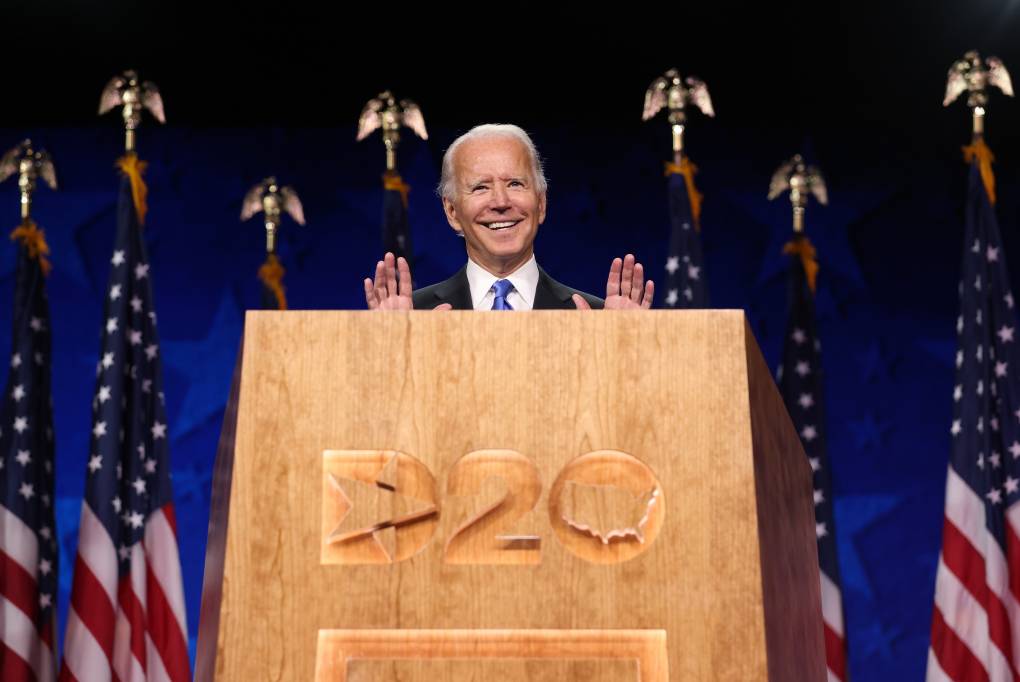
"caption": "Democratic presidential nominee Joe Biden delivers his acceptance speech on the fourth night of the Democratic National Convention from the Chase Center on August 20, 2020 in Wilmington, Delaware. ",
"description": null,
"title": "GettyImages-1267436548",
"credit": "Win McNamee/Getty Images",
"status": "inherit",
"isLoading": false,
"fetchFailed": false
},
"news_11489888": {
"type": "attachments",
"id": "news_11489888",
"meta": {
"index": "attachments_1716263798",
"site": "news",
"id": "11489888",
"found": true
},
"parent": 11489497,
"imgSizes": {
"small": {
"file": "https://ww2.kqed.org/app/uploads/sites/10/2017/06/RS25439_20170515_StateCapitol_Assemblymember_DavidChiu_credit_BertJohnson-1-qut-520x347.jpg",
"width": 520,
"mimeType": "image/jpeg",
"height": 347
},
"twentyfourteen-full-width": {
"file": "https://ww2.kqed.org/app/uploads/sites/10/2017/06/RS25439_20170515_StateCapitol_Assemblymember_DavidChiu_credit_BertJohnson-1-qut-1038x576.jpg",
"width": 1038,
"mimeType": "image/jpeg",
"height": 576
},
"thumbnail": {
"file": "https://ww2.kqed.org/app/uploads/sites/10/2017/06/RS25439_20170515_StateCapitol_Assemblymember_DavidChiu_credit_BertJohnson-1-qut-160x107.jpg",
"width": 160,
"mimeType": "image/jpeg",
"height": 107
},
"fd-sm": {
"file": "https://ww2.kqed.org/app/uploads/sites/10/2017/06/RS25439_20170515_StateCapitol_Assemblymember_DavidChiu_credit_BertJohnson-1-qut-960x640.jpg",
"width": 960,
"mimeType": "image/jpeg",
"height": 640
},
"post-thumbnail": {
"file": "https://ww2.kqed.org/app/uploads/sites/10/2017/06/RS25439_20170515_StateCapitol_Assemblymember_DavidChiu_credit_BertJohnson-1-qut-672x372.jpg",
"width": 672,
"mimeType": "image/jpeg",
"height": 372
},
"xsmall": {
"file": "https://ww2.kqed.org/app/uploads/sites/10/2017/06/RS25439_20170515_StateCapitol_Assemblymember_DavidChiu_credit_BertJohnson-1-qut-375x250.jpg",
"width": 375,
"mimeType": "image/jpeg",
"height": 250
},
"kqedFullSize": {
"file": "https://ww2.kqed.org/app/uploads/sites/10/2017/06/RS25439_20170515_StateCapitol_Assemblymember_DavidChiu_credit_BertJohnson-1-qut.jpg",
"width": 1920,
"height": 1280
},
"large": {
"file": "https://ww2.kqed.org/app/uploads/sites/10/2017/06/RS25439_20170515_StateCapitol_Assemblymember_DavidChiu_credit_BertJohnson-1-qut-1020x680.jpg",
"width": 1020,
"mimeType": "image/jpeg",
"height": 680
},
"xlarge": {
"file": "https://ww2.kqed.org/app/uploads/sites/10/2017/06/RS25439_20170515_StateCapitol_Assemblymember_DavidChiu_credit_BertJohnson-1-qut-1180x787.jpg",
"width": 1180,
"mimeType": "image/jpeg",
"height": 787
},
"guest-author-50": {
"file": "https://ww2.kqed.org/app/uploads/sites/10/2017/06/RS25439_20170515_StateCapitol_Assemblymember_DavidChiu_credit_BertJohnson-1-qut-50x50.jpg",
"width": 50,
"mimeType": "image/jpeg",
"height": 50
},
"guest-author-96": {
"file": "https://ww2.kqed.org/app/uploads/sites/10/2017/06/RS25439_20170515_StateCapitol_Assemblymember_DavidChiu_credit_BertJohnson-1-qut-96x96.jpg",
"width": 96,
"mimeType": "image/jpeg",
"height": 96
},
"medium": {
"file": "https://ww2.kqed.org/app/uploads/sites/10/2017/06/RS25439_20170515_StateCapitol_Assemblymember_DavidChiu_credit_BertJohnson-1-qut-800x533.jpg",
"width": 800,
"mimeType": "image/jpeg",
"height": 533
},
"guest-author-64": {
"file": "https://ww2.kqed.org/app/uploads/sites/10/2017/06/RS25439_20170515_StateCapitol_Assemblymember_DavidChiu_credit_BertJohnson-1-qut-64x64.jpg",
"width": 64,
"mimeType": "image/jpeg",
"height": 64
},
"guest-author-32": {
"file": "https://ww2.kqed.org/app/uploads/sites/10/2017/06/RS25439_20170515_StateCapitol_Assemblymember_DavidChiu_credit_BertJohnson-1-qut-32x32.jpg",
"width": 32,
"mimeType": "image/jpeg",
"height": 32
},
"fd-lrg": {
"file": "https://ww2.kqed.org/app/uploads/sites/10/2017/06/RS25439_20170515_StateCapitol_Assemblymember_DavidChiu_credit_BertJohnson-1-qut-1920x1280.jpg",
"width": 1920,
"mimeType": "image/jpeg",
"height": 1280
},
"fd-med": {
"file": "https://ww2.kqed.org/app/uploads/sites/10/2017/06/RS25439_20170515_StateCapitol_Assemblymember_DavidChiu_credit_BertJohnson-1-qut-1180x787.jpg",
"width": 1180,
"mimeType": "image/jpeg",
"height": 787
},
"full-width": {
"file": "https://ww2.kqed.org/app/uploads/sites/10/2017/06/RS25439_20170515_StateCapitol_Assemblymember_DavidChiu_credit_BertJohnson-1-qut-1920x1280.jpg",
"width": 1920,
"mimeType": "image/jpeg",
"height": 1280
},
"detail": {
"file": "https://ww2.kqed.org/app/uploads/sites/10/2017/06/RS25439_20170515_StateCapitol_Assemblymember_DavidChiu_credit_BertJohnson-1-qut-150x150.jpg",
"width": 150,
"mimeType": "image/jpeg",
"height": 150
},
"guest-author-128": {
"file": "https://ww2.kqed.org/app/uploads/sites/10/2017/06/RS25439_20170515_StateCapitol_Assemblymember_DavidChiu_credit_BertJohnson-1-qut-128x128.jpg",
"width": 128,
"mimeType": "image/jpeg",
"height": 128
},
"xxsmall": {
"file": "https://ww2.kqed.org/app/uploads/sites/10/2017/06/RS25439_20170515_StateCapitol_Assemblymember_DavidChiu_credit_BertJohnson-1-qut-240x160.jpg",
"width": 240,
"mimeType": "image/jpeg",
"height": 160
}
},
"publishDate": 1496373999,
"modified": 1598990800,
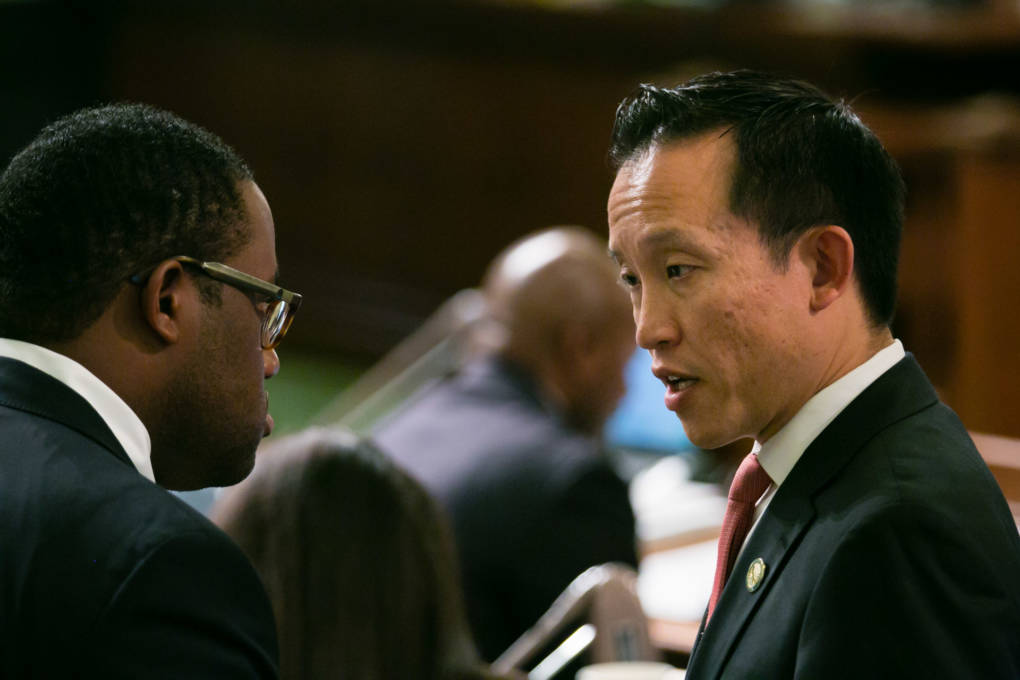
"caption": "Assemblyman David Chiu, D-San Francisco, (right) authored a state bill that would ban evictions for missing rent across California.",
"description": null,
"title": "David Chiu",
"credit": "Bert Johnson/KQED",
"status": "inherit",
"isLoading": false,
"fetchFailed": false
},
"news_11833684": {
"type": "attachments",
"id": "news_11833684",
"meta": {
"index": "attachments_1716263798",
"site": "news",
"id": "11833684",
"found": true
},
"parent": 11833670,
"imgSizes": {
"apple_news_ca_landscape_5_5": {
"file": "https://ww2.kqed.org/app/uploads/sites/10/2020/08/RS44435_GettyImages-1228073346-qut-1044x783.jpg",
"width": 1044,
"mimeType": "image/jpeg",
"height": 783
},
"apple_news_ca_square_4_0": {
"file": "https://ww2.kqed.org/app/uploads/sites/10/2020/08/RS44435_GettyImages-1228073346-qut-470x470.jpg",
"width": 470,
"mimeType": "image/jpeg",
"height": 470
},
"twentyfourteen-full-width": {
"file": "https://ww2.kqed.org/app/uploads/sites/10/2020/08/RS44435_GettyImages-1228073346-qut-1038x576.jpg",
"width": 1038,
"mimeType": "image/jpeg",
"height": 576
},
"thumbnail": {
"file": "https://ww2.kqed.org/app/uploads/sites/10/2020/08/RS44435_GettyImages-1228073346-qut-160x107.jpg",
"width": 160,
"mimeType": "image/jpeg",
"height": 107
},
"post-thumbnail": {
"file": "https://ww2.kqed.org/app/uploads/sites/10/2020/08/RS44435_GettyImages-1228073346-qut-672x372.jpg",
"width": 672,
"mimeType": "image/jpeg",
"height": 372
},
"kqedFullSize": {
"file": "https://ww2.kqed.org/app/uploads/sites/10/2020/08/RS44435_GettyImages-1228073346-qut.jpg",
"width": 1920,
"height": 1280
},
"apple_news_ca_landscape_4_7": {
"file": "https://ww2.kqed.org/app/uploads/sites/10/2020/08/RS44435_GettyImages-1228073346-qut-632x474.jpg",
"width": 632,
"mimeType": "image/jpeg",
"height": 474
},
"large": {
"file": "https://ww2.kqed.org/app/uploads/sites/10/2020/08/RS44435_GettyImages-1228073346-qut-1020x680.jpg",
"width": 1020,
"mimeType": "image/jpeg",
"height": 680
},
"apple_news_ca_landscape_4_0": {
"file": "https://ww2.kqed.org/app/uploads/sites/10/2020/08/RS44435_GettyImages-1228073346-qut-536x402.jpg",
"width": 536,
"mimeType": "image/jpeg",
"height": 402
},
"apple_news_ca_portrait_12_9": {
"file": "https://ww2.kqed.org/app/uploads/sites/10/2020/08/RS44435_GettyImages-1228073346-qut-1122x1280.jpg",
"width": 1122,
"mimeType": "image/jpeg",
"height": 1280
},
"medium": {
"file": "https://ww2.kqed.org/app/uploads/sites/10/2020/08/RS44435_GettyImages-1228073346-qut-800x533.jpg",
"width": 800,
"mimeType": "image/jpeg",
"height": 533
},
"apple_news_ca_portrait_4_0": {
"file": "https://ww2.kqed.org/app/uploads/sites/10/2020/08/RS44435_GettyImages-1228073346-qut-354x472.jpg",
"width": 354,
"mimeType": "image/jpeg",
"height": 472
},
"apple_news_ca_portrait_9_7": {
"file": "https://ww2.kqed.org/app/uploads/sites/10/2020/08/RS44435_GettyImages-1228073346-qut-840x1120.jpg",
"width": 840,
"mimeType": "image/jpeg",
"height": 1120
},
"apple_news_ca_landscape_12_9": {
"file": "https://ww2.kqed.org/app/uploads/sites/10/2020/08/RS44435_GettyImages-1228073346-qut-1832x1280.jpg",
"width": 1832,
"mimeType": "image/jpeg",
"height": 1280
},
"apple_news_ca_square_9_7": {
"file": "https://ww2.kqed.org/app/uploads/sites/10/2020/08/RS44435_GettyImages-1228073346-qut-1104x1104.jpg",
"width": 1104,
"mimeType": "image/jpeg",
"height": 1104
},
"1536x1536": {
"file": "https://ww2.kqed.org/app/uploads/sites/10/2020/08/RS44435_GettyImages-1228073346-qut-1536x1024.jpg",
"width": 1536,
"mimeType": "image/jpeg",
"height": 1024
},
"apple_news_ca_portrait_4_7": {
"file": "https://ww2.kqed.org/app/uploads/sites/10/2020/08/RS44435_GettyImages-1228073346-qut-414x552.jpg",
"width": 414,
"mimeType": "image/jpeg",
"height": 552
},
"apple_news_ca_square_12_9": {
"file": "https://ww2.kqed.org/app/uploads/sites/10/2020/08/RS44435_GettyImages-1228073346-qut-1472x1280.jpg",
"width": 1472,
"mimeType": "image/jpeg",
"height": 1280
},
"apple_news_ca_portrait_5_5": {
"file": "https://ww2.kqed.org/app/uploads/sites/10/2020/08/RS44435_GettyImages-1228073346-qut-687x916.jpg",
"width": 687,
"mimeType": "image/jpeg",
"height": 916
},
"apple_news_ca_square_4_7": {
"file": "https://ww2.kqed.org/app/uploads/sites/10/2020/08/RS44435_GettyImages-1228073346-qut-550x550.jpg",
"width": 550,
"mimeType": "image/jpeg",
"height": 550
},
"apple_news_ca_landscape_9_7": {
"file": "https://ww2.kqed.org/app/uploads/sites/10/2020/08/RS44435_GettyImages-1228073346-qut-1376x1032.jpg",
"width": 1376,
"mimeType": "image/jpeg",
"height": 1032
},
"apple_news_ca_square_5_5": {
"file": "https://ww2.kqed.org/app/uploads/sites/10/2020/08/RS44435_GettyImages-1228073346-qut-912x912.jpg",
"width": 912,
"mimeType": "image/jpeg",
"height": 912
}
},
"publishDate": 1597690629,
"modified": 1597691104,
"caption": "A man sits under electrical transmission lines in Redondo Beach on Aug. 16, 2020. PG&E blacked out power to about 220,000 customers on Friday and Saturday evenings as the state grappled with a surge in power demand amid a widespread heat wave.",
"description": "A man sits under electrical transmission lines in Redondo Beach on Aug. 16, 2020. PG&E blacked out power to about 220,000 customers on Friday and Saturday evenings as the state grappled with a surge in power demand amid a widespread heat wave.",
"title": "US-HEAT-POWER-OUTAGE",
"credit": "APU GOMES/AFP via Getty Images",
"status": "inherit",
"isLoading": false,
"fetchFailed": false
},
"news_11823916": {
"type": "attachments",
"id": "news_11823916",
"meta": {
"index": "attachments_1716263798",
"site": "news",
"id": "11823916",
"found": true
},
"parent": 11823891,
"imgSizes": {
"apple_news_ca_landscape_5_5": {
"file": "https://ww2.kqed.org/app/uploads/sites/10/2020/06/RS41398_005_KQED_Housing_MountainView_02192020_3321-qut-1044x783.jpg",
"width": 1044,
"mimeType": "image/jpeg",
"height": 783
},
"apple_news_ca_square_4_0": {
"file": "https://ww2.kqed.org/app/uploads/sites/10/2020/06/RS41398_005_KQED_Housing_MountainView_02192020_3321-qut-470x470.jpg",
"width": 470,
"mimeType": "image/jpeg",
"height": 470
},
"twentyfourteen-full-width": {
"file": "https://ww2.kqed.org/app/uploads/sites/10/2020/06/RS41398_005_KQED_Housing_MountainView_02192020_3321-qut-1038x576.jpg",
"width": 1038,
"mimeType": "image/jpeg",
"height": 576
},
"thumbnail": {
"file": "https://ww2.kqed.org/app/uploads/sites/10/2020/06/RS41398_005_KQED_Housing_MountainView_02192020_3321-qut-160x107.jpg",
"width": 160,
"mimeType": "image/jpeg",
"height": 107
},
"post-thumbnail": {
"file": "https://ww2.kqed.org/app/uploads/sites/10/2020/06/RS41398_005_KQED_Housing_MountainView_02192020_3321-qut-672x372.jpg",
"width": 672,
"mimeType": "image/jpeg",
"height": 372
},
"kqedFullSize": {
"file": "https://ww2.kqed.org/app/uploads/sites/10/2020/06/RS41398_005_KQED_Housing_MountainView_02192020_3321-qut.jpg",
"width": 1920,
"height": 1280
},
"apple_news_ca_landscape_4_7": {
"file": "https://ww2.kqed.org/app/uploads/sites/10/2020/06/RS41398_005_KQED_Housing_MountainView_02192020_3321-qut-632x474.jpg",
"width": 632,
"mimeType": "image/jpeg",
"height": 474
},
"large": {
"file": "https://ww2.kqed.org/app/uploads/sites/10/2020/06/RS41398_005_KQED_Housing_MountainView_02192020_3321-qut-1020x680.jpg",
"width": 1020,
"mimeType": "image/jpeg",
"height": 680
},
"apple_news_ca_landscape_4_0": {
"file": "https://ww2.kqed.org/app/uploads/sites/10/2020/06/RS41398_005_KQED_Housing_MountainView_02192020_3321-qut-536x402.jpg",
"width": 536,
"mimeType": "image/jpeg",
"height": 402
},
"apple_news_ca_portrait_12_9": {
"file": "https://ww2.kqed.org/app/uploads/sites/10/2020/06/RS41398_005_KQED_Housing_MountainView_02192020_3321-qut-1122x1280.jpg",
"width": 1122,
"mimeType": "image/jpeg",
"height": 1280
},
"medium": {
"file": "https://ww2.kqed.org/app/uploads/sites/10/2020/06/RS41398_005_KQED_Housing_MountainView_02192020_3321-qut-800x533.jpg",
"width": 800,
"mimeType": "image/jpeg",
"height": 533
},
"apple_news_ca_portrait_4_0": {
"file": "https://ww2.kqed.org/app/uploads/sites/10/2020/06/RS41398_005_KQED_Housing_MountainView_02192020_3321-qut-354x472.jpg",
"width": 354,
"mimeType": "image/jpeg",
"height": 472
},
"apple_news_ca_portrait_9_7": {
"file": "https://ww2.kqed.org/app/uploads/sites/10/2020/06/RS41398_005_KQED_Housing_MountainView_02192020_3321-qut-840x1120.jpg",
"width": 840,
"mimeType": "image/jpeg",
"height": 1120
},
"apple_news_ca_landscape_12_9": {
"file": "https://ww2.kqed.org/app/uploads/sites/10/2020/06/RS41398_005_KQED_Housing_MountainView_02192020_3321-qut-1832x1280.jpg",
"width": 1832,
"mimeType": "image/jpeg",
"height": 1280
},
"apple_news_ca_square_9_7": {
"file": "https://ww2.kqed.org/app/uploads/sites/10/2020/06/RS41398_005_KQED_Housing_MountainView_02192020_3321-qut-1104x1104.jpg",
"width": 1104,
"mimeType": "image/jpeg",
"height": 1104
},
"apple_news_ca_portrait_4_7": {
"file": "https://ww2.kqed.org/app/uploads/sites/10/2020/06/RS41398_005_KQED_Housing_MountainView_02192020_3321-qut-414x552.jpg",
"width": 414,
"mimeType": "image/jpeg",
"height": 552
},
"apple_news_ca_square_12_9": {
"file": "https://ww2.kqed.org/app/uploads/sites/10/2020/06/RS41398_005_KQED_Housing_MountainView_02192020_3321-qut-1472x1280.jpg",
"width": 1472,
"mimeType": "image/jpeg",
"height": 1280
},
"apple_news_ca_portrait_5_5": {
"file": "https://ww2.kqed.org/app/uploads/sites/10/2020/06/RS41398_005_KQED_Housing_MountainView_02192020_3321-qut-687x916.jpg",
"width": 687,
"mimeType": "image/jpeg",
"height": 916
},
"full-width": {
"file": "https://ww2.kqed.org/app/uploads/sites/10/2020/06/RS41398_005_KQED_Housing_MountainView_02192020_3321-qut-1920x1280.jpg",
"width": 1920,
"mimeType": "image/jpeg",
"height": 1280
},
"apple_news_ca_square_4_7": {
"file": "https://ww2.kqed.org/app/uploads/sites/10/2020/06/RS41398_005_KQED_Housing_MountainView_02192020_3321-qut-550x550.jpg",
"width": 550,
"mimeType": "image/jpeg",
"height": 550
},
"apple_news_ca_landscape_9_7": {
"file": "https://ww2.kqed.org/app/uploads/sites/10/2020/06/RS41398_005_KQED_Housing_MountainView_02192020_3321-qut-1376x1032.jpg",
"width": 1376,
"mimeType": "image/jpeg",
"height": 1032
},
"apple_news_ca_square_5_5": {
"file": "https://ww2.kqed.org/app/uploads/sites/10/2020/06/RS41398_005_KQED_Housing_MountainView_02192020_3321-qut-912x912.jpg",
"width": 912,
"mimeType": "image/jpeg",
"height": 912
}
},
"publishDate": 1591847616,
"modified": 1597355407,
"caption": "Houses in Mountain View, pictured on Feb. 19, 2020.",
"description": "Houses in Mountain View, pictured on Feb. 19, 2020.",
"title": "RS41398_005_KQED_Housing_MountainView_02192020_3321-qut",
"credit": "Beth LaBerge/KQED",
"status": "inherit",
"isLoading": false,
"fetchFailed": false
},
"news_11832352": {
"type": "attachments",
"id": "news_11832352",
"meta": {
"index": "attachments_1716263798",
"site": "news",
"id": "11832352",
"found": true
},
"parent": 11832331,
"imgSizes": {
"apple_news_ca_landscape_5_5": {
"file": "https://ww2.kqed.org/app/uploads/sites/10/2020/08/RS41414_014_KQED_RegistrarofVoters_SantaClara_02192020_9014-qut-1044x783.jpg",
"width": 1044,
"mimeType": "image/jpeg",
"height": 783
},
"apple_news_ca_square_4_0": {
"file": "https://ww2.kqed.org/app/uploads/sites/10/2020/08/RS41414_014_KQED_RegistrarofVoters_SantaClara_02192020_9014-qut-470x470.jpg",
"width": 470,
"mimeType": "image/jpeg",
"height": 470
},
"twentyfourteen-full-width": {
"file": "https://ww2.kqed.org/app/uploads/sites/10/2020/08/RS41414_014_KQED_RegistrarofVoters_SantaClara_02192020_9014-qut-1038x576.jpg",
"width": 1038,
"mimeType": "image/jpeg",
"height": 576
},
"thumbnail": {
"file": "https://ww2.kqed.org/app/uploads/sites/10/2020/08/RS41414_014_KQED_RegistrarofVoters_SantaClara_02192020_9014-qut-160x107.jpg",
"width": 160,
"mimeType": "image/jpeg",
"height": 107
},
"post-thumbnail": {
"file": "https://ww2.kqed.org/app/uploads/sites/10/2020/08/RS41414_014_KQED_RegistrarofVoters_SantaClara_02192020_9014-qut-672x372.jpg",
"width": 672,
"mimeType": "image/jpeg",
"height": 372
},
"kqedFullSize": {
"file": "https://ww2.kqed.org/app/uploads/sites/10/2020/08/RS41414_014_KQED_RegistrarofVoters_SantaClara_02192020_9014-qut.jpg",
"width": 1920,
"height": 1278
},
"apple_news_ca_landscape_4_7": {
"file": "https://ww2.kqed.org/app/uploads/sites/10/2020/08/RS41414_014_KQED_RegistrarofVoters_SantaClara_02192020_9014-qut-632x474.jpg",
"width": 632,
"mimeType": "image/jpeg",
"height": 474
},
"large": {
"file": "https://ww2.kqed.org/app/uploads/sites/10/2020/08/RS41414_014_KQED_RegistrarofVoters_SantaClara_02192020_9014-qut-1020x679.jpg",
"width": 1020,
"mimeType": "image/jpeg",
"height": 679
},
"apple_news_ca_landscape_4_0": {
"file": "https://ww2.kqed.org/app/uploads/sites/10/2020/08/RS41414_014_KQED_RegistrarofVoters_SantaClara_02192020_9014-qut-536x402.jpg",
"width": 536,
"mimeType": "image/jpeg",
"height": 402
},
"apple_news_ca_portrait_12_9": {
"file": "https://ww2.kqed.org/app/uploads/sites/10/2020/08/RS41414_014_KQED_RegistrarofVoters_SantaClara_02192020_9014-qut-1122x1278.jpg",
"width": 1122,
"mimeType": "image/jpeg",
"height": 1278
},
"medium": {
"file": "https://ww2.kqed.org/app/uploads/sites/10/2020/08/RS41414_014_KQED_RegistrarofVoters_SantaClara_02192020_9014-qut-800x533.jpg",
"width": 800,
"mimeType": "image/jpeg",
"height": 533
},
"apple_news_ca_portrait_4_0": {
"file": "https://ww2.kqed.org/app/uploads/sites/10/2020/08/RS41414_014_KQED_RegistrarofVoters_SantaClara_02192020_9014-qut-354x472.jpg",
"width": 354,
"mimeType": "image/jpeg",
"height": 472
},
"apple_news_ca_portrait_9_7": {
"file": "https://ww2.kqed.org/app/uploads/sites/10/2020/08/RS41414_014_KQED_RegistrarofVoters_SantaClara_02192020_9014-qut-840x1120.jpg",
"width": 840,
"mimeType": "image/jpeg",
"height": 1120
},
"apple_news_ca_landscape_12_9": {
"file": "https://ww2.kqed.org/app/uploads/sites/10/2020/08/RS41414_014_KQED_RegistrarofVoters_SantaClara_02192020_9014-qut-1832x1278.jpg",
"width": 1832,
"mimeType": "image/jpeg",
"height": 1278
},
"apple_news_ca_square_9_7": {
"file": "https://ww2.kqed.org/app/uploads/sites/10/2020/08/RS41414_014_KQED_RegistrarofVoters_SantaClara_02192020_9014-qut-1104x1104.jpg",
"width": 1104,
"mimeType": "image/jpeg",
"height": 1104
},
"1536x1536": {
"file": "https://ww2.kqed.org/app/uploads/sites/10/2020/08/RS41414_014_KQED_RegistrarofVoters_SantaClara_02192020_9014-qut-1536x1022.jpg",
"width": 1536,
"mimeType": "image/jpeg",
"height": 1022
},
"apple_news_ca_portrait_4_7": {
"file": "https://ww2.kqed.org/app/uploads/sites/10/2020/08/RS41414_014_KQED_RegistrarofVoters_SantaClara_02192020_9014-qut-414x552.jpg",
"width": 414,
"mimeType": "image/jpeg",
"height": 552
},
"apple_news_ca_square_12_9": {
"file": "https://ww2.kqed.org/app/uploads/sites/10/2020/08/RS41414_014_KQED_RegistrarofVoters_SantaClara_02192020_9014-qut-1472x1278.jpg",
"width": 1472,
"mimeType": "image/jpeg",
"height": 1278
},
"apple_news_ca_portrait_5_5": {
"file": "https://ww2.kqed.org/app/uploads/sites/10/2020/08/RS41414_014_KQED_RegistrarofVoters_SantaClara_02192020_9014-qut-687x916.jpg",
"width": 687,
"mimeType": "image/jpeg",
"height": 916
},
"apple_news_ca_square_4_7": {
"file": "https://ww2.kqed.org/app/uploads/sites/10/2020/08/RS41414_014_KQED_RegistrarofVoters_SantaClara_02192020_9014-qut-550x550.jpg",
"width": 550,
"mimeType": "image/jpeg",
"height": 550
},
"apple_news_ca_landscape_9_7": {
"file": "https://ww2.kqed.org/app/uploads/sites/10/2020/08/RS41414_014_KQED_RegistrarofVoters_SantaClara_02192020_9014-qut-1376x1032.jpg",
"width": 1376,
"mimeType": "image/jpeg",
"height": 1032
},
"apple_news_ca_square_5_5": {
"file": "https://ww2.kqed.org/app/uploads/sites/10/2020/08/RS41414_014_KQED_RegistrarofVoters_SantaClara_02192020_9014-qut-912x912.jpg",
"width": 912,
"mimeType": "image/jpeg",
"height": 912
}
},
"publishDate": 1596765580,
"modified": 1596765651,
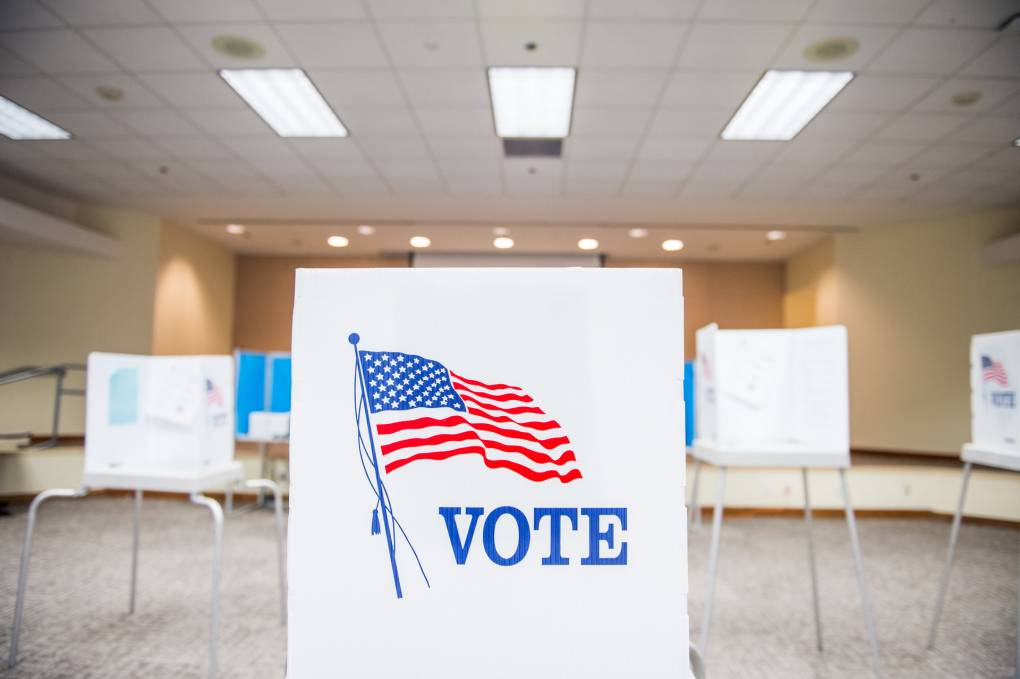
"caption": "A voting booth at the Santa Clara Registrar of Voters on Feb. 19, 2020.",
"description": null,
"title": "RS41414_014_KQED_RegistrarofVoters_SantaClara_02192020_9014-qut",
"credit": "Beth LaBerge/KQED",
"status": "inherit",
"isLoading": false,
"fetchFailed": false
},
"news_11831919": {
"type": "attachments",
"id": "news_11831919",
"meta": {
"index": "attachments_1716263798",
"site": "news",
"id": "11831919",
"found": true
},
"parent": 11831812,
"imgSizes": {
"apple_news_ca_landscape_5_5": {
"file": "https://ww2.kqed.org/app/uploads/sites/10/2020/08/San-Quentin-Main-Gate-COVID-prison-releases-1044x783.jpg",
"width": 1044,
"mimeType": "image/jpeg",
"height": 783
},
"apple_news_ca_square_4_0": {
"file": "https://ww2.kqed.org/app/uploads/sites/10/2020/08/San-Quentin-Main-Gate-COVID-prison-releases-470x470.jpg",
"width": 470,
"mimeType": "image/jpeg",
"height": 470
},
"twentyfourteen-full-width": {
"file": "https://ww2.kqed.org/app/uploads/sites/10/2020/08/San-Quentin-Main-Gate-COVID-prison-releases-1038x576.jpg",
"width": 1038,
"mimeType": "image/jpeg",
"height": 576
},
"thumbnail": {
"file": "https://ww2.kqed.org/app/uploads/sites/10/2020/08/San-Quentin-Main-Gate-COVID-prison-releases-160x104.jpg",
"width": 160,
"mimeType": "image/jpeg",
"height": 104
},
"post-thumbnail": {
"file": "https://ww2.kqed.org/app/uploads/sites/10/2020/08/San-Quentin-Main-Gate-COVID-prison-releases-672x372.jpg",
"width": 672,
"mimeType": "image/jpeg",
"height": 372
},
"kqedFullSize": {
"file": "https://ww2.kqed.org/app/uploads/sites/10/2020/08/San-Quentin-Main-Gate-COVID-prison-releases.jpg",
"width": 1920,
"height": 1250
},
"apple_news_ca_landscape_4_7": {
"file": "https://ww2.kqed.org/app/uploads/sites/10/2020/08/San-Quentin-Main-Gate-COVID-prison-releases-632x474.jpg",
"width": 632,
"mimeType": "image/jpeg",
"height": 474
},
"large": {
"file": "https://ww2.kqed.org/app/uploads/sites/10/2020/08/San-Quentin-Main-Gate-COVID-prison-releases-1020x664.jpg",
"width": 1020,
"mimeType": "image/jpeg",
"height": 664
},
"apple_news_ca_landscape_4_0": {
"file": "https://ww2.kqed.org/app/uploads/sites/10/2020/08/San-Quentin-Main-Gate-COVID-prison-releases-536x402.jpg",
"width": 536,
"mimeType": "image/jpeg",
"height": 402
},
"apple_news_ca_portrait_12_9": {
"file": "https://ww2.kqed.org/app/uploads/sites/10/2020/08/San-Quentin-Main-Gate-COVID-prison-releases-1122x1250.jpg",
"width": 1122,
"mimeType": "image/jpeg",
"height": 1250
},
"medium": {
"file": "https://ww2.kqed.org/app/uploads/sites/10/2020/08/San-Quentin-Main-Gate-COVID-prison-releases-800x521.jpg",
"width": 800,
"mimeType": "image/jpeg",
"height": 521
},
"apple_news_ca_portrait_4_0": {
"file": "https://ww2.kqed.org/app/uploads/sites/10/2020/08/San-Quentin-Main-Gate-COVID-prison-releases-354x472.jpg",
"width": 354,
"mimeType": "image/jpeg",
"height": 472
},
"apple_news_ca_portrait_9_7": {
"file": "https://ww2.kqed.org/app/uploads/sites/10/2020/08/San-Quentin-Main-Gate-COVID-prison-releases-840x1120.jpg",
"width": 840,
"mimeType": "image/jpeg",
"height": 1120
},
"apple_news_ca_landscape_12_9": {
"file": "https://ww2.kqed.org/app/uploads/sites/10/2020/08/San-Quentin-Main-Gate-COVID-prison-releases-1832x1250.jpg",
"width": 1832,
"mimeType": "image/jpeg",
"height": 1250
},
"apple_news_ca_square_9_7": {
"file": "https://ww2.kqed.org/app/uploads/sites/10/2020/08/San-Quentin-Main-Gate-COVID-prison-releases-1104x1104.jpg",
"width": 1104,
"mimeType": "image/jpeg",
"height": 1104
},
"1536x1536": {
"file": "https://ww2.kqed.org/app/uploads/sites/10/2020/08/San-Quentin-Main-Gate-COVID-prison-releases-1536x1000.jpg",
"width": 1536,
"mimeType": "image/jpeg",
"height": 1000
},
"apple_news_ca_portrait_4_7": {
"file": "https://ww2.kqed.org/app/uploads/sites/10/2020/08/San-Quentin-Main-Gate-COVID-prison-releases-414x552.jpg",
"width": 414,
"mimeType": "image/jpeg",
"height": 552
},
"apple_news_ca_square_12_9": {
"file": "https://ww2.kqed.org/app/uploads/sites/10/2020/08/San-Quentin-Main-Gate-COVID-prison-releases-1472x1250.jpg",
"width": 1472,
"mimeType": "image/jpeg",
"height": 1250
},
"apple_news_ca_portrait_5_5": {
"file": "https://ww2.kqed.org/app/uploads/sites/10/2020/08/San-Quentin-Main-Gate-COVID-prison-releases-687x916.jpg",
"width": 687,
"mimeType": "image/jpeg",
"height": 916
},
"apple_news_ca_square_4_7": {
"file": "https://ww2.kqed.org/app/uploads/sites/10/2020/08/San-Quentin-Main-Gate-COVID-prison-releases-550x550.jpg",
"width": 550,
"mimeType": "image/jpeg",
"height": 550
},
"apple_news_ca_landscape_9_7": {
"file": "https://ww2.kqed.org/app/uploads/sites/10/2020/08/San-Quentin-Main-Gate-COVID-prison-releases-1376x1032.jpg",
"width": 1376,
"mimeType": "image/jpeg",
"height": 1032
},
"apple_news_ca_square_5_5": {
"file": "https://ww2.kqed.org/app/uploads/sites/10/2020/08/San-Quentin-Main-Gate-COVID-prison-releases-912x912.jpg",
"width": 912,
"mimeType": "image/jpeg",
"height": 912
}
},
"publishDate": 1596588203,
"modified": 1638221612,
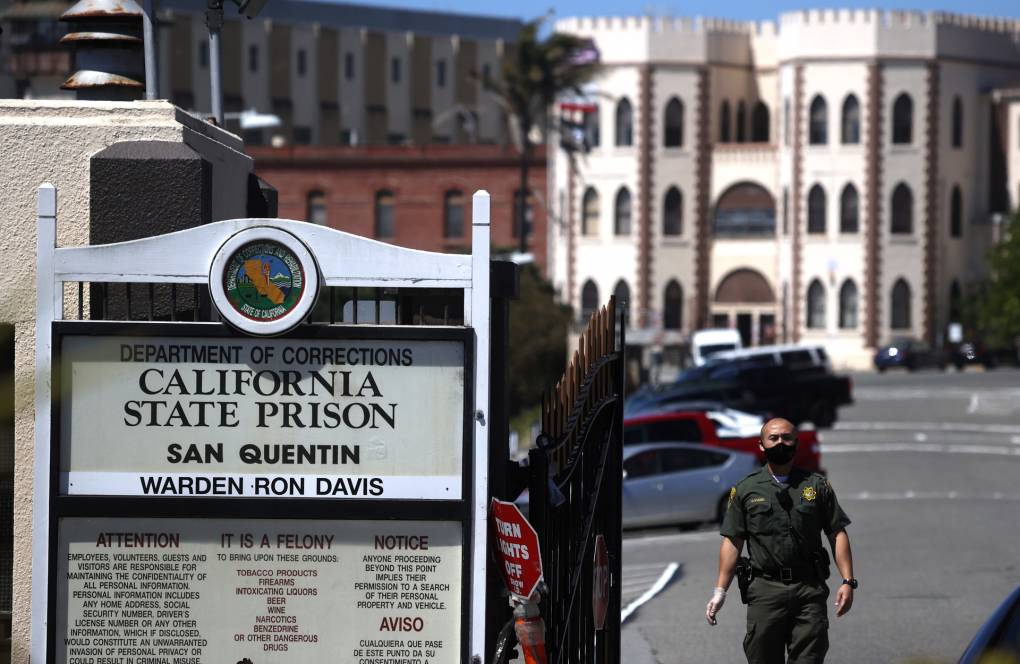
"caption": "A California Department of Corrections and Rehabilitation officer wears a protective mask as he stands guard at the front gate of San Quentin State Prison on June 29, 2020. ",
"description": "A California Department of Corrections and Rehabilitation (CDCR) officer wears a protective mask as he stands guard at the front gate of San Quentin State Prison on June 29, 2020. A COVID-19 outbreak has ravaged the prison's population.",
"title": "Coronavirus Cases Surge To Over A Thousand At San Quentin Prison",
"credit": "Justin Sullivan/Getty Images",
"status": "inherit",
"altTag": "A man stands with a mask at the entrance to San Quentin State Prison.",
"isLoading": false,
"fetchFailed": false
},
"news_11831599": {
"type": "attachments",
"id": "news_11831599",
"meta": {
"index": "attachments_1716263798",
"site": "news",
"id": "11831599",
"found": true
},
"parent": 11831594,
"imgSizes": {
"apple_news_ca_landscape_5_5": {
"file": "https://ww2.kqed.org/app/uploads/sites/10/2020/08/1920_Juan_Prieto-1044x783.jpg",
"width": 1044,
"mimeType": "image/jpeg",
"height": 783
},
"apple_news_ca_square_4_0": {
"file": "https://ww2.kqed.org/app/uploads/sites/10/2020/08/1920_Juan_Prieto-470x470.jpg",
"width": 470,
"mimeType": "image/jpeg",
"height": 470
},
"twentyfourteen-full-width": {
"file": "https://ww2.kqed.org/app/uploads/sites/10/2020/08/1920_Juan_Prieto-1038x576.jpg",
"width": 1038,
"mimeType": "image/jpeg",
"height": 576
},
"thumbnail": {
"file": "https://ww2.kqed.org/app/uploads/sites/10/2020/08/1920_Juan_Prieto-160x90.jpg",
"width": 160,
"mimeType": "image/jpeg",
"height": 90
},
"post-thumbnail": {
"file": "https://ww2.kqed.org/app/uploads/sites/10/2020/08/1920_Juan_Prieto-672x372.jpg",
"width": 672,
"mimeType": "image/jpeg",
"height": 372
},
"kqedFullSize": {
"file": "https://ww2.kqed.org/app/uploads/sites/10/2020/08/1920_Juan_Prieto.jpg",
"width": 2492,
"height": 1402
},
"2048x2048": {
"file": "https://ww2.kqed.org/app/uploads/sites/10/2020/08/1920_Juan_Prieto-2048x1152.jpg",
"width": 2048,
"mimeType": "image/jpeg",
"height": 1152
},
"apple_news_ca_landscape_4_7": {
"file": "https://ww2.kqed.org/app/uploads/sites/10/2020/08/1920_Juan_Prieto-632x474.jpg",
"width": 632,
"mimeType": "image/jpeg",
"height": 474
},
"large": {
"file": "https://ww2.kqed.org/app/uploads/sites/10/2020/08/1920_Juan_Prieto-1020x574.jpg",
"width": 1020,
"mimeType": "image/jpeg",
"height": 574
},
"apple_news_ca_landscape_4_0": {
"file": "https://ww2.kqed.org/app/uploads/sites/10/2020/08/1920_Juan_Prieto-536x402.jpg",
"width": 536,
"mimeType": "image/jpeg",
"height": 402
},
"apple_news_ca_portrait_12_9": {
"file": "https://ww2.kqed.org/app/uploads/sites/10/2020/08/1920_Juan_Prieto-1122x1402.jpg",
"width": 1122,
"mimeType": "image/jpeg",
"height": 1402
},
"medium": {
"file": "https://ww2.kqed.org/app/uploads/sites/10/2020/08/1920_Juan_Prieto-800x450.jpg",
"width": 800,
"mimeType": "image/jpeg",
"height": 450
},
"apple_news_ca_portrait_4_0": {
"file": "https://ww2.kqed.org/app/uploads/sites/10/2020/08/1920_Juan_Prieto-354x472.jpg",
"width": 354,
"mimeType": "image/jpeg",
"height": 472
},
"apple_news_ca_portrait_9_7": {
"file": "https://ww2.kqed.org/app/uploads/sites/10/2020/08/1920_Juan_Prieto-840x1120.jpg",
"width": 840,
"mimeType": "image/jpeg",
"height": 1120
},
"apple_news_ca_landscape_12_9": {
"file": "https://ww2.kqed.org/app/uploads/sites/10/2020/08/1920_Juan_Prieto-1832x1374.jpg",
"width": 1832,
"mimeType": "image/jpeg",
"height": 1374
},
"apple_news_ca_square_9_7": {
"file": "https://ww2.kqed.org/app/uploads/sites/10/2020/08/1920_Juan_Prieto-1104x1104.jpg",
"width": 1104,
"mimeType": "image/jpeg",
"height": 1104
},
"1536x1536": {
"file": "https://ww2.kqed.org/app/uploads/sites/10/2020/08/1920_Juan_Prieto-1536x864.jpg",
"width": 1536,
"mimeType": "image/jpeg",
"height": 864
},
"apple_news_ca_portrait_4_7": {
"file": "https://ww2.kqed.org/app/uploads/sites/10/2020/08/1920_Juan_Prieto-414x552.jpg",
"width": 414,
"mimeType": "image/jpeg",
"height": 552
},
"apple_news_ca_square_12_9": {
"file": "https://ww2.kqed.org/app/uploads/sites/10/2020/08/1920_Juan_Prieto-1472x1402.jpg",
"width": 1472,
"mimeType": "image/jpeg",
"height": 1402
},
"apple_news_ca_portrait_5_5": {
"file": "https://ww2.kqed.org/app/uploads/sites/10/2020/08/1920_Juan_Prieto-687x916.jpg",
"width": 687,
"mimeType": "image/jpeg",
"height": 916
},
"full-width": {
"file": "https://ww2.kqed.org/app/uploads/sites/10/2020/08/1920_Juan_Prieto-1920x1080.jpg",
"width": 1920,
"mimeType": "image/jpeg",
"height": 1080
},
"apple_news_ca_square_4_7": {
"file": "https://ww2.kqed.org/app/uploads/sites/10/2020/08/1920_Juan_Prieto-550x550.jpg",
"width": 550,
"mimeType": "image/jpeg",
"height": 550
},
"apple_news_ca_landscape_9_7": {
"file": "https://ww2.kqed.org/app/uploads/sites/10/2020/08/1920_Juan_Prieto-1376x1032.jpg",
"width": 1376,
"mimeType": "image/jpeg",
"height": 1032
},
"apple_news_ca_square_5_5": {
"file": "https://ww2.kqed.org/app/uploads/sites/10/2020/08/1920_Juan_Prieto-912x912.jpg",
"width": 912,
"mimeType": "image/jpeg",
"height": 912
}
},
"publishDate": 1596393932,
"modified": 1596475011,
"caption": "Juan Prieto, an Oakland-based undocumented organizer with the California Immigrant Youth Justice Alliance, holds hands with fellow undocumented organizer Brisa Cruz from the Central Valley as they protest in front of Gov. Gavin Newsom’s house on July 27, 2020.",
"description": null,
"title": "1920_Juan_Prieto",
"credit": "Courtesy of \u003ca href=\"https://www.movementphotographer.com/\">Brooke Anderson/@movementphotographer\u003c/a>",
"status": "inherit",
"isLoading": false,
"fetchFailed": false
},
"news_11831463": {
"type": "attachments",
"id": "news_11831463",
"meta": {
"index": "attachments_1716263798",
"site": "news",
"id": "11831463",
"found": true
},
"parent": 11831452,
"imgSizes": {
"apple_news_ca_landscape_5_5": {
"file": "https://ww2.kqed.org/app/uploads/sites/10/2020/07/callvolumes_073120_final-1044x783.png",
"width": 1044,
"mimeType": "image/png",
"height": 783
},
"apple_news_ca_square_4_0": {
"file": "https://ww2.kqed.org/app/uploads/sites/10/2020/07/callvolumes_073120_final-470x470.png",
"width": 470,
"mimeType": "image/png",
"height": 470
},
"twentyfourteen-full-width": {
"file": "https://ww2.kqed.org/app/uploads/sites/10/2020/07/callvolumes_073120_final-1038x576.png",
"width": 1038,
"mimeType": "image/png",
"height": 576
},
"thumbnail": {
"file": "https://ww2.kqed.org/app/uploads/sites/10/2020/07/callvolumes_073120_final-160x119.png",
"width": 160,
"mimeType": "image/png",
"height": 119
},
"post-thumbnail": {
"file": "https://ww2.kqed.org/app/uploads/sites/10/2020/07/callvolumes_073120_final-672x372.png",
"width": 672,
"mimeType": "image/png",
"height": 372
},
"kqedFullSize": {
"file": "https://ww2.kqed.org/app/uploads/sites/10/2020/07/callvolumes_073120_final.png",
"width": 1920,
"height": 1427
},
"apple_news_ca_landscape_4_7": {
"file": "https://ww2.kqed.org/app/uploads/sites/10/2020/07/callvolumes_073120_final-632x474.png",
"width": 632,
"mimeType": "image/png",
"height": 474
},
"large": {
"file": "https://ww2.kqed.org/app/uploads/sites/10/2020/07/callvolumes_073120_final-1020x758.png",
"width": 1020,
"mimeType": "image/png",
"height": 758
},
"apple_news_ca_landscape_4_0": {
"file": "https://ww2.kqed.org/app/uploads/sites/10/2020/07/callvolumes_073120_final-536x402.png",
"width": 536,
"mimeType": "image/png",
"height": 402
},
"apple_news_ca_portrait_12_9": {
"file": "https://ww2.kqed.org/app/uploads/sites/10/2020/07/callvolumes_073120_final-1122x1427.png",
"width": 1122,
"mimeType": "image/png",
"height": 1427
},
"medium": {
"file": "https://ww2.kqed.org/app/uploads/sites/10/2020/07/callvolumes_073120_final-800x595.png",
"width": 800,
"mimeType": "image/png",
"height": 595
},
"apple_news_ca_portrait_4_0": {
"file": "https://ww2.kqed.org/app/uploads/sites/10/2020/07/callvolumes_073120_final-354x472.png",
"width": 354,
"mimeType": "image/png",
"height": 472
},
"apple_news_ca_portrait_9_7": {
"file": "https://ww2.kqed.org/app/uploads/sites/10/2020/07/callvolumes_073120_final-840x1120.png",
"width": 840,
"mimeType": "image/png",
"height": 1120
},
"apple_news_ca_landscape_12_9": {
"file": "https://ww2.kqed.org/app/uploads/sites/10/2020/07/callvolumes_073120_final-1832x1374.png",
"width": 1832,
"mimeType": "image/png",
"height": 1374
},
"apple_news_ca_square_9_7": {
"file": "https://ww2.kqed.org/app/uploads/sites/10/2020/07/callvolumes_073120_final-1104x1104.png",
"width": 1104,
"mimeType": "image/png",
"height": 1104
},
"1536x1536": {
"file": "https://ww2.kqed.org/app/uploads/sites/10/2020/07/callvolumes_073120_final-1536x1142.png",
"width": 1536,
"mimeType": "image/png",
"height": 1142
},
"apple_news_ca_portrait_4_7": {
"file": "https://ww2.kqed.org/app/uploads/sites/10/2020/07/callvolumes_073120_final-414x552.png",
"width": 414,
"mimeType": "image/png",
"height": 552
},
"apple_news_ca_square_12_9": {
"file": "https://ww2.kqed.org/app/uploads/sites/10/2020/07/callvolumes_073120_final-1472x1427.png",
"width": 1472,
"mimeType": "image/png",
"height": 1427
},
"apple_news_ca_portrait_5_5": {
"file": "https://ww2.kqed.org/app/uploads/sites/10/2020/07/callvolumes_073120_final-687x916.png",
"width": 687,
"mimeType": "image/png",
"height": 916
},
"apple_news_ca_square_4_7": {
"file": "https://ww2.kqed.org/app/uploads/sites/10/2020/07/callvolumes_073120_final-550x550.png",
"width": 550,
"mimeType": "image/png",
"height": 550
},
"apple_news_ca_landscape_9_7": {
"file": "https://ww2.kqed.org/app/uploads/sites/10/2020/07/callvolumes_073120_final-1376x1032.png",
"width": 1376,
"mimeType": "image/png",
"height": 1032
},
"apple_news_ca_square_5_5": {
"file": "https://ww2.kqed.org/app/uploads/sites/10/2020/07/callvolumes_073120_final-912x912.png",
"width": 912,
"mimeType": "image/png",
"height": 912
}
},
"publishDate": 1596231667,
"modified": 1596231709,
"caption": null,
"description": null,
"title": "callvolumes_073120_final",
"credit": null,
"status": "inherit",
"isLoading": false,
"fetchFailed": false
},
"news_11830964": {
"type": "attachments",
"id": "news_11830964",
"meta": {
"index": "attachments_1716263798",
"site": "news",
"id": "11830964",
"found": true
},
"parent": 11830944,
"imgSizes": {
"apple_news_ca_landscape_5_5": {
"file": "https://ww2.kqed.org/app/uploads/sites/10/2020/07/1920_1080_RS42413_058_KQED_BethLaBerge_BloomEnergy_Newsom_03282020-qut-1044x783.jpg",
"width": 1044,
"mimeType": "image/jpeg",
"height": 783
},
"apple_news_ca_square_4_0": {
"file": "https://ww2.kqed.org/app/uploads/sites/10/2020/07/1920_1080_RS42413_058_KQED_BethLaBerge_BloomEnergy_Newsom_03282020-qut-470x470.jpg",
"width": 470,
"mimeType": "image/jpeg",
"height": 470
},
"twentyfourteen-full-width": {
"file": "https://ww2.kqed.org/app/uploads/sites/10/2020/07/1920_1080_RS42413_058_KQED_BethLaBerge_BloomEnergy_Newsom_03282020-qut-1038x576.jpg",
"width": 1038,
"mimeType": "image/jpeg",
"height": 576
},
"thumbnail": {
"file": "https://ww2.kqed.org/app/uploads/sites/10/2020/07/1920_1080_RS42413_058_KQED_BethLaBerge_BloomEnergy_Newsom_03282020-qut-160x90.jpg",
"width": 160,
"mimeType": "image/jpeg",
"height": 90
},
"post-thumbnail": {
"file": "https://ww2.kqed.org/app/uploads/sites/10/2020/07/1920_1080_RS42413_058_KQED_BethLaBerge_BloomEnergy_Newsom_03282020-qut-672x372.jpg",
"width": 672,
"mimeType": "image/jpeg",
"height": 372
},
"kqedFullSize": {
"file": "https://ww2.kqed.org/app/uploads/sites/10/2020/07/1920_1080_RS42413_058_KQED_BethLaBerge_BloomEnergy_Newsom_03282020-qut.jpg",
"width": 1848,
"height": 1040
},
"apple_news_ca_landscape_4_7": {
"file": "https://ww2.kqed.org/app/uploads/sites/10/2020/07/1920_1080_RS42413_058_KQED_BethLaBerge_BloomEnergy_Newsom_03282020-qut-632x474.jpg",
"width": 632,
"mimeType": "image/jpeg",
"height": 474
},
"large": {
"file": "https://ww2.kqed.org/app/uploads/sites/10/2020/07/1920_1080_RS42413_058_KQED_BethLaBerge_BloomEnergy_Newsom_03282020-qut-1020x574.jpg",
"width": 1020,
"mimeType": "image/jpeg",
"height": 574
},
"apple_news_ca_landscape_4_0": {
"file": "https://ww2.kqed.org/app/uploads/sites/10/2020/07/1920_1080_RS42413_058_KQED_BethLaBerge_BloomEnergy_Newsom_03282020-qut-536x402.jpg",
"width": 536,
"mimeType": "image/jpeg",
"height": 402
},
"apple_news_ca_portrait_12_9": {
"file": "https://ww2.kqed.org/app/uploads/sites/10/2020/07/1920_1080_RS42413_058_KQED_BethLaBerge_BloomEnergy_Newsom_03282020-qut-1122x1040.jpg",
"width": 1122,
"mimeType": "image/jpeg",
"height": 1040
},
"medium": {
"file": "https://ww2.kqed.org/app/uploads/sites/10/2020/07/1920_1080_RS42413_058_KQED_BethLaBerge_BloomEnergy_Newsom_03282020-qut-800x450.jpg",
"width": 800,
"mimeType": "image/jpeg",
"height": 450
},
"apple_news_ca_portrait_4_0": {
"file": "https://ww2.kqed.org/app/uploads/sites/10/2020/07/1920_1080_RS42413_058_KQED_BethLaBerge_BloomEnergy_Newsom_03282020-qut-354x472.jpg",
"width": 354,
"mimeType": "image/jpeg",
"height": 472
},
"apple_news_ca_portrait_9_7": {
"file": "https://ww2.kqed.org/app/uploads/sites/10/2020/07/1920_1080_RS42413_058_KQED_BethLaBerge_BloomEnergy_Newsom_03282020-qut-840x1040.jpg",
"width": 840,
"mimeType": "image/jpeg",
"height": 1040
},
"apple_news_ca_landscape_12_9": {
"file": "https://ww2.kqed.org/app/uploads/sites/10/2020/07/1920_1080_RS42413_058_KQED_BethLaBerge_BloomEnergy_Newsom_03282020-qut-1832x1040.jpg",
"width": 1832,
"mimeType": "image/jpeg",
"height": 1040
},
"apple_news_ca_square_9_7": {
"file": "https://ww2.kqed.org/app/uploads/sites/10/2020/07/1920_1080_RS42413_058_KQED_BethLaBerge_BloomEnergy_Newsom_03282020-qut-1104x1040.jpg",
"width": 1104,
"mimeType": "image/jpeg",
"height": 1040
},
"1536x1536": {
"file": "https://ww2.kqed.org/app/uploads/sites/10/2020/07/1920_1080_RS42413_058_KQED_BethLaBerge_BloomEnergy_Newsom_03282020-qut-1536x864.jpg",
"width": 1536,
"mimeType": "image/jpeg",
"height": 864
},
"apple_news_ca_portrait_4_7": {
"file": "https://ww2.kqed.org/app/uploads/sites/10/2020/07/1920_1080_RS42413_058_KQED_BethLaBerge_BloomEnergy_Newsom_03282020-qut-414x552.jpg",
"width": 414,
"mimeType": "image/jpeg",
"height": 552
},
"apple_news_ca_square_12_9": {
"file": "https://ww2.kqed.org/app/uploads/sites/10/2020/07/1920_1080_RS42413_058_KQED_BethLaBerge_BloomEnergy_Newsom_03282020-qut-1472x1040.jpg",
"width": 1472,
"mimeType": "image/jpeg",
"height": 1040
},
"apple_news_ca_portrait_5_5": {
"file": "https://ww2.kqed.org/app/uploads/sites/10/2020/07/1920_1080_RS42413_058_KQED_BethLaBerge_BloomEnergy_Newsom_03282020-qut-687x916.jpg",
"width": 687,
"mimeType": "image/jpeg",
"height": 916
},
"apple_news_ca_square_4_7": {
"file": "https://ww2.kqed.org/app/uploads/sites/10/2020/07/1920_1080_RS42413_058_KQED_BethLaBerge_BloomEnergy_Newsom_03282020-qut-550x550.jpg",
"width": 550,
"mimeType": "image/jpeg",
"height": 550
},
"apple_news_ca_landscape_9_7": {
"file": "https://ww2.kqed.org/app/uploads/sites/10/2020/07/1920_1080_RS42413_058_KQED_BethLaBerge_BloomEnergy_Newsom_03282020-qut-1376x1032.jpg",
"width": 1376,
"mimeType": "image/jpeg",
"height": 1032
},
"apple_news_ca_square_5_5": {
"file": "https://ww2.kqed.org/app/uploads/sites/10/2020/07/1920_1080_RS42413_058_KQED_BethLaBerge_BloomEnergy_Newsom_03282020-qut-912x912.jpg",
"width": 912,
"mimeType": "image/jpeg",
"height": 912
}
},
"publishDate": 1596040674,
"modified": 1641854637,
"caption": "California Gov. Gavin Newsom speaks during a press conference at the Bloom Energy Sunnyvale campus on March 28, 2020. ",
"description": null,
"title": "1920_1080_RS42413_058_KQED_BethLaBerge_BloomEnergy_Newsom_03282020-qut",
"credit": "Beth LaBerge/KQED",
"status": "inherit",
"altTag": "A close up of Gavin Newsom.",
"isLoading": false,
"fetchFailed": false
}
},
"audioPlayerReducer": {
"postId": "stream_live",
"isPaused": true,
"isPlaying": false,
"pfsActive": false,
"pledgeModalIsOpen": true,
"playerDrawerIsOpen": false,
"liveAudioPlayStartedAt": 0,
"liveAudioPlayContext": ""
},
"authorsReducer": {
"byline_news_11835829": {
"type": "authors",
"id": "byline_news_11835829",
"meta": {
"override": true
},
"slug": "byline_news_11835829",
"name": "Kathleen Ronayne and Michael R. Blood\u003cbr>Associated Press",
"isLoading": false
},
"byline_news_11830944": {
"type": "authors",
"id": "byline_news_11830944",
"meta": {
"override": true
},
"slug": "byline_news_11830944",
"name": "Don Thompson \u003cbr> Associated Press",
"isLoading": false
},
"danbrekke": {
"type": "authors",
"id": "222",
"meta": {
"index": "authors_1716337520",
"id": "222",
"found": true
},
"name": "Dan Brekke",
"firstName": "Dan",
"lastName": "Brekke",
"slug": "danbrekke",
"email": "dbrekke@kqed.org",
"display_author_email": true,
"staff_mastheads": [
"news",
"science"
],
"title": "KQED Editor and Reporter",
"bio": "Dan Brekke is a reporter and editor for KQED News, responsible for coverage of topics ranging from California water issues to the Bay Area's transportation challenges. In a newsroom career that began in Chicago in 1972, Dan has worked for \u003cem>The San Francisco Examiner,\u003c/em> Wired and TechTV and has been published in The New York Times, The New York Times Magazine, Business 2.0, Salon and elsewhere.\r\n\r\nSince joining KQED in 2007, Dan has reported, edited and produced both radio and online features and breaking news pieces. He has shared as both editor and reporter in four Society of Professional Journalists Norcal Excellence in Journalism awards and one Edward R. Murrow regional award. He was chosen for a spring 2017 residency at the Mesa Refuge to advance his research on California salmon.\r\n\r\nEmail Dan at: \u003ca href=\"mailto:dbrekke@kqed.org\">dbrekke@kqed.org\u003c/a>\r\n\r\n\u003cstrong>Twitter:\u003c/strong> \u003ca href=\"https://twitter.com/danbrekke\" rel=\"noopener noreferrer\">twitter.com/danbrekke\u003c/a>\r\n\u003cstrong>Facebook:\u003c/strong> \u003ca href=\"https://www.facebook.com/danbrekke\" rel=\"noopener noreferrer\">www.facebook.com/danbrekke\u003c/a>\r\n\u003cstrong>LinkedIn:\u003c/strong> \u003ca href=\"https://www.linkedin.com/in/danbrekke\" rel=\"noopener noreferrer\">www.linkedin.com/in/danbrekke\u003c/a>",
"avatar": "https://secure.gravatar.com/avatar/c8126230345efca3f7aa89b1a402be45?s=600&d=mm&r=g",
"twitter": "danbrekke",
"facebook": null,
"instagram": "https://www.instagram.com/dan.brekke/",
"linkedin": "https://www.linkedin.com/in/danbrekke/",
"sites": [
{
"site": "news",
"roles": [
"administrator",
"create_posts"
]
},
{
"site": "stateofhealth",
"roles": [
"editor"
]
},
{
"site": "science",
"roles": [
"editor"
]
},
{
"site": "quest",
"roles": [
"contributor"
]
},
{
"site": "food",
"roles": [
"contributor"
]
},
{
"site": "forum",
"roles": [
"contributor"
]
},
{
"site": "liveblog",
"roles": [
"editor"
]
}
],
"headData": {
"title": "Dan Brekke | KQED",
"description": "KQED Editor and Reporter",
"ogImgSrc": "https://secure.gravatar.com/avatar/c8126230345efca3f7aa89b1a402be45?s=600&d=mm&r=g",
"twImgSrc": "https://secure.gravatar.com/avatar/c8126230345efca3f7aa89b1a402be45?s=600&d=mm&r=g"
},
"isLoading": false,
"link": "/author/danbrekke"
},
"gmarzorati": {
"type": "authors",
"id": "227",
"meta": {
"index": "authors_1716337520",
"id": "227",
"found": true
},
"name": "Guy Marzorati",
"firstName": "Guy",
"lastName": "Marzorati",
"slug": "gmarzorati",
"email": "gmarzorati@KQED.org",
"display_author_email": true,
"staff_mastheads": [
"news"
],
"title": "Correspondent",
"bio": "Guy Marzorati is a correspondent on KQED's California Politics and Government Desk, based in San Jose. A graduate of Santa Clara University, Guy joined KQED in 2013. He reports on state and local politics and produces KQED's digital voter guide.",
"avatar": "https://secure.gravatar.com/avatar/e7038b8dbfd55b104369b76b1cd0b9de?s=600&d=blank&r=g",
"twitter": "guymarzorati",
"facebook": null,
"instagram": null,
"linkedin": null,
"sites": [
{
"site": "",
"roles": [
"editor"
]
},
{
"site": "news",
"roles": [
"editor"
]
},
{
"site": "science",
"roles": [
"editor"
]
},
{
"site": "forum",
"roles": [
"editor"
]
},
{
"site": "elections",
"roles": [
"editor"
]
},
{
"site": "liveblog",
"roles": [
"editor"
]
}
],
"headData": {
"title": "Guy Marzorati | KQED",
"description": "Correspondent",
"ogImgSrc": "https://secure.gravatar.com/avatar/e7038b8dbfd55b104369b76b1cd0b9de?s=600&d=blank&r=g",
"twImgSrc": "https://secure.gravatar.com/avatar/e7038b8dbfd55b104369b76b1cd0b9de?s=600&d=blank&r=g"
},
"isLoading": false,
"link": "/author/gmarzorati"
},
"scottshafer": {
"type": "authors",
"id": "255",
"meta": {
"index": "authors_1716337520",
"id": "255",
"found": true
},
"name": "Scott Shafer",
"firstName": "Scott",
"lastName": "Shafer",
"slug": "scottshafer",
"email": "sshafer@kqed.org",
"display_author_email": false,
"staff_mastheads": [
"news"
],
"title": "KQED Contributor",
"bio": "Scott Shafer is a senior editor with the KQED Politics and Government desk. He is co-host of Political Breakdown, the award-winning radio show and podcast with a personal take on the world of politics. Scott came to KQED in 1998 to host the statewide\u003cem> California Report\u003c/em>. Prior to that he had extended stints in politics and government\u003cem>.\u003c/em> He uses that inside experience at KQED in his, reporting, hosting and analysis for the politics desk. Scott collaborated \u003cem>Political Breakdown a\u003c/em>nd on \u003cem>The Political Mind of Jerry Brown, \u003c/em>an eight-part series about the life and extraordinary political career of the former governor. For fun, he plays water polo with the San Francisco Tsunami.",
"avatar": "https://secure.gravatar.com/avatar/a62ebae45b79d7aed1a39a0e3bf68104?s=600&d=blank&r=g",
"twitter": "scottshafer",
"bluesky": null,
"facebook": null,
"instagram": null,
"linkedin": null,
"sites": [
{
"site": "news",
"roles": [
"editor"
]
},
{
"site": "stateofhealth",
"roles": [
"author"
]
},
{
"site": "science",
"roles": [
"author"
]
},
{
"site": "forum",
"roles": [
"subscriber"
]
},
{
"site": "liveblog",
"roles": [
"author"
]
}
],
"headData": {
"title": "Scott Shafer | KQED",
"description": "KQED Contributor",
"ogImgSrc": "https://secure.gravatar.com/avatar/a62ebae45b79d7aed1a39a0e3bf68104?s=600&d=blank&r=g",
"twImgSrc": "https://secure.gravatar.com/avatar/a62ebae45b79d7aed1a39a0e3bf68104?s=600&d=blank&r=g"
},
"isLoading": false,
"link": "/author/scottshafer"
},
"markfiore": {
"type": "authors",
"id": "3236",
"meta": {
"index": "authors_1716337520",
"id": "3236",
"found": true
},
"name": "Mark Fiore",
"firstName": "Mark",
"lastName": "Fiore",
"slug": "markfiore",
"email": "mark@markfiore.com",
"display_author_email": false,
"staff_mastheads": [
"news"
],
"title": "KQED News Cartoonist",
"bio": "\u003ca href=\"http://www.MarkFiore.com\">MarkFiore.com\u003c/a> | \u003ca href=\"https://twitter.com/markfiore\">Follow on Twitter\u003c/a> | \u003ca href=\"https://www.facebook.com/pages/Mark-Fiore-Animated-Political-Cartoons/94451707396?ref=bookmarks\">Facebook\u003c/a> | \u003ca href=\"mailto:mark@markfiore.com\">email\u003c/a>\r\n\r\nPulitzer Prize-winner, Mark Fiore, who the Wall Street Journal has called “the undisputed guru of the form,” creates animated political cartoons in San Francisco, where his work has been featured regularly on the San Francisco Chronicle’s web site, SFGate.com. His work has appeared on Newsweek.com, Slate.com, CBSNews.com, MotherJones.com, DailyKos.com and NPR’s web site. Fiore’s political animation has appeared on CNN, Frontline, Bill Moyers Journal, Salon.com and cable and broadcast outlets across the globe.\r\n\r\nBeginning his professional life by drawing traditional political cartoons for newspapers, Fiore’s work appeared in publications ranging from the Washington Post to the Los Angeles Times. In the late 1990s, he began to experiment with animating political cartoons and, after a short stint at the San Jose Mercury News as their staff cartoonist, Fiore devoted all his energies to animation.\r\nGrowing up in California, Fiore also spent a good portion of his life in the backwoods of Idaho. It was this combination that shaped him politically. Mark majored in political science at Colorado College, where, in a perfect send-off for a cartoonist, he received his diploma in 1991 as commencement speaker Dick Cheney smiled approvingly.\r\nMark Fiore was awarded the Pulitzer Prize for political cartooning in 2010, a Robert F. Kennedy Journalism Award in 2004 and has twice received an Online Journalism Award for commentary from the Online News Association (2002, 2008). Fiore has received two awards for his work in new media from the National Cartoonists Society (2001, 2002), and in 2006 received The James Madison Freedom of Information Award from The Society of Professional Journalists.",
"avatar": "https://secure.gravatar.com/avatar/fc4e2a612b15b67bad0c6f0e1db4ca9b?s=600&d=blank&r=g",
"twitter": "MarkFiore",
"facebook": null,
"instagram": "https://www.instagram.com/markfiore/?hl=en",
"linkedin": null,
"sites": [
{
"site": "arts",
"roles": [
"contributor"
]
},
{
"site": "news",
"roles": [
"editor"
]
},
{
"site": "futureofyou",
"roles": [
"editor"
]
},
{
"site": "science",
"roles": [
"editor"
]
}
],
"headData": {
"title": "Mark Fiore | KQED",
"description": "KQED News Cartoonist",
"ogImgSrc": "https://secure.gravatar.com/avatar/fc4e2a612b15b67bad0c6f0e1db4ca9b?s=600&d=blank&r=g",
"twImgSrc": "https://secure.gravatar.com/avatar/fc4e2a612b15b67bad0c6f0e1db4ca9b?s=600&d=blank&r=g"
},
"isLoading": false,
"link": "/author/markfiore"
},
"mlagos": {
"type": "authors",
"id": "3239",
"meta": {
"index": "authors_1716337520",
"id": "3239",
"found": true
},
"name": "Marisa Lagos",
"firstName": "Marisa",
"lastName": "Lagos",
"slug": "mlagos",
"email": "mlagos@kqed.org",
"display_author_email": false,
"staff_mastheads": [
"news"
],
"title": "KQED Contributor",
"bio": "Marisa Lagos is a correspondent for KQED’s California Politics and Government Desk and co-hosts the award-winning show and podcast, Political Breakdown. At KQED, Lagos also conducts reporting, analysis and investigations into state, local and national politics for radio, TV, online and onstage. In 2022, she and co-host, Scott Shafer, moderated the only gubernatorial debate in California. In 2020, the \u003ci>Washington Post\u003c/i> named her one of the top political journalists in California; she was nominated for a Peabody and won several other awards for her work investigating the 2017 California wildfires. She has worked at the \u003ci>San Francisco Chronicle\u003c/i>, \u003ci>San Francisco Examiner\u003c/i> and \u003ci>Los Angeles Times\u003c/i>. A UC Santa Barbara graduate, she lives in San Francisco with her two sons and husband.",
"avatar": "https://secure.gravatar.com/avatar/a261a0d3696fc066871ef96b85b5e7d2?s=600&d=blank&r=g",
"twitter": "@mlagos",
"facebook": null,
"instagram": null,
"linkedin": null,
"sites": [
{
"site": "arts",
"roles": [
"author"
]
},
{
"site": "news",
"roles": [
"editor"
]
},
{
"site": "science",
"roles": [
"editor"
]
},
{
"site": "forum",
"roles": [
"author"
]
},
{
"site": "liveblog",
"roles": [
"author"
]
}
],
"headData": {
"title": "Marisa Lagos | KQED",
"description": "KQED Contributor",
"ogImgSrc": "https://secure.gravatar.com/avatar/a261a0d3696fc066871ef96b85b5e7d2?s=600&d=blank&r=g",
"twImgSrc": "https://secure.gravatar.com/avatar/a261a0d3696fc066871ef96b85b5e7d2?s=600&d=blank&r=g"
},
"isLoading": false,
"link": "/author/mlagos"
},
"katewolffe": {
"type": "authors",
"id": "11523",
"meta": {
"index": "authors_1716337520",
"id": "11523",
"found": true
},
"name": "Kate Wolffe",
"firstName": "Kate",
"lastName": "Wolffe",
"slug": "katewolffe",
"email": "kwolffe@kqed.org",
"display_author_email": true,
"staff_mastheads": [
"news"
],
"title": "KQED Reporter + Weekend Host",
"bio": "Kate Wolffe reports on local Bay Area happenings for KQED, and hosts the news on weekend afternoons. She joined KQED in 2018 as an intern on the Forum team, before moving to cover topics ranging from politics to criminal justice to homelessness. A Bay Area native and UC Berkeley graduate, Kate loves to discover new corners of the region.",
"avatar": "https://secure.gravatar.com/avatar/22455f14db824a03ee252f73052fe939?s=600&d=blank&r=g",
"twitter": "katewolffe",
"facebook": null,
"instagram": null,
"linkedin": null,
"sites": [
{
"site": "arts",
"roles": [
"editor"
]
},
{
"site": "news",
"roles": [
"author",
"edit_others_posts"
]
},
{
"site": "forum",
"roles": [
"editor"
]
}
],
"headData": {
"title": "Kate Wolffe | KQED",
"description": "KQED Reporter + Weekend Host",
"ogImgSrc": "https://secure.gravatar.com/avatar/22455f14db824a03ee252f73052fe939?s=600&d=blank&r=g",
"twImgSrc": "https://secure.gravatar.com/avatar/22455f14db824a03ee252f73052fe939?s=600&d=blank&r=g"
},
"isLoading": false,
"link": "/author/katewolffe"
},
"lsarah": {
"type": "authors",
"id": "11626",
"meta": {
"index": "authors_1716337520",
"id": "11626",
"found": true
},
"name": "Lakshmi Sarah",
"firstName": "Lakshmi",
"lastName": "Sarah",
"slug": "lsarah",
"email": "lsarah@kqed.org",
"display_author_email": false,
"staff_mastheads": [],
"title": "Digital Producer",
"bio": "Lakshmi Sarah is an educator, author and journalist with a focus on innovative storytelling. She has worked with newspapers, radio and magazines from Ahmedabad, India to Los Angeles, California. She has written and produced for Die Zeit, Global Voices, AJ+, KQED, Fusion Media Group and the New York Times.",
"avatar": "https://secure.gravatar.com/avatar/652dcaecd8b28826fc17a8b2d6bb4e93?s=600&d=blank&r=g",
"twitter": "lakitalki",
"facebook": null,
"instagram": "https://www.instagram.com/laki.talki/",
"linkedin": "https://www.linkedin.com/in/lakisarah/",
"sites": [
{
"site": "arts",
"roles": []
},
{
"site": "news",
"roles": []
},
{
"site": "bayareabites",
"roles": []
},
{
"site": "science",
"roles": []
}
],
"headData": {
"title": "Lakshmi Sarah | KQED",
"description": "Digital Producer",
"ogImgSrc": "https://secure.gravatar.com/avatar/652dcaecd8b28826fc17a8b2d6bb4e93?s=600&d=blank&r=g",
"twImgSrc": "https://secure.gravatar.com/avatar/652dcaecd8b28826fc17a8b2d6bb4e93?s=600&d=blank&r=g"
},
"isLoading": false,
"link": "/author/lsarah"
},
"jrodriguez": {
"type": "authors",
"id": "11690",
"meta": {
"index": "authors_1716337520",
"id": "11690",
"found": true
},
"name": "Joe Fitzgerald Rodriguez",
"firstName": "Joe",
"lastName": "Fitzgerald Rodriguez",
"slug": "jrodriguez",
"email": "jrodriguez@kqed.org",
"display_author_email": true,
"staff_mastheads": [
"news"
],
"title": "Reporter and Producer",
"bio": "Joe Fitzgerald Rodriguez is a reporter and digital producer for KQED covering politics. Joe most recently wrote for the \u003cem>San Francisco Examiner\u003c/em> as a political columnist covering The City. He was raised in San Francisco and has spent his reporting career in his beloved, foggy, city by the bay. Joe was 12-years-old when he conducted his first interview in journalism, grilling former San Francisco Mayor Willie Brown for the Marina Middle School newspaper, \u003cem>The Penguin Press, \u003c/em>and he continues to report on the San Francisco Bay Area to this day.",
"avatar": "https://secure.gravatar.com/avatar/2247beb0564c1e9c62228d5649d2edac?s=600&d=blank&r=g",
"twitter": "FitztheReporter",
"facebook": null,
"instagram": "https://www.instagram.com/fitzthereporter/",
"linkedin": null,
"sites": [
{
"site": "",
"roles": [
"editor"
]
},
{
"site": "arts",
"roles": [
"editor"
]
},
{
"site": "news",
"roles": [
"editor"
]
},
{
"site": "science",
"roles": [
"editor"
]
},
{
"site": "elections",
"roles": [
"editor"
]
},
{
"site": "liveblog",
"roles": [
"editor"
]
}
],
"headData": {
"title": "Joe Fitzgerald Rodriguez | KQED",
"description": "Reporter and Producer",
"ogImgSrc": "https://secure.gravatar.com/avatar/2247beb0564c1e9c62228d5649d2edac?s=600&d=blank&r=g",
"twImgSrc": "https://secure.gravatar.com/avatar/2247beb0564c1e9c62228d5649d2edac?s=600&d=blank&r=g"
},
"isLoading": false,
"link": "/author/jrodriguez"
}
},
"pagesReducer": {
"news_tag_gavin-newsom": {
"type": "terms",
"id": "news_16",
"meta": {
"index": "terms_1716263798",
"site": "news",
"id": "16",
"score": 8.936995
},
"featImg": null,
"name": "Gavin Newsom",
"description": null,
"taxonomy": "tag",
"headData": {
"twImgId": null,
"twTitle": null,
"ogTitle": null,
"ogImgId": null,
"twDescription": null,
"description": null,
"title": "Gavin Newsom Archives | KQED News",
"ogDescription": null
},
"ttid": 16,
"slug": "gavin-newsom",
"isLoading": false,
"title": "Gavin Newsom",
"pageMeta": {
"site": "news",
"WpPageTemplate": "page-topic-editorial",
"currentPage": 69
},
"blocks": [
{
"blockName": "kqed/post-list",
"attrs": {
"layout": "cardArticle2",
"query": "posts/news?tag=gavin-newsom",
"seeMore": false,
"paginated": true,
"page": 69
}
},
{
"blockName": "kqed/ad"
}
]
}
},
"pfsSessionReducer": {},
"postsReducer": {
"stream_live": {
"type": "live",
"id": "stream_live",
"audioUrl": "https://streams.kqed.org/kqedradio",
"title": "Live Stream",
"excerpt": "Live Stream information currently unavailable.",
"link": "/radio",
"featImg": "",
"label": {
"name": "KQED Live",
"link": "/"
}
},
"stream_kqedNewscast": {
"type": "posts",
"id": "stream_kqedNewscast",
"audioUrl": "https://www.kqed.org/.stream/anon/radio/RDnews/newscast.mp3?_=1",
"title": "KQED Newscast",
"featImg": "",
"label": {
"name": "88.5 FM",
"link": "/"
}
},
"news_11835829": {
"type": "posts",
"id": "news_11835829",
"meta": {
"index": "posts_1716263798",
"site": "news",
"id": "11835829",
"score": null,
"sort": [
1598648330000
]
},
"parent": 0,
"labelTerm": {
"site": "news"
},
"blocks": [],
"publishDate": 1598648330,
"format": "standard",
"disqusTitle": "Newsom Announces New, More Vigilant Reopening Plan for California Counties",
"title": "Newsom Announces New, More Vigilant Reopening Plan for California Counties",
"headTitle": "KQED News",
"content": "\u003cp>Gov. Gavin Newsom on Friday announced a new process for reopening businesses that is slower and more gradual than what the state tried, unsuccessfully, earlier this summer amid the ongoing coronavirus pandemic.\u003c/p>\n\u003cp>The new rules create a four-tier, color-coded system that counties will move through based on their case numbers and positive test rates.\u003c/p>\n\u003cp>That process shifts more decision-making power to the state and away from local jurisdictions, although officials emphasized that counties can adopt rules that are more restrictive (but not less) that those prescribed by the state.\u003c/p>\n\u003cp>The new rules — dubbed “Blueprint for a Safer Economy” — come nearly two months after Newsom shut down bars, indoor dining at restaurants and a slew of other businesses to stem a surge in new cases following the state’s first reopening attempt.\u003c/p>\n\u003cp>After being forced to close businesses for a second time, the state is “making sure that we really hold strongly to these buffers in terms of criteria and data, and holding that criteria and data in line for an extended period of time,” Newsom said.\u003c/p>\n\u003cp>“We’re going to be more stubborn this time and have a mandatory wait time between moves. We didn’t do that last time,” he added.\u003c/p>\n\u003cp>In simple terms, the uniform statewide rules are about calibrating business activities with how widespread the virus is within each county. The more cases and positive tests, the tighter the restrictions on restaurants, retail shops and other businesses.\u003c/p>\n\u003cp>The new approach is aimed at ensuring the state’s cases don’t skyrocket when businesses begin to reopen.\u003c/p>\n\u003cp>However, many details about how the process would work remained unclear.\u003c/p>\n\u003cp>https://twitter.com/CAgovernor/status/1299430489883770880\u003c/p>\n\u003cp>Counties will now have to meet specific metrics for three weeks before they can reopen certain businesses. Newsom didn’t immediately say which businesses will be included in which color tier or what the reopening process will look like.\u003c/p>\n\u003cp>Each county will fall in to one of four colored tiers – purple, red, orange and yellow (from most to least restrictive) – based on the local prevalence of COVID-19 and the extent of community spread. That color will indicate how different local sectors can operate. For example, in the most restrictive “Widespread” (purple) tier, restaurants can only operate outdoors. But once a county has achieved a lower level of disease transmission and moved into the “Substantial” (red) tier, restaurants can operate with 25% capacity indoors.\u003c/p>\n\u003cp>[aside label=\"related coverage\" tag=\"coronavirus\"]The new process also allows counties to partially open some sectors and progressively add to their operations as disease transmission decreases. It also includes new protocols for quickly tightening back up again quickly if conditions worsen.\u003c/p>\n\u003cp>The state also \u003ca href=\"http://covid19.ca.gov\">launched a new site\u003c/a> Friday that allows residents to see what tier their county is in and what activities are allowed.\u003c/p>\n\u003cp>The state will now also report virus statistics, such as case numbers, on a weekly basis, officials said.\u003c/p>\n\u003cp>Newsom's announcement comes as a growing chorus of businesses and local governments across the state demand more clarity on reopening guidelines.\u003c/p>\n\u003cp>Counties need to understand clearly “what thresholds to aim for and the public health data that will determine success or failure,” the California State Association of Counties said in a recent statement.\u003c/p>\n\u003cp>That was echoed by the California Restaurant Association, which has seen the state’s once-thriving food industry wither under restrictions that have closed most indoor dining rooms and left many businesses to survive on takeout, delivery and limited outdoor seating. The association estimates as many as 1 million workers have been furloughed or laid off.\u003c/p>\n\u003cp>“We’d like to see restaurant dining rooms reopen as soon as possible,” association president Jot Condie said.\u003c/p>\n\u003cp>“Restaurants in every corner of the state are on life support right now. Every day that passes with a dining room closed, a restaurant owner is more likely to shut the doors permanently,” he said. “It’s gotten to a crisis level.”\u003c/p>\n\u003cp>https://twitter.com/CalRestaurants/status/1298308417593933825\u003c/p>\n\u003cp>Riverside County Supervisor Karen Spiegel, who has recovered from a bout with the virus, said she hopes the state plan recognizes different levels of risk that come with different business activities. She’s puzzled why shoppers can fill a Costco while indoor hair salons remain off limits.\u003c/p>\n\u003cp>Using metrics, the state needs to change how businesses are categorized, Spiegel said. “We have to do more of a risk-based approach.”\u003c/p>\n\u003cp>With nearly 69,000 infections, California has the \u003ca href=\"https://update.covid19.ca.gov/\">most confirmed coronavirus cases\u003c/a> in the nation and the third-most deaths — 12,690. But since the closures last month, the average number of daily cases has been falling along with the infection rates and number of hospitalizations, the latter of which peaked at 8,820 on July 21 and has since dropped to about 4,200.\u003c/p>\n\u003cp>[ad fullwidth]\u003c/p>\n\u003cp>Prior to the new plan, the state had relied on a so-called county “watch list.”\u003c/p>\n\u003cp>Most of California’s 58 counties, including the most populous — Los Angeles — have remained on that list because of consistently high numbers of cases, infection rates or hospitalizations. As a result, those counties have had to restrict certain businesses from operating, delay classroom instruction and place strict limits on other activities, such as attending indoor religious services.\u003c/p>\n\u003cp>But as the state’s coronavirus data has improved in recent weeks, some counties got off the list, including San Diego and Orange counties, the second- and third-largest counties by population.\u003c/p>\n\u003cp>\u003c/p>\n",
"disqusIdentifier": "11835829 https://ww2.kqed.org/news/?p=11835829",
"disqusUrl": "https://ww2.kqed.org/news/2020/08/28/newsom-announces-new-more-vigilant-reopening-plan-for-california-counties/",
"stats": {
"hasVideo": false,
"hasChartOrMap": false,
"hasAudio": false,
"hasPolis": false,
"wordCount": 946,
"hasGoogleForm": false,
"hasGallery": false,
"hasHearkenModule": false,
"iframeSrcs": [],
"paragraphCount": 27
},
"modified": 1598656962,
"excerpt": "The new rules, which establish a four-tier system that counties will move through based on certain metrics, come nearly two months after Newsom shut down bars, indoor restaurant dining and other businesses following a surge in new coronavirus cases.",
"headData": {
"twImgId": "",
"twTitle": "",
"ogTitle": "",
"ogImgId": "",
"twDescription": "",
"description": "The new rules, which establish a four-tier system that counties will move through based on certain metrics, come nearly two months after Newsom shut down bars, indoor restaurant dining and other businesses following a surge in new coronavirus cases.",
"title": "Newsom Announces New, More Vigilant Reopening Plan for California Counties | KQED",
"ogDescription": "",
"schema": {
"@context": "https://schema.org",
"@type": "NewsArticle",
"headline": "Newsom Announces New, More Vigilant Reopening Plan for California Counties",
"datePublished": "2020-08-28T13:58:50-07:00",
"dateModified": "2020-08-28T16:22:42-07:00",
"image": "https://cdn.kqed.org/wp-content/uploads/2020/02/KQED-OG-Image@1x.png",
"isAccessibleForFree": "True",
"publisher": {
"@type": "NewsMediaOrganization",
"@id": "https://www.kqed.org/#organization",
"name": "KQED",
"logo": "https://cdn.kqed.org/wp-content/uploads/2020/02/KQED-OG-Image@1x.png",
"url": "https://www.kqed.org",
"sameAs": [
"https://www.facebook.com/KQED",
"https://twitter.com/KQED",
"https://www.instagram.com/kqed/",
"https://www.tiktok.com/@kqedofficial",
"https://www.linkedin.com/company/kqed",
"https://www.youtube.com/channel/UCeC0IOo7i1P_61zVUWbJ4nw"
]
}
}
},
"guestAuthors": [],
"slug": "newsom-announces-new-more-vigilant-reopening-plan-for-california-counties",
"status": "publish",
"sourceUrl": "www.kqed.org/coronaviru",
"nprByline": "Kathleen Ronayne and Michael R. Blood\u003cbr>Associated Press",
"path": "/news/11835829/newsom-announces-new-more-vigilant-reopening-plan-for-california-counties",
"audioTrackLength": null,
"parsedContent": [
{
"type": "contentString",
"content": "\u003cdiv class=\"post-body\">\u003cp>\u003cp>Gov. Gavin Newsom on Friday announced a new process for reopening businesses that is slower and more gradual than what the state tried, unsuccessfully, earlier this summer amid the ongoing coronavirus pandemic.\u003c/p>\n\u003cp>The new rules create a four-tier, color-coded system that counties will move through based on their case numbers and positive test rates.\u003c/p>\n\u003cp>That process shifts more decision-making power to the state and away from local jurisdictions, although officials emphasized that counties can adopt rules that are more restrictive (but not less) that those prescribed by the state.\u003c/p>\n\u003cp>The new rules — dubbed “Blueprint for a Safer Economy” — come nearly two months after Newsom shut down bars, indoor dining at restaurants and a slew of other businesses to stem a surge in new cases following the state’s first reopening attempt.\u003c/p>\n\u003cp>After being forced to close businesses for a second time, the state is “making sure that we really hold strongly to these buffers in terms of criteria and data, and holding that criteria and data in line for an extended period of time,” Newsom said.\u003c/p>\n\u003cp>“We’re going to be more stubborn this time and have a mandatory wait time between moves. We didn’t do that last time,” he added.\u003c/p>\n\u003cp>In simple terms, the uniform statewide rules are about calibrating business activities with how widespread the virus is within each county. The more cases and positive tests, the tighter the restrictions on restaurants, retail shops and other businesses.\u003c/p>\n\u003cp>The new approach is aimed at ensuring the state’s cases don’t skyrocket when businesses begin to reopen.\u003c/p>\n\u003cp>However, many details about how the process would work remained unclear.\u003c/p>\u003c/p>\u003c/div>",
"attributes": {
"named": {},
"numeric": []
}
},
{
"type": "component",
"content": "",
"name": "singleTwitterStatus",
"attributes": {
"named": {
"id": "1299430489883770880"
},
"numeric": []
}
},
{
"type": "contentString",
"content": "\u003cdiv class=\"post-body\">\u003cp>\n\u003cp>Counties will now have to meet specific metrics for three weeks before they can reopen certain businesses. Newsom didn’t immediately say which businesses will be included in which color tier or what the reopening process will look like.\u003c/p>\n\u003cp>Each county will fall in to one of four colored tiers – purple, red, orange and yellow (from most to least restrictive) – based on the local prevalence of COVID-19 and the extent of community spread. That color will indicate how different local sectors can operate. For example, in the most restrictive “Widespread” (purple) tier, restaurants can only operate outdoors. But once a county has achieved a lower level of disease transmission and moved into the “Substantial” (red) tier, restaurants can operate with 25% capacity indoors.\u003c/p>\n\u003cp>\u003c/p>\u003c/div>",
"attributes": {
"named": {},
"numeric": []
}
},
{
"type": "component",
"content": "",
"name": "aside",
"attributes": {
"named": {
"label": "related coverage ",
"tag": "coronavirus"
},
"numeric": []
}
},
{
"type": "contentString",
"content": "\u003cdiv class=\"post-body\">\u003cp>The new process also allows counties to partially open some sectors and progressively add to their operations as disease transmission decreases. It also includes new protocols for quickly tightening back up again quickly if conditions worsen.\u003c/p>\n\u003cp>The state also \u003ca href=\"http://covid19.ca.gov\">launched a new site\u003c/a> Friday that allows residents to see what tier their county is in and what activities are allowed.\u003c/p>\n\u003cp>The state will now also report virus statistics, such as case numbers, on a weekly basis, officials said.\u003c/p>\n\u003cp>Newsom's announcement comes as a growing chorus of businesses and local governments across the state demand more clarity on reopening guidelines.\u003c/p>\n\u003cp>Counties need to understand clearly “what thresholds to aim for and the public health data that will determine success or failure,” the California State Association of Counties said in a recent statement.\u003c/p>\n\u003cp>That was echoed by the California Restaurant Association, which has seen the state’s once-thriving food industry wither under restrictions that have closed most indoor dining rooms and left many businesses to survive on takeout, delivery and limited outdoor seating. The association estimates as many as 1 million workers have been furloughed or laid off.\u003c/p>\n\u003cp>“We’d like to see restaurant dining rooms reopen as soon as possible,” association president Jot Condie said.\u003c/p>\n\u003cp>“Restaurants in every corner of the state are on life support right now. Every day that passes with a dining room closed, a restaurant owner is more likely to shut the doors permanently,” he said. “It’s gotten to a crisis level.”\u003c/p>\u003c/p>\u003c/div>",
"attributes": {
"named": {},
"numeric": []
}
},
{
"type": "component",
"content": "",
"name": "singleTwitterStatus",
"attributes": {
"named": {
"id": "1298308417593933825"
},
"numeric": []
}
},
{
"type": "contentString",
"content": "\u003cdiv class=\"post-body\">\u003cp>\n\u003cp>Riverside County Supervisor Karen Spiegel, who has recovered from a bout with the virus, said she hopes the state plan recognizes different levels of risk that come with different business activities. She’s puzzled why shoppers can fill a Costco while indoor hair salons remain off limits.\u003c/p>\n\u003cp>Using metrics, the state needs to change how businesses are categorized, Spiegel said. “We have to do more of a risk-based approach.”\u003c/p>\n\u003cp>With nearly 69,000 infections, California has the \u003ca href=\"https://update.covid19.ca.gov/\">most confirmed coronavirus cases\u003c/a> in the nation and the third-most deaths — 12,690. But since the closures last month, the average number of daily cases has been falling along with the infection rates and number of hospitalizations, the latter of which peaked at 8,820 on July 21 and has since dropped to about 4,200.\u003c/p>\n\u003cp>\u003c/p>\u003c/div>",
"attributes": {
"named": {},
"numeric": []
}
},
{
"type": "component",
"content": "",
"name": "ad",
"attributes": {
"named": {
"label": "fullwidth"
},
"numeric": [
"fullwidth"
]
}
},
{
"type": "contentString",
"content": "\u003cdiv class=\"post-body\">\u003cp>\u003c/p>\n\u003cp>Prior to the new plan, the state had relied on a so-called county “watch list.”\u003c/p>\n\u003cp>Most of California’s 58 counties, including the most populous — Los Angeles — have remained on that list because of consistently high numbers of cases, infection rates or hospitalizations. As a result, those counties have had to restrict certain businesses from operating, delay classroom instruction and place strict limits on other activities, such as attending indoor religious services.\u003c/p>\n\u003cp>But as the state’s coronavirus data has improved in recent weeks, some counties got off the list, including San Diego and Orange counties, the second- and third-largest counties by population.\u003c/p>\n\u003cp>\u003c/p>\n\u003c/div>\u003c/p>",
"attributes": {
"named": {},
"numeric": []
}
}
],
"link": "/news/11835829/newsom-announces-new-more-vigilant-reopening-plan-for-california-counties",
"authors": [
"byline_news_11835829"
],
"categories": [
"news_457",
"news_8",
"news_13"
],
"tags": [
"news_27350",
"news_27504",
"news_16",
"news_27881"
],
"featImg": "news_11835837",
"label": "news"
},
"news_11835565": {
"type": "posts",
"id": "news_11835565",
"meta": {
"index": "posts_1716263798",
"site": "news",
"id": "11835565",
"score": null,
"sort": [
1598647024000
]
},
"parent": 0,
"labelTerm": {
"site": "news"
},
"blocks": [],
"publishDate": 1598647024,
"format": "standard",
"disqusTitle": "Newsom Announces New Statewide Eviction Moratorium — But Major Concessions May Threaten Tenants",
"title": "Newsom Announces New Statewide Eviction Moratorium — But Major Concessions May Threaten Tenants",
"headTitle": "KQED News",
"content": "\u003cp>A statewide eviction moratorium bill announced by Gov. Gavin Newsom and state Assemblymember David Chiu, D-San Francisco, may soon protect millions of Californians struggling to pay rent during the pandemic, if approved by lawmakers. But tenants groups are concerned that this bill leaves many Californians still vulnerable to eviction.\u003c/p>\n\u003cp>After weeks of intensive negotiation between lawmakers, advocates for tenants and advocates for landlords, Newsom announced Assembly Bill 3088 on Friday, known officially as the COVID-19 Tenant Relief Act of 2020.\u003c/p>\n\u003cp>If you're a California tenant who has faced a pandemic-related financial hardship, the bill will shield you from eviction, with some caveats.\u003c/p>\n\u003cp>[pullquote size=\"medium\" align=\"right\" citation=\"Assemblymember David Chiu\"]'I'll be the first to say this proposal has shortcomings. We wanted more. We fought for more.'[/pullquote]\u003c/p>\n\u003cp>Already, landlord groups like the California Apartment Association \u003ca href=\"https://caanet.org/caa-negotiates-upcoming-covid-19-tenant-relief-act/\">are hailing the bill\u003c/a> as a \"more sensible approach\" than Chiu's previous bill, \u003ca href=\"https://leginfo.legislature.ca.gov/faces/billTextClient.xhtml?bill_id=201920200AB1436\">AB 1436\u003c/a>, which they said amounted to \"free rent\" for tenants.\u003c/p>\n\u003cp>But some tenant groups said the new bill didn't go far enough. The Alliance of Californians for Community Empowerment were among those that rallied at the Capitol this week to fight for stronger protections. In a \u003ca href=\"https://twitter.com/CalOrganize/status/1299072822539509761?s=19\">series of tweets\u003c/a>, the group criticized the compromise bill as \"complicated and burdensome for tenants.\"\u003c/p>\n\u003cp>[ad fullwidth]\u003c/p>\n\u003cp>\"Gavin Newsom is literally about to make a deal that could throw millions of Californians out of their homes in the coming months amidst a pandemic – most of them poor, Black and Latinx. If that's not cold-blooded racism, we're not sure what is,\" the organization wrote on Twitter Thursday, as the compromise bill was in its last day of negotiations.\u003c/p>\n\u003cp>https://twitter.com/CalOrganize/status/1299072822539509761?s=19\u003c/p>\n\u003cp>The bill comes right under the wire, since Monday marks the end of the legislative session. The state Senate is poised to vote on the COVID-19 relief act on Monday, but the bill will face a high hurdle – a two-thirds majority – to pass. Then it will make its way back to the Assembly for a final vote and the governor’s signature.\u003c/p>\n\u003cp>On Friday, Newsom said at his noon press conference he was \"pleased\" and \"grateful\" that \"people that don't always see eye to eye, don't always agree,\" came together across their differences to create a compromise bill to help tenants.\u003c/p>\n\u003cp>They \"worked very hard over a long period of weeks, not just days,\" he said, \"to accommodate not only for tenants, millions of people at risk of eviction, to accommodate for timing when those evictions will occur, to accommodate for small landlords that rightfully are concerned about not being able to pay their mortgages.\"\u003c/p>\n\u003cp>Both previous tenant protection bills, AB 1436 and Senate Bill 1410, authored by state Sen. Anna M. Caballero, D-Salinas, are now off the table. Caballero, Chiu, Newsom and advocates for tenants and landlords hammered out the compromise bill over the last few weeks.\u003c/p>\n\u003ch3>How It Works\u003c/h3>\n\u003cp>Notably, the legislation doesn't stop \u003cem>all\u003c/em> evictions. And the provisions to protect renters come with timelines attached.\u003c/p>\n\u003cp>Here are the main tenant protection provisions in the bill:\u003c/p>\n\u003cul>\n\u003cli>\u003cstrong>Full protections:\u003c/strong> Any rent missed between March 1 and Aug. 31 will be converted to civil debt. This means landlords can take tenants to small claims court for any missed rent — but they can't evict you for not paying it.\u003c/li>\n\u003cli>\u003cstrong>Protections with a caveat:\u003c/strong> Rents missed between Sept. 1 and Jan. 31 are a different story, however. Tenants \u003cem>must pay\u003c/em> 25% of rent within that period or else they'll be open to eviction. The remaining 75% of their rent is treated as a civil debt, just like the provision for missed rent from between March 1 and August 31.\u003c/li>\n\u003cli>\u003cstrong>More time:\u003c/strong> Also under the new law, the usual three-day notice to evict that landlords post – mandatory before they go through the court process to evict a tenant – is now a 15-day-notice.\u003c/li>\n\u003cli>\u003cstrong>How to file:\u003c/strong> That notice is also how a tenant begins protecting themselves from eviction: Once a landlord has posted a 15-day notice, a tenant can file with their landlord that they have a pandemic-related hardship.\u003c/li>\n\u003c/ul>\n\u003cp>\u003cstrong>Caveats and Concessions\u003c/strong>\u003c/p>\n\u003cp>A former version of this compromise bill – Assembly Bill 1436 – also authored by Chiu, would've allowed anyone to file an attestation that they were experiencing a pandemic-caused financial hardship to qualify for eviction protection. Now, that requirement is tighter.\u003c/p>\n\u003cul>\n\u003cli>\u003cstrong>Perjury:\u003c/strong> Under the new version of the bill, tenants must swear under penalty of perjury that they are enduring a pandemic-related hardship. Tenant advocates are worried that may scare off undocumented immigrants and other vulnerable populations from filing for those protections in the first place.\u003c/li>\n\u003cli>\u003cstrong>Means-testing:\u003c/strong> If a tenant earns 130% of a county's area median income or higher, a landlord can ask for them to produce \u003cem>proof \u003c/em>of a pandemic-related financial hardship, like a layoff or wage-reduction notice from an employer.\u003c/li>\n\u003cli>\u003cstrong>No more eviction moratoriums:\u003c/strong> Eviction moratoriums previously passed by cities and counties will be grandfathered in, but they won't be able to pass any extensions specifically for evictions regarding non-payment of rent. While some of them are stronger than the state's provisions, some are set to expire after 30 days.\u003c/li>\n\u003cli>\u003cstrong>Courts:\u003c/strong> Courts will face a tighter time frame, too. They'll have until just Oct. 5 to begin processing evictions for non-payment of rent in non-COVID cases, though sources familiar with the negotiations suggest courts may find themselves scrambling to ramp up staff in time.\u003c/li>\n\u003cli>\u003cstrong>Property owners:\u003c/strong> Mortgage forbearance is now out of the picture. Under pressure from groups representing small property owners, Chiu had amended AB 1436 to allow property owners – even non-landlords – to make late mortgage payments. Under pressure from the banking industry, that's now gone.\u003c/li>\n\u003c/ul>\n\u003cp>Despite concerns from tenant organizations, the California Apartment Association, representing landlords, were supportive of the compromise.\u003c/p>\n\u003cp>[aside label='Related Coverage' tag='eviction-moratorium']“We’ve been working around the clock with lawmakers and the governor’s office to make sure the legislation is fair and balanced,” said Debra Carlton, executive vice president of state public affairs at the California Apartment Association, in a statement. \"Our goal has been to provide both help for tenants who are truly affected by COVID-19, as well as compensation for landlords, especially mom and pop owners, at risk of foreclosure after several months without rent payments.\"\u003c/p>\n\u003cp>When asked to describe negotiations with the California Apartment Association and lawmakers who had their ear, Chiu noted \"the landlord industry is an incredibly powerful force in Sacramento,\" making tenant bills notoriously hard to pass.\u003c/p>\n\u003cp>\"I'll be the first to say this proposal has shortcomings. We wanted more. We fought for more,\" Chiu said. While the bill won't halt all evictions, \"it will prevent many evictions and delay even more.\"\u003c/p>\n\u003cp>But, he added, \"turning away from an imperfect proposal and allowing all evictions to resume immediately without any protections is just not an option. The consequences are too dire.\"\u003c/p>\n\u003cp>[ad floatright]\u003c/p>\n",
"disqusIdentifier": "11835565 https://ww2.kqed.org/news/?p=11835565",
"disqusUrl": "https://ww2.kqed.org/news/2020/08/28/newsom-announces-new-statewide-eviction-moratorium-but-major-concessions-may-threaten-tenants/",
"stats": {
"hasVideo": false,
"hasChartOrMap": false,
"hasAudio": false,
"hasPolis": false,
"wordCount": 1200,
"hasGoogleForm": false,
"hasGallery": false,
"hasHearkenModule": false,
"iframeSrcs": [],
"paragraphCount": 22
},
"modified": 1598658246,
"excerpt": "If you're a California tenant who's faced a pandemic-related financial hardship, a newly proposed bill could shield you from evictions, with some caveats.",
"headData": {
"twImgId": "",
"twTitle": "",
"ogTitle": "",
"ogImgId": "",
"twDescription": "",
"description": "If you're a California tenant who's faced a pandemic-related financial hardship, a newly proposed bill could shield you from eviction. With some caveats.",
"title": "Newsom Announces New Statewide Eviction Moratorium — But Major Concessions May Threaten Tenants | KQED",
"ogDescription": "",
"schema": {
"@context": "https://schema.org",
"@type": "NewsArticle",
"headline": "Newsom Announces New Statewide Eviction Moratorium — But Major Concessions May Threaten Tenants",
"datePublished": "2020-08-28T13:37:04-07:00",
"dateModified": "2020-08-28T16:44:06-07:00",
"image": "https://cdn.kqed.org/wp-content/uploads/2020/02/KQED-OG-Image@1x.png",
"isAccessibleForFree": "True",
"publisher": {
"@type": "NewsMediaOrganization",
"@id": "https://www.kqed.org/#organization",
"name": "KQED",
"logo": "https://cdn.kqed.org/wp-content/uploads/2020/02/KQED-OG-Image@1x.png",
"url": "https://www.kqed.org",
"sameAs": [
"https://www.facebook.com/KQED",
"https://twitter.com/KQED",
"https://www.instagram.com/kqed/",
"https://www.tiktok.com/@kqedofficial",
"https://www.linkedin.com/company/kqed",
"https://www.youtube.com/channel/UCeC0IOo7i1P_61zVUWbJ4nw"
]
}
}
},
"guestAuthors": [],
"slug": "newsom-announces-new-statewide-eviction-moratorium-but-major-concessions-may-threaten-tenants",
"status": "publish",
"path": "/news/11835565/newsom-announces-new-statewide-eviction-moratorium-but-major-concessions-may-threaten-tenants",
"audioTrackLength": null,
"parsedContent": [
{
"type": "contentString",
"content": "\u003cdiv class=\"post-body\">\u003cp>\u003cp>A statewide eviction moratorium bill announced by Gov. Gavin Newsom and state Assemblymember David Chiu, D-San Francisco, may soon protect millions of Californians struggling to pay rent during the pandemic, if approved by lawmakers. But tenants groups are concerned that this bill leaves many Californians still vulnerable to eviction.\u003c/p>\n\u003cp>After weeks of intensive negotiation between lawmakers, advocates for tenants and advocates for landlords, Newsom announced Assembly Bill 3088 on Friday, known officially as the COVID-19 Tenant Relief Act of 2020.\u003c/p>\n\u003cp>If you're a California tenant who has faced a pandemic-related financial hardship, the bill will shield you from eviction, with some caveats.\u003c/p>\n\u003cp>\u003c/p>\u003c/div>",
"attributes": {
"named": {},
"numeric": []
}
},
{
"type": "component",
"content": "'I'll be the first to say this proposal has shortcomings. We wanted more. We fought for more.'",
"name": "pullquote",
"attributes": {
"named": {
"size": "medium",
"align": "right",
"citation": "Assemblymember David Chiu",
"label": ""
},
"numeric": []
}
},
{
"type": "contentString",
"content": "\u003cdiv class=\"post-body\">\u003cp>\u003c/p>\n\u003cp>Already, landlord groups like the California Apartment Association \u003ca href=\"https://caanet.org/caa-negotiates-upcoming-covid-19-tenant-relief-act/\">are hailing the bill\u003c/a> as a \"more sensible approach\" than Chiu's previous bill, \u003ca href=\"https://leginfo.legislature.ca.gov/faces/billTextClient.xhtml?bill_id=201920200AB1436\">AB 1436\u003c/a>, which they said amounted to \"free rent\" for tenants.\u003c/p>\n\u003cp>But some tenant groups said the new bill didn't go far enough. The Alliance of Californians for Community Empowerment were among those that rallied at the Capitol this week to fight for stronger protections. In a \u003ca href=\"https://twitter.com/CalOrganize/status/1299072822539509761?s=19\">series of tweets\u003c/a>, the group criticized the compromise bill as \"complicated and burdensome for tenants.\"\u003c/p>\n\u003cp>\u003c/p>\u003c/div>",
"attributes": {
"named": {},
"numeric": []
}
},
{
"type": "component",
"content": "",
"name": "ad",
"attributes": {
"named": {
"label": "fullwidth"
},
"numeric": [
"fullwidth"
]
}
},
{
"type": "contentString",
"content": "\u003cdiv class=\"post-body\">\u003cp>\u003c/p>\n\u003cp>\"Gavin Newsom is literally about to make a deal that could throw millions of Californians out of their homes in the coming months amidst a pandemic – most of them poor, Black and Latinx. If that's not cold-blooded racism, we're not sure what is,\" the organization wrote on Twitter Thursday, as the compromise bill was in its last day of negotiations.\u003c/p>\u003c/p>\u003c/div>",
"attributes": {
"named": {},
"numeric": []
}
},
{
"type": "component",
"content": "",
"name": "singleTwitterStatus",
"attributes": {
"named": {
"id": "1299072822539509761"
},
"numeric": []
}
},
{
"type": "contentString",
"content": "\u003cdiv class=\"post-body\">\u003cp>\n\u003cp>The bill comes right under the wire, since Monday marks the end of the legislative session. The state Senate is poised to vote on the COVID-19 relief act on Monday, but the bill will face a high hurdle – a two-thirds majority – to pass. Then it will make its way back to the Assembly for a final vote and the governor’s signature.\u003c/p>\n\u003cp>On Friday, Newsom said at his noon press conference he was \"pleased\" and \"grateful\" that \"people that don't always see eye to eye, don't always agree,\" came together across their differences to create a compromise bill to help tenants.\u003c/p>\n\u003cp>They \"worked very hard over a long period of weeks, not just days,\" he said, \"to accommodate not only for tenants, millions of people at risk of eviction, to accommodate for timing when those evictions will occur, to accommodate for small landlords that rightfully are concerned about not being able to pay their mortgages.\"\u003c/p>\n\u003cp>Both previous tenant protection bills, AB 1436 and Senate Bill 1410, authored by state Sen. Anna M. Caballero, D-Salinas, are now off the table. Caballero, Chiu, Newsom and advocates for tenants and landlords hammered out the compromise bill over the last few weeks.\u003c/p>\n\u003ch3>How It Works\u003c/h3>\n\u003cp>Notably, the legislation doesn't stop \u003cem>all\u003c/em> evictions. And the provisions to protect renters come with timelines attached.\u003c/p>\n\u003cp>Here are the main tenant protection provisions in the bill:\u003c/p>\n\u003cul>\n\u003cli>\u003cstrong>Full protections:\u003c/strong> Any rent missed between March 1 and Aug. 31 will be converted to civil debt. This means landlords can take tenants to small claims court for any missed rent — but they can't evict you for not paying it.\u003c/li>\n\u003cli>\u003cstrong>Protections with a caveat:\u003c/strong> Rents missed between Sept. 1 and Jan. 31 are a different story, however. Tenants \u003cem>must pay\u003c/em> 25% of rent within that period or else they'll be open to eviction. The remaining 75% of their rent is treated as a civil debt, just like the provision for missed rent from between March 1 and August 31.\u003c/li>\n\u003cli>\u003cstrong>More time:\u003c/strong> Also under the new law, the usual three-day notice to evict that landlords post – mandatory before they go through the court process to evict a tenant – is now a 15-day-notice.\u003c/li>\n\u003cli>\u003cstrong>How to file:\u003c/strong> That notice is also how a tenant begins protecting themselves from eviction: Once a landlord has posted a 15-day notice, a tenant can file with their landlord that they have a pandemic-related hardship.\u003c/li>\n\u003c/ul>\n\u003cp>\u003cstrong>Caveats and Concessions\u003c/strong>\u003c/p>\n\u003cp>A former version of this compromise bill – Assembly Bill 1436 – also authored by Chiu, would've allowed anyone to file an attestation that they were experiencing a pandemic-caused financial hardship to qualify for eviction protection. Now, that requirement is tighter.\u003c/p>\n\u003cul>\n\u003cli>\u003cstrong>Perjury:\u003c/strong> Under the new version of the bill, tenants must swear under penalty of perjury that they are enduring a pandemic-related hardship. Tenant advocates are worried that may scare off undocumented immigrants and other vulnerable populations from filing for those protections in the first place.\u003c/li>\n\u003cli>\u003cstrong>Means-testing:\u003c/strong> If a tenant earns 130% of a county's area median income or higher, a landlord can ask for them to produce \u003cem>proof \u003c/em>of a pandemic-related financial hardship, like a layoff or wage-reduction notice from an employer.\u003c/li>\n\u003cli>\u003cstrong>No more eviction moratoriums:\u003c/strong> Eviction moratoriums previously passed by cities and counties will be grandfathered in, but they won't be able to pass any extensions specifically for evictions regarding non-payment of rent. While some of them are stronger than the state's provisions, some are set to expire after 30 days.\u003c/li>\n\u003cli>\u003cstrong>Courts:\u003c/strong> Courts will face a tighter time frame, too. They'll have until just Oct. 5 to begin processing evictions for non-payment of rent in non-COVID cases, though sources familiar with the negotiations suggest courts may find themselves scrambling to ramp up staff in time.\u003c/li>\n\u003cli>\u003cstrong>Property owners:\u003c/strong> Mortgage forbearance is now out of the picture. Under pressure from groups representing small property owners, Chiu had amended AB 1436 to allow property owners – even non-landlords – to make late mortgage payments. Under pressure from the banking industry, that's now gone.\u003c/li>\n\u003c/ul>\n\u003cp>Despite concerns from tenant organizations, the California Apartment Association, representing landlords, were supportive of the compromise.\u003c/p>\n\u003cp>\u003c/p>\u003c/div>",
"attributes": {
"named": {},
"numeric": []
}
},
{
"type": "component",
"content": "",
"name": "aside",
"attributes": {
"named": {
"label": "Related Coverage ",
"tag": "eviction-moratorium"
},
"numeric": []
}
},
{
"type": "contentString",
"content": "\u003cdiv class=\"post-body\">\u003cp>“We’ve been working around the clock with lawmakers and the governor’s office to make sure the legislation is fair and balanced,” said Debra Carlton, executive vice president of state public affairs at the California Apartment Association, in a statement. \"Our goal has been to provide both help for tenants who are truly affected by COVID-19, as well as compensation for landlords, especially mom and pop owners, at risk of foreclosure after several months without rent payments.\"\u003c/p>\n\u003cp>When asked to describe negotiations with the California Apartment Association and lawmakers who had their ear, Chiu noted \"the landlord industry is an incredibly powerful force in Sacramento,\" making tenant bills notoriously hard to pass.\u003c/p>\n\u003cp>\"I'll be the first to say this proposal has shortcomings. We wanted more. We fought for more,\" Chiu said. While the bill won't halt all evictions, \"it will prevent many evictions and delay even more.\"\u003c/p>\n\u003cp>But, he added, \"turning away from an imperfect proposal and allowing all evictions to resume immediately without any protections is just not an option. The consequences are too dire.\"\u003c/p>\n\u003cp>\u003c/p>\u003c/div>",
"attributes": {
"named": {},
"numeric": []
}
},
{
"type": "component",
"content": "",
"name": "ad",
"attributes": {
"named": {
"label": "floatright"
},
"numeric": [
"floatright"
]
}
},
{
"type": "contentString",
"content": "\u003cdiv class=\"post-body\">\u003cp>\u003c/p>\n\u003c/div>\u003c/p>",
"attributes": {
"named": {},
"numeric": []
}
}
],
"link": "/news/11835565/newsom-announces-new-statewide-eviction-moratorium-but-major-concessions-may-threaten-tenants",
"authors": [
"11690"
],
"categories": [
"news_6266",
"news_8",
"news_13"
],
"tags": [
"news_18538",
"news_27350",
"news_27504",
"news_28461",
"news_167",
"news_21883",
"news_27701",
"news_18372",
"news_27626",
"news_16",
"news_27660",
"news_17968",
"news_20967",
"news_27707"
],
"featImg": "news_11835675",
"label": "news"
},
"news_11834954": {
"type": "posts",
"id": "news_11834954",
"meta": {
"index": "posts_1716263798",
"site": "news",
"id": "11834954",
"score": null,
"sort": [
1598312755000
]
},
"guestAuthors": [],
"slug": "the-complex-that-returns-every-wildfire-season",
"title": "The Complex That Returns Every Wildfire Season",
"publishDate": 1598312755,
"format": "standard",
"headTitle": "The Complex That Returns Every Wildfire Season | KQED",
"labelTerm": {
"term": 18515,
"site": "news"
},
"content": "\u003cp>President Trump \u003ca href=\"http://bit.ly/fiorefirecomplexes\">approved federal emergency funds\u003c/a> for wildfire-ravaged California just a few days after urging the state to “clean your floors” and threatening to withhold funding.\u003c/p>\n\u003cp>This makes three years in a row that Trump slammed California for its wildfires and admonished the state for not raking or “cleaning” the forest floors.\u003c/p>\n\u003cp>Oh, how I wish we could force the president to spend some time on a fire line swinging a \u003ca href=\"https://en.wikipedia.org/wiki/Pulaski_(tool)\">pulaski\u003c/a>, or better yet, \u003ca href=\"https://en.wikipedia.org/wiki/McLeod_(tool)\">a rake\u003c/a>.\u003c/p>\n\u003cp>Fortunately, for three years running Trump has released federal emergency funds while Gov. Newsom thanks him.\u003c/p>\n\u003cp>[ad fullwidth]\u003c/p>\n\u003cp>\u003c/p>\n",
"blocks": [],
"excerpt": "President Trump approved federal emergency funds for wildfire-ravaged California just a few days after urging the state to 'clean your floors' and threatening to withhold funding.",
"status": "publish",
"parent": 0,
"modified": 1722632375,
"stats": {
"hasAudio": false,
"hasVideo": false,
"hasChartOrMap": false,
"iframeSrcs": [],
"hasGoogleForm": false,
"hasGallery": false,
"hasHearkenModule": false,
"hasPolis": false,
"paragraphCount": 6,
"wordCount": 100
},
"headData": {
"title": "The Complex That Returns Every Wildfire Season | KQED",
"description": "President Trump approved federal emergency funds for wildfire-ravaged California just a few days after urging the state to 'clean your floors' and threatening to withhold funding.",
"ogTitle": "",
"ogDescription": "",
"ogImgId": "",
"twTitle": "",
"twDescription": "",
"twImgId": "",
"schema": {
"@context": "https://schema.org",
"@type": "NewsArticle",
"headline": "The Complex That Returns Every Wildfire Season",
"datePublished": "2020-08-24T16:45:55-07:00",
"dateModified": "2024-08-02T13:59:35-07:00",
"image": "https://cdn.kqed.org/wp-content/uploads/2020/02/KQED-OG-Image@1x.png",
"isAccessibleForFree": "True",
"publisher": {
"@type": "NewsMediaOrganization",
"@id": "https://www.kqed.org/#organization",
"name": "KQED",
"logo": "https://cdn.kqed.org/wp-content/uploads/2020/02/KQED-OG-Image@1x.png",
"url": "https://www.kqed.org",
"sameAs": [
"https://www.facebook.com/KQED",
"https://twitter.com/KQED",
"https://www.instagram.com/kqed/",
"https://www.tiktok.com/@kqedofficial",
"https://www.linkedin.com/company/kqed",
"https://www.youtube.com/channel/UCeC0IOo7i1P_61zVUWbJ4nw"
]
}
}
},
"sticky": false,
"path": "/news/11834954/the-complex-that-returns-every-wildfire-season",
"audioTrackLength": null,
"parsedContent": [
{
"type": "contentString",
"content": "\u003cdiv class=\"post-body\">\u003cp>\u003cp>President Trump \u003ca href=\"http://bit.ly/fiorefirecomplexes\">approved federal emergency funds\u003c/a> for wildfire-ravaged California just a few days after urging the state to “clean your floors” and threatening to withhold funding.\u003c/p>\n\u003cp>This makes three years in a row that Trump slammed California for its wildfires and admonished the state for not raking or “cleaning” the forest floors.\u003c/p>\n\u003cp>Oh, how I wish we could force the president to spend some time on a fire line swinging a \u003ca href=\"https://en.wikipedia.org/wiki/Pulaski_(tool)\">pulaski\u003c/a>, or better yet, \u003ca href=\"https://en.wikipedia.org/wiki/McLeod_(tool)\">a rake\u003c/a>.\u003c/p>\n\u003cp>Fortunately, for three years running Trump has released federal emergency funds while Gov. Newsom thanks him.\u003c/p>\n\u003cp>\u003c/p>\u003c/div>",
"attributes": {
"named": {},
"numeric": []
}
},
{
"type": "component",
"content": "",
"name": "ad",
"attributes": {
"named": {
"label": "fullwidth"
},
"numeric": [
"fullwidth"
]
}
},
{
"type": "contentString",
"content": "\u003cdiv class=\"post-body\">\u003cp>\u003c/p>\n\u003cp>\u003c/p>\n\u003c/div>\u003c/p>",
"attributes": {
"named": {},
"numeric": []
}
}
],
"link": "/news/11834954/the-complex-that-returns-every-wildfire-season",
"authors": [
"3236"
],
"series": [
"news_18515"
],
"categories": [
"news_19906",
"news_13"
],
"tags": [
"news_28442",
"news_1323",
"news_16",
"news_28441",
"news_20949",
"news_28447",
"news_4463"
],
"featImg": "news_11834964",
"label": "news_18515"
},
"news_11834375": {
"type": "posts",
"id": "news_11834375",
"meta": {
"index": "posts_1716263798",
"site": "news",
"id": "11834375",
"score": null,
"sort": [
1597988185000
]
},
"guestAuthors": [],
"slug": "biden-accepts-nomination-and-promises-to-be-a-president-for-all-americans",
"title": "Biden Accepts Nomination, Promises to Be a President for All Americans",
"publishDate": 1597988185,
"format": "standard",
"headTitle": "Biden Accepts Nomination, Promises to Be a President for All Americans | KQED",
"labelTerm": {
"site": "news"
},
"content": "\u003cp>Nearly 50 years after he first got elected to the U.S. Senate, Joseph Robinette Biden Jr. accepted the Democratic Party’s nomination for president, promising to “represent all of us, not just our base or our party,” offering himself as a stark contrast to the current occupant of the White House.\u003c/p>\n\u003cp>Biden declared “this is not a partisan moment, this must be an American moment” and said “hope is more powerful than fear.” He pledged to lead the nation through the pandemic, economic turmoil and the partisan divide that has characterized the last four years.\u003c/p>\n\u003cp>“If you entrust me with the presidency, I will draw on the best of us not the worst. I will be an ally of the light not of the darkness,” he said.\u003c/p>\n\u003cp>Without ever mentioning Donald Trump by name, Biden sought to firmly differentiate himself from the current president: “United we can, and will, overcome this season of darkness in America. We will choose hope over fear, facts over fiction, fairness over privilege.”\u003c/p>\n\u003cp>Standing before a bank of U.S. flags without an audience, Biden gave a forceful case for himself as the person who could reverse what he said was the nation’s declining status in the world and a lack of concern for each other across partisan differences.\u003c/p>\n\u003cp>[ad fullwidth]\u003c/p>\n\u003cp>The speech felt more like a somber and sober Oval Office address than a typical convention speech with obvious applause lines.\u003c/p>\n\u003cp>He made clear that his top priority will be the nation’s health: “As president, the first step I will take will be to get control of the virus that’s ruined so many lives,” he said.[pullquote size=\"medium\" align=\"right\" citation=\"Joseph R. Biden Jr., Democratic presidential nominee\"]‘If you entrust me with the presidency, I will draw on the best of us not the worst. I will be an ally of the light not of the darkness.’[/pullquote]\u003c/p>\n\u003cp>The speech at times also showed how far Biden has been pulled to the left by events and challengers like Sens. Bernie Sanders and Elizabeth Warren who promised to raise taxes on the wealthy.\u003c/p>\n\u003cp>“I’m not looking to punish anyone. Far from it,” Biden said. “But it’s long past time the wealthiest people and the biggest corporations in this country paid their fair share.”\u003c/p>\n\u003cp>In winning the nomination, Biden overcame a sluggish start to his campaign, as well as doubts about his ability to excite voters. He earned a smashing victory in the February 29th South Carolina primary with the help of Black voters, which narrowed the field to just him, Sanders and Warren.\u003c/p>\n\u003cp>After a series of last minute endorsements from his vanquished foes, Biden crushed his remaining opponents on Super Tuesday in places like Texas, Massachusetts and Minnesota, defying expectations and essentially putting the race out of reach.\u003c/p>\n\u003cp>It was a remarkable comeback for a guy many had underestimated and written off. His selection of Sen. Kamala Harris was both historic and an expression of appreciation for his longstanding relationship with and support from the Black community.\u003c/p>\n\u003cp>Like the previous three nights, Thursday night’s program underscored Biden’s decency and empathy. One video emphasized his and Jill Biden’s respect and care for military families and their sacrifices.\u003c/p>\n\u003cp>He was introduced by his son Hunter and his daughter Ashley who also paid tribute to their late brother Beau. The introduction included a clip of Beau giving a speech about their father at the 2012 convention.\u003c/p>\n\u003cp>https://twitter.com/GavinNewsom/status/1296617581562880000?s=20\u003c/p>\n\u003cp>Given the severity of the wildfires burning across the state, Gov. Gavin Newsom, who had been scheduled to speak in prime time, decided at the last minute not to participate in a planned segment in which he would banter with Sen. Cory Booker.\u003c/p>\n\u003cp>Instead, Newsom recorded a two-minute video Thursday afternoon using a cell phone in the Santa Cruz forest after visiting a Red Cross evacuation shelter.\u003c/p>\n\u003cp>Wearing a crisp white button down shirt with towering trees behind him, Newsom’s focus was climate change as it related to \u003ca href=\"https://www.kqed.org/news/11834046/thousands-forced-to-evacuate-as-wildfires-rage-from-north-bay-to-peninsula\">California’s battle with wildfires\u003c/a>. He noted that President Trump had threatened to withhold federal emergency disaster funds for the state “because we hadn’t raked enough leaves. You can’t make this up,” he said. It aired just before 6 pm PT, a far cry from the coveted spot he gave up.\u003c/p>\n\u003cp>However, given the multiple crises facing the state – \u003ca href=\"https://www.kqed.org/news/11834086/what-you-need-to-know-bay-area-lightning-fires\">wildfires\u003c/a>, \u003ca href=\"https://www.kqed.org/news/11833521/californias-extreme-heat-wave-prompts-rolling-power-outages\">a heat wave\u003c/a> and \u003ca href=\"https://www.kqed.org/coronavirusliveupdates\">a pandemic\u003c/a> that’s killed more than 11,600 Californians with no end in sight – the governor would surely have faced sharp criticism for appearing to put politics ahead of governing. The video struck a middle ground.\u003c/p>\n\u003cp>The remote nature of this week’s convention in some ways helped disguise policy disagreements between different segments of the Democratic Party.\u003c/p>\n\u003cp>Rep. Ro Khanna, D-Fremont, who co-chaired the California delegation to the convention, voted against the party’s platform because it excluded support for Medicare for All.\u003c/p>\n\u003cp>“I do think there are philosophical differences in the party,” Khanna said on KQED’s \u003ca href=\"https://www.kqed.org/podcasts/politicalbreakdown\">\u003cem>Political Breakdown\u003c/em>\u003c/a> on Thursday. “Dissent is healthy. And it would be wrong to paper over those. But those differences can be aired and debated once we win.”[aside postID=news_11834151,news_11834001,news_11833819]\u003c/p>\n\u003cp>Khanna, a rising star in the party’s progressive wing who co-chaired the national campaign of Sanders, echoed criticism of some who complained that this week’s convention gave too much attention to mainstream Democrats, and even Republicans.\u003c/p>\n\u003cp>Khanna said he hopes the Biden/Harris campaign reaches out to some of the party’s younger talent, such as Rep. Alexandria Ocasio-Cortez of New York and Michigan’s Rep. Rashida Tlaib.\u003c/p>\n\u003cp>“I guess I would just say that the talent of a lot of these younger members isn’t being fully used,” Khanna said. “They not only have a way of speaking that connects with young progressives, they also have the platforms on Instagram Live, Facebook and Twitter. And I think they could have had a bigger role at the convention for them. And my hope is that they’ll engage them going forward to really get the youth vote out.”\u003c/p>\n\u003cp>While Khanna obviously preferred Sanders or even Warren to the man who won the nomination, he said that will not diminish his enthusiasm for the ticket.\u003c/p>\n\u003cp>“So I’m 110% behind Biden and Harris. And I respect his right to run on whatever platform he won on. But as a party, we should be for Medicare for All,” Khanna said.\u003c/p>\n\u003cp>Newsom wasn’t the only Californian to make an appearance at the convention. Golden State Warriors star Stephen Curry and his wife Ayesha sat down with their daughters Riley and Ryan for a video in which they said “we’re voting for Joe Biden.”\u003c/p>\n\u003cp>The video, called “Keeping Faith w/ the Currys”, featured a conversation with the young daughters about politics, the importance of women having a seat at the table and their own faith. It culminated with a mini shoulder shimmy by the Warriors MVP.\u003c/p>\n\u003cp>https://twitter.com/JoeBiden/status/1296638402788339712\u003c/p>\n\u003cp>Oakland-based Democratic consultant and Warriors superfan Addisu Demissie, who was tapped by the DNC to help orchestrate this week’s highly produced and highly unusual convention, said he has no doubt the party made the right decision not to try and salvage a scaled down in-person version of the convention in Milwaukee.\u003c/p>\n\u003cp>“I know this was the right decision, starting from the vice president on down,” \u003ca href=\"https://www.kqed.org/news/11834345/democratic-convention-special-with-addisu-demissie-and-ro-khanna\">Demissie told KQED\u003c/a>, “because we basically had a public health check-in every day with our folks on the campaign, doctors in Milwaukee, public health officials in Milwaukee, and political leaders in Wisconsin to decide how much to sort of go virtual versus do in person.”\u003c/p>\n\u003cp>California Secretary of State Alex Padilla, appearing with Michigan’s top election official Jocelyn Benson, noted that despite President Trump’s threats to cancel the election, “he can’t” but said the president was trying “to distract and confuse voters.” He urged people to “make your plan to vote” well before the election.\u003c/p>\n\u003cp>[ad floatright]\u003c/p>\n\u003cp>While the convention won plaudits for essentially making lemonade out of the lemons of a pandemic, the television ratings were sharply lower than four years ago. It will take a few days to see whether the Biden/Harris ticket will see the traditional bounce in polls that candidates usually receive after a convention.\u003c/p>\n\n",
"blocks": [],
"excerpt": "With the help of some familiar Bay Area faces, including Golden State Warriors star Stephen Curry, Biden accepts the presidential nomination with a promise to deliver the nation from an hour of darkness.",
"status": "publish",
"parent": 0,
"modified": 1722644577,
"stats": {
"hasAudio": false,
"hasVideo": false,
"hasChartOrMap": false,
"iframeSrcs": [],
"hasGoogleForm": false,
"hasGallery": false,
"hasHearkenModule": false,
"hasPolis": false,
"paragraphCount": 34,
"wordCount": 1480
},
"headData": {
"title": "Biden Accepts Nomination, Promises to Be a President for All Americans | KQED",
"description": "With the help of some familiar Bay Area faces, including Golden State Warriors star Stephen Curry, Biden accepts the presidential nomination with a promise to deliver the nation from an hour of darkness.",
"ogTitle": "",
"ogDescription": "",
"ogImgId": "",
"twTitle": "",
"twDescription": "",
"twImgId": "",
"schema": {
"@context": "https://schema.org",
"@type": "NewsArticle",
"headline": "Biden Accepts Nomination, Promises to Be a President for All Americans",
"datePublished": "2020-08-20T22:36:25-07:00",
"dateModified": "2024-08-02T17:22:57-07:00",
"image": "https://cdn.kqed.org/wp-content/uploads/2020/02/KQED-OG-Image@1x.png",
"isAccessibleForFree": "True",
"publisher": {
"@type": "NewsMediaOrganization",
"@id": "https://www.kqed.org/#organization",
"name": "KQED",
"logo": "https://cdn.kqed.org/wp-content/uploads/2020/02/KQED-OG-Image@1x.png",
"url": "https://www.kqed.org",
"sameAs": [
"https://www.facebook.com/KQED",
"https://twitter.com/KQED",
"https://www.instagram.com/kqed/",
"https://www.tiktok.com/@kqedofficial",
"https://www.linkedin.com/company/kqed",
"https://www.youtube.com/channel/UCeC0IOo7i1P_61zVUWbJ4nw"
]
}
}
},
"sticky": false,
"path": "/news/11834375/biden-accepts-nomination-and-promises-to-be-a-president-for-all-americans",
"audioTrackLength": null,
"parsedContent": [
{
"type": "contentString",
"content": "\u003cdiv class=\"post-body\">\u003cp>\u003cp>Nearly 50 years after he first got elected to the U.S. Senate, Joseph Robinette Biden Jr. accepted the Democratic Party’s nomination for president, promising to “represent all of us, not just our base or our party,” offering himself as a stark contrast to the current occupant of the White House.\u003c/p>\n\u003cp>Biden declared “this is not a partisan moment, this must be an American moment” and said “hope is more powerful than fear.” He pledged to lead the nation through the pandemic, economic turmoil and the partisan divide that has characterized the last four years.\u003c/p>\n\u003cp>“If you entrust me with the presidency, I will draw on the best of us not the worst. I will be an ally of the light not of the darkness,” he said.\u003c/p>\n\u003cp>Without ever mentioning Donald Trump by name, Biden sought to firmly differentiate himself from the current president: “United we can, and will, overcome this season of darkness in America. We will choose hope over fear, facts over fiction, fairness over privilege.”\u003c/p>\n\u003cp>Standing before a bank of U.S. flags without an audience, Biden gave a forceful case for himself as the person who could reverse what he said was the nation’s declining status in the world and a lack of concern for each other across partisan differences.\u003c/p>\n\u003cp>\u003c/p>\u003c/div>",
"attributes": {
"named": {},
"numeric": []
}
},
{
"type": "component",
"content": "",
"name": "ad",
"attributes": {
"named": {
"label": "fullwidth"
},
"numeric": [
"fullwidth"
]
}
},
{
"type": "contentString",
"content": "\u003cdiv class=\"post-body\">\u003cp>\u003c/p>\n\u003cp>The speech felt more like a somber and sober Oval Office address than a typical convention speech with obvious applause lines.\u003c/p>\n\u003cp>He made clear that his top priority will be the nation’s health: “As president, the first step I will take will be to get control of the virus that’s ruined so many lives,” he said.\u003c/p>\u003c/div>",
"attributes": {
"named": {},
"numeric": []
}
},
{
"type": "component",
"content": "‘If you entrust me with the presidency, I will draw on the best of us not the worst. I will be an ally of the light not of the darkness.’",
"name": "pullquote",
"attributes": {
"named": {
"size": "medium",
"align": "right",
"citation": "Joseph R. Biden Jr., Democratic presidential nominee",
"label": ""
},
"numeric": []
}
},
{
"type": "contentString",
"content": "\u003cdiv class=\"post-body\">\u003cp>\u003c/p>\n\u003cp>The speech at times also showed how far Biden has been pulled to the left by events and challengers like Sens. Bernie Sanders and Elizabeth Warren who promised to raise taxes on the wealthy.\u003c/p>\n\u003cp>“I’m not looking to punish anyone. Far from it,” Biden said. “But it’s long past time the wealthiest people and the biggest corporations in this country paid their fair share.”\u003c/p>\n\u003cp>In winning the nomination, Biden overcame a sluggish start to his campaign, as well as doubts about his ability to excite voters. He earned a smashing victory in the February 29th South Carolina primary with the help of Black voters, which narrowed the field to just him, Sanders and Warren.\u003c/p>\n\u003cp>After a series of last minute endorsements from his vanquished foes, Biden crushed his remaining opponents on Super Tuesday in places like Texas, Massachusetts and Minnesota, defying expectations and essentially putting the race out of reach.\u003c/p>\n\u003cp>It was a remarkable comeback for a guy many had underestimated and written off. His selection of Sen. Kamala Harris was both historic and an expression of appreciation for his longstanding relationship with and support from the Black community.\u003c/p>\n\u003cp>Like the previous three nights, Thursday night’s program underscored Biden’s decency and empathy. One video emphasized his and Jill Biden’s respect and care for military families and their sacrifices.\u003c/p>\n\u003cp>He was introduced by his son Hunter and his daughter Ashley who also paid tribute to their late brother Beau. The introduction included a clip of Beau giving a speech about their father at the 2012 convention.\u003c/p>\u003c/p>\u003c/div>",
"attributes": {
"named": {},
"numeric": []
}
},
{
"type": "component",
"content": "",
"name": "singleTwitterStatus",
"attributes": {
"named": {
"id": "1296617581562880000"
},
"numeric": []
}
},
{
"type": "contentString",
"content": "\u003cdiv class=\"post-body\">\u003cp>\n\u003cp>Given the severity of the wildfires burning across the state, Gov. Gavin Newsom, who had been scheduled to speak in prime time, decided at the last minute not to participate in a planned segment in which he would banter with Sen. Cory Booker.\u003c/p>\n\u003cp>Instead, Newsom recorded a two-minute video Thursday afternoon using a cell phone in the Santa Cruz forest after visiting a Red Cross evacuation shelter.\u003c/p>\n\u003cp>Wearing a crisp white button down shirt with towering trees behind him, Newsom’s focus was climate change as it related to \u003ca href=\"https://www.kqed.org/news/11834046/thousands-forced-to-evacuate-as-wildfires-rage-from-north-bay-to-peninsula\">California’s battle with wildfires\u003c/a>. He noted that President Trump had threatened to withhold federal emergency disaster funds for the state “because we hadn’t raked enough leaves. You can’t make this up,” he said. It aired just before 6 pm PT, a far cry from the coveted spot he gave up.\u003c/p>\n\u003cp>However, given the multiple crises facing the state – \u003ca href=\"https://www.kqed.org/news/11834086/what-you-need-to-know-bay-area-lightning-fires\">wildfires\u003c/a>, \u003ca href=\"https://www.kqed.org/news/11833521/californias-extreme-heat-wave-prompts-rolling-power-outages\">a heat wave\u003c/a> and \u003ca href=\"https://www.kqed.org/coronavirusliveupdates\">a pandemic\u003c/a> that’s killed more than 11,600 Californians with no end in sight – the governor would surely have faced sharp criticism for appearing to put politics ahead of governing. The video struck a middle ground.\u003c/p>\n\u003cp>The remote nature of this week’s convention in some ways helped disguise policy disagreements between different segments of the Democratic Party.\u003c/p>\n\u003cp>Rep. Ro Khanna, D-Fremont, who co-chaired the California delegation to the convention, voted against the party’s platform because it excluded support for Medicare for All.\u003c/p>\n\u003cp>“I do think there are philosophical differences in the party,” Khanna said on KQED’s \u003ca href=\"https://www.kqed.org/podcasts/politicalbreakdown\">\u003cem>Political Breakdown\u003c/em>\u003c/a> on Thursday. “Dissent is healthy. And it would be wrong to paper over those. But those differences can be aired and debated once we win.”\u003c/p>\u003c/div>",
"attributes": {
"named": {},
"numeric": []
}
},
{
"type": "component",
"content": "",
"name": "aside",
"attributes": {
"named": {
"postid": "news_11834151,news_11834001,news_11833819",
"label": ""
},
"numeric": []
}
},
{
"type": "contentString",
"content": "\u003cdiv class=\"post-body\">\u003cp>\u003c/p>\n\u003cp>Khanna, a rising star in the party’s progressive wing who co-chaired the national campaign of Sanders, echoed criticism of some who complained that this week’s convention gave too much attention to mainstream Democrats, and even Republicans.\u003c/p>\n\u003cp>Khanna said he hopes the Biden/Harris campaign reaches out to some of the party’s younger talent, such as Rep. Alexandria Ocasio-Cortez of New York and Michigan’s Rep. Rashida Tlaib.\u003c/p>\n\u003cp>“I guess I would just say that the talent of a lot of these younger members isn’t being fully used,” Khanna said. “They not only have a way of speaking that connects with young progressives, they also have the platforms on Instagram Live, Facebook and Twitter. And I think they could have had a bigger role at the convention for them. And my hope is that they’ll engage them going forward to really get the youth vote out.”\u003c/p>\n\u003cp>While Khanna obviously preferred Sanders or even Warren to the man who won the nomination, he said that will not diminish his enthusiasm for the ticket.\u003c/p>\n\u003cp>“So I’m 110% behind Biden and Harris. And I respect his right to run on whatever platform he won on. But as a party, we should be for Medicare for All,” Khanna said.\u003c/p>\n\u003cp>Newsom wasn’t the only Californian to make an appearance at the convention. Golden State Warriors star Stephen Curry and his wife Ayesha sat down with their daughters Riley and Ryan for a video in which they said “we’re voting for Joe Biden.”\u003c/p>\n\u003cp>The video, called “Keeping Faith w/ the Currys”, featured a conversation with the young daughters about politics, the importance of women having a seat at the table and their own faith. It culminated with a mini shoulder shimmy by the Warriors MVP.\u003c/p>\u003c/p>\u003c/div>",
"attributes": {
"named": {},
"numeric": []
}
},
{
"type": "component",
"content": "",
"name": "singleTwitterStatus",
"attributes": {
"named": {
"id": "1296638402788339712"
},
"numeric": []
}
},
{
"type": "contentString",
"content": "\u003cdiv class=\"post-body\">\u003cp>\n\u003cp>Oakland-based Democratic consultant and Warriors superfan Addisu Demissie, who was tapped by the DNC to help orchestrate this week’s highly produced and highly unusual convention, said he has no doubt the party made the right decision not to try and salvage a scaled down in-person version of the convention in Milwaukee.\u003c/p>\n\u003cp>“I know this was the right decision, starting from the vice president on down,” \u003ca href=\"https://www.kqed.org/news/11834345/democratic-convention-special-with-addisu-demissie-and-ro-khanna\">Demissie told KQED\u003c/a>, “because we basically had a public health check-in every day with our folks on the campaign, doctors in Milwaukee, public health officials in Milwaukee, and political leaders in Wisconsin to decide how much to sort of go virtual versus do in person.”\u003c/p>\n\u003cp>California Secretary of State Alex Padilla, appearing with Michigan’s top election official Jocelyn Benson, noted that despite President Trump’s threats to cancel the election, “he can’t” but said the president was trying “to distract and confuse voters.” He urged people to “make your plan to vote” well before the election.\u003c/p>\n\u003cp>\u003c/p>\u003c/div>",
"attributes": {
"named": {},
"numeric": []
}
},
{
"type": "component",
"content": "",
"name": "ad",
"attributes": {
"named": {
"label": "floatright"
},
"numeric": [
"floatright"
]
}
},
{
"type": "contentString",
"content": "\u003cdiv class=\"post-body\">\u003cp>\u003c/p>\n\u003cp>While the convention won plaudits for essentially making lemonade out of the lemons of a pandemic, the television ratings were sharply lower than four years ago. It will take a few days to see whether the Biden/Harris ticket will see the traditional bounce in polls that candidates usually receive after a convention.\u003c/p>\n\n\u003c/div>\u003c/p>",
"attributes": {
"named": {},
"numeric": []
}
}
],
"link": "/news/11834375/biden-accepts-nomination-and-promises-to-be-a-president-for-all-americans",
"authors": [
"255"
],
"categories": [
"news_8",
"news_13"
],
"tags": [
"news_3093",
"news_28756",
"news_16",
"news_717",
"news_18016"
],
"featImg": "news_11834425",
"label": "news"
},
"news_11833842": {
"type": "posts",
"id": "news_11833842",
"meta": {
"index": "posts_1716263798",
"site": "news",
"id": "11833842",
"score": null,
"sort": [
1597794031000
]
},
"parent": 0,
"labelTerm": {
"site": "news"
},
"blocks": [],
"publishDate": 1597794031,
"format": "standard",
"disqusTitle": "California Eviction Moratorium Passes Key Committee While Sept. 1 Deadline Looms",
"title": "California Eviction Moratorium Passes Key Committee While Sept. 1 Deadline Looms",
"headTitle": "KQED News",
"content": "\u003cp>A state bill that would ban evictions for missing rent across California is closer to final passage after it passed through the state's Senate Judiciary Committee, Tuesday.\u003c/p>\n\u003cp>Assembly Bill 1436, authored by Assemblymember David Chiu, D-San Francisco, passed the committee with 6-0, with three abstentions. The bill is expected to be heard by the full senate next week, as millions of Californians face losing their homes.\u003c/p>\n\u003cp>If enacted, AB 1436 would halt evictions for nonpayment of rent due to pandemic-related hardships until 90 days after the current state of emergency is lifted, or through April 2021, whichever is earlier. It would also provide mortgage forbearance, essentially delaying payments, for landlords and homeowners.\u003c/p>\n\u003cp>Meanwhile, negotiations continue between Chiu's office and the state senators who authored Senate Bill 1410, including Sen. Anna M. Caballero, D–Salinas. SB 1410 would offer tax credits to landlords to fill unpaid rent and enjoys the backing of statewide property owners and manager groups.\u003c/p>\n\u003cp>Finding a compromise between the two bills — which represent conflicting concerns of tenants, landlords and property owners — is largely seen as a path forward for rental and housing protections statewide.\u003c/p>\n\u003cp>Gov. Gavin Newsom said today that as the legislative session nears its end, those negotiations are ongoing. \"We've been able to establish the areas of agreement. Now we're starting to focus on those areas of disagreement.\"\u003c/p>\n\u003cp>[pullquote size=\"medium\" align=\"right\" citation=\"Assemblymember David Chiu, D-San Francisco\"]'If we don’t change state law in the next two weeks, we will see a massive wave of evictions. This will be catastrophic for tenants, landlords, homeowners and COVID-19 spread.'[/pullquote]\u003c/p>\n\u003cp>In what may have been a nod to those high stakes, the committee's digital public comment system Tuesday was overwhelmed by supporters and opponents of AB 1436 phoning in.\u003c/p>\n\u003cp>\"The system is being overrun,\" said Judiciary Committee Chair Sen. Hannah-Beth Jackson, shortly after the hearing began at 9 a.m.\u003c/p>\n\u003cp>More than 300 people called in to state their support, from tenants groups, unions and individual landlords, to elected officials. Roughly 160 people, mostly who identified as landlords, called in to oppose the bill. Due to time restrictions, callers were not allowed to provide any comment, merely state their names and whether they oppose or support the bill.\u003c/p>\n\u003cp>Chiu told the Senate committee, \"If we don’t change state law in the next two weeks, we will see a massive wave of evictions. This will be catastrophic for tenants, landlords, homeowners and COVID-19 spread.\"\u003c/p>\n\u003cp>[ad fullwidth]\u003c/p>\n\u003cp>The bill faces a floor vote by the state Senate, and final approval by the Assembly, to finally land on Gov. Gavin Newsom's desk. The bill is scheduled to be heard by the appropriations committee this week, but isn't expected to face resistance because it has no cost to government.\u003c/p>\n\u003cp>Lawmakers have until the end of the legislative session, Aug. 31, to pass a bill to protect Californians as millions file for unemployment and struggle to pay their rent.\u003c/p>\n\u003cp>[aside postID=\"news_11833268,news_11809099,news_11830937\" label=\"related coverage\"]\u003c/p>\n\u003cp>Last week, the Judicial Council of California voted to end its moratorium on evictions and foreclosure filings on Sept. 1.\u003c/p>\n\u003cp>Statewide landlord associations and banks, including the California Bankers' Association, are in opposition to AB 1436.\u003c/p>\n\u003cp>Robert Wilson, representing the California Credit Union, told the committee his organization opposes AB 1436 because \"by not allowing us to work directly with our members on a case by case basis, lenders will lose capital rapidly.\"\u003c/p>\n\u003cp>The California Bankers' Association is worried that AB 1436's provision to provide mortgage forbearance, essentially pushing back landlord and homeowner mortgage payments, has \"constitutional issues\" and would monetarily penalize their industry.\u003c/p>\n\u003cp>But to their concern, Sen. Jackson — who is a co-author of AB 1436 — said, \"None of us wanted this situation. None of us are happy with this situation. But all of us are going to have to bear some part of the burden. \"\u003c/p>\n\u003cp>\"Otherwise,\" she added, \"what's going to happen? Thousands of renters will be evicted and land on the street and thousands of homeowners will be foreclosed upon.\"\u003c/p>\n\u003cp>Jackson also warned that under that scenario, \"Those who have had the financial means to weather this storm (could) very well buy up all those properties (and) enhance their own financial wealth,\" like they did in the U.S. foreclosure crisis.\u003c/p>\n\u003cp>\u003c/p>\n",
"disqusIdentifier": "11833842 https://ww2.kqed.org/news/?p=11833842",
"disqusUrl": "https://ww2.kqed.org/news/2020/08/18/california-eviction-moratorium-passes-key-committee-while-sept-1-deadline-looms/",
"stats": {
"hasVideo": false,
"hasChartOrMap": false,
"hasAudio": false,
"hasPolis": false,
"wordCount": 736,
"hasGoogleForm": false,
"hasGallery": false,
"hasHearkenModule": false,
"iframeSrcs": [],
"paragraphCount": 23
},
"modified": 1597799026,
"excerpt": "The state bill would halt evictions for nonpayment of rent due to pandemic-related hardships until 90 days after the current state of emergency is lifted, or through April 2021, whichever is earlier.",
"headData": {
"twImgId": "",
"twTitle": "",
"ogTitle": "",
"ogImgId": "",
"twDescription": "",
"description": "The state bill would halt evictions for nonpayment of rent due to pandemic-related hardships until 90 days after the current state of emergency is lifted, or through April 2021, whichever is earlier.",
"title": "California Eviction Moratorium Passes Key Committee While Sept. 1 Deadline Looms | KQED",
"ogDescription": "",
"schema": {
"@context": "https://schema.org",
"@type": "NewsArticle",
"headline": "California Eviction Moratorium Passes Key Committee While Sept. 1 Deadline Looms",
"datePublished": "2020-08-18T16:40:31-07:00",
"dateModified": "2020-08-18T18:03:46-07:00",
"image": "https://cdn.kqed.org/wp-content/uploads/2020/02/KQED-OG-Image@1x.png",
"isAccessibleForFree": "True",
"publisher": {
"@type": "NewsMediaOrganization",
"@id": "https://www.kqed.org/#organization",
"name": "KQED",
"logo": "https://cdn.kqed.org/wp-content/uploads/2020/02/KQED-OG-Image@1x.png",
"url": "https://www.kqed.org",
"sameAs": [
"https://www.facebook.com/KQED",
"https://twitter.com/KQED",
"https://www.instagram.com/kqed/",
"https://www.tiktok.com/@kqedofficial",
"https://www.linkedin.com/company/kqed",
"https://www.youtube.com/channel/UCeC0IOo7i1P_61zVUWbJ4nw"
]
}
}
},
"guestAuthors": [],
"slug": "california-eviction-moratorium-passes-key-committee-while-sept-1-deadline-looms",
"status": "publish",
"path": "/news/11833842/california-eviction-moratorium-passes-key-committee-while-sept-1-deadline-looms",
"audioTrackLength": null,
"parsedContent": [
{
"type": "contentString",
"content": "\u003cdiv class=\"post-body\">\u003cp>\u003cp>A state bill that would ban evictions for missing rent across California is closer to final passage after it passed through the state's Senate Judiciary Committee, Tuesday.\u003c/p>\n\u003cp>Assembly Bill 1436, authored by Assemblymember David Chiu, D-San Francisco, passed the committee with 6-0, with three abstentions. The bill is expected to be heard by the full senate next week, as millions of Californians face losing their homes.\u003c/p>\n\u003cp>If enacted, AB 1436 would halt evictions for nonpayment of rent due to pandemic-related hardships until 90 days after the current state of emergency is lifted, or through April 2021, whichever is earlier. It would also provide mortgage forbearance, essentially delaying payments, for landlords and homeowners.\u003c/p>\n\u003cp>Meanwhile, negotiations continue between Chiu's office and the state senators who authored Senate Bill 1410, including Sen. Anna M. Caballero, D–Salinas. SB 1410 would offer tax credits to landlords to fill unpaid rent and enjoys the backing of statewide property owners and manager groups.\u003c/p>\n\u003cp>Finding a compromise between the two bills — which represent conflicting concerns of tenants, landlords and property owners — is largely seen as a path forward for rental and housing protections statewide.\u003c/p>\n\u003cp>Gov. Gavin Newsom said today that as the legislative session nears its end, those negotiations are ongoing. \"We've been able to establish the areas of agreement. Now we're starting to focus on those areas of disagreement.\"\u003c/p>\n\u003cp>\u003c/p>\u003c/div>",
"attributes": {
"named": {},
"numeric": []
}
},
{
"type": "component",
"content": "'If we don’t change state law in the next two weeks, we will see a massive wave of evictions. This will be catastrophic for tenants, landlords, homeowners and COVID-19 spread.'",
"name": "pullquote",
"attributes": {
"named": {
"size": "medium",
"align": "right",
"citation": "Assemblymember David Chiu, D-San Francisco",
"label": ""
},
"numeric": []
}
},
{
"type": "contentString",
"content": "\u003cdiv class=\"post-body\">\u003cp>\u003c/p>\n\u003cp>In what may have been a nod to those high stakes, the committee's digital public comment system Tuesday was overwhelmed by supporters and opponents of AB 1436 phoning in.\u003c/p>\n\u003cp>\"The system is being overrun,\" said Judiciary Committee Chair Sen. Hannah-Beth Jackson, shortly after the hearing began at 9 a.m.\u003c/p>\n\u003cp>More than 300 people called in to state their support, from tenants groups, unions and individual landlords, to elected officials. Roughly 160 people, mostly who identified as landlords, called in to oppose the bill. Due to time restrictions, callers were not allowed to provide any comment, merely state their names and whether they oppose or support the bill.\u003c/p>\n\u003cp>Chiu told the Senate committee, \"If we don’t change state law in the next two weeks, we will see a massive wave of evictions. This will be catastrophic for tenants, landlords, homeowners and COVID-19 spread.\"\u003c/p>\n\u003cp>\u003c/p>\u003c/div>",
"attributes": {
"named": {},
"numeric": []
}
},
{
"type": "component",
"content": "",
"name": "ad",
"attributes": {
"named": {
"label": "fullwidth"
},
"numeric": [
"fullwidth"
]
}
},
{
"type": "contentString",
"content": "\u003cdiv class=\"post-body\">\u003cp>\u003c/p>\n\u003cp>The bill faces a floor vote by the state Senate, and final approval by the Assembly, to finally land on Gov. Gavin Newsom's desk. The bill is scheduled to be heard by the appropriations committee this week, but isn't expected to face resistance because it has no cost to government.\u003c/p>\n\u003cp>Lawmakers have until the end of the legislative session, Aug. 31, to pass a bill to protect Californians as millions file for unemployment and struggle to pay their rent.\u003c/p>\n\u003cp>\u003c/p>\u003c/div>",
"attributes": {
"named": {},
"numeric": []
}
},
{
"type": "component",
"content": "",
"name": "aside",
"attributes": {
"named": {
"postid": "news_11833268,news_11809099,news_11830937",
"label": "related coverage "
},
"numeric": []
}
},
{
"type": "contentString",
"content": "\u003cdiv class=\"post-body\">\u003cp>\u003c/p>\n\u003cp>Last week, the Judicial Council of California voted to end its moratorium on evictions and foreclosure filings on Sept. 1.\u003c/p>\n\u003cp>Statewide landlord associations and banks, including the California Bankers' Association, are in opposition to AB 1436.\u003c/p>\n\u003cp>Robert Wilson, representing the California Credit Union, told the committee his organization opposes AB 1436 because \"by not allowing us to work directly with our members on a case by case basis, lenders will lose capital rapidly.\"\u003c/p>\n\u003cp>The California Bankers' Association is worried that AB 1436's provision to provide mortgage forbearance, essentially pushing back landlord and homeowner mortgage payments, has \"constitutional issues\" and would monetarily penalize their industry.\u003c/p>\n\u003cp>But to their concern, Sen. Jackson — who is a co-author of AB 1436 — said, \"None of us wanted this situation. None of us are happy with this situation. But all of us are going to have to bear some part of the burden. \"\u003c/p>\n\u003cp>\"Otherwise,\" she added, \"what's going to happen? Thousands of renters will be evicted and land on the street and thousands of homeowners will be foreclosed upon.\"\u003c/p>\n\u003cp>Jackson also warned that under that scenario, \"Those who have had the financial means to weather this storm (could) very well buy up all those properties (and) enhance their own financial wealth,\" like they did in the U.S. foreclosure crisis.\u003c/p>\n\u003cp>\u003c/p>\n\u003c/div>\u003c/p>",
"attributes": {
"named": {},
"numeric": []
}
}
],
"link": "/news/11833842/california-eviction-moratorium-passes-key-committee-while-sept-1-deadline-looms",
"authors": [
"11690"
],
"categories": [
"news_6188",
"news_8",
"news_13"
],
"tags": [
"news_28416",
"news_167",
"news_27701",
"news_18372",
"news_27626",
"news_16",
"news_1217",
"news_3883"
],
"featImg": "news_11489888",
"label": "news"
},
"news_11833670": {
"type": "posts",
"id": "news_11833670",
"meta": {
"index": "posts_1716263798",
"site": "news",
"id": "11833670",
"score": null,
"sort": [
1597728337000
]
},
"guestAuthors": [],
"slug": "newsom-orders-investigation-of-heat-wave-power-outages",
"title": "With New Blackouts Looming, Newsom Orders Investigation of Heat Wave Power Outages",
"publishDate": 1597728337,
"format": "standard",
"headTitle": "With New Blackouts Looming, Newsom Orders Investigation of Heat Wave Power Outages | KQED",
"labelTerm": {
"site": "news"
},
"content": "\u003cp>\u003cstrong>Update, 10:25 p.m. Monday: \u003c/strong> Despite an afternoon and evening of advisories from the state’s power grid manager that widespread rotating outages were imminent because of excessive electrical demand and a shortage of supply, no forced blackouts were conducted Monday. \u003c/p>\n\u003cp>The California Independent System Operator said no rolling outages were necessary because of cooler than expected temperatures in some parts of the state and because pleas for conservation appeared to be effective. \u003c/p>\n\u003cp>The agency had declared a Stage 2 power emergency, meaning reserve generating capacity was close to being exhausted, at 3:30 p.m. The emergency notice was canceled a little more than four hours later. \u003c/p>\n\u003cp>https://twitter.com/California_ISO/status/1295562107430281216\u003c/p>\n\u003cp>Monday’s power emergency came after rotating outages were ordered in parts of the state Friday and Saturday evenings because of a dangerously low level of reserve power. \u003c/p>\n\u003cp>The power agency, PG&E, Gov. Gavin Newsom and others are cautioning that with the statewide heat wave expected to continue through at least Wednesday night, further blackouts will be avoided only if Californians continue efforts to conserve power. \u003c/p>\n\u003cp>The California ISO is forecasting record demand Tuesday. \u003c/p>\n\u003cp>\u003cstrong>Original post, last updated 6:30 p.m. Monday \u003c/strong>\u003c/p>\n\u003cp>Gov. Gavin Newsom called Monday for an investigation into why the agency that manages the state’s power grid imposed two nights of rolling blackouts over the weekend.\u003c/p>\n\u003cp>Newsom’s directive was accompanied by \u003ca href=\"http://gov.ca.gov/wp-content/uploads/2020/08/8.16.20-Extreme-Heat-Event-proclamation.pdf\" target=\"_blank\" rel=\"noopener noreferrer\">an emergency proclamation\u003c/a> allowing some large energy users, including ships anchored in the state’s ports, to use generator power instead of drawing electricity from the state’s overstretched grid.\u003c/p>\n\u003cp>Even as the governor explained his directives during a noon media briefing, officials with the California Independent System Operator were saying in a separate public meeting that rotating power outages were likely in some parts of the state as early as 3 p.m. to 4 p.m. Monday.\u003c/p>\n\u003cp>The agency said in a media briefing early Monday afternoon that as many as 3.3 million utility customers statewide could be affected later in the day by rotating blackouts, with outages for individual customers lasting one to two hours.\u003c/p>\n\u003cp>https://twitter.com/danbrekke/status/1295525834124439552?s=20\u003c/p>\n\u003cp>That outages would be a replay on a much larger scale of rolling blackouts that CAISO ordered Friday and Saturday evening as the agency struggled to contend with a surge in power demand amid a siege of extremely high temperatures across most of the state.\u003c/p>\n\u003cp>PG&E blacked out about 220,000 customers on both evenings as part of the rotating outages. Newsom said Monday that the power interruptions reflect poorly on the state.\u003c/p>\n\u003cp>“These blackouts, which occurred without prior warning or enough time for preparation, are unacceptable and unbefitting of the nation’s largest and most innovative state,” Newsom wrote in a letter to Marybel Batjer, president of the California Public Utilities Commission, Stephen Berberich, president and CEO of the independent system operator, and David Hochschild, chair of the California Energy Commission.\u003c/p>\n\u003cp>“Residents, communities and other governmental organizations did not receive sufficient warning that these de-energizations could occur,” Newsom wrote. “Collectively, energy regulators failed to anticipate this event and to take necessary actions to ensure reliable power to Californians. This cannot stand. California residents and businesses deserve better from their government.”\u003c/p>\n\u003cp>[ad fullwidth]\u003c/p>\n\u003cp>Newsom, noting that he was not notified until “moments before” outages began on Friday and Saturday evenings, said “grid operators were caught flat footed, unable to avert disruptive blackouts and to adequately warn the public.”\u003c/p>\n\u003cp>Power demand will be at or above record levels Monday and Tuesday as the hot weather continues.\u003c/p>\n\u003cp>On Sunday, CAISO called for widespread electricity conservation through Wednesday night and cautioned businesses and residents about “the likelihood of power outages during the late afternoon and evening hours.”\u003c/p>\n\u003cp>\u003cem>This story will be updated.\u003c/em>\u003c/p>\n\u003cp>\u003c/p>\n",
"blocks": [],
"excerpt": "'These blackouts ... are unacceptable and unbefitting of the nation’s largest and most innovative state,' the governor said in directing utility regulators and power agencies to explain why outages occurred. ",
"status": "publish",
"parent": 0,
"modified": 1721126090,
"stats": {
"hasAudio": false,
"hasVideo": false,
"hasChartOrMap": false,
"iframeSrcs": [],
"hasGoogleForm": false,
"hasGallery": false,
"hasHearkenModule": false,
"hasPolis": false,
"paragraphCount": 21,
"wordCount": 652
},
"headData": {
"title": "With New Blackouts Looming, Newsom Orders Investigation of Heat Wave Power Outages | KQED",
"description": "'These blackouts ... are unacceptable and unbefitting of the nation’s largest and most innovative state,' the governor said in directing utility regulators and power agencies to explain why outages occurred. ",
"ogTitle": "",
"ogDescription": "",
"ogImgId": "",
"twTitle": "",
"twDescription": "",
"twImgId": "",
"schema": {
"@context": "https://schema.org",
"@type": "NewsArticle",
"headline": "With New Blackouts Looming, Newsom Orders Investigation of Heat Wave Power Outages",
"datePublished": "2020-08-17T22:25:37-07:00",
"dateModified": "2024-07-16T03:34:50-07:00",
"image": "https://cdn.kqed.org/wp-content/uploads/2020/02/KQED-OG-Image@1x.png",
"isAccessibleForFree": "True",
"publisher": {
"@type": "NewsMediaOrganization",
"@id": "https://www.kqed.org/#organization",
"name": "KQED",
"logo": "https://cdn.kqed.org/wp-content/uploads/2020/02/KQED-OG-Image@1x.png",
"url": "https://www.kqed.org",
"sameAs": [
"https://www.facebook.com/KQED",
"https://twitter.com/KQED",
"https://www.instagram.com/kqed/",
"https://www.tiktok.com/@kqedofficial",
"https://www.linkedin.com/company/kqed",
"https://www.youtube.com/channel/UCeC0IOo7i1P_61zVUWbJ4nw"
]
}
}
},
"sticky": false,
"path": "/news/11833670/newsom-orders-investigation-of-heat-wave-power-outages",
"audioTrackLength": null,
"parsedContent": [
{
"type": "contentString",
"content": "\u003cdiv class=\"post-body\">\u003cp>\u003cp>\u003cstrong>Update, 10:25 p.m. Monday: \u003c/strong> Despite an afternoon and evening of advisories from the state’s power grid manager that widespread rotating outages were imminent because of excessive electrical demand and a shortage of supply, no forced blackouts were conducted Monday. \u003c/p>\n\u003cp>The California Independent System Operator said no rolling outages were necessary because of cooler than expected temperatures in some parts of the state and because pleas for conservation appeared to be effective. \u003c/p>\n\u003cp>The agency had declared a Stage 2 power emergency, meaning reserve generating capacity was close to being exhausted, at 3:30 p.m. The emergency notice was canceled a little more than four hours later. \u003c/p>\u003c/p>\u003c/div>",
"attributes": {
"named": {},
"numeric": []
}
},
{
"type": "component",
"content": "",
"name": "singleTwitterStatus",
"attributes": {
"named": {
"id": "1295562107430281216"
},
"numeric": []
}
},
{
"type": "contentString",
"content": "\u003cdiv class=\"post-body\">\u003cp>\n\u003cp>Monday’s power emergency came after rotating outages were ordered in parts of the state Friday and Saturday evenings because of a dangerously low level of reserve power. \u003c/p>\n\u003cp>The power agency, PG&E, Gov. Gavin Newsom and others are cautioning that with the statewide heat wave expected to continue through at least Wednesday night, further blackouts will be avoided only if Californians continue efforts to conserve power. \u003c/p>\n\u003cp>The California ISO is forecasting record demand Tuesday. \u003c/p>\n\u003cp>\u003cstrong>Original post, last updated 6:30 p.m. Monday \u003c/strong>\u003c/p>\n\u003cp>Gov. Gavin Newsom called Monday for an investigation into why the agency that manages the state’s power grid imposed two nights of rolling blackouts over the weekend.\u003c/p>\n\u003cp>Newsom’s directive was accompanied by \u003ca href=\"http://gov.ca.gov/wp-content/uploads/2020/08/8.16.20-Extreme-Heat-Event-proclamation.pdf\" target=\"_blank\" rel=\"noopener noreferrer\">an emergency proclamation\u003c/a> allowing some large energy users, including ships anchored in the state’s ports, to use generator power instead of drawing electricity from the state’s overstretched grid.\u003c/p>\n\u003cp>Even as the governor explained his directives during a noon media briefing, officials with the California Independent System Operator were saying in a separate public meeting that rotating power outages were likely in some parts of the state as early as 3 p.m. to 4 p.m. Monday.\u003c/p>\n\u003cp>The agency said in a media briefing early Monday afternoon that as many as 3.3 million utility customers statewide could be affected later in the day by rotating blackouts, with outages for individual customers lasting one to two hours.\u003c/p>\u003c/p>\u003c/div>",
"attributes": {
"named": {},
"numeric": []
}
},
{
"type": "component",
"content": "",
"name": "singleTwitterStatus",
"attributes": {
"named": {
"id": "1295525834124439552"
},
"numeric": []
}
},
{
"type": "contentString",
"content": "\u003cdiv class=\"post-body\">\u003cp>\n\u003cp>That outages would be a replay on a much larger scale of rolling blackouts that CAISO ordered Friday and Saturday evening as the agency struggled to contend with a surge in power demand amid a siege of extremely high temperatures across most of the state.\u003c/p>\n\u003cp>PG&E blacked out about 220,000 customers on both evenings as part of the rotating outages. Newsom said Monday that the power interruptions reflect poorly on the state.\u003c/p>\n\u003cp>“These blackouts, which occurred without prior warning or enough time for preparation, are unacceptable and unbefitting of the nation’s largest and most innovative state,” Newsom wrote in a letter to Marybel Batjer, president of the California Public Utilities Commission, Stephen Berberich, president and CEO of the independent system operator, and David Hochschild, chair of the California Energy Commission.\u003c/p>\n\u003cp>“Residents, communities and other governmental organizations did not receive sufficient warning that these de-energizations could occur,” Newsom wrote. “Collectively, energy regulators failed to anticipate this event and to take necessary actions to ensure reliable power to Californians. This cannot stand. California residents and businesses deserve better from their government.”\u003c/p>\n\u003cp>\u003c/p>\u003c/div>",
"attributes": {
"named": {},
"numeric": []
}
},
{
"type": "component",
"content": "",
"name": "ad",
"attributes": {
"named": {
"label": "fullwidth"
},
"numeric": [
"fullwidth"
]
}
},
{
"type": "contentString",
"content": "\u003cdiv class=\"post-body\">\u003cp>\u003c/p>\n\u003cp>Newsom, noting that he was not notified until “moments before” outages began on Friday and Saturday evenings, said “grid operators were caught flat footed, unable to avert disruptive blackouts and to adequately warn the public.”\u003c/p>\n\u003cp>Power demand will be at or above record levels Monday and Tuesday as the hot weather continues.\u003c/p>\n\u003cp>On Sunday, CAISO called for widespread electricity conservation through Wednesday night and cautioned businesses and residents about “the likelihood of power outages during the late afternoon and evening hours.”\u003c/p>\n\u003cp>\u003cem>This story will be updated.\u003c/em>\u003c/p>\n\u003cp>\u003c/p>\n\u003c/div>\u003c/p>",
"attributes": {
"named": {},
"numeric": []
}
}
],
"link": "/news/11833670/newsom-orders-investigation-of-heat-wave-power-outages",
"authors": [
"222"
],
"categories": [
"news_8",
"news_356"
],
"tags": [
"news_18538",
"news_21973",
"news_27626",
"news_28199",
"news_16",
"news_18578",
"news_140",
"news_26815"
],
"featImg": "news_11833684",
"label": "news"
},
"news_11833268": {
"type": "posts",
"id": "news_11833268",
"meta": {
"index": "posts_1716263798",
"site": "news",
"id": "11833268",
"score": null,
"sort": [
1597354048000
]
},
"parent": 0,
"labelTerm": {
"site": "news"
},
"blocks": [],
"publishDate": 1597354048,
"format": "standard",
"disqusTitle": "California Eviction Moratorium to End Sept. 1, Judicial Council Says",
"title": "California Eviction Moratorium to End Sept. 1, Judicial Council Says",
"headTitle": "KQED News",
"content": "\u003cp>The Judicial Council of California voted Thursday to end its moratorium on evictions and foreclosure filings on Sept. 1, about two weeks later than they were initially set to end.\u003c/p>\n\u003cp>The move gives lawmakers a little more time to fashion new protections for millions of California tenants facing eviction, and property owners struggling to pay their mortgages.\u003c/p>\n\u003cp>Legislative leaders and Gov. Gavin Newsom are knee-deep in negotiations over a long-term solution, which would pick up when the current moratorium expires. Assemblymember David Chiu, D-San Francisco, who authored AB 1436 — one of the bills under consideration — told KQED those two weeks are preciously needed time.\u003c/p>\n\u003cp>\"We are breathing a very quick sigh of relief, but we have a ton of work in front of us,\" Chiu said. \"We simply cannot allow a massive wave of evictions to occur in California. It would be catastrophic.\"\u003c/p>\n\u003cp>\"The human suffering would be extraordinary,\" Chiu said.\u003c/p>\n\u003cp>Roughly 4 million California renters are at risk for eviction by the end of September, \u003ca href=\"https://www.aspeninstitute.org/blog-posts/20-million-renters-are-at-risk-of-eviction/\">according to a model to predict national eviction risk developed by The Aspen Institute\u003c/a>, a coalition of economists and legal experts.\u003c/p>\n\u003cp>The Judicial Council – the state court system's policymaking body – first enacted an emergency eviction moratorium and halt on foreclosures in an April decision, which they were poised to end in June. But California Chief Justice Tani G. Cantil-Sakauye \u003ca href=\"https://www.kqed.org/news/11823891/california-courts-halt-plan-to-lift-eviction-moratorium-in-august\">called off that vote\u003c/a> to provide more time to Gov. Newsom and the legislative branch to find an alternative solution to halt evictions.\u003c/p>\n\u003cp>[ad fullwidth]\u003c/p>\n\u003cp>\"The Judicial Council has received thousands of comments from those affected – from tenants who fear homelessness to small landlords who face losing their livelihoods or fear bankruptcy,\" Cantil-Sakauye said in a statement.\u003c/p>\n\u003cp>\"I promised the Governor that we would assume this responsibility with the greatest care,\" Cantil-Sakauye added, but \"the duty of the judicial branch is to resolve disputes under the law and not to legislate.\"\u003c/p>\n\u003cp>The legislative branch is negotiating solutions, even now.\u003c/p>\n\u003ch3>Legislative Solutions\u003c/h3>\n\u003cp>AB 1436 proposes extending eviction moratoriums for as long as California remains in a state of emergency, and includes extra time for landlords and any homeowners to pay their mortgages in the form of forbearance. The bill largely has the backing of tenants groups and unions.\u003c/p>\n\u003cp>Lawmakers are also considering Senate Bill 1410, introduced by state Sen. Anna M. Caballero, D–Salinas, and others.\u003c/p>\n\u003cp>That bill would offer tax credits to property owners to make up for any unpaid rent due to the pandemic. SB 1410's backers include advocacy groups representing property owners, like the California Apartment Association.\u003c/p>\n\u003cp>[aside label='Related Coverage' tag='eviction-moratorium']SB 1410 \"offered a solution that will help housing providers continue to pay their bills, and their employees, while also making it a little easier for struggling renters to get back on their feet financially when the pandemic ends,\" said Debra Carlton, the Apartment Association's executive vice president of state government affairs and compliance, in a statement.\u003c/p>\n\u003cp>While Chiu said talks are early, he said it's important any final compromise bills include enough time for tenants to repay any owed rent.\u003c/p>\n\u003cp>\"That's what we are trying to figure out. What does that timeframe look like with the uncertainty of stay-at-home orders and this economy? And it's very difficult to predict,\" Chiu said. \u003c/p>\n\u003cp>\"But we know the longer this goes on, the harder it is for tenants to make it. But also it creates ripple effects with other parts of the economy, (like) struggling landlords and homeowners who are trying to make mortgages.\"\u003c/p>\n\u003cp>\u003c/p>\n",
"disqusIdentifier": "11833268 https://ww2.kqed.org/news/?p=11833268",
"disqusUrl": "https://ww2.kqed.org/news/2020/08/13/california-eviction-moratorium-to-end-on-sept-1-court-says/",
"stats": {
"hasVideo": false,
"hasChartOrMap": false,
"hasAudio": false,
"hasPolis": false,
"wordCount": 603,
"hasGoogleForm": false,
"hasGallery": false,
"hasHearkenModule": false,
"iframeSrcs": [],
"paragraphCount": 19
},
"modified": 1597358489,
"excerpt": "State lawmakers are scrambling to fashion long-term eviction protections for millions of California tenants.",
"headData": {
"twImgId": "",
"twTitle": "",
"ogTitle": "",
"ogImgId": "",
"twDescription": "",
"description": "State lawmakers are scrambling to fashion long-term eviction protections for millions of California tenants.",
"title": "California Eviction Moratorium to End Sept. 1, Judicial Council Says | KQED",
"ogDescription": "",
"schema": {
"@context": "https://schema.org",
"@type": "NewsArticle",
"headline": "California Eviction Moratorium to End Sept. 1, Judicial Council Says",
"datePublished": "2020-08-13T14:27:28-07:00",
"dateModified": "2020-08-13T15:41:29-07:00",
"image": "https://cdn.kqed.org/wp-content/uploads/2020/02/KQED-OG-Image@1x.png",
"isAccessibleForFree": "True",
"publisher": {
"@type": "NewsMediaOrganization",
"@id": "https://www.kqed.org/#organization",
"name": "KQED",
"logo": "https://cdn.kqed.org/wp-content/uploads/2020/02/KQED-OG-Image@1x.png",
"url": "https://www.kqed.org",
"sameAs": [
"https://www.facebook.com/KQED",
"https://twitter.com/KQED",
"https://www.instagram.com/kqed/",
"https://www.tiktok.com/@kqedofficial",
"https://www.linkedin.com/company/kqed",
"https://www.youtube.com/channel/UCeC0IOo7i1P_61zVUWbJ4nw"
]
}
}
},
"guestAuthors": [],
"slug": "california-eviction-moratorium-to-end-on-sept-1-court-says",
"status": "publish",
"path": "/news/11833268/california-eviction-moratorium-to-end-on-sept-1-court-says",
"audioTrackLength": null,
"parsedContent": [
{
"type": "contentString",
"content": "\u003cdiv class=\"post-body\">\u003cp>\u003cp>The Judicial Council of California voted Thursday to end its moratorium on evictions and foreclosure filings on Sept. 1, about two weeks later than they were initially set to end.\u003c/p>\n\u003cp>The move gives lawmakers a little more time to fashion new protections for millions of California tenants facing eviction, and property owners struggling to pay their mortgages.\u003c/p>\n\u003cp>Legislative leaders and Gov. Gavin Newsom are knee-deep in negotiations over a long-term solution, which would pick up when the current moratorium expires. Assemblymember David Chiu, D-San Francisco, who authored AB 1436 — one of the bills under consideration — told KQED those two weeks are preciously needed time.\u003c/p>\n\u003cp>\"We are breathing a very quick sigh of relief, but we have a ton of work in front of us,\" Chiu said. \"We simply cannot allow a massive wave of evictions to occur in California. It would be catastrophic.\"\u003c/p>\n\u003cp>\"The human suffering would be extraordinary,\" Chiu said.\u003c/p>\n\u003cp>Roughly 4 million California renters are at risk for eviction by the end of September, \u003ca href=\"https://www.aspeninstitute.org/blog-posts/20-million-renters-are-at-risk-of-eviction/\">according to a model to predict national eviction risk developed by The Aspen Institute\u003c/a>, a coalition of economists and legal experts.\u003c/p>\n\u003cp>The Judicial Council – the state court system's policymaking body – first enacted an emergency eviction moratorium and halt on foreclosures in an April decision, which they were poised to end in June. But California Chief Justice Tani G. Cantil-Sakauye \u003ca href=\"https://www.kqed.org/news/11823891/california-courts-halt-plan-to-lift-eviction-moratorium-in-august\">called off that vote\u003c/a> to provide more time to Gov. Newsom and the legislative branch to find an alternative solution to halt evictions.\u003c/p>\n\u003cp>\u003c/p>\u003c/div>",
"attributes": {
"named": {},
"numeric": []
}
},
{
"type": "component",
"content": "",
"name": "ad",
"attributes": {
"named": {
"label": "fullwidth"
},
"numeric": [
"fullwidth"
]
}
},
{
"type": "contentString",
"content": "\u003cdiv class=\"post-body\">\u003cp>\u003c/p>\n\u003cp>\"The Judicial Council has received thousands of comments from those affected – from tenants who fear homelessness to small landlords who face losing their livelihoods or fear bankruptcy,\" Cantil-Sakauye said in a statement.\u003c/p>\n\u003cp>\"I promised the Governor that we would assume this responsibility with the greatest care,\" Cantil-Sakauye added, but \"the duty of the judicial branch is to resolve disputes under the law and not to legislate.\"\u003c/p>\n\u003cp>The legislative branch is negotiating solutions, even now.\u003c/p>\n\u003ch3>Legislative Solutions\u003c/h3>\n\u003cp>AB 1436 proposes extending eviction moratoriums for as long as California remains in a state of emergency, and includes extra time for landlords and any homeowners to pay their mortgages in the form of forbearance. The bill largely has the backing of tenants groups and unions.\u003c/p>\n\u003cp>Lawmakers are also considering Senate Bill 1410, introduced by state Sen. Anna M. Caballero, D–Salinas, and others.\u003c/p>\n\u003cp>That bill would offer tax credits to property owners to make up for any unpaid rent due to the pandemic. SB 1410's backers include advocacy groups representing property owners, like the California Apartment Association.\u003c/p>\n\u003cp>\u003c/p>\u003c/div>",
"attributes": {
"named": {},
"numeric": []
}
},
{
"type": "component",
"content": "",
"name": "aside",
"attributes": {
"named": {
"label": "Related Coverage ",
"tag": "eviction-moratorium"
},
"numeric": []
}
},
{
"type": "contentString",
"content": "\u003cdiv class=\"post-body\">\u003cp>SB 1410 \"offered a solution that will help housing providers continue to pay their bills, and their employees, while also making it a little easier for struggling renters to get back on their feet financially when the pandemic ends,\" said Debra Carlton, the Apartment Association's executive vice president of state government affairs and compliance, in a statement.\u003c/p>\n\u003cp>While Chiu said talks are early, he said it's important any final compromise bills include enough time for tenants to repay any owed rent.\u003c/p>\n\u003cp>\"That's what we are trying to figure out. What does that timeframe look like with the uncertainty of stay-at-home orders and this economy? And it's very difficult to predict,\" Chiu said. \u003c/p>\n\u003cp>\"But we know the longer this goes on, the harder it is for tenants to make it. But also it creates ripple effects with other parts of the economy, (like) struggling landlords and homeowners who are trying to make mortgages.\"\u003c/p>\n\u003cp>\u003c/p>\n\u003c/div>\u003c/p>",
"attributes": {
"named": {},
"numeric": []
}
}
],
"link": "/news/11833268/california-eviction-moratorium-to-end-on-sept-1-court-says",
"authors": [
"11690"
],
"categories": [
"news_1758",
"news_6266",
"news_6188",
"news_8",
"news_13"
],
"tags": [
"news_18538",
"news_27350",
"news_27504",
"news_167",
"news_27701",
"news_18372",
"news_27626",
"news_16",
"news_1775",
"news_28396",
"news_17968"
],
"featImg": "news_11823916",
"label": "news"
},
"news_11832331": {
"type": "posts",
"id": "news_11832331",
"meta": {
"index": "posts_1716263798",
"site": "news",
"id": "11832331",
"score": null,
"sort": [
1596818734000
]
},
"guestAuthors": [],
"slug": "newsom-signs-plan-for-polling-place-changes-in-face-of-pandemic",
"title": "Newsom Signs Plan for Polling Place Changes in Face of Pandemic",
"publishDate": 1596818734,
"format": "standard",
"headTitle": "Newsom Signs Plan for Polling Place Changes in Face of Pandemic | KQED",
"labelTerm": {
"site": "news"
},
"content": "\u003cp>California Gov. Gavin Newsom on Thursday signed legislation establishing requirements for in-person voting in the November general election, hours after the bill was approved by the state Senate.\u003c/p>\n\u003cp>Facing the uncertainty of an election conducted during the COVID-19 pandemic, state officials are encouraging vote-by-mail and sending every California voter a ballot. The legislation signed by Newsom will allow counties to offer fewer in-person voting sites, as many counties struggle to find locations to accommodate physical distancing.\u003c/p>\n\u003cp>Under Senate Bill 423, counties will still have to offer a voting location for every 10,000 voters and, if they choose to consolidate polling sites, allow in-person voting for three days before the election. [aside tag=\"election-2020\" label=\"more election coverage\"]\u003c/p>\n\u003cp>Newsom initially advocated for the changes in an executive order signed in June. The order faced legal challenges that argued Newsom exceeded his executive authority — challenges now rendered moot by the legislation.\u003c/p>\n\u003cp>On the Senate floor Thursday, state Sen. Tom Umberg, D-Santa Ana, said he wrote the bill “to guarantee that there will be accessible, secure and safe in-person opportunities for voters who cannot or choose not to use their vote-by-mail ballot.”\u003c/p>\n\u003cp>Despite the state’s emphasis on mail voting, many voters will still need to vote in-person, Umberg said, including voters who need language or disability access assistance, or those who need to update their registration or address.\u003c/p>\n\u003cp>The legislation won super-majority support in the state Senate, after passing the Assembly on Monday.\u003c/p>\n\u003cp>Opponents of the bill worried that allowing counties to close polling places would inevitably limit access for voters. In states including Georgia and Wisconsin, the closure of voting locations resulted in long lines at the polls.\u003c/p>\n\u003cp>Fifteen California counties already use vote centers, larger voting locations that serve all voters in the county and provide a wider range of services. SB 423 will allow those counties to reduce in-person voting from 10 days to three.\u003c/p>\n\u003cp>“I prefer 10 days over three,” said state Sen. John Moorlach, R-Costa Mesa.\u003c/p>\n\u003cp>[ad fullwidth]\u003c/p>\n\u003cp>The legislation will make life easier for many counties that are \u003ca href=\"https://www.kqed.org/news/11831335/all-hands-on-deck-as-california-election-officials-struggle-to-find-pandemic-safe-polling-places\" target=\"_blank\" rel=\"noopener noreferrer\">struggling to find enough polling places for the fall\u003c/a>. Many longtime voting locations, like senior homes and garages, are not safe or large enough to support physical distancing. And the threat of COVID-19 could make many older poll workers wary of participating.\u003c/p>\n\u003cp>“I can tell you that counties need our help,” said Secretary of State Alex Padilla at a Thursday press conference. “More than half the counties have communicated to my office that they need our assistance specifically in finding new voting locations.”\u003c/p>\n\u003cp>Sacramento County opened 84 vote centers for the March primary, but has only secured 39 sites for the November election. In Santa Barbara, officials are reducing the number of in-person voting sites from 86 to 25.\u003c/p>\n\u003cp>Padilla said he’s hoping schools, which accounted for a third of voting sites statewide in March, will open their doors for voters.\u003c/p>\n\u003cp>[pullquote size='medium' align='right' citation='Secretary of State Alex Padilla']‘More than half the counties have communicated to my office that they need our assistance specifically in finding new voting locations.’[/pullquote]\u003c/p>\n\u003cp>“We’re hoping that with a lack of presence of students and employees on campus, that maybe schools can continue to be a lion’s share of the voting locations up and down the state,” Padilla said.\u003c/p>\n\u003cp>It’s unclear whether schools and houses of worship, another traditional voting site, will be willing to welcome voters while they are otherwise required to close under state COVID-19 restrictions.\u003c/p>\n\u003cp>Padilla asked California residents and businesses to contact his office if they have large spaces to offer.\u003c/p>\n\u003cp>“The more we can successfully get people to vote early by mail or in person, we hope to reduce the lines and the crowd size on Election Day,” Padilla said. “That being said, we can hope for the best but we’ve got to plan for a surge of people on Election Day.”\u003c/p>\n\u003cp>\u003c/p>\n",
"blocks": [],
"excerpt": "Counties will be allowed to open fewer polling places if they offer three days of early voting. ",
"status": "publish",
"parent": 0,
"modified": 1728430750,
"stats": {
"hasAudio": false,
"hasVideo": false,
"hasChartOrMap": false,
"iframeSrcs": [],
"hasGoogleForm": false,
"hasGallery": false,
"hasHearkenModule": false,
"hasPolis": false,
"paragraphCount": 21,
"wordCount": 696
},
"headData": {
"title": "Newsom Signs Plan for Polling Place Changes in Face of Pandemic | KQED",
"description": "Counties will be allowed to open fewer polling places if they offer three days of early voting. ",
"ogTitle": "",
"ogDescription": "",
"ogImgId": "",
"twTitle": "",
"twDescription": "",
"twImgId": "",
"schema": {
"@context": "https://schema.org",
"@type": "NewsArticle",
"headline": "Newsom Signs Plan for Polling Place Changes in Face of Pandemic",
"datePublished": "2020-08-07T09:45:34-07:00",
"dateModified": "2024-10-08T16:39:10-07:00",
"image": "https://cdn.kqed.org/wp-content/uploads/2020/02/KQED-OG-Image@1x.png",
"isAccessibleForFree": "True",
"publisher": {
"@type": "NewsMediaOrganization",
"@id": "https://www.kqed.org/#organization",
"name": "KQED",
"logo": "https://cdn.kqed.org/wp-content/uploads/2020/02/KQED-OG-Image@1x.png",
"url": "https://www.kqed.org",
"sameAs": [
"https://www.facebook.com/KQED",
"https://twitter.com/KQED",
"https://www.instagram.com/kqed/",
"https://www.tiktok.com/@kqedofficial",
"https://www.linkedin.com/company/kqed",
"https://www.youtube.com/channel/UCeC0IOo7i1P_61zVUWbJ4nw"
]
}
}
},
"sticky": false,
"path": "/news/11832331/newsom-signs-plan-for-polling-place-changes-in-face-of-pandemic",
"audioTrackLength": null,
"parsedContent": [
{
"type": "contentString",
"content": "\u003cdiv class=\"post-body\">\u003cp>\u003cp>California Gov. Gavin Newsom on Thursday signed legislation establishing requirements for in-person voting in the November general election, hours after the bill was approved by the state Senate.\u003c/p>\n\u003cp>Facing the uncertainty of an election conducted during the COVID-19 pandemic, state officials are encouraging vote-by-mail and sending every California voter a ballot. The legislation signed by Newsom will allow counties to offer fewer in-person voting sites, as many counties struggle to find locations to accommodate physical distancing.\u003c/p>\n\u003cp>Under Senate Bill 423, counties will still have to offer a voting location for every 10,000 voters and, if they choose to consolidate polling sites, allow in-person voting for three days before the election. \u003c/p>\u003c/div>",
"attributes": {
"named": {},
"numeric": []
}
},
{
"type": "component",
"content": "",
"name": "aside",
"attributes": {
"named": {
"tag": "election-2020",
"label": "more election coverage "
},
"numeric": []
}
},
{
"type": "contentString",
"content": "\u003cdiv class=\"post-body\">\u003cp>\u003c/p>\n\u003cp>Newsom initially advocated for the changes in an executive order signed in June. The order faced legal challenges that argued Newsom exceeded his executive authority — challenges now rendered moot by the legislation.\u003c/p>\n\u003cp>On the Senate floor Thursday, state Sen. Tom Umberg, D-Santa Ana, said he wrote the bill “to guarantee that there will be accessible, secure and safe in-person opportunities for voters who cannot or choose not to use their vote-by-mail ballot.”\u003c/p>\n\u003cp>Despite the state’s emphasis on mail voting, many voters will still need to vote in-person, Umberg said, including voters who need language or disability access assistance, or those who need to update their registration or address.\u003c/p>\n\u003cp>The legislation won super-majority support in the state Senate, after passing the Assembly on Monday.\u003c/p>\n\u003cp>Opponents of the bill worried that allowing counties to close polling places would inevitably limit access for voters. In states including Georgia and Wisconsin, the closure of voting locations resulted in long lines at the polls.\u003c/p>\n\u003cp>Fifteen California counties already use vote centers, larger voting locations that serve all voters in the county and provide a wider range of services. SB 423 will allow those counties to reduce in-person voting from 10 days to three.\u003c/p>\n\u003cp>“I prefer 10 days over three,” said state Sen. John Moorlach, R-Costa Mesa.\u003c/p>\n\u003cp>\u003c/p>\u003c/div>",
"attributes": {
"named": {},
"numeric": []
}
},
{
"type": "component",
"content": "",
"name": "ad",
"attributes": {
"named": {
"label": "fullwidth"
},
"numeric": [
"fullwidth"
]
}
},
{
"type": "contentString",
"content": "\u003cdiv class=\"post-body\">\u003cp>\u003c/p>\n\u003cp>The legislation will make life easier for many counties that are \u003ca href=\"https://www.kqed.org/news/11831335/all-hands-on-deck-as-california-election-officials-struggle-to-find-pandemic-safe-polling-places\" target=\"_blank\" rel=\"noopener noreferrer\">struggling to find enough polling places for the fall\u003c/a>. Many longtime voting locations, like senior homes and garages, are not safe or large enough to support physical distancing. And the threat of COVID-19 could make many older poll workers wary of participating.\u003c/p>\n\u003cp>“I can tell you that counties need our help,” said Secretary of State Alex Padilla at a Thursday press conference. “More than half the counties have communicated to my office that they need our assistance specifically in finding new voting locations.”\u003c/p>\n\u003cp>Sacramento County opened 84 vote centers for the March primary, but has only secured 39 sites for the November election. In Santa Barbara, officials are reducing the number of in-person voting sites from 86 to 25.\u003c/p>\n\u003cp>Padilla said he’s hoping schools, which accounted for a third of voting sites statewide in March, will open their doors for voters.\u003c/p>\n\u003cp>\u003c/p>\u003c/div>",
"attributes": {
"named": {},
"numeric": []
}
},
{
"type": "component",
"content": "‘More than half the counties have communicated to my office that they need our assistance specifically in finding new voting locations.’",
"name": "pullquote",
"attributes": {
"named": {
"size": "medium",
"align": "right",
"citation": "Secretary of State Alex Padilla",
"label": ""
},
"numeric": []
}
},
{
"type": "contentString",
"content": "\u003cdiv class=\"post-body\">\u003cp>\u003c/p>\n\u003cp>“We’re hoping that with a lack of presence of students and employees on campus, that maybe schools can continue to be a lion’s share of the voting locations up and down the state,” Padilla said.\u003c/p>\n\u003cp>It’s unclear whether schools and houses of worship, another traditional voting site, will be willing to welcome voters while they are otherwise required to close under state COVID-19 restrictions.\u003c/p>\n\u003cp>Padilla asked California residents and businesses to contact his office if they have large spaces to offer.\u003c/p>\n\u003cp>“The more we can successfully get people to vote early by mail or in person, we hope to reduce the lines and the crowd size on Election Day,” Padilla said. “That being said, we can hope for the best but we’ve got to plan for a surge of people on Election Day.”\u003c/p>\n\u003cp>\u003c/p>\n\u003c/div>\u003c/p>",
"attributes": {
"named": {},
"numeric": []
}
}
],
"link": "/news/11832331/newsom-signs-plan-for-polling-place-changes-in-face-of-pandemic",
"authors": [
"227"
],
"categories": [
"news_8",
"news_13"
],
"tags": [
"news_28756",
"news_16",
"news_17968",
"news_19319",
"news_2027"
],
"featImg": "news_11832352",
"label": "news"
},
"news_11831812": {
"type": "posts",
"id": "news_11831812",
"meta": {
"index": "posts_1716263798",
"site": "news",
"id": "11831812",
"score": null,
"sort": [
1596612949000
]
},
"guestAuthors": [],
"slug": "even-in-pandemic-prison-releases-pose-political-risk",
"title": "Even in Pandemic, Prison Releases Pose Political Risk",
"publishDate": 1596612949,
"format": "audio",
"headTitle": "Even in Pandemic, Prison Releases Pose Political Risk | KQED",
"labelTerm": {
"site": "news"
},
"content": "\u003cp>When \u003ca href=\"https://www.thedreamcorps.org/bio/michael-mendoza/\">Michael Mendoza\u003c/a> was arrested at age 15 in 1996 for his involvement in a gang-related murder, California was in the throes of its tough-on-crime phase.\u003c/p>\n\u003cp>Gang violence was exploding. Bill Clinton was president and Republican Pete Wilson was governor. Two years earlier, led by Democrats, Congress had passed a \u003ca href=\"https://www.vox.com/policy-and-politics/2019/6/20/18677998/joe-biden-1994-crime-bill-law-mass-incarceration\">national crime bill\u003c/a>, while California voters overwhelmingly approved the state’s draconian \u003ca href=\"https://www.courts.ca.gov/20142.htm#:~:text=California's%20Three%20Strikes%20sentencing%20law%20was%20originally%20enacted%20in%201994,otherwise%20provided%20for%20the%20crime\">three-strikes law\u003c/a> a few months later.\u003c/p>\n\u003cp>It was a movement that crossed party lines.\u003c/p>\n\u003cp>“I found myself standing before a judge … where I was being sentenced and tried as an adult and basically told that I was gonna go to prison for the rest of my life,” Mendoza recalled. \u003c/p>\n\u003cp>“(I was) called the super predator, a monster, a kid who was never going to succeed … At that age, I couldn’t fathom or understand why I was being thrown away. And it felt really hopeless,” he said.\u003c/p>\n\u003cp>Mendoza likely would have spent the rest of his life in prison. But in 2013, state lawmakers passed \u003ca href=\"http://leginfo.legislature.ca.gov/faces/billNavClient.xhtml?bill_id=201320140SB260\">a bill\u003c/a> allowing parole hearings for inmates like him, who committed their crimes as juveniles.\u003c/p>\n\u003cp>[pullquote size=\"medium\" align=\"right\" citation=\"Jessica Levinson, Loyola Law School\"]‘What’s gonna hurt Gov. Newsom more? Is it a story that there was a coronavirus explosion in prisons, or is it a story that a prisoner he released committed a heinous crime? I think it’s probably door number two.’[/pullquote]\u003c/p>\n\u003cp>Even in the face of a 2011 U.S. Supreme Court order to reduce the state’s prison population, that legislation is the type of go-slow, incremental approach to prison release that California has embraced over the past decade.\u003c/p>\n\u003cp>The federal court order to reduce the inmate population is still in place – and now, with COVID-19 exploding in state prisons, Gov. Gavin Newsom has moved to release thousands of state prisoners early.\u003c/p>\n\u003cp>Newsom’s decision is being criticized by criminal justice hardliners as as a threat to public safety even as advocates for prisoners say it doesn’t go far enough. More than \u003ca href=\"https://www.cdcr.ca.gov/covid19/population-status-tracking/\">8,300 prisoners have tested positive for COVID-19 and 50 inmates have died\u003c/a> so far from coronavirus complications.\u003c/p>\n\u003cp>[ad fullwidth]\u003c/p>\n\u003cp>Mendoza, who is now national director of the \u003ca href=\"https://www.thedreamcorps.org/our-programs/cut50/\">#Cut50 campaign\u003c/a>, which aims to reduce both incarceration and crime across the nation, said it’s not surprising that Newsom hasn’t gone even further with those releases, offering them only to people who would be getting out within six months anyway or are at severe risk of dying from COVID-19.\u003c/p>\n\u003cp>“I believe that within the last five governors, starting from 2000 till now, (criminal justice reform) has been piecemeal and it’s been piecemeal because of the scare tactics and the Willie Horton stories and the politics,” he said.\u003c/p>\n\u003cp>Willie Horton. It’s a name that inevitably comes up when you talk about the intersection of politics and criminal justice. \u003c/p>\n\u003cp>Horton, a Black man, was used in Republican campaign ads to attack Democrat Michael Dukakis during the 1988 presidential race against George H.W. Bush. Horton, a convicted murderer, was furloughed from prison for a weekend and went on to commit rape, assault and robbery.\u003c/p>\n\u003cp>https://www.youtube.com/watch?v=Io9KMSSEZ0Y\u003c/p>\n\u003cp>It’s the nightmare scenario for any politician, said Loyola Law School professor Jessica Levinson.\u003c/p>\n\u003cp>“What governors don’t want when we’re talking about prisoner release is the headline that says, ‘Gov. Newsom released this prisoner and then they did this egregious thing,’ ” she said.\u003c/p>\n\u003cp>Even a progressive Democrat in a deep-blue state will consider the political tradeoffs, Levinson said. She noted that under both Newsom and his predecessor, Jerry Brown, the state only moved to cut the prison population under duress: first a court order, now a global pandemic.\u003c/p>\n\u003cp>“What’s gonna hurt Gov. Newsom more? Is it a story that there was a coronavirus explosion in the prisons or is it a story that a prisoner that he released committed a heinous crime? I think it’s probably door number two, and I think that could be part of his reticence,” she said.\u003c/p>\n\u003cp>Mark Leno spent 14 years in the state Legislature starting in 2002. He had a front-row seat to the state’s evolution on criminal justice policy over that period, as voters became more disillusioned with prison spending and more open to rolling back the harsh laws of the 1990s. He acknowledged that just one Willie Horton can do lasting political damage.\u003c/p>\n\u003cp>[aside postID=news_11830217 hero='https://ww2.kqed.org/app/uploads/sites/10/2020/07/Image-from-iOS-5-1.jpg']“Just one, just one. That’s all you need. One horrible situation where someone re-offends in a very unpleasant, brutal way,” Leno said. “And so that’s always in the back of someone’s mind. And nothing is foolproof. Nothing is 100% … There is risk involved.”\u003c/p>\n\u003cp>Leno was among the Democrats pushing most aggressively for more prison releases during his time in the Legislature, and he came up against staunch opposition, even when the \u003ca href=\"http://leginfo.legislature.ca.gov/faces/billTextClient.xhtml?bill_id=200920100SB1399\">prisoners in question were comatose\u003c/a>.\u003c/p>\n\u003cp>“You’d think that would be the low-hanging fruit, that would be the slam dunk,” he said of the bill to release medically incapacitated prisoners, who were costing the state tens of millions of dollars a year. “We got a lot of resistance to this.”\u003c/p>\n\u003cp>Leno noted that it wasn’t just the Supreme Court order that finally prompted state leaders to consider laws aimed at reducing the prison population: It was that order, combined with a state budget crisis, as well as shifting public opinion. Many of the most significant criminal justice reforms enacted in California over the past decade were passed by voters, not lawmakers.\u003c/p>\n\u003cp>Among those who have voted against those types of laws consistently is state Sen. Jim Nielsen, R-Tehama. He opposes Newsom’s release plan, even though it is largely limited to prisoners set for release soon anyway, saying it ignores the rights of victims.\u003c/p>\n\u003cp>“The victims, they are the most forgotten individuals in all of criminal justice today … They have no standing anymore. And that’s very tragically sad,” Nielsen said.\u003c/p>\n\u003cp>[aside postID=news_11829407 hero='https://ww2.kqed.org/app/uploads/sites/10/2020/07/DSC01718-1020x681.jpeg']Nielsen also believes that the prisoners set for release are not yet rehabilitated, and that they could spread COVID-19 to the broader community.\u003c/p>\n\u003cp>“They will be doing what un-rehabilitated criminals do. They will re-offend,” he said. “And in this particular case, they have been in an infected environment. And it’s rather ironic and risky, ironic and risky, to put individuals who have been in a high-risk environment into the community.”\u003c/p>\n\u003cp>But former prisoners like Michael Mendoza are hopeful. He said he’s seen a notable shift among both state leaders and the public in recent years, and the substantive policy change that’s come out of that evolution.\u003c/p>\n\u003cp>“There are more people that are impacted by the criminal justice system like myself that are out here and advocating, sharing our stories … How we are human beings, how we do have the capacity to grow, mature and change,” Mendoza said.\u003c/p>\n\u003cp>While Newsom may be not going as far or as fast as Mendoza would like, he still sees this governor as the most willing to try in recent memory.\u003c/p>\n\u003cp>[ad floatright]\u003c/p>\n",
"blocks": [],
"excerpt": "As COVID-19 ravages state prisons, Gov. Gavin Newsom is feeling pressure from all sides over his decision to release some prisoners early. ",
"status": "publish",
"parent": 0,
"modified": 1730494519,
"stats": {
"hasAudio": false,
"hasVideo": true,
"hasChartOrMap": false,
"iframeSrcs": [],
"hasGoogleForm": false,
"hasGallery": false,
"hasHearkenModule": false,
"hasPolis": false,
"paragraphCount": 32,
"wordCount": 1291
},
"headData": {
"title": "Even in Pandemic, Prison Releases Pose Political Risk | KQED",
"description": "As COVID-19 ravages state prisons, Gov. Gavin Newsom is feeling pressure from all sides over his decision to release some prisoners early. ",
"ogTitle": "",
"ogDescription": "",
"ogImgId": "",
"twTitle": "",
"twDescription": "",
"twImgId": "",
"schema": {
"@context": "https://schema.org",
"@type": "NewsArticle",
"headline": "Even in Pandemic, Prison Releases Pose Political Risk",
"datePublished": "2020-08-05T00:35:49-07:00",
"dateModified": "2024-11-01T13:55:19-07:00",
"image": "https://cdn.kqed.org/wp-content/uploads/2020/02/KQED-OG-Image@1x.png",
"isAccessibleForFree": "True",
"publisher": {
"@type": "NewsMediaOrganization",
"@id": "https://www.kqed.org/#organization",
"name": "KQED",
"logo": "https://cdn.kqed.org/wp-content/uploads/2020/02/KQED-OG-Image@1x.png",
"url": "https://www.kqed.org",
"sameAs": [
"https://www.facebook.com/KQED",
"https://twitter.com/KQED",
"https://www.instagram.com/kqed/",
"https://www.tiktok.com/@kqedofficial",
"https://www.linkedin.com/company/kqed",
"https://www.youtube.com/channel/UCeC0IOo7i1P_61zVUWbJ4nw"
]
}
}
},
"audioUrl": "https://traffic.omny.fm/d/clips/0af137ef-751e-4b19-a055-aaef00d2d578/ffca7e9f-6831-41c5-bcaf-aaef00f5a073/0dd11156-24b3-4f25-8949-ac0e012734fd/audio.mp3",
"sticky": false,
"path": "/news/11831812/even-in-pandemic-prison-releases-pose-political-risk",
"audioDuration": 185000,
"audioTrackLength": null,
"parsedContent": [
{
"type": "contentString",
"content": "\u003cdiv class=\"post-body\">\u003cp>\u003cp>When \u003ca href=\"https://www.thedreamcorps.org/bio/michael-mendoza/\">Michael Mendoza\u003c/a> was arrested at age 15 in 1996 for his involvement in a gang-related murder, California was in the throes of its tough-on-crime phase.\u003c/p>\n\u003cp>Gang violence was exploding. Bill Clinton was president and Republican Pete Wilson was governor. Two years earlier, led by Democrats, Congress had passed a \u003ca href=\"https://www.vox.com/policy-and-politics/2019/6/20/18677998/joe-biden-1994-crime-bill-law-mass-incarceration\">national crime bill\u003c/a>, while California voters overwhelmingly approved the state’s draconian \u003ca href=\"https://www.courts.ca.gov/20142.htm#:~:text=California's%20Three%20Strikes%20sentencing%20law%20was%20originally%20enacted%20in%201994,otherwise%20provided%20for%20the%20crime\">three-strikes law\u003c/a> a few months later.\u003c/p>\n\u003cp>It was a movement that crossed party lines.\u003c/p>\n\u003cp>“I found myself standing before a judge … where I was being sentenced and tried as an adult and basically told that I was gonna go to prison for the rest of my life,” Mendoza recalled. \u003c/p>\n\u003cp>“(I was) called the super predator, a monster, a kid who was never going to succeed … At that age, I couldn’t fathom or understand why I was being thrown away. And it felt really hopeless,” he said.\u003c/p>\n\u003cp>Mendoza likely would have spent the rest of his life in prison. But in 2013, state lawmakers passed \u003ca href=\"http://leginfo.legislature.ca.gov/faces/billNavClient.xhtml?bill_id=201320140SB260\">a bill\u003c/a> allowing parole hearings for inmates like him, who committed their crimes as juveniles.\u003c/p>\n\u003cp>\u003c/p>\u003c/div>",
"attributes": {
"named": {},
"numeric": []
}
},
{
"type": "component",
"content": "‘What’s gonna hurt Gov. Newsom more? Is it a story that there was a coronavirus explosion in prisons, or is it a story that a prisoner he released committed a heinous crime? I think it’s probably door number two.’",
"name": "pullquote",
"attributes": {
"named": {
"size": "medium",
"align": "right",
"citation": "Jessica Levinson, Loyola Law School",
"label": ""
},
"numeric": []
}
},
{
"type": "contentString",
"content": "\u003cdiv class=\"post-body\">\u003cp>\u003c/p>\n\u003cp>Even in the face of a 2011 U.S. Supreme Court order to reduce the state’s prison population, that legislation is the type of go-slow, incremental approach to prison release that California has embraced over the past decade.\u003c/p>\n\u003cp>The federal court order to reduce the inmate population is still in place – and now, with COVID-19 exploding in state prisons, Gov. Gavin Newsom has moved to release thousands of state prisoners early.\u003c/p>\n\u003cp>Newsom’s decision is being criticized by criminal justice hardliners as as a threat to public safety even as advocates for prisoners say it doesn’t go far enough. More than \u003ca href=\"https://www.cdcr.ca.gov/covid19/population-status-tracking/\">8,300 prisoners have tested positive for COVID-19 and 50 inmates have died\u003c/a> so far from coronavirus complications.\u003c/p>\n\u003cp>\u003c/p>\u003c/div>",
"attributes": {
"named": {},
"numeric": []
}
},
{
"type": "component",
"content": "",
"name": "ad",
"attributes": {
"named": {
"label": "fullwidth"
},
"numeric": [
"fullwidth"
]
}
},
{
"type": "contentString",
"content": "\u003cdiv class=\"post-body\">\u003cp>\u003c/p>\n\u003cp>Mendoza, who is now national director of the \u003ca href=\"https://www.thedreamcorps.org/our-programs/cut50/\">#Cut50 campaign\u003c/a>, which aims to reduce both incarceration and crime across the nation, said it’s not surprising that Newsom hasn’t gone even further with those releases, offering them only to people who would be getting out within six months anyway or are at severe risk of dying from COVID-19.\u003c/p>\n\u003cp>“I believe that within the last five governors, starting from 2000 till now, (criminal justice reform) has been piecemeal and it’s been piecemeal because of the scare tactics and the Willie Horton stories and the politics,” he said.\u003c/p>\n\u003cp>Willie Horton. It’s a name that inevitably comes up when you talk about the intersection of politics and criminal justice. \u003c/p>\n\u003cp>Horton, a Black man, was used in Republican campaign ads to attack Democrat Michael Dukakis during the 1988 presidential race against George H.W. Bush. Horton, a convicted murderer, was furloughed from prison for a weekend and went on to commit rape, assault and robbery.\u003c/p>\u003c/p>\u003cp>\u003cspan class='utils-parseShortcode-shortcodes-__youtubeShortcode__embedYoutube'>\n \u003cspan class='utils-parseShortcode-shortcodes-__youtubeShortcode__embedYoutubeInside'>\n \u003ciframe\n loading='lazy'\n class='utils-parseShortcode-shortcodes-__youtubeShortcode__youtubePlayer'\n type='text/html'\n src='//www.youtube.com/embed/Io9KMSSEZ0Y'\n title='//www.youtube.com/embed/Io9KMSSEZ0Y'\n allowfullscreen='true'\n style='border:0;'>\u003c/iframe>\n \u003c/span>\n \u003c/span>\u003c/p>\u003cp>\u003cp>It’s the nightmare scenario for any politician, said Loyola Law School professor Jessica Levinson.\u003c/p>\n\u003cp>“What governors don’t want when we’re talking about prisoner release is the headline that says, ‘Gov. Newsom released this prisoner and then they did this egregious thing,’ ” she said.\u003c/p>\n\u003cp>Even a progressive Democrat in a deep-blue state will consider the political tradeoffs, Levinson said. She noted that under both Newsom and his predecessor, Jerry Brown, the state only moved to cut the prison population under duress: first a court order, now a global pandemic.\u003c/p>\n\u003cp>“What’s gonna hurt Gov. Newsom more? Is it a story that there was a coronavirus explosion in the prisons or is it a story that a prisoner that he released committed a heinous crime? I think it’s probably door number two, and I think that could be part of his reticence,” she said.\u003c/p>\n\u003cp>Mark Leno spent 14 years in the state Legislature starting in 2002. He had a front-row seat to the state’s evolution on criminal justice policy over that period, as voters became more disillusioned with prison spending and more open to rolling back the harsh laws of the 1990s. He acknowledged that just one Willie Horton can do lasting political damage.\u003c/p>\n\u003cp>\u003c/p>\u003c/div>",
"attributes": {
"named": {},
"numeric": []
}
},
{
"type": "component",
"content": "",
"name": "aside",
"attributes": {
"named": {
"postid": "news_11830217",
"hero": "https://ww2.kqed.org/app/uploads/sites/10/2020/07/Image-from-iOS-5-1.jpg",
"label": ""
},
"numeric": []
}
},
{
"type": "contentString",
"content": "\u003cdiv class=\"post-body\">\u003cp>“Just one, just one. That’s all you need. One horrible situation where someone re-offends in a very unpleasant, brutal way,” Leno said. “And so that’s always in the back of someone’s mind. And nothing is foolproof. Nothing is 100% … There is risk involved.”\u003c/p>\n\u003cp>Leno was among the Democrats pushing most aggressively for more prison releases during his time in the Legislature, and he came up against staunch opposition, even when the \u003ca href=\"http://leginfo.legislature.ca.gov/faces/billTextClient.xhtml?bill_id=200920100SB1399\">prisoners in question were comatose\u003c/a>.\u003c/p>\n\u003cp>“You’d think that would be the low-hanging fruit, that would be the slam dunk,” he said of the bill to release medically incapacitated prisoners, who were costing the state tens of millions of dollars a year. “We got a lot of resistance to this.”\u003c/p>\n\u003cp>Leno noted that it wasn’t just the Supreme Court order that finally prompted state leaders to consider laws aimed at reducing the prison population: It was that order, combined with a state budget crisis, as well as shifting public opinion. Many of the most significant criminal justice reforms enacted in California over the past decade were passed by voters, not lawmakers.\u003c/p>\n\u003cp>Among those who have voted against those types of laws consistently is state Sen. Jim Nielsen, R-Tehama. He opposes Newsom’s release plan, even though it is largely limited to prisoners set for release soon anyway, saying it ignores the rights of victims.\u003c/p>\n\u003cp>“The victims, they are the most forgotten individuals in all of criminal justice today … They have no standing anymore. And that’s very tragically sad,” Nielsen said.\u003c/p>\n\u003cp>\u003c/p>\u003c/div>",
"attributes": {
"named": {},
"numeric": []
}
},
{
"type": "component",
"content": "",
"name": "aside",
"attributes": {
"named": {
"postid": "news_11829407",
"hero": "https://ww2.kqed.org/app/uploads/sites/10/2020/07/DSC01718-1020x681.jpeg",
"label": ""
},
"numeric": []
}
},
{
"type": "contentString",
"content": "\u003cdiv class=\"post-body\">\u003cp>Nielsen also believes that the prisoners set for release are not yet rehabilitated, and that they could spread COVID-19 to the broader community.\u003c/p>\n\u003cp>“They will be doing what un-rehabilitated criminals do. They will re-offend,” he said. “And in this particular case, they have been in an infected environment. And it’s rather ironic and risky, ironic and risky, to put individuals who have been in a high-risk environment into the community.”\u003c/p>\n\u003cp>But former prisoners like Michael Mendoza are hopeful. He said he’s seen a notable shift among both state leaders and the public in recent years, and the substantive policy change that’s come out of that evolution.\u003c/p>\n\u003cp>“There are more people that are impacted by the criminal justice system like myself that are out here and advocating, sharing our stories … How we are human beings, how we do have the capacity to grow, mature and change,” Mendoza said.\u003c/p>\n\u003cp>While Newsom may be not going as far or as fast as Mendoza would like, he still sees this governor as the most willing to try in recent memory.\u003c/p>\n\u003cp>\u003c/p>\u003c/div>",
"attributes": {
"named": {},
"numeric": []
}
},
{
"type": "component",
"content": "",
"name": "ad",
"attributes": {
"named": {
"label": "floatright"
},
"numeric": [
"floatright"
]
}
},
{
"type": "contentString",
"content": "\u003cdiv class=\"post-body\">\u003cp>\u003c/p>\n\u003c/div>\u003c/p>",
"attributes": {
"named": {},
"numeric": []
}
}
],
"link": "/news/11831812/even-in-pandemic-prison-releases-pose-political-risk",
"authors": [
"3239"
],
"categories": [
"news_34167",
"news_457",
"news_6188",
"news_8",
"news_13"
],
"tags": [
"news_18538",
"news_20397",
"news_5294",
"news_616",
"news_17725",
"news_27626",
"news_16",
"news_17968",
"news_4918"
],
"featImg": "news_11831919",
"label": "news"
},
"news_11831594": {
"type": "posts",
"id": "news_11831594",
"meta": {
"index": "posts_1716263798",
"site": "news",
"id": "11831594",
"score": null,
"sort": [
1596410128000
]
},
"guestAuthors": [],
"slug": "immigration-activists-and-lawyers-chronicle-treatment-after-protesting-at-newsoms-house",
"title": "Immigration Activists Chronicle Squalid Jail Conditions After Protesting at Newsom’s House",
"publishDate": 1596410128,
"format": "audio",
"headTitle": "Immigration Activists Chronicle Squalid Jail Conditions After Protesting at Newsom’s House | KQED",
"labelTerm": {},
"content": "\u003cp>When immigration attorney Susan Beaty protested in front of Gov. Gavin Newsom’s home in Fair Oaks last Thursday, they were prepared to get arrested.\u003c/p>\n\u003cp>Beaty was part of a group of 14 demonstrators who protested the treatment of incarcerated people in both immigration detention centers and prisons. [aside postID=\"news_11830634\" label=\"More Related Coverage\"]\u003c/p>\n\u003cp>Organizers said they felt a sense of urgency at the lackluster response to COVID-19 outbreaks in prisons and wanted to shine a light on the dangerous conditions there. The COVID-19 case rate is \u003ca href=\"https://jamanetwork.com/journals/jama/fullarticle/2768249\" target=\"_blank\" rel=\"noopener noreferrer\">five times higher\u003c/a> in state and federal prisons compared to the general population.\u003c/p>\n\u003cp>Beaty did not expect to experience first-hand the unsafe conditions incarcerated people are facing.\u003c/p>\n\u003cp>“It was shocking and a really awful experience for us,” said Beaty, an immigration attorney at Centro Legal de la Raza in Oakland.\u003c/p>\n\u003cp>[ad fullwidth]\u003c/p>\n\u003cp>Four undocumented organizers, eight immigration attorneys and two community supporters were arrested. They were taken to Sacramento County Jail where they were booked and spent a total of about 16 hours while waiting to be bailed out and released.\u003c/p>\n\u003cp>Beaty said social distancing was non-existent. The organizers were given limited protective equipment and were stripped of their own masks, face shields and gloves.\u003c/p>\n\u003cp>“Honestly, everything we witnessed were things that our loved ones and our clients who are incarcerated have been telling us about, and have been trying to tell the public for months,” Beaty said.\u003c/p>\n\u003cp>Organizers were made to wear prison uniforms and at one point were made to sit on a bench side-by-side with other people. When one person pointed to a sign that read, “Keep six feet apart,” the booking officer “shook his head and told us to stop being ‘cute,’ ” according to a report the group released on Friday.\u003c/p>\n\u003cp>“We saw the public health nightmare that is occurring during this pandemic in every jail, prison and detention center in this country,” Beaty said, adding that it was just a taste of what many of their clients endure for months.[pullquote size=\"medium\" align=\"right\" citation=\"Susan Beaty, immigration attorney\"]‘Honestly, everything we witnessed were things that our loved ones and our clients who are incarcerated have been telling us about, and have been trying to tell the public for months.’[/pullquote]\u003c/p>\n\u003cp>Beaty said they were denied food and water for more than 12 hours and several in the group felt sick.\u003c/p>\n\u003cp>“My toilet in a tiny cell I was in was clogged with food when I arrived,” Beaty said. They used the toilet to vomit in and notified an official when it was clogged. “She told me to reach into the toilet and unclog it with my hand,” Beaty said.\u003c/p>\n\u003cp>Another immigration lawyer said she had a fever at the time of booking. Jail staff took her temperature and the thermometer showed she had a fever. Afterward, the staff made her drink cold water, lowering her temperature, she said. They took her temperature again and it was normal. Immigration attorneys say \u003ca href=\"https://www.motherjones.com/politics/2020/07/whistleblowers-say-ice-detention-center-used-deceptive-tricks-to-conceal-covid-outbreak/\" target=\"_blank\" rel=\"noopener noreferrer\">this is the same tactic\u003c/a> U.S. Immigration and Customs Enforcement officers have used in other facilities.\u003c/p>\n\u003cp>Juan Prieto, an undocumented organizer with the Oakland-based California Immigrant Youth Justice Alliance said, “I was standing behind her,” and verified that staff took her temperature multiple times.\u003c/p>\n\u003cp>The conditions the group experienced were precisely what they had come to Newsom’s house to protest against. Prieto said he had met with representatives from the governor’s office once before in March to alert Newsom \u003ca href=\"https://www.kqed.org/news/11829449/forced-to-breathe-the-same-air-a-look-inside-ca-prisons-during-a-pandemic\">to the unsafe conditions in jails and prisons\u003c/a>.\u003c/p>\n\u003cp>“We were trying to make sure he took action immediately. All of us who had been in conversation with people in these facilities,” Prieto said. With outbreaks in both prisons and immigration detention centers escalating, the situation has only more gotten dire.\u003c/p>\n\u003cp>Prieto said the fear among those incarcerated in ICE facilities, as well as state jails, has led to waves of \u003ca href=\"https://www.bakersfield.com/news/100-immigrant-detainees-hold-hunger-strike-at-mesa-verde-in-response-to-covid-19-measures/article_4bc2c88e-7b88-11ea-bf82-c3fcec598e57.html\" target=\"_blank\" rel=\"noopener noreferrer\">hunger strikes\u003c/a> and work stoppages. In May, ICE reported that an immigrant detained in one of its facilities died of COVID-19.\u003c/p>\n\u003cp>Many of the lawyers and organizers have been writing letters and calling on elected officials to release those incarcerated and to address unsafe conditions since the beginning of the pandemic.\u003c/p>\n\u003cp>All of that led to Thursday’s protest. “We needed to bring these demands to his [Newsom’s] house,” Prieto said. “Trying to avoid contracting COVID-19 while incarcerated is impossible unless we take drastic steps.”\u003c/p>\n\u003cp>KQED reached out to Gov. Newsom’s office and the Sacramento County Jail for comment but didn’t receive a response by publication.[aside tag=\"coronavirus\" label=\"More COVID-19 coverage\"]\u003c/p>\n\u003cp>July 27, the day the organizers were arrested, also happened to be the same day of civil rights leader John Lewis’ funeral.\u003c/p>\n\u003cp>“Honestly, the irony was just beyond us,” Prieto said, describing how the memorial service for Lewis was playing in the background while they sat with their hands tied behind their backs. Lewis had encouraged activists to keep fighting and to get into “good trouble.”\u003c/p>\n\u003cp>“What we did was good trouble,” Prieto said.\u003c/p>\n\u003cp>He said actions, such as work stoppages and hunger strikes by those incarcerated in both public jails and prisons, have continued at other California facilities\u003c/p>\n\u003cp>\u003c/p>\n\u003cp>Read an account from protest organizers and immigration attorneys \u003ca href=\"https://ciyja.org/wp-content/uploads/2020/07/FreeThemAll14.pdf\" target=\"_blank\" rel=\"noopener noreferrer\">here\u003c/a>.\u003c/p>\n\n",
"blocks": [],
"excerpt": "'Honestly, everything we witnessed were things that our loved ones and our clients who are incarcerated have been telling us about, and have been trying to tell the public for months,' said immigration attorney Susan Beaty.",
"status": "publish",
"parent": 0,
"modified": 1738778297,
"stats": {
"hasAudio": false,
"hasVideo": false,
"hasChartOrMap": false,
"iframeSrcs": [],
"hasGoogleForm": false,
"hasGallery": false,
"hasHearkenModule": false,
"hasPolis": false,
"paragraphCount": 27,
"wordCount": 922
},
"headData": {
"title": "Immigration Activists Chronicle Squalid Jail Conditions After Protesting at Newsom’s House | KQED",
"description": "'Honestly, everything we witnessed were things that our loved ones and our clients who are incarcerated have been telling us about, and have been trying to tell the public for months,' said immigration attorney Susan Beaty.",
"ogTitle": "",
"ogDescription": "",
"ogImgId": "",
"twTitle": "",
"twDescription": "",
"twImgId": "",
"schema": {
"@context": "https://schema.org",
"@type": "NewsArticle",
"headline": "Immigration Activists Chronicle Squalid Jail Conditions After Protesting at Newsom’s House",
"datePublished": "2020-08-02T16:15:28-07:00",
"dateModified": "2025-02-05T09:58:17-08:00",
"image": "https://cdn.kqed.org/wp-content/uploads/2020/02/KQED-OG-Image@1x.png",
"isAccessibleForFree": "True",
"publisher": {
"@type": "NewsMediaOrganization",
"@id": "https://www.kqed.org/#organization",
"name": "KQED",
"logo": "https://cdn.kqed.org/wp-content/uploads/2020/02/KQED-OG-Image@1x.png",
"url": "https://www.kqed.org",
"sameAs": [
"https://www.facebook.com/KQED",
"https://twitter.com/KQED",
"https://www.instagram.com/kqed/",
"https://www.tiktok.com/@kqedofficial",
"https://www.linkedin.com/company/kqed",
"https://www.youtube.com/channel/UCeC0IOo7i1P_61zVUWbJ4nw"
]
}
}
},
"source": "News",
"sourceUrl": "https://www.kqed.org/",
"audioUrl": "https://www.kqed.org/.stream/anon/radio/RDnews/2020/08/WolffeBeatyProtestExperience.mp3",
"sticky": false,
"path": "/news/11831594/immigration-activists-and-lawyers-chronicle-treatment-after-protesting-at-newsoms-house",
"audioTrackLength": null,
"parsedContent": [
{
"type": "contentString",
"content": "\u003cdiv class=\"post-body\">\u003cp>\u003cp>When immigration attorney Susan Beaty protested in front of Gov. Gavin Newsom’s home in Fair Oaks last Thursday, they were prepared to get arrested.\u003c/p>\n\u003cp>Beaty was part of a group of 14 demonstrators who protested the treatment of incarcerated people in both immigration detention centers and prisons. \u003c/p>\u003c/div>",
"attributes": {
"named": {},
"numeric": []
}
},
{
"type": "component",
"content": "",
"name": "aside",
"attributes": {
"named": {
"postid": "news_11830634",
"label": "More Related Coverage "
},
"numeric": []
}
},
{
"type": "contentString",
"content": "\u003cdiv class=\"post-body\">\u003cp>\u003c/p>\n\u003cp>Organizers said they felt a sense of urgency at the lackluster response to COVID-19 outbreaks in prisons and wanted to shine a light on the dangerous conditions there. The COVID-19 case rate is \u003ca href=\"https://jamanetwork.com/journals/jama/fullarticle/2768249\" target=\"_blank\" rel=\"noopener noreferrer\">five times higher\u003c/a> in state and federal prisons compared to the general population.\u003c/p>\n\u003cp>Beaty did not expect to experience first-hand the unsafe conditions incarcerated people are facing.\u003c/p>\n\u003cp>“It was shocking and a really awful experience for us,” said Beaty, an immigration attorney at Centro Legal de la Raza in Oakland.\u003c/p>\n\u003cp>\u003c/p>\u003c/div>",
"attributes": {
"named": {},
"numeric": []
}
},
{
"type": "component",
"content": "",
"name": "ad",
"attributes": {
"named": {
"label": "fullwidth"
},
"numeric": [
"fullwidth"
]
}
},
{
"type": "contentString",
"content": "\u003cdiv class=\"post-body\">\u003cp>\u003c/p>\n\u003cp>Four undocumented organizers, eight immigration attorneys and two community supporters were arrested. They were taken to Sacramento County Jail where they were booked and spent a total of about 16 hours while waiting to be bailed out and released.\u003c/p>\n\u003cp>Beaty said social distancing was non-existent. The organizers were given limited protective equipment and were stripped of their own masks, face shields and gloves.\u003c/p>\n\u003cp>“Honestly, everything we witnessed were things that our loved ones and our clients who are incarcerated have been telling us about, and have been trying to tell the public for months,” Beaty said.\u003c/p>\n\u003cp>Organizers were made to wear prison uniforms and at one point were made to sit on a bench side-by-side with other people. When one person pointed to a sign that read, “Keep six feet apart,” the booking officer “shook his head and told us to stop being ‘cute,’ ” according to a report the group released on Friday.\u003c/p>\n\u003cp>“We saw the public health nightmare that is occurring during this pandemic in every jail, prison and detention center in this country,” Beaty said, adding that it was just a taste of what many of their clients endure for months.\u003c/p>\u003c/div>",
"attributes": {
"named": {},
"numeric": []
}
},
{
"type": "component",
"content": "‘Honestly, everything we witnessed were things that our loved ones and our clients who are incarcerated have been telling us about, and have been trying to tell the public for months.’",
"name": "pullquote",
"attributes": {
"named": {
"size": "medium",
"align": "right",
"citation": "Susan Beaty, immigration attorney",
"label": ""
},
"numeric": []
}
},
{
"type": "contentString",
"content": "\u003cdiv class=\"post-body\">\u003cp>\u003c/p>\n\u003cp>Beaty said they were denied food and water for more than 12 hours and several in the group felt sick.\u003c/p>\n\u003cp>“My toilet in a tiny cell I was in was clogged with food when I arrived,” Beaty said. They used the toilet to vomit in and notified an official when it was clogged. “She told me to reach into the toilet and unclog it with my hand,” Beaty said.\u003c/p>\n\u003cp>Another immigration lawyer said she had a fever at the time of booking. Jail staff took her temperature and the thermometer showed she had a fever. Afterward, the staff made her drink cold water, lowering her temperature, she said. They took her temperature again and it was normal. Immigration attorneys say \u003ca href=\"https://www.motherjones.com/politics/2020/07/whistleblowers-say-ice-detention-center-used-deceptive-tricks-to-conceal-covid-outbreak/\" target=\"_blank\" rel=\"noopener noreferrer\">this is the same tactic\u003c/a> U.S. Immigration and Customs Enforcement officers have used in other facilities.\u003c/p>\n\u003cp>Juan Prieto, an undocumented organizer with the Oakland-based California Immigrant Youth Justice Alliance said, “I was standing behind her,” and verified that staff took her temperature multiple times.\u003c/p>\n\u003cp>The conditions the group experienced were precisely what they had come to Newsom’s house to protest against. Prieto said he had met with representatives from the governor’s office once before in March to alert Newsom \u003ca href=\"https://www.kqed.org/news/11829449/forced-to-breathe-the-same-air-a-look-inside-ca-prisons-during-a-pandemic\">to the unsafe conditions in jails and prisons\u003c/a>.\u003c/p>\n\u003cp>“We were trying to make sure he took action immediately. All of us who had been in conversation with people in these facilities,” Prieto said. With outbreaks in both prisons and immigration detention centers escalating, the situation has only more gotten dire.\u003c/p>\n\u003cp>Prieto said the fear among those incarcerated in ICE facilities, as well as state jails, has led to waves of \u003ca href=\"https://www.bakersfield.com/news/100-immigrant-detainees-hold-hunger-strike-at-mesa-verde-in-response-to-covid-19-measures/article_4bc2c88e-7b88-11ea-bf82-c3fcec598e57.html\" target=\"_blank\" rel=\"noopener noreferrer\">hunger strikes\u003c/a> and work stoppages. In May, ICE reported that an immigrant detained in one of its facilities died of COVID-19.\u003c/p>\n\u003cp>Many of the lawyers and organizers have been writing letters and calling on elected officials to release those incarcerated and to address unsafe conditions since the beginning of the pandemic.\u003c/p>\n\u003cp>All of that led to Thursday’s protest. “We needed to bring these demands to his [Newsom’s] house,” Prieto said. “Trying to avoid contracting COVID-19 while incarcerated is impossible unless we take drastic steps.”\u003c/p>\n\u003cp>KQED reached out to Gov. Newsom’s office and the Sacramento County Jail for comment but didn’t receive a response by publication.\u003c/p>\u003c/div>",
"attributes": {
"named": {},
"numeric": []
}
},
{
"type": "component",
"content": "",
"name": "aside",
"attributes": {
"named": {
"tag": "coronavirus",
"label": "More COVID-19 coverage "
},
"numeric": []
}
},
{
"type": "contentString",
"content": "\u003cdiv class=\"post-body\">\u003cp>\u003c/p>\n\u003cp>July 27, the day the organizers were arrested, also happened to be the same day of civil rights leader John Lewis’ funeral.\u003c/p>\n\u003cp>“Honestly, the irony was just beyond us,” Prieto said, describing how the memorial service for Lewis was playing in the background while they sat with their hands tied behind their backs. Lewis had encouraged activists to keep fighting and to get into “good trouble.”\u003c/p>\n\u003cp>“What we did was good trouble,” Prieto said.\u003c/p>\n\u003cp>He said actions, such as work stoppages and hunger strikes by those incarcerated in both public jails and prisons, have continued at other California facilities\u003c/p>\n\u003cp>\u003c/p>\n\u003cp>Read an account from protest organizers and immigration attorneys \u003ca href=\"https://ciyja.org/wp-content/uploads/2020/07/FreeThemAll14.pdf\" target=\"_blank\" rel=\"noopener noreferrer\">here\u003c/a>.\u003c/p>\n\n\u003c/div>\u003c/p>",
"attributes": {
"named": {},
"numeric": []
}
}
],
"link": "/news/11831594/immigration-activists-and-lawyers-chronicle-treatment-after-protesting-at-newsoms-house",
"authors": [
"11626",
"11523"
],
"categories": [
"news_1169",
"news_6188",
"news_28250",
"news_8"
],
"tags": [
"news_4100",
"news_24253",
"news_27626",
"news_16",
"news_24238",
"news_21027",
"news_2842",
"news_2687",
"news_1471",
"news_1100"
],
"featImg": "news_11831599",
"label": "source_news_11831594"
},
"news_11831452": {
"type": "posts",
"id": "news_11831452",
"meta": {
"index": "posts_1716263798",
"site": "news",
"id": "11831452",
"score": null,
"sort": [
1596233315000
]
},
"parent": 0,
"labelTerm": {
"site": "news",
"term": 18515
},
"blocks": [],
"publishDate": 1596233315,
"format": "standard",
"disqusTitle": "Hurry Up and Wait... and Wait... and Wait",
"title": "Hurry Up and Wait... and Wait... and Wait",
"headTitle": "Mark Fiore: Drawn to the Bay | KQED News",
"content": "\u003cp>California's Employment Development Department is \u003ca href=\"https://bit.ly/fioreeddwait\">under fire\u003c/a> for long wait times for people to receive unemployment benefits.\u003c/p>\n\u003cp>Out of work people, with no income during a deadly pandemic, are being asked to wait 4 to 6 weeks for a call back from California's unemployment department.\u003c/p>\n\u003cp>That's nothing.\u003c/p>\n\u003cp>If Congress somehow manages to extend supplemental employment benefits, the head of the EDD says it could take up to 20 weeks to process the payments. Reminder: there are 52 weeks in a calendar year.\u003c/p>\n\u003cp>I sure hope Gov. Newsom's \"strike team\" speeds up that timeline before people are entirely penniless and hungry.\u003c/p>\n\u003cp>https://twitter.com/CAgovernor/status/1288895371863658496\u003c/p>\n\u003cp>If you are one of the millions of out-of-work Californians, \u003ca href=\"https://www.kqed.org/news/11806938/how-to-file-for-unemployment-in-california-during-the-coronavirus-pandemic\">KQED has a handy guide\u003c/a> about applying for the unemployment benefits you have earned.\u003c/p>\n\u003cp>[ad fullwidth]\u003c/p>\n\u003cp>\u003c/p>\n",
"disqusIdentifier": "11831452 https://ww2.kqed.org/news/?p=11831452",
"disqusUrl": "https://ww2.kqed.org/news/2020/07/31/hurry-up-and-wait-and-wait-and-wait/",
"stats": {
"hasVideo": false,
"hasChartOrMap": false,
"hasAudio": false,
"hasPolis": false,
"wordCount": 138,
"hasGoogleForm": false,
"hasGallery": false,
"hasHearkenModule": false,
"iframeSrcs": [],
"paragraphCount": 8
},
"modified": 1596233315,
"excerpt": "California's Employment Development Department is under fire for long wait times for people to receive unemployment benefits. ",
"headData": {
"twImgId": "",
"twTitle": "",
"ogTitle": "",
"ogImgId": "",
"twDescription": "",
"description": "California's Employment Development Department is under fire for long wait times for people to receive unemployment benefits. ",
"title": "Hurry Up and Wait... and Wait... and Wait | KQED",
"ogDescription": "",
"schema": {
"@context": "https://schema.org",
"@type": "NewsArticle",
"headline": "Hurry Up and Wait... and Wait... and Wait",
"datePublished": "2020-07-31T15:08:35-07:00",
"dateModified": "2020-07-31T15:08:35-07:00",
"image": "https://cdn.kqed.org/wp-content/uploads/2020/02/KQED-OG-Image@1x.png",
"isAccessibleForFree": "True",
"publisher": {
"@type": "NewsMediaOrganization",
"@id": "https://www.kqed.org/#organization",
"name": "KQED",
"logo": "https://cdn.kqed.org/wp-content/uploads/2020/02/KQED-OG-Image@1x.png",
"url": "https://www.kqed.org",
"sameAs": [
"https://www.facebook.com/KQED",
"https://twitter.com/KQED",
"https://www.instagram.com/kqed/",
"https://www.tiktok.com/@kqedofficial",
"https://www.linkedin.com/company/kqed",
"https://www.youtube.com/channel/UCeC0IOo7i1P_61zVUWbJ4nw"
]
}
}
},
"guestAuthors": [],
"slug": "hurry-up-and-wait-and-wait-and-wait",
"status": "publish",
"path": "/news/11831452/hurry-up-and-wait-and-wait-and-wait",
"audioTrackLength": null,
"parsedContent": [
{
"type": "contentString",
"content": "\u003cdiv class=\"post-body\">\u003cp>\u003cp>California's Employment Development Department is \u003ca href=\"https://bit.ly/fioreeddwait\">under fire\u003c/a> for long wait times for people to receive unemployment benefits.\u003c/p>\n\u003cp>Out of work people, with no income during a deadly pandemic, are being asked to wait 4 to 6 weeks for a call back from California's unemployment department.\u003c/p>\n\u003cp>That's nothing.\u003c/p>\n\u003cp>If Congress somehow manages to extend supplemental employment benefits, the head of the EDD says it could take up to 20 weeks to process the payments. Reminder: there are 52 weeks in a calendar year.\u003c/p>\n\u003cp>I sure hope Gov. Newsom's \"strike team\" speeds up that timeline before people are entirely penniless and hungry.\u003c/p>\u003c/p>\u003c/div>",
"attributes": {
"named": {},
"numeric": []
}
},
{
"type": "component",
"content": "",
"name": "singleTwitterStatus",
"attributes": {
"named": {
"id": "1288895371863658496"
},
"numeric": []
}
},
{
"type": "contentString",
"content": "\u003cdiv class=\"post-body\">\u003cp>\n\u003cp>If you are one of the millions of out-of-work Californians, \u003ca href=\"https://www.kqed.org/news/11806938/how-to-file-for-unemployment-in-california-during-the-coronavirus-pandemic\">KQED has a handy guide\u003c/a> about applying for the unemployment benefits you have earned.\u003c/p>\n\u003cp>\u003c/p>\u003c/div>",
"attributes": {
"named": {},
"numeric": []
}
},
{
"type": "component",
"content": "",
"name": "ad",
"attributes": {
"named": {
"label": "fullwidth"
},
"numeric": [
"fullwidth"
]
}
},
{
"type": "contentString",
"content": "\u003cdiv class=\"post-body\">\u003cp>\u003c/p>\n\u003cp>\u003c/p>\n\u003c/div>\u003c/p>",
"attributes": {
"named": {},
"numeric": []
}
}
],
"link": "/news/11831452/hurry-up-and-wait-and-wait-and-wait",
"authors": [
"3236"
],
"series": [
"news_18515"
],
"categories": [
"news_1758",
"news_457",
"news_13"
],
"tags": [
"news_18538",
"news_18545",
"news_28339",
"news_28340",
"news_16",
"news_20949",
"news_631"
],
"featImg": "news_11831463",
"label": "news_18515"
},
"news_11830944": {
"type": "posts",
"id": "news_11830944",
"meta": {
"index": "posts_1716263798",
"site": "news",
"id": "11830944",
"score": null,
"sort": [
1596027931000
]
},
"parent": 0,
"labelTerm": {},
"blocks": [],
"publishDate": 1596027931,
"format": "standard",
"disqusTitle": "State Withholds Virus Money From 2 Cities That Defied Health Orders",
"title": "State Withholds Virus Money From 2 Cities That Defied Health Orders",
"headTitle": "KQED News",
"content": "\u003cp>Gov. Gavin Newsom is using new powers to withhold money from two cities in the Central Valley that are defying his health orders by allowing all businesses to open during the pandemic.\u003c/p>\n\u003cp>Newsom blocked nearly $65,000 from Atwater in Merced County and more than $35,000 from Coalinga in Fresno County, the first installments of $2.5 billion in federal funds that cities and counties across the state risk losing if they don’t toe the line on coronavirus safeguards.\u003c/p>\n\u003cp>The state’s Office of Emergency Services sent letters to the cities last week notifying officials that they risked losing more money if they didn’t withdraw resolutions defying the state’s orders. The city councils in both cities met Monday and stuck with their resolutions.\u003c/p>\n\u003cp>“We chose our path and we prepared for it,” Atwater Mayor Paul Creighton said.\u003c/p>\n\u003cp>Creighton said the governor is abandoning the small city even as he devotes more resources and federal money to combat a virus surge in the Central Valley. Creighton said sentiment in his city of 29,000 seems to be running about 80-20 in defiance of the governor.\u003c/p>\n\u003cp>[ad fullwidth]\u003c/p>\n\u003cp>Newsom was granted the power to block the money in the new state budget that took effect earlier this month. The cities lost the first one-sixth of their money but can get the rest if they rescind their resolutions, Office of Emergency Services spokesman Brian Ferguson said.\u003c/p>\n\u003cp>Atwater is eligible for $389,000 and Coalinga for $216,000 in assistance through the state’s Coronavirus Relief Fund.\u003c/p>\n\u003cp>On Monday, Newsom announced he would spend $52 million in the Central Valley to improve virus testing and provide other help to residents in the region. The state is also sending strike teams of health care workers to help hospitals handle the additional cases.\u003c/p>\n\u003cp>California Health and Human Services Secretary Dr. Mark Ghaly said Tuesday the rate of hospitalizations statewide is slowing and in some parts even flattening.\u003c/p>\n\u003cp>“We don’t see that in the Central Valley,” he said.\u003c/p>\n\u003cp>Merced County on Monday reported its highest-ever number of virus hospitalizations, while Fresno County is just below its highest level. Health officials in the two counties did not respond to telephone and email requests for comment on the cities’ defiance.[aside tag=\"coronavirus\" label=\"More Related Stories\"]\u003c/p>\n\u003cp>Virus cases in California started surging in early June, and in early July Newsom reimposed shutdown orders on many businesses while also barring indoor religious services and in-school instruction for students in most of the state.\u003c/p>\n\u003cp>Atwater’s City Council made it clear it won’t enforce the state’s public health order and Coalinga’s City Council approved a resolution calling all businesses “essential” and thus able to remain open despite the state’s shutdown orders.\u003c/p>\n\u003cp>The money from the state fund would have gone to help local businesses hard hit during the pandemic, to buy more personal protective equipment, and to more education and outreach, he said.\u003c/p>\n\u003cp>“Everything we need that money to do, we’re not going to be able to do now,” Creighton said.\u003c/p>\n\u003cp>\u003c/p>\n\u003cp>City officials would like to sue the state, he said, but can’t afford to fight that battle.\u003c/p>\n\n",
"disqusIdentifier": "11830944 https://ww2.kqed.org/news/?p=11830944",
"disqusUrl": "https://ww2.kqed.org/news/2020/07/29/state-withholds-virus-money-from-2-cities-in-merced-and-fresno-county/",
"stats": {
"hasVideo": false,
"hasChartOrMap": false,
"hasAudio": false,
"hasPolis": false,
"wordCount": 555,
"hasGoogleForm": false,
"hasGallery": false,
"hasHearkenModule": false,
"iframeSrcs": [],
"paragraphCount": 18
},
"modified": 1596064788,
"excerpt": "In the new state budget that took effect earlier this month, Gov. Gavin Newsom was granted the power to block federal funds from going to municipalities that defy health orders.",
"headData": {
"twImgId": "",
"twTitle": "",
"ogTitle": "",
"ogImgId": "",
"twDescription": "",
"description": "In the new state budget that took effect earlier this month, Gov. Gavin Newsom was granted the power to block federal funds from going to municipalities that defy health orders.",
"title": "State Withholds Virus Money From 2 Cities That Defied Health Orders | KQED",
"ogDescription": "",
"schema": {
"@context": "https://schema.org",
"@type": "NewsArticle",
"headline": "State Withholds Virus Money From 2 Cities That Defied Health Orders",
"datePublished": "2020-07-29T06:05:31-07:00",
"dateModified": "2020-07-29T16:19:48-07:00",
"image": "https://cdn.kqed.org/wp-content/uploads/2020/02/KQED-OG-Image@1x.png",
"isAccessibleForFree": "True",
"publisher": {
"@type": "NewsMediaOrganization",
"@id": "https://www.kqed.org/#organization",
"name": "KQED",
"logo": "https://cdn.kqed.org/wp-content/uploads/2020/02/KQED-OG-Image@1x.png",
"url": "https://www.kqed.org",
"sameAs": [
"https://www.facebook.com/KQED",
"https://twitter.com/KQED",
"https://www.instagram.com/kqed/",
"https://www.tiktok.com/@kqedofficial",
"https://www.linkedin.com/company/kqed",
"https://www.youtube.com/channel/UCeC0IOo7i1P_61zVUWbJ4nw"
]
}
}
},
"guestAuthors": [],
"slug": "state-withholds-virus-money-from-2-cities-in-merced-and-fresno-county",
"status": "publish",
"sourceUrl": "https://www.kqed.org/coronavirus",
"nprByline": "Don Thompson \u003cbr> Associated Press",
"source": "Coronavirus",
"path": "/news/11830944/state-withholds-virus-money-from-2-cities-in-merced-and-fresno-county",
"audioTrackLength": null,
"parsedContent": [
{
"type": "contentString",
"content": "\u003cdiv class=\"post-body\">\u003cp>\u003cp>Gov. Gavin Newsom is using new powers to withhold money from two cities in the Central Valley that are defying his health orders by allowing all businesses to open during the pandemic.\u003c/p>\n\u003cp>Newsom blocked nearly $65,000 from Atwater in Merced County and more than $35,000 from Coalinga in Fresno County, the first installments of $2.5 billion in federal funds that cities and counties across the state risk losing if they don’t toe the line on coronavirus safeguards.\u003c/p>\n\u003cp>The state’s Office of Emergency Services sent letters to the cities last week notifying officials that they risked losing more money if they didn’t withdraw resolutions defying the state’s orders. The city councils in both cities met Monday and stuck with their resolutions.\u003c/p>\n\u003cp>“We chose our path and we prepared for it,” Atwater Mayor Paul Creighton said.\u003c/p>\n\u003cp>Creighton said the governor is abandoning the small city even as he devotes more resources and federal money to combat a virus surge in the Central Valley. Creighton said sentiment in his city of 29,000 seems to be running about 80-20 in defiance of the governor.\u003c/p>\n\u003cp>\u003c/p>\u003c/div>",
"attributes": {
"named": {},
"numeric": []
}
},
{
"type": "component",
"content": "",
"name": "ad",
"attributes": {
"named": {
"label": "fullwidth"
},
"numeric": [
"fullwidth"
]
}
},
{
"type": "contentString",
"content": "\u003cdiv class=\"post-body\">\u003cp>\u003c/p>\n\u003cp>Newsom was granted the power to block the money in the new state budget that took effect earlier this month. The cities lost the first one-sixth of their money but can get the rest if they rescind their resolutions, Office of Emergency Services spokesman Brian Ferguson said.\u003c/p>\n\u003cp>Atwater is eligible for $389,000 and Coalinga for $216,000 in assistance through the state’s Coronavirus Relief Fund.\u003c/p>\n\u003cp>On Monday, Newsom announced he would spend $52 million in the Central Valley to improve virus testing and provide other help to residents in the region. The state is also sending strike teams of health care workers to help hospitals handle the additional cases.\u003c/p>\n\u003cp>California Health and Human Services Secretary Dr. Mark Ghaly said Tuesday the rate of hospitalizations statewide is slowing and in some parts even flattening.\u003c/p>\n\u003cp>“We don’t see that in the Central Valley,” he said.\u003c/p>\n\u003cp>Merced County on Monday reported its highest-ever number of virus hospitalizations, while Fresno County is just below its highest level. Health officials in the two counties did not respond to telephone and email requests for comment on the cities’ defiance.\u003c/p>\u003c/div>",
"attributes": {
"named": {},
"numeric": []
}
},
{
"type": "component",
"content": "",
"name": "aside",
"attributes": {
"named": {
"tag": "coronavirus",
"label": "More Related Stories "
},
"numeric": []
}
},
{
"type": "contentString",
"content": "\u003cdiv class=\"post-body\">\u003cp>\u003c/p>\n\u003cp>Virus cases in California started surging in early June, and in early July Newsom reimposed shutdown orders on many businesses while also barring indoor religious services and in-school instruction for students in most of the state.\u003c/p>\n\u003cp>Atwater’s City Council made it clear it won’t enforce the state’s public health order and Coalinga’s City Council approved a resolution calling all businesses “essential” and thus able to remain open despite the state’s shutdown orders.\u003c/p>\n\u003cp>The money from the state fund would have gone to help local businesses hard hit during the pandemic, to buy more personal protective equipment, and to more education and outreach, he said.\u003c/p>\n\u003cp>“Everything we need that money to do, we’re not going to be able to do now,” Creighton said.\u003c/p>\n\u003cp>\u003c/p>\n\u003cp>City officials would like to sue the state, he said, but can’t afford to fight that battle.\u003c/p>\n\n\u003c/div>\u003c/p>",
"attributes": {
"named": {},
"numeric": []
}
}
],
"link": "/news/11830944/state-withholds-virus-money-from-2-cities-in-merced-and-fresno-county",
"authors": [
"byline_news_11830944"
],
"categories": [
"news_1758",
"news_457",
"news_8"
],
"tags": [
"news_311",
"news_27350",
"news_27504",
"news_16",
"news_24721"
],
"featImg": "news_11830964",
"label": "source_news_11830944"
}
},
"podcastsReducer": {
"isFetching": false,
"fetchFailed": false,
"hasFetched": false,
"podcasts": {}
},
"radioProgramsReducer": {
"isFetching": false,
"fetchFailed": false,
"hasFetched": false,
"radioPrograms": {}
},
"radioSearchSegmentsReducer": {},
"programsReducer": {
"all-things-considered": {
"id": "all-things-considered",
"title": "All Things Considered",
"info": "Every weekday, \u003cem>All Things Considered\u003c/em> hosts Robert Siegel, Audie Cornish, Ari Shapiro, and Kelly McEvers present the program's trademark mix of news, interviews, commentaries, reviews, and offbeat features. Michel Martin hosts on the weekends.",
"airtime": "MON-FRI 1pm-2pm, 4:30pm-6:30pm\u003cbr />SAT-SUN 5pm-6pm",
"imageSrc": "https://cdn.kqed.org/wp-content/uploads/2024/04/All-Things-Considered-Podcast-Tile-360x360-1.jpg",
"officialWebsiteLink": "https://www.npr.org/programs/all-things-considered/",
"meta": {
"site": "news",
"source": "npr"
},
"link": "/radio/program/all-things-considered"
},
"american-suburb-podcast": {
"id": "american-suburb-podcast",
"title": "American Suburb: The Podcast",
"tagline": "The flip side of gentrification, told through one town",
"info": "Gentrification is changing cities across America, forcing people from neighborhoods they have long called home. Call them the displaced. Now those priced out of the Bay Area are looking for a better life in an unlikely place. American Suburb follows this migration to one California town along the Delta, 45 miles from San Francisco. But is this once sleepy suburb ready for them?",
"imageSrc": "https://cdn.kqed.org/wp-content/uploads/2024/04/American-Suburb-Podcast-Tile-703x703-1.jpg",
"officialWebsiteLink": "/news/series/american-suburb-podcast",
"meta": {
"site": "news",
"source": "kqed",
"order": 19
},
"link": "/news/series/american-suburb-podcast/",
"subscribe": {
"npr": "https://rpb3r.app.goo.gl/RBrW",
"apple": "https://itunes.apple.com/WebObjects/MZStore.woa/wa/viewPodcast?mt=2&id=1287748328",
"tuneIn": "https://tunein.com/radio/American-Suburb-p1086805/",
"rss": "https://ww2.kqed.org/news/series/american-suburb-podcast/feed/podcast",
"google": "https://podcasts.google.com/feed/aHR0cHM6Ly9mZWVkcy5tZWdhcGhvbmUuZm0vS1FJTkMzMDExODgxNjA5"
}
},
"baycurious": {
"id": "baycurious",
"title": "Bay Curious",
"tagline": "Exploring the Bay Area, one question at a time",
"info": "KQED’s new podcast, Bay Curious, gets to the bottom of the mysteries — both profound and peculiar — that give the Bay Area its unique identity. And we’ll do it with your help! You ask the questions. You decide what Bay Curious investigates. And you join us on the journey to find the answers.",
"imageSrc": "https://cdn.kqed.org/wp-content/uploads/2024/04/Bay-Curious-Podcast-Tile-703x703-1.jpg",
"imageAlt": "KQED Bay Curious",
"officialWebsiteLink": "/news/series/baycurious",
"meta": {
"site": "news",
"source": "kqed",
"order": 3
},
"link": "/podcasts/baycurious",
"subscribe": {
"apple": "https://podcasts.apple.com/us/podcast/bay-curious/id1172473406",
"npr": "https://www.npr.org/podcasts/500557090/bay-curious",
"rss": "https://ww2.kqed.org/news/category/bay-curious-podcast/feed/podcast",
"amazon": "https://music.amazon.com/podcasts/9a90d476-aa04-455d-9a4c-0871ed6216d4/bay-curious",
"stitcher": "https://www.stitcher.com/podcast/kqed/bay-curious",
"spotify": "https://open.spotify.com/show/6O76IdmhixfijmhTZLIJ8k"
}
},
"bbc-world-service": {
"id": "bbc-world-service",
"title": "BBC World Service",
"info": "The day's top stories from BBC News compiled twice daily in the week, once at weekends.",
"airtime": "MON-FRI 9pm-10pm, TUE-FRI 1am-2am",
"imageSrc": "https://cdn.kqed.org/wp-content/uploads/2024/04/BBC-World-Service-Podcast-Tile-360x360-1.jpg",
"officialWebsiteLink": "https://www.bbc.co.uk/sounds/play/live:bbc_world_service",
"meta": {
"site": "news",
"source": "BBC World Service"
},
"link": "/radio/program/bbc-world-service",
"subscribe": {
"apple": "https://itunes.apple.com/us/podcast/global-news-podcast/id135067274?mt=2",
"tuneIn": "https://tunein.com/radio/BBC-World-Service-p455581/",
"rss": "https://podcasts.files.bbci.co.uk/p02nq0gn.rss"
}
},
"californiareport": {
"id": "californiareport",
"title": "The California Report",
"tagline": "California, day by day",
"info": "KQED’s statewide radio news program providing daily coverage of issues, trends and public policy decisions.",
"imageSrc": "https://cdn.kqed.org/wp-content/uploads/2024/04/The-California-Report-Podcast-Tile-703x703-1.jpg",
"imageAlt": "KQED The California Report",
"officialWebsiteLink": "/californiareport",
"meta": {
"site": "news",
"source": "kqed",
"order": 8
},
"link": "/californiareport",
"subscribe": {
"apple": "https://podcasts.apple.com/us/podcast/kqeds-the-california-report/id79681292",
"amazon": "https://music.amazon.com/podcasts/26099305-72af-4542-9dde-ac1807fe36d5/kqed-s-the-california-report",
"npr": "https://www.npr.org/podcasts/432285393/the-california-report",
"stitcher": "https://www.stitcher.com/podcast/kqedfm-kqeds-the-california-report-podcast-8838",
"rss": "https://ww2.kqed.org/news/tag/tcram/feed/podcast"
}
},
"californiareportmagazine": {
"id": "californiareportmagazine",
"title": "The California Report Magazine",
"tagline": "Your state, your stories",
"info": "Every week, The California Report Magazine takes you on a road trip for the ears: to visit the places and meet the people who make California unique. The in-depth storytelling podcast from the California Report.",
"airtime": "FRI 4:30pm-5pm, 6:30pm-7pm, 11pm-11:30pm",
"imageSrc": "https://cdn.kqed.org/wp-content/uploads/2024/04/The-California-Report-Magazine-Podcast-Tile-703x703-1.jpg",
"imageAlt": "KQED The California Report Magazine",
"officialWebsiteLink": "/californiareportmagazine",
"meta": {
"site": "news",
"source": "kqed",
"order": 10
},
"link": "/californiareportmagazine",
"subscribe": {
"apple": "https://podcasts.apple.com/us/podcast/the-california-report-magazine/id1314750545",
"google": "https://podcasts.google.com/feed/aHR0cHM6Ly9mZWVkcy5tZWdhcGhvbmUuZm0vS1FJTkM3NjkwNjk1OTAz",
"npr": "https://www.npr.org/podcasts/564733126/the-california-report-magazine",
"stitcher": "https://www.stitcher.com/podcast/kqed/the-california-report-magazine",
"rss": "https://ww2.kqed.org/news/tag/tcrmag/feed/podcast"
}
},
"city-arts": {
"id": "city-arts",
"title": "City Arts & Lectures",
"info": "A one-hour radio program to hear celebrated writers, artists and thinkers address contemporary ideas and values, often discussing the creative process. Please note: tapes or transcripts are not available",
"imageSrc": "https://ww2.kqed.org/radio/wp-content/uploads/sites/50/2018/05/cityartsandlecture-300x300.jpg",
"officialWebsiteLink": "https://www.cityarts.net/",
"airtime": "SUN 1pm-2pm, TUE 10pm, WED 1am",
"meta": {
"site": "news",
"source": "City Arts & Lectures"
},
"link": "https://www.cityarts.net",
"subscribe": {
"tuneIn": "https://tunein.com/radio/City-Arts-and-Lectures-p692/",
"rss": "https://www.cityarts.net/feed/"
}
},
"closealltabs": {
"id": "closealltabs",
"title": "Close All Tabs",
"tagline": "Your irreverent guide to the trends redefining our world",
"info": "Close All Tabs breaks down how digital culture shapes our world through thoughtful insights and irreverent humor.",
"imageSrc": "https://cdn.kqed.org/wp-content/uploads/2025/02/CAT_2_Tile-scaled.jpg",
"imageAlt": "KQED Close All Tabs",
"officialWebsiteLink": "/podcasts/closealltabs",
"meta": {
"site": "news",
"source": "kqed",
"order": 1
},
"link": "/podcasts/closealltabs",
"subscribe": {
"apple": "https://podcasts.apple.com/us/podcast/close-all-tabs/id214663465",
"rss": "https://feeds.megaphone.fm/KQINC6993880386",
"amazon": "https://music.amazon.com/podcasts/92d9d4ac-67a3-4eed-b10a-fb45d45b1ef2/close-all-tabs",
"spotify": "https://open.spotify.com/show/6LAJFHnGK1pYXYzv6SIol6?si=deb0cae19813417c"
}
},
"code-switch-life-kit": {
"id": "code-switch-life-kit",
"title": "Code Switch / Life Kit",
"info": "\u003cem>Code Switch\u003c/em>, which listeners will hear in the first part of the hour, has fearless and much-needed conversations about race. Hosted by journalists of color, the show tackles the subject of race head-on, exploring how it impacts every part of society — from politics and pop culture to history, sports and more.\u003cbr />\u003cbr />\u003cem>Life Kit\u003c/em>, which will be in the second part of the hour, guides you through spaces and feelings no one prepares you for — from finances to mental health, from workplace microaggressions to imposter syndrome, from relationships to parenting. The show features experts with real world experience and shares their knowledge. Because everyone needs a little help being human.\u003cbr />\u003cbr />\u003ca href=\"https://www.npr.org/podcasts/510312/codeswitch\">\u003cem>Code Switch\u003c/em> offical site and podcast\u003c/a>\u003cbr />\u003ca href=\"https://www.npr.org/lifekit\">\u003cem>Life Kit\u003c/em> offical site and podcast\u003c/a>\u003cbr />",
"airtime": "SUN 9pm-10pm",
"imageSrc": "https://cdn.kqed.org/wp-content/uploads/2024/04/Code-Switch-Life-Kit-Podcast-Tile-360x360-1.jpg",
"meta": {
"site": "radio",
"source": "npr"
},
"link": "/radio/program/code-switch-life-kit",
"subscribe": {
"apple": "https://podcasts.apple.com/podcast/1112190608?mt=2&at=11l79Y&ct=nprdirectory",
"google": "https://podcasts.google.com/feed/aHR0cHM6Ly93d3cubnByLm9yZy9yc3MvcG9kY2FzdC5waHA_aWQ9NTEwMzEy",
"spotify": "https://open.spotify.com/show/3bExJ9JQpkwNhoHvaIIuyV",
"rss": "https://feeds.npr.org/510312/podcast.xml"
}
},
"commonwealth-club": {
"id": "commonwealth-club",
"title": "Commonwealth Club of California Podcast",
"info": "The Commonwealth Club of California is the nation's oldest and largest public affairs forum. As a non-partisan forum, The Club brings to the public airwaves diverse viewpoints on important topics. The Club's weekly radio broadcast - the oldest in the U.S., dating back to 1924 - is carried across the nation on public radio stations and is now podcasting. Our website archive features audio of our recent programs, as well as selected speeches from our long and distinguished history. This podcast feed is usually updated twice a week and is always un-edited.",
"airtime": "THU 10pm, FRI 1am",
"imageSrc": "https://cdn.kqed.org/wp-content/uploads/2024/04/Commonwealth-Club-Podcast-Tile-360x360-1.jpg",
"officialWebsiteLink": "https://www.commonwealthclub.org/podcasts",
"meta": {
"site": "news",
"source": "Commonwealth Club of California"
},
"link": "/radio/program/commonwealth-club",
"subscribe": {
"apple": "https://itunes.apple.com/us/podcast/commonwealth-club-of-california-podcast/id976334034?mt=2",
"google": "https://podcasts.google.com/feed/aHR0cDovL3d3dy5jb21tb253ZWFsdGhjbHViLm9yZy9hdWRpby9wb2RjYXN0L3dlZWtseS54bWw",
"tuneIn": "https://tunein.com/radio/Commonwealth-Club-of-California-p1060/"
}
},
"forum": {
"id": "forum",
"title": "Forum",
"tagline": "The conversation starts here",
"info": "KQED’s live call-in program discussing local, state, national and international issues, as well as in-depth interviews.",
"airtime": "MON-FRI 9am-11am, 10pm-11pm",
"imageSrc": "https://cdn.kqed.org/wp-content/uploads/2024/04/Forum-Podcast-Tile-703x703-1.jpg",
"imageAlt": "KQED Forum with Mina Kim and Alexis Madrigal",
"officialWebsiteLink": "/forum",
"meta": {
"site": "news",
"source": "kqed",
"order": 9
},
"link": "/forum",
"subscribe": {
"apple": "https://podcasts.apple.com/us/podcast/kqeds-forum/id73329719",
"google": "https://podcasts.google.com/feed/aHR0cHM6Ly9mZWVkcy5tZWdhcGhvbmUuZm0vS1FJTkM5NTU3MzgxNjMz",
"npr": "https://www.npr.org/podcasts/432307980/forum",
"stitcher": "https://www.stitcher.com/podcast/kqedfm-kqeds-forum-podcast",
"rss": "https://feeds.megaphone.fm/KQINC9557381633"
}
},
"freakonomics-radio": {
"id": "freakonomics-radio",
"title": "Freakonomics Radio",
"info": "Freakonomics Radio is a one-hour award-winning podcast and public-radio project hosted by Stephen Dubner, with co-author Steve Levitt as a regular guest. It is produced in partnership with WNYC.",
"imageSrc": "https://ww2.kqed.org/news/wp-content/uploads/sites/10/2018/05/freakonomicsRadio.png",
"officialWebsiteLink": "http://freakonomics.com/",
"airtime": "SUN 1am-2am, SAT 3pm-4pm",
"meta": {
"site": "radio",
"source": "WNYC"
},
"link": "/radio/program/freakonomics-radio",
"subscribe": {
"npr": "https://rpb3r.app.goo.gl/4s8b",
"apple": "https://itunes.apple.com/us/podcast/freakonomics-radio/id354668519",
"tuneIn": "https://tunein.com/podcasts/WNYC-Podcasts/Freakonomics-Radio-p272293/",
"rss": "https://feeds.feedburner.com/freakonomicsradio"
}
},
"fresh-air": {
"id": "fresh-air",
"title": "Fresh Air",
"info": "Hosted by Terry Gross, \u003cem>Fresh Air from WHYY\u003c/em> is the Peabody Award-winning weekday magazine of contemporary arts and issues. One of public radio's most popular programs, Fresh Air features intimate conversations with today's biggest luminaries.",
"airtime": "MON-FRI 7pm-8pm",
"imageSrc": "https://cdn.kqed.org/wp-content/uploads/2024/04/Fresh-Air-Podcast-Tile-360x360-1.jpg",
"officialWebsiteLink": "https://www.npr.org/programs/fresh-air/",
"meta": {
"site": "radio",
"source": "npr"
},
"link": "/radio/program/fresh-air",
"subscribe": {
"npr": "https://rpb3r.app.goo.gl/4s8b",
"apple": "https://itunes.apple.com/WebObjects/MZStore.woa/wa/viewPodcast?s=143441&mt=2&id=214089682&at=11l79Y&ct=nprdirectory",
"tuneIn": "https://tunein.com/radio/Fresh-Air-p17/",
"rss": "https://feeds.npr.org/381444908/podcast.xml"
}
},
"here-and-now": {
"id": "here-and-now",
"title": "Here & Now",
"info": "A live production of NPR and WBUR Boston, in collaboration with stations across the country, Here & Now reflects the fluid world of news as it's happening in the middle of the day, with timely, in-depth news, interviews and conversation. Hosted by Robin Young, Jeremy Hobson and Tonya Mosley.",
"airtime": "MON-THU 11am-12pm",
"imageSrc": "https://cdn.kqed.org/wp-content/uploads/2024/04/Here-And-Now-Podcast-Tile-360x360-1.jpg",
"officialWebsiteLink": "http://www.wbur.org/hereandnow",
"meta": {
"site": "news",
"source": "npr"
},
"link": "/radio/program/here-and-now",
"subsdcribe": {
"apple": "https://itunes.apple.com/WebObjects/MZStore.woa/wa/viewPodcast?mt=2&id=426698661",
"tuneIn": "https://tunein.com/radio/Here--Now-p211/",
"rss": "https://feeds.npr.org/510051/podcast.xml"
}
},
"hidden-brain": {
"id": "hidden-brain",
"title": "Hidden Brain",
"info": "Shankar Vedantam uses science and storytelling to reveal the unconscious patterns that drive human behavior, shape our choices and direct our relationships.",
"imageSrc": "https://ww2.kqed.org/radio/wp-content/uploads/sites/50/2018/05/hiddenbrain.jpg",
"officialWebsiteLink": "https://www.npr.org/series/423302056/hidden-brain",
"airtime": "SUN 7pm-8pm",
"meta": {
"site": "news",
"source": "NPR"
},
"link": "/radio/program/hidden-brain",
"subscribe": {
"apple": "https://itunes.apple.com/us/podcast/hidden-brain/id1028908750?mt=2",
"tuneIn": "https://tunein.com/podcasts/Science-Podcasts/Hidden-Brain-p787503/",
"rss": "https://feeds.npr.org/510308/podcast.xml"
}
},
"how-i-built-this": {
"id": "how-i-built-this",
"title": "How I Built This with Guy Raz",
"info": "Guy Raz dives into the stories behind some of the world's best known companies. How I Built This weaves a narrative journey about innovators, entrepreneurs and idealists—and the movements they built.",
"imageSrc": "https://ww2.kqed.org/news/wp-content/uploads/sites/10/2018/05/howIBuiltThis.png",
"officialWebsiteLink": "https://www.npr.org/podcasts/510313/how-i-built-this",
"airtime": "SUN 7:30pm-8pm",
"meta": {
"site": "news",
"source": "npr"
},
"link": "/radio/program/how-i-built-this",
"subscribe": {
"npr": "https://rpb3r.app.goo.gl/3zxy",
"apple": "https://itunes.apple.com/us/podcast/how-i-built-this-with-guy-raz/id1150510297?mt=2",
"tuneIn": "https://tunein.com/podcasts/Arts--Culture-Podcasts/How-I-Built-This-p910896/",
"rss": "https://feeds.npr.org/510313/podcast.xml"
}
},
"hyphenacion": {
"id": "hyphenacion",
"title": "Hyphenación",
"tagline": "Where conversation and cultura meet",
"info": "What kind of no sabo word is Hyphenación? For us, it’s about living within a hyphenation. Like being a third-gen Mexican-American from the Texas border now living that Bay Area Chicano life. Like Xorje! Each week we bring together a couple of hyphenated Latinos to talk all about personal life choices: family, careers, relationships, belonging … everything is on the table. ",
"imageSrc": "https://cdn.kqed.org/wp-content/uploads/2025/03/Hyphenacion_FinalAssets_PodcastTile.png",
"imageAlt": "KQED Hyphenación",
"officialWebsiteLink": "/podcasts/hyphenacion",
"meta": {
"site": "news",
"source": "kqed",
"order": 15
},
"link": "/podcasts/hyphenacion",
"subscribe": {
"apple": "https://podcasts.apple.com/us/podcast/hyphenaci%C3%B3n/id1191591838",
"spotify": "https://open.spotify.com/show/2p3Fifq96nw9BPcmFdIq0o?si=39209f7b25774f38",
"youtube": "https://www.youtube.com/c/kqedarts",
"amazon": "https://music.amazon.com/podcasts/6c3dd23c-93fb-4aab-97ba-1725fa6315f1/hyphenaci%C3%B3n",
"rss": "https://feeds.megaphone.fm/KQINC2275451163"
}
},
"jerrybrown": {
"id": "jerrybrown",
"title": "The Political Mind of Jerry Brown",
"tagline": "Lessons from a lifetime in politics",
"info": "The Political Mind of Jerry Brown brings listeners the wisdom of the former Governor, Mayor, and presidential candidate. Scott Shafer interviewed Brown for more than 40 hours, covering the former governor's life and half-century in the political game – and Brown has some lessons he'd like to share. ",
"imageSrc": "https://cdn.kqed.org/wp-content/uploads/2024/04/The-Political-Mind-of-Jerry-Brown-Podcast-Tile-703x703-1.jpg",
"imageAlt": "KQED The Political Mind of Jerry Brown",
"officialWebsiteLink": "/podcasts/jerrybrown",
"meta": {
"site": "news",
"source": "kqed",
"order": 18
},
"link": "/podcasts/jerrybrown",
"subscribe": {
"npr": "https://www.npr.org/podcasts/790253322/the-political-mind-of-jerry-brown",
"apple": "https://itunes.apple.com/us/podcast/id1492194549",
"rss": "https://ww2.kqed.org/news/series/jerrybrown/feed/podcast/",
"tuneIn": "http://tun.in/pjGcK",
"stitcher": "https://www.stitcher.com/podcast/kqed/the-political-mind-of-jerry-brown",
"spotify": "https://open.spotify.com/show/54C1dmuyFyKMFttY6X2j6r?si=K8SgRCoISNK6ZbjpXrX5-w",
"amazon": "https://music.amazon.com/podcasts/44420f75-3b0e-4301-ab3b-16da6b09e543/the-political-mind-of-jerry-brown"
}
},
"latino-usa": {
"id": "latino-usa",
"title": "Latino USA",
"airtime": "MON 1am-2am, SUN 6pm-7pm",
"info": "Latino USA, the radio journal of news and culture, is the only national, English-language radio program produced from a Latino perspective.",
"imageSrc": "https://ww2.kqed.org/radio/wp-content/uploads/sites/50/2018/04/latinoUsa.jpg",
"officialWebsiteLink": "http://latinousa.org/",
"meta": {
"site": "news",
"source": "npr"
},
"link": "/radio/program/latino-usa",
"subscribe": {
"npr": "https://rpb3r.app.goo.gl/xtTd",
"apple": "https://itunes.apple.com/WebObjects/MZStore.woa/wa/viewPodcast?s=143441&mt=2&id=79681317&at=11l79Y&ct=nprdirectory",
"tuneIn": "https://tunein.com/radio/Latino-USA-p621/",
"rss": "https://feeds.npr.org/510016/podcast.xml"
}
},
"marketplace": {
"id": "marketplace",
"title": "Marketplace",
"info": "Our flagship program, helmed by Kai Ryssdal, examines what the day in money delivered, through stories, conversations, newsworthy numbers and more. Updated Monday through Friday at about 3:30 p.m. PT.",
"airtime": "MON-FRI 4pm-4:30pm, MON-WED 6:30pm-7pm",
"imageSrc": "https://cdn.kqed.org/wp-content/uploads/2024/04/Marketplace-Podcast-Tile-360x360-1.jpg",
"officialWebsiteLink": "https://www.marketplace.org/",
"meta": {
"site": "news",
"source": "American Public Media"
},
"link": "/radio/program/marketplace",
"subscribe": {
"apple": "https://itunes.apple.com/WebObjects/MZStore.woa/wa/viewPodcast?s=143441&mt=2&id=201853034&at=11l79Y&ct=nprdirectory",
"tuneIn": "https://tunein.com/radio/APM-Marketplace-p88/",
"rss": "https://feeds.publicradio.org/public_feeds/marketplace-pm/rss/rss"
}
},
"masters-of-scale": {
"id": "masters-of-scale",
"title": "Masters of Scale",
"info": "Masters of Scale is an original podcast in which LinkedIn co-founder and Greylock Partner Reid Hoffman sets out to describe and prove theories that explain how great entrepreneurs take their companies from zero to a gazillion in ingenious fashion.",
"airtime": "Every other Wednesday June 12 through October 16 at 8pm (repeats Thursdays at 2am)",
"imageSrc": "https://cdn.kqed.org/wp-content/uploads/2024/04/Masters-of-Scale-Podcast-Tile-360x360-1.jpg",
"officialWebsiteLink": "https://mastersofscale.com/",
"meta": {
"site": "radio",
"source": "WaitWhat"
},
"link": "/radio/program/masters-of-scale",
"subscribe": {
"apple": "http://mastersofscale.app.link/",
"rss": "https://rss.art19.com/masters-of-scale"
}
},
"mindshift": {
"id": "mindshift",
"title": "MindShift",
"tagline": "A podcast about the future of learning and how we raise our kids",
"info": "The MindShift podcast explores the innovations in education that are shaping how kids learn. Hosts Ki Sung and Katrina Schwartz introduce listeners to educators, researchers, parents and students who are developing effective ways to improve how kids learn. We cover topics like how fed-up administrators are developing surprising tactics to deal with classroom disruptions; how listening to podcasts are helping kids develop reading skills; the consequences of overparenting; and why interdisciplinary learning can engage students on all ends of the traditional achievement spectrum. This podcast is part of the MindShift education site, a division of KQED News. KQED is an NPR/PBS member station based in San Francisco. You can also visit the MindShift website for episodes and supplemental blog posts or tweet us \u003ca href=\"https://twitter.com/MindShiftKQED\">@MindShiftKQED\u003c/a> or visit us at \u003ca href=\"/mindshift\">MindShift.KQED.org\u003c/a>",
"imageSrc": "https://cdn.kqed.org/wp-content/uploads/2024/04/Mindshift-Podcast-Tile-703x703-1.jpg",
"imageAlt": "KQED MindShift: How We Will Learn",
"officialWebsiteLink": "/mindshift/",
"meta": {
"site": "news",
"source": "kqed",
"order": 12
},
"link": "/podcasts/mindshift",
"subscribe": {
"apple": "https://podcasts.apple.com/us/podcast/mindshift-podcast/id1078765985",
"google": "https://podcasts.google.com/feed/aHR0cHM6Ly9mZWVkcy5tZWdhcGhvbmUuZm0vS1FJTkM1NzY0NjAwNDI5",
"npr": "https://www.npr.org/podcasts/464615685/mind-shift-podcast",
"stitcher": "https://www.stitcher.com/podcast/kqed/stories-teachers-share",
"spotify": "https://open.spotify.com/show/0MxSpNYZKNprFLCl7eEtyx"
}
},
"morning-edition": {
"id": "morning-edition",
"title": "Morning Edition",
"info": "\u003cem>Morning Edition\u003c/em> takes listeners around the country and the world with multi-faceted stories and commentaries every weekday. Hosts Steve Inskeep, David Greene and Rachel Martin bring you the latest breaking news and features to prepare you for the day.",
"airtime": "MON-FRI 3am-9am",
"imageSrc": "https://cdn.kqed.org/wp-content/uploads/2024/04/Morning-Edition-Podcast-Tile-360x360-1.jpg",
"officialWebsiteLink": "https://www.npr.org/programs/morning-edition/",
"meta": {
"site": "news",
"source": "npr"
},
"link": "/radio/program/morning-edition"
},
"onourwatch": {
"id": "onourwatch",
"title": "On Our Watch",
"tagline": "Deeply-reported investigative journalism",
"info": "For decades, the process for how police police themselves has been inconsistent – if not opaque. In some states, like California, these proceedings were completely hidden. After a new police transparency law unsealed scores of internal affairs files, our reporters set out to examine these cases and the shadow world of police discipline. On Our Watch brings listeners into the rooms where officers are questioned and witnesses are interrogated to find out who this system is really protecting. Is it the officers, or the public they've sworn to serve?",
"imageSrc": "https://cdn.kqed.org/wp-content/uploads/2024/04/On-Our-Watch-Podcast-Tile-703x703-1.jpg",
"imageAlt": "On Our Watch from NPR and KQED",
"officialWebsiteLink": "/podcasts/onourwatch",
"meta": {
"site": "news",
"source": "kqed",
"order": 11
},
"link": "/podcasts/onourwatch",
"subscribe": {
"apple": "https://podcasts.apple.com/podcast/id1567098962",
"google": "https://podcasts.google.com/feed/aHR0cHM6Ly9mZWVkcy5ucHIub3JnLzUxMDM2MC9wb2RjYXN0LnhtbD9zYz1nb29nbGVwb2RjYXN0cw",
"npr": "https://rpb3r.app.goo.gl/onourwatch",
"spotify": "https://open.spotify.com/show/0OLWoyizopu6tY1XiuX70x",
"tuneIn": "https://tunein.com/radio/On-Our-Watch-p1436229/",
"stitcher": "https://www.stitcher.com/show/on-our-watch",
"rss": "https://feeds.npr.org/510360/podcast.xml"
}
},
"on-the-media": {
"id": "on-the-media",
"title": "On The Media",
"info": "Our weekly podcast explores how the media 'sausage' is made, casts an incisive eye on fluctuations in the marketplace of ideas, and examines threats to the freedom of information and expression in America and abroad. For one hour a week, the show tries to lift the veil from the process of \"making media,\" especially news media, because it's through that lens that we see the world and the world sees us",
"airtime": "SUN 2pm-3pm, MON 12am-1am",
"imageSrc": "https://ww2.kqed.org/radio/wp-content/uploads/sites/50/2018/04/onTheMedia.png",
"officialWebsiteLink": "https://www.wnycstudios.org/shows/otm",
"meta": {
"site": "news",
"source": "wnyc"
},
"link": "/radio/program/on-the-media",
"subscribe": {
"apple": "https://itunes.apple.com/us/podcast/on-the-media/id73330715?mt=2",
"tuneIn": "https://tunein.com/radio/On-the-Media-p69/",
"rss": "http://feeds.wnyc.org/onthemedia"
}
},
"pbs-newshour": {
"id": "pbs-newshour",
"title": "PBS NewsHour",
"info": "Analysis, background reports and updates from the PBS NewsHour putting today's news in context.",
"airtime": "MON-FRI 3pm-4pm",
"imageSrc": "https://cdn.kqed.org/wp-content/uploads/2024/04/PBS-News-Hour-Podcast-Tile-360x360-1.jpg",
"officialWebsiteLink": "https://www.pbs.org/newshour/",
"meta": {
"site": "news",
"source": "pbs"
},
"link": "/radio/program/pbs-newshour",
"subscribe": {
"apple": "https://itunes.apple.com/us/podcast/pbs-newshour-full-show/id394432287?mt=2",
"tuneIn": "https://tunein.com/radio/PBS-NewsHour---Full-Show-p425698/",
"rss": "https://www.pbs.org/newshour/feeds/rss/podcasts/show"
}
},
"perspectives": {
"id": "perspectives",
"title": "Perspectives",
"tagline": "KQED's series of daily listener commentaries since 1991",
"info": "KQED's series of daily listener commentaries since 1991.",
"imageSrc": "https://cdn.kqed.org/wp-content/uploads/2025/01/Perspectives_Tile_Final.jpg",
"imageAlt": "KQED Perspectives",
"officialWebsiteLink": "/perspectives/",
"meta": {
"site": "radio",
"source": "kqed",
"order": 14
},
"link": "/perspectives",
"subscribe": {
"apple": "https://podcasts.apple.com/us/podcast/id73801135",
"npr": "https://www.npr.org/podcasts/432309616/perspectives",
"rss": "https://ww2.kqed.org/perspectives/category/perspectives/feed/",
"google": "https://podcasts.google.com/feed/aHR0cHM6Ly93dzIua3FlZC5vcmcvcGVyc3BlY3RpdmVzL2NhdGVnb3J5L3BlcnNwZWN0aXZlcy9mZWVkLw"
}
},
"planet-money": {
"id": "planet-money",
"title": "Planet Money",
"info": "The economy explained. Imagine you could call up a friend and say, Meet me at the bar and tell me what's going on with the economy. Now imagine that's actually a fun evening.",
"airtime": "SUN 3pm-4pm",
"imageSrc": "https://ww2.kqed.org/radio/wp-content/uploads/sites/50/2018/04/planetmoney.jpg",
"officialWebsiteLink": "https://www.npr.org/sections/money/",
"meta": {
"site": "news",
"source": "npr"
},
"link": "/radio/program/planet-money",
"subscribe": {
"npr": "https://rpb3r.app.goo.gl/M4f5",
"apple": "https://itunes.apple.com/us/podcast/planet-money/id290783428?mt=2",
"tuneIn": "https://tunein.com/podcasts/Business--Economics-Podcasts/Planet-Money-p164680/",
"rss": "https://feeds.npr.org/510289/podcast.xml"
}
},
"politicalbreakdown": {
"id": "politicalbreakdown",
"title": "Political Breakdown",
"tagline": "Politics from a personal perspective",
"info": "Political Breakdown is a new series that explores the political intersection of California and the nation. Each week hosts Scott Shafer and Marisa Lagos are joined with a new special guest to unpack politics -- with personality — and offer an insider’s glimpse at how politics happens.",
"airtime": "THU 6:30pm-7pm",
"imageSrc": "https://cdn.kqed.org/wp-content/uploads/2024/04/Political-Breakdown-2024-Podcast-Tile-703x703-1.jpg",
"imageAlt": "KQED Political Breakdown",
"officialWebsiteLink": "/podcasts/politicalbreakdown",
"meta": {
"site": "radio",
"source": "kqed",
"order": 5
},
"link": "/podcasts/politicalbreakdown",
"subscribe": {
"apple": "https://podcasts.apple.com/us/podcast/political-breakdown/id1327641087",
"amazon": "https://music.amazon.com/podcasts/e0c2d153-ad36-4c8d-901d-f1da6a724824/political-breakdown",
"npr": "https://www.npr.org/podcasts/572155894/political-breakdown",
"stitcher": "https://www.stitcher.com/podcast/kqed/political-breakdown",
"spotify": "https://open.spotify.com/show/07RVyIjIdk2WDuVehvBMoN",
"rss": "https://ww2.kqed.org/news/tag/political-breakdown/feed/podcast"
}
},
"possible": {
"id": "possible",
"title": "Possible",
"info": "Possible is hosted by entrepreneur Reid Hoffman and writer Aria Finger. Together in Possible, Hoffman and Finger lead enlightening discussions about building a brighter collective future. The show features interviews with visionary guests like Trevor Noah, Sam Altman and Janette Sadik-Khan. Possible paints an optimistic portrait of the world we can create through science, policy, business, art and our shared humanity. It asks: What if everything goes right for once? How can we get there? Each episode also includes a short fiction story generated by advanced AI GPT-4, serving as a thought-provoking springboard to speculate how humanity could leverage technology for good.",
"airtime": "SUN 2pm",
"imageSrc": "https://cdn.kqed.org/wp-content/uploads/2024/04/Possible-Podcast-Tile-360x360-1.jpg",
"officialWebsiteLink": "https://www.possible.fm/",
"meta": {
"site": "news",
"source": "Possible"
},
"link": "/radio/program/possible",
"subscribe": {
"apple": "https://podcasts.apple.com/us/podcast/possible/id1677184070",
"spotify": "https://open.spotify.com/show/730YpdUSNlMyPQwNnyjp4k"
}
},
"pri-the-world": {
"id": "pri-the-world",
"title": "PRI's The World: Latest Edition",
"info": "Each weekday, host Marco Werman and his team of producers bring you the world's most interesting stories in an hour of radio that reminds us just how small our planet really is.",
"airtime": "MON-FRI 2pm-3pm",
"imageSrc": "https://cdn.kqed.org/wp-content/uploads/2024/04/The-World-Podcast-Tile-360x360-1.jpg",
"officialWebsiteLink": "https://www.pri.org/programs/the-world",
"meta": {
"site": "news",
"source": "PRI"
},
"link": "/radio/program/pri-the-world",
"subscribe": {
"apple": "https://itunes.apple.com/us/podcast/pris-the-world-latest-edition/id278196007?mt=2",
"tuneIn": "https://tunein.com/podcasts/News--Politics-Podcasts/PRIs-The-World-p24/",
"rss": "http://feeds.feedburner.com/pri/theworld"
}
},
"radiolab": {
"id": "radiolab",
"title": "Radiolab",
"info": "A two-time Peabody Award-winner, Radiolab is an investigation told through sounds and stories, and centered around one big idea. In the Radiolab world, information sounds like music and science and culture collide. Hosted by Jad Abumrad and Robert Krulwich, the show is designed for listeners who demand skepticism, but appreciate wonder. WNYC Studios is the producer of other leading podcasts including Freakonomics Radio, Death, Sex & Money, On the Media and many more.",
"airtime": "SUN 12am-1am, SAT 2pm-3pm",
"imageSrc": "https://ww2.kqed.org/radio/wp-content/uploads/sites/50/2018/04/radiolab1400.png",
"officialWebsiteLink": "https://www.wnycstudios.org/shows/radiolab/",
"meta": {
"site": "science",
"source": "WNYC"
},
"link": "/radio/program/radiolab",
"subscribe": {
"apple": "https://itunes.apple.com/us/podcast/radiolab/id152249110?mt=2",
"tuneIn": "https://tunein.com/radio/RadioLab-p68032/",
"rss": "https://feeds.wnyc.org/radiolab"
}
},
"reveal": {
"id": "reveal",
"title": "Reveal",
"info": "Created by The Center for Investigative Reporting and PRX, Reveal is public radios first one-hour weekly radio show and podcast dedicated to investigative reporting. Credible, fact based and without a partisan agenda, Reveal combines the power and artistry of driveway moment storytelling with data-rich reporting on critically important issues. The result is stories that inform and inspire, arming our listeners with information to right injustices, hold the powerful accountable and improve lives.Reveal is hosted by Al Letson and showcases the award-winning work of CIR and newsrooms large and small across the nation. In a radio and podcast market crowded with choices, Reveal focuses on important and often surprising stories that illuminate the world for our listeners.",
"airtime": "SAT 4pm-5pm",
"imageSrc": "https://ww2.kqed.org/radio/wp-content/uploads/sites/50/2018/04/reveal300px.png",
"officialWebsiteLink": "https://www.revealnews.org/episodes/",
"meta": {
"site": "news",
"source": "npr"
},
"link": "/radio/program/reveal",
"subscribe": {
"apple": "https://itunes.apple.com/us/podcast/reveal/id886009669",
"tuneIn": "https://tunein.com/radio/Reveal-p679597/",
"rss": "http://feeds.revealradio.org/revealpodcast"
}
},
"rightnowish": {
"id": "rightnowish",
"title": "Rightnowish",
"tagline": "Art is where you find it",
"info": "Rightnowish digs into life in the Bay Area right now… ish. Journalist Pendarvis Harshaw takes us to galleries painted on the sides of liquor stores in West Oakland. We'll dance in warehouses in the Bayview, make smoothies with kids in South Berkeley, and listen to classical music in a 1984 Cutlass Supreme in Richmond. Every week, Pen talks to movers and shakers about how the Bay Area shapes what they create, and how they shape the place we call home.",
"imageSrc": "https://cdn.kqed.org/wp-content/uploads/2024/04/Rightnowish-Podcast-Tile-500x500-1.jpg",
"imageAlt": "KQED Rightnowish with Pendarvis Harshaw",
"officialWebsiteLink": "/podcasts/rightnowish",
"meta": {
"site": "arts",
"source": "kqed",
"order": 16
},
"link": "/podcasts/rightnowish",
"subscribe": {
"npr": "https://www.npr.org/podcasts/721590300/rightnowish",
"rss": "https://ww2.kqed.org/arts/programs/rightnowish/feed/podcast",
"apple": "https://podcasts.apple.com/us/podcast/rightnowish/id1482187648",
"stitcher": "https://www.stitcher.com/podcast/kqed/rightnowish",
"google": "https://podcasts.google.com/feed/aHR0cHM6Ly9mZWVkcy5tZWdhcGhvbmUuZm0vS1FJTkMxMjU5MTY3NDc4",
"spotify": "https://open.spotify.com/show/7kEJuafTzTVan7B78ttz1I"
}
},
"science-friday": {
"id": "science-friday",
"title": "Science Friday",
"info": "Science Friday is a weekly science talk show, broadcast live over public radio stations nationwide. Each week, the show focuses on science topics that are in the news and tries to bring an educated, balanced discussion to bear on the scientific issues at hand. Panels of expert guests join host Ira Flatow, a veteran science journalist, to discuss science and to take questions from listeners during the call-in portion of the program.",
"airtime": "FRI 11am-1pm",
"imageSrc": "https://cdn.kqed.org/wp-content/uploads/2024/04/Science-Friday-Podcast-Tile-360x360-1.jpg",
"officialWebsiteLink": "https://www.wnycstudios.org/shows/science-friday",
"meta": {
"site": "news",
"source": "npr"
},
"link": "/radio/program/science-friday",
"subscribe": {
"apple": "https://itunes.apple.com/WebObjects/MZStore.woa/wa/viewPodcast?s=143441&mt=2&id=73329284&at=11l79Y&ct=nprdirectory",
"tuneIn": "https://tunein.com/radio/Science-Friday-p394/",
"rss": "http://feeds.wnyc.org/science-friday"
}
},
"snap-judgment": {
"id": "snap-judgment",
"title": "Snap Judgment",
"tagline": "Real stories with killer beats",
"info": "The Snap Judgment radio show and podcast mixes real stories with killer beats to produce cinematic, dramatic radio. Snap's musical brand of storytelling dares listeners to see the world through the eyes of another. This is storytelling... with a BEAT!! Snap first aired on public radio stations nationwide in July 2010. Today, Snap Judgment airs on over 450 public radio stations and is brought to the airwaves by KQED & PRX.",
"airtime": "SAT 1pm-2pm, 9pm-10pm",
"imageSrc": "https://cdn.kqed.org/wp-content/uploads/2024/05/Snap-Judgment-Podcast-Tile-703x703-1.jpg",
"imageAlt": "KQED Snap Judgment",
"officialWebsiteLink": "https://snapjudgment.org",
"meta": {
"site": "arts",
"source": "kqed",
"order": 4
},
"link": "https://snapjudgment.org",
"subscribe": {
"apple": "https://podcasts.apple.com/us/podcast/snap-judgment/id283657561",
"npr": "https://www.npr.org/podcasts/449018144/snap-judgment",
"stitcher": "https://www.pandora.com/podcast/snap-judgment/PC:241?source=stitcher-sunset",
"spotify": "https://open.spotify.com/show/3Cct7ZWmxHNAtLgBTqjC5v",
"rss": "https://snap.feed.snapjudgment.org/"
}
},
"soldout": {
"id": "soldout",
"title": "SOLD OUT: Rethinking Housing in America",
"tagline": "A new future for housing",
"info": "Sold Out: Rethinking Housing in America",
"imageSrc": "https://cdn.kqed.org/wp-content/uploads/2024/04/Sold-Out-Podcast-Tile-703x703-1.jpg",
"imageAlt": "KQED Sold Out: Rethinking Housing in America",
"officialWebsiteLink": "/podcasts/soldout",
"meta": {
"site": "news",
"source": "kqed",
"order": 13
},
"link": "/podcasts/soldout",
"subscribe": {
"npr": "https://www.npr.org/podcasts/911586047/s-o-l-d-o-u-t-a-new-future-for-housing",
"apple": "https://podcasts.apple.com/us/podcast/introducing-sold-out-rethinking-housing-in-america/id1531354937",
"rss": "https://feeds.megaphone.fm/soldout",
"spotify": "https://open.spotify.com/show/38dTBSk2ISFoPiyYNoKn1X",
"stitcher": "https://www.stitcher.com/podcast/kqed/sold-out-rethinking-housing-in-america",
"tunein": "https://tunein.com/radio/SOLD-OUT-Rethinking-Housing-in-America-p1365871/"
}
},
"spooked": {
"id": "spooked",
"title": "Spooked",
"tagline": "True-life supernatural stories",
"info": "",
"imageSrc": "https://cdn.kqed.org/wp-content/uploads/2024/10/Spooked-Podcast-Tile-703x703-1.jpg",
"imageAlt": "KQED Spooked",
"officialWebsiteLink": "https://spookedpodcast.org/",
"meta": {
"site": "news",
"source": "kqed",
"order": 7
},
"link": "https://spookedpodcast.org/",
"subscribe": {
"apple": "https://podcasts.apple.com/us/podcast/spooked/id1279361017",
"npr": "https://www.npr.org/podcasts/549547848/snap-judgment-presents-spooked",
"spotify": "https://open.spotify.com/show/76571Rfl3m7PLJQZKQIGCT",
"rss": "https://feeds.simplecast.com/TBotaapn"
}
},
"tech-nation": {
"id": "tech-nation",
"title": "Tech Nation Radio Podcast",
"info": "Tech Nation is a weekly public radio program, hosted by Dr. Moira Gunn. Founded in 1993, it has grown from a simple interview show to a multi-faceted production, featuring conversations with noted technology and science leaders, and a weekly science and technology-related commentary.",
"airtime": "FRI 10pm",
"imageSrc": "https://cdn.kqed.org/wp-content/uploads/2024/04/Tech-Nation-Radio-Podcast-Tile-360x360-1.jpg",
"officialWebsiteLink": "http://technation.podomatic.com/",
"meta": {
"site": "science",
"source": "Tech Nation Media"
},
"link": "/radio/program/tech-nation",
"subscribe": {
"rss": "https://technation.podomatic.com/rss2.xml"
}
},
"ted-radio-hour": {
"id": "ted-radio-hour",
"title": "TED Radio Hour",
"info": "The TED Radio Hour is a journey through fascinating ideas, astonishing inventions, fresh approaches to old problems, and new ways to think and create.",
"airtime": "SUN 3pm-4pm, SAT 10pm-11pm",
"imageSrc": "https://ww2.kqed.org/radio/wp-content/uploads/sites/50/2018/04/tedRadioHour.jpg",
"officialWebsiteLink": "https://www.npr.org/programs/ted-radio-hour/?showDate=2018-06-22",
"meta": {
"site": "news",
"source": "npr"
},
"link": "/radio/program/ted-radio-hour",
"subscribe": {
"npr": "https://rpb3r.app.goo.gl/8vsS",
"apple": "https://itunes.apple.com/WebObjects/MZStore.woa/wa/viewPodcast?s=143441&mt=2&id=523121474&at=11l79Y&ct=nprdirectory",
"tuneIn": "https://tunein.com/radio/TED-Radio-Hour-p418021/",
"rss": "https://feeds.npr.org/510298/podcast.xml"
}
},
"thebay": {
"id": "thebay",
"title": "The Bay",
"tagline": "Local news to keep you rooted",
"info": "Host Devin Katayama walks you through the biggest story of the day with reporters and newsmakers.",
"imageSrc": "https://cdn.kqed.org/wp-content/uploads/2024/04/The-Bay-Podcast-Tile-703x703-1.jpg",
"imageAlt": "KQED The Bay",
"officialWebsiteLink": "/podcasts/thebay",
"meta": {
"site": "radio",
"source": "kqed",
"order": 2
},
"link": "/podcasts/thebay",
"subscribe": {
"apple": "https://podcasts.apple.com/us/podcast/the-bay/id1350043452",
"amazon": "https://music.amazon.com/podcasts/d800ea4c-7a2c-42f2-b861-edaf78a5db0b/the-bay",
"npr": "https://www.npr.org/podcasts/586725995/the-bay",
"stitcher": "https://www.stitcher.com/podcast/kqed/the-bay",
"spotify": "https://open.spotify.com/show/4BIKBKIujizLHlIlBNaAqQ",
"rss": "https://feeds.megaphone.fm/KQINC8259786327"
}
},
"thelatest": {
"id": "thelatest",
"title": "The Latest",
"tagline": "Trusted local news in real time",
"info": "",
"imageSrc": "https://cdn.kqed.org/wp-content/uploads/2025/05/The-Latest-2025-Podcast-Tile-703x703-1.jpg",
"imageAlt": "KQED The Latest",
"officialWebsiteLink": "/thelatest",
"meta": {
"site": "news",
"source": "kqed",
"order": 6
},
"link": "/thelatest",
"subscribe": {
"apple": "https://podcasts.apple.com/us/podcast/the-latest-from-kqed/id1197721799",
"npr": "https://www.npr.org/podcasts/1257949365/the-latest-from-k-q-e-d",
"spotify": "https://open.spotify.com/show/5KIIXMgM9GTi5AepwOYvIZ?si=bd3053fec7244dba",
"rss": "https://feeds.megaphone.fm/KQINC9137121918"
}
},
"theleap": {
"id": "theleap",
"title": "The Leap",
"tagline": "What if you closed your eyes, and jumped?",
"info": "Stories about people making dramatic, risky changes, told by award-winning public radio reporter Judy Campbell.",
"imageSrc": "https://cdn.kqed.org/wp-content/uploads/2024/04/The-Leap-Podcast-Tile-703x703-1.jpg",
"imageAlt": "KQED The Leap",
"officialWebsiteLink": "/podcasts/theleap",
"meta": {
"site": "news",
"source": "kqed",
"order": 17
},
"link": "/podcasts/theleap",
"subscribe": {
"apple": "https://podcasts.apple.com/us/podcast/the-leap/id1046668171",
"npr": "https://www.npr.org/podcasts/447248267/the-leap",
"stitcher": "https://www.stitcher.com/podcast/kqed/the-leap",
"spotify": "https://open.spotify.com/show/3sSlVHHzU0ytLwuGs1SD1U",
"rss": "https://ww2.kqed.org/news/programs/the-leap/feed/podcast"
}
},
"the-moth-radio-hour": {
"id": "the-moth-radio-hour",
"title": "The Moth Radio Hour",
"info": "Since its launch in 1997, The Moth has presented thousands of true stories, told live and without notes, to standing-room-only crowds worldwide. Moth storytellers stand alone, under a spotlight, with only a microphone and a roomful of strangers. The storyteller and the audience embark on a high-wire act of shared experience which is both terrifying and exhilarating. Since 2008, The Moth podcast has featured many of our favorite stories told live on Moth stages around the country. For information on all of our programs and live events, visit themoth.org.",
"airtime": "SAT 8pm-9pm and SUN 11am-12pm",
"imageSrc": "https://ww2.kqed.org/radio/wp-content/uploads/sites/50/2018/04/theMoth.jpg",
"officialWebsiteLink": "https://themoth.org/",
"meta": {
"site": "arts",
"source": "prx"
},
"link": "/radio/program/the-moth-radio-hour",
"subscribe": {
"apple": "https://itunes.apple.com/us/podcast/the-moth-podcast/id275699983?mt=2",
"tuneIn": "https://tunein.com/radio/The-Moth-p273888/",
"rss": "http://feeds.themoth.org/themothpodcast"
}
},
"the-new-yorker-radio-hour": {
"id": "the-new-yorker-radio-hour",
"title": "The New Yorker Radio Hour",
"info": "The New Yorker Radio Hour is a weekly program presented by the magazine's editor, David Remnick, and produced by WNYC Studios and The New Yorker. Each episode features a diverse mix of interviews, profiles, storytelling, and an occasional burst of humor inspired by the magazine, and shaped by its writers, artists, and editors. This isn't a radio version of a magazine, but something all its own, reflecting the rich possibilities of audio storytelling and conversation. Theme music for the show was composed and performed by Merrill Garbus of tUnE-YArDs.",
"airtime": "SAT 10am-11am",
"imageSrc": "https://cdn.kqed.org/wp-content/uploads/2024/04/The-New-Yorker-Podcast-Tile-360x360-1.jpg",
"officialWebsiteLink": "https://www.wnycstudios.org/shows/tnyradiohour",
"meta": {
"site": "arts",
"source": "WNYC"
},
"link": "/radio/program/the-new-yorker-radio-hour",
"subscribe": {
"apple": "https://itunes.apple.com/us/podcast/id1050430296",
"tuneIn": "https://tunein.com/podcasts/WNYC-Podcasts/New-Yorker-Radio-Hour-p803804/",
"rss": "https://feeds.feedburner.com/newyorkerradiohour"
}
},
"the-sam-sanders-show": {
"id": "the-sam-sanders-show",
"title": "The Sam Sanders Show",
"info": "One of public radio's most dynamic voices, Sam Sanders helped launch The NPR Politics Podcast and hosted NPR's hit show It's Been A Minute. Now, the award-winning host returns with something brand new, The Sam Sanders Show. Every week, Sam Sanders and friends dig into the culture that shapes our lives: what's driving the biggest trends, how artists really think, and even the memes you can't stop scrolling past. Sam is beloved for his way of unpacking the world and bringing you up close to fresh currents and engaging conversations. The Sam Sanders Show is smart, funny and always a good time.",
"airtime": "FRI 12-1pm AND SAT 11am-12pm",
"imageSrc": "https://cdn.kqed.org/wp-content/uploads/2025/11/The-Sam-Sanders-Show-Podcast-Tile-400x400-1.jpg",
"officialWebsiteLink": "https://www.kcrw.com/shows/the-sam-sanders-show/latest",
"meta": {
"site": "arts",
"source": "KCRW"
},
"link": "https://www.kcrw.com/shows/the-sam-sanders-show/latest",
"subscribe": {
"rss": "https://feed.cdnstream1.com/zjb/feed/download/ac/28/59/ac28594c-e1d0-4231-8728-61865cdc80e8.xml"
}
},
"the-splendid-table": {
"id": "the-splendid-table",
"title": "The Splendid Table",
"info": "\u003cem>The Splendid Table\u003c/em> hosts our nation's conversations about cooking, sustainability and food culture.",
"imageSrc": "https://cdn.kqed.org/wp-content/uploads/2024/04/The-Splendid-Table-Podcast-Tile-360x360-1.jpg",
"officialWebsiteLink": "https://www.splendidtable.org/",
"airtime": "SUN 10-11 pm",
"meta": {
"site": "radio",
"source": "npr"
},
"link": "/radio/program/the-splendid-table"
},
"this-american-life": {
"id": "this-american-life",
"title": "This American Life",
"info": "This American Life is a weekly public radio show, heard by 2.2 million people on more than 500 stations. Another 2.5 million people download the weekly podcast. It is hosted by Ira Glass, produced in collaboration with Chicago Public Media, delivered to stations by PRX The Public Radio Exchange, and has won all of the major broadcasting awards.",
"airtime": "SAT 12pm-1pm, 7pm-8pm",
"imageSrc": "https://ww2.kqed.org/radio/wp-content/uploads/sites/50/2018/04/thisAmericanLife.png",
"officialWebsiteLink": "https://www.thisamericanlife.org/",
"meta": {
"site": "news",
"source": "wbez"
},
"link": "/radio/program/this-american-life",
"subscribe": {
"apple": "https://itunes.apple.com/WebObjects/MZStore.woa/wa/viewPodcast?s=143441&mt=2&id=201671138&at=11l79Y&ct=nprdirectory",
"rss": "https://www.thisamericanlife.org/podcast/rss.xml"
}
},
"tinydeskradio": {
"id": "tinydeskradio",
"title": "Tiny Desk Radio",
"info": "We're bringing the best of Tiny Desk to the airwaves, only on public radio.",
"airtime": "SUN 8pm and SAT 9pm",
"imageSrc": "https://cdn.kqed.org/wp-content/uploads/2025/04/300x300-For-Member-Station-Logo-Tiny-Desk-Radio-@2x.png",
"officialWebsiteLink": "https://www.npr.org/series/g-s1-52030/tiny-desk-radio",
"meta": {
"site": "news",
"source": "npr"
},
"link": "/radio/program/tinydeskradio",
"subscribe": {
"rss": "https://feeds.npr.org/g-s1-52030/rss.xml"
}
},
"wait-wait-dont-tell-me": {
"id": "wait-wait-dont-tell-me",
"title": "Wait Wait... Don't Tell Me!",
"info": "Peter Sagal and Bill Kurtis host the weekly NPR News quiz show alongside some of the best and brightest news and entertainment personalities.",
"airtime": "SUN 10am-11am, SAT 11am-12pm, SAT 6pm-7pm",
"imageSrc": "https://cdn.kqed.org/wp-content/uploads/2024/04/Wait-Wait-Podcast-Tile-300x300-1.jpg",
"officialWebsiteLink": "https://www.npr.org/programs/wait-wait-dont-tell-me/",
"meta": {
"site": "news",
"source": "npr"
},
"link": "/radio/program/wait-wait-dont-tell-me",
"subscribe": {
"npr": "https://rpb3r.app.goo.gl/Xogv",
"apple": "https://itunes.apple.com/WebObjects/MZStore.woa/wa/viewPodcast?s=143441&mt=2&id=121493804&at=11l79Y&ct=nprdirectory",
"tuneIn": "https://tunein.com/radio/Wait-Wait-Dont-Tell-Me-p46/",
"rss": "https://feeds.npr.org/344098539/podcast.xml"
}
},
"weekend-edition-saturday": {
"id": "weekend-edition-saturday",
"title": "Weekend Edition Saturday",
"info": "Weekend Edition Saturday wraps up the week's news and offers a mix of analysis and features on a wide range of topics, including arts, sports, entertainment, and human interest stories. The two-hour program is hosted by NPR's Peabody Award-winning Scott Simon.",
"airtime": "SAT 5am-10am",
"imageSrc": "https://cdn.kqed.org/wp-content/uploads/2024/04/Weekend-Edition-Podcast-Tile-360x360-1.jpg",
"officialWebsiteLink": "https://www.npr.org/programs/weekend-edition-saturday/",
"meta": {
"site": "news",
"source": "npr"
},
"link": "/radio/program/weekend-edition-saturday"
},
"weekend-edition-sunday": {
"id": "weekend-edition-sunday",
"title": "Weekend Edition Sunday",
"info": "Weekend Edition Sunday features interviews with newsmakers, artists, scientists, politicians, musicians, writers, theologians and historians. The program has covered news events from Nelson Mandela's 1990 release from a South African prison to the capture of Saddam Hussein.",
"airtime": "SUN 5am-10am",
"imageSrc": "https://cdn.kqed.org/wp-content/uploads/2024/04/Weekend-Edition-Podcast-Tile-360x360-1.jpg",
"officialWebsiteLink": "https://www.npr.org/programs/weekend-edition-sunday/",
"meta": {
"site": "news",
"source": "npr"
},
"link": "/radio/program/weekend-edition-sunday"
}
},
"racesReducer": {},
"racesGenElectionReducer": {},
"racesGenElection2026Reducer": {},
"radioSchedulesReducer": {},
"listsReducer": {
"posts/news?tag=gavin-newsom": {
"isFetching": false,
"latestQuery": {
"from": 816,
"size": 12
},
"vitalsOnly": false,
"totalRequested": 12,
"isLoading": false,
"isLoadingMore": true,
"total": {
"value": 1221,
"relation": "eq"
},
"items": [
"news_11835829",
"news_11835565",
"news_11834954",
"news_11834375",
"news_11833842",
"news_11833670",
"news_11833268",
"news_11832331",
"news_11831812",
"news_11831594",
"news_11831452",
"news_11830944"
],
"complete": true
}
},
"recallGuideReducer": {
"intros": {},
"policy": {},
"candidates": {}
},
"savedArticleReducer": {
"articles": [],
"status": {}
},
"newslettersReducer": {
"isFetching": false,
"fetchFailed": false,
"hasFetched": false,
"newsletters": {},
"isSubscribing": false,
"isUnsubscribing": false,
"subscribedNewsletters": {}
},
"termsReducer": {
"about": {
"name": "About",
"type": "terms",
"id": "about",
"slug": "about",
"link": "/about",
"taxonomy": "site"
},
"arts": {
"name": "Arts & Culture",
"grouping": [
"arts",
"pop",
"trulyca"
],
"description": "KQED Arts provides daily in-depth coverage of the Bay Area's music, art, film, performing arts, literature and arts news, as well as cultural commentary and criticism.",
"type": "terms",
"id": "arts",
"slug": "arts",
"link": "/arts",
"taxonomy": "site"
},
"artschool": {
"name": "Art School",
"parent": "arts",
"type": "terms",
"id": "artschool",
"slug": "artschool",
"link": "/artschool",
"taxonomy": "site"
},
"bayareabites": {
"name": "KQED food",
"grouping": [
"food",
"bayareabites",
"checkplease"
],
"parent": "food",
"type": "terms",
"id": "bayareabites",
"slug": "bayareabites",
"link": "/food",
"taxonomy": "site"
},
"bayareahiphop": {
"name": "Bay Area Hiphop",
"type": "terms",
"id": "bayareahiphop",
"slug": "bayareahiphop",
"link": "/bayareahiphop",
"taxonomy": "site"
},
"campaign21": {
"name": "Campaign 21",
"type": "terms",
"id": "campaign21",
"slug": "campaign21",
"link": "/campaign21",
"taxonomy": "site"
},
"careers": {
"name": "Careers",
"type": "terms",
"id": "careers",
"slug": "careers",
"link": "/careers",
"taxonomy": "site"
},
"checkplease": {
"name": "KQED food",
"grouping": [
"food",
"bayareabites",
"checkplease"
],
"parent": "food",
"type": "terms",
"id": "checkplease",
"slug": "checkplease",
"link": "/food",
"taxonomy": "site"
},
"education": {
"name": "Education",
"grouping": [
"education"
],
"type": "terms",
"id": "education",
"slug": "education",
"link": "/education",
"taxonomy": "site"
},
"elections": {
"name": "Elections",
"type": "terms",
"id": "elections",
"slug": "elections",
"link": "/elections",
"taxonomy": "site"
},
"events": {
"name": "Events",
"type": "terms",
"id": "events",
"slug": "events",
"link": "/events",
"taxonomy": "site"
},
"event": {
"name": "Event",
"alias": "events",
"type": "terms",
"id": "event",
"slug": "event",
"link": "/event",
"taxonomy": "site"
},
"filmschoolshorts": {
"name": "Film School Shorts",
"type": "terms",
"id": "filmschoolshorts",
"slug": "filmschoolshorts",
"link": "/filmschoolshorts",
"taxonomy": "site"
},
"food": {
"name": "KQED food",
"grouping": [
"food",
"bayareabites",
"checkplease"
],
"type": "terms",
"id": "food",
"slug": "food",
"link": "/food",
"taxonomy": "site"
},
"forum": {
"name": "Forum",
"relatedContentQuery": "posts/forum?",
"parent": "news",
"type": "terms",
"id": "forum",
"slug": "forum",
"link": "/forum",
"taxonomy": "site"
},
"futureofyou": {
"name": "Future of You",
"grouping": [
"science",
"futureofyou"
],
"parent": "science",
"type": "terms",
"id": "futureofyou",
"slug": "futureofyou",
"link": "/futureofyou",
"taxonomy": "site"
},
"jpepinheart": {
"name": "KQED food",
"relatedContentQuery": "posts/food,bayareabites,checkplease",
"parent": "food",
"type": "terms",
"id": "jpepinheart",
"slug": "jpepinheart",
"link": "/food",
"taxonomy": "site"
},
"liveblog": {
"name": "Live Blog",
"type": "terms",
"id": "liveblog",
"slug": "liveblog",
"link": "/liveblog",
"taxonomy": "site"
},
"livetv": {
"name": "Live TV",
"parent": "tv",
"type": "terms",
"id": "livetv",
"slug": "livetv",
"link": "/livetv",
"taxonomy": "site"
},
"lowdown": {
"name": "The Lowdown",
"relatedContentQuery": "posts/lowdown?",
"parent": "news",
"type": "terms",
"id": "lowdown",
"slug": "lowdown",
"link": "/lowdown",
"taxonomy": "site"
},
"mindshift": {
"name": "Mindshift",
"parent": "news",
"description": "MindShift explores the future of education by highlighting the innovative – and sometimes counterintuitive – ways educators and parents are helping all children succeed.",
"type": "terms",
"id": "mindshift",
"slug": "mindshift",
"link": "/mindshift",
"taxonomy": "site"
},
"news": {
"name": "News",
"grouping": [
"news",
"forum"
],
"type": "terms",
"id": "news",
"slug": "news",
"link": "/news",
"taxonomy": "site"
},
"newsletters": {
"name": "newsletters",
"type": "terms",
"id": "newsletters",
"slug": "newsletters",
"link": "/newsletters",
"taxonomy": "site"
},
"perspectives": {
"name": "Perspectives",
"parent": "radio",
"type": "terms",
"id": "perspectives",
"slug": "perspectives",
"link": "/perspectives",
"taxonomy": "site"
},
"podcasts": {
"name": "Podcasts",
"type": "terms",
"id": "podcasts",
"slug": "podcasts",
"link": "/podcasts",
"taxonomy": "site"
},
"pop": {
"name": "Pop",
"parent": "arts",
"type": "terms",
"id": "pop",
"slug": "pop",
"link": "/pop",
"taxonomy": "site"
},
"pressroom": {
"name": "Pressroom",
"type": "terms",
"id": "pressroom",
"slug": "pressroom",
"link": "/pressroom",
"taxonomy": "site"
},
"quest": {
"name": "Quest",
"parent": "science",
"type": "terms",
"id": "quest",
"slug": "quest",
"link": "/quest",
"taxonomy": "site"
},
"radio": {
"name": "Radio",
"grouping": [
"forum",
"perspectives"
],
"description": "Listen to KQED Public Radio – home of Forum and The California Report – on 88.5 FM in San Francisco, 89.3 FM in Sacramento, 88.3 FM in Santa Rosa and 88.1 FM in Martinez.",
"type": "terms",
"id": "radio",
"slug": "radio",
"link": "/radio",
"taxonomy": "site"
},
"root": {
"name": "KQED",
"image": "https://ww2.kqed.org/app/uploads/2020/02/KQED-OG-Image@1x.png",
"imageWidth": 1200,
"imageHeight": 630,
"headData": {
"title": "KQED | News, Radio, Podcasts, TV | Public Media for Northern California",
"description": "KQED provides public radio, television, and independent reporting on issues that matter to the Bay Area. We’re the NPR and PBS member station for Northern California."
},
"type": "terms",
"id": "root",
"slug": "root",
"link": "/root",
"taxonomy": "site"
},
"science": {
"name": "Science",
"grouping": [
"science",
"futureofyou"
],
"description": "KQED Science brings you award-winning science and environment coverage from the Bay Area and beyond.",
"type": "terms",
"id": "science",
"slug": "science",
"link": "/science",
"taxonomy": "site"
},
"stateofhealth": {
"name": "State of Health",
"parent": "science",
"type": "terms",
"id": "stateofhealth",
"slug": "stateofhealth",
"link": "/stateofhealth",
"taxonomy": "site"
},
"support": {
"name": "Support",
"type": "terms",
"id": "support",
"slug": "support",
"link": "/support",
"taxonomy": "site"
},
"thedolist": {
"name": "The Do List",
"parent": "arts",
"type": "terms",
"id": "thedolist",
"slug": "thedolist",
"link": "/thedolist",
"taxonomy": "site"
},
"trulyca": {
"name": "Truly CA",
"grouping": [
"arts",
"pop",
"trulyca"
],
"parent": "arts",
"type": "terms",
"id": "trulyca",
"slug": "trulyca",
"link": "/trulyca",
"taxonomy": "site"
},
"tv": {
"name": "TV",
"type": "terms",
"id": "tv",
"slug": "tv",
"link": "/tv",
"taxonomy": "site"
},
"voterguide": {
"name": "Voter Guide",
"parent": "elections",
"alias": "elections",
"type": "terms",
"id": "voterguide",
"slug": "voterguide",
"link": "/voterguide",
"taxonomy": "site"
},
"guiaelectoral": {
"name": "Guia Electoral",
"parent": "elections",
"alias": "elections",
"type": "terms",
"id": "guiaelectoral",
"slug": "guiaelectoral",
"link": "/guiaelectoral",
"taxonomy": "site"
},
"news_tag_gavin-newsom": {
"isLoading": true
},
"news_16": {
"type": "terms",
"id": "news_16",
"meta": {
"index": "terms_1716263798",
"site": "news",
"id": "16",
"found": true
},
"relationships": {},
"featImg": null,
"name": "Gavin Newsom",
"description": null,
"taxonomy": "tag",
"headData": {
"twImgId": null,
"twTitle": null,
"ogTitle": null,
"ogImgId": null,
"twDescription": null,
"description": null,
"title": "Gavin Newsom Archives | KQED News",
"ogDescription": null
},
"ttid": 16,
"slug": "gavin-newsom",
"isLoading": false,
"link": "/news/tag/gavin-newsom"
},
"source_news_11831594": {
"type": "terms",
"id": "source_news_11831594",
"meta": {
"override": true
},
"name": "News",
"link": "https://www.kqed.org/",
"isLoading": false
},
"source_news_11830944": {
"type": "terms",
"id": "source_news_11830944",
"meta": {
"override": true
},
"name": "Coronavirus",
"link": "https://www.kqed.org/coronavirus",
"isLoading": false
},
"news_457": {
"type": "terms",
"id": "news_457",
"meta": {
"index": "terms_1716263798",
"site": "news",
"id": "457",
"found": true
},
"relationships": {},
"featImg": null,
"name": "Health",
"description": null,
"taxonomy": "category",
"headData": {
"twImgId": null,
"twTitle": null,
"ogTitle": null,
"ogImgId": null,
"twDescription": null,
"description": null,
"title": "Health Archives | KQED News",
"ogDescription": null
},
"ttid": 16998,
"slug": "health",
"isLoading": false,
"link": "/news/category/health"
},
"news_8": {
"type": "terms",
"id": "news_8",
"meta": {
"index": "terms_1716263798",
"site": "news",
"id": "8",
"found": true
},
"relationships": {},
"featImg": null,
"name": "News",
"description": null,
"taxonomy": "category",
"headData": {
"twImgId": null,
"twTitle": null,
"ogTitle": null,
"ogImgId": null,
"twDescription": null,
"description": null,
"title": "News Archives | KQED News",
"ogDescription": null
},
"ttid": 8,
"slug": "news",
"isLoading": false,
"link": "/news/category/news"
},
"news_13": {
"type": "terms",
"id": "news_13",
"meta": {
"index": "terms_1716263798",
"site": "news",
"id": "13",
"found": true
},
"relationships": {},
"name": "Politics",
"slug": "politics",
"taxonomy": "category",
"description": null,
"featImg": null,
"headData": {
"title": "Politics | KQED News",
"description": null,
"ogTitle": null,
"ogDescription": null,
"ogImgId": null,
"twTitle": null,
"twDescription": null,
"twImgId": null
},
"ttid": 13,
"isLoading": false,
"link": "/news/category/politics"
},
"news_27350": {
"type": "terms",
"id": "news_27350",
"meta": {
"index": "terms_1716263798",
"site": "news",
"id": "27350",
"found": true
},
"relationships": {},
"featImg": null,
"name": "coronavirus",
"description": null,
"taxonomy": "tag",
"headData": {
"twImgId": null,
"twTitle": null,
"ogTitle": null,
"ogImgId": null,
"twDescription": null,
"description": null,
"title": "coronavirus Archives | KQED News",
"ogDescription": null
},
"ttid": 27367,
"slug": "coronavirus",
"isLoading": false,
"link": "/news/tag/coronavirus"
},
"news_27504": {
"type": "terms",
"id": "news_27504",
"meta": {
"index": "terms_1716263798",
"site": "news",
"id": "27504",
"found": true
},
"relationships": {},
"featImg": null,
"name": "covid-19",
"description": null,
"taxonomy": "tag",
"headData": {
"twImgId": null,
"twTitle": null,
"ogTitle": null,
"ogImgId": null,
"twDescription": null,
"description": null,
"title": "covid-19 Archives | KQED News",
"ogDescription": null
},
"ttid": 27521,
"slug": "covid-19",
"isLoading": false,
"link": "/news/tag/covid-19"
},
"news_27881": {
"type": "terms",
"id": "news_27881",
"meta": {
"index": "terms_1716263798",
"site": "news",
"id": "27881",
"found": true
},
"relationships": {},
"featImg": null,
"name": "reopening",
"description": null,
"taxonomy": "tag",
"headData": {
"twImgId": null,
"twTitle": null,
"ogTitle": null,
"ogImgId": null,
"twDescription": null,
"description": null,
"title": "reopening Archives | KQED News",
"ogDescription": null
},
"ttid": 27898,
"slug": "reopening",
"isLoading": false,
"link": "/news/tag/reopening"
},
"news_6266": {
"type": "terms",
"id": "news_6266",
"meta": {
"index": "terms_1716263798",
"site": "news",
"id": "6266",
"found": true
},
"relationships": {},
"featImg": null,
"name": "Housing",
"description": null,
"taxonomy": "category",
"headData": {
"twImgId": null,
"twTitle": null,
"ogTitle": null,
"ogImgId": null,
"twDescription": null,
"description": null,
"title": "Housing Archives | KQED News",
"ogDescription": null
},
"ttid": 6290,
"slug": "housing",
"isLoading": false,
"link": "/news/category/housing"
},
"news_18538": {
"type": "terms",
"id": "news_18538",
"meta": {
"index": "terms_1716263798",
"site": "news",
"id": "18538",
"found": true
},
"relationships": {},
"featImg": null,
"name": "California",
"description": null,
"taxonomy": "tag",
"headData": {
"twImgId": null,
"twTitle": null,
"ogTitle": null,
"ogImgId": null,
"twDescription": null,
"description": null,
"title": "California Archives | KQED News",
"ogDescription": null
},
"ttid": 31,
"slug": "california",
"isLoading": false,
"link": "/news/tag/california"
},
"news_167": {
"type": "terms",
"id": "news_167",
"meta": {
"index": "terms_1716263798",
"site": "news",
"id": "167",
"found": true
},
"relationships": {},
"featImg": null,
"name": "David Chiu",
"description": null,
"taxonomy": "tag",
"headData": {
"twImgId": null,
"twTitle": null,
"ogTitle": null,
"ogImgId": null,
"twDescription": null,
"description": null,
"title": "David Chiu Archives | KQED News",
"ogDescription": null
},
"ttid": 174,
"slug": "david-chiu",
"isLoading": false,
"link": "/news/tag/david-chiu"
},
"news_21883": {
"type": "terms",
"id": "news_21883",
"meta": {
"index": "terms_1716263798",
"site": "news",
"id": "21883",
"found": true
},
"relationships": {},
"featImg": null,
"name": "eviction",
"description": null,
"taxonomy": "tag",
"headData": {
"twImgId": null,
"twTitle": null,
"ogTitle": null,
"ogImgId": null,
"twDescription": null,
"description": null,
"title": "eviction Archives | KQED News",
"ogDescription": null
},
"ttid": 21900,
"slug": "eviction",
"isLoading": false,
"link": "/news/tag/eviction"
},
"news_27701": {
"type": "terms",
"id": "news_27701",
"meta": {
"index": "terms_1716263798",
"site": "news",
"id": "27701",
"found": true
},
"relationships": {},
"featImg": null,
"name": "eviction moratorium",
"description": null,
"taxonomy": "tag",
"headData": {
"twImgId": null,
"twTitle": null,
"ogTitle": null,
"ogImgId": null,
"twDescription": null,
"description": null,
"title": "eviction moratorium Archives | KQED News",
"ogDescription": null
},
"ttid": 27718,
"slug": "eviction-moratorium",
"isLoading": false,
"link": "/news/tag/eviction-moratorium"
},
"news_18372": {
"type": "terms",
"id": "news_18372",
"meta": {
"index": "terms_1716263798",
"site": "news",
"id": "18372",
"found": true
},
"relationships": {},
"featImg": null,
"name": "evictions",
"description": null,
"taxonomy": "tag",
"headData": {
"twImgId": null,
"twTitle": null,
"ogTitle": null,
"ogImgId": null,
"twDescription": null,
"description": null,
"title": "evictions Archives | KQED News",
"ogDescription": null
},
"ttid": 18406,
"slug": "evictions",
"isLoading": false,
"link": "/news/tag/evictions"
},
"news_27626": {
"type": "terms",
"id": "news_27626",
"meta": {
"index": "terms_1716263798",
"site": "news",
"id": "27626",
"found": true
},
"relationships": {},
"featImg": null,
"name": "featured-news",
"description": null,
"taxonomy": "tag",
"headData": {
"twImgId": null,
"twTitle": null,
"ogTitle": null,
"ogImgId": null,
"twDescription": null,
"description": null,
"title": "featured-news Archives | KQED News",
"ogDescription": null
},
"ttid": 27643,
"slug": "featured-news",
"isLoading": false,
"link": "/news/tag/featured-news"
},
"news_27660": {
"type": "terms",
"id": "news_27660",
"meta": {
"index": "terms_1716263798",
"site": "news",
"id": "27660",
"found": true
},
"relationships": {},
"featImg": null,
"name": "pandemic",
"description": null,
"taxonomy": "tag",
"headData": {
"twImgId": null,
"twTitle": null,
"ogTitle": null,
"ogImgId": null,
"twDescription": null,
"description": null,
"title": "pandemic Archives | KQED News",
"ogDescription": null
},
"ttid": 27677,
"slug": "pandemic",
"isLoading": false,
"link": "/news/tag/pandemic"
},
"news_17968": {
"type": "terms",
"id": "news_17968",
"meta": {
"index": "terms_1716263798",
"site": "news",
"id": "17968",
"found": true
},
"relationships": {},
"name": "Politics",
"slug": "politics",
"taxonomy": "tag",
"description": null,
"featImg": null,
"headData": {
"title": "Politics | KQED News",
"description": null,
"ogTitle": null,
"ogDescription": null,
"ogImgId": null,
"twTitle": null,
"twDescription": null,
"twImgId": null
},
"ttid": 18002,
"isLoading": false,
"link": "/news/tag/politics"
},
"news_20967": {
"type": "terms",
"id": "news_20967",
"meta": {
"index": "terms_1716263798",
"site": "news",
"id": "20967",
"found": true
},
"relationships": {},
"featImg": null,
"name": "Rent",
"description": null,
"taxonomy": "tag",
"headData": {
"twImgId": null,
"twTitle": null,
"ogTitle": null,
"ogImgId": null,
"twDescription": null,
"description": null,
"title": "Rent Archives | KQED News",
"ogDescription": null
},
"ttid": 20984,
"slug": "rent",
"isLoading": false,
"link": "/news/tag/rent"
},
"news_27707": {
"type": "terms",
"id": "news_27707",
"meta": {
"index": "terms_1716263798",
"site": "news",
"id": "27707",
"found": true
},
"relationships": {},
"featImg": null,
"name": "tenants",
"description": null,
"taxonomy": "tag",
"headData": {
"twImgId": null,
"twTitle": null,
"ogTitle": null,
"ogImgId": null,
"twDescription": null,
"description": null,
"title": "tenants Archives | KQED News",
"ogDescription": null
},
"ttid": 27724,
"slug": "tenants",
"isLoading": false,
"link": "/news/tag/tenants"
},
"news_18515": {
"type": "terms",
"id": "news_18515",
"meta": {
"index": "terms_1716263798",
"site": "news",
"id": "18515",
"found": true
},
"relationships": {},
"featImg": "https://ww2.kqed.org/app/uploads/sites/10/2015/09/DrawnBayHeader.jpg",
"name": "Mark Fiore: Drawn to the Bay",
"description": "\"Mark Fiore: Drawn to the Bay\" is a look at the Bay Area through the eyes of a longtime local cartoonist. Sometimes current, sometimes quirky, always interesting and engaging, you can find Drawn to the Bay here and on KQED’s Facebook, Twitter and Instagram feeds Monday through Friday. Mark Fiore is a Pulitzer Prize-winning political animator and cartoonist who hatched in California before the Intertubes were even invented.\r\n",
"taxonomy": "series",
"headData": {
"twImgId": null,
"twTitle": null,
"ogTitle": null,
"ogImgId": null,
"twDescription": null,
"description": "\"Mark Fiore: Drawn to the Bay\" is a look at the Bay Area through the eyes of a longtime local cartoonist. Sometimes current, sometimes quirky, always interesting and engaging, you can find Drawn to the Bay here and on KQED’s Facebook, Twitter and Instagram feeds Monday through Friday. Mark Fiore is a Pulitzer Prize-winning political animator and cartoonist who hatched in California before the Intertubes were even invented.",
"title": "Mark Fiore: Drawn to the Bay Archives | KQED News",
"ogDescription": null
},
"ttid": 18549,
"slug": "mark-fiore-drawn-to-the-bay",
"isLoading": false,
"link": "/news/series/mark-fiore-drawn-to-the-bay"
},
"news_19906": {
"type": "terms",
"id": "news_19906",
"meta": {
"index": "terms_1716263798",
"site": "news",
"id": "19906",
"found": true
},
"relationships": {},
"featImg": null,
"name": "Environment",
"description": null,
"taxonomy": "category",
"headData": {
"twImgId": null,
"twTitle": null,
"ogTitle": null,
"ogImgId": null,
"twDescription": null,
"description": null,
"title": "Environment Archives | KQED News",
"ogDescription": null
},
"ttid": 19923,
"slug": "environment",
"isLoading": false,
"link": "/news/category/environment"
},
"news_28442": {
"type": "terms",
"id": "news_28442",
"meta": {
"index": "terms_1716263798",
"site": "news",
"id": "28442",
"found": true
},
"relationships": {},
"featImg": null,
"name": "CZULightningcomplex",
"description": null,
"taxonomy": "tag",
"headData": {
"twImgId": null,
"twTitle": null,
"ogTitle": null,
"ogImgId": null,
"twDescription": null,
"description": null,
"title": "CZULightningcomplex Archives | KQED News",
"ogDescription": null
},
"ttid": 28459,
"slug": "czulightningcomplex",
"isLoading": false,
"link": "/news/tag/czulightningcomplex"
},
"news_1323": {
"type": "terms",
"id": "news_1323",
"meta": {
"index": "terms_1716263798",
"site": "news",
"id": "1323",
"found": true
},
"relationships": {},
"featImg": null,
"name": "Donald Trump",
"description": null,
"taxonomy": "tag",
"headData": {
"twImgId": null,
"twTitle": null,
"ogTitle": null,
"ogImgId": null,
"twDescription": null,
"description": null,
"title": "Donald Trump Archives | KQED News",
"ogDescription": null
},
"ttid": 1335,
"slug": "donald-trump",
"isLoading": false,
"link": "/news/tag/donald-trump"
},
"news_28441": {
"type": "terms",
"id": "news_28441",
"meta": {
"index": "terms_1716263798",
"site": "news",
"id": "28441",
"found": true
},
"relationships": {},
"featImg": null,
"name": "LNULightningcomplex",
"description": null,
"taxonomy": "tag",
"headData": {
"twImgId": null,
"twTitle": null,
"ogTitle": null,
"ogImgId": null,
"twDescription": null,
"description": null,
"title": "LNULightningcomplex Archives | KQED News",
"ogDescription": null
},
"ttid": 28458,
"slug": "lnulightningcomplex",
"isLoading": false,
"link": "/news/tag/lnulightningcomplex"
},
"news_20949": {
"type": "terms",
"id": "news_20949",
"meta": {
"index": "terms_1716263798",
"site": "news",
"id": "20949",
"found": true
},
"relationships": {},
"featImg": null,
"name": "mark-fiore-drawn-to-the-bay-featured",
"description": null,
"taxonomy": "tag",
"headData": {
"twImgId": null,
"twTitle": null,
"ogTitle": null,
"ogImgId": null,
"twDescription": null,
"description": null,
"title": "mark-fiore-drawn-to-the-bay-featured Archives | KQED News",
"ogDescription": null
},
"ttid": 20966,
"slug": "mark-fiore-drawn-to-the-bay-featured",
"isLoading": false,
"link": "/news/tag/mark-fiore-drawn-to-the-bay-featured"
},
"news_28447": {
"type": "terms",
"id": "news_28447",
"meta": {
"index": "terms_1716263798",
"site": "news",
"id": "28447",
"found": true
},
"relationships": {},
"featImg": null,
"name": "SCULightningcomplex",
"description": null,
"taxonomy": "tag",
"headData": {
"twImgId": null,
"twTitle": null,
"ogTitle": null,
"ogImgId": null,
"twDescription": null,
"description": null,
"title": "SCULightningcomplex Archives | KQED News",
"ogDescription": null
},
"ttid": 28464,
"slug": "sculightningcomplex",
"isLoading": false,
"link": "/news/tag/sculightningcomplex"
},
"news_4463": {
"type": "terms",
"id": "news_4463",
"meta": {
"index": "terms_1716263798",
"site": "news",
"id": "4463",
"found": true
},
"relationships": {},
"featImg": null,
"name": "wildfires",
"description": null,
"taxonomy": "tag",
"headData": {
"twImgId": null,
"twTitle": null,
"ogTitle": null,
"ogImgId": null,
"twDescription": null,
"description": null,
"title": "wildfires Archives | KQED News",
"ogDescription": null
},
"ttid": 4482,
"slug": "wildfires",
"isLoading": false,
"link": "/news/tag/wildfires"
},
"news_3093": {
"type": "terms",
"id": "news_3093",
"meta": {
"index": "terms_1716263798",
"site": "news",
"id": "3093",
"found": true
},
"relationships": {},
"featImg": null,
"name": "Democratic National Convention",
"description": null,
"taxonomy": "tag",
"headData": {
"twImgId": null,
"twTitle": null,
"ogTitle": null,
"ogImgId": null,
"twDescription": null,
"description": null,
"title": "Democratic National Convention Archives | KQED News",
"ogDescription": null
},
"ttid": 3111,
"slug": "democratic-national-convention",
"isLoading": false,
"link": "/news/tag/democratic-national-convention"
},
"news_28756": {
"type": "terms",
"id": "news_28756",
"meta": {
"index": "terms_1716263798",
"site": "news",
"id": "28756",
"found": true
},
"relationships": {},
"name": "Election 2020",
"slug": "election-2020",
"taxonomy": "tag",
"description": null,
"featImg": null,
"headData": {
"title": "Election 2020 | KQED News",
"description": null,
"ogTitle": null,
"ogDescription": null,
"ogImgId": null,
"twTitle": null,
"twDescription": null,
"twImgId": null
},
"ttid": 28773,
"isLoading": false,
"link": "/news/tag/election-2020"
},
"news_717": {
"type": "terms",
"id": "news_717",
"meta": {
"index": "terms_1716263798",
"site": "news",
"id": "717",
"found": true
},
"relationships": {},
"featImg": null,
"name": "Joe Biden",
"description": null,
"taxonomy": "tag",
"headData": {
"twImgId": null,
"twTitle": null,
"ogTitle": null,
"ogImgId": null,
"twDescription": null,
"description": null,
"title": "Joe Biden Archives | KQED News",
"ogDescription": null
},
"ttid": 726,
"slug": "joe-biden",
"isLoading": false,
"link": "/news/tag/joe-biden"
},
"news_18016": {
"type": "terms",
"id": "news_18016",
"meta": {
"index": "terms_1716263798",
"site": "news",
"id": "18016",
"found": true
},
"relationships": {},
"featImg": null,
"name": "Steph Curry",
"description": null,
"taxonomy": "tag",
"headData": {
"twImgId": null,
"twTitle": null,
"ogTitle": null,
"ogImgId": null,
"twDescription": null,
"description": null,
"title": "Steph Curry Archives | KQED News",
"ogDescription": null
},
"ttid": 18050,
"slug": "steph-curry",
"isLoading": false,
"link": "/news/tag/steph-curry"
},
"news_6188": {
"type": "terms",
"id": "news_6188",
"meta": {
"index": "terms_1716263798",
"site": "news",
"id": "6188",
"found": true
},
"relationships": {},
"featImg": null,
"name": "Law and Justice",
"description": null,
"taxonomy": "category",
"headData": {
"twImgId": null,
"twTitle": null,
"ogTitle": null,
"ogImgId": null,
"twDescription": null,
"description": null,
"title": "Law and Justice Archives | KQED News",
"ogDescription": null
},
"ttid": 6212,
"slug": "law-and-justice",
"isLoading": false,
"link": "/news/category/law-and-justice"
},
"news_1217": {
"type": "terms",
"id": "news_1217",
"meta": {
"index": "terms_1716263798",
"site": "news",
"id": "1217",
"found": true
},
"relationships": {},
"featImg": null,
"name": "Scott Wiener",
"description": null,
"taxonomy": "tag",
"headData": {
"twImgId": null,
"twTitle": null,
"ogTitle": null,
"ogImgId": null,
"twDescription": null,
"description": null,
"title": "Scott Wiener Archives | KQED News",
"ogDescription": null
},
"ttid": 1229,
"slug": "scott-wiener",
"isLoading": false,
"link": "/news/tag/scott-wiener"
},
"news_3883": {
"type": "terms",
"id": "news_3883",
"meta": {
"index": "terms_1716263798",
"site": "news",
"id": "3883",
"found": true
},
"relationships": {},
"featImg": null,
"name": "State Senate",
"description": null,
"taxonomy": "tag",
"headData": {
"twImgId": null,
"twTitle": null,
"ogTitle": null,
"ogImgId": null,
"twDescription": null,
"description": null,
"title": "State Senate Archives | KQED News",
"ogDescription": null
},
"ttid": 3902,
"slug": "state-senate",
"isLoading": false,
"link": "/news/tag/state-senate"
},
"news_356": {
"type": "terms",
"id": "news_356",
"meta": {
"index": "terms_1716263798",
"site": "news",
"id": "356",
"found": true
},
"relationships": {},
"featImg": null,
"name": "Science",
"description": null,
"taxonomy": "category",
"headData": {
"twImgId": null,
"twTitle": null,
"ogTitle": null,
"ogImgId": null,
"twDescription": null,
"description": null,
"title": "Science Archives | KQED News",
"ogDescription": null
},
"ttid": 364,
"slug": "science",
"isLoading": false,
"link": "/news/category/science"
},
"news_21973": {
"type": "terms",
"id": "news_21973",
"meta": {
"index": "terms_1716263798",
"site": "news",
"id": "21973",
"found": true
},
"relationships": {},
"featImg": null,
"name": "energy",
"description": null,
"taxonomy": "tag",
"headData": {
"twImgId": null,
"twTitle": null,
"ogTitle": null,
"ogImgId": null,
"twDescription": null,
"description": null,
"title": "energy Archives | KQED News",
"ogDescription": null
},
"ttid": 21990,
"slug": "energy",
"isLoading": false,
"link": "/news/tag/energy"
},
"news_28199": {
"type": "terms",
"id": "news_28199",
"meta": {
"index": "terms_1716263798",
"site": "news",
"id": "28199",
"found": true
},
"relationships": {},
"featImg": null,
"name": "featured-science",
"description": null,
"taxonomy": "tag",
"headData": {
"twImgId": null,
"twTitle": null,
"ogTitle": null,
"ogImgId": null,
"twDescription": null,
"description": null,
"title": "featured-science Archives | KQED News",
"ogDescription": null
},
"ttid": 28216,
"slug": "featured-science",
"isLoading": false,
"link": "/news/tag/featured-science"
},
"news_18578": {
"type": "terms",
"id": "news_18578",
"meta": {
"index": "terms_1716263798",
"site": "news",
"id": "18578",
"found": true
},
"relationships": {},
"featImg": null,
"name": "heat wave",
"description": null,
"taxonomy": "tag",
"headData": {
"twImgId": null,
"twTitle": null,
"ogTitle": null,
"ogImgId": null,
"twDescription": null,
"description": null,
"title": "heat wave Archives | KQED News",
"ogDescription": null
},
"ttid": 18595,
"slug": "heat-wave",
"isLoading": false,
"link": "/news/tag/heat-wave"
},
"news_140": {
"type": "terms",
"id": "news_140",
"meta": {
"index": "terms_1716263798",
"site": "news",
"id": "140",
"found": true
},
"relationships": {},
"featImg": null,
"name": "PG&E",
"description": null,
"taxonomy": "tag",
"headData": {
"twImgId": null,
"twTitle": null,
"ogTitle": null,
"ogImgId": null,
"twDescription": null,
"description": null,
"title": "PG&E Archives | KQED News",
"ogDescription": null
},
"ttid": 144,
"slug": "pge",
"isLoading": false,
"link": "/news/tag/pge"
},
"news_26815": {
"type": "terms",
"id": "news_26815",
"meta": {
"index": "terms_1716263798",
"site": "news",
"id": "26815",
"found": true
},
"relationships": {},
"featImg": null,
"name": "pg&e blackouts",
"description": null,
"taxonomy": "tag",
"headData": {
"twImgId": null,
"twTitle": null,
"ogTitle": null,
"ogImgId": null,
"twDescription": null,
"description": null,
"title": "pg&e blackouts Archives | KQED News",
"ogDescription": null
},
"ttid": 26832,
"slug": "pge-blackouts",
"isLoading": false,
"link": "/news/tag/pge-blackouts"
},
"news_1758": {
"type": "terms",
"id": "news_1758",
"meta": {
"index": "terms_1716263798",
"site": "news",
"id": "1758",
"found": true
},
"relationships": {},
"featImg": null,
"name": "Economy",
"description": null,
"taxonomy": "category",
"headData": {
"twImgId": null,
"twTitle": null,
"ogTitle": null,
"ogImgId": null,
"twDescription": null,
"description": "Full coverage of the economy",
"title": "Economy Archives | KQED News",
"ogDescription": null
},
"ttid": 2648,
"slug": "economy",
"isLoading": false,
"link": "/news/category/economy"
},
"news_1775": {
"type": "terms",
"id": "news_1775",
"meta": {
"index": "terms_1716263798",
"site": "news",
"id": "1775",
"found": true
},
"relationships": {},
"featImg": null,
"name": "housing",
"description": null,
"taxonomy": "tag",
"headData": {
"twImgId": null,
"twTitle": null,
"ogTitle": null,
"ogImgId": null,
"twDescription": null,
"description": null,
"title": "housing Archives | KQED News",
"ogDescription": null
},
"ttid": 1790,
"slug": "housing",
"isLoading": false,
"link": "/news/tag/housing"
},
"news_19319": {
"type": "terms",
"id": "news_19319",
"meta": {
"index": "terms_1716263798",
"site": "news",
"id": "19319",
"found": true
},
"relationships": {},
"featImg": null,
"name": "vote-by-mail",
"description": null,
"taxonomy": "tag",
"headData": {
"twImgId": null,
"twTitle": null,
"ogTitle": null,
"ogImgId": null,
"twDescription": null,
"description": null,
"title": "vote-by-mail Archives | KQED News",
"ogDescription": null
},
"ttid": 19336,
"slug": "vote-by-mail",
"isLoading": false,
"link": "/news/tag/vote-by-mail"
},
"news_2027": {
"type": "terms",
"id": "news_2027",
"meta": {
"index": "terms_1716263798",
"site": "news",
"id": "2027",
"found": true
},
"relationships": {},
"featImg": null,
"name": "voting",
"description": null,
"taxonomy": "tag",
"headData": {
"twImgId": null,
"twTitle": null,
"ogTitle": null,
"ogImgId": null,
"twDescription": null,
"description": null,
"title": "voting Archives | KQED News",
"ogDescription": null
},
"ttid": 2042,
"slug": "voting",
"isLoading": false,
"link": "/news/tag/voting"
},
"news_34167": {
"type": "terms",
"id": "news_34167",
"meta": {
"index": "terms_1716263798",
"site": "news",
"id": "34167",
"found": true
},
"relationships": {},
"name": "Criminal Justice",
"slug": "criminal-justice",
"taxonomy": "category",
"description": null,
"featImg": null,
"headData": {
"title": "Criminal Justice Archives | KQED News",
"description": null,
"ogTitle": null,
"ogDescription": null,
"ogImgId": null,
"twTitle": null,
"twDescription": null,
"twImgId": null
},
"ttid": 34184,
"isLoading": false,
"link": "/news/category/criminal-justice"
},
"news_20397": {
"type": "terms",
"id": "news_20397",
"meta": {
"index": "terms_1716263798",
"site": "news",
"id": "20397",
"found": true
},
"relationships": {},
"featImg": null,
"name": "California history",
"description": null,
"taxonomy": "tag",
"headData": {
"twImgId": null,
"twTitle": null,
"ogTitle": null,
"ogImgId": null,
"twDescription": null,
"description": null,
"title": "California history Archives | KQED News",
"ogDescription": null
},
"ttid": 20414,
"slug": "california-history",
"isLoading": false,
"link": "/news/tag/california-history"
},
"news_5294": {
"type": "terms",
"id": "news_5294",
"meta": {
"index": "terms_1716263798",
"site": "news",
"id": "5294",
"found": true
},
"relationships": {},
"featImg": null,
"name": "California prison overcrowding",
"description": null,
"taxonomy": "tag",
"headData": {
"twImgId": null,
"twTitle": null,
"ogTitle": null,
"ogImgId": null,
"twDescription": null,
"description": null,
"title": "California prison overcrowding Archives | KQED News",
"ogDescription": null
},
"ttid": 5316,
"slug": "california-prison-overcrowding",
"isLoading": false,
"link": "/news/tag/california-prison-overcrowding"
},
"news_616": {
"type": "terms",
"id": "news_616",
"meta": {
"index": "terms_1716263798",
"site": "news",
"id": "616",
"found": true
},
"relationships": {},
"featImg": null,
"name": "California prisons",
"description": null,
"taxonomy": "tag",
"headData": {
"twImgId": null,
"twTitle": null,
"ogTitle": null,
"ogImgId": null,
"twDescription": null,
"description": null,
"title": "California prisons Archives | KQED News",
"ogDescription": null
},
"ttid": 625,
"slug": "california-prisons",
"isLoading": false,
"link": "/news/tag/california-prisons"
},
"news_17725": {
"type": "terms",
"id": "news_17725",
"meta": {
"index": "terms_1716263798",
"site": "news",
"id": "17725",
"found": true
},
"relationships": {},
"featImg": null,
"name": "criminal justice",
"description": null,
"taxonomy": "tag",
"headData": {
"twImgId": null,
"twTitle": null,
"ogTitle": null,
"ogImgId": null,
"twDescription": null,
"description": null,
"title": "criminal justice Archives | KQED News",
"ogDescription": null
},
"ttid": 17759,
"slug": "criminal-justice",
"isLoading": false,
"link": "/news/tag/criminal-justice"
},
"news_4918": {
"type": "terms",
"id": "news_4918",
"meta": {
"index": "terms_1716263798",
"site": "news",
"id": "4918",
"found": true
},
"relationships": {},
"featImg": null,
"name": "state prisons",
"description": null,
"taxonomy": "tag",
"headData": {
"twImgId": null,
"twTitle": null,
"ogTitle": null,
"ogImgId": null,
"twDescription": null,
"description": null,
"title": "state prisons Archives | KQED News",
"ogDescription": null
},
"ttid": 4937,
"slug": "state-prisons",
"isLoading": false,
"link": "/news/tag/state-prisons"
},
"news_1169": {
"type": "terms",
"id": "news_1169",
"meta": {
"index": "terms_1716263798",
"site": "news",
"id": "1169",
"found": true
},
"relationships": {},
"featImg": null,
"name": "Immigration",
"description": null,
"taxonomy": "category",
"headData": {
"twImgId": null,
"twTitle": null,
"ogTitle": null,
"ogImgId": null,
"twDescription": null,
"description": null,
"title": "Immigration Archives | KQED News",
"ogDescription": null
},
"ttid": 1180,
"slug": "immigration",
"isLoading": false,
"link": "/news/category/immigration"
},
"news_28250": {
"type": "terms",
"id": "news_28250",
"meta": {
"index": "terms_1716263798",
"site": "news",
"id": "28250",
"found": true
},
"relationships": {},
"featImg": null,
"name": "Local",
"description": null,
"taxonomy": "category",
"headData": {
"twImgId": null,
"twTitle": null,
"ogTitle": null,
"ogImgId": null,
"twDescription": null,
"description": null,
"title": "Local Archives | KQED News",
"ogDescription": null
},
"ttid": 28267,
"slug": "local",
"isLoading": false,
"link": "/news/category/local"
},
"news_4100": {
"type": "terms",
"id": "news_4100",
"meta": {
"index": "terms_1716263798",
"site": "news",
"id": "4100",
"found": true
},
"relationships": {},
"featImg": null,
"name": "CHP",
"description": null,
"taxonomy": "tag",
"headData": {
"twImgId": null,
"twTitle": null,
"ogTitle": null,
"ogImgId": null,
"twDescription": null,
"description": null,
"title": "CHP Archives | KQED News",
"ogDescription": null
},
"ttid": 4119,
"slug": "chp",
"isLoading": false,
"link": "/news/tag/chp"
},
"news_24253": {
"type": "terms",
"id": "news_24253",
"meta": {
"index": "terms_1716263798",
"site": "news",
"id": "24253",
"found": true
},
"relationships": {},
"featImg": null,
"name": "detention",
"description": null,
"taxonomy": "tag",
"headData": {
"twImgId": null,
"twTitle": null,
"ogTitle": null,
"ogImgId": null,
"twDescription": null,
"description": null,
"title": "detention Archives | KQED News",
"ogDescription": null
},
"ttid": 24270,
"slug": "detention",
"isLoading": false,
"link": "/news/tag/detention"
},
"news_24238": {
"type": "terms",
"id": "news_24238",
"meta": {
"index": "terms_1716263798",
"site": "news",
"id": "24238",
"found": true
},
"relationships": {},
"featImg": null,
"name": "GEO Group",
"description": null,
"taxonomy": "tag",
"headData": {
"twImgId": null,
"twTitle": null,
"ogTitle": null,
"ogImgId": null,
"twDescription": null,
"description": null,
"title": "GEO Group Archives | KQED News",
"ogDescription": null
},
"ttid": 24255,
"slug": "geo-group",
"isLoading": false,
"link": "/news/tag/geo-group"
},
"news_21027": {
"type": "terms",
"id": "news_21027",
"meta": {
"index": "terms_1716263798",
"site": "news",
"id": "21027",
"found": true
},
"relationships": {},
"featImg": null,
"name": "ICE",
"description": null,
"taxonomy": "tag",
"headData": {
"twImgId": null,
"twTitle": null,
"ogTitle": null,
"ogImgId": null,
"twDescription": null,
"description": null,
"title": "ICE Archives | KQED News",
"ogDescription": null
},
"ttid": 21044,
"slug": "ice",
"isLoading": false,
"link": "/news/tag/ice"
},
"news_2842": {
"type": "terms",
"id": "news_2842",
"meta": {
"index": "terms_1716263798",
"site": "news",
"id": "2842",
"found": true
},
"relationships": {},
"featImg": null,
"name": "incarceration",
"description": null,
"taxonomy": "tag",
"headData": {
"twImgId": null,
"twTitle": null,
"ogTitle": null,
"ogImgId": null,
"twDescription": null,
"description": null,
"title": "incarceration Archives | KQED News",
"ogDescription": null
},
"ttid": 2860,
"slug": "incarceration",
"isLoading": false,
"link": "/news/tag/incarceration"
},
"news_2687": {
"type": "terms",
"id": "news_2687",
"meta": {
"index": "terms_1716263798",
"site": "news",
"id": "2687",
"found": true
},
"relationships": {},
"featImg": null,
"name": "jail",
"description": null,
"taxonomy": "tag",
"headData": {
"twImgId": null,
"twTitle": null,
"ogTitle": null,
"ogImgId": null,
"twDescription": null,
"description": null,
"title": "jail Archives | KQED News",
"ogDescription": null
},
"ttid": 2704,
"slug": "jail",
"isLoading": false,
"link": "/news/tag/jail"
},
"news_1471": {
"type": "terms",
"id": "news_1471",
"meta": {
"index": "terms_1716263798",
"site": "news",
"id": "1471",
"found": true
},
"relationships": {},
"featImg": null,
"name": "prisons",
"description": null,
"taxonomy": "tag",
"headData": {
"twImgId": null,
"twTitle": null,
"ogTitle": null,
"ogImgId": null,
"twDescription": null,
"description": null,
"title": "prisons Archives | KQED News",
"ogDescription": null
},
"ttid": 1483,
"slug": "prisons",
"isLoading": false,
"link": "/news/tag/prisons"
},
"news_1100": {
"type": "terms",
"id": "news_1100",
"meta": {
"index": "terms_1716263798",
"site": "news",
"id": "1100",
"found": true
},
"relationships": {},
"featImg": null,
"name": "protest",
"description": null,
"taxonomy": "tag",
"headData": {
"twImgId": null,
"twTitle": null,
"ogTitle": null,
"ogImgId": null,
"twDescription": null,
"description": null,
"title": "protest Archives | KQED News",
"ogDescription": null
},
"ttid": 1111,
"slug": "protest",
"isLoading": false,
"link": "/news/tag/protest"
},
"news_18545": {
"type": "terms",
"id": "news_18545",
"meta": {
"index": "terms_1716263798",
"site": "news",
"id": "18545",
"found": true
},
"relationships": {},
"featImg": null,
"name": "Economy",
"description": null,
"taxonomy": "tag",
"headData": {
"twImgId": null,
"twTitle": null,
"ogTitle": null,
"ogImgId": null,
"twDescription": null,
"description": null,
"title": "Economy Archives | KQED News",
"ogDescription": null
},
"ttid": 1771,
"slug": "economy",
"isLoading": false,
"link": "/news/tag/economy"
},
"news_28339": {
"type": "terms",
"id": "news_28339",
"meta": {
"index": "terms_1716263798",
"site": "news",
"id": "28339",
"found": true
},
"relationships": {},
"featImg": null,
"name": "EDD",
"description": null,
"taxonomy": "tag",
"headData": {
"twImgId": null,
"twTitle": null,
"ogTitle": null,
"ogImgId": null,
"twDescription": null,
"description": null,
"title": "EDD Archives | KQED News",
"ogDescription": null
},
"ttid": 28356,
"slug": "edd",
"isLoading": false,
"link": "/news/tag/edd"
},
"news_28340": {
"type": "terms",
"id": "news_28340",
"meta": {
"index": "terms_1716263798",
"site": "news",
"id": "28340",
"found": true
},
"relationships": {},
"featImg": null,
"name": "Employment Development Department",
"description": null,
"taxonomy": "tag",
"headData": {
"twImgId": null,
"twTitle": null,
"ogTitle": null,
"ogImgId": null,
"twDescription": null,
"description": null,
"title": "Employment Development Department Archives | KQED News",
"ogDescription": null
},
"ttid": 28357,
"slug": "employment-development-department",
"isLoading": false,
"link": "/news/tag/employment-development-department"
},
"news_631": {
"type": "terms",
"id": "news_631",
"meta": {
"index": "terms_1716263798",
"site": "news",
"id": "631",
"found": true
},
"relationships": {},
"featImg": null,
"name": "unemployment",
"description": null,
"taxonomy": "tag",
"headData": {
"twImgId": null,
"twTitle": null,
"ogTitle": null,
"ogImgId": null,
"twDescription": null,
"description": null,
"title": "unemployment Archives | KQED News",
"ogDescription": null
},
"ttid": 640,
"slug": "unemployment",
"isLoading": false,
"link": "/news/tag/unemployment"
},
"news_311": {
"type": "terms",
"id": "news_311",
"meta": {
"index": "terms_1716263798",
"site": "news",
"id": "311",
"found": true
},
"relationships": {},
"featImg": null,
"name": "Central Valley",
"description": null,
"taxonomy": "tag",
"headData": {
"twImgId": null,
"twTitle": null,
"ogTitle": null,
"ogImgId": null,
"twDescription": null,
"description": null,
"title": "Central Valley Archives | KQED News",
"ogDescription": null
},
"ttid": 319,
"slug": "central-valley",
"isLoading": false,
"link": "/news/tag/central-valley"
},
"news_24721": {
"type": "terms",
"id": "news_24721",
"meta": {
"index": "terms_1716263798",
"site": "news",
"id": "24721",
"found": true
},
"relationships": {},
"featImg": null,
"name": "testing",
"description": null,
"taxonomy": "tag",
"headData": {
"twImgId": null,
"twTitle": null,
"ogTitle": null,
"ogImgId": null,
"twDescription": null,
"description": null,
"title": "testing Archives | KQED News",
"ogDescription": null
},
"ttid": 24738,
"slug": "testing",
"isLoading": false,
"link": "/news/tag/testing"
}
},
"userPermissionsReducer": {
"wpLoggedIn": false
},
"eventsReducer": {},
"fssReducer": {},
"tvDailyScheduleReducer": {},
"tvWeeklyScheduleReducer": {},
"tvPrimetimeScheduleReducer": {},
"tvMonthlyScheduleReducer": {},
"userAccountReducer": {
"user": {
"email": null,
"emailStatus": "EMAIL_UNVALIDATED",
"loggedStatus": "LOGGED_OUT",
"loggingChecked": false,
"articles": [],
"firstName": null,
"lastName": null,
"phoneNumber": null,
"fetchingMembership": false,
"membershipError": false,
"memberships": [
{
"id": null,
"startDate": null,
"firstName": null,
"lastName": null,
"familyNumber": null,
"memberNumber": null,
"memberSince": null,
"expirationDate": null,
"pfsEligible": false,
"isSustaining": false,
"membershipLevel": "Prospect",
"membershipStatus": "Non Member",
"lastGiftDate": null,
"renewalDate": null,
"lastDonationAmount": null
}
]
},
"authModal": {
"isOpen": false,
"view": "LANDING_VIEW"
},
"error": null
},
"youthMediaReducer": {},
"checkPleaseReducer": {
"filterData": {
"region": {
"key": "Restaurant Region",
"filters": [
"Any Region"
]
},
"cuisine": {
"key": "Restaurant Cuisine",
"filters": [
"Any Cuisine"
]
}
},
"restaurantDataById": {},
"restaurantIdsSorted": [],
"error": null
},
"userAgentReducer": {
"userAgent": "Mozilla/5.0 AppleWebKit/537.36 (KHTML, like Gecko; compatible; ClaudeBot/1.0; +claudebot@anthropic.com)",
"isBot": true
},
"requestOutcomesReducer": {
"notFound": []
}
}