window.__IS_SSR__=true
window.__INITIAL_STATE__={
"attachmentsReducer": {
"audio_0": {
"type": "attachments",
"id": "audio_0",
"imgSizes": {
"kqedFullSize": {
"file": "https://ww2.kqed.org/news/wp-content/themes/KQED-unified/img/audio_bgs/background0.jpg"
}
}
},
"audio_1": {
"type": "attachments",
"id": "audio_1",
"imgSizes": {
"kqedFullSize": {
"file": "https://ww2.kqed.org/news/wp-content/themes/KQED-unified/img/audio_bgs/background1.jpg"
}
}
},
"audio_2": {
"type": "attachments",
"id": "audio_2",
"imgSizes": {
"kqedFullSize": {
"file": "https://ww2.kqed.org/news/wp-content/themes/KQED-unified/img/audio_bgs/background2.jpg"
}
}
},
"audio_3": {
"type": "attachments",
"id": "audio_3",
"imgSizes": {
"kqedFullSize": {
"file": "https://ww2.kqed.org/news/wp-content/themes/KQED-unified/img/audio_bgs/background3.jpg"
}
}
},
"audio_4": {
"type": "attachments",
"id": "audio_4",
"imgSizes": {
"kqedFullSize": {
"file": "https://ww2.kqed.org/news/wp-content/themes/KQED-unified/img/audio_bgs/background4.jpg"
}
}
},
"placeholder": {
"type": "attachments",
"id": "placeholder",
"imgSizes": {
"thumbnail": {
"file": "https://cdn.kqed.org/wp-content/uploads/2024/12/KQED-Default-Image-816638274-2000x1333-1-160x107.jpg",
"width": 160,
"height": 107,
"mimeType": "image/jpeg"
},
"medium": {
"file": "https://cdn.kqed.org/wp-content/uploads/2024/12/KQED-Default-Image-816638274-2000x1333-1-800x533.jpg",
"width": 800,
"height": 533,
"mimeType": "image/jpeg"
},
"medium_large": {
"file": "https://cdn.kqed.org/wp-content/uploads/2024/12/KQED-Default-Image-816638274-2000x1333-1-768x512.jpg",
"width": 768,
"height": 512,
"mimeType": "image/jpeg"
},
"large": {
"file": "https://cdn.kqed.org/wp-content/uploads/2024/12/KQED-Default-Image-816638274-2000x1333-1-1020x680.jpg",
"width": 1020,
"height": 680,
"mimeType": "image/jpeg"
},
"1536x1536": {
"file": "https://cdn.kqed.org/wp-content/uploads/2024/12/KQED-Default-Image-816638274-2000x1333-1-1536x1024.jpg",
"width": 1536,
"height": 1024,
"mimeType": "image/jpeg"
},
"fd-lrg": {
"file": "https://cdn.kqed.org/wp-content/uploads/2024/12/KQED-Default-Image-816638274-2000x1333-1-1536x1024.jpg",
"width": 1536,
"height": 1024,
"mimeType": "image/jpeg"
},
"fd-med": {
"file": "https://cdn.kqed.org/wp-content/uploads/2024/12/KQED-Default-Image-816638274-2000x1333-1-1020x680.jpg",
"width": 1020,
"height": 680,
"mimeType": "image/jpeg"
},
"fd-sm": {
"file": "https://cdn.kqed.org/wp-content/uploads/2024/12/KQED-Default-Image-816638274-2000x1333-1-800x533.jpg",
"width": 800,
"height": 533,
"mimeType": "image/jpeg"
},
"post-thumbnail": {
"file": "https://cdn.kqed.org/wp-content/uploads/2024/12/KQED-Default-Image-816638274-2000x1333-1-672x372.jpg",
"width": 672,
"height": 372,
"mimeType": "image/jpeg"
},
"twentyfourteen-full-width": {
"file": "https://cdn.kqed.org/wp-content/uploads/2024/12/KQED-Default-Image-816638274-2000x1333-1-1038x576.jpg",
"width": 1038,
"height": 576,
"mimeType": "image/jpeg"
},
"xxsmall": {
"file": "https://cdn.kqed.org/wp-content/uploads/2024/12/KQED-Default-Image-816638274-2000x1333-1-160x107.jpg",
"width": 160,
"height": 107,
"mimeType": "image/jpeg"
},
"xsmall": {
"file": "https://cdn.kqed.org/wp-content/uploads/2024/12/KQED-Default-Image-816638274-2000x1333-1-672x372.jpg",
"width": 672,
"height": 372,
"mimeType": "image/jpeg"
},
"small": {
"file": "https://cdn.kqed.org/wp-content/uploads/2024/12/KQED-Default-Image-816638274-2000x1333-1-672x372.jpg",
"width": 672,
"height": 372,
"mimeType": "image/jpeg"
},
"xlarge": {
"file": "https://cdn.kqed.org/wp-content/uploads/2024/12/KQED-Default-Image-816638274-2000x1333-1-1020x680.jpg",
"width": 1020,
"height": 680,
"mimeType": "image/jpeg"
},
"full-width": {
"file": "https://cdn.kqed.org/wp-content/uploads/2024/12/KQED-Default-Image-816638274-2000x1333-1-1920x1280.jpg",
"width": 1920,
"height": 1280,
"mimeType": "image/jpeg"
},
"guest-author-32": {
"file": "https://cdn.kqed.org/wp-content/uploads/2025/01/KQED-Default-Image-816638274-1333x1333-1-160x160.jpg",
"width": 32,
"height": 32,
"mimeType": "image/jpeg"
},
"guest-author-50": {
"file": "https://cdn.kqed.org/wp-content/uploads/2025/01/KQED-Default-Image-816638274-1333x1333-1-160x160.jpg",
"width": 50,
"height": 50,
"mimeType": "image/jpeg"
},
"guest-author-64": {
"file": "https://cdn.kqed.org/wp-content/uploads/2025/01/KQED-Default-Image-816638274-1333x1333-1-160x160.jpg",
"width": 64,
"height": 64,
"mimeType": "image/jpeg"
},
"guest-author-96": {
"file": "https://cdn.kqed.org/wp-content/uploads/2025/01/KQED-Default-Image-816638274-1333x1333-1-160x160.jpg",
"width": 96,
"height": 96,
"mimeType": "image/jpeg"
},
"guest-author-128": {
"file": "https://cdn.kqed.org/wp-content/uploads/2025/01/KQED-Default-Image-816638274-1333x1333-1-160x160.jpg",
"width": 128,
"height": 128,
"mimeType": "image/jpeg"
},
"detail": {
"file": "https://cdn.kqed.org/wp-content/uploads/2025/01/KQED-Default-Image-816638274-1333x1333-1-160x160.jpg",
"width": 160,
"height": 160,
"mimeType": "image/jpeg"
},
"kqedFullSize": {
"file": "https://cdn.kqed.org/wp-content/uploads/2024/12/KQED-Default-Image-816638274-2000x1333-1.jpg",
"width": 2000,
"height": 1333
}
}
},
"news_11830668": {
"type": "attachments",
"id": "news_11830668",
"meta": {
"index": "attachments_1716263798",
"site": "news",
"id": "11830668",
"found": true
},
"parent": 11830634,
"imgSizes": {
"apple_news_ca_square_4_0": {
"file": "https://ww2.kqed.org/app/uploads/sites/10/2020/07/Newsom_Protest-470x470.jpg",
"width": 470,
"mimeType": "image/jpeg",
"height": 470
},
"twentyfourteen-full-width": {
"file": "https://ww2.kqed.org/app/uploads/sites/10/2020/07/Newsom_Protest-1026x576.jpg",
"width": 1026,
"mimeType": "image/jpeg",
"height": 576
},
"thumbnail": {
"file": "https://ww2.kqed.org/app/uploads/sites/10/2020/07/Newsom_Protest-160x107.jpg",
"width": 160,
"mimeType": "image/jpeg",
"height": 107
},
"post-thumbnail": {
"file": "https://ww2.kqed.org/app/uploads/sites/10/2020/07/Newsom_Protest-672x372.jpg",
"width": 672,
"mimeType": "image/jpeg",
"height": 372
},
"kqedFullSize": {
"file": "https://ww2.kqed.org/app/uploads/sites/10/2020/07/Newsom_Protest.jpg",
"width": 1026,
"height": 683
},
"apple_news_ca_landscape_4_7": {
"file": "https://ww2.kqed.org/app/uploads/sites/10/2020/07/Newsom_Protest-632x474.jpg",
"width": 632,
"mimeType": "image/jpeg",
"height": 474
},
"large": {
"file": "https://ww2.kqed.org/app/uploads/sites/10/2020/07/Newsom_Protest-1020x679.jpg",
"width": 1020,
"mimeType": "image/jpeg",
"height": 679
},
"apple_news_ca_landscape_4_0": {
"file": "https://ww2.kqed.org/app/uploads/sites/10/2020/07/Newsom_Protest-536x402.jpg",
"width": 536,
"mimeType": "image/jpeg",
"height": 402
},
"medium": {
"file": "https://ww2.kqed.org/app/uploads/sites/10/2020/07/Newsom_Protest-800x533.jpg",
"width": 800,
"mimeType": "image/jpeg",
"height": 533
},
"apple_news_ca_portrait_4_0": {
"file": "https://ww2.kqed.org/app/uploads/sites/10/2020/07/Newsom_Protest-354x472.jpg",
"width": 354,
"mimeType": "image/jpeg",
"height": 472
},
"apple_news_ca_portrait_9_7": {
"file": "https://ww2.kqed.org/app/uploads/sites/10/2020/07/Newsom_Protest-840x683.jpg",
"width": 840,
"mimeType": "image/jpeg",
"height": 683
},
"apple_news_ca_portrait_4_7": {
"file": "https://ww2.kqed.org/app/uploads/sites/10/2020/07/Newsom_Protest-414x552.jpg",
"width": 414,
"mimeType": "image/jpeg",
"height": 552
},
"apple_news_ca_portrait_5_5": {
"file": "https://ww2.kqed.org/app/uploads/sites/10/2020/07/Newsom_Protest-687x683.jpg",
"width": 687,
"mimeType": "image/jpeg",
"height": 683
},
"apple_news_ca_square_4_7": {
"file": "https://ww2.kqed.org/app/uploads/sites/10/2020/07/Newsom_Protest-550x550.jpg",
"width": 550,
"mimeType": "image/jpeg",
"height": 550
},
"apple_news_ca_square_5_5": {
"file": "https://ww2.kqed.org/app/uploads/sites/10/2020/07/Newsom_Protest-912x683.jpg",
"width": 912,
"mimeType": "image/jpeg",
"height": 683
}
},
"publishDate": 1595887779,
"modified": 1595889579,
"caption": "Demonstrators calling for mass inmate releases, locked themselves to the front gate of Gov. Gavin Newsom's residence in Fair Oaks, California on Monday, July 27, 2020. ",
"description": null,
"title": "Newsom_Protest",
"credit": "Courtesy of \u003ca href=\"https://www.movementphotographer.com/\">Brooke Anderson/@movementphotographer\u003c/a>",
"status": "inherit",
"isLoading": false,
"fetchFailed": false
},
"news_11830411": {
"type": "attachments",
"id": "news_11830411",
"meta": {
"index": "attachments_1716263798",
"site": "news",
"id": "11830411",
"found": true
},
"parent": 11830403,
"imgSizes": {
"apple_news_ca_square_4_0": {
"file": "https://ww2.kqed.org/app/uploads/sites/10/2020/07/GettyImages-1220888465-470x470.jpg",
"width": 470,
"mimeType": "image/jpeg",
"height": 470
},
"twentyfourteen-full-width": {
"file": "https://ww2.kqed.org/app/uploads/sites/10/2020/07/GettyImages-1220888465-1024x576.jpg",
"width": 1024,
"mimeType": "image/jpeg",
"height": 576
},
"thumbnail": {
"file": "https://ww2.kqed.org/app/uploads/sites/10/2020/07/GettyImages-1220888465-160x107.jpg",
"width": 160,
"mimeType": "image/jpeg",
"height": 107
},
"post-thumbnail": {
"file": "https://ww2.kqed.org/app/uploads/sites/10/2020/07/GettyImages-1220888465-672x372.jpg",
"width": 672,
"mimeType": "image/jpeg",
"height": 372
},
"kqedFullSize": {
"file": "https://ww2.kqed.org/app/uploads/sites/10/2020/07/GettyImages-1220888465.jpg",
"width": 1024,
"height": 684
},
"apple_news_ca_landscape_4_7": {
"file": "https://ww2.kqed.org/app/uploads/sites/10/2020/07/GettyImages-1220888465-632x474.jpg",
"width": 632,
"mimeType": "image/jpeg",
"height": 474
},
"large": {
"file": "https://ww2.kqed.org/app/uploads/sites/10/2020/07/GettyImages-1220888465-1020x681.jpg",
"width": 1020,
"mimeType": "image/jpeg",
"height": 681
},
"apple_news_ca_landscape_4_0": {
"file": "https://ww2.kqed.org/app/uploads/sites/10/2020/07/GettyImages-1220888465-536x402.jpg",
"width": 536,
"mimeType": "image/jpeg",
"height": 402
},
"medium": {
"file": "https://ww2.kqed.org/app/uploads/sites/10/2020/07/GettyImages-1220888465-800x534.jpg",
"width": 800,
"mimeType": "image/jpeg",
"height": 534
},
"apple_news_ca_portrait_4_0": {
"file": "https://ww2.kqed.org/app/uploads/sites/10/2020/07/GettyImages-1220888465-354x472.jpg",
"width": 354,
"mimeType": "image/jpeg",
"height": 472
},
"apple_news_ca_portrait_9_7": {
"file": "https://ww2.kqed.org/app/uploads/sites/10/2020/07/GettyImages-1220888465-840x684.jpg",
"width": 840,
"mimeType": "image/jpeg",
"height": 684
},
"apple_news_ca_portrait_4_7": {
"file": "https://ww2.kqed.org/app/uploads/sites/10/2020/07/GettyImages-1220888465-414x552.jpg",
"width": 414,
"mimeType": "image/jpeg",
"height": 552
},
"apple_news_ca_portrait_5_5": {
"file": "https://ww2.kqed.org/app/uploads/sites/10/2020/07/GettyImages-1220888465-687x684.jpg",
"width": 687,
"mimeType": "image/jpeg",
"height": 684
},
"apple_news_ca_square_4_7": {
"file": "https://ww2.kqed.org/app/uploads/sites/10/2020/07/GettyImages-1220888465-550x550.jpg",
"width": 550,
"mimeType": "image/jpeg",
"height": 550
},
"apple_news_ca_square_5_5": {
"file": "https://ww2.kqed.org/app/uploads/sites/10/2020/07/GettyImages-1220888465-912x684.jpg",
"width": 912,
"mimeType": "image/jpeg",
"height": 684
}
},
"publishDate": 1595550614,
"modified": 1595550837,
"caption": "Health care workers at a drive-up COVID-19 testing site in Culver City on April 24, 2020.",
"description": null,
"title": "Coronavirus Pandemic Causes Climate Of Anxiety And Changing Routines In America",
"credit": "Kevin Winter/Getty Images",
"status": "inherit",
"isLoading": false,
"fetchFailed": false
},
"news_11829744": {
"type": "attachments",
"id": "news_11829744",
"meta": {
"index": "attachments_1716263798",
"site": "news",
"id": "11829744",
"found": true
},
"parent": 11829740,
"imgSizes": {
"apple_news_ca_landscape_5_5": {
"file": "https://ww2.kqed.org/app/uploads/sites/10/2020/07/covidcalendar_072020_final-1044x783.png",
"width": 1044,
"mimeType": "image/png",
"height": 783
},
"apple_news_ca_square_4_0": {
"file": "https://ww2.kqed.org/app/uploads/sites/10/2020/07/covidcalendar_072020_final-470x470.png",
"width": 470,
"mimeType": "image/png",
"height": 470
},
"twentyfourteen-full-width": {
"file": "https://ww2.kqed.org/app/uploads/sites/10/2020/07/covidcalendar_072020_final-1038x576.png",
"width": 1038,
"mimeType": "image/png",
"height": 576
},
"thumbnail": {
"file": "https://ww2.kqed.org/app/uploads/sites/10/2020/07/covidcalendar_072020_final-160x107.png",
"width": 160,
"mimeType": "image/png",
"height": 107
},
"post-thumbnail": {
"file": "https://ww2.kqed.org/app/uploads/sites/10/2020/07/covidcalendar_072020_final-672x372.png",
"width": 672,
"mimeType": "image/png",
"height": 372
},
"kqedFullSize": {
"file": "https://ww2.kqed.org/app/uploads/sites/10/2020/07/covidcalendar_072020_final.png",
"width": 1920,
"height": 1279
},
"apple_news_ca_landscape_4_7": {
"file": "https://ww2.kqed.org/app/uploads/sites/10/2020/07/covidcalendar_072020_final-632x474.png",
"width": 632,
"mimeType": "image/png",
"height": 474
},
"large": {
"file": "https://ww2.kqed.org/app/uploads/sites/10/2020/07/covidcalendar_072020_final-1020x679.png",
"width": 1020,
"mimeType": "image/png",
"height": 679
},
"apple_news_ca_landscape_4_0": {
"file": "https://ww2.kqed.org/app/uploads/sites/10/2020/07/covidcalendar_072020_final-536x402.png",
"width": 536,
"mimeType": "image/png",
"height": 402
},
"apple_news_ca_portrait_12_9": {
"file": "https://ww2.kqed.org/app/uploads/sites/10/2020/07/covidcalendar_072020_final-1122x1279.png",
"width": 1122,
"mimeType": "image/png",
"height": 1279
},
"medium": {
"file": "https://ww2.kqed.org/app/uploads/sites/10/2020/07/covidcalendar_072020_final-800x533.png",
"width": 800,
"mimeType": "image/png",
"height": 533
},
"apple_news_ca_portrait_4_0": {
"file": "https://ww2.kqed.org/app/uploads/sites/10/2020/07/covidcalendar_072020_final-354x472.png",
"width": 354,
"mimeType": "image/png",
"height": 472
},
"apple_news_ca_portrait_9_7": {
"file": "https://ww2.kqed.org/app/uploads/sites/10/2020/07/covidcalendar_072020_final-840x1120.png",
"width": 840,
"mimeType": "image/png",
"height": 1120
},
"apple_news_ca_landscape_12_9": {
"file": "https://ww2.kqed.org/app/uploads/sites/10/2020/07/covidcalendar_072020_final-1832x1279.png",
"width": 1832,
"mimeType": "image/png",
"height": 1279
},
"apple_news_ca_square_9_7": {
"file": "https://ww2.kqed.org/app/uploads/sites/10/2020/07/covidcalendar_072020_final-1104x1104.png",
"width": 1104,
"mimeType": "image/png",
"height": 1104
},
"1536x1536": {
"file": "https://ww2.kqed.org/app/uploads/sites/10/2020/07/covidcalendar_072020_final-1536x1023.png",
"width": 1536,
"mimeType": "image/png",
"height": 1023
},
"apple_news_ca_portrait_4_7": {
"file": "https://ww2.kqed.org/app/uploads/sites/10/2020/07/covidcalendar_072020_final-414x552.png",
"width": 414,
"mimeType": "image/png",
"height": 552
},
"apple_news_ca_square_12_9": {
"file": "https://ww2.kqed.org/app/uploads/sites/10/2020/07/covidcalendar_072020_final-1472x1279.png",
"width": 1472,
"mimeType": "image/png",
"height": 1279
},
"apple_news_ca_portrait_5_5": {
"file": "https://ww2.kqed.org/app/uploads/sites/10/2020/07/covidcalendar_072020_final-687x916.png",
"width": 687,
"mimeType": "image/png",
"height": 916
},
"apple_news_ca_square_4_7": {
"file": "https://ww2.kqed.org/app/uploads/sites/10/2020/07/covidcalendar_072020_final-550x550.png",
"width": 550,
"mimeType": "image/png",
"height": 550
},
"apple_news_ca_landscape_9_7": {
"file": "https://ww2.kqed.org/app/uploads/sites/10/2020/07/covidcalendar_072020_final-1376x1032.png",
"width": 1376,
"mimeType": "image/png",
"height": 1032
},
"apple_news_ca_square_5_5": {
"file": "https://ww2.kqed.org/app/uploads/sites/10/2020/07/covidcalendar_072020_final-912x912.png",
"width": 912,
"mimeType": "image/png",
"height": 912
}
},
"publishDate": 1595276438,
"modified": 1595276477,
"caption": null,
"description": null,
"title": "covidcalendar_072020_final",
"credit": null,
"status": "inherit",
"isLoading": false,
"fetchFailed": false
},
"news_11828590": {
"type": "attachments",
"id": "news_11828590",
"meta": {
"index": "attachments_1716263798",
"site": "news",
"id": "11828590",
"found": true
},
"parent": 11828585,
"imgSizes": {
"apple_news_ca_landscape_5_5": {
"file": "https://ww2.kqed.org/app/uploads/sites/10/2020/07/RS43921_GettyImages-1226007165-qut-1044x783.jpg",
"width": 1044,
"mimeType": "image/jpeg",
"height": 783
},
"apple_news_ca_square_4_0": {
"file": "https://ww2.kqed.org/app/uploads/sites/10/2020/07/RS43921_GettyImages-1226007165-qut-470x470.jpg",
"width": 470,
"mimeType": "image/jpeg",
"height": 470
},
"twentyfourteen-full-width": {
"file": "https://ww2.kqed.org/app/uploads/sites/10/2020/07/RS43921_GettyImages-1226007165-qut-1038x576.jpg",
"width": 1038,
"mimeType": "image/jpeg",
"height": 576
},
"thumbnail": {
"file": "https://ww2.kqed.org/app/uploads/sites/10/2020/07/RS43921_GettyImages-1226007165-qut-160x98.jpg",
"width": 160,
"mimeType": "image/jpeg",
"height": 98
},
"post-thumbnail": {
"file": "https://ww2.kqed.org/app/uploads/sites/10/2020/07/RS43921_GettyImages-1226007165-qut-672x372.jpg",
"width": 672,
"mimeType": "image/jpeg",
"height": 372
},
"kqedFullSize": {
"file": "https://ww2.kqed.org/app/uploads/sites/10/2020/07/RS43921_GettyImages-1226007165-qut.jpg",
"width": 1920,
"height": 1171
},
"apple_news_ca_landscape_4_7": {
"file": "https://ww2.kqed.org/app/uploads/sites/10/2020/07/RS43921_GettyImages-1226007165-qut-632x474.jpg",
"width": 632,
"mimeType": "image/jpeg",
"height": 474
},
"large": {
"file": "https://ww2.kqed.org/app/uploads/sites/10/2020/07/RS43921_GettyImages-1226007165-qut-1020x622.jpg",
"width": 1020,
"mimeType": "image/jpeg",
"height": 622
},
"apple_news_ca_landscape_4_0": {
"file": "https://ww2.kqed.org/app/uploads/sites/10/2020/07/RS43921_GettyImages-1226007165-qut-536x402.jpg",
"width": 536,
"mimeType": "image/jpeg",
"height": 402
},
"apple_news_ca_portrait_12_9": {
"file": "https://ww2.kqed.org/app/uploads/sites/10/2020/07/RS43921_GettyImages-1226007165-qut-1122x1171.jpg",
"width": 1122,
"mimeType": "image/jpeg",
"height": 1171
},
"medium": {
"file": "https://ww2.kqed.org/app/uploads/sites/10/2020/07/RS43921_GettyImages-1226007165-qut-800x488.jpg",
"width": 800,
"mimeType": "image/jpeg",
"height": 488
},
"apple_news_ca_portrait_4_0": {
"file": "https://ww2.kqed.org/app/uploads/sites/10/2020/07/RS43921_GettyImages-1226007165-qut-354x472.jpg",
"width": 354,
"mimeType": "image/jpeg",
"height": 472
},
"apple_news_ca_portrait_9_7": {
"file": "https://ww2.kqed.org/app/uploads/sites/10/2020/07/RS43921_GettyImages-1226007165-qut-840x1120.jpg",
"width": 840,
"mimeType": "image/jpeg",
"height": 1120
},
"apple_news_ca_landscape_12_9": {
"file": "https://ww2.kqed.org/app/uploads/sites/10/2020/07/RS43921_GettyImages-1226007165-qut-1832x1171.jpg",
"width": 1832,
"mimeType": "image/jpeg",
"height": 1171
},
"apple_news_ca_square_9_7": {
"file": "https://ww2.kqed.org/app/uploads/sites/10/2020/07/RS43921_GettyImages-1226007165-qut-1104x1104.jpg",
"width": 1104,
"mimeType": "image/jpeg",
"height": 1104
},
"1536x1536": {
"file": "https://ww2.kqed.org/app/uploads/sites/10/2020/07/RS43921_GettyImages-1226007165-qut-1536x937.jpg",
"width": 1536,
"mimeType": "image/jpeg",
"height": 937
},
"apple_news_ca_portrait_4_7": {
"file": "https://ww2.kqed.org/app/uploads/sites/10/2020/07/RS43921_GettyImages-1226007165-qut-414x552.jpg",
"width": 414,
"mimeType": "image/jpeg",
"height": 552
},
"apple_news_ca_square_12_9": {
"file": "https://ww2.kqed.org/app/uploads/sites/10/2020/07/RS43921_GettyImages-1226007165-qut-1472x1171.jpg",
"width": 1472,
"mimeType": "image/jpeg",
"height": 1171
},
"apple_news_ca_portrait_5_5": {
"file": "https://ww2.kqed.org/app/uploads/sites/10/2020/07/RS43921_GettyImages-1226007165-qut-687x916.jpg",
"width": 687,
"mimeType": "image/jpeg",
"height": 916
},
"apple_news_ca_square_4_7": {
"file": "https://ww2.kqed.org/app/uploads/sites/10/2020/07/RS43921_GettyImages-1226007165-qut-550x550.jpg",
"width": 550,
"mimeType": "image/jpeg",
"height": 550
},
"apple_news_ca_landscape_9_7": {
"file": "https://ww2.kqed.org/app/uploads/sites/10/2020/07/RS43921_GettyImages-1226007165-qut-1376x1032.jpg",
"width": 1376,
"mimeType": "image/jpeg",
"height": 1032
},
"apple_news_ca_square_5_5": {
"file": "https://ww2.kqed.org/app/uploads/sites/10/2020/07/RS43921_GettyImages-1226007165-qut-912x912.jpg",
"width": 912,
"mimeType": "image/jpeg",
"height": 912
}
},
"publishDate": 1594436181,
"modified": 1649715943,
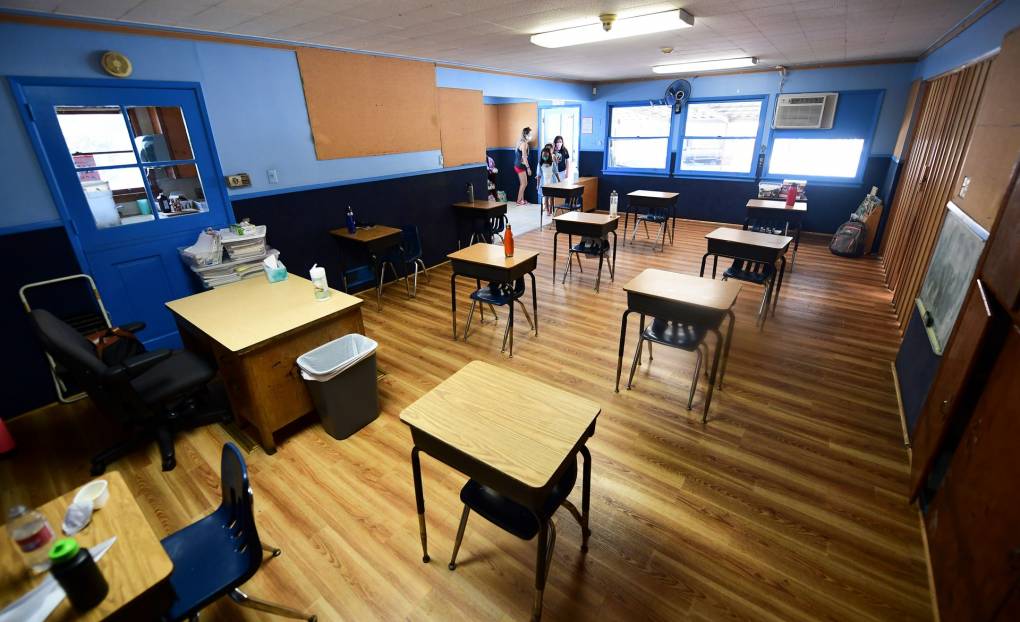
"caption": "Children wearing face masks enter an elementary school classroom during summer school sessions at Happy Day School in Monterey Park on July 9, 2020.",
"description": "Children in an elementary school class wearing masks enter the classroom with desks spaced apart as per the coronavirus guidelines during summer school sessions at Happy Day School in Monterey Park, California on July 9, 2020.",
"title": "US-HEALTH-VIRUS-EDUCATION",
"credit": "Frederic J. Brown/AFP via Getty Images",
"status": "inherit",
"altTag": "Children wearing masks enter a classroom",
"isLoading": false,
"fetchFailed": false
},
"news_11828827": {
"type": "attachments",
"id": "news_11828827",
"meta": {
"index": "attachments_1716263798",
"site": "news",
"id": "11828827",
"found": true
},
"parent": 11828822,
"imgSizes": {
"apple_news_ca_landscape_5_5": {
"file": "https://ww2.kqed.org/app/uploads/sites/10/2020/07/thedimmer_071320_final-1044x783.jpg",
"width": 1044,
"mimeType": "image/jpeg",
"height": 783
},
"apple_news_ca_square_4_0": {
"file": "https://ww2.kqed.org/app/uploads/sites/10/2020/07/thedimmer_071320_final-470x470.jpg",
"width": 470,
"mimeType": "image/jpeg",
"height": 470
},
"twentyfourteen-full-width": {
"file": "https://ww2.kqed.org/app/uploads/sites/10/2020/07/thedimmer_071320_final-1038x576.jpg",
"width": 1038,
"mimeType": "image/jpeg",
"height": 576
},
"thumbnail": {
"file": "https://ww2.kqed.org/app/uploads/sites/10/2020/07/thedimmer_071320_final-160x109.jpg",
"width": 160,
"mimeType": "image/jpeg",
"height": 109
},
"post-thumbnail": {
"file": "https://ww2.kqed.org/app/uploads/sites/10/2020/07/thedimmer_071320_final-672x372.jpg",
"width": 672,
"mimeType": "image/jpeg",
"height": 372
},
"kqedFullSize": {
"file": "https://ww2.kqed.org/app/uploads/sites/10/2020/07/thedimmer_071320_final.jpg",
"width": 1920,
"height": 1302
},
"apple_news_ca_landscape_4_7": {
"file": "https://ww2.kqed.org/app/uploads/sites/10/2020/07/thedimmer_071320_final-632x474.jpg",
"width": 632,
"mimeType": "image/jpeg",
"height": 474
},
"large": {
"file": "https://ww2.kqed.org/app/uploads/sites/10/2020/07/thedimmer_071320_final-1020x692.jpg",
"width": 1020,
"mimeType": "image/jpeg",
"height": 692
},
"apple_news_ca_landscape_4_0": {
"file": "https://ww2.kqed.org/app/uploads/sites/10/2020/07/thedimmer_071320_final-536x402.jpg",
"width": 536,
"mimeType": "image/jpeg",
"height": 402
},
"apple_news_ca_portrait_12_9": {
"file": "https://ww2.kqed.org/app/uploads/sites/10/2020/07/thedimmer_071320_final-1122x1302.jpg",
"width": 1122,
"mimeType": "image/jpeg",
"height": 1302
},
"medium": {
"file": "https://ww2.kqed.org/app/uploads/sites/10/2020/07/thedimmer_071320_final-800x543.jpg",
"width": 800,
"mimeType": "image/jpeg",
"height": 543
},
"apple_news_ca_portrait_4_0": {
"file": "https://ww2.kqed.org/app/uploads/sites/10/2020/07/thedimmer_071320_final-354x472.jpg",
"width": 354,
"mimeType": "image/jpeg",
"height": 472
},
"apple_news_ca_portrait_9_7": {
"file": "https://ww2.kqed.org/app/uploads/sites/10/2020/07/thedimmer_071320_final-840x1120.jpg",
"width": 840,
"mimeType": "image/jpeg",
"height": 1120
},
"apple_news_ca_landscape_12_9": {
"file": "https://ww2.kqed.org/app/uploads/sites/10/2020/07/thedimmer_071320_final-1832x1302.jpg",
"width": 1832,
"mimeType": "image/jpeg",
"height": 1302
},
"apple_news_ca_square_9_7": {
"file": "https://ww2.kqed.org/app/uploads/sites/10/2020/07/thedimmer_071320_final-1104x1104.jpg",
"width": 1104,
"mimeType": "image/jpeg",
"height": 1104
},
"1536x1536": {
"file": "https://ww2.kqed.org/app/uploads/sites/10/2020/07/thedimmer_071320_final-1536x1042.jpg",
"width": 1536,
"mimeType": "image/jpeg",
"height": 1042
},
"apple_news_ca_portrait_4_7": {
"file": "https://ww2.kqed.org/app/uploads/sites/10/2020/07/thedimmer_071320_final-414x552.jpg",
"width": 414,
"mimeType": "image/jpeg",
"height": 552
},
"apple_news_ca_square_12_9": {
"file": "https://ww2.kqed.org/app/uploads/sites/10/2020/07/thedimmer_071320_final-1472x1302.jpg",
"width": 1472,
"mimeType": "image/jpeg",
"height": 1302
},
"apple_news_ca_portrait_5_5": {
"file": "https://ww2.kqed.org/app/uploads/sites/10/2020/07/thedimmer_071320_final-687x916.jpg",
"width": 687,
"mimeType": "image/jpeg",
"height": 916
},
"apple_news_ca_square_4_7": {
"file": "https://ww2.kqed.org/app/uploads/sites/10/2020/07/thedimmer_071320_final-550x550.jpg",
"width": 550,
"mimeType": "image/jpeg",
"height": 550
},
"apple_news_ca_landscape_9_7": {
"file": "https://ww2.kqed.org/app/uploads/sites/10/2020/07/thedimmer_071320_final-1376x1032.jpg",
"width": 1376,
"mimeType": "image/jpeg",
"height": 1032
},
"apple_news_ca_square_5_5": {
"file": "https://ww2.kqed.org/app/uploads/sites/10/2020/07/thedimmer_071320_final-912x912.jpg",
"width": 912,
"mimeType": "image/jpeg",
"height": 912
}
},
"publishDate": 1594683817,
"modified": 1594683847,
"caption": null,
"description": null,
"title": "thedimmer_071320_final",
"credit": null,
"status": "inherit",
"isLoading": false,
"fetchFailed": false
},
"news_11828742": {
"type": "attachments",
"id": "news_11828742",
"meta": {
"index": "attachments_1716263798",
"site": "news",
"id": "11828742",
"found": true
},
"parent": 11828737,
"imgSizes": {
"apple_news_ca_landscape_5_5": {
"file": "https://ww2.kqed.org/app/uploads/sites/10/2020/07/042220_BolinasCovidtesting_AW_sized_08-1044x783.jpg",
"width": 1044,
"mimeType": "image/jpeg",
"height": 783
},
"apple_news_ca_square_4_0": {
"file": "https://ww2.kqed.org/app/uploads/sites/10/2020/07/042220_BolinasCovidtesting_AW_sized_08-470x470.jpg",
"width": 470,
"mimeType": "image/jpeg",
"height": 470
},
"twentyfourteen-full-width": {
"file": "https://ww2.kqed.org/app/uploads/sites/10/2020/07/042220_BolinasCovidtesting_AW_sized_08-1038x576.jpg",
"width": 1038,
"mimeType": "image/jpeg",
"height": 576
},
"thumbnail": {
"file": "https://ww2.kqed.org/app/uploads/sites/10/2020/07/042220_BolinasCovidtesting_AW_sized_08-160x109.jpg",
"width": 160,
"mimeType": "image/jpeg",
"height": 109
},
"post-thumbnail": {
"file": "https://ww2.kqed.org/app/uploads/sites/10/2020/07/042220_BolinasCovidtesting_AW_sized_08-672x372.jpg",
"width": 672,
"mimeType": "image/jpeg",
"height": 372
},
"kqedFullSize": {
"file": "https://ww2.kqed.org/app/uploads/sites/10/2020/07/042220_BolinasCovidtesting_AW_sized_08-e1594668728374.jpg",
"width": 1920,
"height": 1308
},
"apple_news_ca_landscape_4_7": {
"file": "https://ww2.kqed.org/app/uploads/sites/10/2020/07/042220_BolinasCovidtesting_AW_sized_08-632x474.jpg",
"width": 632,
"mimeType": "image/jpeg",
"height": 474
},
"large": {
"file": "https://ww2.kqed.org/app/uploads/sites/10/2020/07/042220_BolinasCovidtesting_AW_sized_08-1020x695.jpg",
"width": 1020,
"mimeType": "image/jpeg",
"height": 695
},
"apple_news_ca_landscape_4_0": {
"file": "https://ww2.kqed.org/app/uploads/sites/10/2020/07/042220_BolinasCovidtesting_AW_sized_08-536x402.jpg",
"width": 536,
"mimeType": "image/jpeg",
"height": 402
},
"apple_news_ca_portrait_12_9": {
"file": "https://ww2.kqed.org/app/uploads/sites/10/2020/07/042220_BolinasCovidtesting_AW_sized_08-1122x1363.jpg",
"width": 1122,
"mimeType": "image/jpeg",
"height": 1363
},
"medium": {
"file": "https://ww2.kqed.org/app/uploads/sites/10/2020/07/042220_BolinasCovidtesting_AW_sized_08-800x545.jpg",
"width": 800,
"mimeType": "image/jpeg",
"height": 545
},
"apple_news_ca_portrait_4_0": {
"file": "https://ww2.kqed.org/app/uploads/sites/10/2020/07/042220_BolinasCovidtesting_AW_sized_08-354x472.jpg",
"width": 354,
"mimeType": "image/jpeg",
"height": 472
},
"apple_news_ca_portrait_9_7": {
"file": "https://ww2.kqed.org/app/uploads/sites/10/2020/07/042220_BolinasCovidtesting_AW_sized_08-840x1120.jpg",
"width": 840,
"mimeType": "image/jpeg",
"height": 1120
},
"apple_news_ca_landscape_12_9": {
"file": "https://ww2.kqed.org/app/uploads/sites/10/2020/07/042220_BolinasCovidtesting_AW_sized_08-1832x1363.jpg",
"width": 1832,
"mimeType": "image/jpeg",
"height": 1363
},
"apple_news_ca_square_9_7": {
"file": "https://ww2.kqed.org/app/uploads/sites/10/2020/07/042220_BolinasCovidtesting_AW_sized_08-1104x1104.jpg",
"width": 1104,
"mimeType": "image/jpeg",
"height": 1104
},
"1536x1536": {
"file": "https://ww2.kqed.org/app/uploads/sites/10/2020/07/042220_BolinasCovidtesting_AW_sized_08-1536x1047.jpg",
"width": 1536,
"mimeType": "image/jpeg",
"height": 1047
},
"apple_news_ca_portrait_4_7": {
"file": "https://ww2.kqed.org/app/uploads/sites/10/2020/07/042220_BolinasCovidtesting_AW_sized_08-414x552.jpg",
"width": 414,
"mimeType": "image/jpeg",
"height": 552
},
"apple_news_ca_square_12_9": {
"file": "https://ww2.kqed.org/app/uploads/sites/10/2020/07/042220_BolinasCovidtesting_AW_sized_08-1472x1363.jpg",
"width": 1472,
"mimeType": "image/jpeg",
"height": 1363
},
"apple_news_ca_portrait_5_5": {
"file": "https://ww2.kqed.org/app/uploads/sites/10/2020/07/042220_BolinasCovidtesting_AW_sized_08-687x916.jpg",
"width": 687,
"mimeType": "image/jpeg",
"height": 916
},
"full-width": {
"file": "https://ww2.kqed.org/app/uploads/sites/10/2020/07/042220_BolinasCovidtesting_AW_sized_08-1920x1308.jpg",
"width": 1920,
"mimeType": "image/jpeg",
"height": 1308
},
"apple_news_ca_square_4_7": {
"file": "https://ww2.kqed.org/app/uploads/sites/10/2020/07/042220_BolinasCovidtesting_AW_sized_08-550x550.jpg",
"width": 550,
"mimeType": "image/jpeg",
"height": 550
},
"apple_news_ca_landscape_9_7": {
"file": "https://ww2.kqed.org/app/uploads/sites/10/2020/07/042220_BolinasCovidtesting_AW_sized_08-1376x1032.jpg",
"width": 1376,
"mimeType": "image/jpeg",
"height": 1032
},
"apple_news_ca_square_5_5": {
"file": "https://ww2.kqed.org/app/uploads/sites/10/2020/07/042220_BolinasCovidtesting_AW_sized_08-912x912.jpg",
"width": 912,
"mimeType": "image/jpeg",
"height": 912
}
},
"publishDate": 1594668573,
"modified": 1594668724,
"caption": "A phlebotomist takes a finger prick blood sample at a drive-through COVID-19 testing site in Bolinas on April 22, 2020. Bolinas is attempting to test the entire town in conjunction with a UCSF study, one of the first efforts of its kind in California. ",
"description": null,
"title": "042220_BolinasCovidtesting_AW_sized_08",
"credit": "Anne Wernikoff/CalMatters",
"status": "inherit",
"isLoading": false,
"fetchFailed": false
},
"news_11828557": {
"type": "attachments",
"id": "news_11828557",
"meta": {
"index": "attachments_1716263798",
"site": "news",
"id": "11828557",
"found": true
},
"parent": 11828460,
"imgSizes": {
"apple_news_ca_square_4_0": {
"file": "https://ww2.kqed.org/app/uploads/sites/10/2020/07/GettyImages-1255121152-470x470.jpg",
"width": 470,
"mimeType": "image/jpeg",
"height": 470
},
"twentyfourteen-full-width": {
"file": "https://ww2.kqed.org/app/uploads/sites/10/2020/07/GettyImages-1255121152-1024x576.jpg",
"width": 1024,
"mimeType": "image/jpeg",
"height": 576
},
"thumbnail": {
"file": "https://ww2.kqed.org/app/uploads/sites/10/2020/07/GettyImages-1255121152-160x99.jpg",
"width": 160,
"mimeType": "image/jpeg",
"height": 99
},
"post-thumbnail": {
"file": "https://ww2.kqed.org/app/uploads/sites/10/2020/07/GettyImages-1255121152-672x372.jpg",
"width": 672,
"mimeType": "image/jpeg",
"height": 372
},
"kqedFullSize": {
"file": "https://ww2.kqed.org/app/uploads/sites/10/2020/07/GettyImages-1255121152.jpg",
"width": 1024,
"height": 634
},
"apple_news_ca_landscape_4_7": {
"file": "https://ww2.kqed.org/app/uploads/sites/10/2020/07/GettyImages-1255121152-632x474.jpg",
"width": 632,
"mimeType": "image/jpeg",
"height": 474
},
"large": {
"file": "https://ww2.kqed.org/app/uploads/sites/10/2020/07/GettyImages-1255121152-1020x632.jpg",
"width": 1020,
"mimeType": "image/jpeg",
"height": 632
},
"apple_news_ca_landscape_4_0": {
"file": "https://ww2.kqed.org/app/uploads/sites/10/2020/07/GettyImages-1255121152-536x402.jpg",
"width": 536,
"mimeType": "image/jpeg",
"height": 402
},
"medium": {
"file": "https://ww2.kqed.org/app/uploads/sites/10/2020/07/GettyImages-1255121152-800x495.jpg",
"width": 800,
"mimeType": "image/jpeg",
"height": 495
},
"apple_news_ca_portrait_4_0": {
"file": "https://ww2.kqed.org/app/uploads/sites/10/2020/07/GettyImages-1255121152-354x472.jpg",
"width": 354,
"mimeType": "image/jpeg",
"height": 472
},
"apple_news_ca_portrait_9_7": {
"file": "https://ww2.kqed.org/app/uploads/sites/10/2020/07/GettyImages-1255121152-840x634.jpg",
"width": 840,
"mimeType": "image/jpeg",
"height": 634
},
"apple_news_ca_portrait_4_7": {
"file": "https://ww2.kqed.org/app/uploads/sites/10/2020/07/GettyImages-1255121152-414x552.jpg",
"width": 414,
"mimeType": "image/jpeg",
"height": 552
},
"apple_news_ca_portrait_5_5": {
"file": "https://ww2.kqed.org/app/uploads/sites/10/2020/07/GettyImages-1255121152-687x634.jpg",
"width": 687,
"mimeType": "image/jpeg",
"height": 634
},
"apple_news_ca_square_4_7": {
"file": "https://ww2.kqed.org/app/uploads/sites/10/2020/07/GettyImages-1255121152-550x550.jpg",
"width": 550,
"mimeType": "image/jpeg",
"height": 550
},
"apple_news_ca_square_5_5": {
"file": "https://ww2.kqed.org/app/uploads/sites/10/2020/07/GettyImages-1255121152-912x634.jpg",
"width": 912,
"mimeType": "image/jpeg",
"height": 634
}
},
"publishDate": 1594425469,
"modified": 1594425785,
"caption": "An aerial view of San Quentin State Prison on July 08, 2020, where more than 1,300 prisoners are currently infected with the coronavirus, and at least seven have died — one of the largest single outbreaks in the nation. An emergency care facility was erected on the baseball field to treat those who have been infected.",
"description": null,
"title": "One-Third Of Prisoners At San Quentin Prison Have Coronavirus",
"credit": "Justin Sullivan/Getty Images",
"status": "inherit",
"isLoading": false,
"fetchFailed": false
},
"news_11828258": {
"type": "attachments",
"id": "news_11828258",
"meta": {
"index": "attachments_1716263798",
"site": "news",
"id": "11828258",
"found": true
},
"parent": 11828183,
"imgSizes": {
"apple_news_ca_landscape_5_5": {
"file": "https://ww2.kqed.org/app/uploads/sites/10/2020/07/SQ-1044x783.jpg",
"width": 1044,
"mimeType": "image/jpeg",
"height": 783
},
"apple_news_ca_square_4_0": {
"file": "https://ww2.kqed.org/app/uploads/sites/10/2020/07/SQ-470x470.jpg",
"width": 470,
"mimeType": "image/jpeg",
"height": 470
},
"twentyfourteen-full-width": {
"file": "https://ww2.kqed.org/app/uploads/sites/10/2020/07/SQ-1038x576.jpg",
"width": 1038,
"mimeType": "image/jpeg",
"height": 576
},
"thumbnail": {
"file": "https://ww2.kqed.org/app/uploads/sites/10/2020/07/SQ-160x120.jpg",
"width": 160,
"mimeType": "image/jpeg",
"height": 120
},
"post-thumbnail": {
"file": "https://ww2.kqed.org/app/uploads/sites/10/2020/07/SQ-672x372.jpg",
"width": 672,
"mimeType": "image/jpeg",
"height": 372
},
"kqedFullSize": {
"file": "https://ww2.kqed.org/app/uploads/sites/10/2020/07/SQ-e1594342620822.jpg",
"width": 1920,
"height": 1440
},
"apple_news_ca_landscape_4_7": {
"file": "https://ww2.kqed.org/app/uploads/sites/10/2020/07/SQ-632x474.jpg",
"width": 632,
"mimeType": "image/jpeg",
"height": 474
},
"large": {
"file": "https://ww2.kqed.org/app/uploads/sites/10/2020/07/SQ-1020x765.jpg",
"width": 1020,
"mimeType": "image/jpeg",
"height": 765
},
"apple_news_ca_landscape_4_0": {
"file": "https://ww2.kqed.org/app/uploads/sites/10/2020/07/SQ-536x402.jpg",
"width": 536,
"mimeType": "image/jpeg",
"height": 402
},
"apple_news_ca_portrait_12_9": {
"file": "https://ww2.kqed.org/app/uploads/sites/10/2020/07/SQ-1122x1496.jpg",
"width": 1122,
"mimeType": "image/jpeg",
"height": 1496
},
"medium": {
"file": "https://ww2.kqed.org/app/uploads/sites/10/2020/07/SQ-800x600.jpg",
"width": 800,
"mimeType": "image/jpeg",
"height": 600
},
"apple_news_ca_portrait_4_0": {
"file": "https://ww2.kqed.org/app/uploads/sites/10/2020/07/SQ-354x472.jpg",
"width": 354,
"mimeType": "image/jpeg",
"height": 472
},
"apple_news_ca_portrait_9_7": {
"file": "https://ww2.kqed.org/app/uploads/sites/10/2020/07/SQ-840x1120.jpg",
"width": 840,
"mimeType": "image/jpeg",
"height": 1120
},
"apple_news_ca_landscape_12_9": {
"file": "https://ww2.kqed.org/app/uploads/sites/10/2020/07/SQ-1832x1374.jpg",
"width": 1832,
"mimeType": "image/jpeg",
"height": 1374
},
"apple_news_ca_square_9_7": {
"file": "https://ww2.kqed.org/app/uploads/sites/10/2020/07/SQ-1104x1104.jpg",
"width": 1104,
"mimeType": "image/jpeg",
"height": 1104
},
"1536x1536": {
"file": "https://ww2.kqed.org/app/uploads/sites/10/2020/07/SQ-1536x1152.jpg",
"width": 1536,
"mimeType": "image/jpeg",
"height": 1152
},
"apple_news_ca_portrait_4_7": {
"file": "https://ww2.kqed.org/app/uploads/sites/10/2020/07/SQ-414x552.jpg",
"width": 414,
"mimeType": "image/jpeg",
"height": 552
},
"apple_news_ca_square_12_9": {
"file": "https://ww2.kqed.org/app/uploads/sites/10/2020/07/SQ-1472x1472.jpg",
"width": 1472,
"mimeType": "image/jpeg",
"height": 1472
},
"apple_news_ca_portrait_5_5": {
"file": "https://ww2.kqed.org/app/uploads/sites/10/2020/07/SQ-687x916.jpg",
"width": 687,
"mimeType": "image/jpeg",
"height": 916
},
"full-width": {
"file": "https://ww2.kqed.org/app/uploads/sites/10/2020/07/SQ-1920x1440.jpg",
"width": 1920,
"mimeType": "image/jpeg",
"height": 1440
},
"apple_news_ca_square_4_7": {
"file": "https://ww2.kqed.org/app/uploads/sites/10/2020/07/SQ-550x550.jpg",
"width": 550,
"mimeType": "image/jpeg",
"height": 550
},
"apple_news_ca_landscape_9_7": {
"file": "https://ww2.kqed.org/app/uploads/sites/10/2020/07/SQ-1376x1032.jpg",
"width": 1376,
"mimeType": "image/jpeg",
"height": 1032
},
"apple_news_ca_square_5_5": {
"file": "https://ww2.kqed.org/app/uploads/sites/10/2020/07/SQ-912x912.jpg",
"width": 912,
"mimeType": "image/jpeg",
"height": 912
}
},
"publishDate": 1594342396,
"modified": 1594342612,
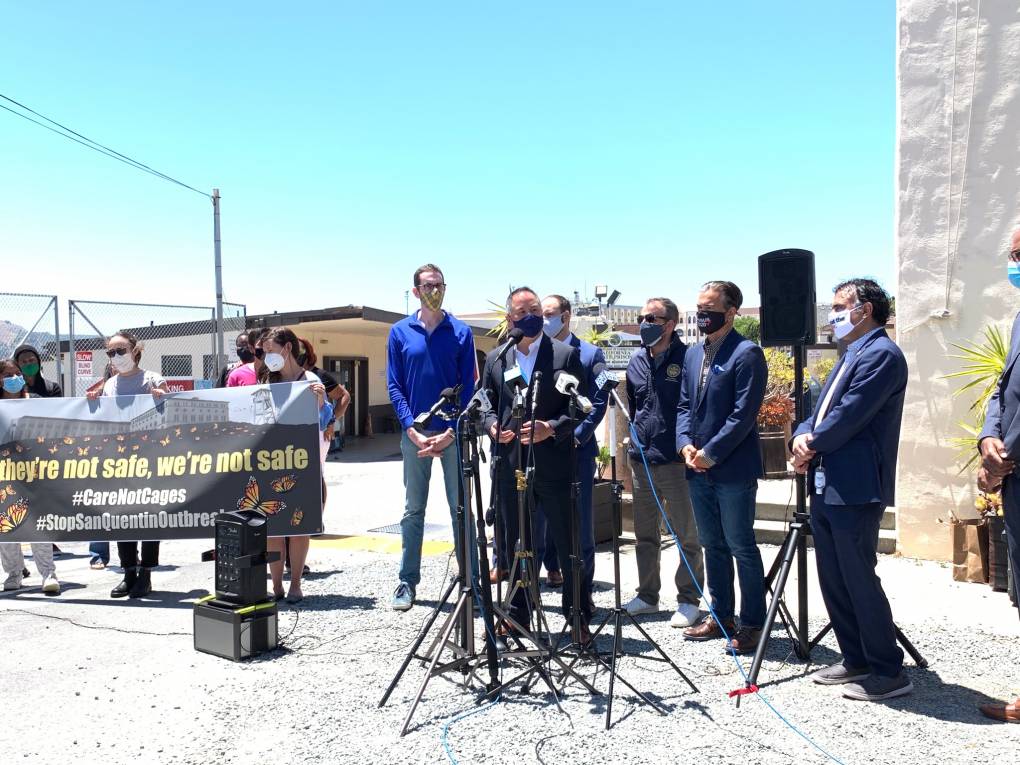
"caption": "Assemblyman Phil Ting, D-San Francisco, joined other public officials and activists outside the main gates of San Quentin State Prison in Marin on Thursday, July 9, to demand the immediate reduction of the prison's population.",
"description": null,
"title": "SQ",
"credit": "Phil Ting via Twitter",
"status": "inherit",
"isLoading": false,
"fetchFailed": false
},
"news_11828232": {
"type": "attachments",
"id": "news_11828232",
"meta": {
"index": "attachments_1716263798",
"site": "news",
"id": "11828232",
"found": true
},
"parent": 11828187,
"imgSizes": {
"apple_news_ca_landscape_5_5": {
"file": "https://ww2.kqed.org/app/uploads/sites/10/2020/07/RS43891_GettyImages-1255121114-qut-1044x783.jpg",
"width": 1044,
"mimeType": "image/jpeg",
"height": 783
},
"apple_news_ca_square_4_0": {
"file": "https://ww2.kqed.org/app/uploads/sites/10/2020/07/RS43891_GettyImages-1255121114-qut-470x470.jpg",
"width": 470,
"mimeType": "image/jpeg",
"height": 470
},
"twentyfourteen-full-width": {
"file": "https://ww2.kqed.org/app/uploads/sites/10/2020/07/RS43891_GettyImages-1255121114-qut-1038x576.jpg",
"width": 1038,
"mimeType": "image/jpeg",
"height": 576
},
"thumbnail": {
"file": "https://ww2.kqed.org/app/uploads/sites/10/2020/07/RS43891_GettyImages-1255121114-qut-160x106.jpg",
"width": 160,
"mimeType": "image/jpeg",
"height": 106
},
"post-thumbnail": {
"file": "https://ww2.kqed.org/app/uploads/sites/10/2020/07/RS43891_GettyImages-1255121114-qut-672x372.jpg",
"width": 672,
"mimeType": "image/jpeg",
"height": 372
},
"kqedFullSize": {
"file": "https://ww2.kqed.org/app/uploads/sites/10/2020/07/RS43891_GettyImages-1255121114-qut-e1594339256336.jpg",
"width": 1920,
"height": 1273
},
"apple_news_ca_landscape_4_7": {
"file": "https://ww2.kqed.org/app/uploads/sites/10/2020/07/RS43891_GettyImages-1255121114-qut-632x474.jpg",
"width": 632,
"mimeType": "image/jpeg",
"height": 474
},
"large": {
"file": "https://ww2.kqed.org/app/uploads/sites/10/2020/07/RS43891_GettyImages-1255121114-qut-1020x676.jpg",
"width": 1020,
"mimeType": "image/jpeg",
"height": 676
},
"apple_news_ca_landscape_4_0": {
"file": "https://ww2.kqed.org/app/uploads/sites/10/2020/07/RS43891_GettyImages-1255121114-qut-536x402.jpg",
"width": 536,
"mimeType": "image/jpeg",
"height": 402
},
"apple_news_ca_portrait_12_9": {
"file": "https://ww2.kqed.org/app/uploads/sites/10/2020/07/RS43891_GettyImages-1255121114-qut-1122x1273.jpg",
"width": 1122,
"mimeType": "image/jpeg",
"height": 1273
},
"medium": {
"file": "https://ww2.kqed.org/app/uploads/sites/10/2020/07/RS43891_GettyImages-1255121114-qut-800x530.jpg",
"width": 800,
"mimeType": "image/jpeg",
"height": 530
},
"apple_news_ca_portrait_4_0": {
"file": "https://ww2.kqed.org/app/uploads/sites/10/2020/07/RS43891_GettyImages-1255121114-qut-354x472.jpg",
"width": 354,
"mimeType": "image/jpeg",
"height": 472
},
"apple_news_ca_portrait_9_7": {
"file": "https://ww2.kqed.org/app/uploads/sites/10/2020/07/RS43891_GettyImages-1255121114-qut-840x1120.jpg",
"width": 840,
"mimeType": "image/jpeg",
"height": 1120
},
"apple_news_ca_landscape_12_9": {
"file": "https://ww2.kqed.org/app/uploads/sites/10/2020/07/RS43891_GettyImages-1255121114-qut-1832x1273.jpg",
"width": 1832,
"mimeType": "image/jpeg",
"height": 1273
},
"apple_news_ca_square_9_7": {
"file": "https://ww2.kqed.org/app/uploads/sites/10/2020/07/RS43891_GettyImages-1255121114-qut-1104x1104.jpg",
"width": 1104,
"mimeType": "image/jpeg",
"height": 1104
},
"1536x1536": {
"file": "https://ww2.kqed.org/app/uploads/sites/10/2020/07/RS43891_GettyImages-1255121114-qut-1536x1018.jpg",
"width": 1536,
"mimeType": "image/jpeg",
"height": 1018
},
"apple_news_ca_portrait_4_7": {
"file": "https://ww2.kqed.org/app/uploads/sites/10/2020/07/RS43891_GettyImages-1255121114-qut-414x552.jpg",
"width": 414,
"mimeType": "image/jpeg",
"height": 552
},
"apple_news_ca_square_12_9": {
"file": "https://ww2.kqed.org/app/uploads/sites/10/2020/07/RS43891_GettyImages-1255121114-qut-1472x1273.jpg",
"width": 1472,
"mimeType": "image/jpeg",
"height": 1273
},
"apple_news_ca_portrait_5_5": {
"file": "https://ww2.kqed.org/app/uploads/sites/10/2020/07/RS43891_GettyImages-1255121114-qut-687x916.jpg",
"width": 687,
"mimeType": "image/jpeg",
"height": 916
},
"apple_news_ca_square_4_7": {
"file": "https://ww2.kqed.org/app/uploads/sites/10/2020/07/RS43891_GettyImages-1255121114-qut-550x550.jpg",
"width": 550,
"mimeType": "image/jpeg",
"height": 550
},
"apple_news_ca_landscape_9_7": {
"file": "https://ww2.kqed.org/app/uploads/sites/10/2020/07/RS43891_GettyImages-1255121114-qut-1376x1032.jpg",
"width": 1376,
"mimeType": "image/jpeg",
"height": 1032
},
"apple_news_ca_square_5_5": {
"file": "https://ww2.kqed.org/app/uploads/sites/10/2020/07/RS43891_GettyImages-1255121114-qut-912x912.jpg",
"width": 912,
"mimeType": "image/jpeg",
"height": 912
}
},
"publishDate": 1594338303,
"modified": 1594340304,
"caption": "An aerial view of a new emergency care facility erected to treat inmates infected with COVID-19 at San Quentin State Prison on July 08, 2020. Over 1,600 people incarcerated there have contracted COVID-19 after infected inmates were transferred from a prison in Chino. Seven inmates at San Quentin have died.",
"description": "An aerial view of a new emergency care facility erected to treat inmates infected with COVID-19 at San Quentin State Prison on July 08, 2020. Over 1,600 people incarcerated there have contracted COVID-19 after infected inmates were transferred from a prison in Chino. Seven inmates at San Quentin have died.",
"title": "One-Third Of Prisoners At San Quentin Prison Have Coronavirus",
"credit": "Justin Sullivan/Getty Images",
"status": "inherit",
"isLoading": false,
"fetchFailed": false
},
"news_11827643": {
"type": "attachments",
"id": "news_11827643",
"meta": {
"index": "attachments_1716263798",
"site": "news",
"id": "11827643",
"found": true
},
"parent": 11827617,
"imgSizes": {
"apple_news_ca_landscape_5_5": {
"file": "https://ww2.kqed.org/app/uploads/sites/10/2020/07/RS43865_GettyImages-589987296-qut-1044x783.jpg",
"width": 1044,
"mimeType": "image/jpeg",
"height": 783
},
"apple_news_ca_square_4_0": {
"file": "https://ww2.kqed.org/app/uploads/sites/10/2020/07/RS43865_GettyImages-589987296-qut-470x470.jpg",
"width": 470,
"mimeType": "image/jpeg",
"height": 470
},
"twentyfourteen-full-width": {
"file": "https://ww2.kqed.org/app/uploads/sites/10/2020/07/RS43865_GettyImages-589987296-qut-1038x576.jpg",
"width": 1038,
"mimeType": "image/jpeg",
"height": 576
},
"thumbnail": {
"file": "https://ww2.kqed.org/app/uploads/sites/10/2020/07/RS43865_GettyImages-589987296-qut-160x107.jpg",
"width": 160,
"mimeType": "image/jpeg",
"height": 107
},
"post-thumbnail": {
"file": "https://ww2.kqed.org/app/uploads/sites/10/2020/07/RS43865_GettyImages-589987296-qut-672x372.jpg",
"width": 672,
"mimeType": "image/jpeg",
"height": 372
},
"kqedFullSize": {
"file": "https://ww2.kqed.org/app/uploads/sites/10/2020/07/RS43865_GettyImages-589987296-qut.jpg",
"width": 1920,
"height": 1280
},
"apple_news_ca_landscape_4_7": {
"file": "https://ww2.kqed.org/app/uploads/sites/10/2020/07/RS43865_GettyImages-589987296-qut-632x474.jpg",
"width": 632,
"mimeType": "image/jpeg",
"height": 474
},
"large": {
"file": "https://ww2.kqed.org/app/uploads/sites/10/2020/07/RS43865_GettyImages-589987296-qut-1020x680.jpg",
"width": 1020,
"mimeType": "image/jpeg",
"height": 680
},
"apple_news_ca_landscape_4_0": {
"file": "https://ww2.kqed.org/app/uploads/sites/10/2020/07/RS43865_GettyImages-589987296-qut-536x402.jpg",
"width": 536,
"mimeType": "image/jpeg",
"height": 402
},
"apple_news_ca_portrait_12_9": {
"file": "https://ww2.kqed.org/app/uploads/sites/10/2020/07/RS43865_GettyImages-589987296-qut-1122x1280.jpg",
"width": 1122,
"mimeType": "image/jpeg",
"height": 1280
},
"medium": {
"file": "https://ww2.kqed.org/app/uploads/sites/10/2020/07/RS43865_GettyImages-589987296-qut-800x533.jpg",
"width": 800,
"mimeType": "image/jpeg",
"height": 533
},
"apple_news_ca_portrait_4_0": {
"file": "https://ww2.kqed.org/app/uploads/sites/10/2020/07/RS43865_GettyImages-589987296-qut-354x472.jpg",
"width": 354,
"mimeType": "image/jpeg",
"height": 472
},
"apple_news_ca_portrait_9_7": {
"file": "https://ww2.kqed.org/app/uploads/sites/10/2020/07/RS43865_GettyImages-589987296-qut-840x1120.jpg",
"width": 840,
"mimeType": "image/jpeg",
"height": 1120
},
"apple_news_ca_landscape_12_9": {
"file": "https://ww2.kqed.org/app/uploads/sites/10/2020/07/RS43865_GettyImages-589987296-qut-1832x1280.jpg",
"width": 1832,
"mimeType": "image/jpeg",
"height": 1280
},
"apple_news_ca_square_9_7": {
"file": "https://ww2.kqed.org/app/uploads/sites/10/2020/07/RS43865_GettyImages-589987296-qut-1104x1104.jpg",
"width": 1104,
"mimeType": "image/jpeg",
"height": 1104
},
"1536x1536": {
"file": "https://ww2.kqed.org/app/uploads/sites/10/2020/07/RS43865_GettyImages-589987296-qut-1536x1024.jpg",
"width": 1536,
"mimeType": "image/jpeg",
"height": 1024
},
"apple_news_ca_portrait_4_7": {
"file": "https://ww2.kqed.org/app/uploads/sites/10/2020/07/RS43865_GettyImages-589987296-qut-414x552.jpg",
"width": 414,
"mimeType": "image/jpeg",
"height": 552
},
"apple_news_ca_square_12_9": {
"file": "https://ww2.kqed.org/app/uploads/sites/10/2020/07/RS43865_GettyImages-589987296-qut-1472x1280.jpg",
"width": 1472,
"mimeType": "image/jpeg",
"height": 1280
},
"apple_news_ca_portrait_5_5": {
"file": "https://ww2.kqed.org/app/uploads/sites/10/2020/07/RS43865_GettyImages-589987296-qut-687x916.jpg",
"width": 687,
"mimeType": "image/jpeg",
"height": 916
},
"apple_news_ca_square_4_7": {
"file": "https://ww2.kqed.org/app/uploads/sites/10/2020/07/RS43865_GettyImages-589987296-qut-550x550.jpg",
"width": 550,
"mimeType": "image/jpeg",
"height": 550
},
"apple_news_ca_landscape_9_7": {
"file": "https://ww2.kqed.org/app/uploads/sites/10/2020/07/RS43865_GettyImages-589987296-qut-1376x1032.jpg",
"width": 1376,
"mimeType": "image/jpeg",
"height": 1032
},
"apple_news_ca_square_5_5": {
"file": "https://ww2.kqed.org/app/uploads/sites/10/2020/07/RS43865_GettyImages-589987296-qut-912x912.jpg",
"width": 912,
"mimeType": "image/jpeg",
"height": 912
}
},
"publishDate": 1594077713,
"modified": 1594083568,
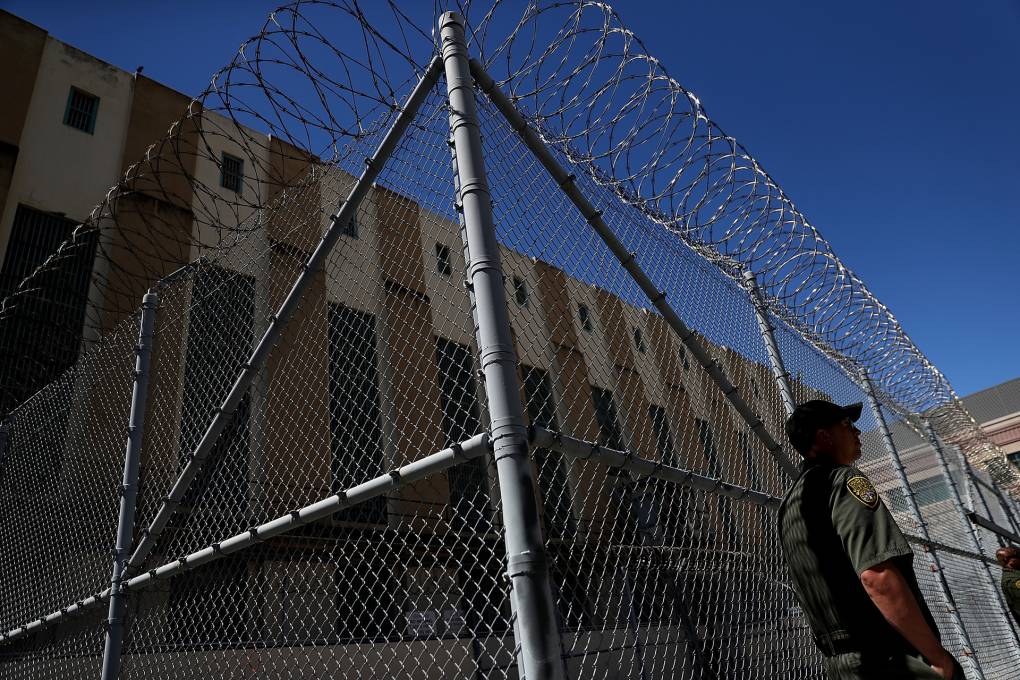
"caption": "COVID-19 is raging through the California prison system, including San Quentin State Prison.",
"description": "COVID-19 is raging through the California prison system, including San Quentin State Prison.",
"title": "San Quentin State Prison's Death Row",
"credit": "Justin Sullivan/Getty Images",
"status": "inherit",
"isLoading": false,
"fetchFailed": false
},
"news_11827103": {
"type": "attachments",
"id": "news_11827103",
"meta": {
"index": "attachments_1716263798",
"site": "news",
"id": "11827103",
"found": true
},
"parent": 11827083,
"imgSizes": {
"apple_news_ca_landscape_5_5": {
"file": "https://ww2.kqed.org/app/uploads/sites/10/2020/07/bars3-1044x783.jpg",
"width": 1044,
"mimeType": "image/jpeg",
"height": 783
},
"apple_news_ca_square_4_0": {
"file": "https://ww2.kqed.org/app/uploads/sites/10/2020/07/bars3-470x470.jpg",
"width": 470,
"mimeType": "image/jpeg",
"height": 470
},
"twentyfourteen-full-width": {
"file": "https://ww2.kqed.org/app/uploads/sites/10/2020/07/bars3-1038x576.jpg",
"width": 1038,
"mimeType": "image/jpeg",
"height": 576
},
"thumbnail": {
"file": "https://ww2.kqed.org/app/uploads/sites/10/2020/07/bars3-160x108.jpg",
"width": 160,
"mimeType": "image/jpeg",
"height": 108
},
"post-thumbnail": {
"file": "https://ww2.kqed.org/app/uploads/sites/10/2020/07/bars3-672x372.jpg",
"width": 672,
"mimeType": "image/jpeg",
"height": 372
},
"kqedFullSize": {
"file": "https://ww2.kqed.org/app/uploads/sites/10/2020/07/bars3.jpg",
"width": 1900,
"height": 1280
},
"apple_news_ca_landscape_4_7": {
"file": "https://ww2.kqed.org/app/uploads/sites/10/2020/07/bars3-632x474.jpg",
"width": 632,
"mimeType": "image/jpeg",
"height": 474
},
"large": {
"file": "https://ww2.kqed.org/app/uploads/sites/10/2020/07/bars3-1020x687.jpg",
"width": 1020,
"mimeType": "image/jpeg",
"height": 687
},
"apple_news_ca_landscape_4_0": {
"file": "https://ww2.kqed.org/app/uploads/sites/10/2020/07/bars3-536x402.jpg",
"width": 536,
"mimeType": "image/jpeg",
"height": 402
},
"apple_news_ca_portrait_12_9": {
"file": "https://ww2.kqed.org/app/uploads/sites/10/2020/07/bars3-1122x1280.jpg",
"width": 1122,
"mimeType": "image/jpeg",
"height": 1280
},
"medium": {
"file": "https://ww2.kqed.org/app/uploads/sites/10/2020/07/bars3-800x539.jpg",
"width": 800,
"mimeType": "image/jpeg",
"height": 539
},
"apple_news_ca_portrait_4_0": {
"file": "https://ww2.kqed.org/app/uploads/sites/10/2020/07/bars3-354x472.jpg",
"width": 354,
"mimeType": "image/jpeg",
"height": 472
},
"apple_news_ca_portrait_9_7": {
"file": "https://ww2.kqed.org/app/uploads/sites/10/2020/07/bars3-840x1120.jpg",
"width": 840,
"mimeType": "image/jpeg",
"height": 1120
},
"apple_news_ca_landscape_12_9": {
"file": "https://ww2.kqed.org/app/uploads/sites/10/2020/07/bars3-1832x1280.jpg",
"width": 1832,
"mimeType": "image/jpeg",
"height": 1280
},
"apple_news_ca_square_9_7": {
"file": "https://ww2.kqed.org/app/uploads/sites/10/2020/07/bars3-1104x1104.jpg",
"width": 1104,
"mimeType": "image/jpeg",
"height": 1104
},
"1536x1536": {
"file": "https://ww2.kqed.org/app/uploads/sites/10/2020/07/bars3-1536x1035.jpg",
"width": 1536,
"mimeType": "image/jpeg",
"height": 1035
},
"apple_news_ca_portrait_4_7": {
"file": "https://ww2.kqed.org/app/uploads/sites/10/2020/07/bars3-414x552.jpg",
"width": 414,
"mimeType": "image/jpeg",
"height": 552
},
"apple_news_ca_square_12_9": {
"file": "https://ww2.kqed.org/app/uploads/sites/10/2020/07/bars3-1472x1280.jpg",
"width": 1472,
"mimeType": "image/jpeg",
"height": 1280
},
"apple_news_ca_portrait_5_5": {
"file": "https://ww2.kqed.org/app/uploads/sites/10/2020/07/bars3-687x916.jpg",
"width": 687,
"mimeType": "image/jpeg",
"height": 916
},
"apple_news_ca_square_4_7": {
"file": "https://ww2.kqed.org/app/uploads/sites/10/2020/07/bars3-550x550.jpg",
"width": 550,
"mimeType": "image/jpeg",
"height": 550
},
"apple_news_ca_landscape_9_7": {
"file": "https://ww2.kqed.org/app/uploads/sites/10/2020/07/bars3-1376x1032.jpg",
"width": 1376,
"mimeType": "image/jpeg",
"height": 1032
},
"apple_news_ca_square_5_5": {
"file": "https://ww2.kqed.org/app/uploads/sites/10/2020/07/bars3-912x912.jpg",
"width": 912,
"mimeType": "image/jpeg",
"height": 912
}
},
"publishDate": 1593643332,
"modified": 1593662914,
"caption": "All bars in 19 California counties have been ordered to close to limit the spread of COVID-19.",
"description": "All bars in 19 California counties have been ordered to close to limit the spread of COVID-19.",
"title": "bars3",
"credit": "Mike Yakaites/Pexels",
"status": "inherit",
"isLoading": false,
"fetchFailed": false
},
"news_11819874": {
"type": "attachments",
"id": "news_11819874",
"meta": {
"index": "attachments_1716263798",
"site": "news",
"id": "11819874",
"found": true
},
"parent": 11819593,
"imgSizes": {
"apple_news_ca_landscape_5_5": {
"file": "https://ww2.kqed.org/app/uploads/sites/10/2020/05/RS20978_capitol-building-qut-1044x783.jpg",
"width": 1044,
"mimeType": "image/jpeg",
"height": 783
},
"apple_news_ca_square_4_0": {
"file": "https://ww2.kqed.org/app/uploads/sites/10/2020/05/RS20978_capitol-building-qut-470x470.jpg",
"width": 470,
"mimeType": "image/jpeg",
"height": 470
},
"twentyfourteen-full-width": {
"file": "https://ww2.kqed.org/app/uploads/sites/10/2020/05/RS20978_capitol-building-qut-1038x576.jpg",
"width": 1038,
"mimeType": "image/jpeg",
"height": 576
},
"thumbnail": {
"file": "https://ww2.kqed.org/app/uploads/sites/10/2020/05/RS20978_capitol-building-qut-160x120.jpg",
"width": 160,
"mimeType": "image/jpeg",
"height": 120
},
"post-thumbnail": {
"file": "https://ww2.kqed.org/app/uploads/sites/10/2020/05/RS20978_capitol-building-qut-672x372.jpg",
"width": 672,
"mimeType": "image/jpeg",
"height": 372
},
"kqedFullSize": {
"file": "https://ww2.kqed.org/app/uploads/sites/10/2020/05/RS20978_capitol-building-qut.jpg",
"width": 1280,
"height": 960
},
"apple_news_ca_landscape_4_7": {
"file": "https://ww2.kqed.org/app/uploads/sites/10/2020/05/RS20978_capitol-building-qut-632x474.jpg",
"width": 632,
"mimeType": "image/jpeg",
"height": 474
},
"large": {
"file": "https://ww2.kqed.org/app/uploads/sites/10/2020/05/RS20978_capitol-building-qut-1020x765.jpg",
"width": 1020,
"mimeType": "image/jpeg",
"height": 765
},
"apple_news_ca_landscape_4_0": {
"file": "https://ww2.kqed.org/app/uploads/sites/10/2020/05/RS20978_capitol-building-qut-536x402.jpg",
"width": 536,
"mimeType": "image/jpeg",
"height": 402
},
"apple_news_ca_portrait_12_9": {
"file": "https://ww2.kqed.org/app/uploads/sites/10/2020/05/RS20978_capitol-building-qut-1122x960.jpg",
"width": 1122,
"mimeType": "image/jpeg",
"height": 960
},
"medium": {
"file": "https://ww2.kqed.org/app/uploads/sites/10/2020/05/RS20978_capitol-building-qut-800x600.jpg",
"width": 800,
"mimeType": "image/jpeg",
"height": 600
},
"apple_news_ca_portrait_4_0": {
"file": "https://ww2.kqed.org/app/uploads/sites/10/2020/05/RS20978_capitol-building-qut-354x472.jpg",
"width": 354,
"mimeType": "image/jpeg",
"height": 472
},
"apple_news_ca_portrait_9_7": {
"file": "https://ww2.kqed.org/app/uploads/sites/10/2020/05/RS20978_capitol-building-qut-840x960.jpg",
"width": 840,
"mimeType": "image/jpeg",
"height": 960
},
"apple_news_ca_square_9_7": {
"file": "https://ww2.kqed.org/app/uploads/sites/10/2020/05/RS20978_capitol-building-qut-1104x960.jpg",
"width": 1104,
"mimeType": "image/jpeg",
"height": 960
},
"apple_news_ca_portrait_4_7": {
"file": "https://ww2.kqed.org/app/uploads/sites/10/2020/05/RS20978_capitol-building-qut-414x552.jpg",
"width": 414,
"mimeType": "image/jpeg",
"height": 552
},
"apple_news_ca_portrait_5_5": {
"file": "https://ww2.kqed.org/app/uploads/sites/10/2020/05/RS20978_capitol-building-qut-687x916.jpg",
"width": 687,
"mimeType": "image/jpeg",
"height": 916
},
"apple_news_ca_square_4_7": {
"file": "https://ww2.kqed.org/app/uploads/sites/10/2020/05/RS20978_capitol-building-qut-550x550.jpg",
"width": 550,
"mimeType": "image/jpeg",
"height": 550
},
"apple_news_ca_square_5_5": {
"file": "https://ww2.kqed.org/app/uploads/sites/10/2020/05/RS20978_capitol-building-qut-912x912.jpg",
"width": 912,
"mimeType": "image/jpeg",
"height": 912
}
},
"publishDate": 1590075447,
"modified": 1625059821,
"caption": null,
"description": "Sacramento Capitol",
"title": "RS20978_capitol building-qut",
"credit": "Vanessa Rancaño/KQED",
"status": "inherit",
"altTag": "The Capitol building in Sacramento.",
"isLoading": false,
"fetchFailed": false
}
},
"audioPlayerReducer": {
"postId": "stream_live",
"isPaused": true,
"isPlaying": false,
"pfsActive": false,
"pledgeModalIsOpen": true,
"playerDrawerIsOpen": false,
"liveAudioPlayStartedAt": 0,
"liveAudioPlayContext": ""
},
"authorsReducer": {
"byline_news_11830634": {
"type": "authors",
"id": "byline_news_11830634",
"meta": {
"override": true
},
"slug": "byline_news_11830634",
"name": "Don Thompson\u003cbr>Associated Press",
"isLoading": false
},
"byline_news_11830403": {
"type": "authors",
"id": "byline_news_11830403",
"meta": {
"override": true
},
"slug": "byline_news_11830403",
"name": "Christopher Weber\u003cbr>Associated Press",
"isLoading": false
},
"byline_news_11828737": {
"type": "authors",
"id": "byline_news_11828737",
"meta": {
"override": true
},
"slug": "byline_news_11828737",
"name": "\u003ca href=\"https://calmatters.org/author/anaibarra/?_gl=1*1vgm7lz*_ga*YW1wLWo5T3A4LVdPaXRaYzJvN1BOOWtFbnc.\">Ana B Ibarra\u003c/a>\u003cbr>CALmatters",
"isLoading": false
},
"tychehendricks": {
"type": "authors",
"id": "259",
"meta": {
"index": "authors_1716337520",
"id": "259",
"found": true
},
"name": "Tyche Hendricks",
"firstName": "Tyche",
"lastName": "Hendricks",
"slug": "tychehendricks",
"email": "thendricks@kqed.org",
"display_author_email": true,
"staff_mastheads": [
"news"
],
"title": "KQED Senior Editor, Immigration",
"bio": "\u003cspan style=\"font-weight: 400;\">Tyche Hendricks is KQED’s senior editor for immigration, leading coverage of the policy and politics that affect California’s immigrant communities. Her work for KQED’s radio and online audiences is also carried on NPR and other national outlets. She has been recognized with awards from the Radio and Television News Directors Association, the Society for Professional Journalists; the Education Writers Association; the Best of the West and the National Federation of Community Broadcasters. Before joining KQED in 2010, Tyche spent more than a dozen years as a newspaper reporter, notably at the \u003c/span>\u003ci>\u003cspan style=\"font-weight: 400;\">San Francisco Chronicle\u003c/span>\u003c/i>\u003cspan style=\"font-weight: 400;\">. At different times she has covered criminal justice, government and politics and urban planning. Tyche has taught in the MFA Creative Writing program at the University of San Francisco and at UC Berkeley’s Graduate School of Journalism, where she was co-director of a national immigration symposium for professional journalists. She is the author of \u003c/span>\u003ci>\u003cspan style=\"font-weight: 400;\">The Wind Doesn't Need a Passport: Stories from the U.S.-Mexico Borderlands\u003c/span>\u003c/i>\u003cspan style=\"font-weight: 400;\"> (University of California Press). \u003c/span>",
"avatar": "https://secure.gravatar.com/avatar/b8ee458e2731c2d43df86882ce17267e?s=600&d=blank&r=g",
"twitter": "tychehendricks",
"facebook": null,
"instagram": null,
"linkedin": null,
"sites": [
{
"site": "news",
"roles": [
"editor"
]
},
{
"site": "stateofhealth",
"roles": [
"editor"
]
}
],
"headData": {
"title": "Tyche Hendricks | KQED",
"description": "KQED Senior Editor, Immigration",
"ogImgSrc": "https://secure.gravatar.com/avatar/b8ee458e2731c2d43df86882ce17267e?s=600&d=blank&r=g",
"twImgSrc": "https://secure.gravatar.com/avatar/b8ee458e2731c2d43df86882ce17267e?s=600&d=blank&r=g"
},
"isLoading": false,
"link": "/author/tychehendricks"
},
"matthewgreen": {
"type": "authors",
"id": "1263",
"meta": {
"index": "authors_1716337520",
"id": "1263",
"found": true
},
"name": "Matthew Green",
"firstName": "Matthew",
"lastName": "Green",
"slug": "matthewgreen",
"email": "mgreen@kqed.org",
"display_author_email": false,
"staff_mastheads": [],
"title": "KQED Editor/Reporter",
"bio": "Matthew Green is a digital media producer for KQED News. He previously produced \u003ca href=\"http://www.kqed.org/lowdown\">The Lowdown\u003c/a>, KQED’s multimedia news education blog. Matthew's written for numerous Bay Area publications, including the Oakland Tribune and San Francisco Chronicle. He also taught journalism classes at Fremont High School in East Oakland.\r\n\r\nEmail: mgreen@kqed.org; Twitter: @MGreenKQED",
"avatar": "https://secure.gravatar.com/avatar/3bf498d1267ca02c8494f33d8cfc575e?s=600&d=blank&r=g",
"twitter": "MGreenKQED",
"facebook": null,
"instagram": null,
"linkedin": null,
"sites": [
{
"site": "news",
"roles": []
},
{
"site": "lowdown",
"roles": []
},
{
"site": "science",
"roles": []
},
{
"site": "education",
"roles": []
},
{
"site": "quest",
"roles": []
},
{
"site": "liveblog",
"roles": []
}
],
"headData": {
"title": "Matthew Green | KQED",
"description": "KQED Editor/Reporter",
"ogImgSrc": "https://secure.gravatar.com/avatar/3bf498d1267ca02c8494f33d8cfc575e?s=600&d=blank&r=g",
"twImgSrc": "https://secure.gravatar.com/avatar/3bf498d1267ca02c8494f33d8cfc575e?s=600&d=blank&r=g"
},
"isLoading": false,
"link": "/author/matthewgreen"
},
"markfiore": {
"type": "authors",
"id": "3236",
"meta": {
"index": "authors_1716337520",
"id": "3236",
"found": true
},
"name": "Mark Fiore",
"firstName": "Mark",
"lastName": "Fiore",
"slug": "markfiore",
"email": "mark@markfiore.com",
"display_author_email": false,
"staff_mastheads": [
"news"
],
"title": "KQED News Cartoonist",
"bio": "\u003ca href=\"http://www.MarkFiore.com\">MarkFiore.com\u003c/a> | \u003ca href=\"https://twitter.com/markfiore\">Follow on Twitter\u003c/a> | \u003ca href=\"https://www.facebook.com/pages/Mark-Fiore-Animated-Political-Cartoons/94451707396?ref=bookmarks\">Facebook\u003c/a> | \u003ca href=\"mailto:mark@markfiore.com\">email\u003c/a>\r\n\r\nPulitzer Prize-winner, Mark Fiore, who the Wall Street Journal has called “the undisputed guru of the form,” creates animated political cartoons in San Francisco, where his work has been featured regularly on the San Francisco Chronicle’s web site, SFGate.com. His work has appeared on Newsweek.com, Slate.com, CBSNews.com, MotherJones.com, DailyKos.com and NPR’s web site. Fiore’s political animation has appeared on CNN, Frontline, Bill Moyers Journal, Salon.com and cable and broadcast outlets across the globe.\r\n\r\nBeginning his professional life by drawing traditional political cartoons for newspapers, Fiore’s work appeared in publications ranging from the Washington Post to the Los Angeles Times. In the late 1990s, he began to experiment with animating political cartoons and, after a short stint at the San Jose Mercury News as their staff cartoonist, Fiore devoted all his energies to animation.\r\nGrowing up in California, Fiore also spent a good portion of his life in the backwoods of Idaho. It was this combination that shaped him politically. Mark majored in political science at Colorado College, where, in a perfect send-off for a cartoonist, he received his diploma in 1991 as commencement speaker Dick Cheney smiled approvingly.\r\nMark Fiore was awarded the Pulitzer Prize for political cartooning in 2010, a Robert F. Kennedy Journalism Award in 2004 and has twice received an Online Journalism Award for commentary from the Online News Association (2002, 2008). Fiore has received two awards for his work in new media from the National Cartoonists Society (2001, 2002), and in 2006 received The James Madison Freedom of Information Award from The Society of Professional Journalists.",
"avatar": "https://secure.gravatar.com/avatar/fc4e2a612b15b67bad0c6f0e1db4ca9b?s=600&d=blank&r=g",
"twitter": "MarkFiore",
"facebook": null,
"instagram": "https://www.instagram.com/markfiore/?hl=en",
"linkedin": null,
"sites": [
{
"site": "arts",
"roles": [
"contributor"
]
},
{
"site": "news",
"roles": [
"editor"
]
},
{
"site": "futureofyou",
"roles": [
"editor"
]
},
{
"site": "science",
"roles": [
"editor"
]
}
],
"headData": {
"title": "Mark Fiore | KQED",
"description": "KQED News Cartoonist",
"ogImgSrc": "https://secure.gravatar.com/avatar/fc4e2a612b15b67bad0c6f0e1db4ca9b?s=600&d=blank&r=g",
"twImgSrc": "https://secure.gravatar.com/avatar/fc4e2a612b15b67bad0c6f0e1db4ca9b?s=600&d=blank&r=g"
},
"isLoading": false,
"link": "/author/markfiore"
},
"carlysevern": {
"type": "authors",
"id": "3243",
"meta": {
"index": "authors_1716337520",
"id": "3243",
"found": true
},
"name": "Carly Severn",
"firstName": "Carly",
"lastName": "Severn",
"slug": "carlysevern",
"email": "csevern@kqed.org",
"display_author_email": false,
"staff_mastheads": [
"news"
],
"title": "Senior Editor, Audience News ",
"bio": "Carly is KQED's Senior Editor of Audience News on the Digital News team, and has reported for the California Report Magazine, Bay Curious and KQED Arts. She's formerly the host of \u003ca href=\"http://ww2.kqed.org/pop/category/the-cooler/\" rel=\"noopener noreferrer\">The Cooler\u003c/a> podcast.",
"avatar": "https://secure.gravatar.com/avatar/54037bf5c128fe678f0ef26cec97a93f2e7f220a22d7285703328f12c42c1b1d?s=600&d=blank&r=g",
"twitter": "teacupinthebay",
"bluesky": null,
"facebook": null,
"instagram": null,
"linkedin": null,
"sites": [
{
"site": "",
"roles": [
"editor"
]
},
{
"site": "arts",
"roles": [
"editor"
]
},
{
"site": "news",
"roles": [
"administrator"
]
},
{
"site": "pop",
"roles": [
"editor"
]
},
{
"site": "futureofyou",
"roles": [
"editor"
]
},
{
"site": "about",
"roles": [
"administrator"
]
},
{
"site": "mindshift",
"roles": [
"editor"
]
},
{
"site": "bayareabites",
"roles": [
"editor"
]
},
{
"site": "stateofhealth",
"roles": [
"editor"
]
},
{
"site": "science",
"roles": [
"editor"
]
},
{
"site": "food",
"roles": [
"contributor"
]
},
{
"site": "forum",
"roles": [
"editor"
]
},
{
"site": "perspectives",
"roles": [
"administrator"
]
},
{
"site": "liveblog",
"roles": [
"editor"
]
}
],
"headData": {
"title": "Carly Severn | KQED",
"description": "Senior Editor, Audience News ",
"ogImgSrc": "https://secure.gravatar.com/avatar/54037bf5c128fe678f0ef26cec97a93f2e7f220a22d7285703328f12c42c1b1d?s=600&d=blank&r=g",
"twImgSrc": "https://secure.gravatar.com/avatar/54037bf5c128fe678f0ef26cec97a93f2e7f220a22d7285703328f12c42c1b1d?s=600&d=blank&r=g"
},
"isLoading": false,
"link": "/author/carlysevern"
},
"jsmall": {
"type": "authors",
"id": "6625",
"meta": {
"index": "authors_1716337520",
"id": "6625",
"found": true
},
"name": "Julie Small",
"firstName": "Julie",
"lastName": "Small",
"slug": "jsmall",
"email": "jsmall@kqed.org",
"display_author_email": true,
"staff_mastheads": [
"news"
],
"title": "KQED Contributor",
"bio": "Julie Small reports on criminal justice and immigration.\r\n\r\nShe was part of a team at KQED awarded a regional 2019 Edward R. Murrow award for continuing coverage of the Trump Administration's family separation policy.\r\n\r\nThe Society for Professional Journalists recognized Julie's 2018 \u003ca href=\"https://www.kqed.org/news/11636262/the-officer-tased-him-31-times-the-sheriff-called-his-death-an-accident\">reporting\u003c/a> on the San Joaquin County Sheriff's \u003ca href=\"https://www.kqed.org/news/11634689/autopsy-doctors-sheriff-overrode-death-findings-to-protect-law-enforcement\">interference\u003c/a> in death investigations with an Excellence in Journalism Award for Ongoing Coverage.\r\n\r\nJulie's\u003ca href=\"https://www.kqed.org/news/11039666/two-mentally-ill-inmates-died-one-month-in-santa-clara\"> reporting\u003c/a> with Lisa Pickoff-White on the treatment of mentally ill offenders in California jails earned a 2017 regional Edward R. Murrow Award for news reporting and an investigative reporting award from the SPJ of Northern California.\r\n\r\nBefore joining KQED, Julie covered government and politics in Sacramento for Southern California Public Radio (SCPR). Her 2010 \u003ca href=\"https://www.scpr.org/specials/prisonmedical/\">series\u003c/a> on lapses in California’s prison medical care also won a regional Edward R. Murrow Award for investigative reporting and a Golden Mic Award from the RTNDA of Southern California.\r\n\r\nJulie began her career in journalism in 2000 as the deputy foreign editor for public radio's \u003cem>Marketplace, \u003c/em>while earning her master's degree in journalism from USC’s Annenberg School of Communication.",
"avatar": "https://secure.gravatar.com/avatar/4baedf201468df97be97c2a9dd7585d0?s=600&d=blank&r=g",
"twitter": "@SmallRadio2",
"facebook": null,
"instagram": null,
"linkedin": null,
"sites": [
{
"site": "news",
"roles": [
"editor"
]
},
{
"site": "stateofhealth",
"roles": [
"author"
]
},
{
"site": "science",
"roles": [
"author"
]
}
],
"headData": {
"title": "Julie Small | KQED",
"description": "KQED Contributor",
"ogImgSrc": "https://secure.gravatar.com/avatar/4baedf201468df97be97c2a9dd7585d0?s=600&d=blank&r=g",
"twImgSrc": "https://secure.gravatar.com/avatar/4baedf201468df97be97c2a9dd7585d0?s=600&d=blank&r=g"
},
"isLoading": false,
"link": "/author/jsmall"
},
"ebaldassari": {
"type": "authors",
"id": "11652",
"meta": {
"index": "authors_1716337520",
"id": "11652",
"found": true
},
"name": "Erin Baldassari",
"firstName": "Erin",
"lastName": "Baldassari",
"slug": "ebaldassari",
"email": "ebaldassari@KQED.org",
"display_author_email": true,
"staff_mastheads": [
"news"
],
"title": "Staff Writer",
"bio": "Erin Baldassari covers housing for KQED. She's a former print journalist and most recently worked as the transportation reporter for the \u003cem>Mercury News\u003c/em> and \u003cem>East Bay Times. \u003c/em>There, she focused on how the Bay Area’s housing shortage has changed the way people move around the region. She also served on the \u003cem>East Bay Times\u003c/em>’ 2017 Pulitzer Prize-winning team for coverage of the Ghost Ship Fire in Oakland. Prior to that, Erin worked as a breaking news and general assignment reporter for a variety of outlets in the Bay Area and the greater Boston area. A Tufts University alumna, Erin grew up in the foothills of the Sierra Nevada mountains and in Sonoma County. She is a life-long KQED listener.",
"avatar": "https://secure.gravatar.com/avatar/5e95cad64a8ca08288082212e199d2b0cbeb4fd8e8ef5339395f361032bbe005?s=600&d=blank&r=g",
"twitter": "e_baldi",
"bluesky": null,
"facebook": null,
"instagram": null,
"linkedin": null,
"sites": [
{
"site": "news",
"roles": [
"edit_others_posts",
"editor"
]
},
{
"site": "science",
"roles": [
"editor"
]
},
{
"site": "liveblog",
"roles": [
"editor"
]
}
],
"headData": {
"title": "Erin Baldassari | KQED",
"description": "Staff Writer",
"ogImgSrc": "https://secure.gravatar.com/avatar/5e95cad64a8ca08288082212e199d2b0cbeb4fd8e8ef5339395f361032bbe005?s=600&d=blank&r=g",
"twImgSrc": "https://secure.gravatar.com/avatar/5e95cad64a8ca08288082212e199d2b0cbeb4fd8e8ef5339395f361032bbe005?s=600&d=blank&r=g"
},
"isLoading": false,
"link": "/author/ebaldassari"
}
},
"pagesReducer": {
"news_tag_gavin-newsom": {
"type": "terms",
"id": "news_16",
"meta": {
"index": "terms_1716263798",
"site": "news",
"id": "16",
"score": 8.936892
},
"featImg": null,
"name": "Gavin Newsom",
"description": null,
"taxonomy": "tag",
"headData": {
"twImgId": null,
"twTitle": null,
"ogTitle": null,
"ogImgId": null,
"twDescription": null,
"description": null,
"title": "Gavin Newsom Archives | KQED News",
"ogDescription": null
},
"ttid": 16,
"slug": "gavin-newsom",
"isLoading": false,
"title": "Gavin Newsom",
"pageMeta": {
"site": "news",
"WpPageTemplate": "page-topic-editorial",
"currentPage": 70
},
"blocks": [
{
"blockName": "kqed/post-list",
"attrs": {
"layout": "cardArticle2",
"query": "posts/news?tag=gavin-newsom",
"seeMore": false,
"paginated": true,
"page": 70
}
},
{
"blockName": "kqed/ad"
}
]
}
},
"pfsSessionReducer": {},
"postsReducer": {
"stream_live": {
"type": "live",
"id": "stream_live",
"audioUrl": "https://streams.kqed.org/kqedradio",
"title": "Live Stream",
"excerpt": "Live Stream information currently unavailable.",
"link": "/radio",
"featImg": "",
"label": {
"name": "KQED Live",
"link": "/"
}
},
"stream_kqedNewscast": {
"type": "posts",
"id": "stream_kqedNewscast",
"audioUrl": "https://www.kqed.org/.stream/anon/radio/RDnews/newscast.mp3?_=1",
"title": "KQED Newscast",
"featImg": "",
"label": {
"name": "88.5 FM",
"link": "/"
}
},
"news_11830634": {
"type": "posts",
"id": "news_11830634",
"meta": {
"index": "posts_1716263798",
"site": "news",
"id": "11830634",
"score": null,
"sort": [
1595889273000
]
},
"parent": 0,
"labelTerm": {
"site": "news"
},
"blocks": [],
"publishDate": 1595889273,
"format": "standard",
"disqusTitle": "Protesters Chain Themselves to Gate of Newsom's Home Demanding Mass Inmate Releases",
"title": "Protesters Chain Themselves to Gate of Newsom's Home Demanding Mass Inmate Releases",
"headTitle": "KQED News",
"content": "\u003cp>Demonstrators chained themselves to a fence outside Gov. Gavin Newsom's home on Monday, calling for mass inmate releases and an end to immigration transfers, as outbreaks of the coronavirus continue to ravage a number of prisons and detention facilities throughout the state.\u003c/p>\n\u003cp>After about two hours, California Highway Patrol officers cut the chains used by protesters to lock themselves to the front gate of the governor's residence in suburban Sacramento. It was not immediately clear how many arrests were made.\u003c/p>\n\u003cp>https://twitter.com/karmadfox40/status/1287760151349350400\u003c/p>\n\u003cp>Television footage showed 14 demonstrators sitting cross-legged and chained to each other and the front gate, wearing masks and plastic face shields to keep from spreading the virus.\u003c/p>\n\u003cp>Organized by the California Liberation Collective, the protest included several community organizers who are in the country illegally, as well as immigration attorneys whose clients are at risk of becoming infected.\u003c/p>\n\u003cp>[ad fullwidth]\u003c/p>\n\u003cp>The 14 demonstrators were backed by dozens of other protesters calling for more prison releases because of recent major outbreaks, including the most severe instance at San Quentin State Prison, where \u003ca href=\"https://www.cdcr.ca.gov/covid19/population-status-tracking/\">more than 2,100 inmates\u003c/a> have been infected with the virus in the last two months and 19 have died.\u003c/p>\n\u003cp>More than 1,800 inmates statewide have active COVID-19 infections, \u003ca href=\"https://www.cdcr.ca.gov/covid19/population-status-tracking/\">according to prison officials\u003c/a>, while over 5,600 have contracted but recovered from it. Across the state, 47 inmates have died so far of suspected virus complications.\u003c/p>\n\u003cp>[aside label=\"related coverage\" tag=\"prisons\"]At San Quentin, there are now upward of 500 active cases, more than the next two hardest-hit prisons combined.\u003c/p>\n\u003cp>Demonstrators want Newsom to grant mass clemency and order more early releases to reduce the prison population, the collective said in a statement. The governor previously ordered steps projected to lead to the early release of about 10,000 inmates, or nearly 10% of the inmate population.\u003c/p>\n\u003cp>The collective called that “too little, too late.\" The 14 chained protesters were backed by a banner hanging from the Newsom's gate saying “Free Them All.”\u003c/p>\n\u003cp>The group accused Newsom of “hypocrisy” for placing a moratorium on executions but presiding “over dozens of preventable deaths in state prisons\" and issuing “hollow statements about racial justice while leaving Black and Brown people to die in squalid cells.”\u003c/p>\n\u003cp>Newsom's office did not respond to a request for comment.\u003c/p>\n\u003cp>The collective also called on Newsom, a Democrat, to halt transfers of inmates from state and local custody to federal immigration officials, and to stop the expansion of immigration detention — even though California already has laws blocking immigration facilities and limiting law enforcement agencies' cooperation with immigration officials.\u003c/p>\n\u003cp>It said he “criticizes Trump when convenient, but ... turns incarcerated Californians who are eligible for release over to ICE instead of their loved ones.”\u003c/p>\n\u003cp>https://twitter.com/karmadfox40/status/1287783675266883584\u003c/p>\n\u003cp> \u003c/p>\n\u003cp>Also on Monday, more than 100 UCSF doctors were among the 750 people who signed a statement delivered to Newsom calling for more prison releases. The move was organized by UCSF's chapter of White Coats For Black Lives, which said the signers also include nurses and other medical and mental health providers, students and community members.\u003c/p>\n\u003cp>They and the collective both called for reducing San Quentin's inmate population by half to slow the spread of the virus.\u003c/p>\n\u003cp>On Sunday, condemned San Quentin inmate Johnny Avila Jr., 62, was the latest inmate at the facility — and 10th on its death row — to die of suspected complications from the coronavirus.\u003c/p>\n\u003cp>\u003c/p>\n\u003cp>Avila was among three men convicted in 1994 of two counts of first-degree murder for the 1991 slayings of two young women. The other two men were sentenced to life prison terms.\u003c/p>\n\n",
"disqusIdentifier": "11830634 https://ww2.kqed.org/news/?p=11830634",
"disqusUrl": "https://ww2.kqed.org/news/2020/07/27/protesters-chain-themselves-to-front-gate-of-newsoms-home-demanding-mass-inmate-releases/",
"stats": {
"hasVideo": false,
"hasChartOrMap": false,
"hasAudio": false,
"hasPolis": false,
"wordCount": 626,
"hasGoogleForm": false,
"hasGallery": false,
"hasHearkenModule": false,
"iframeSrcs": [],
"paragraphCount": 19
},
"modified": 1595890001,
"excerpt": "Demonstrators want Gov. Gavin Newsom to grant mass clemency and order more early releases to significantly reduce the state's prison population, as COVID-19 cases and deaths increase. ",
"headData": {
"twImgId": "",
"twTitle": "",
"ogTitle": "",
"ogImgId": "",
"twDescription": "",
"description": "Demonstrators want Gov. Gavin Newsom to grant mass clemency and order more early releases to significantly reduce the state's prison population, as COVID-19 cases and deaths increase. ",
"title": "Protesters Chain Themselves to Gate of Newsom's Home Demanding Mass Inmate Releases | KQED",
"ogDescription": "",
"schema": {
"@context": "https://schema.org",
"@type": "NewsArticle",
"headline": "Protesters Chain Themselves to Gate of Newsom's Home Demanding Mass Inmate Releases",
"datePublished": "2020-07-27T15:34:33-07:00",
"dateModified": "2020-07-27T15:46:41-07:00",
"image": "https://cdn.kqed.org/wp-content/uploads/2020/02/KQED-OG-Image@1x.png",
"isAccessibleForFree": "True",
"publisher": {
"@type": "NewsMediaOrganization",
"@id": "https://www.kqed.org/#organization",
"name": "KQED",
"logo": "https://cdn.kqed.org/wp-content/uploads/2020/02/KQED-OG-Image@1x.png",
"url": "https://www.kqed.org",
"sameAs": [
"https://www.facebook.com/KQED",
"https://twitter.com/KQED",
"https://www.instagram.com/kqed/",
"https://www.tiktok.com/@kqedofficial",
"https://www.linkedin.com/company/kqed",
"https://www.youtube.com/channel/UCeC0IOo7i1P_61zVUWbJ4nw"
]
}
}
},
"guestAuthors": [],
"slug": "protesters-chain-themselves-to-front-gate-of-newsoms-home-demanding-mass-inmate-releases",
"status": "publish",
"nprByline": "Don Thompson\u003cbr>Associated Press",
"path": "/news/11830634/protesters-chain-themselves-to-front-gate-of-newsoms-home-demanding-mass-inmate-releases",
"audioTrackLength": null,
"parsedContent": [
{
"type": "contentString",
"content": "\u003cdiv class=\"post-body\">\u003cp>\u003cp>Demonstrators chained themselves to a fence outside Gov. Gavin Newsom's home on Monday, calling for mass inmate releases and an end to immigration transfers, as outbreaks of the coronavirus continue to ravage a number of prisons and detention facilities throughout the state.\u003c/p>\n\u003cp>After about two hours, California Highway Patrol officers cut the chains used by protesters to lock themselves to the front gate of the governor's residence in suburban Sacramento. It was not immediately clear how many arrests were made.\u003c/p>\u003c/p>\u003c/div>",
"attributes": {
"named": {},
"numeric": []
}
},
{
"type": "component",
"content": "",
"name": "singleTwitterStatus",
"attributes": {
"named": {
"id": "1287760151349350400"
},
"numeric": []
}
},
{
"type": "contentString",
"content": "\u003cdiv class=\"post-body\">\u003cp>\n\u003cp>Television footage showed 14 demonstrators sitting cross-legged and chained to each other and the front gate, wearing masks and plastic face shields to keep from spreading the virus.\u003c/p>\n\u003cp>Organized by the California Liberation Collective, the protest included several community organizers who are in the country illegally, as well as immigration attorneys whose clients are at risk of becoming infected.\u003c/p>\n\u003cp>\u003c/p>\u003c/div>",
"attributes": {
"named": {},
"numeric": []
}
},
{
"type": "component",
"content": "",
"name": "ad",
"attributes": {
"named": {
"label": "fullwidth"
},
"numeric": [
"fullwidth"
]
}
},
{
"type": "contentString",
"content": "\u003cdiv class=\"post-body\">\u003cp>\u003c/p>\n\u003cp>The 14 demonstrators were backed by dozens of other protesters calling for more prison releases because of recent major outbreaks, including the most severe instance at San Quentin State Prison, where \u003ca href=\"https://www.cdcr.ca.gov/covid19/population-status-tracking/\">more than 2,100 inmates\u003c/a> have been infected with the virus in the last two months and 19 have died.\u003c/p>\n\u003cp>More than 1,800 inmates statewide have active COVID-19 infections, \u003ca href=\"https://www.cdcr.ca.gov/covid19/population-status-tracking/\">according to prison officials\u003c/a>, while over 5,600 have contracted but recovered from it. Across the state, 47 inmates have died so far of suspected virus complications.\u003c/p>\n\u003cp>\u003c/p>\u003c/div>",
"attributes": {
"named": {},
"numeric": []
}
},
{
"type": "component",
"content": "",
"name": "aside",
"attributes": {
"named": {
"label": "related coverage ",
"tag": "prisons"
},
"numeric": []
}
},
{
"type": "contentString",
"content": "\u003cdiv class=\"post-body\">\u003cp>At San Quentin, there are now upward of 500 active cases, more than the next two hardest-hit prisons combined.\u003c/p>\n\u003cp>Demonstrators want Newsom to grant mass clemency and order more early releases to reduce the prison population, the collective said in a statement. The governor previously ordered steps projected to lead to the early release of about 10,000 inmates, or nearly 10% of the inmate population.\u003c/p>\n\u003cp>The collective called that “too little, too late.\" The 14 chained protesters were backed by a banner hanging from the Newsom's gate saying “Free Them All.”\u003c/p>\n\u003cp>The group accused Newsom of “hypocrisy” for placing a moratorium on executions but presiding “over dozens of preventable deaths in state prisons\" and issuing “hollow statements about racial justice while leaving Black and Brown people to die in squalid cells.”\u003c/p>\n\u003cp>Newsom's office did not respond to a request for comment.\u003c/p>\n\u003cp>The collective also called on Newsom, a Democrat, to halt transfers of inmates from state and local custody to federal immigration officials, and to stop the expansion of immigration detention — even though California already has laws blocking immigration facilities and limiting law enforcement agencies' cooperation with immigration officials.\u003c/p>\n\u003cp>It said he “criticizes Trump when convenient, but ... turns incarcerated Californians who are eligible for release over to ICE instead of their loved ones.”\u003c/p>\u003c/p>\u003c/div>",
"attributes": {
"named": {},
"numeric": []
}
},
{
"type": "component",
"content": "",
"name": "singleTwitterStatus",
"attributes": {
"named": {
"id": "1287783675266883584"
},
"numeric": []
}
},
{
"type": "contentString",
"content": "\u003cdiv class=\"post-body\">\u003cp>\n\u003cp> \u003c/p>\n\u003cp>Also on Monday, more than 100 UCSF doctors were among the 750 people who signed a statement delivered to Newsom calling for more prison releases. The move was organized by UCSF's chapter of White Coats For Black Lives, which said the signers also include nurses and other medical and mental health providers, students and community members.\u003c/p>\n\u003cp>They and the collective both called for reducing San Quentin's inmate population by half to slow the spread of the virus.\u003c/p>\n\u003cp>On Sunday, condemned San Quentin inmate Johnny Avila Jr., 62, was the latest inmate at the facility — and 10th on its death row — to die of suspected complications from the coronavirus.\u003c/p>\n\u003cp>\u003c/p>\n\u003cp>Avila was among three men convicted in 1994 of two counts of first-degree murder for the 1991 slayings of two young women. The other two men were sentenced to life prison terms.\u003c/p>\n\n\u003c/div>\u003c/p>",
"attributes": {
"named": {},
"numeric": []
}
}
],
"link": "/news/11830634/protesters-chain-themselves-to-front-gate-of-newsoms-home-demanding-mass-inmate-releases",
"authors": [
"byline_news_11830634"
],
"categories": [
"news_457",
"news_6188",
"news_8"
],
"tags": [
"news_26658",
"news_1629",
"news_27350",
"news_27504",
"news_27626",
"news_16",
"news_23"
],
"featImg": "news_11830668",
"label": "news"
},
"news_11830403": {
"type": "posts",
"id": "news_11830403",
"meta": {
"index": "posts_1716263798",
"site": "news",
"id": "11830403",
"score": null,
"sort": [
1595550947000
]
},
"parent": 0,
"labelTerm": {
"site": "news"
},
"blocks": [],
"publishDate": 1595550947,
"format": "standard",
"disqusTitle": "California Counties Step Up Enforcement Amid Coronavirus Surge",
"title": "California Counties Step Up Enforcement Amid Coronavirus Surge",
"headTitle": "KQED News",
"content": "\u003cp>More California counties are trying to put some bite behind public health orders as hospitalizations and positive tests for the coronavirus continue rising in many parts of the state.\u003c/p>\n\u003cp>In the San Francisco Bay Area, Marin and Napa county officials this week approved fines ranging from $25 to $500 for individuals violating public health orders, including failing to wear masks. Businesses will face fines up to $10,000. Supervisors in adjoining Sonoma County were considering a similar move Thursday.\u003c/p>\n\u003cp>In Marin, the fines will be imposed based on “risks to public health, previous warnings, lack of good-faith efforts to comply, and increased revenue generated from noncompliance,” the county said.\u003c/p>\n\u003cp>[aside label=\"related coverage\" tag=\"coronavirus\"]San Diego County, the state's second-most populous, will form a Safe Reopening Compliance Team designed to get local code enforcement departments working together to pursue public complaints of health mandate violations. However, it's unclear if law enforcement will begin writing more tickets in the county where the main policing strategy has been asking for voluntary compliance.\u003c/p>\n\u003cp>The virus has surged in many parts of California, which on Wednesday surpassed New York as the state with the most confirmed cases. Another 12,000 cases were added Thursday, bringing the state total to roughly 425,000.\u003c/p>\n\u003cp>There also were 157 deaths reported Wednesday, the state's highest daily total.\u003c/p>\n\u003cp>Gov. Gavin Newsom called it a “grim milestone.\"\u003c/p>\n\u003cp>“We cannot afford to ignore #COVID19, or simply hope it goes away. We have to take action,” Newsom tweeted. “Your actions can literally save lives.\"\u003c/p>\n\u003cp>Daily death counts vary widely because of differences in how quickly local health officials report fatalities. On Sunday, for example, the state reported just nine deaths, the second-lowest total since April 1.\u003c/p>\n\u003cp>Although hospitalizations and the number of intensive care patients have been rising steadily, both dipped Wednesday, with hospitalizations dropping by 345 to 6,825. But that still is more than double the total from mid-June.\u003c/p>\n\u003cp>While Newsom has acknowledged the difficulty of enforcement for 40 million residents, he continued to urge people to obey social distancing and mask-wearing requirements — and stay home. Public health officials fear many of the new cases come from close contact at social gatherings, especially among young people.\u003c/p>\n\u003cp>https://twitter.com/GavinNewsom/status/1286389328671682560\u003c/p>\n\u003cp>The spike in cases came after much of California's economy was reopened in May and June following nearly three months under a stay-at-home order that forced most businesses to close. Newsom has reimposed some closures, shutting down bars and indoor dining statewide, and ordering malls, gyms and other indoor businesses to close in 36 counties with the most troubling virus case increases.\u003c/p>\n\u003cp>Hundreds of state strike teams have fanned out across California in recent weeks to check businesses for violations of health mandates. Nearly 844,000 businesses have been contacted via in-person visits, phone calls and emails since the effort began on July 2, but only 99 citations have been issued, said Brian Ferguson, a spokesman for California’s Office of Emergency Services.\u003c/p>\n\u003cp>The inspectors are from Alcohol Beverage Control, the Division of Occupational Safety and Health, the Board of Barbering and Cosmetology and other state licensing entities. There are no specific enforcement goals or quotas, Ferguson said.\u003c/p>\n\u003cp>“The goal is to protect public health and safety in communities with a high prevalence of COVID-19,” he said.\u003c/p>\n\u003cp>[pullquote align=\"right\" size=\"medium\" citation=\"State Sen. Steve Glazer\"]'Requiring a new shelter-in-place statewide is the type of shock to the population that in my view is required to get this virus back under control.'[/pullquote]Los Angeles County, the state's most populous, with 10 million people, will issue fines starting at the end of August to businesses that are non-compliant. The penalties could range from $100 for the first offense to $500 and a 30-day permit suspension for multiple offenses, L.A. County Health Officer Dr. Muntu Davis said.\u003c/p>\n\u003cp>“This plan — while some may consider it punitive or harsh — is really about finding a path to reopen our economic sectors again with the stronger enforcement tools to ensure that our collective health and economy are protected,” Davis said.\u003c/p>\n\u003cp>Some officials say counties should take more extreme measures, including reimposing strict shelter-in-place orders. State Sen. Steve Glazer, a Democrat who represents part of Contra Costa County, said Thursday that every county with a positive test rate higher than 2% should require people to stay home except for essential trips. That would apply to almost every county in the state.\u003c/p>\n\u003cp>“Requiring a new shelter-in-place statewide is the type of shock to the population that in my view is required to get this virus back under control,” he said.\u003c/p>\n\u003cp>[ad fullwidth]\u003c/p>\n\u003cp>Glazer's suggested threshold is far lower than the 8% positive test rate the state used last spring as one of the benchmarks determining whether a county could reopen more of its economy. The state’s 7-day average positive test rate hit 8% on Thursday.\u003c/p>\n\u003cp>He said he also wants a mandatory 14-day quarantine for anyone entering California from another state or country with a positive test rate higher than 2%.\u003c/p>\n\u003cp>\u003c/p>\n",
"disqusIdentifier": "11830403 https://ww2.kqed.org/news/?p=11830403",
"disqusUrl": "https://ww2.kqed.org/news/2020/07/23/california-counties-step-up-enforcement-as-covid-19-surges/",
"stats": {
"hasVideo": false,
"hasChartOrMap": false,
"hasAudio": false,
"hasPolis": false,
"wordCount": 883,
"hasGoogleForm": false,
"hasGallery": false,
"hasHearkenModule": false,
"iframeSrcs": [],
"paragraphCount": 23
},
"modified": 1595625739,
"excerpt": "As hospitalizations and positive tests for the coronavirus continue rising in many parts of California, more counties are stepping up enforcement of public health orders.",
"headData": {
"twImgId": "",
"twTitle": "",
"ogTitle": "",
"ogImgId": "",
"twDescription": "",
"description": "As hospitalizations and positive tests for the coronavirus continue rising in many parts of California, more counties are stepping up enforcement of public health orders.",
"title": "California Counties Step Up Enforcement Amid Coronavirus Surge | KQED",
"ogDescription": "",
"schema": {
"@context": "https://schema.org",
"@type": "NewsArticle",
"headline": "California Counties Step Up Enforcement Amid Coronavirus Surge",
"datePublished": "2020-07-23T17:35:47-07:00",
"dateModified": "2020-07-24T14:22:19-07:00",
"image": "https://cdn.kqed.org/wp-content/uploads/2020/02/KQED-OG-Image@1x.png",
"isAccessibleForFree": "True",
"publisher": {
"@type": "NewsMediaOrganization",
"@id": "https://www.kqed.org/#organization",
"name": "KQED",
"logo": "https://cdn.kqed.org/wp-content/uploads/2020/02/KQED-OG-Image@1x.png",
"url": "https://www.kqed.org",
"sameAs": [
"https://www.facebook.com/KQED",
"https://twitter.com/KQED",
"https://www.instagram.com/kqed/",
"https://www.tiktok.com/@kqedofficial",
"https://www.linkedin.com/company/kqed",
"https://www.youtube.com/channel/UCeC0IOo7i1P_61zVUWbJ4nw"
]
}
}
},
"guestAuthors": [],
"slug": "california-counties-step-up-enforcement-as-covid-19-surges",
"status": "publish",
"nprByline": "Christopher Weber\u003cbr>Associated Press",
"path": "/news/11830403/california-counties-step-up-enforcement-as-covid-19-surges",
"audioTrackLength": null,
"parsedContent": [
{
"type": "contentString",
"content": "\u003cdiv class=\"post-body\">\u003cp>\u003cp>More California counties are trying to put some bite behind public health orders as hospitalizations and positive tests for the coronavirus continue rising in many parts of the state.\u003c/p>\n\u003cp>In the San Francisco Bay Area, Marin and Napa county officials this week approved fines ranging from $25 to $500 for individuals violating public health orders, including failing to wear masks. Businesses will face fines up to $10,000. Supervisors in adjoining Sonoma County were considering a similar move Thursday.\u003c/p>\n\u003cp>In Marin, the fines will be imposed based on “risks to public health, previous warnings, lack of good-faith efforts to comply, and increased revenue generated from noncompliance,” the county said.\u003c/p>\n\u003cp>\u003c/p>\u003c/div>",
"attributes": {
"named": {},
"numeric": []
}
},
{
"type": "component",
"content": "",
"name": "aside",
"attributes": {
"named": {
"label": "related coverage ",
"tag": "coronavirus"
},
"numeric": []
}
},
{
"type": "contentString",
"content": "\u003cdiv class=\"post-body\">\u003cp>San Diego County, the state's second-most populous, will form a Safe Reopening Compliance Team designed to get local code enforcement departments working together to pursue public complaints of health mandate violations. However, it's unclear if law enforcement will begin writing more tickets in the county where the main policing strategy has been asking for voluntary compliance.\u003c/p>\n\u003cp>The virus has surged in many parts of California, which on Wednesday surpassed New York as the state with the most confirmed cases. Another 12,000 cases were added Thursday, bringing the state total to roughly 425,000.\u003c/p>\n\u003cp>There also were 157 deaths reported Wednesday, the state's highest daily total.\u003c/p>\n\u003cp>Gov. Gavin Newsom called it a “grim milestone.\"\u003c/p>\n\u003cp>“We cannot afford to ignore #COVID19, or simply hope it goes away. We have to take action,” Newsom tweeted. “Your actions can literally save lives.\"\u003c/p>\n\u003cp>Daily death counts vary widely because of differences in how quickly local health officials report fatalities. On Sunday, for example, the state reported just nine deaths, the second-lowest total since April 1.\u003c/p>\n\u003cp>Although hospitalizations and the number of intensive care patients have been rising steadily, both dipped Wednesday, with hospitalizations dropping by 345 to 6,825. But that still is more than double the total from mid-June.\u003c/p>\n\u003cp>While Newsom has acknowledged the difficulty of enforcement for 40 million residents, he continued to urge people to obey social distancing and mask-wearing requirements — and stay home. Public health officials fear many of the new cases come from close contact at social gatherings, especially among young people.\u003c/p>\u003c/p>\u003c/div>",
"attributes": {
"named": {},
"numeric": []
}
},
{
"type": "component",
"content": "",
"name": "singleTwitterStatus",
"attributes": {
"named": {
"id": "1286389328671682560"
},
"numeric": []
}
},
{
"type": "contentString",
"content": "\u003cdiv class=\"post-body\">\u003cp>\n\u003cp>The spike in cases came after much of California's economy was reopened in May and June following nearly three months under a stay-at-home order that forced most businesses to close. Newsom has reimposed some closures, shutting down bars and indoor dining statewide, and ordering malls, gyms and other indoor businesses to close in 36 counties with the most troubling virus case increases.\u003c/p>\n\u003cp>Hundreds of state strike teams have fanned out across California in recent weeks to check businesses for violations of health mandates. Nearly 844,000 businesses have been contacted via in-person visits, phone calls and emails since the effort began on July 2, but only 99 citations have been issued, said Brian Ferguson, a spokesman for California’s Office of Emergency Services.\u003c/p>\n\u003cp>The inspectors are from Alcohol Beverage Control, the Division of Occupational Safety and Health, the Board of Barbering and Cosmetology and other state licensing entities. There are no specific enforcement goals or quotas, Ferguson said.\u003c/p>\n\u003cp>“The goal is to protect public health and safety in communities with a high prevalence of COVID-19,” he said.\u003c/p>\n\u003cp>\u003c/p>\u003c/div>",
"attributes": {
"named": {},
"numeric": []
}
},
{
"type": "component",
"content": "'Requiring a new shelter-in-place statewide is the type of shock to the population that in my view is required to get this virus back under control.'",
"name": "pullquote",
"attributes": {
"named": {
"align": "right",
"size": "medium",
"citation": "State Sen. Steve Glazer",
"label": ""
},
"numeric": []
}
},
{
"type": "contentString",
"content": "\u003cdiv class=\"post-body\">\u003cp>Los Angeles County, the state's most populous, with 10 million people, will issue fines starting at the end of August to businesses that are non-compliant. The penalties could range from $100 for the first offense to $500 and a 30-day permit suspension for multiple offenses, L.A. County Health Officer Dr. Muntu Davis said.\u003c/p>\n\u003cp>“This plan — while some may consider it punitive or harsh — is really about finding a path to reopen our economic sectors again with the stronger enforcement tools to ensure that our collective health and economy are protected,” Davis said.\u003c/p>\n\u003cp>Some officials say counties should take more extreme measures, including reimposing strict shelter-in-place orders. State Sen. Steve Glazer, a Democrat who represents part of Contra Costa County, said Thursday that every county with a positive test rate higher than 2% should require people to stay home except for essential trips. That would apply to almost every county in the state.\u003c/p>\n\u003cp>“Requiring a new shelter-in-place statewide is the type of shock to the population that in my view is required to get this virus back under control,” he said.\u003c/p>\n\u003cp>\u003c/p>\u003c/div>",
"attributes": {
"named": {},
"numeric": []
}
},
{
"type": "component",
"content": "",
"name": "ad",
"attributes": {
"named": {
"label": "fullwidth"
},
"numeric": [
"fullwidth"
]
}
},
{
"type": "contentString",
"content": "\u003cdiv class=\"post-body\">\u003cp>\u003c/p>\n\u003cp>Glazer's suggested threshold is far lower than the 8% positive test rate the state used last spring as one of the benchmarks determining whether a county could reopen more of its economy. The state’s 7-day average positive test rate hit 8% on Thursday.\u003c/p>\n\u003cp>He said he also wants a mandatory 14-day quarantine for anyone entering California from another state or country with a positive test rate higher than 2%.\u003c/p>\n\u003cp>\u003c/p>\n\u003c/div>\u003c/p>",
"attributes": {
"named": {},
"numeric": []
}
}
],
"link": "/news/11830403/california-counties-step-up-enforcement-as-covid-19-surges",
"authors": [
"byline_news_11830403"
],
"categories": [
"news_457",
"news_8"
],
"tags": [
"news_27350",
"news_27504",
"news_27626",
"news_16"
],
"featImg": "news_11830411",
"label": "news"
},
"news_11829740": {
"type": "posts",
"id": "news_11829740",
"meta": {
"index": "posts_1716263798",
"site": "news",
"id": "11829740",
"score": null,
"sort": [
1595280308000
]
},
"parent": 0,
"labelTerm": {
"site": "news",
"term": 18515
},
"blocks": [],
"publishDate": 1595280308,
"format": "standard",
"disqusTitle": "March Redux",
"title": "March Redux",
"headTitle": "Mark Fiore: Drawn to the Bay | KQED News",
"content": "\u003cp>COVID-19 cases and hospitalizations are spiking in California, and San Mateo is currently the only Bay Area county not on \u003ca href=\"https://bit.ly/fiorewatchlist\">Gov. Newsom's coronavirus watch list\u003c/a>.\u003c/p>\n\u003cp>After San Francisco was added to the list, Mayor London Breed announced that all indoor malls and non-essential offices in the city must close starting Monday.\u003c/p>\n\u003cp>With 33 of California's 58 counties now on the watch list, we're definitely headed in the wrong direction in the battle against this pandemic – locally and nationally.\u003c/p>\n\u003cp>Those masks are \u003ca href=\"https://www.washingtonpost.com/nation/2020/07/14/coronavirus-live-updates-us/\">starting to look more appealing\u003c/a> every day.\u003c/p>\n\u003cp>[ad fullwidth]\u003c/p>\n\u003cp>\u003c/p>\n",
"disqusIdentifier": "11829740 https://ww2.kqed.org/news/?p=11829740",
"disqusUrl": "https://ww2.kqed.org/news/2020/07/20/march-redux/",
"stats": {
"hasVideo": false,
"hasChartOrMap": false,
"hasAudio": false,
"hasPolis": false,
"wordCount": 96,
"hasGoogleForm": false,
"hasGallery": false,
"hasHearkenModule": false,
"iframeSrcs": [],
"paragraphCount": 6
},
"modified": 1595280349,
"excerpt": "COVID-19 cases and hospitalizations are spiking and San Mateo is currently the only Bay Area county not on Gov. Newsom's coronavirus watch list.",
"headData": {
"twImgId": "",
"twTitle": "",
"ogTitle": "",
"ogImgId": "",
"twDescription": "",
"description": "COVID-19 cases and hospitalizations are spiking and San Mateo is currently the only Bay Area county not on Gov. Newsom's coronavirus watch list.",
"title": "March Redux | KQED",
"ogDescription": "",
"schema": {
"@context": "https://schema.org",
"@type": "NewsArticle",
"headline": "March Redux",
"datePublished": "2020-07-20T14:25:08-07:00",
"dateModified": "2020-07-20T14:25:49-07:00",
"image": "https://cdn.kqed.org/wp-content/uploads/2020/02/KQED-OG-Image@1x.png",
"isAccessibleForFree": "True",
"publisher": {
"@type": "NewsMediaOrganization",
"@id": "https://www.kqed.org/#organization",
"name": "KQED",
"logo": "https://cdn.kqed.org/wp-content/uploads/2020/02/KQED-OG-Image@1x.png",
"url": "https://www.kqed.org",
"sameAs": [
"https://www.facebook.com/KQED",
"https://twitter.com/KQED",
"https://www.instagram.com/kqed/",
"https://www.tiktok.com/@kqedofficial",
"https://www.linkedin.com/company/kqed",
"https://www.youtube.com/channel/UCeC0IOo7i1P_61zVUWbJ4nw"
]
}
}
},
"guestAuthors": [],
"slug": "march-redux",
"status": "publish",
"path": "/news/11829740/march-redux",
"audioTrackLength": null,
"parsedContent": [
{
"type": "contentString",
"content": "\u003cdiv class=\"post-body\">\u003cp>\u003cp>COVID-19 cases and hospitalizations are spiking in California, and San Mateo is currently the only Bay Area county not on \u003ca href=\"https://bit.ly/fiorewatchlist\">Gov. Newsom's coronavirus watch list\u003c/a>.\u003c/p>\n\u003cp>After San Francisco was added to the list, Mayor London Breed announced that all indoor malls and non-essential offices in the city must close starting Monday.\u003c/p>\n\u003cp>With 33 of California's 58 counties now on the watch list, we're definitely headed in the wrong direction in the battle against this pandemic – locally and nationally.\u003c/p>\n\u003cp>Those masks are \u003ca href=\"https://www.washingtonpost.com/nation/2020/07/14/coronavirus-live-updates-us/\">starting to look more appealing\u003c/a> every day.\u003c/p>\n\u003cp>\u003c/p>\u003c/div>",
"attributes": {
"named": {},
"numeric": []
}
},
{
"type": "component",
"content": "",
"name": "ad",
"attributes": {
"named": {
"label": "fullwidth"
},
"numeric": [
"fullwidth"
]
}
},
{
"type": "contentString",
"content": "\u003cdiv class=\"post-body\">\u003cp>\u003c/p>\n\u003cp>\u003c/p>\n\u003c/div>\u003c/p>",
"attributes": {
"named": {},
"numeric": []
}
}
],
"link": "/news/11829740/march-redux",
"authors": [
"3236"
],
"series": [
"news_18515"
],
"categories": [
"news_1758",
"news_457",
"news_13"
],
"tags": [
"news_27350",
"news_27504",
"news_16",
"news_6931",
"news_20949",
"news_27881",
"news_38"
],
"featImg": "news_11829744",
"label": "news_18515"
},
"news_11829438": {
"type": "posts",
"id": "news_11829438",
"meta": {
"index": "posts_1716263798",
"site": "news",
"id": "11829438",
"score": null,
"sort": [
1595018032000
]
},
"parent": 0,
"labelTerm": {
"site": "news"
},
"blocks": [],
"publishDate": 1595018032,
"format": "audio",
"disqusTitle": "Most California Schools Will Start Online Under New Newsom Order",
"title": "Most California Schools Will Start Online Under New Newsom Order",
"headTitle": "KQED News",
"content": "\u003cp>Gov. Gavin Newsom laid out strict new criteria Friday for school reopenings in California, making it unlikely that the vast majority of public and private K-12 schools throughout the state, serving millions of students, will be able to start the academic year with in-person classroom instruction, amid surging cases of the coronavirus.\u003c/p>\n\u003cp>Under Newsom's order, schools located in counties on the state’s “\u003ca href=\"https://covid19.ca.gov/roadmap-counties/#track-data\">watchlist\u003c/a>” for high per capita infection and hospitalization rates, among other indicators, are not allowed to hold in-person classes until they have been off the list for at least 14 days. Currently, 33 counties — home to more than 80% of the state — are on that list, including every county in the Bay Area except San Mateo.\u003c/p>\n\u003cp>[pullquote align=\"right\" size=\"medium\" citation=\"Gov. Gavin Newsom\"]'Our students, our teachers, staff and certainly parents, we all prefer in-classroom instruction for all the obvious reasons, but only if it can be done safely.'[/pullquote]\u003c/p>\n\u003cp>“If you are not on that monitoring list you can move forward as a county if you choose to physically open your campus, physically open your schools,” Newsom said at a noon press briefing. “However schools that don’t meet this requirement — they must begin the school year this fall through distance learning.”\u003c/p>\n\u003cp>The strict new regulations marked a dramatic shift from Newsom’s earlier position that it was up to local school districts and boards to decide when and how to reopen. The announcement, which follows \u003ca href=\"https://www.nytimes.com/2020/07/14/us/california-counties-reopening.html\">his sweeping rollback\u003c/a> Monday of plans to reopen businesses, comes just weeks before many of the state’s more than 1,000 school districts are set to resume instruction in mid-to-late August.\u003c/p>\n\u003cp>As school districts wrestle with the decision, teachers unions, parents and school officials have urged state leaders to provide more direction on whether it is safe to go back to school.\u003c/p>\n\u003cp>California this week reported its second-highest one-day totals in new infections and deaths since the start of the pandemic, with an average of 8,838 positive cases a day over the last week and a 22% increase in hospitalizations in the past 14 days. More than 7,500 people in California have died from COVID-19 since the start of the pandemic, including over 1,100 in just the last two weeks.\u003c/p>\n\u003cp>A father of four young children, Newsom acknowledged the difficulty this situation will create for scores of schools, students and working parents.\u003c/p>\n\u003cp>“Our students, our teachers, staff and certainly parents, we all prefer in-classroom instruction for all the obvious reasons, but only if it can be done safely,” Newsom said, noting the more than 6 million students and 625,000 teachers and other staff members in California’s public schools. “But safety is foundational and safety will ultimately make the determination of how we go about educating our kids as we move into the fall.”\u003c/p>\n\u003cp>The \u003ca href=\"https://files.covid19.ca.gov/pdf/guidance-schools.pdf\">updated guidance\u003c/a> from the state Department of Public Health lays out in detail the rules that both public and private schools throughout the state must follow when they reopen. It requires all school staff and all students in third through 12th grades to wear face coverings. Younger students are also encouraged to wear them.\u003c/p>\n\u003cp>All adults in schools will also be required to stay six feet away from one another and six feet away from children, while students should be encouraged to maintain that same distance from each other whenever possible.\u003c/p>\n\u003cp>Anyone entering a school must be temperature checked, and any teachers or students with a fever or other symptoms have to be sent home immediately. Staff members must also be tested for the virus on a rotating basis, with school sites required to make ample hand-washing stations available and implement other ”deep sanitation, deep disinfection” measures Newsom said.\u003c/p>\n\u003cp>The state guidance also spells out when classrooms and schools would be required to close if there is a local outbreak. If a student or educator tests positive for the virus, all students and staff exposed to that person should be quarantined for 14 days.\u003c/p>\n\u003cp>Meanwhile, an entire school would have to revert to distance learning if multiple cases are reported, or if 5% percent of students and staff test positive within a 14-day period. And an entire district would have to revert to distance learning if 25% or more of its schools have been physically closed due to COVID-19 within a 14-day period.\u003c/p>\n\u003cp>“The one thing we have the power to do to get our kids back into school? Wear a mask, physically distance, wash your hands,\" Newsom said.\u003c/p>\n\u003cp>Newsom emphasized that schools “must provide meaningful instruction during the pandemic, whether they are physically opened or not.” He called for “rigorous online and distance learning,” while also noting the formidable challenges many schools faced in the spring, particularly in regard to technology resources and internet connectivity issues.\u003c/p>\n\u003cp>“Access to devices is one thing, and connectivity, it's foundational,” Newsom said, pointing to funds still available from a $5.3 billion package passed last spring that districts could access to \"address this yawning gap as it relates to the digital divide.\"\u003c/p>\n\u003cp>“We want daily live interaction with teachers and other students, students connecting peer-to-peer with other students, teachers connecting daily and an interactive frame to advance our distance learning efforts,” Newsom said. Schools, he added, must also make specific remote learning accommodations for students with special needs, including homeless and foster care students, those with learning disabilities and English language learners.\u003c/p>\n\u003cp>“I think we’re going to see a lot more capacity this school year than we were able to have in all districts last school year, to really respond to both classrooms as a whole and the needs of particular students,” State Board of Education President Linda Darling-Hammond said.\u003c/p>\n\u003cp>Newsom’s administration and the state Department of Education had released guidelines in early June for districts to follow when reopening, including implementing temperature checks for students, remaking activities such as lunch and recess and recommending cloth face coverings for students and teachers. But at that time, California had managed to keep its COVID-19 case count under control.\u003c/p>\n\u003cp>“Since we’ve issued our guidance, conditions have changed dramatically,” State Superintendent of Public Instruction Tony Thurmond said during a media briefing Wednesday.\u003c/p>\n\u003cp>Republican Assemblyman Kevin Kiley from Sacramento accused the governor of listening to “special interests, not science\" in laying out the rules.\u003c/p>\n\u003cp>“Rather than adopting a balanced approach that provides California families options for classroom-based and home-based learning, the governor is shutting down the vast majority of schools across the state,\" Kiley said.\u003c/p>\n\u003cp>[aside label=\"more education coverage\" tag=\"education\"]A growing number of large school districts have already said their schools will begin the new term remotely, including Los Angeles and San Diego, the state’s two largest districts, with a combined enrollment of 720,000 K-12 students. San Francisco, Oakland, Berkeley, Sacramento, Long Beach, Santa Ana and San Bernardino are among the other districts that recently announced they would not immediately return to classrooms for the fall semester.\u003c/p>\n\u003cp>Education officials in a growing number of cities nationwide, including Atlanta, Nashville and Houston, have also recently announced plans to start the academic year remotely, despite ongoing pressure from President Trump and some Republican governors to open up classrooms.\u003c/p>\n\u003cp>“I'm generally happy with this. What the governor did today was establish a consistent set of criteria across local health jurisdictions that will lead, I think, to more consistent decision making across the state,” said Berkeley Unified Superintendent Brent Stephens. He expressed concern, though, that there would not be nearly enough state and federal funding available to provide districts with the necessary resources for effective distance learning and ongoing COVID-19 testing of school staff.\u003c/p>\n\u003cp>Jeff Freitas, president of the the California Federation of Teachers, which has urged Newsom to delay the physical reopening of all schools this fall, said the order doesn't go far enough in protecting teachers.\u003c/p>\n\u003cp>“The guidance allows for millions of students, teachers, and classified education professionals to remain in harm’s way,” he said in a statement. “Unfortunately, (it) allows for some districts to continue to operate in dangerous conditions.”\u003c/p>\n\u003cp>[ad fullwidth]\u003c/p>\n\u003cp>Ashley Jones, a fifth-grade teacher in the Twin Rivers Unified School District outside Sacramento, said she was relieved to find out the school year will start with distance learning.\u003c/p>\n\u003cp>“People don’t quite understand that schools and classrooms are honestly a cesspool of germs,” said Jones, who has Type 1 diabetes and is considered high risk. “It’s not like you’re in the office with a bunch of adults who know not to sneeze on each other.”\u003c/p>\n\u003cp>\u003cem>This article includes additional reporting from the Associated Press and KQED's Vanessa Rancaño and Julia McEvoy.\u003c/em>\u003c/p>\n\u003cp>[ad floatright]\u003c/p>\n",
"disqusIdentifier": "11829438 https://ww2.kqed.org/news/?p=11829438",
"disqusUrl": "https://ww2.kqed.org/news/2020/07/17/newsom-outlines-strict-new-reopening-rules-for-california-schools/",
"stats": {
"hasVideo": false,
"hasChartOrMap": false,
"hasAudio": false,
"hasPolis": false,
"wordCount": 1525,
"hasGoogleForm": false,
"hasGallery": false,
"hasHearkenModule": false,
"iframeSrcs": [],
"paragraphCount": 33
},
"modified": 1595287528,
"excerpt": "The strict new criteria for school reopenings make it unlikely that the vast majority of school districts in California will be able to offer in-person classroom instruction in the fall.",
"headData": {
"twImgId": "",
"twTitle": "",
"ogTitle": "",
"ogImgId": "",
"twDescription": "",
"description": "The strict new criteria for school reopenings make it unlikely that the vast majority of school districts in California will be able to offer in-person classroom instruction in the fall.",
"title": "Most California Schools Will Start Online Under New Newsom Order | KQED",
"ogDescription": "",
"schema": {
"@context": "https://schema.org",
"@type": "NewsArticle",
"headline": "Most California Schools Will Start Online Under New Newsom Order",
"datePublished": "2020-07-17T13:33:52-07:00",
"dateModified": "2020-07-20T16:25:28-07:00",
"image": "https://cdn.kqed.org/wp-content/uploads/2020/02/KQED-OG-Image@1x.png",
"isAccessibleForFree": "True",
"publisher": {
"@type": "NewsMediaOrganization",
"@id": "https://www.kqed.org/#organization",
"name": "KQED",
"logo": "https://cdn.kqed.org/wp-content/uploads/2020/02/KQED-OG-Image@1x.png",
"url": "https://www.kqed.org",
"sameAs": [
"https://www.facebook.com/KQED",
"https://twitter.com/KQED",
"https://www.instagram.com/kqed/",
"https://www.tiktok.com/@kqedofficial",
"https://www.linkedin.com/company/kqed",
"https://www.youtube.com/channel/UCeC0IOo7i1P_61zVUWbJ4nw"
]
}
}
},
"guestAuthors": [],
"slug": "newsom-outlines-strict-new-reopening-rules-for-california-schools",
"status": "publish",
"audioUrl": "https://www.kqed.org/.stream/anon/radio/RDnews/2020/07/McEvoyMyrowSchoolRules2Way.mp3",
"path": "/news/11829438/newsom-outlines-strict-new-reopening-rules-for-california-schools",
"audioDuration": 233000,
"audioTrackLength": null,
"parsedContent": [
{
"type": "contentString",
"content": "\u003cdiv class=\"post-body\">\u003cp>\u003cp>Gov. Gavin Newsom laid out strict new criteria Friday for school reopenings in California, making it unlikely that the vast majority of public and private K-12 schools throughout the state, serving millions of students, will be able to start the academic year with in-person classroom instruction, amid surging cases of the coronavirus.\u003c/p>\n\u003cp>Under Newsom's order, schools located in counties on the state’s “\u003ca href=\"https://covid19.ca.gov/roadmap-counties/#track-data\">watchlist\u003c/a>” for high per capita infection and hospitalization rates, among other indicators, are not allowed to hold in-person classes until they have been off the list for at least 14 days. Currently, 33 counties — home to more than 80% of the state — are on that list, including every county in the Bay Area except San Mateo.\u003c/p>\n\u003cp>\u003c/p>\u003c/div>",
"attributes": {
"named": {},
"numeric": []
}
},
{
"type": "component",
"content": "'Our students, our teachers, staff and certainly parents, we all prefer in-classroom instruction for all the obvious reasons, but only if it can be done safely.'",
"name": "pullquote",
"attributes": {
"named": {
"align": "right",
"size": "medium",
"citation": "Gov. Gavin Newsom",
"label": ""
},
"numeric": []
}
},
{
"type": "contentString",
"content": "\u003cdiv class=\"post-body\">\u003cp>\u003c/p>\n\u003cp>“If you are not on that monitoring list you can move forward as a county if you choose to physically open your campus, physically open your schools,” Newsom said at a noon press briefing. “However schools that don’t meet this requirement — they must begin the school year this fall through distance learning.”\u003c/p>\n\u003cp>The strict new regulations marked a dramatic shift from Newsom’s earlier position that it was up to local school districts and boards to decide when and how to reopen. The announcement, which follows \u003ca href=\"https://www.nytimes.com/2020/07/14/us/california-counties-reopening.html\">his sweeping rollback\u003c/a> Monday of plans to reopen businesses, comes just weeks before many of the state’s more than 1,000 school districts are set to resume instruction in mid-to-late August.\u003c/p>\n\u003cp>As school districts wrestle with the decision, teachers unions, parents and school officials have urged state leaders to provide more direction on whether it is safe to go back to school.\u003c/p>\n\u003cp>California this week reported its second-highest one-day totals in new infections and deaths since the start of the pandemic, with an average of 8,838 positive cases a day over the last week and a 22% increase in hospitalizations in the past 14 days. More than 7,500 people in California have died from COVID-19 since the start of the pandemic, including over 1,100 in just the last two weeks.\u003c/p>\n\u003cp>A father of four young children, Newsom acknowledged the difficulty this situation will create for scores of schools, students and working parents.\u003c/p>\n\u003cp>“Our students, our teachers, staff and certainly parents, we all prefer in-classroom instruction for all the obvious reasons, but only if it can be done safely,” Newsom said, noting the more than 6 million students and 625,000 teachers and other staff members in California’s public schools. “But safety is foundational and safety will ultimately make the determination of how we go about educating our kids as we move into the fall.”\u003c/p>\n\u003cp>The \u003ca href=\"https://files.covid19.ca.gov/pdf/guidance-schools.pdf\">updated guidance\u003c/a> from the state Department of Public Health lays out in detail the rules that both public and private schools throughout the state must follow when they reopen. It requires all school staff and all students in third through 12th grades to wear face coverings. Younger students are also encouraged to wear them.\u003c/p>\n\u003cp>All adults in schools will also be required to stay six feet away from one another and six feet away from children, while students should be encouraged to maintain that same distance from each other whenever possible.\u003c/p>\n\u003cp>Anyone entering a school must be temperature checked, and any teachers or students with a fever or other symptoms have to be sent home immediately. Staff members must also be tested for the virus on a rotating basis, with school sites required to make ample hand-washing stations available and implement other ”deep sanitation, deep disinfection” measures Newsom said.\u003c/p>\n\u003cp>The state guidance also spells out when classrooms and schools would be required to close if there is a local outbreak. If a student or educator tests positive for the virus, all students and staff exposed to that person should be quarantined for 14 days.\u003c/p>\n\u003cp>Meanwhile, an entire school would have to revert to distance learning if multiple cases are reported, or if 5% percent of students and staff test positive within a 14-day period. And an entire district would have to revert to distance learning if 25% or more of its schools have been physically closed due to COVID-19 within a 14-day period.\u003c/p>\n\u003cp>“The one thing we have the power to do to get our kids back into school? Wear a mask, physically distance, wash your hands,\" Newsom said.\u003c/p>\n\u003cp>Newsom emphasized that schools “must provide meaningful instruction during the pandemic, whether they are physically opened or not.” He called for “rigorous online and distance learning,” while also noting the formidable challenges many schools faced in the spring, particularly in regard to technology resources and internet connectivity issues.\u003c/p>\n\u003cp>“Access to devices is one thing, and connectivity, it's foundational,” Newsom said, pointing to funds still available from a $5.3 billion package passed last spring that districts could access to \"address this yawning gap as it relates to the digital divide.\"\u003c/p>\n\u003cp>“We want daily live interaction with teachers and other students, students connecting peer-to-peer with other students, teachers connecting daily and an interactive frame to advance our distance learning efforts,” Newsom said. Schools, he added, must also make specific remote learning accommodations for students with special needs, including homeless and foster care students, those with learning disabilities and English language learners.\u003c/p>\n\u003cp>“I think we’re going to see a lot more capacity this school year than we were able to have in all districts last school year, to really respond to both classrooms as a whole and the needs of particular students,” State Board of Education President Linda Darling-Hammond said.\u003c/p>\n\u003cp>Newsom’s administration and the state Department of Education had released guidelines in early June for districts to follow when reopening, including implementing temperature checks for students, remaking activities such as lunch and recess and recommending cloth face coverings for students and teachers. But at that time, California had managed to keep its COVID-19 case count under control.\u003c/p>\n\u003cp>“Since we’ve issued our guidance, conditions have changed dramatically,” State Superintendent of Public Instruction Tony Thurmond said during a media briefing Wednesday.\u003c/p>\n\u003cp>Republican Assemblyman Kevin Kiley from Sacramento accused the governor of listening to “special interests, not science\" in laying out the rules.\u003c/p>\n\u003cp>“Rather than adopting a balanced approach that provides California families options for classroom-based and home-based learning, the governor is shutting down the vast majority of schools across the state,\" Kiley said.\u003c/p>\n\u003cp>\u003c/p>\u003c/div>",
"attributes": {
"named": {},
"numeric": []
}
},
{
"type": "component",
"content": "",
"name": "aside",
"attributes": {
"named": {
"label": "more education coverage ",
"tag": "education"
},
"numeric": []
}
},
{
"type": "contentString",
"content": "\u003cdiv class=\"post-body\">\u003cp>A growing number of large school districts have already said their schools will begin the new term remotely, including Los Angeles and San Diego, the state’s two largest districts, with a combined enrollment of 720,000 K-12 students. San Francisco, Oakland, Berkeley, Sacramento, Long Beach, Santa Ana and San Bernardino are among the other districts that recently announced they would not immediately return to classrooms for the fall semester.\u003c/p>\n\u003cp>Education officials in a growing number of cities nationwide, including Atlanta, Nashville and Houston, have also recently announced plans to start the academic year remotely, despite ongoing pressure from President Trump and some Republican governors to open up classrooms.\u003c/p>\n\u003cp>“I'm generally happy with this. What the governor did today was establish a consistent set of criteria across local health jurisdictions that will lead, I think, to more consistent decision making across the state,” said Berkeley Unified Superintendent Brent Stephens. He expressed concern, though, that there would not be nearly enough state and federal funding available to provide districts with the necessary resources for effective distance learning and ongoing COVID-19 testing of school staff.\u003c/p>\n\u003cp>Jeff Freitas, president of the the California Federation of Teachers, which has urged Newsom to delay the physical reopening of all schools this fall, said the order doesn't go far enough in protecting teachers.\u003c/p>\n\u003cp>“The guidance allows for millions of students, teachers, and classified education professionals to remain in harm’s way,” he said in a statement. “Unfortunately, (it) allows for some districts to continue to operate in dangerous conditions.”\u003c/p>\n\u003cp>\u003c/p>\u003c/div>",
"attributes": {
"named": {},
"numeric": []
}
},
{
"type": "component",
"content": "",
"name": "ad",
"attributes": {
"named": {
"label": "fullwidth"
},
"numeric": [
"fullwidth"
]
}
},
{
"type": "contentString",
"content": "\u003cdiv class=\"post-body\">\u003cp>\u003c/p>\n\u003cp>Ashley Jones, a fifth-grade teacher in the Twin Rivers Unified School District outside Sacramento, said she was relieved to find out the school year will start with distance learning.\u003c/p>\n\u003cp>“People don’t quite understand that schools and classrooms are honestly a cesspool of germs,” said Jones, who has Type 1 diabetes and is considered high risk. “It’s not like you’re in the office with a bunch of adults who know not to sneeze on each other.”\u003c/p>\n\u003cp>\u003cem>This article includes additional reporting from the Associated Press and KQED's Vanessa Rancaño and Julia McEvoy.\u003c/em>\u003c/p>\n\u003cp>\u003c/p>\u003c/div>",
"attributes": {
"named": {},
"numeric": []
}
},
{
"type": "component",
"content": "",
"name": "ad",
"attributes": {
"named": {
"label": "floatright"
},
"numeric": [
"floatright"
]
}
},
{
"type": "contentString",
"content": "\u003cdiv class=\"post-body\">\u003cp>\u003c/p>\n\u003c/div>\u003c/p>",
"attributes": {
"named": {},
"numeric": []
}
}
],
"link": "/news/11829438/newsom-outlines-strict-new-reopening-rules-for-california-schools",
"authors": [
"1263"
],
"categories": [
"news_18540",
"news_8",
"news_13"
],
"tags": [
"news_25612",
"news_27350",
"news_27504",
"news_20013",
"news_27626",
"news_16",
"news_28267",
"news_23313"
],
"featImg": "news_11828590",
"label": "news"
},
"news_11828822": {
"type": "posts",
"id": "news_11828822",
"meta": {
"index": "posts_1716263798",
"site": "news",
"id": "11828822",
"score": null,
"sort": [
1594686287000
]
},
"guestAuthors": [],
"slug": "gov-newsom-dials-down-the-dimmer-switch",
"title": "Gov. Newsom Dials Down the 'Dimmer Switch'",
"publishDate": 1594686287,
"format": "standard",
"headTitle": "Gov. Newsom Dials Down the ‘Dimmer Switch’ | KQED",
"labelTerm": {
"term": 18515,
"site": "news"
},
"content": "\u003cp>Gov. Gavin Newsom \u003ca href=\"https://bit.ly/fioregavinswitch\">adjusted the state’s reopening “dimmer switch”\u003c/a> again, ordering a statewide shutdown of bars, indoor restaurants and other businesses.\u003c/p>\n\u003cp>Newsom is walking the line between fighting the COVID-19 pandemic and allowing businesses to reopen as soon as safely possible.\u003c/p>\n\u003cp>Rates of coronavirus cases and statewide hospitalizations are trending in the wrong direction for a fast reopening.\u003c/p>\n\u003cp>Of course, soon after the governor announced the renewed restrictions, “#RecallGavin2020” began trending on Twitter.\u003c/p>\n\u003cp>Sigh. If only this was about public health instead of politics.\u003c/p>\n\u003cp>[ad fullwidth]\u003c/p>\n\u003cp>\u003c/p>\n",
"blocks": [],
"excerpt": "Gov. Newsom adjusted the state's reopening 'dimmer switch' again, ordering a statewide shutdown of bars, indoor restaurants and other businesses.",
"status": "publish",
"parent": 0,
"modified": 1722644591,
"stats": {
"hasAudio": false,
"hasVideo": false,
"hasChartOrMap": false,
"iframeSrcs": [],
"hasGoogleForm": false,
"hasGallery": false,
"hasHearkenModule": false,
"hasPolis": false,
"paragraphCount": 7,
"wordCount": 93
},
"headData": {
"title": "Gov. Newsom Dials Down the 'Dimmer Switch' | KQED",
"description": "Gov. Newsom adjusted the state's reopening 'dimmer switch' again, ordering a statewide shutdown of bars, indoor restaurants and other businesses.",
"ogTitle": "",
"ogDescription": "",
"ogImgId": "",
"twTitle": "",
"twDescription": "",
"twImgId": "",
"schema": {
"@context": "https://schema.org",
"@type": "NewsArticle",
"headline": "Gov. Newsom Dials Down the 'Dimmer Switch'",
"datePublished": "2020-07-13T17:24:47-07:00",
"dateModified": "2024-08-02T17:23:11-07:00",
"image": "https://cdn.kqed.org/wp-content/uploads/2020/02/KQED-OG-Image@1x.png",
"isAccessibleForFree": "True",
"publisher": {
"@type": "NewsMediaOrganization",
"@id": "https://www.kqed.org/#organization",
"name": "KQED",
"logo": "https://cdn.kqed.org/wp-content/uploads/2020/02/KQED-OG-Image@1x.png",
"url": "https://www.kqed.org",
"sameAs": [
"https://www.facebook.com/KQED",
"https://twitter.com/KQED",
"https://www.instagram.com/kqed/",
"https://www.tiktok.com/@kqedofficial",
"https://www.linkedin.com/company/kqed",
"https://www.youtube.com/channel/UCeC0IOo7i1P_61zVUWbJ4nw"
]
}
}
},
"sticky": false,
"path": "/news/11828822/gov-newsom-dials-down-the-dimmer-switch",
"audioTrackLength": null,
"parsedContent": [
{
"type": "contentString",
"content": "\u003cdiv class=\"post-body\">\u003cp>\u003cp>Gov. Gavin Newsom \u003ca href=\"https://bit.ly/fioregavinswitch\">adjusted the state’s reopening “dimmer switch”\u003c/a> again, ordering a statewide shutdown of bars, indoor restaurants and other businesses.\u003c/p>\n\u003cp>Newsom is walking the line between fighting the COVID-19 pandemic and allowing businesses to reopen as soon as safely possible.\u003c/p>\n\u003cp>Rates of coronavirus cases and statewide hospitalizations are trending in the wrong direction for a fast reopening.\u003c/p>\n\u003cp>Of course, soon after the governor announced the renewed restrictions, “#RecallGavin2020” began trending on Twitter.\u003c/p>\n\u003cp>Sigh. If only this was about public health instead of politics.\u003c/p>\n\u003cp>\u003c/p>\u003c/div>",
"attributes": {
"named": {},
"numeric": []
}
},
{
"type": "component",
"content": "",
"name": "ad",
"attributes": {
"named": {
"label": "fullwidth"
},
"numeric": [
"fullwidth"
]
}
},
{
"type": "contentString",
"content": "\u003cdiv class=\"post-body\">\u003cp>\u003c/p>\n\u003cp>\u003c/p>\n\u003c/div>\u003c/p>",
"attributes": {
"named": {},
"numeric": []
}
}
],
"link": "/news/11828822/gov-newsom-dials-down-the-dimmer-switch",
"authors": [
"3236"
],
"series": [
"news_18515"
],
"categories": [
"news_1758",
"news_457",
"news_13"
],
"tags": [
"news_27350",
"news_27504",
"news_16",
"news_20949",
"news_27881"
],
"featImg": "news_11828827",
"label": "news_18515"
},
"news_11828737": {
"type": "posts",
"id": "news_11828737",
"meta": {
"index": "posts_1716263798",
"site": "news",
"id": "11828737",
"score": null,
"sort": [
1594669129000
]
},
"parent": 0,
"labelTerm": {},
"blocks": [],
"publishDate": 1594669129,
"format": "standard",
"disqusTitle": "Hit or Miss: Californians Describe Vastly Different COVID-19 Testing Experiences",
"title": "Hit or Miss: Californians Describe Vastly Different COVID-19 Testing Experiences",
"headTitle": "CALmatters | KQED News",
"content": "\u003cp>It’s the new conversation starter: Have you been tested?\u003c/p>\n\u003cp>Was it hard to get an appointment? How quickly did you get results?\u003c/p>\n\u003cp>As Californians rush to get tested to reassure themselves and their families they aren’t carrying the virus, many have echoed frustrations: Appointments that are weeks out. Tests being denied. Growing delays for results, and lost tests. Confusion about what insurance will and will not cover.\u003c/p>\n\u003cp>Others have had a mostly seamless experience — in and out of a testing center in less than 30 minutes and results within a day or two. Some have even opted to pay more for a “rapid test” and had results within the hour.\u003c/p>\n\u003cp>In a CalMatters survey, 170 respondents from Humboldt to San Diego counties shared a wealth of hit-or-miss testing experiences from “super easy!” to “a circus.”\u003c/p>\n\u003cp>[ad fullwidth]\u003c/p>\n\u003cp>Coronavirus testing in California has been a challenge since day one. From the pandemic’s beginning, a shortage of supplies allowed for very limited testing and the state set a modest goal of 8,000 tests by the end of March. Testing has since expanded, with the state tallying more than 100,000 tests a day. The demand, however, is placing pressure on the supply chain, forcing the state to rethink its strategy.\u003c/p>\n\u003cp>Gov. Gavin Newsom is expected to announce a new testing game plan on Monday.\u003c/p>\n\u003cp>[pullquote size=\"medium\" align=\"right\" citation=\"Dr. David Witt, national infectious disease leader for Kaiser Permanente\"]'Given the current surge in cases under way, it is highly likely that testing will continue to be a challenge, one that is likely to get worse before it improves.'[/pullquote]\u003c/p>\n\u003cp>“There are not enough machines and equipment in existence to meet the current national and global need for diagnostic testing,” said Dr. David Witt, national infectious disease leader for Kaiser Permanente. “Given the current surge in cases under way, it is highly likely that testing will continue to be a challenge, one that is likely to get worse before it improves.”\u003c/p>\n\u003cp>As supplies fluctuate and cases surge in different communities, testing priorities can change, Witt said.\u003c/p>\n\u003cp>Among respondents in the CalMatters survey, some reported technical hiccups that forced them to return to a site twice or more before actually being tested. Two roommates from Fresno who requested a test at the same time from the same site got appointments almost a week apart.\u003c/p>\n\u003cp>Carson Blaker of Los Angeles sat in his car with his windows rolled up for over an hour in 90-degree heat, something he wished he’d known because his car doesn’t have air conditioning. Those without cars said walk-up testing can be harder to come by.\u003c/p>\n\u003cp>Miles Campbell of Woodland learned on June 25 that a coworker at the supermarket warehouse where he works had tested positive for the coronavirus. He decided to get tested because he lives with his parents and didn’t want to potentially expose them.\u003c/p>\n\u003cp>Although he’d heard testing was free, he called his insurance to make sure he wouldn’t be surprised by a bill. He said the representative told him it would cover the cost only if the test was ordered by his primary care provider.\u003c/p>\n\u003cp>Campbell, 23, doesn’t have a primary doctor and didn’t have symptoms, so finding a provider to prescribe the test was a challenge.\u003c/p>\n\u003cp>By the time he got tested on July 4, he was more than a week into his quarantine period — still not at work and potentially exposing his parents.\u003c/p>\n\u003cp>“I definitely don’t think it was worth it. I’m going to work tomorrow, my 14 days are up, and I still don’t have the results,” he said last Thursday.\u003c/p>\n\u003cp>[pullquote size=\"medium\" align=\"right\" citation=\"Gov. Gavin Newsom\"]'It’s an interesting moment. There’s some supply chain concerns, at the same time, we’re doing a record number of tests.'[/pullquote]\u003c/p>\n\u003cp>Campbell’s story is also one of an “essential worker,” which includes food production and grocery store employees. Yet accessing a test was no easier for him. Essential workers, with and without symptoms, are on “Tier 1” of the state’s current testing guidelines, which means they should be prioritized.\u003c/p>\n\u003cp>Sherrie Totoki, 33, got tested at San Francisco Community College. She was told she’d have results in two to three days, so she made plans to visit her sister who had just given birth in Los Angeles. After a week with no results, she was told the lab never received her test.\u003c/p>\n\u003cp>She said that when she got to Los Angeles, she kept away from her family until she found an urgent care center in Pasadena that offered a new type of diagnostic test, known as an antigen test, designed for rapid detection of the virus.\u003c/p>\n\u003cp>An hour and $125 later, she had a negative result. Later that day, she got a second message from her original free test in San Francisco, notifying her that her test had been found. The result: negative.\u003c/p>\n\u003cp>“It was worth it because I wanted to see my nephew, but I spent a lot of time trying to get tested,” Totoki said.\u003c/p>\n\u003cp>For 74-year-old Andy Lagomarsino of Stockton, waiting for results wasn’t the problem — it was the confusion around how to initiate the test. He said he drove to Sutter Gould Medical Foundation in late June. He was directed to drive up to a parking space and call the number on the parking post for further instructions. No appointment was required; it seemed easy enough, he said.\u003c/p>\n\u003cp>As Lagomarsino tells it, he spent more than an hour on the phone, but couldn’t get anyone to answer. He left and came back a second day. Then a third. “Eventually I got tested, but I had to make a big stink,” he said. “Trying to get tested was the biggest circus.”\u003c/p>\n\u003cp>His results came in the next day.\u003c/p>\n\u003cp>In an effort to improve testing, California has established a system of more than 1,000 public and private testing sites. The state also put out a testing information website, where people can find testing locations nearby. Many residents jumped at the chance, if only for peace of mind. In the CalMatters survey, 84% of respondents said they sought testing even though they didn’t have symptoms.\u003c/p>\n\u003cp>California, along with the rest of the country, is again experiencing a shortage of supplies needed for testing, resulting in canceled appointments, the closing of test sites and longer waits for results.\u003c/p>\n\u003cp>On July 4, public health officials asked California laboratories to prioritize patients with symptoms and those in hospitals, nursing homes or prisons.\u003c/p>\n\u003cp>“It’s an interesting moment,” Newsom said during a press briefing last week. “There’s some supply chain concerns, at the same time, we’re doing a record number of tests.”\u003c/p>\n\u003cp>[aside tag=\"coronavirus-testing\" label=\"related coverage\"]\u003c/p>\n\u003cp>In a preview of his coming announcement, Newsom said the state is looking to increase testing in local labs and hospitals.\u003c/p>\n\u003cp>But some of these systems have also expressed concerns. UC Davis Health said it doesn’t have enough kits to help with testing outside its system. Testing of its own patients and its employees will continue as is. Sutter Health in Northern California said it’s also looking for supplies from various vendors.\u003c/p>\n\u003cp>Kaiser Permanente said that it’s working toward a goal of 20,000 tests a day. “We remain concerned, however, about the availability of needed testing supplies in the coming weeks and months,” Witt said.\u003c/p>\n\u003cp>Newsom said he doesn’t want the shortages and backlogs to dissuade people from seeking testing.\u003c/p>\n\u003cp>“Look, if you have symptoms, if you’re in a high risk category … we want to encourage you to get tested, not be discouraged in some cases by some of these delays,” he said. “Know that we have a team working overtime on this.”\u003c/p>\n\u003cp>[ad floatright]\u003c/p>\n\u003cp>\u003cem>CalMatters health care coverage is supported by a grant from the Blue Shield of California Foundation.\u003c/em>\u003c/p>\n\n",
"disqusIdentifier": "11828737 https://ww2.kqed.org/news/?p=11828737",
"disqusUrl": "https://ww2.kqed.org/news/2020/07/13/hit-or-miss-californians-describe-vastly-different-covid-19-testing-experiences/",
"stats": {
"hasVideo": false,
"hasChartOrMap": false,
"hasAudio": false,
"hasPolis": false,
"wordCount": 1399,
"hasGoogleForm": false,
"hasGallery": false,
"hasHearkenModule": false,
"iframeSrcs": [],
"paragraphCount": 39
},
"modified": 1594685447,
"excerpt": "Coronavirus testing in California has been a challenge since day one, and Gov. Gavin Newsom is expected to announce a new testing strategy soon.",
"headData": {
"twImgId": "",
"twTitle": "",
"ogTitle": "",
"ogImgId": "",
"twDescription": "",
"description": "Coronavirus testing in California has been a challenge since day one, and Gov. Gavin Newsom is expected to announce a new testing strategy soon.",
"title": "Hit or Miss: Californians Describe Vastly Different COVID-19 Testing Experiences | KQED",
"ogDescription": "",
"schema": {
"@context": "https://schema.org",
"@type": "NewsArticle",
"headline": "Hit or Miss: Californians Describe Vastly Different COVID-19 Testing Experiences",
"datePublished": "2020-07-13T12:38:49-07:00",
"dateModified": "2020-07-13T17:10:47-07:00",
"image": "https://cdn.kqed.org/wp-content/uploads/2020/02/KQED-OG-Image@1x.png",
"isAccessibleForFree": "True",
"publisher": {
"@type": "NewsMediaOrganization",
"@id": "https://www.kqed.org/#organization",
"name": "KQED",
"logo": "https://cdn.kqed.org/wp-content/uploads/2020/02/KQED-OG-Image@1x.png",
"url": "https://www.kqed.org",
"sameAs": [
"https://www.facebook.com/KQED",
"https://twitter.com/KQED",
"https://www.instagram.com/kqed/",
"https://www.tiktok.com/@kqedofficial",
"https://www.linkedin.com/company/kqed",
"https://www.youtube.com/channel/UCeC0IOo7i1P_61zVUWbJ4nw"
]
}
}
},
"guestAuthors": [],
"slug": "hit-or-miss-californians-describe-vastly-different-covid-19-testing-experiences",
"status": "publish",
"sourceUrl": "https://www.kqed.org/coronavirus",
"nprByline": "\u003ca href=\"https://calmatters.org/author/anaibarra/?_gl=1*1vgm7lz*_ga*YW1wLWo5T3A4LVdPaXRaYzJvN1BOOWtFbnc.\">Ana B Ibarra\u003c/a>\u003cbr>CALmatters",
"source": "Coronavirus",
"path": "/news/11828737/hit-or-miss-californians-describe-vastly-different-covid-19-testing-experiences",
"audioTrackLength": null,
"parsedContent": [
{
"type": "contentString",
"content": "\u003cdiv class=\"post-body\">\u003cp>\u003cp>It’s the new conversation starter: Have you been tested?\u003c/p>\n\u003cp>Was it hard to get an appointment? How quickly did you get results?\u003c/p>\n\u003cp>As Californians rush to get tested to reassure themselves and their families they aren’t carrying the virus, many have echoed frustrations: Appointments that are weeks out. Tests being denied. Growing delays for results, and lost tests. Confusion about what insurance will and will not cover.\u003c/p>\n\u003cp>Others have had a mostly seamless experience — in and out of a testing center in less than 30 minutes and results within a day or two. Some have even opted to pay more for a “rapid test” and had results within the hour.\u003c/p>\n\u003cp>In a CalMatters survey, 170 respondents from Humboldt to San Diego counties shared a wealth of hit-or-miss testing experiences from “super easy!” to “a circus.”\u003c/p>\n\u003cp>\u003c/p>\u003c/div>",
"attributes": {
"named": {},
"numeric": []
}
},
{
"type": "component",
"content": "",
"name": "ad",
"attributes": {
"named": {
"label": "fullwidth"
},
"numeric": [
"fullwidth"
]
}
},
{
"type": "contentString",
"content": "\u003cdiv class=\"post-body\">\u003cp>\u003c/p>\n\u003cp>Coronavirus testing in California has been a challenge since day one. From the pandemic’s beginning, a shortage of supplies allowed for very limited testing and the state set a modest goal of 8,000 tests by the end of March. Testing has since expanded, with the state tallying more than 100,000 tests a day. The demand, however, is placing pressure on the supply chain, forcing the state to rethink its strategy.\u003c/p>\n\u003cp>Gov. Gavin Newsom is expected to announce a new testing game plan on Monday.\u003c/p>\n\u003cp>\u003c/p>\u003c/div>",
"attributes": {
"named": {},
"numeric": []
}
},
{
"type": "component",
"content": "'Given the current surge in cases under way, it is highly likely that testing will continue to be a challenge, one that is likely to get worse before it improves.'",
"name": "pullquote",
"attributes": {
"named": {
"size": "medium",
"align": "right",
"citation": "Dr. David Witt, national infectious disease leader for Kaiser Permanente",
"label": ""
},
"numeric": []
}
},
{
"type": "contentString",
"content": "\u003cdiv class=\"post-body\">\u003cp>\u003c/p>\n\u003cp>“There are not enough machines and equipment in existence to meet the current national and global need for diagnostic testing,” said Dr. David Witt, national infectious disease leader for Kaiser Permanente. “Given the current surge in cases under way, it is highly likely that testing will continue to be a challenge, one that is likely to get worse before it improves.”\u003c/p>\n\u003cp>As supplies fluctuate and cases surge in different communities, testing priorities can change, Witt said.\u003c/p>\n\u003cp>Among respondents in the CalMatters survey, some reported technical hiccups that forced them to return to a site twice or more before actually being tested. Two roommates from Fresno who requested a test at the same time from the same site got appointments almost a week apart.\u003c/p>\n\u003cp>Carson Blaker of Los Angeles sat in his car with his windows rolled up for over an hour in 90-degree heat, something he wished he’d known because his car doesn’t have air conditioning. Those without cars said walk-up testing can be harder to come by.\u003c/p>\n\u003cp>Miles Campbell of Woodland learned on June 25 that a coworker at the supermarket warehouse where he works had tested positive for the coronavirus. He decided to get tested because he lives with his parents and didn’t want to potentially expose them.\u003c/p>\n\u003cp>Although he’d heard testing was free, he called his insurance to make sure he wouldn’t be surprised by a bill. He said the representative told him it would cover the cost only if the test was ordered by his primary care provider.\u003c/p>\n\u003cp>Campbell, 23, doesn’t have a primary doctor and didn’t have symptoms, so finding a provider to prescribe the test was a challenge.\u003c/p>\n\u003cp>By the time he got tested on July 4, he was more than a week into his quarantine period — still not at work and potentially exposing his parents.\u003c/p>\n\u003cp>“I definitely don’t think it was worth it. I’m going to work tomorrow, my 14 days are up, and I still don’t have the results,” he said last Thursday.\u003c/p>\n\u003cp>\u003c/p>\u003c/div>",
"attributes": {
"named": {},
"numeric": []
}
},
{
"type": "component",
"content": "'It’s an interesting moment. There’s some supply chain concerns, at the same time, we’re doing a record number of tests.'",
"name": "pullquote",
"attributes": {
"named": {
"size": "medium",
"align": "right",
"citation": "Gov. Gavin Newsom",
"label": ""
},
"numeric": []
}
},
{
"type": "contentString",
"content": "\u003cdiv class=\"post-body\">\u003cp>\u003c/p>\n\u003cp>Campbell’s story is also one of an “essential worker,” which includes food production and grocery store employees. Yet accessing a test was no easier for him. Essential workers, with and without symptoms, are on “Tier 1” of the state’s current testing guidelines, which means they should be prioritized.\u003c/p>\n\u003cp>Sherrie Totoki, 33, got tested at San Francisco Community College. She was told she’d have results in two to three days, so she made plans to visit her sister who had just given birth in Los Angeles. After a week with no results, she was told the lab never received her test.\u003c/p>\n\u003cp>She said that when she got to Los Angeles, she kept away from her family until she found an urgent care center in Pasadena that offered a new type of diagnostic test, known as an antigen test, designed for rapid detection of the virus.\u003c/p>\n\u003cp>An hour and $125 later, she had a negative result. Later that day, she got a second message from her original free test in San Francisco, notifying her that her test had been found. The result: negative.\u003c/p>\n\u003cp>“It was worth it because I wanted to see my nephew, but I spent a lot of time trying to get tested,” Totoki said.\u003c/p>\n\u003cp>For 74-year-old Andy Lagomarsino of Stockton, waiting for results wasn’t the problem — it was the confusion around how to initiate the test. He said he drove to Sutter Gould Medical Foundation in late June. He was directed to drive up to a parking space and call the number on the parking post for further instructions. No appointment was required; it seemed easy enough, he said.\u003c/p>\n\u003cp>As Lagomarsino tells it, he spent more than an hour on the phone, but couldn’t get anyone to answer. He left and came back a second day. Then a third. “Eventually I got tested, but I had to make a big stink,” he said. “Trying to get tested was the biggest circus.”\u003c/p>\n\u003cp>His results came in the next day.\u003c/p>\n\u003cp>In an effort to improve testing, California has established a system of more than 1,000 public and private testing sites. The state also put out a testing information website, where people can find testing locations nearby. Many residents jumped at the chance, if only for peace of mind. In the CalMatters survey, 84% of respondents said they sought testing even though they didn’t have symptoms.\u003c/p>\n\u003cp>California, along with the rest of the country, is again experiencing a shortage of supplies needed for testing, resulting in canceled appointments, the closing of test sites and longer waits for results.\u003c/p>\n\u003cp>On July 4, public health officials asked California laboratories to prioritize patients with symptoms and those in hospitals, nursing homes or prisons.\u003c/p>\n\u003cp>“It’s an interesting moment,” Newsom said during a press briefing last week. “There’s some supply chain concerns, at the same time, we’re doing a record number of tests.”\u003c/p>\n\u003cp>\u003c/p>\u003c/div>",
"attributes": {
"named": {},
"numeric": []
}
},
{
"type": "component",
"content": "",
"name": "aside",
"attributes": {
"named": {
"tag": "coronavirus-testing",
"label": "related coverage "
},
"numeric": []
}
},
{
"type": "contentString",
"content": "\u003cdiv class=\"post-body\">\u003cp>\u003c/p>\n\u003cp>In a preview of his coming announcement, Newsom said the state is looking to increase testing in local labs and hospitals.\u003c/p>\n\u003cp>But some of these systems have also expressed concerns. UC Davis Health said it doesn’t have enough kits to help with testing outside its system. Testing of its own patients and its employees will continue as is. Sutter Health in Northern California said it’s also looking for supplies from various vendors.\u003c/p>\n\u003cp>Kaiser Permanente said that it’s working toward a goal of 20,000 tests a day. “We remain concerned, however, about the availability of needed testing supplies in the coming weeks and months,” Witt said.\u003c/p>\n\u003cp>Newsom said he doesn’t want the shortages and backlogs to dissuade people from seeking testing.\u003c/p>\n\u003cp>“Look, if you have symptoms, if you’re in a high risk category … we want to encourage you to get tested, not be discouraged in some cases by some of these delays,” he said. “Know that we have a team working overtime on this.”\u003c/p>\n\u003cp>\u003c/p>\u003c/div>",
"attributes": {
"named": {},
"numeric": []
}
},
{
"type": "component",
"content": "",
"name": "ad",
"attributes": {
"named": {
"label": "floatright"
},
"numeric": [
"floatright"
]
}
},
{
"type": "contentString",
"content": "\u003cdiv class=\"post-body\">\u003cp>\u003c/p>\n\u003cp>\u003cem>CalMatters health care coverage is supported by a grant from the Blue Shield of California Foundation.\u003c/em>\u003c/p>\n\n\u003c/div>\u003c/p>",
"attributes": {
"named": {},
"numeric": []
}
}
],
"link": "/news/11828737/hit-or-miss-californians-describe-vastly-different-covid-19-testing-experiences",
"authors": [
"byline_news_11828737"
],
"categories": [
"news_8",
"news_13",
"news_356"
],
"tags": [
"news_27350",
"news_27646",
"news_16"
],
"affiliates": [
"news_18481"
],
"featImg": "news_11828742",
"label": "source_news_11828737"
},
"news_11828460": {
"type": "posts",
"id": "news_11828460",
"meta": {
"index": "posts_1716263798",
"site": "news",
"id": "11828460",
"score": null,
"sort": [
1594428637000
]
},
"parent": 0,
"labelTerm": {
"site": "news"
},
"blocks": [],
"publishDate": 1594428637,
"format": "standard",
"disqusTitle": "California Could Release 8,000 State Prisoners by End of August to Slow Coronavirus Outbreaks",
"title": "California Could Release 8,000 State Prisoners by End of August to Slow Coronavirus Outbreaks",
"headTitle": "KQED News",
"content": "\u003cp>Roughly 8,000 people incarcerated in state prisons in California could be eligible for early release by the end of August, the California Department of Corrections and Rehabilitation announced Friday.\u003c/p>\n\u003cp>The decision comes amid a devastating COVID-19 outbreak at San Quentin State Prison and other facilities. Gov. Gavin Newsom and prison officials have faced mounting pressure from advocates, lawmakers and federal judges to slow the spread of the virus by quickly downsizing the state's immense prison population to better enable physical distancing and quarantine efforts.\u003c/p>\n\u003cp>The proposed reduction would be in addition to the 10,000 incarcerated people who have already been released from California prisons since the start of the pandemic, CDCR said.\u003c/p>\n\u003cp>[aside label=\"related coverage\" tag=\"san-quentin\"]\"These actions are taken to provide for the health and safety of the incarcerated population and staff,\" CDCR Secretary Ralph Diaz said in a statement. “We aim to implement these decompression measures in a way that aligns both public health and public safety.\"\u003c/p>\n\u003cp>Across the state's massive network of prisons, 2,319 incarcerated people were confirmed to have active cases of the virus as of Friday afternoon, and at least 31 had died, \u003ca href=\"https://www.cdcr.ca.gov/covid19/population-status-tracking/\">according to the department\u003c/a>, which also reported 719 active cases among prison staffers.\u003c/p>\n\u003cp>\"The prisoners have so little agency over their own lives and they've really been exposed to this deadly disease through no fault of their own,\" said Assemblyman Marc Levine, D-San Rafael.\u003c/p>\n\u003cp>San Quentin, in Levine's district, has been the site of the worst outbreak, where there are currently 1,336 active cases of the virus and at least seven have died.\u003c/p>\n\u003cp>The prison had remained untouched by the virus until the end of May, when 121 prisoners were transferred from the California Institution for Men in Chino, and cases quickly skyrocketed. Since then, nearly 1,700 people inside the Marin County facility have cumulatively contracted the virus, making it one of the largest single outbreaks in the country and sparking outrage among advocates and public officials.\u003c/p>\n\u003cp>[pullquote align=\"right\" size=\"medium\" citation=\"Assemblyman Marc Levine\"]'The prisoners have so little agency over their own lives and they've really been exposed to this deadly disease through no fault of their own.'[/pullquote]\u003c/p>\n\u003cp>\"It's been incredibly frustrating that we had someone make the decision to transfer a few patients from one prison — Chino — into San Quentin,\" Newsom said Thursday during a press briefing. \"And that decision created the chain of events that we are now addressing and dealing with. I'm not here to sugarcoat that. I'm not here to scapegoat that. All of us are now accountable to addressing this issue and doing so in a forthright manner, and that's precisely what we're doing.\"\u003c/p>\n\u003cp>Those eligible for the first round of early release must have 180 days or less to serve on their sentences and be considered at low-risk of violent behavior, part of a selection process that Newsom promised would be \"very methodical.\" Prisoners currently serving time for any violent crime — including domestic violence — or for an offense that requires registration as a sex offender will not be eligible.\u003c/p>\n\u003cp>CDCR officials said about 4,800 people — of the 8,000-reduction target — could be eligible for release as soon as the end of July.\u003c/p>\n\u003cp>[ad fullwidth]\u003c/p>\n\u003cp>The department also plans to consider, on a rolling basis, those who have a year or less to serve and are housed in one of the eight prisons where there are large numbers of high-risk patients, including California Institution for Men, the California Medical Facility and San Quentin State Prison.\u003c/p>\n\u003cp>Additionally, individuals who are 30 and over, and who meet the eligibility criteria, will be immediately considered for release. Those who are 29 or younger but otherwise eligible will be reviewed on a case-by-case basis, prison officials said.\u003c/p>\n\u003cp>On Thursday night, prison officials also announced that that they would grant 12 weeks of credit to every prisoner eligible for release who had not been found guilty of a serious rule violation between March 1 and July 5, which could benefit as many 108,000 people.\u003c/p>\n\u003cp>\"I think it's very positive news,\" said Donald Specter, executive director of the Prison Law Office. \"The prison system has been overcrowded for decades, and the more they release people safely, the better for the community. There's little risk to the public because these people are going to get out anyway shortly and it'll make the community and the prison much safer because there's less risk of people getting (infected) and spreading it into the community.\"\u003c/p>\n\u003cp>\u003cem>KQED's Scott Shafer contributed additional reporting.\u003c/em>\u003c/p>\n\u003cp>\u003c/p>\n",
"disqusIdentifier": "11828460 https://ww2.kqed.org/news/?p=11828460",
"disqusUrl": "https://ww2.kqed.org/news/2020/07/10/california-could-release-8000-people-in-state-prisons-by-august/",
"stats": {
"hasVideo": false,
"hasChartOrMap": false,
"hasAudio": false,
"hasPolis": false,
"wordCount": 787,
"hasGoogleForm": false,
"hasGallery": false,
"hasHearkenModule": false,
"iframeSrcs": [],
"paragraphCount": 19
},
"modified": 1594429051,
"excerpt": "The move comes amid a devastating COVID-19 outbreak at San Quentin State Prison and other facilities. Gov. Gavin Newsom and prison officials have faced mounting pressure from advocates, lawmakers and federal judges to slow the spread of the virus by quickly downsizing the state's immense prison population.",
"headData": {
"twImgId": "",
"twTitle": "",
"ogTitle": "",
"ogImgId": "",
"twDescription": "",
"description": "The move comes amid a devastating COVID-19 outbreak at San Quentin State Prison and other facilities. Gov. Gavin Newsom and prison officials have faced mounting pressure from advocates, lawmakers and federal judges to slow the spread of the virus by quickly downsizing the state's immense prison population.",
"title": "California Could Release 8,000 State Prisoners by End of August to Slow Coronavirus Outbreaks | KQED",
"ogDescription": "",
"schema": {
"@context": "https://schema.org",
"@type": "NewsArticle",
"headline": "California Could Release 8,000 State Prisoners by End of August to Slow Coronavirus Outbreaks",
"datePublished": "2020-07-10T17:50:37-07:00",
"dateModified": "2020-07-10T17:57:31-07:00",
"image": "https://cdn.kqed.org/wp-content/uploads/2020/02/KQED-OG-Image@1x.png",
"isAccessibleForFree": "True",
"publisher": {
"@type": "NewsMediaOrganization",
"@id": "https://www.kqed.org/#organization",
"name": "KQED",
"logo": "https://cdn.kqed.org/wp-content/uploads/2020/02/KQED-OG-Image@1x.png",
"url": "https://www.kqed.org",
"sameAs": [
"https://www.facebook.com/KQED",
"https://twitter.com/KQED",
"https://www.instagram.com/kqed/",
"https://www.tiktok.com/@kqedofficial",
"https://www.linkedin.com/company/kqed",
"https://www.youtube.com/channel/UCeC0IOo7i1P_61zVUWbJ4nw"
]
}
}
},
"guestAuthors": [],
"slug": "california-could-release-8000-people-in-state-prisons-by-august",
"status": "publish",
"path": "/news/11828460/california-could-release-8000-people-in-state-prisons-by-august",
"audioTrackLength": null,
"parsedContent": [
{
"type": "contentString",
"content": "\u003cdiv class=\"post-body\">\u003cp>\u003cp>Roughly 8,000 people incarcerated in state prisons in California could be eligible for early release by the end of August, the California Department of Corrections and Rehabilitation announced Friday.\u003c/p>\n\u003cp>The decision comes amid a devastating COVID-19 outbreak at San Quentin State Prison and other facilities. Gov. Gavin Newsom and prison officials have faced mounting pressure from advocates, lawmakers and federal judges to slow the spread of the virus by quickly downsizing the state's immense prison population to better enable physical distancing and quarantine efforts.\u003c/p>\n\u003cp>The proposed reduction would be in addition to the 10,000 incarcerated people who have already been released from California prisons since the start of the pandemic, CDCR said.\u003c/p>\n\u003cp>\u003c/p>\u003c/div>",
"attributes": {
"named": {},
"numeric": []
}
},
{
"type": "component",
"content": "",
"name": "aside",
"attributes": {
"named": {
"label": "related coverage ",
"tag": "san-quentin"
},
"numeric": []
}
},
{
"type": "contentString",
"content": "\u003cdiv class=\"post-body\">\u003cp>\"These actions are taken to provide for the health and safety of the incarcerated population and staff,\" CDCR Secretary Ralph Diaz said in a statement. “We aim to implement these decompression measures in a way that aligns both public health and public safety.\"\u003c/p>\n\u003cp>Across the state's massive network of prisons, 2,319 incarcerated people were confirmed to have active cases of the virus as of Friday afternoon, and at least 31 had died, \u003ca href=\"https://www.cdcr.ca.gov/covid19/population-status-tracking/\">according to the department\u003c/a>, which also reported 719 active cases among prison staffers.\u003c/p>\n\u003cp>\"The prisoners have so little agency over their own lives and they've really been exposed to this deadly disease through no fault of their own,\" said Assemblyman Marc Levine, D-San Rafael.\u003c/p>\n\u003cp>San Quentin, in Levine's district, has been the site of the worst outbreak, where there are currently 1,336 active cases of the virus and at least seven have died.\u003c/p>\n\u003cp>The prison had remained untouched by the virus until the end of May, when 121 prisoners were transferred from the California Institution for Men in Chino, and cases quickly skyrocketed. Since then, nearly 1,700 people inside the Marin County facility have cumulatively contracted the virus, making it one of the largest single outbreaks in the country and sparking outrage among advocates and public officials.\u003c/p>\n\u003cp>\u003c/p>\u003c/div>",
"attributes": {
"named": {},
"numeric": []
}
},
{
"type": "component",
"content": "'The prisoners have so little agency over their own lives and they've really been exposed to this deadly disease through no fault of their own.'",
"name": "pullquote",
"attributes": {
"named": {
"align": "right",
"size": "medium",
"citation": "Assemblyman Marc Levine",
"label": ""
},
"numeric": []
}
},
{
"type": "contentString",
"content": "\u003cdiv class=\"post-body\">\u003cp>\u003c/p>\n\u003cp>\"It's been incredibly frustrating that we had someone make the decision to transfer a few patients from one prison — Chino — into San Quentin,\" Newsom said Thursday during a press briefing. \"And that decision created the chain of events that we are now addressing and dealing with. I'm not here to sugarcoat that. I'm not here to scapegoat that. All of us are now accountable to addressing this issue and doing so in a forthright manner, and that's precisely what we're doing.\"\u003c/p>\n\u003cp>Those eligible for the first round of early release must have 180 days or less to serve on their sentences and be considered at low-risk of violent behavior, part of a selection process that Newsom promised would be \"very methodical.\" Prisoners currently serving time for any violent crime — including domestic violence — or for an offense that requires registration as a sex offender will not be eligible.\u003c/p>\n\u003cp>CDCR officials said about 4,800 people — of the 8,000-reduction target — could be eligible for release as soon as the end of July.\u003c/p>\n\u003cp>\u003c/p>\u003c/div>",
"attributes": {
"named": {},
"numeric": []
}
},
{
"type": "component",
"content": "",
"name": "ad",
"attributes": {
"named": {
"label": "fullwidth"
},
"numeric": [
"fullwidth"
]
}
},
{
"type": "contentString",
"content": "\u003cdiv class=\"post-body\">\u003cp>\u003c/p>\n\u003cp>The department also plans to consider, on a rolling basis, those who have a year or less to serve and are housed in one of the eight prisons where there are large numbers of high-risk patients, including California Institution for Men, the California Medical Facility and San Quentin State Prison.\u003c/p>\n\u003cp>Additionally, individuals who are 30 and over, and who meet the eligibility criteria, will be immediately considered for release. Those who are 29 or younger but otherwise eligible will be reviewed on a case-by-case basis, prison officials said.\u003c/p>\n\u003cp>On Thursday night, prison officials also announced that that they would grant 12 weeks of credit to every prisoner eligible for release who had not been found guilty of a serious rule violation between March 1 and July 5, which could benefit as many 108,000 people.\u003c/p>\n\u003cp>\"I think it's very positive news,\" said Donald Specter, executive director of the Prison Law Office. \"The prison system has been overcrowded for decades, and the more they release people safely, the better for the community. There's little risk to the public because these people are going to get out anyway shortly and it'll make the community and the prison much safer because there's less risk of people getting (infected) and spreading it into the community.\"\u003c/p>\n\u003cp>\u003cem>KQED's Scott Shafer contributed additional reporting.\u003c/em>\u003c/p>\n\u003cp>\u003c/p>\n\u003c/div>\u003c/p>",
"attributes": {
"named": {},
"numeric": []
}
}
],
"link": "/news/11828460/california-could-release-8000-people-in-state-prisons-by-august",
"authors": [
"1263"
],
"categories": [
"news_6188",
"news_8",
"news_13"
],
"tags": [
"news_26658",
"news_1629",
"news_27350",
"news_27504",
"news_16",
"news_486",
"news_23"
],
"featImg": "news_11828557",
"label": "news"
},
"news_11828183": {
"type": "posts",
"id": "news_11828183",
"meta": {
"index": "posts_1716263798",
"site": "news",
"id": "11828183",
"score": null,
"sort": [
1594344719000
]
},
"parent": 0,
"labelTerm": {
"site": "news"
},
"blocks": [],
"publishDate": 1594344719,
"format": "audio",
"disqusTitle": "'So Profoundly Stupid': Rep. Jared Huffman on San Quentin COVID-19 Outbreak",
"title": "'So Profoundly Stupid': Rep. Jared Huffman on San Quentin COVID-19 Outbreak",
"headTitle": "KQED News",
"content": "\u003cp>A crowd of more than 50 local elected officials and prison reform advocates gathered Thursday outside the main gates of San Quentin State Prison demanding Gov. Gavin Newsom immediately reduce the prison's population, which has been rocked by a devastating outbreak of COVID-19.\u003c/p>\n\u003cp>Organized by a coalition of local social justice and prisoner rights groups, the press event featured emotional testimony from relatives of those inside the Marin County prison, as well as formerly incarcerated people and youth activists, who urged the governor to release those who pose little threat to public safety.\u003c/p>\n\u003cp>https://twitter.com/akhan1437/status/1277378429332025344\u003c/p>\n\u003cp>\"When you create a condition when you're just packing people into your prisons, that's bad. Period,\" said state Sen. Scott Wiener, D-San Francisco, \u003ca href=\"https://youtu.be/j3n21MfRT9Q\">who was joined\u003c/a> by other local leaders including Assemblymembers Marc Levine, D-San Rafael, and Rob Bonta, D-Oakland. \"But it's especially bad when you have a contagion that's killing people. It's not surprising that when you have overcrowded prisons, you're going to have a problem with COVID-19.\"\u003c/p>\n\u003cp>He added, \"This is a humanitarian disaster that is compounding another humanitarian disaster called mass incarceration.\"\u003c/p>\n\u003cp>As of Thursday, \u003ca href=\"https://www.cdcr.ca.gov/covid19/population-status-tracking/\">more than 1,600 of the some 3,500 inmates\u003c/a> at San Quentin have tested positive for the coronavirus, \u003ca href=\"https://www.kqed.org/news/11827695/pressure-mounts-for-newsom-to-release-vulnerable-incarcerated-people\">which exploded\u003c/a> inside the prison after officials transferred 121 inmates from the heavily impacted California Institution for Men in Chino on May 30 without properly testing them for infections. Until then, San Quentin had been virus-free. At least seven prisoners infected with the virus have died.\u003c/p>\n\u003cp>https://twitter.com/WayneFreedman/status/1281321810433175552\u003c/p>\n\u003cp>Newsom, who met Wednesday with a federal judge to discuss releases, said his goal is to reduce the number of inmates at the prison by at least 400 in the next several weeks.\u003c/p>\n\u003cp>\"It's been incredibly frustrating that we had someone make the decision to transfer a few patients from one prison — Chino — into San Quentin,\" Newsom said during his Thursday press briefing. \"And that decision created the chain of events that we are now addressing and dealing with. I'm not here to sugarcoat that. I'm not here to scapegoat that. All of us are now accountable to addressing this issue and doing so in a forthright manner, and that's precisely what we're doing.\"\u003c/p>\n\u003cp>On Thursday, KQED's Tara Siler spoke to U.S. Rep. Jared Huffman, D-North Bay,\u003cstrong> \u003c/strong>about the unfolding crisis at the prison located in his district. Below are some highlights from their conversation.\u003c/p>\n\u003cp>\u003cstrong>KQED\u003c/strong>: How would you grade the state's response to the situation at San Quentin?\u003c/p>\n\u003cp>[pullquote align=\"right\" size=\"medium\" citation=\"Rep. Jared Huffman\"]'How did this system allow something so profoundly stupid in the middle of this deadly pandemic to actually happen?'[/pullquote]\u003cstrong>JH\u003c/strong>: The initial response obviously gets an F. I mean, there never should have been a transfer of those inmates from Chino without a test immediately preceding that transfer, and they were slow to step-up and address the mess that they created. More recently, though, and especially since my state legislative colleagues Marc Levine and Mike McGuire have gotten involved and Cal OES (Office of Emergency Services) has opened an incident command on site, I give them high marks. The problem is, by that time, we were trying to undo a terrible tragedy that had been inflicted on San Quentin and the broader Bay Area community.\u003c/p>\n\u003cp>\u003cstrong>KQED\u003c/strong>: And who do you think is responsible for this crisis?\u003c/p>\n\u003cp>\u003cstrong>JH\u003c/strong>: You know, I can't say exactly who, but obviously the prison health care officials who allowed this transfer to happen. There may be some other accountability within the system. You know that I think there needs to be a very comprehensive look at that. How did this system allow something so profoundly stupid in the middle of this deadly pandemic to actually happen?\u003c/p>\n\u003cp>\u003cstrong>KQED\u003c/strong>: Is that something the federal government should or would look at in terms of a review of, you know, how this unfolded?\u003c/p>\n\u003cp>\u003cstrong>JH\u003c/strong>: Certainly, if this were a federal prison, the answer would be yes. Since San Quentin is entirely a state facility with state authorities, my guess is that that's probably the primary point of accountability. There's a federal receiver, of course, because of litigation. But that does not bring any federal agencies into play. That's simply a federal court who has ordered this receiver due to some longstanding litigation.\u003c/p>\n\u003cp>\u003cstrong>KQED\u003c/strong>: You know, academics, public health experts, advocates and some elected officials have been calling for the state to drastically reduce the number of people incarcerated there, through early release, probation, parole and such. Do you agree that that needs to happen?\u003c/p>\n\u003cp>\u003cstrong>JH\u003c/strong>: I think their hand is being forced. You know, whether that needs to happen or not, it's going to happen. There's no other way to address the crisis. So, I think they're approaching it in a sensible way. At San Quentin and other facilities, they're looking at inmates who pose the least threat of some kind of violent crime, recidivism, are near the end of their sentences, are older, might be eligible for humanitarian release. And, you know, we can we can reduce the population pretty significantly using those factors.\u003c/p>\n\u003cp>[aside label=\"more san quentin coverage\" tag=\"san-quentin\"]\u003c/p>\n\u003cp>\u003cstrong>KQED\u003c/strong>: I guess what I was getting at is that, you know, the governor is doing some reductions of the population there, wants to get it down to below 100% capacity. But, you know, the advocates and these folks that are calling for more drastic, you know, more aggressive action, I guess. Do you think it needs to be more aggressive than what the governor is doing?\u003c/p>\n\u003cp>\u003cstrong>JH\u003c/strong>: I'm not ready to second guess the governor in this regard. These are very tough decisions. I mean, it's a balancing in every respect. And it's not as simple as just terminating sentences, especially in situations where people may be going to communities that aren't ready to receive them. We may not have the programs and the capacity to do a good job helping them re-enter society. So, in the middle of a pandemic, that becomes even more complicated. I'm just not ready to second guess the governor, I think, on that point.\u003c/p>\n\u003cp>\u003cstrong>KQED\u003c/strong>: What are you hearing from your constituents about this crisis? I mean, have they been reaching out to your office at all?\u003c/p>\n\u003cp>\u003cstrong>JH\u003c/strong>: Oh, yeah. I mean, when the numbers started to become known, there was an immediate sense of alarm, especially in Marin County, because, you know, our numbers are going up even without San Quentin. We have the highest per capita coronavirus spread in the Bay Area.\u003c/p>\n\u003cp>And so to think about this encroaching on our hospital capacity, our ICU capacity, our ambulance capacity, and there was a lot of alarm and it looked like it was on track to do that. So I'm very grateful that Cal OES. and others have really taken a bold response in the last few days to make sure that that doesn't happen.\u003c/p>\n\u003cp>\u003cstrong>KQED\u003c/strong>: Following up on that. Marin has made a concerted effort to distance itself from the case numbers in the prison. Do you think what's happening inside San Quentin should be considered a county issue or county problem?\u003c/p>\n\u003cp>\u003cstrong>JH:\u003c/strong> It's a state problem. There's no doubt about it. I mean, Marin public health authorities have limited ability to either prevent or to resolve a crisis like this is taking place inside a prison like San Quentin. So, you know, I think they've been working closely together. I know that our Marin County public health director has been onsite at San Quentin, like, almost every day for the last week or more. And that's appropriate. But no, this really needs to be a state issue resolved by state authorities. And you can't put the whole burden of a fix on this on Marin County.\u003c/p>\n\u003cp>[ad fullwidth]\u003c/p>\n\u003cp>\u003cstrong>KQED\u003c/strong>: Given this crisis at San Quentin and big outbreaks in other prisons as well, do you think this could galvanize major prison reform throughout the state?\u003c/p>\n\u003cp>\u003cstrong>JH\u003c/strong>: I think prison reform had a lot of momentum even before this. So I know at the federal level we've been tackling sentencing and other aspects of prison reform. The Black Lives Matter movement, I think, has helped create even more energy behind some of the systemic inequities in our system, including criminal justice. So there's a strong interest in doing more on criminal justice reform.\u003c/p>\n\u003cp>\u003cstrong>KQED\u003c/strong>: But do you think that this crisis at San Quentin and the other prisons, particularly, could aid that?\u003c/p>\n\u003cp>\u003cstrong>JH\u003c/strong>: Well, potentially, in the sense that it may force us to accelerate consideration of some of these early release alternatives that are probably going to be forced on us anyway as one of the only ways to deal with the pandemic within these facilities.\u003c/p>\n\u003cp>\u003cem>This report contains additional reporting from The Associated Press\u003c/em>\u003c/p>\n\u003cp>[ad floatright]\u003c/p>\n",
"disqusIdentifier": "11828183 https://ww2.kqed.org/news/?p=11828183",
"disqusUrl": "https://ww2.kqed.org/news/2020/07/09/so-profoundly-stupid-rep-jared-huffman-on-san-quentin-covid-19-outbreak/",
"stats": {
"hasVideo": false,
"hasChartOrMap": false,
"hasAudio": false,
"hasPolis": false,
"wordCount": 1519,
"hasGoogleForm": false,
"hasGallery": false,
"hasHearkenModule": false,
"iframeSrcs": [],
"paragraphCount": 31
},
"modified": 1594344719,
"excerpt": "A growing chorus of activists and public officials are calling on Gov. Gavin Newsom to quickly reduce the number of people inside San Quentin State Prison, which is experiencing a massive COVID-19 outbreak. KQED interviewed U.S. Rep. Jared Huffman about the crisis.",
"headData": {
"twImgId": "",
"twTitle": "",
"ogTitle": "",
"ogImgId": "",
"twDescription": "",
"description": "A growing chorus of activists and public officials are calling on Gov. Gavin Newsom to quickly reduce the number of people inside San Quentin State Prison, which is experiencing a massive COVID-19 outbreak. KQED interviewed U.S. Rep. Jared Huffman about the crisis.",
"title": "'So Profoundly Stupid': Rep. Jared Huffman on San Quentin COVID-19 Outbreak | KQED",
"ogDescription": "",
"schema": {
"@context": "https://schema.org",
"@type": "NewsArticle",
"headline": "'So Profoundly Stupid': Rep. Jared Huffman on San Quentin COVID-19 Outbreak",
"datePublished": "2020-07-09T18:31:59-07:00",
"dateModified": "2020-07-09T18:31:59-07:00",
"image": "https://cdn.kqed.org/wp-content/uploads/2020/02/KQED-OG-Image@1x.png",
"isAccessibleForFree": "True",
"publisher": {
"@type": "NewsMediaOrganization",
"@id": "https://www.kqed.org/#organization",
"name": "KQED",
"logo": "https://cdn.kqed.org/wp-content/uploads/2020/02/KQED-OG-Image@1x.png",
"url": "https://www.kqed.org",
"sameAs": [
"https://www.facebook.com/KQED",
"https://twitter.com/KQED",
"https://www.instagram.com/kqed/",
"https://www.tiktok.com/@kqedofficial",
"https://www.linkedin.com/company/kqed",
"https://www.youtube.com/channel/UCeC0IOo7i1P_61zVUWbJ4nw"
]
}
}
},
"guestAuthors": [],
"slug": "so-profoundly-stupid-rep-jared-huffman-on-san-quentin-covid-19-outbreak",
"status": "publish",
"audioUrl": "https://www.kqed.org/.stream/anon/radio//2020/07/SilerHuffmanonSanQuentin.mp3",
"path": "/news/11828183/so-profoundly-stupid-rep-jared-huffman-on-san-quentin-covid-19-outbreak",
"audioDuration": 230000,
"audioTrackLength": null,
"parsedContent": [
{
"type": "contentString",
"content": "\u003cdiv class=\"post-body\">\u003cp>\u003cp>A crowd of more than 50 local elected officials and prison reform advocates gathered Thursday outside the main gates of San Quentin State Prison demanding Gov. Gavin Newsom immediately reduce the prison's population, which has been rocked by a devastating outbreak of COVID-19.\u003c/p>\n\u003cp>Organized by a coalition of local social justice and prisoner rights groups, the press event featured emotional testimony from relatives of those inside the Marin County prison, as well as formerly incarcerated people and youth activists, who urged the governor to release those who pose little threat to public safety.\u003c/p>\u003c/p>\u003c/div>",
"attributes": {
"named": {},
"numeric": []
}
},
{
"type": "component",
"content": "",
"name": "singleTwitterStatus",
"attributes": {
"named": {
"id": "1277378429332025344"
},
"numeric": []
}
},
{
"type": "contentString",
"content": "\u003cdiv class=\"post-body\">\u003cp>\n\u003cp>\"When you create a condition when you're just packing people into your prisons, that's bad. Period,\" said state Sen. Scott Wiener, D-San Francisco, \u003ca href=\"https://youtu.be/j3n21MfRT9Q\">who was joined\u003c/a> by other local leaders including Assemblymembers Marc Levine, D-San Rafael, and Rob Bonta, D-Oakland. \"But it's especially bad when you have a contagion that's killing people. It's not surprising that when you have overcrowded prisons, you're going to have a problem with COVID-19.\"\u003c/p>\n\u003cp>He added, \"This is a humanitarian disaster that is compounding another humanitarian disaster called mass incarceration.\"\u003c/p>\n\u003cp>As of Thursday, \u003ca href=\"https://www.cdcr.ca.gov/covid19/population-status-tracking/\">more than 1,600 of the some 3,500 inmates\u003c/a> at San Quentin have tested positive for the coronavirus, \u003ca href=\"https://www.kqed.org/news/11827695/pressure-mounts-for-newsom-to-release-vulnerable-incarcerated-people\">which exploded\u003c/a> inside the prison after officials transferred 121 inmates from the heavily impacted California Institution for Men in Chino on May 30 without properly testing them for infections. Until then, San Quentin had been virus-free. At least seven prisoners infected with the virus have died.\u003c/p>\u003c/p>\u003c/div>",
"attributes": {
"named": {},
"numeric": []
}
},
{
"type": "component",
"content": "",
"name": "singleTwitterStatus",
"attributes": {
"named": {
"id": "1281321810433175552"
},
"numeric": []
}
},
{
"type": "contentString",
"content": "\u003cdiv class=\"post-body\">\u003cp>\n\u003cp>Newsom, who met Wednesday with a federal judge to discuss releases, said his goal is to reduce the number of inmates at the prison by at least 400 in the next several weeks.\u003c/p>\n\u003cp>\"It's been incredibly frustrating that we had someone make the decision to transfer a few patients from one prison — Chino — into San Quentin,\" Newsom said during his Thursday press briefing. \"And that decision created the chain of events that we are now addressing and dealing with. I'm not here to sugarcoat that. I'm not here to scapegoat that. All of us are now accountable to addressing this issue and doing so in a forthright manner, and that's precisely what we're doing.\"\u003c/p>\n\u003cp>On Thursday, KQED's Tara Siler spoke to U.S. Rep. Jared Huffman, D-North Bay,\u003cstrong> \u003c/strong>about the unfolding crisis at the prison located in his district. Below are some highlights from their conversation.\u003c/p>\n\u003cp>\u003cstrong>KQED\u003c/strong>: How would you grade the state's response to the situation at San Quentin?\u003c/p>\n\u003cp>\u003c/p>\u003c/div>",
"attributes": {
"named": {},
"numeric": []
}
},
{
"type": "component",
"content": "'How did this system allow something so profoundly stupid in the middle of this deadly pandemic to actually happen?'",
"name": "pullquote",
"attributes": {
"named": {
"align": "right",
"size": "medium",
"citation": "Rep. Jared Huffman",
"label": ""
},
"numeric": []
}
},
{
"type": "contentString",
"content": "\u003cdiv class=\"post-body\">\u003cp>\u003cstrong>JH\u003c/strong>: The initial response obviously gets an F. I mean, there never should have been a transfer of those inmates from Chino without a test immediately preceding that transfer, and they were slow to step-up and address the mess that they created. More recently, though, and especially since my state legislative colleagues Marc Levine and Mike McGuire have gotten involved and Cal OES (Office of Emergency Services) has opened an incident command on site, I give them high marks. The problem is, by that time, we were trying to undo a terrible tragedy that had been inflicted on San Quentin and the broader Bay Area community.\u003c/p>\n\u003cp>\u003cstrong>KQED\u003c/strong>: And who do you think is responsible for this crisis?\u003c/p>\n\u003cp>\u003cstrong>JH\u003c/strong>: You know, I can't say exactly who, but obviously the prison health care officials who allowed this transfer to happen. There may be some other accountability within the system. You know that I think there needs to be a very comprehensive look at that. How did this system allow something so profoundly stupid in the middle of this deadly pandemic to actually happen?\u003c/p>\n\u003cp>\u003cstrong>KQED\u003c/strong>: Is that something the federal government should or would look at in terms of a review of, you know, how this unfolded?\u003c/p>\n\u003cp>\u003cstrong>JH\u003c/strong>: Certainly, if this were a federal prison, the answer would be yes. Since San Quentin is entirely a state facility with state authorities, my guess is that that's probably the primary point of accountability. There's a federal receiver, of course, because of litigation. But that does not bring any federal agencies into play. That's simply a federal court who has ordered this receiver due to some longstanding litigation.\u003c/p>\n\u003cp>\u003cstrong>KQED\u003c/strong>: You know, academics, public health experts, advocates and some elected officials have been calling for the state to drastically reduce the number of people incarcerated there, through early release, probation, parole and such. Do you agree that that needs to happen?\u003c/p>\n\u003cp>\u003cstrong>JH\u003c/strong>: I think their hand is being forced. You know, whether that needs to happen or not, it's going to happen. There's no other way to address the crisis. So, I think they're approaching it in a sensible way. At San Quentin and other facilities, they're looking at inmates who pose the least threat of some kind of violent crime, recidivism, are near the end of their sentences, are older, might be eligible for humanitarian release. And, you know, we can we can reduce the population pretty significantly using those factors.\u003c/p>\n\u003cp>\u003c/p>\u003c/div>",
"attributes": {
"named": {},
"numeric": []
}
},
{
"type": "component",
"content": "",
"name": "aside",
"attributes": {
"named": {
"label": "more san quentin coverage ",
"tag": "san-quentin"
},
"numeric": []
}
},
{
"type": "contentString",
"content": "\u003cdiv class=\"post-body\">\u003cp>\u003c/p>\n\u003cp>\u003cstrong>KQED\u003c/strong>: I guess what I was getting at is that, you know, the governor is doing some reductions of the population there, wants to get it down to below 100% capacity. But, you know, the advocates and these folks that are calling for more drastic, you know, more aggressive action, I guess. Do you think it needs to be more aggressive than what the governor is doing?\u003c/p>\n\u003cp>\u003cstrong>JH\u003c/strong>: I'm not ready to second guess the governor in this regard. These are very tough decisions. I mean, it's a balancing in every respect. And it's not as simple as just terminating sentences, especially in situations where people may be going to communities that aren't ready to receive them. We may not have the programs and the capacity to do a good job helping them re-enter society. So, in the middle of a pandemic, that becomes even more complicated. I'm just not ready to second guess the governor, I think, on that point.\u003c/p>\n\u003cp>\u003cstrong>KQED\u003c/strong>: What are you hearing from your constituents about this crisis? I mean, have they been reaching out to your office at all?\u003c/p>\n\u003cp>\u003cstrong>JH\u003c/strong>: Oh, yeah. I mean, when the numbers started to become known, there was an immediate sense of alarm, especially in Marin County, because, you know, our numbers are going up even without San Quentin. We have the highest per capita coronavirus spread in the Bay Area.\u003c/p>\n\u003cp>And so to think about this encroaching on our hospital capacity, our ICU capacity, our ambulance capacity, and there was a lot of alarm and it looked like it was on track to do that. So I'm very grateful that Cal OES. and others have really taken a bold response in the last few days to make sure that that doesn't happen.\u003c/p>\n\u003cp>\u003cstrong>KQED\u003c/strong>: Following up on that. Marin has made a concerted effort to distance itself from the case numbers in the prison. Do you think what's happening inside San Quentin should be considered a county issue or county problem?\u003c/p>\n\u003cp>\u003cstrong>JH:\u003c/strong> It's a state problem. There's no doubt about it. I mean, Marin public health authorities have limited ability to either prevent or to resolve a crisis like this is taking place inside a prison like San Quentin. So, you know, I think they've been working closely together. I know that our Marin County public health director has been onsite at San Quentin, like, almost every day for the last week or more. And that's appropriate. But no, this really needs to be a state issue resolved by state authorities. And you can't put the whole burden of a fix on this on Marin County.\u003c/p>\n\u003cp>\u003c/p>\u003c/div>",
"attributes": {
"named": {},
"numeric": []
}
},
{
"type": "component",
"content": "",
"name": "ad",
"attributes": {
"named": {
"label": "fullwidth"
},
"numeric": [
"fullwidth"
]
}
},
{
"type": "contentString",
"content": "\u003cdiv class=\"post-body\">\u003cp>\u003c/p>\n\u003cp>\u003cstrong>KQED\u003c/strong>: Given this crisis at San Quentin and big outbreaks in other prisons as well, do you think this could galvanize major prison reform throughout the state?\u003c/p>\n\u003cp>\u003cstrong>JH\u003c/strong>: I think prison reform had a lot of momentum even before this. So I know at the federal level we've been tackling sentencing and other aspects of prison reform. The Black Lives Matter movement, I think, has helped create even more energy behind some of the systemic inequities in our system, including criminal justice. So there's a strong interest in doing more on criminal justice reform.\u003c/p>\n\u003cp>\u003cstrong>KQED\u003c/strong>: But do you think that this crisis at San Quentin and the other prisons, particularly, could aid that?\u003c/p>\n\u003cp>\u003cstrong>JH\u003c/strong>: Well, potentially, in the sense that it may force us to accelerate consideration of some of these early release alternatives that are probably going to be forced on us anyway as one of the only ways to deal with the pandemic within these facilities.\u003c/p>\n\u003cp>\u003cem>This report contains additional reporting from The Associated Press\u003c/em>\u003c/p>\n\u003cp>\u003c/p>\u003c/div>",
"attributes": {
"named": {},
"numeric": []
}
},
{
"type": "component",
"content": "",
"name": "ad",
"attributes": {
"named": {
"label": "floatright"
},
"numeric": [
"floatright"
]
}
},
{
"type": "contentString",
"content": "\u003cdiv class=\"post-body\">\u003cp>\u003c/p>\n\u003c/div>\u003c/p>",
"attributes": {
"named": {},
"numeric": []
}
}
],
"link": "/news/11828183/so-profoundly-stupid-rep-jared-huffman-on-san-quentin-covid-19-outbreak",
"authors": [
"1263"
],
"categories": [
"news_457",
"news_6188",
"news_8",
"news_13"
],
"tags": [
"news_27350",
"news_27504",
"news_16",
"news_2563",
"news_486",
"news_23",
"news_1217"
],
"featImg": "news_11828258",
"label": "news"
},
"news_11828187": {
"type": "posts",
"id": "news_11828187",
"meta": {
"index": "posts_1716263798",
"site": "news",
"id": "11828187",
"score": null,
"sort": [
1594340945000
]
},
"guestAuthors": [],
"slug": "san-quentins-incarcerated-workers-asked-to-do-jobs-that-increase-covid-19-risk",
"title": "San Quentin's Incarcerated Workers Tasked With Jobs That Increase COVID-19 Risk",
"publishDate": 1594340945,
"format": "standard",
"headTitle": "San Quentin’s Incarcerated Workers Tasked With Jobs That Increase COVID-19 Risk | KQED",
"labelTerm": {
"site": "news"
},
"content": "\u003cp>The symptoms for COVID-19 hit Larry Williams pretty fast. He got sweaty, disoriented. His blood pressure dropped.\u003c/p>\n\u003cp>“They told me that they feared that I was going to have a heart attack or heart failure,” Williams said by phone from San Quentin State Prison, where he is incarcerated. “They thought I was going to crash.”\u003c/p>\n\u003cp>Williams, who has underlying health conditions that put him at risk for dying from COVID-19, tested positive for the virus on June 11, a day after a correctional officer asked him to help move hundreds of boxes from the bottom floor of a prison unit to a higher tier. After taking a couple loads, he asked whose belongings they were moving. He said the officer shrugged and told him the property belonged to 121 inmates who had transferred there at the end of May from the California Institution for Men in Chino.\u003c/p>\n\u003cp>Twenty-five of those men subsequently tested positive for the virus, and were believed to be the source of what’s become the largest COVID-19 outbreak in a California prison, infecting more than 1,600 men incarcerated at San Quentin and killing seven.\u003c/p>\n\u003cp>[pullquote size=\"medium\" align=\"right\" citation=\"Larry Williams, COVID-19 survivor incarcerated at San Quentin\"]‘They need to provide a better facility that they can keep COVID-free, because right now, I’m one of the lucky ones.’[/pullquote]\u003c/p>\n\u003cp>While most inmates at the prison in Marin County are being restricted to dorms or cells to prevent further spread of the virus, some routinely left those cells to provide essential work.\u003c/p>\n\u003cp>Dorm porters like Williams clean group living spaces, including inmate’s toilets and showers.\u003c/p>\n\u003cp>Most prison jobs pay between $.09 to $1.40 an hour, but Williams said he was not financially compensated for his work.\u003c/p>\n\u003cp>“Our pay was being able to come out [of our cells], stay out a little extra, being able to use the phone,” he said. “We moved the boxes because we were afraid of losing our privileges.”\u003c/p>\n\u003cfigure id=\"attachment_11828235\" class=\"wp-caption aligncenter\" style=\"max-width: 1920px\">\u003cimg loading=\"lazy\" decoding=\"async\" class=\"size-full wp-image-11828235\" src=\"https://ww2.kqed.org/app/uploads/sites/10/2020/07/Larry-Williams-caught-Covid-19-at-SQ.jpg\" alt=\"Larry Williams, who is incarcerated at San Quentin and has underlying health conditions that put him at risk of dying from COVID-19, tested positive for the virus after a correctional officer asked him to help move hundreds of boxes that had belonged to infected inmates transferred from Chino.\" width=\"1920\" height=\"1767\" srcset=\"https://cdn.kqed.org/wp-content/uploads/sites/10/2020/07/Larry-Williams-caught-Covid-19-at-SQ.jpg 1920w, https://cdn.kqed.org/wp-content/uploads/sites/10/2020/07/Larry-Williams-caught-Covid-19-at-SQ-800x736.jpg 800w, https://cdn.kqed.org/wp-content/uploads/sites/10/2020/07/Larry-Williams-caught-Covid-19-at-SQ-1020x939.jpg 1020w, https://cdn.kqed.org/wp-content/uploads/sites/10/2020/07/Larry-Williams-caught-Covid-19-at-SQ-160x147.jpg 160w, https://cdn.kqed.org/wp-content/uploads/sites/10/2020/07/Larry-Williams-caught-Covid-19-at-SQ-1536x1414.jpg 1536w\" sizes=\"auto, (max-width: 1920px) 100vw, 1920px\">\u003cfigcaption class=\"wp-caption-text\">Larry Williams, who is incarcerated at San Quentin and has underlying health conditions that put him at risk of dying from COVID-19, tested positive for the virus after a correctional officer asked him to help move hundreds of boxes that had belonged to infected inmates transferred from Chino. \u003ccite>(Courtesy Larry Williams)\u003c/cite>\u003c/figcaption>\u003c/figure>\n\u003cp>California Department of Corrections and Rehabilitation spokeswoman Dana Simas responded to the allegations in a July 8 email.\u003c/p>\n\u003cp>“Our top priority is the health and safety of all those who live and work in our state prisons, including the incarcerated population that fulfill critical work assignments,” Simas wrote. “We are taking every precaution possible to protect the critical worker population.”\u003c/p>\n\u003cp>Those precautions include providing surgical masks during critical workers’ shifts, personal protective equipment if warranted and training on infection control, she said.\u003c/p>\n\u003cp>But an essential worker at San Quentin who cleaned the rooms of COVID-19 patients recently told a filmmaker such protections were not in place for them.\u003c/p>\n\u003cp>“[The worker] told me that his initial COVID training didn’t require them to use masks when they were cleaning areas where people who had been infected had been,” said Adamu Chan on a phone call from San Quentin last week. “Some of his coworkers had become infected.”\u003c/p>\n\u003cp>Chan, who makes films about life at the prison through the nonprofit program \u003ca href=\"https://restorecal.org/firstwatch/\" target=\"_blank\" rel=\"noopener noreferrer\">First Watch\u003c/a>, recently interviewed a member of a team that cleaned COVID-19 treatment rooms. That worker said he felt the team had been coerced into going into dangerous sections of the prison without proper protection.\u003c/p>\n\u003cp>“Some of his coworkers had just stopped going to work because they didn’t feel like it was safe,” Chan said.\u003c/p>\n\u003cp>[ad fullwidth]\u003c/p>\n\u003cp>California Prison Industry Authority (CALPIA), a civilian-led program inside California prisons that employed more than 7,000 inmates statewide in 2019, confirmed that some of their workers at San Quentin clean medical treatment rooms.\u003c/p>\n\u003cp>“Though these workers have been deemed ‘critical,’ none are being forced to report to work,” said spokeswoman Stephanie Eres in a July 8 email, which also laid out precautions the program is taking to protect inmates, including providing them with masks, protective eyewear and hand sanitizer.\u003c/p>\n\u003cp>Depending on the type of work assignment, CALPIA said they provided additional protection through Tyvek suits or smocks and N95 masks.\u003c/p>\n\u003cp>[aside label='Related Coverage' tag='san-quentin']The program directors also encouraged physical distance, Eres wrote, and when working in areas where that was not possible, “CALPIA has utilized barriers between each work area or has reorganized areas to ensure staff and offenders can maintain the six-feet-apart distancing.”\u003c/p>\n\u003cp>Eres said CALPIA closed programs at San Quentin on June 22 and has shut down 43 other programs at various prisons throughout the state due to COVID-19.\u003c/p>\n\u003cp>KQED has also \u003ca href=\"https://www.kqed.org/news/11827142/lawmakers-want-stronger-covid-19-protections-in-california-prisons\" target=\"_blank\" rel=\"noopener noreferrer\">reported\u003c/a> on allegations that incarcerated workers at the California Institution for Women in Riverside also contracted the virus while working.\u003c/p>\n\u003cp>At San Quentin, Larry Williams has nearly recovered from COVID-19, and continues to speak out about conditions in the prison.\u003c/p>\n\u003cp>Gov. Gavin Newsom said Wednesday that the state aims to release thousands of inmates with lower-level offenses soon from San Quentin and other state prisons.\u003c/p>\n\u003cp>Williams, a father of four who is serving time in San Quentin for a parole violation, hopes to be one of them. He has nearly recovered from COVID-19, but thinks more should be done to control the outbreak at the prison.\u003c/p>\n\u003cp>“People like me that have underlying health conditions, we should be looked at and possibly allowed to go home on an ankle monitor,” he said. “Or they need to provide a better facility that they can keep us COVID-free, because right now, I’m one of the lucky ones.”\u003c/p>\n\u003cp>\u003c/p>\n",
"blocks": [],
"excerpt": "Amid the massive COVID-19 outbreak at San Quentin State Prison, incarcerated workers face big risks for little reward.",
"status": "publish",
"parent": 0,
"modified": 1738782779,
"stats": {
"hasAudio": false,
"hasVideo": false,
"hasChartOrMap": false,
"iframeSrcs": [],
"hasGoogleForm": false,
"hasGallery": false,
"hasHearkenModule": false,
"hasPolis": false,
"paragraphCount": 28,
"wordCount": 997
},
"headData": {
"title": "San Quentin's Incarcerated Workers Tasked With Jobs That Increase COVID-19 Risk | KQED",
"description": "Amid the massive COVID-19 outbreak at San Quentin State Prison, incarcerated workers face big risks for little reward.",
"ogTitle": "",
"ogDescription": "",
"ogImgId": "",
"twTitle": "",
"twDescription": "",
"twImgId": "",
"schema": {
"@context": "https://schema.org",
"@type": "NewsArticle",
"headline": "San Quentin's Incarcerated Workers Tasked With Jobs That Increase COVID-19 Risk",
"datePublished": "2020-07-09T17:29:05-07:00",
"dateModified": "2025-02-05T11:12:59-08:00",
"image": "https://cdn.kqed.org/wp-content/uploads/2020/02/KQED-OG-Image@1x.png",
"isAccessibleForFree": "True",
"publisher": {
"@type": "NewsMediaOrganization",
"@id": "https://www.kqed.org/#organization",
"name": "KQED",
"logo": "https://cdn.kqed.org/wp-content/uploads/2020/02/KQED-OG-Image@1x.png",
"url": "https://www.kqed.org",
"sameAs": [
"https://www.facebook.com/KQED",
"https://twitter.com/KQED",
"https://www.instagram.com/kqed/",
"https://www.tiktok.com/@kqedofficial",
"https://www.linkedin.com/company/kqed",
"https://www.youtube.com/channel/UCeC0IOo7i1P_61zVUWbJ4nw"
]
}
}
},
"audioUrl": "https://www.kqed.org/.stream/anon/radio/RDnews/2020/07/SmallPrisonWorkers.mp3",
"sticky": false,
"path": "/news/11828187/san-quentins-incarcerated-workers-asked-to-do-jobs-that-increase-covid-19-risk",
"audioTrackLength": null,
"parsedContent": [
{
"type": "contentString",
"content": "\u003cdiv class=\"post-body\">\u003cp>\u003cp>The symptoms for COVID-19 hit Larry Williams pretty fast. He got sweaty, disoriented. His blood pressure dropped.\u003c/p>\n\u003cp>“They told me that they feared that I was going to have a heart attack or heart failure,” Williams said by phone from San Quentin State Prison, where he is incarcerated. “They thought I was going to crash.”\u003c/p>\n\u003cp>Williams, who has underlying health conditions that put him at risk for dying from COVID-19, tested positive for the virus on June 11, a day after a correctional officer asked him to help move hundreds of boxes from the bottom floor of a prison unit to a higher tier. After taking a couple loads, he asked whose belongings they were moving. He said the officer shrugged and told him the property belonged to 121 inmates who had transferred there at the end of May from the California Institution for Men in Chino.\u003c/p>\n\u003cp>Twenty-five of those men subsequently tested positive for the virus, and were believed to be the source of what’s become the largest COVID-19 outbreak in a California prison, infecting more than 1,600 men incarcerated at San Quentin and killing seven.\u003c/p>\n\u003cp>\u003c/p>\u003c/div>",
"attributes": {
"named": {},
"numeric": []
}
},
{
"type": "component",
"content": "‘They need to provide a better facility that they can keep COVID-free, because right now, I’m one of the lucky ones.’",
"name": "pullquote",
"attributes": {
"named": {
"size": "medium",
"align": "right",
"citation": "Larry Williams, COVID-19 survivor incarcerated at San Quentin",
"label": ""
},
"numeric": []
}
},
{
"type": "contentString",
"content": "\u003cdiv class=\"post-body\">\u003cp>\u003c/p>\n\u003cp>While most inmates at the prison in Marin County are being restricted to dorms or cells to prevent further spread of the virus, some routinely left those cells to provide essential work.\u003c/p>\n\u003cp>Dorm porters like Williams clean group living spaces, including inmate’s toilets and showers.\u003c/p>\n\u003cp>Most prison jobs pay between $.09 to $1.40 an hour, but Williams said he was not financially compensated for his work.\u003c/p>\n\u003cp>“Our pay was being able to come out [of our cells], stay out a little extra, being able to use the phone,” he said. “We moved the boxes because we were afraid of losing our privileges.”\u003c/p>\n\u003cfigure id=\"attachment_11828235\" class=\"wp-caption aligncenter\" style=\"max-width: 1920px\">\u003cimg loading=\"lazy\" decoding=\"async\" class=\"size-full wp-image-11828235\" src=\"https://ww2.kqed.org/app/uploads/sites/10/2020/07/Larry-Williams-caught-Covid-19-at-SQ.jpg\" alt=\"Larry Williams, who is incarcerated at San Quentin and has underlying health conditions that put him at risk of dying from COVID-19, tested positive for the virus after a correctional officer asked him to help move hundreds of boxes that had belonged to infected inmates transferred from Chino.\" width=\"1920\" height=\"1767\" srcset=\"https://cdn.kqed.org/wp-content/uploads/sites/10/2020/07/Larry-Williams-caught-Covid-19-at-SQ.jpg 1920w, https://cdn.kqed.org/wp-content/uploads/sites/10/2020/07/Larry-Williams-caught-Covid-19-at-SQ-800x736.jpg 800w, https://cdn.kqed.org/wp-content/uploads/sites/10/2020/07/Larry-Williams-caught-Covid-19-at-SQ-1020x939.jpg 1020w, https://cdn.kqed.org/wp-content/uploads/sites/10/2020/07/Larry-Williams-caught-Covid-19-at-SQ-160x147.jpg 160w, https://cdn.kqed.org/wp-content/uploads/sites/10/2020/07/Larry-Williams-caught-Covid-19-at-SQ-1536x1414.jpg 1536w\" sizes=\"auto, (max-width: 1920px) 100vw, 1920px\">\u003cfigcaption class=\"wp-caption-text\">Larry Williams, who is incarcerated at San Quentin and has underlying health conditions that put him at risk of dying from COVID-19, tested positive for the virus after a correctional officer asked him to help move hundreds of boxes that had belonged to infected inmates transferred from Chino. \u003ccite>(Courtesy Larry Williams)\u003c/cite>\u003c/figcaption>\u003c/figure>\n\u003cp>California Department of Corrections and Rehabilitation spokeswoman Dana Simas responded to the allegations in a July 8 email.\u003c/p>\n\u003cp>“Our top priority is the health and safety of all those who live and work in our state prisons, including the incarcerated population that fulfill critical work assignments,” Simas wrote. “We are taking every precaution possible to protect the critical worker population.”\u003c/p>\n\u003cp>Those precautions include providing surgical masks during critical workers’ shifts, personal protective equipment if warranted and training on infection control, she said.\u003c/p>\n\u003cp>But an essential worker at San Quentin who cleaned the rooms of COVID-19 patients recently told a filmmaker such protections were not in place for them.\u003c/p>\n\u003cp>“[The worker] told me that his initial COVID training didn’t require them to use masks when they were cleaning areas where people who had been infected had been,” said Adamu Chan on a phone call from San Quentin last week. “Some of his coworkers had become infected.”\u003c/p>\n\u003cp>Chan, who makes films about life at the prison through the nonprofit program \u003ca href=\"https://restorecal.org/firstwatch/\" target=\"_blank\" rel=\"noopener noreferrer\">First Watch\u003c/a>, recently interviewed a member of a team that cleaned COVID-19 treatment rooms. That worker said he felt the team had been coerced into going into dangerous sections of the prison without proper protection.\u003c/p>\n\u003cp>“Some of his coworkers had just stopped going to work because they didn’t feel like it was safe,” Chan said.\u003c/p>\n\u003cp>\u003c/p>\u003c/div>",
"attributes": {
"named": {},
"numeric": []
}
},
{
"type": "component",
"content": "",
"name": "ad",
"attributes": {
"named": {
"label": "fullwidth"
},
"numeric": [
"fullwidth"
]
}
},
{
"type": "contentString",
"content": "\u003cdiv class=\"post-body\">\u003cp>\u003c/p>\n\u003cp>California Prison Industry Authority (CALPIA), a civilian-led program inside California prisons that employed more than 7,000 inmates statewide in 2019, confirmed that some of their workers at San Quentin clean medical treatment rooms.\u003c/p>\n\u003cp>“Though these workers have been deemed ‘critical,’ none are being forced to report to work,” said spokeswoman Stephanie Eres in a July 8 email, which also laid out precautions the program is taking to protect inmates, including providing them with masks, protective eyewear and hand sanitizer.\u003c/p>\n\u003cp>Depending on the type of work assignment, CALPIA said they provided additional protection through Tyvek suits or smocks and N95 masks.\u003c/p>\n\u003cp>\u003c/p>\u003c/div>",
"attributes": {
"named": {},
"numeric": []
}
},
{
"type": "component",
"content": "",
"name": "aside",
"attributes": {
"named": {
"label": "Related Coverage ",
"tag": "san-quentin"
},
"numeric": []
}
},
{
"type": "contentString",
"content": "\u003cdiv class=\"post-body\">\u003cp>The program directors also encouraged physical distance, Eres wrote, and when working in areas where that was not possible, “CALPIA has utilized barriers between each work area or has reorganized areas to ensure staff and offenders can maintain the six-feet-apart distancing.”\u003c/p>\n\u003cp>Eres said CALPIA closed programs at San Quentin on June 22 and has shut down 43 other programs at various prisons throughout the state due to COVID-19.\u003c/p>\n\u003cp>KQED has also \u003ca href=\"https://www.kqed.org/news/11827142/lawmakers-want-stronger-covid-19-protections-in-california-prisons\" target=\"_blank\" rel=\"noopener noreferrer\">reported\u003c/a> on allegations that incarcerated workers at the California Institution for Women in Riverside also contracted the virus while working.\u003c/p>\n\u003cp>At San Quentin, Larry Williams has nearly recovered from COVID-19, and continues to speak out about conditions in the prison.\u003c/p>\n\u003cp>Gov. Gavin Newsom said Wednesday that the state aims to release thousands of inmates with lower-level offenses soon from San Quentin and other state prisons.\u003c/p>\n\u003cp>Williams, a father of four who is serving time in San Quentin for a parole violation, hopes to be one of them. He has nearly recovered from COVID-19, but thinks more should be done to control the outbreak at the prison.\u003c/p>\n\u003cp>“People like me that have underlying health conditions, we should be looked at and possibly allowed to go home on an ankle monitor,” he said. “Or they need to provide a better facility that they can keep us COVID-free, because right now, I’m one of the lucky ones.”\u003c/p>\n\u003cp>\u003c/p>\n\u003c/div>\u003c/p>",
"attributes": {
"named": {},
"numeric": []
}
}
],
"link": "/news/11828187/san-quentins-incarcerated-workers-asked-to-do-jobs-that-increase-covid-19-risk",
"authors": [
"6625"
],
"categories": [
"news_34167",
"news_457",
"news_34551",
"news_6188",
"news_8",
"news_13"
],
"tags": [
"news_18538",
"news_27350",
"news_27504",
"news_17725",
"news_16",
"news_152",
"news_18543",
"news_24939",
"news_19904",
"news_1471",
"news_486",
"news_23"
],
"featImg": "news_11828232",
"label": "news"
},
"news_11827617": {
"type": "posts",
"id": "news_11827617",
"meta": {
"index": "posts_1716263798",
"site": "news",
"id": "11827617",
"score": null,
"sort": [
1594082107000
]
},
"guestAuthors": [],
"slug": "state-lawmakers-urge-newsom-to-stop-transferring-people-in-prison-to-ice-in-pandemic",
"title": "State Lawmakers Urge Newsom to Stop Transferring People in Prison to ICE in Pandemic",
"publishDate": 1594082107,
"format": "standard",
"headTitle": "State Lawmakers Urge Newsom to Stop Transferring People in Prison to ICE in Pandemic | KQED",
"labelTerm": {
"term": 72,
"site": "news"
},
"content": "\u003cp>\u003cem>Updated Tuesday, July 7, 12:00 p.m.\u003c/em>\u003c/p>\n\u003cp>Dozens of state lawmakers called on Gov. Gavin Newsom Monday to stop California prison officials from transferring people to federal immigration detention during the coronavirus pandemic.\u003c/p>\n\u003cp>In a \u003ca href=\"https://drive.google.com/file/d/1O2z1Wc3GoEhkCGQuNkLKLoA-7fC35MgP/view\">letter\u003c/a> signed by 44 members of the state Senate and Assembly — as well as 18 local elected officials, including Mayor Libby Schaaf of Oakland and Mayor Michael Tubbs of Stockton — the political leaders said ending the transfers is urgently needed to help reduce the spread of COVID-19 between detention systems in California.\u003c/p>\n\u003cp>“When the health of Californians in custody is at risk, that puts the health of all Californians at risk,” said Assemblyman Rob Bonta, an Oakland Democrat leading the effort. “Once a Californian has paid their debt to society … they’ve earned their release from state prison or a jail, they should be released back to their community, back to their family, and not be funneled into Trump’s deportation machine … where they can be sent to circumstances where their health and life are put at risk.”\u003c/p>\n\u003cp>[ad fullwidth]\u003c/p>\n\u003cp>The request came as COVID-19 is raging through both the California prison system and U.S. Immigration and Customs Enforcement facilities. In California, as of Monday, a total of \u003ca href=\"https://www.cdcr.ca.gov/covid19/population-status-tracking/\">5,346 people in the state prison system\u003c/a> and 949 state prison staff have been diagnosed with the virus. In addition, \u003ca href=\"https://www.ice.gov/coronavirus\">2,742 people in ICE detention\u003c/a> have tested positive for COVID-19, along with 45 ICE employees — and scores of private prison workers — at detention centers nationally, including more than 200 people who have been sickened at ICE facilities in California.\u003c/p>\n\u003cp>Non-citizen immigrants, even those with longstanding, legal permanent residence, can be subject to deportation if they have a criminal record. Immigration officials commonly issue a “detainer,” requesting that prison officials notify them when an incarcerated immigrant is set to be released.\u003c/p>\n\u003cp>[aside tag=\"california-state-prison\" label=\"related coverage\"]\u003c/p>\n\u003cp>Last week Ralph Diaz, the head of the California Department of Corrections and Rehabilitation, said in a state Senate hearing that his agency does inform ICE of incarcerated immigrants’ release dates, and coordinates a transfer to ICE agents who take the person into custody. He said he had no plan to end the practice, which he said was the same way that CDCR responds to a hold placed by any other law enforcement agency.\u003c/p>\n\u003cp>But in their letter to Newsom, Bonta and the other lawmakers said California is under no legal obligation to assist the federal government with deportations, and the governor and CDCR can end the policy.\u003c/p>\n\u003cp>Newsom’s office did not respond to a request for comment by press time.\u003c/p>\n\u003cp>Immigrant advocates said Monday that transfers from CDCR are the primary way that people are being taken into ICE custody in California since the start of the pandemic. CDCR transferred 575 people to ICE between Jan. 1 to May 13, according to Angela Chan, policy director for the San Francisco-based Asian Law Caucus.\u003c/p>\n\u003cp>Chan said she is aware of only one instance this year in which a person was released from state prison and not picked up by ICE — that’s \u003ca href=\"https://www.kqed.org/news/11827388/cambodian-refugee-leaves-san-quentin-with-covid-19-but-avoids-ice-detention\">the case of Chanthon Bun\u003c/a>, a Cambodian refugee who was set free from San Quentin State Prison last week after earning early parole, having served 23 years of a 49-year sentence for an armed robbery he committed as a teenager.\u003c/p>\n\u003cp>On the day of his release, Bun went for a COVID-19 test and found out he had been infected inside the prison. If he had been transferred to ICE custody, he would have taken the virus with him.\u003c/p>\n\u003cp>Chan said Bun’s legal team at the Asian Law Caucus is still trying to learn why Bun was not transferred to ICE, even though the agency had a detainer to arrest him. ICE officials did not answer a request for an explanation.\u003c/p>\n\u003cp>[aside postID=about_15238 label='Take Our Survey']However in response to the call by California lawmakers for prisons to stop cooperating with the immigration agency, ICE spokeswoman Paige Hughes released this statement: “Policy makers who strive to make it more difficult to remove dangerous criminal aliens and aim to stop the cooperation of local officials and business partners, harm the very communities whose welfare they have sworn to protect.”\u003c/p>\n\u003cp>ICE maintains that the safest place to take immigrants into custody is inside a locked facility of another law enforcement agency.\u003c/p>\n\u003cp>Bonta disputed that notion.\u003c/p>\n\u003cp>“I think when they say ‘safe,’ they mean ‘easy,'” he said.\u003c/p>\n\u003cp>“It’s certainly not safer for the individual who’s being put at risk of [exposure to] COVID in detention centers. … They don’t need to be in a detention center to go through [civil deportation] proceedings. They can show up to court, they can file their paperwork, they can do all that from the safety of their community and their family.”\u003c/p>\n\u003cp>Bonta added that making transfers convenient for ICE is not the state’s responsibility.\u003c/p>\n\u003cp>“Our issue is to look out for the health, safety and welfare of Californians,” he said.\u003c/p>\n\u003cp>\u003c/p>\n",
"blocks": [],
"excerpt": "Legislators say the transfers risk spreading COVID-19 more widely, at a time when thousands of people in state prisons and ICE detention centers have become sick.",
"status": "publish",
"parent": 0,
"modified": 1738715799,
"stats": {
"hasAudio": false,
"hasVideo": false,
"hasChartOrMap": false,
"iframeSrcs": [],
"hasGoogleForm": false,
"hasGallery": false,
"hasHearkenModule": false,
"hasPolis": false,
"paragraphCount": 23,
"wordCount": 878
},
"headData": {
"title": "State Lawmakers Urge Newsom to Stop Transferring People in Prison to ICE in Pandemic | KQED",
"description": "Legislators say the transfers risk spreading COVID-19 more widely, at a time when thousands of people in state prisons and ICE detention centers have become sick.",
"ogTitle": "",
"ogDescription": "",
"ogImgId": "",
"twTitle": "",
"twDescription": "",
"twImgId": "",
"schema": {
"@context": "https://schema.org",
"@type": "NewsArticle",
"headline": "State Lawmakers Urge Newsom to Stop Transferring People in Prison to ICE in Pandemic",
"datePublished": "2020-07-06T17:35:07-07:00",
"dateModified": "2025-02-04T16:36:39-08:00",
"image": "https://cdn.kqed.org/wp-content/uploads/2020/02/KQED-OG-Image@1x.png",
"isAccessibleForFree": "True",
"publisher": {
"@type": "NewsMediaOrganization",
"@id": "https://www.kqed.org/#organization",
"name": "KQED",
"logo": "https://cdn.kqed.org/wp-content/uploads/2020/02/KQED-OG-Image@1x.png",
"url": "https://www.kqed.org",
"sameAs": [
"https://www.facebook.com/KQED",
"https://twitter.com/KQED",
"https://www.instagram.com/kqed/",
"https://www.tiktok.com/@kqedofficial",
"https://www.linkedin.com/company/kqed",
"https://www.youtube.com/channel/UCeC0IOo7i1P_61zVUWbJ4nw"
]
}
}
},
"audioUrl": "https://traffic.omny.fm/d/clips/0af137ef-751e-4b19-a055-aaef00d2d578/ffca7e9f-6831-41c5-bcaf-aaef00f5a073/400752e8-5d68-40d5-b969-abf10110de20/audio.mp3",
"sticky": false,
"path": "/news/11827617/state-lawmakers-urge-newsom-to-stop-transferring-people-in-prison-to-ice-in-pandemic",
"audioTrackLength": null,
"parsedContent": [
{
"type": "contentString",
"content": "\u003cdiv class=\"post-body\">\u003cp>\u003cp>\u003cem>Updated Tuesday, July 7, 12:00 p.m.\u003c/em>\u003c/p>\n\u003cp>Dozens of state lawmakers called on Gov. Gavin Newsom Monday to stop California prison officials from transferring people to federal immigration detention during the coronavirus pandemic.\u003c/p>\n\u003cp>In a \u003ca href=\"https://drive.google.com/file/d/1O2z1Wc3GoEhkCGQuNkLKLoA-7fC35MgP/view\">letter\u003c/a> signed by 44 members of the state Senate and Assembly — as well as 18 local elected officials, including Mayor Libby Schaaf of Oakland and Mayor Michael Tubbs of Stockton — the political leaders said ending the transfers is urgently needed to help reduce the spread of COVID-19 between detention systems in California.\u003c/p>\n\u003cp>“When the health of Californians in custody is at risk, that puts the health of all Californians at risk,” said Assemblyman Rob Bonta, an Oakland Democrat leading the effort. “Once a Californian has paid their debt to society … they’ve earned their release from state prison or a jail, they should be released back to their community, back to their family, and not be funneled into Trump’s deportation machine … where they can be sent to circumstances where their health and life are put at risk.”\u003c/p>\n\u003cp>\u003c/p>\u003c/div>",
"attributes": {
"named": {},
"numeric": []
}
},
{
"type": "component",
"content": "",
"name": "ad",
"attributes": {
"named": {
"label": "fullwidth"
},
"numeric": [
"fullwidth"
]
}
},
{
"type": "contentString",
"content": "\u003cdiv class=\"post-body\">\u003cp>\u003c/p>\n\u003cp>The request came as COVID-19 is raging through both the California prison system and U.S. Immigration and Customs Enforcement facilities. In California, as of Monday, a total of \u003ca href=\"https://www.cdcr.ca.gov/covid19/population-status-tracking/\">5,346 people in the state prison system\u003c/a> and 949 state prison staff have been diagnosed with the virus. In addition, \u003ca href=\"https://www.ice.gov/coronavirus\">2,742 people in ICE detention\u003c/a> have tested positive for COVID-19, along with 45 ICE employees — and scores of private prison workers — at detention centers nationally, including more than 200 people who have been sickened at ICE facilities in California.\u003c/p>\n\u003cp>Non-citizen immigrants, even those with longstanding, legal permanent residence, can be subject to deportation if they have a criminal record. Immigration officials commonly issue a “detainer,” requesting that prison officials notify them when an incarcerated immigrant is set to be released.\u003c/p>\n\u003cp>\u003c/p>\u003c/div>",
"attributes": {
"named": {},
"numeric": []
}
},
{
"type": "component",
"content": "",
"name": "aside",
"attributes": {
"named": {
"tag": "california-state-prison",
"label": "related coverage "
},
"numeric": []
}
},
{
"type": "contentString",
"content": "\u003cdiv class=\"post-body\">\u003cp>\u003c/p>\n\u003cp>Last week Ralph Diaz, the head of the California Department of Corrections and Rehabilitation, said in a state Senate hearing that his agency does inform ICE of incarcerated immigrants’ release dates, and coordinates a transfer to ICE agents who take the person into custody. He said he had no plan to end the practice, which he said was the same way that CDCR responds to a hold placed by any other law enforcement agency.\u003c/p>\n\u003cp>But in their letter to Newsom, Bonta and the other lawmakers said California is under no legal obligation to assist the federal government with deportations, and the governor and CDCR can end the policy.\u003c/p>\n\u003cp>Newsom’s office did not respond to a request for comment by press time.\u003c/p>\n\u003cp>Immigrant advocates said Monday that transfers from CDCR are the primary way that people are being taken into ICE custody in California since the start of the pandemic. CDCR transferred 575 people to ICE between Jan. 1 to May 13, according to Angela Chan, policy director for the San Francisco-based Asian Law Caucus.\u003c/p>\n\u003cp>Chan said she is aware of only one instance this year in which a person was released from state prison and not picked up by ICE — that’s \u003ca href=\"https://www.kqed.org/news/11827388/cambodian-refugee-leaves-san-quentin-with-covid-19-but-avoids-ice-detention\">the case of Chanthon Bun\u003c/a>, a Cambodian refugee who was set free from San Quentin State Prison last week after earning early parole, having served 23 years of a 49-year sentence for an armed robbery he committed as a teenager.\u003c/p>\n\u003cp>On the day of his release, Bun went for a COVID-19 test and found out he had been infected inside the prison. If he had been transferred to ICE custody, he would have taken the virus with him.\u003c/p>\n\u003cp>Chan said Bun’s legal team at the Asian Law Caucus is still trying to learn why Bun was not transferred to ICE, even though the agency had a detainer to arrest him. ICE officials did not answer a request for an explanation.\u003c/p>\n\u003cp>\u003c/p>\u003c/div>",
"attributes": {
"named": {},
"numeric": []
}
},
{
"type": "component",
"content": "",
"name": "aside",
"attributes": {
"named": {
"postid": "about_15238",
"label": "Take Our Survey "
},
"numeric": []
}
},
{
"type": "contentString",
"content": "\u003cdiv class=\"post-body\">\u003cp>However in response to the call by California lawmakers for prisons to stop cooperating with the immigration agency, ICE spokeswoman Paige Hughes released this statement: “Policy makers who strive to make it more difficult to remove dangerous criminal aliens and aim to stop the cooperation of local officials and business partners, harm the very communities whose welfare they have sworn to protect.”\u003c/p>\n\u003cp>ICE maintains that the safest place to take immigrants into custody is inside a locked facility of another law enforcement agency.\u003c/p>\n\u003cp>Bonta disputed that notion.\u003c/p>\n\u003cp>“I think when they say ‘safe,’ they mean ‘easy,'” he said.\u003c/p>\n\u003cp>“It’s certainly not safer for the individual who’s being put at risk of [exposure to] COVID in detention centers. … They don’t need to be in a detention center to go through [civil deportation] proceedings. They can show up to court, they can file their paperwork, they can do all that from the safety of their community and their family.”\u003c/p>\n\u003cp>Bonta added that making transfers convenient for ICE is not the state’s responsibility.\u003c/p>\n\u003cp>“Our issue is to look out for the health, safety and welfare of Californians,” he said.\u003c/p>\n\u003cp>\u003c/p>\n\u003c/div>\u003c/p>",
"attributes": {
"named": {},
"numeric": []
}
}
],
"link": "/news/11827617/state-lawmakers-urge-newsom-to-stop-transferring-people-in-prison-to-ice-in-pandemic",
"authors": [
"259"
],
"programs": [
"news_72"
],
"categories": [
"news_1169",
"news_6188",
"news_8",
"news_33520"
],
"tags": [
"news_616",
"news_3149",
"news_1629",
"news_27350",
"news_27504",
"news_16",
"news_21027",
"news_6884",
"news_20202",
"news_3674"
],
"featImg": "news_11827643",
"label": "news_72"
},
"news_11827083": {
"type": "posts",
"id": "news_11827083",
"meta": {
"index": "posts_1716263798",
"site": "news",
"id": "11827083",
"score": null,
"sort": [
1593651441000
]
},
"parent": 0,
"labelTerm": {
"site": "news"
},
"blocks": [],
"publishDate": 1593651441,
"format": "image",
"disqusTitle": "Newsom's California Closures Ahead of July 4th: What You Need to Know",
"title": "Newsom's California Closures Ahead of July 4th: What You Need to Know",
"headTitle": "KQED News",
"content": "\u003cp>California looked like it was \u003ca href=\"https://www.kqed.org/news/11823854/california-reopening-bars-gyms-movie-theaters-friday-but-not-so-fast-bay-area\">opening back up\u003c/a> ... and then it wasn't.\u003c/p>\n\u003cp>Gov. Gavin Newsom on Wednesday \u003ca href=\"https://www.kqed.org/coronavirusliveupdates/news/11827052/newsom-orders-closure-of-bars-restaurants-and-movie-theaters-in-19-counties-ahead-of-july-4-weekend\">announced the closure\u003c/a> of many commercial indoor activities in \u003ca href=\"https://twitter.com/GavinNewsom/status/1278406469663158272\">19 counties\u003c/a>, including Contra Costa, Santa Clara and Solano counties in the Bay Area. All bars, indoor restaurants, movie theaters, wineries, museums, family entertainment centers, zoos and card room gambling businesses will be closed in those counties for at least three weeks.\u003c/p>\n\u003cp>This move is prompted by an alarming jump in COVID-19 cases and hospitalizations, and seeks to limit the transmission of the coronavirus in indoor spaces.\u003c/p>\n\u003cp>\"The bottom line is: The spread of this virus continues at a rate that is particularly concerning,\" Newsom said.\u003c/p>\n\u003cp>Ahead of what's expected to be a busy Independence Day holiday weekend, Newsom said that he wanted to be \"proactive and get us through the 4th of July weekend in a way not to see a spike in cases.\"\u003c/p>\n\u003cp>[ad fullwidth]\u003c/p>\n\u003cp>These are \u003cem>big\u003c/em> changes: Nearly three-quarters of California's roughly 40 million residents live in these 19 affected counties. And even if you don't live in Contra Costa, Santa Clara or Solano Counties, there are \u003cem>also\u003c/em> certain changes ahead of this holiday weekend that may still affect you in the Bay Area.\u003c/p>\n\u003cp>Read on for how and why your plans might change.\u003c/p>\n\u003ch3>What's this \"county monitoring list\" I'm hearing about?\u003c/h3>\n\u003cp>These changes to the shelter-in-place restrictions are part of the \u003ca href=\"https://www.kqed.org/news/11812296/newsoms-roadmap-to-guide-california-out-of-isolation\">\"dimmer switch\" approach\u003c/a> Newsom has long promised to use in reopening the state, in which restrictions can be reinstated as well as eased. Where California officials decide to make those changes depends on how each county performs on the state Department of Public Health's \u003ca href=\"https://www.cdph.ca.gov/Programs/CID/DCDC/Pages/COVID-19/COVID19CountyDataTable.aspx\">monitoring list\u003c/a>.\u003c/p>\n\u003cp>The list records elevated disease transmission, increasing hospitalizations and limited hospital capacity metrics for every county. If a county isn't meeting threshold criteria (i.e. if it's starting to concern the state), you'll see blue numbers on this tracker, because it's joined the \"watch list.\" The 19 counties subject to Newsom's new order were called out because they've been on the watch list for at least three consecutive days.\u003c/p>\n\u003ch3>I live in one of the Bay Area counties listed. What changes for me?\u003c/h3>\n\u003cfigure id=\"attachment_11827105\" class=\"wp-caption alignnone\" style=\"max-width: 1900px\">\u003cimg class=\"size-full wp-image-11827105\" src=\"https://ww2.kqed.org/app/uploads/sites/10/2020/07/movie.jpg\" alt=\"\" width=\"1900\" height=\"1280\" srcset=\"https://ww2.kqed.org/app/uploads/sites/10/2020/07/movie.jpg 1900w, https://ww2.kqed.org/app/uploads/sites/10/2020/07/movie-800x539.jpg 800w, https://ww2.kqed.org/app/uploads/sites/10/2020/07/movie-1020x687.jpg 1020w, https://ww2.kqed.org/app/uploads/sites/10/2020/07/movie-160x108.jpg 160w, https://ww2.kqed.org/app/uploads/sites/10/2020/07/movie-1536x1035.jpg 1536w\" sizes=\"(max-width: 1900px) 100vw, 1900px\">\u003cfigcaption class=\"wp-caption-text\">Indoor movie theaters are among the businesses in 19 counties subject to Gavin Newsom's July 1 order. \u003ccite>(Monica Silvestre/Pexels)\u003c/cite>\u003c/figcaption>\u003c/figure>\n\u003cp>As of Wednesday, July 1, if you live in Contra Costa, Santa Clara or Solano Counties, or any of the other 16 counties on the list, you'll see the following closures — either sustained or newly-imposed — for \u003cem>indoor\u003c/em> operations of:\u003c/p>\n\u003cul>\n\u003cli>Movie theaters\u003c/li>\n\u003cli>Wineries and tasting rooms\u003c/li>\n\u003cli>Family entertainment centers\u003c/li>\n\u003cli>Zoos\u003c/li>\n\u003cli>Museums\u003c/li>\n\u003cli>Card room gambling\u003c/li>\n\u003c/ul>\n\u003cp>...and \u003cem>all\u003c/em> bars, whether drinks are served inside or outside.\u003c/p>\n\u003cp>Remember, this order affects indoor operations, since indoor spaces pose a higher risk of transmitting COVID-19: A restaurant's outdoor operations, for example, won't be closed by these new rules.\u003c/p>\n\u003cp>Bookmark your county's reopening plans to see what's in store:\u003c/p>\n\u003cul>\n\u003cli>\u003ca href=\"https://www.coronavirus.cchealth.org/\">Contra Costa\u003c/a>\u003c/li>\n\u003cli>\u003ca href=\"https://www.sccgov.org/sites/covid19/Pages/public-health-orders.aspx\">Santa Clara\u003c/a>\u003c/li>\n\u003cli>\u003ca href=\"https://www.solanocounty.com/depts/ph/coronavirus_links/roadmap_to_recovery.asp\">Solano\u003c/a>\u003c/li>\n\u003c/ul>\n\u003ch3>What about open spaces and beaches in the Bay Area?\u003c/h3>\n\u003cp>The governor announced that parking lots at many state beaches near highly populated areas will be closed — and in counties with closed local beaches, state beaches will \u003cem>also\u003c/em> be closed.\u003c/p>\n\u003cp>In the Bay Area, parking lots will now be closed for beaches over the weekend in Marin, Monterey, San Francisco, San Mateo, Santa Cruz and Sonoma counties. That's in addition to existing closures of open spaces and trails around the region because of shelter-in-place orders — so if you're planning to head outside this weekend, make sure you check online before you leave.\u003c/p>\n\u003ch3>Why is Newsom so worried about July 4?\u003c/h3>\n\u003cp>In his address, Newsom said family gatherings have contributed to the state's recent increase in transmission — and that it's an understandable impulse to want to get together, especially over a long holiday weekend.\u003c/p>\n\u003cp>\"Patriotism in a COVID-19 environment can be expressed in a little bit different way,\" Newsom said, asking people to reconsider attending gatherings with those who are not in their immediate household.\u003c/p>\n\u003cp>Also, holidays mean celebration, and that often means alcohol. The governor said people may start off a gathering with good intentions, wearing face masks, but after a drink or two, might let their guard (as well as their masks) down — and begin to mix in ways that increase the transmission of COVID-19.\u003c/p>\n\u003cp>Newsom urged Californians to continue adhering to social distancing protocols and wearing face coverings to limit the transmission of the disease. \"Wearing a face covering is a sign of toughness, of resolve, of someone who gives a damn,\" he said.\u003c/p>\n\u003ch3>Why did Newsom mention firework displays?\u003c/h3>\n\u003cfigure id=\"attachment_11827109\" class=\"wp-caption alignnone\" style=\"max-width: 1900px\">\u003cimg class=\"size-full wp-image-11827109\" src=\"https://ww2.kqed.org/app/uploads/sites/10/2020/07/fireworks.jpg\" alt=\"\" width=\"1900\" height=\"1280\" srcset=\"https://ww2.kqed.org/app/uploads/sites/10/2020/07/fireworks.jpg 1900w, https://ww2.kqed.org/app/uploads/sites/10/2020/07/fireworks-800x539.jpg 800w, https://ww2.kqed.org/app/uploads/sites/10/2020/07/fireworks-1020x687.jpg 1020w, https://ww2.kqed.org/app/uploads/sites/10/2020/07/fireworks-160x108.jpg 160w, https://ww2.kqed.org/app/uploads/sites/10/2020/07/fireworks-1536x1035.jpg 1536w\" sizes=\"(max-width: 1900px) 100vw, 1900px\">\u003cfigcaption class=\"wp-caption-text\">Fireworks displays are affected \u003ccite>(Suvan Chowdhury/Pexels)\u003c/cite>\u003c/figcaption>\u003c/figure>\n\u003cp>Newsom recommended that the 19 counties subject to mandatory closures also consider canceling July 4 fireworks displays, to limit large crowds that could increase transmission of the coronavirus.\u003c/p>\n\u003cp>But if you're in the Bay Area, this hardly represents a change: Even if you feel like you're \u003ca href=\"https://www.kqed.org/news/11825976\">hearing fireworks in your street\u003c/a> most nights, virtually all official firework displays in the Bay Area have already been canceled.\u003c/p>\n\u003ch3>What if a business doesn't obey these new closure orders?\u003c/h3>\n\u003cp>Newsom’s order is a carrot and stick approach, and it comes with some teeth.\u003c/p>\n\u003cp>The governor acknowledged that in a state of 40 million people, the order will be hard to enforce if people turn their backs on the guidelines. In response, the state has created multi-agency \"strike teams\" that will go after those who Newsom says are “thumbing their nose” at safety measures. State agencies included are the Department of Alcohol Beverage Control, the Barbers and Cosmetology Board, California Highway Patrol and Cal/OSHA.\u003c/p>\n\u003cp>\"It's more education. I'm not coming out with a fist,\" Newsom said, who spoke of wanting to recognize the \"magnitude\" of these modifications.\u003c/p>\n\u003cp>Mark Ghilarducci, director of California’s Office of Emergency Services (Cal OES) said the strike teams will begin enforcing measures on July 1, with the authority to issue citations for noncompliance. The initial focus will be on the 19 counties on the watch list, he said.\u003c/p>\n\u003cp>[ad floatright]\u003c/p>\n\u003cp>These teams will target noncompliant workplaces — for failing to protect the public, but also their workers — and will build partnerships with local public health departments and businesses, Ghilarducci said.\u003c/p>\n\n",
"disqusIdentifier": "11827083 https://ww2.kqed.org/news/?p=11827083",
"disqusUrl": "https://ww2.kqed.org/news/2020/07/01/newsoms-california-closures-ahead-of-july-4th-what-you-need-to-know/",
"stats": {
"hasVideo": false,
"hasChartOrMap": false,
"hasAudio": false,
"hasPolis": false,
"wordCount": 1081,
"hasGoogleForm": false,
"hasGallery": false,
"hasHearkenModule": false,
"iframeSrcs": [],
"paragraphCount": 28
},
"modified": 1593735361,
"excerpt": "Gov. Newsom has ordered the closure of indoor restaurants, movie theaters and all bars in these 19 California counties. How does that affect you in the Bay Area?",
"headData": {
"twImgId": "",
"twTitle": "",
"ogTitle": "",
"ogImgId": "",
"twDescription": "",
"description": "Gov. Newsom has ordered the closure of indoor restaurants, movie theaters and all bars in these 19 counties. How does that affect you in the Bay Area?",
"title": "Newsom's California Closures Ahead of July 4th: What You Need to Know | KQED",
"ogDescription": "",
"schema": {
"@context": "https://schema.org",
"@type": "NewsArticle",
"headline": "Newsom's California Closures Ahead of July 4th: What You Need to Know",
"datePublished": "2020-07-01T17:57:21-07:00",
"dateModified": "2020-07-02T17:16:01-07:00",
"image": "https://cdn.kqed.org/wp-content/uploads/2020/02/KQED-OG-Image@1x.png",
"isAccessibleForFree": "True",
"publisher": {
"@type": "NewsMediaOrganization",
"@id": "https://www.kqed.org/#organization",
"name": "KQED",
"logo": "https://cdn.kqed.org/wp-content/uploads/2020/02/KQED-OG-Image@1x.png",
"url": "https://www.kqed.org",
"sameAs": [
"https://www.facebook.com/KQED",
"https://twitter.com/KQED",
"https://www.instagram.com/kqed/",
"https://www.tiktok.com/@kqedofficial",
"https://www.linkedin.com/company/kqed",
"https://www.youtube.com/channel/UCeC0IOo7i1P_61zVUWbJ4nw"
]
}
}
},
"guestAuthors": [],
"slug": "newsoms-california-closures-ahead-of-july-4th-what-you-need-to-know",
"status": "publish",
"path": "/news/11827083/newsoms-california-closures-ahead-of-july-4th-what-you-need-to-know",
"audioTrackLength": null,
"parsedContent": [
{
"type": "contentString",
"content": "\u003cdiv class=\"post-body\">\u003cp>\u003cp>California looked like it was \u003ca href=\"https://www.kqed.org/news/11823854/california-reopening-bars-gyms-movie-theaters-friday-but-not-so-fast-bay-area\">opening back up\u003c/a> ... and then it wasn't.\u003c/p>\n\u003cp>Gov. Gavin Newsom on Wednesday \u003ca href=\"https://www.kqed.org/coronavirusliveupdates/news/11827052/newsom-orders-closure-of-bars-restaurants-and-movie-theaters-in-19-counties-ahead-of-july-4-weekend\">announced the closure\u003c/a> of many commercial indoor activities in \u003ca href=\"https://twitter.com/GavinNewsom/status/1278406469663158272\">19 counties\u003c/a>, including Contra Costa, Santa Clara and Solano counties in the Bay Area. All bars, indoor restaurants, movie theaters, wineries, museums, family entertainment centers, zoos and card room gambling businesses will be closed in those counties for at least three weeks.\u003c/p>\n\u003cp>This move is prompted by an alarming jump in COVID-19 cases and hospitalizations, and seeks to limit the transmission of the coronavirus in indoor spaces.\u003c/p>\n\u003cp>\"The bottom line is: The spread of this virus continues at a rate that is particularly concerning,\" Newsom said.\u003c/p>\n\u003cp>Ahead of what's expected to be a busy Independence Day holiday weekend, Newsom said that he wanted to be \"proactive and get us through the 4th of July weekend in a way not to see a spike in cases.\"\u003c/p>\n\u003cp>\u003c/p>\u003c/div>",
"attributes": {
"named": {},
"numeric": []
}
},
{
"type": "component",
"content": "",
"name": "ad",
"attributes": {
"named": {
"label": "fullwidth"
},
"numeric": [
"fullwidth"
]
}
},
{
"type": "contentString",
"content": "\u003cdiv class=\"post-body\">\u003cp>\u003c/p>\n\u003cp>These are \u003cem>big\u003c/em> changes: Nearly three-quarters of California's roughly 40 million residents live in these 19 affected counties. And even if you don't live in Contra Costa, Santa Clara or Solano Counties, there are \u003cem>also\u003c/em> certain changes ahead of this holiday weekend that may still affect you in the Bay Area.\u003c/p>\n\u003cp>Read on for how and why your plans might change.\u003c/p>\n\u003ch3>What's this \"county monitoring list\" I'm hearing about?\u003c/h3>\n\u003cp>These changes to the shelter-in-place restrictions are part of the \u003ca href=\"https://www.kqed.org/news/11812296/newsoms-roadmap-to-guide-california-out-of-isolation\">\"dimmer switch\" approach\u003c/a> Newsom has long promised to use in reopening the state, in which restrictions can be reinstated as well as eased. Where California officials decide to make those changes depends on how each county performs on the state Department of Public Health's \u003ca href=\"https://www.cdph.ca.gov/Programs/CID/DCDC/Pages/COVID-19/COVID19CountyDataTable.aspx\">monitoring list\u003c/a>.\u003c/p>\n\u003cp>The list records elevated disease transmission, increasing hospitalizations and limited hospital capacity metrics for every county. If a county isn't meeting threshold criteria (i.e. if it's starting to concern the state), you'll see blue numbers on this tracker, because it's joined the \"watch list.\" The 19 counties subject to Newsom's new order were called out because they've been on the watch list for at least three consecutive days.\u003c/p>\n\u003ch3>I live in one of the Bay Area counties listed. What changes for me?\u003c/h3>\n\u003cfigure id=\"attachment_11827105\" class=\"wp-caption alignnone\" style=\"max-width: 1900px\">\u003cimg class=\"size-full wp-image-11827105\" src=\"https://ww2.kqed.org/app/uploads/sites/10/2020/07/movie.jpg\" alt=\"\" width=\"1900\" height=\"1280\" srcset=\"https://ww2.kqed.org/app/uploads/sites/10/2020/07/movie.jpg 1900w, https://ww2.kqed.org/app/uploads/sites/10/2020/07/movie-800x539.jpg 800w, https://ww2.kqed.org/app/uploads/sites/10/2020/07/movie-1020x687.jpg 1020w, https://ww2.kqed.org/app/uploads/sites/10/2020/07/movie-160x108.jpg 160w, https://ww2.kqed.org/app/uploads/sites/10/2020/07/movie-1536x1035.jpg 1536w\" sizes=\"(max-width: 1900px) 100vw, 1900px\">\u003cfigcaption class=\"wp-caption-text\">Indoor movie theaters are among the businesses in 19 counties subject to Gavin Newsom's July 1 order. \u003ccite>(Monica Silvestre/Pexels)\u003c/cite>\u003c/figcaption>\u003c/figure>\n\u003cp>As of Wednesday, July 1, if you live in Contra Costa, Santa Clara or Solano Counties, or any of the other 16 counties on the list, you'll see the following closures — either sustained or newly-imposed — for \u003cem>indoor\u003c/em> operations of:\u003c/p>\n\u003cul>\n\u003cli>Movie theaters\u003c/li>\n\u003cli>Wineries and tasting rooms\u003c/li>\n\u003cli>Family entertainment centers\u003c/li>\n\u003cli>Zoos\u003c/li>\n\u003cli>Museums\u003c/li>\n\u003cli>Card room gambling\u003c/li>\n\u003c/ul>\n\u003cp>...and \u003cem>all\u003c/em> bars, whether drinks are served inside or outside.\u003c/p>\n\u003cp>Remember, this order affects indoor operations, since indoor spaces pose a higher risk of transmitting COVID-19: A restaurant's outdoor operations, for example, won't be closed by these new rules.\u003c/p>\n\u003cp>Bookmark your county's reopening plans to see what's in store:\u003c/p>\n\u003cul>\n\u003cli>\u003ca href=\"https://www.coronavirus.cchealth.org/\">Contra Costa\u003c/a>\u003c/li>\n\u003cli>\u003ca href=\"https://www.sccgov.org/sites/covid19/Pages/public-health-orders.aspx\">Santa Clara\u003c/a>\u003c/li>\n\u003cli>\u003ca href=\"https://www.solanocounty.com/depts/ph/coronavirus_links/roadmap_to_recovery.asp\">Solano\u003c/a>\u003c/li>\n\u003c/ul>\n\u003ch3>What about open spaces and beaches in the Bay Area?\u003c/h3>\n\u003cp>The governor announced that parking lots at many state beaches near highly populated areas will be closed — and in counties with closed local beaches, state beaches will \u003cem>also\u003c/em> be closed.\u003c/p>\n\u003cp>In the Bay Area, parking lots will now be closed for beaches over the weekend in Marin, Monterey, San Francisco, San Mateo, Santa Cruz and Sonoma counties. That's in addition to existing closures of open spaces and trails around the region because of shelter-in-place orders — so if you're planning to head outside this weekend, make sure you check online before you leave.\u003c/p>\n\u003ch3>Why is Newsom so worried about July 4?\u003c/h3>\n\u003cp>In his address, Newsom said family gatherings have contributed to the state's recent increase in transmission — and that it's an understandable impulse to want to get together, especially over a long holiday weekend.\u003c/p>\n\u003cp>\"Patriotism in a COVID-19 environment can be expressed in a little bit different way,\" Newsom said, asking people to reconsider attending gatherings with those who are not in their immediate household.\u003c/p>\n\u003cp>Also, holidays mean celebration, and that often means alcohol. The governor said people may start off a gathering with good intentions, wearing face masks, but after a drink or two, might let their guard (as well as their masks) down — and begin to mix in ways that increase the transmission of COVID-19.\u003c/p>\n\u003cp>Newsom urged Californians to continue adhering to social distancing protocols and wearing face coverings to limit the transmission of the disease. \"Wearing a face covering is a sign of toughness, of resolve, of someone who gives a damn,\" he said.\u003c/p>\n\u003ch3>Why did Newsom mention firework displays?\u003c/h3>\n\u003cfigure id=\"attachment_11827109\" class=\"wp-caption alignnone\" style=\"max-width: 1900px\">\u003cimg class=\"size-full wp-image-11827109\" src=\"https://ww2.kqed.org/app/uploads/sites/10/2020/07/fireworks.jpg\" alt=\"\" width=\"1900\" height=\"1280\" srcset=\"https://ww2.kqed.org/app/uploads/sites/10/2020/07/fireworks.jpg 1900w, https://ww2.kqed.org/app/uploads/sites/10/2020/07/fireworks-800x539.jpg 800w, https://ww2.kqed.org/app/uploads/sites/10/2020/07/fireworks-1020x687.jpg 1020w, https://ww2.kqed.org/app/uploads/sites/10/2020/07/fireworks-160x108.jpg 160w, https://ww2.kqed.org/app/uploads/sites/10/2020/07/fireworks-1536x1035.jpg 1536w\" sizes=\"(max-width: 1900px) 100vw, 1900px\">\u003cfigcaption class=\"wp-caption-text\">Fireworks displays are affected \u003ccite>(Suvan Chowdhury/Pexels)\u003c/cite>\u003c/figcaption>\u003c/figure>\n\u003cp>Newsom recommended that the 19 counties subject to mandatory closures also consider canceling July 4 fireworks displays, to limit large crowds that could increase transmission of the coronavirus.\u003c/p>\n\u003cp>But if you're in the Bay Area, this hardly represents a change: Even if you feel like you're \u003ca href=\"https://www.kqed.org/news/11825976\">hearing fireworks in your street\u003c/a> most nights, virtually all official firework displays in the Bay Area have already been canceled.\u003c/p>\n\u003ch3>What if a business doesn't obey these new closure orders?\u003c/h3>\n\u003cp>Newsom’s order is a carrot and stick approach, and it comes with some teeth.\u003c/p>\n\u003cp>The governor acknowledged that in a state of 40 million people, the order will be hard to enforce if people turn their backs on the guidelines. In response, the state has created multi-agency \"strike teams\" that will go after those who Newsom says are “thumbing their nose” at safety measures. State agencies included are the Department of Alcohol Beverage Control, the Barbers and Cosmetology Board, California Highway Patrol and Cal/OSHA.\u003c/p>\n\u003cp>\"It's more education. I'm not coming out with a fist,\" Newsom said, who spoke of wanting to recognize the \"magnitude\" of these modifications.\u003c/p>\n\u003cp>Mark Ghilarducci, director of California’s Office of Emergency Services (Cal OES) said the strike teams will begin enforcing measures on July 1, with the authority to issue citations for noncompliance. The initial focus will be on the 19 counties on the watch list, he said.\u003c/p>\n\u003cp>\u003c/p>\u003c/div>",
"attributes": {
"named": {},
"numeric": []
}
},
{
"type": "component",
"content": "",
"name": "ad",
"attributes": {
"named": {
"label": "floatright"
},
"numeric": [
"floatright"
]
}
},
{
"type": "contentString",
"content": "\u003cdiv class=\"post-body\">\u003cp>\u003c/p>\n\u003cp>These teams will target noncompliant workplaces — for failing to protect the public, but also their workers — and will build partnerships with local public health departments and businesses, Ghilarducci said.\u003c/p>\n\n\u003c/div>\u003c/p>",
"attributes": {
"named": {},
"numeric": []
}
}
],
"link": "/news/11827083/newsoms-california-closures-ahead-of-july-4th-what-you-need-to-know",
"authors": [
"3243"
],
"categories": [
"news_1758",
"news_457",
"news_8",
"news_13"
],
"tags": [
"news_1386",
"news_18538",
"news_27350",
"news_27504",
"news_27626",
"news_16",
"news_17968"
],
"featImg": "news_11827103",
"label": "news"
},
"news_11826718": {
"type": "posts",
"id": "news_11826718",
"meta": {
"index": "posts_1716263798",
"site": "news",
"id": "11826718",
"score": null,
"sort": [
1593522020000
]
},
"guestAuthors": [],
"slug": "housing-homelessness-were-california-lawmakers-top-priorities-before-pandemic-where-do-they-stand-now",
"title": "Housing, Homelessness Were California Lawmakers' Top Priorities Before Pandemic. Where Do They Stand Now?",
"publishDate": 1593522020,
"format": "standard",
"headTitle": "Housing, Homelessness Were California Lawmakers’ Top Priorities Before Pandemic. Where Do They Stand Now? | KQED",
"labelTerm": {
"site": "news"
},
"content": "\u003cp>2020 was supposed to be the year of bold action and big changes for housing and homelessness in California.\u003c/p>\n\u003cp>Gov. Gavin Newsom began the year with a tour of homeless and mental health services providers around the state, ending in Oakland, where \u003ca href=\"https://www.kqed.org/news/11796428/newsom-to-unveil-travel-trailers-for-homeless-in-oakland\" target=\"_blank\" rel=\"noopener noreferrer\">he declared\u003c/a> homelessness “the issue of our time.”\u003c/p>\n\u003cp>With \u003ca href=\"https://www.usich.gov/homelessness-statistics/ca/#:~:text=California%20Homelessness%20Statistics,and%20Urban%20Development%20(HUD).\" target=\"_blank\" rel=\"noopener noreferrer\">more than 151,000 people\u003c/a> living in tents, RVs, cars and shelters across the state, the governor announced a one-time allocation of \u003ca href=\"https://www.kqed.org/news/11802334/gov-newsom-focuses-singularly-on-homelessness-in-state-of-the-state\" target=\"_blank\" rel=\"noopener noreferrer\">$750 million\u003c/a> aimed at reducing homelessness — something his predecessor, Gov. Jerry Brown, had been loath to do.\u003c/p>\n\u003cp>“It was really a sea change from the previous governor and from the Legislature,” said Chris Martin, policy director for Housing California, a Sacramento-based affordable housing nonprofit.\u003c/p>\n\u003cp>Around the same time, advocates on all sides of the housing debate watched closely as one controversial bill to promote housing production — SB 50 — \u003ca href=\"https://www.kqed.org/news/11798945/__trashed-4\" target=\"_blank\" rel=\"noopener noreferrer\">drew its last breath\u003c/a> following two tense days of voting.\u003c/p>\n\u003cfigure id=\"attachment_11613002\" class=\"wp-caption aligncenter\" style=\"max-width: 1920px\">\u003ca href=\"https://ww2.kqed.org/app/uploads/sites/10/2017/08/RS25468_20170515_StateCapitol_Sen_ScottWeiner_credit_BertJohnson-2-qut.jpg\">\u003cimg loading=\"lazy\" decoding=\"async\" class=\"wp-image-11613002 size-full\" src=\"https://ww2.kqed.org/app/uploads/sites/10/2017/08/RS25468_20170515_StateCapitol_Sen_ScottWeiner_credit_BertJohnson-2-qut.jpg\" alt=\"\" width=\"1920\" height=\"1280\" srcset=\"https://cdn.kqed.org/wp-content/uploads/sites/10/2017/08/RS25468_20170515_StateCapitol_Sen_ScottWeiner_credit_BertJohnson-2-qut.jpg 1920w, https://cdn.kqed.org/wp-content/uploads/sites/10/2017/08/RS25468_20170515_StateCapitol_Sen_ScottWeiner_credit_BertJohnson-2-qut-160x107.jpg 160w, https://cdn.kqed.org/wp-content/uploads/sites/10/2017/08/RS25468_20170515_StateCapitol_Sen_ScottWeiner_credit_BertJohnson-2-qut-800x533.jpg 800w, https://cdn.kqed.org/wp-content/uploads/sites/10/2017/08/RS25468_20170515_StateCapitol_Sen_ScottWeiner_credit_BertJohnson-2-qut-1020x680.jpg 1020w, https://cdn.kqed.org/wp-content/uploads/sites/10/2017/08/RS25468_20170515_StateCapitol_Sen_ScottWeiner_credit_BertJohnson-2-qut-1180x787.jpg 1180w, https://cdn.kqed.org/wp-content/uploads/sites/10/2017/08/RS25468_20170515_StateCapitol_Sen_ScottWeiner_credit_BertJohnson-2-qut-960x640.jpg 960w, https://cdn.kqed.org/wp-content/uploads/sites/10/2017/08/RS25468_20170515_StateCapitol_Sen_ScottWeiner_credit_BertJohnson-2-qut-240x160.jpg 240w, https://cdn.kqed.org/wp-content/uploads/sites/10/2017/08/RS25468_20170515_StateCapitol_Sen_ScottWeiner_credit_BertJohnson-2-qut-375x250.jpg 375w, https://cdn.kqed.org/wp-content/uploads/sites/10/2017/08/RS25468_20170515_StateCapitol_Sen_ScottWeiner_credit_BertJohnson-2-qut-520x347.jpg 520w\" sizes=\"(max-width: 1920px) 100vw, 1920px\">\u003c/a>\u003cfigcaption class=\"wp-caption-text\">Sen. Scott Wiener, D-San Francisco), the author of SB 50. \u003ccite>(Bert Johnson/KQED)\u003c/cite>\u003c/figcaption>\u003c/figure>\n\u003cp>Authored by state Sen. Scott Wiener, D-San Francisco, the bill would have allowed for taller apartment buildings near transit hubs and in job-rich areas, and fourplexes in neighborhoods where only single-family homes are currently permitted.\u003c/p>\n\u003cp>Following the bill’s defeat, Senate Pro Tem Toni Atkins, D-San Diego, vowed to pass an “historic housing production bill.”\u003c/p>\n\u003cp>Then came the coronavirus.\u003c/p>\n\u003cp>California’s economy suddenly shut down. As attention turned to easing the worst impacts of an expected economic crisis, hopes for dramatically advancing housing construction and reducing homelessness grew dim.\u003c/p>\n\u003cp>[pullquote align=\"right\" size=\"medium\" citation=\"state Sen. Scott Wiener\"]‘It’s not a grand slam. But it’s a solid double.’[/pullquote]\u003c/p>\n\u003cp>But advocates involved in housing work across the state say all was not lost in the truncated legislative session, which is now in heading into summer recess. The Legislature still has some three dozen housing bills — albeit not as ambitious as some lawmakers initially hoped — that have been approved by their house of origin and are now moving on to the next chamber.\u003c/p>\n\u003cp>“It’s not a grand slam,” Wiener said in a phone call last week. “But it’s a solid double.”\u003c/p>\n\u003ch3>Housing Production\u003c/h3>\n\u003cp>While no single bill in this legislative session is as sweeping or controversial as SB 50, \u003ca href=\"https://sd39.senate.ca.gov/news/20200520-senate-leaders-detail-housing-production-legislation-intended-increase-supply-aid\" target=\"_blank\" rel=\"noopener noreferrer\">several\u003c/a> attempt to \u003ca href=\"https://a17.asmdc.org/press-releases/assembly-leaders-push-increased-housing-production\" target=\"_blank\" rel=\"noopener noreferrer\">boost housing\u003c/a> production through some like-minded proposals.\u003c/p>\n\u003cp>The state Senate and Assembly, for instance, are each considering a proposal to eliminate single-family zoning in the state, by allowing either two duplexes (SB 1120) or a single fourplex (AB 3040) on parcels where only one house is currently allowed.\u003c/p>\n\u003cfigure id=\"attachment_11823916\" class=\"wp-caption aligncenter\" style=\"max-width: 1920px\">\u003ca href=\"https://ww2.kqed.org/app/uploads/sites/10/2020/06/RS41398_005_KQED_Housing_MountainView_02192020_3321-qut.jpg\">\u003cimg loading=\"lazy\" decoding=\"async\" class=\"wp-image-11823916 size-full\" src=\"https://ww2.kqed.org/app/uploads/sites/10/2020/06/RS41398_005_KQED_Housing_MountainView_02192020_3321-qut.jpg\" alt=\"Houses in Mountain View, pictured on Feb. 19, 2020.\" width=\"1920\" height=\"1280\" srcset=\"https://cdn.kqed.org/wp-content/uploads/sites/10/2020/06/RS41398_005_KQED_Housing_MountainView_02192020_3321-qut.jpg 1920w, https://cdn.kqed.org/wp-content/uploads/sites/10/2020/06/RS41398_005_KQED_Housing_MountainView_02192020_3321-qut-160x107.jpg 160w, https://cdn.kqed.org/wp-content/uploads/sites/10/2020/06/RS41398_005_KQED_Housing_MountainView_02192020_3321-qut-800x533.jpg 800w, https://cdn.kqed.org/wp-content/uploads/sites/10/2020/06/RS41398_005_KQED_Housing_MountainView_02192020_3321-qut-1020x680.jpg 1020w\" sizes=\"(max-width: 1920px) 100vw, 1920px\">\u003c/a>\u003cfigcaption class=\"wp-caption-text\">A house for sale in Mountain View, on Feb. 19, 2020. \u003ccite>(Beth LaBerge/KQED)\u003c/cite>\u003c/figcaption>\u003c/figure>\n\u003cp>Another bill, SB 902, would give cities the option to circumvent state environmental reviews for construction of apartment buildings with up to 10 units that are near transit or in job-rich areas. It’s not the four- to five-story apartment buildings Weiner had hoped for in SB 50, he said, but it’s a start.\u003c/p>\n\u003cp>“It will be a solid step forward in addressing the crisis,” he said. “More work will remain.”\u003c/p>\n\u003cp>Assemblyman Richard Bloom’s AB 1279, a revision of SB 50, targets wealthy enclaves typically averse to providing low-income housing. Unlike SB 50, which proposed taller buildings near transit, Bloom’s bill would put those four- and five-story buildings in “high-opportunity areas,” which the state’s Department of Housing and Community Development would have to specifically define by 2022.\u003c/p>\n\u003cp>[aside label=\"more housing coverage\" tag=\"housing\"]The idea is to focus new housing construction in neighborhoods with better access to jobs, schools, air quality and other factors that lead to better health and that low-income renters and homeowners have long been excluded from. Developers who take advantage of the bill would have to offer the homes or rentals at affordable prices, construct some affordable housing on site or pay a fee to fund affordable housing construction elsewhere.\u003c/p>\n\u003cp>“AB 1279 removes barriers to equitable and inclusive development,” said Frank Martinez, policy director with the Southern California Association of Nonprofit Housing. “Stopping some of the income and racial segregation in housing would be a big move.”\u003c/p>\n\u003cp>There are also two bills under consideration that would allow developers to turn vacant offices, dying malls and big box stores into housing. The Assembly’s version, AB 3107, requires 20% of the new housing in those commercial areas to be affordable. The Senate’s version, SB 1385, requires affordable housing only in specific circumstances.\u003c/p>\n\u003cp>Two other bills in the Senate and Assembly would expand the state’s “density bonus” law, which allows developers to build taller buildings in exchange for providing affordable housing. The Senate’s version, SB 1085, focuses on “missing middle” housing that is more affordable to middle-income earners. The proposal allows developers to build taller buildings in exchange for rental housing that is at least 30% less expensive than the median rent. The Assembly’s version, AB 2345, focuses more on boosting low-income housing.\u003c/p>\n\u003cfigure id=\"attachment_11718377\" class=\"wp-caption aligncenter\" style=\"max-width: 1920px\">\u003ca href=\"https://ww2.kqed.org/app/uploads/sites/10/2019/01/GettyImages-973691890-e1547589744990.jpg\">\u003cimg loading=\"lazy\" decoding=\"async\" class=\"wp-image-11718377 size-full\" src=\"https://ww2.kqed.org/app/uploads/sites/10/2019/01/GettyImages-973691890-e1547589744990.jpg\" alt=\"\" width=\"1920\" height=\"1280\" srcset=\"https://cdn.kqed.org/wp-content/uploads/sites/10/2019/01/GettyImages-973691890-e1547589744990.jpg 1920w, https://cdn.kqed.org/wp-content/uploads/sites/10/2019/01/GettyImages-973691890-e1547589744990-160x107.jpg 160w, https://cdn.kqed.org/wp-content/uploads/sites/10/2019/01/GettyImages-973691890-e1547589744990-800x533.jpg 800w, https://cdn.kqed.org/wp-content/uploads/sites/10/2019/01/GettyImages-973691890-e1547589744990-1020x680.jpg 1020w, https://cdn.kqed.org/wp-content/uploads/sites/10/2019/01/GettyImages-973691890-e1547589744990-1200x800.jpg 1200w\" sizes=\"(max-width: 1920px) 100vw, 1920px\">\u003c/a>\u003cfigcaption class=\"wp-caption-text\">A view of homes and apartments on June 13, 2018 in San Francisco, California. According to a new survey by the National Low Income Housing Coalition, renters in San Francisco need an income of $60 per hour to afford a two bedroom apartment in the city. San Francisco is followed by San Jose at $48 per hour and Oakland at $45 per hour. \u003ccite>(Justin Sullivan/Getty Images)\u003c/cite>\u003c/figcaption>\u003c/figure>\n\u003cp>And, finally, Weiner has also proposed a bill that would allow 100% affordable housing developments on parking lots owned by religious or educational institutions. SB 899 could open up around 38,000 acres of land statewide — an area roughly the size of Stockton — according to a \u003ca href=\"http://ternercenter.berkeley.edu/uploads/Mapping_the_Potential_and_Identifying_the_Barriers_to_Faith-Based_Housing_Development_May_2020.pdf\" target=\"_blank\" rel=\"noopener noreferrer\">recent study\u003c/a> by the Terner Center for Housing Innovation at UC Berkeley.\u003c/p>\n\u003cp>“It’s something we consider quite significant in terms of opening up other opportunities to affordable housing,” said Pedro Galvao, policy director for the Non-Profit Housing Association of Northern California.\u003c/p>\n\u003cp>These housing production bills, though, have rankled members of Livable California — a citizens group that champions local control and was one of SB 50’s chief opponents.\u003c/p>\n\u003cp>“It’s pretty much a divide and conquer approach,” said Livable California board member Keith Gurnee. “It’s not as much on steroids as SB 50 was, but no one is really looking at how they interact with each other.”\u003c/p>\n\u003ch3>COVID-19 Relief for Renters and Landlords\u003c/h3>\n\u003cp>Responding to the crisis at hand, several lawmakers have proposed bills to ensure that tenants and homeowners who lost some or all of their wages as a result of the pandemic don’t also lose their homes.\u003c/p>\n\u003cp>Assemblyman David Chiu’s AB 1436, if passed, would prevent landlords from evicting tenants during the current state of emergency, as well as 90 days after, if they’ve missed rent payments because of lost wages due to the pandemic. Tenants would then be allowed to pay back missed rent over 15 months.\u003c/p>\n\u003cp>A separate proposal by Assemblyman Phil Ting, AB 828, would freeze evictions and foreclosures during the state of emergency and for 15 days after. It would require tenants to pay 10% of back rent each month, beginning one month after the emergency order lifts.\u003c/p>\n\u003cfigure id=\"attachment_11775409\" class=\"wp-caption aligncenter\" style=\"max-width: 1920px\">\u003ca href=\"https://ww2.kqed.org/app/uploads/sites/10/2019/09/RS25187_GettyImages-88900792-qut.jpg\">\u003cimg loading=\"lazy\" decoding=\"async\" class=\"size-full wp-image-11775409\" src=\"https://ww2.kqed.org/app/uploads/sites/10/2019/09/RS25187_GettyImages-88900792-qut.jpg\" alt=\"\" width=\"1920\" height=\"1217\" srcset=\"https://cdn.kqed.org/wp-content/uploads/sites/10/2019/09/RS25187_GettyImages-88900792-qut.jpg 1920w, https://cdn.kqed.org/wp-content/uploads/sites/10/2019/09/RS25187_GettyImages-88900792-qut-160x101.jpg 160w, https://cdn.kqed.org/wp-content/uploads/sites/10/2019/09/RS25187_GettyImages-88900792-qut-800x507.jpg 800w, https://cdn.kqed.org/wp-content/uploads/sites/10/2019/09/RS25187_GettyImages-88900792-qut-1020x647.jpg 1020w, https://cdn.kqed.org/wp-content/uploads/sites/10/2019/09/RS25187_GettyImages-88900792-qut-1200x761.jpg 1200w\" sizes=\"(max-width: 1920px) 100vw, 1920px\">\u003c/a>\u003cfigcaption class=\"wp-caption-text\">The Bay Area’s rental market is notoriously expensive — not to mention competitive. \u003ccite>(Justin Sullivan/Getty Images)\u003c/cite>\u003c/figcaption>\u003c/figure>\n\u003cp>“This is the thing we see as the highest priority right now,” said Anya Lawler of the nonprofit Western Center on Law and Poverty. “We want to give tenants security that income lost during the pandemic will not be the basis for an eviction; but that needs to be coupled with money to make sure landlords don’t lose their property, either.”\u003c/p>\n\u003cp>One bill, Atkins’ SB 1410, would provide \u003ca href=\"https://sd39.senate.ca.gov/news/20200512-senate-leaders-unveil-proposed-state-budget-approach-proposal-aid-california%E2%80%99s\" target=\"_blank\" rel=\"noopener noreferrer\">tax credits to landlords\u003c/a> equal to the value of missed rental payments. The landlords could get cash now if they sell their tax credits to investors, or use them in later years. Tenants would then be on the hook for paying the state back for the missed rent over the course of the next ten years. Very low-income tenants unable to pay could have their loans forgiven.\u003c/p>\n\u003ch3>Homelessness\u003c/h3>\n\u003cp>Without bills to protect tenants from eviction, homeless advocates fear the state will see a surge in homelessness, which had been growing, and was on the minds of lawmakers, even before the pandemic.\u003c/p>\n\u003cp>Two bills in the Assembly establish ambitious goals for addressing homelessness: AB 2405 by Assemblywoman Autumn Burke, D-Marina del Rey, would make housing a human right for families and children by 2026. And AB 3269 by Chiu and Assemblyman Miguel Santiago, D-Los Angeles, would require cities and counties to create plans to reduce homelessness in their communities by 90% by 2028, based on 2019 rates.\u003c/p>\n\u003cp>Similarly, AB 1845 by Assemblymembers Chiu and Luz Rivas would create a new state “Office to End Homelessness,” along with a new position the governor’s office to coordinate state agencies that fund homeless housing and services.\u003c/p>\n\u003cp>[ad fullwidth]\u003c/p>\n\u003cp>But the biggest question has always been where to get the money to pay for these new state mandates and programs, especially during the current economic fallout.\u003c/p>\n\u003cp>Although the $750 million Newsom proposed at the beginning of the year is no more, the governor did steer $600 million from the federal CARES ACT to acquire and rehab hotels, motels and other buildings for permanent supportive housing for the formerly homeless —\u003ca href=\"https://www.kqed.org/news/11825653/california-found-hotels-for-10000-homeless-residents-what-next\" target=\"_blank\" rel=\"noopener noreferrer\"> dubbed Project Roomkey\u003c/a>.\u003c/p>\n\u003cfigure id=\"attachment_11820447\" class=\"wp-caption aligncenter\" style=\"max-width: 3861px\">\u003ca href=\"https://ww2.kqed.org/app/uploads/sites/10/2020/05/200522-37MLK-Palms-Motel-Takeover_04_WEB.jpg\">\u003cimg loading=\"lazy\" decoding=\"async\" class=\"size-full wp-image-11820447\" src=\"https://ww2.kqed.org/app/uploads/sites/10/2020/05/200522-37MLK-Palms-Motel-Takeover_04_WEB.jpg\" alt=\"\" width=\"3861\" height=\"2574\" srcset=\"https://cdn.kqed.org/wp-content/uploads/sites/10/2020/05/200522-37MLK-Palms-Motel-Takeover_04_WEB.jpg 3861w, https://cdn.kqed.org/wp-content/uploads/sites/10/2020/05/200522-37MLK-Palms-Motel-Takeover_04_WEB-160x107.jpg 160w, https://cdn.kqed.org/wp-content/uploads/sites/10/2020/05/200522-37MLK-Palms-Motel-Takeover_04_WEB-800x533.jpg 800w, https://cdn.kqed.org/wp-content/uploads/sites/10/2020/05/200522-37MLK-Palms-Motel-Takeover_04_WEB-1020x680.jpg 1020w, https://cdn.kqed.org/wp-content/uploads/sites/10/2020/05/200522-37MLK-Palms-Motel-Takeover_04_WEB-1920x1280.jpg 1920w\" sizes=\"(max-width: 3861px) 100vw, 3861px\">\u003c/a>\u003cfigcaption class=\"wp-caption-text\">Romelita Bautista, a homeless resident of Oakland, joined in a demonstration outside the Palms Motel in Oakland on Friday, May 22, 2020. Activist Stefani Echeverría-Fenn chained herself to a window in one of the rooms at the motel to call attention to the need for more hotel rooms during the pandemic. \u003ccite>(Erin Baldassari/KQED)\u003c/cite>\u003c/figcaption>\u003c/figure>\n\u003cp>Another proposal in the Assembly, AB 3300, by Assemblyman Miguel Santiago and a number of other co-signers would build off this year’s funding for homelessness programs and commit an additional $2 billion annually. But that’s only if the Legislature approves that amount in next year’s budget, which could be a tall order depending on how the economy is faring.\u003c/p>\n\u003cp>Part of it may hinge on whether the federal government passes another stimulus bill. But even if that doesn’t happen, there’s talk of proposing new taxes — a 1% tax on millionaires, for example — to help pay for housing and shelters for people experiencing homelessness and for services related to that housing.\u003c/p>\n\u003cp>Even if no new money is found next year, the bill could still have an impact by reforming the state’s labyrinthine funding process for homeless services, said Chris Martin from Housing California. Agencies typically must apply separately to one of 30 programs split between six different state agencies, each with its own application process and funding timelines. AB 3300 would streamline that process by creating one application and allowing applicants to receive ongoing funding, so they don’t have to apply for the same money year after year.\u003c/p>\n\u003cp>“It would be quite significant,” said Pedro Galvao of the Nonprofit Housing Association of Northern California, “and could be really impactful, if adopted.”\u003c/p>\n\u003cp>[ad floatright]\u003c/p>\n",
"blocks": [],
"excerpt": "A roundup of some three dozen bills on the state legislative docket, including proposals to end single-family neighborhoods as we know them, put apartments in church parking lots and make housing a human right for children and families. ",
"status": "publish",
"parent": 0,
"modified": 1721109413,
"stats": {
"hasAudio": false,
"hasVideo": false,
"hasChartOrMap": false,
"iframeSrcs": [],
"hasGoogleForm": false,
"hasGallery": false,
"hasHearkenModule": false,
"hasPolis": false,
"paragraphCount": 41,
"wordCount": 1953
},
"headData": {
"title": "Housing, Homelessness Were California Lawmakers' Top Priorities Before Pandemic. Where Do They Stand Now? | KQED",
"description": "A roundup of some three dozen bills on the state legislative docket, including proposals to end single-family neighborhoods as we know them, put apartments in church parking lots and make housing a human right for children and families. ",
"ogTitle": "",
"ogDescription": "",
"ogImgId": "",
"twTitle": "",
"twDescription": "",
"twImgId": "",
"schema": {
"@context": "https://schema.org",
"@type": "NewsArticle",
"headline": "Housing, Homelessness Were California Lawmakers' Top Priorities Before Pandemic. Where Do They Stand Now?",
"datePublished": "2020-06-30T06:00:20-07:00",
"dateModified": "2024-07-15T22:56:53-07:00",
"image": "https://cdn.kqed.org/wp-content/uploads/2020/02/KQED-OG-Image@1x.png",
"isAccessibleForFree": "True",
"publisher": {
"@type": "NewsMediaOrganization",
"@id": "https://www.kqed.org/#organization",
"name": "KQED",
"logo": "https://cdn.kqed.org/wp-content/uploads/2020/02/KQED-OG-Image@1x.png",
"url": "https://www.kqed.org",
"sameAs": [
"https://www.facebook.com/KQED",
"https://twitter.com/KQED",
"https://www.instagram.com/kqed/",
"https://www.tiktok.com/@kqedofficial",
"https://www.linkedin.com/company/kqed",
"https://www.youtube.com/channel/UCeC0IOo7i1P_61zVUWbJ4nw"
]
}
}
},
"sticky": false,
"path": "/news/11826718/housing-homelessness-were-california-lawmakers-top-priorities-before-pandemic-where-do-they-stand-now",
"audioTrackLength": null,
"parsedContent": [
{
"type": "contentString",
"content": "\u003cdiv class=\"post-body\">\u003cp>\u003cp>2020 was supposed to be the year of bold action and big changes for housing and homelessness in California.\u003c/p>\n\u003cp>Gov. Gavin Newsom began the year with a tour of homeless and mental health services providers around the state, ending in Oakland, where \u003ca href=\"https://www.kqed.org/news/11796428/newsom-to-unveil-travel-trailers-for-homeless-in-oakland\" target=\"_blank\" rel=\"noopener noreferrer\">he declared\u003c/a> homelessness “the issue of our time.”\u003c/p>\n\u003cp>With \u003ca href=\"https://www.usich.gov/homelessness-statistics/ca/#:~:text=California%20Homelessness%20Statistics,and%20Urban%20Development%20(HUD).\" target=\"_blank\" rel=\"noopener noreferrer\">more than 151,000 people\u003c/a> living in tents, RVs, cars and shelters across the state, the governor announced a one-time allocation of \u003ca href=\"https://www.kqed.org/news/11802334/gov-newsom-focuses-singularly-on-homelessness-in-state-of-the-state\" target=\"_blank\" rel=\"noopener noreferrer\">$750 million\u003c/a> aimed at reducing homelessness — something his predecessor, Gov. Jerry Brown, had been loath to do.\u003c/p>\n\u003cp>“It was really a sea change from the previous governor and from the Legislature,” said Chris Martin, policy director for Housing California, a Sacramento-based affordable housing nonprofit.\u003c/p>\n\u003cp>Around the same time, advocates on all sides of the housing debate watched closely as one controversial bill to promote housing production — SB 50 — \u003ca href=\"https://www.kqed.org/news/11798945/__trashed-4\" target=\"_blank\" rel=\"noopener noreferrer\">drew its last breath\u003c/a> following two tense days of voting.\u003c/p>\n\u003cfigure id=\"attachment_11613002\" class=\"wp-caption aligncenter\" style=\"max-width: 1920px\">\u003ca href=\"https://ww2.kqed.org/app/uploads/sites/10/2017/08/RS25468_20170515_StateCapitol_Sen_ScottWeiner_credit_BertJohnson-2-qut.jpg\">\u003cimg loading=\"lazy\" decoding=\"async\" class=\"wp-image-11613002 size-full\" src=\"https://ww2.kqed.org/app/uploads/sites/10/2017/08/RS25468_20170515_StateCapitol_Sen_ScottWeiner_credit_BertJohnson-2-qut.jpg\" alt=\"\" width=\"1920\" height=\"1280\" srcset=\"https://cdn.kqed.org/wp-content/uploads/sites/10/2017/08/RS25468_20170515_StateCapitol_Sen_ScottWeiner_credit_BertJohnson-2-qut.jpg 1920w, https://cdn.kqed.org/wp-content/uploads/sites/10/2017/08/RS25468_20170515_StateCapitol_Sen_ScottWeiner_credit_BertJohnson-2-qut-160x107.jpg 160w, https://cdn.kqed.org/wp-content/uploads/sites/10/2017/08/RS25468_20170515_StateCapitol_Sen_ScottWeiner_credit_BertJohnson-2-qut-800x533.jpg 800w, https://cdn.kqed.org/wp-content/uploads/sites/10/2017/08/RS25468_20170515_StateCapitol_Sen_ScottWeiner_credit_BertJohnson-2-qut-1020x680.jpg 1020w, https://cdn.kqed.org/wp-content/uploads/sites/10/2017/08/RS25468_20170515_StateCapitol_Sen_ScottWeiner_credit_BertJohnson-2-qut-1180x787.jpg 1180w, https://cdn.kqed.org/wp-content/uploads/sites/10/2017/08/RS25468_20170515_StateCapitol_Sen_ScottWeiner_credit_BertJohnson-2-qut-960x640.jpg 960w, https://cdn.kqed.org/wp-content/uploads/sites/10/2017/08/RS25468_20170515_StateCapitol_Sen_ScottWeiner_credit_BertJohnson-2-qut-240x160.jpg 240w, https://cdn.kqed.org/wp-content/uploads/sites/10/2017/08/RS25468_20170515_StateCapitol_Sen_ScottWeiner_credit_BertJohnson-2-qut-375x250.jpg 375w, https://cdn.kqed.org/wp-content/uploads/sites/10/2017/08/RS25468_20170515_StateCapitol_Sen_ScottWeiner_credit_BertJohnson-2-qut-520x347.jpg 520w\" sizes=\"(max-width: 1920px) 100vw, 1920px\">\u003c/a>\u003cfigcaption class=\"wp-caption-text\">Sen. Scott Wiener, D-San Francisco), the author of SB 50. \u003ccite>(Bert Johnson/KQED)\u003c/cite>\u003c/figcaption>\u003c/figure>\n\u003cp>Authored by state Sen. Scott Wiener, D-San Francisco, the bill would have allowed for taller apartment buildings near transit hubs and in job-rich areas, and fourplexes in neighborhoods where only single-family homes are currently permitted.\u003c/p>\n\u003cp>Following the bill’s defeat, Senate Pro Tem Toni Atkins, D-San Diego, vowed to pass an “historic housing production bill.”\u003c/p>\n\u003cp>Then came the coronavirus.\u003c/p>\n\u003cp>California’s economy suddenly shut down. As attention turned to easing the worst impacts of an expected economic crisis, hopes for dramatically advancing housing construction and reducing homelessness grew dim.\u003c/p>\n\u003cp>\u003c/p>\u003c/div>",
"attributes": {
"named": {},
"numeric": []
}
},
{
"type": "component",
"content": "‘It’s not a grand slam. But it’s a solid double.’",
"name": "pullquote",
"attributes": {
"named": {
"align": "right",
"size": "medium",
"citation": "state Sen. Scott Wiener",
"label": ""
},
"numeric": []
}
},
{
"type": "contentString",
"content": "\u003cdiv class=\"post-body\">\u003cp>\u003c/p>\n\u003cp>But advocates involved in housing work across the state say all was not lost in the truncated legislative session, which is now in heading into summer recess. The Legislature still has some three dozen housing bills — albeit not as ambitious as some lawmakers initially hoped — that have been approved by their house of origin and are now moving on to the next chamber.\u003c/p>\n\u003cp>“It’s not a grand slam,” Wiener said in a phone call last week. “But it’s a solid double.”\u003c/p>\n\u003ch3>Housing Production\u003c/h3>\n\u003cp>While no single bill in this legislative session is as sweeping or controversial as SB 50, \u003ca href=\"https://sd39.senate.ca.gov/news/20200520-senate-leaders-detail-housing-production-legislation-intended-increase-supply-aid\" target=\"_blank\" rel=\"noopener noreferrer\">several\u003c/a> attempt to \u003ca href=\"https://a17.asmdc.org/press-releases/assembly-leaders-push-increased-housing-production\" target=\"_blank\" rel=\"noopener noreferrer\">boost housing\u003c/a> production through some like-minded proposals.\u003c/p>\n\u003cp>The state Senate and Assembly, for instance, are each considering a proposal to eliminate single-family zoning in the state, by allowing either two duplexes (SB 1120) or a single fourplex (AB 3040) on parcels where only one house is currently allowed.\u003c/p>\n\u003cfigure id=\"attachment_11823916\" class=\"wp-caption aligncenter\" style=\"max-width: 1920px\">\u003ca href=\"https://ww2.kqed.org/app/uploads/sites/10/2020/06/RS41398_005_KQED_Housing_MountainView_02192020_3321-qut.jpg\">\u003cimg loading=\"lazy\" decoding=\"async\" class=\"wp-image-11823916 size-full\" src=\"https://ww2.kqed.org/app/uploads/sites/10/2020/06/RS41398_005_KQED_Housing_MountainView_02192020_3321-qut.jpg\" alt=\"Houses in Mountain View, pictured on Feb. 19, 2020.\" width=\"1920\" height=\"1280\" srcset=\"https://cdn.kqed.org/wp-content/uploads/sites/10/2020/06/RS41398_005_KQED_Housing_MountainView_02192020_3321-qut.jpg 1920w, https://cdn.kqed.org/wp-content/uploads/sites/10/2020/06/RS41398_005_KQED_Housing_MountainView_02192020_3321-qut-160x107.jpg 160w, https://cdn.kqed.org/wp-content/uploads/sites/10/2020/06/RS41398_005_KQED_Housing_MountainView_02192020_3321-qut-800x533.jpg 800w, https://cdn.kqed.org/wp-content/uploads/sites/10/2020/06/RS41398_005_KQED_Housing_MountainView_02192020_3321-qut-1020x680.jpg 1020w\" sizes=\"(max-width: 1920px) 100vw, 1920px\">\u003c/a>\u003cfigcaption class=\"wp-caption-text\">A house for sale in Mountain View, on Feb. 19, 2020. \u003ccite>(Beth LaBerge/KQED)\u003c/cite>\u003c/figcaption>\u003c/figure>\n\u003cp>Another bill, SB 902, would give cities the option to circumvent state environmental reviews for construction of apartment buildings with up to 10 units that are near transit or in job-rich areas. It’s not the four- to five-story apartment buildings Weiner had hoped for in SB 50, he said, but it’s a start.\u003c/p>\n\u003cp>“It will be a solid step forward in addressing the crisis,” he said. “More work will remain.”\u003c/p>\n\u003cp>Assemblyman Richard Bloom’s AB 1279, a revision of SB 50, targets wealthy enclaves typically averse to providing low-income housing. Unlike SB 50, which proposed taller buildings near transit, Bloom’s bill would put those four- and five-story buildings in “high-opportunity areas,” which the state’s Department of Housing and Community Development would have to specifically define by 2022.\u003c/p>\n\u003cp>\u003c/p>\u003c/div>",
"attributes": {
"named": {},
"numeric": []
}
},
{
"type": "component",
"content": "",
"name": "aside",
"attributes": {
"named": {
"label": "more housing coverage ",
"tag": "housing"
},
"numeric": []
}
},
{
"type": "contentString",
"content": "\u003cdiv class=\"post-body\">\u003cp>The idea is to focus new housing construction in neighborhoods with better access to jobs, schools, air quality and other factors that lead to better health and that low-income renters and homeowners have long been excluded from. Developers who take advantage of the bill would have to offer the homes or rentals at affordable prices, construct some affordable housing on site or pay a fee to fund affordable housing construction elsewhere.\u003c/p>\n\u003cp>“AB 1279 removes barriers to equitable and inclusive development,” said Frank Martinez, policy director with the Southern California Association of Nonprofit Housing. “Stopping some of the income and racial segregation in housing would be a big move.”\u003c/p>\n\u003cp>There are also two bills under consideration that would allow developers to turn vacant offices, dying malls and big box stores into housing. The Assembly’s version, AB 3107, requires 20% of the new housing in those commercial areas to be affordable. The Senate’s version, SB 1385, requires affordable housing only in specific circumstances.\u003c/p>\n\u003cp>Two other bills in the Senate and Assembly would expand the state’s “density bonus” law, which allows developers to build taller buildings in exchange for providing affordable housing. The Senate’s version, SB 1085, focuses on “missing middle” housing that is more affordable to middle-income earners. The proposal allows developers to build taller buildings in exchange for rental housing that is at least 30% less expensive than the median rent. The Assembly’s version, AB 2345, focuses more on boosting low-income housing.\u003c/p>\n\u003cfigure id=\"attachment_11718377\" class=\"wp-caption aligncenter\" style=\"max-width: 1920px\">\u003ca href=\"https://ww2.kqed.org/app/uploads/sites/10/2019/01/GettyImages-973691890-e1547589744990.jpg\">\u003cimg loading=\"lazy\" decoding=\"async\" class=\"wp-image-11718377 size-full\" src=\"https://ww2.kqed.org/app/uploads/sites/10/2019/01/GettyImages-973691890-e1547589744990.jpg\" alt=\"\" width=\"1920\" height=\"1280\" srcset=\"https://cdn.kqed.org/wp-content/uploads/sites/10/2019/01/GettyImages-973691890-e1547589744990.jpg 1920w, https://cdn.kqed.org/wp-content/uploads/sites/10/2019/01/GettyImages-973691890-e1547589744990-160x107.jpg 160w, https://cdn.kqed.org/wp-content/uploads/sites/10/2019/01/GettyImages-973691890-e1547589744990-800x533.jpg 800w, https://cdn.kqed.org/wp-content/uploads/sites/10/2019/01/GettyImages-973691890-e1547589744990-1020x680.jpg 1020w, https://cdn.kqed.org/wp-content/uploads/sites/10/2019/01/GettyImages-973691890-e1547589744990-1200x800.jpg 1200w\" sizes=\"(max-width: 1920px) 100vw, 1920px\">\u003c/a>\u003cfigcaption class=\"wp-caption-text\">A view of homes and apartments on June 13, 2018 in San Francisco, California. According to a new survey by the National Low Income Housing Coalition, renters in San Francisco need an income of $60 per hour to afford a two bedroom apartment in the city. San Francisco is followed by San Jose at $48 per hour and Oakland at $45 per hour. \u003ccite>(Justin Sullivan/Getty Images)\u003c/cite>\u003c/figcaption>\u003c/figure>\n\u003cp>And, finally, Weiner has also proposed a bill that would allow 100% affordable housing developments on parking lots owned by religious or educational institutions. SB 899 could open up around 38,000 acres of land statewide — an area roughly the size of Stockton — according to a \u003ca href=\"http://ternercenter.berkeley.edu/uploads/Mapping_the_Potential_and_Identifying_the_Barriers_to_Faith-Based_Housing_Development_May_2020.pdf\" target=\"_blank\" rel=\"noopener noreferrer\">recent study\u003c/a> by the Terner Center for Housing Innovation at UC Berkeley.\u003c/p>\n\u003cp>“It’s something we consider quite significant in terms of opening up other opportunities to affordable housing,” said Pedro Galvao, policy director for the Non-Profit Housing Association of Northern California.\u003c/p>\n\u003cp>These housing production bills, though, have rankled members of Livable California — a citizens group that champions local control and was one of SB 50’s chief opponents.\u003c/p>\n\u003cp>“It’s pretty much a divide and conquer approach,” said Livable California board member Keith Gurnee. “It’s not as much on steroids as SB 50 was, but no one is really looking at how they interact with each other.”\u003c/p>\n\u003ch3>COVID-19 Relief for Renters and Landlords\u003c/h3>\n\u003cp>Responding to the crisis at hand, several lawmakers have proposed bills to ensure that tenants and homeowners who lost some or all of their wages as a result of the pandemic don’t also lose their homes.\u003c/p>\n\u003cp>Assemblyman David Chiu’s AB 1436, if passed, would prevent landlords from evicting tenants during the current state of emergency, as well as 90 days after, if they’ve missed rent payments because of lost wages due to the pandemic. Tenants would then be allowed to pay back missed rent over 15 months.\u003c/p>\n\u003cp>A separate proposal by Assemblyman Phil Ting, AB 828, would freeze evictions and foreclosures during the state of emergency and for 15 days after. It would require tenants to pay 10% of back rent each month, beginning one month after the emergency order lifts.\u003c/p>\n\u003cfigure id=\"attachment_11775409\" class=\"wp-caption aligncenter\" style=\"max-width: 1920px\">\u003ca href=\"https://ww2.kqed.org/app/uploads/sites/10/2019/09/RS25187_GettyImages-88900792-qut.jpg\">\u003cimg loading=\"lazy\" decoding=\"async\" class=\"size-full wp-image-11775409\" src=\"https://ww2.kqed.org/app/uploads/sites/10/2019/09/RS25187_GettyImages-88900792-qut.jpg\" alt=\"\" width=\"1920\" height=\"1217\" srcset=\"https://cdn.kqed.org/wp-content/uploads/sites/10/2019/09/RS25187_GettyImages-88900792-qut.jpg 1920w, https://cdn.kqed.org/wp-content/uploads/sites/10/2019/09/RS25187_GettyImages-88900792-qut-160x101.jpg 160w, https://cdn.kqed.org/wp-content/uploads/sites/10/2019/09/RS25187_GettyImages-88900792-qut-800x507.jpg 800w, https://cdn.kqed.org/wp-content/uploads/sites/10/2019/09/RS25187_GettyImages-88900792-qut-1020x647.jpg 1020w, https://cdn.kqed.org/wp-content/uploads/sites/10/2019/09/RS25187_GettyImages-88900792-qut-1200x761.jpg 1200w\" sizes=\"(max-width: 1920px) 100vw, 1920px\">\u003c/a>\u003cfigcaption class=\"wp-caption-text\">The Bay Area’s rental market is notoriously expensive — not to mention competitive. \u003ccite>(Justin Sullivan/Getty Images)\u003c/cite>\u003c/figcaption>\u003c/figure>\n\u003cp>“This is the thing we see as the highest priority right now,” said Anya Lawler of the nonprofit Western Center on Law and Poverty. “We want to give tenants security that income lost during the pandemic will not be the basis for an eviction; but that needs to be coupled with money to make sure landlords don’t lose their property, either.”\u003c/p>\n\u003cp>One bill, Atkins’ SB 1410, would provide \u003ca href=\"https://sd39.senate.ca.gov/news/20200512-senate-leaders-unveil-proposed-state-budget-approach-proposal-aid-california%E2%80%99s\" target=\"_blank\" rel=\"noopener noreferrer\">tax credits to landlords\u003c/a> equal to the value of missed rental payments. The landlords could get cash now if they sell their tax credits to investors, or use them in later years. Tenants would then be on the hook for paying the state back for the missed rent over the course of the next ten years. Very low-income tenants unable to pay could have their loans forgiven.\u003c/p>\n\u003ch3>Homelessness\u003c/h3>\n\u003cp>Without bills to protect tenants from eviction, homeless advocates fear the state will see a surge in homelessness, which had been growing, and was on the minds of lawmakers, even before the pandemic.\u003c/p>\n\u003cp>Two bills in the Assembly establish ambitious goals for addressing homelessness: AB 2405 by Assemblywoman Autumn Burke, D-Marina del Rey, would make housing a human right for families and children by 2026. And AB 3269 by Chiu and Assemblyman Miguel Santiago, D-Los Angeles, would require cities and counties to create plans to reduce homelessness in their communities by 90% by 2028, based on 2019 rates.\u003c/p>\n\u003cp>Similarly, AB 1845 by Assemblymembers Chiu and Luz Rivas would create a new state “Office to End Homelessness,” along with a new position the governor’s office to coordinate state agencies that fund homeless housing and services.\u003c/p>\n\u003cp>\u003c/p>\u003c/div>",
"attributes": {
"named": {},
"numeric": []
}
},
{
"type": "component",
"content": "",
"name": "ad",
"attributes": {
"named": {
"label": "fullwidth"
},
"numeric": [
"fullwidth"
]
}
},
{
"type": "contentString",
"content": "\u003cdiv class=\"post-body\">\u003cp>\u003c/p>\n\u003cp>But the biggest question has always been where to get the money to pay for these new state mandates and programs, especially during the current economic fallout.\u003c/p>\n\u003cp>Although the $750 million Newsom proposed at the beginning of the year is no more, the governor did steer $600 million from the federal CARES ACT to acquire and rehab hotels, motels and other buildings for permanent supportive housing for the formerly homeless —\u003ca href=\"https://www.kqed.org/news/11825653/california-found-hotels-for-10000-homeless-residents-what-next\" target=\"_blank\" rel=\"noopener noreferrer\"> dubbed Project Roomkey\u003c/a>.\u003c/p>\n\u003cfigure id=\"attachment_11820447\" class=\"wp-caption aligncenter\" style=\"max-width: 3861px\">\u003ca href=\"https://ww2.kqed.org/app/uploads/sites/10/2020/05/200522-37MLK-Palms-Motel-Takeover_04_WEB.jpg\">\u003cimg loading=\"lazy\" decoding=\"async\" class=\"size-full wp-image-11820447\" src=\"https://ww2.kqed.org/app/uploads/sites/10/2020/05/200522-37MLK-Palms-Motel-Takeover_04_WEB.jpg\" alt=\"\" width=\"3861\" height=\"2574\" srcset=\"https://cdn.kqed.org/wp-content/uploads/sites/10/2020/05/200522-37MLK-Palms-Motel-Takeover_04_WEB.jpg 3861w, https://cdn.kqed.org/wp-content/uploads/sites/10/2020/05/200522-37MLK-Palms-Motel-Takeover_04_WEB-160x107.jpg 160w, https://cdn.kqed.org/wp-content/uploads/sites/10/2020/05/200522-37MLK-Palms-Motel-Takeover_04_WEB-800x533.jpg 800w, https://cdn.kqed.org/wp-content/uploads/sites/10/2020/05/200522-37MLK-Palms-Motel-Takeover_04_WEB-1020x680.jpg 1020w, https://cdn.kqed.org/wp-content/uploads/sites/10/2020/05/200522-37MLK-Palms-Motel-Takeover_04_WEB-1920x1280.jpg 1920w\" sizes=\"(max-width: 3861px) 100vw, 3861px\">\u003c/a>\u003cfigcaption class=\"wp-caption-text\">Romelita Bautista, a homeless resident of Oakland, joined in a demonstration outside the Palms Motel in Oakland on Friday, May 22, 2020. Activist Stefani Echeverría-Fenn chained herself to a window in one of the rooms at the motel to call attention to the need for more hotel rooms during the pandemic. \u003ccite>(Erin Baldassari/KQED)\u003c/cite>\u003c/figcaption>\u003c/figure>\n\u003cp>Another proposal in the Assembly, AB 3300, by Assemblyman Miguel Santiago and a number of other co-signers would build off this year’s funding for homelessness programs and commit an additional $2 billion annually. But that’s only if the Legislature approves that amount in next year’s budget, which could be a tall order depending on how the economy is faring.\u003c/p>\n\u003cp>Part of it may hinge on whether the federal government passes another stimulus bill. But even if that doesn’t happen, there’s talk of proposing new taxes — a 1% tax on millionaires, for example — to help pay for housing and shelters for people experiencing homelessness and for services related to that housing.\u003c/p>\n\u003cp>Even if no new money is found next year, the bill could still have an impact by reforming the state’s labyrinthine funding process for homeless services, said Chris Martin from Housing California. Agencies typically must apply separately to one of 30 programs split between six different state agencies, each with its own application process and funding timelines. AB 3300 would streamline that process by creating one application and allowing applicants to receive ongoing funding, so they don’t have to apply for the same money year after year.\u003c/p>\n\u003cp>“It would be quite significant,” said Pedro Galvao of the Nonprofit Housing Association of Northern California, “and could be really impactful, if adopted.”\u003c/p>\n\u003cp>\u003c/p>\u003c/div>",
"attributes": {
"named": {},
"numeric": []
}
},
{
"type": "component",
"content": "",
"name": "ad",
"attributes": {
"named": {
"label": "floatright"
},
"numeric": [
"floatright"
]
}
},
{
"type": "contentString",
"content": "\u003cdiv class=\"post-body\">\u003cp>\u003c/p>\n\u003c/div>\u003c/p>",
"attributes": {
"named": {},
"numeric": []
}
}
],
"link": "/news/11826718/housing-homelessness-were-california-lawmakers-top-priorities-before-pandemic-where-do-they-stand-now",
"authors": [
"11652"
],
"categories": [
"news_6266",
"news_8",
"news_13"
],
"tags": [
"news_3921",
"news_2704",
"news_167",
"news_27626",
"news_16",
"news_4020",
"news_1775",
"news_25160",
"news_1217"
],
"featImg": "news_11819874",
"label": "news"
}
},
"podcastsReducer": {
"isFetching": false,
"fetchFailed": false,
"hasFetched": false,
"podcasts": {}
},
"radioProgramsReducer": {
"isFetching": false,
"fetchFailed": false,
"hasFetched": false,
"radioPrograms": {}
},
"radioSearchSegmentsReducer": {},
"programsReducer": {
"all-things-considered": {
"id": "all-things-considered",
"title": "All Things Considered",
"info": "Every weekday, \u003cem>All Things Considered\u003c/em> hosts Robert Siegel, Audie Cornish, Ari Shapiro, and Kelly McEvers present the program's trademark mix of news, interviews, commentaries, reviews, and offbeat features. Michel Martin hosts on the weekends.",
"airtime": "MON-FRI 1pm-2pm, 4:30pm-6:30pm\u003cbr />SAT-SUN 5pm-6pm",
"imageSrc": "https://cdn.kqed.org/wp-content/uploads/2024/04/All-Things-Considered-Podcast-Tile-360x360-1.jpg",
"officialWebsiteLink": "https://www.npr.org/programs/all-things-considered/",
"meta": {
"site": "news",
"source": "npr"
},
"link": "/radio/program/all-things-considered"
},
"american-suburb-podcast": {
"id": "american-suburb-podcast",
"title": "American Suburb: The Podcast",
"tagline": "The flip side of gentrification, told through one town",
"info": "Gentrification is changing cities across America, forcing people from neighborhoods they have long called home. Call them the displaced. Now those priced out of the Bay Area are looking for a better life in an unlikely place. American Suburb follows this migration to one California town along the Delta, 45 miles from San Francisco. But is this once sleepy suburb ready for them?",
"imageSrc": "https://cdn.kqed.org/wp-content/uploads/2024/04/American-Suburb-Podcast-Tile-703x703-1.jpg",
"officialWebsiteLink": "/news/series/american-suburb-podcast",
"meta": {
"site": "news",
"source": "kqed",
"order": 19
},
"link": "/news/series/american-suburb-podcast/",
"subscribe": {
"npr": "https://rpb3r.app.goo.gl/RBrW",
"apple": "https://itunes.apple.com/WebObjects/MZStore.woa/wa/viewPodcast?mt=2&id=1287748328",
"tuneIn": "https://tunein.com/radio/American-Suburb-p1086805/",
"rss": "https://ww2.kqed.org/news/series/american-suburb-podcast/feed/podcast",
"google": "https://podcasts.google.com/feed/aHR0cHM6Ly9mZWVkcy5tZWdhcGhvbmUuZm0vS1FJTkMzMDExODgxNjA5"
}
},
"baycurious": {
"id": "baycurious",
"title": "Bay Curious",
"tagline": "Exploring the Bay Area, one question at a time",
"info": "KQED’s new podcast, Bay Curious, gets to the bottom of the mysteries — both profound and peculiar — that give the Bay Area its unique identity. And we’ll do it with your help! You ask the questions. You decide what Bay Curious investigates. And you join us on the journey to find the answers.",
"imageSrc": "https://cdn.kqed.org/wp-content/uploads/2024/04/Bay-Curious-Podcast-Tile-703x703-1.jpg",
"imageAlt": "KQED Bay Curious",
"officialWebsiteLink": "/news/series/baycurious",
"meta": {
"site": "news",
"source": "kqed",
"order": 3
},
"link": "/podcasts/baycurious",
"subscribe": {
"apple": "https://podcasts.apple.com/us/podcast/bay-curious/id1172473406",
"npr": "https://www.npr.org/podcasts/500557090/bay-curious",
"rss": "https://ww2.kqed.org/news/category/bay-curious-podcast/feed/podcast",
"amazon": "https://music.amazon.com/podcasts/9a90d476-aa04-455d-9a4c-0871ed6216d4/bay-curious",
"stitcher": "https://www.stitcher.com/podcast/kqed/bay-curious",
"spotify": "https://open.spotify.com/show/6O76IdmhixfijmhTZLIJ8k"
}
},
"bbc-world-service": {
"id": "bbc-world-service",
"title": "BBC World Service",
"info": "The day's top stories from BBC News compiled twice daily in the week, once at weekends.",
"airtime": "MON-FRI 9pm-10pm, TUE-FRI 1am-2am",
"imageSrc": "https://cdn.kqed.org/wp-content/uploads/2024/04/BBC-World-Service-Podcast-Tile-360x360-1.jpg",
"officialWebsiteLink": "https://www.bbc.co.uk/sounds/play/live:bbc_world_service",
"meta": {
"site": "news",
"source": "BBC World Service"
},
"link": "/radio/program/bbc-world-service",
"subscribe": {
"apple": "https://itunes.apple.com/us/podcast/global-news-podcast/id135067274?mt=2",
"tuneIn": "https://tunein.com/radio/BBC-World-Service-p455581/",
"rss": "https://podcasts.files.bbci.co.uk/p02nq0gn.rss"
}
},
"californiareport": {
"id": "californiareport",
"title": "The California Report",
"tagline": "California, day by day",
"info": "KQED’s statewide radio news program providing daily coverage of issues, trends and public policy decisions.",
"imageSrc": "https://cdn.kqed.org/wp-content/uploads/2024/04/The-California-Report-Podcast-Tile-703x703-1.jpg",
"imageAlt": "KQED The California Report",
"officialWebsiteLink": "/californiareport",
"meta": {
"site": "news",
"source": "kqed",
"order": 8
},
"link": "/californiareport",
"subscribe": {
"apple": "https://podcasts.apple.com/us/podcast/kqeds-the-california-report/id79681292",
"amazon": "https://music.amazon.com/podcasts/26099305-72af-4542-9dde-ac1807fe36d5/kqed-s-the-california-report",
"npr": "https://www.npr.org/podcasts/432285393/the-california-report",
"stitcher": "https://www.stitcher.com/podcast/kqedfm-kqeds-the-california-report-podcast-8838",
"rss": "https://ww2.kqed.org/news/tag/tcram/feed/podcast"
}
},
"californiareportmagazine": {
"id": "californiareportmagazine",
"title": "The California Report Magazine",
"tagline": "Your state, your stories",
"info": "Every week, The California Report Magazine takes you on a road trip for the ears: to visit the places and meet the people who make California unique. The in-depth storytelling podcast from the California Report.",
"airtime": "FRI 4:30pm-5pm, 6:30pm-7pm, 11pm-11:30pm",
"imageSrc": "https://cdn.kqed.org/wp-content/uploads/2024/04/The-California-Report-Magazine-Podcast-Tile-703x703-1.jpg",
"imageAlt": "KQED The California Report Magazine",
"officialWebsiteLink": "/californiareportmagazine",
"meta": {
"site": "news",
"source": "kqed",
"order": 10
},
"link": "/californiareportmagazine",
"subscribe": {
"apple": "https://podcasts.apple.com/us/podcast/the-california-report-magazine/id1314750545",
"google": "https://podcasts.google.com/feed/aHR0cHM6Ly9mZWVkcy5tZWdhcGhvbmUuZm0vS1FJTkM3NjkwNjk1OTAz",
"npr": "https://www.npr.org/podcasts/564733126/the-california-report-magazine",
"stitcher": "https://www.stitcher.com/podcast/kqed/the-california-report-magazine",
"rss": "https://ww2.kqed.org/news/tag/tcrmag/feed/podcast"
}
},
"city-arts": {
"id": "city-arts",
"title": "City Arts & Lectures",
"info": "A one-hour radio program to hear celebrated writers, artists and thinkers address contemporary ideas and values, often discussing the creative process. Please note: tapes or transcripts are not available",
"imageSrc": "https://ww2.kqed.org/radio/wp-content/uploads/sites/50/2018/05/cityartsandlecture-300x300.jpg",
"officialWebsiteLink": "https://www.cityarts.net/",
"airtime": "SUN 1pm-2pm, TUE 10pm, WED 1am",
"meta": {
"site": "news",
"source": "City Arts & Lectures"
},
"link": "https://www.cityarts.net",
"subscribe": {
"tuneIn": "https://tunein.com/radio/City-Arts-and-Lectures-p692/",
"rss": "https://www.cityarts.net/feed/"
}
},
"closealltabs": {
"id": "closealltabs",
"title": "Close All Tabs",
"tagline": "Your irreverent guide to the trends redefining our world",
"info": "Close All Tabs breaks down how digital culture shapes our world through thoughtful insights and irreverent humor.",
"imageSrc": "https://cdn.kqed.org/wp-content/uploads/2025/02/CAT_2_Tile-scaled.jpg",
"imageAlt": "KQED Close All Tabs",
"officialWebsiteLink": "/podcasts/closealltabs",
"meta": {
"site": "news",
"source": "kqed",
"order": 1
},
"link": "/podcasts/closealltabs",
"subscribe": {
"apple": "https://podcasts.apple.com/us/podcast/close-all-tabs/id214663465",
"rss": "https://feeds.megaphone.fm/KQINC6993880386",
"amazon": "https://music.amazon.com/podcasts/92d9d4ac-67a3-4eed-b10a-fb45d45b1ef2/close-all-tabs",
"spotify": "https://open.spotify.com/show/6LAJFHnGK1pYXYzv6SIol6?si=deb0cae19813417c"
}
},
"code-switch-life-kit": {
"id": "code-switch-life-kit",
"title": "Code Switch / Life Kit",
"info": "\u003cem>Code Switch\u003c/em>, which listeners will hear in the first part of the hour, has fearless and much-needed conversations about race. Hosted by journalists of color, the show tackles the subject of race head-on, exploring how it impacts every part of society — from politics and pop culture to history, sports and more.\u003cbr />\u003cbr />\u003cem>Life Kit\u003c/em>, which will be in the second part of the hour, guides you through spaces and feelings no one prepares you for — from finances to mental health, from workplace microaggressions to imposter syndrome, from relationships to parenting. The show features experts with real world experience and shares their knowledge. Because everyone needs a little help being human.\u003cbr />\u003cbr />\u003ca href=\"https://www.npr.org/podcasts/510312/codeswitch\">\u003cem>Code Switch\u003c/em> offical site and podcast\u003c/a>\u003cbr />\u003ca href=\"https://www.npr.org/lifekit\">\u003cem>Life Kit\u003c/em> offical site and podcast\u003c/a>\u003cbr />",
"airtime": "SUN 9pm-10pm",
"imageSrc": "https://cdn.kqed.org/wp-content/uploads/2024/04/Code-Switch-Life-Kit-Podcast-Tile-360x360-1.jpg",
"meta": {
"site": "radio",
"source": "npr"
},
"link": "/radio/program/code-switch-life-kit",
"subscribe": {
"apple": "https://podcasts.apple.com/podcast/1112190608?mt=2&at=11l79Y&ct=nprdirectory",
"google": "https://podcasts.google.com/feed/aHR0cHM6Ly93d3cubnByLm9yZy9yc3MvcG9kY2FzdC5waHA_aWQ9NTEwMzEy",
"spotify": "https://open.spotify.com/show/3bExJ9JQpkwNhoHvaIIuyV",
"rss": "https://feeds.npr.org/510312/podcast.xml"
}
},
"commonwealth-club": {
"id": "commonwealth-club",
"title": "Commonwealth Club of California Podcast",
"info": "The Commonwealth Club of California is the nation's oldest and largest public affairs forum. As a non-partisan forum, The Club brings to the public airwaves diverse viewpoints on important topics. The Club's weekly radio broadcast - the oldest in the U.S., dating back to 1924 - is carried across the nation on public radio stations and is now podcasting. Our website archive features audio of our recent programs, as well as selected speeches from our long and distinguished history. This podcast feed is usually updated twice a week and is always un-edited.",
"airtime": "THU 10pm, FRI 1am",
"imageSrc": "https://cdn.kqed.org/wp-content/uploads/2024/04/Commonwealth-Club-Podcast-Tile-360x360-1.jpg",
"officialWebsiteLink": "https://www.commonwealthclub.org/podcasts",
"meta": {
"site": "news",
"source": "Commonwealth Club of California"
},
"link": "/radio/program/commonwealth-club",
"subscribe": {
"apple": "https://itunes.apple.com/us/podcast/commonwealth-club-of-california-podcast/id976334034?mt=2",
"google": "https://podcasts.google.com/feed/aHR0cDovL3d3dy5jb21tb253ZWFsdGhjbHViLm9yZy9hdWRpby9wb2RjYXN0L3dlZWtseS54bWw",
"tuneIn": "https://tunein.com/radio/Commonwealth-Club-of-California-p1060/"
}
},
"forum": {
"id": "forum",
"title": "Forum",
"tagline": "The conversation starts here",
"info": "KQED’s live call-in program discussing local, state, national and international issues, as well as in-depth interviews.",
"airtime": "MON-FRI 9am-11am, 10pm-11pm",
"imageSrc": "https://cdn.kqed.org/wp-content/uploads/2024/04/Forum-Podcast-Tile-703x703-1.jpg",
"imageAlt": "KQED Forum with Mina Kim and Alexis Madrigal",
"officialWebsiteLink": "/forum",
"meta": {
"site": "news",
"source": "kqed",
"order": 9
},
"link": "/forum",
"subscribe": {
"apple": "https://podcasts.apple.com/us/podcast/kqeds-forum/id73329719",
"google": "https://podcasts.google.com/feed/aHR0cHM6Ly9mZWVkcy5tZWdhcGhvbmUuZm0vS1FJTkM5NTU3MzgxNjMz",
"npr": "https://www.npr.org/podcasts/432307980/forum",
"stitcher": "https://www.stitcher.com/podcast/kqedfm-kqeds-forum-podcast",
"rss": "https://feeds.megaphone.fm/KQINC9557381633"
}
},
"freakonomics-radio": {
"id": "freakonomics-radio",
"title": "Freakonomics Radio",
"info": "Freakonomics Radio is a one-hour award-winning podcast and public-radio project hosted by Stephen Dubner, with co-author Steve Levitt as a regular guest. It is produced in partnership with WNYC.",
"imageSrc": "https://ww2.kqed.org/news/wp-content/uploads/sites/10/2018/05/freakonomicsRadio.png",
"officialWebsiteLink": "http://freakonomics.com/",
"airtime": "SUN 1am-2am, SAT 3pm-4pm",
"meta": {
"site": "radio",
"source": "WNYC"
},
"link": "/radio/program/freakonomics-radio",
"subscribe": {
"npr": "https://rpb3r.app.goo.gl/4s8b",
"apple": "https://itunes.apple.com/us/podcast/freakonomics-radio/id354668519",
"tuneIn": "https://tunein.com/podcasts/WNYC-Podcasts/Freakonomics-Radio-p272293/",
"rss": "https://feeds.feedburner.com/freakonomicsradio"
}
},
"fresh-air": {
"id": "fresh-air",
"title": "Fresh Air",
"info": "Hosted by Terry Gross, \u003cem>Fresh Air from WHYY\u003c/em> is the Peabody Award-winning weekday magazine of contemporary arts and issues. One of public radio's most popular programs, Fresh Air features intimate conversations with today's biggest luminaries.",
"airtime": "MON-FRI 7pm-8pm",
"imageSrc": "https://cdn.kqed.org/wp-content/uploads/2024/04/Fresh-Air-Podcast-Tile-360x360-1.jpg",
"officialWebsiteLink": "https://www.npr.org/programs/fresh-air/",
"meta": {
"site": "radio",
"source": "npr"
},
"link": "/radio/program/fresh-air",
"subscribe": {
"npr": "https://rpb3r.app.goo.gl/4s8b",
"apple": "https://itunes.apple.com/WebObjects/MZStore.woa/wa/viewPodcast?s=143441&mt=2&id=214089682&at=11l79Y&ct=nprdirectory",
"tuneIn": "https://tunein.com/radio/Fresh-Air-p17/",
"rss": "https://feeds.npr.org/381444908/podcast.xml"
}
},
"here-and-now": {
"id": "here-and-now",
"title": "Here & Now",
"info": "A live production of NPR and WBUR Boston, in collaboration with stations across the country, Here & Now reflects the fluid world of news as it's happening in the middle of the day, with timely, in-depth news, interviews and conversation. Hosted by Robin Young, Jeremy Hobson and Tonya Mosley.",
"airtime": "MON-THU 11am-12pm",
"imageSrc": "https://cdn.kqed.org/wp-content/uploads/2024/04/Here-And-Now-Podcast-Tile-360x360-1.jpg",
"officialWebsiteLink": "http://www.wbur.org/hereandnow",
"meta": {
"site": "news",
"source": "npr"
},
"link": "/radio/program/here-and-now",
"subsdcribe": {
"apple": "https://itunes.apple.com/WebObjects/MZStore.woa/wa/viewPodcast?mt=2&id=426698661",
"tuneIn": "https://tunein.com/radio/Here--Now-p211/",
"rss": "https://feeds.npr.org/510051/podcast.xml"
}
},
"hidden-brain": {
"id": "hidden-brain",
"title": "Hidden Brain",
"info": "Shankar Vedantam uses science and storytelling to reveal the unconscious patterns that drive human behavior, shape our choices and direct our relationships.",
"imageSrc": "https://ww2.kqed.org/radio/wp-content/uploads/sites/50/2018/05/hiddenbrain.jpg",
"officialWebsiteLink": "https://www.npr.org/series/423302056/hidden-brain",
"airtime": "SUN 7pm-8pm",
"meta": {
"site": "news",
"source": "NPR"
},
"link": "/radio/program/hidden-brain",
"subscribe": {
"apple": "https://itunes.apple.com/us/podcast/hidden-brain/id1028908750?mt=2",
"tuneIn": "https://tunein.com/podcasts/Science-Podcasts/Hidden-Brain-p787503/",
"rss": "https://feeds.npr.org/510308/podcast.xml"
}
},
"how-i-built-this": {
"id": "how-i-built-this",
"title": "How I Built This with Guy Raz",
"info": "Guy Raz dives into the stories behind some of the world's best known companies. How I Built This weaves a narrative journey about innovators, entrepreneurs and idealists—and the movements they built.",
"imageSrc": "https://ww2.kqed.org/news/wp-content/uploads/sites/10/2018/05/howIBuiltThis.png",
"officialWebsiteLink": "https://www.npr.org/podcasts/510313/how-i-built-this",
"airtime": "SUN 7:30pm-8pm",
"meta": {
"site": "news",
"source": "npr"
},
"link": "/radio/program/how-i-built-this",
"subscribe": {
"npr": "https://rpb3r.app.goo.gl/3zxy",
"apple": "https://itunes.apple.com/us/podcast/how-i-built-this-with-guy-raz/id1150510297?mt=2",
"tuneIn": "https://tunein.com/podcasts/Arts--Culture-Podcasts/How-I-Built-This-p910896/",
"rss": "https://feeds.npr.org/510313/podcast.xml"
}
},
"hyphenacion": {
"id": "hyphenacion",
"title": "Hyphenación",
"tagline": "Where conversation and cultura meet",
"info": "What kind of no sabo word is Hyphenación? For us, it’s about living within a hyphenation. Like being a third-gen Mexican-American from the Texas border now living that Bay Area Chicano life. Like Xorje! Each week we bring together a couple of hyphenated Latinos to talk all about personal life choices: family, careers, relationships, belonging … everything is on the table. ",
"imageSrc": "https://cdn.kqed.org/wp-content/uploads/2025/03/Hyphenacion_FinalAssets_PodcastTile.png",
"imageAlt": "KQED Hyphenación",
"officialWebsiteLink": "/podcasts/hyphenacion",
"meta": {
"site": "news",
"source": "kqed",
"order": 15
},
"link": "/podcasts/hyphenacion",
"subscribe": {
"apple": "https://podcasts.apple.com/us/podcast/hyphenaci%C3%B3n/id1191591838",
"spotify": "https://open.spotify.com/show/2p3Fifq96nw9BPcmFdIq0o?si=39209f7b25774f38",
"youtube": "https://www.youtube.com/c/kqedarts",
"amazon": "https://music.amazon.com/podcasts/6c3dd23c-93fb-4aab-97ba-1725fa6315f1/hyphenaci%C3%B3n",
"rss": "https://feeds.megaphone.fm/KQINC2275451163"
}
},
"jerrybrown": {
"id": "jerrybrown",
"title": "The Political Mind of Jerry Brown",
"tagline": "Lessons from a lifetime in politics",
"info": "The Political Mind of Jerry Brown brings listeners the wisdom of the former Governor, Mayor, and presidential candidate. Scott Shafer interviewed Brown for more than 40 hours, covering the former governor's life and half-century in the political game – and Brown has some lessons he'd like to share. ",
"imageSrc": "https://cdn.kqed.org/wp-content/uploads/2024/04/The-Political-Mind-of-Jerry-Brown-Podcast-Tile-703x703-1.jpg",
"imageAlt": "KQED The Political Mind of Jerry Brown",
"officialWebsiteLink": "/podcasts/jerrybrown",
"meta": {
"site": "news",
"source": "kqed",
"order": 18
},
"link": "/podcasts/jerrybrown",
"subscribe": {
"npr": "https://www.npr.org/podcasts/790253322/the-political-mind-of-jerry-brown",
"apple": "https://itunes.apple.com/us/podcast/id1492194549",
"rss": "https://ww2.kqed.org/news/series/jerrybrown/feed/podcast/",
"tuneIn": "http://tun.in/pjGcK",
"stitcher": "https://www.stitcher.com/podcast/kqed/the-political-mind-of-jerry-brown",
"spotify": "https://open.spotify.com/show/54C1dmuyFyKMFttY6X2j6r?si=K8SgRCoISNK6ZbjpXrX5-w",
"amazon": "https://music.amazon.com/podcasts/44420f75-3b0e-4301-ab3b-16da6b09e543/the-political-mind-of-jerry-brown"
}
},
"latino-usa": {
"id": "latino-usa",
"title": "Latino USA",
"airtime": "MON 1am-2am, SUN 6pm-7pm",
"info": "Latino USA, the radio journal of news and culture, is the only national, English-language radio program produced from a Latino perspective.",
"imageSrc": "https://ww2.kqed.org/radio/wp-content/uploads/sites/50/2018/04/latinoUsa.jpg",
"officialWebsiteLink": "http://latinousa.org/",
"meta": {
"site": "news",
"source": "npr"
},
"link": "/radio/program/latino-usa",
"subscribe": {
"npr": "https://rpb3r.app.goo.gl/xtTd",
"apple": "https://itunes.apple.com/WebObjects/MZStore.woa/wa/viewPodcast?s=143441&mt=2&id=79681317&at=11l79Y&ct=nprdirectory",
"tuneIn": "https://tunein.com/radio/Latino-USA-p621/",
"rss": "https://feeds.npr.org/510016/podcast.xml"
}
},
"marketplace": {
"id": "marketplace",
"title": "Marketplace",
"info": "Our flagship program, helmed by Kai Ryssdal, examines what the day in money delivered, through stories, conversations, newsworthy numbers and more. Updated Monday through Friday at about 3:30 p.m. PT.",
"airtime": "MON-FRI 4pm-4:30pm, MON-WED 6:30pm-7pm",
"imageSrc": "https://cdn.kqed.org/wp-content/uploads/2024/04/Marketplace-Podcast-Tile-360x360-1.jpg",
"officialWebsiteLink": "https://www.marketplace.org/",
"meta": {
"site": "news",
"source": "American Public Media"
},
"link": "/radio/program/marketplace",
"subscribe": {
"apple": "https://itunes.apple.com/WebObjects/MZStore.woa/wa/viewPodcast?s=143441&mt=2&id=201853034&at=11l79Y&ct=nprdirectory",
"tuneIn": "https://tunein.com/radio/APM-Marketplace-p88/",
"rss": "https://feeds.publicradio.org/public_feeds/marketplace-pm/rss/rss"
}
},
"masters-of-scale": {
"id": "masters-of-scale",
"title": "Masters of Scale",
"info": "Masters of Scale is an original podcast in which LinkedIn co-founder and Greylock Partner Reid Hoffman sets out to describe and prove theories that explain how great entrepreneurs take their companies from zero to a gazillion in ingenious fashion.",
"airtime": "Every other Wednesday June 12 through October 16 at 8pm (repeats Thursdays at 2am)",
"imageSrc": "https://cdn.kqed.org/wp-content/uploads/2024/04/Masters-of-Scale-Podcast-Tile-360x360-1.jpg",
"officialWebsiteLink": "https://mastersofscale.com/",
"meta": {
"site": "radio",
"source": "WaitWhat"
},
"link": "/radio/program/masters-of-scale",
"subscribe": {
"apple": "http://mastersofscale.app.link/",
"rss": "https://rss.art19.com/masters-of-scale"
}
},
"mindshift": {
"id": "mindshift",
"title": "MindShift",
"tagline": "A podcast about the future of learning and how we raise our kids",
"info": "The MindShift podcast explores the innovations in education that are shaping how kids learn. Hosts Ki Sung and Katrina Schwartz introduce listeners to educators, researchers, parents and students who are developing effective ways to improve how kids learn. We cover topics like how fed-up administrators are developing surprising tactics to deal with classroom disruptions; how listening to podcasts are helping kids develop reading skills; the consequences of overparenting; and why interdisciplinary learning can engage students on all ends of the traditional achievement spectrum. This podcast is part of the MindShift education site, a division of KQED News. KQED is an NPR/PBS member station based in San Francisco. You can also visit the MindShift website for episodes and supplemental blog posts or tweet us \u003ca href=\"https://twitter.com/MindShiftKQED\">@MindShiftKQED\u003c/a> or visit us at \u003ca href=\"/mindshift\">MindShift.KQED.org\u003c/a>",
"imageSrc": "https://cdn.kqed.org/wp-content/uploads/2024/04/Mindshift-Podcast-Tile-703x703-1.jpg",
"imageAlt": "KQED MindShift: How We Will Learn",
"officialWebsiteLink": "/mindshift/",
"meta": {
"site": "news",
"source": "kqed",
"order": 12
},
"link": "/podcasts/mindshift",
"subscribe": {
"apple": "https://podcasts.apple.com/us/podcast/mindshift-podcast/id1078765985",
"google": "https://podcasts.google.com/feed/aHR0cHM6Ly9mZWVkcy5tZWdhcGhvbmUuZm0vS1FJTkM1NzY0NjAwNDI5",
"npr": "https://www.npr.org/podcasts/464615685/mind-shift-podcast",
"stitcher": "https://www.stitcher.com/podcast/kqed/stories-teachers-share",
"spotify": "https://open.spotify.com/show/0MxSpNYZKNprFLCl7eEtyx"
}
},
"morning-edition": {
"id": "morning-edition",
"title": "Morning Edition",
"info": "\u003cem>Morning Edition\u003c/em> takes listeners around the country and the world with multi-faceted stories and commentaries every weekday. Hosts Steve Inskeep, David Greene and Rachel Martin bring you the latest breaking news and features to prepare you for the day.",
"airtime": "MON-FRI 3am-9am",
"imageSrc": "https://cdn.kqed.org/wp-content/uploads/2024/04/Morning-Edition-Podcast-Tile-360x360-1.jpg",
"officialWebsiteLink": "https://www.npr.org/programs/morning-edition/",
"meta": {
"site": "news",
"source": "npr"
},
"link": "/radio/program/morning-edition"
},
"onourwatch": {
"id": "onourwatch",
"title": "On Our Watch",
"tagline": "Deeply-reported investigative journalism",
"info": "For decades, the process for how police police themselves has been inconsistent – if not opaque. In some states, like California, these proceedings were completely hidden. After a new police transparency law unsealed scores of internal affairs files, our reporters set out to examine these cases and the shadow world of police discipline. On Our Watch brings listeners into the rooms where officers are questioned and witnesses are interrogated to find out who this system is really protecting. Is it the officers, or the public they've sworn to serve?",
"imageSrc": "https://cdn.kqed.org/wp-content/uploads/2024/04/On-Our-Watch-Podcast-Tile-703x703-1.jpg",
"imageAlt": "On Our Watch from NPR and KQED",
"officialWebsiteLink": "/podcasts/onourwatch",
"meta": {
"site": "news",
"source": "kqed",
"order": 11
},
"link": "/podcasts/onourwatch",
"subscribe": {
"apple": "https://podcasts.apple.com/podcast/id1567098962",
"google": "https://podcasts.google.com/feed/aHR0cHM6Ly9mZWVkcy5ucHIub3JnLzUxMDM2MC9wb2RjYXN0LnhtbD9zYz1nb29nbGVwb2RjYXN0cw",
"npr": "https://rpb3r.app.goo.gl/onourwatch",
"spotify": "https://open.spotify.com/show/0OLWoyizopu6tY1XiuX70x",
"tuneIn": "https://tunein.com/radio/On-Our-Watch-p1436229/",
"stitcher": "https://www.stitcher.com/show/on-our-watch",
"rss": "https://feeds.npr.org/510360/podcast.xml"
}
},
"on-the-media": {
"id": "on-the-media",
"title": "On The Media",
"info": "Our weekly podcast explores how the media 'sausage' is made, casts an incisive eye on fluctuations in the marketplace of ideas, and examines threats to the freedom of information and expression in America and abroad. For one hour a week, the show tries to lift the veil from the process of \"making media,\" especially news media, because it's through that lens that we see the world and the world sees us",
"airtime": "SUN 2pm-3pm, MON 12am-1am",
"imageSrc": "https://ww2.kqed.org/radio/wp-content/uploads/sites/50/2018/04/onTheMedia.png",
"officialWebsiteLink": "https://www.wnycstudios.org/shows/otm",
"meta": {
"site": "news",
"source": "wnyc"
},
"link": "/radio/program/on-the-media",
"subscribe": {
"apple": "https://itunes.apple.com/us/podcast/on-the-media/id73330715?mt=2",
"tuneIn": "https://tunein.com/radio/On-the-Media-p69/",
"rss": "http://feeds.wnyc.org/onthemedia"
}
},
"pbs-newshour": {
"id": "pbs-newshour",
"title": "PBS NewsHour",
"info": "Analysis, background reports and updates from the PBS NewsHour putting today's news in context.",
"airtime": "MON-FRI 3pm-4pm",
"imageSrc": "https://cdn.kqed.org/wp-content/uploads/2024/04/PBS-News-Hour-Podcast-Tile-360x360-1.jpg",
"officialWebsiteLink": "https://www.pbs.org/newshour/",
"meta": {
"site": "news",
"source": "pbs"
},
"link": "/radio/program/pbs-newshour",
"subscribe": {
"apple": "https://itunes.apple.com/us/podcast/pbs-newshour-full-show/id394432287?mt=2",
"tuneIn": "https://tunein.com/radio/PBS-NewsHour---Full-Show-p425698/",
"rss": "https://www.pbs.org/newshour/feeds/rss/podcasts/show"
}
},
"perspectives": {
"id": "perspectives",
"title": "Perspectives",
"tagline": "KQED's series of daily listener commentaries since 1991",
"info": "KQED's series of daily listener commentaries since 1991.",
"imageSrc": "https://cdn.kqed.org/wp-content/uploads/2025/01/Perspectives_Tile_Final.jpg",
"imageAlt": "KQED Perspectives",
"officialWebsiteLink": "/perspectives/",
"meta": {
"site": "radio",
"source": "kqed",
"order": 14
},
"link": "/perspectives",
"subscribe": {
"apple": "https://podcasts.apple.com/us/podcast/id73801135",
"npr": "https://www.npr.org/podcasts/432309616/perspectives",
"rss": "https://ww2.kqed.org/perspectives/category/perspectives/feed/",
"google": "https://podcasts.google.com/feed/aHR0cHM6Ly93dzIua3FlZC5vcmcvcGVyc3BlY3RpdmVzL2NhdGVnb3J5L3BlcnNwZWN0aXZlcy9mZWVkLw"
}
},
"planet-money": {
"id": "planet-money",
"title": "Planet Money",
"info": "The economy explained. Imagine you could call up a friend and say, Meet me at the bar and tell me what's going on with the economy. Now imagine that's actually a fun evening.",
"airtime": "SUN 3pm-4pm",
"imageSrc": "https://ww2.kqed.org/radio/wp-content/uploads/sites/50/2018/04/planetmoney.jpg",
"officialWebsiteLink": "https://www.npr.org/sections/money/",
"meta": {
"site": "news",
"source": "npr"
},
"link": "/radio/program/planet-money",
"subscribe": {
"npr": "https://rpb3r.app.goo.gl/M4f5",
"apple": "https://itunes.apple.com/us/podcast/planet-money/id290783428?mt=2",
"tuneIn": "https://tunein.com/podcasts/Business--Economics-Podcasts/Planet-Money-p164680/",
"rss": "https://feeds.npr.org/510289/podcast.xml"
}
},
"politicalbreakdown": {
"id": "politicalbreakdown",
"title": "Political Breakdown",
"tagline": "Politics from a personal perspective",
"info": "Political Breakdown is a new series that explores the political intersection of California and the nation. Each week hosts Scott Shafer and Marisa Lagos are joined with a new special guest to unpack politics -- with personality — and offer an insider’s glimpse at how politics happens.",
"airtime": "THU 6:30pm-7pm",
"imageSrc": "https://cdn.kqed.org/wp-content/uploads/2024/04/Political-Breakdown-2024-Podcast-Tile-703x703-1.jpg",
"imageAlt": "KQED Political Breakdown",
"officialWebsiteLink": "/podcasts/politicalbreakdown",
"meta": {
"site": "radio",
"source": "kqed",
"order": 5
},
"link": "/podcasts/politicalbreakdown",
"subscribe": {
"apple": "https://podcasts.apple.com/us/podcast/political-breakdown/id1327641087",
"amazon": "https://music.amazon.com/podcasts/e0c2d153-ad36-4c8d-901d-f1da6a724824/political-breakdown",
"npr": "https://www.npr.org/podcasts/572155894/political-breakdown",
"stitcher": "https://www.stitcher.com/podcast/kqed/political-breakdown",
"spotify": "https://open.spotify.com/show/07RVyIjIdk2WDuVehvBMoN",
"rss": "https://ww2.kqed.org/news/tag/political-breakdown/feed/podcast"
}
},
"possible": {
"id": "possible",
"title": "Possible",
"info": "Possible is hosted by entrepreneur Reid Hoffman and writer Aria Finger. Together in Possible, Hoffman and Finger lead enlightening discussions about building a brighter collective future. The show features interviews with visionary guests like Trevor Noah, Sam Altman and Janette Sadik-Khan. Possible paints an optimistic portrait of the world we can create through science, policy, business, art and our shared humanity. It asks: What if everything goes right for once? How can we get there? Each episode also includes a short fiction story generated by advanced AI GPT-4, serving as a thought-provoking springboard to speculate how humanity could leverage technology for good.",
"airtime": "SUN 2pm",
"imageSrc": "https://cdn.kqed.org/wp-content/uploads/2024/04/Possible-Podcast-Tile-360x360-1.jpg",
"officialWebsiteLink": "https://www.possible.fm/",
"meta": {
"site": "news",
"source": "Possible"
},
"link": "/radio/program/possible",
"subscribe": {
"apple": "https://podcasts.apple.com/us/podcast/possible/id1677184070",
"spotify": "https://open.spotify.com/show/730YpdUSNlMyPQwNnyjp4k"
}
},
"pri-the-world": {
"id": "pri-the-world",
"title": "PRI's The World: Latest Edition",
"info": "Each weekday, host Marco Werman and his team of producers bring you the world's most interesting stories in an hour of radio that reminds us just how small our planet really is.",
"airtime": "MON-FRI 2pm-3pm",
"imageSrc": "https://cdn.kqed.org/wp-content/uploads/2024/04/The-World-Podcast-Tile-360x360-1.jpg",
"officialWebsiteLink": "https://www.pri.org/programs/the-world",
"meta": {
"site": "news",
"source": "PRI"
},
"link": "/radio/program/pri-the-world",
"subscribe": {
"apple": "https://itunes.apple.com/us/podcast/pris-the-world-latest-edition/id278196007?mt=2",
"tuneIn": "https://tunein.com/podcasts/News--Politics-Podcasts/PRIs-The-World-p24/",
"rss": "http://feeds.feedburner.com/pri/theworld"
}
},
"radiolab": {
"id": "radiolab",
"title": "Radiolab",
"info": "A two-time Peabody Award-winner, Radiolab is an investigation told through sounds and stories, and centered around one big idea. In the Radiolab world, information sounds like music and science and culture collide. Hosted by Jad Abumrad and Robert Krulwich, the show is designed for listeners who demand skepticism, but appreciate wonder. WNYC Studios is the producer of other leading podcasts including Freakonomics Radio, Death, Sex & Money, On the Media and many more.",
"airtime": "SUN 12am-1am, SAT 2pm-3pm",
"imageSrc": "https://ww2.kqed.org/radio/wp-content/uploads/sites/50/2018/04/radiolab1400.png",
"officialWebsiteLink": "https://www.wnycstudios.org/shows/radiolab/",
"meta": {
"site": "science",
"source": "WNYC"
},
"link": "/radio/program/radiolab",
"subscribe": {
"apple": "https://itunes.apple.com/us/podcast/radiolab/id152249110?mt=2",
"tuneIn": "https://tunein.com/radio/RadioLab-p68032/",
"rss": "https://feeds.wnyc.org/radiolab"
}
},
"reveal": {
"id": "reveal",
"title": "Reveal",
"info": "Created by The Center for Investigative Reporting and PRX, Reveal is public radios first one-hour weekly radio show and podcast dedicated to investigative reporting. Credible, fact based and without a partisan agenda, Reveal combines the power and artistry of driveway moment storytelling with data-rich reporting on critically important issues. The result is stories that inform and inspire, arming our listeners with information to right injustices, hold the powerful accountable and improve lives.Reveal is hosted by Al Letson and showcases the award-winning work of CIR and newsrooms large and small across the nation. In a radio and podcast market crowded with choices, Reveal focuses on important and often surprising stories that illuminate the world for our listeners.",
"airtime": "SAT 4pm-5pm",
"imageSrc": "https://ww2.kqed.org/radio/wp-content/uploads/sites/50/2018/04/reveal300px.png",
"officialWebsiteLink": "https://www.revealnews.org/episodes/",
"meta": {
"site": "news",
"source": "npr"
},
"link": "/radio/program/reveal",
"subscribe": {
"apple": "https://itunes.apple.com/us/podcast/reveal/id886009669",
"tuneIn": "https://tunein.com/radio/Reveal-p679597/",
"rss": "http://feeds.revealradio.org/revealpodcast"
}
},
"rightnowish": {
"id": "rightnowish",
"title": "Rightnowish",
"tagline": "Art is where you find it",
"info": "Rightnowish digs into life in the Bay Area right now… ish. Journalist Pendarvis Harshaw takes us to galleries painted on the sides of liquor stores in West Oakland. We'll dance in warehouses in the Bayview, make smoothies with kids in South Berkeley, and listen to classical music in a 1984 Cutlass Supreme in Richmond. Every week, Pen talks to movers and shakers about how the Bay Area shapes what they create, and how they shape the place we call home.",
"imageSrc": "https://cdn.kqed.org/wp-content/uploads/2024/04/Rightnowish-Podcast-Tile-500x500-1.jpg",
"imageAlt": "KQED Rightnowish with Pendarvis Harshaw",
"officialWebsiteLink": "/podcasts/rightnowish",
"meta": {
"site": "arts",
"source": "kqed",
"order": 16
},
"link": "/podcasts/rightnowish",
"subscribe": {
"npr": "https://www.npr.org/podcasts/721590300/rightnowish",
"rss": "https://ww2.kqed.org/arts/programs/rightnowish/feed/podcast",
"apple": "https://podcasts.apple.com/us/podcast/rightnowish/id1482187648",
"stitcher": "https://www.stitcher.com/podcast/kqed/rightnowish",
"google": "https://podcasts.google.com/feed/aHR0cHM6Ly9mZWVkcy5tZWdhcGhvbmUuZm0vS1FJTkMxMjU5MTY3NDc4",
"spotify": "https://open.spotify.com/show/7kEJuafTzTVan7B78ttz1I"
}
},
"science-friday": {
"id": "science-friday",
"title": "Science Friday",
"info": "Science Friday is a weekly science talk show, broadcast live over public radio stations nationwide. Each week, the show focuses on science topics that are in the news and tries to bring an educated, balanced discussion to bear on the scientific issues at hand. Panels of expert guests join host Ira Flatow, a veteran science journalist, to discuss science and to take questions from listeners during the call-in portion of the program.",
"airtime": "FRI 11am-1pm",
"imageSrc": "https://cdn.kqed.org/wp-content/uploads/2024/04/Science-Friday-Podcast-Tile-360x360-1.jpg",
"officialWebsiteLink": "https://www.wnycstudios.org/shows/science-friday",
"meta": {
"site": "news",
"source": "npr"
},
"link": "/radio/program/science-friday",
"subscribe": {
"apple": "https://itunes.apple.com/WebObjects/MZStore.woa/wa/viewPodcast?s=143441&mt=2&id=73329284&at=11l79Y&ct=nprdirectory",
"tuneIn": "https://tunein.com/radio/Science-Friday-p394/",
"rss": "http://feeds.wnyc.org/science-friday"
}
},
"snap-judgment": {
"id": "snap-judgment",
"title": "Snap Judgment",
"tagline": "Real stories with killer beats",
"info": "The Snap Judgment radio show and podcast mixes real stories with killer beats to produce cinematic, dramatic radio. Snap's musical brand of storytelling dares listeners to see the world through the eyes of another. This is storytelling... with a BEAT!! Snap first aired on public radio stations nationwide in July 2010. Today, Snap Judgment airs on over 450 public radio stations and is brought to the airwaves by KQED & PRX.",
"airtime": "SAT 1pm-2pm, 9pm-10pm",
"imageSrc": "https://cdn.kqed.org/wp-content/uploads/2024/05/Snap-Judgment-Podcast-Tile-703x703-1.jpg",
"imageAlt": "KQED Snap Judgment",
"officialWebsiteLink": "https://snapjudgment.org",
"meta": {
"site": "arts",
"source": "kqed",
"order": 4
},
"link": "https://snapjudgment.org",
"subscribe": {
"apple": "https://podcasts.apple.com/us/podcast/snap-judgment/id283657561",
"npr": "https://www.npr.org/podcasts/449018144/snap-judgment",
"stitcher": "https://www.pandora.com/podcast/snap-judgment/PC:241?source=stitcher-sunset",
"spotify": "https://open.spotify.com/show/3Cct7ZWmxHNAtLgBTqjC5v",
"rss": "https://snap.feed.snapjudgment.org/"
}
},
"soldout": {
"id": "soldout",
"title": "SOLD OUT: Rethinking Housing in America",
"tagline": "A new future for housing",
"info": "Sold Out: Rethinking Housing in America",
"imageSrc": "https://cdn.kqed.org/wp-content/uploads/2024/04/Sold-Out-Podcast-Tile-703x703-1.jpg",
"imageAlt": "KQED Sold Out: Rethinking Housing in America",
"officialWebsiteLink": "/podcasts/soldout",
"meta": {
"site": "news",
"source": "kqed",
"order": 13
},
"link": "/podcasts/soldout",
"subscribe": {
"npr": "https://www.npr.org/podcasts/911586047/s-o-l-d-o-u-t-a-new-future-for-housing",
"apple": "https://podcasts.apple.com/us/podcast/introducing-sold-out-rethinking-housing-in-america/id1531354937",
"rss": "https://feeds.megaphone.fm/soldout",
"spotify": "https://open.spotify.com/show/38dTBSk2ISFoPiyYNoKn1X",
"stitcher": "https://www.stitcher.com/podcast/kqed/sold-out-rethinking-housing-in-america",
"tunein": "https://tunein.com/radio/SOLD-OUT-Rethinking-Housing-in-America-p1365871/"
}
},
"spooked": {
"id": "spooked",
"title": "Spooked",
"tagline": "True-life supernatural stories",
"info": "",
"imageSrc": "https://cdn.kqed.org/wp-content/uploads/2024/10/Spooked-Podcast-Tile-703x703-1.jpg",
"imageAlt": "KQED Spooked",
"officialWebsiteLink": "https://spookedpodcast.org/",
"meta": {
"site": "news",
"source": "kqed",
"order": 7
},
"link": "https://spookedpodcast.org/",
"subscribe": {
"apple": "https://podcasts.apple.com/us/podcast/spooked/id1279361017",
"npr": "https://www.npr.org/podcasts/549547848/snap-judgment-presents-spooked",
"spotify": "https://open.spotify.com/show/76571Rfl3m7PLJQZKQIGCT",
"rss": "https://feeds.simplecast.com/TBotaapn"
}
},
"tech-nation": {
"id": "tech-nation",
"title": "Tech Nation Radio Podcast",
"info": "Tech Nation is a weekly public radio program, hosted by Dr. Moira Gunn. Founded in 1993, it has grown from a simple interview show to a multi-faceted production, featuring conversations with noted technology and science leaders, and a weekly science and technology-related commentary.",
"airtime": "FRI 10pm",
"imageSrc": "https://cdn.kqed.org/wp-content/uploads/2024/04/Tech-Nation-Radio-Podcast-Tile-360x360-1.jpg",
"officialWebsiteLink": "http://technation.podomatic.com/",
"meta": {
"site": "science",
"source": "Tech Nation Media"
},
"link": "/radio/program/tech-nation",
"subscribe": {
"rss": "https://technation.podomatic.com/rss2.xml"
}
},
"ted-radio-hour": {
"id": "ted-radio-hour",
"title": "TED Radio Hour",
"info": "The TED Radio Hour is a journey through fascinating ideas, astonishing inventions, fresh approaches to old problems, and new ways to think and create.",
"airtime": "SUN 3pm-4pm, SAT 10pm-11pm",
"imageSrc": "https://ww2.kqed.org/radio/wp-content/uploads/sites/50/2018/04/tedRadioHour.jpg",
"officialWebsiteLink": "https://www.npr.org/programs/ted-radio-hour/?showDate=2018-06-22",
"meta": {
"site": "news",
"source": "npr"
},
"link": "/radio/program/ted-radio-hour",
"subscribe": {
"npr": "https://rpb3r.app.goo.gl/8vsS",
"apple": "https://itunes.apple.com/WebObjects/MZStore.woa/wa/viewPodcast?s=143441&mt=2&id=523121474&at=11l79Y&ct=nprdirectory",
"tuneIn": "https://tunein.com/radio/TED-Radio-Hour-p418021/",
"rss": "https://feeds.npr.org/510298/podcast.xml"
}
},
"thebay": {
"id": "thebay",
"title": "The Bay",
"tagline": "Local news to keep you rooted",
"info": "Host Devin Katayama walks you through the biggest story of the day with reporters and newsmakers.",
"imageSrc": "https://cdn.kqed.org/wp-content/uploads/2024/04/The-Bay-Podcast-Tile-703x703-1.jpg",
"imageAlt": "KQED The Bay",
"officialWebsiteLink": "/podcasts/thebay",
"meta": {
"site": "radio",
"source": "kqed",
"order": 2
},
"link": "/podcasts/thebay",
"subscribe": {
"apple": "https://podcasts.apple.com/us/podcast/the-bay/id1350043452",
"amazon": "https://music.amazon.com/podcasts/d800ea4c-7a2c-42f2-b861-edaf78a5db0b/the-bay",
"npr": "https://www.npr.org/podcasts/586725995/the-bay",
"stitcher": "https://www.stitcher.com/podcast/kqed/the-bay",
"spotify": "https://open.spotify.com/show/4BIKBKIujizLHlIlBNaAqQ",
"rss": "https://feeds.megaphone.fm/KQINC8259786327"
}
},
"thelatest": {
"id": "thelatest",
"title": "The Latest",
"tagline": "Trusted local news in real time",
"info": "",
"imageSrc": "https://cdn.kqed.org/wp-content/uploads/2025/05/The-Latest-2025-Podcast-Tile-703x703-1.jpg",
"imageAlt": "KQED The Latest",
"officialWebsiteLink": "/thelatest",
"meta": {
"site": "news",
"source": "kqed",
"order": 6
},
"link": "/thelatest",
"subscribe": {
"apple": "https://podcasts.apple.com/us/podcast/the-latest-from-kqed/id1197721799",
"npr": "https://www.npr.org/podcasts/1257949365/the-latest-from-k-q-e-d",
"spotify": "https://open.spotify.com/show/5KIIXMgM9GTi5AepwOYvIZ?si=bd3053fec7244dba",
"rss": "https://feeds.megaphone.fm/KQINC9137121918"
}
},
"theleap": {
"id": "theleap",
"title": "The Leap",
"tagline": "What if you closed your eyes, and jumped?",
"info": "Stories about people making dramatic, risky changes, told by award-winning public radio reporter Judy Campbell.",
"imageSrc": "https://cdn.kqed.org/wp-content/uploads/2024/04/The-Leap-Podcast-Tile-703x703-1.jpg",
"imageAlt": "KQED The Leap",
"officialWebsiteLink": "/podcasts/theleap",
"meta": {
"site": "news",
"source": "kqed",
"order": 17
},
"link": "/podcasts/theleap",
"subscribe": {
"apple": "https://podcasts.apple.com/us/podcast/the-leap/id1046668171",
"npr": "https://www.npr.org/podcasts/447248267/the-leap",
"stitcher": "https://www.stitcher.com/podcast/kqed/the-leap",
"spotify": "https://open.spotify.com/show/3sSlVHHzU0ytLwuGs1SD1U",
"rss": "https://ww2.kqed.org/news/programs/the-leap/feed/podcast"
}
},
"the-moth-radio-hour": {
"id": "the-moth-radio-hour",
"title": "The Moth Radio Hour",
"info": "Since its launch in 1997, The Moth has presented thousands of true stories, told live and without notes, to standing-room-only crowds worldwide. Moth storytellers stand alone, under a spotlight, with only a microphone and a roomful of strangers. The storyteller and the audience embark on a high-wire act of shared experience which is both terrifying and exhilarating. Since 2008, The Moth podcast has featured many of our favorite stories told live on Moth stages around the country. For information on all of our programs and live events, visit themoth.org.",
"airtime": "SAT 8pm-9pm and SUN 11am-12pm",
"imageSrc": "https://ww2.kqed.org/radio/wp-content/uploads/sites/50/2018/04/theMoth.jpg",
"officialWebsiteLink": "https://themoth.org/",
"meta": {
"site": "arts",
"source": "prx"
},
"link": "/radio/program/the-moth-radio-hour",
"subscribe": {
"apple": "https://itunes.apple.com/us/podcast/the-moth-podcast/id275699983?mt=2",
"tuneIn": "https://tunein.com/radio/The-Moth-p273888/",
"rss": "http://feeds.themoth.org/themothpodcast"
}
},
"the-new-yorker-radio-hour": {
"id": "the-new-yorker-radio-hour",
"title": "The New Yorker Radio Hour",
"info": "The New Yorker Radio Hour is a weekly program presented by the magazine's editor, David Remnick, and produced by WNYC Studios and The New Yorker. Each episode features a diverse mix of interviews, profiles, storytelling, and an occasional burst of humor inspired by the magazine, and shaped by its writers, artists, and editors. This isn't a radio version of a magazine, but something all its own, reflecting the rich possibilities of audio storytelling and conversation. Theme music for the show was composed and performed by Merrill Garbus of tUnE-YArDs.",
"airtime": "SAT 10am-11am",
"imageSrc": "https://cdn.kqed.org/wp-content/uploads/2024/04/The-New-Yorker-Podcast-Tile-360x360-1.jpg",
"officialWebsiteLink": "https://www.wnycstudios.org/shows/tnyradiohour",
"meta": {
"site": "arts",
"source": "WNYC"
},
"link": "/radio/program/the-new-yorker-radio-hour",
"subscribe": {
"apple": "https://itunes.apple.com/us/podcast/id1050430296",
"tuneIn": "https://tunein.com/podcasts/WNYC-Podcasts/New-Yorker-Radio-Hour-p803804/",
"rss": "https://feeds.feedburner.com/newyorkerradiohour"
}
},
"the-sam-sanders-show": {
"id": "the-sam-sanders-show",
"title": "The Sam Sanders Show",
"info": "One of public radio's most dynamic voices, Sam Sanders helped launch The NPR Politics Podcast and hosted NPR's hit show It's Been A Minute. Now, the award-winning host returns with something brand new, The Sam Sanders Show. Every week, Sam Sanders and friends dig into the culture that shapes our lives: what's driving the biggest trends, how artists really think, and even the memes you can't stop scrolling past. Sam is beloved for his way of unpacking the world and bringing you up close to fresh currents and engaging conversations. The Sam Sanders Show is smart, funny and always a good time.",
"airtime": "FRI 12-1pm AND SAT 11am-12pm",
"imageSrc": "https://cdn.kqed.org/wp-content/uploads/2025/11/The-Sam-Sanders-Show-Podcast-Tile-400x400-1.jpg",
"officialWebsiteLink": "https://www.kcrw.com/shows/the-sam-sanders-show/latest",
"meta": {
"site": "arts",
"source": "KCRW"
},
"link": "https://www.kcrw.com/shows/the-sam-sanders-show/latest",
"subscribe": {
"rss": "https://feed.cdnstream1.com/zjb/feed/download/ac/28/59/ac28594c-e1d0-4231-8728-61865cdc80e8.xml"
}
},
"the-splendid-table": {
"id": "the-splendid-table",
"title": "The Splendid Table",
"info": "\u003cem>The Splendid Table\u003c/em> hosts our nation's conversations about cooking, sustainability and food culture.",
"imageSrc": "https://cdn.kqed.org/wp-content/uploads/2024/04/The-Splendid-Table-Podcast-Tile-360x360-1.jpg",
"officialWebsiteLink": "https://www.splendidtable.org/",
"airtime": "SUN 10-11 pm",
"meta": {
"site": "radio",
"source": "npr"
},
"link": "/radio/program/the-splendid-table"
},
"this-american-life": {
"id": "this-american-life",
"title": "This American Life",
"info": "This American Life is a weekly public radio show, heard by 2.2 million people on more than 500 stations. Another 2.5 million people download the weekly podcast. It is hosted by Ira Glass, produced in collaboration with Chicago Public Media, delivered to stations by PRX The Public Radio Exchange, and has won all of the major broadcasting awards.",
"airtime": "SAT 12pm-1pm, 7pm-8pm",
"imageSrc": "https://ww2.kqed.org/radio/wp-content/uploads/sites/50/2018/04/thisAmericanLife.png",
"officialWebsiteLink": "https://www.thisamericanlife.org/",
"meta": {
"site": "news",
"source": "wbez"
},
"link": "/radio/program/this-american-life",
"subscribe": {
"apple": "https://itunes.apple.com/WebObjects/MZStore.woa/wa/viewPodcast?s=143441&mt=2&id=201671138&at=11l79Y&ct=nprdirectory",
"rss": "https://www.thisamericanlife.org/podcast/rss.xml"
}
},
"tinydeskradio": {
"id": "tinydeskradio",
"title": "Tiny Desk Radio",
"info": "We're bringing the best of Tiny Desk to the airwaves, only on public radio.",
"airtime": "SUN 8pm and SAT 9pm",
"imageSrc": "https://cdn.kqed.org/wp-content/uploads/2025/04/300x300-For-Member-Station-Logo-Tiny-Desk-Radio-@2x.png",
"officialWebsiteLink": "https://www.npr.org/series/g-s1-52030/tiny-desk-radio",
"meta": {
"site": "news",
"source": "npr"
},
"link": "/radio/program/tinydeskradio",
"subscribe": {
"rss": "https://feeds.npr.org/g-s1-52030/rss.xml"
}
},
"wait-wait-dont-tell-me": {
"id": "wait-wait-dont-tell-me",
"title": "Wait Wait... Don't Tell Me!",
"info": "Peter Sagal and Bill Kurtis host the weekly NPR News quiz show alongside some of the best and brightest news and entertainment personalities.",
"airtime": "SUN 10am-11am, SAT 11am-12pm, SAT 6pm-7pm",
"imageSrc": "https://cdn.kqed.org/wp-content/uploads/2024/04/Wait-Wait-Podcast-Tile-300x300-1.jpg",
"officialWebsiteLink": "https://www.npr.org/programs/wait-wait-dont-tell-me/",
"meta": {
"site": "news",
"source": "npr"
},
"link": "/radio/program/wait-wait-dont-tell-me",
"subscribe": {
"npr": "https://rpb3r.app.goo.gl/Xogv",
"apple": "https://itunes.apple.com/WebObjects/MZStore.woa/wa/viewPodcast?s=143441&mt=2&id=121493804&at=11l79Y&ct=nprdirectory",
"tuneIn": "https://tunein.com/radio/Wait-Wait-Dont-Tell-Me-p46/",
"rss": "https://feeds.npr.org/344098539/podcast.xml"
}
},
"weekend-edition-saturday": {
"id": "weekend-edition-saturday",
"title": "Weekend Edition Saturday",
"info": "Weekend Edition Saturday wraps up the week's news and offers a mix of analysis and features on a wide range of topics, including arts, sports, entertainment, and human interest stories. The two-hour program is hosted by NPR's Peabody Award-winning Scott Simon.",
"airtime": "SAT 5am-10am",
"imageSrc": "https://cdn.kqed.org/wp-content/uploads/2024/04/Weekend-Edition-Podcast-Tile-360x360-1.jpg",
"officialWebsiteLink": "https://www.npr.org/programs/weekend-edition-saturday/",
"meta": {
"site": "news",
"source": "npr"
},
"link": "/radio/program/weekend-edition-saturday"
},
"weekend-edition-sunday": {
"id": "weekend-edition-sunday",
"title": "Weekend Edition Sunday",
"info": "Weekend Edition Sunday features interviews with newsmakers, artists, scientists, politicians, musicians, writers, theologians and historians. The program has covered news events from Nelson Mandela's 1990 release from a South African prison to the capture of Saddam Hussein.",
"airtime": "SUN 5am-10am",
"imageSrc": "https://cdn.kqed.org/wp-content/uploads/2024/04/Weekend-Edition-Podcast-Tile-360x360-1.jpg",
"officialWebsiteLink": "https://www.npr.org/programs/weekend-edition-sunday/",
"meta": {
"site": "news",
"source": "npr"
},
"link": "/radio/program/weekend-edition-sunday"
}
},
"racesReducer": {},
"racesGenElectionReducer": {},
"racesGenElection2026Reducer": {},
"radioSchedulesReducer": {},
"listsReducer": {
"posts/news?tag=gavin-newsom": {
"isFetching": false,
"latestQuery": {
"from": 828,
"size": 12
},
"vitalsOnly": false,
"totalRequested": 12,
"isLoading": false,
"isLoadingMore": true,
"total": {
"value": 1221,
"relation": "eq"
},
"items": [
"news_11830634",
"news_11830403",
"news_11829740",
"news_11829438",
"news_11828822",
"news_11828737",
"news_11828460",
"news_11828183",
"news_11828187",
"news_11827617",
"news_11827083",
"news_11826718"
],
"complete": true
}
},
"recallGuideReducer": {
"intros": {},
"policy": {},
"candidates": {}
},
"savedArticleReducer": {
"articles": [],
"status": {}
},
"newslettersReducer": {
"isFetching": false,
"fetchFailed": false,
"hasFetched": false,
"newsletters": {},
"isSubscribing": false,
"isUnsubscribing": false,
"subscribedNewsletters": {}
},
"termsReducer": {
"about": {
"name": "About",
"type": "terms",
"id": "about",
"slug": "about",
"link": "/about",
"taxonomy": "site"
},
"arts": {
"name": "Arts & Culture",
"grouping": [
"arts",
"pop",
"trulyca"
],
"description": "KQED Arts provides daily in-depth coverage of the Bay Area's music, art, film, performing arts, literature and arts news, as well as cultural commentary and criticism.",
"type": "terms",
"id": "arts",
"slug": "arts",
"link": "/arts",
"taxonomy": "site"
},
"artschool": {
"name": "Art School",
"parent": "arts",
"type": "terms",
"id": "artschool",
"slug": "artschool",
"link": "/artschool",
"taxonomy": "site"
},
"bayareabites": {
"name": "KQED food",
"grouping": [
"food",
"bayareabites",
"checkplease"
],
"parent": "food",
"type": "terms",
"id": "bayareabites",
"slug": "bayareabites",
"link": "/food",
"taxonomy": "site"
},
"bayareahiphop": {
"name": "Bay Area Hiphop",
"type": "terms",
"id": "bayareahiphop",
"slug": "bayareahiphop",
"link": "/bayareahiphop",
"taxonomy": "site"
},
"campaign21": {
"name": "Campaign 21",
"type": "terms",
"id": "campaign21",
"slug": "campaign21",
"link": "/campaign21",
"taxonomy": "site"
},
"careers": {
"name": "Careers",
"type": "terms",
"id": "careers",
"slug": "careers",
"link": "/careers",
"taxonomy": "site"
},
"checkplease": {
"name": "KQED food",
"grouping": [
"food",
"bayareabites",
"checkplease"
],
"parent": "food",
"type": "terms",
"id": "checkplease",
"slug": "checkplease",
"link": "/food",
"taxonomy": "site"
},
"education": {
"name": "Education",
"grouping": [
"education"
],
"type": "terms",
"id": "education",
"slug": "education",
"link": "/education",
"taxonomy": "site"
},
"elections": {
"name": "Elections",
"type": "terms",
"id": "elections",
"slug": "elections",
"link": "/elections",
"taxonomy": "site"
},
"events": {
"name": "Events",
"type": "terms",
"id": "events",
"slug": "events",
"link": "/events",
"taxonomy": "site"
},
"event": {
"name": "Event",
"alias": "events",
"type": "terms",
"id": "event",
"slug": "event",
"link": "/event",
"taxonomy": "site"
},
"filmschoolshorts": {
"name": "Film School Shorts",
"type": "terms",
"id": "filmschoolshorts",
"slug": "filmschoolshorts",
"link": "/filmschoolshorts",
"taxonomy": "site"
},
"food": {
"name": "KQED food",
"grouping": [
"food",
"bayareabites",
"checkplease"
],
"type": "terms",
"id": "food",
"slug": "food",
"link": "/food",
"taxonomy": "site"
},
"forum": {
"name": "Forum",
"relatedContentQuery": "posts/forum?",
"parent": "news",
"type": "terms",
"id": "forum",
"slug": "forum",
"link": "/forum",
"taxonomy": "site"
},
"futureofyou": {
"name": "Future of You",
"grouping": [
"science",
"futureofyou"
],
"parent": "science",
"type": "terms",
"id": "futureofyou",
"slug": "futureofyou",
"link": "/futureofyou",
"taxonomy": "site"
},
"jpepinheart": {
"name": "KQED food",
"relatedContentQuery": "posts/food,bayareabites,checkplease",
"parent": "food",
"type": "terms",
"id": "jpepinheart",
"slug": "jpepinheart",
"link": "/food",
"taxonomy": "site"
},
"liveblog": {
"name": "Live Blog",
"type": "terms",
"id": "liveblog",
"slug": "liveblog",
"link": "/liveblog",
"taxonomy": "site"
},
"livetv": {
"name": "Live TV",
"parent": "tv",
"type": "terms",
"id": "livetv",
"slug": "livetv",
"link": "/livetv",
"taxonomy": "site"
},
"lowdown": {
"name": "The Lowdown",
"relatedContentQuery": "posts/lowdown?",
"parent": "news",
"type": "terms",
"id": "lowdown",
"slug": "lowdown",
"link": "/lowdown",
"taxonomy": "site"
},
"mindshift": {
"name": "Mindshift",
"parent": "news",
"description": "MindShift explores the future of education by highlighting the innovative – and sometimes counterintuitive – ways educators and parents are helping all children succeed.",
"type": "terms",
"id": "mindshift",
"slug": "mindshift",
"link": "/mindshift",
"taxonomy": "site"
},
"news": {
"name": "News",
"grouping": [
"news",
"forum"
],
"type": "terms",
"id": "news",
"slug": "news",
"link": "/news",
"taxonomy": "site"
},
"newsletters": {
"name": "newsletters",
"type": "terms",
"id": "newsletters",
"slug": "newsletters",
"link": "/newsletters",
"taxonomy": "site"
},
"perspectives": {
"name": "Perspectives",
"parent": "radio",
"type": "terms",
"id": "perspectives",
"slug": "perspectives",
"link": "/perspectives",
"taxonomy": "site"
},
"podcasts": {
"name": "Podcasts",
"type": "terms",
"id": "podcasts",
"slug": "podcasts",
"link": "/podcasts",
"taxonomy": "site"
},
"pop": {
"name": "Pop",
"parent": "arts",
"type": "terms",
"id": "pop",
"slug": "pop",
"link": "/pop",
"taxonomy": "site"
},
"pressroom": {
"name": "Pressroom",
"type": "terms",
"id": "pressroom",
"slug": "pressroom",
"link": "/pressroom",
"taxonomy": "site"
},
"quest": {
"name": "Quest",
"parent": "science",
"type": "terms",
"id": "quest",
"slug": "quest",
"link": "/quest",
"taxonomy": "site"
},
"radio": {
"name": "Radio",
"grouping": [
"forum",
"perspectives"
],
"description": "Listen to KQED Public Radio – home of Forum and The California Report – on 88.5 FM in San Francisco, 89.3 FM in Sacramento, 88.3 FM in Santa Rosa and 88.1 FM in Martinez.",
"type": "terms",
"id": "radio",
"slug": "radio",
"link": "/radio",
"taxonomy": "site"
},
"root": {
"name": "KQED",
"image": "https://ww2.kqed.org/app/uploads/2020/02/KQED-OG-Image@1x.png",
"imageWidth": 1200,
"imageHeight": 630,
"headData": {
"title": "KQED | News, Radio, Podcasts, TV | Public Media for Northern California",
"description": "KQED provides public radio, television, and independent reporting on issues that matter to the Bay Area. We’re the NPR and PBS member station for Northern California."
},
"type": "terms",
"id": "root",
"slug": "root",
"link": "/root",
"taxonomy": "site"
},
"science": {
"name": "Science",
"grouping": [
"science",
"futureofyou"
],
"description": "KQED Science brings you award-winning science and environment coverage from the Bay Area and beyond.",
"type": "terms",
"id": "science",
"slug": "science",
"link": "/science",
"taxonomy": "site"
},
"stateofhealth": {
"name": "State of Health",
"parent": "science",
"type": "terms",
"id": "stateofhealth",
"slug": "stateofhealth",
"link": "/stateofhealth",
"taxonomy": "site"
},
"support": {
"name": "Support",
"type": "terms",
"id": "support",
"slug": "support",
"link": "/support",
"taxonomy": "site"
},
"thedolist": {
"name": "The Do List",
"parent": "arts",
"type": "terms",
"id": "thedolist",
"slug": "thedolist",
"link": "/thedolist",
"taxonomy": "site"
},
"trulyca": {
"name": "Truly CA",
"grouping": [
"arts",
"pop",
"trulyca"
],
"parent": "arts",
"type": "terms",
"id": "trulyca",
"slug": "trulyca",
"link": "/trulyca",
"taxonomy": "site"
},
"tv": {
"name": "TV",
"type": "terms",
"id": "tv",
"slug": "tv",
"link": "/tv",
"taxonomy": "site"
},
"voterguide": {
"name": "Voter Guide",
"parent": "elections",
"alias": "elections",
"type": "terms",
"id": "voterguide",
"slug": "voterguide",
"link": "/voterguide",
"taxonomy": "site"
},
"guiaelectoral": {
"name": "Guia Electoral",
"parent": "elections",
"alias": "elections",
"type": "terms",
"id": "guiaelectoral",
"slug": "guiaelectoral",
"link": "/guiaelectoral",
"taxonomy": "site"
},
"news_tag_gavin-newsom": {
"isLoading": true
},
"news_16": {
"type": "terms",
"id": "news_16",
"meta": {
"index": "terms_1716263798",
"site": "news",
"id": "16",
"found": true
},
"relationships": {},
"featImg": null,
"name": "Gavin Newsom",
"description": null,
"taxonomy": "tag",
"headData": {
"twImgId": null,
"twTitle": null,
"ogTitle": null,
"ogImgId": null,
"twDescription": null,
"description": null,
"title": "Gavin Newsom Archives | KQED News",
"ogDescription": null
},
"ttid": 16,
"slug": "gavin-newsom",
"isLoading": false,
"link": "/news/tag/gavin-newsom"
},
"source_news_11828737": {
"type": "terms",
"id": "source_news_11828737",
"meta": {
"override": true
},
"name": "Coronavirus",
"link": "https://www.kqed.org/coronavirus",
"isLoading": false
},
"news_457": {
"type": "terms",
"id": "news_457",
"meta": {
"index": "terms_1716263798",
"site": "news",
"id": "457",
"found": true
},
"relationships": {},
"featImg": null,
"name": "Health",
"description": null,
"taxonomy": "category",
"headData": {
"twImgId": null,
"twTitle": null,
"ogTitle": null,
"ogImgId": null,
"twDescription": null,
"description": null,
"title": "Health Archives | KQED News",
"ogDescription": null
},
"ttid": 16998,
"slug": "health",
"isLoading": false,
"link": "/news/category/health"
},
"news_6188": {
"type": "terms",
"id": "news_6188",
"meta": {
"index": "terms_1716263798",
"site": "news",
"id": "6188",
"found": true
},
"relationships": {},
"featImg": null,
"name": "Law and Justice",
"description": null,
"taxonomy": "category",
"headData": {
"twImgId": null,
"twTitle": null,
"ogTitle": null,
"ogImgId": null,
"twDescription": null,
"description": null,
"title": "Law and Justice Archives | KQED News",
"ogDescription": null
},
"ttid": 6212,
"slug": "law-and-justice",
"isLoading": false,
"link": "/news/category/law-and-justice"
},
"news_8": {
"type": "terms",
"id": "news_8",
"meta": {
"index": "terms_1716263798",
"site": "news",
"id": "8",
"found": true
},
"relationships": {},
"featImg": null,
"name": "News",
"description": null,
"taxonomy": "category",
"headData": {
"twImgId": null,
"twTitle": null,
"ogTitle": null,
"ogImgId": null,
"twDescription": null,
"description": null,
"title": "News Archives | KQED News",
"ogDescription": null
},
"ttid": 8,
"slug": "news",
"isLoading": false,
"link": "/news/category/news"
},
"news_26658": {
"type": "terms",
"id": "news_26658",
"meta": {
"index": "terms_1716263798",
"site": "news",
"id": "26658",
"found": true
},
"relationships": {},
"featImg": null,
"name": "California Department of Correction and Rehabilitation",
"description": null,
"taxonomy": "tag",
"headData": {
"twImgId": null,
"twTitle": null,
"ogTitle": null,
"ogImgId": null,
"twDescription": null,
"description": null,
"title": "California Department of Correction and Rehabilitation Archives | KQED News",
"ogDescription": null
},
"ttid": 26675,
"slug": "california-department-of-correction-and-rehabilitation",
"isLoading": false,
"link": "/news/tag/california-department-of-correction-and-rehabilitation"
},
"news_1629": {
"type": "terms",
"id": "news_1629",
"meta": {
"index": "terms_1716263798",
"site": "news",
"id": "1629",
"found": true
},
"relationships": {},
"featImg": null,
"name": "CDCR",
"description": null,
"taxonomy": "tag",
"headData": {
"twImgId": null,
"twTitle": null,
"ogTitle": null,
"ogImgId": null,
"twDescription": null,
"description": null,
"title": "CDCR Archives | KQED News",
"ogDescription": null
},
"ttid": 1641,
"slug": "cdcr",
"isLoading": false,
"link": "/news/tag/cdcr"
},
"news_27350": {
"type": "terms",
"id": "news_27350",
"meta": {
"index": "terms_1716263798",
"site": "news",
"id": "27350",
"found": true
},
"relationships": {},
"featImg": null,
"name": "coronavirus",
"description": null,
"taxonomy": "tag",
"headData": {
"twImgId": null,
"twTitle": null,
"ogTitle": null,
"ogImgId": null,
"twDescription": null,
"description": null,
"title": "coronavirus Archives | KQED News",
"ogDescription": null
},
"ttid": 27367,
"slug": "coronavirus",
"isLoading": false,
"link": "/news/tag/coronavirus"
},
"news_27504": {
"type": "terms",
"id": "news_27504",
"meta": {
"index": "terms_1716263798",
"site": "news",
"id": "27504",
"found": true
},
"relationships": {},
"featImg": null,
"name": "covid-19",
"description": null,
"taxonomy": "tag",
"headData": {
"twImgId": null,
"twTitle": null,
"ogTitle": null,
"ogImgId": null,
"twDescription": null,
"description": null,
"title": "covid-19 Archives | KQED News",
"ogDescription": null
},
"ttid": 27521,
"slug": "covid-19",
"isLoading": false,
"link": "/news/tag/covid-19"
},
"news_27626": {
"type": "terms",
"id": "news_27626",
"meta": {
"index": "terms_1716263798",
"site": "news",
"id": "27626",
"found": true
},
"relationships": {},
"featImg": null,
"name": "featured-news",
"description": null,
"taxonomy": "tag",
"headData": {
"twImgId": null,
"twTitle": null,
"ogTitle": null,
"ogImgId": null,
"twDescription": null,
"description": null,
"title": "featured-news Archives | KQED News",
"ogDescription": null
},
"ttid": 27643,
"slug": "featured-news",
"isLoading": false,
"link": "/news/tag/featured-news"
},
"news_23": {
"type": "terms",
"id": "news_23",
"meta": {
"index": "terms_1716263798",
"site": "news",
"id": "23",
"found": true
},
"relationships": {},
"featImg": null,
"name": "San Quentin State Prison",
"description": null,
"taxonomy": "tag",
"headData": {
"twImgId": null,
"twTitle": null,
"ogTitle": null,
"ogImgId": null,
"twDescription": null,
"description": null,
"title": "San Quentin State Prison Archives | KQED News",
"ogDescription": null
},
"ttid": 23,
"slug": "san-quentin-state-prison",
"isLoading": false,
"link": "/news/tag/san-quentin-state-prison"
},
"news_18515": {
"type": "terms",
"id": "news_18515",
"meta": {
"index": "terms_1716263798",
"site": "news",
"id": "18515",
"found": true
},
"relationships": {},
"featImg": "https://ww2.kqed.org/app/uploads/sites/10/2015/09/DrawnBayHeader.jpg",
"name": "Mark Fiore: Drawn to the Bay",
"description": "\"Mark Fiore: Drawn to the Bay\" is a look at the Bay Area through the eyes of a longtime local cartoonist. Sometimes current, sometimes quirky, always interesting and engaging, you can find Drawn to the Bay here and on KQED’s Facebook, Twitter and Instagram feeds Monday through Friday. Mark Fiore is a Pulitzer Prize-winning political animator and cartoonist who hatched in California before the Intertubes were even invented.\r\n",
"taxonomy": "series",
"headData": {
"twImgId": null,
"twTitle": null,
"ogTitle": null,
"ogImgId": null,
"twDescription": null,
"description": "\"Mark Fiore: Drawn to the Bay\" is a look at the Bay Area through the eyes of a longtime local cartoonist. Sometimes current, sometimes quirky, always interesting and engaging, you can find Drawn to the Bay here and on KQED’s Facebook, Twitter and Instagram feeds Monday through Friday. Mark Fiore is a Pulitzer Prize-winning political animator and cartoonist who hatched in California before the Intertubes were even invented.",
"title": "Mark Fiore: Drawn to the Bay Archives | KQED News",
"ogDescription": null
},
"ttid": 18549,
"slug": "mark-fiore-drawn-to-the-bay",
"isLoading": false,
"link": "/news/series/mark-fiore-drawn-to-the-bay"
},
"news_1758": {
"type": "terms",
"id": "news_1758",
"meta": {
"index": "terms_1716263798",
"site": "news",
"id": "1758",
"found": true
},
"relationships": {},
"featImg": null,
"name": "Economy",
"description": null,
"taxonomy": "category",
"headData": {
"twImgId": null,
"twTitle": null,
"ogTitle": null,
"ogImgId": null,
"twDescription": null,
"description": "Full coverage of the economy",
"title": "Economy Archives | KQED News",
"ogDescription": null
},
"ttid": 2648,
"slug": "economy",
"isLoading": false,
"link": "/news/category/economy"
},
"news_13": {
"type": "terms",
"id": "news_13",
"meta": {
"index": "terms_1716263798",
"site": "news",
"id": "13",
"found": true
},
"relationships": {},
"name": "Politics",
"slug": "politics",
"taxonomy": "category",
"description": null,
"featImg": null,
"headData": {
"title": "Politics | KQED News",
"description": null,
"ogTitle": null,
"ogDescription": null,
"ogImgId": null,
"twTitle": null,
"twDescription": null,
"twImgId": null
},
"ttid": 13,
"isLoading": false,
"link": "/news/category/politics"
},
"news_6931": {
"type": "terms",
"id": "news_6931",
"meta": {
"index": "terms_1716263798",
"site": "news",
"id": "6931",
"found": true
},
"relationships": {},
"featImg": null,
"name": "London Breed",
"description": null,
"taxonomy": "tag",
"headData": {
"twImgId": null,
"twTitle": null,
"ogTitle": null,
"ogImgId": null,
"twDescription": null,
"description": null,
"title": "London Breed Archives | KQED News",
"ogDescription": null
},
"ttid": 6955,
"slug": "london-breed",
"isLoading": false,
"link": "/news/tag/london-breed"
},
"news_20949": {
"type": "terms",
"id": "news_20949",
"meta": {
"index": "terms_1716263798",
"site": "news",
"id": "20949",
"found": true
},
"relationships": {},
"featImg": null,
"name": "mark-fiore-drawn-to-the-bay-featured",
"description": null,
"taxonomy": "tag",
"headData": {
"twImgId": null,
"twTitle": null,
"ogTitle": null,
"ogImgId": null,
"twDescription": null,
"description": null,
"title": "mark-fiore-drawn-to-the-bay-featured Archives | KQED News",
"ogDescription": null
},
"ttid": 20966,
"slug": "mark-fiore-drawn-to-the-bay-featured",
"isLoading": false,
"link": "/news/tag/mark-fiore-drawn-to-the-bay-featured"
},
"news_27881": {
"type": "terms",
"id": "news_27881",
"meta": {
"index": "terms_1716263798",
"site": "news",
"id": "27881",
"found": true
},
"relationships": {},
"featImg": null,
"name": "reopening",
"description": null,
"taxonomy": "tag",
"headData": {
"twImgId": null,
"twTitle": null,
"ogTitle": null,
"ogImgId": null,
"twDescription": null,
"description": null,
"title": "reopening Archives | KQED News",
"ogDescription": null
},
"ttid": 27898,
"slug": "reopening",
"isLoading": false,
"link": "/news/tag/reopening"
},
"news_38": {
"type": "terms",
"id": "news_38",
"meta": {
"index": "terms_1716263798",
"site": "news",
"id": "38",
"found": true
},
"relationships": {},
"featImg": null,
"name": "San Francisco",
"description": null,
"taxonomy": "tag",
"headData": {
"twImgId": null,
"twTitle": null,
"ogTitle": null,
"ogImgId": null,
"twDescription": null,
"description": null,
"title": "San Francisco Archives | KQED News",
"ogDescription": null
},
"ttid": 58,
"slug": "san-francisco",
"isLoading": false,
"link": "/news/tag/san-francisco"
},
"news_18540": {
"type": "terms",
"id": "news_18540",
"meta": {
"index": "terms_1716263798",
"site": "news",
"id": "18540",
"found": true
},
"relationships": {},
"featImg": null,
"name": "Education",
"description": null,
"taxonomy": "category",
"headData": {
"twImgId": null,
"twTitle": null,
"ogTitle": null,
"ogImgId": null,
"twDescription": null,
"description": null,
"title": "Education Archives | KQED News",
"ogDescription": null
},
"ttid": 2595,
"slug": "education",
"isLoading": false,
"link": "/news/category/education"
},
"news_25612": {
"type": "terms",
"id": "news_25612",
"meta": {
"index": "terms_1716263798",
"site": "news",
"id": "25612",
"found": true
},
"relationships": {},
"featImg": null,
"name": "California Department of Education",
"description": null,
"taxonomy": "tag",
"headData": {
"twImgId": null,
"twTitle": null,
"ogTitle": null,
"ogImgId": null,
"twDescription": null,
"description": null,
"title": "California Department of Education Archives | KQED News",
"ogDescription": null
},
"ttid": 25629,
"slug": "california-department-of-education",
"isLoading": false,
"link": "/news/tag/california-department-of-education"
},
"news_20013": {
"type": "terms",
"id": "news_20013",
"meta": {
"index": "terms_1716263798",
"site": "news",
"id": "20013",
"found": true
},
"relationships": {},
"featImg": null,
"name": "education",
"description": null,
"taxonomy": "tag",
"headData": {
"twImgId": null,
"twTitle": null,
"ogTitle": null,
"ogImgId": null,
"twDescription": null,
"description": null,
"title": "education Archives | KQED News",
"ogDescription": null
},
"ttid": 20030,
"slug": "education",
"isLoading": false,
"link": "/news/tag/education"
},
"news_28267": {
"type": "terms",
"id": "news_28267",
"meta": {
"index": "terms_1716263798",
"site": "news",
"id": "28267",
"found": true
},
"relationships": {},
"featImg": null,
"name": "school reopening",
"description": null,
"taxonomy": "tag",
"headData": {
"twImgId": null,
"twTitle": null,
"ogTitle": null,
"ogImgId": null,
"twDescription": null,
"description": null,
"title": "school reopening Archives | KQED News",
"ogDescription": null
},
"ttid": 28284,
"slug": "school-reopening",
"isLoading": false,
"link": "/news/tag/school-reopening"
},
"news_23313": {
"type": "terms",
"id": "news_23313",
"meta": {
"index": "terms_1716263798",
"site": "news",
"id": "23313",
"found": true
},
"relationships": {},
"featImg": null,
"name": "Tony Thurmond",
"description": null,
"taxonomy": "tag",
"headData": {
"twImgId": null,
"twTitle": null,
"ogTitle": null,
"ogImgId": null,
"twDescription": null,
"description": null,
"title": "Tony Thurmond Archives | KQED News",
"ogDescription": null
},
"ttid": 23330,
"slug": "tony-thurmond",
"isLoading": false,
"link": "/news/tag/tony-thurmond"
},
"news_356": {
"type": "terms",
"id": "news_356",
"meta": {
"index": "terms_1716263798",
"site": "news",
"id": "356",
"found": true
},
"relationships": {},
"featImg": null,
"name": "Science",
"description": null,
"taxonomy": "category",
"headData": {
"twImgId": null,
"twTitle": null,
"ogTitle": null,
"ogImgId": null,
"twDescription": null,
"description": null,
"title": "Science Archives | KQED News",
"ogDescription": null
},
"ttid": 364,
"slug": "science",
"isLoading": false,
"link": "/news/category/science"
},
"news_27646": {
"type": "terms",
"id": "news_27646",
"meta": {
"index": "terms_1716263798",
"site": "news",
"id": "27646",
"found": true
},
"relationships": {},
"featImg": null,
"name": "coronavirus testing",
"description": null,
"taxonomy": "tag",
"headData": {
"twImgId": null,
"twTitle": null,
"ogTitle": null,
"ogImgId": null,
"twDescription": null,
"description": null,
"title": "coronavirus testing Archives | KQED News",
"ogDescription": null
},
"ttid": 27663,
"slug": "coronavirus-testing",
"isLoading": false,
"link": "/news/tag/coronavirus-testing"
},
"news_18481": {
"type": "terms",
"id": "news_18481",
"meta": {
"index": "terms_1716263798",
"site": "news",
"id": "18481",
"found": true
},
"relationships": {},
"featImg": null,
"name": "CALmatters",
"description": null,
"taxonomy": "affiliate",
"headData": {
"twImgId": null,
"twTitle": null,
"ogTitle": null,
"ogImgId": null,
"twDescription": null,
"description": null,
"title": "CALmatters Archives | KQED Arts",
"ogDescription": null
},
"ttid": 18515,
"slug": "calmatters",
"isLoading": false,
"link": "/news/affiliate/calmatters"
},
"news_486": {
"type": "terms",
"id": "news_486",
"meta": {
"index": "terms_1716263798",
"site": "news",
"id": "486",
"found": true
},
"relationships": {},
"featImg": null,
"name": "San Quentin",
"description": null,
"taxonomy": "tag",
"headData": {
"twImgId": null,
"twTitle": null,
"ogTitle": null,
"ogImgId": null,
"twDescription": null,
"description": null,
"title": "San Quentin Archives | KQED News",
"ogDescription": null
},
"ttid": 495,
"slug": "san-quentin",
"isLoading": false,
"link": "/news/tag/san-quentin"
},
"news_2563": {
"type": "terms",
"id": "news_2563",
"meta": {
"index": "terms_1716263798",
"site": "news",
"id": "2563",
"found": true
},
"relationships": {},
"featImg": null,
"name": "Jared Huffman",
"description": null,
"taxonomy": "tag",
"headData": {
"twImgId": null,
"twTitle": null,
"ogTitle": null,
"ogImgId": null,
"twDescription": null,
"description": null,
"title": "Jared Huffman Archives | KQED News",
"ogDescription": null
},
"ttid": 2578,
"slug": "jared-huffman",
"isLoading": false,
"link": "/news/tag/jared-huffman"
},
"news_1217": {
"type": "terms",
"id": "news_1217",
"meta": {
"index": "terms_1716263798",
"site": "news",
"id": "1217",
"found": true
},
"relationships": {},
"featImg": null,
"name": "Scott Wiener",
"description": null,
"taxonomy": "tag",
"headData": {
"twImgId": null,
"twTitle": null,
"ogTitle": null,
"ogImgId": null,
"twDescription": null,
"description": null,
"title": "Scott Wiener Archives | KQED News",
"ogDescription": null
},
"ttid": 1229,
"slug": "scott-wiener",
"isLoading": false,
"link": "/news/tag/scott-wiener"
},
"news_34167": {
"type": "terms",
"id": "news_34167",
"meta": {
"index": "terms_1716263798",
"site": "news",
"id": "34167",
"found": true
},
"relationships": {},
"name": "Criminal Justice",
"slug": "criminal-justice",
"taxonomy": "category",
"description": null,
"featImg": null,
"headData": {
"title": "Criminal Justice Archives | KQED News",
"description": null,
"ogTitle": null,
"ogDescription": null,
"ogImgId": null,
"twTitle": null,
"twDescription": null,
"twImgId": null
},
"ttid": 34184,
"isLoading": false,
"link": "/news/category/criminal-justice"
},
"news_34551": {
"type": "terms",
"id": "news_34551",
"meta": {
"index": "terms_1716263798",
"site": "news",
"id": "34551",
"found": true
},
"relationships": {},
"name": "Labor",
"slug": "labor",
"taxonomy": "category",
"description": "We examine worker safety, workplace regulation, employment trends and union organizing.",
"featImg": null,
"headData": {
"title": "Labor | KQED News",
"description": "We examine worker safety, workplace regulation, employment trends and union organizing.",
"ogTitle": null,
"ogDescription": null,
"ogImgId": null,
"twTitle": null,
"twDescription": null,
"twImgId": null
},
"ttid": 34568,
"isLoading": false,
"link": "/news/category/labor"
},
"news_18538": {
"type": "terms",
"id": "news_18538",
"meta": {
"index": "terms_1716263798",
"site": "news",
"id": "18538",
"found": true
},
"relationships": {},
"featImg": null,
"name": "California",
"description": null,
"taxonomy": "tag",
"headData": {
"twImgId": null,
"twTitle": null,
"ogTitle": null,
"ogImgId": null,
"twDescription": null,
"description": null,
"title": "California Archives | KQED News",
"ogDescription": null
},
"ttid": 31,
"slug": "california",
"isLoading": false,
"link": "/news/tag/california"
},
"news_17725": {
"type": "terms",
"id": "news_17725",
"meta": {
"index": "terms_1716263798",
"site": "news",
"id": "17725",
"found": true
},
"relationships": {},
"featImg": null,
"name": "criminal justice",
"description": null,
"taxonomy": "tag",
"headData": {
"twImgId": null,
"twTitle": null,
"ogTitle": null,
"ogImgId": null,
"twDescription": null,
"description": null,
"title": "criminal justice Archives | KQED News",
"ogDescription": null
},
"ttid": 17759,
"slug": "criminal-justice",
"isLoading": false,
"link": "/news/tag/criminal-justice"
},
"news_152": {
"type": "terms",
"id": "news_152",
"meta": {
"index": "terms_1716263798",
"site": "news",
"id": "152",
"found": true
},
"relationships": {},
"featImg": null,
"name": "Government",
"description": null,
"taxonomy": "tag",
"headData": {
"twImgId": null,
"twTitle": null,
"ogTitle": null,
"ogImgId": null,
"twDescription": null,
"description": null,
"title": "Government Archives | KQED News",
"ogDescription": null
},
"ttid": 159,
"slug": "government",
"isLoading": false,
"link": "/news/tag/government"
},
"news_18543": {
"type": "terms",
"id": "news_18543",
"meta": {
"index": "terms_1716263798",
"site": "news",
"id": "18543",
"found": true
},
"relationships": {},
"featImg": null,
"name": "Health",
"description": null,
"taxonomy": "tag",
"headData": {
"twImgId": null,
"twTitle": null,
"ogTitle": null,
"ogImgId": null,
"twDescription": null,
"description": null,
"title": "Health Archives | KQED News",
"ogDescription": null
},
"ttid": 466,
"slug": "health",
"isLoading": false,
"link": "/news/tag/health"
},
"news_24939": {
"type": "terms",
"id": "news_24939",
"meta": {
"index": "terms_1716263798",
"site": "news",
"id": "24939",
"found": true
},
"relationships": {},
"featImg": null,
"name": "health care workers",
"description": null,
"taxonomy": "tag",
"headData": {
"twImgId": null,
"twTitle": null,
"ogTitle": null,
"ogImgId": null,
"twDescription": null,
"description": null,
"title": "health care workers Archives | KQED News",
"ogDescription": null
},
"ttid": 24956,
"slug": "health-care-workers",
"isLoading": false,
"link": "/news/tag/health-care-workers"
},
"news_19904": {
"type": "terms",
"id": "news_19904",
"meta": {
"index": "terms_1716263798",
"site": "news",
"id": "19904",
"found": true
},
"relationships": {},
"name": "Labor",
"slug": "labor",
"taxonomy": "tag",
"description": null,
"featImg": null,
"headData": {
"title": "Labor | KQED News",
"description": null,
"ogTitle": null,
"ogDescription": null,
"ogImgId": null,
"twTitle": null,
"twDescription": null,
"twImgId": null
},
"ttid": 19921,
"isLoading": false,
"link": "/news/tag/labor"
},
"news_1471": {
"type": "terms",
"id": "news_1471",
"meta": {
"index": "terms_1716263798",
"site": "news",
"id": "1471",
"found": true
},
"relationships": {},
"featImg": null,
"name": "prisons",
"description": null,
"taxonomy": "tag",
"headData": {
"twImgId": null,
"twTitle": null,
"ogTitle": null,
"ogImgId": null,
"twDescription": null,
"description": null,
"title": "prisons Archives | KQED News",
"ogDescription": null
},
"ttid": 1483,
"slug": "prisons",
"isLoading": false,
"link": "/news/tag/prisons"
},
"news_72": {
"type": "terms",
"id": "news_72",
"meta": {
"index": "terms_1716263798",
"site": "news",
"id": "72",
"found": true
},
"relationships": {},
"featImg": "https://ww2.kqed.org/app/uploads/sites/10/2014/10/TCR-2-Logo-Web-Banners-03.png",
"name": "The California Report",
"description": null,
"taxonomy": "program",
"headData": {
"twImgId": null,
"twTitle": null,
"ogTitle": null,
"ogImgId": null,
"twDescription": null,
"description": null,
"title": "The California Report Archives | KQED News",
"ogDescription": null
},
"ttid": 6969,
"slug": "the-california-report",
"isLoading": false,
"link": "/news/program/the-california-report"
},
"news_1169": {
"type": "terms",
"id": "news_1169",
"meta": {
"index": "terms_1716263798",
"site": "news",
"id": "1169",
"found": true
},
"relationships": {},
"featImg": null,
"name": "Immigration",
"description": null,
"taxonomy": "category",
"headData": {
"twImgId": null,
"twTitle": null,
"ogTitle": null,
"ogImgId": null,
"twDescription": null,
"description": null,
"title": "Immigration Archives | KQED News",
"ogDescription": null
},
"ttid": 1180,
"slug": "immigration",
"isLoading": false,
"link": "/news/category/immigration"
},
"news_33520": {
"type": "terms",
"id": "news_33520",
"meta": {
"index": "terms_1716263798",
"site": "news",
"id": "33520",
"found": true
},
"relationships": {},
"featImg": null,
"name": "Podcast",
"description": null,
"taxonomy": "category",
"headData": {
"twImgId": null,
"twTitle": null,
"ogTitle": null,
"ogImgId": null,
"twDescription": null,
"description": null,
"title": "Podcast Archives | KQED News",
"ogDescription": null
},
"ttid": 33537,
"slug": "podcast",
"isLoading": false,
"link": "/news/category/podcast"
},
"news_616": {
"type": "terms",
"id": "news_616",
"meta": {
"index": "terms_1716263798",
"site": "news",
"id": "616",
"found": true
},
"relationships": {},
"featImg": null,
"name": "California prisons",
"description": null,
"taxonomy": "tag",
"headData": {
"twImgId": null,
"twTitle": null,
"ogTitle": null,
"ogImgId": null,
"twDescription": null,
"description": null,
"title": "California prisons Archives | KQED News",
"ogDescription": null
},
"ttid": 625,
"slug": "california-prisons",
"isLoading": false,
"link": "/news/tag/california-prisons"
},
"news_3149": {
"type": "terms",
"id": "news_3149",
"meta": {
"index": "terms_1716263798",
"site": "news",
"id": "3149",
"found": true
},
"relationships": {},
"featImg": null,
"name": "California State Prison",
"description": null,
"taxonomy": "tag",
"headData": {
"twImgId": null,
"twTitle": null,
"ogTitle": null,
"ogImgId": null,
"twDescription": null,
"description": null,
"title": "California State Prison Archives | KQED News",
"ogDescription": null
},
"ttid": 3167,
"slug": "california-state-prison",
"isLoading": false,
"link": "/news/tag/california-state-prison"
},
"news_21027": {
"type": "terms",
"id": "news_21027",
"meta": {
"index": "terms_1716263798",
"site": "news",
"id": "21027",
"found": true
},
"relationships": {},
"featImg": null,
"name": "ICE",
"description": null,
"taxonomy": "tag",
"headData": {
"twImgId": null,
"twTitle": null,
"ogTitle": null,
"ogImgId": null,
"twDescription": null,
"description": null,
"title": "ICE Archives | KQED News",
"ogDescription": null
},
"ttid": 21044,
"slug": "ice",
"isLoading": false,
"link": "/news/tag/ice"
},
"news_6884": {
"type": "terms",
"id": "news_6884",
"meta": {
"index": "terms_1716263798",
"site": "news",
"id": "6884",
"found": true
},
"relationships": {},
"featImg": null,
"name": "ICE detention",
"description": null,
"taxonomy": "tag",
"headData": {
"twImgId": null,
"twTitle": null,
"ogTitle": null,
"ogImgId": null,
"twDescription": null,
"description": null,
"title": "ICE detention Archives | KQED News",
"ogDescription": null
},
"ttid": 6908,
"slug": "ice-detention",
"isLoading": false,
"link": "/news/tag/ice-detention"
},
"news_20202": {
"type": "terms",
"id": "news_20202",
"meta": {
"index": "terms_1716263798",
"site": "news",
"id": "20202",
"found": true
},
"relationships": {},
"featImg": null,
"name": "immigration",
"description": null,
"taxonomy": "tag",
"headData": {
"twImgId": null,
"twTitle": null,
"ogTitle": null,
"ogImgId": null,
"twDescription": null,
"description": null,
"title": "immigration Archives | KQED News",
"ogDescription": null
},
"ttid": 20219,
"slug": "immigration",
"isLoading": false,
"link": "/news/tag/immigration"
},
"news_3674": {
"type": "terms",
"id": "news_3674",
"meta": {
"index": "terms_1716263798",
"site": "news",
"id": "3674",
"found": true
},
"relationships": {},
"featImg": null,
"name": "Rob Bonta",
"description": null,
"taxonomy": "tag",
"headData": {
"twImgId": null,
"twTitle": null,
"ogTitle": null,
"ogImgId": null,
"twDescription": null,
"description": null,
"title": "Rob Bonta Archives | KQED News",
"ogDescription": null
},
"ttid": 3692,
"slug": "rob-bonta",
"isLoading": false,
"link": "/news/tag/rob-bonta"
},
"news_1386": {
"type": "terms",
"id": "news_1386",
"meta": {
"index": "terms_1716263798",
"site": "news",
"id": "1386",
"found": true
},
"relationships": {},
"featImg": null,
"name": "Bay Area",
"description": null,
"taxonomy": "tag",
"headData": {
"twImgId": null,
"twTitle": null,
"ogTitle": null,
"ogImgId": null,
"twDescription": null,
"description": null,
"title": "Bay Area Archives | KQED News",
"ogDescription": null
},
"ttid": 1398,
"slug": "bay-area",
"isLoading": false,
"link": "/news/tag/bay-area"
},
"news_17968": {
"type": "terms",
"id": "news_17968",
"meta": {
"index": "terms_1716263798",
"site": "news",
"id": "17968",
"found": true
},
"relationships": {},
"name": "Politics",
"slug": "politics",
"taxonomy": "tag",
"description": null,
"featImg": null,
"headData": {
"title": "Politics | KQED News",
"description": null,
"ogTitle": null,
"ogDescription": null,
"ogImgId": null,
"twTitle": null,
"twDescription": null,
"twImgId": null
},
"ttid": 18002,
"isLoading": false,
"link": "/news/tag/politics"
},
"news_6266": {
"type": "terms",
"id": "news_6266",
"meta": {
"index": "terms_1716263798",
"site": "news",
"id": "6266",
"found": true
},
"relationships": {},
"featImg": null,
"name": "Housing",
"description": null,
"taxonomy": "category",
"headData": {
"twImgId": null,
"twTitle": null,
"ogTitle": null,
"ogImgId": null,
"twDescription": null,
"description": null,
"title": "Housing Archives | KQED News",
"ogDescription": null
},
"ttid": 6290,
"slug": "housing",
"isLoading": false,
"link": "/news/category/housing"
},
"news_3921": {
"type": "terms",
"id": "news_3921",
"meta": {
"index": "terms_1716263798",
"site": "news",
"id": "3921",
"found": true
},
"relationships": {},
"featImg": null,
"name": "affordable housing",
"description": null,
"taxonomy": "tag",
"headData": {
"twImgId": null,
"twTitle": null,
"ogTitle": null,
"ogImgId": null,
"twDescription": null,
"description": null,
"title": "affordable housing Archives | KQED News",
"ogDescription": null
},
"ttid": 3940,
"slug": "affordable-housing",
"isLoading": false,
"link": "/news/tag/affordable-housing"
},
"news_2704": {
"type": "terms",
"id": "news_2704",
"meta": {
"index": "terms_1716263798",
"site": "news",
"id": "2704",
"found": true
},
"relationships": {},
"featImg": null,
"name": "California Legislature",
"description": null,
"taxonomy": "tag",
"headData": {
"twImgId": null,
"twTitle": null,
"ogTitle": null,
"ogImgId": null,
"twDescription": null,
"description": null,
"title": "California Legislature Archives | KQED News",
"ogDescription": null
},
"ttid": 2722,
"slug": "california-legislature",
"isLoading": false,
"link": "/news/tag/california-legislature"
},
"news_167": {
"type": "terms",
"id": "news_167",
"meta": {
"index": "terms_1716263798",
"site": "news",
"id": "167",
"found": true
},
"relationships": {},
"featImg": null,
"name": "David Chiu",
"description": null,
"taxonomy": "tag",
"headData": {
"twImgId": null,
"twTitle": null,
"ogTitle": null,
"ogImgId": null,
"twDescription": null,
"description": null,
"title": "David Chiu Archives | KQED News",
"ogDescription": null
},
"ttid": 174,
"slug": "david-chiu",
"isLoading": false,
"link": "/news/tag/david-chiu"
},
"news_4020": {
"type": "terms",
"id": "news_4020",
"meta": {
"index": "terms_1716263798",
"site": "news",
"id": "4020",
"found": true
},
"relationships": {},
"name": "Homelessness",
"slug": "homelessness",
"taxonomy": "tag",
"description": null,
"featImg": null,
"headData": {
"title": "Homelessness | KQED News",
"description": null,
"ogTitle": null,
"ogDescription": null,
"ogImgId": null,
"twTitle": null,
"twDescription": null,
"twImgId": null,
"metaRobotsNoIndex": "index"
},
"ttid": 4039,
"isLoading": false,
"link": "/news/tag/homelessness"
},
"news_1775": {
"type": "terms",
"id": "news_1775",
"meta": {
"index": "terms_1716263798",
"site": "news",
"id": "1775",
"found": true
},
"relationships": {},
"featImg": null,
"name": "housing",
"description": null,
"taxonomy": "tag",
"headData": {
"twImgId": null,
"twTitle": null,
"ogTitle": null,
"ogImgId": null,
"twDescription": null,
"description": null,
"title": "housing Archives | KQED News",
"ogDescription": null
},
"ttid": 1790,
"slug": "housing",
"isLoading": false,
"link": "/news/tag/housing"
},
"news_25160": {
"type": "terms",
"id": "news_25160",
"meta": {
"index": "terms_1716263798",
"site": "news",
"id": "25160",
"found": true
},
"relationships": {},
"featImg": null,
"name": "NIMBY",
"description": null,
"taxonomy": "tag",
"headData": {
"twImgId": null,
"twTitle": null,
"ogTitle": null,
"ogImgId": null,
"twDescription": null,
"description": null,
"title": "NIMBY Archives | KQED News",
"ogDescription": null
},
"ttid": 25177,
"slug": "nimby",
"isLoading": false,
"link": "/news/tag/nimby"
}
},
"userPermissionsReducer": {
"wpLoggedIn": false
},
"eventsReducer": {},
"fssReducer": {},
"tvDailyScheduleReducer": {},
"tvWeeklyScheduleReducer": {},
"tvPrimetimeScheduleReducer": {},
"tvMonthlyScheduleReducer": {},
"userAccountReducer": {
"user": {
"email": null,
"emailStatus": "EMAIL_UNVALIDATED",
"loggedStatus": "LOGGED_OUT",
"loggingChecked": false,
"articles": [],
"firstName": null,
"lastName": null,
"phoneNumber": null,
"fetchingMembership": false,
"membershipError": false,
"memberships": [
{
"id": null,
"startDate": null,
"firstName": null,
"lastName": null,
"familyNumber": null,
"memberNumber": null,
"memberSince": null,
"expirationDate": null,
"pfsEligible": false,
"isSustaining": false,
"membershipLevel": "Prospect",
"membershipStatus": "Non Member",
"lastGiftDate": null,
"renewalDate": null,
"lastDonationAmount": null
}
]
},
"authModal": {
"isOpen": false,
"view": "LANDING_VIEW"
},
"error": null
},
"youthMediaReducer": {},
"checkPleaseReducer": {
"filterData": {
"region": {
"key": "Restaurant Region",
"filters": [
"Any Region"
]
},
"cuisine": {
"key": "Restaurant Cuisine",
"filters": [
"Any Cuisine"
]
}
},
"restaurantDataById": {},
"restaurantIdsSorted": [],
"error": null
},
"userAgentReducer": {
"userAgent": "Mozilla/5.0 AppleWebKit/537.36 (KHTML, like Gecko; compatible; ClaudeBot/1.0; +claudebot@anthropic.com)",
"isBot": true
},
"requestOutcomesReducer": {
"notFound": []
}
}