window.__IS_SSR__=true
window.__INITIAL_STATE__={
"attachmentsReducer": {
"audio_0": {
"type": "attachments",
"id": "audio_0",
"imgSizes": {
"kqedFullSize": {
"file": "https://ww2.kqed.org/news/wp-content/themes/KQED-unified/img/audio_bgs/background0.jpg"
}
}
},
"audio_1": {
"type": "attachments",
"id": "audio_1",
"imgSizes": {
"kqedFullSize": {
"file": "https://ww2.kqed.org/news/wp-content/themes/KQED-unified/img/audio_bgs/background1.jpg"
}
}
},
"audio_2": {
"type": "attachments",
"id": "audio_2",
"imgSizes": {
"kqedFullSize": {
"file": "https://ww2.kqed.org/news/wp-content/themes/KQED-unified/img/audio_bgs/background2.jpg"
}
}
},
"audio_3": {
"type": "attachments",
"id": "audio_3",
"imgSizes": {
"kqedFullSize": {
"file": "https://ww2.kqed.org/news/wp-content/themes/KQED-unified/img/audio_bgs/background3.jpg"
}
}
},
"audio_4": {
"type": "attachments",
"id": "audio_4",
"imgSizes": {
"kqedFullSize": {
"file": "https://ww2.kqed.org/news/wp-content/themes/KQED-unified/img/audio_bgs/background4.jpg"
}
}
},
"placeholder": {
"type": "attachments",
"id": "placeholder",
"imgSizes": {
"thumbnail": {
"file": "https://cdn.kqed.org/wp-content/uploads/2024/12/KQED-Default-Image-816638274-2000x1333-1-160x107.jpg",
"width": 160,
"height": 107,
"mimeType": "image/jpeg"
},
"medium": {
"file": "https://cdn.kqed.org/wp-content/uploads/2024/12/KQED-Default-Image-816638274-2000x1333-1-800x533.jpg",
"width": 800,
"height": 533,
"mimeType": "image/jpeg"
},
"medium_large": {
"file": "https://cdn.kqed.org/wp-content/uploads/2024/12/KQED-Default-Image-816638274-2000x1333-1-768x512.jpg",
"width": 768,
"height": 512,
"mimeType": "image/jpeg"
},
"large": {
"file": "https://cdn.kqed.org/wp-content/uploads/2024/12/KQED-Default-Image-816638274-2000x1333-1-1020x680.jpg",
"width": 1020,
"height": 680,
"mimeType": "image/jpeg"
},
"1536x1536": {
"file": "https://cdn.kqed.org/wp-content/uploads/2024/12/KQED-Default-Image-816638274-2000x1333-1-1536x1024.jpg",
"width": 1536,
"height": 1024,
"mimeType": "image/jpeg"
},
"fd-lrg": {
"file": "https://cdn.kqed.org/wp-content/uploads/2024/12/KQED-Default-Image-816638274-2000x1333-1-1536x1024.jpg",
"width": 1536,
"height": 1024,
"mimeType": "image/jpeg"
},
"fd-med": {
"file": "https://cdn.kqed.org/wp-content/uploads/2024/12/KQED-Default-Image-816638274-2000x1333-1-1020x680.jpg",
"width": 1020,
"height": 680,
"mimeType": "image/jpeg"
},
"fd-sm": {
"file": "https://cdn.kqed.org/wp-content/uploads/2024/12/KQED-Default-Image-816638274-2000x1333-1-800x533.jpg",
"width": 800,
"height": 533,
"mimeType": "image/jpeg"
},
"post-thumbnail": {
"file": "https://cdn.kqed.org/wp-content/uploads/2024/12/KQED-Default-Image-816638274-2000x1333-1-672x372.jpg",
"width": 672,
"height": 372,
"mimeType": "image/jpeg"
},
"twentyfourteen-full-width": {
"file": "https://cdn.kqed.org/wp-content/uploads/2024/12/KQED-Default-Image-816638274-2000x1333-1-1038x576.jpg",
"width": 1038,
"height": 576,
"mimeType": "image/jpeg"
},
"xxsmall": {
"file": "https://cdn.kqed.org/wp-content/uploads/2024/12/KQED-Default-Image-816638274-2000x1333-1-160x107.jpg",
"width": 160,
"height": 107,
"mimeType": "image/jpeg"
},
"xsmall": {
"file": "https://cdn.kqed.org/wp-content/uploads/2024/12/KQED-Default-Image-816638274-2000x1333-1-672x372.jpg",
"width": 672,
"height": 372,
"mimeType": "image/jpeg"
},
"small": {
"file": "https://cdn.kqed.org/wp-content/uploads/2024/12/KQED-Default-Image-816638274-2000x1333-1-672x372.jpg",
"width": 672,
"height": 372,
"mimeType": "image/jpeg"
},
"xlarge": {
"file": "https://cdn.kqed.org/wp-content/uploads/2024/12/KQED-Default-Image-816638274-2000x1333-1-1020x680.jpg",
"width": 1020,
"height": 680,
"mimeType": "image/jpeg"
},
"full-width": {
"file": "https://cdn.kqed.org/wp-content/uploads/2024/12/KQED-Default-Image-816638274-2000x1333-1-1920x1280.jpg",
"width": 1920,
"height": 1280,
"mimeType": "image/jpeg"
},
"guest-author-32": {
"file": "https://cdn.kqed.org/wp-content/uploads/2025/01/KQED-Default-Image-816638274-1333x1333-1-160x160.jpg",
"width": 32,
"height": 32,
"mimeType": "image/jpeg"
},
"guest-author-50": {
"file": "https://cdn.kqed.org/wp-content/uploads/2025/01/KQED-Default-Image-816638274-1333x1333-1-160x160.jpg",
"width": 50,
"height": 50,
"mimeType": "image/jpeg"
},
"guest-author-64": {
"file": "https://cdn.kqed.org/wp-content/uploads/2025/01/KQED-Default-Image-816638274-1333x1333-1-160x160.jpg",
"width": 64,
"height": 64,
"mimeType": "image/jpeg"
},
"guest-author-96": {
"file": "https://cdn.kqed.org/wp-content/uploads/2025/01/KQED-Default-Image-816638274-1333x1333-1-160x160.jpg",
"width": 96,
"height": 96,
"mimeType": "image/jpeg"
},
"guest-author-128": {
"file": "https://cdn.kqed.org/wp-content/uploads/2025/01/KQED-Default-Image-816638274-1333x1333-1-160x160.jpg",
"width": 128,
"height": 128,
"mimeType": "image/jpeg"
},
"detail": {
"file": "https://cdn.kqed.org/wp-content/uploads/2025/01/KQED-Default-Image-816638274-1333x1333-1-160x160.jpg",
"width": 160,
"height": 160,
"mimeType": "image/jpeg"
},
"kqedFullSize": {
"file": "https://cdn.kqed.org/wp-content/uploads/2024/12/KQED-Default-Image-816638274-2000x1333-1.jpg",
"width": 2000,
"height": 1333
}
}
},
"news_11841851": {
"type": "attachments",
"id": "news_11841851",
"meta": {
"index": "attachments_1716263798",
"site": "news",
"id": "11841851",
"found": true
},
"parent": 11841850,
"imgSizes": {
"apple_news_ca_landscape_5_5": {
"file": "https://ww2.kqed.org/app/uploads/sites/10/2020/10/1920_GettyImages-1228606132-copy-1044x783.jpg",
"width": 1044,
"mimeType": "image/jpeg",
"height": 783
},
"apple_news_ca_square_4_0": {
"file": "https://ww2.kqed.org/app/uploads/sites/10/2020/10/1920_GettyImages-1228606132-copy-470x470.jpg",
"width": 470,
"mimeType": "image/jpeg",
"height": 470
},
"twentyfourteen-full-width": {
"file": "https://ww2.kqed.org/app/uploads/sites/10/2020/10/1920_GettyImages-1228606132-copy-1038x576.jpg",
"width": 1038,
"mimeType": "image/jpeg",
"height": 576
},
"thumbnail": {
"file": "https://ww2.kqed.org/app/uploads/sites/10/2020/10/1920_GettyImages-1228606132-copy-160x90.jpg",
"width": 160,
"mimeType": "image/jpeg",
"height": 90
},
"post-thumbnail": {
"file": "https://ww2.kqed.org/app/uploads/sites/10/2020/10/1920_GettyImages-1228606132-copy-672x372.jpg",
"width": 672,
"mimeType": "image/jpeg",
"height": 372
},
"kqedFullSize": {
"file": "https://ww2.kqed.org/app/uploads/sites/10/2020/10/1920_GettyImages-1228606132-copy-scaled.jpg",
"width": 2560,
"height": 1440
},
"2048x2048": {
"file": "https://ww2.kqed.org/app/uploads/sites/10/2020/10/1920_GettyImages-1228606132-copy-2048x1152.jpg",
"width": 2048,
"mimeType": "image/jpeg",
"height": 1152
},
"apple_news_ca_landscape_4_7": {
"file": "https://ww2.kqed.org/app/uploads/sites/10/2020/10/1920_GettyImages-1228606132-copy-632x474.jpg",
"width": 632,
"mimeType": "image/jpeg",
"height": 474
},
"large": {
"file": "https://ww2.kqed.org/app/uploads/sites/10/2020/10/1920_GettyImages-1228606132-copy-1020x574.jpg",
"width": 1020,
"mimeType": "image/jpeg",
"height": 574
},
"apple_news_ca_landscape_4_0": {
"file": "https://ww2.kqed.org/app/uploads/sites/10/2020/10/1920_GettyImages-1228606132-copy-536x402.jpg",
"width": 536,
"mimeType": "image/jpeg",
"height": 402
},
"apple_news_ca_portrait_12_9": {
"file": "https://ww2.kqed.org/app/uploads/sites/10/2020/10/1920_GettyImages-1228606132-copy-1122x1496.jpg",
"width": 1122,
"mimeType": "image/jpeg",
"height": 1496
},
"medium": {
"file": "https://ww2.kqed.org/app/uploads/sites/10/2020/10/1920_GettyImages-1228606132-copy-800x450.jpg",
"width": 800,
"mimeType": "image/jpeg",
"height": 450
},
"apple_news_ca_portrait_4_0": {
"file": "https://ww2.kqed.org/app/uploads/sites/10/2020/10/1920_GettyImages-1228606132-copy-354x472.jpg",
"width": 354,
"mimeType": "image/jpeg",
"height": 472
},
"apple_news_ca_portrait_9_7": {
"file": "https://ww2.kqed.org/app/uploads/sites/10/2020/10/1920_GettyImages-1228606132-copy-840x1120.jpg",
"width": 840,
"mimeType": "image/jpeg",
"height": 1120
},
"apple_news_ca_landscape_12_9": {
"file": "https://ww2.kqed.org/app/uploads/sites/10/2020/10/1920_GettyImages-1228606132-copy-1832x1374.jpg",
"width": 1832,
"mimeType": "image/jpeg",
"height": 1374
},
"apple_news_ca_square_9_7": {
"file": "https://ww2.kqed.org/app/uploads/sites/10/2020/10/1920_GettyImages-1228606132-copy-1104x1104.jpg",
"width": 1104,
"mimeType": "image/jpeg",
"height": 1104
},
"1536x1536": {
"file": "https://ww2.kqed.org/app/uploads/sites/10/2020/10/1920_GettyImages-1228606132-copy-1536x864.jpg",
"width": 1536,
"mimeType": "image/jpeg",
"height": 864
},
"apple_news_ca_portrait_4_7": {
"file": "https://ww2.kqed.org/app/uploads/sites/10/2020/10/1920_GettyImages-1228606132-copy-414x552.jpg",
"width": 414,
"mimeType": "image/jpeg",
"height": 552
},
"apple_news_ca_square_12_9": {
"file": "https://ww2.kqed.org/app/uploads/sites/10/2020/10/1920_GettyImages-1228606132-copy-1472x1472.jpg",
"width": 1472,
"mimeType": "image/jpeg",
"height": 1472
},
"apple_news_ca_portrait_5_5": {
"file": "https://ww2.kqed.org/app/uploads/sites/10/2020/10/1920_GettyImages-1228606132-copy-687x916.jpg",
"width": 687,
"mimeType": "image/jpeg",
"height": 916
},
"full-width": {
"file": "https://ww2.kqed.org/app/uploads/sites/10/2020/10/1920_GettyImages-1228606132-copy-1920x1080.jpg",
"width": 1920,
"mimeType": "image/jpeg",
"height": 1080
},
"apple_news_ca_square_4_7": {
"file": "https://ww2.kqed.org/app/uploads/sites/10/2020/10/1920_GettyImages-1228606132-copy-550x550.jpg",
"width": 550,
"mimeType": "image/jpeg",
"height": 550
},
"apple_news_ca_landscape_9_7": {
"file": "https://ww2.kqed.org/app/uploads/sites/10/2020/10/1920_GettyImages-1228606132-copy-1376x1032.jpg",
"width": 1376,
"mimeType": "image/jpeg",
"height": 1032
},
"apple_news_ca_square_5_5": {
"file": "https://ww2.kqed.org/app/uploads/sites/10/2020/10/1920_GettyImages-1228606132-copy-912x912.jpg",
"width": 912,
"mimeType": "image/jpeg",
"height": 912
}
},
"publishDate": 1602345912,
"modified": 1602346000,
"caption": "Joshua Trees are silhouetted against a late afternoon sun in a hazy and smoky sky resulting from the Bobcat Fire on September 19, 2020 in Juniper Hills, California. ",
"description": null,
"title": "US-FIRES",
"credit": "Frederic J. BROWN / AFP via Getty Images",
"status": "inherit",
"isLoading": false,
"fetchFailed": false
},
"news_11841094": {
"type": "attachments",
"id": "news_11841094",
"meta": {
"index": "attachments_1716263798",
"site": "news",
"id": "11841094",
"found": true
},
"parent": 11841064,
"imgSizes": {
"apple_news_ca_landscape_5_5": {
"file": "https://ww2.kqed.org/app/uploads/sites/10/2020/10/justice-jenkins-presser-1044x783.jpg",
"width": 1044,
"mimeType": "image/jpeg",
"height": 783
},
"apple_news_ca_square_4_0": {
"file": "https://ww2.kqed.org/app/uploads/sites/10/2020/10/justice-jenkins-presser-470x470.jpg",
"width": 470,
"mimeType": "image/jpeg",
"height": 470
},
"twentyfourteen-full-width": {
"file": "https://ww2.kqed.org/app/uploads/sites/10/2020/10/justice-jenkins-presser-1038x576.jpg",
"width": 1038,
"mimeType": "image/jpeg",
"height": 576
},
"thumbnail": {
"file": "https://ww2.kqed.org/app/uploads/sites/10/2020/10/justice-jenkins-presser-160x107.jpg",
"width": 160,
"mimeType": "image/jpeg",
"height": 107
},
"post-thumbnail": {
"file": "https://ww2.kqed.org/app/uploads/sites/10/2020/10/justice-jenkins-presser-672x372.jpg",
"width": 672,
"mimeType": "image/jpeg",
"height": 372
},
"kqedFullSize": {
"file": "https://ww2.kqed.org/app/uploads/sites/10/2020/10/justice-jenkins-presser-scaled-e1601942114278.jpg",
"width": 1920,
"height": 1280
},
"2048x2048": {
"file": "https://ww2.kqed.org/app/uploads/sites/10/2020/10/justice-jenkins-presser-2048x1365.jpg",
"width": 2048,
"mimeType": "image/jpeg",
"height": 1365
},
"apple_news_ca_landscape_4_7": {
"file": "https://ww2.kqed.org/app/uploads/sites/10/2020/10/justice-jenkins-presser-632x474.jpg",
"width": 632,
"mimeType": "image/jpeg",
"height": 474
},
"large": {
"file": "https://ww2.kqed.org/app/uploads/sites/10/2020/10/justice-jenkins-presser-1020x680.jpg",
"width": 1020,
"mimeType": "image/jpeg",
"height": 680
},
"apple_news_ca_landscape_4_0": {
"file": "https://ww2.kqed.org/app/uploads/sites/10/2020/10/justice-jenkins-presser-536x402.jpg",
"width": 536,
"mimeType": "image/jpeg",
"height": 402
},
"apple_news_ca_portrait_12_9": {
"file": "https://ww2.kqed.org/app/uploads/sites/10/2020/10/justice-jenkins-presser-1122x1496.jpg",
"width": 1122,
"mimeType": "image/jpeg",
"height": 1496
},
"medium": {
"file": "https://ww2.kqed.org/app/uploads/sites/10/2020/10/justice-jenkins-presser-800x533.jpg",
"width": 800,
"mimeType": "image/jpeg",
"height": 533
},
"apple_news_ca_portrait_4_0": {
"file": "https://ww2.kqed.org/app/uploads/sites/10/2020/10/justice-jenkins-presser-354x472.jpg",
"width": 354,
"mimeType": "image/jpeg",
"height": 472
},
"apple_news_ca_portrait_9_7": {
"file": "https://ww2.kqed.org/app/uploads/sites/10/2020/10/justice-jenkins-presser-840x1120.jpg",
"width": 840,
"mimeType": "image/jpeg",
"height": 1120
},
"apple_news_ca_landscape_12_9": {
"file": "https://ww2.kqed.org/app/uploads/sites/10/2020/10/justice-jenkins-presser-1832x1374.jpg",
"width": 1832,
"mimeType": "image/jpeg",
"height": 1374
},
"apple_news_ca_square_9_7": {
"file": "https://ww2.kqed.org/app/uploads/sites/10/2020/10/justice-jenkins-presser-1104x1104.jpg",
"width": 1104,
"mimeType": "image/jpeg",
"height": 1104
},
"1536x1536": {
"file": "https://ww2.kqed.org/app/uploads/sites/10/2020/10/justice-jenkins-presser-1536x1024.jpg",
"width": 1536,
"mimeType": "image/jpeg",
"height": 1024
},
"apple_news_ca_portrait_4_7": {
"file": "https://ww2.kqed.org/app/uploads/sites/10/2020/10/justice-jenkins-presser-414x552.jpg",
"width": 414,
"mimeType": "image/jpeg",
"height": 552
},
"apple_news_ca_square_12_9": {
"file": "https://ww2.kqed.org/app/uploads/sites/10/2020/10/justice-jenkins-presser-1472x1472.jpg",
"width": 1472,
"mimeType": "image/jpeg",
"height": 1472
},
"apple_news_ca_portrait_5_5": {
"file": "https://ww2.kqed.org/app/uploads/sites/10/2020/10/justice-jenkins-presser-687x916.jpg",
"width": 687,
"mimeType": "image/jpeg",
"height": 916
},
"full-width": {
"file": "https://ww2.kqed.org/app/uploads/sites/10/2020/10/justice-jenkins-presser-1920x1280.jpg",
"width": 1920,
"mimeType": "image/jpeg",
"height": 1280
},
"apple_news_ca_square_4_7": {
"file": "https://ww2.kqed.org/app/uploads/sites/10/2020/10/justice-jenkins-presser-550x550.jpg",
"width": 550,
"mimeType": "image/jpeg",
"height": 550
},
"apple_news_ca_landscape_9_7": {
"file": "https://ww2.kqed.org/app/uploads/sites/10/2020/10/justice-jenkins-presser-1376x1032.jpg",
"width": 1376,
"mimeType": "image/jpeg",
"height": 1032
},
"apple_news_ca_square_5_5": {
"file": "https://ww2.kqed.org/app/uploads/sites/10/2020/10/justice-jenkins-presser-912x912.jpg",
"width": 912,
"mimeType": "image/jpeg",
"height": 912
}
},
"publishDate": 1601937660,
"modified": 1601942290,
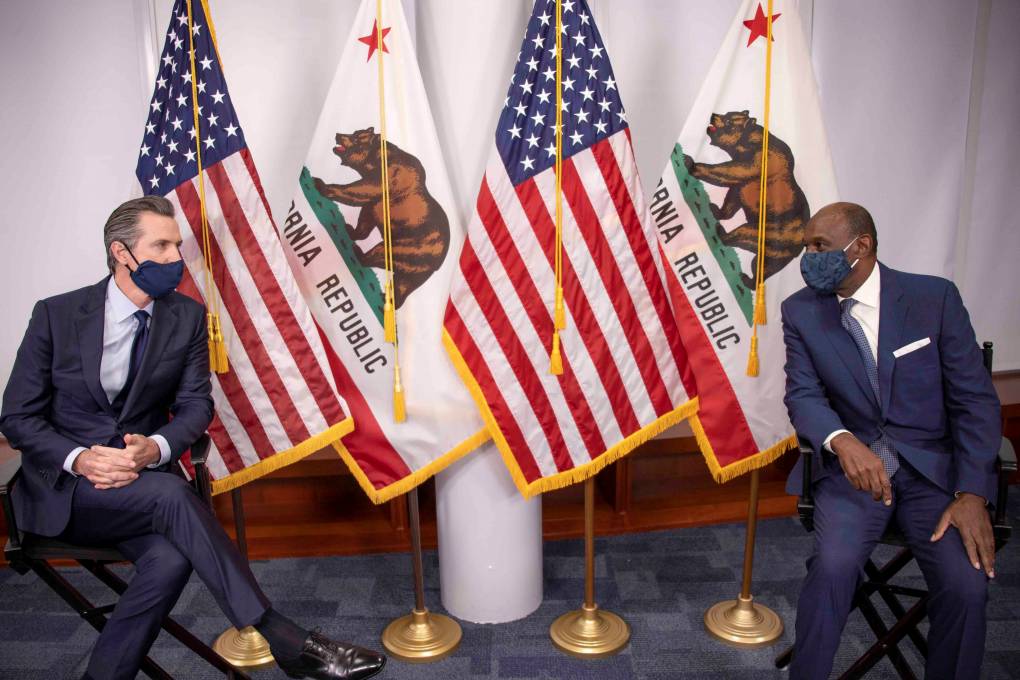
"caption": "Gov. Gavin Newsom appointed retired judge Martin Jenkins to the state Supreme Court on Monday, Oct. 5.",
"description": null,
"title": "justice jenkins presser",
"credit": "Courtesy of \u003ca href=\"https://newsroom.courts.ca.gov/news/gov-newsom-selects-justice-martin-jenkins-ret-california-supreme-court\">California Courts\u003c/a>",
"status": "inherit",
"isLoading": false,
"fetchFailed": false
},
"news_11841105": {
"type": "attachments",
"id": "news_11841105",
"meta": {
"index": "attachments_1716263798",
"site": "news",
"id": "11841105",
"found": true
},
"parent": 11841005,
"imgSizes": {
"apple_news_ca_landscape_5_5": {
"file": "https://ww2.kqed.org/app/uploads/sites/10/2020/10/iStock-538176790-1044x783.jpg",
"width": 1044,
"mimeType": "image/jpeg",
"height": 783
},
"apple_news_ca_square_4_0": {
"file": "https://ww2.kqed.org/app/uploads/sites/10/2020/10/iStock-538176790-470x470.jpg",
"width": 470,
"mimeType": "image/jpeg",
"height": 470
},
"twentyfourteen-full-width": {
"file": "https://ww2.kqed.org/app/uploads/sites/10/2020/10/iStock-538176790-1038x576.jpg",
"width": 1038,
"mimeType": "image/jpeg",
"height": 576
},
"thumbnail": {
"file": "https://ww2.kqed.org/app/uploads/sites/10/2020/10/iStock-538176790-160x107.jpg",
"width": 160,
"mimeType": "image/jpeg",
"height": 107
},
"post-thumbnail": {
"file": "https://ww2.kqed.org/app/uploads/sites/10/2020/10/iStock-538176790-672x372.jpg",
"width": 672,
"mimeType": "image/jpeg",
"height": 372
},
"kqedFullSize": {
"file": "https://ww2.kqed.org/app/uploads/sites/10/2020/10/iStock-538176790.jpg",
"width": 2120,
"height": 1414
},
"2048x2048": {
"file": "https://ww2.kqed.org/app/uploads/sites/10/2020/10/iStock-538176790-2048x1366.jpg",
"width": 2048,
"mimeType": "image/jpeg",
"height": 1366
},
"apple_news_ca_landscape_4_7": {
"file": "https://ww2.kqed.org/app/uploads/sites/10/2020/10/iStock-538176790-632x474.jpg",
"width": 632,
"mimeType": "image/jpeg",
"height": 474
},
"large": {
"file": "https://ww2.kqed.org/app/uploads/sites/10/2020/10/iStock-538176790-1020x680.jpg",
"width": 1020,
"mimeType": "image/jpeg",
"height": 680
},
"apple_news_ca_landscape_4_0": {
"file": "https://ww2.kqed.org/app/uploads/sites/10/2020/10/iStock-538176790-536x402.jpg",
"width": 536,
"mimeType": "image/jpeg",
"height": 402
},
"apple_news_ca_portrait_12_9": {
"file": "https://ww2.kqed.org/app/uploads/sites/10/2020/10/iStock-538176790-1122x1414.jpg",
"width": 1122,
"mimeType": "image/jpeg",
"height": 1414
},
"medium": {
"file": "https://ww2.kqed.org/app/uploads/sites/10/2020/10/iStock-538176790-800x534.jpg",
"width": 800,
"mimeType": "image/jpeg",
"height": 534
},
"apple_news_ca_portrait_4_0": {
"file": "https://ww2.kqed.org/app/uploads/sites/10/2020/10/iStock-538176790-354x472.jpg",
"width": 354,
"mimeType": "image/jpeg",
"height": 472
},
"apple_news_ca_portrait_9_7": {
"file": "https://ww2.kqed.org/app/uploads/sites/10/2020/10/iStock-538176790-840x1120.jpg",
"width": 840,
"mimeType": "image/jpeg",
"height": 1120
},
"apple_news_ca_landscape_12_9": {
"file": "https://ww2.kqed.org/app/uploads/sites/10/2020/10/iStock-538176790-1832x1374.jpg",
"width": 1832,
"mimeType": "image/jpeg",
"height": 1374
},
"apple_news_ca_square_9_7": {
"file": "https://ww2.kqed.org/app/uploads/sites/10/2020/10/iStock-538176790-1104x1104.jpg",
"width": 1104,
"mimeType": "image/jpeg",
"height": 1104
},
"1536x1536": {
"file": "https://ww2.kqed.org/app/uploads/sites/10/2020/10/iStock-538176790-1536x1024.jpg",
"width": 1536,
"mimeType": "image/jpeg",
"height": 1024
},
"apple_news_ca_portrait_4_7": {
"file": "https://ww2.kqed.org/app/uploads/sites/10/2020/10/iStock-538176790-414x552.jpg",
"width": 414,
"mimeType": "image/jpeg",
"height": 552
},
"apple_news_ca_square_12_9": {
"file": "https://ww2.kqed.org/app/uploads/sites/10/2020/10/iStock-538176790-1472x1414.jpg",
"width": 1472,
"mimeType": "image/jpeg",
"height": 1414
},
"apple_news_ca_portrait_5_5": {
"file": "https://ww2.kqed.org/app/uploads/sites/10/2020/10/iStock-538176790-687x916.jpg",
"width": 687,
"mimeType": "image/jpeg",
"height": 916
},
"full-width": {
"file": "https://ww2.kqed.org/app/uploads/sites/10/2020/10/iStock-538176790-1920x1281.jpg",
"width": 1920,
"mimeType": "image/jpeg",
"height": 1281
},
"apple_news_ca_square_4_7": {
"file": "https://ww2.kqed.org/app/uploads/sites/10/2020/10/iStock-538176790-550x550.jpg",
"width": 550,
"mimeType": "image/jpeg",
"height": 550
},
"apple_news_ca_landscape_9_7": {
"file": "https://ww2.kqed.org/app/uploads/sites/10/2020/10/iStock-538176790-1376x1032.jpg",
"width": 1376,
"mimeType": "image/jpeg",
"height": 1032
},
"apple_news_ca_square_5_5": {
"file": "https://ww2.kqed.org/app/uploads/sites/10/2020/10/iStock-538176790-912x912.jpg",
"width": 912,
"mimeType": "image/jpeg",
"height": 912
}
},
"publishDate": 1601938968,
"modified": 1601939275,
"caption": "In-home caregivers who provide care for a family member - largely women of color in California - would have been eligible for unemployment insurance under a new state bill vetoed by Gov. Gavin Newsom last week.",
"description": "In-home caregivers who provide care for a family member - largely women of color in California - would have been eligible for unemployment insurance under a new state bill vetoed by Gov. Gavin Newsom last week.",
"title": "Senior Woman Talking With Black Doctor In Hospice",
"credit": "Getty Images",
"status": "inherit",
"isLoading": false,
"fetchFailed": false
},
"news_11832181": {
"type": "attachments",
"id": "news_11832181",
"meta": {
"index": "attachments_1716263798",
"site": "news",
"id": "11832181",
"found": true
},
"parent": 11832113,
"imgSizes": {
"apple_news_ca_landscape_5_5": {
"file": "https://ww2.kqed.org/app/uploads/sites/10/2020/08/RS43927_005_KQED_Vallejo_SeanMonterrosa_07112020-qut-1044x783.jpg",
"width": 1044,
"mimeType": "image/jpeg",
"height": 783
},
"apple_news_ca_square_4_0": {
"file": "https://ww2.kqed.org/app/uploads/sites/10/2020/08/RS43927_005_KQED_Vallejo_SeanMonterrosa_07112020-qut-470x470.jpg",
"width": 470,
"mimeType": "image/jpeg",
"height": 470
},
"twentyfourteen-full-width": {
"file": "https://ww2.kqed.org/app/uploads/sites/10/2020/08/RS43927_005_KQED_Vallejo_SeanMonterrosa_07112020-qut-1038x576.jpg",
"width": 1038,
"mimeType": "image/jpeg",
"height": 576
},
"thumbnail": {
"file": "https://ww2.kqed.org/app/uploads/sites/10/2020/08/RS43927_005_KQED_Vallejo_SeanMonterrosa_07112020-qut-160x107.jpg",
"width": 160,
"mimeType": "image/jpeg",
"height": 107
},
"post-thumbnail": {
"file": "https://ww2.kqed.org/app/uploads/sites/10/2020/08/RS43927_005_KQED_Vallejo_SeanMonterrosa_07112020-qut-672x372.jpg",
"width": 672,
"mimeType": "image/jpeg",
"height": 372
},
"kqedFullSize": {
"file": "https://ww2.kqed.org/app/uploads/sites/10/2020/08/RS43927_005_KQED_Vallejo_SeanMonterrosa_07112020-qut.jpg",
"width": 1920,
"height": 1278
},
"apple_news_ca_landscape_4_7": {
"file": "https://ww2.kqed.org/app/uploads/sites/10/2020/08/RS43927_005_KQED_Vallejo_SeanMonterrosa_07112020-qut-632x474.jpg",
"width": 632,
"mimeType": "image/jpeg",
"height": 474
},
"large": {
"file": "https://ww2.kqed.org/app/uploads/sites/10/2020/08/RS43927_005_KQED_Vallejo_SeanMonterrosa_07112020-qut-1020x679.jpg",
"width": 1020,
"mimeType": "image/jpeg",
"height": 679
},
"apple_news_ca_landscape_4_0": {
"file": "https://ww2.kqed.org/app/uploads/sites/10/2020/08/RS43927_005_KQED_Vallejo_SeanMonterrosa_07112020-qut-536x402.jpg",
"width": 536,
"mimeType": "image/jpeg",
"height": 402
},
"apple_news_ca_portrait_12_9": {
"file": "https://ww2.kqed.org/app/uploads/sites/10/2020/08/RS43927_005_KQED_Vallejo_SeanMonterrosa_07112020-qut-1122x1278.jpg",
"width": 1122,
"mimeType": "image/jpeg",
"height": 1278
},
"medium": {
"file": "https://ww2.kqed.org/app/uploads/sites/10/2020/08/RS43927_005_KQED_Vallejo_SeanMonterrosa_07112020-qut-800x533.jpg",
"width": 800,
"mimeType": "image/jpeg",
"height": 533
},
"apple_news_ca_portrait_4_0": {
"file": "https://ww2.kqed.org/app/uploads/sites/10/2020/08/RS43927_005_KQED_Vallejo_SeanMonterrosa_07112020-qut-354x472.jpg",
"width": 354,
"mimeType": "image/jpeg",
"height": 472
},
"apple_news_ca_portrait_9_7": {
"file": "https://ww2.kqed.org/app/uploads/sites/10/2020/08/RS43927_005_KQED_Vallejo_SeanMonterrosa_07112020-qut-840x1120.jpg",
"width": 840,
"mimeType": "image/jpeg",
"height": 1120
},
"apple_news_ca_landscape_12_9": {
"file": "https://ww2.kqed.org/app/uploads/sites/10/2020/08/RS43927_005_KQED_Vallejo_SeanMonterrosa_07112020-qut-1832x1278.jpg",
"width": 1832,
"mimeType": "image/jpeg",
"height": 1278
},
"apple_news_ca_square_9_7": {
"file": "https://ww2.kqed.org/app/uploads/sites/10/2020/08/RS43927_005_KQED_Vallejo_SeanMonterrosa_07112020-qut-1104x1104.jpg",
"width": 1104,
"mimeType": "image/jpeg",
"height": 1104
},
"1536x1536": {
"file": "https://ww2.kqed.org/app/uploads/sites/10/2020/08/RS43927_005_KQED_Vallejo_SeanMonterrosa_07112020-qut-1536x1022.jpg",
"width": 1536,
"mimeType": "image/jpeg",
"height": 1022
},
"apple_news_ca_portrait_4_7": {
"file": "https://ww2.kqed.org/app/uploads/sites/10/2020/08/RS43927_005_KQED_Vallejo_SeanMonterrosa_07112020-qut-414x552.jpg",
"width": 414,
"mimeType": "image/jpeg",
"height": 552
},
"apple_news_ca_square_12_9": {
"file": "https://ww2.kqed.org/app/uploads/sites/10/2020/08/RS43927_005_KQED_Vallejo_SeanMonterrosa_07112020-qut-1472x1278.jpg",
"width": 1472,
"mimeType": "image/jpeg",
"height": 1278
},
"apple_news_ca_portrait_5_5": {
"file": "https://ww2.kqed.org/app/uploads/sites/10/2020/08/RS43927_005_KQED_Vallejo_SeanMonterrosa_07112020-qut-687x916.jpg",
"width": 687,
"mimeType": "image/jpeg",
"height": 916
},
"apple_news_ca_square_4_7": {
"file": "https://ww2.kqed.org/app/uploads/sites/10/2020/08/RS43927_005_KQED_Vallejo_SeanMonterrosa_07112020-qut-550x550.jpg",
"width": 550,
"mimeType": "image/jpeg",
"height": 550
},
"apple_news_ca_landscape_9_7": {
"file": "https://ww2.kqed.org/app/uploads/sites/10/2020/08/RS43927_005_KQED_Vallejo_SeanMonterrosa_07112020-qut-1376x1032.jpg",
"width": 1376,
"mimeType": "image/jpeg",
"height": 1032
},
"apple_news_ca_square_5_5": {
"file": "https://ww2.kqed.org/app/uploads/sites/10/2020/08/RS43927_005_KQED_Vallejo_SeanMonterrosa_07112020-qut-912x912.jpg",
"width": 912,
"mimeType": "image/jpeg",
"height": 912
}
},
"publishDate": 1596742396,
"modified": 1596750139,
"caption": "Ashley and Michelle Monterrosa speak during a July 11, 2020 protest demanding justice for their brother Sean, who was killed by Vallejo police on June 2. ",
"description": "Ashley and Michelle Monterrosa speak during a July 11 protest demanding justice for their brother Sean, who was killed by Vallejo police on June 2. ",
"title": "RS43927_005_KQED_Vallejo_SeanMonterrosa_07112020-qut",
"credit": "Beth LaBerge/KQED",
"status": "inherit",
"isLoading": false,
"fetchFailed": false
},
"news_11840492": {
"type": "attachments",
"id": "news_11840492",
"meta": {
"index": "attachments_1716263798",
"site": "news",
"id": "11840492",
"found": true
},
"parent": 11840465,
"imgSizes": {
"apple_news_ca_square_4_0": {
"file": "https://ww2.kqed.org/app/uploads/sites/10/2020/09/RS39211__M6A0746-qut-1038x576-1-470x470.jpg",
"width": 470,
"mimeType": "image/jpeg",
"height": 470
},
"thumbnail": {
"file": "https://ww2.kqed.org/app/uploads/sites/10/2020/09/RS39211__M6A0746-qut-1038x576-1-160x89.jpg",
"width": 160,
"mimeType": "image/jpeg",
"height": 89
},
"post-thumbnail": {
"file": "https://ww2.kqed.org/app/uploads/sites/10/2020/09/RS39211__M6A0746-qut-1038x576-1-672x372.jpg",
"width": 672,
"mimeType": "image/jpeg",
"height": 372
},
"kqedFullSize": {
"file": "https://ww2.kqed.org/app/uploads/sites/10/2020/09/RS39211__M6A0746-qut-1038x576-1.jpg",
"width": 1038,
"height": 576
},
"apple_news_ca_landscape_4_7": {
"file": "https://ww2.kqed.org/app/uploads/sites/10/2020/09/RS39211__M6A0746-qut-1038x576-1-632x474.jpg",
"width": 632,
"mimeType": "image/jpeg",
"height": 474
},
"large": {
"file": "https://ww2.kqed.org/app/uploads/sites/10/2020/09/RS39211__M6A0746-qut-1038x576-1-1020x566.jpg",
"width": 1020,
"mimeType": "image/jpeg",
"height": 566
},
"apple_news_ca_landscape_4_0": {
"file": "https://ww2.kqed.org/app/uploads/sites/10/2020/09/RS39211__M6A0746-qut-1038x576-1-536x402.jpg",
"width": 536,
"mimeType": "image/jpeg",
"height": 402
},
"medium": {
"file": "https://ww2.kqed.org/app/uploads/sites/10/2020/09/RS39211__M6A0746-qut-1038x576-1-800x444.jpg",
"width": 800,
"mimeType": "image/jpeg",
"height": 444
},
"apple_news_ca_portrait_4_0": {
"file": "https://ww2.kqed.org/app/uploads/sites/10/2020/09/RS39211__M6A0746-qut-1038x576-1-354x472.jpg",
"width": 354,
"mimeType": "image/jpeg",
"height": 472
},
"apple_news_ca_portrait_9_7": {
"file": "https://ww2.kqed.org/app/uploads/sites/10/2020/09/RS39211__M6A0746-qut-1038x576-1-840x576.jpg",
"width": 840,
"mimeType": "image/jpeg",
"height": 576
},
"apple_news_ca_portrait_4_7": {
"file": "https://ww2.kqed.org/app/uploads/sites/10/2020/09/RS39211__M6A0746-qut-1038x576-1-414x552.jpg",
"width": 414,
"mimeType": "image/jpeg",
"height": 552
},
"apple_news_ca_portrait_5_5": {
"file": "https://ww2.kqed.org/app/uploads/sites/10/2020/09/RS39211__M6A0746-qut-1038x576-1-687x576.jpg",
"width": 687,
"mimeType": "image/jpeg",
"height": 576
},
"apple_news_ca_square_4_7": {
"file": "https://ww2.kqed.org/app/uploads/sites/10/2020/09/RS39211__M6A0746-qut-1038x576-1-550x550.jpg",
"width": 550,
"mimeType": "image/jpeg",
"height": 550
},
"apple_news_ca_square_5_5": {
"file": "https://ww2.kqed.org/app/uploads/sites/10/2020/09/RS39211__M6A0746-qut-1038x576-1-912x576.jpg",
"width": 912,
"mimeType": "image/jpeg",
"height": 576
}
},
"publishDate": 1601513552,
"modified": 1601513808,
"caption": "Gov. Gavin Newsom signed a slew of bills today aimed at tackling systemic racism and making the criminal justice system more fair for all Californians",
"description": "Gov. Gavin Newsom signed a slew of bills today aimed at tackling systemic racism and making the criminal justice system more fair for all Californians",
"title": "RS39211__M6A0746-qut-1038x576",
"credit": "Sruti Mamidanna/KQED",
"status": "inherit",
"isLoading": false,
"fetchFailed": false
},
"news_11839536": {
"type": "attachments",
"id": "news_11839536",
"meta": {
"index": "attachments_1716263798",
"site": "news",
"id": "11839536",
"found": true
},
"parent": 11839533,
"imgSizes": {
"apple_news_ca_landscape_5_5": {
"file": "https://ww2.kqed.org/app/uploads/sites/10/2020/09/RS35989_US101Traffic_012-qut-1044x783.jpg",
"width": 1044,
"mimeType": "image/jpeg",
"height": 783
},
"apple_news_ca_square_4_0": {
"file": "https://ww2.kqed.org/app/uploads/sites/10/2020/09/RS35989_US101Traffic_012-qut-470x470.jpg",
"width": 470,
"mimeType": "image/jpeg",
"height": 470
},
"twentyfourteen-full-width": {
"file": "https://ww2.kqed.org/app/uploads/sites/10/2020/09/RS35989_US101Traffic_012-qut-1038x576.jpg",
"width": 1038,
"mimeType": "image/jpeg",
"height": 576
},
"thumbnail": {
"file": "https://ww2.kqed.org/app/uploads/sites/10/2020/09/RS35989_US101Traffic_012-qut-160x109.jpg",
"width": 160,
"mimeType": "image/jpeg",
"height": 109
},
"post-thumbnail": {
"file": "https://ww2.kqed.org/app/uploads/sites/10/2020/09/RS35989_US101Traffic_012-qut-672x372.jpg",
"width": 672,
"mimeType": "image/jpeg",
"height": 372
},
"kqedFullSize": {
"file": "https://ww2.kqed.org/app/uploads/sites/10/2020/09/RS35989_US101Traffic_012-qut.jpg",
"width": 1920,
"height": 1307
},
"apple_news_ca_landscape_4_7": {
"file": "https://ww2.kqed.org/app/uploads/sites/10/2020/09/RS35989_US101Traffic_012-qut-632x474.jpg",
"width": 632,
"mimeType": "image/jpeg",
"height": 474
},
"large": {
"file": "https://ww2.kqed.org/app/uploads/sites/10/2020/09/RS35989_US101Traffic_012-qut-1020x694.jpg",
"width": 1020,
"mimeType": "image/jpeg",
"height": 694
},
"apple_news_ca_landscape_4_0": {
"file": "https://ww2.kqed.org/app/uploads/sites/10/2020/09/RS35989_US101Traffic_012-qut-536x402.jpg",
"width": 536,
"mimeType": "image/jpeg",
"height": 402
},
"apple_news_ca_portrait_12_9": {
"file": "https://ww2.kqed.org/app/uploads/sites/10/2020/09/RS35989_US101Traffic_012-qut-1122x1307.jpg",
"width": 1122,
"mimeType": "image/jpeg",
"height": 1307
},
"medium": {
"file": "https://ww2.kqed.org/app/uploads/sites/10/2020/09/RS35989_US101Traffic_012-qut-800x545.jpg",
"width": 800,
"mimeType": "image/jpeg",
"height": 545
},
"apple_news_ca_portrait_4_0": {
"file": "https://ww2.kqed.org/app/uploads/sites/10/2020/09/RS35989_US101Traffic_012-qut-354x472.jpg",
"width": 354,
"mimeType": "image/jpeg",
"height": 472
},
"apple_news_ca_portrait_9_7": {
"file": "https://ww2.kqed.org/app/uploads/sites/10/2020/09/RS35989_US101Traffic_012-qut-840x1120.jpg",
"width": 840,
"mimeType": "image/jpeg",
"height": 1120
},
"apple_news_ca_landscape_12_9": {
"file": "https://ww2.kqed.org/app/uploads/sites/10/2020/09/RS35989_US101Traffic_012-qut-1832x1307.jpg",
"width": 1832,
"mimeType": "image/jpeg",
"height": 1307
},
"apple_news_ca_square_9_7": {
"file": "https://ww2.kqed.org/app/uploads/sites/10/2020/09/RS35989_US101Traffic_012-qut-1104x1104.jpg",
"width": 1104,
"mimeType": "image/jpeg",
"height": 1104
},
"1536x1536": {
"file": "https://ww2.kqed.org/app/uploads/sites/10/2020/09/RS35989_US101Traffic_012-qut-1536x1046.jpg",
"width": 1536,
"mimeType": "image/jpeg",
"height": 1046
},
"apple_news_ca_portrait_4_7": {
"file": "https://ww2.kqed.org/app/uploads/sites/10/2020/09/RS35989_US101Traffic_012-qut-414x552.jpg",
"width": 414,
"mimeType": "image/jpeg",
"height": 552
},
"apple_news_ca_square_12_9": {
"file": "https://ww2.kqed.org/app/uploads/sites/10/2020/09/RS35989_US101Traffic_012-qut-1472x1307.jpg",
"width": 1472,
"mimeType": "image/jpeg",
"height": 1307
},
"apple_news_ca_portrait_5_5": {
"file": "https://ww2.kqed.org/app/uploads/sites/10/2020/09/RS35989_US101Traffic_012-qut-687x916.jpg",
"width": 687,
"mimeType": "image/jpeg",
"height": 916
},
"apple_news_ca_square_4_7": {
"file": "https://ww2.kqed.org/app/uploads/sites/10/2020/09/RS35989_US101Traffic_012-qut-550x550.jpg",
"width": 550,
"mimeType": "image/jpeg",
"height": 550
},
"apple_news_ca_landscape_9_7": {
"file": "https://ww2.kqed.org/app/uploads/sites/10/2020/09/RS35989_US101Traffic_012-qut-1376x1032.jpg",
"width": 1376,
"mimeType": "image/jpeg",
"height": 1032
},
"apple_news_ca_square_5_5": {
"file": "https://ww2.kqed.org/app/uploads/sites/10/2020/09/RS35989_US101Traffic_012-qut-912x912.jpg",
"width": 912,
"mimeType": "image/jpeg",
"height": 912
}
},
"publishDate": 1600984618,
"modified": 1600984665,
"caption": "Traffic on US-101 at 3 p.m. towards the downtown San Francisco and the Bay Bridge on Friday March 8, 2019. ",
"description": null,
"title": "RS35989_US101Traffic_012-qut",
"credit": "Lindsey Moore/KQED",
"status": "inherit",
"isLoading": false,
"fetchFailed": false
},
"news_11812025": {
"type": "attachments",
"id": "news_11812025",
"meta": {
"index": "attachments_1716263798",
"site": "news",
"id": "11812025",
"found": true
},
"parent": 11806938,
"imgSizes": {
"apple_news_ca_landscape_5_5": {
"file": "https://ww2.kqed.org/app/uploads/sites/10/2020/03/RS42106_004_KQED_EDD_UnemploymentApplication_03162020_8407-qut-1-1044x783.jpg",
"width": 1044,
"mimeType": "image/jpeg",
"height": 783
},
"apple_news_ca_square_4_0": {
"file": "https://ww2.kqed.org/app/uploads/sites/10/2020/03/RS42106_004_KQED_EDD_UnemploymentApplication_03162020_8407-qut-1-470x470.jpg",
"width": 470,
"mimeType": "image/jpeg",
"height": 470
},
"twentyfourteen-full-width": {
"file": "https://ww2.kqed.org/app/uploads/sites/10/2020/03/RS42106_004_KQED_EDD_UnemploymentApplication_03162020_8407-qut-1-1038x576.jpg",
"width": 1038,
"mimeType": "image/jpeg",
"height": 576
},
"thumbnail": {
"file": "https://ww2.kqed.org/app/uploads/sites/10/2020/03/RS42106_004_KQED_EDD_UnemploymentApplication_03162020_8407-qut-1-160x107.jpg",
"width": 160,
"mimeType": "image/jpeg",
"height": 107
},
"post-thumbnail": {
"file": "https://ww2.kqed.org/app/uploads/sites/10/2020/03/RS42106_004_KQED_EDD_UnemploymentApplication_03162020_8407-qut-1-672x372.jpg",
"width": 672,
"mimeType": "image/jpeg",
"height": 372
},
"kqedFullSize": {
"file": "https://ww2.kqed.org/app/uploads/sites/10/2020/03/RS42106_004_KQED_EDD_UnemploymentApplication_03162020_8407-qut-1.jpg",
"width": 1920,
"height": 1280
},
"apple_news_ca_landscape_4_7": {
"file": "https://ww2.kqed.org/app/uploads/sites/10/2020/03/RS42106_004_KQED_EDD_UnemploymentApplication_03162020_8407-qut-1-632x474.jpg",
"width": 632,
"mimeType": "image/jpeg",
"height": 474
},
"large": {
"file": "https://ww2.kqed.org/app/uploads/sites/10/2020/03/RS42106_004_KQED_EDD_UnemploymentApplication_03162020_8407-qut-1-1020x680.jpg",
"width": 1020,
"mimeType": "image/jpeg",
"height": 680
},
"apple_news_ca_landscape_4_0": {
"file": "https://ww2.kqed.org/app/uploads/sites/10/2020/03/RS42106_004_KQED_EDD_UnemploymentApplication_03162020_8407-qut-1-536x402.jpg",
"width": 536,
"mimeType": "image/jpeg",
"height": 402
},
"apple_news_ca_portrait_12_9": {
"file": "https://ww2.kqed.org/app/uploads/sites/10/2020/03/RS42106_004_KQED_EDD_UnemploymentApplication_03162020_8407-qut-1-1122x1280.jpg",
"width": 1122,
"mimeType": "image/jpeg",
"height": 1280
},
"medium": {
"file": "https://ww2.kqed.org/app/uploads/sites/10/2020/03/RS42106_004_KQED_EDD_UnemploymentApplication_03162020_8407-qut-1-800x533.jpg",
"width": 800,
"mimeType": "image/jpeg",
"height": 533
},
"apple_news_ca_portrait_4_0": {
"file": "https://ww2.kqed.org/app/uploads/sites/10/2020/03/RS42106_004_KQED_EDD_UnemploymentApplication_03162020_8407-qut-1-354x472.jpg",
"width": 354,
"mimeType": "image/jpeg",
"height": 472
},
"apple_news_ca_portrait_9_7": {
"file": "https://ww2.kqed.org/app/uploads/sites/10/2020/03/RS42106_004_KQED_EDD_UnemploymentApplication_03162020_8407-qut-1-840x1120.jpg",
"width": 840,
"mimeType": "image/jpeg",
"height": 1120
},
"apple_news_ca_landscape_12_9": {
"file": "https://ww2.kqed.org/app/uploads/sites/10/2020/03/RS42106_004_KQED_EDD_UnemploymentApplication_03162020_8407-qut-1-1832x1280.jpg",
"width": 1832,
"mimeType": "image/jpeg",
"height": 1280
},
"apple_news_ca_square_9_7": {
"file": "https://ww2.kqed.org/app/uploads/sites/10/2020/03/RS42106_004_KQED_EDD_UnemploymentApplication_03162020_8407-qut-1-1104x1104.jpg",
"width": 1104,
"mimeType": "image/jpeg",
"height": 1104
},
"apple_news_ca_portrait_4_7": {
"file": "https://ww2.kqed.org/app/uploads/sites/10/2020/03/RS42106_004_KQED_EDD_UnemploymentApplication_03162020_8407-qut-1-414x552.jpg",
"width": 414,
"mimeType": "image/jpeg",
"height": 552
},
"apple_news_ca_square_12_9": {
"file": "https://ww2.kqed.org/app/uploads/sites/10/2020/03/RS42106_004_KQED_EDD_UnemploymentApplication_03162020_8407-qut-1-1472x1280.jpg",
"width": 1472,
"mimeType": "image/jpeg",
"height": 1280
},
"apple_news_ca_portrait_5_5": {
"file": "https://ww2.kqed.org/app/uploads/sites/10/2020/03/RS42106_004_KQED_EDD_UnemploymentApplication_03162020_8407-qut-1-687x916.jpg",
"width": 687,
"mimeType": "image/jpeg",
"height": 916
},
"full-width": {
"file": "https://ww2.kqed.org/app/uploads/sites/10/2020/03/RS42106_004_KQED_EDD_UnemploymentApplication_03162020_8407-qut-1-1920x1280.jpg",
"width": 1920,
"mimeType": "image/jpeg",
"height": 1280
},
"apple_news_ca_square_4_7": {
"file": "https://ww2.kqed.org/app/uploads/sites/10/2020/03/RS42106_004_KQED_EDD_UnemploymentApplication_03162020_8407-qut-1-550x550.jpg",
"width": 550,
"mimeType": "image/jpeg",
"height": 550
},
"apple_news_ca_landscape_9_7": {
"file": "https://ww2.kqed.org/app/uploads/sites/10/2020/03/RS42106_004_KQED_EDD_UnemploymentApplication_03162020_8407-qut-1-1376x1032.jpg",
"width": 1376,
"mimeType": "image/jpeg",
"height": 1032
},
"apple_news_ca_square_5_5": {
"file": "https://ww2.kqed.org/app/uploads/sites/10/2020/03/RS42106_004_KQED_EDD_UnemploymentApplication_03162020_8407-qut-1-912x912.jpg",
"width": 912,
"mimeType": "image/jpeg",
"height": 912
}
},
"publishDate": 1586634094,
"modified": 1600720143,
"caption": "A woman looks at the Employment Development Department (EDD) website, where California residents can file for unemployment, on March 16, 2020.",
"description": null,
"title": "RS42106_004_KQED_EDD_UnemploymentApplication_03162020_8407-qut",
"credit": "Beth LaBerge/KQED",
"status": "inherit",
"isLoading": false,
"fetchFailed": false
},
"news_11838586": {
"type": "attachments",
"id": "news_11838586",
"meta": {
"index": "attachments_1716263798",
"site": "news",
"id": "11838586",
"found": true
},
"parent": 11838543,
"imgSizes": {
"apple_news_ca_square_4_0": {
"file": "https://ww2.kqed.org/app/uploads/sites/10/2020/09/GettyImages-1213575009-470x470.jpg",
"width": 470,
"mimeType": "image/jpeg",
"height": 470
},
"twentyfourteen-full-width": {
"file": "https://ww2.kqed.org/app/uploads/sites/10/2020/09/GettyImages-1213575009-1024x576.jpg",
"width": 1024,
"mimeType": "image/jpeg",
"height": 576
},
"thumbnail": {
"file": "https://ww2.kqed.org/app/uploads/sites/10/2020/09/GettyImages-1213575009-160x110.jpg",
"width": 160,
"mimeType": "image/jpeg",
"height": 110
},
"post-thumbnail": {
"file": "https://ww2.kqed.org/app/uploads/sites/10/2020/09/GettyImages-1213575009-672x372.jpg",
"width": 672,
"mimeType": "image/jpeg",
"height": 372
},
"kqedFullSize": {
"file": "https://ww2.kqed.org/app/uploads/sites/10/2020/09/GettyImages-1213575009.jpg",
"width": 1024,
"height": 705
},
"apple_news_ca_landscape_4_7": {
"file": "https://ww2.kqed.org/app/uploads/sites/10/2020/09/GettyImages-1213575009-632x474.jpg",
"width": 632,
"mimeType": "image/jpeg",
"height": 474
},
"large": {
"file": "https://ww2.kqed.org/app/uploads/sites/10/2020/09/GettyImages-1213575009-1020x702.jpg",
"width": 1020,
"mimeType": "image/jpeg",
"height": 702
},
"apple_news_ca_landscape_4_0": {
"file": "https://ww2.kqed.org/app/uploads/sites/10/2020/09/GettyImages-1213575009-536x402.jpg",
"width": 536,
"mimeType": "image/jpeg",
"height": 402
},
"medium": {
"file": "https://ww2.kqed.org/app/uploads/sites/10/2020/09/GettyImages-1213575009-800x551.jpg",
"width": 800,
"mimeType": "image/jpeg",
"height": 551
},
"apple_news_ca_portrait_4_0": {
"file": "https://ww2.kqed.org/app/uploads/sites/10/2020/09/GettyImages-1213575009-354x472.jpg",
"width": 354,
"mimeType": "image/jpeg",
"height": 472
},
"apple_news_ca_portrait_9_7": {
"file": "https://ww2.kqed.org/app/uploads/sites/10/2020/09/GettyImages-1213575009-840x705.jpg",
"width": 840,
"mimeType": "image/jpeg",
"height": 705
},
"apple_news_ca_portrait_4_7": {
"file": "https://ww2.kqed.org/app/uploads/sites/10/2020/09/GettyImages-1213575009-414x552.jpg",
"width": 414,
"mimeType": "image/jpeg",
"height": 552
},
"apple_news_ca_portrait_5_5": {
"file": "https://ww2.kqed.org/app/uploads/sites/10/2020/09/GettyImages-1213575009-687x705.jpg",
"width": 687,
"mimeType": "image/jpeg",
"height": 705
},
"apple_news_ca_square_4_7": {
"file": "https://ww2.kqed.org/app/uploads/sites/10/2020/09/GettyImages-1213575009-550x550.jpg",
"width": 550,
"mimeType": "image/jpeg",
"height": 550
},
"apple_news_ca_square_5_5": {
"file": "https://ww2.kqed.org/app/uploads/sites/10/2020/09/GettyImages-1213575009-912x705.jpg",
"width": 912,
"mimeType": "image/jpeg",
"height": 705
}
},
"publishDate": 1600446026,
"modified": 1600446098,
"caption": "Workers restock items during special hours open only to seniors and the disabled at Northgate Gonzalez Market, a Hispanic specialty supermarket in Los Angeles on March 19, 2020.",
"description": null,
"title": "Stores Offer Shopping Times For Elderly And Vulnerable Citizens To Protect Against Coronavirus Transmission",
"credit": "Mario Tama/Getty Images",
"status": "inherit",
"isLoading": false,
"fetchFailed": false
},
"news_11837765": {
"type": "attachments",
"id": "news_11837765",
"meta": {
"index": "attachments_1716263798",
"site": "news",
"id": "11837765",
"found": true
},
"parent": 11837763,
"imgSizes": {
"apple_news_ca_landscape_5_5": {
"file": "https://ww2.kqed.org/app/uploads/sites/10/2020/09/GettyImages-1184292658-1-1044x783.jpg",
"width": 1044,
"mimeType": "image/jpeg",
"height": 783
},
"apple_news_ca_square_4_0": {
"file": "https://ww2.kqed.org/app/uploads/sites/10/2020/09/GettyImages-1184292658-1-470x470.jpg",
"width": 470,
"mimeType": "image/jpeg",
"height": 470
},
"twentyfourteen-full-width": {
"file": "https://ww2.kqed.org/app/uploads/sites/10/2020/09/GettyImages-1184292658-1-1038x576.jpg",
"width": 1038,
"mimeType": "image/jpeg",
"height": 576
},
"thumbnail": {
"file": "https://ww2.kqed.org/app/uploads/sites/10/2020/09/GettyImages-1184292658-1-160x106.jpg",
"width": 160,
"mimeType": "image/jpeg",
"height": 106
},
"post-thumbnail": {
"file": "https://ww2.kqed.org/app/uploads/sites/10/2020/09/GettyImages-1184292658-1-672x372.jpg",
"width": 672,
"mimeType": "image/jpeg",
"height": 372
},
"kqedFullSize": {
"file": "https://ww2.kqed.org/app/uploads/sites/10/2020/09/GettyImages-1184292658-1.jpg",
"width": 1900,
"height": 1253
},
"apple_news_ca_landscape_4_7": {
"file": "https://ww2.kqed.org/app/uploads/sites/10/2020/09/GettyImages-1184292658-1-632x474.jpg",
"width": 632,
"mimeType": "image/jpeg",
"height": 474
},
"large": {
"file": "https://ww2.kqed.org/app/uploads/sites/10/2020/09/GettyImages-1184292658-1-1020x673.jpg",
"width": 1020,
"mimeType": "image/jpeg",
"height": 673
},
"apple_news_ca_landscape_4_0": {
"file": "https://ww2.kqed.org/app/uploads/sites/10/2020/09/GettyImages-1184292658-1-536x402.jpg",
"width": 536,
"mimeType": "image/jpeg",
"height": 402
},
"apple_news_ca_portrait_12_9": {
"file": "https://ww2.kqed.org/app/uploads/sites/10/2020/09/GettyImages-1184292658-1-1122x1253.jpg",
"width": 1122,
"mimeType": "image/jpeg",
"height": 1253
},
"medium": {
"file": "https://ww2.kqed.org/app/uploads/sites/10/2020/09/GettyImages-1184292658-1-800x528.jpg",
"width": 800,
"mimeType": "image/jpeg",
"height": 528
},
"apple_news_ca_portrait_4_0": {
"file": "https://ww2.kqed.org/app/uploads/sites/10/2020/09/GettyImages-1184292658-1-354x472.jpg",
"width": 354,
"mimeType": "image/jpeg",
"height": 472
},
"apple_news_ca_portrait_9_7": {
"file": "https://ww2.kqed.org/app/uploads/sites/10/2020/09/GettyImages-1184292658-1-840x1120.jpg",
"width": 840,
"mimeType": "image/jpeg",
"height": 1120
},
"apple_news_ca_landscape_12_9": {
"file": "https://ww2.kqed.org/app/uploads/sites/10/2020/09/GettyImages-1184292658-1-1832x1253.jpg",
"width": 1832,
"mimeType": "image/jpeg",
"height": 1253
},
"apple_news_ca_square_9_7": {
"file": "https://ww2.kqed.org/app/uploads/sites/10/2020/09/GettyImages-1184292658-1-1104x1104.jpg",
"width": 1104,
"mimeType": "image/jpeg",
"height": 1104
},
"1536x1536": {
"file": "https://ww2.kqed.org/app/uploads/sites/10/2020/09/GettyImages-1184292658-1-1536x1013.jpg",
"width": 1536,
"mimeType": "image/jpeg",
"height": 1013
},
"apple_news_ca_portrait_4_7": {
"file": "https://ww2.kqed.org/app/uploads/sites/10/2020/09/GettyImages-1184292658-1-414x552.jpg",
"width": 414,
"mimeType": "image/jpeg",
"height": 552
},
"apple_news_ca_square_12_9": {
"file": "https://ww2.kqed.org/app/uploads/sites/10/2020/09/GettyImages-1184292658-1-1472x1253.jpg",
"width": 1472,
"mimeType": "image/jpeg",
"height": 1253
},
"apple_news_ca_portrait_5_5": {
"file": "https://ww2.kqed.org/app/uploads/sites/10/2020/09/GettyImages-1184292658-1-687x916.jpg",
"width": 687,
"mimeType": "image/jpeg",
"height": 916
},
"apple_news_ca_square_4_7": {
"file": "https://ww2.kqed.org/app/uploads/sites/10/2020/09/GettyImages-1184292658-1-550x550.jpg",
"width": 550,
"mimeType": "image/jpeg",
"height": 550
},
"apple_news_ca_landscape_9_7": {
"file": "https://ww2.kqed.org/app/uploads/sites/10/2020/09/GettyImages-1184292658-1-1376x1032.jpg",
"width": 1376,
"mimeType": "image/jpeg",
"height": 1032
},
"apple_news_ca_square_5_5": {
"file": "https://ww2.kqed.org/app/uploads/sites/10/2020/09/GettyImages-1184292658-1-912x912.jpg",
"width": 912,
"mimeType": "image/jpeg",
"height": 912
}
},
"publishDate": 1599942894,
"modified": 1600118275,
"caption": "From left, California Gov. Gavin Newsom, L.A. City Councilman Mike Bonin and L.A. City Mayor Eric Garcetti tour a burned home along Tigertail Road on Oct. 29, 2019 in Brentwood, California. ",
"description": "From left, California Governor Gavin Newsom, L.A. City Councilman Mike Bonin, and L.A. City Mayor Eric Garcetti tour a burned home along Tigertail Road on October 29, 2019 in Brentwood, California. ",
"title": "GettyImages-1184292658 (1)",
"credit": "Wally Skalij-Pool via Getty Images",
"status": "inherit",
"isLoading": false,
"fetchFailed": false
},
"news_11837660": {
"type": "attachments",
"id": "news_11837660",
"meta": {
"index": "attachments_1716263798",
"site": "news",
"id": "11837660",
"found": true
},
"parent": 11837658,
"imgSizes": {
"apple_news_ca_landscape_5_5": {
"file": "https://ww2.kqed.org/app/uploads/sites/10/2020/09/RS44902_GettyImages-1227887567-qut-1044x783.jpg",
"width": 1044,
"mimeType": "image/jpeg",
"height": 783
},
"apple_news_ca_square_4_0": {
"file": "https://ww2.kqed.org/app/uploads/sites/10/2020/09/RS44902_GettyImages-1227887567-qut-470x470.jpg",
"width": 470,
"mimeType": "image/jpeg",
"height": 470
},
"twentyfourteen-full-width": {
"file": "https://ww2.kqed.org/app/uploads/sites/10/2020/09/RS44902_GettyImages-1227887567-qut-1038x576.jpg",
"width": 1038,
"mimeType": "image/jpeg",
"height": 576
},
"thumbnail": {
"file": "https://ww2.kqed.org/app/uploads/sites/10/2020/09/RS44902_GettyImages-1227887567-qut-160x103.jpg",
"width": 160,
"mimeType": "image/jpeg",
"height": 103
},
"post-thumbnail": {
"file": "https://ww2.kqed.org/app/uploads/sites/10/2020/09/RS44902_GettyImages-1227887567-qut-672x372.jpg",
"width": 672,
"mimeType": "image/jpeg",
"height": 372
},
"kqedFullSize": {
"file": "https://ww2.kqed.org/app/uploads/sites/10/2020/09/RS44902_GettyImages-1227887567-qut.jpg",
"width": 1920,
"height": 1230
},
"apple_news_ca_landscape_4_7": {
"file": "https://ww2.kqed.org/app/uploads/sites/10/2020/09/RS44902_GettyImages-1227887567-qut-632x474.jpg",
"width": 632,
"mimeType": "image/jpeg",
"height": 474
},
"large": {
"file": "https://ww2.kqed.org/app/uploads/sites/10/2020/09/RS44902_GettyImages-1227887567-qut-1020x653.jpg",
"width": 1020,
"mimeType": "image/jpeg",
"height": 653
},
"apple_news_ca_landscape_4_0": {
"file": "https://ww2.kqed.org/app/uploads/sites/10/2020/09/RS44902_GettyImages-1227887567-qut-536x402.jpg",
"width": 536,
"mimeType": "image/jpeg",
"height": 402
},
"apple_news_ca_portrait_12_9": {
"file": "https://ww2.kqed.org/app/uploads/sites/10/2020/09/RS44902_GettyImages-1227887567-qut-1122x1230.jpg",
"width": 1122,
"mimeType": "image/jpeg",
"height": 1230
},
"medium": {
"file": "https://ww2.kqed.org/app/uploads/sites/10/2020/09/RS44902_GettyImages-1227887567-qut-800x513.jpg",
"width": 800,
"mimeType": "image/jpeg",
"height": 513
},
"apple_news_ca_portrait_4_0": {
"file": "https://ww2.kqed.org/app/uploads/sites/10/2020/09/RS44902_GettyImages-1227887567-qut-354x472.jpg",
"width": 354,
"mimeType": "image/jpeg",
"height": 472
},
"apple_news_ca_portrait_9_7": {
"file": "https://ww2.kqed.org/app/uploads/sites/10/2020/09/RS44902_GettyImages-1227887567-qut-840x1120.jpg",
"width": 840,
"mimeType": "image/jpeg",
"height": 1120
},
"apple_news_ca_landscape_12_9": {
"file": "https://ww2.kqed.org/app/uploads/sites/10/2020/09/RS44902_GettyImages-1227887567-qut-1832x1230.jpg",
"width": 1832,
"mimeType": "image/jpeg",
"height": 1230
},
"apple_news_ca_square_9_7": {
"file": "https://ww2.kqed.org/app/uploads/sites/10/2020/09/RS44902_GettyImages-1227887567-qut-1104x1104.jpg",
"width": 1104,
"mimeType": "image/jpeg",
"height": 1104
},
"1536x1536": {
"file": "https://ww2.kqed.org/app/uploads/sites/10/2020/09/RS44902_GettyImages-1227887567-qut-1536x984.jpg",
"width": 1536,
"mimeType": "image/jpeg",
"height": 984
},
"apple_news_ca_portrait_4_7": {
"file": "https://ww2.kqed.org/app/uploads/sites/10/2020/09/RS44902_GettyImages-1227887567-qut-414x552.jpg",
"width": 414,
"mimeType": "image/jpeg",
"height": 552
},
"apple_news_ca_square_12_9": {
"file": "https://ww2.kqed.org/app/uploads/sites/10/2020/09/RS44902_GettyImages-1227887567-qut-1472x1230.jpg",
"width": 1472,
"mimeType": "image/jpeg",
"height": 1230
},
"apple_news_ca_portrait_5_5": {
"file": "https://ww2.kqed.org/app/uploads/sites/10/2020/09/RS44902_GettyImages-1227887567-qut-687x916.jpg",
"width": 687,
"mimeType": "image/jpeg",
"height": 916
},
"apple_news_ca_square_4_7": {
"file": "https://ww2.kqed.org/app/uploads/sites/10/2020/09/RS44902_GettyImages-1227887567-qut-550x550.jpg",
"width": 550,
"mimeType": "image/jpeg",
"height": 550
},
"apple_news_ca_landscape_9_7": {
"file": "https://ww2.kqed.org/app/uploads/sites/10/2020/09/RS44902_GettyImages-1227887567-qut-1376x1032.jpg",
"width": 1376,
"mimeType": "image/jpeg",
"height": 1032
},
"apple_news_ca_square_5_5": {
"file": "https://ww2.kqed.org/app/uploads/sites/10/2020/09/RS44902_GettyImages-1227887567-qut-912x912.jpg",
"width": 912,
"mimeType": "image/jpeg",
"height": 912
}
},
"publishDate": 1599861638,
"modified": 1599869967,
"caption": "Inmate firefighters arrive at the scene of the Water Fire, about 20 miles from the Apple Fire in Whitewater, California on Aug. 2, 2020. More than 1,300 firefighters were battling a blaze that was burning out of control in Southern California, threatening thousands of people and homes east of Los Angeles.",
"description": null,
"title": "TOPSHOT-US-FIRE-CALIFORNIA-WILDFIRES",
"credit": "Josh Edelson/AFP via Getty Images",
"status": "inherit",
"isLoading": false,
"fetchFailed": false
},
"news_11489888": {
"type": "attachments",
"id": "news_11489888",
"meta": {
"index": "attachments_1716263798",
"site": "news",
"id": "11489888",
"found": true
},
"parent": 11489497,
"imgSizes": {
"small": {
"file": "https://ww2.kqed.org/app/uploads/sites/10/2017/06/RS25439_20170515_StateCapitol_Assemblymember_DavidChiu_credit_BertJohnson-1-qut-520x347.jpg",
"width": 520,
"mimeType": "image/jpeg",
"height": 347
},
"twentyfourteen-full-width": {
"file": "https://ww2.kqed.org/app/uploads/sites/10/2017/06/RS25439_20170515_StateCapitol_Assemblymember_DavidChiu_credit_BertJohnson-1-qut-1038x576.jpg",
"width": 1038,
"mimeType": "image/jpeg",
"height": 576
},
"thumbnail": {
"file": "https://ww2.kqed.org/app/uploads/sites/10/2017/06/RS25439_20170515_StateCapitol_Assemblymember_DavidChiu_credit_BertJohnson-1-qut-160x107.jpg",
"width": 160,
"mimeType": "image/jpeg",
"height": 107
},
"fd-sm": {
"file": "https://ww2.kqed.org/app/uploads/sites/10/2017/06/RS25439_20170515_StateCapitol_Assemblymember_DavidChiu_credit_BertJohnson-1-qut-960x640.jpg",
"width": 960,
"mimeType": "image/jpeg",
"height": 640
},
"post-thumbnail": {
"file": "https://ww2.kqed.org/app/uploads/sites/10/2017/06/RS25439_20170515_StateCapitol_Assemblymember_DavidChiu_credit_BertJohnson-1-qut-672x372.jpg",
"width": 672,
"mimeType": "image/jpeg",
"height": 372
},
"xsmall": {
"file": "https://ww2.kqed.org/app/uploads/sites/10/2017/06/RS25439_20170515_StateCapitol_Assemblymember_DavidChiu_credit_BertJohnson-1-qut-375x250.jpg",
"width": 375,
"mimeType": "image/jpeg",
"height": 250
},
"kqedFullSize": {
"file": "https://ww2.kqed.org/app/uploads/sites/10/2017/06/RS25439_20170515_StateCapitol_Assemblymember_DavidChiu_credit_BertJohnson-1-qut.jpg",
"width": 1920,
"height": 1280
},
"large": {
"file": "https://ww2.kqed.org/app/uploads/sites/10/2017/06/RS25439_20170515_StateCapitol_Assemblymember_DavidChiu_credit_BertJohnson-1-qut-1020x680.jpg",
"width": 1020,
"mimeType": "image/jpeg",
"height": 680
},
"xlarge": {
"file": "https://ww2.kqed.org/app/uploads/sites/10/2017/06/RS25439_20170515_StateCapitol_Assemblymember_DavidChiu_credit_BertJohnson-1-qut-1180x787.jpg",
"width": 1180,
"mimeType": "image/jpeg",
"height": 787
},
"guest-author-50": {
"file": "https://ww2.kqed.org/app/uploads/sites/10/2017/06/RS25439_20170515_StateCapitol_Assemblymember_DavidChiu_credit_BertJohnson-1-qut-50x50.jpg",
"width": 50,
"mimeType": "image/jpeg",
"height": 50
},
"guest-author-96": {
"file": "https://ww2.kqed.org/app/uploads/sites/10/2017/06/RS25439_20170515_StateCapitol_Assemblymember_DavidChiu_credit_BertJohnson-1-qut-96x96.jpg",
"width": 96,
"mimeType": "image/jpeg",
"height": 96
},
"medium": {
"file": "https://ww2.kqed.org/app/uploads/sites/10/2017/06/RS25439_20170515_StateCapitol_Assemblymember_DavidChiu_credit_BertJohnson-1-qut-800x533.jpg",
"width": 800,
"mimeType": "image/jpeg",
"height": 533
},
"guest-author-64": {
"file": "https://ww2.kqed.org/app/uploads/sites/10/2017/06/RS25439_20170515_StateCapitol_Assemblymember_DavidChiu_credit_BertJohnson-1-qut-64x64.jpg",
"width": 64,
"mimeType": "image/jpeg",
"height": 64
},
"guest-author-32": {
"file": "https://ww2.kqed.org/app/uploads/sites/10/2017/06/RS25439_20170515_StateCapitol_Assemblymember_DavidChiu_credit_BertJohnson-1-qut-32x32.jpg",
"width": 32,
"mimeType": "image/jpeg",
"height": 32
},
"fd-lrg": {
"file": "https://ww2.kqed.org/app/uploads/sites/10/2017/06/RS25439_20170515_StateCapitol_Assemblymember_DavidChiu_credit_BertJohnson-1-qut-1920x1280.jpg",
"width": 1920,
"mimeType": "image/jpeg",
"height": 1280
},
"fd-med": {
"file": "https://ww2.kqed.org/app/uploads/sites/10/2017/06/RS25439_20170515_StateCapitol_Assemblymember_DavidChiu_credit_BertJohnson-1-qut-1180x787.jpg",
"width": 1180,
"mimeType": "image/jpeg",
"height": 787
},
"full-width": {
"file": "https://ww2.kqed.org/app/uploads/sites/10/2017/06/RS25439_20170515_StateCapitol_Assemblymember_DavidChiu_credit_BertJohnson-1-qut-1920x1280.jpg",
"width": 1920,
"mimeType": "image/jpeg",
"height": 1280
},
"detail": {
"file": "https://ww2.kqed.org/app/uploads/sites/10/2017/06/RS25439_20170515_StateCapitol_Assemblymember_DavidChiu_credit_BertJohnson-1-qut-150x150.jpg",
"width": 150,
"mimeType": "image/jpeg",
"height": 150
},
"guest-author-128": {
"file": "https://ww2.kqed.org/app/uploads/sites/10/2017/06/RS25439_20170515_StateCapitol_Assemblymember_DavidChiu_credit_BertJohnson-1-qut-128x128.jpg",
"width": 128,
"mimeType": "image/jpeg",
"height": 128
},
"xxsmall": {
"file": "https://ww2.kqed.org/app/uploads/sites/10/2017/06/RS25439_20170515_StateCapitol_Assemblymember_DavidChiu_credit_BertJohnson-1-qut-240x160.jpg",
"width": 240,
"mimeType": "image/jpeg",
"height": 160
}
},
"publishDate": 1496373999,
"modified": 1598990800,
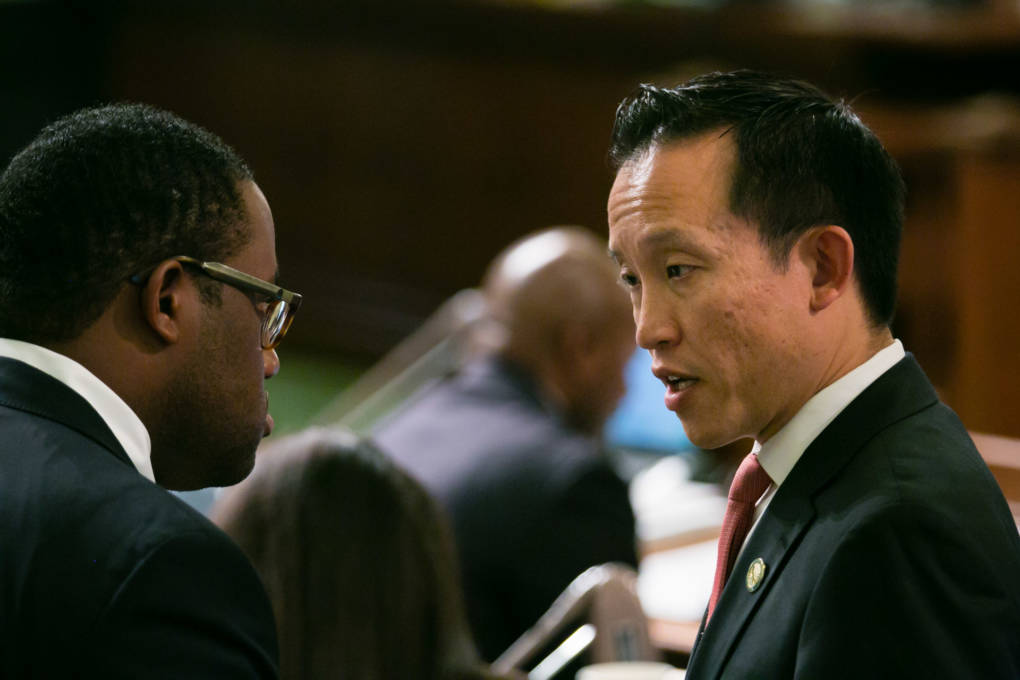
"caption": "Assemblyman David Chiu, D-San Francisco, (right) authored a state bill that would ban evictions for missing rent across California.",
"description": null,
"title": "David Chiu",
"credit": "Bert Johnson/KQED",
"status": "inherit",
"isLoading": false,
"fetchFailed": false
},
"news_11836154": {
"type": "attachments",
"id": "news_11836154",
"meta": {
"index": "attachments_1716263798",
"site": "news",
"id": "11836154",
"found": true
},
"parent": 11836145,
"imgSizes": {
"apple_news_ca_landscape_5_5": {
"file": "https://ww2.kqed.org/app/uploads/sites/10/2020/08/blueprint_083120_final-1044x783.png",
"width": 1044,
"mimeType": "image/png",
"height": 783
},
"apple_news_ca_square_4_0": {
"file": "https://ww2.kqed.org/app/uploads/sites/10/2020/08/blueprint_083120_final-470x470.png",
"width": 470,
"mimeType": "image/png",
"height": 470
},
"twentyfourteen-full-width": {
"file": "https://ww2.kqed.org/app/uploads/sites/10/2020/08/blueprint_083120_final-1038x576.png",
"width": 1038,
"mimeType": "image/png",
"height": 576
},
"thumbnail": {
"file": "https://ww2.kqed.org/app/uploads/sites/10/2020/08/blueprint_083120_final-160x117.png",
"width": 160,
"mimeType": "image/png",
"height": 117
},
"post-thumbnail": {
"file": "https://ww2.kqed.org/app/uploads/sites/10/2020/08/blueprint_083120_final-672x372.png",
"width": 672,
"mimeType": "image/png",
"height": 372
},
"kqedFullSize": {
"file": "https://ww2.kqed.org/app/uploads/sites/10/2020/08/blueprint_083120_final.png",
"width": 1920,
"height": 1407
},
"apple_news_ca_landscape_4_7": {
"file": "https://ww2.kqed.org/app/uploads/sites/10/2020/08/blueprint_083120_final-632x474.png",
"width": 632,
"mimeType": "image/png",
"height": 474
},
"large": {
"file": "https://ww2.kqed.org/app/uploads/sites/10/2020/08/blueprint_083120_final-1020x747.png",
"width": 1020,
"mimeType": "image/png",
"height": 747
},
"apple_news_ca_landscape_4_0": {
"file": "https://ww2.kqed.org/app/uploads/sites/10/2020/08/blueprint_083120_final-536x402.png",
"width": 536,
"mimeType": "image/png",
"height": 402
},
"apple_news_ca_portrait_12_9": {
"file": "https://ww2.kqed.org/app/uploads/sites/10/2020/08/blueprint_083120_final-1122x1407.png",
"width": 1122,
"mimeType": "image/png",
"height": 1407
},
"medium": {
"file": "https://ww2.kqed.org/app/uploads/sites/10/2020/08/blueprint_083120_final-800x586.png",
"width": 800,
"mimeType": "image/png",
"height": 586
},
"apple_news_ca_portrait_4_0": {
"file": "https://ww2.kqed.org/app/uploads/sites/10/2020/08/blueprint_083120_final-354x472.png",
"width": 354,
"mimeType": "image/png",
"height": 472
},
"apple_news_ca_portrait_9_7": {
"file": "https://ww2.kqed.org/app/uploads/sites/10/2020/08/blueprint_083120_final-840x1120.png",
"width": 840,
"mimeType": "image/png",
"height": 1120
},
"apple_news_ca_landscape_12_9": {
"file": "https://ww2.kqed.org/app/uploads/sites/10/2020/08/blueprint_083120_final-1832x1374.png",
"width": 1832,
"mimeType": "image/png",
"height": 1374
},
"apple_news_ca_square_9_7": {
"file": "https://ww2.kqed.org/app/uploads/sites/10/2020/08/blueprint_083120_final-1104x1104.png",
"width": 1104,
"mimeType": "image/png",
"height": 1104
},
"1536x1536": {
"file": "https://ww2.kqed.org/app/uploads/sites/10/2020/08/blueprint_083120_final-1536x1126.png",
"width": 1536,
"mimeType": "image/png",
"height": 1126
},
"apple_news_ca_portrait_4_7": {
"file": "https://ww2.kqed.org/app/uploads/sites/10/2020/08/blueprint_083120_final-414x552.png",
"width": 414,
"mimeType": "image/png",
"height": 552
},
"apple_news_ca_square_12_9": {
"file": "https://ww2.kqed.org/app/uploads/sites/10/2020/08/blueprint_083120_final-1472x1407.png",
"width": 1472,
"mimeType": "image/png",
"height": 1407
},
"apple_news_ca_portrait_5_5": {
"file": "https://ww2.kqed.org/app/uploads/sites/10/2020/08/blueprint_083120_final-687x916.png",
"width": 687,
"mimeType": "image/png",
"height": 916
},
"apple_news_ca_square_4_7": {
"file": "https://ww2.kqed.org/app/uploads/sites/10/2020/08/blueprint_083120_final-550x550.png",
"width": 550,
"mimeType": "image/png",
"height": 550
},
"apple_news_ca_landscape_9_7": {
"file": "https://ww2.kqed.org/app/uploads/sites/10/2020/08/blueprint_083120_final-1376x1032.png",
"width": 1376,
"mimeType": "image/png",
"height": 1032
},
"apple_news_ca_square_5_5": {
"file": "https://ww2.kqed.org/app/uploads/sites/10/2020/08/blueprint_083120_final-912x912.png",
"width": 912,
"mimeType": "image/png",
"height": 912
}
},
"publishDate": 1598912673,
"modified": 1598912715,
"caption": null,
"description": null,
"title": "blueprint_083120_final",
"credit": null,
"status": "inherit",
"isLoading": false,
"fetchFailed": false
}
},
"audioPlayerReducer": {
"postId": "stream_live",
"isPaused": true,
"isPlaying": false,
"pfsActive": false,
"pledgeModalIsOpen": true,
"playerDrawerIsOpen": false,
"liveAudioPlayStartedAt": 0,
"liveAudioPlayContext": ""
},
"authorsReducer": {
"byline_news_11841850": {
"type": "authors",
"id": "byline_news_11841850",
"meta": {
"override": true
},
"slug": "byline_news_11841850",
"name": "Brian Melley \u003cbr> Associated Press",
"isLoading": false
},
"byline_news_11838543": {
"type": "authors",
"id": "byline_news_11838543",
"meta": {
"override": true
},
"slug": "byline_news_11838543",
"name": "Adam Beam \u003cbr> Associated Press",
"isLoading": false
},
"byline_news_11837763": {
"type": "authors",
"id": "byline_news_11837763",
"meta": {
"override": true
},
"slug": "byline_news_11837763",
"name": "Don Thompson",
"isLoading": false
},
"kqednewsstaffandwires": {
"type": "authors",
"id": "237",
"meta": {
"index": "authors_1716337520",
"id": "237",
"found": true
},
"name": "KQED News Staff and Wires",
"firstName": "KQED News Staff and Wires",
"lastName": null,
"slug": "kqednewsstaffandwires",
"email": "onlinenewsstaff@kqed.org",
"display_author_email": false,
"staff_mastheads": [],
"title": null,
"bio": null,
"avatar": "https://secure.gravatar.com/avatar/72295af8ebbfbd19a4948f5271285664?s=600&d=blank&r=g",
"twitter": null,
"facebook": null,
"instagram": null,
"linkedin": null,
"sites": [
{
"site": "arts",
"roles": [
"contributor"
]
},
{
"site": "news",
"roles": [
"contributor"
]
},
{
"site": "lowdown",
"roles": [
"author"
]
},
{
"site": "stateofhealth",
"roles": [
"contributor"
]
},
{
"site": "food",
"roles": [
"author"
]
}
],
"headData": {
"title": "KQED News Staff and Wires | KQED",
"description": null,
"ogImgSrc": "https://secure.gravatar.com/avatar/72295af8ebbfbd19a4948f5271285664?s=600&d=blank&r=g",
"twImgSrc": "https://secure.gravatar.com/avatar/72295af8ebbfbd19a4948f5271285664?s=600&d=blank&r=g"
},
"isLoading": false,
"link": "/author/kqednewsstaffandwires"
},
"scottshafer": {
"type": "authors",
"id": "255",
"meta": {
"index": "authors_1716337520",
"id": "255",
"found": true
},
"name": "Scott Shafer",
"firstName": "Scott",
"lastName": "Shafer",
"slug": "scottshafer",
"email": "sshafer@kqed.org",
"display_author_email": false,
"staff_mastheads": [
"news"
],
"title": "KQED Contributor",
"bio": "Scott Shafer is a senior editor with the KQED Politics and Government desk. He is co-host of Political Breakdown, the award-winning radio show and podcast with a personal take on the world of politics. Scott came to KQED in 1998 to host the statewide\u003cem> California Report\u003c/em>. Prior to that he had extended stints in politics and government\u003cem>.\u003c/em> He uses that inside experience at KQED in his, reporting, hosting and analysis for the politics desk. Scott collaborated \u003cem>Political Breakdown a\u003c/em>nd on \u003cem>The Political Mind of Jerry Brown, \u003c/em>an eight-part series about the life and extraordinary political career of the former governor. For fun, he plays water polo with the San Francisco Tsunami.",
"avatar": "https://secure.gravatar.com/avatar/a62ebae45b79d7aed1a39a0e3bf68104?s=600&d=blank&r=g",
"twitter": "scottshafer",
"bluesky": null,
"facebook": null,
"instagram": null,
"linkedin": null,
"sites": [
{
"site": "news",
"roles": [
"editor"
]
},
{
"site": "stateofhealth",
"roles": [
"author"
]
},
{
"site": "science",
"roles": [
"author"
]
},
{
"site": "forum",
"roles": [
"subscriber"
]
},
{
"site": "liveblog",
"roles": [
"author"
]
}
],
"headData": {
"title": "Scott Shafer | KQED",
"description": "KQED Contributor",
"ogImgSrc": "https://secure.gravatar.com/avatar/a62ebae45b79d7aed1a39a0e3bf68104?s=600&d=blank&r=g",
"twImgSrc": "https://secure.gravatar.com/avatar/a62ebae45b79d7aed1a39a0e3bf68104?s=600&d=blank&r=g"
},
"isLoading": false,
"link": "/author/scottshafer"
},
"markfiore": {
"type": "authors",
"id": "3236",
"meta": {
"index": "authors_1716337520",
"id": "3236",
"found": true
},
"name": "Mark Fiore",
"firstName": "Mark",
"lastName": "Fiore",
"slug": "markfiore",
"email": "mark@markfiore.com",
"display_author_email": false,
"staff_mastheads": [
"news"
],
"title": "KQED News Cartoonist",
"bio": "\u003ca href=\"http://www.MarkFiore.com\">MarkFiore.com\u003c/a> | \u003ca href=\"https://twitter.com/markfiore\">Follow on Twitter\u003c/a> | \u003ca href=\"https://www.facebook.com/pages/Mark-Fiore-Animated-Political-Cartoons/94451707396?ref=bookmarks\">Facebook\u003c/a> | \u003ca href=\"mailto:mark@markfiore.com\">email\u003c/a>\r\n\r\nPulitzer Prize-winner, Mark Fiore, who the Wall Street Journal has called “the undisputed guru of the form,” creates animated political cartoons in San Francisco, where his work has been featured regularly on the San Francisco Chronicle’s web site, SFGate.com. His work has appeared on Newsweek.com, Slate.com, CBSNews.com, MotherJones.com, DailyKos.com and NPR’s web site. Fiore’s political animation has appeared on CNN, Frontline, Bill Moyers Journal, Salon.com and cable and broadcast outlets across the globe.\r\n\r\nBeginning his professional life by drawing traditional political cartoons for newspapers, Fiore’s work appeared in publications ranging from the Washington Post to the Los Angeles Times. In the late 1990s, he began to experiment with animating political cartoons and, after a short stint at the San Jose Mercury News as their staff cartoonist, Fiore devoted all his energies to animation.\r\nGrowing up in California, Fiore also spent a good portion of his life in the backwoods of Idaho. It was this combination that shaped him politically. Mark majored in political science at Colorado College, where, in a perfect send-off for a cartoonist, he received his diploma in 1991 as commencement speaker Dick Cheney smiled approvingly.\r\nMark Fiore was awarded the Pulitzer Prize for political cartooning in 2010, a Robert F. Kennedy Journalism Award in 2004 and has twice received an Online Journalism Award for commentary from the Online News Association (2002, 2008). Fiore has received two awards for his work in new media from the National Cartoonists Society (2001, 2002), and in 2006 received The James Madison Freedom of Information Award from The Society of Professional Journalists.",
"avatar": "https://secure.gravatar.com/avatar/fc4e2a612b15b67bad0c6f0e1db4ca9b?s=600&d=blank&r=g",
"twitter": "MarkFiore",
"facebook": null,
"instagram": "https://www.instagram.com/markfiore/?hl=en",
"linkedin": null,
"sites": [
{
"site": "arts",
"roles": [
"contributor"
]
},
{
"site": "news",
"roles": [
"editor"
]
},
{
"site": "futureofyou",
"roles": [
"editor"
]
},
{
"site": "science",
"roles": [
"editor"
]
}
],
"headData": {
"title": "Mark Fiore | KQED",
"description": "KQED News Cartoonist",
"ogImgSrc": "https://secure.gravatar.com/avatar/fc4e2a612b15b67bad0c6f0e1db4ca9b?s=600&d=blank&r=g",
"twImgSrc": "https://secure.gravatar.com/avatar/fc4e2a612b15b67bad0c6f0e1db4ca9b?s=600&d=blank&r=g"
},
"isLoading": false,
"link": "/author/markfiore"
},
"mlagos": {
"type": "authors",
"id": "3239",
"meta": {
"index": "authors_1716337520",
"id": "3239",
"found": true
},
"name": "Marisa Lagos",
"firstName": "Marisa",
"lastName": "Lagos",
"slug": "mlagos",
"email": "mlagos@kqed.org",
"display_author_email": false,
"staff_mastheads": [
"news"
],
"title": "KQED Contributor",
"bio": "Marisa Lagos is a correspondent for KQED’s California Politics and Government Desk and co-hosts the award-winning show and podcast, Political Breakdown. At KQED, Lagos also conducts reporting, analysis and investigations into state, local and national politics for radio, TV, online and onstage. In 2022, she and co-host, Scott Shafer, moderated the only gubernatorial debate in California. In 2020, the \u003ci>Washington Post\u003c/i> named her one of the top political journalists in California; she was nominated for a Peabody and won several other awards for her work investigating the 2017 California wildfires. She has worked at the \u003ci>San Francisco Chronicle\u003c/i>, \u003ci>San Francisco Examiner\u003c/i> and \u003ci>Los Angeles Times\u003c/i>. A UC Santa Barbara graduate, she lives in San Francisco with her two sons and husband.",
"avatar": "https://secure.gravatar.com/avatar/a261a0d3696fc066871ef96b85b5e7d2?s=600&d=blank&r=g",
"twitter": "@mlagos",
"facebook": null,
"instagram": null,
"linkedin": null,
"sites": [
{
"site": "arts",
"roles": [
"author"
]
},
{
"site": "news",
"roles": [
"editor"
]
},
{
"site": "science",
"roles": [
"editor"
]
},
{
"site": "forum",
"roles": [
"author"
]
},
{
"site": "liveblog",
"roles": [
"author"
]
}
],
"headData": {
"title": "Marisa Lagos | KQED",
"description": "KQED Contributor",
"ogImgSrc": "https://secure.gravatar.com/avatar/a261a0d3696fc066871ef96b85b5e7d2?s=600&d=blank&r=g",
"twImgSrc": "https://secure.gravatar.com/avatar/a261a0d3696fc066871ef96b85b5e7d2?s=600&d=blank&r=g"
},
"isLoading": false,
"link": "/author/mlagos"
},
"dkatayama": {
"type": "authors",
"id": "7240",
"meta": {
"index": "authors_1716337520",
"id": "7240",
"found": true
},
"name": "Devin Katayama",
"firstName": "Devin",
"lastName": "Katayama",
"slug": "dkatayama",
"email": "dkatayama@kqed.org",
"display_author_email": true,
"staff_mastheads": [
"news"
],
"title": "Editor of Talent and Development",
"bio": "Devin Katayama is former Editor of Talent and Development for KQED. He supported our internship program and on-call staff by looking for equitable opportunities to improve the newsroom.\r\n\r\nHe previously hosted The Bay and American Suburb podcasts from KQED News. Prior to returning to the Bay Area in 2015, Devin was the education reporter for WFPL in Louisville and worked as a producer with radio stations in Chicago and Portland, OR. His work has appeared on NPR’s \u003cem>Morning Edition, All Things Considered, The Takeaway\u003c/em> and \u003cem>Here and Now.\u003c/em>\r\n\r\nDevin earned his MA in Journalism from Columbia College Chicago, where he was a Follett Fellow and the recipient of the 2011 Studs Terkel Community Media Workshop Scholarship for his story on Chicago's homeless youth. He won WBUR's 2014 Daniel Schorr award and a regional RTNDA Edward R. Murrow Award for his documentary \"At Risk\" that looked at issues facing some of Louisville's students. Devin has also received numerous local awards from the Associated Press and the Society of Professional Journalists.",
"avatar": "https://secure.gravatar.com/avatar/d0d2978a31002fb2de107921a8e18405?s=600&d=blank&r=g",
"twitter": "RadioDevin",
"facebook": null,
"instagram": null,
"linkedin": null,
"sites": [
{
"site": "arts",
"roles": []
},
{
"site": "news",
"roles": [
"author"
]
},
{
"site": "stateofhealth",
"roles": [
"author"
]
},
{
"site": "forum",
"roles": [
"editor"
]
},
{
"site": "perspectives",
"roles": [
"editor"
]
}
],
"headData": {
"title": "Devin Katayama | KQED",
"description": "Editor of Talent and Development",
"ogImgSrc": "https://secure.gravatar.com/avatar/d0d2978a31002fb2de107921a8e18405?s=600&d=blank&r=g",
"twImgSrc": "https://secure.gravatar.com/avatar/d0d2978a31002fb2de107921a8e18405?s=600&d=blank&r=g"
},
"isLoading": false,
"link": "/author/dkatayama"
},
"ecruzguevarra": {
"type": "authors",
"id": "8654",
"meta": {
"index": "authors_1716337520",
"id": "8654",
"found": true
},
"name": "Ericka Cruz Guevarra",
"firstName": "Ericka",
"lastName": "Cruz Guevarra",
"slug": "ecruzguevarra",
"email": "ecruzguevarra@kqed.org",
"display_author_email": true,
"staff_mastheads": [
"news"
],
"title": "Producer, The Bay Podcast",
"bio": "Ericka Cruz Guevarra is host of \u003ca href=\"https://www.kqed.org/podcasts/thebay\">\u003cem>The Bay\u003c/em>\u003c/a> podcast at KQED. Before host, she was the show’s producer. Her work in that capacity includes a three-part reported series on policing in Vallejo, which won a 2020 excellence in journalism award from the Society of Professional Journalists. Ericka has worked as a breaking news reporter at Oregon Public Broadcasting, helped produce the Code Switch podcast, and was KQED’s inaugural Raul Ramirez Diversity Fund intern. She’s also an alumna of NPR’s Next Generation Radio program. Send her an email if you have strong feelings about whether Fairfield and Suisun City are the Bay. Ericka is represented by SAG-AFTRA.",
"avatar": "https://secure.gravatar.com/avatar/accefc1de4bafc7e234b69bcb9b6f6536c130fd84709bc3069ef11a78787e1bb?s=600&d=blank&r=g",
"twitter": "NotoriousECG",
"bluesky": null,
"facebook": null,
"instagram": null,
"linkedin": null,
"sites": [
{
"site": "arts",
"roles": [
"subscriber"
]
},
{
"site": "news",
"roles": [
"editor",
"manage_categories"
]
},
{
"site": "futureofyou",
"roles": [
"subscriber"
]
},
{
"site": "stateofhealth",
"roles": [
"subscriber"
]
},
{
"site": "science",
"roles": [
"editor"
]
},
{
"site": "forum",
"roles": [
"subscriber"
]
}
],
"headData": {
"title": "Ericka Cruz Guevarra | KQED",
"description": "Producer, The Bay Podcast",
"ogImgSrc": "https://secure.gravatar.com/avatar/accefc1de4bafc7e234b69bcb9b6f6536c130fd84709bc3069ef11a78787e1bb?s=600&d=blank&r=g",
"twImgSrc": "https://secure.gravatar.com/avatar/accefc1de4bafc7e234b69bcb9b6f6536c130fd84709bc3069ef11a78787e1bb?s=600&d=blank&r=g"
},
"isLoading": false,
"link": "/author/ecruzguevarra"
},
"kevinstark": {
"type": "authors",
"id": "11608",
"meta": {
"index": "authors_1716337520",
"id": "11608",
"found": true
},
"name": "Kevin Stark",
"firstName": "Kevin",
"lastName": "Stark",
"slug": "kevinstark",
"email": "kstark@kqed.org",
"display_author_email": true,
"staff_mastheads": [
"science"
],
"title": "Senior Editor",
"bio": "Kevin is a senior editor for KQED Science, managing the station's health and climate desks. His journalism career began in the Pacific Northwest, and he later became a lead reporter for the San Francisco Public Press. His work has appeared in Pacific Standard magazine, the Energy News Network, the Center for Investigative Reporting's Reveal and WBEZ in Chicago. Kevin joined KQED in 2019, and has covered issues related to energy, wildfire, climate change and the environment.",
"avatar": "https://secure.gravatar.com/avatar/365aaa4b597d3a8374f67504ff0facd323d7906e8eb4be0a7efd2427408e802c?s=600&d=blank&r=g",
"twitter": "starkkev",
"bluesky": null,
"facebook": null,
"instagram": null,
"linkedin": null,
"sites": [
{
"site": "",
"roles": [
"editor"
]
},
{
"site": "news",
"roles": [
"editor"
]
},
{
"site": "science",
"roles": [
"administrator"
]
}
],
"headData": {
"title": "Kevin Stark | KQED",
"description": "Senior Editor",
"ogImgSrc": "https://secure.gravatar.com/avatar/365aaa4b597d3a8374f67504ff0facd323d7906e8eb4be0a7efd2427408e802c?s=600&d=blank&r=g",
"twImgSrc": "https://secure.gravatar.com/avatar/365aaa4b597d3a8374f67504ff0facd323d7906e8eb4be0a7efd2427408e802c?s=600&d=blank&r=g"
},
"isLoading": false,
"link": "/author/kevinstark"
},
"lsarah": {
"type": "authors",
"id": "11626",
"meta": {
"index": "authors_1716337520",
"id": "11626",
"found": true
},
"name": "Lakshmi Sarah",
"firstName": "Lakshmi",
"lastName": "Sarah",
"slug": "lsarah",
"email": "lsarah@kqed.org",
"display_author_email": false,
"staff_mastheads": [],
"title": "Digital Producer",
"bio": "Lakshmi Sarah is an educator, author and journalist with a focus on innovative storytelling. She has worked with newspapers, radio and magazines from Ahmedabad, India to Los Angeles, California. She has written and produced for Die Zeit, Global Voices, AJ+, KQED, Fusion Media Group and the New York Times.",
"avatar": "https://secure.gravatar.com/avatar/652dcaecd8b28826fc17a8b2d6bb4e93?s=600&d=blank&r=g",
"twitter": "lakitalki",
"facebook": null,
"instagram": "https://www.instagram.com/laki.talki/",
"linkedin": "https://www.linkedin.com/in/lakisarah/",
"sites": [
{
"site": "arts",
"roles": []
},
{
"site": "news",
"roles": []
},
{
"site": "bayareabites",
"roles": []
},
{
"site": "science",
"roles": []
}
],
"headData": {
"title": "Lakshmi Sarah | KQED",
"description": "Digital Producer",
"ogImgSrc": "https://secure.gravatar.com/avatar/652dcaecd8b28826fc17a8b2d6bb4e93?s=600&d=blank&r=g",
"twImgSrc": "https://secure.gravatar.com/avatar/652dcaecd8b28826fc17a8b2d6bb4e93?s=600&d=blank&r=g"
},
"isLoading": false,
"link": "/author/lsarah"
},
"amontecillo": {
"type": "authors",
"id": "11649",
"meta": {
"index": "authors_1716337520",
"id": "11649",
"found": true
},
"name": "Alan Montecillo",
"firstName": "Alan",
"lastName": "Montecillo",
"slug": "amontecillo",
"email": "amontecillo@kqed.org",
"display_author_email": false,
"staff_mastheads": [
"news"
],
"title": "KQED Contributor",
"bio": "Alan Montecillo is the senior editor of \u003cem>\u003ca href=\"http://kqed.org/thebay\">The Bay\u003c/a>, \u003c/em> KQED's local news podcast. Before moving to the Bay Area, he worked as a senior talk show producer for WILL in Champaign-Urbana, Illinois and at Oregon Public Broadcasting in Portland, Oregon. He has won journalism awards from the Society of Professional Journalists Northern California, the Public Media Journalists Association, The Signal Awards, and has also received a regional Edward R. Murrow award. Alan is a Filipino American from Hong Kong and a graduate of Reed College.",
"avatar": "https://secure.gravatar.com/avatar/268f53a2066899ea9efdd8a5900218b17c822d9862cbc9326cccec53ef41d349?s=600&d=blank&r=g",
"twitter": "alanmontecillo",
"bluesky": null,
"facebook": null,
"instagram": null,
"linkedin": null,
"sites": [
{
"site": "",
"roles": [
"editor"
]
},
{
"site": "news",
"roles": [
"editor",
"manage_categories"
]
}
],
"headData": {
"title": "Alan Montecillo | KQED",
"description": "KQED Contributor",
"ogImgSrc": "https://secure.gravatar.com/avatar/268f53a2066899ea9efdd8a5900218b17c822d9862cbc9326cccec53ef41d349?s=600&d=blank&r=g",
"twImgSrc": "https://secure.gravatar.com/avatar/268f53a2066899ea9efdd8a5900218b17c822d9862cbc9326cccec53ef41d349?s=600&d=blank&r=g"
},
"isLoading": false,
"link": "/author/amontecillo"
},
"jrodriguez": {
"type": "authors",
"id": "11690",
"meta": {
"index": "authors_1716337520",
"id": "11690",
"found": true
},
"name": "Joe Fitzgerald Rodriguez",
"firstName": "Joe",
"lastName": "Fitzgerald Rodriguez",
"slug": "jrodriguez",
"email": "jrodriguez@kqed.org",
"display_author_email": true,
"staff_mastheads": [
"news"
],
"title": "Reporter and Producer",
"bio": "Joe Fitzgerald Rodriguez is a reporter and digital producer for KQED covering politics. Joe most recently wrote for the \u003cem>San Francisco Examiner\u003c/em> as a political columnist covering The City. He was raised in San Francisco and has spent his reporting career in his beloved, foggy, city by the bay. Joe was 12-years-old when he conducted his first interview in journalism, grilling former San Francisco Mayor Willie Brown for the Marina Middle School newspaper, \u003cem>The Penguin Press, \u003c/em>and he continues to report on the San Francisco Bay Area to this day.",
"avatar": "https://secure.gravatar.com/avatar/2247beb0564c1e9c62228d5649d2edac?s=600&d=blank&r=g",
"twitter": "FitztheReporter",
"facebook": null,
"instagram": "https://www.instagram.com/fitzthereporter/",
"linkedin": null,
"sites": [
{
"site": "",
"roles": [
"editor"
]
},
{
"site": "arts",
"roles": [
"editor"
]
},
{
"site": "news",
"roles": [
"editor"
]
},
{
"site": "science",
"roles": [
"editor"
]
},
{
"site": "elections",
"roles": [
"editor"
]
},
{
"site": "liveblog",
"roles": [
"editor"
]
}
],
"headData": {
"title": "Joe Fitzgerald Rodriguez | KQED",
"description": "Reporter and Producer",
"ogImgSrc": "https://secure.gravatar.com/avatar/2247beb0564c1e9c62228d5649d2edac?s=600&d=blank&r=g",
"twImgSrc": "https://secure.gravatar.com/avatar/2247beb0564c1e9c62228d5649d2edac?s=600&d=blank&r=g"
},
"isLoading": false,
"link": "/author/jrodriguez"
}
},
"pagesReducer": {
"news_tag_gavin-newsom": {
"type": "terms",
"id": "news_16",
"meta": {
"index": "terms_1716263798",
"site": "news",
"id": "16",
"score": 8.936995
},
"featImg": null,
"name": "Gavin Newsom",
"description": null,
"taxonomy": "tag",
"headData": {
"twImgId": null,
"twTitle": null,
"ogTitle": null,
"ogImgId": null,
"twDescription": null,
"description": null,
"title": "Gavin Newsom Archives | KQED News",
"ogDescription": null
},
"ttid": 16,
"slug": "gavin-newsom",
"isLoading": false,
"title": "Gavin Newsom",
"pageMeta": {
"site": "news",
"WpPageTemplate": "page-topic-editorial",
"currentPage": 68
},
"blocks": [
{
"blockName": "kqed/post-list",
"attrs": {
"layout": "cardArticle2",
"query": "posts/news?tag=gavin-newsom",
"seeMore": false,
"paginated": true,
"page": 68
}
},
{
"blockName": "kqed/ad"
}
]
}
},
"pfsSessionReducer": {},
"postsReducer": {
"stream_live": {
"type": "live",
"id": "stream_live",
"audioUrl": "https://streams.kqed.org/kqedradio",
"title": "Live Stream",
"excerpt": "Live Stream information currently unavailable.",
"link": "/radio",
"featImg": "",
"label": {
"name": "KQED Live",
"link": "/"
}
},
"stream_kqedNewscast": {
"type": "posts",
"id": "stream_kqedNewscast",
"audioUrl": "https://www.kqed.org/.stream/anon/radio/RDnews/newscast.mp3?_=1",
"title": "KQED Newscast",
"featImg": "",
"label": {
"name": "88.5 FM",
"link": "/"
}
},
"news_11841850": {
"type": "posts",
"id": "news_11841850",
"meta": {
"index": "posts_1716263798",
"site": "news",
"id": "11841850",
"score": null,
"sort": [
1602350537000
]
},
"guestAuthors": [],
"slug": "gov-gavin-newsom-calls-for-protecting-30-of-state-land",
"title": "Gov. Gavin Newsom Calls for Protecting 30% of State Land",
"publishDate": 1602350537,
"format": "standard",
"headTitle": "Gov. Gavin Newsom Calls for Protecting 30% of State Land | KQED",
"labelTerm": {
"site": "news"
},
"content": "\u003cp>Gov. Gavin Newsom signed an executive order on October 7 to protect nearly a third of California’s land and coastal waters in his latest effort to fight climate change.\u003c/p>\n\u003cp>He directed state agencies to pursue actions that will use the state’s lands and waters to absorb climate-warming carbon from the atmosphere.\u003c/p>\n\u003cp>Newsom, who made the announcement in a walnut orchard outside of Sacramento, said innovative farming practices, restoring wetlands, better forest management, planting more trees and increasing the number of parks are all potential tools.\u003c/p>\n\u003cp>The goal is part of a larger global effort to protect 30% of the Earth. California is the first state to join 38 countries that have made similar commitments, Newsom said. [aside tag=\"environment\" label=\"More Related Stories\"]\u003c/p>\n\u003cp>“Thirty by 2030 is the mandate,” Newsom said. “California, as the fifth-largest economy in the world, needs to flex its muscles, needs to assert itself, and to advance that cause, not only as it relates to its global impacts but hopefully jump-start similar efforts in other states across this country.”\u003c/p>\n\u003cp>State Senate Republican leader Shannon Grove of Bakersfield, in the state’s vast Central Valley farming region, called the order overly broad and said it could increase the cost of land and might have other unknown impacts on farming and grazing.\u003c/p>\n\u003cp>The order “will have potentially catastrophic implications to housing and the state’s ability to supply the world’s food,” Grove said in a statement.\u003c/p>\n\u003cp>This is the second major climate change directive from the governor since a string of massive wildfires broke out in mid-August.\u003c/p>\n\u003cp>Last month, Newsom directed state regulators to come up with rules to \u003ca href=\"https://www.kqed.org/news/11839533/gov-newsom-wants-to-ban-gas-powered-car-sales-by-2035-is-this-a-big-deal\" target=\"_blank\" rel=\"noopener noreferrer\">ban sales of new gas-powered passenger cars and trucks by 2035\u003c/a>. He said that plan will reduce greenhouse gas emissions by 35%.\u003c/p>\n\u003cp>The automobile announcement was criticized by the White House. The U.S. Environmental Protection Agency’s chief questioned the legality of the move.\u003c/p>\n\u003cp>Newsom said this latest effort would build on the state’s legacy of protecting open space, the environment and biodiversity.\u003c/p>\n\u003cp>While more than half of California land is owned by the state or federal government, the U.S. Geological Survey estimates that only 22% of lands is currently considered protected.\u003c/p>\n\u003cp>The state thinks it could reach the 30% goal through further conservation efforts on public lands, according to the California Natural Resources Agency. But it wants to get private landowners and the federal government to improve conservation to optimize the role trees, soils and wetlands play in absorbing carbon, said Wade Crowfoot, secretary of natural resources.\u003c/p>\n\u003cp>“When someone thinks about taking action on climate change they think about putting solar on the rooftop or turning off the lights or buying an electric vehicle,” Crowfoot said. ”Today the governor elevated nature-based solutions to both combat climate change and build our resilience to these climate impacts.”\u003c/p>\n\u003cp>The state said it doesn’t anticipate acquiring costly new lands or requiring significant funding.\u003c/p>\n\u003cp>[ad fullwidth]\u003c/p>\n\u003cp>Practices that could be put in place include easements to conserve land, better soil practices in farming that helps absorb carbon and retain water and clearing out undergrowth to make forests healthier and more efficient at soaking up greenhouse gases. On the state’s lengthy coastline, it could also expand its marine-protected waters and restore wetlands.\u003c/p>\n\u003cp>The news was welcomed by several environmental groups, including some that cheered its impact on threatened species.\u003c/p>\n\u003cp>“Governor Newsom’s commitment is a watershed moment in the national movement to act on climate, confront the biodiversity crisis, and restore our lands and waters,” Collin O’Mara, president and CEO of the National Wildlife Federation, said in a statement.\u003c/p>\n\u003cp>The California Farm Bureau Federation said it is skeptical of the increased use of executive orders. But it is “cautiously optimistic” growers, ranchers and loggers would have a say in how the order is put into action.\u003c/p>\n\u003cp>“Actions stemming from this executive order should not intensify the existing regulatory environment that favors large businesses over small, and should not favor preservation over the use of renewable resources for public benefit,” Farm Bureau President Jamie Johansson said in a statement.\u003c/p>\n\u003cp>Newsom said the effort would not seek to curtail commercial uses on federal lands, such as logging, grazing or mining. He said it was aimed at conservation, not “taking something away.”\u003c/p>\n\u003cp>Food & Water Action California said the announcement failed to address the fossil fuel industry and thousands of gas and oil drilling permits issued by the state that contribute to climate change.\u003c/p>\n\u003cp>“Until Newsom acknowledges the urgent need to halt new oil and gas drilling instead of encouraging it, he can never be taken seriously as a climate leader,” state director Alexandra Nagy said in a statement. “Governor Newsom needs to go back to the drawing board and tackle the state’s biggest polluters head-on.”\u003c/p>\n\u003cp>\u003c/p>\n",
"blocks": [],
"excerpt": "The goal is part of a larger global effort to protect 30% of the Earth. California is the first state to join 38 countries that have made similar commitments, Newsom said.",
"status": "publish",
"parent": 0,
"modified": 1726001093,
"stats": {
"hasAudio": false,
"hasVideo": false,
"hasChartOrMap": false,
"iframeSrcs": [],
"hasGoogleForm": false,
"hasGallery": false,
"hasHearkenModule": false,
"hasPolis": false,
"paragraphCount": 25,
"wordCount": 841
},
"headData": {
"title": "Gov. Gavin Newsom Calls for Protecting 30% of State Land | KQED",
"description": "The goal is part of a larger global effort to protect 30% of the Earth. California is the first state to join 38 countries that have made similar commitments, Newsom said.",
"ogTitle": "",
"ogDescription": "",
"ogImgId": "",
"twTitle": "",
"twDescription": "",
"twImgId": "",
"schema": {
"@context": "https://schema.org",
"@type": "NewsArticle",
"headline": "Gov. Gavin Newsom Calls for Protecting 30% of State Land",
"datePublished": "2020-10-10T10:22:17-07:00",
"dateModified": "2024-09-10T13:44:53-07:00",
"image": "https://cdn.kqed.org/wp-content/uploads/2020/02/KQED-OG-Image@1x.png",
"isAccessibleForFree": "True",
"publisher": {
"@type": "NewsMediaOrganization",
"@id": "https://www.kqed.org/#organization",
"name": "KQED",
"logo": "https://cdn.kqed.org/wp-content/uploads/2020/02/KQED-OG-Image@1x.png",
"url": "https://www.kqed.org",
"sameAs": [
"https://www.facebook.com/KQED",
"https://twitter.com/KQED",
"https://www.instagram.com/kqed/",
"https://www.tiktok.com/@kqedofficial",
"https://www.linkedin.com/company/kqed",
"https://www.youtube.com/channel/UCeC0IOo7i1P_61zVUWbJ4nw"
]
}
}
},
"sticky": false,
"nprByline": "Brian Melley \u003cbr> Associated Press",
"path": "/news/11841850/gov-gavin-newsom-calls-for-protecting-30-of-state-land",
"audioTrackLength": null,
"parsedContent": [
{
"type": "contentString",
"content": "\u003cdiv class=\"post-body\">\u003cp>\u003cp>Gov. Gavin Newsom signed an executive order on October 7 to protect nearly a third of California’s land and coastal waters in his latest effort to fight climate change.\u003c/p>\n\u003cp>He directed state agencies to pursue actions that will use the state’s lands and waters to absorb climate-warming carbon from the atmosphere.\u003c/p>\n\u003cp>Newsom, who made the announcement in a walnut orchard outside of Sacramento, said innovative farming practices, restoring wetlands, better forest management, planting more trees and increasing the number of parks are all potential tools.\u003c/p>\n\u003cp>The goal is part of a larger global effort to protect 30% of the Earth. California is the first state to join 38 countries that have made similar commitments, Newsom said. \u003c/p>\u003c/div>",
"attributes": {
"named": {},
"numeric": []
}
},
{
"type": "component",
"content": "",
"name": "aside",
"attributes": {
"named": {
"tag": "environment",
"label": "More Related Stories "
},
"numeric": []
}
},
{
"type": "contentString",
"content": "\u003cdiv class=\"post-body\">\u003cp>\u003c/p>\n\u003cp>“Thirty by 2030 is the mandate,” Newsom said. “California, as the fifth-largest economy in the world, needs to flex its muscles, needs to assert itself, and to advance that cause, not only as it relates to its global impacts but hopefully jump-start similar efforts in other states across this country.”\u003c/p>\n\u003cp>State Senate Republican leader Shannon Grove of Bakersfield, in the state’s vast Central Valley farming region, called the order overly broad and said it could increase the cost of land and might have other unknown impacts on farming and grazing.\u003c/p>\n\u003cp>The order “will have potentially catastrophic implications to housing and the state’s ability to supply the world’s food,” Grove said in a statement.\u003c/p>\n\u003cp>This is the second major climate change directive from the governor since a string of massive wildfires broke out in mid-August.\u003c/p>\n\u003cp>Last month, Newsom directed state regulators to come up with rules to \u003ca href=\"https://www.kqed.org/news/11839533/gov-newsom-wants-to-ban-gas-powered-car-sales-by-2035-is-this-a-big-deal\" target=\"_blank\" rel=\"noopener noreferrer\">ban sales of new gas-powered passenger cars and trucks by 2035\u003c/a>. He said that plan will reduce greenhouse gas emissions by 35%.\u003c/p>\n\u003cp>The automobile announcement was criticized by the White House. The U.S. Environmental Protection Agency’s chief questioned the legality of the move.\u003c/p>\n\u003cp>Newsom said this latest effort would build on the state’s legacy of protecting open space, the environment and biodiversity.\u003c/p>\n\u003cp>While more than half of California land is owned by the state or federal government, the U.S. Geological Survey estimates that only 22% of lands is currently considered protected.\u003c/p>\n\u003cp>The state thinks it could reach the 30% goal through further conservation efforts on public lands, according to the California Natural Resources Agency. But it wants to get private landowners and the federal government to improve conservation to optimize the role trees, soils and wetlands play in absorbing carbon, said Wade Crowfoot, secretary of natural resources.\u003c/p>\n\u003cp>“When someone thinks about taking action on climate change they think about putting solar on the rooftop or turning off the lights or buying an electric vehicle,” Crowfoot said. ”Today the governor elevated nature-based solutions to both combat climate change and build our resilience to these climate impacts.”\u003c/p>\n\u003cp>The state said it doesn’t anticipate acquiring costly new lands or requiring significant funding.\u003c/p>\n\u003cp>\u003c/p>\u003c/div>",
"attributes": {
"named": {},
"numeric": []
}
},
{
"type": "component",
"content": "",
"name": "ad",
"attributes": {
"named": {
"label": "fullwidth"
},
"numeric": [
"fullwidth"
]
}
},
{
"type": "contentString",
"content": "\u003cdiv class=\"post-body\">\u003cp>\u003c/p>\n\u003cp>Practices that could be put in place include easements to conserve land, better soil practices in farming that helps absorb carbon and retain water and clearing out undergrowth to make forests healthier and more efficient at soaking up greenhouse gases. On the state’s lengthy coastline, it could also expand its marine-protected waters and restore wetlands.\u003c/p>\n\u003cp>The news was welcomed by several environmental groups, including some that cheered its impact on threatened species.\u003c/p>\n\u003cp>“Governor Newsom’s commitment is a watershed moment in the national movement to act on climate, confront the biodiversity crisis, and restore our lands and waters,” Collin O’Mara, president and CEO of the National Wildlife Federation, said in a statement.\u003c/p>\n\u003cp>The California Farm Bureau Federation said it is skeptical of the increased use of executive orders. But it is “cautiously optimistic” growers, ranchers and loggers would have a say in how the order is put into action.\u003c/p>\n\u003cp>“Actions stemming from this executive order should not intensify the existing regulatory environment that favors large businesses over small, and should not favor preservation over the use of renewable resources for public benefit,” Farm Bureau President Jamie Johansson said in a statement.\u003c/p>\n\u003cp>Newsom said the effort would not seek to curtail commercial uses on federal lands, such as logging, grazing or mining. He said it was aimed at conservation, not “taking something away.”\u003c/p>\n\u003cp>Food & Water Action California said the announcement failed to address the fossil fuel industry and thousands of gas and oil drilling permits issued by the state that contribute to climate change.\u003c/p>\n\u003cp>“Until Newsom acknowledges the urgent need to halt new oil and gas drilling instead of encouraging it, he can never be taken seriously as a climate leader,” state director Alexandra Nagy said in a statement. “Governor Newsom needs to go back to the drawing board and tackle the state’s biggest polluters head-on.”\u003c/p>\n\u003cp>\u003c/p>\n\u003c/div>\u003c/p>",
"attributes": {
"named": {},
"numeric": []
}
}
],
"link": "/news/11841850/gov-gavin-newsom-calls-for-protecting-30-of-state-land",
"authors": [
"byline_news_11841850"
],
"categories": [
"news_34165",
"news_8",
"news_356"
],
"tags": [
"news_18538",
"news_255",
"news_20023",
"news_16"
],
"featImg": "news_11841851",
"label": "news"
},
"news_11841064": {
"type": "posts",
"id": "news_11841064",
"meta": {
"index": "posts_1716263798",
"site": "news",
"id": "11841064",
"score": null,
"sort": [
1601942869000
]
},
"parent": 0,
"labelTerm": {
"site": "news"
},
"blocks": [],
"publishDate": 1601942869,
"format": "standard",
"disqusTitle": "Newsom Appoints First Openly Gay Justice to California Supreme Court",
"title": "Newsom Appoints First Openly Gay Justice to California Supreme Court",
"headTitle": "KQED News",
"content": "\u003cp>Gov. Gavin Newsom on Monday appointed Martin Jenkins to the California Supreme Court, who if confirmed will become the first Black man on the court in 29 years and its first openly gay member.\u003c/p>\n\u003cp>Jenkins, 66, is the son of a janitor who became a prosecutor and then a judge, overseeing municipal, state and federal courts.\u003c/p>\n\u003cp>\"Anyone who knows me, knows my identity has been as a gay man, perhaps the greatest challenge of my life. And it has not been easy,\" he said during an online news conference Monday.\u003c/p>\n\u003cp>[pullquote align=\"right\" size=\"medium\" citation=\"Martin Jenkins\"]'I am not here in spite of the struggle. I'm here \u003cem>because\u003c/em> of the struggle. It is deep in my character.'[/pullquote]\u003c/p>\n\u003cp>\"I am not here in spite of the struggle. I'm here \u003cem>because\u003c/em> of the struggle. It is deep in my character.\"\u003c/p>\n\u003cp>Acknowledging the significance of being the first openly gay member of California's highest court, Jenkins said he hoped the move would send a message to LGBT youth.\u003c/p>\n\u003cp>\"I want these young people to know that living a life of authenticity is the greatest gift you can give yourself,\" Jenkins said. \"And if you do that, you too will find yourself in a position where people see you. They \u003cem>really\u003c/em> see you and who you are, your authentic self and the extraordinary opportunity being offered today.\"\u003c/p>\n\u003cp>LGBT rights attorney Kate Kendell applauded the appointment, Newsom's first to the state's high court.\u003c/p>\n\u003cp>\"I love it. I think it's fantastic,\" she said. \"To see this justice representing the Black and gay communities is for every young LGBT person in California to be able to look to that court and see him or herself and know that the promise of justice is not empty, but real.\"\u003c/p>\n\u003cp>[ad fullwidth]\u003c/p>\n\u003cp>Jenkins is a Democrat, but has been appointed to various courts over the years by the last three Republican governors. President Clinton named Jenkins to the U.S. District Court for the Northern District of California in 1997. He then served on the California Court of Appeal for the First District before retiring from the bench in 2019 to become Newsom's Judicial Appointments secretary.\u003c/p>\n\u003cp>\"Justice Jenkins is widely respected among lawyers and jurists, active in his Oakland community and his faith and is a decent man to his core,” Newsom said during Monday's announcement.\u003c/p>\n\u003cp>If confirmed, Jenkins will replace retired Supreme Court Justice Ming Chin, who stepped down at the end of August.\u003c/p>\n\u003cp>[aside postID=\"news_11821408,news_11793101,news_11770054\" label=\"related coverage\"]Jenkins attended San Francisco City College and earned his law degree from the University of San Francisco. He said his parents never would have imagined that he would be named to serve on the state's highest court.\u003c/p>\n\u003cp>\"They taught us respect for others, and as importantly, they taught us the value of serving others — public service, which my father modeled as a janitor at Coit Tower for well over 25 years,\" Jenkins said.\u003c/p>\n\u003cp>If confirmed, Jenkins will be the first Black man on the seven-member court since Allen Broussard retired in 1991. Associate Justice Leondra Kruger, appointed by former Gov. Jerry Brown, is also Black. Jenkins will be second oldest member of the court, behind Associate Justice Carol Corrigan, who is 72.\u003c/p>\n\u003cp>The nomination must now be confirmed by the Commission on Judicial Appointments, comprised of Chief Justice Tani Cantil-Sakauye, Attorney General Xavier Becerra and senior Presiding Justice of the state Court of Appeal J. Anthony Kline.\u003c/p>\n\u003cp>Newsom predicted a quick confirmation and said Jenkins could join the court \"as soon as next month.\"\u003c/p>\n\u003cp>\u003c/p>\n",
"disqusIdentifier": "11841064 https://ww2.kqed.org/news/?p=11841064",
"disqusUrl": "https://ww2.kqed.org/news/2020/10/05/newsom-appoints-first-openly-gay-justice-to-california-supreme-court/",
"stats": {
"hasVideo": false,
"hasChartOrMap": false,
"hasAudio": false,
"hasPolis": false,
"wordCount": 603,
"hasGoogleForm": false,
"hasGallery": false,
"hasHearkenModule": false,
"iframeSrcs": [],
"paragraphCount": 19
},
"modified": 1601946822,
"excerpt": "Martin Jenkins, 66, would also be the first Black man to serve on the high court in 29 years.",
"headData": {
"twImgId": "",
"twTitle": "",
"ogTitle": "",
"ogImgId": "",
"twDescription": "",
"description": "Martin Jenkins, 66, would also be the first Black man to serve on the high court in 29 years.",
"title": "Newsom Appoints First Openly Gay Justice to California Supreme Court | KQED",
"ogDescription": "",
"schema": {
"@context": "https://schema.org",
"@type": "NewsArticle",
"headline": "Newsom Appoints First Openly Gay Justice to California Supreme Court",
"datePublished": "2020-10-05T17:07:49-07:00",
"dateModified": "2020-10-05T18:13:42-07:00",
"image": "https://cdn.kqed.org/wp-content/uploads/2020/02/KQED-OG-Image@1x.png",
"isAccessibleForFree": "True",
"publisher": {
"@type": "NewsMediaOrganization",
"@id": "https://www.kqed.org/#organization",
"name": "KQED",
"logo": "https://cdn.kqed.org/wp-content/uploads/2020/02/KQED-OG-Image@1x.png",
"url": "https://www.kqed.org",
"sameAs": [
"https://www.facebook.com/KQED",
"https://twitter.com/KQED",
"https://www.instagram.com/kqed/",
"https://www.tiktok.com/@kqedofficial",
"https://www.linkedin.com/company/kqed",
"https://www.youtube.com/channel/UCeC0IOo7i1P_61zVUWbJ4nw"
]
}
}
},
"guestAuthors": [],
"slug": "newsom-appoints-first-openly-gay-justice-to-california-supreme-court",
"status": "publish",
"subhead": "Martin Jenkins would also be the first Black man on the court in 29 years.",
"path": "/news/11841064/newsom-appoints-first-openly-gay-justice-to-california-supreme-court",
"audioTrackLength": null,
"parsedContent": [
{
"type": "contentString",
"content": "\u003cdiv class=\"post-body\">\u003cp>\u003cp>Gov. Gavin Newsom on Monday appointed Martin Jenkins to the California Supreme Court, who if confirmed will become the first Black man on the court in 29 years and its first openly gay member.\u003c/p>\n\u003cp>Jenkins, 66, is the son of a janitor who became a prosecutor and then a judge, overseeing municipal, state and federal courts.\u003c/p>\n\u003cp>\"Anyone who knows me, knows my identity has been as a gay man, perhaps the greatest challenge of my life. And it has not been easy,\" he said during an online news conference Monday.\u003c/p>\n\u003cp>\u003c/p>\u003c/div>",
"attributes": {
"named": {},
"numeric": []
}
},
{
"type": "component",
"content": "'I am not here in spite of the struggle. I'm here \u003cem>because\u003c/em> of the struggle. It is deep in my character.'",
"name": "pullquote",
"attributes": {
"named": {
"align": "right",
"size": "medium",
"citation": "Martin Jenkins",
"label": ""
},
"numeric": []
}
},
{
"type": "contentString",
"content": "\u003cdiv class=\"post-body\">\u003cp>\u003c/p>\n\u003cp>\"I am not here in spite of the struggle. I'm here \u003cem>because\u003c/em> of the struggle. It is deep in my character.\"\u003c/p>\n\u003cp>Acknowledging the significance of being the first openly gay member of California's highest court, Jenkins said he hoped the move would send a message to LGBT youth.\u003c/p>\n\u003cp>\"I want these young people to know that living a life of authenticity is the greatest gift you can give yourself,\" Jenkins said. \"And if you do that, you too will find yourself in a position where people see you. They \u003cem>really\u003c/em> see you and who you are, your authentic self and the extraordinary opportunity being offered today.\"\u003c/p>\n\u003cp>LGBT rights attorney Kate Kendell applauded the appointment, Newsom's first to the state's high court.\u003c/p>\n\u003cp>\"I love it. I think it's fantastic,\" she said. \"To see this justice representing the Black and gay communities is for every young LGBT person in California to be able to look to that court and see him or herself and know that the promise of justice is not empty, but real.\"\u003c/p>\n\u003cp>\u003c/p>\u003c/div>",
"attributes": {
"named": {},
"numeric": []
}
},
{
"type": "component",
"content": "",
"name": "ad",
"attributes": {
"named": {
"label": "fullwidth"
},
"numeric": [
"fullwidth"
]
}
},
{
"type": "contentString",
"content": "\u003cdiv class=\"post-body\">\u003cp>\u003c/p>\n\u003cp>Jenkins is a Democrat, but has been appointed to various courts over the years by the last three Republican governors. President Clinton named Jenkins to the U.S. District Court for the Northern District of California in 1997. He then served on the California Court of Appeal for the First District before retiring from the bench in 2019 to become Newsom's Judicial Appointments secretary.\u003c/p>\n\u003cp>\"Justice Jenkins is widely respected among lawyers and jurists, active in his Oakland community and his faith and is a decent man to his core,” Newsom said during Monday's announcement.\u003c/p>\n\u003cp>If confirmed, Jenkins will replace retired Supreme Court Justice Ming Chin, who stepped down at the end of August.\u003c/p>\n\u003cp>\u003c/p>\u003c/div>",
"attributes": {
"named": {},
"numeric": []
}
},
{
"type": "component",
"content": "",
"name": "aside",
"attributes": {
"named": {
"postid": "news_11821408,news_11793101,news_11770054",
"label": "related coverage "
},
"numeric": []
}
},
{
"type": "contentString",
"content": "\u003cdiv class=\"post-body\">\u003cp>Jenkins attended San Francisco City College and earned his law degree from the University of San Francisco. He said his parents never would have imagined that he would be named to serve on the state's highest court.\u003c/p>\n\u003cp>\"They taught us respect for others, and as importantly, they taught us the value of serving others — public service, which my father modeled as a janitor at Coit Tower for well over 25 years,\" Jenkins said.\u003c/p>\n\u003cp>If confirmed, Jenkins will be the first Black man on the seven-member court since Allen Broussard retired in 1991. Associate Justice Leondra Kruger, appointed by former Gov. Jerry Brown, is also Black. Jenkins will be second oldest member of the court, behind Associate Justice Carol Corrigan, who is 72.\u003c/p>\n\u003cp>The nomination must now be confirmed by the Commission on Judicial Appointments, comprised of Chief Justice Tani Cantil-Sakauye, Attorney General Xavier Becerra and senior Presiding Justice of the state Court of Appeal J. Anthony Kline.\u003c/p>\n\u003cp>Newsom predicted a quick confirmation and said Jenkins could join the court \"as soon as next month.\"\u003c/p>\n\u003cp>\u003c/p>\n\u003c/div>\u003c/p>",
"attributes": {
"named": {},
"numeric": []
}
}
],
"link": "/news/11841064/newsom-appoints-first-openly-gay-justice-to-california-supreme-court",
"authors": [
"255"
],
"categories": [
"news_6188",
"news_8",
"news_13"
],
"tags": [
"news_28636",
"news_548",
"news_16",
"news_28633"
],
"featImg": "news_11841094",
"label": "news"
},
"news_11841005": {
"type": "posts",
"id": "news_11841005",
"meta": {
"index": "posts_1716263798",
"site": "news",
"id": "11841005",
"score": null,
"sort": [
1601940614000
]
},
"guestAuthors": [],
"slug": "left-behind-newsom-vetoes-unemployment-benefits-for-family-caregivers",
"title": "'Left Behind': Newsom Vetoes Unemployment Benefits for Family Caregivers",
"publishDate": 1601940614,
"format": "standard",
"headTitle": "‘Left Behind’: Newsom Vetoes Unemployment Benefits for Family Caregivers | KQED",
"labelTerm": {
"site": "news"
},
"content": "\u003cp>Cathyleen Williams has been fighting for a financial safety net for California’s in-home caregivers since her own son, Caleb, died in 2016.\u003c/p>\n\u003cp>She took full-time care of Caleb for nearly 10 years after he was born with a heart defect, as he battled health complications and surgeries. Williams was paid minimum wage for that care through California’s In-Home Supportive Services (\u003ca href=\"https://www.cdss.ca.gov/in-home-supportive-services\">IHSS\u003c/a>) Program, which compensates an estimated 120,000 people statewide for providing in-home care to their elderly or disabled parents, spouses or children.\u003c/p>\n\u003cp>Williams was in her mid-40s when Caleb passed away. The loss was a deep and heavy weight, but what came after kept her fighting to ensure no other mother or caregiver would undergo the same experience: she lost not only her son, but her employment as well — and California doesn’t allow in-home family caregivers to collect unemployment benefits when the child, spouse or parent they’re caring for dies. Non-family caregivers in the IHSS program get state unemployment insurance in these situations — caregivers in the same family do not.\u003c/p>\n\u003cp>[pullquote size=\"medium\" align=\"right\" citation=\"Cathyleen Williams\"]‘I just feel like the governor turned his back… Who is going to take care of these mamas now? None of this makes sense to me.’[/pullquote]\u003c/p>\n\u003cp>Williams’ years-long fight culminated in \u003ca href=\"https://leginfo.legislature.ca.gov/faces/billTextClient.xhtml?bill_id=201920200AB1993\">Assembly Bill 1993\u003c/a>, which would have allowed caregivers to file for unemployment upon the death of the loved one they’d been caring for under the IHSS program. The provider population currently ineligible is approximately 22% of the state’s total IHSS provider population, according to the bill \u003ca href=\"https://leginfo.legislature.ca.gov/faces/billAnalysisClient.xhtml?bill_id=201920200AB1993\">analysis\u003c/a>.\u003c/p>\n\u003cp>Gov. Gavin Newsom vetoed AB 1993 last week.\u003c/p>\n\u003cp>[ad fullwidth]\u003c/p>\n\u003cp>In a veto \u003ca href=\"https://www.gov.ca.gov/wp-content/uploads/2020/09/AB-1993.pdf\">message\u003c/a>, Newsom blamed the “significant new borrowing of federal funds” which he said the bill would have required, and which would have “[increased] interest costs borne by the state General Fund that were not included in the 2020 Budget.” Newsom referenced the COVID-19 pandemic and said boosting protections and benefits for in-home caregivers “is critical” — but he insisted that any further protections “must be developed through the budget process.”\u003c/p>\n\u003cp>“I have not stopped since Caleb died,” Williams told KQED in the days after Newsom vetoed the bill. “It was bad when Caleb died, but at least I could seek employment. In the middle of a worldwide pandemic, I just feel like the governor turned his back … Who is going to take care of these mamas now? None of this makes sense to me.”\u003c/p>\n\u003cfigure id=\"attachment_11841008\" class=\"wp-caption alignright\" style=\"max-width: 800px\">\u003cimg loading=\"lazy\" decoding=\"async\" class=\"size-medium wp-image-11841008\" src=\"https://ww2.kqed.org/app/uploads/sites/10/2020/10/IMG_3068-800x1000.jpg\" alt=\"\" width=\"800\" height=\"1000\" srcset=\"https://cdn.kqed.org/wp-content/uploads/sites/10/2020/10/IMG_3068-800x1000.jpg 800w, https://cdn.kqed.org/wp-content/uploads/sites/10/2020/10/IMG_3068-1020x1275.jpg 1020w, https://cdn.kqed.org/wp-content/uploads/sites/10/2020/10/IMG_3068-160x200.jpg 160w, https://cdn.kqed.org/wp-content/uploads/sites/10/2020/10/IMG_3068.jpg 1080w\" sizes=\"(max-width: 800px) 100vw, 800px\">\u003cfigcaption class=\"wp-caption-text\">Cathyleen Williams cared for her son Caleb, who had a rare birth defect all of his life. \u003ccite>(Courtesy of Cathyleen Williams)\u003c/cite>\u003c/figcaption>\u003c/figure>\n\u003cp>Kristina Bas Hamilton, legislative director of United Domestic Workers of America (UDW)/AFSCME Local 3930, said 85% of the people doing this work across California are women of color.\u003c/p>\n\u003cp>“We’re supposed to be about California for all,” she said. “To exclude domestic workers and people working in homes dates back to slavery. There is no safety net.”\u003c/p>\n\u003cp>Assemblymember Sydney Kamlager (D-Los Angeles), who co-sponsored the bill, echoed Bas Hamilton.\u003c/p>\n\u003cp>Vetoing AB 1993 is a “missed an opportunity for California to right a historic wrong,” Kamlager said in a statement via email.\u003c/p>\n\u003cp>Kamlager added that “parent and spouse IHSS providers were excluded from basic worker protections long ago because labor performed by wives and mothers and especially labor performed by women of color was not valued by lawmakers.”\u003c/p>\n\u003cp>Providers are primarily “Black and brown wives and mothers who left careers outside the home to care for their disabled children and spouses,” Kamlager said. “They deserve the basic protection of unemployment, just like every other IHSS provider.”\u003c/p>\n\u003cp>Kamlager wrote a \u003ca href=\"https://medium.com/@skamlager/why-family-caregivers-need-a-safety-net-259c63fde68f\" target=\"_blank\" rel=\"noopener noreferrer\">Medium post\u003c/a> in May telling the story of another mother in El Dorado, California.\u003c/p>\n\u003cp>Caregivers working these jobs often earn just above minimum wage.\u003c/p>\n\u003cp>“Unemployment insurance has never been more important for frontline-working Californians like us,” said United Domestic Worker (UDW) president and IHSS provider Editha Adams in a statement.\u003c/p>\n\u003cp>Williams, who lost her son four years ago, said she will keep fighting. She’s started \u003ca href=\"https://www.babiessospecial.org/\" target=\"_blank\" rel=\"noopener noreferrer\">Babies So Special\u003c/a>, a nonprofit to help others going through similar situations to hers.\u003c/p>\n\u003cp>“We expected Governor Newsom to have the courage to lead by example and take action to break down systemic racism and sexism by signing AB 1993,” said Doug Moore, UDW executive director in a statement. “Instead he chose to leave caregivers behind.”\u003c/p>\n\u003ch3>Resources for Family In-Home Caregivers:\u003c/h3>\n\u003cp>Some IHSS workers may be able to \u003ca href=\"https://edd.ca.gov/about_edd/coronavirus-2019/pandemic-unemployment-assistance.htm\">file for Pandemic Unemployment Assistance (PUA)\u003c/a> if a child or spouse passes away due to the pandemic.\u003c/p>\n\u003cp>\u003ca href=\"https://www.babiessospecial.org/\" target=\"_blank\" rel=\"noopener noreferrer\">Babies So Special\u003c/a>, Williams’ nonprofit is working to bridge the gap for other parents in need.\u003c/p>\n\u003cp>\u003cem>KQED’s David Marks contributed to this story.\u003c/em>\u003c/p>\n\u003cp>\u003c/p>\n",
"blocks": [],
"excerpt": "Assemblymember Sydney Kamlager, who co-sponsored the vetoed bill, said it's a 'missed opportunity' for California to right a historic wrong.",
"status": "publish",
"parent": 0,
"modified": 1722643834,
"stats": {
"hasAudio": false,
"hasVideo": false,
"hasChartOrMap": false,
"iframeSrcs": [],
"hasGoogleForm": false,
"hasGallery": false,
"hasHearkenModule": false,
"hasPolis": false,
"paragraphCount": 24,
"wordCount": 837
},
"headData": {
"title": "'Left Behind': Newsom Vetoes Unemployment Benefits for Family Caregivers | KQED",
"description": "Assemblymember Sydney Kamlager, who co-sponsored the vetoed bill, said it's a 'missed opportunity' for California to right a historic wrong.",
"ogTitle": "",
"ogDescription": "",
"ogImgId": "",
"twTitle": "",
"twDescription": "",
"twImgId": "",
"schema": {
"@context": "https://schema.org",
"@type": "NewsArticle",
"headline": "'Left Behind': Newsom Vetoes Unemployment Benefits for Family Caregivers",
"datePublished": "2020-10-05T16:30:14-07:00",
"dateModified": "2024-08-02T17:10:34-07:00",
"image": "https://cdn.kqed.org/wp-content/uploads/2020/02/KQED-OG-Image@1x.png",
"isAccessibleForFree": "True",
"publisher": {
"@type": "NewsMediaOrganization",
"@id": "https://www.kqed.org/#organization",
"name": "KQED",
"logo": "https://cdn.kqed.org/wp-content/uploads/2020/02/KQED-OG-Image@1x.png",
"url": "https://www.kqed.org",
"sameAs": [
"https://www.facebook.com/KQED",
"https://twitter.com/KQED",
"https://www.instagram.com/kqed/",
"https://www.tiktok.com/@kqedofficial",
"https://www.linkedin.com/company/kqed",
"https://www.youtube.com/channel/UCeC0IOo7i1P_61zVUWbJ4nw"
]
}
}
},
"sticky": false,
"path": "/news/11841005/left-behind-newsom-vetoes-unemployment-benefits-for-family-caregivers",
"audioTrackLength": null,
"parsedContent": [
{
"type": "contentString",
"content": "\u003cdiv class=\"post-body\">\u003cp>\u003cp>Cathyleen Williams has been fighting for a financial safety net for California’s in-home caregivers since her own son, Caleb, died in 2016.\u003c/p>\n\u003cp>She took full-time care of Caleb for nearly 10 years after he was born with a heart defect, as he battled health complications and surgeries. Williams was paid minimum wage for that care through California’s In-Home Supportive Services (\u003ca href=\"https://www.cdss.ca.gov/in-home-supportive-services\">IHSS\u003c/a>) Program, which compensates an estimated 120,000 people statewide for providing in-home care to their elderly or disabled parents, spouses or children.\u003c/p>\n\u003cp>Williams was in her mid-40s when Caleb passed away. The loss was a deep and heavy weight, but what came after kept her fighting to ensure no other mother or caregiver would undergo the same experience: she lost not only her son, but her employment as well — and California doesn’t allow in-home family caregivers to collect unemployment benefits when the child, spouse or parent they’re caring for dies. Non-family caregivers in the IHSS program get state unemployment insurance in these situations — caregivers in the same family do not.\u003c/p>\n\u003cp>\u003c/p>\u003c/div>",
"attributes": {
"named": {},
"numeric": []
}
},
{
"type": "component",
"content": "‘I just feel like the governor turned his back… Who is going to take care of these mamas now? None of this makes sense to me.’",
"name": "pullquote",
"attributes": {
"named": {
"size": "medium",
"align": "right",
"citation": "Cathyleen Williams",
"label": ""
},
"numeric": []
}
},
{
"type": "contentString",
"content": "\u003cdiv class=\"post-body\">\u003cp>\u003c/p>\n\u003cp>Williams’ years-long fight culminated in \u003ca href=\"https://leginfo.legislature.ca.gov/faces/billTextClient.xhtml?bill_id=201920200AB1993\">Assembly Bill 1993\u003c/a>, which would have allowed caregivers to file for unemployment upon the death of the loved one they’d been caring for under the IHSS program. The provider population currently ineligible is approximately 22% of the state’s total IHSS provider population, according to the bill \u003ca href=\"https://leginfo.legislature.ca.gov/faces/billAnalysisClient.xhtml?bill_id=201920200AB1993\">analysis\u003c/a>.\u003c/p>\n\u003cp>Gov. Gavin Newsom vetoed AB 1993 last week.\u003c/p>\n\u003cp>\u003c/p>\u003c/div>",
"attributes": {
"named": {},
"numeric": []
}
},
{
"type": "component",
"content": "",
"name": "ad",
"attributes": {
"named": {
"label": "fullwidth"
},
"numeric": [
"fullwidth"
]
}
},
{
"type": "contentString",
"content": "\u003cdiv class=\"post-body\">\u003cp>\u003c/p>\n\u003cp>In a veto \u003ca href=\"https://www.gov.ca.gov/wp-content/uploads/2020/09/AB-1993.pdf\">message\u003c/a>, Newsom blamed the “significant new borrowing of federal funds” which he said the bill would have required, and which would have “[increased] interest costs borne by the state General Fund that were not included in the 2020 Budget.” Newsom referenced the COVID-19 pandemic and said boosting protections and benefits for in-home caregivers “is critical” — but he insisted that any further protections “must be developed through the budget process.”\u003c/p>\n\u003cp>“I have not stopped since Caleb died,” Williams told KQED in the days after Newsom vetoed the bill. “It was bad when Caleb died, but at least I could seek employment. In the middle of a worldwide pandemic, I just feel like the governor turned his back … Who is going to take care of these mamas now? None of this makes sense to me.”\u003c/p>\n\u003cfigure id=\"attachment_11841008\" class=\"wp-caption alignright\" style=\"max-width: 800px\">\u003cimg loading=\"lazy\" decoding=\"async\" class=\"size-medium wp-image-11841008\" src=\"https://ww2.kqed.org/app/uploads/sites/10/2020/10/IMG_3068-800x1000.jpg\" alt=\"\" width=\"800\" height=\"1000\" srcset=\"https://cdn.kqed.org/wp-content/uploads/sites/10/2020/10/IMG_3068-800x1000.jpg 800w, https://cdn.kqed.org/wp-content/uploads/sites/10/2020/10/IMG_3068-1020x1275.jpg 1020w, https://cdn.kqed.org/wp-content/uploads/sites/10/2020/10/IMG_3068-160x200.jpg 160w, https://cdn.kqed.org/wp-content/uploads/sites/10/2020/10/IMG_3068.jpg 1080w\" sizes=\"(max-width: 800px) 100vw, 800px\">\u003cfigcaption class=\"wp-caption-text\">Cathyleen Williams cared for her son Caleb, who had a rare birth defect all of his life. \u003ccite>(Courtesy of Cathyleen Williams)\u003c/cite>\u003c/figcaption>\u003c/figure>\n\u003cp>Kristina Bas Hamilton, legislative director of United Domestic Workers of America (UDW)/AFSCME Local 3930, said 85% of the people doing this work across California are women of color.\u003c/p>\n\u003cp>“We’re supposed to be about California for all,” she said. “To exclude domestic workers and people working in homes dates back to slavery. There is no safety net.”\u003c/p>\n\u003cp>Assemblymember Sydney Kamlager (D-Los Angeles), who co-sponsored the bill, echoed Bas Hamilton.\u003c/p>\n\u003cp>Vetoing AB 1993 is a “missed an opportunity for California to right a historic wrong,” Kamlager said in a statement via email.\u003c/p>\n\u003cp>Kamlager added that “parent and spouse IHSS providers were excluded from basic worker protections long ago because labor performed by wives and mothers and especially labor performed by women of color was not valued by lawmakers.”\u003c/p>\n\u003cp>Providers are primarily “Black and brown wives and mothers who left careers outside the home to care for their disabled children and spouses,” Kamlager said. “They deserve the basic protection of unemployment, just like every other IHSS provider.”\u003c/p>\n\u003cp>Kamlager wrote a \u003ca href=\"https://medium.com/@skamlager/why-family-caregivers-need-a-safety-net-259c63fde68f\" target=\"_blank\" rel=\"noopener noreferrer\">Medium post\u003c/a> in May telling the story of another mother in El Dorado, California.\u003c/p>\n\u003cp>Caregivers working these jobs often earn just above minimum wage.\u003c/p>\n\u003cp>“Unemployment insurance has never been more important for frontline-working Californians like us,” said United Domestic Worker (UDW) president and IHSS provider Editha Adams in a statement.\u003c/p>\n\u003cp>Williams, who lost her son four years ago, said she will keep fighting. She’s started \u003ca href=\"https://www.babiessospecial.org/\" target=\"_blank\" rel=\"noopener noreferrer\">Babies So Special\u003c/a>, a nonprofit to help others going through similar situations to hers.\u003c/p>\n\u003cp>“We expected Governor Newsom to have the courage to lead by example and take action to break down systemic racism and sexism by signing AB 1993,” said Doug Moore, UDW executive director in a statement. “Instead he chose to leave caregivers behind.”\u003c/p>\n\u003ch3>Resources for Family In-Home Caregivers:\u003c/h3>\n\u003cp>Some IHSS workers may be able to \u003ca href=\"https://edd.ca.gov/about_edd/coronavirus-2019/pandemic-unemployment-assistance.htm\">file for Pandemic Unemployment Assistance (PUA)\u003c/a> if a child or spouse passes away due to the pandemic.\u003c/p>\n\u003cp>\u003ca href=\"https://www.babiessospecial.org/\" target=\"_blank\" rel=\"noopener noreferrer\">Babies So Special\u003c/a>, Williams’ nonprofit is working to bridge the gap for other parents in need.\u003c/p>\n\u003cp>\u003cem>KQED’s David Marks contributed to this story.\u003c/em>\u003c/p>\n\u003cp>\u003c/p>\n\u003c/div>\u003c/p>",
"attributes": {
"named": {},
"numeric": []
}
}
],
"link": "/news/11841005/left-behind-newsom-vetoes-unemployment-benefits-for-family-caregivers",
"authors": [
"11626"
],
"categories": [
"news_1758",
"news_8",
"news_13"
],
"tags": [
"news_18538",
"news_16",
"news_19904",
"news_17968",
"news_19960",
"news_1631",
"news_631",
"news_27765"
],
"featImg": "news_11841105",
"label": "news"
},
"news_11840943": {
"type": "posts",
"id": "news_11840943",
"meta": {
"index": "posts_1716263798",
"site": "news",
"id": "11840943",
"score": null,
"sort": [
1601758067000
]
},
"parent": 0,
"labelTerm": {
"site": "news"
},
"blocks": [],
"publishDate": 1601758067,
"format": "standard",
"disqusTitle": "Monterrosa Sisters Arrested Protesting Outside Newsom's Home",
"title": "Monterrosa Sisters Arrested Protesting Outside Newsom's Home",
"headTitle": "KQED News",
"content": "\u003cp>The sisters of a young Latino man shot and killed by Vallejo Police earlier this summer were arrested while protesting outside Gov. Gavin Newsom's house Friday afternoon to mark the four-month anniversary of their brother’s death.\u003c/p>\n\u003cp>Ashley and Michelle Monterrosa, the sisters of Sean Monterrosa, were arrested and reportedly scheduled for release at 6 a.m. Saturday morning after being detained in Sacramento County Jail. Sacramento inmate logs \u003ca href=\"https://www.sacsheriff.com/inmate_information/SearchNames.aspx\">say Ashley and Michelle were released Saturday\u003c/a>.\u003c/p>\n\u003cp>Their brother Sean, a 22-year-old from San Francisco, was killed by a Vallejo police officer who fired a semi-automatic rifle through the windshield of an unmarked police vehicle on June 2 as officers responded to reports of a break-in at a Walgreens.\u003c/p>\n\u003cp>Police said the officer fired after mistaking a hammer tucked into Monterrosa's sweatshirt for a gun.\u003c/p>\n\u003cp>https://www.instagram.com/p/CF3Og1QhZDT/\u003c/p>\n\u003cp>[ad fullwidth]\u003c/p>\n\u003cp>About 17 protesters were arrested Friday during a protest staged on the driveway of the governor's home demanding Newsom appoint a special prosecutor to investigate the case.\u003c/p>\n\u003cp>As it stands, no criminal investigation into the Monterrosa shooting is currently underway; Solano County District Attorney Krishna Abrams recused herself from investigating the case, and Attorney General Xavier Becerra has not committed to investigating, either.\u003c/p>\n\u003cp>The Monterrosa sisters were taken to the Capitol Protection Section office in Downtown Sacramento and charged with trespass, unlawful assembly, failure to disperse, failure to disperse at a public disturbance, and conspiring to commit a crime against the governor, according to California Highway Patrol.\u003c/p>\n\u003cp>In a statement, CHP said they met with protest organizers and issued several dispersal orders, \"advising them to leave voluntarily or face arrest.\"\u003c/p>\n\u003cp>“We’re not doing anything,” the sisters could be heard saying in a livestream posted to Instagram before their arrest. “We are unarmed, we are being very civil, and we just want a conversation. We want Gavin Newsom to make a statement, appoint a special prosecutor, fire arrest and charge [Officer] Jarrett Tonn for murdering our brother.”\u003c/p>\n\u003cp>The officer who shot Sean Monterrosa has still not been identified by the city of Vallejo or its Police Department, though local reporters have identified him as Detective Jarrett Tonn.\u003c/p>\n\u003cp>In August, the Monterrosa family\u003ca href=\"https://www.kqed.org/news/11832113/sean-monterrosas-family-sues-trigger-happy-officer-city-of-vallejo-over-police-killing\"> filed a federal civil rights lawsuit\u003c/a> for wrongful death against the city of Vallejo and Tonn.\u003c/p>\n\u003cp>https://twitter.com/terisasiagatonu/status/1312166317055602689\u003c/p>\n\u003cp>\u003ca href=\"https://www.kqed.org/news/11829628/pelosi-murder-of-sean-monterrosa-a-horrible-act-of-brutality\">Monterrosa's death\u003c/a> marked the first fatal police shooting in Vallejo since the death of George Floyd in Minneapolis sparked nationwide protests against police violence, including in Vallejo.\u003c/p>\n\u003cp>Protests and a renewed eruption of anger among Vallejo residents have also been marred by allegations that evidence in the Monterrosa case was destroyed.\u003c/p>\n\u003cp>\u003c/p>\n\u003cp>Chief Williams confirmed the windshield the officer fired through was not preserved as evidence. California Attorney General Xavier Becerra announced in July that his office would investigate the destruction of evidence in the case.\u003c/p>\n\n",
"disqusIdentifier": "11840943 https://ww2.kqed.org/news/?p=11840943",
"disqusUrl": "https://ww2.kqed.org/news/2020/10/03/monterrosa-sisters-arrested-protesting-outside-newsoms-home/",
"stats": {
"hasVideo": false,
"hasChartOrMap": false,
"hasAudio": false,
"hasPolis": false,
"wordCount": 486,
"hasGoogleForm": false,
"hasGallery": false,
"hasHearkenModule": false,
"iframeSrcs": [],
"paragraphCount": 16
},
"modified": 1614715676,
"excerpt": "The sisters of Sean Monterrosa, a young Latino man shot and killed by Vallejo Police earlier this summer, were arrested while protesting outside Gov. Gavin Newsom's house Friday afternoon to mark the four-month anniversary of their brother’s death.",
"headData": {
"twImgId": "",
"twTitle": "",
"ogTitle": "",
"ogImgId": "",
"twDescription": "",
"description": "The sisters of Sean Monterrosa, a young Latino man shot and killed by Vallejo Police earlier this summer, were arrested while protesting outside Gov. Gavin Newsom's house Friday afternoon to mark the four-month anniversary of their brother’s death.",
"title": "Monterrosa Sisters Arrested Protesting Outside Newsom's Home | KQED",
"ogDescription": "",
"schema": {
"@context": "https://schema.org",
"@type": "NewsArticle",
"headline": "Monterrosa Sisters Arrested Protesting Outside Newsom's Home",
"datePublished": "2020-10-03T13:47:47-07:00",
"dateModified": "2021-03-02T12:07:56-08:00",
"image": "https://cdn.kqed.org/wp-content/uploads/2020/02/KQED-OG-Image@1x.png",
"isAccessibleForFree": "True",
"publisher": {
"@type": "NewsMediaOrganization",
"@id": "https://www.kqed.org/#organization",
"name": "KQED",
"logo": "https://cdn.kqed.org/wp-content/uploads/2020/02/KQED-OG-Image@1x.png",
"url": "https://www.kqed.org",
"sameAs": [
"https://www.facebook.com/KQED",
"https://twitter.com/KQED",
"https://www.instagram.com/kqed/",
"https://www.tiktok.com/@kqedofficial",
"https://www.linkedin.com/company/kqed",
"https://www.youtube.com/channel/UCeC0IOo7i1P_61zVUWbJ4nw"
]
}
}
},
"guestAuthors": [],
"slug": "monterrosa-sisters-arrested-protesting-outside-newsoms-home",
"status": "publish",
"path": "/news/11840943/monterrosa-sisters-arrested-protesting-outside-newsoms-home",
"audioTrackLength": null,
"parsedContent": [
{
"type": "contentString",
"content": "\u003cdiv class=\"post-body\">\u003cp>\u003cp>The sisters of a young Latino man shot and killed by Vallejo Police earlier this summer were arrested while protesting outside Gov. Gavin Newsom's house Friday afternoon to mark the four-month anniversary of their brother’s death.\u003c/p>\n\u003cp>Ashley and Michelle Monterrosa, the sisters of Sean Monterrosa, were arrested and reportedly scheduled for release at 6 a.m. Saturday morning after being detained in Sacramento County Jail. Sacramento inmate logs \u003ca href=\"https://www.sacsheriff.com/inmate_information/SearchNames.aspx\">say Ashley and Michelle were released Saturday\u003c/a>.\u003c/p>\n\u003cp>Their brother Sean, a 22-year-old from San Francisco, was killed by a Vallejo police officer who fired a semi-automatic rifle through the windshield of an unmarked police vehicle on June 2 as officers responded to reports of a break-in at a Walgreens.\u003c/p>\n\u003cp>Police said the officer fired after mistaking a hammer tucked into Monterrosa's sweatshirt for a gun.\u003c/p>\u003c/p>\u003c/div>",
"attributes": {
"named": {},
"numeric": []
}
},
{
"type": "component",
"content": "",
"name": "instagramLink",
"attributes": {
"named": {
"instagramUrl": "https://www.instagram.com/p/CF3Og1QhZDT/"
},
"numeric": []
}
},
{
"type": "contentString",
"content": "\u003cdiv class=\"post-body\">\u003cp>\u003cp>\u003c/p>\u003c/div>",
"attributes": {
"named": {},
"numeric": []
}
},
{
"type": "component",
"content": "",
"name": "ad",
"attributes": {
"named": {
"label": "fullwidth"
},
"numeric": [
"fullwidth"
]
}
},
{
"type": "contentString",
"content": "\u003cdiv class=\"post-body\">\u003cp>\u003c/p>\n\u003cp>About 17 protesters were arrested Friday during a protest staged on the driveway of the governor's home demanding Newsom appoint a special prosecutor to investigate the case.\u003c/p>\n\u003cp>As it stands, no criminal investigation into the Monterrosa shooting is currently underway; Solano County District Attorney Krishna Abrams recused herself from investigating the case, and Attorney General Xavier Becerra has not committed to investigating, either.\u003c/p>\n\u003cp>The Monterrosa sisters were taken to the Capitol Protection Section office in Downtown Sacramento and charged with trespass, unlawful assembly, failure to disperse, failure to disperse at a public disturbance, and conspiring to commit a crime against the governor, according to California Highway Patrol.\u003c/p>\n\u003cp>In a statement, CHP said they met with protest organizers and issued several dispersal orders, \"advising them to leave voluntarily or face arrest.\"\u003c/p>\n\u003cp>“We’re not doing anything,” the sisters could be heard saying in a livestream posted to Instagram before their arrest. “We are unarmed, we are being very civil, and we just want a conversation. We want Gavin Newsom to make a statement, appoint a special prosecutor, fire arrest and charge [Officer] Jarrett Tonn for murdering our brother.”\u003c/p>\n\u003cp>The officer who shot Sean Monterrosa has still not been identified by the city of Vallejo or its Police Department, though local reporters have identified him as Detective Jarrett Tonn.\u003c/p>\n\u003cp>In August, the Monterrosa family\u003ca href=\"https://www.kqed.org/news/11832113/sean-monterrosas-family-sues-trigger-happy-officer-city-of-vallejo-over-police-killing\"> filed a federal civil rights lawsuit\u003c/a> for wrongful death against the city of Vallejo and Tonn.\u003c/p>\u003c/p>\u003c/div>",
"attributes": {
"named": {},
"numeric": []
}
},
{
"type": "component",
"content": "",
"name": "singleTwitterStatus",
"attributes": {
"named": {
"id": "1312166317055602689"
},
"numeric": []
}
},
{
"type": "contentString",
"content": "\u003cdiv class=\"post-body\">\u003cp>\n\u003cp>\u003ca href=\"https://www.kqed.org/news/11829628/pelosi-murder-of-sean-monterrosa-a-horrible-act-of-brutality\">Monterrosa's death\u003c/a> marked the first fatal police shooting in Vallejo since the death of George Floyd in Minneapolis sparked nationwide protests against police violence, including in Vallejo.\u003c/p>\n\u003cp>Protests and a renewed eruption of anger among Vallejo residents have also been marred by allegations that evidence in the Monterrosa case was destroyed.\u003c/p>\n\u003cp>\u003c/p>\n\u003cp>Chief Williams confirmed the windshield the officer fired through was not preserved as evidence. California Attorney General Xavier Becerra announced in July that his office would investigate the destruction of evidence in the case.\u003c/p>\n\n\u003c/div>\u003c/p>",
"attributes": {
"named": {},
"numeric": []
}
}
],
"link": "/news/11840943/monterrosa-sisters-arrested-protesting-outside-newsoms-home",
"authors": [
"8654"
],
"categories": [
"news_8"
],
"tags": [
"news_19971",
"news_28066",
"news_28105",
"news_27626",
"news_16",
"news_28031",
"news_20081",
"news_28152",
"news_273",
"news_25344"
],
"featImg": "news_11832181",
"label": "news"
},
"news_11840465": {
"type": "posts",
"id": "news_11840465",
"meta": {
"index": "posts_1716263798",
"site": "news",
"id": "11840465",
"score": null,
"sort": [
1601513992000
]
},
"parent": 0,
"labelTerm": {
"site": "news"
},
"blocks": [],
"publishDate": 1601513992,
"format": "standard",
"disqusTitle": "Newsom Signs Bills to Study Slavery Reparations, Close State Youth Lockups",
"title": "Newsom Signs Bills to Study Slavery Reparations, Close State Youth Lockups",
"headTitle": "KQED News",
"content": "\u003cp>Gov. Gavin Newsom signed a slew of bills today aimed at tackling systemic racism and making the criminal justice system more fair for all Californians — in part by abolishing the state juvenile justice system and by creating \u003ca href=\"http://leginfo.legislature.ca.gov/faces/billNavClient.xhtml?bill_id=201920200AB3121\"> a task force aimed at considering reparations for slavery.\u003c/a>\u003c/p>\n\u003cp>Under one of the new laws, California will create a nine-member task force to document the institution of slavery and recommend the form of compensation that should be awarded and who it should be awarded to. Under a separate bill, the state will eventually abolish state juvenile justice detention centers, moving responsibility to the county level starting next summer.\u003c/p>\n\u003cp>[pullquote size='medium' align='right' citation='Gov. Gavin Newsom']'As a nation, we can only truly thrive when every one of us has the opportunity to thrive.'[/pullquote]\u003c/p>\n\u003cp>Newsom also signed into law bills that aim to tackle racism in the legal system by reducing discrimination in jury selection and another prohibiting the use of race, ethnicity or national origin when convicting someone of a crime. That bill, \u003ca href=\"http://leginfo.legislature.ca.gov/faces/billNavClient.xhtml?bill_id=201920200AB2542\">AB 2542\u003c/a> by San Jose Assemblyman Ash Kalra, will make it far easier to challenge past convictions where defendants believe that racial bias was a key factor.\u003c/p>\n\u003cp>The governor also signed a bill banning chokeholds, or carotid restraints, by police — a promise he made after George Floyd's death this summer. And he signed a measure requiring the state Attorney General to investigate fatal police shootings of unarmed people.\u003c/p>\n\u003cp>“As a nation, we can only truly thrive when every one of us has the opportunity to thrive,” Newsom said in a written statement after signing the reparations bill and several others. “Our painful history of slavery has evolved into structural racism and bias built into and permeating throughout our democratic and economic institutions.”\u003c/p>\n\u003cp>[aside tag=\"criminal-justice\" label=\"more coverage\"]\u003c/p>\n\u003cp>Newsom also signed a bill that builds on previous legislation requiring publicly held corporations to have at least one woman on their boards of directors. The \u003ca href=\"http://leginfo.legislature.ca.gov/faces/billNavClient.xhtml?bill_id=201920200AB979\">new law, by Pasadena Assemblyman Chris Holden\u003c/a>, will add a requirement for those boards to also include directors from underrepresented communities — defined as \"Black, African American, Hispanic, Latino, Asian, Pacific Islander, Native American, Native Hawaiian, or Alaska Native, or gay, lesbian, bisexual, or transgender.\"\u003c/p>\n\u003cp>Newsom called all the new laws “important steps in the right direction to building a more inclusive and equitable future for all.”\u003c/p>\n\u003cp>San Diego Assemblywoman Shirley Weber, who authored the reparations law as well as the bill \u003ca href=\"http://leginfo.legislature.ca.gov/faces/billNavClient.xhtml?bill_id=201920200AB3070\">barring the exclusion of jurors based on their race\u003c/a>, said that while “California has historically led the country on civil rights, we have not come to terms with our state's ugly past that allowed slaveholding within our borders and returned escaped slaves to their masters.”\u003c/p>\n\u003cp>She said the signing of both bills “once again demonstrates that our state is dedicated to leading the nation on confronting and addressing systemic injustice.”\u003c/p>\n\u003cp>[ad fullwidth]\u003c/p>\n\u003cp>Oakland Senator Nancy Skinner called \u003ca href=\"http://leginfo.legislature.ca.gov/faces/billNavClient.xhtml?bill_id=201920200SB823\">the Division of Juvenile Justice bill\u003c/a> “monumental,\" saying research has shown that youths need help, not punishment. Under the new law, the state DJJ will stop accepting new inmates after next July 1, and will eventually be shuttered entirely.\u003c/p>\n\u003cp>“This landmark reform recognizes what we’ve known for years: Youth are far better served with trauma-responsive behavioral programs rather than being treated as criminals,” Skinner said. “With SB 823, the era of youth prisons in California is over.”\u003c/p>\n\u003cp>\u003c/p>\n",
"disqusIdentifier": "11840465 https://ww2.kqed.org/news/?p=11840465",
"disqusUrl": "https://ww2.kqed.org/news/2020/09/30/newsom-signs-bills-to-study-slavery-reparations-close-state-youth-lockups/",
"stats": {
"hasVideo": false,
"hasChartOrMap": false,
"hasAudio": false,
"hasPolis": false,
"wordCount": 587,
"hasGoogleForm": false,
"hasGallery": false,
"hasHearkenModule": false,
"iframeSrcs": [],
"paragraphCount": 15
},
"modified": 1601572019,
"excerpt": "The governor also signed into law bills that aim to tackle racism in the legal system by reducing discrimination in jury selection and another prohibiting the use of race, ethnicity or national origin when convicting someone of a crime.",
"headData": {
"twImgId": "",
"twTitle": "",
"ogTitle": "",
"ogImgId": "",
"twDescription": "",
"description": "The governor also signed into law bills that aim to tackle racism in the legal system by reducing discrimination in jury selection and another prohibiting the use of race, ethnicity or national origin when convicting someone of a crime.",
"title": "Newsom Signs Bills to Study Slavery Reparations, Close State Youth Lockups | KQED",
"ogDescription": "",
"schema": {
"@context": "https://schema.org",
"@type": "NewsArticle",
"headline": "Newsom Signs Bills to Study Slavery Reparations, Close State Youth Lockups",
"datePublished": "2020-09-30T17:59:52-07:00",
"dateModified": "2020-10-01T10:06:59-07:00",
"image": "https://cdn.kqed.org/wp-content/uploads/2020/02/KQED-OG-Image@1x.png",
"isAccessibleForFree": "True",
"publisher": {
"@type": "NewsMediaOrganization",
"@id": "https://www.kqed.org/#organization",
"name": "KQED",
"logo": "https://cdn.kqed.org/wp-content/uploads/2020/02/KQED-OG-Image@1x.png",
"url": "https://www.kqed.org",
"sameAs": [
"https://www.facebook.com/KQED",
"https://twitter.com/KQED",
"https://www.instagram.com/kqed/",
"https://www.tiktok.com/@kqedofficial",
"https://www.linkedin.com/company/kqed",
"https://www.youtube.com/channel/UCeC0IOo7i1P_61zVUWbJ4nw"
]
}
}
},
"guestAuthors": [],
"slug": "newsom-signs-bills-to-study-slavery-reparations-close-state-youth-lockups",
"status": "publish",
"path": "/news/11840465/newsom-signs-bills-to-study-slavery-reparations-close-state-youth-lockups",
"audioTrackLength": null,
"parsedContent": [
{
"type": "contentString",
"content": "\u003cdiv class=\"post-body\">\u003cp>\u003cp>Gov. Gavin Newsom signed a slew of bills today aimed at tackling systemic racism and making the criminal justice system more fair for all Californians — in part by abolishing the state juvenile justice system and by creating \u003ca href=\"http://leginfo.legislature.ca.gov/faces/billNavClient.xhtml?bill_id=201920200AB3121\"> a task force aimed at considering reparations for slavery.\u003c/a>\u003c/p>\n\u003cp>Under one of the new laws, California will create a nine-member task force to document the institution of slavery and recommend the form of compensation that should be awarded and who it should be awarded to. Under a separate bill, the state will eventually abolish state juvenile justice detention centers, moving responsibility to the county level starting next summer.\u003c/p>\n\u003cp>\u003c/p>\u003c/div>",
"attributes": {
"named": {},
"numeric": []
}
},
{
"type": "component",
"content": "'As a nation, we can only truly thrive when every one of us has the opportunity to thrive.'",
"name": "pullquote",
"attributes": {
"named": {
"size": "medium",
"align": "right",
"citation": "Gov. Gavin Newsom",
"label": ""
},
"numeric": []
}
},
{
"type": "contentString",
"content": "\u003cdiv class=\"post-body\">\u003cp>\u003c/p>\n\u003cp>Newsom also signed into law bills that aim to tackle racism in the legal system by reducing discrimination in jury selection and another prohibiting the use of race, ethnicity or national origin when convicting someone of a crime. That bill, \u003ca href=\"http://leginfo.legislature.ca.gov/faces/billNavClient.xhtml?bill_id=201920200AB2542\">AB 2542\u003c/a> by San Jose Assemblyman Ash Kalra, will make it far easier to challenge past convictions where defendants believe that racial bias was a key factor.\u003c/p>\n\u003cp>The governor also signed a bill banning chokeholds, or carotid restraints, by police — a promise he made after George Floyd's death this summer. And he signed a measure requiring the state Attorney General to investigate fatal police shootings of unarmed people.\u003c/p>\n\u003cp>“As a nation, we can only truly thrive when every one of us has the opportunity to thrive,” Newsom said in a written statement after signing the reparations bill and several others. “Our painful history of slavery has evolved into structural racism and bias built into and permeating throughout our democratic and economic institutions.”\u003c/p>\n\u003cp>\u003c/p>\u003c/div>",
"attributes": {
"named": {},
"numeric": []
}
},
{
"type": "component",
"content": "",
"name": "aside",
"attributes": {
"named": {
"tag": "criminal-justice",
"label": "more coverage "
},
"numeric": []
}
},
{
"type": "contentString",
"content": "\u003cdiv class=\"post-body\">\u003cp>\u003c/p>\n\u003cp>Newsom also signed a bill that builds on previous legislation requiring publicly held corporations to have at least one woman on their boards of directors. The \u003ca href=\"http://leginfo.legislature.ca.gov/faces/billNavClient.xhtml?bill_id=201920200AB979\">new law, by Pasadena Assemblyman Chris Holden\u003c/a>, will add a requirement for those boards to also include directors from underrepresented communities — defined as \"Black, African American, Hispanic, Latino, Asian, Pacific Islander, Native American, Native Hawaiian, or Alaska Native, or gay, lesbian, bisexual, or transgender.\"\u003c/p>\n\u003cp>Newsom called all the new laws “important steps in the right direction to building a more inclusive and equitable future for all.”\u003c/p>\n\u003cp>San Diego Assemblywoman Shirley Weber, who authored the reparations law as well as the bill \u003ca href=\"http://leginfo.legislature.ca.gov/faces/billNavClient.xhtml?bill_id=201920200AB3070\">barring the exclusion of jurors based on their race\u003c/a>, said that while “California has historically led the country on civil rights, we have not come to terms with our state's ugly past that allowed slaveholding within our borders and returned escaped slaves to their masters.”\u003c/p>\n\u003cp>She said the signing of both bills “once again demonstrates that our state is dedicated to leading the nation on confronting and addressing systemic injustice.”\u003c/p>\n\u003cp>\u003c/p>\u003c/div>",
"attributes": {
"named": {},
"numeric": []
}
},
{
"type": "component",
"content": "",
"name": "ad",
"attributes": {
"named": {
"label": "fullwidth"
},
"numeric": [
"fullwidth"
]
}
},
{
"type": "contentString",
"content": "\u003cdiv class=\"post-body\">\u003cp>\u003c/p>\n\u003cp>Oakland Senator Nancy Skinner called \u003ca href=\"http://leginfo.legislature.ca.gov/faces/billNavClient.xhtml?bill_id=201920200SB823\">the Division of Juvenile Justice bill\u003c/a> “monumental,\" saying research has shown that youths need help, not punishment. Under the new law, the state DJJ will stop accepting new inmates after next July 1, and will eventually be shuttered entirely.\u003c/p>\n\u003cp>“This landmark reform recognizes what we’ve known for years: Youth are far better served with trauma-responsive behavioral programs rather than being treated as criminals,” Skinner said. “With SB 823, the era of youth prisons in California is over.”\u003c/p>\n\u003cp>\u003c/p>\n\u003c/div>\u003c/p>",
"attributes": {
"named": {},
"numeric": []
}
}
],
"link": "/news/11840465/newsom-signs-bills-to-study-slavery-reparations-close-state-youth-lockups",
"authors": [
"3239"
],
"categories": [
"news_6188",
"news_8",
"news_13"
],
"tags": [
"news_18538",
"news_17725",
"news_16",
"news_1107",
"news_17968",
"news_2923",
"news_22493"
],
"featImg": "news_11840492",
"label": "news"
},
"news_11839533": {
"type": "posts",
"id": "news_11839533",
"meta": {
"index": "posts_1716263798",
"site": "news",
"id": "11839533",
"score": null,
"sort": [
1601028056000
]
},
"guestAuthors": [],
"slug": "gov-newsom-wants-to-ban-gas-powered-car-sales-by-2035-is-this-a-big-deal",
"title": "Gov. Newsom Wants to Ban Gas-Powered Car Sales by 2035. Is This A Big Deal?",
"publishDate": 1601028056,
"format": "audio",
"headTitle": "Gov. Newsom Wants to Ban Gas-Powered Car Sales by 2035. Is This A Big Deal? | KQED",
"labelTerm": {},
"content": "\u003cp>This week, Gov. Gavin Newsom announced that the state plans to eliminate the sale of gas-powered cars by 2035 in order to keep cutting California’s greenhouse gas emissions.\u003c/p>\n\u003cp>Many environmentalists say we need to move even faster — and take bolder steps to ban fracking in our state. So what does this all mean for our climate future? And is this ban a big deal?\u003c/p>\n\u003cp>\u003cstrong>Guest: \u003c/strong>\u003ca href=\"https://twitter.com/StarkKev?ref_src=twsrc%5Egoogle%7Ctwcamp%5Eserp%7Ctwgr%5Eauthor\">Kevin Stark\u003c/a>, KQED science reporter\u003c/p>\n\u003cp>[ad fullwidth]\u003c/p>\u003cp>\u003c/p>\n",
"blocks": [],
"excerpt": null,
"status": "publish",
"parent": 0,
"modified": 1727905573,
"stats": {
"hasAudio": false,
"hasVideo": false,
"hasChartOrMap": false,
"iframeSrcs": [],
"hasGoogleForm": false,
"hasGallery": false,
"hasHearkenModule": false,
"hasPolis": false,
"paragraphCount": 5,
"wordCount": 76
},
"headData": {
"title": "Gov. Newsom Wants to Ban Gas-Powered Car Sales by 2035. Is This A Big Deal? | KQED",
"description": "This week, Gov. Gavin Newsom announced that the state plans to eliminate the sale of gas-powered cars by 2035 in order to keep cutting California’s greenhouse gas emissions. Many environmentalists say we need to move even faster — and take bolder steps to ban fracking in our state. So what does this all mean for our climate future? And is this ban a big deal? Guest: Kevin Stark, KQED science reporter",
"ogTitle": "",
"ogDescription": "",
"ogImgId": "",
"twTitle": "",
"twDescription": "",
"twImgId": "",
"schema": {
"@context": "https://schema.org",
"@type": "NewsArticle",
"headline": "Gov. Newsom Wants to Ban Gas-Powered Car Sales by 2035. Is This A Big Deal?",
"datePublished": "2020-09-25T03:00:56-07:00",
"dateModified": "2024-10-02T14:46:13-07:00",
"image": "https://cdn.kqed.org/wp-content/uploads/2020/02/KQED-OG-Image@1x.png",
"isAccessibleForFree": "True",
"publisher": {
"@type": "NewsMediaOrganization",
"@id": "https://www.kqed.org/#organization",
"name": "KQED",
"logo": "https://cdn.kqed.org/wp-content/uploads/2020/02/KQED-OG-Image@1x.png",
"url": "https://www.kqed.org",
"sameAs": [
"https://www.facebook.com/KQED",
"https://twitter.com/KQED",
"https://www.instagram.com/kqed/",
"https://www.tiktok.com/@kqedofficial",
"https://www.linkedin.com/company/kqed",
"https://www.youtube.com/channel/UCeC0IOo7i1P_61zVUWbJ4nw"
]
}
}
},
"source": "The Bay",
"sourceUrl": "https://www.kqed.org/podcasts/thebay",
"audioUrl": "https://www.podtrac.com/pts/redirect.mp3/traffic.megaphone.fm/KQINC6034022288.mp3",
"sticky": false,
"path": "/news/11839533/gov-newsom-wants-to-ban-gas-powered-car-sales-by-2035-is-this-a-big-deal",
"audioTrackLength": null,
"parsedContent": [
{
"type": "contentString",
"content": "\u003cdiv class=\"post-body\">\u003cp>\u003cp>This week, Gov. Gavin Newsom announced that the state plans to eliminate the sale of gas-powered cars by 2035 in order to keep cutting California’s greenhouse gas emissions.\u003c/p>\n\u003cp>Many environmentalists say we need to move even faster — and take bolder steps to ban fracking in our state. So what does this all mean for our climate future? And is this ban a big deal?\u003c/p>\n\u003cp>\u003cstrong>Guest: \u003c/strong>\u003ca href=\"https://twitter.com/StarkKev?ref_src=twsrc%5Egoogle%7Ctwcamp%5Eserp%7Ctwgr%5Eauthor\">Kevin Stark\u003c/a>, KQED science reporter\u003c/p>\n\u003cp>\u003c/p>\u003c/div>",
"attributes": {
"named": {},
"numeric": []
}
},
{
"type": "component",
"content": "",
"name": "ad",
"attributes": {
"named": {
"label": "fullwidth"
},
"numeric": [
"fullwidth"
]
}
},
{
"type": "contentString",
"content": "\u003cdiv class=\"post-body\">\u003cp>\u003c/p>\u003cp>\u003c/p>\n\u003c/div>\u003c/p>",
"attributes": {
"named": {},
"numeric": []
}
}
],
"link": "/news/11839533/gov-newsom-wants-to-ban-gas-powered-car-sales-by-2035-is-this-a-big-deal",
"authors": [
"7240",
"11608",
"8654",
"11649"
],
"programs": [
"news_28779"
],
"categories": [
"news_34165",
"news_8",
"news_33520"
],
"tags": [
"news_1202",
"news_19204",
"news_16",
"news_22598",
"news_20517"
],
"featImg": "news_11839536",
"label": "source_news_11839533"
},
"news_11838939": {
"type": "posts",
"id": "news_11838939",
"meta": {
"index": "posts_1716263798",
"site": "news",
"id": "11838939",
"score": null,
"sort": [
1600646681000
]
},
"guestAuthors": [],
"slug": "california-to-pause-accepting-unemployment-claims-until-oct-5",
"title": "California to 'Pause' Accepting Unemployment Claims Until Oct. 5",
"publishDate": 1600646681,
"format": "standard",
"headTitle": "California to ‘Pause’ Accepting Unemployment Claims Until Oct. 5 | KQED",
"labelTerm": {
"site": "news"
},
"content": "\u003cp>California’s Employment Development Department will halt accepting unemployment claims until Oct. 5 while it tackles a massive backlog of 600,000 cases, and retools its website to process new cases more quickly.\u003c/p>\n\u003cp>The announcement comes after the release of \u003ca href=\"https://www.govops.ca.gov/wp-content/uploads/sites/11/2020/09/Detailed-Assessment.pdf\">a report\u003c/a> Saturday from a strike team assembled by Gov. Gavin Newsom that highlights the department’s need for a massive overhaul to meet the overwhelming demand from millions of Californians who are out of work.\u003c/p>\n\u003cp>The employment department needs to reform soon, the strike team noted, because its backlog is growing by 10,000 unemployment claims a day — claims that may not be reviewed for months.\u003c/p>\n\u003cp>The department can only process about 2,400 claims per day.\u003c/p>\n\u003cp>“As long as the inbound rate of claims per day exceeds what the slowest, lowest throughput part of the system can complete in a day, the backlog of undetermined claims will grow unbounded until the new claims rate decreases,” the strike team wrote in the report.\u003c/p>\n\u003cp>[ad fullwidth]\u003c/p>\n\u003cp>In a letter to Newsom, EDD Director Sharon Hilliard said the “pause” would allow her department to catch up with its backlog and implement new technologies, strategies and protocols to tackle the overwhelming number of claims.\u003c/p>\n\u003cp>In the meantime, those filing new unemployment claims will be directed to a temporary website \u003ca href=\"https://edd.ca.gov/about_edd/pdf/edd-response-letter.pdf\">where they can leave their contact information\u003c/a>, Hilliard wrote.\u003c/p>\n\u003cp>Since the COVID-19 pandemic began in March, EDD has paid more than 12.6 million claims for unemployment benefits, including new federal programs providing pandemic assistance, according to the report.\u003c/p>\n\u003cp>Republicans took the report’s findings as an opportunity to skewer Newsom. In a statement posted on Twitter, California Republican Party Chairwoman Jessica Millan Patterson \u003ca href=\"https://twitter.com/CAGOP/status/1307796885281804288/photo/1\">wrote\u003c/a>, “Governor Newsom can try to run, but he can’t hide from his failed handling of California’s unemployment department.”\u003c/p>\n\u003cp>Representatives from the state’s Government Operations\u003cbr>\nAgency, Department of Technology and Office of Digital Innovation served on the strike team, which was assembled by Newsom in July.\u003c/p>\n\u003cp>Its 45-day review outlined ways the department’s technology systems can be more customer-focused and recommended new hiring goals to tackle the ever-growing backlog of claims.\u003c/p>\n\u003cp>More staff is needed, the report’s authors noted, as the employment division’s phone lines are overwhelmed. In one week in July the department netted 6.7 million phone calls, but only had 20 staffers available to handle the phones at any one time.\u003c/p>\n\u003cp>The EDD now plans to hire as many as 3,000 new staffers by October to handle phone calls.\u003c/p>\n\u003cp>But the backlog takes priority. To that end, the strike team, led by Yolanda Richardson, secretary of the government operations agency, and Jennifer Pahlka, who founded Code for America and served briefly as deputy chief technology officer in the Obama administration, focused on finding ways to move legitimate unemployment claims faster through the process.\u003c/p>\n\u003cp>The team observed EDD staff at work in offices in Sacramento and Rancho Cordova, reviewed training materials and claimant communications, studied call center data, extracted and analyzed data from EDD’s many information technology systems and interviewed hundreds of people, including legislative members and staff.\u003c/p>\n\u003cp>Short-term recommendations made by the strike team include improving transparency, modernizing how documents are uploaded, establishing clear metrics to track claims and target source deployment and implementing a plan to reduce the backlog based on data, including increased use of outbound calling to claimants to resolve issues.\u003c/p>\n\u003cp>Longer-term recommendations include launching a cross-disciplinary modernization project involving an overhaul of administrative rules and procedures, operations and technology, with the main focus on improving the experience of those filing for unemployment benefits.\u003c/p>\n\u003cp>\u003c/p>\n\u003cp>\u003cem>This story includes reporting from Bay City News.\u003c/em>\u003c/p>\n\n",
"blocks": [],
"excerpt": "California’s Employment Development Department needs a massive overhaul to meet the demand of millions of people who are out of work, according to a strike team assembled by Gov. Gavin Newsom, whose report on employment office reform published late Saturday.",
"status": "publish",
"parent": 0,
"modified": 1722644558,
"stats": {
"hasAudio": false,
"hasVideo": false,
"hasChartOrMap": false,
"iframeSrcs": [],
"hasGoogleForm": false,
"hasGallery": false,
"hasHearkenModule": false,
"hasPolis": false,
"paragraphCount": 20,
"wordCount": 631
},
"headData": {
"title": "California to 'Pause' Accepting Unemployment Claims Until Oct. 5 | KQED",
"description": "California’s Employment Development Department needs a massive overhaul to meet the demand of millions of people who are out of work, according to a strike team assembled by Gov. Gavin Newsom, whose report on employment office reform published late Saturday.",
"ogTitle": "",
"ogDescription": "",
"ogImgId": "",
"twTitle": "",
"twDescription": "",
"twImgId": "",
"schema": {
"@context": "https://schema.org",
"@type": "NewsArticle",
"headline": "California to 'Pause' Accepting Unemployment Claims Until Oct. 5",
"datePublished": "2020-09-20T17:04:41-07:00",
"dateModified": "2024-08-02T17:22:38-07:00",
"image": "https://cdn.kqed.org/wp-content/uploads/2020/02/KQED-OG-Image@1x.png",
"isAccessibleForFree": "True",
"publisher": {
"@type": "NewsMediaOrganization",
"@id": "https://www.kqed.org/#organization",
"name": "KQED",
"logo": "https://cdn.kqed.org/wp-content/uploads/2020/02/KQED-OG-Image@1x.png",
"url": "https://www.kqed.org",
"sameAs": [
"https://www.facebook.com/KQED",
"https://twitter.com/KQED",
"https://www.instagram.com/kqed/",
"https://www.tiktok.com/@kqedofficial",
"https://www.linkedin.com/company/kqed",
"https://www.youtube.com/channel/UCeC0IOo7i1P_61zVUWbJ4nw"
]
}
}
},
"sticky": false,
"path": "/news/11838939/california-to-pause-accepting-unemployment-claims-until-oct-5",
"audioTrackLength": null,
"parsedContent": [
{
"type": "contentString",
"content": "\u003cdiv class=\"post-body\">\u003cp>\u003cp>California’s Employment Development Department will halt accepting unemployment claims until Oct. 5 while it tackles a massive backlog of 600,000 cases, and retools its website to process new cases more quickly.\u003c/p>\n\u003cp>The announcement comes after the release of \u003ca href=\"https://www.govops.ca.gov/wp-content/uploads/sites/11/2020/09/Detailed-Assessment.pdf\">a report\u003c/a> Saturday from a strike team assembled by Gov. Gavin Newsom that highlights the department’s need for a massive overhaul to meet the overwhelming demand from millions of Californians who are out of work.\u003c/p>\n\u003cp>The employment department needs to reform soon, the strike team noted, because its backlog is growing by 10,000 unemployment claims a day — claims that may not be reviewed for months.\u003c/p>\n\u003cp>The department can only process about 2,400 claims per day.\u003c/p>\n\u003cp>“As long as the inbound rate of claims per day exceeds what the slowest, lowest throughput part of the system can complete in a day, the backlog of undetermined claims will grow unbounded until the new claims rate decreases,” the strike team wrote in the report.\u003c/p>\n\u003cp>\u003c/p>\u003c/div>",
"attributes": {
"named": {},
"numeric": []
}
},
{
"type": "component",
"content": "",
"name": "ad",
"attributes": {
"named": {
"label": "fullwidth"
},
"numeric": [
"fullwidth"
]
}
},
{
"type": "contentString",
"content": "\u003cdiv class=\"post-body\">\u003cp>\u003c/p>\n\u003cp>In a letter to Newsom, EDD Director Sharon Hilliard said the “pause” would allow her department to catch up with its backlog and implement new technologies, strategies and protocols to tackle the overwhelming number of claims.\u003c/p>\n\u003cp>In the meantime, those filing new unemployment claims will be directed to a temporary website \u003ca href=\"https://edd.ca.gov/about_edd/pdf/edd-response-letter.pdf\">where they can leave their contact information\u003c/a>, Hilliard wrote.\u003c/p>\n\u003cp>Since the COVID-19 pandemic began in March, EDD has paid more than 12.6 million claims for unemployment benefits, including new federal programs providing pandemic assistance, according to the report.\u003c/p>\n\u003cp>Republicans took the report’s findings as an opportunity to skewer Newsom. In a statement posted on Twitter, California Republican Party Chairwoman Jessica Millan Patterson \u003ca href=\"https://twitter.com/CAGOP/status/1307796885281804288/photo/1\">wrote\u003c/a>, “Governor Newsom can try to run, but he can’t hide from his failed handling of California’s unemployment department.”\u003c/p>\n\u003cp>Representatives from the state’s Government Operations\u003cbr>\nAgency, Department of Technology and Office of Digital Innovation served on the strike team, which was assembled by Newsom in July.\u003c/p>\n\u003cp>Its 45-day review outlined ways the department’s technology systems can be more customer-focused and recommended new hiring goals to tackle the ever-growing backlog of claims.\u003c/p>\n\u003cp>More staff is needed, the report’s authors noted, as the employment division’s phone lines are overwhelmed. In one week in July the department netted 6.7 million phone calls, but only had 20 staffers available to handle the phones at any one time.\u003c/p>\n\u003cp>The EDD now plans to hire as many as 3,000 new staffers by October to handle phone calls.\u003c/p>\n\u003cp>But the backlog takes priority. To that end, the strike team, led by Yolanda Richardson, secretary of the government operations agency, and Jennifer Pahlka, who founded Code for America and served briefly as deputy chief technology officer in the Obama administration, focused on finding ways to move legitimate unemployment claims faster through the process.\u003c/p>\n\u003cp>The team observed EDD staff at work in offices in Sacramento and Rancho Cordova, reviewed training materials and claimant communications, studied call center data, extracted and analyzed data from EDD’s many information technology systems and interviewed hundreds of people, including legislative members and staff.\u003c/p>\n\u003cp>Short-term recommendations made by the strike team include improving transparency, modernizing how documents are uploaded, establishing clear metrics to track claims and target source deployment and implementing a plan to reduce the backlog based on data, including increased use of outbound calling to claimants to resolve issues.\u003c/p>\n\u003cp>Longer-term recommendations include launching a cross-disciplinary modernization project involving an overhaul of administrative rules and procedures, operations and technology, with the main focus on improving the experience of those filing for unemployment benefits.\u003c/p>\n\u003cp>\u003c/p>\n\u003cp>\u003cem>This story includes reporting from Bay City News.\u003c/em>\u003c/p>\n\n\u003c/div>\u003c/p>",
"attributes": {
"named": {},
"numeric": []
}
}
],
"link": "/news/11838939/california-to-pause-accepting-unemployment-claims-until-oct-5",
"authors": [
"237"
],
"categories": [
"news_8"
],
"tags": [
"news_28340",
"news_16",
"news_631"
],
"featImg": "news_11812025",
"label": "news"
},
"news_11838543": {
"type": "posts",
"id": "news_11838543",
"meta": {
"index": "posts_1716263798",
"site": "news",
"id": "11838543",
"score": null,
"sort": [
1600402303000
]
},
"guestAuthors": [],
"slug": "gov-newsom-signs-laws-to-protect-workers-from-coronavirus",
"title": "Gov. Newsom Signs Laws to Protect Workers From Coronavirus",
"publishDate": 1600402303,
"format": "standard",
"headTitle": "Gov. Newsom Signs Laws to Protect Workers From Coronavirus | KQED",
"labelTerm": {},
"content": "\u003cp>California companies must warn their workers of any potential exposure to the coronavirus and must pay their employees workers compensation benefits if they get sick with the disease under two laws that Gov. Gavin Newsom signed Thursday.\u003c/p>\n\u003cp>Newsom, a Democrat, signed the laws over the objections of business groups, who have said they are “unworkable.”\u003c/p>\n\u003cp>\u003ca href=\"http://leginfo.legislature.ca.gov/faces/billNavClient.xhtml?bill_id=201920200SB1159\">One of the laws\u003c/a> makes people who have the coronavirus eligible for workers compensation benefits. It takes effect immediately and applies to all workers in the state, but it treats first responders and health care workers differently than other employees.\u003c/p>\n\u003cp>Police officers, firefighters and health care workers — including janitors who are in contact with COVID-19 patients — are eligible if they get infected while on the job.\u003c/p>\n\u003cp>All other workers are eligible only if their workplaces experience an outbreak. For companies with between five and 100 employees, the law defines an outbreak as four or more infected workers who work at the same location within a two-week period.\u003c/p>\n\u003cp>[ad fullwidth]\u003c/p>\n\u003cp>For companies with more than 100 employees, outbreaks are defined as at least 4% of workers working in the same location being infected during a two-week period.\u003c/p>\n\u003cp>The rules for first responders and health care workers are permanent. The rules for everyone else expire on Jan. 1, 2023.\u003c/p>\n\u003cp>Workers don’t have to prove they were infected on the job to get benefits because the law assumes they got it while working. Instead, employers must prove that their workers did not get the virus while on the job to deny coverage.\u003c/p>\n\u003cp>https://twitter.com/CAgovernor/status/1306669752908017664?s=20\u003c/p>\n\u003cp>In a letter to the state Legislature last month, business groups said they supported that for first responders and other groups at high risk of contracting the disease. But they said it wasn’t fair to do that for other occupations with a lower risk of infection. They called the law “unworkable for employers.”\u003c/p>\n\u003cp>Newsom signed the law, authored by state Sen. Jerry Hill, D-San Mateo, during a Zoom call with supporters, including labor union leaders and members.\u003c/p>\n\u003cp>Monique Hernandez, a nurse, said nine of her fellow nurses were infected, though she works in an area called a “clean unit” where she does not have contact with coronavirus patients.\u003c/p>\n\u003cp>“There is no such thing as a clean unit when it comes to COVID-19,” she said. “I took that very personal.”\u003c/p>\n\u003cp>\u003ca href=\"http://leginfo.legislature.ca.gov/faces/billNavClient.xhtml?bill_id=201920200AB685\">The second law\u003c/a> that Newsom signed mandates that companies tell employees if they have been exposed to someone who has either tested positive, been ordered to isolate or died because of the virus. That law, authored by Assemblywoman Eloise Gómez Reyes, D-San Bernardino, takes effect Jan. 1.\u003c/p>\n\u003cp>Companies must do so within one business day of learning of the exposures or they can face fines issued by the California Division of Occupational Safety and Health.\u003c/p>\n\u003cp>Business groups, including the California Chamber of Commerce, opposed the bill because they said the law is vague and will be difficult for businesses to comply with, resulting in “good employers” facing hefty fines.\u003c/p>\n\u003cp>\u003c/p>\n\u003cp>Newsom countered that the two laws “prioritize our workforce,” including front-line workers he said politicians “pay a lot of lip service to, but often we don’t back up.”\u003c/p>\n\n",
"blocks": [],
"excerpt": "On a Zoom call on Thursday, Gov. Newsom signed two bills that require California employers to pay workers compensation benefits to any employees that become infected with the coronavirus and they must warn employees of any potential exposure to the virus.",
"status": "publish",
"parent": 0,
"modified": 1740182321,
"stats": {
"hasAudio": false,
"hasVideo": false,
"hasChartOrMap": false,
"iframeSrcs": [],
"hasGoogleForm": false,
"hasGallery": false,
"hasHearkenModule": false,
"hasPolis": false,
"paragraphCount": 18,
"wordCount": 561
},
"headData": {
"title": "Gov. Newsom Signs Laws to Protect Workers From Coronavirus | KQED",
"description": "On a Zoom call on Thursday, Gov. Newsom signed two bills that require California employers to pay workers compensation benefits to any employees that become infected with the coronavirus and they must warn employees of any potential exposure to the virus.",
"ogTitle": "",
"ogDescription": "",
"ogImgId": "",
"twTitle": "",
"twDescription": "",
"twImgId": "",
"schema": {
"@context": "https://schema.org",
"@type": "NewsArticle",
"headline": "Gov. Newsom Signs Laws to Protect Workers From Coronavirus",
"datePublished": "2020-09-17T21:11:43-07:00",
"dateModified": "2025-02-21T15:58:41-08:00",
"image": "https://cdn.kqed.org/wp-content/uploads/2020/02/KQED-OG-Image@1x.png",
"isAccessibleForFree": "True",
"publisher": {
"@type": "NewsMediaOrganization",
"@id": "https://www.kqed.org/#organization",
"name": "KQED",
"logo": "https://cdn.kqed.org/wp-content/uploads/2020/02/KQED-OG-Image@1x.png",
"url": "https://www.kqed.org",
"sameAs": [
"https://www.facebook.com/KQED",
"https://twitter.com/KQED",
"https://www.instagram.com/kqed/",
"https://www.tiktok.com/@kqedofficial",
"https://www.linkedin.com/company/kqed",
"https://www.youtube.com/channel/UCeC0IOo7i1P_61zVUWbJ4nw"
]
}
}
},
"source": "Associated Press",
"sticky": false,
"nprByline": "Adam Beam \u003cbr> Associated Press",
"path": "/news/11838543/gov-newsom-signs-laws-to-protect-workers-from-coronavirus",
"audioTrackLength": null,
"parsedContent": [
{
"type": "contentString",
"content": "\u003cdiv class=\"post-body\">\u003cp>\u003cp>California companies must warn their workers of any potential exposure to the coronavirus and must pay their employees workers compensation benefits if they get sick with the disease under two laws that Gov. Gavin Newsom signed Thursday.\u003c/p>\n\u003cp>Newsom, a Democrat, signed the laws over the objections of business groups, who have said they are “unworkable.”\u003c/p>\n\u003cp>\u003ca href=\"http://leginfo.legislature.ca.gov/faces/billNavClient.xhtml?bill_id=201920200SB1159\">One of the laws\u003c/a> makes people who have the coronavirus eligible for workers compensation benefits. It takes effect immediately and applies to all workers in the state, but it treats first responders and health care workers differently than other employees.\u003c/p>\n\u003cp>Police officers, firefighters and health care workers — including janitors who are in contact with COVID-19 patients — are eligible if they get infected while on the job.\u003c/p>\n\u003cp>All other workers are eligible only if their workplaces experience an outbreak. For companies with between five and 100 employees, the law defines an outbreak as four or more infected workers who work at the same location within a two-week period.\u003c/p>\n\u003cp>\u003c/p>\u003c/div>",
"attributes": {
"named": {},
"numeric": []
}
},
{
"type": "component",
"content": "",
"name": "ad",
"attributes": {
"named": {
"label": "fullwidth"
},
"numeric": [
"fullwidth"
]
}
},
{
"type": "contentString",
"content": "\u003cdiv class=\"post-body\">\u003cp>\u003c/p>\n\u003cp>For companies with more than 100 employees, outbreaks are defined as at least 4% of workers working in the same location being infected during a two-week period.\u003c/p>\n\u003cp>The rules for first responders and health care workers are permanent. The rules for everyone else expire on Jan. 1, 2023.\u003c/p>\n\u003cp>Workers don’t have to prove they were infected on the job to get benefits because the law assumes they got it while working. Instead, employers must prove that their workers did not get the virus while on the job to deny coverage.\u003c/p>\u003c/p>\u003c/div>",
"attributes": {
"named": {},
"numeric": []
}
},
{
"type": "component",
"content": "",
"name": "singleTwitterStatus",
"attributes": {
"named": {
"id": "1306669752908017664"
},
"numeric": []
}
},
{
"type": "contentString",
"content": "\u003cdiv class=\"post-body\">\u003cp>\n\u003cp>In a letter to the state Legislature last month, business groups said they supported that for first responders and other groups at high risk of contracting the disease. But they said it wasn’t fair to do that for other occupations with a lower risk of infection. They called the law “unworkable for employers.”\u003c/p>\n\u003cp>Newsom signed the law, authored by state Sen. Jerry Hill, D-San Mateo, during a Zoom call with supporters, including labor union leaders and members.\u003c/p>\n\u003cp>Monique Hernandez, a nurse, said nine of her fellow nurses were infected, though she works in an area called a “clean unit” where she does not have contact with coronavirus patients.\u003c/p>\n\u003cp>“There is no such thing as a clean unit when it comes to COVID-19,” she said. “I took that very personal.”\u003c/p>\n\u003cp>\u003ca href=\"http://leginfo.legislature.ca.gov/faces/billNavClient.xhtml?bill_id=201920200AB685\">The second law\u003c/a> that Newsom signed mandates that companies tell employees if they have been exposed to someone who has either tested positive, been ordered to isolate or died because of the virus. That law, authored by Assemblywoman Eloise Gómez Reyes, D-San Bernardino, takes effect Jan. 1.\u003c/p>\n\u003cp>Companies must do so within one business day of learning of the exposures or they can face fines issued by the California Division of Occupational Safety and Health.\u003c/p>\n\u003cp>Business groups, including the California Chamber of Commerce, opposed the bill because they said the law is vague and will be difficult for businesses to comply with, resulting in “good employers” facing hefty fines.\u003c/p>\n\u003cp>\u003c/p>\n\u003cp>Newsom countered that the two laws “prioritize our workforce,” including front-line workers he said politicians “pay a lot of lip service to, but often we don’t back up.”\u003c/p>\n\n\u003c/div>\u003c/p>",
"attributes": {
"named": {},
"numeric": []
}
}
],
"link": "/news/11838543/gov-newsom-signs-laws-to-protect-workers-from-coronavirus",
"authors": [
"byline_news_11838543"
],
"categories": [
"news_34551",
"news_8"
],
"tags": [
"news_27350",
"news_16",
"news_19904"
],
"featImg": "news_11838586",
"label": "source_news_11838543"
},
"news_11837763": {
"type": "posts",
"id": "news_11837763",
"meta": {
"index": "posts_1716263798",
"site": "news",
"id": "11837763",
"score": null,
"sort": [
1599943447000
]
},
"guestAuthors": [],
"slug": "newsom-the-debate-is-over-around-climate-change",
"title": "Newsom: 'The Debate Is Over Around Climate Change'",
"publishDate": 1599943447,
"format": "standard",
"headTitle": "Newsom: ‘The Debate Is Over Around Climate Change’ | KQED",
"labelTerm": {},
"content": "\u003cp>Gov. Gavin Newsom offered some of his most impassioned comments on climate change, denouncing the “ideological BS” of those who deny the danger and vowing Friday to accelerate the state’s already ambitious goals for reducing greenhouse gases.\u003c/p>\n\u003cp>Newsom spoke against a backdrop of ghost-like trees and ground covered in snow-like gray ash left by the deadliest of the record-breaking fires that have charred huge swaths of California in recent weeks.\u003c/p>\n\u003cp>[pullquote size=\"large\" align=\"right\" citation=\"Gov. Gavin Newsom\"]“The debate is over around climate change”[/pullquote]\u003c/p>\n\u003cp>“The data is self-evident, the experience that we have in the state of California just underscoring the reality of the ravages of climate change,” he said. “Mother Nature is physics, biology and chemistry. She bats last and she bats one thousand. That’s the reality we’re facing, the smash mouth reality — this perfect storm. The debate is over around climate change.”\u003c/p>\n\u003cp>Two Republican state lawmakers who represent the Northern California region where Newsom spoke countered that the governor is using climate change as an excuse for years of failed policies by fellow Democrats who control nearly all aspects of California government.\u003c/p>\n\u003cp>[ad fullwidth]\u003c/p>\n\u003cp>The state’s former governor, Jerry Brown, who championed combating climate change, said Friday in an interview with The Associated Press that the massive fires in the West may get more people thinking about the role of climate change “as they cough and choke on this terrible air.”\u003c/p>\n\u003cp>https://twitter.com/GavinNewsom/status/1304540902904348674\u003c/p>\n\u003cp>But he said it won’t change the minds of those who view global warming as fiction.\u003c/p>\n\u003cp>“This is not enough,” he said. “But don’t worry, we’re going to have this over and over, with hurricanes, with flooding of subways in places in Florida and New Orleans and Texas,” he said.\u003c/p>\n\u003cp>“The weather is changing, and human beings can’t snap their fingers and tell the weather: ‘Don’t change,’ ” said Brown, who left office last year and now serves as chairman of the California-China Climate Institute at the UC Berkeley. “The weather is changing because of the chemicals that human beings are putting into the air all over the world.”\u003c/p>\n\u003cp>Newsom was more blunt, saying “unless we get our act together on climate change, unless we disabuse ourselves of all the BS that’s being spewed by a very small group of people,” then time to take action will be lost.[aside tag=\"wildfires\" label=\"More wildfire coverage\"]\u003c/p>\n\u003cp>Newsom noted that just in the last month, California had its hottest August, with world-record-setting heat in Death Valley. It had 14,000 dry lightning strikes that set off hundreds of fires, some that combined into creating five of the 10 largest fires in the state’s recorded history. And it had back-to-back heat waves stretching through the Labor Day weekend.\u003c/p>\n\u003cp>California already is leading the nation in lowering its carbon output, Newsom said, but “we’re going to have to do more and we’re going to have to fast-track our efforts.”\u003c/p>\n\u003cp>The state’s ambitious goal of using 100% clean energy by 2045 “is inadequate,” Newsom argued. “We’re going to have to be more aggressive in terms of meeting our goals much sooner.”\u003c/p>\n\u003cp>He said the state must push to more quickly adopt electric vehicles and other non-polluting transportation, and ordered the heads of his environmental protection and natural resources agencies to explore more changes to the state’s industrial and agricultural policies.\u003c/p>\n\u003cp>https://twitter.com/bethlaberge/status/1304829619472756736\u003c/p>\n\u003cp>Newsom finally called for voters to unseat politicians “across the spectrum” who deny the effects of climate change, saying he was not just criticizing President Trump.\u003c/p>\n\u003cp>State Sen. Jim Nielsen, R-Tehama, and Assemblyman James Gallagher, R-Yuba City, countered that the cause of recent devastating wildfires and electricity blackouts “is decades of bad policy enacted by Democrats, not climate change.”\u003c/p>\n\u003cp>\u003c/p>\n\u003cp>“The excuse of climate change cannot be used to deflect from the fundamental failure to address the fuels build-up in our forests that are the cause of these devastating fires,” they said in a statement. “These same misguided policy decisions have led to rolling blackouts and an energy grid that is falling apart.”\u003c/p>\n\n",
"blocks": [],
"excerpt": "Gov. Gavin Newsom offered some of his most impassioned comments on climate change, denouncing the 'ideological BS' of those who deny the danger and vowing Friday to accelerate the state’s already ambitious goals for reducing greenhouse gases.",
"status": "publish",
"parent": 0,
"modified": 1722644563,
"stats": {
"hasAudio": false,
"hasVideo": false,
"hasChartOrMap": false,
"iframeSrcs": [],
"hasGoogleForm": false,
"hasGallery": false,
"hasHearkenModule": false,
"hasPolis": false,
"paragraphCount": 19,
"wordCount": 758
},
"headData": {
"title": "Newsom: 'The Debate Is Over Around Climate Change' | KQED",
"description": "Gov. Gavin Newsom offered some of his most impassioned comments on climate change, denouncing the 'ideological BS' of those who deny the danger and vowing Friday to accelerate the state’s already ambitious goals for reducing greenhouse gases.",
"ogTitle": "",
"ogDescription": "",
"ogImgId": "",
"twTitle": "",
"twDescription": "",
"twImgId": "",
"schema": {
"@context": "https://schema.org",
"@type": "NewsArticle",
"headline": "Newsom: 'The Debate Is Over Around Climate Change'",
"datePublished": "2020-09-12T13:44:07-07:00",
"dateModified": "2024-08-02T17:22:43-07:00",
"image": "https://cdn.kqed.org/wp-content/uploads/2020/02/KQED-OG-Image@1x.png",
"isAccessibleForFree": "True",
"publisher": {
"@type": "NewsMediaOrganization",
"@id": "https://www.kqed.org/#organization",
"name": "KQED",
"logo": "https://cdn.kqed.org/wp-content/uploads/2020/02/KQED-OG-Image@1x.png",
"url": "https://www.kqed.org",
"sameAs": [
"https://www.facebook.com/KQED",
"https://twitter.com/KQED",
"https://www.instagram.com/kqed/",
"https://www.tiktok.com/@kqedofficial",
"https://www.linkedin.com/company/kqed",
"https://www.youtube.com/channel/UCeC0IOo7i1P_61zVUWbJ4nw"
]
}
}
},
"source": "Associated Press",
"sticky": false,
"nprByline": "Don Thompson",
"path": "/news/11837763/newsom-the-debate-is-over-around-climate-change",
"audioTrackLength": null,
"parsedContent": [
{
"type": "contentString",
"content": "\u003cdiv class=\"post-body\">\u003cp>\u003cp>Gov. Gavin Newsom offered some of his most impassioned comments on climate change, denouncing the “ideological BS” of those who deny the danger and vowing Friday to accelerate the state’s already ambitious goals for reducing greenhouse gases.\u003c/p>\n\u003cp>Newsom spoke against a backdrop of ghost-like trees and ground covered in snow-like gray ash left by the deadliest of the record-breaking fires that have charred huge swaths of California in recent weeks.\u003c/p>\n\u003cp>\u003c/p>\u003c/div>",
"attributes": {
"named": {},
"numeric": []
}
},
{
"type": "component",
"content": "“The debate is over around climate change”",
"name": "pullquote",
"attributes": {
"named": {
"size": "large",
"align": "right",
"citation": "Gov. Gavin Newsom",
"label": ""
},
"numeric": []
}
},
{
"type": "contentString",
"content": "\u003cdiv class=\"post-body\">\u003cp>\u003c/p>\n\u003cp>“The data is self-evident, the experience that we have in the state of California just underscoring the reality of the ravages of climate change,” he said. “Mother Nature is physics, biology and chemistry. She bats last and she bats one thousand. That’s the reality we’re facing, the smash mouth reality — this perfect storm. The debate is over around climate change.”\u003c/p>\n\u003cp>Two Republican state lawmakers who represent the Northern California region where Newsom spoke countered that the governor is using climate change as an excuse for years of failed policies by fellow Democrats who control nearly all aspects of California government.\u003c/p>\n\u003cp>\u003c/p>\u003c/div>",
"attributes": {
"named": {},
"numeric": []
}
},
{
"type": "component",
"content": "",
"name": "ad",
"attributes": {
"named": {
"label": "fullwidth"
},
"numeric": [
"fullwidth"
]
}
},
{
"type": "contentString",
"content": "\u003cdiv class=\"post-body\">\u003cp>\u003c/p>\n\u003cp>The state’s former governor, Jerry Brown, who championed combating climate change, said Friday in an interview with The Associated Press that the massive fires in the West may get more people thinking about the role of climate change “as they cough and choke on this terrible air.”\u003c/p>\u003c/p>\u003c/div>",
"attributes": {
"named": {},
"numeric": []
}
},
{
"type": "component",
"content": "",
"name": "singleTwitterStatus",
"attributes": {
"named": {
"id": "1304540902904348674"
},
"numeric": []
}
},
{
"type": "contentString",
"content": "\u003cdiv class=\"post-body\">\u003cp>\n\u003cp>But he said it won’t change the minds of those who view global warming as fiction.\u003c/p>\n\u003cp>“This is not enough,” he said. “But don’t worry, we’re going to have this over and over, with hurricanes, with flooding of subways in places in Florida and New Orleans and Texas,” he said.\u003c/p>\n\u003cp>“The weather is changing, and human beings can’t snap their fingers and tell the weather: ‘Don’t change,’ ” said Brown, who left office last year and now serves as chairman of the California-China Climate Institute at the UC Berkeley. “The weather is changing because of the chemicals that human beings are putting into the air all over the world.”\u003c/p>\n\u003cp>Newsom was more blunt, saying “unless we get our act together on climate change, unless we disabuse ourselves of all the BS that’s being spewed by a very small group of people,” then time to take action will be lost.\u003c/p>\u003c/div>",
"attributes": {
"named": {},
"numeric": []
}
},
{
"type": "component",
"content": "",
"name": "aside",
"attributes": {
"named": {
"tag": "wildfires",
"label": "More wildfire coverage "
},
"numeric": []
}
},
{
"type": "contentString",
"content": "\u003cdiv class=\"post-body\">\u003cp>\u003c/p>\n\u003cp>Newsom noted that just in the last month, California had its hottest August, with world-record-setting heat in Death Valley. It had 14,000 dry lightning strikes that set off hundreds of fires, some that combined into creating five of the 10 largest fires in the state’s recorded history. And it had back-to-back heat waves stretching through the Labor Day weekend.\u003c/p>\n\u003cp>California already is leading the nation in lowering its carbon output, Newsom said, but “we’re going to have to do more and we’re going to have to fast-track our efforts.”\u003c/p>\n\u003cp>The state’s ambitious goal of using 100% clean energy by 2045 “is inadequate,” Newsom argued. “We’re going to have to be more aggressive in terms of meeting our goals much sooner.”\u003c/p>\n\u003cp>He said the state must push to more quickly adopt electric vehicles and other non-polluting transportation, and ordered the heads of his environmental protection and natural resources agencies to explore more changes to the state’s industrial and agricultural policies.\u003c/p>\u003c/p>\u003c/div>",
"attributes": {
"named": {},
"numeric": []
}
},
{
"type": "component",
"content": "",
"name": "singleTwitterStatus",
"attributes": {
"named": {
"id": "1304829619472756736"
},
"numeric": []
}
},
{
"type": "contentString",
"content": "\u003cdiv class=\"post-body\">\u003cp>\n\u003cp>Newsom finally called for voters to unseat politicians “across the spectrum” who deny the effects of climate change, saying he was not just criticizing President Trump.\u003c/p>\n\u003cp>State Sen. Jim Nielsen, R-Tehama, and Assemblyman James Gallagher, R-Yuba City, countered that the cause of recent devastating wildfires and electricity blackouts “is decades of bad policy enacted by Democrats, not climate change.”\u003c/p>\n\u003cp>\u003c/p>\n\u003cp>“The excuse of climate change cannot be used to deflect from the fundamental failure to address the fuels build-up in our forests that are the cause of these devastating fires,” they said in a statement. “These same misguided policy decisions have led to rolling blackouts and an energy grid that is falling apart.”\u003c/p>\n\n\u003c/div>\u003c/p>",
"attributes": {
"named": {},
"numeric": []
}
}
],
"link": "/news/11837763/newsom-the-debate-is-over-around-climate-change",
"authors": [
"byline_news_11837763"
],
"categories": [
"news_8"
],
"tags": [
"news_255",
"news_16"
],
"featImg": "news_11837765",
"label": "source_news_11837763"
},
"news_11837644": {
"type": "posts",
"id": "news_11837644",
"meta": {
"index": "posts_1716263798",
"site": "news",
"id": "11837644",
"score": null,
"sort": [
1599867005000
]
},
"guestAuthors": [],
"slug": "newsom-signs-law-paving-way-for-former-inmates-to-become-professional-firefighters",
"title": "Newsom Signs Law Paving Way for Former Inmates to Become Professional Firefighters",
"publishDate": 1599867005,
"format": "standard",
"headTitle": "Newsom Signs Law Paving Way for Former Inmates to Become Professional Firefighters | KQED",
"labelTerm": {
"site": "news"
},
"content": "\u003cp>Sitting in a cloud of wildfire smoke at the site of the massive North Complex fire in Butte County, Gov. Gavin Newsom signed a law Friday that dramatically expands opportunities for members of inmate firefighting crews to be hired as professional firefighters after their release from prison.\u003c/p>\n\u003cp>Former prisoners who come out of the California Department of Corrections and Rehabilitation fire training program can now petition a judge to have their records more quickly expunged — setting aside their convictions — a process that would allow them to obtain EMT certification and other licenses required for employment at many municipal fire agencies in California.\u003c/p>\n\u003cp>Newsom said the new law — \u003ca href=\"https://leginfo.legislature.ca.gov/faces/billTextClient.xhtml?bill_id=201920200AB2147\">Assembly Bill 2147\u003c/a> — will give the more than 1,000 prisoners who are currently fighting fires “opportunity and hope” of a long-term, sustainable firefighting career after their release.\u003c/p>\n\u003cp>“This bill that I’m about to sign will give those prisoners hope of actually getting a job in the profession that they’ve been trained (in),” he said, moments before signing the bill against the stark backdrop of charred forest.\u003c/p>\n\u003cp>The new law only applies to those who have completed the prison firefighting program and excludes anyone convicted of a sex offense or violent felony.\u003c/p>\n\u003cp>[ad fullwidth]\u003c/p>\n\u003cp>“They’ve been trained and have actively participated in heroic ways,” Newsom said. “Their suppression efforts are demonstrable when you see them.”\u003c/p>\n\u003cp>https://twitter.com/CAgovernor/status/1304514036306829313\u003c/p>\n\u003cp>The use of inmate firefighters in dangerous wildfires has long been criticized by criminal justice advocates, who note that inmates are paid a minuscule wage of just a few dollars a day — plus an additional $1 per hour when they are fighting fires — and then face an uphill battle landing a civilian firefighting job after their release.\u003c/p>\n\u003cp>That debate reached a fever pitch last month, when an overwhelming succession of massive wildfires exploded throughout California.\u003c/p>\n\u003cp>Until very recently, a majority of the state’s inmate firefighters were sidelined because of COVID-19 concerns — with many either in isolation or granted early release. The sheer number of concurrent blazes and the absence of inmate crews has left firefighting efforts \u003ca href=\"https://www.kqed.org/news/11835134/how-california-relies-on-incarcerated-firefighters\">dangerously shorthanded\u003c/a>.\u003c/p>\n\u003cp>[aside label=\"related coverage\" postID=\"news_11836399,science_1968728,news_11835134\"]California’s response \u003ca href=\"https://www.kqed.org/science/1968728/shortage-of-inmate-firefighters-hampers-response-in-bay-area\">has been hampered\u003c/a>, in particular, by a lack of prisoner hand crews, each typically made up of 12 to 16 trained inmates who perform grueling chainsaw work, often in oppressive heat, as they hack through thick coyote brush, manzanita and other vegetation to create containment perimeters around fires.\u003c/p>\n\u003cp>“This is great and it gives us all an opportunity,” Samantha Vetter, a former inmate firefighter, said in response to the new law. “I’m definitely going to try and get my record expunged so I can try and get hired as soon as possible.”\u003c/p>\n\u003cp>Vetter was stationed at the Puerta La Cruz Conservation Camp in Southern California until a few months ago, and spent the early part of the fire season with an all-female inmate crew battling fires in Southern California up until her early release in July.\u003c/p>\n\u003cp>She returned home to Santa Cruz County with the goal of becoming a firefighter.\u003c/p>\n\u003cp>But when the CZU Lightning Complex erupted nearby, all she could do was watch the images online.\u003c/p>\n\u003cp>“My hometown is on fire right now,” she said at the time. “It’s hard sitting here knowing that the ash that’s raining down on me now is the redwoods that I grew up around, burning up.”\u003c/p>\n\u003cp>Some inmate advocates, however, note that while the measure is definitely a step in the right direction, it still falls short of the comprehensive reentry and criminal justice reform they say is urgently needed in California.\u003c/p>\n\u003cp>“AB 2147 is an important first step in recognizing the crucial work incarcerated and formerly incarcerated individuals provide to our communities, but there is more work to be done,” Sonja Tonnesen, deputy director at \u003ca href=\"https://www.rootandrebound.org/\" target=\"_blank\" rel=\"noopener noreferrer\" data-stringify-link=\"https://protect-us.mimecast.com/s/K73XC829m0uj2PGBcna1kU?domain=rootandrebound.org\" data-sk=\"tooltip_parent\">Root & Rebound\u003c/a>, a program that advocates for former inmates reentering society, said in a statement.\u003c/p>\n\u003cp>\u003c/p>\n\u003cp>But the bill, she added, “does not lift the blanket bans to EMT licensure in California — a key barrier to firefighting jobs at the county and municipal levels that provide family-supporting wages, benefits and job security. Many formerly incarcerated people will continue to be unable to get their EMT certification.”\u003c/p>\n\n",
"blocks": [],
"excerpt": "The new law allows former inmates who worked on firefighting crews to petition a judge to have their records more quickly expunged, a process that could allow them to obtain EMT certification and other licenses required for employment at many municipal fire agencies in California.",
"status": "publish",
"parent": 0,
"modified": 1722632259,
"stats": {
"hasAudio": false,
"hasVideo": false,
"hasChartOrMap": false,
"iframeSrcs": [],
"hasGoogleForm": false,
"hasGallery": false,
"hasHearkenModule": false,
"hasPolis": false,
"paragraphCount": 20,
"wordCount": 746
},
"headData": {
"title": "Newsom Signs Law Paving Way for Former Inmates to Become Professional Firefighters | KQED",
"description": "The new law allows former inmates who worked on firefighting crews to petition a judge to have their records more quickly expunged, a process that could allow them to obtain EMT certification and other licenses required for employment at many municipal fire agencies in California.",
"ogTitle": "",
"ogDescription": "",
"ogImgId": "",
"twTitle": "",
"twDescription": "",
"twImgId": "",
"schema": {
"@context": "https://schema.org",
"@type": "NewsArticle",
"headline": "Newsom Signs Law Paving Way for Former Inmates to Become Professional Firefighters",
"datePublished": "2020-09-11T16:30:05-07:00",
"dateModified": "2024-08-02T13:57:39-07:00",
"image": "https://cdn.kqed.org/wp-content/uploads/2020/02/KQED-OG-Image@1x.png",
"isAccessibleForFree": "True",
"publisher": {
"@type": "NewsMediaOrganization",
"@id": "https://www.kqed.org/#organization",
"name": "KQED",
"logo": "https://cdn.kqed.org/wp-content/uploads/2020/02/KQED-OG-Image@1x.png",
"url": "https://www.kqed.org",
"sameAs": [
"https://www.facebook.com/KQED",
"https://twitter.com/KQED",
"https://www.instagram.com/kqed/",
"https://www.tiktok.com/@kqedofficial",
"https://www.linkedin.com/company/kqed",
"https://www.youtube.com/channel/UCeC0IOo7i1P_61zVUWbJ4nw"
]
}
}
},
"audioUrl": "https://traffic.omny.fm/d/clips/0af137ef-751e-4b19-a055-aaef00d2d578/ffca7e9f-6831-41c5-bcaf-aaef00f5a073/19653d1f-5b4b-4cbb-ac4f-ac360106a82e/audio.mp3",
"sticky": false,
"path": "/news/11837644/newsom-signs-law-paving-way-for-former-inmates-to-become-professional-firefighters",
"audioTrackLength": null,
"parsedContent": [
{
"type": "contentString",
"content": "\u003cdiv class=\"post-body\">\u003cp>\u003cp>Sitting in a cloud of wildfire smoke at the site of the massive North Complex fire in Butte County, Gov. Gavin Newsom signed a law Friday that dramatically expands opportunities for members of inmate firefighting crews to be hired as professional firefighters after their release from prison.\u003c/p>\n\u003cp>Former prisoners who come out of the California Department of Corrections and Rehabilitation fire training program can now petition a judge to have their records more quickly expunged — setting aside their convictions — a process that would allow them to obtain EMT certification and other licenses required for employment at many municipal fire agencies in California.\u003c/p>\n\u003cp>Newsom said the new law — \u003ca href=\"https://leginfo.legislature.ca.gov/faces/billTextClient.xhtml?bill_id=201920200AB2147\">Assembly Bill 2147\u003c/a> — will give the more than 1,000 prisoners who are currently fighting fires “opportunity and hope” of a long-term, sustainable firefighting career after their release.\u003c/p>\n\u003cp>“This bill that I’m about to sign will give those prisoners hope of actually getting a job in the profession that they’ve been trained (in),” he said, moments before signing the bill against the stark backdrop of charred forest.\u003c/p>\n\u003cp>The new law only applies to those who have completed the prison firefighting program and excludes anyone convicted of a sex offense or violent felony.\u003c/p>\n\u003cp>\u003c/p>\u003c/div>",
"attributes": {
"named": {},
"numeric": []
}
},
{
"type": "component",
"content": "",
"name": "ad",
"attributes": {
"named": {
"label": "fullwidth"
},
"numeric": [
"fullwidth"
]
}
},
{
"type": "contentString",
"content": "\u003cdiv class=\"post-body\">\u003cp>\u003c/p>\n\u003cp>“They’ve been trained and have actively participated in heroic ways,” Newsom said. “Their suppression efforts are demonstrable when you see them.”\u003c/p>\u003c/p>\u003c/div>",
"attributes": {
"named": {},
"numeric": []
}
},
{
"type": "component",
"content": "",
"name": "singleTwitterStatus",
"attributes": {
"named": {
"id": "1304514036306829313"
},
"numeric": []
}
},
{
"type": "contentString",
"content": "\u003cdiv class=\"post-body\">\u003cp>\n\u003cp>The use of inmate firefighters in dangerous wildfires has long been criticized by criminal justice advocates, who note that inmates are paid a minuscule wage of just a few dollars a day — plus an additional $1 per hour when they are fighting fires — and then face an uphill battle landing a civilian firefighting job after their release.\u003c/p>\n\u003cp>That debate reached a fever pitch last month, when an overwhelming succession of massive wildfires exploded throughout California.\u003c/p>\n\u003cp>Until very recently, a majority of the state’s inmate firefighters were sidelined because of COVID-19 concerns — with many either in isolation or granted early release. The sheer number of concurrent blazes and the absence of inmate crews has left firefighting efforts \u003ca href=\"https://www.kqed.org/news/11835134/how-california-relies-on-incarcerated-firefighters\">dangerously shorthanded\u003c/a>.\u003c/p>\n\u003cp>\u003c/p>\u003c/div>",
"attributes": {
"named": {},
"numeric": []
}
},
{
"type": "component",
"content": "",
"name": "aside",
"attributes": {
"named": {
"label": "related coverage ",
"postid": "news_11836399,science_1968728,news_11835134"
},
"numeric": []
}
},
{
"type": "contentString",
"content": "\u003cdiv class=\"post-body\">\u003cp>California’s response \u003ca href=\"https://www.kqed.org/science/1968728/shortage-of-inmate-firefighters-hampers-response-in-bay-area\">has been hampered\u003c/a>, in particular, by a lack of prisoner hand crews, each typically made up of 12 to 16 trained inmates who perform grueling chainsaw work, often in oppressive heat, as they hack through thick coyote brush, manzanita and other vegetation to create containment perimeters around fires.\u003c/p>\n\u003cp>“This is great and it gives us all an opportunity,” Samantha Vetter, a former inmate firefighter, said in response to the new law. “I’m definitely going to try and get my record expunged so I can try and get hired as soon as possible.”\u003c/p>\n\u003cp>Vetter was stationed at the Puerta La Cruz Conservation Camp in Southern California until a few months ago, and spent the early part of the fire season with an all-female inmate crew battling fires in Southern California up until her early release in July.\u003c/p>\n\u003cp>She returned home to Santa Cruz County with the goal of becoming a firefighter.\u003c/p>\n\u003cp>But when the CZU Lightning Complex erupted nearby, all she could do was watch the images online.\u003c/p>\n\u003cp>“My hometown is on fire right now,” she said at the time. “It’s hard sitting here knowing that the ash that’s raining down on me now is the redwoods that I grew up around, burning up.”\u003c/p>\n\u003cp>Some inmate advocates, however, note that while the measure is definitely a step in the right direction, it still falls short of the comprehensive reentry and criminal justice reform they say is urgently needed in California.\u003c/p>\n\u003cp>“AB 2147 is an important first step in recognizing the crucial work incarcerated and formerly incarcerated individuals provide to our communities, but there is more work to be done,” Sonja Tonnesen, deputy director at \u003ca href=\"https://www.rootandrebound.org/\" target=\"_blank\" rel=\"noopener noreferrer\" data-stringify-link=\"https://protect-us.mimecast.com/s/K73XC829m0uj2PGBcna1kU?domain=rootandrebound.org\" data-sk=\"tooltip_parent\">Root & Rebound\u003c/a>, a program that advocates for former inmates reentering society, said in a statement.\u003c/p>\n\u003cp>\u003c/p>\n\u003cp>But the bill, she added, “does not lift the blanket bans to EMT licensure in California — a key barrier to firefighting jobs at the county and municipal levels that provide family-supporting wages, benefits and job security. Many formerly incarcerated people will continue to be unable to get their EMT certification.”\u003c/p>\n\n\u003c/div>\u003c/p>",
"attributes": {
"named": {},
"numeric": []
}
}
],
"link": "/news/11837644/newsom-signs-law-paving-way-for-former-inmates-to-become-professional-firefighters",
"authors": [
"11608"
],
"categories": [
"news_6188",
"news_8"
],
"tags": [
"news_17725",
"news_18512",
"news_16",
"news_4463"
],
"featImg": "news_11837660",
"label": "news"
},
"news_11836164": {
"type": "posts",
"id": "news_11836164",
"meta": {
"index": "posts_1716263798",
"site": "news",
"id": "11836164",
"score": null,
"sort": [
1598936243000
]
},
"guestAuthors": [],
"slug": "statewide-eviction-protections-approved-by-state-lawmakers-but-tenant-groups-still-fear-eviction-wave",
"title": "Statewide Eviction Protections Approved by State Lawmakers, but Tenant Groups Still Fear Eviction Wave",
"publishDate": 1598936243,
"format": "standard",
"headTitle": "Statewide Eviction Protections Approved by State Lawmakers, but Tenant Groups Still Fear Eviction Wave | KQED",
"labelTerm": {
"site": "news"
},
"content": "\u003cp>Lawmakers voted to approve statewide eviction protections Monday night, barring landlords from evicting tenants if they miss paying rent because of the pandemic.\u003c/p>\n\u003cp>Millions of Calfornia tenants who have faced pandemic-related hardship may be protected by this bill.\u003c/p>\n\u003cp>The vote came right under the wire, as Monday was the last day for the Legislature to approve bills for this year’s session.\u003c/p>\n\u003cp>Later that night, \u003ca href=\"https://twitter.com/GavinNewsom/status/1300689174530383872\">Gov. Gavin Newsom signed Assembly Bill 3088\u003c/a>, also known as the COVID-19 Tenant Relief Act of 2020, into law. The speed of his signature was no surprise — it was not only a bill passed with urgency, but he helped broker the compromise behind it.\u003c/p>\n\u003cp>How the bill functions, in theory, is straightforward: If a landlord moves to evict a tenant for not paying rent, a tenant can claim they are financially impacted by the pandemic and be shielded from eviction.\u003c/p>\n\u003cp>[ad fullwidth]\u003c/p>\n\u003cp>But how the bill functions in practice is \u003cem>complicated\u003c/em>, and tenants advocacy groups argue that many more would have been saved from eviction, and from potential homelessness, if the bill’s language were streamlined, simpler and stronger.\u003c/p>\n\u003cp>https://twitter.com/uhshanti/status/1299149669562347522\u003c/p>\n\u003cp>Surveys, including those conducted by the U.S. Census Bureau, have shown Black and Latinx renters overwhelmingly would bear the brunt of evictions.\u003c/p>\n\u003cp>Many still fear a wave of evictions is imminent.\u003c/p>\n\u003cp>Even lawmakers voting to approve the tenant relief act publicly said it wouldn’t protect enough renters or do enough to relieve small-time property owners facing foreclosure.\u003c/p>\n\u003cp>“By no stretch of the imagination is the end-all-be-all” solution, said state Sen. Steven Bradford, D-Gardena, during a floor vote for the bill Monday. But he begrudgingly backed the bill, he said, because “this protects tenants hurt by COVID-19 without writing a blank check.”\u003c/p>\n\u003cp>One of the bill’s key authors, Assemblymember David Chiu, D-San Francisco, responded to those criticisms.\u003c/p>\n\u003cp>“I will be the first to say this bill is far from perfect,” Chiu said in an Assembly housing committee Monday night. He also said many of the tenant protections “I first fought for” in his previous eviction moratorium bill “are not in this bill.”\u003c/p>\n\u003cp>But, he added, “we cannot allow evictions to resume while we are still in the middle of a pandemic.”\u003c/p>\n\u003cp>\u003ca href=\"https://www.kqed.org/news/11835565/newsom-announces-new-statewide-eviction-moratorium-but-major-concessions-may-threaten-tenants\">As KQED previously noted\u003c/a>, here are the main provisions of the COVID-19 Tenant Relief Act of 2020:\u003c/p>\n\u003cul>\n\u003cli>\u003cstrong>Full protections:\u003c/strong> Any rent missed between March 1 and Aug. 31 will be converted to civil debt. This means landlords can take tenants to small claims court for any missed rent — but they can’t evict you for not paying it.\u003c/li>\n\u003cli>\u003cstrong>Protections with a caveat:\u003c/strong> Rents missed between Sept. 1 and Jan. 31 are a different story, however. Tenants \u003cem>must pay\u003c/em> 25% of rent within that period or else they’ll be open to eviction. The remaining 75% of their rent is treated as a civil debt, just like the provision for missed rent from between March 1 and Aug. 31.\u003c/li>\n\u003cli>\u003cstrong>More time:\u003c/strong> Also under the new law, the usual three-day notice to evict that landlords post – mandatory before they go through the court process to evict a tenant – is now a 15-day-notice.\u003c/li>\n\u003cli>\u003cstrong>How to file:\u003c/strong> Once a landlord has posted a 15-day notice, a tenant can file with their landlord that they have a pandemic-related hardship.\u003c/li>\n\u003c/ul>\n\u003cp>While tenants advocates hoped for a true statewide eviction moratorium, what eventually emerged were eviction protections targeted at more narrow situations — chiefly, rent nonpayment.\u003c/p>\n\u003cp>\u003ca href=\"https://medium.com/@acceaction/open-letter-to-gavin-newsom-on-the-covid-housing-crisis-76c72452f724\">In an open letter to Newsom\u003c/a>, The Alliance of Californians for Community Empowerment, a housing advocacy group, argued the tenant relief act should ban \u003cem>all kinds \u003c/em>of evictions, forgive unpaid rent for tenants who cannot afford it and should have established a landlord relief fund.\u003c/p>\n\u003cp>Many of the bill’s key concessions came after pressure from the California Apartment Association, which represents landlords. The banking industry also forced the removal of mortgage forbearance provisions, which were at one time included in the bill to help property owners who may be suffering because their renters are falling behind.\u003c/p>\n\u003cp>https://twitter.com/caanet/status/1260357427758653440\u003c/p>\n\u003cp>During a housing committee hearing of the Assembly, one lawmaker who helped negotiate the tenant relief act, Assemblymember Monique Limón, D-Santa Barbara, called the bill the “only vehicle” to help renters in the face of its opposition, as imperfect as it is.\u003c/p>\n\u003cp>“We either have inaction, which means millions of individuals could be left without a home,” she said, “or we vote on a measure that requires we continue the dialogue, but does help a portion of those millions of individuals.”\u003c/p>\n\u003cp>Key concessions during negotiations on eviction protections include:\u003c/p>\n\u003cul>\n\u003cli>\u003cstrong>Perjury:\u003c/strong> Under the new version of the bill, tenants must swear under penalty of perjury that they are enduring a pandemic-related hardship. Tenant advocates are worried that may scare off undocumented immigrants and other vulnerable populations from filing for those protections in the first place.\u003c/li>\n\u003cli>\u003cstrong>Means-testing:\u003c/strong> If a tenant earns 130% of a county’s area median income or higher, a landlord can ask for them to produce \u003cem>proof \u003c/em>of a pandemic-related financial hardship, like a layoff or wage-reduction notice from an employer.\u003c/li>\n\u003cli>\u003cstrong>No more eviction moratoriums:\u003c/strong> Eviction moratoriums previously passed by cities and counties will be grandfathered in, but they won’t be able to pass any extensions specifically for evictions regarding nonpayment of rent. While some of them are stronger than the state’s provisions, some are set to expire after 30 days.\u003c/li>\n\u003cli>\u003cstrong>Courts:\u003c/strong> Courts will face a tighter time frame, too. They’ll have until just Oct. 5 to begin processing evictions for nonpayment of rent in non-COVID-19 cases, though sources familiar with the negotiations suggest courts may find themselves scrambling to ramp up staff in time.\u003c/li>\n\u003cli>\u003cstrong>Property owners:\u003c/strong> Mortgage forbearance is now out of the picture. Under pressure from groups representing small property owners, Chiu had amended AB 1436 to allow property owners — even non-landlords — to make late mortgage payments. Under pressure from the banking industry, that’s now gone.\u003c/li>\n\u003c/ul>\n\u003cp>The bill’s protections largely sunset on Feb. 1. State Sen. Anna Caballero, D-Salinas, was a key negotiator on the tenant relief act. She also acknowledged the bill’s shortcomings Monday, but said a working group of stakeholders will soon meet to study the bill’s effects.\u003c/p>\n\u003cp>The outcome of that group’s work could help lawmakers craft stronger tenant and property owner protections when the Legislature reconvenes next year.\u003c/p>\n\u003cp>[ad floatright]\u003c/p>\n\u003cp>“If we all had a crystal ball we’d look at it and know when the pandemic was going to end,” Caballero said. Instead, she said, “after this bill is signed, our work still continues.”\u003c/p>\n\n",
"blocks": [],
"excerpt": "California lawmakers voted to approve a statewide eviction moratorium Monday night, barring landlords from evicting tenants if they miss paying rent. Critics say it falls short of a true eviction moratorium.",
"status": "publish",
"parent": 0,
"modified": 1722644570,
"stats": {
"hasAudio": false,
"hasVideo": false,
"hasChartOrMap": false,
"iframeSrcs": [],
"hasGoogleForm": false,
"hasGallery": false,
"hasHearkenModule": false,
"hasPolis": false,
"paragraphCount": 25,
"wordCount": 1180
},
"headData": {
"title": "Statewide Eviction Protections Approved by State Lawmakers, but Tenant Groups Still Fear Eviction Wave | KQED",
"description": "California lawmakers voted to approve a statewide eviction moratorium Monday night, barring landlords from evicting tenants if they miss paying rent. Critics say it falls short of a true eviction moratorium.",
"ogTitle": "",
"ogDescription": "",
"ogImgId": "",
"twTitle": "",
"twDescription": "",
"twImgId": "",
"schema": {
"@context": "https://schema.org",
"@type": "NewsArticle",
"headline": "Statewide Eviction Protections Approved by State Lawmakers, but Tenant Groups Still Fear Eviction Wave",
"datePublished": "2020-08-31T21:57:23-07:00",
"dateModified": "2024-08-02T17:22:50-07:00",
"image": "https://cdn.kqed.org/wp-content/uploads/2020/02/KQED-OG-Image@1x.png",
"isAccessibleForFree": "True",
"publisher": {
"@type": "NewsMediaOrganization",
"@id": "https://www.kqed.org/#organization",
"name": "KQED",
"logo": "https://cdn.kqed.org/wp-content/uploads/2020/02/KQED-OG-Image@1x.png",
"url": "https://www.kqed.org",
"sameAs": [
"https://www.facebook.com/KQED",
"https://twitter.com/KQED",
"https://www.instagram.com/kqed/",
"https://www.tiktok.com/@kqedofficial",
"https://www.linkedin.com/company/kqed",
"https://www.youtube.com/channel/UCeC0IOo7i1P_61zVUWbJ4nw"
]
}
}
},
"sticky": false,
"path": "/news/11836164/statewide-eviction-protections-approved-by-state-lawmakers-but-tenant-groups-still-fear-eviction-wave",
"audioTrackLength": null,
"parsedContent": [
{
"type": "contentString",
"content": "\u003cdiv class=\"post-body\">\u003cp>\u003cp>Lawmakers voted to approve statewide eviction protections Monday night, barring landlords from evicting tenants if they miss paying rent because of the pandemic.\u003c/p>\n\u003cp>Millions of Calfornia tenants who have faced pandemic-related hardship may be protected by this bill.\u003c/p>\n\u003cp>The vote came right under the wire, as Monday was the last day for the Legislature to approve bills for this year’s session.\u003c/p>\n\u003cp>Later that night, \u003ca href=\"https://twitter.com/GavinNewsom/status/1300689174530383872\">Gov. Gavin Newsom signed Assembly Bill 3088\u003c/a>, also known as the COVID-19 Tenant Relief Act of 2020, into law. The speed of his signature was no surprise — it was not only a bill passed with urgency, but he helped broker the compromise behind it.\u003c/p>\n\u003cp>How the bill functions, in theory, is straightforward: If a landlord moves to evict a tenant for not paying rent, a tenant can claim they are financially impacted by the pandemic and be shielded from eviction.\u003c/p>\n\u003cp>\u003c/p>\u003c/div>",
"attributes": {
"named": {},
"numeric": []
}
},
{
"type": "component",
"content": "",
"name": "ad",
"attributes": {
"named": {
"label": "fullwidth"
},
"numeric": [
"fullwidth"
]
}
},
{
"type": "contentString",
"content": "\u003cdiv class=\"post-body\">\u003cp>\u003c/p>\n\u003cp>But how the bill functions in practice is \u003cem>complicated\u003c/em>, and tenants advocacy groups argue that many more would have been saved from eviction, and from potential homelessness, if the bill’s language were streamlined, simpler and stronger.\u003c/p>\u003c/p>\u003c/div>",
"attributes": {
"named": {},
"numeric": []
}
},
{
"type": "component",
"content": "",
"name": "singleTwitterStatus",
"attributes": {
"named": {
"id": "1299149669562347522"
},
"numeric": []
}
},
{
"type": "contentString",
"content": "\u003cdiv class=\"post-body\">\u003cp>\n\u003cp>Surveys, including those conducted by the U.S. Census Bureau, have shown Black and Latinx renters overwhelmingly would bear the brunt of evictions.\u003c/p>\n\u003cp>Many still fear a wave of evictions is imminent.\u003c/p>\n\u003cp>Even lawmakers voting to approve the tenant relief act publicly said it wouldn’t protect enough renters or do enough to relieve small-time property owners facing foreclosure.\u003c/p>\n\u003cp>“By no stretch of the imagination is the end-all-be-all” solution, said state Sen. Steven Bradford, D-Gardena, during a floor vote for the bill Monday. But he begrudgingly backed the bill, he said, because “this protects tenants hurt by COVID-19 without writing a blank check.”\u003c/p>\n\u003cp>One of the bill’s key authors, Assemblymember David Chiu, D-San Francisco, responded to those criticisms.\u003c/p>\n\u003cp>“I will be the first to say this bill is far from perfect,” Chiu said in an Assembly housing committee Monday night. He also said many of the tenant protections “I first fought for” in his previous eviction moratorium bill “are not in this bill.”\u003c/p>\n\u003cp>But, he added, “we cannot allow evictions to resume while we are still in the middle of a pandemic.”\u003c/p>\n\u003cp>\u003ca href=\"https://www.kqed.org/news/11835565/newsom-announces-new-statewide-eviction-moratorium-but-major-concessions-may-threaten-tenants\">As KQED previously noted\u003c/a>, here are the main provisions of the COVID-19 Tenant Relief Act of 2020:\u003c/p>\n\u003cul>\n\u003cli>\u003cstrong>Full protections:\u003c/strong> Any rent missed between March 1 and Aug. 31 will be converted to civil debt. This means landlords can take tenants to small claims court for any missed rent — but they can’t evict you for not paying it.\u003c/li>\n\u003cli>\u003cstrong>Protections with a caveat:\u003c/strong> Rents missed between Sept. 1 and Jan. 31 are a different story, however. Tenants \u003cem>must pay\u003c/em> 25% of rent within that period or else they’ll be open to eviction. The remaining 75% of their rent is treated as a civil debt, just like the provision for missed rent from between March 1 and Aug. 31.\u003c/li>\n\u003cli>\u003cstrong>More time:\u003c/strong> Also under the new law, the usual three-day notice to evict that landlords post – mandatory before they go through the court process to evict a tenant – is now a 15-day-notice.\u003c/li>\n\u003cli>\u003cstrong>How to file:\u003c/strong> Once a landlord has posted a 15-day notice, a tenant can file with their landlord that they have a pandemic-related hardship.\u003c/li>\n\u003c/ul>\n\u003cp>While tenants advocates hoped for a true statewide eviction moratorium, what eventually emerged were eviction protections targeted at more narrow situations — chiefly, rent nonpayment.\u003c/p>\n\u003cp>\u003ca href=\"https://medium.com/@acceaction/open-letter-to-gavin-newsom-on-the-covid-housing-crisis-76c72452f724\">In an open letter to Newsom\u003c/a>, The Alliance of Californians for Community Empowerment, a housing advocacy group, argued the tenant relief act should ban \u003cem>all kinds \u003c/em>of evictions, forgive unpaid rent for tenants who cannot afford it and should have established a landlord relief fund.\u003c/p>\n\u003cp>Many of the bill’s key concessions came after pressure from the California Apartment Association, which represents landlords. The banking industry also forced the removal of mortgage forbearance provisions, which were at one time included in the bill to help property owners who may be suffering because their renters are falling behind.\u003c/p>\u003c/p>\u003c/div>",
"attributes": {
"named": {},
"numeric": []
}
},
{
"type": "component",
"content": "",
"name": "singleTwitterStatus",
"attributes": {
"named": {
"id": "1260357427758653440"
},
"numeric": []
}
},
{
"type": "contentString",
"content": "\u003cdiv class=\"post-body\">\u003cp>\n\u003cp>During a housing committee hearing of the Assembly, one lawmaker who helped negotiate the tenant relief act, Assemblymember Monique Limón, D-Santa Barbara, called the bill the “only vehicle” to help renters in the face of its opposition, as imperfect as it is.\u003c/p>\n\u003cp>“We either have inaction, which means millions of individuals could be left without a home,” she said, “or we vote on a measure that requires we continue the dialogue, but does help a portion of those millions of individuals.”\u003c/p>\n\u003cp>Key concessions during negotiations on eviction protections include:\u003c/p>\n\u003cul>\n\u003cli>\u003cstrong>Perjury:\u003c/strong> Under the new version of the bill, tenants must swear under penalty of perjury that they are enduring a pandemic-related hardship. Tenant advocates are worried that may scare off undocumented immigrants and other vulnerable populations from filing for those protections in the first place.\u003c/li>\n\u003cli>\u003cstrong>Means-testing:\u003c/strong> If a tenant earns 130% of a county’s area median income or higher, a landlord can ask for them to produce \u003cem>proof \u003c/em>of a pandemic-related financial hardship, like a layoff or wage-reduction notice from an employer.\u003c/li>\n\u003cli>\u003cstrong>No more eviction moratoriums:\u003c/strong> Eviction moratoriums previously passed by cities and counties will be grandfathered in, but they won’t be able to pass any extensions specifically for evictions regarding nonpayment of rent. While some of them are stronger than the state’s provisions, some are set to expire after 30 days.\u003c/li>\n\u003cli>\u003cstrong>Courts:\u003c/strong> Courts will face a tighter time frame, too. They’ll have until just Oct. 5 to begin processing evictions for nonpayment of rent in non-COVID-19 cases, though sources familiar with the negotiations suggest courts may find themselves scrambling to ramp up staff in time.\u003c/li>\n\u003cli>\u003cstrong>Property owners:\u003c/strong> Mortgage forbearance is now out of the picture. Under pressure from groups representing small property owners, Chiu had amended AB 1436 to allow property owners — even non-landlords — to make late mortgage payments. Under pressure from the banking industry, that’s now gone.\u003c/li>\n\u003c/ul>\n\u003cp>The bill’s protections largely sunset on Feb. 1. State Sen. Anna Caballero, D-Salinas, was a key negotiator on the tenant relief act. She also acknowledged the bill’s shortcomings Monday, but said a working group of stakeholders will soon meet to study the bill’s effects.\u003c/p>\n\u003cp>The outcome of that group’s work could help lawmakers craft stronger tenant and property owner protections when the Legislature reconvenes next year.\u003c/p>\n\u003cp>\u003c/p>\u003c/div>",
"attributes": {
"named": {},
"numeric": []
}
},
{
"type": "component",
"content": "",
"name": "ad",
"attributes": {
"named": {
"label": "floatright"
},
"numeric": [
"floatright"
]
}
},
{
"type": "contentString",
"content": "\u003cdiv class=\"post-body\">\u003cp>\u003c/p>\n\u003cp>“If we all had a crystal ball we’d look at it and know when the pandemic was going to end,” Caballero said. Instead, she said, “after this bill is signed, our work still continues.”\u003c/p>\n\n\u003c/div>\u003c/p>",
"attributes": {
"named": {},
"numeric": []
}
}
],
"link": "/news/11836164/statewide-eviction-protections-approved-by-state-lawmakers-but-tenant-groups-still-fear-eviction-wave",
"authors": [
"11690"
],
"categories": [
"news_8"
],
"tags": [
"news_2704",
"news_27701",
"news_18372",
"news_16"
],
"featImg": "news_11489888",
"label": "news"
},
"news_11836145": {
"type": "posts",
"id": "news_11836145",
"meta": {
"index": "posts_1716263798",
"site": "news",
"id": "11836145",
"score": null,
"sort": [
1598914057000
]
},
"parent": 0,
"labelTerm": {
"site": "news",
"term": 18515
},
"blocks": [],
"publishDate": 1598914057,
"format": "standard",
"disqusTitle": "The Plan to Escape Purple",
"title": "The Plan to Escape Purple",
"headTitle": "Mark Fiore: Drawn to the Bay | KQED News",
"content": "\u003cp>In case you missed it, Gov. Gavin Newsom announced a new, \u003ca href=\"http://bit.ly/fioreblueprint\">color-coded plan\u003c/a> for reopening California businesses last Friday.\u003c/p>\n\u003cp>The \"\u003ca href=\"https://covid19.ca.gov/safer-economy/\">Blueprint for a Safer Economy\u003c/a>\" establishes criteria (and four different colors) for relaxing or tightening COVID-19 restrictions across the state's 58 counties.\u003c/p>\n\u003cp>The vast majority of California is still in the purple \"widespread\" designation, which means many nonessential businesses must remain closed.\u003c/p>\n\u003cp>I sure hope the blueprint helps California get out of this mess much better than the earlier \u003ca href=\"https://www.kqed.org/news/11819356/were-not-out-of-the-woods-yet\">three-phase approach\u003c/a> did.\u003c/p>\n\u003cp> \u003c/p>\n\u003cp>[ad fullwidth]\u003c/p>\u003cp>\u003c/p>\n",
"disqusIdentifier": "11836145 https://ww2.kqed.org/news/?p=11836145",
"disqusUrl": "https://ww2.kqed.org/news/2020/08/31/the-plan-to-escape-purple/",
"stats": {
"hasVideo": false,
"hasChartOrMap": false,
"hasAudio": false,
"hasPolis": false,
"wordCount": 89,
"hasGoogleForm": false,
"hasGallery": false,
"hasHearkenModule": false,
"iframeSrcs": [],
"paragraphCount": 6
},
"modified": 1598914057,
"excerpt": "In case you missed it, Gov. Gavin Newsom announced a new, color-coded plan for reopening California businesses last Friday.",
"headData": {
"twImgId": "",
"twTitle": "",
"ogTitle": "",
"ogImgId": "",
"twDescription": "",
"description": "In case you missed it, Gov. Gavin Newsom announced a new, color-coded plan for reopening California businesses last Friday.",
"title": "The Plan to Escape Purple | KQED",
"ogDescription": "",
"schema": {
"@context": "https://schema.org",
"@type": "NewsArticle",
"headline": "The Plan to Escape Purple",
"datePublished": "2020-08-31T15:47:37-07:00",
"dateModified": "2020-08-31T15:47:37-07:00",
"image": "https://cdn.kqed.org/wp-content/uploads/2020/02/KQED-OG-Image@1x.png",
"isAccessibleForFree": "True",
"publisher": {
"@type": "NewsMediaOrganization",
"@id": "https://www.kqed.org/#organization",
"name": "KQED",
"logo": "https://cdn.kqed.org/wp-content/uploads/2020/02/KQED-OG-Image@1x.png",
"url": "https://www.kqed.org",
"sameAs": [
"https://www.facebook.com/KQED",
"https://twitter.com/KQED",
"https://www.instagram.com/kqed/",
"https://www.tiktok.com/@kqedofficial",
"https://www.linkedin.com/company/kqed",
"https://www.youtube.com/channel/UCeC0IOo7i1P_61zVUWbJ4nw"
]
}
}
},
"guestAuthors": [],
"slug": "the-plan-to-escape-purple",
"status": "publish",
"path": "/news/11836145/the-plan-to-escape-purple",
"audioTrackLength": null,
"parsedContent": [
{
"type": "contentString",
"content": "\u003cdiv class=\"post-body\">\u003cp>\u003cp>In case you missed it, Gov. Gavin Newsom announced a new, \u003ca href=\"http://bit.ly/fioreblueprint\">color-coded plan\u003c/a> for reopening California businesses last Friday.\u003c/p>\n\u003cp>The \"\u003ca href=\"https://covid19.ca.gov/safer-economy/\">Blueprint for a Safer Economy\u003c/a>\" establishes criteria (and four different colors) for relaxing or tightening COVID-19 restrictions across the state's 58 counties.\u003c/p>\n\u003cp>The vast majority of California is still in the purple \"widespread\" designation, which means many nonessential businesses must remain closed.\u003c/p>\n\u003cp>I sure hope the blueprint helps California get out of this mess much better than the earlier \u003ca href=\"https://www.kqed.org/news/11819356/were-not-out-of-the-woods-yet\">three-phase approach\u003c/a> did.\u003c/p>\n\u003cp> \u003c/p>\n\u003cp>\u003c/p>\u003c/div>",
"attributes": {
"named": {},
"numeric": []
}
},
{
"type": "component",
"content": "",
"name": "ad",
"attributes": {
"named": {
"label": "fullwidth"
},
"numeric": [
"fullwidth"
]
}
},
{
"type": "contentString",
"content": "\u003cdiv class=\"post-body\">\u003cp>\u003c/p>\u003cp>\u003c/p>\n\u003c/div>\u003c/p>",
"attributes": {
"named": {},
"numeric": []
}
}
],
"link": "/news/11836145/the-plan-to-escape-purple",
"authors": [
"3236"
],
"series": [
"news_18515"
],
"categories": [
"news_457",
"news_13"
],
"tags": [
"news_27350",
"news_27504",
"news_16",
"news_20949",
"news_27881"
],
"featImg": "news_11836154",
"label": "news_18515"
}
},
"podcastsReducer": {
"isFetching": false,
"fetchFailed": false,
"hasFetched": false,
"podcasts": {}
},
"radioProgramsReducer": {
"isFetching": false,
"fetchFailed": false,
"hasFetched": false,
"radioPrograms": {}
},
"radioSearchSegmentsReducer": {},
"programsReducer": {
"all-things-considered": {
"id": "all-things-considered",
"title": "All Things Considered",
"info": "Every weekday, \u003cem>All Things Considered\u003c/em> hosts Robert Siegel, Audie Cornish, Ari Shapiro, and Kelly McEvers present the program's trademark mix of news, interviews, commentaries, reviews, and offbeat features. Michel Martin hosts on the weekends.",
"airtime": "MON-FRI 1pm-2pm, 4:30pm-6:30pm\u003cbr />SAT-SUN 5pm-6pm",
"imageSrc": "https://cdn.kqed.org/wp-content/uploads/2024/04/All-Things-Considered-Podcast-Tile-360x360-1.jpg",
"officialWebsiteLink": "https://www.npr.org/programs/all-things-considered/",
"meta": {
"site": "news",
"source": "npr"
},
"link": "/radio/program/all-things-considered"
},
"american-suburb-podcast": {
"id": "american-suburb-podcast",
"title": "American Suburb: The Podcast",
"tagline": "The flip side of gentrification, told through one town",
"info": "Gentrification is changing cities across America, forcing people from neighborhoods they have long called home. Call them the displaced. Now those priced out of the Bay Area are looking for a better life in an unlikely place. American Suburb follows this migration to one California town along the Delta, 45 miles from San Francisco. But is this once sleepy suburb ready for them?",
"imageSrc": "https://cdn.kqed.org/wp-content/uploads/2024/04/American-Suburb-Podcast-Tile-703x703-1.jpg",
"officialWebsiteLink": "/news/series/american-suburb-podcast",
"meta": {
"site": "news",
"source": "kqed",
"order": 19
},
"link": "/news/series/american-suburb-podcast/",
"subscribe": {
"npr": "https://rpb3r.app.goo.gl/RBrW",
"apple": "https://itunes.apple.com/WebObjects/MZStore.woa/wa/viewPodcast?mt=2&id=1287748328",
"tuneIn": "https://tunein.com/radio/American-Suburb-p1086805/",
"rss": "https://ww2.kqed.org/news/series/american-suburb-podcast/feed/podcast",
"google": "https://podcasts.google.com/feed/aHR0cHM6Ly9mZWVkcy5tZWdhcGhvbmUuZm0vS1FJTkMzMDExODgxNjA5"
}
},
"baycurious": {
"id": "baycurious",
"title": "Bay Curious",
"tagline": "Exploring the Bay Area, one question at a time",
"info": "KQED’s new podcast, Bay Curious, gets to the bottom of the mysteries — both profound and peculiar — that give the Bay Area its unique identity. And we’ll do it with your help! You ask the questions. You decide what Bay Curious investigates. And you join us on the journey to find the answers.",
"imageSrc": "https://cdn.kqed.org/wp-content/uploads/2024/04/Bay-Curious-Podcast-Tile-703x703-1.jpg",
"imageAlt": "KQED Bay Curious",
"officialWebsiteLink": "/news/series/baycurious",
"meta": {
"site": "news",
"source": "kqed",
"order": 3
},
"link": "/podcasts/baycurious",
"subscribe": {
"apple": "https://podcasts.apple.com/us/podcast/bay-curious/id1172473406",
"npr": "https://www.npr.org/podcasts/500557090/bay-curious",
"rss": "https://ww2.kqed.org/news/category/bay-curious-podcast/feed/podcast",
"amazon": "https://music.amazon.com/podcasts/9a90d476-aa04-455d-9a4c-0871ed6216d4/bay-curious",
"stitcher": "https://www.stitcher.com/podcast/kqed/bay-curious",
"spotify": "https://open.spotify.com/show/6O76IdmhixfijmhTZLIJ8k"
}
},
"bbc-world-service": {
"id": "bbc-world-service",
"title": "BBC World Service",
"info": "The day's top stories from BBC News compiled twice daily in the week, once at weekends.",
"airtime": "MON-FRI 9pm-10pm, TUE-FRI 1am-2am",
"imageSrc": "https://cdn.kqed.org/wp-content/uploads/2024/04/BBC-World-Service-Podcast-Tile-360x360-1.jpg",
"officialWebsiteLink": "https://www.bbc.co.uk/sounds/play/live:bbc_world_service",
"meta": {
"site": "news",
"source": "BBC World Service"
},
"link": "/radio/program/bbc-world-service",
"subscribe": {
"apple": "https://itunes.apple.com/us/podcast/global-news-podcast/id135067274?mt=2",
"tuneIn": "https://tunein.com/radio/BBC-World-Service-p455581/",
"rss": "https://podcasts.files.bbci.co.uk/p02nq0gn.rss"
}
},
"californiareport": {
"id": "californiareport",
"title": "The California Report",
"tagline": "California, day by day",
"info": "KQED’s statewide radio news program providing daily coverage of issues, trends and public policy decisions.",
"imageSrc": "https://cdn.kqed.org/wp-content/uploads/2024/04/The-California-Report-Podcast-Tile-703x703-1.jpg",
"imageAlt": "KQED The California Report",
"officialWebsiteLink": "/californiareport",
"meta": {
"site": "news",
"source": "kqed",
"order": 8
},
"link": "/californiareport",
"subscribe": {
"apple": "https://podcasts.apple.com/us/podcast/kqeds-the-california-report/id79681292",
"amazon": "https://music.amazon.com/podcasts/26099305-72af-4542-9dde-ac1807fe36d5/kqed-s-the-california-report",
"npr": "https://www.npr.org/podcasts/432285393/the-california-report",
"stitcher": "https://www.stitcher.com/podcast/kqedfm-kqeds-the-california-report-podcast-8838",
"rss": "https://ww2.kqed.org/news/tag/tcram/feed/podcast"
}
},
"californiareportmagazine": {
"id": "californiareportmagazine",
"title": "The California Report Magazine",
"tagline": "Your state, your stories",
"info": "Every week, The California Report Magazine takes you on a road trip for the ears: to visit the places and meet the people who make California unique. The in-depth storytelling podcast from the California Report.",
"airtime": "FRI 4:30pm-5pm, 6:30pm-7pm, 11pm-11:30pm",
"imageSrc": "https://cdn.kqed.org/wp-content/uploads/2024/04/The-California-Report-Magazine-Podcast-Tile-703x703-1.jpg",
"imageAlt": "KQED The California Report Magazine",
"officialWebsiteLink": "/californiareportmagazine",
"meta": {
"site": "news",
"source": "kqed",
"order": 10
},
"link": "/californiareportmagazine",
"subscribe": {
"apple": "https://podcasts.apple.com/us/podcast/the-california-report-magazine/id1314750545",
"google": "https://podcasts.google.com/feed/aHR0cHM6Ly9mZWVkcy5tZWdhcGhvbmUuZm0vS1FJTkM3NjkwNjk1OTAz",
"npr": "https://www.npr.org/podcasts/564733126/the-california-report-magazine",
"stitcher": "https://www.stitcher.com/podcast/kqed/the-california-report-magazine",
"rss": "https://ww2.kqed.org/news/tag/tcrmag/feed/podcast"
}
},
"city-arts": {
"id": "city-arts",
"title": "City Arts & Lectures",
"info": "A one-hour radio program to hear celebrated writers, artists and thinkers address contemporary ideas and values, often discussing the creative process. Please note: tapes or transcripts are not available",
"imageSrc": "https://ww2.kqed.org/radio/wp-content/uploads/sites/50/2018/05/cityartsandlecture-300x300.jpg",
"officialWebsiteLink": "https://www.cityarts.net/",
"airtime": "SUN 1pm-2pm, TUE 10pm, WED 1am",
"meta": {
"site": "news",
"source": "City Arts & Lectures"
},
"link": "https://www.cityarts.net",
"subscribe": {
"tuneIn": "https://tunein.com/radio/City-Arts-and-Lectures-p692/",
"rss": "https://www.cityarts.net/feed/"
}
},
"closealltabs": {
"id": "closealltabs",
"title": "Close All Tabs",
"tagline": "Your irreverent guide to the trends redefining our world",
"info": "Close All Tabs breaks down how digital culture shapes our world through thoughtful insights and irreverent humor.",
"imageSrc": "https://cdn.kqed.org/wp-content/uploads/2025/02/CAT_2_Tile-scaled.jpg",
"imageAlt": "KQED Close All Tabs",
"officialWebsiteLink": "/podcasts/closealltabs",
"meta": {
"site": "news",
"source": "kqed",
"order": 1
},
"link": "/podcasts/closealltabs",
"subscribe": {
"apple": "https://podcasts.apple.com/us/podcast/close-all-tabs/id214663465",
"rss": "https://feeds.megaphone.fm/KQINC6993880386",
"amazon": "https://music.amazon.com/podcasts/92d9d4ac-67a3-4eed-b10a-fb45d45b1ef2/close-all-tabs",
"spotify": "https://open.spotify.com/show/6LAJFHnGK1pYXYzv6SIol6?si=deb0cae19813417c"
}
},
"code-switch-life-kit": {
"id": "code-switch-life-kit",
"title": "Code Switch / Life Kit",
"info": "\u003cem>Code Switch\u003c/em>, which listeners will hear in the first part of the hour, has fearless and much-needed conversations about race. Hosted by journalists of color, the show tackles the subject of race head-on, exploring how it impacts every part of society — from politics and pop culture to history, sports and more.\u003cbr />\u003cbr />\u003cem>Life Kit\u003c/em>, which will be in the second part of the hour, guides you through spaces and feelings no one prepares you for — from finances to mental health, from workplace microaggressions to imposter syndrome, from relationships to parenting. The show features experts with real world experience and shares their knowledge. Because everyone needs a little help being human.\u003cbr />\u003cbr />\u003ca href=\"https://www.npr.org/podcasts/510312/codeswitch\">\u003cem>Code Switch\u003c/em> offical site and podcast\u003c/a>\u003cbr />\u003ca href=\"https://www.npr.org/lifekit\">\u003cem>Life Kit\u003c/em> offical site and podcast\u003c/a>\u003cbr />",
"airtime": "SUN 9pm-10pm",
"imageSrc": "https://cdn.kqed.org/wp-content/uploads/2024/04/Code-Switch-Life-Kit-Podcast-Tile-360x360-1.jpg",
"meta": {
"site": "radio",
"source": "npr"
},
"link": "/radio/program/code-switch-life-kit",
"subscribe": {
"apple": "https://podcasts.apple.com/podcast/1112190608?mt=2&at=11l79Y&ct=nprdirectory",
"google": "https://podcasts.google.com/feed/aHR0cHM6Ly93d3cubnByLm9yZy9yc3MvcG9kY2FzdC5waHA_aWQ9NTEwMzEy",
"spotify": "https://open.spotify.com/show/3bExJ9JQpkwNhoHvaIIuyV",
"rss": "https://feeds.npr.org/510312/podcast.xml"
}
},
"commonwealth-club": {
"id": "commonwealth-club",
"title": "Commonwealth Club of California Podcast",
"info": "The Commonwealth Club of California is the nation's oldest and largest public affairs forum. As a non-partisan forum, The Club brings to the public airwaves diverse viewpoints on important topics. The Club's weekly radio broadcast - the oldest in the U.S., dating back to 1924 - is carried across the nation on public radio stations and is now podcasting. Our website archive features audio of our recent programs, as well as selected speeches from our long and distinguished history. This podcast feed is usually updated twice a week and is always un-edited.",
"airtime": "THU 10pm, FRI 1am",
"imageSrc": "https://cdn.kqed.org/wp-content/uploads/2024/04/Commonwealth-Club-Podcast-Tile-360x360-1.jpg",
"officialWebsiteLink": "https://www.commonwealthclub.org/podcasts",
"meta": {
"site": "news",
"source": "Commonwealth Club of California"
},
"link": "/radio/program/commonwealth-club",
"subscribe": {
"apple": "https://itunes.apple.com/us/podcast/commonwealth-club-of-california-podcast/id976334034?mt=2",
"google": "https://podcasts.google.com/feed/aHR0cDovL3d3dy5jb21tb253ZWFsdGhjbHViLm9yZy9hdWRpby9wb2RjYXN0L3dlZWtseS54bWw",
"tuneIn": "https://tunein.com/radio/Commonwealth-Club-of-California-p1060/"
}
},
"forum": {
"id": "forum",
"title": "Forum",
"tagline": "The conversation starts here",
"info": "KQED’s live call-in program discussing local, state, national and international issues, as well as in-depth interviews.",
"airtime": "MON-FRI 9am-11am, 10pm-11pm",
"imageSrc": "https://cdn.kqed.org/wp-content/uploads/2024/04/Forum-Podcast-Tile-703x703-1.jpg",
"imageAlt": "KQED Forum with Mina Kim and Alexis Madrigal",
"officialWebsiteLink": "/forum",
"meta": {
"site": "news",
"source": "kqed",
"order": 9
},
"link": "/forum",
"subscribe": {
"apple": "https://podcasts.apple.com/us/podcast/kqeds-forum/id73329719",
"google": "https://podcasts.google.com/feed/aHR0cHM6Ly9mZWVkcy5tZWdhcGhvbmUuZm0vS1FJTkM5NTU3MzgxNjMz",
"npr": "https://www.npr.org/podcasts/432307980/forum",
"stitcher": "https://www.stitcher.com/podcast/kqedfm-kqeds-forum-podcast",
"rss": "https://feeds.megaphone.fm/KQINC9557381633"
}
},
"freakonomics-radio": {
"id": "freakonomics-radio",
"title": "Freakonomics Radio",
"info": "Freakonomics Radio is a one-hour award-winning podcast and public-radio project hosted by Stephen Dubner, with co-author Steve Levitt as a regular guest. It is produced in partnership with WNYC.",
"imageSrc": "https://ww2.kqed.org/news/wp-content/uploads/sites/10/2018/05/freakonomicsRadio.png",
"officialWebsiteLink": "http://freakonomics.com/",
"airtime": "SUN 1am-2am, SAT 3pm-4pm",
"meta": {
"site": "radio",
"source": "WNYC"
},
"link": "/radio/program/freakonomics-radio",
"subscribe": {
"npr": "https://rpb3r.app.goo.gl/4s8b",
"apple": "https://itunes.apple.com/us/podcast/freakonomics-radio/id354668519",
"tuneIn": "https://tunein.com/podcasts/WNYC-Podcasts/Freakonomics-Radio-p272293/",
"rss": "https://feeds.feedburner.com/freakonomicsradio"
}
},
"fresh-air": {
"id": "fresh-air",
"title": "Fresh Air",
"info": "Hosted by Terry Gross, \u003cem>Fresh Air from WHYY\u003c/em> is the Peabody Award-winning weekday magazine of contemporary arts and issues. One of public radio's most popular programs, Fresh Air features intimate conversations with today's biggest luminaries.",
"airtime": "MON-FRI 7pm-8pm",
"imageSrc": "https://cdn.kqed.org/wp-content/uploads/2024/04/Fresh-Air-Podcast-Tile-360x360-1.jpg",
"officialWebsiteLink": "https://www.npr.org/programs/fresh-air/",
"meta": {
"site": "radio",
"source": "npr"
},
"link": "/radio/program/fresh-air",
"subscribe": {
"npr": "https://rpb3r.app.goo.gl/4s8b",
"apple": "https://itunes.apple.com/WebObjects/MZStore.woa/wa/viewPodcast?s=143441&mt=2&id=214089682&at=11l79Y&ct=nprdirectory",
"tuneIn": "https://tunein.com/radio/Fresh-Air-p17/",
"rss": "https://feeds.npr.org/381444908/podcast.xml"
}
},
"here-and-now": {
"id": "here-and-now",
"title": "Here & Now",
"info": "A live production of NPR and WBUR Boston, in collaboration with stations across the country, Here & Now reflects the fluid world of news as it's happening in the middle of the day, with timely, in-depth news, interviews and conversation. Hosted by Robin Young, Jeremy Hobson and Tonya Mosley.",
"airtime": "MON-THU 11am-12pm",
"imageSrc": "https://cdn.kqed.org/wp-content/uploads/2024/04/Here-And-Now-Podcast-Tile-360x360-1.jpg",
"officialWebsiteLink": "http://www.wbur.org/hereandnow",
"meta": {
"site": "news",
"source": "npr"
},
"link": "/radio/program/here-and-now",
"subsdcribe": {
"apple": "https://itunes.apple.com/WebObjects/MZStore.woa/wa/viewPodcast?mt=2&id=426698661",
"tuneIn": "https://tunein.com/radio/Here--Now-p211/",
"rss": "https://feeds.npr.org/510051/podcast.xml"
}
},
"hidden-brain": {
"id": "hidden-brain",
"title": "Hidden Brain",
"info": "Shankar Vedantam uses science and storytelling to reveal the unconscious patterns that drive human behavior, shape our choices and direct our relationships.",
"imageSrc": "https://ww2.kqed.org/radio/wp-content/uploads/sites/50/2018/05/hiddenbrain.jpg",
"officialWebsiteLink": "https://www.npr.org/series/423302056/hidden-brain",
"airtime": "SUN 7pm-8pm",
"meta": {
"site": "news",
"source": "NPR"
},
"link": "/radio/program/hidden-brain",
"subscribe": {
"apple": "https://itunes.apple.com/us/podcast/hidden-brain/id1028908750?mt=2",
"tuneIn": "https://tunein.com/podcasts/Science-Podcasts/Hidden-Brain-p787503/",
"rss": "https://feeds.npr.org/510308/podcast.xml"
}
},
"how-i-built-this": {
"id": "how-i-built-this",
"title": "How I Built This with Guy Raz",
"info": "Guy Raz dives into the stories behind some of the world's best known companies. How I Built This weaves a narrative journey about innovators, entrepreneurs and idealists—and the movements they built.",
"imageSrc": "https://ww2.kqed.org/news/wp-content/uploads/sites/10/2018/05/howIBuiltThis.png",
"officialWebsiteLink": "https://www.npr.org/podcasts/510313/how-i-built-this",
"airtime": "SUN 7:30pm-8pm",
"meta": {
"site": "news",
"source": "npr"
},
"link": "/radio/program/how-i-built-this",
"subscribe": {
"npr": "https://rpb3r.app.goo.gl/3zxy",
"apple": "https://itunes.apple.com/us/podcast/how-i-built-this-with-guy-raz/id1150510297?mt=2",
"tuneIn": "https://tunein.com/podcasts/Arts--Culture-Podcasts/How-I-Built-This-p910896/",
"rss": "https://feeds.npr.org/510313/podcast.xml"
}
},
"hyphenacion": {
"id": "hyphenacion",
"title": "Hyphenación",
"tagline": "Where conversation and cultura meet",
"info": "What kind of no sabo word is Hyphenación? For us, it’s about living within a hyphenation. Like being a third-gen Mexican-American from the Texas border now living that Bay Area Chicano life. Like Xorje! Each week we bring together a couple of hyphenated Latinos to talk all about personal life choices: family, careers, relationships, belonging … everything is on the table. ",
"imageSrc": "https://cdn.kqed.org/wp-content/uploads/2025/03/Hyphenacion_FinalAssets_PodcastTile.png",
"imageAlt": "KQED Hyphenación",
"officialWebsiteLink": "/podcasts/hyphenacion",
"meta": {
"site": "news",
"source": "kqed",
"order": 15
},
"link": "/podcasts/hyphenacion",
"subscribe": {
"apple": "https://podcasts.apple.com/us/podcast/hyphenaci%C3%B3n/id1191591838",
"spotify": "https://open.spotify.com/show/2p3Fifq96nw9BPcmFdIq0o?si=39209f7b25774f38",
"youtube": "https://www.youtube.com/c/kqedarts",
"amazon": "https://music.amazon.com/podcasts/6c3dd23c-93fb-4aab-97ba-1725fa6315f1/hyphenaci%C3%B3n",
"rss": "https://feeds.megaphone.fm/KQINC2275451163"
}
},
"jerrybrown": {
"id": "jerrybrown",
"title": "The Political Mind of Jerry Brown",
"tagline": "Lessons from a lifetime in politics",
"info": "The Political Mind of Jerry Brown brings listeners the wisdom of the former Governor, Mayor, and presidential candidate. Scott Shafer interviewed Brown for more than 40 hours, covering the former governor's life and half-century in the political game – and Brown has some lessons he'd like to share. ",
"imageSrc": "https://cdn.kqed.org/wp-content/uploads/2024/04/The-Political-Mind-of-Jerry-Brown-Podcast-Tile-703x703-1.jpg",
"imageAlt": "KQED The Political Mind of Jerry Brown",
"officialWebsiteLink": "/podcasts/jerrybrown",
"meta": {
"site": "news",
"source": "kqed",
"order": 18
},
"link": "/podcasts/jerrybrown",
"subscribe": {
"npr": "https://www.npr.org/podcasts/790253322/the-political-mind-of-jerry-brown",
"apple": "https://itunes.apple.com/us/podcast/id1492194549",
"rss": "https://ww2.kqed.org/news/series/jerrybrown/feed/podcast/",
"tuneIn": "http://tun.in/pjGcK",
"stitcher": "https://www.stitcher.com/podcast/kqed/the-political-mind-of-jerry-brown",
"spotify": "https://open.spotify.com/show/54C1dmuyFyKMFttY6X2j6r?si=K8SgRCoISNK6ZbjpXrX5-w",
"amazon": "https://music.amazon.com/podcasts/44420f75-3b0e-4301-ab3b-16da6b09e543/the-political-mind-of-jerry-brown"
}
},
"latino-usa": {
"id": "latino-usa",
"title": "Latino USA",
"airtime": "MON 1am-2am, SUN 6pm-7pm",
"info": "Latino USA, the radio journal of news and culture, is the only national, English-language radio program produced from a Latino perspective.",
"imageSrc": "https://ww2.kqed.org/radio/wp-content/uploads/sites/50/2018/04/latinoUsa.jpg",
"officialWebsiteLink": "http://latinousa.org/",
"meta": {
"site": "news",
"source": "npr"
},
"link": "/radio/program/latino-usa",
"subscribe": {
"npr": "https://rpb3r.app.goo.gl/xtTd",
"apple": "https://itunes.apple.com/WebObjects/MZStore.woa/wa/viewPodcast?s=143441&mt=2&id=79681317&at=11l79Y&ct=nprdirectory",
"tuneIn": "https://tunein.com/radio/Latino-USA-p621/",
"rss": "https://feeds.npr.org/510016/podcast.xml"
}
},
"marketplace": {
"id": "marketplace",
"title": "Marketplace",
"info": "Our flagship program, helmed by Kai Ryssdal, examines what the day in money delivered, through stories, conversations, newsworthy numbers and more. Updated Monday through Friday at about 3:30 p.m. PT.",
"airtime": "MON-FRI 4pm-4:30pm, MON-WED 6:30pm-7pm",
"imageSrc": "https://cdn.kqed.org/wp-content/uploads/2024/04/Marketplace-Podcast-Tile-360x360-1.jpg",
"officialWebsiteLink": "https://www.marketplace.org/",
"meta": {
"site": "news",
"source": "American Public Media"
},
"link": "/radio/program/marketplace",
"subscribe": {
"apple": "https://itunes.apple.com/WebObjects/MZStore.woa/wa/viewPodcast?s=143441&mt=2&id=201853034&at=11l79Y&ct=nprdirectory",
"tuneIn": "https://tunein.com/radio/APM-Marketplace-p88/",
"rss": "https://feeds.publicradio.org/public_feeds/marketplace-pm/rss/rss"
}
},
"masters-of-scale": {
"id": "masters-of-scale",
"title": "Masters of Scale",
"info": "Masters of Scale is an original podcast in which LinkedIn co-founder and Greylock Partner Reid Hoffman sets out to describe and prove theories that explain how great entrepreneurs take their companies from zero to a gazillion in ingenious fashion.",
"airtime": "Every other Wednesday June 12 through October 16 at 8pm (repeats Thursdays at 2am)",
"imageSrc": "https://cdn.kqed.org/wp-content/uploads/2024/04/Masters-of-Scale-Podcast-Tile-360x360-1.jpg",
"officialWebsiteLink": "https://mastersofscale.com/",
"meta": {
"site": "radio",
"source": "WaitWhat"
},
"link": "/radio/program/masters-of-scale",
"subscribe": {
"apple": "http://mastersofscale.app.link/",
"rss": "https://rss.art19.com/masters-of-scale"
}
},
"mindshift": {
"id": "mindshift",
"title": "MindShift",
"tagline": "A podcast about the future of learning and how we raise our kids",
"info": "The MindShift podcast explores the innovations in education that are shaping how kids learn. Hosts Ki Sung and Katrina Schwartz introduce listeners to educators, researchers, parents and students who are developing effective ways to improve how kids learn. We cover topics like how fed-up administrators are developing surprising tactics to deal with classroom disruptions; how listening to podcasts are helping kids develop reading skills; the consequences of overparenting; and why interdisciplinary learning can engage students on all ends of the traditional achievement spectrum. This podcast is part of the MindShift education site, a division of KQED News. KQED is an NPR/PBS member station based in San Francisco. You can also visit the MindShift website for episodes and supplemental blog posts or tweet us \u003ca href=\"https://twitter.com/MindShiftKQED\">@MindShiftKQED\u003c/a> or visit us at \u003ca href=\"/mindshift\">MindShift.KQED.org\u003c/a>",
"imageSrc": "https://cdn.kqed.org/wp-content/uploads/2024/04/Mindshift-Podcast-Tile-703x703-1.jpg",
"imageAlt": "KQED MindShift: How We Will Learn",
"officialWebsiteLink": "/mindshift/",
"meta": {
"site": "news",
"source": "kqed",
"order": 12
},
"link": "/podcasts/mindshift",
"subscribe": {
"apple": "https://podcasts.apple.com/us/podcast/mindshift-podcast/id1078765985",
"google": "https://podcasts.google.com/feed/aHR0cHM6Ly9mZWVkcy5tZWdhcGhvbmUuZm0vS1FJTkM1NzY0NjAwNDI5",
"npr": "https://www.npr.org/podcasts/464615685/mind-shift-podcast",
"stitcher": "https://www.stitcher.com/podcast/kqed/stories-teachers-share",
"spotify": "https://open.spotify.com/show/0MxSpNYZKNprFLCl7eEtyx"
}
},
"morning-edition": {
"id": "morning-edition",
"title": "Morning Edition",
"info": "\u003cem>Morning Edition\u003c/em> takes listeners around the country and the world with multi-faceted stories and commentaries every weekday. Hosts Steve Inskeep, David Greene and Rachel Martin bring you the latest breaking news and features to prepare you for the day.",
"airtime": "MON-FRI 3am-9am",
"imageSrc": "https://cdn.kqed.org/wp-content/uploads/2024/04/Morning-Edition-Podcast-Tile-360x360-1.jpg",
"officialWebsiteLink": "https://www.npr.org/programs/morning-edition/",
"meta": {
"site": "news",
"source": "npr"
},
"link": "/radio/program/morning-edition"
},
"onourwatch": {
"id": "onourwatch",
"title": "On Our Watch",
"tagline": "Deeply-reported investigative journalism",
"info": "For decades, the process for how police police themselves has been inconsistent – if not opaque. In some states, like California, these proceedings were completely hidden. After a new police transparency law unsealed scores of internal affairs files, our reporters set out to examine these cases and the shadow world of police discipline. On Our Watch brings listeners into the rooms where officers are questioned and witnesses are interrogated to find out who this system is really protecting. Is it the officers, or the public they've sworn to serve?",
"imageSrc": "https://cdn.kqed.org/wp-content/uploads/2024/04/On-Our-Watch-Podcast-Tile-703x703-1.jpg",
"imageAlt": "On Our Watch from NPR and KQED",
"officialWebsiteLink": "/podcasts/onourwatch",
"meta": {
"site": "news",
"source": "kqed",
"order": 11
},
"link": "/podcasts/onourwatch",
"subscribe": {
"apple": "https://podcasts.apple.com/podcast/id1567098962",
"google": "https://podcasts.google.com/feed/aHR0cHM6Ly9mZWVkcy5ucHIub3JnLzUxMDM2MC9wb2RjYXN0LnhtbD9zYz1nb29nbGVwb2RjYXN0cw",
"npr": "https://rpb3r.app.goo.gl/onourwatch",
"spotify": "https://open.spotify.com/show/0OLWoyizopu6tY1XiuX70x",
"tuneIn": "https://tunein.com/radio/On-Our-Watch-p1436229/",
"stitcher": "https://www.stitcher.com/show/on-our-watch",
"rss": "https://feeds.npr.org/510360/podcast.xml"
}
},
"on-the-media": {
"id": "on-the-media",
"title": "On The Media",
"info": "Our weekly podcast explores how the media 'sausage' is made, casts an incisive eye on fluctuations in the marketplace of ideas, and examines threats to the freedom of information and expression in America and abroad. For one hour a week, the show tries to lift the veil from the process of \"making media,\" especially news media, because it's through that lens that we see the world and the world sees us",
"airtime": "SUN 2pm-3pm, MON 12am-1am",
"imageSrc": "https://ww2.kqed.org/radio/wp-content/uploads/sites/50/2018/04/onTheMedia.png",
"officialWebsiteLink": "https://www.wnycstudios.org/shows/otm",
"meta": {
"site": "news",
"source": "wnyc"
},
"link": "/radio/program/on-the-media",
"subscribe": {
"apple": "https://itunes.apple.com/us/podcast/on-the-media/id73330715?mt=2",
"tuneIn": "https://tunein.com/radio/On-the-Media-p69/",
"rss": "http://feeds.wnyc.org/onthemedia"
}
},
"pbs-newshour": {
"id": "pbs-newshour",
"title": "PBS NewsHour",
"info": "Analysis, background reports and updates from the PBS NewsHour putting today's news in context.",
"airtime": "MON-FRI 3pm-4pm",
"imageSrc": "https://cdn.kqed.org/wp-content/uploads/2024/04/PBS-News-Hour-Podcast-Tile-360x360-1.jpg",
"officialWebsiteLink": "https://www.pbs.org/newshour/",
"meta": {
"site": "news",
"source": "pbs"
},
"link": "/radio/program/pbs-newshour",
"subscribe": {
"apple": "https://itunes.apple.com/us/podcast/pbs-newshour-full-show/id394432287?mt=2",
"tuneIn": "https://tunein.com/radio/PBS-NewsHour---Full-Show-p425698/",
"rss": "https://www.pbs.org/newshour/feeds/rss/podcasts/show"
}
},
"perspectives": {
"id": "perspectives",
"title": "Perspectives",
"tagline": "KQED's series of daily listener commentaries since 1991",
"info": "KQED's series of daily listener commentaries since 1991.",
"imageSrc": "https://cdn.kqed.org/wp-content/uploads/2025/01/Perspectives_Tile_Final.jpg",
"imageAlt": "KQED Perspectives",
"officialWebsiteLink": "/perspectives/",
"meta": {
"site": "radio",
"source": "kqed",
"order": 14
},
"link": "/perspectives",
"subscribe": {
"apple": "https://podcasts.apple.com/us/podcast/id73801135",
"npr": "https://www.npr.org/podcasts/432309616/perspectives",
"rss": "https://ww2.kqed.org/perspectives/category/perspectives/feed/",
"google": "https://podcasts.google.com/feed/aHR0cHM6Ly93dzIua3FlZC5vcmcvcGVyc3BlY3RpdmVzL2NhdGVnb3J5L3BlcnNwZWN0aXZlcy9mZWVkLw"
}
},
"planet-money": {
"id": "planet-money",
"title": "Planet Money",
"info": "The economy explained. Imagine you could call up a friend and say, Meet me at the bar and tell me what's going on with the economy. Now imagine that's actually a fun evening.",
"airtime": "SUN 3pm-4pm",
"imageSrc": "https://ww2.kqed.org/radio/wp-content/uploads/sites/50/2018/04/planetmoney.jpg",
"officialWebsiteLink": "https://www.npr.org/sections/money/",
"meta": {
"site": "news",
"source": "npr"
},
"link": "/radio/program/planet-money",
"subscribe": {
"npr": "https://rpb3r.app.goo.gl/M4f5",
"apple": "https://itunes.apple.com/us/podcast/planet-money/id290783428?mt=2",
"tuneIn": "https://tunein.com/podcasts/Business--Economics-Podcasts/Planet-Money-p164680/",
"rss": "https://feeds.npr.org/510289/podcast.xml"
}
},
"politicalbreakdown": {
"id": "politicalbreakdown",
"title": "Political Breakdown",
"tagline": "Politics from a personal perspective",
"info": "Political Breakdown is a new series that explores the political intersection of California and the nation. Each week hosts Scott Shafer and Marisa Lagos are joined with a new special guest to unpack politics -- with personality — and offer an insider’s glimpse at how politics happens.",
"airtime": "THU 6:30pm-7pm",
"imageSrc": "https://cdn.kqed.org/wp-content/uploads/2024/04/Political-Breakdown-2024-Podcast-Tile-703x703-1.jpg",
"imageAlt": "KQED Political Breakdown",
"officialWebsiteLink": "/podcasts/politicalbreakdown",
"meta": {
"site": "radio",
"source": "kqed",
"order": 5
},
"link": "/podcasts/politicalbreakdown",
"subscribe": {
"apple": "https://podcasts.apple.com/us/podcast/political-breakdown/id1327641087",
"amazon": "https://music.amazon.com/podcasts/e0c2d153-ad36-4c8d-901d-f1da6a724824/political-breakdown",
"npr": "https://www.npr.org/podcasts/572155894/political-breakdown",
"stitcher": "https://www.stitcher.com/podcast/kqed/political-breakdown",
"spotify": "https://open.spotify.com/show/07RVyIjIdk2WDuVehvBMoN",
"rss": "https://ww2.kqed.org/news/tag/political-breakdown/feed/podcast"
}
},
"possible": {
"id": "possible",
"title": "Possible",
"info": "Possible is hosted by entrepreneur Reid Hoffman and writer Aria Finger. Together in Possible, Hoffman and Finger lead enlightening discussions about building a brighter collective future. The show features interviews with visionary guests like Trevor Noah, Sam Altman and Janette Sadik-Khan. Possible paints an optimistic portrait of the world we can create through science, policy, business, art and our shared humanity. It asks: What if everything goes right for once? How can we get there? Each episode also includes a short fiction story generated by advanced AI GPT-4, serving as a thought-provoking springboard to speculate how humanity could leverage technology for good.",
"airtime": "SUN 2pm",
"imageSrc": "https://cdn.kqed.org/wp-content/uploads/2024/04/Possible-Podcast-Tile-360x360-1.jpg",
"officialWebsiteLink": "https://www.possible.fm/",
"meta": {
"site": "news",
"source": "Possible"
},
"link": "/radio/program/possible",
"subscribe": {
"apple": "https://podcasts.apple.com/us/podcast/possible/id1677184070",
"spotify": "https://open.spotify.com/show/730YpdUSNlMyPQwNnyjp4k"
}
},
"pri-the-world": {
"id": "pri-the-world",
"title": "PRI's The World: Latest Edition",
"info": "Each weekday, host Marco Werman and his team of producers bring you the world's most interesting stories in an hour of radio that reminds us just how small our planet really is.",
"airtime": "MON-FRI 2pm-3pm",
"imageSrc": "https://cdn.kqed.org/wp-content/uploads/2024/04/The-World-Podcast-Tile-360x360-1.jpg",
"officialWebsiteLink": "https://www.pri.org/programs/the-world",
"meta": {
"site": "news",
"source": "PRI"
},
"link": "/radio/program/pri-the-world",
"subscribe": {
"apple": "https://itunes.apple.com/us/podcast/pris-the-world-latest-edition/id278196007?mt=2",
"tuneIn": "https://tunein.com/podcasts/News--Politics-Podcasts/PRIs-The-World-p24/",
"rss": "http://feeds.feedburner.com/pri/theworld"
}
},
"radiolab": {
"id": "radiolab",
"title": "Radiolab",
"info": "A two-time Peabody Award-winner, Radiolab is an investigation told through sounds and stories, and centered around one big idea. In the Radiolab world, information sounds like music and science and culture collide. Hosted by Jad Abumrad and Robert Krulwich, the show is designed for listeners who demand skepticism, but appreciate wonder. WNYC Studios is the producer of other leading podcasts including Freakonomics Radio, Death, Sex & Money, On the Media and many more.",
"airtime": "SUN 12am-1am, SAT 2pm-3pm",
"imageSrc": "https://ww2.kqed.org/radio/wp-content/uploads/sites/50/2018/04/radiolab1400.png",
"officialWebsiteLink": "https://www.wnycstudios.org/shows/radiolab/",
"meta": {
"site": "science",
"source": "WNYC"
},
"link": "/radio/program/radiolab",
"subscribe": {
"apple": "https://itunes.apple.com/us/podcast/radiolab/id152249110?mt=2",
"tuneIn": "https://tunein.com/radio/RadioLab-p68032/",
"rss": "https://feeds.wnyc.org/radiolab"
}
},
"reveal": {
"id": "reveal",
"title": "Reveal",
"info": "Created by The Center for Investigative Reporting and PRX, Reveal is public radios first one-hour weekly radio show and podcast dedicated to investigative reporting. Credible, fact based and without a partisan agenda, Reveal combines the power and artistry of driveway moment storytelling with data-rich reporting on critically important issues. The result is stories that inform and inspire, arming our listeners with information to right injustices, hold the powerful accountable and improve lives.Reveal is hosted by Al Letson and showcases the award-winning work of CIR and newsrooms large and small across the nation. In a radio and podcast market crowded with choices, Reveal focuses on important and often surprising stories that illuminate the world for our listeners.",
"airtime": "SAT 4pm-5pm",
"imageSrc": "https://ww2.kqed.org/radio/wp-content/uploads/sites/50/2018/04/reveal300px.png",
"officialWebsiteLink": "https://www.revealnews.org/episodes/",
"meta": {
"site": "news",
"source": "npr"
},
"link": "/radio/program/reveal",
"subscribe": {
"apple": "https://itunes.apple.com/us/podcast/reveal/id886009669",
"tuneIn": "https://tunein.com/radio/Reveal-p679597/",
"rss": "http://feeds.revealradio.org/revealpodcast"
}
},
"rightnowish": {
"id": "rightnowish",
"title": "Rightnowish",
"tagline": "Art is where you find it",
"info": "Rightnowish digs into life in the Bay Area right now… ish. Journalist Pendarvis Harshaw takes us to galleries painted on the sides of liquor stores in West Oakland. We'll dance in warehouses in the Bayview, make smoothies with kids in South Berkeley, and listen to classical music in a 1984 Cutlass Supreme in Richmond. Every week, Pen talks to movers and shakers about how the Bay Area shapes what they create, and how they shape the place we call home.",
"imageSrc": "https://cdn.kqed.org/wp-content/uploads/2024/04/Rightnowish-Podcast-Tile-500x500-1.jpg",
"imageAlt": "KQED Rightnowish with Pendarvis Harshaw",
"officialWebsiteLink": "/podcasts/rightnowish",
"meta": {
"site": "arts",
"source": "kqed",
"order": 16
},
"link": "/podcasts/rightnowish",
"subscribe": {
"npr": "https://www.npr.org/podcasts/721590300/rightnowish",
"rss": "https://ww2.kqed.org/arts/programs/rightnowish/feed/podcast",
"apple": "https://podcasts.apple.com/us/podcast/rightnowish/id1482187648",
"stitcher": "https://www.stitcher.com/podcast/kqed/rightnowish",
"google": "https://podcasts.google.com/feed/aHR0cHM6Ly9mZWVkcy5tZWdhcGhvbmUuZm0vS1FJTkMxMjU5MTY3NDc4",
"spotify": "https://open.spotify.com/show/7kEJuafTzTVan7B78ttz1I"
}
},
"science-friday": {
"id": "science-friday",
"title": "Science Friday",
"info": "Science Friday is a weekly science talk show, broadcast live over public radio stations nationwide. Each week, the show focuses on science topics that are in the news and tries to bring an educated, balanced discussion to bear on the scientific issues at hand. Panels of expert guests join host Ira Flatow, a veteran science journalist, to discuss science and to take questions from listeners during the call-in portion of the program.",
"airtime": "FRI 11am-1pm",
"imageSrc": "https://cdn.kqed.org/wp-content/uploads/2024/04/Science-Friday-Podcast-Tile-360x360-1.jpg",
"officialWebsiteLink": "https://www.wnycstudios.org/shows/science-friday",
"meta": {
"site": "news",
"source": "npr"
},
"link": "/radio/program/science-friday",
"subscribe": {
"apple": "https://itunes.apple.com/WebObjects/MZStore.woa/wa/viewPodcast?s=143441&mt=2&id=73329284&at=11l79Y&ct=nprdirectory",
"tuneIn": "https://tunein.com/radio/Science-Friday-p394/",
"rss": "http://feeds.wnyc.org/science-friday"
}
},
"snap-judgment": {
"id": "snap-judgment",
"title": "Snap Judgment",
"tagline": "Real stories with killer beats",
"info": "The Snap Judgment radio show and podcast mixes real stories with killer beats to produce cinematic, dramatic radio. Snap's musical brand of storytelling dares listeners to see the world through the eyes of another. This is storytelling... with a BEAT!! Snap first aired on public radio stations nationwide in July 2010. Today, Snap Judgment airs on over 450 public radio stations and is brought to the airwaves by KQED & PRX.",
"airtime": "SAT 1pm-2pm, 9pm-10pm",
"imageSrc": "https://cdn.kqed.org/wp-content/uploads/2024/05/Snap-Judgment-Podcast-Tile-703x703-1.jpg",
"imageAlt": "KQED Snap Judgment",
"officialWebsiteLink": "https://snapjudgment.org",
"meta": {
"site": "arts",
"source": "kqed",
"order": 4
},
"link": "https://snapjudgment.org",
"subscribe": {
"apple": "https://podcasts.apple.com/us/podcast/snap-judgment/id283657561",
"npr": "https://www.npr.org/podcasts/449018144/snap-judgment",
"stitcher": "https://www.pandora.com/podcast/snap-judgment/PC:241?source=stitcher-sunset",
"spotify": "https://open.spotify.com/show/3Cct7ZWmxHNAtLgBTqjC5v",
"rss": "https://snap.feed.snapjudgment.org/"
}
},
"soldout": {
"id": "soldout",
"title": "SOLD OUT: Rethinking Housing in America",
"tagline": "A new future for housing",
"info": "Sold Out: Rethinking Housing in America",
"imageSrc": "https://cdn.kqed.org/wp-content/uploads/2024/04/Sold-Out-Podcast-Tile-703x703-1.jpg",
"imageAlt": "KQED Sold Out: Rethinking Housing in America",
"officialWebsiteLink": "/podcasts/soldout",
"meta": {
"site": "news",
"source": "kqed",
"order": 13
},
"link": "/podcasts/soldout",
"subscribe": {
"npr": "https://www.npr.org/podcasts/911586047/s-o-l-d-o-u-t-a-new-future-for-housing",
"apple": "https://podcasts.apple.com/us/podcast/introducing-sold-out-rethinking-housing-in-america/id1531354937",
"rss": "https://feeds.megaphone.fm/soldout",
"spotify": "https://open.spotify.com/show/38dTBSk2ISFoPiyYNoKn1X",
"stitcher": "https://www.stitcher.com/podcast/kqed/sold-out-rethinking-housing-in-america",
"tunein": "https://tunein.com/radio/SOLD-OUT-Rethinking-Housing-in-America-p1365871/"
}
},
"spooked": {
"id": "spooked",
"title": "Spooked",
"tagline": "True-life supernatural stories",
"info": "",
"imageSrc": "https://cdn.kqed.org/wp-content/uploads/2024/10/Spooked-Podcast-Tile-703x703-1.jpg",
"imageAlt": "KQED Spooked",
"officialWebsiteLink": "https://spookedpodcast.org/",
"meta": {
"site": "news",
"source": "kqed",
"order": 7
},
"link": "https://spookedpodcast.org/",
"subscribe": {
"apple": "https://podcasts.apple.com/us/podcast/spooked/id1279361017",
"npr": "https://www.npr.org/podcasts/549547848/snap-judgment-presents-spooked",
"spotify": "https://open.spotify.com/show/76571Rfl3m7PLJQZKQIGCT",
"rss": "https://feeds.simplecast.com/TBotaapn"
}
},
"tech-nation": {
"id": "tech-nation",
"title": "Tech Nation Radio Podcast",
"info": "Tech Nation is a weekly public radio program, hosted by Dr. Moira Gunn. Founded in 1993, it has grown from a simple interview show to a multi-faceted production, featuring conversations with noted technology and science leaders, and a weekly science and technology-related commentary.",
"airtime": "FRI 10pm",
"imageSrc": "https://cdn.kqed.org/wp-content/uploads/2024/04/Tech-Nation-Radio-Podcast-Tile-360x360-1.jpg",
"officialWebsiteLink": "http://technation.podomatic.com/",
"meta": {
"site": "science",
"source": "Tech Nation Media"
},
"link": "/radio/program/tech-nation",
"subscribe": {
"rss": "https://technation.podomatic.com/rss2.xml"
}
},
"ted-radio-hour": {
"id": "ted-radio-hour",
"title": "TED Radio Hour",
"info": "The TED Radio Hour is a journey through fascinating ideas, astonishing inventions, fresh approaches to old problems, and new ways to think and create.",
"airtime": "SUN 3pm-4pm, SAT 10pm-11pm",
"imageSrc": "https://ww2.kqed.org/radio/wp-content/uploads/sites/50/2018/04/tedRadioHour.jpg",
"officialWebsiteLink": "https://www.npr.org/programs/ted-radio-hour/?showDate=2018-06-22",
"meta": {
"site": "news",
"source": "npr"
},
"link": "/radio/program/ted-radio-hour",
"subscribe": {
"npr": "https://rpb3r.app.goo.gl/8vsS",
"apple": "https://itunes.apple.com/WebObjects/MZStore.woa/wa/viewPodcast?s=143441&mt=2&id=523121474&at=11l79Y&ct=nprdirectory",
"tuneIn": "https://tunein.com/radio/TED-Radio-Hour-p418021/",
"rss": "https://feeds.npr.org/510298/podcast.xml"
}
},
"thebay": {
"id": "thebay",
"title": "The Bay",
"tagline": "Local news to keep you rooted",
"info": "Host Devin Katayama walks you through the biggest story of the day with reporters and newsmakers.",
"imageSrc": "https://cdn.kqed.org/wp-content/uploads/2024/04/The-Bay-Podcast-Tile-703x703-1.jpg",
"imageAlt": "KQED The Bay",
"officialWebsiteLink": "/podcasts/thebay",
"meta": {
"site": "radio",
"source": "kqed",
"order": 2
},
"link": "/podcasts/thebay",
"subscribe": {
"apple": "https://podcasts.apple.com/us/podcast/the-bay/id1350043452",
"amazon": "https://music.amazon.com/podcasts/d800ea4c-7a2c-42f2-b861-edaf78a5db0b/the-bay",
"npr": "https://www.npr.org/podcasts/586725995/the-bay",
"stitcher": "https://www.stitcher.com/podcast/kqed/the-bay",
"spotify": "https://open.spotify.com/show/4BIKBKIujizLHlIlBNaAqQ",
"rss": "https://feeds.megaphone.fm/KQINC8259786327"
}
},
"thelatest": {
"id": "thelatest",
"title": "The Latest",
"tagline": "Trusted local news in real time",
"info": "",
"imageSrc": "https://cdn.kqed.org/wp-content/uploads/2025/05/The-Latest-2025-Podcast-Tile-703x703-1.jpg",
"imageAlt": "KQED The Latest",
"officialWebsiteLink": "/thelatest",
"meta": {
"site": "news",
"source": "kqed",
"order": 6
},
"link": "/thelatest",
"subscribe": {
"apple": "https://podcasts.apple.com/us/podcast/the-latest-from-kqed/id1197721799",
"npr": "https://www.npr.org/podcasts/1257949365/the-latest-from-k-q-e-d",
"spotify": "https://open.spotify.com/show/5KIIXMgM9GTi5AepwOYvIZ?si=bd3053fec7244dba",
"rss": "https://feeds.megaphone.fm/KQINC9137121918"
}
},
"theleap": {
"id": "theleap",
"title": "The Leap",
"tagline": "What if you closed your eyes, and jumped?",
"info": "Stories about people making dramatic, risky changes, told by award-winning public radio reporter Judy Campbell.",
"imageSrc": "https://cdn.kqed.org/wp-content/uploads/2024/04/The-Leap-Podcast-Tile-703x703-1.jpg",
"imageAlt": "KQED The Leap",
"officialWebsiteLink": "/podcasts/theleap",
"meta": {
"site": "news",
"source": "kqed",
"order": 17
},
"link": "/podcasts/theleap",
"subscribe": {
"apple": "https://podcasts.apple.com/us/podcast/the-leap/id1046668171",
"npr": "https://www.npr.org/podcasts/447248267/the-leap",
"stitcher": "https://www.stitcher.com/podcast/kqed/the-leap",
"spotify": "https://open.spotify.com/show/3sSlVHHzU0ytLwuGs1SD1U",
"rss": "https://ww2.kqed.org/news/programs/the-leap/feed/podcast"
}
},
"the-moth-radio-hour": {
"id": "the-moth-radio-hour",
"title": "The Moth Radio Hour",
"info": "Since its launch in 1997, The Moth has presented thousands of true stories, told live and without notes, to standing-room-only crowds worldwide. Moth storytellers stand alone, under a spotlight, with only a microphone and a roomful of strangers. The storyteller and the audience embark on a high-wire act of shared experience which is both terrifying and exhilarating. Since 2008, The Moth podcast has featured many of our favorite stories told live on Moth stages around the country. For information on all of our programs and live events, visit themoth.org.",
"airtime": "SAT 8pm-9pm and SUN 11am-12pm",
"imageSrc": "https://ww2.kqed.org/radio/wp-content/uploads/sites/50/2018/04/theMoth.jpg",
"officialWebsiteLink": "https://themoth.org/",
"meta": {
"site": "arts",
"source": "prx"
},
"link": "/radio/program/the-moth-radio-hour",
"subscribe": {
"apple": "https://itunes.apple.com/us/podcast/the-moth-podcast/id275699983?mt=2",
"tuneIn": "https://tunein.com/radio/The-Moth-p273888/",
"rss": "http://feeds.themoth.org/themothpodcast"
}
},
"the-new-yorker-radio-hour": {
"id": "the-new-yorker-radio-hour",
"title": "The New Yorker Radio Hour",
"info": "The New Yorker Radio Hour is a weekly program presented by the magazine's editor, David Remnick, and produced by WNYC Studios and The New Yorker. Each episode features a diverse mix of interviews, profiles, storytelling, and an occasional burst of humor inspired by the magazine, and shaped by its writers, artists, and editors. This isn't a radio version of a magazine, but something all its own, reflecting the rich possibilities of audio storytelling and conversation. Theme music for the show was composed and performed by Merrill Garbus of tUnE-YArDs.",
"airtime": "SAT 10am-11am",
"imageSrc": "https://cdn.kqed.org/wp-content/uploads/2024/04/The-New-Yorker-Podcast-Tile-360x360-1.jpg",
"officialWebsiteLink": "https://www.wnycstudios.org/shows/tnyradiohour",
"meta": {
"site": "arts",
"source": "WNYC"
},
"link": "/radio/program/the-new-yorker-radio-hour",
"subscribe": {
"apple": "https://itunes.apple.com/us/podcast/id1050430296",
"tuneIn": "https://tunein.com/podcasts/WNYC-Podcasts/New-Yorker-Radio-Hour-p803804/",
"rss": "https://feeds.feedburner.com/newyorkerradiohour"
}
},
"the-sam-sanders-show": {
"id": "the-sam-sanders-show",
"title": "The Sam Sanders Show",
"info": "One of public radio's most dynamic voices, Sam Sanders helped launch The NPR Politics Podcast and hosted NPR's hit show It's Been A Minute. Now, the award-winning host returns with something brand new, The Sam Sanders Show. Every week, Sam Sanders and friends dig into the culture that shapes our lives: what's driving the biggest trends, how artists really think, and even the memes you can't stop scrolling past. Sam is beloved for his way of unpacking the world and bringing you up close to fresh currents and engaging conversations. The Sam Sanders Show is smart, funny and always a good time.",
"airtime": "FRI 12-1pm AND SAT 11am-12pm",
"imageSrc": "https://cdn.kqed.org/wp-content/uploads/2025/11/The-Sam-Sanders-Show-Podcast-Tile-400x400-1.jpg",
"officialWebsiteLink": "https://www.kcrw.com/shows/the-sam-sanders-show/latest",
"meta": {
"site": "arts",
"source": "KCRW"
},
"link": "https://www.kcrw.com/shows/the-sam-sanders-show/latest",
"subscribe": {
"rss": "https://feed.cdnstream1.com/zjb/feed/download/ac/28/59/ac28594c-e1d0-4231-8728-61865cdc80e8.xml"
}
},
"the-splendid-table": {
"id": "the-splendid-table",
"title": "The Splendid Table",
"info": "\u003cem>The Splendid Table\u003c/em> hosts our nation's conversations about cooking, sustainability and food culture.",
"imageSrc": "https://cdn.kqed.org/wp-content/uploads/2024/04/The-Splendid-Table-Podcast-Tile-360x360-1.jpg",
"officialWebsiteLink": "https://www.splendidtable.org/",
"airtime": "SUN 10-11 pm",
"meta": {
"site": "radio",
"source": "npr"
},
"link": "/radio/program/the-splendid-table"
},
"this-american-life": {
"id": "this-american-life",
"title": "This American Life",
"info": "This American Life is a weekly public radio show, heard by 2.2 million people on more than 500 stations. Another 2.5 million people download the weekly podcast. It is hosted by Ira Glass, produced in collaboration with Chicago Public Media, delivered to stations by PRX The Public Radio Exchange, and has won all of the major broadcasting awards.",
"airtime": "SAT 12pm-1pm, 7pm-8pm",
"imageSrc": "https://ww2.kqed.org/radio/wp-content/uploads/sites/50/2018/04/thisAmericanLife.png",
"officialWebsiteLink": "https://www.thisamericanlife.org/",
"meta": {
"site": "news",
"source": "wbez"
},
"link": "/radio/program/this-american-life",
"subscribe": {
"apple": "https://itunes.apple.com/WebObjects/MZStore.woa/wa/viewPodcast?s=143441&mt=2&id=201671138&at=11l79Y&ct=nprdirectory",
"rss": "https://www.thisamericanlife.org/podcast/rss.xml"
}
},
"tinydeskradio": {
"id": "tinydeskradio",
"title": "Tiny Desk Radio",
"info": "We're bringing the best of Tiny Desk to the airwaves, only on public radio.",
"airtime": "SUN 8pm and SAT 9pm",
"imageSrc": "https://cdn.kqed.org/wp-content/uploads/2025/04/300x300-For-Member-Station-Logo-Tiny-Desk-Radio-@2x.png",
"officialWebsiteLink": "https://www.npr.org/series/g-s1-52030/tiny-desk-radio",
"meta": {
"site": "news",
"source": "npr"
},
"link": "/radio/program/tinydeskradio",
"subscribe": {
"rss": "https://feeds.npr.org/g-s1-52030/rss.xml"
}
},
"wait-wait-dont-tell-me": {
"id": "wait-wait-dont-tell-me",
"title": "Wait Wait... Don't Tell Me!",
"info": "Peter Sagal and Bill Kurtis host the weekly NPR News quiz show alongside some of the best and brightest news and entertainment personalities.",
"airtime": "SUN 10am-11am, SAT 11am-12pm, SAT 6pm-7pm",
"imageSrc": "https://cdn.kqed.org/wp-content/uploads/2024/04/Wait-Wait-Podcast-Tile-300x300-1.jpg",
"officialWebsiteLink": "https://www.npr.org/programs/wait-wait-dont-tell-me/",
"meta": {
"site": "news",
"source": "npr"
},
"link": "/radio/program/wait-wait-dont-tell-me",
"subscribe": {
"npr": "https://rpb3r.app.goo.gl/Xogv",
"apple": "https://itunes.apple.com/WebObjects/MZStore.woa/wa/viewPodcast?s=143441&mt=2&id=121493804&at=11l79Y&ct=nprdirectory",
"tuneIn": "https://tunein.com/radio/Wait-Wait-Dont-Tell-Me-p46/",
"rss": "https://feeds.npr.org/344098539/podcast.xml"
}
},
"weekend-edition-saturday": {
"id": "weekend-edition-saturday",
"title": "Weekend Edition Saturday",
"info": "Weekend Edition Saturday wraps up the week's news and offers a mix of analysis and features on a wide range of topics, including arts, sports, entertainment, and human interest stories. The two-hour program is hosted by NPR's Peabody Award-winning Scott Simon.",
"airtime": "SAT 5am-10am",
"imageSrc": "https://cdn.kqed.org/wp-content/uploads/2024/04/Weekend-Edition-Podcast-Tile-360x360-1.jpg",
"officialWebsiteLink": "https://www.npr.org/programs/weekend-edition-saturday/",
"meta": {
"site": "news",
"source": "npr"
},
"link": "/radio/program/weekend-edition-saturday"
},
"weekend-edition-sunday": {
"id": "weekend-edition-sunday",
"title": "Weekend Edition Sunday",
"info": "Weekend Edition Sunday features interviews with newsmakers, artists, scientists, politicians, musicians, writers, theologians and historians. The program has covered news events from Nelson Mandela's 1990 release from a South African prison to the capture of Saddam Hussein.",
"airtime": "SUN 5am-10am",
"imageSrc": "https://cdn.kqed.org/wp-content/uploads/2024/04/Weekend-Edition-Podcast-Tile-360x360-1.jpg",
"officialWebsiteLink": "https://www.npr.org/programs/weekend-edition-sunday/",
"meta": {
"site": "news",
"source": "npr"
},
"link": "/radio/program/weekend-edition-sunday"
}
},
"racesReducer": {},
"racesGenElectionReducer": {},
"racesGenElection2026Reducer": {},
"radioSchedulesReducer": {},
"listsReducer": {
"posts/news?tag=gavin-newsom": {
"isFetching": false,
"latestQuery": {
"from": 804,
"size": 12
},
"vitalsOnly": false,
"totalRequested": 12,
"isLoading": false,
"isLoadingMore": true,
"total": {
"value": 1221,
"relation": "eq"
},
"items": [
"news_11841850",
"news_11841064",
"news_11841005",
"news_11840943",
"news_11840465",
"news_11839533",
"news_11838939",
"news_11838543",
"news_11837763",
"news_11837644",
"news_11836164",
"news_11836145"
],
"complete": true
}
},
"recallGuideReducer": {
"intros": {},
"policy": {},
"candidates": {}
},
"savedArticleReducer": {
"articles": [],
"status": {}
},
"newslettersReducer": {
"isFetching": false,
"fetchFailed": false,
"hasFetched": false,
"newsletters": {},
"isSubscribing": false,
"isUnsubscribing": false,
"subscribedNewsletters": {}
},
"termsReducer": {
"about": {
"name": "About",
"type": "terms",
"id": "about",
"slug": "about",
"link": "/about",
"taxonomy": "site"
},
"arts": {
"name": "Arts & Culture",
"grouping": [
"arts",
"pop",
"trulyca"
],
"description": "KQED Arts provides daily in-depth coverage of the Bay Area's music, art, film, performing arts, literature and arts news, as well as cultural commentary and criticism.",
"type": "terms",
"id": "arts",
"slug": "arts",
"link": "/arts",
"taxonomy": "site"
},
"artschool": {
"name": "Art School",
"parent": "arts",
"type": "terms",
"id": "artschool",
"slug": "artschool",
"link": "/artschool",
"taxonomy": "site"
},
"bayareabites": {
"name": "KQED food",
"grouping": [
"food",
"bayareabites",
"checkplease"
],
"parent": "food",
"type": "terms",
"id": "bayareabites",
"slug": "bayareabites",
"link": "/food",
"taxonomy": "site"
},
"bayareahiphop": {
"name": "Bay Area Hiphop",
"type": "terms",
"id": "bayareahiphop",
"slug": "bayareahiphop",
"link": "/bayareahiphop",
"taxonomy": "site"
},
"campaign21": {
"name": "Campaign 21",
"type": "terms",
"id": "campaign21",
"slug": "campaign21",
"link": "/campaign21",
"taxonomy": "site"
},
"careers": {
"name": "Careers",
"type": "terms",
"id": "careers",
"slug": "careers",
"link": "/careers",
"taxonomy": "site"
},
"checkplease": {
"name": "KQED food",
"grouping": [
"food",
"bayareabites",
"checkplease"
],
"parent": "food",
"type": "terms",
"id": "checkplease",
"slug": "checkplease",
"link": "/food",
"taxonomy": "site"
},
"education": {
"name": "Education",
"grouping": [
"education"
],
"type": "terms",
"id": "education",
"slug": "education",
"link": "/education",
"taxonomy": "site"
},
"elections": {
"name": "Elections",
"type": "terms",
"id": "elections",
"slug": "elections",
"link": "/elections",
"taxonomy": "site"
},
"events": {
"name": "Events",
"type": "terms",
"id": "events",
"slug": "events",
"link": "/events",
"taxonomy": "site"
},
"event": {
"name": "Event",
"alias": "events",
"type": "terms",
"id": "event",
"slug": "event",
"link": "/event",
"taxonomy": "site"
},
"filmschoolshorts": {
"name": "Film School Shorts",
"type": "terms",
"id": "filmschoolshorts",
"slug": "filmschoolshorts",
"link": "/filmschoolshorts",
"taxonomy": "site"
},
"food": {
"name": "KQED food",
"grouping": [
"food",
"bayareabites",
"checkplease"
],
"type": "terms",
"id": "food",
"slug": "food",
"link": "/food",
"taxonomy": "site"
},
"forum": {
"name": "Forum",
"relatedContentQuery": "posts/forum?",
"parent": "news",
"type": "terms",
"id": "forum",
"slug": "forum",
"link": "/forum",
"taxonomy": "site"
},
"futureofyou": {
"name": "Future of You",
"grouping": [
"science",
"futureofyou"
],
"parent": "science",
"type": "terms",
"id": "futureofyou",
"slug": "futureofyou",
"link": "/futureofyou",
"taxonomy": "site"
},
"jpepinheart": {
"name": "KQED food",
"relatedContentQuery": "posts/food,bayareabites,checkplease",
"parent": "food",
"type": "terms",
"id": "jpepinheart",
"slug": "jpepinheart",
"link": "/food",
"taxonomy": "site"
},
"liveblog": {
"name": "Live Blog",
"type": "terms",
"id": "liveblog",
"slug": "liveblog",
"link": "/liveblog",
"taxonomy": "site"
},
"livetv": {
"name": "Live TV",
"parent": "tv",
"type": "terms",
"id": "livetv",
"slug": "livetv",
"link": "/livetv",
"taxonomy": "site"
},
"lowdown": {
"name": "The Lowdown",
"relatedContentQuery": "posts/lowdown?",
"parent": "news",
"type": "terms",
"id": "lowdown",
"slug": "lowdown",
"link": "/lowdown",
"taxonomy": "site"
},
"mindshift": {
"name": "Mindshift",
"parent": "news",
"description": "MindShift explores the future of education by highlighting the innovative – and sometimes counterintuitive – ways educators and parents are helping all children succeed.",
"type": "terms",
"id": "mindshift",
"slug": "mindshift",
"link": "/mindshift",
"taxonomy": "site"
},
"news": {
"name": "News",
"grouping": [
"news",
"forum"
],
"type": "terms",
"id": "news",
"slug": "news",
"link": "/news",
"taxonomy": "site"
},
"newsletters": {
"name": "newsletters",
"type": "terms",
"id": "newsletters",
"slug": "newsletters",
"link": "/newsletters",
"taxonomy": "site"
},
"perspectives": {
"name": "Perspectives",
"parent": "radio",
"type": "terms",
"id": "perspectives",
"slug": "perspectives",
"link": "/perspectives",
"taxonomy": "site"
},
"podcasts": {
"name": "Podcasts",
"type": "terms",
"id": "podcasts",
"slug": "podcasts",
"link": "/podcasts",
"taxonomy": "site"
},
"pop": {
"name": "Pop",
"parent": "arts",
"type": "terms",
"id": "pop",
"slug": "pop",
"link": "/pop",
"taxonomy": "site"
},
"pressroom": {
"name": "Pressroom",
"type": "terms",
"id": "pressroom",
"slug": "pressroom",
"link": "/pressroom",
"taxonomy": "site"
},
"quest": {
"name": "Quest",
"parent": "science",
"type": "terms",
"id": "quest",
"slug": "quest",
"link": "/quest",
"taxonomy": "site"
},
"radio": {
"name": "Radio",
"grouping": [
"forum",
"perspectives"
],
"description": "Listen to KQED Public Radio – home of Forum and The California Report – on 88.5 FM in San Francisco, 89.3 FM in Sacramento, 88.3 FM in Santa Rosa and 88.1 FM in Martinez.",
"type": "terms",
"id": "radio",
"slug": "radio",
"link": "/radio",
"taxonomy": "site"
},
"root": {
"name": "KQED",
"image": "https://ww2.kqed.org/app/uploads/2020/02/KQED-OG-Image@1x.png",
"imageWidth": 1200,
"imageHeight": 630,
"headData": {
"title": "KQED | News, Radio, Podcasts, TV | Public Media for Northern California",
"description": "KQED provides public radio, television, and independent reporting on issues that matter to the Bay Area. We’re the NPR and PBS member station for Northern California."
},
"type": "terms",
"id": "root",
"slug": "root",
"link": "/root",
"taxonomy": "site"
},
"science": {
"name": "Science",
"grouping": [
"science",
"futureofyou"
],
"description": "KQED Science brings you award-winning science and environment coverage from the Bay Area and beyond.",
"type": "terms",
"id": "science",
"slug": "science",
"link": "/science",
"taxonomy": "site"
},
"stateofhealth": {
"name": "State of Health",
"parent": "science",
"type": "terms",
"id": "stateofhealth",
"slug": "stateofhealth",
"link": "/stateofhealth",
"taxonomy": "site"
},
"support": {
"name": "Support",
"type": "terms",
"id": "support",
"slug": "support",
"link": "/support",
"taxonomy": "site"
},
"thedolist": {
"name": "The Do List",
"parent": "arts",
"type": "terms",
"id": "thedolist",
"slug": "thedolist",
"link": "/thedolist",
"taxonomy": "site"
},
"trulyca": {
"name": "Truly CA",
"grouping": [
"arts",
"pop",
"trulyca"
],
"parent": "arts",
"type": "terms",
"id": "trulyca",
"slug": "trulyca",
"link": "/trulyca",
"taxonomy": "site"
},
"tv": {
"name": "TV",
"type": "terms",
"id": "tv",
"slug": "tv",
"link": "/tv",
"taxonomy": "site"
},
"voterguide": {
"name": "Voter Guide",
"parent": "elections",
"alias": "elections",
"type": "terms",
"id": "voterguide",
"slug": "voterguide",
"link": "/voterguide",
"taxonomy": "site"
},
"guiaelectoral": {
"name": "Guia Electoral",
"parent": "elections",
"alias": "elections",
"type": "terms",
"id": "guiaelectoral",
"slug": "guiaelectoral",
"link": "/guiaelectoral",
"taxonomy": "site"
},
"news_tag_gavin-newsom": {
"isLoading": true
},
"news_16": {
"type": "terms",
"id": "news_16",
"meta": {
"index": "terms_1716263798",
"site": "news",
"id": "16",
"found": true
},
"relationships": {},
"featImg": null,
"name": "Gavin Newsom",
"description": null,
"taxonomy": "tag",
"headData": {
"twImgId": null,
"twTitle": null,
"ogTitle": null,
"ogImgId": null,
"twDescription": null,
"description": null,
"title": "Gavin Newsom Archives | KQED News",
"ogDescription": null
},
"ttid": 16,
"slug": "gavin-newsom",
"isLoading": false,
"link": "/news/tag/gavin-newsom"
},
"source_news_11839533": {
"type": "terms",
"id": "source_news_11839533",
"meta": {
"override": true
},
"name": "The Bay",
"link": "https://www.kqed.org/podcasts/thebay",
"isLoading": false
},
"source_news_11838543": {
"type": "terms",
"id": "source_news_11838543",
"meta": {
"override": true
},
"name": "Associated Press",
"isLoading": false
},
"source_news_11837763": {
"type": "terms",
"id": "source_news_11837763",
"meta": {
"override": true
},
"name": "Associated Press",
"isLoading": false
},
"news_34165": {
"type": "terms",
"id": "news_34165",
"meta": {
"index": "terms_1716263798",
"site": "news",
"id": "34165",
"found": true
},
"relationships": {},
"name": "Climate",
"slug": "climate",
"taxonomy": "category",
"description": null,
"featImg": null,
"headData": {
"title": "Climate Archives | KQED News",
"description": null,
"ogTitle": null,
"ogDescription": null,
"ogImgId": null,
"twTitle": null,
"twDescription": null,
"twImgId": null
},
"ttid": 34182,
"isLoading": false,
"link": "/news/category/climate"
},
"news_8": {
"type": "terms",
"id": "news_8",
"meta": {
"index": "terms_1716263798",
"site": "news",
"id": "8",
"found": true
},
"relationships": {},
"featImg": null,
"name": "News",
"description": null,
"taxonomy": "category",
"headData": {
"twImgId": null,
"twTitle": null,
"ogTitle": null,
"ogImgId": null,
"twDescription": null,
"description": null,
"title": "News Archives | KQED News",
"ogDescription": null
},
"ttid": 8,
"slug": "news",
"isLoading": false,
"link": "/news/category/news"
},
"news_356": {
"type": "terms",
"id": "news_356",
"meta": {
"index": "terms_1716263798",
"site": "news",
"id": "356",
"found": true
},
"relationships": {},
"featImg": null,
"name": "Science",
"description": null,
"taxonomy": "category",
"headData": {
"twImgId": null,
"twTitle": null,
"ogTitle": null,
"ogImgId": null,
"twDescription": null,
"description": null,
"title": "Science Archives | KQED News",
"ogDescription": null
},
"ttid": 364,
"slug": "science",
"isLoading": false,
"link": "/news/category/science"
},
"news_18538": {
"type": "terms",
"id": "news_18538",
"meta": {
"index": "terms_1716263798",
"site": "news",
"id": "18538",
"found": true
},
"relationships": {},
"featImg": null,
"name": "California",
"description": null,
"taxonomy": "tag",
"headData": {
"twImgId": null,
"twTitle": null,
"ogTitle": null,
"ogImgId": null,
"twDescription": null,
"description": null,
"title": "California Archives | KQED News",
"ogDescription": null
},
"ttid": 31,
"slug": "california",
"isLoading": false,
"link": "/news/tag/california"
},
"news_255": {
"type": "terms",
"id": "news_255",
"meta": {
"index": "terms_1716263798",
"site": "news",
"id": "255",
"found": true
},
"relationships": {},
"featImg": null,
"name": "climate change",
"description": null,
"taxonomy": "tag",
"headData": {
"twImgId": null,
"twTitle": null,
"ogTitle": null,
"ogImgId": null,
"twDescription": null,
"description": null,
"title": "climate change Archives | KQED News",
"ogDescription": null
},
"ttid": 263,
"slug": "climate-change",
"isLoading": false,
"link": "/news/tag/climate-change"
},
"news_20023": {
"type": "terms",
"id": "news_20023",
"meta": {
"index": "terms_1716263798",
"site": "news",
"id": "20023",
"found": true
},
"relationships": {},
"featImg": null,
"name": "environment",
"description": null,
"taxonomy": "tag",
"headData": {
"twImgId": null,
"twTitle": null,
"ogTitle": null,
"ogImgId": null,
"twDescription": null,
"description": null,
"title": "environment Archives | KQED News",
"ogDescription": null
},
"ttid": 20040,
"slug": "environment",
"isLoading": false,
"link": "/news/tag/environment"
},
"news_6188": {
"type": "terms",
"id": "news_6188",
"meta": {
"index": "terms_1716263798",
"site": "news",
"id": "6188",
"found": true
},
"relationships": {},
"featImg": null,
"name": "Law and Justice",
"description": null,
"taxonomy": "category",
"headData": {
"twImgId": null,
"twTitle": null,
"ogTitle": null,
"ogImgId": null,
"twDescription": null,
"description": null,
"title": "Law and Justice Archives | KQED News",
"ogDescription": null
},
"ttid": 6212,
"slug": "law-and-justice",
"isLoading": false,
"link": "/news/category/law-and-justice"
},
"news_13": {
"type": "terms",
"id": "news_13",
"meta": {
"index": "terms_1716263798",
"site": "news",
"id": "13",
"found": true
},
"relationships": {},
"name": "Politics",
"slug": "politics",
"taxonomy": "category",
"description": null,
"featImg": null,
"headData": {
"title": "Politics | KQED News",
"description": null,
"ogTitle": null,
"ogDescription": null,
"ogImgId": null,
"twTitle": null,
"twDescription": null,
"twImgId": null
},
"ttid": 13,
"isLoading": false,
"link": "/news/category/politics"
},
"news_548": {
"type": "terms",
"id": "news_548",
"meta": {
"index": "terms_1716263798",
"site": "news",
"id": "548",
"found": true
},
"relationships": {},
"featImg": null,
"name": "California Supreme Court",
"description": null,
"taxonomy": "tag",
"headData": {
"twImgId": null,
"twTitle": null,
"ogTitle": null,
"ogImgId": null,
"twDescription": null,
"description": null,
"title": "California Supreme Court Archives | KQED News",
"ogDescription": null
},
"ttid": 557,
"slug": "california-supreme-court",
"isLoading": false,
"link": "/news/tag/california-supreme-court"
},
"news_1758": {
"type": "terms",
"id": "news_1758",
"meta": {
"index": "terms_1716263798",
"site": "news",
"id": "1758",
"found": true
},
"relationships": {},
"featImg": null,
"name": "Economy",
"description": null,
"taxonomy": "category",
"headData": {
"twImgId": null,
"twTitle": null,
"ogTitle": null,
"ogImgId": null,
"twDescription": null,
"description": "Full coverage of the economy",
"title": "Economy Archives | KQED News",
"ogDescription": null
},
"ttid": 2648,
"slug": "economy",
"isLoading": false,
"link": "/news/category/economy"
},
"news_19904": {
"type": "terms",
"id": "news_19904",
"meta": {
"index": "terms_1716263798",
"site": "news",
"id": "19904",
"found": true
},
"relationships": {},
"name": "Labor",
"slug": "labor",
"taxonomy": "tag",
"description": null,
"featImg": null,
"headData": {
"title": "Labor | KQED News",
"description": null,
"ogTitle": null,
"ogDescription": null,
"ogImgId": null,
"twTitle": null,
"twDescription": null,
"twImgId": null
},
"ttid": 19921,
"isLoading": false,
"link": "/news/tag/labor"
},
"news_17968": {
"type": "terms",
"id": "news_17968",
"meta": {
"index": "terms_1716263798",
"site": "news",
"id": "17968",
"found": true
},
"relationships": {},
"name": "Politics",
"slug": "politics",
"taxonomy": "tag",
"description": null,
"featImg": null,
"headData": {
"title": "Politics | KQED News",
"description": null,
"ogTitle": null,
"ogDescription": null,
"ogImgId": null,
"twTitle": null,
"twDescription": null,
"twImgId": null
},
"ttid": 18002,
"isLoading": false,
"link": "/news/tag/politics"
},
"news_19960": {
"type": "terms",
"id": "news_19960",
"meta": {
"index": "terms_1716263798",
"site": "news",
"id": "19960",
"found": true
},
"relationships": {},
"featImg": null,
"name": "public health",
"description": null,
"taxonomy": "tag",
"headData": {
"twImgId": null,
"twTitle": null,
"ogTitle": null,
"ogImgId": null,
"twDescription": null,
"description": null,
"title": "public health Archives | KQED News",
"ogDescription": null
},
"ttid": 19977,
"slug": "public-health",
"isLoading": false,
"link": "/news/tag/public-health"
},
"news_1631": {
"type": "terms",
"id": "news_1631",
"meta": {
"index": "terms_1716263798",
"site": "news",
"id": "1631",
"found": true
},
"relationships": {},
"name": "Technology",
"slug": "technology",
"taxonomy": "tag",
"description": null,
"featImg": null,
"headData": {
"title": "Technology | KQED News",
"description": null,
"ogTitle": null,
"ogDescription": null,
"ogImgId": null,
"twTitle": null,
"twDescription": null,
"twImgId": null
},
"ttid": 1643,
"isLoading": false,
"link": "/news/tag/technology"
},
"news_631": {
"type": "terms",
"id": "news_631",
"meta": {
"index": "terms_1716263798",
"site": "news",
"id": "631",
"found": true
},
"relationships": {},
"featImg": null,
"name": "unemployment",
"description": null,
"taxonomy": "tag",
"headData": {
"twImgId": null,
"twTitle": null,
"ogTitle": null,
"ogImgId": null,
"twDescription": null,
"description": null,
"title": "unemployment Archives | KQED News",
"ogDescription": null
},
"ttid": 640,
"slug": "unemployment",
"isLoading": false,
"link": "/news/tag/unemployment"
},
"news_27765": {
"type": "terms",
"id": "news_27765",
"meta": {
"index": "terms_1716263798",
"site": "news",
"id": "27765",
"found": true
},
"relationships": {},
"featImg": null,
"name": "unemployment insurance",
"description": null,
"taxonomy": "tag",
"headData": {
"twImgId": null,
"twTitle": null,
"ogTitle": null,
"ogImgId": null,
"twDescription": null,
"description": null,
"title": "unemployment insurance Archives | KQED News",
"ogDescription": null
},
"ttid": 27782,
"slug": "unemployment-insurance",
"isLoading": false,
"link": "/news/tag/unemployment-insurance"
},
"news_19971": {
"type": "terms",
"id": "news_19971",
"meta": {
"index": "terms_1716263798",
"site": "news",
"id": "19971",
"found": true
},
"relationships": {},
"featImg": null,
"name": "black lives matter",
"description": null,
"taxonomy": "tag",
"headData": {
"twImgId": null,
"twTitle": null,
"ogTitle": null,
"ogImgId": null,
"twDescription": null,
"description": null,
"title": "black lives matter Archives | KQED News",
"ogDescription": null
},
"ttid": 19988,
"slug": "black-lives-matter",
"isLoading": false,
"link": "/news/tag/black-lives-matter"
},
"news_28066": {
"type": "terms",
"id": "news_28066",
"meta": {
"index": "terms_1716263798",
"site": "news",
"id": "28066",
"found": true
},
"relationships": {},
"featImg": null,
"name": "defund police",
"description": null,
"taxonomy": "tag",
"headData": {
"twImgId": null,
"twTitle": null,
"ogTitle": null,
"ogImgId": null,
"twDescription": null,
"description": null,
"title": "defund police Archives | KQED News",
"ogDescription": null
},
"ttid": 28083,
"slug": "defund-police",
"isLoading": false,
"link": "/news/tag/defund-police"
},
"news_28105": {
"type": "terms",
"id": "news_28105",
"meta": {
"index": "terms_1716263798",
"site": "news",
"id": "28105",
"found": true
},
"relationships": {},
"featImg": null,
"name": "defund the police",
"description": null,
"taxonomy": "tag",
"headData": {
"twImgId": null,
"twTitle": null,
"ogTitle": null,
"ogImgId": null,
"twDescription": null,
"description": null,
"title": "defund the police Archives | KQED News",
"ogDescription": null
},
"ttid": 28122,
"slug": "defund-the-police",
"isLoading": false,
"link": "/news/tag/defund-the-police"
},
"news_27626": {
"type": "terms",
"id": "news_27626",
"meta": {
"index": "terms_1716263798",
"site": "news",
"id": "27626",
"found": true
},
"relationships": {},
"featImg": null,
"name": "featured-news",
"description": null,
"taxonomy": "tag",
"headData": {
"twImgId": null,
"twTitle": null,
"ogTitle": null,
"ogImgId": null,
"twDescription": null,
"description": null,
"title": "featured-news Archives | KQED News",
"ogDescription": null
},
"ttid": 27643,
"slug": "featured-news",
"isLoading": false,
"link": "/news/tag/featured-news"
},
"news_28031": {
"type": "terms",
"id": "news_28031",
"meta": {
"index": "terms_1716263798",
"site": "news",
"id": "28031",
"found": true
},
"relationships": {},
"featImg": null,
"name": "George Floyd",
"description": null,
"taxonomy": "tag",
"headData": {
"twImgId": null,
"twTitle": null,
"ogTitle": null,
"ogImgId": null,
"twDescription": null,
"description": null,
"title": "George Floyd Archives | KQED News",
"ogDescription": null
},
"ttid": 28048,
"slug": "george-floyd",
"isLoading": false,
"link": "/news/tag/george-floyd"
},
"news_20081": {
"type": "terms",
"id": "news_20081",
"meta": {
"index": "terms_1716263798",
"site": "news",
"id": "20081",
"found": true
},
"relationships": {},
"featImg": null,
"name": "police reform",
"description": null,
"taxonomy": "tag",
"headData": {
"twImgId": null,
"twTitle": null,
"ogTitle": null,
"ogImgId": null,
"twDescription": null,
"description": null,
"title": "police reform Archives | KQED News",
"ogDescription": null
},
"ttid": 20098,
"slug": "police-reform",
"isLoading": false,
"link": "/news/tag/police-reform"
},
"news_28152": {
"type": "terms",
"id": "news_28152",
"meta": {
"index": "terms_1716263798",
"site": "news",
"id": "28152",
"found": true
},
"relationships": {},
"featImg": null,
"name": "sean Monterrosa",
"description": null,
"taxonomy": "tag",
"headData": {
"twImgId": null,
"twTitle": null,
"ogTitle": null,
"ogImgId": null,
"twDescription": null,
"description": null,
"title": "sean Monterrosa Archives | KQED News",
"ogDescription": null
},
"ttid": 28169,
"slug": "sean-monterrosa",
"isLoading": false,
"link": "/news/tag/sean-monterrosa"
},
"news_273": {
"type": "terms",
"id": "news_273",
"meta": {
"index": "terms_1716263798",
"site": "news",
"id": "273",
"found": true
},
"relationships": {},
"featImg": null,
"name": "Vallejo",
"description": null,
"taxonomy": "tag",
"headData": {
"twImgId": null,
"twTitle": null,
"ogTitle": null,
"ogImgId": null,
"twDescription": null,
"description": null,
"title": "Vallejo Archives | KQED News",
"ogDescription": null
},
"ttid": 281,
"slug": "vallejo",
"isLoading": false,
"link": "/news/tag/vallejo"
},
"news_25344": {
"type": "terms",
"id": "news_25344",
"meta": {
"index": "terms_1716263798",
"site": "news",
"id": "25344",
"found": true
},
"relationships": {},
"featImg": null,
"name": "Vallejo Police Department",
"description": null,
"taxonomy": "tag",
"headData": {
"twImgId": null,
"twTitle": null,
"ogTitle": null,
"ogImgId": null,
"twDescription": null,
"description": null,
"title": "Vallejo Police Department Archives | KQED News",
"ogDescription": null
},
"ttid": 25361,
"slug": "vallejo-police-department",
"isLoading": false,
"link": "/news/tag/vallejo-police-department"
},
"news_17725": {
"type": "terms",
"id": "news_17725",
"meta": {
"index": "terms_1716263798",
"site": "news",
"id": "17725",
"found": true
},
"relationships": {},
"featImg": null,
"name": "criminal justice",
"description": null,
"taxonomy": "tag",
"headData": {
"twImgId": null,
"twTitle": null,
"ogTitle": null,
"ogImgId": null,
"twDescription": null,
"description": null,
"title": "criminal justice Archives | KQED News",
"ogDescription": null
},
"ttid": 17759,
"slug": "criminal-justice",
"isLoading": false,
"link": "/news/tag/criminal-justice"
},
"news_1107": {
"type": "terms",
"id": "news_1107",
"meta": {
"index": "terms_1716263798",
"site": "news",
"id": "1107",
"found": true
},
"relationships": {},
"featImg": null,
"name": "juvenile justice",
"description": null,
"taxonomy": "tag",
"headData": {
"twImgId": null,
"twTitle": null,
"ogTitle": null,
"ogImgId": null,
"twDescription": null,
"description": null,
"title": "juvenile justice Archives | KQED News",
"ogDescription": null
},
"ttid": 1118,
"slug": "juvenile-justice",
"isLoading": false,
"link": "/news/tag/juvenile-justice"
},
"news_2923": {
"type": "terms",
"id": "news_2923",
"meta": {
"index": "terms_1716263798",
"site": "news",
"id": "2923",
"found": true
},
"relationships": {},
"featImg": null,
"name": "reparations",
"description": null,
"taxonomy": "tag",
"headData": {
"twImgId": null,
"twTitle": null,
"ogTitle": null,
"ogImgId": null,
"twDescription": null,
"description": null,
"title": "reparations Archives | KQED News",
"ogDescription": null
},
"ttid": 2941,
"slug": "reparations",
"isLoading": false,
"link": "/news/tag/reparations"
},
"news_22493": {
"type": "terms",
"id": "news_22493",
"meta": {
"index": "terms_1716263798",
"site": "news",
"id": "22493",
"found": true
},
"relationships": {},
"featImg": null,
"name": "Slavery",
"description": null,
"taxonomy": "tag",
"headData": {
"twImgId": null,
"twTitle": null,
"ogTitle": null,
"ogImgId": null,
"twDescription": null,
"description": null,
"title": "Slavery Archives | KQED News",
"ogDescription": null
},
"ttid": 22510,
"slug": "slavery",
"isLoading": false,
"link": "/news/tag/slavery"
},
"news_28779": {
"type": "terms",
"id": "news_28779",
"meta": {
"index": "terms_1716263798",
"site": "news",
"id": "28779",
"found": true
},
"relationships": {},
"featImg": null,
"name": "The Bay",
"description": null,
"taxonomy": "program",
"headData": {
"twImgId": null,
"twTitle": null,
"ogTitle": null,
"ogImgId": null,
"twDescription": null,
"description": "The Bay is a daily news and culture program from KQED that covers the latest headlines, trends, and stories that matter to the Bay Area.",
"title": "The Bay Area Archives | KQED",
"ogDescription": null
},
"ttid": 28796,
"slug": "the-bay",
"isLoading": false,
"link": "/news/program/the-bay"
},
"news_33520": {
"type": "terms",
"id": "news_33520",
"meta": {
"index": "terms_1716263798",
"site": "news",
"id": "33520",
"found": true
},
"relationships": {},
"featImg": null,
"name": "Podcast",
"description": null,
"taxonomy": "category",
"headData": {
"twImgId": null,
"twTitle": null,
"ogTitle": null,
"ogImgId": null,
"twDescription": null,
"description": null,
"title": "Podcast Archives | KQED News",
"ogDescription": null
},
"ttid": 33537,
"slug": "podcast",
"isLoading": false,
"link": "/news/category/podcast"
},
"news_1202": {
"type": "terms",
"id": "news_1202",
"meta": {
"index": "terms_1716263798",
"site": "news",
"id": "1202",
"found": true
},
"relationships": {},
"featImg": null,
"name": "cars",
"description": null,
"taxonomy": "tag",
"headData": {
"twImgId": null,
"twTitle": null,
"ogTitle": null,
"ogImgId": null,
"twDescription": null,
"description": null,
"title": "cars Archives | KQED News",
"ogDescription": null
},
"ttid": 1214,
"slug": "cars",
"isLoading": false,
"link": "/news/tag/cars"
},
"news_19204": {
"type": "terms",
"id": "news_19204",
"meta": {
"index": "terms_1716263798",
"site": "news",
"id": "19204",
"found": true
},
"relationships": {},
"featImg": null,
"name": "climate",
"description": null,
"taxonomy": "tag",
"headData": {
"twImgId": null,
"twTitle": null,
"ogTitle": null,
"ogImgId": null,
"twDescription": null,
"description": null,
"title": "climate Archives | KQED News",
"ogDescription": null
},
"ttid": 19221,
"slug": "climate",
"isLoading": false,
"link": "/news/tag/climate"
},
"news_22598": {
"type": "terms",
"id": "news_22598",
"meta": {
"index": "terms_1716263798",
"site": "news",
"id": "22598",
"found": true
},
"relationships": {},
"featImg": null,
"name": "The Bay",
"description": "\u003cimg class=\"alignnone size-medium wp-image-11638190\" src=\"https://ww2.kqed.org/news/wp-content/uploads/sites/10/2018/02/TheBay_1200x6301.png\" alt=\"\" />\r\n\u003cbr/>\r\n\r\nEvery good story starts local. So that’s where we start. \u003ci>The Bay\u003c/i> is storytelling for daily news. KQED host Devin Katayama talks with reporters to help us make sense of what’s happening in the Bay Area. One story. One conversation. One idea.\r\n\r\n\u003cstrong>Subscribe to The Bay:\u003c/strong>\r\n\r\n\u003ca href=\"https://itunes.apple.com/us/podcast/the-bay/id1350043452?mt=2\">\u003cimg src=\"https://ww2.kqed.org/news/wp-content/uploads/sites/10/2018/01/Listen_on_Apple_Podcasts_sRGB_US-e1515635079510.png\" />\u003c/a>",
"taxonomy": "tag",
"headData": {
"twImgId": null,
"twTitle": null,
"ogTitle": null,
"ogImgId": null,
"twDescription": null,
"description": "Every good story starts local. So that’s where we start. The Bay is storytelling for daily news. KQED host Devin Katayama talks with reporters to help us make sense of what’s happening in the Bay Area. One story. One conversation. One idea. Subscribe to The Bay:",
"title": "The Bay Archives | KQED News",
"ogDescription": null
},
"ttid": 22615,
"slug": "the-bay",
"isLoading": false,
"link": "/news/tag/the-bay"
},
"news_20517": {
"type": "terms",
"id": "news_20517",
"meta": {
"index": "terms_1716263798",
"site": "news",
"id": "20517",
"found": true
},
"relationships": {},
"featImg": null,
"name": "transportation",
"description": null,
"taxonomy": "tag",
"headData": {
"twImgId": null,
"twTitle": null,
"ogTitle": null,
"ogImgId": null,
"twDescription": null,
"description": null,
"title": "transportation Archives | KQED News",
"ogDescription": null
},
"ttid": 20534,
"slug": "transportation",
"isLoading": false,
"link": "/news/tag/transportation"
},
"news_28340": {
"type": "terms",
"id": "news_28340",
"meta": {
"index": "terms_1716263798",
"site": "news",
"id": "28340",
"found": true
},
"relationships": {},
"featImg": null,
"name": "Employment Development Department",
"description": null,
"taxonomy": "tag",
"headData": {
"twImgId": null,
"twTitle": null,
"ogTitle": null,
"ogImgId": null,
"twDescription": null,
"description": null,
"title": "Employment Development Department Archives | KQED News",
"ogDescription": null
},
"ttid": 28357,
"slug": "employment-development-department",
"isLoading": false,
"link": "/news/tag/employment-development-department"
},
"news_34551": {
"type": "terms",
"id": "news_34551",
"meta": {
"index": "terms_1716263798",
"site": "news",
"id": "34551",
"found": true
},
"relationships": {},
"name": "Labor",
"slug": "labor",
"taxonomy": "category",
"description": "We examine worker safety, workplace regulation, employment trends and union organizing.",
"featImg": null,
"headData": {
"title": "Labor | KQED News",
"description": "We examine worker safety, workplace regulation, employment trends and union organizing.",
"ogTitle": null,
"ogDescription": null,
"ogImgId": null,
"twTitle": null,
"twDescription": null,
"twImgId": null
},
"ttid": 34568,
"isLoading": false,
"link": "/news/category/labor"
},
"news_27350": {
"type": "terms",
"id": "news_27350",
"meta": {
"index": "terms_1716263798",
"site": "news",
"id": "27350",
"found": true
},
"relationships": {},
"featImg": null,
"name": "coronavirus",
"description": null,
"taxonomy": "tag",
"headData": {
"twImgId": null,
"twTitle": null,
"ogTitle": null,
"ogImgId": null,
"twDescription": null,
"description": null,
"title": "coronavirus Archives | KQED News",
"ogDescription": null
},
"ttid": 27367,
"slug": "coronavirus",
"isLoading": false,
"link": "/news/tag/coronavirus"
},
"news_18512": {
"type": "terms",
"id": "news_18512",
"meta": {
"index": "terms_1716263798",
"site": "news",
"id": "18512",
"found": true
},
"relationships": {},
"featImg": null,
"name": "firefighters",
"description": null,
"taxonomy": "tag",
"headData": {
"twImgId": null,
"twTitle": null,
"ogTitle": null,
"ogImgId": null,
"twDescription": null,
"description": null,
"title": "firefighters Archives | KQED News",
"ogDescription": null
},
"ttid": 18546,
"slug": "firefighters",
"isLoading": false,
"link": "/news/tag/firefighters"
},
"news_4463": {
"type": "terms",
"id": "news_4463",
"meta": {
"index": "terms_1716263798",
"site": "news",
"id": "4463",
"found": true
},
"relationships": {},
"featImg": null,
"name": "wildfires",
"description": null,
"taxonomy": "tag",
"headData": {
"twImgId": null,
"twTitle": null,
"ogTitle": null,
"ogImgId": null,
"twDescription": null,
"description": null,
"title": "wildfires Archives | KQED News",
"ogDescription": null
},
"ttid": 4482,
"slug": "wildfires",
"isLoading": false,
"link": "/news/tag/wildfires"
},
"news_2704": {
"type": "terms",
"id": "news_2704",
"meta": {
"index": "terms_1716263798",
"site": "news",
"id": "2704",
"found": true
},
"relationships": {},
"featImg": null,
"name": "California Legislature",
"description": null,
"taxonomy": "tag",
"headData": {
"twImgId": null,
"twTitle": null,
"ogTitle": null,
"ogImgId": null,
"twDescription": null,
"description": null,
"title": "California Legislature Archives | KQED News",
"ogDescription": null
},
"ttid": 2722,
"slug": "california-legislature",
"isLoading": false,
"link": "/news/tag/california-legislature"
},
"news_27701": {
"type": "terms",
"id": "news_27701",
"meta": {
"index": "terms_1716263798",
"site": "news",
"id": "27701",
"found": true
},
"relationships": {},
"featImg": null,
"name": "eviction moratorium",
"description": null,
"taxonomy": "tag",
"headData": {
"twImgId": null,
"twTitle": null,
"ogTitle": null,
"ogImgId": null,
"twDescription": null,
"description": null,
"title": "eviction moratorium Archives | KQED News",
"ogDescription": null
},
"ttid": 27718,
"slug": "eviction-moratorium",
"isLoading": false,
"link": "/news/tag/eviction-moratorium"
},
"news_18372": {
"type": "terms",
"id": "news_18372",
"meta": {
"index": "terms_1716263798",
"site": "news",
"id": "18372",
"found": true
},
"relationships": {},
"featImg": null,
"name": "evictions",
"description": null,
"taxonomy": "tag",
"headData": {
"twImgId": null,
"twTitle": null,
"ogTitle": null,
"ogImgId": null,
"twDescription": null,
"description": null,
"title": "evictions Archives | KQED News",
"ogDescription": null
},
"ttid": 18406,
"slug": "evictions",
"isLoading": false,
"link": "/news/tag/evictions"
},
"news_18515": {
"type": "terms",
"id": "news_18515",
"meta": {
"index": "terms_1716263798",
"site": "news",
"id": "18515",
"found": true
},
"relationships": {},
"featImg": "https://ww2.kqed.org/app/uploads/sites/10/2015/09/DrawnBayHeader.jpg",
"name": "Mark Fiore: Drawn to the Bay",
"description": "\"Mark Fiore: Drawn to the Bay\" is a look at the Bay Area through the eyes of a longtime local cartoonist. Sometimes current, sometimes quirky, always interesting and engaging, you can find Drawn to the Bay here and on KQED’s Facebook, Twitter and Instagram feeds Monday through Friday. Mark Fiore is a Pulitzer Prize-winning political animator and cartoonist who hatched in California before the Intertubes were even invented.\r\n",
"taxonomy": "series",
"headData": {
"twImgId": null,
"twTitle": null,
"ogTitle": null,
"ogImgId": null,
"twDescription": null,
"description": "\"Mark Fiore: Drawn to the Bay\" is a look at the Bay Area through the eyes of a longtime local cartoonist. Sometimes current, sometimes quirky, always interesting and engaging, you can find Drawn to the Bay here and on KQED’s Facebook, Twitter and Instagram feeds Monday through Friday. Mark Fiore is a Pulitzer Prize-winning political animator and cartoonist who hatched in California before the Intertubes were even invented.",
"title": "Mark Fiore: Drawn to the Bay Archives | KQED News",
"ogDescription": null
},
"ttid": 18549,
"slug": "mark-fiore-drawn-to-the-bay",
"isLoading": false,
"link": "/news/series/mark-fiore-drawn-to-the-bay"
},
"news_457": {
"type": "terms",
"id": "news_457",
"meta": {
"index": "terms_1716263798",
"site": "news",
"id": "457",
"found": true
},
"relationships": {},
"featImg": null,
"name": "Health",
"description": null,
"taxonomy": "category",
"headData": {
"twImgId": null,
"twTitle": null,
"ogTitle": null,
"ogImgId": null,
"twDescription": null,
"description": null,
"title": "Health Archives | KQED News",
"ogDescription": null
},
"ttid": 16998,
"slug": "health",
"isLoading": false,
"link": "/news/category/health"
},
"news_27504": {
"type": "terms",
"id": "news_27504",
"meta": {
"index": "terms_1716263798",
"site": "news",
"id": "27504",
"found": true
},
"relationships": {},
"featImg": null,
"name": "covid-19",
"description": null,
"taxonomy": "tag",
"headData": {
"twImgId": null,
"twTitle": null,
"ogTitle": null,
"ogImgId": null,
"twDescription": null,
"description": null,
"title": "covid-19 Archives | KQED News",
"ogDescription": null
},
"ttid": 27521,
"slug": "covid-19",
"isLoading": false,
"link": "/news/tag/covid-19"
},
"news_20949": {
"type": "terms",
"id": "news_20949",
"meta": {
"index": "terms_1716263798",
"site": "news",
"id": "20949",
"found": true
},
"relationships": {},
"featImg": null,
"name": "mark-fiore-drawn-to-the-bay-featured",
"description": null,
"taxonomy": "tag",
"headData": {
"twImgId": null,
"twTitle": null,
"ogTitle": null,
"ogImgId": null,
"twDescription": null,
"description": null,
"title": "mark-fiore-drawn-to-the-bay-featured Archives | KQED News",
"ogDescription": null
},
"ttid": 20966,
"slug": "mark-fiore-drawn-to-the-bay-featured",
"isLoading": false,
"link": "/news/tag/mark-fiore-drawn-to-the-bay-featured"
},
"news_27881": {
"type": "terms",
"id": "news_27881",
"meta": {
"index": "terms_1716263798",
"site": "news",
"id": "27881",
"found": true
},
"relationships": {},
"featImg": null,
"name": "reopening",
"description": null,
"taxonomy": "tag",
"headData": {
"twImgId": null,
"twTitle": null,
"ogTitle": null,
"ogImgId": null,
"twDescription": null,
"description": null,
"title": "reopening Archives | KQED News",
"ogDescription": null
},
"ttid": 27898,
"slug": "reopening",
"isLoading": false,
"link": "/news/tag/reopening"
}
},
"userPermissionsReducer": {
"wpLoggedIn": false
},
"eventsReducer": {},
"fssReducer": {},
"tvDailyScheduleReducer": {},
"tvWeeklyScheduleReducer": {},
"tvPrimetimeScheduleReducer": {},
"tvMonthlyScheduleReducer": {},
"userAccountReducer": {
"user": {
"email": null,
"emailStatus": "EMAIL_UNVALIDATED",
"loggedStatus": "LOGGED_OUT",
"loggingChecked": false,
"articles": [],
"firstName": null,
"lastName": null,
"phoneNumber": null,
"fetchingMembership": false,
"membershipError": false,
"memberships": [
{
"id": null,
"startDate": null,
"firstName": null,
"lastName": null,
"familyNumber": null,
"memberNumber": null,
"memberSince": null,
"expirationDate": null,
"pfsEligible": false,
"isSustaining": false,
"membershipLevel": "Prospect",
"membershipStatus": "Non Member",
"lastGiftDate": null,
"renewalDate": null,
"lastDonationAmount": null
}
]
},
"authModal": {
"isOpen": false,
"view": "LANDING_VIEW"
},
"error": null
},
"youthMediaReducer": {},
"checkPleaseReducer": {
"filterData": {
"region": {
"key": "Restaurant Region",
"filters": [
"Any Region"
]
},
"cuisine": {
"key": "Restaurant Cuisine",
"filters": [
"Any Cuisine"
]
}
},
"restaurantDataById": {},
"restaurantIdsSorted": [],
"error": null
},
"userAgentReducer": {
"userAgent": "Mozilla/5.0 AppleWebKit/537.36 (KHTML, like Gecko; compatible; ClaudeBot/1.0; +claudebot@anthropic.com)",
"isBot": true
},
"requestOutcomesReducer": {
"notFound": []
}
}