window.__IS_SSR__=true
window.__INITIAL_STATE__={
"attachmentsReducer": {
"audio_0": {
"type": "attachments",
"id": "audio_0",
"imgSizes": {
"kqedFullSize": {
"file": "https://ww2.kqed.org/news/wp-content/themes/KQED-unified/img/audio_bgs/background0.jpg"
}
}
},
"audio_1": {
"type": "attachments",
"id": "audio_1",
"imgSizes": {
"kqedFullSize": {
"file": "https://ww2.kqed.org/news/wp-content/themes/KQED-unified/img/audio_bgs/background1.jpg"
}
}
},
"audio_2": {
"type": "attachments",
"id": "audio_2",
"imgSizes": {
"kqedFullSize": {
"file": "https://ww2.kqed.org/news/wp-content/themes/KQED-unified/img/audio_bgs/background2.jpg"
}
}
},
"audio_3": {
"type": "attachments",
"id": "audio_3",
"imgSizes": {
"kqedFullSize": {
"file": "https://ww2.kqed.org/news/wp-content/themes/KQED-unified/img/audio_bgs/background3.jpg"
}
}
},
"audio_4": {
"type": "attachments",
"id": "audio_4",
"imgSizes": {
"kqedFullSize": {
"file": "https://ww2.kqed.org/news/wp-content/themes/KQED-unified/img/audio_bgs/background4.jpg"
}
}
},
"placeholder": {
"type": "attachments",
"id": "placeholder",
"imgSizes": {
"thumbnail": {
"file": "https://cdn.kqed.org/wp-content/uploads/2024/12/KQED-Default-Image-816638274-2000x1333-1-160x107.jpg",
"width": 160,
"height": 107,
"mimeType": "image/jpeg"
},
"medium": {
"file": "https://cdn.kqed.org/wp-content/uploads/2024/12/KQED-Default-Image-816638274-2000x1333-1-800x533.jpg",
"width": 800,
"height": 533,
"mimeType": "image/jpeg"
},
"medium_large": {
"file": "https://cdn.kqed.org/wp-content/uploads/2024/12/KQED-Default-Image-816638274-2000x1333-1-768x512.jpg",
"width": 768,
"height": 512,
"mimeType": "image/jpeg"
},
"large": {
"file": "https://cdn.kqed.org/wp-content/uploads/2024/12/KQED-Default-Image-816638274-2000x1333-1-1020x680.jpg",
"width": 1020,
"height": 680,
"mimeType": "image/jpeg"
},
"1536x1536": {
"file": "https://cdn.kqed.org/wp-content/uploads/2024/12/KQED-Default-Image-816638274-2000x1333-1-1536x1024.jpg",
"width": 1536,
"height": 1024,
"mimeType": "image/jpeg"
},
"fd-lrg": {
"file": "https://cdn.kqed.org/wp-content/uploads/2024/12/KQED-Default-Image-816638274-2000x1333-1-1536x1024.jpg",
"width": 1536,
"height": 1024,
"mimeType": "image/jpeg"
},
"fd-med": {
"file": "https://cdn.kqed.org/wp-content/uploads/2024/12/KQED-Default-Image-816638274-2000x1333-1-1020x680.jpg",
"width": 1020,
"height": 680,
"mimeType": "image/jpeg"
},
"fd-sm": {
"file": "https://cdn.kqed.org/wp-content/uploads/2024/12/KQED-Default-Image-816638274-2000x1333-1-800x533.jpg",
"width": 800,
"height": 533,
"mimeType": "image/jpeg"
},
"post-thumbnail": {
"file": "https://cdn.kqed.org/wp-content/uploads/2024/12/KQED-Default-Image-816638274-2000x1333-1-672x372.jpg",
"width": 672,
"height": 372,
"mimeType": "image/jpeg"
},
"twentyfourteen-full-width": {
"file": "https://cdn.kqed.org/wp-content/uploads/2024/12/KQED-Default-Image-816638274-2000x1333-1-1038x576.jpg",
"width": 1038,
"height": 576,
"mimeType": "image/jpeg"
},
"xxsmall": {
"file": "https://cdn.kqed.org/wp-content/uploads/2024/12/KQED-Default-Image-816638274-2000x1333-1-160x107.jpg",
"width": 160,
"height": 107,
"mimeType": "image/jpeg"
},
"xsmall": {
"file": "https://cdn.kqed.org/wp-content/uploads/2024/12/KQED-Default-Image-816638274-2000x1333-1-672x372.jpg",
"width": 672,
"height": 372,
"mimeType": "image/jpeg"
},
"small": {
"file": "https://cdn.kqed.org/wp-content/uploads/2024/12/KQED-Default-Image-816638274-2000x1333-1-672x372.jpg",
"width": 672,
"height": 372,
"mimeType": "image/jpeg"
},
"xlarge": {
"file": "https://cdn.kqed.org/wp-content/uploads/2024/12/KQED-Default-Image-816638274-2000x1333-1-1020x680.jpg",
"width": 1020,
"height": 680,
"mimeType": "image/jpeg"
},
"full-width": {
"file": "https://cdn.kqed.org/wp-content/uploads/2024/12/KQED-Default-Image-816638274-2000x1333-1-1920x1280.jpg",
"width": 1920,
"height": 1280,
"mimeType": "image/jpeg"
},
"guest-author-32": {
"file": "https://cdn.kqed.org/wp-content/uploads/2025/01/KQED-Default-Image-816638274-1333x1333-1-160x160.jpg",
"width": 32,
"height": 32,
"mimeType": "image/jpeg"
},
"guest-author-50": {
"file": "https://cdn.kqed.org/wp-content/uploads/2025/01/KQED-Default-Image-816638274-1333x1333-1-160x160.jpg",
"width": 50,
"height": 50,
"mimeType": "image/jpeg"
},
"guest-author-64": {
"file": "https://cdn.kqed.org/wp-content/uploads/2025/01/KQED-Default-Image-816638274-1333x1333-1-160x160.jpg",
"width": 64,
"height": 64,
"mimeType": "image/jpeg"
},
"guest-author-96": {
"file": "https://cdn.kqed.org/wp-content/uploads/2025/01/KQED-Default-Image-816638274-1333x1333-1-160x160.jpg",
"width": 96,
"height": 96,
"mimeType": "image/jpeg"
},
"guest-author-128": {
"file": "https://cdn.kqed.org/wp-content/uploads/2025/01/KQED-Default-Image-816638274-1333x1333-1-160x160.jpg",
"width": 128,
"height": 128,
"mimeType": "image/jpeg"
},
"detail": {
"file": "https://cdn.kqed.org/wp-content/uploads/2025/01/KQED-Default-Image-816638274-1333x1333-1-160x160.jpg",
"width": 160,
"height": 160,
"mimeType": "image/jpeg"
},
"kqedFullSize": {
"file": "https://cdn.kqed.org/wp-content/uploads/2024/12/KQED-Default-Image-816638274-2000x1333-1.jpg",
"width": 2000,
"height": 1333
}
}
},
"news_11847799": {
"type": "attachments",
"id": "news_11847799",
"meta": {
"index": "attachments_1716263798",
"site": "news",
"id": "11847799",
"found": true
},
"parent": 11847782,
"imgSizes": {
"apple_news_ca_landscape_5_5": {
"file": "https://ww2.kqed.org/app/uploads/sites/10/2020/11/RS45972_007_KQED_SanFrancisco_HotelsNotHospitalsProtest_11162020-qut-1044x783.jpg",
"width": 1044,
"mimeType": "image/jpeg",
"height": 783
},
"apple_news_ca_square_4_0": {
"file": "https://ww2.kqed.org/app/uploads/sites/10/2020/11/RS45972_007_KQED_SanFrancisco_HotelsNotHospitalsProtest_11162020-qut-470x470.jpg",
"width": 470,
"mimeType": "image/jpeg",
"height": 470
},
"twentyfourteen-full-width": {
"file": "https://ww2.kqed.org/app/uploads/sites/10/2020/11/RS45972_007_KQED_SanFrancisco_HotelsNotHospitalsProtest_11162020-qut-1038x576.jpg",
"width": 1038,
"mimeType": "image/jpeg",
"height": 576
},
"thumbnail": {
"file": "https://ww2.kqed.org/app/uploads/sites/10/2020/11/RS45972_007_KQED_SanFrancisco_HotelsNotHospitalsProtest_11162020-qut-160x107.jpg",
"width": 160,
"mimeType": "image/jpeg",
"height": 107
},
"post-thumbnail": {
"file": "https://ww2.kqed.org/app/uploads/sites/10/2020/11/RS45972_007_KQED_SanFrancisco_HotelsNotHospitalsProtest_11162020-qut-672x372.jpg",
"width": 672,
"mimeType": "image/jpeg",
"height": 372
},
"kqedFullSize": {
"file": "https://ww2.kqed.org/app/uploads/sites/10/2020/11/RS45972_007_KQED_SanFrancisco_HotelsNotHospitalsProtest_11162020-qut.jpg",
"width": 1920,
"height": 1280
},
"apple_news_ca_landscape_4_7": {
"file": "https://ww2.kqed.org/app/uploads/sites/10/2020/11/RS45972_007_KQED_SanFrancisco_HotelsNotHospitalsProtest_11162020-qut-632x474.jpg",
"width": 632,
"mimeType": "image/jpeg",
"height": 474
},
"large": {
"file": "https://ww2.kqed.org/app/uploads/sites/10/2020/11/RS45972_007_KQED_SanFrancisco_HotelsNotHospitalsProtest_11162020-qut-1020x680.jpg",
"width": 1020,
"mimeType": "image/jpeg",
"height": 680
},
"apple_news_ca_landscape_4_0": {
"file": "https://ww2.kqed.org/app/uploads/sites/10/2020/11/RS45972_007_KQED_SanFrancisco_HotelsNotHospitalsProtest_11162020-qut-536x402.jpg",
"width": 536,
"mimeType": "image/jpeg",
"height": 402
},
"apple_news_ca_portrait_12_9": {
"file": "https://ww2.kqed.org/app/uploads/sites/10/2020/11/RS45972_007_KQED_SanFrancisco_HotelsNotHospitalsProtest_11162020-qut-1122x1280.jpg",
"width": 1122,
"mimeType": "image/jpeg",
"height": 1280
},
"medium": {
"file": "https://ww2.kqed.org/app/uploads/sites/10/2020/11/RS45972_007_KQED_SanFrancisco_HotelsNotHospitalsProtest_11162020-qut-800x533.jpg",
"width": 800,
"mimeType": "image/jpeg",
"height": 533
},
"apple_news_ca_portrait_4_0": {
"file": "https://ww2.kqed.org/app/uploads/sites/10/2020/11/RS45972_007_KQED_SanFrancisco_HotelsNotHospitalsProtest_11162020-qut-354x472.jpg",
"width": 354,
"mimeType": "image/jpeg",
"height": 472
},
"apple_news_ca_portrait_9_7": {
"file": "https://ww2.kqed.org/app/uploads/sites/10/2020/11/RS45972_007_KQED_SanFrancisco_HotelsNotHospitalsProtest_11162020-qut-840x1120.jpg",
"width": 840,
"mimeType": "image/jpeg",
"height": 1120
},
"apple_news_ca_landscape_12_9": {
"file": "https://ww2.kqed.org/app/uploads/sites/10/2020/11/RS45972_007_KQED_SanFrancisco_HotelsNotHospitalsProtest_11162020-qut-1832x1280.jpg",
"width": 1832,
"mimeType": "image/jpeg",
"height": 1280
},
"apple_news_ca_square_9_7": {
"file": "https://ww2.kqed.org/app/uploads/sites/10/2020/11/RS45972_007_KQED_SanFrancisco_HotelsNotHospitalsProtest_11162020-qut-1104x1104.jpg",
"width": 1104,
"mimeType": "image/jpeg",
"height": 1104
},
"1536x1536": {
"file": "https://ww2.kqed.org/app/uploads/sites/10/2020/11/RS45972_007_KQED_SanFrancisco_HotelsNotHospitalsProtest_11162020-qut-1536x1024.jpg",
"width": 1536,
"mimeType": "image/jpeg",
"height": 1024
},
"apple_news_ca_portrait_4_7": {
"file": "https://ww2.kqed.org/app/uploads/sites/10/2020/11/RS45972_007_KQED_SanFrancisco_HotelsNotHospitalsProtest_11162020-qut-414x552.jpg",
"width": 414,
"mimeType": "image/jpeg",
"height": 552
},
"apple_news_ca_square_12_9": {
"file": "https://ww2.kqed.org/app/uploads/sites/10/2020/11/RS45972_007_KQED_SanFrancisco_HotelsNotHospitalsProtest_11162020-qut-1472x1280.jpg",
"width": 1472,
"mimeType": "image/jpeg",
"height": 1280
},
"apple_news_ca_portrait_5_5": {
"file": "https://ww2.kqed.org/app/uploads/sites/10/2020/11/RS45972_007_KQED_SanFrancisco_HotelsNotHospitalsProtest_11162020-qut-687x916.jpg",
"width": 687,
"mimeType": "image/jpeg",
"height": 916
},
"apple_news_ca_square_4_7": {
"file": "https://ww2.kqed.org/app/uploads/sites/10/2020/11/RS45972_007_KQED_SanFrancisco_HotelsNotHospitalsProtest_11162020-qut-550x550.jpg",
"width": 550,
"mimeType": "image/jpeg",
"height": 550
},
"apple_news_ca_landscape_9_7": {
"file": "https://ww2.kqed.org/app/uploads/sites/10/2020/11/RS45972_007_KQED_SanFrancisco_HotelsNotHospitalsProtest_11162020-qut-1376x1032.jpg",
"width": 1376,
"mimeType": "image/jpeg",
"height": 1032
},
"apple_news_ca_square_5_5": {
"file": "https://ww2.kqed.org/app/uploads/sites/10/2020/11/RS45972_007_KQED_SanFrancisco_HotelsNotHospitalsProtest_11162020-qut-912x912.jpg",
"width": 912,
"mimeType": "image/jpeg",
"height": 912
}
},
"publishDate": 1605645180,
"modified": 1605919926,
"caption": "Celestina Pearl, from St. James Infirmary, speaks at a protest in San Francisco's Mission District on Nov. 16 calling for shelter-in-place hotel rooms to remain available for at-risk unhoused residents.",
"description": "Celestina Pearl, from St James Infirmary, speaks at a protest in San Francisco's Mission District on Nov, 16, calling for shelter-in-place hotel rooms to remain available for at-risk unhoused residents.",
"title": "RS45972_007_KQED_SanFrancisco_HotelsNotHospitalsProtest_11162020-qut",
"credit": "Beth LaBerge/KQED",
"status": "inherit",
"isLoading": false,
"fetchFailed": false
},
"news_11848168": {
"type": "attachments",
"id": "news_11848168",
"meta": {
"index": "attachments_1716263798",
"site": "news",
"id": "11848168",
"found": true
},
"parent": 11848154,
"imgSizes": {
"apple_news_ca_landscape_5_5": {
"file": "https://ww2.kqed.org/app/uploads/sites/10/2020/11/Keola-family-visit-1044x783.jpg",
"width": 1044,
"mimeType": "image/jpeg",
"height": 783
},
"apple_news_ca_square_4_0": {
"file": "https://ww2.kqed.org/app/uploads/sites/10/2020/11/Keola-family-visit-470x470.jpg",
"width": 470,
"mimeType": "image/jpeg",
"height": 470
},
"twentyfourteen-full-width": {
"file": "https://ww2.kqed.org/app/uploads/sites/10/2020/11/Keola-family-visit-1038x576.jpg",
"width": 1038,
"mimeType": "image/jpeg",
"height": 576
},
"thumbnail": {
"file": "https://ww2.kqed.org/app/uploads/sites/10/2020/11/Keola-family-visit-160x109.jpg",
"width": 160,
"mimeType": "image/jpeg",
"height": 109
},
"post-thumbnail": {
"file": "https://ww2.kqed.org/app/uploads/sites/10/2020/11/Keola-family-visit-672x372.jpg",
"width": 672,
"mimeType": "image/jpeg",
"height": 372
},
"kqedFullSize": {
"file": "https://ww2.kqed.org/app/uploads/sites/10/2020/11/Keola-family-visit.jpg",
"width": 1920,
"height": 1311
},
"apple_news_ca_landscape_4_7": {
"file": "https://ww2.kqed.org/app/uploads/sites/10/2020/11/Keola-family-visit-632x474.jpg",
"width": 632,
"mimeType": "image/jpeg",
"height": 474
},
"large": {
"file": "https://ww2.kqed.org/app/uploads/sites/10/2020/11/Keola-family-visit-1020x696.jpg",
"width": 1020,
"mimeType": "image/jpeg",
"height": 696
},
"apple_news_ca_landscape_4_0": {
"file": "https://ww2.kqed.org/app/uploads/sites/10/2020/11/Keola-family-visit-536x402.jpg",
"width": 536,
"mimeType": "image/jpeg",
"height": 402
},
"apple_news_ca_portrait_12_9": {
"file": "https://ww2.kqed.org/app/uploads/sites/10/2020/11/Keola-family-visit-1122x1311.jpg",
"width": 1122,
"mimeType": "image/jpeg",
"height": 1311
},
"medium": {
"file": "https://ww2.kqed.org/app/uploads/sites/10/2020/11/Keola-family-visit-800x546.jpg",
"width": 800,
"mimeType": "image/jpeg",
"height": 546
},
"apple_news_ca_portrait_4_0": {
"file": "https://ww2.kqed.org/app/uploads/sites/10/2020/11/Keola-family-visit-354x472.jpg",
"width": 354,
"mimeType": "image/jpeg",
"height": 472
},
"apple_news_ca_portrait_9_7": {
"file": "https://ww2.kqed.org/app/uploads/sites/10/2020/11/Keola-family-visit-840x1120.jpg",
"width": 840,
"mimeType": "image/jpeg",
"height": 1120
},
"apple_news_ca_landscape_12_9": {
"file": "https://ww2.kqed.org/app/uploads/sites/10/2020/11/Keola-family-visit-1832x1311.jpg",
"width": 1832,
"mimeType": "image/jpeg",
"height": 1311
},
"apple_news_ca_square_9_7": {
"file": "https://ww2.kqed.org/app/uploads/sites/10/2020/11/Keola-family-visit-1104x1104.jpg",
"width": 1104,
"mimeType": "image/jpeg",
"height": 1104
},
"1536x1536": {
"file": "https://ww2.kqed.org/app/uploads/sites/10/2020/11/Keola-family-visit-1536x1049.jpg",
"width": 1536,
"mimeType": "image/jpeg",
"height": 1049
},
"apple_news_ca_portrait_4_7": {
"file": "https://ww2.kqed.org/app/uploads/sites/10/2020/11/Keola-family-visit-414x552.jpg",
"width": 414,
"mimeType": "image/jpeg",
"height": 552
},
"apple_news_ca_square_12_9": {
"file": "https://ww2.kqed.org/app/uploads/sites/10/2020/11/Keola-family-visit-1472x1311.jpg",
"width": 1472,
"mimeType": "image/jpeg",
"height": 1311
},
"apple_news_ca_portrait_5_5": {
"file": "https://ww2.kqed.org/app/uploads/sites/10/2020/11/Keola-family-visit-687x916.jpg",
"width": 687,
"mimeType": "image/jpeg",
"height": 916
},
"apple_news_ca_square_4_7": {
"file": "https://ww2.kqed.org/app/uploads/sites/10/2020/11/Keola-family-visit-550x550.jpg",
"width": 550,
"mimeType": "image/jpeg",
"height": 550
},
"apple_news_ca_landscape_9_7": {
"file": "https://ww2.kqed.org/app/uploads/sites/10/2020/11/Keola-family-visit-1376x1032.jpg",
"width": 1376,
"mimeType": "image/jpeg",
"height": 1032
},
"apple_news_ca_square_5_5": {
"file": "https://ww2.kqed.org/app/uploads/sites/10/2020/11/Keola-family-visit-912x912.jpg",
"width": 912,
"mimeType": "image/jpeg",
"height": 912
}
},
"publishDate": 1605834116,
"modified": 1605834545,
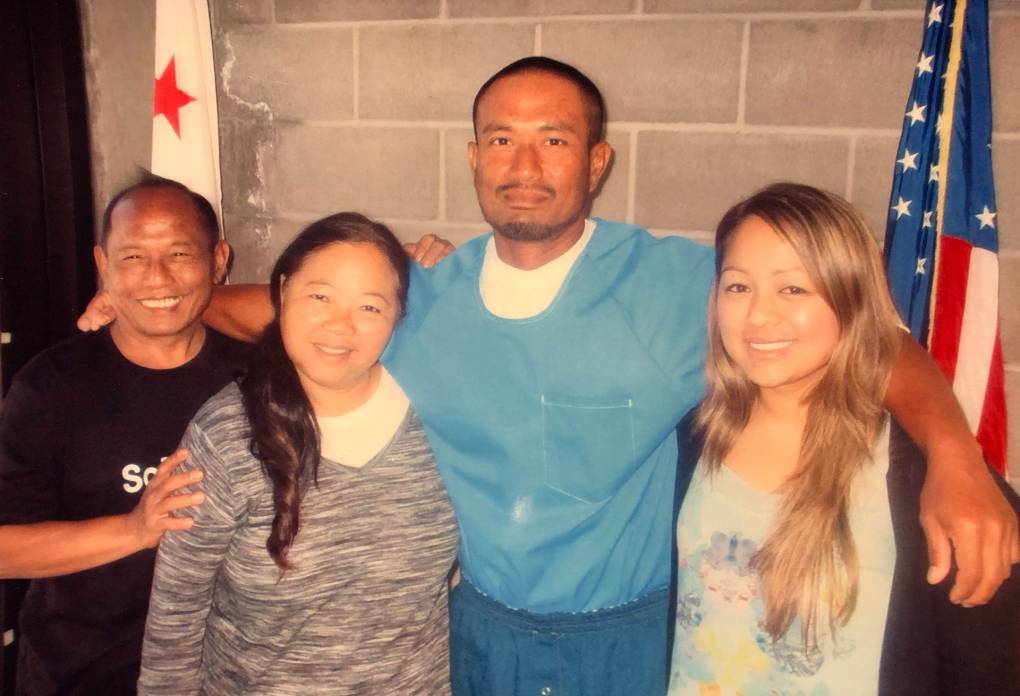
"caption": "Bounchan Keola (center) with his parents, Phonethip and Chanh Keola (left) and sister Thongsouk (right) during a prison visit this year.",
"description": "Bounchan Keola (center) with his parents, Phonethip and Chanh Keola (left) and sister Thongsouk (right) during a prison visit this year.",
"title": "Keola-family-visit",
"credit": "Courtesy Anoop Prasad",
"status": "inherit",
"isLoading": false,
"fetchFailed": false
},
"news_11848146": {
"type": "attachments",
"id": "news_11848146",
"meta": {
"index": "attachments_1716263798",
"site": "news",
"id": "11848146",
"found": true
},
"parent": 11848109,
"imgSizes": {
"apple_news_ca_landscape_5_5": {
"file": "https://ww2.kqed.org/app/uploads/sites/10/2021/03/Downtown-Oakland-1044x783.jpg",
"width": 1044,
"mimeType": "image/jpeg",
"height": 783
},
"apple_news_ca_square_4_0": {
"file": "https://ww2.kqed.org/app/uploads/sites/10/2021/03/Downtown-Oakland-470x470.jpg",
"width": 470,
"mimeType": "image/jpeg",
"height": 470
},
"twentyfourteen-full-width": {
"file": "https://ww2.kqed.org/app/uploads/sites/10/2021/03/Downtown-Oakland-1038x576.jpg",
"width": 1038,
"mimeType": "image/jpeg",
"height": 576
},
"thumbnail": {
"file": "https://ww2.kqed.org/app/uploads/sites/10/2021/03/Downtown-Oakland-160x107.jpg",
"width": 160,
"mimeType": "image/jpeg",
"height": 107
},
"post-thumbnail": {
"file": "https://ww2.kqed.org/app/uploads/sites/10/2021/03/Downtown-Oakland-672x372.jpg",
"width": 672,
"mimeType": "image/jpeg",
"height": 372
},
"kqedFullSize": {
"file": "https://ww2.kqed.org/app/uploads/sites/10/2021/03/Downtown-Oakland.jpg",
"width": 1920,
"height": 1280
},
"apple_news_ca_landscape_4_7": {
"file": "https://ww2.kqed.org/app/uploads/sites/10/2021/03/Downtown-Oakland-632x474.jpg",
"width": 632,
"mimeType": "image/jpeg",
"height": 474
},
"large": {
"file": "https://ww2.kqed.org/app/uploads/sites/10/2021/03/Downtown-Oakland-1020x680.jpg",
"width": 1020,
"mimeType": "image/jpeg",
"height": 680
},
"apple_news_ca_landscape_4_0": {
"file": "https://ww2.kqed.org/app/uploads/sites/10/2021/03/Downtown-Oakland-536x402.jpg",
"width": 536,
"mimeType": "image/jpeg",
"height": 402
},
"apple_news_ca_portrait_12_9": {
"file": "https://ww2.kqed.org/app/uploads/sites/10/2021/03/Downtown-Oakland-1122x1280.jpg",
"width": 1122,
"mimeType": "image/jpeg",
"height": 1280
},
"medium": {
"file": "https://ww2.kqed.org/app/uploads/sites/10/2021/03/Downtown-Oakland-800x533.jpg",
"width": 800,
"mimeType": "image/jpeg",
"height": 533
},
"apple_news_ca_portrait_4_0": {
"file": "https://ww2.kqed.org/app/uploads/sites/10/2021/03/Downtown-Oakland-354x472.jpg",
"width": 354,
"mimeType": "image/jpeg",
"height": 472
},
"apple_news_ca_portrait_9_7": {
"file": "https://ww2.kqed.org/app/uploads/sites/10/2021/03/Downtown-Oakland-840x1120.jpg",
"width": 840,
"mimeType": "image/jpeg",
"height": 1120
},
"apple_news_ca_landscape_12_9": {
"file": "https://ww2.kqed.org/app/uploads/sites/10/2021/03/Downtown-Oakland-1832x1280.jpg",
"width": 1832,
"mimeType": "image/jpeg",
"height": 1280
},
"apple_news_ca_square_9_7": {
"file": "https://ww2.kqed.org/app/uploads/sites/10/2021/03/Downtown-Oakland-1104x1104.jpg",
"width": 1104,
"mimeType": "image/jpeg",
"height": 1104
},
"1536x1536": {
"file": "https://ww2.kqed.org/app/uploads/sites/10/2021/03/Downtown-Oakland-1536x1024.jpg",
"width": 1536,
"mimeType": "image/jpeg",
"height": 1024
},
"apple_news_ca_portrait_4_7": {
"file": "https://ww2.kqed.org/app/uploads/sites/10/2021/03/Downtown-Oakland-414x552.jpg",
"width": 414,
"mimeType": "image/jpeg",
"height": 552
},
"apple_news_ca_square_12_9": {
"file": "https://ww2.kqed.org/app/uploads/sites/10/2021/03/Downtown-Oakland-1472x1280.jpg",
"width": 1472,
"mimeType": "image/jpeg",
"height": 1280
},
"apple_news_ca_portrait_5_5": {
"file": "https://ww2.kqed.org/app/uploads/sites/10/2021/03/Downtown-Oakland-687x916.jpg",
"width": 687,
"mimeType": "image/jpeg",
"height": 916
},
"apple_news_ca_square_4_7": {
"file": "https://ww2.kqed.org/app/uploads/sites/10/2021/03/Downtown-Oakland-550x550.jpg",
"width": 550,
"mimeType": "image/jpeg",
"height": 550
},
"apple_news_ca_landscape_9_7": {
"file": "https://ww2.kqed.org/app/uploads/sites/10/2021/03/Downtown-Oakland-1376x1032.jpg",
"width": 1376,
"mimeType": "image/jpeg",
"height": 1032
},
"apple_news_ca_square_5_5": {
"file": "https://ww2.kqed.org/app/uploads/sites/10/2021/03/Downtown-Oakland-912x912.jpg",
"width": 912,
"mimeType": "image/jpeg",
"height": 912
}
},
"publishDate": 1605829762,
"modified": 1605829910,
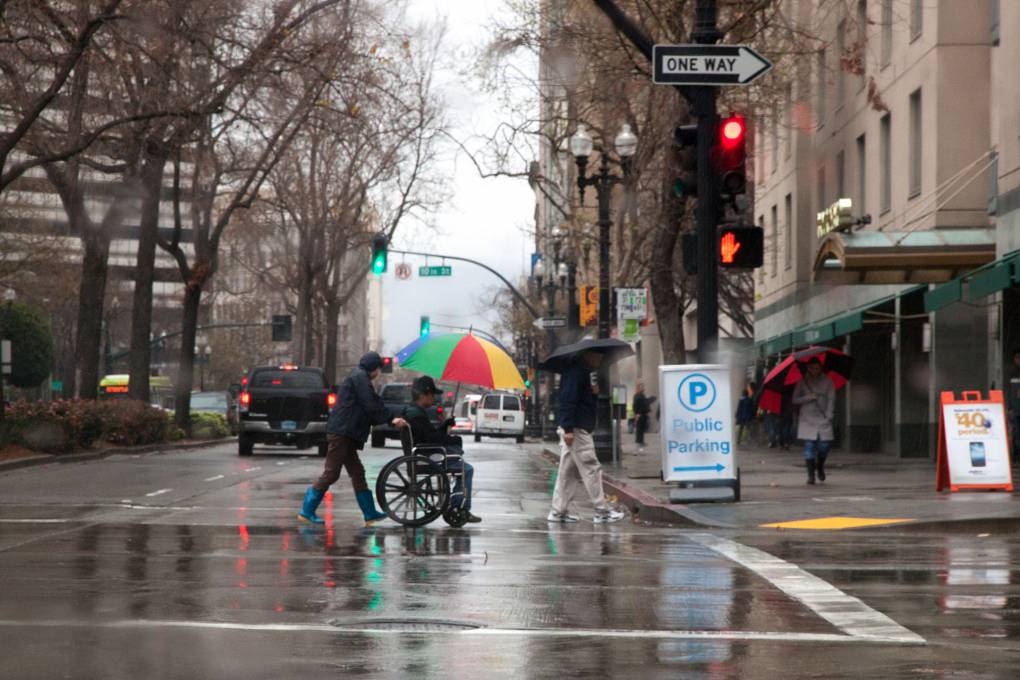
"caption": "Pedestrians cross a street in downtown Oakland. A new limited stay-at-home order applies to all California counties in the state's 'purple' tier. Six Bay Area counties are currently in the purple tier, including Alameda.",
"description": "Pedestrians cross a street in downtown Oakland. A new limited stay-at-home order applies to all California counties in the state's 'purple' tier. Six Bay Area counties are currently in the purple tier, including Alameda.",
"title": "Downtown-Oakland",
"credit": "Mark Andrew Boyer/KQED",
"status": "inherit",
"isLoading": false,
"fetchFailed": false
},
"news_11847964": {
"type": "attachments",
"id": "news_11847964",
"meta": {
"index": "attachments_1716263798",
"site": "news",
"id": "11847964",
"found": true
},
"parent": 11847958,
"imgSizes": {
"apple_news_ca_landscape_5_5": {
"file": "https://ww2.kqed.org/app/uploads/sites/10/2020/11/evolution_111820_final-1044x783.png",
"width": 1044,
"mimeType": "image/png",
"height": 783
},
"apple_news_ca_square_4_0": {
"file": "https://ww2.kqed.org/app/uploads/sites/10/2020/11/evolution_111820_final-470x470.png",
"width": 470,
"mimeType": "image/png",
"height": 470
},
"twentyfourteen-full-width": {
"file": "https://ww2.kqed.org/app/uploads/sites/10/2020/11/evolution_111820_final-1038x576.png",
"width": 1038,
"mimeType": "image/png",
"height": 576
},
"thumbnail": {
"file": "https://ww2.kqed.org/app/uploads/sites/10/2020/11/evolution_111820_final-160x102.png",
"width": 160,
"mimeType": "image/png",
"height": 102
},
"post-thumbnail": {
"file": "https://ww2.kqed.org/app/uploads/sites/10/2020/11/evolution_111820_final-672x372.png",
"width": 672,
"mimeType": "image/png",
"height": 372
},
"kqedFullSize": {
"file": "https://ww2.kqed.org/app/uploads/sites/10/2020/11/evolution_111820_final.png",
"width": 1920,
"height": 1219
},
"apple_news_ca_landscape_4_7": {
"file": "https://ww2.kqed.org/app/uploads/sites/10/2020/11/evolution_111820_final-632x474.png",
"width": 632,
"mimeType": "image/png",
"height": 474
},
"large": {
"file": "https://ww2.kqed.org/app/uploads/sites/10/2020/11/evolution_111820_final-1020x648.png",
"width": 1020,
"mimeType": "image/png",
"height": 648
},
"apple_news_ca_landscape_4_0": {
"file": "https://ww2.kqed.org/app/uploads/sites/10/2020/11/evolution_111820_final-536x402.png",
"width": 536,
"mimeType": "image/png",
"height": 402
},
"apple_news_ca_portrait_12_9": {
"file": "https://ww2.kqed.org/app/uploads/sites/10/2020/11/evolution_111820_final-1122x1219.png",
"width": 1122,
"mimeType": "image/png",
"height": 1219
},
"medium": {
"file": "https://ww2.kqed.org/app/uploads/sites/10/2020/11/evolution_111820_final-800x508.png",
"width": 800,
"mimeType": "image/png",
"height": 508
},
"apple_news_ca_portrait_4_0": {
"file": "https://ww2.kqed.org/app/uploads/sites/10/2020/11/evolution_111820_final-354x472.png",
"width": 354,
"mimeType": "image/png",
"height": 472
},
"apple_news_ca_portrait_9_7": {
"file": "https://ww2.kqed.org/app/uploads/sites/10/2020/11/evolution_111820_final-840x1120.png",
"width": 840,
"mimeType": "image/png",
"height": 1120
},
"apple_news_ca_landscape_12_9": {
"file": "https://ww2.kqed.org/app/uploads/sites/10/2020/11/evolution_111820_final-1832x1219.png",
"width": 1832,
"mimeType": "image/png",
"height": 1219
},
"apple_news_ca_square_9_7": {
"file": "https://ww2.kqed.org/app/uploads/sites/10/2020/11/evolution_111820_final-1104x1104.png",
"width": 1104,
"mimeType": "image/png",
"height": 1104
},
"1536x1536": {
"file": "https://ww2.kqed.org/app/uploads/sites/10/2020/11/evolution_111820_final-1536x975.png",
"width": 1536,
"mimeType": "image/png",
"height": 975
},
"apple_news_ca_portrait_4_7": {
"file": "https://ww2.kqed.org/app/uploads/sites/10/2020/11/evolution_111820_final-414x552.png",
"width": 414,
"mimeType": "image/png",
"height": 552
},
"apple_news_ca_square_12_9": {
"file": "https://ww2.kqed.org/app/uploads/sites/10/2020/11/evolution_111820_final-1472x1219.png",
"width": 1472,
"mimeType": "image/png",
"height": 1219
},
"apple_news_ca_portrait_5_5": {
"file": "https://ww2.kqed.org/app/uploads/sites/10/2020/11/evolution_111820_final-687x916.png",
"width": 687,
"mimeType": "image/png",
"height": 916
},
"apple_news_ca_square_4_7": {
"file": "https://ww2.kqed.org/app/uploads/sites/10/2020/11/evolution_111820_final-550x550.png",
"width": 550,
"mimeType": "image/png",
"height": 550
},
"apple_news_ca_landscape_9_7": {
"file": "https://ww2.kqed.org/app/uploads/sites/10/2020/11/evolution_111820_final-1376x1032.png",
"width": 1376,
"mimeType": "image/png",
"height": 1032
},
"apple_news_ca_square_5_5": {
"file": "https://ww2.kqed.org/app/uploads/sites/10/2020/11/evolution_111820_final-912x912.png",
"width": 912,
"mimeType": "image/png",
"height": 912
}
},
"publishDate": 1605736701,
"modified": 1605736742,
"caption": null,
"description": null,
"title": "evolution_111820_final",
"credit": null,
"status": "inherit",
"isLoading": false,
"fetchFailed": false
},
"news_11847843": {
"type": "attachments",
"id": "news_11847843",
"meta": {
"index": "attachments_1716263798",
"site": "news",
"id": "11847843",
"found": true
},
"parent": 11847840,
"imgSizes": {
"apple_news_ca_landscape_5_5": {
"file": "https://ww2.kqed.org/app/uploads/sites/10/2020/11/Screen-Shot-2020-11-17-at-2.37.31-PM-1044x783.png",
"width": 1044,
"mimeType": "image/png",
"height": 783
},
"apple_news_ca_square_4_0": {
"file": "https://ww2.kqed.org/app/uploads/sites/10/2020/11/Screen-Shot-2020-11-17-at-2.37.31-PM-470x470.png",
"width": 470,
"mimeType": "image/png",
"height": 470
},
"twentyfourteen-full-width": {
"file": "https://ww2.kqed.org/app/uploads/sites/10/2020/11/Screen-Shot-2020-11-17-at-2.37.31-PM-1038x576.png",
"width": 1038,
"mimeType": "image/png",
"height": 576
},
"thumbnail": {
"file": "https://ww2.kqed.org/app/uploads/sites/10/2020/11/Screen-Shot-2020-11-17-at-2.37.31-PM-160x87.png",
"width": 160,
"mimeType": "image/png",
"height": 87
},
"post-thumbnail": {
"file": "https://ww2.kqed.org/app/uploads/sites/10/2020/11/Screen-Shot-2020-11-17-at-2.37.31-PM-672x372.png",
"width": 672,
"mimeType": "image/png",
"height": 372
},
"kqedFullSize": {
"file": "https://ww2.kqed.org/app/uploads/sites/10/2020/11/Screen-Shot-2020-11-17-at-2.37.31-PM.png",
"width": 2193,
"height": 1197
},
"2048x2048": {
"file": "https://ww2.kqed.org/app/uploads/sites/10/2020/11/Screen-Shot-2020-11-17-at-2.37.31-PM-2048x1118.png",
"width": 2048,
"mimeType": "image/png",
"height": 1118
},
"apple_news_ca_landscape_4_7": {
"file": "https://ww2.kqed.org/app/uploads/sites/10/2020/11/Screen-Shot-2020-11-17-at-2.37.31-PM-632x474.png",
"width": 632,
"mimeType": "image/png",
"height": 474
},
"large": {
"file": "https://ww2.kqed.org/app/uploads/sites/10/2020/11/Screen-Shot-2020-11-17-at-2.37.31-PM-1020x557.png",
"width": 1020,
"mimeType": "image/png",
"height": 557
},
"apple_news_ca_landscape_4_0": {
"file": "https://ww2.kqed.org/app/uploads/sites/10/2020/11/Screen-Shot-2020-11-17-at-2.37.31-PM-536x402.png",
"width": 536,
"mimeType": "image/png",
"height": 402
},
"apple_news_ca_portrait_12_9": {
"file": "https://ww2.kqed.org/app/uploads/sites/10/2020/11/Screen-Shot-2020-11-17-at-2.37.31-PM-1122x1197.png",
"width": 1122,
"mimeType": "image/png",
"height": 1197
},
"medium": {
"file": "https://ww2.kqed.org/app/uploads/sites/10/2020/11/Screen-Shot-2020-11-17-at-2.37.31-PM-800x437.png",
"width": 800,
"mimeType": "image/png",
"height": 437
},
"apple_news_ca_portrait_4_0": {
"file": "https://ww2.kqed.org/app/uploads/sites/10/2020/11/Screen-Shot-2020-11-17-at-2.37.31-PM-354x472.png",
"width": 354,
"mimeType": "image/png",
"height": 472
},
"apple_news_ca_portrait_9_7": {
"file": "https://ww2.kqed.org/app/uploads/sites/10/2020/11/Screen-Shot-2020-11-17-at-2.37.31-PM-840x1120.png",
"width": 840,
"mimeType": "image/png",
"height": 1120
},
"apple_news_ca_landscape_12_9": {
"file": "https://ww2.kqed.org/app/uploads/sites/10/2020/11/Screen-Shot-2020-11-17-at-2.37.31-PM-1832x1197.png",
"width": 1832,
"mimeType": "image/png",
"height": 1197
},
"apple_news_ca_square_9_7": {
"file": "https://ww2.kqed.org/app/uploads/sites/10/2020/11/Screen-Shot-2020-11-17-at-2.37.31-PM-1104x1104.png",
"width": 1104,
"mimeType": "image/png",
"height": 1104
},
"1536x1536": {
"file": "https://ww2.kqed.org/app/uploads/sites/10/2020/11/Screen-Shot-2020-11-17-at-2.37.31-PM-1536x838.png",
"width": 1536,
"mimeType": "image/png",
"height": 838
},
"apple_news_ca_portrait_4_7": {
"file": "https://ww2.kqed.org/app/uploads/sites/10/2020/11/Screen-Shot-2020-11-17-at-2.37.31-PM-414x552.png",
"width": 414,
"mimeType": "image/png",
"height": 552
},
"apple_news_ca_square_12_9": {
"file": "https://ww2.kqed.org/app/uploads/sites/10/2020/11/Screen-Shot-2020-11-17-at-2.37.31-PM-1472x1197.png",
"width": 1472,
"mimeType": "image/png",
"height": 1197
},
"apple_news_ca_portrait_5_5": {
"file": "https://ww2.kqed.org/app/uploads/sites/10/2020/11/Screen-Shot-2020-11-17-at-2.37.31-PM-687x916.png",
"width": 687,
"mimeType": "image/png",
"height": 916
},
"full-width": {
"file": "https://ww2.kqed.org/app/uploads/sites/10/2020/11/Screen-Shot-2020-11-17-at-2.37.31-PM-1920x1048.png",
"width": 1920,
"mimeType": "image/png",
"height": 1048
},
"apple_news_ca_square_4_7": {
"file": "https://ww2.kqed.org/app/uploads/sites/10/2020/11/Screen-Shot-2020-11-17-at-2.37.31-PM-550x550.png",
"width": 550,
"mimeType": "image/png",
"height": 550
},
"apple_news_ca_landscape_9_7": {
"file": "https://ww2.kqed.org/app/uploads/sites/10/2020/11/Screen-Shot-2020-11-17-at-2.37.31-PM-1376x1032.png",
"width": 1376,
"mimeType": "image/png",
"height": 1032
},
"apple_news_ca_square_5_5": {
"file": "https://ww2.kqed.org/app/uploads/sites/10/2020/11/Screen-Shot-2020-11-17-at-2.37.31-PM-912x912.png",
"width": 912,
"mimeType": "image/png",
"height": 912
}
},
"publishDate": 1605652882,
"modified": 1605652931,
"caption": null,
"description": null,
"title": null,
"credit": null,
"status": "inherit",
"isLoading": false,
"fetchFailed": false
},
"news_11847713": {
"type": "attachments",
"id": "news_11847713",
"meta": {
"index": "attachments_1716263798",
"site": "news",
"id": "11847713",
"found": true
},
"parent": 11847712,
"imgSizes": {
"apple_news_ca_square_4_0": {
"file": "https://ww2.kqed.org/app/uploads/sites/10/2020/11/GettyImages-1228963631_1920x-1-1020x589-1-470x470.jpg",
"width": 470,
"mimeType": "image/jpeg",
"height": 470
},
"twentyfourteen-full-width": {
"file": "https://ww2.kqed.org/app/uploads/sites/10/2020/11/GettyImages-1228963631_1920x-1-1020x589-1-1020x576.jpg",
"width": 1020,
"mimeType": "image/jpeg",
"height": 576
},
"thumbnail": {
"file": "https://ww2.kqed.org/app/uploads/sites/10/2020/11/GettyImages-1228963631_1920x-1-1020x589-1-160x92.jpg",
"width": 160,
"mimeType": "image/jpeg",
"height": 92
},
"post-thumbnail": {
"file": "https://ww2.kqed.org/app/uploads/sites/10/2020/11/GettyImages-1228963631_1920x-1-1020x589-1-672x372.jpg",
"width": 672,
"mimeType": "image/jpeg",
"height": 372
},
"kqedFullSize": {
"file": "https://ww2.kqed.org/app/uploads/sites/10/2020/11/GettyImages-1228963631_1920x-1-1020x589-1.jpg",
"width": 1020,
"height": 589
},
"apple_news_ca_landscape_4_7": {
"file": "https://ww2.kqed.org/app/uploads/sites/10/2020/11/GettyImages-1228963631_1920x-1-1020x589-1-632x474.jpg",
"width": 632,
"mimeType": "image/jpeg",
"height": 474
},
"apple_news_ca_landscape_4_0": {
"file": "https://ww2.kqed.org/app/uploads/sites/10/2020/11/GettyImages-1228963631_1920x-1-1020x589-1-536x402.jpg",
"width": 536,
"mimeType": "image/jpeg",
"height": 402
},
"medium": {
"file": "https://ww2.kqed.org/app/uploads/sites/10/2020/11/GettyImages-1228963631_1920x-1-1020x589-1-800x462.jpg",
"width": 800,
"mimeType": "image/jpeg",
"height": 462
},
"apple_news_ca_portrait_4_0": {
"file": "https://ww2.kqed.org/app/uploads/sites/10/2020/11/GettyImages-1228963631_1920x-1-1020x589-1-354x472.jpg",
"width": 354,
"mimeType": "image/jpeg",
"height": 472
},
"apple_news_ca_portrait_9_7": {
"file": "https://ww2.kqed.org/app/uploads/sites/10/2020/11/GettyImages-1228963631_1920x-1-1020x589-1-840x589.jpg",
"width": 840,
"mimeType": "image/jpeg",
"height": 589
},
"apple_news_ca_portrait_4_7": {
"file": "https://ww2.kqed.org/app/uploads/sites/10/2020/11/GettyImages-1228963631_1920x-1-1020x589-1-414x552.jpg",
"width": 414,
"mimeType": "image/jpeg",
"height": 552
},
"apple_news_ca_portrait_5_5": {
"file": "https://ww2.kqed.org/app/uploads/sites/10/2020/11/GettyImages-1228963631_1920x-1-1020x589-1-687x589.jpg",
"width": 687,
"mimeType": "image/jpeg",
"height": 589
},
"apple_news_ca_square_4_7": {
"file": "https://ww2.kqed.org/app/uploads/sites/10/2020/11/GettyImages-1228963631_1920x-1-1020x589-1-550x550.jpg",
"width": 550,
"mimeType": "image/jpeg",
"height": 550
},
"apple_news_ca_square_5_5": {
"file": "https://ww2.kqed.org/app/uploads/sites/10/2020/11/GettyImages-1228963631_1920x-1-1020x589-1-912x589.jpg",
"width": 912,
"mimeType": "image/jpeg",
"height": 589
}
},
"publishDate": 1605580508,
"modified": 1605581154,
"caption": "Un voluntario portando una mascarilla y un escudo facial verifica que los conductores que han llegado al centro de pruebas de covid-19 en el estadio de los Dodgers en Los Ángeles tengan una cita, el pasado 8 de octubre, 2020. ",
"description": null,
"title": "GettyImages-1r228963631_1920x-1-1020x589",
"credit": "(FREDERIC J. BROWN/AFP via Getty Images)",
"status": "inherit",
"isLoading": false,
"fetchFailed": false
},
"news_11847681": {
"type": "attachments",
"id": "news_11847681",
"meta": {
"index": "attachments_1716263798",
"site": "news",
"id": "11847681",
"found": true
},
"parent": 11847674,
"imgSizes": {
"apple_news_ca_landscape_5_5": {
"file": "https://ww2.kqed.org/app/uploads/sites/10/2020/11/fall_111620_final-1044x783.png",
"width": 1044,
"mimeType": "image/png",
"height": 783
},
"apple_news_ca_square_4_0": {
"file": "https://ww2.kqed.org/app/uploads/sites/10/2020/11/fall_111620_final-470x470.png",
"width": 470,
"mimeType": "image/png",
"height": 470
},
"twentyfourteen-full-width": {
"file": "https://ww2.kqed.org/app/uploads/sites/10/2020/11/fall_111620_final-1038x576.png",
"width": 1038,
"mimeType": "image/png",
"height": 576
},
"thumbnail": {
"file": "https://ww2.kqed.org/app/uploads/sites/10/2020/11/fall_111620_final-160x105.png",
"width": 160,
"mimeType": "image/png",
"height": 105
},
"post-thumbnail": {
"file": "https://ww2.kqed.org/app/uploads/sites/10/2020/11/fall_111620_final-672x372.png",
"width": 672,
"mimeType": "image/png",
"height": 372
},
"kqedFullSize": {
"file": "https://ww2.kqed.org/app/uploads/sites/10/2020/11/fall_111620_final.png",
"width": 1920,
"height": 1260
},
"apple_news_ca_landscape_4_7": {
"file": "https://ww2.kqed.org/app/uploads/sites/10/2020/11/fall_111620_final-632x474.png",
"width": 632,
"mimeType": "image/png",
"height": 474
},
"large": {
"file": "https://ww2.kqed.org/app/uploads/sites/10/2020/11/fall_111620_final-1020x669.png",
"width": 1020,
"mimeType": "image/png",
"height": 669
},
"apple_news_ca_landscape_4_0": {
"file": "https://ww2.kqed.org/app/uploads/sites/10/2020/11/fall_111620_final-536x402.png",
"width": 536,
"mimeType": "image/png",
"height": 402
},
"apple_news_ca_portrait_12_9": {
"file": "https://ww2.kqed.org/app/uploads/sites/10/2020/11/fall_111620_final-1122x1260.png",
"width": 1122,
"mimeType": "image/png",
"height": 1260
},
"medium": {
"file": "https://ww2.kqed.org/app/uploads/sites/10/2020/11/fall_111620_final-800x525.png",
"width": 800,
"mimeType": "image/png",
"height": 525
},
"apple_news_ca_portrait_4_0": {
"file": "https://ww2.kqed.org/app/uploads/sites/10/2020/11/fall_111620_final-354x472.png",
"width": 354,
"mimeType": "image/png",
"height": 472
},
"apple_news_ca_portrait_9_7": {
"file": "https://ww2.kqed.org/app/uploads/sites/10/2020/11/fall_111620_final-840x1120.png",
"width": 840,
"mimeType": "image/png",
"height": 1120
},
"apple_news_ca_landscape_12_9": {
"file": "https://ww2.kqed.org/app/uploads/sites/10/2020/11/fall_111620_final-1832x1260.png",
"width": 1832,
"mimeType": "image/png",
"height": 1260
},
"apple_news_ca_square_9_7": {
"file": "https://ww2.kqed.org/app/uploads/sites/10/2020/11/fall_111620_final-1104x1104.png",
"width": 1104,
"mimeType": "image/png",
"height": 1104
},
"1536x1536": {
"file": "https://ww2.kqed.org/app/uploads/sites/10/2020/11/fall_111620_final-1536x1008.png",
"width": 1536,
"mimeType": "image/png",
"height": 1008
},
"apple_news_ca_portrait_4_7": {
"file": "https://ww2.kqed.org/app/uploads/sites/10/2020/11/fall_111620_final-414x552.png",
"width": 414,
"mimeType": "image/png",
"height": 552
},
"apple_news_ca_square_12_9": {
"file": "https://ww2.kqed.org/app/uploads/sites/10/2020/11/fall_111620_final-1472x1260.png",
"width": 1472,
"mimeType": "image/png",
"height": 1260
},
"apple_news_ca_portrait_5_5": {
"file": "https://ww2.kqed.org/app/uploads/sites/10/2020/11/fall_111620_final-687x916.png",
"width": 687,
"mimeType": "image/png",
"height": 916
},
"apple_news_ca_square_4_7": {
"file": "https://ww2.kqed.org/app/uploads/sites/10/2020/11/fall_111620_final-550x550.png",
"width": 550,
"mimeType": "image/png",
"height": 550
},
"apple_news_ca_landscape_9_7": {
"file": "https://ww2.kqed.org/app/uploads/sites/10/2020/11/fall_111620_final-1376x1032.png",
"width": 1376,
"mimeType": "image/png",
"height": 1032
},
"apple_news_ca_square_5_5": {
"file": "https://ww2.kqed.org/app/uploads/sites/10/2020/11/fall_111620_final-912x912.png",
"width": 912,
"mimeType": "image/png",
"height": 912
}
},
"publishDate": 1605564590,
"modified": 1605564631,
"caption": null,
"description": null,
"title": "fall_111620_final",
"credit": null,
"status": "inherit",
"isLoading": false,
"fetchFailed": false
},
"news_11847685": {
"type": "attachments",
"id": "news_11847685",
"meta": {
"index": "attachments_1716263798",
"site": "news",
"id": "11847685",
"found": true
},
"parent": 11847641,
"imgSizes": {
"apple_news_ca_landscape_5_5": {
"file": "https://ww2.kqed.org/app/uploads/sites/10/2020/11/GettyImages-1228963631_1920x-1-1044x783.jpg",
"width": 1044,
"mimeType": "image/jpeg",
"height": 783
},
"apple_news_ca_square_4_0": {
"file": "https://ww2.kqed.org/app/uploads/sites/10/2020/11/GettyImages-1228963631_1920x-1-470x470.jpg",
"width": 470,
"mimeType": "image/jpeg",
"height": 470
},
"twentyfourteen-full-width": {
"file": "https://ww2.kqed.org/app/uploads/sites/10/2020/11/GettyImages-1228963631_1920x-1-1038x576.jpg",
"width": 1038,
"mimeType": "image/jpeg",
"height": 576
},
"thumbnail": {
"file": "https://ww2.kqed.org/app/uploads/sites/10/2020/11/GettyImages-1228963631_1920x-1-160x92.jpg",
"width": 160,
"mimeType": "image/jpeg",
"height": 92
},
"post-thumbnail": {
"file": "https://ww2.kqed.org/app/uploads/sites/10/2020/11/GettyImages-1228963631_1920x-1-672x372.jpg",
"width": 672,
"mimeType": "image/jpeg",
"height": 372
},
"kqedFullSize": {
"file": "https://ww2.kqed.org/app/uploads/sites/10/2020/11/GettyImages-1228963631_1920x-1.jpg",
"width": 1920,
"height": 1108
},
"apple_news_ca_landscape_4_7": {
"file": "https://ww2.kqed.org/app/uploads/sites/10/2020/11/GettyImages-1228963631_1920x-1-632x474.jpg",
"width": 632,
"mimeType": "image/jpeg",
"height": 474
},
"large": {
"file": "https://ww2.kqed.org/app/uploads/sites/10/2020/11/GettyImages-1228963631_1920x-1-1020x589.jpg",
"width": 1020,
"mimeType": "image/jpeg",
"height": 589
},
"apple_news_ca_landscape_4_0": {
"file": "https://ww2.kqed.org/app/uploads/sites/10/2020/11/GettyImages-1228963631_1920x-1-536x402.jpg",
"width": 536,
"mimeType": "image/jpeg",
"height": 402
},
"apple_news_ca_portrait_12_9": {
"file": "https://ww2.kqed.org/app/uploads/sites/10/2020/11/GettyImages-1228963631_1920x-1-1122x1108.jpg",
"width": 1122,
"mimeType": "image/jpeg",
"height": 1108
},
"medium": {
"file": "https://ww2.kqed.org/app/uploads/sites/10/2020/11/GettyImages-1228963631_1920x-1-800x462.jpg",
"width": 800,
"mimeType": "image/jpeg",
"height": 462
},
"apple_news_ca_portrait_4_0": {
"file": "https://ww2.kqed.org/app/uploads/sites/10/2020/11/GettyImages-1228963631_1920x-1-354x472.jpg",
"width": 354,
"mimeType": "image/jpeg",
"height": 472
},
"apple_news_ca_portrait_9_7": {
"file": "https://ww2.kqed.org/app/uploads/sites/10/2020/11/GettyImages-1228963631_1920x-1-840x1108.jpg",
"width": 840,
"mimeType": "image/jpeg",
"height": 1108
},
"apple_news_ca_landscape_12_9": {
"file": "https://ww2.kqed.org/app/uploads/sites/10/2020/11/GettyImages-1228963631_1920x-1-1832x1108.jpg",
"width": 1832,
"mimeType": "image/jpeg",
"height": 1108
},
"apple_news_ca_square_9_7": {
"file": "https://ww2.kqed.org/app/uploads/sites/10/2020/11/GettyImages-1228963631_1920x-1-1104x1104.jpg",
"width": 1104,
"mimeType": "image/jpeg",
"height": 1104
},
"1536x1536": {
"file": "https://ww2.kqed.org/app/uploads/sites/10/2020/11/GettyImages-1228963631_1920x-1-1536x886.jpg",
"width": 1536,
"mimeType": "image/jpeg",
"height": 886
},
"apple_news_ca_portrait_4_7": {
"file": "https://ww2.kqed.org/app/uploads/sites/10/2020/11/GettyImages-1228963631_1920x-1-414x552.jpg",
"width": 414,
"mimeType": "image/jpeg",
"height": 552
},
"apple_news_ca_square_12_9": {
"file": "https://ww2.kqed.org/app/uploads/sites/10/2020/11/GettyImages-1228963631_1920x-1-1472x1108.jpg",
"width": 1472,
"mimeType": "image/jpeg",
"height": 1108
},
"apple_news_ca_portrait_5_5": {
"file": "https://ww2.kqed.org/app/uploads/sites/10/2020/11/GettyImages-1228963631_1920x-1-687x916.jpg",
"width": 687,
"mimeType": "image/jpeg",
"height": 916
},
"apple_news_ca_square_4_7": {
"file": "https://ww2.kqed.org/app/uploads/sites/10/2020/11/GettyImages-1228963631_1920x-1-550x550.jpg",
"width": 550,
"mimeType": "image/jpeg",
"height": 550
},
"apple_news_ca_landscape_9_7": {
"file": "https://ww2.kqed.org/app/uploads/sites/10/2020/11/GettyImages-1228963631_1920x-1-1376x1032.jpg",
"width": 1376,
"mimeType": "image/jpeg",
"height": 1032
},
"apple_news_ca_square_5_5": {
"file": "https://ww2.kqed.org/app/uploads/sites/10/2020/11/GettyImages-1228963631_1920x-1-912x912.jpg",
"width": 912,
"mimeType": "image/jpeg",
"height": 912
}
},
"publishDate": 1605565162,
"modified": 1613524532,
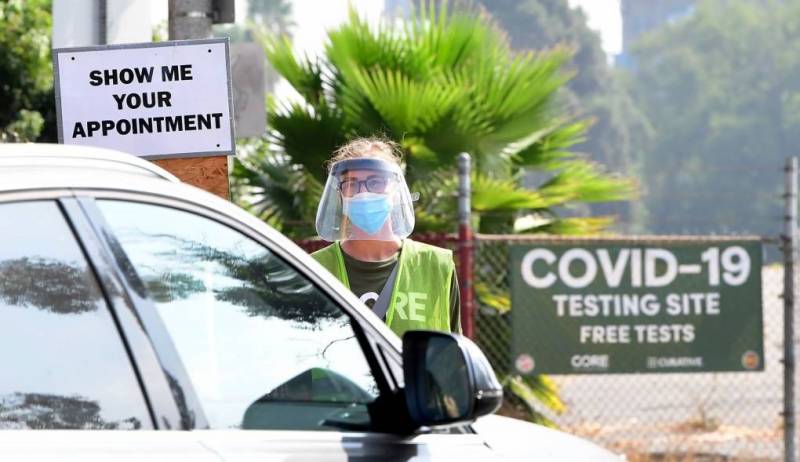
"caption": "A volunteer checks for COVID-19 test appointments from motorists arriving at Dodger Stadium in Los Angeles on Oct. 8, 2020.",
"description": "A volunteer checks for COVID-19 test appointments from motorists arriving at Dodger Stadium in Los Angeles on Oct. 8, 2020.",
"title": "US-HEALTH-VIRUS-TESTING",
"credit": "FREDERIC J. BROWN/AFP via Getty Images",
"status": "inherit",
"altTag": null,
"isLoading": false,
"fetchFailed": false
},
"news_11823156": {
"type": "attachments",
"id": "news_11823156",
"meta": {
"index": "attachments_1716263798",
"site": "news",
"id": "11823156",
"found": true
},
"parent": 11823149,
"imgSizes": {
"apple_news_ca_square_4_0": {
"file": "https://ww2.kqed.org/app/uploads/sites/10/2020/06/GettyImages-1217484697-470x470.jpg",
"width": 470,
"mimeType": "image/jpeg",
"height": 470
},
"twentyfourteen-full-width": {
"file": "https://ww2.kqed.org/app/uploads/sites/10/2020/06/GettyImages-1217484697-1024x576.jpg",
"width": 1024,
"mimeType": "image/jpeg",
"height": 576
},
"thumbnail": {
"file": "https://ww2.kqed.org/app/uploads/sites/10/2020/06/GettyImages-1217484697-160x107.jpg",
"width": 160,
"mimeType": "image/jpeg",
"height": 107
},
"post-thumbnail": {
"file": "https://ww2.kqed.org/app/uploads/sites/10/2020/06/GettyImages-1217484697-672x372.jpg",
"width": 672,
"mimeType": "image/jpeg",
"height": 372
},
"kqedFullSize": {
"file": "https://ww2.kqed.org/app/uploads/sites/10/2020/06/GettyImages-1217484697.jpg",
"width": 1024,
"height": 683
},
"apple_news_ca_landscape_4_7": {
"file": "https://ww2.kqed.org/app/uploads/sites/10/2020/06/GettyImages-1217484697-632x474.jpg",
"width": 632,
"mimeType": "image/jpeg",
"height": 474
},
"large": {
"file": "https://ww2.kqed.org/app/uploads/sites/10/2020/06/GettyImages-1217484697-1020x680.jpg",
"width": 1020,
"mimeType": "image/jpeg",
"height": 680
},
"apple_news_ca_landscape_4_0": {
"file": "https://ww2.kqed.org/app/uploads/sites/10/2020/06/GettyImages-1217484697-536x402.jpg",
"width": 536,
"mimeType": "image/jpeg",
"height": 402
},
"medium": {
"file": "https://ww2.kqed.org/app/uploads/sites/10/2020/06/GettyImages-1217484697-800x534.jpg",
"width": 800,
"mimeType": "image/jpeg",
"height": 534
},
"apple_news_ca_portrait_4_0": {
"file": "https://ww2.kqed.org/app/uploads/sites/10/2020/06/GettyImages-1217484697-354x472.jpg",
"width": 354,
"mimeType": "image/jpeg",
"height": 472
},
"apple_news_ca_portrait_9_7": {
"file": "https://ww2.kqed.org/app/uploads/sites/10/2020/06/GettyImages-1217484697-840x683.jpg",
"width": 840,
"mimeType": "image/jpeg",
"height": 683
},
"apple_news_ca_portrait_4_7": {
"file": "https://ww2.kqed.org/app/uploads/sites/10/2020/06/GettyImages-1217484697-414x552.jpg",
"width": 414,
"mimeType": "image/jpeg",
"height": 552
},
"apple_news_ca_portrait_5_5": {
"file": "https://ww2.kqed.org/app/uploads/sites/10/2020/06/GettyImages-1217484697-687x683.jpg",
"width": 687,
"mimeType": "image/jpeg",
"height": 683
},
"apple_news_ca_square_4_7": {
"file": "https://ww2.kqed.org/app/uploads/sites/10/2020/06/GettyImages-1217484697-550x550.jpg",
"width": 550,
"mimeType": "image/jpeg",
"height": 550
},
"apple_news_ca_square_5_5": {
"file": "https://ww2.kqed.org/app/uploads/sites/10/2020/06/GettyImages-1217484697-912x683.jpg",
"width": 912,
"mimeType": "image/jpeg",
"height": 683
}
},
"publishDate": 1591393579,
"modified": 1591397909,
"caption": "Gov. Gavin Newsom bumps elbows with Candace O'Connor, owner of Brimberry Barber and Beauty Salon, in Los Angeles on June 3, 2020. O'Connor shared her thoughts with the governor on running a business in the time of COVID-19 and recent protests against police violence.",
"description": null,
"title": "US-HEALTH-VIRUS-CALIFORNIA",
"credit": "Genaro Molina/POOL/AFP via Getty Images",
"status": "inherit",
"isLoading": false,
"fetchFailed": false
},
"news_11847291": {
"type": "attachments",
"id": "news_11847291",
"meta": {
"index": "attachments_1716263798",
"site": "news",
"id": "11847291",
"found": true
},
"parent": 11847280,
"imgSizes": {
"apple_news_ca_landscape_5_5": {
"file": "https://ww2.kqed.org/app/uploads/sites/10/2020/11/reclose_111220_final-1044x783.png",
"width": 1044,
"mimeType": "image/png",
"height": 783
},
"apple_news_ca_square_4_0": {
"file": "https://ww2.kqed.org/app/uploads/sites/10/2020/11/reclose_111220_final-470x470.png",
"width": 470,
"mimeType": "image/png",
"height": 470
},
"twentyfourteen-full-width": {
"file": "https://ww2.kqed.org/app/uploads/sites/10/2020/11/reclose_111220_final-1038x576.png",
"width": 1038,
"mimeType": "image/png",
"height": 576
},
"thumbnail": {
"file": "https://ww2.kqed.org/app/uploads/sites/10/2020/11/reclose_111220_final-160x100.png",
"width": 160,
"mimeType": "image/png",
"height": 100
},
"post-thumbnail": {
"file": "https://ww2.kqed.org/app/uploads/sites/10/2020/11/reclose_111220_final-672x372.png",
"width": 672,
"mimeType": "image/png",
"height": 372
},
"kqedFullSize": {
"file": "https://ww2.kqed.org/app/uploads/sites/10/2020/11/reclose_111220_final.png",
"width": 1920,
"height": 1196
},
"apple_news_ca_landscape_4_7": {
"file": "https://ww2.kqed.org/app/uploads/sites/10/2020/11/reclose_111220_final-632x474.png",
"width": 632,
"mimeType": "image/png",
"height": 474
},
"large": {
"file": "https://ww2.kqed.org/app/uploads/sites/10/2020/11/reclose_111220_final-1020x635.png",
"width": 1020,
"mimeType": "image/png",
"height": 635
},
"apple_news_ca_landscape_4_0": {
"file": "https://ww2.kqed.org/app/uploads/sites/10/2020/11/reclose_111220_final-536x402.png",
"width": 536,
"mimeType": "image/png",
"height": 402
},
"apple_news_ca_portrait_12_9": {
"file": "https://ww2.kqed.org/app/uploads/sites/10/2020/11/reclose_111220_final-1122x1196.png",
"width": 1122,
"mimeType": "image/png",
"height": 1196
},
"medium": {
"file": "https://ww2.kqed.org/app/uploads/sites/10/2020/11/reclose_111220_final-800x498.png",
"width": 800,
"mimeType": "image/png",
"height": 498
},
"apple_news_ca_portrait_4_0": {
"file": "https://ww2.kqed.org/app/uploads/sites/10/2020/11/reclose_111220_final-354x472.png",
"width": 354,
"mimeType": "image/png",
"height": 472
},
"apple_news_ca_portrait_9_7": {
"file": "https://ww2.kqed.org/app/uploads/sites/10/2020/11/reclose_111220_final-840x1120.png",
"width": 840,
"mimeType": "image/png",
"height": 1120
},
"apple_news_ca_landscape_12_9": {
"file": "https://ww2.kqed.org/app/uploads/sites/10/2020/11/reclose_111220_final-1832x1196.png",
"width": 1832,
"mimeType": "image/png",
"height": 1196
},
"apple_news_ca_square_9_7": {
"file": "https://ww2.kqed.org/app/uploads/sites/10/2020/11/reclose_111220_final-1104x1104.png",
"width": 1104,
"mimeType": "image/png",
"height": 1104
},
"1536x1536": {
"file": "https://ww2.kqed.org/app/uploads/sites/10/2020/11/reclose_111220_final-1536x957.png",
"width": 1536,
"mimeType": "image/png",
"height": 957
},
"apple_news_ca_portrait_4_7": {
"file": "https://ww2.kqed.org/app/uploads/sites/10/2020/11/reclose_111220_final-414x552.png",
"width": 414,
"mimeType": "image/png",
"height": 552
},
"apple_news_ca_square_12_9": {
"file": "https://ww2.kqed.org/app/uploads/sites/10/2020/11/reclose_111220_final-1472x1196.png",
"width": 1472,
"mimeType": "image/png",
"height": 1196
},
"apple_news_ca_portrait_5_5": {
"file": "https://ww2.kqed.org/app/uploads/sites/10/2020/11/reclose_111220_final-687x916.png",
"width": 687,
"mimeType": "image/png",
"height": 916
},
"apple_news_ca_square_4_7": {
"file": "https://ww2.kqed.org/app/uploads/sites/10/2020/11/reclose_111220_final-550x550.png",
"width": 550,
"mimeType": "image/png",
"height": 550
},
"apple_news_ca_landscape_9_7": {
"file": "https://ww2.kqed.org/app/uploads/sites/10/2020/11/reclose_111220_final-1376x1032.png",
"width": 1376,
"mimeType": "image/png",
"height": 1032
},
"apple_news_ca_square_5_5": {
"file": "https://ww2.kqed.org/app/uploads/sites/10/2020/11/reclose_111220_final-912x912.png",
"width": 912,
"mimeType": "image/png",
"height": 912
}
},
"publishDate": 1605223246,
"modified": 1605223283,
"caption": null,
"description": null,
"title": "reclose_111220_final",
"credit": null,
"status": "inherit",
"isLoading": false,
"fetchFailed": false
},
"news_11845149": {
"type": "attachments",
"id": "news_11845149",
"meta": {
"index": "attachments_1716263798",
"site": "news",
"id": "11845149",
"found": true
},
"parent": 0,
"imgSizes": {
"apple_news_ca_landscape_5_5": {
"file": "https://ww2.kqed.org/app/uploads/sites/10/2020/11/KQED-Election-Updates-1044x630.png",
"width": 1044,
"mimeType": "image/png",
"height": 630
},
"apple_news_ca_square_4_0": {
"file": "https://ww2.kqed.org/app/uploads/sites/10/2020/11/KQED-Election-Updates-470x470.png",
"width": 470,
"mimeType": "image/png",
"height": 470
},
"twentyfourteen-full-width": {
"file": "https://ww2.kqed.org/app/uploads/sites/10/2020/11/KQED-Election-Updates-1038x576.png",
"width": 1038,
"mimeType": "image/png",
"height": 576
},
"thumbnail": {
"file": "https://ww2.kqed.org/app/uploads/sites/10/2020/11/KQED-Election-Updates-160x84.png",
"width": 160,
"mimeType": "image/png",
"height": 84
},
"post-thumbnail": {
"file": "https://ww2.kqed.org/app/uploads/sites/10/2020/11/KQED-Election-Updates-672x372.png",
"width": 672,
"mimeType": "image/png",
"height": 372
},
"kqedFullSize": {
"file": "https://ww2.kqed.org/app/uploads/sites/10/2020/11/KQED-Election-Updates.png",
"width": 1200,
"height": 630
},
"apple_news_ca_landscape_4_7": {
"file": "https://ww2.kqed.org/app/uploads/sites/10/2020/11/KQED-Election-Updates-632x474.png",
"width": 632,
"mimeType": "image/png",
"height": 474
},
"large": {
"file": "https://ww2.kqed.org/app/uploads/sites/10/2020/11/KQED-Election-Updates-1020x536.png",
"width": 1020,
"mimeType": "image/png",
"height": 536
},
"apple_news_ca_landscape_4_0": {
"file": "https://ww2.kqed.org/app/uploads/sites/10/2020/11/KQED-Election-Updates-536x402.png",
"width": 536,
"mimeType": "image/png",
"height": 402
},
"apple_news_ca_portrait_12_9": {
"file": "https://ww2.kqed.org/app/uploads/sites/10/2020/11/KQED-Election-Updates-1122x630.png",
"width": 1122,
"mimeType": "image/png",
"height": 630
},
"medium": {
"file": "https://ww2.kqed.org/app/uploads/sites/10/2020/11/KQED-Election-Updates-800x420.png",
"width": 800,
"mimeType": "image/png",
"height": 420
},
"apple_news_ca_portrait_4_0": {
"file": "https://ww2.kqed.org/app/uploads/sites/10/2020/11/KQED-Election-Updates-354x472.png",
"width": 354,
"mimeType": "image/png",
"height": 472
},
"apple_news_ca_portrait_9_7": {
"file": "https://ww2.kqed.org/app/uploads/sites/10/2020/11/KQED-Election-Updates-840x630.png",
"width": 840,
"mimeType": "image/png",
"height": 630
},
"apple_news_ca_square_9_7": {
"file": "https://ww2.kqed.org/app/uploads/sites/10/2020/11/KQED-Election-Updates-1104x630.png",
"width": 1104,
"mimeType": "image/png",
"height": 630
},
"apple_news_ca_portrait_4_7": {
"file": "https://ww2.kqed.org/app/uploads/sites/10/2020/11/KQED-Election-Updates-414x552.png",
"width": 414,
"mimeType": "image/png",
"height": 552
},
"apple_news_ca_portrait_5_5": {
"file": "https://ww2.kqed.org/app/uploads/sites/10/2020/11/KQED-Election-Updates-687x630.png",
"width": 687,
"mimeType": "image/png",
"height": 630
},
"apple_news_ca_square_4_7": {
"file": "https://ww2.kqed.org/app/uploads/sites/10/2020/11/KQED-Election-Updates-550x550.png",
"width": 550,
"mimeType": "image/png",
"height": 550
},
"apple_news_ca_square_5_5": {
"file": "https://ww2.kqed.org/app/uploads/sites/10/2020/11/KQED-Election-Updates-912x630.png",
"width": 912,
"mimeType": "image/png",
"height": 630
}
},
"publishDate": 1604433766,
"modified": 1604434655,
"caption": null,
"description": "electionupdates",
"title": "KQED-Election-Updates",
"credit": null,
"status": "inherit",
"isLoading": false,
"fetchFailed": false
},
"news_11814822": {
"type": "attachments",
"id": "news_11814822",
"meta": {
"index": "attachments_1716263798",
"site": "news",
"id": "11814822",
"found": true
},
"parent": 11812455,
"imgSizes": {
"apple_news_ca_landscape_5_5": {
"file": "https://ww2.kqed.org/app/uploads/sites/10/2020/04/49114191696_1eaabc25a9_o-1044x783.jpg",
"width": 1044,
"mimeType": "image/jpeg",
"height": 783
},
"apple_news_ca_square_4_0": {
"file": "https://ww2.kqed.org/app/uploads/sites/10/2020/04/49114191696_1eaabc25a9_o-470x470.jpg",
"width": 470,
"mimeType": "image/jpeg",
"height": 470
},
"twentyfourteen-full-width": {
"file": "https://ww2.kqed.org/app/uploads/sites/10/2020/04/49114191696_1eaabc25a9_o-1038x576.jpg",
"width": 1038,
"mimeType": "image/jpeg",
"height": 576
},
"thumbnail": {
"file": "https://ww2.kqed.org/app/uploads/sites/10/2020/04/49114191696_1eaabc25a9_o-160x92.jpg",
"width": 160,
"mimeType": "image/jpeg",
"height": 92
},
"post-thumbnail": {
"file": "https://ww2.kqed.org/app/uploads/sites/10/2020/04/49114191696_1eaabc25a9_o-672x372.jpg",
"width": 672,
"mimeType": "image/jpeg",
"height": 372
},
"kqedFullSize": {
"file": "https://ww2.kqed.org/app/uploads/sites/10/2020/04/49114191696_1eaabc25a9_o-e1589575094581.jpg",
"width": 1920,
"height": 1099
},
"apple_news_ca_landscape_4_7": {
"file": "https://ww2.kqed.org/app/uploads/sites/10/2020/04/49114191696_1eaabc25a9_o-632x474.jpg",
"width": 632,
"mimeType": "image/jpeg",
"height": 474
},
"large": {
"file": "https://ww2.kqed.org/app/uploads/sites/10/2020/04/49114191696_1eaabc25a9_o-1020x584.jpg",
"width": 1020,
"mimeType": "image/jpeg",
"height": 584
},
"apple_news_ca_landscape_4_0": {
"file": "https://ww2.kqed.org/app/uploads/sites/10/2020/04/49114191696_1eaabc25a9_o-536x402.jpg",
"width": 536,
"mimeType": "image/jpeg",
"height": 402
},
"apple_news_ca_portrait_12_9": {
"file": "https://ww2.kqed.org/app/uploads/sites/10/2020/04/49114191696_1eaabc25a9_o-1122x1496.jpg",
"width": 1122,
"mimeType": "image/jpeg",
"height": 1496
},
"medium": {
"file": "https://ww2.kqed.org/app/uploads/sites/10/2020/04/49114191696_1eaabc25a9_o-800x458.jpg",
"width": 800,
"mimeType": "image/jpeg",
"height": 458
},
"apple_news_ca_portrait_4_0": {
"file": "https://ww2.kqed.org/app/uploads/sites/10/2020/04/49114191696_1eaabc25a9_o-354x472.jpg",
"width": 354,
"mimeType": "image/jpeg",
"height": 472
},
"apple_news_ca_portrait_9_7": {
"file": "https://ww2.kqed.org/app/uploads/sites/10/2020/04/49114191696_1eaabc25a9_o-840x1120.jpg",
"width": 840,
"mimeType": "image/jpeg",
"height": 1120
},
"apple_news_ca_landscape_12_9": {
"file": "https://ww2.kqed.org/app/uploads/sites/10/2020/04/49114191696_1eaabc25a9_o-1832x1374.jpg",
"width": 1832,
"mimeType": "image/jpeg",
"height": 1374
},
"apple_news_ca_square_9_7": {
"file": "https://ww2.kqed.org/app/uploads/sites/10/2020/04/49114191696_1eaabc25a9_o-1104x1104.jpg",
"width": 1104,
"mimeType": "image/jpeg",
"height": 1104
},
"apple_news_ca_portrait_4_7": {
"file": "https://ww2.kqed.org/app/uploads/sites/10/2020/04/49114191696_1eaabc25a9_o-414x552.jpg",
"width": 414,
"mimeType": "image/jpeg",
"height": 552
},
"apple_news_ca_square_12_9": {
"file": "https://ww2.kqed.org/app/uploads/sites/10/2020/04/49114191696_1eaabc25a9_o-1472x1472.jpg",
"width": 1472,
"mimeType": "image/jpeg",
"height": 1472
},
"apple_news_ca_portrait_5_5": {
"file": "https://ww2.kqed.org/app/uploads/sites/10/2020/04/49114191696_1eaabc25a9_o-687x916.jpg",
"width": 687,
"mimeType": "image/jpeg",
"height": 916
},
"full-width": {
"file": "https://ww2.kqed.org/app/uploads/sites/10/2020/04/49114191696_1eaabc25a9_o-1920x1099.jpg",
"width": 1920,
"mimeType": "image/jpeg",
"height": 1099
},
"apple_news_ca_square_4_7": {
"file": "https://ww2.kqed.org/app/uploads/sites/10/2020/04/49114191696_1eaabc25a9_o-550x550.jpg",
"width": 550,
"mimeType": "image/jpeg",
"height": 550
},
"apple_news_ca_landscape_9_7": {
"file": "https://ww2.kqed.org/app/uploads/sites/10/2020/04/49114191696_1eaabc25a9_o-1376x1032.jpg",
"width": 1376,
"mimeType": "image/jpeg",
"height": 1032
},
"apple_news_ca_square_5_5": {
"file": "https://ww2.kqed.org/app/uploads/sites/10/2020/04/49114191696_1eaabc25a9_o-912x912.jpg",
"width": 912,
"mimeType": "image/jpeg",
"height": 912
}
},
"publishDate": 1588116271,
"modified": 1589575085,
"caption": "Pumpjacks in western Kern County's South Belridge oil field as seen in November 2019. ",
"description": "Pumpjacks in western Kern County's South Belridge oil field as seen in November 2019. ",
"title": "West Kern County-Oil Wells",
"credit": "Dan Brekke/KQED",
"status": "inherit",
"isLoading": false,
"fetchFailed": false
}
},
"audioPlayerReducer": {
"postId": "stream_live",
"isPaused": true,
"isPlaying": false,
"pfsActive": false,
"pledgeModalIsOpen": true,
"playerDrawerIsOpen": false,
"liveAudioPlayStartedAt": 0,
"liveAudioPlayContext": ""
},
"authorsReducer": {
"byline_news_11847570": {
"type": "authors",
"id": "byline_news_11847570",
"meta": {
"override": true
},
"slug": "byline_news_11847570",
"name": "Kathleen Ronayne",
"isLoading": false
},
"dmarks": {
"type": "authors",
"id": "182",
"meta": {
"index": "authors_1716337520",
"id": "182",
"found": true
},
"name": "David Marks",
"firstName": "David",
"lastName": "Marks",
"slug": "dmarks",
"email": "dmarks@kqed.org",
"display_author_email": false,
"staff_mastheads": [],
"title": "KQED Editor",
"bio": "David Marks is a senior digital editor for KQED News. \u003c/a>Reach him at dmarks@kqed.org.",
"avatar": "https://secure.gravatar.com/avatar/b88bd6227ce6cb96ae33fefaf42b2a29?s=600&d=mm&r=g",
"twitter": "divadskram",
"facebook": null,
"instagram": null,
"linkedin": null,
"sites": [
{
"site": "news",
"roles": []
},
{
"site": "science",
"roles": []
},
{
"site": "perspectives",
"roles": []
},
{
"site": "liveblog",
"roles": []
}
],
"headData": {
"title": "David Marks | KQED",
"description": "KQED Editor",
"ogImgSrc": "https://secure.gravatar.com/avatar/b88bd6227ce6cb96ae33fefaf42b2a29?s=600&d=mm&r=g",
"twImgSrc": "https://secure.gravatar.com/avatar/b88bd6227ce6cb96ae33fefaf42b2a29?s=600&d=mm&r=g"
},
"isLoading": false,
"link": "/author/dmarks"
},
"kqednewsstaffandwires": {
"type": "authors",
"id": "237",
"meta": {
"index": "authors_1716337520",
"id": "237",
"found": true
},
"name": "KQED News Staff and Wires",
"firstName": "KQED News Staff and Wires",
"lastName": null,
"slug": "kqednewsstaffandwires",
"email": "onlinenewsstaff@kqed.org",
"display_author_email": false,
"staff_mastheads": [],
"title": null,
"bio": null,
"avatar": "https://secure.gravatar.com/avatar/72295af8ebbfbd19a4948f5271285664?s=600&d=blank&r=g",
"twitter": null,
"facebook": null,
"instagram": null,
"linkedin": null,
"sites": [
{
"site": "arts",
"roles": [
"contributor"
]
},
{
"site": "news",
"roles": [
"contributor"
]
},
{
"site": "lowdown",
"roles": [
"author"
]
},
{
"site": "stateofhealth",
"roles": [
"contributor"
]
},
{
"site": "food",
"roles": [
"author"
]
}
],
"headData": {
"title": "KQED News Staff and Wires | KQED",
"description": null,
"ogImgSrc": "https://secure.gravatar.com/avatar/72295af8ebbfbd19a4948f5271285664?s=600&d=blank&r=g",
"twImgSrc": "https://secure.gravatar.com/avatar/72295af8ebbfbd19a4948f5271285664?s=600&d=blank&r=g"
},
"isLoading": false,
"link": "/author/kqednewsstaffandwires"
},
"tgoldberg": {
"type": "authors",
"id": "258",
"meta": {
"index": "authors_1716337520",
"id": "258",
"found": true
},
"name": "Ted Goldberg",
"firstName": "Ted",
"lastName": "Goldberg",
"slug": "tgoldberg",
"email": "tgoldberg@kqed.org",
"display_author_email": true,
"staff_mastheads": [
"news"
],
"title": "KQED Managing Editor, News and Newscasts",
"bio": "Ted Goldberg is Managing Editor of News and Newscasts at KQED. His main reporting beat is the Bay Area's oil refining industry.\r\n\r\nPrior to joining KQED in 2014, Ted worked at CBS News and WCBS AM in New York and Bay City News and KCBS Radio in San Francisco. He graduated from Oberlin College in Ohio in 1998.",
"avatar": "https://secure.gravatar.com/avatar/30ce2e4fe89135e104f89be2394d16225b9d36c121b5b3cb7651ce642978b96f?s=600&d=blank&r=g",
"twitter": "TedrickG",
"bluesky": null,
"facebook": null,
"instagram": null,
"linkedin": null,
"sites": [
{
"site": "news",
"roles": [
"editor"
]
},
{
"site": "science",
"roles": [
"editor"
]
}
],
"headData": {
"title": "Ted Goldberg | KQED",
"description": "KQED Managing Editor, News and Newscasts",
"ogImgSrc": "https://secure.gravatar.com/avatar/30ce2e4fe89135e104f89be2394d16225b9d36c121b5b3cb7651ce642978b96f?s=600&d=blank&r=g",
"twImgSrc": "https://secure.gravatar.com/avatar/30ce2e4fe89135e104f89be2394d16225b9d36c121b5b3cb7651ce642978b96f?s=600&d=blank&r=g"
},
"isLoading": false,
"link": "/author/tgoldberg"
},
"markfiore": {
"type": "authors",
"id": "3236",
"meta": {
"index": "authors_1716337520",
"id": "3236",
"found": true
},
"name": "Mark Fiore",
"firstName": "Mark",
"lastName": "Fiore",
"slug": "markfiore",
"email": "mark@markfiore.com",
"display_author_email": false,
"staff_mastheads": [
"news"
],
"title": "KQED News Cartoonist",
"bio": "\u003ca href=\"http://www.MarkFiore.com\">MarkFiore.com\u003c/a> | \u003ca href=\"https://twitter.com/markfiore\">Follow on Twitter\u003c/a> | \u003ca href=\"https://www.facebook.com/pages/Mark-Fiore-Animated-Political-Cartoons/94451707396?ref=bookmarks\">Facebook\u003c/a> | \u003ca href=\"mailto:mark@markfiore.com\">email\u003c/a>\r\n\r\nPulitzer Prize-winner, Mark Fiore, who the Wall Street Journal has called “the undisputed guru of the form,” creates animated political cartoons in San Francisco, where his work has been featured regularly on the San Francisco Chronicle’s web site, SFGate.com. His work has appeared on Newsweek.com, Slate.com, CBSNews.com, MotherJones.com, DailyKos.com and NPR’s web site. Fiore’s political animation has appeared on CNN, Frontline, Bill Moyers Journal, Salon.com and cable and broadcast outlets across the globe.\r\n\r\nBeginning his professional life by drawing traditional political cartoons for newspapers, Fiore’s work appeared in publications ranging from the Washington Post to the Los Angeles Times. In the late 1990s, he began to experiment with animating political cartoons and, after a short stint at the San Jose Mercury News as their staff cartoonist, Fiore devoted all his energies to animation.\r\nGrowing up in California, Fiore also spent a good portion of his life in the backwoods of Idaho. It was this combination that shaped him politically. Mark majored in political science at Colorado College, where, in a perfect send-off for a cartoonist, he received his diploma in 1991 as commencement speaker Dick Cheney smiled approvingly.\r\nMark Fiore was awarded the Pulitzer Prize for political cartooning in 2010, a Robert F. Kennedy Journalism Award in 2004 and has twice received an Online Journalism Award for commentary from the Online News Association (2002, 2008). Fiore has received two awards for his work in new media from the National Cartoonists Society (2001, 2002), and in 2006 received The James Madison Freedom of Information Award from The Society of Professional Journalists.",
"avatar": "https://secure.gravatar.com/avatar/fc4e2a612b15b67bad0c6f0e1db4ca9b?s=600&d=blank&r=g",
"twitter": "MarkFiore",
"facebook": null,
"instagram": "https://www.instagram.com/markfiore/?hl=en",
"linkedin": null,
"sites": [
{
"site": "arts",
"roles": [
"contributor"
]
},
{
"site": "news",
"roles": [
"editor"
]
},
{
"site": "futureofyou",
"roles": [
"editor"
]
},
{
"site": "science",
"roles": [
"editor"
]
}
],
"headData": {
"title": "Mark Fiore | KQED",
"description": "KQED News Cartoonist",
"ogImgSrc": "https://secure.gravatar.com/avatar/fc4e2a612b15b67bad0c6f0e1db4ca9b?s=600&d=blank&r=g",
"twImgSrc": "https://secure.gravatar.com/avatar/fc4e2a612b15b67bad0c6f0e1db4ca9b?s=600&d=blank&r=g"
},
"isLoading": false,
"link": "/author/markfiore"
},
"carlysevern": {
"type": "authors",
"id": "3243",
"meta": {
"index": "authors_1716337520",
"id": "3243",
"found": true
},
"name": "Carly Severn",
"firstName": "Carly",
"lastName": "Severn",
"slug": "carlysevern",
"email": "csevern@kqed.org",
"display_author_email": false,
"staff_mastheads": [
"news"
],
"title": "Senior Editor, Audience News ",
"bio": "Carly is KQED's Senior Editor of Audience News on the Digital News team, and has reported for the California Report Magazine, Bay Curious and KQED Arts. She's formerly the host of \u003ca href=\"http://ww2.kqed.org/pop/category/the-cooler/\" rel=\"noopener noreferrer\">The Cooler\u003c/a> podcast.",
"avatar": "https://secure.gravatar.com/avatar/54037bf5c128fe678f0ef26cec97a93f2e7f220a22d7285703328f12c42c1b1d?s=600&d=blank&r=g",
"twitter": "teacupinthebay",
"bluesky": null,
"facebook": null,
"instagram": null,
"linkedin": null,
"sites": [
{
"site": "",
"roles": [
"editor"
]
},
{
"site": "arts",
"roles": [
"editor"
]
},
{
"site": "news",
"roles": [
"administrator"
]
},
{
"site": "pop",
"roles": [
"editor"
]
},
{
"site": "futureofyou",
"roles": [
"editor"
]
},
{
"site": "about",
"roles": [
"administrator"
]
},
{
"site": "mindshift",
"roles": [
"editor"
]
},
{
"site": "bayareabites",
"roles": [
"editor"
]
},
{
"site": "stateofhealth",
"roles": [
"editor"
]
},
{
"site": "science",
"roles": [
"editor"
]
},
{
"site": "food",
"roles": [
"contributor"
]
},
{
"site": "forum",
"roles": [
"editor"
]
},
{
"site": "perspectives",
"roles": [
"administrator"
]
},
{
"site": "liveblog",
"roles": [
"editor"
]
}
],
"headData": {
"title": "Carly Severn | KQED",
"description": "Senior Editor, Audience News ",
"ogImgSrc": "https://secure.gravatar.com/avatar/54037bf5c128fe678f0ef26cec97a93f2e7f220a22d7285703328f12c42c1b1d?s=600&d=blank&r=g",
"twImgSrc": "https://secure.gravatar.com/avatar/54037bf5c128fe678f0ef26cec97a93f2e7f220a22d7285703328f12c42c1b1d?s=600&d=blank&r=g"
},
"isLoading": false,
"link": "/author/carlysevern"
},
"dkatayama": {
"type": "authors",
"id": "7240",
"meta": {
"index": "authors_1716337520",
"id": "7240",
"found": true
},
"name": "Devin Katayama",
"firstName": "Devin",
"lastName": "Katayama",
"slug": "dkatayama",
"email": "dkatayama@kqed.org",
"display_author_email": true,
"staff_mastheads": [
"news"
],
"title": "Editor of Talent and Development",
"bio": "Devin Katayama is former Editor of Talent and Development for KQED. He supported our internship program and on-call staff by looking for equitable opportunities to improve the newsroom.\r\n\r\nHe previously hosted The Bay and American Suburb podcasts from KQED News. Prior to returning to the Bay Area in 2015, Devin was the education reporter for WFPL in Louisville and worked as a producer with radio stations in Chicago and Portland, OR. His work has appeared on NPR’s \u003cem>Morning Edition, All Things Considered, The Takeaway\u003c/em> and \u003cem>Here and Now.\u003c/em>\r\n\r\nDevin earned his MA in Journalism from Columbia College Chicago, where he was a Follett Fellow and the recipient of the 2011 Studs Terkel Community Media Workshop Scholarship for his story on Chicago's homeless youth. He won WBUR's 2014 Daniel Schorr award and a regional RTNDA Edward R. Murrow Award for his documentary \"At Risk\" that looked at issues facing some of Louisville's students. Devin has also received numerous local awards from the Associated Press and the Society of Professional Journalists.",
"avatar": "https://secure.gravatar.com/avatar/d0d2978a31002fb2de107921a8e18405?s=600&d=blank&r=g",
"twitter": "RadioDevin",
"facebook": null,
"instagram": null,
"linkedin": null,
"sites": [
{
"site": "arts",
"roles": []
},
{
"site": "news",
"roles": [
"author"
]
},
{
"site": "stateofhealth",
"roles": [
"author"
]
},
{
"site": "forum",
"roles": [
"editor"
]
},
{
"site": "perspectives",
"roles": [
"editor"
]
}
],
"headData": {
"title": "Devin Katayama | KQED",
"description": "Editor of Talent and Development",
"ogImgSrc": "https://secure.gravatar.com/avatar/d0d2978a31002fb2de107921a8e18405?s=600&d=blank&r=g",
"twImgSrc": "https://secure.gravatar.com/avatar/d0d2978a31002fb2de107921a8e18405?s=600&d=blank&r=g"
},
"isLoading": false,
"link": "/author/dkatayama"
},
"ecruzguevarra": {
"type": "authors",
"id": "8654",
"meta": {
"index": "authors_1716337520",
"id": "8654",
"found": true
},
"name": "Ericka Cruz Guevarra",
"firstName": "Ericka",
"lastName": "Cruz Guevarra",
"slug": "ecruzguevarra",
"email": "ecruzguevarra@kqed.org",
"display_author_email": true,
"staff_mastheads": [
"news"
],
"title": "Producer, The Bay Podcast",
"bio": "Ericka Cruz Guevarra is host of \u003ca href=\"https://www.kqed.org/podcasts/thebay\">\u003cem>The Bay\u003c/em>\u003c/a> podcast at KQED. Before host, she was the show’s producer. Her work in that capacity includes a three-part reported series on policing in Vallejo, which won a 2020 excellence in journalism award from the Society of Professional Journalists. Ericka has worked as a breaking news reporter at Oregon Public Broadcasting, helped produce the Code Switch podcast, and was KQED’s inaugural Raul Ramirez Diversity Fund intern. She’s also an alumna of NPR’s Next Generation Radio program. Send her an email if you have strong feelings about whether Fairfield and Suisun City are the Bay. Ericka is represented by SAG-AFTRA.",
"avatar": "https://secure.gravatar.com/avatar/accefc1de4bafc7e234b69bcb9b6f6536c130fd84709bc3069ef11a78787e1bb?s=600&d=blank&r=g",
"twitter": "NotoriousECG",
"bluesky": null,
"facebook": null,
"instagram": null,
"linkedin": null,
"sites": [
{
"site": "arts",
"roles": [
"subscriber"
]
},
{
"site": "news",
"roles": [
"editor",
"manage_categories"
]
},
{
"site": "futureofyou",
"roles": [
"subscriber"
]
},
{
"site": "stateofhealth",
"roles": [
"subscriber"
]
},
{
"site": "science",
"roles": [
"editor"
]
},
{
"site": "forum",
"roles": [
"subscriber"
]
}
],
"headData": {
"title": "Ericka Cruz Guevarra | KQED",
"description": "Producer, The Bay Podcast",
"ogImgSrc": "https://secure.gravatar.com/avatar/accefc1de4bafc7e234b69bcb9b6f6536c130fd84709bc3069ef11a78787e1bb?s=600&d=blank&r=g",
"twImgSrc": "https://secure.gravatar.com/avatar/accefc1de4bafc7e234b69bcb9b6f6536c130fd84709bc3069ef11a78787e1bb?s=600&d=blank&r=g"
},
"isLoading": false,
"link": "/author/ecruzguevarra"
},
"fjhabvala": {
"type": "authors",
"id": "8659",
"meta": {
"index": "authors_1716337520",
"id": "8659",
"found": true
},
"name": "Farida Jhabvala Romero",
"firstName": "Farida",
"lastName": "Jhabvala Romero",
"slug": "fjhabvala",
"email": "fjhabvala@kqed.org",
"display_author_email": true,
"staff_mastheads": [
"news"
],
"title": "KQED Contributor",
"bio": "Farida Jhabvala Romero is a Labor Correspondent for KQED. She previously covered immigration. Farida was \u003ca href=\"https://www.ccnma.org/2022-most-influential-latina-journalists\">named\u003c/a> one of the 10 Most Influential Latina Journalists in California in 2022 by the California Chicano News Media Association. Her work has won awards from the Society of Professional Journalists (Northern California), as well as a national and regional Edward M. Murrow Award for the collaborative reporting projects “Dangerous Air” and “Graying California.” Before joining KQED, Farida worked as a producer at Radio Bilingüe, a national public radio network. Farida earned her master’s degree in journalism from Stanford University.",
"avatar": "https://secure.gravatar.com/avatar/f9f022d4e2609741874222a1e9d41f48fea74011aa7c615eef91d9a50c944ebe?s=600&d=blank&r=g",
"twitter": "FaridaJhabvala",
"bluesky": null,
"facebook": null,
"instagram": null,
"linkedin": "https://www.linkedin.com/in/faridajhabvala/",
"sites": [
{
"site": "news",
"roles": [
"editor"
]
},
{
"site": "stateofhealth",
"roles": [
"author"
]
},
{
"site": "liveblog",
"roles": [
"author"
]
}
],
"headData": {
"title": "Farida Jhabvala Romero | KQED",
"description": "KQED Contributor",
"ogImgSrc": "https://secure.gravatar.com/avatar/f9f022d4e2609741874222a1e9d41f48fea74011aa7c615eef91d9a50c944ebe?s=600&d=blank&r=g",
"twImgSrc": "https://secure.gravatar.com/avatar/f9f022d4e2609741874222a1e9d41f48fea74011aa7c615eef91d9a50c944ebe?s=600&d=blank&r=g"
},
"isLoading": false,
"link": "/author/fjhabvala"
},
"korr": {
"type": "authors",
"id": "11200",
"meta": {
"index": "authors_1716337520",
"id": "11200",
"found": true
},
"name": "Katie Orr",
"firstName": "Katie",
"lastName": "Orr",
"slug": "korr",
"email": "korr@kqed.org",
"display_author_email": false,
"staff_mastheads": [],
"title": "KQED Contributor",
"bio": "Katie Orr was a Sacramento-based reporter for KQED's Politics and Government Desk, covering the state Capitol and a variety of issues including women in politics, voting and elections and legislation. Prior to joining KQED in 2016, Katie was state government reporter for Capital Public Radio in Sacramento. She's also worked for KPBS in San Diego, where she covered City Hall.\r\n\r\nKatie received her masters degree in political science from San Diego State University and holds a Bachelors degree in broadcast journalism from Arizona State University.\r\n\r\nIn 2015 Katie won a national Clarion Award for a series of stories she did on women in California politics. She's been honored by the Society for Professional Journalists and, in 2013, was named by \u003cem>The Washington Post\u003c/em> as one of the country's top state Capitol reporters. She's also reported for the award-winning documentary series \u003cem>The View from Here \u003c/em>and was part of the team that won national PRNDI and Gabriel Awards in 2015. She lives in Sacramento with her husband. Twitter: @1KatieOrr",
"avatar": "https://secure.gravatar.com/avatar/41a40b25845adc78f50808670860449e?s=600&d=blank&r=g",
"twitter": "1katieorr",
"facebook": null,
"instagram": null,
"linkedin": null,
"sites": [
{
"site": "news",
"roles": [
"subscriber"
]
},
{
"site": "stateofhealth",
"roles": [
"author"
]
},
{
"site": "forum",
"roles": [
"author"
]
}
],
"headData": {
"title": "Katie Orr | KQED",
"description": "KQED Contributor",
"ogImgSrc": "https://secure.gravatar.com/avatar/41a40b25845adc78f50808670860449e?s=600&d=blank&r=g",
"twImgSrc": "https://secure.gravatar.com/avatar/41a40b25845adc78f50808670860449e?s=600&d=blank&r=g"
},
"isLoading": false,
"link": "/author/korr"
},
"mwiley": {
"type": "authors",
"id": "11526",
"meta": {
"index": "authors_1716337520",
"id": "11526",
"found": true
},
"name": "Michelle Wiley",
"firstName": "Michelle",
"lastName": "Wiley",
"slug": "mwiley",
"email": "mwiley@KQED.org",
"display_author_email": true,
"staff_mastheads": [],
"title": null,
"bio": "Michelle Wiley was the senior editor of weekends.",
"avatar": "https://secure.gravatar.com/avatar/3b897d82a09e8587e8e73fa69fbcc635?s=600&d=blank&r=g",
"twitter": "michelleewiley",
"facebook": null,
"instagram": null,
"linkedin": null,
"sites": [
{
"site": "",
"roles": [
"editor"
]
},
{
"site": "arts",
"roles": [
"editor"
]
},
{
"site": "news",
"roles": [
"subscriber"
]
},
{
"site": "lowdown",
"roles": [
"editor"
]
},
{
"site": "science",
"roles": [
"editor"
]
},
{
"site": "podcasts",
"roles": [
"editor"
]
}
],
"headData": {
"title": "Michelle Wiley | KQED",
"description": null,
"ogImgSrc": "https://secure.gravatar.com/avatar/3b897d82a09e8587e8e73fa69fbcc635?s=600&d=blank&r=g",
"twImgSrc": "https://secure.gravatar.com/avatar/3b897d82a09e8587e8e73fa69fbcc635?s=600&d=blank&r=g"
},
"isLoading": false,
"link": "/author/mwiley"
},
"kmoghadam": {
"type": "authors",
"id": "11637",
"meta": {
"index": "authors_1716337520",
"id": "11637",
"found": true
},
"name": "Kyana Moghadam",
"firstName": "Kyana",
"lastName": "Moghadam",
"slug": "kmoghadam",
"email": "kmoghadam@kqed.org",
"display_author_email": false,
"staff_mastheads": [
"news"
],
"title": "Senior Producer ",
"bio": "Kyana Moghadam is a senior producer at KQED. Prior to joining KQED, she was an audio producer and editor with Al Jazeera, Jetty Studios, VOX Media, Democracy Now!, and Global Press.",
"avatar": "https://secure.gravatar.com/avatar/cdbd6cb0b9e99deaa9eb618abdba56f265d374a2c614710aebeb4e58decbc5f0?s=600&d=blank&r=g",
"twitter": null,
"bluesky": null,
"facebook": null,
"instagram": null,
"linkedin": "https://www.linkedin.com/in/kyanamoghadam/",
"sites": [
{
"site": "",
"roles": [
"editor"
]
},
{
"site": "arts",
"roles": [
"editor"
]
},
{
"site": "news",
"roles": [
"administrator"
]
},
{
"site": "pop",
"roles": [
"editor"
]
},
{
"site": "about",
"roles": [
"editor"
]
},
{
"site": "forum",
"roles": [
"editor"
]
},
{
"site": "perspectives",
"roles": [
"editor"
]
},
{
"site": "podcasts",
"roles": [
"administrator"
]
}
],
"headData": {
"title": "Kyana Moghadam | KQED",
"description": "Senior Producer ",
"ogImgSrc": "https://secure.gravatar.com/avatar/cdbd6cb0b9e99deaa9eb618abdba56f265d374a2c614710aebeb4e58decbc5f0?s=600&d=blank&r=g",
"twImgSrc": "https://secure.gravatar.com/avatar/cdbd6cb0b9e99deaa9eb618abdba56f265d374a2c614710aebeb4e58decbc5f0?s=600&d=blank&r=g"
},
"isLoading": false,
"link": "/author/kmoghadam"
},
"amontecillo": {
"type": "authors",
"id": "11649",
"meta": {
"index": "authors_1716337520",
"id": "11649",
"found": true
},
"name": "Alan Montecillo",
"firstName": "Alan",
"lastName": "Montecillo",
"slug": "amontecillo",
"email": "amontecillo@kqed.org",
"display_author_email": false,
"staff_mastheads": [
"news"
],
"title": "KQED Contributor",
"bio": "Alan Montecillo is the senior editor of \u003cem>\u003ca href=\"http://kqed.org/thebay\">The Bay\u003c/a>, \u003c/em> KQED's local news podcast. Before moving to the Bay Area, he worked as a senior talk show producer for WILL in Champaign-Urbana, Illinois and at Oregon Public Broadcasting in Portland, Oregon. He has won journalism awards from the Society of Professional Journalists Northern California, the Public Media Journalists Association, The Signal Awards, and has also received a regional Edward R. Murrow award. Alan is a Filipino American from Hong Kong and a graduate of Reed College.",
"avatar": "https://secure.gravatar.com/avatar/268f53a2066899ea9efdd8a5900218b17c822d9862cbc9326cccec53ef41d349?s=600&d=blank&r=g",
"twitter": "alanmontecillo",
"bluesky": null,
"facebook": null,
"instagram": null,
"linkedin": null,
"sites": [
{
"site": "",
"roles": [
"editor"
]
},
{
"site": "news",
"roles": [
"editor",
"manage_categories"
]
}
],
"headData": {
"title": "Alan Montecillo | KQED",
"description": "KQED Contributor",
"ogImgSrc": "https://secure.gravatar.com/avatar/268f53a2066899ea9efdd8a5900218b17c822d9862cbc9326cccec53ef41d349?s=600&d=blank&r=g",
"twImgSrc": "https://secure.gravatar.com/avatar/268f53a2066899ea9efdd8a5900218b17c822d9862cbc9326cccec53ef41d349?s=600&d=blank&r=g"
},
"isLoading": false,
"link": "/author/amontecillo"
},
"msolomon": {
"type": "authors",
"id": "11651",
"meta": {
"index": "authors_1716337520",
"id": "11651",
"found": true
},
"name": "Molly Solomon",
"firstName": "Molly",
"lastName": "Solomon",
"slug": "msolomon",
"email": "msolomon@KQED.org",
"display_author_email": false,
"staff_mastheads": [
"news"
],
"title": "Senior Editor",
"bio": "Molly Solomon is the senior editor of KQED's California Politics and Government Desk. Previously, she was the station's editor-at-large, with a focus on editing early childhood education, politics, and criminal justice. Before that, she managed and edited statewide election coverage for The California Newsroom, a collaboration of local public radio stations, CalMatters and NPR. Molly joined KQED in 2019 to launch the station’s housing affordability desk, where she reported on homelessness, evictions and is the co-host of KQED’s housing podcast, SOLD OUT: Rethinking Housing in America. Before that, she was the Southwest Washington Bureau Chief for Oregon Public Broadcasting and a reporter at Hawaii Public Radio. Her stories have aired on NPR’s \u003cem>Morning Edition\u003c/em>, \u003cem>All Things Considered\u003c/em>, \u003cem>Here & Now\u003c/em>, \u003cem>Science Friday\u003c/em> and \u003cem>Marketplace\u003c/em>. Molly's award-winning reporting has been honored by the Best of the West, Edward R. Murrow awards, Society of Professional Journalists, National Headliner Awards, and the Asian American Journalists Association. Born and raised in Berkeley, Molly is a big fan of burritos and her scruffy terrier, Ollie.",
"avatar": "https://secure.gravatar.com/avatar/9ad9794616923d81c9a79897161545bd?s=600&d=blank&r=g",
"twitter": "solomonout",
"facebook": null,
"instagram": null,
"linkedin": null,
"sites": [
{
"site": "news",
"roles": [
"editor"
]
},
{
"site": "science",
"roles": [
"editor"
]
}
],
"headData": {
"title": "Molly Solomon | KQED",
"description": "Senior Editor",
"ogImgSrc": "https://secure.gravatar.com/avatar/9ad9794616923d81c9a79897161545bd?s=600&d=blank&r=g",
"twImgSrc": "https://secure.gravatar.com/avatar/9ad9794616923d81c9a79897161545bd?s=600&d=blank&r=g"
},
"isLoading": false,
"link": "/author/msolomon"
},
"ebaldassari": {
"type": "authors",
"id": "11652",
"meta": {
"index": "authors_1716337520",
"id": "11652",
"found": true
},
"name": "Erin Baldassari",
"firstName": "Erin",
"lastName": "Baldassari",
"slug": "ebaldassari",
"email": "ebaldassari@KQED.org",
"display_author_email": true,
"staff_mastheads": [
"news"
],
"title": "Staff Writer",
"bio": "Erin Baldassari covers housing for KQED. She's a former print journalist and most recently worked as the transportation reporter for the \u003cem>Mercury News\u003c/em> and \u003cem>East Bay Times. \u003c/em>There, she focused on how the Bay Area’s housing shortage has changed the way people move around the region. She also served on the \u003cem>East Bay Times\u003c/em>’ 2017 Pulitzer Prize-winning team for coverage of the Ghost Ship Fire in Oakland. Prior to that, Erin worked as a breaking news and general assignment reporter for a variety of outlets in the Bay Area and the greater Boston area. A Tufts University alumna, Erin grew up in the foothills of the Sierra Nevada mountains and in Sonoma County. She is a life-long KQED listener.",
"avatar": "https://secure.gravatar.com/avatar/5e95cad64a8ca08288082212e199d2b0cbeb4fd8e8ef5339395f361032bbe005?s=600&d=blank&r=g",
"twitter": "e_baldi",
"bluesky": null,
"facebook": null,
"instagram": null,
"linkedin": null,
"sites": [
{
"site": "news",
"roles": [
"edit_others_posts",
"editor"
]
},
{
"site": "science",
"roles": [
"editor"
]
},
{
"site": "liveblog",
"roles": [
"editor"
]
}
],
"headData": {
"title": "Erin Baldassari | KQED",
"description": "Staff Writer",
"ogImgSrc": "https://secure.gravatar.com/avatar/5e95cad64a8ca08288082212e199d2b0cbeb4fd8e8ef5339395f361032bbe005?s=600&d=blank&r=g",
"twImgSrc": "https://secure.gravatar.com/avatar/5e95cad64a8ca08288082212e199d2b0cbeb4fd8e8ef5339395f361032bbe005?s=600&d=blank&r=g"
},
"isLoading": false,
"link": "/author/ebaldassari"
}
},
"pagesReducer": {
"news_tag_gavin-newsom": {
"type": "terms",
"id": "news_16",
"meta": {
"index": "terms_1716263798",
"site": "news",
"id": "16",
"score": 8.937016
},
"featImg": null,
"name": "Gavin Newsom",
"description": null,
"taxonomy": "tag",
"headData": {
"twImgId": null,
"twTitle": null,
"ogTitle": null,
"ogImgId": null,
"twDescription": null,
"description": null,
"title": "Gavin Newsom Archives | KQED News",
"ogDescription": null
},
"ttid": 16,
"slug": "gavin-newsom",
"isLoading": false,
"title": "Gavin Newsom",
"pageMeta": {
"site": "news",
"WpPageTemplate": "page-topic-editorial",
"currentPage": 67
},
"blocks": [
{
"blockName": "kqed/post-list",
"attrs": {
"layout": "cardArticle2",
"query": "posts/news?tag=gavin-newsom",
"seeMore": false,
"paginated": true,
"page": 67
}
},
{
"blockName": "kqed/ad"
}
]
}
},
"pfsSessionReducer": {},
"postsReducer": {
"stream_live": {
"type": "live",
"id": "stream_live",
"audioUrl": "https://streams.kqed.org/kqedradio",
"title": "Live Stream",
"excerpt": "Live Stream information currently unavailable.",
"link": "/radio",
"featImg": "",
"label": {
"name": "KQED Live",
"link": "/"
}
},
"stream_kqedNewscast": {
"type": "posts",
"id": "stream_kqedNewscast",
"audioUrl": "https://www.kqed.org/.stream/anon/radio/RDnews/newscast.mp3?_=1",
"title": "KQED Newscast",
"featImg": "",
"label": {
"name": "88.5 FM",
"link": "/"
}
},
"news_11847782": {
"type": "posts",
"id": "news_11847782",
"meta": {
"index": "posts_1716263798",
"site": "news",
"id": "11847782",
"score": null,
"sort": [
1605896428000
]
},
"guestAuthors": [],
"slug": "thousands-of-homeless-people-were-placed-in-hotels-due-to-covid-19-now-many-are-homeless-again",
"title": "Thousands of Homeless People Were Placed in Hotels Due to COVID-19. Now, Many Are Homeless Again",
"publishDate": 1605896428,
"format": "standard",
"headTitle": "Thousands of Homeless People Were Placed in Hotels Due to COVID-19. Now, Many Are Homeless Again | KQED",
"labelTerm": {
"term": 33522,
"site": "news"
},
"content": "\u003cp>After three years of bouncing between shelters, relatives’ couches, a tent and other places, Gillette Christa and her 16-month-old dog, Shepherd, had finally gotten into stable housing.\u003c/p>\n\u003cp>“It was like taking a load off,” she said. “We were able to finally rest.”\u003c/p>\n\u003cp>But now her future is uncertain as she waits to hear where she will go next.\u003c/p>\n\u003cp>Like some 22,300 people across California, Christa was placed in a hotel in San Francisco as part of a program called \u003ca href=\"https://www.kqed.org/news/11838323/heres-how-california-is-turning-hotels-into-housing-for-formerly-homeless-people\" target=\"_blank\" rel=\"noopener noreferrer\">Project Roomkey\u003c/a> – an effort to temporarily house seniors, and people who were medically vulnerable, to prevent the spread of COVID-19 during the pandemic.\u003c/p>\n\u003cp>When Gov. Gavin Newsom \u003ca href=\"https://www.gov.ca.gov/2020/04/03/at-newly-converted-motel-governor-newsom-launches-project-roomkey-a-first-in-the-nation-initiative-to-secure-hotel-motel-rooms-to-protect-homeless-individuals-from-covid-19/\" target=\"_blank\" rel=\"noopener noreferrer\">announced the program in April\u003c/a>, the focus was on providing places for people experiencing homelessness to \u003ca href=\"https://www.kqed.org/news/11825653/california-found-hotels-for-10000-homeless-residents-what-next\" target=\"_blank\" rel=\"noopener noreferrer\">safely shelter in place\u003c/a> during the pandemic. But, he also said it would be a jumping-off point for permanent housing.\u003c/p>\n\u003cp>“We’re not just thinking short-term,” he said during an \u003ca href=\"https://www.facebook.com/282059655808032/videos/198302828289931\" target=\"_blank\" rel=\"noopener noreferrer\">April 3 press conference\u003c/a> outside a motel in Sacramento. “We’re also beginning to process an orientation of focus and energy around long-term supports, so that we can get people off the streets in a permanent way.”\u003c/p>\n\u003cp>[ad fullwidth]\u003c/p>\n\u003cp>But data from seven Bay Area counties, which was analyzed by KQED, show that nearly 16% of the people who have already been discharged from the hotels have made it into permanent housing, or 345 people out of 2,196.\u003c/p>\n\u003cp>The remaining 84% have gone on to emergency shelters, transitional housing, friends or family, other hotels paid for with private funds, drug rehab facilities, jail, or to tents, cars and encampments. At least 15 people have died.\u003c/p>\n\u003cp>The data includes only people experiencing homelessness who stayed in hotels as part of a preventative measure to stop the spread of the coronavirus. It does not include hotel rooms set aside to isolate and quarantine people who had been exposed to the virus and whose stays were limited to 14 days.\u003c/p>\n\u003cp>\u003c!-- iframe plugin v.4.3 wordpress.org/plugins/iframe/ -->\u003cbr>\n\u003ciframe loading=\"lazy\" title=\"People Who Moved Into Permanent Housing in the Bay Area\" aria-label=\"Grouped Bars\" id=\"datawrapper-chart-i3X2l\" src=\"https://datawrapper.dwcdn.net/i3X2l/9/\" scrolling=\"no\" frameborder=\"0\" style=\"width: 0; min-width: 100% !important; border: none;\" height=\"714\" width=\"100%\" class=\"iframe-class\">\u003c/iframe>\u003cbr>\n[datawrapper]\u003c/p>\n\u003cp>This data does not include Solano County or San Francisco, which has placed more than 3,300 people in hotel rooms or trailers since the start of the pandemic. Officials in San Francisco said they couldn’t provide data on where people went after they left the hotels.\u003c/p>\n\u003cp>But in a Nov. 2 letter to county supervisors, Abigail Stewart-Kahn, the interim director of the Department of Homelessness and Supportive Housing, said 49 households had been placed in permanent housing from the city’s shelter-in-place hotels, which she believes is an undercount.\u003c/p>\n\u003cp>Counties across the state are beginning to close down some of those hotels. And advocates say the timing couldn’t be worse as temperatures drop, coronavirus infection rates surge and many congregate shelters remain closed or at reduced capacity.\u003c/p>\n\u003cp>On Monday, Newsom announced another $62 million in grants for counties to help them transition more people into permanent housing, including $35 million to pay for rental subsidies, case management, help finding housing, and landlord incentives, among other things.\u003c/p>\n\u003cp>\u003c!-- iframe plugin v.4.3 wordpress.org/plugins/iframe/ -->\u003cbr>\n\u003ciframe loading=\"lazy\" frameborder=\"0\" height=\"200\" scrolling=\"no\" src=\"https://playlist.megaphone.fm?e=KQINC3528388264\" width=\"100%\" class=\"iframe-class\">\u003c/iframe>\u003c/p>\n\u003cp>The state has also doled out more than $800 million in grants for some of the hotels to be converted into permanent housing through a separate program, called Project Homekey. Newsom launched the program in June as a way to transition more people out of the temporary hotels.\u003c/p>\n\u003cp>So far, the state has awarded $305.3 million to the Bay Area’s nine counties for 21 projects. The projects will add more than 1,600 units of housing for formerly homeless people, according to an analysis of the awards by KQED.\u003c/p>\n\u003cp>But it’s still a small fraction of the need. More than 8,500 people have gotten temporary housing in Project Roomkey hotels in the Bay Area to date. Heather Freinkel, a managing attorney for the Homeless Action Center, said there’s just not enough housing to go around.\u003c/p>\n\u003cp>“No matter how you look at it, the big picture is the big picture,” Freinkel said, adding that the Bay Area was facing a shortage of affordable housing before the pandemic. “There is not enough permanent housing.”\u003c/p>\n\u003cp>\u003c!-- iframe plugin v.4.3 wordpress.org/plugins/iframe/ -->\u003cbr>\n\u003ciframe loading=\"lazy\" title=\"Santa Clara County: Where People Went After Project Roomkey\" aria-label=\"Bar Chart\" id=\"datawrapper-chart-zzOPJ\" src=\"https://datawrapper.dwcdn.net/zzOPJ/5/\" scrolling=\"no\" frameborder=\"0\" style=\"width: 0; min-width: 100% !important; border: none;\" height=\"306\" width=\"100%\" class=\"iframe-class\">\u003c/iframe>\u003cbr>\n[datawrapper]\u003c/p>\n\u003cp>Despite the low percentage of people who’ve made it into housing so far, Freinkel still thinks Project Roomkey has been a success. Placing any number of people who have been homeless into permanent housing should be lauded, she said.\u003c/p>\n\u003cp>“The point [of Project Roomkey] is an emergency intervention to prevent the most vulnerable people from being exposed to COVID-19,” she said. “Considering all the barriers and the lack of available housing, it’s a great accomplishment that even some people were able to obtain permanent housing.”\u003c/p>\n\u003ch3>Hotels Closing\u003c/h3>\n\u003cp>San Francisco had planned to close seven its Project Roomkey hotels by Dec. 21, though a city spokesperson said the new state funding would provide more flexibility to keep them open longer if needed. Officials have not given a timeline for how long those hotels might stay open, and have said they plan to move forward with moving people out of the hotels. Those hotels currently have about 500 people staying in them.\u003c/p>\n\u003cp>The city plans to phase out its remaining 22 hotels by June.\u003c/p>\n\u003cp>San Francisco supervisors on Thursday urged officials to keep all the hotels open for as long as possible and said they planned to introduce legislation to mandate that everyone in the hotels gets placed into permanent housing. The press conference followed a small demonstration earlier this week, when dozens of homeless advocates took to the streets to protest the hotel closures.\u003c/p>\n\u003cfigure id=\"attachment_11847951\" class=\"wp-caption aligncenter\" style=\"max-width: 1920px\">\u003cimg loading=\"lazy\" decoding=\"async\" class=\"size-full wp-image-11847951\" src=\"https://ww2.kqed.org/app/uploads/sites/10/2021/11/Sylvia-Hotels-Not-Hospitals.jpg\" alt=\"\" width=\"1920\" height=\"1280\" srcset=\"https://cdn.kqed.org/wp-content/uploads/sites/10/2021/11/Sylvia-Hotels-Not-Hospitals.jpg 1920w, https://cdn.kqed.org/wp-content/uploads/sites/10/2021/11/Sylvia-Hotels-Not-Hospitals-800x533.jpg 800w, https://cdn.kqed.org/wp-content/uploads/sites/10/2021/11/Sylvia-Hotels-Not-Hospitals-1020x680.jpg 1020w, https://cdn.kqed.org/wp-content/uploads/sites/10/2021/11/Sylvia-Hotels-Not-Hospitals-160x107.jpg 160w, https://cdn.kqed.org/wp-content/uploads/sites/10/2021/11/Sylvia-Hotels-Not-Hospitals-1536x1024.jpg 1536w\" sizes=\"auto, (max-width: 1920px) 100vw, 1920px\">\u003cfigcaption class=\"wp-caption-text\">Sylvia Viviana, an organizer with Hotels not Hospitals, speaks at a protest in the Mission District in San Francisco on Nov, 16, calling for shelter-in-place hotel rooms to remain available for unhoused residents. \u003ccite>(Beth LaBerge/KQED)\u003c/cite>\u003c/figcaption>\u003c/figure>\n\u003cp>\u003cspan data-pm-slice='1 1 [\"paragraph-wrapper\",null,\"paragraph\",null]'>“The weather is getting colder, COVID cases are surging, and we need to get this right,” Supervisor Matt Haney said Thursday. “The hotels are a critical tool to keep people off the streets.”\u003c/span>\u003c/p>\n\u003cp>But Stewart-Kahn told KQED the hotel program is not sustainable. Rooms cost roughly $260 per night, she said, compared to between $70 to $90 for other types of housing. The hotel rooms come with three meals a day, laundry service, wellness checks, security guards and case management.\u003c/p>\n\u003cp>“These are extremely expensive compared to other solutions,” Stewart-Kahn said in an interview. “They were always intended to be temporary.”\u003c/p>\n\u003cp>Stewart-Kahn said the city is committed to making sure everyone in the hotels would be transferred to “short, medium or long-term” placements when they leave and that she believes there is adequate capacity available.\u003c/p>\n\u003cp>“We can try to wait until there is perfection, but we are never going to get there,” she said. “This is an opportunity to end homelessness for more people in San Francisco than anyone in our field has ever gotten the opportunity to do.”\u003c/p>\n\u003cfigure id=\"attachment_11847798\" class=\"wp-caption aligncenter\" style=\"max-width: 1920px\">\u003cimg loading=\"lazy\" decoding=\"async\" class=\"size-full wp-image-11847798\" src=\"https://ww2.kqed.org/app/uploads/sites/10/2020/11/RS45976_012_KQED_SanFrancisco_HotelsNotHospitalsProtest_11162020-qut.jpg\" alt=\"\" width=\"1920\" height=\"1280\" srcset=\"https://cdn.kqed.org/wp-content/uploads/sites/10/2020/11/RS45976_012_KQED_SanFrancisco_HotelsNotHospitalsProtest_11162020-qut.jpg 1920w, https://cdn.kqed.org/wp-content/uploads/sites/10/2020/11/RS45976_012_KQED_SanFrancisco_HotelsNotHospitalsProtest_11162020-qut-800x533.jpg 800w, https://cdn.kqed.org/wp-content/uploads/sites/10/2020/11/RS45976_012_KQED_SanFrancisco_HotelsNotHospitalsProtest_11162020-qut-1020x680.jpg 1020w, https://cdn.kqed.org/wp-content/uploads/sites/10/2020/11/RS45976_012_KQED_SanFrancisco_HotelsNotHospitalsProtest_11162020-qut-160x107.jpg 160w, https://cdn.kqed.org/wp-content/uploads/sites/10/2020/11/RS45976_012_KQED_SanFrancisco_HotelsNotHospitalsProtest_11162020-qut-1536x1024.jpg 1536w\" sizes=\"auto, (max-width: 1920px) 100vw, 1920px\">\u003cfigcaption class=\"wp-caption-text\">A demonstrator holds a sign in the Mission in San Francisco on Nov, 16, 2020, calling for shelter-in-place hotel rooms to remain available for unhoused residents. \u003ccite>(Beth LaBerge/KQED)\u003c/cite>\u003c/figcaption>\u003c/figure>\n\u003cp>Following the governor’s announcement of more funding this week, Deborah Bouck, a spokesperson for San Francisco’s Department of Homelessness and Supportive Housing, said it wasn’t clear yet how much additional funding the city would get, or when.\u003c/p>\n\u003cp>“We look forward to incorporating these resources along with early learnings from the (rehousing) process to inform San Francisco’s rehousing plan,” she said.\u003c/p>\n\u003cp>Christa said she expects to find out in the next week whether she will get a permanent home or temporary housing. She fractured her ankle in three places in August, she said, and it’s still healing.\u003c/p>\n\u003cp>“There’s the fear that there may not be a match,” Christa said. “And my ankle won’t be close to well.”\u003c/p>\n\u003cp>But, she said, she’s already met with a housing coordinator who is working to get her a permanent home.\u003c/p>\n\u003cp>“I’m hopeful, but I’m not counting chickens,” Christa said. “I’m waiting for them to hatch.”\u003c/p>\n\u003ch3>Different Counties, Different Approaches\u003c/h3>\n\u003cp>While some counties are winding down their programs, others are keeping their hotels open. Officials in San Francisco, Alameda and Marin counties have all said they’re closing some hotels because they’re concerned the Federal Emergency Management Agency (FEMA) would stop reimbursing them.\u003c/p>\n\u003cp>FEMA pays for 75% of the cost of running the hotels as part of the emergency response to the coronavirus. California counties have been relying on additional federal funding from the CARES Act, which is set to expire at the end of the year, as well as other state grants or local funding to make up the remaining 25%.\u003c/p>\n\u003cp>Robert Barker, a spokesman for FEMA, said the federal agency would continue providing reimbursement on a month-to-month basis for the emergency shelters as long as there is need.\u003c/p>\n\u003cp>\u003c!-- iframe plugin v.4.3 wordpress.org/plugins/iframe/ -->\u003cbr>\n\u003ciframe loading=\"lazy\" title=\"Sonoma County: Where People Went After Project Roomkey\" aria-label=\"Bar Chart\" id=\"datawrapper-chart-88Exl\" src=\"https://datawrapper.dwcdn.net/88Exl/5/\" scrolling=\"no\" frameborder=\"0\" style=\"width: 0; min-width: 100% !important; border: none;\" height=\"354\" width=\"100%\" class=\"iframe-class\">\u003c/iframe>\u003cbr>\n[datawrapper]\u003c/p>\n\u003cp>Sonoma and Contra Costa counties, which collectively have nine Project Roomkey sites, have both said they will keep those sites open indefinitely.\u003c/p>\n\u003cp>“As long as we have the resources and capability, we want to keep the hotels,” said Michael Gause, Sonoma County’s Ending Homelessness program manager.\u003c/p>\n\u003cp>In Alameda County, 1,121 people are currently sheltering at nine hotels. But county officials say they plan to wind down six of them between December and February.\u003c/p>\n\u003cp>“We’re really looking to try to take advantage to make sure everyone can exit the hotels into housing,” said Kerry Abbott, director of Alameda County’s Office of Homeless Care and Coordination. “But that’s obviously a pretty huge feat.”\u003c/p>\n\u003cp>The county plans to keep one hotel open through June for people who test positive for COVID-19 and need a place to safely quarantine. Unlike the other Project Roomkey hotels, which allow guests to stay as long as they need until they get placed into permanent housing, the quarantine facilities only allow guests to stay until they are no longer at risk of spreading the virus.\u003c/p>\n\u003cp>It also plans to convert two hotels into permanent housing, using the state’s Project Homekey funding. And, it’s working to recruit landlords to place people out of the hotels into private-market units paid for with rent subsidies, Abbott said. So far, they’ve signed up about three dozen.\u003c/p>\n\u003cp>“Getting those landlords to give us a call and identifying vacant units in the community is absolutely a priority right now,” Abbott said.\u003c/p>\n\u003cp>\u003c!-- iframe plugin v.4.3 wordpress.org/plugins/iframe/ -->\u003cbr>\n\u003ciframe loading=\"lazy\" title=\"Marin County: Where People Went After Project Roomkey\" aria-label=\"Bar Chart\" id=\"datawrapper-chart-PS5yV\" src=\"https://datawrapper.dwcdn.net/PS5yV/4/\" scrolling=\"no\" frameborder=\"0\" style=\"border: none;\" width=\"600\" height=\"323\" class=\"iframe-class\">\u003c/iframe>\u003cbr>\n[datawrapper]\u003c/p>\n\u003cp>In Marin County, all but seven people have transitioned out of its four Project Roomkey hotels. County officials said that 35 people have moved into permanent housing.\u003c/p>\n\u003cp>The county \u003ca href=\"https://www.marinij.com/2020/10/01/san-rafael-board-approves-temporary-homeless-shelter/\" target=\"_blank\" rel=\"noopener noreferrer\">opened a new shelter\u003c/a> in San Rafael for people transitioning out of one of the hotels, said Ellen Hammerle, the vice president of client services for Catholic Charities, a nonprofit that managed two of the hotels in Marin County.\u003c/p>\n\u003cp>[aside label='Related Coverage' tag='homelessness']Homeward Bound will manage the Kerner Boulevard location as a temporary shelter for 45 people through April, 2022, which will allow social service providers more time to find permanent housing for them, Hammerle said.\u003c/p>\n\u003cp>She credited the successful placements on a high level of coordination between the community organizations involved, county officials and the organizations managing the hotels.\u003c/p>\n\u003cp>“All of us know the clients individually by name and really care about making sure they get housed and stay safe and get the care, or employment or whatever it is they’re working on,” Hammerle said.\u003c/p>\n\u003cp>But she said it’s also been difficult to find placements for people who need mental health services or who have other special needs. That’s a barrier that officials in Sonoma and Solano counties said they faced, as well.\u003c/p>\n\u003cp>“We don’t have mental health clinicians on site [at the hotels],” said Dawn La Bar, chairwoman of Community Action Partnership for the Solano Joint Powers Authority. “I don’t think we realized the extent of that need.”\u003c/p>\n\u003ch3>A Place to Grow\u003c/h3>\n\u003cp>For those who have moved from Project Roomkey to more permanent housing, the program has been a lifeline.\u003c/p>\n\u003cp>Jessica Ellis and her 8-year-old son, King, lost their apartment in June. They were living in Albuquerque, New Mexico, and the landlord raised their rent, she said. The apartment had bug infestations, the air conditioning stopped working for seven days during a heat spell, and the heat had stopped working during the previous winter.\u003c/p>\n\u003cfigure id=\"attachment_11847790\" class=\"wp-caption aligncenter\" style=\"max-width: 1920px\">\u003ca href=\"https://ww2.kqed.org/app/uploads/sites/10/2020/11/RS45955_022_KQED_SanFrancisco_ProjectRoomkey_EllisFamily_11152020-qut.jpg\">\u003cimg loading=\"lazy\" decoding=\"async\" class=\"size-full wp-image-11847790\" src=\"https://ww2.kqed.org/app/uploads/sites/10/2020/11/RS45955_022_KQED_SanFrancisco_ProjectRoomkey_EllisFamily_11152020-qut.jpg\" alt=\"\" width=\"1920\" height=\"1280\" srcset=\"https://cdn.kqed.org/wp-content/uploads/sites/10/2020/11/RS45955_022_KQED_SanFrancisco_ProjectRoomkey_EllisFamily_11152020-qut.jpg 1920w, https://cdn.kqed.org/wp-content/uploads/sites/10/2020/11/RS45955_022_KQED_SanFrancisco_ProjectRoomkey_EllisFamily_11152020-qut-800x533.jpg 800w, https://cdn.kqed.org/wp-content/uploads/sites/10/2020/11/RS45955_022_KQED_SanFrancisco_ProjectRoomkey_EllisFamily_11152020-qut-1020x680.jpg 1020w, https://cdn.kqed.org/wp-content/uploads/sites/10/2020/11/RS45955_022_KQED_SanFrancisco_ProjectRoomkey_EllisFamily_11152020-qut-160x107.jpg 160w, https://cdn.kqed.org/wp-content/uploads/sites/10/2020/11/RS45955_022_KQED_SanFrancisco_ProjectRoomkey_EllisFamily_11152020-qut-1536x1024.jpg 1536w\" sizes=\"auto, (max-width: 1920px) 100vw, 1920px\">\u003c/a>\u003cfigcaption class=\"wp-caption-text\">Jessica Ellis and her son King pose for a portrait on the back stairs of their apartment building on Nov. 15, 2020. (Photo by Beth LaBerge/KQED) \u003ccite>(Beth LaBerge/KQED)\u003c/cite>\u003c/figcaption>\u003c/figure>\n\u003cp>Rather than fight the landlord over the rent increase, Ellis decided to leave. She wanted a fresh start.\u003c/p>\n\u003cp>“I just didn’t feel like trying to get water out of a rock,” she said. “That’s why we had to go.”\u003c/p>\n\u003cp>Her son is autistic, and she heard about programs in the Bay Area that might help him. So, they put all their belongings in storage and packed up their car and hit the road.\u003c/p>\n\u003cp>“When I saw the ‘Welcome to California’ sign,” Ellis said, “I started crying. It was such a relief.”\u003c/p>\n\u003cp>King was enrolled at a summer camp in San Francisco for the first week after they arrived. But soon, the money they budgeted for a hotel ran out. Ellis relied on friends to pitch in money for an Airbnb for a couple nights, but they also found themselves sleeping in their car, too.\u003c/p>\n\u003cp>After 10 days without knowing where she would be able to find a place to live, Ellis got in touch with an intake worker at Catholic Charities who placed her and King at one of the Project Roomkey hotels.\u003c/p>\n\u003cp>“It was like, ‘Praise God,’” Ellis said. “For a single mom to know there were three meals a day I could come get, that was wonderful.”\u003c/p>\n\u003cfigure id=\"attachment_11847945\" class=\"wp-caption aligncenter\" style=\"max-width: 1920px\">\u003cimg loading=\"lazy\" decoding=\"async\" class=\"size-full wp-image-11847945\" src=\"https://ww2.kqed.org/app/uploads/sites/10/2021/11/King-Jessica-Ellis-Temp-Check.jpg\" alt=\"King takes his mom's temperature\" width=\"1920\" height=\"1280\" srcset=\"https://cdn.kqed.org/wp-content/uploads/sites/10/2021/11/King-Jessica-Ellis-Temp-Check.jpg 1920w, https://cdn.kqed.org/wp-content/uploads/sites/10/2021/11/King-Jessica-Ellis-Temp-Check-800x533.jpg 800w, https://cdn.kqed.org/wp-content/uploads/sites/10/2021/11/King-Jessica-Ellis-Temp-Check-1020x680.jpg 1020w, https://cdn.kqed.org/wp-content/uploads/sites/10/2021/11/King-Jessica-Ellis-Temp-Check-160x107.jpg 160w, https://cdn.kqed.org/wp-content/uploads/sites/10/2021/11/King-Jessica-Ellis-Temp-Check-1536x1024.jpg 1536w\" sizes=\"auto, (max-width: 1920px) 100vw, 1920px\">\u003cfigcaption class=\"wp-caption-text\">Jessica Ellis has her temperature checked by her son King at their home in San Francisco. They regularly take their temperatures to monitor for COVID-19. \u003ccite>(Beth LaBerge/KQED)\u003c/cite>\u003c/figcaption>\u003c/figure>\n\u003cp>Ellis and her son got keys to their new apartment in San Francisco’s North Beach neighborhood in September, which she pays for with a Section 8 subsidy.\u003c/p>\n\u003cp>“We are in a little diamond in the rough,” she said. “It doesn’t have much of the things on my list … no garden, no bathtub, no parking spot … But, it’s secure.”\u003c/p>\n\u003cp>After moving every year for the past seven years, Ellis said they finally have a place where they know they can stay for good.\u003c/p>\n\u003cp>“It’s a place where hopefully, King can be longer than a year,” she said, “and grow into this wonderful little boy he’s growing into.”\u003c/p>\n\u003cp>\u003cem>UPDATE: This story includes updated statistics from Alameda County. \u003c/em>\u003c/p>\n\u003cp>\u003cem>Staff writer Joe Fitzgerald Rodriguez contributed to this story. \u003c/em>\u003c/p>\n\u003cp>[ad floatright]\u003c/p>\n",
"blocks": [],
"excerpt": "Some counties are closing hotels meant to house homeless people during the pandemic, even as coronavirus infection rates rise and only 16% of the people who've exited hotels in the Bay Area have gotten into permanent housing, a KQED analysis shows. ",
"status": "publish",
"parent": 0,
"modified": 1740517209,
"stats": {
"hasAudio": true,
"hasVideo": false,
"hasChartOrMap": true,
"iframeSrcs": [
"https://datawrapper.dwcdn.net/i3X2l/9/",
"https://datawrapper.dwcdn.net/zzOPJ/5/",
"https://datawrapper.dwcdn.net/88Exl/5/",
"https://datawrapper.dwcdn.net/PS5yV/4/"
],
"hasGoogleForm": false,
"hasGallery": false,
"hasHearkenModule": false,
"hasPolis": false,
"paragraphCount": 72,
"wordCount": 2575
},
"headData": {
"title": "Thousands of Homeless People Were Placed in Hotels Due to COVID-19. Now, Many Are Homeless Again | KQED",
"description": "Some counties are closing hotels meant to house homeless people during the pandemic, even as coronavirus infection rates rise and only 16% of the people who've exited hotels in the Bay Area have gotten into permanent housing, a KQED analysis shows. ",
"ogTitle": "",
"ogDescription": "",
"ogImgId": "",
"twTitle": "",
"twDescription": "",
"twImgId": "",
"schema": {
"@context": "https://schema.org",
"@type": "NewsArticle",
"headline": "Thousands of Homeless People Were Placed in Hotels Due to COVID-19. Now, Many Are Homeless Again",
"datePublished": "2020-11-20T10:20:28-08:00",
"dateModified": "2025-02-25T13:00:09-08:00",
"image": "https://cdn.kqed.org/wp-content/uploads/2020/02/KQED-OG-Image@1x.png",
"isAccessibleForFree": "True",
"publisher": {
"@type": "NewsMediaOrganization",
"@id": "https://www.kqed.org/#organization",
"name": "KQED",
"logo": "https://cdn.kqed.org/wp-content/uploads/2020/02/KQED-OG-Image@1x.png",
"url": "https://www.kqed.org",
"sameAs": [
"https://www.facebook.com/KQED",
"https://twitter.com/KQED",
"https://www.instagram.com/kqed/",
"https://www.tiktok.com/@kqedofficial",
"https://www.linkedin.com/company/kqed",
"https://www.youtube.com/channel/UCeC0IOo7i1P_61zVUWbJ4nw"
]
}
}
},
"audioUrl": "https://www.podtrac.com/pts/redirect.mp3/traffic.megaphone.fm/KQINC3528388264.mp3",
"sticky": false,
"subhead": "Only 16% of the people who have already left the hotels have gone on to permanent housing. ",
"path": "/news/11847782/thousands-of-homeless-people-were-placed-in-hotels-due-to-covid-19-now-many-are-homeless-again",
"audioTrackLength": null,
"parsedContent": [
{
"type": "contentString",
"content": "\u003cdiv class=\"post-body\">\u003cp>\u003cp>After three years of bouncing between shelters, relatives’ couches, a tent and other places, Gillette Christa and her 16-month-old dog, Shepherd, had finally gotten into stable housing.\u003c/p>\n\u003cp>“It was like taking a load off,” she said. “We were able to finally rest.”\u003c/p>\n\u003cp>But now her future is uncertain as she waits to hear where she will go next.\u003c/p>\n\u003cp>Like some 22,300 people across California, Christa was placed in a hotel in San Francisco as part of a program called \u003ca href=\"https://www.kqed.org/news/11838323/heres-how-california-is-turning-hotels-into-housing-for-formerly-homeless-people\" target=\"_blank\" rel=\"noopener noreferrer\">Project Roomkey\u003c/a> – an effort to temporarily house seniors, and people who were medically vulnerable, to prevent the spread of COVID-19 during the pandemic.\u003c/p>\n\u003cp>When Gov. Gavin Newsom \u003ca href=\"https://www.gov.ca.gov/2020/04/03/at-newly-converted-motel-governor-newsom-launches-project-roomkey-a-first-in-the-nation-initiative-to-secure-hotel-motel-rooms-to-protect-homeless-individuals-from-covid-19/\" target=\"_blank\" rel=\"noopener noreferrer\">announced the program in April\u003c/a>, the focus was on providing places for people experiencing homelessness to \u003ca href=\"https://www.kqed.org/news/11825653/california-found-hotels-for-10000-homeless-residents-what-next\" target=\"_blank\" rel=\"noopener noreferrer\">safely shelter in place\u003c/a> during the pandemic. But, he also said it would be a jumping-off point for permanent housing.\u003c/p>\n\u003cp>“We’re not just thinking short-term,” he said during an \u003ca href=\"https://www.facebook.com/282059655808032/videos/198302828289931\" target=\"_blank\" rel=\"noopener noreferrer\">April 3 press conference\u003c/a> outside a motel in Sacramento. “We’re also beginning to process an orientation of focus and energy around long-term supports, so that we can get people off the streets in a permanent way.”\u003c/p>\n\u003cp>\u003c/p>\u003c/div>",
"attributes": {
"named": {},
"numeric": []
}
},
{
"type": "component",
"content": "",
"name": "ad",
"attributes": {
"named": {
"label": "fullwidth"
},
"numeric": [
"fullwidth"
]
}
},
{
"type": "contentString",
"content": "\u003cdiv class=\"post-body\">\u003cp>\u003c/p>\n\u003cp>But data from seven Bay Area counties, which was analyzed by KQED, show that nearly 16% of the people who have already been discharged from the hotels have made it into permanent housing, or 345 people out of 2,196.\u003c/p>\n\u003cp>The remaining 84% have gone on to emergency shelters, transitional housing, friends or family, other hotels paid for with private funds, drug rehab facilities, jail, or to tents, cars and encampments. At least 15 people have died.\u003c/p>\n\u003cp>The data includes only people experiencing homelessness who stayed in hotels as part of a preventative measure to stop the spread of the coronavirus. It does not include hotel rooms set aside to isolate and quarantine people who had been exposed to the virus and whose stays were limited to 14 days.\u003c/p>\n\u003cp>\u003c!-- iframe plugin v.4.3 wordpress.org/plugins/iframe/ -->\u003cbr>\n\u003ciframe loading=\"lazy\" title=\"People Who Moved Into Permanent Housing in the Bay Area\" aria-label=\"Grouped Bars\" id=\"datawrapper-chart-i3X2l\" src=\"https://datawrapper.dwcdn.net/i3X2l/9/\" scrolling=\"no\" frameborder=\"0\" style=\"width: 0; min-width: 100% !important; border: none;\" height=\"714\" width=\"100%\" class=\"iframe-class\">\u003c/iframe>\u003cbr>\n\u003c/p>\u003c/div>",
"attributes": {
"named": {},
"numeric": []
}
},
{
"type": "component",
"content": "",
"name": "datawrapper",
"attributes": {
"named": {
"label": ""
},
"numeric": []
}
},
{
"type": "contentString",
"content": "\u003cdiv class=\"post-body\">\u003cp>\u003c/p>\n\u003cp>This data does not include Solano County or San Francisco, which has placed more than 3,300 people in hotel rooms or trailers since the start of the pandemic. Officials in San Francisco said they couldn’t provide data on where people went after they left the hotels.\u003c/p>\n\u003cp>But in a Nov. 2 letter to county supervisors, Abigail Stewart-Kahn, the interim director of the Department of Homelessness and Supportive Housing, said 49 households had been placed in permanent housing from the city’s shelter-in-place hotels, which she believes is an undercount.\u003c/p>\n\u003cp>Counties across the state are beginning to close down some of those hotels. And advocates say the timing couldn’t be worse as temperatures drop, coronavirus infection rates surge and many congregate shelters remain closed or at reduced capacity.\u003c/p>\n\u003cp>On Monday, Newsom announced another $62 million in grants for counties to help them transition more people into permanent housing, including $35 million to pay for rental subsidies, case management, help finding housing, and landlord incentives, among other things.\u003c/p>\n\u003cp>\u003c!-- iframe plugin v.4.3 wordpress.org/plugins/iframe/ -->\u003cbr>\n\u003ciframe loading=\"lazy\" frameborder=\"0\" height=\"200\" scrolling=\"no\" src=\"https://playlist.megaphone.fm?e=KQINC3528388264\" width=\"100%\" class=\"iframe-class\">\u003c/iframe>\u003c/p>\n\u003cp>The state has also doled out more than $800 million in grants for some of the hotels to be converted into permanent housing through a separate program, called Project Homekey. Newsom launched the program in June as a way to transition more people out of the temporary hotels.\u003c/p>\n\u003cp>So far, the state has awarded $305.3 million to the Bay Area’s nine counties for 21 projects. The projects will add more than 1,600 units of housing for formerly homeless people, according to an analysis of the awards by KQED.\u003c/p>\n\u003cp>But it’s still a small fraction of the need. More than 8,500 people have gotten temporary housing in Project Roomkey hotels in the Bay Area to date. Heather Freinkel, a managing attorney for the Homeless Action Center, said there’s just not enough housing to go around.\u003c/p>\n\u003cp>“No matter how you look at it, the big picture is the big picture,” Freinkel said, adding that the Bay Area was facing a shortage of affordable housing before the pandemic. “There is not enough permanent housing.”\u003c/p>\n\u003cp>\u003c!-- iframe plugin v.4.3 wordpress.org/plugins/iframe/ -->\u003cbr>\n\u003ciframe loading=\"lazy\" title=\"Santa Clara County: Where People Went After Project Roomkey\" aria-label=\"Bar Chart\" id=\"datawrapper-chart-zzOPJ\" src=\"https://datawrapper.dwcdn.net/zzOPJ/5/\" scrolling=\"no\" frameborder=\"0\" style=\"width: 0; min-width: 100% !important; border: none;\" height=\"306\" width=\"100%\" class=\"iframe-class\">\u003c/iframe>\u003cbr>\n\u003c/p>\u003c/div>",
"attributes": {
"named": {},
"numeric": []
}
},
{
"type": "component",
"content": "",
"name": "datawrapper",
"attributes": {
"named": {
"label": ""
},
"numeric": []
}
},
{
"type": "contentString",
"content": "\u003cdiv class=\"post-body\">\u003cp>\u003c/p>\n\u003cp>Despite the low percentage of people who’ve made it into housing so far, Freinkel still thinks Project Roomkey has been a success. Placing any number of people who have been homeless into permanent housing should be lauded, she said.\u003c/p>\n\u003cp>“The point [of Project Roomkey] is an emergency intervention to prevent the most vulnerable people from being exposed to COVID-19,” she said. “Considering all the barriers and the lack of available housing, it’s a great accomplishment that even some people were able to obtain permanent housing.”\u003c/p>\n\u003ch3>Hotels Closing\u003c/h3>\n\u003cp>San Francisco had planned to close seven its Project Roomkey hotels by Dec. 21, though a city spokesperson said the new state funding would provide more flexibility to keep them open longer if needed. Officials have not given a timeline for how long those hotels might stay open, and have said they plan to move forward with moving people out of the hotels. Those hotels currently have about 500 people staying in them.\u003c/p>\n\u003cp>The city plans to phase out its remaining 22 hotels by June.\u003c/p>\n\u003cp>San Francisco supervisors on Thursday urged officials to keep all the hotels open for as long as possible and said they planned to introduce legislation to mandate that everyone in the hotels gets placed into permanent housing. The press conference followed a small demonstration earlier this week, when dozens of homeless advocates took to the streets to protest the hotel closures.\u003c/p>\n\u003cfigure id=\"attachment_11847951\" class=\"wp-caption aligncenter\" style=\"max-width: 1920px\">\u003cimg loading=\"lazy\" decoding=\"async\" class=\"size-full wp-image-11847951\" src=\"https://ww2.kqed.org/app/uploads/sites/10/2021/11/Sylvia-Hotels-Not-Hospitals.jpg\" alt=\"\" width=\"1920\" height=\"1280\" srcset=\"https://cdn.kqed.org/wp-content/uploads/sites/10/2021/11/Sylvia-Hotels-Not-Hospitals.jpg 1920w, https://cdn.kqed.org/wp-content/uploads/sites/10/2021/11/Sylvia-Hotels-Not-Hospitals-800x533.jpg 800w, https://cdn.kqed.org/wp-content/uploads/sites/10/2021/11/Sylvia-Hotels-Not-Hospitals-1020x680.jpg 1020w, https://cdn.kqed.org/wp-content/uploads/sites/10/2021/11/Sylvia-Hotels-Not-Hospitals-160x107.jpg 160w, https://cdn.kqed.org/wp-content/uploads/sites/10/2021/11/Sylvia-Hotels-Not-Hospitals-1536x1024.jpg 1536w\" sizes=\"auto, (max-width: 1920px) 100vw, 1920px\">\u003cfigcaption class=\"wp-caption-text\">Sylvia Viviana, an organizer with Hotels not Hospitals, speaks at a protest in the Mission District in San Francisco on Nov, 16, calling for shelter-in-place hotel rooms to remain available for unhoused residents. \u003ccite>(Beth LaBerge/KQED)\u003c/cite>\u003c/figcaption>\u003c/figure>\n\u003cp>\u003cspan data-pm-slice='1 1 [\"paragraph-wrapper\",null,\"paragraph\",null]'>“The weather is getting colder, COVID cases are surging, and we need to get this right,” Supervisor Matt Haney said Thursday. “The hotels are a critical tool to keep people off the streets.”\u003c/span>\u003c/p>\n\u003cp>But Stewart-Kahn told KQED the hotel program is not sustainable. Rooms cost roughly $260 per night, she said, compared to between $70 to $90 for other types of housing. The hotel rooms come with three meals a day, laundry service, wellness checks, security guards and case management.\u003c/p>\n\u003cp>“These are extremely expensive compared to other solutions,” Stewart-Kahn said in an interview. “They were always intended to be temporary.”\u003c/p>\n\u003cp>Stewart-Kahn said the city is committed to making sure everyone in the hotels would be transferred to “short, medium or long-term” placements when they leave and that she believes there is adequate capacity available.\u003c/p>\n\u003cp>“We can try to wait until there is perfection, but we are never going to get there,” she said. “This is an opportunity to end homelessness for more people in San Francisco than anyone in our field has ever gotten the opportunity to do.”\u003c/p>\n\u003cfigure id=\"attachment_11847798\" class=\"wp-caption aligncenter\" style=\"max-width: 1920px\">\u003cimg loading=\"lazy\" decoding=\"async\" class=\"size-full wp-image-11847798\" src=\"https://ww2.kqed.org/app/uploads/sites/10/2020/11/RS45976_012_KQED_SanFrancisco_HotelsNotHospitalsProtest_11162020-qut.jpg\" alt=\"\" width=\"1920\" height=\"1280\" srcset=\"https://cdn.kqed.org/wp-content/uploads/sites/10/2020/11/RS45976_012_KQED_SanFrancisco_HotelsNotHospitalsProtest_11162020-qut.jpg 1920w, https://cdn.kqed.org/wp-content/uploads/sites/10/2020/11/RS45976_012_KQED_SanFrancisco_HotelsNotHospitalsProtest_11162020-qut-800x533.jpg 800w, https://cdn.kqed.org/wp-content/uploads/sites/10/2020/11/RS45976_012_KQED_SanFrancisco_HotelsNotHospitalsProtest_11162020-qut-1020x680.jpg 1020w, https://cdn.kqed.org/wp-content/uploads/sites/10/2020/11/RS45976_012_KQED_SanFrancisco_HotelsNotHospitalsProtest_11162020-qut-160x107.jpg 160w, https://cdn.kqed.org/wp-content/uploads/sites/10/2020/11/RS45976_012_KQED_SanFrancisco_HotelsNotHospitalsProtest_11162020-qut-1536x1024.jpg 1536w\" sizes=\"auto, (max-width: 1920px) 100vw, 1920px\">\u003cfigcaption class=\"wp-caption-text\">A demonstrator holds a sign in the Mission in San Francisco on Nov, 16, 2020, calling for shelter-in-place hotel rooms to remain available for unhoused residents. \u003ccite>(Beth LaBerge/KQED)\u003c/cite>\u003c/figcaption>\u003c/figure>\n\u003cp>Following the governor’s announcement of more funding this week, Deborah Bouck, a spokesperson for San Francisco’s Department of Homelessness and Supportive Housing, said it wasn’t clear yet how much additional funding the city would get, or when.\u003c/p>\n\u003cp>“We look forward to incorporating these resources along with early learnings from the (rehousing) process to inform San Francisco’s rehousing plan,” she said.\u003c/p>\n\u003cp>Christa said she expects to find out in the next week whether she will get a permanent home or temporary housing. She fractured her ankle in three places in August, she said, and it’s still healing.\u003c/p>\n\u003cp>“There’s the fear that there may not be a match,” Christa said. “And my ankle won’t be close to well.”\u003c/p>\n\u003cp>But, she said, she’s already met with a housing coordinator who is working to get her a permanent home.\u003c/p>\n\u003cp>“I’m hopeful, but I’m not counting chickens,” Christa said. “I’m waiting for them to hatch.”\u003c/p>\n\u003ch3>Different Counties, Different Approaches\u003c/h3>\n\u003cp>While some counties are winding down their programs, others are keeping their hotels open. Officials in San Francisco, Alameda and Marin counties have all said they’re closing some hotels because they’re concerned the Federal Emergency Management Agency (FEMA) would stop reimbursing them.\u003c/p>\n\u003cp>FEMA pays for 75% of the cost of running the hotels as part of the emergency response to the coronavirus. California counties have been relying on additional federal funding from the CARES Act, which is set to expire at the end of the year, as well as other state grants or local funding to make up the remaining 25%.\u003c/p>\n\u003cp>Robert Barker, a spokesman for FEMA, said the federal agency would continue providing reimbursement on a month-to-month basis for the emergency shelters as long as there is need.\u003c/p>\n\u003cp>\u003c!-- iframe plugin v.4.3 wordpress.org/plugins/iframe/ -->\u003cbr>\n\u003ciframe loading=\"lazy\" title=\"Sonoma County: Where People Went After Project Roomkey\" aria-label=\"Bar Chart\" id=\"datawrapper-chart-88Exl\" src=\"https://datawrapper.dwcdn.net/88Exl/5/\" scrolling=\"no\" frameborder=\"0\" style=\"width: 0; min-width: 100% !important; border: none;\" height=\"354\" width=\"100%\" class=\"iframe-class\">\u003c/iframe>\u003cbr>\n\u003c/p>\u003c/div>",
"attributes": {
"named": {},
"numeric": []
}
},
{
"type": "component",
"content": "",
"name": "datawrapper",
"attributes": {
"named": {
"label": ""
},
"numeric": []
}
},
{
"type": "contentString",
"content": "\u003cdiv class=\"post-body\">\u003cp>\u003c/p>\n\u003cp>Sonoma and Contra Costa counties, which collectively have nine Project Roomkey sites, have both said they will keep those sites open indefinitely.\u003c/p>\n\u003cp>“As long as we have the resources and capability, we want to keep the hotels,” said Michael Gause, Sonoma County’s Ending Homelessness program manager.\u003c/p>\n\u003cp>In Alameda County, 1,121 people are currently sheltering at nine hotels. But county officials say they plan to wind down six of them between December and February.\u003c/p>\n\u003cp>“We’re really looking to try to take advantage to make sure everyone can exit the hotels into housing,” said Kerry Abbott, director of Alameda County’s Office of Homeless Care and Coordination. “But that’s obviously a pretty huge feat.”\u003c/p>\n\u003cp>The county plans to keep one hotel open through June for people who test positive for COVID-19 and need a place to safely quarantine. Unlike the other Project Roomkey hotels, which allow guests to stay as long as they need until they get placed into permanent housing, the quarantine facilities only allow guests to stay until they are no longer at risk of spreading the virus.\u003c/p>\n\u003cp>It also plans to convert two hotels into permanent housing, using the state’s Project Homekey funding. And, it’s working to recruit landlords to place people out of the hotels into private-market units paid for with rent subsidies, Abbott said. So far, they’ve signed up about three dozen.\u003c/p>\n\u003cp>“Getting those landlords to give us a call and identifying vacant units in the community is absolutely a priority right now,” Abbott said.\u003c/p>\n\u003cp>\u003c!-- iframe plugin v.4.3 wordpress.org/plugins/iframe/ -->\u003cbr>\n\u003ciframe loading=\"lazy\" title=\"Marin County: Where People Went After Project Roomkey\" aria-label=\"Bar Chart\" id=\"datawrapper-chart-PS5yV\" src=\"https://datawrapper.dwcdn.net/PS5yV/4/\" scrolling=\"no\" frameborder=\"0\" style=\"border: none;\" width=\"600\" height=\"323\" class=\"iframe-class\">\u003c/iframe>\u003cbr>\n\u003c/p>\u003c/div>",
"attributes": {
"named": {},
"numeric": []
}
},
{
"type": "component",
"content": "",
"name": "datawrapper",
"attributes": {
"named": {
"label": ""
},
"numeric": []
}
},
{
"type": "contentString",
"content": "\u003cdiv class=\"post-body\">\u003cp>\u003c/p>\n\u003cp>In Marin County, all but seven people have transitioned out of its four Project Roomkey hotels. County officials said that 35 people have moved into permanent housing.\u003c/p>\n\u003cp>The county \u003ca href=\"https://www.marinij.com/2020/10/01/san-rafael-board-approves-temporary-homeless-shelter/\" target=\"_blank\" rel=\"noopener noreferrer\">opened a new shelter\u003c/a> in San Rafael for people transitioning out of one of the hotels, said Ellen Hammerle, the vice president of client services for Catholic Charities, a nonprofit that managed two of the hotels in Marin County.\u003c/p>\n\u003cp>\u003c/p>\u003c/div>",
"attributes": {
"named": {},
"numeric": []
}
},
{
"type": "component",
"content": "",
"name": "aside",
"attributes": {
"named": {
"label": "Related Coverage ",
"tag": "homelessness"
},
"numeric": []
}
},
{
"type": "contentString",
"content": "\u003cdiv class=\"post-body\">\u003cp>Homeward Bound will manage the Kerner Boulevard location as a temporary shelter for 45 people through April, 2022, which will allow social service providers more time to find permanent housing for them, Hammerle said.\u003c/p>\n\u003cp>She credited the successful placements on a high level of coordination between the community organizations involved, county officials and the organizations managing the hotels.\u003c/p>\n\u003cp>“All of us know the clients individually by name and really care about making sure they get housed and stay safe and get the care, or employment or whatever it is they’re working on,” Hammerle said.\u003c/p>\n\u003cp>But she said it’s also been difficult to find placements for people who need mental health services or who have other special needs. That’s a barrier that officials in Sonoma and Solano counties said they faced, as well.\u003c/p>\n\u003cp>“We don’t have mental health clinicians on site [at the hotels],” said Dawn La Bar, chairwoman of Community Action Partnership for the Solano Joint Powers Authority. “I don’t think we realized the extent of that need.”\u003c/p>\n\u003ch3>A Place to Grow\u003c/h3>\n\u003cp>For those who have moved from Project Roomkey to more permanent housing, the program has been a lifeline.\u003c/p>\n\u003cp>Jessica Ellis and her 8-year-old son, King, lost their apartment in June. They were living in Albuquerque, New Mexico, and the landlord raised their rent, she said. The apartment had bug infestations, the air conditioning stopped working for seven days during a heat spell, and the heat had stopped working during the previous winter.\u003c/p>\n\u003cfigure id=\"attachment_11847790\" class=\"wp-caption aligncenter\" style=\"max-width: 1920px\">\u003ca href=\"https://ww2.kqed.org/app/uploads/sites/10/2020/11/RS45955_022_KQED_SanFrancisco_ProjectRoomkey_EllisFamily_11152020-qut.jpg\">\u003cimg loading=\"lazy\" decoding=\"async\" class=\"size-full wp-image-11847790\" src=\"https://ww2.kqed.org/app/uploads/sites/10/2020/11/RS45955_022_KQED_SanFrancisco_ProjectRoomkey_EllisFamily_11152020-qut.jpg\" alt=\"\" width=\"1920\" height=\"1280\" srcset=\"https://cdn.kqed.org/wp-content/uploads/sites/10/2020/11/RS45955_022_KQED_SanFrancisco_ProjectRoomkey_EllisFamily_11152020-qut.jpg 1920w, https://cdn.kqed.org/wp-content/uploads/sites/10/2020/11/RS45955_022_KQED_SanFrancisco_ProjectRoomkey_EllisFamily_11152020-qut-800x533.jpg 800w, https://cdn.kqed.org/wp-content/uploads/sites/10/2020/11/RS45955_022_KQED_SanFrancisco_ProjectRoomkey_EllisFamily_11152020-qut-1020x680.jpg 1020w, https://cdn.kqed.org/wp-content/uploads/sites/10/2020/11/RS45955_022_KQED_SanFrancisco_ProjectRoomkey_EllisFamily_11152020-qut-160x107.jpg 160w, https://cdn.kqed.org/wp-content/uploads/sites/10/2020/11/RS45955_022_KQED_SanFrancisco_ProjectRoomkey_EllisFamily_11152020-qut-1536x1024.jpg 1536w\" sizes=\"auto, (max-width: 1920px) 100vw, 1920px\">\u003c/a>\u003cfigcaption class=\"wp-caption-text\">Jessica Ellis and her son King pose for a portrait on the back stairs of their apartment building on Nov. 15, 2020. (Photo by Beth LaBerge/KQED) \u003ccite>(Beth LaBerge/KQED)\u003c/cite>\u003c/figcaption>\u003c/figure>\n\u003cp>Rather than fight the landlord over the rent increase, Ellis decided to leave. She wanted a fresh start.\u003c/p>\n\u003cp>“I just didn’t feel like trying to get water out of a rock,” she said. “That’s why we had to go.”\u003c/p>\n\u003cp>Her son is autistic, and she heard about programs in the Bay Area that might help him. So, they put all their belongings in storage and packed up their car and hit the road.\u003c/p>\n\u003cp>“When I saw the ‘Welcome to California’ sign,” Ellis said, “I started crying. It was such a relief.”\u003c/p>\n\u003cp>King was enrolled at a summer camp in San Francisco for the first week after they arrived. But soon, the money they budgeted for a hotel ran out. Ellis relied on friends to pitch in money for an Airbnb for a couple nights, but they also found themselves sleeping in their car, too.\u003c/p>\n\u003cp>After 10 days without knowing where she would be able to find a place to live, Ellis got in touch with an intake worker at Catholic Charities who placed her and King at one of the Project Roomkey hotels.\u003c/p>\n\u003cp>“It was like, ‘Praise God,’” Ellis said. “For a single mom to know there were three meals a day I could come get, that was wonderful.”\u003c/p>\n\u003cfigure id=\"attachment_11847945\" class=\"wp-caption aligncenter\" style=\"max-width: 1920px\">\u003cimg loading=\"lazy\" decoding=\"async\" class=\"size-full wp-image-11847945\" src=\"https://ww2.kqed.org/app/uploads/sites/10/2021/11/King-Jessica-Ellis-Temp-Check.jpg\" alt=\"King takes his mom's temperature\" width=\"1920\" height=\"1280\" srcset=\"https://cdn.kqed.org/wp-content/uploads/sites/10/2021/11/King-Jessica-Ellis-Temp-Check.jpg 1920w, https://cdn.kqed.org/wp-content/uploads/sites/10/2021/11/King-Jessica-Ellis-Temp-Check-800x533.jpg 800w, https://cdn.kqed.org/wp-content/uploads/sites/10/2021/11/King-Jessica-Ellis-Temp-Check-1020x680.jpg 1020w, https://cdn.kqed.org/wp-content/uploads/sites/10/2021/11/King-Jessica-Ellis-Temp-Check-160x107.jpg 160w, https://cdn.kqed.org/wp-content/uploads/sites/10/2021/11/King-Jessica-Ellis-Temp-Check-1536x1024.jpg 1536w\" sizes=\"auto, (max-width: 1920px) 100vw, 1920px\">\u003cfigcaption class=\"wp-caption-text\">Jessica Ellis has her temperature checked by her son King at their home in San Francisco. They regularly take their temperatures to monitor for COVID-19. \u003ccite>(Beth LaBerge/KQED)\u003c/cite>\u003c/figcaption>\u003c/figure>\n\u003cp>Ellis and her son got keys to their new apartment in San Francisco’s North Beach neighborhood in September, which she pays for with a Section 8 subsidy.\u003c/p>\n\u003cp>“We are in a little diamond in the rough,” she said. “It doesn’t have much of the things on my list … no garden, no bathtub, no parking spot … But, it’s secure.”\u003c/p>\n\u003cp>After moving every year for the past seven years, Ellis said they finally have a place where they know they can stay for good.\u003c/p>\n\u003cp>“It’s a place where hopefully, King can be longer than a year,” she said, “and grow into this wonderful little boy he’s growing into.”\u003c/p>\n\u003cp>\u003cem>UPDATE: This story includes updated statistics from Alameda County. \u003c/em>\u003c/p>\n\u003cp>\u003cem>Staff writer Joe Fitzgerald Rodriguez contributed to this story. \u003c/em>\u003c/p>\n\u003cp>\u003c/p>\u003c/div>",
"attributes": {
"named": {},
"numeric": []
}
},
{
"type": "component",
"content": "",
"name": "ad",
"attributes": {
"named": {
"label": "floatright"
},
"numeric": [
"floatright"
]
}
},
{
"type": "contentString",
"content": "\u003cdiv class=\"post-body\">\u003cp>\u003c/p>\n\u003c/div>\u003c/p>",
"attributes": {
"named": {},
"numeric": []
}
}
],
"link": "/news/11847782/thousands-of-homeless-people-were-placed-in-hotels-due-to-covid-19-now-many-are-homeless-again",
"authors": [
"11652",
"11651"
],
"programs": [
"news_33522"
],
"categories": [
"news_6266",
"news_8",
"news_33520"
],
"tags": [
"news_3921",
"news_18538",
"news_27626",
"news_16",
"news_4020",
"news_1775",
"news_28146",
"news_28541"
],
"featImg": "news_11847799",
"label": "news_33522"
},
"news_11848154": {
"type": "posts",
"id": "news_11848154",
"meta": {
"index": "posts_1716263798",
"site": "news",
"id": "11848154",
"score": null,
"sort": [
1605845478000
]
},
"guestAuthors": [],
"slug": "california-turned-over-an-incarcerated-firefighter-to-ice-lawmakers-urge-newsom-to-end-the-practice",
"title": "California Turned Over an Incarcerated Firefighter to ICE. Lawmakers Urge Newsom to End the Practice",
"publishDate": 1605845478,
"format": "audio",
"headTitle": "California Turned Over an Incarcerated Firefighter to ICE. Lawmakers Urge Newsom to End the Practice | KQED",
"labelTerm": {
"term": 72,
"site": "news"
},
"content": "\u003cp>Among the roughly 1,800 inmate firefighters who battled record-setting blazes in California this year was Bounchan Keola, a 39-year-old immigrant serving a 28-year prison sentence for a gang-related shooting when he was a teenager.\u003c/p>\n\u003cp>Keola, who grew up in the East Bay city of Richmond after fleeing Laos with his parents when he was just 2 years old, battled six major wildfires in California this season. During an assignment on the \u003ca href=\"https://www.fire.ca.gov/incidents/2020/9/27/zogg-fire/\">Zogg Fire\u003c/a> this fall in Shasta County, he suffered a traumatic neck injury after being hit by a falling tree and had to be airlifted out and hospitalized.\u003c/p>\n\u003cp>But despite the physical pain he still suffers and the dangerous work firefighting represents, Keola still wants to do it.\u003c/p>\n\u003cp>[pullquote size=\"medium\" align=\"right\" citation=\"Bounchan Keola\"]‘I’m just asking for a second chance to live this American life and to be a firefighter.’[/pullquote]After his first assignment, when he was stunned to see people from the community lining up to thank him and other inmates as they returned to their bus, Keola said the work made him feel a bit like a superhero.\u003c/p>\n\u003cp>“For the first time in my life, I felt good about myself,” he said. “I told myself this is what I want to do with my life.”\u003c/p>\n\u003cp>When he was 16, Keola was involved in a gang-related shooting and was convicted for second-degree attempted murder.\u003c/p>\n\u003cp>He served most of his sentence and was set to be released from state prison last month. Instead, federal agents from U.S. Immigration and Customs Enforcement arrested him and are still holding him at a detention center in Kern County.\u003c/p>\n\u003cp>Keola has a green card, but he can be deported because of his criminal conviction. An immigration judge ordered him deported on Oct. 29.\u003c/p>\n\u003cp>“I’m just asking for a second chance to live this American life and to be a firefighter,” Keola told reporters over the phone from the ICE detention center on Thursday.\u003c/p>\n\u003cp>[ad fullwidth]\u003c/p>\n\u003cp>California law restricts local law enforcement agencies from cooperating with federal immigration authorities, but it doesn’t apply to the California Department of Corrections and Rehabilitation, which runs the state prison system.\u003c/p>\n\u003cp>[pullquote size=\"medium\" align=\"right\" citation=\"State Sen. Scott Wiener, D-San Francisco\"]‘These are people who pay their debt to society, finish their time and helped us to fight these devastating wildfires. And what is their reward? We’re going to turn them over to ICE and get them deported. It’s outrageous.’[/pullquote]CDCR officials routinely cooperate with federal immigration authorities, advocates say, transferring released inmates to their custody so they can begin deportation proceedings. This year alone, the state has transferred an estimated 1,265 inmates to ICE, according to Sarah Lee, community advocate for the Asian Law Caucus.\u003c/p>\n\u003cp>At a state Senate hearing Thursday, a CDCR official said the agency must honor ICE requests to hold inmates. But Sen. Scott Wiener, D-San Francisco, disagreed, saying CDCR has no legal obligation to ICE.\u003c/p>\n\u003cp>“These are people who pay their debt to society, finish their time and helped us to fight these devastating wildfires,” Wiener said of incarcerated immigrant firefighters like Keola. “And what is their reward? We’re going to turn them over to ICE and get them deported. It’s outrageous. It’s inhumane, and it has to stop.\u003c/p>\n\u003cp>“We should be integrating them back into our community, and not facilitating the Trump deportation machine.”\u003c/p>\n\u003cp>\u003ca href=\"https://www.kqed.org/news/11836399/how-two-men-went-from-prison-crew-to-professional-firefighting\">Brandon Smith\u003c/a>, executive director of The Forestry and Fire Recruitment Program, a nonprofit that helps California’s incarcerated firefighters obtain gainful employment once released, said immigrant inmate firefighters deserve jobs, not deportation.\u003c/p>\n\u003cp>“These people deserve the opportunity to hop into this [employment] space,” Smith said. “Especially after they risked their lives to save you, me, all of our families, the forest that we love.”\u003c/p>\n\u003cp>[aside label='Related Coverage' tag='inmate-firefighters']For months, dozens of state lawmakers have \u003ca href=\"https://www.kqed.org/news/11827617/state-lawmakers-urge-newsom-to-stop-transferring-people-in-prison-to-ice-in-pandemic\">urged Gov. Gavin Newsom to stop handing over inmates to ICE\u003c/a>, especially during the pandemic as detention centers struggle with deadly COVID-19 outbreaks.\u003c/p>\n\u003cp>But, they say, they haven’t gotten a response yet.\u003c/p>\n\u003cp>Keola’s lawyer, Anoop Prasad, said Keola’s family fought alongside U.S. soldiers during the Vietnam War. They fled the country when the war ended to avoid persecution and settled in California in 1988, where they became lawful permanent residents.\u003c/p>\n\u003cp>Before Keola can be deported, Laos has to agree to take him. Prasad said Keola doesn’t have a birth certificate or other documents showing he was born in Laos, and he doesn’t have any family members who live in the country. Laos officials plan to interview him next month.\u003c/p>\n\u003cp>“I’m trying to be patient, just hoping that I’ll get out of here soon and not face deportation and go back to a country I know nothing of and where my family and I fled for a better life,” Keola said.\u003c/p>\n\u003cp>\u003cem>This story includes reporting from The Associated Press’ Adam Beam.\u003c/em>\u003c/p>\n\u003cp>\u003c/p>\n",
"blocks": [],
"excerpt": "Bounchan Keola was set to be released in October, but instead he was transferred to ICE for deportation to a country he left when he was 2 years old.",
"status": "publish",
"parent": 0,
"modified": 1722643824,
"stats": {
"hasAudio": false,
"hasVideo": false,
"hasChartOrMap": false,
"iframeSrcs": [],
"hasGoogleForm": false,
"hasGallery": false,
"hasHearkenModule": false,
"hasPolis": false,
"paragraphCount": 24,
"wordCount": 874
},
"headData": {
"title": "California Turned Over an Incarcerated Firefighter to ICE. Lawmakers Urge Newsom to End the Practice | KQED",
"description": "Bounchan Keola was set to be released in October, but instead he was transferred to ICE for deportation to a country he left when he was 2 years old.",
"ogTitle": "",
"ogDescription": "",
"ogImgId": "",
"twTitle": "",
"twDescription": "",
"twImgId": "",
"schema": {
"@context": "https://schema.org",
"@type": "NewsArticle",
"headline": "California Turned Over an Incarcerated Firefighter to ICE. Lawmakers Urge Newsom to End the Practice",
"datePublished": "2020-11-19T20:11:18-08:00",
"dateModified": "2024-08-02T17:10:24-07:00",
"image": "https://cdn.kqed.org/wp-content/uploads/2020/02/KQED-OG-Image@1x.png",
"isAccessibleForFree": "True",
"publisher": {
"@type": "NewsMediaOrganization",
"@id": "https://www.kqed.org/#organization",
"name": "KQED",
"logo": "https://cdn.kqed.org/wp-content/uploads/2020/02/KQED-OG-Image@1x.png",
"url": "https://www.kqed.org",
"sameAs": [
"https://www.facebook.com/KQED",
"https://twitter.com/KQED",
"https://www.instagram.com/kqed/",
"https://www.tiktok.com/@kqedofficial",
"https://www.linkedin.com/company/kqed",
"https://www.youtube.com/channel/UCeC0IOo7i1P_61zVUWbJ4nw"
]
}
}
},
"audioUrl": "https://traffic.omny.fm/d/clips/0af137ef-751e-4b19-a055-aaef00d2d578/ffca7e9f-6831-41c5-bcaf-aaef00f5a073/a1ec30c3-5b6c-4ddf-b933-ac79013a1a0a/audio.mp3",
"sticky": false,
"path": "/news/11848154/california-turned-over-an-incarcerated-firefighter-to-ice-lawmakers-urge-newsom-to-end-the-practice",
"audioTrackLength": null,
"parsedContent": [
{
"type": "contentString",
"content": "\u003cdiv class=\"post-body\">\u003cp>\u003cp>Among the roughly 1,800 inmate firefighters who battled record-setting blazes in California this year was Bounchan Keola, a 39-year-old immigrant serving a 28-year prison sentence for a gang-related shooting when he was a teenager.\u003c/p>\n\u003cp>Keola, who grew up in the East Bay city of Richmond after fleeing Laos with his parents when he was just 2 years old, battled six major wildfires in California this season. During an assignment on the \u003ca href=\"https://www.fire.ca.gov/incidents/2020/9/27/zogg-fire/\">Zogg Fire\u003c/a> this fall in Shasta County, he suffered a traumatic neck injury after being hit by a falling tree and had to be airlifted out and hospitalized.\u003c/p>\n\u003cp>But despite the physical pain he still suffers and the dangerous work firefighting represents, Keola still wants to do it.\u003c/p>\n\u003cp>\u003c/p>\u003c/div>",
"attributes": {
"named": {},
"numeric": []
}
},
{
"type": "component",
"content": "‘I’m just asking for a second chance to live this American life and to be a firefighter.’",
"name": "pullquote",
"attributes": {
"named": {
"size": "medium",
"align": "right",
"citation": "Bounchan Keola",
"label": ""
},
"numeric": []
}
},
{
"type": "contentString",
"content": "\u003cdiv class=\"post-body\">\u003cp>After his first assignment, when he was stunned to see people from the community lining up to thank him and other inmates as they returned to their bus, Keola said the work made him feel a bit like a superhero.\u003c/p>\n\u003cp>“For the first time in my life, I felt good about myself,” he said. “I told myself this is what I want to do with my life.”\u003c/p>\n\u003cp>When he was 16, Keola was involved in a gang-related shooting and was convicted for second-degree attempted murder.\u003c/p>\n\u003cp>He served most of his sentence and was set to be released from state prison last month. Instead, federal agents from U.S. Immigration and Customs Enforcement arrested him and are still holding him at a detention center in Kern County.\u003c/p>\n\u003cp>Keola has a green card, but he can be deported because of his criminal conviction. An immigration judge ordered him deported on Oct. 29.\u003c/p>\n\u003cp>“I’m just asking for a second chance to live this American life and to be a firefighter,” Keola told reporters over the phone from the ICE detention center on Thursday.\u003c/p>\n\u003cp>\u003c/p>\u003c/div>",
"attributes": {
"named": {},
"numeric": []
}
},
{
"type": "component",
"content": "",
"name": "ad",
"attributes": {
"named": {
"label": "fullwidth"
},
"numeric": [
"fullwidth"
]
}
},
{
"type": "contentString",
"content": "\u003cdiv class=\"post-body\">\u003cp>\u003c/p>\n\u003cp>California law restricts local law enforcement agencies from cooperating with federal immigration authorities, but it doesn’t apply to the California Department of Corrections and Rehabilitation, which runs the state prison system.\u003c/p>\n\u003cp>\u003c/p>\u003c/div>",
"attributes": {
"named": {},
"numeric": []
}
},
{
"type": "component",
"content": "‘These are people who pay their debt to society, finish their time and helped us to fight these devastating wildfires. And what is their reward? We’re going to turn them over to ICE and get them deported. It’s outrageous.’",
"name": "pullquote",
"attributes": {
"named": {
"size": "medium",
"align": "right",
"citation": "State Sen. Scott Wiener, D-San Francisco",
"label": ""
},
"numeric": []
}
},
{
"type": "contentString",
"content": "\u003cdiv class=\"post-body\">\u003cp>CDCR officials routinely cooperate with federal immigration authorities, advocates say, transferring released inmates to their custody so they can begin deportation proceedings. This year alone, the state has transferred an estimated 1,265 inmates to ICE, according to Sarah Lee, community advocate for the Asian Law Caucus.\u003c/p>\n\u003cp>At a state Senate hearing Thursday, a CDCR official said the agency must honor ICE requests to hold inmates. But Sen. Scott Wiener, D-San Francisco, disagreed, saying CDCR has no legal obligation to ICE.\u003c/p>\n\u003cp>“These are people who pay their debt to society, finish their time and helped us to fight these devastating wildfires,” Wiener said of incarcerated immigrant firefighters like Keola. “And what is their reward? We’re going to turn them over to ICE and get them deported. It’s outrageous. It’s inhumane, and it has to stop.\u003c/p>\n\u003cp>“We should be integrating them back into our community, and not facilitating the Trump deportation machine.”\u003c/p>\n\u003cp>\u003ca href=\"https://www.kqed.org/news/11836399/how-two-men-went-from-prison-crew-to-professional-firefighting\">Brandon Smith\u003c/a>, executive director of The Forestry and Fire Recruitment Program, a nonprofit that helps California’s incarcerated firefighters obtain gainful employment once released, said immigrant inmate firefighters deserve jobs, not deportation.\u003c/p>\n\u003cp>“These people deserve the opportunity to hop into this [employment] space,” Smith said. “Especially after they risked their lives to save you, me, all of our families, the forest that we love.”\u003c/p>\n\u003cp>\u003c/p>\u003c/div>",
"attributes": {
"named": {},
"numeric": []
}
},
{
"type": "component",
"content": "",
"name": "aside",
"attributes": {
"named": {
"label": "Related Coverage ",
"tag": "inmate-firefighters"
},
"numeric": []
}
},
{
"type": "contentString",
"content": "\u003cdiv class=\"post-body\">\u003cp>For months, dozens of state lawmakers have \u003ca href=\"https://www.kqed.org/news/11827617/state-lawmakers-urge-newsom-to-stop-transferring-people-in-prison-to-ice-in-pandemic\">urged Gov. Gavin Newsom to stop handing over inmates to ICE\u003c/a>, especially during the pandemic as detention centers struggle with deadly COVID-19 outbreaks.\u003c/p>\n\u003cp>But, they say, they haven’t gotten a response yet.\u003c/p>\n\u003cp>Keola’s lawyer, Anoop Prasad, said Keola’s family fought alongside U.S. soldiers during the Vietnam War. They fled the country when the war ended to avoid persecution and settled in California in 1988, where they became lawful permanent residents.\u003c/p>\n\u003cp>Before Keola can be deported, Laos has to agree to take him. Prasad said Keola doesn’t have a birth certificate or other documents showing he was born in Laos, and he doesn’t have any family members who live in the country. Laos officials plan to interview him next month.\u003c/p>\n\u003cp>“I’m trying to be patient, just hoping that I’ll get out of here soon and not face deportation and go back to a country I know nothing of and where my family and I fled for a better life,” Keola said.\u003c/p>\n\u003cp>\u003cem>This story includes reporting from The Associated Press’ Adam Beam.\u003c/em>\u003c/p>\n\u003cp>\u003c/p>\n\u003c/div>\u003c/p>",
"attributes": {
"named": {},
"numeric": []
}
}
],
"link": "/news/11848154/california-turned-over-an-incarcerated-firefighter-to-ice-lawmakers-urge-newsom-to-end-the-practice",
"authors": [
"8659",
"182"
],
"programs": [
"news_72"
],
"categories": [
"news_19906",
"news_1169",
"news_6188",
"news_8",
"news_13"
],
"tags": [
"news_18538",
"news_1629",
"news_27626",
"news_18512",
"news_16",
"news_21027",
"news_20202",
"news_21241",
"news_2727",
"news_17968",
"news_28652"
],
"featImg": "news_11848168",
"label": "news_72"
},
"news_11848109": {
"type": "posts",
"id": "news_11848109",
"meta": {
"index": "posts_1716263798",
"site": "news",
"id": "11848109",
"score": null,
"sort": [
1605829854000
]
},
"parent": 0,
"labelTerm": {
"site": "news"
},
"blocks": [],
"publishDate": 1605829854,
"format": "standard",
"disqusTitle": "New California Curfew Applies to Most Bay Area Counties",
"title": "New California Curfew Applies to Most Bay Area Counties",
"headTitle": "KQED News",
"content": "\u003cp>\u003cstrong>Skip to:\u003c/strong>\u003c/p>\n\u003cul>\n\u003cli>\u003cstrong>\u003ca href=\"#curfewmeaning\">What does this curfew mean?\u003c/a>\u003c/strong>\u003c/li>\n\u003cli>\u003cstrong>\u003ca href=\"#highrisk\">The high-risk activities to avoid right now\u003c/a>\u003c/strong>\u003c/li>\n\u003c/ul>\n\u003cp>Gov. Gavin Newsom and California Department of Public Health officials on Thursday announced a month-long overnight stay-at-home order that will apply to California counties with the state's highest rates of COVID-19 transmission.\u003c/p>\n\u003cp>Starting Saturday, Nov. 21, the limited stay-at-home order will be in effect between 10 p.m. and 5 a.m. for counties in the \"purple\" tier of the state's \u003ca href=\"https://covid19.ca.gov/safer-economy/\">reopening guidelines\u003c/a>, which indicates the most widespread coronavirus risk. The order mandates that nonessential work, movement and gatherings stop during these hours.\u003cspan style=\"font-weight: 400;\">[aside postID=\"news_11848464\"]\u003c/span>\u003c/p>\n\u003cp>The order will remain in effect until 5 a.m. on Monday, Dec. 21. Currently, it will apply to the six Bay Area counties now in the purple tier:\u003c/p>\n\u003cul>\n\u003cli>Alameda\u003c/li>\n\u003cli>Contra Costa\u003c/li>\n\u003cli>Solano\u003c/li>\n\u003cli>Napa\u003c/li>\n\u003cli>Santa Clara\u003c/li>\n\u003cli>Sonoma\u003c/li>\n\u003c/ul>\n\u003cp>The only Bay Area counties not in the purple tier – Marin, San Francisco and San Mateo – are currently in the red tier, which represents the second-most widespread risk.\u003c/p>\n\u003cp>On Monday, \u003ca href=\"https://www.kqed.org/news/11847641/california-tightens-coronavirus-restrictions-most-counties-must-close-nonessential-indoor-businesses\">Newsom announced that a whopping 41 counties\u003c/a> – representing 94% of the state's population – would be designated under the purple tier, rollbacks he likened to \"pulling the emergency brake\" on reopenings amid a rapid uptick in COVID-19 cases and hospitalizations.\u003c/p>\n\u003cp>https://twitter.com/CAgovernor/status/1329551049594523649\u003c/p>\n\u003cp>\"The virus is spreading at a pace we haven’t seen since the start of this pandemic and the next several days and weeks will be critical to stop the surge,\" Newsom said in a statement. \"We are sounding the alarm.\"\u003c/p>\n\u003cp>\"It is crucial that we act to decrease transmission and slow hospitalizations before the death count surges. We’ve done it before and we must do it again,\" Newsom said.\u003c/p>\n\u003ch3>\u003ca id=\"curfewmeaning\">\u003c/a>What This Curfew Means\u003c/h3>\n\u003cp>The new curfew is the same as the March stay-at-home order, said CDPH officials, but it applies only during those overnight hours.\u003c/p>\n\u003cp>While nonessential businesses must close by 10 p.m., restaurants can still offer takeout food, said California Health and Human Services Secretary Dr. Mark Ghaly in a press briefing.\u003c/p>\n\u003cp>People in the purple tier counties under curfew will still be able to go to the grocery store, get medical care, pick up prescriptions and take care of other essential needs. They'll also still be able to walk their dogs, Ghaly confirmed.\u003c/p>\n\u003cp>Addressing how this order might be enforced, Ghaly stressed that the state would rather rely on residents to do their part — especially when it comes to not gathering between the curfew hours of 10 p.m. and 5 a.m.\u003c/p>\n\u003cp>\"We've depended on a partnership with all of you. This is about coming together,\" Ghaly said.\u003c/p>\n\u003cp>He also urged California residents not to let their guard down following news of \u003ca href=\"https://www.kqed.org/science/1971148/pfizer-to-seek-approval-for-coronavirus-vaccine-within-days\">promising vaccine trials\u003c/a>. \"Even though we have the hope of vaccine and the discussions about what lies ahead on that front, we have to take care of the urgency of the day,\" he said.\u003c/p>\n\u003cp>The news of California's curfew comes on the same day that the Centers for Disease Control and Prevention issued a strong\u003ca href=\"https://www.npr.org/sections/coronavirus-live-updates/2020/11/19/936715870/dont-travel-for-thanksgiving-cdc-warns\"> recommendation that people stay home for Thanksgiving\u003c/a>. Last week, Newsom — along with the governors of Oregon and Washington — \u003ca href=\"https://www.kqed.org/coronavirusliveupdates/news/11847404/newsom-urges-against-out-of-state-travel-advises-quarantine-for-those-who-do\">issued travel advisories\u003c/a> in advance of the Thanksgiving holiday. The advisory urged against \"nonessential, out-of-state travel\" and asked those who do so to self-quarantine for two weeks.\u003c/p>\n\u003cp>[ad fullwidth]\u003c/p>\n\u003ch3>\u003ca id=\"highrisk\">\u003c/a>High-Risk Activities to Avoid Right Now\u003c/h3>\n\u003cp>Ghaly had a message for those listening regarding elevated COVID-19 rates in their communities: “The activities you’d normally do are higher risk than they were a month ago.”\u003c/p>\n\u003cp>The California Department of Public Health recommends avoiding high-risk activities:\u003c/p>\n\u003cul>\n\u003cli>Where it is difficult to mask the whole time (i.e. eating and drinking)\u003c/li>\n\u003cli>Where you see people who you haven't seen recently (i.e. people outside your household)\u003c/li>\n\u003cli>Where it is difficult to keep your distance (i.e. board games on a carpet or employees in a break room)\u003c/li>\n\u003cli>That are a longer duration\u003c/li>\n\u003cli>That don't allow for plenty of fresh air to circulate\u003c/li>\n\u003c/ul>\n\u003cp>From Nov. 1 to Nov. 7 alone, Ghaly said that daily case numbers of COVID-19 in California had risen 51.3%. This steep increase, said Ghaly, was due to a number of factors: colder weather, “more mixing” between people — especially as more businesses around the state reopened — and people traveling more.\u003c/p>\n\u003cp>\"We know that 12% of today's cases will be hospitalized in two to three weeks,\" Ghaly said.\u003c/p>\n\u003cp>\u003c/p>\n",
"disqusIdentifier": "11848109 https://ww2.kqed.org/news/?p=11848109",
"disqusUrl": "https://ww2.kqed.org/news/2020/11/19/new-california-curfew-applies-to-most-bay-area-counties/",
"stats": {
"hasVideo": false,
"hasChartOrMap": false,
"hasAudio": false,
"hasPolis": false,
"wordCount": 779,
"hasGoogleForm": false,
"hasGallery": false,
"hasHearkenModule": false,
"iframeSrcs": [],
"paragraphCount": 21
},
"modified": 1606245321,
"excerpt": "Amid a rapid rise in COVID-19 cases, a limited stay-at-home order issued by Gov. Gavin Newsom Thursday will apply to counties in the state's 'purple' tier – including six in the Bay Area.",
"headData": {
"twImgId": "",
"twTitle": "",
"ogTitle": "",
"ogImgId": "",
"twDescription": "",
"description": "Amid a rapid rise in COVID-19 cases, a limited stay-at-home order issued by Gov. Gavin Newsom Thursday will apply to counties in the state's 'purple' tier – including six in the Bay Area.",
"title": "New California Curfew Applies to Most Bay Area Counties | KQED",
"ogDescription": "",
"schema": {
"@context": "https://schema.org",
"@type": "NewsArticle",
"headline": "New California Curfew Applies to Most Bay Area Counties",
"datePublished": "2020-11-19T15:50:54-08:00",
"dateModified": "2020-11-24T11:15:21-08:00",
"image": "https://cdn.kqed.org/wp-content/uploads/2020/02/KQED-OG-Image@1x.png",
"isAccessibleForFree": "True",
"publisher": {
"@type": "NewsMediaOrganization",
"@id": "https://www.kqed.org/#organization",
"name": "KQED",
"logo": "https://cdn.kqed.org/wp-content/uploads/2020/02/KQED-OG-Image@1x.png",
"url": "https://www.kqed.org",
"sameAs": [
"https://www.facebook.com/KQED",
"https://twitter.com/KQED",
"https://www.instagram.com/kqed/",
"https://www.tiktok.com/@kqedofficial",
"https://www.linkedin.com/company/kqed",
"https://www.youtube.com/channel/UCeC0IOo7i1P_61zVUWbJ4nw"
]
}
}
},
"guestAuthors": [],
"slug": "new-california-curfew-applies-to-most-bay-area-counties",
"status": "publish",
"path": "/news/11848109/new-california-curfew-applies-to-most-bay-area-counties",
"audioTrackLength": null,
"parsedContent": [
{
"type": "contentString",
"content": "\u003cdiv class=\"post-body\">\u003cp>\u003cp>\u003cstrong>Skip to:\u003c/strong>\u003c/p>\n\u003cul>\n\u003cli>\u003cstrong>\u003ca href=\"#curfewmeaning\">What does this curfew mean?\u003c/a>\u003c/strong>\u003c/li>\n\u003cli>\u003cstrong>\u003ca href=\"#highrisk\">The high-risk activities to avoid right now\u003c/a>\u003c/strong>\u003c/li>\n\u003c/ul>\n\u003cp>Gov. Gavin Newsom and California Department of Public Health officials on Thursday announced a month-long overnight stay-at-home order that will apply to California counties with the state's highest rates of COVID-19 transmission.\u003c/p>\n\u003cp>Starting Saturday, Nov. 21, the limited stay-at-home order will be in effect between 10 p.m. and 5 a.m. for counties in the \"purple\" tier of the state's \u003ca href=\"https://covid19.ca.gov/safer-economy/\">reopening guidelines\u003c/a>, which indicates the most widespread coronavirus risk. The order mandates that nonessential work, movement and gatherings stop during these hours.\u003cspan style=\"font-weight: 400;\">\u003c/p>\u003c/div>",
"attributes": {
"named": {},
"numeric": []
}
},
{
"type": "component",
"content": "",
"name": "aside",
"attributes": {
"named": {
"postid": "news_11848464",
"label": ""
},
"numeric": []
}
},
{
"type": "contentString",
"content": "\u003cdiv class=\"post-body\">\u003cp>\u003c/span>\u003c/p>\n\u003cp>The order will remain in effect until 5 a.m. on Monday, Dec. 21. Currently, it will apply to the six Bay Area counties now in the purple tier:\u003c/p>\n\u003cul>\n\u003cli>Alameda\u003c/li>\n\u003cli>Contra Costa\u003c/li>\n\u003cli>Solano\u003c/li>\n\u003cli>Napa\u003c/li>\n\u003cli>Santa Clara\u003c/li>\n\u003cli>Sonoma\u003c/li>\n\u003c/ul>\n\u003cp>The only Bay Area counties not in the purple tier – Marin, San Francisco and San Mateo – are currently in the red tier, which represents the second-most widespread risk.\u003c/p>\n\u003cp>On Monday, \u003ca href=\"https://www.kqed.org/news/11847641/california-tightens-coronavirus-restrictions-most-counties-must-close-nonessential-indoor-businesses\">Newsom announced that a whopping 41 counties\u003c/a> – representing 94% of the state's population – would be designated under the purple tier, rollbacks he likened to \"pulling the emergency brake\" on reopenings amid a rapid uptick in COVID-19 cases and hospitalizations.\u003c/p>\u003c/p>\u003c/div>",
"attributes": {
"named": {},
"numeric": []
}
},
{
"type": "component",
"content": "",
"name": "singleTwitterStatus",
"attributes": {
"named": {
"id": "1329551049594523649"
},
"numeric": []
}
},
{
"type": "contentString",
"content": "\u003cdiv class=\"post-body\">\u003cp>\n\u003cp>\"The virus is spreading at a pace we haven’t seen since the start of this pandemic and the next several days and weeks will be critical to stop the surge,\" Newsom said in a statement. \"We are sounding the alarm.\"\u003c/p>\n\u003cp>\"It is crucial that we act to decrease transmission and slow hospitalizations before the death count surges. We’ve done it before and we must do it again,\" Newsom said.\u003c/p>\n\u003ch3>\u003ca id=\"curfewmeaning\">\u003c/a>What This Curfew Means\u003c/h3>\n\u003cp>The new curfew is the same as the March stay-at-home order, said CDPH officials, but it applies only during those overnight hours.\u003c/p>\n\u003cp>While nonessential businesses must close by 10 p.m., restaurants can still offer takeout food, said California Health and Human Services Secretary Dr. Mark Ghaly in a press briefing.\u003c/p>\n\u003cp>People in the purple tier counties under curfew will still be able to go to the grocery store, get medical care, pick up prescriptions and take care of other essential needs. They'll also still be able to walk their dogs, Ghaly confirmed.\u003c/p>\n\u003cp>Addressing how this order might be enforced, Ghaly stressed that the state would rather rely on residents to do their part — especially when it comes to not gathering between the curfew hours of 10 p.m. and 5 a.m.\u003c/p>\n\u003cp>\"We've depended on a partnership with all of you. This is about coming together,\" Ghaly said.\u003c/p>\n\u003cp>He also urged California residents not to let their guard down following news of \u003ca href=\"https://www.kqed.org/science/1971148/pfizer-to-seek-approval-for-coronavirus-vaccine-within-days\">promising vaccine trials\u003c/a>. \"Even though we have the hope of vaccine and the discussions about what lies ahead on that front, we have to take care of the urgency of the day,\" he said.\u003c/p>\n\u003cp>The news of California's curfew comes on the same day that the Centers for Disease Control and Prevention issued a strong\u003ca href=\"https://www.npr.org/sections/coronavirus-live-updates/2020/11/19/936715870/dont-travel-for-thanksgiving-cdc-warns\"> recommendation that people stay home for Thanksgiving\u003c/a>. Last week, Newsom — along with the governors of Oregon and Washington — \u003ca href=\"https://www.kqed.org/coronavirusliveupdates/news/11847404/newsom-urges-against-out-of-state-travel-advises-quarantine-for-those-who-do\">issued travel advisories\u003c/a> in advance of the Thanksgiving holiday. The advisory urged against \"nonessential, out-of-state travel\" and asked those who do so to self-quarantine for two weeks.\u003c/p>\n\u003cp>\u003c/p>\u003c/div>",
"attributes": {
"named": {},
"numeric": []
}
},
{
"type": "component",
"content": "",
"name": "ad",
"attributes": {
"named": {
"label": "fullwidth"
},
"numeric": [
"fullwidth"
]
}
},
{
"type": "contentString",
"content": "\u003cdiv class=\"post-body\">\u003cp>\u003c/p>\n\u003ch3>\u003ca id=\"highrisk\">\u003c/a>High-Risk Activities to Avoid Right Now\u003c/h3>\n\u003cp>Ghaly had a message for those listening regarding elevated COVID-19 rates in their communities: “The activities you’d normally do are higher risk than they were a month ago.”\u003c/p>\n\u003cp>The California Department of Public Health recommends avoiding high-risk activities:\u003c/p>\n\u003cul>\n\u003cli>Where it is difficult to mask the whole time (i.e. eating and drinking)\u003c/li>\n\u003cli>Where you see people who you haven't seen recently (i.e. people outside your household)\u003c/li>\n\u003cli>Where it is difficult to keep your distance (i.e. board games on a carpet or employees in a break room)\u003c/li>\n\u003cli>That are a longer duration\u003c/li>\n\u003cli>That don't allow for plenty of fresh air to circulate\u003c/li>\n\u003c/ul>\n\u003cp>From Nov. 1 to Nov. 7 alone, Ghaly said that daily case numbers of COVID-19 in California had risen 51.3%. This steep increase, said Ghaly, was due to a number of factors: colder weather, “more mixing” between people — especially as more businesses around the state reopened — and people traveling more.\u003c/p>\n\u003cp>\"We know that 12% of today's cases will be hospitalized in two to three weeks,\" Ghaly said.\u003c/p>\n\u003cp>\u003c/p>\n\u003c/div>\u003c/p>",
"attributes": {
"named": {},
"numeric": []
}
}
],
"link": "/news/11848109/new-california-curfew-applies-to-most-bay-area-counties",
"authors": [
"3243"
],
"categories": [
"news_1758",
"news_8",
"news_356"
],
"tags": [
"news_27350",
"news_27504",
"news_27626",
"news_28199",
"news_16"
],
"featImg": "news_11848146",
"label": "news"
},
"news_11847958": {
"type": "posts",
"id": "news_11847958",
"meta": {
"index": "posts_1716263798",
"site": "news",
"id": "11847958",
"score": null,
"sort": [
1605737574000
]
},
"parent": 0,
"labelTerm": {
"site": "news",
"term": 18515
},
"blocks": [],
"publishDate": 1605737574,
"format": "standard",
"disqusTitle": "Full-Speed Hunker Down",
"title": "Full-Speed Hunker Down",
"headTitle": "Mark Fiore: Drawn to the Bay | KQED News",
"content": "\u003cp>From \"dimmer switch\" to \"\u003ca href=\"https://bit.ly/3lC5OhX\">emergency brake\u003c/a>,\" no matter what metaphor you choose, the vast majority of California now falls under \u003ca href=\"https://covid19.ca.gov/safer-economy/\">the state's most restrictive reopening tier\u003c/a>.\u003c/p>\n\u003cp>Let's hope tightening up restrictions once again slows the spread of COVID-19 and prevents a wider outbreak after the holidays.\u003c/p>\n\u003cp>Keep your mask handy and your Thanksgiving gatherings smaller than the celebration \u003ca href=\"https://www.npr.org/sections/krulwich/2010/11/22/131516586/who-brought-the-turkey-the-truth-about-the-first-thanksgiving\">first held by the Pilgrims and the Wampanoags\u003c/a>.\u003c/p>\n\u003cp>Hey, at least they ate outside.\u003c/p>\n\u003cp>[ad fullwidth]\u003c/p>\n\u003cp>\u003c/p>\n",
"disqusIdentifier": "11847958 https://ww2.kqed.org/news/?p=11847958",
"disqusUrl": "https://ww2.kqed.org/news/2020/11/18/full-speed-hunker-down/",
"stats": {
"hasVideo": false,
"hasChartOrMap": false,
"hasAudio": false,
"hasPolis": false,
"wordCount": 77,
"hasGoogleForm": false,
"hasGallery": false,
"hasHearkenModule": false,
"iframeSrcs": [],
"paragraphCount": 6
},
"modified": 1605737574,
"excerpt": "From 'dimmer switch' to 'emergency brake,' no matter what metaphor you choose, the vast majority of California now falls under the most restrictive reopening tier.",
"headData": {
"twImgId": "",
"twTitle": "",
"ogTitle": "",
"ogImgId": "",
"twDescription": "",
"description": "From 'dimmer switch' to 'emergency brake,' no matter what metaphor you choose, the vast majority of California now falls under the most restrictive reopening tier.",
"title": "Full-Speed Hunker Down | KQED",
"ogDescription": "",
"schema": {
"@context": "https://schema.org",
"@type": "NewsArticle",
"headline": "Full-Speed Hunker Down",
"datePublished": "2020-11-18T14:12:54-08:00",
"dateModified": "2020-11-18T14:12:54-08:00",
"image": "https://cdn.kqed.org/wp-content/uploads/2020/02/KQED-OG-Image@1x.png",
"isAccessibleForFree": "True",
"publisher": {
"@type": "NewsMediaOrganization",
"@id": "https://www.kqed.org/#organization",
"name": "KQED",
"logo": "https://cdn.kqed.org/wp-content/uploads/2020/02/KQED-OG-Image@1x.png",
"url": "https://www.kqed.org",
"sameAs": [
"https://www.facebook.com/KQED",
"https://twitter.com/KQED",
"https://www.instagram.com/kqed/",
"https://www.tiktok.com/@kqedofficial",
"https://www.linkedin.com/company/kqed",
"https://www.youtube.com/channel/UCeC0IOo7i1P_61zVUWbJ4nw"
]
}
}
},
"guestAuthors": [],
"slug": "full-speed-hunker-down",
"status": "publish",
"path": "/news/11847958/full-speed-hunker-down",
"audioTrackLength": null,
"parsedContent": [
{
"type": "contentString",
"content": "\u003cdiv class=\"post-body\">\u003cp>\u003cp>From \"dimmer switch\" to \"\u003ca href=\"https://bit.ly/3lC5OhX\">emergency brake\u003c/a>,\" no matter what metaphor you choose, the vast majority of California now falls under \u003ca href=\"https://covid19.ca.gov/safer-economy/\">the state's most restrictive reopening tier\u003c/a>.\u003c/p>\n\u003cp>Let's hope tightening up restrictions once again slows the spread of COVID-19 and prevents a wider outbreak after the holidays.\u003c/p>\n\u003cp>Keep your mask handy and your Thanksgiving gatherings smaller than the celebration \u003ca href=\"https://www.npr.org/sections/krulwich/2010/11/22/131516586/who-brought-the-turkey-the-truth-about-the-first-thanksgiving\">first held by the Pilgrims and the Wampanoags\u003c/a>.\u003c/p>\n\u003cp>Hey, at least they ate outside.\u003c/p>\n\u003cp>\u003c/p>\u003c/div>",
"attributes": {
"named": {},
"numeric": []
}
},
{
"type": "component",
"content": "",
"name": "ad",
"attributes": {
"named": {
"label": "fullwidth"
},
"numeric": [
"fullwidth"
]
}
},
{
"type": "contentString",
"content": "\u003cdiv class=\"post-body\">\u003cp>\u003c/p>\n\u003cp>\u003c/p>\n\u003c/div>\u003c/p>",
"attributes": {
"named": {},
"numeric": []
}
}
],
"link": "/news/11847958/full-speed-hunker-down",
"authors": [
"3236"
],
"series": [
"news_18515"
],
"categories": [
"news_1758",
"news_19906",
"news_13"
],
"tags": [
"news_27350",
"news_27504",
"news_16",
"news_20949",
"news_27660",
"news_27881"
],
"featImg": "news_11847964",
"label": "news_18515"
},
"news_11847840": {
"type": "posts",
"id": "news_11847840",
"meta": {
"index": "posts_1716263798",
"site": "news",
"id": "11847840",
"score": null,
"sort": [
1605697204000
]
},
"guestAuthors": [],
"slug": "californias-covid-19-emergency-brake",
"title": "California's COVID-19 'Emergency Brake'",
"publishDate": 1605697204,
"format": "audio",
"headTitle": "California’s COVID-19 ‘Emergency Brake’ | KQED",
"labelTerm": {},
"content": "\u003cp>On Monday, Gov. Gavin Newsom said that California has seen the fastest two-week increase in confirmed COVID-19 cases since the pandemic started. Now, most counties, including six in the Bay Area, are under the state’s most restrictive pandemic mandates.\u003c/p>\n\u003cp>\u003cstrong>Guest\u003c/strong>: \u003ca href=\"https://twitter.com/1KatieOrr\">Katie Orr\u003c/a>, KQED politics and government reporter\u003c/p>\n\u003cp>\u003c!-- iframe plugin v.4.3 wordpress.org/plugins/iframe/ -->\u003cbr>\n\u003ciframe loading=\"lazy\" frameborder=\"0\" height=\"200\" scrolling=\"no\" src=\"https://playlist.megaphone.fm?e=KQINC2592932454&light=true\" width=\"100%\" class=\"iframe-class\">\u003c/iframe>\u003c/p>\n\u003cp>Read the transcript \u003ca href=\"https://bit.ly/2UzUKpp\" target=\"_blank\" rel=\"noopener noreferrer\">here. \u003c/a>\u003c/p>\n\u003cp>[ad fullwidth]\u003c/p>\u003cp>\u003c/p>\n",
"blocks": [],
"excerpt": null,
"status": "publish",
"parent": 0,
"modified": 1723498441,
"stats": {
"hasAudio": true,
"hasVideo": false,
"hasChartOrMap": false,
"iframeSrcs": [],
"hasGoogleForm": false,
"hasGallery": false,
"hasHearkenModule": false,
"hasPolis": false,
"paragraphCount": 6,
"wordCount": 58
},
"headData": {
"title": "California's COVID-19 'Emergency Brake' | KQED",
"description": "On Monday, Gov. Gavin Newsom said that California has seen the fastest two-week increase in confirmed COVID-19 cases since the pandemic started. Now, most counties, including six in the Bay Area, are under the state’s most restrictive pandemic mandates. Guest: Katie Orr, KQED politics and government reporter Read the transcript here. ",
"ogTitle": "",
"ogDescription": "",
"ogImgId": "",
"twTitle": "",
"twDescription": "",
"twImgId": "",
"schema": {
"@context": "https://schema.org",
"@type": "NewsArticle",
"headline": "California's COVID-19 'Emergency Brake'",
"datePublished": "2020-11-18T03:00:04-08:00",
"dateModified": "2024-08-12T14:34:01-07:00",
"image": "https://cdn.kqed.org/wp-content/uploads/2020/02/KQED-OG-Image@1x.png",
"isAccessibleForFree": "True",
"publisher": {
"@type": "NewsMediaOrganization",
"@id": "https://www.kqed.org/#organization",
"name": "KQED",
"logo": "https://cdn.kqed.org/wp-content/uploads/2020/02/KQED-OG-Image@1x.png",
"url": "https://www.kqed.org",
"sameAs": [
"https://www.facebook.com/KQED",
"https://twitter.com/KQED",
"https://www.instagram.com/kqed/",
"https://www.tiktok.com/@kqedofficial",
"https://www.linkedin.com/company/kqed",
"https://www.youtube.com/channel/UCeC0IOo7i1P_61zVUWbJ4nw"
]
}
}
},
"source": "The Bay",
"sourceUrl": "https://www.kqed.org/podcasts/thebay",
"audioUrl": "https://www.podtrac.com/pts/redirect.mp3/traffic.megaphone.fm/KQINC2592932454.mp3",
"sticky": false,
"path": "/news/11847840/californias-covid-19-emergency-brake",
"audioTrackLength": null,
"parsedContent": [
{
"type": "contentString",
"content": "\u003cdiv class=\"post-body\">\u003cp>\u003cp>On Monday, Gov. Gavin Newsom said that California has seen the fastest two-week increase in confirmed COVID-19 cases since the pandemic started. Now, most counties, including six in the Bay Area, are under the state’s most restrictive pandemic mandates.\u003c/p>\n\u003cp>\u003cstrong>Guest\u003c/strong>: \u003ca href=\"https://twitter.com/1KatieOrr\">Katie Orr\u003c/a>, KQED politics and government reporter\u003c/p>\n\u003cp>\u003c!-- iframe plugin v.4.3 wordpress.org/plugins/iframe/ -->\u003cbr>\n\u003ciframe loading=\"lazy\" frameborder=\"0\" height=\"200\" scrolling=\"no\" src=\"https://playlist.megaphone.fm?e=KQINC2592932454&light=true\" width=\"100%\" class=\"iframe-class\">\u003c/iframe>\u003c/p>\n\u003cp>Read the transcript \u003ca href=\"https://bit.ly/2UzUKpp\" target=\"_blank\" rel=\"noopener noreferrer\">here. \u003c/a>\u003c/p>\n\u003cp>\u003c/p>\u003c/div>",
"attributes": {
"named": {},
"numeric": []
}
},
{
"type": "component",
"content": "",
"name": "ad",
"attributes": {
"named": {
"label": "fullwidth"
},
"numeric": [
"fullwidth"
]
}
},
{
"type": "contentString",
"content": "\u003cdiv class=\"post-body\">\u003cp>\u003c/p>\u003cp>\u003c/p>\n\u003c/div>\u003c/p>",
"attributes": {
"named": {},
"numeric": []
}
}
],
"link": "/news/11847840/californias-covid-19-emergency-brake",
"authors": [
"7240",
"11200",
"8654",
"11637",
"11649"
],
"programs": [
"news_28779"
],
"categories": [
"news_8",
"news_33520"
],
"tags": [
"news_27350",
"news_27504",
"news_16",
"news_27660",
"news_22598"
],
"featImg": "news_11847843",
"label": "source_news_11847840"
},
"news_11847712": {
"type": "posts",
"id": "news_11847712",
"meta": {
"index": "posts_1716263798",
"site": "news",
"id": "11847712",
"score": null,
"sort": [
1605640915000
]
},
"guestAuthors": [],
"slug": "california-retrocede-en-su-reapertura-negocios-no-esenciales-tendran-que-cerrar-operaciones-al-interior-en-casi-todos-los-condados",
"title": "California retrocede en su reapertura, negocios no esenciales tendrán que cerrar operaciones al interior en casi todos los condados",
"publishDate": 1605640915,
"format": "standard",
"headTitle": "California retrocede en su reapertura, negocios no esenciales tendrán que cerrar operaciones al interior en casi todos los condados | KQED",
"labelTerm": {
"site": "news"
},
"content": "\u003cp>\u003ca href=\"https://www.kqed.org/news/11847641/california-tightens-coronavirus-restrictions-most-counties-must-close-nonessential-indoor-businesses\">\u003cem>Read in English\u003c/em>\u003c/a>\u003c/p>\n\u003cp>Casi 94% de la población de California regresará a la fase más estricta del plan de reapertura del estado, afirmó hoy el gobernador Gavin Newsom, señalando a un rápido aumento de casos de covid-19.\u003c/p>\n\u003cp>“Dicho simplemente, este es el incremento más rápido que California ha visto desde el inicio de la pandemia”, dijo Newsom, recalcando que la cifra diaria de casos en el estado se ha duplicado en los últimos 10 días.\u003c/p>\n\u003cblockquote class=\"twitter-tweet\" data-lang=\"es\">\n\u003cp dir=\"ltr\" lang=\"en\">\u003ca href=\"https://twitter.com/hashtag/COVID19?src=hash&ref_src=twsrc%5Etfw\">#COVID19\u003c/a> update:\u003c/p>\n\u003cp>– Average daily tests: 164,345\u003c/p>\n\u003cp>– Average test positivity rate: 4.6%\u003c/p>\n\u003cp>– Daily case average: 8,198\u003c/p>\n\u003cp>– Hospitalizations: 48% increase over last 2 weeks\u003c/p>\n\u003cp>– ICU: 39% increase over last 2 weeks\u003c/p>\n\u003cp>— Gavin Newsom (@GavinNewsom) \u003ca href=\"https://twitter.com/GavinNewsom/status/1328447740209025024?ref_src=twsrc%5Etfw\">16 de noviembre de 2020\u003c/a>\u003c/p>\u003c/blockquote>\n\u003cp>\u003cem>En el tuit anterior, el gobernador Newsom reportó el 16 de noviembre del 2020 que cada día, por promedio, se realizan 164, 345 pruebas de covid-19 en California, la tasa promedio de casos positvos por cada día es de 4.6%, lo que iguala a alrededor de 8,198 casos. El nivel de hospitalizaciones ha aumentado por un 48% durante las 2 semanas pasadas y el número de pacientes en cuidado intensivo subió por 39% durante el mismo período.\u003c/em>\u003c/p>\n\u003cp>\u003cspan style=\"font-weight: 400\">Según el gobernador, 41 condados en el estado retrocedieron al nivel “morado”, lo que indica que existe un riesgo muy alto de contagios en esas regiones. En la Bahía, los condados de Alameda, Contra Costa, Santa Clara, Napa y Solano ahora se encuentran en este nivel. El Condado de Sonoma ya se encontraba en esta fase por varias semanas.\u003c/span>\u003c/p>\n\u003cp>\u003cspan style=\"font-weight: 400\">\u003ca href=\"https://covid19.ca.gov/es/safer-economy/\">Según las pautas de la fase morada\u003c/a>, muchos negocios no esenciales que operan al interior, como cines y gimnasios, tendrán que cerrar.\u003c/span>\u003c/p>\n\u003cp>\u003cspan style=\"font-weight: 400\">San Francisco y los condados de San Mateo y Marín tomaron un paso atrás al nivel “rojo”, lo que representa un riesgo sustancial de contagios.\u003c/span>\u003c/p>\n\u003cp>\u003cspan style=\"font-weight: 400\">Funcionarios de salud del estado \u003ca href=\"https://www.cdph.ca.gov/Programs/CID/DCDC/Pages/COVID-19/COVID19CountyMonitoringOverview.aspx\">seguirán evaluando diariamente\u003c/a> las tasas de transmisión de cada condado y podría haber varios cambios dentro de una semana, dijo Newsom. También agregó que ciertos condados podrían bajar más de un nivel a la vez.\u003c/span>\u003c/p>\n\u003cp>\u003cspan style=\"font-weight: 400\">El estado ha permitido que \u003ca href=\"https://www.cdph.ca.gov/Programs/CID/DCDC/Pages/COVID-19/COVID19CountyMonitoringOverview.aspx\">algunos condados pidan una segunda evaluación\u003c/a>, pero según el Departamento de salud pública, “es poco probable que estas solicitudes sean aprobadas” a menos que surjan “circunstancias extremas” y existan datos suficientes para corroborar una petición.\u003c/span>\u003c/p>\n\u003cblockquote class=\"twitter-tweet\" data-lang=\"es\">\n\u003cp dir=\"ltr\" lang=\"en\">Here’s the difference between last week and this week \u003ca href=\"https://t.co/HDvSO7L50R\">pic.twitter.com/HDvSO7L50R\u003c/a>\u003c/p>\n\u003cp>— Marisa Lagos (@mlagos) \u003ca href=\"https://twitter.com/mlagos/status/1328430654090997760?ref_src=twsrc%5Etfw\">16 de noviembre de 2020\u003c/a>\u003c/p>\u003c/blockquote>\n\u003cp>\u003cem>Marisa Lagos, la corresponsal de política de KQED compartió a través de Twitter actualizaciones en tiempo real de la rueda de prensa del gobernador Newsom el 16 de noviembre del 2020. En el primer tuit, escribe que el mandatario declaró, “California está usando el freno de emergencia”. Y en su segundo tuit, demuestra dos mapas, de los colores de cada condado en California durante la semana pasada y la semana en curso.\u003c/em>\u003c/p>\n\u003cp>El estado también reforzará \u003ca href=\"https://www.cdph.ca.gov/Programs/CID/DCDC/Pages/COVID-19/guidance-for-face-coverings.aspx\">las pautas existentes que definen el uso de cubrebocas\u003c/a> y ahora exige el uso de tapabocas cada vez que una persona sale de su casa, con algunas excepciones.\u003c/p>\n\u003cp>Newsom también expresó que está considerando un toque de queda para todo el estado.\u003c/p>\n\u003cp>A lo largo del verano, California parecía estar más cerca que nunca de contener la transmisión del coronavirus. Pero durante las últimas semanas, la cifra de contagios ha seguido creciendo y el número de casos confirmados en el estado ha sobrepasado más de un millón.\u003c/p>\n\u003cp>Dr. Mark Ghaly, Secretario de salud y recursos humanos de California, les recordó de nuevo a los californianos que sigan usando mascarillas, viajando menos y manteniendo el distanciamiento viajar con los fines de reducir los contagios y evitar que se agoten los recursos del sistema de salud.\u003c/p>\n\u003cp>“No sólo haga esto por sí mismo o por su familia, sino también para proteger nuestro sistema de salud y los trabajadores de este sistema y sus familias”, dijo él.\u003c/p>\n\u003cp>Ghaly también mencionó que alrededor del 12% de quienes han dado positivo por el virus podrían acabar en el hospital dentro de dos o tres semanas.\u003c/p>\n\u003cp>Este retroceso viene luego de que varios otros gobernadores ordenaran la semana pasada restricciones adicionales ante nuevos rebrotes en sus estados. El viernes pasado, Newsom, acompañado por los gobernadores de Oregón y Washington, \u003ca href=\"https://www.kqed.org/coronavirusliveupdates/news/11847404/newsom-urges-against-out-of-state-travel-advises-quarantine-for-those-who-do\">les aconsejó a los californianos\u003c/a> que eviten viajar fuera del estado para la época de fiestas. El mandatario \u003ca href=\"https://www.gov.ca.gov/2020/11/13/california-oregon-washington-issue-travel-advisories/\">también les sugirió\u003c/a> a quienes si planean viajar, que se mantengan en una cuarentena preventiva por dos semanas luego de llegar a su punto de destino.\u003c/p>\n\u003cp>“Esto no es una orden, no es una prohibición de viajar, ni es una restricción. En verdad estamos tratando de disuadir viajes fuera del estado que no sean esenciales”, dijo Ghaly.\u003c/p>\n\u003cp>La semana pasada también fue cuando Newsom fue criticado por \u003ca href=\"https://www.kqed.org/news/11847570/gov-newsom-went-to-party-violated-own-virus-rules\">asistir a una fiesta de cumpleaños\u003c/a> en el restaurante French Laundry a principios de noviembre en el Condado de Napa, en donde también asistieron varios otros conocidos. Se disculpó de nuevo durante su rueda de prensa el lunes, clasificando este comportamiento como un gran fallo de juicio.\u003c/p>\n\u003cp>“Fui en contra de lo que yo recomiendo cada día y tengo que tomar responsabilidad por eso. Por esa razón, quiero pedirles perdón porque debo practicar lo que predico, no solo predicar sin practicar”, dijo Newsom.\u003c/p>\n\u003cp>Con respecto a los reportes alentadores sobre las vacunas contra covid-19 de Pfizer y Moderna, Newsom se mantuvo muy optimista: “Nos estamos moviendo de un maratón a un sprint”.\u003c/p>\n\u003cp>Pero también enfatizó que las vacunas deberán de ser distribuidas de forma segura y equitativa.\u003c/p>\n\u003cp>Los cambios de hoy en el plan de reapertura se mantendrán vigentes hasta que los funcionarios de salud del estado determinen que es apropiado hacer modificaciones, afirmó la oficina del Gobernador.\u003c/p>\n\u003cp>Newsom dijo que espera ordenar más restricciones el próximo viernes.\u003c/p>\n\u003cp>\u003cem>Este artículo fue traducido por el periodista, \u003ca href=\"https://www.kqed.org/author/ccabreralomeli\" target=\"_blank\" rel=\"noopener noreferrer\">Carlos Cabrera-Lomelí\u003c/a>.\u003c/em>\u003c/p>\n\u003chr>\n\u003cp>\u003cstrong>\u003cem>Manténgase informado con las noticias de KQED en Español. Suscríbase a nuestro boletín bilingüe ➡ \u003ca href=\"http://www.kqed.org/newsletters\" target=\"_blank\" rel=\"noopener noreferrer\">kqed.org/newsletters\u003c/a>\u003c/em>\u003c/strong>\u003c/p>\n\u003cp>[ad fullwidth]\u003c/p>\n\u003cp>[ad floatright]\u003c/p>\n",
"blocks": [],
"excerpt": "41 condados en California están ahora en el nivel 'morado', lo que indica el riesgo más alto, entre ellos los condados de Alameda, Contra Costa y Santa Clara.",
"status": "publish",
"parent": 0,
"modified": 1721127724,
"stats": {
"hasAudio": false,
"hasVideo": false,
"hasChartOrMap": false,
"iframeSrcs": [],
"hasGoogleForm": false,
"hasGallery": false,
"hasHearkenModule": false,
"hasPolis": false,
"paragraphCount": 35,
"wordCount": 1169
},
"headData": {
"title": "California retrocede en su reapertura, negocios no esenciales tendrán que cerrar operaciones al interior en casi todos los condados | KQED",
"description": "41 condados en California están ahora en el nivel 'morado', lo que indica el riesgo más alto, entre ellos los condados de Alameda, Contra Costa y Santa Clara.",
"ogTitle": "",
"ogDescription": "",
"ogImgId": "",
"twTitle": "",
"twDescription": "",
"twImgId": "",
"schema": {
"@context": "https://schema.org",
"@type": "NewsArticle",
"headline": "California retrocede en su reapertura, negocios no esenciales tendrán que cerrar operaciones al interior en casi todos los condados",
"datePublished": "2020-11-17T11:21:55-08:00",
"dateModified": "2024-07-16T04:02:04-07:00",
"image": "https://cdn.kqed.org/wp-content/uploads/2020/02/KQED-OG-Image@1x.png",
"isAccessibleForFree": "True",
"publisher": {
"@type": "NewsMediaOrganization",
"@id": "https://www.kqed.org/#organization",
"name": "KQED",
"logo": "https://cdn.kqed.org/wp-content/uploads/2020/02/KQED-OG-Image@1x.png",
"url": "https://www.kqed.org",
"sameAs": [
"https://www.facebook.com/KQED",
"https://twitter.com/KQED",
"https://www.instagram.com/kqed/",
"https://www.tiktok.com/@kqedofficial",
"https://www.linkedin.com/company/kqed",
"https://www.youtube.com/channel/UCeC0IOo7i1P_61zVUWbJ4nw"
]
}
}
},
"sticky": false,
"templateType": "standard",
"featuredImageType": "standard",
"excludeFromSiteSearch": "Include",
"articleAge": "0",
"path": "/news/11847712/california-retrocede-en-su-reapertura-negocios-no-esenciales-tendran-que-cerrar-operaciones-al-interior-en-casi-todos-los-condados",
"audioTrackLength": null,
"parsedContent": [
{
"type": "contentString",
"content": "\u003cdiv class=\"post-body\">\u003cp>\u003cp>\u003ca href=\"https://www.kqed.org/news/11847641/california-tightens-coronavirus-restrictions-most-counties-must-close-nonessential-indoor-businesses\">\u003cem>Read in English\u003c/em>\u003c/a>\u003c/p>\n\u003cp>Casi 94% de la población de California regresará a la fase más estricta del plan de reapertura del estado, afirmó hoy el gobernador Gavin Newsom, señalando a un rápido aumento de casos de covid-19.\u003c/p>\n\u003cp>“Dicho simplemente, este es el incremento más rápido que California ha visto desde el inicio de la pandemia”, dijo Newsom, recalcando que la cifra diaria de casos en el estado se ha duplicado en los últimos 10 días.\u003c/p>\n\u003cblockquote class=\"twitter-tweet\" data-lang=\"es\">\n\u003cp dir=\"ltr\" lang=\"en\">\u003ca href=\"https://twitter.com/hashtag/COVID19?src=hash&ref_src=twsrc%5Etfw\">#COVID19\u003c/a> update:\u003c/p>\n\u003cp>– Average daily tests: 164,345\u003c/p>\n\u003cp>– Average test positivity rate: 4.6%\u003c/p>\n\u003cp>– Daily case average: 8,198\u003c/p>\n\u003cp>– Hospitalizations: 48% increase over last 2 weeks\u003c/p>\n\u003cp>– ICU: 39% increase over last 2 weeks\u003c/p>\n\u003cp>— Gavin Newsom (@GavinNewsom) \u003ca href=\"https://twitter.com/GavinNewsom/status/1328447740209025024?ref_src=twsrc%5Etfw\">16 de noviembre de 2020\u003c/a>\u003c/p>\u003c/blockquote>\n\u003cp>\u003cem>En el tuit anterior, el gobernador Newsom reportó el 16 de noviembre del 2020 que cada día, por promedio, se realizan 164, 345 pruebas de covid-19 en California, la tasa promedio de casos positvos por cada día es de 4.6%, lo que iguala a alrededor de 8,198 casos. El nivel de hospitalizaciones ha aumentado por un 48% durante las 2 semanas pasadas y el número de pacientes en cuidado intensivo subió por 39% durante el mismo período.\u003c/em>\u003c/p>\n\u003cp>\u003cspan style=\"font-weight: 400\">Según el gobernador, 41 condados en el estado retrocedieron al nivel “morado”, lo que indica que existe un riesgo muy alto de contagios en esas regiones. En la Bahía, los condados de Alameda, Contra Costa, Santa Clara, Napa y Solano ahora se encuentran en este nivel. El Condado de Sonoma ya se encontraba en esta fase por varias semanas.\u003c/span>\u003c/p>\n\u003cp>\u003cspan style=\"font-weight: 400\">\u003ca href=\"https://covid19.ca.gov/es/safer-economy/\">Según las pautas de la fase morada\u003c/a>, muchos negocios no esenciales que operan al interior, como cines y gimnasios, tendrán que cerrar.\u003c/span>\u003c/p>\n\u003cp>\u003cspan style=\"font-weight: 400\">San Francisco y los condados de San Mateo y Marín tomaron un paso atrás al nivel “rojo”, lo que representa un riesgo sustancial de contagios.\u003c/span>\u003c/p>\n\u003cp>\u003cspan style=\"font-weight: 400\">Funcionarios de salud del estado \u003ca href=\"https://www.cdph.ca.gov/Programs/CID/DCDC/Pages/COVID-19/COVID19CountyMonitoringOverview.aspx\">seguirán evaluando diariamente\u003c/a> las tasas de transmisión de cada condado y podría haber varios cambios dentro de una semana, dijo Newsom. También agregó que ciertos condados podrían bajar más de un nivel a la vez.\u003c/span>\u003c/p>\n\u003cp>\u003cspan style=\"font-weight: 400\">El estado ha permitido que \u003ca href=\"https://www.cdph.ca.gov/Programs/CID/DCDC/Pages/COVID-19/COVID19CountyMonitoringOverview.aspx\">algunos condados pidan una segunda evaluación\u003c/a>, pero según el Departamento de salud pública, “es poco probable que estas solicitudes sean aprobadas” a menos que surjan “circunstancias extremas” y existan datos suficientes para corroborar una petición.\u003c/span>\u003c/p>\n\u003cblockquote class=\"twitter-tweet\" data-lang=\"es\">\n\u003cp dir=\"ltr\" lang=\"en\">Here’s the difference between last week and this week \u003ca href=\"https://t.co/HDvSO7L50R\">pic.twitter.com/HDvSO7L50R\u003c/a>\u003c/p>\n\u003cp>— Marisa Lagos (@mlagos) \u003ca href=\"https://twitter.com/mlagos/status/1328430654090997760?ref_src=twsrc%5Etfw\">16 de noviembre de 2020\u003c/a>\u003c/p>\u003c/blockquote>\n\u003cp>\u003cem>Marisa Lagos, la corresponsal de política de KQED compartió a través de Twitter actualizaciones en tiempo real de la rueda de prensa del gobernador Newsom el 16 de noviembre del 2020. En el primer tuit, escribe que el mandatario declaró, “California está usando el freno de emergencia”. Y en su segundo tuit, demuestra dos mapas, de los colores de cada condado en California durante la semana pasada y la semana en curso.\u003c/em>\u003c/p>\n\u003cp>El estado también reforzará \u003ca href=\"https://www.cdph.ca.gov/Programs/CID/DCDC/Pages/COVID-19/guidance-for-face-coverings.aspx\">las pautas existentes que definen el uso de cubrebocas\u003c/a> y ahora exige el uso de tapabocas cada vez que una persona sale de su casa, con algunas excepciones.\u003c/p>\n\u003cp>Newsom también expresó que está considerando un toque de queda para todo el estado.\u003c/p>\n\u003cp>A lo largo del verano, California parecía estar más cerca que nunca de contener la transmisión del coronavirus. Pero durante las últimas semanas, la cifra de contagios ha seguido creciendo y el número de casos confirmados en el estado ha sobrepasado más de un millón.\u003c/p>\n\u003cp>Dr. Mark Ghaly, Secretario de salud y recursos humanos de California, les recordó de nuevo a los californianos que sigan usando mascarillas, viajando menos y manteniendo el distanciamiento viajar con los fines de reducir los contagios y evitar que se agoten los recursos del sistema de salud.\u003c/p>\n\u003cp>“No sólo haga esto por sí mismo o por su familia, sino también para proteger nuestro sistema de salud y los trabajadores de este sistema y sus familias”, dijo él.\u003c/p>\n\u003cp>Ghaly también mencionó que alrededor del 12% de quienes han dado positivo por el virus podrían acabar en el hospital dentro de dos o tres semanas.\u003c/p>\n\u003cp>Este retroceso viene luego de que varios otros gobernadores ordenaran la semana pasada restricciones adicionales ante nuevos rebrotes en sus estados. El viernes pasado, Newsom, acompañado por los gobernadores de Oregón y Washington, \u003ca href=\"https://www.kqed.org/coronavirusliveupdates/news/11847404/newsom-urges-against-out-of-state-travel-advises-quarantine-for-those-who-do\">les aconsejó a los californianos\u003c/a> que eviten viajar fuera del estado para la época de fiestas. El mandatario \u003ca href=\"https://www.gov.ca.gov/2020/11/13/california-oregon-washington-issue-travel-advisories/\">también les sugirió\u003c/a> a quienes si planean viajar, que se mantengan en una cuarentena preventiva por dos semanas luego de llegar a su punto de destino.\u003c/p>\n\u003cp>“Esto no es una orden, no es una prohibición de viajar, ni es una restricción. En verdad estamos tratando de disuadir viajes fuera del estado que no sean esenciales”, dijo Ghaly.\u003c/p>\n\u003cp>La semana pasada también fue cuando Newsom fue criticado por \u003ca href=\"https://www.kqed.org/news/11847570/gov-newsom-went-to-party-violated-own-virus-rules\">asistir a una fiesta de cumpleaños\u003c/a> en el restaurante French Laundry a principios de noviembre en el Condado de Napa, en donde también asistieron varios otros conocidos. Se disculpó de nuevo durante su rueda de prensa el lunes, clasificando este comportamiento como un gran fallo de juicio.\u003c/p>\n\u003cp>“Fui en contra de lo que yo recomiendo cada día y tengo que tomar responsabilidad por eso. Por esa razón, quiero pedirles perdón porque debo practicar lo que predico, no solo predicar sin practicar”, dijo Newsom.\u003c/p>\n\u003cp>Con respecto a los reportes alentadores sobre las vacunas contra covid-19 de Pfizer y Moderna, Newsom se mantuvo muy optimista: “Nos estamos moviendo de un maratón a un sprint”.\u003c/p>\n\u003cp>Pero también enfatizó que las vacunas deberán de ser distribuidas de forma segura y equitativa.\u003c/p>\n\u003cp>Los cambios de hoy en el plan de reapertura se mantendrán vigentes hasta que los funcionarios de salud del estado determinen que es apropiado hacer modificaciones, afirmó la oficina del Gobernador.\u003c/p>\n\u003cp>Newsom dijo que espera ordenar más restricciones el próximo viernes.\u003c/p>\n\u003cp>\u003cem>Este artículo fue traducido por el periodista, \u003ca href=\"https://www.kqed.org/author/ccabreralomeli\" target=\"_blank\" rel=\"noopener noreferrer\">Carlos Cabrera-Lomelí\u003c/a>.\u003c/em>\u003c/p>\n\u003chr>\n\u003cp>\u003cstrong>\u003cem>Manténgase informado con las noticias de KQED en Español. Suscríbase a nuestro boletín bilingüe ➡ \u003ca href=\"http://www.kqed.org/newsletters\" target=\"_blank\" rel=\"noopener noreferrer\">kqed.org/newsletters\u003c/a>\u003c/em>\u003c/strong>\u003c/p>\n\u003cp>\u003c/p>\u003c/div>",
"attributes": {
"named": {},
"numeric": []
}
},
{
"type": "component",
"content": "",
"name": "ad",
"attributes": {
"named": {
"label": "fullwidth"
},
"numeric": [
"fullwidth"
]
}
},
{
"type": "contentString",
"content": "\u003cdiv class=\"post-body\">\u003cp>\u003c/p>\n\u003cp>\u003c/p>\u003c/div>",
"attributes": {
"named": {},
"numeric": []
}
},
{
"type": "component",
"content": "",
"name": "ad",
"attributes": {
"named": {
"label": "floatright"
},
"numeric": [
"floatright"
]
}
},
{
"type": "contentString",
"content": "\u003cdiv class=\"post-body\">\u003cp>\u003c/p>\n\u003c/div>\u003c/p>",
"attributes": {
"named": {},
"numeric": []
}
}
],
"link": "/news/11847712/california-retrocede-en-su-reapertura-negocios-no-esenciales-tendran-que-cerrar-operaciones-al-interior-en-casi-todos-los-condados",
"authors": [
"11526"
],
"categories": [
"news_28523"
],
"tags": [
"news_18538",
"news_27735",
"news_28586",
"news_16",
"news_27775",
"news_28444",
"news_28482"
],
"featImg": "news_11847713",
"label": "news"
},
"news_11847674": {
"type": "posts",
"id": "news_11847674",
"meta": {
"index": "posts_1716263798",
"site": "news",
"id": "11847674",
"score": null,
"sort": [
1605567492000
]
},
"parent": 0,
"labelTerm": {
"site": "news",
"term": 18515
},
"blocks": [],
"publishDate": 1605567492,
"format": "standard",
"disqusTitle": "Fall Color Tiers",
"title": "Fall Color Tiers",
"headTitle": "Mark Fiore: Drawn to the Bay | KQED News",
"content": "\u003cp>Due to \"\u003ca href=\"https://twitter.com/GavinNewsom/status/1328447741341560833\">alarming increases\u003c/a>\" of COVID-19 infections, 41 of California's 58 counties \u003ca href=\"https://www.kqed.org/news/11847641/california-tightens-coronavirus-restrictions-most-counties-must-close-nonessential-indoor-businesses\">will now be in the most restrictive \"purple\" tier of reopening\u003c/a>, Gov. Gavin Newsom announced on Monday.\u003c/p>\n\u003cp>On the bright side, we seem to be \u003ca href=\"https://www.kqed.org/science/1971077/what-we-know-and-what-we-dont-about-the-moderna-and-pfizer-covid-19-vaccines\">closer to a vaccine\u003c/a> ... and for now you can still \u003ca href=\"https://www.kqed.org/news/11842295/where-to-see-fall-foliage-in-the-bay-area\">visit real fall colors\u003c/a> that come with plenty of social distancing.\u003c/p>\n\u003cp>[ad fullwidth]\u003c/p>\n\u003cp>\u003c/p>\n",
"disqusIdentifier": "11847674 https://ww2.kqed.org/news/?p=11847674",
"disqusUrl": "https://ww2.kqed.org/news/2020/11/16/fall-color-tiers/",
"stats": {
"hasVideo": false,
"hasChartOrMap": false,
"hasAudio": false,
"hasPolis": false,
"wordCount": 62,
"hasGoogleForm": false,
"hasGallery": false,
"hasHearkenModule": false,
"iframeSrcs": [],
"paragraphCount": 4
},
"modified": 1605569831,
"excerpt": "Due to 'alarming increases' in COVID-19 infections, 41 of California's 58 counties will now be in the most restrictive 'purple' tier of reopening.",
"headData": {
"twImgId": "",
"twTitle": "",
"ogTitle": "",
"ogImgId": "",
"twDescription": "",
"description": "Due to 'alarming increases' in COVID-19 infections, 41 of California's 58 counties will now be in the most restrictive 'purple' tier of reopening.",
"title": "Fall Color Tiers | KQED",
"ogDescription": "",
"schema": {
"@context": "https://schema.org",
"@type": "NewsArticle",
"headline": "Fall Color Tiers",
"datePublished": "2020-11-16T14:58:12-08:00",
"dateModified": "2020-11-16T15:37:11-08:00",
"image": "https://cdn.kqed.org/wp-content/uploads/2020/02/KQED-OG-Image@1x.png",
"isAccessibleForFree": "True",
"publisher": {
"@type": "NewsMediaOrganization",
"@id": "https://www.kqed.org/#organization",
"name": "KQED",
"logo": "https://cdn.kqed.org/wp-content/uploads/2020/02/KQED-OG-Image@1x.png",
"url": "https://www.kqed.org",
"sameAs": [
"https://www.facebook.com/KQED",
"https://twitter.com/KQED",
"https://www.instagram.com/kqed/",
"https://www.tiktok.com/@kqedofficial",
"https://www.linkedin.com/company/kqed",
"https://www.youtube.com/channel/UCeC0IOo7i1P_61zVUWbJ4nw"
]
}
}
},
"guestAuthors": [],
"slug": "fall-color-tiers",
"status": "publish",
"path": "/news/11847674/fall-color-tiers",
"audioTrackLength": null,
"parsedContent": [
{
"type": "contentString",
"content": "\u003cdiv class=\"post-body\">\u003cp>\u003cp>Due to \"\u003ca href=\"https://twitter.com/GavinNewsom/status/1328447741341560833\">alarming increases\u003c/a>\" of COVID-19 infections, 41 of California's 58 counties \u003ca href=\"https://www.kqed.org/news/11847641/california-tightens-coronavirus-restrictions-most-counties-must-close-nonessential-indoor-businesses\">will now be in the most restrictive \"purple\" tier of reopening\u003c/a>, Gov. Gavin Newsom announced on Monday.\u003c/p>\n\u003cp>On the bright side, we seem to be \u003ca href=\"https://www.kqed.org/science/1971077/what-we-know-and-what-we-dont-about-the-moderna-and-pfizer-covid-19-vaccines\">closer to a vaccine\u003c/a> ... and for now you can still \u003ca href=\"https://www.kqed.org/news/11842295/where-to-see-fall-foliage-in-the-bay-area\">visit real fall colors\u003c/a> that come with plenty of social distancing.\u003c/p>\n\u003cp>\u003c/p>\u003c/div>",
"attributes": {
"named": {},
"numeric": []
}
},
{
"type": "component",
"content": "",
"name": "ad",
"attributes": {
"named": {
"label": "fullwidth"
},
"numeric": [
"fullwidth"
]
}
},
{
"type": "contentString",
"content": "\u003cdiv class=\"post-body\">\u003cp>\u003c/p>\n\u003cp>\u003c/p>\n\u003c/div>\u003c/p>",
"attributes": {
"named": {},
"numeric": []
}
}
],
"link": "/news/11847674/fall-color-tiers",
"authors": [
"3236"
],
"series": [
"news_18515"
],
"categories": [
"news_1758",
"news_19906",
"news_457",
"news_13"
],
"tags": [
"news_27350",
"news_27504",
"news_16",
"news_28352",
"news_20949",
"news_27881"
],
"featImg": "news_11847681",
"label": "news_18515"
},
"news_11847641": {
"type": "posts",
"id": "news_11847641",
"meta": {
"index": "posts_1716263798",
"site": "news",
"id": "11847641",
"score": null,
"sort": [
1605565465000
]
},
"guestAuthors": [],
"slug": "california-tightens-coronavirus-restrictions-most-counties-must-close-nonessential-indoor-businesses",
"title": "California Tightens Coronavirus Restrictions, Most Counties Must Close Nonessential Indoor Businesses",
"publishDate": 1605565465,
"format": "standard",
"headTitle": "California Tightens Coronavirus Restrictions, Most Counties Must Close Nonessential Indoor Businesses | KQED",
"labelTerm": {
"site": "news"
},
"content": "\u003cp>\u003ca href=\"https://www.kqed.org/news/11847712/california-retrocede-en-su-reapertura-negocios-no-esenciales-tendran-que-cerrar-operaciones-al-interior-en-casi-todos-los-condados\">\u003cem>Leer en español\u003c/em>\u003c/a>\u003c/p>\n\u003cp>A staggering 94% of California’s population will move back to the most restrictive COVID-19 guidelines due to a rapid uptick in cases, Gov. Gavin Newsom announced Monday.\u003c/p>\n\u003cp>“This is simply the fastest increase California has seen since the beginning of the pandemic,” Newsom said, noting that daily positive cases have doubled in the state in the past 10 days.\u003c/p>\n\u003cp>https://twitter.com/GavinNewsom/status/1328447740209025024?s=20\u003c/p>\n\u003cp>According to the governor, 41 counties in the state are now in the “purple” tier, indicating the most widespread risk, meaning dozens of counties have moved backward — including Alameda, Contra Costa and Santa Clara.\u003c/p>\n\u003cp>[ad fullwidth]\u003c/p>\n\u003cp>Under the purple tier, \u003ca href=\"https://www.cdph.ca.gov/Programs/CID/DCDC/CDPH%20Document%20Library/COVID-19/Dimmer-Framework-September_2020.pdf\">many nonessential indoor businesses\u003c/a> will be forced to close, including movie theaters and gyms.\u003c/p>\n\u003cp>Newsom likened the rollbacks to pulling an “emergency brake” on reopening businesses.\u003c/p>\n\u003cp>San Francisco and San Mateo counties have moved back to the “red tier,” indicating a substantial risk of spread.\u003c/p>\n\u003cp>State health officials will continue to \u003ca href=\"https://www.cdph.ca.gov/Programs/CID/DCDC/Pages/COVID-19/COVID19CountyMonitoringOverview.aspx\">assess county tiers\u003c/a> daily, Newsom said, and changes could potentially occur more than once a week. Counties may move back more than one tier at a time, he added.\u003c/p>\n\u003cp>While the state has been allowing counties to contest their tier status, \u003ca href=\"https://www.cdph.ca.gov/Programs/CID/DCDC/Pages/COVID-19/COVID19CountyMonitoringOverview.aspx\">new requests for tier adjudication\u003c/a> are “unlikely to be approved” unless there are “extreme circumstances” and data to back up the request, according to the state Department of Public Health.\u003c/p>\n\u003cp>https://twitter.com/mlagos/status/1328430654090997760?s=20\u003c/p>\n\u003cp>The state is also strengthening its \u003ca href=\"https://www.cdph.ca.gov/Programs/CID/DCDC/Pages/COVID-19/guidance-for-face-coverings.aspx\">guidance on face coverings\u003c/a>, requiring that masks be worn whenever individuals are outside their homes, with limited exceptions.\u003c/p>\n\u003cp>Newsom said he’s considering a statewide curfew.\u003c/p>\n\u003cp>Over the summer, California seemed to be making some progress toward slowing the spread of the virus. But in recent weeks, numbers have steadily climbed, with total confirmed cases in the state now passing 1 million.\u003c/p>\n\u003cp>California Health and Human Services Secretary Dr. Mark Ghaly reminded residents to continue wearing masks, to maintain social distancing and to limit travel to slow the spread and the impact on the health care system.\u003c/p>\n\u003cp>“Don’t just do what we’ve been talking about for yourselves, for your families, but really to protect our health care delivery system and the workers and their families in those systems,” he said.\u003c/p>\n\u003cp>Ghaly noted that as many as 12% of those being diagnosed now could end up in the hospital within two to three weeks.\u003c/p>\n\u003cp>[aside postID=news_11810490,news_11807694 label='Related Coverage']The rollbacks follow announcements this past week from governors around the country, calling for more COVID-19 restrictions amid widespread rising cases. Last week, Newsom — along with the governors of Oregon and Washington — issued \u003ca href=\"https://www.kqed.org/coronavirusliveupdates/news/11847404/newsom-urges-against-out-of-state-travel-advises-quarantine-for-those-who-do\">travel advisories\u003c/a> in advance of the Thanksgiving holiday. The \u003ca href=\"https://www.gov.ca.gov/2020/11/13/california-oregon-washington-issue-travel-advisories/\">advisories urge\u003c/a> against “non-essential, out-of-state travel” and ask those who do so to self-quarantine for two weeks.\u003c/p>\n\u003cp>“This is not a mandate, this is not a travel ban, this is not a restriction,” Ghaly said. “This is really to discourage non-essential, out-of-state travel.”\u003c/p>\n\u003cp>Last week, Newsom came under criticism for \u003ca href=\"https://www.kqed.org/news/11847570/gov-newsom-went-to-party-violated-own-virus-rules\">attending an outside birthday dinner\u003c/a> at the French Laundry restaurant in Napa County with a dozen friends in early November. During Monday’s news conference, he apologized for his lapse in judgement.\u003c/p>\n\u003cp>“The spirit of what I’m preaching all the time was contradicted and I gotta own that. And so I want to apologize to you because I need to preach and practice, not just preach and not practice,” Newsom said.\u003c/p>\n\u003cp>As for the recent announcements from Pfizer and Moderna on the success rates for their vaccines, Newsom said he was optimistic: “We’re moving from a marathon to a sprint.”\u003c/p>\n\u003cp>But he also stressed that vaccines will need to be distributed safely and equitably.\u003c/p>\n\u003cp>Today’s new tier assignments will remain in effect until the state public health officer determines it is appropriate to make modifications, the governor’s office stated.\u003c/p>\n\u003cp>\u003c/p>\n\u003cp>Newsom said he expects more restrictions to be issued Friday.\u003c/p>\n\u003cdiv>\n\u003c!-- iframe plugin v.4.3 wordpress.org/plugins/iframe/ -->\u003cbr>\n\u003ciframe loading=\"lazy\" src=\"https://laist.com/projects/2020/coronavirus-tracker/app/california/index.html\" width=\"1000\" height=\"2300\" scrolling=\"yes\" class=\"iframe-class\" frameborder=\"0\">\u003c/iframe>\n\u003c/div>\n\n",
"blocks": [],
"excerpt": "41 counties in the state are now in the 'purple' tier, indicating the most widespread risk, meaning dozens of counties have moved backwards — including Alameda, Contra Costa and Santa Clara.",
"status": "publish",
"parent": 0,
"modified": 1722644545,
"stats": {
"hasAudio": false,
"hasVideo": false,
"hasChartOrMap": true,
"iframeSrcs": [
"https://laist.com/projects/2020/coronavirus-tracker/app/california/index.html"
],
"hasGoogleForm": false,
"hasGallery": false,
"hasHearkenModule": false,
"hasPolis": false,
"paragraphCount": 25,
"wordCount": 702
},
"headData": {
"title": "California Tightens Coronavirus Restrictions, Most Counties Must Close Nonessential Indoor Businesses | KQED",
"description": "41 counties in the state are now in the 'purple' tier, indicating the most widespread risk, meaning dozens of counties have moved backwards — including Alameda, Contra Costa and Santa Clara.",
"ogTitle": "",
"ogDescription": "",
"ogImgId": "",
"twTitle": "",
"twDescription": "",
"twImgId": "",
"schema": {
"@context": "https://schema.org",
"@type": "NewsArticle",
"headline": "California Tightens Coronavirus Restrictions, Most Counties Must Close Nonessential Indoor Businesses",
"datePublished": "2020-11-16T14:24:25-08:00",
"dateModified": "2024-08-02T17:22:25-07:00",
"image": "https://cdn.kqed.org/wp-content/uploads/2020/02/KQED-OG-Image@1x.png",
"isAccessibleForFree": "True",
"publisher": {
"@type": "NewsMediaOrganization",
"@id": "https://www.kqed.org/#organization",
"name": "KQED",
"logo": "https://cdn.kqed.org/wp-content/uploads/2020/02/KQED-OG-Image@1x.png",
"url": "https://www.kqed.org",
"sameAs": [
"https://www.facebook.com/KQED",
"https://twitter.com/KQED",
"https://www.instagram.com/kqed/",
"https://www.tiktok.com/@kqedofficial",
"https://www.linkedin.com/company/kqed",
"https://www.youtube.com/channel/UCeC0IOo7i1P_61zVUWbJ4nw"
]
}
}
},
"sticky": false,
"path": "/news/11847641/california-tightens-coronavirus-restrictions-most-counties-must-close-nonessential-indoor-businesses",
"audioTrackLength": null,
"parsedContent": [
{
"type": "contentString",
"content": "\u003cdiv class=\"post-body\">\u003cp>\u003cp>\u003ca href=\"https://www.kqed.org/news/11847712/california-retrocede-en-su-reapertura-negocios-no-esenciales-tendran-que-cerrar-operaciones-al-interior-en-casi-todos-los-condados\">\u003cem>Leer en español\u003c/em>\u003c/a>\u003c/p>\n\u003cp>A staggering 94% of California’s population will move back to the most restrictive COVID-19 guidelines due to a rapid uptick in cases, Gov. Gavin Newsom announced Monday.\u003c/p>\n\u003cp>“This is simply the fastest increase California has seen since the beginning of the pandemic,” Newsom said, noting that daily positive cases have doubled in the state in the past 10 days.\u003c/p>\u003c/p>\u003c/div>",
"attributes": {
"named": {},
"numeric": []
}
},
{
"type": "component",
"content": "",
"name": "singleTwitterStatus",
"attributes": {
"named": {
"id": "1328447740209025024"
},
"numeric": []
}
},
{
"type": "contentString",
"content": "\u003cdiv class=\"post-body\">\u003cp>\n\u003cp>According to the governor, 41 counties in the state are now in the “purple” tier, indicating the most widespread risk, meaning dozens of counties have moved backward — including Alameda, Contra Costa and Santa Clara.\u003c/p>\n\u003cp>\u003c/p>\u003c/div>",
"attributes": {
"named": {},
"numeric": []
}
},
{
"type": "component",
"content": "",
"name": "ad",
"attributes": {
"named": {
"label": "fullwidth"
},
"numeric": [
"fullwidth"
]
}
},
{
"type": "contentString",
"content": "\u003cdiv class=\"post-body\">\u003cp>\u003c/p>\n\u003cp>Under the purple tier, \u003ca href=\"https://www.cdph.ca.gov/Programs/CID/DCDC/CDPH%20Document%20Library/COVID-19/Dimmer-Framework-September_2020.pdf\">many nonessential indoor businesses\u003c/a> will be forced to close, including movie theaters and gyms.\u003c/p>\n\u003cp>Newsom likened the rollbacks to pulling an “emergency brake” on reopening businesses.\u003c/p>\n\u003cp>San Francisco and San Mateo counties have moved back to the “red tier,” indicating a substantial risk of spread.\u003c/p>\n\u003cp>State health officials will continue to \u003ca href=\"https://www.cdph.ca.gov/Programs/CID/DCDC/Pages/COVID-19/COVID19CountyMonitoringOverview.aspx\">assess county tiers\u003c/a> daily, Newsom said, and changes could potentially occur more than once a week. Counties may move back more than one tier at a time, he added.\u003c/p>\n\u003cp>While the state has been allowing counties to contest their tier status, \u003ca href=\"https://www.cdph.ca.gov/Programs/CID/DCDC/Pages/COVID-19/COVID19CountyMonitoringOverview.aspx\">new requests for tier adjudication\u003c/a> are “unlikely to be approved” unless there are “extreme circumstances” and data to back up the request, according to the state Department of Public Health.\u003c/p>\u003c/p>\u003c/div>",
"attributes": {
"named": {},
"numeric": []
}
},
{
"type": "component",
"content": "",
"name": "singleTwitterStatus",
"attributes": {
"named": {
"id": "1328430654090997760"
},
"numeric": []
}
},
{
"type": "contentString",
"content": "\u003cdiv class=\"post-body\">\u003cp>\n\u003cp>The state is also strengthening its \u003ca href=\"https://www.cdph.ca.gov/Programs/CID/DCDC/Pages/COVID-19/guidance-for-face-coverings.aspx\">guidance on face coverings\u003c/a>, requiring that masks be worn whenever individuals are outside their homes, with limited exceptions.\u003c/p>\n\u003cp>Newsom said he’s considering a statewide curfew.\u003c/p>\n\u003cp>Over the summer, California seemed to be making some progress toward slowing the spread of the virus. But in recent weeks, numbers have steadily climbed, with total confirmed cases in the state now passing 1 million.\u003c/p>\n\u003cp>California Health and Human Services Secretary Dr. Mark Ghaly reminded residents to continue wearing masks, to maintain social distancing and to limit travel to slow the spread and the impact on the health care system.\u003c/p>\n\u003cp>“Don’t just do what we’ve been talking about for yourselves, for your families, but really to protect our health care delivery system and the workers and their families in those systems,” he said.\u003c/p>\n\u003cp>Ghaly noted that as many as 12% of those being diagnosed now could end up in the hospital within two to three weeks.\u003c/p>\n\u003cp>\u003c/p>\u003c/div>",
"attributes": {
"named": {},
"numeric": []
}
},
{
"type": "component",
"content": "",
"name": "aside",
"attributes": {
"named": {
"postid": "news_11810490,news_11807694",
"label": "Related Coverage "
},
"numeric": []
}
},
{
"type": "contentString",
"content": "\u003cdiv class=\"post-body\">\u003cp>The rollbacks follow announcements this past week from governors around the country, calling for more COVID-19 restrictions amid widespread rising cases. Last week, Newsom — along with the governors of Oregon and Washington — issued \u003ca href=\"https://www.kqed.org/coronavirusliveupdates/news/11847404/newsom-urges-against-out-of-state-travel-advises-quarantine-for-those-who-do\">travel advisories\u003c/a> in advance of the Thanksgiving holiday. The \u003ca href=\"https://www.gov.ca.gov/2020/11/13/california-oregon-washington-issue-travel-advisories/\">advisories urge\u003c/a> against “non-essential, out-of-state travel” and ask those who do so to self-quarantine for two weeks.\u003c/p>\n\u003cp>“This is not a mandate, this is not a travel ban, this is not a restriction,” Ghaly said. “This is really to discourage non-essential, out-of-state travel.”\u003c/p>\n\u003cp>Last week, Newsom came under criticism for \u003ca href=\"https://www.kqed.org/news/11847570/gov-newsom-went-to-party-violated-own-virus-rules\">attending an outside birthday dinner\u003c/a> at the French Laundry restaurant in Napa County with a dozen friends in early November. During Monday’s news conference, he apologized for his lapse in judgement.\u003c/p>\n\u003cp>“The spirit of what I’m preaching all the time was contradicted and I gotta own that. And so I want to apologize to you because I need to preach and practice, not just preach and not practice,” Newsom said.\u003c/p>\n\u003cp>As for the recent announcements from Pfizer and Moderna on the success rates for their vaccines, Newsom said he was optimistic: “We’re moving from a marathon to a sprint.”\u003c/p>\n\u003cp>But he also stressed that vaccines will need to be distributed safely and equitably.\u003c/p>\n\u003cp>Today’s new tier assignments will remain in effect until the state public health officer determines it is appropriate to make modifications, the governor’s office stated.\u003c/p>\n\u003cp>\u003c/p>\n\u003cp>Newsom said he expects more restrictions to be issued Friday.\u003c/p>\n\u003cdiv>\n\u003c!-- iframe plugin v.4.3 wordpress.org/plugins/iframe/ -->\u003cbr>\n\u003ciframe loading=\"lazy\" src=\"https://laist.com/projects/2020/coronavirus-tracker/app/california/index.html\" width=\"1000\" height=\"2300\" scrolling=\"yes\" class=\"iframe-class\" frameborder=\"0\">\u003c/iframe>\n\u003c/div>\n\n\u003c/div>\u003c/p>",
"attributes": {
"named": {},
"numeric": []
}
}
],
"link": "/news/11847641/california-tightens-coronavirus-restrictions-most-counties-must-close-nonessential-indoor-businesses",
"authors": [
"11526"
],
"categories": [
"news_457",
"news_8"
],
"tags": [
"news_27350",
"news_27504",
"news_27626",
"news_16"
],
"featImg": "news_11847685",
"label": "news"
},
"news_11847570": {
"type": "posts",
"id": "news_11847570",
"meta": {
"index": "posts_1716263798",
"site": "news",
"id": "11847570",
"score": null,
"sort": [
1605388274000
]
},
"guestAuthors": [],
"slug": "gov-newsom-went-to-party-violated-own-virus-rules",
"title": "Gov. Newsom Went to Party, Violated Own Virus Rules",
"publishDate": 1605388274,
"format": "standard",
"headTitle": "Gov. Newsom Went to Party, Violated Own Virus Rules | KQED",
"labelTerm": {},
"content": "\u003cp>For months, Gov. Gavin Newsom has pleaded with Californians to resist the temptation to socialize with friends and relatives outside their household. Turns out, he’s the one who couldn’t resist.\u003c/p>\n\u003cp>Newsom acknowledged Friday he attended a birthday party with a dozen friends on Nov. 6 at the posh French Laundry restaurant in wine country north of San Francisco.\u003c/p>\n\u003cp>“While our family followed the restaurant’s health protocols and took safety precautions, we should have modeled better behavior and not joined the dinner,” he said in a statement.\u003c/p>\n\u003cp>His choice to do so could harm his credibility and alter his messaging as the state of nearly 40 million enters a critical holiday stretch with virus cases surging and health officials blaming the increase on social gatherings.\u003c/p>\n\u003cp>Sherry Bebitch Jeffe, a professor of public policy communication at the University of Southern California, noted people across the state have been canceling birthday parties, funerals and other important events to abide by the rules. Now, if Newsom tries to tighten the rules again, he may have lost some credibility.\u003c/p>\n\u003cp>[ad fullwidth]\u003c/p>\n\u003cp>“This was totally unnecessary, he didn’t have to do this,” she said.\u003c/p>\n\u003cp>Newsom and state and local health officials have urged people to stay within their own households. If people must visit others, they should meet outside, include no more than three households, wear masks, stay socially distant and limit their interaction to two hours.\u003c/p>\n\u003cp>The dinner, first reported Friday by the San Francisco Chronicle, included 12 people sitting outside at the famed restaurant in Napa County. It was in celebration of the 50th birthday of Jason Kinney, a Newsom friend and political adviser. Newsom’s wife also attended.\u003c/p>\n\u003cp>According to the Chronicle, representatives for Kinney and Newsom declined to specify how many households the diners represented, but did not dispute that it was more than three.\u003c/p>\n\u003cp>https://twitter.com/SenateRepCaucus/status/1327674689443950597\u003c/p>\n\u003cp>Newsom’s spokesman, Nathan Click, did not answer questions from the Associated Press about whether Newsom was tested for the coronavirus after attending or if he wore a mask when he wasn’t eating or drinking, as he’s urged Californians to do.\u003c/p>\n\u003cp>Three days after the party, Newsom held his usual Monday news conference on the virus and spoke about how the state’s cases were at their highest levels in months and attributed it to social gatherings, including at Halloween.\u003c/p>\n\u003cp>The next day, Dr. Mark Ghaly, head of the California Health and Human Services Agency, made similar remarks at his news conference. Click didn’t answer a question about whether Ghaly was aware Newsom attended the party before it was reported.[pullquote size=\"large\" align=\"right\" citation=\"Sherry Bebitch Jeffe, professor of public policy communication at the University of Southern California\"]“This was totally unnecessary, he didn’t have to do this.”[/pullquote]\u003c/p>\n\u003cp>At a media briefing Friday, Ghaly declined to discuss Newsom’s behavior. But he said “high risk” activities include eating and drinking and gathering with people outside of a household.\u003c/p>\n\u003cp>State guidelines limit gatherings, defined as “social situations that bring together people from different households at the same time in a single space or place,” to no more than three households. It’s unclear if the rule applies to restaurants, however, which follow different guidance.\u003c/p>\n\u003cp>“Just because we’re personally close to someone, a family member, a really close friend who we haven’t seen in a while, that doesn’t create comfort when it comes to COVID,” Ghaly said.\u003c/p>\n\u003cp>Republicans quickly jumped on the news as evidence of hypocrisy as Newsom, a first-term Democrat, urges Californians to stay home. The California GOP said in a tweet that the governor “seems to be talking out of both sides of his mouth.“\u003c/p>\n\u003cp>Assemblyman Kevin Kiley, a Republican who has sued Newsom over his authority to implement coronavirus-related restrictions, said businesses have been asking Newsom for data to back up his decision to limit their seating. He’s yet to answer.\u003c/p>\n\u003cp>“The best evidence we have to look to is his own personal conduct, which seems to be out of step in general with the policies that he’s putting in place,” Kiley said.\u003c/p>\n\u003cp>But the criticism extended beyond Newsom’s partisan political opponents.\u003c/p>\n\u003cp>Andrew Noymer, a public health professor at UC Irvine, said the news was embarrassing for the governor.\u003c/p>\n\u003cp>“People should practice what they preach,” Noymer said. But, he added, “I don’t know if we need to tar and feather him every day from now until the end of the pandemic for this.”\u003c/p>\n\u003cp>Rob Stutzman, who was communications director for former California Gov. Arnold Schwarzenegger, said it doesn’t help that Newsom dined at one of the ritziest restaurants in the country at a time when many Californians are suffering economically. He said the governor should apologize for attending.\u003c/p>\n\u003cp>https://twitter.com/Kevin_Faulconer/status/1327472689875800064\u003c/p>\n\u003cp>The three-star Michelin restaurant has maintained its $350 per person tasting menu, served in an outdoor dining room during the pandemic. It also added a number of other options, including a $450 per person menu for parties of up to 12 people, that can be served indoors or outside, and another for $850. The restaurant requires all reservations to be paid in advance.\u003c/p>\n\u003cp>“It’s really tone deaf and the fact that it is at one of the most elite restaurants in the world could really haunt him,” he said, adding the issue is sure to feature in campaign ads when Newsom is up for reelection in 2022.\u003c/p>\n\u003cp>Newsom and his wife paid for their own meals, Click said.\u003c/p>\n\u003cp>\u003c/p>\n\u003cp>\u003cem>Associated Press writers Brian Melley in Los Angeles, Janie Har in San Francisco and Jocelyn Gecker in San Francisco contributed.\u003c/em>\u003c/p>\n\n",
"blocks": [],
"excerpt": null,
"status": "publish",
"parent": 0,
"modified": 1722644552,
"stats": {
"hasAudio": false,
"hasVideo": false,
"hasChartOrMap": false,
"iframeSrcs": [],
"hasGoogleForm": false,
"hasGallery": false,
"hasHearkenModule": false,
"hasPolis": false,
"paragraphCount": 28,
"wordCount": 990
},
"headData": {
"title": "Gov. Newsom Went to Party, Violated Own Virus Rules | KQED",
"description": "For months, Gov. Gavin Newsom has pleaded with Californians to resist the temptation to socialize with friends and relatives outside their household. Turns out, he’s the one who couldn’t resist. Newsom acknowledged Friday he attended a birthday party with a dozen friends on Nov. 6 at the posh French Laundry restaurant in wine country north of San Francisco. “While our family followed the restaurant’s health protocols and took safety precautions, we should have modeled better behavior and not joined the dinner,” he said in a statement. His choice to do so could harm his credibility and alter his messaging as",
"ogTitle": "",
"ogDescription": "",
"ogImgId": "",
"twTitle": "",
"twDescription": "",
"twImgId": "",
"schema": {
"@context": "https://schema.org",
"@type": "NewsArticle",
"headline": "Gov. Newsom Went to Party, Violated Own Virus Rules",
"datePublished": "2020-11-14T13:11:14-08:00",
"dateModified": "2024-08-02T17:22:32-07:00",
"image": "https://cdn.kqed.org/wp-content/uploads/2020/02/KQED-OG-Image@1x.png",
"isAccessibleForFree": "True",
"publisher": {
"@type": "NewsMediaOrganization",
"@id": "https://www.kqed.org/#organization",
"name": "KQED",
"logo": "https://cdn.kqed.org/wp-content/uploads/2020/02/KQED-OG-Image@1x.png",
"url": "https://www.kqed.org",
"sameAs": [
"https://www.facebook.com/KQED",
"https://twitter.com/KQED",
"https://www.instagram.com/kqed/",
"https://www.tiktok.com/@kqedofficial",
"https://www.linkedin.com/company/kqed",
"https://www.youtube.com/channel/UCeC0IOo7i1P_61zVUWbJ4nw"
]
}
}
},
"source": "AP",
"sticky": false,
"nprByline": "Kathleen Ronayne",
"path": "/news/11847570/gov-newsom-went-to-party-violated-own-virus-rules",
"audioTrackLength": null,
"parsedContent": [
{
"type": "contentString",
"content": "\u003cdiv class=\"post-body\">\u003cp>\u003cp>For months, Gov. Gavin Newsom has pleaded with Californians to resist the temptation to socialize with friends and relatives outside their household. Turns out, he’s the one who couldn’t resist.\u003c/p>\n\u003cp>Newsom acknowledged Friday he attended a birthday party with a dozen friends on Nov. 6 at the posh French Laundry restaurant in wine country north of San Francisco.\u003c/p>\n\u003cp>“While our family followed the restaurant’s health protocols and took safety precautions, we should have modeled better behavior and not joined the dinner,” he said in a statement.\u003c/p>\n\u003cp>His choice to do so could harm his credibility and alter his messaging as the state of nearly 40 million enters a critical holiday stretch with virus cases surging and health officials blaming the increase on social gatherings.\u003c/p>\n\u003cp>Sherry Bebitch Jeffe, a professor of public policy communication at the University of Southern California, noted people across the state have been canceling birthday parties, funerals and other important events to abide by the rules. Now, if Newsom tries to tighten the rules again, he may have lost some credibility.\u003c/p>\n\u003cp>\u003c/p>\u003c/div>",
"attributes": {
"named": {},
"numeric": []
}
},
{
"type": "component",
"content": "",
"name": "ad",
"attributes": {
"named": {
"label": "fullwidth"
},
"numeric": [
"fullwidth"
]
}
},
{
"type": "contentString",
"content": "\u003cdiv class=\"post-body\">\u003cp>\u003c/p>\n\u003cp>“This was totally unnecessary, he didn’t have to do this,” she said.\u003c/p>\n\u003cp>Newsom and state and local health officials have urged people to stay within their own households. If people must visit others, they should meet outside, include no more than three households, wear masks, stay socially distant and limit their interaction to two hours.\u003c/p>\n\u003cp>The dinner, first reported Friday by the San Francisco Chronicle, included 12 people sitting outside at the famed restaurant in Napa County. It was in celebration of the 50th birthday of Jason Kinney, a Newsom friend and political adviser. Newsom’s wife also attended.\u003c/p>\n\u003cp>According to the Chronicle, representatives for Kinney and Newsom declined to specify how many households the diners represented, but did not dispute that it was more than three.\u003c/p>\u003c/p>\u003c/div>",
"attributes": {
"named": {},
"numeric": []
}
},
{
"type": "component",
"content": "",
"name": "singleTwitterStatus",
"attributes": {
"named": {
"id": "1327674689443950597"
},
"numeric": []
}
},
{
"type": "contentString",
"content": "\u003cdiv class=\"post-body\">\u003cp>\n\u003cp>Newsom’s spokesman, Nathan Click, did not answer questions from the Associated Press about whether Newsom was tested for the coronavirus after attending or if he wore a mask when he wasn’t eating or drinking, as he’s urged Californians to do.\u003c/p>\n\u003cp>Three days after the party, Newsom held his usual Monday news conference on the virus and spoke about how the state’s cases were at their highest levels in months and attributed it to social gatherings, including at Halloween.\u003c/p>\n\u003cp>The next day, Dr. Mark Ghaly, head of the California Health and Human Services Agency, made similar remarks at his news conference. Click didn’t answer a question about whether Ghaly was aware Newsom attended the party before it was reported.\u003c/p>\u003c/div>",
"attributes": {
"named": {},
"numeric": []
}
},
{
"type": "component",
"content": "“This was totally unnecessary, he didn’t have to do this.”",
"name": "pullquote",
"attributes": {
"named": {
"size": "large",
"align": "right",
"citation": "Sherry Bebitch Jeffe, professor of public policy communication at the University of Southern California",
"label": ""
},
"numeric": []
}
},
{
"type": "contentString",
"content": "\u003cdiv class=\"post-body\">\u003cp>\u003c/p>\n\u003cp>At a media briefing Friday, Ghaly declined to discuss Newsom’s behavior. But he said “high risk” activities include eating and drinking and gathering with people outside of a household.\u003c/p>\n\u003cp>State guidelines limit gatherings, defined as “social situations that bring together people from different households at the same time in a single space or place,” to no more than three households. It’s unclear if the rule applies to restaurants, however, which follow different guidance.\u003c/p>\n\u003cp>“Just because we’re personally close to someone, a family member, a really close friend who we haven’t seen in a while, that doesn’t create comfort when it comes to COVID,” Ghaly said.\u003c/p>\n\u003cp>Republicans quickly jumped on the news as evidence of hypocrisy as Newsom, a first-term Democrat, urges Californians to stay home. The California GOP said in a tweet that the governor “seems to be talking out of both sides of his mouth.“\u003c/p>\n\u003cp>Assemblyman Kevin Kiley, a Republican who has sued Newsom over his authority to implement coronavirus-related restrictions, said businesses have been asking Newsom for data to back up his decision to limit their seating. He’s yet to answer.\u003c/p>\n\u003cp>“The best evidence we have to look to is his own personal conduct, which seems to be out of step in general with the policies that he’s putting in place,” Kiley said.\u003c/p>\n\u003cp>But the criticism extended beyond Newsom’s partisan political opponents.\u003c/p>\n\u003cp>Andrew Noymer, a public health professor at UC Irvine, said the news was embarrassing for the governor.\u003c/p>\n\u003cp>“People should practice what they preach,” Noymer said. But, he added, “I don’t know if we need to tar and feather him every day from now until the end of the pandemic for this.”\u003c/p>\n\u003cp>Rob Stutzman, who was communications director for former California Gov. Arnold Schwarzenegger, said it doesn’t help that Newsom dined at one of the ritziest restaurants in the country at a time when many Californians are suffering economically. He said the governor should apologize for attending.\u003c/p>\u003c/p>\u003c/div>",
"attributes": {
"named": {},
"numeric": []
}
},
{
"type": "component",
"content": "",
"name": "singleTwitterStatus",
"attributes": {
"named": {
"id": "1327472689875800064"
},
"numeric": []
}
},
{
"type": "contentString",
"content": "\u003cdiv class=\"post-body\">\u003cp>\n\u003cp>The three-star Michelin restaurant has maintained its $350 per person tasting menu, served in an outdoor dining room during the pandemic. It also added a number of other options, including a $450 per person menu for parties of up to 12 people, that can be served indoors or outside, and another for $850. The restaurant requires all reservations to be paid in advance.\u003c/p>\n\u003cp>“It’s really tone deaf and the fact that it is at one of the most elite restaurants in the world could really haunt him,” he said, adding the issue is sure to feature in campaign ads when Newsom is up for reelection in 2022.\u003c/p>\n\u003cp>Newsom and his wife paid for their own meals, Click said.\u003c/p>\n\u003cp>\u003c/p>\n\u003cp>\u003cem>Associated Press writers Brian Melley in Los Angeles, Janie Har in San Francisco and Jocelyn Gecker in San Francisco contributed.\u003c/em>\u003c/p>\n\n\u003c/div>\u003c/p>",
"attributes": {
"named": {},
"numeric": []
}
}
],
"link": "/news/11847570/gov-newsom-went-to-party-violated-own-virus-rules",
"authors": [
"byline_news_11847570"
],
"categories": [
"news_8"
],
"tags": [
"news_27350",
"news_27504",
"news_27626",
"news_16",
"news_27660",
"news_17968"
],
"featImg": "news_11823156",
"label": "source_news_11847570"
},
"news_11847280": {
"type": "posts",
"id": "news_11847280",
"meta": {
"index": "posts_1716263798",
"site": "news",
"id": "11847280",
"score": null,
"sort": [
1605224649000
]
},
"parent": 0,
"labelTerm": {
"site": "news",
"term": 18515
},
"blocks": [],
"publishDate": 1605224649,
"format": "standard",
"disqusTitle": "Just When Things Were Looking Better...",
"title": "Just When Things Were Looking Better...",
"headTitle": "Mark Fiore: Drawn to the Bay | KQED News",
"content": "\u003cp>California has now surpassed 1 million COVID-19 infections since the pandemic began.\u003c/p>\n\u003cp>On Tuesday, health officials moved 11 counties back to \u003ca href=\"https://www.kqed.org/coronavirusliveupdates/news/11846957/11-california-counties-fall-back-to-more-restrictive-reopening-tiers-amid-uptick-in-covid-cases\">more restrictive reopening tiers\u003c/a>.\u003c/p>\n\u003cp>I know Gov. Gavin Newsom said reopening was going to be like a \"\u003ca href=\"https://www.kqed.org/news/11812296/newsoms-roadmap-to-guide-california-out-of-isolation\">dimmer switch\u003c/a>,\" but it sure feels like a swinging pendulum to me.\u003c/p>\n\u003cp>Every time restrictions are eased, the virus spreads again until restrictions are tightened once more.\u003c/p>\n\u003cp>[ad fullwidth]\u003c/p>\n\u003cp>\u003c/p>\n",
"disqusIdentifier": "11847280 https://ww2.kqed.org/news/?p=11847280",
"disqusUrl": "https://ww2.kqed.org/news/2020/11/12/just-when-things-were-looking-better/",
"stats": {
"hasVideo": false,
"hasChartOrMap": false,
"hasAudio": false,
"hasPolis": false,
"wordCount": 68,
"hasGoogleForm": false,
"hasGallery": false,
"hasHearkenModule": false,
"iframeSrcs": [],
"paragraphCount": 6
},
"modified": 1605224649,
"excerpt": "California has now surpassed 1 million COVID-19 infections since the pandemic began. On Tuesday health officials moved 11 counties back to more restrictive reopening tiers. ",
"headData": {
"twImgId": "",
"twTitle": "",
"ogTitle": "",
"ogImgId": "",
"twDescription": "",
"description": "California has now surpassed 1 million COVID-19 infections since the pandemic began. On Tuesday health officials moved 11 counties back to more restrictive reopening tiers. ",
"title": "Just When Things Were Looking Better... | KQED",
"ogDescription": "",
"schema": {
"@context": "https://schema.org",
"@type": "NewsArticle",
"headline": "Just When Things Were Looking Better...",
"datePublished": "2020-11-12T15:44:09-08:00",
"dateModified": "2020-11-12T15:44:09-08:00",
"image": "https://cdn.kqed.org/wp-content/uploads/2020/02/KQED-OG-Image@1x.png",
"isAccessibleForFree": "True",
"publisher": {
"@type": "NewsMediaOrganization",
"@id": "https://www.kqed.org/#organization",
"name": "KQED",
"logo": "https://cdn.kqed.org/wp-content/uploads/2020/02/KQED-OG-Image@1x.png",
"url": "https://www.kqed.org",
"sameAs": [
"https://www.facebook.com/KQED",
"https://twitter.com/KQED",
"https://www.instagram.com/kqed/",
"https://www.tiktok.com/@kqedofficial",
"https://www.linkedin.com/company/kqed",
"https://www.youtube.com/channel/UCeC0IOo7i1P_61zVUWbJ4nw"
]
}
}
},
"guestAuthors": [],
"slug": "just-when-things-were-looking-better",
"status": "publish",
"path": "/news/11847280/just-when-things-were-looking-better",
"audioTrackLength": null,
"parsedContent": [
{
"type": "contentString",
"content": "\u003cdiv class=\"post-body\">\u003cp>\u003cp>California has now surpassed 1 million COVID-19 infections since the pandemic began.\u003c/p>\n\u003cp>On Tuesday, health officials moved 11 counties back to \u003ca href=\"https://www.kqed.org/coronavirusliveupdates/news/11846957/11-california-counties-fall-back-to-more-restrictive-reopening-tiers-amid-uptick-in-covid-cases\">more restrictive reopening tiers\u003c/a>.\u003c/p>\n\u003cp>I know Gov. Gavin Newsom said reopening was going to be like a \"\u003ca href=\"https://www.kqed.org/news/11812296/newsoms-roadmap-to-guide-california-out-of-isolation\">dimmer switch\u003c/a>,\" but it sure feels like a swinging pendulum to me.\u003c/p>\n\u003cp>Every time restrictions are eased, the virus spreads again until restrictions are tightened once more.\u003c/p>\n\u003cp>\u003c/p>\u003c/div>",
"attributes": {
"named": {},
"numeric": []
}
},
{
"type": "component",
"content": "",
"name": "ad",
"attributes": {
"named": {
"label": "fullwidth"
},
"numeric": [
"fullwidth"
]
}
},
{
"type": "contentString",
"content": "\u003cdiv class=\"post-body\">\u003cp>\u003c/p>\n\u003cp>\u003c/p>\n\u003c/div>\u003c/p>",
"attributes": {
"named": {},
"numeric": []
}
}
],
"link": "/news/11847280/just-when-things-were-looking-better",
"authors": [
"3236"
],
"series": [
"news_18515"
],
"categories": [
"news_1758",
"news_457"
],
"tags": [
"news_27350",
"news_27504",
"news_16",
"news_20949",
"news_27660",
"news_27881"
],
"featImg": "news_11847291",
"label": "news_18515"
},
"news_11845259": {
"type": "posts",
"id": "news_11845259",
"meta": {
"index": "posts_1716263798",
"site": "news",
"id": "11845259",
"score": null,
"sort": [
1604454232000
]
},
"guestAuthors": [],
"slug": "newsom-thanks-poll-workers-in-oakland-applauds-warriors-and-nba-for-use-of-facilities",
"title": "Newsom Thanks Poll Workers in Oakland, Applauds Warriors and NBA for Use of Facilities",
"publishDate": 1604454232,
"format": "standard",
"headTitle": "Newsom Thanks Poll Workers in Oakland, Applauds Warriors and NBA for Use of Facilities | KQED",
"labelTerm": {
"site": "news"
},
"content": "\u003cp>Gov. Gavin Newsom thanked poll workers and played basketball Tuesday at the Golden State Warriors’ downtown Oakland facility, which is also a polling place this year.\u003c/p>\n\u003cp>The governor lost a shooting game to Golden State guard Damion Lee and worked on a passing drill at the team’s former practice facility — now used for youth camps.\u003c/p>\n\u003cp>https://twitter.com/JanieMcCAP/status/1323786601860722688\u003c/p>\n\u003cp>Newsom applauded the NBA for opening facilities for voting and ballot drop-offs, as well as the stand taken on social issues by some of the game’s biggest stars.\u003c/p>\n\u003cp>https://twitter.com/GavinNewsom/status/1323741225892024320\u003c/p>\n\u003cp>“I think sports has often been on the leading cutting edge of change,” Newsom said. “It’s been a force for good historically, and some of the most extraordinary icons in the social justice movement happen to be athletes.”\u003c/p>\n\u003cp>\u003cem>— Associated Press\u003c/em>\u003c/p>\n",
"blocks": [],
"excerpt": "Gov. Gavin Newsom thanked poll workers and played basketball Tuesday at the Golden State Warriors’ downtown Oakland facility, which is also a polling place this year.",
"status": "publish",
"parent": 0,
"modified": 1727130857,
"stats": {
"hasAudio": false,
"hasVideo": false,
"hasChartOrMap": false,
"iframeSrcs": [],
"hasGoogleForm": false,
"hasGallery": false,
"hasHearkenModule": false,
"hasPolis": false,
"paragraphCount": 5,
"wordCount": 139
},
"headData": {
"title": "Newsom Thanks Poll Workers in Oakland, Applauds Warriors and NBA for Use of Facilities | KQED",
"description": "Gov. Gavin Newsom thanked poll workers and played basketball Tuesday at the Golden State Warriors’ downtown Oakland facility, which is also a polling place this year.",
"ogTitle": "",
"ogDescription": "",
"ogImgId": "",
"twTitle": "",
"twDescription": "",
"twImgId": "",
"socialDescription": "Gov. Gavin Newsom thanked poll workers and played basketball Tuesday at the Golden State Warriors’ downtown Oakland facility, which is also a polling place this year.",
"schema": {
"@context": "https://schema.org",
"@type": "NewsArticle",
"headline": "Newsom Thanks Poll Workers in Oakland, Applauds Warriors and NBA for Use of Facilities",
"datePublished": "2020-11-03T17:43:52-08:00",
"dateModified": "2024-09-23T15:34:17-07:00",
"image": "https://cdn.kqed.org/wp-content/uploads/2020/02/KQED-OG-Image@1x.png",
"isAccessibleForFree": "True",
"publisher": {
"@type": "NewsMediaOrganization",
"@id": "https://www.kqed.org/#organization",
"name": "KQED",
"logo": "https://cdn.kqed.org/wp-content/uploads/2020/02/KQED-OG-Image@1x.png",
"url": "https://www.kqed.org",
"sameAs": [
"https://www.facebook.com/KQED",
"https://twitter.com/KQED",
"https://www.instagram.com/kqed/",
"https://www.tiktok.com/@kqedofficial",
"https://www.linkedin.com/company/kqed",
"https://www.youtube.com/channel/UCeC0IOo7i1P_61zVUWbJ4nw"
]
}
}
},
"sticky": false,
"path": "/news/11845259/newsom-thanks-poll-workers-in-oakland-applauds-warriors-and-nba-for-use-of-facilities",
"audioTrackLength": null,
"parsedContent": [
{
"type": "contentString",
"content": "\u003cdiv class=\"post-body\">\u003cp>\u003cp>Gov. Gavin Newsom thanked poll workers and played basketball Tuesday at the Golden State Warriors’ downtown Oakland facility, which is also a polling place this year.\u003c/p>\n\u003cp>The governor lost a shooting game to Golden State guard Damion Lee and worked on a passing drill at the team’s former practice facility — now used for youth camps.\u003c/p>\u003c/p>\u003c/div>",
"attributes": {
"named": {},
"numeric": []
}
},
{
"type": "component",
"content": "",
"name": "singleTwitterStatus",
"attributes": {
"named": {
"id": "1323786601860722688"
},
"numeric": []
}
},
{
"type": "contentString",
"content": "\u003cdiv class=\"post-body\">\u003cp>\n\u003cp>Newsom applauded the NBA for opening facilities for voting and ballot drop-offs, as well as the stand taken on social issues by some of the game’s biggest stars.\u003c/p>\u003c/p>\u003c/div>",
"attributes": {
"named": {},
"numeric": []
}
},
{
"type": "component",
"content": "",
"name": "singleTwitterStatus",
"attributes": {
"named": {
"id": "1323741225892024320"
},
"numeric": []
}
},
{
"type": "contentString",
"content": "\u003cdiv class=\"post-body\">\u003cp>\n\u003cp>“I think sports has often been on the leading cutting edge of change,” Newsom said. “It’s been a force for good historically, and some of the most extraordinary icons in the social justice movement happen to be athletes.”\u003c/p>\n\u003cp>\u003cem>— Associated Press\u003c/em>\u003c/p>\n\u003c/div>\u003c/p>",
"attributes": {
"named": {},
"numeric": []
}
}
],
"link": "/news/11845259/newsom-thanks-poll-workers-in-oakland-applauds-warriors-and-nba-for-use-of-facilities",
"authors": [
"237"
],
"categories": [
"news_8"
],
"tags": [
"news_16",
"news_935"
],
"featImg": "news_11845149",
"label": "news"
},
"news_11841676": {
"type": "posts",
"id": "news_11841676",
"meta": {
"index": "posts_1716263798",
"site": "news",
"id": "11841676",
"score": null,
"sort": [
1603468848000
]
},
"guestAuthors": [],
"slug": "behind-the-battle-for-the-future-of-californias-oil",
"title": "Behind the Battle for the Future of California’s Oil",
"publishDate": 1603468848,
"format": "standard",
"headTitle": "Behind the Battle for the Future of California’s Oil | KQED",
"labelTerm": {
"site": "news"
},
"content": "\u003cp>Environmentalists, petroleum industry executives, union leaders and communities near oil drilling sites are all gearing up for what’s expected to be a fierce political battle over efforts to reduce California’s oil production.\u003c/p>\n\u003cp>This time around, Gov. Gavin Newsom says he wants a ban on fracking, and a key state lawmaker says the Legislature should go further and \u003ca href=\"https://www.kqed.org/news/11839879/not-just-fracking-cut-all-oil-drilling-in-california-says-key-lawmaker\" target=\"_blank\" rel=\"noopener noreferrer\">reduce oil drilling of all kinds\u003c/a>.\u003c/p>\n\u003cp>[pullquote align=\"right\" size=\"medium\" citation=\"Hollin Kretzmann, senior attorney with the Center for Biological Diversity's Climate Law Institute\"]‘It is time politicians stop pretending to look to Big Oil for solutions. These companies are simply not interested in doing anything other than lining their pockets.’[/pullquote] The push comes in the middle of two crises hitting the state: the coronavirus pandemic and record-breaking wildfires intensified by climate change.\u003c/p>\n\u003cp>The economic downturn and shelter orders have slammed fossil fuel companies that are now facing more heat for contributing to the world’s global warming crisis.\u003c/p>\n\u003cp>Even the head of one of the nation’s largest oil industry trade groups sees a difference in the political climate.\u003c/p>\n\u003cp>“The emotion around our industry has escalated,” said Catherine Reheis-Boyd, president of the Western States Petroleum Association.\u003c/p>\n\u003cp>Last month, Newsom called on state legislators to develop a bill that would eliminate new hydraulic fracturing licenses by 2024. Several lawmakers announced they would propose a fracking ban when the Legislature reconvenes later this year.\u003c/p>\n\u003cp>State Sen. Henry Stern, D-Los Angeles, chairman of the Senate Natural Resources and Water Committee, told KQED that he wants to go further and reduce all kinds of oil drilling in the state.\u003c/p>\n\u003cp>Stern says his goal is a “grand bargain” that would lead to legislation that would do more than just ban fracking, an extraction technique that makes up only a small percentage of the California’s oil production compared to traditional oil and gas drilling.\u003c/p>\n\u003cp>His comments could lead to a new legislative battle in Sacramento over a key part of the state’s energy sector — one that members of some communities near drilling sites in California’s oil country say they are ready for.\u003c/p>\n\u003cp>“Living next to this industry source of pollution, residents are exposed to higher rates of dangerous chemicals both inside their homes and in their neighborhoods,” said Gustavo Aguirre Jr., Kern County coordinator for the Central California Environmental Justice Network.\u003c/p>\n\u003cp>“It is crucial we work together on this and listen and acknowledge what frontline communities have been advocating and ground-truthing for many years now,” he said.\u003c/p>\n\u003ch3>Oil Industry and Labor Push Back\u003c/h3>\n\u003cp>Two of California’s major trade associations representing oil companies are expected to lobby hard against any new limits on oil production.\u003c/p>\n\u003cp>The Western States Petroleum Association (WSPA) and the California Independent Petroleum Association (CIPA) say a proposal to ban fracking or any other extraction technique will hurt oil workers and increase the state’s reliance on fuel from sources outside of the country.\u003cbr>\n[ad fullwidth]\u003cbr>\nReheis-Boyd, from WSPA, says the demand for gasoline in the state is too high to curtail oil production: There are just too many cars on the road that rely on it.\u003c/p>\n\u003cp>“We are going to have to produce adequate, reliable, affordable forms of fossil fuel energies for quite some time,” she said.\u003c/p>\n\u003cp>But the California Energy Commission says Californians won’t have to wait too long. Residents here are increasingly buying less gasoline and are expected to purchase even less in the coming years, according to a \u003ca href=\"https://www.kqed.org/news/11839077/strong-california-gas-demand-unlikely-to-return-as-even-refineries-go-renewable\" target=\"_blank\" rel=\"noopener noreferrer\">presentation\u003c/a> by one of the agency’s leading fuel specialists.\u003c/p>\n\u003cp>Regardless, the head of CIPA says lawmakers who want to ban fracking and other kinds of oil drilling have no right to tell Central Valley communities what they can do.\u003c/p>\n\u003cp>“Extremists are misleading the public about well stimulation, which occurs thousands of feet below ground, far away from drinking water sources or air, and almost exclusively in mature oil fields in the remote parts of western Kern County,” said Rock Zierman, the CEO of CIPA, which represents hundreds of independent crude oil and natural gas producers in the state.\u003c/p>\n\u003cp>Multiple studies, however, have shown health risks for people living near oil and gas wells.\u003c/p>\n\u003cp>[aside label=\"related coverage\" tag=\"oil-drilling\"]Still, Zierman says a ban on fracking would hurt the state’s economy.\u003c/p>\n\u003cp>“Banning hydraulic fracturing hurts consumers, undermines California’s climate leadership by increasing reliance on foreign oil, jeopardizes quality jobs and will generate less state and local tax revenue to fund our schools, firefighters and health care,” he said.\u003c/p>\n\u003cp>Opposition is just as strong from one of the state’s leading labor unions.\u003c/p>\n\u003cp>“This is nothing new. It’s what we hear from a lot of coastal Democrats who are less in touch with blue-collar workers in California,” said Robbie Hunter, president of the State Building and Construction Trades Council of California, which represents hundreds of thousands of workers.\u003c/p>\n\u003cp>Hunter, who publicly \u003ca href=\"https://www.latimes.com/california/story/2019-12-02/gavin-newsom-labor-union-feud-california\" target=\"_blank\" rel=\"noopener noreferrer\">feuded with the governor\u003c/a> in the past, says climate change needs to be addressed, but curtailing oil production in California would not help the environment and cost jobs.\u003c/p>\n\u003cp>“Until we can generate enough energy here in California, we should not be cutting off our ability to meet or own existing needs,” Hunter said. “We have seen this again and again — press releases and policies that do not align with reality and the needs of today, or even tomorrow, of the ordinary citizens of California.”\u003c/p>\n\u003ch3>No Room for Compromise\u003c/h3>\n\u003cp>A leader of one of the environmental groups that has been pushing for a fracking ban for years says limiting petroleum production is a must.\u003c/p>\n\u003cp>“People near hazardous oil operations shouldn’t have to wait one more day for protection,” says Hollin Kretzmann, senior attorney with the Center for Biological Diversity’s Climate Law Institute[pullquote align=\"right\" size=\"medium\" citation=\"Robbie Hunter, president of the State Building and Construction Trades Council of California \"]‘Until we can generate enough energy here in California, we should not be cutting off our ability to meet or own existing needs.’[/pullquote]He is calling on Gov. Newsom to stop issuing approvals for new oil and gas wells and for fracking, institute a buffer between wells and communities and commit to a plan to phase out oil and gas production while transitioning oil workers to green jobs.\u003c/p>\n\u003cp>“Oil production pollutes the air we breathe and the water we drink,” Kretzmann said, adding that research has shown higher rates of preterm births and low birth weights associated with pregnant women who live near oil and gas wells.\u003c/p>\n\u003cp>“These harms fall disproportionately on communities of color and low-income communities, who already suffer from higher exposure to industry pollution,” he said.\u003c/p>\n\u003cp>Kretzmann does not see room for a compromise, though.\u003c/p>\n\u003cp>“Trying to reach a grand bargain with the oil industry responsible for climate change is a fool’s errand,” he said. “It is time politicians stop pretending to look to Big Oil for solutions. These companies are simply not interested in doing anything other than lining their pockets.”\u003c/p>\n\u003ch3>How to Reach a Deal\u003c/h3>\n\u003cp>But one expert on oil politics says there is hope for a compromise.\u003c/p>\n\u003cp>A deal on wide-ranging petroleum drilling limits should focus on helping older petroleum workers “retire with dignity” and younger workers transition to new jobs, according to Matto Mildenberger, an assistant professor of political science at UC Santa Barbara.\u003c/p>\n\u003cp>“The key here will be to split labor and business,” said Mildenberger, who wrote the book, “Carbon Captured: How Business and Labor Control Climate Politics.”\u003c/p>\n\u003cp>“Negotiations with the fossil fuel industry itself will be less productive,” he said.\u003c/p>\n\u003cp>Key to that strategy will be putting in place a “just transition,” a term used to describe a fair way of transitioning oil workers into a green energy economy.\u003c/p>\n\u003cp>But Hunter, from the construction union, dismisses that idea.\u003c/p>\n\u003cp>“We want to stop hearing about the green jobs they are going to create for blue collars as ‘compromise,'” he said.\u003c/p>\n\u003cp>“No one should lose their job because the politics of the day kills an industry before we have the technology to create enough energy in alternate ways.”\u003c/p>\n\u003cp>[ad floatright]\u003c/p>\n",
"blocks": [],
"excerpt": "The governor wants a fracking ban. A top legislator wants to reduce oil drilling of all kinds. But the industry and its workers are pushing back hard.",
"status": "publish",
"parent": 0,
"modified": 1721156315,
"stats": {
"hasAudio": false,
"hasVideo": false,
"hasChartOrMap": false,
"iframeSrcs": [],
"hasGoogleForm": false,
"hasGallery": false,
"hasHearkenModule": false,
"hasPolis": false,
"paragraphCount": 40,
"wordCount": 1419
},
"headData": {
"title": "Behind the Battle for the Future of California’s Oil | KQED",
"description": "The governor wants a fracking ban. A top legislator wants to reduce oil drilling of all kinds. But the industry and its workers are pushing back hard.",
"ogTitle": "",
"ogDescription": "",
"ogImgId": "",
"twTitle": "",
"twDescription": "",
"twImgId": "",
"schema": {
"@context": "https://schema.org",
"@type": "NewsArticle",
"headline": "Behind the Battle for the Future of California’s Oil",
"datePublished": "2020-10-23T09:00:48-07:00",
"dateModified": "2024-07-16T11:58:35-07:00",
"image": "https://cdn.kqed.org/wp-content/uploads/2020/02/KQED-OG-Image@1x.png",
"isAccessibleForFree": "True",
"publisher": {
"@type": "NewsMediaOrganization",
"@id": "https://www.kqed.org/#organization",
"name": "KQED",
"logo": "https://cdn.kqed.org/wp-content/uploads/2020/02/KQED-OG-Image@1x.png",
"url": "https://www.kqed.org",
"sameAs": [
"https://www.facebook.com/KQED",
"https://twitter.com/KQED",
"https://www.instagram.com/kqed/",
"https://www.tiktok.com/@kqedofficial",
"https://www.linkedin.com/company/kqed",
"https://www.youtube.com/channel/UCeC0IOo7i1P_61zVUWbJ4nw"
]
}
}
},
"sticky": false,
"path": "/news/11841676/behind-the-battle-for-the-future-of-californias-oil",
"audioTrackLength": null,
"parsedContent": [
{
"type": "contentString",
"content": "\u003cdiv class=\"post-body\">\u003cp>\u003cp>Environmentalists, petroleum industry executives, union leaders and communities near oil drilling sites are all gearing up for what’s expected to be a fierce political battle over efforts to reduce California’s oil production.\u003c/p>\n\u003cp>This time around, Gov. Gavin Newsom says he wants a ban on fracking, and a key state lawmaker says the Legislature should go further and \u003ca href=\"https://www.kqed.org/news/11839879/not-just-fracking-cut-all-oil-drilling-in-california-says-key-lawmaker\" target=\"_blank\" rel=\"noopener noreferrer\">reduce oil drilling of all kinds\u003c/a>.\u003c/p>\n\u003cp>\u003c/p>\u003c/div>",
"attributes": {
"named": {},
"numeric": []
}
},
{
"type": "component",
"content": "‘It is time politicians stop pretending to look to Big Oil for solutions. These companies are simply not interested in doing anything other than lining their pockets.’",
"name": "pullquote",
"attributes": {
"named": {
"align": "right",
"size": "medium",
"citation": "Hollin Kretzmann, senior attorney with the Center for Biological Diversity's Climate Law Institute",
"label": ""
},
"numeric": []
}
},
{
"type": "contentString",
"content": "\u003cdiv class=\"post-body\">\u003cp> The push comes in the middle of two crises hitting the state: the coronavirus pandemic and record-breaking wildfires intensified by climate change.\u003c/p>\n\u003cp>The economic downturn and shelter orders have slammed fossil fuel companies that are now facing more heat for contributing to the world’s global warming crisis.\u003c/p>\n\u003cp>Even the head of one of the nation’s largest oil industry trade groups sees a difference in the political climate.\u003c/p>\n\u003cp>“The emotion around our industry has escalated,” said Catherine Reheis-Boyd, president of the Western States Petroleum Association.\u003c/p>\n\u003cp>Last month, Newsom called on state legislators to develop a bill that would eliminate new hydraulic fracturing licenses by 2024. Several lawmakers announced they would propose a fracking ban when the Legislature reconvenes later this year.\u003c/p>\n\u003cp>State Sen. Henry Stern, D-Los Angeles, chairman of the Senate Natural Resources and Water Committee, told KQED that he wants to go further and reduce all kinds of oil drilling in the state.\u003c/p>\n\u003cp>Stern says his goal is a “grand bargain” that would lead to legislation that would do more than just ban fracking, an extraction technique that makes up only a small percentage of the California’s oil production compared to traditional oil and gas drilling.\u003c/p>\n\u003cp>His comments could lead to a new legislative battle in Sacramento over a key part of the state’s energy sector — one that members of some communities near drilling sites in California’s oil country say they are ready for.\u003c/p>\n\u003cp>“Living next to this industry source of pollution, residents are exposed to higher rates of dangerous chemicals both inside their homes and in their neighborhoods,” said Gustavo Aguirre Jr., Kern County coordinator for the Central California Environmental Justice Network.\u003c/p>\n\u003cp>“It is crucial we work together on this and listen and acknowledge what frontline communities have been advocating and ground-truthing for many years now,” he said.\u003c/p>\n\u003ch3>Oil Industry and Labor Push Back\u003c/h3>\n\u003cp>Two of California’s major trade associations representing oil companies are expected to lobby hard against any new limits on oil production.\u003c/p>\n\u003cp>The Western States Petroleum Association (WSPA) and the California Independent Petroleum Association (CIPA) say a proposal to ban fracking or any other extraction technique will hurt oil workers and increase the state’s reliance on fuel from sources outside of the country.\u003cbr>\n\u003c/p>\u003c/div>",
"attributes": {
"named": {},
"numeric": []
}
},
{
"type": "component",
"content": "",
"name": "ad",
"attributes": {
"named": {
"label": "fullwidth"
},
"numeric": [
"fullwidth"
]
}
},
{
"type": "contentString",
"content": "\u003cdiv class=\"post-body\">\u003cp>\u003cbr>\nReheis-Boyd, from WSPA, says the demand for gasoline in the state is too high to curtail oil production: There are just too many cars on the road that rely on it.\u003c/p>\n\u003cp>“We are going to have to produce adequate, reliable, affordable forms of fossil fuel energies for quite some time,” she said.\u003c/p>\n\u003cp>But the California Energy Commission says Californians won’t have to wait too long. Residents here are increasingly buying less gasoline and are expected to purchase even less in the coming years, according to a \u003ca href=\"https://www.kqed.org/news/11839077/strong-california-gas-demand-unlikely-to-return-as-even-refineries-go-renewable\" target=\"_blank\" rel=\"noopener noreferrer\">presentation\u003c/a> by one of the agency’s leading fuel specialists.\u003c/p>\n\u003cp>Regardless, the head of CIPA says lawmakers who want to ban fracking and other kinds of oil drilling have no right to tell Central Valley communities what they can do.\u003c/p>\n\u003cp>“Extremists are misleading the public about well stimulation, which occurs thousands of feet below ground, far away from drinking water sources or air, and almost exclusively in mature oil fields in the remote parts of western Kern County,” said Rock Zierman, the CEO of CIPA, which represents hundreds of independent crude oil and natural gas producers in the state.\u003c/p>\n\u003cp>Multiple studies, however, have shown health risks for people living near oil and gas wells.\u003c/p>\n\u003cp>\u003c/p>\u003c/div>",
"attributes": {
"named": {},
"numeric": []
}
},
{
"type": "component",
"content": "",
"name": "aside",
"attributes": {
"named": {
"label": "related coverage ",
"tag": "oil-drilling"
},
"numeric": []
}
},
{
"type": "contentString",
"content": "\u003cdiv class=\"post-body\">\u003cp>Still, Zierman says a ban on fracking would hurt the state’s economy.\u003c/p>\n\u003cp>“Banning hydraulic fracturing hurts consumers, undermines California’s climate leadership by increasing reliance on foreign oil, jeopardizes quality jobs and will generate less state and local tax revenue to fund our schools, firefighters and health care,” he said.\u003c/p>\n\u003cp>Opposition is just as strong from one of the state’s leading labor unions.\u003c/p>\n\u003cp>“This is nothing new. It’s what we hear from a lot of coastal Democrats who are less in touch with blue-collar workers in California,” said Robbie Hunter, president of the State Building and Construction Trades Council of California, which represents hundreds of thousands of workers.\u003c/p>\n\u003cp>Hunter, who publicly \u003ca href=\"https://www.latimes.com/california/story/2019-12-02/gavin-newsom-labor-union-feud-california\" target=\"_blank\" rel=\"noopener noreferrer\">feuded with the governor\u003c/a> in the past, says climate change needs to be addressed, but curtailing oil production in California would not help the environment and cost jobs.\u003c/p>\n\u003cp>“Until we can generate enough energy here in California, we should not be cutting off our ability to meet or own existing needs,” Hunter said. “We have seen this again and again — press releases and policies that do not align with reality and the needs of today, or even tomorrow, of the ordinary citizens of California.”\u003c/p>\n\u003ch3>No Room for Compromise\u003c/h3>\n\u003cp>A leader of one of the environmental groups that has been pushing for a fracking ban for years says limiting petroleum production is a must.\u003c/p>\n\u003cp>“People near hazardous oil operations shouldn’t have to wait one more day for protection,” says Hollin Kretzmann, senior attorney with the Center for Biological Diversity’s Climate Law Institute\u003c/p>\u003c/div>",
"attributes": {
"named": {},
"numeric": []
}
},
{
"type": "component",
"content": "‘Until we can generate enough energy here in California, we should not be cutting off our ability to meet or own existing needs.’",
"name": "pullquote",
"attributes": {
"named": {
"align": "right",
"size": "medium",
"citation": "Robbie Hunter, president of the State Building and Construction Trades Council of California ",
"label": ""
},
"numeric": []
}
},
{
"type": "contentString",
"content": "\u003cdiv class=\"post-body\">\u003cp>He is calling on Gov. Newsom to stop issuing approvals for new oil and gas wells and for fracking, institute a buffer between wells and communities and commit to a plan to phase out oil and gas production while transitioning oil workers to green jobs.\u003c/p>\n\u003cp>“Oil production pollutes the air we breathe and the water we drink,” Kretzmann said, adding that research has shown higher rates of preterm births and low birth weights associated with pregnant women who live near oil and gas wells.\u003c/p>\n\u003cp>“These harms fall disproportionately on communities of color and low-income communities, who already suffer from higher exposure to industry pollution,” he said.\u003c/p>\n\u003cp>Kretzmann does not see room for a compromise, though.\u003c/p>\n\u003cp>“Trying to reach a grand bargain with the oil industry responsible for climate change is a fool’s errand,” he said. “It is time politicians stop pretending to look to Big Oil for solutions. These companies are simply not interested in doing anything other than lining their pockets.”\u003c/p>\n\u003ch3>How to Reach a Deal\u003c/h3>\n\u003cp>But one expert on oil politics says there is hope for a compromise.\u003c/p>\n\u003cp>A deal on wide-ranging petroleum drilling limits should focus on helping older petroleum workers “retire with dignity” and younger workers transition to new jobs, according to Matto Mildenberger, an assistant professor of political science at UC Santa Barbara.\u003c/p>\n\u003cp>“The key here will be to split labor and business,” said Mildenberger, who wrote the book, “Carbon Captured: How Business and Labor Control Climate Politics.”\u003c/p>\n\u003cp>“Negotiations with the fossil fuel industry itself will be less productive,” he said.\u003c/p>\n\u003cp>Key to that strategy will be putting in place a “just transition,” a term used to describe a fair way of transitioning oil workers into a green energy economy.\u003c/p>\n\u003cp>But Hunter, from the construction union, dismisses that idea.\u003c/p>\n\u003cp>“We want to stop hearing about the green jobs they are going to create for blue collars as ‘compromise,'” he said.\u003c/p>\n\u003cp>“No one should lose their job because the politics of the day kills an industry before we have the technology to create enough energy in alternate ways.”\u003c/p>\n\u003cp>\u003c/p>\u003c/div>",
"attributes": {
"named": {},
"numeric": []
}
},
{
"type": "component",
"content": "",
"name": "ad",
"attributes": {
"named": {
"label": "floatright"
},
"numeric": [
"floatright"
]
}
},
{
"type": "contentString",
"content": "\u003cdiv class=\"post-body\">\u003cp>\u003c/p>\n\u003c/div>\u003c/p>",
"attributes": {
"named": {},
"numeric": []
}
}
],
"link": "/news/11841676/behind-the-battle-for-the-future-of-californias-oil",
"authors": [
"258"
],
"categories": [
"news_1758",
"news_19906",
"news_457",
"news_8",
"news_13",
"news_356"
],
"tags": [
"news_28708",
"news_3605",
"news_16",
"news_17781",
"news_21390"
],
"featImg": "news_11814822",
"label": "news"
}
},
"podcastsReducer": {
"isFetching": false,
"fetchFailed": false,
"hasFetched": false,
"podcasts": {}
},
"radioProgramsReducer": {
"isFetching": false,
"fetchFailed": false,
"hasFetched": false,
"radioPrograms": {}
},
"radioSearchSegmentsReducer": {},
"programsReducer": {
"all-things-considered": {
"id": "all-things-considered",
"title": "All Things Considered",
"info": "Every weekday, \u003cem>All Things Considered\u003c/em> hosts Robert Siegel, Audie Cornish, Ari Shapiro, and Kelly McEvers present the program's trademark mix of news, interviews, commentaries, reviews, and offbeat features. Michel Martin hosts on the weekends.",
"airtime": "MON-FRI 1pm-2pm, 4:30pm-6:30pm\u003cbr />SAT-SUN 5pm-6pm",
"imageSrc": "https://cdn.kqed.org/wp-content/uploads/2024/04/All-Things-Considered-Podcast-Tile-360x360-1.jpg",
"officialWebsiteLink": "https://www.npr.org/programs/all-things-considered/",
"meta": {
"site": "news",
"source": "npr"
},
"link": "/radio/program/all-things-considered"
},
"american-suburb-podcast": {
"id": "american-suburb-podcast",
"title": "American Suburb: The Podcast",
"tagline": "The flip side of gentrification, told through one town",
"info": "Gentrification is changing cities across America, forcing people from neighborhoods they have long called home. Call them the displaced. Now those priced out of the Bay Area are looking for a better life in an unlikely place. American Suburb follows this migration to one California town along the Delta, 45 miles from San Francisco. But is this once sleepy suburb ready for them?",
"imageSrc": "https://cdn.kqed.org/wp-content/uploads/2024/04/American-Suburb-Podcast-Tile-703x703-1.jpg",
"officialWebsiteLink": "/news/series/american-suburb-podcast",
"meta": {
"site": "news",
"source": "kqed",
"order": 19
},
"link": "/news/series/american-suburb-podcast/",
"subscribe": {
"npr": "https://rpb3r.app.goo.gl/RBrW",
"apple": "https://itunes.apple.com/WebObjects/MZStore.woa/wa/viewPodcast?mt=2&id=1287748328",
"tuneIn": "https://tunein.com/radio/American-Suburb-p1086805/",
"rss": "https://ww2.kqed.org/news/series/american-suburb-podcast/feed/podcast",
"google": "https://podcasts.google.com/feed/aHR0cHM6Ly9mZWVkcy5tZWdhcGhvbmUuZm0vS1FJTkMzMDExODgxNjA5"
}
},
"baycurious": {
"id": "baycurious",
"title": "Bay Curious",
"tagline": "Exploring the Bay Area, one question at a time",
"info": "KQED’s new podcast, Bay Curious, gets to the bottom of the mysteries — both profound and peculiar — that give the Bay Area its unique identity. And we’ll do it with your help! You ask the questions. You decide what Bay Curious investigates. And you join us on the journey to find the answers.",
"imageSrc": "https://cdn.kqed.org/wp-content/uploads/2024/04/Bay-Curious-Podcast-Tile-703x703-1.jpg",
"imageAlt": "KQED Bay Curious",
"officialWebsiteLink": "/news/series/baycurious",
"meta": {
"site": "news",
"source": "kqed",
"order": 3
},
"link": "/podcasts/baycurious",
"subscribe": {
"apple": "https://podcasts.apple.com/us/podcast/bay-curious/id1172473406",
"npr": "https://www.npr.org/podcasts/500557090/bay-curious",
"rss": "https://ww2.kqed.org/news/category/bay-curious-podcast/feed/podcast",
"amazon": "https://music.amazon.com/podcasts/9a90d476-aa04-455d-9a4c-0871ed6216d4/bay-curious",
"stitcher": "https://www.stitcher.com/podcast/kqed/bay-curious",
"spotify": "https://open.spotify.com/show/6O76IdmhixfijmhTZLIJ8k"
}
},
"bbc-world-service": {
"id": "bbc-world-service",
"title": "BBC World Service",
"info": "The day's top stories from BBC News compiled twice daily in the week, once at weekends.",
"airtime": "MON-FRI 9pm-10pm, TUE-FRI 1am-2am",
"imageSrc": "https://cdn.kqed.org/wp-content/uploads/2024/04/BBC-World-Service-Podcast-Tile-360x360-1.jpg",
"officialWebsiteLink": "https://www.bbc.co.uk/sounds/play/live:bbc_world_service",
"meta": {
"site": "news",
"source": "BBC World Service"
},
"link": "/radio/program/bbc-world-service",
"subscribe": {
"apple": "https://itunes.apple.com/us/podcast/global-news-podcast/id135067274?mt=2",
"tuneIn": "https://tunein.com/radio/BBC-World-Service-p455581/",
"rss": "https://podcasts.files.bbci.co.uk/p02nq0gn.rss"
}
},
"californiareport": {
"id": "californiareport",
"title": "The California Report",
"tagline": "California, day by day",
"info": "KQED’s statewide radio news program providing daily coverage of issues, trends and public policy decisions.",
"imageSrc": "https://cdn.kqed.org/wp-content/uploads/2024/04/The-California-Report-Podcast-Tile-703x703-1.jpg",
"imageAlt": "KQED The California Report",
"officialWebsiteLink": "/californiareport",
"meta": {
"site": "news",
"source": "kqed",
"order": 8
},
"link": "/californiareport",
"subscribe": {
"apple": "https://podcasts.apple.com/us/podcast/kqeds-the-california-report/id79681292",
"amazon": "https://music.amazon.com/podcasts/26099305-72af-4542-9dde-ac1807fe36d5/kqed-s-the-california-report",
"npr": "https://www.npr.org/podcasts/432285393/the-california-report",
"stitcher": "https://www.stitcher.com/podcast/kqedfm-kqeds-the-california-report-podcast-8838",
"rss": "https://ww2.kqed.org/news/tag/tcram/feed/podcast"
}
},
"californiareportmagazine": {
"id": "californiareportmagazine",
"title": "The California Report Magazine",
"tagline": "Your state, your stories",
"info": "Every week, The California Report Magazine takes you on a road trip for the ears: to visit the places and meet the people who make California unique. The in-depth storytelling podcast from the California Report.",
"airtime": "FRI 4:30pm-5pm, 6:30pm-7pm, 11pm-11:30pm",
"imageSrc": "https://cdn.kqed.org/wp-content/uploads/2024/04/The-California-Report-Magazine-Podcast-Tile-703x703-1.jpg",
"imageAlt": "KQED The California Report Magazine",
"officialWebsiteLink": "/californiareportmagazine",
"meta": {
"site": "news",
"source": "kqed",
"order": 10
},
"link": "/californiareportmagazine",
"subscribe": {
"apple": "https://podcasts.apple.com/us/podcast/the-california-report-magazine/id1314750545",
"google": "https://podcasts.google.com/feed/aHR0cHM6Ly9mZWVkcy5tZWdhcGhvbmUuZm0vS1FJTkM3NjkwNjk1OTAz",
"npr": "https://www.npr.org/podcasts/564733126/the-california-report-magazine",
"stitcher": "https://www.stitcher.com/podcast/kqed/the-california-report-magazine",
"rss": "https://ww2.kqed.org/news/tag/tcrmag/feed/podcast"
}
},
"city-arts": {
"id": "city-arts",
"title": "City Arts & Lectures",
"info": "A one-hour radio program to hear celebrated writers, artists and thinkers address contemporary ideas and values, often discussing the creative process. Please note: tapes or transcripts are not available",
"imageSrc": "https://ww2.kqed.org/radio/wp-content/uploads/sites/50/2018/05/cityartsandlecture-300x300.jpg",
"officialWebsiteLink": "https://www.cityarts.net/",
"airtime": "SUN 1pm-2pm, TUE 10pm, WED 1am",
"meta": {
"site": "news",
"source": "City Arts & Lectures"
},
"link": "https://www.cityarts.net",
"subscribe": {
"tuneIn": "https://tunein.com/radio/City-Arts-and-Lectures-p692/",
"rss": "https://www.cityarts.net/feed/"
}
},
"closealltabs": {
"id": "closealltabs",
"title": "Close All Tabs",
"tagline": "Your irreverent guide to the trends redefining our world",
"info": "Close All Tabs breaks down how digital culture shapes our world through thoughtful insights and irreverent humor.",
"imageSrc": "https://cdn.kqed.org/wp-content/uploads/2025/02/CAT_2_Tile-scaled.jpg",
"imageAlt": "KQED Close All Tabs",
"officialWebsiteLink": "/podcasts/closealltabs",
"meta": {
"site": "news",
"source": "kqed",
"order": 1
},
"link": "/podcasts/closealltabs",
"subscribe": {
"apple": "https://podcasts.apple.com/us/podcast/close-all-tabs/id214663465",
"rss": "https://feeds.megaphone.fm/KQINC6993880386",
"amazon": "https://music.amazon.com/podcasts/92d9d4ac-67a3-4eed-b10a-fb45d45b1ef2/close-all-tabs",
"spotify": "https://open.spotify.com/show/6LAJFHnGK1pYXYzv6SIol6?si=deb0cae19813417c"
}
},
"code-switch-life-kit": {
"id": "code-switch-life-kit",
"title": "Code Switch / Life Kit",
"info": "\u003cem>Code Switch\u003c/em>, which listeners will hear in the first part of the hour, has fearless and much-needed conversations about race. Hosted by journalists of color, the show tackles the subject of race head-on, exploring how it impacts every part of society — from politics and pop culture to history, sports and more.\u003cbr />\u003cbr />\u003cem>Life Kit\u003c/em>, which will be in the second part of the hour, guides you through spaces and feelings no one prepares you for — from finances to mental health, from workplace microaggressions to imposter syndrome, from relationships to parenting. The show features experts with real world experience and shares their knowledge. Because everyone needs a little help being human.\u003cbr />\u003cbr />\u003ca href=\"https://www.npr.org/podcasts/510312/codeswitch\">\u003cem>Code Switch\u003c/em> offical site and podcast\u003c/a>\u003cbr />\u003ca href=\"https://www.npr.org/lifekit\">\u003cem>Life Kit\u003c/em> offical site and podcast\u003c/a>\u003cbr />",
"airtime": "SUN 9pm-10pm",
"imageSrc": "https://cdn.kqed.org/wp-content/uploads/2024/04/Code-Switch-Life-Kit-Podcast-Tile-360x360-1.jpg",
"meta": {
"site": "radio",
"source": "npr"
},
"link": "/radio/program/code-switch-life-kit",
"subscribe": {
"apple": "https://podcasts.apple.com/podcast/1112190608?mt=2&at=11l79Y&ct=nprdirectory",
"google": "https://podcasts.google.com/feed/aHR0cHM6Ly93d3cubnByLm9yZy9yc3MvcG9kY2FzdC5waHA_aWQ9NTEwMzEy",
"spotify": "https://open.spotify.com/show/3bExJ9JQpkwNhoHvaIIuyV",
"rss": "https://feeds.npr.org/510312/podcast.xml"
}
},
"commonwealth-club": {
"id": "commonwealth-club",
"title": "Commonwealth Club of California Podcast",
"info": "The Commonwealth Club of California is the nation's oldest and largest public affairs forum. As a non-partisan forum, The Club brings to the public airwaves diverse viewpoints on important topics. The Club's weekly radio broadcast - the oldest in the U.S., dating back to 1924 - is carried across the nation on public radio stations and is now podcasting. Our website archive features audio of our recent programs, as well as selected speeches from our long and distinguished history. This podcast feed is usually updated twice a week and is always un-edited.",
"airtime": "THU 10pm, FRI 1am",
"imageSrc": "https://cdn.kqed.org/wp-content/uploads/2024/04/Commonwealth-Club-Podcast-Tile-360x360-1.jpg",
"officialWebsiteLink": "https://www.commonwealthclub.org/podcasts",
"meta": {
"site": "news",
"source": "Commonwealth Club of California"
},
"link": "/radio/program/commonwealth-club",
"subscribe": {
"apple": "https://itunes.apple.com/us/podcast/commonwealth-club-of-california-podcast/id976334034?mt=2",
"google": "https://podcasts.google.com/feed/aHR0cDovL3d3dy5jb21tb253ZWFsdGhjbHViLm9yZy9hdWRpby9wb2RjYXN0L3dlZWtseS54bWw",
"tuneIn": "https://tunein.com/radio/Commonwealth-Club-of-California-p1060/"
}
},
"forum": {
"id": "forum",
"title": "Forum",
"tagline": "The conversation starts here",
"info": "KQED’s live call-in program discussing local, state, national and international issues, as well as in-depth interviews.",
"airtime": "MON-FRI 9am-11am, 10pm-11pm",
"imageSrc": "https://cdn.kqed.org/wp-content/uploads/2024/04/Forum-Podcast-Tile-703x703-1.jpg",
"imageAlt": "KQED Forum with Mina Kim and Alexis Madrigal",
"officialWebsiteLink": "/forum",
"meta": {
"site": "news",
"source": "kqed",
"order": 9
},
"link": "/forum",
"subscribe": {
"apple": "https://podcasts.apple.com/us/podcast/kqeds-forum/id73329719",
"google": "https://podcasts.google.com/feed/aHR0cHM6Ly9mZWVkcy5tZWdhcGhvbmUuZm0vS1FJTkM5NTU3MzgxNjMz",
"npr": "https://www.npr.org/podcasts/432307980/forum",
"stitcher": "https://www.stitcher.com/podcast/kqedfm-kqeds-forum-podcast",
"rss": "https://feeds.megaphone.fm/KQINC9557381633"
}
},
"freakonomics-radio": {
"id": "freakonomics-radio",
"title": "Freakonomics Radio",
"info": "Freakonomics Radio is a one-hour award-winning podcast and public-radio project hosted by Stephen Dubner, with co-author Steve Levitt as a regular guest. It is produced in partnership with WNYC.",
"imageSrc": "https://ww2.kqed.org/news/wp-content/uploads/sites/10/2018/05/freakonomicsRadio.png",
"officialWebsiteLink": "http://freakonomics.com/",
"airtime": "SUN 1am-2am, SAT 3pm-4pm",
"meta": {
"site": "radio",
"source": "WNYC"
},
"link": "/radio/program/freakonomics-radio",
"subscribe": {
"npr": "https://rpb3r.app.goo.gl/4s8b",
"apple": "https://itunes.apple.com/us/podcast/freakonomics-radio/id354668519",
"tuneIn": "https://tunein.com/podcasts/WNYC-Podcasts/Freakonomics-Radio-p272293/",
"rss": "https://feeds.feedburner.com/freakonomicsradio"
}
},
"fresh-air": {
"id": "fresh-air",
"title": "Fresh Air",
"info": "Hosted by Terry Gross, \u003cem>Fresh Air from WHYY\u003c/em> is the Peabody Award-winning weekday magazine of contemporary arts and issues. One of public radio's most popular programs, Fresh Air features intimate conversations with today's biggest luminaries.",
"airtime": "MON-FRI 7pm-8pm",
"imageSrc": "https://cdn.kqed.org/wp-content/uploads/2024/04/Fresh-Air-Podcast-Tile-360x360-1.jpg",
"officialWebsiteLink": "https://www.npr.org/programs/fresh-air/",
"meta": {
"site": "radio",
"source": "npr"
},
"link": "/radio/program/fresh-air",
"subscribe": {
"npr": "https://rpb3r.app.goo.gl/4s8b",
"apple": "https://itunes.apple.com/WebObjects/MZStore.woa/wa/viewPodcast?s=143441&mt=2&id=214089682&at=11l79Y&ct=nprdirectory",
"tuneIn": "https://tunein.com/radio/Fresh-Air-p17/",
"rss": "https://feeds.npr.org/381444908/podcast.xml"
}
},
"here-and-now": {
"id": "here-and-now",
"title": "Here & Now",
"info": "A live production of NPR and WBUR Boston, in collaboration with stations across the country, Here & Now reflects the fluid world of news as it's happening in the middle of the day, with timely, in-depth news, interviews and conversation. Hosted by Robin Young, Jeremy Hobson and Tonya Mosley.",
"airtime": "MON-THU 11am-12pm",
"imageSrc": "https://cdn.kqed.org/wp-content/uploads/2024/04/Here-And-Now-Podcast-Tile-360x360-1.jpg",
"officialWebsiteLink": "http://www.wbur.org/hereandnow",
"meta": {
"site": "news",
"source": "npr"
},
"link": "/radio/program/here-and-now",
"subsdcribe": {
"apple": "https://itunes.apple.com/WebObjects/MZStore.woa/wa/viewPodcast?mt=2&id=426698661",
"tuneIn": "https://tunein.com/radio/Here--Now-p211/",
"rss": "https://feeds.npr.org/510051/podcast.xml"
}
},
"hidden-brain": {
"id": "hidden-brain",
"title": "Hidden Brain",
"info": "Shankar Vedantam uses science and storytelling to reveal the unconscious patterns that drive human behavior, shape our choices and direct our relationships.",
"imageSrc": "https://ww2.kqed.org/radio/wp-content/uploads/sites/50/2018/05/hiddenbrain.jpg",
"officialWebsiteLink": "https://www.npr.org/series/423302056/hidden-brain",
"airtime": "SUN 7pm-8pm",
"meta": {
"site": "news",
"source": "NPR"
},
"link": "/radio/program/hidden-brain",
"subscribe": {
"apple": "https://itunes.apple.com/us/podcast/hidden-brain/id1028908750?mt=2",
"tuneIn": "https://tunein.com/podcasts/Science-Podcasts/Hidden-Brain-p787503/",
"rss": "https://feeds.npr.org/510308/podcast.xml"
}
},
"how-i-built-this": {
"id": "how-i-built-this",
"title": "How I Built This with Guy Raz",
"info": "Guy Raz dives into the stories behind some of the world's best known companies. How I Built This weaves a narrative journey about innovators, entrepreneurs and idealists—and the movements they built.",
"imageSrc": "https://ww2.kqed.org/news/wp-content/uploads/sites/10/2018/05/howIBuiltThis.png",
"officialWebsiteLink": "https://www.npr.org/podcasts/510313/how-i-built-this",
"airtime": "SUN 7:30pm-8pm",
"meta": {
"site": "news",
"source": "npr"
},
"link": "/radio/program/how-i-built-this",
"subscribe": {
"npr": "https://rpb3r.app.goo.gl/3zxy",
"apple": "https://itunes.apple.com/us/podcast/how-i-built-this-with-guy-raz/id1150510297?mt=2",
"tuneIn": "https://tunein.com/podcasts/Arts--Culture-Podcasts/How-I-Built-This-p910896/",
"rss": "https://feeds.npr.org/510313/podcast.xml"
}
},
"hyphenacion": {
"id": "hyphenacion",
"title": "Hyphenación",
"tagline": "Where conversation and cultura meet",
"info": "What kind of no sabo word is Hyphenación? For us, it’s about living within a hyphenation. Like being a third-gen Mexican-American from the Texas border now living that Bay Area Chicano life. Like Xorje! Each week we bring together a couple of hyphenated Latinos to talk all about personal life choices: family, careers, relationships, belonging … everything is on the table. ",
"imageSrc": "https://cdn.kqed.org/wp-content/uploads/2025/03/Hyphenacion_FinalAssets_PodcastTile.png",
"imageAlt": "KQED Hyphenación",
"officialWebsiteLink": "/podcasts/hyphenacion",
"meta": {
"site": "news",
"source": "kqed",
"order": 15
},
"link": "/podcasts/hyphenacion",
"subscribe": {
"apple": "https://podcasts.apple.com/us/podcast/hyphenaci%C3%B3n/id1191591838",
"spotify": "https://open.spotify.com/show/2p3Fifq96nw9BPcmFdIq0o?si=39209f7b25774f38",
"youtube": "https://www.youtube.com/c/kqedarts",
"amazon": "https://music.amazon.com/podcasts/6c3dd23c-93fb-4aab-97ba-1725fa6315f1/hyphenaci%C3%B3n",
"rss": "https://feeds.megaphone.fm/KQINC2275451163"
}
},
"jerrybrown": {
"id": "jerrybrown",
"title": "The Political Mind of Jerry Brown",
"tagline": "Lessons from a lifetime in politics",
"info": "The Political Mind of Jerry Brown brings listeners the wisdom of the former Governor, Mayor, and presidential candidate. Scott Shafer interviewed Brown for more than 40 hours, covering the former governor's life and half-century in the political game – and Brown has some lessons he'd like to share. ",
"imageSrc": "https://cdn.kqed.org/wp-content/uploads/2024/04/The-Political-Mind-of-Jerry-Brown-Podcast-Tile-703x703-1.jpg",
"imageAlt": "KQED The Political Mind of Jerry Brown",
"officialWebsiteLink": "/podcasts/jerrybrown",
"meta": {
"site": "news",
"source": "kqed",
"order": 18
},
"link": "/podcasts/jerrybrown",
"subscribe": {
"npr": "https://www.npr.org/podcasts/790253322/the-political-mind-of-jerry-brown",
"apple": "https://itunes.apple.com/us/podcast/id1492194549",
"rss": "https://ww2.kqed.org/news/series/jerrybrown/feed/podcast/",
"tuneIn": "http://tun.in/pjGcK",
"stitcher": "https://www.stitcher.com/podcast/kqed/the-political-mind-of-jerry-brown",
"spotify": "https://open.spotify.com/show/54C1dmuyFyKMFttY6X2j6r?si=K8SgRCoISNK6ZbjpXrX5-w",
"amazon": "https://music.amazon.com/podcasts/44420f75-3b0e-4301-ab3b-16da6b09e543/the-political-mind-of-jerry-brown"
}
},
"latino-usa": {
"id": "latino-usa",
"title": "Latino USA",
"airtime": "MON 1am-2am, SUN 6pm-7pm",
"info": "Latino USA, the radio journal of news and culture, is the only national, English-language radio program produced from a Latino perspective.",
"imageSrc": "https://ww2.kqed.org/radio/wp-content/uploads/sites/50/2018/04/latinoUsa.jpg",
"officialWebsiteLink": "http://latinousa.org/",
"meta": {
"site": "news",
"source": "npr"
},
"link": "/radio/program/latino-usa",
"subscribe": {
"npr": "https://rpb3r.app.goo.gl/xtTd",
"apple": "https://itunes.apple.com/WebObjects/MZStore.woa/wa/viewPodcast?s=143441&mt=2&id=79681317&at=11l79Y&ct=nprdirectory",
"tuneIn": "https://tunein.com/radio/Latino-USA-p621/",
"rss": "https://feeds.npr.org/510016/podcast.xml"
}
},
"marketplace": {
"id": "marketplace",
"title": "Marketplace",
"info": "Our flagship program, helmed by Kai Ryssdal, examines what the day in money delivered, through stories, conversations, newsworthy numbers and more. Updated Monday through Friday at about 3:30 p.m. PT.",
"airtime": "MON-FRI 4pm-4:30pm, MON-WED 6:30pm-7pm",
"imageSrc": "https://cdn.kqed.org/wp-content/uploads/2024/04/Marketplace-Podcast-Tile-360x360-1.jpg",
"officialWebsiteLink": "https://www.marketplace.org/",
"meta": {
"site": "news",
"source": "American Public Media"
},
"link": "/radio/program/marketplace",
"subscribe": {
"apple": "https://itunes.apple.com/WebObjects/MZStore.woa/wa/viewPodcast?s=143441&mt=2&id=201853034&at=11l79Y&ct=nprdirectory",
"tuneIn": "https://tunein.com/radio/APM-Marketplace-p88/",
"rss": "https://feeds.publicradio.org/public_feeds/marketplace-pm/rss/rss"
}
},
"masters-of-scale": {
"id": "masters-of-scale",
"title": "Masters of Scale",
"info": "Masters of Scale is an original podcast in which LinkedIn co-founder and Greylock Partner Reid Hoffman sets out to describe and prove theories that explain how great entrepreneurs take their companies from zero to a gazillion in ingenious fashion.",
"airtime": "Every other Wednesday June 12 through October 16 at 8pm (repeats Thursdays at 2am)",
"imageSrc": "https://cdn.kqed.org/wp-content/uploads/2024/04/Masters-of-Scale-Podcast-Tile-360x360-1.jpg",
"officialWebsiteLink": "https://mastersofscale.com/",
"meta": {
"site": "radio",
"source": "WaitWhat"
},
"link": "/radio/program/masters-of-scale",
"subscribe": {
"apple": "http://mastersofscale.app.link/",
"rss": "https://rss.art19.com/masters-of-scale"
}
},
"mindshift": {
"id": "mindshift",
"title": "MindShift",
"tagline": "A podcast about the future of learning and how we raise our kids",
"info": "The MindShift podcast explores the innovations in education that are shaping how kids learn. Hosts Ki Sung and Katrina Schwartz introduce listeners to educators, researchers, parents and students who are developing effective ways to improve how kids learn. We cover topics like how fed-up administrators are developing surprising tactics to deal with classroom disruptions; how listening to podcasts are helping kids develop reading skills; the consequences of overparenting; and why interdisciplinary learning can engage students on all ends of the traditional achievement spectrum. This podcast is part of the MindShift education site, a division of KQED News. KQED is an NPR/PBS member station based in San Francisco. You can also visit the MindShift website for episodes and supplemental blog posts or tweet us \u003ca href=\"https://twitter.com/MindShiftKQED\">@MindShiftKQED\u003c/a> or visit us at \u003ca href=\"/mindshift\">MindShift.KQED.org\u003c/a>",
"imageSrc": "https://cdn.kqed.org/wp-content/uploads/2024/04/Mindshift-Podcast-Tile-703x703-1.jpg",
"imageAlt": "KQED MindShift: How We Will Learn",
"officialWebsiteLink": "/mindshift/",
"meta": {
"site": "news",
"source": "kqed",
"order": 12
},
"link": "/podcasts/mindshift",
"subscribe": {
"apple": "https://podcasts.apple.com/us/podcast/mindshift-podcast/id1078765985",
"google": "https://podcasts.google.com/feed/aHR0cHM6Ly9mZWVkcy5tZWdhcGhvbmUuZm0vS1FJTkM1NzY0NjAwNDI5",
"npr": "https://www.npr.org/podcasts/464615685/mind-shift-podcast",
"stitcher": "https://www.stitcher.com/podcast/kqed/stories-teachers-share",
"spotify": "https://open.spotify.com/show/0MxSpNYZKNprFLCl7eEtyx"
}
},
"morning-edition": {
"id": "morning-edition",
"title": "Morning Edition",
"info": "\u003cem>Morning Edition\u003c/em> takes listeners around the country and the world with multi-faceted stories and commentaries every weekday. Hosts Steve Inskeep, David Greene and Rachel Martin bring you the latest breaking news and features to prepare you for the day.",
"airtime": "MON-FRI 3am-9am",
"imageSrc": "https://cdn.kqed.org/wp-content/uploads/2024/04/Morning-Edition-Podcast-Tile-360x360-1.jpg",
"officialWebsiteLink": "https://www.npr.org/programs/morning-edition/",
"meta": {
"site": "news",
"source": "npr"
},
"link": "/radio/program/morning-edition"
},
"onourwatch": {
"id": "onourwatch",
"title": "On Our Watch",
"tagline": "Deeply-reported investigative journalism",
"info": "For decades, the process for how police police themselves has been inconsistent – if not opaque. In some states, like California, these proceedings were completely hidden. After a new police transparency law unsealed scores of internal affairs files, our reporters set out to examine these cases and the shadow world of police discipline. On Our Watch brings listeners into the rooms where officers are questioned and witnesses are interrogated to find out who this system is really protecting. Is it the officers, or the public they've sworn to serve?",
"imageSrc": "https://cdn.kqed.org/wp-content/uploads/2024/04/On-Our-Watch-Podcast-Tile-703x703-1.jpg",
"imageAlt": "On Our Watch from NPR and KQED",
"officialWebsiteLink": "/podcasts/onourwatch",
"meta": {
"site": "news",
"source": "kqed",
"order": 11
},
"link": "/podcasts/onourwatch",
"subscribe": {
"apple": "https://podcasts.apple.com/podcast/id1567098962",
"google": "https://podcasts.google.com/feed/aHR0cHM6Ly9mZWVkcy5ucHIub3JnLzUxMDM2MC9wb2RjYXN0LnhtbD9zYz1nb29nbGVwb2RjYXN0cw",
"npr": "https://rpb3r.app.goo.gl/onourwatch",
"spotify": "https://open.spotify.com/show/0OLWoyizopu6tY1XiuX70x",
"tuneIn": "https://tunein.com/radio/On-Our-Watch-p1436229/",
"stitcher": "https://www.stitcher.com/show/on-our-watch",
"rss": "https://feeds.npr.org/510360/podcast.xml"
}
},
"on-the-media": {
"id": "on-the-media",
"title": "On The Media",
"info": "Our weekly podcast explores how the media 'sausage' is made, casts an incisive eye on fluctuations in the marketplace of ideas, and examines threats to the freedom of information and expression in America and abroad. For one hour a week, the show tries to lift the veil from the process of \"making media,\" especially news media, because it's through that lens that we see the world and the world sees us",
"airtime": "SUN 2pm-3pm, MON 12am-1am",
"imageSrc": "https://ww2.kqed.org/radio/wp-content/uploads/sites/50/2018/04/onTheMedia.png",
"officialWebsiteLink": "https://www.wnycstudios.org/shows/otm",
"meta": {
"site": "news",
"source": "wnyc"
},
"link": "/radio/program/on-the-media",
"subscribe": {
"apple": "https://itunes.apple.com/us/podcast/on-the-media/id73330715?mt=2",
"tuneIn": "https://tunein.com/radio/On-the-Media-p69/",
"rss": "http://feeds.wnyc.org/onthemedia"
}
},
"pbs-newshour": {
"id": "pbs-newshour",
"title": "PBS NewsHour",
"info": "Analysis, background reports and updates from the PBS NewsHour putting today's news in context.",
"airtime": "MON-FRI 3pm-4pm",
"imageSrc": "https://cdn.kqed.org/wp-content/uploads/2024/04/PBS-News-Hour-Podcast-Tile-360x360-1.jpg",
"officialWebsiteLink": "https://www.pbs.org/newshour/",
"meta": {
"site": "news",
"source": "pbs"
},
"link": "/radio/program/pbs-newshour",
"subscribe": {
"apple": "https://itunes.apple.com/us/podcast/pbs-newshour-full-show/id394432287?mt=2",
"tuneIn": "https://tunein.com/radio/PBS-NewsHour---Full-Show-p425698/",
"rss": "https://www.pbs.org/newshour/feeds/rss/podcasts/show"
}
},
"perspectives": {
"id": "perspectives",
"title": "Perspectives",
"tagline": "KQED's series of daily listener commentaries since 1991",
"info": "KQED's series of daily listener commentaries since 1991.",
"imageSrc": "https://cdn.kqed.org/wp-content/uploads/2025/01/Perspectives_Tile_Final.jpg",
"imageAlt": "KQED Perspectives",
"officialWebsiteLink": "/perspectives/",
"meta": {
"site": "radio",
"source": "kqed",
"order": 14
},
"link": "/perspectives",
"subscribe": {
"apple": "https://podcasts.apple.com/us/podcast/id73801135",
"npr": "https://www.npr.org/podcasts/432309616/perspectives",
"rss": "https://ww2.kqed.org/perspectives/category/perspectives/feed/",
"google": "https://podcasts.google.com/feed/aHR0cHM6Ly93dzIua3FlZC5vcmcvcGVyc3BlY3RpdmVzL2NhdGVnb3J5L3BlcnNwZWN0aXZlcy9mZWVkLw"
}
},
"planet-money": {
"id": "planet-money",
"title": "Planet Money",
"info": "The economy explained. Imagine you could call up a friend and say, Meet me at the bar and tell me what's going on with the economy. Now imagine that's actually a fun evening.",
"airtime": "SUN 3pm-4pm",
"imageSrc": "https://ww2.kqed.org/radio/wp-content/uploads/sites/50/2018/04/planetmoney.jpg",
"officialWebsiteLink": "https://www.npr.org/sections/money/",
"meta": {
"site": "news",
"source": "npr"
},
"link": "/radio/program/planet-money",
"subscribe": {
"npr": "https://rpb3r.app.goo.gl/M4f5",
"apple": "https://itunes.apple.com/us/podcast/planet-money/id290783428?mt=2",
"tuneIn": "https://tunein.com/podcasts/Business--Economics-Podcasts/Planet-Money-p164680/",
"rss": "https://feeds.npr.org/510289/podcast.xml"
}
},
"politicalbreakdown": {
"id": "politicalbreakdown",
"title": "Political Breakdown",
"tagline": "Politics from a personal perspective",
"info": "Political Breakdown is a new series that explores the political intersection of California and the nation. Each week hosts Scott Shafer and Marisa Lagos are joined with a new special guest to unpack politics -- with personality — and offer an insider’s glimpse at how politics happens.",
"airtime": "THU 6:30pm-7pm",
"imageSrc": "https://cdn.kqed.org/wp-content/uploads/2024/04/Political-Breakdown-2024-Podcast-Tile-703x703-1.jpg",
"imageAlt": "KQED Political Breakdown",
"officialWebsiteLink": "/podcasts/politicalbreakdown",
"meta": {
"site": "radio",
"source": "kqed",
"order": 5
},
"link": "/podcasts/politicalbreakdown",
"subscribe": {
"apple": "https://podcasts.apple.com/us/podcast/political-breakdown/id1327641087",
"amazon": "https://music.amazon.com/podcasts/e0c2d153-ad36-4c8d-901d-f1da6a724824/political-breakdown",
"npr": "https://www.npr.org/podcasts/572155894/political-breakdown",
"stitcher": "https://www.stitcher.com/podcast/kqed/political-breakdown",
"spotify": "https://open.spotify.com/show/07RVyIjIdk2WDuVehvBMoN",
"rss": "https://ww2.kqed.org/news/tag/political-breakdown/feed/podcast"
}
},
"possible": {
"id": "possible",
"title": "Possible",
"info": "Possible is hosted by entrepreneur Reid Hoffman and writer Aria Finger. Together in Possible, Hoffman and Finger lead enlightening discussions about building a brighter collective future. The show features interviews with visionary guests like Trevor Noah, Sam Altman and Janette Sadik-Khan. Possible paints an optimistic portrait of the world we can create through science, policy, business, art and our shared humanity. It asks: What if everything goes right for once? How can we get there? Each episode also includes a short fiction story generated by advanced AI GPT-4, serving as a thought-provoking springboard to speculate how humanity could leverage technology for good.",
"airtime": "SUN 2pm",
"imageSrc": "https://cdn.kqed.org/wp-content/uploads/2024/04/Possible-Podcast-Tile-360x360-1.jpg",
"officialWebsiteLink": "https://www.possible.fm/",
"meta": {
"site": "news",
"source": "Possible"
},
"link": "/radio/program/possible",
"subscribe": {
"apple": "https://podcasts.apple.com/us/podcast/possible/id1677184070",
"spotify": "https://open.spotify.com/show/730YpdUSNlMyPQwNnyjp4k"
}
},
"pri-the-world": {
"id": "pri-the-world",
"title": "PRI's The World: Latest Edition",
"info": "Each weekday, host Marco Werman and his team of producers bring you the world's most interesting stories in an hour of radio that reminds us just how small our planet really is.",
"airtime": "MON-FRI 2pm-3pm",
"imageSrc": "https://cdn.kqed.org/wp-content/uploads/2024/04/The-World-Podcast-Tile-360x360-1.jpg",
"officialWebsiteLink": "https://www.pri.org/programs/the-world",
"meta": {
"site": "news",
"source": "PRI"
},
"link": "/radio/program/pri-the-world",
"subscribe": {
"apple": "https://itunes.apple.com/us/podcast/pris-the-world-latest-edition/id278196007?mt=2",
"tuneIn": "https://tunein.com/podcasts/News--Politics-Podcasts/PRIs-The-World-p24/",
"rss": "http://feeds.feedburner.com/pri/theworld"
}
},
"radiolab": {
"id": "radiolab",
"title": "Radiolab",
"info": "A two-time Peabody Award-winner, Radiolab is an investigation told through sounds and stories, and centered around one big idea. In the Radiolab world, information sounds like music and science and culture collide. Hosted by Jad Abumrad and Robert Krulwich, the show is designed for listeners who demand skepticism, but appreciate wonder. WNYC Studios is the producer of other leading podcasts including Freakonomics Radio, Death, Sex & Money, On the Media and many more.",
"airtime": "SUN 12am-1am, SAT 2pm-3pm",
"imageSrc": "https://ww2.kqed.org/radio/wp-content/uploads/sites/50/2018/04/radiolab1400.png",
"officialWebsiteLink": "https://www.wnycstudios.org/shows/radiolab/",
"meta": {
"site": "science",
"source": "WNYC"
},
"link": "/radio/program/radiolab",
"subscribe": {
"apple": "https://itunes.apple.com/us/podcast/radiolab/id152249110?mt=2",
"tuneIn": "https://tunein.com/radio/RadioLab-p68032/",
"rss": "https://feeds.wnyc.org/radiolab"
}
},
"reveal": {
"id": "reveal",
"title": "Reveal",
"info": "Created by The Center for Investigative Reporting and PRX, Reveal is public radios first one-hour weekly radio show and podcast dedicated to investigative reporting. Credible, fact based and without a partisan agenda, Reveal combines the power and artistry of driveway moment storytelling with data-rich reporting on critically important issues. The result is stories that inform and inspire, arming our listeners with information to right injustices, hold the powerful accountable and improve lives.Reveal is hosted by Al Letson and showcases the award-winning work of CIR and newsrooms large and small across the nation. In a radio and podcast market crowded with choices, Reveal focuses on important and often surprising stories that illuminate the world for our listeners.",
"airtime": "SAT 4pm-5pm",
"imageSrc": "https://ww2.kqed.org/radio/wp-content/uploads/sites/50/2018/04/reveal300px.png",
"officialWebsiteLink": "https://www.revealnews.org/episodes/",
"meta": {
"site": "news",
"source": "npr"
},
"link": "/radio/program/reveal",
"subscribe": {
"apple": "https://itunes.apple.com/us/podcast/reveal/id886009669",
"tuneIn": "https://tunein.com/radio/Reveal-p679597/",
"rss": "http://feeds.revealradio.org/revealpodcast"
}
},
"rightnowish": {
"id": "rightnowish",
"title": "Rightnowish",
"tagline": "Art is where you find it",
"info": "Rightnowish digs into life in the Bay Area right now… ish. Journalist Pendarvis Harshaw takes us to galleries painted on the sides of liquor stores in West Oakland. We'll dance in warehouses in the Bayview, make smoothies with kids in South Berkeley, and listen to classical music in a 1984 Cutlass Supreme in Richmond. Every week, Pen talks to movers and shakers about how the Bay Area shapes what they create, and how they shape the place we call home.",
"imageSrc": "https://cdn.kqed.org/wp-content/uploads/2024/04/Rightnowish-Podcast-Tile-500x500-1.jpg",
"imageAlt": "KQED Rightnowish with Pendarvis Harshaw",
"officialWebsiteLink": "/podcasts/rightnowish",
"meta": {
"site": "arts",
"source": "kqed",
"order": 16
},
"link": "/podcasts/rightnowish",
"subscribe": {
"npr": "https://www.npr.org/podcasts/721590300/rightnowish",
"rss": "https://ww2.kqed.org/arts/programs/rightnowish/feed/podcast",
"apple": "https://podcasts.apple.com/us/podcast/rightnowish/id1482187648",
"stitcher": "https://www.stitcher.com/podcast/kqed/rightnowish",
"google": "https://podcasts.google.com/feed/aHR0cHM6Ly9mZWVkcy5tZWdhcGhvbmUuZm0vS1FJTkMxMjU5MTY3NDc4",
"spotify": "https://open.spotify.com/show/7kEJuafTzTVan7B78ttz1I"
}
},
"science-friday": {
"id": "science-friday",
"title": "Science Friday",
"info": "Science Friday is a weekly science talk show, broadcast live over public radio stations nationwide. Each week, the show focuses on science topics that are in the news and tries to bring an educated, balanced discussion to bear on the scientific issues at hand. Panels of expert guests join host Ira Flatow, a veteran science journalist, to discuss science and to take questions from listeners during the call-in portion of the program.",
"airtime": "FRI 11am-1pm",
"imageSrc": "https://cdn.kqed.org/wp-content/uploads/2024/04/Science-Friday-Podcast-Tile-360x360-1.jpg",
"officialWebsiteLink": "https://www.wnycstudios.org/shows/science-friday",
"meta": {
"site": "news",
"source": "npr"
},
"link": "/radio/program/science-friday",
"subscribe": {
"apple": "https://itunes.apple.com/WebObjects/MZStore.woa/wa/viewPodcast?s=143441&mt=2&id=73329284&at=11l79Y&ct=nprdirectory",
"tuneIn": "https://tunein.com/radio/Science-Friday-p394/",
"rss": "http://feeds.wnyc.org/science-friday"
}
},
"snap-judgment": {
"id": "snap-judgment",
"title": "Snap Judgment",
"tagline": "Real stories with killer beats",
"info": "The Snap Judgment radio show and podcast mixes real stories with killer beats to produce cinematic, dramatic radio. Snap's musical brand of storytelling dares listeners to see the world through the eyes of another. This is storytelling... with a BEAT!! Snap first aired on public radio stations nationwide in July 2010. Today, Snap Judgment airs on over 450 public radio stations and is brought to the airwaves by KQED & PRX.",
"airtime": "SAT 1pm-2pm, 9pm-10pm",
"imageSrc": "https://cdn.kqed.org/wp-content/uploads/2024/05/Snap-Judgment-Podcast-Tile-703x703-1.jpg",
"imageAlt": "KQED Snap Judgment",
"officialWebsiteLink": "https://snapjudgment.org",
"meta": {
"site": "arts",
"source": "kqed",
"order": 4
},
"link": "https://snapjudgment.org",
"subscribe": {
"apple": "https://podcasts.apple.com/us/podcast/snap-judgment/id283657561",
"npr": "https://www.npr.org/podcasts/449018144/snap-judgment",
"stitcher": "https://www.pandora.com/podcast/snap-judgment/PC:241?source=stitcher-sunset",
"spotify": "https://open.spotify.com/show/3Cct7ZWmxHNAtLgBTqjC5v",
"rss": "https://snap.feed.snapjudgment.org/"
}
},
"soldout": {
"id": "soldout",
"title": "SOLD OUT: Rethinking Housing in America",
"tagline": "A new future for housing",
"info": "Sold Out: Rethinking Housing in America",
"imageSrc": "https://cdn.kqed.org/wp-content/uploads/2024/04/Sold-Out-Podcast-Tile-703x703-1.jpg",
"imageAlt": "KQED Sold Out: Rethinking Housing in America",
"officialWebsiteLink": "/podcasts/soldout",
"meta": {
"site": "news",
"source": "kqed",
"order": 13
},
"link": "/podcasts/soldout",
"subscribe": {
"npr": "https://www.npr.org/podcasts/911586047/s-o-l-d-o-u-t-a-new-future-for-housing",
"apple": "https://podcasts.apple.com/us/podcast/introducing-sold-out-rethinking-housing-in-america/id1531354937",
"rss": "https://feeds.megaphone.fm/soldout",
"spotify": "https://open.spotify.com/show/38dTBSk2ISFoPiyYNoKn1X",
"stitcher": "https://www.stitcher.com/podcast/kqed/sold-out-rethinking-housing-in-america",
"tunein": "https://tunein.com/radio/SOLD-OUT-Rethinking-Housing-in-America-p1365871/"
}
},
"spooked": {
"id": "spooked",
"title": "Spooked",
"tagline": "True-life supernatural stories",
"info": "",
"imageSrc": "https://cdn.kqed.org/wp-content/uploads/2024/10/Spooked-Podcast-Tile-703x703-1.jpg",
"imageAlt": "KQED Spooked",
"officialWebsiteLink": "https://spookedpodcast.org/",
"meta": {
"site": "news",
"source": "kqed",
"order": 7
},
"link": "https://spookedpodcast.org/",
"subscribe": {
"apple": "https://podcasts.apple.com/us/podcast/spooked/id1279361017",
"npr": "https://www.npr.org/podcasts/549547848/snap-judgment-presents-spooked",
"spotify": "https://open.spotify.com/show/76571Rfl3m7PLJQZKQIGCT",
"rss": "https://feeds.simplecast.com/TBotaapn"
}
},
"tech-nation": {
"id": "tech-nation",
"title": "Tech Nation Radio Podcast",
"info": "Tech Nation is a weekly public radio program, hosted by Dr. Moira Gunn. Founded in 1993, it has grown from a simple interview show to a multi-faceted production, featuring conversations with noted technology and science leaders, and a weekly science and technology-related commentary.",
"airtime": "FRI 10pm",
"imageSrc": "https://cdn.kqed.org/wp-content/uploads/2024/04/Tech-Nation-Radio-Podcast-Tile-360x360-1.jpg",
"officialWebsiteLink": "http://technation.podomatic.com/",
"meta": {
"site": "science",
"source": "Tech Nation Media"
},
"link": "/radio/program/tech-nation",
"subscribe": {
"rss": "https://technation.podomatic.com/rss2.xml"
}
},
"ted-radio-hour": {
"id": "ted-radio-hour",
"title": "TED Radio Hour",
"info": "The TED Radio Hour is a journey through fascinating ideas, astonishing inventions, fresh approaches to old problems, and new ways to think and create.",
"airtime": "SUN 3pm-4pm, SAT 10pm-11pm",
"imageSrc": "https://ww2.kqed.org/radio/wp-content/uploads/sites/50/2018/04/tedRadioHour.jpg",
"officialWebsiteLink": "https://www.npr.org/programs/ted-radio-hour/?showDate=2018-06-22",
"meta": {
"site": "news",
"source": "npr"
},
"link": "/radio/program/ted-radio-hour",
"subscribe": {
"npr": "https://rpb3r.app.goo.gl/8vsS",
"apple": "https://itunes.apple.com/WebObjects/MZStore.woa/wa/viewPodcast?s=143441&mt=2&id=523121474&at=11l79Y&ct=nprdirectory",
"tuneIn": "https://tunein.com/radio/TED-Radio-Hour-p418021/",
"rss": "https://feeds.npr.org/510298/podcast.xml"
}
},
"thebay": {
"id": "thebay",
"title": "The Bay",
"tagline": "Local news to keep you rooted",
"info": "Host Devin Katayama walks you through the biggest story of the day with reporters and newsmakers.",
"imageSrc": "https://cdn.kqed.org/wp-content/uploads/2024/04/The-Bay-Podcast-Tile-703x703-1.jpg",
"imageAlt": "KQED The Bay",
"officialWebsiteLink": "/podcasts/thebay",
"meta": {
"site": "radio",
"source": "kqed",
"order": 2
},
"link": "/podcasts/thebay",
"subscribe": {
"apple": "https://podcasts.apple.com/us/podcast/the-bay/id1350043452",
"amazon": "https://music.amazon.com/podcasts/d800ea4c-7a2c-42f2-b861-edaf78a5db0b/the-bay",
"npr": "https://www.npr.org/podcasts/586725995/the-bay",
"stitcher": "https://www.stitcher.com/podcast/kqed/the-bay",
"spotify": "https://open.spotify.com/show/4BIKBKIujizLHlIlBNaAqQ",
"rss": "https://feeds.megaphone.fm/KQINC8259786327"
}
},
"thelatest": {
"id": "thelatest",
"title": "The Latest",
"tagline": "Trusted local news in real time",
"info": "",
"imageSrc": "https://cdn.kqed.org/wp-content/uploads/2025/05/The-Latest-2025-Podcast-Tile-703x703-1.jpg",
"imageAlt": "KQED The Latest",
"officialWebsiteLink": "/thelatest",
"meta": {
"site": "news",
"source": "kqed",
"order": 6
},
"link": "/thelatest",
"subscribe": {
"apple": "https://podcasts.apple.com/us/podcast/the-latest-from-kqed/id1197721799",
"npr": "https://www.npr.org/podcasts/1257949365/the-latest-from-k-q-e-d",
"spotify": "https://open.spotify.com/show/5KIIXMgM9GTi5AepwOYvIZ?si=bd3053fec7244dba",
"rss": "https://feeds.megaphone.fm/KQINC9137121918"
}
},
"theleap": {
"id": "theleap",
"title": "The Leap",
"tagline": "What if you closed your eyes, and jumped?",
"info": "Stories about people making dramatic, risky changes, told by award-winning public radio reporter Judy Campbell.",
"imageSrc": "https://cdn.kqed.org/wp-content/uploads/2024/04/The-Leap-Podcast-Tile-703x703-1.jpg",
"imageAlt": "KQED The Leap",
"officialWebsiteLink": "/podcasts/theleap",
"meta": {
"site": "news",
"source": "kqed",
"order": 17
},
"link": "/podcasts/theleap",
"subscribe": {
"apple": "https://podcasts.apple.com/us/podcast/the-leap/id1046668171",
"npr": "https://www.npr.org/podcasts/447248267/the-leap",
"stitcher": "https://www.stitcher.com/podcast/kqed/the-leap",
"spotify": "https://open.spotify.com/show/3sSlVHHzU0ytLwuGs1SD1U",
"rss": "https://ww2.kqed.org/news/programs/the-leap/feed/podcast"
}
},
"the-moth-radio-hour": {
"id": "the-moth-radio-hour",
"title": "The Moth Radio Hour",
"info": "Since its launch in 1997, The Moth has presented thousands of true stories, told live and without notes, to standing-room-only crowds worldwide. Moth storytellers stand alone, under a spotlight, with only a microphone and a roomful of strangers. The storyteller and the audience embark on a high-wire act of shared experience which is both terrifying and exhilarating. Since 2008, The Moth podcast has featured many of our favorite stories told live on Moth stages around the country. For information on all of our programs and live events, visit themoth.org.",
"airtime": "SAT 8pm-9pm and SUN 11am-12pm",
"imageSrc": "https://ww2.kqed.org/radio/wp-content/uploads/sites/50/2018/04/theMoth.jpg",
"officialWebsiteLink": "https://themoth.org/",
"meta": {
"site": "arts",
"source": "prx"
},
"link": "/radio/program/the-moth-radio-hour",
"subscribe": {
"apple": "https://itunes.apple.com/us/podcast/the-moth-podcast/id275699983?mt=2",
"tuneIn": "https://tunein.com/radio/The-Moth-p273888/",
"rss": "http://feeds.themoth.org/themothpodcast"
}
},
"the-new-yorker-radio-hour": {
"id": "the-new-yorker-radio-hour",
"title": "The New Yorker Radio Hour",
"info": "The New Yorker Radio Hour is a weekly program presented by the magazine's editor, David Remnick, and produced by WNYC Studios and The New Yorker. Each episode features a diverse mix of interviews, profiles, storytelling, and an occasional burst of humor inspired by the magazine, and shaped by its writers, artists, and editors. This isn't a radio version of a magazine, but something all its own, reflecting the rich possibilities of audio storytelling and conversation. Theme music for the show was composed and performed by Merrill Garbus of tUnE-YArDs.",
"airtime": "SAT 10am-11am",
"imageSrc": "https://cdn.kqed.org/wp-content/uploads/2024/04/The-New-Yorker-Podcast-Tile-360x360-1.jpg",
"officialWebsiteLink": "https://www.wnycstudios.org/shows/tnyradiohour",
"meta": {
"site": "arts",
"source": "WNYC"
},
"link": "/radio/program/the-new-yorker-radio-hour",
"subscribe": {
"apple": "https://itunes.apple.com/us/podcast/id1050430296",
"tuneIn": "https://tunein.com/podcasts/WNYC-Podcasts/New-Yorker-Radio-Hour-p803804/",
"rss": "https://feeds.feedburner.com/newyorkerradiohour"
}
},
"the-sam-sanders-show": {
"id": "the-sam-sanders-show",
"title": "The Sam Sanders Show",
"info": "One of public radio's most dynamic voices, Sam Sanders helped launch The NPR Politics Podcast and hosted NPR's hit show It's Been A Minute. Now, the award-winning host returns with something brand new, The Sam Sanders Show. Every week, Sam Sanders and friends dig into the culture that shapes our lives: what's driving the biggest trends, how artists really think, and even the memes you can't stop scrolling past. Sam is beloved for his way of unpacking the world and bringing you up close to fresh currents and engaging conversations. The Sam Sanders Show is smart, funny and always a good time.",
"airtime": "FRI 12-1pm AND SAT 11am-12pm",
"imageSrc": "https://cdn.kqed.org/wp-content/uploads/2025/11/The-Sam-Sanders-Show-Podcast-Tile-400x400-1.jpg",
"officialWebsiteLink": "https://www.kcrw.com/shows/the-sam-sanders-show/latest",
"meta": {
"site": "arts",
"source": "KCRW"
},
"link": "https://www.kcrw.com/shows/the-sam-sanders-show/latest",
"subscribe": {
"rss": "https://feed.cdnstream1.com/zjb/feed/download/ac/28/59/ac28594c-e1d0-4231-8728-61865cdc80e8.xml"
}
},
"the-splendid-table": {
"id": "the-splendid-table",
"title": "The Splendid Table",
"info": "\u003cem>The Splendid Table\u003c/em> hosts our nation's conversations about cooking, sustainability and food culture.",
"imageSrc": "https://cdn.kqed.org/wp-content/uploads/2024/04/The-Splendid-Table-Podcast-Tile-360x360-1.jpg",
"officialWebsiteLink": "https://www.splendidtable.org/",
"airtime": "SUN 10-11 pm",
"meta": {
"site": "radio",
"source": "npr"
},
"link": "/radio/program/the-splendid-table"
},
"this-american-life": {
"id": "this-american-life",
"title": "This American Life",
"info": "This American Life is a weekly public radio show, heard by 2.2 million people on more than 500 stations. Another 2.5 million people download the weekly podcast. It is hosted by Ira Glass, produced in collaboration with Chicago Public Media, delivered to stations by PRX The Public Radio Exchange, and has won all of the major broadcasting awards.",
"airtime": "SAT 12pm-1pm, 7pm-8pm",
"imageSrc": "https://ww2.kqed.org/radio/wp-content/uploads/sites/50/2018/04/thisAmericanLife.png",
"officialWebsiteLink": "https://www.thisamericanlife.org/",
"meta": {
"site": "news",
"source": "wbez"
},
"link": "/radio/program/this-american-life",
"subscribe": {
"apple": "https://itunes.apple.com/WebObjects/MZStore.woa/wa/viewPodcast?s=143441&mt=2&id=201671138&at=11l79Y&ct=nprdirectory",
"rss": "https://www.thisamericanlife.org/podcast/rss.xml"
}
},
"tinydeskradio": {
"id": "tinydeskradio",
"title": "Tiny Desk Radio",
"info": "We're bringing the best of Tiny Desk to the airwaves, only on public radio.",
"airtime": "SUN 8pm and SAT 9pm",
"imageSrc": "https://cdn.kqed.org/wp-content/uploads/2025/04/300x300-For-Member-Station-Logo-Tiny-Desk-Radio-@2x.png",
"officialWebsiteLink": "https://www.npr.org/series/g-s1-52030/tiny-desk-radio",
"meta": {
"site": "news",
"source": "npr"
},
"link": "/radio/program/tinydeskradio",
"subscribe": {
"rss": "https://feeds.npr.org/g-s1-52030/rss.xml"
}
},
"wait-wait-dont-tell-me": {
"id": "wait-wait-dont-tell-me",
"title": "Wait Wait... Don't Tell Me!",
"info": "Peter Sagal and Bill Kurtis host the weekly NPR News quiz show alongside some of the best and brightest news and entertainment personalities.",
"airtime": "SUN 10am-11am, SAT 11am-12pm, SAT 6pm-7pm",
"imageSrc": "https://cdn.kqed.org/wp-content/uploads/2024/04/Wait-Wait-Podcast-Tile-300x300-1.jpg",
"officialWebsiteLink": "https://www.npr.org/programs/wait-wait-dont-tell-me/",
"meta": {
"site": "news",
"source": "npr"
},
"link": "/radio/program/wait-wait-dont-tell-me",
"subscribe": {
"npr": "https://rpb3r.app.goo.gl/Xogv",
"apple": "https://itunes.apple.com/WebObjects/MZStore.woa/wa/viewPodcast?s=143441&mt=2&id=121493804&at=11l79Y&ct=nprdirectory",
"tuneIn": "https://tunein.com/radio/Wait-Wait-Dont-Tell-Me-p46/",
"rss": "https://feeds.npr.org/344098539/podcast.xml"
}
},
"weekend-edition-saturday": {
"id": "weekend-edition-saturday",
"title": "Weekend Edition Saturday",
"info": "Weekend Edition Saturday wraps up the week's news and offers a mix of analysis and features on a wide range of topics, including arts, sports, entertainment, and human interest stories. The two-hour program is hosted by NPR's Peabody Award-winning Scott Simon.",
"airtime": "SAT 5am-10am",
"imageSrc": "https://cdn.kqed.org/wp-content/uploads/2024/04/Weekend-Edition-Podcast-Tile-360x360-1.jpg",
"officialWebsiteLink": "https://www.npr.org/programs/weekend-edition-saturday/",
"meta": {
"site": "news",
"source": "npr"
},
"link": "/radio/program/weekend-edition-saturday"
},
"weekend-edition-sunday": {
"id": "weekend-edition-sunday",
"title": "Weekend Edition Sunday",
"info": "Weekend Edition Sunday features interviews with newsmakers, artists, scientists, politicians, musicians, writers, theologians and historians. The program has covered news events from Nelson Mandela's 1990 release from a South African prison to the capture of Saddam Hussein.",
"airtime": "SUN 5am-10am",
"imageSrc": "https://cdn.kqed.org/wp-content/uploads/2024/04/Weekend-Edition-Podcast-Tile-360x360-1.jpg",
"officialWebsiteLink": "https://www.npr.org/programs/weekend-edition-sunday/",
"meta": {
"site": "news",
"source": "npr"
},
"link": "/radio/program/weekend-edition-sunday"
}
},
"racesReducer": {},
"racesGenElectionReducer": {},
"racesGenElection2026Reducer": {},
"radioSchedulesReducer": {},
"listsReducer": {
"posts/news?tag=gavin-newsom": {
"isFetching": false,
"latestQuery": {
"from": 792,
"size": 12
},
"vitalsOnly": false,
"totalRequested": 12,
"isLoading": false,
"isLoadingMore": true,
"total": {
"value": 1221,
"relation": "eq"
},
"items": [
"news_11847782",
"news_11848154",
"news_11848109",
"news_11847958",
"news_11847840",
"news_11847712",
"news_11847674",
"news_11847641",
"news_11847570",
"news_11847280",
"news_11845259",
"news_11841676"
],
"complete": true
}
},
"recallGuideReducer": {
"intros": {},
"policy": {},
"candidates": {}
},
"savedArticleReducer": {
"articles": [],
"status": {}
},
"newslettersReducer": {
"isFetching": false,
"fetchFailed": false,
"hasFetched": false,
"newsletters": {},
"isSubscribing": false,
"isUnsubscribing": false,
"subscribedNewsletters": {}
},
"termsReducer": {
"about": {
"name": "About",
"type": "terms",
"id": "about",
"slug": "about",
"link": "/about",
"taxonomy": "site"
},
"arts": {
"name": "Arts & Culture",
"grouping": [
"arts",
"pop",
"trulyca"
],
"description": "KQED Arts provides daily in-depth coverage of the Bay Area's music, art, film, performing arts, literature and arts news, as well as cultural commentary and criticism.",
"type": "terms",
"id": "arts",
"slug": "arts",
"link": "/arts",
"taxonomy": "site"
},
"artschool": {
"name": "Art School",
"parent": "arts",
"type": "terms",
"id": "artschool",
"slug": "artschool",
"link": "/artschool",
"taxonomy": "site"
},
"bayareabites": {
"name": "KQED food",
"grouping": [
"food",
"bayareabites",
"checkplease"
],
"parent": "food",
"type": "terms",
"id": "bayareabites",
"slug": "bayareabites",
"link": "/food",
"taxonomy": "site"
},
"bayareahiphop": {
"name": "Bay Area Hiphop",
"type": "terms",
"id": "bayareahiphop",
"slug": "bayareahiphop",
"link": "/bayareahiphop",
"taxonomy": "site"
},
"campaign21": {
"name": "Campaign 21",
"type": "terms",
"id": "campaign21",
"slug": "campaign21",
"link": "/campaign21",
"taxonomy": "site"
},
"careers": {
"name": "Careers",
"type": "terms",
"id": "careers",
"slug": "careers",
"link": "/careers",
"taxonomy": "site"
},
"checkplease": {
"name": "KQED food",
"grouping": [
"food",
"bayareabites",
"checkplease"
],
"parent": "food",
"type": "terms",
"id": "checkplease",
"slug": "checkplease",
"link": "/food",
"taxonomy": "site"
},
"education": {
"name": "Education",
"grouping": [
"education"
],
"type": "terms",
"id": "education",
"slug": "education",
"link": "/education",
"taxonomy": "site"
},
"elections": {
"name": "Elections",
"type": "terms",
"id": "elections",
"slug": "elections",
"link": "/elections",
"taxonomy": "site"
},
"events": {
"name": "Events",
"type": "terms",
"id": "events",
"slug": "events",
"link": "/events",
"taxonomy": "site"
},
"event": {
"name": "Event",
"alias": "events",
"type": "terms",
"id": "event",
"slug": "event",
"link": "/event",
"taxonomy": "site"
},
"filmschoolshorts": {
"name": "Film School Shorts",
"type": "terms",
"id": "filmschoolshorts",
"slug": "filmschoolshorts",
"link": "/filmschoolshorts",
"taxonomy": "site"
},
"food": {
"name": "KQED food",
"grouping": [
"food",
"bayareabites",
"checkplease"
],
"type": "terms",
"id": "food",
"slug": "food",
"link": "/food",
"taxonomy": "site"
},
"forum": {
"name": "Forum",
"relatedContentQuery": "posts/forum?",
"parent": "news",
"type": "terms",
"id": "forum",
"slug": "forum",
"link": "/forum",
"taxonomy": "site"
},
"futureofyou": {
"name": "Future of You",
"grouping": [
"science",
"futureofyou"
],
"parent": "science",
"type": "terms",
"id": "futureofyou",
"slug": "futureofyou",
"link": "/futureofyou",
"taxonomy": "site"
},
"jpepinheart": {
"name": "KQED food",
"relatedContentQuery": "posts/food,bayareabites,checkplease",
"parent": "food",
"type": "terms",
"id": "jpepinheart",
"slug": "jpepinheart",
"link": "/food",
"taxonomy": "site"
},
"liveblog": {
"name": "Live Blog",
"type": "terms",
"id": "liveblog",
"slug": "liveblog",
"link": "/liveblog",
"taxonomy": "site"
},
"livetv": {
"name": "Live TV",
"parent": "tv",
"type": "terms",
"id": "livetv",
"slug": "livetv",
"link": "/livetv",
"taxonomy": "site"
},
"lowdown": {
"name": "The Lowdown",
"relatedContentQuery": "posts/lowdown?",
"parent": "news",
"type": "terms",
"id": "lowdown",
"slug": "lowdown",
"link": "/lowdown",
"taxonomy": "site"
},
"mindshift": {
"name": "Mindshift",
"parent": "news",
"description": "MindShift explores the future of education by highlighting the innovative – and sometimes counterintuitive – ways educators and parents are helping all children succeed.",
"type": "terms",
"id": "mindshift",
"slug": "mindshift",
"link": "/mindshift",
"taxonomy": "site"
},
"news": {
"name": "News",
"grouping": [
"news",
"forum"
],
"type": "terms",
"id": "news",
"slug": "news",
"link": "/news",
"taxonomy": "site"
},
"newsletters": {
"name": "newsletters",
"type": "terms",
"id": "newsletters",
"slug": "newsletters",
"link": "/newsletters",
"taxonomy": "site"
},
"perspectives": {
"name": "Perspectives",
"parent": "radio",
"type": "terms",
"id": "perspectives",
"slug": "perspectives",
"link": "/perspectives",
"taxonomy": "site"
},
"podcasts": {
"name": "Podcasts",
"type": "terms",
"id": "podcasts",
"slug": "podcasts",
"link": "/podcasts",
"taxonomy": "site"
},
"pop": {
"name": "Pop",
"parent": "arts",
"type": "terms",
"id": "pop",
"slug": "pop",
"link": "/pop",
"taxonomy": "site"
},
"pressroom": {
"name": "Pressroom",
"type": "terms",
"id": "pressroom",
"slug": "pressroom",
"link": "/pressroom",
"taxonomy": "site"
},
"quest": {
"name": "Quest",
"parent": "science",
"type": "terms",
"id": "quest",
"slug": "quest",
"link": "/quest",
"taxonomy": "site"
},
"radio": {
"name": "Radio",
"grouping": [
"forum",
"perspectives"
],
"description": "Listen to KQED Public Radio – home of Forum and The California Report – on 88.5 FM in San Francisco, 89.3 FM in Sacramento, 88.3 FM in Santa Rosa and 88.1 FM in Martinez.",
"type": "terms",
"id": "radio",
"slug": "radio",
"link": "/radio",
"taxonomy": "site"
},
"root": {
"name": "KQED",
"image": "https://ww2.kqed.org/app/uploads/2020/02/KQED-OG-Image@1x.png",
"imageWidth": 1200,
"imageHeight": 630,
"headData": {
"title": "KQED | News, Radio, Podcasts, TV | Public Media for Northern California",
"description": "KQED provides public radio, television, and independent reporting on issues that matter to the Bay Area. We’re the NPR and PBS member station for Northern California."
},
"type": "terms",
"id": "root",
"slug": "root",
"link": "/root",
"taxonomy": "site"
},
"science": {
"name": "Science",
"grouping": [
"science",
"futureofyou"
],
"description": "KQED Science brings you award-winning science and environment coverage from the Bay Area and beyond.",
"type": "terms",
"id": "science",
"slug": "science",
"link": "/science",
"taxonomy": "site"
},
"stateofhealth": {
"name": "State of Health",
"parent": "science",
"type": "terms",
"id": "stateofhealth",
"slug": "stateofhealth",
"link": "/stateofhealth",
"taxonomy": "site"
},
"support": {
"name": "Support",
"type": "terms",
"id": "support",
"slug": "support",
"link": "/support",
"taxonomy": "site"
},
"thedolist": {
"name": "The Do List",
"parent": "arts",
"type": "terms",
"id": "thedolist",
"slug": "thedolist",
"link": "/thedolist",
"taxonomy": "site"
},
"trulyca": {
"name": "Truly CA",
"grouping": [
"arts",
"pop",
"trulyca"
],
"parent": "arts",
"type": "terms",
"id": "trulyca",
"slug": "trulyca",
"link": "/trulyca",
"taxonomy": "site"
},
"tv": {
"name": "TV",
"type": "terms",
"id": "tv",
"slug": "tv",
"link": "/tv",
"taxonomy": "site"
},
"voterguide": {
"name": "Voter Guide",
"parent": "elections",
"alias": "elections",
"type": "terms",
"id": "voterguide",
"slug": "voterguide",
"link": "/voterguide",
"taxonomy": "site"
},
"guiaelectoral": {
"name": "Guia Electoral",
"parent": "elections",
"alias": "elections",
"type": "terms",
"id": "guiaelectoral",
"slug": "guiaelectoral",
"link": "/guiaelectoral",
"taxonomy": "site"
},
"news_tag_gavin-newsom": {
"isLoading": true
},
"news_16": {
"type": "terms",
"id": "news_16",
"meta": {
"index": "terms_1716263798",
"site": "news",
"id": "16",
"found": true
},
"relationships": {},
"featImg": null,
"name": "Gavin Newsom",
"description": null,
"taxonomy": "tag",
"headData": {
"twImgId": null,
"twTitle": null,
"ogTitle": null,
"ogImgId": null,
"twDescription": null,
"description": null,
"title": "Gavin Newsom Archives | KQED News",
"ogDescription": null
},
"ttid": 16,
"slug": "gavin-newsom",
"isLoading": false,
"link": "/news/tag/gavin-newsom"
},
"source_news_11847840": {
"type": "terms",
"id": "source_news_11847840",
"meta": {
"override": true
},
"name": "The Bay",
"link": "https://www.kqed.org/podcasts/thebay",
"isLoading": false
},
"source_news_11847570": {
"type": "terms",
"id": "source_news_11847570",
"meta": {
"override": true
},
"name": "AP",
"isLoading": false
},
"news_33522": {
"type": "terms",
"id": "news_33522",
"meta": {
"index": "terms_1716263798",
"site": "news",
"id": "33522",
"found": true
},
"relationships": {},
"featImg": null,
"name": "SOLD OUT",
"description": null,
"taxonomy": "program",
"headData": {
"twImgId": null,
"twTitle": null,
"ogTitle": null,
"ogImgId": null,
"twDescription": null,
"description": null,
"title": "SOLD OUT Archives | KQED News",
"ogDescription": null
},
"ttid": 33539,
"slug": "sold-out",
"isLoading": false,
"link": "/news/program/sold-out"
},
"news_6266": {
"type": "terms",
"id": "news_6266",
"meta": {
"index": "terms_1716263798",
"site": "news",
"id": "6266",
"found": true
},
"relationships": {},
"featImg": null,
"name": "Housing",
"description": null,
"taxonomy": "category",
"headData": {
"twImgId": null,
"twTitle": null,
"ogTitle": null,
"ogImgId": null,
"twDescription": null,
"description": null,
"title": "Housing Archives | KQED News",
"ogDescription": null
},
"ttid": 6290,
"slug": "housing",
"isLoading": false,
"link": "/news/category/housing"
},
"news_8": {
"type": "terms",
"id": "news_8",
"meta": {
"index": "terms_1716263798",
"site": "news",
"id": "8",
"found": true
},
"relationships": {},
"featImg": null,
"name": "News",
"description": null,
"taxonomy": "category",
"headData": {
"twImgId": null,
"twTitle": null,
"ogTitle": null,
"ogImgId": null,
"twDescription": null,
"description": null,
"title": "News Archives | KQED News",
"ogDescription": null
},
"ttid": 8,
"slug": "news",
"isLoading": false,
"link": "/news/category/news"
},
"news_33520": {
"type": "terms",
"id": "news_33520",
"meta": {
"index": "terms_1716263798",
"site": "news",
"id": "33520",
"found": true
},
"relationships": {},
"featImg": null,
"name": "Podcast",
"description": null,
"taxonomy": "category",
"headData": {
"twImgId": null,
"twTitle": null,
"ogTitle": null,
"ogImgId": null,
"twDescription": null,
"description": null,
"title": "Podcast Archives | KQED News",
"ogDescription": null
},
"ttid": 33537,
"slug": "podcast",
"isLoading": false,
"link": "/news/category/podcast"
},
"news_3921": {
"type": "terms",
"id": "news_3921",
"meta": {
"index": "terms_1716263798",
"site": "news",
"id": "3921",
"found": true
},
"relationships": {},
"featImg": null,
"name": "affordable housing",
"description": null,
"taxonomy": "tag",
"headData": {
"twImgId": null,
"twTitle": null,
"ogTitle": null,
"ogImgId": null,
"twDescription": null,
"description": null,
"title": "affordable housing Archives | KQED News",
"ogDescription": null
},
"ttid": 3940,
"slug": "affordable-housing",
"isLoading": false,
"link": "/news/tag/affordable-housing"
},
"news_18538": {
"type": "terms",
"id": "news_18538",
"meta": {
"index": "terms_1716263798",
"site": "news",
"id": "18538",
"found": true
},
"relationships": {},
"featImg": null,
"name": "California",
"description": null,
"taxonomy": "tag",
"headData": {
"twImgId": null,
"twTitle": null,
"ogTitle": null,
"ogImgId": null,
"twDescription": null,
"description": null,
"title": "California Archives | KQED News",
"ogDescription": null
},
"ttid": 31,
"slug": "california",
"isLoading": false,
"link": "/news/tag/california"
},
"news_27626": {
"type": "terms",
"id": "news_27626",
"meta": {
"index": "terms_1716263798",
"site": "news",
"id": "27626",
"found": true
},
"relationships": {},
"featImg": null,
"name": "featured-news",
"description": null,
"taxonomy": "tag",
"headData": {
"twImgId": null,
"twTitle": null,
"ogTitle": null,
"ogImgId": null,
"twDescription": null,
"description": null,
"title": "featured-news Archives | KQED News",
"ogDescription": null
},
"ttid": 27643,
"slug": "featured-news",
"isLoading": false,
"link": "/news/tag/featured-news"
},
"news_4020": {
"type": "terms",
"id": "news_4020",
"meta": {
"index": "terms_1716263798",
"site": "news",
"id": "4020",
"found": true
},
"relationships": {},
"name": "Homelessness",
"slug": "homelessness",
"taxonomy": "tag",
"description": null,
"featImg": null,
"headData": {
"title": "Homelessness | KQED News",
"description": null,
"ogTitle": null,
"ogDescription": null,
"ogImgId": null,
"twTitle": null,
"twDescription": null,
"twImgId": null,
"metaRobotsNoIndex": "index"
},
"ttid": 4039,
"isLoading": false,
"link": "/news/tag/homelessness"
},
"news_1775": {
"type": "terms",
"id": "news_1775",
"meta": {
"index": "terms_1716263798",
"site": "news",
"id": "1775",
"found": true
},
"relationships": {},
"featImg": null,
"name": "housing",
"description": null,
"taxonomy": "tag",
"headData": {
"twImgId": null,
"twTitle": null,
"ogTitle": null,
"ogImgId": null,
"twDescription": null,
"description": null,
"title": "housing Archives | KQED News",
"ogDescription": null
},
"ttid": 1790,
"slug": "housing",
"isLoading": false,
"link": "/news/tag/housing"
},
"news_28146": {
"type": "terms",
"id": "news_28146",
"meta": {
"index": "terms_1716263798",
"site": "news",
"id": "28146",
"found": true
},
"relationships": {},
"featImg": null,
"name": "project roomkey",
"description": null,
"taxonomy": "tag",
"headData": {
"twImgId": null,
"twTitle": null,
"ogTitle": null,
"ogImgId": null,
"twDescription": null,
"description": null,
"title": "project roomkey Archives | KQED News",
"ogDescription": null
},
"ttid": 28163,
"slug": "project-roomkey",
"isLoading": false,
"link": "/news/tag/project-roomkey"
},
"news_28541": {
"type": "terms",
"id": "news_28541",
"meta": {
"index": "terms_1716263798",
"site": "news",
"id": "28541",
"found": true
},
"relationships": {},
"featImg": null,
"name": "sold out",
"description": null,
"taxonomy": "tag",
"headData": {
"twImgId": null,
"twTitle": null,
"ogTitle": null,
"ogImgId": null,
"twDescription": null,
"description": null,
"title": "sold out Archives | KQED News",
"ogDescription": null
},
"ttid": 28558,
"slug": "sold-out",
"isLoading": false,
"link": "/news/tag/sold-out"
},
"news_72": {
"type": "terms",
"id": "news_72",
"meta": {
"index": "terms_1716263798",
"site": "news",
"id": "72",
"found": true
},
"relationships": {},
"featImg": "https://ww2.kqed.org/app/uploads/sites/10/2014/10/TCR-2-Logo-Web-Banners-03.png",
"name": "The California Report",
"description": null,
"taxonomy": "program",
"headData": {
"twImgId": null,
"twTitle": null,
"ogTitle": null,
"ogImgId": null,
"twDescription": null,
"description": null,
"title": "The California Report Archives | KQED News",
"ogDescription": null
},
"ttid": 6969,
"slug": "the-california-report",
"isLoading": false,
"link": "/news/program/the-california-report"
},
"news_19906": {
"type": "terms",
"id": "news_19906",
"meta": {
"index": "terms_1716263798",
"site": "news",
"id": "19906",
"found": true
},
"relationships": {},
"featImg": null,
"name": "Environment",
"description": null,
"taxonomy": "category",
"headData": {
"twImgId": null,
"twTitle": null,
"ogTitle": null,
"ogImgId": null,
"twDescription": null,
"description": null,
"title": "Environment Archives | KQED News",
"ogDescription": null
},
"ttid": 19923,
"slug": "environment",
"isLoading": false,
"link": "/news/category/environment"
},
"news_1169": {
"type": "terms",
"id": "news_1169",
"meta": {
"index": "terms_1716263798",
"site": "news",
"id": "1169",
"found": true
},
"relationships": {},
"featImg": null,
"name": "Immigration",
"description": null,
"taxonomy": "category",
"headData": {
"twImgId": null,
"twTitle": null,
"ogTitle": null,
"ogImgId": null,
"twDescription": null,
"description": null,
"title": "Immigration Archives | KQED News",
"ogDescription": null
},
"ttid": 1180,
"slug": "immigration",
"isLoading": false,
"link": "/news/category/immigration"
},
"news_6188": {
"type": "terms",
"id": "news_6188",
"meta": {
"index": "terms_1716263798",
"site": "news",
"id": "6188",
"found": true
},
"relationships": {},
"featImg": null,
"name": "Law and Justice",
"description": null,
"taxonomy": "category",
"headData": {
"twImgId": null,
"twTitle": null,
"ogTitle": null,
"ogImgId": null,
"twDescription": null,
"description": null,
"title": "Law and Justice Archives | KQED News",
"ogDescription": null
},
"ttid": 6212,
"slug": "law-and-justice",
"isLoading": false,
"link": "/news/category/law-and-justice"
},
"news_13": {
"type": "terms",
"id": "news_13",
"meta": {
"index": "terms_1716263798",
"site": "news",
"id": "13",
"found": true
},
"relationships": {},
"name": "Politics",
"slug": "politics",
"taxonomy": "category",
"description": null,
"featImg": null,
"headData": {
"title": "Politics | KQED News",
"description": null,
"ogTitle": null,
"ogDescription": null,
"ogImgId": null,
"twTitle": null,
"twDescription": null,
"twImgId": null
},
"ttid": 13,
"isLoading": false,
"link": "/news/category/politics"
},
"news_1629": {
"type": "terms",
"id": "news_1629",
"meta": {
"index": "terms_1716263798",
"site": "news",
"id": "1629",
"found": true
},
"relationships": {},
"featImg": null,
"name": "CDCR",
"description": null,
"taxonomy": "tag",
"headData": {
"twImgId": null,
"twTitle": null,
"ogTitle": null,
"ogImgId": null,
"twDescription": null,
"description": null,
"title": "CDCR Archives | KQED News",
"ogDescription": null
},
"ttid": 1641,
"slug": "cdcr",
"isLoading": false,
"link": "/news/tag/cdcr"
},
"news_18512": {
"type": "terms",
"id": "news_18512",
"meta": {
"index": "terms_1716263798",
"site": "news",
"id": "18512",
"found": true
},
"relationships": {},
"featImg": null,
"name": "firefighters",
"description": null,
"taxonomy": "tag",
"headData": {
"twImgId": null,
"twTitle": null,
"ogTitle": null,
"ogImgId": null,
"twDescription": null,
"description": null,
"title": "firefighters Archives | KQED News",
"ogDescription": null
},
"ttid": 18546,
"slug": "firefighters",
"isLoading": false,
"link": "/news/tag/firefighters"
},
"news_21027": {
"type": "terms",
"id": "news_21027",
"meta": {
"index": "terms_1716263798",
"site": "news",
"id": "21027",
"found": true
},
"relationships": {},
"featImg": null,
"name": "ICE",
"description": null,
"taxonomy": "tag",
"headData": {
"twImgId": null,
"twTitle": null,
"ogTitle": null,
"ogImgId": null,
"twDescription": null,
"description": null,
"title": "ICE Archives | KQED News",
"ogDescription": null
},
"ttid": 21044,
"slug": "ice",
"isLoading": false,
"link": "/news/tag/ice"
},
"news_20202": {
"type": "terms",
"id": "news_20202",
"meta": {
"index": "terms_1716263798",
"site": "news",
"id": "20202",
"found": true
},
"relationships": {},
"featImg": null,
"name": "immigration",
"description": null,
"taxonomy": "tag",
"headData": {
"twImgId": null,
"twTitle": null,
"ogTitle": null,
"ogImgId": null,
"twDescription": null,
"description": null,
"title": "immigration Archives | KQED News",
"ogDescription": null
},
"ttid": 20219,
"slug": "immigration",
"isLoading": false,
"link": "/news/tag/immigration"
},
"news_21241": {
"type": "terms",
"id": "news_21241",
"meta": {
"index": "terms_1716263798",
"site": "news",
"id": "21241",
"found": true
},
"relationships": {},
"featImg": null,
"name": "Inmate firefighters",
"description": null,
"taxonomy": "tag",
"headData": {
"twImgId": null,
"twTitle": null,
"ogTitle": null,
"ogImgId": null,
"twDescription": null,
"description": null,
"title": "Inmate firefighters Archives | KQED News",
"ogDescription": null
},
"ttid": 21258,
"slug": "inmate-firefighters",
"isLoading": false,
"link": "/news/tag/inmate-firefighters"
},
"news_2727": {
"type": "terms",
"id": "news_2727",
"meta": {
"index": "terms_1716263798",
"site": "news",
"id": "2727",
"found": true
},
"relationships": {},
"featImg": null,
"name": "inmates",
"description": null,
"taxonomy": "tag",
"headData": {
"twImgId": null,
"twTitle": null,
"ogTitle": null,
"ogImgId": null,
"twDescription": null,
"description": null,
"title": "inmates Archives | KQED News",
"ogDescription": null
},
"ttid": 2745,
"slug": "inmates",
"isLoading": false,
"link": "/news/tag/inmates"
},
"news_17968": {
"type": "terms",
"id": "news_17968",
"meta": {
"index": "terms_1716263798",
"site": "news",
"id": "17968",
"found": true
},
"relationships": {},
"name": "Politics",
"slug": "politics",
"taxonomy": "tag",
"description": null,
"featImg": null,
"headData": {
"title": "Politics | KQED News",
"description": null,
"ogTitle": null,
"ogDescription": null,
"ogImgId": null,
"twTitle": null,
"twDescription": null,
"twImgId": null
},
"ttid": 18002,
"isLoading": false,
"link": "/news/tag/politics"
},
"news_28652": {
"type": "terms",
"id": "news_28652",
"meta": {
"index": "terms_1716263798",
"site": "news",
"id": "28652",
"found": true
},
"relationships": {},
"featImg": null,
"name": "Zogg Fire",
"description": null,
"taxonomy": "tag",
"headData": {
"twImgId": null,
"twTitle": null,
"ogTitle": null,
"ogImgId": null,
"twDescription": null,
"description": null,
"title": "Zogg Fire Archives | KQED News",
"ogDescription": null
},
"ttid": 28669,
"slug": "zogg-fire",
"isLoading": false,
"link": "/news/tag/zogg-fire"
},
"news_1758": {
"type": "terms",
"id": "news_1758",
"meta": {
"index": "terms_1716263798",
"site": "news",
"id": "1758",
"found": true
},
"relationships": {},
"featImg": null,
"name": "Economy",
"description": null,
"taxonomy": "category",
"headData": {
"twImgId": null,
"twTitle": null,
"ogTitle": null,
"ogImgId": null,
"twDescription": null,
"description": "Full coverage of the economy",
"title": "Economy Archives | KQED News",
"ogDescription": null
},
"ttid": 2648,
"slug": "economy",
"isLoading": false,
"link": "/news/category/economy"
},
"news_356": {
"type": "terms",
"id": "news_356",
"meta": {
"index": "terms_1716263798",
"site": "news",
"id": "356",
"found": true
},
"relationships": {},
"featImg": null,
"name": "Science",
"description": null,
"taxonomy": "category",
"headData": {
"twImgId": null,
"twTitle": null,
"ogTitle": null,
"ogImgId": null,
"twDescription": null,
"description": null,
"title": "Science Archives | KQED News",
"ogDescription": null
},
"ttid": 364,
"slug": "science",
"isLoading": false,
"link": "/news/category/science"
},
"news_27350": {
"type": "terms",
"id": "news_27350",
"meta": {
"index": "terms_1716263798",
"site": "news",
"id": "27350",
"found": true
},
"relationships": {},
"featImg": null,
"name": "coronavirus",
"description": null,
"taxonomy": "tag",
"headData": {
"twImgId": null,
"twTitle": null,
"ogTitle": null,
"ogImgId": null,
"twDescription": null,
"description": null,
"title": "coronavirus Archives | KQED News",
"ogDescription": null
},
"ttid": 27367,
"slug": "coronavirus",
"isLoading": false,
"link": "/news/tag/coronavirus"
},
"news_27504": {
"type": "terms",
"id": "news_27504",
"meta": {
"index": "terms_1716263798",
"site": "news",
"id": "27504",
"found": true
},
"relationships": {},
"featImg": null,
"name": "covid-19",
"description": null,
"taxonomy": "tag",
"headData": {
"twImgId": null,
"twTitle": null,
"ogTitle": null,
"ogImgId": null,
"twDescription": null,
"description": null,
"title": "covid-19 Archives | KQED News",
"ogDescription": null
},
"ttid": 27521,
"slug": "covid-19",
"isLoading": false,
"link": "/news/tag/covid-19"
},
"news_28199": {
"type": "terms",
"id": "news_28199",
"meta": {
"index": "terms_1716263798",
"site": "news",
"id": "28199",
"found": true
},
"relationships": {},
"featImg": null,
"name": "featured-science",
"description": null,
"taxonomy": "tag",
"headData": {
"twImgId": null,
"twTitle": null,
"ogTitle": null,
"ogImgId": null,
"twDescription": null,
"description": null,
"title": "featured-science Archives | KQED News",
"ogDescription": null
},
"ttid": 28216,
"slug": "featured-science",
"isLoading": false,
"link": "/news/tag/featured-science"
},
"news_18515": {
"type": "terms",
"id": "news_18515",
"meta": {
"index": "terms_1716263798",
"site": "news",
"id": "18515",
"found": true
},
"relationships": {},
"featImg": "https://ww2.kqed.org/app/uploads/sites/10/2015/09/DrawnBayHeader.jpg",
"name": "Mark Fiore: Drawn to the Bay",
"description": "\"Mark Fiore: Drawn to the Bay\" is a look at the Bay Area through the eyes of a longtime local cartoonist. Sometimes current, sometimes quirky, always interesting and engaging, you can find Drawn to the Bay here and on KQED’s Facebook, Twitter and Instagram feeds Monday through Friday. Mark Fiore is a Pulitzer Prize-winning political animator and cartoonist who hatched in California before the Intertubes were even invented.\r\n",
"taxonomy": "series",
"headData": {
"twImgId": null,
"twTitle": null,
"ogTitle": null,
"ogImgId": null,
"twDescription": null,
"description": "\"Mark Fiore: Drawn to the Bay\" is a look at the Bay Area through the eyes of a longtime local cartoonist. Sometimes current, sometimes quirky, always interesting and engaging, you can find Drawn to the Bay here and on KQED’s Facebook, Twitter and Instagram feeds Monday through Friday. Mark Fiore is a Pulitzer Prize-winning political animator and cartoonist who hatched in California before the Intertubes were even invented.",
"title": "Mark Fiore: Drawn to the Bay Archives | KQED News",
"ogDescription": null
},
"ttid": 18549,
"slug": "mark-fiore-drawn-to-the-bay",
"isLoading": false,
"link": "/news/series/mark-fiore-drawn-to-the-bay"
},
"news_20949": {
"type": "terms",
"id": "news_20949",
"meta": {
"index": "terms_1716263798",
"site": "news",
"id": "20949",
"found": true
},
"relationships": {},
"featImg": null,
"name": "mark-fiore-drawn-to-the-bay-featured",
"description": null,
"taxonomy": "tag",
"headData": {
"twImgId": null,
"twTitle": null,
"ogTitle": null,
"ogImgId": null,
"twDescription": null,
"description": null,
"title": "mark-fiore-drawn-to-the-bay-featured Archives | KQED News",
"ogDescription": null
},
"ttid": 20966,
"slug": "mark-fiore-drawn-to-the-bay-featured",
"isLoading": false,
"link": "/news/tag/mark-fiore-drawn-to-the-bay-featured"
},
"news_27660": {
"type": "terms",
"id": "news_27660",
"meta": {
"index": "terms_1716263798",
"site": "news",
"id": "27660",
"found": true
},
"relationships": {},
"featImg": null,
"name": "pandemic",
"description": null,
"taxonomy": "tag",
"headData": {
"twImgId": null,
"twTitle": null,
"ogTitle": null,
"ogImgId": null,
"twDescription": null,
"description": null,
"title": "pandemic Archives | KQED News",
"ogDescription": null
},
"ttid": 27677,
"slug": "pandemic",
"isLoading": false,
"link": "/news/tag/pandemic"
},
"news_27881": {
"type": "terms",
"id": "news_27881",
"meta": {
"index": "terms_1716263798",
"site": "news",
"id": "27881",
"found": true
},
"relationships": {},
"featImg": null,
"name": "reopening",
"description": null,
"taxonomy": "tag",
"headData": {
"twImgId": null,
"twTitle": null,
"ogTitle": null,
"ogImgId": null,
"twDescription": null,
"description": null,
"title": "reopening Archives | KQED News",
"ogDescription": null
},
"ttid": 27898,
"slug": "reopening",
"isLoading": false,
"link": "/news/tag/reopening"
},
"news_28779": {
"type": "terms",
"id": "news_28779",
"meta": {
"index": "terms_1716263798",
"site": "news",
"id": "28779",
"found": true
},
"relationships": {},
"featImg": null,
"name": "The Bay",
"description": null,
"taxonomy": "program",
"headData": {
"twImgId": null,
"twTitle": null,
"ogTitle": null,
"ogImgId": null,
"twDescription": null,
"description": "The Bay is a daily news and culture program from KQED that covers the latest headlines, trends, and stories that matter to the Bay Area.",
"title": "The Bay Area Archives | KQED",
"ogDescription": null
},
"ttid": 28796,
"slug": "the-bay",
"isLoading": false,
"link": "/news/program/the-bay"
},
"news_22598": {
"type": "terms",
"id": "news_22598",
"meta": {
"index": "terms_1716263798",
"site": "news",
"id": "22598",
"found": true
},
"relationships": {},
"featImg": null,
"name": "The Bay",
"description": "\u003cimg class=\"alignnone size-medium wp-image-11638190\" src=\"https://ww2.kqed.org/news/wp-content/uploads/sites/10/2018/02/TheBay_1200x6301.png\" alt=\"\" />\r\n\u003cbr/>\r\n\r\nEvery good story starts local. So that’s where we start. \u003ci>The Bay\u003c/i> is storytelling for daily news. KQED host Devin Katayama talks with reporters to help us make sense of what’s happening in the Bay Area. One story. One conversation. One idea.\r\n\r\n\u003cstrong>Subscribe to The Bay:\u003c/strong>\r\n\r\n\u003ca href=\"https://itunes.apple.com/us/podcast/the-bay/id1350043452?mt=2\">\u003cimg src=\"https://ww2.kqed.org/news/wp-content/uploads/sites/10/2018/01/Listen_on_Apple_Podcasts_sRGB_US-e1515635079510.png\" />\u003c/a>",
"taxonomy": "tag",
"headData": {
"twImgId": null,
"twTitle": null,
"ogTitle": null,
"ogImgId": null,
"twDescription": null,
"description": "Every good story starts local. So that’s where we start. The Bay is storytelling for daily news. KQED host Devin Katayama talks with reporters to help us make sense of what’s happening in the Bay Area. One story. One conversation. One idea. Subscribe to The Bay:",
"title": "The Bay Archives | KQED News",
"ogDescription": null
},
"ttid": 22615,
"slug": "the-bay",
"isLoading": false,
"link": "/news/tag/the-bay"
},
"news_28523": {
"type": "terms",
"id": "news_28523",
"meta": {
"index": "terms_1716263798",
"site": "news",
"id": "28523",
"found": true
},
"relationships": {},
"featImg": null,
"name": "KQED en Español",
"description": null,
"taxonomy": "category",
"headData": {
"twImgId": null,
"twTitle": null,
"ogTitle": null,
"ogImgId": null,
"twDescription": null,
"description": null,
"title": "KQED en Español Archives | KQED News",
"ogDescription": null
},
"ttid": 28540,
"slug": "kqed-en-espanol",
"isLoading": false,
"link": "/news/category/kqed-en-espanol"
},
"news_27735": {
"type": "terms",
"id": "news_27735",
"meta": {
"index": "terms_1716263798",
"site": "news",
"id": "27735",
"found": true
},
"relationships": {},
"featImg": null,
"name": "elcoronavirus",
"description": null,
"taxonomy": "tag",
"headData": {
"twImgId": null,
"twTitle": null,
"ogTitle": null,
"ogImgId": null,
"twDescription": null,
"description": null,
"title": "elcoronavirus Archives | KQED News",
"ogDescription": null
},
"ttid": 27752,
"slug": "elcoronavirus",
"isLoading": false,
"link": "/news/tag/elcoronavirus"
},
"news_28586": {
"type": "terms",
"id": "news_28586",
"meta": {
"index": "terms_1716263798",
"site": "news",
"id": "28586",
"found": true
},
"relationships": {},
"featImg": null,
"name": "en español",
"description": null,
"taxonomy": "tag",
"headData": {
"twImgId": null,
"twTitle": null,
"ogTitle": null,
"ogImgId": null,
"twDescription": null,
"description": null,
"title": "en español Archives | KQED News",
"ogDescription": null
},
"ttid": 28603,
"slug": "en-espanol",
"isLoading": false,
"link": "/news/tag/en-espanol"
},
"news_27775": {
"type": "terms",
"id": "news_27775",
"meta": {
"index": "terms_1716263798",
"site": "news",
"id": "27775",
"found": true
},
"relationships": {},
"featImg": null,
"name": "kqed en español",
"description": null,
"taxonomy": "tag",
"headData": {
"twImgId": null,
"twTitle": null,
"ogTitle": null,
"ogImgId": null,
"twDescription": null,
"description": null,
"title": "kqed en español Archives | KQED News",
"ogDescription": null
},
"ttid": 27792,
"slug": "kqed-en-espanol",
"isLoading": false,
"link": "/news/tag/kqed-en-espanol"
},
"news_28444": {
"type": "terms",
"id": "news_28444",
"meta": {
"index": "terms_1716263798",
"site": "news",
"id": "28444",
"found": true
},
"relationships": {},
"featImg": null,
"name": "kqedenespanol",
"description": null,
"taxonomy": "tag",
"headData": {
"twImgId": null,
"twTitle": null,
"ogTitle": null,
"ogImgId": null,
"twDescription": null,
"description": null,
"title": "kqedenespanol Archives | KQED News",
"ogDescription": null
},
"ttid": 28461,
"slug": "kqedenespanol",
"isLoading": false,
"link": "/news/tag/kqedenespanol"
},
"news_28482": {
"type": "terms",
"id": "news_28482",
"meta": {
"index": "terms_1716263798",
"site": "news",
"id": "28482",
"found": true
},
"relationships": {},
"featImg": null,
"name": "noticias",
"description": null,
"taxonomy": "tag",
"headData": {
"twImgId": null,
"twTitle": null,
"ogTitle": null,
"ogImgId": null,
"twDescription": null,
"description": null,
"title": "noticias Archives | KQED News",
"ogDescription": null
},
"ttid": 28499,
"slug": "noticias",
"isLoading": false,
"link": "/news/tag/noticias"
},
"news_457": {
"type": "terms",
"id": "news_457",
"meta": {
"index": "terms_1716263798",
"site": "news",
"id": "457",
"found": true
},
"relationships": {},
"featImg": null,
"name": "Health",
"description": null,
"taxonomy": "category",
"headData": {
"twImgId": null,
"twTitle": null,
"ogTitle": null,
"ogImgId": null,
"twDescription": null,
"description": null,
"title": "Health Archives | KQED News",
"ogDescription": null
},
"ttid": 16998,
"slug": "health",
"isLoading": false,
"link": "/news/category/health"
},
"news_28352": {
"type": "terms",
"id": "news_28352",
"meta": {
"index": "terms_1716263798",
"site": "news",
"id": "28352",
"found": true
},
"relationships": {},
"featImg": null,
"name": "mark ghaly",
"description": null,
"taxonomy": "tag",
"headData": {
"twImgId": null,
"twTitle": null,
"ogTitle": null,
"ogImgId": null,
"twDescription": null,
"description": null,
"title": "mark ghaly Archives | KQED News",
"ogDescription": null
},
"ttid": 28369,
"slug": "mark-ghaly",
"isLoading": false,
"link": "/news/tag/mark-ghaly"
},
"news_935": {
"type": "terms",
"id": "news_935",
"meta": {
"index": "terms_1716263798",
"site": "news",
"id": "935",
"found": true
},
"relationships": {},
"featImg": null,
"name": "golden state warriors",
"description": null,
"taxonomy": "tag",
"headData": {
"twImgId": null,
"twTitle": null,
"ogTitle": null,
"ogImgId": null,
"twDescription": null,
"description": null,
"title": "golden state warriors Archives | KQED News",
"ogDescription": null
},
"ttid": 945,
"slug": "golden-state-warriors",
"isLoading": false,
"link": "/news/tag/golden-state-warriors"
},
"news_28708": {
"type": "terms",
"id": "news_28708",
"meta": {
"index": "terms_1716263798",
"site": "news",
"id": "28708",
"found": true
},
"relationships": {},
"featImg": null,
"name": "california oil",
"description": null,
"taxonomy": "tag",
"headData": {
"twImgId": null,
"twTitle": null,
"ogTitle": null,
"ogImgId": null,
"twDescription": null,
"description": null,
"title": "california oil Archives | KQED News",
"ogDescription": null
},
"ttid": 28725,
"slug": "california-oil",
"isLoading": false,
"link": "/news/tag/california-oil"
},
"news_3605": {
"type": "terms",
"id": "news_3605",
"meta": {
"index": "terms_1716263798",
"site": "news",
"id": "3605",
"found": true
},
"relationships": {},
"featImg": null,
"name": "fracking",
"description": null,
"taxonomy": "tag",
"headData": {
"twImgId": null,
"twTitle": null,
"ogTitle": null,
"ogImgId": null,
"twDescription": null,
"description": null,
"title": "fracking Archives | KQED News",
"ogDescription": null
},
"ttid": 3623,
"slug": "fracking",
"isLoading": false,
"link": "/news/tag/fracking"
},
"news_17781": {
"type": "terms",
"id": "news_17781",
"meta": {
"index": "terms_1716263798",
"site": "news",
"id": "17781",
"found": true
},
"relationships": {},
"featImg": null,
"name": "oil drilling",
"description": null,
"taxonomy": "tag",
"headData": {
"twImgId": null,
"twTitle": null,
"ogTitle": null,
"ogImgId": null,
"twDescription": null,
"description": null,
"title": "oil drilling Archives | KQED News",
"ogDescription": null
},
"ttid": 17815,
"slug": "oil-drilling",
"isLoading": false,
"link": "/news/tag/oil-drilling"
},
"news_21390": {
"type": "terms",
"id": "news_21390",
"meta": {
"index": "terms_1716263798",
"site": "news",
"id": "21390",
"found": true
},
"relationships": {},
"featImg": null,
"name": "oil industry",
"description": null,
"taxonomy": "tag",
"headData": {
"twImgId": null,
"twTitle": null,
"ogTitle": null,
"ogImgId": null,
"twDescription": null,
"description": null,
"title": "oil industry Archives | KQED News",
"ogDescription": null
},
"ttid": 21407,
"slug": "oil-industry",
"isLoading": false,
"link": "/news/tag/oil-industry"
}
},
"userPermissionsReducer": {
"wpLoggedIn": false
},
"eventsReducer": {},
"fssReducer": {},
"tvDailyScheduleReducer": {},
"tvWeeklyScheduleReducer": {},
"tvPrimetimeScheduleReducer": {},
"tvMonthlyScheduleReducer": {},
"userAccountReducer": {
"user": {
"email": null,
"emailStatus": "EMAIL_UNVALIDATED",
"loggedStatus": "LOGGED_OUT",
"loggingChecked": false,
"articles": [],
"firstName": null,
"lastName": null,
"phoneNumber": null,
"fetchingMembership": false,
"membershipError": false,
"memberships": [
{
"id": null,
"startDate": null,
"firstName": null,
"lastName": null,
"familyNumber": null,
"memberNumber": null,
"memberSince": null,
"expirationDate": null,
"pfsEligible": false,
"isSustaining": false,
"membershipLevel": "Prospect",
"membershipStatus": "Non Member",
"lastGiftDate": null,
"renewalDate": null,
"lastDonationAmount": null
}
]
},
"authModal": {
"isOpen": false,
"view": "LANDING_VIEW"
},
"error": null
},
"youthMediaReducer": {},
"checkPleaseReducer": {
"filterData": {
"region": {
"key": "Restaurant Region",
"filters": [
"Any Region"
]
},
"cuisine": {
"key": "Restaurant Cuisine",
"filters": [
"Any Cuisine"
]
}
},
"restaurantDataById": {},
"restaurantIdsSorted": [],
"error": null
},
"userAgentReducer": {
"userAgent": "Mozilla/5.0 AppleWebKit/537.36 (KHTML, like Gecko; compatible; ClaudeBot/1.0; +claudebot@anthropic.com)",
"isBot": true
},
"requestOutcomesReducer": {
"notFound": []
}
}