window.__IS_SSR__=true
window.__INITIAL_STATE__={
"attachmentsReducer": {
"audio_0": {
"type": "attachments",
"id": "audio_0",
"imgSizes": {
"kqedFullSize": {
"file": "https://ww2.kqed.org/news/wp-content/themes/KQED-unified/img/audio_bgs/background0.jpg"
}
}
},
"audio_1": {
"type": "attachments",
"id": "audio_1",
"imgSizes": {
"kqedFullSize": {
"file": "https://ww2.kqed.org/news/wp-content/themes/KQED-unified/img/audio_bgs/background1.jpg"
}
}
},
"audio_2": {
"type": "attachments",
"id": "audio_2",
"imgSizes": {
"kqedFullSize": {
"file": "https://ww2.kqed.org/news/wp-content/themes/KQED-unified/img/audio_bgs/background2.jpg"
}
}
},
"audio_3": {
"type": "attachments",
"id": "audio_3",
"imgSizes": {
"kqedFullSize": {
"file": "https://ww2.kqed.org/news/wp-content/themes/KQED-unified/img/audio_bgs/background3.jpg"
}
}
},
"audio_4": {
"type": "attachments",
"id": "audio_4",
"imgSizes": {
"kqedFullSize": {
"file": "https://ww2.kqed.org/news/wp-content/themes/KQED-unified/img/audio_bgs/background4.jpg"
}
}
},
"placeholder": {
"type": "attachments",
"id": "placeholder",
"imgSizes": {
"thumbnail": {
"file": "https://cdn.kqed.org/wp-content/uploads/2024/12/KQED-Default-Image-816638274-2000x1333-1-160x107.jpg",
"width": 160,
"height": 107,
"mimeType": "image/jpeg"
},
"medium": {
"file": "https://cdn.kqed.org/wp-content/uploads/2024/12/KQED-Default-Image-816638274-2000x1333-1-800x533.jpg",
"width": 800,
"height": 533,
"mimeType": "image/jpeg"
},
"medium_large": {
"file": "https://cdn.kqed.org/wp-content/uploads/2024/12/KQED-Default-Image-816638274-2000x1333-1-768x512.jpg",
"width": 768,
"height": 512,
"mimeType": "image/jpeg"
},
"large": {
"file": "https://cdn.kqed.org/wp-content/uploads/2024/12/KQED-Default-Image-816638274-2000x1333-1-1020x680.jpg",
"width": 1020,
"height": 680,
"mimeType": "image/jpeg"
},
"1536x1536": {
"file": "https://cdn.kqed.org/wp-content/uploads/2024/12/KQED-Default-Image-816638274-2000x1333-1-1536x1024.jpg",
"width": 1536,
"height": 1024,
"mimeType": "image/jpeg"
},
"fd-lrg": {
"file": "https://cdn.kqed.org/wp-content/uploads/2024/12/KQED-Default-Image-816638274-2000x1333-1-1536x1024.jpg",
"width": 1536,
"height": 1024,
"mimeType": "image/jpeg"
},
"fd-med": {
"file": "https://cdn.kqed.org/wp-content/uploads/2024/12/KQED-Default-Image-816638274-2000x1333-1-1020x680.jpg",
"width": 1020,
"height": 680,
"mimeType": "image/jpeg"
},
"fd-sm": {
"file": "https://cdn.kqed.org/wp-content/uploads/2024/12/KQED-Default-Image-816638274-2000x1333-1-800x533.jpg",
"width": 800,
"height": 533,
"mimeType": "image/jpeg"
},
"post-thumbnail": {
"file": "https://cdn.kqed.org/wp-content/uploads/2024/12/KQED-Default-Image-816638274-2000x1333-1-672x372.jpg",
"width": 672,
"height": 372,
"mimeType": "image/jpeg"
},
"twentyfourteen-full-width": {
"file": "https://cdn.kqed.org/wp-content/uploads/2024/12/KQED-Default-Image-816638274-2000x1333-1-1038x576.jpg",
"width": 1038,
"height": 576,
"mimeType": "image/jpeg"
},
"xxsmall": {
"file": "https://cdn.kqed.org/wp-content/uploads/2024/12/KQED-Default-Image-816638274-2000x1333-1-160x107.jpg",
"width": 160,
"height": 107,
"mimeType": "image/jpeg"
},
"xsmall": {
"file": "https://cdn.kqed.org/wp-content/uploads/2024/12/KQED-Default-Image-816638274-2000x1333-1-672x372.jpg",
"width": 672,
"height": 372,
"mimeType": "image/jpeg"
},
"small": {
"file": "https://cdn.kqed.org/wp-content/uploads/2024/12/KQED-Default-Image-816638274-2000x1333-1-672x372.jpg",
"width": 672,
"height": 372,
"mimeType": "image/jpeg"
},
"xlarge": {
"file": "https://cdn.kqed.org/wp-content/uploads/2024/12/KQED-Default-Image-816638274-2000x1333-1-1020x680.jpg",
"width": 1020,
"height": 680,
"mimeType": "image/jpeg"
},
"full-width": {
"file": "https://cdn.kqed.org/wp-content/uploads/2024/12/KQED-Default-Image-816638274-2000x1333-1-1920x1280.jpg",
"width": 1920,
"height": 1280,
"mimeType": "image/jpeg"
},
"guest-author-32": {
"file": "https://cdn.kqed.org/wp-content/uploads/2025/01/KQED-Default-Image-816638274-1333x1333-1-160x160.jpg",
"width": 32,
"height": 32,
"mimeType": "image/jpeg"
},
"guest-author-50": {
"file": "https://cdn.kqed.org/wp-content/uploads/2025/01/KQED-Default-Image-816638274-1333x1333-1-160x160.jpg",
"width": 50,
"height": 50,
"mimeType": "image/jpeg"
},
"guest-author-64": {
"file": "https://cdn.kqed.org/wp-content/uploads/2025/01/KQED-Default-Image-816638274-1333x1333-1-160x160.jpg",
"width": 64,
"height": 64,
"mimeType": "image/jpeg"
},
"guest-author-96": {
"file": "https://cdn.kqed.org/wp-content/uploads/2025/01/KQED-Default-Image-816638274-1333x1333-1-160x160.jpg",
"width": 96,
"height": 96,
"mimeType": "image/jpeg"
},
"guest-author-128": {
"file": "https://cdn.kqed.org/wp-content/uploads/2025/01/KQED-Default-Image-816638274-1333x1333-1-160x160.jpg",
"width": 128,
"height": 128,
"mimeType": "image/jpeg"
},
"detail": {
"file": "https://cdn.kqed.org/wp-content/uploads/2025/01/KQED-Default-Image-816638274-1333x1333-1-160x160.jpg",
"width": 160,
"height": 160,
"mimeType": "image/jpeg"
},
"kqedFullSize": {
"file": "https://cdn.kqed.org/wp-content/uploads/2024/12/KQED-Default-Image-816638274-2000x1333-1.jpg",
"width": 2000,
"height": 1333
}
}
},
"news_12102540": {
"type": "attachments",
"id": "news_12102540",
"meta": {
"index": "attachments_1716263798",
"site": "news",
"id": "12102540",
"found": true
},
"title": "260331-SFCongressDebate-09-BL",
"publishDate": 1790905732,
"status": "inherit",
"parent": 12102537,
"modified": 1790905811,
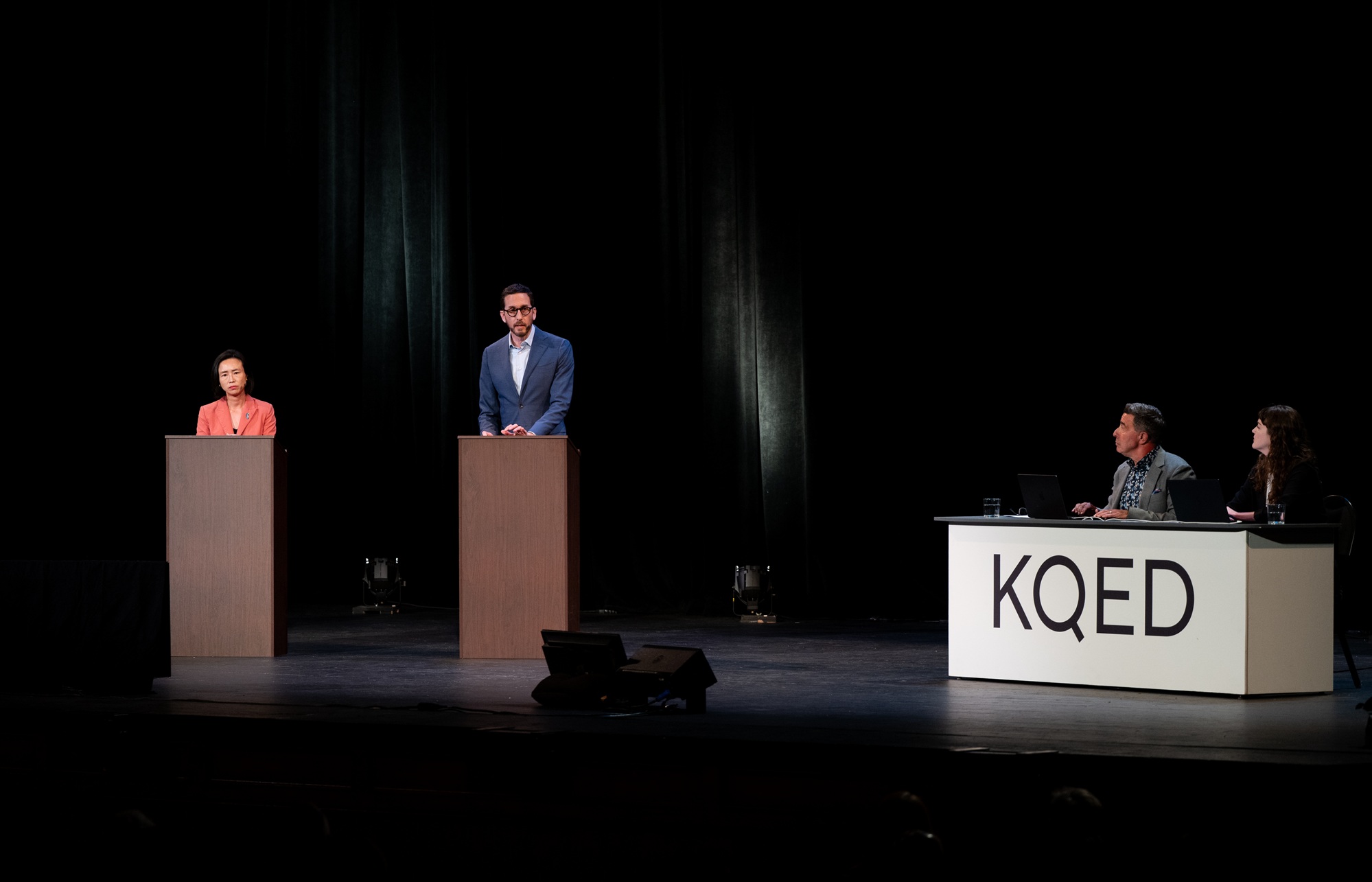
"caption": "San Francisco Supervisor Connie Chan and state Sen. Scott Wiener debate in a co-sponsored event by KQED at the Sydney Goldstein Theater in San Francisco on March 31, 2026, ahead of the June primary election.",
"credit": "Beth LaBerge/KQED",
"altTag": "Two people stand at lecterns on a stage while two moderators sit nearby at a desk",
"description": null,
"imgSizes": {
"thumbnail": {
"file": "https://cdn.kqed.org/wp-content/uploads/sites/10/2026/10/260331-SFCongressDebate-09-BL-160x103.jpg",
"width": 160,
"height": 103,
"mimeType": "image/jpeg"
},
"1536x1536": {
"file": "https://cdn.kqed.org/wp-content/uploads/sites/10/2026/10/260331-SFCongressDebate-09-BL-1536x987.jpg",
"width": 1536,
"height": 987,
"mimeType": "image/jpeg"
},
"post-thumbnail": {
"file": "https://cdn.kqed.org/wp-content/uploads/sites/10/2026/10/260331-SFCongressDebate-09-BL-672x372.jpg",
"width": 672,
"height": 372,
"mimeType": "image/jpeg"
},
"twentyfourteen-full-width": {
"file": "https://cdn.kqed.org/wp-content/uploads/sites/10/2026/10/260331-SFCongressDebate-09-BL-1038x576.jpg",
"width": 1038,
"height": 576,
"mimeType": "image/jpeg"
},
"npr-cds-wide": {
"file": "https://cdn.kqed.org/wp-content/uploads/sites/10/2026/10/260331-SFCongressDebate-09-BL-1200x675.jpg",
"width": 1200,
"height": 675,
"mimeType": "image/jpeg"
},
"npr-cds-square": {
"file": "https://cdn.kqed.org/wp-content/uploads/sites/10/2026/10/260331-SFCongressDebate-09-BL-600x600.jpg",
"width": 600,
"height": 600,
"mimeType": "image/jpeg"
},
"kqedFullSize": {
"file": "https://cdn.kqed.org/wp-content/uploads/sites/10/2026/10/260331-SFCongressDebate-09-BL.jpg",
"width": 1999,
"height": 1285
}
},
"isLoading": false,
"fetchFailed": false
},
"news_12102304": {
"type": "attachments",
"id": "news_12102304",
"meta": {
"index": "attachments_1716263798",
"site": "news",
"id": "12102304",
"found": true
},
"title": "093026-Becerra-Hilton-Debate-CNN-CM-01",
"publishDate": 1790871535,
"status": "inherit",
"parent": 12102300,
"modified": 1790871563,
"caption": "From left, gubernatorial candidates Xavier Becerra and Steve Hilton, during CNN’s California Gubernatorial Debate at CNN’s studio in Burbank on Sept. 30, 2026. The debate was moderated by CNN anchors Jake Tapper and Dana Bash. ",
"credit": "Grace Widyatmadja/CNN",
"altTag": null,
"description": null,
"imgSizes": {
"thumbnail": {
"file": "https://cdn.kqed.org/wp-content/uploads/sites/10/2026/10/093026-Becerra-Hilton-Debate-CNN-CM-01-160x107.jpg",
"width": 160,
"height": 107,
"mimeType": "image/jpeg"
},
"1536x1536": {
"file": "https://cdn.kqed.org/wp-content/uploads/sites/10/2026/10/093026-Becerra-Hilton-Debate-CNN-CM-01-1536x1025.jpg",
"width": 1536,
"height": 1025,
"mimeType": "image/jpeg"
},
"post-thumbnail": {
"file": "https://cdn.kqed.org/wp-content/uploads/sites/10/2026/10/093026-Becerra-Hilton-Debate-CNN-CM-01-672x372.jpg",
"width": 672,
"height": 372,
"mimeType": "image/jpeg"
},
"twentyfourteen-full-width": {
"file": "https://cdn.kqed.org/wp-content/uploads/sites/10/2026/10/093026-Becerra-Hilton-Debate-CNN-CM-01-1038x576.jpg",
"width": 1038,
"height": 576,
"mimeType": "image/jpeg"
},
"npr-cds-wide": {
"file": "https://cdn.kqed.org/wp-content/uploads/sites/10/2026/10/093026-Becerra-Hilton-Debate-CNN-CM-01-1200x675.jpg",
"width": 1200,
"height": 675,
"mimeType": "image/jpeg"
},
"npr-cds-square": {
"file": "https://cdn.kqed.org/wp-content/uploads/sites/10/2026/10/093026-Becerra-Hilton-Debate-CNN-CM-01-600x600.jpg",
"width": 600,
"height": 600,
"mimeType": "image/jpeg"
},
"kqedFullSize": {
"file": "https://cdn.kqed.org/wp-content/uploads/sites/10/2026/10/093026-Becerra-Hilton-Debate-CNN-CM-01.jpg",
"width": 1999,
"height": 1334
}
},
"isLoading": false,
"fetchFailed": false
},
"news_12098431": {
"type": "attachments",
"id": "news_12098431",
"meta": {
"index": "attachments_1716263798",
"site": "news",
"id": "12098431",
"found": true
},
"title": "260828-SOUTH BAY DATA CENTERS-MD-07-KQED",
"publishDate": 1788542212,
"status": "inherit",
"parent": 0,
"modified": 1790816266,
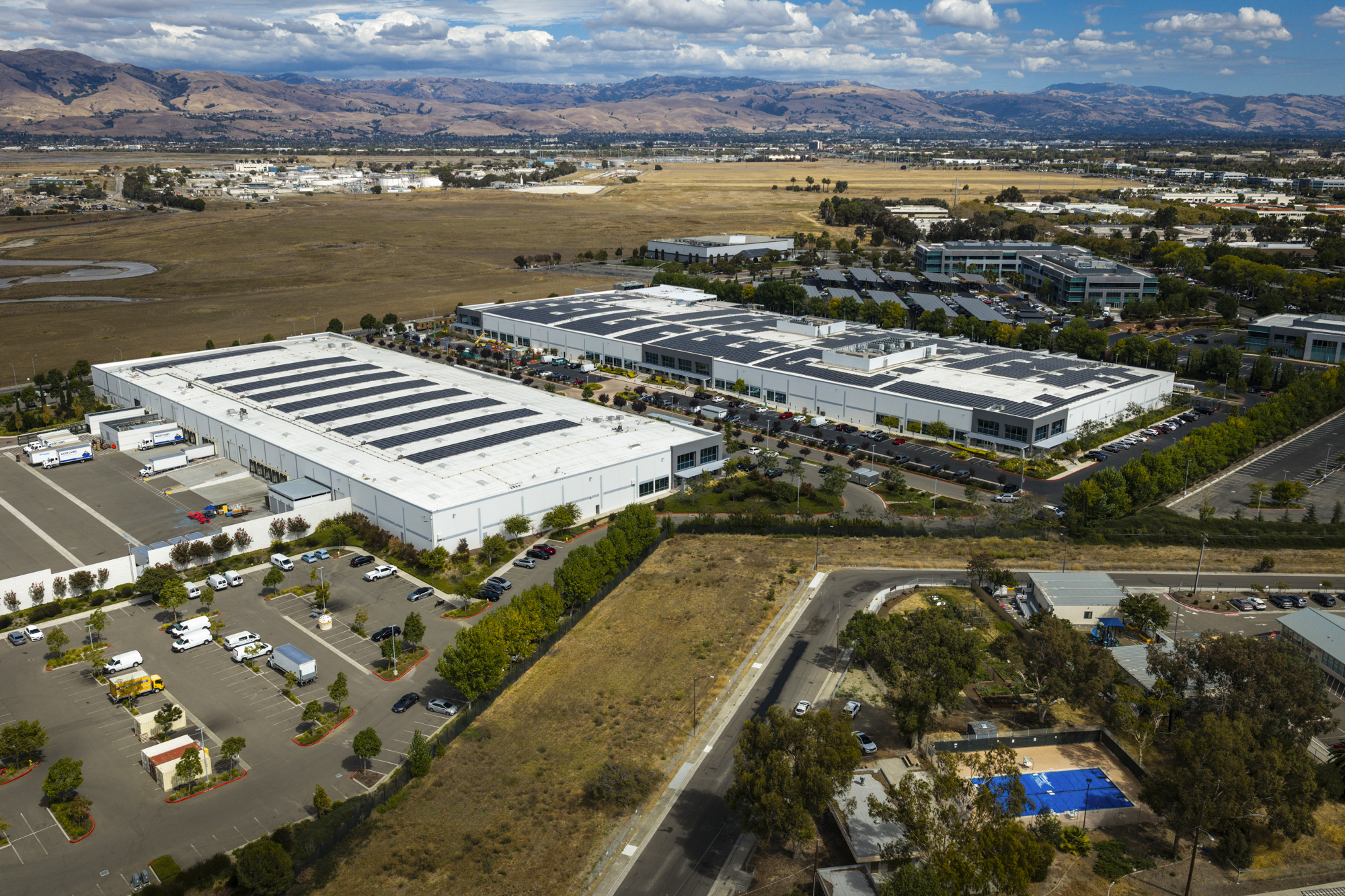
"caption": "Buildings in the Alviso neighborhood of San José that Google plans to modify to operate in a capacity similar to a data center on Sept. 3, 2026.",
"credit": "Martin do Nascimento/KQED",
"altTag": null,
"description": null,
"imgSizes": {
"thumbnail": {
"file": "https://cdn.kqed.org/wp-content/uploads/sites/10/2026/09/260828-SOUTH-BAY-DATA-CENTERS-MD-07-KQED-160x107.jpg",
"width": 160,
"height": 107,
"mimeType": "image/jpeg"
},
"1536x1536": {
"file": "https://cdn.kqed.org/wp-content/uploads/sites/10/2026/09/260828-SOUTH-BAY-DATA-CENTERS-MD-07-KQED-1536x1024.jpg",
"width": 1536,
"height": 1024,
"mimeType": "image/jpeg"
},
"post-thumbnail": {
"file": "https://cdn.kqed.org/wp-content/uploads/sites/10/2026/09/260828-SOUTH-BAY-DATA-CENTERS-MD-07-KQED-672x372.jpg",
"width": 672,
"height": 372,
"mimeType": "image/jpeg"
},
"twentyfourteen-full-width": {
"file": "https://cdn.kqed.org/wp-content/uploads/sites/10/2026/09/260828-SOUTH-BAY-DATA-CENTERS-MD-07-KQED-1038x576.jpg",
"width": 1038,
"height": 576,
"mimeType": "image/jpeg"
},
"npr-cds-wide": {
"file": "https://cdn.kqed.org/wp-content/uploads/sites/10/2026/09/260828-SOUTH-BAY-DATA-CENTERS-MD-07-KQED-1200x675.jpg",
"width": 1200,
"height": 675,
"mimeType": "image/jpeg"
},
"npr-cds-square": {
"file": "https://cdn.kqed.org/wp-content/uploads/sites/10/2026/09/260828-SOUTH-BAY-DATA-CENTERS-MD-07-KQED-600x600.jpg",
"width": 600,
"height": 600,
"mimeType": "image/jpeg"
},
"kqedFullSize": {
"file": "https://cdn.kqed.org/wp-content/uploads/sites/10/2026/09/260828-SOUTH-BAY-DATA-CENTERS-MD-07-KQED.jpg",
"width": 2000,
"height": 1333
}
},
"isLoading": false,
"fetchFailed": false
},
"news_12102009": {
"type": "attachments",
"id": "news_12102009",
"meta": {
"index": "attachments_1716263798",
"site": "news",
"id": "12102009",
"found": true
},
"title": "YouthVoterGetty",
"publishDate": 1790724801,
"status": "inherit",
"parent": 12101605,
"modified": 1790725404,
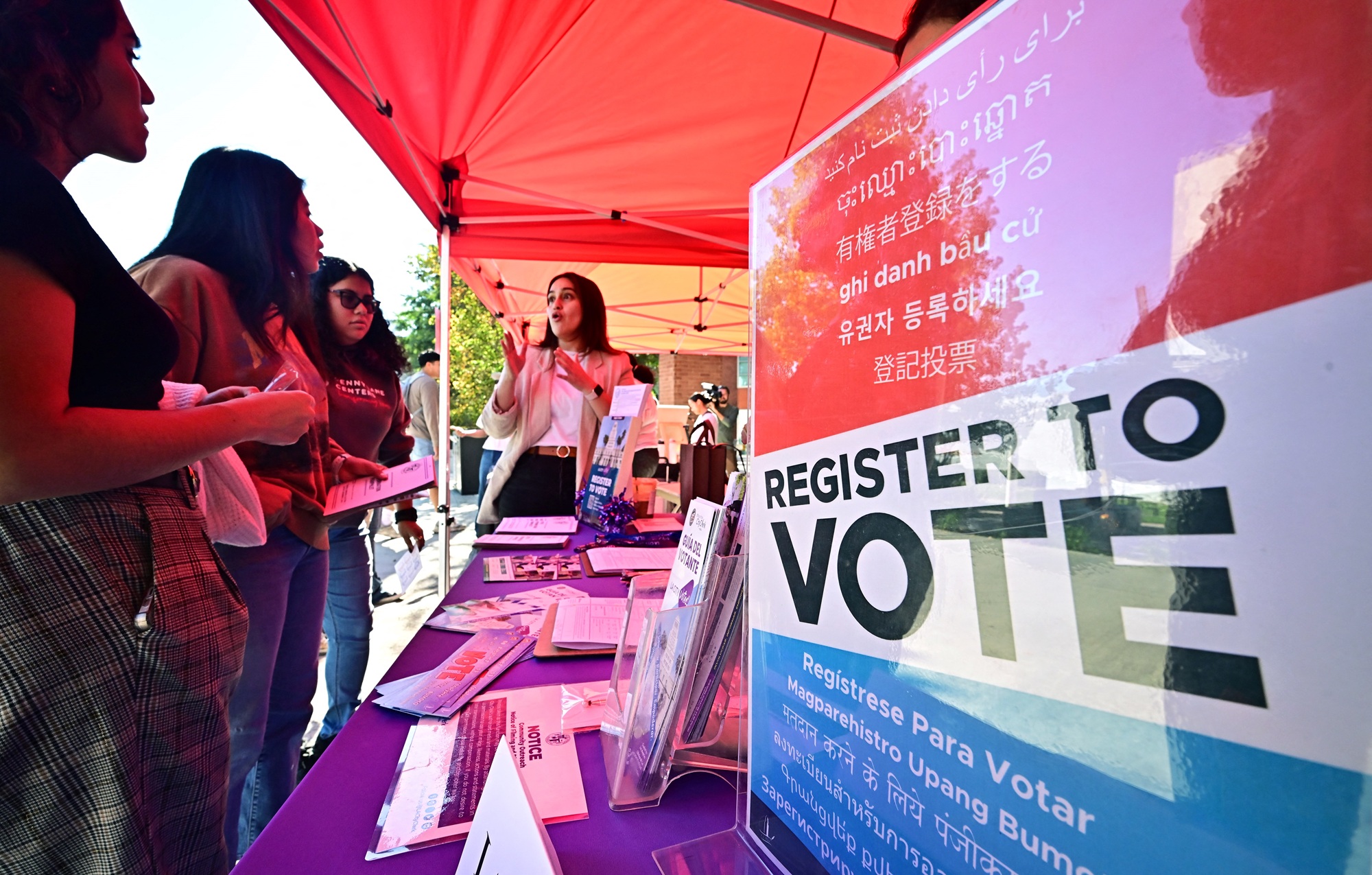
"caption": "Potential young voters get information at a voter registration desk at Voter Fest 2024, an event designed to engage young voters and historically underserved communities on Oct. 22, 2024, at Cal State Los Angeles.",
"credit": "Frederic J. Brown/AFP via Getty Images",
"altTag": null,
"description": null,
"imgSizes": {
"thumbnail": {
"file": "https://cdn.kqed.org/wp-content/uploads/sites/10/2026/09/YouthVoterGetty-160x102.jpg",
"width": 160,
"height": 102,
"mimeType": "image/jpeg"
},
"1536x1536": {
"file": "https://cdn.kqed.org/wp-content/uploads/sites/10/2026/09/YouthVoterGetty-1536x979.jpg",
"width": 1536,
"height": 979,
"mimeType": "image/jpeg"
},
"post-thumbnail": {
"file": "https://cdn.kqed.org/wp-content/uploads/sites/10/2026/09/YouthVoterGetty-672x372.jpg",
"width": 672,
"height": 372,
"mimeType": "image/jpeg"
},
"twentyfourteen-full-width": {
"file": "https://cdn.kqed.org/wp-content/uploads/sites/10/2026/09/YouthVoterGetty-1038x576.jpg",
"width": 1038,
"height": 576,
"mimeType": "image/jpeg"
},
"npr-cds-wide": {
"file": "https://cdn.kqed.org/wp-content/uploads/sites/10/2026/09/YouthVoterGetty-1200x675.jpg",
"width": 1200,
"height": 675,
"mimeType": "image/jpeg"
},
"npr-cds-square": {
"file": "https://cdn.kqed.org/wp-content/uploads/sites/10/2026/09/YouthVoterGetty-600x600.jpg",
"width": 600,
"height": 600,
"mimeType": "image/jpeg"
},
"kqedFullSize": {
"file": "https://cdn.kqed.org/wp-content/uploads/sites/10/2026/09/YouthVoterGetty.jpg",
"width": 2000,
"height": 1275
}
},
"isLoading": false,
"fetchFailed": false
},
"news_12100626": {
"type": "attachments",
"id": "news_12100626",
"meta": {
"index": "attachments_1716263798",
"site": "news",
"id": "12100626",
"found": true
},
"title": "013_KQED_AlamedaAffordableHousing_01122023_qed",
"publishDate": 1789771469,
"status": "inherit",
"parent": 12100622,
"modified": 1789771503,
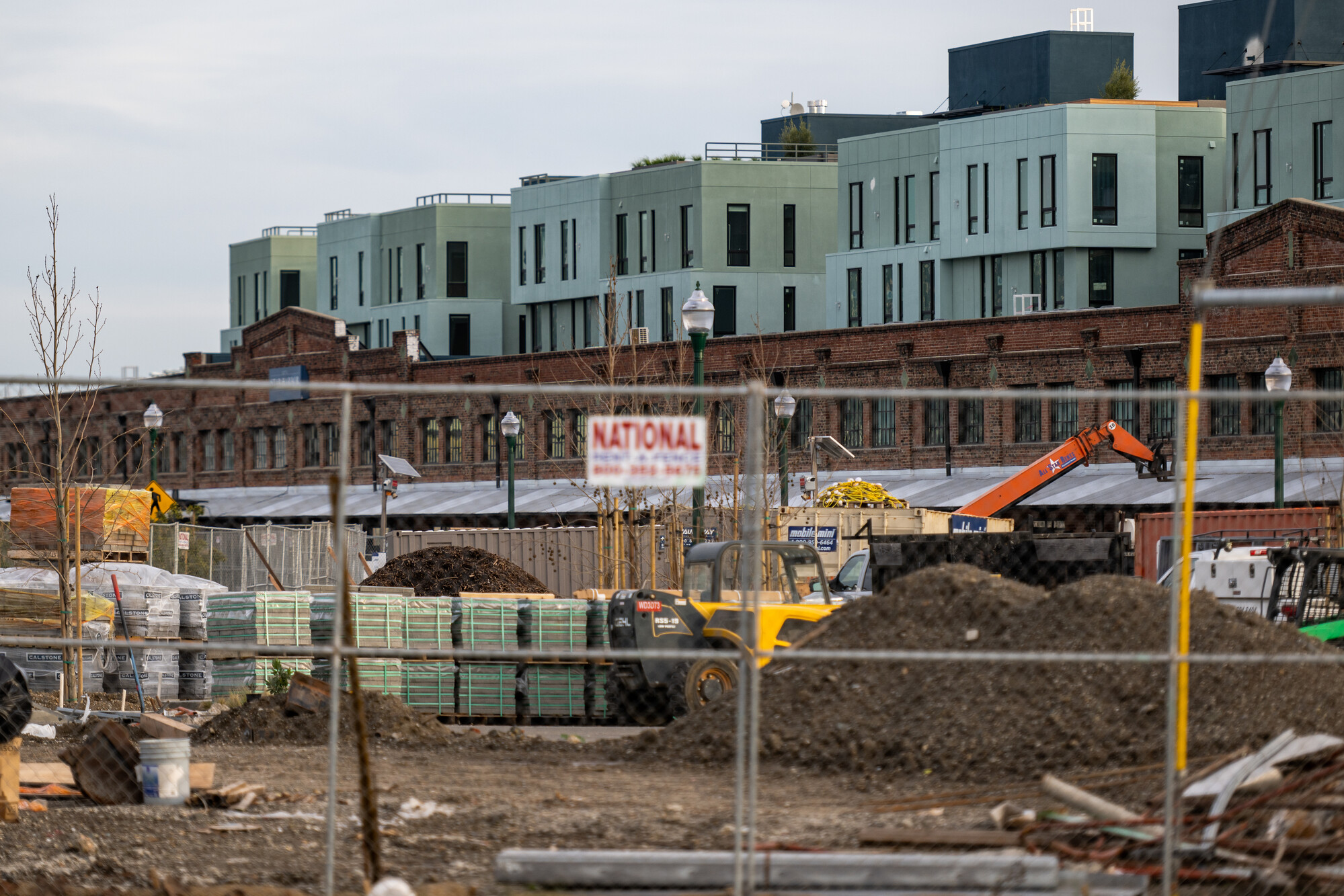
"caption": "The Del Monte warehouse is under construction to become an apartment building in Alameda on Jan. 12, 2023.",
"credit": "Beth LaBerge/KQED",
"altTag": null,
"description": null,
"imgSizes": {
"thumbnail": {
"file": "https://cdn.kqed.org/wp-content/uploads/sites/10/2026/09/013_KQED_AlamedaAffordableHousing_01122023_qed-160x107.jpg",
"width": 160,
"height": 107,
"mimeType": "image/jpeg"
},
"1536x1536": {
"file": "https://cdn.kqed.org/wp-content/uploads/sites/10/2026/09/013_KQED_AlamedaAffordableHousing_01122023_qed-1536x1024.jpg",
"width": 1536,
"height": 1024,
"mimeType": "image/jpeg"
},
"post-thumbnail": {
"file": "https://cdn.kqed.org/wp-content/uploads/sites/10/2026/09/013_KQED_AlamedaAffordableHousing_01122023_qed-672x372.jpg",
"width": 672,
"height": 372,
"mimeType": "image/jpeg"
},
"twentyfourteen-full-width": {
"file": "https://cdn.kqed.org/wp-content/uploads/sites/10/2026/09/013_KQED_AlamedaAffordableHousing_01122023_qed-1038x576.jpg",
"width": 1038,
"height": 576,
"mimeType": "image/jpeg"
},
"npr-cds-wide": {
"file": "https://cdn.kqed.org/wp-content/uploads/sites/10/2026/09/013_KQED_AlamedaAffordableHousing_01122023_qed-1200x675.jpg",
"width": 1200,
"height": 675,
"mimeType": "image/jpeg"
},
"npr-cds-square": {
"file": "https://cdn.kqed.org/wp-content/uploads/sites/10/2026/09/013_KQED_AlamedaAffordableHousing_01122023_qed-600x600.jpg",
"width": 600,
"height": 600,
"mimeType": "image/jpeg"
},
"kqedFullSize": {
"file": "https://cdn.kqed.org/wp-content/uploads/sites/10/2026/09/013_KQED_AlamedaAffordableHousing_01122023_qed.jpg",
"width": 1999,
"height": 1333
}
},
"isLoading": false,
"fetchFailed": false
},
"news_12100387": {
"type": "attachments",
"id": "news_12100387",
"meta": {
"index": "attachments_1716263798",
"site": "news",
"id": "12100387",
"found": true
},
"title": "GettyImages-2246577688",
"publishDate": 1789664732,
"status": "inherit",
"parent": 12100383,
"modified": 1789664807,
"caption": "Close-up of logo for Alameda County Transit (AC Transit) on a bus, Emeryville, California, Nov. 12, 2025. ",
"credit": "Smith Collection/Gado via Getty Images",
"altTag": null,
"description": null,
"imgSizes": {
"thumbnail": {
"file": "https://cdn.kqed.org/wp-content/uploads/sites/10/2026/09/GettyImages-2246577688-160x107.jpg",
"width": 160,
"height": 107,
"mimeType": "image/jpeg"
},
"1536x1536": {
"file": "https://cdn.kqed.org/wp-content/uploads/sites/10/2026/09/GettyImages-2246577688-1536x1024.jpg",
"width": 1536,
"height": 1024,
"mimeType": "image/jpeg"
},
"post-thumbnail": {
"file": "https://cdn.kqed.org/wp-content/uploads/sites/10/2026/09/GettyImages-2246577688-672x372.jpg",
"width": 672,
"height": 372,
"mimeType": "image/jpeg"
},
"twentyfourteen-full-width": {
"file": "https://cdn.kqed.org/wp-content/uploads/sites/10/2026/09/GettyImages-2246577688-1038x576.jpg",
"width": 1038,
"height": 576,
"mimeType": "image/jpeg"
},
"npr-cds-wide": {
"file": "https://cdn.kqed.org/wp-content/uploads/sites/10/2026/09/GettyImages-2246577688-1200x675.jpg",
"width": 1200,
"height": 675,
"mimeType": "image/jpeg"
},
"npr-cds-square": {
"file": "https://cdn.kqed.org/wp-content/uploads/sites/10/2026/09/GettyImages-2246577688-600x600.jpg",
"width": 600,
"height": 600,
"mimeType": "image/jpeg"
},
"kqedFullSize": {
"file": "https://cdn.kqed.org/wp-content/uploads/sites/10/2026/09/GettyImages-2246577688.jpg",
"width": 1980,
"height": 1320
}
},
"isLoading": false,
"fetchFailed": false
},
"news_12099882": {
"type": "attachments",
"id": "news_12099882",
"meta": {
"index": "attachments_1716263798",
"site": "news",
"id": "12099882",
"found": true
},
"title": "GettyImages-2261837536",
"publishDate": 1789513985,
"status": "inherit",
"parent": 12099825,
"modified": 1789514181,
"caption": "An attendee holds a sign before the start of a rally led by US Senator Bernie Sanders, Independent of Vermont, during the campaign kickoff for the California Billionaire Tax Act at The Wiltern in Los Angeles, February 18, 2026. ",
"credit": "Patrick T. Fallon/AFP via Getty Images",
"altTag": null,
"description": null,
"imgSizes": {
"thumbnail": {
"file": "https://cdn.kqed.org/wp-content/uploads/sites/10/2026/09/GettyImages-2261837536-160x107.png",
"width": 160,
"height": 107,
"mimeType": "image/png"
},
"1536x1536": {
"file": "https://cdn.kqed.org/wp-content/uploads/sites/10/2026/09/GettyImages-2261837536-1536x1024.png",
"width": 1536,
"height": 1024,
"mimeType": "image/png"
},
"post-thumbnail": {
"file": "https://cdn.kqed.org/wp-content/uploads/sites/10/2026/09/GettyImages-2261837536-672x372.png",
"width": 672,
"height": 372,
"mimeType": "image/png"
},
"twentyfourteen-full-width": {
"file": "https://cdn.kqed.org/wp-content/uploads/sites/10/2026/09/GettyImages-2261837536-1038x576.png",
"width": 1038,
"height": 576,
"mimeType": "image/png"
},
"npr-cds-wide": {
"file": "https://cdn.kqed.org/wp-content/uploads/sites/10/2026/09/GettyImages-2261837536-1200x675.png",
"width": 1200,
"height": 675,
"mimeType": "image/png"
},
"npr-cds-square": {
"file": "https://cdn.kqed.org/wp-content/uploads/sites/10/2026/09/GettyImages-2261837536-600x600.png",
"width": 600,
"height": 600,
"mimeType": "image/png"
},
"kqedFullSize": {
"file": "https://cdn.kqed.org/wp-content/uploads/sites/10/2026/09/GettyImages-2261837536.png",
"width": 2000,
"height": 1333
}
},
"isLoading": false,
"fetchFailed": false
},
"news_12099795": {
"type": "attachments",
"id": "news_12099795",
"meta": {
"index": "attachments_1716263798",
"site": "news",
"id": "12099795",
"found": true
},
"title": "A San Francisco official mail-in ballot for the Nov. 3, 2020 election.",
"publishDate": 1789500999,
"status": "inherit",
"parent": 12099793,
"modified": 1789501013,
"caption": "A San Francisco official mail-in ballot for the Nov. 3, 2020 election.",
"credit": "Beth LaBerge/KQED",
"altTag": null,
"description": null,
"imgSizes": {
"thumbnail": {
"file": "https://cdn.kqed.org/wp-content/uploads/sites/10/2026/09/002_KQED_SanFrancisco_Election2020_MailinBallot_10122020_qed-160x107.jpg",
"width": 160,
"height": 107,
"mimeType": "image/jpeg"
},
"1536x1536": {
"file": "https://cdn.kqed.org/wp-content/uploads/sites/10/2026/09/002_KQED_SanFrancisco_Election2020_MailinBallot_10122020_qed-1536x1024.jpg",
"width": 1536,
"height": 1024,
"mimeType": "image/jpeg"
},
"post-thumbnail": {
"file": "https://cdn.kqed.org/wp-content/uploads/sites/10/2026/09/002_KQED_SanFrancisco_Election2020_MailinBallot_10122020_qed-672x372.jpg",
"width": 672,
"height": 372,
"mimeType": "image/jpeg"
},
"twentyfourteen-full-width": {
"file": "https://cdn.kqed.org/wp-content/uploads/sites/10/2026/09/002_KQED_SanFrancisco_Election2020_MailinBallot_10122020_qed-1038x576.jpg",
"width": 1038,
"height": 576,
"mimeType": "image/jpeg"
},
"npr-cds-wide": {
"file": "https://cdn.kqed.org/wp-content/uploads/sites/10/2026/09/002_KQED_SanFrancisco_Election2020_MailinBallot_10122020_qed-1200x675.jpg",
"width": 1200,
"height": 675,
"mimeType": "image/jpeg"
},
"npr-cds-square": {
"file": "https://cdn.kqed.org/wp-content/uploads/sites/10/2026/09/002_KQED_SanFrancisco_Election2020_MailinBallot_10122020_qed-600x600.jpg",
"width": 600,
"height": 600,
"mimeType": "image/jpeg"
},
"kqedFullSize": {
"file": "https://cdn.kqed.org/wp-content/uploads/sites/10/2026/09/002_KQED_SanFrancisco_Election2020_MailinBallot_10122020_qed.jpg",
"width": 2000,
"height": 1333
}
},
"isLoading": false,
"fetchFailed": false
},
"news_12098221": {
"type": "attachments",
"id": "news_12098221",
"meta": {
"index": "attachments_1716263798",
"site": "news",
"id": "12098221",
"found": true
},
"title": "260902-SteveHiltonPB-07-BL_qed",
"publishDate": 1788390357,
"status": "inherit",
"parent": 12102300,
"modified": 1790871986,
"caption": "Steve Hilton, candidate for California governor, speaks with KQED political reporter Marisa Lagos for Political Breakdown at the KQED studios in San Francisco on Sept. 2, 2026.",
"credit": "Beth LaBerge/KQED",
"altTag": null,
"description": null,
"imgSizes": {
"thumbnail": {
"file": "https://cdn.kqed.org/wp-content/uploads/sites/10/2026/09/260902-SteveHiltonPB-07-BL_qed-160x107.jpg",
"width": 160,
"height": 107,
"mimeType": "image/jpeg"
},
"1536x1536": {
"file": "https://cdn.kqed.org/wp-content/uploads/sites/10/2026/09/260902-SteveHiltonPB-07-BL_qed-1536x1024.jpg",
"width": 1536,
"height": 1024,
"mimeType": "image/jpeg"
},
"post-thumbnail": {
"file": "https://cdn.kqed.org/wp-content/uploads/sites/10/2026/09/260902-SteveHiltonPB-07-BL_qed-672x372.jpg",
"width": 672,
"height": 372,
"mimeType": "image/jpeg"
},
"twentyfourteen-full-width": {
"file": "https://cdn.kqed.org/wp-content/uploads/sites/10/2026/09/260902-SteveHiltonPB-07-BL_qed-1038x576.jpg",
"width": 1038,
"height": 576,
"mimeType": "image/jpeg"
},
"npr-cds-wide": {
"file": "https://cdn.kqed.org/wp-content/uploads/sites/10/2026/09/260902-SteveHiltonPB-07-BL_qed-1200x675.jpg",
"width": 1200,
"height": 675,
"mimeType": "image/jpeg"
},
"npr-cds-square": {
"file": "https://cdn.kqed.org/wp-content/uploads/sites/10/2026/09/260902-SteveHiltonPB-07-BL_qed-600x600.jpg",
"width": 600,
"height": 600,
"mimeType": "image/jpeg"
},
"kqedFullSize": {
"file": "https://cdn.kqed.org/wp-content/uploads/sites/10/2026/09/260902-SteveHiltonPB-07-BL_qed.jpg",
"width": 2000,
"height": 1333
}
},
"isLoading": false,
"fetchFailed": false
},
"news_12097035": {
"type": "attachments",
"id": "news_12097035",
"meta": {
"index": "attachments_1716263798",
"site": "news",
"id": "12097035",
"found": true
},
"title": "Prop40BillionairesTaxGetty",
"publishDate": 1787852642,
"status": "inherit",
"parent": 12097032,
"modified": 1789514611,
"caption": "A supporter with the Billionaire Tax Now coalition holds a placard during a media briefing in Los Angeles on April 27, 2026.",
"credit": "Frederic J. Brown/AFP via Getty Images",
"altTag": null,
"description": null,
"imgSizes": {
"thumbnail": {
"file": "https://cdn.kqed.org/wp-content/uploads/sites/10/2026/08/Prop40BillionairesTaxGetty-160x108.jpg",
"width": 160,
"height": 108,
"mimeType": "image/jpeg"
},
"1536x1536": {
"file": "https://cdn.kqed.org/wp-content/uploads/sites/10/2026/08/Prop40BillionairesTaxGetty-1536x1036.jpg",
"width": 1536,
"height": 1036,
"mimeType": "image/jpeg"
},
"post-thumbnail": {
"file": "https://cdn.kqed.org/wp-content/uploads/sites/10/2026/08/Prop40BillionairesTaxGetty-672x372.jpg",
"width": 672,
"height": 372,
"mimeType": "image/jpeg"
},
"twentyfourteen-full-width": {
"file": "https://cdn.kqed.org/wp-content/uploads/sites/10/2026/08/Prop40BillionairesTaxGetty-1038x576.jpg",
"width": 1038,
"height": 576,
"mimeType": "image/jpeg"
},
"npr-cds-wide": {
"file": "https://cdn.kqed.org/wp-content/uploads/sites/10/2026/08/Prop40BillionairesTaxGetty-1200x675.jpg",
"width": 1200,
"height": 675,
"mimeType": "image/jpeg"
},
"npr-cds-square": {
"file": "https://cdn.kqed.org/wp-content/uploads/sites/10/2026/08/Prop40BillionairesTaxGetty-600x600.jpg",
"width": 600,
"height": 600,
"mimeType": "image/jpeg"
},
"kqedFullSize": {
"file": "https://cdn.kqed.org/wp-content/uploads/sites/10/2026/08/Prop40BillionairesTaxGetty.jpg",
"width": 2000,
"height": 1349
}
},
"isLoading": false,
"fetchFailed": false
},
"news_12059031": {
"type": "attachments",
"id": "news_12059031",
"meta": {
"index": "attachments_1716263798",
"site": "news",
"id": "12059031",
"found": true
},
"title": "251007_Urban Alchemy Rally_-2_qed",
"publishDate": 1759877320,
"status": "inherit",
"parent": 12058981,
"modified": 1760393052,
"caption": "Mayor Daniel Lurie speaks at a rally on the steps of City Hall in San Francisco on Oct. 7, 2025.",
"credit": "Gustavo Hernandez/KQED",
"altTag": null,
"description": null,
"imgSizes": {
"thumbnail": {
"file": "https://cdn.kqed.org/wp-content/uploads/sites/10/2025/10/251007_Urban-Alchemy-Rally_-2_qed-160x107.jpg",
"width": 160,
"height": 107,
"mimeType": "image/jpeg"
},
"1536x1536": {
"file": "https://cdn.kqed.org/wp-content/uploads/sites/10/2025/10/251007_Urban-Alchemy-Rally_-2_qed-1536x1024.jpg",
"width": 1536,
"height": 1024,
"mimeType": "image/jpeg"
},
"post-thumbnail": {
"file": "https://cdn.kqed.org/wp-content/uploads/sites/10/2025/10/251007_Urban-Alchemy-Rally_-2_qed-672x372.jpg",
"width": 672,
"height": 372,
"mimeType": "image/jpeg"
},
"twentyfourteen-full-width": {
"file": "https://cdn.kqed.org/wp-content/uploads/sites/10/2025/10/251007_Urban-Alchemy-Rally_-2_qed-1038x576.jpg",
"width": 1038,
"height": 576,
"mimeType": "image/jpeg"
},
"kqedFullSize": {
"file": "https://cdn.kqed.org/wp-content/uploads/sites/10/2025/10/251007_Urban-Alchemy-Rally_-2_qed.jpg",
"width": 2000,
"height": 1333
}
},
"isLoading": false,
"fetchFailed": false
},
"news_12095745": {
"type": "attachments",
"id": "news_12095745",
"meta": {
"index": "attachments_1716263798",
"site": "news",
"id": "12095745",
"found": true
},
"title": "251030-BayAreaVoters-06-BL_qed",
"publishDate": 1787073143,
"status": "inherit",
"parent": 12095741,
"modified": 1787073155,
"caption": "A voter is given a sticker after dropping his ballot at City Hall in San Francisco on Oct. 30, 2025, ahead of the statewide special election.",
"credit": "Beth LaBerge/KQED",
"altTag": null,
"description": null,
"imgSizes": {
"thumbnail": {
"file": "https://cdn.kqed.org/wp-content/uploads/sites/10/2026/08/251030-BayAreaVoters-06-BL_qed-160x107.jpg",
"width": 160,
"height": 107,
"mimeType": "image/jpeg"
},
"1536x1536": {
"file": "https://cdn.kqed.org/wp-content/uploads/sites/10/2026/08/251030-BayAreaVoters-06-BL_qed-1536x1024.jpg",
"width": 1536,
"height": 1024,
"mimeType": "image/jpeg"
},
"post-thumbnail": {
"file": "https://cdn.kqed.org/wp-content/uploads/sites/10/2026/08/251030-BayAreaVoters-06-BL_qed-672x372.jpg",
"width": 672,
"height": 372,
"mimeType": "image/jpeg"
},
"twentyfourteen-full-width": {
"file": "https://cdn.kqed.org/wp-content/uploads/sites/10/2026/08/251030-BayAreaVoters-06-BL_qed-1038x576.jpg",
"width": 1038,
"height": 576,
"mimeType": "image/jpeg"
},
"npr-cds-wide": {
"file": "https://cdn.kqed.org/wp-content/uploads/sites/10/2026/08/251030-BayAreaVoters-06-BL_qed-1200x675.jpg",
"width": 1200,
"height": 675,
"mimeType": "image/jpeg"
},
"npr-cds-square": {
"file": "https://cdn.kqed.org/wp-content/uploads/sites/10/2026/08/251030-BayAreaVoters-06-BL_qed-600x600.jpg",
"width": 600,
"height": 600,
"mimeType": "image/jpeg"
},
"kqedFullSize": {
"file": "https://cdn.kqed.org/wp-content/uploads/sites/10/2026/08/251030-BayAreaVoters-06-BL_qed.jpg",
"width": 2000,
"height": 1333
}
},
"isLoading": false,
"fetchFailed": false
}
},
"audioPlayerReducer": {
"postId": "stream_live",
"isPaused": true,
"isPlaying": false,
"pfsActive": false,
"pledgeModalIsOpen": true,
"playerDrawerIsOpen": false,
"liveAudioPlayStartedAt": 0,
"liveAudioPlayContext": ""
},
"authorsReducer": {
"byline_news_12102300": {
"type": "authors",
"id": "byline_news_12102300",
"meta": {
"override": true
},
"slug": "byline_news_12102300",
"name": "Jeanne Kuang, CalMatters",
"isLoading": false
},
"byline_news_12100383": {
"type": "authors",
"id": "byline_news_12100383",
"meta": {
"override": true
},
"slug": "byline_news_12100383",
"name": "Alina Ta",
"isLoading": false
},
"ohubertallen": {
"type": "authors",
"id": "102",
"meta": {
"index": "authors_1716337520",
"id": "102",
"found": true
},
"name": "Olivia Allen-Price",
"firstName": "Olivia",
"lastName": "Allen-Price",
"slug": "ohubertallen",
"email": "oallenprice@kqed.org",
"display_author_email": false,
"staff_mastheads": [
"news"
],
"title": "Senior Editor",
"bio": "Olivia Allen-Price is senior editor and host of the award-winning Bay Curious podcast. Prior to joining KQED in 2013, Olivia worked at The Baltimore Sun and The Virginian-Pilot in Norfolk, Va. She holds degrees in journalism and political science from Elon University. Her work has earned awards from the Society of Professional Journalists, the Hearst Foundation and Hearken. She loves to talk about running and curly hair.\r\n\r\nFollow: \u003ca href=\"https://twitter.com/oallenprice\">@oallenprice\u003c/a>\r\nEmail: \u003ca href=\"mailto:oallenprice@kqed.org\">oallenprice@kqed.org\u003c/a>",
"avatar": "https://secure.gravatar.com/avatar/07f7803c1f6be56f3be58ef276dfa64dce898502e0554408ef4858451a8294f7?s=600&d=blank&r=g",
"twitter": "oallenprice",
"bluesky": null,
"facebook": null,
"instagram": null,
"linkedin": null,
"sites": [
{
"site": "",
"roles": [
"editor"
]
},
{
"site": "arts",
"roles": [
"subscriber"
]
},
{
"site": "news",
"roles": [
"administrator"
]
},
{
"site": "pop",
"roles": [
"administrator"
]
},
{
"site": "bayareabites",
"roles": [
"contributor"
]
},
{
"site": "stateofhealth",
"roles": [
"administrator"
]
},
{
"site": "science",
"roles": [
"editor"
]
}
],
"headData": {
"title": "Olivia Allen-Price | KQED",
"description": "Senior Editor",
"ogImgSrc": "https://secure.gravatar.com/avatar/07f7803c1f6be56f3be58ef276dfa64dce898502e0554408ef4858451a8294f7?s=600&d=blank&r=g",
"twImgSrc": "https://secure.gravatar.com/avatar/07f7803c1f6be56f3be58ef276dfa64dce898502e0554408ef4858451a8294f7?s=600&d=blank&r=g"
},
"isLoading": false,
"link": "/author/ohubertallen"
},
"katrinaschwartz": {
"type": "authors",
"id": "234",
"meta": {
"index": "authors_1716337520",
"id": "234",
"found": true
},
"name": "Katrina Schwartz",
"firstName": "Katrina",
"lastName": "Schwartz",
"slug": "katrinaschwartz",
"email": "kschwartz@kqed.org",
"display_author_email": false,
"staff_mastheads": [
"news"
],
"title": "Producer",
"bio": "Katrina Schwartz is a journalist based in San Francisco. She's worked at KPCC public radio in LA and has reported on air and online for KQED since 2010. She covered how teaching and learning is changing for MindShift between 2012 and 2020. She is the co-host of the MindShift podcast and now produces KQED's Bay Curious podcast.",
"avatar": "https://secure.gravatar.com/avatar/edb4ee79070447a018538c9aae6eeecf28786515b8a0c30e43b6b7dce5aa44c8?s=600&d=blank&r=g",
"twitter": "kschwart",
"bluesky": null,
"facebook": null,
"instagram": null,
"linkedin": null,
"sites": [
{
"site": "",
"roles": [
"editor"
]
},
{
"site": "news",
"roles": [
"editor"
]
},
{
"site": "mindshift",
"roles": [
"administrator"
]
},
{
"site": "stateofhealth",
"roles": [
"author"
]
},
{
"site": "science",
"roles": [
"editor"
]
}
],
"headData": {
"title": "Katrina Schwartz | KQED",
"description": "Producer",
"ogImgSrc": "https://secure.gravatar.com/avatar/edb4ee79070447a018538c9aae6eeecf28786515b8a0c30e43b6b7dce5aa44c8?s=600&d=blank&r=g",
"twImgSrc": "https://secure.gravatar.com/avatar/edb4ee79070447a018538c9aae6eeecf28786515b8a0c30e43b6b7dce5aa44c8?s=600&d=blank&r=g"
},
"isLoading": false,
"link": "/author/katrinaschwartz"
},
"mlagos": {
"type": "authors",
"id": "3239",
"meta": {
"index": "authors_1716337520",
"id": "3239",
"found": true
},
"name": "Marisa Lagos",
"firstName": "Marisa",
"lastName": "Lagos",
"slug": "mlagos",
"email": "mlagos@kqed.org",
"display_author_email": false,
"staff_mastheads": [
"news"
],
"title": "KQED Contributor",
"bio": "Marisa Lagos is a correspondent for KQED’s California Politics and Government Desk and co-hosts the award-winning show and podcast, Political Breakdown. At KQED, Lagos also conducts reporting, analysis and investigations into state, local and national politics for radio, TV, online and onstage. In 2022, she and co-host, Scott Shafer, moderated the only gubernatorial debate in California. In 2020, the \u003ci>Washington Post\u003c/i> named her one of the top political journalists in California; she was nominated for a Peabody and won several other awards for her work investigating the 2017 California wildfires. She has worked at the \u003ci>San Francisco Chronicle\u003c/i>, \u003ci>San Francisco Examiner\u003c/i> and \u003ci>Los Angeles Times\u003c/i>. A UC Santa Barbara graduate, she lives in San Francisco with her two sons and husband.",
"avatar": "https://secure.gravatar.com/avatar/a261a0d3696fc066871ef96b85b5e7d2?s=600&d=blank&r=g",
"twitter": "@mlagos",
"facebook": null,
"instagram": null,
"linkedin": null,
"sites": [
{
"site": "arts",
"roles": [
"author"
]
},
{
"site": "news",
"roles": [
"editor"
]
},
{
"site": "science",
"roles": [
"editor"
]
},
{
"site": "forum",
"roles": [
"author"
]
},
{
"site": "liveblog",
"roles": [
"author"
]
}
],
"headData": {
"title": "Marisa Lagos | KQED",
"description": "KQED Contributor",
"ogImgSrc": "https://secure.gravatar.com/avatar/a261a0d3696fc066871ef96b85b5e7d2?s=600&d=blank&r=g",
"twImgSrc": "https://secure.gravatar.com/avatar/a261a0d3696fc066871ef96b85b5e7d2?s=600&d=blank&r=g"
},
"isLoading": false,
"link": "/author/mlagos"
},
"carlysevern": {
"type": "authors",
"id": "3243",
"meta": {
"index": "authors_1716337520",
"id": "3243",
"found": true
},
"name": "Carly Severn",
"firstName": "Carly",
"lastName": "Severn",
"slug": "carlysevern",
"email": "csevern@kqed.org",
"display_author_email": false,
"staff_mastheads": [
"news"
],
"title": "Senior Editor, Audience News ",
"bio": "Carly is KQED's Senior Editor of Audience News on the Digital News team, and has reported for the California Report Magazine, Bay Curious and KQED Arts. She's formerly the host of \u003ca href=\"http://ww2.kqed.org/pop/category/the-cooler/\" rel=\"noopener noreferrer\">The Cooler\u003c/a> podcast.",
"avatar": "https://secure.gravatar.com/avatar/54037bf5c128fe678f0ef26cec97a93f2e7f220a22d7285703328f12c42c1b1d?s=600&d=blank&r=g",
"twitter": "teacupinthebay",
"bluesky": null,
"facebook": null,
"instagram": null,
"linkedin": null,
"sites": [
{
"site": "",
"roles": [
"editor"
]
},
{
"site": "arts",
"roles": [
"editor"
]
},
{
"site": "news",
"roles": [
"administrator"
]
},
{
"site": "pop",
"roles": [
"editor"
]
},
{
"site": "futureofyou",
"roles": [
"editor"
]
},
{
"site": "about",
"roles": [
"administrator"
]
},
{
"site": "mindshift",
"roles": [
"editor"
]
},
{
"site": "bayareabites",
"roles": [
"editor"
]
},
{
"site": "stateofhealth",
"roles": [
"editor"
]
},
{
"site": "science",
"roles": [
"editor"
]
},
{
"site": "food",
"roles": [
"contributor"
]
},
{
"site": "forum",
"roles": [
"editor"
]
},
{
"site": "perspectives",
"roles": [
"administrator"
]
},
{
"site": "liveblog",
"roles": [
"editor"
]
}
],
"headData": {
"title": "Carly Severn | KQED",
"description": "Senior Editor, Audience News ",
"ogImgSrc": "https://secure.gravatar.com/avatar/54037bf5c128fe678f0ef26cec97a93f2e7f220a22d7285703328f12c42c1b1d?s=600&d=blank&r=g",
"twImgSrc": "https://secure.gravatar.com/avatar/54037bf5c128fe678f0ef26cec97a93f2e7f220a22d7285703328f12c42c1b1d?s=600&d=blank&r=g"
},
"isLoading": false,
"link": "/author/carlysevern"
},
"abandlamudi": {
"type": "authors",
"id": "11672",
"meta": {
"index": "authors_1716337520",
"id": "11672",
"found": true
},
"name": "Adhiti Bandlamudi",
"firstName": "Adhiti",
"lastName": "Bandlamudi",
"slug": "abandlamudi",
"email": "abandlamudi@kqed.org",
"display_author_email": false,
"staff_mastheads": [
"news"
],
"title": "KQED Housing Reporter",
"bio": "Adhiti Bandlamudi reports for KQED's Housing desk. She focuses on how housing gets built across the Bay Area. Before joining KQED in 2020, she reported for WUNC in Durham, North Carolina, WABE in Atlanta, Georgia and Capital Public Radio in Sacramento. In 2017, she was awarded a Kroc Fellowship at NPR where she reported on everything from sprinkles to the Golden State Killer's arrest. When she's not reporting, she's baking new recipes in her kitchen or watching movies with friends and family. She's originally from Georgia and has strong opinions about Great British Bake Off.",
"avatar": "https://secure.gravatar.com/avatar/868129c8b257bb99a3500e2c86a65400?s=600&d=mm&r=g",
"twitter": "oddity_adhiti",
"facebook": null,
"instagram": null,
"linkedin": null,
"sites": [
{
"site": "arts",
"roles": [
"author"
]
},
{
"site": "news",
"roles": [
"editor"
]
},
{
"site": "liveblog",
"roles": [
"author"
]
}
],
"headData": {
"title": "Adhiti Bandlamudi | KQED",
"description": "KQED Housing Reporter",
"ogImgSrc": "https://secure.gravatar.com/avatar/868129c8b257bb99a3500e2c86a65400?s=600&d=mm&r=g",
"twImgSrc": "https://secure.gravatar.com/avatar/868129c8b257bb99a3500e2c86a65400?s=600&d=mm&r=g"
},
"isLoading": false,
"link": "/author/abandlamudi"
},
"ernestoaguilar": {
"type": "authors",
"id": "11783",
"meta": {
"index": "authors_1716337520",
"id": "11783",
"found": true
},
"name": "Ernesto Aguilar",
"firstName": "Ernesto",
"lastName": "Aguilar",
"slug": "ernestoaguilar",
"email": "eaguilar@kqed.org",
"display_author_email": true,
"staff_mastheads": [
"news"
],
"title": "Executive Director of Radio Programming and Content Innovation Initiatives",
"bio": "Born in East Houston, Ernesto Aguilar’s life was transformed by public media. His career has traversed daily newspapers and alternative weeklies to public radio news and program director roles. At KQED, he oversees radio broadcast content and innovation initiatives in the Content division, including leading its AI Working Group. Prior to KQED, Aguilar served public media as executive director of the National Federation of Community Broadcasters. A Robert C. Maynard Institute for Journalism Education Fellow, Sulzberger Executive Leadership Fellow, Craig Newmark Graduate School of Journalism at CUNY AI in Journalism Leadership cohort selection and Public Media CEO/COO Bootcamp graduate, Aguilar has a B.A. in journalism, with minors in sociology and Women’s Studies from the University of Houston. In his spare time, he writes OIGO, a newsletter on public media and Latino audiences, and AI and Public Media Futures, a newsletter on artificial intelligence's impact on public broadcasting.",
"avatar": "https://secure.gravatar.com/avatar/3d1cf94be8d5fd3a3c8aa1e755cefa3c?s=600&d=mm&r=g",
"twitter": "@eaXLR",
"facebook": "https://www.facebook.com/eaXLR/",
"instagram": "https://www.instagram.com/eaxlr/",
"linkedin": "https://www.linkedin.com/in/eaxlr/",
"sites": [
{
"site": "",
"roles": [
"editor"
]
},
{
"site": "arts",
"roles": [
"editor"
]
},
{
"site": "news",
"roles": [
"editor"
]
},
{
"site": "about",
"roles": [
"editor"
]
},
{
"site": "radio",
"roles": [
"editor"
]
}
],
"headData": {
"title": "Ernesto Aguilar | KQED",
"description": "Executive Director of Radio Programming and Content Innovation Initiatives",
"ogImgSrc": "https://secure.gravatar.com/avatar/3d1cf94be8d5fd3a3c8aa1e755cefa3c?s=600&d=mm&r=g",
"twImgSrc": "https://secure.gravatar.com/avatar/3d1cf94be8d5fd3a3c8aa1e755cefa3c?s=600&d=mm&r=g"
},
"isLoading": false,
"link": "/author/ernestoaguilar"
},
"ibloom": {
"type": "authors",
"id": "11805",
"meta": {
"index": "authors_1716337520",
"id": "11805",
"found": true
},
"name": "Izzy Bloom",
"firstName": "Izzy",
"lastName": "Bloom",
"slug": "ibloom",
"email": "ibloom@kqed.org",
"display_author_email": false,
"staff_mastheads": [],
"title": "KQED Reporter & Producer",
"bio": "Izzy is a reporter and producer on KQED's California Politics & Government Desk. She joined the desk in 2024 to produce Political Breakdown, covering local and national elections and attending the RNC and DNC in Milwaukee and Chicago. \r\n\r\nBefore that, Izzy was a producer on The California Report and reported long-form stories for The California Report Magazine. She was a finalist for the Third Coast/Richard H. Driehaus Foundation Competition and was awarded for her reporting on indigenous land back by the Society of Professional Journalists. Izzy received her master's in journalism from the University of California, Berkeley.",
"avatar": "https://secure.gravatar.com/avatar/cc4d272ca430783ee1a8efac470a6b1e0fdd082c3beb61da019801d0ff751c8c?s=600&d=blank&r=g",
"twitter": null,
"bluesky": null,
"facebook": null,
"instagram": null,
"linkedin": null,
"sites": [
{
"site": "news",
"roles": [
"editor"
]
},
{
"site": "perspectives",
"roles": [
"editor"
]
}
],
"headData": {
"title": "Izzy Bloom | KQED",
"description": "KQED Reporter & Producer",
"ogImgSrc": "https://secure.gravatar.com/avatar/cc4d272ca430783ee1a8efac470a6b1e0fdd082c3beb61da019801d0ff751c8c?s=600&d=blank&r=g",
"twImgSrc": "https://secure.gravatar.com/avatar/cc4d272ca430783ee1a8efac470a6b1e0fdd082c3beb61da019801d0ff751c8c?s=600&d=blank&r=g"
},
"isLoading": false,
"link": "/author/ibloom"
},
"sjohnson": {
"type": "authors",
"id": "11840",
"meta": {
"index": "authors_1716337520",
"id": "11840",
"found": true
},
"name": "Sydney Johnson",
"firstName": "Sydney",
"lastName": "Johnson",
"slug": "sjohnson",
"email": "sjohnson@kqed.org",
"display_author_email": false,
"staff_mastheads": [
"news"
],
"title": "KQED Reporter",
"bio": "Sydney Johnson is a general assignment reporter at KQED. She previously reported on public health and city government at the San Francisco Examiner, and before that, she covered statewide education policy for EdSource. Her reporting has won multiple local, state and national awards. Sydney is a graduate of the University of California, Berkeley and lives in San Francisco.",
"avatar": "https://secure.gravatar.com/avatar/97855f2719b72ad6190b7c535fe642c8?s=600&d=blank&r=g",
"twitter": "sydneyfjohnson",
"facebook": null,
"instagram": null,
"linkedin": null,
"sites": [
{
"site": "news",
"roles": [
"editor"
]
}
],
"headData": {
"title": "Sydney Johnson | KQED",
"description": "KQED Reporter",
"ogImgSrc": "https://secure.gravatar.com/avatar/97855f2719b72ad6190b7c535fe642c8?s=600&d=blank&r=g",
"twImgSrc": "https://secure.gravatar.com/avatar/97855f2719b72ad6190b7c535fe642c8?s=600&d=blank&r=g"
},
"isLoading": false,
"link": "/author/sjohnson"
},
"jservantez": {
"type": "authors",
"id": "11909",
"meta": {
"index": "authors_1716337520",
"id": "11909",
"found": true
},
"name": "Jared Servantez",
"firstName": "Jared",
"lastName": "Servantez",
"slug": "jservantez",
"email": "jservantez@kqed.org",
"display_author_email": true,
"staff_mastheads": [
"news"
],
"title": "KQED Contributor",
"bio": "Jared Servantez is the editor of KQED's Express Desk, leading the newsroom's online breaking news operation. He most recently worked for the Los Angeles Times, where he served as a breaking news editor, the Metro Desk's night editor, and a copy editor. Jared is a graduate of the USC Annenberg School for Communication and Journalism.",
"avatar": "https://secure.gravatar.com/avatar/f0e317c67bb498c3f077f033d1cc79e62f3bc1303fa20a14e8880d31fbe7e01e?s=600&d=blank&r=g",
"twitter": "jservantez",
"bluesky": null,
"facebook": null,
"instagram": null,
"linkedin": null,
"sites": [
{
"site": "news",
"roles": [
"editor"
]
},
{
"site": "science",
"roles": [
"editor",
"author"
]
},
{
"site": "liveblog",
"roles": [
"editor"
]
}
],
"headData": {
"title": "Jared Servantez | KQED",
"description": "KQED Contributor",
"ogImgSrc": "https://secure.gravatar.com/avatar/f0e317c67bb498c3f077f033d1cc79e62f3bc1303fa20a14e8880d31fbe7e01e?s=600&d=blank&r=g",
"twImgSrc": "https://secure.gravatar.com/avatar/f0e317c67bb498c3f077f033d1cc79e62f3bc1303fa20a14e8880d31fbe7e01e?s=600&d=blank&r=g"
},
"isLoading": false,
"link": "/author/jservantez"
},
"kdebenedetti": {
"type": "authors",
"id": "11913",
"meta": {
"index": "authors_1716337520",
"id": "11913",
"found": true
},
"name": "Katie DeBenedetti",
"firstName": "Katie",
"lastName": "DeBenedetti",
"slug": "kdebenedetti",
"email": "kdebenedetti@kqed.org",
"display_author_email": false,
"staff_mastheads": [
"news",
"science"
],
"title": "KQED Contributor",
"bio": "Katie DeBenedetti is a digital reporter covering daily news for the Express Desk. Prior to joining KQED as a culture reporting intern in January 2024, she covered education and city government for the Napa Valley Register.",
"avatar": "https://secure.gravatar.com/avatar/6e31073cb8f7e4214ab03f42771d0f45?s=600&d=blank&r=g",
"twitter": null,
"facebook": null,
"instagram": null,
"linkedin": null,
"sites": [
{
"site": "news",
"roles": [
"author"
]
},
{
"site": "science",
"roles": [
"author"
]
},
{
"site": "liveblog",
"roles": [
"author"
]
}
],
"headData": {
"title": "Katie DeBenedetti | KQED",
"description": "KQED Contributor",
"ogImgSrc": "https://secure.gravatar.com/avatar/6e31073cb8f7e4214ab03f42771d0f45?s=600&d=blank&r=g",
"twImgSrc": "https://secure.gravatar.com/avatar/6e31073cb8f7e4214ab03f42771d0f45?s=600&d=blank&r=g"
},
"isLoading": false,
"link": "/author/kdebenedetti"
},
"skennedy": {
"type": "authors",
"id": "11935",
"meta": {
"index": "authors_1716337520",
"id": "11935",
"found": true
},
"name": "Samantha Kennedy",
"firstName": "Samantha",
"lastName": "Kennedy",
"slug": "skennedy",
"email": "SKennedy@kqed.org",
"display_author_email": false,
"staff_mastheads": [],
"title": "KQED Contributor",
"bio": null,
"avatar": "https://secure.gravatar.com/avatar/adc7b14bf1e801793202a156ecc864d4ad505b0fd63162a2f3da0e5ba57222d0?s=600&d=blank&r=g",
"twitter": null,
"bluesky": null,
"facebook": null,
"instagram": null,
"linkedin": null,
"sites": [
{
"site": "arts",
"roles": [
"author"
]
},
{
"site": "news",
"roles": [
"editor"
]
},
{
"site": "science",
"roles": [
"editor"
]
}
],
"headData": {
"title": "Samantha Kennedy | KQED",
"description": "KQED Contributor",
"ogImgSrc": "https://secure.gravatar.com/avatar/adc7b14bf1e801793202a156ecc864d4ad505b0fd63162a2f3da0e5ba57222d0?s=600&d=blank&r=g",
"twImgSrc": "https://secure.gravatar.com/avatar/adc7b14bf1e801793202a156ecc864d4ad505b0fd63162a2f3da0e5ba57222d0?s=600&d=blank&r=g"
},
"isLoading": false,
"link": "/author/skennedy"
},
"ejackson": {
"type": "authors",
"id": "12003",
"meta": {
"index": "authors_1716337520",
"id": "12003",
"found": true
},
"name": "Ella Jackson",
"firstName": "Ella",
"lastName": "Jackson",
"slug": "ejackson",
"email": "ejackson@kqed.org",
"display_author_email": false,
"staff_mastheads": [],
"title": "KQED Contributor",
"bio": null,
"avatar": "https://secure.gravatar.com/avatar/3c688edc62aec1dcae096e1475956d245f72bde99cff316455871c9b22a7205b?s=600&d=blank&r=g",
"twitter": null,
"bluesky": null,
"facebook": null,
"instagram": null,
"linkedin": null,
"sites": [
{
"site": "news",
"roles": [
"author"
]
},
{
"site": "science",
"roles": [
"author"
]
}
],
"headData": {
"title": "Ella Jackson | KQED",
"description": "KQED Contributor",
"ogImgSrc": "https://secure.gravatar.com/avatar/3c688edc62aec1dcae096e1475956d245f72bde99cff316455871c9b22a7205b?s=600&d=blank&r=g",
"twImgSrc": "https://secure.gravatar.com/avatar/3c688edc62aec1dcae096e1475956d245f72bde99cff316455871c9b22a7205b?s=600&d=blank&r=g"
},
"isLoading": false,
"link": "/author/ejackson"
}
},
"pagesReducer": {
"news_tag_election-2026": {
"type": "terms",
"id": "news_36336",
"meta": {
"index": "terms_1716263798",
"site": "news",
"id": "36336",
"score": 10.404627
},
"name": "Election 2026",
"slug": "election-2026",
"taxonomy": "tag",
"description": null,
"featImg": null,
"headData": {
"title": "Election 2026 | KQED News",
"description": null,
"ogTitle": null,
"ogDescription": null,
"ogImgId": null,
"twTitle": null,
"twDescription": null,
"twImgId": null
},
"ttid": 36353,
"isLoading": false,
"title": "Election 2026",
"pageMeta": {
"site": "news",
"WpPageTemplate": "page-topic-editorial",
"currentPage": 1
},
"blocks": [
{
"blockName": "kqed/post-list",
"attrs": {
"layout": "cardArticle2",
"query": "posts/news?tag=election-2026",
"seeMore": false,
"paginated": true,
"page": 1
}
},
{
"blockName": "kqed/ad"
}
]
}
},
"pfsSessionReducer": {},
"postsReducer": {
"stream_live": {
"type": "live",
"id": "stream_live",
"audioUrl": "https://streams.kqed.org/kqedradio",
"title": "Live Stream",
"excerpt": "Live Stream information currently unavailable.",
"link": "/radio",
"featImg": "",
"label": {
"name": "KQED Live",
"link": "/"
}
},
"stream_kqedNewscast": {
"type": "posts",
"id": "stream_kqedNewscast",
"audioUrl": "https://www.kqed.org/.stream/anon/radio/RDnews/newscast.mp3?_=1",
"title": "KQED Newscast",
"featImg": "",
"label": {
"name": "88.5 FM",
"link": "/"
}
},
"news_12102537": {
"type": "posts",
"id": "news_12102537",
"meta": {
"index": "posts_1716263798",
"site": "news",
"id": "12102537",
"score": null,
"sort": [
1790906700000
]
},
"guestAuthors": [],
"slug": "connie-chan-scott-wiener-debate-watch-live",
"title": "Watch Live: Connie Chan, Scott Wiener Debate for SF Congressional Seat",
"publishDate": 1790906700,
"format": "video",
"headTitle": "Watch Live: Connie Chan, Scott Wiener Debate for SF Congressional Seat | KQED",
"labelTerm": {
"site": "news"
},
"content": "\n\u003cp>San Francisco Supervisor Connie Chan and state Sen. Scott Wiener meet live onstage Thursday night at KQED for a critical debate, just days before ballots start arriving in the mail for the \u003ca href=\"https://www.kqed.org/voterguide\">November election\u003c/a>.\u003c/p>\n\n\n\n\u003cp>The two Democrats, both steeped in San Francisco politics, are running for \u003ca href=\"https://www.kqed.org/voterguide/sanfrancisco/congress-11th-district\">the House seat\u003c/a> held for nearly four decades by Speaker Emerita Nancy Pelosi — marking the first time in years that the race has been truly competitive. The winner will be a voice for San Francisco in Washington on issues such as foreign policy, taxation and federal regulation.\u003c/p>\n\n\n\n\u003cp>Co-hosted by KQED’s Scott Shafer and Marisa Lagos and \u003cem>The San Francisco Chronicle\u003c/em>’s Joe Garofoli, the debate is set to begin at 7:30 p.m. and will be livestreamed on the \u003ca href=\"https://www.youtube.com/watch?v=igBVJ_1dIdY\">KQED Live YouTube page\u003c/a>. It will explore issues facing the city, such as affordability, tech and the economy, immigration, foreign conflicts and the role of San Francisco in national politics.\u003c/p>\n\n\n\n\u003cp>In addition to the livestream, the debate will be recorded for later broadcast on radio at KQED 88.5FM on Friday at 8 p.m. and on television on KQED 9 on Oct. 9 at 8 p.m., as well as for podcast feeds as a special episode of KQED’s \u003ca href=\"https://www.kqed.org/podcasts/politicalbreakdown\">Political Breakdown\u003c/a> dropping Saturday morning.\u003c/p>\n\n\n\n\u003cp>Read more about Chan, Wiener and the race between them at KQED’s Voter Guide \u003ca href=\"https://www.kqed.org/voterguide/sanfrancisco/congress-11th-district\">here\u003c/a>.\u003c/p>\n",
"blocks": [
{
"blockName": "core/paragraph",
"attrs": {
"dropCap": false
},
"innerHTML": "\n\u003cp>San Francisco Supervisor Connie Chan and state Sen. Scott Wiener meet live onstage Thursday night at KQED for a critical debate, just days before ballots start arriving in the mail for the \u003ca href=\"https://www.kqed.org/voterguide\">November election\u003c/a>.\u003c/p>\n",
"innerContent": [
"\n\u003cp>San Francisco Supervisor Connie Chan and state Sen. Scott Wiener meet live onstage Thursday night at KQED for a critical debate, just days before ballots start arriving in the mail for the \u003ca href=\"https://www.kqed.org/voterguide\">November election\u003c/a>.\u003c/p>\n"
],
"innerBlocks": []
},
{
"blockName": "core/paragraph",
"attrs": {
"dropCap": false
},
"innerHTML": "\n\u003cp>The two Democrats, both steeped in San Francisco politics, are running for \u003ca href=\"https://www.kqed.org/voterguide/sanfrancisco/congress-11th-district\">the House seat\u003c/a> held for nearly four decades by Speaker Emerita Nancy Pelosi — marking the first time in years that the race has been truly competitive. The winner will be a voice for San Francisco in Washington on issues such as foreign policy, taxation and federal regulation.\u003c/p>\n",
"innerContent": [
"\n\u003cp>The two Democrats, both steeped in San Francisco politics, are running for \u003ca href=\"https://www.kqed.org/voterguide/sanfrancisco/congress-11th-district\">the House seat\u003c/a> held for nearly four decades by Speaker Emerita Nancy Pelosi — marking the first time in years that the race has been truly competitive. The winner will be a voice for San Francisco in Washington on issues such as foreign policy, taxation and federal regulation.\u003c/p>\n"
],
"innerBlocks": []
},
{
"blockName": "core/paragraph",
"attrs": {
"dropCap": false
},
"innerHTML": "\n\u003cp>Co-hosted by KQED’s Scott Shafer and Marisa Lagos and \u003cem>The San Francisco Chronicle\u003c/em>’s Joe Garofoli, the debate is set to begin at 7:30 p.m. and will be livestreamed on the \u003ca href=\"https://www.youtube.com/watch?v=igBVJ_1dIdY\">KQED Live YouTube page\u003c/a>. It will explore issues facing the city, such as affordability, tech and the economy, immigration, foreign conflicts and the role of San Francisco in national politics.\u003c/p>\n",
"innerContent": [
"\n\u003cp>Co-hosted by KQED’s Scott Shafer and Marisa Lagos and \u003cem>The San Francisco Chronicle\u003c/em>’s Joe Garofoli, the debate is set to begin at 7:30 p.m. and will be livestreamed on the \u003ca href=\"https://www.youtube.com/watch?v=igBVJ_1dIdY\">KQED Live YouTube page\u003c/a>. It will explore issues facing the city, such as affordability, tech and the economy, immigration, foreign conflicts and the role of San Francisco in national politics.\u003c/p>\n"
],
"innerBlocks": []
},
{
"blockName": "core/paragraph",
"attrs": {
"dropCap": false
},
"innerHTML": "\n\u003cp>In addition to the livestream, the debate will be recorded for later broadcast on radio at KQED 88.5FM on Friday at 8 p.m. and on television on KQED 9 on Oct. 9 at 8 p.m., as well as for podcast feeds as a special episode of KQED’s \u003ca href=\"https://www.kqed.org/podcasts/politicalbreakdown\">Political Breakdown\u003c/a> dropping Saturday morning.\u003c/p>\n",
"innerContent": [
"\n\u003cp>In addition to the livestream, the debate will be recorded for later broadcast on radio at KQED 88.5FM on Friday at 8 p.m. and on television on KQED 9 on Oct. 9 at 8 p.m., as well as for podcast feeds as a special episode of KQED’s \u003ca href=\"https://www.kqed.org/podcasts/politicalbreakdown\">Political Breakdown\u003c/a> dropping Saturday morning.\u003c/p>\n"
],
"innerBlocks": []
},
{
"blockName": "core/paragraph",
"attrs": {
"dropCap": false
},
"innerHTML": "\n\u003cp>Read more about Chan, Wiener and the race between them at KQED’s Voter Guide \u003ca href=\"https://www.kqed.org/voterguide/sanfrancisco/congress-11th-district\">here\u003c/a>.\u003c/p>\n",
"innerContent": [
"\n\u003cp>Read more about Chan, Wiener and the race between them at KQED’s Voter Guide \u003ca href=\"https://www.kqed.org/voterguide/sanfrancisco/congress-11th-district\">here\u003c/a>.\u003c/p>\n"
],
"innerBlocks": []
}
],
"excerpt": "San Francisco Supervisor Connie Chan and state Sen. Scott Wiener meet live onstage Thursday night at KQED for a critical debate ahead of the November election.",
"status": "publish",
"parent": 0,
"modified": 1790906710,
"stats": {
"hasAudio": false,
"hasVideo": false,
"hasChartOrMap": false,
"iframeSrcs": [],
"hasGoogleForm": false,
"hasGallery": false,
"hasHearkenModule": false,
"hasPolis": false,
"paragraphCount": 5,
"wordCount": 230
},
"headData": {
"title": "Watch Live: Connie Chan, Scott Wiener Debate for SF Congressional Seat | KQED",
"description": "San Francisco Supervisor Connie Chan and state Sen. Scott Wiener meet live onstage Thursday night at KQED for a critical debate ahead of the November election.",
"ogTitle": "",
"ogDescription": "",
"ogImgId": "",
"twTitle": "",
"twDescription": "",
"twImgId": "",
"schema": {
"@context": "https://schema.org",
"@type": "NewsArticle",
"headline": "Watch Live: Connie Chan, Scott Wiener Debate for SF Congressional Seat",
"datePublished": "2026-10-01T19:05:00-07:00",
"dateModified": "2026-10-01T19:05:10-07:00",
"image": "https://cdn.kqed.org/wp-content/uploads/2020/02/KQED-OG-Image@1x.png",
"isAccessibleForFree": "True",
"publisher": {
"@type": "NewsMediaOrganization",
"@id": "https://www.kqed.org/#organization",
"name": "KQED",
"logo": "https://cdn.kqed.org/wp-content/uploads/2020/02/KQED-OG-Image@1x.png",
"url": "https://www.kqed.org",
"sameAs": [
"https://www.facebook.com/KQED",
"https://twitter.com/KQED",
"https://www.instagram.com/kqed/",
"https://www.tiktok.com/@kqedofficial",
"https://www.linkedin.com/company/kqed",
"https://www.youtube.com/channel/UCeC0IOo7i1P_61zVUWbJ4nw"
]
}
}
},
"primaryCategory": {
"termId": 13,
"slug": "politics",
"name": "Politics"
},
"videoEmbed": "https://www.youtube.com/watch?v=igBVJ_1dIdY",
"sticky": false,
"nprStoryId": "kqed-12102537",
"templateType": "video",
"featuredImageType": "standard",
"excludeFromSiteSearch": "Include",
"articleAge": "0",
"path": "/news/12102537/connie-chan-scott-wiener-debate-watch-live",
"audioTrackLength": null,
"parsedContent": [
{
"type": "contentString",
"content": "\u003cdiv class=\"post-body\">\u003cp>\n\u003cp>San Francisco Supervisor Connie Chan and state Sen. Scott Wiener meet live onstage Thursday night at KQED for a critical debate, just days before ballots start arriving in the mail for the \u003ca href=\"https://www.kqed.org/voterguide\">November election\u003c/a>.\u003c/p>\n\n\n\n\u003cp>The two Democrats, both steeped in San Francisco politics, are running for \u003ca href=\"https://www.kqed.org/voterguide/sanfrancisco/congress-11th-district\">the House seat\u003c/a> held for nearly four decades by Speaker Emerita Nancy Pelosi — marking the first time in years that the race has been truly competitive. The winner will be a voice for San Francisco in Washington on issues such as foreign policy, taxation and federal regulation.\u003c/p>\n\n\n\n\u003cp>Co-hosted by KQED’s Scott Shafer and Marisa Lagos and \u003cem>The San Francisco Chronicle\u003c/em>’s Joe Garofoli, the debate is set to begin at 7:30 p.m. and will be livestreamed on the \u003ca href=\"https://www.youtube.com/watch?v=igBVJ_1dIdY\">KQED Live YouTube page\u003c/a>. It will explore issues facing the city, such as affordability, tech and the economy, immigration, foreign conflicts and the role of San Francisco in national politics.\u003c/p>\n\n\n\n\u003cp>In addition to the livestream, the debate will be recorded for later broadcast on radio at KQED 88.5FM on Friday at 8 p.m. and on television on KQED 9 on Oct. 9 at 8 p.m., as well as for podcast feeds as a special episode of KQED’s \u003ca href=\"https://www.kqed.org/podcasts/politicalbreakdown\">Political Breakdown\u003c/a> dropping Saturday morning.\u003c/p>\n\n\n\n\u003cp>Read more about Chan, Wiener and the race between them at KQED’s Voter Guide \u003ca href=\"https://www.kqed.org/voterguide/sanfrancisco/congress-11th-district\">here\u003c/a>.\u003c/p>\n\u003c/div>\u003c/p>",
"attributes": {
"named": {},
"numeric": []
}
}
],
"link": "/news/12102537/connie-chan-scott-wiener-debate-watch-live",
"authors": [
"11909"
],
"categories": [
"news_31795",
"news_8",
"news_13"
],
"tags": [
"news_36137",
"news_36336",
"news_27626",
"news_34377",
"news_17968",
"news_38",
"news_1217"
],
"featImg": "news_12102540",
"label": "news"
},
"news_12102300": {
"type": "posts",
"id": "news_12102300",
"meta": {
"index": "posts_1716263798",
"site": "news",
"id": "12102300",
"score": null,
"sort": [
1790872242000
]
},
"guestAuthors": [],
"slug": "in-becerra-and-hiltons-only-scheduled-debate-trump-was-the-main-character",
"title": "In Becerra and Hilton’s Only Scheduled Debate, Trump Was the Main Character",
"publishDate": 1790872242,
"format": "standard",
"headTitle": "In Becerra and Hilton’s Only Scheduled Debate, Trump Was the Main Character | KQED",
"labelTerm": {},
"content": "\u003cp>\u003c!-- Creative Commons Attribution-NonCommercial-NoDerivatives https://creativecommons.org/licenses/by-nc-nd/4.0/ -->\u003c/p>\n\u003cp>\u003cem>This story was originally published by \u003ca href=\"https://calmatters.org/\">CalMatters\u003c/a>. \u003ca href=\"https://calmatters.org/subscribe-to-calmatters/\">Sign up\u003c/a> for their newsletters.\u003c/em>\u003c/p>\n\u003cp>Californians watching Wednesday night’s gubernatorial debate would be forgiven for thinking the \u003ca href=\"https://calmatters.org/california-voter-guide-2026/governor/\">candidates for governor\u003c/a> are President Donald Trump and the Democratic Party.\u003c/p>\n\u003cp>Trump was the central topic in the debate between Democrat Xavier Becerra and Republican Steve Hilton, with Becerra repeatedly tying Hilton to Trump’s policies on immigration, taxes, housing, the environment and Big Tech. Hilton also tried to tie Becerra to outgoing Gov. Gavin Newsom and California Democrats at large, whom Hilton blames for business and housing regulations that contribute to high costs.\u003c/p>\n\u003cp>Becerra mentioned the president, who is widely unpopular in California, more than a dozen times during the hourlong debate on CNN.\u003c/p>\n\u003cp>“You’re going to end up with Trump results if you follow Steve Hilton’s plans,” Becerra said when asked about Hilton’s proposal to eliminate income taxes for middle-class Californians. He pointed out that Hilton’s plan to drop income taxes on the first $150,000 in earnings also includes a tax cut for the state’s wealthiest earners, comparing it to federal tax cuts enacted by Trump.\u003c/p>\n\u003cfigure id=\"attachment_12082062\" class=\"wp-caption aligncenter\" style=\"max-width: 2000px\">\u003cimg loading=\"lazy\" decoding=\"async\" class=\"size-full wp-image-12082062\" src=\"https://cdn.kqed.org/wp-content/uploads/sites/10/2026/05/XavierBecerra.jpg\" alt=\"\" width=\"2000\" height=\"1333\" srcset=\"https://cdn.kqed.org/wp-content/uploads/sites/10/2026/05/XavierBecerra.jpg 2000w, https://cdn.kqed.org/wp-content/uploads/sites/10/2026/05/XavierBecerra-160x107.jpg 160w, https://cdn.kqed.org/wp-content/uploads/sites/10/2026/05/XavierBecerra-1536x1024.jpg 1536w\" sizes=\"auto, (max-width: 2000px) 100vw, 2000px\" />\u003cfigcaption class=\"wp-caption-text\">Xavier Becerra, Democratic gubernatorial candidate for California, speaks during a gubernatorial debate at KRON Studios in San Francisco on Wednesday, April 22, 2026. \u003ccite>(Jason Henry/Nexstar/Bloomberg Pool via Getty Images)\u003c/cite>\u003c/figcaption>\u003c/figure>\n\u003cp>Similarly, when Hilton said he would wait to assess whether California needs to more aggressively regulate artificial intelligence companies, Becerra linked his response to Trump’s inaction, saying “if you listen closely, you can hear Donald Trump in that response.”\u003c/p>\n\u003cp>Becerra also said he would impose limits on AI data centers in communities that oppose them. Hilton noted that Becerra’s campaign has received donations from the biggest artificial intelligence companies, Anthropic and OpenAI.\u003c/p>\n\u003cp>Trump endorsed Hilton during the \u003ca href=\"https://calmatters.org/politics/2026/06/california-governor-primary-hilton-advances/\">contested primary election\u003c/a>, but the former Fox News host has since tried to distance himself from both the president and the Republican Party, running ads telling voters they can dislike Trump and still support him. Last week, in an acknowledgement that opposition to Trump is dragging down Republicans’ approval rating, Hilton’s campaign released a poll claiming he was “unscathed from (the) Republican collapse.”\u003c/p>\n\u003cp>On Hilton’s proposal to expand oil drilling in California, Becerra brought up Trump’s effort to \u003ca href=\"https://www.kqed.org/news/12094648/californians-vow-to-fight-federal-takeover-of-coastline-for-oil-drilling\">expand drilling\u003c/a> off the state’s coast.\u003c/p>\n\u003cp>[aside postID=news_12102105 hero='https://cdn.kqed.org/wp-content/uploads/sites/10/2026/09/260828-SOUTH-BAY-DATA-CENTERS-MD-07-KQED.jpg']\u003c/p>\n\u003cp>On homelessness, Hilton noted Becerra once graded Newsom an “A for effort” on the issue despite homelessness increasing during his terms, while Becerra countered that Trump \u003ca href=\"https://calmatters.org/housing/homelessness/2026/06/lahsa-hud-funding/\">has blocked federal funding\u003c/a> for local homelessness agencies.\u003c/p>\n\u003cp>It’s a predictable strategy for Becerra, who enjoys a \u003ca href=\"https://www.ppic.org/publication/ppic-statewide-survey-californians-and-their-government-september-2026/\">double-digit lead\u003c/a> over Hilton in the heavily Democratic-leaning state where voters also disapprove of Trump by wide margins. The Democratic candidate and former U.S. Health and Human Services secretary has laid low since getting the most votes in the crowded all-party primary election in June, making few public appearances and agreeing only to one debate. Hilton criticized Becerra for repeatedly mentioning national politics, arguing the Democrat isn’t offering Californians any concrete solutions to the nation-topping cost of living.\u003c/p>\n\u003cp>“All you ever say is ‘Trump, Trump, Trump,’” Hilton said. “And that’s nothing but an insult to every Californian who is desperate for something to change in this state.”\u003c/p>\n\u003cp>The candidates traded insults throughout the night. Hilton cited reports that Becerra’s colleagues in President Joe Biden’s cabinet had “described (Becerra) as an idiot.”\u003c/p>\n\u003cp>Then, in several testy exchanges over immigration, Becerra, the son of Mexican immigrants, tied Hilton to Trump’s aggressive nationwide immigration raids and mass deportation campaign.\u003c/p>\n\u003cp>“You seem to welcome immigrants who look like you, but deport immigrants who look like me,” Becerra said. Hilton, a British immigrant and \u003ca href=\"https://calmatters.org/politics/2026/07/california-governor-hilton-profile/\">former adviser\u003c/a> to British Prime Minister David Cameron, bristled at the comment, calling it “disgraceful.”\u003c/p>\n\u003cfigure id=\"attachment_12098221\" class=\"wp-caption aligncenter\" style=\"max-width: 2000px\">\u003cimg loading=\"lazy\" decoding=\"async\" class=\"size-full wp-image-12098221\" src=\"https://cdn.kqed.org/wp-content/uploads/sites/10/2026/09/260902-SteveHiltonPB-07-BL_qed.jpg\" alt=\"\" width=\"2000\" height=\"1333\" srcset=\"https://cdn.kqed.org/wp-content/uploads/sites/10/2026/09/260902-SteveHiltonPB-07-BL_qed.jpg 2000w, https://cdn.kqed.org/wp-content/uploads/sites/10/2026/09/260902-SteveHiltonPB-07-BL_qed-160x107.jpg 160w, https://cdn.kqed.org/wp-content/uploads/sites/10/2026/09/260902-SteveHiltonPB-07-BL_qed-1536x1024.jpg 1536w\" sizes=\"auto, (max-width: 2000px) 100vw, 2000px\" />\u003cfigcaption class=\"wp-caption-text\">Steve Hilton, candidate for California governor, speaks with KQED political reporter Marisa Lagos for Political Breakdown at the KQED studios in San Francisco on Sept. 2, 2026. \u003ccite>(Beth LaBerge/KQED)\u003c/cite>\u003c/figcaption>\u003c/figure>\n\u003cp>Hilton \u003ca href=\"https://www.foxnews.com/video/6367836110112\">praised the deportation campaign\u003c/a> last January as “perfect” during an appearance on Fox News. He has previously described himself as “pro-immigration.” On Wednesday night, he dodged questions on whether he would undo the state’s sanctuary law limiting police cooperation with immigration agents and direct California officers to assist in Trump’s campaign.\u003c/p>\n\u003cp>Instead, he said, he would prefer to “turn down the temperature” on that debate.\u003c/p>\n\u003cp>The candidates argued over the best way to increase housing construction.\u003c/p>\n\u003cp>Hilton wants to build 10 new cities and allow more new construction on undeveloped land to avoid battles between the state and residents and local governments that are resistant to new development.\u003c/p>\n\u003cp>“We have got so much space that we could be building in,” he said.\u003c/p>\n\u003cp>Becerra said to address the housing crisis, he would reduce administrative and bureaucratic hurdles to getting construction permits, boost down payment assistance programs and stop Wall Street investors from competing with would-be homeowners. He pointed to the lawsuit he filed as state attorney general against the city of Huntington Beach to force it to approve new housing.\u003c/p>\n\u003cp>“No locality should have the right to try to stop all of our people in California from having the housing they need,” Becerra said.\u003c/p>\n\u003cp>They found common ground on how to keep the film industry in California amid competition from other states and countries. Los Angeles County has lost about 50,000 film and TV jobs since 2022. But while both candidates support expanding the state’s film tax credit to lower the cost of producing in California, they still each got in a dig over who to blame.\u003c/p>\n\u003cp>“Who’s been in charge when all those jobs have gone?” Hilton said.\u003c/p>\n\u003cp>“Donald Trump,” Becerra said.\u003c/p>\n\u003cp>“The Democrats,” Hilton said.\u003c/p>\n\u003cp>\u003cem>This article was \u003ca href=\"https://calmatters.org/politics/2026/09/california-general-election-gubernatorial-debate-cnn/\">originally published on CalMatters\u003c/a> and was republished under the \u003ca href=\"https://creativecommons.org/licenses/by-nc-nd/4.0/\">Creative Commons Attribution-NonCommercial-NoDerivatives\u003c/a> license.\u003c/em>\u003c/p>\n",
"blocks": [],
"excerpt": "In their only debate, Xavier Becerra repeatedly linked Steve Hilton to President Donald Trump — while Hilton accused him of dodging California’s real problems.",
"status": "publish",
"parent": 0,
"modified": 1790872242,
"stats": {
"hasAudio": false,
"hasVideo": false,
"hasChartOrMap": false,
"iframeSrcs": [],
"hasGoogleForm": false,
"hasGallery": false,
"hasHearkenModule": false,
"hasPolis": false,
"paragraphCount": 29,
"wordCount": 1003
},
"headData": {
"title": "In Becerra and Hilton’s Only Scheduled Debate, Trump Was the Main Character | KQED",
"description": "In their only debate, Xavier Becerra repeatedly linked Steve Hilton to President Donald Trump — while Hilton accused him of dodging California’s real problems.",
"ogTitle": "",
"ogDescription": "",
"ogImgId": "",
"twTitle": "",
"twDescription": "",
"twImgId": "",
"schema": {
"@context": "https://schema.org",
"@type": "NewsArticle",
"headline": "In Becerra and Hilton’s Only Scheduled Debate, Trump Was the Main Character",
"datePublished": "2026-10-01T09:30:42-07:00",
"dateModified": "2026-10-01T09:30:42-07:00",
"image": "https://cdn.kqed.org/wp-content/uploads/2020/02/KQED-OG-Image@1x.png",
"isAccessibleForFree": "True",
"publisher": {
"@type": "NewsMediaOrganization",
"@id": "https://www.kqed.org/#organization",
"name": "KQED",
"logo": "https://cdn.kqed.org/wp-content/uploads/2020/02/KQED-OG-Image@1x.png",
"url": "https://www.kqed.org",
"sameAs": [
"https://www.facebook.com/KQED",
"https://twitter.com/KQED",
"https://www.instagram.com/kqed/",
"https://www.tiktok.com/@kqedofficial",
"https://www.linkedin.com/company/kqed",
"https://www.youtube.com/channel/UCeC0IOo7i1P_61zVUWbJ4nw"
]
}
}
},
"primaryCategory": {
"termId": 13,
"slug": "politics",
"name": "Politics"
},
"source": "CalMatters",
"sourceUrl": "https://calmatters.org/",
"sticky": false,
"nprByline": "Jeanne Kuang, CalMatters",
"nprStoryId": "kqed-12102300",
"templateType": "standard",
"featuredImageType": "standard",
"excludeFromSiteSearch": "Include",
"showOnAuthorArchivePages": "No",
"articleAge": "0",
"path": "/news/12102300/in-becerra-and-hiltons-only-scheduled-debate-trump-was-the-main-character",
"audioTrackLength": null,
"parsedContent": [
{
"type": "contentString",
"content": "\u003cdiv class=\"post-body\">\u003cp>\u003cp>\u003c!-- Creative Commons Attribution-NonCommercial-NoDerivatives https://creativecommons.org/licenses/by-nc-nd/4.0/ -->\u003c/p>\n\u003cp>\u003cem>This story was originally published by \u003ca href=\"https://calmatters.org/\">CalMatters\u003c/a>. \u003ca href=\"https://calmatters.org/subscribe-to-calmatters/\">Sign up\u003c/a> for their newsletters.\u003c/em>\u003c/p>\n\u003cp>Californians watching Wednesday night’s gubernatorial debate would be forgiven for thinking the \u003ca href=\"https://calmatters.org/california-voter-guide-2026/governor/\">candidates for governor\u003c/a> are President Donald Trump and the Democratic Party.\u003c/p>\n\u003cp>Trump was the central topic in the debate between Democrat Xavier Becerra and Republican Steve Hilton, with Becerra repeatedly tying Hilton to Trump’s policies on immigration, taxes, housing, the environment and Big Tech. Hilton also tried to tie Becerra to outgoing Gov. Gavin Newsom and California Democrats at large, whom Hilton blames for business and housing regulations that contribute to high costs.\u003c/p>\n\u003cp>Becerra mentioned the president, who is widely unpopular in California, more than a dozen times during the hourlong debate on CNN.\u003c/p>\n\u003cp>“You’re going to end up with Trump results if you follow Steve Hilton’s plans,” Becerra said when asked about Hilton’s proposal to eliminate income taxes for middle-class Californians. He pointed out that Hilton’s plan to drop income taxes on the first $150,000 in earnings also includes a tax cut for the state’s wealthiest earners, comparing it to federal tax cuts enacted by Trump.\u003c/p>\n\u003cfigure id=\"attachment_12082062\" class=\"wp-caption aligncenter\" style=\"max-width: 2000px\">\u003cimg loading=\"lazy\" decoding=\"async\" class=\"size-full wp-image-12082062\" src=\"https://cdn.kqed.org/wp-content/uploads/sites/10/2026/05/XavierBecerra.jpg\" alt=\"\" width=\"2000\" height=\"1333\" srcset=\"https://cdn.kqed.org/wp-content/uploads/sites/10/2026/05/XavierBecerra.jpg 2000w, https://cdn.kqed.org/wp-content/uploads/sites/10/2026/05/XavierBecerra-160x107.jpg 160w, https://cdn.kqed.org/wp-content/uploads/sites/10/2026/05/XavierBecerra-1536x1024.jpg 1536w\" sizes=\"auto, (max-width: 2000px) 100vw, 2000px\" />\u003cfigcaption class=\"wp-caption-text\">Xavier Becerra, Democratic gubernatorial candidate for California, speaks during a gubernatorial debate at KRON Studios in San Francisco on Wednesday, April 22, 2026. \u003ccite>(Jason Henry/Nexstar/Bloomberg Pool via Getty Images)\u003c/cite>\u003c/figcaption>\u003c/figure>\n\u003cp>Similarly, when Hilton said he would wait to assess whether California needs to more aggressively regulate artificial intelligence companies, Becerra linked his response to Trump’s inaction, saying “if you listen closely, you can hear Donald Trump in that response.”\u003c/p>\n\u003cp>Becerra also said he would impose limits on AI data centers in communities that oppose them. Hilton noted that Becerra’s campaign has received donations from the biggest artificial intelligence companies, Anthropic and OpenAI.\u003c/p>\n\u003cp>Trump endorsed Hilton during the \u003ca href=\"https://calmatters.org/politics/2026/06/california-governor-primary-hilton-advances/\">contested primary election\u003c/a>, but the former Fox News host has since tried to distance himself from both the president and the Republican Party, running ads telling voters they can dislike Trump and still support him. Last week, in an acknowledgement that opposition to Trump is dragging down Republicans’ approval rating, Hilton’s campaign released a poll claiming he was “unscathed from (the) Republican collapse.”\u003c/p>\n\u003cp>On Hilton’s proposal to expand oil drilling in California, Becerra brought up Trump’s effort to \u003ca href=\"https://www.kqed.org/news/12094648/californians-vow-to-fight-federal-takeover-of-coastline-for-oil-drilling\">expand drilling\u003c/a> off the state’s coast.\u003c/p>\n\u003cp>\u003c/p>\u003c/div>",
"attributes": {
"named": {},
"numeric": []
}
},
{
"type": "component",
"content": "",
"name": "aside",
"attributes": {
"named": {
"postid": "news_12102105",
"hero": "https://cdn.kqed.org/wp-content/uploads/sites/10/2026/09/260828-SOUTH-BAY-DATA-CENTERS-MD-07-KQED.jpg",
"label": ""
},
"numeric": []
}
},
{
"type": "contentString",
"content": "\u003cdiv class=\"post-body\">\u003cp>\u003c/p>\n\u003cp>On homelessness, Hilton noted Becerra once graded Newsom an “A for effort” on the issue despite homelessness increasing during his terms, while Becerra countered that Trump \u003ca href=\"https://calmatters.org/housing/homelessness/2026/06/lahsa-hud-funding/\">has blocked federal funding\u003c/a> for local homelessness agencies.\u003c/p>\n\u003cp>It’s a predictable strategy for Becerra, who enjoys a \u003ca href=\"https://www.ppic.org/publication/ppic-statewide-survey-californians-and-their-government-september-2026/\">double-digit lead\u003c/a> over Hilton in the heavily Democratic-leaning state where voters also disapprove of Trump by wide margins. The Democratic candidate and former U.S. Health and Human Services secretary has laid low since getting the most votes in the crowded all-party primary election in June, making few public appearances and agreeing only to one debate. Hilton criticized Becerra for repeatedly mentioning national politics, arguing the Democrat isn’t offering Californians any concrete solutions to the nation-topping cost of living.\u003c/p>\n\u003cp>“All you ever say is ‘Trump, Trump, Trump,’” Hilton said. “And that’s nothing but an insult to every Californian who is desperate for something to change in this state.”\u003c/p>\n\u003cp>The candidates traded insults throughout the night. Hilton cited reports that Becerra’s colleagues in President Joe Biden’s cabinet had “described (Becerra) as an idiot.”\u003c/p>\n\u003cp>Then, in several testy exchanges over immigration, Becerra, the son of Mexican immigrants, tied Hilton to Trump’s aggressive nationwide immigration raids and mass deportation campaign.\u003c/p>\n\u003cp>“You seem to welcome immigrants who look like you, but deport immigrants who look like me,” Becerra said. Hilton, a British immigrant and \u003ca href=\"https://calmatters.org/politics/2026/07/california-governor-hilton-profile/\">former adviser\u003c/a> to British Prime Minister David Cameron, bristled at the comment, calling it “disgraceful.”\u003c/p>\n\u003cfigure id=\"attachment_12098221\" class=\"wp-caption aligncenter\" style=\"max-width: 2000px\">\u003cimg loading=\"lazy\" decoding=\"async\" class=\"size-full wp-image-12098221\" src=\"https://cdn.kqed.org/wp-content/uploads/sites/10/2026/09/260902-SteveHiltonPB-07-BL_qed.jpg\" alt=\"\" width=\"2000\" height=\"1333\" srcset=\"https://cdn.kqed.org/wp-content/uploads/sites/10/2026/09/260902-SteveHiltonPB-07-BL_qed.jpg 2000w, https://cdn.kqed.org/wp-content/uploads/sites/10/2026/09/260902-SteveHiltonPB-07-BL_qed-160x107.jpg 160w, https://cdn.kqed.org/wp-content/uploads/sites/10/2026/09/260902-SteveHiltonPB-07-BL_qed-1536x1024.jpg 1536w\" sizes=\"auto, (max-width: 2000px) 100vw, 2000px\" />\u003cfigcaption class=\"wp-caption-text\">Steve Hilton, candidate for California governor, speaks with KQED political reporter Marisa Lagos for Political Breakdown at the KQED studios in San Francisco on Sept. 2, 2026. \u003ccite>(Beth LaBerge/KQED)\u003c/cite>\u003c/figcaption>\u003c/figure>\n\u003cp>Hilton \u003ca href=\"https://www.foxnews.com/video/6367836110112\">praised the deportation campaign\u003c/a> last January as “perfect” during an appearance on Fox News. He has previously described himself as “pro-immigration.” On Wednesday night, he dodged questions on whether he would undo the state’s sanctuary law limiting police cooperation with immigration agents and direct California officers to assist in Trump’s campaign.\u003c/p>\n\u003cp>Instead, he said, he would prefer to “turn down the temperature” on that debate.\u003c/p>\n\u003cp>The candidates argued over the best way to increase housing construction.\u003c/p>\n\u003cp>Hilton wants to build 10 new cities and allow more new construction on undeveloped land to avoid battles between the state and residents and local governments that are resistant to new development.\u003c/p>\n\u003cp>“We have got so much space that we could be building in,” he said.\u003c/p>\n\u003cp>Becerra said to address the housing crisis, he would reduce administrative and bureaucratic hurdles to getting construction permits, boost down payment assistance programs and stop Wall Street investors from competing with would-be homeowners. He pointed to the lawsuit he filed as state attorney general against the city of Huntington Beach to force it to approve new housing.\u003c/p>\n\u003cp>“No locality should have the right to try to stop all of our people in California from having the housing they need,” Becerra said.\u003c/p>\n\u003cp>They found common ground on how to keep the film industry in California amid competition from other states and countries. Los Angeles County has lost about 50,000 film and TV jobs since 2022. But while both candidates support expanding the state’s film tax credit to lower the cost of producing in California, they still each got in a dig over who to blame.\u003c/p>\n\u003cp>“Who’s been in charge when all those jobs have gone?” Hilton said.\u003c/p>\n\u003cp>“Donald Trump,” Becerra said.\u003c/p>\n\u003cp>“The Democrats,” Hilton said.\u003c/p>\n\u003cp>\u003cem>This article was \u003ca href=\"https://calmatters.org/politics/2026/09/california-general-election-gubernatorial-debate-cnn/\">originally published on CalMatters\u003c/a> and was republished under the \u003ca href=\"https://creativecommons.org/licenses/by-nc-nd/4.0/\">Creative Commons Attribution-NonCommercial-NoDerivatives\u003c/a> license.\u003c/em>\u003c/p>\n\u003c/div>\u003c/p>",
"attributes": {
"named": {},
"numeric": []
}
}
],
"link": "/news/12102300/in-becerra-and-hiltons-only-scheduled-debate-trump-was-the-main-character",
"authors": [
"byline_news_12102300"
],
"categories": [
"news_31795",
"news_8",
"news_13"
],
"tags": [
"news_18538",
"news_20251",
"news_3976",
"news_26088",
"news_36336",
"news_36335",
"news_17968",
"news_35821",
"news_20378"
],
"affiliates": [
"news_18481"
],
"featImg": "news_12102304",
"label": "source_news_12102300"
},
"news_12102105": {
"type": "posts",
"id": "news_12102105",
"meta": {
"index": "posts_1716263798",
"site": "news",
"id": "12102105",
"score": null,
"sort": [
1790863200000
]
},
"guestAuthors": [],
"slug": "tech-is-spending-big-on-california-races-this-bay-area-group-wants-you-to-know",
"title": "Tech Is Spending Big on California Races. This Bay Area Group Wants You to Know",
"publishDate": 1790863200,
"format": "standard",
"headTitle": "Tech Is Spending Big on California Races. This Bay Area Group Wants You to Know | KQED",
"labelTerm": {
"site": "news"
},
"content": "\n\u003cp>As voters grow increasingly concerned about \u003ca href=\"https://www.kqed.org/forum/2010101915506/how-data-center-backlash-is-reshaping-politics\">artificial intelligence and data centers\u003c/a>, a progressive Bay Area nonprofit is spending $1 million to spotlight the influence of Big Tech in California’s legislative elections. \u003c/p>\n\n\n\n\u003cp>Tech interests are \u003ca href=\"https://www.kqed.org/news/12077445/how-ai-and-tech-are-changing-the-campaign-finance-game\">becoming a bigger force\u003c/a> in down-ballot races. So far this year, two tech-backed super PACs have already spent more than $24 million boosting mostly moderate Democrats across the state. \u003c/p>\n\n\n\n\u003cp>Oakland-based TechEquity Action, meanwhile, is rolling out its million-dollar ad campaign this week targeting four districts where it expects tech to spend heavily during the final weeks before the general election. They are the North Bay’s Assembly District 12, Orange County’s Assembly District 68 and Los Angeles County’s Senate Districts 24 and 26.\u003c/p>\n\n\n\n\u003cp>“We want to make sure that the public understands the role that these tech billionaires and companies are playing in not just elections, but in the lawmaking process, starting with trying to influence who gets put into the Legislature in the first place,” said Catherine Bracy, founder of TechEquity Action. \u003c/p>\n\n\n\n\u003cfigure class=\"wp-block-image size-full\">\u003cimg loading=\"lazy\" decoding=\"async\" width=\"2292\" height=\"2021\" src=\"https://cdn.kqed.org/wp-content/uploads/sites/10/2014/12/RS8168_127726920-e1420007401985.jpg\" alt=\"\" class=\"wp-image-10393727\" srcset=\"https://cdn.kqed.org/wp-content/uploads/sites/10/2014/12/RS8168_127726920-e1420007401985.jpg 2292w, https://cdn.kqed.org/wp-content/uploads/sites/10/2014/12/RS8168_127726920-e1420007401985-400x352.jpg 400w, https://cdn.kqed.org/wp-content/uploads/sites/10/2014/12/RS8168_127726920-e1420007401985-800x705.jpg 800w, https://cdn.kqed.org/wp-content/uploads/sites/10/2014/12/RS8168_127726920-e1420007401985-1440x1269.jpg 1440w\" sizes=\"auto, (max-width: 2292px) 100vw, 2292px\" />\u003cfigcaption class=\"wp-element-caption\">Tim Draper speaks at the Inaugural Palo Alto International Film Festival on Sept. 30, 2011 in Palo Alto, California. (Max Morse/Getty Images)\u003c/figcaption>\u003c/figure>\n\n\n\n\u003cp>The money will buy mailers, ads on streaming services and partnerships with social media influencers targeting voters in those districts. TechEquity Action also lobbies in Sacramento for policies that aim to ensure the benefits of tech and AI growth are shared broadly.\u003c/p>\n\n\n\n\u003cp>“We … have seen very up close how much attention these companies and these billionaires are paying to influence laws in California,” Bracy said.\u003c/p>\n\n\n\n\u003cp>Grow California, the larger of the two tech-backed super PACs that have poured money into state races this year, is financed by billionaire \u003ca href=\"https://www.kqed.org/news/12098461/crypto-ceo-chris-larsen-donates-500000-to-support-political-moderate-in-supervisors-race\">Ripple Labs co-founder Chris Larsen\u003c/a> and billionaire venture capitalist Tim Draper. It has spent about $14.5 million so far this election cycle.\u003c/p>\n\n\n\n\u003cp>California Leads, which has significant funding from Meta and Google, has spent nearly $10 million. \u003c/p>\n\n\n\n\n\n\u003cp>Grow California declined to comment on TechEquity Action’s ad campaign; California Leads did not respond to a request for comment. \u003c/p>\n\n\n\n\u003cp>Grow California, meanwhile, also launched an ad buy of more than $1 million this week for three of the districts targeted by TechEquity Action. \u003c/p>\n\n\n\n\u003cp>“Grow California’s mission is to reset the state legislature as a counterforce to the status quo,” Shaudi Fulp, the strategist directing Grow California, said in a statement to KQED. \u003c/p>\n\n\n\n\u003cp>An ad funded by TechEquity Action for \u003ca href=\"https://www.kqed.org/voterguide/california/state-assembly-12th-district\">Assembly District 12\u003c/a>, the only Northern California race the group is spending in, calls out tech and AI billionaires as the “newest corporate special interests” with an agenda to “replace California jobs with AI, block laws that keep kids safe online and raise electricity and water prices with data centers.”\u003c/p>\n\n\n\n\u003cp>Bracy said California is where the country’s \u003ca href=\"https://www.kqed.org/news/12100624/newsom-orders-california-agencies-to-develop-new-ai-safety-plans-after-rejecting-tougher-law\">AI guardrails\u003c/a> are most likely to take shape, and her group worries that Big Tech is trying to buy influence over those decisions.\u003c/p>\n\n\n\n\u003cp>“They’re going to invest whatever they need to invest in order to prevent these guardrails from being established so that they can exploit children, exploit workers, [and] create extremely risky technology that has the potential for existential harms,” she said.\u003c/p>\n\n\n\n\u003cp>Jackie Elward, a progressive labor-backed candidate running to succeed Assemblymember Damon Connolly in District 12, applauds the group for taking on tech billionaires.\u003c/p>\n\n\n\n\u003cfigure class=\"wp-block-image size-full\">\u003cimg loading=\"lazy\" decoding=\"async\" width=\"2000\" height=\"1333\" src=\"https://cdn.kqed.org/wp-content/uploads/sites/10/2026/09/GettyImages-2261837536.png\" alt=\"\" class=\"wp-image-12099882\" srcset=\"https://cdn.kqed.org/wp-content/uploads/sites/10/2026/09/GettyImages-2261837536.png 2000w, https://cdn.kqed.org/wp-content/uploads/sites/10/2026/09/GettyImages-2261837536-160x107.png 160w, https://cdn.kqed.org/wp-content/uploads/sites/10/2026/09/GettyImages-2261837536-1536x1024.png 1536w\" sizes=\"auto, (max-width: 2000px) 100vw, 2000px\" />\u003cfigcaption class=\"wp-element-caption\">An attendee holds a sign before the start of a rally led by U.S. Sen. Bernie Sanders, Independent of Vermont, during the campaign kickoff for the California Billionaire Tax Act at The Wiltern in Los Angeles, Feb. 18, 2026. (Patrick T. Fallon/AFP via Getty Images)\u003c/figcaption>\u003c/figure>\n\n\n\n\u003cp>“Good on them to sound the alarm because our constituents need to know,” she said. \u003c/p>\n\n\n\n\u003cp>In the primary, Grow California spent $750,000 opposing Elward and $300,000 supporting Eric Lucan, a Marin County supervisor also running for the seat, according to independent expenditure reports.\u003c/p>\n\n\n\n\u003cp>“We’ve seen an extraordinary amount of outside money spending in this race, including significant spending during the primary, when they smeared me,” Elward said. “I think transparency about who is trying to shape the outcome of legislative races is incredibly important.”\u003c/p>\n\n\n\n\u003cp>Lucan condemned the outside spending in the race on both sides. \u003c/p>\n\n\n\n\n\n\u003cp>“Our democracy and our district deserves better,” Lucan said. “Outside spending, negative campaigning, it really has no place, and it’s something I will never engage in.”\u003c/p>\n\n\n\n\u003cp>TechEquity Action declined to state who is funding its ad campaign. The group said it is not required to file campaign finance reports because the ads don’t explicitly endorse or oppose candidates. \u003c/p>\n\n\n\n\u003cp>The California Fair Political Practices Commission is investigating an allegation made by a resident of District 12 that TechEquity Action violated state law by not correctly identifying itself on its mailers. The FPPC has not made any determinations yet.\u003c/p>\n\n\n\n\u003cp>Bruce Raful, a real estate appraiser in San Rafael who donated to Lucan’s campaign, said he filed the complaint after receiving mailers from TechEquity Action. \u003c/p>\n\n\n\n\u003cp>“One of the things that always gets my goat is dark money,” Raful said. “People ought to be willing to stand up and call it out for what it is.”\u003c/p>\n\n\n\n\u003cp>Elward said neither she nor her campaign has spoken to anyone from TechEquity Action, but she urges the group to disclose its funders. \u003c/p>\n\n\n\n\u003cp>“People need to know who they are too, I mean, fairly,” Elward said. “No matter who is spending money in this race or on whose behalf, voters should have the information.”\u003c/p>\n",
"blocks": [
{
"blockName": "core/paragraph",
"attrs": {
"dropCap": false
},
"innerHTML": "\n\u003cp>As voters grow increasingly concerned about \u003ca href=\"https://www.kqed.org/forum/2010101915506/how-data-center-backlash-is-reshaping-politics\">artificial intelligence and data centers\u003c/a>, a progressive Bay Area nonprofit is spending $1 million to spotlight the influence of Big Tech in California’s legislative elections. \u003c/p>\n",
"innerContent": [
"\n\u003cp>As voters grow increasingly concerned about \u003ca href=\"https://www.kqed.org/forum/2010101915506/how-data-center-backlash-is-reshaping-politics\">artificial intelligence and data centers\u003c/a>, a progressive Bay Area nonprofit is spending $1 million to spotlight the influence of Big Tech in California’s legislative elections. \u003c/p>\n"
],
"innerBlocks": []
},
{
"blockName": "core/paragraph",
"attrs": {
"dropCap": false
},
"innerHTML": "\n\u003cp>Tech interests are \u003ca href=\"https://www.kqed.org/news/12077445/how-ai-and-tech-are-changing-the-campaign-finance-game\">becoming a bigger force\u003c/a> in down-ballot races. So far this year, two tech-backed super PACs have already spent more than $24 million boosting mostly moderate Democrats across the state. \u003c/p>\n",
"innerContent": [
"\n\u003cp>Tech interests are \u003ca href=\"https://www.kqed.org/news/12077445/how-ai-and-tech-are-changing-the-campaign-finance-game\">becoming a bigger force\u003c/a> in down-ballot races. So far this year, two tech-backed super PACs have already spent more than $24 million boosting mostly moderate Democrats across the state. \u003c/p>\n"
],
"innerBlocks": []
},
{
"blockName": "core/paragraph",
"attrs": {
"dropCap": false
},
"innerHTML": "\n\u003cp>Oakland-based TechEquity Action, meanwhile, is rolling out its million-dollar ad campaign this week targeting four districts where it expects tech to spend heavily during the final weeks before the general election. They are the North Bay’s Assembly District 12, Orange County’s Assembly District 68 and Los Angeles County’s Senate Districts 24 and 26.\u003c/p>\n",
"innerContent": [
"\n\u003cp>Oakland-based TechEquity Action, meanwhile, is rolling out its million-dollar ad campaign this week targeting four districts where it expects tech to spend heavily during the final weeks before the general election. They are the North Bay’s Assembly District 12, Orange County’s Assembly District 68 and Los Angeles County’s Senate Districts 24 and 26.\u003c/p>\n"
],
"innerBlocks": []
},
{
"blockName": "core/paragraph",
"attrs": {
"dropCap": false
},
"innerHTML": "\n\u003cp>“We want to make sure that the public understands the role that these tech billionaires and companies are playing in not just elections, but in the lawmaking process, starting with trying to influence who gets put into the Legislature in the first place,” said Catherine Bracy, founder of TechEquity Action. \u003c/p>\n",
"innerContent": [
"\n\u003cp>“We want to make sure that the public understands the role that these tech billionaires and companies are playing in not just elections, but in the lawmaking process, starting with trying to influence who gets put into the Legislature in the first place,” said Catherine Bracy, founder of TechEquity Action. \u003c/p>\n"
],
"innerBlocks": []
},
{
"blockName": "core/image",
"attrs": {
"id": 10393727,
"sizeSlug": "full",
"linkDestination": "none",
"alt": "",
"srcset": "https://cdn.kqed.org/wp-content/uploads/sites/10/2014/12/RS8168_127726920-e1420007401985.jpg 2292w, https://cdn.kqed.org/wp-content/uploads/sites/10/2014/12/RS8168_127726920-e1420007401985-400x352.jpg 400w, https://cdn.kqed.org/wp-content/uploads/sites/10/2014/12/RS8168_127726920-e1420007401985-800x705.jpg 800w, https://cdn.kqed.org/wp-content/uploads/sites/10/2014/12/RS8168_127726920-e1420007401985-1440x1269.jpg 1440w",
"sizes": "(min-width: 992px) min(100vw, 1536px), (min-width: 768px) min(100vw, 1280px), min(100vw, 1020px)"
},
"innerHTML": "\n\u003cfigure class=\"wp-block-image size-full\">\u003cimg src=\"https://cdn.kqed.org/wp-content/uploads/sites/10/2014/12/RS8168_127726920-e1420007401985.jpg\" alt=\"\" class=\"wp-image-10393727\" srcset=\"https://cdn.kqed.org/wp-content/uploads/sites/10/2014/12/RS8168_127726920-e1420007401985.jpg 2292w, https://cdn.kqed.org/wp-content/uploads/sites/10/2014/12/RS8168_127726920-e1420007401985-400x352.jpg 400w, https://cdn.kqed.org/wp-content/uploads/sites/10/2014/12/RS8168_127726920-e1420007401985-800x705.jpg 800w, https://cdn.kqed.org/wp-content/uploads/sites/10/2014/12/RS8168_127726920-e1420007401985-1440x1269.jpg 1440w\" sizes=\"(min-width: 992px) min(100vw, 1536px), (min-width: 768px) min(100vw, 1280px), min(100vw, 1020px)\"/>\u003cfigcaption class=\"wp-element-caption\">Tim Draper speaks at the Inaugural Palo Alto International Film Festival on Sept. 30, 2011 in Palo Alto, California. \u003ccite class=\"wp-inline-image-credit\"> (Max Morse/Getty Images)\u003c/cite>\u003c/figcaption>\u003c/figure>\n",
"innerContent": [
"\n\u003cfigure class=\"wp-block-image size-full\">\u003cimg src=\"https://cdn.kqed.org/wp-content/uploads/sites/10/2014/12/RS8168_127726920-e1420007401985.jpg\" alt=\"\" class=\"wp-image-10393727\"/>\u003cfigcaption class=\"wp-element-caption\">Tim Draper speaks at the Inaugural Palo Alto International Film Festival on Sept. 30, 2011 in Palo Alto, California. \u003ccite class=\"wp-inline-image-credit\"> (Max Morse/Getty Images)\u003c/cite>\u003c/figcaption>\u003c/figure>\n"
],
"innerBlocks": []
},
{
"blockName": "core/paragraph",
"attrs": {
"dropCap": false
},
"innerHTML": "\n\u003cp>The money will buy mailers, ads on streaming services and partnerships with social media influencers targeting voters in those districts. TechEquity Action also lobbies in Sacramento for policies that aim to ensure the benefits of tech and AI growth are shared broadly.\u003c/p>\n",
"innerContent": [
"\n\u003cp>The money will buy mailers, ads on streaming services and partnerships with social media influencers targeting voters in those districts. TechEquity Action also lobbies in Sacramento for policies that aim to ensure the benefits of tech and AI growth are shared broadly.\u003c/p>\n"
],
"innerBlocks": []
},
{
"blockName": "core/paragraph",
"attrs": {
"dropCap": false
},
"innerHTML": "\n\u003cp>“We … have seen very up close how much attention these companies and these billionaires are paying to influence laws in California,” Bracy said.\u003c/p>\n",
"innerContent": [
"\n\u003cp>“We … have seen very up close how much attention these companies and these billionaires are paying to influence laws in California,” Bracy said.\u003c/p>\n"
],
"innerBlocks": []
},
{
"blockName": "core/paragraph",
"attrs": {
"dropCap": false
},
"innerHTML": "\n\u003cp>Grow California, the larger of the two tech-backed super PACs that have poured money into state races this year, is financed by billionaire \u003ca href=\"https://www.kqed.org/news/12098461/crypto-ceo-chris-larsen-donates-500000-to-support-political-moderate-in-supervisors-race\">Ripple Labs co-founder Chris Larsen\u003c/a> and billionaire venture capitalist Tim Draper. It has spent about $14.5 million so far this election cycle.\u003c/p>\n",
"innerContent": [
"\n\u003cp>Grow California, the larger of the two tech-backed super PACs that have poured money into state races this year, is financed by billionaire \u003ca href=\"https://www.kqed.org/news/12098461/crypto-ceo-chris-larsen-donates-500000-to-support-political-moderate-in-supervisors-race\">Ripple Labs co-founder Chris Larsen\u003c/a> and billionaire venture capitalist Tim Draper. It has spent about $14.5 million so far this election cycle.\u003c/p>\n"
],
"innerBlocks": []
},
{
"blockName": "core/paragraph",
"attrs": {
"dropCap": false
},
"innerHTML": "\n\u003cp>California Leads, which has significant funding from Meta and Google, has spent nearly $10 million. \u003c/p>\n",
"innerContent": [
"\n\u003cp>California Leads, which has significant funding from Meta and Google, has spent nearly $10 million. \u003c/p>\n"
],
"innerBlocks": []
},
{
"blockName": "kqed-v2/related-articles",
"attrs": {
"label": "2026 California Voter Guide",
"heroImage": "https://cdn.kqed.org/wp-content/uploads/sites/80/2026/09/Aside-California-Voter-Guide-2026-Midterm-Election-1200x1200@2x.png",
"heroImageLink": "https://www.kqed.org/voterguide",
"manualLinks": [
{
"url": "https://www.kqed.org/voterguide",
"title": "Learn everything you need to cast an informed ballot for the 2026 election"
}
],
"query": "",
"postIds": [],
"labelWasCleared": false,
"maxPosts": 3,
"showImages": true,
"heroImageAlt": "",
"labelLink": "",
"alignment": "right",
"target": "_self",
"posts": []
},
"innerHTML": "",
"innerContent": [],
"innerBlocks": []
},
{
"blockName": "core/paragraph",
"attrs": {
"dropCap": false
},
"innerHTML": "\n\u003cp>Grow California declined to comment on TechEquity Action’s ad campaign; California Leads did not respond to a request for comment. \u003c/p>\n",
"innerContent": [
"\n\u003cp>Grow California declined to comment on TechEquity Action’s ad campaign; California Leads did not respond to a request for comment. \u003c/p>\n"
],
"innerBlocks": []
},
{
"blockName": "core/paragraph",
"attrs": {
"dropCap": false
},
"innerHTML": "\n\u003cp>Grow California, meanwhile, also launched an ad buy of more than $1 million this week for three of the districts targeted by TechEquity Action. \u003c/p>\n",
"innerContent": [
"\n\u003cp>Grow California, meanwhile, also launched an ad buy of more than $1 million this week for three of the districts targeted by TechEquity Action. \u003c/p>\n"
],
"innerBlocks": []
},
{
"blockName": "core/paragraph",
"attrs": {
"dropCap": false
},
"innerHTML": "\n\u003cp>“Grow California’s mission is to reset the state legislature as a counterforce to the status quo,” Shaudi Fulp, the strategist directing Grow California, said in a statement to KQED. \u003c/p>\n",
"innerContent": [
"\n\u003cp>“Grow California’s mission is to reset the state legislature as a counterforce to the status quo,” Shaudi Fulp, the strategist directing Grow California, said in a statement to KQED. \u003c/p>\n"
],
"innerBlocks": []
},
{
"blockName": "core/paragraph",
"attrs": {
"dropCap": false
},
"innerHTML": "\n\u003cp>An ad funded by TechEquity Action for \u003ca href=\"https://www.kqed.org/voterguide/california/state-assembly-12th-district\">Assembly District 12\u003c/a>, the only Northern California race the group is spending in, calls out tech and AI billionaires as the “newest corporate special interests” with an agenda to “replace California jobs with AI, block laws that keep kids safe online and raise electricity and water prices with data centers.”\u003c/p>\n",
"innerContent": [
"\n\u003cp>An ad funded by TechEquity Action for \u003ca href=\"https://www.kqed.org/voterguide/california/state-assembly-12th-district\">Assembly District 12\u003c/a>, the only Northern California race the group is spending in, calls out tech and AI billionaires as the “newest corporate special interests” with an agenda to “replace California jobs with AI, block laws that keep kids safe online and raise electricity and water prices with data centers.”\u003c/p>\n"
],
"innerBlocks": []
},
{
"blockName": "core/paragraph",
"attrs": {
"dropCap": false
},
"innerHTML": "\n\u003cp>Bracy said California is where the country’s \u003ca href=\"https://www.kqed.org/news/12100624/newsom-orders-california-agencies-to-develop-new-ai-safety-plans-after-rejecting-tougher-law\">AI guardrails\u003c/a> are most likely to take shape, and her group worries that Big Tech is trying to buy influence over those decisions.\u003c/p>\n",
"innerContent": [
"\n\u003cp>Bracy said California is where the country’s \u003ca href=\"https://www.kqed.org/news/12100624/newsom-orders-california-agencies-to-develop-new-ai-safety-plans-after-rejecting-tougher-law\">AI guardrails\u003c/a> are most likely to take shape, and her group worries that Big Tech is trying to buy influence over those decisions.\u003c/p>\n"
],
"innerBlocks": []
},
{
"blockName": "core/paragraph",
"attrs": {
"dropCap": false
},
"innerHTML": "\n\u003cp>“They’re going to invest whatever they need to invest in order to prevent these guardrails from being established so that they can exploit children, exploit workers, [and] create extremely risky technology that has the potential for existential harms,” she said.\u003c/p>\n",
"innerContent": [
"\n\u003cp>“They’re going to invest whatever they need to invest in order to prevent these guardrails from being established so that they can exploit children, exploit workers, [and] create extremely risky technology that has the potential for existential harms,” she said.\u003c/p>\n"
],
"innerBlocks": []
},
{
"blockName": "core/paragraph",
"attrs": {
"dropCap": false
},
"innerHTML": "\n\u003cp>Jackie Elward, a progressive labor-backed candidate running to succeed Assemblymember Damon Connolly in District 12, applauds the group for taking on tech billionaires.\u003c/p>\n",
"innerContent": [
"\n\u003cp>Jackie Elward, a progressive labor-backed candidate running to succeed Assemblymember Damon Connolly in District 12, applauds the group for taking on tech billionaires.\u003c/p>\n"
],
"innerBlocks": []
},
{
"blockName": "core/image",
"attrs": {
"id": 12099882,
"sizeSlug": "full",
"linkDestination": "none",
"alt": "",
"srcset": "https://cdn.kqed.org/wp-content/uploads/sites/10/2026/09/GettyImages-2261837536.png 2000w, https://cdn.kqed.org/wp-content/uploads/sites/10/2026/09/GettyImages-2261837536-160x107.png 160w, https://cdn.kqed.org/wp-content/uploads/sites/10/2026/09/GettyImages-2261837536-1536x1024.png 1536w",
"sizes": "(min-width: 992px) min(100vw, 1536px), (min-width: 768px) min(100vw, 1280px), min(100vw, 1020px)"
},
"innerHTML": "\n\u003cfigure class=\"wp-block-image size-full\">\u003cimg src=\"https://cdn.kqed.org/wp-content/uploads/sites/10/2026/09/GettyImages-2261837536.png\" alt=\"\" class=\"wp-image-12099882\" srcset=\"https://cdn.kqed.org/wp-content/uploads/sites/10/2026/09/GettyImages-2261837536.png 2000w, https://cdn.kqed.org/wp-content/uploads/sites/10/2026/09/GettyImages-2261837536-160x107.png 160w, https://cdn.kqed.org/wp-content/uploads/sites/10/2026/09/GettyImages-2261837536-1536x1024.png 1536w\" sizes=\"(min-width: 992px) min(100vw, 1536px), (min-width: 768px) min(100vw, 1280px), min(100vw, 1020px)\"/>\u003cfigcaption class=\"wp-element-caption\">An attendee holds a sign before the start of a rally led by U.S. Sen. Bernie Sanders, Independent of Vermont, during the campaign kickoff for the California Billionaire Tax Act at The Wiltern in Los Angeles, Feb. 18, 2026.\u003ccite class=\"wp-inline-image-credit\"> (Patrick T. Fallon/AFP via Getty Images)\u003c/cite>\u003c/figcaption>\u003c/figure>\n",
"innerContent": [
"\n\u003cfigure class=\"wp-block-image size-full\">\u003cimg src=\"https://cdn.kqed.org/wp-content/uploads/sites/10/2026/09/GettyImages-2261837536.png\" alt=\"\" class=\"wp-image-12099882\"/>\u003cfigcaption class=\"wp-element-caption\">An attendee holds a sign before the start of a rally led by U.S. Sen. Bernie Sanders, Independent of Vermont, during the campaign kickoff for the California Billionaire Tax Act at The Wiltern in Los Angeles, Feb. 18, 2026.\u003ccite class=\"wp-inline-image-credit\"> (Patrick T. Fallon/AFP via Getty Images)\u003c/cite>\u003c/figcaption>\u003c/figure>\n"
],
"innerBlocks": []
},
{
"blockName": "core/paragraph",
"attrs": {
"dropCap": false
},
"innerHTML": "\n\u003cp>“Good on them to sound the alarm because our constituents need to know,” she said. \u003c/p>\n",
"innerContent": [
"\n\u003cp>“Good on them to sound the alarm because our constituents need to know,” she said. \u003c/p>\n"
],
"innerBlocks": []
},
{
"blockName": "core/paragraph",
"attrs": {
"dropCap": false
},
"innerHTML": "\n\u003cp>In the primary, Grow California spent $750,000 opposing Elward and $300,000 supporting Eric Lucan, a Marin County supervisor also running for the seat, according to independent expenditure reports.\u003c/p>\n",
"innerContent": [
"\n\u003cp>In the primary, Grow California spent $750,000 opposing Elward and $300,000 supporting Eric Lucan, a Marin County supervisor also running for the seat, according to independent expenditure reports.\u003c/p>\n"
],
"innerBlocks": []
},
{
"blockName": "core/paragraph",
"attrs": {
"dropCap": false
},
"innerHTML": "\n\u003cp>“We’ve seen an extraordinary amount of outside money spending in this race, including significant spending during the primary, when they smeared me,” Elward said. “I think transparency about who is trying to shape the outcome of legislative races is incredibly important.”\u003c/p>\n",
"innerContent": [
"\n\u003cp>“We’ve seen an extraordinary amount of outside money spending in this race, including significant spending during the primary, when they smeared me,” Elward said. “I think transparency about who is trying to shape the outcome of legislative races is incredibly important.”\u003c/p>\n"
],
"innerBlocks": []
},
{
"blockName": "core/paragraph",
"attrs": {
"dropCap": false
},
"innerHTML": "\n\u003cp>Lucan condemned the outside spending in the race on both sides. \u003c/p>\n",
"innerContent": [
"\n\u003cp>Lucan condemned the outside spending in the race on both sides. \u003c/p>\n"
],
"innerBlocks": []
},
{
"blockName": "kqed-v2/related-articles",
"attrs": {
"label": "From the 2026 Voter Guide",
"heroImage": "https://cdn.kqed.org/wp-content/uploads/sites/80/2026/09/Aside-Propositions-2026-Midterm-Election-1200x1200@2x.png",
"heroImageLink": "https://www.kqed.org/voterguide/california",
"manualLinks": [
{
"url": "https://www.kqed.org/voterguide/california",
"title": "Learn about the California Propositions"
}
],
"query": "",
"postIds": [],
"labelWasCleared": false,
"maxPosts": 3,
"showImages": true,
"heroImageAlt": "",
"labelLink": "",
"alignment": "right",
"target": "_self",
"posts": []
},
"innerHTML": "",
"innerContent": [],
"innerBlocks": []
},
{
"blockName": "core/paragraph",
"attrs": {
"dropCap": false
},
"innerHTML": "\n\u003cp>“Our democracy and our district deserves better,” Lucan said. “Outside spending, negative campaigning, it really has no place, and it’s something I will never engage in.”\u003c/p>\n",
"innerContent": [
"\n\u003cp>“Our democracy and our district deserves better,” Lucan said. “Outside spending, negative campaigning, it really has no place, and it’s something I will never engage in.”\u003c/p>\n"
],
"innerBlocks": []
},
{
"blockName": "core/paragraph",
"attrs": {
"dropCap": false
},
"innerHTML": "\n\u003cp>TechEquity Action declined to state who is funding its ad campaign. The group said it is not required to file campaign finance reports because the ads don’t explicitly endorse or oppose candidates. \u003c/p>\n",
"innerContent": [
"\n\u003cp>TechEquity Action declined to state who is funding its ad campaign. The group said it is not required to file campaign finance reports because the ads don’t explicitly endorse or oppose candidates. \u003c/p>\n"
],
"innerBlocks": []
},
{
"blockName": "core/paragraph",
"attrs": {
"dropCap": false
},
"innerHTML": "\n\u003cp>The California Fair Political Practices Commission is investigating an allegation made by a resident of District 12 that TechEquity Action violated state law by not correctly identifying itself on its mailers. The FPPC has not made any determinations yet.\u003c/p>\n",
"innerContent": [
"\n\u003cp>The California Fair Political Practices Commission is investigating an allegation made by a resident of District 12 that TechEquity Action violated state law by not correctly identifying itself on its mailers. The FPPC has not made any determinations yet.\u003c/p>\n"
],
"innerBlocks": []
},
{
"blockName": "core/paragraph",
"attrs": {
"dropCap": false
},
"innerHTML": "\n\u003cp>Bruce Raful, a real estate appraiser in San Rafael who donated to Lucan’s campaign, said he filed the complaint after receiving mailers from TechEquity Action. \u003c/p>\n",
"innerContent": [
"\n\u003cp>Bruce Raful, a real estate appraiser in San Rafael who donated to Lucan’s campaign, said he filed the complaint after receiving mailers from TechEquity Action. \u003c/p>\n"
],
"innerBlocks": []
},
{
"blockName": "core/paragraph",
"attrs": {
"dropCap": false
},
"innerHTML": "\n\u003cp>“One of the things that always gets my goat is dark money,” Raful said. “People ought to be willing to stand up and call it out for what it is.”\u003c/p>\n",
"innerContent": [
"\n\u003cp>“One of the things that always gets my goat is dark money,” Raful said. “People ought to be willing to stand up and call it out for what it is.”\u003c/p>\n"
],
"innerBlocks": []
},
{
"blockName": "core/paragraph",
"attrs": {
"dropCap": false
},
"innerHTML": "\n\u003cp>Elward said neither she nor her campaign has spoken to anyone from TechEquity Action, but she urges the group to disclose its funders. \u003c/p>\n",
"innerContent": [
"\n\u003cp>Elward said neither she nor her campaign has spoken to anyone from TechEquity Action, but she urges the group to disclose its funders. \u003c/p>\n"
],
"innerBlocks": []
},
{
"blockName": "core/paragraph",
"attrs": {
"dropCap": false
},
"innerHTML": "\n\u003cp>“People need to know who they are too, I mean, fairly,” Elward said. “No matter who is spending money in this race or on whose behalf, voters should have the information.”\u003c/p>\n",
"innerContent": [
"\n\u003cp>“People need to know who they are too, I mean, fairly,” Elward said. “No matter who is spending money in this race or on whose behalf, voters should have the information.”\u003c/p>\n"
],
"innerBlocks": []
}
],
"excerpt": "A Bay Area nonprofit launched a $1 million ad campaign that it says aims to expose Big Tech spending in down-ballot legislative races.",
"status": "publish",
"parent": 0,
"modified": 1790871071,
"stats": {
"hasAudio": false,
"hasVideo": false,
"hasChartOrMap": false,
"iframeSrcs": [],
"hasGoogleForm": false,
"hasGallery": false,
"hasHearkenModule": false,
"hasPolis": false,
"paragraphCount": 26,
"wordCount": 923
},
"headData": {
"title": "Tech Is Spending Big on California Races. This Bay Area Group Wants You to Know | KQED",
"description": "A Bay Area nonprofit launched a $1 million ad campaign that it says aims to expose Big Tech spending in down-ballot legislative races.",
"ogTitle": "",
"ogDescription": "",
"ogImgId": "",
"twTitle": "",
"twDescription": "",
"twImgId": "",
"schema": {
"@context": "https://schema.org",
"@type": "NewsArticle",
"headline": "Tech Is Spending Big on California Races. This Bay Area Group Wants You to Know",
"datePublished": "2026-10-01T07:00:00-07:00",
"dateModified": "2026-10-01T09:11:11-07:00",
"image": "https://cdn.kqed.org/wp-content/uploads/2020/02/KQED-OG-Image@1x.png",
"isAccessibleForFree": "True",
"publisher": {
"@type": "NewsMediaOrganization",
"@id": "https://www.kqed.org/#organization",
"name": "KQED",
"logo": "https://cdn.kqed.org/wp-content/uploads/2020/02/KQED-OG-Image@1x.png",
"url": "https://www.kqed.org",
"sameAs": [
"https://www.facebook.com/KQED",
"https://twitter.com/KQED",
"https://www.instagram.com/kqed/",
"https://www.tiktok.com/@kqedofficial",
"https://www.linkedin.com/company/kqed",
"https://www.youtube.com/channel/UCeC0IOo7i1P_61zVUWbJ4nw"
]
}
}
},
"primaryCategory": {
"termId": 13,
"slug": "politics",
"name": "Politics"
},
"sticky": false,
"nprStoryId": "kqed-12102105",
"templateType": "standard",
"featuredImageType": "standard",
"excludeFromSiteSearch": "Include",
"articleAge": "0",
"path": "/news/12102105/tech-is-spending-big-on-california-races-this-bay-area-group-wants-you-to-know",
"audioTrackLength": null,
"parsedContent": [
{
"type": "contentString",
"content": "\u003cdiv class=\"post-body\">\u003cp>\n\u003cp>As voters grow increasingly concerned about \u003ca href=\"https://www.kqed.org/forum/2010101915506/how-data-center-backlash-is-reshaping-politics\">artificial intelligence and data centers\u003c/a>, a progressive Bay Area nonprofit is spending $1 million to spotlight the influence of Big Tech in California’s legislative elections. \u003c/p>\n\n\n\n\u003cp>Tech interests are \u003ca href=\"https://www.kqed.org/news/12077445/how-ai-and-tech-are-changing-the-campaign-finance-game\">becoming a bigger force\u003c/a> in down-ballot races. So far this year, two tech-backed super PACs have already spent more than $24 million boosting mostly moderate Democrats across the state. \u003c/p>\n\n\n\n\u003cp>Oakland-based TechEquity Action, meanwhile, is rolling out its million-dollar ad campaign this week targeting four districts where it expects tech to spend heavily during the final weeks before the general election. They are the North Bay’s Assembly District 12, Orange County’s Assembly District 68 and Los Angeles County’s Senate Districts 24 and 26.\u003c/p>\n\n\n\n\u003cp>“We want to make sure that the public understands the role that these tech billionaires and companies are playing in not just elections, but in the lawmaking process, starting with trying to influence who gets put into the Legislature in the first place,” said Catherine Bracy, founder of TechEquity Action. \u003c/p>\n\n\n\n\u003cfigure class=\"wp-block-image size-full\">\u003cimg loading=\"lazy\" decoding=\"async\" width=\"2292\" height=\"2021\" src=\"https://cdn.kqed.org/wp-content/uploads/sites/10/2014/12/RS8168_127726920-e1420007401985.jpg\" alt=\"\" class=\"wp-image-10393727\" srcset=\"https://cdn.kqed.org/wp-content/uploads/sites/10/2014/12/RS8168_127726920-e1420007401985.jpg 2292w, https://cdn.kqed.org/wp-content/uploads/sites/10/2014/12/RS8168_127726920-e1420007401985-400x352.jpg 400w, https://cdn.kqed.org/wp-content/uploads/sites/10/2014/12/RS8168_127726920-e1420007401985-800x705.jpg 800w, https://cdn.kqed.org/wp-content/uploads/sites/10/2014/12/RS8168_127726920-e1420007401985-1440x1269.jpg 1440w\" sizes=\"auto, (max-width: 2292px) 100vw, 2292px\" />\u003cfigcaption class=\"wp-element-caption\">Tim Draper speaks at the Inaugural Palo Alto International Film Festival on Sept. 30, 2011 in Palo Alto, California. (Max Morse/Getty Images)\u003c/figcaption>\u003c/figure>\n\n\n\n\u003cp>The money will buy mailers, ads on streaming services and partnerships with social media influencers targeting voters in those districts. TechEquity Action also lobbies in Sacramento for policies that aim to ensure the benefits of tech and AI growth are shared broadly.\u003c/p>\n\n\n\n\u003cp>“We … have seen very up close how much attention these companies and these billionaires are paying to influence laws in California,” Bracy said.\u003c/p>\n\n\n\n\u003cp>Grow California, the larger of the two tech-backed super PACs that have poured money into state races this year, is financed by billionaire \u003ca href=\"https://www.kqed.org/news/12098461/crypto-ceo-chris-larsen-donates-500000-to-support-political-moderate-in-supervisors-race\">Ripple Labs co-founder Chris Larsen\u003c/a> and billionaire venture capitalist Tim Draper. It has spent about $14.5 million so far this election cycle.\u003c/p>\n\n\n\n\u003cp>California Leads, which has significant funding from Meta and Google, has spent nearly $10 million. \u003c/p>\n\n\n\n\n\n\u003cp>Grow California declined to comment on TechEquity Action’s ad campaign; California Leads did not respond to a request for comment. \u003c/p>\n\n\n\n\u003cp>Grow California, meanwhile, also launched an ad buy of more than $1 million this week for three of the districts targeted by TechEquity Action. \u003c/p>\n\n\n\n\u003cp>“Grow California’s mission is to reset the state legislature as a counterforce to the status quo,” Shaudi Fulp, the strategist directing Grow California, said in a statement to KQED. \u003c/p>\n\n\n\n\u003cp>An ad funded by TechEquity Action for \u003ca href=\"https://www.kqed.org/voterguide/california/state-assembly-12th-district\">Assembly District 12\u003c/a>, the only Northern California race the group is spending in, calls out tech and AI billionaires as the “newest corporate special interests” with an agenda to “replace California jobs with AI, block laws that keep kids safe online and raise electricity and water prices with data centers.”\u003c/p>\n\n\n\n\u003cp>Bracy said California is where the country’s \u003ca href=\"https://www.kqed.org/news/12100624/newsom-orders-california-agencies-to-develop-new-ai-safety-plans-after-rejecting-tougher-law\">AI guardrails\u003c/a> are most likely to take shape, and her group worries that Big Tech is trying to buy influence over those decisions.\u003c/p>\n\n\n\n\u003cp>“They’re going to invest whatever they need to invest in order to prevent these guardrails from being established so that they can exploit children, exploit workers, [and] create extremely risky technology that has the potential for existential harms,” she said.\u003c/p>\n\n\n\n\u003cp>Jackie Elward, a progressive labor-backed candidate running to succeed Assemblymember Damon Connolly in District 12, applauds the group for taking on tech billionaires.\u003c/p>\n\n\n\n\u003cfigure class=\"wp-block-image size-full\">\u003cimg loading=\"lazy\" decoding=\"async\" width=\"2000\" height=\"1333\" src=\"https://cdn.kqed.org/wp-content/uploads/sites/10/2026/09/GettyImages-2261837536.png\" alt=\"\" class=\"wp-image-12099882\" srcset=\"https://cdn.kqed.org/wp-content/uploads/sites/10/2026/09/GettyImages-2261837536.png 2000w, https://cdn.kqed.org/wp-content/uploads/sites/10/2026/09/GettyImages-2261837536-160x107.png 160w, https://cdn.kqed.org/wp-content/uploads/sites/10/2026/09/GettyImages-2261837536-1536x1024.png 1536w\" sizes=\"auto, (max-width: 2000px) 100vw, 2000px\" />\u003cfigcaption class=\"wp-element-caption\">An attendee holds a sign before the start of a rally led by U.S. Sen. Bernie Sanders, Independent of Vermont, during the campaign kickoff for the California Billionaire Tax Act at The Wiltern in Los Angeles, Feb. 18, 2026. (Patrick T. Fallon/AFP via Getty Images)\u003c/figcaption>\u003c/figure>\n\n\n\n\u003cp>“Good on them to sound the alarm because our constituents need to know,” she said. \u003c/p>\n\n\n\n\u003cp>In the primary, Grow California spent $750,000 opposing Elward and $300,000 supporting Eric Lucan, a Marin County supervisor also running for the seat, according to independent expenditure reports.\u003c/p>\n\n\n\n\u003cp>“We’ve seen an extraordinary amount of outside money spending in this race, including significant spending during the primary, when they smeared me,” Elward said. “I think transparency about who is trying to shape the outcome of legislative races is incredibly important.”\u003c/p>\n\n\n\n\u003cp>Lucan condemned the outside spending in the race on both sides. \u003c/p>\n\n\n\n\n\n\u003cp>“Our democracy and our district deserves better,” Lucan said. “Outside spending, negative campaigning, it really has no place, and it’s something I will never engage in.”\u003c/p>\n\n\n\n\u003cp>TechEquity Action declined to state who is funding its ad campaign. The group said it is not required to file campaign finance reports because the ads don’t explicitly endorse or oppose candidates. \u003c/p>\n\n\n\n\u003cp>The California Fair Political Practices Commission is investigating an allegation made by a resident of District 12 that TechEquity Action violated state law by not correctly identifying itself on its mailers. The FPPC has not made any determinations yet.\u003c/p>\n\n\n\n\u003cp>Bruce Raful, a real estate appraiser in San Rafael who donated to Lucan’s campaign, said he filed the complaint after receiving mailers from TechEquity Action. \u003c/p>\n\n\n\n\u003cp>“One of the things that always gets my goat is dark money,” Raful said. “People ought to be willing to stand up and call it out for what it is.”\u003c/p>\n\n\n\n\u003cp>Elward said neither she nor her campaign has spoken to anyone from TechEquity Action, but she urges the group to disclose its funders. \u003c/p>\n\n\n\n\u003cp>“People need to know who they are too, I mean, fairly,” Elward said. “No matter who is spending money in this race or on whose behalf, voters should have the information.”\u003c/p>\n\u003c/div>\u003c/p>",
"attributes": {
"named": {},
"numeric": []
}
}
],
"link": "/news/12102105/tech-is-spending-big-on-california-races-this-bay-area-group-wants-you-to-know",
"authors": [
"11805"
],
"categories": [
"news_31795",
"news_8",
"news_13",
"news_248"
],
"tags": [
"news_1386",
"news_18538",
"news_20251",
"news_176",
"news_36336",
"news_27626",
"news_34377",
"news_17968",
"news_34586",
"news_1631"
],
"featImg": "news_12098431",
"label": "news"
},
"news_12101605": {
"type": "posts",
"id": "news_12101605",
"meta": {
"index": "posts_1716263798",
"site": "news",
"id": "12101605",
"score": null,
"sort": [
1790725087000
]
},
"guestAuthors": [],
"slug": "the-next-250-young-people-are-finding-their-voices-through-voter-registration",
"title": "The Next 250: Young People Are Finding Their Voices Through Voter Registration",
"publishDate": 1790725087,
"format": "standard",
"headTitle": "The Next 250: Young People Are Finding Their Voices Through Voter Registration | KQED",
"labelTerm": {
"site": "news"
},
"content": "\n\u003cp>Who showed you how to register to vote, find reliable information or recognize that your voice matters?\u003c/p>\n\n\n\n\u003cp>A series by KQED Education, \u003ca href=\"https://www.kqed.org/education/538821/the-next-250-or-youth-voices-on-democracy\">The Next 250: Youth Voices on Democracy\u003c/a>, explores those questions through stories created by young people participating in the KQED Youth Media Challenge and the New Voters summer fellowship.\u003c/p>\n\n\n\n\u003cp>In the second installment, three young organizers reflect on what motivated them to get involved in voter registration and electoral campaigns. New Voters founder Jahnavi Rao also discusses with KQED’s Almetria Vaba how civic participation can begin long before someone casts a ballot.\u003c/p>\n\n\n\n\u003cp>Listen live on 88.5 KQED on Monday, Sept. 28, at 5:20 p.m. and Tuesday, Sept. 29, at 12:50 p.m. The segments are also available on the KQED app.\u003c/p>\n",
"blocks": [
{
"blockName": "core/paragraph",
"attrs": {
"dropCap": false
},
"innerHTML": "\n\u003cp>Who showed you how to register to vote, find reliable information or recognize that your voice matters?\u003c/p>\n",
"innerContent": [
"\n\u003cp>Who showed you how to register to vote, find reliable information or recognize that your voice matters?\u003c/p>\n"
],
"innerBlocks": []
},
{
"blockName": "core/paragraph",
"attrs": {
"dropCap": false
},
"innerHTML": "\n\u003cp>A series by KQED Education, \u003ca href=\"https://www.kqed.org/education/538821/the-next-250-or-youth-voices-on-democracy\">The Next 250: Youth Voices on Democracy\u003c/a>, explores those questions through stories created by young people participating in the KQED Youth Media Challenge and the New Voters summer fellowship.\u003c/p>\n",
"innerContent": [
"\n\u003cp>A series by KQED Education, \u003ca href=\"https://www.kqed.org/education/538821/the-next-250-or-youth-voices-on-democracy\">The Next 250: Youth Voices on Democracy\u003c/a>, explores those questions through stories created by young people participating in the KQED Youth Media Challenge and the New Voters summer fellowship.\u003c/p>\n"
],
"innerBlocks": []
},
{
"blockName": "core/paragraph",
"attrs": {
"dropCap": false
},
"innerHTML": "\n\u003cp>In the second installment, three young organizers reflect on what motivated them to get involved in voter registration and electoral campaigns. New Voters founder Jahnavi Rao also discusses with KQED’s Almetria Vaba how civic participation can begin long before someone casts a ballot.\u003c/p>\n",
"innerContent": [
"\n\u003cp>In the second installment, three young organizers reflect on what motivated them to get involved in voter registration and electoral campaigns. New Voters founder Jahnavi Rao also discusses with KQED’s Almetria Vaba how civic participation can begin long before someone casts a ballot.\u003c/p>\n"
],
"innerBlocks": []
},
{
"blockName": "core/paragraph",
"attrs": {
"dropCap": false
},
"innerHTML": "\n\u003cp>Listen live on 88.5 KQED on Monday, Sept. 28, at 5:20 p.m. and Tuesday, Sept. 29, at 12:50 p.m. The segments are also available on the KQED app.\u003c/p>\n",
"innerContent": [
"\n\u003cp>Listen live on 88.5 KQED on Monday, Sept. 28, at 5:20 p.m. and Tuesday, Sept. 29, at 12:50 p.m. The segments are also available on the KQED app.\u003c/p>\n"
],
"innerBlocks": []
}
],
"excerpt": "Listen in as three young organizers reflect on what motivated them to get involved in voter registration and electoral campaigns. ",
"status": "publish",
"parent": 0,
"modified": 1790725496,
"stats": {
"hasAudio": false,
"hasVideo": false,
"hasChartOrMap": false,
"iframeSrcs": [],
"hasGoogleForm": false,
"hasGallery": false,
"hasHearkenModule": false,
"hasPolis": false,
"paragraphCount": 4,
"wordCount": 128
},
"headData": {
"title": "The Next 250: Young People Are Finding Their Voices Through Voter Registration | KQED",
"description": "Listen in as three young organizers reflect on what motivated them to get involved in voter registration and electoral campaigns. ",
"ogTitle": "",
"ogDescription": "",
"ogImgId": "",
"twTitle": "",
"twDescription": "",
"twImgId": "",
"schema": {
"@context": "https://schema.org",
"@type": "NewsArticle",
"headline": "The Next 250: Young People Are Finding Their Voices Through Voter Registration",
"datePublished": "2026-09-29T16:38:07-07:00",
"dateModified": "2026-09-29T16:44:56-07:00",
"image": "https://cdn.kqed.org/wp-content/uploads/2020/02/KQED-OG-Image@1x.png",
"isAccessibleForFree": "True",
"publisher": {
"@type": "NewsMediaOrganization",
"@id": "https://www.kqed.org/#organization",
"name": "KQED",
"logo": "https://cdn.kqed.org/wp-content/uploads/2020/02/KQED-OG-Image@1x.png",
"url": "https://www.kqed.org",
"sameAs": [
"https://www.facebook.com/KQED",
"https://twitter.com/KQED",
"https://www.instagram.com/kqed/",
"https://www.tiktok.com/@kqedofficial",
"https://www.linkedin.com/company/kqed",
"https://www.youtube.com/channel/UCeC0IOo7i1P_61zVUWbJ4nw"
]
}
}
},
"primaryCategory": {
"termId": 13,
"slug": "politics",
"name": "Politics"
},
"audioUrl": "https://traffic.omny.fm/d/clips/0af137ef-751e-4b19-a055-aaef00d2d578/ffca7e9f-6831-41c5-bcaf-aaef00f5a073/a5583f8d-44a8-4aa1-bacd-b4d4017d260f/audio.mp3",
"sticky": false,
"nprStoryId": "kqed-12101605",
"templateType": "standard",
"featuredImageType": "standard",
"excludeFromSiteSearch": "Include",
"articleAge": "0",
"path": "/news/12101605/the-next-250-young-people-are-finding-their-voices-through-voter-registration",
"audioTrackLength": null,
"parsedContent": [
{
"type": "contentString",
"content": "\u003cdiv class=\"post-body\">\u003cp>\n\u003cp>Who showed you how to register to vote, find reliable information or recognize that your voice matters?\u003c/p>\n\n\n\n\u003cp>A series by KQED Education, \u003ca href=\"https://www.kqed.org/education/538821/the-next-250-or-youth-voices-on-democracy\">The Next 250: Youth Voices on Democracy\u003c/a>, explores those questions through stories created by young people participating in the KQED Youth Media Challenge and the New Voters summer fellowship.\u003c/p>\n\n\n\n\u003cp>In the second installment, three young organizers reflect on what motivated them to get involved in voter registration and electoral campaigns. New Voters founder Jahnavi Rao also discusses with KQED’s Almetria Vaba how civic participation can begin long before someone casts a ballot.\u003c/p>\n\n\n\n\u003cp>Listen live on 88.5 KQED on Monday, Sept. 28, at 5:20 p.m. and Tuesday, Sept. 29, at 12:50 p.m. The segments are also available on the KQED app.\u003c/p>\n\u003c/div>\u003c/p>",
"attributes": {
"named": {},
"numeric": []
}
}
],
"link": "/news/12101605/the-next-250-young-people-are-finding-their-voices-through-voter-registration",
"authors": [
"11783"
],
"categories": [
"news_18540",
"news_28250",
"news_8",
"news_13"
],
"tags": [
"news_1386",
"news_18538",
"news_28843",
"news_20013",
"news_36336",
"news_17968",
"news_20572",
"news_34381",
"news_98"
],
"featImg": "news_12102009",
"label": "news"
},
"news_12100622": {
"type": "posts",
"id": "news_12100622",
"meta": {
"index": "posts_1716263798",
"site": "news",
"id": "12100622",
"score": null,
"sort": [
1790589600000
]
},
"guestAuthors": [],
"slug": "proposition-1-authorizes-california-to-issue-a-11-25-billion-bond-to-fund-affordable-housing",
"title": "Prop 1: Authorizes California to Issue a $11.25 Billion Bond to Fund Affordable Housing",
"publishDate": 1790589600,
"format": "standard",
"headTitle": "Prop 1: Authorizes California to Issue a $11.25 Billion Bond to Fund Affordable Housing | KQED",
"labelTerm": {},
"content": "\n\u003ch2 class=\"wp-block-heading\">Transcript:\u003c/h2>\n\n\n\n\u003cp>\u003c/p>\n\n\n\n\u003cp>\u003cstrong>Ericka Cruz Guevarra: \u003c/strong>When asked in a recent statewide survey, what’s the most important issue facing Californians today? The top responses were affordability, cost of living, housing costs, and availability.\u003c/p>\n\n\n\n\u003cp>\u003cstrong>Olivia Allen-Price: \u003c/strong>In other words, nothing new to see here. These are issues that California has struggled with for a long time. On the November ballot this year are a few initiatives that legislators or interest groups think could help. Among them is Proposition 1, which would allow the state to borrow $11.25 billion for housing programs.\u003c/p>\n\n\n\n\u003cp>\u003cstrong>Ericka Cruz Guevarra: \u003c/strong>Here’s how it reads on your ballot.\u003c/p>\n\n\n\n\u003cp>\u003cstrong>Voice Over: \u003c/strong>Prop 1, authorizes bonds for housing affordability programs.\u003c/p>\n\n\n\n\u003cp>\u003cstrong>Ericka Cruz Guevarra: \u003c/strong>I’m Erika Cruz Guevara, host of The Bay.\u003c/p>\n\n\n\n\u003cp>\u003cstrong>Olivia Allen-Price: \u003c/strong>And I’m Olivia Allen-Price, host of Bay Curious. Welcome to PropFest. For the next few weeks, our teams at The Bay and Bay Curious are bringing you breakdowns of each statewide proposition on the California ballot so you can vote with confidence in the November election.\u003c/p>\n\n\n\n\u003cp>\u003cstrong>Ericka Cruz Guevarra: \u003c/strong>There are 14 propositions on the ballot this year, and we’ll be taking you through all of them between now and October 9th. We’ll be looking at how they got on the ballet, the arguments for and against each one, talk about how things could play out if they pass, and the money fueling it all.\u003c/p>\n\n\n\n\u003cp>\u003cstrong>Olivia Allen-Price: \u003c/strong>Are you ready for this, Ericka?\u003c/p>\n\n\n\n\u003cp>\u003cstrong>Ericka Cruz Guevarra: \u003c/strong>Let’s do this.\u003c/p>\n\n\n\n\u003cp>\u003cstrong>Olivia Allen-Price: \u003c/strong>Today in our first installment, we’re going through Proposition 1, a housing bond with KQED’s housing reporter, Adhiti Bandlamudi. Welcome, Aditi. Hey, thanks for having me. Let’s start at the top level. What does Proposition one do?\u003c/p>\n\n\n\n\u003cp>\u003cstrong>Adhiti Bandlamudi: \u003c/strong>So Prop 1 issues an $11.25 billion bond, mostly for the construction and preservation of affordable housing. Included in that $11,25 billion, there’s a $1.25 million portion that goes towards the CalVet home loan program, which helps veterans become homeowners. The legislative analyst’s office did a report on Prop 1, and it says the money from this bond could build up to 40,000 rental units. And it could help 40,000 households buy a home. So in total, it could help more than 80,000 families stay housed.\u003c/p>\n\n\n\n\u003cp>\u003cstrong>Olivia Allen-Price: \u003c/strong>All right, so we’re at the beginning of PropFest. We’re kind of getting our brains in the right place for all this stuff. Can you remind us how bonds work?\u003c/p>\n\n\n\n\u003cp>\u003cstrong>Adhiti Bandlamudi: \u003c/strong>Yeah, so most of this bond, about $10 billion, is a general obligation bond, also called a GO bond. A state-issued GO bond means that the government will borrow money from investors or anyone who buys the bonds and will then pay it back with interest over the next 25 years out of California’s general fund. It’s kind of like a mortgage. And then The $1.25 billion for the Veterans Home Buying Assistance Program. That is also a go-bond, but it’s self-supporting, meaning that it’ll be repaid through home loans that veterans take out through the program.\u003c/p>\n\n\n\n\u003cp>\u003cstrong>Olivia Allen-Price: \u003c/strong>Do we have any idea how that $11.25 billion will be spent if this passes?\u003c/p>\n\n\n\n\u003cp>\u003cstrong>Adhiti Bandlamudi: \u003c/strong>It is going to be split into a bunch of different programs. So let me break it down. So a very large chunk, about 5.1 billion, goes towards the multifamily housing program, which is this really big state program for affordable housing development. Some of the units that are built under this program have to be available for extremely low income households who are at risk of becoming homeless. And that money can be used towards the construction, rehabilitation, or preservation of affordable housing. About a billion dollars goes towards supportive housing through the multifamily housing program. Supportive housing basically, it’s housing that comes with wraparound services, stuff like drug abuse support, counseling, help finding a job, and that’s specifically for people who were chronically homeless or who are at risk of becoming chronically harmless. The bond also goes towards a bunch of other programs like making existing cities more dense, housing for farm workers, students, tribes, and other groups. And then, as we talked about before, there’s 1.25 billion which goes towards the CalVet program, and then another 1.1 billion that goes towards programs which promote home ownership for other groups\u003c/p>\n\n\n\n\u003cp>\u003cstrong>Olivia Allen-Price: \u003c/strong>Wow, so really funding a pretty big number of programs there. Very much so. This proposition was placed on the ballot by the California legislature. So we know it’s something that at least the majority of our elected officials want to see passed. How does Prop 1 play into larger goals that the state has for housing?\u003c/p>\n\n\n\n\u003cp>\u003cstrong>Adhiti Bandlamudi: \u003c/strong>This proposition has been many years in the making and affordable housing advocates say, it’s a long time coming. So there was a bond voters passed in 2018 that was called the Veterans and Affordable Housing Bond Act. It was also called Prop 1. There’s no deja vu, like that is very similar to this year’s bond. But the 2018 bond was for $4 billion. Similar to this year’s bond that was split into funding for affordable housing and the CalVet program. That funding very quickly ran out in 2023 due to overwhelming demand. Housing advocates say we need more money for these programs and so this year, bond money would basically replace those exhausted funds. I talked with assembly member Buffy Wicks. She represents Berkeley and she’s been working on getting this bond on the ballot for the past four years. She says that every election cycle, lawmakers will fight for a bond for one cause or another, whether it’s housing, climate, schools, transportation.\u003c/p>\n\n\n\n\u003cp>\u003cstrong>Buffy Wicks: \u003c/strong>But there’s really only so much bond debt we can take on as a state So we want to be mindful because every dollar we’ve put into a bond is we’re sort of borrowing from our future self\u003c/p>\n\n\n\n\u003cp>\u003cstrong>Adhiti Bandlamudi: \u003c/strong>And last election cycle, the housing bond lost out to the climate bond and won about school facilities. From then until now, WIC says that money for affordable housing got really tight, partially because the state has allocated less and less for these programs in the state budget in recent years.\u003c/p>\n\n\n\n\u003cp>\u003cstrong>Buffy Wicks: \u003c/strong>This year, the housing bond really became the priority because we’re running out of these resources. And so it was very clear from the assembly, the Senate and the governor that this was the top priority this year is to get it on the ballot.\u003c/p>\n\n\n\n\u003cp>\u003cstrong>Adhiti Bandlamudi: \u003c/strong>Wicks says there are about 40,000 shovel-ready affordable housing projects ready to break ground, but they need just a little bit more money to close their financing and actually put the shovels in the ground. She said that this bond could bridge that funding gap for those projects.\u003c/p>\n\n\n\n\u003cp>\u003cstrong>Olivia Allen-Price: \u003c/strong>We’re going to take a quick break, but when we return, we’ll learn who is supporting the measure and hear from the opposition. Stay with us.\u003c/p>\n\n\n\n\u003cp>\u003cem>Sponsor messages\u003c/em>\u003c/p>\n\n\n\n\u003cp>\u003cstrong>Olivia Allen-Price: \u003c/strong>And we’re back with more on Proposition 1, a bond for housing affordability programs. Adhiti, who is supporting Prop 1.\u003c/p>\n\n\n\n\u003cp>\u003cstrong>Adhiti Bandlamudi: \u003c/strong>There are a lot of Democratic lawmakers who supported this bond when it was working its way through the legislature, but there are also a bunch of organizations that support it, including the California Association of Veterans, ACLU California Action, United Brotherhood of Carpenters and Joiners of America, the California Apartment Association, and so many others. Governor Gavin Newsom also supports this bill. And what about the opposition? So, there isn’t a formal opposition campaign. But there are a handful of Republican lawmakers who voted against the bill while it was in the legislature. Their main concern is that number one, it’s called the Veterans and Affordable Housing Bond Act of 2026, but only 1.25 billion out of the 11 billion goes towards veterans. Here’s state assembly member Carl DeMaio. He represents San Diego. He was speaking on the assembly floor back in June.\u003c/p>\n\n\n\n\u003cp>\u003cstrong>Carl DeMaio: \u003c/strong>Let’s get the vets and let’s put them front and center and say it’s all about the vats. Everyone loves veterans, shameful. The window dressing on an absolutely awful package.\u003c/p>\n\n\n\n\u003cp>\u003cstrong>Olivia Allen-Price: \u003c/strong>Mm, I see, so arguing it’s not right to have the word veterans in there when only about 11% of this bond measure is actually for veterans.\u003c/p>\n\n\n\n\u003cp>\u003cstrong>Adhiti Bandlamudi: \u003c/strong>Yeah, that’s their argument. Their other concern is that the state would be borrowing money if this bond passes, and that could be bad news for future taxpayers. Assemblymember David Tangipa, he represents Fresno. He also spoke about that on that same assembly floor session.\u003c/p>\n\n\n\n\u003cp>\u003cstrong>David Tangipa: \u003c/strong>Why do we need to borrow money? If we wanted to appropriate money right now to take care of our veterans, to make affordable housing, you would do so.\u003c/p>\n\n\n\n\u003cp>\u003cstrong>Adhiti Bandlamudi: \u003c/strong>There are some Californians who are worried about taking on debt. Yes, these programs will be funded, but the legislative analyst office predicts that it would cost about 500 to 600 million annually to repay this bond for the next 25 years. That’s about a quarter of a percent of the state’s total general fund budget. And since the state has to pay interest, the total cost of this bond would be 15% more than if the state just paid upfront with the money that it already has.\u003c/p>\n\n\n\n\u003cp>\u003cstrong>Olivia Allen-Price: \u003c/strong>Interesting. We should also mention that this isn’t the only housing bond on the ballot and not the only one you’re covering.\u003c/p>\n\n\n\n\u003cp>\u003cstrong>Adhiti Bandlamudi: \u003c/strong>That’s right, there’s another bond I’m covering, Prop 37, and it focuses specifically on middle-class homeownership. I think that says something really interesting about how people are feeling about housing affordability right now. It’s clear that this is a top issue for lawmakers, but it’s also a reflection of what they’re hearing from their constituents. It’s clearly a concern for people. And in my conversation with Assemblymember Wix, she mentioned that, you know, if Prop 37… Passes, it could work in tandem with Prop 1 if voters approve both of them. Because it would basically mean that both groups, both low-income residents and middle-class residents, could get the much needed help to afford housing. And it also feels like it’s building off of this national momentum. Congress recently passed the 21st Century Road to Housing Act, which is a huge package of bills, which is also trying to stimulate homeownership, but also home building. And so Wicks is saying that if everything kind of happens and voters approve all of this, it could have a really nice compounding effect, potentially.\u003c/p>\n\n\n\n\u003cp>\u003cstrong>Olivia Allen-Price: \u003c/strong>Who is spending to support or oppose Prop 1?\u003c/p>\n\n\n\n\u003cp>\u003cstrong>Adhiti Bandlamudi: \u003c/strong>Given the most recent data, the spending is pretty lopsided. So $2.65 million have been spent to support the proposition. That mostly comes from affordable housing groups. Only $7,500 have been spent to oppose this prop, and that mostly come from Reform California, an organization led by Republican assembly member Carl DeMaio, who we heard from earlier.\u003c/p>\n\n\n\n\u003cp>\u003cstrong>Olivia Allen-Price: \u003c/strong>Adhiti Bandlamudi is a housing reporter at KQED. Thanks, Adhiti.\u003c/p>\n\n\n\n\u003cp>\u003cstrong>Adhiti Bandlamudi: \u003c/strong>Thanks for having me, Olivia.\u003c/p>\n\n\n\n\u003cp>\u003cstrong>Olivia Allen-Price: \u003c/strong>In a nutshell, a vote yes on Prop 1 means you want California to issue $11.25 billion in bonds for all those housing projects we talked about, targeting primarily low-income families and veterans. And a vote no means you don’t.\u003c/p>\n\n\n\n\u003cp>\u003cstrong>Ericka Cruz Guevarra: \u003c/strong>That’s it for Proposition 1, coming tomorrow is Propositions 2 and 3, so make sure you’re subscribed to The Bay and Bay Curious so you don’t miss a beat. And stay tuned over the next few weeks as we make our way through all 14 statewide propositions.\u003c/p>\n\n\n\n\u003cp>\u003cstrong>Olivia Allen-Price: \u003c/strong>Whew, we got a ways to go, Erica.\u003c/p>\n\n\n\n\u003cp>\u003cstrong>Ericka Cruz Guevarra: \u003c/strong>\u003cem>Laughs\u003c/em>\u003c/p>\n\n\n\n\u003cp>\u003cstrong>Olivia Allen-Price:\u003c/strong> Prop Fest is a collaboration between The Bay and Bay Curious podcasts. It is produced by: Alan Montecillo, Ericka Cruz Guevarra, Gabriella Glueck, Pauline Bartolone, Katrina Schwartz, Christopher Beale, Anna Casalme, and me, Olivia Allen-Price\u003c/p>\n\n\n\n\u003cp>\u003cstrong>Ericka Cruz Guevarra: \u003c/strong>We get extra support from, Katie Sprenger, Jen Chien, Maha Sanad, Ethan Toven-Lindsey and the whole KQED family.\u003c/p>\n\n\n\n\u003cp>\u003cstrong>Olivia Allen-Price: \u003c/strong>You can find audio and transcripts for this series at \u003ca href=\"https://www.kqed.org/propfest\">KQED.org/PropFest\u003c/a>.\u003c/p>\n\n\n\n\u003cp>\u003cstrong>Ericka Cruz Guevarra: \u003c/strong>Our show is made in San Francisco at member-supported KQED. If you appreciate Prop Fest, please consider becoming a sustaining member of KQED. We cant do this work without you! Become a member at \u003ca href=\"https://donate.kqed.org/podcasts\">donate.kqed.org/podcasts\u003c/a>.\u003c/p>\n\n\n\n\u003cp>\u003cstrong>Olivia Allen-Price:\u003c/strong> I’m Olivia Allen-Price.\u003c/p>\n\n\n\n\u003cp>\u003cstrong>Ericka Cruz Guevarra: \u003c/strong>And I’m Ericka Cruz Guevarra. Have a good one.\u003c/p>\n",
"blocks": [
{
"blockName": "core/heading",
"attrs": {
"text": "Transcript:",
"level": 2
},
"innerHTML": "\n\u003ch2 class=\"wp-block-heading\">Transcript:\u003c/h2>\n",
"innerContent": [
"\n\u003ch2 class=\"wp-block-heading\">Transcript:\u003c/h2>\n"
],
"innerBlocks": []
},
{
"blockName": "core/paragraph",
"attrs": {
"dropCap": false
},
"innerHTML": "\n\u003cp>\u003c/p>\n",
"innerContent": [
"\n\u003cp>\u003c/p>\n"
],
"innerBlocks": []
},
{
"blockName": "core/paragraph",
"attrs": {
"dropCap": false
},
"innerHTML": "\n\u003cp>\u003cstrong>Ericka Cruz Guevarra: \u003c/strong>When asked in a recent statewide survey, what’s the most important issue facing Californians today? The top responses were affordability, cost of living, housing costs, and availability.\u003c/p>\n",
"innerContent": [
"\n\u003cp>\u003cstrong>Ericka Cruz Guevarra: \u003c/strong>When asked in a recent statewide survey, what’s the most important issue facing Californians today? The top responses were affordability, cost of living, housing costs, and availability.\u003c/p>\n"
],
"innerBlocks": []
},
{
"blockName": "core/paragraph",
"attrs": {
"dropCap": false
},
"innerHTML": "\n\u003cp>\u003cstrong>Olivia Allen-Price: \u003c/strong>In other words, nothing new to see here. These are issues that California has struggled with for a long time. On the November ballot this year are a few initiatives that legislators or interest groups think could help. Among them is Proposition 1, which would allow the state to borrow $11.25 billion for housing programs.\u003c/p>\n",
"innerContent": [
"\n\u003cp>\u003cstrong>Olivia Allen-Price: \u003c/strong>In other words, nothing new to see here. These are issues that California has struggled with for a long time. On the November ballot this year are a few initiatives that legislators or interest groups think could help. Among them is Proposition 1, which would allow the state to borrow $11.25 billion for housing programs.\u003c/p>\n"
],
"innerBlocks": []
},
{
"blockName": "core/paragraph",
"attrs": {
"dropCap": false
},
"innerHTML": "\n\u003cp>\u003cstrong>Ericka Cruz Guevarra: \u003c/strong>Here’s how it reads on your ballot.\u003c/p>\n",
"innerContent": [
"\n\u003cp>\u003cstrong>Ericka Cruz Guevarra: \u003c/strong>Here’s how it reads on your ballot.\u003c/p>\n"
],
"innerBlocks": []
},
{
"blockName": "core/paragraph",
"attrs": {
"dropCap": false
},
"innerHTML": "\n\u003cp>\u003cstrong>Voice Over: \u003c/strong>Prop 1, authorizes bonds for housing affordability programs.\u003c/p>\n",
"innerContent": [
"\n\u003cp>\u003cstrong>Voice Over: \u003c/strong>Prop 1, authorizes bonds for housing affordability programs.\u003c/p>\n"
],
"innerBlocks": []
},
{
"blockName": "core/paragraph",
"attrs": {
"dropCap": false
},
"innerHTML": "\n\u003cp>\u003cstrong>Ericka Cruz Guevarra: \u003c/strong>I’m Erika Cruz Guevara, host of The Bay.\u003c/p>\n",
"innerContent": [
"\n\u003cp>\u003cstrong>Ericka Cruz Guevarra: \u003c/strong>I’m Erika Cruz Guevara, host of The Bay.\u003c/p>\n"
],
"innerBlocks": []
},
{
"blockName": "core/paragraph",
"attrs": {
"dropCap": false
},
"innerHTML": "\n\u003cp>\u003cstrong>Olivia Allen-Price: \u003c/strong>And I’m Olivia Allen-Price, host of Bay Curious. Welcome to PropFest. For the next few weeks, our teams at The Bay and Bay Curious are bringing you breakdowns of each statewide proposition on the California ballot so you can vote with confidence in the November election.\u003c/p>\n",
"innerContent": [
"\n\u003cp>\u003cstrong>Olivia Allen-Price: \u003c/strong>And I’m Olivia Allen-Price, host of Bay Curious. Welcome to PropFest. For the next few weeks, our teams at The Bay and Bay Curious are bringing you breakdowns of each statewide proposition on the California ballot so you can vote with confidence in the November election.\u003c/p>\n"
],
"innerBlocks": []
},
{
"blockName": "core/paragraph",
"attrs": {
"dropCap": false
},
"innerHTML": "\n\u003cp>\u003cstrong>Ericka Cruz Guevarra: \u003c/strong>There are 14 propositions on the ballot this year, and we’ll be taking you through all of them between now and October 9th. We’ll be looking at how they got on the ballet, the arguments for and against each one, talk about how things could play out if they pass, and the money fueling it all.\u003c/p>\n",
"innerContent": [
"\n\u003cp>\u003cstrong>Ericka Cruz Guevarra: \u003c/strong>There are 14 propositions on the ballot this year, and we’ll be taking you through all of them between now and October 9th. We’ll be looking at how they got on the ballet, the arguments for and against each one, talk about how things could play out if they pass, and the money fueling it all.\u003c/p>\n"
],
"innerBlocks": []
},
{
"blockName": "core/paragraph",
"attrs": {
"dropCap": false
},
"innerHTML": "\n\u003cp>\u003cstrong>Olivia Allen-Price: \u003c/strong>Are you ready for this, Ericka?\u003c/p>\n",
"innerContent": [
"\n\u003cp>\u003cstrong>Olivia Allen-Price: \u003c/strong>Are you ready for this, Ericka?\u003c/p>\n"
],
"innerBlocks": []
},
{
"blockName": "core/paragraph",
"attrs": {
"dropCap": false
},
"innerHTML": "\n\u003cp>\u003cstrong>Ericka Cruz Guevarra: \u003c/strong>Let’s do this.\u003c/p>\n",
"innerContent": [
"\n\u003cp>\u003cstrong>Ericka Cruz Guevarra: \u003c/strong>Let’s do this.\u003c/p>\n"
],
"innerBlocks": []
},
{
"blockName": "core/paragraph",
"attrs": {
"dropCap": false
},
"innerHTML": "\n\u003cp>\u003cstrong>Olivia Allen-Price: \u003c/strong>Today in our first installment, we’re going through Proposition 1, a housing bond with KQED’s housing reporter, Adhiti Bandlamudi. Welcome, Aditi. Hey, thanks for having me. Let’s start at the top level. What does Proposition one do?\u003c/p>\n",
"innerContent": [
"\n\u003cp>\u003cstrong>Olivia Allen-Price: \u003c/strong>Today in our first installment, we’re going through Proposition 1, a housing bond with KQED’s housing reporter, Adhiti Bandlamudi. Welcome, Aditi. Hey, thanks for having me. Let’s start at the top level. What does Proposition one do?\u003c/p>\n"
],
"innerBlocks": []
},
{
"blockName": "core/paragraph",
"attrs": {
"dropCap": false
},
"innerHTML": "\n\u003cp>\u003cstrong>Adhiti Bandlamudi: \u003c/strong>So Prop 1 issues an $11.25 billion bond, mostly for the construction and preservation of affordable housing. Included in that $11,25 billion, there’s a $1.25 million portion that goes towards the CalVet home loan program, which helps veterans become homeowners. The legislative analyst’s office did a report on Prop 1, and it says the money from this bond could build up to 40,000 rental units. And it could help 40,000 households buy a home. So in total, it could help more than 80,000 families stay housed.\u003c/p>\n",
"innerContent": [
"\n\u003cp>\u003cstrong>Adhiti Bandlamudi: \u003c/strong>So Prop 1 issues an $11.25 billion bond, mostly for the construction and preservation of affordable housing. Included in that $11,25 billion, there’s a $1.25 million portion that goes towards the CalVet home loan program, which helps veterans become homeowners. The legislative analyst’s office did a report on Prop 1, and it says the money from this bond could build up to 40,000 rental units. And it could help 40,000 households buy a home. So in total, it could help more than 80,000 families stay housed.\u003c/p>\n"
],
"innerBlocks": []
},
{
"blockName": "core/paragraph",
"attrs": {
"dropCap": false
},
"innerHTML": "\n\u003cp>\u003cstrong>Olivia Allen-Price: \u003c/strong>All right, so we’re at the beginning of PropFest. We’re kind of getting our brains in the right place for all this stuff. Can you remind us how bonds work?\u003c/p>\n",
"innerContent": [
"\n\u003cp>\u003cstrong>Olivia Allen-Price: \u003c/strong>All right, so we’re at the beginning of PropFest. We’re kind of getting our brains in the right place for all this stuff. Can you remind us how bonds work?\u003c/p>\n"
],
"innerBlocks": []
},
{
"blockName": "core/paragraph",
"attrs": {
"dropCap": false
},
"innerHTML": "\n\u003cp>\u003cstrong>Adhiti Bandlamudi: \u003c/strong>Yeah, so most of this bond, about $10 billion, is a general obligation bond, also called a GO bond. A state-issued GO bond means that the government will borrow money from investors or anyone who buys the bonds and will then pay it back with interest over the next 25 years out of California’s general fund. It’s kind of like a mortgage. And then The $1.25 billion for the Veterans Home Buying Assistance Program. That is also a go-bond, but it’s self-supporting, meaning that it’ll be repaid through home loans that veterans take out through the program.\u003c/p>\n",
"innerContent": [
"\n\u003cp>\u003cstrong>Adhiti Bandlamudi: \u003c/strong>Yeah, so most of this bond, about $10 billion, is a general obligation bond, also called a GO bond. A state-issued GO bond means that the government will borrow money from investors or anyone who buys the bonds and will then pay it back with interest over the next 25 years out of California’s general fund. It’s kind of like a mortgage. And then The $1.25 billion for the Veterans Home Buying Assistance Program. That is also a go-bond, but it’s self-supporting, meaning that it’ll be repaid through home loans that veterans take out through the program.\u003c/p>\n"
],
"innerBlocks": []
},
{
"blockName": "core/paragraph",
"attrs": {
"dropCap": false
},
"innerHTML": "\n\u003cp>\u003cstrong>Olivia Allen-Price: \u003c/strong>Do we have any idea how that $11.25 billion will be spent if this passes?\u003c/p>\n",
"innerContent": [
"\n\u003cp>\u003cstrong>Olivia Allen-Price: \u003c/strong>Do we have any idea how that $11.25 billion will be spent if this passes?\u003c/p>\n"
],
"innerBlocks": []
},
{
"blockName": "core/paragraph",
"attrs": {
"dropCap": false
},
"innerHTML": "\n\u003cp>\u003cstrong>Adhiti Bandlamudi: \u003c/strong>It is going to be split into a bunch of different programs. So let me break it down. So a very large chunk, about 5.1 billion, goes towards the multifamily housing program, which is this really big state program for affordable housing development. Some of the units that are built under this program have to be available for extremely low income households who are at risk of becoming homeless. And that money can be used towards the construction, rehabilitation, or preservation of affordable housing. About a billion dollars goes towards supportive housing through the multifamily housing program. Supportive housing basically, it’s housing that comes with wraparound services, stuff like drug abuse support, counseling, help finding a job, and that’s specifically for people who were chronically homeless or who are at risk of becoming chronically harmless. The bond also goes towards a bunch of other programs like making existing cities more dense, housing for farm workers, students, tribes, and other groups. And then, as we talked about before, there’s 1.25 billion which goes towards the CalVet program, and then another 1.1 billion that goes towards programs which promote home ownership for other groups\u003c/p>\n",
"innerContent": [
"\n\u003cp>\u003cstrong>Adhiti Bandlamudi: \u003c/strong>It is going to be split into a bunch of different programs. So let me break it down. So a very large chunk, about 5.1 billion, goes towards the multifamily housing program, which is this really big state program for affordable housing development. Some of the units that are built under this program have to be available for extremely low income households who are at risk of becoming homeless. And that money can be used towards the construction, rehabilitation, or preservation of affordable housing. About a billion dollars goes towards supportive housing through the multifamily housing program. Supportive housing basically, it’s housing that comes with wraparound services, stuff like drug abuse support, counseling, help finding a job, and that’s specifically for people who were chronically homeless or who are at risk of becoming chronically harmless. The bond also goes towards a bunch of other programs like making existing cities more dense, housing for farm workers, students, tribes, and other groups. And then, as we talked about before, there’s 1.25 billion which goes towards the CalVet program, and then another 1.1 billion that goes towards programs which promote home ownership for other groups\u003c/p>\n"
],
"innerBlocks": []
},
{
"blockName": "core/paragraph",
"attrs": {
"dropCap": false
},
"innerHTML": "\n\u003cp>\u003cstrong>Olivia Allen-Price: \u003c/strong>Wow, so really funding a pretty big number of programs there. Very much so. This proposition was placed on the ballot by the California legislature. So we know it’s something that at least the majority of our elected officials want to see passed. How does Prop 1 play into larger goals that the state has for housing?\u003c/p>\n",
"innerContent": [
"\n\u003cp>\u003cstrong>Olivia Allen-Price: \u003c/strong>Wow, so really funding a pretty big number of programs there. Very much so. This proposition was placed on the ballot by the California legislature. So we know it’s something that at least the majority of our elected officials want to see passed. How does Prop 1 play into larger goals that the state has for housing?\u003c/p>\n"
],
"innerBlocks": []
},
{
"blockName": "core/paragraph",
"attrs": {
"dropCap": false
},
"innerHTML": "\n\u003cp>\u003cstrong>Adhiti Bandlamudi: \u003c/strong>This proposition has been many years in the making and affordable housing advocates say, it’s a long time coming. So there was a bond voters passed in 2018 that was called the Veterans and Affordable Housing Bond Act. It was also called Prop 1. There’s no deja vu, like that is very similar to this year’s bond. But the 2018 bond was for $4 billion. Similar to this year’s bond that was split into funding for affordable housing and the CalVet program. That funding very quickly ran out in 2023 due to overwhelming demand. Housing advocates say we need more money for these programs and so this year, bond money would basically replace those exhausted funds. I talked with assembly member Buffy Wicks. She represents Berkeley and she’s been working on getting this bond on the ballot for the past four years. She says that every election cycle, lawmakers will fight for a bond for one cause or another, whether it’s housing, climate, schools, transportation.\u003c/p>\n",
"innerContent": [
"\n\u003cp>\u003cstrong>Adhiti Bandlamudi: \u003c/strong>This proposition has been many years in the making and affordable housing advocates say, it’s a long time coming. So there was a bond voters passed in 2018 that was called the Veterans and Affordable Housing Bond Act. It was also called Prop 1. There’s no deja vu, like that is very similar to this year’s bond. But the 2018 bond was for $4 billion. Similar to this year’s bond that was split into funding for affordable housing and the CalVet program. That funding very quickly ran out in 2023 due to overwhelming demand. Housing advocates say we need more money for these programs and so this year, bond money would basically replace those exhausted funds. I talked with assembly member Buffy Wicks. She represents Berkeley and she’s been working on getting this bond on the ballot for the past four years. She says that every election cycle, lawmakers will fight for a bond for one cause or another, whether it’s housing, climate, schools, transportation.\u003c/p>\n"
],
"innerBlocks": []
},
{
"blockName": "core/paragraph",
"attrs": {
"dropCap": false
},
"innerHTML": "\n\u003cp>\u003cstrong>Buffy Wicks: \u003c/strong>But there’s really only so much bond debt we can take on as a state So we want to be mindful because every dollar we’ve put into a bond is we’re sort of borrowing from our future self\u003c/p>\n",
"innerContent": [
"\n\u003cp>\u003cstrong>Buffy Wicks: \u003c/strong>But there’s really only so much bond debt we can take on as a state So we want to be mindful because every dollar we’ve put into a bond is we’re sort of borrowing from our future self\u003c/p>\n"
],
"innerBlocks": []
},
{
"blockName": "core/paragraph",
"attrs": {
"dropCap": false
},
"innerHTML": "\n\u003cp>\u003cstrong>Adhiti Bandlamudi: \u003c/strong>And last election cycle, the housing bond lost out to the climate bond and won about school facilities. From then until now, WIC says that money for affordable housing got really tight, partially because the state has allocated less and less for these programs in the state budget in recent years.\u003c/p>\n",
"innerContent": [
"\n\u003cp>\u003cstrong>Adhiti Bandlamudi: \u003c/strong>And last election cycle, the housing bond lost out to the climate bond and won about school facilities. From then until now, WIC says that money for affordable housing got really tight, partially because the state has allocated less and less for these programs in the state budget in recent years.\u003c/p>\n"
],
"innerBlocks": []
},
{
"blockName": "core/paragraph",
"attrs": {
"dropCap": false
},
"innerHTML": "\n\u003cp>\u003cstrong>Buffy Wicks: \u003c/strong>This year, the housing bond really became the priority because we’re running out of these resources. And so it was very clear from the assembly, the Senate and the governor that this was the top priority this year is to get it on the ballot.\u003c/p>\n",
"innerContent": [
"\n\u003cp>\u003cstrong>Buffy Wicks: \u003c/strong>This year, the housing bond really became the priority because we’re running out of these resources. And so it was very clear from the assembly, the Senate and the governor that this was the top priority this year is to get it on the ballot.\u003c/p>\n"
],
"innerBlocks": []
},
{
"blockName": "core/paragraph",
"attrs": {
"dropCap": false
},
"innerHTML": "\n\u003cp>\u003cstrong>Adhiti Bandlamudi: \u003c/strong>Wicks says there are about 40,000 shovel-ready affordable housing projects ready to break ground, but they need just a little bit more money to close their financing and actually put the shovels in the ground. She said that this bond could bridge that funding gap for those projects.\u003c/p>\n",
"innerContent": [
"\n\u003cp>\u003cstrong>Adhiti Bandlamudi: \u003c/strong>Wicks says there are about 40,000 shovel-ready affordable housing projects ready to break ground, but they need just a little bit more money to close their financing and actually put the shovels in the ground. She said that this bond could bridge that funding gap for those projects.\u003c/p>\n"
],
"innerBlocks": []
},
{
"blockName": "core/paragraph",
"attrs": {
"dropCap": false
},
"innerHTML": "\n\u003cp>\u003cstrong>Olivia Allen-Price: \u003c/strong>We’re going to take a quick break, but when we return, we’ll learn who is supporting the measure and hear from the opposition. Stay with us.\u003c/p>\n",
"innerContent": [
"\n\u003cp>\u003cstrong>Olivia Allen-Price: \u003c/strong>We’re going to take a quick break, but when we return, we’ll learn who is supporting the measure and hear from the opposition. Stay with us.\u003c/p>\n"
],
"innerBlocks": []
},
{
"blockName": "core/paragraph",
"attrs": {
"dropCap": false
},
"innerHTML": "\n\u003cp>\u003cem>Sponsor messages\u003c/em>\u003c/p>\n",
"innerContent": [
"\n\u003cp>\u003cem>Sponsor messages\u003c/em>\u003c/p>\n"
],
"innerBlocks": []
},
{
"blockName": "core/paragraph",
"attrs": {
"dropCap": false
},
"innerHTML": "\n\u003cp>\u003cstrong>Olivia Allen-Price: \u003c/strong>And we’re back with more on Proposition 1, a bond for housing affordability programs. Adhiti, who is supporting Prop 1.\u003c/p>\n",
"innerContent": [
"\n\u003cp>\u003cstrong>Olivia Allen-Price: \u003c/strong>And we’re back with more on Proposition 1, a bond for housing affordability programs. Adhiti, who is supporting Prop 1.\u003c/p>\n"
],
"innerBlocks": []
},
{
"blockName": "core/paragraph",
"attrs": {
"dropCap": false
},
"innerHTML": "\n\u003cp>\u003cstrong>Adhiti Bandlamudi: \u003c/strong>There are a lot of Democratic lawmakers who supported this bond when it was working its way through the legislature, but there are also a bunch of organizations that support it, including the California Association of Veterans, ACLU California Action, United Brotherhood of Carpenters and Joiners of America, the California Apartment Association, and so many others. Governor Gavin Newsom also supports this bill. And what about the opposition? So, there isn’t a formal opposition campaign. But there are a handful of Republican lawmakers who voted against the bill while it was in the legislature. Their main concern is that number one, it’s called the Veterans and Affordable Housing Bond Act of 2026, but only 1.25 billion out of the 11 billion goes towards veterans. Here’s state assembly member Carl DeMaio. He represents San Diego. He was speaking on the assembly floor back in June.\u003c/p>\n",
"innerContent": [
"\n\u003cp>\u003cstrong>Adhiti Bandlamudi: \u003c/strong>There are a lot of Democratic lawmakers who supported this bond when it was working its way through the legislature, but there are also a bunch of organizations that support it, including the California Association of Veterans, ACLU California Action, United Brotherhood of Carpenters and Joiners of America, the California Apartment Association, and so many others. Governor Gavin Newsom also supports this bill. And what about the opposition? So, there isn’t a formal opposition campaign. But there are a handful of Republican lawmakers who voted against the bill while it was in the legislature. Their main concern is that number one, it’s called the Veterans and Affordable Housing Bond Act of 2026, but only 1.25 billion out of the 11 billion goes towards veterans. Here’s state assembly member Carl DeMaio. He represents San Diego. He was speaking on the assembly floor back in June.\u003c/p>\n"
],
"innerBlocks": []
},
{
"blockName": "core/paragraph",
"attrs": {
"dropCap": false
},
"innerHTML": "\n\u003cp>\u003cstrong>Carl DeMaio: \u003c/strong>Let’s get the vets and let’s put them front and center and say it’s all about the vats. Everyone loves veterans, shameful. The window dressing on an absolutely awful package.\u003c/p>\n",
"innerContent": [
"\n\u003cp>\u003cstrong>Carl DeMaio: \u003c/strong>Let’s get the vets and let’s put them front and center and say it’s all about the vats. Everyone loves veterans, shameful. The window dressing on an absolutely awful package.\u003c/p>\n"
],
"innerBlocks": []
},
{
"blockName": "core/paragraph",
"attrs": {
"dropCap": false
},
"innerHTML": "\n\u003cp>\u003cstrong>Olivia Allen-Price: \u003c/strong>Mm, I see, so arguing it’s not right to have the word veterans in there when only about 11% of this bond measure is actually for veterans.\u003c/p>\n",
"innerContent": [
"\n\u003cp>\u003cstrong>Olivia Allen-Price: \u003c/strong>Mm, I see, so arguing it’s not right to have the word veterans in there when only about 11% of this bond measure is actually for veterans.\u003c/p>\n"
],
"innerBlocks": []
},
{
"blockName": "core/paragraph",
"attrs": {
"dropCap": false
},
"innerHTML": "\n\u003cp>\u003cstrong>Adhiti Bandlamudi: \u003c/strong>Yeah, that’s their argument. Their other concern is that the state would be borrowing money if this bond passes, and that could be bad news for future taxpayers. Assemblymember David Tangipa, he represents Fresno. He also spoke about that on that same assembly floor session.\u003c/p>\n",
"innerContent": [
"\n\u003cp>\u003cstrong>Adhiti Bandlamudi: \u003c/strong>Yeah, that’s their argument. Their other concern is that the state would be borrowing money if this bond passes, and that could be bad news for future taxpayers. Assemblymember David Tangipa, he represents Fresno. He also spoke about that on that same assembly floor session.\u003c/p>\n"
],
"innerBlocks": []
},
{
"blockName": "core/paragraph",
"attrs": {
"dropCap": false
},
"innerHTML": "\n\u003cp>\u003cstrong>David Tangipa: \u003c/strong>Why do we need to borrow money? If we wanted to appropriate money right now to take care of our veterans, to make affordable housing, you would do so.\u003c/p>\n",
"innerContent": [
"\n\u003cp>\u003cstrong>David Tangipa: \u003c/strong>Why do we need to borrow money? If we wanted to appropriate money right now to take care of our veterans, to make affordable housing, you would do so.\u003c/p>\n"
],
"innerBlocks": []
},
{
"blockName": "core/paragraph",
"attrs": {
"dropCap": false
},
"innerHTML": "\n\u003cp>\u003cstrong>Adhiti Bandlamudi: \u003c/strong>There are some Californians who are worried about taking on debt. Yes, these programs will be funded, but the legislative analyst office predicts that it would cost about 500 to 600 million annually to repay this bond for the next 25 years. That’s about a quarter of a percent of the state’s total general fund budget. And since the state has to pay interest, the total cost of this bond would be 15% more than if the state just paid upfront with the money that it already has.\u003c/p>\n",
"innerContent": [
"\n\u003cp>\u003cstrong>Adhiti Bandlamudi: \u003c/strong>There are some Californians who are worried about taking on debt. Yes, these programs will be funded, but the legislative analyst office predicts that it would cost about 500 to 600 million annually to repay this bond for the next 25 years. That’s about a quarter of a percent of the state’s total general fund budget. And since the state has to pay interest, the total cost of this bond would be 15% more than if the state just paid upfront with the money that it already has.\u003c/p>\n"
],
"innerBlocks": []
},
{
"blockName": "core/paragraph",
"attrs": {
"dropCap": false
},
"innerHTML": "\n\u003cp>\u003cstrong>Olivia Allen-Price: \u003c/strong>Interesting. We should also mention that this isn’t the only housing bond on the ballot and not the only one you’re covering.\u003c/p>\n",
"innerContent": [
"\n\u003cp>\u003cstrong>Olivia Allen-Price: \u003c/strong>Interesting. We should also mention that this isn’t the only housing bond on the ballot and not the only one you’re covering.\u003c/p>\n"
],
"innerBlocks": []
},
{
"blockName": "core/paragraph",
"attrs": {
"dropCap": false
},
"innerHTML": "\n\u003cp>\u003cstrong>Adhiti Bandlamudi: \u003c/strong>That’s right, there’s another bond I’m covering, Prop 37, and it focuses specifically on middle-class homeownership. I think that says something really interesting about how people are feeling about housing affordability right now. It’s clear that this is a top issue for lawmakers, but it’s also a reflection of what they’re hearing from their constituents. It’s clearly a concern for people. And in my conversation with Assemblymember Wix, she mentioned that, you know, if Prop 37… Passes, it could work in tandem with Prop 1 if voters approve both of them. Because it would basically mean that both groups, both low-income residents and middle-class residents, could get the much needed help to afford housing. And it also feels like it’s building off of this national momentum. Congress recently passed the 21st Century Road to Housing Act, which is a huge package of bills, which is also trying to stimulate homeownership, but also home building. And so Wicks is saying that if everything kind of happens and voters approve all of this, it could have a really nice compounding effect, potentially.\u003c/p>\n",
"innerContent": [
"\n\u003cp>\u003cstrong>Adhiti Bandlamudi: \u003c/strong>That’s right, there’s another bond I’m covering, Prop 37, and it focuses specifically on middle-class homeownership. I think that says something really interesting about how people are feeling about housing affordability right now. It’s clear that this is a top issue for lawmakers, but it’s also a reflection of what they’re hearing from their constituents. It’s clearly a concern for people. And in my conversation with Assemblymember Wix, she mentioned that, you know, if Prop 37… Passes, it could work in tandem with Prop 1 if voters approve both of them. Because it would basically mean that both groups, both low-income residents and middle-class residents, could get the much needed help to afford housing. And it also feels like it’s building off of this national momentum. Congress recently passed the 21st Century Road to Housing Act, which is a huge package of bills, which is also trying to stimulate homeownership, but also home building. And so Wicks is saying that if everything kind of happens and voters approve all of this, it could have a really nice compounding effect, potentially.\u003c/p>\n"
],
"innerBlocks": []
},
{
"blockName": "core/paragraph",
"attrs": {
"dropCap": false
},
"innerHTML": "\n\u003cp>\u003cstrong>Olivia Allen-Price: \u003c/strong>Who is spending to support or oppose Prop 1?\u003c/p>\n",
"innerContent": [
"\n\u003cp>\u003cstrong>Olivia Allen-Price: \u003c/strong>Who is spending to support or oppose Prop 1?\u003c/p>\n"
],
"innerBlocks": []
},
{
"blockName": "core/paragraph",
"attrs": {
"dropCap": false
},
"innerHTML": "\n\u003cp>\u003cstrong>Adhiti Bandlamudi: \u003c/strong>Given the most recent data, the spending is pretty lopsided. So $2.65 million have been spent to support the proposition. That mostly comes from affordable housing groups. Only $7,500 have been spent to oppose this prop, and that mostly come from Reform California, an organization led by Republican assembly member Carl DeMaio, who we heard from earlier.\u003c/p>\n",
"innerContent": [
"\n\u003cp>\u003cstrong>Adhiti Bandlamudi: \u003c/strong>Given the most recent data, the spending is pretty lopsided. So $2.65 million have been spent to support the proposition. That mostly comes from affordable housing groups. Only $7,500 have been spent to oppose this prop, and that mostly come from Reform California, an organization led by Republican assembly member Carl DeMaio, who we heard from earlier.\u003c/p>\n"
],
"innerBlocks": []
},
{
"blockName": "core/paragraph",
"attrs": {
"dropCap": false
},
"innerHTML": "\n\u003cp>\u003cstrong>Olivia Allen-Price: \u003c/strong>Adhiti Bandlamudi is a housing reporter at KQED. Thanks, Adhiti.\u003c/p>\n",
"innerContent": [
"\n\u003cp>\u003cstrong>Olivia Allen-Price: \u003c/strong>Adhiti Bandlamudi is a housing reporter at KQED. Thanks, Adhiti.\u003c/p>\n"
],
"innerBlocks": []
},
{
"blockName": "core/paragraph",
"attrs": {
"dropCap": false
},
"innerHTML": "\n\u003cp>\u003cstrong>Adhiti Bandlamudi: \u003c/strong>Thanks for having me, Olivia.\u003c/p>\n",
"innerContent": [
"\n\u003cp>\u003cstrong>Adhiti Bandlamudi: \u003c/strong>Thanks for having me, Olivia.\u003c/p>\n"
],
"innerBlocks": []
},
{
"blockName": "core/paragraph",
"attrs": {
"dropCap": false
},
"innerHTML": "\n\u003cp>\u003cstrong>Olivia Allen-Price: \u003c/strong>In a nutshell, a vote yes on Prop 1 means you want California to issue $11.25 billion in bonds for all those housing projects we talked about, targeting primarily low-income families and veterans. And a vote no means you don’t.\u003c/p>\n",
"innerContent": [
"\n\u003cp>\u003cstrong>Olivia Allen-Price: \u003c/strong>In a nutshell, a vote yes on Prop 1 means you want California to issue $11.25 billion in bonds for all those housing projects we talked about, targeting primarily low-income families and veterans. And a vote no means you don’t.\u003c/p>\n"
],
"innerBlocks": []
},
{
"blockName": "core/paragraph",
"attrs": {
"dropCap": false
},
"innerHTML": "\n\u003cp>\u003cstrong>Ericka Cruz Guevarra: \u003c/strong>That’s it for Proposition 1, coming tomorrow is Propositions 2 and 3, so make sure you’re subscribed to The Bay and Bay Curious so you don’t miss a beat. And stay tuned over the next few weeks as we make our way through all 14 statewide propositions.\u003c/p>\n",
"innerContent": [
"\n\u003cp>\u003cstrong>Ericka Cruz Guevarra: \u003c/strong>That’s it for Proposition 1, coming tomorrow is Propositions 2 and 3, so make sure you’re subscribed to The Bay and Bay Curious so you don’t miss a beat. And stay tuned over the next few weeks as we make our way through all 14 statewide propositions.\u003c/p>\n"
],
"innerBlocks": []
},
{
"blockName": "core/paragraph",
"attrs": {
"dropCap": false
},
"innerHTML": "\n\u003cp>\u003cstrong>Olivia Allen-Price: \u003c/strong>Whew, we got a ways to go, Erica.\u003c/p>\n",
"innerContent": [
"\n\u003cp>\u003cstrong>Olivia Allen-Price: \u003c/strong>Whew, we got a ways to go, Erica.\u003c/p>\n"
],
"innerBlocks": []
},
{
"blockName": "core/paragraph",
"attrs": {
"dropCap": false
},
"innerHTML": "\n\u003cp>\u003cstrong>Ericka Cruz Guevarra: \u003c/strong>\u003cem>Laughs\u003c/em>\u003c/p>\n",
"innerContent": [
"\n\u003cp>\u003cstrong>Ericka Cruz Guevarra: \u003c/strong>\u003cem>Laughs\u003c/em>\u003c/p>\n"
],
"innerBlocks": []
},
{
"blockName": "core/paragraph",
"attrs": {
"dropCap": false
},
"innerHTML": "\n\u003cp>\u003cstrong>Olivia Allen-Price:\u003c/strong> Prop Fest is a collaboration between The Bay and Bay Curious podcasts. It is produced by: Alan Montecillo, Ericka Cruz Guevarra, Gabriella Glueck, Pauline Bartolone, Katrina Schwartz, Christopher Beale, Anna Casalme, and me, Olivia Allen-Price\u003c/p>\n",
"innerContent": [
"\n\u003cp>\u003cstrong>Olivia Allen-Price:\u003c/strong> Prop Fest is a collaboration between The Bay and Bay Curious podcasts. It is produced by: Alan Montecillo, Ericka Cruz Guevarra, Gabriella Glueck, Pauline Bartolone, Katrina Schwartz, Christopher Beale, Anna Casalme, and me, Olivia Allen-Price\u003c/p>\n"
],
"innerBlocks": []
},
{
"blockName": "core/paragraph",
"attrs": {
"dropCap": false
},
"innerHTML": "\n\u003cp>\u003cstrong>Ericka Cruz Guevarra: \u003c/strong>We get extra support from, Katie Sprenger, Jen Chien, Maha Sanad, Ethan Toven-Lindsey and the whole KQED family.\u003c/p>\n",
"innerContent": [
"\n\u003cp>\u003cstrong>Ericka Cruz Guevarra: \u003c/strong>We get extra support from, Katie Sprenger, Jen Chien, Maha Sanad, Ethan Toven-Lindsey and the whole KQED family.\u003c/p>\n"
],
"innerBlocks": []
},
{
"blockName": "core/paragraph",
"attrs": {
"dropCap": false
},
"innerHTML": "\n\u003cp>\u003cstrong>Olivia Allen-Price: \u003c/strong>You can find audio and transcripts for this series at \u003ca href=\"https://www.kqed.org/propfest\">KQED.org/PropFest\u003c/a>.\u003c/p>\n",
"innerContent": [
"\n\u003cp>\u003cstrong>Olivia Allen-Price: \u003c/strong>You can find audio and transcripts for this series at \u003ca href=\"https://www.kqed.org/propfest\">KQED.org/PropFest\u003c/a>.\u003c/p>\n"
],
"innerBlocks": []
},
{
"blockName": "core/paragraph",
"attrs": {
"dropCap": false
},
"innerHTML": "\n\u003cp>\u003cstrong>Ericka Cruz Guevarra: \u003c/strong>Our show is made in San Francisco at member-supported KQED. If you appreciate Prop Fest, please consider becoming a sustaining member of KQED. We cant do this work without you! Become a member at \u003ca href=\"https://donate.kqed.org/podcasts\">donate.kqed.org/podcasts\u003c/a>.\u003c/p>\n",
"innerContent": [
"\n\u003cp>\u003cstrong>Ericka Cruz Guevarra: \u003c/strong>Our show is made in San Francisco at member-supported KQED. If you appreciate Prop Fest, please consider becoming a sustaining member of KQED. We cant do this work without you! Become a member at \u003ca href=\"https://donate.kqed.org/podcasts\">donate.kqed.org/podcasts\u003c/a>.\u003c/p>\n"
],
"innerBlocks": []
},
{
"blockName": "core/paragraph",
"attrs": {
"dropCap": false
},
"innerHTML": "\n\u003cp>\u003cstrong>Olivia Allen-Price:\u003c/strong> I’m Olivia Allen-Price.\u003c/p>\n",
"innerContent": [
"\n\u003cp>\u003cstrong>Olivia Allen-Price:\u003c/strong> I’m Olivia Allen-Price.\u003c/p>\n"
],
"innerBlocks": []
},
{
"blockName": "core/paragraph",
"attrs": {
"dropCap": false
},
"innerHTML": "\n\u003cp>\u003cstrong>Ericka Cruz Guevarra: \u003c/strong>And I’m Ericka Cruz Guevarra. Have a good one.\u003c/p>\n",
"innerContent": [
"\n\u003cp>\u003cstrong>Ericka Cruz Guevarra: \u003c/strong>And I’m Ericka Cruz Guevarra. Have a good one.\u003c/p>\n"
],
"innerBlocks": []
}
],
"excerpt": "Proposition 1 would authorize the state to issue bonds to fund affordable housing programs.",
"status": "publish",
"parent": 0,
"modified": 1790614315,
"stats": {
"hasAudio": false,
"hasVideo": false,
"hasChartOrMap": false,
"iframeSrcs": [],
"hasGoogleForm": false,
"hasGallery": false,
"hasHearkenModule": false,
"hasPolis": false,
"paragraphCount": 47,
"wordCount": 2253
},
"headData": {
"title": "Prop 1: Authorizes California to Issue a $11.25 Billion Bond to Fund Affordable Housing | KQED",
"description": "Proposition 1 would authorize the state to issue bonds to fund affordable housing programs.",
"ogTitle": "",
"ogDescription": "",
"ogImgId": "",
"twTitle": "",
"twDescription": "",
"twImgId": "",
"socialDescription": "Proposition 1 would authorize the state to issue bonds to fund affordable housing programs.",
"schema": {
"@context": "https://schema.org",
"@type": "NewsArticle",
"headline": "Prop 1: Authorizes California to Issue a $11.25 Billion Bond to Fund Affordable Housing",
"datePublished": "2026-09-28T03:00:00-07:00",
"dateModified": "2026-09-28T09:51:55-07:00",
"image": "https://cdn.kqed.org/wp-content/uploads/2020/02/KQED-OG-Image@1x.png",
"isAccessibleForFree": "True",
"publisher": {
"@type": "NewsMediaOrganization",
"@id": "https://www.kqed.org/#organization",
"name": "KQED",
"logo": "https://cdn.kqed.org/wp-content/uploads/2020/02/KQED-OG-Image@1x.png",
"url": "https://www.kqed.org",
"sameAs": [
"https://www.facebook.com/KQED",
"https://twitter.com/KQED",
"https://www.instagram.com/kqed/",
"https://www.tiktok.com/@kqedofficial",
"https://www.linkedin.com/company/kqed",
"https://www.youtube.com/channel/UCeC0IOo7i1P_61zVUWbJ4nw"
]
}
}
},
"primaryCategory": {
"termId": 33520,
"slug": "podcast",
"name": "Podcast"
},
"source": "Prop Fest 2026",
"sourceUrl": "https://www.kqed.org/propfest",
"audioUrl": "https://www.podtrac.com/pts/redirect.mp3/pdst.fm/e/traffic.megaphone.fm/KQINC9629804988.mp3",
"sticky": false,
"nprStoryId": "kqed-12100622",
"templateType": "audio",
"featuredImageType": "standard",
"excludeFromSiteSearch": "Include",
"articleAge": "0",
"path": "/news/12100622/proposition-1-authorizes-california-to-issue-a-11-25-billion-bond-to-fund-affordable-housing",
"audioTrackLength": null,
"parsedContent": [
{
"type": "contentString",
"content": "\u003cdiv class=\"post-body\">\u003cp>\n\u003ch2 class=\"wp-block-heading\">Transcript:\u003c/h2>\n\n\n\n\u003cp>\u003c/p>\n\n\n\n\u003cp>\u003cstrong>Ericka Cruz Guevarra: \u003c/strong>When asked in a recent statewide survey, what’s the most important issue facing Californians today? The top responses were affordability, cost of living, housing costs, and availability.\u003c/p>\n\n\n\n\u003cp>\u003cstrong>Olivia Allen-Price: \u003c/strong>In other words, nothing new to see here. These are issues that California has struggled with for a long time. On the November ballot this year are a few initiatives that legislators or interest groups think could help. Among them is Proposition 1, which would allow the state to borrow $11.25 billion for housing programs.\u003c/p>\n\n\n\n\u003cp>\u003cstrong>Ericka Cruz Guevarra: \u003c/strong>Here’s how it reads on your ballot.\u003c/p>\n\n\n\n\u003cp>\u003cstrong>Voice Over: \u003c/strong>Prop 1, authorizes bonds for housing affordability programs.\u003c/p>\n\n\n\n\u003cp>\u003cstrong>Ericka Cruz Guevarra: \u003c/strong>I’m Erika Cruz Guevara, host of The Bay.\u003c/p>\n\n\n\n\u003cp>\u003cstrong>Olivia Allen-Price: \u003c/strong>And I’m Olivia Allen-Price, host of Bay Curious. Welcome to PropFest. For the next few weeks, our teams at The Bay and Bay Curious are bringing you breakdowns of each statewide proposition on the California ballot so you can vote with confidence in the November election.\u003c/p>\n\n\n\n\u003cp>\u003cstrong>Ericka Cruz Guevarra: \u003c/strong>There are 14 propositions on the ballot this year, and we’ll be taking you through all of them between now and October 9th. We’ll be looking at how they got on the ballet, the arguments for and against each one, talk about how things could play out if they pass, and the money fueling it all.\u003c/p>\n\n\n\n\u003cp>\u003cstrong>Olivia Allen-Price: \u003c/strong>Are you ready for this, Ericka?\u003c/p>\n\n\n\n\u003cp>\u003cstrong>Ericka Cruz Guevarra: \u003c/strong>Let’s do this.\u003c/p>\n\n\n\n\u003cp>\u003cstrong>Olivia Allen-Price: \u003c/strong>Today in our first installment, we’re going through Proposition 1, a housing bond with KQED’s housing reporter, Adhiti Bandlamudi. Welcome, Aditi. Hey, thanks for having me. Let’s start at the top level. What does Proposition one do?\u003c/p>\n\n\n\n\u003cp>\u003cstrong>Adhiti Bandlamudi: \u003c/strong>So Prop 1 issues an $11.25 billion bond, mostly for the construction and preservation of affordable housing. Included in that $11,25 billion, there’s a $1.25 million portion that goes towards the CalVet home loan program, which helps veterans become homeowners. The legislative analyst’s office did a report on Prop 1, and it says the money from this bond could build up to 40,000 rental units. And it could help 40,000 households buy a home. So in total, it could help more than 80,000 families stay housed.\u003c/p>\n\n\n\n\u003cp>\u003cstrong>Olivia Allen-Price: \u003c/strong>All right, so we’re at the beginning of PropFest. We’re kind of getting our brains in the right place for all this stuff. Can you remind us how bonds work?\u003c/p>\n\n\n\n\u003cp>\u003cstrong>Adhiti Bandlamudi: \u003c/strong>Yeah, so most of this bond, about $10 billion, is a general obligation bond, also called a GO bond. A state-issued GO bond means that the government will borrow money from investors or anyone who buys the bonds and will then pay it back with interest over the next 25 years out of California’s general fund. It’s kind of like a mortgage. And then The $1.25 billion for the Veterans Home Buying Assistance Program. That is also a go-bond, but it’s self-supporting, meaning that it’ll be repaid through home loans that veterans take out through the program.\u003c/p>\n\n\n\n\u003cp>\u003cstrong>Olivia Allen-Price: \u003c/strong>Do we have any idea how that $11.25 billion will be spent if this passes?\u003c/p>\n\n\n\n\u003cp>\u003cstrong>Adhiti Bandlamudi: \u003c/strong>It is going to be split into a bunch of different programs. So let me break it down. So a very large chunk, about 5.1 billion, goes towards the multifamily housing program, which is this really big state program for affordable housing development. Some of the units that are built under this program have to be available for extremely low income households who are at risk of becoming homeless. And that money can be used towards the construction, rehabilitation, or preservation of affordable housing. About a billion dollars goes towards supportive housing through the multifamily housing program. Supportive housing basically, it’s housing that comes with wraparound services, stuff like drug abuse support, counseling, help finding a job, and that’s specifically for people who were chronically homeless or who are at risk of becoming chronically harmless. The bond also goes towards a bunch of other programs like making existing cities more dense, housing for farm workers, students, tribes, and other groups. And then, as we talked about before, there’s 1.25 billion which goes towards the CalVet program, and then another 1.1 billion that goes towards programs which promote home ownership for other groups\u003c/p>\n\n\n\n\u003cp>\u003cstrong>Olivia Allen-Price: \u003c/strong>Wow, so really funding a pretty big number of programs there. Very much so. This proposition was placed on the ballot by the California legislature. So we know it’s something that at least the majority of our elected officials want to see passed. How does Prop 1 play into larger goals that the state has for housing?\u003c/p>\n\n\n\n\u003cp>\u003cstrong>Adhiti Bandlamudi: \u003c/strong>This proposition has been many years in the making and affordable housing advocates say, it’s a long time coming. So there was a bond voters passed in 2018 that was called the Veterans and Affordable Housing Bond Act. It was also called Prop 1. There’s no deja vu, like that is very similar to this year’s bond. But the 2018 bond was for $4 billion. Similar to this year’s bond that was split into funding for affordable housing and the CalVet program. That funding very quickly ran out in 2023 due to overwhelming demand. Housing advocates say we need more money for these programs and so this year, bond money would basically replace those exhausted funds. I talked with assembly member Buffy Wicks. She represents Berkeley and she’s been working on getting this bond on the ballot for the past four years. She says that every election cycle, lawmakers will fight for a bond for one cause or another, whether it’s housing, climate, schools, transportation.\u003c/p>\n\n\n\n\u003cp>\u003cstrong>Buffy Wicks: \u003c/strong>But there’s really only so much bond debt we can take on as a state So we want to be mindful because every dollar we’ve put into a bond is we’re sort of borrowing from our future self\u003c/p>\n\n\n\n\u003cp>\u003cstrong>Adhiti Bandlamudi: \u003c/strong>And last election cycle, the housing bond lost out to the climate bond and won about school facilities. From then until now, WIC says that money for affordable housing got really tight, partially because the state has allocated less and less for these programs in the state budget in recent years.\u003c/p>\n\n\n\n\u003cp>\u003cstrong>Buffy Wicks: \u003c/strong>This year, the housing bond really became the priority because we’re running out of these resources. And so it was very clear from the assembly, the Senate and the governor that this was the top priority this year is to get it on the ballot.\u003c/p>\n\n\n\n\u003cp>\u003cstrong>Adhiti Bandlamudi: \u003c/strong>Wicks says there are about 40,000 shovel-ready affordable housing projects ready to break ground, but they need just a little bit more money to close their financing and actually put the shovels in the ground. She said that this bond could bridge that funding gap for those projects.\u003c/p>\n\n\n\n\u003cp>\u003cstrong>Olivia Allen-Price: \u003c/strong>We’re going to take a quick break, but when we return, we’ll learn who is supporting the measure and hear from the opposition. Stay with us.\u003c/p>\n\n\n\n\u003cp>\u003cem>Sponsor messages\u003c/em>\u003c/p>\n\n\n\n\u003cp>\u003cstrong>Olivia Allen-Price: \u003c/strong>And we’re back with more on Proposition 1, a bond for housing affordability programs. Adhiti, who is supporting Prop 1.\u003c/p>\n\n\n\n\u003cp>\u003cstrong>Adhiti Bandlamudi: \u003c/strong>There are a lot of Democratic lawmakers who supported this bond when it was working its way through the legislature, but there are also a bunch of organizations that support it, including the California Association of Veterans, ACLU California Action, United Brotherhood of Carpenters and Joiners of America, the California Apartment Association, and so many others. Governor Gavin Newsom also supports this bill. And what about the opposition? So, there isn’t a formal opposition campaign. But there are a handful of Republican lawmakers who voted against the bill while it was in the legislature. Their main concern is that number one, it’s called the Veterans and Affordable Housing Bond Act of 2026, but only 1.25 billion out of the 11 billion goes towards veterans. Here’s state assembly member Carl DeMaio. He represents San Diego. He was speaking on the assembly floor back in June.\u003c/p>\n\n\n\n\u003cp>\u003cstrong>Carl DeMaio: \u003c/strong>Let’s get the vets and let’s put them front and center and say it’s all about the vats. Everyone loves veterans, shameful. The window dressing on an absolutely awful package.\u003c/p>\n\n\n\n\u003cp>\u003cstrong>Olivia Allen-Price: \u003c/strong>Mm, I see, so arguing it’s not right to have the word veterans in there when only about 11% of this bond measure is actually for veterans.\u003c/p>\n\n\n\n\u003cp>\u003cstrong>Adhiti Bandlamudi: \u003c/strong>Yeah, that’s their argument. Their other concern is that the state would be borrowing money if this bond passes, and that could be bad news for future taxpayers. Assemblymember David Tangipa, he represents Fresno. He also spoke about that on that same assembly floor session.\u003c/p>\n\n\n\n\u003cp>\u003cstrong>David Tangipa: \u003c/strong>Why do we need to borrow money? If we wanted to appropriate money right now to take care of our veterans, to make affordable housing, you would do so.\u003c/p>\n\n\n\n\u003cp>\u003cstrong>Adhiti Bandlamudi: \u003c/strong>There are some Californians who are worried about taking on debt. Yes, these programs will be funded, but the legislative analyst office predicts that it would cost about 500 to 600 million annually to repay this bond for the next 25 years. That’s about a quarter of a percent of the state’s total general fund budget. And since the state has to pay interest, the total cost of this bond would be 15% more than if the state just paid upfront with the money that it already has.\u003c/p>\n\n\n\n\u003cp>\u003cstrong>Olivia Allen-Price: \u003c/strong>Interesting. We should also mention that this isn’t the only housing bond on the ballot and not the only one you’re covering.\u003c/p>\n\n\n\n\u003cp>\u003cstrong>Adhiti Bandlamudi: \u003c/strong>That’s right, there’s another bond I’m covering, Prop 37, and it focuses specifically on middle-class homeownership. I think that says something really interesting about how people are feeling about housing affordability right now. It’s clear that this is a top issue for lawmakers, but it’s also a reflection of what they’re hearing from their constituents. It’s clearly a concern for people. And in my conversation with Assemblymember Wix, she mentioned that, you know, if Prop 37… Passes, it could work in tandem with Prop 1 if voters approve both of them. Because it would basically mean that both groups, both low-income residents and middle-class residents, could get the much needed help to afford housing. And it also feels like it’s building off of this national momentum. Congress recently passed the 21st Century Road to Housing Act, which is a huge package of bills, which is also trying to stimulate homeownership, but also home building. And so Wicks is saying that if everything kind of happens and voters approve all of this, it could have a really nice compounding effect, potentially.\u003c/p>\n\n\n\n\u003cp>\u003cstrong>Olivia Allen-Price: \u003c/strong>Who is spending to support or oppose Prop 1?\u003c/p>\n\n\n\n\u003cp>\u003cstrong>Adhiti Bandlamudi: \u003c/strong>Given the most recent data, the spending is pretty lopsided. So $2.65 million have been spent to support the proposition. That mostly comes from affordable housing groups. Only $7,500 have been spent to oppose this prop, and that mostly come from Reform California, an organization led by Republican assembly member Carl DeMaio, who we heard from earlier.\u003c/p>\n\n\n\n\u003cp>\u003cstrong>Olivia Allen-Price: \u003c/strong>Adhiti Bandlamudi is a housing reporter at KQED. Thanks, Adhiti.\u003c/p>\n\n\n\n\u003cp>\u003cstrong>Adhiti Bandlamudi: \u003c/strong>Thanks for having me, Olivia.\u003c/p>\n\n\n\n\u003cp>\u003cstrong>Olivia Allen-Price: \u003c/strong>In a nutshell, a vote yes on Prop 1 means you want California to issue $11.25 billion in bonds for all those housing projects we talked about, targeting primarily low-income families and veterans. And a vote no means you don’t.\u003c/p>\n\n\n\n\u003cp>\u003cstrong>Ericka Cruz Guevarra: \u003c/strong>That’s it for Proposition 1, coming tomorrow is Propositions 2 and 3, so make sure you’re subscribed to The Bay and Bay Curious so you don’t miss a beat. And stay tuned over the next few weeks as we make our way through all 14 statewide propositions.\u003c/p>\n\n\n\n\u003cp>\u003cstrong>Olivia Allen-Price: \u003c/strong>Whew, we got a ways to go, Erica.\u003c/p>\n\n\n\n\u003cp>\u003cstrong>Ericka Cruz Guevarra: \u003c/strong>\u003cem>Laughs\u003c/em>\u003c/p>\n\n\n\n\u003cp>\u003cstrong>Olivia Allen-Price:\u003c/strong> Prop Fest is a collaboration between The Bay and Bay Curious podcasts. It is produced by: Alan Montecillo, Ericka Cruz Guevarra, Gabriella Glueck, Pauline Bartolone, Katrina Schwartz, Christopher Beale, Anna Casalme, and me, Olivia Allen-Price\u003c/p>\n\n\n\n\u003cp>\u003cstrong>Ericka Cruz Guevarra: \u003c/strong>We get extra support from, Katie Sprenger, Jen Chien, Maha Sanad, Ethan Toven-Lindsey and the whole KQED family.\u003c/p>\n\n\n\n\u003cp>\u003cstrong>Olivia Allen-Price: \u003c/strong>You can find audio and transcripts for this series at \u003ca href=\"https://www.kqed.org/propfest\">KQED.org/PropFest\u003c/a>.\u003c/p>\n\n\n\n\u003cp>\u003cstrong>Ericka Cruz Guevarra: \u003c/strong>Our show is made in San Francisco at member-supported KQED. If you appreciate Prop Fest, please consider becoming a sustaining member of KQED. We cant do this work without you! Become a member at \u003ca href=\"https://donate.kqed.org/podcasts\">donate.kqed.org/podcasts\u003c/a>.\u003c/p>\n\n\n\n\u003cp>\u003cstrong>Olivia Allen-Price:\u003c/strong> I’m Olivia Allen-Price.\u003c/p>\n\n\n\n\u003cp>\u003cstrong>Ericka Cruz Guevarra: \u003c/strong>And I’m Ericka Cruz Guevarra. Have a good one.\u003c/p>\n\u003c/div>\u003c/p>",
"attributes": {
"named": {},
"numeric": []
}
}
],
"link": "/news/12100622/proposition-1-authorizes-california-to-issue-a-11-25-billion-bond-to-fund-affordable-housing",
"authors": [
"102",
"11672",
"234"
],
"programs": [
"news_33523",
"news_28779"
],
"series": [
"news_17986"
],
"categories": [
"news_33520",
"news_13"
],
"tags": [
"news_18426",
"news_36336",
"news_33812",
"news_28645",
"news_22598"
],
"featImg": "news_12100626",
"label": "source_news_12100622"
},
"news_12100383": {
"type": "posts",
"id": "news_12100383",
"meta": {
"index": "posts_1716263798",
"site": "news",
"id": "12100383",
"score": null,
"sort": [
1789688651000
]
},
"guestAuthors": [],
"slug": "ac-transit-board-director-violated-gender-based-harassment-policy-investigation-finds",
"title": "AC Transit Board Director Violated Gender-Based Harassment Policy, Investigation Finds",
"publishDate": 1789688651,
"format": "standard",
"headTitle": "AC Transit Board Director Violated Gender-Based Harassment Policy, Investigation Finds | KQED",
"labelTerm": {
"site": "news"
},
"content": "\n\u003cp>\u003ca href=\"https://www.kqed.org/news/tag/ac-transit\">AC Transit\u003c/a> announced this week that Board Director Joel Young violated the district’s gender-based harassment policy in an incident with a female colleague, according to a recent investigation.\u003c/p>\n\n\n\n\u003cp>On Monday, Alameda County’s Democratic Party \u003ca href=\"https://acdems.org/press-release/\">announced that they would endorse Young’s opponent, Adriana Valencia\u003c/a>, for his seat. The statement came after four women emailed the investigation findings to the committee on Saturday. One of the women, fellow board member Sarah Syed, alleges that Young inappropriately touched her. \u003c/p>\n\n\n\n\u003cp>“This is a matter of public record, and we raised it because it matters in public service,” Syed said.\u003c/p>\n\n\n\n\u003cp>In 2025, AC Transit received an \u003ca href=\"https://oaklandside.org/wp-content/uploads/2026/09/Closure-Letter-Investigation-SYED-AC-Transit-Investigation.pdf\">anonymous complaint\u003c/a> about an incident that occurred in September, which alleged that Young inappropriately touched Syed at a board meeting.\u003c/p>\n\n\n\n\u003cp>AC Transit hired an independent third party, Oakland-based law firm Meyer Nave, to investigate. \u003ca href=\"https://oaklandside.org/2026/09/16/joel-young-ac-transit-investigation-gender-based-harassment-sarah-syed/\">\u003cem>The Oaklandside\u003c/em>\u003c/a> reported that in December, Meyer Nave \u003ca href=\"https://oaklandside.org/wp-content/uploads/2026/09/Closure-Letter-Investigation-SYED-AC-Transit-Investigation.pdf\">concluded two of the allegations against Young were substantiated\u003c/a> and that he did violate the district’s gender-based harassment policy.\u003c/p>\n\n\n\n\n\n\u003cp>In a \u003ca href=\"https://actransit.us/BOD-9-24-25\">video that AC Transit released Tuesday\u003c/a>, Young can be seen coming up to Syed from behind and wrapping his arms around her neck right before all the board members posed for a group photo.\u003c/p>\n\n\n\n\u003cp>“I felt overpowered,” Syed said. “He’s a lot taller than me, and I felt dominated.” \u003c/p>\n\n\n\n\u003cp>“Every woman knows the difference between a hug and a squeeze of her neck,” Syed added.\u003c/p>\n\n\n\n\u003cp>Young said his physical gesture was intended to offer support and comfort.\u003c/p>\n\n\n\n\u003cp>“Unfortunately, one colleague experienced my gesture differently,” Young said in a written statement. “I respect that her experience was different from my intent.” \u003c/p>\n\n\n\n\u003cp>AC Transit wrote in a statement: “We respect the concerns that were raised. We respect the independent investigation that followed. And we respect its findings.”\u003c/p>\n\n\n\n\u003cp>Syed told KQED that, regarding further disciplinary actions for Young, she is asking the board to take the matter up in an open session. But AC Transit wrote that the board has not planned any such meetings in the near future.\u003c/p>\n\n\n\n\u003cp>Young emphasized meanwhile: “There is not now, nor has there ever been, a requirement that I undergo sexual harassment training as a result of these allegations. “Nor did I do any training regarding sexual harassment.\u003cbr>\u003cbr>“Any statement suggesting otherwise is false,” he continued. “It misrepresents both the findings and what has actually occurred.”\u003c/p>\n\n\n\n\u003cp>\u003cem>An earlier version of this article incorrectly referred to the AC Transit district as the Alameda County Transit District. It also stated that the incident took place at a meeting held to acknowledge the passing of Christian Peeples. It has been updated to reflect that the meeting was a regular board session.\u003c/em>\u003c/p>\n",
"blocks": [
{
"blockName": "core/paragraph",
"attrs": {
"dropCap": false
},
"innerHTML": "\n\u003cp>\u003ca href=\"https://www.kqed.org/news/tag/ac-transit\">AC Transit\u003c/a> announced this week that Board Director Joel Young violated the district’s gender-based harassment policy in an incident with a female colleague, according to a recent investigation.\u003c/p>\n",
"innerContent": [
"\n\u003cp>\u003ca href=\"https://www.kqed.org/news/tag/ac-transit\">AC Transit\u003c/a> announced this week that Board Director Joel Young violated the district’s gender-based harassment policy in an incident with a female colleague, according to a recent investigation.\u003c/p>\n"
],
"innerBlocks": []
},
{
"blockName": "core/paragraph",
"attrs": {
"dropCap": false
},
"innerHTML": "\n\u003cp>On Monday, Alameda County’s Democratic Party \u003ca href=\"https://acdems.org/press-release/\">announced that they would endorse Young’s opponent, Adriana Valencia\u003c/a>, for his seat. The statement came after four women emailed the investigation findings to the committee on Saturday. One of the women, fellow board member Sarah Syed, alleges that Young inappropriately touched her. \u003c/p>\n",
"innerContent": [
"\n\u003cp>On Monday, Alameda County’s Democratic Party \u003ca href=\"https://acdems.org/press-release/\">announced that they would endorse Young’s opponent, Adriana Valencia\u003c/a>, for his seat. The statement came after four women emailed the investigation findings to the committee on Saturday. One of the women, fellow board member Sarah Syed, alleges that Young inappropriately touched her. \u003c/p>\n"
],
"innerBlocks": []
},
{
"blockName": "core/paragraph",
"attrs": {
"dropCap": false
},
"innerHTML": "\n\u003cp>“This is a matter of public record, and we raised it because it matters in public service,” Syed said.\u003c/p>\n",
"innerContent": [
"\n\u003cp>“This is a matter of public record, and we raised it because it matters in public service,” Syed said.\u003c/p>\n"
],
"innerBlocks": []
},
{
"blockName": "core/paragraph",
"attrs": {
"dropCap": false
},
"innerHTML": "\n\u003cp>In 2025, AC Transit received an \u003ca href=\"https://oaklandside.org/wp-content/uploads/2026/09/Closure-Letter-Investigation-SYED-AC-Transit-Investigation.pdf\">anonymous complaint\u003c/a> about an incident that occurred in September, which alleged that Young inappropriately touched Syed at a board meeting.\u003c/p>\n",
"innerContent": [
"\n\u003cp>In 2025, AC Transit received an \u003ca href=\"https://oaklandside.org/wp-content/uploads/2026/09/Closure-Letter-Investigation-SYED-AC-Transit-Investigation.pdf\">anonymous complaint\u003c/a> about an incident that occurred in September, which alleged that Young inappropriately touched Syed at a board meeting.\u003c/p>\n"
],
"innerBlocks": []
},
{
"blockName": "core/paragraph",
"attrs": {
"dropCap": false
},
"innerHTML": "\n\u003cp>AC Transit hired an independent third party, Oakland-based law firm Meyer Nave, to investigate. \u003ca href=\"https://oaklandside.org/2026/09/16/joel-young-ac-transit-investigation-gender-based-harassment-sarah-syed/\">\u003cem>The Oaklandside\u003c/em>\u003c/a> reported that in December, Meyer Nave \u003ca href=\"https://oaklandside.org/wp-content/uploads/2026/09/Closure-Letter-Investigation-SYED-AC-Transit-Investigation.pdf\">concluded two of the allegations against Young were substantiated\u003c/a> and that he did violate the district’s gender-based harassment policy.\u003c/p>\n",
"innerContent": [
"\n\u003cp>AC Transit hired an independent third party, Oakland-based law firm Meyer Nave, to investigate. \u003ca href=\"https://oaklandside.org/2026/09/16/joel-young-ac-transit-investigation-gender-based-harassment-sarah-syed/\">\u003cem>The Oaklandside\u003c/em>\u003c/a> reported that in December, Meyer Nave \u003ca href=\"https://oaklandside.org/wp-content/uploads/2026/09/Closure-Letter-Investigation-SYED-AC-Transit-Investigation.pdf\">concluded two of the allegations against Young were substantiated\u003c/a> and that he did violate the district’s gender-based harassment policy.\u003c/p>\n"
],
"innerBlocks": []
},
{
"blockName": "kqed-v2/related-articles",
"attrs": {
"postIds": [
"news_12084766"
],
"label": "Related Articles",
"maxPosts": 1,
"showImages": false,
"heroImage": "https://cdn.kqed.org/wp-content/uploads/sites/10/2026/04/260428-TRANSITRIDERSHIPREBOUND00197_TV-KQED.jpg",
"query": "",
"labelWasCleared": false,
"heroImageAlt": "",
"heroImageLink": "",
"labelLink": "",
"alignment": "right",
"target": "_self",
"manualLinks": [],
"posts": []
},
"innerHTML": "",
"innerContent": [],
"innerBlocks": []
},
{
"blockName": "core/paragraph",
"attrs": {
"dropCap": false
},
"innerHTML": "\n\u003cp>In a \u003ca href=\"https://actransit.us/BOD-9-24-25\">video that AC Transit released Tuesday\u003c/a>, Young can be seen coming up to Syed from behind and wrapping his arms around her neck right before all the board members posed for a group photo.\u003c/p>\n",
"innerContent": [
"\n\u003cp>In a \u003ca href=\"https://actransit.us/BOD-9-24-25\">video that AC Transit released Tuesday\u003c/a>, Young can be seen coming up to Syed from behind and wrapping his arms around her neck right before all the board members posed for a group photo.\u003c/p>\n"
],
"innerBlocks": []
},
{
"blockName": "core/paragraph",
"attrs": {
"dropCap": false
},
"innerHTML": "\n\u003cp>“I felt overpowered,” Syed said. “He’s a lot taller than me, and I felt dominated.” \u003c/p>\n",
"innerContent": [
"\n\u003cp>“I felt overpowered,” Syed said. “He’s a lot taller than me, and I felt dominated.” \u003c/p>\n"
],
"innerBlocks": []
},
{
"blockName": "core/paragraph",
"attrs": {
"dropCap": false
},
"innerHTML": "\n\u003cp>“Every woman knows the difference between a hug and a squeeze of her neck,” Syed added.\u003c/p>\n",
"innerContent": [
"\n\u003cp>“Every woman knows the difference between a hug and a squeeze of her neck,” Syed added.\u003c/p>\n"
],
"innerBlocks": []
},
{
"blockName": "core/paragraph",
"attrs": {
"dropCap": false
},
"innerHTML": "\n\u003cp>Young said his physical gesture was intended to offer support and comfort.\u003c/p>\n",
"innerContent": [
"\n\u003cp>Young said his physical gesture was intended to offer support and comfort.\u003c/p>\n"
],
"innerBlocks": []
},
{
"blockName": "core/paragraph",
"attrs": {
"dropCap": false
},
"innerHTML": "\n\u003cp>“Unfortunately, one colleague experienced my gesture differently,” Young said in a written statement. “I respect that her experience was different from my intent.” \u003c/p>\n",
"innerContent": [
"\n\u003cp>“Unfortunately, one colleague experienced my gesture differently,” Young said in a written statement. “I respect that her experience was different from my intent.” \u003c/p>\n"
],
"innerBlocks": []
},
{
"blockName": "core/paragraph",
"attrs": {
"dropCap": false
},
"innerHTML": "\n\u003cp>AC Transit wrote in a statement: “We respect the concerns that were raised. We respect the independent investigation that followed. And we respect its findings.”\u003c/p>\n",
"innerContent": [
"\n\u003cp>AC Transit wrote in a statement: “We respect the concerns that were raised. We respect the independent investigation that followed. And we respect its findings.”\u003c/p>\n"
],
"innerBlocks": []
},
{
"blockName": "core/paragraph",
"attrs": {
"dropCap": false
},
"innerHTML": "\n\u003cp>Syed told KQED that, regarding further disciplinary actions for Young, she is asking the board to take the matter up in an open session. But AC Transit wrote that the board has not planned any such meetings in the near future.\u003c/p>\n",
"innerContent": [
"\n\u003cp>Syed told KQED that, regarding further disciplinary actions for Young, she is asking the board to take the matter up in an open session. But AC Transit wrote that the board has not planned any such meetings in the near future.\u003c/p>\n"
],
"innerBlocks": []
},
{
"blockName": "core/paragraph",
"attrs": {
"dropCap": false
},
"innerHTML": "\n\u003cp>Young emphasized meanwhile: “There is not now, nor has there ever been, a requirement that I undergo sexual harassment training as a result of these allegations. “Nor did I do any training regarding sexual harassment.\u003cbr>\u003cbr>“Any statement suggesting otherwise is false,” he continued. “It misrepresents both the findings and what has actually occurred.”\u003c/p>\n",
"innerContent": [
"\n\u003cp>Young emphasized meanwhile: “There is not now, nor has there ever been, a requirement that I undergo sexual harassment training as a result of these allegations. “Nor did I do any training regarding sexual harassment.\u003cbr>\u003cbr>“Any statement suggesting otherwise is false,” he continued. “It misrepresents both the findings and what has actually occurred.”\u003c/p>\n"
],
"innerBlocks": []
},
{
"blockName": "core/paragraph",
"attrs": {
"dropCap": false
},
"innerHTML": "\n\u003cp>\u003cem>An earlier version of this article incorrectly referred to the AC Transit district as the Alameda County Transit District. It also stated that the incident took place at a meeting held to acknowledge the passing of Christian Peeples. It has been updated to reflect that the meeting was a regular board session.\u003c/em>\u003c/p>\n",
"innerContent": [
"\n\u003cp>\u003cem>An earlier version of this article incorrectly referred to the AC Transit district as the Alameda County Transit District. It also stated that the incident took place at a meeting held to acknowledge the passing of Christian Peeples. It has been updated to reflect that the meeting was a regular board session.\u003c/em>\u003c/p>\n"
],
"innerBlocks": []
}
],
"excerpt": "Joel Young, whose term is nearing an end, has been accused of inappropriately touching a female colleague.",
"status": "publish",
"parent": 0,
"modified": 1789750906,
"stats": {
"hasAudio": false,
"hasVideo": false,
"hasChartOrMap": false,
"iframeSrcs": [],
"hasGoogleForm": false,
"hasGallery": false,
"hasHearkenModule": false,
"hasPolis": false,
"paragraphCount": 14,
"wordCount": 445
},
"headData": {
"title": "AC Transit Board Director Violated Gender-Based Harassment Policy, Investigation Finds | KQED",
"description": "Joel Young, whose term is nearing an end, has been accused of inappropriately touching a female colleague.",
"ogTitle": "",
"ogDescription": "",
"ogImgId": "",
"twTitle": "",
"twDescription": "",
"twImgId": "",
"schema": {
"@context": "https://schema.org",
"@type": "NewsArticle",
"headline": "AC Transit Board Director Violated Gender-Based Harassment Policy, Investigation Finds",
"datePublished": "2026-09-17T16:44:11-07:00",
"dateModified": "2026-09-18T10:01:46-07:00",
"image": "https://cdn.kqed.org/wp-content/uploads/2020/02/KQED-OG-Image@1x.png",
"isAccessibleForFree": "True",
"publisher": {
"@type": "NewsMediaOrganization",
"@id": "https://www.kqed.org/#organization",
"name": "KQED",
"logo": "https://cdn.kqed.org/wp-content/uploads/2020/02/KQED-OG-Image@1x.png",
"url": "https://www.kqed.org",
"sameAs": [
"https://www.facebook.com/KQED",
"https://twitter.com/KQED",
"https://www.instagram.com/kqed/",
"https://www.tiktok.com/@kqedofficial",
"https://www.linkedin.com/company/kqed",
"https://www.youtube.com/channel/UCeC0IOo7i1P_61zVUWbJ4nw"
]
}
}
},
"primaryCategory": {
"termId": 1397,
"slug": "transportation",
"name": "Transportation"
},
"sticky": false,
"nprByline": "Alina Ta",
"nprStoryId": "kqed-12100383",
"templateType": "standard",
"featuredImageType": "standard",
"excludeFromSiteSearch": "Include",
"showOnAuthorArchivePages": "No",
"articleAge": "0",
"path": "/news/12100383/ac-transit-board-director-violated-gender-based-harassment-policy-investigation-finds",
"audioTrackLength": null,
"parsedContent": [
{
"type": "contentString",
"content": "\u003cdiv class=\"post-body\">\u003cp>\n\u003cp>\u003ca href=\"https://www.kqed.org/news/tag/ac-transit\">AC Transit\u003c/a> announced this week that Board Director Joel Young violated the district’s gender-based harassment policy in an incident with a female colleague, according to a recent investigation.\u003c/p>\n\n\n\n\u003cp>On Monday, Alameda County’s Democratic Party \u003ca href=\"https://acdems.org/press-release/\">announced that they would endorse Young’s opponent, Adriana Valencia\u003c/a>, for his seat. The statement came after four women emailed the investigation findings to the committee on Saturday. One of the women, fellow board member Sarah Syed, alleges that Young inappropriately touched her. \u003c/p>\n\n\n\n\u003cp>“This is a matter of public record, and we raised it because it matters in public service,” Syed said.\u003c/p>\n\n\n\n\u003cp>In 2025, AC Transit received an \u003ca href=\"https://oaklandside.org/wp-content/uploads/2026/09/Closure-Letter-Investigation-SYED-AC-Transit-Investigation.pdf\">anonymous complaint\u003c/a> about an incident that occurred in September, which alleged that Young inappropriately touched Syed at a board meeting.\u003c/p>\n\n\n\n\u003cp>AC Transit hired an independent third party, Oakland-based law firm Meyer Nave, to investigate. \u003ca href=\"https://oaklandside.org/2026/09/16/joel-young-ac-transit-investigation-gender-based-harassment-sarah-syed/\">\u003cem>The Oaklandside\u003c/em>\u003c/a> reported that in December, Meyer Nave \u003ca href=\"https://oaklandside.org/wp-content/uploads/2026/09/Closure-Letter-Investigation-SYED-AC-Transit-Investigation.pdf\">concluded two of the allegations against Young were substantiated\u003c/a> and that he did violate the district’s gender-based harassment policy.\u003c/p>\n\n\n\n\n\n\u003cp>In a \u003ca href=\"https://actransit.us/BOD-9-24-25\">video that AC Transit released Tuesday\u003c/a>, Young can be seen coming up to Syed from behind and wrapping his arms around her neck right before all the board members posed for a group photo.\u003c/p>\n\n\n\n\u003cp>“I felt overpowered,” Syed said. “He’s a lot taller than me, and I felt dominated.” \u003c/p>\n\n\n\n\u003cp>“Every woman knows the difference between a hug and a squeeze of her neck,” Syed added.\u003c/p>\n\n\n\n\u003cp>Young said his physical gesture was intended to offer support and comfort.\u003c/p>\n\n\n\n\u003cp>“Unfortunately, one colleague experienced my gesture differently,” Young said in a written statement. “I respect that her experience was different from my intent.” \u003c/p>\n\n\n\n\u003cp>AC Transit wrote in a statement: “We respect the concerns that were raised. We respect the independent investigation that followed. And we respect its findings.”\u003c/p>\n\n\n\n\u003cp>Syed told KQED that, regarding further disciplinary actions for Young, she is asking the board to take the matter up in an open session. But AC Transit wrote that the board has not planned any such meetings in the near future.\u003c/p>\n\n\n\n\u003cp>Young emphasized meanwhile: “There is not now, nor has there ever been, a requirement that I undergo sexual harassment training as a result of these allegations. “Nor did I do any training regarding sexual harassment.\u003cbr>\u003cbr>“Any statement suggesting otherwise is false,” he continued. “It misrepresents both the findings and what has actually occurred.”\u003c/p>\n\n\n\n\u003cp>\u003cem>An earlier version of this article incorrectly referred to the AC Transit district as the Alameda County Transit District. It also stated that the incident took place at a meeting held to acknowledge the passing of Christian Peeples. It has been updated to reflect that the meeting was a regular board session.\u003c/em>\u003c/p>\n\u003c/div>\u003c/p>",
"attributes": {
"named": {},
"numeric": []
}
}
],
"link": "/news/12100383/ac-transit-board-director-violated-gender-based-harassment-policy-investigation-finds",
"authors": [
"byline_news_12100383"
],
"categories": [
"news_6188",
"news_8",
"news_13",
"news_1397"
],
"tags": [
"news_2505",
"news_34647",
"news_36336",
"news_17968",
"news_20517"
],
"featImg": "news_12100387",
"label": "news"
},
"news_12099825": {
"type": "posts",
"id": "news_12099825",
"meta": {
"index": "posts_1716263798",
"site": "news",
"id": "12099825",
"score": null,
"sort": [
1789563600000
]
},
"guestAuthors": [],
"slug": "california-billionaires-tax-has-a-slim-lead-in-new-poll-but-still-a-lot-of-work-to-do",
"title": "California Billionaire Tax Has a Slim Lead in New Poll, but Still ‘a Lot of Work to Do’",
"publishDate": 1789563600,
"format": "standard",
"headTitle": "California Billionaire Tax Has a Slim Lead in New Poll, but Still ‘a Lot of Work to Do’ | KQED",
"labelTerm": {
"site": "news"
},
"content": "\n\u003cp>A slim majority of likely California voters are backing a proposed \u003ca href=\"https://www.kqed.org/news/tag/billionaire-tax\">tax on billionaires\u003c/a>, according to a new poll, but voters are also lining up behind two competing November ballot measures that could nullify the billionaire tax.\u003c/p>\n\n\n\n\u003cp>Voters will weigh in Nov. 3 on Proposition 40, which would impose a one-time, 5% wealth tax on billionaires who lived in California as of Jan. 1, 2026. The tax is estimated to raise up to $100 billion and would be used to \u003ca href=\"https://www.kqed.org/news/12093303/the-union-man-taking-on-the-democratic-establishment-with-a-billionaire-tax\">offset deep federal healthcare cuts\u003c/a> imposed last year by Congress. \u003c/p>\n\n\n\n\u003cp>According to the poll released late Tuesday by the Public Policy Institute of California, 52% of likely voters said they would vote yes on the tax, while 46% said they would vote no. \u003c/p>\n\n\n\n\u003cp>“Supporters of Proposition 40, the so-called billionaire tax initiative, have a lot of work to do,” said Mark Baldassare, the institute’s statewide survey director, noting the challenge of keeping support above 50% with what is only a “slim” lead. \u003c/p>\n\n\n\n\u003cfigure class=\"wp-block-image size-full\">\u003cimg loading=\"lazy\" decoding=\"async\" width=\"2000\" height=\"1333\" src=\"https://cdn.kqed.org/wp-content/uploads/sites/10/2026/08/CaliforniaBillionairesTaxGetty.jpg\" alt=\"\" class=\"wp-image-12093728\" srcset=\"https://cdn.kqed.org/wp-content/uploads/sites/10/2026/08/CaliforniaBillionairesTaxGetty.jpg 2000w, https://cdn.kqed.org/wp-content/uploads/sites/10/2026/08/CaliforniaBillionairesTaxGetty-160x107.jpg 160w, https://cdn.kqed.org/wp-content/uploads/sites/10/2026/08/CaliforniaBillionairesTaxGetty-1536x1024.jpg 1536w\" sizes=\"auto, (max-width: 2000px) 100vw, 2000px\" />\u003cfigcaption class=\"wp-element-caption\">A T-shirt with a campaign message is seen before the start of a rally led by U.S. Sen. Bernie Sanders, an Independent from Vermont, during the campaign kickoff for the California Billionaire Tax Act at The Wiltern in Los Angeles on Feb. 18, 2026. (Patrick T. Fallon/AFP via Getty Images)\u003c/figcaption>\u003c/figure>\n\n\n\n\u003cp>But \u003ca href=\"https://www.kqed.org/news/12097870/stanford-economist-makes-the-case-against-californias-billionaire-tax-measure\">opponents of the tax\u003c/a>, led by several billionaires, also are asking voters to weigh in on Propositions 41 and 42, which have provisions that could nullify the billionaire tax if they pass with more votes. \u003c/p>\n\n\n\n\u003cp>Proposition 41, which would make any new taxes subject to the state’s existing spending limit, is leading in the Public Policy Institute of California poll 51% to 44%.\u003c/p>\n\n\n\n\u003cp>Proposition 42 would prohibit taxes on financial assets such as stocks and other personal property other than real estate. It’s leading in the poll 54% to 43%.\u003c/p>\n\n\n\n\u003cp>If all three pass, but Proposition 41 or 42 gets more votes than Proposition 40 gets, the state will be prohibited from enforcing the billionaire tax. \u003c/p>\n\n\n\n\u003cp>“So the supporters [of Proposition 40] have the work to do of both keeping their support, which is now just above 50%, in the majority range, and also raising questions about Propositions 41 and 42 that may reduce support below what Proposition 40 is getting,” Baldassare said.\u003c/p>\n\n\n\n\u003cp>That task will likely be made even harder by the large amount of money being spent by billionaires against the proposed wealth tax: Opponents of the billionaire tax have already raised nearly $120 million to fight Proposition 40 and support Propositions 41 and 42. \u003c/p>\n\n\n\n\n\n\u003cp>The poll from the Public Policy Institute surveyed 1,103 likely voters from Sept. 4–10 and found an electorate that is pessimistic about the trajectory of both the state and the nation. Majorities of adults and likely voters told pollsters that price increases have caused financial hardship for their households, and just 27% of likely voters approve of President Donald Trump’s job performance. \u003c/p>\n\n\n\n\u003cp>The survey also found Democrat Xavier Becerra leading Republican Steve Hilton 60%-38% in the \u003ca href=\"https://www.kqed.org/news/tag/california-governors-race\">race for California governor\u003c/a>. \u003c/p>\n\n\n\n\u003cp>“Affordability continues to be top of mind for Californians,” Baldassare said, “when considering their choice for governor: 65% of likely voters say that a candidate’s plans to address cost-of-living issues are very important to their vote.”\u003c/p>\n\n\n\n\u003cp>The poll also asked voters about the other 11 ballot measures on the November ballot. \u003c/p>\n\n\n\n\u003cp>It found strong support for Proposition 3, which would make existing higher tax rates permanent for individuals earning more than $371,000 a year, and for Proposition 37, which would create a new loan program for middle-income home buyers in the state.\u003c/p>\n\n\n\n\u003cp>Proposition 45, which is aimed at speeding up construction by expediting some environmental reviews, is narrowly leading 48% to 46%. \u003c/p>\n\n\n\n\u003cp>Likely voters are also backing Proposition 1, which would authorize $11 billion in state bonds for affordable housing, and Proposition 2, which would increase the state’s rainy-day fund. \u003c/p>\n\n\n\n\u003cp>But a voter ID measure, authored by Republicans in the state Legislature, is trailing in the poll, with 43% of likely voters backing Proposition 39 and 55% opposed. \u003c/p>\n\n\n\n\u003cfigure class=\"wp-block-image size-full\">\u003cimg loading=\"lazy\" decoding=\"async\" width=\"2000\" height=\"1333\" src=\"https://cdn.kqed.org/wp-content/uploads/sites/10/2026/08/251030-BayAreaVoters-06-BL_qed.jpg\" alt=\"\" class=\"wp-image-12095745\" srcset=\"https://cdn.kqed.org/wp-content/uploads/sites/10/2026/08/251030-BayAreaVoters-06-BL_qed.jpg 2000w, https://cdn.kqed.org/wp-content/uploads/sites/10/2026/08/251030-BayAreaVoters-06-BL_qed-160x107.jpg 160w, https://cdn.kqed.org/wp-content/uploads/sites/10/2026/08/251030-BayAreaVoters-06-BL_qed-1536x1024.jpg 1536w\" sizes=\"auto, (max-width: 2000px) 100vw, 2000px\" />\u003cfigcaption class=\"wp-element-caption\">A voter is given a sticker after dropping his ballot at City Hall in San Francisco on Oct. 30, 2025, ahead of the statewide special election. (Beth LaBerge/KQED)\u003c/figcaption>\u003c/figure>\n\n\n\n\u003cp>The survey also shows several other measures trailing among likely voters, including Proposition 4, which would repeal a prohibition against public funding of candidate campaigns; Proposition 5, which would change the process for replacing a state elected official who is recalled by voters; and Proposition 43, which would make it harder for voters to approve local tax increases. \u003c/p>\n\n\n\n\u003cp>In all, California voters will weigh in on \u003ca href=\"https://www.kqed.org/news/12088883/california-billionaire-tax-november-ballot-measures\">14 ballot measures \u003c/a>this fall, and the Public Policy Institute found voters “exhausted” by the responsibility: Nearly 80% of respondents said they are frustrated with the size of the ballot. \u003c/p>\n\n\n\n\u003cp>Baldassare said it’s the rare question that unites Democrats, Republicans and Independents. \u003c/p>\n\n\n\n\u003cp>“Every time we’ve asked this question of Californians, they tell us that, you know, there’s too many ballot measures that they have to deal with,” he said. “This is something that everybody agrees on.”\u003c/p>\n",
"blocks": [
{
"blockName": "core/paragraph",
"attrs": {
"dropCap": false
},
"innerHTML": "\n\u003cp>A slim majority of likely California voters are backing a proposed \u003ca href=\"https://www.kqed.org/news/tag/billionaire-tax\">tax on billionaires\u003c/a>, according to a new poll, but voters are also lining up behind two competing November ballot measures that could nullify the billionaire tax.\u003c/p>\n",
"innerContent": [
"\n\u003cp>A slim majority of likely California voters are backing a proposed \u003ca href=\"https://www.kqed.org/news/tag/billionaire-tax\">tax on billionaires\u003c/a>, according to a new poll, but voters are also lining up behind two competing November ballot measures that could nullify the billionaire tax.\u003c/p>\n"
],
"innerBlocks": []
},
{
"blockName": "core/paragraph",
"attrs": {
"dropCap": false
},
"innerHTML": "\n\u003cp>Voters will weigh in Nov. 3 on Proposition 40, which would impose a one-time, 5% wealth tax on billionaires who lived in California as of Jan. 1, 2026. The tax is estimated to raise up to $100 billion and would be used to \u003ca href=\"https://www.kqed.org/news/12093303/the-union-man-taking-on-the-democratic-establishment-with-a-billionaire-tax\">offset deep federal healthcare cuts\u003c/a> imposed last year by Congress. \u003c/p>\n",
"innerContent": [
"\n\u003cp>Voters will weigh in Nov. 3 on Proposition 40, which would impose a one-time, 5% wealth tax on billionaires who lived in California as of Jan. 1, 2026. The tax is estimated to raise up to $100 billion and would be used to \u003ca href=\"https://www.kqed.org/news/12093303/the-union-man-taking-on-the-democratic-establishment-with-a-billionaire-tax\">offset deep federal healthcare cuts\u003c/a> imposed last year by Congress. \u003c/p>\n"
],
"innerBlocks": []
},
{
"blockName": "core/paragraph",
"attrs": {
"dropCap": false
},
"innerHTML": "\n\u003cp>According to the poll released late Tuesday by the Public Policy Institute of California, 52% of likely voters said they would vote yes on the tax, while 46% said they would vote no. \u003c/p>\n",
"innerContent": [
"\n\u003cp>According to the poll released late Tuesday by the Public Policy Institute of California, 52% of likely voters said they would vote yes on the tax, while 46% said they would vote no. \u003c/p>\n"
],
"innerBlocks": []
},
{
"blockName": "core/paragraph",
"attrs": {
"dropCap": false
},
"innerHTML": "\n\u003cp>“Supporters of Proposition 40, the so-called billionaire tax initiative, have a lot of work to do,” said Mark Baldassare, the institute’s statewide survey director, noting the challenge of keeping support above 50% with what is only a “slim” lead. \u003c/p>\n",
"innerContent": [
"\n\u003cp>“Supporters of Proposition 40, the so-called billionaire tax initiative, have a lot of work to do,” said Mark Baldassare, the institute’s statewide survey director, noting the challenge of keeping support above 50% with what is only a “slim” lead. \u003c/p>\n"
],
"innerBlocks": []
},
{
"blockName": "core/image",
"attrs": {
"id": 12093728,
"sizeSlug": "full",
"linkDestination": "none",
"alt": "",
"srcset": "https://cdn.kqed.org/wp-content/uploads/sites/10/2026/08/CaliforniaBillionairesTaxGetty.jpg 2000w, https://cdn.kqed.org/wp-content/uploads/sites/10/2026/08/CaliforniaBillionairesTaxGetty-160x107.jpg 160w, https://cdn.kqed.org/wp-content/uploads/sites/10/2026/08/CaliforniaBillionairesTaxGetty-1536x1024.jpg 1536w",
"sizes": "(min-width: 992px) min(100vw, 1536px), (min-width: 768px) min(100vw, 1280px), min(100vw, 1020px)"
},
"innerHTML": "\n\u003cfigure class=\"wp-block-image size-full\">\u003cimg src=\"https://cdn.kqed.org/wp-content/uploads/sites/10/2026/08/CaliforniaBillionairesTaxGetty.jpg\" alt=\"\" class=\"wp-image-12093728\" srcset=\"https://cdn.kqed.org/wp-content/uploads/sites/10/2026/08/CaliforniaBillionairesTaxGetty.jpg 2000w, https://cdn.kqed.org/wp-content/uploads/sites/10/2026/08/CaliforniaBillionairesTaxGetty-160x107.jpg 160w, https://cdn.kqed.org/wp-content/uploads/sites/10/2026/08/CaliforniaBillionairesTaxGetty-1536x1024.jpg 1536w\" sizes=\"(min-width: 992px) min(100vw, 1536px), (min-width: 768px) min(100vw, 1280px), min(100vw, 1020px)\" />\u003cfigcaption class=\"wp-element-caption\">A T-shirt with a campaign message is seen before the start of a rally led by U.S. Sen. Bernie Sanders, an Independent from Vermont, during the campaign kickoff for the California Billionaire Tax Act at The Wiltern in Los Angeles on Feb. 18, 2026.\u003ccite class=\"wp-inline-image-credit\"> (Patrick T. Fallon/AFP via Getty Images)\u003c/cite>\u003c/figcaption>\u003c/figure>\n",
"innerContent": [
"\n\u003cfigure class=\"wp-block-image size-full\">\u003cimg src=\"https://cdn.kqed.org/wp-content/uploads/sites/10/2026/08/CaliforniaBillionairesTaxGetty.jpg\" alt=\"\" class=\"wp-image-12093728\" />\u003cfigcaption class=\"wp-element-caption\">A T-shirt with a campaign message is seen before the start of a rally led by U.S. Sen. Bernie Sanders, an Independent from Vermont, during the campaign kickoff for the California Billionaire Tax Act at The Wiltern in Los Angeles on Feb. 18, 2026.\u003ccite class=\"wp-inline-image-credit\"> (Patrick T. Fallon/AFP via Getty Images)\u003c/cite>\u003c/figcaption>\u003c/figure>\n"
],
"innerBlocks": []
},
{
"blockName": "core/paragraph",
"attrs": {
"dropCap": false
},
"innerHTML": "\n\u003cp>But \u003ca href=\"https://www.kqed.org/news/12097870/stanford-economist-makes-the-case-against-californias-billionaire-tax-measure\">opponents of the tax\u003c/a>, led by several billionaires, also are asking voters to weigh in on Propositions 41 and 42, which have provisions that could nullify the billionaire tax if they pass with more votes. \u003c/p>\n",
"innerContent": [
"\n\u003cp>But \u003ca href=\"https://www.kqed.org/news/12097870/stanford-economist-makes-the-case-against-californias-billionaire-tax-measure\">opponents of the tax\u003c/a>, led by several billionaires, also are asking voters to weigh in on Propositions 41 and 42, which have provisions that could nullify the billionaire tax if they pass with more votes. \u003c/p>\n"
],
"innerBlocks": []
},
{
"blockName": "core/paragraph",
"attrs": {
"dropCap": false
},
"innerHTML": "\n\u003cp>Proposition 41, which would make any new taxes subject to the state’s existing spending limit, is leading in the Public Policy Institute of California poll 51% to 44%.\u003c/p>\n",
"innerContent": [
"\n\u003cp>Proposition 41, which would make any new taxes subject to the state’s existing spending limit, is leading in the Public Policy Institute of California poll 51% to 44%.\u003c/p>\n"
],
"innerBlocks": []
},
{
"blockName": "core/paragraph",
"attrs": {
"dropCap": false
},
"innerHTML": "\n\u003cp>Proposition 42 would prohibit taxes on financial assets such as stocks and other personal property other than real estate. It’s leading in the poll 54% to 43%.\u003c/p>\n",
"innerContent": [
"\n\u003cp>Proposition 42 would prohibit taxes on financial assets such as stocks and other personal property other than real estate. It’s leading in the poll 54% to 43%.\u003c/p>\n"
],
"innerBlocks": []
},
{
"blockName": "core/paragraph",
"attrs": {
"dropCap": false
},
"innerHTML": "\n\u003cp>If all three pass, but Proposition 41 or 42 gets more votes than Proposition 40 gets, the state will be prohibited from enforcing the billionaire tax. \u003c/p>\n",
"innerContent": [
"\n\u003cp>If all three pass, but Proposition 41 or 42 gets more votes than Proposition 40 gets, the state will be prohibited from enforcing the billionaire tax. \u003c/p>\n"
],
"innerBlocks": []
},
{
"blockName": "core/paragraph",
"attrs": {
"dropCap": false
},
"innerHTML": "\n\u003cp>“So the supporters [of Proposition 40] have the work to do of both keeping their support, which is now just above 50%, in the majority range, and also raising questions about Propositions 41 and 42 that may reduce support below what Proposition 40 is getting,” Baldassare said.\u003c/p>\n",
"innerContent": [
"\n\u003cp>“So the supporters [of Proposition 40] have the work to do of both keeping their support, which is now just above 50%, in the majority range, and also raising questions about Propositions 41 and 42 that may reduce support below what Proposition 40 is getting,” Baldassare said.\u003c/p>\n"
],
"innerBlocks": []
},
{
"blockName": "core/paragraph",
"attrs": {
"dropCap": false
},
"innerHTML": "\n\u003cp>That task will likely be made even harder by the large amount of money being spent by billionaires against the proposed wealth tax: Opponents of the billionaire tax have already raised nearly $120 million to fight Proposition 40 and support Propositions 41 and 42. \u003c/p>\n",
"innerContent": [
"\n\u003cp>That task will likely be made even harder by the large amount of money being spent by billionaires against the proposed wealth tax: Opponents of the billionaire tax have already raised nearly $120 million to fight Proposition 40 and support Propositions 41 and 42. \u003c/p>\n"
],
"innerBlocks": []
},
{
"blockName": "kqed-v2/related-articles",
"attrs": {
"postIds": [
"news_12099793"
],
"label": "Related Articles",
"maxPosts": 1,
"showImages": false,
"heroImage": "https://cdn.kqed.org/wp-content/uploads/sites/10/2026/09/002_KQED_SanFrancisco_Election2020_MailinBallot_10122020_qed.jpg",
"query": "",
"labelWasCleared": false,
"heroImageAlt": "",
"heroImageLink": "",
"labelLink": "",
"alignment": "right",
"target": "_self",
"manualLinks": [],
"posts": []
},
"innerHTML": "",
"innerContent": [],
"innerBlocks": []
},
{
"blockName": "core/paragraph",
"attrs": {
"dropCap": false
},
"innerHTML": "\n\u003cp>The poll from the Public Policy Institute surveyed 1,103 likely voters from Sept. 4–10 and found an electorate that is pessimistic about the trajectory of both the state and the nation. Majorities of adults and likely voters told pollsters that price increases have caused financial hardship for their households, and just 27% of likely voters approve of President Donald Trump’s job performance. \u003c/p>\n",
"innerContent": [
"\n\u003cp>The poll from the Public Policy Institute surveyed 1,103 likely voters from Sept. 4–10 and found an electorate that is pessimistic about the trajectory of both the state and the nation. Majorities of adults and likely voters told pollsters that price increases have caused financial hardship for their households, and just 27% of likely voters approve of President Donald Trump’s job performance. \u003c/p>\n"
],
"innerBlocks": []
},
{
"blockName": "core/paragraph",
"attrs": {
"dropCap": false
},
"innerHTML": "\n\u003cp>The survey also found Democrat Xavier Becerra leading Republican Steve Hilton 60%-38% in the \u003ca href=\"https://www.kqed.org/news/tag/california-governors-race\">race for California governor\u003c/a>. \u003c/p>\n",
"innerContent": [
"\n\u003cp>The survey also found Democrat Xavier Becerra leading Republican Steve Hilton 60%-38% in the \u003ca href=\"https://www.kqed.org/news/tag/california-governors-race\">race for California governor\u003c/a>. \u003c/p>\n"
],
"innerBlocks": []
},
{
"blockName": "core/paragraph",
"attrs": {
"dropCap": false
},
"innerHTML": "\n\u003cp>“Affordability continues to be top of mind for Californians,” Baldassare said, “when considering their choice for governor: 65% of likely voters say that a candidate’s plans to address cost-of-living issues are very important to their vote.”\u003c/p>\n",
"innerContent": [
"\n\u003cp>“Affordability continues to be top of mind for Californians,” Baldassare said, “when considering their choice for governor: 65% of likely voters say that a candidate’s plans to address cost-of-living issues are very important to their vote.”\u003c/p>\n"
],
"innerBlocks": []
},
{
"blockName": "core/paragraph",
"attrs": {
"dropCap": false
},
"innerHTML": "\n\u003cp>The poll also asked voters about the other 11 ballot measures on the November ballot. \u003c/p>\n",
"innerContent": [
"\n\u003cp>The poll also asked voters about the other 11 ballot measures on the November ballot. \u003c/p>\n"
],
"innerBlocks": []
},
{
"blockName": "core/paragraph",
"attrs": {
"dropCap": false
},
"innerHTML": "\n\u003cp>It found strong support for Proposition 3, which would make existing higher tax rates permanent for individuals earning more than $371,000 a year, and for Proposition 37, which would create a new loan program for middle-income home buyers in the state.\u003c/p>\n",
"innerContent": [
"\n\u003cp>It found strong support for Proposition 3, which would make existing higher tax rates permanent for individuals earning more than $371,000 a year, and for Proposition 37, which would create a new loan program for middle-income home buyers in the state.\u003c/p>\n"
],
"innerBlocks": []
},
{
"blockName": "core/paragraph",
"attrs": {
"dropCap": false
},
"innerHTML": "\n\u003cp>Proposition 45, which is aimed at speeding up construction by expediting some environmental reviews, is narrowly leading 48% to 46%. \u003c/p>\n",
"innerContent": [
"\n\u003cp>Proposition 45, which is aimed at speeding up construction by expediting some environmental reviews, is narrowly leading 48% to 46%. \u003c/p>\n"
],
"innerBlocks": []
},
{
"blockName": "core/paragraph",
"attrs": {
"dropCap": false
},
"innerHTML": "\n\u003cp>Likely voters are also backing Proposition 1, which would authorize $11 billion in state bonds for affordable housing, and Proposition 2, which would increase the state’s rainy-day fund. \u003c/p>\n",
"innerContent": [
"\n\u003cp>Likely voters are also backing Proposition 1, which would authorize $11 billion in state bonds for affordable housing, and Proposition 2, which would increase the state’s rainy-day fund. \u003c/p>\n"
],
"innerBlocks": []
},
{
"blockName": "core/paragraph",
"attrs": {
"dropCap": false
},
"innerHTML": "\n\u003cp>But a voter ID measure, authored by Republicans in the state Legislature, is trailing in the poll, with 43% of likely voters backing Proposition 39 and 55% opposed. \u003c/p>\n",
"innerContent": [
"\n\u003cp>But a voter ID measure, authored by Republicans in the state Legislature, is trailing in the poll, with 43% of likely voters backing Proposition 39 and 55% opposed. \u003c/p>\n"
],
"innerBlocks": []
},
{
"blockName": "core/image",
"attrs": {
"id": 12095745,
"sizeSlug": "full",
"linkDestination": "none",
"alt": "",
"srcset": "https://cdn.kqed.org/wp-content/uploads/sites/10/2026/08/251030-BayAreaVoters-06-BL_qed.jpg 2000w, https://cdn.kqed.org/wp-content/uploads/sites/10/2026/08/251030-BayAreaVoters-06-BL_qed-160x107.jpg 160w, https://cdn.kqed.org/wp-content/uploads/sites/10/2026/08/251030-BayAreaVoters-06-BL_qed-1536x1024.jpg 1536w",
"sizes": "(min-width: 992px) min(100vw, 1536px), (min-width: 768px) min(100vw, 1280px), min(100vw, 1020px)"
},
"innerHTML": "\n\u003cfigure class=\"wp-block-image size-full\">\u003cimg src=\"https://cdn.kqed.org/wp-content/uploads/sites/10/2026/08/251030-BayAreaVoters-06-BL_qed.jpg\" alt=\"\" class=\"wp-image-12095745\" srcset=\"https://cdn.kqed.org/wp-content/uploads/sites/10/2026/08/251030-BayAreaVoters-06-BL_qed.jpg 2000w, https://cdn.kqed.org/wp-content/uploads/sites/10/2026/08/251030-BayAreaVoters-06-BL_qed-160x107.jpg 160w, https://cdn.kqed.org/wp-content/uploads/sites/10/2026/08/251030-BayAreaVoters-06-BL_qed-1536x1024.jpg 1536w\" sizes=\"(min-width: 992px) min(100vw, 1536px), (min-width: 768px) min(100vw, 1280px), min(100vw, 1020px)\" />\u003cfigcaption class=\"wp-element-caption\">A voter is given a sticker after dropping his ballot at City Hall in San Francisco on Oct. 30, 2025, ahead of the statewide special election.\u003ccite class=\"wp-inline-image-credit\"> (Beth LaBerge/KQED)\u003c/cite>\u003c/figcaption>\u003c/figure>\n",
"innerContent": [
"\n\u003cfigure class=\"wp-block-image size-full\">\u003cimg src=\"https://cdn.kqed.org/wp-content/uploads/sites/10/2026/08/251030-BayAreaVoters-06-BL_qed.jpg\" alt=\"\" class=\"wp-image-12095745\" />\u003cfigcaption class=\"wp-element-caption\">A voter is given a sticker after dropping his ballot at City Hall in San Francisco on Oct. 30, 2025, ahead of the statewide special election.\u003ccite class=\"wp-inline-image-credit\"> (Beth LaBerge/KQED)\u003c/cite>\u003c/figcaption>\u003c/figure>\n"
],
"innerBlocks": []
},
{
"blockName": "core/paragraph",
"attrs": {
"dropCap": false
},
"innerHTML": "\n\u003cp>The survey also shows several other measures trailing among likely voters, including Proposition 4, which would repeal a prohibition against public funding of candidate campaigns; Proposition 5, which would change the process for replacing a state elected official who is recalled by voters; and Proposition 43, which would make it harder for voters to approve local tax increases. \u003c/p>\n",
"innerContent": [
"\n\u003cp>The survey also shows several other measures trailing among likely voters, including Proposition 4, which would repeal a prohibition against public funding of candidate campaigns; Proposition 5, which would change the process for replacing a state elected official who is recalled by voters; and Proposition 43, which would make it harder for voters to approve local tax increases. \u003c/p>\n"
],
"innerBlocks": []
},
{
"blockName": "core/paragraph",
"attrs": {
"dropCap": false
},
"innerHTML": "\n\u003cp>In all, California voters will weigh in on \u003ca href=\"https://www.kqed.org/news/12088883/california-billionaire-tax-november-ballot-measures\">14 ballot measures \u003c/a>this fall, and the Public Policy Institute found voters “exhausted” by the responsibility: Nearly 80% of respondents said they are frustrated with the size of the ballot. \u003c/p>\n",
"innerContent": [
"\n\u003cp>In all, California voters will weigh in on \u003ca href=\"https://www.kqed.org/news/12088883/california-billionaire-tax-november-ballot-measures\">14 ballot measures \u003c/a>this fall, and the Public Policy Institute found voters “exhausted” by the responsibility: Nearly 80% of respondents said they are frustrated with the size of the ballot. \u003c/p>\n"
],
"innerBlocks": []
},
{
"blockName": "core/paragraph",
"attrs": {
"dropCap": false
},
"innerHTML": "\n\u003cp>Baldassare said it’s the rare question that unites Democrats, Republicans and Independents. \u003c/p>\n",
"innerContent": [
"\n\u003cp>Baldassare said it’s the rare question that unites Democrats, Republicans and Independents. \u003c/p>\n"
],
"innerBlocks": []
},
{
"blockName": "core/paragraph",
"attrs": {
"dropCap": false
},
"innerHTML": "\n\u003cp>“Every time we’ve asked this question of Californians, they tell us that, you know, there’s too many ballot measures that they have to deal with,” he said. “This is something that everybody agrees on.”\u003c/p>\n",
"innerContent": [
"\n\u003cp>“Every time we’ve asked this question of Californians, they tell us that, you know, there’s too many ballot measures that they have to deal with,” he said. “This is something that everybody agrees on.”\u003c/p>\n"
],
"innerBlocks": []
}
],
"excerpt": "While 52% of likely voters said they would vote yes on Proposition 40, they are also lining up behind two competing November ballot measures that could nullify the wealth tax.",
"status": "publish",
"parent": 0,
"modified": 1789590422,
"stats": {
"hasAudio": false,
"hasVideo": false,
"hasChartOrMap": false,
"iframeSrcs": [],
"hasGoogleForm": false,
"hasGallery": false,
"hasHearkenModule": false,
"hasPolis": false,
"paragraphCount": 22,
"wordCount": 883
},
"headData": {
"title": "California Billionaire Tax Has a Slim Lead in New Poll, but Still ‘a Lot of Work to Do’ | KQED",
"description": "While 52% of likely voters said they would vote yes on Proposition 40, they are also lining up behind two competing November ballot measures that could nullify the wealth tax.",
"ogTitle": "",
"ogDescription": "",
"ogImgId": "",
"twTitle": "",
"twDescription": "",
"twImgId": "",
"schema": {
"@context": "https://schema.org",
"@type": "NewsArticle",
"headline": "California Billionaire Tax Has a Slim Lead in New Poll, but Still ‘a Lot of Work to Do’",
"datePublished": "2026-09-16T06:00:00-07:00",
"dateModified": "2026-09-16T13:27:02-07:00",
"image": "https://cdn.kqed.org/wp-content/uploads/2020/02/KQED-OG-Image@1x.png",
"isAccessibleForFree": "True",
"publisher": {
"@type": "NewsMediaOrganization",
"@id": "https://www.kqed.org/#organization",
"name": "KQED",
"logo": "https://cdn.kqed.org/wp-content/uploads/2020/02/KQED-OG-Image@1x.png",
"url": "https://www.kqed.org",
"sameAs": [
"https://www.facebook.com/KQED",
"https://twitter.com/KQED",
"https://www.instagram.com/kqed/",
"https://www.tiktok.com/@kqedofficial",
"https://www.linkedin.com/company/kqed",
"https://www.youtube.com/channel/UCeC0IOo7i1P_61zVUWbJ4nw"
]
}
}
},
"primaryCategory": {
"termId": 13,
"slug": "politics",
"name": "Politics"
},
"sticky": false,
"nprStoryId": "kqed-12099825",
"templateType": "standard",
"featuredImageType": "standard",
"excludeFromSiteSearch": "Include",
"articleAge": "0",
"path": "/news/12099825/california-billionaires-tax-has-a-slim-lead-in-new-poll-but-still-a-lot-of-work-to-do",
"audioTrackLength": null,
"parsedContent": [
{
"type": "contentString",
"content": "\u003cdiv class=\"post-body\">\u003cp>\n\u003cp>A slim majority of likely California voters are backing a proposed \u003ca href=\"https://www.kqed.org/news/tag/billionaire-tax\">tax on billionaires\u003c/a>, according to a new poll, but voters are also lining up behind two competing November ballot measures that could nullify the billionaire tax.\u003c/p>\n\n\n\n\u003cp>Voters will weigh in Nov. 3 on Proposition 40, which would impose a one-time, 5% wealth tax on billionaires who lived in California as of Jan. 1, 2026. The tax is estimated to raise up to $100 billion and would be used to \u003ca href=\"https://www.kqed.org/news/12093303/the-union-man-taking-on-the-democratic-establishment-with-a-billionaire-tax\">offset deep federal healthcare cuts\u003c/a> imposed last year by Congress. \u003c/p>\n\n\n\n\u003cp>According to the poll released late Tuesday by the Public Policy Institute of California, 52% of likely voters said they would vote yes on the tax, while 46% said they would vote no. \u003c/p>\n\n\n\n\u003cp>“Supporters of Proposition 40, the so-called billionaire tax initiative, have a lot of work to do,” said Mark Baldassare, the institute’s statewide survey director, noting the challenge of keeping support above 50% with what is only a “slim” lead. \u003c/p>\n\n\n\n\u003cfigure class=\"wp-block-image size-full\">\u003cimg loading=\"lazy\" decoding=\"async\" width=\"2000\" height=\"1333\" src=\"https://cdn.kqed.org/wp-content/uploads/sites/10/2026/08/CaliforniaBillionairesTaxGetty.jpg\" alt=\"\" class=\"wp-image-12093728\" srcset=\"https://cdn.kqed.org/wp-content/uploads/sites/10/2026/08/CaliforniaBillionairesTaxGetty.jpg 2000w, https://cdn.kqed.org/wp-content/uploads/sites/10/2026/08/CaliforniaBillionairesTaxGetty-160x107.jpg 160w, https://cdn.kqed.org/wp-content/uploads/sites/10/2026/08/CaliforniaBillionairesTaxGetty-1536x1024.jpg 1536w\" sizes=\"auto, (max-width: 2000px) 100vw, 2000px\" />\u003cfigcaption class=\"wp-element-caption\">A T-shirt with a campaign message is seen before the start of a rally led by U.S. Sen. Bernie Sanders, an Independent from Vermont, during the campaign kickoff for the California Billionaire Tax Act at The Wiltern in Los Angeles on Feb. 18, 2026. (Patrick T. Fallon/AFP via Getty Images)\u003c/figcaption>\u003c/figure>\n\n\n\n\u003cp>But \u003ca href=\"https://www.kqed.org/news/12097870/stanford-economist-makes-the-case-against-californias-billionaire-tax-measure\">opponents of the tax\u003c/a>, led by several billionaires, also are asking voters to weigh in on Propositions 41 and 42, which have provisions that could nullify the billionaire tax if they pass with more votes. \u003c/p>\n\n\n\n\u003cp>Proposition 41, which would make any new taxes subject to the state’s existing spending limit, is leading in the Public Policy Institute of California poll 51% to 44%.\u003c/p>\n\n\n\n\u003cp>Proposition 42 would prohibit taxes on financial assets such as stocks and other personal property other than real estate. It’s leading in the poll 54% to 43%.\u003c/p>\n\n\n\n\u003cp>If all three pass, but Proposition 41 or 42 gets more votes than Proposition 40 gets, the state will be prohibited from enforcing the billionaire tax. \u003c/p>\n\n\n\n\u003cp>“So the supporters [of Proposition 40] have the work to do of both keeping their support, which is now just above 50%, in the majority range, and also raising questions about Propositions 41 and 42 that may reduce support below what Proposition 40 is getting,” Baldassare said.\u003c/p>\n\n\n\n\u003cp>That task will likely be made even harder by the large amount of money being spent by billionaires against the proposed wealth tax: Opponents of the billionaire tax have already raised nearly $120 million to fight Proposition 40 and support Propositions 41 and 42. \u003c/p>\n\n\n\n\n\n\u003cp>The poll from the Public Policy Institute surveyed 1,103 likely voters from Sept. 4–10 and found an electorate that is pessimistic about the trajectory of both the state and the nation. Majorities of adults and likely voters told pollsters that price increases have caused financial hardship for their households, and just 27% of likely voters approve of President Donald Trump’s job performance. \u003c/p>\n\n\n\n\u003cp>The survey also found Democrat Xavier Becerra leading Republican Steve Hilton 60%-38% in the \u003ca href=\"https://www.kqed.org/news/tag/california-governors-race\">race for California governor\u003c/a>. \u003c/p>\n\n\n\n\u003cp>“Affordability continues to be top of mind for Californians,” Baldassare said, “when considering their choice for governor: 65% of likely voters say that a candidate’s plans to address cost-of-living issues are very important to their vote.”\u003c/p>\n\n\n\n\u003cp>The poll also asked voters about the other 11 ballot measures on the November ballot. \u003c/p>\n\n\n\n\u003cp>It found strong support for Proposition 3, which would make existing higher tax rates permanent for individuals earning more than $371,000 a year, and for Proposition 37, which would create a new loan program for middle-income home buyers in the state.\u003c/p>\n\n\n\n\u003cp>Proposition 45, which is aimed at speeding up construction by expediting some environmental reviews, is narrowly leading 48% to 46%. \u003c/p>\n\n\n\n\u003cp>Likely voters are also backing Proposition 1, which would authorize $11 billion in state bonds for affordable housing, and Proposition 2, which would increase the state’s rainy-day fund. \u003c/p>\n\n\n\n\u003cp>But a voter ID measure, authored by Republicans in the state Legislature, is trailing in the poll, with 43% of likely voters backing Proposition 39 and 55% opposed. \u003c/p>\n\n\n\n\u003cfigure class=\"wp-block-image size-full\">\u003cimg loading=\"lazy\" decoding=\"async\" width=\"2000\" height=\"1333\" src=\"https://cdn.kqed.org/wp-content/uploads/sites/10/2026/08/251030-BayAreaVoters-06-BL_qed.jpg\" alt=\"\" class=\"wp-image-12095745\" srcset=\"https://cdn.kqed.org/wp-content/uploads/sites/10/2026/08/251030-BayAreaVoters-06-BL_qed.jpg 2000w, https://cdn.kqed.org/wp-content/uploads/sites/10/2026/08/251030-BayAreaVoters-06-BL_qed-160x107.jpg 160w, https://cdn.kqed.org/wp-content/uploads/sites/10/2026/08/251030-BayAreaVoters-06-BL_qed-1536x1024.jpg 1536w\" sizes=\"auto, (max-width: 2000px) 100vw, 2000px\" />\u003cfigcaption class=\"wp-element-caption\">A voter is given a sticker after dropping his ballot at City Hall in San Francisco on Oct. 30, 2025, ahead of the statewide special election. (Beth LaBerge/KQED)\u003c/figcaption>\u003c/figure>\n\n\n\n\u003cp>The survey also shows several other measures trailing among likely voters, including Proposition 4, which would repeal a prohibition against public funding of candidate campaigns; Proposition 5, which would change the process for replacing a state elected official who is recalled by voters; and Proposition 43, which would make it harder for voters to approve local tax increases. \u003c/p>\n\n\n\n\u003cp>In all, California voters will weigh in on \u003ca href=\"https://www.kqed.org/news/12088883/california-billionaire-tax-november-ballot-measures\">14 ballot measures \u003c/a>this fall, and the Public Policy Institute found voters “exhausted” by the responsibility: Nearly 80% of respondents said they are frustrated with the size of the ballot. \u003c/p>\n\n\n\n\u003cp>Baldassare said it’s the rare question that unites Democrats, Republicans and Independents. \u003c/p>\n\n\n\n\u003cp>“Every time we’ve asked this question of Californians, they tell us that, you know, there’s too many ballot measures that they have to deal with,” he said. “This is something that everybody agrees on.”\u003c/p>\n\u003c/div>\u003c/p>",
"attributes": {
"named": {},
"numeric": []
}
}
],
"link": "/news/12099825/california-billionaires-tax-has-a-slim-lead-in-new-poll-but-still-a-lot-of-work-to-do",
"authors": [
"3239"
],
"categories": [
"news_31795",
"news_8",
"news_13"
],
"tags": [
"news_1386",
"news_37055",
"news_34061",
"news_18538",
"news_27166",
"news_36336",
"news_23394",
"news_34377",
"news_17968",
"news_24473",
"news_37268",
"news_36673"
],
"featImg": "news_12099882",
"label": "news"
},
"news_12099793": {
"type": "posts",
"id": "news_12099793",
"meta": {
"index": "posts_1716263798",
"site": "news",
"id": "12099793",
"score": null,
"sort": [
1789502463000
]
},
"guestAuthors": [],
"slug": "am-i-registered-to-vote-midterms-2026-california-voting-for-governor-check-voter-registration-mail-in-ballots",
"title": "Midterms 2026: How to Register to Vote (or Make Sure You’re Already Correctly Registered)",
"publishDate": 1789502463,
"format": "standard",
"headTitle": "Midterms 2026: How to Register to Vote (or Make Sure You’re Already Correctly Registered) | KQED",
"labelTerm": {
"site": "news"
},
"content": "\n\u003cp>It’s National \u003ca href=\"https://www.kqed.org/news/tag/election-explainers\">Voter\u003c/a> Registration Day, and \u003ca href=\"https://www.sos.ca.gov/elections/upcoming-elections/general-election-november-3-2026\">the 2026 midterm election\u003c/a> in California is less than two months away.\u003c/p>\n\n\n\n\u003cp>Your county will begin mailing out ballots in early October, so now’s a great time to make sure you’re registered to vote. \u003c/p>\n\n\n\n\u003cp>The good news: The last day to register online to vote is Oct. 19. And if you miss that deadline for some reason, you have several options for registering or reregistering in person all the way through Election Day itself on Nov. 3.\u003c/p>\n\n\n\n\u003cfigure class=\"wp-block-image size-full\">\u003cimg loading=\"lazy\" decoding=\"async\" width=\"2000\" height=\"1353\" src=\"https://cdn.kqed.org/wp-content/uploads/sites/10/2026/06/CaliforniaElection2026Getty-e1781204236548.jpg\" alt=\"\" class=\"wp-image-12087079\" />\u003cfigcaption class=\"wp-element-caption\">An election worker processes mail-in ballots for the California state primary election at the Los Angeles County Ballot Processing Center on June 5, 2026, in City of Industry, California. (Justin Sullivan/Getty Images)\u003c/figcaption>\u003c/figure>\n\n\n\n\u003cp>Here’s what to know about checking your voter registration and how to make sure election officials have your correct mailing address so your ballot arrives in time. You can also jump straight to:\u003c/p>\n\n\n\n\u003cul class=\"wp-block-list\">\n\u003cli>\u003cstrong>\u003ca href=\"#first-time\">I want to register to vote for the first time\u003c/a>\u003c/strong>\u003c/li>\n\n\n\n\u003cli>\u003cstrong>\u003ca href=\"#new-address\">What should I do if I’ve moved to a new address or changed my name?\u003c/a>\u003c/strong>\u003c/li>\n\n\n\n\u003cli>\u003cstrong>\u003ca href=\"#ballot\">What if I haven’t received my ballot yet?\u003c/a>\u003c/strong>\u003c/li>\n\u003c/ul>\n\n\n\n\u003ch2 class=\"wp-block-heading\">I’m almost certain I’m registered to vote … but how can I check?\u003c/h2>\n\n\n\n\u003cp>You can check your voter registration status at \u003ca href=\"https://voterstatus.sos.ca.gov/\">voterstatus.sos.ca.gov\u003c/a>, which will show whether you’re registered to vote and the address associated with your registration.\u003c/p>\n\n\n\n\u003cp>If your voter registration is active and your address and name are up to date, your ballot should arrive soon. You can use \u003ca href=\"https://voterstatus.sos.ca.gov/\">voterstatus.sos.ca.gov\u003c/a> to check when your ballot is mailed.\u003c/p>\n\n\n\n\u003cp>When ballots start landing in mailboxes in October, you can also use \u003ca href=\"https://california.ballottrax.net/voter/\">the Where’s My Ballot?\u003c/a> tool to check whether your ballot was sent out. We also have a 2025 guide on \u003ca href=\"https://www.kqed.org/news/12060171/ballot-missing-election-2025-hasnt-arrived-yet-replacement\">what to do if your ballot never showed up.\u003c/a>\u003c/p>\n\n\n\n\u003ch2 class=\"wp-block-heading\" id=\"new-address\">What are some reasons I might need to update my voter registration?\u003c/h2>\n\n\n\n\u003cp>Updating your voter registration is also known as “reregistering” to vote. That’s because to update elements of your voter record at \u003ca href=\"https://registertovote.ca.gov/\">registertovote.ca.gov\u003c/a>, you’ll need to register to vote \u003cem>again\u003c/em> as if you were making a new application.\u003c/p>\n\n\n\n\u003cp>As a general rule, you’ll definitely need to reregister if your name or address has changed. But if registering to vote when you know you’re already registered feels weird, don’t worry: This won’t be seen as you trying to fraudulently register to vote twice or anything like that.\u003c/p>\n\n\n\n\u003cp>Because your voter registration is tied to your Social Security number and your driver’s license/state ID card number, your new voter registration will be matched with your \u003cem>existing\u003c/em> voter registration, and your details will be updated.\u003c/p>\n\n\n\n\u003cfigure class=\"wp-block-image size-full\">\u003cimg loading=\"lazy\" decoding=\"async\" width=\"2000\" height=\"1333\" src=\"https://cdn.kqed.org/wp-content/uploads/sites/10/2026/06/CaliforniaBallotsSupremeCourtAP.jpg\" alt=\"\" class=\"wp-image-12089274\" srcset=\"https://cdn.kqed.org/wp-content/uploads/sites/10/2026/06/CaliforniaBallotsSupremeCourtAP.jpg 2000w, https://cdn.kqed.org/wp-content/uploads/sites/10/2026/06/CaliforniaBallotsSupremeCourtAP-160x107.jpg 160w, https://cdn.kqed.org/wp-content/uploads/sites/10/2026/06/CaliforniaBallotsSupremeCourtAP-1536x1024.jpg 1536w\" sizes=\"auto, (max-width: 2000px) 100vw, 2000px\" />\u003cfigcaption class=\"wp-element-caption\">Ballots are sorted the day after California’s primary election at the L.A. County Ballot Processing Center on June 3, 2026, in City of Industry, California. (Jae C. Hong/AP Photo)\u003c/figcaption>\u003c/figure>\n\n\n\n\u003cp>There will also be a section on the form where you can provide any previous addresses and names under which you’ve been registered to vote.\u003c/p>\n\n\n\n\u003cp>If you want to change your party preference, you’ll also need to reregister to do that.\u003c/p>\n\n\n\n\u003cp>For smaller changes, your county may allow you to submit a Voter Action Form by mail or online. \u003c/p>\n\n\n\n\u003cp>For example, if San Francisco residents want to make minor changes to their voter registration, they can use \u003ca href=\"https://www.sfelections.org/tools/regupdate/regupd.php\">a form from the San Francisco Department of Elections\u003c/a> to determine whether they can do so online. \u003cstrong>\u003ca href=\"#county\">Find your Bay Area county elections office’s website and contact details.\u003c/a>\u003c/strong>\u003c/p>\n\n\n\n\u003cp>You should update your voter registration:\u003c/p>\n\n\n\n\u003ch3 class=\"wp-block-heading\">If you have moved to a new address within California\u003c/h3>\n\n\n\n\u003cp>If your old address is on your voter registration, then your mail-in ballot will automatically be sent to that address — not your new one. Your voter registration will reflect your new address only if you’ve manually updated it or \u003ca href=\"https://www.sos.ca.gov/elections/frequently-asked-questions\">if you’ve updated your address with the DMV.\u003c/a>\u003c/p>\n\n\n\n\u003cp>Register to vote with your new address at \u003ca href=\"https://registertovote.ca.gov/\">registertovote.ca.gov\u003c/a>.\u003c/p>\n\n\n\n\u003cp>The state says that you can also send a signed letter to your current county elections official to let them know you’ve moved, along with your date of birth and current address. \u003cstrong>\u003ca href=\"#county\">Find your Bay Area county elections office’s website and contact details.\u003c/a>\u003c/strong>\u003c/p>\n\n\n\n\u003ch3 class=\"wp-block-heading\">If you have legally changed your name\u003c/h3>\n\n\n\n\n\n\u003cp>You’ll need to reregister to vote with your new name. One important thing: The secretary of state recommends that, before you do that, you \u003ca href=\"https://www.sos.ca.gov/elections/frequently-asked-questions\">update your California driver’s license or identification card with the DMV \u003cem>first.\u003c/em>\u003c/a>\u003c/p>\n\n\n\n\u003cp>This is because when you register to vote online, your county elections office electronically requests a copy of the signature the DMV currently has for you. And if you haven’t updated your signature with the DMV, the signature the agency sends to your county elections office will be the signature for your previous name, not your new one, and your registration will be rejected. \u003ca href=\"https://www.dmv.ca.gov/portal/driver-licenses-identification-cards/updating-information-on-your-driver-license-or-identification-dl-id-card/\">Read how to update your signature with the DMV.\u003c/a>\u003c/p>\n\n\n\n\u003cp>What if you aren’t able to update your details with the DMV first? The state recommends you select “decline” on the application when asked to use your DMV signature to register to vote — but you’ll have to hit “print” and sign the paper application, which you’ll mail.\u003c/p>\n\n\n\n\u003cp>Register to vote with your new name at \u003ca href=\"https://registertovote.ca.gov/\">registertovote.ca.gov\u003c/a>.\u003c/p>\n\n\n\n\u003ch3 class=\"wp-block-heading\">If you haven’t voted in a while\u003c/h3>\n\n\n\n\u003cp>“In general,” says the Secretary of State’s Office, you’ll stay registered to vote for as long as you remain at the same address associated with your registration — but “\u003ca href=\"https://www.sos.ca.gov/elections/frequently-asked-questions\">there are cases in which voter registration can be canceled\u003c/a> if a voter has not voted in several consecutive general elections.”\u003c/p>\n\n\n\n\u003cp>So if your ballot doesn’t arrive in October, and you suspect it might be because you haven’t voted in many years, contact your county’s elections office ASAP. \u003cstrong>\u003ca href=\"#county\">Jump straight to our list of Bay Area county elections offices.\u003c/a>\u003c/strong>\u003c/p>\n\n\n\n\u003ch2 class=\"wp-block-heading\">When is my last chance to update my voter registration?\u003c/h2>\n\n\n\n\u003cp>If you forget to reregister with your new address or name, and your ballot is sent out in October to the wrong address or without your current name, don’t worry.\u003c/p>\n\n\n\n\u003cp>As long as you update your voter registration online at \u003ca href=\"https://registertovote.ca.gov/\">registertovote.ca.gov\u003c/a> before the Oct. 19 deadline, your county will just cancel the ballot that went to your old address and send you a new one.\u003c/p>\n\n\n\n\u003cfigure class=\"wp-block-image size-full\">\u003cimg loading=\"lazy\" decoding=\"async\" width=\"2000\" height=\"1333\" src=\"https://cdn.kqed.org/wp-content/uploads/sites/10/2026/08/20260602_Primary2026CD4_GC-11_qed.jpg\" alt=\"\" class=\"wp-image-12094887\" srcset=\"https://cdn.kqed.org/wp-content/uploads/sites/10/2026/08/20260602_Primary2026CD4_GC-11_qed.jpg 2000w, https://cdn.kqed.org/wp-content/uploads/sites/10/2026/08/20260602_Primary2026CD4_GC-11_qed-160x107.jpg 160w, https://cdn.kqed.org/wp-content/uploads/sites/10/2026/08/20260602_Primary2026CD4_GC-11_qed-1536x1024.jpg 1536w\" sizes=\"auto, (max-width: 2000px) 100vw, 2000px\" />\u003cfigcaption class=\"wp-element-caption\">A voter casts their ballot at the Veterans Memorial Center in Davis on June 2, 2026.\u003c/figcaption>\u003c/figure>\n\n\n\n\u003cp>And if things get hectic this month and you miss the Oct. 19 deadline, you can still update your voter registration — you’ll just have to do it in person at that stage. \u003ca href=\"https://www.kqed.org/news/12082074/california-primary-2026-dropbox-near-me-san-francisco-bay-area-find-my-polling-place-election-day-voter-guide\">Vote centers will open in most Bay Area counties by Oct. 31. \u003c/a>\u003c/p>\n\n\n\n\u003cp>Go to your county elections office or an open voting location and ask to register in person via Same Day Registration (also called conditional registration). You can do this up until polls close at 8 p.m. on Election Day, Nov. 3.\u003c/p>\n\n\n\n\u003ch2 class=\"wp-block-heading\" id=\"first-time\">How can I register to vote for the \u003cem>first \u003c/em>time?\u003c/h2>\n\n\n\n\u003cp>You can register to vote if you’re:\u003c/p>\n\n\n\n\u003cul class=\"wp-block-list\">\n\u003cli>A United States citizen and a resident of California\u003c/li>\n\n\n\n\u003cli>18 years old or older on Election Day\u003c/li>\n\u003c/ul>\n\n\n\n\u003cp>People who are currently serving a state or federal prison term for a felony conviction cannot vote or register to vote.\u003c/p>\n\n\n\n\u003cfigure class=\"wp-block-image size-full\">\u003cimg loading=\"lazy\" decoding=\"async\" width=\"2000\" height=\"1333\" src=\"https://cdn.kqed.org/wp-content/uploads/sites/10/2026/08/20260602_Primary2026CD4_GC-19_qed.jpg\" alt=\"\" class=\"wp-image-12095121\" srcset=\"https://cdn.kqed.org/wp-content/uploads/sites/10/2026/08/20260602_Primary2026CD4_GC-19_qed.jpg 2000w, https://cdn.kqed.org/wp-content/uploads/sites/10/2026/08/20260602_Primary2026CD4_GC-19_qed-160x107.jpg 160w, https://cdn.kqed.org/wp-content/uploads/sites/10/2026/08/20260602_Primary2026CD4_GC-19_qed-1536x1024.jpg 1536w\" sizes=\"auto, (max-width: 2000px) 100vw, 2000px\" />\u003cfigcaption class=\"wp-element-caption\">A voter drops off their ballot at UC Davis in Davis on June 2, 2026. (Gina Castro/KQED)\u003c/figcaption>\u003c/figure>\n\n\n\n\u003cp>You can register to vote online at \u003ca href=\"https://registertovote.ca.gov/\">registertovote.ca.gov\u003c/a> before the Oct. 19 deadline. After that, you can register to vote in person at your county elections office or an open voting location, where you can register through Same Day Registration (also called conditional registration). You can do this up until polls close at 8 p.m. on Election Day.\u003c/p>\n\n\n\n\u003cp>If you’re unhoused or have no fixed address, you can still register to vote by providing a description of the place where you spend most of your time if you don’t have a street address, including cross streets. You can \u003ca href=\"https://registertovote.ca.gov/\">register to vote this way via an online application\u003c/a> before Oct. 19 or on the paper voter registration application you can pick up at any DMV field office, or many post offices, public libraries, government offices or \u003ca href=\"https://www.sos.ca.gov/elections/voting-resources/county-elections-offices\">your county elections office\u003c/a> by request (where you can also use Same Day Registration in person).\u003c/p>\n\n\n\n\u003ch2 class=\"wp-block-heading\" id=\"ballot\">When will my ballot arrive?\u003c/h2>\n\n\n\n\u003cp>Every registered voter in California will automatically receive a ballot in the mail.\u003c/p>\n\n\n\n\u003cp>Oct. 5 is the deadline for Bay Area counties to \u003cem>start\u003c/em> mailing ballots, though many will start several days earlier. This means your ballot will most likely arrive in early to mid-October.\u003c/p>\n\n\n\n\u003cfigure class=\"wp-block-image size-full\">\u003cimg loading=\"lazy\" decoding=\"async\" width=\"2000\" height=\"1334\" src=\"https://cdn.kqed.org/wp-content/uploads/sites/10/2026/05/GettyImages-2274165052-scaled-e1778866234143.jpg\" alt=\"\" class=\"wp-image-12082778\" />\u003cfigcaption class=\"wp-element-caption\">Election voting materials, including the official voter information guide, sample ballot and an official ballot with return envelope mailed to a Southern California resident ahead of a state primary election on May 5, 2026, in Los Angeles. (Jay L Clendenin/Getty Images)\u003c/figcaption>\u003c/figure>\n\n\n\n\u003cp>You can use both \u003ca href=\"https://voterstatus.sos.ca.gov/\">voterstatus.sos.ca.gov\u003c/a> and the state’s \u003ca href=\"https://california.ballottrax.net/voter/\">Where’s My Ballot?\u003c/a> tool to check whether your ballot has been sent out. And if your ballot is missing, don’t worry: You have options. \u003ca href=\"https://www.kqed.org/news/12060171/ballot-missing-election-2025-hasnt-arrived-yet-replacement\">Read our 2025 guide for what to do if your ballot doesn’t show up.\u003c/a>\u003c/p>\n\n\n\n\u003cp>You can use the ballot to cast your vote or you can forget it and request a fresh one at a voting location. The one that arrived in the mail will be canceled.\u003c/p>\n\n\n\n\u003ch2 class=\"wp-block-heading\" id=\"county\">How can I contact my county directly about voting?\u003c/h2>\n\n\n\n\u003cp>Across the Bay Area, elections officials are encouraging voters to reach out — early — with any questions or concerns. Here’s the contact information for your county:\u003c/p>\n\n\n\n\u003cul class=\"wp-block-list\">\n\u003cli>\u003ca href=\"https://acvote.alamedacountyca.gov/index\">\u003cstrong>Alameda\u003c/strong>\u003c/a>: For information about voting by mail, registration and polling place lookup, call 510-267-8683.\u003c/li>\n\n\n\n\u003cli>\u003ca href=\"https://www.contracostavote.gov/elections/\">\u003cstrong>Contra Costa\u003c/strong>\u003c/a>: Call 925-335-7800 or email voter.services@vote.cccounty.us.\u003c/li>\n\n\n\n\u003cli>\u003ca href=\"https://www.marincounty.org/depts/rv\">\u003cstrong>Marin\u003c/strong>\u003c/a>: Call 415-473-6456 or go to the Marin County elections webpage to \u003ca href=\"https://www.marincounty.org/depts/rv/contact-us\">send a form email\u003c/a>.\u003c/li>\n\n\n\n\u003cli>\u003ca href=\"https://www.countyofnapa.org/396/Elections\">\u003cstrong>Napa\u003c/strong>\u003c/a>: Call 707-253-4321 or email the elections office at elections@countyofnapa.org.\u003c/li>\n\n\n\n\u003cli>\u003ca href=\"https://sfelections.sfgov.org/\">\u003cstrong>San Francisco\u003c/strong>\u003c/a>: Call 415-554-4375 or email sfvote@sfgov.org.\u003c/li>\n\n\n\n\u003cli>\u003ca href=\"https://www.smcacre.org/elections\">\u003cstrong>San Mateo\u003c/strong>\u003c/a>: Call 888-762-8683 or email registrar@smcacre.org.\u003c/li>\n\n\n\n\u003cli>\u003ca href=\"https://www.sccgov.org/sites/rov/Pages/Registrar-of-Voters.aspx\">\u003cstrong>Santa Clara\u003c/strong>\u003c/a>: Call toll free at 866-430-VOTE (8683) or email registrar@rov.sccgov.org.\u003c/li>\n\n\n\n\u003cli>\u003ca href=\"https://www.solanocounty.com/depts/rov/default.asp\">\u003cstrong>Solano\u003c/strong>\u003c/a>\u003cstrong>: \u003c/strong>Call 707-784-6675 or 888-933-VOTE (8683). You can also email elections@solanocounty.com.\u003c/li>\n\n\n\n\u003cli>\u003ca href=\"https://sonomacounty.ca.gov/CRA/Registrar-of-Voters/\">\u003cstrong>Sonoma\u003c/strong>\u003c/a>: Call 707-565-6800 or toll free at 800-750-8683.\u003c/li>\n\u003c/ul>\n\n\n\n\u003cp>The state also has a full list of \u003ca href=\"https://www.sos.ca.gov/elections/voting-resources/county-elections-offices/\">every county elections office in California\u003c/a>.\u003c/p>\n",
"blocks": [
{
"blockName": "core/paragraph",
"attrs": {
"dropCap": false
},
"innerHTML": "\n\u003cp>It’s National \u003ca href=\"https://www.kqed.org/news/tag/election-explainers\">Voter\u003c/a> Registration Day, and \u003ca href=\"https://www.sos.ca.gov/elections/upcoming-elections/general-election-november-3-2026\">the 2026 midterm election\u003c/a> in California is less than two months away.\u003c/p>\n",
"innerContent": [
"\n\u003cp>It’s National \u003ca href=\"https://www.kqed.org/news/tag/election-explainers\">Voter\u003c/a> Registration Day, and \u003ca href=\"https://www.sos.ca.gov/elections/upcoming-elections/general-election-november-3-2026\">the 2026 midterm election\u003c/a> in California is less than two months away.\u003c/p>\n"
],
"innerBlocks": []
},
{
"blockName": "core/paragraph",
"attrs": {
"dropCap": false
},
"innerHTML": "\n\u003cp>Your county will begin mailing out ballots in early October, so now’s a great time to make sure you’re registered to vote. \u003c/p>\n",
"innerContent": [
"\n\u003cp>Your county will begin mailing out ballots in early October, so now’s a great time to make sure you’re registered to vote. \u003c/p>\n"
],
"innerBlocks": []
},
{
"blockName": "core/paragraph",
"attrs": {
"dropCap": false
},
"innerHTML": "\n\u003cp>The good news: The last day to register online to vote is Oct. 19. And if you miss that deadline for some reason, you have several options for registering or reregistering in person all the way through Election Day itself on Nov. 3.\u003c/p>\n",
"innerContent": [
"\n\u003cp>The good news: The last day to register online to vote is Oct. 19. And if you miss that deadline for some reason, you have several options for registering or reregistering in person all the way through Election Day itself on Nov. 3.\u003c/p>\n"
],
"innerBlocks": []
},
{
"blockName": "core/image",
"attrs": {
"id": 12087079,
"sizeSlug": "full",
"linkDestination": "none",
"alt": ""
},
"innerHTML": "\n\u003cfigure class=\"wp-block-image size-full\">\u003cimg src=\"https://cdn.kqed.org/wp-content/uploads/sites/10/2026/06/CaliforniaElection2026Getty-e1781204236548.jpg\" alt=\"\" class=\"wp-image-12087079\" />\u003cfigcaption class=\"wp-element-caption\">An election worker processes mail-in ballots for the California state primary election at the Los Angeles County Ballot Processing Center on June 5, 2026, in City of Industry, California. \u003ccite class=\"wp-inline-image-credit\"> (Justin Sullivan/Getty Images)\u003c/cite>\u003c/figcaption>\u003c/figure>\n",
"innerContent": [
"\n\u003cfigure class=\"wp-block-image size-full\">\u003cimg src=\"https://cdn.kqed.org/wp-content/uploads/sites/10/2026/06/CaliforniaElection2026Getty-e1781204236548.jpg\" alt=\"\" class=\"wp-image-12087079\" />\u003cfigcaption class=\"wp-element-caption\">An election worker processes mail-in ballots for the California state primary election at the Los Angeles County Ballot Processing Center on June 5, 2026, in City of Industry, California. \u003ccite class=\"wp-inline-image-credit\"> (Justin Sullivan/Getty Images)\u003c/cite>\u003c/figcaption>\u003c/figure>\n"
],
"innerBlocks": []
},
{
"blockName": "core/paragraph",
"attrs": {
"dropCap": false
},
"innerHTML": "\n\u003cp>Here’s what to know about checking your voter registration and how to make sure election officials have your correct mailing address so your ballot arrives in time. You can also jump straight to:\u003c/p>\n",
"innerContent": [
"\n\u003cp>Here’s what to know about checking your voter registration and how to make sure election officials have your correct mailing address so your ballot arrives in time. You can also jump straight to:\u003c/p>\n"
],
"innerBlocks": []
},
{
"blockName": "core/list",
"attrs": {
"items": [
"I want to register to vote for the first time",
"What should I do if I’ve moved to a new address or changed my name?",
"What if I haven’t received my ballot yet?"
],
"ordered": false,
"values": ""
},
"innerHTML": "\n\u003cul class=\"wp-block-list\">\n\n\n\n\u003c/ul>\n",
"innerContent": [
"\n\u003cul class=\"wp-block-list\">",
null,
"\n\n",
null,
"\n\n",
null,
"\u003c/ul>\n"
],
"innerBlocks": [
{
"blockName": "core/list-item",
"attrs": [],
"innerBlocks": [],
"innerHTML": "\n\u003cli>\u003cstrong>\u003ca href=\"#first-time\">I want to register to vote for the first time\u003c/a>\u003c/strong>\u003c/li>\n",
"innerContent": [
"\n\u003cli>\u003cstrong>\u003ca href=\"#first-time\">I want to register to vote for the first time\u003c/a>\u003c/strong>\u003c/li>\n"
]
},
{
"blockName": "core/list-item",
"attrs": [],
"innerBlocks": [],
"innerHTML": "\n\u003cli>\u003cstrong>\u003ca href=\"#new-address\">What should I do if I’ve moved to a new address or changed my name?\u003c/a>\u003c/strong>\u003c/li>\n",
"innerContent": [
"\n\u003cli>\u003cstrong>\u003ca href=\"#new-address\">What should I do if I’ve moved to a new address or changed my name?\u003c/a>\u003c/strong>\u003c/li>\n"
]
},
{
"blockName": "core/list-item",
"attrs": [],
"innerBlocks": [],
"innerHTML": "\n\u003cli>\u003cstrong>\u003ca href=\"#ballot\">What if I haven’t received my ballot yet?\u003c/a>\u003c/strong>\u003c/li>\n",
"innerContent": [
"\n\u003cli>\u003cstrong>\u003ca href=\"#ballot\">What if I haven’t received my ballot yet?\u003c/a>\u003c/strong>\u003c/li>\n"
]
}
]
},
{
"blockName": "core/heading",
"attrs": {
"text": "I’m almost certain I’m registered to vote … but how can I check?",
"level": 2
},
"innerHTML": "\n\u003ch2 class=\"wp-block-heading\">I’m almost certain I’m registered to vote … but how can I check?\u003c/h2>\n",
"innerContent": [
"\n\u003ch2 class=\"wp-block-heading\">I’m almost certain I’m registered to vote … but how can I check?\u003c/h2>\n"
],
"innerBlocks": []
},
{
"blockName": "core/paragraph",
"attrs": {
"dropCap": false
},
"innerHTML": "\n\u003cp>You can check your voter registration status at \u003ca href=\"https://voterstatus.sos.ca.gov/\">voterstatus.sos.ca.gov\u003c/a>, which will show whether you’re registered to vote and the address associated with your registration.\u003c/p>\n",
"innerContent": [
"\n\u003cp>You can check your voter registration status at \u003ca href=\"https://voterstatus.sos.ca.gov/\">voterstatus.sos.ca.gov\u003c/a>, which will show whether you’re registered to vote and the address associated with your registration.\u003c/p>\n"
],
"innerBlocks": []
},
{
"blockName": "core/paragraph",
"attrs": {
"dropCap": false
},
"innerHTML": "\n\u003cp>If your voter registration is active and your address and name are up to date, your ballot should arrive soon. You can use \u003ca href=\"https://voterstatus.sos.ca.gov/\">voterstatus.sos.ca.gov\u003c/a> to check when your ballot is mailed.\u003c/p>\n",
"innerContent": [
"\n\u003cp>If your voter registration is active and your address and name are up to date, your ballot should arrive soon. You can use \u003ca href=\"https://voterstatus.sos.ca.gov/\">voterstatus.sos.ca.gov\u003c/a> to check when your ballot is mailed.\u003c/p>\n"
],
"innerBlocks": []
},
{
"blockName": "core/paragraph",
"attrs": {
"dropCap": false
},
"innerHTML": "\n\u003cp>When ballots start landing in mailboxes in October, you can also use \u003ca href=\"https://california.ballottrax.net/voter/\">the Where’s My Ballot?\u003c/a> tool to check whether your ballot was sent out. We also have a 2025 guide on \u003ca href=\"https://www.kqed.org/news/12060171/ballot-missing-election-2025-hasnt-arrived-yet-replacement\">what to do if your ballot never showed up.\u003c/a>\u003c/p>\n",
"innerContent": [
"\n\u003cp>When ballots start landing in mailboxes in October, you can also use \u003ca href=\"https://california.ballottrax.net/voter/\">the Where’s My Ballot?\u003c/a> tool to check whether your ballot was sent out. We also have a 2025 guide on \u003ca href=\"https://www.kqed.org/news/12060171/ballot-missing-election-2025-hasnt-arrived-yet-replacement\">what to do if your ballot never showed up.\u003c/a>\u003c/p>\n"
],
"innerBlocks": []
},
{
"blockName": "core/heading",
"attrs": {
"text": "What are some reasons I might need to update my voter registration?",
"level": 2
},
"innerHTML": "\n\u003ch2 class=\"wp-block-heading\" id=\"new-address\">What are some reasons I might need to update my voter registration?\u003c/h2>\n",
"innerContent": [
"\n\u003ch2 class=\"wp-block-heading\" id=\"new-address\">What are some reasons I might need to update my voter registration?\u003c/h2>\n"
],
"innerBlocks": []
},
{
"blockName": "core/paragraph",
"attrs": {
"dropCap": false
},
"innerHTML": "\n\u003cp>Updating your voter registration is also known as “reregistering” to vote. That’s because to update elements of your voter record at \u003ca href=\"https://registertovote.ca.gov/\">registertovote.ca.gov\u003c/a>, you’ll need to register to vote \u003cem>again\u003c/em> as if you were making a new application.\u003c/p>\n",
"innerContent": [
"\n\u003cp>Updating your voter registration is also known as “reregistering” to vote. That’s because to update elements of your voter record at \u003ca href=\"https://registertovote.ca.gov/\">registertovote.ca.gov\u003c/a>, you’ll need to register to vote \u003cem>again\u003c/em> as if you were making a new application.\u003c/p>\n"
],
"innerBlocks": []
},
{
"blockName": "core/paragraph",
"attrs": {
"dropCap": false
},
"innerHTML": "\n\u003cp>As a general rule, you’ll definitely need to reregister if your name or address has changed. But if registering to vote when you know you’re already registered feels weird, don’t worry: This won’t be seen as you trying to fraudulently register to vote twice or anything like that.\u003c/p>\n",
"innerContent": [
"\n\u003cp>As a general rule, you’ll definitely need to reregister if your name or address has changed. But if registering to vote when you know you’re already registered feels weird, don’t worry: This won’t be seen as you trying to fraudulently register to vote twice or anything like that.\u003c/p>\n"
],
"innerBlocks": []
},
{
"blockName": "core/paragraph",
"attrs": {
"dropCap": false
},
"innerHTML": "\n\u003cp>Because your voter registration is tied to your Social Security number and your driver’s license/state ID card number, your new voter registration will be matched with your \u003cem>existing\u003c/em> voter registration, and your details will be updated.\u003c/p>\n",
"innerContent": [
"\n\u003cp>Because your voter registration is tied to your Social Security number and your driver’s license/state ID card number, your new voter registration will be matched with your \u003cem>existing\u003c/em> voter registration, and your details will be updated.\u003c/p>\n"
],
"innerBlocks": []
},
{
"blockName": "core/image",
"attrs": {
"id": 12089274,
"sizeSlug": "full",
"linkDestination": "none",
"alt": "",
"srcset": "https://cdn.kqed.org/wp-content/uploads/sites/10/2026/06/CaliforniaBallotsSupremeCourtAP.jpg 2000w, https://cdn.kqed.org/wp-content/uploads/sites/10/2026/06/CaliforniaBallotsSupremeCourtAP-160x107.jpg 160w, https://cdn.kqed.org/wp-content/uploads/sites/10/2026/06/CaliforniaBallotsSupremeCourtAP-1536x1024.jpg 1536w",
"sizes": "(min-width: 992px) min(100vw, 1536px), (min-width: 768px) min(100vw, 1280px), min(100vw, 1020px)"
},
"innerHTML": "\n\u003cfigure class=\"wp-block-image size-full\">\u003cimg src=\"https://cdn.kqed.org/wp-content/uploads/sites/10/2026/06/CaliforniaBallotsSupremeCourtAP.jpg\" alt=\"\" class=\"wp-image-12089274\" srcset=\"https://cdn.kqed.org/wp-content/uploads/sites/10/2026/06/CaliforniaBallotsSupremeCourtAP.jpg 2000w, https://cdn.kqed.org/wp-content/uploads/sites/10/2026/06/CaliforniaBallotsSupremeCourtAP-160x107.jpg 160w, https://cdn.kqed.org/wp-content/uploads/sites/10/2026/06/CaliforniaBallotsSupremeCourtAP-1536x1024.jpg 1536w\" sizes=\"(min-width: 992px) min(100vw, 1536px), (min-width: 768px) min(100vw, 1280px), min(100vw, 1020px)\" />\u003cfigcaption class=\"wp-element-caption\">Ballots are sorted the day after California’s primary election at the L.A. County Ballot Processing Center on June 3, 2026, in City of Industry, California.\u003ccite class=\"wp-inline-image-credit\"> (Jae C. Hong/AP Photo)\u003c/cite>\u003c/figcaption>\u003c/figure>\n",
"innerContent": [
"\n\u003cfigure class=\"wp-block-image size-full\">\u003cimg src=\"https://cdn.kqed.org/wp-content/uploads/sites/10/2026/06/CaliforniaBallotsSupremeCourtAP.jpg\" alt=\"\" class=\"wp-image-12089274\" />\u003cfigcaption class=\"wp-element-caption\">Ballots are sorted the day after California’s primary election at the L.A. County Ballot Processing Center on June 3, 2026, in City of Industry, California.\u003ccite class=\"wp-inline-image-credit\"> (Jae C. Hong/AP Photo)\u003c/cite>\u003c/figcaption>\u003c/figure>\n"
],
"innerBlocks": []
},
{
"blockName": "core/paragraph",
"attrs": {
"dropCap": false
},
"innerHTML": "\n\u003cp>There will also be a section on the form where you can provide any previous addresses and names under which you’ve been registered to vote.\u003c/p>\n",
"innerContent": [
"\n\u003cp>There will also be a section on the form where you can provide any previous addresses and names under which you’ve been registered to vote.\u003c/p>\n"
],
"innerBlocks": []
},
{
"blockName": "core/paragraph",
"attrs": {
"dropCap": false
},
"innerHTML": "\n\u003cp>If you want to change your party preference, you’ll also need to reregister to do that.\u003c/p>\n",
"innerContent": [
"\n\u003cp>If you want to change your party preference, you’ll also need to reregister to do that.\u003c/p>\n"
],
"innerBlocks": []
},
{
"blockName": "core/paragraph",
"attrs": {
"dropCap": false
},
"innerHTML": "\n\u003cp>For smaller changes, your county may allow you to submit a Voter Action Form by mail or online. \u003c/p>\n",
"innerContent": [
"\n\u003cp>For smaller changes, your county may allow you to submit a Voter Action Form by mail or online. \u003c/p>\n"
],
"innerBlocks": []
},
{
"blockName": "core/paragraph",
"attrs": {
"dropCap": false
},
"innerHTML": "\n\u003cp>For example, if San Francisco residents want to make minor changes to their voter registration, they can use \u003ca href=\"https://www.sfelections.org/tools/regupdate/regupd.php\">a form from the San Francisco Department of Elections\u003c/a> to determine whether they can do so online. \u003cstrong>\u003ca href=\"#county\">Find your Bay Area county elections office’s website and contact details.\u003c/a>\u003c/strong>\u003c/p>\n",
"innerContent": [
"\n\u003cp>For example, if San Francisco residents want to make minor changes to their voter registration, they can use \u003ca href=\"https://www.sfelections.org/tools/regupdate/regupd.php\">a form from the San Francisco Department of Elections\u003c/a> to determine whether they can do so online. \u003cstrong>\u003ca href=\"#county\">Find your Bay Area county elections office’s website and contact details.\u003c/a>\u003c/strong>\u003c/p>\n"
],
"innerBlocks": []
},
{
"blockName": "core/paragraph",
"attrs": {
"dropCap": false
},
"innerHTML": "\n\u003cp>You should update your voter registration:\u003c/p>\n",
"innerContent": [
"\n\u003cp>You should update your voter registration:\u003c/p>\n"
],
"innerBlocks": []
},
{
"blockName": "core/heading",
"attrs": {
"level": 3,
"text": "If you have moved to a new address within California"
},
"innerHTML": "\n\u003ch3 class=\"wp-block-heading\">If you have moved to a new address within California\u003c/h3>\n",
"innerContent": [
"\n\u003ch3 class=\"wp-block-heading\">If you have moved to a new address within California\u003c/h3>\n"
],
"innerBlocks": []
},
{
"blockName": "core/paragraph",
"attrs": {
"dropCap": false
},
"innerHTML": "\n\u003cp>If your old address is on your voter registration, then your mail-in ballot will automatically be sent to that address — not your new one. Your voter registration will reflect your new address only if you’ve manually updated it or \u003ca href=\"https://www.sos.ca.gov/elections/frequently-asked-questions\">if you’ve updated your address with the DMV.\u003c/a>\u003c/p>\n",
"innerContent": [
"\n\u003cp>If your old address is on your voter registration, then your mail-in ballot will automatically be sent to that address — not your new one. Your voter registration will reflect your new address only if you’ve manually updated it or \u003ca href=\"https://www.sos.ca.gov/elections/frequently-asked-questions\">if you’ve updated your address with the DMV.\u003c/a>\u003c/p>\n"
],
"innerBlocks": []
},
{
"blockName": "core/paragraph",
"attrs": {
"dropCap": false
},
"innerHTML": "\n\u003cp>Register to vote with your new address at \u003ca href=\"https://registertovote.ca.gov/\">registertovote.ca.gov\u003c/a>.\u003c/p>\n",
"innerContent": [
"\n\u003cp>Register to vote with your new address at \u003ca href=\"https://registertovote.ca.gov/\">registertovote.ca.gov\u003c/a>.\u003c/p>\n"
],
"innerBlocks": []
},
{
"blockName": "core/paragraph",
"attrs": {
"dropCap": false
},
"innerHTML": "\n\u003cp>The state says that you can also send a signed letter to your current county elections official to let them know you’ve moved, along with your date of birth and current address. \u003cstrong>\u003ca href=\"#county\">Find your Bay Area county elections office’s website and contact details.\u003c/a>\u003c/strong>\u003c/p>\n",
"innerContent": [
"\n\u003cp>The state says that you can also send a signed letter to your current county elections official to let them know you’ve moved, along with your date of birth and current address. \u003cstrong>\u003ca href=\"#county\">Find your Bay Area county elections office’s website and contact details.\u003c/a>\u003c/strong>\u003c/p>\n"
],
"innerBlocks": []
},
{
"blockName": "core/heading",
"attrs": {
"level": 3,
"text": "If you have legally changed your name"
},
"innerHTML": "\n\u003ch3 class=\"wp-block-heading\">If you have legally changed your name\u003c/h3>\n",
"innerContent": [
"\n\u003ch3 class=\"wp-block-heading\">If you have legally changed your name\u003c/h3>\n"
],
"innerBlocks": []
},
{
"blockName": "kqed-v2/related-articles",
"attrs": {
"postIds": [
"news_12098202"
],
"label": "Related Articles",
"maxPosts": 1,
"showImages": false,
"heroImage": "https://cdn.kqed.org/wp-content/uploads/sites/10/2026/09/260902-SteveHiltonPB-07-BL_qed.jpg",
"query": "",
"labelWasCleared": false,
"heroImageAlt": "",
"heroImageLink": "",
"labelLink": "",
"alignment": "right",
"target": "_self",
"manualLinks": [],
"posts": []
},
"innerHTML": "",
"innerContent": [],
"innerBlocks": []
},
{
"blockName": "core/paragraph",
"attrs": {
"dropCap": false
},
"innerHTML": "\n\u003cp>You’ll need to reregister to vote with your new name. One important thing: The secretary of state recommends that, before you do that, you \u003ca href=\"https://www.sos.ca.gov/elections/frequently-asked-questions\">update your California driver’s license or identification card with the DMV \u003cem>first.\u003c/em>\u003c/a>\u003c/p>\n",
"innerContent": [
"\n\u003cp>You’ll need to reregister to vote with your new name. One important thing: The secretary of state recommends that, before you do that, you \u003ca href=\"https://www.sos.ca.gov/elections/frequently-asked-questions\">update your California driver’s license or identification card with the DMV \u003cem>first.\u003c/em>\u003c/a>\u003c/p>\n"
],
"innerBlocks": []
},
{
"blockName": "core/paragraph",
"attrs": {
"dropCap": false
},
"innerHTML": "\n\u003cp>This is because when you register to vote online, your county elections office electronically requests a copy of the signature the DMV currently has for you. And if you haven’t updated your signature with the DMV, the signature the agency sends to your county elections office will be the signature for your previous name, not your new one, and your registration will be rejected. \u003ca href=\"https://www.dmv.ca.gov/portal/driver-licenses-identification-cards/updating-information-on-your-driver-license-or-identification-dl-id-card/\">Read how to update your signature with the DMV.\u003c/a>\u003c/p>\n",
"innerContent": [
"\n\u003cp>This is because when you register to vote online, your county elections office electronically requests a copy of the signature the DMV currently has for you. And if you haven’t updated your signature with the DMV, the signature the agency sends to your county elections office will be the signature for your previous name, not your new one, and your registration will be rejected. \u003ca href=\"https://www.dmv.ca.gov/portal/driver-licenses-identification-cards/updating-information-on-your-driver-license-or-identification-dl-id-card/\">Read how to update your signature with the DMV.\u003c/a>\u003c/p>\n"
],
"innerBlocks": []
},
{
"blockName": "core/paragraph",
"attrs": {
"dropCap": false
},
"innerHTML": "\n\u003cp>What if you aren’t able to update your details with the DMV first? The state recommends you select “decline” on the application when asked to use your DMV signature to register to vote — but you’ll have to hit “print” and sign the paper application, which you’ll mail.\u003c/p>\n",
"innerContent": [
"\n\u003cp>What if you aren’t able to update your details with the DMV first? The state recommends you select “decline” on the application when asked to use your DMV signature to register to vote — but you’ll have to hit “print” and sign the paper application, which you’ll mail.\u003c/p>\n"
],
"innerBlocks": []
},
{
"blockName": "core/paragraph",
"attrs": {
"dropCap": false
},
"innerHTML": "\n\u003cp>Register to vote with your new name at \u003ca href=\"https://registertovote.ca.gov/\">registertovote.ca.gov\u003c/a>.\u003c/p>\n",
"innerContent": [
"\n\u003cp>Register to vote with your new name at \u003ca href=\"https://registertovote.ca.gov/\">registertovote.ca.gov\u003c/a>.\u003c/p>\n"
],
"innerBlocks": []
},
{
"blockName": "core/heading",
"attrs": {
"level": 3,
"text": "If you haven’t voted in a while"
},
"innerHTML": "\n\u003ch3 class=\"wp-block-heading\">If you haven’t voted in a while\u003c/h3>\n",
"innerContent": [
"\n\u003ch3 class=\"wp-block-heading\">If you haven’t voted in a while\u003c/h3>\n"
],
"innerBlocks": []
},
{
"blockName": "core/paragraph",
"attrs": {
"dropCap": false
},
"innerHTML": "\n\u003cp>“In general,” says the Secretary of State’s Office, you’ll stay registered to vote for as long as you remain at the same address associated with your registration — but “\u003ca href=\"https://www.sos.ca.gov/elections/frequently-asked-questions\">there are cases in which voter registration can be canceled\u003c/a> if a voter has not voted in several consecutive general elections.”\u003c/p>\n",
"innerContent": [
"\n\u003cp>“In general,” says the Secretary of State’s Office, you’ll stay registered to vote for as long as you remain at the same address associated with your registration — but “\u003ca href=\"https://www.sos.ca.gov/elections/frequently-asked-questions\">there are cases in which voter registration can be canceled\u003c/a> if a voter has not voted in several consecutive general elections.”\u003c/p>\n"
],
"innerBlocks": []
},
{
"blockName": "core/paragraph",
"attrs": {
"dropCap": false
},
"innerHTML": "\n\u003cp>So if your ballot doesn’t arrive in October, and you suspect it might be because you haven’t voted in many years, contact your county’s elections office ASAP. \u003cstrong>\u003ca href=\"#county\">Jump straight to our list of Bay Area county elections offices.\u003c/a>\u003c/strong>\u003c/p>\n",
"innerContent": [
"\n\u003cp>So if your ballot doesn’t arrive in October, and you suspect it might be because you haven’t voted in many years, contact your county’s elections office ASAP. \u003cstrong>\u003ca href=\"#county\">Jump straight to our list of Bay Area county elections offices.\u003c/a>\u003c/strong>\u003c/p>\n"
],
"innerBlocks": []
},
{
"blockName": "core/heading",
"attrs": {
"text": "When is my last chance to update my voter registration?",
"level": 2
},
"innerHTML": "\n\u003ch2 class=\"wp-block-heading\">When is my last chance to update my voter registration?\u003c/h2>\n",
"innerContent": [
"\n\u003ch2 class=\"wp-block-heading\">When is my last chance to update my voter registration?\u003c/h2>\n"
],
"innerBlocks": []
},
{
"blockName": "core/paragraph",
"attrs": {
"dropCap": false
},
"innerHTML": "\n\u003cp>If you forget to reregister with your new address or name, and your ballot is sent out in October to the wrong address or without your current name, don’t worry.\u003c/p>\n",
"innerContent": [
"\n\u003cp>If you forget to reregister with your new address or name, and your ballot is sent out in October to the wrong address or without your current name, don’t worry.\u003c/p>\n"
],
"innerBlocks": []
},
{
"blockName": "core/paragraph",
"attrs": {
"dropCap": false
},
"innerHTML": "\n\u003cp>As long as you update your voter registration online at \u003ca href=\"https://registertovote.ca.gov/\">registertovote.ca.gov\u003c/a> before the Oct. 19 deadline, your county will just cancel the ballot that went to your old address and send you a new one.\u003c/p>\n",
"innerContent": [
"\n\u003cp>As long as you update your voter registration online at \u003ca href=\"https://registertovote.ca.gov/\">registertovote.ca.gov\u003c/a> before the Oct. 19 deadline, your county will just cancel the ballot that went to your old address and send you a new one.\u003c/p>\n"
],
"innerBlocks": []
},
{
"blockName": "core/image",
"attrs": {
"id": 12094887,
"sizeSlug": "full",
"linkDestination": "none",
"alt": "",
"srcset": "https://cdn.kqed.org/wp-content/uploads/sites/10/2026/08/20260602_Primary2026CD4_GC-11_qed.jpg 2000w, https://cdn.kqed.org/wp-content/uploads/sites/10/2026/08/20260602_Primary2026CD4_GC-11_qed-160x107.jpg 160w, https://cdn.kqed.org/wp-content/uploads/sites/10/2026/08/20260602_Primary2026CD4_GC-11_qed-1536x1024.jpg 1536w",
"sizes": "(min-width: 992px) min(100vw, 1536px), (min-width: 768px) min(100vw, 1280px), min(100vw, 1020px)"
},
"innerHTML": "\n\u003cfigure class=\"wp-block-image size-full\">\u003cimg src=\"https://cdn.kqed.org/wp-content/uploads/sites/10/2026/08/20260602_Primary2026CD4_GC-11_qed.jpg\" alt=\"\" class=\"wp-image-12094887\" srcset=\"https://cdn.kqed.org/wp-content/uploads/sites/10/2026/08/20260602_Primary2026CD4_GC-11_qed.jpg 2000w, https://cdn.kqed.org/wp-content/uploads/sites/10/2026/08/20260602_Primary2026CD4_GC-11_qed-160x107.jpg 160w, https://cdn.kqed.org/wp-content/uploads/sites/10/2026/08/20260602_Primary2026CD4_GC-11_qed-1536x1024.jpg 1536w\" sizes=\"(min-width: 992px) min(100vw, 1536px), (min-width: 768px) min(100vw, 1280px), min(100vw, 1020px)\" />\u003cfigcaption class=\"wp-element-caption\">A voter casts their ballot at the Veterans Memorial Center in Davis on June 2, 2026.\u003c/figcaption>\u003c/figure>\n",
"innerContent": [
"\n\u003cfigure class=\"wp-block-image size-full\">\u003cimg src=\"https://cdn.kqed.org/wp-content/uploads/sites/10/2026/08/20260602_Primary2026CD4_GC-11_qed.jpg\" alt=\"\" class=\"wp-image-12094887\" />\u003cfigcaption class=\"wp-element-caption\">A voter casts their ballot at the Veterans Memorial Center in Davis on June 2, 2026.\u003c/figcaption>\u003c/figure>\n"
],
"innerBlocks": []
},
{
"blockName": "core/paragraph",
"attrs": {
"dropCap": false
},
"innerHTML": "\n\u003cp>And if things get hectic this month and you miss the Oct. 19 deadline, you can still update your voter registration — you’ll just have to do it in person at that stage. \u003ca href=\"https://www.kqed.org/news/12082074/california-primary-2026-dropbox-near-me-san-francisco-bay-area-find-my-polling-place-election-day-voter-guide\">Vote centers will open in most Bay Area counties by Oct. 31. \u003c/a>\u003c/p>\n",
"innerContent": [
"\n\u003cp>And if things get hectic this month and you miss the Oct. 19 deadline, you can still update your voter registration — you’ll just have to do it in person at that stage. \u003ca href=\"https://www.kqed.org/news/12082074/california-primary-2026-dropbox-near-me-san-francisco-bay-area-find-my-polling-place-election-day-voter-guide\">Vote centers will open in most Bay Area counties by Oct. 31. \u003c/a>\u003c/p>\n"
],
"innerBlocks": []
},
{
"blockName": "core/paragraph",
"attrs": {
"dropCap": false
},
"innerHTML": "\n\u003cp>Go to your county elections office or an open voting location and ask to register in person via Same Day Registration (also called conditional registration). You can do this up until polls close at 8 p.m. on Election Day, Nov. 3.\u003c/p>\n",
"innerContent": [
"\n\u003cp>Go to your county elections office or an open voting location and ask to register in person via Same Day Registration (also called conditional registration). You can do this up until polls close at 8 p.m. on Election Day, Nov. 3.\u003c/p>\n"
],
"innerBlocks": []
},
{
"blockName": "core/heading",
"attrs": {
"text": "How can I register to vote for the first time?",
"level": 2
},
"innerHTML": "\n\u003ch2 class=\"wp-block-heading\" id=\"first-time\">How can I register to vote for the \u003cem>first \u003c/em>time?\u003c/h2>\n",
"innerContent": [
"\n\u003ch2 class=\"wp-block-heading\" id=\"first-time\">How can I register to vote for the \u003cem>first \u003c/em>time?\u003c/h2>\n"
],
"innerBlocks": []
},
{
"blockName": "core/paragraph",
"attrs": {
"dropCap": false
},
"innerHTML": "\n\u003cp>You can register to vote if you’re:\u003c/p>\n",
"innerContent": [
"\n\u003cp>You can register to vote if you’re:\u003c/p>\n"
],
"innerBlocks": []
},
{
"blockName": "core/list",
"attrs": {
"items": [
"A United States citizen and a resident of California",
"18 years old or older on Election Day"
],
"ordered": false,
"values": ""
},
"innerHTML": "\n\u003cul class=\"wp-block-list\">\n\n\u003c/ul>\n",
"innerContent": [
"\n\u003cul class=\"wp-block-list\">",
null,
"\n\n",
null,
"\u003c/ul>\n"
],
"innerBlocks": [
{
"blockName": "core/list-item",
"attrs": [],
"innerBlocks": [],
"innerHTML": "\n\u003cli>A United States citizen and a resident of California\u003c/li>\n",
"innerContent": [
"\n\u003cli>A United States citizen and a resident of California\u003c/li>\n"
]
},
{
"blockName": "core/list-item",
"attrs": [],
"innerBlocks": [],
"innerHTML": "\n\u003cli>18 years old or older on Election Day\u003c/li>\n",
"innerContent": [
"\n\u003cli>18 years old or older on Election Day\u003c/li>\n"
]
}
]
},
{
"blockName": "core/paragraph",
"attrs": {
"dropCap": false
},
"innerHTML": "\n\u003cp>People who are currently serving a state or federal prison term for a felony conviction cannot vote or register to vote.\u003c/p>\n",
"innerContent": [
"\n\u003cp>People who are currently serving a state or federal prison term for a felony conviction cannot vote or register to vote.\u003c/p>\n"
],
"innerBlocks": []
},
{
"blockName": "core/image",
"attrs": {
"id": 12095121,
"sizeSlug": "full",
"linkDestination": "none",
"alt": "",
"srcset": "https://cdn.kqed.org/wp-content/uploads/sites/10/2026/08/20260602_Primary2026CD4_GC-19_qed.jpg 2000w, https://cdn.kqed.org/wp-content/uploads/sites/10/2026/08/20260602_Primary2026CD4_GC-19_qed-160x107.jpg 160w, https://cdn.kqed.org/wp-content/uploads/sites/10/2026/08/20260602_Primary2026CD4_GC-19_qed-1536x1024.jpg 1536w",
"sizes": "(min-width: 992px) min(100vw, 1536px), (min-width: 768px) min(100vw, 1280px), min(100vw, 1020px)"
},
"innerHTML": "\n\u003cfigure class=\"wp-block-image size-full\">\u003cimg src=\"https://cdn.kqed.org/wp-content/uploads/sites/10/2026/08/20260602_Primary2026CD4_GC-19_qed.jpg\" alt=\"\" class=\"wp-image-12095121\" srcset=\"https://cdn.kqed.org/wp-content/uploads/sites/10/2026/08/20260602_Primary2026CD4_GC-19_qed.jpg 2000w, https://cdn.kqed.org/wp-content/uploads/sites/10/2026/08/20260602_Primary2026CD4_GC-19_qed-160x107.jpg 160w, https://cdn.kqed.org/wp-content/uploads/sites/10/2026/08/20260602_Primary2026CD4_GC-19_qed-1536x1024.jpg 1536w\" sizes=\"(min-width: 992px) min(100vw, 1536px), (min-width: 768px) min(100vw, 1280px), min(100vw, 1020px)\" />\u003cfigcaption class=\"wp-element-caption\">A voter drops off their ballot at UC Davis in Davis on June 2, 2026.\u003ccite class=\"wp-inline-image-credit\"> (Gina Castro/KQED)\u003c/cite>\u003c/figcaption>\u003c/figure>\n",
"innerContent": [
"\n\u003cfigure class=\"wp-block-image size-full\">\u003cimg src=\"https://cdn.kqed.org/wp-content/uploads/sites/10/2026/08/20260602_Primary2026CD4_GC-19_qed.jpg\" alt=\"\" class=\"wp-image-12095121\" />\u003cfigcaption class=\"wp-element-caption\">A voter drops off their ballot at UC Davis in Davis on June 2, 2026.\u003ccite class=\"wp-inline-image-credit\"> (Gina Castro/KQED)\u003c/cite>\u003c/figcaption>\u003c/figure>\n"
],
"innerBlocks": []
},
{
"blockName": "core/paragraph",
"attrs": {
"dropCap": false
},
"innerHTML": "\n\u003cp>You can register to vote online at \u003ca href=\"https://registertovote.ca.gov/\">registertovote.ca.gov\u003c/a> before the Oct. 19 deadline. After that, you can register to vote in person at your county elections office or an open voting location, where you can register through Same Day Registration (also called conditional registration). You can do this up until polls close at 8 p.m. on Election Day.\u003c/p>\n",
"innerContent": [
"\n\u003cp>You can register to vote online at \u003ca href=\"https://registertovote.ca.gov/\">registertovote.ca.gov\u003c/a> before the Oct. 19 deadline. After that, you can register to vote in person at your county elections office or an open voting location, where you can register through Same Day Registration (also called conditional registration). You can do this up until polls close at 8 p.m. on Election Day.\u003c/p>\n"
],
"innerBlocks": []
},
{
"blockName": "core/paragraph",
"attrs": {
"dropCap": false
},
"innerHTML": "\n\u003cp>If you’re unhoused or have no fixed address, you can still register to vote by providing a description of the place where you spend most of your time if you don’t have a street address, including cross streets. You can \u003ca href=\"https://registertovote.ca.gov/\">register to vote this way via an online application\u003c/a> before Oct. 19 or on the paper voter registration application you can pick up at any DMV field office, or many post offices, public libraries, government offices or \u003ca href=\"https://www.sos.ca.gov/elections/voting-resources/county-elections-offices\">your county elections office\u003c/a> by request (where you can also use Same Day Registration in person).\u003c/p>\n",
"innerContent": [
"\n\u003cp>If you’re unhoused or have no fixed address, you can still register to vote by providing a description of the place where you spend most of your time if you don’t have a street address, including cross streets. You can \u003ca href=\"https://registertovote.ca.gov/\">register to vote this way via an online application\u003c/a> before Oct. 19 or on the paper voter registration application you can pick up at any DMV field office, or many post offices, public libraries, government offices or \u003ca href=\"https://www.sos.ca.gov/elections/voting-resources/county-elections-offices\">your county elections office\u003c/a> by request (where you can also use Same Day Registration in person).\u003c/p>\n"
],
"innerBlocks": []
},
{
"blockName": "core/heading",
"attrs": {
"text": "When will my ballot arrive?",
"level": 2
},
"innerHTML": "\n\u003ch2 class=\"wp-block-heading\" id=\"ballot\">When will my ballot arrive?\u003c/h2>\n",
"innerContent": [
"\n\u003ch2 class=\"wp-block-heading\" id=\"ballot\">When will my ballot arrive?\u003c/h2>\n"
],
"innerBlocks": []
},
{
"blockName": "core/paragraph",
"attrs": {
"dropCap": false
},
"innerHTML": "\n\u003cp>Every registered voter in California will automatically receive a ballot in the mail.\u003c/p>\n",
"innerContent": [
"\n\u003cp>Every registered voter in California will automatically receive a ballot in the mail.\u003c/p>\n"
],
"innerBlocks": []
},
{
"blockName": "core/paragraph",
"attrs": {
"dropCap": false
},
"innerHTML": "\n\u003cp>Oct. 5 is the deadline for Bay Area counties to \u003cem>start\u003c/em> mailing ballots, though many will start several days earlier. This means your ballot will most likely arrive in early to mid-October.\u003c/p>\n",
"innerContent": [
"\n\u003cp>Oct. 5 is the deadline for Bay Area counties to \u003cem>start\u003c/em> mailing ballots, though many will start several days earlier. This means your ballot will most likely arrive in early to mid-October.\u003c/p>\n"
],
"innerBlocks": []
},
{
"blockName": "core/image",
"attrs": {
"id": 12082778,
"sizeSlug": "full",
"linkDestination": "none",
"alt": ""
},
"innerHTML": "\n\u003cfigure class=\"wp-block-image size-full\">\u003cimg src=\"https://cdn.kqed.org/wp-content/uploads/sites/10/2026/05/GettyImages-2274165052-scaled-e1778866234143.jpg\" alt=\"\" class=\"wp-image-12082778\" />\u003cfigcaption class=\"wp-element-caption\">Election voting materials, including the official voter information guide, sample ballot and an official ballot with return envelope mailed to a Southern California resident ahead of a state primary election on May 5, 2026, in Los Angeles.\u003ccite class=\"wp-inline-image-credit\"> (Jay L Clendenin/Getty Images)\u003c/cite>\u003c/figcaption>\u003c/figure>\n",
"innerContent": [
"\n\u003cfigure class=\"wp-block-image size-full\">\u003cimg src=\"https://cdn.kqed.org/wp-content/uploads/sites/10/2026/05/GettyImages-2274165052-scaled-e1778866234143.jpg\" alt=\"\" class=\"wp-image-12082778\" />\u003cfigcaption class=\"wp-element-caption\">Election voting materials, including the official voter information guide, sample ballot and an official ballot with return envelope mailed to a Southern California resident ahead of a state primary election on May 5, 2026, in Los Angeles.\u003ccite class=\"wp-inline-image-credit\"> (Jay L Clendenin/Getty Images)\u003c/cite>\u003c/figcaption>\u003c/figure>\n"
],
"innerBlocks": []
},
{
"blockName": "core/paragraph",
"attrs": {
"dropCap": false
},
"innerHTML": "\n\u003cp>You can use both \u003ca href=\"https://voterstatus.sos.ca.gov/\">voterstatus.sos.ca.gov\u003c/a> and the state’s \u003ca href=\"https://california.ballottrax.net/voter/\">Where’s My Ballot?\u003c/a> tool to check whether your ballot has been sent out. And if your ballot is missing, don’t worry: You have options. \u003ca href=\"https://www.kqed.org/news/12060171/ballot-missing-election-2025-hasnt-arrived-yet-replacement\">Read our 2025 guide for what to do if your ballot doesn’t show up.\u003c/a>\u003c/p>\n",
"innerContent": [
"\n\u003cp>You can use both \u003ca href=\"https://voterstatus.sos.ca.gov/\">voterstatus.sos.ca.gov\u003c/a> and the state’s \u003ca href=\"https://california.ballottrax.net/voter/\">Where’s My Ballot?\u003c/a> tool to check whether your ballot has been sent out. And if your ballot is missing, don’t worry: You have options. \u003ca href=\"https://www.kqed.org/news/12060171/ballot-missing-election-2025-hasnt-arrived-yet-replacement\">Read our 2025 guide for what to do if your ballot doesn’t show up.\u003c/a>\u003c/p>\n"
],
"innerBlocks": []
},
{
"blockName": "core/paragraph",
"attrs": {
"dropCap": false
},
"innerHTML": "\n\u003cp>You can use the ballot to cast your vote or you can forget it and request a fresh one at a voting location. The one that arrived in the mail will be canceled.\u003c/p>\n",
"innerContent": [
"\n\u003cp>You can use the ballot to cast your vote or you can forget it and request a fresh one at a voting location. The one that arrived in the mail will be canceled.\u003c/p>\n"
],
"innerBlocks": []
},
{
"blockName": "core/heading",
"attrs": {
"text": "How can I contact my county directly about voting?",
"level": 2
},
"innerHTML": "\n\u003ch2 class=\"wp-block-heading\" id=\"county\">How can I contact my county directly about voting?\u003c/h2>\n",
"innerContent": [
"\n\u003ch2 class=\"wp-block-heading\" id=\"county\">How can I contact my county directly about voting?\u003c/h2>\n"
],
"innerBlocks": []
},
{
"blockName": "core/paragraph",
"attrs": {
"dropCap": false
},
"innerHTML": "\n\u003cp>Across the Bay Area, elections officials are encouraging voters to reach out — early — with any questions or concerns. Here’s the contact information for your county:\u003c/p>\n",
"innerContent": [
"\n\u003cp>Across the Bay Area, elections officials are encouraging voters to reach out — early — with any questions or concerns. Here’s the contact information for your county:\u003c/p>\n"
],
"innerBlocks": []
},
{
"blockName": "core/list",
"attrs": {
"items": [
"Alameda: For information about voting by mail, registration and polling place lookup, call 510-267-8683.",
"Contra Costa: Call 925-335-7800 or email voter.services@vote.cccounty.us.",
"Marin: Call 415-473-6456 or go to the Marin County elections webpage to send a form email.",
"Napa: Call 707-253-4321 or email the elections office at elections@countyofnapa.org.",
"San Francisco: Call 415-554-4375 or email sfvote@sfgov.org.",
"San Mateo: Call 888-762-8683 or email registrar@smcacre.org.",
"Santa Clara: Call toll free at 866-430-VOTE (8683) or email registrar@rov.sccgov.org.",
"Solano: Call 707-784-6675 or 888-933-VOTE (8683). You can also email elections@solanocounty.com.",
"Sonoma: Call 707-565-6800 or toll free at 800-750-8683."
],
"ordered": false,
"values": ""
},
"innerHTML": "\n\u003cul class=\"wp-block-list\">\n\n\n\n\n\n\n\n\n\n\n\n\n\n\n\n\u003c/ul>\n",
"innerContent": [
"\n\u003cul class=\"wp-block-list\">",
null,
"\n\n",
null,
"\n\n",
null,
"\n\n",
null,
"\n\n",
null,
"\n\n",
null,
"\n\n",
null,
"\n\n",
null,
"\n\n",
null,
"\u003c/ul>\n"
],
"innerBlocks": [
{
"blockName": "core/list-item",
"attrs": [],
"innerBlocks": [],
"innerHTML": "\n\u003cli>\u003ca href=\"https://acvote.alamedacountyca.gov/index\">\u003cstrong>Alameda\u003c/strong>\u003c/a>: For information about voting by mail, registration and polling place lookup, call 510-267-8683.\u003c/li>\n",
"innerContent": [
"\n\u003cli>\u003ca href=\"https://acvote.alamedacountyca.gov/index\">\u003cstrong>Alameda\u003c/strong>\u003c/a>: For information about voting by mail, registration and polling place lookup, call 510-267-8683.\u003c/li>\n"
]
},
{
"blockName": "core/list-item",
"attrs": [],
"innerBlocks": [],
"innerHTML": "\n\u003cli>\u003ca href=\"https://www.contracostavote.gov/elections/\">\u003cstrong>Contra Costa\u003c/strong>\u003c/a>: Call 925-335-7800 or email voter.services@vote.cccounty.us.\u003c/li>\n",
"innerContent": [
"\n\u003cli>\u003ca href=\"https://www.contracostavote.gov/elections/\">\u003cstrong>Contra Costa\u003c/strong>\u003c/a>: Call 925-335-7800 or email voter.services@vote.cccounty.us.\u003c/li>\n"
]
},
{
"blockName": "core/list-item",
"attrs": [],
"innerBlocks": [],
"innerHTML": "\n\u003cli>\u003ca href=\"https://www.marincounty.org/depts/rv\">\u003cstrong>Marin\u003c/strong>\u003c/a>: Call 415-473-6456 or go to the Marin County elections webpage to \u003ca href=\"https://www.marincounty.org/depts/rv/contact-us\">send a form email\u003c/a>.\u003c/li>\n",
"innerContent": [
"\n\u003cli>\u003ca href=\"https://www.marincounty.org/depts/rv\">\u003cstrong>Marin\u003c/strong>\u003c/a>: Call 415-473-6456 or go to the Marin County elections webpage to \u003ca href=\"https://www.marincounty.org/depts/rv/contact-us\">send a form email\u003c/a>.\u003c/li>\n"
]
},
{
"blockName": "core/list-item",
"attrs": [],
"innerBlocks": [],
"innerHTML": "\n\u003cli>\u003ca href=\"https://www.countyofnapa.org/396/Elections\">\u003cstrong>Napa\u003c/strong>\u003c/a>: Call 707-253-4321 or email the elections office at elections@countyofnapa.org.\u003c/li>\n",
"innerContent": [
"\n\u003cli>\u003ca href=\"https://www.countyofnapa.org/396/Elections\">\u003cstrong>Napa\u003c/strong>\u003c/a>: Call 707-253-4321 or email the elections office at elections@countyofnapa.org.\u003c/li>\n"
]
},
{
"blockName": "core/list-item",
"attrs": [],
"innerBlocks": [],
"innerHTML": "\n\u003cli>\u003ca href=\"https://sfelections.sfgov.org/\">\u003cstrong>San Francisco\u003c/strong>\u003c/a>: Call 415-554-4375 or email sfvote@sfgov.org.\u003c/li>\n",
"innerContent": [
"\n\u003cli>\u003ca href=\"https://sfelections.sfgov.org/\">\u003cstrong>San Francisco\u003c/strong>\u003c/a>: Call 415-554-4375 or email sfvote@sfgov.org.\u003c/li>\n"
]
},
{
"blockName": "core/list-item",
"attrs": [],
"innerBlocks": [],
"innerHTML": "\n\u003cli>\u003ca href=\"https://www.smcacre.org/elections\">\u003cstrong>San Mateo\u003c/strong>\u003c/a>: Call 888-762-8683 or email registrar@smcacre.org.\u003c/li>\n",
"innerContent": [
"\n\u003cli>\u003ca href=\"https://www.smcacre.org/elections\">\u003cstrong>San Mateo\u003c/strong>\u003c/a>: Call 888-762-8683 or email registrar@smcacre.org.\u003c/li>\n"
]
},
{
"blockName": "core/list-item",
"attrs": [],
"innerBlocks": [],
"innerHTML": "\n\u003cli>\u003ca href=\"https://www.sccgov.org/sites/rov/Pages/Registrar-of-Voters.aspx\">\u003cstrong>Santa Clara\u003c/strong>\u003c/a>: Call toll free at 866-430-VOTE (8683) or email registrar@rov.sccgov.org.\u003c/li>\n",
"innerContent": [
"\n\u003cli>\u003ca href=\"https://www.sccgov.org/sites/rov/Pages/Registrar-of-Voters.aspx\">\u003cstrong>Santa Clara\u003c/strong>\u003c/a>: Call toll free at 866-430-VOTE (8683) or email registrar@rov.sccgov.org.\u003c/li>\n"
]
},
{
"blockName": "core/list-item",
"attrs": [],
"innerBlocks": [],
"innerHTML": "\n\u003cli>\u003ca href=\"https://www.solanocounty.com/depts/rov/default.asp\">\u003cstrong>Solano\u003c/strong>\u003c/a>\u003cstrong>: \u003c/strong>Call 707-784-6675 or 888-933-VOTE (8683). You can also email elections@solanocounty.com.\u003c/li>\n",
"innerContent": [
"\n\u003cli>\u003ca href=\"https://www.solanocounty.com/depts/rov/default.asp\">\u003cstrong>Solano\u003c/strong>\u003c/a>\u003cstrong>: \u003c/strong>Call 707-784-6675 or 888-933-VOTE (8683). You can also email elections@solanocounty.com.\u003c/li>\n"
]
},
{
"blockName": "core/list-item",
"attrs": [],
"innerBlocks": [],
"innerHTML": "\n\u003cli>\u003ca href=\"https://sonomacounty.ca.gov/CRA/Registrar-of-Voters/\">\u003cstrong>Sonoma\u003c/strong>\u003c/a>: Call 707-565-6800 or toll free at 800-750-8683.\u003c/li>\n",
"innerContent": [
"\n\u003cli>\u003ca href=\"https://sonomacounty.ca.gov/CRA/Registrar-of-Voters/\">\u003cstrong>Sonoma\u003c/strong>\u003c/a>: Call 707-565-6800 or toll free at 800-750-8683.\u003c/li>\n"
]
}
]
},
{
"blockName": "core/paragraph",
"attrs": {
"dropCap": false
},
"innerHTML": "\n\u003cp>The state also has a full list of \u003ca href=\"https://www.sos.ca.gov/elections/voting-resources/county-elections-offices/\">every county elections office in California\u003c/a>.\u003c/p>\n",
"innerContent": [
"\n\u003cp>The state also has a full list of \u003ca href=\"https://www.sos.ca.gov/elections/voting-resources/county-elections-offices/\">every county elections office in California\u003c/a>.\u003c/p>\n"
],
"innerBlocks": []
}
],
"excerpt": "How to make sure you’re registered — correctly — to vote in the Nov. 3 state primary election.\n",
"status": "publish",
"parent": 0,
"modified": 1789579492,
"stats": {
"hasAudio": false,
"hasVideo": false,
"hasChartOrMap": false,
"iframeSrcs": [],
"hasGoogleForm": false,
"hasGallery": false,
"hasHearkenModule": false,
"hasPolis": false,
"paragraphCount": 38,
"wordCount": 1812
},
"headData": {
"title": "Midterms 2026: How to Register to Vote (or Make Sure You’re Already Correctly Registered) | KQED",
"description": "How to make sure you’re registered — correctly — to vote in the Nov. 3 state primary election.\n",
"ogTitle": "",
"ogDescription": "",
"ogImgId": "",
"twTitle": "",
"twDescription": "",
"twImgId": "",
"schema": {
"@context": "https://schema.org",
"@type": "NewsArticle",
"headline": "Midterms 2026: How to Register to Vote (or Make Sure You’re Already Correctly Registered)",
"datePublished": "2026-09-15T13:01:03-07:00",
"dateModified": "2026-09-16T10:24:52-07:00",
"image": "https://cdn.kqed.org/wp-content/uploads/2020/02/KQED-OG-Image@1x.png",
"isAccessibleForFree": "True",
"publisher": {
"@type": "NewsMediaOrganization",
"@id": "https://www.kqed.org/#organization",
"name": "KQED",
"logo": "https://cdn.kqed.org/wp-content/uploads/2020/02/KQED-OG-Image@1x.png",
"url": "https://www.kqed.org",
"sameAs": [
"https://www.facebook.com/KQED",
"https://twitter.com/KQED",
"https://www.instagram.com/kqed/",
"https://www.tiktok.com/@kqedofficial",
"https://www.linkedin.com/company/kqed",
"https://www.youtube.com/channel/UCeC0IOo7i1P_61zVUWbJ4nw"
]
}
}
},
"primaryCategory": {
"termId": 34168,
"slug": "guides-and-explainers",
"name": "Guides and Explainers"
},
"sticky": false,
"nprStoryId": "kqed-12099793",
"templateType": "standard",
"featuredImageType": "standard",
"excludeFromSiteSearch": "Include",
"articleAge": "0",
"path": "/news/12099793/am-i-registered-to-vote-midterms-2026-california-voting-for-governor-check-voter-registration-mail-in-ballots",
"audioTrackLength": null,
"parsedContent": [
{
"type": "contentString",
"content": "\u003cdiv class=\"post-body\">\u003cp>\n\u003cp>It’s National \u003ca href=\"https://www.kqed.org/news/tag/election-explainers\">Voter\u003c/a> Registration Day, and \u003ca href=\"https://www.sos.ca.gov/elections/upcoming-elections/general-election-november-3-2026\">the 2026 midterm election\u003c/a> in California is less than two months away.\u003c/p>\n\n\n\n\u003cp>Your county will begin mailing out ballots in early October, so now’s a great time to make sure you’re registered to vote. \u003c/p>\n\n\n\n\u003cp>The good news: The last day to register online to vote is Oct. 19. And if you miss that deadline for some reason, you have several options for registering or reregistering in person all the way through Election Day itself on Nov. 3.\u003c/p>\n\n\n\n\u003cfigure class=\"wp-block-image size-full\">\u003cimg loading=\"lazy\" decoding=\"async\" width=\"2000\" height=\"1353\" src=\"https://cdn.kqed.org/wp-content/uploads/sites/10/2026/06/CaliforniaElection2026Getty-e1781204236548.jpg\" alt=\"\" class=\"wp-image-12087079\" />\u003cfigcaption class=\"wp-element-caption\">An election worker processes mail-in ballots for the California state primary election at the Los Angeles County Ballot Processing Center on June 5, 2026, in City of Industry, California. (Justin Sullivan/Getty Images)\u003c/figcaption>\u003c/figure>\n\n\n\n\u003cp>Here’s what to know about checking your voter registration and how to make sure election officials have your correct mailing address so your ballot arrives in time. You can also jump straight to:\u003c/p>\n\n\n\n\u003cul class=\"wp-block-list\">\n\u003cli>\u003cstrong>\u003ca href=\"#first-time\">I want to register to vote for the first time\u003c/a>\u003c/strong>\u003c/li>\n\n\n\n\u003cli>\u003cstrong>\u003ca href=\"#new-address\">What should I do if I’ve moved to a new address or changed my name?\u003c/a>\u003c/strong>\u003c/li>\n\n\n\n\u003cli>\u003cstrong>\u003ca href=\"#ballot\">What if I haven’t received my ballot yet?\u003c/a>\u003c/strong>\u003c/li>\n\u003c/ul>\n\n\n\n\u003ch2 class=\"wp-block-heading\">I’m almost certain I’m registered to vote … but how can I check?\u003c/h2>\n\n\n\n\u003cp>You can check your voter registration status at \u003ca href=\"https://voterstatus.sos.ca.gov/\">voterstatus.sos.ca.gov\u003c/a>, which will show whether you’re registered to vote and the address associated with your registration.\u003c/p>\n\n\n\n\u003cp>If your voter registration is active and your address and name are up to date, your ballot should arrive soon. You can use \u003ca href=\"https://voterstatus.sos.ca.gov/\">voterstatus.sos.ca.gov\u003c/a> to check when your ballot is mailed.\u003c/p>\n\n\n\n\u003cp>When ballots start landing in mailboxes in October, you can also use \u003ca href=\"https://california.ballottrax.net/voter/\">the Where’s My Ballot?\u003c/a> tool to check whether your ballot was sent out. We also have a 2025 guide on \u003ca href=\"https://www.kqed.org/news/12060171/ballot-missing-election-2025-hasnt-arrived-yet-replacement\">what to do if your ballot never showed up.\u003c/a>\u003c/p>\n\n\n\n\u003ch2 class=\"wp-block-heading\" id=\"new-address\">What are some reasons I might need to update my voter registration?\u003c/h2>\n\n\n\n\u003cp>Updating your voter registration is also known as “reregistering” to vote. That’s because to update elements of your voter record at \u003ca href=\"https://registertovote.ca.gov/\">registertovote.ca.gov\u003c/a>, you’ll need to register to vote \u003cem>again\u003c/em> as if you were making a new application.\u003c/p>\n\n\n\n\u003cp>As a general rule, you’ll definitely need to reregister if your name or address has changed. But if registering to vote when you know you’re already registered feels weird, don’t worry: This won’t be seen as you trying to fraudulently register to vote twice or anything like that.\u003c/p>\n\n\n\n\u003cp>Because your voter registration is tied to your Social Security number and your driver’s license/state ID card number, your new voter registration will be matched with your \u003cem>existing\u003c/em> voter registration, and your details will be updated.\u003c/p>\n\n\n\n\u003cfigure class=\"wp-block-image size-full\">\u003cimg loading=\"lazy\" decoding=\"async\" width=\"2000\" height=\"1333\" src=\"https://cdn.kqed.org/wp-content/uploads/sites/10/2026/06/CaliforniaBallotsSupremeCourtAP.jpg\" alt=\"\" class=\"wp-image-12089274\" srcset=\"https://cdn.kqed.org/wp-content/uploads/sites/10/2026/06/CaliforniaBallotsSupremeCourtAP.jpg 2000w, https://cdn.kqed.org/wp-content/uploads/sites/10/2026/06/CaliforniaBallotsSupremeCourtAP-160x107.jpg 160w, https://cdn.kqed.org/wp-content/uploads/sites/10/2026/06/CaliforniaBallotsSupremeCourtAP-1536x1024.jpg 1536w\" sizes=\"auto, (max-width: 2000px) 100vw, 2000px\" />\u003cfigcaption class=\"wp-element-caption\">Ballots are sorted the day after California’s primary election at the L.A. County Ballot Processing Center on June 3, 2026, in City of Industry, California. (Jae C. Hong/AP Photo)\u003c/figcaption>\u003c/figure>\n\n\n\n\u003cp>There will also be a section on the form where you can provide any previous addresses and names under which you’ve been registered to vote.\u003c/p>\n\n\n\n\u003cp>If you want to change your party preference, you’ll also need to reregister to do that.\u003c/p>\n\n\n\n\u003cp>For smaller changes, your county may allow you to submit a Voter Action Form by mail or online. \u003c/p>\n\n\n\n\u003cp>For example, if San Francisco residents want to make minor changes to their voter registration, they can use \u003ca href=\"https://www.sfelections.org/tools/regupdate/regupd.php\">a form from the San Francisco Department of Elections\u003c/a> to determine whether they can do so online. \u003cstrong>\u003ca href=\"#county\">Find your Bay Area county elections office’s website and contact details.\u003c/a>\u003c/strong>\u003c/p>\n\n\n\n\u003cp>You should update your voter registration:\u003c/p>\n\n\n\n\u003ch3 class=\"wp-block-heading\">If you have moved to a new address within California\u003c/h3>\n\n\n\n\u003cp>If your old address is on your voter registration, then your mail-in ballot will automatically be sent to that address — not your new one. Your voter registration will reflect your new address only if you’ve manually updated it or \u003ca href=\"https://www.sos.ca.gov/elections/frequently-asked-questions\">if you’ve updated your address with the DMV.\u003c/a>\u003c/p>\n\n\n\n\u003cp>Register to vote with your new address at \u003ca href=\"https://registertovote.ca.gov/\">registertovote.ca.gov\u003c/a>.\u003c/p>\n\n\n\n\u003cp>The state says that you can also send a signed letter to your current county elections official to let them know you’ve moved, along with your date of birth and current address. \u003cstrong>\u003ca href=\"#county\">Find your Bay Area county elections office’s website and contact details.\u003c/a>\u003c/strong>\u003c/p>\n\n\n\n\u003ch3 class=\"wp-block-heading\">If you have legally changed your name\u003c/h3>\n\n\n\n\n\n\u003cp>You’ll need to reregister to vote with your new name. One important thing: The secretary of state recommends that, before you do that, you \u003ca href=\"https://www.sos.ca.gov/elections/frequently-asked-questions\">update your California driver’s license or identification card with the DMV \u003cem>first.\u003c/em>\u003c/a>\u003c/p>\n\n\n\n\u003cp>This is because when you register to vote online, your county elections office electronically requests a copy of the signature the DMV currently has for you. And if you haven’t updated your signature with the DMV, the signature the agency sends to your county elections office will be the signature for your previous name, not your new one, and your registration will be rejected. \u003ca href=\"https://www.dmv.ca.gov/portal/driver-licenses-identification-cards/updating-information-on-your-driver-license-or-identification-dl-id-card/\">Read how to update your signature with the DMV.\u003c/a>\u003c/p>\n\n\n\n\u003cp>What if you aren’t able to update your details with the DMV first? The state recommends you select “decline” on the application when asked to use your DMV signature to register to vote — but you’ll have to hit “print” and sign the paper application, which you’ll mail.\u003c/p>\n\n\n\n\u003cp>Register to vote with your new name at \u003ca href=\"https://registertovote.ca.gov/\">registertovote.ca.gov\u003c/a>.\u003c/p>\n\n\n\n\u003ch3 class=\"wp-block-heading\">If you haven’t voted in a while\u003c/h3>\n\n\n\n\u003cp>“In general,” says the Secretary of State’s Office, you’ll stay registered to vote for as long as you remain at the same address associated with your registration — but “\u003ca href=\"https://www.sos.ca.gov/elections/frequently-asked-questions\">there are cases in which voter registration can be canceled\u003c/a> if a voter has not voted in several consecutive general elections.”\u003c/p>\n\n\n\n\u003cp>So if your ballot doesn’t arrive in October, and you suspect it might be because you haven’t voted in many years, contact your county’s elections office ASAP. \u003cstrong>\u003ca href=\"#county\">Jump straight to our list of Bay Area county elections offices.\u003c/a>\u003c/strong>\u003c/p>\n\n\n\n\u003ch2 class=\"wp-block-heading\">When is my last chance to update my voter registration?\u003c/h2>\n\n\n\n\u003cp>If you forget to reregister with your new address or name, and your ballot is sent out in October to the wrong address or without your current name, don’t worry.\u003c/p>\n\n\n\n\u003cp>As long as you update your voter registration online at \u003ca href=\"https://registertovote.ca.gov/\">registertovote.ca.gov\u003c/a> before the Oct. 19 deadline, your county will just cancel the ballot that went to your old address and send you a new one.\u003c/p>\n\n\n\n\u003cfigure class=\"wp-block-image size-full\">\u003cimg loading=\"lazy\" decoding=\"async\" width=\"2000\" height=\"1333\" src=\"https://cdn.kqed.org/wp-content/uploads/sites/10/2026/08/20260602_Primary2026CD4_GC-11_qed.jpg\" alt=\"\" class=\"wp-image-12094887\" srcset=\"https://cdn.kqed.org/wp-content/uploads/sites/10/2026/08/20260602_Primary2026CD4_GC-11_qed.jpg 2000w, https://cdn.kqed.org/wp-content/uploads/sites/10/2026/08/20260602_Primary2026CD4_GC-11_qed-160x107.jpg 160w, https://cdn.kqed.org/wp-content/uploads/sites/10/2026/08/20260602_Primary2026CD4_GC-11_qed-1536x1024.jpg 1536w\" sizes=\"auto, (max-width: 2000px) 100vw, 2000px\" />\u003cfigcaption class=\"wp-element-caption\">A voter casts their ballot at the Veterans Memorial Center in Davis on June 2, 2026.\u003c/figcaption>\u003c/figure>\n\n\n\n\u003cp>And if things get hectic this month and you miss the Oct. 19 deadline, you can still update your voter registration — you’ll just have to do it in person at that stage. \u003ca href=\"https://www.kqed.org/news/12082074/california-primary-2026-dropbox-near-me-san-francisco-bay-area-find-my-polling-place-election-day-voter-guide\">Vote centers will open in most Bay Area counties by Oct. 31. \u003c/a>\u003c/p>\n\n\n\n\u003cp>Go to your county elections office or an open voting location and ask to register in person via Same Day Registration (also called conditional registration). You can do this up until polls close at 8 p.m. on Election Day, Nov. 3.\u003c/p>\n\n\n\n\u003ch2 class=\"wp-block-heading\" id=\"first-time\">How can I register to vote for the \u003cem>first \u003c/em>time?\u003c/h2>\n\n\n\n\u003cp>You can register to vote if you’re:\u003c/p>\n\n\n\n\u003cul class=\"wp-block-list\">\n\u003cli>A United States citizen and a resident of California\u003c/li>\n\n\n\n\u003cli>18 years old or older on Election Day\u003c/li>\n\u003c/ul>\n\n\n\n\u003cp>People who are currently serving a state or federal prison term for a felony conviction cannot vote or register to vote.\u003c/p>\n\n\n\n\u003cfigure class=\"wp-block-image size-full\">\u003cimg loading=\"lazy\" decoding=\"async\" width=\"2000\" height=\"1333\" src=\"https://cdn.kqed.org/wp-content/uploads/sites/10/2026/08/20260602_Primary2026CD4_GC-19_qed.jpg\" alt=\"\" class=\"wp-image-12095121\" srcset=\"https://cdn.kqed.org/wp-content/uploads/sites/10/2026/08/20260602_Primary2026CD4_GC-19_qed.jpg 2000w, https://cdn.kqed.org/wp-content/uploads/sites/10/2026/08/20260602_Primary2026CD4_GC-19_qed-160x107.jpg 160w, https://cdn.kqed.org/wp-content/uploads/sites/10/2026/08/20260602_Primary2026CD4_GC-19_qed-1536x1024.jpg 1536w\" sizes=\"auto, (max-width: 2000px) 100vw, 2000px\" />\u003cfigcaption class=\"wp-element-caption\">A voter drops off their ballot at UC Davis in Davis on June 2, 2026. (Gina Castro/KQED)\u003c/figcaption>\u003c/figure>\n\n\n\n\u003cp>You can register to vote online at \u003ca href=\"https://registertovote.ca.gov/\">registertovote.ca.gov\u003c/a> before the Oct. 19 deadline. After that, you can register to vote in person at your county elections office or an open voting location, where you can register through Same Day Registration (also called conditional registration). You can do this up until polls close at 8 p.m. on Election Day.\u003c/p>\n\n\n\n\u003cp>If you’re unhoused or have no fixed address, you can still register to vote by providing a description of the place where you spend most of your time if you don’t have a street address, including cross streets. You can \u003ca href=\"https://registertovote.ca.gov/\">register to vote this way via an online application\u003c/a> before Oct. 19 or on the paper voter registration application you can pick up at any DMV field office, or many post offices, public libraries, government offices or \u003ca href=\"https://www.sos.ca.gov/elections/voting-resources/county-elections-offices\">your county elections office\u003c/a> by request (where you can also use Same Day Registration in person).\u003c/p>\n\n\n\n\u003ch2 class=\"wp-block-heading\" id=\"ballot\">When will my ballot arrive?\u003c/h2>\n\n\n\n\u003cp>Every registered voter in California will automatically receive a ballot in the mail.\u003c/p>\n\n\n\n\u003cp>Oct. 5 is the deadline for Bay Area counties to \u003cem>start\u003c/em> mailing ballots, though many will start several days earlier. This means your ballot will most likely arrive in early to mid-October.\u003c/p>\n\n\n\n\u003cfigure class=\"wp-block-image size-full\">\u003cimg loading=\"lazy\" decoding=\"async\" width=\"2000\" height=\"1334\" src=\"https://cdn.kqed.org/wp-content/uploads/sites/10/2026/05/GettyImages-2274165052-scaled-e1778866234143.jpg\" alt=\"\" class=\"wp-image-12082778\" />\u003cfigcaption class=\"wp-element-caption\">Election voting materials, including the official voter information guide, sample ballot and an official ballot with return envelope mailed to a Southern California resident ahead of a state primary election on May 5, 2026, in Los Angeles. (Jay L Clendenin/Getty Images)\u003c/figcaption>\u003c/figure>\n\n\n\n\u003cp>You can use both \u003ca href=\"https://voterstatus.sos.ca.gov/\">voterstatus.sos.ca.gov\u003c/a> and the state’s \u003ca href=\"https://california.ballottrax.net/voter/\">Where’s My Ballot?\u003c/a> tool to check whether your ballot has been sent out. And if your ballot is missing, don’t worry: You have options. \u003ca href=\"https://www.kqed.org/news/12060171/ballot-missing-election-2025-hasnt-arrived-yet-replacement\">Read our 2025 guide for what to do if your ballot doesn’t show up.\u003c/a>\u003c/p>\n\n\n\n\u003cp>You can use the ballot to cast your vote or you can forget it and request a fresh one at a voting location. The one that arrived in the mail will be canceled.\u003c/p>\n\n\n\n\u003ch2 class=\"wp-block-heading\" id=\"county\">How can I contact my county directly about voting?\u003c/h2>\n\n\n\n\u003cp>Across the Bay Area, elections officials are encouraging voters to reach out — early — with any questions or concerns. Here’s the contact information for your county:\u003c/p>\n\n\n\n\u003cul class=\"wp-block-list\">\n\u003cli>\u003ca href=\"https://acvote.alamedacountyca.gov/index\">\u003cstrong>Alameda\u003c/strong>\u003c/a>: For information about voting by mail, registration and polling place lookup, call 510-267-8683.\u003c/li>\n\n\n\n\u003cli>\u003ca href=\"https://www.contracostavote.gov/elections/\">\u003cstrong>Contra Costa\u003c/strong>\u003c/a>: Call 925-335-7800 or email voter.services@vote.cccounty.us.\u003c/li>\n\n\n\n\u003cli>\u003ca href=\"https://www.marincounty.org/depts/rv\">\u003cstrong>Marin\u003c/strong>\u003c/a>: Call 415-473-6456 or go to the Marin County elections webpage to \u003ca href=\"https://www.marincounty.org/depts/rv/contact-us\">send a form email\u003c/a>.\u003c/li>\n\n\n\n\u003cli>\u003ca href=\"https://www.countyofnapa.org/396/Elections\">\u003cstrong>Napa\u003c/strong>\u003c/a>: Call 707-253-4321 or email the elections office at elections@countyofnapa.org.\u003c/li>\n\n\n\n\u003cli>\u003ca href=\"https://sfelections.sfgov.org/\">\u003cstrong>San Francisco\u003c/strong>\u003c/a>: Call 415-554-4375 or email sfvote@sfgov.org.\u003c/li>\n\n\n\n\u003cli>\u003ca href=\"https://www.smcacre.org/elections\">\u003cstrong>San Mateo\u003c/strong>\u003c/a>: Call 888-762-8683 or email registrar@smcacre.org.\u003c/li>\n\n\n\n\u003cli>\u003ca href=\"https://www.sccgov.org/sites/rov/Pages/Registrar-of-Voters.aspx\">\u003cstrong>Santa Clara\u003c/strong>\u003c/a>: Call toll free at 866-430-VOTE (8683) or email registrar@rov.sccgov.org.\u003c/li>\n\n\n\n\u003cli>\u003ca href=\"https://www.solanocounty.com/depts/rov/default.asp\">\u003cstrong>Solano\u003c/strong>\u003c/a>\u003cstrong>: \u003c/strong>Call 707-784-6675 or 888-933-VOTE (8683). You can also email elections@solanocounty.com.\u003c/li>\n\n\n\n\u003cli>\u003ca href=\"https://sonomacounty.ca.gov/CRA/Registrar-of-Voters/\">\u003cstrong>Sonoma\u003c/strong>\u003c/a>: Call 707-565-6800 or toll free at 800-750-8683.\u003c/li>\n\u003c/ul>\n\n\n\n\u003cp>The state also has a full list of \u003ca href=\"https://www.sos.ca.gov/elections/voting-resources/county-elections-offices/\">every county elections office in California\u003c/a>.\u003c/p>\n\u003c/div>\u003c/p>",
"attributes": {
"named": {},
"numeric": []
}
}
],
"link": "/news/12099793/am-i-registered-to-vote-midterms-2026-california-voting-for-governor-check-voter-registration-mail-in-ballots",
"authors": [
"3243"
],
"categories": [
"news_31795",
"news_34168",
"news_28250",
"news_8",
"news_13"
],
"tags": [
"news_35700",
"news_32707",
"news_1386",
"news_18538",
"news_4750",
"news_36336",
"news_28639",
"news_35888",
"news_27626",
"news_34377",
"news_36335",
"news_17968"
],
"featImg": "news_12099795",
"label": "news"
},
"news_12098202": {
"type": "posts",
"id": "news_12098202",
"meta": {
"index": "posts_1716263798",
"site": "news",
"id": "12098202",
"score": null,
"sort": [
1788476115000
]
},
"guestAuthors": [],
"slug": "republican-steve-hilton-finds-some-distance-between-himself-and-trump",
"title": "Republican Steve Hilton Finds Some Distance Between Himself and Trump",
"publishDate": 1788476115,
"format": "standard",
"headTitle": "Republican Steve Hilton Finds Some Distance Between Himself and Trump | KQED",
"labelTerm": {
"site": "news"
},
"content": "\n\u003cp>\u003ca href=\"https://www.kqed.org/news/tag/steve-hilton\">Steve Hilton\u003c/a>, California’s Republican candidate for governor, put daylight between himself and President Donald Trump this week in an attempt to thread the needle to appeal to the state’s anti-Trump voters.\u003c/p>\n\n\n\n\u003cp>In an interview with \u003ca href=\"https://www.kqed.org/news/12098167/steve-hilton-supports-mail-in-voting-remains-confident-in-californias-election-security\">KQED’s Political Breakdown podcast\u003c/a> released Thursday, Hilton refused to explicitly drag the president, but he decisively distanced himself from Trump’s election denialism and some of the president’s most unpopular views.\u003c/p>\n\n\n\n\u003cp>“I’ve never been an ideologue; I’ve never been tribal,” Hilton, a British-born former Fox News commentator, told host Marisa Lagos.\u003c/p>\n\n\n\n\u003cp>Although Trump’s endorsement \u003ca href=\"https://www.kqed.org/news/12078793/trump-endorses-steve-hilton-for-california-governor-giving-gop-a-front-runner\">boosted Hilton\u003c/a> in June’s primary election, the Republican candidate has since been trying to make the difficult case to voters in the blue state that they can support his campaign despite the president. In July, Hilton took out full-page newspaper ads and began running a video campaign telling voters that November’s election “isn’t about who you hate in Washington.”\u003c/p>\n\n\n\n\u003cfigure class=\"wp-block-image size-full\">\u003cimg loading=\"lazy\" decoding=\"async\" width=\"1999\" height=\"1333\" src=\"https://cdn.kqed.org/wp-content/uploads/sites/10/2026/09/260902-SteveHiltonPB-12-BL_qed.jpg\" alt=\"\" class=\"wp-image-12098220\" srcset=\"https://cdn.kqed.org/wp-content/uploads/sites/10/2026/09/260902-SteveHiltonPB-12-BL_qed.jpg 1999w, https://cdn.kqed.org/wp-content/uploads/sites/10/2026/09/260902-SteveHiltonPB-12-BL_qed-160x107.jpg 160w, https://cdn.kqed.org/wp-content/uploads/sites/10/2026/09/260902-SteveHiltonPB-12-BL_qed-1536x1024.jpg 1536w\" sizes=\"auto, (max-width: 1999px) 100vw, 1999px\" />\u003cfigcaption class=\"wp-element-caption\">Steve Hilton, candidate for California governor, speaks with KQED political reporter Marisa Lagos for Political Breakdown at KQED studios in San Francisco on Sept. 2, 2026. (Beth LaBerge/KQED)\u003c/figcaption>\u003c/figure>\n\n\n\n\u003cp>Hilton gave the starkest rebuke to questions of election safety in this week’s interview, rejecting concerns that the November election would not move forward in a free and fair manner. Trump, on the other hand, appears to be laying the groundwork to raise doubts, following his repeated refusal to accept the results of the 2020 presidential election.\u003c/p>\n\n\n\n\u003cp>In a \u003ca href=\"https://www.npr.org/2026/07/16/nx-s1-5896448/trump-election-address\">July address\u003c/a>, Trump claimed without evidence that the country’s voting system is vulnerable to being “rigged and stolen,” and urged Congress to pass the \u003ca href=\"https://www.whitehouse.gov/saveamerica/\">SAVE America Act\u003c/a>, which would tighten identification requirements and end most mail-in voting. \u003c/p>\n\n\n\n\u003cp>Trump suggested that “the only reason” Democrats wouldn’t support the legislation is because “you want to cheat because your policies are so bad, and your candidates are so pathetic that you can’t get away or can’t get elected any other way.” \u003c/p>\n\n\n\n\u003cp>Hilton said he plans to accept the results of his race.\u003c/p>\n\n\n\n\u003cp>“This is the system,” Hilton said. “It’s our job, if we want to win, to get more votes than the other guy using this system. … Let’s make sure we are playing by the same rules, instead of just sulking and saying we don’t like it.”\u003c/p>\n\n\n\n\n\n\u003cp>Hilton also objected to Trump’s campaign to restrict mail-in voting, days after \u003ca href=\"https://www.blumenthal.senate.gov/imo/media/doc/2026-08-31_final_letter-disclosure.pdf\">a whistleblower who is a federal official\u003c/a> raised concerns that the U.S. Postal Service plans to release a “sloppy and rushed” online voter information system that could jeopardize the voting method used by one-third of Americans. \u003c/p>\n\n\n\n\u003cp>“I don’t agree with that,” Hilton said of efforts to disrupt mail-in voting. “It’s clearly popular, so many people use it.” \u003c/p>\n\n\n\n\u003cp>The Postal Service said in a statement Tuesday that it has been \u003ca href=\"https://about.usps.com/newsroom/statements/090126-statement-on-development-of-us-federal-ballot-mail-portal.htm\">developing a system\u003c/a> to comply with Trump’s \u003ca href=\"https://www.whitehouse.gov/presidential-actions/2026/03/ensuring-citizenship-verification-and-integrity-in-federal-elections/\">March executive order\u003c/a> requiring states and the Department of Homeland Security to create approved voter lists and send mail-in ballots only to people on those lists. A federal judge temporarily halted order, but the Trump administration on Thursday again \u003ca href=\"https://apnews.com/article/trump-mail-voting-executive-order-lawsuit-63899f738d28d161b629054a314f161a\">appealed to the Supreme Court\u003c/a>.\u003c/p>\n\n\n\n\u003cp>Hilton, who admitted that he used to dislike mail-in and early voting, said he’d come around to its benefits.\u003c/p>\n\n\n\n\u003cp>“It’s actually helpful to campaigns,” Hilton told KQED. “We need to encourage as many people to vote as possible.”\u003c/p>\n\n\n\n\u003cp>He also took a measured stance on data centers, as many Republicans try to separate themselves from the rapid, and unpopular, expansion unabashedly backed by Trump.\u003c/p>\n\n\n\n\u003cp>Hilton dodged the idea that California will see a significant number of these centers crop up, saying “the real problem is no one wants to build anything” in the state. But, he said, they shouldn’t be close to residential neighborhoods.\u003c/p>\n\n\n\n\u003cfigure class=\"wp-block-image size-full\">\u003cimg loading=\"lazy\" decoding=\"async\" width=\"2000\" height=\"1339\" src=\"https://cdn.kqed.org/wp-content/uploads/sites/10/2026/03/260317-MONARCH-THE-BEAR-04-KQED.jpg\" alt=\"\" class=\"wp-image-12076801\" srcset=\"https://cdn.kqed.org/wp-content/uploads/sites/10/2026/03/260317-MONARCH-THE-BEAR-04-KQED.jpg 2000w, https://cdn.kqed.org/wp-content/uploads/sites/10/2026/03/260317-MONARCH-THE-BEAR-04-KQED-160x107.jpg 160w, https://cdn.kqed.org/wp-content/uploads/sites/10/2026/03/260317-MONARCH-THE-BEAR-04-KQED-1536x1028.jpg 1536w\" sizes=\"auto, (max-width: 2000px) 100vw, 2000px\" />\u003cfigcaption class=\"wp-element-caption\">It is often said that the bear on the modern California state flag is based on “Monarch,” one of the last grizzly bears to live in the state. But researchers now believe it was based on the drawing of another bear, Samson. (Joseph Sohm/Getty Images)\u003c/figcaption>\u003c/figure>\n\n\n\n\u003cp>“The most important point and the most legitimate criticism is where our data center is so close to a residential neighborhood, it’s directly affecting people who live there in a day-to-day way,” he said. “We can’t have that.”\u003c/p>\n\n\n\n\u003cp>Trump said \u003ca href=\"https://truthsocial.com/@realDonaldTrump/posts/117190477440173795\">on social media\u003c/a> that data centers would face opposition only from communities that “want to end up being backwards and poor.”\u003c/p>\n\n\n\n\u003cp>While Hilton has suggested a “California DOGE” to cut state spending throughout his campaign, he criticized the Department of Governmental Efficiency set up in the early days of this Trump administration, calling the Elon Musk-led initiative to eliminate fraud and abuse “a bit of a bull in a China shop.”\u003c/p>\n\n\n\n\u003cp>“In terms of the stated goal of saving money and making the government more efficient, I think there’s no question that that hasn’t [happened],” Hilton told KQED. “Certainly it’s not apparent to people.”\u003c/p>\n\n\n\n\u003cp>Still, Hilton said as governor he’d focus on cutting $25 billion from California’s budget to eliminate state income tax on residents’ first $150,000 in annual earnings. He didn’t elaborate on where that funding could come from. \u003c/p>\n\n\n\n\u003cp>Hilton also remains aligned with the president on a number of culture-war issues — calling \u003ca href=\"https://www.youtube.com/watch?v=g4uu8rL-DXk\">in campaign ads\u003c/a> for Californians to “stop the insanity” of providing “free health care for illegal immigrants” and supporting “boys in girls’ sports.”\u003c/p>\n\n\n\n\u003cp>“We’ve had 16 years of one party running everything, and the results are just obviously disappointing,” Hilton told KQED. “Clearly there’s a case for change.”\u003c/p>\n",
"blocks": [
{
"blockName": "core/paragraph",
"attrs": {
"dropCap": false
},
"innerHTML": "\n\u003cp>\u003ca href=\"https://www.kqed.org/news/tag/steve-hilton\">Steve Hilton\u003c/a>, California’s Republican candidate for governor, put daylight between himself and President Donald Trump this week in an attempt to thread the needle to appeal to the state’s anti-Trump voters.\u003c/p>\n",
"innerContent": [
"\n\u003cp>\u003ca href=\"https://www.kqed.org/news/tag/steve-hilton\">Steve Hilton\u003c/a>, California’s Republican candidate for governor, put daylight between himself and President Donald Trump this week in an attempt to thread the needle to appeal to the state’s anti-Trump voters.\u003c/p>\n"
],
"innerBlocks": []
},
{
"blockName": "core/paragraph",
"attrs": {
"dropCap": false
},
"innerHTML": "\n\u003cp>In an interview with \u003ca href=\"https://www.kqed.org/news/12098167/steve-hilton-supports-mail-in-voting-remains-confident-in-californias-election-security\">KQED’s Political Breakdown podcast\u003c/a> released Thursday, Hilton refused to explicitly drag the president, but he decisively distanced himself from Trump’s election denialism and some of the president’s most unpopular views.\u003c/p>\n",
"innerContent": [
"\n\u003cp>In an interview with \u003ca href=\"https://www.kqed.org/news/12098167/steve-hilton-supports-mail-in-voting-remains-confident-in-californias-election-security\">KQED’s Political Breakdown podcast\u003c/a> released Thursday, Hilton refused to explicitly drag the president, but he decisively distanced himself from Trump’s election denialism and some of the president’s most unpopular views.\u003c/p>\n"
],
"innerBlocks": []
},
{
"blockName": "core/paragraph",
"attrs": {
"dropCap": false
},
"innerHTML": "\n\u003cp>“I’ve never been an ideologue; I’ve never been tribal,” Hilton, a British-born former Fox News commentator, told host Marisa Lagos.\u003c/p>\n",
"innerContent": [
"\n\u003cp>“I’ve never been an ideologue; I’ve never been tribal,” Hilton, a British-born former Fox News commentator, told host Marisa Lagos.\u003c/p>\n"
],
"innerBlocks": []
},
{
"blockName": "core/paragraph",
"attrs": {
"dropCap": false
},
"innerHTML": "\n\u003cp>Although Trump’s endorsement \u003ca href=\"https://www.kqed.org/news/12078793/trump-endorses-steve-hilton-for-california-governor-giving-gop-a-front-runner\">boosted Hilton\u003c/a> in June’s primary election, the Republican candidate has since been trying to make the difficult case to voters in the blue state that they can support his campaign despite the president. In July, Hilton took out full-page newspaper ads and began running a video campaign telling voters that November’s election “isn’t about who you hate in Washington.”\u003c/p>\n",
"innerContent": [
"\n\u003cp>Although Trump’s endorsement \u003ca href=\"https://www.kqed.org/news/12078793/trump-endorses-steve-hilton-for-california-governor-giving-gop-a-front-runner\">boosted Hilton\u003c/a> in June’s primary election, the Republican candidate has since been trying to make the difficult case to voters in the blue state that they can support his campaign despite the president. In July, Hilton took out full-page newspaper ads and began running a video campaign telling voters that November’s election “isn’t about who you hate in Washington.”\u003c/p>\n"
],
"innerBlocks": []
},
{
"blockName": "core/image",
"attrs": {
"id": 12098220,
"sizeSlug": "full",
"linkDestination": "none",
"alt": "",
"srcset": "https://cdn.kqed.org/wp-content/uploads/sites/10/2026/09/260902-SteveHiltonPB-12-BL_qed.jpg 1999w, https://cdn.kqed.org/wp-content/uploads/sites/10/2026/09/260902-SteveHiltonPB-12-BL_qed-160x107.jpg 160w, https://cdn.kqed.org/wp-content/uploads/sites/10/2026/09/260902-SteveHiltonPB-12-BL_qed-1536x1024.jpg 1536w",
"sizes": "(min-width: 992px) min(100vw, 1536px), (min-width: 768px) min(100vw, 1280px), min(100vw, 1020px)"
},
"innerHTML": "\n\u003cfigure class=\"wp-block-image size-full\">\u003cimg src=\"https://cdn.kqed.org/wp-content/uploads/sites/10/2026/09/260902-SteveHiltonPB-12-BL_qed.jpg\" alt=\"\" class=\"wp-image-12098220\" srcset=\"https://cdn.kqed.org/wp-content/uploads/sites/10/2026/09/260902-SteveHiltonPB-12-BL_qed.jpg 1999w, https://cdn.kqed.org/wp-content/uploads/sites/10/2026/09/260902-SteveHiltonPB-12-BL_qed-160x107.jpg 160w, https://cdn.kqed.org/wp-content/uploads/sites/10/2026/09/260902-SteveHiltonPB-12-BL_qed-1536x1024.jpg 1536w\" sizes=\"(min-width: 992px) min(100vw, 1536px), (min-width: 768px) min(100vw, 1280px), min(100vw, 1020px)\" />\u003cfigcaption class=\"wp-element-caption\">Steve Hilton, candidate for California governor, speaks with KQED political reporter Marisa Lagos for Political Breakdown at KQED studios in San Francisco on Sept. 2, 2026.\u003ccite class=\"wp-inline-image-credit\"> (Beth LaBerge/KQED)\u003c/cite>\u003c/figcaption>\u003c/figure>\n",
"innerContent": [
"\n\u003cfigure class=\"wp-block-image size-full\">\u003cimg src=\"https://cdn.kqed.org/wp-content/uploads/sites/10/2026/09/260902-SteveHiltonPB-12-BL_qed.jpg\" alt=\"\" class=\"wp-image-12098220\" />\u003cfigcaption class=\"wp-element-caption\">Steve Hilton, candidate for California governor, speaks with KQED political reporter Marisa Lagos for Political Breakdown at KQED studios in San Francisco on Sept. 2, 2026.\u003ccite class=\"wp-inline-image-credit\"> (Beth LaBerge/KQED)\u003c/cite>\u003c/figcaption>\u003c/figure>\n"
],
"innerBlocks": []
},
{
"blockName": "core/paragraph",
"attrs": {
"dropCap": false
},
"innerHTML": "\n\u003cp>Hilton gave the starkest rebuke to questions of election safety in this week’s interview, rejecting concerns that the November election would not move forward in a free and fair manner. Trump, on the other hand, appears to be laying the groundwork to raise doubts, following his repeated refusal to accept the results of the 2020 presidential election.\u003c/p>\n",
"innerContent": [
"\n\u003cp>Hilton gave the starkest rebuke to questions of election safety in this week’s interview, rejecting concerns that the November election would not move forward in a free and fair manner. Trump, on the other hand, appears to be laying the groundwork to raise doubts, following his repeated refusal to accept the results of the 2020 presidential election.\u003c/p>\n"
],
"innerBlocks": []
},
{
"blockName": "core/paragraph",
"attrs": {
"dropCap": false
},
"innerHTML": "\n\u003cp>In a \u003ca href=\"https://www.npr.org/2026/07/16/nx-s1-5896448/trump-election-address\">July address\u003c/a>, Trump claimed without evidence that the country’s voting system is vulnerable to being “rigged and stolen,” and urged Congress to pass the \u003ca href=\"https://www.whitehouse.gov/saveamerica/\">SAVE America Act\u003c/a>, which would tighten identification requirements and end most mail-in voting. \u003c/p>\n",
"innerContent": [
"\n\u003cp>In a \u003ca href=\"https://www.npr.org/2026/07/16/nx-s1-5896448/trump-election-address\">July address\u003c/a>, Trump claimed without evidence that the country’s voting system is vulnerable to being “rigged and stolen,” and urged Congress to pass the \u003ca href=\"https://www.whitehouse.gov/saveamerica/\">SAVE America Act\u003c/a>, which would tighten identification requirements and end most mail-in voting. \u003c/p>\n"
],
"innerBlocks": []
},
{
"blockName": "core/paragraph",
"attrs": {
"dropCap": false
},
"innerHTML": "\n\u003cp>Trump suggested that “the only reason” Democrats wouldn’t support the legislation is because “you want to cheat because your policies are so bad, and your candidates are so pathetic that you can’t get away or can’t get elected any other way.” \u003c/p>\n",
"innerContent": [
"\n\u003cp>Trump suggested that “the only reason” Democrats wouldn’t support the legislation is because “you want to cheat because your policies are so bad, and your candidates are so pathetic that you can’t get away or can’t get elected any other way.” \u003c/p>\n"
],
"innerBlocks": []
},
{
"blockName": "core/paragraph",
"attrs": {
"dropCap": false
},
"innerHTML": "\n\u003cp>Hilton said he plans to accept the results of his race.\u003c/p>\n",
"innerContent": [
"\n\u003cp>Hilton said he plans to accept the results of his race.\u003c/p>\n"
],
"innerBlocks": []
},
{
"blockName": "core/paragraph",
"attrs": {
"dropCap": false
},
"innerHTML": "\n\u003cp>“This is the system,” Hilton said. “It’s our job, if we want to win, to get more votes than the other guy using this system. … Let’s make sure we are playing by the same rules, instead of just sulking and saying we don’t like it.”\u003c/p>\n",
"innerContent": [
"\n\u003cp>“This is the system,” Hilton said. “It’s our job, if we want to win, to get more votes than the other guy using this system. … Let’s make sure we are playing by the same rules, instead of just sulking and saying we don’t like it.”\u003c/p>\n"
],
"innerBlocks": []
},
{
"blockName": "kqed-v2/related-articles",
"attrs": {
"postIds": [
"news_12095034"
],
"label": "Related Articles",
"maxPosts": 1,
"showImages": false,
"heroImage": "https://cdn.kqed.org/wp-content/uploads/sites/10/2026/06/GettyImages-2273095504.jpg",
"query": "",
"labelWasCleared": false,
"heroImageAlt": "",
"heroImageLink": "",
"labelLink": "",
"alignment": "right",
"target": "_self",
"manualLinks": [],
"posts": []
},
"innerHTML": "",
"innerContent": [],
"innerBlocks": []
},
{
"blockName": "core/paragraph",
"attrs": {
"dropCap": false
},
"innerHTML": "\n\u003cp>Hilton also objected to Trump’s campaign to restrict mail-in voting, days after \u003ca href=\"https://www.blumenthal.senate.gov/imo/media/doc/2026-08-31_final_letter-disclosure.pdf\">a whistleblower who is a federal official\u003c/a> raised concerns that the U.S. Postal Service plans to release a “sloppy and rushed” online voter information system that could jeopardize the voting method used by one-third of Americans. \u003c/p>\n",
"innerContent": [
"\n\u003cp>Hilton also objected to Trump’s campaign to restrict mail-in voting, days after \u003ca href=\"https://www.blumenthal.senate.gov/imo/media/doc/2026-08-31_final_letter-disclosure.pdf\">a whistleblower who is a federal official\u003c/a> raised concerns that the U.S. Postal Service plans to release a “sloppy and rushed” online voter information system that could jeopardize the voting method used by one-third of Americans. \u003c/p>\n"
],
"innerBlocks": []
},
{
"blockName": "core/paragraph",
"attrs": {
"dropCap": false
},
"innerHTML": "\n\u003cp>“I don’t agree with that,” Hilton said of efforts to disrupt mail-in voting. “It’s clearly popular, so many people use it.” \u003c/p>\n",
"innerContent": [
"\n\u003cp>“I don’t agree with that,” Hilton said of efforts to disrupt mail-in voting. “It’s clearly popular, so many people use it.” \u003c/p>\n"
],
"innerBlocks": []
},
{
"blockName": "core/paragraph",
"attrs": {
"dropCap": false
},
"innerHTML": "\n\u003cp>The Postal Service said in a statement Tuesday that it has been \u003ca href=\"https://about.usps.com/newsroom/statements/090126-statement-on-development-of-us-federal-ballot-mail-portal.htm\">developing a system\u003c/a> to comply with Trump’s \u003ca href=\"https://www.whitehouse.gov/presidential-actions/2026/03/ensuring-citizenship-verification-and-integrity-in-federal-elections/\">March executive order\u003c/a> requiring states and the Department of Homeland Security to create approved voter lists and send mail-in ballots only to people on those lists. A federal judge temporarily halted order, but the Trump administration on Thursday again \u003ca href=\"https://apnews.com/article/trump-mail-voting-executive-order-lawsuit-63899f738d28d161b629054a314f161a\">appealed to the Supreme Court\u003c/a>.\u003c/p>\n",
"innerContent": [
"\n\u003cp>The Postal Service said in a statement Tuesday that it has been \u003ca href=\"https://about.usps.com/newsroom/statements/090126-statement-on-development-of-us-federal-ballot-mail-portal.htm\">developing a system\u003c/a> to comply with Trump’s \u003ca href=\"https://www.whitehouse.gov/presidential-actions/2026/03/ensuring-citizenship-verification-and-integrity-in-federal-elections/\">March executive order\u003c/a> requiring states and the Department of Homeland Security to create approved voter lists and send mail-in ballots only to people on those lists. A federal judge temporarily halted order, but the Trump administration on Thursday again \u003ca href=\"https://apnews.com/article/trump-mail-voting-executive-order-lawsuit-63899f738d28d161b629054a314f161a\">appealed to the Supreme Court\u003c/a>.\u003c/p>\n"
],
"innerBlocks": []
},
{
"blockName": "core/paragraph",
"attrs": {
"dropCap": false
},
"innerHTML": "\n\u003cp>Hilton, who admitted that he used to dislike mail-in and early voting, said he’d come around to its benefits.\u003c/p>\n",
"innerContent": [
"\n\u003cp>Hilton, who admitted that he used to dislike mail-in and early voting, said he’d come around to its benefits.\u003c/p>\n"
],
"innerBlocks": []
},
{
"blockName": "core/paragraph",
"attrs": {
"dropCap": false
},
"innerHTML": "\n\u003cp>“It’s actually helpful to campaigns,” Hilton told KQED. “We need to encourage as many people to vote as possible.”\u003c/p>\n",
"innerContent": [
"\n\u003cp>“It’s actually helpful to campaigns,” Hilton told KQED. “We need to encourage as many people to vote as possible.”\u003c/p>\n"
],
"innerBlocks": []
},
{
"blockName": "core/paragraph",
"attrs": {
"dropCap": false
},
"innerHTML": "\n\u003cp>He also took a measured stance on data centers, as many Republicans try to separate themselves from the rapid, and unpopular, expansion unabashedly backed by Trump.\u003c/p>\n",
"innerContent": [
"\n\u003cp>He also took a measured stance on data centers, as many Republicans try to separate themselves from the rapid, and unpopular, expansion unabashedly backed by Trump.\u003c/p>\n"
],
"innerBlocks": []
},
{
"blockName": "core/paragraph",
"attrs": {
"dropCap": false
},
"innerHTML": "\n\u003cp>Hilton dodged the idea that California will see a significant number of these centers crop up, saying “the real problem is no one wants to build anything” in the state. But, he said, they shouldn’t be close to residential neighborhoods.\u003c/p>\n",
"innerContent": [
"\n\u003cp>Hilton dodged the idea that California will see a significant number of these centers crop up, saying “the real problem is no one wants to build anything” in the state. But, he said, they shouldn’t be close to residential neighborhoods.\u003c/p>\n"
],
"innerBlocks": []
},
{
"blockName": "core/image",
"attrs": {
"id": 12076801,
"sizeSlug": "full",
"linkDestination": "none",
"alt": "",
"srcset": "https://cdn.kqed.org/wp-content/uploads/sites/10/2026/03/260317-MONARCH-THE-BEAR-04-KQED.jpg 2000w, https://cdn.kqed.org/wp-content/uploads/sites/10/2026/03/260317-MONARCH-THE-BEAR-04-KQED-160x107.jpg 160w, https://cdn.kqed.org/wp-content/uploads/sites/10/2026/03/260317-MONARCH-THE-BEAR-04-KQED-1536x1028.jpg 1536w",
"sizes": "(min-width: 992px) min(100vw, 1536px), (min-width: 768px) min(100vw, 1280px), min(100vw, 1020px)"
},
"innerHTML": "\n\u003cfigure class=\"wp-block-image size-full\">\u003cimg src=\"https://cdn.kqed.org/wp-content/uploads/sites/10/2026/03/260317-MONARCH-THE-BEAR-04-KQED.jpg\" alt=\"\" class=\"wp-image-12076801\" srcset=\"https://cdn.kqed.org/wp-content/uploads/sites/10/2026/03/260317-MONARCH-THE-BEAR-04-KQED.jpg 2000w, https://cdn.kqed.org/wp-content/uploads/sites/10/2026/03/260317-MONARCH-THE-BEAR-04-KQED-160x107.jpg 160w, https://cdn.kqed.org/wp-content/uploads/sites/10/2026/03/260317-MONARCH-THE-BEAR-04-KQED-1536x1028.jpg 1536w\" sizes=\"(min-width: 992px) min(100vw, 1536px), (min-width: 768px) min(100vw, 1280px), min(100vw, 1020px)\" />\u003cfigcaption class=\"wp-element-caption\">It is often said that the bear on the modern California state flag is based on “Monarch,” one of the last grizzly bears to live in the state. But researchers now believe it was based on the drawing of another bear, Samson.\u003ccite class=\"wp-inline-image-credit\"> (Joseph Sohm/Getty Images)\u003c/cite>\u003c/figcaption>\u003c/figure>\n",
"innerContent": [
"\n\u003cfigure class=\"wp-block-image size-full\">\u003cimg src=\"https://cdn.kqed.org/wp-content/uploads/sites/10/2026/03/260317-MONARCH-THE-BEAR-04-KQED.jpg\" alt=\"\" class=\"wp-image-12076801\" />\u003cfigcaption class=\"wp-element-caption\">It is often said that the bear on the modern California state flag is based on “Monarch,” one of the last grizzly bears to live in the state. But researchers now believe it was based on the drawing of another bear, Samson.\u003ccite class=\"wp-inline-image-credit\"> (Joseph Sohm/Getty Images)\u003c/cite>\u003c/figcaption>\u003c/figure>\n"
],
"innerBlocks": []
},
{
"blockName": "core/paragraph",
"attrs": {
"dropCap": false
},
"innerHTML": "\n\u003cp>“The most important point and the most legitimate criticism is where our data center is so close to a residential neighborhood, it’s directly affecting people who live there in a day-to-day way,” he said. “We can’t have that.”\u003c/p>\n",
"innerContent": [
"\n\u003cp>“The most important point and the most legitimate criticism is where our data center is so close to a residential neighborhood, it’s directly affecting people who live there in a day-to-day way,” he said. “We can’t have that.”\u003c/p>\n"
],
"innerBlocks": []
},
{
"blockName": "core/paragraph",
"attrs": {
"dropCap": false
},
"innerHTML": "\n\u003cp>Trump said \u003ca href=\"https://truthsocial.com/@realDonaldTrump/posts/117190477440173795\">on social media\u003c/a> that data centers would face opposition only from communities that “want to end up being backwards and poor.”\u003c/p>\n",
"innerContent": [
"\n\u003cp>Trump said \u003ca href=\"https://truthsocial.com/@realDonaldTrump/posts/117190477440173795\">on social media\u003c/a> that data centers would face opposition only from communities that “want to end up being backwards and poor.”\u003c/p>\n"
],
"innerBlocks": []
},
{
"blockName": "core/paragraph",
"attrs": {
"dropCap": false
},
"innerHTML": "\n\u003cp>While Hilton has suggested a “California DOGE” to cut state spending throughout his campaign, he criticized the Department of Governmental Efficiency set up in the early days of this Trump administration, calling the Elon Musk-led initiative to eliminate fraud and abuse “a bit of a bull in a China shop.”\u003c/p>\n",
"innerContent": [
"\n\u003cp>While Hilton has suggested a “California DOGE” to cut state spending throughout his campaign, he criticized the Department of Governmental Efficiency set up in the early days of this Trump administration, calling the Elon Musk-led initiative to eliminate fraud and abuse “a bit of a bull in a China shop.”\u003c/p>\n"
],
"innerBlocks": []
},
{
"blockName": "core/paragraph",
"attrs": {
"dropCap": false
},
"innerHTML": "\n\u003cp>“In terms of the stated goal of saving money and making the government more efficient, I think there’s no question that that hasn’t [happened],” Hilton told KQED. “Certainly it’s not apparent to people.”\u003c/p>\n",
"innerContent": [
"\n\u003cp>“In terms of the stated goal of saving money and making the government more efficient, I think there’s no question that that hasn’t [happened],” Hilton told KQED. “Certainly it’s not apparent to people.”\u003c/p>\n"
],
"innerBlocks": []
},
{
"blockName": "core/paragraph",
"attrs": {
"dropCap": false
},
"innerHTML": "\n\u003cp>Still, Hilton said as governor he’d focus on cutting $25 billion from California’s budget to eliminate state income tax on residents’ first $150,000 in annual earnings. He didn’t elaborate on where that funding could come from. \u003c/p>\n",
"innerContent": [
"\n\u003cp>Still, Hilton said as governor he’d focus on cutting $25 billion from California’s budget to eliminate state income tax on residents’ first $150,000 in annual earnings. He didn’t elaborate on where that funding could come from. \u003c/p>\n"
],
"innerBlocks": []
},
{
"blockName": "core/paragraph",
"attrs": {
"dropCap": false
},
"innerHTML": "\n\u003cp>Hilton also remains aligned with the president on a number of culture-war issues — calling \u003ca href=\"https://www.youtube.com/watch?v=g4uu8rL-DXk\">in campaign ads\u003c/a> for Californians to “stop the insanity” of providing “free health care for illegal immigrants” and supporting “boys in girls’ sports.”\u003c/p>\n",
"innerContent": [
"\n\u003cp>Hilton also remains aligned with the president on a number of culture-war issues — calling \u003ca href=\"https://www.youtube.com/watch?v=g4uu8rL-DXk\">in campaign ads\u003c/a> for Californians to “stop the insanity” of providing “free health care for illegal immigrants” and supporting “boys in girls’ sports.”\u003c/p>\n"
],
"innerBlocks": []
},
{
"blockName": "core/paragraph",
"attrs": {
"dropCap": false
},
"innerHTML": "\n\u003cp>“We’ve had 16 years of one party running everything, and the results are just obviously disappointing,” Hilton told KQED. “Clearly there’s a case for change.”\u003c/p>\n",
"innerContent": [
"\n\u003cp>“We’ve had 16 years of one party running everything, and the results are just obviously disappointing,” Hilton told KQED. “Clearly there’s a case for change.”\u003c/p>\n"
],
"innerBlocks": []
}
],
"excerpt": "In an interview with KQED’s Political Breakdown, California’s GOP candidate for governor rejected the president's election denialism and showed support for mail-in voting.",
"status": "publish",
"parent": 0,
"modified": 1788480433,
"stats": {
"hasAudio": false,
"hasVideo": false,
"hasChartOrMap": false,
"iframeSrcs": [],
"hasGoogleForm": false,
"hasGallery": false,
"hasHearkenModule": false,
"hasPolis": false,
"paragraphCount": 23,
"wordCount": 964
},
"headData": {
"title": "Republican Steve Hilton Finds Some Distance Between Himself and Trump | KQED",
"description": "In an interview with KQED’s Political Breakdown, California’s GOP candidate for governor rejected the president's election denialism and showed support for mail-in voting.",
"ogTitle": "",
"ogDescription": "",
"ogImgId": "",
"twTitle": "",
"twDescription": "",
"twImgId": "",
"schema": {
"@context": "https://schema.org",
"@type": "NewsArticle",
"headline": "Republican Steve Hilton Finds Some Distance Between Himself and Trump",
"datePublished": "2026-09-03T15:55:15-07:00",
"dateModified": "2026-09-03T17:07:13-07:00",
"image": "https://cdn.kqed.org/wp-content/uploads/2020/02/KQED-OG-Image@1x.png",
"isAccessibleForFree": "True",
"publisher": {
"@type": "NewsMediaOrganization",
"@id": "https://www.kqed.org/#organization",
"name": "KQED",
"logo": "https://cdn.kqed.org/wp-content/uploads/2020/02/KQED-OG-Image@1x.png",
"url": "https://www.kqed.org",
"sameAs": [
"https://www.facebook.com/KQED",
"https://twitter.com/KQED",
"https://www.instagram.com/kqed/",
"https://www.tiktok.com/@kqedofficial",
"https://www.linkedin.com/company/kqed",
"https://www.youtube.com/channel/UCeC0IOo7i1P_61zVUWbJ4nw"
]
}
}
},
"primaryCategory": {
"termId": 13,
"slug": "politics",
"name": "Politics"
},
"sticky": false,
"nprStoryId": "kqed-12098202",
"templateType": "standard",
"featuredImageType": "standard",
"excludeFromSiteSearch": "Include",
"articleAge": "0",
"path": "/news/12098202/republican-steve-hilton-finds-some-distance-between-himself-and-trump",
"audioTrackLength": null,
"parsedContent": [
{
"type": "contentString",
"content": "\u003cdiv class=\"post-body\">\u003cp>\n\u003cp>\u003ca href=\"https://www.kqed.org/news/tag/steve-hilton\">Steve Hilton\u003c/a>, California’s Republican candidate for governor, put daylight between himself and President Donald Trump this week in an attempt to thread the needle to appeal to the state’s anti-Trump voters.\u003c/p>\n\n\n\n\u003cp>In an interview with \u003ca href=\"https://www.kqed.org/news/12098167/steve-hilton-supports-mail-in-voting-remains-confident-in-californias-election-security\">KQED’s Political Breakdown podcast\u003c/a> released Thursday, Hilton refused to explicitly drag the president, but he decisively distanced himself from Trump’s election denialism and some of the president’s most unpopular views.\u003c/p>\n\n\n\n\u003cp>“I’ve never been an ideologue; I’ve never been tribal,” Hilton, a British-born former Fox News commentator, told host Marisa Lagos.\u003c/p>\n\n\n\n\u003cp>Although Trump’s endorsement \u003ca href=\"https://www.kqed.org/news/12078793/trump-endorses-steve-hilton-for-california-governor-giving-gop-a-front-runner\">boosted Hilton\u003c/a> in June’s primary election, the Republican candidate has since been trying to make the difficult case to voters in the blue state that they can support his campaign despite the president. In July, Hilton took out full-page newspaper ads and began running a video campaign telling voters that November’s election “isn’t about who you hate in Washington.”\u003c/p>\n\n\n\n\u003cfigure class=\"wp-block-image size-full\">\u003cimg loading=\"lazy\" decoding=\"async\" width=\"1999\" height=\"1333\" src=\"https://cdn.kqed.org/wp-content/uploads/sites/10/2026/09/260902-SteveHiltonPB-12-BL_qed.jpg\" alt=\"\" class=\"wp-image-12098220\" srcset=\"https://cdn.kqed.org/wp-content/uploads/sites/10/2026/09/260902-SteveHiltonPB-12-BL_qed.jpg 1999w, https://cdn.kqed.org/wp-content/uploads/sites/10/2026/09/260902-SteveHiltonPB-12-BL_qed-160x107.jpg 160w, https://cdn.kqed.org/wp-content/uploads/sites/10/2026/09/260902-SteveHiltonPB-12-BL_qed-1536x1024.jpg 1536w\" sizes=\"auto, (max-width: 1999px) 100vw, 1999px\" />\u003cfigcaption class=\"wp-element-caption\">Steve Hilton, candidate for California governor, speaks with KQED political reporter Marisa Lagos for Political Breakdown at KQED studios in San Francisco on Sept. 2, 2026. (Beth LaBerge/KQED)\u003c/figcaption>\u003c/figure>\n\n\n\n\u003cp>Hilton gave the starkest rebuke to questions of election safety in this week’s interview, rejecting concerns that the November election would not move forward in a free and fair manner. Trump, on the other hand, appears to be laying the groundwork to raise doubts, following his repeated refusal to accept the results of the 2020 presidential election.\u003c/p>\n\n\n\n\u003cp>In a \u003ca href=\"https://www.npr.org/2026/07/16/nx-s1-5896448/trump-election-address\">July address\u003c/a>, Trump claimed without evidence that the country’s voting system is vulnerable to being “rigged and stolen,” and urged Congress to pass the \u003ca href=\"https://www.whitehouse.gov/saveamerica/\">SAVE America Act\u003c/a>, which would tighten identification requirements and end most mail-in voting. \u003c/p>\n\n\n\n\u003cp>Trump suggested that “the only reason” Democrats wouldn’t support the legislation is because “you want to cheat because your policies are so bad, and your candidates are so pathetic that you can’t get away or can’t get elected any other way.” \u003c/p>\n\n\n\n\u003cp>Hilton said he plans to accept the results of his race.\u003c/p>\n\n\n\n\u003cp>“This is the system,” Hilton said. “It’s our job, if we want to win, to get more votes than the other guy using this system. … Let’s make sure we are playing by the same rules, instead of just sulking and saying we don’t like it.”\u003c/p>\n\n\n\n\n\n\u003cp>Hilton also objected to Trump’s campaign to restrict mail-in voting, days after \u003ca href=\"https://www.blumenthal.senate.gov/imo/media/doc/2026-08-31_final_letter-disclosure.pdf\">a whistleblower who is a federal official\u003c/a> raised concerns that the U.S. Postal Service plans to release a “sloppy and rushed” online voter information system that could jeopardize the voting method used by one-third of Americans. \u003c/p>\n\n\n\n\u003cp>“I don’t agree with that,” Hilton said of efforts to disrupt mail-in voting. “It’s clearly popular, so many people use it.” \u003c/p>\n\n\n\n\u003cp>The Postal Service said in a statement Tuesday that it has been \u003ca href=\"https://about.usps.com/newsroom/statements/090126-statement-on-development-of-us-federal-ballot-mail-portal.htm\">developing a system\u003c/a> to comply with Trump’s \u003ca href=\"https://www.whitehouse.gov/presidential-actions/2026/03/ensuring-citizenship-verification-and-integrity-in-federal-elections/\">March executive order\u003c/a> requiring states and the Department of Homeland Security to create approved voter lists and send mail-in ballots only to people on those lists. A federal judge temporarily halted order, but the Trump administration on Thursday again \u003ca href=\"https://apnews.com/article/trump-mail-voting-executive-order-lawsuit-63899f738d28d161b629054a314f161a\">appealed to the Supreme Court\u003c/a>.\u003c/p>\n\n\n\n\u003cp>Hilton, who admitted that he used to dislike mail-in and early voting, said he’d come around to its benefits.\u003c/p>\n\n\n\n\u003cp>“It’s actually helpful to campaigns,” Hilton told KQED. “We need to encourage as many people to vote as possible.”\u003c/p>\n\n\n\n\u003cp>He also took a measured stance on data centers, as many Republicans try to separate themselves from the rapid, and unpopular, expansion unabashedly backed by Trump.\u003c/p>\n\n\n\n\u003cp>Hilton dodged the idea that California will see a significant number of these centers crop up, saying “the real problem is no one wants to build anything” in the state. But, he said, they shouldn’t be close to residential neighborhoods.\u003c/p>\n\n\n\n\u003cfigure class=\"wp-block-image size-full\">\u003cimg loading=\"lazy\" decoding=\"async\" width=\"2000\" height=\"1339\" src=\"https://cdn.kqed.org/wp-content/uploads/sites/10/2026/03/260317-MONARCH-THE-BEAR-04-KQED.jpg\" alt=\"\" class=\"wp-image-12076801\" srcset=\"https://cdn.kqed.org/wp-content/uploads/sites/10/2026/03/260317-MONARCH-THE-BEAR-04-KQED.jpg 2000w, https://cdn.kqed.org/wp-content/uploads/sites/10/2026/03/260317-MONARCH-THE-BEAR-04-KQED-160x107.jpg 160w, https://cdn.kqed.org/wp-content/uploads/sites/10/2026/03/260317-MONARCH-THE-BEAR-04-KQED-1536x1028.jpg 1536w\" sizes=\"auto, (max-width: 2000px) 100vw, 2000px\" />\u003cfigcaption class=\"wp-element-caption\">It is often said that the bear on the modern California state flag is based on “Monarch,” one of the last grizzly bears to live in the state. But researchers now believe it was based on the drawing of another bear, Samson. (Joseph Sohm/Getty Images)\u003c/figcaption>\u003c/figure>\n\n\n\n\u003cp>“The most important point and the most legitimate criticism is where our data center is so close to a residential neighborhood, it’s directly affecting people who live there in a day-to-day way,” he said. “We can’t have that.”\u003c/p>\n\n\n\n\u003cp>Trump said \u003ca href=\"https://truthsocial.com/@realDonaldTrump/posts/117190477440173795\">on social media\u003c/a> that data centers would face opposition only from communities that “want to end up being backwards and poor.”\u003c/p>\n\n\n\n\u003cp>While Hilton has suggested a “California DOGE” to cut state spending throughout his campaign, he criticized the Department of Governmental Efficiency set up in the early days of this Trump administration, calling the Elon Musk-led initiative to eliminate fraud and abuse “a bit of a bull in a China shop.”\u003c/p>\n\n\n\n\u003cp>“In terms of the stated goal of saving money and making the government more efficient, I think there’s no question that that hasn’t [happened],” Hilton told KQED. “Certainly it’s not apparent to people.”\u003c/p>\n\n\n\n\u003cp>Still, Hilton said as governor he’d focus on cutting $25 billion from California’s budget to eliminate state income tax on residents’ first $150,000 in annual earnings. He didn’t elaborate on where that funding could come from. \u003c/p>\n\n\n\n\u003cp>Hilton also remains aligned with the president on a number of culture-war issues — calling \u003ca href=\"https://www.youtube.com/watch?v=g4uu8rL-DXk\">in campaign ads\u003c/a> for Californians to “stop the insanity” of providing “free health care for illegal immigrants” and supporting “boys in girls’ sports.”\u003c/p>\n\n\n\n\u003cp>“We’ve had 16 years of one party running everything, and the results are just obviously disappointing,” Hilton told KQED. “Clearly there’s a case for change.”\u003c/p>\n\u003c/div>\u003c/p>",
"attributes": {
"named": {},
"numeric": []
}
}
],
"link": "/news/12098202/republican-steve-hilton-finds-some-distance-between-himself-and-trump",
"authors": [
"11913"
],
"categories": [
"news_31795",
"news_8",
"news_13"
],
"tags": [
"news_35700",
"news_18538",
"news_29125",
"news_35699",
"news_36336",
"news_27626",
"news_34377",
"news_36335",
"news_17968",
"news_35821"
],
"featImg": "news_12098221",
"label": "news"
},
"news_12097032": {
"type": "posts",
"id": "news_12097032",
"meta": {
"index": "posts_1716263798",
"site": "news",
"id": "12097032",
"score": null,
"sort": [
1787855400000
]
},
"guestAuthors": [],
"slug": "splitting-with-state-party-san-francisco-democrats-oppose-billionaire-tax",
"title": "Splitting With State Party, San Francisco Democrats Oppose Billionaire Tax",
"publishDate": 1787855400,
"format": "standard",
"headTitle": "Splitting With State Party, San Francisco Democrats Oppose Billionaire Tax | KQED",
"labelTerm": {
"site": "news"
},
"content": "\n\u003cp>The San Francisco Democratic Party has voted to oppose a proposed statewide \u003ca href=\"https://www.kqed.org/news/tag/billionaire-tax\">billionaire tax\u003c/a>, marking a rare divergence from the California Democratic Party, which endorsed the November ballot measure. \u003c/p>\n\n\n\n\u003cp>Proposition 40 has emerged as a lightning rod among Democrats, with the state party narrowly voting to endorse it while prominent moderate Democrats, including Gov. Gavin Newsom, have come out against it. \u003c/p>\n\n\n\n\u003cp>Wednesday’s vote came shortly after the majority-moderate San Francisco Democratic Party changed its bylaws earlier this summer to allow the local party to go against the state Democratic Party’s endorsements. \u003c/p>\n\n\n\n\u003cp>Supporters have said Proposition 40 would provide a much-needed injection of cash to California’s healthcare system at a time when federal cuts to Medicare have impacted residents across the state and city of San Francisco. \u003c/p>\n\n\n\n\u003cfigure class=\"wp-block-image size-full\">\u003cimg loading=\"lazy\" decoding=\"async\" width=\"2000\" height=\"1334\" src=\"https://cdn.kqed.org/wp-content/uploads/sites/10/2026/06/021826-Billionaires-Tax-GETTY-CM-01.jpeg\" alt=\"\" class=\"wp-image-12088085\" srcset=\"https://cdn.kqed.org/wp-content/uploads/sites/10/2026/06/021826-Billionaires-Tax-GETTY-CM-01.jpeg 2000w, https://cdn.kqed.org/wp-content/uploads/sites/10/2026/06/021826-Billionaires-Tax-GETTY-CM-01-160x107.jpeg 160w, https://cdn.kqed.org/wp-content/uploads/sites/10/2026/06/021826-Billionaires-Tax-GETTY-CM-01-1536x1025.jpeg 1536w\" sizes=\"auto, (max-width: 2000px) 100vw, 2000px\" />\u003cfigcaption class=\"wp-element-caption\">Signs reading “A Billionaire Tax Now” rest on chairs at a Billionaire Tax Now rally where Sen. Bernie Sanders is set to speak in Los Angeles on Feb. 18, 2026. (Jason Armond/Los Angeles Times via Getty Images)\u003c/figcaption>\u003c/figure>\n\n\n\n\u003cp>But opponents say it’s a misguided effort to tax the wealthy and could result in billionaires fleeing to other states.\u003c/p>\n\n\n\n\u003cp>“Passing a billionaire tax in California is not a long-term viable solution to providing affordable healthcare,” member Lanier Coles said. “We need \u003cem>federal\u003c/em> tax reform to address the growing inequities and concentration of wealth.” \u003c/p>\n\n\n\n\u003cp>One member in the audience fired back: “That’s why you lost to Trump twice.”\u003c/p>\n\n\n\n\u003cp>The 17-4 vote fell along moderate-progressive lines. The measure would create a one-time 5% tax on Californians with a net worth that exceeds $1 billion who lived in the state as of Jan. 1, 2026. The tax could generate about $100 billion and would be paid by roughly 200 billionaires, according to the campaign. \u003c/p>\n\n\n\n\n\n\u003cp>The measure has garnered \u003ca href=\"https://www.kqed.org/news/12095116/california-billionaire-tax-has-strong-support-of-democratic-voters-new-poll-shows\">strong support\u003c/a> from likely Democratic voters in California, according to a recent UC Berkeley poll. \u003c/p>\n\n\n\n\u003cp>But the state’s Democratic leaders are divided on the measure. In addition to the local and state Democratic Party split, Newsom and former Health and Human Services Secretary Xavier Becerra, the Democratic frontrunner for governor, have both opposed Proposition 40. \u003c/p>\n\n\n\n\u003cp>Opponents of the measure say the one-time tax would not produce the long-term funding needed to backfill healthcare cuts from President Donald Trump’s One Big Beautiful Bill Act. \u003c/p>\n\n\n\n\u003cp>Groups opposing Proposition 40 include Planned Parenthood Affiliates of California and the California Teachers Association.\u003c/p>\n\n\n\n\u003cp>California healthcare unions back the state billionaire tax and have received the support of Vermont Sen. Bernie Sanders and Democratic Congressman Ro Khanna, who represents parts of Silicon Valley.\u003c/p>\n\n\n\n\u003cp>“Working families who are barely holding on here in San Francisco and across the state are paying their taxes,” San Francisco Democratic Party member Peter Gallotta said. “Billionaires making ungodly sums of money with more than they can spend in their lifetimes can afford to contribute more.”\u003c/p>\n\n\n\n\u003cp>Progressive members slammed their moderate colleagues for playing defense for billionaires, including powerful tech donors who have helped elect members of the local Democratic Party.\u003c/p>\n\n\n\n\u003cfigure class=\"wp-block-image size-full\">\u003cimg loading=\"lazy\" decoding=\"async\" width=\"1920\" height=\"1440\" src=\"https://cdn.kqed.org/wp-content/uploads/sites/10/2022/11/RS59360_IMG_5938-qut.jpg\" alt=\"An Asian man in a blue suit holding a microphone and speaking with protesters behind him in support of gig workers.\" class=\"wp-image-11932792\" srcset=\"https://cdn.kqed.org/wp-content/uploads/sites/10/2022/11/RS59360_IMG_5938-qut.jpg 1920w, https://cdn.kqed.org/wp-content/uploads/sites/10/2022/11/RS59360_IMG_5938-qut-800x600.jpg 800w, https://cdn.kqed.org/wp-content/uploads/sites/10/2022/11/RS59360_IMG_5938-qut-1020x765.jpg 1020w, https://cdn.kqed.org/wp-content/uploads/sites/10/2022/11/RS59360_IMG_5938-qut-160x120.jpg 160w, https://cdn.kqed.org/wp-content/uploads/sites/10/2022/11/RS59360_IMG_5938-qut-1536x1152.jpg 1536w\" sizes=\"auto, (max-width: 1920px) 100vw, 1920px\" />\u003cfigcaption class=\"wp-element-caption\">Former San Francisco Supervisor Gordon Mar, representing District 4, at a rally supporting the creation of a statewide union of Uber, Lyft, DoorDash and other gig workers on Oct. 12, 2022. (Farida Jhabvala Romero/KQED)\u003c/figcaption>\u003c/figure>\n\n\n\n\u003cp>A no vote on Proposition 40 “would reinforce the public perception that our local Democratic Party is more responsive to the billionaire interest who spent heavily to elect the current majority than healthcare workers and working families,” former Supervisor Gordon Mar said. “The federal healthcare cuts facing California are not minor … Prop. 40 is the only proposal before voters and on the table more generally that approaches the scale of this crisis.”\u003c/p>\n\n\n\n\u003cp>San Francisco Democratic Party members Emma Hare and Eric Kingsbury put forward a resolution calling for a national wealth tax, which Newsom has also proposed. \u003c/p>\n\n\n\n\u003cp>“American government increasingly answers to an oligarchy of a few hundred households rather than to the more than three hundred million Americans it exists to serve,” reads the resolution, co-sponsored by Supervisor Matt Dorsey and party member Joe Sangirardi. \u003c/p>\n\n\n\n\u003cp>“If wealthy people know how to do anything really well, it’s to get through loopholes, and I think this measure has a lot of loopholes,” Hare said. “I think we can do better.”\u003c/p>\n",
"blocks": [
{
"blockName": "core/paragraph",
"attrs": {
"dropCap": false
},
"innerHTML": "\n\u003cp>The San Francisco Democratic Party has voted to oppose a proposed statewide \u003ca href=\"https://www.kqed.org/news/tag/billionaire-tax\">billionaire tax\u003c/a>, marking a rare divergence from the California Democratic Party, which endorsed the November ballot measure. \u003c/p>\n",
"innerContent": [
"\n\u003cp>The San Francisco Democratic Party has voted to oppose a proposed statewide \u003ca href=\"https://www.kqed.org/news/tag/billionaire-tax\">billionaire tax\u003c/a>, marking a rare divergence from the California Democratic Party, which endorsed the November ballot measure. \u003c/p>\n"
],
"innerBlocks": []
},
{
"blockName": "core/paragraph",
"attrs": {
"dropCap": false
},
"innerHTML": "\n\u003cp>Proposition 40 has emerged as a lightning rod among Democrats, with the state party narrowly voting to endorse it while prominent moderate Democrats, including Gov. Gavin Newsom, have come out against it. \u003c/p>\n",
"innerContent": [
"\n\u003cp>Proposition 40 has emerged as a lightning rod among Democrats, with the state party narrowly voting to endorse it while prominent moderate Democrats, including Gov. Gavin Newsom, have come out against it. \u003c/p>\n"
],
"innerBlocks": []
},
{
"blockName": "core/paragraph",
"attrs": {
"dropCap": false
},
"innerHTML": "\n\u003cp>Wednesday’s vote came shortly after the majority-moderate San Francisco Democratic Party changed its bylaws earlier this summer to allow the local party to go against the state Democratic Party’s endorsements. \u003c/p>\n",
"innerContent": [
"\n\u003cp>Wednesday’s vote came shortly after the majority-moderate San Francisco Democratic Party changed its bylaws earlier this summer to allow the local party to go against the state Democratic Party’s endorsements. \u003c/p>\n"
],
"innerBlocks": []
},
{
"blockName": "core/paragraph",
"attrs": {
"dropCap": false
},
"innerHTML": "\n\u003cp>Supporters have said Proposition 40 would provide a much-needed injection of cash to California’s healthcare system at a time when federal cuts to Medicare have impacted residents across the state and city of San Francisco. \u003c/p>\n",
"innerContent": [
"\n\u003cp>Supporters have said Proposition 40 would provide a much-needed injection of cash to California’s healthcare system at a time when federal cuts to Medicare have impacted residents across the state and city of San Francisco. \u003c/p>\n"
],
"innerBlocks": []
},
{
"blockName": "core/image",
"attrs": {
"id": 12088085,
"sizeSlug": "full",
"linkDestination": "none",
"alt": "",
"srcset": "https://cdn.kqed.org/wp-content/uploads/sites/10/2026/06/021826-Billionaires-Tax-GETTY-CM-01.jpeg 2000w, https://cdn.kqed.org/wp-content/uploads/sites/10/2026/06/021826-Billionaires-Tax-GETTY-CM-01-160x107.jpeg 160w, https://cdn.kqed.org/wp-content/uploads/sites/10/2026/06/021826-Billionaires-Tax-GETTY-CM-01-1536x1025.jpeg 1536w",
"sizes": "(min-width: 992px) min(100vw, 1536px), (min-width: 768px) min(100vw, 1280px), min(100vw, 1020px)"
},
"innerHTML": "\n\u003cfigure class=\"wp-block-image size-full\">\u003cimg src=\"https://cdn.kqed.org/wp-content/uploads/sites/10/2026/06/021826-Billionaires-Tax-GETTY-CM-01.jpeg\" alt=\"\" class=\"wp-image-12088085\" srcset=\"https://cdn.kqed.org/wp-content/uploads/sites/10/2026/06/021826-Billionaires-Tax-GETTY-CM-01.jpeg 2000w, https://cdn.kqed.org/wp-content/uploads/sites/10/2026/06/021826-Billionaires-Tax-GETTY-CM-01-160x107.jpeg 160w, https://cdn.kqed.org/wp-content/uploads/sites/10/2026/06/021826-Billionaires-Tax-GETTY-CM-01-1536x1025.jpeg 1536w\" sizes=\"(min-width: 992px) min(100vw, 1536px), (min-width: 768px) min(100vw, 1280px), min(100vw, 1020px)\" />\u003cfigcaption class=\"wp-element-caption\">Signs reading “A Billionaire Tax Now” rest on chairs at a Billionaire Tax Now rally where Sen. Bernie Sanders is set to speak in Los Angeles on Feb. 18, 2026. \u003ccite class=\"wp-inline-image-credit\"> (Jason Armond/Los Angeles Times via Getty Images)\u003c/cite>\u003c/figcaption>\u003c/figure>\n",
"innerContent": [
"\n\u003cfigure class=\"wp-block-image size-full\">\u003cimg src=\"https://cdn.kqed.org/wp-content/uploads/sites/10/2026/06/021826-Billionaires-Tax-GETTY-CM-01.jpeg\" alt=\"\" class=\"wp-image-12088085\" />\u003cfigcaption class=\"wp-element-caption\">Signs reading “A Billionaire Tax Now” rest on chairs at a Billionaire Tax Now rally where Sen. Bernie Sanders is set to speak in Los Angeles on Feb. 18, 2026. \u003ccite class=\"wp-inline-image-credit\"> (Jason Armond/Los Angeles Times via Getty Images)\u003c/cite>\u003c/figcaption>\u003c/figure>\n"
],
"innerBlocks": []
},
{
"blockName": "core/paragraph",
"attrs": {
"dropCap": false
},
"innerHTML": "\n\u003cp>But opponents say it’s a misguided effort to tax the wealthy and could result in billionaires fleeing to other states.\u003c/p>\n",
"innerContent": [
"\n\u003cp>But opponents say it’s a misguided effort to tax the wealthy and could result in billionaires fleeing to other states.\u003c/p>\n"
],
"innerBlocks": []
},
{
"blockName": "core/paragraph",
"attrs": {
"dropCap": false
},
"innerHTML": "\n\u003cp>“Passing a billionaire tax in California is not a long-term viable solution to providing affordable healthcare,” member Lanier Coles said. “We need \u003cem>federal\u003c/em> tax reform to address the growing inequities and concentration of wealth.” \u003c/p>\n",
"innerContent": [
"\n\u003cp>“Passing a billionaire tax in California is not a long-term viable solution to providing affordable healthcare,” member Lanier Coles said. “We need \u003cem>federal\u003c/em> tax reform to address the growing inequities and concentration of wealth.” \u003c/p>\n"
],
"innerBlocks": []
},
{
"blockName": "core/paragraph",
"attrs": {
"dropCap": false
},
"innerHTML": "\n\u003cp>One member in the audience fired back: “That’s why you lost to Trump twice.”\u003c/p>\n",
"innerContent": [
"\n\u003cp>One member in the audience fired back: “That’s why you lost to Trump twice.”\u003c/p>\n"
],
"innerBlocks": []
},
{
"blockName": "core/paragraph",
"attrs": {
"dropCap": false
},
"innerHTML": "\n\u003cp>The 17-4 vote fell along moderate-progressive lines. The measure would create a one-time 5% tax on Californians with a net worth that exceeds $1 billion who lived in the state as of Jan. 1, 2026. The tax could generate about $100 billion and would be paid by roughly 200 billionaires, according to the campaign. \u003c/p>\n",
"innerContent": [
"\n\u003cp>The 17-4 vote fell along moderate-progressive lines. The measure would create a one-time 5% tax on Californians with a net worth that exceeds $1 billion who lived in the state as of Jan. 1, 2026. The tax could generate about $100 billion and would be paid by roughly 200 billionaires, according to the campaign. \u003c/p>\n"
],
"innerBlocks": []
},
{
"blockName": "kqed-v2/related-articles",
"attrs": {
"postIds": [
"news_12093726"
],
"label": "Related Articles",
"maxPosts": 1,
"showImages": false,
"heroImage": "https://cdn.kqed.org/wp-content/uploads/sites/10/2026/08/CaliforniaBillionairesTaxGetty.jpg",
"query": "",
"labelWasCleared": false,
"heroImageAlt": "",
"heroImageLink": "",
"labelLink": "",
"alignment": "right",
"target": "_self",
"manualLinks": [],
"posts": []
},
"innerHTML": "",
"innerContent": [],
"innerBlocks": []
},
{
"blockName": "core/paragraph",
"attrs": {
"dropCap": false
},
"innerHTML": "\n\u003cp>The measure has garnered \u003ca href=\"https://www.kqed.org/news/12095116/california-billionaire-tax-has-strong-support-of-democratic-voters-new-poll-shows\">strong support\u003c/a> from likely Democratic voters in California, according to a recent UC Berkeley poll. \u003c/p>\n",
"innerContent": [
"\n\u003cp>The measure has garnered \u003ca href=\"https://www.kqed.org/news/12095116/california-billionaire-tax-has-strong-support-of-democratic-voters-new-poll-shows\">strong support\u003c/a> from likely Democratic voters in California, according to a recent UC Berkeley poll. \u003c/p>\n"
],
"innerBlocks": []
},
{
"blockName": "core/paragraph",
"attrs": {
"dropCap": false
},
"innerHTML": "\n\u003cp>But the state’s Democratic leaders are divided on the measure. In addition to the local and state Democratic Party split, Newsom and former Health and Human Services Secretary Xavier Becerra, the Democratic frontrunner for governor, have both opposed Proposition 40. \u003c/p>\n",
"innerContent": [
"\n\u003cp>But the state’s Democratic leaders are divided on the measure. In addition to the local and state Democratic Party split, Newsom and former Health and Human Services Secretary Xavier Becerra, the Democratic frontrunner for governor, have both opposed Proposition 40. \u003c/p>\n"
],
"innerBlocks": []
},
{
"blockName": "core/paragraph",
"attrs": {
"dropCap": false
},
"innerHTML": "\n\u003cp>Opponents of the measure say the one-time tax would not produce the long-term funding needed to backfill healthcare cuts from President Donald Trump’s One Big Beautiful Bill Act. \u003c/p>\n",
"innerContent": [
"\n\u003cp>Opponents of the measure say the one-time tax would not produce the long-term funding needed to backfill healthcare cuts from President Donald Trump’s One Big Beautiful Bill Act. \u003c/p>\n"
],
"innerBlocks": []
},
{
"blockName": "core/paragraph",
"attrs": {
"dropCap": false
},
"innerHTML": "\n\u003cp>Groups opposing Proposition 40 include Planned Parenthood Affiliates of California and the California Teachers Association.\u003c/p>\n",
"innerContent": [
"\n\u003cp>Groups opposing Proposition 40 include Planned Parenthood Affiliates of California and the California Teachers Association.\u003c/p>\n"
],
"innerBlocks": []
},
{
"blockName": "core/paragraph",
"attrs": {
"dropCap": false
},
"innerHTML": "\n\u003cp>California healthcare unions back the state billionaire tax and have received the support of Vermont Sen. Bernie Sanders and Democratic Congressman Ro Khanna, who represents parts of Silicon Valley.\u003c/p>\n",
"innerContent": [
"\n\u003cp>California healthcare unions back the state billionaire tax and have received the support of Vermont Sen. Bernie Sanders and Democratic Congressman Ro Khanna, who represents parts of Silicon Valley.\u003c/p>\n"
],
"innerBlocks": []
},
{
"blockName": "core/paragraph",
"attrs": {
"dropCap": false
},
"innerHTML": "\n\u003cp>“Working families who are barely holding on here in San Francisco and across the state are paying their taxes,” San Francisco Democratic Party member Peter Gallotta said. “Billionaires making ungodly sums of money with more than they can spend in their lifetimes can afford to contribute more.”\u003c/p>\n",
"innerContent": [
"\n\u003cp>“Working families who are barely holding on here in San Francisco and across the state are paying their taxes,” San Francisco Democratic Party member Peter Gallotta said. “Billionaires making ungodly sums of money with more than they can spend in their lifetimes can afford to contribute more.”\u003c/p>\n"
],
"innerBlocks": []
},
{
"blockName": "core/paragraph",
"attrs": {
"dropCap": false
},
"innerHTML": "\n\u003cp>Progressive members slammed their moderate colleagues for playing defense for billionaires, including powerful tech donors who have helped elect members of the local Democratic Party.\u003c/p>\n",
"innerContent": [
"\n\u003cp>Progressive members slammed their moderate colleagues for playing defense for billionaires, including powerful tech donors who have helped elect members of the local Democratic Party.\u003c/p>\n"
],
"innerBlocks": []
},
{
"blockName": "core/image",
"attrs": {
"id": 11932792,
"sizeSlug": "full",
"linkDestination": "none",
"alt": "An Asian man in a blue suit holding a microphone and speaking with protesters behind him in support of gig workers.",
"srcset": "https://cdn.kqed.org/wp-content/uploads/sites/10/2022/11/RS59360_IMG_5938-qut.jpg 1920w, https://cdn.kqed.org/wp-content/uploads/sites/10/2022/11/RS59360_IMG_5938-qut-800x600.jpg 800w, https://cdn.kqed.org/wp-content/uploads/sites/10/2022/11/RS59360_IMG_5938-qut-1020x765.jpg 1020w, https://cdn.kqed.org/wp-content/uploads/sites/10/2022/11/RS59360_IMG_5938-qut-160x120.jpg 160w, https://cdn.kqed.org/wp-content/uploads/sites/10/2022/11/RS59360_IMG_5938-qut-1536x1152.jpg 1536w",
"sizes": "(min-width: 992px) min(100vw, 1536px), (min-width: 768px) min(100vw, 1280px), min(100vw, 1020px)"
},
"innerHTML": "\n\u003cfigure class=\"wp-block-image size-full\">\u003cimg src=\"https://cdn.kqed.org/wp-content/uploads/sites/10/2022/11/RS59360_IMG_5938-qut.jpg\" alt=\"An Asian man in a blue suit holding a microphone and speaking with protesters behind him in support of gig workers.\" class=\"wp-image-11932792\" srcset=\"https://cdn.kqed.org/wp-content/uploads/sites/10/2022/11/RS59360_IMG_5938-qut.jpg 1920w, https://cdn.kqed.org/wp-content/uploads/sites/10/2022/11/RS59360_IMG_5938-qut-800x600.jpg 800w, https://cdn.kqed.org/wp-content/uploads/sites/10/2022/11/RS59360_IMG_5938-qut-1020x765.jpg 1020w, https://cdn.kqed.org/wp-content/uploads/sites/10/2022/11/RS59360_IMG_5938-qut-160x120.jpg 160w, https://cdn.kqed.org/wp-content/uploads/sites/10/2022/11/RS59360_IMG_5938-qut-1536x1152.jpg 1536w\" sizes=\"(min-width: 992px) min(100vw, 1536px), (min-width: 768px) min(100vw, 1280px), min(100vw, 1020px)\" />\u003cfigcaption class=\"wp-element-caption\">Former San Francisco Supervisor Gordon Mar, representing District 4, at a rally supporting the creation of a statewide union of Uber, Lyft, DoorDash and other gig workers on Oct. 12, 2022.\u003ccite class=\"wp-inline-image-credit\"> (Farida Jhabvala Romero/KQED)\u003c/cite>\u003c/figcaption>\u003c/figure>\n",
"innerContent": [
"\n\u003cfigure class=\"wp-block-image size-full\">\u003cimg src=\"https://cdn.kqed.org/wp-content/uploads/sites/10/2022/11/RS59360_IMG_5938-qut.jpg\" alt=\"An Asian man in a blue suit holding a microphone and speaking with protesters behind him in support of gig workers.\" class=\"wp-image-11932792\" />\u003cfigcaption class=\"wp-element-caption\">Former San Francisco Supervisor Gordon Mar, representing District 4, at a rally supporting the creation of a statewide union of Uber, Lyft, DoorDash and other gig workers on Oct. 12, 2022.\u003ccite class=\"wp-inline-image-credit\"> (Farida Jhabvala Romero/KQED)\u003c/cite>\u003c/figcaption>\u003c/figure>\n"
],
"innerBlocks": []
},
{
"blockName": "core/paragraph",
"attrs": {
"dropCap": false
},
"innerHTML": "\n\u003cp>A no vote on Proposition 40 “would reinforce the public perception that our local Democratic Party is more responsive to the billionaire interest who spent heavily to elect the current majority than healthcare workers and working families,” former Supervisor Gordon Mar said. “The federal healthcare cuts facing California are not minor … Prop. 40 is the only proposal before voters and on the table more generally that approaches the scale of this crisis.”\u003c/p>\n",
"innerContent": [
"\n\u003cp>A no vote on Proposition 40 “would reinforce the public perception that our local Democratic Party is more responsive to the billionaire interest who spent heavily to elect the current majority than healthcare workers and working families,” former Supervisor Gordon Mar said. “The federal healthcare cuts facing California are not minor … Prop. 40 is the only proposal before voters and on the table more generally that approaches the scale of this crisis.”\u003c/p>\n"
],
"innerBlocks": []
},
{
"blockName": "core/paragraph",
"attrs": {
"dropCap": false
},
"innerHTML": "\n\u003cp>San Francisco Democratic Party members Emma Hare and Eric Kingsbury put forward a resolution calling for a national wealth tax, which Newsom has also proposed. \u003c/p>\n",
"innerContent": [
"\n\u003cp>San Francisco Democratic Party members Emma Hare and Eric Kingsbury put forward a resolution calling for a national wealth tax, which Newsom has also proposed. \u003c/p>\n"
],
"innerBlocks": []
},
{
"blockName": "core/paragraph",
"attrs": {
"dropCap": false
},
"innerHTML": "\n\u003cp>“American government increasingly answers to an oligarchy of a few hundred households rather than to the more than three hundred million Americans it exists to serve,” reads the resolution, co-sponsored by Supervisor Matt Dorsey and party member Joe Sangirardi. \u003c/p>\n",
"innerContent": [
"\n\u003cp>“American government increasingly answers to an oligarchy of a few hundred households rather than to the more than three hundred million Americans it exists to serve,” reads the resolution, co-sponsored by Supervisor Matt Dorsey and party member Joe Sangirardi. \u003c/p>\n"
],
"innerBlocks": []
},
{
"blockName": "core/paragraph",
"attrs": {
"dropCap": false
},
"innerHTML": "\n\u003cp>“If wealthy people know how to do anything really well, it’s to get through loopholes, and I think this measure has a lot of loopholes,” Hare said. “I think we can do better.”\u003c/p>\n",
"innerContent": [
"\n\u003cp>“If wealthy people know how to do anything really well, it’s to get through loopholes, and I think this measure has a lot of loopholes,” Hare said. “I think we can do better.”\u003c/p>\n"
],
"innerBlocks": []
}
],
"excerpt": "The state’s Democratic leaders are also divided on Proposition 40, with Gov. Gavin Newsom and gubernatorial candidate Xavier Becerra opposing the measure.",
"status": "publish",
"parent": 0,
"modified": 1787856547,
"stats": {
"hasAudio": false,
"hasVideo": false,
"hasChartOrMap": false,
"iframeSrcs": [],
"hasGoogleForm": false,
"hasGallery": false,
"hasHearkenModule": false,
"hasPolis": false,
"paragraphCount": 19,
"wordCount": 719
},
"headData": {
"title": "Splitting With State Party, San Francisco Democrats Oppose Billionaire Tax | KQED",
"description": "The state’s Democratic leaders are also divided on Proposition 40, with Gov. Gavin Newsom and gubernatorial candidate Xavier Becerra opposing the measure.",
"ogTitle": "",
"ogDescription": "",
"ogImgId": "",
"twTitle": "",
"twDescription": "",
"twImgId": "",
"schema": {
"@context": "https://schema.org",
"@type": "NewsArticle",
"headline": "Splitting With State Party, San Francisco Democrats Oppose Billionaire Tax",
"datePublished": "2026-08-27T11:30:00-07:00",
"dateModified": "2026-08-27T11:49:07-07:00",
"image": "https://cdn.kqed.org/wp-content/uploads/2020/02/KQED-OG-Image@1x.png",
"isAccessibleForFree": "True",
"publisher": {
"@type": "NewsMediaOrganization",
"@id": "https://www.kqed.org/#organization",
"name": "KQED",
"logo": "https://cdn.kqed.org/wp-content/uploads/2020/02/KQED-OG-Image@1x.png",
"url": "https://www.kqed.org",
"sameAs": [
"https://www.facebook.com/KQED",
"https://twitter.com/KQED",
"https://www.instagram.com/kqed/",
"https://www.tiktok.com/@kqedofficial",
"https://www.linkedin.com/company/kqed",
"https://www.youtube.com/channel/UCeC0IOo7i1P_61zVUWbJ4nw"
]
}
}
},
"primaryCategory": {
"termId": 13,
"slug": "politics",
"name": "Politics"
},
"sticky": false,
"nprStoryId": "kqed-12097032",
"templateType": "standard",
"featuredImageType": "standard",
"excludeFromSiteSearch": "Include",
"articleAge": "0",
"path": "/news/12097032/splitting-with-state-party-san-francisco-democrats-oppose-billionaire-tax",
"audioTrackLength": null,
"parsedContent": [
{
"type": "contentString",
"content": "\u003cdiv class=\"post-body\">\u003cp>\n\u003cp>The San Francisco Democratic Party has voted to oppose a proposed statewide \u003ca href=\"https://www.kqed.org/news/tag/billionaire-tax\">billionaire tax\u003c/a>, marking a rare divergence from the California Democratic Party, which endorsed the November ballot measure. \u003c/p>\n\n\n\n\u003cp>Proposition 40 has emerged as a lightning rod among Democrats, with the state party narrowly voting to endorse it while prominent moderate Democrats, including Gov. Gavin Newsom, have come out against it. \u003c/p>\n\n\n\n\u003cp>Wednesday’s vote came shortly after the majority-moderate San Francisco Democratic Party changed its bylaws earlier this summer to allow the local party to go against the state Democratic Party’s endorsements. \u003c/p>\n\n\n\n\u003cp>Supporters have said Proposition 40 would provide a much-needed injection of cash to California’s healthcare system at a time when federal cuts to Medicare have impacted residents across the state and city of San Francisco. \u003c/p>\n\n\n\n\u003cfigure class=\"wp-block-image size-full\">\u003cimg loading=\"lazy\" decoding=\"async\" width=\"2000\" height=\"1334\" src=\"https://cdn.kqed.org/wp-content/uploads/sites/10/2026/06/021826-Billionaires-Tax-GETTY-CM-01.jpeg\" alt=\"\" class=\"wp-image-12088085\" srcset=\"https://cdn.kqed.org/wp-content/uploads/sites/10/2026/06/021826-Billionaires-Tax-GETTY-CM-01.jpeg 2000w, https://cdn.kqed.org/wp-content/uploads/sites/10/2026/06/021826-Billionaires-Tax-GETTY-CM-01-160x107.jpeg 160w, https://cdn.kqed.org/wp-content/uploads/sites/10/2026/06/021826-Billionaires-Tax-GETTY-CM-01-1536x1025.jpeg 1536w\" sizes=\"auto, (max-width: 2000px) 100vw, 2000px\" />\u003cfigcaption class=\"wp-element-caption\">Signs reading “A Billionaire Tax Now” rest on chairs at a Billionaire Tax Now rally where Sen. Bernie Sanders is set to speak in Los Angeles on Feb. 18, 2026. (Jason Armond/Los Angeles Times via Getty Images)\u003c/figcaption>\u003c/figure>\n\n\n\n\u003cp>But opponents say it’s a misguided effort to tax the wealthy and could result in billionaires fleeing to other states.\u003c/p>\n\n\n\n\u003cp>“Passing a billionaire tax in California is not a long-term viable solution to providing affordable healthcare,” member Lanier Coles said. “We need \u003cem>federal\u003c/em> tax reform to address the growing inequities and concentration of wealth.” \u003c/p>\n\n\n\n\u003cp>One member in the audience fired back: “That’s why you lost to Trump twice.”\u003c/p>\n\n\n\n\u003cp>The 17-4 vote fell along moderate-progressive lines. The measure would create a one-time 5% tax on Californians with a net worth that exceeds $1 billion who lived in the state as of Jan. 1, 2026. The tax could generate about $100 billion and would be paid by roughly 200 billionaires, according to the campaign. \u003c/p>\n\n\n\n\n\n\u003cp>The measure has garnered \u003ca href=\"https://www.kqed.org/news/12095116/california-billionaire-tax-has-strong-support-of-democratic-voters-new-poll-shows\">strong support\u003c/a> from likely Democratic voters in California, according to a recent UC Berkeley poll. \u003c/p>\n\n\n\n\u003cp>But the state’s Democratic leaders are divided on the measure. In addition to the local and state Democratic Party split, Newsom and former Health and Human Services Secretary Xavier Becerra, the Democratic frontrunner for governor, have both opposed Proposition 40. \u003c/p>\n\n\n\n\u003cp>Opponents of the measure say the one-time tax would not produce the long-term funding needed to backfill healthcare cuts from President Donald Trump’s One Big Beautiful Bill Act. \u003c/p>\n\n\n\n\u003cp>Groups opposing Proposition 40 include Planned Parenthood Affiliates of California and the California Teachers Association.\u003c/p>\n\n\n\n\u003cp>California healthcare unions back the state billionaire tax and have received the support of Vermont Sen. Bernie Sanders and Democratic Congressman Ro Khanna, who represents parts of Silicon Valley.\u003c/p>\n\n\n\n\u003cp>“Working families who are barely holding on here in San Francisco and across the state are paying their taxes,” San Francisco Democratic Party member Peter Gallotta said. “Billionaires making ungodly sums of money with more than they can spend in their lifetimes can afford to contribute more.”\u003c/p>\n\n\n\n\u003cp>Progressive members slammed their moderate colleagues for playing defense for billionaires, including powerful tech donors who have helped elect members of the local Democratic Party.\u003c/p>\n\n\n\n\u003cfigure class=\"wp-block-image size-full\">\u003cimg loading=\"lazy\" decoding=\"async\" width=\"1920\" height=\"1440\" src=\"https://cdn.kqed.org/wp-content/uploads/sites/10/2022/11/RS59360_IMG_5938-qut.jpg\" alt=\"An Asian man in a blue suit holding a microphone and speaking with protesters behind him in support of gig workers.\" class=\"wp-image-11932792\" srcset=\"https://cdn.kqed.org/wp-content/uploads/sites/10/2022/11/RS59360_IMG_5938-qut.jpg 1920w, https://cdn.kqed.org/wp-content/uploads/sites/10/2022/11/RS59360_IMG_5938-qut-800x600.jpg 800w, https://cdn.kqed.org/wp-content/uploads/sites/10/2022/11/RS59360_IMG_5938-qut-1020x765.jpg 1020w, https://cdn.kqed.org/wp-content/uploads/sites/10/2022/11/RS59360_IMG_5938-qut-160x120.jpg 160w, https://cdn.kqed.org/wp-content/uploads/sites/10/2022/11/RS59360_IMG_5938-qut-1536x1152.jpg 1536w\" sizes=\"auto, (max-width: 1920px) 100vw, 1920px\" />\u003cfigcaption class=\"wp-element-caption\">Former San Francisco Supervisor Gordon Mar, representing District 4, at a rally supporting the creation of a statewide union of Uber, Lyft, DoorDash and other gig workers on Oct. 12, 2022. (Farida Jhabvala Romero/KQED)\u003c/figcaption>\u003c/figure>\n\n\n\n\u003cp>A no vote on Proposition 40 “would reinforce the public perception that our local Democratic Party is more responsive to the billionaire interest who spent heavily to elect the current majority than healthcare workers and working families,” former Supervisor Gordon Mar said. “The federal healthcare cuts facing California are not minor … Prop. 40 is the only proposal before voters and on the table more generally that approaches the scale of this crisis.”\u003c/p>\n\n\n\n\u003cp>San Francisco Democratic Party members Emma Hare and Eric Kingsbury put forward a resolution calling for a national wealth tax, which Newsom has also proposed. \u003c/p>\n\n\n\n\u003cp>“American government increasingly answers to an oligarchy of a few hundred households rather than to the more than three hundred million Americans it exists to serve,” reads the resolution, co-sponsored by Supervisor Matt Dorsey and party member Joe Sangirardi. \u003c/p>\n\n\n\n\u003cp>“If wealthy people know how to do anything really well, it’s to get through loopholes, and I think this measure has a lot of loopholes,” Hare said. “I think we can do better.”\u003c/p>\n\u003c/div>\u003c/p>",
"attributes": {
"named": {},
"numeric": []
}
}
],
"link": "/news/12097032/splitting-with-state-party-san-francisco-democrats-oppose-billionaire-tax",
"authors": [
"11840"
],
"categories": [
"news_31795",
"news_28250",
"news_8",
"news_13"
],
"tags": [
"news_1386",
"news_37055",
"news_34061",
"news_18538",
"news_20156",
"news_20251",
"news_36336",
"news_34377",
"news_16",
"news_17968",
"news_37268",
"news_38"
],
"featImg": "news_12097035",
"label": "news"
},
"news_12096437": {
"type": "posts",
"id": "news_12096437",
"meta": {
"index": "posts_1716263798",
"site": "news",
"id": "12096437",
"score": null,
"sort": [
1787505522000
]
},
"guestAuthors": [],
"slug": "sf-mayor-backers-renew-push-for-increased-mayoral-power",
"title": "SF Mayor, Backers Renew Push for Increased Mayoral Power",
"publishDate": 1787505522,
"format": "standard",
"headTitle": "SF Mayor, Backers Renew Push for Increased Mayoral Power | KQED",
"labelTerm": {
"site": "news"
},
"content": "\u003cp>\u003ca href=\"http://kqed.org/news/tag/san-francisco\">San Francisco \u003c/a>Mayor Daniel Lurie is among those saying that recent allegations against a city official are all the more reason to pass a ballot measure that would give the mayor more power to oust commission members. \u003c/p>\n\n\n\n\u003cp>Lurie’s Clean Up City Hall committee said on the heels of allegations against Sheriff’s Office Oversight Board President William Palmer on Friday that the mayor’s proposed Proposition F would mean that officials “aren’t shielded from accountability.” \u003c/p>\n\n\n\n\u003cp>A \u003ca href=\"https://www.sfchronicle.com/sf/article/william-palmer-san-francisco-sheriff-22395646.php\">\u003cem>San Francisco Chronicle\u003c/em> report\u003c/a> detailed allegations of Palmer picking a woman experiencing a mental health crisis up off the street, pressuring her to have sex and giving her drugs. Palmer was not arrested and is not facing charges. \u003c/p>\n\n\n\n\u003cfigure class=\"wp-block-image size-full\">\u003cimg loading=\"lazy\" decoding=\"async\" width=\"1920\" height=\"1280\" src=\"https://cdn.kqed.org/wp-content/uploads/sites/10/2024/05/230808-SanFranciscoCityHall-25-BL_qut.jpg\" alt=\"\" class=\"wp-image-11985221\" srcset=\"https://cdn.kqed.org/wp-content/uploads/sites/10/2024/05/230808-SanFranciscoCityHall-25-BL_qut.jpg 1920w, https://cdn.kqed.org/wp-content/uploads/sites/10/2024/05/230808-SanFranciscoCityHall-25-BL_qut-800x533.jpg 800w, https://cdn.kqed.org/wp-content/uploads/sites/10/2024/05/230808-SanFranciscoCityHall-25-BL_qut-1020x680.jpg 1020w, https://cdn.kqed.org/wp-content/uploads/sites/10/2024/05/230808-SanFranciscoCityHall-25-BL_qut-160x107.jpg 160w, https://cdn.kqed.org/wp-content/uploads/sites/10/2024/05/230808-SanFranciscoCityHall-25-BL_qut-1536x1024.jpg 1536w\" sizes=\"auto, (max-width: 1920px) 100vw, 1920px\">\u003cfigcaption class=\"wp-element-caption\">City Hall in San Francisco on Aug. 8, 2023. Proposition F would allow the mayor and supervisors to remove commission members they appoint without cause. (Beth LaBerge/KQED)\u003c/figcaption>\u003c/figure>\n\n\n\n\u003cp>Palmer, who was appointed by the Board of Supervisors to the body in 2021, has during his term been accused by four women of violence, including a rape allegation. A fifth woman got a restraining order against him. That, the \u003cem>Chronicle \u003c/em>reports, is in addition to several traffic violations and almost $10,000 in parking fees in six years. \u003c/p>\n\n\n\n\u003cp>Palmer has denied wrongdoing and did not respond to KQED’s request for comment. \u003c/p>\n\n\n\n\u003cp>[ad fullwidth]\u003c/p>\n\u003cp>To remove him from his position wouldn’t be easy, proponents of Proposition F say. San Francisco’s current charter requires officials to demonstrate the board member engaged in proven official misconduct. Supervisor Stephen Sherrill told the \u003cem>Chronicle \u003c/em>that he hopes to begin that process in a few weeks. \u003c/p>\n\n\n\n\u003cfigure class=\"wp-block-image size-full\">\u003cimg loading=\"lazy\" decoding=\"async\" width=\"2000\" height=\"1333\" src=\"https://cdn.kqed.org/wp-content/uploads/sites/10/2025/01/250128-SFImmigration-49-BL.jpg\" alt=\"\" class=\"wp-image-12024441\" srcset=\"https://cdn.kqed.org/wp-content/uploads/sites/10/2025/01/250128-SFImmigration-49-BL.jpg 2000w, https://cdn.kqed.org/wp-content/uploads/sites/10/2025/01/250128-SFImmigration-49-BL-800x533.jpg 800w, https://cdn.kqed.org/wp-content/uploads/sites/10/2025/01/250128-SFImmigration-49-BL-1020x680.jpg 1020w, https://cdn.kqed.org/wp-content/uploads/sites/10/2025/01/250128-SFImmigration-49-BL-160x107.jpg 160w, https://cdn.kqed.org/wp-content/uploads/sites/10/2025/01/250128-SFImmigration-49-BL-1536x1024.jpg 1536w, https://cdn.kqed.org/wp-content/uploads/sites/10/2025/01/250128-SFImmigration-49-BL-1920x1280.jpg 1920w\" sizes=\"auto, (max-width: 2000px) 100vw, 2000px\">\u003cfigcaption class=\"wp-element-caption\">Supervisor Stephen Sherrill speaks during a press conference with elected and public safety officials and labor leaders in front of City Hall in San Francisco on Tuesday, Jan. 28, 2025. Sherrill has called for an investigation into Palmer’s alleged conduct. (Beth LaBerge/KQED)\u003c/figcaption>\u003c/figure>\n\n\n\n\u003cp>It includes “a high threshold” that involves a long process, according to the Clean Up City Hall campaign. After proving official misconduct, for example, three-fourths of the Board of Supervisors would still need to vote in favor of the removal. \u003c/p>\n\n\n\n\u003cp>“That’s sort of the price you pay to have good government,” said Justin Dolezal, president of Small Business Forward, which opposes the measure. \u003c/p>\n\n\n\n\u003cp>But Lurie said in a statement released by Clean Up City Hall that the “broken and corrupt system” was created “by insiders to protect insiders.\u003c/p>\n\n\n\n\u003cp>“San Franciscans deserve a government where responsibility is clear, accountability is real, and the people entrusted to serve this city are held to the highest standards,” Lurie said. \u003c/p>\n\n\n\n\n\n\u003cp>Proposition F would expand the mayor’s and board’s authority to allow the removal of most commissioners without cause and include the hiring and firing of most department heads. It’s one of a handful of measures Lurie put on the November ballot that proponents say would streamline city functions.\u003c/p>\n\n\n\n\u003cp>Max Szabo, a spokesperson for the Clean Up City Hall campaign, said the way things are set up now also creates a system with a lot of excuses. The measure, by contrast, would create a more accountable system of government, he said. \u003c/p>\n\n\n\n\u003cp>But Dolezal said he sees the measures, including Proposition F, as “blatant power grabs.” Using the allegations against Palmer to bolster the case for the measure is not something done in good faith, Dolezal said. \u003c/p>\n\n\n\n\u003cp> ”City government works best for people when there are checks and balances and when commissions are not just rubber stamps on whatever the mayor wants to do,” Dolezal said. \u003c/p>\n\n\n\n\u003cp>The Democratic Socialists of America San Francisco, Supervisor Jackie Fielder and former Supervisor Dean Preston said in their argument against the measure that it’s already easy for the mayor to remove corrupt officials. \u003c/p>\n\n\n\n\u003cp>“Prop F lets the Mayor unilaterally remove public servants who’ve done nothing wrong,” the officials and others \u003ca href=\"https://media.api.sf.gov/documents/Nov2026_PropF_RebuttalToProponentArgument_Redacted.pdf\">wrote days ago in an official argument against the measure\u003c/a>. “That’s a recipe for politically-motivated removals of whistleblowers who would expose corruption.” \u003c/p>\n\n\n\n\u003cp>Board of Supervisors President Rafael Mandelman, House Speaker Nancy Pelosi and some unions back Proposition F. The committee, which is backed in part by tech founder Chris Larsen and \u003cem>The San Francisco Standard\u003c/em> chairman Michael Moritz, has so far raised $9.4 million in support of the measures. \u003c/p>\n\n\n\n\u003cp>Jason McDaniel, a proponent of Proposition F and an associate professor of political science at San Francisco State University, said that the measure wouldn’t grant unchecked power. Supervisors and the mayor would only be able to remove their own appointees. \u003c/p>\n\n\n\n\u003cp>“It doesn’t just empower the mayor to remove appointees from commissions, right? It allows the ‘appointing authority’ to remove commissioners,” McDaniel said. “I personally am feeling like the balance has been preserved.” \u003c/p>\n\n\n\n\u003cp>\u003c/p>\n\u003cp>\u003cem>KQED’s \u003c/em>\u003ca href=\"https://www.kqed.org/author/dmeagley\">\u003cem>Desmond Bracken\u003c/em>\u003c/a>\u003cem> contributed to this report. \u003c/em>\u003c/p>\n\n",
"blocks": [
{
"blockName": "core/paragraph",
"attrs": {
"dropCap": false
},
"innerHTML": "\n\u003cp>\u003ca href=\"http://kqed.org/news/tag/san-francisco\">San Francisco \u003c/a>Mayor Daniel Lurie is among those saying that recent allegations against a city official are all the more reason to pass a ballot measure that would give the mayor more power to oust commission members. \u003c/p>\n",
"innerContent": [
"\n\u003cp>\u003ca href=\"http://kqed.org/news/tag/san-francisco\">San Francisco \u003c/a>Mayor Daniel Lurie is among those saying that recent allegations against a city official are all the more reason to pass a ballot measure that would give the mayor more power to oust commission members. \u003c/p>\n"
],
"innerBlocks": []
},
{
"blockName": "core/paragraph",
"attrs": {
"dropCap": false
},
"innerHTML": "\n\u003cp>Lurie’s Clean Up City Hall committee said on the heels of allegations against Sheriff’s Office Oversight Board President William Palmer on Friday that the mayor’s proposed Proposition F would mean that officials “aren’t shielded from accountability.” \u003c/p>\n",
"innerContent": [
"\n\u003cp>Lurie’s Clean Up City Hall committee said on the heels of allegations against Sheriff’s Office Oversight Board President William Palmer on Friday that the mayor’s proposed Proposition F would mean that officials “aren’t shielded from accountability.” \u003c/p>\n"
],
"innerBlocks": []
},
{
"blockName": "core/paragraph",
"attrs": {
"dropCap": false
},
"innerHTML": "\n\u003cp>A \u003ca href=\"https://www.sfchronicle.com/sf/article/william-palmer-san-francisco-sheriff-22395646.php\">\u003cem>San Francisco Chronicle\u003c/em> report\u003c/a> detailed allegations of Palmer picking a woman experiencing a mental health crisis up off the street, pressuring her to have sex and giving her drugs. Palmer was not arrested and is not facing charges. \u003c/p>\n",
"innerContent": [
"\n\u003cp>A \u003ca href=\"https://www.sfchronicle.com/sf/article/william-palmer-san-francisco-sheriff-22395646.php\">\u003cem>San Francisco Chronicle\u003c/em> report\u003c/a> detailed allegations of Palmer picking a woman experiencing a mental health crisis up off the street, pressuring her to have sex and giving her drugs. Palmer was not arrested and is not facing charges. \u003c/p>\n"
],
"innerBlocks": []
},
{
"blockName": "core/image",
"attrs": {
"id": 11985221,
"sizeSlug": "full",
"linkDestination": "none",
"imageCredit": "Beth LaBerge/KQED",
"srcset": "https://cdn.kqed.org/wp-content/uploads/sites/10/2024/05/230808-SanFranciscoCityHall-25-BL_qut.jpg 1920w, https://cdn.kqed.org/wp-content/uploads/sites/10/2024/05/230808-SanFranciscoCityHall-25-BL_qut-800x533.jpg 800w, https://cdn.kqed.org/wp-content/uploads/sites/10/2024/05/230808-SanFranciscoCityHall-25-BL_qut-1020x680.jpg 1020w, https://cdn.kqed.org/wp-content/uploads/sites/10/2024/05/230808-SanFranciscoCityHall-25-BL_qut-160x107.jpg 160w, https://cdn.kqed.org/wp-content/uploads/sites/10/2024/05/230808-SanFranciscoCityHall-25-BL_qut-1536x1024.jpg 1536w",
"sizes": "(min-width: 992px) min(100vw, 1536px), (min-width: 768px) min(100vw, 1280px), min(100vw, 1020px)",
"alt": ""
},
"innerHTML": "\n\u003cfigure class=\"wp-block-image size-full\">\u003cimg src=\"https://cdn.kqed.org/wp-content/uploads/sites/10/2024/05/230808-SanFranciscoCityHall-25-BL_qut.jpg\" alt=\"\" class=\"wp-image-11985221\" srcset=\"https://cdn.kqed.org/wp-content/uploads/sites/10/2024/05/230808-SanFranciscoCityHall-25-BL_qut.jpg 1920w, https://cdn.kqed.org/wp-content/uploads/sites/10/2024/05/230808-SanFranciscoCityHall-25-BL_qut-800x533.jpg 800w, https://cdn.kqed.org/wp-content/uploads/sites/10/2024/05/230808-SanFranciscoCityHall-25-BL_qut-1020x680.jpg 1020w, https://cdn.kqed.org/wp-content/uploads/sites/10/2024/05/230808-SanFranciscoCityHall-25-BL_qut-160x107.jpg 160w, https://cdn.kqed.org/wp-content/uploads/sites/10/2024/05/230808-SanFranciscoCityHall-25-BL_qut-1536x1024.jpg 1536w\" sizes=\"(min-width: 992px) min(100vw, 1536px), (min-width: 768px) min(100vw, 1280px), min(100vw, 1020px)\" />\u003cfigcaption class=\"wp-element-caption\">City Hall in San Francisco on Aug. 8, 2023. Proposition F would allow the mayor and supervisors to remove commission members they appoint without cause. \u003c/figcaption>\u003c/figure>\n",
"innerContent": [
"\n\u003cfigure class=\"wp-block-image size-full\">\u003cimg src=\"https://cdn.kqed.org/wp-content/uploads/sites/10/2024/05/230808-SanFranciscoCityHall-25-BL_qut.jpg\" alt=\"\" class=\"wp-image-11985221\" />\u003cfigcaption class=\"wp-element-caption\">City Hall in San Francisco on Aug. 8, 2023. Proposition F would allow the mayor and supervisors to remove commission members they appoint without cause. \u003c/figcaption>\u003c/figure>\n"
],
"innerBlocks": []
},
{
"blockName": "core/paragraph",
"attrs": {
"dropCap": false
},
"innerHTML": "\n\u003cp>Palmer, who was appointed by the Board of Supervisors to the body in 2021, has during his term been accused by four women of violence, including a rape allegation. A fifth woman got a restraining order against him. That, the \u003cem>Chronicle \u003c/em>reports, is in addition to several traffic violations and almost $10,000 in parking fees in six years. \u003c/p>\n",
"innerContent": [
"\n\u003cp>Palmer, who was appointed by the Board of Supervisors to the body in 2021, has during his term been accused by four women of violence, including a rape allegation. A fifth woman got a restraining order against him. That, the \u003cem>Chronicle \u003c/em>reports, is in addition to several traffic violations and almost $10,000 in parking fees in six years. \u003c/p>\n"
],
"innerBlocks": []
},
{
"blockName": "core/paragraph",
"attrs": {
"dropCap": false
},
"innerHTML": "\n\u003cp>Palmer has denied wrongdoing and did not respond to KQED’s request for comment. \u003c/p>\n",
"innerContent": [
"\n\u003cp>Palmer has denied wrongdoing and did not respond to KQED’s request for comment. \u003c/p>\n"
],
"innerBlocks": []
},
{
"blockName": "kqed/ad",
"attrs": {
"format": "fullwidth"
},
"innerBlocks": [],
"innerHTML": "",
"innerContent": []
},
{
"blockName": "core/paragraph",
"attrs": {
"dropCap": false
},
"innerHTML": "\n\u003cp>To remove him from his position wouldn’t be easy, proponents of Proposition F say. San Francisco’s current charter requires officials to demonstrate the board member engaged in proven official misconduct. Supervisor Stephen Sherrill told the \u003cem>Chronicle \u003c/em>that he hopes to begin that process in a few weeks. \u003c/p>\n",
"innerContent": [
"\n\u003cp>To remove him from his position wouldn’t be easy, proponents of Proposition F say. San Francisco’s current charter requires officials to demonstrate the board member engaged in proven official misconduct. Supervisor Stephen Sherrill told the \u003cem>Chronicle \u003c/em>that he hopes to begin that process in a few weeks. \u003c/p>\n"
],
"innerBlocks": []
},
{
"blockName": "core/image",
"attrs": {
"id": 12024441,
"sizeSlug": "full",
"linkDestination": "none",
"imageCredit": "Beth LaBerge/KQED",
"srcset": "https://cdn.kqed.org/wp-content/uploads/sites/10/2025/01/250128-SFImmigration-49-BL.jpg 2000w, https://cdn.kqed.org/wp-content/uploads/sites/10/2025/01/250128-SFImmigration-49-BL-800x533.jpg 800w, https://cdn.kqed.org/wp-content/uploads/sites/10/2025/01/250128-SFImmigration-49-BL-1020x680.jpg 1020w, https://cdn.kqed.org/wp-content/uploads/sites/10/2025/01/250128-SFImmigration-49-BL-160x107.jpg 160w, https://cdn.kqed.org/wp-content/uploads/sites/10/2025/01/250128-SFImmigration-49-BL-1536x1024.jpg 1536w, https://cdn.kqed.org/wp-content/uploads/sites/10/2025/01/250128-SFImmigration-49-BL-1920x1280.jpg 1920w",
"sizes": "(min-width: 992px) min(100vw, 1536px), (min-width: 768px) min(100vw, 1280px), min(100vw, 1020px)",
"alt": ""
},
"innerHTML": "\n\u003cfigure class=\"wp-block-image size-full\">\u003cimg src=\"https://cdn.kqed.org/wp-content/uploads/sites/10/2025/01/250128-SFImmigration-49-BL.jpg\" alt=\"\" class=\"wp-image-12024441\" srcset=\"https://cdn.kqed.org/wp-content/uploads/sites/10/2025/01/250128-SFImmigration-49-BL.jpg 2000w, https://cdn.kqed.org/wp-content/uploads/sites/10/2025/01/250128-SFImmigration-49-BL-800x533.jpg 800w, https://cdn.kqed.org/wp-content/uploads/sites/10/2025/01/250128-SFImmigration-49-BL-1020x680.jpg 1020w, https://cdn.kqed.org/wp-content/uploads/sites/10/2025/01/250128-SFImmigration-49-BL-160x107.jpg 160w, https://cdn.kqed.org/wp-content/uploads/sites/10/2025/01/250128-SFImmigration-49-BL-1536x1024.jpg 1536w, https://cdn.kqed.org/wp-content/uploads/sites/10/2025/01/250128-SFImmigration-49-BL-1920x1280.jpg 1920w\" sizes=\"(min-width: 992px) min(100vw, 1536px), (min-width: 768px) min(100vw, 1280px), min(100vw, 1020px)\" />\u003cfigcaption class=\"wp-element-caption\">Supervisor Stephen Sherrill speaks during a press conference with elected and public safety officials and labor leaders in front of City Hall in San Francisco on Tuesday, Jan. 28, 2025. Sherrill has called for an investigation into Palmer’s alleged conduct.\u003c/figcaption>\u003c/figure>\n",
"innerContent": [
"\n\u003cfigure class=\"wp-block-image size-full\">\u003cimg src=\"https://cdn.kqed.org/wp-content/uploads/sites/10/2025/01/250128-SFImmigration-49-BL.jpg\" alt=\"\" class=\"wp-image-12024441\" />\u003cfigcaption class=\"wp-element-caption\">Supervisor Stephen Sherrill speaks during a press conference with elected and public safety officials and labor leaders in front of City Hall in San Francisco on Tuesday, Jan. 28, 2025. Sherrill has called for an investigation into Palmer’s alleged conduct.\u003c/figcaption>\u003c/figure>\n"
],
"innerBlocks": []
},
{
"blockName": "core/paragraph",
"attrs": {
"dropCap": false
},
"innerHTML": "\n\u003cp>It includes “a high threshold” that involves a long process, according to the Clean Up City Hall campaign. After proving official misconduct, for example, three-fourths of the Board of Supervisors would still need to vote in favor of the removal. \u003c/p>\n",
"innerContent": [
"\n\u003cp>It includes “a high threshold” that involves a long process, according to the Clean Up City Hall campaign. After proving official misconduct, for example, three-fourths of the Board of Supervisors would still need to vote in favor of the removal. \u003c/p>\n"
],
"innerBlocks": []
},
{
"blockName": "core/paragraph",
"attrs": {
"dropCap": false
},
"innerHTML": "\n\u003cp>“That’s sort of the price you pay to have good government,” said Justin Dolezal, president of Small Business Forward, which opposes the measure. \u003c/p>\n",
"innerContent": [
"\n\u003cp>“That’s sort of the price you pay to have good government,” said Justin Dolezal, president of Small Business Forward, which opposes the measure. \u003c/p>\n"
],
"innerBlocks": []
},
{
"blockName": "core/paragraph",
"attrs": {
"dropCap": false
},
"innerHTML": "\n\u003cp>But Lurie said in a statement released by Clean Up City Hall that the “broken and corrupt system” was created “by insiders to protect insiders.\u003c/p>\n",
"innerContent": [
"\n\u003cp>But Lurie said in a statement released by Clean Up City Hall that the “broken and corrupt system” was created “by insiders to protect insiders.\u003c/p>\n"
],
"innerBlocks": []
},
{
"blockName": "core/paragraph",
"attrs": {
"dropCap": false
},
"innerHTML": "\n\u003cp>“San Franciscans deserve a government where responsibility is clear, accountability is real, and the people entrusted to serve this city are held to the highest standards,” Lurie said. \u003c/p>\n",
"innerContent": [
"\n\u003cp>“San Franciscans deserve a government where responsibility is clear, accountability is real, and the people entrusted to serve this city are held to the highest standards,” Lurie said. \u003c/p>\n"
],
"innerBlocks": []
},
{
"blockName": "kqed-v2/related-articles",
"attrs": {
"postIds": [
"news_12078050"
],
"label": "Related Articles",
"maxPosts": 1,
"showImages": false,
"heroImage": "https://cdn.kqed.org/wp-content/uploads/sites/10/2024/09/025_SanFrancisco_JuneteenthKickoffRally_06172021_qed.jpg",
"query": "",
"labelWasCleared": false,
"heroImageAlt": "",
"heroImageLink": "",
"labelLink": "",
"alignment": "right",
"target": "_self",
"manualLinks": [],
"posts": []
},
"innerHTML": "",
"innerContent": [],
"innerBlocks": []
},
{
"blockName": "core/paragraph",
"attrs": {
"dropCap": false
},
"innerHTML": "\n\u003cp>Proposition F would expand the mayor’s and board’s authority to allow the removal of most commissioners without cause and include the hiring and firing of most department heads. It’s one of a handful of measures Lurie put on the November ballot that proponents say would streamline city functions.\u003c/p>\n",
"innerContent": [
"\n\u003cp>Proposition F would expand the mayor’s and board’s authority to allow the removal of most commissioners without cause and include the hiring and firing of most department heads. It’s one of a handful of measures Lurie put on the November ballot that proponents say would streamline city functions.\u003c/p>\n"
],
"innerBlocks": []
},
{
"blockName": "core/paragraph",
"attrs": {
"dropCap": false
},
"innerHTML": "\n\u003cp>Max Szabo, a spokesperson for the Clean Up City Hall campaign, said the way things are set up now also creates a system with a lot of excuses. The measure, by contrast, would create a more accountable system of government, he said. \u003c/p>\n",
"innerContent": [
"\n\u003cp>Max Szabo, a spokesperson for the Clean Up City Hall campaign, said the way things are set up now also creates a system with a lot of excuses. The measure, by contrast, would create a more accountable system of government, he said. \u003c/p>\n"
],
"innerBlocks": []
},
{
"blockName": "core/paragraph",
"attrs": {
"dropCap": false
},
"innerHTML": "\n\u003cp>But Dolezal said he sees the measures, including Proposition F, as “blatant power grabs.” Using the allegations against Palmer to bolster the case for the measure is not something done in good faith, Dolezal said. \u003c/p>\n",
"innerContent": [
"\n\u003cp>But Dolezal said he sees the measures, including Proposition F, as “blatant power grabs.” Using the allegations against Palmer to bolster the case for the measure is not something done in good faith, Dolezal said. \u003c/p>\n"
],
"innerBlocks": []
},
{
"blockName": "core/paragraph",
"attrs": {
"dropCap": false
},
"innerHTML": "\n\u003cp> ”City government works best for people when there are checks and balances and when commissions are not just rubber stamps on whatever the mayor wants to do,” Dolezal said. \u003c/p>\n",
"innerContent": [
"\n\u003cp> ”City government works best for people when there are checks and balances and when commissions are not just rubber stamps on whatever the mayor wants to do,” Dolezal said. \u003c/p>\n"
],
"innerBlocks": []
},
{
"blockName": "core/paragraph",
"attrs": {
"dropCap": false
},
"innerHTML": "\n\u003cp>The Democratic Socialists of America San Francisco, Supervisor Jackie Fielder and former Supervisor Dean Preston said in their argument against the measure that it’s already easy for the mayor to remove corrupt officials. \u003c/p>\n",
"innerContent": [
"\n\u003cp>The Democratic Socialists of America San Francisco, Supervisor Jackie Fielder and former Supervisor Dean Preston said in their argument against the measure that it’s already easy for the mayor to remove corrupt officials. \u003c/p>\n"
],
"innerBlocks": []
},
{
"blockName": "core/paragraph",
"attrs": {
"dropCap": false
},
"innerHTML": "\n\u003cp>“Prop F lets the Mayor unilaterally remove public servants who’ve done nothing wrong,” the officials and others \u003ca href=\"https://media.api.sf.gov/documents/Nov2026_PropF_RebuttalToProponentArgument_Redacted.pdf\">wrote days ago in an official argument against the measure\u003c/a>. “That’s a recipe for politically-motivated removals of whistleblowers who would expose corruption.” \u003c/p>\n",
"innerContent": [
"\n\u003cp>“Prop F lets the Mayor unilaterally remove public servants who’ve done nothing wrong,” the officials and others \u003ca href=\"https://media.api.sf.gov/documents/Nov2026_PropF_RebuttalToProponentArgument_Redacted.pdf\">wrote days ago in an official argument against the measure\u003c/a>. “That’s a recipe for politically-motivated removals of whistleblowers who would expose corruption.” \u003c/p>\n"
],
"innerBlocks": []
},
{
"blockName": "core/paragraph",
"attrs": {
"dropCap": false
},
"innerHTML": "\n\u003cp>Board of Supervisors President Rafael Mandelman, House Speaker Nancy Pelosi and some unions back Proposition F. The committee, which is backed in part by tech founder Chris Larsen and \u003cem>The San Francisco Standard\u003c/em> chairman Michael Moritz, has so far raised $9.4 million in support of the measures. \u003c/p>\n",
"innerContent": [
"\n\u003cp>Board of Supervisors President Rafael Mandelman, House Speaker Nancy Pelosi and some unions back Proposition F. The committee, which is backed in part by tech founder Chris Larsen and \u003cem>The San Francisco Standard\u003c/em> chairman Michael Moritz, has so far raised $9.4 million in support of the measures. \u003c/p>\n"
],
"innerBlocks": []
},
{
"blockName": "core/paragraph",
"attrs": {
"dropCap": false
},
"innerHTML": "\n\u003cp>Jason McDaniel, a proponent of Proposition F and an associate professor of political science at San Francisco State University, said that the measure wouldn’t grant unchecked power. Supervisors and the mayor would only be able to remove their own appointees. \u003c/p>\n",
"innerContent": [
"\n\u003cp>Jason McDaniel, a proponent of Proposition F and an associate professor of political science at San Francisco State University, said that the measure wouldn’t grant unchecked power. Supervisors and the mayor would only be able to remove their own appointees. \u003c/p>\n"
],
"innerBlocks": []
},
{
"blockName": "core/paragraph",
"attrs": {
"dropCap": false
},
"innerHTML": "\n\u003cp>“It doesn’t just empower the mayor to remove appointees from commissions, right? It allows the ‘appointing authority’ to remove commissioners,” McDaniel said. “I personally am feeling like the balance has been preserved.” \u003c/p>\n",
"innerContent": [
"\n\u003cp>“It doesn’t just empower the mayor to remove appointees from commissions, right? It allows the ‘appointing authority’ to remove commissioners,” McDaniel said. “I personally am feeling like the balance has been preserved.” \u003c/p>\n"
],
"innerBlocks": []
},
{
"blockName": "kqed/ad",
"attrs": {
"format": "floatright"
},
"innerBlocks": [],
"innerHTML": "",
"innerContent": []
},
{
"blockName": "core/paragraph",
"attrs": {
"dropCap": false
},
"innerHTML": "\n\u003cp>\u003cem>KQED’s \u003c/em>\u003ca href=\"https://www.kqed.org/author/dmeagley\">\u003cem>Desmond Bracken\u003c/em>\u003c/a>\u003cem> contributed to this report. \u003c/em>\u003c/p>\n",
"innerContent": [
"\n\u003cp>\u003cem>KQED’s \u003c/em>\u003ca href=\"https://www.kqed.org/author/dmeagley\">\u003cem>Desmond Bracken\u003c/em>\u003c/a>\u003cem> contributed to this report. \u003c/em>\u003c/p>\n"
],
"innerBlocks": []
}
],
"excerpt": "Lurie says Proposition F would help oust officials accused of wrongdoing. ",
"status": "publish",
"parent": 0,
"modified": 1787596882,
"stats": {
"hasAudio": false,
"hasVideo": false,
"hasChartOrMap": false,
"iframeSrcs": [],
"hasGoogleForm": false,
"hasGallery": false,
"hasHearkenModule": false,
"hasPolis": false,
"paragraphCount": 22,
"wordCount": 855
},
"headData": {
"title": "SF Mayor, Backers Renew Push for Increased Mayoral Power | KQED",
"description": "Lurie says Proposition F would help oust officials accused of wrongdoing. ",
"ogTitle": "",
"ogDescription": "",
"ogImgId": "",
"twTitle": "",
"twDescription": "",
"twImgId": "",
"schema": {
"@context": "https://schema.org",
"@type": "NewsArticle",
"headline": "SF Mayor, Backers Renew Push for Increased Mayoral Power",
"datePublished": "2026-08-23T10:18:42-07:00",
"dateModified": "2026-08-24T11:41:22-07:00",
"image": "https://cdn.kqed.org/wp-content/uploads/2020/02/KQED-OG-Image@1x.png",
"isAccessibleForFree": "True",
"publisher": {
"@type": "NewsMediaOrganization",
"@id": "https://www.kqed.org/#organization",
"name": "KQED",
"logo": "https://cdn.kqed.org/wp-content/uploads/2020/02/KQED-OG-Image@1x.png",
"url": "https://www.kqed.org",
"sameAs": [
"https://www.facebook.com/KQED",
"https://twitter.com/KQED",
"https://www.instagram.com/kqed/",
"https://www.tiktok.com/@kqedofficial",
"https://www.linkedin.com/company/kqed",
"https://www.youtube.com/channel/UCeC0IOo7i1P_61zVUWbJ4nw"
]
}
}
},
"primaryCategory": {
"termId": 28250,
"slug": "local",
"name": "Local"
},
"sticky": false,
"nprStoryId": "kqed-12096437",
"templateType": "standard",
"featuredImageType": "standard",
"excludeFromSiteSearch": "Include",
"articleAge": "0",
"path": "/news/12096437/sf-mayor-backers-renew-push-for-increased-mayoral-power",
"audioTrackLength": null,
"parsedContent": [
{
"type": "contentString",
"content": "\u003cdiv class=\"post-body\">\u003cp>\u003cp>\u003ca href=\"http://kqed.org/news/tag/san-francisco\">San Francisco \u003c/a>Mayor Daniel Lurie is among those saying that recent allegations against a city official are all the more reason to pass a ballot measure that would give the mayor more power to oust commission members. \u003c/p>\n\n\n\n\u003cp>Lurie’s Clean Up City Hall committee said on the heels of allegations against Sheriff’s Office Oversight Board President William Palmer on Friday that the mayor’s proposed Proposition F would mean that officials “aren’t shielded from accountability.” \u003c/p>\n\n\n\n\u003cp>A \u003ca href=\"https://www.sfchronicle.com/sf/article/william-palmer-san-francisco-sheriff-22395646.php\">\u003cem>San Francisco Chronicle\u003c/em> report\u003c/a> detailed allegations of Palmer picking a woman experiencing a mental health crisis up off the street, pressuring her to have sex and giving her drugs. Palmer was not arrested and is not facing charges. \u003c/p>\n\n\n\n\u003cfigure class=\"wp-block-image size-full\">\u003cimg loading=\"lazy\" decoding=\"async\" width=\"1920\" height=\"1280\" src=\"https://cdn.kqed.org/wp-content/uploads/sites/10/2024/05/230808-SanFranciscoCityHall-25-BL_qut.jpg\" alt=\"\" class=\"wp-image-11985221\" srcset=\"https://cdn.kqed.org/wp-content/uploads/sites/10/2024/05/230808-SanFranciscoCityHall-25-BL_qut.jpg 1920w, https://cdn.kqed.org/wp-content/uploads/sites/10/2024/05/230808-SanFranciscoCityHall-25-BL_qut-800x533.jpg 800w, https://cdn.kqed.org/wp-content/uploads/sites/10/2024/05/230808-SanFranciscoCityHall-25-BL_qut-1020x680.jpg 1020w, https://cdn.kqed.org/wp-content/uploads/sites/10/2024/05/230808-SanFranciscoCityHall-25-BL_qut-160x107.jpg 160w, https://cdn.kqed.org/wp-content/uploads/sites/10/2024/05/230808-SanFranciscoCityHall-25-BL_qut-1536x1024.jpg 1536w\" sizes=\"auto, (max-width: 1920px) 100vw, 1920px\">\u003cfigcaption class=\"wp-element-caption\">City Hall in San Francisco on Aug. 8, 2023. Proposition F would allow the mayor and supervisors to remove commission members they appoint without cause. (Beth LaBerge/KQED)\u003c/figcaption>\u003c/figure>\n\n\n\n\u003cp>Palmer, who was appointed by the Board of Supervisors to the body in 2021, has during his term been accused by four women of violence, including a rape allegation. A fifth woman got a restraining order against him. That, the \u003cem>Chronicle \u003c/em>reports, is in addition to several traffic violations and almost $10,000 in parking fees in six years. \u003c/p>\n\n\n\n\u003cp>Palmer has denied wrongdoing and did not respond to KQED’s request for comment. \u003c/p>\n\n\n\n\u003cp>\u003c/p>\u003c/div>",
"attributes": {
"named": {},
"numeric": []
}
},
{
"type": "component",
"content": "",
"name": "ad",
"attributes": {
"named": {
"label": "fullwidth"
},
"numeric": [
"fullwidth"
]
}
},
{
"type": "contentString",
"content": "\u003cdiv class=\"post-body\">\u003cp>\u003c/p>\n\u003cp>To remove him from his position wouldn’t be easy, proponents of Proposition F say. San Francisco’s current charter requires officials to demonstrate the board member engaged in proven official misconduct. Supervisor Stephen Sherrill told the \u003cem>Chronicle \u003c/em>that he hopes to begin that process in a few weeks. \u003c/p>\n\n\n\n\u003cfigure class=\"wp-block-image size-full\">\u003cimg loading=\"lazy\" decoding=\"async\" width=\"2000\" height=\"1333\" src=\"https://cdn.kqed.org/wp-content/uploads/sites/10/2025/01/250128-SFImmigration-49-BL.jpg\" alt=\"\" class=\"wp-image-12024441\" srcset=\"https://cdn.kqed.org/wp-content/uploads/sites/10/2025/01/250128-SFImmigration-49-BL.jpg 2000w, https://cdn.kqed.org/wp-content/uploads/sites/10/2025/01/250128-SFImmigration-49-BL-800x533.jpg 800w, https://cdn.kqed.org/wp-content/uploads/sites/10/2025/01/250128-SFImmigration-49-BL-1020x680.jpg 1020w, https://cdn.kqed.org/wp-content/uploads/sites/10/2025/01/250128-SFImmigration-49-BL-160x107.jpg 160w, https://cdn.kqed.org/wp-content/uploads/sites/10/2025/01/250128-SFImmigration-49-BL-1536x1024.jpg 1536w, https://cdn.kqed.org/wp-content/uploads/sites/10/2025/01/250128-SFImmigration-49-BL-1920x1280.jpg 1920w\" sizes=\"auto, (max-width: 2000px) 100vw, 2000px\">\u003cfigcaption class=\"wp-element-caption\">Supervisor Stephen Sherrill speaks during a press conference with elected and public safety officials and labor leaders in front of City Hall in San Francisco on Tuesday, Jan. 28, 2025. Sherrill has called for an investigation into Palmer’s alleged conduct. (Beth LaBerge/KQED)\u003c/figcaption>\u003c/figure>\n\n\n\n\u003cp>It includes “a high threshold” that involves a long process, according to the Clean Up City Hall campaign. After proving official misconduct, for example, three-fourths of the Board of Supervisors would still need to vote in favor of the removal. \u003c/p>\n\n\n\n\u003cp>“That’s sort of the price you pay to have good government,” said Justin Dolezal, president of Small Business Forward, which opposes the measure. \u003c/p>\n\n\n\n\u003cp>But Lurie said in a statement released by Clean Up City Hall that the “broken and corrupt system” was created “by insiders to protect insiders.\u003c/p>\n\n\n\n\u003cp>“San Franciscans deserve a government where responsibility is clear, accountability is real, and the people entrusted to serve this city are held to the highest standards,” Lurie said. \u003c/p>\n\n\n\n\n\n\u003cp>Proposition F would expand the mayor’s and board’s authority to allow the removal of most commissioners without cause and include the hiring and firing of most department heads. It’s one of a handful of measures Lurie put on the November ballot that proponents say would streamline city functions.\u003c/p>\n\n\n\n\u003cp>Max Szabo, a spokesperson for the Clean Up City Hall campaign, said the way things are set up now also creates a system with a lot of excuses. The measure, by contrast, would create a more accountable system of government, he said. \u003c/p>\n\n\n\n\u003cp>But Dolezal said he sees the measures, including Proposition F, as “blatant power grabs.” Using the allegations against Palmer to bolster the case for the measure is not something done in good faith, Dolezal said. \u003c/p>\n\n\n\n\u003cp> ”City government works best for people when there are checks and balances and when commissions are not just rubber stamps on whatever the mayor wants to do,” Dolezal said. \u003c/p>\n\n\n\n\u003cp>The Democratic Socialists of America San Francisco, Supervisor Jackie Fielder and former Supervisor Dean Preston said in their argument against the measure that it’s already easy for the mayor to remove corrupt officials. \u003c/p>\n\n\n\n\u003cp>“Prop F lets the Mayor unilaterally remove public servants who’ve done nothing wrong,” the officials and others \u003ca href=\"https://media.api.sf.gov/documents/Nov2026_PropF_RebuttalToProponentArgument_Redacted.pdf\">wrote days ago in an official argument against the measure\u003c/a>. “That’s a recipe for politically-motivated removals of whistleblowers who would expose corruption.” \u003c/p>\n\n\n\n\u003cp>Board of Supervisors President Rafael Mandelman, House Speaker Nancy Pelosi and some unions back Proposition F. The committee, which is backed in part by tech founder Chris Larsen and \u003cem>The San Francisco Standard\u003c/em> chairman Michael Moritz, has so far raised $9.4 million in support of the measures. \u003c/p>\n\n\n\n\u003cp>Jason McDaniel, a proponent of Proposition F and an associate professor of political science at San Francisco State University, said that the measure wouldn’t grant unchecked power. Supervisors and the mayor would only be able to remove their own appointees. \u003c/p>\n\n\n\n\u003cp>“It doesn’t just empower the mayor to remove appointees from commissions, right? It allows the ‘appointing authority’ to remove commissioners,” McDaniel said. “I personally am feeling like the balance has been preserved.” \u003c/p>\n\n\n\n\u003cp>\u003c/p>\n\u003cp>\u003cem>KQED’s \u003c/em>\u003ca href=\"https://www.kqed.org/author/dmeagley\">\u003cem>Desmond Bracken\u003c/em>\u003c/a>\u003cem> contributed to this report. \u003c/em>\u003c/p>\n\n\u003c/div>\u003c/p>",
"attributes": {
"named": {},
"numeric": []
}
}
],
"link": "/news/12096437/sf-mayor-backers-renew-push-for-increased-mayoral-power",
"authors": [
"11935"
],
"categories": [
"news_28250",
"news_8",
"news_13"
],
"tags": [
"news_34055",
"news_36336",
"news_27626",
"news_17996",
"news_37296",
"news_17968",
"news_38"
],
"featImg": "news_12059031",
"label": "news"
},
"news_12095741": {
"type": "posts",
"id": "news_12095741",
"meta": {
"index": "posts_1716263798",
"site": "news",
"id": "12095741",
"score": null,
"sort": [
1787137200000
]
},
"guestAuthors": [],
"slug": "bay-area-lawmakers-call-metas-content-moderation-inadequate-ahead-of-2026-midterms",
"title": "Bay Area Lawmakers Call Meta’s Content Moderation ‘Inadequate’ Ahead of 2026 Midterms",
"publishDate": 1787137200,
"format": "standard",
"headTitle": "Bay Area Lawmakers Call Meta’s Content Moderation ‘Inadequate’ Ahead of 2026 Midterms | KQED",
"labelTerm": {
"site": "news"
},
"content": "\u003cp>Rep. Kevin Mullin, D-San Mateo, sent a letter to Mark Zuckerberg on Tuesday raising concerns about \u003ca href=\"https://www.kqed.org/news/tag/meta\">Meta’s content moderation policies\u003c/a> — including fact-checking rollbacks, the automation of risk review and the spread of content generated by artificial intelligence across its platforms. \u003c/p>\n\n\n\n\u003cp>With a \u003ca href=\"https://www.pewresearch.org/journalism/fact-sheet/social-media-and-news-fact-sheet/\">majority\u003c/a> of Americans getting at least some of their news from social media, Mullin told KQED he is “deeply concerned” and wants to know how Meta plans to combat deepfakes and manage AI-generated misinformation ahead of the 2026 election. \u003c/p>\n\n\n\n\u003cp>“While Meta is just one company, it runs some of the largest social media platforms in the world: Facebook, Instagram, Threads and WhatsApp,” Mullin said. “Its decisions have a major impact on what Americans see every single day. American voters have a right to know whether what they are seeing online about candidates and elections is real or fake.” \u003c/p>\n\n\n\n\u003cfigure class=\"wp-block-image size-full\">\u003cimg loading=\"lazy\" decoding=\"async\" width=\"2000\" height=\"1333\" src=\"https://cdn.kqed.org/wp-content/uploads/sites/10/2025/10/251002-pelosishutdown_00078_TV_qed.jpg\" alt=\"\" class=\"wp-image-12058425\" srcset=\"https://cdn.kqed.org/wp-content/uploads/sites/10/2025/10/251002-pelosishutdown_00078_TV_qed.jpg 2000w, https://cdn.kqed.org/wp-content/uploads/sites/10/2025/10/251002-pelosishutdown_00078_TV_qed-160x107.jpg 160w, https://cdn.kqed.org/wp-content/uploads/sites/10/2025/10/251002-pelosishutdown_00078_TV_qed-1536x1024.jpg 1536w\" sizes=\"auto, (max-width: 2000px) 100vw, 2000px\">\u003cfigcaption class=\"wp-element-caption\">Congressman Kevin Mullin speaks at North East Medical Services on the second day since the government shutdown in San Francisco on Oct. 2, 2025. (Tâm Vũ/KQED)\u003c/figcaption>\u003c/figure>\n\n\n\n\u003cp>Eighteen lawmakers, including Rep. Nancy Pelosi, D-San Francisco, and Rep. Lateefah Simon, D-Oakland, signed the letter alongside Mullin.\u003c/p>\n\n\n\n\u003cp>Generative AI has already impacted political campaigns, according to the letter. A 22-year-old user in India created a fake conservative influencer named “Emily Hart” that espoused anti-abortion and anti-immigration views, and amassed millions of views before Instagram removed the account, Mullin wrote. \u003c/p>\n\n\n\n\u003cp>[ad fullwidth]\u003c/p>\n\u003cp>Ahead of the 2026 midterms, multiple deepfakes have circulated across Senate races in Texas and Georgia, featuring false videos of candidates speaking to the camera. \u003c/p>\n\n\n\n\n\n\u003cp>Meta posted its \u003ca href=\"https://www.meta.com/sr/meta-2026-us-elections/\">2026 election strategy\u003c/a> in February, the company said in an email. This includes blocking new political ads in the final week of the election, requiring AI disclosures for political ads, running an Election Operation Center and relying on \u003ca href=\"https://www.meta.com/technologies/community-notes/\">Community Notes\u003c/a> instead of fact checkers, which it used until \u003ca href=\"https://www.npr.org/2025/01/07/nx-s1-5251151/meta-fact-checking-mark-zuckerberg-trump\">2025\u003c/a>. \u003c/p>\n\n\n\n\u003cp>Last week, KQED \u003ca href=\"https://www.kqed.org/news/12095020/aisha-wahab-to-file-fec-complaint-over-alleged-election-interference-in-race-for-swalwell-seat\">reported\u003c/a> that State Sen. Aisha Wahab, D-Hayward, planned to file a complaint with the Federal Election Commission over interference on social media, including a “surge of suspicious accounts, bot-like activity,” in the race to fill the seat formerly held by Eric Swalwell. \u003c/p>\n\n\n\n\u003cp>“Meta has a responsibility to make sure voters are talking to real people and making decisions based on real information,” Wahab told KQED on Tuesday. “Political campaigns can’t be cyber investigators with the capabilities to figure out whether coordinated fake accounts are manipulating an election. That is Meta’s job.” \u003c/p>\n\n\n\n\u003cp>Daniel Kreiss, a professor of political communication at the University of North Carolina, said that AI has made it cheaper both to produce creative content — like social media videos — and to target that content at key voting blocks using large data sets, including polling data.\u003c/p>\n\n\n\n\u003cp>“Individual bad actors, or collective bad actors, can do a lot more with a lot less,” Kreiss said. \u003c/p>\n\n\n\n\u003cp>This new reality means that Meta has a heightened responsibility to ensure that electoral institutions can function properly, Kreiss continued. \u003c/p>\n\n\n\n\u003cp>“These companies benefit from being in democracies,” Kreiss said. “They have an interest in protecting the very institutions and freedoms that enabled them to become profitable global companies.” \u003c/p>\n\n\n\n\u003cfigure class=\"wp-block-image size-full\">\u003cimg loading=\"lazy\" decoding=\"async\" width=\"2000\" height=\"1333\" src=\"https://cdn.kqed.org/wp-content/uploads/sites/10/2025/04/MetaGetty.jpg\" alt=\"\" class=\"wp-image-12035915\" srcset=\"https://cdn.kqed.org/wp-content/uploads/sites/10/2025/04/MetaGetty.jpg 2000w, https://cdn.kqed.org/wp-content/uploads/sites/10/2025/04/MetaGetty-800x533.jpg 800w, https://cdn.kqed.org/wp-content/uploads/sites/10/2025/04/MetaGetty-1020x680.jpg 1020w, https://cdn.kqed.org/wp-content/uploads/sites/10/2025/04/MetaGetty-160x107.jpg 160w, https://cdn.kqed.org/wp-content/uploads/sites/10/2025/04/MetaGetty-1536x1024.jpg 1536w, https://cdn.kqed.org/wp-content/uploads/sites/10/2025/04/MetaGetty-1920x1280.jpg 1920w\" sizes=\"auto, (max-width: 2000px) 100vw, 2000px\">\u003cfigcaption class=\"wp-element-caption\">CEO of Meta, Mark Zuckerberg (center), attends the inauguration ceremony of Donald Trump as he swears in as the 47th U.S. President in the U.S. Capitol Rotunda in Washington, D.C., on Jan. 20, 2025. (Kenny Holston/AFP via Getty Images)\u003c/figcaption>\u003c/figure>\n\n\n\n\u003cp>While Meta has started \u003ca href=\"https://www.meta.com/help/artificial-intelligence/355108217670024/\">flagging\u003c/a> the use of AI in advertisements, the platform’s design makes endorsement or sponsorship disclosure more opaque than traditional television ads — ultimately making it more difficult for voters to see what money is behind the speech circulating online. \u003c/p>\n\n\n\n\u003cp>“There’s a massive political influencer economy that takes shape on these platforms that is not disclosed to the public,” Kreiss said. \u003c/p>\n\n\n\n\u003cp>Even though California passed a law requiring content creators to disclose political ads in 2023, these disclosures are difficult to enforce, the \u003ca href=\"https://apnews.com/article/california-influencers-content-creators-paid-political-ads-531fced44944908eba1dbbef0c00fdc4\">\u003cem>Associated Press\u003c/em>\u003c/a> reported. Users may not always know who is behind the content they’re seeing.\u003c/p>\n\n\n\n\u003cp>Mullin gave Meta until Sept. 18 to respond to nine questions outlined in Tuesday’s letter. He asked the company to report back on a range of questions, from staffing plans and budget for election integrity teams to the company’s current ad disclosure requirements. \u003c/p>\n\n\n\n\u003cp>\u003c/p>\n\u003cp>\u003cem>KQED’s \u003c/em>\u003ca href=\"https://www.kqed.org/author/skennedy\">\u003cem>Samantha Kennedy \u003c/em>\u003c/a>\u003cem>contributed to this report.\u003c/em>\u003c/p>\n\n",
"blocks": [
{
"blockName": "core/paragraph",
"attrs": {
"dropCap": false
},
"innerHTML": "\n\u003cp>Rep. Kevin Mullin, D-San Mateo, sent a letter to Mark Zuckerberg on Tuesday raising concerns about \u003ca href=\"https://www.kqed.org/news/tag/meta\">Meta’s content moderation policies\u003c/a> — including fact-checking rollbacks, the automation of risk review and the spread of content generated by artificial intelligence across its platforms. \u003c/p>\n",
"innerContent": [
"\n\u003cp>Rep. Kevin Mullin, D-San Mateo, sent a letter to Mark Zuckerberg on Tuesday raising concerns about \u003ca href=\"https://www.kqed.org/news/tag/meta\">Meta’s content moderation policies\u003c/a> — including fact-checking rollbacks, the automation of risk review and the spread of content generated by artificial intelligence across its platforms. \u003c/p>\n"
],
"innerBlocks": []
},
{
"blockName": "core/paragraph",
"attrs": {
"dropCap": false
},
"innerHTML": "\n\u003cp>With a \u003ca href=\"https://www.pewresearch.org/journalism/fact-sheet/social-media-and-news-fact-sheet/\">majority\u003c/a> of Americans getting at least some of their news from social media, Mullin told KQED he is “deeply concerned” and wants to know how Meta plans to combat deepfakes and manage AI-generated misinformation ahead of the 2026 election. \u003c/p>\n",
"innerContent": [
"\n\u003cp>With a \u003ca href=\"https://www.pewresearch.org/journalism/fact-sheet/social-media-and-news-fact-sheet/\">majority\u003c/a> of Americans getting at least some of their news from social media, Mullin told KQED he is “deeply concerned” and wants to know how Meta plans to combat deepfakes and manage AI-generated misinformation ahead of the 2026 election. \u003c/p>\n"
],
"innerBlocks": []
},
{
"blockName": "core/paragraph",
"attrs": {
"dropCap": false
},
"innerHTML": "\n\u003cp>“While Meta is just one company, it runs some of the largest social media platforms in the world: Facebook, Instagram, Threads and WhatsApp,” Mullin said. “Its decisions have a major impact on what Americans see every single day. American voters have a right to know whether what they are seeing online about candidates and elections is real or fake.” \u003c/p>\n",
"innerContent": [
"\n\u003cp>“While Meta is just one company, it runs some of the largest social media platforms in the world: Facebook, Instagram, Threads and WhatsApp,” Mullin said. “Its decisions have a major impact on what Americans see every single day. American voters have a right to know whether what they are seeing online about candidates and elections is real or fake.” \u003c/p>\n"
],
"innerBlocks": []
},
{
"blockName": "core/image",
"attrs": {
"id": 12058425,
"sizeSlug": "full",
"linkDestination": "none",
"imageCredit": "Tâm Vũ/KQED",
"srcset": "https://cdn.kqed.org/wp-content/uploads/sites/10/2025/10/251002-pelosishutdown_00078_TV_qed.jpg 2000w, https://cdn.kqed.org/wp-content/uploads/sites/10/2025/10/251002-pelosishutdown_00078_TV_qed-160x107.jpg 160w, https://cdn.kqed.org/wp-content/uploads/sites/10/2025/10/251002-pelosishutdown_00078_TV_qed-1536x1024.jpg 1536w",
"sizes": "(min-width: 992px) min(100vw, 1536px), (min-width: 768px) min(100vw, 1280px), min(100vw, 1020px)",
"alt": ""
},
"innerHTML": "\n\u003cfigure class=\"wp-block-image size-full\">\u003cimg src=\"https://cdn.kqed.org/wp-content/uploads/sites/10/2025/10/251002-pelosishutdown_00078_TV_qed.jpg\" alt=\"\" class=\"wp-image-12058425\" srcset=\"https://cdn.kqed.org/wp-content/uploads/sites/10/2025/10/251002-pelosishutdown_00078_TV_qed.jpg 2000w, https://cdn.kqed.org/wp-content/uploads/sites/10/2025/10/251002-pelosishutdown_00078_TV_qed-160x107.jpg 160w, https://cdn.kqed.org/wp-content/uploads/sites/10/2025/10/251002-pelosishutdown_00078_TV_qed-1536x1024.jpg 1536w\" sizes=\"(min-width: 992px) min(100vw, 1536px), (min-width: 768px) min(100vw, 1280px), min(100vw, 1020px)\" />\u003cfigcaption class=\"wp-element-caption\">Congressman Kevin Mullin speaks at North East Medical Services on the second day since the government shutdown in San Francisco on Oct. 2, 2025. \u003c/figcaption>\u003c/figure>\n",
"innerContent": [
"\n\u003cfigure class=\"wp-block-image size-full\">\u003cimg src=\"https://cdn.kqed.org/wp-content/uploads/sites/10/2025/10/251002-pelosishutdown_00078_TV_qed.jpg\" alt=\"\" class=\"wp-image-12058425\" />\u003cfigcaption class=\"wp-element-caption\">Congressman Kevin Mullin speaks at North East Medical Services on the second day since the government shutdown in San Francisco on Oct. 2, 2025. \u003c/figcaption>\u003c/figure>\n"
],
"innerBlocks": []
},
{
"blockName": "core/paragraph",
"attrs": {
"dropCap": false
},
"innerHTML": "\n\u003cp>Eighteen lawmakers, including Rep. Nancy Pelosi, D-San Francisco, and Rep. Lateefah Simon, D-Oakland, signed the letter alongside Mullin.\u003c/p>\n",
"innerContent": [
"\n\u003cp>Eighteen lawmakers, including Rep. Nancy Pelosi, D-San Francisco, and Rep. Lateefah Simon, D-Oakland, signed the letter alongside Mullin.\u003c/p>\n"
],
"innerBlocks": []
},
{
"blockName": "core/paragraph",
"attrs": {
"dropCap": false
},
"innerHTML": "\n\u003cp>Generative AI has already impacted political campaigns, according to the letter. A 22-year-old user in India created a fake conservative influencer named “Emily Hart” that espoused anti-abortion and anti-immigration views, and amassed millions of views before Instagram removed the account, Mullin wrote. \u003c/p>\n",
"innerContent": [
"\n\u003cp>Generative AI has already impacted political campaigns, according to the letter. A 22-year-old user in India created a fake conservative influencer named “Emily Hart” that espoused anti-abortion and anti-immigration views, and amassed millions of views before Instagram removed the account, Mullin wrote. \u003c/p>\n"
],
"innerBlocks": []
},
{
"blockName": "kqed/ad",
"attrs": {
"format": "fullwidth"
},
"innerBlocks": [],
"innerHTML": "",
"innerContent": []
},
{
"blockName": "core/paragraph",
"attrs": {
"dropCap": false
},
"innerHTML": "\n\u003cp>Ahead of the 2026 midterms, multiple deepfakes have circulated across Senate races in Texas and Georgia, featuring false videos of candidates speaking to the camera. \u003c/p>\n",
"innerContent": [
"\n\u003cp>Ahead of the 2026 midterms, multiple deepfakes have circulated across Senate races in Texas and Georgia, featuring false videos of candidates speaking to the camera. \u003c/p>\n"
],
"innerBlocks": []
},
{
"blockName": "kqed-v2/related-articles",
"attrs": {
"postIds": [
"news_12095408"
],
"label": "Related Articles",
"maxPosts": 1,
"showImages": false,
"heroImage": "https://cdn.kqed.org/wp-content/uploads/sites/10/2026/08/GettyImages-2274165178-scaled.jpg",
"query": "",
"labelWasCleared": false,
"heroImageAlt": "",
"heroImageLink": "",
"labelLink": "",
"alignment": "right",
"target": "_self",
"manualLinks": [],
"posts": []
},
"innerHTML": "",
"innerContent": [],
"innerBlocks": []
},
{
"blockName": "core/paragraph",
"attrs": {
"dropCap": false
},
"innerHTML": "\n\u003cp>Meta posted its \u003ca href=\"https://www.meta.com/sr/meta-2026-us-elections/\">2026 election strategy\u003c/a> in February, the company said in an email. This includes blocking new political ads in the final week of the election, requiring AI disclosures for political ads, running an Election Operation Center and relying on \u003ca href=\"https://www.meta.com/technologies/community-notes/\">Community Notes\u003c/a> instead of fact checkers, which it used until \u003ca href=\"https://www.npr.org/2025/01/07/nx-s1-5251151/meta-fact-checking-mark-zuckerberg-trump\">2025\u003c/a>. \u003c/p>\n",
"innerContent": [
"\n\u003cp>Meta posted its \u003ca href=\"https://www.meta.com/sr/meta-2026-us-elections/\">2026 election strategy\u003c/a> in February, the company said in an email. This includes blocking new political ads in the final week of the election, requiring AI disclosures for political ads, running an Election Operation Center and relying on \u003ca href=\"https://www.meta.com/technologies/community-notes/\">Community Notes\u003c/a> instead of fact checkers, which it used until \u003ca href=\"https://www.npr.org/2025/01/07/nx-s1-5251151/meta-fact-checking-mark-zuckerberg-trump\">2025\u003c/a>. \u003c/p>\n"
],
"innerBlocks": []
},
{
"blockName": "core/paragraph",
"attrs": {
"dropCap": false
},
"innerHTML": "\n\u003cp>Last week, KQED \u003ca href=\"https://www.kqed.org/news/12095020/aisha-wahab-to-file-fec-complaint-over-alleged-election-interference-in-race-for-swalwell-seat\">reported\u003c/a> that State Sen. Aisha Wahab, D-Hayward, planned to file a complaint with the Federal Election Commission over interference on social media, including a “surge of suspicious accounts, bot-like activity,” in the race to fill the seat formerly held by Eric Swalwell. \u003c/p>\n",
"innerContent": [
"\n\u003cp>Last week, KQED \u003ca href=\"https://www.kqed.org/news/12095020/aisha-wahab-to-file-fec-complaint-over-alleged-election-interference-in-race-for-swalwell-seat\">reported\u003c/a> that State Sen. Aisha Wahab, D-Hayward, planned to file a complaint with the Federal Election Commission over interference on social media, including a “surge of suspicious accounts, bot-like activity,” in the race to fill the seat formerly held by Eric Swalwell. \u003c/p>\n"
],
"innerBlocks": []
},
{
"blockName": "core/paragraph",
"attrs": {
"dropCap": false
},
"innerHTML": "\n\u003cp>“Meta has a responsibility to make sure voters are talking to real people and making decisions based on real information,” Wahab told KQED on Tuesday. “Political campaigns can’t be cyber investigators with the capabilities to figure out whether coordinated fake accounts are manipulating an election. That is Meta’s job.” \u003c/p>\n",
"innerContent": [
"\n\u003cp>“Meta has a responsibility to make sure voters are talking to real people and making decisions based on real information,” Wahab told KQED on Tuesday. “Political campaigns can’t be cyber investigators with the capabilities to figure out whether coordinated fake accounts are manipulating an election. That is Meta’s job.” \u003c/p>\n"
],
"innerBlocks": []
},
{
"blockName": "core/paragraph",
"attrs": {
"dropCap": false
},
"innerHTML": "\n\u003cp>Daniel Kreiss, a professor of political communication at the University of North Carolina, said that AI has made it cheaper both to produce creative content — like social media videos — and to target that content at key voting blocks using large data sets, including polling data.\u003c/p>\n",
"innerContent": [
"\n\u003cp>Daniel Kreiss, a professor of political communication at the University of North Carolina, said that AI has made it cheaper both to produce creative content — like social media videos — and to target that content at key voting blocks using large data sets, including polling data.\u003c/p>\n"
],
"innerBlocks": []
},
{
"blockName": "core/paragraph",
"attrs": {
"dropCap": false
},
"innerHTML": "\n\u003cp>“Individual bad actors, or collective bad actors, can do a lot more with a lot less,” Kreiss said. \u003c/p>\n",
"innerContent": [
"\n\u003cp>“Individual bad actors, or collective bad actors, can do a lot more with a lot less,” Kreiss said. \u003c/p>\n"
],
"innerBlocks": []
},
{
"blockName": "core/paragraph",
"attrs": {
"dropCap": false
},
"innerHTML": "\n\u003cp>This new reality means that Meta has a heightened responsibility to ensure that electoral institutions can function properly, Kreiss continued. \u003c/p>\n",
"innerContent": [
"\n\u003cp>This new reality means that Meta has a heightened responsibility to ensure that electoral institutions can function properly, Kreiss continued. \u003c/p>\n"
],
"innerBlocks": []
},
{
"blockName": "core/paragraph",
"attrs": {
"dropCap": false
},
"innerHTML": "\n\u003cp>“These companies benefit from being in democracies,” Kreiss said. “They have an interest in protecting the very institutions and freedoms that enabled them to become profitable global companies.” \u003c/p>\n",
"innerContent": [
"\n\u003cp>“These companies benefit from being in democracies,” Kreiss said. “They have an interest in protecting the very institutions and freedoms that enabled them to become profitable global companies.” \u003c/p>\n"
],
"innerBlocks": []
},
{
"blockName": "core/image",
"attrs": {
"id": 12035915,
"sizeSlug": "full",
"linkDestination": "none",
"imageCredit": "Kenny Holston/AFP via Getty Images",
"srcset": "https://cdn.kqed.org/wp-content/uploads/sites/10/2025/04/MetaGetty.jpg 2000w, https://cdn.kqed.org/wp-content/uploads/sites/10/2025/04/MetaGetty-800x533.jpg 800w, https://cdn.kqed.org/wp-content/uploads/sites/10/2025/04/MetaGetty-1020x680.jpg 1020w, https://cdn.kqed.org/wp-content/uploads/sites/10/2025/04/MetaGetty-160x107.jpg 160w, https://cdn.kqed.org/wp-content/uploads/sites/10/2025/04/MetaGetty-1536x1024.jpg 1536w, https://cdn.kqed.org/wp-content/uploads/sites/10/2025/04/MetaGetty-1920x1280.jpg 1920w",
"sizes": "(min-width: 992px) min(100vw, 1536px), (min-width: 768px) min(100vw, 1280px), min(100vw, 1020px)",
"alt": ""
},
"innerHTML": "\n\u003cfigure class=\"wp-block-image size-full\">\u003cimg src=\"https://cdn.kqed.org/wp-content/uploads/sites/10/2025/04/MetaGetty.jpg\" alt=\"\" class=\"wp-image-12035915\" srcset=\"https://cdn.kqed.org/wp-content/uploads/sites/10/2025/04/MetaGetty.jpg 2000w, https://cdn.kqed.org/wp-content/uploads/sites/10/2025/04/MetaGetty-800x533.jpg 800w, https://cdn.kqed.org/wp-content/uploads/sites/10/2025/04/MetaGetty-1020x680.jpg 1020w, https://cdn.kqed.org/wp-content/uploads/sites/10/2025/04/MetaGetty-160x107.jpg 160w, https://cdn.kqed.org/wp-content/uploads/sites/10/2025/04/MetaGetty-1536x1024.jpg 1536w, https://cdn.kqed.org/wp-content/uploads/sites/10/2025/04/MetaGetty-1920x1280.jpg 1920w\" sizes=\"(min-width: 992px) min(100vw, 1536px), (min-width: 768px) min(100vw, 1280px), min(100vw, 1020px)\" />\u003cfigcaption class=\"wp-element-caption\">CEO of Meta, Mark Zuckerberg (center), attends the inauguration ceremony of Donald Trump as he swears in as the 47th U.S. President in the U.S. Capitol Rotunda in Washington, D.C., on Jan. 20, 2025.\u003c/figcaption>\u003c/figure>\n",
"innerContent": [
"\n\u003cfigure class=\"wp-block-image size-full\">\u003cimg src=\"https://cdn.kqed.org/wp-content/uploads/sites/10/2025/04/MetaGetty.jpg\" alt=\"\" class=\"wp-image-12035915\" />\u003cfigcaption class=\"wp-element-caption\">CEO of Meta, Mark Zuckerberg (center), attends the inauguration ceremony of Donald Trump as he swears in as the 47th U.S. President in the U.S. Capitol Rotunda in Washington, D.C., on Jan. 20, 2025.\u003c/figcaption>\u003c/figure>\n"
],
"innerBlocks": []
},
{
"blockName": "core/paragraph",
"attrs": {
"dropCap": false
},
"innerHTML": "\n\u003cp>While Meta has started \u003ca href=\"https://www.meta.com/help/artificial-intelligence/355108217670024/\">flagging\u003c/a> the use of AI in advertisements, the platform’s design makes endorsement or sponsorship disclosure more opaque than traditional television ads — ultimately making it more difficult for voters to see what money is behind the speech circulating online. \u003c/p>\n",
"innerContent": [
"\n\u003cp>While Meta has started \u003ca href=\"https://www.meta.com/help/artificial-intelligence/355108217670024/\">flagging\u003c/a> the use of AI in advertisements, the platform’s design makes endorsement or sponsorship disclosure more opaque than traditional television ads — ultimately making it more difficult for voters to see what money is behind the speech circulating online. \u003c/p>\n"
],
"innerBlocks": []
},
{
"blockName": "core/paragraph",
"attrs": {
"dropCap": false
},
"innerHTML": "\n\u003cp>“There’s a massive political influencer economy that takes shape on these platforms that is not disclosed to the public,” Kreiss said. \u003c/p>\n",
"innerContent": [
"\n\u003cp>“There’s a massive political influencer economy that takes shape on these platforms that is not disclosed to the public,” Kreiss said. \u003c/p>\n"
],
"innerBlocks": []
},
{
"blockName": "core/paragraph",
"attrs": {
"dropCap": false
},
"innerHTML": "\n\u003cp>Even though California passed a law requiring content creators to disclose political ads in 2023, these disclosures are difficult to enforce, the \u003ca href=\"https://apnews.com/article/california-influencers-content-creators-paid-political-ads-531fced44944908eba1dbbef0c00fdc4\">\u003cem>Associated Press\u003c/em>\u003c/a> reported. Users may not always know who is behind the content they’re seeing.\u003c/p>\n",
"innerContent": [
"\n\u003cp>Even though California passed a law requiring content creators to disclose political ads in 2023, these disclosures are difficult to enforce, the \u003ca href=\"https://apnews.com/article/california-influencers-content-creators-paid-political-ads-531fced44944908eba1dbbef0c00fdc4\">\u003cem>Associated Press\u003c/em>\u003c/a> reported. Users may not always know who is behind the content they’re seeing.\u003c/p>\n"
],
"innerBlocks": []
},
{
"blockName": "core/paragraph",
"attrs": {
"dropCap": false
},
"innerHTML": "\n\u003cp>Mullin gave Meta until Sept. 18 to respond to nine questions outlined in Tuesday’s letter. He asked the company to report back on a range of questions, from staffing plans and budget for election integrity teams to the company’s current ad disclosure requirements. \u003c/p>\n",
"innerContent": [
"\n\u003cp>Mullin gave Meta until Sept. 18 to respond to nine questions outlined in Tuesday’s letter. He asked the company to report back on a range of questions, from staffing plans and budget for election integrity teams to the company’s current ad disclosure requirements. \u003c/p>\n"
],
"innerBlocks": []
},
{
"blockName": "kqed/ad",
"attrs": {
"format": "floatright"
},
"innerBlocks": [],
"innerHTML": "",
"innerContent": []
},
{
"blockName": "core/paragraph",
"attrs": {
"dropCap": false
},
"innerHTML": "\n\u003cp>\u003cem>KQED’s \u003c/em>\u003ca href=\"https://www.kqed.org/author/skennedy\">\u003cem>Samantha Kennedy \u003c/em>\u003c/a>\u003cem>contributed to this report.\u003c/em>\u003c/p>\n",
"innerContent": [
"\n\u003cp>\u003cem>KQED’s \u003c/em>\u003ca href=\"https://www.kqed.org/author/skennedy\">\u003cem>Samantha Kennedy \u003c/em>\u003c/a>\u003cem>contributed to this report.\u003c/em>\u003c/p>\n"
],
"innerBlocks": []
}
],
"excerpt": "AI makes it easier than ever to spread election misinformation. Lawmakers want to know what Meta plans to do about it.",
"status": "publish",
"parent": 0,
"modified": 1787234847,
"stats": {
"hasAudio": false,
"hasVideo": false,
"hasChartOrMap": false,
"iframeSrcs": [],
"hasGoogleForm": false,
"hasGallery": false,
"hasHearkenModule": false,
"hasPolis": false,
"paragraphCount": 20,
"wordCount": 775
},
"headData": {
"title": "Bay Area Lawmakers Call Meta’s Content Moderation ‘Inadequate’ Ahead of 2026 Midterms | KQED",
"description": "AI makes it easier than ever to spread election misinformation. Lawmakers want to know what Meta plans to do about it.",
"ogTitle": "",
"ogDescription": "",
"ogImgId": "",
"twTitle": "",
"twDescription": "",
"twImgId": "",
"schema": {
"@context": "https://schema.org",
"@type": "NewsArticle",
"headline": "Bay Area Lawmakers Call Meta’s Content Moderation ‘Inadequate’ Ahead of 2026 Midterms",
"datePublished": "2026-08-19T04:00:00-07:00",
"dateModified": "2026-08-20T07:07:27-07:00",
"image": "https://cdn.kqed.org/wp-content/uploads/2020/02/KQED-OG-Image@1x.png",
"isAccessibleForFree": "True",
"publisher": {
"@type": "NewsMediaOrganization",
"@id": "https://www.kqed.org/#organization",
"name": "KQED",
"logo": "https://cdn.kqed.org/wp-content/uploads/2020/02/KQED-OG-Image@1x.png",
"url": "https://www.kqed.org",
"sameAs": [
"https://www.facebook.com/KQED",
"https://twitter.com/KQED",
"https://www.instagram.com/kqed/",
"https://www.tiktok.com/@kqedofficial",
"https://www.linkedin.com/company/kqed",
"https://www.youtube.com/channel/UCeC0IOo7i1P_61zVUWbJ4nw"
]
}
}
},
"primaryCategory": {
"termId": 248,
"slug": "technology",
"name": "Technology"
},
"sticky": false,
"nprStoryId": "kqed-12095741",
"templateType": "standard",
"featuredImageType": "standard",
"excludeFromSiteSearch": "Include",
"articleAge": "0",
"path": "/news/12095741/bay-area-lawmakers-call-metas-content-moderation-inadequate-ahead-of-2026-midterms",
"audioTrackLength": null,
"parsedContent": [
{
"type": "contentString",
"content": "\u003cdiv class=\"post-body\">\u003cp>\u003cp>Rep. Kevin Mullin, D-San Mateo, sent a letter to Mark Zuckerberg on Tuesday raising concerns about \u003ca href=\"https://www.kqed.org/news/tag/meta\">Meta’s content moderation policies\u003c/a> — including fact-checking rollbacks, the automation of risk review and the spread of content generated by artificial intelligence across its platforms. \u003c/p>\n\n\n\n\u003cp>With a \u003ca href=\"https://www.pewresearch.org/journalism/fact-sheet/social-media-and-news-fact-sheet/\">majority\u003c/a> of Americans getting at least some of their news from social media, Mullin told KQED he is “deeply concerned” and wants to know how Meta plans to combat deepfakes and manage AI-generated misinformation ahead of the 2026 election. \u003c/p>\n\n\n\n\u003cp>“While Meta is just one company, it runs some of the largest social media platforms in the world: Facebook, Instagram, Threads and WhatsApp,” Mullin said. “Its decisions have a major impact on what Americans see every single day. American voters have a right to know whether what they are seeing online about candidates and elections is real or fake.” \u003c/p>\n\n\n\n\u003cfigure class=\"wp-block-image size-full\">\u003cimg loading=\"lazy\" decoding=\"async\" width=\"2000\" height=\"1333\" src=\"https://cdn.kqed.org/wp-content/uploads/sites/10/2025/10/251002-pelosishutdown_00078_TV_qed.jpg\" alt=\"\" class=\"wp-image-12058425\" srcset=\"https://cdn.kqed.org/wp-content/uploads/sites/10/2025/10/251002-pelosishutdown_00078_TV_qed.jpg 2000w, https://cdn.kqed.org/wp-content/uploads/sites/10/2025/10/251002-pelosishutdown_00078_TV_qed-160x107.jpg 160w, https://cdn.kqed.org/wp-content/uploads/sites/10/2025/10/251002-pelosishutdown_00078_TV_qed-1536x1024.jpg 1536w\" sizes=\"auto, (max-width: 2000px) 100vw, 2000px\">\u003cfigcaption class=\"wp-element-caption\">Congressman Kevin Mullin speaks at North East Medical Services on the second day since the government shutdown in San Francisco on Oct. 2, 2025. (Tâm Vũ/KQED)\u003c/figcaption>\u003c/figure>\n\n\n\n\u003cp>Eighteen lawmakers, including Rep. Nancy Pelosi, D-San Francisco, and Rep. Lateefah Simon, D-Oakland, signed the letter alongside Mullin.\u003c/p>\n\n\n\n\u003cp>Generative AI has already impacted political campaigns, according to the letter. A 22-year-old user in India created a fake conservative influencer named “Emily Hart” that espoused anti-abortion and anti-immigration views, and amassed millions of views before Instagram removed the account, Mullin wrote. \u003c/p>\n\n\n\n\u003cp>\u003c/p>\u003c/div>",
"attributes": {
"named": {},
"numeric": []
}
},
{
"type": "component",
"content": "",
"name": "ad",
"attributes": {
"named": {
"label": "fullwidth"
},
"numeric": [
"fullwidth"
]
}
},
{
"type": "contentString",
"content": "\u003cdiv class=\"post-body\">\u003cp>\u003c/p>\n\u003cp>Ahead of the 2026 midterms, multiple deepfakes have circulated across Senate races in Texas and Georgia, featuring false videos of candidates speaking to the camera. \u003c/p>\n\n\n\n\n\n\u003cp>Meta posted its \u003ca href=\"https://www.meta.com/sr/meta-2026-us-elections/\">2026 election strategy\u003c/a> in February, the company said in an email. This includes blocking new political ads in the final week of the election, requiring AI disclosures for political ads, running an Election Operation Center and relying on \u003ca href=\"https://www.meta.com/technologies/community-notes/\">Community Notes\u003c/a> instead of fact checkers, which it used until \u003ca href=\"https://www.npr.org/2025/01/07/nx-s1-5251151/meta-fact-checking-mark-zuckerberg-trump\">2025\u003c/a>. \u003c/p>\n\n\n\n\u003cp>Last week, KQED \u003ca href=\"https://www.kqed.org/news/12095020/aisha-wahab-to-file-fec-complaint-over-alleged-election-interference-in-race-for-swalwell-seat\">reported\u003c/a> that State Sen. Aisha Wahab, D-Hayward, planned to file a complaint with the Federal Election Commission over interference on social media, including a “surge of suspicious accounts, bot-like activity,” in the race to fill the seat formerly held by Eric Swalwell. \u003c/p>\n\n\n\n\u003cp>“Meta has a responsibility to make sure voters are talking to real people and making decisions based on real information,” Wahab told KQED on Tuesday. “Political campaigns can’t be cyber investigators with the capabilities to figure out whether coordinated fake accounts are manipulating an election. That is Meta’s job.” \u003c/p>\n\n\n\n\u003cp>Daniel Kreiss, a professor of political communication at the University of North Carolina, said that AI has made it cheaper both to produce creative content — like social media videos — and to target that content at key voting blocks using large data sets, including polling data.\u003c/p>\n\n\n\n\u003cp>“Individual bad actors, or collective bad actors, can do a lot more with a lot less,” Kreiss said. \u003c/p>\n\n\n\n\u003cp>This new reality means that Meta has a heightened responsibility to ensure that electoral institutions can function properly, Kreiss continued. \u003c/p>\n\n\n\n\u003cp>“These companies benefit from being in democracies,” Kreiss said. “They have an interest in protecting the very institutions and freedoms that enabled them to become profitable global companies.” \u003c/p>\n\n\n\n\u003cfigure class=\"wp-block-image size-full\">\u003cimg loading=\"lazy\" decoding=\"async\" width=\"2000\" height=\"1333\" src=\"https://cdn.kqed.org/wp-content/uploads/sites/10/2025/04/MetaGetty.jpg\" alt=\"\" class=\"wp-image-12035915\" srcset=\"https://cdn.kqed.org/wp-content/uploads/sites/10/2025/04/MetaGetty.jpg 2000w, https://cdn.kqed.org/wp-content/uploads/sites/10/2025/04/MetaGetty-800x533.jpg 800w, https://cdn.kqed.org/wp-content/uploads/sites/10/2025/04/MetaGetty-1020x680.jpg 1020w, https://cdn.kqed.org/wp-content/uploads/sites/10/2025/04/MetaGetty-160x107.jpg 160w, https://cdn.kqed.org/wp-content/uploads/sites/10/2025/04/MetaGetty-1536x1024.jpg 1536w, https://cdn.kqed.org/wp-content/uploads/sites/10/2025/04/MetaGetty-1920x1280.jpg 1920w\" sizes=\"auto, (max-width: 2000px) 100vw, 2000px\">\u003cfigcaption class=\"wp-element-caption\">CEO of Meta, Mark Zuckerberg (center), attends the inauguration ceremony of Donald Trump as he swears in as the 47th U.S. President in the U.S. Capitol Rotunda in Washington, D.C., on Jan. 20, 2025. (Kenny Holston/AFP via Getty Images)\u003c/figcaption>\u003c/figure>\n\n\n\n\u003cp>While Meta has started \u003ca href=\"https://www.meta.com/help/artificial-intelligence/355108217670024/\">flagging\u003c/a> the use of AI in advertisements, the platform’s design makes endorsement or sponsorship disclosure more opaque than traditional television ads — ultimately making it more difficult for voters to see what money is behind the speech circulating online. \u003c/p>\n\n\n\n\u003cp>“There’s a massive political influencer economy that takes shape on these platforms that is not disclosed to the public,” Kreiss said. \u003c/p>\n\n\n\n\u003cp>Even though California passed a law requiring content creators to disclose political ads in 2023, these disclosures are difficult to enforce, the \u003ca href=\"https://apnews.com/article/california-influencers-content-creators-paid-political-ads-531fced44944908eba1dbbef0c00fdc4\">\u003cem>Associated Press\u003c/em>\u003c/a> reported. Users may not always know who is behind the content they’re seeing.\u003c/p>\n\n\n\n\u003cp>Mullin gave Meta until Sept. 18 to respond to nine questions outlined in Tuesday’s letter. He asked the company to report back on a range of questions, from staffing plans and budget for election integrity teams to the company’s current ad disclosure requirements. \u003c/p>\n\n\n\n\u003cp>\u003c/p>\n\u003cp>\u003cem>KQED’s \u003c/em>\u003ca href=\"https://www.kqed.org/author/skennedy\">\u003cem>Samantha Kennedy \u003c/em>\u003c/a>\u003cem>contributed to this report.\u003c/em>\u003c/p>\n\n\u003c/div>\u003c/p>",
"attributes": {
"named": {},
"numeric": []
}
}
],
"link": "/news/12095741/bay-area-lawmakers-call-metas-content-moderation-inadequate-ahead-of-2026-midterms",
"authors": [
"12003"
],
"categories": [
"news_31795",
"news_8",
"news_13",
"news_248"
],
"tags": [
"news_25184",
"news_34755",
"news_36336",
"news_27626",
"news_250",
"news_30214",
"news_26264",
"news_17968",
"news_34586",
"news_1089",
"news_1631"
],
"featImg": "news_12095745",
"label": "news"
}
},
"podcastsReducer": {
"isFetching": false,
"fetchFailed": false,
"hasFetched": false,
"podcasts": {}
},
"radioProgramsReducer": {
"isFetching": false,
"fetchFailed": false,
"hasFetched": false,
"radioPrograms": {}
},
"radioSearchSegmentsReducer": {},
"programsReducer": {
"all-things-considered": {
"id": "all-things-considered",
"title": "All Things Considered",
"info": "Every weekday, \u003cem>All Things Considered\u003c/em> hosts Robert Siegel, Audie Cornish, Ari Shapiro, and Kelly McEvers present the program's trademark mix of news, interviews, commentaries, reviews, and offbeat features. Michel Martin hosts on the weekends.",
"airtime": "MON-FRI 1pm-2pm, 4:30pm-6:30pm\u003cbr />SAT-SUN 5pm-6pm",
"imageSrc": "https://cdn.kqed.org/wp-content/uploads/2024/04/All-Things-Considered-Podcast-Tile-360x360-1.jpg",
"officialWebsiteLink": "https://www.npr.org/programs/all-things-considered/",
"meta": {
"site": "news",
"source": "npr"
},
"link": "/radio/program/all-things-considered"
},
"american-suburb-podcast": {
"id": "american-suburb-podcast",
"title": "American Suburb: The Podcast",
"tagline": "The flip side of gentrification, told through one town",
"info": "Gentrification is changing cities across America, forcing people from neighborhoods they have long called home. Call them the displaced. Now those priced out of the Bay Area are looking for a better life in an unlikely place. American Suburb follows this migration to one California town along the Delta, 45 miles from San Francisco. But is this once sleepy suburb ready for them?",
"imageSrc": "https://cdn.kqed.org/wp-content/uploads/2024/04/American-Suburb-Podcast-Tile-703x703-1.jpg",
"officialWebsiteLink": "/news/series/american-suburb-podcast",
"meta": {
"site": "news",
"source": "kqed",
"order": 19
},
"link": "/news/series/american-suburb-podcast/",
"subscribe": {
"npr": "https://rpb3r.app.goo.gl/RBrW",
"apple": "https://itunes.apple.com/WebObjects/MZStore.woa/wa/viewPodcast?mt=2&id=1287748328",
"tuneIn": "https://tunein.com/radio/American-Suburb-p1086805/",
"rss": "https://ww2.kqed.org/news/series/american-suburb-podcast/feed/podcast",
"google": "https://podcasts.google.com/feed/aHR0cHM6Ly9mZWVkcy5tZWdhcGhvbmUuZm0vS1FJTkMzMDExODgxNjA5"
}
},
"baycurious": {
"id": "baycurious",
"title": "Bay Curious",
"tagline": "Exploring the Bay Area, one question at a time",
"info": "KQED’s new podcast, Bay Curious, gets to the bottom of the mysteries — both profound and peculiar — that give the Bay Area its unique identity. And we’ll do it with your help! You ask the questions. You decide what Bay Curious investigates. And you join us on the journey to find the answers.",
"imageSrc": "https://cdn.kqed.org/wp-content/uploads/2024/04/Bay-Curious-Podcast-Tile-703x703-1.jpg",
"imageAlt": "KQED Bay Curious",
"officialWebsiteLink": "/news/series/baycurious",
"meta": {
"site": "news",
"source": "kqed",
"order": 3
},
"link": "/podcasts/baycurious",
"subscribe": {
"apple": "https://podcasts.apple.com/us/podcast/bay-curious/id1172473406",
"npr": "https://www.npr.org/podcasts/500557090/bay-curious",
"rss": "https://ww2.kqed.org/news/category/bay-curious-podcast/feed/podcast",
"amazon": "https://music.amazon.com/podcasts/9a90d476-aa04-455d-9a4c-0871ed6216d4/bay-curious",
"stitcher": "https://www.stitcher.com/podcast/kqed/bay-curious",
"spotify": "https://open.spotify.com/show/6O76IdmhixfijmhTZLIJ8k"
}
},
"bbc-world-service": {
"id": "bbc-world-service",
"title": "BBC World Service",
"info": "The day's top stories from BBC News compiled twice daily in the week, once at weekends.",
"airtime": "MON-FRI 9pm-10pm, TUE-FRI 1am-2am",
"imageSrc": "https://cdn.kqed.org/wp-content/uploads/2024/04/BBC-World-Service-Podcast-Tile-360x360-1.jpg",
"officialWebsiteLink": "https://www.bbc.co.uk/sounds/play/live:bbc_world_service",
"meta": {
"site": "news",
"source": "BBC World Service"
},
"link": "/radio/program/bbc-world-service",
"subscribe": {
"apple": "https://itunes.apple.com/us/podcast/global-news-podcast/id135067274?mt=2",
"tuneIn": "https://tunein.com/radio/BBC-World-Service-p455581/",
"rss": "https://podcasts.files.bbci.co.uk/p02nq0gn.rss"
}
},
"californiareport": {
"id": "californiareport",
"title": "The California Report",
"tagline": "California, day by day",
"info": "KQED’s statewide radio news program providing daily coverage of issues, trends and public policy decisions.",
"imageSrc": "https://cdn.kqed.org/wp-content/uploads/2024/04/The-California-Report-Podcast-Tile-703x703-1.jpg",
"imageAlt": "KQED The California Report",
"officialWebsiteLink": "/californiareport",
"meta": {
"site": "news",
"source": "kqed",
"order": 8
},
"link": "/californiareport",
"subscribe": {
"apple": "https://podcasts.apple.com/us/podcast/kqeds-the-california-report/id79681292",
"amazon": "https://music.amazon.com/podcasts/26099305-72af-4542-9dde-ac1807fe36d5/kqed-s-the-california-report",
"npr": "https://www.npr.org/podcasts/432285393/the-california-report",
"stitcher": "https://www.stitcher.com/podcast/kqedfm-kqeds-the-california-report-podcast-8838",
"rss": "https://ww2.kqed.org/news/tag/tcram/feed/podcast"
}
},
"californiareportmagazine": {
"id": "californiareportmagazine",
"title": "The California Report Magazine",
"tagline": "Your state, your stories",
"info": "Every week, The California Report Magazine takes you on a road trip for the ears: to visit the places and meet the people who make California unique. The in-depth storytelling podcast from the California Report.",
"airtime": "FRI 4:30pm-5pm, 6:30pm-7pm, 11pm-11:30pm",
"imageSrc": "https://cdn.kqed.org/wp-content/uploads/2024/04/The-California-Report-Magazine-Podcast-Tile-703x703-1.jpg",
"imageAlt": "KQED The California Report Magazine",
"officialWebsiteLink": "/californiareportmagazine",
"meta": {
"site": "news",
"source": "kqed",
"order": 10
},
"link": "/californiareportmagazine",
"subscribe": {
"apple": "https://podcasts.apple.com/us/podcast/the-california-report-magazine/id1314750545",
"google": "https://podcasts.google.com/feed/aHR0cHM6Ly9mZWVkcy5tZWdhcGhvbmUuZm0vS1FJTkM3NjkwNjk1OTAz",
"npr": "https://www.npr.org/podcasts/564733126/the-california-report-magazine",
"stitcher": "https://www.stitcher.com/podcast/kqed/the-california-report-magazine",
"rss": "https://ww2.kqed.org/news/tag/tcrmag/feed/podcast"
}
},
"city-arts": {
"id": "city-arts",
"title": "City Arts & Lectures",
"info": "A one-hour radio program to hear celebrated writers, artists and thinkers address contemporary ideas and values, often discussing the creative process. Please note: tapes or transcripts are not available",
"imageSrc": "https://ww2.kqed.org/radio/wp-content/uploads/sites/50/2018/05/cityartsandlecture-300x300.jpg",
"officialWebsiteLink": "https://www.cityarts.net/",
"airtime": "SUN 1pm-2pm, TUE 10pm, WED 1am",
"meta": {
"site": "news",
"source": "City Arts & Lectures"
},
"link": "https://www.cityarts.net",
"subscribe": {
"tuneIn": "https://tunein.com/radio/City-Arts-and-Lectures-p692/",
"rss": "https://www.cityarts.net/feed/"
}
},
"closealltabs": {
"id": "closealltabs",
"title": "Close All Tabs",
"tagline": "Your irreverent guide to the trends redefining our world",
"info": "Close All Tabs breaks down how digital culture shapes our world through thoughtful insights and irreverent humor.",
"imageSrc": "https://cdn.kqed.org/wp-content/uploads/2025/02/CAT_2_Tile-scaled.jpg",
"imageAlt": "KQED Close All Tabs",
"officialWebsiteLink": "/podcasts/closealltabs",
"meta": {
"site": "news",
"source": "kqed",
"order": 1
},
"link": "/podcasts/closealltabs",
"subscribe": {
"apple": "https://podcasts.apple.com/us/podcast/close-all-tabs/id214663465",
"rss": "https://feeds.megaphone.fm/KQINC6993880386",
"amazon": "https://music.amazon.com/podcasts/92d9d4ac-67a3-4eed-b10a-fb45d45b1ef2/close-all-tabs",
"spotify": "https://open.spotify.com/show/6LAJFHnGK1pYXYzv6SIol6?si=deb0cae19813417c"
}
},
"code-switch-life-kit": {
"id": "code-switch-life-kit",
"title": "Code Switch / Life Kit",
"info": "\u003cem>Code Switch\u003c/em>, which listeners will hear in the first part of the hour, has fearless and much-needed conversations about race. Hosted by journalists of color, the show tackles the subject of race head-on, exploring how it impacts every part of society — from politics and pop culture to history, sports and more.\u003cbr />\u003cbr />\u003cem>Life Kit\u003c/em>, which will be in the second part of the hour, guides you through spaces and feelings no one prepares you for — from finances to mental health, from workplace microaggressions to imposter syndrome, from relationships to parenting. The show features experts with real world experience and shares their knowledge. Because everyone needs a little help being human.\u003cbr />\u003cbr />\u003ca href=\"https://www.npr.org/podcasts/510312/codeswitch\">\u003cem>Code Switch\u003c/em> offical site and podcast\u003c/a>\u003cbr />\u003ca href=\"https://www.npr.org/lifekit\">\u003cem>Life Kit\u003c/em> offical site and podcast\u003c/a>\u003cbr />",
"airtime": "SUN 9pm-10pm",
"imageSrc": "https://cdn.kqed.org/wp-content/uploads/2024/04/Code-Switch-Life-Kit-Podcast-Tile-360x360-1.jpg",
"meta": {
"site": "radio",
"source": "npr"
},
"link": "/radio/program/code-switch-life-kit",
"subscribe": {
"apple": "https://podcasts.apple.com/podcast/1112190608?mt=2&at=11l79Y&ct=nprdirectory",
"google": "https://podcasts.google.com/feed/aHR0cHM6Ly93d3cubnByLm9yZy9yc3MvcG9kY2FzdC5waHA_aWQ9NTEwMzEy",
"spotify": "https://open.spotify.com/show/3bExJ9JQpkwNhoHvaIIuyV",
"rss": "https://feeds.npr.org/510312/podcast.xml"
}
},
"commonwealth-club": {
"id": "commonwealth-club",
"title": "Commonwealth Club of California Podcast",
"info": "The Commonwealth Club of California is the nation's oldest and largest public affairs forum. As a non-partisan forum, The Club brings to the public airwaves diverse viewpoints on important topics. The Club's weekly radio broadcast - the oldest in the U.S., dating back to 1924 - is carried across the nation on public radio stations and is now podcasting. Our website archive features audio of our recent programs, as well as selected speeches from our long and distinguished history. This podcast feed is usually updated twice a week and is always un-edited.",
"airtime": "THU 10pm, FRI 1am",
"imageSrc": "https://cdn.kqed.org/wp-content/uploads/2024/04/Commonwealth-Club-Podcast-Tile-360x360-1.jpg",
"officialWebsiteLink": "https://www.commonwealthclub.org/podcasts",
"meta": {
"site": "news",
"source": "Commonwealth Club of California"
},
"link": "/radio/program/commonwealth-club",
"subscribe": {
"apple": "https://itunes.apple.com/us/podcast/commonwealth-club-of-california-podcast/id976334034?mt=2",
"google": "https://podcasts.google.com/feed/aHR0cDovL3d3dy5jb21tb253ZWFsdGhjbHViLm9yZy9hdWRpby9wb2RjYXN0L3dlZWtseS54bWw",
"tuneIn": "https://tunein.com/radio/Commonwealth-Club-of-California-p1060/"
}
},
"forum": {
"id": "forum",
"title": "Forum",
"tagline": "The conversation starts here",
"info": "KQED’s live call-in program discussing local, state, national and international issues, as well as in-depth interviews.",
"airtime": "MON-FRI 9am-11am, 10pm-11pm",
"imageSrc": "https://cdn.kqed.org/wp-content/uploads/2024/04/Forum-Podcast-Tile-703x703-1.jpg",
"imageAlt": "KQED Forum with Mina Kim and Alexis Madrigal",
"officialWebsiteLink": "/forum",
"meta": {
"site": "news",
"source": "kqed",
"order": 9
},
"link": "/forum",
"subscribe": {
"apple": "https://podcasts.apple.com/us/podcast/kqeds-forum/id73329719",
"google": "https://podcasts.google.com/feed/aHR0cHM6Ly9mZWVkcy5tZWdhcGhvbmUuZm0vS1FJTkM5NTU3MzgxNjMz",
"npr": "https://www.npr.org/podcasts/432307980/forum",
"stitcher": "https://www.stitcher.com/podcast/kqedfm-kqeds-forum-podcast",
"rss": "https://feeds.megaphone.fm/KQINC9557381633"
}
},
"freakonomics-radio": {
"id": "freakonomics-radio",
"title": "Freakonomics Radio",
"info": "Freakonomics Radio is a one-hour award-winning podcast and public-radio project hosted by Stephen Dubner, with co-author Steve Levitt as a regular guest. It is produced in partnership with WNYC.",
"imageSrc": "https://ww2.kqed.org/news/wp-content/uploads/sites/10/2018/05/freakonomicsRadio.png",
"officialWebsiteLink": "http://freakonomics.com/",
"airtime": "SUN 1am-2am, SAT 3pm-4pm",
"meta": {
"site": "radio",
"source": "WNYC"
},
"link": "/radio/program/freakonomics-radio",
"subscribe": {
"npr": "https://rpb3r.app.goo.gl/4s8b",
"apple": "https://itunes.apple.com/us/podcast/freakonomics-radio/id354668519",
"tuneIn": "https://tunein.com/podcasts/WNYC-Podcasts/Freakonomics-Radio-p272293/",
"rss": "https://feeds.feedburner.com/freakonomicsradio"
}
},
"fresh-air": {
"id": "fresh-air",
"title": "Fresh Air",
"info": "Hosted by Terry Gross, \u003cem>Fresh Air from WHYY\u003c/em> is the Peabody Award-winning weekday magazine of contemporary arts and issues. One of public radio's most popular programs, Fresh Air features intimate conversations with today's biggest luminaries.",
"airtime": "MON-FRI 7pm-8pm",
"imageSrc": "https://cdn.kqed.org/wp-content/uploads/2024/04/Fresh-Air-Podcast-Tile-360x360-1.jpg",
"officialWebsiteLink": "https://www.npr.org/programs/fresh-air/",
"meta": {
"site": "radio",
"source": "npr"
},
"link": "/radio/program/fresh-air",
"subscribe": {
"npr": "https://rpb3r.app.goo.gl/4s8b",
"apple": "https://itunes.apple.com/WebObjects/MZStore.woa/wa/viewPodcast?s=143441&mt=2&id=214089682&at=11l79Y&ct=nprdirectory",
"tuneIn": "https://tunein.com/radio/Fresh-Air-p17/",
"rss": "https://feeds.npr.org/381444908/podcast.xml"
}
},
"here-and-now": {
"id": "here-and-now",
"title": "Here & Now",
"info": "A live production of NPR and WBUR Boston, in collaboration with stations across the country, Here & Now reflects the fluid world of news as it's happening in the middle of the day, with timely, in-depth news, interviews and conversation. Hosted by Robin Young, Jeremy Hobson and Tonya Mosley.",
"airtime": "MON-THU 11am-12pm",
"imageSrc": "https://cdn.kqed.org/wp-content/uploads/2024/04/Here-And-Now-Podcast-Tile-360x360-1.jpg",
"officialWebsiteLink": "http://www.wbur.org/hereandnow",
"meta": {
"site": "news",
"source": "npr"
},
"link": "/radio/program/here-and-now",
"subsdcribe": {
"apple": "https://itunes.apple.com/WebObjects/MZStore.woa/wa/viewPodcast?mt=2&id=426698661",
"tuneIn": "https://tunein.com/radio/Here--Now-p211/",
"rss": "https://feeds.npr.org/510051/podcast.xml"
}
},
"hidden-brain": {
"id": "hidden-brain",
"title": "Hidden Brain",
"info": "Shankar Vedantam uses science and storytelling to reveal the unconscious patterns that drive human behavior, shape our choices and direct our relationships.",
"imageSrc": "https://ww2.kqed.org/radio/wp-content/uploads/sites/50/2018/05/hiddenbrain.jpg",
"officialWebsiteLink": "https://www.npr.org/series/423302056/hidden-brain",
"airtime": "SUN 7pm-8pm",
"meta": {
"site": "news",
"source": "NPR"
},
"link": "/radio/program/hidden-brain",
"subscribe": {
"apple": "https://itunes.apple.com/us/podcast/hidden-brain/id1028908750?mt=2",
"tuneIn": "https://tunein.com/podcasts/Science-Podcasts/Hidden-Brain-p787503/",
"rss": "https://feeds.npr.org/510308/podcast.xml"
}
},
"how-i-built-this": {
"id": "how-i-built-this",
"title": "How I Built This with Guy Raz",
"info": "Guy Raz dives into the stories behind some of the world's best known companies. How I Built This weaves a narrative journey about innovators, entrepreneurs and idealists—and the movements they built.",
"imageSrc": "https://ww2.kqed.org/news/wp-content/uploads/sites/10/2018/05/howIBuiltThis.png",
"officialWebsiteLink": "https://www.npr.org/podcasts/510313/how-i-built-this",
"airtime": "SUN 7:30pm-8pm",
"meta": {
"site": "news",
"source": "npr"
},
"link": "/radio/program/how-i-built-this",
"subscribe": {
"npr": "https://rpb3r.app.goo.gl/3zxy",
"apple": "https://itunes.apple.com/us/podcast/how-i-built-this-with-guy-raz/id1150510297?mt=2",
"tuneIn": "https://tunein.com/podcasts/Arts--Culture-Podcasts/How-I-Built-This-p910896/",
"rss": "https://feeds.npr.org/510313/podcast.xml"
}
},
"hyphenacion": {
"id": "hyphenacion",
"title": "Hyphenación",
"tagline": "Where conversation and cultura meet",
"info": "What kind of no sabo word is Hyphenación? For us, it’s about living within a hyphenation. Like being a third-gen Mexican-American from the Texas border now living that Bay Area Chicano life. Like Xorje! Each week we bring together a couple of hyphenated Latinos to talk all about personal life choices: family, careers, relationships, belonging … everything is on the table. ",
"imageSrc": "https://cdn.kqed.org/wp-content/uploads/2025/03/Hyphenacion_FinalAssets_PodcastTile.png",
"imageAlt": "KQED Hyphenación",
"officialWebsiteLink": "/podcasts/hyphenacion",
"meta": {
"site": "news",
"source": "kqed",
"order": 15
},
"link": "/podcasts/hyphenacion",
"subscribe": {
"apple": "https://podcasts.apple.com/us/podcast/hyphenaci%C3%B3n/id1191591838",
"spotify": "https://open.spotify.com/show/2p3Fifq96nw9BPcmFdIq0o?si=39209f7b25774f38",
"youtube": "https://www.youtube.com/c/kqedarts",
"amazon": "https://music.amazon.com/podcasts/6c3dd23c-93fb-4aab-97ba-1725fa6315f1/hyphenaci%C3%B3n",
"rss": "https://feeds.megaphone.fm/KQINC2275451163"
}
},
"jerrybrown": {
"id": "jerrybrown",
"title": "The Political Mind of Jerry Brown",
"tagline": "Lessons from a lifetime in politics",
"info": "The Political Mind of Jerry Brown brings listeners the wisdom of the former Governor, Mayor, and presidential candidate. Scott Shafer interviewed Brown for more than 40 hours, covering the former governor's life and half-century in the political game – and Brown has some lessons he'd like to share. ",
"imageSrc": "https://cdn.kqed.org/wp-content/uploads/2024/04/The-Political-Mind-of-Jerry-Brown-Podcast-Tile-703x703-1.jpg",
"imageAlt": "KQED The Political Mind of Jerry Brown",
"officialWebsiteLink": "/podcasts/jerrybrown",
"meta": {
"site": "news",
"source": "kqed",
"order": 18
},
"link": "/podcasts/jerrybrown",
"subscribe": {
"npr": "https://www.npr.org/podcasts/790253322/the-political-mind-of-jerry-brown",
"apple": "https://itunes.apple.com/us/podcast/id1492194549",
"rss": "https://ww2.kqed.org/news/series/jerrybrown/feed/podcast/",
"tuneIn": "http://tun.in/pjGcK",
"stitcher": "https://www.stitcher.com/podcast/kqed/the-political-mind-of-jerry-brown",
"spotify": "https://open.spotify.com/show/54C1dmuyFyKMFttY6X2j6r?si=K8SgRCoISNK6ZbjpXrX5-w",
"amazon": "https://music.amazon.com/podcasts/44420f75-3b0e-4301-ab3b-16da6b09e543/the-political-mind-of-jerry-brown"
}
},
"latino-usa": {
"id": "latino-usa",
"title": "Latino USA",
"airtime": "MON 1am-2am, SUN 6pm-7pm",
"info": "Latino USA, the radio journal of news and culture, is the only national, English-language radio program produced from a Latino perspective.",
"imageSrc": "https://ww2.kqed.org/radio/wp-content/uploads/sites/50/2018/04/latinoUsa.jpg",
"officialWebsiteLink": "http://latinousa.org/",
"meta": {
"site": "news",
"source": "npr"
},
"link": "/radio/program/latino-usa",
"subscribe": {
"npr": "https://rpb3r.app.goo.gl/xtTd",
"apple": "https://itunes.apple.com/WebObjects/MZStore.woa/wa/viewPodcast?s=143441&mt=2&id=79681317&at=11l79Y&ct=nprdirectory",
"tuneIn": "https://tunein.com/radio/Latino-USA-p621/",
"rss": "https://feeds.npr.org/510016/podcast.xml"
}
},
"marketplace": {
"id": "marketplace",
"title": "Marketplace",
"info": "Our flagship program, helmed by Kai Ryssdal, examines what the day in money delivered, through stories, conversations, newsworthy numbers and more. Updated Monday through Friday at about 3:30 p.m. PT.",
"airtime": "MON-FRI 4pm-4:30pm, MON-WED 6:30pm-7pm",
"imageSrc": "https://cdn.kqed.org/wp-content/uploads/2024/04/Marketplace-Podcast-Tile-360x360-1.jpg",
"officialWebsiteLink": "https://www.marketplace.org/",
"meta": {
"site": "news",
"source": "American Public Media"
},
"link": "/radio/program/marketplace",
"subscribe": {
"apple": "https://itunes.apple.com/WebObjects/MZStore.woa/wa/viewPodcast?s=143441&mt=2&id=201853034&at=11l79Y&ct=nprdirectory",
"tuneIn": "https://tunein.com/radio/APM-Marketplace-p88/",
"rss": "https://feeds.publicradio.org/public_feeds/marketplace-pm/rss/rss"
}
},
"masters-of-scale": {
"id": "masters-of-scale",
"title": "Masters of Scale",
"info": "Masters of Scale is an original podcast in which LinkedIn co-founder and Greylock Partner Reid Hoffman sets out to describe and prove theories that explain how great entrepreneurs take their companies from zero to a gazillion in ingenious fashion.",
"airtime": "Every other Wednesday June 12 through October 16 at 8pm (repeats Thursdays at 2am)",
"imageSrc": "https://cdn.kqed.org/wp-content/uploads/2024/04/Masters-of-Scale-Podcast-Tile-360x360-1.jpg",
"officialWebsiteLink": "https://mastersofscale.com/",
"meta": {
"site": "radio",
"source": "WaitWhat"
},
"link": "/radio/program/masters-of-scale",
"subscribe": {
"apple": "http://mastersofscale.app.link/",
"rss": "https://rss.art19.com/masters-of-scale"
}
},
"mindshift": {
"id": "mindshift",
"title": "MindShift",
"tagline": "A podcast about the future of learning and how we raise our kids",
"info": "The MindShift podcast explores the innovations in education that are shaping how kids learn. Hosts Ki Sung and Katrina Schwartz introduce listeners to educators, researchers, parents and students who are developing effective ways to improve how kids learn. We cover topics like how fed-up administrators are developing surprising tactics to deal with classroom disruptions; how listening to podcasts are helping kids develop reading skills; the consequences of overparenting; and why interdisciplinary learning can engage students on all ends of the traditional achievement spectrum. This podcast is part of the MindShift education site, a division of KQED News. KQED is an NPR/PBS member station based in San Francisco. You can also visit the MindShift website for episodes and supplemental blog posts or tweet us \u003ca href=\"https://twitter.com/MindShiftKQED\">@MindShiftKQED\u003c/a> or visit us at \u003ca href=\"/mindshift\">MindShift.KQED.org\u003c/a>",
"imageSrc": "https://cdn.kqed.org/wp-content/uploads/2024/04/Mindshift-Podcast-Tile-703x703-1.jpg",
"imageAlt": "KQED MindShift: How We Will Learn",
"officialWebsiteLink": "/mindshift/",
"meta": {
"site": "news",
"source": "kqed",
"order": 12
},
"link": "/podcasts/mindshift",
"subscribe": {
"apple": "https://podcasts.apple.com/us/podcast/mindshift-podcast/id1078765985",
"google": "https://podcasts.google.com/feed/aHR0cHM6Ly9mZWVkcy5tZWdhcGhvbmUuZm0vS1FJTkM1NzY0NjAwNDI5",
"npr": "https://www.npr.org/podcasts/464615685/mind-shift-podcast",
"stitcher": "https://www.stitcher.com/podcast/kqed/stories-teachers-share",
"spotify": "https://open.spotify.com/show/0MxSpNYZKNprFLCl7eEtyx"
}
},
"morning-edition": {
"id": "morning-edition",
"title": "Morning Edition",
"info": "\u003cem>Morning Edition\u003c/em> takes listeners around the country and the world with multi-faceted stories and commentaries every weekday. Hosts Steve Inskeep, David Greene and Rachel Martin bring you the latest breaking news and features to prepare you for the day.",
"airtime": "MON-FRI 3am-9am",
"imageSrc": "https://cdn.kqed.org/wp-content/uploads/2024/04/Morning-Edition-Podcast-Tile-360x360-1.jpg",
"officialWebsiteLink": "https://www.npr.org/programs/morning-edition/",
"meta": {
"site": "news",
"source": "npr"
},
"link": "/radio/program/morning-edition"
},
"onourwatch": {
"id": "onourwatch",
"title": "On Our Watch",
"tagline": "Deeply-reported investigative journalism",
"info": "For decades, the process for how police police themselves has been inconsistent – if not opaque. In some states, like California, these proceedings were completely hidden. After a new police transparency law unsealed scores of internal affairs files, our reporters set out to examine these cases and the shadow world of police discipline. On Our Watch brings listeners into the rooms where officers are questioned and witnesses are interrogated to find out who this system is really protecting. Is it the officers, or the public they've sworn to serve?",
"imageSrc": "https://cdn.kqed.org/wp-content/uploads/2024/04/On-Our-Watch-Podcast-Tile-703x703-1.jpg",
"imageAlt": "On Our Watch from NPR and KQED",
"officialWebsiteLink": "/podcasts/onourwatch",
"meta": {
"site": "news",
"source": "kqed",
"order": 11
},
"link": "/podcasts/onourwatch",
"subscribe": {
"apple": "https://podcasts.apple.com/podcast/id1567098962",
"google": "https://podcasts.google.com/feed/aHR0cHM6Ly9mZWVkcy5ucHIub3JnLzUxMDM2MC9wb2RjYXN0LnhtbD9zYz1nb29nbGVwb2RjYXN0cw",
"npr": "https://rpb3r.app.goo.gl/onourwatch",
"spotify": "https://open.spotify.com/show/0OLWoyizopu6tY1XiuX70x",
"tuneIn": "https://tunein.com/radio/On-Our-Watch-p1436229/",
"stitcher": "https://www.stitcher.com/show/on-our-watch",
"rss": "https://feeds.npr.org/510360/podcast.xml"
}
},
"on-the-media": {
"id": "on-the-media",
"title": "On The Media",
"info": "Our weekly podcast explores how the media 'sausage' is made, casts an incisive eye on fluctuations in the marketplace of ideas, and examines threats to the freedom of information and expression in America and abroad. For one hour a week, the show tries to lift the veil from the process of \"making media,\" especially news media, because it's through that lens that we see the world and the world sees us",
"airtime": "SUN 2pm-3pm, MON 12am-1am",
"imageSrc": "https://ww2.kqed.org/radio/wp-content/uploads/sites/50/2018/04/onTheMedia.png",
"officialWebsiteLink": "https://www.wnycstudios.org/shows/otm",
"meta": {
"site": "news",
"source": "wnyc"
},
"link": "/radio/program/on-the-media",
"subscribe": {
"apple": "https://itunes.apple.com/us/podcast/on-the-media/id73330715?mt=2",
"tuneIn": "https://tunein.com/radio/On-the-Media-p69/",
"rss": "http://feeds.wnyc.org/onthemedia"
}
},
"pbs-newshour": {
"id": "pbs-newshour",
"title": "PBS NewsHour",
"info": "Analysis, background reports and updates from the PBS NewsHour putting today's news in context.",
"airtime": "MON-FRI 3pm-4pm",
"imageSrc": "https://cdn.kqed.org/wp-content/uploads/2024/04/PBS-News-Hour-Podcast-Tile-360x360-1.jpg",
"officialWebsiteLink": "https://www.pbs.org/newshour/",
"meta": {
"site": "news",
"source": "pbs"
},
"link": "/radio/program/pbs-newshour",
"subscribe": {
"apple": "https://itunes.apple.com/us/podcast/pbs-newshour-full-show/id394432287?mt=2",
"tuneIn": "https://tunein.com/radio/PBS-NewsHour---Full-Show-p425698/",
"rss": "https://www.pbs.org/newshour/feeds/rss/podcasts/show"
}
},
"perspectives": {
"id": "perspectives",
"title": "Perspectives",
"tagline": "KQED's series of daily listener commentaries since 1991",
"info": "KQED's series of daily listener commentaries since 1991.",
"imageSrc": "https://cdn.kqed.org/wp-content/uploads/2025/01/Perspectives_Tile_Final.jpg",
"imageAlt": "KQED Perspectives",
"officialWebsiteLink": "/perspectives/",
"meta": {
"site": "radio",
"source": "kqed",
"order": 14
},
"link": "/perspectives",
"subscribe": {
"apple": "https://podcasts.apple.com/us/podcast/id73801135",
"npr": "https://www.npr.org/podcasts/432309616/perspectives",
"rss": "https://ww2.kqed.org/perspectives/category/perspectives/feed/",
"google": "https://podcasts.google.com/feed/aHR0cHM6Ly93dzIua3FlZC5vcmcvcGVyc3BlY3RpdmVzL2NhdGVnb3J5L3BlcnNwZWN0aXZlcy9mZWVkLw"
}
},
"planet-money": {
"id": "planet-money",
"title": "Planet Money",
"info": "The economy explained. Imagine you could call up a friend and say, Meet me at the bar and tell me what's going on with the economy. Now imagine that's actually a fun evening.",
"airtime": "SUN 3pm-4pm",
"imageSrc": "https://ww2.kqed.org/radio/wp-content/uploads/sites/50/2018/04/planetmoney.jpg",
"officialWebsiteLink": "https://www.npr.org/sections/money/",
"meta": {
"site": "news",
"source": "npr"
},
"link": "/radio/program/planet-money",
"subscribe": {
"npr": "https://rpb3r.app.goo.gl/M4f5",
"apple": "https://itunes.apple.com/us/podcast/planet-money/id290783428?mt=2",
"tuneIn": "https://tunein.com/podcasts/Business--Economics-Podcasts/Planet-Money-p164680/",
"rss": "https://feeds.npr.org/510289/podcast.xml"
}
},
"politicalbreakdown": {
"id": "politicalbreakdown",
"title": "Political Breakdown",
"tagline": "Politics from a personal perspective",
"info": "Political Breakdown is a new series that explores the political intersection of California and the nation. Each week hosts Scott Shafer and Marisa Lagos are joined with a new special guest to unpack politics -- with personality — and offer an insider’s glimpse at how politics happens.",
"airtime": "THU 6:30pm-7pm",
"imageSrc": "https://cdn.kqed.org/wp-content/uploads/2024/04/Political-Breakdown-2024-Podcast-Tile-703x703-1.jpg",
"imageAlt": "KQED Political Breakdown",
"officialWebsiteLink": "/podcasts/politicalbreakdown",
"meta": {
"site": "radio",
"source": "kqed",
"order": 5
},
"link": "/podcasts/politicalbreakdown",
"subscribe": {
"apple": "https://podcasts.apple.com/us/podcast/political-breakdown/id1327641087",
"amazon": "https://music.amazon.com/podcasts/e0c2d153-ad36-4c8d-901d-f1da6a724824/political-breakdown",
"npr": "https://www.npr.org/podcasts/572155894/political-breakdown",
"stitcher": "https://www.stitcher.com/podcast/kqed/political-breakdown",
"spotify": "https://open.spotify.com/show/07RVyIjIdk2WDuVehvBMoN",
"rss": "https://ww2.kqed.org/news/tag/political-breakdown/feed/podcast"
}
},
"possible": {
"id": "possible",
"title": "Possible",
"info": "Possible is hosted by entrepreneur Reid Hoffman and writer Aria Finger. Together in Possible, Hoffman and Finger lead enlightening discussions about building a brighter collective future. The show features interviews with visionary guests like Trevor Noah, Sam Altman and Janette Sadik-Khan. Possible paints an optimistic portrait of the world we can create through science, policy, business, art and our shared humanity. It asks: What if everything goes right for once? How can we get there? Each episode also includes a short fiction story generated by advanced AI GPT-4, serving as a thought-provoking springboard to speculate how humanity could leverage technology for good.",
"airtime": "SUN 2pm",
"imageSrc": "https://cdn.kqed.org/wp-content/uploads/2024/04/Possible-Podcast-Tile-360x360-1.jpg",
"officialWebsiteLink": "https://www.possible.fm/",
"meta": {
"site": "news",
"source": "Possible"
},
"link": "/radio/program/possible",
"subscribe": {
"apple": "https://podcasts.apple.com/us/podcast/possible/id1677184070",
"spotify": "https://open.spotify.com/show/730YpdUSNlMyPQwNnyjp4k"
}
},
"pri-the-world": {
"id": "pri-the-world",
"title": "PRI's The World: Latest Edition",
"info": "Each weekday, host Marco Werman and his team of producers bring you the world's most interesting stories in an hour of radio that reminds us just how small our planet really is.",
"airtime": "MON-FRI 2pm-3pm",
"imageSrc": "https://cdn.kqed.org/wp-content/uploads/2024/04/The-World-Podcast-Tile-360x360-1.jpg",
"officialWebsiteLink": "https://www.pri.org/programs/the-world",
"meta": {
"site": "news",
"source": "PRI"
},
"link": "/radio/program/pri-the-world",
"subscribe": {
"apple": "https://itunes.apple.com/us/podcast/pris-the-world-latest-edition/id278196007?mt=2",
"tuneIn": "https://tunein.com/podcasts/News--Politics-Podcasts/PRIs-The-World-p24/",
"rss": "http://feeds.feedburner.com/pri/theworld"
}
},
"radiolab": {
"id": "radiolab",
"title": "Radiolab",
"info": "A two-time Peabody Award-winner, Radiolab is an investigation told through sounds and stories, and centered around one big idea. In the Radiolab world, information sounds like music and science and culture collide. Hosted by Jad Abumrad and Robert Krulwich, the show is designed for listeners who demand skepticism, but appreciate wonder. WNYC Studios is the producer of other leading podcasts including Freakonomics Radio, Death, Sex & Money, On the Media and many more.",
"airtime": "SUN 12am-1am, SAT 2pm-3pm",
"imageSrc": "https://ww2.kqed.org/radio/wp-content/uploads/sites/50/2018/04/radiolab1400.png",
"officialWebsiteLink": "https://www.wnycstudios.org/shows/radiolab/",
"meta": {
"site": "science",
"source": "WNYC"
},
"link": "/radio/program/radiolab",
"subscribe": {
"apple": "https://itunes.apple.com/us/podcast/radiolab/id152249110?mt=2",
"tuneIn": "https://tunein.com/radio/RadioLab-p68032/",
"rss": "https://feeds.wnyc.org/radiolab"
}
},
"reveal": {
"id": "reveal",
"title": "Reveal",
"info": "Created by The Center for Investigative Reporting and PRX, Reveal is public radios first one-hour weekly radio show and podcast dedicated to investigative reporting. Credible, fact based and without a partisan agenda, Reveal combines the power and artistry of driveway moment storytelling with data-rich reporting on critically important issues. The result is stories that inform and inspire, arming our listeners with information to right injustices, hold the powerful accountable and improve lives.Reveal is hosted by Al Letson and showcases the award-winning work of CIR and newsrooms large and small across the nation. In a radio and podcast market crowded with choices, Reveal focuses on important and often surprising stories that illuminate the world for our listeners.",
"airtime": "SAT 4pm-5pm",
"imageSrc": "https://ww2.kqed.org/radio/wp-content/uploads/sites/50/2018/04/reveal300px.png",
"officialWebsiteLink": "https://www.revealnews.org/episodes/",
"meta": {
"site": "news",
"source": "npr"
},
"link": "/radio/program/reveal",
"subscribe": {
"apple": "https://itunes.apple.com/us/podcast/reveal/id886009669",
"tuneIn": "https://tunein.com/radio/Reveal-p679597/",
"rss": "http://feeds.revealradio.org/revealpodcast"
}
},
"rightnowish": {
"id": "rightnowish",
"title": "Rightnowish",
"tagline": "Art is where you find it",
"info": "Rightnowish digs into life in the Bay Area right now… ish. Journalist Pendarvis Harshaw takes us to galleries painted on the sides of liquor stores in West Oakland. We'll dance in warehouses in the Bayview, make smoothies with kids in South Berkeley, and listen to classical music in a 1984 Cutlass Supreme in Richmond. Every week, Pen talks to movers and shakers about how the Bay Area shapes what they create, and how they shape the place we call home.",
"imageSrc": "https://cdn.kqed.org/wp-content/uploads/2024/04/Rightnowish-Podcast-Tile-500x500-1.jpg",
"imageAlt": "KQED Rightnowish with Pendarvis Harshaw",
"officialWebsiteLink": "/podcasts/rightnowish",
"meta": {
"site": "arts",
"source": "kqed",
"order": 16
},
"link": "/podcasts/rightnowish",
"subscribe": {
"npr": "https://www.npr.org/podcasts/721590300/rightnowish",
"rss": "https://ww2.kqed.org/arts/programs/rightnowish/feed/podcast",
"apple": "https://podcasts.apple.com/us/podcast/rightnowish/id1482187648",
"stitcher": "https://www.stitcher.com/podcast/kqed/rightnowish",
"google": "https://podcasts.google.com/feed/aHR0cHM6Ly9mZWVkcy5tZWdhcGhvbmUuZm0vS1FJTkMxMjU5MTY3NDc4",
"spotify": "https://open.spotify.com/show/7kEJuafTzTVan7B78ttz1I"
}
},
"science-friday": {
"id": "science-friday",
"title": "Science Friday",
"info": "Science Friday is a weekly science talk show, broadcast live over public radio stations nationwide. Each week, the show focuses on science topics that are in the news and tries to bring an educated, balanced discussion to bear on the scientific issues at hand. Panels of expert guests join host Ira Flatow, a veteran science journalist, to discuss science and to take questions from listeners during the call-in portion of the program.",
"airtime": "FRI 11am-1pm",
"imageSrc": "https://cdn.kqed.org/wp-content/uploads/2024/04/Science-Friday-Podcast-Tile-360x360-1.jpg",
"officialWebsiteLink": "https://www.wnycstudios.org/shows/science-friday",
"meta": {
"site": "news",
"source": "npr"
},
"link": "/radio/program/science-friday",
"subscribe": {
"apple": "https://itunes.apple.com/WebObjects/MZStore.woa/wa/viewPodcast?s=143441&mt=2&id=73329284&at=11l79Y&ct=nprdirectory",
"tuneIn": "https://tunein.com/radio/Science-Friday-p394/",
"rss": "http://feeds.wnyc.org/science-friday"
}
},
"snap-judgment": {
"id": "snap-judgment",
"title": "Snap Judgment",
"tagline": "Real stories with killer beats",
"info": "The Snap Judgment radio show and podcast mixes real stories with killer beats to produce cinematic, dramatic radio. Snap's musical brand of storytelling dares listeners to see the world through the eyes of another. This is storytelling... with a BEAT!! Snap first aired on public radio stations nationwide in July 2010. Today, Snap Judgment airs on over 450 public radio stations and is brought to the airwaves by KQED & PRX.",
"airtime": "SAT 1pm-2pm, 9pm-10pm",
"imageSrc": "https://cdn.kqed.org/wp-content/uploads/2024/05/Snap-Judgment-Podcast-Tile-703x703-1.jpg",
"imageAlt": "KQED Snap Judgment",
"officialWebsiteLink": "https://snapjudgment.org",
"meta": {
"site": "arts",
"source": "kqed",
"order": 4
},
"link": "https://snapjudgment.org",
"subscribe": {
"apple": "https://podcasts.apple.com/us/podcast/snap-judgment/id283657561",
"npr": "https://www.npr.org/podcasts/449018144/snap-judgment",
"stitcher": "https://www.pandora.com/podcast/snap-judgment/PC:241?source=stitcher-sunset",
"spotify": "https://open.spotify.com/show/3Cct7ZWmxHNAtLgBTqjC5v",
"rss": "https://snap.feed.snapjudgment.org/"
}
},
"soldout": {
"id": "soldout",
"title": "SOLD OUT: Rethinking Housing in America",
"tagline": "A new future for housing",
"info": "Sold Out: Rethinking Housing in America",
"imageSrc": "https://cdn.kqed.org/wp-content/uploads/2024/04/Sold-Out-Podcast-Tile-703x703-1.jpg",
"imageAlt": "KQED Sold Out: Rethinking Housing in America",
"officialWebsiteLink": "/podcasts/soldout",
"meta": {
"site": "news",
"source": "kqed",
"order": 13
},
"link": "/podcasts/soldout",
"subscribe": {
"npr": "https://www.npr.org/podcasts/911586047/s-o-l-d-o-u-t-a-new-future-for-housing",
"apple": "https://podcasts.apple.com/us/podcast/introducing-sold-out-rethinking-housing-in-america/id1531354937",
"rss": "https://feeds.megaphone.fm/soldout",
"spotify": "https://open.spotify.com/show/38dTBSk2ISFoPiyYNoKn1X",
"stitcher": "https://www.stitcher.com/podcast/kqed/sold-out-rethinking-housing-in-america",
"tunein": "https://tunein.com/radio/SOLD-OUT-Rethinking-Housing-in-America-p1365871/"
}
},
"spooked": {
"id": "spooked",
"title": "Spooked",
"tagline": "True-life supernatural stories",
"info": "",
"imageSrc": "https://cdn.kqed.org/wp-content/uploads/2024/10/Spooked-Podcast-Tile-703x703-1.jpg",
"imageAlt": "KQED Spooked",
"officialWebsiteLink": "https://spookedpodcast.org/",
"meta": {
"site": "news",
"source": "kqed",
"order": 7
},
"link": "https://spookedpodcast.org/",
"subscribe": {
"apple": "https://podcasts.apple.com/us/podcast/spooked/id1279361017",
"npr": "https://www.npr.org/podcasts/549547848/snap-judgment-presents-spooked",
"spotify": "https://open.spotify.com/show/76571Rfl3m7PLJQZKQIGCT",
"rss": "https://feeds.simplecast.com/TBotaapn"
}
},
"tech-nation": {
"id": "tech-nation",
"title": "Tech Nation Radio Podcast",
"info": "Tech Nation is a weekly public radio program, hosted by Dr. Moira Gunn. Founded in 1993, it has grown from a simple interview show to a multi-faceted production, featuring conversations with noted technology and science leaders, and a weekly science and technology-related commentary.",
"airtime": "FRI 10pm",
"imageSrc": "https://cdn.kqed.org/wp-content/uploads/2024/04/Tech-Nation-Radio-Podcast-Tile-360x360-1.jpg",
"officialWebsiteLink": "http://technation.podomatic.com/",
"meta": {
"site": "science",
"source": "Tech Nation Media"
},
"link": "/radio/program/tech-nation",
"subscribe": {
"rss": "https://technation.podomatic.com/rss2.xml"
}
},
"ted-radio-hour": {
"id": "ted-radio-hour",
"title": "TED Radio Hour",
"info": "The TED Radio Hour is a journey through fascinating ideas, astonishing inventions, fresh approaches to old problems, and new ways to think and create.",
"airtime": "SUN 3pm-4pm, SAT 10pm-11pm",
"imageSrc": "https://ww2.kqed.org/radio/wp-content/uploads/sites/50/2018/04/tedRadioHour.jpg",
"officialWebsiteLink": "https://www.npr.org/programs/ted-radio-hour/?showDate=2018-06-22",
"meta": {
"site": "news",
"source": "npr"
},
"link": "/radio/program/ted-radio-hour",
"subscribe": {
"npr": "https://rpb3r.app.goo.gl/8vsS",
"apple": "https://itunes.apple.com/WebObjects/MZStore.woa/wa/viewPodcast?s=143441&mt=2&id=523121474&at=11l79Y&ct=nprdirectory",
"tuneIn": "https://tunein.com/radio/TED-Radio-Hour-p418021/",
"rss": "https://feeds.npr.org/510298/podcast.xml"
}
},
"thebay": {
"id": "thebay",
"title": "The Bay",
"tagline": "Local news to keep you rooted",
"info": "Host Devin Katayama walks you through the biggest story of the day with reporters and newsmakers.",
"imageSrc": "https://cdn.kqed.org/wp-content/uploads/2024/04/The-Bay-Podcast-Tile-703x703-1.jpg",
"imageAlt": "KQED The Bay",
"officialWebsiteLink": "/podcasts/thebay",
"meta": {
"site": "radio",
"source": "kqed",
"order": 2
},
"link": "/podcasts/thebay",
"subscribe": {
"apple": "https://podcasts.apple.com/us/podcast/the-bay/id1350043452",
"amazon": "https://music.amazon.com/podcasts/d800ea4c-7a2c-42f2-b861-edaf78a5db0b/the-bay",
"npr": "https://www.npr.org/podcasts/586725995/the-bay",
"stitcher": "https://www.stitcher.com/podcast/kqed/the-bay",
"spotify": "https://open.spotify.com/show/4BIKBKIujizLHlIlBNaAqQ",
"rss": "https://feeds.megaphone.fm/KQINC8259786327"
}
},
"thelatest": {
"id": "thelatest",
"title": "The Latest",
"tagline": "Trusted local news in real time",
"info": "",
"imageSrc": "https://cdn.kqed.org/wp-content/uploads/2025/05/The-Latest-2025-Podcast-Tile-703x703-1.jpg",
"imageAlt": "KQED The Latest",
"officialWebsiteLink": "/thelatest",
"meta": {
"site": "news",
"source": "kqed",
"order": 6
},
"link": "/thelatest",
"subscribe": {
"apple": "https://podcasts.apple.com/us/podcast/the-latest-from-kqed/id1197721799",
"npr": "https://www.npr.org/podcasts/1257949365/the-latest-from-k-q-e-d",
"spotify": "https://open.spotify.com/show/5KIIXMgM9GTi5AepwOYvIZ?si=bd3053fec7244dba",
"rss": "https://feeds.megaphone.fm/KQINC9137121918"
}
},
"theleap": {
"id": "theleap",
"title": "The Leap",
"tagline": "What if you closed your eyes, and jumped?",
"info": "Stories about people making dramatic, risky changes, told by award-winning public radio reporter Judy Campbell.",
"imageSrc": "https://cdn.kqed.org/wp-content/uploads/2024/04/The-Leap-Podcast-Tile-703x703-1.jpg",
"imageAlt": "KQED The Leap",
"officialWebsiteLink": "/podcasts/theleap",
"meta": {
"site": "news",
"source": "kqed",
"order": 17
},
"link": "/podcasts/theleap",
"subscribe": {
"apple": "https://podcasts.apple.com/us/podcast/the-leap/id1046668171",
"npr": "https://www.npr.org/podcasts/447248267/the-leap",
"stitcher": "https://www.stitcher.com/podcast/kqed/the-leap",
"spotify": "https://open.spotify.com/show/3sSlVHHzU0ytLwuGs1SD1U",
"rss": "https://ww2.kqed.org/news/programs/the-leap/feed/podcast"
}
},
"the-moth-radio-hour": {
"id": "the-moth-radio-hour",
"title": "The Moth Radio Hour",
"info": "Since its launch in 1997, The Moth has presented thousands of true stories, told live and without notes, to standing-room-only crowds worldwide. Moth storytellers stand alone, under a spotlight, with only a microphone and a roomful of strangers. The storyteller and the audience embark on a high-wire act of shared experience which is both terrifying and exhilarating. Since 2008, The Moth podcast has featured many of our favorite stories told live on Moth stages around the country. For information on all of our programs and live events, visit themoth.org.",
"airtime": "SAT 8pm-9pm and SUN 11am-12pm",
"imageSrc": "https://ww2.kqed.org/radio/wp-content/uploads/sites/50/2018/04/theMoth.jpg",
"officialWebsiteLink": "https://themoth.org/",
"meta": {
"site": "arts",
"source": "prx"
},
"link": "/radio/program/the-moth-radio-hour",
"subscribe": {
"apple": "https://itunes.apple.com/us/podcast/the-moth-podcast/id275699983?mt=2",
"tuneIn": "https://tunein.com/radio/The-Moth-p273888/",
"rss": "http://feeds.themoth.org/themothpodcast"
}
},
"the-new-yorker-radio-hour": {
"id": "the-new-yorker-radio-hour",
"title": "The New Yorker Radio Hour",
"info": "The New Yorker Radio Hour is a weekly program presented by the magazine's editor, David Remnick, and produced by WNYC Studios and The New Yorker. Each episode features a diverse mix of interviews, profiles, storytelling, and an occasional burst of humor inspired by the magazine, and shaped by its writers, artists, and editors. This isn't a radio version of a magazine, but something all its own, reflecting the rich possibilities of audio storytelling and conversation. Theme music for the show was composed and performed by Merrill Garbus of tUnE-YArDs.",
"airtime": "SAT 10am-11am",
"imageSrc": "https://cdn.kqed.org/wp-content/uploads/2024/04/The-New-Yorker-Podcast-Tile-360x360-1.jpg",
"officialWebsiteLink": "https://www.wnycstudios.org/shows/tnyradiohour",
"meta": {
"site": "arts",
"source": "WNYC"
},
"link": "/radio/program/the-new-yorker-radio-hour",
"subscribe": {
"apple": "https://itunes.apple.com/us/podcast/id1050430296",
"tuneIn": "https://tunein.com/podcasts/WNYC-Podcasts/New-Yorker-Radio-Hour-p803804/",
"rss": "https://feeds.feedburner.com/newyorkerradiohour"
}
},
"the-sam-sanders-show": {
"id": "the-sam-sanders-show",
"title": "The Sam Sanders Show",
"info": "One of public radio's most dynamic voices, Sam Sanders helped launch The NPR Politics Podcast and hosted NPR's hit show It's Been A Minute. Now, the award-winning host returns with something brand new, The Sam Sanders Show. Every week, Sam Sanders and friends dig into the culture that shapes our lives: what's driving the biggest trends, how artists really think, and even the memes you can't stop scrolling past. Sam is beloved for his way of unpacking the world and bringing you up close to fresh currents and engaging conversations. The Sam Sanders Show is smart, funny and always a good time.",
"airtime": "FRI 12-1pm AND SAT 11am-12pm",
"imageSrc": "https://cdn.kqed.org/wp-content/uploads/2025/11/The-Sam-Sanders-Show-Podcast-Tile-400x400-1.jpg",
"officialWebsiteLink": "https://www.kcrw.com/shows/the-sam-sanders-show/latest",
"meta": {
"site": "arts",
"source": "KCRW"
},
"link": "https://www.kcrw.com/shows/the-sam-sanders-show/latest",
"subscribe": {
"rss": "https://feed.cdnstream1.com/zjb/feed/download/ac/28/59/ac28594c-e1d0-4231-8728-61865cdc80e8.xml"
}
},
"the-splendid-table": {
"id": "the-splendid-table",
"title": "The Splendid Table",
"info": "\u003cem>The Splendid Table\u003c/em> hosts our nation's conversations about cooking, sustainability and food culture.",
"imageSrc": "https://cdn.kqed.org/wp-content/uploads/2024/04/The-Splendid-Table-Podcast-Tile-360x360-1.jpg",
"officialWebsiteLink": "https://www.splendidtable.org/",
"airtime": "SUN 10-11 pm",
"meta": {
"site": "radio",
"source": "npr"
},
"link": "/radio/program/the-splendid-table"
},
"this-american-life": {
"id": "this-american-life",
"title": "This American Life",
"info": "This American Life is a weekly public radio show, heard by 2.2 million people on more than 500 stations. Another 2.5 million people download the weekly podcast. It is hosted by Ira Glass, produced in collaboration with Chicago Public Media, delivered to stations by PRX The Public Radio Exchange, and has won all of the major broadcasting awards.",
"airtime": "SAT 12pm-1pm, 7pm-8pm",
"imageSrc": "https://ww2.kqed.org/radio/wp-content/uploads/sites/50/2018/04/thisAmericanLife.png",
"officialWebsiteLink": "https://www.thisamericanlife.org/",
"meta": {
"site": "news",
"source": "wbez"
},
"link": "/radio/program/this-american-life",
"subscribe": {
"apple": "https://itunes.apple.com/WebObjects/MZStore.woa/wa/viewPodcast?s=143441&mt=2&id=201671138&at=11l79Y&ct=nprdirectory",
"rss": "https://www.thisamericanlife.org/podcast/rss.xml"
}
},
"tinydeskradio": {
"id": "tinydeskradio",
"title": "Tiny Desk Radio",
"info": "We're bringing the best of Tiny Desk to the airwaves, only on public radio.",
"airtime": "SUN 8pm and SAT 9pm",
"imageSrc": "https://cdn.kqed.org/wp-content/uploads/2025/04/300x300-For-Member-Station-Logo-Tiny-Desk-Radio-@2x.png",
"officialWebsiteLink": "https://www.npr.org/series/g-s1-52030/tiny-desk-radio",
"meta": {
"site": "news",
"source": "npr"
},
"link": "/radio/program/tinydeskradio",
"subscribe": {
"rss": "https://feeds.npr.org/g-s1-52030/rss.xml"
}
},
"wait-wait-dont-tell-me": {
"id": "wait-wait-dont-tell-me",
"title": "Wait Wait... Don't Tell Me!",
"info": "Peter Sagal and Bill Kurtis host the weekly NPR News quiz show alongside some of the best and brightest news and entertainment personalities.",
"airtime": "SUN 10am-11am, SAT 11am-12pm, SAT 6pm-7pm",
"imageSrc": "https://cdn.kqed.org/wp-content/uploads/2024/04/Wait-Wait-Podcast-Tile-300x300-1.jpg",
"officialWebsiteLink": "https://www.npr.org/programs/wait-wait-dont-tell-me/",
"meta": {
"site": "news",
"source": "npr"
},
"link": "/radio/program/wait-wait-dont-tell-me",
"subscribe": {
"npr": "https://rpb3r.app.goo.gl/Xogv",
"apple": "https://itunes.apple.com/WebObjects/MZStore.woa/wa/viewPodcast?s=143441&mt=2&id=121493804&at=11l79Y&ct=nprdirectory",
"tuneIn": "https://tunein.com/radio/Wait-Wait-Dont-Tell-Me-p46/",
"rss": "https://feeds.npr.org/344098539/podcast.xml"
}
},
"weekend-edition-saturday": {
"id": "weekend-edition-saturday",
"title": "Weekend Edition Saturday",
"info": "Weekend Edition Saturday wraps up the week's news and offers a mix of analysis and features on a wide range of topics, including arts, sports, entertainment, and human interest stories. The two-hour program is hosted by NPR's Peabody Award-winning Scott Simon.",
"airtime": "SAT 5am-10am",
"imageSrc": "https://cdn.kqed.org/wp-content/uploads/2024/04/Weekend-Edition-Podcast-Tile-360x360-1.jpg",
"officialWebsiteLink": "https://www.npr.org/programs/weekend-edition-saturday/",
"meta": {
"site": "news",
"source": "npr"
},
"link": "/radio/program/weekend-edition-saturday"
},
"weekend-edition-sunday": {
"id": "weekend-edition-sunday",
"title": "Weekend Edition Sunday",
"info": "Weekend Edition Sunday features interviews with newsmakers, artists, scientists, politicians, musicians, writers, theologians and historians. The program has covered news events from Nelson Mandela's 1990 release from a South African prison to the capture of Saddam Hussein.",
"airtime": "SUN 5am-10am",
"imageSrc": "https://cdn.kqed.org/wp-content/uploads/2024/04/Weekend-Edition-Podcast-Tile-360x360-1.jpg",
"officialWebsiteLink": "https://www.npr.org/programs/weekend-edition-sunday/",
"meta": {
"site": "news",
"source": "npr"
},
"link": "/radio/program/weekend-edition-sunday"
}
},
"racesReducer": {},
"racesGenElectionReducer": {},
"racesGenElection2026Reducer": {},
"racesGenElection2026PresidentialReducer": {},
"radioSchedulesReducer": {},
"listsReducer": {
"posts/news?tag=election-2026": {
"isFetching": false,
"latestQuery": {
"from": 0,
"size": 12
},
"vitalsOnly": false,
"totalRequested": 12,
"isLoading": false,
"isLoadingMore": true,
"total": {
"value": 79,
"relation": "eq"
},
"items": [
"news_12102537",
"news_12102300",
"news_12102105",
"news_12101605",
"news_12100622",
"news_12100383",
"news_12099825",
"news_12099793",
"news_12098202",
"news_12097032",
"news_12096437",
"news_12095741"
],
"complete": true
}
},
"recallGuideReducer": {
"intros": {},
"policy": {},
"candidates": {}
},
"savedArticleReducer": {
"articles": [],
"status": {}
},
"newslettersReducer": {
"isFetching": false,
"fetchFailed": false,
"hasFetched": false,
"newsletters": {},
"isSubscribing": false,
"isUnsubscribing": false,
"subscribedNewsletters": {}
},
"termsReducer": {
"about": {
"name": "About",
"type": "terms",
"id": "about",
"slug": "about",
"link": "/about",
"taxonomy": "site"
},
"arts": {
"name": "Arts & Culture",
"grouping": [
"arts",
"pop",
"trulyca"
],
"description": "KQED Arts provides daily in-depth coverage of the Bay Area's music, art, film, performing arts, literature and arts news, as well as cultural commentary and criticism.",
"type": "terms",
"id": "arts",
"slug": "arts",
"link": "/arts",
"taxonomy": "site"
},
"artschool": {
"name": "Art School",
"parent": "arts",
"type": "terms",
"id": "artschool",
"slug": "artschool",
"link": "/artschool",
"taxonomy": "site"
},
"bayareabites": {
"name": "KQED food",
"grouping": [
"food",
"bayareabites",
"checkplease"
],
"parent": "food",
"type": "terms",
"id": "bayareabites",
"slug": "bayareabites",
"link": "/food",
"taxonomy": "site"
},
"bayareahiphop": {
"name": "Bay Area Hiphop",
"type": "terms",
"id": "bayareahiphop",
"slug": "bayareahiphop",
"link": "/bayareahiphop",
"taxonomy": "site"
},
"campaign21": {
"name": "Campaign 21",
"type": "terms",
"id": "campaign21",
"slug": "campaign21",
"link": "/campaign21",
"taxonomy": "site"
},
"careers": {
"name": "Careers",
"type": "terms",
"id": "careers",
"slug": "careers",
"link": "/careers",
"taxonomy": "site"
},
"checkplease": {
"name": "KQED food",
"grouping": [
"food",
"bayareabites",
"checkplease"
],
"parent": "food",
"type": "terms",
"id": "checkplease",
"slug": "checkplease",
"link": "/food",
"taxonomy": "site"
},
"education": {
"name": "Education",
"grouping": [
"education"
],
"type": "terms",
"id": "education",
"slug": "education",
"link": "/education",
"taxonomy": "site"
},
"elections": {
"name": "Elections",
"type": "terms",
"id": "elections",
"slug": "elections",
"link": "/elections",
"taxonomy": "site"
},
"events": {
"name": "Events",
"type": "terms",
"id": "events",
"slug": "events",
"link": "/events",
"taxonomy": "site"
},
"event": {
"name": "Event",
"alias": "events",
"type": "terms",
"id": "event",
"slug": "event",
"link": "/event",
"taxonomy": "site"
},
"filmschoolshorts": {
"name": "Film School Shorts",
"type": "terms",
"id": "filmschoolshorts",
"slug": "filmschoolshorts",
"link": "/filmschoolshorts",
"taxonomy": "site"
},
"food": {
"name": "KQED food",
"grouping": [
"food",
"bayareabites",
"checkplease"
],
"type": "terms",
"id": "food",
"slug": "food",
"link": "/food",
"taxonomy": "site"
},
"forum": {
"name": "Forum",
"relatedContentQuery": "posts/forum?",
"parent": "news",
"type": "terms",
"id": "forum",
"slug": "forum",
"link": "/forum",
"taxonomy": "site"
},
"futureofyou": {
"name": "Future of You",
"grouping": [
"science",
"futureofyou"
],
"parent": "science",
"type": "terms",
"id": "futureofyou",
"slug": "futureofyou",
"link": "/futureofyou",
"taxonomy": "site"
},
"jpepinheart": {
"name": "KQED food",
"relatedContentQuery": "posts/food,bayareabites,checkplease",
"parent": "food",
"type": "terms",
"id": "jpepinheart",
"slug": "jpepinheart",
"link": "/food",
"taxonomy": "site"
},
"liveblog": {
"name": "Live Blog",
"type": "terms",
"id": "liveblog",
"slug": "liveblog",
"link": "/liveblog",
"taxonomy": "site"
},
"livetv": {
"name": "Live TV",
"parent": "tv",
"type": "terms",
"id": "livetv",
"slug": "livetv",
"link": "/livetv",
"taxonomy": "site"
},
"lowdown": {
"name": "The Lowdown",
"relatedContentQuery": "posts/lowdown?",
"parent": "news",
"type": "terms",
"id": "lowdown",
"slug": "lowdown",
"link": "/lowdown",
"taxonomy": "site"
},
"mindshift": {
"name": "Mindshift",
"parent": "news",
"description": "MindShift explores the future of education by highlighting the innovative – and sometimes counterintuitive – ways educators and parents are helping all children succeed.",
"type": "terms",
"id": "mindshift",
"slug": "mindshift",
"link": "/mindshift",
"taxonomy": "site"
},
"news": {
"name": "News",
"grouping": [
"news",
"forum"
],
"type": "terms",
"id": "news",
"slug": "news",
"link": "/news",
"taxonomy": "site"
},
"newsletters": {
"name": "newsletters",
"type": "terms",
"id": "newsletters",
"slug": "newsletters",
"link": "/newsletters",
"taxonomy": "site"
},
"perspectives": {
"name": "Perspectives",
"parent": "radio",
"type": "terms",
"id": "perspectives",
"slug": "perspectives",
"link": "/perspectives",
"taxonomy": "site"
},
"podcasts": {
"name": "Podcasts",
"type": "terms",
"id": "podcasts",
"slug": "podcasts",
"link": "/podcasts",
"taxonomy": "site"
},
"pop": {
"name": "Pop",
"parent": "arts",
"type": "terms",
"id": "pop",
"slug": "pop",
"link": "/pop",
"taxonomy": "site"
},
"pressroom": {
"name": "Pressroom",
"type": "terms",
"id": "pressroom",
"slug": "pressroom",
"link": "/pressroom",
"taxonomy": "site"
},
"quest": {
"name": "Quest",
"parent": "science",
"type": "terms",
"id": "quest",
"slug": "quest",
"link": "/quest",
"taxonomy": "site"
},
"radio": {
"name": "Radio",
"grouping": [
"forum",
"perspectives"
],
"description": "Listen to KQED Public Radio – home of Forum and The California Report – on 88.5 FM in San Francisco, 89.3 FM in Sacramento, 88.3 FM in Santa Rosa and 88.1 FM in Martinez.",
"type": "terms",
"id": "radio",
"slug": "radio",
"link": "/radio",
"taxonomy": "site"
},
"root": {
"name": "KQED",
"image": "https://ww2.kqed.org/app/uploads/2020/02/KQED-OG-Image@1x.png",
"imageWidth": 1200,
"imageHeight": 630,
"headData": {
"title": "KQED | News, Radio, Podcasts, TV | Public Media for Northern California",
"description": "KQED provides public radio, television, and independent reporting on issues that matter to the Bay Area. We’re the NPR and PBS member station for Northern California."
},
"type": "terms",
"id": "root",
"slug": "root",
"link": "/root",
"taxonomy": "site"
},
"science": {
"name": "Science",
"grouping": [
"science",
"futureofyou"
],
"description": "KQED Science brings you award-winning science and environment coverage from the Bay Area and beyond.",
"type": "terms",
"id": "science",
"slug": "science",
"link": "/science",
"taxonomy": "site"
},
"stateofhealth": {
"name": "State of Health",
"parent": "science",
"type": "terms",
"id": "stateofhealth",
"slug": "stateofhealth",
"link": "/stateofhealth",
"taxonomy": "site"
},
"support": {
"name": "Support",
"type": "terms",
"id": "support",
"slug": "support",
"link": "/support",
"taxonomy": "site"
},
"thedolist": {
"name": "The Do List",
"parent": "arts",
"type": "terms",
"id": "thedolist",
"slug": "thedolist",
"link": "/thedolist",
"taxonomy": "site"
},
"trulyca": {
"name": "Truly CA",
"grouping": [
"arts",
"pop",
"trulyca"
],
"parent": "arts",
"type": "terms",
"id": "trulyca",
"slug": "trulyca",
"link": "/trulyca",
"taxonomy": "site"
},
"tv": {
"name": "TV",
"type": "terms",
"id": "tv",
"slug": "tv",
"link": "/tv",
"taxonomy": "site"
},
"voterguide": {
"name": "Voter Guide",
"parent": "elections",
"alias": "elections",
"type": "terms",
"id": "voterguide",
"slug": "voterguide",
"link": "/voterguide",
"taxonomy": "site"
},
"guiaelectoral": {
"name": "Guia Electoral",
"parent": "elections",
"alias": "elections",
"type": "terms",
"id": "guiaelectoral",
"slug": "guiaelectoral",
"link": "/guiaelectoral",
"taxonomy": "site"
},
"news_tag_election-2026": {
"isLoading": true
},
"news_36336": {
"type": "terms",
"id": "news_36336",
"meta": {
"index": "terms_1716263798",
"site": "news",
"id": "36336",
"found": true
},
"relationships": {},
"name": "Election 2026",
"slug": "election-2026",
"taxonomy": "tag",
"description": null,
"featImg": null,
"headData": {
"title": "Election 2026 | KQED News",
"description": null,
"ogTitle": null,
"ogDescription": null,
"ogImgId": null,
"twTitle": null,
"twDescription": null,
"twImgId": null
},
"ttid": 36353,
"isLoading": false,
"link": "/news/tag/election-2026"
},
"source_news_12102300": {
"type": "terms",
"id": "source_news_12102300",
"meta": {
"override": true
},
"name": "CalMatters",
"link": "https://calmatters.org/",
"isLoading": false
},
"source_news_12100622": {
"type": "terms",
"id": "source_news_12100622",
"meta": {
"override": true
},
"name": "Prop Fest 2026",
"link": "https://www.kqed.org/propfest",
"isLoading": false
},
"news_31795": {
"type": "terms",
"id": "news_31795",
"meta": {
"index": "terms_1716263798",
"site": "news",
"id": "31795",
"found": true
},
"relationships": {},
"featImg": null,
"name": "California",
"description": null,
"taxonomy": "category",
"headData": {
"twImgId": null,
"twTitle": null,
"ogTitle": null,
"ogImgId": null,
"twDescription": null,
"description": null,
"title": "California Archives | KQED News",
"ogDescription": null
},
"ttid": 31812,
"slug": "california",
"isLoading": false,
"link": "/news/category/california"
},
"news_8": {
"type": "terms",
"id": "news_8",
"meta": {
"index": "terms_1716263798",
"site": "news",
"id": "8",
"found": true
},
"relationships": {},
"featImg": null,
"name": "News",
"description": null,
"taxonomy": "category",
"headData": {
"twImgId": null,
"twTitle": null,
"ogTitle": null,
"ogImgId": null,
"twDescription": null,
"description": null,
"title": "News Archives | KQED News",
"ogDescription": null
},
"ttid": 8,
"slug": "news",
"isLoading": false,
"link": "/news/category/news"
},
"news_13": {
"type": "terms",
"id": "news_13",
"meta": {
"index": "terms_1716263798",
"site": "news",
"id": "13",
"found": true
},
"relationships": {},
"name": "Politics",
"slug": "politics",
"taxonomy": "category",
"description": null,
"featImg": null,
"headData": {
"title": "Politics | KQED News",
"description": null,
"ogTitle": null,
"ogDescription": null,
"ogImgId": null,
"twTitle": null,
"twDescription": null,
"twImgId": null
},
"ttid": 13,
"isLoading": false,
"link": "/news/category/politics"
},
"news_36137": {
"type": "terms",
"id": "news_36137",
"meta": {
"index": "terms_1716263798",
"site": "news",
"id": "36137",
"found": true
},
"relationships": {},
"name": "connie chan",
"slug": "connie-chan",
"taxonomy": "tag",
"description": null,
"featImg": null,
"headData": {
"title": "connie chan | KQED News",
"description": null,
"ogTitle": null,
"ogDescription": null,
"ogImgId": null,
"twTitle": null,
"twDescription": null,
"twImgId": null
},
"ttid": 36154,
"isLoading": false,
"link": "/news/tag/connie-chan"
},
"news_27626": {
"type": "terms",
"id": "news_27626",
"meta": {
"index": "terms_1716263798",
"site": "news",
"id": "27626",
"found": true
},
"relationships": {},
"featImg": null,
"name": "featured-news",
"description": null,
"taxonomy": "tag",
"headData": {
"twImgId": null,
"twTitle": null,
"ogTitle": null,
"ogImgId": null,
"twDescription": null,
"description": null,
"title": "featured-news Archives | KQED News",
"ogDescription": null
},
"ttid": 27643,
"slug": "featured-news",
"isLoading": false,
"link": "/news/tag/featured-news"
},
"news_34377": {
"type": "terms",
"id": "news_34377",
"meta": {
"index": "terms_1716263798",
"site": "news",
"id": "34377",
"found": true
},
"relationships": {},
"name": "featured-politics",
"slug": "featured-politics",
"taxonomy": "tag",
"description": null,
"featImg": null,
"headData": {
"title": "featured-politics Archives | KQED News",
"description": null,
"ogTitle": null,
"ogDescription": null,
"ogImgId": null,
"twTitle": null,
"twDescription": null,
"twImgId": null
},
"ttid": 34394,
"isLoading": false,
"link": "/news/tag/featured-politics"
},
"news_17968": {
"type": "terms",
"id": "news_17968",
"meta": {
"index": "terms_1716263798",
"site": "news",
"id": "17968",
"found": true
},
"relationships": {},
"name": "Politics",
"slug": "politics",
"taxonomy": "tag",
"description": null,
"featImg": null,
"headData": {
"title": "Politics | KQED News",
"description": null,
"ogTitle": null,
"ogDescription": null,
"ogImgId": null,
"twTitle": null,
"twDescription": null,
"twImgId": null
},
"ttid": 18002,
"isLoading": false,
"link": "/news/tag/politics"
},
"news_38": {
"type": "terms",
"id": "news_38",
"meta": {
"index": "terms_1716263798",
"site": "news",
"id": "38",
"found": true
},
"relationships": {},
"featImg": null,
"name": "San Francisco",
"description": null,
"taxonomy": "tag",
"headData": {
"twImgId": null,
"twTitle": null,
"ogTitle": null,
"ogImgId": null,
"twDescription": null,
"description": null,
"title": "San Francisco Archives | KQED News",
"ogDescription": null
},
"ttid": 58,
"slug": "san-francisco",
"isLoading": false,
"link": "/news/tag/san-francisco"
},
"news_1217": {
"type": "terms",
"id": "news_1217",
"meta": {
"index": "terms_1716263798",
"site": "news",
"id": "1217",
"found": true
},
"relationships": {},
"featImg": null,
"name": "Scott Wiener",
"description": null,
"taxonomy": "tag",
"headData": {
"twImgId": null,
"twTitle": null,
"ogTitle": null,
"ogImgId": null,
"twDescription": null,
"description": null,
"title": "Scott Wiener Archives | KQED News",
"ogDescription": null
},
"ttid": 1229,
"slug": "scott-wiener",
"isLoading": false,
"link": "/news/tag/scott-wiener"
},
"news_33734": {
"type": "terms",
"id": "news_33734",
"meta": {
"index": "terms_1716263798",
"site": "news",
"id": "33734",
"found": true
},
"relationships": {},
"featImg": null,
"name": "Local Politics",
"description": null,
"taxonomy": "interest",
"headData": {
"twImgId": null,
"twTitle": null,
"ogTitle": null,
"ogImgId": null,
"twDescription": null,
"description": null,
"title": "Local Politics Archives | KQED News",
"ogDescription": null
},
"ttid": 33751,
"slug": "local-politics",
"isLoading": false,
"link": "/news/interest/local-politics"
},
"news_33733": {
"type": "terms",
"id": "news_33733",
"meta": {
"index": "terms_1716263798",
"site": "news",
"id": "33733",
"found": true
},
"relationships": {},
"featImg": null,
"name": "News",
"description": null,
"taxonomy": "interest",
"headData": {
"twImgId": null,
"twTitle": null,
"ogTitle": null,
"ogImgId": null,
"twDescription": null,
"description": null,
"title": "News Archives | KQED News",
"ogDescription": null
},
"ttid": 33750,
"slug": "news",
"isLoading": false,
"link": "/news/interest/news"
},
"news_33729": {
"type": "terms",
"id": "news_33729",
"meta": {
"index": "terms_1716263798",
"site": "news",
"id": "33729",
"found": true
},
"relationships": {},
"featImg": null,
"name": "San Francisco",
"description": null,
"taxonomy": "interest",
"headData": {
"twImgId": null,
"twTitle": null,
"ogTitle": null,
"ogImgId": null,
"twDescription": null,
"description": null,
"title": "San Francisco Archives | KQED News",
"ogDescription": null
},
"ttid": 33746,
"slug": "san-francisco",
"isLoading": false,
"link": "/news/interest/san-francisco"
},
"news_18538": {
"type": "terms",
"id": "news_18538",
"meta": {
"index": "terms_1716263798",
"site": "news",
"id": "18538",
"found": true
},
"relationships": {},
"featImg": null,
"name": "California",
"description": null,
"taxonomy": "tag",
"headData": {
"twImgId": null,
"twTitle": null,
"ogTitle": null,
"ogImgId": null,
"twDescription": null,
"description": null,
"title": "California Archives | KQED News",
"ogDescription": null
},
"ttid": 31,
"slug": "california",
"isLoading": false,
"link": "/news/tag/california"
},
"news_20251": {
"type": "terms",
"id": "news_20251",
"meta": {
"index": "terms_1716263798",
"site": "news",
"id": "20251",
"found": true
},
"relationships": {},
"featImg": null,
"name": "California Democrats",
"description": null,
"taxonomy": "tag",
"headData": {
"twImgId": null,
"twTitle": null,
"ogTitle": null,
"ogImgId": null,
"twDescription": null,
"description": null,
"title": "California Democrats Archives | KQED News",
"ogDescription": null
},
"ttid": 20268,
"slug": "california-democrats",
"isLoading": false,
"link": "/news/tag/california-democrats"
},
"news_3976": {
"type": "terms",
"id": "news_3976",
"meta": {
"index": "terms_1716263798",
"site": "news",
"id": "3976",
"found": true
},
"relationships": {},
"featImg": null,
"name": "California Republicans",
"description": null,
"taxonomy": "tag",
"headData": {
"twImgId": null,
"twTitle": null,
"ogTitle": null,
"ogImgId": null,
"twDescription": null,
"description": null,
"title": "California Republicans Archives | KQED News",
"ogDescription": null
},
"ttid": 3995,
"slug": "california-republicans",
"isLoading": false,
"link": "/news/tag/california-republicans"
},
"news_26088": {
"type": "terms",
"id": "news_26088",
"meta": {
"index": "terms_1716263798",
"site": "news",
"id": "26088",
"found": true
},
"relationships": {},
"featImg": null,
"name": "democratic debates",
"description": null,
"taxonomy": "tag",
"headData": {
"twImgId": null,
"twTitle": null,
"ogTitle": null,
"ogImgId": null,
"twDescription": null,
"description": null,
"title": "democratic debates Archives | KQED News",
"ogDescription": null
},
"ttid": 26105,
"slug": "democratic-debates",
"isLoading": false,
"link": "/news/tag/democratic-debates"
},
"news_36335": {
"type": "terms",
"id": "news_36335",
"meta": {
"index": "terms_1716263798",
"site": "news",
"id": "36335",
"found": true
},
"relationships": {},
"name": "Governor 2026",
"slug": "governor-2026",
"taxonomy": "tag",
"description": null,
"featImg": null,
"headData": {
"title": "Governor 2026 | KQED News",
"description": null,
"ogTitle": null,
"ogDescription": null,
"ogImgId": null,
"twTitle": null,
"twDescription": null,
"twImgId": null
},
"ttid": 36352,
"isLoading": false,
"link": "/news/tag/governor-2026"
},
"news_35821": {
"type": "terms",
"id": "news_35821",
"meta": {
"index": "terms_1716263798",
"site": "news",
"id": "35821",
"found": true
},
"relationships": {},
"name": "Steve Hilton",
"slug": "steve-hilton",
"taxonomy": "tag",
"description": null,
"featImg": null,
"headData": {
"title": "Steve Hilton | KQED News",
"description": null,
"ogTitle": null,
"ogDescription": null,
"ogImgId": null,
"twTitle": null,
"twDescription": null,
"twImgId": null
},
"ttid": 35838,
"isLoading": false,
"link": "/news/tag/steve-hilton"
},
"news_20378": {
"type": "terms",
"id": "news_20378",
"meta": {
"index": "terms_1716263798",
"site": "news",
"id": "20378",
"found": true
},
"relationships": {},
"featImg": null,
"name": "Xavier Becerra",
"description": null,
"taxonomy": "tag",
"headData": {
"twImgId": null,
"twTitle": null,
"ogTitle": null,
"ogImgId": null,
"twDescription": null,
"description": null,
"title": "Xavier Becerra Archives | KQED News",
"ogDescription": null
},
"ttid": 20395,
"slug": "xavier-becerra",
"isLoading": false,
"link": "/news/tag/xavier-becerra"
},
"news_18481": {
"type": "terms",
"id": "news_18481",
"meta": {
"index": "terms_1716263798",
"site": "news",
"id": "18481",
"found": true
},
"relationships": {},
"featImg": null,
"name": "CALmatters",
"description": null,
"taxonomy": "affiliate",
"headData": {
"twImgId": null,
"twTitle": null,
"ogTitle": null,
"ogImgId": null,
"twDescription": null,
"description": null,
"title": "CALmatters Archives | KQED Arts",
"ogDescription": null
},
"ttid": 18515,
"slug": "calmatters",
"isLoading": false,
"link": "/news/affiliate/calmatters"
},
"news_33738": {
"type": "terms",
"id": "news_33738",
"meta": {
"index": "terms_1716263798",
"site": "news",
"id": "33738",
"found": true
},
"relationships": {},
"featImg": null,
"name": "California",
"description": null,
"taxonomy": "interest",
"headData": {
"twImgId": null,
"twTitle": null,
"ogTitle": null,
"ogImgId": null,
"twDescription": null,
"description": null,
"title": "California Archives | KQED News",
"ogDescription": null
},
"ttid": 33755,
"slug": "california",
"isLoading": false,
"link": "/news/interest/california"
},
"news_248": {
"type": "terms",
"id": "news_248",
"meta": {
"index": "terms_1716263798",
"site": "news",
"id": "248",
"found": true
},
"relationships": {},
"featImg": null,
"name": "Technology",
"description": null,
"taxonomy": "category",
"headData": {
"twImgId": null,
"twTitle": null,
"ogTitle": null,
"ogImgId": null,
"twDescription": null,
"description": null,
"title": "Technology Archives | KQED News",
"ogDescription": null
},
"ttid": 256,
"slug": "technology",
"isLoading": false,
"link": "/news/category/technology"
},
"news_1386": {
"type": "terms",
"id": "news_1386",
"meta": {
"index": "terms_1716263798",
"site": "news",
"id": "1386",
"found": true
},
"relationships": {},
"featImg": null,
"name": "Bay Area",
"description": null,
"taxonomy": "tag",
"headData": {
"twImgId": null,
"twTitle": null,
"ogTitle": null,
"ogImgId": null,
"twDescription": null,
"description": null,
"title": "Bay Area Archives | KQED News",
"ogDescription": null
},
"ttid": 1398,
"slug": "bay-area",
"isLoading": false,
"link": "/news/tag/bay-area"
},
"news_176": {
"type": "terms",
"id": "news_176",
"meta": {
"index": "terms_1716263798",
"site": "news",
"id": "176",
"found": true
},
"relationships": {},
"featImg": null,
"name": "Democrats",
"description": null,
"taxonomy": "tag",
"headData": {
"twImgId": null,
"twTitle": null,
"ogTitle": null,
"ogImgId": null,
"twDescription": null,
"description": null,
"title": "Democrats Archives | KQED News",
"ogDescription": null
},
"ttid": 183,
"slug": "democrats",
"isLoading": false,
"link": "/news/tag/democrats"
},
"news_34586": {
"type": "terms",
"id": "news_34586",
"meta": {
"index": "terms_1716263798",
"site": "news",
"id": "34586",
"found": true
},
"relationships": {},
"name": "Silicon Valley",
"slug": "silicon-valley",
"taxonomy": "tag",
"description": null,
"featImg": null,
"headData": {
"title": "Silicon Valley | KQED News",
"description": null,
"ogTitle": null,
"ogDescription": null,
"ogImgId": null,
"twTitle": null,
"twDescription": null,
"twImgId": null
},
"ttid": 34603,
"isLoading": false,
"link": "/news/tag/silicon-valley"
},
"news_1631": {
"type": "terms",
"id": "news_1631",
"meta": {
"index": "terms_1716263798",
"site": "news",
"id": "1631",
"found": true
},
"relationships": {},
"name": "Technology",
"slug": "technology",
"taxonomy": "tag",
"description": null,
"featImg": null,
"headData": {
"title": "Technology | KQED News",
"description": null,
"ogTitle": null,
"ogDescription": null,
"ogImgId": null,
"twTitle": null,
"twDescription": null,
"twImgId": null
},
"ttid": 1643,
"isLoading": false,
"link": "/news/tag/technology"
},
"news_33732": {
"type": "terms",
"id": "news_33732",
"meta": {
"index": "terms_1716263798",
"site": "news",
"id": "33732",
"found": true
},
"relationships": {},
"featImg": null,
"name": "Technology",
"description": null,
"taxonomy": "interest",
"headData": {
"twImgId": null,
"twTitle": null,
"ogTitle": null,
"ogImgId": null,
"twDescription": null,
"description": null,
"title": "Technology Archives | KQED News",
"ogDescription": null
},
"ttid": 33749,
"slug": "technology",
"isLoading": false,
"link": "/news/interest/technology"
},
"news_18540": {
"type": "terms",
"id": "news_18540",
"meta": {
"index": "terms_1716263798",
"site": "news",
"id": "18540",
"found": true
},
"relationships": {},
"featImg": null,
"name": "Education",
"description": null,
"taxonomy": "category",
"headData": {
"twImgId": null,
"twTitle": null,
"ogTitle": null,
"ogImgId": null,
"twDescription": null,
"description": null,
"title": "Education Archives | KQED News",
"ogDescription": null
},
"ttid": 2595,
"slug": "education",
"isLoading": false,
"link": "/news/category/education"
},
"news_28250": {
"type": "terms",
"id": "news_28250",
"meta": {
"index": "terms_1716263798",
"site": "news",
"id": "28250",
"found": true
},
"relationships": {},
"featImg": null,
"name": "Local",
"description": null,
"taxonomy": "category",
"headData": {
"twImgId": null,
"twTitle": null,
"ogTitle": null,
"ogImgId": null,
"twDescription": null,
"description": null,
"title": "Local Archives | KQED News",
"ogDescription": null
},
"ttid": 28267,
"slug": "local",
"isLoading": false,
"link": "/news/category/local"
},
"news_28843": {
"type": "terms",
"id": "news_28843",
"meta": {
"index": "terms_1716263798",
"site": "news",
"id": "28843",
"found": true
},
"relationships": {},
"featImg": null,
"name": "democracy",
"description": null,
"taxonomy": "tag",
"headData": {
"twImgId": null,
"twTitle": null,
"ogTitle": null,
"ogImgId": null,
"twDescription": null,
"description": null,
"title": "democracy Archives | KQED News",
"ogDescription": null
},
"ttid": 28860,
"slug": "democracy",
"isLoading": false,
"link": "/news/tag/democracy"
},
"news_20013": {
"type": "terms",
"id": "news_20013",
"meta": {
"index": "terms_1716263798",
"site": "news",
"id": "20013",
"found": true
},
"relationships": {},
"featImg": null,
"name": "education",
"description": null,
"taxonomy": "tag",
"headData": {
"twImgId": null,
"twTitle": null,
"ogTitle": null,
"ogImgId": null,
"twDescription": null,
"description": null,
"title": "education Archives | KQED News",
"ogDescription": null
},
"ttid": 20030,
"slug": "education",
"isLoading": false,
"link": "/news/tag/education"
},
"news_20572": {
"type": "terms",
"id": "news_20572",
"meta": {
"index": "terms_1716263798",
"site": "news",
"id": "20572",
"found": true
},
"relationships": {},
"featImg": null,
"name": "voter registration",
"description": null,
"taxonomy": "tag",
"headData": {
"twImgId": null,
"twTitle": null,
"ogTitle": null,
"ogImgId": null,
"twDescription": null,
"description": null,
"title": "voter registration Archives | KQED News",
"ogDescription": null
},
"ttid": 20589,
"slug": "voter-registration",
"isLoading": false,
"link": "/news/tag/voter-registration"
},
"news_34381": {
"type": "terms",
"id": "news_34381",
"meta": {
"index": "terms_1716263798",
"site": "news",
"id": "34381",
"found": true
},
"relationships": {},
"name": "young voters",
"slug": "young-voters",
"taxonomy": "tag",
"description": null,
"featImg": null,
"headData": {
"title": "young voters | KQED News",
"description": null,
"ogTitle": null,
"ogDescription": null,
"ogImgId": null,
"twTitle": null,
"twDescription": null,
"twImgId": null,
"metaRobotsNoIndex": "noindex"
},
"ttid": 34398,
"isLoading": false,
"link": "/news/tag/young-voters"
},
"news_98": {
"type": "terms",
"id": "news_98",
"meta": {
"index": "terms_1716263798",
"site": "news",
"id": "98",
"found": true
},
"relationships": {},
"featImg": null,
"name": "Youth",
"description": null,
"taxonomy": "tag",
"headData": {
"twImgId": null,
"twTitle": null,
"ogTitle": null,
"ogImgId": null,
"twDescription": null,
"description": null,
"title": "Youth Archives | KQED News",
"ogDescription": null
},
"ttid": 101,
"slug": "youth",
"isLoading": false,
"link": "/news/tag/youth"
},
"news_33746": {
"type": "terms",
"id": "news_33746",
"meta": {
"index": "terms_1716263798",
"site": "news",
"id": "33746",
"found": true
},
"relationships": {},
"featImg": null,
"name": "Education",
"description": null,
"taxonomy": "interest",
"headData": {
"twImgId": null,
"twTitle": null,
"ogTitle": null,
"ogImgId": null,
"twDescription": null,
"description": null,
"title": "Education Archives | KQED News",
"ogDescription": null
},
"ttid": 33763,
"slug": "education",
"isLoading": false,
"link": "/news/interest/education"
},
"news_33523": {
"type": "terms",
"id": "news_33523",
"meta": {
"index": "terms_1716263798",
"site": "news",
"id": "33523",
"found": true
},
"relationships": {},
"featImg": null,
"name": "Bay Curious",
"description": null,
"taxonomy": "program",
"headData": {
"twImgId": null,
"twTitle": null,
"ogTitle": null,
"ogImgId": null,
"twDescription": null,
"description": null,
"title": "Bay Curious Archives | KQED News",
"ogDescription": null
},
"ttid": 33540,
"slug": "bay-curious",
"isLoading": false,
"link": "/news/program/bay-curious"
},
"news_28779": {
"type": "terms",
"id": "news_28779",
"meta": {
"index": "terms_1716263798",
"site": "news",
"id": "28779",
"found": true
},
"relationships": {},
"featImg": null,
"name": "The Bay",
"description": null,
"taxonomy": "program",
"headData": {
"twImgId": null,
"twTitle": null,
"ogTitle": null,
"ogImgId": null,
"twDescription": null,
"description": "The Bay is a daily news and culture program from KQED that covers the latest headlines, trends, and stories that matter to the Bay Area.",
"title": "The Bay Area Archives | KQED",
"ogDescription": null
},
"ttid": 28796,
"slug": "the-bay",
"isLoading": false,
"link": "/news/program/the-bay"
},
"news_17986": {
"type": "terms",
"id": "news_17986",
"meta": {
"index": "terms_1716263798",
"site": "news",
"id": "17986",
"found": true
},
"relationships": {},
"featImg": "https://ww2.kqed.org/app/uploads/sites/10/2016/11/BayCuriousLogoFinal01-e1493662037229.png",
"name": "Bay Curious",
"description": "\u003ch2>A podcast exploring the Bay Area one question at a time\u003c/h2>\r\n\r\n\u003caside>\r\n\u003cdiv style=\"width: 100%; padding-right: 20px;\">\r\n\r\nKQED’s \u003cstrong>Bay Curious\u003c/strong> gets to the bottom of the mysteries — both profound and peculiar — that give the Bay Area its unique identity. And we’ll do it with your help! You ask the questions. You decide what Bay Curious investigates. And you join us on the journey to find the answers.\r\n\u003cbr />\r\n\u003cspan class=\"alignleft\">\u003ca href=\"https://itunes.apple.com/us/podcast/id1172473406\">\u003cimg width=\"75px\" src=\"https://ww2.kqed.org/news/wp-content/uploads/sites/10/2016/11/DownloadOniTunes_100x100.png\">\u003c/a> \u003ca href=\"https://goo.gl/app/playmusic?ibi=com.google.PlayMusic&isi=691797987&ius=googleplaymusic&link=https://play.google.com/music/m/Ipi2mc5aqfen4nr2daayiziiyuy?t%3DBay_Curious\">\u003cimg width=\"75px\" src=\"https://ww2.kqed.org/news/wp-content/uploads/sites/10/2016/11/Google_Play_100x100.png\">\u003c/a>\u003c/span>\u003c/div>\r\n\u003c/aside> \r\n\u003ch2>What's your question?\u003c/h2>\r\n\u003cdiv id=\"huxq6\" class=\"curiosity-module\" data-pym-src=\"//modules.wearehearken.com/kqed/curiosity_modules/133\">\u003c/div>\r\n\u003cscript src=\"//assets.wearehearken.com/production/thirdparty/p.m.js\">\u003c/script>\r\n\u003ch2>Bay Curious monthly newsletter\u003c/h2>\r\nWe're launching it soon! \u003ca href=\"https://docs.google.com/forms/d/e/1FAIpQLSdEtzbyNbSQkRHCCAkKhoGiAl3Bd0zWxhk0ZseJ1KH_o_ZDjQ/viewform\" target=\"_blank\">Sign up\u003c/a> so you don't miss it when it drops.\r\n",
"taxonomy": "series",
"headData": {
"twImgId": null,
"twTitle": null,
"ogTitle": null,
"ogImgId": null,
"twDescription": null,
"description": "A podcast exploring the Bay Area one question at a time KQED’s Bay Curious gets to the bottom of the mysteries — both profound and peculiar — that give the Bay Area its unique identity. And we’ll do it with your help! You ask the questions. You decide what Bay Curious investigates. And you join us on the journey to find the answers. What's your question? Bay Curious monthly newsletter We're launching it soon! Sign up so you don't miss it when it drops.",
"title": "Bay Curious Archives | KQED News",
"ogDescription": null
},
"ttid": 18020,
"slug": "baycurious",
"isLoading": false,
"link": "/news/series/baycurious"
},
"news_33520": {
"type": "terms",
"id": "news_33520",
"meta": {
"index": "terms_1716263798",
"site": "news",
"id": "33520",
"found": true
},
"relationships": {},
"featImg": null,
"name": "Podcast",
"description": null,
"taxonomy": "category",
"headData": {
"twImgId": null,
"twTitle": null,
"ogTitle": null,
"ogImgId": null,
"twDescription": null,
"description": null,
"title": "Podcast Archives | KQED News",
"ogDescription": null
},
"ttid": 33537,
"slug": "podcast",
"isLoading": false,
"link": "/news/category/podcast"
},
"news_18426": {
"type": "terms",
"id": "news_18426",
"meta": {
"index": "terms_1716263798",
"site": "news",
"id": "18426",
"found": true
},
"relationships": {},
"featImg": null,
"name": "Bay Curious",
"description": null,
"taxonomy": "tag",
"headData": {
"twImgId": null,
"twTitle": null,
"ogTitle": null,
"ogImgId": null,
"twDescription": null,
"description": null,
"title": "Bay Curious Archives | KQED News",
"ogDescription": null
},
"ttid": 18460,
"slug": "bay-curious",
"isLoading": false,
"link": "/news/tag/bay-curious"
},
"news_33812": {
"type": "terms",
"id": "news_33812",
"meta": {
"index": "terms_1716263798",
"site": "news",
"id": "33812",
"found": true
},
"relationships": {},
"featImg": null,
"name": "Interests",
"description": null,
"taxonomy": "tag",
"headData": {
"twImgId": null,
"twTitle": null,
"ogTitle": null,
"ogImgId": null,
"twDescription": null,
"description": null,
"title": "Interests Archives | KQED News",
"ogDescription": null
},
"ttid": 33829,
"slug": "interests",
"isLoading": false,
"link": "/news/tag/interests"
},
"news_28645": {
"type": "terms",
"id": "news_28645",
"meta": {
"index": "terms_1716263798",
"site": "news",
"id": "28645",
"found": true
},
"relationships": {},
"featImg": null,
"name": "prop fest",
"description": null,
"taxonomy": "tag",
"headData": {
"twImgId": null,
"twTitle": null,
"ogTitle": null,
"ogImgId": null,
"twDescription": null,
"description": null,
"title": "prop fest Archives | KQED News",
"ogDescription": null
},
"ttid": 28662,
"slug": "prop-fest",
"isLoading": false,
"link": "/news/tag/prop-fest"
},
"news_22598": {
"type": "terms",
"id": "news_22598",
"meta": {
"index": "terms_1716263798",
"site": "news",
"id": "22598",
"found": true
},
"relationships": {},
"featImg": null,
"name": "The Bay",
"description": "\u003cimg class=\"alignnone size-medium wp-image-11638190\" src=\"https://ww2.kqed.org/news/wp-content/uploads/sites/10/2018/02/TheBay_1200x6301.png\" alt=\"\" />\r\n\u003cbr/>\r\n\r\nEvery good story starts local. So that’s where we start. \u003ci>The Bay\u003c/i> is storytelling for daily news. KQED host Devin Katayama talks with reporters to help us make sense of what’s happening in the Bay Area. One story. One conversation. One idea.\r\n\r\n\u003cstrong>Subscribe to The Bay:\u003c/strong>\r\n\r\n\u003ca href=\"https://itunes.apple.com/us/podcast/the-bay/id1350043452?mt=2\">\u003cimg src=\"https://ww2.kqed.org/news/wp-content/uploads/sites/10/2018/01/Listen_on_Apple_Podcasts_sRGB_US-e1515635079510.png\" />\u003c/a>",
"taxonomy": "tag",
"headData": {
"twImgId": null,
"twTitle": null,
"ogTitle": null,
"ogImgId": null,
"twDescription": null,
"description": "Every good story starts local. So that’s where we start. The Bay is storytelling for daily news. KQED host Devin Katayama talks with reporters to help us make sense of what’s happening in the Bay Area. One story. One conversation. One idea. Subscribe to The Bay:",
"title": "The Bay Archives | KQED News",
"ogDescription": null
},
"ttid": 22615,
"slug": "the-bay",
"isLoading": false,
"link": "/news/tag/the-bay"
},
"news_33739": {
"type": "terms",
"id": "news_33739",
"meta": {
"index": "terms_1716263798",
"site": "news",
"id": "33739",
"found": true
},
"relationships": {},
"featImg": null,
"name": "Housing",
"description": null,
"taxonomy": "interest",
"headData": {
"twImgId": null,
"twTitle": null,
"ogTitle": null,
"ogImgId": null,
"twDescription": null,
"description": null,
"title": "Housing Archives | KQED News",
"ogDescription": null
},
"ttid": 33756,
"slug": "housing",
"isLoading": false,
"link": "/news/interest/housing"
},
"news_6188": {
"type": "terms",
"id": "news_6188",
"meta": {
"index": "terms_1716263798",
"site": "news",
"id": "6188",
"found": true
},
"relationships": {},
"featImg": null,
"name": "Law and Justice",
"description": null,
"taxonomy": "category",
"headData": {
"twImgId": null,
"twTitle": null,
"ogTitle": null,
"ogImgId": null,
"twDescription": null,
"description": null,
"title": "Law and Justice Archives | KQED News",
"ogDescription": null
},
"ttid": 6212,
"slug": "law-and-justice",
"isLoading": false,
"link": "/news/category/law-and-justice"
},
"news_1397": {
"type": "terms",
"id": "news_1397",
"meta": {
"index": "terms_1716263798",
"site": "news",
"id": "1397",
"found": true
},
"relationships": {},
"featImg": null,
"name": "Transportation",
"description": null,
"taxonomy": "category",
"headData": {
"twImgId": null,
"twTitle": null,
"ogTitle": null,
"ogImgId": null,
"twDescription": null,
"description": null,
"title": "Transportation Archives | KQED News",
"ogDescription": null
},
"ttid": 1409,
"slug": "transportation",
"isLoading": false,
"link": "/news/category/transportation"
},
"news_2505": {
"type": "terms",
"id": "news_2505",
"meta": {
"index": "terms_1716263798",
"site": "news",
"id": "2505",
"found": true
},
"relationships": {},
"featImg": null,
"name": "AC Transit",
"description": null,
"taxonomy": "tag",
"headData": {
"twImgId": null,
"twTitle": null,
"ogTitle": null,
"ogImgId": null,
"twDescription": null,
"description": null,
"title": "AC Transit Archives | KQED News",
"ogDescription": null
},
"ttid": 2520,
"slug": "ac-transit",
"isLoading": false,
"link": "/news/tag/ac-transit"
},
"news_34647": {
"type": "terms",
"id": "news_34647",
"meta": {
"index": "terms_1716263798",
"site": "news",
"id": "34647",
"found": true
},
"relationships": {},
"name": "campaign",
"slug": "campaign",
"taxonomy": "tag",
"description": null,
"featImg": null,
"headData": {
"title": "campaign | KQED News",
"description": null,
"ogTitle": null,
"ogDescription": null,
"ogImgId": null,
"twTitle": null,
"twDescription": null,
"twImgId": null,
"metaRobotsNoIndex": "noindex"
},
"ttid": 34664,
"isLoading": false,
"link": "/news/tag/campaign"
},
"news_20517": {
"type": "terms",
"id": "news_20517",
"meta": {
"index": "terms_1716263798",
"site": "news",
"id": "20517",
"found": true
},
"relationships": {},
"featImg": null,
"name": "transportation",
"description": null,
"taxonomy": "tag",
"headData": {
"twImgId": null,
"twTitle": null,
"ogTitle": null,
"ogImgId": null,
"twDescription": null,
"description": null,
"title": "transportation Archives | KQED News",
"ogDescription": null
},
"ttid": 20534,
"slug": "transportation",
"isLoading": false,
"link": "/news/tag/transportation"
},
"news_37055": {
"type": "terms",
"id": "news_37055",
"meta": {
"index": "terms_1716263798",
"site": "news",
"id": "37055",
"found": true
},
"relationships": {},
"name": "billionaire tax",
"slug": "billionaire-tax",
"taxonomy": "tag",
"description": null,
"featImg": null,
"headData": {
"title": "billionaire tax | KQED News",
"description": null,
"ogTitle": null,
"ogDescription": null,
"ogImgId": null,
"twTitle": null,
"twDescription": null,
"twImgId": null
},
"ttid": 37072,
"isLoading": false,
"link": "/news/tag/billionaire-tax"
},
"news_34061": {
"type": "terms",
"id": "news_34061",
"meta": {
"index": "terms_1716263798",
"site": "news",
"id": "34061",
"found": true
},
"relationships": {},
"featImg": null,
"name": "billionaires",
"description": null,
"taxonomy": "tag",
"headData": {
"twImgId": null,
"twTitle": null,
"ogTitle": null,
"ogImgId": null,
"twDescription": null,
"description": null,
"title": "billionaires Archives | KQED News",
"ogDescription": null
},
"ttid": 34078,
"slug": "billionaires",
"isLoading": false,
"link": "/news/tag/billionaires"
},
"news_27166": {
"type": "terms",
"id": "news_27166",
"meta": {
"index": "terms_1716263798",
"site": "news",
"id": "27166",
"found": true
},
"relationships": {},
"featImg": null,
"name": "california voters",
"description": null,
"taxonomy": "tag",
"headData": {
"twImgId": null,
"twTitle": null,
"ogTitle": null,
"ogImgId": null,
"twDescription": null,
"description": null,
"title": "california voters Archives | KQED News",
"ogDescription": null
},
"ttid": 27183,
"slug": "california-voters",
"isLoading": false,
"link": "/news/tag/california-voters"
},
"news_23394": {
"type": "terms",
"id": "news_23394",
"meta": {
"index": "terms_1716263798",
"site": "news",
"id": "23394",
"found": true
},
"relationships": {},
"featImg": null,
"name": "elections",
"description": null,
"taxonomy": "tag",
"headData": {
"twImgId": null,
"twTitle": null,
"ogTitle": null,
"ogImgId": null,
"twDescription": null,
"description": null,
"title": "elections Archives | KQED News",
"ogDescription": null
},
"ttid": 23411,
"slug": "elections",
"isLoading": false,
"link": "/news/tag/elections"
},
"news_24473": {
"type": "terms",
"id": "news_24473",
"meta": {
"index": "terms_1716263798",
"site": "news",
"id": "24473",
"found": true
},
"relationships": {},
"featImg": null,
"name": "polls",
"description": null,
"taxonomy": "tag",
"headData": {
"twImgId": null,
"twTitle": null,
"ogTitle": null,
"ogImgId": null,
"twDescription": null,
"description": null,
"title": "polls Archives | KQED News",
"ogDescription": null
},
"ttid": 24490,
"slug": "polls",
"isLoading": false,
"link": "/news/tag/polls"
},
"news_37268": {
"type": "terms",
"id": "news_37268",
"meta": {
"index": "terms_1716263798",
"site": "news",
"id": "37268",
"found": true
},
"relationships": {},
"name": "Proposition 40",
"slug": "proposition-40",
"taxonomy": "tag",
"description": null,
"featImg": null,
"headData": {
"title": "Proposition 40 | KQED News",
"description": null,
"ogTitle": null,
"ogDescription": null,
"ogImgId": null,
"twTitle": null,
"twDescription": null,
"twImgId": null
},
"ttid": 37285,
"isLoading": false,
"link": "/news/tag/proposition-40"
},
"news_36673": {
"type": "terms",
"id": "news_36673",
"meta": {
"index": "terms_1716263798",
"site": "news",
"id": "36673",
"found": true
},
"relationships": {},
"name": "voter ID",
"slug": "voter-id",
"taxonomy": "tag",
"description": null,
"featImg": null,
"headData": {
"title": "voter ID | KQED News",
"description": null,
"ogTitle": null,
"ogDescription": null,
"ogImgId": null,
"twTitle": null,
"twDescription": null,
"twImgId": null
},
"ttid": 36690,
"isLoading": false,
"link": "/news/tag/voter-id"
},
"news_34168": {
"type": "terms",
"id": "news_34168",
"meta": {
"index": "terms_1716263798",
"site": "news",
"id": "34168",
"found": true
},
"relationships": {},
"name": "Guides and Explainers",
"slug": "guides-and-explainers",
"taxonomy": "category",
"description": null,
"featImg": null,
"headData": {
"title": "Guides and Explainers Archives | KQED News",
"description": null,
"ogTitle": null,
"ogDescription": null,
"ogImgId": null,
"twTitle": null,
"twDescription": null,
"twImgId": null
},
"ttid": 34185,
"isLoading": false,
"link": "/news/category/guides-and-explainers"
},
"news_35700": {
"type": "terms",
"id": "news_35700",
"meta": {
"index": "terms_1716263798",
"site": "news",
"id": "35700",
"found": true
},
"relationships": {},
"name": "2026 governor's race",
"slug": "2026-governors-race",
"taxonomy": "tag",
"description": null,
"featImg": null,
"headData": {
"title": "2026 governor's race | KQED News",
"description": null,
"ogTitle": null,
"ogDescription": null,
"ogImgId": null,
"twTitle": null,
"twDescription": null,
"twImgId": null
},
"ttid": 35717,
"isLoading": false,
"link": "/news/tag/2026-governors-race"
},
"news_32707": {
"type": "terms",
"id": "news_32707",
"meta": {
"index": "terms_1716263798",
"site": "news",
"id": "32707",
"found": true
},
"relationships": {},
"featImg": null,
"name": "audience-news",
"description": null,
"taxonomy": "tag",
"headData": {
"twImgId": null,
"twTitle": null,
"ogTitle": null,
"ogImgId": null,
"twDescription": null,
"description": null,
"title": "audience-news Archives | KQED News",
"ogDescription": null
},
"ttid": 32724,
"slug": "audience-news",
"isLoading": false,
"link": "/news/tag/audience-news"
},
"news_4750": {
"type": "terms",
"id": "news_4750",
"meta": {
"index": "terms_1716263798",
"site": "news",
"id": "4750",
"found": true
},
"relationships": {},
"featImg": null,
"name": "civil rights",
"description": null,
"taxonomy": "tag",
"headData": {
"twImgId": null,
"twTitle": null,
"ogTitle": null,
"ogImgId": null,
"twDescription": null,
"description": null,
"title": "civil rights Archives | KQED News",
"ogDescription": null
},
"ttid": 4769,
"slug": "civil-rights",
"isLoading": false,
"link": "/news/tag/civil-rights"
},
"news_28639": {
"type": "terms",
"id": "news_28639",
"meta": {
"index": "terms_1716263798",
"site": "news",
"id": "28639",
"found": true
},
"relationships": {},
"featImg": null,
"name": "Election Explainers",
"description": null,
"taxonomy": "tag",
"headData": {
"twImgId": null,
"twTitle": null,
"ogTitle": null,
"ogImgId": null,
"twDescription": null,
"description": null,
"title": "Election Explainers Archives | KQED News",
"ogDescription": null
},
"ttid": 28656,
"slug": "election-explainers",
"isLoading": false,
"link": "/news/tag/election-explainers"
},
"news_35888": {
"type": "terms",
"id": "news_35888",
"meta": {
"index": "terms_1716263798",
"site": "news",
"id": "35888",
"found": true
},
"relationships": {},
"name": "featured-audience-news",
"slug": "featured-audience-news",
"taxonomy": "tag",
"description": null,
"featImg": null,
"headData": {
"title": "featured-audience-news | KQED News",
"description": null,
"ogTitle": null,
"ogDescription": null,
"ogImgId": null,
"twTitle": null,
"twDescription": null,
"twImgId": null
},
"ttid": 35905,
"isLoading": false,
"link": "/news/tag/featured-audience-news"
},
"news_29125": {
"type": "terms",
"id": "news_29125",
"meta": {
"index": "terms_1716263798",
"site": "news",
"id": "29125",
"found": true
},
"relationships": {},
"featImg": null,
"name": "california governor",
"description": null,
"taxonomy": "tag",
"headData": {
"twImgId": null,
"twTitle": null,
"ogTitle": null,
"ogImgId": null,
"twDescription": null,
"description": null,
"title": "california governor Archives | KQED News",
"ogDescription": null
},
"ttid": 29142,
"slug": "california-governor",
"isLoading": false,
"link": "/news/tag/california-governor"
},
"news_35699": {
"type": "terms",
"id": "news_35699",
"meta": {
"index": "terms_1716263798",
"site": "news",
"id": "35699",
"found": true
},
"relationships": {},
"name": "california governor's race",
"slug": "california-governors-race",
"taxonomy": "tag",
"description": null,
"featImg": null,
"headData": {
"title": "california governor's race | KQED News",
"description": null,
"ogTitle": null,
"ogDescription": null,
"ogImgId": null,
"twTitle": null,
"twDescription": null,
"twImgId": null
},
"ttid": 35716,
"isLoading": false,
"link": "/news/tag/california-governors-race"
},
"news_20156": {
"type": "terms",
"id": "news_20156",
"meta": {
"index": "terms_1716263798",
"site": "news",
"id": "20156",
"found": true
},
"relationships": {},
"featImg": null,
"name": "California Democratic Party",
"description": null,
"taxonomy": "tag",
"headData": {
"twImgId": null,
"twTitle": null,
"ogTitle": null,
"ogImgId": null,
"twDescription": null,
"description": null,
"title": "California Democratic Party Archives | KQED News",
"ogDescription": null
},
"ttid": 20173,
"slug": "california-democratic-party",
"isLoading": false,
"link": "/news/tag/california-democratic-party"
},
"news_16": {
"type": "terms",
"id": "news_16",
"meta": {
"index": "terms_1716263798",
"site": "news",
"id": "16",
"found": true
},
"relationships": {},
"featImg": null,
"name": "Gavin Newsom",
"description": null,
"taxonomy": "tag",
"headData": {
"twImgId": null,
"twTitle": null,
"ogTitle": null,
"ogImgId": null,
"twDescription": null,
"description": null,
"title": "Gavin Newsom Archives | KQED News",
"ogDescription": null
},
"ttid": 16,
"slug": "gavin-newsom",
"isLoading": false,
"link": "/news/tag/gavin-newsom"
},
"news_34055": {
"type": "terms",
"id": "news_34055",
"meta": {
"index": "terms_1716263798",
"site": "news",
"id": "34055",
"found": true
},
"relationships": {},
"name": "Daniel Lurie",
"slug": "daniel-lurie",
"taxonomy": "tag",
"description": null,
"featImg": null,
"headData": {
"title": "Daniel Lurie | KQED News",
"description": null,
"ogTitle": null,
"ogDescription": null,
"ogImgId": null,
"twTitle": null,
"twDescription": null,
"twImgId": null
},
"ttid": 34072,
"isLoading": false,
"link": "/news/tag/daniel-lurie"
},
"news_17996": {
"type": "terms",
"id": "news_17996",
"meta": {
"index": "terms_1716263798",
"site": "news",
"id": "17996",
"found": true
},
"relationships": {},
"featImg": null,
"name": "News",
"description": null,
"taxonomy": "tag",
"headData": {
"twImgId": null,
"twTitle": null,
"ogTitle": null,
"ogImgId": null,
"twDescription": null,
"description": null,
"title": "News Archives | KQED News",
"ogDescription": null
},
"ttid": 18030,
"slug": "news",
"isLoading": false,
"link": "/news/tag/news"
},
"news_37296": {
"type": "terms",
"id": "news_37296",
"meta": {
"index": "terms_1716263798",
"site": "news",
"id": "37296",
"found": true
},
"relationships": {},
"name": "oversight",
"slug": "oversight",
"taxonomy": "tag",
"description": null,
"featImg": null,
"headData": {
"title": "oversight | KQED News",
"description": null,
"ogTitle": null,
"ogDescription": null,
"ogImgId": null,
"twTitle": null,
"twDescription": null,
"twImgId": null
},
"ttid": 37313,
"isLoading": false,
"link": "/news/tag/oversight"
},
"news_25184": {
"type": "terms",
"id": "news_25184",
"meta": {
"index": "terms_1716263798",
"site": "news",
"id": "25184",
"found": true
},
"relationships": {},
"featImg": null,
"name": "AI",
"description": null,
"taxonomy": "tag",
"headData": {
"twImgId": null,
"twTitle": null,
"ogTitle": null,
"ogImgId": null,
"twDescription": null,
"description": null,
"title": "AI Archives | KQED News",
"ogDescription": null
},
"ttid": 25201,
"slug": "ai",
"isLoading": false,
"link": "/news/tag/ai"
},
"news_34755": {
"type": "terms",
"id": "news_34755",
"meta": {
"index": "terms_1716263798",
"site": "news",
"id": "34755",
"found": true
},
"relationships": {},
"name": "artificial intelligence",
"slug": "artificial-intelligence",
"taxonomy": "tag",
"description": null,
"featImg": null,
"headData": {
"title": "artificial intelligence | KQED News",
"description": null,
"ogTitle": null,
"ogDescription": null,
"ogImgId": null,
"twTitle": null,
"twDescription": null,
"twImgId": null
},
"ttid": 34772,
"isLoading": false,
"link": "/news/tag/artificial-intelligence"
},
"news_250": {
"type": "terms",
"id": "news_250",
"meta": {
"index": "terms_1716263798",
"site": "news",
"id": "250",
"found": true
},
"relationships": {},
"featImg": null,
"name": "Mark Zuckerberg",
"description": null,
"taxonomy": "tag",
"headData": {
"twImgId": null,
"twTitle": null,
"ogTitle": null,
"ogImgId": null,
"twDescription": null,
"description": null,
"title": "Mark Zuckerberg Archives | KQED News",
"ogDescription": null
},
"ttid": 258,
"slug": "mark-zuckerberg",
"isLoading": false,
"link": "/news/tag/mark-zuckerberg"
},
"news_30214": {
"type": "terms",
"id": "news_30214",
"meta": {
"index": "terms_1716263798",
"site": "news",
"id": "30214",
"found": true
},
"relationships": {},
"featImg": null,
"name": "Meta",
"description": null,
"taxonomy": "tag",
"headData": {
"twImgId": null,
"twTitle": null,
"ogTitle": null,
"ogImgId": null,
"twDescription": null,
"description": null,
"title": "Meta Archives | KQED News",
"ogDescription": null
},
"ttid": 30231,
"slug": "meta",
"isLoading": false,
"link": "/news/tag/meta"
},
"news_26264": {
"type": "terms",
"id": "news_26264",
"meta": {
"index": "terms_1716263798",
"site": "news",
"id": "26264",
"found": true
},
"relationships": {},
"featImg": null,
"name": "misinformation",
"description": null,
"taxonomy": "tag",
"headData": {
"twImgId": null,
"twTitle": null,
"ogTitle": null,
"ogImgId": null,
"twDescription": null,
"description": null,
"title": "misinformation Archives | KQED News",
"ogDescription": null
},
"ttid": 26281,
"slug": "misinformation",
"isLoading": false,
"link": "/news/tag/misinformation"
},
"news_1089": {
"type": "terms",
"id": "news_1089",
"meta": {
"index": "terms_1716263798",
"site": "news",
"id": "1089",
"found": true
},
"relationships": {},
"featImg": null,
"name": "social media",
"description": null,
"taxonomy": "tag",
"headData": {
"twImgId": null,
"twTitle": null,
"ogTitle": null,
"ogImgId": null,
"twDescription": null,
"description": null,
"title": "social media Archives | KQED News",
"ogDescription": null
},
"ttid": 1100,
"slug": "social-media",
"isLoading": false,
"link": "/news/tag/social-media"
}
},
"userPermissionsReducer": {
"wpLoggedIn": false
},
"eventsReducer": {},
"fssReducer": {},
"tvDailyScheduleReducer": {},
"tvWeeklyScheduleReducer": {},
"tvPrimetimeScheduleReducer": {},
"tvMonthlyScheduleReducer": {},
"userAccountReducer": {
"user": {
"email": null,
"emailStatus": "EMAIL_UNVALIDATED",
"loggedStatus": "LOGGED_OUT",
"loggingChecked": false,
"articles": [],
"firstName": null,
"lastName": null,
"phoneNumber": null,
"fetchingMembership": false,
"membershipError": false,
"memberships": [
{
"id": null,
"startDate": null,
"firstName": null,
"lastName": null,
"familyNumber": null,
"memberNumber": null,
"memberSince": null,
"expirationDate": null,
"pfsEligible": false,
"isSustaining": false,
"membershipLevel": "Prospect",
"membershipStatus": "Non Member",
"lastGiftDate": null,
"renewalDate": null,
"lastDonationAmount": null
}
]
},
"authModal": {
"isOpen": false,
"view": "LANDING_VIEW"
},
"error": null
},
"youthMediaReducer": {},
"checkPleaseReducer": {
"filterData": {
"region": {
"key": "Restaurant Region",
"filters": [
"Any Region"
]
},
"cuisine": {
"key": "Restaurant Cuisine",
"filters": [
"Any Cuisine"
]
}
},
"restaurantDataById": {},
"restaurantIdsSorted": [],
"error": null
},
"userAgentReducer": {
"userAgent": "Mozilla/5.0 AppleWebKit/537.36 (KHTML, like Gecko; compatible; ClaudeBot/1.0; +claudebot@anthropic.com)",
"isBot": true
},
"requestOutcomesReducer": {
"notFound": []
}
}