window.__IS_SSR__=true
window.__INITIAL_STATE__={
"attachmentsReducer": {
"audio_0": {
"type": "attachments",
"id": "audio_0",
"imgSizes": {
"kqedFullSize": {
"file": "https://ww2.kqed.org/news/wp-content/themes/KQED-unified/img/audio_bgs/background0.jpg"
}
}
},
"audio_1": {
"type": "attachments",
"id": "audio_1",
"imgSizes": {
"kqedFullSize": {
"file": "https://ww2.kqed.org/news/wp-content/themes/KQED-unified/img/audio_bgs/background1.jpg"
}
}
},
"audio_2": {
"type": "attachments",
"id": "audio_2",
"imgSizes": {
"kqedFullSize": {
"file": "https://ww2.kqed.org/news/wp-content/themes/KQED-unified/img/audio_bgs/background2.jpg"
}
}
},
"audio_3": {
"type": "attachments",
"id": "audio_3",
"imgSizes": {
"kqedFullSize": {
"file": "https://ww2.kqed.org/news/wp-content/themes/KQED-unified/img/audio_bgs/background3.jpg"
}
}
},
"audio_4": {
"type": "attachments",
"id": "audio_4",
"imgSizes": {
"kqedFullSize": {
"file": "https://ww2.kqed.org/news/wp-content/themes/KQED-unified/img/audio_bgs/background4.jpg"
}
}
},
"placeholder": {
"type": "attachments",
"id": "placeholder",
"imgSizes": {
"thumbnail": {
"file": "https://cdn.kqed.org/wp-content/uploads/2024/12/KQED-Default-Image-816638274-2000x1333-1-160x107.jpg",
"width": 160,
"height": 107,
"mimeType": "image/jpeg"
},
"medium": {
"file": "https://cdn.kqed.org/wp-content/uploads/2024/12/KQED-Default-Image-816638274-2000x1333-1-800x533.jpg",
"width": 800,
"height": 533,
"mimeType": "image/jpeg"
},
"medium_large": {
"file": "https://cdn.kqed.org/wp-content/uploads/2024/12/KQED-Default-Image-816638274-2000x1333-1-768x512.jpg",
"width": 768,
"height": 512,
"mimeType": "image/jpeg"
},
"large": {
"file": "https://cdn.kqed.org/wp-content/uploads/2024/12/KQED-Default-Image-816638274-2000x1333-1-1020x680.jpg",
"width": 1020,
"height": 680,
"mimeType": "image/jpeg"
},
"1536x1536": {
"file": "https://cdn.kqed.org/wp-content/uploads/2024/12/KQED-Default-Image-816638274-2000x1333-1-1536x1024.jpg",
"width": 1536,
"height": 1024,
"mimeType": "image/jpeg"
},
"fd-lrg": {
"file": "https://cdn.kqed.org/wp-content/uploads/2024/12/KQED-Default-Image-816638274-2000x1333-1-1536x1024.jpg",
"width": 1536,
"height": 1024,
"mimeType": "image/jpeg"
},
"fd-med": {
"file": "https://cdn.kqed.org/wp-content/uploads/2024/12/KQED-Default-Image-816638274-2000x1333-1-1020x680.jpg",
"width": 1020,
"height": 680,
"mimeType": "image/jpeg"
},
"fd-sm": {
"file": "https://cdn.kqed.org/wp-content/uploads/2024/12/KQED-Default-Image-816638274-2000x1333-1-800x533.jpg",
"width": 800,
"height": 533,
"mimeType": "image/jpeg"
},
"post-thumbnail": {
"file": "https://cdn.kqed.org/wp-content/uploads/2024/12/KQED-Default-Image-816638274-2000x1333-1-672x372.jpg",
"width": 672,
"height": 372,
"mimeType": "image/jpeg"
},
"twentyfourteen-full-width": {
"file": "https://cdn.kqed.org/wp-content/uploads/2024/12/KQED-Default-Image-816638274-2000x1333-1-1038x576.jpg",
"width": 1038,
"height": 576,
"mimeType": "image/jpeg"
},
"xxsmall": {
"file": "https://cdn.kqed.org/wp-content/uploads/2024/12/KQED-Default-Image-816638274-2000x1333-1-160x107.jpg",
"width": 160,
"height": 107,
"mimeType": "image/jpeg"
},
"xsmall": {
"file": "https://cdn.kqed.org/wp-content/uploads/2024/12/KQED-Default-Image-816638274-2000x1333-1-672x372.jpg",
"width": 672,
"height": 372,
"mimeType": "image/jpeg"
},
"small": {
"file": "https://cdn.kqed.org/wp-content/uploads/2024/12/KQED-Default-Image-816638274-2000x1333-1-672x372.jpg",
"width": 672,
"height": 372,
"mimeType": "image/jpeg"
},
"xlarge": {
"file": "https://cdn.kqed.org/wp-content/uploads/2024/12/KQED-Default-Image-816638274-2000x1333-1-1020x680.jpg",
"width": 1020,
"height": 680,
"mimeType": "image/jpeg"
},
"full-width": {
"file": "https://cdn.kqed.org/wp-content/uploads/2024/12/KQED-Default-Image-816638274-2000x1333-1-1920x1280.jpg",
"width": 1920,
"height": 1280,
"mimeType": "image/jpeg"
},
"guest-author-32": {
"file": "https://cdn.kqed.org/wp-content/uploads/2025/01/KQED-Default-Image-816638274-1333x1333-1-160x160.jpg",
"width": 32,
"height": 32,
"mimeType": "image/jpeg"
},
"guest-author-50": {
"file": "https://cdn.kqed.org/wp-content/uploads/2025/01/KQED-Default-Image-816638274-1333x1333-1-160x160.jpg",
"width": 50,
"height": 50,
"mimeType": "image/jpeg"
},
"guest-author-64": {
"file": "https://cdn.kqed.org/wp-content/uploads/2025/01/KQED-Default-Image-816638274-1333x1333-1-160x160.jpg",
"width": 64,
"height": 64,
"mimeType": "image/jpeg"
},
"guest-author-96": {
"file": "https://cdn.kqed.org/wp-content/uploads/2025/01/KQED-Default-Image-816638274-1333x1333-1-160x160.jpg",
"width": 96,
"height": 96,
"mimeType": "image/jpeg"
},
"guest-author-128": {
"file": "https://cdn.kqed.org/wp-content/uploads/2025/01/KQED-Default-Image-816638274-1333x1333-1-160x160.jpg",
"width": 128,
"height": 128,
"mimeType": "image/jpeg"
},
"detail": {
"file": "https://cdn.kqed.org/wp-content/uploads/2025/01/KQED-Default-Image-816638274-1333x1333-1-160x160.jpg",
"width": 160,
"height": 160,
"mimeType": "image/jpeg"
},
"kqedFullSize": {
"file": "https://cdn.kqed.org/wp-content/uploads/2024/12/KQED-Default-Image-816638274-2000x1333-1.jpg",
"width": 2000,
"height": 1333
}
}
},
"news_11701607": {
"type": "attachments",
"id": "news_11701607",
"meta": {
"index": "attachments_1716263798",
"site": "news",
"id": "11701607",
"found": true
},
"parent": 11701603,
"imgSizes": {
"small": {
"file": "https://ww2.kqed.org/app/uploads/sites/10/2018/10/RS33369_102318_AW_DianeFeinstein_04-520x347.jpg",
"width": 520,
"mimeType": "image/jpeg",
"height": 347
},
"twentyfourteen-full-width": {
"file": "https://ww2.kqed.org/app/uploads/sites/10/2018/10/RS33369_102318_AW_DianeFeinstein_04-1038x576.jpg",
"width": 1038,
"mimeType": "image/jpeg",
"height": 576
},
"thumbnail": {
"file": "https://ww2.kqed.org/app/uploads/sites/10/2018/10/RS33369_102318_AW_DianeFeinstein_04-160x107.jpg",
"width": 160,
"mimeType": "image/jpeg",
"height": 107
},
"fd-sm": {
"file": "https://ww2.kqed.org/app/uploads/sites/10/2018/10/RS33369_102318_AW_DianeFeinstein_04-960x640.jpg",
"width": 960,
"mimeType": "image/jpeg",
"height": 640
},
"post-thumbnail": {
"file": "https://ww2.kqed.org/app/uploads/sites/10/2018/10/RS33369_102318_AW_DianeFeinstein_04-672x372.jpg",
"width": 672,
"mimeType": "image/jpeg",
"height": 372
},
"xsmall": {
"file": "https://ww2.kqed.org/app/uploads/sites/10/2018/10/RS33369_102318_AW_DianeFeinstein_04-375x250.jpg",
"width": 375,
"mimeType": "image/jpeg",
"height": 250
},
"kqedFullSize": {
"file": "https://ww2.kqed.org/app/uploads/sites/10/2018/10/RS33369_102318_AW_DianeFeinstein_04.jpg",
"width": 5760,
"height": 3840
},
"large": {
"file": "https://ww2.kqed.org/app/uploads/sites/10/2018/10/RS33369_102318_AW_DianeFeinstein_04-1020x680.jpg",
"width": 1020,
"mimeType": "image/jpeg",
"height": 680
},
"xlarge": {
"file": "https://ww2.kqed.org/app/uploads/sites/10/2018/10/RS33369_102318_AW_DianeFeinstein_04-1180x787.jpg",
"width": 1180,
"mimeType": "image/jpeg",
"height": 787
},
"complete_open_graph": {
"file": "https://ww2.kqed.org/app/uploads/sites/10/2018/10/RS33369_102318_AW_DianeFeinstein_04-1200x800.jpg",
"width": 1200,
"mimeType": "image/jpeg",
"height": 800
},
"guest-author-50": {
"file": "https://ww2.kqed.org/app/uploads/sites/10/2018/10/RS33369_102318_AW_DianeFeinstein_04-50x50.jpg",
"width": 50,
"mimeType": "image/jpeg",
"height": 50
},
"guest-author-96": {
"file": "https://ww2.kqed.org/app/uploads/sites/10/2018/10/RS33369_102318_AW_DianeFeinstein_04-96x96.jpg",
"width": 96,
"mimeType": "image/jpeg",
"height": 96
},
"medium": {
"file": "https://ww2.kqed.org/app/uploads/sites/10/2018/10/RS33369_102318_AW_DianeFeinstein_04-800x533.jpg",
"width": 800,
"mimeType": "image/jpeg",
"height": 533
},
"guest-author-64": {
"file": "https://ww2.kqed.org/app/uploads/sites/10/2018/10/RS33369_102318_AW_DianeFeinstein_04-64x64.jpg",
"width": 64,
"mimeType": "image/jpeg",
"height": 64
},
"guest-author-32": {
"file": "https://ww2.kqed.org/app/uploads/sites/10/2018/10/RS33369_102318_AW_DianeFeinstein_04-32x32.jpg",
"width": 32,
"mimeType": "image/jpeg",
"height": 32
},
"fd-lrg": {
"file": "https://ww2.kqed.org/app/uploads/sites/10/2018/10/RS33369_102318_AW_DianeFeinstein_04-1920x1280.jpg",
"width": 1920,
"mimeType": "image/jpeg",
"height": 1280
},
"fd-med": {
"file": "https://ww2.kqed.org/app/uploads/sites/10/2018/10/RS33369_102318_AW_DianeFeinstein_04-1180x787.jpg",
"width": 1180,
"mimeType": "image/jpeg",
"height": 787
},
"full-width": {
"file": "https://ww2.kqed.org/app/uploads/sites/10/2018/10/RS33369_102318_AW_DianeFeinstein_04-1920x1280.jpg",
"width": 1920,
"mimeType": "image/jpeg",
"height": 1280
},
"detail": {
"file": "https://ww2.kqed.org/app/uploads/sites/10/2018/10/RS33369_102318_AW_DianeFeinstein_04-150x150.jpg",
"width": 150,
"mimeType": "image/jpeg",
"height": 150
},
"guest-author-128": {
"file": "https://ww2.kqed.org/app/uploads/sites/10/2018/10/RS33369_102318_AW_DianeFeinstein_04-128x128.jpg",
"width": 128,
"mimeType": "image/jpeg",
"height": 128
},
"xxsmall": {
"file": "https://ww2.kqed.org/app/uploads/sites/10/2018/10/RS33369_102318_AW_DianeFeinstein_04-240x160.jpg",
"width": 240,
"mimeType": "image/jpeg",
"height": 160
}
},
"publishDate": 1540593984,
"modified": 1540593984,
"caption": null,
"description": null,
"title": "RS33369_102318_AW_DianeFeinstein_04",
"credit": null,
"status": "inherit",
"isLoading": false,
"fetchFailed": false
},
"news_11701377": {
"type": "attachments",
"id": "news_11701377",
"meta": {
"index": "attachments_1716263798",
"site": "news",
"id": "11701377",
"found": true
},
"parent": 11701374,
"imgSizes": {
"small": {
"file": "https://ww2.kqed.org/app/uploads/sites/10/2018/10/RS33384_102318_AW_DianeFeinstein_19-qut-2-520x347.jpg",
"width": 520,
"mimeType": "image/jpeg",
"height": 347
},
"twentyfourteen-full-width": {
"file": "https://ww2.kqed.org/app/uploads/sites/10/2018/10/RS33384_102318_AW_DianeFeinstein_19-qut-2-1038x576.jpg",
"width": 1038,
"mimeType": "image/jpeg",
"height": 576
},
"thumbnail": {
"file": "https://ww2.kqed.org/app/uploads/sites/10/2018/10/RS33384_102318_AW_DianeFeinstein_19-qut-2-160x107.jpg",
"width": 160,
"mimeType": "image/jpeg",
"height": 107
},
"fd-sm": {
"file": "https://ww2.kqed.org/app/uploads/sites/10/2018/10/RS33384_102318_AW_DianeFeinstein_19-qut-2-960x640.jpg",
"width": 960,
"mimeType": "image/jpeg",
"height": 640
},
"post-thumbnail": {
"file": "https://ww2.kqed.org/app/uploads/sites/10/2018/10/RS33384_102318_AW_DianeFeinstein_19-qut-2-672x372.jpg",
"width": 672,
"mimeType": "image/jpeg",
"height": 372
},
"xsmall": {
"file": "https://ww2.kqed.org/app/uploads/sites/10/2018/10/RS33384_102318_AW_DianeFeinstein_19-qut-2-375x250.jpg",
"width": 375,
"mimeType": "image/jpeg",
"height": 250
},
"kqedFullSize": {
"file": "https://ww2.kqed.org/app/uploads/sites/10/2018/10/RS33384_102318_AW_DianeFeinstein_19-qut-2.jpg",
"width": 1920,
"height": 1280
},
"large": {
"file": "https://ww2.kqed.org/app/uploads/sites/10/2018/10/RS33384_102318_AW_DianeFeinstein_19-qut-2-1020x680.jpg",
"width": 1020,
"mimeType": "image/jpeg",
"height": 680
},
"xlarge": {
"file": "https://ww2.kqed.org/app/uploads/sites/10/2018/10/RS33384_102318_AW_DianeFeinstein_19-qut-2-1180x787.jpg",
"width": 1180,
"mimeType": "image/jpeg",
"height": 787
},
"complete_open_graph": {
"file": "https://ww2.kqed.org/app/uploads/sites/10/2018/10/RS33384_102318_AW_DianeFeinstein_19-qut-2-1200x800.jpg",
"width": 1200,
"mimeType": "image/jpeg",
"height": 800
},
"guest-author-50": {
"file": "https://ww2.kqed.org/app/uploads/sites/10/2018/10/RS33384_102318_AW_DianeFeinstein_19-qut-2-50x50.jpg",
"width": 50,
"mimeType": "image/jpeg",
"height": 50
},
"guest-author-96": {
"file": "https://ww2.kqed.org/app/uploads/sites/10/2018/10/RS33384_102318_AW_DianeFeinstein_19-qut-2-96x96.jpg",
"width": 96,
"mimeType": "image/jpeg",
"height": 96
},
"medium": {
"file": "https://ww2.kqed.org/app/uploads/sites/10/2018/10/RS33384_102318_AW_DianeFeinstein_19-qut-2-800x533.jpg",
"width": 800,
"mimeType": "image/jpeg",
"height": 533
},
"guest-author-64": {
"file": "https://ww2.kqed.org/app/uploads/sites/10/2018/10/RS33384_102318_AW_DianeFeinstein_19-qut-2-64x64.jpg",
"width": 64,
"mimeType": "image/jpeg",
"height": 64
},
"guest-author-32": {
"file": "https://ww2.kqed.org/app/uploads/sites/10/2018/10/RS33384_102318_AW_DianeFeinstein_19-qut-2-32x32.jpg",
"width": 32,
"mimeType": "image/jpeg",
"height": 32
},
"fd-lrg": {
"file": "https://ww2.kqed.org/app/uploads/sites/10/2018/10/RS33384_102318_AW_DianeFeinstein_19-qut-2-1920x1280.jpg",
"width": 1920,
"mimeType": "image/jpeg",
"height": 1280
},
"fd-med": {
"file": "https://ww2.kqed.org/app/uploads/sites/10/2018/10/RS33384_102318_AW_DianeFeinstein_19-qut-2-1180x787.jpg",
"width": 1180,
"mimeType": "image/jpeg",
"height": 787
},
"full-width": {
"file": "https://ww2.kqed.org/app/uploads/sites/10/2018/10/RS33384_102318_AW_DianeFeinstein_19-qut-2-1920x1280.jpg",
"width": 1920,
"mimeType": "image/jpeg",
"height": 1280
},
"detail": {
"file": "https://ww2.kqed.org/app/uploads/sites/10/2018/10/RS33384_102318_AW_DianeFeinstein_19-qut-2-150x150.jpg",
"width": 150,
"mimeType": "image/jpeg",
"height": 150
},
"guest-author-128": {
"file": "https://ww2.kqed.org/app/uploads/sites/10/2018/10/RS33384_102318_AW_DianeFeinstein_19-qut-2-128x128.jpg",
"width": 128,
"mimeType": "image/jpeg",
"height": 128
},
"xxsmall": {
"file": "https://ww2.kqed.org/app/uploads/sites/10/2018/10/RS33384_102318_AW_DianeFeinstein_19-qut-2-240x160.jpg",
"width": 240,
"mimeType": "image/jpeg",
"height": 160
}
},
"publishDate": 1540519496,
"modified": 1540519552,
"caption": "U.S. Senator Dianne Feinstein with KQED Political Breakdown hosts Marisa Lagos and Scott Shafer. ",
"description": null,
"title": "RS33384_102318_AW_DianeFeinstein_19-qut (2)",
"credit": "Anne Wernikoff/KQED",
"status": "inherit",
"isLoading": false,
"fetchFailed": false
},
"news_10871371": {
"type": "attachments",
"id": "news_10871371",
"meta": {
"index": "attachments_1716263798",
"site": "news",
"id": "10871371",
"found": true
},
"parent": 10858261,
"imgSizes": {
"twentyfourteen-full-width": {
"file": "https://ww2.kqed.org/app/uploads/sites/10/2016/02/Newsom-1038x576.jpg",
"width": 1038,
"mimeType": "image/jpeg",
"height": 576
},
"thumbnail": {
"file": "https://ww2.kqed.org/app/uploads/sites/10/2016/02/Newsom-400x247.jpg",
"width": 400,
"mimeType": "image/jpeg",
"height": 247
},
"fd-sm": {
"file": "https://ww2.kqed.org/app/uploads/sites/10/2016/02/Newsom-960x593.jpg",
"width": 960,
"mimeType": "image/jpeg",
"height": 593
},
"post-thumbnail": {
"file": "https://ww2.kqed.org/app/uploads/sites/10/2016/02/Newsom-672x372.jpg",
"width": 672,
"mimeType": "image/jpeg",
"height": 372
},
"kqedFullSize": {
"file": "https://ww2.kqed.org/app/uploads/sites/10/2016/02/Newsom.jpg",
"width": 1920,
"height": 1185
},
"large": {
"file": "https://ww2.kqed.org/app/uploads/sites/10/2016/02/Newsom-1920x1185.jpg",
"width": 1920,
"mimeType": "image/jpeg",
"height": 1185
},
"guest-author-96": {
"file": "https://ww2.kqed.org/app/uploads/sites/10/2016/02/Newsom-96x96.jpg",
"width": 96,
"mimeType": "image/jpeg",
"height": 96
},
"medium": {
"file": "https://ww2.kqed.org/app/uploads/sites/10/2016/02/Newsom-800x494.jpg",
"width": 800,
"mimeType": "image/jpeg",
"height": 494
},
"guest-author-64": {
"file": "https://ww2.kqed.org/app/uploads/sites/10/2016/02/Newsom-64x64.jpg",
"width": 64,
"mimeType": "image/jpeg",
"height": 64
},
"guest-author-32": {
"file": "https://ww2.kqed.org/app/uploads/sites/10/2016/02/Newsom-32x32.jpg",
"width": 32,
"mimeType": "image/jpeg",
"height": 32
},
"jmtc-small-thumb": {
"file": "https://ww2.kqed.org/app/uploads/sites/10/2016/02/Newsom-280x150.jpg",
"width": 280,
"mimeType": "image/jpeg",
"height": 150
},
"fd-lrg": {
"file": "https://ww2.kqed.org/app/uploads/sites/10/2016/02/Newsom-1920x1185.jpg",
"width": 1920,
"mimeType": "image/jpeg",
"height": 1185
},
"fd-med": {
"file": "https://ww2.kqed.org/app/uploads/sites/10/2016/02/Newsom-1180x728.jpg",
"width": 1180,
"mimeType": "image/jpeg",
"height": 728
},
"detail": {
"file": "https://ww2.kqed.org/app/uploads/sites/10/2016/02/Newsom-75x75.jpg",
"width": 75,
"mimeType": "image/jpeg",
"height": 75
},
"guest-author-128": {
"file": "https://ww2.kqed.org/app/uploads/sites/10/2016/02/Newsom-128x128.jpg",
"width": 128,
"mimeType": "image/jpeg",
"height": 128
}
},
"publishDate": 1455925132,
"modified": 1517530706,
"caption": "Lt. Gov. Gavin Newsom.",
"description": "Lt. Gov. Gavin Newsom.",
"title": "Newsom",
"credit": "Justin Sullivan/Getty Images",
"status": "inherit",
"isLoading": false,
"fetchFailed": false
},
"news_11700930": {
"type": "attachments",
"id": "news_11700930",
"meta": {
"index": "attachments_1716263798",
"site": "news",
"id": "11700930",
"found": true
},
"parent": 11700919,
"imgSizes": {
"small": {
"file": "https://ww2.kqed.org/app/uploads/sites/10/2018/10/RS33368_102318_AW_DianeFeinstein_03-520x347.jpg",
"width": 520,
"mimeType": "image/jpeg",
"height": 347
},
"twentyfourteen-full-width": {
"file": "https://ww2.kqed.org/app/uploads/sites/10/2018/10/RS33368_102318_AW_DianeFeinstein_03-1038x576.jpg",
"width": 1038,
"mimeType": "image/jpeg",
"height": 576
},
"thumbnail": {
"file": "https://ww2.kqed.org/app/uploads/sites/10/2018/10/RS33368_102318_AW_DianeFeinstein_03-160x107.jpg",
"width": 160,
"mimeType": "image/jpeg",
"height": 107
},
"fd-sm": {
"file": "https://ww2.kqed.org/app/uploads/sites/10/2018/10/RS33368_102318_AW_DianeFeinstein_03-960x640.jpg",
"width": 960,
"mimeType": "image/jpeg",
"height": 640
},
"post-thumbnail": {
"file": "https://ww2.kqed.org/app/uploads/sites/10/2018/10/RS33368_102318_AW_DianeFeinstein_03-672x372.jpg",
"width": 672,
"mimeType": "image/jpeg",
"height": 372
},
"xsmall": {
"file": "https://ww2.kqed.org/app/uploads/sites/10/2018/10/RS33368_102318_AW_DianeFeinstein_03-375x250.jpg",
"width": 375,
"mimeType": "image/jpeg",
"height": 250
},
"kqedFullSize": {
"file": "https://ww2.kqed.org/app/uploads/sites/10/2018/10/RS33368_102318_AW_DianeFeinstein_03-e1540416954992.jpg",
"width": 1920,
"height": 1280
},
"large": {
"file": "https://ww2.kqed.org/app/uploads/sites/10/2018/10/RS33368_102318_AW_DianeFeinstein_03-1020x680.jpg",
"width": 1020,
"mimeType": "image/jpeg",
"height": 680
},
"xlarge": {
"file": "https://ww2.kqed.org/app/uploads/sites/10/2018/10/RS33368_102318_AW_DianeFeinstein_03-1180x787.jpg",
"width": 1180,
"mimeType": "image/jpeg",
"height": 787
},
"complete_open_graph": {
"file": "https://ww2.kqed.org/app/uploads/sites/10/2018/10/RS33368_102318_AW_DianeFeinstein_03-1200x800.jpg",
"width": 1200,
"mimeType": "image/jpeg",
"height": 800
},
"guest-author-50": {
"file": "https://ww2.kqed.org/app/uploads/sites/10/2018/10/RS33368_102318_AW_DianeFeinstein_03-50x50.jpg",
"width": 50,
"mimeType": "image/jpeg",
"height": 50
},
"guest-author-96": {
"file": "https://ww2.kqed.org/app/uploads/sites/10/2018/10/RS33368_102318_AW_DianeFeinstein_03-96x96.jpg",
"width": 96,
"mimeType": "image/jpeg",
"height": 96
},
"medium": {
"file": "https://ww2.kqed.org/app/uploads/sites/10/2018/10/RS33368_102318_AW_DianeFeinstein_03-800x533.jpg",
"width": 800,
"mimeType": "image/jpeg",
"height": 533
},
"guest-author-64": {
"file": "https://ww2.kqed.org/app/uploads/sites/10/2018/10/RS33368_102318_AW_DianeFeinstein_03-64x64.jpg",
"width": 64,
"mimeType": "image/jpeg",
"height": 64
},
"guest-author-32": {
"file": "https://ww2.kqed.org/app/uploads/sites/10/2018/10/RS33368_102318_AW_DianeFeinstein_03-32x32.jpg",
"width": 32,
"mimeType": "image/jpeg",
"height": 32
},
"fd-lrg": {
"file": "https://ww2.kqed.org/app/uploads/sites/10/2018/10/RS33368_102318_AW_DianeFeinstein_03-1920x1280.jpg",
"width": 1920,
"mimeType": "image/jpeg",
"height": 1280
},
"fd-med": {
"file": "https://ww2.kqed.org/app/uploads/sites/10/2018/10/RS33368_102318_AW_DianeFeinstein_03-1180x787.jpg",
"width": 1180,
"mimeType": "image/jpeg",
"height": 787
},
"full-width": {
"file": "https://ww2.kqed.org/app/uploads/sites/10/2018/10/RS33368_102318_AW_DianeFeinstein_03-1920x1280.jpg",
"width": 1920,
"mimeType": "image/jpeg",
"height": 1280
},
"detail": {
"file": "https://ww2.kqed.org/app/uploads/sites/10/2018/10/RS33368_102318_AW_DianeFeinstein_03-150x150.jpg",
"width": 150,
"mimeType": "image/jpeg",
"height": 150
},
"guest-author-128": {
"file": "https://ww2.kqed.org/app/uploads/sites/10/2018/10/RS33368_102318_AW_DianeFeinstein_03-128x128.jpg",
"width": 128,
"mimeType": "image/jpeg",
"height": 128
},
"xxsmall": {
"file": "https://ww2.kqed.org/app/uploads/sites/10/2018/10/RS33368_102318_AW_DianeFeinstein_03-240x160.jpg",
"width": 240,
"mimeType": "image/jpeg",
"height": 160
}
},
"publishDate": 1540406296,
"modified": 1540416941,
"caption": "U.S. Sen. Dianne Feinstein speaking on KQED Newsroom on Oct. 23, 2018.",
"description": null,
"title": "RS33368_102318_AW_DianeFeinstein_03",
"credit": "Anne Wernikoff/KQED",
"status": "inherit",
"isLoading": false,
"fetchFailed": false
},
"news_11694883": {
"type": "attachments",
"id": "news_11694883",
"meta": {
"index": "attachments_1716263798",
"site": "news",
"id": "11694883",
"found": true
},
"parent": 11694637,
"imgSizes": {
"small": {
"file": "https://ww2.kqed.org/app/uploads/sites/10/2018/09/FeinsteinDeLeon-520x295.jpg",
"width": 520,
"mimeType": "image/jpeg",
"height": 295
},
"twentyfourteen-full-width": {
"file": "https://ww2.kqed.org/app/uploads/sites/10/2018/09/FeinsteinDeLeon-1038x576.jpg",
"width": 1038,
"mimeType": "image/jpeg",
"height": 576
},
"thumbnail": {
"file": "https://ww2.kqed.org/app/uploads/sites/10/2018/09/FeinsteinDeLeon-160x91.jpg",
"width": 160,
"mimeType": "image/jpeg",
"height": 91
},
"fd-sm": {
"file": "https://ww2.kqed.org/app/uploads/sites/10/2018/09/FeinsteinDeLeon-960x545.jpg",
"width": 960,
"mimeType": "image/jpeg",
"height": 545
},
"post-thumbnail": {
"file": "https://ww2.kqed.org/app/uploads/sites/10/2018/09/FeinsteinDeLeon-672x372.jpg",
"width": 672,
"mimeType": "image/jpeg",
"height": 372
},
"xsmall": {
"file": "https://ww2.kqed.org/app/uploads/sites/10/2018/09/FeinsteinDeLeon-375x213.jpg",
"width": 375,
"mimeType": "image/jpeg",
"height": 213
},
"kqedFullSize": {
"file": "https://ww2.kqed.org/app/uploads/sites/10/2018/09/FeinsteinDeLeon.jpg",
"width": 1872,
"height": 1063
},
"large": {
"file": "https://ww2.kqed.org/app/uploads/sites/10/2018/09/FeinsteinDeLeon-1020x579.jpg",
"width": 1020,
"mimeType": "image/jpeg",
"height": 579
},
"xlarge": {
"file": "https://ww2.kqed.org/app/uploads/sites/10/2018/09/FeinsteinDeLeon-1180x670.jpg",
"width": 1180,
"mimeType": "image/jpeg",
"height": 670
},
"complete_open_graph": {
"file": "https://ww2.kqed.org/app/uploads/sites/10/2018/09/FeinsteinDeLeon-1200x681.jpg",
"width": 1200,
"mimeType": "image/jpeg",
"height": 681
},
"guest-author-50": {
"file": "https://ww2.kqed.org/app/uploads/sites/10/2018/09/FeinsteinDeLeon-50x50.jpg",
"width": 50,
"mimeType": "image/jpeg",
"height": 50
},
"guest-author-96": {
"file": "https://ww2.kqed.org/app/uploads/sites/10/2018/09/FeinsteinDeLeon-96x96.jpg",
"width": 96,
"mimeType": "image/jpeg",
"height": 96
},
"medium": {
"file": "https://ww2.kqed.org/app/uploads/sites/10/2018/09/FeinsteinDeLeon-800x454.jpg",
"width": 800,
"mimeType": "image/jpeg",
"height": 454
},
"guest-author-64": {
"file": "https://ww2.kqed.org/app/uploads/sites/10/2018/09/FeinsteinDeLeon-64x64.jpg",
"width": 64,
"mimeType": "image/jpeg",
"height": 64
},
"guest-author-32": {
"file": "https://ww2.kqed.org/app/uploads/sites/10/2018/09/FeinsteinDeLeon-32x32.jpg",
"width": 32,
"mimeType": "image/jpeg",
"height": 32
},
"fd-med": {
"file": "https://ww2.kqed.org/app/uploads/sites/10/2018/09/FeinsteinDeLeon-1180x670.jpg",
"width": 1180,
"mimeType": "image/jpeg",
"height": 670
},
"detail": {
"file": "https://ww2.kqed.org/app/uploads/sites/10/2018/09/FeinsteinDeLeon-150x150.jpg",
"width": 150,
"mimeType": "image/jpeg",
"height": 150
},
"guest-author-128": {
"file": "https://ww2.kqed.org/app/uploads/sites/10/2018/09/FeinsteinDeLeon-128x128.jpg",
"width": 128,
"mimeType": "image/jpeg",
"height": 128
},
"xxsmall": {
"file": "https://ww2.kqed.org/app/uploads/sites/10/2018/09/FeinsteinDeLeon-240x136.jpg",
"width": 240,
"mimeType": "image/jpeg",
"height": 136
}
},
"publishDate": 1538004535,
"modified": 1538004633,
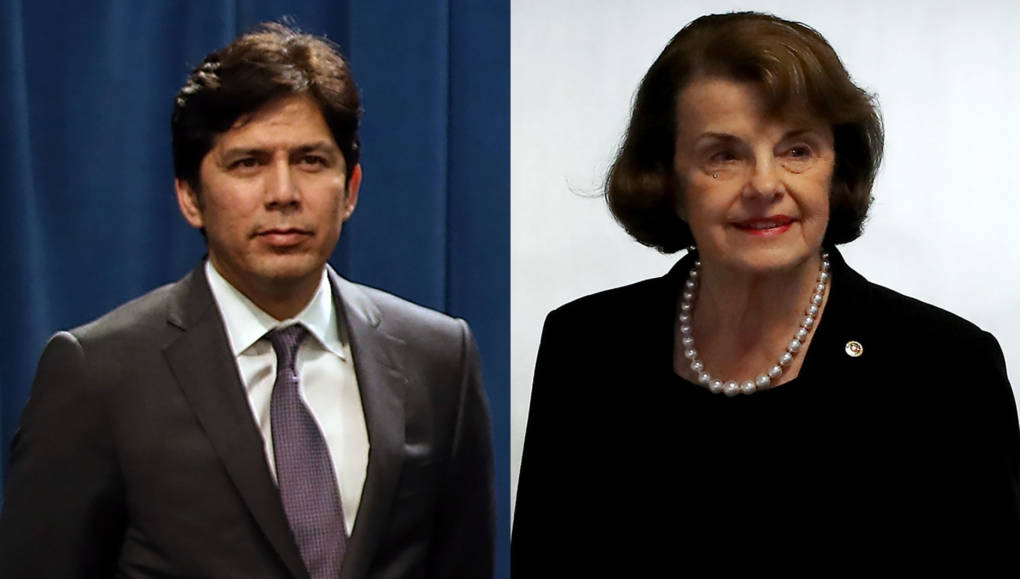
"caption": "Kevin de León and Sen. Dianne Feinstein",
"description": "Kevin de León and Sen. Dianne Feinstein",
"title": "FeinsteinDeLeon",
"credit": "Justin Sullivan and Mark Wilson/Getty Images",
"status": "inherit",
"isLoading": false,
"fetchFailed": false
},
"news_11699343": {
"type": "attachments",
"id": "news_11699343",
"meta": {
"index": "attachments_1716263798",
"site": "news",
"id": "11699343",
"found": true
},
"parent": 11699303,
"imgSizes": {
"small": {
"file": "https://ww2.kqed.org/app/uploads/sites/10/2018/10/RS32726_GettyImages-1027710954-qut-520x347.jpg",
"width": 520,
"mimeType": "image/jpeg",
"height": 347
},
"twentyfourteen-full-width": {
"file": "https://ww2.kqed.org/app/uploads/sites/10/2018/10/RS32726_GettyImages-1027710954-qut-1038x576.jpg",
"width": 1038,
"mimeType": "image/jpeg",
"height": 576
},
"thumbnail": {
"file": "https://ww2.kqed.org/app/uploads/sites/10/2018/10/RS32726_GettyImages-1027710954-qut-160x107.jpg",
"width": 160,
"mimeType": "image/jpeg",
"height": 107
},
"fd-sm": {
"file": "https://ww2.kqed.org/app/uploads/sites/10/2018/10/RS32726_GettyImages-1027710954-qut-960x640.jpg",
"width": 960,
"mimeType": "image/jpeg",
"height": 640
},
"post-thumbnail": {
"file": "https://ww2.kqed.org/app/uploads/sites/10/2018/10/RS32726_GettyImages-1027710954-qut-672x372.jpg",
"width": 672,
"mimeType": "image/jpeg",
"height": 372
},
"xsmall": {
"file": "https://ww2.kqed.org/app/uploads/sites/10/2018/10/RS32726_GettyImages-1027710954-qut-375x250.jpg",
"width": 375,
"mimeType": "image/jpeg",
"height": 250
},
"kqedFullSize": {
"file": "https://ww2.kqed.org/app/uploads/sites/10/2018/10/RS32726_GettyImages-1027710954-qut.jpg",
"width": 1920,
"height": 1280
},
"large": {
"file": "https://ww2.kqed.org/app/uploads/sites/10/2018/10/RS32726_GettyImages-1027710954-qut-1020x680.jpg",
"width": 1020,
"mimeType": "image/jpeg",
"height": 680
},
"xlarge": {
"file": "https://ww2.kqed.org/app/uploads/sites/10/2018/10/RS32726_GettyImages-1027710954-qut-1180x787.jpg",
"width": 1180,
"mimeType": "image/jpeg",
"height": 787
},
"complete_open_graph": {
"file": "https://ww2.kqed.org/app/uploads/sites/10/2018/10/RS32726_GettyImages-1027710954-qut-1200x800.jpg",
"width": 1200,
"mimeType": "image/jpeg",
"height": 800
},
"guest-author-50": {
"file": "https://ww2.kqed.org/app/uploads/sites/10/2018/10/RS32726_GettyImages-1027710954-qut-50x50.jpg",
"width": 50,
"mimeType": "image/jpeg",
"height": 50
},
"guest-author-96": {
"file": "https://ww2.kqed.org/app/uploads/sites/10/2018/10/RS32726_GettyImages-1027710954-qut-96x96.jpg",
"width": 96,
"mimeType": "image/jpeg",
"height": 96
},
"medium": {
"file": "https://ww2.kqed.org/app/uploads/sites/10/2018/10/RS32726_GettyImages-1027710954-qut-800x533.jpg",
"width": 800,
"mimeType": "image/jpeg",
"height": 533
},
"guest-author-64": {
"file": "https://ww2.kqed.org/app/uploads/sites/10/2018/10/RS32726_GettyImages-1027710954-qut-64x64.jpg",
"width": 64,
"mimeType": "image/jpeg",
"height": 64
},
"guest-author-32": {
"file": "https://ww2.kqed.org/app/uploads/sites/10/2018/10/RS32726_GettyImages-1027710954-qut-32x32.jpg",
"width": 32,
"mimeType": "image/jpeg",
"height": 32
},
"fd-lrg": {
"file": "https://ww2.kqed.org/app/uploads/sites/10/2018/10/RS32726_GettyImages-1027710954-qut-1920x1280.jpg",
"width": 1920,
"mimeType": "image/jpeg",
"height": 1280
},
"fd-med": {
"file": "https://ww2.kqed.org/app/uploads/sites/10/2018/10/RS32726_GettyImages-1027710954-qut-1180x787.jpg",
"width": 1180,
"mimeType": "image/jpeg",
"height": 787
},
"full-width": {
"file": "https://ww2.kqed.org/app/uploads/sites/10/2018/10/RS32726_GettyImages-1027710954-qut-1920x1280.jpg",
"width": 1920,
"mimeType": "image/jpeg",
"height": 1280
},
"detail": {
"file": "https://ww2.kqed.org/app/uploads/sites/10/2018/10/RS32726_GettyImages-1027710954-qut-150x150.jpg",
"width": 150,
"mimeType": "image/jpeg",
"height": 150
},
"guest-author-128": {
"file": "https://ww2.kqed.org/app/uploads/sites/10/2018/10/RS32726_GettyImages-1027710954-qut-128x128.jpg",
"width": 128,
"mimeType": "image/jpeg",
"height": 128
},
"xxsmall": {
"file": "https://ww2.kqed.org/app/uploads/sites/10/2018/10/RS32726_GettyImages-1027710954-qut-240x160.jpg",
"width": 240,
"mimeType": "image/jpeg",
"height": 160
}
},
"publishDate": 1539724587,
"modified": 1539753601,
"caption": "Sen.. Dianne Feinstein, right, the ranking Democratic member of the Senate Judiciary Committee, and panel chairman Sen. Chuck, R-Iowa, during last month's confirmation hearings for Supreme Court nominee Brett Kavanaugh. ",
"description": "Sen.. Dianne Feinstein, right, the ranking Democratic member of the Senate Judiciary Committee, and panel chairman Sen. Chuck, R-Iowa, during last month's confirmation hearings for Supreme Court nominee Brett Kavanaugh. ",
"title": "Senate Holds Confirmation Hearing For Brett Kavanugh To Be Supreme Court Justice",
"credit": "Chip Somodevilla/Getty Images",
"status": "inherit",
"isLoading": false,
"fetchFailed": false
},
"news_11698227": {
"type": "attachments",
"id": "news_11698227",
"meta": {
"index": "attachments_1716263798",
"site": "news",
"id": "11698227",
"found": true
},
"parent": 11698220,
"imgSizes": {
"small": {
"file": "https://ww2.kqed.org/app/uploads/sites/10/2018/10/debate_101118_final-520x332.jpg",
"width": 520,
"mimeType": "image/jpeg",
"height": 332
},
"twentyfourteen-full-width": {
"file": "https://ww2.kqed.org/app/uploads/sites/10/2018/10/debate_101118_final-1038x576.jpg",
"width": 1038,
"mimeType": "image/jpeg",
"height": 576
},
"thumbnail": {
"file": "https://ww2.kqed.org/app/uploads/sites/10/2018/10/debate_101118_final-160x102.jpg",
"width": 160,
"mimeType": "image/jpeg",
"height": 102
},
"fd-sm": {
"file": "https://ww2.kqed.org/app/uploads/sites/10/2018/10/debate_101118_final-960x613.jpg",
"width": 960,
"mimeType": "image/jpeg",
"height": 613
},
"post-thumbnail": {
"file": "https://ww2.kqed.org/app/uploads/sites/10/2018/10/debate_101118_final-672x372.jpg",
"width": 672,
"mimeType": "image/jpeg",
"height": 372
},
"xsmall": {
"file": "https://ww2.kqed.org/app/uploads/sites/10/2018/10/debate_101118_final-375x239.jpg",
"width": 375,
"mimeType": "image/jpeg",
"height": 239
},
"kqedFullSize": {
"file": "https://ww2.kqed.org/app/uploads/sites/10/2018/10/debate_101118_final.jpg",
"width": 1920,
"height": 1225
},
"large": {
"file": "https://ww2.kqed.org/app/uploads/sites/10/2018/10/debate_101118_final-1020x651.jpg",
"width": 1020,
"mimeType": "image/jpeg",
"height": 651
},
"xlarge": {
"file": "https://ww2.kqed.org/app/uploads/sites/10/2018/10/debate_101118_final-1180x753.jpg",
"width": 1180,
"mimeType": "image/jpeg",
"height": 753
},
"complete_open_graph": {
"file": "https://ww2.kqed.org/app/uploads/sites/10/2018/10/debate_101118_final-1200x766.jpg",
"width": 1200,
"mimeType": "image/jpeg",
"height": 766
},
"guest-author-50": {
"file": "https://ww2.kqed.org/app/uploads/sites/10/2018/10/debate_101118_final-50x50.jpg",
"width": 50,
"mimeType": "image/jpeg",
"height": 50
},
"guest-author-96": {
"file": "https://ww2.kqed.org/app/uploads/sites/10/2018/10/debate_101118_final-96x96.jpg",
"width": 96,
"mimeType": "image/jpeg",
"height": 96
},
"medium": {
"file": "https://ww2.kqed.org/app/uploads/sites/10/2018/10/debate_101118_final-800x510.jpg",
"width": 800,
"mimeType": "image/jpeg",
"height": 510
},
"guest-author-64": {
"file": "https://ww2.kqed.org/app/uploads/sites/10/2018/10/debate_101118_final-64x64.jpg",
"width": 64,
"mimeType": "image/jpeg",
"height": 64
},
"guest-author-32": {
"file": "https://ww2.kqed.org/app/uploads/sites/10/2018/10/debate_101118_final-32x32.jpg",
"width": 32,
"mimeType": "image/jpeg",
"height": 32
},
"fd-lrg": {
"file": "https://ww2.kqed.org/app/uploads/sites/10/2018/10/debate_101118_final-1920x1225.jpg",
"width": 1920,
"mimeType": "image/jpeg",
"height": 1225
},
"fd-med": {
"file": "https://ww2.kqed.org/app/uploads/sites/10/2018/10/debate_101118_final-1180x753.jpg",
"width": 1180,
"mimeType": "image/jpeg",
"height": 753
},
"full-width": {
"file": "https://ww2.kqed.org/app/uploads/sites/10/2018/10/debate_101118_final-1920x1225.jpg",
"width": 1920,
"mimeType": "image/jpeg",
"height": 1225
},
"detail": {
"file": "https://ww2.kqed.org/app/uploads/sites/10/2018/10/debate_101118_final-150x150.jpg",
"width": 150,
"mimeType": "image/jpeg",
"height": 150
},
"guest-author-128": {
"file": "https://ww2.kqed.org/app/uploads/sites/10/2018/10/debate_101118_final-128x128.jpg",
"width": 128,
"mimeType": "image/jpeg",
"height": 128
},
"xxsmall": {
"file": "https://ww2.kqed.org/app/uploads/sites/10/2018/10/debate_101118_final-240x153.jpg",
"width": 240,
"mimeType": "image/jpeg",
"height": 153
}
},
"publishDate": 1539294577,
"modified": 1539294590,
"caption": null,
"description": null,
"title": "debate_101118_final",
"credit": null,
"status": "inherit",
"isLoading": false,
"fetchFailed": false
},
"news_11695127": {
"type": "attachments",
"id": "news_11695127",
"meta": {
"index": "attachments_1716263798",
"site": "news",
"id": "11695127",
"found": true
},
"parent": 11695064,
"imgSizes": {
"small": {
"file": "https://ww2.kqed.org/app/uploads/sites/10/2018/09/ford_featured01-520x222.jpg",
"width": 520,
"mimeType": "image/jpeg",
"height": 222
},
"twentyfourteen-full-width": {
"file": "https://ww2.kqed.org/app/uploads/sites/10/2018/09/ford_featured01-1038x576.jpg",
"width": 1038,
"mimeType": "image/jpeg",
"height": 576
},
"thumbnail": {
"file": "https://ww2.kqed.org/app/uploads/sites/10/2018/09/ford_featured01-160x68.jpg",
"width": 160,
"mimeType": "image/jpeg",
"height": 68
},
"fd-sm": {
"file": "https://ww2.kqed.org/app/uploads/sites/10/2018/09/ford_featured01-960x411.jpg",
"width": 960,
"mimeType": "image/jpeg",
"height": 411
},
"post-thumbnail": {
"file": "https://ww2.kqed.org/app/uploads/sites/10/2018/09/ford_featured01-672x372.jpg",
"width": 672,
"mimeType": "image/jpeg",
"height": 372
},
"xsmall": {
"file": "https://ww2.kqed.org/app/uploads/sites/10/2018/09/ford_featured01-375x160.jpg",
"width": 375,
"mimeType": "image/jpeg",
"height": 160
},
"kqedFullSize": {
"file": "https://ww2.kqed.org/app/uploads/sites/10/2018/09/ford_featured01.jpg",
"width": 1920,
"height": 821
},
"large": {
"file": "https://ww2.kqed.org/app/uploads/sites/10/2018/09/ford_featured01-1020x436.jpg",
"width": 1020,
"mimeType": "image/jpeg",
"height": 436
},
"xlarge": {
"file": "https://ww2.kqed.org/app/uploads/sites/10/2018/09/ford_featured01-1180x505.jpg",
"width": 1180,
"mimeType": "image/jpeg",
"height": 505
},
"complete_open_graph": {
"file": "https://ww2.kqed.org/app/uploads/sites/10/2018/09/ford_featured01-1200x513.jpg",
"width": 1200,
"mimeType": "image/jpeg",
"height": 513
},
"guest-author-50": {
"file": "https://ww2.kqed.org/app/uploads/sites/10/2018/09/ford_featured01-50x50.jpg",
"width": 50,
"mimeType": "image/jpeg",
"height": 50
},
"guest-author-96": {
"file": "https://ww2.kqed.org/app/uploads/sites/10/2018/09/ford_featured01-96x96.jpg",
"width": 96,
"mimeType": "image/jpeg",
"height": 96
},
"medium": {
"file": "https://ww2.kqed.org/app/uploads/sites/10/2018/09/ford_featured01-800x342.jpg",
"width": 800,
"mimeType": "image/jpeg",
"height": 342
},
"guest-author-64": {
"file": "https://ww2.kqed.org/app/uploads/sites/10/2018/09/ford_featured01-64x64.jpg",
"width": 64,
"mimeType": "image/jpeg",
"height": 64
},
"guest-author-32": {
"file": "https://ww2.kqed.org/app/uploads/sites/10/2018/09/ford_featured01-32x32.jpg",
"width": 32,
"mimeType": "image/jpeg",
"height": 32
},
"fd-lrg": {
"file": "https://ww2.kqed.org/app/uploads/sites/10/2018/09/ford_featured01-1920x821.jpg",
"width": 1920,
"mimeType": "image/jpeg",
"height": 821
},
"fd-med": {
"file": "https://ww2.kqed.org/app/uploads/sites/10/2018/09/ford_featured01-1180x505.jpg",
"width": 1180,
"mimeType": "image/jpeg",
"height": 505
},
"full-width": {
"file": "https://ww2.kqed.org/app/uploads/sites/10/2018/09/ford_featured01-1920x821.jpg",
"width": 1920,
"mimeType": "image/jpeg",
"height": 821
},
"detail": {
"file": "https://ww2.kqed.org/app/uploads/sites/10/2018/09/ford_featured01-150x150.jpg",
"width": 150,
"mimeType": "image/jpeg",
"height": 150
},
"guest-author-128": {
"file": "https://ww2.kqed.org/app/uploads/sites/10/2018/09/ford_featured01-128x128.jpg",
"width": 128,
"mimeType": "image/jpeg",
"height": 128
},
"xxsmall": {
"file": "https://ww2.kqed.org/app/uploads/sites/10/2018/09/ford_featured01-240x103.jpg",
"width": 240,
"mimeType": "image/jpeg",
"height": 103
}
},
"publishDate": 1538092611,
"modified": 1538092626,
"caption": null,
"description": null,
"title": "ford_featured01",
"credit": null,
"status": "inherit",
"isLoading": false,
"fetchFailed": false
},
"news_11694391": {
"type": "attachments",
"id": "news_11694391",
"meta": {
"index": "attachments_1716263798",
"site": "news",
"id": "11694391",
"found": true
},
"parent": 11694286,
"imgSizes": {
"small": {
"file": "https://ww2.kqed.org/app/uploads/sites/10/2018/09/gettyimages-1027754774kav_wide-edbaac2484902998a2eff071034e5b8edbd6ab9d-s1600-c85-520x293.jpg",
"width": 520,
"mimeType": "image/jpeg",
"height": 293
},
"twentyfourteen-full-width": {
"file": "https://ww2.kqed.org/app/uploads/sites/10/2018/09/gettyimages-1027754774kav_wide-edbaac2484902998a2eff071034e5b8edbd6ab9d-s1600-c85-1038x576.jpg",
"width": 1038,
"mimeType": "image/jpeg",
"height": 576
},
"thumbnail": {
"file": "https://ww2.kqed.org/app/uploads/sites/10/2018/09/gettyimages-1027754774kav_wide-edbaac2484902998a2eff071034e5b8edbd6ab9d-s1600-c85-160x90.jpg",
"width": 160,
"mimeType": "image/jpeg",
"height": 90
},
"fd-sm": {
"file": "https://ww2.kqed.org/app/uploads/sites/10/2018/09/gettyimages-1027754774kav_wide-edbaac2484902998a2eff071034e5b8edbd6ab9d-s1600-c85-960x540.jpg",
"width": 960,
"mimeType": "image/jpeg",
"height": 540
},
"post-thumbnail": {
"file": "https://ww2.kqed.org/app/uploads/sites/10/2018/09/gettyimages-1027754774kav_wide-edbaac2484902998a2eff071034e5b8edbd6ab9d-s1600-c85-672x372.jpg",
"width": 672,
"mimeType": "image/jpeg",
"height": 372
},
"xsmall": {
"file": "https://ww2.kqed.org/app/uploads/sites/10/2018/09/gettyimages-1027754774kav_wide-edbaac2484902998a2eff071034e5b8edbd6ab9d-s1600-c85-375x211.jpg",
"width": 375,
"mimeType": "image/jpeg",
"height": 211
},
"kqedFullSize": {
"file": "https://ww2.kqed.org/app/uploads/sites/10/2018/09/gettyimages-1027754774kav_wide-edbaac2484902998a2eff071034e5b8edbd6ab9d-s1600-c85.jpg",
"width": 1600,
"height": 900
},
"large": {
"file": "https://ww2.kqed.org/app/uploads/sites/10/2018/09/gettyimages-1027754774kav_wide-edbaac2484902998a2eff071034e5b8edbd6ab9d-s1600-c85-1020x574.jpg",
"width": 1020,
"mimeType": "image/jpeg",
"height": 574
},
"xlarge": {
"file": "https://ww2.kqed.org/app/uploads/sites/10/2018/09/gettyimages-1027754774kav_wide-edbaac2484902998a2eff071034e5b8edbd6ab9d-s1600-c85-1180x664.jpg",
"width": 1180,
"mimeType": "image/jpeg",
"height": 664
},
"complete_open_graph": {
"file": "https://ww2.kqed.org/app/uploads/sites/10/2018/09/gettyimages-1027754774kav_wide-edbaac2484902998a2eff071034e5b8edbd6ab9d-s1600-c85-1200x675.jpg",
"width": 1200,
"mimeType": "image/jpeg",
"height": 675
},
"guest-author-50": {
"file": "https://ww2.kqed.org/app/uploads/sites/10/2018/09/gettyimages-1027754774kav_wide-edbaac2484902998a2eff071034e5b8edbd6ab9d-s1600-c85-50x50.jpg",
"width": 50,
"mimeType": "image/jpeg",
"height": 50
},
"guest-author-96": {
"file": "https://ww2.kqed.org/app/uploads/sites/10/2018/09/gettyimages-1027754774kav_wide-edbaac2484902998a2eff071034e5b8edbd6ab9d-s1600-c85-96x96.jpg",
"width": 96,
"mimeType": "image/jpeg",
"height": 96
},
"medium": {
"file": "https://ww2.kqed.org/app/uploads/sites/10/2018/09/gettyimages-1027754774kav_wide-edbaac2484902998a2eff071034e5b8edbd6ab9d-s1600-c85-800x450.jpg",
"width": 800,
"mimeType": "image/jpeg",
"height": 450
},
"guest-author-64": {
"file": "https://ww2.kqed.org/app/uploads/sites/10/2018/09/gettyimages-1027754774kav_wide-edbaac2484902998a2eff071034e5b8edbd6ab9d-s1600-c85-64x64.jpg",
"width": 64,
"mimeType": "image/jpeg",
"height": 64
},
"guest-author-32": {
"file": "https://ww2.kqed.org/app/uploads/sites/10/2018/09/gettyimages-1027754774kav_wide-edbaac2484902998a2eff071034e5b8edbd6ab9d-s1600-c85-32x32.jpg",
"width": 32,
"mimeType": "image/jpeg",
"height": 32
},
"fd-med": {
"file": "https://ww2.kqed.org/app/uploads/sites/10/2018/09/gettyimages-1027754774kav_wide-edbaac2484902998a2eff071034e5b8edbd6ab9d-s1600-c85-1180x664.jpg",
"width": 1180,
"mimeType": "image/jpeg",
"height": 664
},
"detail": {
"file": "https://ww2.kqed.org/app/uploads/sites/10/2018/09/gettyimages-1027754774kav_wide-edbaac2484902998a2eff071034e5b8edbd6ab9d-s1600-c85-150x150.jpg",
"width": 150,
"mimeType": "image/jpeg",
"height": 150
},
"guest-author-128": {
"file": "https://ww2.kqed.org/app/uploads/sites/10/2018/09/gettyimages-1027754774kav_wide-edbaac2484902998a2eff071034e5b8edbd6ab9d-s1600-c85-128x128.jpg",
"width": 128,
"mimeType": "image/jpeg",
"height": 128
},
"xxsmall": {
"file": "https://ww2.kqed.org/app/uploads/sites/10/2018/09/gettyimages-1027754774kav_wide-edbaac2484902998a2eff071034e5b8edbd6ab9d-s1600-c85-240x135.jpg",
"width": 240,
"mimeType": "image/jpeg",
"height": 135
}
},
"publishDate": 1537827627,
"modified": 1537827644,
"caption": "Supreme Court nominee Judge Brett Kavanaugh testifies before the Senate Judiciary Committee on the third day of his Supreme Court confirmation Sept. 6, 2018.\n",
"description": "Supreme Court nominee Judge Brett Kavanaugh testifies before the Senate Judiciary Committee on the third day of his Supreme Court confirmation Sept. 6, 2018.\n",
"title": "gettyimages-1027754774kav_wide-edbaac2484902998a2eff071034e5b8edbd6ab9d-s1600-c85",
"credit": "Alex Wong/Getty Images",
"status": "inherit",
"isLoading": false,
"fetchFailed": false
},
"news_11694421": {
"type": "attachments",
"id": "news_11694421",
"meta": {
"index": "attachments_1716263798",
"site": "news",
"id": "11694421",
"found": true
},
"parent": 11694414,
"imgSizes": {
"small": {
"file": "https://ww2.kqed.org/app/uploads/sites/10/2018/09/believe_092418_final-520x321.jpg",
"width": 520,
"mimeType": "image/jpeg",
"height": 321
},
"twentyfourteen-full-width": {
"file": "https://ww2.kqed.org/app/uploads/sites/10/2018/09/believe_092418_final-1038x576.jpg",
"width": 1038,
"mimeType": "image/jpeg",
"height": 576
},
"thumbnail": {
"file": "https://ww2.kqed.org/app/uploads/sites/10/2018/09/believe_092418_final-160x99.jpg",
"width": 160,
"mimeType": "image/jpeg",
"height": 99
},
"fd-sm": {
"file": "https://ww2.kqed.org/app/uploads/sites/10/2018/09/believe_092418_final-960x593.jpg",
"width": 960,
"mimeType": "image/jpeg",
"height": 593
},
"post-thumbnail": {
"file": "https://ww2.kqed.org/app/uploads/sites/10/2018/09/believe_092418_final-672x372.jpg",
"width": 672,
"mimeType": "image/jpeg",
"height": 372
},
"xsmall": {
"file": "https://ww2.kqed.org/app/uploads/sites/10/2018/09/believe_092418_final-375x231.jpg",
"width": 375,
"mimeType": "image/jpeg",
"height": 231
},
"kqedFullSize": {
"file": "https://ww2.kqed.org/app/uploads/sites/10/2018/09/believe_092418_final.jpg",
"width": 1920,
"height": 1185
},
"large": {
"file": "https://ww2.kqed.org/app/uploads/sites/10/2018/09/believe_092418_final-1020x630.jpg",
"width": 1020,
"mimeType": "image/jpeg",
"height": 630
},
"xlarge": {
"file": "https://ww2.kqed.org/app/uploads/sites/10/2018/09/believe_092418_final-1180x728.jpg",
"width": 1180,
"mimeType": "image/jpeg",
"height": 728
},
"complete_open_graph": {
"file": "https://ww2.kqed.org/app/uploads/sites/10/2018/09/believe_092418_final-1200x741.jpg",
"width": 1200,
"mimeType": "image/jpeg",
"height": 741
},
"guest-author-50": {
"file": "https://ww2.kqed.org/app/uploads/sites/10/2018/09/believe_092418_final-50x50.jpg",
"width": 50,
"mimeType": "image/jpeg",
"height": 50
},
"guest-author-96": {
"file": "https://ww2.kqed.org/app/uploads/sites/10/2018/09/believe_092418_final-96x96.jpg",
"width": 96,
"mimeType": "image/jpeg",
"height": 96
},
"medium": {
"file": "https://ww2.kqed.org/app/uploads/sites/10/2018/09/believe_092418_final-800x494.jpg",
"width": 800,
"mimeType": "image/jpeg",
"height": 494
},
"guest-author-64": {
"file": "https://ww2.kqed.org/app/uploads/sites/10/2018/09/believe_092418_final-64x64.jpg",
"width": 64,
"mimeType": "image/jpeg",
"height": 64
},
"guest-author-32": {
"file": "https://ww2.kqed.org/app/uploads/sites/10/2018/09/believe_092418_final-32x32.jpg",
"width": 32,
"mimeType": "image/jpeg",
"height": 32
},
"fd-lrg": {
"file": "https://ww2.kqed.org/app/uploads/sites/10/2018/09/believe_092418_final-1920x1185.jpg",
"width": 1920,
"mimeType": "image/jpeg",
"height": 1185
},
"fd-med": {
"file": "https://ww2.kqed.org/app/uploads/sites/10/2018/09/believe_092418_final-1180x728.jpg",
"width": 1180,
"mimeType": "image/jpeg",
"height": 728
},
"full-width": {
"file": "https://ww2.kqed.org/app/uploads/sites/10/2018/09/believe_092418_final-1920x1185.jpg",
"width": 1920,
"mimeType": "image/jpeg",
"height": 1185
},
"detail": {
"file": "https://ww2.kqed.org/app/uploads/sites/10/2018/09/believe_092418_final-150x150.jpg",
"width": 150,
"mimeType": "image/jpeg",
"height": 150
},
"guest-author-128": {
"file": "https://ww2.kqed.org/app/uploads/sites/10/2018/09/believe_092418_final-128x128.jpg",
"width": 128,
"mimeType": "image/jpeg",
"height": 128
},
"xxsmall": {
"file": "https://ww2.kqed.org/app/uploads/sites/10/2018/09/believe_092418_final-240x148.jpg",
"width": 240,
"mimeType": "image/jpeg",
"height": 148
}
},
"publishDate": 1537831283,
"modified": 1537831298,
"caption": null,
"description": null,
"title": "believe_092418_final",
"credit": null,
"status": "inherit",
"isLoading": false,
"fetchFailed": false
}
},
"audioPlayerReducer": {
"postId": "stream_live",
"isPaused": true,
"isPlaying": false,
"pfsActive": false,
"pledgeModalIsOpen": true,
"playerDrawerIsOpen": false,
"liveAudioPlayStartedAt": 0,
"liveAudioPlayContext": ""
},
"authorsReducer": {
"byline_news_11694286": {
"type": "authors",
"id": "byline_news_11694286",
"meta": {
"override": true
},
"slug": "byline_news_11694286",
"name": "Kelsey Snell",
"isLoading": false
},
"gmarzorati": {
"type": "authors",
"id": "227",
"meta": {
"index": "authors_1716337520",
"id": "227",
"found": true
},
"name": "Guy Marzorati",
"firstName": "Guy",
"lastName": "Marzorati",
"slug": "gmarzorati",
"email": "gmarzorati@KQED.org",
"display_author_email": true,
"staff_mastheads": [
"news"
],
"title": "Correspondent",
"bio": "Guy Marzorati is a correspondent on KQED's California Politics and Government Desk, based in San Jose. A graduate of Santa Clara University, Guy joined KQED in 2013. He reports on state and local politics and produces KQED's digital voter guide.",
"avatar": "https://secure.gravatar.com/avatar/e7038b8dbfd55b104369b76b1cd0b9de?s=600&d=blank&r=g",
"twitter": "guymarzorati",
"facebook": null,
"instagram": null,
"linkedin": null,
"sites": [
{
"site": "",
"roles": [
"editor"
]
},
{
"site": "news",
"roles": [
"editor"
]
},
{
"site": "science",
"roles": [
"editor"
]
},
{
"site": "forum",
"roles": [
"editor"
]
},
{
"site": "elections",
"roles": [
"editor"
]
},
{
"site": "liveblog",
"roles": [
"editor"
]
}
],
"headData": {
"title": "Guy Marzorati | KQED",
"description": "Correspondent",
"ogImgSrc": "https://secure.gravatar.com/avatar/e7038b8dbfd55b104369b76b1cd0b9de?s=600&d=blank&r=g",
"twImgSrc": "https://secure.gravatar.com/avatar/e7038b8dbfd55b104369b76b1cd0b9de?s=600&d=blank&r=g"
},
"isLoading": false,
"link": "/author/gmarzorati"
},
"kqed": {
"type": "authors",
"id": "236",
"meta": {
"index": "authors_1716337520",
"id": "236",
"found": true
},
"name": "KQED News Staff",
"firstName": "KQED News Staff",
"lastName": null,
"slug": "kqed",
"email": "faq@kqed.org",
"display_author_email": false,
"staff_mastheads": [],
"title": null,
"bio": null,
"avatar": "https://secure.gravatar.com/avatar/ef0e801a68c4c54afa9180db14084167?s=600&d=blank&r=g",
"twitter": null,
"facebook": null,
"instagram": null,
"linkedin": null,
"sites": [
{
"site": "arts",
"roles": [
"contributor"
]
},
{
"site": "news",
"roles": [
"editor"
]
},
{
"site": "futureofyou",
"roles": [
"author"
]
}
],
"headData": {
"title": "KQED News Staff | KQED",
"description": null,
"ogImgSrc": "https://secure.gravatar.com/avatar/ef0e801a68c4c54afa9180db14084167?s=600&d=blank&r=g",
"twImgSrc": "https://secure.gravatar.com/avatar/ef0e801a68c4c54afa9180db14084167?s=600&d=blank&r=g"
},
"isLoading": false,
"link": "/author/kqed"
},
"scottshafer": {
"type": "authors",
"id": "255",
"meta": {
"index": "authors_1716337520",
"id": "255",
"found": true
},
"name": "Scott Shafer",
"firstName": "Scott",
"lastName": "Shafer",
"slug": "scottshafer",
"email": "sshafer@kqed.org",
"display_author_email": false,
"staff_mastheads": [
"news"
],
"title": "KQED Contributor",
"bio": "Scott Shafer is a senior editor with the KQED Politics and Government desk. He is co-host of Political Breakdown, the award-winning radio show and podcast with a personal take on the world of politics. Scott came to KQED in 1998 to host the statewide\u003cem> California Report\u003c/em>. Prior to that he had extended stints in politics and government\u003cem>.\u003c/em> He uses that inside experience at KQED in his, reporting, hosting and analysis for the politics desk. Scott collaborated \u003cem>Political Breakdown a\u003c/em>nd on \u003cem>The Political Mind of Jerry Brown, \u003c/em>an eight-part series about the life and extraordinary political career of the former governor. For fun, he plays water polo with the San Francisco Tsunami.",
"avatar": "https://secure.gravatar.com/avatar/a62ebae45b79d7aed1a39a0e3bf68104?s=600&d=blank&r=g",
"twitter": "scottshafer",
"bluesky": null,
"facebook": null,
"instagram": null,
"linkedin": null,
"sites": [
{
"site": "news",
"roles": [
"editor"
]
},
{
"site": "stateofhealth",
"roles": [
"author"
]
},
{
"site": "science",
"roles": [
"author"
]
},
{
"site": "forum",
"roles": [
"subscriber"
]
},
{
"site": "liveblog",
"roles": [
"author"
]
}
],
"headData": {
"title": "Scott Shafer | KQED",
"description": "KQED Contributor",
"ogImgSrc": "https://secure.gravatar.com/avatar/a62ebae45b79d7aed1a39a0e3bf68104?s=600&d=blank&r=g",
"twImgSrc": "https://secure.gravatar.com/avatar/a62ebae45b79d7aed1a39a0e3bf68104?s=600&d=blank&r=g"
},
"isLoading": false,
"link": "/author/scottshafer"
},
"markfiore": {
"type": "authors",
"id": "3236",
"meta": {
"index": "authors_1716337520",
"id": "3236",
"found": true
},
"name": "Mark Fiore",
"firstName": "Mark",
"lastName": "Fiore",
"slug": "markfiore",
"email": "mark@markfiore.com",
"display_author_email": false,
"staff_mastheads": [
"news"
],
"title": "KQED News Cartoonist",
"bio": "\u003ca href=\"http://www.MarkFiore.com\">MarkFiore.com\u003c/a> | \u003ca href=\"https://twitter.com/markfiore\">Follow on Twitter\u003c/a> | \u003ca href=\"https://www.facebook.com/pages/Mark-Fiore-Animated-Political-Cartoons/94451707396?ref=bookmarks\">Facebook\u003c/a> | \u003ca href=\"mailto:mark@markfiore.com\">email\u003c/a>\r\n\r\nPulitzer Prize-winner, Mark Fiore, who the Wall Street Journal has called “the undisputed guru of the form,” creates animated political cartoons in San Francisco, where his work has been featured regularly on the San Francisco Chronicle’s web site, SFGate.com. His work has appeared on Newsweek.com, Slate.com, CBSNews.com, MotherJones.com, DailyKos.com and NPR’s web site. Fiore’s political animation has appeared on CNN, Frontline, Bill Moyers Journal, Salon.com and cable and broadcast outlets across the globe.\r\n\r\nBeginning his professional life by drawing traditional political cartoons for newspapers, Fiore’s work appeared in publications ranging from the Washington Post to the Los Angeles Times. In the late 1990s, he began to experiment with animating political cartoons and, after a short stint at the San Jose Mercury News as their staff cartoonist, Fiore devoted all his energies to animation.\r\nGrowing up in California, Fiore also spent a good portion of his life in the backwoods of Idaho. It was this combination that shaped him politically. Mark majored in political science at Colorado College, where, in a perfect send-off for a cartoonist, he received his diploma in 1991 as commencement speaker Dick Cheney smiled approvingly.\r\nMark Fiore was awarded the Pulitzer Prize for political cartooning in 2010, a Robert F. Kennedy Journalism Award in 2004 and has twice received an Online Journalism Award for commentary from the Online News Association (2002, 2008). Fiore has received two awards for his work in new media from the National Cartoonists Society (2001, 2002), and in 2006 received The James Madison Freedom of Information Award from The Society of Professional Journalists.",
"avatar": "https://secure.gravatar.com/avatar/fc4e2a612b15b67bad0c6f0e1db4ca9b?s=600&d=blank&r=g",
"twitter": "MarkFiore",
"facebook": null,
"instagram": "https://www.instagram.com/markfiore/?hl=en",
"linkedin": null,
"sites": [
{
"site": "arts",
"roles": [
"contributor"
]
},
{
"site": "news",
"roles": [
"editor"
]
},
{
"site": "futureofyou",
"roles": [
"editor"
]
},
{
"site": "science",
"roles": [
"editor"
]
}
],
"headData": {
"title": "Mark Fiore | KQED",
"description": "KQED News Cartoonist",
"ogImgSrc": "https://secure.gravatar.com/avatar/fc4e2a612b15b67bad0c6f0e1db4ca9b?s=600&d=blank&r=g",
"twImgSrc": "https://secure.gravatar.com/avatar/fc4e2a612b15b67bad0c6f0e1db4ca9b?s=600&d=blank&r=g"
},
"isLoading": false,
"link": "/author/markfiore"
},
"mlagos": {
"type": "authors",
"id": "3239",
"meta": {
"index": "authors_1716337520",
"id": "3239",
"found": true
},
"name": "Marisa Lagos",
"firstName": "Marisa",
"lastName": "Lagos",
"slug": "mlagos",
"email": "mlagos@kqed.org",
"display_author_email": false,
"staff_mastheads": [
"news"
],
"title": "KQED Contributor",
"bio": "Marisa Lagos is a correspondent for KQED’s California Politics and Government Desk and co-hosts the award-winning show and podcast, Political Breakdown. At KQED, Lagos also conducts reporting, analysis and investigations into state, local and national politics for radio, TV, online and onstage. In 2022, she and co-host, Scott Shafer, moderated the only gubernatorial debate in California. In 2020, the \u003ci>Washington Post\u003c/i> named her one of the top political journalists in California; she was nominated for a Peabody and won several other awards for her work investigating the 2017 California wildfires. She has worked at the \u003ci>San Francisco Chronicle\u003c/i>, \u003ci>San Francisco Examiner\u003c/i> and \u003ci>Los Angeles Times\u003c/i>. A UC Santa Barbara graduate, she lives in San Francisco with her two sons and husband.",
"avatar": "https://secure.gravatar.com/avatar/a261a0d3696fc066871ef96b85b5e7d2?s=600&d=blank&r=g",
"twitter": "@mlagos",
"facebook": null,
"instagram": null,
"linkedin": null,
"sites": [
{
"site": "arts",
"roles": [
"author"
]
},
{
"site": "news",
"roles": [
"editor"
]
},
{
"site": "science",
"roles": [
"editor"
]
},
{
"site": "forum",
"roles": [
"author"
]
},
{
"site": "liveblog",
"roles": [
"author"
]
}
],
"headData": {
"title": "Marisa Lagos | KQED",
"description": "KQED Contributor",
"ogImgSrc": "https://secure.gravatar.com/avatar/a261a0d3696fc066871ef96b85b5e7d2?s=600&d=blank&r=g",
"twImgSrc": "https://secure.gravatar.com/avatar/a261a0d3696fc066871ef96b85b5e7d2?s=600&d=blank&r=g"
},
"isLoading": false,
"link": "/author/mlagos"
},
"korr": {
"type": "authors",
"id": "11200",
"meta": {
"index": "authors_1716337520",
"id": "11200",
"found": true
},
"name": "Katie Orr",
"firstName": "Katie",
"lastName": "Orr",
"slug": "korr",
"email": "korr@kqed.org",
"display_author_email": false,
"staff_mastheads": [],
"title": "KQED Contributor",
"bio": "Katie Orr was a Sacramento-based reporter for KQED's Politics and Government Desk, covering the state Capitol and a variety of issues including women in politics, voting and elections and legislation. Prior to joining KQED in 2016, Katie was state government reporter for Capital Public Radio in Sacramento. She's also worked for KPBS in San Diego, where she covered City Hall.\r\n\r\nKatie received her masters degree in political science from San Diego State University and holds a Bachelors degree in broadcast journalism from Arizona State University.\r\n\r\nIn 2015 Katie won a national Clarion Award for a series of stories she did on women in California politics. She's been honored by the Society for Professional Journalists and, in 2013, was named by \u003cem>The Washington Post\u003c/em> as one of the country's top state Capitol reporters. She's also reported for the award-winning documentary series \u003cem>The View from Here \u003c/em>and was part of the team that won national PRNDI and Gabriel Awards in 2015. She lives in Sacramento with her husband. Twitter: @1KatieOrr",
"avatar": "https://secure.gravatar.com/avatar/41a40b25845adc78f50808670860449e?s=600&d=blank&r=g",
"twitter": "1katieorr",
"facebook": null,
"instagram": null,
"linkedin": null,
"sites": [
{
"site": "news",
"roles": [
"subscriber"
]
},
{
"site": "stateofhealth",
"roles": [
"author"
]
},
{
"site": "forum",
"roles": [
"author"
]
}
],
"headData": {
"title": "Katie Orr | KQED",
"description": "KQED Contributor",
"ogImgSrc": "https://secure.gravatar.com/avatar/41a40b25845adc78f50808670860449e?s=600&d=blank&r=g",
"twImgSrc": "https://secure.gravatar.com/avatar/41a40b25845adc78f50808670860449e?s=600&d=blank&r=g"
},
"isLoading": false,
"link": "/author/korr"
}
},
"pagesReducer": {
"news_tag_dianne-feinstein": {
"type": "terms",
"id": "news_274",
"meta": {
"index": "terms_1716263798",
"site": "news",
"id": "274",
"score": 9.301779
},
"featImg": null,
"name": "Dianne Feinstein",
"description": null,
"taxonomy": "tag",
"headData": {
"twImgId": null,
"twTitle": null,
"ogTitle": null,
"ogImgId": null,
"twDescription": null,
"description": null,
"title": "Dianne Feinstein Archives | KQED News",
"ogDescription": null
},
"ttid": 282,
"slug": "dianne-feinstein",
"isLoading": false,
"title": "Dianne Feinstein",
"pageMeta": {
"site": "news",
"WpPageTemplate": "page-topic-editorial",
"currentPage": 5
},
"blocks": [
{
"blockName": "kqed/post-list",
"attrs": {
"layout": "cardArticle2",
"query": "posts/news?tag=dianne-feinstein",
"seeMore": false,
"paginated": true,
"page": 5
}
},
{
"blockName": "kqed/ad"
}
]
}
},
"pfsSessionReducer": {},
"postsReducer": {
"stream_live": {
"type": "live",
"id": "stream_live",
"audioUrl": "https://streams.kqed.org/kqedradio",
"title": "Live Stream",
"excerpt": "Live Stream information currently unavailable.",
"link": "/radio",
"featImg": "",
"label": {
"name": "KQED Live",
"link": "/"
}
},
"stream_kqedNewscast": {
"type": "posts",
"id": "stream_kqedNewscast",
"audioUrl": "https://www.kqed.org/.stream/anon/radio/RDnews/newscast.mp3?_=1",
"title": "KQED Newscast",
"featImg": "",
"label": {
"name": "88.5 FM",
"link": "/"
}
},
"news_11701603": {
"type": "posts",
"id": "news_11701603",
"meta": {
"index": "posts_1716263798",
"site": "news",
"id": "11701603",
"score": null,
"sort": [
1540601687000
]
},
"guestAuthors": [],
"slug": "dianne-feinstein-anand-giridharadas-week-in-politics",
"title": "Sen. Dianne Feinstein, Anand Giridharadas, Week in Politics",
"publishDate": 1540601687,
"format": "video",
"headTitle": "Sen. Dianne Feinstein, Anand Giridharadas, Week in Politics | KQED",
"labelTerm": {
"term": 7052,
"site": "news"
},
"content": "\u003cp>\u003cb>Sen. Dianne Feinstein\u003c/b>\u003cbr>\n\u003cspan style=\"font-weight: 400\">Sen. Dianne Feinstein visits KQED for a one-on-one interview with KQED Senior Politics and Government Editor Scott Shafer. She talks about her high-profile role in the Kavanaugh hearings, including what she would have done differently. She also discusses the Saudi crisis, and comes out in favor of San Francisco’s Proposition C that aims to address the city’s homeless issue by taxing big businesses. Currently the longest-serving woman senator, Feinstein doesn’t shy away from addressing her age and why she believes she’s still fit to serve for a fifth term.\u003c/span>\u003c/p>\n\u003cp>\u003cb>Week in Politics\u003c/b>\u003cbr>\n\u003cspan style=\"font-weight: 400\">The pipe bomb scare reached Northern California today, as two suspicious packages addressed to Sen. Kamala Harris and billionaire Democratic activist Tom Steyer were found in Burlingame and Sacramento. The still-developing story has sent ripples across Capitol Hill and the country in the runup to midterm elections. Meanwhile, President Trump considers closing the U.S. border as the caravan of Central American migrants continues trekking north. Plus, we look at the latest in a closely watched midterm election contest in the Central Valley’s 10th Congressional District between incumbent Republican Jeff Denham and Democratic challenger Josh Harder.\u003c/span>\u003c/p>\n\u003cp>\u003cspan style=\"font-weight: 400\">Guests:\u003c/span>\u003c/p>\n\u003cul>\n\u003cli style=\"font-weight: 400\">\u003cspan style=\"font-weight: 400\">Lanhee Chen, Hoover Institution fellow\u003c/span>\u003c/li>\n\u003cli style=\"font-weight: 400\">\u003cspan style=\"font-weight: 400\">Joe Garofoli, San Francisco Chronicle senior political writer\u003c/span>\u003c/li>\n\u003cli style=\"font-weight: 400\">\u003cspan style=\"font-weight: 400\">Sean Walsh, Republican political consultant\u003c/span>\u003c/li>\n\u003c/ul>\n\u003cp>\u003cb>Anand Giridharadas’ “Winners Take All”\u003c/b>\u003cbr>\n\u003cspan style=\"font-weight: 400\">We sit down with journalist and author Anand Giridharadas, who says many contemporary do-gooders fight for social change only if it doesn’t hurt their private wealth and powerful positions. In his new book, “Winners Take All: The Elite Charade of Changing the World,” Giridharadas argues that despite Silicon Valley’s idealistic language, tech companies and philanthropists are too invested in the status quo, from cozy relationships with Saudi investors to corporations that resist taxes to fund homeless services in San Francisco.\u003c/span>\u003c/p>\n\u003cp>[ad fullwidth]\u003c/p>\u003cp>\u003c/p>\n",
"blocks": [],
"excerpt": "Interviews with Senate candidate Kevin de León, White House photog Pete Souza, and the week in Politics",
"status": "publish",
"parent": 0,
"modified": 1725926325,
"stats": {
"hasAudio": false,
"hasVideo": false,
"hasChartOrMap": false,
"iframeSrcs": [],
"hasGoogleForm": false,
"hasGallery": false,
"hasHearkenModule": false,
"hasPolis": false,
"paragraphCount": 6,
"wordCount": 322
},
"headData": {
"title": "Sen. Dianne Feinstein, Anand Giridharadas, Week in Politics | KQED",
"description": "Interviews with Senate candidate Kevin de León, White House photog Pete Souza, and the week in Politics",
"ogTitle": "",
"ogDescription": "",
"ogImgId": "",
"twTitle": "",
"twDescription": "",
"twImgId": "",
"schema": {
"@context": "https://schema.org",
"@type": "NewsArticle",
"headline": "Sen. Dianne Feinstein, Anand Giridharadas, Week in Politics",
"datePublished": "2018-10-26T17:54:47-07:00",
"dateModified": "2024-09-09T16:58:45-07:00",
"image": "https://cdn.kqed.org/wp-content/uploads/2020/02/KQED-OG-Image@1x.png",
"isAccessibleForFree": "True",
"publisher": {
"@type": "NewsMediaOrganization",
"@id": "https://www.kqed.org/#organization",
"name": "KQED",
"logo": "https://cdn.kqed.org/wp-content/uploads/2020/02/KQED-OG-Image@1x.png",
"url": "https://www.kqed.org",
"sameAs": [
"https://www.facebook.com/KQED",
"https://twitter.com/KQED",
"https://www.instagram.com/kqed/",
"https://www.tiktok.com/@kqedofficial",
"https://www.linkedin.com/company/kqed",
"https://www.youtube.com/channel/UCeC0IOo7i1P_61zVUWbJ4nw"
]
}
}
},
"videoEmbed": "https://youtu.be/t0NLbjWuXxM",
"sticky": false,
"path": "/news/11701603/dianne-feinstein-anand-giridharadas-week-in-politics",
"audioTrackLength": null,
"parsedContent": [
{
"type": "contentString",
"content": "\u003cdiv class=\"post-body\">\u003cp>\u003cp>\u003cb>Sen. Dianne Feinstein\u003c/b>\u003cbr>\n\u003cspan style=\"font-weight: 400\">Sen. Dianne Feinstein visits KQED for a one-on-one interview with KQED Senior Politics and Government Editor Scott Shafer. She talks about her high-profile role in the Kavanaugh hearings, including what she would have done differently. She also discusses the Saudi crisis, and comes out in favor of San Francisco’s Proposition C that aims to address the city’s homeless issue by taxing big businesses. Currently the longest-serving woman senator, Feinstein doesn’t shy away from addressing her age and why she believes she’s still fit to serve for a fifth term.\u003c/span>\u003c/p>\n\u003cp>\u003cb>Week in Politics\u003c/b>\u003cbr>\n\u003cspan style=\"font-weight: 400\">The pipe bomb scare reached Northern California today, as two suspicious packages addressed to Sen. Kamala Harris and billionaire Democratic activist Tom Steyer were found in Burlingame and Sacramento. The still-developing story has sent ripples across Capitol Hill and the country in the runup to midterm elections. Meanwhile, President Trump considers closing the U.S. border as the caravan of Central American migrants continues trekking north. Plus, we look at the latest in a closely watched midterm election contest in the Central Valley’s 10th Congressional District between incumbent Republican Jeff Denham and Democratic challenger Josh Harder.\u003c/span>\u003c/p>\n\u003cp>\u003cspan style=\"font-weight: 400\">Guests:\u003c/span>\u003c/p>\n\u003cul>\n\u003cli style=\"font-weight: 400\">\u003cspan style=\"font-weight: 400\">Lanhee Chen, Hoover Institution fellow\u003c/span>\u003c/li>\n\u003cli style=\"font-weight: 400\">\u003cspan style=\"font-weight: 400\">Joe Garofoli, San Francisco Chronicle senior political writer\u003c/span>\u003c/li>\n\u003cli style=\"font-weight: 400\">\u003cspan style=\"font-weight: 400\">Sean Walsh, Republican political consultant\u003c/span>\u003c/li>\n\u003c/ul>\n\u003cp>\u003cb>Anand Giridharadas’ “Winners Take All”\u003c/b>\u003cbr>\n\u003cspan style=\"font-weight: 400\">We sit down with journalist and author Anand Giridharadas, who says many contemporary do-gooders fight for social change only if it doesn’t hurt their private wealth and powerful positions. In his new book, “Winners Take All: The Elite Charade of Changing the World,” Giridharadas argues that despite Silicon Valley’s idealistic language, tech companies and philanthropists are too invested in the status quo, from cozy relationships with Saudi investors to corporations that resist taxes to fund homeless services in San Francisco.\u003c/span>\u003c/p>\n\u003cp>\u003c/p>\u003c/div>",
"attributes": {
"named": {},
"numeric": []
}
},
{
"type": "component",
"content": "",
"name": "ad",
"attributes": {
"named": {
"label": "fullwidth"
},
"numeric": [
"fullwidth"
]
}
},
{
"type": "contentString",
"content": "\u003cdiv class=\"post-body\">\u003cp>\u003c/p>\u003cp>\u003c/p>\n\u003c/div>\u003c/p>",
"attributes": {
"named": {},
"numeric": []
}
}
],
"link": "/news/11701603/dianne-feinstein-anand-giridharadas-week-in-politics",
"authors": [
"236"
],
"programs": [
"news_7052"
],
"categories": [
"news_1758",
"news_6266",
"news_1169",
"news_8",
"news_13"
],
"tags": [
"news_24386",
"news_274",
"news_20191",
"news_18543",
"news_4020",
"news_20202",
"news_20297",
"news_19177",
"news_17968",
"news_23749",
"news_24023",
"news_23213"
],
"featImg": "news_11701607",
"label": "news_7052"
},
"news_11701374": {
"type": "posts",
"id": "news_11701374",
"meta": {
"index": "posts_1716263798",
"site": "news",
"id": "11701374",
"score": null,
"sort": [
1540521353000
]
},
"parent": 0,
"labelTerm": {},
"blocks": [],
"publishDate": 1540521353,
"format": "audio",
"title": "'I Get Things Done' Dianne Feinstein on Her History, Political 'Style' and the Future of Compromise in the Senate",
"headTitle": "‘I Get Things Done’ Dianne Feinstein on Her History, Political ‘Style’ and the Future of Compromise in the Senate | KQED",
"content": "\u003cp>Running for a sixth term in the Senate, Dianne Feinstein talks with Scott and Marisa about how her childhood influenced her career, considering retirement before the assassination of Harvey Milk, the bill she wants to write if re-elected, and what’s she’s learned from Kamala Harris.\u003c/p>\n\u003ch2>View the full episode transcript.\u003c/h2>\n\u003cp>\u003cem>This is a computer-generated transcript. While our team has reviewed it, there may be errors.\u003c/em>\u003c/p>\n\u003cp>\u003cstrong>Marisa Lagos:\u003c/strong> From KQED. Hey. Hey. Everyone. From KQED Public Radio, this is Political Breakdown. I’m Marisa Lagos. Part of KQED’s Politics Posse.\u003c/p>\n\u003cp>\u003cstrong>Scott Shafer:\u003c/strong> And I’m Scott Shafer, KQED senior politics editor. And today, she’s represented California in the U.S. Senate for 26 years. And now Dianne Feinstein wants voters to give her another six.\u003cbr>\n\u003cstrong>\u003cbr>\nMarisa Lagos:\u003c/strong> That’s right. California’s senior senator is here with us on the Breakdown just 12 days before the midterm elections. And we have a lot of ground to cover, so let’s get right to it. Senator Feinstein. Welcome to the Breakdown.\u003c/p>\n\u003cp>\u003cstrong>Dianne Feinstein:\u003c/strong> Thanks, Marisa.\u003c/p>\n\u003cp>[ad fullwidth]\u003c/p>\n\u003cp>\u003cstrong>Marisa Lagos\u003c/strong>: We really appreciate you being here. And we want to talk about really a remarkable life you’ve had. But one thing that struck me is as we went through and were reading about your history is really what a trailblazer you’ve been as a woman. I mean, you went to Stanford in the 1950s. You were elected to the Board of Supervisors in, I believe, 1969. I guess I’m just curious if you could kind of put in context how that life that you’ve lived has shaped your worldview and how you carry that with you, as times have changed dramatically for women in the U.S. in some ways, and in other ways they haven’t.\u003c/p>\n\u003cp>\u003cstrong>Dianne Feinstein:\u003c/strong> Well, there’s an interesting thing, because I think it goes back to my childhood. I was the oldest of three daughters, and so a number of responsibilities fell on me. And I got used to responsibility very early: before school, after school. And I grew to enjoy it, strangely enough. And then at Stanford, I took a course in American political thought, and the final was all composition. And I wrote my heart out and I got an A-plus. And I thought that said something to me about my ability to cope in this arena. And then I did a year’s graduate work with the Coro Foundation, which is indigenous to this area, and did a preliminary masterplan for the city of South San Francisco, was assigned to two labor unions, the DA’s office. We did a big report on the post-conviction phases in the administration of criminal justice. And then Pat Brown appointed me to the California Women’s Board of Terms and Parole. So I got a good dose of criminal justice and what was happening. I then went and ran for the board.\u003c/p>\n\u003cp>\u003cstrong>Scott Shafer\u003c/strong>: Well, let’s let me stop you there, because we want to get to that. I want to get to that. But I want to ask you about the things you just talked about. So as Marisa said, you were, there were probably not a lot of women at Stanford at that time. I know Sandra Day O’Connor was there. [Yes.] Roughly around that time and talked about how hard it was for her after graduating law school to even get an interview, much less a job. But how did those years affect your thinking? I mean, being a woman, being subjected to, you know, the barriers that men didn’t face in those times?\u003cbr>\n\u003cstrong>\u003cbr>\nDianne Feinstein:\u003c/strong> Well, that’s right. And I ran into pretty much the same thing that the justice ran into. As a matter of fact, I was just thinking about that today. And I was very often not hired, and not very often, maybe two or three times. That was very often.\u003cbr>\n\u003cstrong>\u003cbr>\nScott Shafer:\u003c/strong> And you think that’s because you’re a woman?\u003cbr>\n\u003cstrong>\u003cbr>\nDianne Feinstein:\u003c/strong> Yeah, I do think, because I think my grades were certainly good enough. And in any event, at the time, the League of Women Voters was very active. I was somewhat active in it. I began to get active in community groups and I found that this is really what I wanted to do. And so I ran for the Board of Supervisors and was very lucky. This is a cute story. I topped the ticket. And as you know, when you top the ticket, you’re president of the board, you get the most votes. You and this was city. This was the citywide. You get the most votes. And John Barbagelata, who came in number two.\u003cbr>\n\u003cstrong>\u003cbr>\nScott Shafer\u003c/strong>: Who was very conservative.\u003cbr>\n\u003cstrong>\u003cbr>\nDianne Feinstein:\u003c/strong> Yes. Who wrote a Chronicle op-ed piece that I am untrained, I should turn it down and accept the second position. I thought that doesn’t make very good sense.\u003c/p>\n\u003cp>\u003cstrong>Marisa Lagos\u003c/strong>: Tell it that to you or just put it in the Chronicle?\u003cbr>\nDianne Feinstein: It was in writing. I thought it was a Chronicle. I hope I’m right.\u003c/p>\n\u003cp>\u003cstrong>Marisa Lagos\u003c/strong>: But he didn’t have…\u003c/p>\n\u003cp>\u003cstrong>Dianne Feinstein:\u003c/strong> Long time ago.\u003c/p>\n\u003cp>\u003cstrong>Marisa Lagos\u003c/strong>: He didn’t come talk to you about it? [No.] Oh, interesting.\u003c/p>\n\u003cp>\u003cstrong>Dianne Feinstein:\u003c/strong> And in any event, I got seasoned pretty quickly and went on and served nine years on the board was three times The president of the boar. Happened to been there on that terrible day, November 22nd, which is upcoming. When Harvey Milk walked by the office and I said, ‘Harvey,’ no, excuse me. When Dan White walked by the office, it was my first day back. My husband and I had gone on a vacation and just came back and uh, Harvey didn’t, Dan didn’t stop. And I heard the door slam and I heard the shots and everybody was gone. And I remember this so well. And it’s still traumati. Because I tried to get a pulse in his wrist and put my finger in a bullet hole, and it was clear he was dead. And that changed the world.\u003cbr>\n\u003cstrong>\u003cbr>\nScott Shafer\u003c/strong>: And I want to just ask you one thing, because you… There were reports that that day before that happened, you decided to give up politics.\u003c/p>\n\u003cp>\u003cstrong>Dianne Feinstein:\u003c/strong> That’s true.\u003c/p>\n\u003cp>\u003cstrong>Scott Shafer\u003c/strong>: Yeah. So what made what brought you to that decision, which obviously events overtook that decision? But what what was it that made you think, you know, I’m not gonnna…?\u003c/p>\n\u003cp>\u003cstrong>Dianne Feinstein:\u003c/strong> What I decided was I was not going to run for another term of the board, that that was that.\u003c/p>\n\u003cp>\u003cstrong>Scott Shafer\u003c/strong>: Because?\u003c/p>\n\u003cp>\u003cstrong>Dianne Feinstein:\u003c/strong> Well, my husband had died. I remarried, I had a daughter, and I just thought enough was enough. It’s still very traumatic for me to look back on, candidly, because those assassinations were everything that was not supposed to happen. And I would give up anything if they had not happened. And once they happen, they impact everything. Everything you do, everything the city is, and the worry over the city, because of the hatred. You had the first openly gay public official killed by a former police officer and firefighter, who was sort of America’s all-American boy.\u003c/p>\n\u003cp>\u003cstrong>Marisa Lagos\u003c/strong>: Yeah, very handsome.\u003c/p>\n\u003cp>\u003cstrong>Dianne Feinstein:\u003c/strong> Yeah, and a beautiful wife and small child and really hard. Really hard. And anyway, I don’t often talk of this, so you have to put up with it.\u003c/p>\n\u003cp>\u003cstrong>Marisa Lagos\u003c/strong>: No, we’re glad. I mean, I think this is it is a pivotal moment for you and your life and also, obviously San Francisco and talking to people who are around you. I mean, somebody pointed out to me that, you know, that day you saw political differences literally end in gunfire. And I’m curious if that, if you think that has sort of changed, or did change, your approach to governing and to politics. Because I think one thing we’ve heard in the campaign here and now is that you can be too collegial. I mean, is that.. Obviously there’s gun control and other sort of policy things that maybe came out of that, and some of the other events of that era. But did that affect the way you kind of want to approach people, regardless of their positions?\u003c/p>\n\u003cp>\u003cstrong>Dianne Feinstein:\u003c/strong> No. I mean, I am the way I am. And I welcome collegiality and I welcome getting along and I share thoughts and ideas. And I don’t like the histrionics that have got into this, because… And then, well, the as you know, I became mayor and was mayor for, I guess, three terms. And the first two years were very hard. And then it kind of settled down. And we were able to put the bricks of the city back together again. That was a wonderful experience.\u003c/p>\n\u003cp>\u003cstrong>Scott Shafer\u003c/strong>: Was there a way in which you felt, like suddenly you were mayor… There had been a progressive mayor. The sort of the left, the progressives in San Francisco were so excited about Harvey Milk and George Moscone. Like, did that put you in an awkward position at all?\u003c/p>\n\u003cp>\u003cstrong>Dianne Feinstein:\u003c/strong> Yes. And I’ll tell you why. I had run for mayor and I was defeated. And I was convinced I would never be mayor. And so.\u003c/p>\n\u003cp>\u003cstrong>Scott Shafer\u003c/strong>: And you did you lose to George Moscone?\u003cbr>\n\u003cstrong>\u003cbr>\nDianne Feinstein:\u003c/strong> Yes.\u003c/p>\n\u003cp>\u003cstrong>Scott Shafer\u003c/strong>: Yeah.\u003c/p>\n\u003cp>\u003cstrong>Marisa Lagos\u003c/strong>: And you said we talked earlier that you said after that point that you were going to leave politics. I mean, did your losses impact that decision?\u003cbr>\n\u003cstrong>\u003cbr>\nDianne Feinstein:\u003c/strong> Yeah, I think they did. I think they did. You know, when you’re young, things impact you differently than when you get a lot of seasoning, so to speak. And it really did impact me. As a matter of fact, the first thing that my husband and I, I mean, the last time I ran for mayor, my husband supported George.\u003cbr>\n\u003cstrong>\u003cbr>\nScott Shafer\u003c/strong>: What?! [Dick Blum?]\u003cbr>\n\u003cstrong>\u003cbr>\nDianne Feinstein:\u003c/strong> Yeah.\u003c/p>\n\u003cp>\u003cstrong>Scott Shafer\u003c/strong>: Over you? Oh, you weren’t married.\u003c/p>\n\u003cp>\u003cstrong>Dianne Feinstein:\u003c/strong> LAUGH. No, we weren’t married. [That would’ve been a short marriage!] But he was a big Moscone supporter, and he headed his fiscal advisory committee. And subsequently, we met, after my husband died.\u003cbr>\n\u003cstrong>\u003cbr>\nMarisa Lagos\u003c/strong>: And the rest is history.\u003cbr>\n\u003cstrong>\u003cbr>\nDianne Feinstein:\u003c/strong> The rest is history.\u003cbr>\n\u003cstrong>\u003cbr>\nMarisa Lagos\u003c/strong>: We’re going to take a short break. We are with U.S. Senator Dianne Feinstein. When we get back, we will continue this conversation. You’re listening to Political Breakdown from KQED Public Radio.\u003cbr>\n\u003cstrong>\u003cbr>\nScott Shafer:\u003c/strong> And welcome back to Political Breakdown. I’m Scott Shafer along with Marisa Lagos. We’re here with U.S. Senator Dianne Feinstein. Before the break, we were talking about the terrible years when there were two assassinations in San Francisco. And there’s that iconic film, video of you, announcing to the world at City Hall. I think, seared in anybody’s mind who has seen it before. And I just wondering, when you think back to that moment, what were you what was going through your mind?\u003cbr>\n\u003cstrong>\u003cbr>\nDianne Feinstein:\u003c/strong> What happens to me is everything else blocks out, except what I am doing and what I need to do. So it’s it’s a phenomenon, I can’t explain what happens, but… I can just perform. I can just keep going. And it’s not by will. I know that. But it happens that way. And I think over time, it’s served me in good stead, because when I’ve had setbacks and these assassinations, I mean, I wouldn’t trade anything for them. They’re terrible. You know, it’s just it’s awful what it does to family and spouses and the city and the trauma and the gay community. And this was the first openly gay public official in America. And I remember leaning over his body and getting a pulse and everybody else was gone. And I thought, oh, my God, how can this be? You know, this is San Francisco. How can this be? But it was.\u003cbr>\n\u003cstrong>\u003cbr>\nMarisa Lagos\u003c/strong>: You can hear on that video, too, like the gasps of the reporters and just, you know, the shock of the city. I’m just curious. I mean, we are in such stratified times nationally. And I mentioned, you know, that was a very that event was clearly the center of a lot of, you know, kind of crazy things happening in San Francisco. There was Jonestown. There were other events. Do you worry now about sort of where we’re at nationally?\u003c/p>\n\u003cp>\u003cstrong>Dianne Feinstein:\u003c/strong> Well, I do worry where we’re at nationally. Because there’s what I’ve learned over time is people are fragile. They may not appear to be so, but certain things inside of them break, and they do things that they never thought they would ever do. And one of the things that you so need is a president that brings people together. The beauty of this nation is our diversity. We are many different people. We walk to the sound of different drummers. And what a president does is chart a course that is acceptable for everybody and in so doing, brings people together. And this is not happening. So I do worry about the country, because we are very diverse. We have many different people, many races, creeds, colors, backgrounds. What makes America great. But it also makes it vulnerable.\u003cbr>\n\u003cstrong>\u003cbr>\nScott Shafer\u003c/strong>: We’ve, we had Lieutenant Governor Gavin Newsom on a few weeks ago, and we asked him this question. And I want to ask you as well. You know, everybody in public life has sort of an image, and sometimes the image is accurate and sometimes it doesn’t quite square with the reality or the way they think of themselves. And for you. You know, I think people see you as sort of, just to use a shorthand, Pacific Heights wealthy, somebody who’s sort of above everything. Somebody who has had a, you know, easy upbringing, all those things. When you think of that image of you, and when you hear people talk about you as that kind of person, like what’s missing from that characterization?\u003c/p>\n\u003cp>\u003cstrong>Dianne Feinstein:\u003c/strong> You see, I’ve never heard that. And I didn’t have an easy upbringing, for reasons I’m not going to go into here. But it was not easy. And yes, I happened to marry a man who is is financially astute, let me say. But I never had a lot of money. And I worked all my life. And I think that was good for me. So I don’t consider myself a Pacific Heights matron, whatever that is. I mean, I was at work every day, at some job. And so people, I think, rush to mischaracterize. And I would say, you have to take into consideration my real history, which is my everyday history of what I do with my life and how I try to help, and what I do with people, and the kind of bills we put forward, and the successes when we have them and the failures when we have.\u003cbr>\n\u003cstrong>\u003cbr>\nMarisa Lagos\u003c/strong>: I mean, one thing that struck me looking at your biography is that you were a single mother in the late 1950s, early 1960s, before marrying your second husband. And and and then later.\u003c/p>\n\u003cp>\u003cstrong>Dianne Feinstein:\u003c/strong> I was married.\u003cbr>\n\u003cstrong>\u003cbr>\nMarisa Lagos\u003c/strong>: Right but you became a single mother when you divorced.\u003cbr>\n\u003cstrong>\u003cbr>\nDianne Feinstein:\u003c/strong> That’s correct.\u003c/p>\n\u003cp>\u003cstrong>Marisa Lagos\u003c/strong>: Which could not have been easy at that time.\u003c/p>\n\u003cp>\u003cstrong>Scott Shafer\u003c/strong>: And you eloped right? You got married young. [LAUGH] Eye roll!\u003c/p>\n\u003cp>\u003cstrong>Dianne Feinstein:\u003c/strong> That tells you something.\u003cbr>\n\u003cstrong>\u003cbr>\nMarisa Lagos\u003c/strong>: Well, but I want to kind of fast forward. When you decided to run for Senate in 1992, and this was the time of the Clarence Thomas and Anita Hill Hillary hearings, I’ve heard you speak about seeing her testify and and how that impacted you. I mean, can you talk about that and how maybe being a single mother earlier, and being a trailblazer, as we’ve discussed, impacted that decision to run in what became the Year of the Woman. But you probably didn’t know that when you started when you decided to file your papers.\u003cbr>\n\u003cstrong>\u003cbr>\nDianne Feinstein:\u003c/strong> No, I didn’t. I had been serving on the California Women’s Board of Terms and Parole and that I did it for six years. I sat on some 5,000 cases of women convicted of felonies in state prison and set sentences. We ran a parole division at that time. I was 28 years old. And then obviously, I went on to other things. But what is the question you want to answer about me?\u003cbr>\n\u003cstrong>\u003cbr>\nMarisa Lagos\u003c/strong>: Why in that moment did you decide to run for Senate? And what did you sort of bring with you having being a woman at that time and being part of this huge class of women running, but, you know, not knowing how it was going to turn out?\u003cbr>\n\u003cstrong>\u003cbr>\nScott Shafer\u003c/strong>: You had just run for governor.\u003cbr>\n\u003cstrong>\u003cbr>\nDianne Feinstein:\u003c/strong> Yes. Well, that’s the I think that’s the point. I had run for governor. I missed it by two and a half percent. But I had a big constituency. So there was a lot of encouragement to not throw it all away, but to use it. And we did run for Senate. And I was very pleased to represent the state.\u003cbr>\n\u003cstrong>\u003cbr>\nScott Shafer\u003c/strong>: And did it surprise you that two Jewish women from the Bay Area, you and Barbara Boxer, both got elected?\u003c/p>\n\u003cp>\u003cstrong>Dianne Feinstein:\u003c/strong> Not really.\u003cbr>\n\u003cstrong>\u003cbr>\nScott Shafer\u003c/strong>: Really?\u003cbr>\n\u003cstrong>\u003cbr>\nDianne Feinstein:\u003c/strong> Not really. You know, it’s like would you say, would you be surprised if two Catholics from the Bay Area got elected? Well, I don’t think so. I mean, it just it happens.\u003cbr>\n\u003cstrong>\u003cbr>\nMarisa Lagos\u003c/strong>: I just want to remind everyone that you’re listening to Political Breakdown from KQED Public Radio. I’m Marissa Lagos. We’re here today with California’s U.S. Senator Dianne Feinstein. I should add that we had Feinstein’s opponent for the Senate, Kevin De Leon, on on the Breakdown. You can check that episode out at KQED.org/politicalbreakdown. I think we do want to talk about your time in the Senate a little bit. You know, you sit on the Judiciary Committee. You have been very involved in the Senate Intelligence Committee. And I want to ask you about your relationship with the intelligence community, because it seems like it has changed over time. You told Mother Jones a few years ago that your decision to vote for the second Iraq war was ‘the decision I most regret,’ and that it was based on believing the CIA. [Still true.] Yeah. Did that, I don’t know, shake your belief in some of these institutions that you had really been close to for a long time?\u003cbr>\n\u003cstrong>\u003cbr>\nDianne Feinstein:\u003c/strong> Oh, it made me very circumspect, which is helpful. And I subsequently became chairman of the committee for a period of time. And as a matter of fact, we did a 32,000 page report on torture and CIA use of torture.\u003cbr>\n\u003cstrong>\u003cbr>\nMarisa Lagos\u003c/strong>: Which you released over the objections of a president.\u003cbr>\n\u003cstrong>\u003cbr>\nDianne Feinstein:\u003c/strong> No, we did never release the full report. [Yeah.] We were able to release a 500 page summary which has been sold in bookstores, as a matter of fact. And I, President Obama put it in his special library. So in 12 years, from the time he put it in, it will then be declassified. The whole big report. But it pretty much documents what happened and everything is, it has 7000 footnotes to it. And no one has corrected anything in the summary. Well, CIA has corrected a few things which we’ve corrected, and where we didn’t accept the correction, we run in the footnotes what they say.\u003cbr>\n\u003cstrong>\u003cbr>\nScott Shafer\u003c/strong>: I wonder if, you know, you have, over the course of your time in the Senate, developed a reputation and you’ve cultivated a bipartisan sort of collegial relationship with people on the other side of the aisle. Many times you’ve co-sponsored legislation and that sort of trade has kind of been criticized by your opponent in this race, Kevin de Leon.\u003cbr>\n\u003cstrong>\u003cbr>\nDianne Feinstein:\u003c/strong> Well, by my opponent. But that’s his view, and that’s what it is. It’s not the way the Senate works. And the Senate works the way it has worked for a couple of hundred years. So it’s difficult. And I find that if I can talk to people and work with people, it makes it much easier to get something done. For example, it took me three years and 28 drafts to draft the water bill, which is called the WIN Act. And I then went over and I negotiated it with the Speaker of the House, who is a Republican, and that’s how we got it done. And then it went into an omnibus and it was passed. Never would have got it done otherwise. Now I have to begin and to draft another bill.\u003c/p>\n\u003cp>\u003cstrong>Scott Shafer\u003c/strong>: But I guess there are some people who say, well, you know what? That era is over. Well, you know, we can’t.\u003cbr>\n\u003cstrong>\u003cbr>\nDianne Feinstein:\u003c/strong> What era is over? Getting things done?\u003cbr>\n\u003cstrong>\u003cbr>\nScott Shafer\u003c/strong>: Well, yeah, maybe. I mean, if you look at, for example, the Senate Judiciary Committee, I mean, you’ve tried to work very carefully with Chuck Grassley, who chairs the committee. And they’re all these things are happening over objections of Democrats. I mean, where’s the compromise, say, on that committee?\u003c/p>\n\u003cp>\u003cstrong>Dianne Feinstein:\u003c/strong> Well, it all depends upon what it is. Yes, I worked with the chairman, believe it or not, over a very difficult nominee, Kavanaugh. I think we had some moments, but that happens to everybody in any kind of work or job. You have your moment and you put it together. I’m the lead Democrat. Right now I’m trying to draft a big immigration bill. It’s been five, seven years since we had the last bill. We worked on it and worked on it and had hearings on it. And it came out on the floor. We passed it and the House didn’t take it up. So there’s a big learning lesson in that for me, and I want to see if I can do it. Can I write a bill which I can also get through the House? And can that bill… And one of the things is, you know, the president said that he was going to have a policy of separating children from parents at the border.\u003cbr>\n\u003cstrong>\u003cbr>\nMarisa Lagos\u003c/strong>: He did have a policy.\u003cbr>\n\u003cstrong>\u003cbr>\nDianne Feinstein:\u003c/strong> And we want to make that illegal by law. We want to protect small children. And we the DACA students. There are 700,000 of them. And getting their parents a work permit and getting them legitimized in this country. So there are a lot of things we can do as part of an immigration bill.\u003cbr>\n\u003cstrong>\u003cbr>\nMarisa Lagos\u003c/strong>: But it seems I mean, but we have been stuck without an immigration compromise for years. Just a few weeks ago, we saw Democrats leave town. There was an agreement to confirm 15 judges fast track them, under the, you know, agreement that there wouldn’t be any more justices pushed through the committee until after the election. And you guys left town and the Republicans did it anyway. I mean.\u003cbr>\n\u003cstrong>\u003cbr>\nDianne Feinstein:\u003c/strong> Well, I had the debate schedule. That was.\u003cbr>\nMarisa Lagos: Right. But isn’t that I mean, doesn’t that speak to the breaking down of the bipartisanship that you’re talking about?\u003cbr>\nDianne Feinstein: I’ll be very frank with you. This surprised me, that he would do that. However, if I think about it, this president is engaged in a conscious stacking of the federal court system of the United States of America. And so they are just pushing judges through now. Well, what happened was the hearing, it wasn’t the vote. And we all nonetheless do our work. We study the individual. We look at at that individual’s record. We know whether we can or cannot vote for them. And so we will be there for the vote. This was a surprise. I had never seen that done before.\u003cbr>\n\u003cstrong>\u003cbr>\nScott Shafer\u003c/strong>: There are some in your party, and I think you could say the junior senator from California might be among them, you know, who feel like they have to take a harder line. I mean, Kamala Harris on the Judiciary Committee came out against Brett Kavanaugh from the get go, I think before she even met with them or certainly before there was a hearing. Do you think that’s a mistake?\u003cbr>\n\u003cstrong>\u003cbr>\nDianne Feinstein:\u003c/strong> No. It’s her… If she wants to do that, she’s free to do it. I’ve always had a policy that until we get through the hearing, I never announce a decision. Otherwise, why I hold the hearing. And that’s my view of it. You know, Kamala, Kamala is going to be very good. There’s no question about that. And it’s wonderful for me, because I can be a friend. But we are also different in how we look at things. Everyone is. And we probably write differently.\u003cbr>\n\u003cstrong>\u003cbr>\nScott Shafer\u003c/strong>: I wonder if, you know, if you feel like that style is not conducive to really building the kind of bridges.\u003cbr>\nDianne Feinstein: That’s nonsense. The Senate takes all kinds of styles. I don’t know what this style business suddenly is here. Now I get things done. I get bills passed.\u003cbr>\n\u003cstrong>\u003cbr>\nScott Shafer\u003c/strong>: And so you believe the Senate can work?\u003cbr>\nDianne Feinstein: Oh, yeah, absolutely. And I do different things. I’m on different committees. We do share one committee. We share Judiciary. And I can learn from her. She’s the newcomer.\u003cbr>\n\u003cstrong>\u003cbr>\nScott Shafer\u003c/strong>: What have you learned from her?\u003c/p>\n\u003cp>\u003cstrong>Dianne Feinstein:\u003c/strong> [CROSSTALK] Oh, what I’ve learned. I mean, she’s very smart. She’s been a prosecutor. You see that in her questioning. And it’s very interesting.\u003c/p>\n\u003cp>\u003cstrong>Scott Shafer:\u003c/strong> It’s not your style.\u003c/p>\n\u003cp>\u003cstrong>Dianne Feinstein:\u003c/strong> No. It’s not a question of style. It really isn’t. I get the feeling you’re trying to push me into some mode that I’m really not in.\u003c/p>\n\u003cp>\u003cstrong>Marisa Lagos\u003c/strong>: I want to ask you one question because you mentioned being the first woman on the judiciary, and we opened this by asking you about the trailblazing you’ve done. And I’m curious, you know, when we had Minority Leader Pelosi in her, she talked about the responsibilities she feels to be a woman at the table to to be to be there, really. And I just wonder if you feel that if that is part of the reason you still want to do this job for another six years?\u003c/p>\n\u003cp>\u003cstrong>Dianne Feinstein:\u003c/strong> No, it’s not just because I’m a woman. It’s because I think I do it well. And I’ve got a great staff and I work them very hard. And we have a level of excellence. And I think that’s important to get a bill as good as I can get it to work with people, to bring in other people’s views, to solve problems, to be able to pick up the phone and someone will take the call and hopefully say, yes, that’s really what this is about. It’s about getting things done for people.\u003c/p>\n\u003cp>\u003cstrong>Marisa Lagos\u003c/strong>: All right, Senator Feinstein, thank you so much.\u003c/p>\n\u003cp>\u003cstrong>Dianne Feinstein:\u003c/strong> Oh, you’re so welcome. Thank you. Thank you, Scott. Thank you, Marisa.\u003c/p>\n\u003cp>\u003cstrong>Marisa Lagos\u003c/strong>: That is going to do it for this edition of Political Breakdown, a production of KQED Public Radio. Just a reminder, you can find that interview with Senator Feinstein’s opponent, Kevin de Leon, in our archives, along with a whole host of other shows you should totally go listen to.\u003c/p>\n\u003cp>\u003cstrong>Scott Shafer\u003c/strong>: Absolutely. You can check out all of our elections coverage. We’re calling at our voter guide. There’s a whole lot more than that as well. Just go to KQED.org/elections. By the way, we also have a newsletter. You can subscribe to that at KQED.org/politicalbreakdown and wake up every Tuesday morning with us in your mailbox.\u003c/p>\n\u003cp>\u003cstrong>Marisa Lagos\u003c/strong>: Just in your mailbox. Not your apartment.\u003c/p>\n\u003cp>[ad floatright]\u003c/p>\n\u003cp>\u003cstrong>Scott Shafer\u003c/strong>: Or inbox, one or the other. Yeah, right.\u003cbr>\n\u003cstrong>\u003cbr>\nMarisa Lagos\u003c/strong>: Our producer is Guy Marzorati. Our engineers are Katie McMurran and Ceil Muller.\u003cbr>\n\u003cstrong>\u003cbr>\nScott Shafer\u003c/strong>: Ethan Lindsey is our executive editor. Holly Kernan is our chief content officer. I’m Scott Shafer. You can follow me on Twitter. I’m at Scott Shafer.\u003cbr>\n\u003cstrong>\u003cbr>\nMarisa Lagos\u003c/strong>: And I’m Marisa Lagos. You can find me at MLagos. That is a wrap for this week’s Political Breakdown from KQED. We’ll see you next time.\u003cbr>\n\u003cstrong>\u003cbr>\nScott Shafer\u003c/strong>: Bye bye.\u003c/p>\n\n",
"stats": {
"hasVideo": false,
"hasChartOrMap": false,
"hasAudio": false,
"hasPolis": false,
"wordCount": 5103,
"hasGoogleForm": false,
"hasGallery": false,
"hasHearkenModule": false,
"iframeSrcs": [],
"paragraphCount": 51
},
"modified": 1700876429,
"excerpt": null,
"headData": {
"twImgId": "",
"twTitle": "",
"ogTitle": "",
"ogImgId": "",
"twDescription": "",
"description": "Running for a sixth term in the Senate, Dianne Feinstein talks with Scott and Marisa about how her childhood influenced her career, considering retirement before the assassination of Harvey Milk, the bill she wants to write if re-elected, and what's she's learned from Kamala Harris. View the full episode transcript. This is a computer-generated transcript.",
"title": "'I Get Things Done' Dianne Feinstein on Her History, Political 'Style' and the Future of Compromise in the Senate | KQED",
"ogDescription": "",
"schema": {
"@context": "https://schema.org",
"@type": "NewsArticle",
"headline": "'I Get Things Done' Dianne Feinstein on Her History, Political 'Style' and the Future of Compromise in the Senate",
"datePublished": "2018-10-25T19:35:53-07:00",
"dateModified": "2023-11-24T17:40:29-08:00",
"image": "https://cdn.kqed.org/wp-content/uploads/2020/02/KQED-OG-Image@1x.png",
"isAccessibleForFree": "True",
"publisher": {
"@type": "NewsMediaOrganization",
"@id": "https://www.kqed.org/#organization",
"name": "KQED",
"logo": "https://cdn.kqed.org/wp-content/uploads/2020/02/KQED-OG-Image@1x.png",
"url": "https://www.kqed.org",
"sameAs": [
"https://www.facebook.com/KQED",
"https://twitter.com/KQED",
"https://www.instagram.com/kqed/",
"https://www.tiktok.com/@kqedofficial",
"https://www.linkedin.com/company/kqed",
"https://www.youtube.com/channel/UCeC0IOo7i1P_61zVUWbJ4nw"
]
}
}
},
"guestAuthors": [],
"slug": "i-get-things-done-dianne-feinstein-on-her-history-political-style-and-the-future-of-compromise-in-the-senate",
"status": "publish",
"audioUrl": "https://www.kqed.org/.stream/anon/radio/politicalbreakdown/2018/10/PoliticalBreakdown1025.mp3",
"excludeFromSiteSearch": "Include",
"audioTrackLength": 1715,
"source": "Political Breakdown",
"articleAge": "0",
"path": "/news/11701374/i-get-things-done-dianne-feinstein-on-her-history-political-style-and-the-future-of-compromise-in-the-senate",
"audioDuration": 1734000,
"parsedContent": [
{
"type": "contentString",
"content": "\u003cdiv class=\"post-body\">\u003cp>\u003cp>Running for a sixth term in the Senate, Dianne Feinstein talks with Scott and Marisa about how her childhood influenced her career, considering retirement before the assassination of Harvey Milk, the bill she wants to write if re-elected, and what’s she’s learned from Kamala Harris.\u003c/p>\n\u003ch2>View the full episode transcript.\u003c/h2>\n\u003cp>\u003cem>This is a computer-generated transcript. While our team has reviewed it, there may be errors.\u003c/em>\u003c/p>\n\u003cp>\u003cstrong>Marisa Lagos:\u003c/strong> From KQED. Hey. Hey. Everyone. From KQED Public Radio, this is Political Breakdown. I’m Marisa Lagos. Part of KQED’s Politics Posse.\u003c/p>\n\u003cp>\u003cstrong>Scott Shafer:\u003c/strong> And I’m Scott Shafer, KQED senior politics editor. And today, she’s represented California in the U.S. Senate for 26 years. And now Dianne Feinstein wants voters to give her another six.\u003cbr>\n\u003cstrong>\u003cbr>\nMarisa Lagos:\u003c/strong> That’s right. California’s senior senator is here with us on the Breakdown just 12 days before the midterm elections. And we have a lot of ground to cover, so let’s get right to it. Senator Feinstein. Welcome to the Breakdown.\u003c/p>\n\u003cp>\u003cstrong>Dianne Feinstein:\u003c/strong> Thanks, Marisa.\u003c/p>\n\u003cp>\u003c/p>\u003c/div>",
"attributes": {
"named": {},
"numeric": []
}
},
{
"type": "component",
"content": "",
"name": "ad",
"attributes": {
"named": {
"label": "fullwidth"
},
"numeric": [
"fullwidth"
]
}
},
{
"type": "contentString",
"content": "\u003cdiv class=\"post-body\">\u003cp>\u003c/p>\n\u003cp>\u003cstrong>Marisa Lagos\u003c/strong>: We really appreciate you being here. And we want to talk about really a remarkable life you’ve had. But one thing that struck me is as we went through and were reading about your history is really what a trailblazer you’ve been as a woman. I mean, you went to Stanford in the 1950s. You were elected to the Board of Supervisors in, I believe, 1969. I guess I’m just curious if you could kind of put in context how that life that you’ve lived has shaped your worldview and how you carry that with you, as times have changed dramatically for women in the U.S. in some ways, and in other ways they haven’t.\u003c/p>\n\u003cp>\u003cstrong>Dianne Feinstein:\u003c/strong> Well, there’s an interesting thing, because I think it goes back to my childhood. I was the oldest of three daughters, and so a number of responsibilities fell on me. And I got used to responsibility very early: before school, after school. And I grew to enjoy it, strangely enough. And then at Stanford, I took a course in American political thought, and the final was all composition. And I wrote my heart out and I got an A-plus. And I thought that said something to me about my ability to cope in this arena. And then I did a year’s graduate work with the Coro Foundation, which is indigenous to this area, and did a preliminary masterplan for the city of South San Francisco, was assigned to two labor unions, the DA’s office. We did a big report on the post-conviction phases in the administration of criminal justice. And then Pat Brown appointed me to the California Women’s Board of Terms and Parole. So I got a good dose of criminal justice and what was happening. I then went and ran for the board.\u003c/p>\n\u003cp>\u003cstrong>Scott Shafer\u003c/strong>: Well, let’s let me stop you there, because we want to get to that. I want to get to that. But I want to ask you about the things you just talked about. So as Marisa said, you were, there were probably not a lot of women at Stanford at that time. I know Sandra Day O’Connor was there. [Yes.] Roughly around that time and talked about how hard it was for her after graduating law school to even get an interview, much less a job. But how did those years affect your thinking? I mean, being a woman, being subjected to, you know, the barriers that men didn’t face in those times?\u003cbr>\n\u003cstrong>\u003cbr>\nDianne Feinstein:\u003c/strong> Well, that’s right. And I ran into pretty much the same thing that the justice ran into. As a matter of fact, I was just thinking about that today. And I was very often not hired, and not very often, maybe two or three times. That was very often.\u003cbr>\n\u003cstrong>\u003cbr>\nScott Shafer:\u003c/strong> And you think that’s because you’re a woman?\u003cbr>\n\u003cstrong>\u003cbr>\nDianne Feinstein:\u003c/strong> Yeah, I do think, because I think my grades were certainly good enough. And in any event, at the time, the League of Women Voters was very active. I was somewhat active in it. I began to get active in community groups and I found that this is really what I wanted to do. And so I ran for the Board of Supervisors and was very lucky. This is a cute story. I topped the ticket. And as you know, when you top the ticket, you’re president of the board, you get the most votes. You and this was city. This was the citywide. You get the most votes. And John Barbagelata, who came in number two.\u003cbr>\n\u003cstrong>\u003cbr>\nScott Shafer\u003c/strong>: Who was very conservative.\u003cbr>\n\u003cstrong>\u003cbr>\nDianne Feinstein:\u003c/strong> Yes. Who wrote a Chronicle op-ed piece that I am untrained, I should turn it down and accept the second position. I thought that doesn’t make very good sense.\u003c/p>\n\u003cp>\u003cstrong>Marisa Lagos\u003c/strong>: Tell it that to you or just put it in the Chronicle?\u003cbr>\nDianne Feinstein: It was in writing. I thought it was a Chronicle. I hope I’m right.\u003c/p>\n\u003cp>\u003cstrong>Marisa Lagos\u003c/strong>: But he didn’t have…\u003c/p>\n\u003cp>\u003cstrong>Dianne Feinstein:\u003c/strong> Long time ago.\u003c/p>\n\u003cp>\u003cstrong>Marisa Lagos\u003c/strong>: He didn’t come talk to you about it? [No.] Oh, interesting.\u003c/p>\n\u003cp>\u003cstrong>Dianne Feinstein:\u003c/strong> And in any event, I got seasoned pretty quickly and went on and served nine years on the board was three times The president of the boar. Happened to been there on that terrible day, November 22nd, which is upcoming. When Harvey Milk walked by the office and I said, ‘Harvey,’ no, excuse me. When Dan White walked by the office, it was my first day back. My husband and I had gone on a vacation and just came back and uh, Harvey didn’t, Dan didn’t stop. And I heard the door slam and I heard the shots and everybody was gone. And I remember this so well. And it’s still traumati. Because I tried to get a pulse in his wrist and put my finger in a bullet hole, and it was clear he was dead. And that changed the world.\u003cbr>\n\u003cstrong>\u003cbr>\nScott Shafer\u003c/strong>: And I want to just ask you one thing, because you… There were reports that that day before that happened, you decided to give up politics.\u003c/p>\n\u003cp>\u003cstrong>Dianne Feinstein:\u003c/strong> That’s true.\u003c/p>\n\u003cp>\u003cstrong>Scott Shafer\u003c/strong>: Yeah. So what made what brought you to that decision, which obviously events overtook that decision? But what what was it that made you think, you know, I’m not gonnna…?\u003c/p>\n\u003cp>\u003cstrong>Dianne Feinstein:\u003c/strong> What I decided was I was not going to run for another term of the board, that that was that.\u003c/p>\n\u003cp>\u003cstrong>Scott Shafer\u003c/strong>: Because?\u003c/p>\n\u003cp>\u003cstrong>Dianne Feinstein:\u003c/strong> Well, my husband had died. I remarried, I had a daughter, and I just thought enough was enough. It’s still very traumatic for me to look back on, candidly, because those assassinations were everything that was not supposed to happen. And I would give up anything if they had not happened. And once they happen, they impact everything. Everything you do, everything the city is, and the worry over the city, because of the hatred. You had the first openly gay public official killed by a former police officer and firefighter, who was sort of America’s all-American boy.\u003c/p>\n\u003cp>\u003cstrong>Marisa Lagos\u003c/strong>: Yeah, very handsome.\u003c/p>\n\u003cp>\u003cstrong>Dianne Feinstein:\u003c/strong> Yeah, and a beautiful wife and small child and really hard. Really hard. And anyway, I don’t often talk of this, so you have to put up with it.\u003c/p>\n\u003cp>\u003cstrong>Marisa Lagos\u003c/strong>: No, we’re glad. I mean, I think this is it is a pivotal moment for you and your life and also, obviously San Francisco and talking to people who are around you. I mean, somebody pointed out to me that, you know, that day you saw political differences literally end in gunfire. And I’m curious if that, if you think that has sort of changed, or did change, your approach to governing and to politics. Because I think one thing we’ve heard in the campaign here and now is that you can be too collegial. I mean, is that.. Obviously there’s gun control and other sort of policy things that maybe came out of that, and some of the other events of that era. But did that affect the way you kind of want to approach people, regardless of their positions?\u003c/p>\n\u003cp>\u003cstrong>Dianne Feinstein:\u003c/strong> No. I mean, I am the way I am. And I welcome collegiality and I welcome getting along and I share thoughts and ideas. And I don’t like the histrionics that have got into this, because… And then, well, the as you know, I became mayor and was mayor for, I guess, three terms. And the first two years were very hard. And then it kind of settled down. And we were able to put the bricks of the city back together again. That was a wonderful experience.\u003c/p>\n\u003cp>\u003cstrong>Scott Shafer\u003c/strong>: Was there a way in which you felt, like suddenly you were mayor… There had been a progressive mayor. The sort of the left, the progressives in San Francisco were so excited about Harvey Milk and George Moscone. Like, did that put you in an awkward position at all?\u003c/p>\n\u003cp>\u003cstrong>Dianne Feinstein:\u003c/strong> Yes. And I’ll tell you why. I had run for mayor and I was defeated. And I was convinced I would never be mayor. And so.\u003c/p>\n\u003cp>\u003cstrong>Scott Shafer\u003c/strong>: And you did you lose to George Moscone?\u003cbr>\n\u003cstrong>\u003cbr>\nDianne Feinstein:\u003c/strong> Yes.\u003c/p>\n\u003cp>\u003cstrong>Scott Shafer\u003c/strong>: Yeah.\u003c/p>\n\u003cp>\u003cstrong>Marisa Lagos\u003c/strong>: And you said we talked earlier that you said after that point that you were going to leave politics. I mean, did your losses impact that decision?\u003cbr>\n\u003cstrong>\u003cbr>\nDianne Feinstein:\u003c/strong> Yeah, I think they did. I think they did. You know, when you’re young, things impact you differently than when you get a lot of seasoning, so to speak. And it really did impact me. As a matter of fact, the first thing that my husband and I, I mean, the last time I ran for mayor, my husband supported George.\u003cbr>\n\u003cstrong>\u003cbr>\nScott Shafer\u003c/strong>: What?! [Dick Blum?]\u003cbr>\n\u003cstrong>\u003cbr>\nDianne Feinstein:\u003c/strong> Yeah.\u003c/p>\n\u003cp>\u003cstrong>Scott Shafer\u003c/strong>: Over you? Oh, you weren’t married.\u003c/p>\n\u003cp>\u003cstrong>Dianne Feinstein:\u003c/strong> LAUGH. No, we weren’t married. [That would’ve been a short marriage!] But he was a big Moscone supporter, and he headed his fiscal advisory committee. And subsequently, we met, after my husband died.\u003cbr>\n\u003cstrong>\u003cbr>\nMarisa Lagos\u003c/strong>: And the rest is history.\u003cbr>\n\u003cstrong>\u003cbr>\nDianne Feinstein:\u003c/strong> The rest is history.\u003cbr>\n\u003cstrong>\u003cbr>\nMarisa Lagos\u003c/strong>: We’re going to take a short break. We are with U.S. Senator Dianne Feinstein. When we get back, we will continue this conversation. You’re listening to Political Breakdown from KQED Public Radio.\u003cbr>\n\u003cstrong>\u003cbr>\nScott Shafer:\u003c/strong> And welcome back to Political Breakdown. I’m Scott Shafer along with Marisa Lagos. We’re here with U.S. Senator Dianne Feinstein. Before the break, we were talking about the terrible years when there were two assassinations in San Francisco. And there’s that iconic film, video of you, announcing to the world at City Hall. I think, seared in anybody’s mind who has seen it before. And I just wondering, when you think back to that moment, what were you what was going through your mind?\u003cbr>\n\u003cstrong>\u003cbr>\nDianne Feinstein:\u003c/strong> What happens to me is everything else blocks out, except what I am doing and what I need to do. So it’s it’s a phenomenon, I can’t explain what happens, but… I can just perform. I can just keep going. And it’s not by will. I know that. But it happens that way. And I think over time, it’s served me in good stead, because when I’ve had setbacks and these assassinations, I mean, I wouldn’t trade anything for them. They’re terrible. You know, it’s just it’s awful what it does to family and spouses and the city and the trauma and the gay community. And this was the first openly gay public official in America. And I remember leaning over his body and getting a pulse and everybody else was gone. And I thought, oh, my God, how can this be? You know, this is San Francisco. How can this be? But it was.\u003cbr>\n\u003cstrong>\u003cbr>\nMarisa Lagos\u003c/strong>: You can hear on that video, too, like the gasps of the reporters and just, you know, the shock of the city. I’m just curious. I mean, we are in such stratified times nationally. And I mentioned, you know, that was a very that event was clearly the center of a lot of, you know, kind of crazy things happening in San Francisco. There was Jonestown. There were other events. Do you worry now about sort of where we’re at nationally?\u003c/p>\n\u003cp>\u003cstrong>Dianne Feinstein:\u003c/strong> Well, I do worry where we’re at nationally. Because there’s what I’ve learned over time is people are fragile. They may not appear to be so, but certain things inside of them break, and they do things that they never thought they would ever do. And one of the things that you so need is a president that brings people together. The beauty of this nation is our diversity. We are many different people. We walk to the sound of different drummers. And what a president does is chart a course that is acceptable for everybody and in so doing, brings people together. And this is not happening. So I do worry about the country, because we are very diverse. We have many different people, many races, creeds, colors, backgrounds. What makes America great. But it also makes it vulnerable.\u003cbr>\n\u003cstrong>\u003cbr>\nScott Shafer\u003c/strong>: We’ve, we had Lieutenant Governor Gavin Newsom on a few weeks ago, and we asked him this question. And I want to ask you as well. You know, everybody in public life has sort of an image, and sometimes the image is accurate and sometimes it doesn’t quite square with the reality or the way they think of themselves. And for you. You know, I think people see you as sort of, just to use a shorthand, Pacific Heights wealthy, somebody who’s sort of above everything. Somebody who has had a, you know, easy upbringing, all those things. When you think of that image of you, and when you hear people talk about you as that kind of person, like what’s missing from that characterization?\u003c/p>\n\u003cp>\u003cstrong>Dianne Feinstein:\u003c/strong> You see, I’ve never heard that. And I didn’t have an easy upbringing, for reasons I’m not going to go into here. But it was not easy. And yes, I happened to marry a man who is is financially astute, let me say. But I never had a lot of money. And I worked all my life. And I think that was good for me. So I don’t consider myself a Pacific Heights matron, whatever that is. I mean, I was at work every day, at some job. And so people, I think, rush to mischaracterize. And I would say, you have to take into consideration my real history, which is my everyday history of what I do with my life and how I try to help, and what I do with people, and the kind of bills we put forward, and the successes when we have them and the failures when we have.\u003cbr>\n\u003cstrong>\u003cbr>\nMarisa Lagos\u003c/strong>: I mean, one thing that struck me looking at your biography is that you were a single mother in the late 1950s, early 1960s, before marrying your second husband. And and and then later.\u003c/p>\n\u003cp>\u003cstrong>Dianne Feinstein:\u003c/strong> I was married.\u003cbr>\n\u003cstrong>\u003cbr>\nMarisa Lagos\u003c/strong>: Right but you became a single mother when you divorced.\u003cbr>\n\u003cstrong>\u003cbr>\nDianne Feinstein:\u003c/strong> That’s correct.\u003c/p>\n\u003cp>\u003cstrong>Marisa Lagos\u003c/strong>: Which could not have been easy at that time.\u003c/p>\n\u003cp>\u003cstrong>Scott Shafer\u003c/strong>: And you eloped right? You got married young. [LAUGH] Eye roll!\u003c/p>\n\u003cp>\u003cstrong>Dianne Feinstein:\u003c/strong> That tells you something.\u003cbr>\n\u003cstrong>\u003cbr>\nMarisa Lagos\u003c/strong>: Well, but I want to kind of fast forward. When you decided to run for Senate in 1992, and this was the time of the Clarence Thomas and Anita Hill Hillary hearings, I’ve heard you speak about seeing her testify and and how that impacted you. I mean, can you talk about that and how maybe being a single mother earlier, and being a trailblazer, as we’ve discussed, impacted that decision to run in what became the Year of the Woman. But you probably didn’t know that when you started when you decided to file your papers.\u003cbr>\n\u003cstrong>\u003cbr>\nDianne Feinstein:\u003c/strong> No, I didn’t. I had been serving on the California Women’s Board of Terms and Parole and that I did it for six years. I sat on some 5,000 cases of women convicted of felonies in state prison and set sentences. We ran a parole division at that time. I was 28 years old. And then obviously, I went on to other things. But what is the question you want to answer about me?\u003cbr>\n\u003cstrong>\u003cbr>\nMarisa Lagos\u003c/strong>: Why in that moment did you decide to run for Senate? And what did you sort of bring with you having being a woman at that time and being part of this huge class of women running, but, you know, not knowing how it was going to turn out?\u003cbr>\n\u003cstrong>\u003cbr>\nScott Shafer\u003c/strong>: You had just run for governor.\u003cbr>\n\u003cstrong>\u003cbr>\nDianne Feinstein:\u003c/strong> Yes. Well, that’s the I think that’s the point. I had run for governor. I missed it by two and a half percent. But I had a big constituency. So there was a lot of encouragement to not throw it all away, but to use it. And we did run for Senate. And I was very pleased to represent the state.\u003cbr>\n\u003cstrong>\u003cbr>\nScott Shafer\u003c/strong>: And did it surprise you that two Jewish women from the Bay Area, you and Barbara Boxer, both got elected?\u003c/p>\n\u003cp>\u003cstrong>Dianne Feinstein:\u003c/strong> Not really.\u003cbr>\n\u003cstrong>\u003cbr>\nScott Shafer\u003c/strong>: Really?\u003cbr>\n\u003cstrong>\u003cbr>\nDianne Feinstein:\u003c/strong> Not really. You know, it’s like would you say, would you be surprised if two Catholics from the Bay Area got elected? Well, I don’t think so. I mean, it just it happens.\u003cbr>\n\u003cstrong>\u003cbr>\nMarisa Lagos\u003c/strong>: I just want to remind everyone that you’re listening to Political Breakdown from KQED Public Radio. I’m Marissa Lagos. We’re here today with California’s U.S. Senator Dianne Feinstein. I should add that we had Feinstein’s opponent for the Senate, Kevin De Leon, on on the Breakdown. You can check that episode out at KQED.org/politicalbreakdown. I think we do want to talk about your time in the Senate a little bit. You know, you sit on the Judiciary Committee. You have been very involved in the Senate Intelligence Committee. And I want to ask you about your relationship with the intelligence community, because it seems like it has changed over time. You told Mother Jones a few years ago that your decision to vote for the second Iraq war was ‘the decision I most regret,’ and that it was based on believing the CIA. [Still true.] Yeah. Did that, I don’t know, shake your belief in some of these institutions that you had really been close to for a long time?\u003cbr>\n\u003cstrong>\u003cbr>\nDianne Feinstein:\u003c/strong> Oh, it made me very circumspect, which is helpful. And I subsequently became chairman of the committee for a period of time. And as a matter of fact, we did a 32,000 page report on torture and CIA use of torture.\u003cbr>\n\u003cstrong>\u003cbr>\nMarisa Lagos\u003c/strong>: Which you released over the objections of a president.\u003cbr>\n\u003cstrong>\u003cbr>\nDianne Feinstein:\u003c/strong> No, we did never release the full report. [Yeah.] We were able to release a 500 page summary which has been sold in bookstores, as a matter of fact. And I, President Obama put it in his special library. So in 12 years, from the time he put it in, it will then be declassified. The whole big report. But it pretty much documents what happened and everything is, it has 7000 footnotes to it. And no one has corrected anything in the summary. Well, CIA has corrected a few things which we’ve corrected, and where we didn’t accept the correction, we run in the footnotes what they say.\u003cbr>\n\u003cstrong>\u003cbr>\nScott Shafer\u003c/strong>: I wonder if, you know, you have, over the course of your time in the Senate, developed a reputation and you’ve cultivated a bipartisan sort of collegial relationship with people on the other side of the aisle. Many times you’ve co-sponsored legislation and that sort of trade has kind of been criticized by your opponent in this race, Kevin de Leon.\u003cbr>\n\u003cstrong>\u003cbr>\nDianne Feinstein:\u003c/strong> Well, by my opponent. But that’s his view, and that’s what it is. It’s not the way the Senate works. And the Senate works the way it has worked for a couple of hundred years. So it’s difficult. And I find that if I can talk to people and work with people, it makes it much easier to get something done. For example, it took me three years and 28 drafts to draft the water bill, which is called the WIN Act. And I then went over and I negotiated it with the Speaker of the House, who is a Republican, and that’s how we got it done. And then it went into an omnibus and it was passed. Never would have got it done otherwise. Now I have to begin and to draft another bill.\u003c/p>\n\u003cp>\u003cstrong>Scott Shafer\u003c/strong>: But I guess there are some people who say, well, you know what? That era is over. Well, you know, we can’t.\u003cbr>\n\u003cstrong>\u003cbr>\nDianne Feinstein:\u003c/strong> What era is over? Getting things done?\u003cbr>\n\u003cstrong>\u003cbr>\nScott Shafer\u003c/strong>: Well, yeah, maybe. I mean, if you look at, for example, the Senate Judiciary Committee, I mean, you’ve tried to work very carefully with Chuck Grassley, who chairs the committee. And they’re all these things are happening over objections of Democrats. I mean, where’s the compromise, say, on that committee?\u003c/p>\n\u003cp>\u003cstrong>Dianne Feinstein:\u003c/strong> Well, it all depends upon what it is. Yes, I worked with the chairman, believe it or not, over a very difficult nominee, Kavanaugh. I think we had some moments, but that happens to everybody in any kind of work or job. You have your moment and you put it together. I’m the lead Democrat. Right now I’m trying to draft a big immigration bill. It’s been five, seven years since we had the last bill. We worked on it and worked on it and had hearings on it. And it came out on the floor. We passed it and the House didn’t take it up. So there’s a big learning lesson in that for me, and I want to see if I can do it. Can I write a bill which I can also get through the House? And can that bill… And one of the things is, you know, the president said that he was going to have a policy of separating children from parents at the border.\u003cbr>\n\u003cstrong>\u003cbr>\nMarisa Lagos\u003c/strong>: He did have a policy.\u003cbr>\n\u003cstrong>\u003cbr>\nDianne Feinstein:\u003c/strong> And we want to make that illegal by law. We want to protect small children. And we the DACA students. There are 700,000 of them. And getting their parents a work permit and getting them legitimized in this country. So there are a lot of things we can do as part of an immigration bill.\u003cbr>\n\u003cstrong>\u003cbr>\nMarisa Lagos\u003c/strong>: But it seems I mean, but we have been stuck without an immigration compromise for years. Just a few weeks ago, we saw Democrats leave town. There was an agreement to confirm 15 judges fast track them, under the, you know, agreement that there wouldn’t be any more justices pushed through the committee until after the election. And you guys left town and the Republicans did it anyway. I mean.\u003cbr>\n\u003cstrong>\u003cbr>\nDianne Feinstein:\u003c/strong> Well, I had the debate schedule. That was.\u003cbr>\nMarisa Lagos: Right. But isn’t that I mean, doesn’t that speak to the breaking down of the bipartisanship that you’re talking about?\u003cbr>\nDianne Feinstein: I’ll be very frank with you. This surprised me, that he would do that. However, if I think about it, this president is engaged in a conscious stacking of the federal court system of the United States of America. And so they are just pushing judges through now. Well, what happened was the hearing, it wasn’t the vote. And we all nonetheless do our work. We study the individual. We look at at that individual’s record. We know whether we can or cannot vote for them. And so we will be there for the vote. This was a surprise. I had never seen that done before.\u003cbr>\n\u003cstrong>\u003cbr>\nScott Shafer\u003c/strong>: There are some in your party, and I think you could say the junior senator from California might be among them, you know, who feel like they have to take a harder line. I mean, Kamala Harris on the Judiciary Committee came out against Brett Kavanaugh from the get go, I think before she even met with them or certainly before there was a hearing. Do you think that’s a mistake?\u003cbr>\n\u003cstrong>\u003cbr>\nDianne Feinstein:\u003c/strong> No. It’s her… If she wants to do that, she’s free to do it. I’ve always had a policy that until we get through the hearing, I never announce a decision. Otherwise, why I hold the hearing. And that’s my view of it. You know, Kamala, Kamala is going to be very good. There’s no question about that. And it’s wonderful for me, because I can be a friend. But we are also different in how we look at things. Everyone is. And we probably write differently.\u003cbr>\n\u003cstrong>\u003cbr>\nScott Shafer\u003c/strong>: I wonder if, you know, if you feel like that style is not conducive to really building the kind of bridges.\u003cbr>\nDianne Feinstein: That’s nonsense. The Senate takes all kinds of styles. I don’t know what this style business suddenly is here. Now I get things done. I get bills passed.\u003cbr>\n\u003cstrong>\u003cbr>\nScott Shafer\u003c/strong>: And so you believe the Senate can work?\u003cbr>\nDianne Feinstein: Oh, yeah, absolutely. And I do different things. I’m on different committees. We do share one committee. We share Judiciary. And I can learn from her. She’s the newcomer.\u003cbr>\n\u003cstrong>\u003cbr>\nScott Shafer\u003c/strong>: What have you learned from her?\u003c/p>\n\u003cp>\u003cstrong>Dianne Feinstein:\u003c/strong> [CROSSTALK] Oh, what I’ve learned. I mean, she’s very smart. She’s been a prosecutor. You see that in her questioning. And it’s very interesting.\u003c/p>\n\u003cp>\u003cstrong>Scott Shafer:\u003c/strong> It’s not your style.\u003c/p>\n\u003cp>\u003cstrong>Dianne Feinstein:\u003c/strong> No. It’s not a question of style. It really isn’t. I get the feeling you’re trying to push me into some mode that I’m really not in.\u003c/p>\n\u003cp>\u003cstrong>Marisa Lagos\u003c/strong>: I want to ask you one question because you mentioned being the first woman on the judiciary, and we opened this by asking you about the trailblazing you’ve done. And I’m curious, you know, when we had Minority Leader Pelosi in her, she talked about the responsibilities she feels to be a woman at the table to to be to be there, really. And I just wonder if you feel that if that is part of the reason you still want to do this job for another six years?\u003c/p>\n\u003cp>\u003cstrong>Dianne Feinstein:\u003c/strong> No, it’s not just because I’m a woman. It’s because I think I do it well. And I’ve got a great staff and I work them very hard. And we have a level of excellence. And I think that’s important to get a bill as good as I can get it to work with people, to bring in other people’s views, to solve problems, to be able to pick up the phone and someone will take the call and hopefully say, yes, that’s really what this is about. It’s about getting things done for people.\u003c/p>\n\u003cp>\u003cstrong>Marisa Lagos\u003c/strong>: All right, Senator Feinstein, thank you so much.\u003c/p>\n\u003cp>\u003cstrong>Dianne Feinstein:\u003c/strong> Oh, you’re so welcome. Thank you. Thank you, Scott. Thank you, Marisa.\u003c/p>\n\u003cp>\u003cstrong>Marisa Lagos\u003c/strong>: That is going to do it for this edition of Political Breakdown, a production of KQED Public Radio. Just a reminder, you can find that interview with Senator Feinstein’s opponent, Kevin de Leon, in our archives, along with a whole host of other shows you should totally go listen to.\u003c/p>\n\u003cp>\u003cstrong>Scott Shafer\u003c/strong>: Absolutely. You can check out all of our elections coverage. We’re calling at our voter guide. There’s a whole lot more than that as well. Just go to KQED.org/elections. By the way, we also have a newsletter. You can subscribe to that at KQED.org/politicalbreakdown and wake up every Tuesday morning with us in your mailbox.\u003c/p>\n\u003cp>\u003cstrong>Marisa Lagos\u003c/strong>: Just in your mailbox. Not your apartment.\u003c/p>\n\u003cp>\u003c/p>\u003c/div>",
"attributes": {
"named": {},
"numeric": []
}
},
{
"type": "component",
"content": "",
"name": "ad",
"attributes": {
"named": {
"label": "floatright"
},
"numeric": [
"floatright"
]
}
},
{
"type": "contentString",
"content": "\u003cdiv class=\"post-body\">\u003cp>\u003c/p>\n\u003cp>\u003cstrong>Scott Shafer\u003c/strong>: Or inbox, one or the other. Yeah, right.\u003cbr>\n\u003cstrong>\u003cbr>\nMarisa Lagos\u003c/strong>: Our producer is Guy Marzorati. Our engineers are Katie McMurran and Ceil Muller.\u003cbr>\n\u003cstrong>\u003cbr>\nScott Shafer\u003c/strong>: Ethan Lindsey is our executive editor. Holly Kernan is our chief content officer. I’m Scott Shafer. You can follow me on Twitter. I’m at Scott Shafer.\u003cbr>\n\u003cstrong>\u003cbr>\nMarisa Lagos\u003c/strong>: And I’m Marisa Lagos. You can find me at MLagos. That is a wrap for this week’s Political Breakdown from KQED. We’ll see you next time.\u003cbr>\n\u003cstrong>\u003cbr>\nScott Shafer\u003c/strong>: Bye bye.\u003c/p>\n\n\u003c/div>\u003c/p>",
"attributes": {
"named": {},
"numeric": []
}
}
],
"link": "/news/11701374/i-get-things-done-dianne-feinstein-on-her-history-political-style-and-the-future-of-compromise-in-the-senate",
"authors": [
"3239",
"255"
],
"programs": [
"news_33544"
],
"categories": [
"news_8",
"news_33520"
],
"tags": [
"news_274",
"news_20191",
"news_22235",
"news_23213"
],
"featImg": "news_11701377",
"label": "source_news_11701374"
},
"news_11700879": {
"type": "posts",
"id": "news_11700879",
"meta": {
"index": "posts_1716263798",
"site": "news",
"id": "11700879",
"score": null,
"sort": [
1540440050000
]
},
"parent": 0,
"labelTerm": {
"site": "news",
"term": 72
},
"blocks": [],
"publishDate": 1540440050,
"format": "audio",
"disqusTitle": "Poll: Newsom, Feinstein Maintain Leads, Rent Control and Gas Tax Repeal Lagging",
"title": "Poll: Newsom, Feinstein Maintain Leads, Rent Control and Gas Tax Repeal Lagging",
"headTitle": "The California Report | KQED News",
"content": "\u003cp>Californians appear likely to re-elect U.S. Sen. Dianne Feinstein and put Lt. Gov. Gavin Newsom in the governor's office, according to a new poll. But the survey also shows voters are poised to reject two of the most controversial initiatives on the Nov. 6 ballot.\u003c/p>\n\u003cp>Proposition 6, which would repeal recently enacted increases to gas and diesel taxes and the state's vehicle license fee, is trailing, 41 to 48 percent among likely voters, according to the Public Policy Institute of California (PPIC) survey. And a healthy majority of likely voters — 60 percent — say they oppose Proposition 10, a measure that would let local governments enact or expand rent control.\u003c/p>\n\u003cp>The poll, conducted between Oct. 12 and Oct. 21 among 1,704 likely California voters, shows Newsom, a Democrat, with an 11-point lead over his Republican opponent John Cox. Nearly half, 49 percent, told PPIC they would support Newsom, while 38 percent said they would vote for Cox; 10 percent remain undecided and 2 percent said they would not cast a vote for governor.\u003c/p>\n\u003cp>Newsom's edge is strongest among registered Democrats.\u003c/p>\n\u003cp>\"Every poll we've seen Gavin Newsom with a double-digit lead, and he continues to have a double-digit lead in this poll,\" PPIC President Mark Baldassare said. \"That race has not changed much in the last month of campaign activity.\"\u003c/p>\n\u003cp>[ad fullwidth]\u003c/p>\n\u003cp>But Cox leads among Republicans and has a 5-point edge over Newsom — 43 to 38 percent — among independent voters.\u003c/p>\n\u003cp>Baldassare said that, in general, independent voters in California seem to be fairly moderate and \"they're not ideologues.\"\u003c/p>\n\u003cp>\"There are things that they don't like about the Democratic and the Republican parties ... they don't like either party,\" he said.\u003c/p>\n\u003cp>Feinstein, who has represented California in the U.S. Senate for 26 years, is leading her Democratic challenger, state Sen. Kevin de León, by 16 points — 43 percent to 27 percent. But many Republican and independent voters say they're unhappy with their choice of candidates, and a full 23 percent of voters volunteered to PPIC that they will skip this contest on the ballot.\u003c/p>\n\u003cp>Baldassare said many of the voters who told PPIC they will not vote for a U.S. senator are Republicans.\u003c/p>\n\u003cp>\"We believe that many of them will not vote in the U.S. Senate race because there are two Democrats,\" he said. \"And when we exclude the people who say they would not vote, Feinstein's lead is 20 points — 55 to 35 percent.\"\u003c/p>\n\u003cp>PPIC also looked at how things are shaping up in the 11 congressional races deemed competitive by the nonpartisan Cook Political Report. In the aggregate, voters in those 11 districts slightly favor Republicans, 49 to 44 percent, but Baldassare said that doesn't mean the GOP will necessarily be successful in keeping those districts red.\u003c/p>\n\u003cp>\"In those competitive House districts, when we break out those results we see a very closely divided electorate,\" he said. \"The margin of error is such that it means it's going to be very, very close. Nobody has a particular advantage right now in those races. And it's probably going to come down to how many people turn out to vote, how energized the Democrats are, and whether there are issues that energize Republican voters.\"\u003c/p>\n\u003cp>The poll reveals the tightrope that Democrats have to walk in those races, finding that a vast majority of Democrats (76 percent) want a congressional representative that pushes back against the Trump administration, while a bare majority (51 percent) of independents say they want someone who works with the president.\u003c/p>\n\u003cp>That means Democrats trying to oust Republican incumbents have the challenge of energizing their party base while not alienating more moderate independent voters, Baldassare said.\u003c/p>\n\u003cp>\"In those purple districts, it's not all about Trump and anti-Trump — it's more about issues that matter to voters,\" he said, citing the economy and health care as examples.\u003c/p>\n\u003cp>Baldassare said that Democrats running for congressional seats have to be mindful of the fact that their electorate may not see the race as all about Trump.\u003c/p>\n\u003cp>\"Not all voters in Orange County or San Diego or other purple districts are thinking that's what this election is about,\" he said. \"They might want different representation, but they also want someone that's going to make their lives better.\"\u003c/p>\n\u003cp>\u003c/p>\n\u003cp>The poll, conducted in English and Spanish, has a margin of error of plus or minus 3.3 percent.\u003c/p>\n\n",
"disqusIdentifier": "11700879 https://ww2.kqed.org/news/?p=11700879",
"disqusUrl": "https://ww2.kqed.org/news/2018/10/24/poll-newsom-feinstein-maintain-leads-rent-control-and-gas-tax-repeal-lagging/",
"stats": {
"hasVideo": false,
"hasChartOrMap": false,
"hasAudio": false,
"hasPolis": false,
"wordCount": 759,
"hasGoogleForm": false,
"hasGallery": false,
"hasHearkenModule": false,
"iframeSrcs": [],
"paragraphCount": 21
},
"modified": 1540506076,
"excerpt": "A new PPIC polls finds Gavin Newsom with an 11-point lead in the governor's race and Dianne Feinstein 16 points ahead in the U.S. Senate election. The gas tax and rent control propositions appear headed for defeat. ",
"headData": {
"twImgId": "",
"twTitle": "",
"ogTitle": "",
"ogImgId": "",
"twDescription": "",
"description": "A new PPIC polls finds Gavin Newsom with an 11-point lead in the governor's race and Dianne Feinstein 16 points ahead in the U.S. Senate election. The gas tax and rent control propositions appear headed for defeat. ",
"title": "Poll: Newsom, Feinstein Maintain Leads, Rent Control and Gas Tax Repeal Lagging | KQED",
"ogDescription": "",
"schema": {
"@context": "https://schema.org",
"@type": "NewsArticle",
"headline": "Poll: Newsom, Feinstein Maintain Leads, Rent Control and Gas Tax Repeal Lagging",
"datePublished": "2018-10-24T21:00:50-07:00",
"dateModified": "2018-10-25T15:21:16-07:00",
"image": "https://cdn.kqed.org/wp-content/uploads/2020/02/KQED-OG-Image@1x.png",
"isAccessibleForFree": "True",
"publisher": {
"@type": "NewsMediaOrganization",
"@id": "https://www.kqed.org/#organization",
"name": "KQED",
"logo": "https://cdn.kqed.org/wp-content/uploads/2020/02/KQED-OG-Image@1x.png",
"url": "https://www.kqed.org",
"sameAs": [
"https://www.facebook.com/KQED",
"https://twitter.com/KQED",
"https://www.instagram.com/kqed/",
"https://www.tiktok.com/@kqedofficial",
"https://www.linkedin.com/company/kqed",
"https://www.youtube.com/channel/UCeC0IOo7i1P_61zVUWbJ4nw"
]
}
}
},
"guestAuthors": [],
"slug": "poll-newsom-feinstein-maintain-leads-rent-control-and-gas-tax-repeal-lagging",
"status": "publish",
"audioUrl": "https://www.kqed.org/.stream/anon/radio/tcr/2018/10/LagosPPICTCRAM181025.mp3",
"audioTrackLength": 82,
"path": "/news/11700879/poll-newsom-feinstein-maintain-leads-rent-control-and-gas-tax-repeal-lagging",
"audioDuration": 98000,
"parsedContent": [
{
"type": "contentString",
"content": "\u003cdiv class=\"post-body\">\u003cp>\u003cp>Californians appear likely to re-elect U.S. Sen. Dianne Feinstein and put Lt. Gov. Gavin Newsom in the governor's office, according to a new poll. But the survey also shows voters are poised to reject two of the most controversial initiatives on the Nov. 6 ballot.\u003c/p>\n\u003cp>Proposition 6, which would repeal recently enacted increases to gas and diesel taxes and the state's vehicle license fee, is trailing, 41 to 48 percent among likely voters, according to the Public Policy Institute of California (PPIC) survey. And a healthy majority of likely voters — 60 percent — say they oppose Proposition 10, a measure that would let local governments enact or expand rent control.\u003c/p>\n\u003cp>The poll, conducted between Oct. 12 and Oct. 21 among 1,704 likely California voters, shows Newsom, a Democrat, with an 11-point lead over his Republican opponent John Cox. Nearly half, 49 percent, told PPIC they would support Newsom, while 38 percent said they would vote for Cox; 10 percent remain undecided and 2 percent said they would not cast a vote for governor.\u003c/p>\n\u003cp>Newsom's edge is strongest among registered Democrats.\u003c/p>\n\u003cp>\"Every poll we've seen Gavin Newsom with a double-digit lead, and he continues to have a double-digit lead in this poll,\" PPIC President Mark Baldassare said. \"That race has not changed much in the last month of campaign activity.\"\u003c/p>\n\u003cp>\u003c/p>\u003c/div>",
"attributes": {
"named": {},
"numeric": []
}
},
{
"type": "component",
"content": "",
"name": "ad",
"attributes": {
"named": {
"label": "fullwidth"
},
"numeric": [
"fullwidth"
]
}
},
{
"type": "contentString",
"content": "\u003cdiv class=\"post-body\">\u003cp>\u003c/p>\n\u003cp>But Cox leads among Republicans and has a 5-point edge over Newsom — 43 to 38 percent — among independent voters.\u003c/p>\n\u003cp>Baldassare said that, in general, independent voters in California seem to be fairly moderate and \"they're not ideologues.\"\u003c/p>\n\u003cp>\"There are things that they don't like about the Democratic and the Republican parties ... they don't like either party,\" he said.\u003c/p>\n\u003cp>Feinstein, who has represented California in the U.S. Senate for 26 years, is leading her Democratic challenger, state Sen. Kevin de León, by 16 points — 43 percent to 27 percent. But many Republican and independent voters say they're unhappy with their choice of candidates, and a full 23 percent of voters volunteered to PPIC that they will skip this contest on the ballot.\u003c/p>\n\u003cp>Baldassare said many of the voters who told PPIC they will not vote for a U.S. senator are Republicans.\u003c/p>\n\u003cp>\"We believe that many of them will not vote in the U.S. Senate race because there are two Democrats,\" he said. \"And when we exclude the people who say they would not vote, Feinstein's lead is 20 points — 55 to 35 percent.\"\u003c/p>\n\u003cp>PPIC also looked at how things are shaping up in the 11 congressional races deemed competitive by the nonpartisan Cook Political Report. In the aggregate, voters in those 11 districts slightly favor Republicans, 49 to 44 percent, but Baldassare said that doesn't mean the GOP will necessarily be successful in keeping those districts red.\u003c/p>\n\u003cp>\"In those competitive House districts, when we break out those results we see a very closely divided electorate,\" he said. \"The margin of error is such that it means it's going to be very, very close. Nobody has a particular advantage right now in those races. And it's probably going to come down to how many people turn out to vote, how energized the Democrats are, and whether there are issues that energize Republican voters.\"\u003c/p>\n\u003cp>The poll reveals the tightrope that Democrats have to walk in those races, finding that a vast majority of Democrats (76 percent) want a congressional representative that pushes back against the Trump administration, while a bare majority (51 percent) of independents say they want someone who works with the president.\u003c/p>\n\u003cp>That means Democrats trying to oust Republican incumbents have the challenge of energizing their party base while not alienating more moderate independent voters, Baldassare said.\u003c/p>\n\u003cp>\"In those purple districts, it's not all about Trump and anti-Trump — it's more about issues that matter to voters,\" he said, citing the economy and health care as examples.\u003c/p>\n\u003cp>Baldassare said that Democrats running for congressional seats have to be mindful of the fact that their electorate may not see the race as all about Trump.\u003c/p>\n\u003cp>\"Not all voters in Orange County or San Diego or other purple districts are thinking that's what this election is about,\" he said. \"They might want different representation, but they also want someone that's going to make their lives better.\"\u003c/p>\n\u003cp>\u003c/p>\n\u003cp>The poll, conducted in English and Spanish, has a margin of error of plus or minus 3.3 percent.\u003c/p>\n\n\u003c/div>\u003c/p>",
"attributes": {
"named": {},
"numeric": []
}
}
],
"link": "/news/11700879/poll-newsom-feinstein-maintain-leads-rent-control-and-gas-tax-repeal-lagging",
"authors": [
"3239"
],
"programs": [
"news_72"
],
"categories": [
"news_8",
"news_13"
],
"tags": [
"news_274",
"news_20191",
"news_19542",
"news_16",
"news_23202",
"news_20737",
"news_3211",
"news_347",
"news_23213",
"news_17041"
],
"featImg": "news_10871371",
"label": "news_72"
},
"news_11700919": {
"type": "posts",
"id": "news_11700919",
"meta": {
"index": "posts_1716263798",
"site": "news",
"id": "11700919",
"score": null,
"sort": [
1540417011000
]
},
"parent": 0,
"labelTerm": {
"site": "news",
"term": 72
},
"blocks": [],
"publishDate": 1540417011,
"format": "standard",
"disqusTitle": "Sen. Feinstein Calls Out S.F. Tech CEOs for Lack of Civic Engagement",
"title": "Sen. Feinstein Calls Out S.F. Tech CEOs for Lack of Civic Engagement",
"headTitle": "The California Report | KQED News",
"content": "\u003cp>U.S. Sen. Dianne Feinstein thinks too many high-tech company leaders in San Francisco are disengaged from local charitable causes, compared with corporate titans of the past.\u003c/p>\n\u003cp>In a wide-ranging interview with KQED, the former San Francisco mayor said the lack of involvement in local affairs is an unfortunate part of a tech boom that does have many upsides.\u003c/p>\n\u003cp>\"What I see as the downside, to be very candid, is I don't see tech as very civically involved, and I think they have to be,\" Feinstein said. \"Like when I was mayor, the CEOs of the big banks — I could go in and ask them to help with any civic cause. Cross my heart. I never got a 'no.' Bank of America, Wells (Fargo) — all of them said 'yes.' \"\u003c/p>\n\u003cp>Feinstein's comments came in response to a question about how the city has changed since she was mayor from 1978 to 1988. She made it clear the tech revolution was great for adding jobs and that the innovation economy was \"fascinating to watch,\" but added that \"history is going to show us whether it's worthwhile or not. So far so good, but it all hasn't been wine and roses, that's for sure.\"\u003c/p>\n\u003cp>Feinstein, who's running for re-election against a fellow Democrat, state Sen. Kevin de León of Los Angeles, said she's at a loss to explain why some tech CEOs are so aloof.\u003c/p>\n\u003cp>[ad fullwidth]\u003c/p>\n\u003cp>\"I don't understand it, to be honest with you,\" Feinstein said. \"It's a much more reserved world, sort of a world apart. I have had occasion to meet with some of the tech leaders, and I guess they're like any other group of people. There are some that want to be helpful, and there are some that don't.\"\u003c/p>\n\u003cp>Feinstein proclaimed her strong support for San Francisco's \u003ca href=\"https://ballotpedia.org/San_Francisco,_California,_Proposition_C,_Gross_Receipts_Tax_for_Homelessness_Services_(November_2018)\" target=\"_blank\" rel=\"noopener\">Proposition C\u003c/a>, which would tax the city's wealthiest companies to raise an estimated $300 million a year to combat homelessness.\u003c/p>\n\u003cp>\"I'm for it, because we have to help,\" she said. \"We don't have a choice. When you see someone lying — and I just did — on a hot sidewalk sleeping with nothing. That's not the United States of America.\"\u003c/p>\n\u003cp>\u003ca href=\"https://ballotpedia.org/San_Francisco,_California,_Proposition_C,_Gross_Receipts_Tax_for_Homelessness_Services_(November_2018)\" target=\"_blank\" rel=\"noopener\">Proposition C\u003c/a>, one of the most controversial issues on the local ballot this November, is supported by homeless advocates, San Francisco U.S Rep. Nancy Pelosi and Salesforce CEO Marc Benioff. But it's opposed by Mayor London Breed and other local officials who say the measure doesn't include a solid plan on how to spend the money.\u003c/p>\n\u003cp>That argument didn't persuade Feinstein, who has historically been close to the private sector.\u003c/p>\n\u003cp>\"I'm going to vote for virtually almost any homeless plan — I just am,\" she said. \"Because this is my city.\"\u003c/p>\n\u003cp>\u003c/p>\n\u003cp>\u003cem>You can hear more of our interview with Sen. Dianne Feinstein on KQED's Political Breakdown Thursday at 6:30 p.m. on KQED 88.5 FM and Friday evening at 7 p.m. on KQED Newsroom at KQED Channel 9.\u003c/em>\u003c/p>\n\n",
"disqusIdentifier": "11700919 https://ww2.kqed.org/news/?p=11700919",
"disqusUrl": "https://ww2.kqed.org/news/2018/10/24/sen-feinstein-calls-out-s-f-tech-ceos-for-lack-of-civic-engagement/",
"stats": {
"hasVideo": false,
"hasChartOrMap": false,
"hasAudio": false,
"hasPolis": false,
"wordCount": 523,
"hasGoogleForm": false,
"hasGallery": false,
"hasHearkenModule": false,
"iframeSrcs": [],
"paragraphCount": 14
},
"modified": 1541199523,
"excerpt": "She comes out strong for Proposition C, a ballot measure to tax the city's largest companies to raise funds for homeless programs.",
"headData": {
"twImgId": "",
"twTitle": "",
"ogTitle": "",
"ogImgId": "",
"twDescription": "",
"description": "She comes out strong for Proposition C, a ballot measure to tax the city's largest companies to raise funds for homeless programs.",
"title": "Sen. Feinstein Calls Out S.F. Tech CEOs for Lack of Civic Engagement | KQED",
"ogDescription": "",
"schema": {
"@context": "https://schema.org",
"@type": "NewsArticle",
"headline": "Sen. Feinstein Calls Out S.F. Tech CEOs for Lack of Civic Engagement",
"datePublished": "2018-10-24T14:36:51-07:00",
"dateModified": "2018-11-02T15:58:43-07:00",
"image": "https://cdn.kqed.org/wp-content/uploads/2020/02/KQED-OG-Image@1x.png",
"isAccessibleForFree": "True",
"publisher": {
"@type": "NewsMediaOrganization",
"@id": "https://www.kqed.org/#organization",
"name": "KQED",
"logo": "https://cdn.kqed.org/wp-content/uploads/2020/02/KQED-OG-Image@1x.png",
"url": "https://www.kqed.org",
"sameAs": [
"https://www.facebook.com/KQED",
"https://twitter.com/KQED",
"https://www.instagram.com/kqed/",
"https://www.tiktok.com/@kqedofficial",
"https://www.linkedin.com/company/kqed",
"https://www.youtube.com/channel/UCeC0IOo7i1P_61zVUWbJ4nw"
]
}
}
},
"guestAuthors": [],
"slug": "sen-feinstein-calls-out-s-f-tech-ceos-for-lack-of-civic-engagement",
"status": "publish",
"path": "/news/11700919/sen-feinstein-calls-out-s-f-tech-ceos-for-lack-of-civic-engagement",
"audioTrackLength": null,
"parsedContent": [
{
"type": "contentString",
"content": "\u003cdiv class=\"post-body\">\u003cp>\u003cp>U.S. Sen. Dianne Feinstein thinks too many high-tech company leaders in San Francisco are disengaged from local charitable causes, compared with corporate titans of the past.\u003c/p>\n\u003cp>In a wide-ranging interview with KQED, the former San Francisco mayor said the lack of involvement in local affairs is an unfortunate part of a tech boom that does have many upsides.\u003c/p>\n\u003cp>\"What I see as the downside, to be very candid, is I don't see tech as very civically involved, and I think they have to be,\" Feinstein said. \"Like when I was mayor, the CEOs of the big banks — I could go in and ask them to help with any civic cause. Cross my heart. I never got a 'no.' Bank of America, Wells (Fargo) — all of them said 'yes.' \"\u003c/p>\n\u003cp>Feinstein's comments came in response to a question about how the city has changed since she was mayor from 1978 to 1988. She made it clear the tech revolution was great for adding jobs and that the innovation economy was \"fascinating to watch,\" but added that \"history is going to show us whether it's worthwhile or not. So far so good, but it all hasn't been wine and roses, that's for sure.\"\u003c/p>\n\u003cp>Feinstein, who's running for re-election against a fellow Democrat, state Sen. Kevin de León of Los Angeles, said she's at a loss to explain why some tech CEOs are so aloof.\u003c/p>\n\u003cp>\u003c/p>\u003c/div>",
"attributes": {
"named": {},
"numeric": []
}
},
{
"type": "component",
"content": "",
"name": "ad",
"attributes": {
"named": {
"label": "fullwidth"
},
"numeric": [
"fullwidth"
]
}
},
{
"type": "contentString",
"content": "\u003cdiv class=\"post-body\">\u003cp>\u003c/p>\n\u003cp>\"I don't understand it, to be honest with you,\" Feinstein said. \"It's a much more reserved world, sort of a world apart. I have had occasion to meet with some of the tech leaders, and I guess they're like any other group of people. There are some that want to be helpful, and there are some that don't.\"\u003c/p>\n\u003cp>Feinstein proclaimed her strong support for San Francisco's \u003ca href=\"https://ballotpedia.org/San_Francisco,_California,_Proposition_C,_Gross_Receipts_Tax_for_Homelessness_Services_(November_2018)\" target=\"_blank\" rel=\"noopener\">Proposition C\u003c/a>, which would tax the city's wealthiest companies to raise an estimated $300 million a year to combat homelessness.\u003c/p>\n\u003cp>\"I'm for it, because we have to help,\" she said. \"We don't have a choice. When you see someone lying — and I just did — on a hot sidewalk sleeping with nothing. That's not the United States of America.\"\u003c/p>\n\u003cp>\u003ca href=\"https://ballotpedia.org/San_Francisco,_California,_Proposition_C,_Gross_Receipts_Tax_for_Homelessness_Services_(November_2018)\" target=\"_blank\" rel=\"noopener\">Proposition C\u003c/a>, one of the most controversial issues on the local ballot this November, is supported by homeless advocates, San Francisco U.S Rep. Nancy Pelosi and Salesforce CEO Marc Benioff. But it's opposed by Mayor London Breed and other local officials who say the measure doesn't include a solid plan on how to spend the money.\u003c/p>\n\u003cp>That argument didn't persuade Feinstein, who has historically been close to the private sector.\u003c/p>\n\u003cp>\"I'm going to vote for virtually almost any homeless plan — I just am,\" she said. \"Because this is my city.\"\u003c/p>\n\u003cp>\u003c/p>\n\u003cp>\u003cem>You can hear more of our interview with Sen. Dianne Feinstein on KQED's Political Breakdown Thursday at 6:30 p.m. on KQED 88.5 FM and Friday evening at 7 p.m. on KQED Newsroom at KQED Channel 9.\u003c/em>\u003c/p>\n\n\u003c/div>\u003c/p>",
"attributes": {
"named": {},
"numeric": []
}
}
],
"link": "/news/11700919/sen-feinstein-calls-out-s-f-tech-ceos-for-lack-of-civic-engagement",
"authors": [
"255"
],
"programs": [
"news_72"
],
"categories": [
"news_8",
"news_13"
],
"tags": [
"news_274",
"news_19542",
"news_24446",
"news_20164"
],
"featImg": "news_11700930",
"label": "news_72"
},
"news_11699507": {
"type": "posts",
"id": "news_11699507",
"meta": {
"index": "posts_1716263798",
"site": "news",
"id": "11699507",
"score": null,
"sort": [
1539802056000
]
},
"parent": 0,
"labelTerm": {
"site": "news",
"term": 72
},
"blocks": [],
"publishDate": 1539802056,
"format": "aside",
"disqusTitle": "California's Senate Candidates Dianne Feinstein, Kevin de León Debate Policy Visions",
"title": "California's Senate Candidates Dianne Feinstein, Kevin de León Debate Policy Visions",
"headTitle": "The California Report | KQED News",
"content": "\u003cp>In their one and only face-to-face appearance before the November election, California’s candidates for the U.S. Senate, incumbent Sen. Dianne Feinstein and Democratic state Sen. Kevin de León exchanged policy visions in a subdued conversation at the Public Policy Institute of California, moderated by PPIC President Mark Baldassare.\u003c/p>\n\u003cp>The event was probably the last best chance for de León to make a strong impression on voters who are not paying close attention to the U.S. Senate race and who do not know nearly as much about him as they do about Feinstein.\u003c/p>\n\u003cp>There were very few moments that seemed to change the basic dynamic of the race in which polls show Feinstein with a healthy, if diminishing, lead.\u003c/p>\n\u003cp>But contrasts did emerge in the candidates' style — de León promised to take the \"resistance\" to the halls of the U.S Senate, while Feinstein cautioned that unless Democrats gain a majority in Congress, they shouldn't over-promise on results on issues like gun control.\u003c/p>\n\u003cp>“It’s very hard back there on issues like this,\" Feinstein said. \"It’s not like here in California.”\u003c/p>\n\u003cp>[ad fullwidth]\u003c/p>\n\u003cp>And Feinstein said protests can only go so far to shift policy.\u003c/p>\n\u003cp>“What changes things are elections,\" she said.\u003c/p>\n\u003cp>De León said Democrats in Congress too often \"backpeddle\" on issues like immigration.\u003c/p>\n\u003cp>\"I wish Democrats in Washington would fight like hell for Dreamers, the same way Donald J. Trump fights for his stupid wall,\" he said.\u003c/p>\n\u003cp>De León also criticized Feinstein's votes in support of the wars in Afghanistan and Iraq, saying \"we need to get out of the business of bombing other nations.\"\u003c/p>\n\u003cp>The candidates found agreement on several points, including dislike of Gov. Jerry Brown's plan to build two tunnels in the Sacramento-San Joaquin Delta to convey water to Southern California.\u003c/p>\n\u003cp>And they agreed that a Medicare-for-All program should be created at the federal level, allowing for a public option on the health care market.\u003c/p>\n\u003cp>\u003c/p>\n\u003cp>Weeks after Feinstein took center stage at the Senate Judiciary committee hearings of then-nominee Brett Kavanaugh, both candidates voiced support for a further investigation into the allegations of sexual assault against the newest Supreme Court justice.\u003c/p>\n\n",
"disqusIdentifier": "11699507 https://ww2.kqed.org/news/?p=11699507",
"disqusUrl": "https://ww2.kqed.org/news/2018/10/17/watch-live-californias-senate-candidates-dianne-feinstein-kevin-de-leon-discuss-policy-visions/",
"stats": {
"hasVideo": false,
"hasChartOrMap": false,
"hasAudio": false,
"hasPolis": false,
"wordCount": 391,
"hasGoogleForm": false,
"hasGallery": false,
"hasHearkenModule": false,
"iframeSrcs": [],
"paragraphCount": 15
},
"modified": 1539813670,
"excerpt": "California’s candidates for U.S. Senate, state Sen. Kevin de León and U.S. Sen. Dianne Feinstein participated in a debate about their visions for the state and nation, moderated by Public Policy Institute of California President Mark Baldassare.",
"headData": {
"twImgId": "",
"twTitle": "",
"ogTitle": "",
"ogImgId": "",
"twDescription": "",
"description": "California’s candidates for U.S. Senate, state Sen. Kevin de León and U.S. Sen. Dianne Feinstein participated in a debate about their visions for the state and nation, moderated by Public Policy Institute of California President Mark Baldassare.",
"title": "California's Senate Candidates Dianne Feinstein, Kevin de León Debate Policy Visions | KQED",
"ogDescription": "",
"schema": {
"@context": "https://schema.org",
"@type": "NewsArticle",
"headline": "California's Senate Candidates Dianne Feinstein, Kevin de León Debate Policy Visions",
"datePublished": "2018-10-17T11:47:36-07:00",
"dateModified": "2018-10-17T15:01:10-07:00",
"image": "https://cdn.kqed.org/wp-content/uploads/2020/02/KQED-OG-Image@1x.png",
"isAccessibleForFree": "True",
"publisher": {
"@type": "NewsMediaOrganization",
"@id": "https://www.kqed.org/#organization",
"name": "KQED",
"logo": "https://cdn.kqed.org/wp-content/uploads/2020/02/KQED-OG-Image@1x.png",
"url": "https://www.kqed.org",
"sameAs": [
"https://www.facebook.com/KQED",
"https://twitter.com/KQED",
"https://www.instagram.com/kqed/",
"https://www.tiktok.com/@kqedofficial",
"https://www.linkedin.com/company/kqed",
"https://www.youtube.com/channel/UCeC0IOo7i1P_61zVUWbJ4nw"
]
}
}
},
"guestAuthors": [],
"slug": "watch-live-californias-senate-candidates-dianne-feinstein-kevin-de-leon-discuss-policy-visions",
"status": "publish",
"path": "/news/11699507/watch-live-californias-senate-candidates-dianne-feinstein-kevin-de-leon-discuss-policy-visions",
"audioTrackLength": null,
"parsedContent": [
{
"type": "contentString",
"content": "\u003cdiv class=\"post-body\">\u003cp>\u003cp>In their one and only face-to-face appearance before the November election, California’s candidates for the U.S. Senate, incumbent Sen. Dianne Feinstein and Democratic state Sen. Kevin de León exchanged policy visions in a subdued conversation at the Public Policy Institute of California, moderated by PPIC President Mark Baldassare.\u003c/p>\n\u003cp>The event was probably the last best chance for de León to make a strong impression on voters who are not paying close attention to the U.S. Senate race and who do not know nearly as much about him as they do about Feinstein.\u003c/p>\n\u003cp>There were very few moments that seemed to change the basic dynamic of the race in which polls show Feinstein with a healthy, if diminishing, lead.\u003c/p>\n\u003cp>But contrasts did emerge in the candidates' style — de León promised to take the \"resistance\" to the halls of the U.S Senate, while Feinstein cautioned that unless Democrats gain a majority in Congress, they shouldn't over-promise on results on issues like gun control.\u003c/p>\n\u003cp>“It’s very hard back there on issues like this,\" Feinstein said. \"It’s not like here in California.”\u003c/p>\n\u003cp>\u003c/p>\u003c/div>",
"attributes": {
"named": {},
"numeric": []
}
},
{
"type": "component",
"content": "",
"name": "ad",
"attributes": {
"named": {
"label": "fullwidth"
},
"numeric": [
"fullwidth"
]
}
},
{
"type": "contentString",
"content": "\u003cdiv class=\"post-body\">\u003cp>\u003c/p>\n\u003cp>And Feinstein said protests can only go so far to shift policy.\u003c/p>\n\u003cp>“What changes things are elections,\" she said.\u003c/p>\n\u003cp>De León said Democrats in Congress too often \"backpeddle\" on issues like immigration.\u003c/p>\n\u003cp>\"I wish Democrats in Washington would fight like hell for Dreamers, the same way Donald J. Trump fights for his stupid wall,\" he said.\u003c/p>\n\u003cp>De León also criticized Feinstein's votes in support of the wars in Afghanistan and Iraq, saying \"we need to get out of the business of bombing other nations.\"\u003c/p>\n\u003cp>The candidates found agreement on several points, including dislike of Gov. Jerry Brown's plan to build two tunnels in the Sacramento-San Joaquin Delta to convey water to Southern California.\u003c/p>\n\u003cp>And they agreed that a Medicare-for-All program should be created at the federal level, allowing for a public option on the health care market.\u003c/p>\n\u003cp>\u003c/p>\n\u003cp>Weeks after Feinstein took center stage at the Senate Judiciary committee hearings of then-nominee Brett Kavanaugh, both candidates voiced support for a further investigation into the allegations of sexual assault against the newest Supreme Court justice.\u003c/p>\n\n\u003c/div>\u003c/p>",
"attributes": {
"named": {},
"numeric": []
}
}
],
"link": "/news/11699507/watch-live-californias-senate-candidates-dianne-feinstein-kevin-de-leon-discuss-policy-visions",
"authors": [
"227",
"255"
],
"programs": [
"news_72"
],
"categories": [
"news_8",
"news_13"
],
"tags": [
"news_274",
"news_20191",
"news_19542",
"news_18391",
"news_23213",
"news_17041"
],
"featImg": "news_11694883",
"label": "news_72"
},
"news_11699303": {
"type": "posts",
"id": "news_11699303",
"meta": {
"index": "posts_1716263798",
"site": "news",
"id": "11699303",
"score": null,
"sort": [
1539735715000
]
},
"parent": 0,
"labelTerm": {
"site": "news",
"term": 72
},
"blocks": [],
"publishDate": 1539735715,
"format": "standard",
"disqusTitle": "Sen. Dianne Feinstein Is at the Top of D.C.'s Seniority Ladder. Does It Matter?",
"title": "Sen. Dianne Feinstein Is at the Top of D.C.'s Seniority Ladder. Does It Matter?",
"headTitle": "The California Report | KQED News",
"content": "\u003cp>California's senior senator, Dianne Feinstein, has been in Washington, D.C., for 26 years. A Democrat, Feinstein prides herself on her ability to reach across the aisle and work collaboratively with Republicans. She has respect for tradition and comity. And she's the second-most-senior Senate Democrat in the Capitol.\u003c/p>\n\u003cp>To her supporters, Feinstein's longevity and experience is proof of her value to California.\u003c/p>\n\u003cp>But backers of her Democratic challenger, state Sen. Kevin de León, say Feinstein is out of touch with California voters — and that she could be doing more to push back against President Trump and Republicans in Congress.\u003c/p>\n\u003cp>Which got us to thinking: How much does seniority matter in the U.S. Senate?\u003c/p>\n\u003cp>Plenty, according to several D.C. analysts KQED reached out to.\u003c/p>\n\u003cp>[ad fullwidth]\u003c/p>\n\u003cp>\"I mean, first of all, the U.S. Senate is a seniority-based organization,\" said Jennifer Duffy, senior editor at the nonpartisan Cook Political Report. \"The longer you've been there, the more influence you have — the more likely you are to chair a major committee. ... It's a lot easier to affect policy for your states, or to get a federal agency to respond to you. You can work with your colleagues better, you've known them a lot longer. You're not the new kid in town.\"\u003c/p>\n\u003cp>Some of those factors were on full display during the recent confirmation hearings of Brett Kavanaugh. \u003c/p>\n\u003cp>Feinstein, as ranking member of the powerful Senate Judiciary Committee, literally had a seat at the center of the table, next to chairman Chuck Grassley, R-Iowa. She was the first Democrat to ask the nominee questions, and she was the Democrat most likely to have Grassley's ear when it came to procedural questions.\u003c/p>\n\u003cp>But Feinstein was also in the hot seat as one after another, Republicans attacked her for waiting so long to make public the accusations of sexual assault against Kavanaugh by Dr. Christine Blasey Ford. By holding onto the letter she received from Ford for so long, Feinstein handed Trump and the Republicans an important talking point they used over and over — that the whole affair was politically motivated.\u003c/p>\n\u003cp>And Feinstein's position as the ranking member didn’t change the hearing's outcome. Kavanaugh was confirmed, and she couldn’t do much about it as a member of the minority party.\u003c/p>\n\u003caside class=\"alignright\">\n\u003ch3>\u003ca href=\"https://www.kqed.org/news/11694637/kavanaugh-confirmation-process-spills-into-california-senate-race\">Kavanaugh Confirmation Process Spills Into California Senate Race\u003c/a>\u003c/h3>\n\u003cfigure>\u003ca href=\"https://www.kqed.org/news/11694637/kavanaugh-confirmation-process-spills-into-california-senate-race\">\u003cimg src=\"https://ww2.kqed.org/news/wp-content/uploads/sites/10/2018/09/FeinsteinDeLeon-1180x670.jpg\" alt=\"\">\u003c/a>\u003c/figure>\n\u003c/aside>\n\u003cp>\"Seniority isn't the end all and be all for developing power in the Senate,\" said UC San Diego political science professor Thad Kousser. \"What seniority gets you is your rank on a committee ... but we saw the limits of that power in the Kavanaugh hearings. (Feinstein) was able to put things on the agenda in an important way, but really at the end of the day, she wasn't able to control how the hearing went.\"\u003c/p>\n\u003cp>Of course, that calculation could change overnight if Democrats regain control of the Senate next month.\u003c/p>\n\u003cp>Josh Huder, a senior fellow at the Government Affairs Institute at Georgetown University, said that the \"biggest advantage that seniority gives a senator is their position on various committees.\"\u003c/p>\n\u003cp>And, he said, if Democrats win and Feinstein is suddenly chair of the Judiciary Committee, she'd have an enormous amount of power — overseeing judicial appointments and the Justice Department, and by extension, the Mueller investigation.\u003c/p>\n\u003cp>\"It's a major, major position if she were to hold the chairmanship of that particular committee,\" Huder said. \"All of a sudden she has enormous leverage to give or take away things that the (Trump) administration would want.\"\u003c/p>\n\u003cp>Marc Sandalow — who covered Feinstein for three decades as a journalist and is now academic associate director of the University of California's Washington program — agreed, saying that if Democrats are back in the majority, Feinstein suddenly would be among the most powerful people in Washington.\u003c/p>\n\u003cp>Huder and Duffy also noted that in another arena — legislation — Democrats hold power even as the minority party because Republicans have such a slim majority and in the Senate, you often need 60 votes to get legislation off the floor.\u003c/p>\n\u003cp>\"Republicans would argue they can't get much done either right now,\" said Duffy. \"No party has a real working majority until they get to about 57 seats.\"\u003c/p>\n\u003cp>Huder agreed, adding that \"this is another spot where Dianne Feinstein has a ton of leverage.\"\u003c/p>\n\u003cfigure id=\"attachment_11620276\" class=\"wp-caption aligncenter\" style=\"max-width: 800px\">\u003cimg src=\"https://ww2.kqed.org/news/wp-content/uploads/sites/10/2017/10/RS24761_20170324_SenatorKevindeLeon_Credit_BertJohnson-1-qut-800x533.jpg\" alt=\"State Sen. Kevin de León.\" width=\"800\" height=\"533\" class=\"size-medium wp-image-11620276\" srcset=\"https://ww2.kqed.org/app/uploads/sites/10/2017/10/RS24761_20170324_SenatorKevindeLeon_Credit_BertJohnson-1-qut-800x533.jpg 800w, https://ww2.kqed.org/app/uploads/sites/10/2017/10/RS24761_20170324_SenatorKevindeLeon_Credit_BertJohnson-1-qut-160x107.jpg 160w, https://ww2.kqed.org/app/uploads/sites/10/2017/10/RS24761_20170324_SenatorKevindeLeon_Credit_BertJohnson-1-qut-1020x680.jpg 1020w, https://ww2.kqed.org/app/uploads/sites/10/2017/10/RS24761_20170324_SenatorKevindeLeon_Credit_BertJohnson-1-qut.jpg 1920w, https://ww2.kqed.org/app/uploads/sites/10/2017/10/RS24761_20170324_SenatorKevindeLeon_Credit_BertJohnson-1-qut-1180x787.jpg 1180w, https://ww2.kqed.org/app/uploads/sites/10/2017/10/RS24761_20170324_SenatorKevindeLeon_Credit_BertJohnson-1-qut-960x640.jpg 960w, https://ww2.kqed.org/app/uploads/sites/10/2017/10/RS24761_20170324_SenatorKevindeLeon_Credit_BertJohnson-1-qut-240x160.jpg 240w, https://ww2.kqed.org/app/uploads/sites/10/2017/10/RS24761_20170324_SenatorKevindeLeon_Credit_BertJohnson-1-qut-375x250.jpg 375w, https://ww2.kqed.org/app/uploads/sites/10/2017/10/RS24761_20170324_SenatorKevindeLeon_Credit_BertJohnson-1-qut-520x347.jpg 520w\" sizes=\"(max-width: 800px) 100vw, 800px\">\u003cfigcaption class=\"wp-caption-text\">State Sen. Kevin de León. \u003ccite>(Bert Johnson/KQED)\u003c/cite>\u003c/figcaption>\u003c/figure>\n\u003cp>Much of the case de León has been making against Feinstein focuses on stylistic, not policy, differences. The irony, said Sandalow, is that many of the qualities that have made Feinstein successful in Washington — her collegiality and willingness to work across the aisle — are now giving her opponent fodder to attack her back home, where Democrats are fired up and want to see their representatives pushing back against the Trump administration.\u003c/p>\n\u003cp>\"She's more politically moderate than a lot of Democrats in California,\" Sandalow said. \"She's not a bomb thrower.\" \u003c/p>\n\u003cp>\"Those qualities can frustrate people who want people to fight back against the president and fight back against conservatives,\" he said. \"When you're in the minority, bomb-throwing — or at least being very dogged and outspoken — can be much more important because you're not going to get legislation passed anyways.\"\u003c/p>\n\u003cp>Even though de León is more liberal than Feinstein on issues like health care and immigration, Kousser agreed that the differences between the two Democrats rest more in style than substance.\u003c/p>\n\u003cp>\"The biggest difference between Kevin de León and Dianne Feinstein is that Dianne Feinstein is going to work collaboratively and often quietly, using the relationships that she has in Washington, to try to get things done,\" he said. \"Kevin de León, if he were elected, would come in and speak loudly and be an outside disruptive voice in the Senate. And that difference in style is probably more profound than any difference they have on policy issues.\"\u003c/p>\n\u003cp>[ad floatright]\u003c/p>\n\u003cp>Ultimately, Kousser said, \"If California replaces one of the longest-serving senators in Dianne Feinstein with a rookie — I don't think California loses much clout. The most important club to be in in the Senate is not the club of senior members; it’s the club of the majority party.\"\u003c/p>\n\n",
"disqusIdentifier": "11699303 https://ww2.kqed.org/news/?p=11699303",
"disqusUrl": "https://ww2.kqed.org/news/2018/10/16/sen-dianne-feinstein-is-at-the-top-of-d-c-s-seniority-ladder-does-it-matter/",
"stats": {
"hasVideo": false,
"hasChartOrMap": false,
"hasAudio": false,
"hasPolis": false,
"wordCount": 1073,
"hasGoogleForm": false,
"hasGallery": false,
"hasHearkenModule": false,
"iframeSrcs": [],
"paragraphCount": 27
},
"modified": 1539753645,
"excerpt": "How much does seniority matter in the U.S. Senate? Plenty, according to several Washington analysts KQED reached out to. But it’s not everything.",
"headData": {
"twImgId": "",
"twTitle": "",
"ogTitle": "",
"ogImgId": "",
"twDescription": "",
"description": "How much does seniority matter in the U.S. Senate? Plenty, according to several Washington analysts KQED reached out to. But it’s not everything.",
"title": "Sen. Dianne Feinstein Is at the Top of D.C.'s Seniority Ladder. Does It Matter? | KQED",
"ogDescription": "",
"schema": {
"@context": "https://schema.org",
"@type": "NewsArticle",
"headline": "Sen. Dianne Feinstein Is at the Top of D.C.'s Seniority Ladder. Does It Matter?",
"datePublished": "2018-10-16T17:21:55-07:00",
"dateModified": "2018-10-16T22:20:45-07:00",
"image": "https://cdn.kqed.org/wp-content/uploads/2020/02/KQED-OG-Image@1x.png",
"isAccessibleForFree": "True",
"publisher": {
"@type": "NewsMediaOrganization",
"@id": "https://www.kqed.org/#organization",
"name": "KQED",
"logo": "https://cdn.kqed.org/wp-content/uploads/2020/02/KQED-OG-Image@1x.png",
"url": "https://www.kqed.org",
"sameAs": [
"https://www.facebook.com/KQED",
"https://twitter.com/KQED",
"https://www.instagram.com/kqed/",
"https://www.tiktok.com/@kqedofficial",
"https://www.linkedin.com/company/kqed",
"https://www.youtube.com/channel/UCeC0IOo7i1P_61zVUWbJ4nw"
]
}
}
},
"guestAuthors": [],
"slug": "sen-dianne-feinstein-is-at-the-top-of-d-c-s-seniority-ladder-does-it-matter",
"status": "publish",
"path": "/news/11699303/sen-dianne-feinstein-is-at-the-top-of-d-c-s-seniority-ladder-does-it-matter",
"audioTrackLength": null,
"parsedContent": [
{
"type": "contentString",
"content": "\u003cdiv class=\"post-body\">\u003cp>\u003cp>California's senior senator, Dianne Feinstein, has been in Washington, D.C., for 26 years. A Democrat, Feinstein prides herself on her ability to reach across the aisle and work collaboratively with Republicans. She has respect for tradition and comity. And she's the second-most-senior Senate Democrat in the Capitol.\u003c/p>\n\u003cp>To her supporters, Feinstein's longevity and experience is proof of her value to California.\u003c/p>\n\u003cp>But backers of her Democratic challenger, state Sen. Kevin de León, say Feinstein is out of touch with California voters — and that she could be doing more to push back against President Trump and Republicans in Congress.\u003c/p>\n\u003cp>Which got us to thinking: How much does seniority matter in the U.S. Senate?\u003c/p>\n\u003cp>Plenty, according to several D.C. analysts KQED reached out to.\u003c/p>\n\u003cp>\u003c/p>\u003c/div>",
"attributes": {
"named": {},
"numeric": []
}
},
{
"type": "component",
"content": "",
"name": "ad",
"attributes": {
"named": {
"label": "fullwidth"
},
"numeric": [
"fullwidth"
]
}
},
{
"type": "contentString",
"content": "\u003cdiv class=\"post-body\">\u003cp>\u003c/p>\n\u003cp>\"I mean, first of all, the U.S. Senate is a seniority-based organization,\" said Jennifer Duffy, senior editor at the nonpartisan Cook Political Report. \"The longer you've been there, the more influence you have — the more likely you are to chair a major committee. ... It's a lot easier to affect policy for your states, or to get a federal agency to respond to you. You can work with your colleagues better, you've known them a lot longer. You're not the new kid in town.\"\u003c/p>\n\u003cp>Some of those factors were on full display during the recent confirmation hearings of Brett Kavanaugh. \u003c/p>\n\u003cp>Feinstein, as ranking member of the powerful Senate Judiciary Committee, literally had a seat at the center of the table, next to chairman Chuck Grassley, R-Iowa. She was the first Democrat to ask the nominee questions, and she was the Democrat most likely to have Grassley's ear when it came to procedural questions.\u003c/p>\n\u003cp>But Feinstein was also in the hot seat as one after another, Republicans attacked her for waiting so long to make public the accusations of sexual assault against Kavanaugh by Dr. Christine Blasey Ford. By holding onto the letter she received from Ford for so long, Feinstein handed Trump and the Republicans an important talking point they used over and over — that the whole affair was politically motivated.\u003c/p>\n\u003cp>And Feinstein's position as the ranking member didn’t change the hearing's outcome. Kavanaugh was confirmed, and she couldn’t do much about it as a member of the minority party.\u003c/p>\n\u003caside class=\"alignright\">\n\u003ch3>\u003ca href=\"https://www.kqed.org/news/11694637/kavanaugh-confirmation-process-spills-into-california-senate-race\">Kavanaugh Confirmation Process Spills Into California Senate Race\u003c/a>\u003c/h3>\n\u003cfigure>\u003ca href=\"https://www.kqed.org/news/11694637/kavanaugh-confirmation-process-spills-into-california-senate-race\">\u003cimg src=\"https://ww2.kqed.org/news/wp-content/uploads/sites/10/2018/09/FeinsteinDeLeon-1180x670.jpg\" alt=\"\">\u003c/a>\u003c/figure>\n\u003c/aside>\n\u003cp>\"Seniority isn't the end all and be all for developing power in the Senate,\" said UC San Diego political science professor Thad Kousser. \"What seniority gets you is your rank on a committee ... but we saw the limits of that power in the Kavanaugh hearings. (Feinstein) was able to put things on the agenda in an important way, but really at the end of the day, she wasn't able to control how the hearing went.\"\u003c/p>\n\u003cp>Of course, that calculation could change overnight if Democrats regain control of the Senate next month.\u003c/p>\n\u003cp>Josh Huder, a senior fellow at the Government Affairs Institute at Georgetown University, said that the \"biggest advantage that seniority gives a senator is their position on various committees.\"\u003c/p>\n\u003cp>And, he said, if Democrats win and Feinstein is suddenly chair of the Judiciary Committee, she'd have an enormous amount of power — overseeing judicial appointments and the Justice Department, and by extension, the Mueller investigation.\u003c/p>\n\u003cp>\"It's a major, major position if she were to hold the chairmanship of that particular committee,\" Huder said. \"All of a sudden she has enormous leverage to give or take away things that the (Trump) administration would want.\"\u003c/p>\n\u003cp>Marc Sandalow — who covered Feinstein for three decades as a journalist and is now academic associate director of the University of California's Washington program — agreed, saying that if Democrats are back in the majority, Feinstein suddenly would be among the most powerful people in Washington.\u003c/p>\n\u003cp>Huder and Duffy also noted that in another arena — legislation — Democrats hold power even as the minority party because Republicans have such a slim majority and in the Senate, you often need 60 votes to get legislation off the floor.\u003c/p>\n\u003cp>\"Republicans would argue they can't get much done either right now,\" said Duffy. \"No party has a real working majority until they get to about 57 seats.\"\u003c/p>\n\u003cp>Huder agreed, adding that \"this is another spot where Dianne Feinstein has a ton of leverage.\"\u003c/p>\n\u003cfigure id=\"attachment_11620276\" class=\"wp-caption aligncenter\" style=\"max-width: 800px\">\u003cimg src=\"https://ww2.kqed.org/news/wp-content/uploads/sites/10/2017/10/RS24761_20170324_SenatorKevindeLeon_Credit_BertJohnson-1-qut-800x533.jpg\" alt=\"State Sen. Kevin de León.\" width=\"800\" height=\"533\" class=\"size-medium wp-image-11620276\" srcset=\"https://ww2.kqed.org/app/uploads/sites/10/2017/10/RS24761_20170324_SenatorKevindeLeon_Credit_BertJohnson-1-qut-800x533.jpg 800w, https://ww2.kqed.org/app/uploads/sites/10/2017/10/RS24761_20170324_SenatorKevindeLeon_Credit_BertJohnson-1-qut-160x107.jpg 160w, https://ww2.kqed.org/app/uploads/sites/10/2017/10/RS24761_20170324_SenatorKevindeLeon_Credit_BertJohnson-1-qut-1020x680.jpg 1020w, https://ww2.kqed.org/app/uploads/sites/10/2017/10/RS24761_20170324_SenatorKevindeLeon_Credit_BertJohnson-1-qut.jpg 1920w, https://ww2.kqed.org/app/uploads/sites/10/2017/10/RS24761_20170324_SenatorKevindeLeon_Credit_BertJohnson-1-qut-1180x787.jpg 1180w, https://ww2.kqed.org/app/uploads/sites/10/2017/10/RS24761_20170324_SenatorKevindeLeon_Credit_BertJohnson-1-qut-960x640.jpg 960w, https://ww2.kqed.org/app/uploads/sites/10/2017/10/RS24761_20170324_SenatorKevindeLeon_Credit_BertJohnson-1-qut-240x160.jpg 240w, https://ww2.kqed.org/app/uploads/sites/10/2017/10/RS24761_20170324_SenatorKevindeLeon_Credit_BertJohnson-1-qut-375x250.jpg 375w, https://ww2.kqed.org/app/uploads/sites/10/2017/10/RS24761_20170324_SenatorKevindeLeon_Credit_BertJohnson-1-qut-520x347.jpg 520w\" sizes=\"(max-width: 800px) 100vw, 800px\">\u003cfigcaption class=\"wp-caption-text\">State Sen. Kevin de León. \u003ccite>(Bert Johnson/KQED)\u003c/cite>\u003c/figcaption>\u003c/figure>\n\u003cp>Much of the case de León has been making against Feinstein focuses on stylistic, not policy, differences. The irony, said Sandalow, is that many of the qualities that have made Feinstein successful in Washington — her collegiality and willingness to work across the aisle — are now giving her opponent fodder to attack her back home, where Democrats are fired up and want to see their representatives pushing back against the Trump administration.\u003c/p>\n\u003cp>\"She's more politically moderate than a lot of Democrats in California,\" Sandalow said. \"She's not a bomb thrower.\" \u003c/p>\n\u003cp>\"Those qualities can frustrate people who want people to fight back against the president and fight back against conservatives,\" he said. \"When you're in the minority, bomb-throwing — or at least being very dogged and outspoken — can be much more important because you're not going to get legislation passed anyways.\"\u003c/p>\n\u003cp>Even though de León is more liberal than Feinstein on issues like health care and immigration, Kousser agreed that the differences between the two Democrats rest more in style than substance.\u003c/p>\n\u003cp>\"The biggest difference between Kevin de León and Dianne Feinstein is that Dianne Feinstein is going to work collaboratively and often quietly, using the relationships that she has in Washington, to try to get things done,\" he said. \"Kevin de León, if he were elected, would come in and speak loudly and be an outside disruptive voice in the Senate. And that difference in style is probably more profound than any difference they have on policy issues.\"\u003c/p>\n\u003cp>\u003c/p>\u003c/div>",
"attributes": {
"named": {},
"numeric": []
}
},
{
"type": "component",
"content": "",
"name": "ad",
"attributes": {
"named": {
"label": "floatright"
},
"numeric": [
"floatright"
]
}
},
{
"type": "contentString",
"content": "\u003cdiv class=\"post-body\">\u003cp>\u003c/p>\n\u003cp>Ultimately, Kousser said, \"If California replaces one of the longest-serving senators in Dianne Feinstein with a rookie — I don't think California loses much clout. The most important club to be in in the Senate is not the club of senior members; it’s the club of the majority party.\"\u003c/p>\n\n\u003c/div>\u003c/p>",
"attributes": {
"named": {},
"numeric": []
}
}
],
"link": "/news/11699303/sen-dianne-feinstein-is-at-the-top-of-d-c-s-seniority-ladder-does-it-matter",
"authors": [
"3239"
],
"programs": [
"news_72"
],
"categories": [
"news_8",
"news_13"
],
"tags": [
"news_274",
"news_20191",
"news_18391",
"news_23213",
"news_17041",
"news_17628",
"news_19379"
],
"featImg": "news_11699343",
"label": "news_72"
},
"news_11698220": {
"type": "posts",
"id": "news_11698220",
"meta": {
"index": "posts_1716263798",
"site": "news",
"id": "11698220",
"score": null,
"sort": [
1539297143000
]
},
"parent": 0,
"labelTerm": {
"site": "news",
"term": 72
},
"blocks": [],
"publishDate": 1539297143,
"format": "standard",
"disqusTitle": "A Very Cautious 'Conversation'",
"title": "A Very Cautious 'Conversation'",
"headTitle": "Mark Fiore: Drawn to the Bay | The California Report | KQED News",
"content": "\u003cp>The \u003ca href=\"http://bit.ly/fioredebates\" target=\"_blank\" rel=\"noopener\">upcoming \"conversation\"\u003c/a> between Sen. Dianne Feinstein and state Sen. Kevin de León will be a few steps short of a traditional political debate.\u003c/p>\n\u003cp>The U.S. Senate race has tightened, with a Public Policy Institute of California poll showing Feinstein's lead over de León has shrunk from 22 points in July to 11 points now.\u003c/p>\n\u003cp>Feinstein is following the tried-and-true path of cautious candidates in the lead: Don't blow it by making a mistake in a very public debate if you can avoid it.\u003c/p>\n\u003cp>[ad fullwidth]\u003c/p>\u003cp>\u003c/p>\n",
"disqusIdentifier": "11698220 https://ww2.kqed.org/news/?p=11698220",
"disqusUrl": "https://ww2.kqed.org/news/2018/10/11/a-very-cautious-conversation/",
"stats": {
"hasVideo": false,
"hasChartOrMap": false,
"hasAudio": false,
"hasPolis": false,
"wordCount": 95,
"hasGoogleForm": false,
"hasGallery": false,
"hasHearkenModule": false,
"iframeSrcs": [],
"paragraphCount": 5
},
"modified": 1541199750,
"excerpt": "The upcoming 'conversation' between Sen. Dianne Feinstein and state Sen. Kevin de León will be a few steps short of a traditional political debate.",
"headData": {
"twImgId": "",
"twTitle": "",
"ogTitle": "",
"ogImgId": "",
"twDescription": "",
"description": "The upcoming 'conversation' between Sen. Dianne Feinstein and state Sen. Kevin de León will be a few steps short of a traditional political debate.",
"title": "A Very Cautious 'Conversation' | KQED",
"ogDescription": "",
"schema": {
"@context": "https://schema.org",
"@type": "NewsArticle",
"headline": "A Very Cautious 'Conversation'",
"datePublished": "2018-10-11T15:32:23-07:00",
"dateModified": "2018-11-02T16:02:30-07:00",
"image": "https://cdn.kqed.org/wp-content/uploads/2020/02/KQED-OG-Image@1x.png",
"isAccessibleForFree": "True",
"publisher": {
"@type": "NewsMediaOrganization",
"@id": "https://www.kqed.org/#organization",
"name": "KQED",
"logo": "https://cdn.kqed.org/wp-content/uploads/2020/02/KQED-OG-Image@1x.png",
"url": "https://www.kqed.org",
"sameAs": [
"https://www.facebook.com/KQED",
"https://twitter.com/KQED",
"https://www.instagram.com/kqed/",
"https://www.tiktok.com/@kqedofficial",
"https://www.linkedin.com/company/kqed",
"https://www.youtube.com/channel/UCeC0IOo7i1P_61zVUWbJ4nw"
]
}
}
},
"guestAuthors": [],
"slug": "a-very-cautious-conversation",
"status": "publish",
"path": "/news/11698220/a-very-cautious-conversation",
"audioTrackLength": null,
"parsedContent": [
{
"type": "contentString",
"content": "\u003cdiv class=\"post-body\">\u003cp>\u003cp>The \u003ca href=\"http://bit.ly/fioredebates\" target=\"_blank\" rel=\"noopener\">upcoming \"conversation\"\u003c/a> between Sen. Dianne Feinstein and state Sen. Kevin de León will be a few steps short of a traditional political debate.\u003c/p>\n\u003cp>The U.S. Senate race has tightened, with a Public Policy Institute of California poll showing Feinstein's lead over de León has shrunk from 22 points in July to 11 points now.\u003c/p>\n\u003cp>Feinstein is following the tried-and-true path of cautious candidates in the lead: Don't blow it by making a mistake in a very public debate if you can avoid it.\u003c/p>\n\u003cp>\u003c/p>\u003c/div>",
"attributes": {
"named": {},
"numeric": []
}
},
{
"type": "component",
"content": "",
"name": "ad",
"attributes": {
"named": {
"label": "fullwidth"
},
"numeric": [
"fullwidth"
]
}
},
{
"type": "contentString",
"content": "\u003cdiv class=\"post-body\">\u003cp>\u003c/p>\u003cp>\u003c/p>\n\u003c/div>\u003c/p>",
"attributes": {
"named": {},
"numeric": []
}
}
],
"link": "/news/11698220/a-very-cautious-conversation",
"authors": [
"3236"
],
"programs": [
"news_72"
],
"series": [
"news_18515"
],
"categories": [
"news_8",
"news_13"
],
"tags": [
"news_23095",
"news_274",
"news_20191",
"news_18391",
"news_20949",
"news_24023",
"news_23213",
"news_17628",
"news_19379"
],
"featImg": "news_11698227",
"label": "news_72"
},
"news_11697993": {
"type": "posts",
"id": "news_11697993",
"meta": {
"index": "posts_1716263798",
"site": "news",
"id": "11697993",
"score": null,
"sort": [
1539210339000
]
},
"parent": 0,
"labelTerm": {
"site": "news",
"term": 72
},
"blocks": [],
"publishDate": 1539210339,
"format": "standard",
"disqusTitle": "Will Joint Appearance by Feinstein and de León Be a Debate? Not Quite.",
"title": "Will Joint Appearance by Feinstein and de León Be a Debate? Not Quite.",
"headTitle": "The California Report | KQED News",
"content": "\u003cp>It's been 18 years since incumbent U.S. Sen. Dianne Feinstein debated a general election opponent — but that's about to change.\u003c/p>\n\u003cp>Sort of.\u003c/p>\n\u003cp>The Public Policy Institute of California (PPIC) has announced that Feinstein and her Democratic challenger, Los Angeles State Sen. Kevin de León, share a stage \"in conversation\" with PPIC president Mark Baldassare in San Francisco next Wednesday, Oct. 17.\u003c/p>\n\u003cp>The lunchtime appearance before a live audience will last one hour, and each candidate will have up to three minutes to answer each question, said PPIC spokesperson Abby Cook. At the moderator's discretion, candidates will have an opportunity to respond to their opponent's answers. But there won't be much interaction between the two.\u003c/p>\n\u003cp>De León campaign spokesman Jonathan Underland said it was \"a let down\" not to get the kind of debate they wanted: \"A traditional, real debate live on TV.\"\u003c/p>\n\u003cp>[ad fullwidth]\u003c/p>\n\u003cp>The PPIC event will be streamed live with \"broadcast-quality video\" for TV.\u003c/p>\n\u003cp>The last opponent Feinstein debated was moderate Republican Tom Campbell in 2000. Since then she has consistently declined to debate, a decision that hasn't seemed to hurt her, given the relatively low profile of her opponents.\u003c/p>\n\u003cp>Feinstein's campaign spokesman, Jeff Millman, insisted the rules for next week's event will allow plenty of interaction between the two candidates, which may or may not be what happens. \"It's just like what you and KQED did this week with the candidates for governor,\" Millman said.\u003c/p>\n\u003cp>It might be splitting hairs, but this week's \u003ca href=\"https://www.kqed.org/news/11697413/gavin-newsom-john-cox-spar-on-housing-criminal-justice-in-wide-ranging-debate\" target=\"_blank\" rel=\"noopener\">discussion\u003c/a> with Gavin Newsom and John Cox included plenty of direct interaction between the two candidates without interference from the moderator (me).\u003c/p>\n\u003cp>It's not unusual for incumbents and frontrunners to decline debates to minimize the risk of losing their advantage with a mistake that alters the campaign's dynamics.\u003c/p>\n\u003caside class=\"alignright\">\n\u003ch3>\u003ca href=\"https://www.kqed.org/news/11697647/the-debate-about-debates-should-candidates-be-compelled-to-participate\">The Debate About Debates: Should Candidates Be Compelled to Participate?\u003c/a>\u003c/h3>\n\u003cfigure>\u003ca href=\"https://www.kqed.org/news/11697647/the-debate-about-debates-should-candidates-be-compelled-to-participate\">\u003cimg src=\"https://ww2.kqed.org/news/wp-content/uploads/sites/10/2018/10/debate-1180x817.jpg\" alt=\"\">\u003c/a>\u003c/figure>\n\u003c/aside>\n\u003cp>In general however, there's not much evidence that debates change voters' minds so much as they reinforce pre-debate biases and preferences.\u003c/p>\n\u003cp>Feinstein easily won the June primary with 44 percent of the vote to 12 percent for de León. Since then, the California Democratic Party, in a rebuke to Feinstein, \u003ca href=\"https://www.kqed.org/news/11680592/highlights-from-the-california-democratic-partys-summer-executive-board-meeting\" target=\"_blank\" rel=\"noopener\">endorsed de León\u003c/a>.\u003c/p>\n\u003cp>A recent \u003ca href=\"http://www.ppic.org/press-release/gas-tax-repeal-rent-control-propositions-trailing/\" target=\"_blank\" rel=\"noopener\">PPIC poll\u003c/a> showed Feinstein's lead has shrunk from 22 points in July to just 11 points now, 40 to 29 percent with 8 percent undecided.\u003c/p>\n\u003cp>But the incumbent Democrat has a large advantage in campaign cash and a positive approval rating from voters.\u003c/p>\n\u003cp>During the confirmation hearings for U.S. Supreme Court nominee Brett Kavanaugh, she came under repeated criticism from Republicans, including President Trump and GOP members of the Senate Judiciary Committee. They accused Feinstein of holding onto a letter from Dr. Christine Blasey Ford until the last minute in an effort to upend Kavanaugh's nomination.\u003c/p>\n\u003cp>\u003c/p>\n\u003cp>It's not clear what impact — if any — that will have on Feinstein's re-election.\u003c/p>\n\n",
"disqusIdentifier": "11697993 https://ww2.kqed.org/news/?p=11697993",
"disqusUrl": "https://ww2.kqed.org/news/2018/10/10/will-joint-appearance-by-feinstein-and-de-leon-be-a-debate-not-quite/",
"stats": {
"hasVideo": false,
"hasChartOrMap": false,
"hasAudio": false,
"hasPolis": false,
"wordCount": 505,
"hasGoogleForm": false,
"hasGallery": false,
"hasHearkenModule": false,
"iframeSrcs": [],
"paragraphCount": 18
},
"modified": 1539243617,
"excerpt": "For the first time in 18 years, Sen. Dianne Feinstein will appear on stage with a general election opponent. But next week's 'conversation' with challenger Kevin de León won't be a debate.",
"headData": {
"twImgId": "",
"twTitle": "",
"ogTitle": "",
"ogImgId": "",
"twDescription": "",
"description": "For the first time in 18 years, Sen. Dianne Feinstein will appear on stage with a general election opponent. But next week's 'conversation' with challenger Kevin de León won't be a debate.",
"title": "Will Joint Appearance by Feinstein and de León Be a Debate? Not Quite. | KQED",
"ogDescription": "",
"schema": {
"@context": "https://schema.org",
"@type": "NewsArticle",
"headline": "Will Joint Appearance by Feinstein and de León Be a Debate? Not Quite.",
"datePublished": "2018-10-10T15:25:39-07:00",
"dateModified": "2018-10-11T00:40:17-07:00",
"image": "https://cdn.kqed.org/wp-content/uploads/2020/02/KQED-OG-Image@1x.png",
"isAccessibleForFree": "True",
"publisher": {
"@type": "NewsMediaOrganization",
"@id": "https://www.kqed.org/#organization",
"name": "KQED",
"logo": "https://cdn.kqed.org/wp-content/uploads/2020/02/KQED-OG-Image@1x.png",
"url": "https://www.kqed.org",
"sameAs": [
"https://www.facebook.com/KQED",
"https://twitter.com/KQED",
"https://www.instagram.com/kqed/",
"https://www.tiktok.com/@kqedofficial",
"https://www.linkedin.com/company/kqed",
"https://www.youtube.com/channel/UCeC0IOo7i1P_61zVUWbJ4nw"
]
}
}
},
"guestAuthors": [],
"slug": "will-joint-appearance-by-feinstein-and-de-leon-be-a-debate-not-quite",
"status": "publish",
"path": "/news/11697993/will-joint-appearance-by-feinstein-and-de-leon-be-a-debate-not-quite",
"audioTrackLength": null,
"parsedContent": [
{
"type": "contentString",
"content": "\u003cdiv class=\"post-body\">\u003cp>\u003cp>It's been 18 years since incumbent U.S. Sen. Dianne Feinstein debated a general election opponent — but that's about to change.\u003c/p>\n\u003cp>Sort of.\u003c/p>\n\u003cp>The Public Policy Institute of California (PPIC) has announced that Feinstein and her Democratic challenger, Los Angeles State Sen. Kevin de León, share a stage \"in conversation\" with PPIC president Mark Baldassare in San Francisco next Wednesday, Oct. 17.\u003c/p>\n\u003cp>The lunchtime appearance before a live audience will last one hour, and each candidate will have up to three minutes to answer each question, said PPIC spokesperson Abby Cook. At the moderator's discretion, candidates will have an opportunity to respond to their opponent's answers. But there won't be much interaction between the two.\u003c/p>\n\u003cp>De León campaign spokesman Jonathan Underland said it was \"a let down\" not to get the kind of debate they wanted: \"A traditional, real debate live on TV.\"\u003c/p>\n\u003cp>\u003c/p>\u003c/div>",
"attributes": {
"named": {},
"numeric": []
}
},
{
"type": "component",
"content": "",
"name": "ad",
"attributes": {
"named": {
"label": "fullwidth"
},
"numeric": [
"fullwidth"
]
}
},
{
"type": "contentString",
"content": "\u003cdiv class=\"post-body\">\u003cp>\u003c/p>\n\u003cp>The PPIC event will be streamed live with \"broadcast-quality video\" for TV.\u003c/p>\n\u003cp>The last opponent Feinstein debated was moderate Republican Tom Campbell in 2000. Since then she has consistently declined to debate, a decision that hasn't seemed to hurt her, given the relatively low profile of her opponents.\u003c/p>\n\u003cp>Feinstein's campaign spokesman, Jeff Millman, insisted the rules for next week's event will allow plenty of interaction between the two candidates, which may or may not be what happens. \"It's just like what you and KQED did this week with the candidates for governor,\" Millman said.\u003c/p>\n\u003cp>It might be splitting hairs, but this week's \u003ca href=\"https://www.kqed.org/news/11697413/gavin-newsom-john-cox-spar-on-housing-criminal-justice-in-wide-ranging-debate\" target=\"_blank\" rel=\"noopener\">discussion\u003c/a> with Gavin Newsom and John Cox included plenty of direct interaction between the two candidates without interference from the moderator (me).\u003c/p>\n\u003cp>It's not unusual for incumbents and frontrunners to decline debates to minimize the risk of losing their advantage with a mistake that alters the campaign's dynamics.\u003c/p>\n\u003caside class=\"alignright\">\n\u003ch3>\u003ca href=\"https://www.kqed.org/news/11697647/the-debate-about-debates-should-candidates-be-compelled-to-participate\">The Debate About Debates: Should Candidates Be Compelled to Participate?\u003c/a>\u003c/h3>\n\u003cfigure>\u003ca href=\"https://www.kqed.org/news/11697647/the-debate-about-debates-should-candidates-be-compelled-to-participate\">\u003cimg src=\"https://ww2.kqed.org/news/wp-content/uploads/sites/10/2018/10/debate-1180x817.jpg\" alt=\"\">\u003c/a>\u003c/figure>\n\u003c/aside>\n\u003cp>In general however, there's not much evidence that debates change voters' minds so much as they reinforce pre-debate biases and preferences.\u003c/p>\n\u003cp>Feinstein easily won the June primary with 44 percent of the vote to 12 percent for de León. Since then, the California Democratic Party, in a rebuke to Feinstein, \u003ca href=\"https://www.kqed.org/news/11680592/highlights-from-the-california-democratic-partys-summer-executive-board-meeting\" target=\"_blank\" rel=\"noopener\">endorsed de León\u003c/a>.\u003c/p>\n\u003cp>A recent \u003ca href=\"http://www.ppic.org/press-release/gas-tax-repeal-rent-control-propositions-trailing/\" target=\"_blank\" rel=\"noopener\">PPIC poll\u003c/a> showed Feinstein's lead has shrunk from 22 points in July to just 11 points now, 40 to 29 percent with 8 percent undecided.\u003c/p>\n\u003cp>But the incumbent Democrat has a large advantage in campaign cash and a positive approval rating from voters.\u003c/p>\n\u003cp>During the confirmation hearings for U.S. Supreme Court nominee Brett Kavanaugh, she came under repeated criticism from Republicans, including President Trump and GOP members of the Senate Judiciary Committee. They accused Feinstein of holding onto a letter from Dr. Christine Blasey Ford until the last minute in an effort to upend Kavanaugh's nomination.\u003c/p>\n\u003cp>\u003c/p>\n\u003cp>It's not clear what impact — if any — that will have on Feinstein's re-election.\u003c/p>\n\n\u003c/div>\u003c/p>",
"attributes": {
"named": {},
"numeric": []
}
}
],
"link": "/news/11697993/will-joint-appearance-by-feinstein-and-de-leon-be-a-debate-not-quite",
"authors": [
"255"
],
"programs": [
"news_72"
],
"categories": [
"news_8",
"news_13"
],
"tags": [
"news_274",
"news_20191",
"news_18391",
"news_347",
"news_23213"
],
"featImg": "news_11694883",
"label": "news_72"
},
"news_11695064": {
"type": "posts",
"id": "news_11695064",
"meta": {
"index": "posts_1716263798",
"site": "news",
"id": "11695064",
"score": null,
"sort": [
1538094241000
]
},
"guestAuthors": [],
"slug": "live-cartooning-the-kavanaugh-hearing",
"title": "Live Cartooning the Kavanaugh Hearing",
"publishDate": 1538094241,
"format": "standard",
"headTitle": "Live Cartooning the Kavanaugh Hearing | KQED",
"labelTerm": {
"term": 72,
"site": "news"
},
"content": "\u003cp>The Senate Judiciary Committee \u003ca href=\"http://bit.ly/kavanaughhearing\" target=\"_blank\" rel=\"noopener\">heard testimony\u003c/a> Thursday from Supreme Court nominee Judge Brett Kavanaugh and Professor Christine Blasey Ford regarding allegations that the nominee sexually assaulted Ford when they were both in high school.\u003c/p>\n\u003cp>Here is a selection of quickly drawn cartoons from the hearing, which began with Ford’s testimony.\u003c/p>\n\u003cp>\u003cimg loading=\"lazy\" decoding=\"async\" class=\"alignnone size-medium wp-image-11695073\" src=\"https://ww2.kqed.org/news/wp-content/uploads/sites/10/2018/09/terrified01-800x597.jpg\" alt=\"Terrified by Mark Fiore\" width=\"800\" height=\"597\" srcset=\"https://cdn.kqed.org/wp-content/uploads/sites/10/2018/09/terrified01-800x597.jpg 800w, https://cdn.kqed.org/wp-content/uploads/sites/10/2018/09/terrified01-160x119.jpg 160w, https://cdn.kqed.org/wp-content/uploads/sites/10/2018/09/terrified01-1020x762.jpg 1020w, https://cdn.kqed.org/wp-content/uploads/sites/10/2018/09/terrified01-1200x896.jpg 1200w, https://cdn.kqed.org/wp-content/uploads/sites/10/2018/09/terrified01-1920x1434.jpg 1920w, https://cdn.kqed.org/wp-content/uploads/sites/10/2018/09/terrified01-1180x881.jpg 1180w, https://cdn.kqed.org/wp-content/uploads/sites/10/2018/09/terrified01-960x717.jpg 960w, https://cdn.kqed.org/wp-content/uploads/sites/10/2018/09/terrified01-240x179.jpg 240w, https://cdn.kqed.org/wp-content/uploads/sites/10/2018/09/terrified01-375x280.jpg 375w, https://cdn.kqed.org/wp-content/uploads/sites/10/2018/09/terrified01-520x388.jpg 520w\" sizes=\"(max-width: 800px) 100vw, 800px\">\u003c/p>\n\u003cp>Ford mentioned the difficulties her family has faced since she went public with her allegations.\u003c/p>\n\u003cp>\u003cimg loading=\"lazy\" decoding=\"async\" class=\"alignnone size-medium wp-image-11695074\" src=\"https://ww2.kqed.org/news/wp-content/uploads/sites/10/2018/09/blaseyford01-800x597.jpg\" alt=\"Far Worse by Mark Fiore\" width=\"800\" height=\"597\" srcset=\"https://cdn.kqed.org/wp-content/uploads/sites/10/2018/09/blaseyford01-800x597.jpg 800w, https://cdn.kqed.org/wp-content/uploads/sites/10/2018/09/blaseyford01-160x119.jpg 160w, https://cdn.kqed.org/wp-content/uploads/sites/10/2018/09/blaseyford01-1020x762.jpg 1020w, https://cdn.kqed.org/wp-content/uploads/sites/10/2018/09/blaseyford01-1200x896.jpg 1200w, https://cdn.kqed.org/wp-content/uploads/sites/10/2018/09/blaseyford01-1920x1434.jpg 1920w, https://cdn.kqed.org/wp-content/uploads/sites/10/2018/09/blaseyford01-1180x881.jpg 1180w, https://cdn.kqed.org/wp-content/uploads/sites/10/2018/09/blaseyford01-960x717.jpg 960w, https://cdn.kqed.org/wp-content/uploads/sites/10/2018/09/blaseyford01-240x179.jpg 240w, https://cdn.kqed.org/wp-content/uploads/sites/10/2018/09/blaseyford01-375x280.jpg 375w, https://cdn.kqed.org/wp-content/uploads/sites/10/2018/09/blaseyford01-520x388.jpg 520w\" sizes=\"(max-width: 800px) 100vw, 800px\">\u003c/p>\n\u003cp>Using terms familiar to a psychology professor, Ford related her experience in ways that were simultaneously emotional and clinical.\u003c/p>\n\u003cp>\u003cimg loading=\"lazy\" decoding=\"async\" class=\"alignnone size-medium wp-image-11695077\" src=\"https://ww2.kqed.org/news/wp-content/uploads/sites/10/2018/09/hippocampus01-800x518.jpg\" alt=\"Hippocampus by Mark Fiore\" width=\"800\" height=\"518\" srcset=\"https://cdn.kqed.org/wp-content/uploads/sites/10/2018/09/hippocampus01-800x518.jpg 800w, https://cdn.kqed.org/wp-content/uploads/sites/10/2018/09/hippocampus01-160x104.jpg 160w, https://cdn.kqed.org/wp-content/uploads/sites/10/2018/09/hippocampus01-1020x660.jpg 1020w, https://cdn.kqed.org/wp-content/uploads/sites/10/2018/09/hippocampus01-1200x777.jpg 1200w, https://cdn.kqed.org/wp-content/uploads/sites/10/2018/09/hippocampus01-1920x1243.jpg 1920w, https://cdn.kqed.org/wp-content/uploads/sites/10/2018/09/hippocampus01-1180x764.jpg 1180w, https://cdn.kqed.org/wp-content/uploads/sites/10/2018/09/hippocampus01-960x622.jpg 960w, https://cdn.kqed.org/wp-content/uploads/sites/10/2018/09/hippocampus01-240x155.jpg 240w, https://cdn.kqed.org/wp-content/uploads/sites/10/2018/09/hippocampus01-375x243.jpg 375w, https://cdn.kqed.org/wp-content/uploads/sites/10/2018/09/hippocampus01-520x337.jpg 520w\" sizes=\"(max-width: 800px) 100vw, 800px\">\u003c/p>\n\u003cp>Sen. Dianne Feinstein, the ranking Democrat on the Judiciary Committee, praised Ford and became the punching bag for Republicans, who throughout the day accused her of withholding the letter alleging sexual assault until Kavanaugh neared confirmation.\u003c/p>\n\u003cp>\u003cimg loading=\"lazy\" decoding=\"async\" class=\"alignnone size-medium wp-image-11695098\" src=\"https://ww2.kqed.org/news/wp-content/uploads/sites/10/2018/09/feinstein01-800x539.jpg\" alt=\"Strength and Bravery by Mark Fiore\" width=\"800\" height=\"539\" srcset=\"https://cdn.kqed.org/wp-content/uploads/sites/10/2018/09/feinstein01-800x539.jpg 800w, https://cdn.kqed.org/wp-content/uploads/sites/10/2018/09/feinstein01-160x108.jpg 160w, https://cdn.kqed.org/wp-content/uploads/sites/10/2018/09/feinstein01-1020x687.jpg 1020w, https://cdn.kqed.org/wp-content/uploads/sites/10/2018/09/feinstein01-1200x809.jpg 1200w, https://cdn.kqed.org/wp-content/uploads/sites/10/2018/09/feinstein01-1920x1294.jpg 1920w, https://cdn.kqed.org/wp-content/uploads/sites/10/2018/09/feinstein01-1180x795.jpg 1180w, https://cdn.kqed.org/wp-content/uploads/sites/10/2018/09/feinstein01-960x647.jpg 960w, https://cdn.kqed.org/wp-content/uploads/sites/10/2018/09/feinstein01-240x162.jpg 240w, https://cdn.kqed.org/wp-content/uploads/sites/10/2018/09/feinstein01-375x253.jpg 375w, https://cdn.kqed.org/wp-content/uploads/sites/10/2018/09/feinstein01-520x350.jpg 520w\" sizes=\"(max-width: 800px) 100vw, 800px\">\u003c/p>\n\u003cp>Christine Blasey Ford made references to her “beach friends,” and to talking about Kavanaugh on the beach in Aptos.\u003c/p>\n\u003cp>\u003cimg loading=\"lazy\" decoding=\"async\" class=\"alignnone size-medium wp-image-11695102\" src=\"https://ww2.kqed.org/news/wp-content/uploads/sites/10/2018/09/beach01-800x455.jpg\" alt=\"Beach Friends by Mark Fiore\" width=\"800\" height=\"455\" srcset=\"https://cdn.kqed.org/wp-content/uploads/sites/10/2018/09/beach01-800x455.jpg 800w, https://cdn.kqed.org/wp-content/uploads/sites/10/2018/09/beach01-160x91.jpg 160w, https://cdn.kqed.org/wp-content/uploads/sites/10/2018/09/beach01-1020x581.jpg 1020w, https://cdn.kqed.org/wp-content/uploads/sites/10/2018/09/beach01-1200x683.jpg 1200w, https://cdn.kqed.org/wp-content/uploads/sites/10/2018/09/beach01-1920x1093.jpg 1920w, https://cdn.kqed.org/wp-content/uploads/sites/10/2018/09/beach01-1180x672.jpg 1180w, https://cdn.kqed.org/wp-content/uploads/sites/10/2018/09/beach01-960x547.jpg 960w, https://cdn.kqed.org/wp-content/uploads/sites/10/2018/09/beach01-240x137.jpg 240w, https://cdn.kqed.org/wp-content/uploads/sites/10/2018/09/beach01-375x214.jpg 375w, https://cdn.kqed.org/wp-content/uploads/sites/10/2018/09/beach01-520x296.jpg 520w\" sizes=\"(max-width: 800px) 100vw, 800px\">\u003c/p>\n\u003cp>Republicans on the committee \u003ca href=\"https://www.npr.org/2018/09/26/651735137/sex-crimes-prosecutor-picked-for-kavanaugh-hearing-brings-decades-of-experience\" target=\"_blank\" rel=\"noopener\">chose a female veteran sex crimes prosecutor\u003c/a> to question Ford.\u003c/p>\n\u003cp>\u003cimg loading=\"lazy\" decoding=\"async\" class=\"alignnone size-medium wp-image-11695105\" src=\"https://ww2.kqed.org/news/wp-content/uploads/sites/10/2018/09/mitchell01-800x495.jpg\" alt=\"Mitchell by Mark Fiore\" width=\"800\" height=\"495\" srcset=\"https://cdn.kqed.org/wp-content/uploads/sites/10/2018/09/mitchell01-800x495.jpg 800w, https://cdn.kqed.org/wp-content/uploads/sites/10/2018/09/mitchell01-160x99.jpg 160w, https://cdn.kqed.org/wp-content/uploads/sites/10/2018/09/mitchell01-1020x631.jpg 1020w, https://cdn.kqed.org/wp-content/uploads/sites/10/2018/09/mitchell01-1200x743.jpg 1200w, https://cdn.kqed.org/wp-content/uploads/sites/10/2018/09/mitchell01-1920x1188.jpg 1920w, https://cdn.kqed.org/wp-content/uploads/sites/10/2018/09/mitchell01-1180x730.jpg 1180w, https://cdn.kqed.org/wp-content/uploads/sites/10/2018/09/mitchell01-960x594.jpg 960w, https://cdn.kqed.org/wp-content/uploads/sites/10/2018/09/mitchell01-240x149.jpg 240w, https://cdn.kqed.org/wp-content/uploads/sites/10/2018/09/mitchell01-375x232.jpg 375w, https://cdn.kqed.org/wp-content/uploads/sites/10/2018/09/mitchell01-520x322.jpg 520w\" sizes=\"(max-width: 800px) 100vw, 800px\">\u003c/p>\n\u003cp>Many looked forward to (or dreaded, depending on your politics) Sen. Kamala Harris’ questioning.\u003c/p>\n\u003cp>\u003cimg loading=\"lazy\" decoding=\"async\" class=\"alignnone size-medium wp-image-11695107\" src=\"https://ww2.kqed.org/news/wp-content/uploads/sites/10/2018/09/harris01-800x547.jpg\" alt=\"I Believe You by Mark Fiore\" width=\"800\" height=\"547\" srcset=\"https://cdn.kqed.org/wp-content/uploads/sites/10/2018/09/harris01-800x547.jpg 800w, https://cdn.kqed.org/wp-content/uploads/sites/10/2018/09/harris01-160x109.jpg 160w, https://cdn.kqed.org/wp-content/uploads/sites/10/2018/09/harris01-1020x697.jpg 1020w, https://cdn.kqed.org/wp-content/uploads/sites/10/2018/09/harris01-1200x820.jpg 1200w, https://cdn.kqed.org/wp-content/uploads/sites/10/2018/09/harris01-1920x1312.jpg 1920w, https://cdn.kqed.org/wp-content/uploads/sites/10/2018/09/harris01-1180x806.jpg 1180w, https://cdn.kqed.org/wp-content/uploads/sites/10/2018/09/harris01-960x656.jpg 960w, https://cdn.kqed.org/wp-content/uploads/sites/10/2018/09/harris01-240x164.jpg 240w, https://cdn.kqed.org/wp-content/uploads/sites/10/2018/09/harris01-375x256.jpg 375w, https://cdn.kqed.org/wp-content/uploads/sites/10/2018/09/harris01-520x355.jpg 520w\" sizes=\"(max-width: 800px) 100vw, 800px\">\u003c/p>\n\u003cp>After a lunch break, a visibly angry Judge Brett Kavanaugh testified.\u003c/p>\n\u003cp>\u003cimg loading=\"lazy\" decoding=\"async\" class=\"alignnone size-medium wp-image-11695108\" src=\"https://ww2.kqed.org/news/wp-content/uploads/sites/10/2018/09/kavanaugh01-800x604.jpg\" alt=\"Destroyed by Mark Fiore\" width=\"800\" height=\"604\" srcset=\"https://cdn.kqed.org/wp-content/uploads/sites/10/2018/09/kavanaugh01-800x604.jpg 800w, https://cdn.kqed.org/wp-content/uploads/sites/10/2018/09/kavanaugh01-160x121.jpg 160w, https://cdn.kqed.org/wp-content/uploads/sites/10/2018/09/kavanaugh01-1020x770.jpg 1020w, https://cdn.kqed.org/wp-content/uploads/sites/10/2018/09/kavanaugh01-1200x906.jpg 1200w, https://cdn.kqed.org/wp-content/uploads/sites/10/2018/09/kavanaugh01-1920x1449.jpg 1920w, https://cdn.kqed.org/wp-content/uploads/sites/10/2018/09/kavanaugh01-1180x891.jpg 1180w, https://cdn.kqed.org/wp-content/uploads/sites/10/2018/09/kavanaugh01-960x725.jpg 960w, https://cdn.kqed.org/wp-content/uploads/sites/10/2018/09/kavanaugh01-240x181.jpg 240w, https://cdn.kqed.org/wp-content/uploads/sites/10/2018/09/kavanaugh01-375x283.jpg 375w, https://cdn.kqed.org/wp-content/uploads/sites/10/2018/09/kavanaugh01-520x393.jpg 520w\" sizes=\"(max-width: 800px) 100vw, 800px\">\u003c/p>\n\u003cp>Throughout his testimony Kavanaugh was surprisingly emotional, choking up numerous times while recounting everything from his daughter praying to specific football workouts.\u003c/p>\n\u003cp>\u003cimg loading=\"lazy\" decoding=\"async\" class=\"alignnone size-medium wp-image-11695112\" src=\"https://ww2.kqed.org/news/wp-content/uploads/sites/10/2018/09/kavanaugh02-800x563.jpg\" alt=\"Cringed by Mark Fiore\" width=\"800\" height=\"563\" srcset=\"https://cdn.kqed.org/wp-content/uploads/sites/10/2018/09/kavanaugh02-800x563.jpg 800w, https://cdn.kqed.org/wp-content/uploads/sites/10/2018/09/kavanaugh02-160x113.jpg 160w, https://cdn.kqed.org/wp-content/uploads/sites/10/2018/09/kavanaugh02-1020x718.jpg 1020w, https://cdn.kqed.org/wp-content/uploads/sites/10/2018/09/kavanaugh02-1200x845.jpg 1200w, https://cdn.kqed.org/wp-content/uploads/sites/10/2018/09/kavanaugh02-1920x1352.jpg 1920w, https://cdn.kqed.org/wp-content/uploads/sites/10/2018/09/kavanaugh02-1180x831.jpg 1180w, https://cdn.kqed.org/wp-content/uploads/sites/10/2018/09/kavanaugh02-960x676.jpg 960w, https://cdn.kqed.org/wp-content/uploads/sites/10/2018/09/kavanaugh02-240x169.jpg 240w, https://cdn.kqed.org/wp-content/uploads/sites/10/2018/09/kavanaugh02-375x264.jpg 375w, https://cdn.kqed.org/wp-content/uploads/sites/10/2018/09/kavanaugh02-520x366.jpg 520w\" sizes=\"(max-width: 800px) 100vw, 800px\">\u003c/p>\n\u003cp>Kavanaugh became particularly incensed when he mentioned one of the other women who has recently gone public with her story of sexual assault.\u003c/p>\n\u003cp>\u003cimg loading=\"lazy\" decoding=\"async\" class=\"alignnone size-medium wp-image-11695115\" src=\"https://ww2.kqed.org/news/wp-content/uploads/sites/10/2018/09/ajoke01-800x708.jpg\" alt=\"A Joke by Mark Fiore\" width=\"800\" height=\"708\" srcset=\"https://cdn.kqed.org/wp-content/uploads/sites/10/2018/09/ajoke01-800x708.jpg 800w, https://cdn.kqed.org/wp-content/uploads/sites/10/2018/09/ajoke01-160x142.jpg 160w, https://cdn.kqed.org/wp-content/uploads/sites/10/2018/09/ajoke01-1020x902.jpg 1020w, https://cdn.kqed.org/wp-content/uploads/sites/10/2018/09/ajoke01-1200x1062.jpg 1200w, https://cdn.kqed.org/wp-content/uploads/sites/10/2018/09/ajoke01-1920x1699.jpg 1920w, https://cdn.kqed.org/wp-content/uploads/sites/10/2018/09/ajoke01-1180x1044.jpg 1180w, https://cdn.kqed.org/wp-content/uploads/sites/10/2018/09/ajoke01-960x849.jpg 960w, https://cdn.kqed.org/wp-content/uploads/sites/10/2018/09/ajoke01-240x212.jpg 240w, https://cdn.kqed.org/wp-content/uploads/sites/10/2018/09/ajoke01-375x332.jpg 375w, https://cdn.kqed.org/wp-content/uploads/sites/10/2018/09/ajoke01-520x460.jpg 520w\" sizes=\"(max-width: 800px) 100vw, 800px\">\u003c/p>\n\u003cp>Though the subject at hand was very serious, interpreting a teenager’s yearbook entry brought words never heard before in a Supreme Court confirmation hearing.\u003c/p>\n\u003cp>\u003cimg loading=\"lazy\" decoding=\"async\" class=\"alignnone size-medium wp-image-11695116\" src=\"https://ww2.kqed.org/news/wp-content/uploads/sites/10/2018/09/kavanaugh03-800x555.jpg\" alt=\"Flatulence by Mark Fiore\" width=\"800\" height=\"555\" srcset=\"https://cdn.kqed.org/wp-content/uploads/sites/10/2018/09/kavanaugh03-800x555.jpg 800w, https://cdn.kqed.org/wp-content/uploads/sites/10/2018/09/kavanaugh03-160x111.jpg 160w, https://cdn.kqed.org/wp-content/uploads/sites/10/2018/09/kavanaugh03-1020x707.jpg 1020w, https://cdn.kqed.org/wp-content/uploads/sites/10/2018/09/kavanaugh03-1200x832.jpg 1200w, https://cdn.kqed.org/wp-content/uploads/sites/10/2018/09/kavanaugh03-1920x1331.jpg 1920w, https://cdn.kqed.org/wp-content/uploads/sites/10/2018/09/kavanaugh03-1180x818.jpg 1180w, https://cdn.kqed.org/wp-content/uploads/sites/10/2018/09/kavanaugh03-960x666.jpg 960w, https://cdn.kqed.org/wp-content/uploads/sites/10/2018/09/kavanaugh03-240x166.jpg 240w, https://cdn.kqed.org/wp-content/uploads/sites/10/2018/09/kavanaugh03-375x260.jpg 375w, https://cdn.kqed.org/wp-content/uploads/sites/10/2018/09/kavanaugh03-520x361.jpg 520w\" sizes=\"(max-width: 800px) 100vw, 800px\">\u003c/p>\n\u003cp>Sen. Kamala Harris attempted to undermine Kavanaugh’s recitation of his numerous friends, letters and character witnesses.\u003c/p>\n\u003cp>\u003cimg loading=\"lazy\" decoding=\"async\" class=\"alignnone wp-image-11695132 size-medium\" src=\"https://ww2.kqed.org/news/wp-content/uploads/sites/10/2018/09/harris02a-800x523.jpg\" alt=\"Possible by Mark Fiore\" width=\"800\" height=\"523\" srcset=\"https://cdn.kqed.org/wp-content/uploads/sites/10/2018/09/harris02a-800x523.jpg 800w, https://cdn.kqed.org/wp-content/uploads/sites/10/2018/09/harris02a-160x105.jpg 160w, https://cdn.kqed.org/wp-content/uploads/sites/10/2018/09/harris02a-1020x667.jpg 1020w, https://cdn.kqed.org/wp-content/uploads/sites/10/2018/09/harris02a-1200x785.jpg 1200w, https://cdn.kqed.org/wp-content/uploads/sites/10/2018/09/harris02a-1920x1256.jpg 1920w, https://cdn.kqed.org/wp-content/uploads/sites/10/2018/09/harris02a-1180x772.jpg 1180w, https://cdn.kqed.org/wp-content/uploads/sites/10/2018/09/harris02a-960x628.jpg 960w, https://cdn.kqed.org/wp-content/uploads/sites/10/2018/09/harris02a-240x157.jpg 240w, https://cdn.kqed.org/wp-content/uploads/sites/10/2018/09/harris02a-375x245.jpg 375w, https://cdn.kqed.org/wp-content/uploads/sites/10/2018/09/harris02a-520x340.jpg 520w\" sizes=\"(max-width: 800px) 100vw, 800px\">\u003c/p>\n\u003cp>The committee might vote on the Kavanaugh nomination as early as Friday.\u003c/p>\n\u003cp>[ad fullwidth]\u003c/p>\n\u003cp>\u003c/p>\n",
"blocks": [],
"excerpt": "Like the rest of the nation, cartoonist Mark Fiore was glued to the TV as the Senate Judiciary Committee heard testimony from Supreme Court nominee Brett Kavanaugh and Christine Blasey Ford, who accuses Kavanaugh of sexual assault.",
"status": "publish",
"parent": 0,
"modified": 1721117832,
"stats": {
"hasAudio": false,
"hasVideo": false,
"hasChartOrMap": false,
"iframeSrcs": [],
"hasGoogleForm": false,
"hasGallery": false,
"hasHearkenModule": false,
"hasPolis": false,
"paragraphCount": 28,
"wordCount": 286
},
"headData": {
"title": "Live Cartooning the Kavanaugh Hearing | KQED",
"description": "Like the rest of the nation, cartoonist Mark Fiore was glued to the TV as the Senate Judiciary Committee heard testimony from Supreme Court nominee Brett Kavanaugh and Christine Blasey Ford, who accuses Kavanaugh of sexual assault.",
"ogTitle": "",
"ogDescription": "",
"ogImgId": "",
"twTitle": "",
"twDescription": "",
"twImgId": "",
"schema": {
"@context": "https://schema.org",
"@type": "NewsArticle",
"headline": "Live Cartooning the Kavanaugh Hearing",
"datePublished": "2018-09-27T17:24:01-07:00",
"dateModified": "2024-07-16T01:17:12-07:00",
"image": "https://cdn.kqed.org/wp-content/uploads/2020/02/KQED-OG-Image@1x.png",
"isAccessibleForFree": "True",
"publisher": {
"@type": "NewsMediaOrganization",
"@id": "https://www.kqed.org/#organization",
"name": "KQED",
"logo": "https://cdn.kqed.org/wp-content/uploads/2020/02/KQED-OG-Image@1x.png",
"url": "https://www.kqed.org",
"sameAs": [
"https://www.facebook.com/KQED",
"https://twitter.com/KQED",
"https://www.instagram.com/kqed/",
"https://www.tiktok.com/@kqedofficial",
"https://www.linkedin.com/company/kqed",
"https://www.youtube.com/channel/UCeC0IOo7i1P_61zVUWbJ4nw"
]
}
}
},
"sticky": false,
"path": "/news/11695064/live-cartooning-the-kavanaugh-hearing",
"audioTrackLength": null,
"parsedContent": [
{
"type": "contentString",
"content": "\u003cdiv class=\"post-body\">\u003cp>\u003cp>The Senate Judiciary Committee \u003ca href=\"http://bit.ly/kavanaughhearing\" target=\"_blank\" rel=\"noopener\">heard testimony\u003c/a> Thursday from Supreme Court nominee Judge Brett Kavanaugh and Professor Christine Blasey Ford regarding allegations that the nominee sexually assaulted Ford when they were both in high school.\u003c/p>\n\u003cp>Here is a selection of quickly drawn cartoons from the hearing, which began with Ford’s testimony.\u003c/p>\n\u003cp>\u003cimg loading=\"lazy\" decoding=\"async\" class=\"alignnone size-medium wp-image-11695073\" src=\"https://ww2.kqed.org/news/wp-content/uploads/sites/10/2018/09/terrified01-800x597.jpg\" alt=\"Terrified by Mark Fiore\" width=\"800\" height=\"597\" srcset=\"https://cdn.kqed.org/wp-content/uploads/sites/10/2018/09/terrified01-800x597.jpg 800w, https://cdn.kqed.org/wp-content/uploads/sites/10/2018/09/terrified01-160x119.jpg 160w, https://cdn.kqed.org/wp-content/uploads/sites/10/2018/09/terrified01-1020x762.jpg 1020w, https://cdn.kqed.org/wp-content/uploads/sites/10/2018/09/terrified01-1200x896.jpg 1200w, https://cdn.kqed.org/wp-content/uploads/sites/10/2018/09/terrified01-1920x1434.jpg 1920w, https://cdn.kqed.org/wp-content/uploads/sites/10/2018/09/terrified01-1180x881.jpg 1180w, https://cdn.kqed.org/wp-content/uploads/sites/10/2018/09/terrified01-960x717.jpg 960w, https://cdn.kqed.org/wp-content/uploads/sites/10/2018/09/terrified01-240x179.jpg 240w, https://cdn.kqed.org/wp-content/uploads/sites/10/2018/09/terrified01-375x280.jpg 375w, https://cdn.kqed.org/wp-content/uploads/sites/10/2018/09/terrified01-520x388.jpg 520w\" sizes=\"(max-width: 800px) 100vw, 800px\">\u003c/p>\n\u003cp>Ford mentioned the difficulties her family has faced since she went public with her allegations.\u003c/p>\n\u003cp>\u003cimg loading=\"lazy\" decoding=\"async\" class=\"alignnone size-medium wp-image-11695074\" src=\"https://ww2.kqed.org/news/wp-content/uploads/sites/10/2018/09/blaseyford01-800x597.jpg\" alt=\"Far Worse by Mark Fiore\" width=\"800\" height=\"597\" srcset=\"https://cdn.kqed.org/wp-content/uploads/sites/10/2018/09/blaseyford01-800x597.jpg 800w, https://cdn.kqed.org/wp-content/uploads/sites/10/2018/09/blaseyford01-160x119.jpg 160w, https://cdn.kqed.org/wp-content/uploads/sites/10/2018/09/blaseyford01-1020x762.jpg 1020w, https://cdn.kqed.org/wp-content/uploads/sites/10/2018/09/blaseyford01-1200x896.jpg 1200w, https://cdn.kqed.org/wp-content/uploads/sites/10/2018/09/blaseyford01-1920x1434.jpg 1920w, https://cdn.kqed.org/wp-content/uploads/sites/10/2018/09/blaseyford01-1180x881.jpg 1180w, https://cdn.kqed.org/wp-content/uploads/sites/10/2018/09/blaseyford01-960x717.jpg 960w, https://cdn.kqed.org/wp-content/uploads/sites/10/2018/09/blaseyford01-240x179.jpg 240w, https://cdn.kqed.org/wp-content/uploads/sites/10/2018/09/blaseyford01-375x280.jpg 375w, https://cdn.kqed.org/wp-content/uploads/sites/10/2018/09/blaseyford01-520x388.jpg 520w\" sizes=\"(max-width: 800px) 100vw, 800px\">\u003c/p>\n\u003cp>Using terms familiar to a psychology professor, Ford related her experience in ways that were simultaneously emotional and clinical.\u003c/p>\n\u003cp>\u003cimg loading=\"lazy\" decoding=\"async\" class=\"alignnone size-medium wp-image-11695077\" src=\"https://ww2.kqed.org/news/wp-content/uploads/sites/10/2018/09/hippocampus01-800x518.jpg\" alt=\"Hippocampus by Mark Fiore\" width=\"800\" height=\"518\" srcset=\"https://cdn.kqed.org/wp-content/uploads/sites/10/2018/09/hippocampus01-800x518.jpg 800w, https://cdn.kqed.org/wp-content/uploads/sites/10/2018/09/hippocampus01-160x104.jpg 160w, https://cdn.kqed.org/wp-content/uploads/sites/10/2018/09/hippocampus01-1020x660.jpg 1020w, https://cdn.kqed.org/wp-content/uploads/sites/10/2018/09/hippocampus01-1200x777.jpg 1200w, https://cdn.kqed.org/wp-content/uploads/sites/10/2018/09/hippocampus01-1920x1243.jpg 1920w, https://cdn.kqed.org/wp-content/uploads/sites/10/2018/09/hippocampus01-1180x764.jpg 1180w, https://cdn.kqed.org/wp-content/uploads/sites/10/2018/09/hippocampus01-960x622.jpg 960w, https://cdn.kqed.org/wp-content/uploads/sites/10/2018/09/hippocampus01-240x155.jpg 240w, https://cdn.kqed.org/wp-content/uploads/sites/10/2018/09/hippocampus01-375x243.jpg 375w, https://cdn.kqed.org/wp-content/uploads/sites/10/2018/09/hippocampus01-520x337.jpg 520w\" sizes=\"(max-width: 800px) 100vw, 800px\">\u003c/p>\n\u003cp>Sen. Dianne Feinstein, the ranking Democrat on the Judiciary Committee, praised Ford and became the punching bag for Republicans, who throughout the day accused her of withholding the letter alleging sexual assault until Kavanaugh neared confirmation.\u003c/p>\n\u003cp>\u003cimg loading=\"lazy\" decoding=\"async\" class=\"alignnone size-medium wp-image-11695098\" src=\"https://ww2.kqed.org/news/wp-content/uploads/sites/10/2018/09/feinstein01-800x539.jpg\" alt=\"Strength and Bravery by Mark Fiore\" width=\"800\" height=\"539\" srcset=\"https://cdn.kqed.org/wp-content/uploads/sites/10/2018/09/feinstein01-800x539.jpg 800w, https://cdn.kqed.org/wp-content/uploads/sites/10/2018/09/feinstein01-160x108.jpg 160w, https://cdn.kqed.org/wp-content/uploads/sites/10/2018/09/feinstein01-1020x687.jpg 1020w, https://cdn.kqed.org/wp-content/uploads/sites/10/2018/09/feinstein01-1200x809.jpg 1200w, https://cdn.kqed.org/wp-content/uploads/sites/10/2018/09/feinstein01-1920x1294.jpg 1920w, https://cdn.kqed.org/wp-content/uploads/sites/10/2018/09/feinstein01-1180x795.jpg 1180w, https://cdn.kqed.org/wp-content/uploads/sites/10/2018/09/feinstein01-960x647.jpg 960w, https://cdn.kqed.org/wp-content/uploads/sites/10/2018/09/feinstein01-240x162.jpg 240w, https://cdn.kqed.org/wp-content/uploads/sites/10/2018/09/feinstein01-375x253.jpg 375w, https://cdn.kqed.org/wp-content/uploads/sites/10/2018/09/feinstein01-520x350.jpg 520w\" sizes=\"(max-width: 800px) 100vw, 800px\">\u003c/p>\n\u003cp>Christine Blasey Ford made references to her “beach friends,” and to talking about Kavanaugh on the beach in Aptos.\u003c/p>\n\u003cp>\u003cimg loading=\"lazy\" decoding=\"async\" class=\"alignnone size-medium wp-image-11695102\" src=\"https://ww2.kqed.org/news/wp-content/uploads/sites/10/2018/09/beach01-800x455.jpg\" alt=\"Beach Friends by Mark Fiore\" width=\"800\" height=\"455\" srcset=\"https://cdn.kqed.org/wp-content/uploads/sites/10/2018/09/beach01-800x455.jpg 800w, https://cdn.kqed.org/wp-content/uploads/sites/10/2018/09/beach01-160x91.jpg 160w, https://cdn.kqed.org/wp-content/uploads/sites/10/2018/09/beach01-1020x581.jpg 1020w, https://cdn.kqed.org/wp-content/uploads/sites/10/2018/09/beach01-1200x683.jpg 1200w, https://cdn.kqed.org/wp-content/uploads/sites/10/2018/09/beach01-1920x1093.jpg 1920w, https://cdn.kqed.org/wp-content/uploads/sites/10/2018/09/beach01-1180x672.jpg 1180w, https://cdn.kqed.org/wp-content/uploads/sites/10/2018/09/beach01-960x547.jpg 960w, https://cdn.kqed.org/wp-content/uploads/sites/10/2018/09/beach01-240x137.jpg 240w, https://cdn.kqed.org/wp-content/uploads/sites/10/2018/09/beach01-375x214.jpg 375w, https://cdn.kqed.org/wp-content/uploads/sites/10/2018/09/beach01-520x296.jpg 520w\" sizes=\"(max-width: 800px) 100vw, 800px\">\u003c/p>\n\u003cp>Republicans on the committee \u003ca href=\"https://www.npr.org/2018/09/26/651735137/sex-crimes-prosecutor-picked-for-kavanaugh-hearing-brings-decades-of-experience\" target=\"_blank\" rel=\"noopener\">chose a female veteran sex crimes prosecutor\u003c/a> to question Ford.\u003c/p>\n\u003cp>\u003cimg loading=\"lazy\" decoding=\"async\" class=\"alignnone size-medium wp-image-11695105\" src=\"https://ww2.kqed.org/news/wp-content/uploads/sites/10/2018/09/mitchell01-800x495.jpg\" alt=\"Mitchell by Mark Fiore\" width=\"800\" height=\"495\" srcset=\"https://cdn.kqed.org/wp-content/uploads/sites/10/2018/09/mitchell01-800x495.jpg 800w, https://cdn.kqed.org/wp-content/uploads/sites/10/2018/09/mitchell01-160x99.jpg 160w, https://cdn.kqed.org/wp-content/uploads/sites/10/2018/09/mitchell01-1020x631.jpg 1020w, https://cdn.kqed.org/wp-content/uploads/sites/10/2018/09/mitchell01-1200x743.jpg 1200w, https://cdn.kqed.org/wp-content/uploads/sites/10/2018/09/mitchell01-1920x1188.jpg 1920w, https://cdn.kqed.org/wp-content/uploads/sites/10/2018/09/mitchell01-1180x730.jpg 1180w, https://cdn.kqed.org/wp-content/uploads/sites/10/2018/09/mitchell01-960x594.jpg 960w, https://cdn.kqed.org/wp-content/uploads/sites/10/2018/09/mitchell01-240x149.jpg 240w, https://cdn.kqed.org/wp-content/uploads/sites/10/2018/09/mitchell01-375x232.jpg 375w, https://cdn.kqed.org/wp-content/uploads/sites/10/2018/09/mitchell01-520x322.jpg 520w\" sizes=\"(max-width: 800px) 100vw, 800px\">\u003c/p>\n\u003cp>Many looked forward to (or dreaded, depending on your politics) Sen. Kamala Harris’ questioning.\u003c/p>\n\u003cp>\u003cimg loading=\"lazy\" decoding=\"async\" class=\"alignnone size-medium wp-image-11695107\" src=\"https://ww2.kqed.org/news/wp-content/uploads/sites/10/2018/09/harris01-800x547.jpg\" alt=\"I Believe You by Mark Fiore\" width=\"800\" height=\"547\" srcset=\"https://cdn.kqed.org/wp-content/uploads/sites/10/2018/09/harris01-800x547.jpg 800w, https://cdn.kqed.org/wp-content/uploads/sites/10/2018/09/harris01-160x109.jpg 160w, https://cdn.kqed.org/wp-content/uploads/sites/10/2018/09/harris01-1020x697.jpg 1020w, https://cdn.kqed.org/wp-content/uploads/sites/10/2018/09/harris01-1200x820.jpg 1200w, https://cdn.kqed.org/wp-content/uploads/sites/10/2018/09/harris01-1920x1312.jpg 1920w, https://cdn.kqed.org/wp-content/uploads/sites/10/2018/09/harris01-1180x806.jpg 1180w, https://cdn.kqed.org/wp-content/uploads/sites/10/2018/09/harris01-960x656.jpg 960w, https://cdn.kqed.org/wp-content/uploads/sites/10/2018/09/harris01-240x164.jpg 240w, https://cdn.kqed.org/wp-content/uploads/sites/10/2018/09/harris01-375x256.jpg 375w, https://cdn.kqed.org/wp-content/uploads/sites/10/2018/09/harris01-520x355.jpg 520w\" sizes=\"(max-width: 800px) 100vw, 800px\">\u003c/p>\n\u003cp>After a lunch break, a visibly angry Judge Brett Kavanaugh testified.\u003c/p>\n\u003cp>\u003cimg loading=\"lazy\" decoding=\"async\" class=\"alignnone size-medium wp-image-11695108\" src=\"https://ww2.kqed.org/news/wp-content/uploads/sites/10/2018/09/kavanaugh01-800x604.jpg\" alt=\"Destroyed by Mark Fiore\" width=\"800\" height=\"604\" srcset=\"https://cdn.kqed.org/wp-content/uploads/sites/10/2018/09/kavanaugh01-800x604.jpg 800w, https://cdn.kqed.org/wp-content/uploads/sites/10/2018/09/kavanaugh01-160x121.jpg 160w, https://cdn.kqed.org/wp-content/uploads/sites/10/2018/09/kavanaugh01-1020x770.jpg 1020w, https://cdn.kqed.org/wp-content/uploads/sites/10/2018/09/kavanaugh01-1200x906.jpg 1200w, https://cdn.kqed.org/wp-content/uploads/sites/10/2018/09/kavanaugh01-1920x1449.jpg 1920w, https://cdn.kqed.org/wp-content/uploads/sites/10/2018/09/kavanaugh01-1180x891.jpg 1180w, https://cdn.kqed.org/wp-content/uploads/sites/10/2018/09/kavanaugh01-960x725.jpg 960w, https://cdn.kqed.org/wp-content/uploads/sites/10/2018/09/kavanaugh01-240x181.jpg 240w, https://cdn.kqed.org/wp-content/uploads/sites/10/2018/09/kavanaugh01-375x283.jpg 375w, https://cdn.kqed.org/wp-content/uploads/sites/10/2018/09/kavanaugh01-520x393.jpg 520w\" sizes=\"(max-width: 800px) 100vw, 800px\">\u003c/p>\n\u003cp>Throughout his testimony Kavanaugh was surprisingly emotional, choking up numerous times while recounting everything from his daughter praying to specific football workouts.\u003c/p>\n\u003cp>\u003cimg loading=\"lazy\" decoding=\"async\" class=\"alignnone size-medium wp-image-11695112\" src=\"https://ww2.kqed.org/news/wp-content/uploads/sites/10/2018/09/kavanaugh02-800x563.jpg\" alt=\"Cringed by Mark Fiore\" width=\"800\" height=\"563\" srcset=\"https://cdn.kqed.org/wp-content/uploads/sites/10/2018/09/kavanaugh02-800x563.jpg 800w, https://cdn.kqed.org/wp-content/uploads/sites/10/2018/09/kavanaugh02-160x113.jpg 160w, https://cdn.kqed.org/wp-content/uploads/sites/10/2018/09/kavanaugh02-1020x718.jpg 1020w, https://cdn.kqed.org/wp-content/uploads/sites/10/2018/09/kavanaugh02-1200x845.jpg 1200w, https://cdn.kqed.org/wp-content/uploads/sites/10/2018/09/kavanaugh02-1920x1352.jpg 1920w, https://cdn.kqed.org/wp-content/uploads/sites/10/2018/09/kavanaugh02-1180x831.jpg 1180w, https://cdn.kqed.org/wp-content/uploads/sites/10/2018/09/kavanaugh02-960x676.jpg 960w, https://cdn.kqed.org/wp-content/uploads/sites/10/2018/09/kavanaugh02-240x169.jpg 240w, https://cdn.kqed.org/wp-content/uploads/sites/10/2018/09/kavanaugh02-375x264.jpg 375w, https://cdn.kqed.org/wp-content/uploads/sites/10/2018/09/kavanaugh02-520x366.jpg 520w\" sizes=\"(max-width: 800px) 100vw, 800px\">\u003c/p>\n\u003cp>Kavanaugh became particularly incensed when he mentioned one of the other women who has recently gone public with her story of sexual assault.\u003c/p>\n\u003cp>\u003cimg loading=\"lazy\" decoding=\"async\" class=\"alignnone size-medium wp-image-11695115\" src=\"https://ww2.kqed.org/news/wp-content/uploads/sites/10/2018/09/ajoke01-800x708.jpg\" alt=\"A Joke by Mark Fiore\" width=\"800\" height=\"708\" srcset=\"https://cdn.kqed.org/wp-content/uploads/sites/10/2018/09/ajoke01-800x708.jpg 800w, https://cdn.kqed.org/wp-content/uploads/sites/10/2018/09/ajoke01-160x142.jpg 160w, https://cdn.kqed.org/wp-content/uploads/sites/10/2018/09/ajoke01-1020x902.jpg 1020w, https://cdn.kqed.org/wp-content/uploads/sites/10/2018/09/ajoke01-1200x1062.jpg 1200w, https://cdn.kqed.org/wp-content/uploads/sites/10/2018/09/ajoke01-1920x1699.jpg 1920w, https://cdn.kqed.org/wp-content/uploads/sites/10/2018/09/ajoke01-1180x1044.jpg 1180w, https://cdn.kqed.org/wp-content/uploads/sites/10/2018/09/ajoke01-960x849.jpg 960w, https://cdn.kqed.org/wp-content/uploads/sites/10/2018/09/ajoke01-240x212.jpg 240w, https://cdn.kqed.org/wp-content/uploads/sites/10/2018/09/ajoke01-375x332.jpg 375w, https://cdn.kqed.org/wp-content/uploads/sites/10/2018/09/ajoke01-520x460.jpg 520w\" sizes=\"(max-width: 800px) 100vw, 800px\">\u003c/p>\n\u003cp>Though the subject at hand was very serious, interpreting a teenager’s yearbook entry brought words never heard before in a Supreme Court confirmation hearing.\u003c/p>\n\u003cp>\u003cimg loading=\"lazy\" decoding=\"async\" class=\"alignnone size-medium wp-image-11695116\" src=\"https://ww2.kqed.org/news/wp-content/uploads/sites/10/2018/09/kavanaugh03-800x555.jpg\" alt=\"Flatulence by Mark Fiore\" width=\"800\" height=\"555\" srcset=\"https://cdn.kqed.org/wp-content/uploads/sites/10/2018/09/kavanaugh03-800x555.jpg 800w, https://cdn.kqed.org/wp-content/uploads/sites/10/2018/09/kavanaugh03-160x111.jpg 160w, https://cdn.kqed.org/wp-content/uploads/sites/10/2018/09/kavanaugh03-1020x707.jpg 1020w, https://cdn.kqed.org/wp-content/uploads/sites/10/2018/09/kavanaugh03-1200x832.jpg 1200w, https://cdn.kqed.org/wp-content/uploads/sites/10/2018/09/kavanaugh03-1920x1331.jpg 1920w, https://cdn.kqed.org/wp-content/uploads/sites/10/2018/09/kavanaugh03-1180x818.jpg 1180w, https://cdn.kqed.org/wp-content/uploads/sites/10/2018/09/kavanaugh03-960x666.jpg 960w, https://cdn.kqed.org/wp-content/uploads/sites/10/2018/09/kavanaugh03-240x166.jpg 240w, https://cdn.kqed.org/wp-content/uploads/sites/10/2018/09/kavanaugh03-375x260.jpg 375w, https://cdn.kqed.org/wp-content/uploads/sites/10/2018/09/kavanaugh03-520x361.jpg 520w\" sizes=\"(max-width: 800px) 100vw, 800px\">\u003c/p>\n\u003cp>Sen. Kamala Harris attempted to undermine Kavanaugh’s recitation of his numerous friends, letters and character witnesses.\u003c/p>\n\u003cp>\u003cimg loading=\"lazy\" decoding=\"async\" class=\"alignnone wp-image-11695132 size-medium\" src=\"https://ww2.kqed.org/news/wp-content/uploads/sites/10/2018/09/harris02a-800x523.jpg\" alt=\"Possible by Mark Fiore\" width=\"800\" height=\"523\" srcset=\"https://cdn.kqed.org/wp-content/uploads/sites/10/2018/09/harris02a-800x523.jpg 800w, https://cdn.kqed.org/wp-content/uploads/sites/10/2018/09/harris02a-160x105.jpg 160w, https://cdn.kqed.org/wp-content/uploads/sites/10/2018/09/harris02a-1020x667.jpg 1020w, https://cdn.kqed.org/wp-content/uploads/sites/10/2018/09/harris02a-1200x785.jpg 1200w, https://cdn.kqed.org/wp-content/uploads/sites/10/2018/09/harris02a-1920x1256.jpg 1920w, https://cdn.kqed.org/wp-content/uploads/sites/10/2018/09/harris02a-1180x772.jpg 1180w, https://cdn.kqed.org/wp-content/uploads/sites/10/2018/09/harris02a-960x628.jpg 960w, https://cdn.kqed.org/wp-content/uploads/sites/10/2018/09/harris02a-240x157.jpg 240w, https://cdn.kqed.org/wp-content/uploads/sites/10/2018/09/harris02a-375x245.jpg 375w, https://cdn.kqed.org/wp-content/uploads/sites/10/2018/09/harris02a-520x340.jpg 520w\" sizes=\"(max-width: 800px) 100vw, 800px\">\u003c/p>\n\u003cp>The committee might vote on the Kavanaugh nomination as early as Friday.\u003c/p>\n\u003cp>\u003c/p>\u003c/div>",
"attributes": {
"named": {},
"numeric": []
}
},
{
"type": "component",
"content": "",
"name": "ad",
"attributes": {
"named": {
"label": "fullwidth"
},
"numeric": [
"fullwidth"
]
}
},
{
"type": "contentString",
"content": "\u003cdiv class=\"post-body\">\u003cp>\u003c/p>\n\u003cp>\u003c/p>\n\u003c/div>\u003c/p>",
"attributes": {
"named": {},
"numeric": []
}
}
],
"link": "/news/11695064/live-cartooning-the-kavanaugh-hearing",
"authors": [
"3236"
],
"programs": [
"news_72"
],
"series": [
"news_18515"
],
"categories": [
"news_6188",
"news_8",
"news_13"
],
"tags": [
"news_23686",
"news_24150",
"news_274",
"news_61",
"news_20949",
"news_17968",
"news_201",
"news_18037",
"news_1172"
],
"featImg": "news_11695127",
"label": "news_72"
},
"news_11694637": {
"type": "posts",
"id": "news_11694637",
"meta": {
"index": "posts_1716263798",
"site": "news",
"id": "11694637",
"score": null,
"sort": [
1537976734000
]
},
"parent": 0,
"labelTerm": {
"site": "news",
"term": 72
},
"blocks": [],
"publishDate": 1537976734,
"format": "audio",
"disqusTitle": "Kavanaugh Confirmation Process Spills Into California Senate Race",
"title": "Kavanaugh Confirmation Process Spills Into California Senate Race",
"headTitle": "The California Report | KQED News",
"content": "\u003cp>The battle over the confirmation of Supreme Court nominee Brett Kavanaugh has spilled into California’s U.S. Senate race.\u003c/p>\n\u003cp>Former state Senate leader Kevin de León has worked hard to highlight the distinctions between himself and U.S. Sen. Dianne Feinstein, both Democrats. So when news broke that Feinstein kept quiet for over a month about a letter she received from a woman claiming \u003ca href=\"https://www.npr.org/2018/09/23/650916906/kavanaugh-accuser-christine-blasey-ford-to-testify-thursday\">Kavanaugh had assaulted her\u003c/a>, de León pounced. He called Feinstein’s failure to disclose the letter a “failure of leadership.”\u003c/p>\n\u003cp>https://twitter.com/kdeleon/status/1040700865806446592\u003c/p>\n\u003cp>Loyola Law School professor Jessica Levinson said de León is coming hard for Feinstein.\u003c/p>\n\u003cp>“It’s easy to be aggressive when you’re Sen. Kevin de León and you’re facing a huge uphill battle,\" she said.\u003c/p>\n\u003cp>[ad fullwidth]\u003c/p>\n\u003cp>But at the same time, Levinson said de León must walk a fine line with his message.\u003c/p>\n\u003cp>\"(He’s trying to say) even though I’m running against a woman who’s been in the Senate for a long time and has been a trailblazer in many ways, she’s simply out of touch and she doesn’t get this and she didn’t handle these accusations correctly,\" Levinson said.\u003c/p>\n\u003cp>But De León wasn’t immune to the #MeToo story. His one-time roommate, \u003ca href=\"https://www.kqed.org/news/11651298/report-finds-sen-mendoza-more-likely-than-not-sexually-harassed-women\">former state Sen. Tony Mendoza, resigned\u003c/a> following sexual harassment allegations. And women criticized de León for not doing enough to prevent and deal with sexual harassment in the state Senate while he was leading the chamber.\u003c/p>\n\u003cp>Samantha Corbin, who co-founded \u003ca href=\"https://www.wesaidenough.com/home\">We Said Enough\u003c/a>, which helped lead female activists calling out sexual harassment in the state Capitol, notes Feinstein kept the letter private at the request of its author, Christine Blasey Ford.\u003c/p>\n\u003cp>\"Even if Dianne Feinstein had come forward and said, 'I’m going to ignore the request of a woman who’s come forward, a constituent, who’s afraid, and rightfully so, and I’m going to release at least the facts of the story,' she would have, in essence, been outing Dr. Ford,\" Corbin said.\u003c/p>\n\u003cp>De León’s campaign notes his statement made clear that Ford’s anonymity should have been protected.\u003c/p>\n\u003cp>Steve Smith is a spokesman for the California Labor Federation, which is backing de León in the Senate race. While his group believes Feinstein acted thoughtfully in regard to the letter, Smith said they understand why de León is concerned about it.\u003c/p>\n\u003cp>“I think that it’s up to voters to decide whether those concerns are valid or not,\" he said. \"But I think certainly raising an issue like this is well within the bounds for any electoral race.”\u003c/p>\n\u003cp>Regardless if this argument sticks or not, law professor Levinson said this is not something Feinstein wants to be dealing with right now.\u003c/p>\n\u003cp>“I do not think that she wanted to be discussing whether she handled these accusations correctly, whether she was supportive enough for Dr. Ford,\" she said, \"and whether or not she took all the steps that she could have taken.”\u003c/p>\n\u003cp>\u003c/p>\n\u003cp>Those are questions de León will likely keep bringing up as he continues making his case to voters.\u003c/p>\n\n",
"disqusIdentifier": "11694637 https://ww2.kqed.org/news/?p=11694637",
"disqusUrl": "https://ww2.kqed.org/news/2018/09/26/kavanaugh-confirmation-process-spills-into-california-senate-race/",
"stats": {
"hasVideo": false,
"hasChartOrMap": false,
"hasAudio": false,
"hasPolis": false,
"wordCount": 568,
"hasGoogleForm": false,
"hasGallery": false,
"hasHearkenModule": false,
"iframeSrcs": [],
"paragraphCount": 17
},
"modified": 1538004645,
"excerpt": "Challenger Kevin de León has come out hard against incumbent U.S. Sen. Dianne Feinstein over her handling of a letter she received from a woman accusing the Supreme Court nominee of sexual assault.",
"headData": {
"twImgId": "",
"twTitle": "",
"ogTitle": "",
"ogImgId": "",
"twDescription": "",
"description": "Challenger Kevin de León has come out hard against incumbent U.S. Sen. Dianne Feinstein over her handling of a letter she received from a woman accusing the Supreme Court nominee of sexual assault.",
"title": "Kavanaugh Confirmation Process Spills Into California Senate Race | KQED",
"ogDescription": "",
"schema": {
"@context": "https://schema.org",
"@type": "NewsArticle",
"headline": "Kavanaugh Confirmation Process Spills Into California Senate Race",
"datePublished": "2018-09-26T08:45:34-07:00",
"dateModified": "2018-09-26T16:30:45-07:00",
"image": "https://cdn.kqed.org/wp-content/uploads/2020/02/KQED-OG-Image@1x.png",
"isAccessibleForFree": "True",
"publisher": {
"@type": "NewsMediaOrganization",
"@id": "https://www.kqed.org/#organization",
"name": "KQED",
"logo": "https://cdn.kqed.org/wp-content/uploads/2020/02/KQED-OG-Image@1x.png",
"url": "https://www.kqed.org",
"sameAs": [
"https://www.facebook.com/KQED",
"https://twitter.com/KQED",
"https://www.instagram.com/kqed/",
"https://www.tiktok.com/@kqedofficial",
"https://www.linkedin.com/company/kqed",
"https://www.youtube.com/channel/UCeC0IOo7i1P_61zVUWbJ4nw"
]
}
}
},
"guestAuthors": [],
"slug": "kavanaugh-confirmation-process-spills-into-california-senate-race",
"status": "publish",
"audioUrl": "https://www.kqed.org/.stream/anon/radio/tcr/2018/09/TCRAM20180926OrrKDLDiFi.mp3",
"audioTrackLength": 189,
"path": "/news/11694637/kavanaugh-confirmation-process-spills-into-california-senate-race",
"audioDuration": 203000,
"parsedContent": [
{
"type": "contentString",
"content": "\u003cdiv class=\"post-body\">\u003cp>\u003cp>The battle over the confirmation of Supreme Court nominee Brett Kavanaugh has spilled into California’s U.S. Senate race.\u003c/p>\n\u003cp>Former state Senate leader Kevin de León has worked hard to highlight the distinctions between himself and U.S. Sen. Dianne Feinstein, both Democrats. So when news broke that Feinstein kept quiet for over a month about a letter she received from a woman claiming \u003ca href=\"https://www.npr.org/2018/09/23/650916906/kavanaugh-accuser-christine-blasey-ford-to-testify-thursday\">Kavanaugh had assaulted her\u003c/a>, de León pounced. He called Feinstein’s failure to disclose the letter a “failure of leadership.”\u003c/p>\u003c/p>\u003c/div>",
"attributes": {
"named": {},
"numeric": []
}
},
{
"type": "component",
"content": "",
"name": "singleTwitterStatus",
"attributes": {
"named": {
"id": "1040700865806446592"
},
"numeric": []
}
},
{
"type": "contentString",
"content": "\u003cdiv class=\"post-body\">\u003cp>\n\u003cp>Loyola Law School professor Jessica Levinson said de León is coming hard for Feinstein.\u003c/p>\n\u003cp>“It’s easy to be aggressive when you’re Sen. Kevin de León and you’re facing a huge uphill battle,\" she said.\u003c/p>\n\u003cp>\u003c/p>\u003c/div>",
"attributes": {
"named": {},
"numeric": []
}
},
{
"type": "component",
"content": "",
"name": "ad",
"attributes": {
"named": {
"label": "fullwidth"
},
"numeric": [
"fullwidth"
]
}
},
{
"type": "contentString",
"content": "\u003cdiv class=\"post-body\">\u003cp>\u003c/p>\n\u003cp>But at the same time, Levinson said de León must walk a fine line with his message.\u003c/p>\n\u003cp>\"(He’s trying to say) even though I’m running against a woman who’s been in the Senate for a long time and has been a trailblazer in many ways, she’s simply out of touch and she doesn’t get this and she didn’t handle these accusations correctly,\" Levinson said.\u003c/p>\n\u003cp>But De León wasn’t immune to the #MeToo story. His one-time roommate, \u003ca href=\"https://www.kqed.org/news/11651298/report-finds-sen-mendoza-more-likely-than-not-sexually-harassed-women\">former state Sen. Tony Mendoza, resigned\u003c/a> following sexual harassment allegations. And women criticized de León for not doing enough to prevent and deal with sexual harassment in the state Senate while he was leading the chamber.\u003c/p>\n\u003cp>Samantha Corbin, who co-founded \u003ca href=\"https://www.wesaidenough.com/home\">We Said Enough\u003c/a>, which helped lead female activists calling out sexual harassment in the state Capitol, notes Feinstein kept the letter private at the request of its author, Christine Blasey Ford.\u003c/p>\n\u003cp>\"Even if Dianne Feinstein had come forward and said, 'I’m going to ignore the request of a woman who’s come forward, a constituent, who’s afraid, and rightfully so, and I’m going to release at least the facts of the story,' she would have, in essence, been outing Dr. Ford,\" Corbin said.\u003c/p>\n\u003cp>De León’s campaign notes his statement made clear that Ford’s anonymity should have been protected.\u003c/p>\n\u003cp>Steve Smith is a spokesman for the California Labor Federation, which is backing de León in the Senate race. While his group believes Feinstein acted thoughtfully in regard to the letter, Smith said they understand why de León is concerned about it.\u003c/p>\n\u003cp>“I think that it’s up to voters to decide whether those concerns are valid or not,\" he said. \"But I think certainly raising an issue like this is well within the bounds for any electoral race.”\u003c/p>\n\u003cp>Regardless if this argument sticks or not, law professor Levinson said this is not something Feinstein wants to be dealing with right now.\u003c/p>\n\u003cp>“I do not think that she wanted to be discussing whether she handled these accusations correctly, whether she was supportive enough for Dr. Ford,\" she said, \"and whether or not she took all the steps that she could have taken.”\u003c/p>\n\u003cp>\u003c/p>\n\u003cp>Those are questions de León will likely keep bringing up as he continues making his case to voters.\u003c/p>\n\n\u003c/div>\u003c/p>",
"attributes": {
"named": {},
"numeric": []
}
}
],
"link": "/news/11694637/kavanaugh-confirmation-process-spills-into-california-senate-race",
"authors": [
"11200"
],
"programs": [
"news_72"
],
"categories": [
"news_6188",
"news_8",
"news_13"
],
"tags": [
"news_23686",
"news_24150",
"news_274",
"news_20191",
"news_18391",
"news_23213",
"news_17041"
],
"featImg": "news_11694883",
"label": "news_72"
},
"news_11694286": {
"type": "posts",
"id": "news_11694286",
"meta": {
"index": "posts_1716263798",
"site": "news",
"id": "11694286",
"score": null,
"sort": [
1537836367000
]
},
"parent": 0,
"labelTerm": {},
"blocks": [],
"publishDate": 1537836367,
"format": "standard",
"disqusTitle": "Kavanaugh Says 'I'm Not Going Anywhere' in Wake of 2nd Accuser",
"title": "Kavanaugh Says 'I'm Not Going Anywhere' in Wake of 2nd Accuser",
"headTitle": "The California Report | KQED News",
"content": "\u003cp>\u003cstrong>Updated at 8:32 p.m. ET\u003c/strong>\u003c/p>\n\u003cp>Supreme Court nominee Judge Brett Kavanaugh says he isn't considering withdrawing in the wake of more allegations of sexual misconduct from decades ago, and proclaimed his innocence in a new TV interview Monday evening.\u003c/p>\n\u003cp>\"I'm not going to let false accusations drive us out of this process,\" Kavanaugh told Fox News' Martha MacCallum in an interview alongside his wife, Ashley.\u003c/p>\n\u003cp>\"We're looking for a fair process where I can be heard and defend my integrity and my lifelong record of promoting dignity and equality for women, starting with the women who knew me when I was 14 years old. I'm not going anywhere,\" Kavanaugh said.\u003c/p>\n\u003cp>\"I know I'm telling the truth. I know my lifelong record, and I'm not going to let false accusations drive me out of this process,\" Kavanaugh continued. \"I have faith in God, and I have faith in the fairness of the American people.\"\u003c/p>\n\u003cp>[ad fullwidth]\u003c/p>\n\u003cp>The new interview with Kavanaugh comes after \u003ca href=\"https://www.npr.org/2018/09/23/650979665/kavanaugh-denies-fresh-harassment-allegations-from-college-classmate\">accusations surfaced Sunday night from Deborah Ramirez\u003c/a>, who in a story published in \u003cem>The New Yorker\u003c/em> alleges Kavanaugh exposed himself to her during a drunken party at Yale when they both attended college there in the 1980s.\u003c/p>\n\u003cp>Thursday the Senate Judiciary Committee has scheduled a hearing into the allegation by Christine Blasey Ford that Kavanaugh groped her and tried to remove her clothes during a party when both were in high school in Bethesda, Md., more than 30 years ago.\u003c/p>\n\u003cp>Ford and Kavanaugh have agreed to testify, although California Sen. Dianne Feinstein called for the panel to postpone the hearing following the allegation by Ramirez.\u003c/p>\n\u003cp>[audio src=\"https://www.kqed.org/.stream/anon/radio/tcr/2018/09/TCRAM20180924JamaliLevinsonKavanaugh2way.mp3\" Image=\"https://ww2.kqed.org/news/wp-content/uploads/sites/10/2018/09/DiFiKavhearing-1020x686.jpg\" Title=\"Feinstein Calls for Postponement of Kavanaugh Hearings\" program=\"The California Report\"]\u003c/p>\n\u003cp>Kavanaugh has denied the allegations leveled against him by both Ford and Ramirez, and in his interview with MacCallum said he has \"never sexually assaulted anyone, in high school or otherwise.\"\u003c/p>\n\u003cp>\"I am not questioning, and have not questioned, that perhaps Dr. Ford, at some point in her life, was sexually assaulted by someone in someplace. But what I know is I've never sexually assaulted anyone,\" Kavanaugh said.\u003c/p>\n\u003cp>Kavanaugh said he \"may have met\" Ford — who went to a private girls school while he went to a private Jesuit boys school in suburban Washington, D.C., during the early 1980s — but that \"we did not travel in the same social circles.\" Ford is two years younger than Kavanaugh.\u003c/p>\n\u003cp>Kavanaugh also said he was \"never at any such party\" back then like that Ford has described and that \"I have never had any sexual or physical activity with Dr. Ford.\"\u003c/p>\n\u003cp>Kavanaugh said that, yes, there were parties with alcohol that he attended while in high school, but there was never a time where he drank so much he couldn't remember his actions from the night before.\u003c/p>\n\u003cp>\"I have always treated women with dignity and respect,\" Kavanaugh repeated several times, and said most of his time in high school was spent studying, playing sports or going to church.\u003cstrong> \u003c/strong>\u003c/p>\n\u003cp>\"I'm a good person. I've led a good life. I've tried to do a lot of good for a lot of people. I'm not perfect. I know that. None of us is perfect...but I've never ever done anything like\" either Ford's or Ramirez's accusations.\u003c/p>\n\u003cfigure id=\"attachment_11694455\" class=\"wp-caption aligncenter\" style=\"max-width: 800px\">\u003cimg src=\"https://ww2.kqed.org/news/wp-content/uploads/sites/10/2018/09/gettyimages-1027913356kavcrew_wide-5be39dcb612c2d7b79ec63a29e1d41fb40658fbe-s1600-c85-800x450.jpg\" alt=\"Children who played on sports teams coached by Supreme Court nominee Judge Brett Kavanaugh, along with his wife Ashley Kavanaugh and daughters, 2nd right to left, Lisa and Margaret Kavanaugh, and parents Everett and Martha Kavanaugh, attend the third day of his confirmation hearing before the Senate Judiciary Committee Sept. 6, 2018.\" width=\"800\" height=\"450\" class=\"size-medium wp-image-11694455\" srcset=\"https://ww2.kqed.org/app/uploads/sites/10/2018/09/gettyimages-1027913356kavcrew_wide-5be39dcb612c2d7b79ec63a29e1d41fb40658fbe-s1600-c85-800x450.jpg 800w, https://ww2.kqed.org/app/uploads/sites/10/2018/09/gettyimages-1027913356kavcrew_wide-5be39dcb612c2d7b79ec63a29e1d41fb40658fbe-s1600-c85-160x90.jpg 160w, https://ww2.kqed.org/app/uploads/sites/10/2018/09/gettyimages-1027913356kavcrew_wide-5be39dcb612c2d7b79ec63a29e1d41fb40658fbe-s1600-c85-1020x573.jpg 1020w, https://ww2.kqed.org/app/uploads/sites/10/2018/09/gettyimages-1027913356kavcrew_wide-5be39dcb612c2d7b79ec63a29e1d41fb40658fbe-s1600-c85-1200x674.jpg 1200w, https://ww2.kqed.org/app/uploads/sites/10/2018/09/gettyimages-1027913356kavcrew_wide-5be39dcb612c2d7b79ec63a29e1d41fb40658fbe-s1600-c85-1180x663.jpg 1180w, https://ww2.kqed.org/app/uploads/sites/10/2018/09/gettyimages-1027913356kavcrew_wide-5be39dcb612c2d7b79ec63a29e1d41fb40658fbe-s1600-c85-960x539.jpg 960w, https://ww2.kqed.org/app/uploads/sites/10/2018/09/gettyimages-1027913356kavcrew_wide-5be39dcb612c2d7b79ec63a29e1d41fb40658fbe-s1600-c85-240x135.jpg 240w, https://ww2.kqed.org/app/uploads/sites/10/2018/09/gettyimages-1027913356kavcrew_wide-5be39dcb612c2d7b79ec63a29e1d41fb40658fbe-s1600-c85-375x211.jpg 375w, https://ww2.kqed.org/app/uploads/sites/10/2018/09/gettyimages-1027913356kavcrew_wide-5be39dcb612c2d7b79ec63a29e1d41fb40658fbe-s1600-c85-520x292.jpg 520w, https://ww2.kqed.org/app/uploads/sites/10/2018/09/gettyimages-1027913356kavcrew_wide-5be39dcb612c2d7b79ec63a29e1d41fb40658fbe-s1600-c85.jpg 1600w\" sizes=\"(max-width: 800px) 100vw, 800px\">\u003cfigcaption class=\"wp-caption-text\">Children who played on sports teams coached by Supreme Court nominee Judge Brett Kavanaugh, along with his wife Ashley Kavanaugh and daughters, 2nd right to left, Lisa and Margaret Kavanaugh, and parents Everett and Martha Kavanaugh, attend the third day of his confirmation hearing before the Senate Judiciary Committee Sept. 6, 2018.\u003cbr> \u003ccite>(Chip Somodevilla/Getty Images)\u003c/cite>\u003c/figcaption>\u003c/figure>\n\u003cp>Ashley Kavanaugh also said she believed her husband's denials and said the confirmation process had been hard on their family, including their two daughters.\u003c/p>\n\u003cp>\"I know Brett. I've known him for 17 years and this is not at all who [he is]. It's really hard to believe,\" she said. \"He's decent. He's kind. He's good. I know his heart. This is not consistent with Brett.\"\u003c/p>\n\u003cp>Sen. Susan Collins, R-Maine, is among the Republicans calling for the committee to look into the allegations by Ramirez. Collins says she has not decided if she will support Kavanaugh and she is looking to the upcoming hearing with Ford and the judge before she makes up her mind.\u003cstrong> \u003c/strong>\u003c/p>\n\u003cp>\"I think that the committee investigators should reach out to Deborah Ramirez in order to question her under oath about what she's alleging,\" Collins said. \"I'm eager for the hearing to take place this Thursday and hear from both Judge Kavanaugh and from Dr. Ford.\"\u003c/p>\n\u003cp>Sen. John Cornyn, R-Texas, a senior member of the Senate Judiciary Committee, told reporters Monday that committee lawyers have been in touch with lawyers for Ramirez and they are talking. He would not say if he expects a public hearing on Ramirez's allegations.\u003c/p>\n\u003cp>President Trump reiterated his support for Kavanaugh again on Monday, telling reporters on his way into the United Nations on Monday morning that Kavanaugh \"is an outstanding person, and I am with him all the way.\"\u003c/p>\n\u003cp>He said the charges \"could be one of the single most unfair, unjust things to happen for a candidate for anything.\" The women making the allegations, Trump said, \"were coming out of the woodwork\" and, he said, \"in my opinion totally political.\"\u003c/p>\n\u003cp>And \u003ca href=\"https://twitter.com/realDonaldTrump/status/1044339078257356801\">in a tweet\u003c/a> to his more than 50 million followers Monday evening Trump touted the Fox News interview and added \"This is an outstanding family who must be treated fairly!\"\u003c/p>\n\u003cp>Kavanaugh told MacCallum that Trump had called him Monday afternoon to say \"he's standing by me.\"\u003c/p>\n\u003cp>\u003ca href=\"https://apps.npr.org/documents/document.html?id=4936580-Kavanaugh-Letter-To-Grassley-Sept-24\">In a letter to the Senate Judiciary Committee\u003c/a> released earlier\u003cstrong> \u003c/strong>Monday, Kavanaugh called the accusations attempts at \"last minute character assassination\":\u003c/p>\n\u003cblockquote>\n\u003cp>\"These are smears, pure and simple. And they debase our public discourse. But they are also a threat to any man or woman who wishes to serve our country. Such grotesque and obvious character assassination—if allowed to succeed—will dissuade competent and good people of all political persuasions from service.\"\u003c/p>\n\u003c/blockquote>\n\u003cp>The committee also \u003ca href=\"https://apps.npr.org/documents/document.html?id=4936720-Christine-Blasey-Ford-Letter-To-Grassley-Sept-22\">released a letter from Ford\u003c/a>, dated last Saturday, in which she said coming forward with her charge was \"something that a citizen couldn't NOT do. I felt agony yet urgency and a civic duty to let it be known, in a confidential manner, prior to the nominee being selected.\"\u003c/p>\n\u003cp>She continued:\u003c/p>\n\u003cblockquote>\n\u003cp>\"Mr. Kavanaugh's actions, while many years ago, were serious and have had a lasting impact on my life. I thought that knowledge of his actions could be useful for you and those in charge of choosing among the various candidates. My original intent was first and foremost to be a helpful citizen – in a confidential way that would minimize collateral damage to all families and friends involved.\"\u003c/p>\n\u003c/blockquote>\n\u003cp>Meanwhile, Senate Majority Leader Mitch McConnell, R-Ky., also accused Democrats of a \"shameful, shameful, smear campaign\" against Kavanaugh and vowed he will receive an up-or-down vote on his nomination on the Senate floor on \"in the near future.\"\u003c/p>\n\u003cp>Republicans on the Senate Judiciary Committee met Monday evening in McConnell's office to discuss the Thursday hearing. Several members said there was clear agreement that the hearing will go forward. They also discussed the possibility of bringing in an outside attorney to question Ford for the GOP lawmakers.\u003c/p>\n\u003cp>Cornyn said the committee is still deciding who will question Ford.\u003c/p>\n\u003cp>\"I think we're leaning towards a staff lawyer, outside lawyer do it on our side for continuity,\" Cornyn said. \"Rather than have 11 people ask questions for five minutes each but I don't know what the Democrats will decide to do.\"\u003c/p>\n\u003cp>[ad floatright]\u003c/p>\n\u003cp>Cornyn said the committee could vote as early as the end of this week on Kavanaugh's nomination — leaving little time between Ford's testimony and that possible vote. \u003c/p>\n\u003cdiv class=\"fullattribution\">Copyright 2018 NPR. To see more, visit http://www.npr.org/.\u003cimg src=\"https://www.google-analytics.com/__utm.gif?utmac=UA-5828686-4&utmdt=Kavanaugh+Says+%27I%27m+Not+Going+Anywhere%27+Following+2nd+Accusation&utme=8(APIKey)9(MDAxOTAwOTE4MDEyMTkxMDAzNjczZDljZA004)\">\u003c/div>\n\n",
"disqusIdentifier": "11694286 https://ww2.kqed.org/news/?p=11694286",
"disqusUrl": "https://ww2.kqed.org/news/2018/09/24/trump-calls-kavanaugh-outstanding-dismissing-latest-sexual-misconduct-allegation/",
"stats": {
"hasVideo": false,
"hasChartOrMap": false,
"hasAudio": true,
"hasPolis": false,
"wordCount": 1369,
"hasGoogleForm": false,
"hasGallery": false,
"hasHearkenModule": false,
"iframeSrcs": [],
"paragraphCount": 36
},
"modified": 1537890450,
"excerpt": "Supreme Court nominee Brett Kavanaugh denied allegations of sexual misconduct against him. \"I'm not going to let false accusations drive us out of this process,\" Kavanaugh said in a TV interview.",
"headData": {
"twImgId": "",
"twTitle": "",
"ogTitle": "",
"ogImgId": "",
"twDescription": "",
"description": "Supreme Court nominee Brett Kavanaugh denied allegations of sexual misconduct against him. "I'm not going to let false accusations drive us out of this process," Kavanaugh said in a TV interview.",
"title": "Kavanaugh Says 'I'm Not Going Anywhere' in Wake of 2nd Accuser | KQED",
"ogDescription": "",
"schema": {
"@context": "https://schema.org",
"@type": "NewsArticle",
"headline": "Kavanaugh Says 'I'm Not Going Anywhere' in Wake of 2nd Accuser",
"datePublished": "2018-09-24T17:46:07-07:00",
"dateModified": "2018-09-25T08:47:30-07:00",
"image": "https://cdn.kqed.org/wp-content/uploads/2020/02/KQED-OG-Image@1x.png",
"isAccessibleForFree": "True",
"publisher": {
"@type": "NewsMediaOrganization",
"@id": "https://www.kqed.org/#organization",
"name": "KQED",
"logo": "https://cdn.kqed.org/wp-content/uploads/2020/02/KQED-OG-Image@1x.png",
"url": "https://www.kqed.org",
"sameAs": [
"https://www.facebook.com/KQED",
"https://twitter.com/KQED",
"https://www.instagram.com/kqed/",
"https://www.tiktok.com/@kqedofficial",
"https://www.linkedin.com/company/kqed",
"https://www.youtube.com/channel/UCeC0IOo7i1P_61zVUWbJ4nw"
]
}
}
},
"guestAuthors": [],
"slug": "trump-calls-kavanaugh-outstanding-dismissing-latest-sexual-misconduct-allegation",
"status": "publish",
"sourceUrl": "https://www.npr.org/",
"nprApiLink": "http://api.npr.org/query?id=651085275&apiKey=MDAxOTAwOTE4MDEyMTkxMDAzNjczZDljZA004",
"nprByline": "Kelsey Snell",
"nprStoryDate": "Mon, 24 Sep 2018 11:07:00 -0400",
"nprLastModifiedDate": "Mon, 24 Sep 2018 20:43:58 -0400",
"nprHtmlLink": "https://www.npr.org/2018/09/24/651085275/trump-calls-kavanaugh-outstanding-dismissing-latest-sexual-misconduct-allegation?ft=nprml&f=651085275",
"nprImageAgency": "Getty Images",
"nprImageCredit": "Spencer Platt",
"source": "NPR",
"nprStoryId": "651085275",
"nprRetrievedStory": "1",
"nprPubDate": "Mon, 24 Sep 2018 20:43:00 -0400",
"path": "/news/11694286/trump-calls-kavanaugh-outstanding-dismissing-latest-sexual-misconduct-allegation",
"audioTrackLength": null,
"parsedContent": [
{
"type": "contentString",
"content": "\u003cdiv class=\"post-body\">\u003cp>\u003cp>\u003cstrong>Updated at 8:32 p.m. ET\u003c/strong>\u003c/p>\n\u003cp>Supreme Court nominee Judge Brett Kavanaugh says he isn't considering withdrawing in the wake of more allegations of sexual misconduct from decades ago, and proclaimed his innocence in a new TV interview Monday evening.\u003c/p>\n\u003cp>\"I'm not going to let false accusations drive us out of this process,\" Kavanaugh told Fox News' Martha MacCallum in an interview alongside his wife, Ashley.\u003c/p>\n\u003cp>\"We're looking for a fair process where I can be heard and defend my integrity and my lifelong record of promoting dignity and equality for women, starting with the women who knew me when I was 14 years old. I'm not going anywhere,\" Kavanaugh said.\u003c/p>\n\u003cp>\"I know I'm telling the truth. I know my lifelong record, and I'm not going to let false accusations drive me out of this process,\" Kavanaugh continued. \"I have faith in God, and I have faith in the fairness of the American people.\"\u003c/p>\n\u003cp>\u003c/p>\u003c/div>",
"attributes": {
"named": {},
"numeric": []
}
},
{
"type": "component",
"content": "",
"name": "ad",
"attributes": {
"named": {
"label": "fullwidth"
},
"numeric": [
"fullwidth"
]
}
},
{
"type": "contentString",
"content": "\u003cdiv class=\"post-body\">\u003cp>\u003c/p>\n\u003cp>The new interview with Kavanaugh comes after \u003ca href=\"https://www.npr.org/2018/09/23/650979665/kavanaugh-denies-fresh-harassment-allegations-from-college-classmate\">accusations surfaced Sunday night from Deborah Ramirez\u003c/a>, who in a story published in \u003cem>The New Yorker\u003c/em> alleges Kavanaugh exposed himself to her during a drunken party at Yale when they both attended college there in the 1980s.\u003c/p>\n\u003cp>Thursday the Senate Judiciary Committee has scheduled a hearing into the allegation by Christine Blasey Ford that Kavanaugh groped her and tried to remove her clothes during a party when both were in high school in Bethesda, Md., more than 30 years ago.\u003c/p>\n\u003cp>Ford and Kavanaugh have agreed to testify, although California Sen. Dianne Feinstein called for the panel to postpone the hearing following the allegation by Ramirez.\u003c/p>\n\u003cp>\u003c/p>\u003c/div>",
"attributes": {
"named": {},
"numeric": []
}
},
{
"type": "component",
"content": "",
"name": "audio",
"attributes": {
"named": {
"src": "https://www.kqed.org/.stream/anon/radio/tcr/2018/09/TCRAM20180924JamaliLevinsonKavanaugh2way.mp3",
"image": "https://ww2.kqed.org/news/wp-content/uploads/sites/10/2018/09/DiFiKavhearing-1020x686.jpg",
"title": "Feinstein Calls for Postponement of Kavanaugh Hearings",
"program": "The California Report",
"label": ""
},
"numeric": []
}
},
{
"type": "contentString",
"content": "\u003cdiv class=\"post-body\">\u003cp>\u003c/p>\n\u003cp>Kavanaugh has denied the allegations leveled against him by both Ford and Ramirez, and in his interview with MacCallum said he has \"never sexually assaulted anyone, in high school or otherwise.\"\u003c/p>\n\u003cp>\"I am not questioning, and have not questioned, that perhaps Dr. Ford, at some point in her life, was sexually assaulted by someone in someplace. But what I know is I've never sexually assaulted anyone,\" Kavanaugh said.\u003c/p>\n\u003cp>Kavanaugh said he \"may have met\" Ford — who went to a private girls school while he went to a private Jesuit boys school in suburban Washington, D.C., during the early 1980s — but that \"we did not travel in the same social circles.\" Ford is two years younger than Kavanaugh.\u003c/p>\n\u003cp>Kavanaugh also said he was \"never at any such party\" back then like that Ford has described and that \"I have never had any sexual or physical activity with Dr. Ford.\"\u003c/p>\n\u003cp>Kavanaugh said that, yes, there were parties with alcohol that he attended while in high school, but there was never a time where he drank so much he couldn't remember his actions from the night before.\u003c/p>\n\u003cp>\"I have always treated women with dignity and respect,\" Kavanaugh repeated several times, and said most of his time in high school was spent studying, playing sports or going to church.\u003cstrong> \u003c/strong>\u003c/p>\n\u003cp>\"I'm a good person. I've led a good life. I've tried to do a lot of good for a lot of people. I'm not perfect. I know that. None of us is perfect...but I've never ever done anything like\" either Ford's or Ramirez's accusations.\u003c/p>\n\u003cfigure id=\"attachment_11694455\" class=\"wp-caption aligncenter\" style=\"max-width: 800px\">\u003cimg src=\"https://ww2.kqed.org/news/wp-content/uploads/sites/10/2018/09/gettyimages-1027913356kavcrew_wide-5be39dcb612c2d7b79ec63a29e1d41fb40658fbe-s1600-c85-800x450.jpg\" alt=\"Children who played on sports teams coached by Supreme Court nominee Judge Brett Kavanaugh, along with his wife Ashley Kavanaugh and daughters, 2nd right to left, Lisa and Margaret Kavanaugh, and parents Everett and Martha Kavanaugh, attend the third day of his confirmation hearing before the Senate Judiciary Committee Sept. 6, 2018.\" width=\"800\" height=\"450\" class=\"size-medium wp-image-11694455\" srcset=\"https://ww2.kqed.org/app/uploads/sites/10/2018/09/gettyimages-1027913356kavcrew_wide-5be39dcb612c2d7b79ec63a29e1d41fb40658fbe-s1600-c85-800x450.jpg 800w, https://ww2.kqed.org/app/uploads/sites/10/2018/09/gettyimages-1027913356kavcrew_wide-5be39dcb612c2d7b79ec63a29e1d41fb40658fbe-s1600-c85-160x90.jpg 160w, https://ww2.kqed.org/app/uploads/sites/10/2018/09/gettyimages-1027913356kavcrew_wide-5be39dcb612c2d7b79ec63a29e1d41fb40658fbe-s1600-c85-1020x573.jpg 1020w, https://ww2.kqed.org/app/uploads/sites/10/2018/09/gettyimages-1027913356kavcrew_wide-5be39dcb612c2d7b79ec63a29e1d41fb40658fbe-s1600-c85-1200x674.jpg 1200w, https://ww2.kqed.org/app/uploads/sites/10/2018/09/gettyimages-1027913356kavcrew_wide-5be39dcb612c2d7b79ec63a29e1d41fb40658fbe-s1600-c85-1180x663.jpg 1180w, https://ww2.kqed.org/app/uploads/sites/10/2018/09/gettyimages-1027913356kavcrew_wide-5be39dcb612c2d7b79ec63a29e1d41fb40658fbe-s1600-c85-960x539.jpg 960w, https://ww2.kqed.org/app/uploads/sites/10/2018/09/gettyimages-1027913356kavcrew_wide-5be39dcb612c2d7b79ec63a29e1d41fb40658fbe-s1600-c85-240x135.jpg 240w, https://ww2.kqed.org/app/uploads/sites/10/2018/09/gettyimages-1027913356kavcrew_wide-5be39dcb612c2d7b79ec63a29e1d41fb40658fbe-s1600-c85-375x211.jpg 375w, https://ww2.kqed.org/app/uploads/sites/10/2018/09/gettyimages-1027913356kavcrew_wide-5be39dcb612c2d7b79ec63a29e1d41fb40658fbe-s1600-c85-520x292.jpg 520w, https://ww2.kqed.org/app/uploads/sites/10/2018/09/gettyimages-1027913356kavcrew_wide-5be39dcb612c2d7b79ec63a29e1d41fb40658fbe-s1600-c85.jpg 1600w\" sizes=\"(max-width: 800px) 100vw, 800px\">\u003cfigcaption class=\"wp-caption-text\">Children who played on sports teams coached by Supreme Court nominee Judge Brett Kavanaugh, along with his wife Ashley Kavanaugh and daughters, 2nd right to left, Lisa and Margaret Kavanaugh, and parents Everett and Martha Kavanaugh, attend the third day of his confirmation hearing before the Senate Judiciary Committee Sept. 6, 2018.\u003cbr> \u003ccite>(Chip Somodevilla/Getty Images)\u003c/cite>\u003c/figcaption>\u003c/figure>\n\u003cp>Ashley Kavanaugh also said she believed her husband's denials and said the confirmation process had been hard on their family, including their two daughters.\u003c/p>\n\u003cp>\"I know Brett. I've known him for 17 years and this is not at all who [he is]. It's really hard to believe,\" she said. \"He's decent. He's kind. He's good. I know his heart. This is not consistent with Brett.\"\u003c/p>\n\u003cp>Sen. Susan Collins, R-Maine, is among the Republicans calling for the committee to look into the allegations by Ramirez. Collins says she has not decided if she will support Kavanaugh and she is looking to the upcoming hearing with Ford and the judge before she makes up her mind.\u003cstrong> \u003c/strong>\u003c/p>\n\u003cp>\"I think that the committee investigators should reach out to Deborah Ramirez in order to question her under oath about what she's alleging,\" Collins said. \"I'm eager for the hearing to take place this Thursday and hear from both Judge Kavanaugh and from Dr. Ford.\"\u003c/p>\n\u003cp>Sen. John Cornyn, R-Texas, a senior member of the Senate Judiciary Committee, told reporters Monday that committee lawyers have been in touch with lawyers for Ramirez and they are talking. He would not say if he expects a public hearing on Ramirez's allegations.\u003c/p>\n\u003cp>President Trump reiterated his support for Kavanaugh again on Monday, telling reporters on his way into the United Nations on Monday morning that Kavanaugh \"is an outstanding person, and I am with him all the way.\"\u003c/p>\n\u003cp>He said the charges \"could be one of the single most unfair, unjust things to happen for a candidate for anything.\" The women making the allegations, Trump said, \"were coming out of the woodwork\" and, he said, \"in my opinion totally political.\"\u003c/p>\n\u003cp>And \u003ca href=\"https://twitter.com/realDonaldTrump/status/1044339078257356801\">in a tweet\u003c/a> to his more than 50 million followers Monday evening Trump touted the Fox News interview and added \"This is an outstanding family who must be treated fairly!\"\u003c/p>\n\u003cp>Kavanaugh told MacCallum that Trump had called him Monday afternoon to say \"he's standing by me.\"\u003c/p>\n\u003cp>\u003ca href=\"https://apps.npr.org/documents/document.html?id=4936580-Kavanaugh-Letter-To-Grassley-Sept-24\">In a letter to the Senate Judiciary Committee\u003c/a> released earlier\u003cstrong> \u003c/strong>Monday, Kavanaugh called the accusations attempts at \"last minute character assassination\":\u003c/p>\n\u003cblockquote>\n\u003cp>\"These are smears, pure and simple. And they debase our public discourse. But they are also a threat to any man or woman who wishes to serve our country. Such grotesque and obvious character assassination—if allowed to succeed—will dissuade competent and good people of all political persuasions from service.\"\u003c/p>\n\u003c/blockquote>\n\u003cp>The committee also \u003ca href=\"https://apps.npr.org/documents/document.html?id=4936720-Christine-Blasey-Ford-Letter-To-Grassley-Sept-22\">released a letter from Ford\u003c/a>, dated last Saturday, in which she said coming forward with her charge was \"something that a citizen couldn't NOT do. I felt agony yet urgency and a civic duty to let it be known, in a confidential manner, prior to the nominee being selected.\"\u003c/p>\n\u003cp>She continued:\u003c/p>\n\u003cblockquote>\n\u003cp>\"Mr. Kavanaugh's actions, while many years ago, were serious and have had a lasting impact on my life. I thought that knowledge of his actions could be useful for you and those in charge of choosing among the various candidates. My original intent was first and foremost to be a helpful citizen – in a confidential way that would minimize collateral damage to all families and friends involved.\"\u003c/p>\n\u003c/blockquote>\n\u003cp>Meanwhile, Senate Majority Leader Mitch McConnell, R-Ky., also accused Democrats of a \"shameful, shameful, smear campaign\" against Kavanaugh and vowed he will receive an up-or-down vote on his nomination on the Senate floor on \"in the near future.\"\u003c/p>\n\u003cp>Republicans on the Senate Judiciary Committee met Monday evening in McConnell's office to discuss the Thursday hearing. Several members said there was clear agreement that the hearing will go forward. They also discussed the possibility of bringing in an outside attorney to question Ford for the GOP lawmakers.\u003c/p>\n\u003cp>Cornyn said the committee is still deciding who will question Ford.\u003c/p>\n\u003cp>\"I think we're leaning towards a staff lawyer, outside lawyer do it on our side for continuity,\" Cornyn said. \"Rather than have 11 people ask questions for five minutes each but I don't know what the Democrats will decide to do.\"\u003c/p>\n\u003cp>\u003c/p>\u003c/div>",
"attributes": {
"named": {},
"numeric": []
}
},
{
"type": "component",
"content": "",
"name": "ad",
"attributes": {
"named": {
"label": "floatright"
},
"numeric": [
"floatright"
]
}
},
{
"type": "contentString",
"content": "\u003cdiv class=\"post-body\">\u003cp>\u003c/p>\n\u003cp>Cornyn said the committee could vote as early as the end of this week on Kavanaugh's nomination — leaving little time between Ford's testimony and that possible vote. \u003c/p>\n\u003cdiv class=\"fullattribution\">Copyright 2018 NPR. To see more, visit http://www.npr.org/.\u003cimg src=\"https://www.google-analytics.com/__utm.gif?utmac=UA-5828686-4&utmdt=Kavanaugh+Says+%27I%27m+Not+Going+Anywhere%27+Following+2nd+Accusation&utme=8(APIKey)9(MDAxOTAwOTE4MDEyMTkxMDAzNjczZDljZA004)\">\u003c/div>\n\n\u003c/div>\u003c/p>",
"attributes": {
"named": {},
"numeric": []
}
}
],
"link": "/news/11694286/trump-calls-kavanaugh-outstanding-dismissing-latest-sexual-misconduct-allegation",
"authors": [
"byline_news_11694286"
],
"programs": [
"news_72"
],
"categories": [
"news_6188",
"news_8",
"news_13"
],
"tags": [
"news_23686",
"news_274",
"news_1323",
"news_17041"
],
"featImg": "news_11694391",
"label": "source_news_11694286"
},
"news_11694414": {
"type": "posts",
"id": "news_11694414",
"meta": {
"index": "posts_1716263798",
"site": "news",
"id": "11694414",
"score": null,
"sort": [
1537831711000
]
},
"guestAuthors": [],
"slug": "the-other-side-of-the-aisle",
"title": "The Other Side of the Aisle",
"publishDate": 1537831711,
"format": "standard",
"headTitle": "The Other Side of the Aisle | KQED",
"labelTerm": {
"term": 18515,
"site": "news"
},
"content": "\u003cp>Amid Monday’s #BelieveSurvivors campaign, Sen. Dianne Feinstein called for the Senate Judiciary Committee to \u003ca href=\"http://bit.ly/fiorekavanaughtwo\" target=\"_blank\" rel=\"noopener\">postpone the upcoming Kavanaugh hearing\u003c/a>.\u003c/p>\n\u003cp>Deborah Ramirez alleged that Supreme Court nominee Brett Kavanaugh exposed himself to her during a college party in the 1980s.\u003c/p>\n\u003cp>The Judiciary Committee has scheduled a hearing for this Thursday to investigate allegations made by Christine Blasey Ford that Kavanaugh sexually assaulted her when they were both in high school.\u003c/p>\n\u003cp>Democratic senators on the committee made statements and tweeted in support of the viral #BelieveSurvivors movement.\u003c/p>\n\u003cp>https://twitter.com/KamalaHarris/status/1044285021635432451\u003c/p>\n\u003cp>[ad fullwidth]\u003c/p>\u003cp>\u003c/p>\n",
"blocks": [],
"excerpt": "Amid Monday's #BelieveSurvivors campaign, Sen. Dianne Feinstein called for the Senate Judiciary Committee to postpone the upcoming Kavanaugh hearing. ",
"status": "publish",
"parent": 0,
"modified": 1721154011,
"stats": {
"hasAudio": false,
"hasVideo": false,
"hasChartOrMap": false,
"iframeSrcs": [],
"hasGoogleForm": false,
"hasGallery": false,
"hasHearkenModule": false,
"hasPolis": false,
"paragraphCount": 6,
"wordCount": 95
},
"headData": {
"title": "The Other Side of the Aisle | KQED",
"description": "Amid Monday's #BelieveSurvivors campaign, Sen. Dianne Feinstein called for the Senate Judiciary Committee to postpone the upcoming Kavanaugh hearing. ",
"ogTitle": "",
"ogDescription": "",
"ogImgId": "",
"twTitle": "",
"twDescription": "",
"twImgId": "",
"schema": {
"@context": "https://schema.org",
"@type": "NewsArticle",
"headline": "The Other Side of the Aisle",
"datePublished": "2018-09-24T16:28:31-07:00",
"dateModified": "2024-07-16T11:20:11-07:00",
"image": "https://cdn.kqed.org/wp-content/uploads/2020/02/KQED-OG-Image@1x.png",
"isAccessibleForFree": "True",
"publisher": {
"@type": "NewsMediaOrganization",
"@id": "https://www.kqed.org/#organization",
"name": "KQED",
"logo": "https://cdn.kqed.org/wp-content/uploads/2020/02/KQED-OG-Image@1x.png",
"url": "https://www.kqed.org",
"sameAs": [
"https://www.facebook.com/KQED",
"https://twitter.com/KQED",
"https://www.instagram.com/kqed/",
"https://www.tiktok.com/@kqedofficial",
"https://www.linkedin.com/company/kqed",
"https://www.youtube.com/channel/UCeC0IOo7i1P_61zVUWbJ4nw"
]
}
}
},
"sticky": false,
"path": "/news/11694414/the-other-side-of-the-aisle",
"audioTrackLength": null,
"parsedContent": [
{
"type": "contentString",
"content": "\u003cdiv class=\"post-body\">\u003cp>\u003cp>Amid Monday’s #BelieveSurvivors campaign, Sen. Dianne Feinstein called for the Senate Judiciary Committee to \u003ca href=\"http://bit.ly/fiorekavanaughtwo\" target=\"_blank\" rel=\"noopener\">postpone the upcoming Kavanaugh hearing\u003c/a>.\u003c/p>\n\u003cp>Deborah Ramirez alleged that Supreme Court nominee Brett Kavanaugh exposed himself to her during a college party in the 1980s.\u003c/p>\n\u003cp>The Judiciary Committee has scheduled a hearing for this Thursday to investigate allegations made by Christine Blasey Ford that Kavanaugh sexually assaulted her when they were both in high school.\u003c/p>\n\u003cp>Democratic senators on the committee made statements and tweeted in support of the viral #BelieveSurvivors movement.\u003c/p>\u003c/p>\u003c/div>",
"attributes": {
"named": {},
"numeric": []
}
},
{
"type": "component",
"content": "",
"name": "singleTwitterStatus",
"attributes": {
"named": {
"id": "1044285021635432451"
},
"numeric": []
}
},
{
"type": "contentString",
"content": "\u003cdiv class=\"post-body\">\u003cp>\n\u003cp>\u003c/p>\u003c/div>",
"attributes": {
"named": {},
"numeric": []
}
},
{
"type": "component",
"content": "",
"name": "ad",
"attributes": {
"named": {
"label": "fullwidth"
},
"numeric": [
"fullwidth"
]
}
},
{
"type": "contentString",
"content": "\u003cdiv class=\"post-body\">\u003cp>\u003c/p>\u003cp>\u003c/p>\n\u003c/div>\u003c/p>",
"attributes": {
"named": {},
"numeric": []
}
}
],
"link": "/news/11694414/the-other-side-of-the-aisle",
"authors": [
"3236"
],
"series": [
"news_18515"
],
"categories": [
"news_6188",
"news_8",
"news_13"
],
"tags": [
"news_23686",
"news_24150",
"news_274",
"news_61",
"news_20949",
"news_201",
"news_23213",
"news_1527",
"news_2838",
"news_1172"
],
"featImg": "news_11694421",
"label": "news_18515"
}
},
"podcastsReducer": {
"isFetching": false,
"fetchFailed": false,
"hasFetched": false,
"podcasts": {}
},
"radioProgramsReducer": {
"isFetching": false,
"fetchFailed": false,
"hasFetched": false,
"radioPrograms": {}
},
"programsReducer": {
"all-things-considered": {
"id": "all-things-considered",
"title": "All Things Considered",
"info": "Every weekday, \u003cem>All Things Considered\u003c/em> hosts Robert Siegel, Audie Cornish, Ari Shapiro, and Kelly McEvers present the program's trademark mix of news, interviews, commentaries, reviews, and offbeat features. Michel Martin hosts on the weekends.",
"airtime": "MON-FRI 1pm-2pm, 4:30pm-6:30pm\u003cbr />SAT-SUN 5pm-6pm",
"imageSrc": "https://cdn.kqed.org/wp-content/uploads/2024/04/All-Things-Considered-Podcast-Tile-360x360-1.jpg",
"officialWebsiteLink": "https://www.npr.org/programs/all-things-considered/",
"meta": {
"site": "news",
"source": "npr"
},
"link": "/radio/program/all-things-considered"
},
"american-suburb-podcast": {
"id": "american-suburb-podcast",
"title": "American Suburb: The Podcast",
"tagline": "The flip side of gentrification, told through one town",
"info": "Gentrification is changing cities across America, forcing people from neighborhoods they have long called home. Call them the displaced. Now those priced out of the Bay Area are looking for a better life in an unlikely place. American Suburb follows this migration to one California town along the Delta, 45 miles from San Francisco. But is this once sleepy suburb ready for them?",
"imageSrc": "https://cdn.kqed.org/wp-content/uploads/2024/04/American-Suburb-Podcast-Tile-703x703-1.jpg",
"officialWebsiteLink": "/news/series/american-suburb-podcast",
"meta": {
"site": "news",
"source": "kqed",
"order": 19
},
"link": "/news/series/american-suburb-podcast/",
"subscribe": {
"npr": "https://rpb3r.app.goo.gl/RBrW",
"apple": "https://itunes.apple.com/WebObjects/MZStore.woa/wa/viewPodcast?mt=2&id=1287748328",
"tuneIn": "https://tunein.com/radio/American-Suburb-p1086805/",
"rss": "https://ww2.kqed.org/news/series/american-suburb-podcast/feed/podcast",
"google": "https://podcasts.google.com/feed/aHR0cHM6Ly9mZWVkcy5tZWdhcGhvbmUuZm0vS1FJTkMzMDExODgxNjA5"
}
},
"baycurious": {
"id": "baycurious",
"title": "Bay Curious",
"tagline": "Exploring the Bay Area, one question at a time",
"info": "KQED’s new podcast, Bay Curious, gets to the bottom of the mysteries — both profound and peculiar — that give the Bay Area its unique identity. And we’ll do it with your help! You ask the questions. You decide what Bay Curious investigates. And you join us on the journey to find the answers.",
"imageSrc": "https://cdn.kqed.org/wp-content/uploads/2024/04/Bay-Curious-Podcast-Tile-703x703-1.jpg",
"imageAlt": "KQED Bay Curious",
"officialWebsiteLink": "/news/series/baycurious",
"meta": {
"site": "news",
"source": "kqed",
"order": 3
},
"link": "/podcasts/baycurious",
"subscribe": {
"apple": "https://podcasts.apple.com/us/podcast/bay-curious/id1172473406",
"npr": "https://www.npr.org/podcasts/500557090/bay-curious",
"rss": "https://ww2.kqed.org/news/category/bay-curious-podcast/feed/podcast",
"amazon": "https://music.amazon.com/podcasts/9a90d476-aa04-455d-9a4c-0871ed6216d4/bay-curious",
"stitcher": "https://www.stitcher.com/podcast/kqed/bay-curious",
"spotify": "https://open.spotify.com/show/6O76IdmhixfijmhTZLIJ8k"
}
},
"bbc-world-service": {
"id": "bbc-world-service",
"title": "BBC World Service",
"info": "The day's top stories from BBC News compiled twice daily in the week, once at weekends.",
"airtime": "MON-FRI 9pm-10pm, TUE-FRI 1am-2am",
"imageSrc": "https://cdn.kqed.org/wp-content/uploads/2024/04/BBC-World-Service-Podcast-Tile-360x360-1.jpg",
"officialWebsiteLink": "https://www.bbc.co.uk/sounds/play/live:bbc_world_service",
"meta": {
"site": "news",
"source": "BBC World Service"
},
"link": "/radio/program/bbc-world-service",
"subscribe": {
"apple": "https://itunes.apple.com/us/podcast/global-news-podcast/id135067274?mt=2",
"tuneIn": "https://tunein.com/radio/BBC-World-Service-p455581/",
"rss": "https://podcasts.files.bbci.co.uk/p02nq0gn.rss"
}
},
"californiareport": {
"id": "californiareport",
"title": "The California Report",
"tagline": "California, day by day",
"info": "KQED’s statewide radio news program providing daily coverage of issues, trends and public policy decisions.",
"imageSrc": "https://cdn.kqed.org/wp-content/uploads/2024/04/The-California-Report-Podcast-Tile-703x703-1.jpg",
"imageAlt": "KQED The California Report",
"officialWebsiteLink": "/californiareport",
"meta": {
"site": "news",
"source": "kqed",
"order": 8
},
"link": "/californiareport",
"subscribe": {
"apple": "https://podcasts.apple.com/us/podcast/kqeds-the-california-report/id79681292",
"amazon": "https://music.amazon.com/podcasts/26099305-72af-4542-9dde-ac1807fe36d5/kqed-s-the-california-report",
"npr": "https://www.npr.org/podcasts/432285393/the-california-report",
"stitcher": "https://www.stitcher.com/podcast/kqedfm-kqeds-the-california-report-podcast-8838",
"rss": "https://ww2.kqed.org/news/tag/tcram/feed/podcast"
}
},
"californiareportmagazine": {
"id": "californiareportmagazine",
"title": "The California Report Magazine",
"tagline": "Your state, your stories",
"info": "Every week, The California Report Magazine takes you on a road trip for the ears: to visit the places and meet the people who make California unique. The in-depth storytelling podcast from the California Report.",
"airtime": "FRI 4:30pm-5pm, 6:30pm-7pm, 11pm-11:30pm",
"imageSrc": "https://cdn.kqed.org/wp-content/uploads/2024/04/The-California-Report-Magazine-Podcast-Tile-703x703-1.jpg",
"imageAlt": "KQED The California Report Magazine",
"officialWebsiteLink": "/californiareportmagazine",
"meta": {
"site": "news",
"source": "kqed",
"order": 10
},
"link": "/californiareportmagazine",
"subscribe": {
"apple": "https://podcasts.apple.com/us/podcast/the-california-report-magazine/id1314750545",
"google": "https://podcasts.google.com/feed/aHR0cHM6Ly9mZWVkcy5tZWdhcGhvbmUuZm0vS1FJTkM3NjkwNjk1OTAz",
"npr": "https://www.npr.org/podcasts/564733126/the-california-report-magazine",
"stitcher": "https://www.stitcher.com/podcast/kqed/the-california-report-magazine",
"rss": "https://ww2.kqed.org/news/tag/tcrmag/feed/podcast"
}
},
"city-arts": {
"id": "city-arts",
"title": "City Arts & Lectures",
"info": "A one-hour radio program to hear celebrated writers, artists and thinkers address contemporary ideas and values, often discussing the creative process. Please note: tapes or transcripts are not available",
"imageSrc": "https://ww2.kqed.org/radio/wp-content/uploads/sites/50/2018/05/cityartsandlecture-300x300.jpg",
"officialWebsiteLink": "https://www.cityarts.net/",
"airtime": "SUN 1pm-2pm, TUE 10pm, WED 1am",
"meta": {
"site": "news",
"source": "City Arts & Lectures"
},
"link": "https://www.cityarts.net",
"subscribe": {
"tuneIn": "https://tunein.com/radio/City-Arts-and-Lectures-p692/",
"rss": "https://www.cityarts.net/feed/"
}
},
"closealltabs": {
"id": "closealltabs",
"title": "Close All Tabs",
"tagline": "Your irreverent guide to the trends redefining our world",
"info": "Close All Tabs breaks down how digital culture shapes our world through thoughtful insights and irreverent humor.",
"imageSrc": "https://cdn.kqed.org/wp-content/uploads/2025/02/CAT_2_Tile-scaled.jpg",
"imageAlt": "KQED Close All Tabs",
"officialWebsiteLink": "/podcasts/closealltabs",
"meta": {
"site": "news",
"source": "kqed",
"order": 1
},
"link": "/podcasts/closealltabs",
"subscribe": {
"apple": "https://podcasts.apple.com/us/podcast/close-all-tabs/id214663465",
"rss": "https://feeds.megaphone.fm/KQINC6993880386",
"amazon": "https://music.amazon.com/podcasts/92d9d4ac-67a3-4eed-b10a-fb45d45b1ef2/close-all-tabs",
"spotify": "https://open.spotify.com/show/6LAJFHnGK1pYXYzv6SIol6?si=deb0cae19813417c"
}
},
"code-switch-life-kit": {
"id": "code-switch-life-kit",
"title": "Code Switch / Life Kit",
"info": "\u003cem>Code Switch\u003c/em>, which listeners will hear in the first part of the hour, has fearless and much-needed conversations about race. Hosted by journalists of color, the show tackles the subject of race head-on, exploring how it impacts every part of society — from politics and pop culture to history, sports and more.\u003cbr />\u003cbr />\u003cem>Life Kit\u003c/em>, which will be in the second part of the hour, guides you through spaces and feelings no one prepares you for — from finances to mental health, from workplace microaggressions to imposter syndrome, from relationships to parenting. The show features experts with real world experience and shares their knowledge. Because everyone needs a little help being human.\u003cbr />\u003cbr />\u003ca href=\"https://www.npr.org/podcasts/510312/codeswitch\">\u003cem>Code Switch\u003c/em> offical site and podcast\u003c/a>\u003cbr />\u003ca href=\"https://www.npr.org/lifekit\">\u003cem>Life Kit\u003c/em> offical site and podcast\u003c/a>\u003cbr />",
"airtime": "SUN 9pm-10pm",
"imageSrc": "https://cdn.kqed.org/wp-content/uploads/2024/04/Code-Switch-Life-Kit-Podcast-Tile-360x360-1.jpg",
"meta": {
"site": "radio",
"source": "npr"
},
"link": "/radio/program/code-switch-life-kit",
"subscribe": {
"apple": "https://podcasts.apple.com/podcast/1112190608?mt=2&at=11l79Y&ct=nprdirectory",
"google": "https://podcasts.google.com/feed/aHR0cHM6Ly93d3cubnByLm9yZy9yc3MvcG9kY2FzdC5waHA_aWQ9NTEwMzEy",
"spotify": "https://open.spotify.com/show/3bExJ9JQpkwNhoHvaIIuyV",
"rss": "https://feeds.npr.org/510312/podcast.xml"
}
},
"commonwealth-club": {
"id": "commonwealth-club",
"title": "Commonwealth Club of California Podcast",
"info": "The Commonwealth Club of California is the nation's oldest and largest public affairs forum. As a non-partisan forum, The Club brings to the public airwaves diverse viewpoints on important topics. The Club's weekly radio broadcast - the oldest in the U.S., dating back to 1924 - is carried across the nation on public radio stations and is now podcasting. Our website archive features audio of our recent programs, as well as selected speeches from our long and distinguished history. This podcast feed is usually updated twice a week and is always un-edited.",
"airtime": "THU 10pm, FRI 1am",
"imageSrc": "https://cdn.kqed.org/wp-content/uploads/2024/04/Commonwealth-Club-Podcast-Tile-360x360-1.jpg",
"officialWebsiteLink": "https://www.commonwealthclub.org/podcasts",
"meta": {
"site": "news",
"source": "Commonwealth Club of California"
},
"link": "/radio/program/commonwealth-club",
"subscribe": {
"apple": "https://itunes.apple.com/us/podcast/commonwealth-club-of-california-podcast/id976334034?mt=2",
"google": "https://podcasts.google.com/feed/aHR0cDovL3d3dy5jb21tb253ZWFsdGhjbHViLm9yZy9hdWRpby9wb2RjYXN0L3dlZWtseS54bWw",
"tuneIn": "https://tunein.com/radio/Commonwealth-Club-of-California-p1060/"
}
},
"forum": {
"id": "forum",
"title": "Forum",
"tagline": "The conversation starts here",
"info": "KQED’s live call-in program discussing local, state, national and international issues, as well as in-depth interviews.",
"airtime": "MON-FRI 9am-11am, 10pm-11pm",
"imageSrc": "https://cdn.kqed.org/wp-content/uploads/2024/04/Forum-Podcast-Tile-703x703-1.jpg",
"imageAlt": "KQED Forum with Mina Kim and Alexis Madrigal",
"officialWebsiteLink": "/forum",
"meta": {
"site": "news",
"source": "kqed",
"order": 9
},
"link": "/forum",
"subscribe": {
"apple": "https://podcasts.apple.com/us/podcast/kqeds-forum/id73329719",
"google": "https://podcasts.google.com/feed/aHR0cHM6Ly9mZWVkcy5tZWdhcGhvbmUuZm0vS1FJTkM5NTU3MzgxNjMz",
"npr": "https://www.npr.org/podcasts/432307980/forum",
"stitcher": "https://www.stitcher.com/podcast/kqedfm-kqeds-forum-podcast",
"rss": "https://feeds.megaphone.fm/KQINC9557381633"
}
},
"freakonomics-radio": {
"id": "freakonomics-radio",
"title": "Freakonomics Radio",
"info": "Freakonomics Radio is a one-hour award-winning podcast and public-radio project hosted by Stephen Dubner, with co-author Steve Levitt as a regular guest. It is produced in partnership with WNYC.",
"imageSrc": "https://ww2.kqed.org/news/wp-content/uploads/sites/10/2018/05/freakonomicsRadio.png",
"officialWebsiteLink": "http://freakonomics.com/",
"airtime": "SUN 1am-2am, SAT 3pm-4pm",
"meta": {
"site": "radio",
"source": "WNYC"
},
"link": "/radio/program/freakonomics-radio",
"subscribe": {
"npr": "https://rpb3r.app.goo.gl/4s8b",
"apple": "https://itunes.apple.com/us/podcast/freakonomics-radio/id354668519",
"tuneIn": "https://tunein.com/podcasts/WNYC-Podcasts/Freakonomics-Radio-p272293/",
"rss": "https://feeds.feedburner.com/freakonomicsradio"
}
},
"fresh-air": {
"id": "fresh-air",
"title": "Fresh Air",
"info": "Hosted by Terry Gross, \u003cem>Fresh Air from WHYY\u003c/em> is the Peabody Award-winning weekday magazine of contemporary arts and issues. One of public radio's most popular programs, Fresh Air features intimate conversations with today's biggest luminaries.",
"airtime": "MON-FRI 7pm-8pm",
"imageSrc": "https://cdn.kqed.org/wp-content/uploads/2024/04/Fresh-Air-Podcast-Tile-360x360-1.jpg",
"officialWebsiteLink": "https://www.npr.org/programs/fresh-air/",
"meta": {
"site": "radio",
"source": "npr"
},
"link": "/radio/program/fresh-air",
"subscribe": {
"npr": "https://rpb3r.app.goo.gl/4s8b",
"apple": "https://itunes.apple.com/WebObjects/MZStore.woa/wa/viewPodcast?s=143441&mt=2&id=214089682&at=11l79Y&ct=nprdirectory",
"tuneIn": "https://tunein.com/radio/Fresh-Air-p17/",
"rss": "https://feeds.npr.org/381444908/podcast.xml"
}
},
"here-and-now": {
"id": "here-and-now",
"title": "Here & Now",
"info": "A live production of NPR and WBUR Boston, in collaboration with stations across the country, Here & Now reflects the fluid world of news as it's happening in the middle of the day, with timely, in-depth news, interviews and conversation. Hosted by Robin Young, Jeremy Hobson and Tonya Mosley.",
"airtime": "MON-THU 11am-12pm",
"imageSrc": "https://cdn.kqed.org/wp-content/uploads/2024/04/Here-And-Now-Podcast-Tile-360x360-1.jpg",
"officialWebsiteLink": "http://www.wbur.org/hereandnow",
"meta": {
"site": "news",
"source": "npr"
},
"link": "/radio/program/here-and-now",
"subsdcribe": {
"apple": "https://itunes.apple.com/WebObjects/MZStore.woa/wa/viewPodcast?mt=2&id=426698661",
"tuneIn": "https://tunein.com/radio/Here--Now-p211/",
"rss": "https://feeds.npr.org/510051/podcast.xml"
}
},
"hidden-brain": {
"id": "hidden-brain",
"title": "Hidden Brain",
"info": "Shankar Vedantam uses science and storytelling to reveal the unconscious patterns that drive human behavior, shape our choices and direct our relationships.",
"imageSrc": "https://ww2.kqed.org/radio/wp-content/uploads/sites/50/2018/05/hiddenbrain.jpg",
"officialWebsiteLink": "https://www.npr.org/series/423302056/hidden-brain",
"airtime": "SUN 7pm-8pm",
"meta": {
"site": "news",
"source": "NPR"
},
"link": "/radio/program/hidden-brain",
"subscribe": {
"apple": "https://itunes.apple.com/us/podcast/hidden-brain/id1028908750?mt=2",
"tuneIn": "https://tunein.com/podcasts/Science-Podcasts/Hidden-Brain-p787503/",
"rss": "https://feeds.npr.org/510308/podcast.xml"
}
},
"how-i-built-this": {
"id": "how-i-built-this",
"title": "How I Built This with Guy Raz",
"info": "Guy Raz dives into the stories behind some of the world's best known companies. How I Built This weaves a narrative journey about innovators, entrepreneurs and idealists—and the movements they built.",
"imageSrc": "https://ww2.kqed.org/news/wp-content/uploads/sites/10/2018/05/howIBuiltThis.png",
"officialWebsiteLink": "https://www.npr.org/podcasts/510313/how-i-built-this",
"airtime": "SUN 7:30pm-8pm",
"meta": {
"site": "news",
"source": "npr"
},
"link": "/radio/program/how-i-built-this",
"subscribe": {
"npr": "https://rpb3r.app.goo.gl/3zxy",
"apple": "https://itunes.apple.com/us/podcast/how-i-built-this-with-guy-raz/id1150510297?mt=2",
"tuneIn": "https://tunein.com/podcasts/Arts--Culture-Podcasts/How-I-Built-This-p910896/",
"rss": "https://feeds.npr.org/510313/podcast.xml"
}
},
"hyphenacion": {
"id": "hyphenacion",
"title": "Hyphenación",
"tagline": "Where conversation and cultura meet",
"info": "What kind of no sabo word is Hyphenación? For us, it’s about living within a hyphenation. Like being a third-gen Mexican-American from the Texas border now living that Bay Area Chicano life. Like Xorje! Each week we bring together a couple of hyphenated Latinos to talk all about personal life choices: family, careers, relationships, belonging … everything is on the table. ",
"imageSrc": "https://cdn.kqed.org/wp-content/uploads/2025/03/Hyphenacion_FinalAssets_PodcastTile.png",
"imageAlt": "KQED Hyphenación",
"officialWebsiteLink": "/podcasts/hyphenacion",
"meta": {
"site": "news",
"source": "kqed",
"order": 15
},
"link": "/podcasts/hyphenacion",
"subscribe": {
"apple": "https://podcasts.apple.com/us/podcast/hyphenaci%C3%B3n/id1191591838",
"spotify": "https://open.spotify.com/show/2p3Fifq96nw9BPcmFdIq0o?si=39209f7b25774f38",
"youtube": "https://www.youtube.com/c/kqedarts",
"amazon": "https://music.amazon.com/podcasts/6c3dd23c-93fb-4aab-97ba-1725fa6315f1/hyphenaci%C3%B3n",
"rss": "https://feeds.megaphone.fm/KQINC2275451163"
}
},
"jerrybrown": {
"id": "jerrybrown",
"title": "The Political Mind of Jerry Brown",
"tagline": "Lessons from a lifetime in politics",
"info": "The Political Mind of Jerry Brown brings listeners the wisdom of the former Governor, Mayor, and presidential candidate. Scott Shafer interviewed Brown for more than 40 hours, covering the former governor's life and half-century in the political game – and Brown has some lessons he'd like to share. ",
"imageSrc": "https://cdn.kqed.org/wp-content/uploads/2024/04/The-Political-Mind-of-Jerry-Brown-Podcast-Tile-703x703-1.jpg",
"imageAlt": "KQED The Political Mind of Jerry Brown",
"officialWebsiteLink": "/podcasts/jerrybrown",
"meta": {
"site": "news",
"source": "kqed",
"order": 18
},
"link": "/podcasts/jerrybrown",
"subscribe": {
"npr": "https://www.npr.org/podcasts/790253322/the-political-mind-of-jerry-brown",
"apple": "https://itunes.apple.com/us/podcast/id1492194549",
"rss": "https://ww2.kqed.org/news/series/jerrybrown/feed/podcast/",
"tuneIn": "http://tun.in/pjGcK",
"stitcher": "https://www.stitcher.com/podcast/kqed/the-political-mind-of-jerry-brown",
"spotify": "https://open.spotify.com/show/54C1dmuyFyKMFttY6X2j6r?si=K8SgRCoISNK6ZbjpXrX5-w",
"amazon": "https://music.amazon.com/podcasts/44420f75-3b0e-4301-ab3b-16da6b09e543/the-political-mind-of-jerry-brown"
}
},
"latino-usa": {
"id": "latino-usa",
"title": "Latino USA",
"airtime": "MON 1am-2am, SUN 6pm-7pm",
"info": "Latino USA, the radio journal of news and culture, is the only national, English-language radio program produced from a Latino perspective.",
"imageSrc": "https://ww2.kqed.org/radio/wp-content/uploads/sites/50/2018/04/latinoUsa.jpg",
"officialWebsiteLink": "http://latinousa.org/",
"meta": {
"site": "news",
"source": "npr"
},
"link": "/radio/program/latino-usa",
"subscribe": {
"npr": "https://rpb3r.app.goo.gl/xtTd",
"apple": "https://itunes.apple.com/WebObjects/MZStore.woa/wa/viewPodcast?s=143441&mt=2&id=79681317&at=11l79Y&ct=nprdirectory",
"tuneIn": "https://tunein.com/radio/Latino-USA-p621/",
"rss": "https://feeds.npr.org/510016/podcast.xml"
}
},
"marketplace": {
"id": "marketplace",
"title": "Marketplace",
"info": "Our flagship program, helmed by Kai Ryssdal, examines what the day in money delivered, through stories, conversations, newsworthy numbers and more. Updated Monday through Friday at about 3:30 p.m. PT.",
"airtime": "MON-FRI 4pm-4:30pm, MON-WED 6:30pm-7pm",
"imageSrc": "https://cdn.kqed.org/wp-content/uploads/2024/04/Marketplace-Podcast-Tile-360x360-1.jpg",
"officialWebsiteLink": "https://www.marketplace.org/",
"meta": {
"site": "news",
"source": "American Public Media"
},
"link": "/radio/program/marketplace",
"subscribe": {
"apple": "https://itunes.apple.com/WebObjects/MZStore.woa/wa/viewPodcast?s=143441&mt=2&id=201853034&at=11l79Y&ct=nprdirectory",
"tuneIn": "https://tunein.com/radio/APM-Marketplace-p88/",
"rss": "https://feeds.publicradio.org/public_feeds/marketplace-pm/rss/rss"
}
},
"masters-of-scale": {
"id": "masters-of-scale",
"title": "Masters of Scale",
"info": "Masters of Scale is an original podcast in which LinkedIn co-founder and Greylock Partner Reid Hoffman sets out to describe and prove theories that explain how great entrepreneurs take their companies from zero to a gazillion in ingenious fashion.",
"airtime": "Every other Wednesday June 12 through October 16 at 8pm (repeats Thursdays at 2am)",
"imageSrc": "https://cdn.kqed.org/wp-content/uploads/2024/04/Masters-of-Scale-Podcast-Tile-360x360-1.jpg",
"officialWebsiteLink": "https://mastersofscale.com/",
"meta": {
"site": "radio",
"source": "WaitWhat"
},
"link": "/radio/program/masters-of-scale",
"subscribe": {
"apple": "http://mastersofscale.app.link/",
"rss": "https://rss.art19.com/masters-of-scale"
}
},
"mindshift": {
"id": "mindshift",
"title": "MindShift",
"tagline": "A podcast about the future of learning and how we raise our kids",
"info": "The MindShift podcast explores the innovations in education that are shaping how kids learn. Hosts Ki Sung and Katrina Schwartz introduce listeners to educators, researchers, parents and students who are developing effective ways to improve how kids learn. We cover topics like how fed-up administrators are developing surprising tactics to deal with classroom disruptions; how listening to podcasts are helping kids develop reading skills; the consequences of overparenting; and why interdisciplinary learning can engage students on all ends of the traditional achievement spectrum. This podcast is part of the MindShift education site, a division of KQED News. KQED is an NPR/PBS member station based in San Francisco. You can also visit the MindShift website for episodes and supplemental blog posts or tweet us \u003ca href=\"https://twitter.com/MindShiftKQED\">@MindShiftKQED\u003c/a> or visit us at \u003ca href=\"/mindshift\">MindShift.KQED.org\u003c/a>",
"imageSrc": "https://cdn.kqed.org/wp-content/uploads/2024/04/Mindshift-Podcast-Tile-703x703-1.jpg",
"imageAlt": "KQED MindShift: How We Will Learn",
"officialWebsiteLink": "/mindshift/",
"meta": {
"site": "news",
"source": "kqed",
"order": 12
},
"link": "/podcasts/mindshift",
"subscribe": {
"apple": "https://podcasts.apple.com/us/podcast/mindshift-podcast/id1078765985",
"google": "https://podcasts.google.com/feed/aHR0cHM6Ly9mZWVkcy5tZWdhcGhvbmUuZm0vS1FJTkM1NzY0NjAwNDI5",
"npr": "https://www.npr.org/podcasts/464615685/mind-shift-podcast",
"stitcher": "https://www.stitcher.com/podcast/kqed/stories-teachers-share",
"spotify": "https://open.spotify.com/show/0MxSpNYZKNprFLCl7eEtyx"
}
},
"morning-edition": {
"id": "morning-edition",
"title": "Morning Edition",
"info": "\u003cem>Morning Edition\u003c/em> takes listeners around the country and the world with multi-faceted stories and commentaries every weekday. Hosts Steve Inskeep, David Greene and Rachel Martin bring you the latest breaking news and features to prepare you for the day.",
"airtime": "MON-FRI 3am-9am",
"imageSrc": "https://cdn.kqed.org/wp-content/uploads/2024/04/Morning-Edition-Podcast-Tile-360x360-1.jpg",
"officialWebsiteLink": "https://www.npr.org/programs/morning-edition/",
"meta": {
"site": "news",
"source": "npr"
},
"link": "/radio/program/morning-edition"
},
"onourwatch": {
"id": "onourwatch",
"title": "On Our Watch",
"tagline": "Deeply-reported investigative journalism",
"info": "For decades, the process for how police police themselves has been inconsistent – if not opaque. In some states, like California, these proceedings were completely hidden. After a new police transparency law unsealed scores of internal affairs files, our reporters set out to examine these cases and the shadow world of police discipline. On Our Watch brings listeners into the rooms where officers are questioned and witnesses are interrogated to find out who this system is really protecting. Is it the officers, or the public they've sworn to serve?",
"imageSrc": "https://cdn.kqed.org/wp-content/uploads/2024/04/On-Our-Watch-Podcast-Tile-703x703-1.jpg",
"imageAlt": "On Our Watch from NPR and KQED",
"officialWebsiteLink": "/podcasts/onourwatch",
"meta": {
"site": "news",
"source": "kqed",
"order": 11
},
"link": "/podcasts/onourwatch",
"subscribe": {
"apple": "https://podcasts.apple.com/podcast/id1567098962",
"google": "https://podcasts.google.com/feed/aHR0cHM6Ly9mZWVkcy5ucHIub3JnLzUxMDM2MC9wb2RjYXN0LnhtbD9zYz1nb29nbGVwb2RjYXN0cw",
"npr": "https://rpb3r.app.goo.gl/onourwatch",
"spotify": "https://open.spotify.com/show/0OLWoyizopu6tY1XiuX70x",
"tuneIn": "https://tunein.com/radio/On-Our-Watch-p1436229/",
"stitcher": "https://www.stitcher.com/show/on-our-watch",
"rss": "https://feeds.npr.org/510360/podcast.xml"
}
},
"on-the-media": {
"id": "on-the-media",
"title": "On The Media",
"info": "Our weekly podcast explores how the media 'sausage' is made, casts an incisive eye on fluctuations in the marketplace of ideas, and examines threats to the freedom of information and expression in America and abroad. For one hour a week, the show tries to lift the veil from the process of \"making media,\" especially news media, because it's through that lens that we see the world and the world sees us",
"airtime": "SUN 2pm-3pm, MON 12am-1am",
"imageSrc": "https://ww2.kqed.org/radio/wp-content/uploads/sites/50/2018/04/onTheMedia.png",
"officialWebsiteLink": "https://www.wnycstudios.org/shows/otm",
"meta": {
"site": "news",
"source": "wnyc"
},
"link": "/radio/program/on-the-media",
"subscribe": {
"apple": "https://itunes.apple.com/us/podcast/on-the-media/id73330715?mt=2",
"tuneIn": "https://tunein.com/radio/On-the-Media-p69/",
"rss": "http://feeds.wnyc.org/onthemedia"
}
},
"pbs-newshour": {
"id": "pbs-newshour",
"title": "PBS NewsHour",
"info": "Analysis, background reports and updates from the PBS NewsHour putting today's news in context.",
"airtime": "MON-FRI 3pm-4pm",
"imageSrc": "https://cdn.kqed.org/wp-content/uploads/2024/04/PBS-News-Hour-Podcast-Tile-360x360-1.jpg",
"officialWebsiteLink": "https://www.pbs.org/newshour/",
"meta": {
"site": "news",
"source": "pbs"
},
"link": "/radio/program/pbs-newshour",
"subscribe": {
"apple": "https://itunes.apple.com/us/podcast/pbs-newshour-full-show/id394432287?mt=2",
"tuneIn": "https://tunein.com/radio/PBS-NewsHour---Full-Show-p425698/",
"rss": "https://www.pbs.org/newshour/feeds/rss/podcasts/show"
}
},
"perspectives": {
"id": "perspectives",
"title": "Perspectives",
"tagline": "KQED's series of daily listener commentaries since 1991",
"info": "KQED's series of daily listener commentaries since 1991.",
"imageSrc": "https://cdn.kqed.org/wp-content/uploads/2025/01/Perspectives_Tile_Final.jpg",
"imageAlt": "KQED Perspectives",
"officialWebsiteLink": "/perspectives/",
"meta": {
"site": "radio",
"source": "kqed",
"order": 14
},
"link": "/perspectives",
"subscribe": {
"apple": "https://podcasts.apple.com/us/podcast/id73801135",
"npr": "https://www.npr.org/podcasts/432309616/perspectives",
"rss": "https://ww2.kqed.org/perspectives/category/perspectives/feed/",
"google": "https://podcasts.google.com/feed/aHR0cHM6Ly93dzIua3FlZC5vcmcvcGVyc3BlY3RpdmVzL2NhdGVnb3J5L3BlcnNwZWN0aXZlcy9mZWVkLw"
}
},
"planet-money": {
"id": "planet-money",
"title": "Planet Money",
"info": "The economy explained. Imagine you could call up a friend and say, Meet me at the bar and tell me what's going on with the economy. Now imagine that's actually a fun evening.",
"airtime": "SUN 3pm-4pm",
"imageSrc": "https://ww2.kqed.org/radio/wp-content/uploads/sites/50/2018/04/planetmoney.jpg",
"officialWebsiteLink": "https://www.npr.org/sections/money/",
"meta": {
"site": "news",
"source": "npr"
},
"link": "/radio/program/planet-money",
"subscribe": {
"npr": "https://rpb3r.app.goo.gl/M4f5",
"apple": "https://itunes.apple.com/us/podcast/planet-money/id290783428?mt=2",
"tuneIn": "https://tunein.com/podcasts/Business--Economics-Podcasts/Planet-Money-p164680/",
"rss": "https://feeds.npr.org/510289/podcast.xml"
}
},
"politicalbreakdown": {
"id": "politicalbreakdown",
"title": "Political Breakdown",
"tagline": "Politics from a personal perspective",
"info": "Political Breakdown is a new series that explores the political intersection of California and the nation. Each week hosts Scott Shafer and Marisa Lagos are joined with a new special guest to unpack politics -- with personality — and offer an insider’s glimpse at how politics happens.",
"airtime": "THU 6:30pm-7pm",
"imageSrc": "https://cdn.kqed.org/wp-content/uploads/2024/04/Political-Breakdown-2024-Podcast-Tile-703x703-1.jpg",
"imageAlt": "KQED Political Breakdown",
"officialWebsiteLink": "/podcasts/politicalbreakdown",
"meta": {
"site": "radio",
"source": "kqed",
"order": 5
},
"link": "/podcasts/politicalbreakdown",
"subscribe": {
"apple": "https://podcasts.apple.com/us/podcast/political-breakdown/id1327641087",
"amazon": "https://music.amazon.com/podcasts/e0c2d153-ad36-4c8d-901d-f1da6a724824/political-breakdown",
"npr": "https://www.npr.org/podcasts/572155894/political-breakdown",
"stitcher": "https://www.stitcher.com/podcast/kqed/political-breakdown",
"spotify": "https://open.spotify.com/show/07RVyIjIdk2WDuVehvBMoN",
"rss": "https://ww2.kqed.org/news/tag/political-breakdown/feed/podcast"
}
},
"possible": {
"id": "possible",
"title": "Possible",
"info": "Possible is hosted by entrepreneur Reid Hoffman and writer Aria Finger. Together in Possible, Hoffman and Finger lead enlightening discussions about building a brighter collective future. The show features interviews with visionary guests like Trevor Noah, Sam Altman and Janette Sadik-Khan. Possible paints an optimistic portrait of the world we can create through science, policy, business, art and our shared humanity. It asks: What if everything goes right for once? How can we get there? Each episode also includes a short fiction story generated by advanced AI GPT-4, serving as a thought-provoking springboard to speculate how humanity could leverage technology for good.",
"airtime": "SUN 2pm",
"imageSrc": "https://cdn.kqed.org/wp-content/uploads/2024/04/Possible-Podcast-Tile-360x360-1.jpg",
"officialWebsiteLink": "https://www.possible.fm/",
"meta": {
"site": "news",
"source": "Possible"
},
"link": "/radio/program/possible",
"subscribe": {
"apple": "https://podcasts.apple.com/us/podcast/possible/id1677184070",
"spotify": "https://open.spotify.com/show/730YpdUSNlMyPQwNnyjp4k"
}
},
"pri-the-world": {
"id": "pri-the-world",
"title": "PRI's The World: Latest Edition",
"info": "Each weekday, host Marco Werman and his team of producers bring you the world's most interesting stories in an hour of radio that reminds us just how small our planet really is.",
"airtime": "MON-FRI 2pm-3pm",
"imageSrc": "https://cdn.kqed.org/wp-content/uploads/2024/04/The-World-Podcast-Tile-360x360-1.jpg",
"officialWebsiteLink": "https://www.pri.org/programs/the-world",
"meta": {
"site": "news",
"source": "PRI"
},
"link": "/radio/program/pri-the-world",
"subscribe": {
"apple": "https://itunes.apple.com/us/podcast/pris-the-world-latest-edition/id278196007?mt=2",
"tuneIn": "https://tunein.com/podcasts/News--Politics-Podcasts/PRIs-The-World-p24/",
"rss": "http://feeds.feedburner.com/pri/theworld"
}
},
"radiolab": {
"id": "radiolab",
"title": "Radiolab",
"info": "A two-time Peabody Award-winner, Radiolab is an investigation told through sounds and stories, and centered around one big idea. In the Radiolab world, information sounds like music and science and culture collide. Hosted by Jad Abumrad and Robert Krulwich, the show is designed for listeners who demand skepticism, but appreciate wonder. WNYC Studios is the producer of other leading podcasts including Freakonomics Radio, Death, Sex & Money, On the Media and many more.",
"airtime": "SUN 12am-1am, SAT 2pm-3pm",
"imageSrc": "https://ww2.kqed.org/radio/wp-content/uploads/sites/50/2018/04/radiolab1400.png",
"officialWebsiteLink": "https://www.wnycstudios.org/shows/radiolab/",
"meta": {
"site": "science",
"source": "WNYC"
},
"link": "/radio/program/radiolab",
"subscribe": {
"apple": "https://itunes.apple.com/us/podcast/radiolab/id152249110?mt=2",
"tuneIn": "https://tunein.com/radio/RadioLab-p68032/",
"rss": "https://feeds.wnyc.org/radiolab"
}
},
"reveal": {
"id": "reveal",
"title": "Reveal",
"info": "Created by The Center for Investigative Reporting and PRX, Reveal is public radios first one-hour weekly radio show and podcast dedicated to investigative reporting. Credible, fact based and without a partisan agenda, Reveal combines the power and artistry of driveway moment storytelling with data-rich reporting on critically important issues. The result is stories that inform and inspire, arming our listeners with information to right injustices, hold the powerful accountable and improve lives.Reveal is hosted by Al Letson and showcases the award-winning work of CIR and newsrooms large and small across the nation. In a radio and podcast market crowded with choices, Reveal focuses on important and often surprising stories that illuminate the world for our listeners.",
"airtime": "SAT 4pm-5pm",
"imageSrc": "https://ww2.kqed.org/radio/wp-content/uploads/sites/50/2018/04/reveal300px.png",
"officialWebsiteLink": "https://www.revealnews.org/episodes/",
"meta": {
"site": "news",
"source": "npr"
},
"link": "/radio/program/reveal",
"subscribe": {
"apple": "https://itunes.apple.com/us/podcast/reveal/id886009669",
"tuneIn": "https://tunein.com/radio/Reveal-p679597/",
"rss": "http://feeds.revealradio.org/revealpodcast"
}
},
"rightnowish": {
"id": "rightnowish",
"title": "Rightnowish",
"tagline": "Art is where you find it",
"info": "Rightnowish digs into life in the Bay Area right now… ish. Journalist Pendarvis Harshaw takes us to galleries painted on the sides of liquor stores in West Oakland. We'll dance in warehouses in the Bayview, make smoothies with kids in South Berkeley, and listen to classical music in a 1984 Cutlass Supreme in Richmond. Every week, Pen talks to movers and shakers about how the Bay Area shapes what they create, and how they shape the place we call home.",
"imageSrc": "https://cdn.kqed.org/wp-content/uploads/2024/04/Rightnowish-Podcast-Tile-500x500-1.jpg",
"imageAlt": "KQED Rightnowish with Pendarvis Harshaw",
"officialWebsiteLink": "/podcasts/rightnowish",
"meta": {
"site": "arts",
"source": "kqed",
"order": 16
},
"link": "/podcasts/rightnowish",
"subscribe": {
"npr": "https://www.npr.org/podcasts/721590300/rightnowish",
"rss": "https://ww2.kqed.org/arts/programs/rightnowish/feed/podcast",
"apple": "https://podcasts.apple.com/us/podcast/rightnowish/id1482187648",
"stitcher": "https://www.stitcher.com/podcast/kqed/rightnowish",
"google": "https://podcasts.google.com/feed/aHR0cHM6Ly9mZWVkcy5tZWdhcGhvbmUuZm0vS1FJTkMxMjU5MTY3NDc4",
"spotify": "https://open.spotify.com/show/7kEJuafTzTVan7B78ttz1I"
}
},
"science-friday": {
"id": "science-friday",
"title": "Science Friday",
"info": "Science Friday is a weekly science talk show, broadcast live over public radio stations nationwide. Each week, the show focuses on science topics that are in the news and tries to bring an educated, balanced discussion to bear on the scientific issues at hand. Panels of expert guests join host Ira Flatow, a veteran science journalist, to discuss science and to take questions from listeners during the call-in portion of the program.",
"airtime": "FRI 11am-1pm",
"imageSrc": "https://cdn.kqed.org/wp-content/uploads/2024/04/Science-Friday-Podcast-Tile-360x360-1.jpg",
"officialWebsiteLink": "https://www.wnycstudios.org/shows/science-friday",
"meta": {
"site": "news",
"source": "npr"
},
"link": "/radio/program/science-friday",
"subscribe": {
"apple": "https://itunes.apple.com/WebObjects/MZStore.woa/wa/viewPodcast?s=143441&mt=2&id=73329284&at=11l79Y&ct=nprdirectory",
"tuneIn": "https://tunein.com/radio/Science-Friday-p394/",
"rss": "http://feeds.wnyc.org/science-friday"
}
},
"snap-judgment": {
"id": "snap-judgment",
"title": "Snap Judgment",
"tagline": "Real stories with killer beats",
"info": "The Snap Judgment radio show and podcast mixes real stories with killer beats to produce cinematic, dramatic radio. Snap's musical brand of storytelling dares listeners to see the world through the eyes of another. This is storytelling... with a BEAT!! Snap first aired on public radio stations nationwide in July 2010. Today, Snap Judgment airs on over 450 public radio stations and is brought to the airwaves by KQED & PRX.",
"airtime": "SAT 1pm-2pm, 9pm-10pm",
"imageSrc": "https://cdn.kqed.org/wp-content/uploads/2024/05/Snap-Judgment-Podcast-Tile-703x703-1.jpg",
"imageAlt": "KQED Snap Judgment",
"officialWebsiteLink": "https://snapjudgment.org",
"meta": {
"site": "arts",
"source": "kqed",
"order": 4
},
"link": "https://snapjudgment.org",
"subscribe": {
"apple": "https://podcasts.apple.com/us/podcast/snap-judgment/id283657561",
"npr": "https://www.npr.org/podcasts/449018144/snap-judgment",
"stitcher": "https://www.pandora.com/podcast/snap-judgment/PC:241?source=stitcher-sunset",
"spotify": "https://open.spotify.com/show/3Cct7ZWmxHNAtLgBTqjC5v",
"rss": "https://snap.feed.snapjudgment.org/"
}
},
"soldout": {
"id": "soldout",
"title": "SOLD OUT: Rethinking Housing in America",
"tagline": "A new future for housing",
"info": "Sold Out: Rethinking Housing in America",
"imageSrc": "https://cdn.kqed.org/wp-content/uploads/2024/04/Sold-Out-Podcast-Tile-703x703-1.jpg",
"imageAlt": "KQED Sold Out: Rethinking Housing in America",
"officialWebsiteLink": "/podcasts/soldout",
"meta": {
"site": "news",
"source": "kqed",
"order": 13
},
"link": "/podcasts/soldout",
"subscribe": {
"npr": "https://www.npr.org/podcasts/911586047/s-o-l-d-o-u-t-a-new-future-for-housing",
"apple": "https://podcasts.apple.com/us/podcast/introducing-sold-out-rethinking-housing-in-america/id1531354937",
"rss": "https://feeds.megaphone.fm/soldout",
"spotify": "https://open.spotify.com/show/38dTBSk2ISFoPiyYNoKn1X",
"stitcher": "https://www.stitcher.com/podcast/kqed/sold-out-rethinking-housing-in-america",
"tunein": "https://tunein.com/radio/SOLD-OUT-Rethinking-Housing-in-America-p1365871/"
}
},
"spooked": {
"id": "spooked",
"title": "Spooked",
"tagline": "True-life supernatural stories",
"info": "",
"imageSrc": "https://cdn.kqed.org/wp-content/uploads/2024/10/Spooked-Podcast-Tile-703x703-1.jpg",
"imageAlt": "KQED Spooked",
"officialWebsiteLink": "https://spookedpodcast.org/",
"meta": {
"site": "news",
"source": "kqed",
"order": 7
},
"link": "https://spookedpodcast.org/",
"subscribe": {
"apple": "https://podcasts.apple.com/us/podcast/spooked/id1279361017",
"npr": "https://www.npr.org/podcasts/549547848/snap-judgment-presents-spooked",
"spotify": "https://open.spotify.com/show/76571Rfl3m7PLJQZKQIGCT",
"rss": "https://feeds.simplecast.com/TBotaapn"
}
},
"tech-nation": {
"id": "tech-nation",
"title": "Tech Nation Radio Podcast",
"info": "Tech Nation is a weekly public radio program, hosted by Dr. Moira Gunn. Founded in 1993, it has grown from a simple interview show to a multi-faceted production, featuring conversations with noted technology and science leaders, and a weekly science and technology-related commentary.",
"airtime": "FRI 10pm",
"imageSrc": "https://cdn.kqed.org/wp-content/uploads/2024/04/Tech-Nation-Radio-Podcast-Tile-360x360-1.jpg",
"officialWebsiteLink": "http://technation.podomatic.com/",
"meta": {
"site": "science",
"source": "Tech Nation Media"
},
"link": "/radio/program/tech-nation",
"subscribe": {
"rss": "https://technation.podomatic.com/rss2.xml"
}
},
"ted-radio-hour": {
"id": "ted-radio-hour",
"title": "TED Radio Hour",
"info": "The TED Radio Hour is a journey through fascinating ideas, astonishing inventions, fresh approaches to old problems, and new ways to think and create.",
"airtime": "SUN 3pm-4pm, SAT 10pm-11pm",
"imageSrc": "https://ww2.kqed.org/radio/wp-content/uploads/sites/50/2018/04/tedRadioHour.jpg",
"officialWebsiteLink": "https://www.npr.org/programs/ted-radio-hour/?showDate=2018-06-22",
"meta": {
"site": "news",
"source": "npr"
},
"link": "/radio/program/ted-radio-hour",
"subscribe": {
"npr": "https://rpb3r.app.goo.gl/8vsS",
"apple": "https://itunes.apple.com/WebObjects/MZStore.woa/wa/viewPodcast?s=143441&mt=2&id=523121474&at=11l79Y&ct=nprdirectory",
"tuneIn": "https://tunein.com/radio/TED-Radio-Hour-p418021/",
"rss": "https://feeds.npr.org/510298/podcast.xml"
}
},
"thebay": {
"id": "thebay",
"title": "The Bay",
"tagline": "Local news to keep you rooted",
"info": "Host Devin Katayama walks you through the biggest story of the day with reporters and newsmakers.",
"imageSrc": "https://cdn.kqed.org/wp-content/uploads/2024/04/The-Bay-Podcast-Tile-703x703-1.jpg",
"imageAlt": "KQED The Bay",
"officialWebsiteLink": "/podcasts/thebay",
"meta": {
"site": "radio",
"source": "kqed",
"order": 2
},
"link": "/podcasts/thebay",
"subscribe": {
"apple": "https://podcasts.apple.com/us/podcast/the-bay/id1350043452",
"amazon": "https://music.amazon.com/podcasts/d800ea4c-7a2c-42f2-b861-edaf78a5db0b/the-bay",
"npr": "https://www.npr.org/podcasts/586725995/the-bay",
"stitcher": "https://www.stitcher.com/podcast/kqed/the-bay",
"spotify": "https://open.spotify.com/show/4BIKBKIujizLHlIlBNaAqQ",
"rss": "https://feeds.megaphone.fm/KQINC8259786327"
}
},
"thelatest": {
"id": "thelatest",
"title": "The Latest",
"tagline": "Trusted local news in real time",
"info": "",
"imageSrc": "https://cdn.kqed.org/wp-content/uploads/2025/05/The-Latest-2025-Podcast-Tile-703x703-1.jpg",
"imageAlt": "KQED The Latest",
"officialWebsiteLink": "/thelatest",
"meta": {
"site": "news",
"source": "kqed",
"order": 6
},
"link": "/thelatest",
"subscribe": {
"apple": "https://podcasts.apple.com/us/podcast/the-latest-from-kqed/id1197721799",
"npr": "https://www.npr.org/podcasts/1257949365/the-latest-from-k-q-e-d",
"spotify": "https://open.spotify.com/show/5KIIXMgM9GTi5AepwOYvIZ?si=bd3053fec7244dba",
"rss": "https://feeds.megaphone.fm/KQINC9137121918"
}
},
"theleap": {
"id": "theleap",
"title": "The Leap",
"tagline": "What if you closed your eyes, and jumped?",
"info": "Stories about people making dramatic, risky changes, told by award-winning public radio reporter Judy Campbell.",
"imageSrc": "https://cdn.kqed.org/wp-content/uploads/2024/04/The-Leap-Podcast-Tile-703x703-1.jpg",
"imageAlt": "KQED The Leap",
"officialWebsiteLink": "/podcasts/theleap",
"meta": {
"site": "news",
"source": "kqed",
"order": 17
},
"link": "/podcasts/theleap",
"subscribe": {
"apple": "https://podcasts.apple.com/us/podcast/the-leap/id1046668171",
"npr": "https://www.npr.org/podcasts/447248267/the-leap",
"stitcher": "https://www.stitcher.com/podcast/kqed/the-leap",
"spotify": "https://open.spotify.com/show/3sSlVHHzU0ytLwuGs1SD1U",
"rss": "https://ww2.kqed.org/news/programs/the-leap/feed/podcast"
}
},
"the-moth-radio-hour": {
"id": "the-moth-radio-hour",
"title": "The Moth Radio Hour",
"info": "Since its launch in 1997, The Moth has presented thousands of true stories, told live and without notes, to standing-room-only crowds worldwide. Moth storytellers stand alone, under a spotlight, with only a microphone and a roomful of strangers. The storyteller and the audience embark on a high-wire act of shared experience which is both terrifying and exhilarating. Since 2008, The Moth podcast has featured many of our favorite stories told live on Moth stages around the country. For information on all of our programs and live events, visit themoth.org.",
"airtime": "SAT 8pm-9pm and SUN 11am-12pm",
"imageSrc": "https://ww2.kqed.org/radio/wp-content/uploads/sites/50/2018/04/theMoth.jpg",
"officialWebsiteLink": "https://themoth.org/",
"meta": {
"site": "arts",
"source": "prx"
},
"link": "/radio/program/the-moth-radio-hour",
"subscribe": {
"apple": "https://itunes.apple.com/us/podcast/the-moth-podcast/id275699983?mt=2",
"tuneIn": "https://tunein.com/radio/The-Moth-p273888/",
"rss": "http://feeds.themoth.org/themothpodcast"
}
},
"the-new-yorker-radio-hour": {
"id": "the-new-yorker-radio-hour",
"title": "The New Yorker Radio Hour",
"info": "The New Yorker Radio Hour is a weekly program presented by the magazine's editor, David Remnick, and produced by WNYC Studios and The New Yorker. Each episode features a diverse mix of interviews, profiles, storytelling, and an occasional burst of humor inspired by the magazine, and shaped by its writers, artists, and editors. This isn't a radio version of a magazine, but something all its own, reflecting the rich possibilities of audio storytelling and conversation. Theme music for the show was composed and performed by Merrill Garbus of tUnE-YArDs.",
"airtime": "SAT 10am-11am",
"imageSrc": "https://cdn.kqed.org/wp-content/uploads/2024/04/The-New-Yorker-Podcast-Tile-360x360-1.jpg",
"officialWebsiteLink": "https://www.wnycstudios.org/shows/tnyradiohour",
"meta": {
"site": "arts",
"source": "WNYC"
},
"link": "/radio/program/the-new-yorker-radio-hour",
"subscribe": {
"apple": "https://itunes.apple.com/us/podcast/id1050430296",
"tuneIn": "https://tunein.com/podcasts/WNYC-Podcasts/New-Yorker-Radio-Hour-p803804/",
"rss": "https://feeds.feedburner.com/newyorkerradiohour"
}
},
"the-sam-sanders-show": {
"id": "the-sam-sanders-show",
"title": "The Sam Sanders Show",
"info": "One of public radio's most dynamic voices, Sam Sanders helped launch The NPR Politics Podcast and hosted NPR's hit show It's Been A Minute. Now, the award-winning host returns with something brand new, The Sam Sanders Show. Every week, Sam Sanders and friends dig into the culture that shapes our lives: what's driving the biggest trends, how artists really think, and even the memes you can't stop scrolling past. Sam is beloved for his way of unpacking the world and bringing you up close to fresh currents and engaging conversations. The Sam Sanders Show is smart, funny and always a good time.",
"airtime": "FRI 12-1pm AND SAT 11am-12pm",
"imageSrc": "https://cdn.kqed.org/wp-content/uploads/2025/11/The-Sam-Sanders-Show-Podcast-Tile-400x400-1.jpg",
"officialWebsiteLink": "https://www.kcrw.com/shows/the-sam-sanders-show/latest",
"meta": {
"site": "arts",
"source": "KCRW"
},
"link": "https://www.kcrw.com/shows/the-sam-sanders-show/latest",
"subscribe": {
"rss": "https://feed.cdnstream1.com/zjb/feed/download/ac/28/59/ac28594c-e1d0-4231-8728-61865cdc80e8.xml"
}
},
"the-splendid-table": {
"id": "the-splendid-table",
"title": "The Splendid Table",
"info": "\u003cem>The Splendid Table\u003c/em> hosts our nation's conversations about cooking, sustainability and food culture.",
"imageSrc": "https://cdn.kqed.org/wp-content/uploads/2024/04/The-Splendid-Table-Podcast-Tile-360x360-1.jpg",
"officialWebsiteLink": "https://www.splendidtable.org/",
"airtime": "SUN 10-11 pm",
"meta": {
"site": "radio",
"source": "npr"
},
"link": "/radio/program/the-splendid-table"
},
"this-american-life": {
"id": "this-american-life",
"title": "This American Life",
"info": "This American Life is a weekly public radio show, heard by 2.2 million people on more than 500 stations. Another 2.5 million people download the weekly podcast. It is hosted by Ira Glass, produced in collaboration with Chicago Public Media, delivered to stations by PRX The Public Radio Exchange, and has won all of the major broadcasting awards.",
"airtime": "SAT 12pm-1pm, 7pm-8pm",
"imageSrc": "https://ww2.kqed.org/radio/wp-content/uploads/sites/50/2018/04/thisAmericanLife.png",
"officialWebsiteLink": "https://www.thisamericanlife.org/",
"meta": {
"site": "news",
"source": "wbez"
},
"link": "/radio/program/this-american-life",
"subscribe": {
"apple": "https://itunes.apple.com/WebObjects/MZStore.woa/wa/viewPodcast?s=143441&mt=2&id=201671138&at=11l79Y&ct=nprdirectory",
"rss": "https://www.thisamericanlife.org/podcast/rss.xml"
}
},
"tinydeskradio": {
"id": "tinydeskradio",
"title": "Tiny Desk Radio",
"info": "We're bringing the best of Tiny Desk to the airwaves, only on public radio.",
"airtime": "SUN 8pm and SAT 9pm",
"imageSrc": "https://cdn.kqed.org/wp-content/uploads/2025/04/300x300-For-Member-Station-Logo-Tiny-Desk-Radio-@2x.png",
"officialWebsiteLink": "https://www.npr.org/series/g-s1-52030/tiny-desk-radio",
"meta": {
"site": "news",
"source": "npr"
},
"link": "/radio/program/tinydeskradio",
"subscribe": {
"rss": "https://feeds.npr.org/g-s1-52030/rss.xml"
}
},
"wait-wait-dont-tell-me": {
"id": "wait-wait-dont-tell-me",
"title": "Wait Wait... Don't Tell Me!",
"info": "Peter Sagal and Bill Kurtis host the weekly NPR News quiz show alongside some of the best and brightest news and entertainment personalities.",
"airtime": "SUN 10am-11am, SAT 11am-12pm, SAT 6pm-7pm",
"imageSrc": "https://cdn.kqed.org/wp-content/uploads/2024/04/Wait-Wait-Podcast-Tile-300x300-1.jpg",
"officialWebsiteLink": "https://www.npr.org/programs/wait-wait-dont-tell-me/",
"meta": {
"site": "news",
"source": "npr"
},
"link": "/radio/program/wait-wait-dont-tell-me",
"subscribe": {
"npr": "https://rpb3r.app.goo.gl/Xogv",
"apple": "https://itunes.apple.com/WebObjects/MZStore.woa/wa/viewPodcast?s=143441&mt=2&id=121493804&at=11l79Y&ct=nprdirectory",
"tuneIn": "https://tunein.com/radio/Wait-Wait-Dont-Tell-Me-p46/",
"rss": "https://feeds.npr.org/344098539/podcast.xml"
}
},
"weekend-edition-saturday": {
"id": "weekend-edition-saturday",
"title": "Weekend Edition Saturday",
"info": "Weekend Edition Saturday wraps up the week's news and offers a mix of analysis and features on a wide range of topics, including arts, sports, entertainment, and human interest stories. The two-hour program is hosted by NPR's Peabody Award-winning Scott Simon.",
"airtime": "SAT 5am-10am",
"imageSrc": "https://cdn.kqed.org/wp-content/uploads/2024/04/Weekend-Edition-Podcast-Tile-360x360-1.jpg",
"officialWebsiteLink": "https://www.npr.org/programs/weekend-edition-saturday/",
"meta": {
"site": "news",
"source": "npr"
},
"link": "/radio/program/weekend-edition-saturday"
},
"weekend-edition-sunday": {
"id": "weekend-edition-sunday",
"title": "Weekend Edition Sunday",
"info": "Weekend Edition Sunday features interviews with newsmakers, artists, scientists, politicians, musicians, writers, theologians and historians. The program has covered news events from Nelson Mandela's 1990 release from a South African prison to the capture of Saddam Hussein.",
"airtime": "SUN 5am-10am",
"imageSrc": "https://cdn.kqed.org/wp-content/uploads/2024/04/Weekend-Edition-Podcast-Tile-360x360-1.jpg",
"officialWebsiteLink": "https://www.npr.org/programs/weekend-edition-sunday/",
"meta": {
"site": "news",
"source": "npr"
},
"link": "/radio/program/weekend-edition-sunday"
}
},
"racesReducer": {},
"racesGenElectionReducer": {},
"racesGenElection2026Reducer": {},
"radioSchedulesReducer": {},
"listsReducer": {
"posts/news?tag=dianne-feinstein": {
"isFetching": false,
"latestQuery": {
"from": 48,
"size": 12
},
"vitalsOnly": false,
"totalRequested": 12,
"isLoading": false,
"isLoadingMore": true,
"total": {
"value": 136,
"relation": "eq"
},
"items": [
"news_11701603",
"news_11701374",
"news_11700879",
"news_11700919",
"news_11699507",
"news_11699303",
"news_11698220",
"news_11697993",
"news_11695064",
"news_11694637",
"news_11694286",
"news_11694414"
],
"complete": true
}
},
"recallGuideReducer": {
"intros": {},
"policy": {},
"candidates": {}
},
"savedArticleReducer": {
"articles": [],
"status": {}
},
"newslettersReducer": {
"isFetching": false,
"fetchFailed": false,
"hasFetched": false,
"newsletters": {},
"isSubscribing": false,
"isUnsubscribing": false,
"subscribedNewsletters": {}
},
"termsReducer": {
"about": {
"name": "About",
"type": "terms",
"id": "about",
"slug": "about",
"link": "/about",
"taxonomy": "site"
},
"arts": {
"name": "Arts & Culture",
"grouping": [
"arts",
"pop",
"trulyca"
],
"description": "KQED Arts provides daily in-depth coverage of the Bay Area's music, art, film, performing arts, literature and arts news, as well as cultural commentary and criticism.",
"type": "terms",
"id": "arts",
"slug": "arts",
"link": "/arts",
"taxonomy": "site"
},
"artschool": {
"name": "Art School",
"parent": "arts",
"type": "terms",
"id": "artschool",
"slug": "artschool",
"link": "/artschool",
"taxonomy": "site"
},
"bayareabites": {
"name": "KQED food",
"grouping": [
"food",
"bayareabites",
"checkplease"
],
"parent": "food",
"type": "terms",
"id": "bayareabites",
"slug": "bayareabites",
"link": "/food",
"taxonomy": "site"
},
"bayareahiphop": {
"name": "Bay Area Hiphop",
"type": "terms",
"id": "bayareahiphop",
"slug": "bayareahiphop",
"link": "/bayareahiphop",
"taxonomy": "site"
},
"campaign21": {
"name": "Campaign 21",
"type": "terms",
"id": "campaign21",
"slug": "campaign21",
"link": "/campaign21",
"taxonomy": "site"
},
"careers": {
"name": "Careers",
"type": "terms",
"id": "careers",
"slug": "careers",
"link": "/careers",
"taxonomy": "site"
},
"checkplease": {
"name": "KQED food",
"grouping": [
"food",
"bayareabites",
"checkplease"
],
"parent": "food",
"type": "terms",
"id": "checkplease",
"slug": "checkplease",
"link": "/food",
"taxonomy": "site"
},
"education": {
"name": "Education",
"grouping": [
"education"
],
"type": "terms",
"id": "education",
"slug": "education",
"link": "/education",
"taxonomy": "site"
},
"elections": {
"name": "Elections",
"type": "terms",
"id": "elections",
"slug": "elections",
"link": "/elections",
"taxonomy": "site"
},
"events": {
"name": "Events",
"type": "terms",
"id": "events",
"slug": "events",
"link": "/events",
"taxonomy": "site"
},
"event": {
"name": "Event",
"alias": "events",
"type": "terms",
"id": "event",
"slug": "event",
"link": "/event",
"taxonomy": "site"
},
"filmschoolshorts": {
"name": "Film School Shorts",
"type": "terms",
"id": "filmschoolshorts",
"slug": "filmschoolshorts",
"link": "/filmschoolshorts",
"taxonomy": "site"
},
"food": {
"name": "KQED food",
"grouping": [
"food",
"bayareabites",
"checkplease"
],
"type": "terms",
"id": "food",
"slug": "food",
"link": "/food",
"taxonomy": "site"
},
"forum": {
"name": "Forum",
"relatedContentQuery": "posts/forum?",
"parent": "news",
"type": "terms",
"id": "forum",
"slug": "forum",
"link": "/forum",
"taxonomy": "site"
},
"futureofyou": {
"name": "Future of You",
"grouping": [
"science",
"futureofyou"
],
"parent": "science",
"type": "terms",
"id": "futureofyou",
"slug": "futureofyou",
"link": "/futureofyou",
"taxonomy": "site"
},
"jpepinheart": {
"name": "KQED food",
"relatedContentQuery": "posts/food,bayareabites,checkplease",
"parent": "food",
"type": "terms",
"id": "jpepinheart",
"slug": "jpepinheart",
"link": "/food",
"taxonomy": "site"
},
"liveblog": {
"name": "Live Blog",
"type": "terms",
"id": "liveblog",
"slug": "liveblog",
"link": "/liveblog",
"taxonomy": "site"
},
"livetv": {
"name": "Live TV",
"parent": "tv",
"type": "terms",
"id": "livetv",
"slug": "livetv",
"link": "/livetv",
"taxonomy": "site"
},
"lowdown": {
"name": "The Lowdown",
"relatedContentQuery": "posts/lowdown?",
"parent": "news",
"type": "terms",
"id": "lowdown",
"slug": "lowdown",
"link": "/lowdown",
"taxonomy": "site"
},
"mindshift": {
"name": "Mindshift",
"parent": "news",
"description": "MindShift explores the future of education by highlighting the innovative – and sometimes counterintuitive – ways educators and parents are helping all children succeed.",
"type": "terms",
"id": "mindshift",
"slug": "mindshift",
"link": "/mindshift",
"taxonomy": "site"
},
"news": {
"name": "News",
"grouping": [
"news",
"forum"
],
"type": "terms",
"id": "news",
"slug": "news",
"link": "/news",
"taxonomy": "site"
},
"newsletters": {
"name": "newsletters",
"type": "terms",
"id": "newsletters",
"slug": "newsletters",
"link": "/newsletters",
"taxonomy": "site"
},
"perspectives": {
"name": "Perspectives",
"parent": "radio",
"type": "terms",
"id": "perspectives",
"slug": "perspectives",
"link": "/perspectives",
"taxonomy": "site"
},
"podcasts": {
"name": "Podcasts",
"type": "terms",
"id": "podcasts",
"slug": "podcasts",
"link": "/podcasts",
"taxonomy": "site"
},
"pop": {
"name": "Pop",
"parent": "arts",
"type": "terms",
"id": "pop",
"slug": "pop",
"link": "/pop",
"taxonomy": "site"
},
"pressroom": {
"name": "Pressroom",
"type": "terms",
"id": "pressroom",
"slug": "pressroom",
"link": "/pressroom",
"taxonomy": "site"
},
"quest": {
"name": "Quest",
"parent": "science",
"type": "terms",
"id": "quest",
"slug": "quest",
"link": "/quest",
"taxonomy": "site"
},
"radio": {
"name": "Radio",
"grouping": [
"forum",
"perspectives"
],
"description": "Listen to KQED Public Radio – home of Forum and The California Report – on 88.5 FM in San Francisco, 89.3 FM in Sacramento, 88.3 FM in Santa Rosa and 88.1 FM in Martinez.",
"type": "terms",
"id": "radio",
"slug": "radio",
"link": "/radio",
"taxonomy": "site"
},
"root": {
"name": "KQED",
"image": "https://ww2.kqed.org/app/uploads/2020/02/KQED-OG-Image@1x.png",
"imageWidth": 1200,
"imageHeight": 630,
"headData": {
"title": "KQED | News, Radio, Podcasts, TV | Public Media for Northern California",
"description": "KQED provides public radio, television, and independent reporting on issues that matter to the Bay Area. We’re the NPR and PBS member station for Northern California."
},
"type": "terms",
"id": "root",
"slug": "root",
"link": "/root",
"taxonomy": "site"
},
"science": {
"name": "Science",
"grouping": [
"science",
"futureofyou"
],
"description": "KQED Science brings you award-winning science and environment coverage from the Bay Area and beyond.",
"type": "terms",
"id": "science",
"slug": "science",
"link": "/science",
"taxonomy": "site"
},
"stateofhealth": {
"name": "State of Health",
"parent": "science",
"type": "terms",
"id": "stateofhealth",
"slug": "stateofhealth",
"link": "/stateofhealth",
"taxonomy": "site"
},
"support": {
"name": "Support",
"type": "terms",
"id": "support",
"slug": "support",
"link": "/support",
"taxonomy": "site"
},
"thedolist": {
"name": "The Do List",
"parent": "arts",
"type": "terms",
"id": "thedolist",
"slug": "thedolist",
"link": "/thedolist",
"taxonomy": "site"
},
"trulyca": {
"name": "Truly CA",
"grouping": [
"arts",
"pop",
"trulyca"
],
"parent": "arts",
"type": "terms",
"id": "trulyca",
"slug": "trulyca",
"link": "/trulyca",
"taxonomy": "site"
},
"tv": {
"name": "TV",
"type": "terms",
"id": "tv",
"slug": "tv",
"link": "/tv",
"taxonomy": "site"
},
"voterguide": {
"name": "Voter Guide",
"parent": "elections",
"alias": "elections",
"type": "terms",
"id": "voterguide",
"slug": "voterguide",
"link": "/voterguide",
"taxonomy": "site"
},
"guiaelectoral": {
"name": "Guia Electoral",
"parent": "elections",
"alias": "elections",
"type": "terms",
"id": "guiaelectoral",
"slug": "guiaelectoral",
"link": "/guiaelectoral",
"taxonomy": "site"
},
"news_tag_dianne-feinstein": {
"isLoading": true
},
"news_274": {
"type": "terms",
"id": "news_274",
"meta": {
"index": "terms_1716263798",
"site": "news",
"id": "274",
"found": true
},
"relationships": {},
"featImg": null,
"name": "Dianne Feinstein",
"description": null,
"taxonomy": "tag",
"headData": {
"twImgId": null,
"twTitle": null,
"ogTitle": null,
"ogImgId": null,
"twDescription": null,
"description": null,
"title": "Dianne Feinstein Archives | KQED News",
"ogDescription": null
},
"ttid": 282,
"slug": "dianne-feinstein",
"isLoading": false,
"link": "/news/tag/dianne-feinstein"
},
"source_news_11701374": {
"type": "terms",
"id": "source_news_11701374",
"meta": {
"override": true
},
"name": "Political Breakdown",
"isLoading": false
},
"source_news_11694286": {
"type": "terms",
"id": "source_news_11694286",
"meta": {
"override": true
},
"name": "NPR",
"link": "https://www.npr.org/",
"isLoading": false
},
"news_7052": {
"type": "terms",
"id": "news_7052",
"meta": {
"index": "terms_1716263798",
"site": "news",
"id": "7052",
"found": true
},
"relationships": {
"ogImgId": {
"data": {
"type": "attachments",
"id": "news_117396"
}
}
},
"featImg": "https://ww2.kqed.org/app/uploads/sites/10/2014/10/KQED-Newsroom-Logo-Web-Banners-051.png",
"name": "KQED Newsroom",
"description": null,
"taxonomy": "program",
"headData": {
"twImgId": null,
"twTitle": null,
"ogTitle": "KQED Newsroom",
"ogImgId": "news_117396",
"twDescription": null,
"description": "KQED Newsroom airs every Friday on KQED-9",
"title": "KQED Newsroom | KQED Arts",
"ogDescription": "KQED Newsroom is our weekly show highlighting the issues that matter most to the people of Northern California."
},
"ttid": 7078,
"slug": "kqed-newsroom",
"isLoading": false,
"link": "/news/program/kqed-newsroom"
},
"news_1758": {
"type": "terms",
"id": "news_1758",
"meta": {
"index": "terms_1716263798",
"site": "news",
"id": "1758",
"found": true
},
"relationships": {},
"featImg": null,
"name": "Economy",
"description": null,
"taxonomy": "category",
"headData": {
"twImgId": null,
"twTitle": null,
"ogTitle": null,
"ogImgId": null,
"twDescription": null,
"description": "Full coverage of the economy",
"title": "Economy Archives | KQED News",
"ogDescription": null
},
"ttid": 2648,
"slug": "economy",
"isLoading": false,
"link": "/news/category/economy"
},
"news_6266": {
"type": "terms",
"id": "news_6266",
"meta": {
"index": "terms_1716263798",
"site": "news",
"id": "6266",
"found": true
},
"relationships": {},
"featImg": null,
"name": "Housing",
"description": null,
"taxonomy": "category",
"headData": {
"twImgId": null,
"twTitle": null,
"ogTitle": null,
"ogImgId": null,
"twDescription": null,
"description": null,
"title": "Housing Archives | KQED News",
"ogDescription": null
},
"ttid": 6290,
"slug": "housing",
"isLoading": false,
"link": "/news/category/housing"
},
"news_1169": {
"type": "terms",
"id": "news_1169",
"meta": {
"index": "terms_1716263798",
"site": "news",
"id": "1169",
"found": true
},
"relationships": {},
"featImg": null,
"name": "Immigration",
"description": null,
"taxonomy": "category",
"headData": {
"twImgId": null,
"twTitle": null,
"ogTitle": null,
"ogImgId": null,
"twDescription": null,
"description": null,
"title": "Immigration Archives | KQED News",
"ogDescription": null
},
"ttid": 1180,
"slug": "immigration",
"isLoading": false,
"link": "/news/category/immigration"
},
"news_8": {
"type": "terms",
"id": "news_8",
"meta": {
"index": "terms_1716263798",
"site": "news",
"id": "8",
"found": true
},
"relationships": {},
"featImg": null,
"name": "News",
"description": null,
"taxonomy": "category",
"headData": {
"twImgId": null,
"twTitle": null,
"ogTitle": null,
"ogImgId": null,
"twDescription": null,
"description": null,
"title": "News Archives | KQED News",
"ogDescription": null
},
"ttid": 8,
"slug": "news",
"isLoading": false,
"link": "/news/category/news"
},
"news_13": {
"type": "terms",
"id": "news_13",
"meta": {
"index": "terms_1716263798",
"site": "news",
"id": "13",
"found": true
},
"relationships": {},
"name": "Politics",
"slug": "politics",
"taxonomy": "category",
"description": null,
"featImg": null,
"headData": {
"title": "Politics | KQED News",
"description": null,
"ogTitle": null,
"ogDescription": null,
"ogImgId": null,
"twTitle": null,
"twDescription": null,
"twImgId": null
},
"ttid": 13,
"isLoading": false,
"link": "/news/category/politics"
},
"news_24386": {
"type": "terms",
"id": "news_24386",
"meta": {
"index": "terms_1716263798",
"site": "news",
"id": "24386",
"found": true
},
"relationships": {},
"name": "Anand Giridharadas",
"slug": "anand-giridharadas",
"taxonomy": "tag",
"description": null,
"featImg": null,
"headData": {
"title": "Anand Giridharadas | KQED News",
"description": null,
"ogTitle": null,
"ogDescription": null,
"ogImgId": null,
"twTitle": null,
"twDescription": null,
"twImgId": null,
"metaRobotsNoIndex": "noindex"
},
"ttid": 24403,
"isLoading": false,
"link": "/news/tag/anand-giridharadas"
},
"news_20191": {
"type": "terms",
"id": "news_20191",
"meta": {
"index": "terms_1716263798",
"site": "news",
"id": "20191",
"found": true
},
"relationships": {},
"featImg": null,
"name": "election 2018",
"description": null,
"taxonomy": "tag",
"headData": {
"twImgId": null,
"twTitle": null,
"ogTitle": null,
"ogImgId": null,
"twDescription": null,
"description": null,
"title": "election 2018 Archives | KQED News",
"ogDescription": null
},
"ttid": 20208,
"slug": "election-2018",
"isLoading": false,
"link": "/news/tag/election-2018"
},
"news_18543": {
"type": "terms",
"id": "news_18543",
"meta": {
"index": "terms_1716263798",
"site": "news",
"id": "18543",
"found": true
},
"relationships": {},
"featImg": null,
"name": "Health",
"description": null,
"taxonomy": "tag",
"headData": {
"twImgId": null,
"twTitle": null,
"ogTitle": null,
"ogImgId": null,
"twDescription": null,
"description": null,
"title": "Health Archives | KQED News",
"ogDescription": null
},
"ttid": 466,
"slug": "health",
"isLoading": false,
"link": "/news/tag/health"
},
"news_4020": {
"type": "terms",
"id": "news_4020",
"meta": {
"index": "terms_1716263798",
"site": "news",
"id": "4020",
"found": true
},
"relationships": {},
"name": "Homelessness",
"slug": "homelessness",
"taxonomy": "tag",
"description": null,
"featImg": null,
"headData": {
"title": "Homelessness | KQED News",
"description": null,
"ogTitle": null,
"ogDescription": null,
"ogImgId": null,
"twTitle": null,
"twDescription": null,
"twImgId": null,
"metaRobotsNoIndex": "index"
},
"ttid": 4039,
"isLoading": false,
"link": "/news/tag/homelessness"
},
"news_20202": {
"type": "terms",
"id": "news_20202",
"meta": {
"index": "terms_1716263798",
"site": "news",
"id": "20202",
"found": true
},
"relationships": {},
"featImg": null,
"name": "immigration",
"description": null,
"taxonomy": "tag",
"headData": {
"twImgId": null,
"twTitle": null,
"ogTitle": null,
"ogImgId": null,
"twDescription": null,
"description": null,
"title": "immigration Archives | KQED News",
"ogDescription": null
},
"ttid": 20219,
"slug": "immigration",
"isLoading": false,
"link": "/news/tag/immigration"
},
"news_20297": {
"type": "terms",
"id": "news_20297",
"meta": {
"index": "terms_1716263798",
"site": "news",
"id": "20297",
"found": true
},
"relationships": {},
"featImg": "https://ww2.kqed.org/app/uploads/sites/10/2014/10/KQED-Newsroom-Logo-Web-Banners-051.png",
"name": "KQED Newsroom Full Episodes",
"description": null,
"taxonomy": "tag",
"headData": {
"twImgId": null,
"twTitle": null,
"ogTitle": null,
"ogImgId": null,
"twDescription": null,
"description": null,
"title": "KQED Newsroom Full Episodes Archives | KQED News",
"ogDescription": null
},
"ttid": 20314,
"slug": "kqed-newsroom-episode",
"isLoading": false,
"link": "/news/tag/kqed-newsroom-episode"
},
"news_19177": {
"type": "terms",
"id": "news_19177",
"meta": {
"index": "terms_1716263798",
"site": "news",
"id": "19177",
"found": true
},
"relationships": {},
"featImg": null,
"name": "kqed-newsroom-featured",
"description": null,
"taxonomy": "tag",
"headData": {
"twImgId": null,
"twTitle": null,
"ogTitle": null,
"ogImgId": null,
"twDescription": null,
"description": null,
"title": "kqed-newsroom-featured Archives | KQED News",
"ogDescription": null
},
"ttid": 19194,
"slug": "kqed-newsroom-featured",
"isLoading": false,
"link": "/news/tag/kqed-newsroom-featured"
},
"news_17968": {
"type": "terms",
"id": "news_17968",
"meta": {
"index": "terms_1716263798",
"site": "news",
"id": "17968",
"found": true
},
"relationships": {},
"name": "Politics",
"slug": "politics",
"taxonomy": "tag",
"description": null,
"featImg": null,
"headData": {
"title": "Politics | KQED News",
"description": null,
"ogTitle": null,
"ogDescription": null,
"ogImgId": null,
"twTitle": null,
"twDescription": null,
"twImgId": null
},
"ttid": 18002,
"isLoading": false,
"link": "/news/tag/politics"
},
"news_23749": {
"type": "terms",
"id": "news_23749",
"meta": {
"index": "terms_1716263798",
"site": "news",
"id": "23749",
"found": true
},
"relationships": {},
"featImg": null,
"name": "Saudi Arabia",
"description": null,
"taxonomy": "tag",
"headData": {
"twImgId": null,
"twTitle": null,
"ogTitle": null,
"ogImgId": null,
"twDescription": null,
"description": null,
"title": "Saudi Arabia Archives | KQED News",
"ogDescription": null
},
"ttid": 23766,
"slug": "saudi-arabia",
"isLoading": false,
"link": "/news/tag/saudi-arabia"
},
"news_24023": {
"type": "terms",
"id": "news_24023",
"meta": {
"index": "terms_1716263798",
"site": "news",
"id": "24023",
"found": true
},
"relationships": {},
"featImg": null,
"name": "Senate",
"description": null,
"taxonomy": "tag",
"headData": {
"twImgId": null,
"twTitle": null,
"ogTitle": null,
"ogImgId": null,
"twDescription": null,
"description": null,
"title": "Senate Archives | KQED News",
"ogDescription": null
},
"ttid": 24040,
"slug": "senate",
"isLoading": false,
"link": "/news/tag/senate"
},
"news_23213": {
"type": "terms",
"id": "news_23213",
"meta": {
"index": "terms_1716263798",
"site": "news",
"id": "23213",
"found": true
},
"relationships": {},
"featImg": null,
"name": "Senate 2018",
"description": null,
"taxonomy": "tag",
"headData": {
"twImgId": null,
"twTitle": null,
"ogTitle": null,
"ogImgId": null,
"twDescription": null,
"description": null,
"title": "Senate 2018 Archives | KQED News",
"ogDescription": null
},
"ttid": 23230,
"slug": "senate-2018",
"isLoading": false,
"link": "/news/tag/senate-2018"
},
"news_33544": {
"type": "terms",
"id": "news_33544",
"meta": {
"index": "terms_1716263798",
"site": "news",
"id": "33544",
"found": true
},
"relationships": {},
"featImg": null,
"name": "Political Breakdown",
"description": null,
"taxonomy": "program",
"headData": {
"twImgId": null,
"twTitle": null,
"ogTitle": null,
"ogImgId": null,
"twDescription": null,
"description": null,
"title": "Political Breakdown Archives | KQED News",
"ogDescription": null
},
"ttid": 33561,
"slug": "political-breakdown",
"isLoading": false,
"link": "/news/program/political-breakdown"
},
"news_33520": {
"type": "terms",
"id": "news_33520",
"meta": {
"index": "terms_1716263798",
"site": "news",
"id": "33520",
"found": true
},
"relationships": {},
"featImg": null,
"name": "Podcast",
"description": null,
"taxonomy": "category",
"headData": {
"twImgId": null,
"twTitle": null,
"ogTitle": null,
"ogImgId": null,
"twDescription": null,
"description": null,
"title": "Podcast Archives | KQED News",
"ogDescription": null
},
"ttid": 33537,
"slug": "podcast",
"isLoading": false,
"link": "/news/category/podcast"
},
"news_22235": {
"type": "terms",
"id": "news_22235",
"meta": {
"index": "terms_1716263798",
"site": "news",
"id": "22235",
"found": true
},
"relationships": {},
"featImg": null,
"name": "Political Breakdown",
"description": "\u003cimg class=\"alignnone size-medium wp-image-11638190\" src=\"https://ww2.kqed.org/news/wp-content/uploads/sites/10/2018/01/PB-for-FB-links.png\" alt=\"\" />\r\n\r\nJoin hosts\u003cstrong> Scott Shafer\u003c/strong> and \u003cstrong>Marisa Lagos\u003c/strong> as they unpack the week in politics with a California perspective. Featuring interviews with reporters and other insiders involved in the craft of politics—including elected officials, candidates, pollsters, campaign managers, fundraisers, and other political players—\u003ci>Political Breakdown \u003c/i>pulls back the curtain to offer an insider’s glimpse at how politics works today.\r\n\r\n\u003ca href=\"https://itunes.apple.com/us/podcast/political-breakdown/id1327641087?mt=2\">\u003cimg src=\"https://ww2.kqed.org/news/wp-content/uploads/sites/10/2018/01/Listen_on_Apple_Podcasts_sRGB_US-e1515635079510.png\" />\u003c/a>",
"taxonomy": "tag",
"headData": {
"twImgId": null,
"twTitle": null,
"ogTitle": null,
"ogImgId": null,
"twDescription": null,
"description": "Join hosts Scott Shafer and Marisa Lagos as they unpack the week in politics with a California perspective. Featuring interviews with reporters and other insiders involved in the craft of politics—including elected officials, candidates, pollsters, campaign managers, fundraisers, and other political players—Political Breakdown pulls back the curtain to offer an insider’s glimpse at how politics works today.",
"title": "Political Breakdown Archives | KQED News",
"ogDescription": null
},
"ttid": 22252,
"slug": "political-breakdown",
"isLoading": false,
"link": "/news/tag/political-breakdown"
},
"news_72": {
"type": "terms",
"id": "news_72",
"meta": {
"index": "terms_1716263798",
"site": "news",
"id": "72",
"found": true
},
"relationships": {},
"featImg": "https://ww2.kqed.org/app/uploads/sites/10/2014/10/TCR-2-Logo-Web-Banners-03.png",
"name": "The California Report",
"description": null,
"taxonomy": "program",
"headData": {
"twImgId": null,
"twTitle": null,
"ogTitle": null,
"ogImgId": null,
"twDescription": null,
"description": null,
"title": "The California Report Archives | KQED News",
"ogDescription": null
},
"ttid": 6969,
"slug": "the-california-report",
"isLoading": false,
"link": "/news/program/the-california-report"
},
"news_19542": {
"type": "terms",
"id": "news_19542",
"meta": {
"index": "terms_1716263798",
"site": "news",
"id": "19542",
"found": true
},
"relationships": {},
"featImg": null,
"name": "featured",
"description": null,
"taxonomy": "tag",
"headData": {
"twImgId": null,
"twTitle": null,
"ogTitle": null,
"ogImgId": null,
"twDescription": null,
"description": null,
"title": "featured Archives | KQED News",
"ogDescription": null
},
"ttid": 19559,
"slug": "featured",
"isLoading": false,
"link": "/news/tag/featured"
},
"news_16": {
"type": "terms",
"id": "news_16",
"meta": {
"index": "terms_1716263798",
"site": "news",
"id": "16",
"found": true
},
"relationships": {},
"featImg": null,
"name": "Gavin Newsom",
"description": null,
"taxonomy": "tag",
"headData": {
"twImgId": null,
"twTitle": null,
"ogTitle": null,
"ogImgId": null,
"twDescription": null,
"description": null,
"title": "Gavin Newsom Archives | KQED News",
"ogDescription": null
},
"ttid": 16,
"slug": "gavin-newsom",
"isLoading": false,
"link": "/news/tag/gavin-newsom"
},
"news_23202": {
"type": "terms",
"id": "news_23202",
"meta": {
"index": "terms_1716263798",
"site": "news",
"id": "23202",
"found": true
},
"relationships": {},
"featImg": null,
"name": "Governor 2018",
"description": null,
"taxonomy": "tag",
"headData": {
"twImgId": null,
"twTitle": null,
"ogTitle": null,
"ogImgId": null,
"twDescription": null,
"description": null,
"title": "Governor 2018 Archives | KQED News",
"ogDescription": null
},
"ttid": 23219,
"slug": "governor-2018",
"isLoading": false,
"link": "/news/tag/governor-2018"
},
"news_20737": {
"type": "terms",
"id": "news_20737",
"meta": {
"index": "terms_1716263798",
"site": "news",
"id": "20737",
"found": true
},
"relationships": {},
"featImg": null,
"name": "john cox",
"description": null,
"taxonomy": "tag",
"headData": {
"twImgId": null,
"twTitle": null,
"ogTitle": null,
"ogImgId": null,
"twDescription": null,
"description": null,
"title": "john cox Archives | KQED News",
"ogDescription": null
},
"ttid": 20754,
"slug": "john-cox",
"isLoading": false,
"link": "/news/tag/john-cox"
},
"news_3211": {
"type": "terms",
"id": "news_3211",
"meta": {
"index": "terms_1716263798",
"site": "news",
"id": "3211",
"found": true
},
"relationships": {},
"featImg": null,
"name": "poll",
"description": null,
"taxonomy": "tag",
"headData": {
"twImgId": null,
"twTitle": null,
"ogTitle": null,
"ogImgId": null,
"twDescription": null,
"description": null,
"title": "poll Archives | KQED News",
"ogDescription": null
},
"ttid": 3229,
"slug": "poll",
"isLoading": false,
"link": "/news/tag/poll"
},
"news_347": {
"type": "terms",
"id": "news_347",
"meta": {
"index": "terms_1716263798",
"site": "news",
"id": "347",
"found": true
},
"relationships": {},
"featImg": null,
"name": "PPIC",
"description": null,
"taxonomy": "tag",
"headData": {
"twImgId": null,
"twTitle": null,
"ogTitle": null,
"ogImgId": null,
"twDescription": null,
"description": null,
"title": "PPIC Archives | KQED News",
"ogDescription": null
},
"ttid": 355,
"slug": "ppic",
"isLoading": false,
"link": "/news/tag/ppic"
},
"news_17041": {
"type": "terms",
"id": "news_17041",
"meta": {
"index": "terms_1716263798",
"site": "news",
"id": "17041",
"found": true
},
"relationships": {},
"featImg": null,
"name": "the-california-report-featured",
"description": null,
"taxonomy": "tag",
"headData": {
"twImgId": null,
"twTitle": null,
"ogTitle": null,
"ogImgId": null,
"twDescription": null,
"description": null,
"title": "the-california-report-featured Archives | KQED News",
"ogDescription": null
},
"ttid": 17067,
"slug": "the-california-report-featured",
"isLoading": false,
"link": "/news/tag/the-california-report-featured"
},
"news_24446": {
"type": "terms",
"id": "news_24446",
"meta": {
"index": "terms_1716263798",
"site": "news",
"id": "24446",
"found": true
},
"relationships": {},
"featImg": null,
"name": "local 2018",
"description": null,
"taxonomy": "tag",
"headData": {
"twImgId": null,
"twTitle": null,
"ogTitle": null,
"ogImgId": null,
"twDescription": null,
"description": null,
"title": "local 2018 Archives | KQED News",
"ogDescription": null
},
"ttid": 24463,
"slug": "local-2018",
"isLoading": false,
"link": "/news/tag/local-2018"
},
"news_20164": {
"type": "terms",
"id": "news_20164",
"meta": {
"index": "terms_1716263798",
"site": "news",
"id": "20164",
"found": true
},
"relationships": {},
"featImg": null,
"name": "Proposition C",
"description": null,
"taxonomy": "tag",
"headData": {
"twImgId": null,
"twTitle": null,
"ogTitle": null,
"ogImgId": null,
"twDescription": null,
"description": null,
"title": "Proposition C Archives | KQED News",
"ogDescription": null
},
"ttid": 20181,
"slug": "proposition-c",
"isLoading": false,
"link": "/news/tag/proposition-c"
},
"news_18391": {
"type": "terms",
"id": "news_18391",
"meta": {
"index": "terms_1716263798",
"site": "news",
"id": "18391",
"found": true
},
"relationships": {},
"featImg": null,
"name": "Kevin de Leon",
"description": null,
"taxonomy": "tag",
"headData": {
"twImgId": null,
"twTitle": null,
"ogTitle": null,
"ogImgId": null,
"twDescription": null,
"description": null,
"title": "Kevin de Leon Archives | KQED News",
"ogDescription": null
},
"ttid": 18425,
"slug": "kevin-de-leon",
"isLoading": false,
"link": "/news/tag/kevin-de-leon"
},
"news_17628": {
"type": "terms",
"id": "news_17628",
"meta": {
"index": "terms_1716263798",
"site": "news",
"id": "17628",
"found": true
},
"relationships": {},
"featImg": null,
"name": "U.S. Senate",
"description": null,
"taxonomy": "tag",
"headData": {
"twImgId": null,
"twTitle": null,
"ogTitle": null,
"ogImgId": null,
"twDescription": null,
"description": null,
"title": "U.S. Senate Archives | KQED News",
"ogDescription": null
},
"ttid": 17662,
"slug": "u-s-senate",
"isLoading": false,
"link": "/news/tag/u-s-senate"
},
"news_19379": {
"type": "terms",
"id": "news_19379",
"meta": {
"index": "terms_1716263798",
"site": "news",
"id": "19379",
"found": true
},
"relationships": {},
"featImg": null,
"name": "U.S. Senate race",
"description": null,
"taxonomy": "tag",
"headData": {
"twImgId": null,
"twTitle": null,
"ogTitle": null,
"ogImgId": null,
"twDescription": null,
"description": null,
"title": "U.S. Senate race Archives | KQED News",
"ogDescription": null
},
"ttid": 19396,
"slug": "u-s-senate-race",
"isLoading": false,
"link": "/news/tag/u-s-senate-race"
},
"news_18515": {
"type": "terms",
"id": "news_18515",
"meta": {
"index": "terms_1716263798",
"site": "news",
"id": "18515",
"found": true
},
"relationships": {},
"featImg": "https://ww2.kqed.org/app/uploads/sites/10/2015/09/DrawnBayHeader.jpg",
"name": "Mark Fiore: Drawn to the Bay",
"description": "\"Mark Fiore: Drawn to the Bay\" is a look at the Bay Area through the eyes of a longtime local cartoonist. Sometimes current, sometimes quirky, always interesting and engaging, you can find Drawn to the Bay here and on KQED’s Facebook, Twitter and Instagram feeds Monday through Friday. Mark Fiore is a Pulitzer Prize-winning political animator and cartoonist who hatched in California before the Intertubes were even invented.\r\n",
"taxonomy": "series",
"headData": {
"twImgId": null,
"twTitle": null,
"ogTitle": null,
"ogImgId": null,
"twDescription": null,
"description": "\"Mark Fiore: Drawn to the Bay\" is a look at the Bay Area through the eyes of a longtime local cartoonist. Sometimes current, sometimes quirky, always interesting and engaging, you can find Drawn to the Bay here and on KQED’s Facebook, Twitter and Instagram feeds Monday through Friday. Mark Fiore is a Pulitzer Prize-winning political animator and cartoonist who hatched in California before the Intertubes were even invented.",
"title": "Mark Fiore: Drawn to the Bay Archives | KQED News",
"ogDescription": null
},
"ttid": 18549,
"slug": "mark-fiore-drawn-to-the-bay",
"isLoading": false,
"link": "/news/series/mark-fiore-drawn-to-the-bay"
},
"news_23095": {
"type": "terms",
"id": "news_23095",
"meta": {
"index": "terms_1716263798",
"site": "news",
"id": "23095",
"found": true
},
"relationships": {},
"featImg": null,
"name": "debate",
"description": null,
"taxonomy": "tag",
"headData": {
"twImgId": null,
"twTitle": null,
"ogTitle": null,
"ogImgId": null,
"twDescription": null,
"description": null,
"title": "debate Archives | KQED News",
"ogDescription": null
},
"ttid": 23112,
"slug": "debate",
"isLoading": false,
"link": "/news/tag/debate"
},
"news_20949": {
"type": "terms",
"id": "news_20949",
"meta": {
"index": "terms_1716263798",
"site": "news",
"id": "20949",
"found": true
},
"relationships": {},
"featImg": null,
"name": "mark-fiore-drawn-to-the-bay-featured",
"description": null,
"taxonomy": "tag",
"headData": {
"twImgId": null,
"twTitle": null,
"ogTitle": null,
"ogImgId": null,
"twDescription": null,
"description": null,
"title": "mark-fiore-drawn-to-the-bay-featured Archives | KQED News",
"ogDescription": null
},
"ttid": 20966,
"slug": "mark-fiore-drawn-to-the-bay-featured",
"isLoading": false,
"link": "/news/tag/mark-fiore-drawn-to-the-bay-featured"
},
"news_6188": {
"type": "terms",
"id": "news_6188",
"meta": {
"index": "terms_1716263798",
"site": "news",
"id": "6188",
"found": true
},
"relationships": {},
"featImg": null,
"name": "Law and Justice",
"description": null,
"taxonomy": "category",
"headData": {
"twImgId": null,
"twTitle": null,
"ogTitle": null,
"ogImgId": null,
"twDescription": null,
"description": null,
"title": "Law and Justice Archives | KQED News",
"ogDescription": null
},
"ttid": 6212,
"slug": "law-and-justice",
"isLoading": false,
"link": "/news/category/law-and-justice"
},
"news_23686": {
"type": "terms",
"id": "news_23686",
"meta": {
"index": "terms_1716263798",
"site": "news",
"id": "23686",
"found": true
},
"relationships": {},
"featImg": null,
"name": "Brett Kavanaugh",
"description": null,
"taxonomy": "tag",
"headData": {
"twImgId": null,
"twTitle": null,
"ogTitle": null,
"ogImgId": null,
"twDescription": null,
"description": null,
"title": "Brett Kavanaugh Archives | KQED News",
"ogDescription": null
},
"ttid": 23703,
"slug": "brett-kavanaugh",
"isLoading": false,
"link": "/news/tag/brett-kavanaugh"
},
"news_24150": {
"type": "terms",
"id": "news_24150",
"meta": {
"index": "terms_1716263798",
"site": "news",
"id": "24150",
"found": true
},
"relationships": {},
"featImg": null,
"name": "Christine Blasey Ford",
"description": null,
"taxonomy": "tag",
"headData": {
"twImgId": null,
"twTitle": null,
"ogTitle": null,
"ogImgId": null,
"twDescription": null,
"description": null,
"title": "Christine Blasey Ford Archives | KQED News",
"ogDescription": null
},
"ttid": 24167,
"slug": "christine-blasey-ford",
"isLoading": false,
"link": "/news/tag/christine-blasey-ford"
},
"news_61": {
"type": "terms",
"id": "news_61",
"meta": {
"index": "terms_1716263798",
"site": "news",
"id": "61",
"found": true
},
"relationships": {},
"name": "Kamala Harris",
"slug": "kamala-harris",
"taxonomy": "tag",
"description": "Browse all our stories on Vice President Kamala Harris, including archive coverage of her accomplishments — and controversies — during her time in Bay Area and California politics before 2020.\r\n\r\nThe Oakland-born, Berkeley-raised Harris was San Francisco district attorney from 2004–10, California attorney general from 2011–17 and United States senator for California from 2017–21. In 2020, she became the first woman, the first Black woman and the first South Asian woman to be elected to vice president.",
"featImg": null,
"headData": {
"title": "Kamala Harris Archives | KQED News",
"description": "Browse all our stories on Vice President Kamala Harris, including archive coverage of her accomplishments — and controversies — during her time in Bay Area and California politics before 2020. The Oakland-born, Berkeley-raised Harris was San Francisco district attorney from 2004–10, California attorney general from 2011–17 and United States senator for California from 2017–21. In 2020, she became the first woman, the first Black woman and the first South Asian woman to be elected to vice president.",
"ogTitle": null,
"ogDescription": null,
"ogImgId": null,
"twTitle": null,
"twDescription": null,
"twImgId": null
},
"ttid": 62,
"isLoading": false,
"link": "/news/tag/kamala-harris"
},
"news_201": {
"type": "terms",
"id": "news_201",
"meta": {
"index": "terms_1716263798",
"site": "news",
"id": "201",
"found": true
},
"relationships": {},
"featImg": null,
"name": "SCOTUS",
"description": null,
"taxonomy": "tag",
"headData": {
"twImgId": null,
"twTitle": null,
"ogTitle": null,
"ogImgId": null,
"twDescription": null,
"description": null,
"title": "SCOTUS Archives | KQED News",
"ogDescription": null
},
"ttid": 209,
"slug": "scotus",
"isLoading": false,
"link": "/news/tag/scotus"
},
"news_18037": {
"type": "terms",
"id": "news_18037",
"meta": {
"index": "terms_1716263798",
"site": "news",
"id": "18037",
"found": true
},
"relationships": {},
"featImg": null,
"name": "Supreme Court of the United States",
"description": null,
"taxonomy": "tag",
"headData": {
"twImgId": null,
"twTitle": null,
"ogTitle": null,
"ogImgId": null,
"twDescription": null,
"description": null,
"title": "Supreme Court of the United States Archives | KQED News",
"ogDescription": null
},
"ttid": 18071,
"slug": "supreme-court-of-the-united-states",
"isLoading": false,
"link": "/news/tag/supreme-court-of-the-united-states"
},
"news_1172": {
"type": "terms",
"id": "news_1172",
"meta": {
"index": "terms_1716263798",
"site": "news",
"id": "1172",
"found": true
},
"relationships": {},
"featImg": null,
"name": "U.S. Supreme Court",
"description": null,
"taxonomy": "tag",
"headData": {
"twImgId": null,
"twTitle": null,
"ogTitle": null,
"ogImgId": null,
"twDescription": null,
"description": null,
"title": "U.S. Supreme Court Archives | KQED News",
"ogDescription": null
},
"ttid": 1183,
"slug": "u-s-supreme-court",
"isLoading": false,
"link": "/news/tag/u-s-supreme-court"
},
"news_1323": {
"type": "terms",
"id": "news_1323",
"meta": {
"index": "terms_1716263798",
"site": "news",
"id": "1323",
"found": true
},
"relationships": {},
"featImg": null,
"name": "Donald Trump",
"description": null,
"taxonomy": "tag",
"headData": {
"twImgId": null,
"twTitle": null,
"ogTitle": null,
"ogImgId": null,
"twDescription": null,
"description": null,
"title": "Donald Trump Archives | KQED News",
"ogDescription": null
},
"ttid": 1335,
"slug": "donald-trump",
"isLoading": false,
"link": "/news/tag/donald-trump"
},
"news_1527": {
"type": "terms",
"id": "news_1527",
"meta": {
"index": "terms_1716263798",
"site": "news",
"id": "1527",
"found": true
},
"relationships": {},
"featImg": null,
"name": "sexual assault",
"description": null,
"taxonomy": "tag",
"headData": {
"twImgId": null,
"twTitle": null,
"ogTitle": null,
"ogImgId": null,
"twDescription": null,
"description": null,
"title": "sexual assault Archives | KQED News",
"ogDescription": null
},
"ttid": 1539,
"slug": "sexual-assault",
"isLoading": false,
"link": "/news/tag/sexual-assault"
},
"news_2838": {
"type": "terms",
"id": "news_2838",
"meta": {
"index": "terms_1716263798",
"site": "news",
"id": "2838",
"found": true
},
"relationships": {},
"featImg": null,
"name": "sexual harassment",
"description": null,
"taxonomy": "tag",
"headData": {
"twImgId": null,
"twTitle": null,
"ogTitle": null,
"ogImgId": null,
"twDescription": null,
"description": null,
"title": "sexual harassment Archives | KQED News",
"ogDescription": null
},
"ttid": 2856,
"slug": "sexual-harassment",
"isLoading": false,
"link": "/news/tag/sexual-harassment"
}
},
"userPermissionsReducer": {
"wpLoggedIn": false
},
"eventsReducer": {},
"fssReducer": {},
"tvDailyScheduleReducer": {},
"tvWeeklyScheduleReducer": {},
"tvPrimetimeScheduleReducer": {},
"tvMonthlyScheduleReducer": {},
"userAccountReducer": {
"user": {
"email": null,
"emailStatus": "EMAIL_UNVALIDATED",
"loggedStatus": "LOGGED_OUT",
"loggingChecked": false,
"articles": [],
"firstName": null,
"lastName": null,
"phoneNumber": null,
"fetchingMembership": false,
"membershipError": false,
"memberships": [
{
"id": null,
"startDate": null,
"firstName": null,
"lastName": null,
"familyNumber": null,
"memberNumber": null,
"memberSince": null,
"expirationDate": null,
"pfsEligible": false,
"isSustaining": false,
"membershipLevel": "Prospect",
"membershipStatus": "Non Member",
"lastGiftDate": null,
"renewalDate": null,
"lastDonationAmount": null
}
]
},
"authModal": {
"isOpen": false,
"view": "LANDING_VIEW"
},
"error": null
},
"youthMediaReducer": {},
"checkPleaseReducer": {
"filterData": {
"region": {
"key": "Restaurant Region",
"filters": [
"Any Region"
]
},
"cuisine": {
"key": "Restaurant Cuisine",
"filters": [
"Any Cuisine"
]
}
},
"restaurantDataById": {},
"restaurantIdsSorted": [],
"error": null
},
"userAgentReducer": {
"userAgent": "Mozilla/5.0 AppleWebKit/537.36 (KHTML, like Gecko; compatible; ClaudeBot/1.0; +claudebot@anthropic.com)",
"isBot": true
}
}