window.__IS_SSR__=true
window.__INITIAL_STATE__={
"attachmentsReducer": {
"audio_0": {
"type": "attachments",
"id": "audio_0",
"imgSizes": {
"kqedFullSize": {
"file": "https://ww2.kqed.org/news/wp-content/themes/KQED-unified/img/audio_bgs/background0.jpg"
}
}
},
"audio_1": {
"type": "attachments",
"id": "audio_1",
"imgSizes": {
"kqedFullSize": {
"file": "https://ww2.kqed.org/news/wp-content/themes/KQED-unified/img/audio_bgs/background1.jpg"
}
}
},
"audio_2": {
"type": "attachments",
"id": "audio_2",
"imgSizes": {
"kqedFullSize": {
"file": "https://ww2.kqed.org/news/wp-content/themes/KQED-unified/img/audio_bgs/background2.jpg"
}
}
},
"audio_3": {
"type": "attachments",
"id": "audio_3",
"imgSizes": {
"kqedFullSize": {
"file": "https://ww2.kqed.org/news/wp-content/themes/KQED-unified/img/audio_bgs/background3.jpg"
}
}
},
"audio_4": {
"type": "attachments",
"id": "audio_4",
"imgSizes": {
"kqedFullSize": {
"file": "https://ww2.kqed.org/news/wp-content/themes/KQED-unified/img/audio_bgs/background4.jpg"
}
}
},
"placeholder": {
"type": "attachments",
"id": "placeholder",
"imgSizes": {
"thumbnail": {
"file": "https://cdn.kqed.org/wp-content/uploads/2024/12/KQED-Default-Image-816638274-2000x1333-1-160x107.jpg",
"width": 160,
"height": 107,
"mimeType": "image/jpeg"
},
"medium": {
"file": "https://cdn.kqed.org/wp-content/uploads/2024/12/KQED-Default-Image-816638274-2000x1333-1-800x533.jpg",
"width": 800,
"height": 533,
"mimeType": "image/jpeg"
},
"medium_large": {
"file": "https://cdn.kqed.org/wp-content/uploads/2024/12/KQED-Default-Image-816638274-2000x1333-1-768x512.jpg",
"width": 768,
"height": 512,
"mimeType": "image/jpeg"
},
"large": {
"file": "https://cdn.kqed.org/wp-content/uploads/2024/12/KQED-Default-Image-816638274-2000x1333-1-1020x680.jpg",
"width": 1020,
"height": 680,
"mimeType": "image/jpeg"
},
"1536x1536": {
"file": "https://cdn.kqed.org/wp-content/uploads/2024/12/KQED-Default-Image-816638274-2000x1333-1-1536x1024.jpg",
"width": 1536,
"height": 1024,
"mimeType": "image/jpeg"
},
"fd-lrg": {
"file": "https://cdn.kqed.org/wp-content/uploads/2024/12/KQED-Default-Image-816638274-2000x1333-1-1536x1024.jpg",
"width": 1536,
"height": 1024,
"mimeType": "image/jpeg"
},
"fd-med": {
"file": "https://cdn.kqed.org/wp-content/uploads/2024/12/KQED-Default-Image-816638274-2000x1333-1-1020x680.jpg",
"width": 1020,
"height": 680,
"mimeType": "image/jpeg"
},
"fd-sm": {
"file": "https://cdn.kqed.org/wp-content/uploads/2024/12/KQED-Default-Image-816638274-2000x1333-1-800x533.jpg",
"width": 800,
"height": 533,
"mimeType": "image/jpeg"
},
"post-thumbnail": {
"file": "https://cdn.kqed.org/wp-content/uploads/2024/12/KQED-Default-Image-816638274-2000x1333-1-672x372.jpg",
"width": 672,
"height": 372,
"mimeType": "image/jpeg"
},
"twentyfourteen-full-width": {
"file": "https://cdn.kqed.org/wp-content/uploads/2024/12/KQED-Default-Image-816638274-2000x1333-1-1038x576.jpg",
"width": 1038,
"height": 576,
"mimeType": "image/jpeg"
},
"xxsmall": {
"file": "https://cdn.kqed.org/wp-content/uploads/2024/12/KQED-Default-Image-816638274-2000x1333-1-160x107.jpg",
"width": 160,
"height": 107,
"mimeType": "image/jpeg"
},
"xsmall": {
"file": "https://cdn.kqed.org/wp-content/uploads/2024/12/KQED-Default-Image-816638274-2000x1333-1-672x372.jpg",
"width": 672,
"height": 372,
"mimeType": "image/jpeg"
},
"small": {
"file": "https://cdn.kqed.org/wp-content/uploads/2024/12/KQED-Default-Image-816638274-2000x1333-1-672x372.jpg",
"width": 672,
"height": 372,
"mimeType": "image/jpeg"
},
"xlarge": {
"file": "https://cdn.kqed.org/wp-content/uploads/2024/12/KQED-Default-Image-816638274-2000x1333-1-1020x680.jpg",
"width": 1020,
"height": 680,
"mimeType": "image/jpeg"
},
"full-width": {
"file": "https://cdn.kqed.org/wp-content/uploads/2024/12/KQED-Default-Image-816638274-2000x1333-1-1920x1280.jpg",
"width": 1920,
"height": 1280,
"mimeType": "image/jpeg"
},
"guest-author-32": {
"file": "https://cdn.kqed.org/wp-content/uploads/2025/01/KQED-Default-Image-816638274-1333x1333-1-160x160.jpg",
"width": 32,
"height": 32,
"mimeType": "image/jpeg"
},
"guest-author-50": {
"file": "https://cdn.kqed.org/wp-content/uploads/2025/01/KQED-Default-Image-816638274-1333x1333-1-160x160.jpg",
"width": 50,
"height": 50,
"mimeType": "image/jpeg"
},
"guest-author-64": {
"file": "https://cdn.kqed.org/wp-content/uploads/2025/01/KQED-Default-Image-816638274-1333x1333-1-160x160.jpg",
"width": 64,
"height": 64,
"mimeType": "image/jpeg"
},
"guest-author-96": {
"file": "https://cdn.kqed.org/wp-content/uploads/2025/01/KQED-Default-Image-816638274-1333x1333-1-160x160.jpg",
"width": 96,
"height": 96,
"mimeType": "image/jpeg"
},
"guest-author-128": {
"file": "https://cdn.kqed.org/wp-content/uploads/2025/01/KQED-Default-Image-816638274-1333x1333-1-160x160.jpg",
"width": 128,
"height": 128,
"mimeType": "image/jpeg"
},
"detail": {
"file": "https://cdn.kqed.org/wp-content/uploads/2025/01/KQED-Default-Image-816638274-1333x1333-1-160x160.jpg",
"width": 160,
"height": 160,
"mimeType": "image/jpeg"
},
"kqedFullSize": {
"file": "https://cdn.kqed.org/wp-content/uploads/2024/12/KQED-Default-Image-816638274-2000x1333-1.jpg",
"width": 2000,
"height": 1333
}
}
},
"news_11617638": {
"type": "attachments",
"id": "news_11617638",
"meta": {
"index": "attachments_1716263798",
"site": "news",
"id": "11617638",
"found": true
},
"parent": 11617637,
"imgSizes": {
"small": {
"file": "https://ww2.kqed.org/app/uploads/sites/10/2017/09/HUERTA-MARQUEE-520x255.jpg",
"width": 520,
"mimeType": "image/jpeg",
"height": 255
},
"twentyfourteen-full-width": {
"file": "https://ww2.kqed.org/app/uploads/sites/10/2017/09/HUERTA-MARQUEE-1038x576.jpg",
"width": 1038,
"mimeType": "image/jpeg",
"height": 576
},
"thumbnail": {
"file": "https://ww2.kqed.org/app/uploads/sites/10/2017/09/HUERTA-MARQUEE-160x78.jpg",
"width": 160,
"mimeType": "image/jpeg",
"height": 78
},
"fd-sm": {
"file": "https://ww2.kqed.org/app/uploads/sites/10/2017/09/HUERTA-MARQUEE-960x470.jpg",
"width": 960,
"mimeType": "image/jpeg",
"height": 470
},
"post-thumbnail": {
"file": "https://ww2.kqed.org/app/uploads/sites/10/2017/09/HUERTA-MARQUEE-672x372.jpg",
"width": 672,
"mimeType": "image/jpeg",
"height": 372
},
"xsmall": {
"file": "https://ww2.kqed.org/app/uploads/sites/10/2017/09/HUERTA-MARQUEE-375x184.jpg",
"width": 375,
"mimeType": "image/jpeg",
"height": 184
},
"kqedFullSize": {
"file": "https://ww2.kqed.org/app/uploads/sites/10/2017/09/HUERTA-MARQUEE.jpg",
"width": 1916,
"height": 938
},
"large": {
"file": "https://ww2.kqed.org/app/uploads/sites/10/2017/09/HUERTA-MARQUEE-1020x499.jpg",
"width": 1020,
"mimeType": "image/jpeg",
"height": 499
},
"xlarge": {
"file": "https://ww2.kqed.org/app/uploads/sites/10/2017/09/HUERTA-MARQUEE-1180x578.jpg",
"width": 1180,
"mimeType": "image/jpeg",
"height": 578
},
"guest-author-50": {
"file": "https://ww2.kqed.org/app/uploads/sites/10/2017/09/HUERTA-MARQUEE-50x50.jpg",
"width": 50,
"mimeType": "image/jpeg",
"height": 50
},
"guest-author-96": {
"file": "https://ww2.kqed.org/app/uploads/sites/10/2017/09/HUERTA-MARQUEE-96x96.jpg",
"width": 96,
"mimeType": "image/jpeg",
"height": 96
},
"medium": {
"file": "https://ww2.kqed.org/app/uploads/sites/10/2017/09/HUERTA-MARQUEE-800x392.jpg",
"width": 800,
"mimeType": "image/jpeg",
"height": 392
},
"guest-author-64": {
"file": "https://ww2.kqed.org/app/uploads/sites/10/2017/09/HUERTA-MARQUEE-64x64.jpg",
"width": 64,
"mimeType": "image/jpeg",
"height": 64
},
"guest-author-32": {
"file": "https://ww2.kqed.org/app/uploads/sites/10/2017/09/HUERTA-MARQUEE-32x32.jpg",
"width": 32,
"mimeType": "image/jpeg",
"height": 32
},
"fd-med": {
"file": "https://ww2.kqed.org/app/uploads/sites/10/2017/09/HUERTA-MARQUEE-1180x578.jpg",
"width": 1180,
"mimeType": "image/jpeg",
"height": 578
},
"detail": {
"file": "https://ww2.kqed.org/app/uploads/sites/10/2017/09/HUERTA-MARQUEE-150x150.jpg",
"width": 150,
"mimeType": "image/jpeg",
"height": 150
},
"guest-author-128": {
"file": "https://ww2.kqed.org/app/uploads/sites/10/2017/09/HUERTA-MARQUEE-128x128.jpg",
"width": 128,
"mimeType": "image/jpeg",
"height": 128
},
"xxsmall": {
"file": "https://ww2.kqed.org/app/uploads/sites/10/2017/09/HUERTA-MARQUEE-240x117.jpg",
"width": 240,
"mimeType": "image/jpeg",
"height": 117
}
},
"publishDate": 1505840264,
"modified": 1505840264,
"caption": null,
"description": null,
"title": "HUERTA MARQUEE",
"credit": null,
"status": "inherit",
"isLoading": false,
"fetchFailed": false
},
"news_11372691": {
"type": "attachments",
"id": "news_11372691",
"meta": {
"index": "attachments_1716263798",
"site": "news",
"id": "11372691",
"found": true
},
"parent": 11372460,
"imgSizes": {
"small": {
"file": "https://ww2.kqed.org/app/uploads/sites/10/2017/03/Doris-and-Cathleen-520x347.jpg",
"width": 520,
"mimeType": "image/jpeg",
"height": 347
},
"twentyfourteen-full-width": {
"file": "https://ww2.kqed.org/app/uploads/sites/10/2017/03/Doris-and-Cathleen-1038x576.jpg",
"width": 1038,
"mimeType": "image/jpeg",
"height": 576
},
"thumbnail": {
"file": "https://ww2.kqed.org/app/uploads/sites/10/2017/03/Doris-and-Cathleen-160x107.jpg",
"width": 160,
"mimeType": "image/jpeg",
"height": 107
},
"fd-sm": {
"file": "https://ww2.kqed.org/app/uploads/sites/10/2017/03/Doris-and-Cathleen-960x640.jpg",
"width": 960,
"mimeType": "image/jpeg",
"height": 640
},
"post-thumbnail": {
"file": "https://ww2.kqed.org/app/uploads/sites/10/2017/03/Doris-and-Cathleen-672x372.jpg",
"width": 672,
"mimeType": "image/jpeg",
"height": 372
},
"xsmall": {
"file": "https://ww2.kqed.org/app/uploads/sites/10/2017/03/Doris-and-Cathleen-375x250.jpg",
"width": 375,
"mimeType": "image/jpeg",
"height": 250
},
"kqedFullSize": {
"file": "https://ww2.kqed.org/app/uploads/sites/10/2017/03/Doris-and-Cathleen-e1490654078966.jpg",
"width": 1920,
"height": 1280
},
"large": {
"file": "https://ww2.kqed.org/app/uploads/sites/10/2017/03/Doris-and-Cathleen-1020x680.jpg",
"width": 1020,
"mimeType": "image/jpeg",
"height": 680
},
"xlarge": {
"file": "https://ww2.kqed.org/app/uploads/sites/10/2017/03/Doris-and-Cathleen-1180x787.jpg",
"width": 1180,
"mimeType": "image/jpeg",
"height": 787
},
"guest-author-50": {
"file": "https://ww2.kqed.org/app/uploads/sites/10/2017/03/Doris-and-Cathleen-50x50.jpg",
"width": 50,
"mimeType": "image/jpeg",
"height": 50
},
"guest-author-96": {
"file": "https://ww2.kqed.org/app/uploads/sites/10/2017/03/Doris-and-Cathleen-96x96.jpg",
"width": 96,
"mimeType": "image/jpeg",
"height": 96
},
"medium": {
"file": "https://ww2.kqed.org/app/uploads/sites/10/2017/03/Doris-and-Cathleen-800x533.jpg",
"width": 800,
"mimeType": "image/jpeg",
"height": 533
},
"guest-author-64": {
"file": "https://ww2.kqed.org/app/uploads/sites/10/2017/03/Doris-and-Cathleen-64x64.jpg",
"width": 64,
"mimeType": "image/jpeg",
"height": 64
},
"guest-author-32": {
"file": "https://ww2.kqed.org/app/uploads/sites/10/2017/03/Doris-and-Cathleen-32x32.jpg",
"width": 32,
"mimeType": "image/jpeg",
"height": 32
},
"fd-lrg": {
"file": "https://ww2.kqed.org/app/uploads/sites/10/2017/03/Doris-and-Cathleen-1920x1280.jpg",
"width": 1920,
"mimeType": "image/jpeg",
"height": 1280
},
"fd-med": {
"file": "https://ww2.kqed.org/app/uploads/sites/10/2017/03/Doris-and-Cathleen-1180x787.jpg",
"width": 1180,
"mimeType": "image/jpeg",
"height": 787
},
"full-width": {
"file": "https://ww2.kqed.org/app/uploads/sites/10/2017/03/Doris-and-Cathleen-1920x1280.jpg",
"width": 1920,
"mimeType": "image/jpeg",
"height": 1280
},
"detail": {
"file": "https://ww2.kqed.org/app/uploads/sites/10/2017/03/Doris-and-Cathleen-150x150.jpg",
"width": 150,
"mimeType": "image/jpeg",
"height": 150
},
"guest-author-128": {
"file": "https://ww2.kqed.org/app/uploads/sites/10/2017/03/Doris-and-Cathleen-128x128.jpg",
"width": 128,
"mimeType": "image/jpeg",
"height": 128
},
"xxsmall": {
"file": "https://ww2.kqed.org/app/uploads/sites/10/2017/03/Doris-and-Cathleen-240x160.jpg",
"width": 240,
"mimeType": "image/jpeg",
"height": 160
}
},
"publishDate": 1490300864,
"modified": 1490654069,
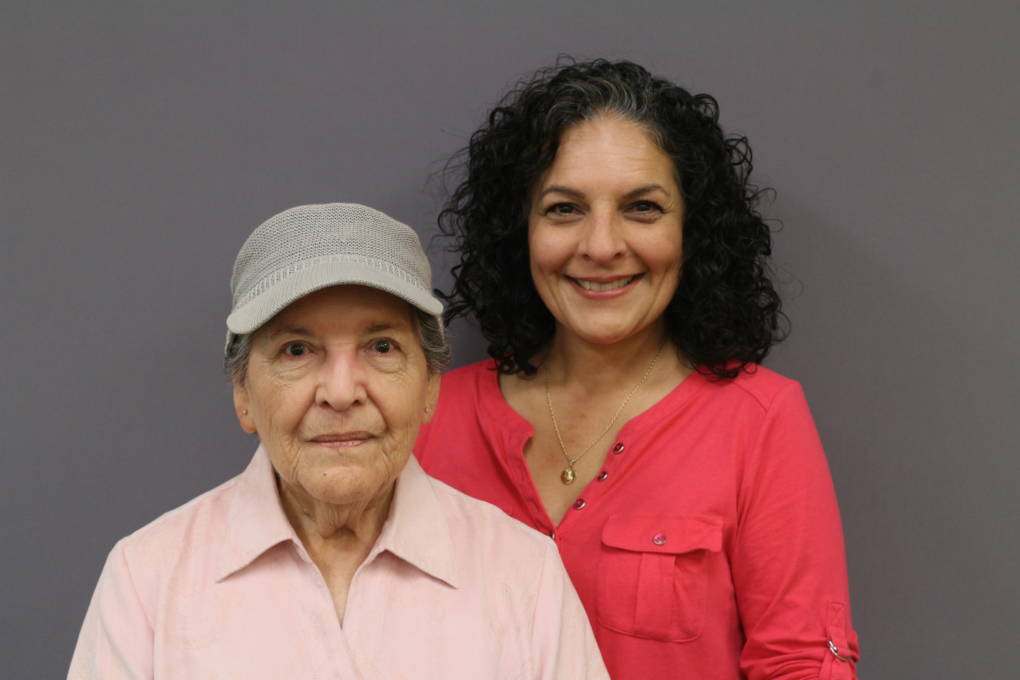
"caption": "Doris Ceballos (L) poses with her daughter Cathleen Lozano after talking about Ceballos' work at a post office in a small California town.",
"description": "Doris Ceballos (L) poses with her daughter Cathleen Lozano after talking about Ceballos' work at a post office in a small California town.",
"title": "Doris and Cathleen",
"credit": "Photo courtesy of StoryCorps",
"status": "inherit",
"isLoading": false,
"fetchFailed": false
},
"news_11362210": {
"type": "attachments",
"id": "news_11362210",
"meta": {
"index": "attachments_1716263798",
"site": "news",
"id": "11362210",
"found": true
},
"parent": 11362137,
"imgSizes": {
"small": {
"file": "https://ww2.kqed.org/app/uploads/sites/10/2017/03/Paul-Barnett-and-Armando-Rivera-520x347.jpg",
"width": 520,
"mimeType": "image/jpeg",
"height": 347
},
"twentyfourteen-full-width": {
"file": "https://ww2.kqed.org/app/uploads/sites/10/2017/03/Paul-Barnett-and-Armando-Rivera-1038x576.jpg",
"width": 1038,
"mimeType": "image/jpeg",
"height": 576
},
"thumbnail": {
"file": "https://ww2.kqed.org/app/uploads/sites/10/2017/03/Paul-Barnett-and-Armando-Rivera-160x107.jpg",
"width": 160,
"mimeType": "image/jpeg",
"height": 107
},
"fd-sm": {
"file": "https://ww2.kqed.org/app/uploads/sites/10/2017/03/Paul-Barnett-and-Armando-Rivera-960x640.jpg",
"width": 960,
"mimeType": "image/jpeg",
"height": 640
},
"post-thumbnail": {
"file": "https://ww2.kqed.org/app/uploads/sites/10/2017/03/Paul-Barnett-and-Armando-Rivera-672x372.jpg",
"width": 672,
"mimeType": "image/jpeg",
"height": 372
},
"xsmall": {
"file": "https://ww2.kqed.org/app/uploads/sites/10/2017/03/Paul-Barnett-and-Armando-Rivera-375x250.jpg",
"width": 375,
"mimeType": "image/jpeg",
"height": 250
},
"kqedFullSize": {
"file": "https://ww2.kqed.org/app/uploads/sites/10/2017/03/Paul-Barnett-and-Armando-Rivera.jpg",
"width": 1920,
"height": 1280
},
"large": {
"file": "https://ww2.kqed.org/app/uploads/sites/10/2017/03/Paul-Barnett-and-Armando-Rivera-1020x680.jpg",
"width": 1020,
"mimeType": "image/jpeg",
"height": 680
},
"xlarge": {
"file": "https://ww2.kqed.org/app/uploads/sites/10/2017/03/Paul-Barnett-and-Armando-Rivera-1180x787.jpg",
"width": 1180,
"mimeType": "image/jpeg",
"height": 787
},
"guest-author-50": {
"file": "https://ww2.kqed.org/app/uploads/sites/10/2017/03/Paul-Barnett-and-Armando-Rivera-50x50.jpg",
"width": 50,
"mimeType": "image/jpeg",
"height": 50
},
"guest-author-96": {
"file": "https://ww2.kqed.org/app/uploads/sites/10/2017/03/Paul-Barnett-and-Armando-Rivera-96x96.jpg",
"width": 96,
"mimeType": "image/jpeg",
"height": 96
},
"medium": {
"file": "https://ww2.kqed.org/app/uploads/sites/10/2017/03/Paul-Barnett-and-Armando-Rivera-800x533.jpg",
"width": 800,
"mimeType": "image/jpeg",
"height": 533
},
"guest-author-64": {
"file": "https://ww2.kqed.org/app/uploads/sites/10/2017/03/Paul-Barnett-and-Armando-Rivera-64x64.jpg",
"width": 64,
"mimeType": "image/jpeg",
"height": 64
},
"guest-author-32": {
"file": "https://ww2.kqed.org/app/uploads/sites/10/2017/03/Paul-Barnett-and-Armando-Rivera-32x32.jpg",
"width": 32,
"mimeType": "image/jpeg",
"height": 32
},
"fd-lrg": {
"file": "https://ww2.kqed.org/app/uploads/sites/10/2017/03/Paul-Barnett-and-Armando-Rivera-1920x1280.jpg",
"width": 1920,
"mimeType": "image/jpeg",
"height": 1280
},
"fd-med": {
"file": "https://ww2.kqed.org/app/uploads/sites/10/2017/03/Paul-Barnett-and-Armando-Rivera-1180x787.jpg",
"width": 1180,
"mimeType": "image/jpeg",
"height": 787
},
"full-width": {
"file": "https://ww2.kqed.org/app/uploads/sites/10/2017/03/Paul-Barnett-and-Armando-Rivera-1920x1280.jpg",
"width": 1920,
"mimeType": "image/jpeg",
"height": 1280
},
"detail": {
"file": "https://ww2.kqed.org/app/uploads/sites/10/2017/03/Paul-Barnett-and-Armando-Rivera-150x150.jpg",
"width": 150,
"mimeType": "image/jpeg",
"height": 150
},
"guest-author-128": {
"file": "https://ww2.kqed.org/app/uploads/sites/10/2017/03/Paul-Barnett-and-Armando-Rivera-128x128.jpg",
"width": 128,
"mimeType": "image/jpeg",
"height": 128
},
"xxsmall": {
"file": "https://ww2.kqed.org/app/uploads/sites/10/2017/03/Paul-Barnett-and-Armando-Rivera-240x160.jpg",
"width": 240,
"mimeType": "image/jpeg",
"height": 160
}
},
"publishDate": 1489684236,
"modified": 1490045409,
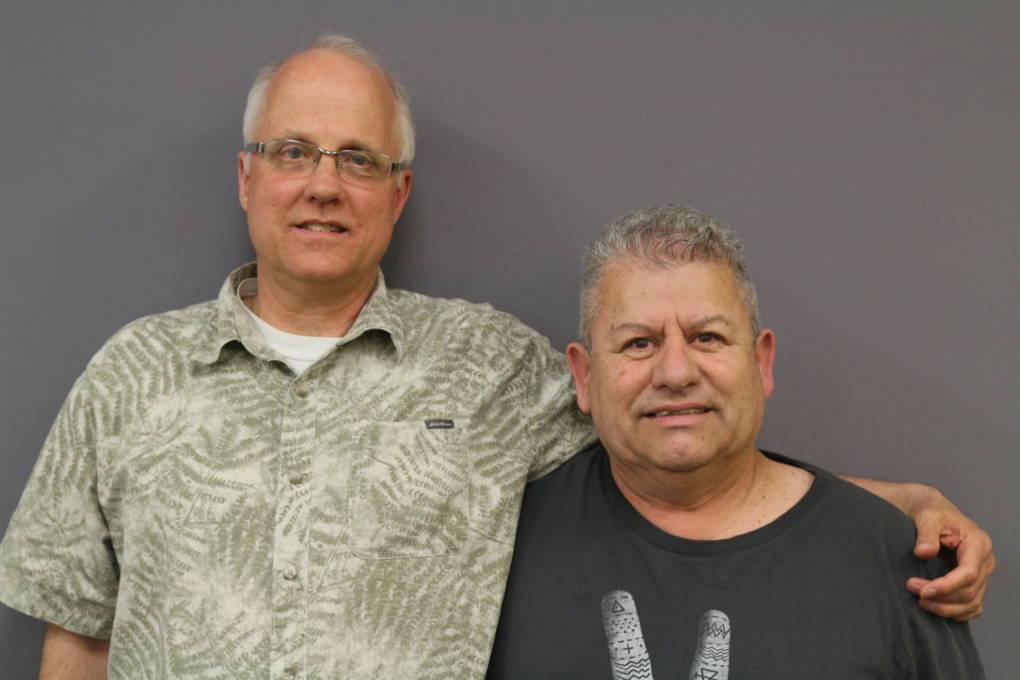
"caption": "Paul Barnett (L) and Armando Rivera established a lifelong friendship after a chance meeting in a Fresno grocery store 35 years ago.",
"description": "Paul Barnett (L) and Armando Rivera established a lifelong friendship after a chance meeting in a Fresno grocery store 35 years ago.",
"title": "Paul Barnett and Armando Rivera",
"credit": "Photo courtesy of StoryCorps",
"status": "inherit",
"isLoading": false,
"fetchFailed": false
},
"news_11353204": {
"type": "attachments",
"id": "news_11353204",
"meta": {
"index": "attachments_1716263798",
"site": "news",
"id": "11353204",
"found": true
},
"parent": 11353134,
"imgSizes": {
"small": {
"file": "https://ww2.kqed.org/app/uploads/sites/10/2017/03/Richard-Herron-and-Graciela-Martinez-520x347.jpg",
"width": 520,
"mimeType": "image/jpeg",
"height": 347
},
"twentyfourteen-full-width": {
"file": "https://ww2.kqed.org/app/uploads/sites/10/2017/03/Richard-Herron-and-Graciela-Martinez-1038x576.jpg",
"width": 1038,
"mimeType": "image/jpeg",
"height": 576
},
"thumbnail": {
"file": "https://ww2.kqed.org/app/uploads/sites/10/2017/03/Richard-Herron-and-Graciela-Martinez-160x107.jpg",
"width": 160,
"mimeType": "image/jpeg",
"height": 107
},
"fd-sm": {
"file": "https://ww2.kqed.org/app/uploads/sites/10/2017/03/Richard-Herron-and-Graciela-Martinez-960x640.jpg",
"width": 960,
"mimeType": "image/jpeg",
"height": 640
},
"post-thumbnail": {
"file": "https://ww2.kqed.org/app/uploads/sites/10/2017/03/Richard-Herron-and-Graciela-Martinez-672x372.jpg",
"width": 672,
"mimeType": "image/jpeg",
"height": 372
},
"xsmall": {
"file": "https://ww2.kqed.org/app/uploads/sites/10/2017/03/Richard-Herron-and-Graciela-Martinez-375x250.jpg",
"width": 375,
"mimeType": "image/jpeg",
"height": 250
},
"kqedFullSize": {
"file": "https://ww2.kqed.org/app/uploads/sites/10/2017/03/Richard-Herron-and-Graciela-Martinez.jpg",
"width": 1920,
"height": 1280
},
"large": {
"file": "https://ww2.kqed.org/app/uploads/sites/10/2017/03/Richard-Herron-and-Graciela-Martinez-1020x680.jpg",
"width": 1020,
"mimeType": "image/jpeg",
"height": 680
},
"xlarge": {
"file": "https://ww2.kqed.org/app/uploads/sites/10/2017/03/Richard-Herron-and-Graciela-Martinez-1180x787.jpg",
"width": 1180,
"mimeType": "image/jpeg",
"height": 787
},
"guest-author-50": {
"file": "https://ww2.kqed.org/app/uploads/sites/10/2017/03/Richard-Herron-and-Graciela-Martinez-50x50.jpg",
"width": 50,
"mimeType": "image/jpeg",
"height": 50
},
"guest-author-96": {
"file": "https://ww2.kqed.org/app/uploads/sites/10/2017/03/Richard-Herron-and-Graciela-Martinez-96x96.jpg",
"width": 96,
"mimeType": "image/jpeg",
"height": 96
},
"medium": {
"file": "https://ww2.kqed.org/app/uploads/sites/10/2017/03/Richard-Herron-and-Graciela-Martinez-800x533.jpg",
"width": 800,
"mimeType": "image/jpeg",
"height": 533
},
"guest-author-64": {
"file": "https://ww2.kqed.org/app/uploads/sites/10/2017/03/Richard-Herron-and-Graciela-Martinez-64x64.jpg",
"width": 64,
"mimeType": "image/jpeg",
"height": 64
},
"guest-author-32": {
"file": "https://ww2.kqed.org/app/uploads/sites/10/2017/03/Richard-Herron-and-Graciela-Martinez-32x32.jpg",
"width": 32,
"mimeType": "image/jpeg",
"height": 32
},
"fd-lrg": {
"file": "https://ww2.kqed.org/app/uploads/sites/10/2017/03/Richard-Herron-and-Graciela-Martinez-1920x1280.jpg",
"width": 1920,
"mimeType": "image/jpeg",
"height": 1280
},
"fd-med": {
"file": "https://ww2.kqed.org/app/uploads/sites/10/2017/03/Richard-Herron-and-Graciela-Martinez-1180x787.jpg",
"width": 1180,
"mimeType": "image/jpeg",
"height": 787
},
"full-width": {
"file": "https://ww2.kqed.org/app/uploads/sites/10/2017/03/Richard-Herron-and-Graciela-Martinez-1920x1280.jpg",
"width": 1920,
"mimeType": "image/jpeg",
"height": 1280
},
"detail": {
"file": "https://ww2.kqed.org/app/uploads/sites/10/2017/03/Richard-Herron-and-Graciela-Martinez-150x150.jpg",
"width": 150,
"mimeType": "image/jpeg",
"height": 150
},
"guest-author-128": {
"file": "https://ww2.kqed.org/app/uploads/sites/10/2017/03/Richard-Herron-and-Graciela-Martinez-128x128.jpg",
"width": 128,
"mimeType": "image/jpeg",
"height": 128
},
"xxsmall": {
"file": "https://ww2.kqed.org/app/uploads/sites/10/2017/03/Richard-Herron-and-Graciela-Martinez-240x160.jpg",
"width": 240,
"mimeType": "image/jpeg",
"height": 160
}
},
"publishDate": 1489174055,
"modified": 1489197614,
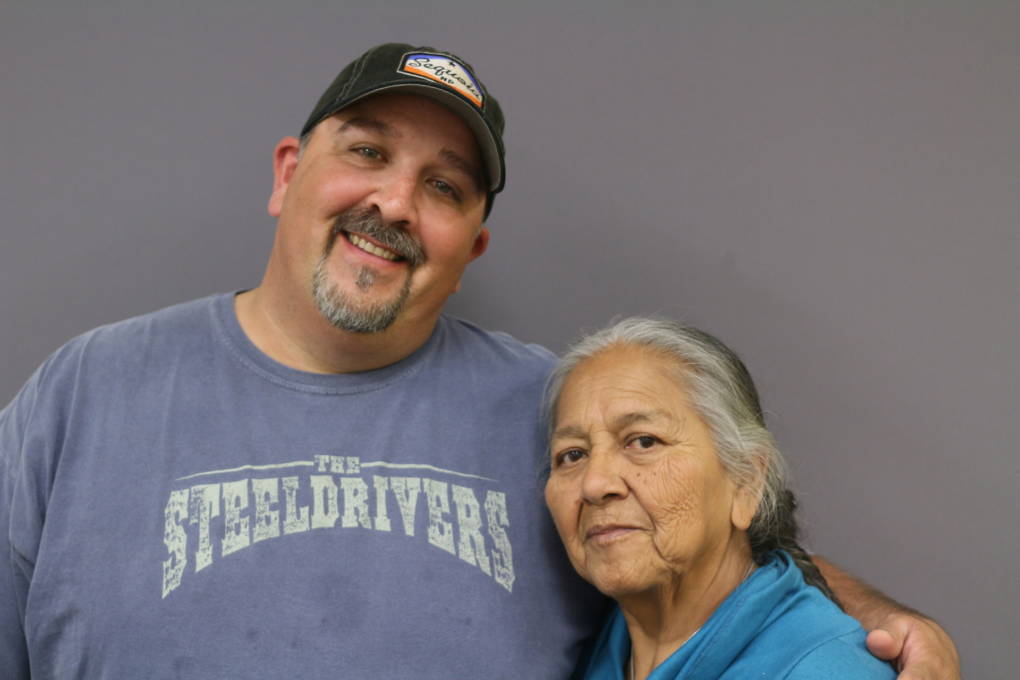
"caption": "Richard Herron (left) and his mother, Graciela Martinez (right), pose for a photo as part of California State University, Fresno's StoryCorps project to capture the voices of Central Valley Latinos.",
"description": null,
"title": "Richard Herron and Graciela Martinez",
"credit": "Photo courtesy of StoryCorps",
"status": "inherit",
"isLoading": false,
"fetchFailed": false
},
"arts_12617513": {
"type": "attachments",
"id": "arts_12617513",
"meta": {
"index": "attachments_1716263798",
"site": "arts",
"id": "12617513",
"found": true
},
"parent": 12616712,
"imgSizes": {
"small": {
"file": "https://ww2.kqed.org/app/uploads/sites/2/2017/01/RS23578_CpcPorcUsAAfaAa-qut-520x292.jpg",
"width": 520,
"mimeType": "image/jpeg",
"height": 292
},
"twentyfourteen-full-width": {
"file": "https://ww2.kqed.org/app/uploads/sites/2/2017/01/RS23578_CpcPorcUsAAfaAa-qut-1038x576.jpg",
"width": 1038,
"mimeType": "image/jpeg",
"height": 576
},
"thumbnail": {
"file": "https://ww2.kqed.org/app/uploads/sites/2/2017/01/RS23578_CpcPorcUsAAfaAa-qut-160x90.jpg",
"width": 160,
"mimeType": "image/jpeg",
"height": 90
},
"fd-sm": {
"file": "https://ww2.kqed.org/app/uploads/sites/2/2017/01/RS23578_CpcPorcUsAAfaAa-qut-960x539.jpg",
"width": 960,
"mimeType": "image/jpeg",
"height": 539
},
"post-thumbnail": {
"file": "https://ww2.kqed.org/app/uploads/sites/2/2017/01/RS23578_CpcPorcUsAAfaAa-qut-672x372.jpg",
"width": 672,
"mimeType": "image/jpeg",
"height": 372
},
"xsmall": {
"file": "https://ww2.kqed.org/app/uploads/sites/2/2017/01/RS23578_CpcPorcUsAAfaAa-qut-375x211.jpg",
"width": 375,
"mimeType": "image/jpeg",
"height": 211
},
"kqedFullSize": {
"file": "https://ww2.kqed.org/app/uploads/sites/2/2017/01/RS23578_CpcPorcUsAAfaAa-qut.jpg",
"width": 1068,
"height": 600
},
"large": {
"file": "https://ww2.kqed.org/app/uploads/sites/2/2017/01/RS23578_CpcPorcUsAAfaAa-qut-1020x573.jpg",
"width": 1020,
"mimeType": "image/jpeg",
"height": 573
},
"guest-author-50": {
"file": "https://ww2.kqed.org/app/uploads/sites/2/2017/01/RS23578_CpcPorcUsAAfaAa-qut-50x50.jpg",
"width": 50,
"mimeType": "image/jpeg",
"height": 50
},
"guest-author-96": {
"file": "https://ww2.kqed.org/app/uploads/sites/2/2017/01/RS23578_CpcPorcUsAAfaAa-qut-96x96.jpg",
"width": 96,
"mimeType": "image/jpeg",
"height": 96
},
"medium": {
"file": "https://ww2.kqed.org/app/uploads/sites/2/2017/01/RS23578_CpcPorcUsAAfaAa-qut-800x449.jpg",
"width": 800,
"mimeType": "image/jpeg",
"height": 449
},
"guest-author-64": {
"file": "https://ww2.kqed.org/app/uploads/sites/2/2017/01/RS23578_CpcPorcUsAAfaAa-qut-64x64.jpg",
"width": 64,
"mimeType": "image/jpeg",
"height": 64
},
"guest-author-32": {
"file": "https://ww2.kqed.org/app/uploads/sites/2/2017/01/RS23578_CpcPorcUsAAfaAa-qut-32x32.jpg",
"width": 32,
"mimeType": "image/jpeg",
"height": 32
},
"detail": {
"file": "https://ww2.kqed.org/app/uploads/sites/2/2017/01/RS23578_CpcPorcUsAAfaAa-qut-150x150.jpg",
"width": 150,
"mimeType": "image/jpeg",
"height": 150
},
"medium_large": {
"file": "https://ww2.kqed.org/app/uploads/sites/2/2017/01/RS23578_CpcPorcUsAAfaAa-qut-768x431.jpg",
"width": 768,
"mimeType": "image/jpeg",
"height": 431
},
"guest-author-128": {
"file": "https://ww2.kqed.org/app/uploads/sites/2/2017/01/RS23578_CpcPorcUsAAfaAa-qut-128x128.jpg",
"width": 128,
"mimeType": "image/jpeg",
"height": 128
},
"xxsmall": {
"file": "https://ww2.kqed.org/app/uploads/sites/2/2017/01/RS23578_CpcPorcUsAAfaAa-qut-240x135.jpg",
"width": 240,
"mimeType": "image/jpeg",
"height": 135
}
},
"publishDate": 1484252805,
"modified": 1484252938,
"caption": "Back in the 1950s and 60s, César Chávez and others organized Mexican-American farm workers out of this building, McDonnell Hall in San Jose, now a National Historic Landmark.",
"description": "Back in the 1950s and 60s, César Chávez and others organized Mexican-American farm workers out of this building, McDonnell Hall in San Jose, now a National Historic Landmark.",
"title": "rs23578_cpcporcusaafaaa-qut",
"credit": "Photo: Beth Willon/KQED",
"status": "inherit",
"isLoading": false,
"fetchFailed": false
},
"news_10598764": {
"type": "attachments",
"id": "news_10598764",
"meta": {
"index": "attachments_1716263798",
"site": "news",
"id": "10598764",
"found": true
},
"parent": 10598627,
"imgSizes": {
"twentyfourteen-full-width": {
"file": "https://ww2.kqed.org/app/uploads/sites/10/2015/07/RS15998_FullSizeRender-qut-1038x576.jpg",
"width": 1038,
"mimeType": "image/jpeg",
"height": 576
},
"thumbnail": {
"file": "https://ww2.kqed.org/app/uploads/sites/10/2015/07/RS15998_FullSizeRender-qut-400x300.jpg",
"width": 400,
"mimeType": "image/jpeg",
"height": 300
},
"fd-sm": {
"file": "https://ww2.kqed.org/app/uploads/sites/10/2015/07/RS15998_FullSizeRender-qut-960x720.jpg",
"width": 960,
"mimeType": "image/jpeg",
"height": 720
},
"post-thumbnail": {
"file": "https://ww2.kqed.org/app/uploads/sites/10/2015/07/RS15998_FullSizeRender-qut-672x372.jpg",
"width": 672,
"mimeType": "image/jpeg",
"height": 372
},
"kqedFullSize": {
"file": "https://ww2.kqed.org/app/uploads/sites/10/2015/07/RS15998_FullSizeRender-qut.jpg",
"width": 1920,
"height": 1440
},
"large": {
"file": "https://ww2.kqed.org/app/uploads/sites/10/2015/07/RS15998_FullSizeRender-qut-1440x1080.jpg",
"width": 1440,
"mimeType": "image/jpeg",
"height": 1080
},
"guest-author-96": {
"file": "https://ww2.kqed.org/app/uploads/sites/10/2015/07/RS15998_FullSizeRender-qut-96x96.jpg",
"width": 96,
"mimeType": "image/jpeg",
"height": 96
},
"medium": {
"file": "https://ww2.kqed.org/app/uploads/sites/10/2015/07/RS15998_FullSizeRender-qut-800x600.jpg",
"width": 800,
"mimeType": "image/jpeg",
"height": 600
},
"guest-author-64": {
"file": "https://ww2.kqed.org/app/uploads/sites/10/2015/07/RS15998_FullSizeRender-qut-64x64.jpg",
"width": 64,
"mimeType": "image/jpeg",
"height": 64
},
"guest-author-32": {
"file": "https://ww2.kqed.org/app/uploads/sites/10/2015/07/RS15998_FullSizeRender-qut-32x32.jpg",
"width": 32,
"mimeType": "image/jpeg",
"height": 32
},
"jmtc-small-thumb": {
"file": "https://ww2.kqed.org/app/uploads/sites/10/2015/07/RS15998_FullSizeRender-qut-280x150.jpg",
"width": 280,
"mimeType": "image/jpeg",
"height": 150
},
"fd-med": {
"file": "https://ww2.kqed.org/app/uploads/sites/10/2015/07/RS15998_FullSizeRender-qut-1180x885.jpg",
"width": 1180,
"mimeType": "image/jpeg",
"height": 885
},
"detail": {
"file": "https://ww2.kqed.org/app/uploads/sites/10/2015/07/RS15998_FullSizeRender-qut-75x75.jpg",
"width": 75,
"mimeType": "image/jpeg",
"height": 75
},
"guest-author-128": {
"file": "https://ww2.kqed.org/app/uploads/sites/10/2015/07/RS15998_FullSizeRender-qut-128x128.jpg",
"width": 128,
"mimeType": "image/jpeg",
"height": 128
}
},
"publishDate": 1436768397,
"modified": 1436768508,
"caption": "Low-wage service workers mobilize at Our Lady of Guadalupe Church in San Jose.",
"description": "Low-wage service workers mobilize at Our Lady of Guadalupe Church in San Jose.",
"title": "RS15998_FullSizeRender-qut",
"credit": "Beth Willon/KQED",
"status": "inherit",
"isLoading": false,
"fetchFailed": false
},
"news_129237": {
"type": "attachments",
"id": "news_129237",
"meta": {
"index": "attachments_1716263798",
"site": "news",
"id": "129237",
"found": true
},
"parent": 129148,
"imgSizes": {
"kqedFullSize": {
"file": "https://ww2.kqed.org/app/uploads/sites/10/2015/03/2-in-front-of-first-headquarters.jpg",
"width": 1536,
"height": 1024
}
},
"publishDate": 1394737243,
"modified": 1394737243,
"caption": null,
"description": null,
"title": "#2 in front of first headquarters",
"credit": null,
"status": "inherit",
"isLoading": false,
"fetchFailed": false
},
"news_124672": {
"type": "attachments",
"id": "news_124672",
"meta": {
"index": "attachments_1716263798",
"site": "news",
"id": "124672",
"found": true
},
"parent": 124605,
"imgSizes": {
"kqedFullSize": {
"file": "https://ww2.kqed.org/app/uploads/sites/10/2014/01/90330705.jpg",
"width": 1535,
"height": 1024
}
},
"publishDate": 1391009749,
"modified": 1391009749,
"caption": "Pete Seeger at a 2009 performance in New York City. (Astrid Stawiarz/Getty Images)",
"description": "Pete Seeger at a 2009 performance in New York City. (Astrid Stawiarz/Getty Images)",
"title": "Pete Seeger 2009",
"credit": null,
"status": "inherit",
"isLoading": false,
"fetchFailed": false
}
},
"audioPlayerReducer": {
"postId": "stream_live",
"isPaused": true,
"isPlaying": false,
"pfsActive": false,
"pledgeModalIsOpen": true,
"playerDrawerIsOpen": false,
"liveAudioPlayStartedAt": 0,
"liveAudioPlayContext": ""
},
"authorsReducer": {
"jbrooks": {
"type": "authors",
"id": "80",
"meta": {
"index": "authors_1716337520",
"id": "80",
"found": true
},
"name": "Jon Brooks",
"firstName": "Jon",
"lastName": "Brooks",
"slug": "jbrooks",
"email": "jbrooks@kqed.org",
"display_author_email": true,
"staff_mastheads": [
"science"
],
"title": "Digital Editor",
"bio": "Jon Brooks is a former Digital Editor for KQED Science. He is the former editor of KQED’s daily news blog, News Fix. In 2014, he won a California Journalism Award for his coverage of ride services like Uber and Lyft and the taxi industry. A veteran blogger, he previously worked for Yahoo! in various news writing and editing roles. Jon is also a playwright whose work has been produced in San Francisco, New York, Italy, and around the U.S. He has written about film for his own blog and studied film at Boston University.",
"avatar": "https://secure.gravatar.com/avatar/98887f7ed1c876ed414d4c915e969584?s=600&d=blank&r=g",
"twitter": "jbrooksfoy",
"facebook": null,
"instagram": null,
"linkedin": null,
"sites": [
{
"site": "arts",
"roles": [
"Contributor",
"editor"
]
},
{
"site": "news",
"roles": [
"author"
]
},
{
"site": "futureofyou",
"roles": [
"administrator"
]
},
{
"site": "mindshift",
"roles": [
"editor"
]
},
{
"site": "stateofhealth",
"roles": [
"editor"
]
},
{
"site": "science",
"roles": [
"administrator"
]
},
{
"site": "quest",
"roles": [
"editor"
]
}
],
"headData": {
"title": "Jon Brooks | KQED",
"description": "Digital Editor",
"ogImgSrc": "https://secure.gravatar.com/avatar/98887f7ed1c876ed414d4c915e969584?s=600&d=blank&r=g",
"twImgSrc": "https://secure.gravatar.com/avatar/98887f7ed1c876ed414d4c915e969584?s=600&d=blank&r=g"
},
"isLoading": false,
"link": "/author/jbrooks"
},
"katsnow": {
"type": "authors",
"id": "235",
"meta": {
"index": "authors_1716337520",
"id": "235",
"found": true
},
"name": "Katrin Snow",
"firstName": "Katrin",
"lastName": "Snow",
"slug": "katsnow",
"email": "ksnow@kqed.org",
"display_author_email": true,
"staff_mastheads": [
"science"
],
"title": "Senior Editor",
"bio": "Kat started in radio in 1985 at KMUN in Astoria, Oregon, where the Columbia River meets the sea. She worked several years protecting monarch butterfly habitat in California with the Xerces Society, an invertebrate conservation organization, before a love for radio news drew her back into journalism. Kat came to KQED in 2002, and before that was a reporter and news director at KUER in Salt Lake City, covering the state legislature, the environment and health. Kat coaches reporters and others in embodied narration and public speaking. She is a certified teacher of Soul Motion®, a conscious dance practice, and can sometimes be found in the Mojave desert or the Eastern Sierra.",
"avatar": "https://secure.gravatar.com/avatar/fa6bf8a74a2692973a5484e64ebd2b52?s=600&d=blank&r=g",
"twitter": "cosmologicalkat",
"facebook": null,
"instagram": null,
"linkedin": null,
"sites": [
{
"site": "arts",
"roles": [
"contributor"
]
},
{
"site": "news",
"roles": [
"editor"
]
},
{
"site": "futureofyou",
"roles": [
"editor"
]
},
{
"site": "science",
"roles": [
"editor"
]
}
],
"headData": {
"title": "Katrin Snow | KQED",
"description": "Senior Editor",
"ogImgSrc": "https://secure.gravatar.com/avatar/fa6bf8a74a2692973a5484e64ebd2b52?s=600&d=blank&r=g",
"twImgSrc": "https://secure.gravatar.com/avatar/fa6bf8a74a2692973a5484e64ebd2b52?s=600&d=blank&r=g"
},
"isLoading": false,
"link": "/author/katsnow"
},
"kqed": {
"type": "authors",
"id": "236",
"meta": {
"index": "authors_1716337520",
"id": "236",
"found": true
},
"name": "KQED News Staff",
"firstName": "KQED News Staff",
"lastName": null,
"slug": "kqed",
"email": "faq@kqed.org",
"display_author_email": false,
"staff_mastheads": [],
"title": null,
"bio": null,
"avatar": "https://secure.gravatar.com/avatar/ef0e801a68c4c54afa9180db14084167?s=600&d=blank&r=g",
"twitter": null,
"facebook": null,
"instagram": null,
"linkedin": null,
"sites": [
{
"site": "arts",
"roles": [
"contributor"
]
},
{
"site": "news",
"roles": [
"editor"
]
},
{
"site": "futureofyou",
"roles": [
"author"
]
}
],
"headData": {
"title": "KQED News Staff | KQED",
"description": null,
"ogImgSrc": "https://secure.gravatar.com/avatar/ef0e801a68c4c54afa9180db14084167?s=600&d=blank&r=g",
"twImgSrc": "https://secure.gravatar.com/avatar/ef0e801a68c4c54afa9180db14084167?s=600&d=blank&r=g"
},
"isLoading": false,
"link": "/author/kqed"
},
"rachael-myrow": {
"type": "authors",
"id": "251",
"meta": {
"index": "authors_1716337520",
"id": "251",
"found": true
},
"name": "Rachael Myrow",
"firstName": "Rachael",
"lastName": "Myrow",
"slug": "rachael-myrow",
"email": "rmyrow@kqed.org",
"display_author_email": true,
"staff_mastheads": [
"news"
],
"title": "Senior Editor of KQED's Silicon Valley News Desk",
"bio": "• I write and edit stories about how Silicon Valley power and policies shape everyday life in California. I’m also passionate about making Bay Area history and culture more accessible to a broad public. • I’ve been a journalist for most of my life, starting in high school with The Franklin Press in Los Angeles, where I grew up. While earning my first degree in English at UC Berkeley, I got my start in public radio at KALX-FM. After completing a second degree in journalism at Cal, I landed my first professional job at Marketplace, then moved on to KPCC (now LAist), and then KQED, where I hosted The California Report for more than seven years. • My reporting has appeared on NPR, The World, WBUR’s \u003ci>Here & Now\u003c/i>, and the BBC. I also guest host for KQED’s \u003ci>Forum\u003c/i>, as well as the Commonwealth Club in San Francisco. • I speak periodically on media, democracy and technology issues, and do voiceover work for documentaries and educational video projects. • Outside of the studio, you'll find me hiking Bay Area trails and whipping up Insta-ready meals in my kitchen. • I do not accept gifts, money, or favors from anyone connected to my reporting, I don't pay people for information, and I do not support or donate to political causes. • I strive to treat the people I report on with fairness, honesty, and respect. I also recognize there are often multiple sides to a story and work to verify information through multiple sources and documentation. If I get something wrong, I correct it.",
"avatar": "https://secure.gravatar.com/avatar/3ed8a3c5f26025e4a805ba634cda8cd764906b97438a6d9ce216b044e340da4e?s=600&d=blank&r=g",
"twitter": "rachaelmyrow",
"bluesky": null,
"facebook": null,
"instagram": null,
"linkedin": "https://www.linkedin.com/in/rachaelmyrow/",
"sites": [
{
"site": "arts",
"roles": [
"administrator"
]
},
{
"site": "news",
"roles": [
"edit_others_posts",
"editor"
]
},
{
"site": "futureofyou",
"roles": [
"editor"
]
},
{
"site": "bayareabites",
"roles": [
"editor"
]
},
{
"site": "stateofhealth",
"roles": [
"editor"
]
},
{
"site": "science",
"roles": [
"editor"
]
},
{
"site": "food",
"roles": [
"editor"
]
},
{
"site": "forum",
"roles": [
"editor"
]
},
{
"site": "liveblog",
"roles": [
"author"
]
}
],
"headData": {
"title": "Rachael Myrow | KQED",
"description": "Senior Editor of KQED's Silicon Valley News Desk",
"ogImgSrc": "https://secure.gravatar.com/avatar/3ed8a3c5f26025e4a805ba634cda8cd764906b97438a6d9ce216b044e340da4e?s=600&d=blank&r=g",
"twImgSrc": "https://secure.gravatar.com/avatar/3ed8a3c5f26025e4a805ba634cda8cd764906b97438a6d9ce216b044e340da4e?s=600&d=blank&r=g"
},
"isLoading": false,
"link": "/author/rachael-myrow"
},
"sasha-khokha": {
"type": "authors",
"id": "254",
"meta": {
"index": "authors_1716337520",
"id": "254",
"found": true
},
"name": "Sasha Khokha",
"firstName": "Sasha",
"lastName": "Khokha",
"slug": "sasha-khokha",
"email": "skhokha@kqed.org",
"display_author_email": true,
"staff_mastheads": [
"news"
],
"title": "Host, The California Report Magazine",
"bio": "Sasha Khokha is the host of \u003cem>The California Report's \u003c/em> weekly magazine program, which takes listeners on sound-rich excursions to meet the people that make the Golden State unique -- through audio documentaries and long-form stories. As \u003cem>The California Report's\u003c/em> Central Valley Bureau Chief based in Fresno for nearly a dozen years, Sasha brought the lives and concerns of rural Californians to listeners around the state. Her reporting helped expose the hidden price immigrant women janitors and farmworkers may pay to keep their jobs: sexual assault at work. It inspired two new California laws to protect them from sexual harassment. She was a key member of the reporting team for the Frontline film \u003cem>Rape on the Night Shift, \u003c/em>which was nominated for two national Emmys. Sasha has also won a national Edward R. Murrow and a national PRNDI award for investigative reporting, as well as multiple prizes from the Society for Professional Journalists. Sasha is a proud alum of the UC Berkeley Graduate School of Journalism and Brown University and a member of the South Asian Journalists Association.",
"avatar": "https://secure.gravatar.com/avatar/e4b5e1541aaeea2aa356aa1fb2a68950?s=600&d=blank&r=g",
"twitter": "KQEDSashaKhokha",
"facebook": null,
"instagram": null,
"linkedin": null,
"sites": [
{
"site": "news",
"roles": [
"editor"
]
},
{
"site": "stateofhealth",
"roles": [
"author"
]
},
{
"site": "science",
"roles": [
"author"
]
},
{
"site": "quest",
"roles": [
"subscriber"
]
}
],
"headData": {
"title": "Sasha Khokha | KQED",
"description": "Host, The California Report Magazine",
"ogImgSrc": "https://secure.gravatar.com/avatar/e4b5e1541aaeea2aa356aa1fb2a68950?s=600&d=blank&r=g",
"twImgSrc": "https://secure.gravatar.com/avatar/e4b5e1541aaeea2aa356aa1fb2a68950?s=600&d=blank&r=g"
},
"isLoading": false,
"link": "/author/sasha-khokha"
},
"lairdharrison": {
"type": "authors",
"id": "1367",
"meta": {
"index": "authors_1716337520",
"id": "1367",
"found": true
},
"name": "Laird Harrison",
"firstName": "Laird",
"lastName": "Harrison",
"slug": "lairdharrison",
"email": "laird_harrison@yahoo.com",
"display_author_email": false,
"staff_mastheads": [],
"title": null,
"bio": null,
"avatar": "https://secure.gravatar.com/avatar/cd1a94b071427a71ecfcbc115c6b0efe?s=600&d=blank&r=g",
"twitter": null,
"facebook": null,
"instagram": null,
"linkedin": null,
"sites": [
{
"site": "news",
"roles": [
"subscriber"
]
}
],
"headData": {
"title": "Laird Harrison | KQED",
"description": null,
"ogImgSrc": "https://secure.gravatar.com/avatar/cd1a94b071427a71ecfcbc115c6b0efe?s=600&d=blank&r=g",
"twImgSrc": "https://secure.gravatar.com/avatar/cd1a94b071427a71ecfcbc115c6b0efe?s=600&d=blank&r=g"
},
"isLoading": false,
"link": "/author/lairdharrison"
},
"bwillon": {
"type": "authors",
"id": "3207",
"meta": {
"index": "authors_1716337520",
"id": "3207",
"found": true
},
"name": "Beth Willon",
"firstName": "Beth",
"lastName": "Willon",
"slug": "bwillon",
"email": "bwillon@kqed.org",
"display_author_email": false,
"staff_mastheads": [],
"title": "KQED Contributor",
"bio": "Beth Willon is a former senior reporter for KQED's Silicon Valley News Desk in San Jose. (@KQEDNews )\r\n\r\n@BethWillon",
"avatar": "https://secure.gravatar.com/avatar/3533b741c785d6a97e8b283e7f65606d?s=600&d=blank&r=g",
"twitter": null,
"facebook": null,
"instagram": null,
"linkedin": null,
"sites": [
{
"site": "news",
"roles": [
"subscriber"
]
}
],
"headData": {
"title": "Beth Willon | KQED",
"description": "KQED Contributor",
"ogImgSrc": "https://secure.gravatar.com/avatar/3533b741c785d6a97e8b283e7f65606d?s=600&d=blank&r=g",
"twImgSrc": "https://secure.gravatar.com/avatar/3533b741c785d6a97e8b283e7f65606d?s=600&d=blank&r=g"
},
"isLoading": false,
"link": "/author/bwillon"
},
"rlevi": {
"type": "authors",
"id": "11260",
"meta": {
"index": "authors_1716337520",
"id": "11260",
"found": true
},
"name": "Ryan Levi",
"firstName": "Ryan",
"lastName": "Levi",
"slug": "rlevi",
"email": "rlevi@KQED.org",
"display_author_email": false,
"staff_mastheads": [],
"title": "KQED Contributor",
"bio": "Ryan Levi was a reporter and podcast producer at KQED News from 2016-2019. He worked on \u003ca href=\"https://www.kqed.org/news/series/baycurious\">Bay Curious\u003c/a>, \u003ca href=\"https://www.kqed.org/news/tag/the-bay/\">The Bay, \u003c/a>and \u003ca href=\"https://podcasts.apple.com/us/podcast/the-california-report-magazine/id1314750545\">The California Report Magazine\u003c/a>, as well as hosting and producing the weekly \u003ca href=\"https://www.kqed.org/news/program/qedup/\">Q'ed Up podcast. \u003c/a>He also helped inaugurate KQED's weekend news coverage in 2017 as one of two original digital producers. Ryan holds degrees in multimedia journalism and Spanish from the University of Missouri.",
"avatar": "https://secure.gravatar.com/avatar/4cb2ddd028ac8807d1adf09609c5555d?s=600&d=blank&r=g",
"twitter": "ryan_levi",
"facebook": null,
"instagram": null,
"linkedin": null,
"sites": [
{
"site": "arts",
"roles": [
"editor"
]
},
{
"site": "news",
"roles": [
"subscriber"
]
},
{
"site": "stateofhealth",
"roles": [
"editor"
]
},
{
"site": "science",
"roles": [
"editor"
]
},
{
"site": "forum",
"roles": [
"administrator"
]
},
{
"site": "perspectives",
"roles": [
"administrator"
]
}
],
"headData": {
"title": "Ryan Levi | KQED",
"description": "KQED Contributor",
"ogImgSrc": "https://secure.gravatar.com/avatar/4cb2ddd028ac8807d1adf09609c5555d?s=600&d=blank&r=g",
"twImgSrc": "https://secure.gravatar.com/avatar/4cb2ddd028ac8807d1adf09609c5555d?s=600&d=blank&r=g"
},
"isLoading": false,
"link": "/author/rlevi"
}
},
"pagesReducer": {
"news_tag_cesar-chavez": {
"type": "terms",
"id": "news_885",
"meta": {
"index": "terms_1716263798",
"site": "news",
"id": "885",
"score": 9.556682
},
"featImg": null,
"name": "Cesar Chavez",
"description": null,
"taxonomy": "tag",
"headData": {
"twImgId": null,
"twTitle": null,
"ogTitle": null,
"ogImgId": null,
"twDescription": null,
"description": null,
"title": "Cesar Chavez Archives | KQED News",
"ogDescription": null
},
"ttid": 895,
"slug": "cesar-chavez",
"isLoading": false,
"title": "Cesar Chavez",
"pageMeta": {
"site": "news",
"WpPageTemplate": "page-topic-editorial",
"currentPage": 3
},
"blocks": [
{
"blockName": "kqed/post-list",
"attrs": {
"layout": "cardArticle2",
"query": "posts/news?tag=cesar-chavez",
"seeMore": false,
"paginated": true,
"page": 3
}
},
{
"blockName": "kqed/ad"
}
]
}
},
"pfsSessionReducer": {},
"postsReducer": {
"stream_live": {
"type": "live",
"id": "stream_live",
"audioUrl": "https://streams.kqed.org/kqedradio",
"title": "Live Stream",
"excerpt": "Live Stream information currently unavailable.",
"link": "/radio",
"featImg": "",
"label": {
"name": "KQED Live",
"link": "/"
}
},
"stream_kqedNewscast": {
"type": "posts",
"id": "stream_kqedNewscast",
"audioUrl": "https://www.kqed.org/.stream/anon/radio/RDnews/newscast.mp3?_=1",
"title": "KQED Newscast",
"featImg": "",
"label": {
"name": "88.5 FM",
"link": "/"
}
},
"news_11617637": {
"type": "posts",
"id": "news_11617637",
"meta": {
"index": "posts_1716263798",
"site": "news",
"id": "11617637",
"score": null,
"sort": [
1504889969000
]
},
"guestAuthors": [],
"slug": "dolores-huerta-and-peter-bratt-on-dolores",
"title": "Dolores Huerta and Peter Bratt on the Documentary 'Dolores'",
"publishDate": 1504889969,
"format": "video",
"headTitle": "Dolores Huerta and Peter Bratt on the Documentary ‘Dolores’ | KQED",
"labelTerm": {
"term": 7052,
"site": "news"
},
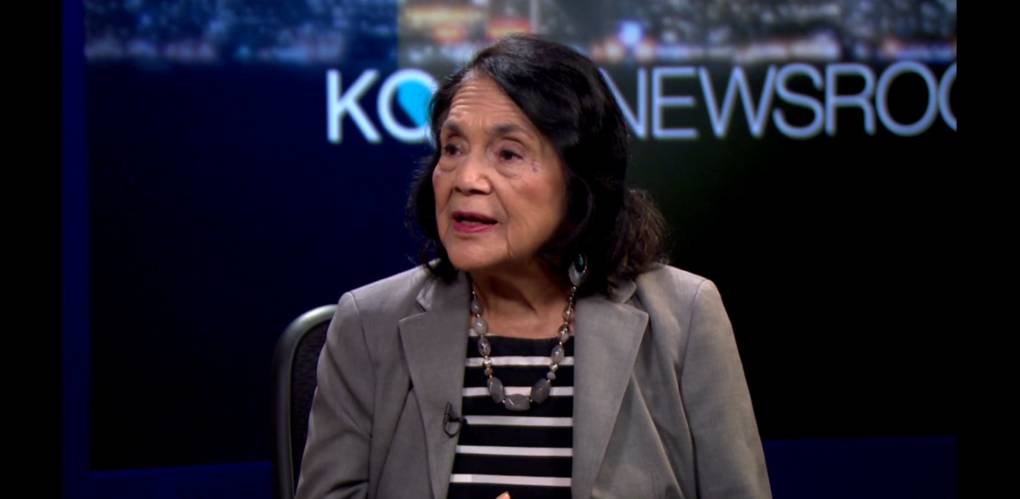
"content": "\u003cp>The name Cesar Chavez is synonymous with farm worker rights, but Dolores Huerta, the woman who co-founded the United Farm Workers union with Chavez, is not as well-known. The new documentary, Dolores, aims to change that by highlighting the critical role Huerta played, and continues to play, as an activist and civil rights leader.\u003c/p>\n\u003cp>Guests:\u003c/p>\n\u003cul>\n\u003cli>Dolores Huerta, President, Dolores Huerta Foundation\u003c/li>\n\u003cli>Peter Bratt, Director, Dolores\u003c/li>\n\u003c/ul>\n\u003cp>[ad fullwidth]\u003c/p>\u003cp>\u003c/p>\n",
"blocks": [],
"excerpt": "The new documentary, Dolores, aims to highlight the critical role Huerta continues to play as a civil rights leader.",
"status": "publish",
"parent": 0,
"modified": 1721111895,
"stats": {
"hasAudio": false,
"hasVideo": false,
"hasChartOrMap": false,
"iframeSrcs": [],
"hasGoogleForm": false,
"hasGallery": false,
"hasHearkenModule": false,
"hasPolis": false,
"paragraphCount": 4,
"wordCount": 69
},
"headData": {
"title": "Dolores Huerta and Peter Bratt on the Documentary 'Dolores' | KQED",
"description": "The new documentary, Dolores, aims to highlight the critical role Huerta continues to play as a civil rights leader.",
"ogTitle": "",
"ogDescription": "",
"ogImgId": "",
"twTitle": "",
"twDescription": "",
"twImgId": "",
"schema": {
"@context": "https://schema.org",
"@type": "NewsArticle",
"headline": "Dolores Huerta and Peter Bratt on the Documentary 'Dolores'",
"datePublished": "2017-09-08T09:59:29-07:00",
"dateModified": "2024-07-15T23:38:15-07:00",
"image": "https://cdn.kqed.org/wp-content/uploads/2020/02/KQED-OG-Image@1x.png",
"isAccessibleForFree": "True",
"publisher": {
"@type": "NewsMediaOrganization",
"@id": "https://www.kqed.org/#organization",
"name": "KQED",
"logo": "https://cdn.kqed.org/wp-content/uploads/2020/02/KQED-OG-Image@1x.png",
"url": "https://www.kqed.org",
"sameAs": [
"https://www.facebook.com/KQED",
"https://twitter.com/KQED",
"https://www.instagram.com/kqed/",
"https://www.tiktok.com/@kqedofficial",
"https://www.linkedin.com/company/kqed",
"https://www.youtube.com/channel/UCeC0IOo7i1P_61zVUWbJ4nw"
]
}
}
},
"videoEmbed": "https://youtu.be/3SIi0ay0WEo",
"sticky": false,
"path": "/news/11617637/dolores-huerta-and-peter-bratt-on-dolores",
"audioTrackLength": null,
"parsedContent": [
{
"type": "contentString",
"content": "\u003cdiv class=\"post-body\">\u003cp>\u003cp>The name Cesar Chavez is synonymous with farm worker rights, but Dolores Huerta, the woman who co-founded the United Farm Workers union with Chavez, is not as well-known. The new documentary, Dolores, aims to change that by highlighting the critical role Huerta played, and continues to play, as an activist and civil rights leader.\u003c/p>\n\u003cp>Guests:\u003c/p>\n\u003cul>\n\u003cli>Dolores Huerta, President, Dolores Huerta Foundation\u003c/li>\n\u003cli>Peter Bratt, Director, Dolores\u003c/li>\n\u003c/ul>\n\u003cp>\u003c/p>\u003c/div>",
"attributes": {
"named": {},
"numeric": []
}
},
{
"type": "component",
"content": "",
"name": "ad",
"attributes": {
"named": {
"label": "fullwidth"
},
"numeric": [
"fullwidth"
]
}
},
{
"type": "contentString",
"content": "\u003cdiv class=\"post-body\">\u003cp>\u003c/p>\u003cp>\u003c/p>\n\u003c/div>\u003c/p>",
"attributes": {
"named": {},
"numeric": []
}
}
],
"link": "/news/11617637/dolores-huerta-and-peter-bratt-on-dolores",
"authors": [
"236"
],
"programs": [
"news_7052"
],
"categories": [
"news_1169"
],
"tags": [
"news_885",
"news_19374",
"news_20052",
"news_17968",
"news_1602"
],
"featImg": "news_11617638",
"label": "news_7052"
},
"news_11372460": {
"type": "posts",
"id": "news_11372460",
"meta": {
"index": "posts_1716263798",
"site": "news",
"id": "11372460",
"score": null,
"sort": [
1490661018000
]
},
"guestAuthors": [],
"slug": "daughter-sees-big-difference-mom-made-in-small-california-town",
"title": "Daughter Sees Big Difference Mom Made in Small California Town",
"publishDate": 1490661018,
"format": "standard",
"headTitle": "Daughter Sees Big Difference Mom Made in Small California Town | KQED",
"labelTerm": {
"term": 72,
"site": "news"
},
"content": "\u003cp>\u003cem>In honor of Cesar Chavez Day, the\u003ca href=\"https://library.fresnostate.edu/about\"> Henry Madden Library\u003c/a> at California State University, Fresno has partnered with \u003ca href=\"http://www.storycorps.org/\" target=\"_blank\" rel=\"noopener\">StoryCorps\u003c/a> to \u003ca href=\"http://www.fresnostatenews.com/2016/02/11/madden-library-partners-with-storycorps-to-record-stories-of-area-latino-families/\" target=\"_blank\" rel=\"noopener\">record and preserve\u003c/a> the stories of Latino families in the San Joaquin Valley. \u003c/em>\u003c/p>\n\u003cp>\u003cem>We’re airing excerpts of some of those conversations on \u003c/em>The California Report Magazine. \u003cem>We hear octogenarian Doris Ceballos tell her daughter, Cathleen Lozano, about her life working at a general store in Malaga.\u003c/em>\u003c/p>\n\u003cp>Doris Ceballos grew up in the small Central Valley town of Malaga. Of the 11 children that her Mexican immigrant parents had, only Doris and her younger sister went to high school.\u003c/p>\n\u003cp>That education paid off when Doris was hired to work at the general store in Malaga after she graduated in 1949. She worked as a cashier, postal clerk and interpreter for Malaga’s many Spanish-speaking residents. Doris says she would translate letters from loved ones in Mexico or serving overseas in the military for customers who couldn’t speak English.\u003c/p>\n\u003cp>[audio src=\"http://www.kqed.org/.stream/anon/radio/tcrmag/2017/03/2017-03-24e-tcrmag.mp3\" Image=\"https://ww2.kqed.org/news/wp-content/uploads/sites/10/2017/03/Doris-and-Cathleen-800x533.jpg\" Title=\"Daughter Sees Big Difference Mom Made in Small California Town\" program=\"The California Report\"]\u003c/p>\n\u003cp>“They would be so grateful that I had read the letter that they would bring a piece of fruit and give me a piece of fruit or a candy bar,” Doris says. “They were so grateful and thankful. I would say, ‘You don’t need to do that,’ and they would say, ‘I want to.'”\u003c/p>\n\u003cp>[ad fullwidth]\u003c/p>\n\u003cp>Doris’ daughter, Cathleen Lozano, is overcome with emotion as her mother tells her about her working life in a StoryCorps interview.\u003c/p>\n\u003cp>“I’m so proud of you and everything you’ve accomplished,” Cathleen says, trying to hold back tears. “I’m so thankful that I have you.”\u003c/p>\n\u003cp>\u003c/p>\n\u003cp>\u003cem>The project was co-sponsored by the California State University, Fresno Office of the President, the College of Arts and Humanities, the College of Social Sciences and Valley Public Radio.\u003c/em>\u003c/p>\n\n",
"blocks": [],
"excerpt": "Doris Ceballos tells her daughter about translating letters from loved ones for the many Mexican immigrant families living in her town.",
"status": "publish",
"parent": 0,
"modified": 1721152426,
"stats": {
"hasAudio": true,
"hasVideo": false,
"hasChartOrMap": false,
"iframeSrcs": [],
"hasGoogleForm": false,
"hasGallery": false,
"hasHearkenModule": false,
"hasPolis": false,
"paragraphCount": 10,
"wordCount": 370
},
"headData": {
"title": "Daughter Sees Big Difference Mom Made in Small California Town | KQED",
"description": "Doris Ceballos tells her daughter about translating letters from loved ones for the many Mexican immigrant families living in her town.",
"ogTitle": "",
"ogDescription": "",
"ogImgId": "",
"twTitle": "",
"twDescription": "",
"twImgId": "",
"schema": {
"@context": "https://schema.org",
"@type": "NewsArticle",
"headline": "Daughter Sees Big Difference Mom Made in Small California Town",
"datePublished": "2017-03-27T17:30:18-07:00",
"dateModified": "2024-07-16T10:53:46-07:00",
"image": "https://cdn.kqed.org/wp-content/uploads/2020/02/KQED-OG-Image@1x.png",
"isAccessibleForFree": "True",
"publisher": {
"@type": "NewsMediaOrganization",
"@id": "https://www.kqed.org/#organization",
"name": "KQED",
"logo": "https://cdn.kqed.org/wp-content/uploads/2020/02/KQED-OG-Image@1x.png",
"url": "https://www.kqed.org",
"sameAs": [
"https://www.facebook.com/KQED",
"https://twitter.com/KQED",
"https://www.instagram.com/kqed/",
"https://www.tiktok.com/@kqedofficial",
"https://www.linkedin.com/company/kqed",
"https://www.youtube.com/channel/UCeC0IOo7i1P_61zVUWbJ4nw"
]
}
}
},
"sticky": false,
"path": "/news/11372460/daughter-sees-big-difference-mom-made-in-small-california-town",
"audioTrackLength": null,
"parsedContent": [
{
"type": "contentString",
"content": "\u003cdiv class=\"post-body\">\u003cp>\u003cp>\u003cem>In honor of Cesar Chavez Day, the\u003ca href=\"https://library.fresnostate.edu/about\"> Henry Madden Library\u003c/a> at California State University, Fresno has partnered with \u003ca href=\"http://www.storycorps.org/\" target=\"_blank\" rel=\"noopener\">StoryCorps\u003c/a> to \u003ca href=\"http://www.fresnostatenews.com/2016/02/11/madden-library-partners-with-storycorps-to-record-stories-of-area-latino-families/\" target=\"_blank\" rel=\"noopener\">record and preserve\u003c/a> the stories of Latino families in the San Joaquin Valley. \u003c/em>\u003c/p>\n\u003cp>\u003cem>We’re airing excerpts of some of those conversations on \u003c/em>The California Report Magazine. \u003cem>We hear octogenarian Doris Ceballos tell her daughter, Cathleen Lozano, about her life working at a general store in Malaga.\u003c/em>\u003c/p>\n\u003cp>Doris Ceballos grew up in the small Central Valley town of Malaga. Of the 11 children that her Mexican immigrant parents had, only Doris and her younger sister went to high school.\u003c/p>\n\u003cp>That education paid off when Doris was hired to work at the general store in Malaga after she graduated in 1949. She worked as a cashier, postal clerk and interpreter for Malaga’s many Spanish-speaking residents. Doris says she would translate letters from loved ones in Mexico or serving overseas in the military for customers who couldn’t speak English.\u003c/p>\n\u003cp>\u003c/p>\u003c/div>",
"attributes": {
"named": {},
"numeric": []
}
},
{
"type": "component",
"content": "",
"name": "audio",
"attributes": {
"named": {
"src": "http://www.kqed.org/.stream/anon/radio/tcrmag/2017/03/2017-03-24e-tcrmag.mp3",
"image": "https://ww2.kqed.org/news/wp-content/uploads/sites/10/2017/03/Doris-and-Cathleen-800x533.jpg",
"title": "Daughter Sees Big Difference Mom Made in Small California Town",
"program": "The California Report",
"label": ""
},
"numeric": []
}
},
{
"type": "contentString",
"content": "\u003cdiv class=\"post-body\">\u003cp>\u003c/p>\n\u003cp>“They would be so grateful that I had read the letter that they would bring a piece of fruit and give me a piece of fruit or a candy bar,” Doris says. “They were so grateful and thankful. I would say, ‘You don’t need to do that,’ and they would say, ‘I want to.'”\u003c/p>\n\u003cp>\u003c/p>\u003c/div>",
"attributes": {
"named": {},
"numeric": []
}
},
{
"type": "component",
"content": "",
"name": "ad",
"attributes": {
"named": {
"label": "fullwidth"
},
"numeric": [
"fullwidth"
]
}
},
{
"type": "contentString",
"content": "\u003cdiv class=\"post-body\">\u003cp>\u003c/p>\n\u003cp>Doris’ daughter, Cathleen Lozano, is overcome with emotion as her mother tells her about her working life in a StoryCorps interview.\u003c/p>\n\u003cp>“I’m so proud of you and everything you’ve accomplished,” Cathleen says, trying to hold back tears. “I’m so thankful that I have you.”\u003c/p>\n\u003cp>\u003c/p>\n\u003cp>\u003cem>The project was co-sponsored by the California State University, Fresno Office of the President, the College of Arts and Humanities, the College of Social Sciences and Valley Public Radio.\u003c/em>\u003c/p>\n\n\u003c/div>\u003c/p>",
"attributes": {
"named": {},
"numeric": []
}
}
],
"link": "/news/11372460/daughter-sees-big-difference-mom-made-in-small-california-town",
"authors": [
"11260"
],
"programs": [
"news_72"
],
"categories": [
"news_1169",
"news_8"
],
"tags": [
"news_885",
"news_279",
"news_312",
"news_17286"
],
"featImg": "news_11372691",
"label": "news_72"
},
"news_11362137": {
"type": "posts",
"id": "news_11362137",
"meta": {
"index": "posts_1716263798",
"site": "news",
"id": "11362137",
"score": null,
"sort": [
1490049973000
]
},
"guestAuthors": [],
"slug": "how-sign-language-and-a-chance-meeting-forged-a-35-year-friendship",
"title": "How Sign Language and a Chance Meeting Forged a 35-Year Friendship",
"publishDate": 1490049973,
"format": "standard",
"headTitle": "How Sign Language and a Chance Meeting Forged a 35-Year Friendship | KQED",
"labelTerm": {
"term": 72,
"site": "news"
},
"content": "\u003cp>\u003cem>In honor of Cesar Chavez Day, the\u003ca href=\"https://library.fresnostate.edu/about\"> Henry Madden Library\u003c/a> at California State University, Fresno has partnered with \u003ca href=\"http://www.storycorps.org\" target=\"_blank\" rel=\"noopener\">StoryCorps\u003c/a> to \u003ca href=\"http://www.fresnostatenews.com/2016/02/11/madden-library-partners-with-storycorps-to-record-stories-of-area-latino-families/\" target=\"_blank\" rel=\"noopener\">record and preserve\u003c/a> the stories of Latino families in the San Joaquin Valley. \u003c/em>\u003c/p>\n\u003cp>\u003cem>We’ll be airing excerpts of some of those conversations over the next several weeks on \u003c/em>The California Report Magazine. \u003cem>This week, we hear from Armando Rivera, a deaf man and his longtime friend, Paul Barnett.\u003c/em>\u003c/p>\n\u003cp>It was 35 years ago when Paul Barnett saw Armando Rivera struggling to communicate with a grocery store clerk in Fresno. Rivera is deaf.\u003c/p>\n\u003cp>“I knew the alphabet,” Barnett said of his rudimentary American Sign Language (ASL). “Being a social work student, I thought I was going to save the world, so I jumped in to try and interpret the little that I knew.”\u003c/p>\n\u003cp>The two exchanged numbers, and they started spending time and signing together. A year later, they were roommates, and 35 years later, they are still friends.\u003c/p>\n\u003cp>[ad fullwidth]\u003c/p>\n\u003cp>[audio src=\"http://www.kqed.org/.stream/anon/radio/tcrmag/2017/03/2017-03-17e-tcrmag.mp3\" Image=\"https://ww2.kqed.org/news/wp-content/uploads/sites/10/2017/03/Paul-Barnett-and-Armando-Rivera-800x533.jpg\" Title=\"An Unusual Friendship That Began...in a Grocery Store\" program=\"The California Report\"]\u003c/p>\n\u003cp>Before their checkout line meeting, Rivera worked in Central Valley fields with his family picking grapes and other produce.\u003c/p>\n\u003cp>“At the end of the day, I was basically all black with dirt,” said Rivera, through an ASL interpreter. “You could even feel the dirt in your nose, in your nostrils.”\u003c/p>\n\u003cp>Barnett sat down with Rivera for a StoryCorps interview to learn more about that time in his life.\u003c/p>\n\u003cp>\u003c/p>\n\u003cp>\u003cem>The project was co-sponsored by the California State University, Fresno Office of the President, the College of Arts and Humanities, the College of Social Sciences and Valley Public Radio\u003c/em>\u003c/p>\n\n",
"blocks": [],
"excerpt": "Paul Barnett and Armando Rivera met at a Fresno grocery store decades ago. Rivera, a deaf farmworker, taught Barnett to sign. They've been friends ever since.",
"status": "publish",
"parent": 0,
"modified": 1721152453,
"stats": {
"hasAudio": true,
"hasVideo": false,
"hasChartOrMap": false,
"iframeSrcs": [],
"hasGoogleForm": false,
"hasGallery": false,
"hasHearkenModule": false,
"hasPolis": false,
"paragraphCount": 11,
"wordCount": 326
},
"headData": {
"title": "How Sign Language and a Chance Meeting Forged a 35-Year Friendship | KQED",
"description": "Paul Barnett and Armando Rivera met at a Fresno grocery store decades ago. Rivera, a deaf farmworker, taught Barnett to sign. They've been friends ever since.",
"ogTitle": "",
"ogDescription": "",
"ogImgId": "",
"twTitle": "",
"twDescription": "",
"twImgId": "",
"schema": {
"@context": "https://schema.org",
"@type": "NewsArticle",
"headline": "How Sign Language and a Chance Meeting Forged a 35-Year Friendship",
"datePublished": "2017-03-20T15:46:13-07:00",
"dateModified": "2024-07-16T10:54:13-07:00",
"image": "https://cdn.kqed.org/wp-content/uploads/2020/02/KQED-OG-Image@1x.png",
"isAccessibleForFree": "True",
"publisher": {
"@type": "NewsMediaOrganization",
"@id": "https://www.kqed.org/#organization",
"name": "KQED",
"logo": "https://cdn.kqed.org/wp-content/uploads/2020/02/KQED-OG-Image@1x.png",
"url": "https://www.kqed.org",
"sameAs": [
"https://www.facebook.com/KQED",
"https://twitter.com/KQED",
"https://www.instagram.com/kqed/",
"https://www.tiktok.com/@kqedofficial",
"https://www.linkedin.com/company/kqed",
"https://www.youtube.com/channel/UCeC0IOo7i1P_61zVUWbJ4nw"
]
}
}
},
"audioUrl": "http://www.kqed.org/.stream/anon/radio/tcrmag/2017/03/2017-03-17e-tcrmag.mp3",
"guestFields": "0",
"sticky": false,
"path": "/news/11362137/how-sign-language-and-a-chance-meeting-forged-a-35-year-friendship",
"audioTrackLength": null,
"parsedContent": [
{
"type": "contentString",
"content": "\u003cdiv class=\"post-body\">\u003cp>\u003cp>\u003cem>In honor of Cesar Chavez Day, the\u003ca href=\"https://library.fresnostate.edu/about\"> Henry Madden Library\u003c/a> at California State University, Fresno has partnered with \u003ca href=\"http://www.storycorps.org\" target=\"_blank\" rel=\"noopener\">StoryCorps\u003c/a> to \u003ca href=\"http://www.fresnostatenews.com/2016/02/11/madden-library-partners-with-storycorps-to-record-stories-of-area-latino-families/\" target=\"_blank\" rel=\"noopener\">record and preserve\u003c/a> the stories of Latino families in the San Joaquin Valley. \u003c/em>\u003c/p>\n\u003cp>\u003cem>We’ll be airing excerpts of some of those conversations over the next several weeks on \u003c/em>The California Report Magazine. \u003cem>This week, we hear from Armando Rivera, a deaf man and his longtime friend, Paul Barnett.\u003c/em>\u003c/p>\n\u003cp>It was 35 years ago when Paul Barnett saw Armando Rivera struggling to communicate with a grocery store clerk in Fresno. Rivera is deaf.\u003c/p>\n\u003cp>“I knew the alphabet,” Barnett said of his rudimentary American Sign Language (ASL). “Being a social work student, I thought I was going to save the world, so I jumped in to try and interpret the little that I knew.”\u003c/p>\n\u003cp>The two exchanged numbers, and they started spending time and signing together. A year later, they were roommates, and 35 years later, they are still friends.\u003c/p>\n\u003cp>\u003c/p>\u003c/div>",
"attributes": {
"named": {},
"numeric": []
}
},
{
"type": "component",
"content": "",
"name": "ad",
"attributes": {
"named": {
"label": "fullwidth"
},
"numeric": [
"fullwidth"
]
}
},
{
"type": "contentString",
"content": "\u003cdiv class=\"post-body\">\u003cp>\u003c/p>\n\u003cp>\u003c/p>\u003c/div>",
"attributes": {
"named": {},
"numeric": []
}
},
{
"type": "component",
"content": "",
"name": "audio",
"attributes": {
"named": {
"src": "http://www.kqed.org/.stream/anon/radio/tcrmag/2017/03/2017-03-17e-tcrmag.mp3",
"image": "https://ww2.kqed.org/news/wp-content/uploads/sites/10/2017/03/Paul-Barnett-and-Armando-Rivera-800x533.jpg",
"title": "An Unusual Friendship That Began...in a Grocery Store",
"program": "The California Report",
"label": ""
},
"numeric": []
}
},
{
"type": "contentString",
"content": "\u003cdiv class=\"post-body\">\u003cp>\u003c/p>\n\u003cp>Before their checkout line meeting, Rivera worked in Central Valley fields with his family picking grapes and other produce.\u003c/p>\n\u003cp>“At the end of the day, I was basically all black with dirt,” said Rivera, through an ASL interpreter. “You could even feel the dirt in your nose, in your nostrils.”\u003c/p>\n\u003cp>Barnett sat down with Rivera for a StoryCorps interview to learn more about that time in his life.\u003c/p>\n\u003cp>\u003c/p>\n\u003cp>\u003cem>The project was co-sponsored by the California State University, Fresno Office of the President, the College of Arts and Humanities, the College of Social Sciences and Valley Public Radio\u003c/em>\u003c/p>\n\n\u003c/div>\u003c/p>",
"attributes": {
"named": {},
"numeric": []
}
}
],
"link": "/news/11362137/how-sign-language-and-a-chance-meeting-forged-a-35-year-friendship",
"authors": [
"11260"
],
"programs": [
"news_72"
],
"categories": [
"news_8"
],
"tags": [
"news_885",
"news_279",
"news_312",
"news_17286"
],
"featImg": "news_11362210",
"label": "news_72"
},
"news_11353134": {
"type": "posts",
"id": "news_11353134",
"meta": {
"index": "posts_1716263798",
"site": "news",
"id": "11353134",
"score": null,
"sort": [
1489433043000
]
},
"guestAuthors": [],
"slug": "septuagenarian-recalls-roots-of-a-lifelong-battle-for-justice",
"title": "Septuagenarian Recalls Roots of a 'Lifelong Battle' for Justice",
"publishDate": 1489433043,
"format": "standard",
"headTitle": "Septuagenarian Recalls Roots of a ‘Lifelong Battle’ for Justice | KQED",
"labelTerm": {
"term": 72,
"site": "news"
},
"content": "\u003cp>\u003cem>In honor of Cesar Chavez Day, the\u003ca href=\"https://library.fresnostate.edu/about\"> Henry Madden Library\u003c/a> at California State University, Fresno has partnered with \u003ca href=\"http://www.storycorps.org\" target=\"_blank\" rel=\"noopener\">StoryCorps\u003c/a> to \u003ca href=\"http://www.fresnostatenews.com/2016/02/11/madden-library-partners-with-storycorps-to-record-stories-of-area-latino-families/\" target=\"_blank\" rel=\"noopener\">record and preserve\u003c/a> the stories of Latino families in the San Joaquin Valley. \u003c/em>\u003c/p>\n\u003cp>\u003cem>We’ll be airing excerpts of some of those conversations over the next several weeks on \u003c/em>The California Report Magazine. \u003cem>This week, we hear from farmworker activist Graciela Martinez and her son, Richard Herron.\u003c/em>\u003c/p>\n\u003cp>Graciela Martinez has a long history of civil rights activism.\u003c/p>\n\u003cp>The septuagenarian joined up with the \u003ca href=\"http://www.ufw.org/\">United Farm Workers\u003c/a> at 19 with dreams of becoming Cesar Chavez’s personal secretary — a dream she would eventually realize.\u003c/p>\n\u003cp>[audio src=\"http://www.kqed.org/.stream/anon/radio/tcr/2017/03/20170310dtcrmag.mp3\" Image=\"https://ww2.kqed.org/news/wp-content/uploads/sites/10/2017/03/Richard-Herron-and-Graciela-Martinez-672x372.jpg\" Title=\"Septuagenarian Recalls Roots of a 'Lifelong Battle' for Justice\" program=\"The California Report\"]\u003c/p>\n\u003cp>She worked for many years with the \u003ca href=\"https://www.afsc.org/\" target=\"_blank\" rel=\"noopener\">American Friends Service Committee\u003c/a> and got the opportunity to go to Montgomery, Ala. to march with Dr. Martin Luther King Jr.\u003c/p>\n\u003cp>[ad fullwidth]\u003c/p>\n\u003cp>She spent decades as a typist, secretary and interpreter helping provide legal services to farmworkers.\u003c/p>\n\u003cp>“The lullabies that you went to sleep with was the clack of my typewriter,” Graciela tells her son, Richard Herron.\u003c/p>\n\u003cp>Richard remembers watching television with his sisters in the living room while his mom transcribed in the kitchen.\u003c/p>\n\u003cp>“I\u003cspan style=\"font-weight: 400\">t sounded like you were typing 5,000 words per minute,” Richard said, “and you would look at the TV and sometimes carry on short conversations at the same time while you would transcribe, and I always thought that was just amazing that you could do that.”\u003c/span>\u003c/p>\n\u003cp>Richard sat down with his mom for a StoryCorps interview to learn more about her life of activism.\u003c/p>\n\u003cp>\u003c/p>\n\u003cp>\u003cem>The project was co-sponsored by the California State University, Fresno Office of the President, the College of Arts and Humanities, the College of Social Sciences and Valley Public Radio.\u003c/em>\u003c/p>\n\n",
"blocks": [],
"excerpt": "Graciela Martinez, a longtime farmworker activist, talks with her son in a StoryCorps conversation.",
"status": "publish",
"parent": 0,
"modified": 1721152435,
"stats": {
"hasAudio": true,
"hasVideo": false,
"hasChartOrMap": false,
"iframeSrcs": [],
"hasGoogleForm": false,
"hasGallery": false,
"hasHearkenModule": false,
"hasPolis": false,
"paragraphCount": 13,
"wordCount": 348
},
"headData": {
"title": "Septuagenarian Recalls Roots of a 'Lifelong Battle' for Justice | KQED",
"description": "Graciela Martinez, a longtime farmworker activist, talks with her son in a StoryCorps conversation.",
"ogTitle": "",
"ogDescription": "",
"ogImgId": "",
"twTitle": "",
"twDescription": "",
"twImgId": "",
"schema": {
"@context": "https://schema.org",
"@type": "NewsArticle",
"headline": "Septuagenarian Recalls Roots of a 'Lifelong Battle' for Justice",
"datePublished": "2017-03-13T12:24:03-07:00",
"dateModified": "2024-07-16T10:53:55-07:00",
"image": "https://cdn.kqed.org/wp-content/uploads/2020/02/KQED-OG-Image@1x.png",
"isAccessibleForFree": "True",
"publisher": {
"@type": "NewsMediaOrganization",
"@id": "https://www.kqed.org/#organization",
"name": "KQED",
"logo": "https://cdn.kqed.org/wp-content/uploads/2020/02/KQED-OG-Image@1x.png",
"url": "https://www.kqed.org",
"sameAs": [
"https://www.facebook.com/KQED",
"https://twitter.com/KQED",
"https://www.instagram.com/kqed/",
"https://www.tiktok.com/@kqedofficial",
"https://www.linkedin.com/company/kqed",
"https://www.youtube.com/channel/UCeC0IOo7i1P_61zVUWbJ4nw"
]
}
}
},
"guestFields": "0",
"sticky": false,
"path": "/news/11353134/septuagenarian-recalls-roots-of-a-lifelong-battle-for-justice",
"audioTrackLength": null,
"parsedContent": [
{
"type": "contentString",
"content": "\u003cdiv class=\"post-body\">\u003cp>\u003cp>\u003cem>In honor of Cesar Chavez Day, the\u003ca href=\"https://library.fresnostate.edu/about\"> Henry Madden Library\u003c/a> at California State University, Fresno has partnered with \u003ca href=\"http://www.storycorps.org\" target=\"_blank\" rel=\"noopener\">StoryCorps\u003c/a> to \u003ca href=\"http://www.fresnostatenews.com/2016/02/11/madden-library-partners-with-storycorps-to-record-stories-of-area-latino-families/\" target=\"_blank\" rel=\"noopener\">record and preserve\u003c/a> the stories of Latino families in the San Joaquin Valley. \u003c/em>\u003c/p>\n\u003cp>\u003cem>We’ll be airing excerpts of some of those conversations over the next several weeks on \u003c/em>The California Report Magazine. \u003cem>This week, we hear from farmworker activist Graciela Martinez and her son, Richard Herron.\u003c/em>\u003c/p>\n\u003cp>Graciela Martinez has a long history of civil rights activism.\u003c/p>\n\u003cp>The septuagenarian joined up with the \u003ca href=\"http://www.ufw.org/\">United Farm Workers\u003c/a> at 19 with dreams of becoming Cesar Chavez’s personal secretary — a dream she would eventually realize.\u003c/p>\n\u003cp>\u003c/p>\u003c/div>",
"attributes": {
"named": {},
"numeric": []
}
},
{
"type": "component",
"content": "",
"name": "audio",
"attributes": {
"named": {
"src": "http://www.kqed.org/.stream/anon/radio/tcr/2017/03/20170310dtcrmag.mp3",
"image": "https://ww2.kqed.org/news/wp-content/uploads/sites/10/2017/03/Richard-Herron-and-Graciela-Martinez-672x372.jpg",
"title": "Septuagenarian Recalls Roots of a 'Lifelong Battle' for Justice",
"program": "The California Report",
"label": ""
},
"numeric": []
}
},
{
"type": "contentString",
"content": "\u003cdiv class=\"post-body\">\u003cp>\u003c/p>\n\u003cp>She worked for many years with the \u003ca href=\"https://www.afsc.org/\" target=\"_blank\" rel=\"noopener\">American Friends Service Committee\u003c/a> and got the opportunity to go to Montgomery, Ala. to march with Dr. Martin Luther King Jr.\u003c/p>\n\u003cp>\u003c/p>\u003c/div>",
"attributes": {
"named": {},
"numeric": []
}
},
{
"type": "component",
"content": "",
"name": "ad",
"attributes": {
"named": {
"label": "fullwidth"
},
"numeric": [
"fullwidth"
]
}
},
{
"type": "contentString",
"content": "\u003cdiv class=\"post-body\">\u003cp>\u003c/p>\n\u003cp>She spent decades as a typist, secretary and interpreter helping provide legal services to farmworkers.\u003c/p>\n\u003cp>“The lullabies that you went to sleep with was the clack of my typewriter,” Graciela tells her son, Richard Herron.\u003c/p>\n\u003cp>Richard remembers watching television with his sisters in the living room while his mom transcribed in the kitchen.\u003c/p>\n\u003cp>“I\u003cspan style=\"font-weight: 400\">t sounded like you were typing 5,000 words per minute,” Richard said, “and you would look at the TV and sometimes carry on short conversations at the same time while you would transcribe, and I always thought that was just amazing that you could do that.”\u003c/span>\u003c/p>\n\u003cp>Richard sat down with his mom for a StoryCorps interview to learn more about her life of activism.\u003c/p>\n\u003cp>\u003c/p>\n\u003cp>\u003cem>The project was co-sponsored by the California State University, Fresno Office of the President, the College of Arts and Humanities, the College of Social Sciences and Valley Public Radio.\u003c/em>\u003c/p>\n\n\u003c/div>\u003c/p>",
"attributes": {
"named": {},
"numeric": []
}
}
],
"link": "/news/11353134/septuagenarian-recalls-roots-of-a-lifelong-battle-for-justice",
"authors": [
"11260"
],
"programs": [
"news_72"
],
"categories": [
"news_223",
"news_8"
],
"tags": [
"news_885",
"news_18269",
"news_312",
"news_17286",
"news_1602"
],
"featImg": "news_11353204",
"label": "news_72"
},
"arts_12616712": {
"type": "posts",
"id": "arts_12616712",
"meta": {
"index": "posts_1716263798",
"site": "arts",
"id": "12616712",
"score": null,
"sort": [
1484262204000
]
},
"guestAuthors": [],
"slug": "san-jose-building-with-chavez-ties-named-national-historic-landmark",
"title": "San Jose Building With Chávez Ties Named National Historic Landmark",
"publishDate": 1484262204,
"format": "standard",
"headTitle": "San Jose Building With Chávez Ties Named National Historic Landmark | KQED",
"labelTerm": {
"site": "arts"
},
"content": "\u003cp>Before Cesar Chávez became a national civil rights and labor leader, he worshiped at \u003ca href=\"http://www.olgparishsj.org/\" target=\"_blank\" rel=\"noopener\">Our Lady of Guadalupe Parish\u003c/a> in east San Jose.\u003c/p>\n\u003cp>Now the hall on that church campus where Chavez learned to organize impoverished farmworkers is a national historic landmark, recognizing its status as a property of “exceptional value to the nation.”\u003c/p>\n\u003cp>The designation of 24 new National Historic Landmarks this week, “ensures future generations have the ability to learn from the past,” wrote Interior Secretary Sally Jewell in the announcement.\u003c/p>\n\u003cp>The former Our Lady of Guadalupe Mission Chapel in East San Jose, California, was originally built as a parish church in West San Jose in 1911. When the original owners sold the church building in 1953, it was moved to the current parish’s location in East San Jose, reconstructed, and reconsecrated as a mission chapel.\u003c/p>\n\u003cfigure id=\"attachment_12617321\" class=\"wp-caption aligncenter\" style=\"max-width: 800px\">\u003cimg loading=\"lazy\" decoding=\"async\" class=\"wp-image-12617321 size-medium\" src=\"http://ww2.kqed.org/arts/wp-content/uploads/sites/2/2017/01/RS23577_ca_santa-clara-county_mcdonnell-hall_0001-qut-800x450.jpg\" alt=\"There have been multiple modifications to McDonnell Hall over the years, but it remains a tangible link to Cesar Chavez's activism in San Jose.\" width=\"800\" height=\"450\" srcset=\"https://cdn.kqed.org/wp-content/uploads/sites/2/2017/01/RS23577_ca_santa-clara-county_mcdonnell-hall_0001-qut-800x450.jpg 800w, https://cdn.kqed.org/wp-content/uploads/sites/2/2017/01/RS23577_ca_santa-clara-county_mcdonnell-hall_0001-qut-160x90.jpg 160w, https://cdn.kqed.org/wp-content/uploads/sites/2/2017/01/RS23577_ca_santa-clara-county_mcdonnell-hall_0001-qut-768x432.jpg 768w, https://cdn.kqed.org/wp-content/uploads/sites/2/2017/01/RS23577_ca_santa-clara-county_mcdonnell-hall_0001-qut-1020x573.jpg 1020w, https://cdn.kqed.org/wp-content/uploads/sites/2/2017/01/RS23577_ca_santa-clara-county_mcdonnell-hall_0001-qut.jpg 1920w, https://cdn.kqed.org/wp-content/uploads/sites/2/2017/01/RS23577_ca_santa-clara-county_mcdonnell-hall_0001-qut-1180x663.jpg 1180w, https://cdn.kqed.org/wp-content/uploads/sites/2/2017/01/RS23577_ca_santa-clara-county_mcdonnell-hall_0001-qut-960x540.jpg 960w, https://cdn.kqed.org/wp-content/uploads/sites/2/2017/01/RS23577_ca_santa-clara-county_mcdonnell-hall_0001-qut-240x135.jpg 240w, https://cdn.kqed.org/wp-content/uploads/sites/2/2017/01/RS23577_ca_santa-clara-county_mcdonnell-hall_0001-qut-375x211.jpg 375w, https://cdn.kqed.org/wp-content/uploads/sites/2/2017/01/RS23577_ca_santa-clara-county_mcdonnell-hall_0001-qut-520x292.jpg 520w\" sizes=\"(max-width: 800px) 100vw, 800px\">\u003cfigcaption class=\"wp-caption-text\">There have been multiple modifications to McDonnell Hall over the years, but it remains a tangible link to Cesar Chavez’s activism in San Jose. \u003ccite>(Photo: Courtesy of the California State Parks Office of Historic Preservation)\u003c/cite>\u003c/figcaption>\u003c/figure>\n\u003cp>At that time, the Mayfair neighborhood was filling up with Mexican-American Catholics, and they asked the Diocese of San Francisco for their own church and a Spanish-speaking priest. Rev. Donald McDonnell was an activist priest, who encouraged his parishioners to get involved in politics, especially with issues that affected them directly. One of the parishioners who \u003ca href=\"http://www.ufw.org/_board.php?mode=view&b_code=news_press&b_no=11813\" target=\"_blank\" rel=\"noopener\">took McDonnell’s teachings to heart\u003c/a> was Chávez, whose farmworker parents had moved the family there from Arizona.\u003c/p>\n\u003cp>[ad fullwidth]\u003c/p>\n\u003cp>Chávez later said his education began with the parish priest, according to Marc Grossman, who knew the civil rights icon for the last 24 years of his life and still serves as communications director for the Cesar Chavez Foundation. Chávez was in his early 20s when he met Father McDonnell, but the young man had only an eighth grade education at the time. Father McDonnell introduced to social justice literature in the Catholic Church as well as secular authors like Tolstoy and Machiavelli.\u003c/p>\n\u003cp>Grossman says the priest “did, in a very quiet way, change the world.”\u003c/p>\n\u003cp>Later renamed McDonnell Hall, the modest chapel became a center for grassroots activism on several social fronts and a training ground for community leaders like Chávez. It was at the mission that he and others got involved with the Community Service Organization in the 1950s and ’60s as it conducted voter registration drives, civil rights lawsuits and legislative campaigns, as well as citizenship and literacy classes.\u003c/p>\n\u003cp>Chávez would later apply what he learned in San Jose alongside Dolores Huerta to launch the United Farm Workers Union and organize the famous grape boycott that launched him to national prominence as a civil rights leader and advocate of nonviolent protest.\u003c/p>\n\u003cp>In the \u003ca href=\"https://www.nps.gov/nhl/news/LC/fall2016/OurLadyofGuadalupeChapel.pdf\" target=\"_blank\" rel=\"noopener\">application\u003c/a> for national historic status, El Teatro Campesino founder Luis Valdez (whose family members were parishioners at the mission in the 1950s), is quoted as saying McDonnell Hall not only still resonates as a symbol of the farmworker movement, but also serves as a broader symbol of an “ongoing struggle in the heart of humanity” for “social justice.”\u003c/p>\n\u003cp>\u003cstrong>Watch a KQED Newsroom feature on Chávez in San Jose\u003c/strong>\u003c/p>\n\u003cp>https://www.youtube.com/watch?v=_F5X64bXde0\u003c/p>\n\u003cp>The national status for McDonnell Hall follows a \u003ca href=\"http://www.mercurynews.com/2014/09/14/landmark-status-for-cesar-chavez-meeting-hall-in-east-san-jose/\" target=\"_blank\" rel=\"noopener\">successful bid for state status\u003c/a> as a historic landmark a few years ago.\u003c/p>\n\u003cp>Congresswoman Zoe Lofgren (D-San Jose) applauded the federal designation in \u003ca href=\"https://lofgren.house.gov/news/documentsingle.aspx?DocumentID=398119\" target=\"_blank\" rel=\"noopener\">a press release\u003c/a>. “I’m so proud of the communal effort that has led to such a great recognition for this simple chapel where one of our greatest civil rights champions began a movement that changed lives throughout our nation.”\u003c/p>\n\u003cp>Historic landmark status, bestowed on more than 2,500 spots nationwide, comes with federal grants for preservation, program assistance and free publicity in National Park Service tourist and educational materials. For instance, the properties are listed in the \u003ca href=\"https://www.nps.gov/Nr/\" target=\"_blank\" rel=\"noopener\">National Register of Historic Places\u003c/a>.\u003c/p>\n\u003cp>Two other landmarks were designated in California:\u003c/p>\n\u003cp>•\u003ca href=\"http://www.chicanoparksandiego.com/\" target=\"_blank\" rel=\"noopener\"> Chicano Park\u003c/a> in San Diego, which locals occupied on Apr. 20, 1970 to prevent the construction of a California Highway Patrol substation on land the city had promised would become a neighborhood park. The park is now home to the Chicano Park Monumental Murals, an exceptional assemblage of master mural artwork painted on the freeway bridge supports.\u003c/p>\n\u003cp>\u003c/p>\n\u003cp>• The Neutra Studio and Residences (\u003ca href=\"http://neutra-vdl.org/\" target=\"_blank\" rel=\"noopener\">VDL Research House\u003c/a>) in Los Angeles is associated with Richard Neutra. During the 1940s, Neutra helped launch what we think of today as mid-century “California Modern” architecture.\u003c/p>\n\n",
"blocks": [],
"excerpt": "Cesar Chávez organized Mexican-American farmworkers out of McDonnell Hall, a National Historic Landmark.",
"status": "publish",
"parent": 0,
"modified": 1726787237,
"stats": {
"hasAudio": false,
"hasVideo": true,
"hasChartOrMap": false,
"iframeSrcs": [],
"hasGoogleForm": false,
"hasGallery": false,
"hasHearkenModule": false,
"hasPolis": false,
"paragraphCount": 19,
"wordCount": 797
},
"headData": {
"title": "San Jose Building With Chávez Ties Named National Historic Landmark | KQED",
"description": "Cesar Chávez organized Mexican-American farmworkers out of McDonnell Hall, a National Historic Landmark.",
"ogTitle": "",
"ogDescription": "",
"ogImgId": "",
"twTitle": "",
"twDescription": "",
"twImgId": "",
"schema": {
"@context": "https://schema.org",
"@type": "Article",
"headline": "San Jose Building With Chávez Ties Named National Historic Landmark",
"datePublished": "2017-01-12T15:03:24-08:00",
"dateModified": "2024-09-19T16:07:17-07:00",
"image": "https://cdn.kqed.org/wp-content/uploads/2020/02/KQED-OG-Image@1x.png"
}
},
"sticky": false,
"path": "/arts/12616712/san-jose-building-with-chavez-ties-named-national-historic-landmark",
"audioTrackLength": null,
"parsedContent": [
{
"type": "contentString",
"content": "\u003cdiv class=\"post-body\">\u003cp>\u003cp>Before Cesar Chávez became a national civil rights and labor leader, he worshiped at \u003ca href=\"http://www.olgparishsj.org/\" target=\"_blank\" rel=\"noopener\">Our Lady of Guadalupe Parish\u003c/a> in east San Jose.\u003c/p>\n\u003cp>Now the hall on that church campus where Chavez learned to organize impoverished farmworkers is a national historic landmark, recognizing its status as a property of “exceptional value to the nation.”\u003c/p>\n\u003cp>The designation of 24 new National Historic Landmarks this week, “ensures future generations have the ability to learn from the past,” wrote Interior Secretary Sally Jewell in the announcement.\u003c/p>\n\u003cp>The former Our Lady of Guadalupe Mission Chapel in East San Jose, California, was originally built as a parish church in West San Jose in 1911. When the original owners sold the church building in 1953, it was moved to the current parish’s location in East San Jose, reconstructed, and reconsecrated as a mission chapel.\u003c/p>\n\u003cfigure id=\"attachment_12617321\" class=\"wp-caption aligncenter\" style=\"max-width: 800px\">\u003cimg loading=\"lazy\" decoding=\"async\" class=\"wp-image-12617321 size-medium\" src=\"http://ww2.kqed.org/arts/wp-content/uploads/sites/2/2017/01/RS23577_ca_santa-clara-county_mcdonnell-hall_0001-qut-800x450.jpg\" alt=\"There have been multiple modifications to McDonnell Hall over the years, but it remains a tangible link to Cesar Chavez's activism in San Jose.\" width=\"800\" height=\"450\" srcset=\"https://cdn.kqed.org/wp-content/uploads/sites/2/2017/01/RS23577_ca_santa-clara-county_mcdonnell-hall_0001-qut-800x450.jpg 800w, https://cdn.kqed.org/wp-content/uploads/sites/2/2017/01/RS23577_ca_santa-clara-county_mcdonnell-hall_0001-qut-160x90.jpg 160w, https://cdn.kqed.org/wp-content/uploads/sites/2/2017/01/RS23577_ca_santa-clara-county_mcdonnell-hall_0001-qut-768x432.jpg 768w, https://cdn.kqed.org/wp-content/uploads/sites/2/2017/01/RS23577_ca_santa-clara-county_mcdonnell-hall_0001-qut-1020x573.jpg 1020w, https://cdn.kqed.org/wp-content/uploads/sites/2/2017/01/RS23577_ca_santa-clara-county_mcdonnell-hall_0001-qut.jpg 1920w, https://cdn.kqed.org/wp-content/uploads/sites/2/2017/01/RS23577_ca_santa-clara-county_mcdonnell-hall_0001-qut-1180x663.jpg 1180w, https://cdn.kqed.org/wp-content/uploads/sites/2/2017/01/RS23577_ca_santa-clara-county_mcdonnell-hall_0001-qut-960x540.jpg 960w, https://cdn.kqed.org/wp-content/uploads/sites/2/2017/01/RS23577_ca_santa-clara-county_mcdonnell-hall_0001-qut-240x135.jpg 240w, https://cdn.kqed.org/wp-content/uploads/sites/2/2017/01/RS23577_ca_santa-clara-county_mcdonnell-hall_0001-qut-375x211.jpg 375w, https://cdn.kqed.org/wp-content/uploads/sites/2/2017/01/RS23577_ca_santa-clara-county_mcdonnell-hall_0001-qut-520x292.jpg 520w\" sizes=\"(max-width: 800px) 100vw, 800px\">\u003cfigcaption class=\"wp-caption-text\">There have been multiple modifications to McDonnell Hall over the years, but it remains a tangible link to Cesar Chavez’s activism in San Jose. \u003ccite>(Photo: Courtesy of the California State Parks Office of Historic Preservation)\u003c/cite>\u003c/figcaption>\u003c/figure>\n\u003cp>At that time, the Mayfair neighborhood was filling up with Mexican-American Catholics, and they asked the Diocese of San Francisco for their own church and a Spanish-speaking priest. Rev. Donald McDonnell was an activist priest, who encouraged his parishioners to get involved in politics, especially with issues that affected them directly. One of the parishioners who \u003ca href=\"http://www.ufw.org/_board.php?mode=view&b_code=news_press&b_no=11813\" target=\"_blank\" rel=\"noopener\">took McDonnell’s teachings to heart\u003c/a> was Chávez, whose farmworker parents had moved the family there from Arizona.\u003c/p>\n\u003cp>\u003c/p>\u003c/div>",
"attributes": {
"named": {},
"numeric": []
}
},
{
"type": "component",
"content": "",
"name": "ad",
"attributes": {
"named": {
"label": "fullwidth"
},
"numeric": [
"fullwidth"
]
}
},
{
"type": "contentString",
"content": "\u003cdiv class=\"post-body\">\u003cp>\u003c/p>\n\u003cp>Chávez later said his education began with the parish priest, according to Marc Grossman, who knew the civil rights icon for the last 24 years of his life and still serves as communications director for the Cesar Chavez Foundation. Chávez was in his early 20s when he met Father McDonnell, but the young man had only an eighth grade education at the time. Father McDonnell introduced to social justice literature in the Catholic Church as well as secular authors like Tolstoy and Machiavelli.\u003c/p>\n\u003cp>Grossman says the priest “did, in a very quiet way, change the world.”\u003c/p>\n\u003cp>Later renamed McDonnell Hall, the modest chapel became a center for grassroots activism on several social fronts and a training ground for community leaders like Chávez. It was at the mission that he and others got involved with the Community Service Organization in the 1950s and ’60s as it conducted voter registration drives, civil rights lawsuits and legislative campaigns, as well as citizenship and literacy classes.\u003c/p>\n\u003cp>Chávez would later apply what he learned in San Jose alongside Dolores Huerta to launch the United Farm Workers Union and organize the famous grape boycott that launched him to national prominence as a civil rights leader and advocate of nonviolent protest.\u003c/p>\n\u003cp>In the \u003ca href=\"https://www.nps.gov/nhl/news/LC/fall2016/OurLadyofGuadalupeChapel.pdf\" target=\"_blank\" rel=\"noopener\">application\u003c/a> for national historic status, El Teatro Campesino founder Luis Valdez (whose family members were parishioners at the mission in the 1950s), is quoted as saying McDonnell Hall not only still resonates as a symbol of the farmworker movement, but also serves as a broader symbol of an “ongoing struggle in the heart of humanity” for “social justice.”\u003c/p>\n\u003cp>\u003cstrong>Watch a KQED Newsroom feature on Chávez in San Jose\u003c/strong>\u003c/p>\u003c/p>\u003cp>\u003cspan class='utils-parseShortcode-shortcodes-__youtubeShortcode__embedYoutube'>\n \u003cspan class='utils-parseShortcode-shortcodes-__youtubeShortcode__embedYoutubeInside'>\n \u003ciframe\n loading='lazy'\n class='utils-parseShortcode-shortcodes-__youtubeShortcode__youtubePlayer'\n type='text/html'\n src='//www.youtube.com/embed/_F5X64bXde0'\n title='//www.youtube.com/embed/_F5X64bXde0'\n allowfullscreen='true'\n style='border:0;'>\u003c/iframe>\n \u003c/span>\n \u003c/span>\u003c/p>\u003cp>\u003cp>The national status for McDonnell Hall follows a \u003ca href=\"http://www.mercurynews.com/2014/09/14/landmark-status-for-cesar-chavez-meeting-hall-in-east-san-jose/\" target=\"_blank\" rel=\"noopener\">successful bid for state status\u003c/a> as a historic landmark a few years ago.\u003c/p>\n\u003cp>Congresswoman Zoe Lofgren (D-San Jose) applauded the federal designation in \u003ca href=\"https://lofgren.house.gov/news/documentsingle.aspx?DocumentID=398119\" target=\"_blank\" rel=\"noopener\">a press release\u003c/a>. “I’m so proud of the communal effort that has led to such a great recognition for this simple chapel where one of our greatest civil rights champions began a movement that changed lives throughout our nation.”\u003c/p>\n\u003cp>Historic landmark status, bestowed on more than 2,500 spots nationwide, comes with federal grants for preservation, program assistance and free publicity in National Park Service tourist and educational materials. For instance, the properties are listed in the \u003ca href=\"https://www.nps.gov/Nr/\" target=\"_blank\" rel=\"noopener\">National Register of Historic Places\u003c/a>.\u003c/p>\n\u003cp>Two other landmarks were designated in California:\u003c/p>\n\u003cp>•\u003ca href=\"http://www.chicanoparksandiego.com/\" target=\"_blank\" rel=\"noopener\"> Chicano Park\u003c/a> in San Diego, which locals occupied on Apr. 20, 1970 to prevent the construction of a California Highway Patrol substation on land the city had promised would become a neighborhood park. The park is now home to the Chicano Park Monumental Murals, an exceptional assemblage of master mural artwork painted on the freeway bridge supports.\u003c/p>\n\u003cp>\u003c/p>\n\u003cp>• The Neutra Studio and Residences (\u003ca href=\"http://neutra-vdl.org/\" target=\"_blank\" rel=\"noopener\">VDL Research House\u003c/a>) in Los Angeles is associated with Richard Neutra. During the 1940s, Neutra helped launch what we think of today as mid-century “California Modern” architecture.\u003c/p>\n\n\u003c/div>\u003c/p>",
"attributes": {
"named": {},
"numeric": []
}
}
],
"link": "/arts/12616712/san-jose-building-with-chavez-ties-named-national-historic-landmark",
"authors": [
"251"
],
"categories": [
"arts_235"
],
"tags": [
"arts_1448",
"arts_596"
],
"featImg": "arts_12617513",
"label": "arts"
},
"news_10598627": {
"type": "posts",
"id": "news_10598627",
"meta": {
"index": "posts_1716263798",
"site": "news",
"id": "10598627",
"score": null,
"sort": [
1436913638000
]
},
"guestAuthors": [],
"slug": "growing-labor-movement-shakes-up-silicon-valley",
"title": "Growing Labor Movement Shakes Up Silicon Valley",
"publishDate": 1436913638,
"format": "standard",
"headTitle": "Growing Labor Movement Shakes Up Silicon Valley | KQED",
"labelTerm": {
"term": 6944,
"site": "news"
},
"content": "\u003cp>In East San Jose’s Mayfair Neighborhood, a young Cesar Chavez first started mobilizing farmworkers to get them better wages and working conditions. The area was then known as \u003cem>Sal Si Puedes, \u003c/em>meaning “get out if you can.”\u003c/p>\n\u003cp>It was the 1950s, and Chavez often drove a bus to the fields in Santa Clara County and brought back the fruit pickers to Mayfair’s Our Lady of Guadalupe Church to talk about labor organizing and voting.\u003c/p>\n\u003cp>It was no coincidence that \u003ca href=\"https://www.google.com/?gws_rd=ssl#q=the+nation+on+silicon+valley+rising\">a new labor campaign\u003c/a> was launched at the same church in February. This time the issue is the low wages of service workers who clean, cook and stand guard at the sprawling campuses of Silicon Valley’s tech giants.\u003c/p>\n\u003cp>Called \u003ca href=\"http://siliconvalleyrising.org/\" target=\"_blank\" rel=\"noopener\">Silicon Valley Rising\u003c/a>, this coalition of labor unions, faith leaders and community-based organizations is orchestrating a campaign to raise families out of poverty by pushing for a livable wage, affordable housing and corporate responsibility. They are now highlighting the plight of service workers, the majority of which are immigrants.\u003c/p>\n\u003cp>https://youtu.be/ftUeX6f_wzs\u003c/p>\n\u003cp>[ad fullwidth]\u003c/p>\n\u003cp>Longtime South Bay labor activist Bob Brownstein says Silicon Valley Rising has symbolic parallels to the farmworkers movement.\u003c/p>\n\u003cp>“The grape strike wasn’t just about grapes,” he says, referring to the 1965 Delano Grape Strike, when workers walked off farms demanding wages equal to the federal minimum wage. “It was about the plight of the agricultural workers.”\u003c/p>\n\u003cp>Today “the struggles of security guards and cafeteria workers and shuttle drivers — it’s not just about them. It’s about a much larger low-wage sector that’s trapped in Silicon Valley,” he says.\u003c/p>\n\u003cp>The campaign has resulted in hundreds of cooks, shuttle drivers, groundskeepers and maintenance workers staging nearly monthly demonstrations for higher wages and better benefits in front of high-profile tech companies and contractors’ offices.\u003c/p>\n\u003cp>In June, \u003ca href=\"http://www.latimes.com/business/la-fi-wage-theft-legislation-20150421-story.html\" target=\"_blank\" rel=\"noopener\">dozens of workers rallied\u003c/a> outside the Capitol in Sacramento in support of wage and labor bills.\u003c/p>\n\u003cp>“We want corporations to hire responsible contractors,” says Rebeca Armendariz, a spokeswoman for SEIU United Service Workers West. “We want them held accountable for following labor law. For not ripping off their workers, for paying them honest and fair wages.”\u003c/p>\n\u003cp>\u003c!-- iframe plugin v.4.3 wordpress.org/plugins/iframe/ -->\u003cbr>\n\u003ciframe loading=\"lazy\" width=\"100%\" height=\"166\" scrolling=\"no\" frameborder=\"no\" src=\"https://w.soundcloud.com/player/?url=https%3A//api.soundcloud.com/tracks/214697196&color=ff5500&auto_play=false&hide_related=false&show_comments=true&show_user=true&show_reposts=false\" class=\"iframe-class\">\u003c/iframe>\u003c/p>\n\u003cp>Wage demands for service workers isn’t a new issue. Twenty-five years ago, janitors in Santa Clara County mobilized for better wages and benefits in the “Justice for Janitors Campaign.” San Jose’s Cisco Systems Inc. was a major target, and the company eventually agreed to a union contract providing descent pay and benefits.\u003c/p>\n\u003cp>But today’s organizers feel this labor movement is more broadly based, and that the volatile debate about growing \u003ca href=\"http://www.businessinsider.com/inequality-in-red-vs-blue-states-2015-7\">income inequality\u003c/a> is helping its cause. This campaign “is being viewed as a much larger problem because the level of inequality in the Silicon Valley — actually, the country — has gone rogue,” says Brownstein. “It’s no longer sustainable.”\u003c/p>\n\u003cfigure id=\"attachment_10600580\" class=\"wp-caption alignright\" style=\"max-width: 640px\">\u003ca href=\"http://ww2.kqed.org/news/wp-content/uploads/sites/10/2015/07/RS16001_FullSizeRender-qut1.jpg\">\u003cimg loading=\"lazy\" decoding=\"async\" class=\"wp-image-10600580 size-large\" src=\"http://ww2.kqed.org/news/wp-content/uploads/sites/10/2015/07/RS16001_FullSizeRender-qut1-1440x1080.jpg\" alt=\"\" width=\"640\" height=\"480\" srcset=\"https://cdn.kqed.org/wp-content/uploads/sites/10/2015/07/RS16001_FullSizeRender-qut1-1440x1080.jpg 1440w, https://cdn.kqed.org/wp-content/uploads/sites/10/2015/07/RS16001_FullSizeRender-qut1-400x300.jpg 400w, https://cdn.kqed.org/wp-content/uploads/sites/10/2015/07/RS16001_FullSizeRender-qut1-800x600.jpg 800w, https://cdn.kqed.org/wp-content/uploads/sites/10/2015/07/RS16001_FullSizeRender-qut1-1180x885.jpg 1180w, https://cdn.kqed.org/wp-content/uploads/sites/10/2015/07/RS16001_FullSizeRender-qut1-960x720.jpg 960w, https://cdn.kqed.org/wp-content/uploads/sites/10/2015/07/RS16001_FullSizeRender-qut1.jpg 1920w\" sizes=\"(max-width: 640px) 100vw, 640px\">\u003c/a>\u003cfigcaption class=\"wp-caption-text\">The Rev. Jon Pedigo of Our Lady of Guadalupe Church talks with service workers. \u003ccite>(Beth Willon/KQED)\u003c/cite>\u003c/figcaption>\u003c/figure>\n\u003cp>Last month, a new study calculated \u003ca href=\"http://ww2.kqed.org/news/2015/06/29/bay-area-income-gap-now-more-than-250000-between-top-and-bottom\" target=\"_blank\" rel=\"noopener\">the income gap\u003c/a> between the top and bottom Bay Area households at more than a quarter-million dollars, 50 percent higher than the gap nationwide.\u003c/p>\n\u003cp>Russell Hancock, president of Joint Venture Silicon Valley, a research think tank that did \u003ca href=\"http://siliconvalleyindicators.org/special-reports/\" target=\"_blank\" rel=\"noopener\">the report\u003c/a>, says the wage gap in this region is a stark situation for workers in the service sector.\u003c/p>\n\u003cp>“They make this economy hum and their wages have been stagnant,” he says. “There’s no growth in their wages over a period of decades.”\u003c/p>\n\u003cp>Silicon Valley Rising took two years to get organized. Father Jon Pedigo, the pastor of Our Lady of Guadalupe Church, is one of the leaders who worked to hammer out a shared strategy for the campaign. He says extensive groundwork had to be laid down.\u003c/p>\n\u003cp>“It wasn’t like, ‘Let’s all get on board and do this together.’ It was really through some meetings of getting people to listen, to talk to each other and kind of trust each other,” he says.\u003c/p>\n\u003cp>The campaign is intended to focus attention on workers such as 33-year-old Maria, a cafeteria worker at Sunnyvale-based Yahoo. She doesn’t want to use her real name for fear of losing her job with Bon Appetit, the Palo Alto-based company Yahoo contracts with for food services. A single mother, she lives in a tiny trailer not far from Our Lady of Guadalupe Church.\u003c/p>\n\u003cp>“I get paid $12 an hour, and it is hard work for $12,” she says.\u003c/p>\n\u003cp>After she pays for her trailer space — $700 a month — and other bills, she says she has barely $400 for food and to support her 15-year-old and 10-year-old daughters\u003cstrong>.\u003c/strong>\u003c/p>\n\u003cfigure id=\"attachment_10600521\" class=\"wp-caption alignright\" style=\"max-width: 400px\">\u003ca href=\"http://ww2.kqed.org/news/wp-content/uploads/sites/10/2015/07/RS16015_image1-qut1.jpg\">\u003cimg loading=\"lazy\" decoding=\"async\" class=\"wp-image-10600521 size-thumbnail\" src=\"http://ww2.kqed.org/news/wp-content/uploads/sites/10/2015/07/RS16015_image1-qut1-400x300.jpg\" alt=\"https://youtu.be/ftUeX6f_wzs\" width=\"400\" height=\"300\" srcset=\"https://cdn.kqed.org/wp-content/uploads/sites/10/2015/07/RS16015_image1-qut1-400x300.jpg 400w, https://cdn.kqed.org/wp-content/uploads/sites/10/2015/07/RS16015_image1-qut1-800x600.jpg 800w, https://cdn.kqed.org/wp-content/uploads/sites/10/2015/07/RS16015_image1-qut1-960x720.jpg 960w, https://cdn.kqed.org/wp-content/uploads/sites/10/2015/07/RS16015_image1-qut1.jpg 1024w\" sizes=\"(max-width: 400px) 100vw, 400px\">\u003c/a>\u003cfigcaption class=\"wp-caption-text\">A Yahoo cafeteria worker says she has little money left after paying $700 a month for her trailer space and her bills. \u003ccite>(Beth Willon/KQED)\u003c/cite>\u003c/figcaption>\u003c/figure>\n\u003cp>Her older daughter says her mother doesn’t have the time to participate in Rising Silicon Valley activities, but hopes the organizing will pay off in her workplace.\u003c/p>\n\u003cp>“She feels if she keeps working there, she’ll get paid more so she does have hope,” she says.\u003c/p>\n\u003cp>Asked for comment on this story, both Yahoo and Bon Appetit emailed identical statements that said their contractors’ wages and benefits compare favorably with those across the food service industry.\u003c/p>\n\u003cp>\u003cstrong>After the radio story aired on KQED and this blog post was published, a Yahoo spokeswoman emailed another statement that said there was a misunderstanding in sending the same statement as Bon Appetit. The spokeswoman said “fairness is a guiding principle at Yahoo and we are looking into this matter with Bon Appetit.”\u003cbr>\n\u003c/strong>\u003c/p>\n\u003cp>Silicon Valley companies are reluctant to discuss the issue of wages and their relationships with their service workers. And they refuse to discuss the recent labor agitation and organizing.\u003c/p>\n\u003cp>But they have to be aware of the increased activism. In February, for example, shuttle bus drivers for Yahoo, Apple, Genentech, eBay and Zynga voted to joined the Teamsters union.\u003c/p>\n\u003cp>And tech corporations have made a number of policy changes impacting service workers.\u003c/p>\n\u003cp>In March, Mountain View-based Google gave pay raises to its shuttle drivers, who did not join the Teamsters. Also in March, Cupertino-based Apple brought contract security workers onto its payroll.\u003c/p>\n\u003cp>Menlo Park-based Facebook in May said its contractors with more than 25 employees must pay them at least $15 an hour and provide sick leave and vacation.\u003c/p>\n\u003cp>Lori Goler of Facebook says the social media company increased wages and benefits because it was the right thing to do.\u003c/p>\n\u003cp>“We’ve really been working on it awhile, and it sort of came from us and our thinking about what’s important to us and our business and our community,” she says.\u003c/p>\n\u003cp>[ad floatright]\u003c/p>\n\u003cp>\u003cem>This is Part 1 of two-part series on activists taking on tech companies over the wages of service workers. \u003ca href=\"http://ww2.kqed.org/news/2015/07/16/silicon-valley-firms-beginning-to-make-labor-concessions\" target=\"_blank\" rel=\"noopener\">Part 2\u003c/a> looks at how Silicon Valley corporations are responding.\u003c/em>\u003c/p>\n\n",
"blocks": [],
"excerpt": "A new labor campaign, Silicon Valley Rising, advocates for higher wages for service workers.",
"status": "publish",
"parent": 0,
"modified": 1721150652,
"stats": {
"hasAudio": true,
"hasVideo": false,
"hasChartOrMap": false,
"iframeSrcs": [],
"hasGoogleForm": false,
"hasGallery": false,
"hasHearkenModule": false,
"hasPolis": false,
"paragraphCount": 35,
"wordCount": 1220
},
"headData": {
"title": "Growing Labor Movement Shakes Up Silicon Valley | KQED",
"description": "A new labor campaign, Silicon Valley Rising, advocates for higher wages for service workers.",
"ogTitle": "",
"ogDescription": "",
"ogImgId": "",
"twTitle": "",
"twDescription": "",
"twImgId": "",
"schema": {
"@context": "https://schema.org",
"@type": "NewsArticle",
"headline": "Growing Labor Movement Shakes Up Silicon Valley",
"datePublished": "2015-07-14T15:40:38-07:00",
"dateModified": "2024-07-16T10:24:12-07:00",
"image": "https://cdn.kqed.org/wp-content/uploads/2020/02/KQED-OG-Image@1x.png",
"isAccessibleForFree": "True",
"publisher": {
"@type": "NewsMediaOrganization",
"@id": "https://www.kqed.org/#organization",
"name": "KQED",
"logo": "https://cdn.kqed.org/wp-content/uploads/2020/02/KQED-OG-Image@1x.png",
"url": "https://www.kqed.org",
"sameAs": [
"https://www.facebook.com/KQED",
"https://twitter.com/KQED",
"https://www.instagram.com/kqed/",
"https://www.tiktok.com/@kqedofficial",
"https://www.linkedin.com/company/kqed",
"https://www.youtube.com/channel/UCeC0IOo7i1P_61zVUWbJ4nw"
]
}
}
},
"sticky": false,
"path": "/news/10598627/growing-labor-movement-shakes-up-silicon-valley",
"audioTrackLength": null,
"parsedContent": [
{
"type": "contentString",
"content": "\u003cdiv class=\"post-body\">\u003cp>\u003cp>In East San Jose’s Mayfair Neighborhood, a young Cesar Chavez first started mobilizing farmworkers to get them better wages and working conditions. The area was then known as \u003cem>Sal Si Puedes, \u003c/em>meaning “get out if you can.”\u003c/p>\n\u003cp>It was the 1950s, and Chavez often drove a bus to the fields in Santa Clara County and brought back the fruit pickers to Mayfair’s Our Lady of Guadalupe Church to talk about labor organizing and voting.\u003c/p>\n\u003cp>It was no coincidence that \u003ca href=\"https://www.google.com/?gws_rd=ssl#q=the+nation+on+silicon+valley+rising\">a new labor campaign\u003c/a> was launched at the same church in February. This time the issue is the low wages of service workers who clean, cook and stand guard at the sprawling campuses of Silicon Valley’s tech giants.\u003c/p>\n\u003cp>Called \u003ca href=\"http://siliconvalleyrising.org/\" target=\"_blank\" rel=\"noopener\">Silicon Valley Rising\u003c/a>, this coalition of labor unions, faith leaders and community-based organizations is orchestrating a campaign to raise families out of poverty by pushing for a livable wage, affordable housing and corporate responsibility. They are now highlighting the plight of service workers, the majority of which are immigrants.\u003c/p>\u003c/p>\u003cp>\u003cspan class='utils-parseShortcode-shortcodes-__youtubeShortcode__embedYoutube'>\n \u003cspan class='utils-parseShortcode-shortcodes-__youtubeShortcode__embedYoutubeInside'>\n \u003ciframe\n loading='lazy'\n class='utils-parseShortcode-shortcodes-__youtubeShortcode__youtubePlayer'\n type='text/html'\n src='//www.youtube.com/embed/ftUeX6f_wzs'\n title='//www.youtube.com/embed/ftUeX6f_wzs'\n allowfullscreen='true'\n style='border:0;'>\u003c/iframe>\n \u003c/span>\n \u003c/span>\u003c/p>\u003cp>\u003cp>\u003c/p>\u003c/div>",
"attributes": {
"named": {},
"numeric": []
}
},
{
"type": "component",
"content": "",
"name": "ad",
"attributes": {
"named": {
"label": "fullwidth"
},
"numeric": [
"fullwidth"
]
}
},
{
"type": "contentString",
"content": "\u003cdiv class=\"post-body\">\u003cp>\u003c/p>\n\u003cp>Longtime South Bay labor activist Bob Brownstein says Silicon Valley Rising has symbolic parallels to the farmworkers movement.\u003c/p>\n\u003cp>“The grape strike wasn’t just about grapes,” he says, referring to the 1965 Delano Grape Strike, when workers walked off farms demanding wages equal to the federal minimum wage. “It was about the plight of the agricultural workers.”\u003c/p>\n\u003cp>Today “the struggles of security guards and cafeteria workers and shuttle drivers — it’s not just about them. It’s about a much larger low-wage sector that’s trapped in Silicon Valley,” he says.\u003c/p>\n\u003cp>The campaign has resulted in hundreds of cooks, shuttle drivers, groundskeepers and maintenance workers staging nearly monthly demonstrations for higher wages and better benefits in front of high-profile tech companies and contractors’ offices.\u003c/p>\n\u003cp>In June, \u003ca href=\"http://www.latimes.com/business/la-fi-wage-theft-legislation-20150421-story.html\" target=\"_blank\" rel=\"noopener\">dozens of workers rallied\u003c/a> outside the Capitol in Sacramento in support of wage and labor bills.\u003c/p>\n\u003cp>“We want corporations to hire responsible contractors,” says Rebeca Armendariz, a spokeswoman for SEIU United Service Workers West. “We want them held accountable for following labor law. For not ripping off their workers, for paying them honest and fair wages.”\u003c/p>\n\u003cp>\u003c!-- iframe plugin v.4.3 wordpress.org/plugins/iframe/ -->\u003cbr>\n\u003ciframe loading=\"lazy\" width=\"100%\" height=\"166\" scrolling=\"no\" frameborder=\"no\" src=\"https://w.soundcloud.com/player/?url=https%3A//api.soundcloud.com/tracks/214697196&color=ff5500&auto_play=false&hide_related=false&show_comments=true&show_user=true&show_reposts=false\" class=\"iframe-class\">\u003c/iframe>\u003c/p>\n\u003cp>Wage demands for service workers isn’t a new issue. Twenty-five years ago, janitors in Santa Clara County mobilized for better wages and benefits in the “Justice for Janitors Campaign.” San Jose’s Cisco Systems Inc. was a major target, and the company eventually agreed to a union contract providing descent pay and benefits.\u003c/p>\n\u003cp>But today’s organizers feel this labor movement is more broadly based, and that the volatile debate about growing \u003ca href=\"http://www.businessinsider.com/inequality-in-red-vs-blue-states-2015-7\">income inequality\u003c/a> is helping its cause. This campaign “is being viewed as a much larger problem because the level of inequality in the Silicon Valley — actually, the country — has gone rogue,” says Brownstein. “It’s no longer sustainable.”\u003c/p>\n\u003cfigure id=\"attachment_10600580\" class=\"wp-caption alignright\" style=\"max-width: 640px\">\u003ca href=\"http://ww2.kqed.org/news/wp-content/uploads/sites/10/2015/07/RS16001_FullSizeRender-qut1.jpg\">\u003cimg loading=\"lazy\" decoding=\"async\" class=\"wp-image-10600580 size-large\" src=\"http://ww2.kqed.org/news/wp-content/uploads/sites/10/2015/07/RS16001_FullSizeRender-qut1-1440x1080.jpg\" alt=\"\" width=\"640\" height=\"480\" srcset=\"https://cdn.kqed.org/wp-content/uploads/sites/10/2015/07/RS16001_FullSizeRender-qut1-1440x1080.jpg 1440w, https://cdn.kqed.org/wp-content/uploads/sites/10/2015/07/RS16001_FullSizeRender-qut1-400x300.jpg 400w, https://cdn.kqed.org/wp-content/uploads/sites/10/2015/07/RS16001_FullSizeRender-qut1-800x600.jpg 800w, https://cdn.kqed.org/wp-content/uploads/sites/10/2015/07/RS16001_FullSizeRender-qut1-1180x885.jpg 1180w, https://cdn.kqed.org/wp-content/uploads/sites/10/2015/07/RS16001_FullSizeRender-qut1-960x720.jpg 960w, https://cdn.kqed.org/wp-content/uploads/sites/10/2015/07/RS16001_FullSizeRender-qut1.jpg 1920w\" sizes=\"(max-width: 640px) 100vw, 640px\">\u003c/a>\u003cfigcaption class=\"wp-caption-text\">The Rev. Jon Pedigo of Our Lady of Guadalupe Church talks with service workers. \u003ccite>(Beth Willon/KQED)\u003c/cite>\u003c/figcaption>\u003c/figure>\n\u003cp>Last month, a new study calculated \u003ca href=\"http://ww2.kqed.org/news/2015/06/29/bay-area-income-gap-now-more-than-250000-between-top-and-bottom\" target=\"_blank\" rel=\"noopener\">the income gap\u003c/a> between the top and bottom Bay Area households at more than a quarter-million dollars, 50 percent higher than the gap nationwide.\u003c/p>\n\u003cp>Russell Hancock, president of Joint Venture Silicon Valley, a research think tank that did \u003ca href=\"http://siliconvalleyindicators.org/special-reports/\" target=\"_blank\" rel=\"noopener\">the report\u003c/a>, says the wage gap in this region is a stark situation for workers in the service sector.\u003c/p>\n\u003cp>“They make this economy hum and their wages have been stagnant,” he says. “There’s no growth in their wages over a period of decades.”\u003c/p>\n\u003cp>Silicon Valley Rising took two years to get organized. Father Jon Pedigo, the pastor of Our Lady of Guadalupe Church, is one of the leaders who worked to hammer out a shared strategy for the campaign. He says extensive groundwork had to be laid down.\u003c/p>\n\u003cp>“It wasn’t like, ‘Let’s all get on board and do this together.’ It was really through some meetings of getting people to listen, to talk to each other and kind of trust each other,” he says.\u003c/p>\n\u003cp>The campaign is intended to focus attention on workers such as 33-year-old Maria, a cafeteria worker at Sunnyvale-based Yahoo. She doesn’t want to use her real name for fear of losing her job with Bon Appetit, the Palo Alto-based company Yahoo contracts with for food services. A single mother, she lives in a tiny trailer not far from Our Lady of Guadalupe Church.\u003c/p>\n\u003cp>“I get paid $12 an hour, and it is hard work for $12,” she says.\u003c/p>\n\u003cp>After she pays for her trailer space — $700 a month — and other bills, she says she has barely $400 for food and to support her 15-year-old and 10-year-old daughters\u003cstrong>.\u003c/strong>\u003c/p>\n\u003cfigure id=\"attachment_10600521\" class=\"wp-caption alignright\" style=\"max-width: 400px\">\u003ca href=\"http://ww2.kqed.org/news/wp-content/uploads/sites/10/2015/07/RS16015_image1-qut1.jpg\">\u003cimg loading=\"lazy\" decoding=\"async\" class=\"wp-image-10600521 size-thumbnail\" src=\"http://ww2.kqed.org/news/wp-content/uploads/sites/10/2015/07/RS16015_image1-qut1-400x300.jpg\" alt=\"https://youtu.be/ftUeX6f_wzs\" width=\"400\" height=\"300\" srcset=\"https://cdn.kqed.org/wp-content/uploads/sites/10/2015/07/RS16015_image1-qut1-400x300.jpg 400w, https://cdn.kqed.org/wp-content/uploads/sites/10/2015/07/RS16015_image1-qut1-800x600.jpg 800w, https://cdn.kqed.org/wp-content/uploads/sites/10/2015/07/RS16015_image1-qut1-960x720.jpg 960w, https://cdn.kqed.org/wp-content/uploads/sites/10/2015/07/RS16015_image1-qut1.jpg 1024w\" sizes=\"(max-width: 400px) 100vw, 400px\">\u003c/a>\u003cfigcaption class=\"wp-caption-text\">A Yahoo cafeteria worker says she has little money left after paying $700 a month for her trailer space and her bills. \u003ccite>(Beth Willon/KQED)\u003c/cite>\u003c/figcaption>\u003c/figure>\n\u003cp>Her older daughter says her mother doesn’t have the time to participate in Rising Silicon Valley activities, but hopes the organizing will pay off in her workplace.\u003c/p>\n\u003cp>“She feels if she keeps working there, she’ll get paid more so she does have hope,” she says.\u003c/p>\n\u003cp>Asked for comment on this story, both Yahoo and Bon Appetit emailed identical statements that said their contractors’ wages and benefits compare favorably with those across the food service industry.\u003c/p>\n\u003cp>\u003cstrong>After the radio story aired on KQED and this blog post was published, a Yahoo spokeswoman emailed another statement that said there was a misunderstanding in sending the same statement as Bon Appetit. The spokeswoman said “fairness is a guiding principle at Yahoo and we are looking into this matter with Bon Appetit.”\u003cbr>\n\u003c/strong>\u003c/p>\n\u003cp>Silicon Valley companies are reluctant to discuss the issue of wages and their relationships with their service workers. And they refuse to discuss the recent labor agitation and organizing.\u003c/p>\n\u003cp>But they have to be aware of the increased activism. In February, for example, shuttle bus drivers for Yahoo, Apple, Genentech, eBay and Zynga voted to joined the Teamsters union.\u003c/p>\n\u003cp>And tech corporations have made a number of policy changes impacting service workers.\u003c/p>\n\u003cp>In March, Mountain View-based Google gave pay raises to its shuttle drivers, who did not join the Teamsters. Also in March, Cupertino-based Apple brought contract security workers onto its payroll.\u003c/p>\n\u003cp>Menlo Park-based Facebook in May said its contractors with more than 25 employees must pay them at least $15 an hour and provide sick leave and vacation.\u003c/p>\n\u003cp>Lori Goler of Facebook says the social media company increased wages and benefits because it was the right thing to do.\u003c/p>\n\u003cp>“We’ve really been working on it awhile, and it sort of came from us and our thinking about what’s important to us and our business and our community,” she says.\u003c/p>\n\u003cp>\u003c/p>\u003c/div>",
"attributes": {
"named": {},
"numeric": []
}
},
{
"type": "component",
"content": "",
"name": "ad",
"attributes": {
"named": {
"label": "floatright"
},
"numeric": [
"floatright"
]
}
},
{
"type": "contentString",
"content": "\u003cdiv class=\"post-body\">\u003cp>\u003c/p>\n\u003cp>\u003cem>This is Part 1 of two-part series on activists taking on tech companies over the wages of service workers. \u003ca href=\"http://ww2.kqed.org/news/2015/07/16/silicon-valley-firms-beginning-to-make-labor-concessions\" target=\"_blank\" rel=\"noopener\">Part 2\u003c/a> looks at how Silicon Valley corporations are responding.\u003c/em>\u003c/p>\n\n\u003c/div>\u003c/p>",
"attributes": {
"named": {},
"numeric": []
}
}
],
"link": "/news/10598627/growing-labor-movement-shakes-up-silicon-valley",
"authors": [
"3207"
],
"programs": [
"news_6944"
],
"series": [
"news_17411",
"news_18211"
],
"categories": [
"news_1758",
"news_1169"
],
"tags": [
"news_885",
"news_2141",
"news_18541"
],
"featImg": "news_10598764",
"label": "news_6944"
},
"news_129148": {
"type": "posts",
"id": "news_129148",
"meta": {
"index": "posts_1716263798",
"site": "news",
"id": "129148",
"score": null,
"sort": [
1394838039000
]
},
"parent": 0,
"labelTerm": {
"site": "news",
"term": 6944
},
"blocks": [],
"publishDate": 1394838039,
"format": "aside",
"disqusTitle": "New Film on Cesar Chavez Evokes Memories in Delano for Original Farmworkers",
"title": "New Film on Cesar Chavez Evokes Memories in Delano for Original Farmworkers",
"headTitle": "News Fix | KQED News",
"content": "\u003cp>\u003c!-- iframe plugin v.4.3 wordpress.org/plugins/iframe/ -->\u003cbr>\n\u003ciframe src=\"http://cdn.knightlab.com/libs/storymapjs/latest/embed/?url=https://www.googledrive.com/host/0Bx_2fFP0IuPcc1JDN0p6ejAzZ0U/published.json\" width=\"100%\" height=\"680\" frameborder=\"0\" scrolling=\"yes\" class=\"iframe-class\">\u003c/iframe>\u003c/p>\n\u003cp>\u003cspan style=\"font-size: 4.6875em;float: left;line-height: 0.733em;padding: 0.05em 0.1em 0 0;font-family: times, serif, georgia\">T\u003c/span>he first feature film about California’s iconic farmworker leader hits theaters later this month, called, simply “Cesar Chavez.” It’s largely set in the Kern County town of Delano, where farmworkers went on strike and started a grape boycott in the 1960s. But it’s not so easy for a visitor to Delano to find the sites depicted in the film, because many of them are unmarked.\u003c/p>\n\u003cp>Unless, that is, you happen to take a tour with some of the original farmworkers involved in the grape strike.\u003c/p>\n\u003cfigure id=\"attachment_129461\" class=\"wp-caption alignleft\" style=\"max-width: 240px\">\u003cimg class=\"size-full wp-image-129461\" src=\"http://ww2.kqed.org/news/wp-content/uploads/sites/10/2015/03/DELANO.jpg\" alt=\"Delano\" width=\"240\" height=\"240\">\u003cfigcaption class=\"wp-caption-text\">Delano\u003c/figcaption>\u003c/figure>\n\u003cp>“All we wanted was our basic rights,” says Roberto Bustos. He says the conditions depicted in the film are spot-on: shots showing farmworkers using short-handled hoes, harvesting crops on bloodied knees and paying money to drink lukewarm water from a shared tin cup.\u003c/p>\n\u003cp>“The right to organize. You know, restrooms in the fields, clean, fresh, cold water, to be treated like human beings, period,” says Bustos, who was 23 when he joined the strike.\u003c/p>\n\u003cp>[ad fullwidth]\u003c/p>\n\u003cp>Bustos is standing in front of a row of farmworkers’ houses in Delano, across from an alfalfa field. He points to what’s now a Pentecostal church. There’s no plaque or sign marking this site, but this was the first union headquarters and a starting point for the historic farmworker march Chavez led from Delano to Sacramento in 1966.\u003c/p>\n\u003cp>“We thought (Chavez) was talking about a caravan,” recalls Bustos. “He said, ‘No, no, no, we’re talking about walking. We’re going to be marching to Sacramento.’ We thought, ‘That guy is crazy.’ We thought maybe all the pesticides in the grapes have affected his brain. Now he wants us to walk!”\u003c/p>\n\u003cp>Walk they did, for more than 300 miles. Chavez named Bustos captain of that march.\u003c/p>\n\u003cp>“Man, blisters galore!” laughs Bustos. “We were walking in our Sunday shoes.”\u003c/p>\n\u003caside class=\"alignright noborder\">\n\u003ch3>The trailer for \"Cesar Chavez\"\u003c/h3>\n\u003cp>[youtube http://www.youtube.com/watch?v=b2E7eeSAG90?rel=0]\u003c/p>\u003c/aside>\n\u003cp>The film intersperses dramatized scenes of the march and other key events in the farmworker movement with historical news clips. Directed by Mexican actor Diego Luna, the movie was largely shot in the Mexican state of Sonora, whose government helped finance the project. On the set, Luna went to great lengths to recreate sites in Delano, like Filipino Hall, where Filipino and Mexican strikers came together.\u003c/p>\n\u003cp>“I’m half Filipino and half Mexican, and the growers used to pit the groups against each other,” says Lorraine Agtang, sitting near the old strike kitchen. “It was the first time I felt like a whole person, because Filipinos didn’t hang out with Mexicans. But Cesar had the ability to bring those workers together.”\u003c/p>\n\u003cp>“I really believed that all the roads leading out of Delano led to another grape field,” recalls Agtang, who went on to work as an administrator in Yolo County. “Cesar opened the door to the world for all of us. We were just little farmworkers, in a little farmworker community. I didn’t know anyone outside of Delano. I don’t think I’d ever been outside of Delano. And then in the grape strike, to see the whole world supported the union, and everyone stopped buying grapes, that was pretty amazing.”\u003c/p>\n\u003cp>The filmmakers also built a replica of the adobe brick gas station at the 40-acre compound, which later became Chavez’s headquarters.\u003c/p>\n\u003cp>“I do not remember this room being so small and so barren. Pretty stark,” says Paul Chavez, the son of Cesar, as he unlocks a tiny storeroom. It is empty but for a single bed and side table with a pitcher for water. This is where Cesar Chavez stayed during his 25-day fast to emphasize his commitment to nonviolence back in 1968. Paul was just 11 years old at the time.\u003c/p>\n\u003caside class=\"pullquote alignleft\">\n'I really believed that all the roads leading out of Delano led to another grape field.'\u003cbr>\n\u003ccite>Lorraine Agtang, Delano resident\u003c/cite>\u003cbr>\n\u003c/aside>\n\u003cp>“It’s a scary feeling to see somebody you love become weaker by the day,” says Paul Chavez. “Knowing they could just start eating, that it would be OK, and not understanding why he wouldn’t eat. But later, I came to understand the importance of penance and sacrifice.”\u003c/p>\n\u003cp>Initial reviews of “Cesar Chavez” have criticized the film for making Chavez appear too one-dimensional, too saintly and not exploring more of his character flaws or darker periods.\u003c/p>\n\u003cp>The \u003ca href=\"https://www.chavezfoundation.org/\" target=\"_blank\">esar Chavez Foundation\u003c/a>, which Paul heads, weighed in heavily on the script. Paul says the filmmakers encouraged the Chavez family to share more private details of Cesar’s life, so the script could humanize him.\u003c/p>\n\u003cp>“We want to make sure that we don’t put my father up on a pedestal, so that we make him larger than life and people think there’s only once in a lifetime that a Cesar Chavez comes,” says Paul. “If there’s anything to learn from my father’s example, it was that he was a regular person. He never owned a car, never owned a house. He showed that regular, ordinary people can do extraordinary things.”\u003c/p>\n\u003cfigure id=\"attachment_129436\" class=\"wp-caption alignleft\" style=\"max-width: 327px\">\u003cimg class=\"size-full wp-image-129436\" src=\"http://ww2.kqed.org/news/wp-content/uploads/sites/10/2015/03/paulbed.jpg\" alt=\"Cesar Chavez’s son, Paul, standing in the tiny storage room where Cesar Chavez fasted in 1968 to protest that some farmworkers on strike wanted to resort to violence. (Sasha Khokha/KQED)\" width=\"327\">\u003cfigcaption class=\"wp-caption-text\">Cesar Chavez’s son, Paul, standing in the tiny storage room where Cesar Chavez fasted in 1968 to protest that some farmworkers on strike wanted to resort to violence. (Sasha Khokha/KQED)\u003c/figcaption>\u003c/figure>\n\u003cp>\u003cstrong>Delano Today\u003c/strong>\u003c/p>\n\u003cp>A visitor to Delano can’t just pull up and see the room where Chavez fasted. A plaque outside shows the compound at “The 40 Acres” has been designated a national historic landmark, but there are no exhibits or tour guides. President Obama did designate the \u003ca href=\"http://www.whitehouse.gov/the-press-office/2012/10/08/remarks-president-dedication-cesar-chavez-national-monument-keene-ca\" target=\"_blank\">Cesar Chavez National Monument\u003c/a> at Chavez’s later headquarters in Keene, Calif. That site is run in conjunction with the National Park Service.\u003c/p>\n\u003cp>“Why aren’t their murals or museums about Chavez in Delano? People here are slowly forgetting his history,” says Irene Mendoza, a farmworker who still works picking and packing grapes. “New immigrants coming now to Delano, they don’t know who Chavez was. We hear, thanks to him, we have this or that, but not really who he was.”\u003c/p>\n\u003cp>Mendoza sits in her living room, in the house she was able to buy two years ago in a new subdivision in Delano. She says because of the \u003ca href=\"http://www.sfgate.com/living/article/Farmworkers-legacy-on-display-at-SF-State-4529640.php\" target=\"_blank\">farmworker movement\u003c/a>, she now gets unemployment during the winter, when there’s little work in the fields.\u003c/p>\n\u003cp>“Now the conditions in the fields are better. We have cold water, enough bathrooms. The only thing missing is that we still barely earn above minimum wage. And we don’t have Chavez to help us with that,” Mendoza says in Spanish.\u003c/p>\n\u003cp>Membership in the \u003ca href=\"http://www.ufw.org/\" target=\"_blank\">United Farm Workers\u003c/a> union has dwindled since the period depicted in the film. Mendoza has never worked under a union contract. She says most of her co-workers don’t seem that interested in paying union dues, and count on \u003ca href=\"http://www.dir.ca.gov/dosh/\" target=\"_blank\">Cal/OSHA\u003c/a> or other agencies to enforce some of the laws the union fought for back in the 1960s.\u003c/p>\n\u003cp>The film depicts a town in which Slavic growers were hostile and demeaning to Filipino and Latino farmworkers, shooting guns at striking farmworkers and spraying them with pesticides. The grape boycott forced many of Delano’s growers to the negotiating table.\u003c/p>\n\u003cp>Today Delano is still largely agricultural, but the power dynamics have changed. Back in the 1960s, white growers largely controlled the police, the courts and the town government. Now, the City Council is all Latino, as is the mayor, former farmworker Grace Vallejo.\u003c/p>\n\u003cp>She took me on a tour of Cesar Chavez High School, a gleaming new complex built on a former vineyard in 2003.\u003c/p>\n\u003cp>“Back in the 1960s, you would never ever see a display of Cesar’s pictures in any school, let alone have a school named Cesar Chavez High,” she says.\u003c/p>\n\u003cfigure id=\"attachment_129439\" class=\"wp-caption alignright\" style=\"max-width: 350px\">\u003cimg class=\"size-full wp-image-129439\" src=\"http://ww2.kqed.org/news/wp-content/uploads/sites/10/2015/03/womanshome-e1394820193638.jpg\" alt=\"Farmworker Irene Mendoza says Chavez’s biggest legacy is winning unemployment benefits, so they can afford to pay rent or mortgage in the off-season. (Sasha Khokha/KQED)\" width=\"350\" height=\"197\">\u003cfigcaption class=\"wp-caption-text\">Farmworker Irene Mendoza says Chavez’s biggest legacy is winning unemployment benefits, so they can afford to pay rent or mortgage in the off-season. (Sasha Khokha/KQED)\u003c/figcaption>\u003c/figure>\n\u003cp>It cost the school district $100,000 just to be able to name the school after Chavez. The grower who sold the district the land loathed Chavez so much that he stipulated that, if school officials ever named the school after Chavez, they would have to pay an additional fee.\u003c/p>\n\u003cp>Vallejo says Chavez didn’t just improve things in the fields, but gave farmworkers the confidence that they could get an education and move into positions of power in Delano.\u003c/p>\n\u003cp>“It’s a huge change in Delano. It’s like the caterpillar that became the butterfly. I think that’s what happened to our lives. We don’t want to fly away,” Vallejo says. “We want to be here and we want to improve things.”\u003c/p>\n\u003cp>Many of the students and teachers at Cesar Chavez High are children of farmworkers. English teacher Lorraine Leynes, 27, says she came back to Delano after earning a master’s degree. She didn’t learn about the significance of Delano’s history until she got to UC San Diego.\u003c/p>\n\u003cp>“Delano, the farmworker movement, Cesar Chavez, were being mentioned in textbooks all over the world, and me, being from Delano, I knew very little history. So I made it a point to learn it,” she says.\u003c/p>\n\u003cp>Leynes wants to organize a field trip for her students to go see the film in nearby Bakersfield.\u003c/p>\n\u003cp>The film isn’t scheduled to play in Delano.\u003c/p>\n\u003cp>\u003cem>Update: Since the airing and publication of this story, Diego Luna, the Cesar Chavez Foundation and the UFW jointly hosted a screening of \"Cesar Chavez\" at Forty Acres.\u003c/em>\u003c/p>\n\u003cp>[ad floatright]\u003c/p>\n\u003cp>\u003cem>Interactive tour and web production by Olivia Allen-Price.\u003c/em>\u003c/p>\n\n",
"disqusIdentifier": "129148 http://ww2.kqed.org/news/?p=129148",
"disqusUrl": "https://ww2.kqed.org/news/2014/03/14/new-film-on-cesar-chavez-evokes-memories-in-delano-for-original-farmworkers/",
"stats": {
"hasVideo": true,
"hasChartOrMap": false,
"hasAudio": false,
"hasPolis": false,
"wordCount": 1688,
"hasGoogleForm": false,
"hasGallery": false,
"hasHearkenModule": false,
"iframeSrcs": [],
"paragraphCount": 40
},
"modified": 1412206231,
"excerpt": "Kern County town offers few hints of one of the most important struggles in U.S. labor history. ",
"headData": {
"twImgId": "",
"twTitle": "",
"ogTitle": "",
"ogImgId": "",
"twDescription": "",
"description": "Kern County town offers few hints of one of the most important struggles in U.S. labor history. ",
"title": "New Film on Cesar Chavez Evokes Memories in Delano for Original Farmworkers | KQED",
"ogDescription": "",
"schema": {
"@context": "https://schema.org",
"@type": "NewsArticle",
"headline": "New Film on Cesar Chavez Evokes Memories in Delano for Original Farmworkers",
"datePublished": "2014-03-14T16:00:39-07:00",
"dateModified": "2014-10-01T16:30:31-07:00",
"image": "https://cdn.kqed.org/wp-content/uploads/2020/02/KQED-OG-Image@1x.png",
"isAccessibleForFree": "True",
"publisher": {
"@type": "NewsMediaOrganization",
"@id": "https://www.kqed.org/#organization",
"name": "KQED",
"logo": "https://cdn.kqed.org/wp-content/uploads/2020/02/KQED-OG-Image@1x.png",
"url": "https://www.kqed.org",
"sameAs": [
"https://www.facebook.com/KQED",
"https://twitter.com/KQED",
"https://www.instagram.com/kqed/",
"https://www.tiktok.com/@kqedofficial",
"https://www.linkedin.com/company/kqed",
"https://www.youtube.com/channel/UCeC0IOo7i1P_61zVUWbJ4nw"
]
}
}
},
"guestAuthors": [],
"slug": "new-film-on-cesar-chavez-evokes-memories-in-delano-for-original-farmworkers",
"status": "publish",
"customPermalink": "2014/03/12/take-a-tour-through-cesar-chavezs-delano-california/",
"path": "/news/129148/new-film-on-cesar-chavez-evokes-memories-in-delano-for-original-farmworkers",
"audioTrackLength": null,
"parsedContent": [
{
"type": "contentString",
"content": "\u003cdiv class=\"post-body\">\u003cp>\u003cp>\u003c!-- iframe plugin v.4.3 wordpress.org/plugins/iframe/ -->\u003cbr>\n\u003ciframe src=\"http://cdn.knightlab.com/libs/storymapjs/latest/embed/?url=https://www.googledrive.com/host/0Bx_2fFP0IuPcc1JDN0p6ejAzZ0U/published.json\" width=\"100%\" height=\"680\" frameborder=\"0\" scrolling=\"yes\" class=\"iframe-class\">\u003c/iframe>\u003c/p>\n\u003cp>\u003cspan style=\"font-size: 4.6875em;float: left;line-height: 0.733em;padding: 0.05em 0.1em 0 0;font-family: times, serif, georgia\">T\u003c/span>he first feature film about California’s iconic farmworker leader hits theaters later this month, called, simply “Cesar Chavez.” It’s largely set in the Kern County town of Delano, where farmworkers went on strike and started a grape boycott in the 1960s. But it’s not so easy for a visitor to Delano to find the sites depicted in the film, because many of them are unmarked.\u003c/p>\n\u003cp>Unless, that is, you happen to take a tour with some of the original farmworkers involved in the grape strike.\u003c/p>\n\u003cfigure id=\"attachment_129461\" class=\"wp-caption alignleft\" style=\"max-width: 240px\">\u003cimg class=\"size-full wp-image-129461\" src=\"http://ww2.kqed.org/news/wp-content/uploads/sites/10/2015/03/DELANO.jpg\" alt=\"Delano\" width=\"240\" height=\"240\">\u003cfigcaption class=\"wp-caption-text\">Delano\u003c/figcaption>\u003c/figure>\n\u003cp>“All we wanted was our basic rights,” says Roberto Bustos. He says the conditions depicted in the film are spot-on: shots showing farmworkers using short-handled hoes, harvesting crops on bloodied knees and paying money to drink lukewarm water from a shared tin cup.\u003c/p>\n\u003cp>“The right to organize. You know, restrooms in the fields, clean, fresh, cold water, to be treated like human beings, period,” says Bustos, who was 23 when he joined the strike.\u003c/p>\n\u003cp>\u003c/p>\u003c/div>",
"attributes": {
"named": {},
"numeric": []
}
},
{
"type": "component",
"content": "",
"name": "ad",
"attributes": {
"named": {
"label": "fullwidth"
},
"numeric": [
"fullwidth"
]
}
},
{
"type": "contentString",
"content": "\u003cdiv class=\"post-body\">\u003cp>\u003c/p>\n\u003cp>Bustos is standing in front of a row of farmworkers’ houses in Delano, across from an alfalfa field. He points to what’s now a Pentecostal church. There’s no plaque or sign marking this site, but this was the first union headquarters and a starting point for the historic farmworker march Chavez led from Delano to Sacramento in 1966.\u003c/p>\n\u003cp>“We thought (Chavez) was talking about a caravan,” recalls Bustos. “He said, ‘No, no, no, we’re talking about walking. We’re going to be marching to Sacramento.’ We thought, ‘That guy is crazy.’ We thought maybe all the pesticides in the grapes have affected his brain. Now he wants us to walk!”\u003c/p>\n\u003cp>Walk they did, for more than 300 miles. Chavez named Bustos captain of that march.\u003c/p>\n\u003cp>“Man, blisters galore!” laughs Bustos. “We were walking in our Sunday shoes.”\u003c/p>\n\u003caside class=\"alignright noborder\">\n\u003ch3>The trailer for \"Cesar Chavez\"\u003c/h3>\n\u003cp>\u003c/p>\u003cp>\u003cspan class='utils-parseShortcode-shortcodes-__youtubeShortcode__embedYoutube'>\n \u003cspan class='utils-parseShortcode-shortcodes-__youtubeShortcode__embedYoutubeInside'>\n \u003ciframe\n loading='lazy'\n class='utils-parseShortcode-shortcodes-__youtubeShortcode__youtubePlayer'\n type='text/html'\n src='//www.youtube.com/embed/b2E7eeSAG90?rel=0'\n title='//www.youtube.com/embed/b2E7eeSAG90?rel=0'\n allowfullscreen='true'\n style='border:0;'>\u003c/iframe>\n \u003c/span>\n \u003c/span>\u003c/p>\u003cp>\u003c/p>\u003c/aside>\n\u003cp>The film intersperses dramatized scenes of the march and other key events in the farmworker movement with historical news clips. Directed by Mexican actor Diego Luna, the movie was largely shot in the Mexican state of Sonora, whose government helped finance the project. On the set, Luna went to great lengths to recreate sites in Delano, like Filipino Hall, where Filipino and Mexican strikers came together.\u003c/p>\n\u003cp>“I’m half Filipino and half Mexican, and the growers used to pit the groups against each other,” says Lorraine Agtang, sitting near the old strike kitchen. “It was the first time I felt like a whole person, because Filipinos didn’t hang out with Mexicans. But Cesar had the ability to bring those workers together.”\u003c/p>\n\u003cp>“I really believed that all the roads leading out of Delano led to another grape field,” recalls Agtang, who went on to work as an administrator in Yolo County. “Cesar opened the door to the world for all of us. We were just little farmworkers, in a little farmworker community. I didn’t know anyone outside of Delano. I don’t think I’d ever been outside of Delano. And then in the grape strike, to see the whole world supported the union, and everyone stopped buying grapes, that was pretty amazing.”\u003c/p>\n\u003cp>The filmmakers also built a replica of the adobe brick gas station at the 40-acre compound, which later became Chavez’s headquarters.\u003c/p>\n\u003cp>“I do not remember this room being so small and so barren. Pretty stark,” says Paul Chavez, the son of Cesar, as he unlocks a tiny storeroom. It is empty but for a single bed and side table with a pitcher for water. This is where Cesar Chavez stayed during his 25-day fast to emphasize his commitment to nonviolence back in 1968. Paul was just 11 years old at the time.\u003c/p>\n\u003caside class=\"pullquote alignleft\">\n'I really believed that all the roads leading out of Delano led to another grape field.'\u003cbr>\n\u003ccite>Lorraine Agtang, Delano resident\u003c/cite>\u003cbr>\n\u003c/aside>\n\u003cp>“It’s a scary feeling to see somebody you love become weaker by the day,” says Paul Chavez. “Knowing they could just start eating, that it would be OK, and not understanding why he wouldn’t eat. But later, I came to understand the importance of penance and sacrifice.”\u003c/p>\n\u003cp>Initial reviews of “Cesar Chavez” have criticized the film for making Chavez appear too one-dimensional, too saintly and not exploring more of his character flaws or darker periods.\u003c/p>\n\u003cp>The \u003ca href=\"https://www.chavezfoundation.org/\" target=\"_blank\">esar Chavez Foundation\u003c/a>, which Paul heads, weighed in heavily on the script. Paul says the filmmakers encouraged the Chavez family to share more private details of Cesar’s life, so the script could humanize him.\u003c/p>\n\u003cp>“We want to make sure that we don’t put my father up on a pedestal, so that we make him larger than life and people think there’s only once in a lifetime that a Cesar Chavez comes,” says Paul. “If there’s anything to learn from my father’s example, it was that he was a regular person. He never owned a car, never owned a house. He showed that regular, ordinary people can do extraordinary things.”\u003c/p>\n\u003cfigure id=\"attachment_129436\" class=\"wp-caption alignleft\" style=\"max-width: 327px\">\u003cimg class=\"size-full wp-image-129436\" src=\"http://ww2.kqed.org/news/wp-content/uploads/sites/10/2015/03/paulbed.jpg\" alt=\"Cesar Chavez’s son, Paul, standing in the tiny storage room where Cesar Chavez fasted in 1968 to protest that some farmworkers on strike wanted to resort to violence. (Sasha Khokha/KQED)\" width=\"327\">\u003cfigcaption class=\"wp-caption-text\">Cesar Chavez’s son, Paul, standing in the tiny storage room where Cesar Chavez fasted in 1968 to protest that some farmworkers on strike wanted to resort to violence. (Sasha Khokha/KQED)\u003c/figcaption>\u003c/figure>\n\u003cp>\u003cstrong>Delano Today\u003c/strong>\u003c/p>\n\u003cp>A visitor to Delano can’t just pull up and see the room where Chavez fasted. A plaque outside shows the compound at “The 40 Acres” has been designated a national historic landmark, but there are no exhibits or tour guides. President Obama did designate the \u003ca href=\"http://www.whitehouse.gov/the-press-office/2012/10/08/remarks-president-dedication-cesar-chavez-national-monument-keene-ca\" target=\"_blank\">Cesar Chavez National Monument\u003c/a> at Chavez’s later headquarters in Keene, Calif. That site is run in conjunction with the National Park Service.\u003c/p>\n\u003cp>“Why aren’t their murals or museums about Chavez in Delano? People here are slowly forgetting his history,” says Irene Mendoza, a farmworker who still works picking and packing grapes. “New immigrants coming now to Delano, they don’t know who Chavez was. We hear, thanks to him, we have this or that, but not really who he was.”\u003c/p>\n\u003cp>Mendoza sits in her living room, in the house she was able to buy two years ago in a new subdivision in Delano. She says because of the \u003ca href=\"http://www.sfgate.com/living/article/Farmworkers-legacy-on-display-at-SF-State-4529640.php\" target=\"_blank\">farmworker movement\u003c/a>, she now gets unemployment during the winter, when there’s little work in the fields.\u003c/p>\n\u003cp>“Now the conditions in the fields are better. We have cold water, enough bathrooms. The only thing missing is that we still barely earn above minimum wage. And we don’t have Chavez to help us with that,” Mendoza says in Spanish.\u003c/p>\n\u003cp>Membership in the \u003ca href=\"http://www.ufw.org/\" target=\"_blank\">United Farm Workers\u003c/a> union has dwindled since the period depicted in the film. Mendoza has never worked under a union contract. She says most of her co-workers don’t seem that interested in paying union dues, and count on \u003ca href=\"http://www.dir.ca.gov/dosh/\" target=\"_blank\">Cal/OSHA\u003c/a> or other agencies to enforce some of the laws the union fought for back in the 1960s.\u003c/p>\n\u003cp>The film depicts a town in which Slavic growers were hostile and demeaning to Filipino and Latino farmworkers, shooting guns at striking farmworkers and spraying them with pesticides. The grape boycott forced many of Delano’s growers to the negotiating table.\u003c/p>\n\u003cp>Today Delano is still largely agricultural, but the power dynamics have changed. Back in the 1960s, white growers largely controlled the police, the courts and the town government. Now, the City Council is all Latino, as is the mayor, former farmworker Grace Vallejo.\u003c/p>\n\u003cp>She took me on a tour of Cesar Chavez High School, a gleaming new complex built on a former vineyard in 2003.\u003c/p>\n\u003cp>“Back in the 1960s, you would never ever see a display of Cesar’s pictures in any school, let alone have a school named Cesar Chavez High,” she says.\u003c/p>\n\u003cfigure id=\"attachment_129439\" class=\"wp-caption alignright\" style=\"max-width: 350px\">\u003cimg class=\"size-full wp-image-129439\" src=\"http://ww2.kqed.org/news/wp-content/uploads/sites/10/2015/03/womanshome-e1394820193638.jpg\" alt=\"Farmworker Irene Mendoza says Chavez’s biggest legacy is winning unemployment benefits, so they can afford to pay rent or mortgage in the off-season. (Sasha Khokha/KQED)\" width=\"350\" height=\"197\">\u003cfigcaption class=\"wp-caption-text\">Farmworker Irene Mendoza says Chavez’s biggest legacy is winning unemployment benefits, so they can afford to pay rent or mortgage in the off-season. (Sasha Khokha/KQED)\u003c/figcaption>\u003c/figure>\n\u003cp>It cost the school district $100,000 just to be able to name the school after Chavez. The grower who sold the district the land loathed Chavez so much that he stipulated that, if school officials ever named the school after Chavez, they would have to pay an additional fee.\u003c/p>\n\u003cp>Vallejo says Chavez didn’t just improve things in the fields, but gave farmworkers the confidence that they could get an education and move into positions of power in Delano.\u003c/p>\n\u003cp>“It’s a huge change in Delano. It’s like the caterpillar that became the butterfly. I think that’s what happened to our lives. We don’t want to fly away,” Vallejo says. “We want to be here and we want to improve things.”\u003c/p>\n\u003cp>Many of the students and teachers at Cesar Chavez High are children of farmworkers. English teacher Lorraine Leynes, 27, says she came back to Delano after earning a master’s degree. She didn’t learn about the significance of Delano’s history until she got to UC San Diego.\u003c/p>\n\u003cp>“Delano, the farmworker movement, Cesar Chavez, were being mentioned in textbooks all over the world, and me, being from Delano, I knew very little history. So I made it a point to learn it,” she says.\u003c/p>\n\u003cp>Leynes wants to organize a field trip for her students to go see the film in nearby Bakersfield.\u003c/p>\n\u003cp>The film isn’t scheduled to play in Delano.\u003c/p>\n\u003cp>\u003cem>Update: Since the airing and publication of this story, Diego Luna, the Cesar Chavez Foundation and the UFW jointly hosted a screening of \"Cesar Chavez\" at Forty Acres.\u003c/em>\u003c/p>\n\u003cp>\u003c/p>\u003c/div>",
"attributes": {
"named": {},
"numeric": []
}
},
{
"type": "component",
"content": "",
"name": "ad",
"attributes": {
"named": {
"label": "floatright"
},
"numeric": [
"floatright"
]
}
},
{
"type": "contentString",
"content": "\u003cdiv class=\"post-body\">\u003cp>\u003c/p>\n\u003cp>\u003cem>Interactive tour and web production by Olivia Allen-Price.\u003c/em>\u003c/p>\n\n\u003c/div>\u003c/p>",
"attributes": {
"named": {},
"numeric": []
}
}
],
"link": "/news/129148/new-film-on-cesar-chavez-evokes-memories-in-delano-for-original-farmworkers",
"authors": [
"254"
],
"programs": [
"news_6944"
],
"categories": [
"news_8"
],
"tags": [
"news_885",
"news_5968",
"news_19904",
"news_312",
"news_884",
"news_1602"
],
"featImg": "news_129237",
"label": "news_6944"
},
"news_124605": {
"type": "posts",
"id": "news_124605",
"meta": {
"index": "posts_1716263798",
"site": "news",
"id": "124605",
"score": null,
"sort": [
1391012948000
]
},
"parent": 0,
"labelTerm": {
"site": "news",
"term": 6944
},
"blocks": [],
"publishDate": 1391012948,
"format": "aside",
"disqusTitle": "Remembering Pete Seeger and His Days in California",
"title": "Remembering Pete Seeger and His Days in California",
"headTitle": "News Fix | KQED News",
"content": "\u003cdiv class=\"single-video\">\u003ciframe src=\"//www.youtube.com/embed/BcbqCssiBUc?list=PLyvp1V0Vcqf9bh5jUPsHGgT-NlBLOC71I\" frameborder=\"0\" width=\"560\" height=\"315\">\u003c/iframe>\u003c/div>\n\u003cp>Legendary folk singer and social activist Pete Seeger has been inspiring Californians since his earliest days as a traveling banjo player.\u003c/p>\n\u003cp>Seeger died Monday in a New York hospital at the age of 94.\u003c/p>\n\u003cp>Pete Seeger came to California in 1940 to play a benefit concert for migrant farmworkers. And it was then he met singer, songwriter and activist \u003ca href=\"http://www.woodyguthrie.org/\" target=\"_blank\">Woody Guthrie\u003c/a>. The two became traveling and singing companions, campaigning for farmworker justice two decades before the movement rose to national prominence, says United Farm Workers spokesman Marc Grossman. \u003c/p>\n\u003caside class=\"pullquote alignleft\">'I think he believed that music could cut through all of those things that make us afraid of one another.'\u003ccite>— Holly Near\u003cbr>\non folksinger Pete Seeger\u003c/cite> \u003c/aside>\n\u003cp>Grossman was the personal aide and press secretary to \u003ca href=\"http://www.ufw.org/_page.php?menu=research&inc=history/07.html\" target=\"_blank\">Cesar Chavez\u003c/a> for more than two decades. He says Chavez met Guthrie at about the same time Seeger did.\u003c/p>\n\u003cp>“Cesar was just a kid then, maybe 13 or 14 years old,” Grossman says, “when Guthrie, this legendary folksinger and songwriter, would visit and sing songs and support strikes in the farm labor camps in the lower Central Valley, where Cesar and his family sometimes lived when they were migrant farmworkers during the Depression.”\u003c/p>\n\u003cp>[ad fullwidth]\u003c/p>\n\u003cp>In the 1960s, Seeger and Guthrie, along with artists like \u003ca href=\"http://www.joanbaez.com/officialbio08.html\" target=\"_blank\">Joan Baez \u003c/a>and \u003ca href=\"http://www.peterpaulandmary.com/\" target=\"_blank\">Peter, Paul, and Mary\u003c/a>, helped elevate the \u003ca href=\"http://www.ufw.org/\" target=\"_blank\">United Farm Workers\u003c/a> movement to national consciousness.\u003c/p>\n\u003cfigure id=\"attachment_124672\" class=\"wp-caption alignleft\" style=\"max-width: 300px\">\u003ca href=\"http://ww2.kqed.org/news/wp-content/uploads/sites/10/2014/01/90330705.jpg\">\u003cimg class=\"size-thumbnail wp-image-124672\" src=\"http://ww2.kqed.org/news/wp-content/uploads/sites/10/2014/01/90330705-300x300.jpg\" alt=\"Pete Seeger at a 2009 performance in New York City. (Astrid Stawiarz/Getty Images)\" width=\"300\" height=\"300\">\u003c/a>\u003cfigcaption class=\"wp-caption-text\">Pete Seeger at a 2009 performance in New York City. (Astrid Stawiarz/Getty Images)\u003c/figcaption>\u003c/figure>\n\u003cp>Seeger would plug the union's grape boycotts wherever he could, Grossman says, and would sometimes attend UFW events in the Midwest and East Coast.\u003c/p>\n\u003cp>“He’d sing ‘Nosotros Venceremos,’ the Spanish version of ‘We Shall Overcome,’ that Cesar and the UFW adopted in the 1960s,” Grossman says. “We felt blessed that among the many righteous causes that Pete Seeger championed over the decades was La Causa, the farmworkers’ cause.”\u003c/p>\n\u003cp>“\u003ca href=\"http://www.pbs.org/wnet/gperf/episodes/pete-seegers-90th-birthday-celebration-from-madison-square-garden/we-shall-overcome/820/\" target=\"_blank\">We Shall Overcome\u003c/a>” is one of Seeger’s most famous tunes, adapted from an old gospel song. Here is the story of how the song became a protest anthem, as related by The New York Times:\u003c/p>\n\u003cblockquote>\u003cp>Like many of Mr. Seeger’s songs, “We Shall Overcome” had convoluted traditional roots. It was based on old gospel songs, primarily “I’ll Overcome,” a hymn that striking tobacco workers had sung on a picket line in South Carolina. A slower version, “We Will Overcome,” was collected from one of the workers, Lucille Simmons, by Zilphia Horton, the musical director of the Highlander Folk School in Monteagle, Tenn., which trained union organizers.\u003c/p>\n\u003cp>Ms. Horton taught it to Mr. Seeger, and her version of “We Will Overcome” was published in the People’s Songs newsletter. Mr. Seeger changed “We will” to “We shall” and added verses (“We’ll walk hand in hand”). He taught it to the singers Frank Hamilton, who would join the Weavers in 1962, and Guy Carawan, who became musical director at Highlander in the ‘50s. Mr. Carawan taught the song to the Student Nonviolent Coordinating Committee at its founding convention.\u003c/p>\n\u003cp>The song was copyrighted by Mr. Seeger, Mr. Hamilton, Mr. Carawan and Ms. Horton. “At that time we didn’t know Lucille Simmons’s name,” Mr. Seeger wrote in his 1993 autobiography, “Where Have All the Flowers Gone.” All of the song’s royalties go to the “We Shall Overcome” Fund, administered by what is now the \u003ca href=\"http://highlandercenter.org/\" target=\"_blank\">Highlander Research and Education Center\u003c/a>, which provides grants to African-Americans organizing in the South.\u003c/p>\u003c/blockquote>\n\u003cp>Seeger inspired generations of folk musicians and activists, with his commitment to peace, community, and the labor movement. And it was at a concert in San Francisco where 10-year-old aspiring folk singer Holly Near first heard Seeger, along with Ronnie Gilbert, Lee Hays and Fred Hellerman, in the pioneering folk group \u003ca href=\"http://www.pbs.org/americanrootsmusic/pbs_arm_saa_weavers.html\" target=\"_blank\">The Weavers\u003c/a>. Near says folk music was popular in her childhood home. Her father built a specially sized mailbox to receive LPs, and her mother would go through catalogs and order albums by \u003ca href=\"http://www.nytimes.com/2008/12/03/arts/music/03odetta.html?pagewanted=all&_r=0\" target=\"_blank\">Odetta\u003c/a>, \u003ca href=\"http://www.pbs.org/wnet/americanmasters/episodes/paul-robeson/about-the-actor/66/\" target=\"_blank\">Paul Robeson\u003c/a> and The Weavers.\u003c/p>\n\u003cp>“My siblings and I would all sing all the parts. We knew the words to every single song and we would dance around and sing,\" Near says, then breaks into the opening line from The Weavers' \"\u003ca href=\"http://www.peterpaulandmary.com/music/05-07.htm\" target=\"_blank\">Wasn't That a Time\u003c/a>\": “Our fathers bled at Valley Forge. ... ”\u003c/p>\n\u003cp>“Now I'm sure as an 8-year-old I had no idea what that meant,” she says, laughing, “but it was so exciting, those voices.”\u003c/p>\n\u003cp>Near says she had no idea back then that she would sing with Seeger on and off through much of her life. She says Seeger often invited younger musicians like her to join him, and there's likely hardly a folk musician in California who hasn't shared the stage with him at some point.\u003c/p>\n\u003cp>He was eager to join in the antiwar and civil rights causes of the 1960s, she says, and would sing for causes across political boundaries, like a fundraiser he did for children in Lebanon at a time when the Arab community couldn’t find artists who would support their work.\u003c/p>\n\u003cp>“He felt that everyone should be given a chance to respond to a song,” Near says. “Even on his banjo it says, ‘This machine surrounds hate and forces it to surrender.’ I think he believed that music could cut through all of those things that make us afraid of one another.”\u003c/p>\n\u003cp>During the McCarthy era, Seeger and other members of the Weavers were accused of belonging to the Communist Party — true in Seeger's case, though he had quit by the time the charge was made — and they would sometimes arrive for concerts to find they were barred from playing. One such episode occurred in Ohio, when a 1951 Weavers appearance at the state fair was canceled. Near says that decades later, when she was touring with Seeger, Ronnie Gilbert and Arlo Guthrie, “the governor of Ohio — must have been 50 years later — invited Pete and Ronnie to come forward, and he did a public apology to them for Ohio’s historic error. It was very, very beautiful to see.”\u003c/p>\n\u003cp>Near says now is a time to play Pete Seeger's music, sing, dance and feel the joy of having shared the planet with him for so many years.\u003c/p>\n\u003cp>[ad floatright]\u003c/p>\n\u003cp>“It’s been an honor and a pleasure to be with such an extraordinary musician and thinker and lover of the world,” she says, and then starts laughing. “I was laughing, thinking that there’s such an unusual footprint that he’s left that archaeologists are going to see it and wonder, 'What creature is this? And we’re his descendants.' ”\u003c/p>\n\n",
"disqusIdentifier": "124605 http://ww2.kqed.org/news/?p=124605",
"disqusUrl": "https://ww2.kqed.org/news/2014/01/29/remembering-pete-seeger-and-his-days-in-california/",
"stats": {
"hasVideo": true,
"hasChartOrMap": false,
"hasAudio": false,
"hasPolis": false,
"wordCount": 1178,
"hasGoogleForm": false,
"hasGallery": false,
"hasHearkenModule": false,
"iframeSrcs": [],
"paragraphCount": 23
},
"modified": 1391043636,
"excerpt": "Singer was an early campaigner for farmworker rights and influenced generations of California musicians.",
"headData": {
"twImgId": "",
"twTitle": "",
"ogTitle": "",
"ogImgId": "",
"twDescription": "",
"description": "Singer was an early campaigner for farmworker rights and influenced generations of California musicians.",
"title": "Remembering Pete Seeger and His Days in California | KQED",
"ogDescription": "",
"schema": {
"@context": "https://schema.org",
"@type": "NewsArticle",
"headline": "Remembering Pete Seeger and His Days in California",
"datePublished": "2014-01-29T08:29:08-08:00",
"dateModified": "2014-01-29T17:00:36-08:00",
"image": "https://cdn.kqed.org/wp-content/uploads/2020/02/KQED-OG-Image@1x.png",
"isAccessibleForFree": "True",
"publisher": {
"@type": "NewsMediaOrganization",
"@id": "https://www.kqed.org/#organization",
"name": "KQED",
"logo": "https://cdn.kqed.org/wp-content/uploads/2020/02/KQED-OG-Image@1x.png",
"url": "https://www.kqed.org",
"sameAs": [
"https://www.facebook.com/KQED",
"https://twitter.com/KQED",
"https://www.instagram.com/kqed/",
"https://www.tiktok.com/@kqedofficial",
"https://www.linkedin.com/company/kqed",
"https://www.youtube.com/channel/UCeC0IOo7i1P_61zVUWbJ4nw"
]
}
}
},
"guestAuthors": [],
"slug": "remembering-pete-seeger-and-his-days-in-california",
"status": "publish",
"customPermalink": "2014/01/28/remembering-pete-seeger-in-california/",
"path": "/news/124605/remembering-pete-seeger-and-his-days-in-california",
"audioTrackLength": null,
"parsedContent": [
{
"type": "contentString",
"content": "\u003cdiv class=\"post-body\">\u003cp>\u003cdiv class=\"single-video\">\u003ciframe src=\"//www.youtube.com/embed/BcbqCssiBUc?list=PLyvp1V0Vcqf9bh5jUPsHGgT-NlBLOC71I\" frameborder=\"0\" width=\"560\" height=\"315\">\u003c/iframe>\u003c/div>\n\u003cp>Legendary folk singer and social activist Pete Seeger has been inspiring Californians since his earliest days as a traveling banjo player.\u003c/p>\n\u003cp>Seeger died Monday in a New York hospital at the age of 94.\u003c/p>\n\u003cp>Pete Seeger came to California in 1940 to play a benefit concert for migrant farmworkers. And it was then he met singer, songwriter and activist \u003ca href=\"http://www.woodyguthrie.org/\" target=\"_blank\">Woody Guthrie\u003c/a>. The two became traveling and singing companions, campaigning for farmworker justice two decades before the movement rose to national prominence, says United Farm Workers spokesman Marc Grossman. \u003c/p>\n\u003caside class=\"pullquote alignleft\">'I think he believed that music could cut through all of those things that make us afraid of one another.'\u003ccite>— Holly Near\u003cbr>\non folksinger Pete Seeger\u003c/cite> \u003c/aside>\n\u003cp>Grossman was the personal aide and press secretary to \u003ca href=\"http://www.ufw.org/_page.php?menu=research&inc=history/07.html\" target=\"_blank\">Cesar Chavez\u003c/a> for more than two decades. He says Chavez met Guthrie at about the same time Seeger did.\u003c/p>\n\u003cp>“Cesar was just a kid then, maybe 13 or 14 years old,” Grossman says, “when Guthrie, this legendary folksinger and songwriter, would visit and sing songs and support strikes in the farm labor camps in the lower Central Valley, where Cesar and his family sometimes lived when they were migrant farmworkers during the Depression.”\u003c/p>\n\u003cp>\u003c/p>\u003c/div>",
"attributes": {
"named": {},
"numeric": []
}
},
{
"type": "component",
"content": "",
"name": "ad",
"attributes": {
"named": {
"label": "fullwidth"
},
"numeric": [
"fullwidth"
]
}
},
{
"type": "contentString",
"content": "\u003cdiv class=\"post-body\">\u003cp>\u003c/p>\n\u003cp>In the 1960s, Seeger and Guthrie, along with artists like \u003ca href=\"http://www.joanbaez.com/officialbio08.html\" target=\"_blank\">Joan Baez \u003c/a>and \u003ca href=\"http://www.peterpaulandmary.com/\" target=\"_blank\">Peter, Paul, and Mary\u003c/a>, helped elevate the \u003ca href=\"http://www.ufw.org/\" target=\"_blank\">United Farm Workers\u003c/a> movement to national consciousness.\u003c/p>\n\u003cfigure id=\"attachment_124672\" class=\"wp-caption alignleft\" style=\"max-width: 300px\">\u003ca href=\"http://ww2.kqed.org/news/wp-content/uploads/sites/10/2014/01/90330705.jpg\">\u003cimg class=\"size-thumbnail wp-image-124672\" src=\"http://ww2.kqed.org/news/wp-content/uploads/sites/10/2014/01/90330705-300x300.jpg\" alt=\"Pete Seeger at a 2009 performance in New York City. (Astrid Stawiarz/Getty Images)\" width=\"300\" height=\"300\">\u003c/a>\u003cfigcaption class=\"wp-caption-text\">Pete Seeger at a 2009 performance in New York City. (Astrid Stawiarz/Getty Images)\u003c/figcaption>\u003c/figure>\n\u003cp>Seeger would plug the union's grape boycotts wherever he could, Grossman says, and would sometimes attend UFW events in the Midwest and East Coast.\u003c/p>\n\u003cp>“He’d sing ‘Nosotros Venceremos,’ the Spanish version of ‘We Shall Overcome,’ that Cesar and the UFW adopted in the 1960s,” Grossman says. “We felt blessed that among the many righteous causes that Pete Seeger championed over the decades was La Causa, the farmworkers’ cause.”\u003c/p>\n\u003cp>“\u003ca href=\"http://www.pbs.org/wnet/gperf/episodes/pete-seegers-90th-birthday-celebration-from-madison-square-garden/we-shall-overcome/820/\" target=\"_blank\">We Shall Overcome\u003c/a>” is one of Seeger’s most famous tunes, adapted from an old gospel song. Here is the story of how the song became a protest anthem, as related by The New York Times:\u003c/p>\n\u003cblockquote>\u003cp>Like many of Mr. Seeger’s songs, “We Shall Overcome” had convoluted traditional roots. It was based on old gospel songs, primarily “I’ll Overcome,” a hymn that striking tobacco workers had sung on a picket line in South Carolina. A slower version, “We Will Overcome,” was collected from one of the workers, Lucille Simmons, by Zilphia Horton, the musical director of the Highlander Folk School in Monteagle, Tenn., which trained union organizers.\u003c/p>\n\u003cp>Ms. Horton taught it to Mr. Seeger, and her version of “We Will Overcome” was published in the People’s Songs newsletter. Mr. Seeger changed “We will” to “We shall” and added verses (“We’ll walk hand in hand”). He taught it to the singers Frank Hamilton, who would join the Weavers in 1962, and Guy Carawan, who became musical director at Highlander in the ‘50s. Mr. Carawan taught the song to the Student Nonviolent Coordinating Committee at its founding convention.\u003c/p>\n\u003cp>The song was copyrighted by Mr. Seeger, Mr. Hamilton, Mr. Carawan and Ms. Horton. “At that time we didn’t know Lucille Simmons’s name,” Mr. Seeger wrote in his 1993 autobiography, “Where Have All the Flowers Gone.” All of the song’s royalties go to the “We Shall Overcome” Fund, administered by what is now the \u003ca href=\"http://highlandercenter.org/\" target=\"_blank\">Highlander Research and Education Center\u003c/a>, which provides grants to African-Americans organizing in the South.\u003c/p>\u003c/blockquote>\n\u003cp>Seeger inspired generations of folk musicians and activists, with his commitment to peace, community, and the labor movement. And it was at a concert in San Francisco where 10-year-old aspiring folk singer Holly Near first heard Seeger, along with Ronnie Gilbert, Lee Hays and Fred Hellerman, in the pioneering folk group \u003ca href=\"http://www.pbs.org/americanrootsmusic/pbs_arm_saa_weavers.html\" target=\"_blank\">The Weavers\u003c/a>. Near says folk music was popular in her childhood home. Her father built a specially sized mailbox to receive LPs, and her mother would go through catalogs and order albums by \u003ca href=\"http://www.nytimes.com/2008/12/03/arts/music/03odetta.html?pagewanted=all&_r=0\" target=\"_blank\">Odetta\u003c/a>, \u003ca href=\"http://www.pbs.org/wnet/americanmasters/episodes/paul-robeson/about-the-actor/66/\" target=\"_blank\">Paul Robeson\u003c/a> and The Weavers.\u003c/p>\n\u003cp>“My siblings and I would all sing all the parts. We knew the words to every single song and we would dance around and sing,\" Near says, then breaks into the opening line from The Weavers' \"\u003ca href=\"http://www.peterpaulandmary.com/music/05-07.htm\" target=\"_blank\">Wasn't That a Time\u003c/a>\": “Our fathers bled at Valley Forge. ... ”\u003c/p>\n\u003cp>“Now I'm sure as an 8-year-old I had no idea what that meant,” she says, laughing, “but it was so exciting, those voices.”\u003c/p>\n\u003cp>Near says she had no idea back then that she would sing with Seeger on and off through much of her life. She says Seeger often invited younger musicians like her to join him, and there's likely hardly a folk musician in California who hasn't shared the stage with him at some point.\u003c/p>\n\u003cp>He was eager to join in the antiwar and civil rights causes of the 1960s, she says, and would sing for causes across political boundaries, like a fundraiser he did for children in Lebanon at a time when the Arab community couldn’t find artists who would support their work.\u003c/p>\n\u003cp>“He felt that everyone should be given a chance to respond to a song,” Near says. “Even on his banjo it says, ‘This machine surrounds hate and forces it to surrender.’ I think he believed that music could cut through all of those things that make us afraid of one another.”\u003c/p>\n\u003cp>During the McCarthy era, Seeger and other members of the Weavers were accused of belonging to the Communist Party — true in Seeger's case, though he had quit by the time the charge was made — and they would sometimes arrive for concerts to find they were barred from playing. One such episode occurred in Ohio, when a 1951 Weavers appearance at the state fair was canceled. Near says that decades later, when she was touring with Seeger, Ronnie Gilbert and Arlo Guthrie, “the governor of Ohio — must have been 50 years later — invited Pete and Ronnie to come forward, and he did a public apology to them for Ohio’s historic error. It was very, very beautiful to see.”\u003c/p>\n\u003cp>Near says now is a time to play Pete Seeger's music, sing, dance and feel the joy of having shared the planet with him for so many years.\u003c/p>\n\u003cp>\u003c/p>\u003c/div>",
"attributes": {
"named": {},
"numeric": []
}
},
{
"type": "component",
"content": "",
"name": "ad",
"attributes": {
"named": {
"label": "floatright"
},
"numeric": [
"floatright"
]
}
},
{
"type": "contentString",
"content": "\u003cdiv class=\"post-body\">\u003cp>\u003c/p>\n\u003cp>“It’s been an honor and a pleasure to be with such an extraordinary musician and thinker and lover of the world,” she says, and then starts laughing. “I was laughing, thinking that there’s such an unusual footprint that he’s left that archaeologists are going to see it and wonder, 'What creature is this? And we’re his descendants.' ”\u003c/p>\n\n\u003c/div>\u003c/p>",
"attributes": {
"named": {},
"numeric": []
}
}
],
"link": "/news/124605/remembering-pete-seeger-and-his-days-in-california",
"authors": [
"235"
],
"programs": [
"news_6944"
],
"categories": [
"news_223"
],
"tags": [
"news_311",
"news_885",
"news_1602"
],
"featImg": "news_124672",
"label": "news_6944"
},
"news_77648": {
"type": "posts",
"id": "news_77648",
"meta": {
"index": "posts_1716263798",
"site": "news",
"id": "77648",
"score": null,
"sort": [
1349716846000
]
},
"parent": 0,
"labelTerm": {
"site": "news",
"term": 6944
},
"blocks": [],
"publishDate": 1349716846,
"format": "aside",
"title": "Watch Obama Speak at Cesar Chavez National Monument",
"headTitle": "Watch Obama Speak at Cesar Chavez National Monument | KQED",
"content": "\u003cp>President Barack Obama will dedicate a National Monument to civil rights leader Cesar Chavez on Monday, the first time a Mexican American has received such an honor. His trip to the village of Keene, Calif., is a detour from his focus on undecided states; polls show California is safely in his column. But \u003ca href=\"http://latimesblogs.latimes.com/lanow/2012/10/obama-to-dedicate-cesar-chavez-national-monument-in-central-valley.html\">political analysts\u003c/a> say Obama wants to sway undecided Latino voters by paying tribute to the founder of the \u003ca href=\"http://www.ufw.org/_page.php?inc=history/07.html&menu=research\">United Farm Workers\u003c/a>.\u003c/p>\n\u003cp>Chavez lived and worked in Keene at the end of his life and established the headquarters of the UFW there. \u003c/p>\n\u003cp>You can hear comments from UFW leader Dolores Huerta \u003ca href=\"http://www.californiareport.org/archive/R201205170850/b\">from the California Report in May\u003c/a> and \u003ca href=\"http://ww2.kqed.org/news/2011/02/22/dolores-huerta-interview-on-40-acres/\"> in conversation with KQED’s Rachel Dornhelm\u003c/a>, last year. \u003c/p>\n\u003cp>\u003cstrong>Watch Obama and other speakers live at the event:\u003cbr>\n\u003c/strong>\u003c/p>\n\u003cp>[ad fullwidth]\u003c/p>\u003cp>\u003c/p>\n",
"stats": {
"hasVideo": false,
"hasChartOrMap": false,
"hasAudio": false,
"hasPolis": false,
"wordCount": 131,
"hasGoogleForm": false,
"hasGallery": false,
"hasHearkenModule": false,
"iframeSrcs": [],
"paragraphCount": 6
},
"modified": 1685488710,
"excerpt": null,
"headData": {
"twImgId": "",
"twTitle": "",
"ogTitle": "",
"ogImgId": "",
"twDescription": "",
"description": "President Barack Obama will dedicate a National Monument to civil rights leader Cesar Chavez on Monday, the first time a Mexican American has received such an honor. His trip to the village of Keene, Calif., is a detour from his focus on undecided states; polls show California is safely in his column. But political analysts",
"title": "Watch Obama Speak at Cesar Chavez National Monument | KQED",
"ogDescription": "",
"schema": {
"@context": "https://schema.org",
"@type": "NewsArticle",
"headline": "Watch Obama Speak at Cesar Chavez National Monument",
"datePublished": "2012-10-08T10:20:46-07:00",
"dateModified": "2023-05-30T16:18:30-07:00",
"image": "https://cdn.kqed.org/wp-content/uploads/2020/02/KQED-OG-Image@1x.png",
"isAccessibleForFree": "True",
"publisher": {
"@type": "NewsMediaOrganization",
"@id": "https://www.kqed.org/#organization",
"name": "KQED",
"logo": "https://cdn.kqed.org/wp-content/uploads/2020/02/KQED-OG-Image@1x.png",
"url": "https://www.kqed.org",
"sameAs": [
"https://www.facebook.com/KQED",
"https://twitter.com/KQED",
"https://www.instagram.com/kqed/",
"https://www.tiktok.com/@kqedofficial",
"https://www.linkedin.com/company/kqed",
"https://www.youtube.com/channel/UCeC0IOo7i1P_61zVUWbJ4nw"
]
}
}
},
"guestAuthors": [],
"slug": "watch-obama-speak-at-cesar-chavez-monument",
"status": "publish",
"templateType": "standard",
"excludeFromSiteSearch": "Include",
"featuredImageType": "standard",
"articleAge": "0",
"path": "/news/77648/watch-obama-speak-at-cesar-chavez-monument",
"audioTrackLength": null,
"parsedContent": [
{
"type": "contentString",
"content": "\u003cdiv class=\"post-body\">\u003cp>\u003cp>President Barack Obama will dedicate a National Monument to civil rights leader Cesar Chavez on Monday, the first time a Mexican American has received such an honor. His trip to the village of Keene, Calif., is a detour from his focus on undecided states; polls show California is safely in his column. But \u003ca href=\"http://latimesblogs.latimes.com/lanow/2012/10/obama-to-dedicate-cesar-chavez-national-monument-in-central-valley.html\">political analysts\u003c/a> say Obama wants to sway undecided Latino voters by paying tribute to the founder of the \u003ca href=\"http://www.ufw.org/_page.php?inc=history/07.html&menu=research\">United Farm Workers\u003c/a>.\u003c/p>\n\u003cp>Chavez lived and worked in Keene at the end of his life and established the headquarters of the UFW there. \u003c/p>\n\u003cp>You can hear comments from UFW leader Dolores Huerta \u003ca href=\"http://www.californiareport.org/archive/R201205170850/b\">from the California Report in May\u003c/a> and \u003ca href=\"http://ww2.kqed.org/news/2011/02/22/dolores-huerta-interview-on-40-acres/\"> in conversation with KQED’s Rachel Dornhelm\u003c/a>, last year. \u003c/p>\n\u003cp>\u003cstrong>Watch Obama and other speakers live at the event:\u003cbr>\n\u003c/strong>\u003c/p>\n\u003cp>\u003c/p>\u003c/div>",
"attributes": {
"named": {},
"numeric": []
}
},
{
"type": "component",
"content": "",
"name": "ad",
"attributes": {
"named": {
"label": "fullwidth"
},
"numeric": [
"fullwidth"
]
}
},
{
"type": "contentString",
"content": "\u003cdiv class=\"post-body\">\u003cp>\u003c/p>\u003cp>\u003c/p>\n\u003c/div>\u003c/p>",
"attributes": {
"named": {},
"numeric": []
}
}
],
"link": "/news/77648/watch-obama-speak-at-cesar-chavez-monument",
"authors": [
"1367"
],
"programs": [
"news_6944"
],
"categories": [
"news_13"
],
"tags": [
"news_885",
"news_3279",
"news_19904",
"news_2574",
"news_884",
"news_1602"
],
"label": "news_6944"
},
"news_17411": {
"type": "posts",
"id": "news_17411",
"meta": {
"index": "posts_1716263798",
"site": "news",
"id": "17411",
"score": null,
"sort": [
1298405509000
]
},
"parent": 0,
"labelTerm": {
"site": "news",
"term": 6944
},
"blocks": [],
"publishDate": 1298405509,
"format": "aside",
"disqusTitle": "Interview: Dolores Huerta on the Dedication of UFW Site as National Historic Landmark",
"title": "Interview: Dolores Huerta on the Dedication of UFW Site as National Historic Landmark",
"headTitle": "News Fix | KQED News",
"content": "\u003cfigure id=\"attachment_17458\" class=\"wp-caption alignright\" style=\"max-width: 200px\">\u003ca href=\"http://ww2.kqed.org/news/wp-content/uploads/sites/10/2011/02/doloreshuerta.jpg\">\u003cimg src=\"http://ww2.kqed.org/news/wp-content/uploads/sites/10/2011/02/doloreshuerta.jpg\" alt=\"\" title=\"doloreshuerta\" width=\"200\" height=\"132\" class=\"size-full wp-image-17458\">\u003c/a>\u003cfigcaption class=\"wp-caption-text\">Dolores Huerta outside the White House, 2010. Photo: SAUL LOEB/AFP/Getty)\u003c/figcaption>\u003c/figure>\n\u003cp>Yesterday U.S. Secretary of the Interior Ken Salazar was on hand to dedicate the headquarters of the United Farmworkers as a National Historic Landmark. \u003c/p>\n\u003cp>\u003c/p>\n\u003cp>From the \u003ca href=\"http://www.bakersfield.com/news/local/x130284229/Dignitaries-honor-Cesar-Chavez-Forty-Acres\">Bakersfield Californian\u003c/a>:\u003c/p>\n\u003cblockquote>\u003cp>The plot of land at Garces Highway West and Mettler Road just outside Delano was the movement's headquarters from 1968 to 1971, when it moved to La Paz in Keene. Forty Acres is where Chavez and others planned and carried out some of the most important initiatives of the farm worker movement. Chavez fasted there twice, once in 1968 to rededicate the movement to nonviolence; and again in 1988 over the pesticide poisoning of farm workers and their children.\u003c/p>\n\u003cp>U.S. Sen. Robert Kennedy met Chavez there before the activist ended his first fast, and United Farm Workers signed its first historic labor contract at the site in 1970.\u003c/p>\u003c/blockquote>\n\u003cp>Yesterday, KQED's Rachel Dornhelm interviewed \u003ca href=\"http://www.answers.com/topic/dolores-huerta\">Dolores Huerta\u003c/a>, the UFW co-founder with the late Cesar Chavez, who was also at the dedication ceremony.\u003c/p>\n\u003cp>\u003ca href=\"http://ww2.kqed.org/news/wp-content/uploads/sites/10/2011/02/HuertaHistoricSignificance40Acres.mp3\">\u003cem>Dolores Huerta on the historic significance of Forty Acres\u003c/em>\u003c/a>[audio:http://ww2.kqed.org/news/wp-content/uploads/sites/10/2011/02/HuertaHistoricSignificance40Acres.mp3] \u003c/p>\n\u003cp>[ad fullwidth]\u003c/p>\n\u003cp>\u003ca>\u003cem>\u003ca href=\"http://ww2.kqed.org/news/wp-content/uploads/sites/10/2011/02/HuertaHistory40Acres.mp3\">Huerta on the history of the site\u003c/a>\u003c/em>\u003c/a>[audio:http://ww2.kqed.org/news/wp-content/uploads/sites/10/2011/02/HuertaHistory40Acres.mp3] \u003c/p>\n\u003cp>\u003c/p>\n\u003cp>\u003ca href=\"http://ww2.kqed.org/news/wp-content/uploads/sites/10/2011/02/HuertaLegacyChavez.mp3\">\u003cem>Huerta on the legacy of Cesar Chavez\u003c/em>\u003c/a>[audio:http://ww2.kqed.org/news/wp-content/uploads/sites/10/2011/02/HuertaLegacyChavez.mp3]\u003c/p>\n\n",
"disqusIdentifier": "17411 http://ww2.kqed.org/news/?p=17411",
"disqusUrl": "https://ww2.kqed.org/news/2011/02/22/dolores-huerta-interview-on-40-acres/",
"stats": {
"hasVideo": false,
"hasChartOrMap": false,
"hasAudio": true,
"hasPolis": false,
"wordCount": 245,
"hasGoogleForm": false,
"hasGallery": false,
"hasHearkenModule": false,
"iframeSrcs": [],
"paragraphCount": 11
},
"modified": 1298406717,
"excerpt": null,
"headData": {
"twImgId": "",
"twTitle": "",
"ogTitle": "",
"ogImgId": "",
"twDescription": "",
"description": "Yesterday U.S. Secretary of the Interior Ken Salazar was on hand to dedicate the headquarters of the United Farmworkers as a National Historic Landmark. From the Bakersfield Californian: The plot of land at Garces Highway West and Mettler Road just outside Delano was the movement's headquarters from 1968 to 1971, when it moved to La",
"title": "Interview: Dolores Huerta on the Dedication of UFW Site as National Historic Landmark | KQED",
"ogDescription": "",
"schema": {
"@context": "https://schema.org",
"@type": "NewsArticle",
"headline": "Interview: Dolores Huerta on the Dedication of UFW Site as National Historic Landmark",
"datePublished": "2011-02-22T12:11:49-08:00",
"dateModified": "2011-02-22T12:31:57-08:00",
"image": "https://cdn.kqed.org/wp-content/uploads/2020/02/KQED-OG-Image@1x.png",
"isAccessibleForFree": "True",
"publisher": {
"@type": "NewsMediaOrganization",
"@id": "https://www.kqed.org/#organization",
"name": "KQED",
"logo": "https://cdn.kqed.org/wp-content/uploads/2020/02/KQED-OG-Image@1x.png",
"url": "https://www.kqed.org",
"sameAs": [
"https://www.facebook.com/KQED",
"https://twitter.com/KQED",
"https://www.instagram.com/kqed/",
"https://www.tiktok.com/@kqedofficial",
"https://www.linkedin.com/company/kqed",
"https://www.youtube.com/channel/UCeC0IOo7i1P_61zVUWbJ4nw"
]
}
}
},
"guestAuthors": [],
"slug": "dolores-huerta-interview-on-40-acres",
"status": "publish",
"path": "/news/17411/dolores-huerta-interview-on-40-acres",
"audioUrl": "http://ww2.kqed.org/news/files/2011/02/HuertaHistoricSignificance40Acres.mp3",
"audioDuration": null,
"audioTrackLength": null,
"parsedContent": [
{
"type": "contentString",
"content": "\u003cdiv class=\"post-body\">\u003cp>\u003cfigure id=\"attachment_17458\" class=\"wp-caption alignright\" style=\"max-width: 200px\">\u003ca href=\"http://ww2.kqed.org/news/wp-content/uploads/sites/10/2011/02/doloreshuerta.jpg\">\u003cimg src=\"http://ww2.kqed.org/news/wp-content/uploads/sites/10/2011/02/doloreshuerta.jpg\" alt=\"\" title=\"doloreshuerta\" width=\"200\" height=\"132\" class=\"size-full wp-image-17458\">\u003c/a>\u003cfigcaption class=\"wp-caption-text\">Dolores Huerta outside the White House, 2010. Photo: SAUL LOEB/AFP/Getty)\u003c/figcaption>\u003c/figure>\n\u003cp>Yesterday U.S. Secretary of the Interior Ken Salazar was on hand to dedicate the headquarters of the United Farmworkers as a National Historic Landmark. \u003c/p>\n\u003cp>\u003c/p>\n\u003cp>From the \u003ca href=\"http://www.bakersfield.com/news/local/x130284229/Dignitaries-honor-Cesar-Chavez-Forty-Acres\">Bakersfield Californian\u003c/a>:\u003c/p>\n\u003cblockquote>\u003cp>The plot of land at Garces Highway West and Mettler Road just outside Delano was the movement's headquarters from 1968 to 1971, when it moved to La Paz in Keene. Forty Acres is where Chavez and others planned and carried out some of the most important initiatives of the farm worker movement. Chavez fasted there twice, once in 1968 to rededicate the movement to nonviolence; and again in 1988 over the pesticide poisoning of farm workers and their children.\u003c/p>\n\u003cp>U.S. Sen. Robert Kennedy met Chavez there before the activist ended his first fast, and United Farm Workers signed its first historic labor contract at the site in 1970.\u003c/p>\u003c/blockquote>\n\u003cp>Yesterday, KQED's Rachel Dornhelm interviewed \u003ca href=\"http://www.answers.com/topic/dolores-huerta\">Dolores Huerta\u003c/a>, the UFW co-founder with the late Cesar Chavez, who was also at the dedication ceremony.\u003c/p>\n\u003cp>\u003ca href=\"http://ww2.kqed.org/news/wp-content/uploads/sites/10/2011/02/HuertaHistoricSignificance40Acres.mp3\">\u003cem>Dolores Huerta on the historic significance of Forty Acres\u003c/em>\u003c/a>\u003c/p>\u003c/div>",
"attributes": {
"named": {},
"numeric": []
}
},
{
"type": "component",
"content": "",
"name": "audio",
"attributes": {
"named": {
"label": ":http://ww2.kqed.org/news/wp-content/uploads/sites/10/2011/02/HuertaHistoricSignificance40Acres.mp3"
},
"numeric": [
":http://ww2.kqed.org/news/wp-content/uploads/sites/10/2011/02/HuertaHistoricSignificance40Acres.mp3"
]
}
},
{
"type": "contentString",
"content": "\u003cdiv class=\"post-body\">\u003cp> \u003c/p>\n\u003cp>\u003c/p>\u003c/div>",
"attributes": {
"named": {},
"numeric": []
}
},
{
"type": "component",
"content": "",
"name": "ad",
"attributes": {
"named": {
"label": "fullwidth"
},
"numeric": [
"fullwidth"
]
}
},
{
"type": "contentString",
"content": "\u003cdiv class=\"post-body\">\u003cp>\u003c/p>\n\u003cp>\u003ca>\u003cem>\u003ca href=\"http://ww2.kqed.org/news/wp-content/uploads/sites/10/2011/02/HuertaHistory40Acres.mp3\">Huerta on the history of the site\u003c/a>\u003c/em>\u003c/a>\u003c/p>\u003c/div>",
"attributes": {
"named": {},
"numeric": []
}
},
{
"type": "component",
"content": "",
"name": "audio",
"attributes": {
"named": {
"label": ":http://ww2.kqed.org/news/wp-content/uploads/sites/10/2011/02/HuertaHistory40Acres.mp3"
},
"numeric": [
":http://ww2.kqed.org/news/wp-content/uploads/sites/10/2011/02/HuertaHistory40Acres.mp3"
]
}
},
{
"type": "contentString",
"content": "\u003cdiv class=\"post-body\">\u003cp> \u003c/p>\n\u003cp>\u003c/p>\n\u003cp>\u003ca href=\"http://ww2.kqed.org/news/wp-content/uploads/sites/10/2011/02/HuertaLegacyChavez.mp3\">\u003cem>Huerta on the legacy of Cesar Chavez\u003c/em>\u003c/a>\u003c/p>\u003c/div>",
"attributes": {
"named": {},
"numeric": []
}
},
{
"type": "component",
"content": "",
"name": "audio",
"attributes": {
"named": {
"label": ":http://ww2.kqed.org/news/wp-content/uploads/sites/10/2011/02/HuertaLegacyChavez.mp3"
},
"numeric": [
":http://ww2.kqed.org/news/wp-content/uploads/sites/10/2011/02/HuertaLegacyChavez.mp3"
]
}
},
{
"type": "contentString",
"content": "\u003cdiv class=\"post-body\">\u003cp>\u003c/p>\n\n\u003c/div>\u003c/p>",
"attributes": {
"named": {},
"numeric": []
}
}
],
"link": "/news/17411/dolores-huerta-interview-on-40-acres",
"authors": [
"80"
],
"programs": [
"news_6944"
],
"tags": [
"news_885",
"news_886",
"news_887",
"news_888",
"news_19904",
"news_884"
],
"label": "news_6944"
}
},
"podcastsReducer": {
"isFetching": false,
"fetchFailed": false,
"hasFetched": false,
"podcasts": {}
},
"radioProgramsReducer": {
"isFetching": false,
"fetchFailed": false,
"hasFetched": false,
"radioPrograms": {}
},
"radioSearchSegmentsReducer": {},
"programsReducer": {
"all-things-considered": {
"id": "all-things-considered",
"title": "All Things Considered",
"info": "Every weekday, \u003cem>All Things Considered\u003c/em> hosts Robert Siegel, Audie Cornish, Ari Shapiro, and Kelly McEvers present the program's trademark mix of news, interviews, commentaries, reviews, and offbeat features. Michel Martin hosts on the weekends.",
"airtime": "MON-FRI 1pm-2pm, 4:30pm-6:30pm\u003cbr />SAT-SUN 5pm-6pm",
"imageSrc": "https://cdn.kqed.org/wp-content/uploads/2024/04/All-Things-Considered-Podcast-Tile-360x360-1.jpg",
"officialWebsiteLink": "https://www.npr.org/programs/all-things-considered/",
"meta": {
"site": "news",
"source": "npr"
},
"link": "/radio/program/all-things-considered"
},
"american-suburb-podcast": {
"id": "american-suburb-podcast",
"title": "American Suburb: The Podcast",
"tagline": "The flip side of gentrification, told through one town",
"info": "Gentrification is changing cities across America, forcing people from neighborhoods they have long called home. Call them the displaced. Now those priced out of the Bay Area are looking for a better life in an unlikely place. American Suburb follows this migration to one California town along the Delta, 45 miles from San Francisco. But is this once sleepy suburb ready for them?",
"imageSrc": "https://cdn.kqed.org/wp-content/uploads/2024/04/American-Suburb-Podcast-Tile-703x703-1.jpg",
"officialWebsiteLink": "/news/series/american-suburb-podcast",
"meta": {
"site": "news",
"source": "kqed",
"order": 19
},
"link": "/news/series/american-suburb-podcast/",
"subscribe": {
"npr": "https://rpb3r.app.goo.gl/RBrW",
"apple": "https://itunes.apple.com/WebObjects/MZStore.woa/wa/viewPodcast?mt=2&id=1287748328",
"tuneIn": "https://tunein.com/radio/American-Suburb-p1086805/",
"rss": "https://ww2.kqed.org/news/series/american-suburb-podcast/feed/podcast",
"google": "https://podcasts.google.com/feed/aHR0cHM6Ly9mZWVkcy5tZWdhcGhvbmUuZm0vS1FJTkMzMDExODgxNjA5"
}
},
"baycurious": {
"id": "baycurious",
"title": "Bay Curious",
"tagline": "Exploring the Bay Area, one question at a time",
"info": "KQED’s new podcast, Bay Curious, gets to the bottom of the mysteries — both profound and peculiar — that give the Bay Area its unique identity. And we’ll do it with your help! You ask the questions. You decide what Bay Curious investigates. And you join us on the journey to find the answers.",
"imageSrc": "https://cdn.kqed.org/wp-content/uploads/2024/04/Bay-Curious-Podcast-Tile-703x703-1.jpg",
"imageAlt": "KQED Bay Curious",
"officialWebsiteLink": "/news/series/baycurious",
"meta": {
"site": "news",
"source": "kqed",
"order": 3
},
"link": "/podcasts/baycurious",
"subscribe": {
"apple": "https://podcasts.apple.com/us/podcast/bay-curious/id1172473406",
"npr": "https://www.npr.org/podcasts/500557090/bay-curious",
"rss": "https://ww2.kqed.org/news/category/bay-curious-podcast/feed/podcast",
"amazon": "https://music.amazon.com/podcasts/9a90d476-aa04-455d-9a4c-0871ed6216d4/bay-curious",
"stitcher": "https://www.stitcher.com/podcast/kqed/bay-curious",
"spotify": "https://open.spotify.com/show/6O76IdmhixfijmhTZLIJ8k"
}
},
"bbc-world-service": {
"id": "bbc-world-service",
"title": "BBC World Service",
"info": "The day's top stories from BBC News compiled twice daily in the week, once at weekends.",
"airtime": "MON-FRI 9pm-10pm, TUE-FRI 1am-2am",
"imageSrc": "https://cdn.kqed.org/wp-content/uploads/2024/04/BBC-World-Service-Podcast-Tile-360x360-1.jpg",
"officialWebsiteLink": "https://www.bbc.co.uk/sounds/play/live:bbc_world_service",
"meta": {
"site": "news",
"source": "BBC World Service"
},
"link": "/radio/program/bbc-world-service",
"subscribe": {
"apple": "https://itunes.apple.com/us/podcast/global-news-podcast/id135067274?mt=2",
"tuneIn": "https://tunein.com/radio/BBC-World-Service-p455581/",
"rss": "https://podcasts.files.bbci.co.uk/p02nq0gn.rss"
}
},
"californiareport": {
"id": "californiareport",
"title": "The California Report",
"tagline": "California, day by day",
"info": "KQED’s statewide radio news program providing daily coverage of issues, trends and public policy decisions.",
"imageSrc": "https://cdn.kqed.org/wp-content/uploads/2024/04/The-California-Report-Podcast-Tile-703x703-1.jpg",
"imageAlt": "KQED The California Report",
"officialWebsiteLink": "/californiareport",
"meta": {
"site": "news",
"source": "kqed",
"order": 8
},
"link": "/californiareport",
"subscribe": {
"apple": "https://podcasts.apple.com/us/podcast/kqeds-the-california-report/id79681292",
"amazon": "https://music.amazon.com/podcasts/26099305-72af-4542-9dde-ac1807fe36d5/kqed-s-the-california-report",
"npr": "https://www.npr.org/podcasts/432285393/the-california-report",
"stitcher": "https://www.stitcher.com/podcast/kqedfm-kqeds-the-california-report-podcast-8838",
"rss": "https://ww2.kqed.org/news/tag/tcram/feed/podcast"
}
},
"californiareportmagazine": {
"id": "californiareportmagazine",
"title": "The California Report Magazine",
"tagline": "Your state, your stories",
"info": "Every week, The California Report Magazine takes you on a road trip for the ears: to visit the places and meet the people who make California unique. The in-depth storytelling podcast from the California Report.",
"airtime": "FRI 4:30pm-5pm, 6:30pm-7pm, 11pm-11:30pm",
"imageSrc": "https://cdn.kqed.org/wp-content/uploads/2024/04/The-California-Report-Magazine-Podcast-Tile-703x703-1.jpg",
"imageAlt": "KQED The California Report Magazine",
"officialWebsiteLink": "/californiareportmagazine",
"meta": {
"site": "news",
"source": "kqed",
"order": 10
},
"link": "/californiareportmagazine",
"subscribe": {
"apple": "https://podcasts.apple.com/us/podcast/the-california-report-magazine/id1314750545",
"google": "https://podcasts.google.com/feed/aHR0cHM6Ly9mZWVkcy5tZWdhcGhvbmUuZm0vS1FJTkM3NjkwNjk1OTAz",
"npr": "https://www.npr.org/podcasts/564733126/the-california-report-magazine",
"stitcher": "https://www.stitcher.com/podcast/kqed/the-california-report-magazine",
"rss": "https://ww2.kqed.org/news/tag/tcrmag/feed/podcast"
}
},
"city-arts": {
"id": "city-arts",
"title": "City Arts & Lectures",
"info": "A one-hour radio program to hear celebrated writers, artists and thinkers address contemporary ideas and values, often discussing the creative process. Please note: tapes or transcripts are not available",
"imageSrc": "https://ww2.kqed.org/radio/wp-content/uploads/sites/50/2018/05/cityartsandlecture-300x300.jpg",
"officialWebsiteLink": "https://www.cityarts.net/",
"airtime": "SUN 1pm-2pm, TUE 10pm, WED 1am",
"meta": {
"site": "news",
"source": "City Arts & Lectures"
},
"link": "https://www.cityarts.net",
"subscribe": {
"tuneIn": "https://tunein.com/radio/City-Arts-and-Lectures-p692/",
"rss": "https://www.cityarts.net/feed/"
}
},
"closealltabs": {
"id": "closealltabs",
"title": "Close All Tabs",
"tagline": "Your irreverent guide to the trends redefining our world",
"info": "Close All Tabs breaks down how digital culture shapes our world through thoughtful insights and irreverent humor.",
"imageSrc": "https://cdn.kqed.org/wp-content/uploads/2025/02/CAT_2_Tile-scaled.jpg",
"imageAlt": "KQED Close All Tabs",
"officialWebsiteLink": "/podcasts/closealltabs",
"meta": {
"site": "news",
"source": "kqed",
"order": 1
},
"link": "/podcasts/closealltabs",
"subscribe": {
"apple": "https://podcasts.apple.com/us/podcast/close-all-tabs/id214663465",
"rss": "https://feeds.megaphone.fm/KQINC6993880386",
"amazon": "https://music.amazon.com/podcasts/92d9d4ac-67a3-4eed-b10a-fb45d45b1ef2/close-all-tabs",
"spotify": "https://open.spotify.com/show/6LAJFHnGK1pYXYzv6SIol6?si=deb0cae19813417c"
}
},
"code-switch-life-kit": {
"id": "code-switch-life-kit",
"title": "Code Switch / Life Kit",
"info": "\u003cem>Code Switch\u003c/em>, which listeners will hear in the first part of the hour, has fearless and much-needed conversations about race. Hosted by journalists of color, the show tackles the subject of race head-on, exploring how it impacts every part of society — from politics and pop culture to history, sports and more.\u003cbr />\u003cbr />\u003cem>Life Kit\u003c/em>, which will be in the second part of the hour, guides you through spaces and feelings no one prepares you for — from finances to mental health, from workplace microaggressions to imposter syndrome, from relationships to parenting. The show features experts with real world experience and shares their knowledge. Because everyone needs a little help being human.\u003cbr />\u003cbr />\u003ca href=\"https://www.npr.org/podcasts/510312/codeswitch\">\u003cem>Code Switch\u003c/em> offical site and podcast\u003c/a>\u003cbr />\u003ca href=\"https://www.npr.org/lifekit\">\u003cem>Life Kit\u003c/em> offical site and podcast\u003c/a>\u003cbr />",
"airtime": "SUN 9pm-10pm",
"imageSrc": "https://cdn.kqed.org/wp-content/uploads/2024/04/Code-Switch-Life-Kit-Podcast-Tile-360x360-1.jpg",
"meta": {
"site": "radio",
"source": "npr"
},
"link": "/radio/program/code-switch-life-kit",
"subscribe": {
"apple": "https://podcasts.apple.com/podcast/1112190608?mt=2&at=11l79Y&ct=nprdirectory",
"google": "https://podcasts.google.com/feed/aHR0cHM6Ly93d3cubnByLm9yZy9yc3MvcG9kY2FzdC5waHA_aWQ9NTEwMzEy",
"spotify": "https://open.spotify.com/show/3bExJ9JQpkwNhoHvaIIuyV",
"rss": "https://feeds.npr.org/510312/podcast.xml"
}
},
"commonwealth-club": {
"id": "commonwealth-club",
"title": "Commonwealth Club of California Podcast",
"info": "The Commonwealth Club of California is the nation's oldest and largest public affairs forum. As a non-partisan forum, The Club brings to the public airwaves diverse viewpoints on important topics. The Club's weekly radio broadcast - the oldest in the U.S., dating back to 1924 - is carried across the nation on public radio stations and is now podcasting. Our website archive features audio of our recent programs, as well as selected speeches from our long and distinguished history. This podcast feed is usually updated twice a week and is always un-edited.",
"airtime": "THU 10pm, FRI 1am",
"imageSrc": "https://cdn.kqed.org/wp-content/uploads/2024/04/Commonwealth-Club-Podcast-Tile-360x360-1.jpg",
"officialWebsiteLink": "https://www.commonwealthclub.org/podcasts",
"meta": {
"site": "news",
"source": "Commonwealth Club of California"
},
"link": "/radio/program/commonwealth-club",
"subscribe": {
"apple": "https://itunes.apple.com/us/podcast/commonwealth-club-of-california-podcast/id976334034?mt=2",
"google": "https://podcasts.google.com/feed/aHR0cDovL3d3dy5jb21tb253ZWFsdGhjbHViLm9yZy9hdWRpby9wb2RjYXN0L3dlZWtseS54bWw",
"tuneIn": "https://tunein.com/radio/Commonwealth-Club-of-California-p1060/"
}
},
"forum": {
"id": "forum",
"title": "Forum",
"tagline": "The conversation starts here",
"info": "KQED’s live call-in program discussing local, state, national and international issues, as well as in-depth interviews.",
"airtime": "MON-FRI 9am-11am, 10pm-11pm",
"imageSrc": "https://cdn.kqed.org/wp-content/uploads/2024/04/Forum-Podcast-Tile-703x703-1.jpg",
"imageAlt": "KQED Forum with Mina Kim and Alexis Madrigal",
"officialWebsiteLink": "/forum",
"meta": {
"site": "news",
"source": "kqed",
"order": 9
},
"link": "/forum",
"subscribe": {
"apple": "https://podcasts.apple.com/us/podcast/kqeds-forum/id73329719",
"google": "https://podcasts.google.com/feed/aHR0cHM6Ly9mZWVkcy5tZWdhcGhvbmUuZm0vS1FJTkM5NTU3MzgxNjMz",
"npr": "https://www.npr.org/podcasts/432307980/forum",
"stitcher": "https://www.stitcher.com/podcast/kqedfm-kqeds-forum-podcast",
"rss": "https://feeds.megaphone.fm/KQINC9557381633"
}
},
"freakonomics-radio": {
"id": "freakonomics-radio",
"title": "Freakonomics Radio",
"info": "Freakonomics Radio is a one-hour award-winning podcast and public-radio project hosted by Stephen Dubner, with co-author Steve Levitt as a regular guest. It is produced in partnership with WNYC.",
"imageSrc": "https://ww2.kqed.org/news/wp-content/uploads/sites/10/2018/05/freakonomicsRadio.png",
"officialWebsiteLink": "http://freakonomics.com/",
"airtime": "SUN 1am-2am, SAT 3pm-4pm",
"meta": {
"site": "radio",
"source": "WNYC"
},
"link": "/radio/program/freakonomics-radio",
"subscribe": {
"npr": "https://rpb3r.app.goo.gl/4s8b",
"apple": "https://itunes.apple.com/us/podcast/freakonomics-radio/id354668519",
"tuneIn": "https://tunein.com/podcasts/WNYC-Podcasts/Freakonomics-Radio-p272293/",
"rss": "https://feeds.feedburner.com/freakonomicsradio"
}
},
"fresh-air": {
"id": "fresh-air",
"title": "Fresh Air",
"info": "Hosted by Terry Gross, \u003cem>Fresh Air from WHYY\u003c/em> is the Peabody Award-winning weekday magazine of contemporary arts and issues. One of public radio's most popular programs, Fresh Air features intimate conversations with today's biggest luminaries.",
"airtime": "MON-FRI 7pm-8pm",
"imageSrc": "https://cdn.kqed.org/wp-content/uploads/2024/04/Fresh-Air-Podcast-Tile-360x360-1.jpg",
"officialWebsiteLink": "https://www.npr.org/programs/fresh-air/",
"meta": {
"site": "radio",
"source": "npr"
},
"link": "/radio/program/fresh-air",
"subscribe": {
"npr": "https://rpb3r.app.goo.gl/4s8b",
"apple": "https://itunes.apple.com/WebObjects/MZStore.woa/wa/viewPodcast?s=143441&mt=2&id=214089682&at=11l79Y&ct=nprdirectory",
"tuneIn": "https://tunein.com/radio/Fresh-Air-p17/",
"rss": "https://feeds.npr.org/381444908/podcast.xml"
}
},
"here-and-now": {
"id": "here-and-now",
"title": "Here & Now",
"info": "A live production of NPR and WBUR Boston, in collaboration with stations across the country, Here & Now reflects the fluid world of news as it's happening in the middle of the day, with timely, in-depth news, interviews and conversation. Hosted by Robin Young, Jeremy Hobson and Tonya Mosley.",
"airtime": "MON-THU 11am-12pm",
"imageSrc": "https://cdn.kqed.org/wp-content/uploads/2024/04/Here-And-Now-Podcast-Tile-360x360-1.jpg",
"officialWebsiteLink": "http://www.wbur.org/hereandnow",
"meta": {
"site": "news",
"source": "npr"
},
"link": "/radio/program/here-and-now",
"subsdcribe": {
"apple": "https://itunes.apple.com/WebObjects/MZStore.woa/wa/viewPodcast?mt=2&id=426698661",
"tuneIn": "https://tunein.com/radio/Here--Now-p211/",
"rss": "https://feeds.npr.org/510051/podcast.xml"
}
},
"hidden-brain": {
"id": "hidden-brain",
"title": "Hidden Brain",
"info": "Shankar Vedantam uses science and storytelling to reveal the unconscious patterns that drive human behavior, shape our choices and direct our relationships.",
"imageSrc": "https://ww2.kqed.org/radio/wp-content/uploads/sites/50/2018/05/hiddenbrain.jpg",
"officialWebsiteLink": "https://www.npr.org/series/423302056/hidden-brain",
"airtime": "SUN 7pm-8pm",
"meta": {
"site": "news",
"source": "NPR"
},
"link": "/radio/program/hidden-brain",
"subscribe": {
"apple": "https://itunes.apple.com/us/podcast/hidden-brain/id1028908750?mt=2",
"tuneIn": "https://tunein.com/podcasts/Science-Podcasts/Hidden-Brain-p787503/",
"rss": "https://feeds.npr.org/510308/podcast.xml"
}
},
"how-i-built-this": {
"id": "how-i-built-this",
"title": "How I Built This with Guy Raz",
"info": "Guy Raz dives into the stories behind some of the world's best known companies. How I Built This weaves a narrative journey about innovators, entrepreneurs and idealists—and the movements they built.",
"imageSrc": "https://ww2.kqed.org/news/wp-content/uploads/sites/10/2018/05/howIBuiltThis.png",
"officialWebsiteLink": "https://www.npr.org/podcasts/510313/how-i-built-this",
"airtime": "SUN 7:30pm-8pm",
"meta": {
"site": "news",
"source": "npr"
},
"link": "/radio/program/how-i-built-this",
"subscribe": {
"npr": "https://rpb3r.app.goo.gl/3zxy",
"apple": "https://itunes.apple.com/us/podcast/how-i-built-this-with-guy-raz/id1150510297?mt=2",
"tuneIn": "https://tunein.com/podcasts/Arts--Culture-Podcasts/How-I-Built-This-p910896/",
"rss": "https://feeds.npr.org/510313/podcast.xml"
}
},
"hyphenacion": {
"id": "hyphenacion",
"title": "Hyphenación",
"tagline": "Where conversation and cultura meet",
"info": "What kind of no sabo word is Hyphenación? For us, it’s about living within a hyphenation. Like being a third-gen Mexican-American from the Texas border now living that Bay Area Chicano life. Like Xorje! Each week we bring together a couple of hyphenated Latinos to talk all about personal life choices: family, careers, relationships, belonging … everything is on the table. ",
"imageSrc": "https://cdn.kqed.org/wp-content/uploads/2025/03/Hyphenacion_FinalAssets_PodcastTile.png",
"imageAlt": "KQED Hyphenación",
"officialWebsiteLink": "/podcasts/hyphenacion",
"meta": {
"site": "news",
"source": "kqed",
"order": 15
},
"link": "/podcasts/hyphenacion",
"subscribe": {
"apple": "https://podcasts.apple.com/us/podcast/hyphenaci%C3%B3n/id1191591838",
"spotify": "https://open.spotify.com/show/2p3Fifq96nw9BPcmFdIq0o?si=39209f7b25774f38",
"youtube": "https://www.youtube.com/c/kqedarts",
"amazon": "https://music.amazon.com/podcasts/6c3dd23c-93fb-4aab-97ba-1725fa6315f1/hyphenaci%C3%B3n",
"rss": "https://feeds.megaphone.fm/KQINC2275451163"
}
},
"jerrybrown": {
"id": "jerrybrown",
"title": "The Political Mind of Jerry Brown",
"tagline": "Lessons from a lifetime in politics",
"info": "The Political Mind of Jerry Brown brings listeners the wisdom of the former Governor, Mayor, and presidential candidate. Scott Shafer interviewed Brown for more than 40 hours, covering the former governor's life and half-century in the political game – and Brown has some lessons he'd like to share. ",
"imageSrc": "https://cdn.kqed.org/wp-content/uploads/2024/04/The-Political-Mind-of-Jerry-Brown-Podcast-Tile-703x703-1.jpg",
"imageAlt": "KQED The Political Mind of Jerry Brown",
"officialWebsiteLink": "/podcasts/jerrybrown",
"meta": {
"site": "news",
"source": "kqed",
"order": 18
},
"link": "/podcasts/jerrybrown",
"subscribe": {
"npr": "https://www.npr.org/podcasts/790253322/the-political-mind-of-jerry-brown",
"apple": "https://itunes.apple.com/us/podcast/id1492194549",
"rss": "https://ww2.kqed.org/news/series/jerrybrown/feed/podcast/",
"tuneIn": "http://tun.in/pjGcK",
"stitcher": "https://www.stitcher.com/podcast/kqed/the-political-mind-of-jerry-brown",
"spotify": "https://open.spotify.com/show/54C1dmuyFyKMFttY6X2j6r?si=K8SgRCoISNK6ZbjpXrX5-w",
"amazon": "https://music.amazon.com/podcasts/44420f75-3b0e-4301-ab3b-16da6b09e543/the-political-mind-of-jerry-brown"
}
},
"latino-usa": {
"id": "latino-usa",
"title": "Latino USA",
"airtime": "MON 1am-2am, SUN 6pm-7pm",
"info": "Latino USA, the radio journal of news and culture, is the only national, English-language radio program produced from a Latino perspective.",
"imageSrc": "https://ww2.kqed.org/radio/wp-content/uploads/sites/50/2018/04/latinoUsa.jpg",
"officialWebsiteLink": "http://latinousa.org/",
"meta": {
"site": "news",
"source": "npr"
},
"link": "/radio/program/latino-usa",
"subscribe": {
"npr": "https://rpb3r.app.goo.gl/xtTd",
"apple": "https://itunes.apple.com/WebObjects/MZStore.woa/wa/viewPodcast?s=143441&mt=2&id=79681317&at=11l79Y&ct=nprdirectory",
"tuneIn": "https://tunein.com/radio/Latino-USA-p621/",
"rss": "https://feeds.npr.org/510016/podcast.xml"
}
},
"marketplace": {
"id": "marketplace",
"title": "Marketplace",
"info": "Our flagship program, helmed by Kai Ryssdal, examines what the day in money delivered, through stories, conversations, newsworthy numbers and more. Updated Monday through Friday at about 3:30 p.m. PT.",
"airtime": "MON-FRI 4pm-4:30pm, MON-WED 6:30pm-7pm",
"imageSrc": "https://cdn.kqed.org/wp-content/uploads/2024/04/Marketplace-Podcast-Tile-360x360-1.jpg",
"officialWebsiteLink": "https://www.marketplace.org/",
"meta": {
"site": "news",
"source": "American Public Media"
},
"link": "/radio/program/marketplace",
"subscribe": {
"apple": "https://itunes.apple.com/WebObjects/MZStore.woa/wa/viewPodcast?s=143441&mt=2&id=201853034&at=11l79Y&ct=nprdirectory",
"tuneIn": "https://tunein.com/radio/APM-Marketplace-p88/",
"rss": "https://feeds.publicradio.org/public_feeds/marketplace-pm/rss/rss"
}
},
"masters-of-scale": {
"id": "masters-of-scale",
"title": "Masters of Scale",
"info": "Masters of Scale is an original podcast in which LinkedIn co-founder and Greylock Partner Reid Hoffman sets out to describe and prove theories that explain how great entrepreneurs take their companies from zero to a gazillion in ingenious fashion.",
"airtime": "Every other Wednesday June 12 through October 16 at 8pm (repeats Thursdays at 2am)",
"imageSrc": "https://cdn.kqed.org/wp-content/uploads/2024/04/Masters-of-Scale-Podcast-Tile-360x360-1.jpg",
"officialWebsiteLink": "https://mastersofscale.com/",
"meta": {
"site": "radio",
"source": "WaitWhat"
},
"link": "/radio/program/masters-of-scale",
"subscribe": {
"apple": "http://mastersofscale.app.link/",
"rss": "https://rss.art19.com/masters-of-scale"
}
},
"mindshift": {
"id": "mindshift",
"title": "MindShift",
"tagline": "A podcast about the future of learning and how we raise our kids",
"info": "The MindShift podcast explores the innovations in education that are shaping how kids learn. Hosts Ki Sung and Katrina Schwartz introduce listeners to educators, researchers, parents and students who are developing effective ways to improve how kids learn. We cover topics like how fed-up administrators are developing surprising tactics to deal with classroom disruptions; how listening to podcasts are helping kids develop reading skills; the consequences of overparenting; and why interdisciplinary learning can engage students on all ends of the traditional achievement spectrum. This podcast is part of the MindShift education site, a division of KQED News. KQED is an NPR/PBS member station based in San Francisco. You can also visit the MindShift website for episodes and supplemental blog posts or tweet us \u003ca href=\"https://twitter.com/MindShiftKQED\">@MindShiftKQED\u003c/a> or visit us at \u003ca href=\"/mindshift\">MindShift.KQED.org\u003c/a>",
"imageSrc": "https://cdn.kqed.org/wp-content/uploads/2024/04/Mindshift-Podcast-Tile-703x703-1.jpg",
"imageAlt": "KQED MindShift: How We Will Learn",
"officialWebsiteLink": "/mindshift/",
"meta": {
"site": "news",
"source": "kqed",
"order": 12
},
"link": "/podcasts/mindshift",
"subscribe": {
"apple": "https://podcasts.apple.com/us/podcast/mindshift-podcast/id1078765985",
"google": "https://podcasts.google.com/feed/aHR0cHM6Ly9mZWVkcy5tZWdhcGhvbmUuZm0vS1FJTkM1NzY0NjAwNDI5",
"npr": "https://www.npr.org/podcasts/464615685/mind-shift-podcast",
"stitcher": "https://www.stitcher.com/podcast/kqed/stories-teachers-share",
"spotify": "https://open.spotify.com/show/0MxSpNYZKNprFLCl7eEtyx"
}
},
"morning-edition": {
"id": "morning-edition",
"title": "Morning Edition",
"info": "\u003cem>Morning Edition\u003c/em> takes listeners around the country and the world with multi-faceted stories and commentaries every weekday. Hosts Steve Inskeep, David Greene and Rachel Martin bring you the latest breaking news and features to prepare you for the day.",
"airtime": "MON-FRI 3am-9am",
"imageSrc": "https://cdn.kqed.org/wp-content/uploads/2024/04/Morning-Edition-Podcast-Tile-360x360-1.jpg",
"officialWebsiteLink": "https://www.npr.org/programs/morning-edition/",
"meta": {
"site": "news",
"source": "npr"
},
"link": "/radio/program/morning-edition"
},
"onourwatch": {
"id": "onourwatch",
"title": "On Our Watch",
"tagline": "Deeply-reported investigative journalism",
"info": "For decades, the process for how police police themselves has been inconsistent – if not opaque. In some states, like California, these proceedings were completely hidden. After a new police transparency law unsealed scores of internal affairs files, our reporters set out to examine these cases and the shadow world of police discipline. On Our Watch brings listeners into the rooms where officers are questioned and witnesses are interrogated to find out who this system is really protecting. Is it the officers, or the public they've sworn to serve?",
"imageSrc": "https://cdn.kqed.org/wp-content/uploads/2024/04/On-Our-Watch-Podcast-Tile-703x703-1.jpg",
"imageAlt": "On Our Watch from NPR and KQED",
"officialWebsiteLink": "/podcasts/onourwatch",
"meta": {
"site": "news",
"source": "kqed",
"order": 11
},
"link": "/podcasts/onourwatch",
"subscribe": {
"apple": "https://podcasts.apple.com/podcast/id1567098962",
"google": "https://podcasts.google.com/feed/aHR0cHM6Ly9mZWVkcy5ucHIub3JnLzUxMDM2MC9wb2RjYXN0LnhtbD9zYz1nb29nbGVwb2RjYXN0cw",
"npr": "https://rpb3r.app.goo.gl/onourwatch",
"spotify": "https://open.spotify.com/show/0OLWoyizopu6tY1XiuX70x",
"tuneIn": "https://tunein.com/radio/On-Our-Watch-p1436229/",
"stitcher": "https://www.stitcher.com/show/on-our-watch",
"rss": "https://feeds.npr.org/510360/podcast.xml"
}
},
"on-the-media": {
"id": "on-the-media",
"title": "On The Media",
"info": "Our weekly podcast explores how the media 'sausage' is made, casts an incisive eye on fluctuations in the marketplace of ideas, and examines threats to the freedom of information and expression in America and abroad. For one hour a week, the show tries to lift the veil from the process of \"making media,\" especially news media, because it's through that lens that we see the world and the world sees us",
"airtime": "SUN 2pm-3pm, MON 12am-1am",
"imageSrc": "https://ww2.kqed.org/radio/wp-content/uploads/sites/50/2018/04/onTheMedia.png",
"officialWebsiteLink": "https://www.wnycstudios.org/shows/otm",
"meta": {
"site": "news",
"source": "wnyc"
},
"link": "/radio/program/on-the-media",
"subscribe": {
"apple": "https://itunes.apple.com/us/podcast/on-the-media/id73330715?mt=2",
"tuneIn": "https://tunein.com/radio/On-the-Media-p69/",
"rss": "http://feeds.wnyc.org/onthemedia"
}
},
"pbs-newshour": {
"id": "pbs-newshour",
"title": "PBS NewsHour",
"info": "Analysis, background reports and updates from the PBS NewsHour putting today's news in context.",
"airtime": "MON-FRI 3pm-4pm",
"imageSrc": "https://cdn.kqed.org/wp-content/uploads/2024/04/PBS-News-Hour-Podcast-Tile-360x360-1.jpg",
"officialWebsiteLink": "https://www.pbs.org/newshour/",
"meta": {
"site": "news",
"source": "pbs"
},
"link": "/radio/program/pbs-newshour",
"subscribe": {
"apple": "https://itunes.apple.com/us/podcast/pbs-newshour-full-show/id394432287?mt=2",
"tuneIn": "https://tunein.com/radio/PBS-NewsHour---Full-Show-p425698/",
"rss": "https://www.pbs.org/newshour/feeds/rss/podcasts/show"
}
},
"perspectives": {
"id": "perspectives",
"title": "Perspectives",
"tagline": "KQED's series of daily listener commentaries since 1991",
"info": "KQED's series of daily listener commentaries since 1991.",
"imageSrc": "https://cdn.kqed.org/wp-content/uploads/2025/01/Perspectives_Tile_Final.jpg",
"imageAlt": "KQED Perspectives",
"officialWebsiteLink": "/perspectives/",
"meta": {
"site": "radio",
"source": "kqed",
"order": 14
},
"link": "/perspectives",
"subscribe": {
"apple": "https://podcasts.apple.com/us/podcast/id73801135",
"npr": "https://www.npr.org/podcasts/432309616/perspectives",
"rss": "https://ww2.kqed.org/perspectives/category/perspectives/feed/",
"google": "https://podcasts.google.com/feed/aHR0cHM6Ly93dzIua3FlZC5vcmcvcGVyc3BlY3RpdmVzL2NhdGVnb3J5L3BlcnNwZWN0aXZlcy9mZWVkLw"
}
},
"planet-money": {
"id": "planet-money",
"title": "Planet Money",
"info": "The economy explained. Imagine you could call up a friend and say, Meet me at the bar and tell me what's going on with the economy. Now imagine that's actually a fun evening.",
"airtime": "SUN 3pm-4pm",
"imageSrc": "https://ww2.kqed.org/radio/wp-content/uploads/sites/50/2018/04/planetmoney.jpg",
"officialWebsiteLink": "https://www.npr.org/sections/money/",
"meta": {
"site": "news",
"source": "npr"
},
"link": "/radio/program/planet-money",
"subscribe": {
"npr": "https://rpb3r.app.goo.gl/M4f5",
"apple": "https://itunes.apple.com/us/podcast/planet-money/id290783428?mt=2",
"tuneIn": "https://tunein.com/podcasts/Business--Economics-Podcasts/Planet-Money-p164680/",
"rss": "https://feeds.npr.org/510289/podcast.xml"
}
},
"politicalbreakdown": {
"id": "politicalbreakdown",
"title": "Political Breakdown",
"tagline": "Politics from a personal perspective",
"info": "Political Breakdown is a new series that explores the political intersection of California and the nation. Each week hosts Scott Shafer and Marisa Lagos are joined with a new special guest to unpack politics -- with personality — and offer an insider’s glimpse at how politics happens.",
"airtime": "THU 6:30pm-7pm",
"imageSrc": "https://cdn.kqed.org/wp-content/uploads/2024/04/Political-Breakdown-2024-Podcast-Tile-703x703-1.jpg",
"imageAlt": "KQED Political Breakdown",
"officialWebsiteLink": "/podcasts/politicalbreakdown",
"meta": {
"site": "radio",
"source": "kqed",
"order": 5
},
"link": "/podcasts/politicalbreakdown",
"subscribe": {
"apple": "https://podcasts.apple.com/us/podcast/political-breakdown/id1327641087",
"amazon": "https://music.amazon.com/podcasts/e0c2d153-ad36-4c8d-901d-f1da6a724824/political-breakdown",
"npr": "https://www.npr.org/podcasts/572155894/political-breakdown",
"stitcher": "https://www.stitcher.com/podcast/kqed/political-breakdown",
"spotify": "https://open.spotify.com/show/07RVyIjIdk2WDuVehvBMoN",
"rss": "https://ww2.kqed.org/news/tag/political-breakdown/feed/podcast"
}
},
"possible": {
"id": "possible",
"title": "Possible",
"info": "Possible is hosted by entrepreneur Reid Hoffman and writer Aria Finger. Together in Possible, Hoffman and Finger lead enlightening discussions about building a brighter collective future. The show features interviews with visionary guests like Trevor Noah, Sam Altman and Janette Sadik-Khan. Possible paints an optimistic portrait of the world we can create through science, policy, business, art and our shared humanity. It asks: What if everything goes right for once? How can we get there? Each episode also includes a short fiction story generated by advanced AI GPT-4, serving as a thought-provoking springboard to speculate how humanity could leverage technology for good.",
"airtime": "SUN 2pm",
"imageSrc": "https://cdn.kqed.org/wp-content/uploads/2024/04/Possible-Podcast-Tile-360x360-1.jpg",
"officialWebsiteLink": "https://www.possible.fm/",
"meta": {
"site": "news",
"source": "Possible"
},
"link": "/radio/program/possible",
"subscribe": {
"apple": "https://podcasts.apple.com/us/podcast/possible/id1677184070",
"spotify": "https://open.spotify.com/show/730YpdUSNlMyPQwNnyjp4k"
}
},
"pri-the-world": {
"id": "pri-the-world",
"title": "PRI's The World: Latest Edition",
"info": "Each weekday, host Marco Werman and his team of producers bring you the world's most interesting stories in an hour of radio that reminds us just how small our planet really is.",
"airtime": "MON-FRI 2pm-3pm",
"imageSrc": "https://cdn.kqed.org/wp-content/uploads/2024/04/The-World-Podcast-Tile-360x360-1.jpg",
"officialWebsiteLink": "https://www.pri.org/programs/the-world",
"meta": {
"site": "news",
"source": "PRI"
},
"link": "/radio/program/pri-the-world",
"subscribe": {
"apple": "https://itunes.apple.com/us/podcast/pris-the-world-latest-edition/id278196007?mt=2",
"tuneIn": "https://tunein.com/podcasts/News--Politics-Podcasts/PRIs-The-World-p24/",
"rss": "http://feeds.feedburner.com/pri/theworld"
}
},
"radiolab": {
"id": "radiolab",
"title": "Radiolab",
"info": "A two-time Peabody Award-winner, Radiolab is an investigation told through sounds and stories, and centered around one big idea. In the Radiolab world, information sounds like music and science and culture collide. Hosted by Jad Abumrad and Robert Krulwich, the show is designed for listeners who demand skepticism, but appreciate wonder. WNYC Studios is the producer of other leading podcasts including Freakonomics Radio, Death, Sex & Money, On the Media and many more.",
"airtime": "SUN 12am-1am, SAT 2pm-3pm",
"imageSrc": "https://ww2.kqed.org/radio/wp-content/uploads/sites/50/2018/04/radiolab1400.png",
"officialWebsiteLink": "https://www.wnycstudios.org/shows/radiolab/",
"meta": {
"site": "science",
"source": "WNYC"
},
"link": "/radio/program/radiolab",
"subscribe": {
"apple": "https://itunes.apple.com/us/podcast/radiolab/id152249110?mt=2",
"tuneIn": "https://tunein.com/radio/RadioLab-p68032/",
"rss": "https://feeds.wnyc.org/radiolab"
}
},
"reveal": {
"id": "reveal",
"title": "Reveal",
"info": "Created by The Center for Investigative Reporting and PRX, Reveal is public radios first one-hour weekly radio show and podcast dedicated to investigative reporting. Credible, fact based and without a partisan agenda, Reveal combines the power and artistry of driveway moment storytelling with data-rich reporting on critically important issues. The result is stories that inform and inspire, arming our listeners with information to right injustices, hold the powerful accountable and improve lives.Reveal is hosted by Al Letson and showcases the award-winning work of CIR and newsrooms large and small across the nation. In a radio and podcast market crowded with choices, Reveal focuses on important and often surprising stories that illuminate the world for our listeners.",
"airtime": "SAT 4pm-5pm",
"imageSrc": "https://ww2.kqed.org/radio/wp-content/uploads/sites/50/2018/04/reveal300px.png",
"officialWebsiteLink": "https://www.revealnews.org/episodes/",
"meta": {
"site": "news",
"source": "npr"
},
"link": "/radio/program/reveal",
"subscribe": {
"apple": "https://itunes.apple.com/us/podcast/reveal/id886009669",
"tuneIn": "https://tunein.com/radio/Reveal-p679597/",
"rss": "http://feeds.revealradio.org/revealpodcast"
}
},
"rightnowish": {
"id": "rightnowish",
"title": "Rightnowish",
"tagline": "Art is where you find it",
"info": "Rightnowish digs into life in the Bay Area right now… ish. Journalist Pendarvis Harshaw takes us to galleries painted on the sides of liquor stores in West Oakland. We'll dance in warehouses in the Bayview, make smoothies with kids in South Berkeley, and listen to classical music in a 1984 Cutlass Supreme in Richmond. Every week, Pen talks to movers and shakers about how the Bay Area shapes what they create, and how they shape the place we call home.",
"imageSrc": "https://cdn.kqed.org/wp-content/uploads/2024/04/Rightnowish-Podcast-Tile-500x500-1.jpg",
"imageAlt": "KQED Rightnowish with Pendarvis Harshaw",
"officialWebsiteLink": "/podcasts/rightnowish",
"meta": {
"site": "arts",
"source": "kqed",
"order": 16
},
"link": "/podcasts/rightnowish",
"subscribe": {
"npr": "https://www.npr.org/podcasts/721590300/rightnowish",
"rss": "https://ww2.kqed.org/arts/programs/rightnowish/feed/podcast",
"apple": "https://podcasts.apple.com/us/podcast/rightnowish/id1482187648",
"stitcher": "https://www.stitcher.com/podcast/kqed/rightnowish",
"google": "https://podcasts.google.com/feed/aHR0cHM6Ly9mZWVkcy5tZWdhcGhvbmUuZm0vS1FJTkMxMjU5MTY3NDc4",
"spotify": "https://open.spotify.com/show/7kEJuafTzTVan7B78ttz1I"
}
},
"science-friday": {
"id": "science-friday",
"title": "Science Friday",
"info": "Science Friday is a weekly science talk show, broadcast live over public radio stations nationwide. Each week, the show focuses on science topics that are in the news and tries to bring an educated, balanced discussion to bear on the scientific issues at hand. Panels of expert guests join host Ira Flatow, a veteran science journalist, to discuss science and to take questions from listeners during the call-in portion of the program.",
"airtime": "FRI 11am-1pm",
"imageSrc": "https://cdn.kqed.org/wp-content/uploads/2024/04/Science-Friday-Podcast-Tile-360x360-1.jpg",
"officialWebsiteLink": "https://www.wnycstudios.org/shows/science-friday",
"meta": {
"site": "news",
"source": "npr"
},
"link": "/radio/program/science-friday",
"subscribe": {
"apple": "https://itunes.apple.com/WebObjects/MZStore.woa/wa/viewPodcast?s=143441&mt=2&id=73329284&at=11l79Y&ct=nprdirectory",
"tuneIn": "https://tunein.com/radio/Science-Friday-p394/",
"rss": "http://feeds.wnyc.org/science-friday"
}
},
"snap-judgment": {
"id": "snap-judgment",
"title": "Snap Judgment",
"tagline": "Real stories with killer beats",
"info": "The Snap Judgment radio show and podcast mixes real stories with killer beats to produce cinematic, dramatic radio. Snap's musical brand of storytelling dares listeners to see the world through the eyes of another. This is storytelling... with a BEAT!! Snap first aired on public radio stations nationwide in July 2010. Today, Snap Judgment airs on over 450 public radio stations and is brought to the airwaves by KQED & PRX.",
"airtime": "SAT 1pm-2pm, 9pm-10pm",
"imageSrc": "https://cdn.kqed.org/wp-content/uploads/2024/05/Snap-Judgment-Podcast-Tile-703x703-1.jpg",
"imageAlt": "KQED Snap Judgment",
"officialWebsiteLink": "https://snapjudgment.org",
"meta": {
"site": "arts",
"source": "kqed",
"order": 4
},
"link": "https://snapjudgment.org",
"subscribe": {
"apple": "https://podcasts.apple.com/us/podcast/snap-judgment/id283657561",
"npr": "https://www.npr.org/podcasts/449018144/snap-judgment",
"stitcher": "https://www.pandora.com/podcast/snap-judgment/PC:241?source=stitcher-sunset",
"spotify": "https://open.spotify.com/show/3Cct7ZWmxHNAtLgBTqjC5v",
"rss": "https://snap.feed.snapjudgment.org/"
}
},
"soldout": {
"id": "soldout",
"title": "SOLD OUT: Rethinking Housing in America",
"tagline": "A new future for housing",
"info": "Sold Out: Rethinking Housing in America",
"imageSrc": "https://cdn.kqed.org/wp-content/uploads/2024/04/Sold-Out-Podcast-Tile-703x703-1.jpg",
"imageAlt": "KQED Sold Out: Rethinking Housing in America",
"officialWebsiteLink": "/podcasts/soldout",
"meta": {
"site": "news",
"source": "kqed",
"order": 13
},
"link": "/podcasts/soldout",
"subscribe": {
"npr": "https://www.npr.org/podcasts/911586047/s-o-l-d-o-u-t-a-new-future-for-housing",
"apple": "https://podcasts.apple.com/us/podcast/introducing-sold-out-rethinking-housing-in-america/id1531354937",
"rss": "https://feeds.megaphone.fm/soldout",
"spotify": "https://open.spotify.com/show/38dTBSk2ISFoPiyYNoKn1X",
"stitcher": "https://www.stitcher.com/podcast/kqed/sold-out-rethinking-housing-in-america",
"tunein": "https://tunein.com/radio/SOLD-OUT-Rethinking-Housing-in-America-p1365871/"
}
},
"spooked": {
"id": "spooked",
"title": "Spooked",
"tagline": "True-life supernatural stories",
"info": "",
"imageSrc": "https://cdn.kqed.org/wp-content/uploads/2024/10/Spooked-Podcast-Tile-703x703-1.jpg",
"imageAlt": "KQED Spooked",
"officialWebsiteLink": "https://spookedpodcast.org/",
"meta": {
"site": "news",
"source": "kqed",
"order": 7
},
"link": "https://spookedpodcast.org/",
"subscribe": {
"apple": "https://podcasts.apple.com/us/podcast/spooked/id1279361017",
"npr": "https://www.npr.org/podcasts/549547848/snap-judgment-presents-spooked",
"spotify": "https://open.spotify.com/show/76571Rfl3m7PLJQZKQIGCT",
"rss": "https://feeds.simplecast.com/TBotaapn"
}
},
"tech-nation": {
"id": "tech-nation",
"title": "Tech Nation Radio Podcast",
"info": "Tech Nation is a weekly public radio program, hosted by Dr. Moira Gunn. Founded in 1993, it has grown from a simple interview show to a multi-faceted production, featuring conversations with noted technology and science leaders, and a weekly science and technology-related commentary.",
"airtime": "FRI 10pm",
"imageSrc": "https://cdn.kqed.org/wp-content/uploads/2024/04/Tech-Nation-Radio-Podcast-Tile-360x360-1.jpg",
"officialWebsiteLink": "http://technation.podomatic.com/",
"meta": {
"site": "science",
"source": "Tech Nation Media"
},
"link": "/radio/program/tech-nation",
"subscribe": {
"rss": "https://technation.podomatic.com/rss2.xml"
}
},
"ted-radio-hour": {
"id": "ted-radio-hour",
"title": "TED Radio Hour",
"info": "The TED Radio Hour is a journey through fascinating ideas, astonishing inventions, fresh approaches to old problems, and new ways to think and create.",
"airtime": "SUN 3pm-4pm, SAT 10pm-11pm",
"imageSrc": "https://ww2.kqed.org/radio/wp-content/uploads/sites/50/2018/04/tedRadioHour.jpg",
"officialWebsiteLink": "https://www.npr.org/programs/ted-radio-hour/?showDate=2018-06-22",
"meta": {
"site": "news",
"source": "npr"
},
"link": "/radio/program/ted-radio-hour",
"subscribe": {
"npr": "https://rpb3r.app.goo.gl/8vsS",
"apple": "https://itunes.apple.com/WebObjects/MZStore.woa/wa/viewPodcast?s=143441&mt=2&id=523121474&at=11l79Y&ct=nprdirectory",
"tuneIn": "https://tunein.com/radio/TED-Radio-Hour-p418021/",
"rss": "https://feeds.npr.org/510298/podcast.xml"
}
},
"thebay": {
"id": "thebay",
"title": "The Bay",
"tagline": "Local news to keep you rooted",
"info": "Host Devin Katayama walks you through the biggest story of the day with reporters and newsmakers.",
"imageSrc": "https://cdn.kqed.org/wp-content/uploads/2024/04/The-Bay-Podcast-Tile-703x703-1.jpg",
"imageAlt": "KQED The Bay",
"officialWebsiteLink": "/podcasts/thebay",
"meta": {
"site": "radio",
"source": "kqed",
"order": 2
},
"link": "/podcasts/thebay",
"subscribe": {
"apple": "https://podcasts.apple.com/us/podcast/the-bay/id1350043452",
"amazon": "https://music.amazon.com/podcasts/d800ea4c-7a2c-42f2-b861-edaf78a5db0b/the-bay",
"npr": "https://www.npr.org/podcasts/586725995/the-bay",
"stitcher": "https://www.stitcher.com/podcast/kqed/the-bay",
"spotify": "https://open.spotify.com/show/4BIKBKIujizLHlIlBNaAqQ",
"rss": "https://feeds.megaphone.fm/KQINC8259786327"
}
},
"thelatest": {
"id": "thelatest",
"title": "The Latest",
"tagline": "Trusted local news in real time",
"info": "",
"imageSrc": "https://cdn.kqed.org/wp-content/uploads/2025/05/The-Latest-2025-Podcast-Tile-703x703-1.jpg",
"imageAlt": "KQED The Latest",
"officialWebsiteLink": "/thelatest",
"meta": {
"site": "news",
"source": "kqed",
"order": 6
},
"link": "/thelatest",
"subscribe": {
"apple": "https://podcasts.apple.com/us/podcast/the-latest-from-kqed/id1197721799",
"npr": "https://www.npr.org/podcasts/1257949365/the-latest-from-k-q-e-d",
"spotify": "https://open.spotify.com/show/5KIIXMgM9GTi5AepwOYvIZ?si=bd3053fec7244dba",
"rss": "https://feeds.megaphone.fm/KQINC9137121918"
}
},
"theleap": {
"id": "theleap",
"title": "The Leap",
"tagline": "What if you closed your eyes, and jumped?",
"info": "Stories about people making dramatic, risky changes, told by award-winning public radio reporter Judy Campbell.",
"imageSrc": "https://cdn.kqed.org/wp-content/uploads/2024/04/The-Leap-Podcast-Tile-703x703-1.jpg",
"imageAlt": "KQED The Leap",
"officialWebsiteLink": "/podcasts/theleap",
"meta": {
"site": "news",
"source": "kqed",
"order": 17
},
"link": "/podcasts/theleap",
"subscribe": {
"apple": "https://podcasts.apple.com/us/podcast/the-leap/id1046668171",
"npr": "https://www.npr.org/podcasts/447248267/the-leap",
"stitcher": "https://www.stitcher.com/podcast/kqed/the-leap",
"spotify": "https://open.spotify.com/show/3sSlVHHzU0ytLwuGs1SD1U",
"rss": "https://ww2.kqed.org/news/programs/the-leap/feed/podcast"
}
},
"the-moth-radio-hour": {
"id": "the-moth-radio-hour",
"title": "The Moth Radio Hour",
"info": "Since its launch in 1997, The Moth has presented thousands of true stories, told live and without notes, to standing-room-only crowds worldwide. Moth storytellers stand alone, under a spotlight, with only a microphone and a roomful of strangers. The storyteller and the audience embark on a high-wire act of shared experience which is both terrifying and exhilarating. Since 2008, The Moth podcast has featured many of our favorite stories told live on Moth stages around the country. For information on all of our programs and live events, visit themoth.org.",
"airtime": "SAT 8pm-9pm and SUN 11am-12pm",
"imageSrc": "https://ww2.kqed.org/radio/wp-content/uploads/sites/50/2018/04/theMoth.jpg",
"officialWebsiteLink": "https://themoth.org/",
"meta": {
"site": "arts",
"source": "prx"
},
"link": "/radio/program/the-moth-radio-hour",
"subscribe": {
"apple": "https://itunes.apple.com/us/podcast/the-moth-podcast/id275699983?mt=2",
"tuneIn": "https://tunein.com/radio/The-Moth-p273888/",
"rss": "http://feeds.themoth.org/themothpodcast"
}
},
"the-new-yorker-radio-hour": {
"id": "the-new-yorker-radio-hour",
"title": "The New Yorker Radio Hour",
"info": "The New Yorker Radio Hour is a weekly program presented by the magazine's editor, David Remnick, and produced by WNYC Studios and The New Yorker. Each episode features a diverse mix of interviews, profiles, storytelling, and an occasional burst of humor inspired by the magazine, and shaped by its writers, artists, and editors. This isn't a radio version of a magazine, but something all its own, reflecting the rich possibilities of audio storytelling and conversation. Theme music for the show was composed and performed by Merrill Garbus of tUnE-YArDs.",
"airtime": "SAT 10am-11am",
"imageSrc": "https://cdn.kqed.org/wp-content/uploads/2024/04/The-New-Yorker-Podcast-Tile-360x360-1.jpg",
"officialWebsiteLink": "https://www.wnycstudios.org/shows/tnyradiohour",
"meta": {
"site": "arts",
"source": "WNYC"
},
"link": "/radio/program/the-new-yorker-radio-hour",
"subscribe": {
"apple": "https://itunes.apple.com/us/podcast/id1050430296",
"tuneIn": "https://tunein.com/podcasts/WNYC-Podcasts/New-Yorker-Radio-Hour-p803804/",
"rss": "https://feeds.feedburner.com/newyorkerradiohour"
}
},
"the-sam-sanders-show": {
"id": "the-sam-sanders-show",
"title": "The Sam Sanders Show",
"info": "One of public radio's most dynamic voices, Sam Sanders helped launch The NPR Politics Podcast and hosted NPR's hit show It's Been A Minute. Now, the award-winning host returns with something brand new, The Sam Sanders Show. Every week, Sam Sanders and friends dig into the culture that shapes our lives: what's driving the biggest trends, how artists really think, and even the memes you can't stop scrolling past. Sam is beloved for his way of unpacking the world and bringing you up close to fresh currents and engaging conversations. The Sam Sanders Show is smart, funny and always a good time.",
"airtime": "FRI 12-1pm AND SAT 11am-12pm",
"imageSrc": "https://cdn.kqed.org/wp-content/uploads/2025/11/The-Sam-Sanders-Show-Podcast-Tile-400x400-1.jpg",
"officialWebsiteLink": "https://www.kcrw.com/shows/the-sam-sanders-show/latest",
"meta": {
"site": "arts",
"source": "KCRW"
},
"link": "https://www.kcrw.com/shows/the-sam-sanders-show/latest",
"subscribe": {
"rss": "https://feed.cdnstream1.com/zjb/feed/download/ac/28/59/ac28594c-e1d0-4231-8728-61865cdc80e8.xml"
}
},
"the-splendid-table": {
"id": "the-splendid-table",
"title": "The Splendid Table",
"info": "\u003cem>The Splendid Table\u003c/em> hosts our nation's conversations about cooking, sustainability and food culture.",
"imageSrc": "https://cdn.kqed.org/wp-content/uploads/2024/04/The-Splendid-Table-Podcast-Tile-360x360-1.jpg",
"officialWebsiteLink": "https://www.splendidtable.org/",
"airtime": "SUN 10-11 pm",
"meta": {
"site": "radio",
"source": "npr"
},
"link": "/radio/program/the-splendid-table"
},
"this-american-life": {
"id": "this-american-life",
"title": "This American Life",
"info": "This American Life is a weekly public radio show, heard by 2.2 million people on more than 500 stations. Another 2.5 million people download the weekly podcast. It is hosted by Ira Glass, produced in collaboration with Chicago Public Media, delivered to stations by PRX The Public Radio Exchange, and has won all of the major broadcasting awards.",
"airtime": "SAT 12pm-1pm, 7pm-8pm",
"imageSrc": "https://ww2.kqed.org/radio/wp-content/uploads/sites/50/2018/04/thisAmericanLife.png",
"officialWebsiteLink": "https://www.thisamericanlife.org/",
"meta": {
"site": "news",
"source": "wbez"
},
"link": "/radio/program/this-american-life",
"subscribe": {
"apple": "https://itunes.apple.com/WebObjects/MZStore.woa/wa/viewPodcast?s=143441&mt=2&id=201671138&at=11l79Y&ct=nprdirectory",
"rss": "https://www.thisamericanlife.org/podcast/rss.xml"
}
},
"tinydeskradio": {
"id": "tinydeskradio",
"title": "Tiny Desk Radio",
"info": "We're bringing the best of Tiny Desk to the airwaves, only on public radio.",
"airtime": "SUN 8pm and SAT 9pm",
"imageSrc": "https://cdn.kqed.org/wp-content/uploads/2025/04/300x300-For-Member-Station-Logo-Tiny-Desk-Radio-@2x.png",
"officialWebsiteLink": "https://www.npr.org/series/g-s1-52030/tiny-desk-radio",
"meta": {
"site": "news",
"source": "npr"
},
"link": "/radio/program/tinydeskradio",
"subscribe": {
"rss": "https://feeds.npr.org/g-s1-52030/rss.xml"
}
},
"wait-wait-dont-tell-me": {
"id": "wait-wait-dont-tell-me",
"title": "Wait Wait... Don't Tell Me!",
"info": "Peter Sagal and Bill Kurtis host the weekly NPR News quiz show alongside some of the best and brightest news and entertainment personalities.",
"airtime": "SUN 10am-11am, SAT 11am-12pm, SAT 6pm-7pm",
"imageSrc": "https://cdn.kqed.org/wp-content/uploads/2024/04/Wait-Wait-Podcast-Tile-300x300-1.jpg",
"officialWebsiteLink": "https://www.npr.org/programs/wait-wait-dont-tell-me/",
"meta": {
"site": "news",
"source": "npr"
},
"link": "/radio/program/wait-wait-dont-tell-me",
"subscribe": {
"npr": "https://rpb3r.app.goo.gl/Xogv",
"apple": "https://itunes.apple.com/WebObjects/MZStore.woa/wa/viewPodcast?s=143441&mt=2&id=121493804&at=11l79Y&ct=nprdirectory",
"tuneIn": "https://tunein.com/radio/Wait-Wait-Dont-Tell-Me-p46/",
"rss": "https://feeds.npr.org/344098539/podcast.xml"
}
},
"weekend-edition-saturday": {
"id": "weekend-edition-saturday",
"title": "Weekend Edition Saturday",
"info": "Weekend Edition Saturday wraps up the week's news and offers a mix of analysis and features on a wide range of topics, including arts, sports, entertainment, and human interest stories. The two-hour program is hosted by NPR's Peabody Award-winning Scott Simon.",
"airtime": "SAT 5am-10am",
"imageSrc": "https://cdn.kqed.org/wp-content/uploads/2024/04/Weekend-Edition-Podcast-Tile-360x360-1.jpg",
"officialWebsiteLink": "https://www.npr.org/programs/weekend-edition-saturday/",
"meta": {
"site": "news",
"source": "npr"
},
"link": "/radio/program/weekend-edition-saturday"
},
"weekend-edition-sunday": {
"id": "weekend-edition-sunday",
"title": "Weekend Edition Sunday",
"info": "Weekend Edition Sunday features interviews with newsmakers, artists, scientists, politicians, musicians, writers, theologians and historians. The program has covered news events from Nelson Mandela's 1990 release from a South African prison to the capture of Saddam Hussein.",
"airtime": "SUN 5am-10am",
"imageSrc": "https://cdn.kqed.org/wp-content/uploads/2024/04/Weekend-Edition-Podcast-Tile-360x360-1.jpg",
"officialWebsiteLink": "https://www.npr.org/programs/weekend-edition-sunday/",
"meta": {
"site": "news",
"source": "npr"
},
"link": "/radio/program/weekend-edition-sunday"
}
},
"racesReducer": {},
"racesGenElectionReducer": {},
"racesGenElection2026Reducer": {},
"radioSchedulesReducer": {},
"listsReducer": {
"posts/news?tag=cesar-chavez": {
"isFetching": false,
"latestQuery": {
"from": 24,
"size": 12
},
"vitalsOnly": false,
"totalRequested": 10,
"isLoading": false,
"isLoadingMore": true,
"total": {
"value": 34,
"relation": "eq"
},
"items": [
"news_11617637",
"news_11372460",
"news_11362137",
"news_11353134",
"arts_12616712",
"news_10598627",
"news_129148",
"news_124605",
"news_77648",
"news_17411"
],
"complete": true
}
},
"recallGuideReducer": {
"intros": {},
"policy": {},
"candidates": {}
},
"savedArticleReducer": {
"articles": [],
"status": {}
},
"newslettersReducer": {
"isFetching": false,
"fetchFailed": false,
"hasFetched": false,
"newsletters": {},
"isSubscribing": false,
"isUnsubscribing": false,
"subscribedNewsletters": {}
},
"termsReducer": {
"about": {
"name": "About",
"type": "terms",
"id": "about",
"slug": "about",
"link": "/about",
"taxonomy": "site"
},
"arts": {
"name": "Arts & Culture",
"grouping": [
"arts",
"pop",
"trulyca"
],
"description": "KQED Arts provides daily in-depth coverage of the Bay Area's music, art, film, performing arts, literature and arts news, as well as cultural commentary and criticism.",
"type": "terms",
"id": "arts",
"slug": "arts",
"link": "/arts",
"taxonomy": "site"
},
"artschool": {
"name": "Art School",
"parent": "arts",
"type": "terms",
"id": "artschool",
"slug": "artschool",
"link": "/artschool",
"taxonomy": "site"
},
"bayareabites": {
"name": "KQED food",
"grouping": [
"food",
"bayareabites",
"checkplease"
],
"parent": "food",
"type": "terms",
"id": "bayareabites",
"slug": "bayareabites",
"link": "/food",
"taxonomy": "site"
},
"bayareahiphop": {
"name": "Bay Area Hiphop",
"type": "terms",
"id": "bayareahiphop",
"slug": "bayareahiphop",
"link": "/bayareahiphop",
"taxonomy": "site"
},
"campaign21": {
"name": "Campaign 21",
"type": "terms",
"id": "campaign21",
"slug": "campaign21",
"link": "/campaign21",
"taxonomy": "site"
},
"careers": {
"name": "Careers",
"type": "terms",
"id": "careers",
"slug": "careers",
"link": "/careers",
"taxonomy": "site"
},
"checkplease": {
"name": "KQED food",
"grouping": [
"food",
"bayareabites",
"checkplease"
],
"parent": "food",
"type": "terms",
"id": "checkplease",
"slug": "checkplease",
"link": "/food",
"taxonomy": "site"
},
"education": {
"name": "Education",
"grouping": [
"education"
],
"type": "terms",
"id": "education",
"slug": "education",
"link": "/education",
"taxonomy": "site"
},
"elections": {
"name": "Elections",
"type": "terms",
"id": "elections",
"slug": "elections",
"link": "/elections",
"taxonomy": "site"
},
"events": {
"name": "Events",
"type": "terms",
"id": "events",
"slug": "events",
"link": "/events",
"taxonomy": "site"
},
"event": {
"name": "Event",
"alias": "events",
"type": "terms",
"id": "event",
"slug": "event",
"link": "/event",
"taxonomy": "site"
},
"filmschoolshorts": {
"name": "Film School Shorts",
"type": "terms",
"id": "filmschoolshorts",
"slug": "filmschoolshorts",
"link": "/filmschoolshorts",
"taxonomy": "site"
},
"food": {
"name": "KQED food",
"grouping": [
"food",
"bayareabites",
"checkplease"
],
"type": "terms",
"id": "food",
"slug": "food",
"link": "/food",
"taxonomy": "site"
},
"forum": {
"name": "Forum",
"relatedContentQuery": "posts/forum?",
"parent": "news",
"type": "terms",
"id": "forum",
"slug": "forum",
"link": "/forum",
"taxonomy": "site"
},
"futureofyou": {
"name": "Future of You",
"grouping": [
"science",
"futureofyou"
],
"parent": "science",
"type": "terms",
"id": "futureofyou",
"slug": "futureofyou",
"link": "/futureofyou",
"taxonomy": "site"
},
"jpepinheart": {
"name": "KQED food",
"relatedContentQuery": "posts/food,bayareabites,checkplease",
"parent": "food",
"type": "terms",
"id": "jpepinheart",
"slug": "jpepinheart",
"link": "/food",
"taxonomy": "site"
},
"liveblog": {
"name": "Live Blog",
"type": "terms",
"id": "liveblog",
"slug": "liveblog",
"link": "/liveblog",
"taxonomy": "site"
},
"livetv": {
"name": "Live TV",
"parent": "tv",
"type": "terms",
"id": "livetv",
"slug": "livetv",
"link": "/livetv",
"taxonomy": "site"
},
"lowdown": {
"name": "The Lowdown",
"relatedContentQuery": "posts/lowdown?",
"parent": "news",
"type": "terms",
"id": "lowdown",
"slug": "lowdown",
"link": "/lowdown",
"taxonomy": "site"
},
"mindshift": {
"name": "Mindshift",
"parent": "news",
"description": "MindShift explores the future of education by highlighting the innovative – and sometimes counterintuitive – ways educators and parents are helping all children succeed.",
"type": "terms",
"id": "mindshift",
"slug": "mindshift",
"link": "/mindshift",
"taxonomy": "site"
},
"news": {
"name": "News",
"grouping": [
"news",
"forum"
],
"type": "terms",
"id": "news",
"slug": "news",
"link": "/news",
"taxonomy": "site"
},
"newsletters": {
"name": "newsletters",
"type": "terms",
"id": "newsletters",
"slug": "newsletters",
"link": "/newsletters",
"taxonomy": "site"
},
"perspectives": {
"name": "Perspectives",
"parent": "radio",
"type": "terms",
"id": "perspectives",
"slug": "perspectives",
"link": "/perspectives",
"taxonomy": "site"
},
"podcasts": {
"name": "Podcasts",
"type": "terms",
"id": "podcasts",
"slug": "podcasts",
"link": "/podcasts",
"taxonomy": "site"
},
"pop": {
"name": "Pop",
"parent": "arts",
"type": "terms",
"id": "pop",
"slug": "pop",
"link": "/pop",
"taxonomy": "site"
},
"pressroom": {
"name": "Pressroom",
"type": "terms",
"id": "pressroom",
"slug": "pressroom",
"link": "/pressroom",
"taxonomy": "site"
},
"quest": {
"name": "Quest",
"parent": "science",
"type": "terms",
"id": "quest",
"slug": "quest",
"link": "/quest",
"taxonomy": "site"
},
"radio": {
"name": "Radio",
"grouping": [
"forum",
"perspectives"
],
"description": "Listen to KQED Public Radio – home of Forum and The California Report – on 88.5 FM in San Francisco, 89.3 FM in Sacramento, 88.3 FM in Santa Rosa and 88.1 FM in Martinez.",
"type": "terms",
"id": "radio",
"slug": "radio",
"link": "/radio",
"taxonomy": "site"
},
"root": {
"name": "KQED",
"image": "https://ww2.kqed.org/app/uploads/2020/02/KQED-OG-Image@1x.png",
"imageWidth": 1200,
"imageHeight": 630,
"headData": {
"title": "KQED | News, Radio, Podcasts, TV | Public Media for Northern California",
"description": "KQED provides public radio, television, and independent reporting on issues that matter to the Bay Area. We’re the NPR and PBS member station for Northern California."
},
"type": "terms",
"id": "root",
"slug": "root",
"link": "/root",
"taxonomy": "site"
},
"science": {
"name": "Science",
"grouping": [
"science",
"futureofyou"
],
"description": "KQED Science brings you award-winning science and environment coverage from the Bay Area and beyond.",
"type": "terms",
"id": "science",
"slug": "science",
"link": "/science",
"taxonomy": "site"
},
"stateofhealth": {
"name": "State of Health",
"parent": "science",
"type": "terms",
"id": "stateofhealth",
"slug": "stateofhealth",
"link": "/stateofhealth",
"taxonomy": "site"
},
"support": {
"name": "Support",
"type": "terms",
"id": "support",
"slug": "support",
"link": "/support",
"taxonomy": "site"
},
"thedolist": {
"name": "The Do List",
"parent": "arts",
"type": "terms",
"id": "thedolist",
"slug": "thedolist",
"link": "/thedolist",
"taxonomy": "site"
},
"trulyca": {
"name": "Truly CA",
"grouping": [
"arts",
"pop",
"trulyca"
],
"parent": "arts",
"type": "terms",
"id": "trulyca",
"slug": "trulyca",
"link": "/trulyca",
"taxonomy": "site"
},
"tv": {
"name": "TV",
"type": "terms",
"id": "tv",
"slug": "tv",
"link": "/tv",
"taxonomy": "site"
},
"voterguide": {
"name": "Voter Guide",
"parent": "elections",
"alias": "elections",
"type": "terms",
"id": "voterguide",
"slug": "voterguide",
"link": "/voterguide",
"taxonomy": "site"
},
"guiaelectoral": {
"name": "Guia Electoral",
"parent": "elections",
"alias": "elections",
"type": "terms",
"id": "guiaelectoral",
"slug": "guiaelectoral",
"link": "/guiaelectoral",
"taxonomy": "site"
},
"news_tag_cesar-chavez": {
"isLoading": true
},
"news_885": {
"type": "terms",
"id": "news_885",
"meta": {
"index": "terms_1716263798",
"site": "news",
"id": "885",
"found": true
},
"relationships": {},
"featImg": null,
"name": "Cesar Chavez",
"description": null,
"taxonomy": "tag",
"headData": {
"twImgId": null,
"twTitle": null,
"ogTitle": null,
"ogImgId": null,
"twDescription": null,
"description": null,
"title": "Cesar Chavez Archives | KQED News",
"ogDescription": null
},
"ttid": 895,
"slug": "cesar-chavez",
"isLoading": false,
"link": "/news/tag/cesar-chavez"
},
"news_7052": {
"type": "terms",
"id": "news_7052",
"meta": {
"index": "terms_1716263798",
"site": "news",
"id": "7052",
"found": true
},
"relationships": {
"ogImgId": {
"data": {
"type": "attachments",
"id": "news_117396"
}
}
},
"featImg": "https://ww2.kqed.org/app/uploads/sites/10/2014/10/KQED-Newsroom-Logo-Web-Banners-051.png",
"name": "KQED Newsroom",
"description": null,
"taxonomy": "program",
"headData": {
"twImgId": null,
"twTitle": null,
"ogTitle": "KQED Newsroom",
"ogImgId": "news_117396",
"twDescription": null,
"description": "KQED Newsroom airs every Friday on KQED-9",
"title": "KQED Newsroom | KQED Arts",
"ogDescription": "KQED Newsroom is our weekly show highlighting the issues that matter most to the people of Northern California."
},
"ttid": 7078,
"slug": "kqed-newsroom",
"isLoading": false,
"link": "/news/program/kqed-newsroom"
},
"news_1169": {
"type": "terms",
"id": "news_1169",
"meta": {
"index": "terms_1716263798",
"site": "news",
"id": "1169",
"found": true
},
"relationships": {},
"featImg": null,
"name": "Immigration",
"description": null,
"taxonomy": "category",
"headData": {
"twImgId": null,
"twTitle": null,
"ogTitle": null,
"ogImgId": null,
"twDescription": null,
"description": null,
"title": "Immigration Archives | KQED News",
"ogDescription": null
},
"ttid": 1180,
"slug": "immigration",
"isLoading": false,
"link": "/news/category/immigration"
},
"news_19374": {
"type": "terms",
"id": "news_19374",
"meta": {
"index": "terms_1716263798",
"site": "news",
"id": "19374",
"found": true
},
"relationships": {},
"featImg": null,
"name": "documentary film",
"description": null,
"taxonomy": "tag",
"headData": {
"twImgId": null,
"twTitle": null,
"ogTitle": null,
"ogImgId": null,
"twDescription": null,
"description": null,
"title": "documentary film Archives | KQED News",
"ogDescription": null
},
"ttid": 19391,
"slug": "documentary-film",
"isLoading": false,
"link": "/news/tag/documentary-film"
},
"news_20052": {
"type": "terms",
"id": "news_20052",
"meta": {
"index": "terms_1716263798",
"site": "news",
"id": "20052",
"found": true
},
"relationships": {},
"featImg": null,
"name": "KQED Newsroom Segments",
"description": null,
"taxonomy": "tag",
"headData": {
"twImgId": null,
"twTitle": null,
"ogTitle": null,
"ogImgId": null,
"twDescription": null,
"description": null,
"title": "KQED Newsroom Segments Archives | KQED News",
"ogDescription": null
},
"ttid": 20069,
"slug": "kqed-newsroom-video",
"isLoading": false,
"link": "/news/tag/kqed-newsroom-video"
},
"news_17968": {
"type": "terms",
"id": "news_17968",
"meta": {
"index": "terms_1716263798",
"site": "news",
"id": "17968",
"found": true
},
"relationships": {},
"name": "Politics",
"slug": "politics",
"taxonomy": "tag",
"description": null,
"featImg": null,
"headData": {
"title": "Politics | KQED News",
"description": null,
"ogTitle": null,
"ogDescription": null,
"ogImgId": null,
"twTitle": null,
"twDescription": null,
"twImgId": null
},
"ttid": 18002,
"isLoading": false,
"link": "/news/tag/politics"
},
"news_1602": {
"type": "terms",
"id": "news_1602",
"meta": {
"index": "terms_1716263798",
"site": "news",
"id": "1602",
"found": true
},
"relationships": {},
"featImg": null,
"name": "united farm workers",
"description": null,
"taxonomy": "tag",
"headData": {
"twImgId": null,
"twTitle": null,
"ogTitle": null,
"ogImgId": null,
"twDescription": null,
"description": null,
"title": "united farm workers Archives | KQED News",
"ogDescription": null
},
"ttid": 1614,
"slug": "united-farm-workers",
"isLoading": false,
"link": "/news/tag/united-farm-workers"
},
"news_72": {
"type": "terms",
"id": "news_72",
"meta": {
"index": "terms_1716263798",
"site": "news",
"id": "72",
"found": true
},
"relationships": {},
"featImg": "https://ww2.kqed.org/app/uploads/sites/10/2014/10/TCR-2-Logo-Web-Banners-03.png",
"name": "The California Report",
"description": null,
"taxonomy": "program",
"headData": {
"twImgId": null,
"twTitle": null,
"ogTitle": null,
"ogImgId": null,
"twDescription": null,
"description": null,
"title": "The California Report Archives | KQED News",
"ogDescription": null
},
"ttid": 6969,
"slug": "the-california-report",
"isLoading": false,
"link": "/news/program/the-california-report"
},
"news_8": {
"type": "terms",
"id": "news_8",
"meta": {
"index": "terms_1716263798",
"site": "news",
"id": "8",
"found": true
},
"relationships": {},
"featImg": null,
"name": "News",
"description": null,
"taxonomy": "category",
"headData": {
"twImgId": null,
"twTitle": null,
"ogTitle": null,
"ogImgId": null,
"twDescription": null,
"description": null,
"title": "News Archives | KQED News",
"ogDescription": null
},
"ttid": 8,
"slug": "news",
"isLoading": false,
"link": "/news/category/news"
},
"news_279": {
"type": "terms",
"id": "news_279",
"meta": {
"index": "terms_1716263798",
"site": "news",
"id": "279",
"found": true
},
"relationships": {},
"featImg": null,
"name": "Fresno State",
"description": null,
"taxonomy": "tag",
"headData": {
"twImgId": null,
"twTitle": null,
"ogTitle": null,
"ogImgId": null,
"twDescription": null,
"description": null,
"title": "Fresno State Archives | KQED News",
"ogDescription": null
},
"ttid": 287,
"slug": "fresno-state",
"isLoading": false,
"link": "/news/tag/fresno-state"
},
"news_312": {
"type": "terms",
"id": "news_312",
"meta": {
"index": "terms_1716263798",
"site": "news",
"id": "312",
"found": true
},
"relationships": {},
"featImg": null,
"name": "San Joaquin Valley",
"description": null,
"taxonomy": "tag",
"headData": {
"twImgId": null,
"twTitle": null,
"ogTitle": null,
"ogImgId": null,
"twDescription": null,
"description": null,
"title": "San Joaquin Valley Archives | KQED News",
"ogDescription": null
},
"ttid": 320,
"slug": "san-joaquin-valley",
"isLoading": false,
"link": "/news/tag/san-joaquin-valley"
},
"news_17286": {
"type": "terms",
"id": "news_17286",
"meta": {
"index": "terms_1716263798",
"site": "news",
"id": "17286",
"found": true
},
"relationships": {},
"featImg": null,
"name": "tcr",
"description": null,
"taxonomy": "tag",
"headData": {
"twImgId": null,
"twTitle": null,
"ogTitle": null,
"ogImgId": null,
"twDescription": null,
"description": null,
"title": "tcr Archives | KQED News",
"ogDescription": null
},
"ttid": 17318,
"slug": "tcr",
"isLoading": false,
"link": "/news/tag/tcr"
},
"news_223": {
"type": "terms",
"id": "news_223",
"meta": {
"index": "terms_1716263798",
"site": "news",
"id": "223",
"found": true
},
"relationships": {},
"featImg": null,
"name": "Arts and Culture",
"description": null,
"taxonomy": "category",
"headData": {
"twImgId": null,
"twTitle": null,
"ogTitle": null,
"ogImgId": null,
"twDescription": null,
"description": null,
"title": "Arts and Culture Archives | KQED News",
"ogDescription": null
},
"ttid": 231,
"slug": "arts-and-culture",
"isLoading": false,
"link": "/news/category/arts-and-culture"
},
"news_18269": {
"type": "terms",
"id": "news_18269",
"meta": {
"index": "terms_1716263798",
"site": "news",
"id": "18269",
"found": true
},
"relationships": {},
"featImg": null,
"name": "farmworkers",
"description": null,
"taxonomy": "tag",
"headData": {
"twImgId": null,
"twTitle": null,
"ogTitle": null,
"ogImgId": null,
"twDescription": null,
"description": null,
"title": "farmworkers Archives | KQED News",
"ogDescription": null
},
"ttid": 18303,
"slug": "farmworkers",
"isLoading": false,
"link": "/news/tag/farmworkers"
},
"arts_235": {
"type": "terms",
"id": "arts_235",
"meta": {
"index": "terms_1716263798",
"site": "arts",
"id": "235",
"found": true
},
"relationships": {},
"featImg": null,
"name": "News",
"description": null,
"taxonomy": "category",
"headData": {
"twImgId": null,
"twTitle": null,
"ogTitle": null,
"ogImgId": null,
"twDescription": null,
"description": null,
"title": "News Archives | KQED Arts",
"ogDescription": null
},
"ttid": 236,
"slug": "news",
"isLoading": false,
"link": "/arts/category/news"
},
"arts_1448": {
"type": "terms",
"id": "arts_1448",
"meta": {
"index": "terms_1716263798",
"site": "arts",
"id": "1448",
"found": true
},
"relationships": {},
"featImg": null,
"name": "art wire",
"description": null,
"taxonomy": "tag",
"headData": {
"twImgId": null,
"twTitle": null,
"ogTitle": null,
"ogImgId": null,
"twDescription": null,
"description": null,
"title": "art wire Archives | KQED Arts",
"ogDescription": null
},
"ttid": 1460,
"slug": "art-wire",
"isLoading": false,
"link": "/arts/tag/art-wire"
},
"arts_596": {
"type": "terms",
"id": "arts_596",
"meta": {
"index": "terms_1716263798",
"site": "arts",
"id": "596",
"found": true
},
"relationships": {},
"featImg": null,
"name": "ntv",
"description": null,
"taxonomy": "tag",
"headData": {
"twImgId": null,
"twTitle": null,
"ogTitle": null,
"ogImgId": null,
"twDescription": null,
"description": null,
"title": "ntv Archives | KQED Arts",
"ogDescription": null
},
"ttid": 602,
"slug": "ntv",
"isLoading": false,
"link": "/arts/tag/ntv"
},
"news_6944": {
"type": "terms",
"id": "news_6944",
"meta": {
"index": "terms_1716263798",
"site": "news",
"id": "6944",
"found": true
},
"relationships": {},
"featImg": "https://ww2.kqed.org/app/uploads/sites/10/2014/10/News-Fix-Logo-Web-Banners-04.png",
"name": "News Fix",
"description": null,
"taxonomy": "program",
"headData": {
"twImgId": null,
"twTitle": null,
"ogTitle": null,
"ogImgId": null,
"twDescription": null,
"description": "The News Fix is a daily news podcast from KQED that breaks down the latest headlines and provides in-depth analysis of the stories that matter to the Bay Area.",
"title": "News Fix - Daily Dose of Bay Area News | KQED",
"ogDescription": null
},
"ttid": 6968,
"slug": "news-fix",
"isLoading": false,
"link": "/news/program/news-fix"
},
"news_17411": {
"type": "terms",
"id": "news_17411",
"meta": {
"index": "terms_1716263798",
"site": "news",
"id": "17411",
"found": true
},
"relationships": {},
"featImg": "https://ww2.kqed.org/app/uploads/sites/10/2014/12/boomtown-logo-series.jpg",
"name": "Boomtown",
"description": "Boom-bust. Starting with the Gold Rush in 1849, the Bay Area has experienced dramatic up-and-down cycles that generate tremendous new wealth for some and trouble for others. Exhibit A is the current tech boom.\r\n\r\nKQED’s “Boomtown” series seeks to identify not only what is happening in real time in this boom but drawing out the causes and possible solutions to the conflicts and pressures between the old and the new.",
"taxonomy": "series",
"headData": {
"twImgId": null,
"twTitle": null,
"ogTitle": null,
"ogImgId": null,
"twDescription": null,
"description": "Boom-bust. Starting with the Gold Rush in 1849, the Bay Area has experienced dramatic up-and-down cycles that generate tremendous new wealth for some and trouble for others. Exhibit A is the current tech boom. KQED’s “Boomtown” series seeks to identify not only what is happening in real time in this boom but drawing out the causes and possible solutions to the conflicts and pressures between the old and the new.",
"title": "Boomtown Archives | KQED News",
"ogDescription": null
},
"ttid": 17444,
"slug": "boomtown",
"isLoading": false,
"link": "/news/series/boomtown"
},
"news_18211": {
"type": "terms",
"id": "news_18211",
"meta": {
"index": "terms_1716263798",
"site": "news",
"id": "18211",
"found": true
},
"relationships": {},
"featImg": "https://ww2.kqed.org/app/uploads/sites/10/2015/07/ImmShiftFeat1.jpg",
"name": "Immigrant Shift: The Changing California Workforce",
"description": "\u003ch1>\u003cstrong>Immigrant Shift\u003c/strong>\u003c/h1>\r\n\u003ch2>The Changing California Workforce\u003c/h2>\r\n\r\nCalifornia has the seventh-largest economy in the world, and immigrants have a long history in building that prosperity. Today, one out of every three working people in California is an immigrant – and their share has grown in recent decades. Our economy is shaped by these workers and entrepreneurs – 6 million people who’ve found a job in the Golden State.\r\n\r\nIn our series “Immigrant Shift,” KQED and The California Report will explore the work they do, the challenges they face and the policies that affect them. How California's immigrant workers actually fare will mean a lot for the state's future.",
"taxonomy": "series",
"headData": {
"twImgId": null,
"twTitle": null,
"ogTitle": null,
"ogImgId": null,
"twDescription": null,
"description": "Immigrant Shift The Changing California Workforce California has the seventh-largest economy in the world, and immigrants have a long history in building that prosperity. Today, one out of every three working people in California is an immigrant – and their share has grown in recent decades. Our economy is shaped by these workers and entrepreneurs – 6 million people who’ve found a job in the Golden State. In our series “Immigrant Shift,” KQED and The California Report will explore the work they do, the challenges they face and the policies that affect them. How California's immigrant workers actually fare will mean a lot for the state's future.",
"title": "Immigrant Shift: The Changing California Workforce Archives | KQED News",
"ogDescription": null
},
"ttid": 18245,
"slug": "california-immigrants-at-work",
"isLoading": false,
"link": "/news/series/california-immigrants-at-work"
},
"news_1758": {
"type": "terms",
"id": "news_1758",
"meta": {
"index": "terms_1716263798",
"site": "news",
"id": "1758",
"found": true
},
"relationships": {},
"featImg": null,
"name": "Economy",
"description": null,
"taxonomy": "category",
"headData": {
"twImgId": null,
"twTitle": null,
"ogTitle": null,
"ogImgId": null,
"twDescription": null,
"description": "Full coverage of the economy",
"title": "Economy Archives | KQED News",
"ogDescription": null
},
"ttid": 2648,
"slug": "economy",
"isLoading": false,
"link": "/news/category/economy"
},
"news_2141": {
"type": "terms",
"id": "news_2141",
"meta": {
"index": "terms_1716263798",
"site": "news",
"id": "2141",
"found": true
},
"relationships": {},
"featImg": null,
"name": "minimum wage",
"description": null,
"taxonomy": "tag",
"headData": {
"twImgId": null,
"twTitle": null,
"ogTitle": null,
"ogImgId": null,
"twDescription": null,
"description": null,
"title": "minimum wage Archives | KQED News",
"ogDescription": null
},
"ttid": 2156,
"slug": "minimum-wage",
"isLoading": false,
"link": "/news/tag/minimum-wage"
},
"news_18541": {
"type": "terms",
"id": "news_18541",
"meta": {
"index": "terms_1716263798",
"site": "news",
"id": "18541",
"found": true
},
"relationships": {},
"featImg": null,
"name": "San Jose",
"description": null,
"taxonomy": "tag",
"headData": {
"twImgId": null,
"twTitle": null,
"ogTitle": null,
"ogImgId": null,
"twDescription": null,
"description": null,
"title": "San Jose Archives | KQED News",
"ogDescription": null
},
"ttid": 91,
"slug": "san-jose",
"isLoading": false,
"link": "/news/tag/san-jose"
},
"news_5968": {
"type": "terms",
"id": "news_5968",
"meta": {
"index": "terms_1716263798",
"site": "news",
"id": "5968",
"found": true
},
"relationships": {},
"featImg": null,
"name": "Delano",
"description": null,
"taxonomy": "tag",
"headData": {
"twImgId": null,
"twTitle": null,
"ogTitle": null,
"ogImgId": null,
"twDescription": null,
"description": null,
"title": "Delano Archives | KQED News",
"ogDescription": null
},
"ttid": 5992,
"slug": "delano",
"isLoading": false,
"link": "/news/tag/delano"
},
"news_19904": {
"type": "terms",
"id": "news_19904",
"meta": {
"index": "terms_1716263798",
"site": "news",
"id": "19904",
"found": true
},
"relationships": {},
"name": "Labor",
"slug": "labor",
"taxonomy": "tag",
"description": null,
"featImg": null,
"headData": {
"title": "Labor | KQED News",
"description": null,
"ogTitle": null,
"ogDescription": null,
"ogImgId": null,
"twTitle": null,
"twDescription": null,
"twImgId": null
},
"ttid": 19921,
"isLoading": false,
"link": "/news/tag/labor"
},
"news_884": {
"type": "terms",
"id": "news_884",
"meta": {
"index": "terms_1716263798",
"site": "news",
"id": "884",
"found": true
},
"relationships": {},
"featImg": null,
"name": "UFW",
"description": null,
"taxonomy": "tag",
"headData": {
"twImgId": null,
"twTitle": null,
"ogTitle": null,
"ogImgId": null,
"twDescription": null,
"description": null,
"title": "UFW Archives | KQED News",
"ogDescription": null
},
"ttid": 894,
"slug": "ufw",
"isLoading": false,
"link": "/news/tag/ufw"
},
"news_311": {
"type": "terms",
"id": "news_311",
"meta": {
"index": "terms_1716263798",
"site": "news",
"id": "311",
"found": true
},
"relationships": {},
"featImg": null,
"name": "Central Valley",
"description": null,
"taxonomy": "tag",
"headData": {
"twImgId": null,
"twTitle": null,
"ogTitle": null,
"ogImgId": null,
"twDescription": null,
"description": null,
"title": "Central Valley Archives | KQED News",
"ogDescription": null
},
"ttid": 319,
"slug": "central-valley",
"isLoading": false,
"link": "/news/tag/central-valley"
},
"news_13": {
"type": "terms",
"id": "news_13",
"meta": {
"index": "terms_1716263798",
"site": "news",
"id": "13",
"found": true
},
"relationships": {},
"name": "Politics",
"slug": "politics",
"taxonomy": "category",
"description": null,
"featImg": null,
"headData": {
"title": "Politics | KQED News",
"description": null,
"ogTitle": null,
"ogDescription": null,
"ogImgId": null,
"twTitle": null,
"twDescription": null,
"twImgId": null
},
"ttid": 13,
"isLoading": false,
"link": "/news/category/politics"
},
"news_2574": {
"type": "terms",
"id": "news_2574",
"meta": {
"index": "terms_1716263798",
"site": "news",
"id": "2574",
"found": true
},
"relationships": {},
"featImg": null,
"name": "Obama",
"description": null,
"taxonomy": "tag",
"headData": {
"twImgId": null,
"twTitle": null,
"ogTitle": null,
"ogImgId": null,
"twDescription": null,
"description": null,
"title": "Obama Archives | KQED News",
"ogDescription": null
},
"ttid": 2589,
"slug": "obama",
"isLoading": false,
"link": "/news/tag/obama"
},
"news_886": {
"type": "terms",
"id": "news_886",
"meta": {
"index": "terms_1716263798",
"site": "news",
"id": "886",
"found": true
},
"relationships": {},
"name": "Dolores Huerta",
"slug": "dolores-huerta",
"taxonomy": "tag",
"description": null,
"featImg": null,
"headData": {
"title": "Dolores Huerta | KQED News",
"description": null,
"ogTitle": null,
"ogDescription": null,
"ogImgId": null,
"twTitle": null,
"twDescription": null,
"twImgId": null,
"metaRobotsNoIndex": "noindex"
},
"ttid": 896,
"isLoading": false,
"link": "/news/tag/dolores-huerta"
},
"news_887": {
"type": "terms",
"id": "news_887",
"meta": {
"index": "terms_1716263798",
"site": "news",
"id": "887",
"found": true
},
"relationships": {},
"featImg": null,
"name": "Forty Acres",
"description": null,
"taxonomy": "tag",
"headData": {
"twImgId": null,
"twTitle": null,
"ogTitle": null,
"ogImgId": null,
"twDescription": null,
"description": null,
"title": "Forty Acres Archives | KQED News",
"ogDescription": null
},
"ttid": 897,
"slug": "forty-acres",
"isLoading": false,
"link": "/news/tag/forty-acres"
},
"news_888": {
"type": "terms",
"id": "news_888",
"meta": {
"index": "terms_1716263798",
"site": "news",
"id": "888",
"found": true
},
"relationships": {},
"featImg": null,
"name": "Ken Salazar",
"description": null,
"taxonomy": "tag",
"headData": {
"twImgId": null,
"twTitle": null,
"ogTitle": null,
"ogImgId": null,
"twDescription": null,
"description": null,
"title": "Ken Salazar Archives | KQED News",
"ogDescription": null
},
"ttid": 898,
"slug": "ken-salazar",
"isLoading": false,
"link": "/news/tag/ken-salazar"
}
},
"userPermissionsReducer": {
"wpLoggedIn": false
},
"eventsReducer": {},
"fssReducer": {},
"tvDailyScheduleReducer": {},
"tvWeeklyScheduleReducer": {},
"tvPrimetimeScheduleReducer": {},
"tvMonthlyScheduleReducer": {},
"userAccountReducer": {
"user": {
"email": null,
"emailStatus": "EMAIL_UNVALIDATED",
"loggedStatus": "LOGGED_OUT",
"loggingChecked": false,
"articles": [],
"firstName": null,
"lastName": null,
"phoneNumber": null,
"fetchingMembership": false,
"membershipError": false,
"memberships": [
{
"id": null,
"startDate": null,
"firstName": null,
"lastName": null,
"familyNumber": null,
"memberNumber": null,
"memberSince": null,
"expirationDate": null,
"pfsEligible": false,
"isSustaining": false,
"membershipLevel": "Prospect",
"membershipStatus": "Non Member",
"lastGiftDate": null,
"renewalDate": null,
"lastDonationAmount": null
}
]
},
"authModal": {
"isOpen": false,
"view": "LANDING_VIEW"
},
"error": null
},
"youthMediaReducer": {},
"checkPleaseReducer": {
"filterData": {
"region": {
"key": "Restaurant Region",
"filters": [
"Any Region"
]
},
"cuisine": {
"key": "Restaurant Cuisine",
"filters": [
"Any Cuisine"
]
}
},
"restaurantDataById": {},
"restaurantIdsSorted": [],
"error": null
},
"userAgentReducer": {
"userAgent": "Mozilla/5.0 AppleWebKit/537.36 (KHTML, like Gecko; compatible; ClaudeBot/1.0; +claudebot@anthropic.com)",
"isBot": true
},
"requestOutcomesReducer": {
"notFound": []
}
}