window.__IS_SSR__=true
window.__INITIAL_STATE__={
"attachmentsReducer": {
"audio_0": {
"type": "attachments",
"id": "audio_0",
"imgSizes": {
"kqedFullSize": {
"file": "https://ww2.kqed.org/news/wp-content/themes/KQED-unified/img/audio_bgs/background0.jpg"
}
}
},
"audio_1": {
"type": "attachments",
"id": "audio_1",
"imgSizes": {
"kqedFullSize": {
"file": "https://ww2.kqed.org/news/wp-content/themes/KQED-unified/img/audio_bgs/background1.jpg"
}
}
},
"audio_2": {
"type": "attachments",
"id": "audio_2",
"imgSizes": {
"kqedFullSize": {
"file": "https://ww2.kqed.org/news/wp-content/themes/KQED-unified/img/audio_bgs/background2.jpg"
}
}
},
"audio_3": {
"type": "attachments",
"id": "audio_3",
"imgSizes": {
"kqedFullSize": {
"file": "https://ww2.kqed.org/news/wp-content/themes/KQED-unified/img/audio_bgs/background3.jpg"
}
}
},
"audio_4": {
"type": "attachments",
"id": "audio_4",
"imgSizes": {
"kqedFullSize": {
"file": "https://ww2.kqed.org/news/wp-content/themes/KQED-unified/img/audio_bgs/background4.jpg"
}
}
},
"placeholder": {
"type": "attachments",
"id": "placeholder",
"imgSizes": {
"thumbnail": {
"file": "https://cdn.kqed.org/wp-content/uploads/2024/12/KQED-Default-Image-816638274-2000x1333-1-160x107.jpg",
"width": 160,
"height": 107,
"mimeType": "image/jpeg"
},
"medium": {
"file": "https://cdn.kqed.org/wp-content/uploads/2024/12/KQED-Default-Image-816638274-2000x1333-1-800x533.jpg",
"width": 800,
"height": 533,
"mimeType": "image/jpeg"
},
"medium_large": {
"file": "https://cdn.kqed.org/wp-content/uploads/2024/12/KQED-Default-Image-816638274-2000x1333-1-768x512.jpg",
"width": 768,
"height": 512,
"mimeType": "image/jpeg"
},
"large": {
"file": "https://cdn.kqed.org/wp-content/uploads/2024/12/KQED-Default-Image-816638274-2000x1333-1-1020x680.jpg",
"width": 1020,
"height": 680,
"mimeType": "image/jpeg"
},
"1536x1536": {
"file": "https://cdn.kqed.org/wp-content/uploads/2024/12/KQED-Default-Image-816638274-2000x1333-1-1536x1024.jpg",
"width": 1536,
"height": 1024,
"mimeType": "image/jpeg"
},
"fd-lrg": {
"file": "https://cdn.kqed.org/wp-content/uploads/2024/12/KQED-Default-Image-816638274-2000x1333-1-1536x1024.jpg",
"width": 1536,
"height": 1024,
"mimeType": "image/jpeg"
},
"fd-med": {
"file": "https://cdn.kqed.org/wp-content/uploads/2024/12/KQED-Default-Image-816638274-2000x1333-1-1020x680.jpg",
"width": 1020,
"height": 680,
"mimeType": "image/jpeg"
},
"fd-sm": {
"file": "https://cdn.kqed.org/wp-content/uploads/2024/12/KQED-Default-Image-816638274-2000x1333-1-800x533.jpg",
"width": 800,
"height": 533,
"mimeType": "image/jpeg"
},
"post-thumbnail": {
"file": "https://cdn.kqed.org/wp-content/uploads/2024/12/KQED-Default-Image-816638274-2000x1333-1-672x372.jpg",
"width": 672,
"height": 372,
"mimeType": "image/jpeg"
},
"twentyfourteen-full-width": {
"file": "https://cdn.kqed.org/wp-content/uploads/2024/12/KQED-Default-Image-816638274-2000x1333-1-1038x576.jpg",
"width": 1038,
"height": 576,
"mimeType": "image/jpeg"
},
"xxsmall": {
"file": "https://cdn.kqed.org/wp-content/uploads/2024/12/KQED-Default-Image-816638274-2000x1333-1-160x107.jpg",
"width": 160,
"height": 107,
"mimeType": "image/jpeg"
},
"xsmall": {
"file": "https://cdn.kqed.org/wp-content/uploads/2024/12/KQED-Default-Image-816638274-2000x1333-1-672x372.jpg",
"width": 672,
"height": 372,
"mimeType": "image/jpeg"
},
"small": {
"file": "https://cdn.kqed.org/wp-content/uploads/2024/12/KQED-Default-Image-816638274-2000x1333-1-672x372.jpg",
"width": 672,
"height": 372,
"mimeType": "image/jpeg"
},
"xlarge": {
"file": "https://cdn.kqed.org/wp-content/uploads/2024/12/KQED-Default-Image-816638274-2000x1333-1-1020x680.jpg",
"width": 1020,
"height": 680,
"mimeType": "image/jpeg"
},
"full-width": {
"file": "https://cdn.kqed.org/wp-content/uploads/2024/12/KQED-Default-Image-816638274-2000x1333-1-1920x1280.jpg",
"width": 1920,
"height": 1280,
"mimeType": "image/jpeg"
},
"guest-author-32": {
"file": "https://cdn.kqed.org/wp-content/uploads/2025/01/KQED-Default-Image-816638274-1333x1333-1-160x160.jpg",
"width": 32,
"height": 32,
"mimeType": "image/jpeg"
},
"guest-author-50": {
"file": "https://cdn.kqed.org/wp-content/uploads/2025/01/KQED-Default-Image-816638274-1333x1333-1-160x160.jpg",
"width": 50,
"height": 50,
"mimeType": "image/jpeg"
},
"guest-author-64": {
"file": "https://cdn.kqed.org/wp-content/uploads/2025/01/KQED-Default-Image-816638274-1333x1333-1-160x160.jpg",
"width": 64,
"height": 64,
"mimeType": "image/jpeg"
},
"guest-author-96": {
"file": "https://cdn.kqed.org/wp-content/uploads/2025/01/KQED-Default-Image-816638274-1333x1333-1-160x160.jpg",
"width": 96,
"height": 96,
"mimeType": "image/jpeg"
},
"guest-author-128": {
"file": "https://cdn.kqed.org/wp-content/uploads/2025/01/KQED-Default-Image-816638274-1333x1333-1-160x160.jpg",
"width": 128,
"height": 128,
"mimeType": "image/jpeg"
},
"detail": {
"file": "https://cdn.kqed.org/wp-content/uploads/2025/01/KQED-Default-Image-816638274-1333x1333-1-160x160.jpg",
"width": 160,
"height": 160,
"mimeType": "image/jpeg"
},
"kqedFullSize": {
"file": "https://cdn.kqed.org/wp-content/uploads/2024/12/KQED-Default-Image-816638274-2000x1333-1.jpg",
"width": 2000,
"height": 1333
}
}
},
"news_12105472": {
"type": "attachments",
"id": "news_12105472",
"meta": {
"index": "attachments_1716263798",
"site": "news",
"id": "12105472",
"found": true
},
"title": "Nuns Podcast_webimg",
"publishDate": 1792539568,
"status": "inherit",
"parent": 12104892,
"modified": 1792549614,
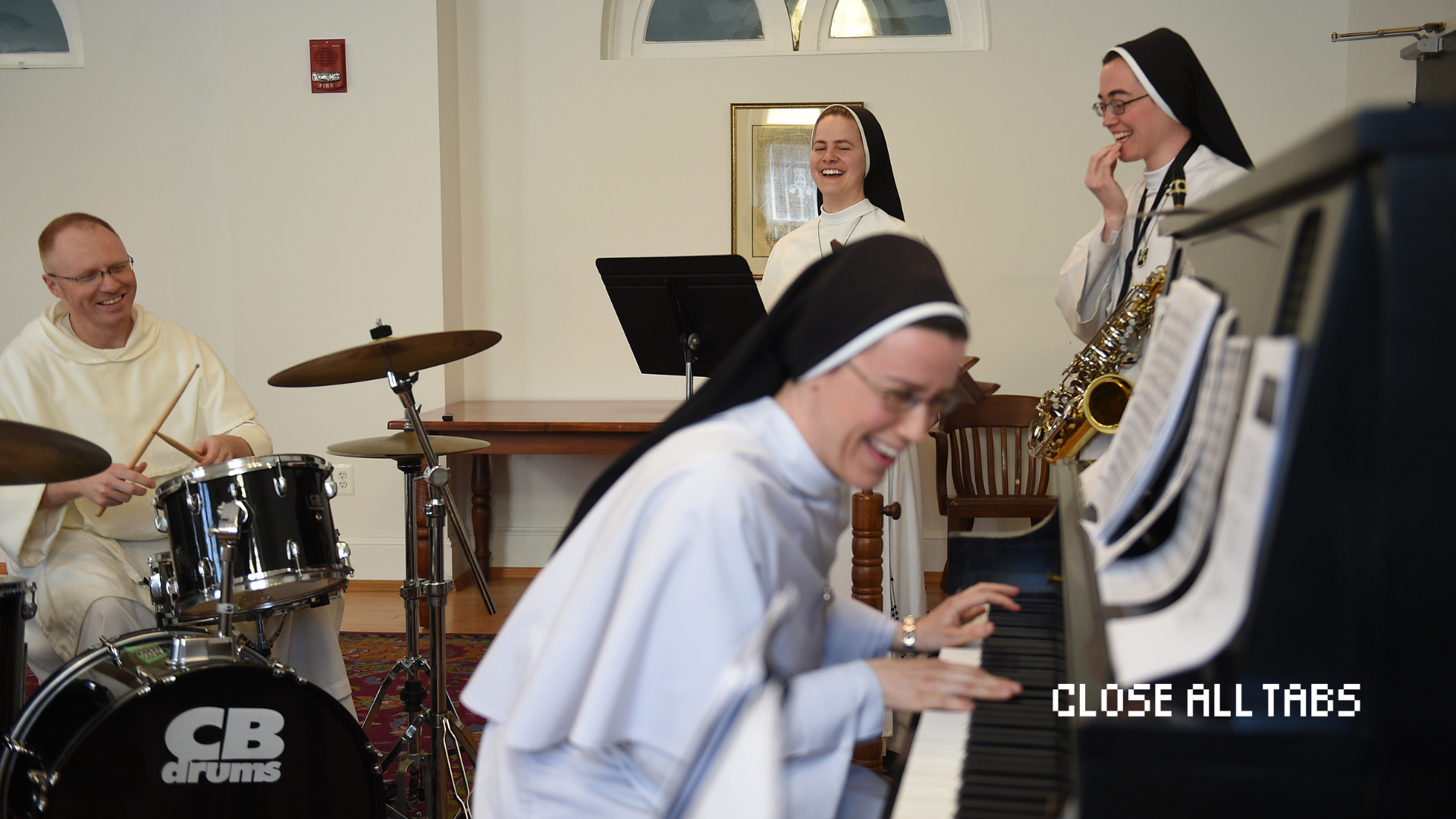
"caption": "Sister Miriam Holzman, host of the viral podcast Dominican Sisters Open Mic, produced by Openlight Media, practices with her band for a performance in Washington D.C.",
"credit": "Astrid Riecken for The Washington Post via Getty Images",
"altTag": "Image of the inside of what seems to be a church. The right half of the image, in the foreground and slightly blurry, is a nun with glasses, sitting at a black piano and laughing. Her hands lay on the keys and there is sheet music in front of her. Behind her, on the left of the image, is a man in religious dress, sitting behind a black drum set, also laughing. To the right, two Catholic sisters are standing, also laughing. The one closest to the man is behind a black music stand and the furthest from him is carrying a saxophone around her neck. The text \"Close All Tabs\" appears in white text in the lower right corner.",
"description": null,
"imgSizes": {
"thumbnail": {
"file": "https://cdn.kqed.org/wp-content/uploads/sites/10/2026/10/Nuns-Podcast_webimg-7394556b-160x90.png",
"width": 160,
"height": 90,
"mimeType": "image/png"
},
"1536x1536": {
"file": "https://cdn.kqed.org/wp-content/uploads/sites/10/2026/10/Nuns-Podcast_webimg-7394556b-1536x864.png",
"width": 1536,
"height": 864,
"mimeType": "image/png"
},
"post-thumbnail": {
"file": "https://cdn.kqed.org/wp-content/uploads/sites/10/2026/10/Nuns-Podcast_webimg-7394556b-672x372.png",
"width": 672,
"height": 372,
"mimeType": "image/png"
},
"twentyfourteen-full-width": {
"file": "https://cdn.kqed.org/wp-content/uploads/sites/10/2026/10/Nuns-Podcast_webimg-7394556b-1038x576.png",
"width": 1038,
"height": 576,
"mimeType": "image/png"
},
"npr-cds-wide": {
"file": "https://cdn.kqed.org/wp-content/uploads/sites/10/2026/10/Nuns-Podcast_webimg-7394556b-1200x675.png",
"width": 1200,
"height": 675,
"mimeType": "image/png"
},
"npr-cds-square": {
"file": "https://cdn.kqed.org/wp-content/uploads/sites/10/2026/10/Nuns-Podcast_webimg-7394556b-600x600.png",
"width": 600,
"height": 600,
"mimeType": "image/png"
},
"kqedFullSize": {
"file": "https://cdn.kqed.org/wp-content/uploads/sites/10/2026/10/Nuns-Podcast_webimg-7394556b.png",
"width": 1920,
"height": 1080
}
},
"isLoading": false,
"fetchFailed": false
},
"news_12087736": {
"type": "attachments",
"id": "news_12087736",
"meta": {
"index": "attachments_1716263798",
"site": "news",
"id": "12087736",
"found": true
},
"title": "20260607-GenZCatholics-JY-12-KQED",
"publishDate": 1781626299,
"status": "inherit",
"parent": 0,
"modified": 1781626383,
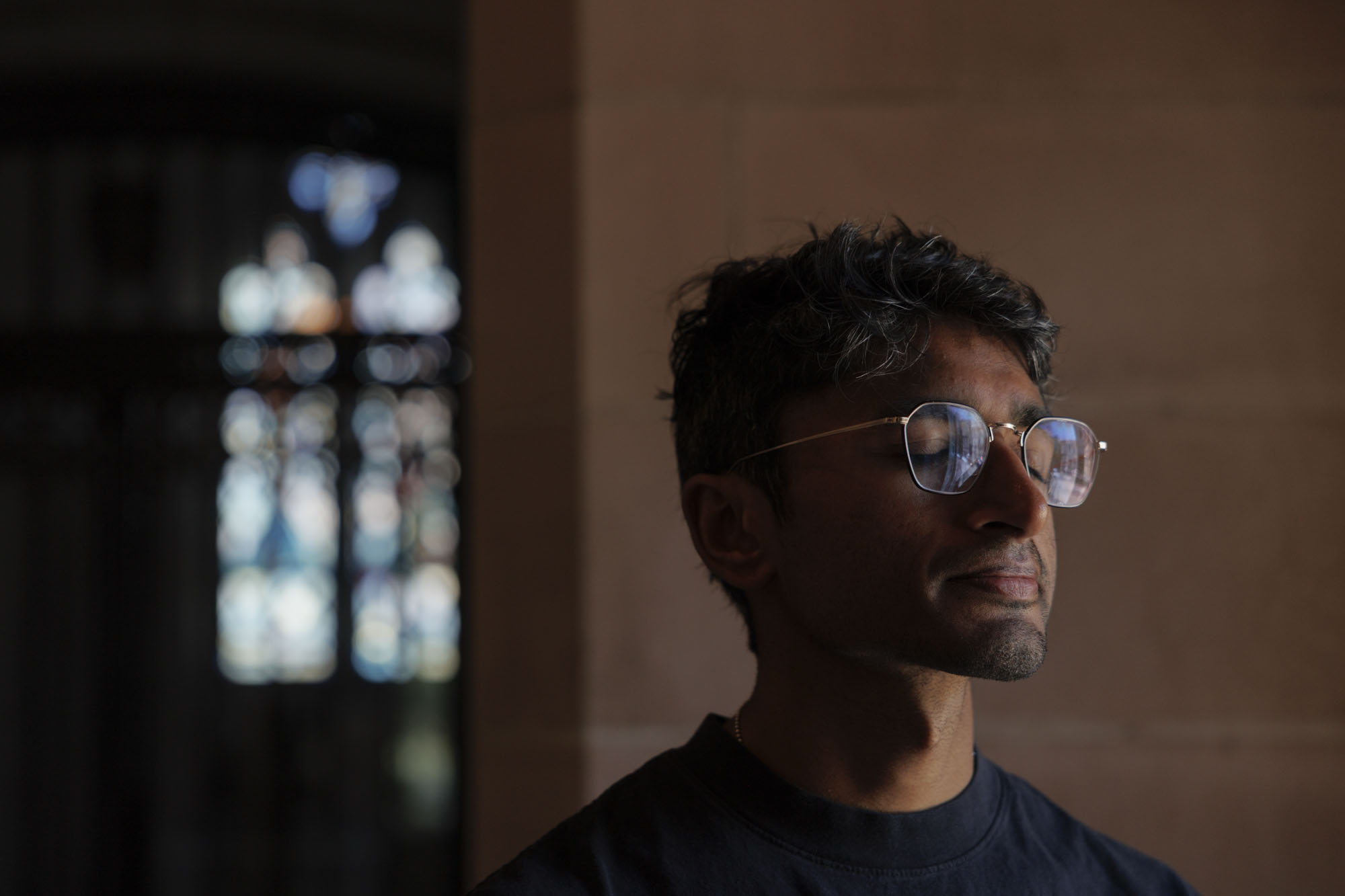
"caption": "Karthik Bala stands for a portrait at St. Dominic's Catholic Church in San Francisco on June 7, 2026. Bala recently converted to Catholicism and was baptized this year.",
"credit": "Juliana Yamada for KQED",
"altTag": null,
"description": null,
"imgSizes": {
"thumbnail": {
"file": "https://cdn.kqed.org/wp-content/uploads/sites/10/2026/06/20260607-GenZCatholics-JY-12-KQED-160x107.jpg",
"width": 160,
"height": 107,
"mimeType": "image/jpeg"
},
"1536x1536": {
"file": "https://cdn.kqed.org/wp-content/uploads/sites/10/2026/06/20260607-GenZCatholics-JY-12-KQED-1536x1024.jpg",
"width": 1536,
"height": 1024,
"mimeType": "image/jpeg"
},
"post-thumbnail": {
"file": "https://cdn.kqed.org/wp-content/uploads/sites/10/2026/06/20260607-GenZCatholics-JY-12-KQED-672x372.jpg",
"width": 672,
"height": 372,
"mimeType": "image/jpeg"
},
"twentyfourteen-full-width": {
"file": "https://cdn.kqed.org/wp-content/uploads/sites/10/2026/06/20260607-GenZCatholics-JY-12-KQED-1038x576.jpg",
"width": 1038,
"height": 576,
"mimeType": "image/jpeg"
},
"npr-cds-wide": {
"file": "https://cdn.kqed.org/wp-content/uploads/sites/10/2026/06/20260607-GenZCatholics-JY-12-KQED-1200x675.jpg",
"width": 1200,
"height": 675,
"mimeType": "image/jpeg"
},
"npr-cds-square": {
"file": "https://cdn.kqed.org/wp-content/uploads/sites/10/2026/06/20260607-GenZCatholics-JY-12-KQED-600x600.jpg",
"width": 600,
"height": 600,
"mimeType": "image/jpeg"
},
"kqedFullSize": {
"file": "https://cdn.kqed.org/wp-content/uploads/sites/10/2026/06/20260607-GenZCatholics-JY-12-KQED.jpg",
"width": 2000,
"height": 1333
}
},
"isLoading": false,
"fetchFailed": false
},
"news_12020223": {
"type": "attachments",
"id": "news_12020223",
"meta": {
"index": "attachments_1716263798",
"site": "news",
"id": "12020223",
"found": true
},
"title": "The Archdiocese of San Francisco at 1 Peter Yorke Way on Jan. 2, 2025.",
"publishDate": 1735924539,
"status": "inherit",
"parent": 0,
"modified": 1735924603,
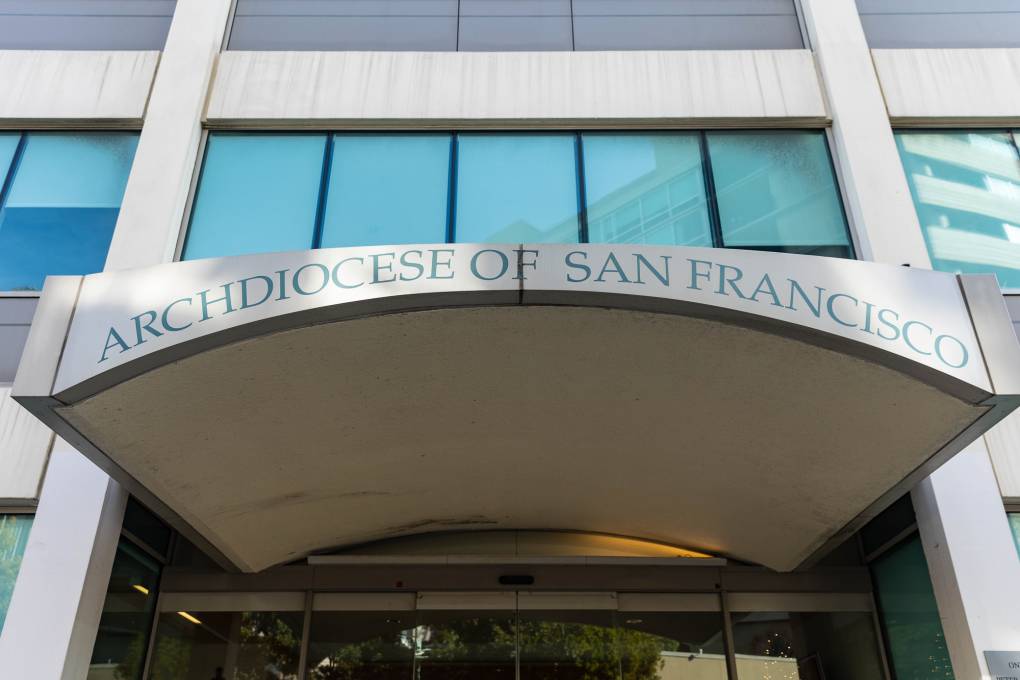
"caption": "The entrance to the Archdiocese of San Francisco at 1 Peter Yorke Way on Jan. 2, 2025.",
"credit": "Gina Castro/KQED",
"altTag": null,
"description": null,
"imgSizes": {
"medium": {
"file": "https://cdn.kqed.org/wp-content/uploads/sites/10/2025/01/20250102_ArchdioceseSF_GC-6-800x533.jpg",
"width": 800,
"height": 533,
"mimeType": "image/jpeg"
},
"large": {
"file": "https://cdn.kqed.org/wp-content/uploads/sites/10/2025/01/20250102_ArchdioceseSF_GC-6-1020x680.jpg",
"width": 1020,
"height": 680,
"mimeType": "image/jpeg"
},
"thumbnail": {
"file": "https://cdn.kqed.org/wp-content/uploads/sites/10/2025/01/20250102_ArchdioceseSF_GC-6-160x107.jpg",
"width": 160,
"height": 107,
"mimeType": "image/jpeg"
},
"1536x1536": {
"file": "https://cdn.kqed.org/wp-content/uploads/sites/10/2025/01/20250102_ArchdioceseSF_GC-6-1536x1024.jpg",
"width": 1536,
"height": 1024,
"mimeType": "image/jpeg"
},
"post-thumbnail": {
"file": "https://cdn.kqed.org/wp-content/uploads/sites/10/2025/01/20250102_ArchdioceseSF_GC-6-672x372.jpg",
"width": 672,
"height": 372,
"mimeType": "image/jpeg"
},
"twentyfourteen-full-width": {
"file": "https://cdn.kqed.org/wp-content/uploads/sites/10/2025/01/20250102_ArchdioceseSF_GC-6-1038x576.jpg",
"width": 1038,
"height": 576,
"mimeType": "image/jpeg"
},
"full-width": {
"file": "https://cdn.kqed.org/wp-content/uploads/sites/10/2025/01/20250102_ArchdioceseSF_GC-6-1920x1280.jpg",
"width": 1920,
"height": 1280,
"mimeType": "image/jpeg"
},
"kqedFullSize": {
"file": "https://cdn.kqed.org/wp-content/uploads/sites/10/2025/01/20250102_ArchdioceseSF_GC-6.jpg",
"width": 2000,
"height": 1333
}
},
"isLoading": false,
"fetchFailed": false
},
"news_12080783": {
"type": "attachments",
"id": "news_12080783",
"meta": {
"index": "attachments_1716263798",
"site": "news",
"id": "12080783",
"found": true
},
"title": "260421-OAKLANDDIOCESEBELLWEATHER-08-BL-KQED",
"publishDate": 1776811442,
"status": "inherit",
"parent": 12080731,
"modified": 1776897915,
"caption": "Our Lady of the Rosary Church, a Roman Catholic parish in the Diocese of Oakland, in Union City, on April 21, 2026.",
"credit": "Beth LaBerge/KQED",
"altTag": null,
"description": null,
"imgSizes": {
"thumbnail": {
"file": "https://cdn.kqed.org/wp-content/uploads/sites/10/2026/04/260421-OAKLANDDIOCESEBELLWEATHER-08-BL-KQED-160x107.jpg",
"width": 160,
"height": 107,
"mimeType": "image/jpeg"
},
"1536x1536": {
"file": "https://cdn.kqed.org/wp-content/uploads/sites/10/2026/04/260421-OAKLANDDIOCESEBELLWEATHER-08-BL-KQED-1536x1024.jpg",
"width": 1536,
"height": 1024,
"mimeType": "image/jpeg"
},
"post-thumbnail": {
"file": "https://cdn.kqed.org/wp-content/uploads/sites/10/2026/04/260421-OAKLANDDIOCESEBELLWEATHER-08-BL-KQED-672x372.jpg",
"width": 672,
"height": 372,
"mimeType": "image/jpeg"
},
"twentyfourteen-full-width": {
"file": "https://cdn.kqed.org/wp-content/uploads/sites/10/2026/04/260421-OAKLANDDIOCESEBELLWEATHER-08-BL-KQED-1038x576.jpg",
"width": 1038,
"height": 576,
"mimeType": "image/jpeg"
},
"npr-cds-wide": {
"file": "https://cdn.kqed.org/wp-content/uploads/sites/10/2026/04/260421-OAKLANDDIOCESEBELLWEATHER-08-BL-KQED-1200x675.jpg",
"width": 1200,
"height": 675,
"mimeType": "image/jpeg"
},
"npr-cds-square": {
"file": "https://cdn.kqed.org/wp-content/uploads/sites/10/2026/04/260421-OAKLANDDIOCESEBELLWEATHER-08-BL-KQED-600x600.jpg",
"width": 600,
"height": 600,
"mimeType": "image/jpeg"
},
"kqedFullSize": {
"file": "https://cdn.kqed.org/wp-content/uploads/sites/10/2026/04/260421-OAKLANDDIOCESEBELLWEATHER-08-BL-KQED.jpg",
"width": 2000,
"height": 1333
}
},
"isLoading": false,
"fetchFailed": false
},
"news_12080782": {
"type": "attachments",
"id": "news_12080782",
"meta": {
"index": "attachments_1716263798",
"site": "news",
"id": "12080782",
"found": true
},
"title": "260421-OAKLANDDIOCESEBELLWEATHER-07-BL-KQED",
"publishDate": 1776811437,
"status": "inherit",
"parent": 0,
"modified": 1776812836,
"caption": "Our Lady of the Rosary Church, a Roman Catholic parish in the Diocese of Oakland, in Union City, on April 21, 2026.",
"credit": "Beth LaBerge/KQED",
"altTag": null,
"description": null,
"imgSizes": {
"thumbnail": {
"file": "https://cdn.kqed.org/wp-content/uploads/sites/10/2026/04/260421-OAKLANDDIOCESEBELLWEATHER-07-BL-KQED-160x107.jpg",
"width": 160,
"height": 107,
"mimeType": "image/jpeg"
},
"1536x1536": {
"file": "https://cdn.kqed.org/wp-content/uploads/sites/10/2026/04/260421-OAKLANDDIOCESEBELLWEATHER-07-BL-KQED-1536x1024.jpg",
"width": 1536,
"height": 1024,
"mimeType": "image/jpeg"
},
"post-thumbnail": {
"file": "https://cdn.kqed.org/wp-content/uploads/sites/10/2026/04/260421-OAKLANDDIOCESEBELLWEATHER-07-BL-KQED-672x372.jpg",
"width": 672,
"height": 372,
"mimeType": "image/jpeg"
},
"twentyfourteen-full-width": {
"file": "https://cdn.kqed.org/wp-content/uploads/sites/10/2026/04/260421-OAKLANDDIOCESEBELLWEATHER-07-BL-KQED-1038x576.jpg",
"width": 1038,
"height": 576,
"mimeType": "image/jpeg"
},
"npr-cds-wide": {
"file": "https://cdn.kqed.org/wp-content/uploads/sites/10/2026/04/260421-OAKLANDDIOCESEBELLWEATHER-07-BL-KQED-1200x675.jpg",
"width": 1200,
"height": 675,
"mimeType": "image/jpeg"
},
"npr-cds-square": {
"file": "https://cdn.kqed.org/wp-content/uploads/sites/10/2026/04/260421-OAKLANDDIOCESEBELLWEATHER-07-BL-KQED-600x600.jpg",
"width": 600,
"height": 600,
"mimeType": "image/jpeg"
},
"kqedFullSize": {
"file": "https://cdn.kqed.org/wp-content/uploads/sites/10/2026/04/260421-OAKLANDDIOCESEBELLWEATHER-07-BL-KQED.jpg",
"width": 2000,
"height": 1333
}
},
"isLoading": false,
"fetchFailed": false
},
"news_12074800": {
"type": "attachments",
"id": "news_12074800",
"meta": {
"index": "attachments_1716263798",
"site": "news",
"id": "12074800",
"found": true
},
"title": "TOPSHOT-FILES-VATICAN-POPE-RELIGION-NEW YEAR",
"publishDate": 1772142649,
"status": "inherit",
"parent": 12074799,
"modified": 1772142672,
"caption": "Pope Leo XIV arrives to preside over a Holy Mass for the Solemnity of Mary Mother of God as part of the New Year's celebrations in St. Peter's Basilica, at the Vatican, on Jan. 1, 2026. ",
"credit": "Photo by Alberto PIZZOLI / AFP via Getty Images",
"altTag": null,
"description": null,
"imgSizes": {
"medium": {
"file": "https://cdn.kqed.org/wp-content/uploads/sites/10/2026/02/GettyImages-2253658153-2000x1333.jpg",
"width": 2000,
"height": 1333,
"mimeType": "image/jpeg"
},
"large": {
"file": "https://cdn.kqed.org/wp-content/uploads/sites/10/2026/02/GettyImages-2253658153-2000x1333.jpg",
"width": 2000,
"height": 1333,
"mimeType": "image/jpeg"
},
"thumbnail": {
"file": "https://cdn.kqed.org/wp-content/uploads/sites/10/2026/02/GettyImages-2253658153-160x107.jpg",
"width": 160,
"height": 107,
"mimeType": "image/jpeg"
},
"1536x1536": {
"file": "https://cdn.kqed.org/wp-content/uploads/sites/10/2026/02/GettyImages-2253658153-1536x1024.jpg",
"width": 1536,
"height": 1024,
"mimeType": "image/jpeg"
},
"2048x2048": {
"file": "https://cdn.kqed.org/wp-content/uploads/sites/10/2026/02/GettyImages-2253658153-2048x1365.jpg",
"width": 2048,
"height": 1365,
"mimeType": "image/jpeg"
},
"post-thumbnail": {
"file": "https://cdn.kqed.org/wp-content/uploads/sites/10/2026/02/GettyImages-2253658153-672x372.jpg",
"width": 672,
"height": 372,
"mimeType": "image/jpeg"
},
"twentyfourteen-full-width": {
"file": "https://cdn.kqed.org/wp-content/uploads/sites/10/2026/02/GettyImages-2253658153-1038x576.jpg",
"width": 1038,
"height": 576,
"mimeType": "image/jpeg"
},
"full-width": {
"file": "https://cdn.kqed.org/wp-content/uploads/sites/10/2026/02/GettyImages-2253658153-2000x1333.jpg",
"width": 2000,
"height": 1333,
"mimeType": "image/jpeg"
},
"npr-cds-wide": {
"file": "https://cdn.kqed.org/wp-content/uploads/sites/10/2026/02/GettyImages-2253658153-1200x675.jpg",
"width": 1200,
"height": 675,
"mimeType": "image/jpeg"
},
"kqedFullSize": {
"file": "https://cdn.kqed.org/wp-content/uploads/sites/10/2026/02/GettyImages-2253658153-scaled.jpg",
"width": 2560,
"height": 1707
}
},
"isLoading": false,
"fetchFailed": false
},
"news_12066052": {
"type": "attachments",
"id": "news_12066052",
"meta": {
"index": "attachments_1716263798",
"site": "news",
"id": "12066052",
"found": true
},
"title": "251203-SJPRIESTIMMIGRATION00043_TV-KQED",
"publishDate": 1764868088,
"status": "inherit",
"parent": 0,
"modified": 1764868163,
"caption": "Father Jon Pedigo poses for a portrait at Our Lady of Guadalupe Church where he has worked as a priest, at 2020 East San Antonio Street in San Jose on December 3, 2025. Father Jon Pedigo, a priest who has worked with immigrant communities affected by ICE raids and deportations, is leaving his full time job as a priest to be a full time organizer.",
"credit": "Tâm Vũ/KQED",
"altTag": null,
"description": null,
"imgSizes": {
"thumbnail": {
"file": "https://cdn.kqed.org/wp-content/uploads/sites/10/2025/12/251203-SJPRIESTIMMIGRATION00043_TV-KQED-160x107.jpg",
"width": 160,
"height": 107,
"mimeType": "image/jpeg"
},
"1536x1536": {
"file": "https://cdn.kqed.org/wp-content/uploads/sites/10/2025/12/251203-SJPRIESTIMMIGRATION00043_TV-KQED-1536x1024.jpg",
"width": 1536,
"height": 1024,
"mimeType": "image/jpeg"
},
"post-thumbnail": {
"file": "https://cdn.kqed.org/wp-content/uploads/sites/10/2025/12/251203-SJPRIESTIMMIGRATION00043_TV-KQED-672x372.jpg",
"width": 672,
"height": 372,
"mimeType": "image/jpeg"
},
"twentyfourteen-full-width": {
"file": "https://cdn.kqed.org/wp-content/uploads/sites/10/2025/12/251203-SJPRIESTIMMIGRATION00043_TV-KQED-1038x576.jpg",
"width": 1038,
"height": 576,
"mimeType": "image/jpeg"
},
"npr-cds-wide": {
"file": "https://cdn.kqed.org/wp-content/uploads/sites/10/2025/12/251203-SJPRIESTIMMIGRATION00043_TV-KQED-1200x675.jpg",
"width": 1200,
"height": 675,
"mimeType": "image/jpeg"
},
"kqedFullSize": {
"file": "https://cdn.kqed.org/wp-content/uploads/sites/10/2025/12/251203-SJPRIESTIMMIGRATION00043_TV-KQED.jpg",
"width": 2000,
"height": 1333
}
},
"isLoading": false,
"fetchFailed": false
},
"news_12062016": {
"type": "attachments",
"id": "news_12062016",
"meta": {
"index": "attachments_1716263798",
"site": "news",
"id": "12062016",
"found": true
},
"title": "20251028_IMMIGRANT MASS-_HERNANDEZ-17-KQED",
"publishDate": 1761753039,
"status": "inherit",
"parent": 0,
"modified": 1763168870,
"caption": "Faith in Action East Bay members join a candlelight procession outside Saint Jarlath’s Church during a vigil for immigrant families on Oct. 28, 2025, in Oakland.",
"credit": "Gustavo Hernandez/KQED",
"altTag": null,
"description": null,
"imgSizes": {
"thumbnail": {
"file": "https://cdn.kqed.org/wp-content/uploads/sites/10/2025/10/20251028_IMMIGRANT-MASS-_HERNANDEZ-17-KQED-160x107.jpg",
"width": 160,
"height": 107,
"mimeType": "image/jpeg"
},
"1536x1536": {
"file": "https://cdn.kqed.org/wp-content/uploads/sites/10/2025/10/20251028_IMMIGRANT-MASS-_HERNANDEZ-17-KQED-1536x1024.jpg",
"width": 1536,
"height": 1024,
"mimeType": "image/jpeg"
},
"post-thumbnail": {
"file": "https://cdn.kqed.org/wp-content/uploads/sites/10/2025/10/20251028_IMMIGRANT-MASS-_HERNANDEZ-17-KQED-672x372.jpg",
"width": 672,
"height": 372,
"mimeType": "image/jpeg"
},
"twentyfourteen-full-width": {
"file": "https://cdn.kqed.org/wp-content/uploads/sites/10/2025/10/20251028_IMMIGRANT-MASS-_HERNANDEZ-17-KQED-1038x576.jpg",
"width": 1038,
"height": 576,
"mimeType": "image/jpeg"
},
"npr-cds-wide": {
"file": "https://cdn.kqed.org/wp-content/uploads/sites/10/2025/10/20251028_IMMIGRANT-MASS-_HERNANDEZ-17-KQED-1600x900.jpg",
"width": 1600,
"height": 900,
"mimeType": "image/jpeg"
},
"kqedFullSize": {
"file": "https://cdn.kqed.org/wp-content/uploads/sites/10/2025/10/20251028_IMMIGRANT-MASS-_HERNANDEZ-17-KQED.jpg",
"width": 2000,
"height": 1333
}
},
"isLoading": false,
"fetchFailed": false
},
"news_12039401": {
"type": "attachments",
"id": "news_12039401",
"meta": {
"index": "attachments_1716263798",
"site": "news",
"id": "12039401",
"found": true
},
"title": "20250508_POPEREAX_GC-4-KQED",
"publishDate": 1746737275,
"status": "inherit",
"parent": 0,
"modified": 1746737333,
"caption": "Shelley Weisbrich outside the Saints Peter and Paul Church in San Francisco on May 8, 2025.",
"credit": "Gina Castro/KQED",
"altTag": null,
"description": null,
"imgSizes": {
"medium": {
"file": "https://cdn.kqed.org/wp-content/uploads/sites/10/2025/05/20250508_POPEREAX_GC-4-KQED-800x542.jpg",
"width": 800,
"height": 542,
"mimeType": "image/jpeg"
},
"large": {
"file": "https://cdn.kqed.org/wp-content/uploads/sites/10/2025/05/20250508_POPEREAX_GC-4-KQED-1020x691.jpg",
"width": 1020,
"height": 691,
"mimeType": "image/jpeg"
},
"thumbnail": {
"file": "https://cdn.kqed.org/wp-content/uploads/sites/10/2025/05/20250508_POPEREAX_GC-4-KQED-160x108.jpg",
"width": 160,
"height": 108,
"mimeType": "image/jpeg"
},
"1536x1536": {
"file": "https://cdn.kqed.org/wp-content/uploads/sites/10/2025/05/20250508_POPEREAX_GC-4-KQED-1536x1040.jpg",
"width": 1536,
"height": 1040,
"mimeType": "image/jpeg"
},
"post-thumbnail": {
"file": "https://cdn.kqed.org/wp-content/uploads/sites/10/2025/05/20250508_POPEREAX_GC-4-KQED-672x372.jpg",
"width": 672,
"height": 372,
"mimeType": "image/jpeg"
},
"twentyfourteen-full-width": {
"file": "https://cdn.kqed.org/wp-content/uploads/sites/10/2025/05/20250508_POPEREAX_GC-4-KQED-1038x576.jpg",
"width": 1038,
"height": 576,
"mimeType": "image/jpeg"
},
"full-width": {
"file": "https://cdn.kqed.org/wp-content/uploads/sites/10/2025/05/20250508_POPEREAX_GC-4-KQED-1920x1300.jpg",
"width": 1920,
"height": 1300,
"mimeType": "image/jpeg"
},
"kqedFullSize": {
"file": "https://cdn.kqed.org/wp-content/uploads/sites/10/2025/05/20250508_POPEREAX_GC-4-KQED.jpg",
"width": 2000,
"height": 1354
}
},
"isLoading": false,
"fetchFailed": false
},
"news_12036953": {
"type": "attachments",
"id": "news_12036953",
"meta": {
"index": "attachments_1716263798",
"site": "news",
"id": "12036953",
"found": true
},
"title": "250421-PopeReax-05-BL_qed",
"publishDate": 1745264889,
"status": "inherit",
"parent": 12036912,
"modified": 1745264901,
"caption": "A parishioner kneels in front of a portrait of Pope Francis at the Cathedral of Saint Mary of the Assumption in San Francisco on April 21, 2025.",
"credit": "Beth LaBerge/KQED",
"altTag": null,
"description": null,
"imgSizes": {
"medium": {
"file": "https://cdn.kqed.org/wp-content/uploads/sites/10/2025/04/250421-PopeReax-05-BL_qed-800x533.jpg",
"width": 800,
"height": 533,
"mimeType": "image/jpeg"
},
"large": {
"file": "https://cdn.kqed.org/wp-content/uploads/sites/10/2025/04/250421-PopeReax-05-BL_qed-1020x680.jpg",
"width": 1020,
"height": 680,
"mimeType": "image/jpeg"
},
"thumbnail": {
"file": "https://cdn.kqed.org/wp-content/uploads/sites/10/2025/04/250421-PopeReax-05-BL_qed-160x107.jpg",
"width": 160,
"height": 107,
"mimeType": "image/jpeg"
},
"1536x1536": {
"file": "https://cdn.kqed.org/wp-content/uploads/sites/10/2025/04/250421-PopeReax-05-BL_qed-1536x1024.jpg",
"width": 1536,
"height": 1024,
"mimeType": "image/jpeg"
},
"post-thumbnail": {
"file": "https://cdn.kqed.org/wp-content/uploads/sites/10/2025/04/250421-PopeReax-05-BL_qed-672x372.jpg",
"width": 672,
"height": 372,
"mimeType": "image/jpeg"
},
"twentyfourteen-full-width": {
"file": "https://cdn.kqed.org/wp-content/uploads/sites/10/2025/04/250421-PopeReax-05-BL_qed-1038x576.jpg",
"width": 1038,
"height": 576,
"mimeType": "image/jpeg"
},
"full-width": {
"file": "https://cdn.kqed.org/wp-content/uploads/sites/10/2025/04/250421-PopeReax-05-BL_qed-1920x1280.jpg",
"width": 1920,
"height": 1280,
"mimeType": "image/jpeg"
},
"kqedFullSize": {
"file": "https://cdn.kqed.org/wp-content/uploads/sites/10/2025/04/250421-PopeReax-05-BL_qed.jpg",
"width": 1999,
"height": 1333
}
},
"isLoading": false,
"fetchFailed": false
},
"news_11722589": {
"type": "attachments",
"id": "news_11722589",
"meta": {
"index": "attachments_1716263798",
"site": "news",
"id": "11722589",
"found": true
},
"title": "Diocese of Oakland",
"publishDate": 1548981718,
"status": "inherit",
"parent": 0,
"modified": 1734639549,
"caption": "The Roman Catholic Diocese of Oakland near Lake Merritt. ",
"credit": "Rachael Myrow/KQED",
"altTag": "A photo of a large, modern, glass cathedral.",
"description": null,
"imgSizes": {
"thumbnail": {
"file": "https://cdn.kqed.org/wp-content/uploads/sites/10/2019/01/RS33212_Photo-Oct-11-1-22-47-PM-qut-160x120.jpg",
"width": 160,
"height": 120,
"mimeType": "image/jpeg"
},
"medium": {
"file": "https://cdn.kqed.org/wp-content/uploads/sites/10/2019/01/RS33212_Photo-Oct-11-1-22-47-PM-qut-800x600.jpg",
"width": 800,
"height": 600,
"mimeType": "image/jpeg"
},
"large": {
"file": "https://cdn.kqed.org/wp-content/uploads/sites/10/2019/01/RS33212_Photo-Oct-11-1-22-47-PM-qut-1020x765.jpg",
"width": 1020,
"height": 765,
"mimeType": "image/jpeg"
},
"complete_open_graph": {
"file": "https://cdn.kqed.org/wp-content/uploads/sites/10/2019/01/RS33212_Photo-Oct-11-1-22-47-PM-qut-1200x900.jpg",
"width": 1200,
"height": 900,
"mimeType": "image/jpeg"
},
"post-thumbnail": {
"file": "https://cdn.kqed.org/wp-content/uploads/sites/10/2019/01/RS33212_Photo-Oct-11-1-22-47-PM-qut-672x372.jpg",
"width": 672,
"height": 372,
"mimeType": "image/jpeg"
},
"twentyfourteen-full-width": {
"file": "https://cdn.kqed.org/wp-content/uploads/sites/10/2019/01/RS33212_Photo-Oct-11-1-22-47-PM-qut-1038x576.jpg",
"width": 1038,
"height": 576,
"mimeType": "image/jpeg"
},
"full-width": {
"file": "https://cdn.kqed.org/wp-content/uploads/sites/10/2019/01/RS33212_Photo-Oct-11-1-22-47-PM-qut-1920x1440.jpg",
"width": 1920,
"height": 1440,
"mimeType": "image/jpeg"
},
"guest-author-32": {
"file": "https://cdn.kqed.org/wp-content/uploads/sites/10/2019/01/RS33212_Photo-Oct-11-1-22-47-PM-qut-32x32.jpg",
"width": 32,
"height": 32,
"mimeType": "image/jpeg"
},
"guest-author-50": {
"file": "https://cdn.kqed.org/wp-content/uploads/sites/10/2019/01/RS33212_Photo-Oct-11-1-22-47-PM-qut-50x50.jpg",
"width": 50,
"height": 50,
"mimeType": "image/jpeg"
},
"guest-author-64": {
"file": "https://cdn.kqed.org/wp-content/uploads/sites/10/2019/01/RS33212_Photo-Oct-11-1-22-47-PM-qut-64x64.jpg",
"width": 64,
"height": 64,
"mimeType": "image/jpeg"
},
"guest-author-96": {
"file": "https://cdn.kqed.org/wp-content/uploads/sites/10/2019/01/RS33212_Photo-Oct-11-1-22-47-PM-qut-96x96.jpg",
"width": 96,
"height": 96,
"mimeType": "image/jpeg"
},
"guest-author-128": {
"file": "https://cdn.kqed.org/wp-content/uploads/sites/10/2019/01/RS33212_Photo-Oct-11-1-22-47-PM-qut-128x128.jpg",
"width": 128,
"height": 128,
"mimeType": "image/jpeg"
},
"detail": {
"file": "https://cdn.kqed.org/wp-content/uploads/sites/10/2019/01/RS33212_Photo-Oct-11-1-22-47-PM-qut-150x150.jpg",
"width": 150,
"height": 150,
"mimeType": "image/jpeg"
},
"kqedFullSize": {
"file": "https://cdn.kqed.org/wp-content/uploads/sites/10/2019/01/RS33212_Photo-Oct-11-1-22-47-PM-qut.jpg",
"width": 1920,
"height": 1440
}
},
"isLoading": false,
"fetchFailed": false
},
"news_12007638": {
"type": "attachments",
"id": "news_12007638",
"meta": {
"index": "attachments_1716263798",
"site": "news",
"id": "12007638",
"found": true
},
"title": "Rob Bonta",
"publishDate": 1727912412,
"status": "inherit",
"parent": 12007627,
"modified": 1727912460,
"caption": "Attorney General Rob Bonta takes questions from the media as he announces charges made against suspects involved in an organized retail crime ring during a news conference in Los Angeles on March 19, 2024. ",
"credit": "Damian Dovarganes/AP Photo",
"altTag": null,
"description": null,
"imgSizes": {
"medium": {
"file": "https://cdn.kqed.org/wp-content/uploads/sites/10/2024/10/AGBontaAP1-800x533.jpg",
"width": 800,
"height": 533,
"mimeType": "image/jpeg"
},
"large": {
"file": "https://cdn.kqed.org/wp-content/uploads/sites/10/2024/10/AGBontaAP1-1020x680.jpg",
"width": 1020,
"height": 680,
"mimeType": "image/jpeg"
},
"thumbnail": {
"file": "https://cdn.kqed.org/wp-content/uploads/sites/10/2024/10/AGBontaAP1-160x107.jpg",
"width": 160,
"height": 107,
"mimeType": "image/jpeg"
},
"1536x1536": {
"file": "https://cdn.kqed.org/wp-content/uploads/sites/10/2024/10/AGBontaAP1-1536x1024.jpg",
"width": 1536,
"height": 1024,
"mimeType": "image/jpeg"
},
"post-thumbnail": {
"file": "https://cdn.kqed.org/wp-content/uploads/sites/10/2024/10/AGBontaAP1-672x372.jpg",
"width": 672,
"height": 372,
"mimeType": "image/jpeg"
},
"twentyfourteen-full-width": {
"file": "https://cdn.kqed.org/wp-content/uploads/sites/10/2024/10/AGBontaAP1-1038x576.jpg",
"width": 1038,
"height": 576,
"mimeType": "image/jpeg"
},
"full-width": {
"file": "https://cdn.kqed.org/wp-content/uploads/sites/10/2024/10/AGBontaAP1-1920x1280.jpg",
"width": 1920,
"height": 1280,
"mimeType": "image/jpeg"
},
"kqedFullSize": {
"file": "https://cdn.kqed.org/wp-content/uploads/sites/10/2024/10/AGBontaAP1.jpg",
"width": 2000,
"height": 1333
}
},
"isLoading": false,
"fetchFailed": false
}
},
"audioPlayerReducer": {
"postId": "stream_live",
"isPaused": true,
"isPlaying": false,
"pfsActive": false,
"pledgeModalIsOpen": true,
"playerDrawerIsOpen": false,
"liveAudioPlayStartedAt": 0,
"liveAudioPlayContext": ""
},
"authorsReducer": {
"scottshafer": {
"type": "authors",
"id": "255",
"meta": {
"index": "authors_1716337520",
"id": "255",
"found": true
},
"name": "Scott Shafer",
"firstName": "Scott",
"lastName": "Shafer",
"slug": "scottshafer",
"email": "sshafer@kqed.org",
"display_author_email": false,
"staff_mastheads": [
"news"
],
"title": "KQED Contributor",
"bio": "Scott Shafer is the senior politics correspondent with the KQED Politics and Government desk. He is co-host of \u003cem>Political Breakdown\u003c/em>, the award-winning radio show and podcast with a personal take on the world of politics. Scott came to KQED in 1998 to host the statewide \u003cem>California Report\u003c/em>. Prior to that he had extended stints in politics and government. He uses that inside experience at KQED in his, reporting, hosting and analysis for the politics desk. Scott recently completed a 5-part podcast titled \u003cem>The Speaker\u003c/em>, examining Rep. Nancy Pelosi's life and legacy. Previously he collaborated on \u003cem>Political Breakdown\u003c/em> and on \u003cem>The Political Mind of Jerry Brown\u003c/em>, an eight-part series about the life and extraordinary political career of the former governor. For fun, he plays water polo and swims with the San Francisco Tsunami.",
"avatar": "https://secure.gravatar.com/avatar/a269f2db8e99b39bacd3dfb517e1aea56c8d9706cde1d375abfd9fba57eede2c?s=600&d=blank&r=g",
"twitter": "scottshafer",
"bluesky": null,
"facebook": null,
"instagram": null,
"linkedin": null,
"sites": [
{
"site": "news",
"roles": [
"editor"
]
},
{
"site": "stateofhealth",
"roles": [
"author"
]
},
{
"site": "science",
"roles": [
"author"
]
},
{
"site": "forum",
"roles": [
"subscriber"
]
},
{
"site": "liveblog",
"roles": [
"author"
]
}
],
"headData": {
"title": "Scott Shafer | KQED",
"description": "KQED Contributor",
"ogImgSrc": "https://secure.gravatar.com/avatar/a269f2db8e99b39bacd3dfb517e1aea56c8d9706cde1d375abfd9fba57eede2c?s=600&d=blank&r=g",
"twImgSrc": "https://secure.gravatar.com/avatar/a269f2db8e99b39bacd3dfb517e1aea56c8d9706cde1d375abfd9fba57eede2c?s=600&d=blank&r=g"
},
"isLoading": false,
"link": "/author/scottshafer"
},
"tychehendricks": {
"type": "authors",
"id": "259",
"meta": {
"index": "authors_1716337520",
"id": "259",
"found": true
},
"name": "Tyche Hendricks",
"firstName": "Tyche",
"lastName": "Hendricks",
"slug": "tychehendricks",
"email": "thendricks@kqed.org",
"display_author_email": true,
"staff_mastheads": [
"news"
],
"title": "KQED Senior Editor, Immigration",
"bio": "\u003cspan style=\"font-weight: 400;\">Tyche Hendricks is KQED’s senior editor for immigration, leading coverage of the policy and politics that affect California’s immigrant communities. Her work for KQED’s radio and online audiences is also carried on NPR and other national outlets. She has been recognized with awards from the Radio and Television News Directors Association, the Society for Professional Journalists; the Education Writers Association; the Best of the West and the National Federation of Community Broadcasters. Before joining KQED in 2010, Tyche spent more than a dozen years as a newspaper reporter, notably at the \u003c/span>\u003ci>\u003cspan style=\"font-weight: 400;\">San Francisco Chronicle\u003c/span>\u003c/i>\u003cspan style=\"font-weight: 400;\">. At different times she has covered criminal justice, government and politics and urban planning. Tyche has taught in the MFA Creative Writing program at the University of San Francisco and at UC Berkeley’s Graduate School of Journalism, where she was co-director of a national immigration symposium for professional journalists. She is the author of \u003c/span>\u003ci>\u003cspan style=\"font-weight: 400;\">The Wind Doesn't Need a Passport: Stories from the U.S.-Mexico Borderlands\u003c/span>\u003c/i>\u003cspan style=\"font-weight: 400;\"> (University of California Press). \u003c/span>",
"avatar": "https://secure.gravatar.com/avatar/b8ee458e2731c2d43df86882ce17267e?s=600&d=blank&r=g",
"twitter": "tychehendricks",
"facebook": null,
"instagram": null,
"linkedin": null,
"sites": [
{
"site": "news",
"roles": [
"editor"
]
},
{
"site": "stateofhealth",
"roles": [
"editor"
]
}
],
"headData": {
"title": "Tyche Hendricks | KQED",
"description": "KQED Senior Editor, Immigration",
"ogImgSrc": "https://secure.gravatar.com/avatar/b8ee458e2731c2d43df86882ce17267e?s=600&d=blank&r=g",
"twImgSrc": "https://secure.gravatar.com/avatar/b8ee458e2731c2d43df86882ce17267e?s=600&d=blank&r=g"
},
"isLoading": false,
"link": "/author/tychehendricks"
},
"mlagos": {
"type": "authors",
"id": "3239",
"meta": {
"index": "authors_1716337520",
"id": "3239",
"found": true
},
"name": "Marisa Lagos",
"firstName": "Marisa",
"lastName": "Lagos",
"slug": "mlagos",
"email": "mlagos@kqed.org",
"display_author_email": false,
"staff_mastheads": [
"news"
],
"title": "KQED Contributor",
"bio": "Marisa Lagos is a correspondent for KQED’s California Politics and Government Desk and co-hosts the award-winning show and podcast, Political Breakdown. At KQED, Lagos also conducts reporting, analysis and investigations into state, local and national politics for radio, TV, online and onstage. In 2022, she and co-host, Scott Shafer, moderated the only gubernatorial debate in California. In 2020, the \u003ci>Washington Post\u003c/i> named her one of the top political journalists in California; she was nominated for a Peabody and won several other awards for her work investigating the 2017 California wildfires. She has worked at the \u003ci>San Francisco Chronicle\u003c/i>, \u003ci>San Francisco Examiner\u003c/i> and \u003ci>Los Angeles Times\u003c/i>. A UC Santa Barbara graduate, she lives in San Francisco with her two sons and husband.",
"avatar": "https://secure.gravatar.com/avatar/a261a0d3696fc066871ef96b85b5e7d2?s=600&d=blank&r=g",
"twitter": "@mlagos",
"facebook": null,
"instagram": null,
"linkedin": null,
"sites": [
{
"site": "arts",
"roles": [
"author"
]
},
{
"site": "news",
"roles": [
"editor"
]
},
{
"site": "science",
"roles": [
"editor"
]
},
{
"site": "forum",
"roles": [
"author"
]
},
{
"site": "liveblog",
"roles": [
"author"
]
}
],
"headData": {
"title": "Marisa Lagos | KQED",
"description": "KQED Contributor",
"ogImgSrc": "https://secure.gravatar.com/avatar/a261a0d3696fc066871ef96b85b5e7d2?s=600&d=blank&r=g",
"twImgSrc": "https://secure.gravatar.com/avatar/a261a0d3696fc066871ef96b85b5e7d2?s=600&d=blank&r=g"
},
"isLoading": false,
"link": "/author/mlagos"
},
"ecruzguevarra": {
"type": "authors",
"id": "8654",
"meta": {
"index": "authors_1716337520",
"id": "8654",
"found": true
},
"name": "Ericka Cruz Guevarra",
"firstName": "Ericka",
"lastName": "Cruz Guevarra",
"slug": "ecruzguevarra",
"email": "ecruzguevarra@kqed.org",
"display_author_email": true,
"staff_mastheads": [
"news"
],
"title": "Producer, The Bay Podcast",
"bio": "Ericka Cruz Guevarra is host of \u003ca href=\"https://www.kqed.org/podcasts/thebay\">\u003cem>The Bay\u003c/em>\u003c/a> podcast at KQED. Before host, she was the show’s producer. Her work in that capacity includes a three-part reported series on policing in Vallejo, which won a 2020 excellence in journalism award from the Society of Professional Journalists. Ericka has worked as a breaking news reporter at Oregon Public Broadcasting, helped produce the Code Switch podcast, and was KQED’s inaugural Raul Ramirez Diversity Fund intern. She’s also an alumna of NPR’s Next Generation Radio program. Send her an email if you have strong feelings about whether Fairfield and Suisun City are the Bay. Ericka is represented by SAG-AFTRA.",
"avatar": "https://secure.gravatar.com/avatar/accefc1de4bafc7e234b69bcb9b6f6536c130fd84709bc3069ef11a78787e1bb?s=600&d=blank&r=g",
"twitter": "NotoriousECG",
"bluesky": null,
"facebook": null,
"instagram": null,
"linkedin": null,
"sites": [
{
"site": "arts",
"roles": [
"subscriber"
]
},
{
"site": "news",
"roles": [
"editor",
"manage_categories"
]
},
{
"site": "futureofyou",
"roles": [
"subscriber"
]
},
{
"site": "stateofhealth",
"roles": [
"subscriber"
]
},
{
"site": "science",
"roles": [
"editor"
]
},
{
"site": "forum",
"roles": [
"subscriber"
]
}
],
"headData": {
"title": "Ericka Cruz Guevarra | KQED",
"description": "Producer, The Bay Podcast",
"ogImgSrc": "https://secure.gravatar.com/avatar/accefc1de4bafc7e234b69bcb9b6f6536c130fd84709bc3069ef11a78787e1bb?s=600&d=blank&r=g",
"twImgSrc": "https://secure.gravatar.com/avatar/accefc1de4bafc7e234b69bcb9b6f6536c130fd84709bc3069ef11a78787e1bb?s=600&d=blank&r=g"
},
"isLoading": false,
"link": "/author/ecruzguevarra"
},
"amontecillo": {
"type": "authors",
"id": "11649",
"meta": {
"index": "authors_1716337520",
"id": "11649",
"found": true
},
"name": "Alan Montecillo",
"firstName": "Alan",
"lastName": "Montecillo",
"slug": "amontecillo",
"email": "amontecillo@kqed.org",
"display_author_email": false,
"staff_mastheads": [
"news"
],
"title": "KQED Contributor",
"bio": "Alan Montecillo is the senior editor of \u003cem>\u003ca href=\"http://kqed.org/thebay\">The Bay\u003c/a>, \u003c/em> KQED's local news podcast. Before moving to the Bay Area, he worked as a senior talk show producer for WILL in Champaign-Urbana, Illinois and at Oregon Public Broadcasting in Portland, Oregon. He has won journalism awards from the Society of Professional Journalists Northern California, the Public Media Journalists Association, The Signal Awards, and has also received a regional Edward R. Murrow award. Alan is a Filipino American from Hong Kong and a graduate of Reed College.",
"avatar": "https://secure.gravatar.com/avatar/268f53a2066899ea9efdd8a5900218b17c822d9862cbc9326cccec53ef41d349?s=600&d=blank&r=g",
"twitter": "alanmontecillo",
"bluesky": null,
"facebook": null,
"instagram": null,
"linkedin": null,
"sites": [
{
"site": "",
"roles": [
"editor"
]
},
{
"site": "news",
"roles": [
"editor",
"manage_categories"
]
}
],
"headData": {
"title": "Alan Montecillo | KQED",
"description": "KQED Contributor",
"ogImgSrc": "https://secure.gravatar.com/avatar/268f53a2066899ea9efdd8a5900218b17c822d9862cbc9326cccec53ef41d349?s=600&d=blank&r=g",
"twImgSrc": "https://secure.gravatar.com/avatar/268f53a2066899ea9efdd8a5900218b17c822d9862cbc9326cccec53ef41d349?s=600&d=blank&r=g"
},
"isLoading": false,
"link": "/author/amontecillo"
},
"jlara": {
"type": "authors",
"id": "11761",
"meta": {
"index": "authors_1716337520",
"id": "11761",
"found": true
},
"name": "Juan Carlos Lara",
"firstName": "Juan Carlos",
"lastName": "Lara",
"slug": "jlara",
"email": "jlara@kqed.org",
"display_author_email": false,
"staff_mastheads": [],
"title": "KQED Contributor",
"bio": null,
"avatar": "https://secure.gravatar.com/avatar/19e2052b9b05657c5ff2af2121846e9c?s=600&d=blank&r=g",
"twitter": null,
"facebook": null,
"instagram": null,
"linkedin": null,
"sites": [
{
"site": "arts",
"roles": [
"editor"
]
},
{
"site": "news",
"roles": [
"editor"
]
},
{
"site": "forum",
"roles": [
"editor"
]
},
{
"site": "liveblog",
"roles": [
"contributor"
]
}
],
"headData": {
"title": "Juan Carlos Lara | KQED",
"description": "KQED Contributor",
"ogImgSrc": "https://secure.gravatar.com/avatar/19e2052b9b05657c5ff2af2121846e9c?s=600&d=blank&r=g",
"twImgSrc": "https://secure.gravatar.com/avatar/19e2052b9b05657c5ff2af2121846e9c?s=600&d=blank&r=g"
},
"isLoading": false,
"link": "/author/jlara"
},
"adahlstromeckman": {
"type": "authors",
"id": "11785",
"meta": {
"index": "authors_1716337520",
"id": "11785",
"found": true
},
"name": "Azul Dahlstrom-Eckman",
"firstName": "Azul",
"lastName": "Dahlstrom-Eckman",
"slug": "adahlstromeckman",
"email": "adahlstrom-eckman@kqed.org",
"display_author_email": true,
"staff_mastheads": [],
"title": "Reporter",
"bio": "Azul is a reporter for KQED focusing on transportation and features. He joined KQED in 2021 as an alumnus of KALW's Audio Academy radio journalism training program.",
"avatar": "https://secure.gravatar.com/avatar/9cb750298435add7815a777f55bf1f46845c1386bb8452555c60a7b820b5aba3?s=600&d=blank&r=g",
"twitter": "@zuliemann",
"bluesky": "@azul415.bsky.social",
"facebook": null,
"instagram": null,
"linkedin": null,
"sites": [
{
"site": "arts",
"roles": [
"editor"
]
},
{
"site": "news",
"roles": [
"editor"
]
},
{
"site": "science",
"roles": [
"editor"
]
},
{
"site": "liveblog",
"roles": [
"author"
]
}
],
"headData": {
"title": "Azul Dahlstrom-Eckman | KQED",
"description": "Reporter",
"ogImgSrc": "https://secure.gravatar.com/avatar/9cb750298435add7815a777f55bf1f46845c1386bb8452555c60a7b820b5aba3?s=600&d=blank&r=g",
"twImgSrc": "https://secure.gravatar.com/avatar/9cb750298435add7815a777f55bf1f46845c1386bb8452555c60a7b820b5aba3?s=600&d=blank&r=g"
},
"isLoading": false,
"link": "/author/adahlstromeckman"
},
"jessicakariisa": {
"type": "authors",
"id": "11831",
"meta": {
"index": "authors_1716337520",
"id": "11831",
"found": true
},
"name": "Jessica Kariisa",
"firstName": "Jessica",
"lastName": "Kariisa",
"slug": "jessicakariisa",
"email": "jkariisa@kqed.org",
"display_author_email": false,
"staff_mastheads": [],
"title": "Producer, The Bay",
"bio": "Jessica Kariisa is the producer of The Bay. She first joined KQED as an intern for The California Report Magazine, after which she became an on-call producer. She reported a Bay Curious episode on the use of rap lyrics in criminal trials which won a Society of Professional Journalists award in 2023 for Excellence in Features Journalism and the 2023 Signal Award for Best Conversation Starter. She’s worked on podcasts for Snap Judgment and American Public Media. Before embarking on her audio career, she was a music journalist.\r\n\r\nJessica Kariisa is represented by SAG-AFTRA.",
"avatar": "https://secure.gravatar.com/avatar/522e97b28ac0b3d411621c0fde8f3419c7b71ea2c5c262c57c4bb600963f328c?s=600&d=blank&r=g",
"twitter": null,
"bluesky": null,
"facebook": null,
"instagram": null,
"linkedin": null,
"sites": [
{
"site": "arts",
"roles": [
"author"
]
},
{
"site": "news",
"roles": [
"editor",
"manage_categories"
]
}
],
"headData": {
"title": "Jessica Kariisa | KQED",
"description": "Producer, The Bay",
"ogImgSrc": "https://secure.gravatar.com/avatar/522e97b28ac0b3d411621c0fde8f3419c7b71ea2c5c262c57c4bb600963f328c?s=600&d=blank&r=g",
"twImgSrc": "https://secure.gravatar.com/avatar/522e97b28ac0b3d411621c0fde8f3419c7b71ea2c5c262c57c4bb600963f328c?s=600&d=blank&r=g"
},
"isLoading": false,
"link": "/author/jessicakariisa"
},
"chambrick": {
"type": "authors",
"id": "11832",
"meta": {
"index": "authors_1716337520",
"id": "11832",
"found": true
},
"name": "Chris Hambrick",
"firstName": "Chris",
"lastName": "Hambrick",
"slug": "chambrick",
"email": "chambrick@kqed.org",
"display_author_email": false,
"staff_mastheads": [],
"title": "KQED Contributor",
"bio": null,
"avatar": "https://secure.gravatar.com/avatar/23cb83888bc440645af5d36d0d1909e8ecb6cef21f2fdb96abf9a55495bb19d8?s=600&d=blank&r=g",
"twitter": null,
"bluesky": null,
"facebook": null,
"instagram": null,
"linkedin": null,
"sites": [
{
"site": "",
"roles": [
"editor"
]
},
{
"site": "arts",
"roles": [
"editor"
]
},
{
"site": "news",
"roles": [
"editor"
]
},
{
"site": "podcasts",
"roles": [
"editor"
]
}
],
"headData": {
"title": "Chris Hambrick | KQED",
"description": "KQED Contributor",
"ogImgSrc": "https://secure.gravatar.com/avatar/23cb83888bc440645af5d36d0d1909e8ecb6cef21f2fdb96abf9a55495bb19d8?s=600&d=blank&r=g",
"twImgSrc": "https://secure.gravatar.com/avatar/23cb83888bc440645af5d36d0d1909e8ecb6cef21f2fdb96abf9a55495bb19d8?s=600&d=blank&r=g"
},
"isLoading": false,
"link": "/author/chambrick"
},
"cegusa": {
"type": "authors",
"id": "11869",
"meta": {
"index": "authors_1716337520",
"id": "11869",
"found": true
},
"name": "Chris Egusa",
"firstName": "Chris",
"lastName": "Egusa",
"slug": "cegusa",
"email": "cegusa@kqed.org",
"display_author_email": false,
"staff_mastheads": [],
"title": "KQED Contributor",
"bio": null,
"avatar": "https://secure.gravatar.com/avatar/3562ed52747313a4c94017da88ea89f9e85cd901f63ebc056a7d5e0adf4a03da?s=600&d=blank&r=g",
"twitter": null,
"bluesky": null,
"facebook": null,
"instagram": null,
"linkedin": null,
"sites": [
{
"site": "arts",
"roles": [
"editor"
]
},
{
"site": "news",
"roles": [
"editor"
]
}
],
"headData": {
"title": "Chris Egusa | KQED",
"description": "KQED Contributor",
"ogImgSrc": "https://secure.gravatar.com/avatar/3562ed52747313a4c94017da88ea89f9e85cd901f63ebc056a7d5e0adf4a03da?s=600&d=blank&r=g",
"twImgSrc": "https://secure.gravatar.com/avatar/3562ed52747313a4c94017da88ea89f9e85cd901f63ebc056a7d5e0adf4a03da?s=600&d=blank&r=g"
},
"isLoading": false,
"link": "/author/cegusa"
},
"kdebenedetti": {
"type": "authors",
"id": "11913",
"meta": {
"index": "authors_1716337520",
"id": "11913",
"found": true
},
"name": "Katie DeBenedetti",
"firstName": "Katie",
"lastName": "DeBenedetti",
"slug": "kdebenedetti",
"email": "kdebenedetti@kqed.org",
"display_author_email": false,
"staff_mastheads": [
"news",
"science"
],
"title": "KQED Contributor",
"bio": "Katie DeBenedetti is a digital reporter covering daily news for the Express Desk. Prior to joining KQED as a culture reporting intern in January 2024, she covered education and city government for the Napa Valley Register.",
"avatar": "https://secure.gravatar.com/avatar/6e31073cb8f7e4214ab03f42771d0f45?s=600&d=blank&r=g",
"twitter": null,
"facebook": null,
"instagram": null,
"linkedin": null,
"sites": [
{
"site": "news",
"roles": [
"author"
]
},
{
"site": "science",
"roles": [
"author"
]
},
{
"site": "liveblog",
"roles": [
"author"
]
}
],
"headData": {
"title": "Katie DeBenedetti | KQED",
"description": "KQED Contributor",
"ogImgSrc": "https://secure.gravatar.com/avatar/6e31073cb8f7e4214ab03f42771d0f45?s=600&d=blank&r=g",
"twImgSrc": "https://secure.gravatar.com/avatar/6e31073cb8f7e4214ab03f42771d0f45?s=600&d=blank&r=g"
},
"isLoading": false,
"link": "/author/kdebenedetti"
},
"mcueva": {
"type": "authors",
"id": "11943",
"meta": {
"index": "authors_1716337520",
"id": "11943",
"found": true
},
"name": "Maya Cueva",
"firstName": "Maya",
"lastName": "Cueva",
"slug": "mcueva",
"email": "mcueva@kqed.org",
"display_author_email": false,
"staff_mastheads": [],
"title": "KQED Contributor",
"bio": null,
"avatar": "https://secure.gravatar.com/avatar/238c7aba67c4b6b7b891965ba8cc9e9a4928b5dbdeaf4bde6a81c13e87f49b49?s=600&d=blank&r=g",
"twitter": null,
"bluesky": null,
"facebook": null,
"instagram": null,
"linkedin": null,
"sites": [
{
"site": "news",
"roles": [
"editor"
]
}
],
"headData": {
"title": "Maya Cueva | KQED",
"description": "KQED Contributor",
"ogImgSrc": "https://secure.gravatar.com/avatar/238c7aba67c4b6b7b891965ba8cc9e9a4928b5dbdeaf4bde6a81c13e87f49b49?s=600&d=blank&r=g",
"twImgSrc": "https://secure.gravatar.com/avatar/238c7aba67c4b6b7b891965ba8cc9e9a4928b5dbdeaf4bde6a81c13e87f49b49?s=600&d=blank&r=g"
},
"isLoading": false,
"link": "/author/mcueva"
},
"msung": {
"type": "authors",
"id": "11944",
"meta": {
"index": "authors_1716337520",
"id": "11944",
"found": true
},
"name": "Morgan Sung",
"firstName": "Morgan",
"lastName": "Sung",
"slug": "msung",
"email": "msung@kqed.org",
"display_author_email": false,
"staff_mastheads": [],
"title": "Close All Tabs Host",
"bio": null,
"avatar": "https://secure.gravatar.com/avatar/34033b8d232ee6c987ca6f0a1a28f0e5?s=600&d=blank&r=g",
"twitter": null,
"facebook": null,
"instagram": null,
"linkedin": null,
"sites": [
{
"site": "news",
"roles": [
"editor"
]
}
],
"headData": {
"title": "Morgan Sung | KQED",
"description": "Close All Tabs Host",
"ogImgSrc": "https://secure.gravatar.com/avatar/34033b8d232ee6c987ca6f0a1a28f0e5?s=600&d=blank&r=g",
"twImgSrc": "https://secure.gravatar.com/avatar/34033b8d232ee6c987ca6f0a1a28f0e5?s=600&d=blank&r=g"
},
"isLoading": false,
"link": "/author/msung"
},
"aaliahmad": {
"type": "authors",
"id": "11986",
"meta": {
"index": "authors_1716337520",
"id": "11986",
"found": true
},
"name": "Ayah Ali-Ahmad",
"firstName": "Ayah",
"lastName": "Ali-Ahmad",
"slug": "aaliahmad",
"email": "aaliahmad@KQED.org",
"display_author_email": false,
"staff_mastheads": [],
"title": "KQED Contributor",
"bio": null,
"avatar": "https://secure.gravatar.com/avatar/1cf54f187a5e1064b2cfef3f3d2f1e4f93e453395d56912aca6382a6071ec3ed?s=600&d=blank&r=g",
"twitter": "ayahaliahmad",
"bluesky": null,
"facebook": null,
"instagram": null,
"linkedin": null,
"sites": [
{
"site": "news",
"roles": [
"subscriber"
]
}
],
"headData": {
"title": "Ayah Ali-Ahmad | KQED",
"description": "KQED Contributor",
"ogImgSrc": "https://secure.gravatar.com/avatar/1cf54f187a5e1064b2cfef3f3d2f1e4f93e453395d56912aca6382a6071ec3ed?s=600&d=blank&r=g",
"twImgSrc": "https://secure.gravatar.com/avatar/1cf54f187a5e1064b2cfef3f3d2f1e4f93e453395d56912aca6382a6071ec3ed?s=600&d=blank&r=g"
},
"isLoading": false,
"link": "/author/aaliahmad"
},
"psibulo": {
"type": "authors",
"id": "11995",
"meta": {
"index": "authors_1716337520",
"id": "11995",
"found": true
},
"name": "Paula Sibulo",
"firstName": "Paula",
"lastName": "Sibulo",
"slug": "psibulo",
"email": "psibulo@kqed.org",
"display_author_email": false,
"staff_mastheads": [
"news"
],
"title": "KQED Contributor",
"bio": "Paula Sibulo is a reporter, weekend host and producer at KQED. She graduated from San Francisco State University, where she studied broadcast journalism and served as the editor-in-chief of its student-run newspaper, \u003cem>Golden Gate Xpress\u003c/em>. Her work has been recognized with awards from Society of Professional Journalists NorCal, College Media Association, Associated Collegiate Press, and Best of SNO.",
"avatar": "https://secure.gravatar.com/avatar/0548c07ed39b61edb3e76faad378e49a997fd03a43541c27edf5392b1e0738f6?s=600&d=blank&r=g",
"twitter": null,
"bluesky": null,
"facebook": null,
"instagram": null,
"linkedin": null,
"sites": [
{
"site": "news",
"roles": [
"contributor"
]
}
],
"headData": {
"title": "Paula Sibulo | KQED",
"description": "KQED Contributor",
"ogImgSrc": "https://secure.gravatar.com/avatar/0548c07ed39b61edb3e76faad378e49a997fd03a43541c27edf5392b1e0738f6?s=600&d=blank&r=g",
"twImgSrc": "https://secure.gravatar.com/avatar/0548c07ed39b61edb3e76faad378e49a997fd03a43541c27edf5392b1e0738f6?s=600&d=blank&r=g"
},
"isLoading": false,
"link": "/author/psibulo"
},
"lyoon": {
"type": "authors",
"id": "12026",
"meta": {
"index": "authors_1716337520",
"id": "12026",
"found": true
},
"name": "Lauren Yoon",
"firstName": "Lauren",
"lastName": "Yoon",
"slug": "lyoon",
"email": "lyoon@kqed.org",
"display_author_email": false,
"staff_mastheads": [],
"title": "Close All Tabs Intern",
"bio": "Lauren Yoon is the intern for Close All Tabs, a podcast about how tech and internet culture shapes our lives. Before joining the show, she was a student journalist at Cal Poly San Luis Obispo, double-majoring in Ethnic Studies. She also interned for KCBX and covered hard news as a part-time reporter. Lauren grew up in Torrance, California, and loves to cook, sew, and watch movies in her free time.",
"avatar": "https://secure.gravatar.com/avatar/50ef374f3c58d88d0d657272b655b1a7ceac33017d19c3dac5a2cb3dd3e2f44f?s=600&d=blank&r=g",
"twitter": null,
"bluesky": null,
"facebook": null,
"instagram": null,
"linkedin": null,
"sites": [
{
"site": "news",
"roles": [
"editor"
]
},
{
"site": "podcasts",
"roles": [
"author"
]
}
],
"headData": {
"title": "Lauren Yoon | KQED",
"description": "Close All Tabs Intern",
"ogImgSrc": "https://secure.gravatar.com/avatar/50ef374f3c58d88d0d657272b655b1a7ceac33017d19c3dac5a2cb3dd3e2f44f?s=600&d=blank&r=g",
"twImgSrc": "https://secure.gravatar.com/avatar/50ef374f3c58d88d0d657272b655b1a7ceac33017d19c3dac5a2cb3dd3e2f44f?s=600&d=blank&r=g"
},
"isLoading": false,
"link": "/author/lyoon"
},
"cmihalovich": {
"type": "authors",
"id": "12028",
"meta": {
"index": "authors_1716337520",
"id": "12028",
"found": true
},
"name": "Cayla Mihalovich",
"firstName": "Cayla",
"lastName": "Mihalovich",
"slug": "cmihalovich",
"email": "cmihalovich@kqed.org",
"display_author_email": false,
"staff_mastheads": [],
"title": "KQED Contributor",
"bio": null,
"avatar": "https://secure.gravatar.com/avatar/bad03b12d733ae0f9c16837380d1a0bd9a2d5d820a497f9ae4066c7a19dcbe68?s=600&d=blank&r=g",
"twitter": null,
"bluesky": null,
"facebook": null,
"instagram": null,
"linkedin": null,
"sites": [
{
"site": "news",
"roles": [
"editor"
]
},
{
"site": "forum",
"roles": [
"editor"
]
}
],
"headData": {
"title": "Cayla Mihalovich | KQED",
"description": "KQED Contributor",
"ogImgSrc": "https://secure.gravatar.com/avatar/bad03b12d733ae0f9c16837380d1a0bd9a2d5d820a497f9ae4066c7a19dcbe68?s=600&d=blank&r=g",
"twImgSrc": "https://secure.gravatar.com/avatar/bad03b12d733ae0f9c16837380d1a0bd9a2d5d820a497f9ae4066c7a19dcbe68?s=600&d=blank&r=g"
},
"isLoading": false,
"link": "/author/cmihalovich"
}
},
"pagesReducer": {
"news_tag_catholic-church": {
"type": "terms",
"id": "news_1177",
"meta": {
"index": "terms_1716263798",
"site": "news",
"id": "1177",
"score": 9.8958645
},
"featImg": null,
"name": "Catholic Church",
"description": null,
"taxonomy": "tag",
"headData": {
"twImgId": null,
"twTitle": null,
"ogTitle": null,
"ogImgId": null,
"twDescription": null,
"description": null,
"title": "Catholic Church Archives | KQED News",
"ogDescription": null
},
"ttid": 1188,
"slug": "catholic-church",
"isLoading": false,
"title": "Catholic Church",
"pageMeta": {
"site": "news",
"WpPageTemplate": "page-topic-editorial",
"currentPage": 1
},
"blocks": [
{
"blockName": "kqed/post-list",
"attrs": {
"layout": "cardArticle2",
"query": "posts/news?tag=catholic-church",
"seeMore": false,
"paginated": true,
"page": 1
}
},
{
"blockName": "kqed/ad"
}
]
}
},
"pfsSessionReducer": {},
"postsReducer": {
"stream_live": {
"type": "live",
"id": "stream_live",
"audioUrl": "https://hls.kqed.org/hls/kqed_app/playlist.m3u8",
"title": "Live Stream",
"excerpt": "Live Stream information currently unavailable.",
"link": "/radio",
"featImg": "",
"label": {
"name": "KQED Live",
"link": "/"
}
},
"stream_kqedNewscast": {
"type": "posts",
"id": "stream_kqedNewscast",
"audioUrl": "https://www.kqed.org/.stream/anon/radio/RDnews/newscast.mp3?_=1",
"title": "KQED Newscast",
"featImg": "",
"label": {
"name": "88.5 FM",
"link": "/"
}
},
"news_12104892": {
"type": "posts",
"id": "news_12104892",
"meta": {
"index": "posts_1716263798",
"site": "news",
"id": "12104892",
"score": null,
"sort": [
1792576800000
]
},
"guestAuthors": [],
"slug": "behind-the-viral-nun-podcast",
"title": "“Sister, yesss!” What’s Behind the Viral Nun Podcast?",
"publishDate": 1792576800,
"format": "audio",
"headTitle": "“Sister, yesss!” What’s Behind the Viral Nun Podcast? | KQED",
"labelTerm": {},
"content": "\n\u003cp class=\"wp-block-paragraph\">\u003ca href=\"#episode-transcript\">\u003cem>View the full episode transcript.\u003c/em>\u003c/a>\u003c/p>\n\n\n\n\u003cp class=\"wp-block-paragraph\">This year’s internet breakout star was an order of Catholic sisters with a podcast. Within weeks of launching, Dominican Sisters Open Mic went mega viral. Clips and fan edits of host Sister Miriam saying “Sister, yesss!” spread across social media. Secular women’s magazines and Catholic media alike dubbed this year a “nun girl summer.” At the same time, some have criticized the order behind the podcast for the conservative ideology baked into its educational content. In this episode, we explore how the Dominican Sisters of Mary rose to viral fame, the beliefs behind their easy charm and infectious laughter, and what it all says about the cultural moment we’re in.\u003c/p>\n\n\n\n\u003ch2 class=\"wp-block-heading\">Guests: \u003c/h2>\n\n\n\n\u003cul class=\"wp-block-list\">\n\u003cli>Paul Dailey, director of marketing at Openlight Media\u003c/li>\n\n\n\n\u003cli>\u003ca href=\"https://cara.georgetown.edu/sr-thu-t-do-lhc-phd\">Sister Thu T. Do\u003c/a>, Sister of the Lovers of the Holy Cross of Hanoi and Research Associate at the Center for Applied Research in the Apostolate, Georgetown University\u003c/li>\n\n\n\n\u003cli>\u003ca href=\"https://triciabruce.com/\">Dr. Tricia Bruce\u003c/a>, Sociology of Religion and Director of Social Science Research, Institute for Advanced Catholic Studies\u003c/li>\n\n\n\n\u003cli>\u003ca href=\"https://matthewremski.com/wordpress/\">Matthew Remski\u003c/a>, religion and politics journalist, co-host of Conspirituality and author of \u003cem>Antifascist Dad: Urgent Conversations with Young People in Chaotic Times\u003c/em>\u003c/li>\n\u003c/ul>\n\n\n\n\u003ch2 class=\"wp-block-heading\">Further Reading/Listening:\u003c/h2>\n\n\n\n\u003cul class=\"wp-block-list\">\n\u003cli>\u003ca href=\"https://www.nytimes.com/2026/03/28/style/nuns-podcast-ultimate-frisbee-tiktok.html\">Don’t Call Them Nuns. They’re Podcasters.\u003c/a> — Madison Malone Kircher, \u003cem>NYT\u003c/em>\u003c/li>\n\n\n\n\u003cli>\u003ca href=\"https://www.theatlantic.com/culture/2026/08/dominican-sisters-podcast/688395/\">Why Are So Many People Listening to a Podcast About Living in a Convent?\u003c/a> — Luis Parrales, \u003cem>The Atlantic\u003c/em>\u003c/li>\n\n\n\n\u003cli>\u003ca href=\"https://www.cosmopolitan.com/lifestyle/a71668183/tiktok-nuns/\">The TikTok Nuns Have Everyone in a Chokehold\u003c/a> — Christen A. Johnson, \u003cem>Cosmopolitan\u003c/em>\u003c/li>\n\n\n\n\u003cli>\u003ca href=\"https://www.huffingtonpost.co.uk/entry/nun-girl-summer-rules_uk_6a55fbfee4b0ac1765ef704f\">The Next Hot Trend Might Just Be ‘Nun Girl Summer’\u003c/a> — Amy Glover, \u003cem>Huffington Post\u003c/em>\u003c/li>\n\u003c/ul>\n\n\n\n\u003cp class=\"wp-block-paragraph\">Want to give us feedback on the show? Shoot us an email at \u003ca href=\"mailto:CloseAllTabs@KQED.org\">CloseAllTabs@KQED.org\u003c/a>\u003c/p>\n\n\n\n\u003cp class=\"wp-block-paragraph\">Follow us on \u003ca href=\"https://www.instagram.com/closealltabspod/\">Instagram\u003c/a> and\u003ca href=\"https://www.tiktok.com/@closealltabs\">\u003c/a> \u003ca href=\"https://www.tiktok.com/@closealltabs\">TikTok\u003c/a>\u003c/p>\n\n\n\n\n\n\u003ch2 id=\"episode-transcript\" class=\"wp-block-heading\">Episode Transcript\u003c/h2>\n\n\n\n\u003cp class=\"wp-block-paragraph\">\u003cem>This is a computer-generated transcript. While our team has reviewed it, there may be errors.\u003c/em>\u003c/p>\n\n\n\n\u003cp class=\"wp-block-paragraph\">\u003cstrong>Morgan Sung:\u003c/strong> Hello, do you like these deep dives? Do you want more? Then please rate and review Close All Tabs on Spotify, Apple Podcasts, or wherever you listen to the show. And tell your friends, tell your frenemies, stir up some drama and while you’re at it, it would be a huge help to get the word out. Okay, let’s get to the show. \u003c/p>\n\n\n\n\u003cp class=\"wp-block-paragraph\">\u003cstrong>Morgan Sung:\u003c/strong> This year’s internet breakout star was not a family vlogger, or a fashion influencer, or a Hype House type creator collective, but an order of Catholic nuns with a podcast. \u003c/p>\n\n\n\n\u003cp class=\"wp-block-paragraph\">\u003cstrong>[Clip from Dominican Sisters Open Mic]\u003c/strong> \u003cstrong>\u003cbr>\u003c/strong>\u003cem>Sister 1: Mary is so uncomplicated and we are.\u003c/em> \u003cem>\u003cbr>\u003c/em>\u003cem>Sister 2: Sister, yes! \u003c/em>\u003c/p>\n\n\n\n\u003cp class=\"wp-block-paragraph\">\u003cstrong>Morgan Sung:\u003c/strong> This is Dominican Sisters Open Mic, a podcast from the Dominican Sisters of Mary, Mother of the Eucharist. They’re an order based in Ann Arbor, Michigan. Within weeks of launching their podcast, they went mega viral. I personally cannot stop saying, Sister, yessss, whenever I agree with a friend’s take. Just like the host Sister Miriam does in this iconic clip. \u003c/p>\n\n\n\n\u003cp class=\"wp-block-paragraph\">\u003cstrong>[Clip from Dominican Sisters Open Mic]\u003c/strong> \u003cstrong>\u003cbr>\u003c/strong>\u003cem>Sister Miriam: Do you have a hobby?\u003c/em> \u003cem>\u003cbr>\u003c/em>\u003cem>Sister Mercedes: Cooking\u003c/em> \u003cem>\u003cbr>\u003c/em>\u003cem>Sister Miriam: Sister, yes!\u003c/em> \u003cem>\u003cbr>\u003c/em>\u003cem>Sister Mercedes: I love cooking!\u003c/em> \u003cem>\u003cbr>\u003c/em>\u003cem>Sister Miriam: Sister, teach me your ways!\u003c/em>\u003c/p>\n\n\n\n\u003cp class=\"wp-block-paragraph\">\u003cstrong>Morgan Sung:\u003c/strong> That phrase is the internet earworm of the year. It has its own fan edits. \u003c/p>\n\n\n\n\u003cp class=\"wp-block-paragraph\">\u003cstrong>[Clip from TikTok User@whsprtz]\u003c/strong> \u003cstrong>\u003cbr>\u003c/strong>\u003cem>Sister Miriam: Do you have a hobby?\u003c/em> \u003cem>\u003cbr>\u003c/em>\u003cem>Sister Mercedes: Cooking.\u003c/em> \u003cem>\u003cbr>\u003c/em>\u003cem>Sister Miriam: Sister, yes! \u003c/em>\u003c/p>\n\n\n\n\u003cp class=\"wp-block-paragraph\">\u003cstrong>Morgan Sung:\u003c/strong> And fan reenactments. \u003c/p>\n\n\n\n\u003cp class=\"wp-block-paragraph\">\u003cstrong>[Clip from TikTok user @whoismikecentanni]\u003c/strong> \u003cstrong>\u003cbr>\u003c/strong>\u003cem>Person 1: Do you have a hobby?\u003c/em> \u003cem>\u003cbr>Person 2: Cooking.\u003c/em> \u003cem>\u003cbr>Person 1: Sister, Yes! \u003c/em>\u003c/p>\n\n\n\n\u003cp class=\"wp-block-paragraph\">\u003cstrong>Morgan Sung:\u003c/strong> Okay, they technically aren’t nuns, since they aren’t cloistered in a convent. Here’s Sister Louise Marie explaining it in another viral clip. \u003c/p>\n\n\n\n\u003cp class=\"wp-block-paragraph\">\u003cstrong>[Clip from Dominican Sisters Open Mic]\u003c/strong> \u003cstrong>\u003cbr>\u003c/strong>\u003cem>Sister Louise Marie: We go out and teach, so we’re not just remaining in the convent and so we’re called Sister.\u003c/em> \u003c/p>\n\n\n\n\u003cp class=\"wp-block-paragraph\">\u003cstrong>Morgan Sung:\u003c/strong> But still, both secular women’s magazines and Catholic media alike dubbed this year a nun-girl summer, undoubtedly thanks to the popularity of these religious sisters. One commenter claimed, “They sound like a healed, regulated nervous system.” Others pointed out how the clips of these joyful and relaxed sisters are conspicuously devoid of men. But, at its core their popularity seems to stem from the fact that so many people online yearn for the life these sisters portray in their podcast clips. They talk about cooking dinner for each other. They play ultimate frisbee together. They’re always supporting their fellow sisters and complimenting each other’s virtues. Who wouldn’t want a joyful communal living experience like that? But the full story isn’t so simple. Their virality comes at a really unique moment for both secular culture and the Catholic Church. Under that shiny, wholesome exterior, some critics have questioned the political motivations of the Sisters’ religious order. \u003c/p>\n\n\n\n\u003cp class=\"wp-block-paragraph\">\u003cstrong>[Clip from TikTok user@antifascistdad]\u003c/strong> \u003cstrong>\u003cbr>\u003c/strong>\u003cem>Matthew Remski: Whenever I’m charmed, I try to see what the catch is, and so I went beyond the clips to see what they’re doing politically. \u003c/em>\u003c/p>\n\n\n\n\u003cp class=\"wp-block-paragraph\">\u003cstrong>Morgan Sung:\u003c/strong> So, who are the Dominican Sisters of Mary? Why is everyone obsessed with them? Today, we’re looking at how they rose to viral fame, what that says about the cultural moment we’re in, and what some critics see behind their infectious laughter. Ready? This is Close All Tabs. I’m Morgan Sung, tech journalist, and your chronically online friend, here to open as many browser tabs as it takes to help you understand how the digital world affects our real lives. Let’s get into it. \u003c/p>\n\n\n\n\u003cp class=\"wp-block-paragraph\">\u003cstrong>Morgan Sung:\u003c/strong> As usual, let’s open a new tab. Who are the Dominican Sisters of Mary? To understand the sisters, we have to understand charisms. In Catholicism, a charism is a divine spiritual gift given by God so that a person can serve others and the church. It’s the driving force behind their mission, and Catholic orders are often organized around them. Some are focused on running community hospitals. Others are focused missionary outreach. And many, like the Dominican Sisters, work in education. \u003c/p>\n\n\n\n\u003cp class=\"wp-block-paragraph\">\u003cstrong>Paul Dailey:\u003c/strong> So, Dominican sisters follow the Dominican charism, which was established by Saint Dominic. And Dominicans place a lot of emphasis on virtue and virtue. \u003c/p>\n\n\n\n\u003cp class=\"wp-block-paragraph\">\u003cstrong>Morgan Sung:\u003c/strong> That’s Paul Dailey, the Director of Marketing for Open Light Media, the communications arm for the order. It’s the media company that produces the Sisters’ podcast. \u003c/p>\n\n\n\n\u003cp class=\"wp-block-paragraph\">\u003cstrong>Paul Dailey:\u003c/strong> They are supposed to be teachers and preachers spreading the word of God, how to teach future generations how to live a virtuous life. \u003c/p>\n\n\n\n\u003cp class=\"wp-block-paragraph\">\u003cstrong>Morgan Sung:\u003c/strong> This specific order behind Open Light Media—the Dominican Sisters of Mary, mother of the Eucharist—is actually relatively young for a Catholic order. Their mission began in July 1996, when Pope John Paul II called for sisters and priests to be more present in local communities. So four Dominican Sisters from Nashville started looking for a place to establish a new order. Dailey says their origins can be traced back to pizza. \u003c/p>\n\n\n\n\u003cp class=\"wp-block-paragraph\">\u003cstrong>Paul Dailey:\u003c/strong> I think it was Sister Joseph Andrew who saw a USA Today article. \u003c/p>\n\n\n\n\u003cp class=\"wp-block-paragraph\">\u003cstrong>Morgan Sung:\u003c/strong> They were visiting friends in Chicago when, stopping for gas, she saw a photo of Tom Monaghan, the founder of Domino’s Pizza. \u003c/p>\n\n\n\n\u003cp class=\"wp-block-paragraph\">\u003cstrong>Paul Dailey:\u003c/strong> She said, we should just go talk to him because he certainly seems like he would have maybe some money to help us establish an order. \u003c/p>\n\n\n\n\u003cp class=\"wp-block-paragraph\">\u003cstrong>Morgan Sung:\u003c/strong> Monaghan was a devout Catholic and already deeply involved in Catholic philanthropy. One of the sisters actually knew him through a Catholic business network that he founded. The sisters were enroute to New York, and the Domino’s headquarters were on the way. So they decided to stop by and say hello. \u003c/p>\n\n\n\n\u003cp class=\"wp-block-paragraph\">\u003cstrong>Paul Dailey:\u003c/strong> And so they just went and without really scheduling a call or anything, walked into his office and ended up meeting with Tom Monaghan, the CEO of Domino’s Pizza. \u003c/p>\n\n\n\n\u003cp class=\"wp-block-paragraph\">\u003cstrong>Morgan Sung:\u003c/strong> And he was interested in establishing some Catholic schools in his hometown of Ann Arbor, Michigan. \u003c/p>\n\n\n\n\u003cp class=\"wp-block-paragraph\">\u003cstrong>Paul Dailey:\u003c/strong> And who better to run your Catholic schools than a bunch of Dominican Sisters. So that was how it ended up in Ann Arbor, and it’s grown to, I believe we’re at over 140 sisters. \u003c/p>\n\n\n\n\u003cp class=\"wp-block-paragraph\">\u003cstrong>Morgan Sung:\u003c/strong> Daly says that while their mission has remained consistent over the years, how they approach it has evolved. \u003c/p>\n\n\n\n\u003cp class=\"wp-block-paragraph\">\u003cstrong>Paul Dailey:\u003c/strong> Their goal is to preach in the town square, right? And today, it’s not like you have a physical town square that you go to and everybody’s there listening to what’s going on. The internet has really become the town square. It’s not too often you see a religious sister pop up on TikTok, but that’s the whole point is you’re not supposed to just talk to people who believe the same things as you. You’re supposed to go out there into the public square and talk to everybody. \u003c/p>\n\n\n\n\u003cp class=\"wp-block-paragraph\">\u003cstrong>Morgan Sung:\u003c/strong> Which is why they saw an opportunity to spread their religious message through a podcast. \u003c/p>\n\n\n\n\u003cp class=\"wp-block-paragraph\">\u003cstrong>[Clip from Dominican Sisters Open Mic]\u003c/strong> \u003cstrong>\u003cbr>\u003c/strong>\u003cem>Sister Maria: I wonder if Mary, she would ever mess with Jesus when he was little, you know, like joke around? Come on, she had to. Every mother does. Like she’d go, where did Messiah go? There he is! \u003c/em>\u003c/p>\n\n\n\n\u003cp class=\"wp-block-paragraph\">\u003cstrong>[Clip from Dominican Sisters Open Mic]\u003c/strong> \u003cstrong>\u003cbr>\u003c/strong>\u003cem>Sister Mary Bethany: My all time favorite, this is an outdoor game, but in the summers when we’re all home together is playing ultimate frisbee.\u003c/em> \u003cem>\u003cbr>\u003c/em>\u003cem>Sister Miriam: Sister and you are so good at that. \u003c/em>\u003c/p>\n\n\n\n\u003cp class=\"wp-block-paragraph\">\u003cstrong>[Clip from Dominican Sisters Open Mic]\u003c/strong> \u003cstrong>\u003cbr>\u003c/strong>\u003cem>Sister Mary Bethany: I heard of one sister for Lent, she tried to drive the speed limit like the whole time.\u003c/em> \u003cem>\u003cbr>\u003c/em>\u003cem>Sister Miriam: So she gave up speeding? \u003c/em> \u003cem>\u003cbr>\u003c/em>\u003cem>Sister Mary Bethany: Yeah, she gave up speeding. \u003c/em>\u003c/p>\n\n\n\n\u003cp class=\"wp-block-paragraph\">\u003cstrong>Morgan Sung:\u003c/strong> We weren’t able to sit down with any of the Dominican Sisters of Mary, but we did talk to Sister Thu Do, a research associate for the Center for Applied Research in the Apostolate at Georgetown University, CARA for short. Sister Thu theorizes that the reason the podcast is so popular is because it shatters stereotypes people have about religious sisterhood.\u003c/p>\n\n\n\n\u003cp class=\"wp-block-paragraph\">\u003cstrong>Sister Thu:\u003c/strong> Popular culture, uh, has painted religious life as like somber or rigid, uh, for far too long. So by projecting authentic joy, the sisters show single women that giving your life to God doesn’t mean losing your personality or joy. \u003c/p>\n\n\n\n\u003cp class=\"wp-block-paragraph\">\u003cstrong>Morgan Sung:\u003c/strong> And it offers an alternative vision to the isolation many people feel today. \u003c/p>\n\n\n\n\u003cp class=\"wp-block-paragraph\">\u003cstrong>Sister Thu:\u003c/strong> Showing the beauty of community living makes the vocation feel human, touchable and, of course, deeply attractive. \u003c/p>\n\n\n\n\u003cp class=\"wp-block-paragraph\">\u003cstrong>Morgan Sung:\u003c/strong> The podcast launched in February this year, and within a couple of weeks, the first viral clip took off. Back in June, Cosmopolitan reported that Dominican Sisters Open Mic listenership is up 3500% since launch, according to Spotify. Millennials and Gen Z make up 84% of the podcast’s audience on the platform. \u003c/p>\n\n\n\n\u003cp class=\"wp-block-paragraph\">\u003cstrong>Paul Dailey:\u003c/strong> This has been a total shock. Sister Miriam always jokes. She said, “when we first started, I told myself, at least my mom will watch this.” She really did not know if anybody was gonna be interested. \u003c/p>\n\n\n\n\u003cp class=\"wp-block-paragraph\">\u003cstrong>Morgan Sung:\u003c/strong> But as it turns out, everyone loves these sisters. I mean, the diva edits speak for themselves. These are the fan-made videos remixing clips from the podcast with sick beats and sparkly filters. Fans usually make these edits for pop stars, but in this case, it’s Catholic Sisters. \u003c/p>\n\n\n\n\u003cp class=\"wp-block-paragraph\">\u003cstrong>[Clip from TikTok user@enzoiio]\u003c/strong> \u003cstrong>\u003cbr>\u003c/strong>\u003cem>[music] Do you have a hobby? Cooking. Sister, yesss! \u003c/em>\u003c/p>\n\n\n\n\u003cp class=\"wp-block-paragraph\">\u003cstrong>Paul Dailey:\u003c/strong> They’re so authentically kind and they make you feel like you’re the only person in the whole world even though you know that they interact with like hundreds or thousands of people and yet they’ll still remember fun facts about you. And that just speaks to who they are and the way that they live. \u003c/p>\n\n\n\n\u003cp class=\"wp-block-paragraph\">\u003cstrong>Tricia Bruce:\u003c/strong> I think it really captured the imagination of folks who suddenly see these women laughing and saw them as very human and relatable. \u003c/p>\n\n\n\n\u003cp class=\"wp-block-paragraph\">\u003cstrong>Morgan Sung:\u003c/strong> That’s Dr. Trisha Bruce, a sociologist of religion who studies Catholicism and social change. She pointed out that the average age of religious sisters in the U.S. is around 80 years old. \u003c/p>\n\n\n\n\u003cp class=\"wp-block-paragraph\">\u003cstrong>Tricia Bruce:\u003c/strong> This group is not like that. These are younger women. \u003c/p>\n\n\n\n\u003cp class=\"wp-block-paragraph\">\u003cstrong>Morgan Sung:\u003c/strong> The sisters interviewed on the podcast are typically in their 30s. \u003c/p>\n\n\n\n\u003cp class=\"wp-block-paragraph\">\u003cstrong>Tricia Bruce:\u003c/strong> These are women who were thinking about the here and now and the future. They’re influencers, but they don’t live a life or act like influencers other than having the influence that they have. So there are all sorts of contradictions and unique things about them that I think really spark curiosity and attention and intrigue. \u003c/p>\n\n\n\n\u003cp class=\"wp-block-paragraph\">\u003cstrong>Morgan Sung:\u003c/strong> According to Dr. Bruce, it’s also… \u003c/p>\n\n\n\n\u003cp class=\"wp-block-paragraph\">\u003cstrong>Tricia Bruce:\u003c/strong> Showcasing a different story for what religion is or also for how, in this case, younger women for whom this is a deeply meaningful experience. So I think they show something in a bright light that has otherwise been fairly treated with skepticism and uncertainty for so many years, given all of the trouble, of course, that religion has been in, too, in different ways. \u003c/p>\n\n\n\n\u003cp class=\"wp-block-paragraph\">\u003cstrong>Morgan Sung:\u003c/strong> Women have always been part of the Catholic media landscape, from developing programming to managing communications to helping write and distribute diocese newspapers. Back in 1981, Mother Angelica established the Catholic Media Empire by launching EWTN, which turned into a global religious broadcasting network. She herself appeared in broadcasts, answering questions and giving advice from her rocking chair. Her show was revolutionary because it was so casual. The vibe wasn’t that different from what the Dominican Sisters are doing with their podcasts today. Mother Angelica was so influential that she herself has gotten the diva edit TikTok treatment, years after her passing. \u003c/p>\n\n\n\n\u003cp class=\"wp-block-paragraph\">\u003cstrong>Clip from TikTok user @giramoficiall]\u003c/strong> \u003cstrong>\u003cbr>\u003c/strong>\u003cem>Mother Angelica: I’ve always said, God was very, very good to some man when he gave me a religious vocation. [laughter]\u003c/em>\u003c/p>\n\n\n\n\u003cp class=\"wp-block-paragraph\">\u003cstrong>Morgan Sung:\u003c/strong> But Mother Angelica was an outlier. Dr. Bruce says that historically, men were front and center in Catholic media. They were the voices of the church, speaking on Catholic radio, writing Catholic op-eds, and appearing on Catholic television broadcasts. Today, media has evolved, drastically. The great shift to digital has given others a chance to share their voices too. \u003c/p>\n\n\n\n\u003cp class=\"wp-block-paragraph\">\u003cstrong>Tricia Bruce:\u003c/strong> And I think we’re seeing here an example of a group of religious sisters who has very wisely seen, ah, there’s a gap, there is an opening. The people are here, the messaging is over here. So we need to take the message and put it into these new spaces. \u003c/p>\n\n\n\n\u003cp class=\"wp-block-paragraph\">\u003cstrong>Morgan Sung:\u003c/strong> The Dominican Sisters have actually been working on their media presence for years. The podcast is just the latest in several efforts they’ve made to spread their message and fundraise, using the media to their advantage, like going on the Oprah Winfrey Show. \u003c/p>\n\n\n\n\u003cp class=\"wp-block-paragraph\">\u003cstrong>[Clip from Oprah Show]\u003c/strong> \u003cstrong>\u003cbr>\u003c/strong>\u003cem>Oprah correspondent Lisa Ling: Why did you want to pursue this life? \u003c/em>\u003c/p>\n\n\n\n\u003cp class=\"wp-block-paragraph\">\u003cstrong>Morgan Sung:\u003c/strong> This is a clip from their first appearance on Oprah in 2010. \u003c/p>\n\n\n\n\u003cp class=\"wp-block-paragraph\">\u003cstrong>[Clip from Oprah Show]\u003c/strong> \u003cstrong>\u003cbr>\u003c/strong>\u003cem>Sister: God wanted me here, and he made it very clear to me.\u003c/em> \u003cem>\u003cbr>\u003c/em>\u003cem>Lisa Ling: How do you know? Like, do you hear a voice?\u003c/em> \u003cem>\u003cbr>\u003c/em>\u003cem>Sister: It’s right here.\u003c/em>\u003c/p>\n\n\n\n\u003cp class=\"wp-block-paragraph\">\u003cstrong>Morgan Sung:\u003c/strong> Five years after that appearance, Oprah aired an update and interviewed the Dominican Sisters of Mary. Some of them were actually viewers. They said they were inspired to answer the call after watching that first segment. \u003c/p>\n\n\n\n\u003cp class=\"wp-block-paragraph\">\u003cstrong>[Clip from Oprah Show]\u003c/strong> \u003cstrong>\u003cbr>\u003c/strong>\u003cem>Sister: Now we’re known as the Oprah nuns, so if you put into Google or any search engine the Oprah Nuns, we will come right up. \u003c/em>\u003c/p>\n\n\n\n\u003cp class=\"wp-block-paragraph\">\u003cstrong>Morgan Sung:\u003c/strong> Obviously, virality is not a Catholic charism. The Dominican Sisters’ ultimate mission goes beyond getting on Oprah or building a TikTok following. They’re really focused on education and they’ve been incredibly digitally adept in that field too. They run Open Light Media, a subscription platform of Catholic educational content. And this is where things start to get complicated. Matthew Remski was also taken by the Sisters’ easy charm and joyful conversations. But as a cradle Catholic and writer who reports on religion and authoritarian extremism, he had to dig deeper. \u003c/p>\n\n\n\n\u003cp class=\"wp-block-paragraph\">\u003cstrong>Matthew Remski: \u003c/strong> I think they really offer a fantastic package, and then they also hide what they believe too, and they have to, because if you really scratch the surface on what fairly conservative Catholic nuns believe, it’s not going to be appealing to a lot of the women that are actually really thrilled by contemplating this communal life. \u003c/p>\n\n\n\n\u003cp class=\"wp-block-paragraph\">\u003cstrong>Morgan Sung:\u003c/strong> So what isn’t reflected in the podcast clips going viral on TikTok? After the break, we’re driving into open light media and some of the ideology baked into its educational content. But first, we wanted to remind you that Close All Tabs depends on listeners like you. To become a member and support the show, go to donate.kqed.org/podcasts. When we’re back, we are getting into the politics behind the clips. Stick around. \u003c/p>\n\n\n\n\u003cp class=\"wp-block-paragraph\">\u003cstrong>Morgan Sung:\u003c/strong> Okay, we’re back. Let’s open a new tab. What do the Dominican Sisters believe? While the sisters have definitely gotten a lot of attention for their viral success, others are looking beyond the charm. \u003c/p>\n\n\n\n\u003cp class=\"wp-block-paragraph\">\u003cstrong>[Clip from TikTok user@antifascistdad]\u003c/strong> \u003cstrong>\u003cbr>\u003c/strong>\u003cem>Matthew Remski: Now the press coverage has focused on the vibes without a single question raised about their politics. \u003c/em>\u003c/p>\n\n\n\n\u003cp class=\"wp-block-paragraph\">\u003cstrong>Morgan Sung:\u003c/strong> That’s Matthew Remski again, a researcher and writer who reports on authoritarian extremism, spiritual influence, and religion. He’s critiqued the sisters on his own show, the Conspirituality Podcast, and on TikTok. He, too, grew up Catholic, in a very particular school of Catholic thought. That experience shaped his viewpoint on organized religion. \u003c/p>\n\n\n\n\u003cp class=\"wp-block-paragraph\">\u003cstrong>Matthew Remski: \u003c/strong> There’s a pugnacious part of me that says, yeah, I’m absolutely still Catholic, but I’m the kind of Catholic that I learned how to be initially when I was introduced to the church through liberation theology back in the 1970s. \u003c/p>\n\n\n\n\u003cp class=\"wp-block-paragraph\">\u003cstrong>Morgan Sung:\u003c/strong> Liberation theology is a religious movement. It emphasizes not just serving the poor, but also dismantling social injustice and economic inequality. It’s a very political approach to religion. It actually originated in Latin American Marxist movements. And this is important, because this is central to Matthew’s criticism of Dominican Sisters Open Mic. \u003c/p>\n\n\n\n\u003cp class=\"wp-block-paragraph\">\u003cstrong>Matthew Remski: \u003c/strong> I think that they’ve done an incredible job at providing people, women especially, younger women especially with a vision of, you know, productivity and communal life and shared purpose in the world that is also, you now, about shared resources. And I think they really put together an attractive vision of an alternative to the precarious. Uh, an alternative to, um, you know, Instagram and tech talk life. I also knew at the same time that they were, uh, concealing what they’re really about, uh in a particular way that, that I wanted to make clear. \u003c/p>\n\n\n\n\u003cp class=\"wp-block-paragraph\">\u003cstrong>Morgan Sung:\u003c/strong> Because while the sisters talk about playing frisbee and cooking and the joys of communal living for a higher purpose, Matthew has qualms about the ideology of the Catholic order they serve under. Chief among his concerns is Open Light Media, the media company that produces their podcast. The podcast is actually just a side project. Open Light’s main focus is producing educational content. \u003c/p>\n\n\n\n\u003cp class=\"wp-block-paragraph\">\u003cstrong>Matthew Remski: \u003c/strong> If you look at their product page, that is their main output, right? They sell these courses to Catholic educators and homeschoolers. It is an anti-public education, anti-secular industry. \u003c/p>\n\n\n\n\u003cp class=\"wp-block-paragraph\">\u003cstrong>Morgan Sung:\u003c/strong> Open Light Media produces a faith-based Catholic alternative to something called social emotional learning. Social emotional learning is an educational framework that revolves around teaching children relationship building skills, responsible decision making, and emotional regulation. This method has been widely adopted by American public schools, many of which implement classroom-wide life skill lessons and daily check-ins, as well as individualized behavioral support for students who need it. There’s a lot of focus on identifying feelings, empathy for others, and affirmation, which has been criticized by some conservatives, including many Catholic organizations, who say \u003c/p>\n\n\n\n\u003cp class=\"wp-block-paragraph\">\u003cstrong>Matthew Remski: \u003c/strong> Look, you know, all of this touchy-feely, no-God-centered, secular, psychological stuff that you guys are doing with kids are really leaving them unanchored. They’re leading kids astray. They are not giving them a grounding of the truth of the gospel, which is that there are two genders or, you can’t really change your sex or whatever, or that it’s not really natural to be queer. If you’re going to be a queer, you can’t really act on it. \u003c/p>\n\n\n\n\u003cp class=\"wp-block-paragraph\">\u003cstrong>Morgan Sung:\u003c/strong> They actually addressed this in the very first episode of Dominican Sisters Open Mic, when one sister interviewed Catholic psychologists about the dangers of secular education. \u003c/p>\n\n\n\n\u003cp class=\"wp-block-paragraph\">\u003cstrong>[Clip from Dominican Sisters Open Mic]\u003c/strong> \u003cstrong>\u003cbr>\u003c/strong>\u003cem>Dr. Karen Villa: I think Tik Tok was essentially responsible for this kind of transgender movement.\u003c/em> \u003cem>\u003cbr>\u003c/em>\u003cem>Dr. Brett Salkeld: Right.\u003c/em> \u003cem>\u003cbr>\u003c/em>\u003cem>Dr. Karen Villa: And creating a generation that had been manipulated\u003c/em> \u003cem>\u003cbr>\u003c/em>\u003cem>Dr. Brett Salkeld: Right\u003c/em> \u003cem>\u003cbr>\u003c/em>\u003cem>Dr. Karen Villa: to think about gender in this very relative way. We’re just leaving them in this state of confusion because they’ve been manipulated in this way.\u003c/em> \u003cem>\u003cbr>\u003c/em>\u003cem>Brett Salkeld: Right. And then, and then when we put them in this state, and then we affirm. \u003c/em>\u003c/p>\n\n\n\n\u003cp class=\"wp-block-paragraph\">\u003cstrong>Morgan Sung:\u003c/strong> Instead of affirmation culture, as one of the podcast guests put it, Open Light’s educational programs focus on virtues and faith. \u003c/p>\n\n\n\n\u003cp class=\"wp-block-paragraph\">\u003cstrong>Matthew Remski:\u003c/strong> Which they believe should replace the secular version of social-emotional learning in public schools because they believe that social- emotional learning in public school is the kind of thing that just allows kids to explore themselves in a way that might make them understand that they’re trans. Like they’re using a kind of quasi-intellectual take on an educational practice to try to persuade people that in order to be a well-rounded teacher who nurtures well-rounded children, you really have to give them a kind of social-emotional context that’s based in God. \u003c/p>\n\n\n\n\u003cp class=\"wp-block-paragraph\">\u003cstrong>Morgan Sung:\u003c/strong> Of course, this conservative religious ideology isn’t obvious from the clips going viral on TikTok. As Matthew noted, the podcast didn’t blow up until Sister Miriam took the reins as host, and they pivoted from lengthy discussions on Catholic education to one-on-one interviews with other sisters about their own lives. \u003c/p>\n\n\n\n\u003cp class=\"wp-block-paragraph\">\u003cstrong>[Clip from Dominican Sisters Open Mic]\u003c/strong> \u003cstrong>\u003cbr>\u003c/strong>\u003cem>Sister Mary Andre: Some people like to play scripture roulette, right? Do the, like, flip through the Bible and like finger point. I mean, that’s one way. Actually, sometimes God has really spoken to me in that way. \u003c/em>\u003c/p>\n\n\n\n\u003cp class=\"wp-block-paragraph\">\u003cstrong>Morgan Sung:\u003c/strong> Some people on ex-Catholic forums on Reddit have questioned the authenticity of the sisters’ joy. Commenters have speculated that they’re under pressure to come off as fun and that the podcast is just propaganda. And while Matthew agrees that the clips are propaganda for the Catholic Church, he doesn’t agree with all of the detractors’ assumptions. \u003c/p>\n\n\n\n\u003cp class=\"wp-block-paragraph\">\u003cstrong>Matthew Remski: \u003c/strong> I don’t want to dismiss them personally because they seem like really lovely people who, you know, I would love to hang out with. And I don’t t get any sense that anybody is trying to be deceptive or anybody is trying to be, you know, manipulative and recruiting. I think they are really presenting their best lives and I don t know how conscious they are of, you know, concealing the ideology. \u003c/p>\n\n\n\n\u003cp class=\"wp-block-paragraph\">\u003cstrong>Morgan Sung:\u003c/strong> But what does bother him is that this portrayal of Catholicism is what consistently goes viral, a palatable version that isn’t upfront about a belief system that younger viewers on social media might find far less appealing. \u003c/p>\n\n\n\n\u003cp class=\"wp-block-paragraph\">\u003cstrong>Matthew Remski: \u003c/strong> And while they’re doing that, they are not, to my knowledge, engaging in any of the social justice work that generations of prior religious women in the United States have been engaged in. \u003c/p>\n\n\n\n\u003cp class=\"wp-block-paragraph\">\u003cstrong>Morgan Sung:\u003c/strong> Religious sisters have taken on different types of social justice work throughout modern American history. In 1965, a group of Catholic sisters marched with Dr. Martin Luther King Jr. in Selma, Alabama to support voting rights for all. During the peak of the AIDS epidemic, Catholic sisters in Oakland fought to build affordable housing for patients who needed live-in medical care. In 2012, sisters known as the Nuns on the Bus traveled across the country in protest of federal budget cuts that would have affected vulnerable, low-income Americans. And more recently, religious sisters have been fighting ICE deportation efforts across the country, funding passports for children who’ve been separated from their deported parents. And organizing demonstrations outside of ICE detention centers. \u003c/p>\n\n\n\n\u003cp class=\"wp-block-paragraph\">\u003cstrong>Matthew Remski: \u003c/strong> This is the liberation theology legacy that exists within Catholic religious life, which has now become a kind of minority demographic and now which is being outshadowed by the high production values of, you know, convents and monastic communities that have better social media skills and, you now, may well be supported by conservative Catholics. \u003c/p>\n\n\n\n\u003cp class=\"wp-block-paragraph\">\u003cstrong>Morgan Sung:\u003c/strong> And that glitzy, polished Catholic media costs money. \u003c/p>\n\n\n\n\u003cp class=\"wp-block-paragraph\">\u003cstrong>Matthew Remski: \u003c/strong> You need support for that. You need cultural support for that. And we also know that, you know, especially in the United States, wealthy Catholics are responsible for supporting all kinds of politicized reactionary religious efforts. \u003c/p>\n\n\n\n\u003cp class=\"wp-block-paragraph\">\u003cstrong>Morgan Sung:\u003c/strong> We asked Paul Daly, Open Light Media’s Director of Marketing, about some of the critiques of the organization’s ideology. He wasn’t surprised. \u003c/p>\n\n\n\n\u003cp class=\"wp-block-paragraph\">\u003cstrong>Paul Dailey:\u003c/strong> I mean, no matter what, if you’re going into the public space in any way, there’s going to be critiques, right? If somebody disagrees with something that the sisters say, the whole point is that the sisters are not saying necessarily that you have to agree with them in order to still listen to them. And keep in mind, a majority of these sisters are teachers. And so, they’re out throughout the country working at different schools. And of course, they work at Catholic schools, but you don’t have to be Catholic to go to Catholic school. So, they have tons of students, you know, who have different viewpoints. And so, they’re very used to interacting with people who disagree with them, even dislike them. \u003c/p>\n\n\n\n\u003cp class=\"wp-block-paragraph\">\u003cstrong>Morgan Sung:\u003c/strong> But he did acknowledge that religious sisterhood is deeper than what viewers see in short vertical video clips. Committing to religious life is far from an easy choice. And for many, it comes with great personal sacrifice. \u003c/p>\n\n\n\n\u003cp class=\"wp-block-paragraph\">\u003cstrong>Paul Dailey:\u003c/strong> They are joyful and happy and you know, but we also don’t want to, you know, sell short just how hard they work. Cause it really is definitely not just hanging out playing frisbee. \u003c/p>\n\n\n\n\u003cp class=\"wp-block-paragraph\">\u003cstrong>Morgan Sung:\u003c/strong> We followed up with Paul after our interview, giving him another opportunity to respond to critiques of Open Light Media and asking him whether the Dominican Sisters of Mary have engaged in any type of social justice work. We didn’t hear back though. So what does the sisters’ virality say about religious life in the U.S. though? \u003c/p>\n\n\n\n\u003cp class=\"wp-block-paragraph\">\u003cstrong>Morgan Sung:\u003c/strong> That’s a new tab. What is “nun girl summer” really about? While the Dominican Sisters of Mary kicked off “nun girl summer” earlier this year, Catholic influence appears to have made waves in pop culture across America, both on and offline. Convents in New York are reporting long waitlists for prayer retreats. Birkenstock rolled out these stop-motion ads this summer, featuring nuns doing hopscotch in slides. Catholic Kitsch has made a comeback. Cutesy, nostalgic, novelty prayer candles and glittery Jesus statues are prime meme material. In other words, Catholicism is really up right now. \u003c/p>\n\n\n\n\u003cp class=\"wp-block-paragraph\">\u003cstrong>Tricia Bruce:\u003c/strong> My mom, a baby boomer, she grew up in a very Catholic world. \u003c/p>\n\n\n\n\u003cp class=\"wp-block-paragraph\">\u003cstrong>Morgan Sung:\u003c/strong> Dr. Tricia Bruce again. \u003c/p>\n\n\n\n\u003cp class=\"wp-block-paragraph\">\u003cstrong>Tricia Bruce:\u003c/strong> And I think for a lot of Catholics who grew up in that world, your neighborhood was Catholic. You called your neighborhood by the name of your parish. Oftentimes, this was very intertwined with ethnic identity. religion, Catholicism was everywhere. \u003c/p>\n\n\n\n\u003cp class=\"wp-block-paragraph\">\u003cstrong>Morgan Sung:\u003c/strong> Fast forward, and religious life in the US looks very different now. \u003c/p>\n\n\n\n\u003cp class=\"wp-block-paragraph\">\u003cstrong>Tricia Bruce:\u003c/strong> Many kids today, of course, are being raised in non-religious households, non- religious families. So. Religion is less of a forefront reality in home, in the neighborhood, in the broader culture. \u003c/p>\n\n\n\n\u003cp class=\"wp-block-paragraph\">\u003cstrong>Morgan Sung:\u003c/strong> If organized religion is no longer mainstream, then… \u003c/p>\n\n\n\n\u003cp class=\"wp-block-paragraph\">\u003cstrong>Tricia Bruce:\u003c/strong> It makes it feel countercultural. It makes that look different. It makes it feels intriguing and mysterious or maybe even a way to connect to something bigger than oneself in a world that feels so isolating and lonely. \u003c/p>\n\n\n\n\u003cp class=\"wp-block-paragraph\">\u003cstrong>Morgan Sung:\u003c/strong> Think about the vintage marketplace today. For some, their grail is a 90s-era purse that someone’s grandma probably has in her closet. For others, it’s a mid-century table lamp that was once common in every university library. \u003c/p>\n\n\n\n\u003cp class=\"wp-block-paragraph\">\u003cstrong>Tricia Bruce:\u003c/strong> They’re a treasure to one generation. They get thrown out as trash to the next. And then suddenly, another generation looks around and is like, oh, this is super cool. There’s something here. \u003c/p>\n\n\n\n\u003cp class=\"wp-block-paragraph\">\u003cstrong>Morgan Sung:\u003c/strong> We’re trying to dig around for something authentic and real. And in that, there becomes… \u003c/p>\n\n\n\n\u003cp class=\"wp-block-paragraph\">\u003cstrong>Tricia Bruce:\u003c/strong> An opening there for an intrigue around religion that I think is likewise helping to give Catholicism this kind of moment. It is certainly an invitation to learn more and for some to take action. \u003c/p>\n\n\n\n\u003cp class=\"wp-block-paragraph\">\u003cstrong>Morgan Sung:\u003c/strong> Dr. Bruce says that people have been distrustful and skeptical of religion and religious institutions for valid reasons. \u003c/p>\n\n\n\n\u003cp class=\"wp-block-paragraph\">\u003cstrong>Tricia Bruce:\u003c/strong> Because, of course, you have instances of abuse or discrimination or inauthenticity that have really been a reckoning for many institutions. And I think now the religion and other institutions are undergoing a massive project to rebuild trust and people talk about looking for authenticity. And so I think the podcast by these Dominican sisters is in some ways a reflection of authenticity or a desire to showcase a more transparent experience and message around religion and a re-invitation to see as trustworthy, something like religion. \u003c/p>\n\n\n\n\u003cp class=\"wp-block-paragraph\">\u003cstrong>Morgan Sung:\u003c/strong> Sister Thu agrees. In her research at CARA at Georgetown, she’s found that Millennials and Gen Z are reporting historic levels of isolation and anxiety. The Dominican Sisters podcast emerged in the midst of that cold. \u003c/p>\n\n\n\n\u003cp class=\"wp-block-paragraph\">\u003cstrong>Sister Thu:\u003c/strong> It is responding directly to a hunger for belonging and meaning, especially among the younger generations, as they always search for meaning and real connection. We are seeing a remarkable spiritual surge. Dioceses and campus ministries across the country reported significant surges in baptisms and new candidates last Easter. \u003c/p>\n\n\n\n\u003cp class=\"wp-block-paragraph\">\u003cstrong>Morgan Sung:\u003c/strong> She says that what the sisters are doing with their podcast is really in line with what the whole universal Catholic Church is doing. CARA reports that adults 18 to 35 spend hours online searching for connection, so it makes sense to reach them where they’re at. \u003c/p>\n\n\n\n\u003cp class=\"wp-block-paragraph\">\u003cstrong>Sister Thu:\u003c/strong> And that is the digital evangelization tool in the modern town square, which today happens to be TikTok and YouTube feeds. Right, so by showing up in these digital spaces, the sisters fulfill their religious mandate to meet believers, you know, seekers and non-believers alike where they already spend their time. \u003c/p>\n\n\n\n\u003cp class=\"wp-block-paragraph\">\u003cstrong>Morgan Sung:\u003c/strong> Is it actually bringing anyone into religious sisterhood though? Well, it takes a really long time to become a sister. It’s a years long process. But while it’s too early to tell if podcast listeners will be inspired to join the Catholic order, like Oprah viewers were 16 years ago, there is a lot of interest in it. Paul from Open Light Media said that after going viral, the Dominican sisters have seen an uptick in young women reaching out for discernment. That’s a process of examining whether it’s God’s will to do something, like becoming a nun. \u003c/p>\n\n\n\n\u003cp class=\"wp-block-paragraph\">\u003cstrong>Paul Dailey:\u003c/strong> And there’s actually a link specifically for that because we saw that happening on our link tree. The process of becoming a sister is very drawn out. It takes years to become a fully professed sister. I anticipate that 10, 15 years down the line, we will probably have a handful of sisters who first heard about the order from the podcast. I really do. \u003c/p>\n\n\n\n\u003cp class=\"wp-block-paragraph\">\u003cstrong>Morgan Sung:\u003c/strong> But Matthew Remski urges people to look beyond the viral clips, the fan edits, and the esthetic mood boards, to really investigate what religious sisterhood means and what the organization, the viral content is coming from, stands for. \u003c/p>\n\n\n\n\u003cp class=\"wp-block-paragraph\">\u003cstrong>Matthew Remski: \u003c/strong> Religious life is punk rock. There’s something really cool about it. And let’s just be clear about what it all entails, right? I would say that what they are showing is the delight they have in communal life. And they’re not showing what the ideological price is for that. Like, I think most people will watch the clip about Ultimate Frisbee or any other activity that they have or like Bingo Night or Games Night or whatever they’re talking about, they’re talking how much fun they have together. And that’s really wonderful and heartwarming. But I think that when you understand that, oh, they actually have a straightforward Catholic ideology that’s driving their faith and their intellectual output and you learn what that ideology teaches and you learned that it’s exclusionary, the conviviality, the thing that people are attracted to, I just wanna say it comes at a price and you gotta know what the price is. \u003c/p>\n\n\n\n\u003cp class=\"wp-block-paragraph\">\u003cstrong>Morgan Sung:\u003c/strong> This doesn’t mean that you can’t watch the sisters’ content or find solace in their joy. Will I stop saying, ‘sister, yes’ every time I agree with my literal sister? No. But it is worth considering where the content on your feed really comes from and digging deeper beyond viral clips, even if their laughter is infectious. \u003c/p>\n\n\n\n\u003cp class=\"wp-block-paragraph\">\u003cstrong>[Clip from Dominican Sisters Open Mic] \u003c/strong>\u003c/p>\n\n\n\n\u003cp class=\"wp-block-paragraph\">\u003cem>[Laughter] Sister, yes! [laughter]\u003c/em>\u003c/p>\n\n\n\n\u003cp class=\"wp-block-paragraph\">\u003cstrong>Morgan Sung:\u003c/strong> With that, let’s close all these tabs. \u003c/p>\n\n\n\n\u003cp class=\"wp-block-paragraph\">\u003cstrong>Morgan Sung:\u003c/strong> Close All Tabs is a production of KQED Studios, and is reported and hosted by me, Morgan Sung. This episode was produced by Cayla Mihalovich and Maya Cueva It was edited by Chris Egusa, who also composed our theme song and credits music. The Close All tabs team also includes editor Chris Hambrick and audio engineer, Brendan Willard. Our intern is Lauren Yoon, additional music by APM. Audience engagement support from Maha Sanad. Jen Chien is executive director of podcasts, and Ethan Toven Lindsey is our editor-in-chief. \u003c/p>\n\n\n\n\u003cp class=\"wp-block-paragraph\">\u003cstrong>Morgan Sung:\u003c/strong> Some members of the KQED podcast team are represented by the Screen Actors Guild, American Federation of Television and Radio Artists, San Francisco, Northern California local. This episode includes clips from Open Light Media and Matthew Remske, AKA Anti-Fascist Dad, and the Oprah Winfrey Show. It also includes clips from the TikTok accounts @Whsprtz, @whoismikecentanni, @Rag_dti, @thawestt, @editzz103d, @enzoiio, and @giramoficial. This episode’s keyboard sounds were submitted by Alex Tran. And recorded on his white Epomaker Hi75 keyboard with Fogruaden red samurai keycaps and gateron milky yellow pro v2 switches.Thanks for listening. \u003c/p>\n\n\n\n\u003cp class=\"wp-block-paragraph\">\u003cstrong>Paul Dailey:\u003c/strong> It’s really meant for people who, maybe they grew up Catholic and they just don’t really go to church anymore. Maybe they grew up without any religion at all and they see a sister pop up in their TikTok feed and they’re like, I didn’t realize that nuns had podcasts, which is a pretty common comment that we get.\u003c/p>\n",
"blocks": [
{
"blockName": "core/paragraph",
"attrs": {
"dropCap": false
},
"innerHTML": "\n\u003cp>\u003ca href=\"#episode-transcript\">\u003cem>View the full episode transcript.\u003c/em>\u003c/a>\u003c/p>\n",
"innerContent": [
"\n\u003cp>\u003ca href=\"#episode-transcript\">\u003cem>View the full episode transcript.\u003c/em>\u003c/a>\u003c/p>\n"
],
"innerBlocks": []
},
{
"blockName": "core/paragraph",
"attrs": {
"dropCap": false
},
"innerHTML": "\n\u003cp>This year’s internet breakout star was an order of Catholic sisters with a podcast. Within weeks of launching, Dominican Sisters Open Mic went mega viral. Clips and fan edits of host Sister Miriam saying “Sister, yesss!” spread across social media. Secular women’s magazines and Catholic media alike dubbed this year a “nun girl summer.” At the same time, some have criticized the order behind the podcast for the conservative ideology baked into its educational content. In this episode, we explore how the Dominican Sisters of Mary rose to viral fame, the beliefs behind their easy charm and infectious laughter, and what it all says about the cultural moment we’re in.\u003c/p>\n",
"innerContent": [
"\n\u003cp>This year’s internet breakout star was an order of Catholic sisters with a podcast. Within weeks of launching, Dominican Sisters Open Mic went mega viral. Clips and fan edits of host Sister Miriam saying “Sister, yesss!” spread across social media. Secular women’s magazines and Catholic media alike dubbed this year a “nun girl summer.” At the same time, some have criticized the order behind the podcast for the conservative ideology baked into its educational content. In this episode, we explore how the Dominican Sisters of Mary rose to viral fame, the beliefs behind their easy charm and infectious laughter, and what it all says about the cultural moment we’re in.\u003c/p>\n"
],
"innerBlocks": []
},
{
"blockName": "core/heading",
"attrs": {
"text": "Guests:",
"level": 2
},
"innerHTML": "\n\u003ch2 class=\"wp-block-heading\">Guests: \u003c/h2>\n",
"innerContent": [
"\n\u003ch2 class=\"wp-block-heading\">Guests: \u003c/h2>\n"
],
"innerBlocks": []
},
{
"blockName": "core/list",
"attrs": {
"items": [
"Paul Dailey, director of marketing at Openlight Media",
"Sister Thu T. Do, Sister of the Lovers of the Holy Cross of Hanoi and Research Associate at the Center for Applied Research in the Apostolate, Georgetown University",
"Dr. Tricia Bruce, Sociology of Religion and Director of Social Science Research, Institute for Advanced Catholic Studies",
"Matthew Remski, religion and politics journalist, co-host of Conspirituality and author of Antifascist Dad: Urgent Conversations with Young People in Chaotic Times"
],
"ordered": false,
"values": ""
},
"innerHTML": "\n\u003cul class=\"wp-block-list\">\n\n\n\n\n\n\u003c/ul>\n",
"innerContent": [
"\n\u003cul class=\"wp-block-list\">",
null,
"\n\n",
null,
"\n\n",
null,
"\n\n",
null,
"\u003c/ul>\n"
],
"innerBlocks": [
{
"blockName": "core/list-item",
"attrs": [],
"innerBlocks": [],
"innerHTML": "\n\u003cli>Paul Dailey, director of marketing at Openlight Media\u003c/li>\n",
"innerContent": [
"\n\u003cli>Paul Dailey, director of marketing at Openlight Media\u003c/li>\n"
]
},
{
"blockName": "core/list-item",
"attrs": [],
"innerBlocks": [],
"innerHTML": "\n\u003cli>\u003ca href=\"https://cara.georgetown.edu/sr-thu-t-do-lhc-phd\">Sister Thu T. Do\u003c/a>, Sister of the Lovers of the Holy Cross of Hanoi and Research Associate at the Center for Applied Research in the Apostolate, Georgetown University\u003c/li>\n",
"innerContent": [
"\n\u003cli>\u003ca href=\"https://cara.georgetown.edu/sr-thu-t-do-lhc-phd\">Sister Thu T. Do\u003c/a>, Sister of the Lovers of the Holy Cross of Hanoi and Research Associate at the Center for Applied Research in the Apostolate, Georgetown University\u003c/li>\n"
]
},
{
"blockName": "core/list-item",
"attrs": [],
"innerBlocks": [],
"innerHTML": "\n\u003cli>\u003ca href=\"https://triciabruce.com/\">Dr. Tricia Bruce\u003c/a>, Sociology of Religion and Director of Social Science Research, Institute for Advanced Catholic Studies\u003c/li>\n",
"innerContent": [
"\n\u003cli>\u003ca href=\"https://triciabruce.com/\">Dr. Tricia Bruce\u003c/a>, Sociology of Religion and Director of Social Science Research, Institute for Advanced Catholic Studies\u003c/li>\n"
]
},
{
"blockName": "core/list-item",
"attrs": [],
"innerBlocks": [],
"innerHTML": "\n\u003cli>\u003ca href=\"https://matthewremski.com/wordpress/\">Matthew Remski\u003c/a>, religion and politics journalist, co-host of Conspirituality and author of \u003cem>Antifascist Dad: Urgent Conversations with Young People in Chaotic Times\u003c/em>\u003c/li>\n",
"innerContent": [
"\n\u003cli>\u003ca href=\"https://matthewremski.com/wordpress/\">Matthew Remski\u003c/a>, religion and politics journalist, co-host of Conspirituality and author of \u003cem>Antifascist Dad: Urgent Conversations with Young People in Chaotic Times\u003c/em>\u003c/li>\n"
]
}
]
},
{
"blockName": "core/heading",
"attrs": {
"text": "Further Reading/Listening:",
"level": 2
},
"innerHTML": "\n\u003ch2 class=\"wp-block-heading\">Further Reading/Listening:\u003c/h2>\n",
"innerContent": [
"\n\u003ch2 class=\"wp-block-heading\">Further Reading/Listening:\u003c/h2>\n"
],
"innerBlocks": []
},
{
"blockName": "core/list",
"attrs": {
"items": [
"Don’t Call Them Nuns. They’re Podcasters. — Madison Malone Kircher, NYT",
"Why Are So Many People Listening to a Podcast About Living in a Convent? — Luis Parrales, The Atlantic",
"The TikTok Nuns Have Everyone in a Chokehold — Christen A. Johnson, Cosmopolitan",
"The Next Hot Trend Might Just Be ‘Nun Girl Summer’ — Amy Glover, Huffington Post"
],
"ordered": false,
"values": ""
},
"innerHTML": "\n\u003cul class=\"wp-block-list\">\n\n\n\n\n\n\u003c/ul>\n",
"innerContent": [
"\n\u003cul class=\"wp-block-list\">",
null,
"\n\n",
null,
"\n\n",
null,
"\n\n",
null,
"\u003c/ul>\n"
],
"innerBlocks": [
{
"blockName": "core/list-item",
"attrs": [],
"innerBlocks": [],
"innerHTML": "\n\u003cli>\u003ca href=\"https://www.nytimes.com/2026/03/28/style/nuns-podcast-ultimate-frisbee-tiktok.html\">Don’t Call Them Nuns. They’re Podcasters.\u003c/a> — Madison Malone Kircher, \u003cem>NYT\u003c/em>\u003c/li>\n",
"innerContent": [
"\n\u003cli>\u003ca href=\"https://www.nytimes.com/2026/03/28/style/nuns-podcast-ultimate-frisbee-tiktok.html\">Don’t Call Them Nuns. They’re Podcasters.\u003c/a> — Madison Malone Kircher, \u003cem>NYT\u003c/em>\u003c/li>\n"
]
},
{
"blockName": "core/list-item",
"attrs": [],
"innerBlocks": [],
"innerHTML": "\n\u003cli>\u003ca href=\"https://www.theatlantic.com/culture/2026/08/dominican-sisters-podcast/688395/\">Why Are So Many People Listening to a Podcast About Living in a Convent?\u003c/a> — Luis Parrales, \u003cem>The Atlantic\u003c/em>\u003c/li>\n",
"innerContent": [
"\n\u003cli>\u003ca href=\"https://www.theatlantic.com/culture/2026/08/dominican-sisters-podcast/688395/\">Why Are So Many People Listening to a Podcast About Living in a Convent?\u003c/a> — Luis Parrales, \u003cem>The Atlantic\u003c/em>\u003c/li>\n"
]
},
{
"blockName": "core/list-item",
"attrs": [],
"innerBlocks": [],
"innerHTML": "\n\u003cli>\u003ca href=\"https://www.cosmopolitan.com/lifestyle/a71668183/tiktok-nuns/\">The TikTok Nuns Have Everyone in a Chokehold\u003c/a> — Christen A. Johnson, \u003cem>Cosmopolitan\u003c/em>\u003c/li>\n",
"innerContent": [
"\n\u003cli>\u003ca href=\"https://www.cosmopolitan.com/lifestyle/a71668183/tiktok-nuns/\">The TikTok Nuns Have Everyone in a Chokehold\u003c/a> — Christen A. Johnson, \u003cem>Cosmopolitan\u003c/em>\u003c/li>\n"
]
},
{
"blockName": "core/list-item",
"attrs": [],
"innerBlocks": [],
"innerHTML": "\n\u003cli>\u003ca href=\"https://www.huffingtonpost.co.uk/entry/nun-girl-summer-rules_uk_6a55fbfee4b0ac1765ef704f\">The Next Hot Trend Might Just Be ‘Nun Girl Summer’\u003c/a> — Amy Glover, \u003cem>Huffington Post\u003c/em>\u003c/li>\n",
"innerContent": [
"\n\u003cli>\u003ca href=\"https://www.huffingtonpost.co.uk/entry/nun-girl-summer-rules_uk_6a55fbfee4b0ac1765ef704f\">The Next Hot Trend Might Just Be ‘Nun Girl Summer’\u003c/a> — Amy Glover, \u003cem>Huffington Post\u003c/em>\u003c/li>\n"
]
}
]
},
{
"blockName": "core/paragraph",
"attrs": {
"dropCap": false
},
"innerHTML": "\n\u003cp>Want to give us feedback on the show? Shoot us an email at \u003ca href=\"mailto:CloseAllTabs@KQED.org\">CloseAllTabs@KQED.org\u003c/a>\u003c/p>\n",
"innerContent": [
"\n\u003cp>Want to give us feedback on the show? Shoot us an email at \u003ca href=\"mailto:CloseAllTabs@KQED.org\">CloseAllTabs@KQED.org\u003c/a>\u003c/p>\n"
],
"innerBlocks": []
},
{
"blockName": "core/paragraph",
"attrs": {
"dropCap": false
},
"innerHTML": "\n\u003cp>Follow us on \u003ca href=\"https://www.instagram.com/closealltabspod/\">Instagram\u003c/a> and\u003ca href=\"https://www.tiktok.com/@closealltabs\">\u003c/a> \u003ca href=\"https://www.tiktok.com/@closealltabs\">TikTok\u003c/a>\u003c/p>\n",
"innerContent": [
"\n\u003cp>Follow us on \u003ca href=\"https://www.instagram.com/closealltabspod/\">Instagram\u003c/a> and\u003ca href=\"https://www.tiktok.com/@closealltabs\">\u003c/a> \u003ca href=\"https://www.tiktok.com/@closealltabs\">TikTok\u003c/a>\u003c/p>\n"
],
"innerBlocks": []
},
{
"blockName": "kqed/ad",
"attrs": {
"adType": "fullwidth"
},
"innerHTML": "",
"innerContent": [],
"innerBlocks": []
},
{
"blockName": "core/heading",
"attrs": {
"anchor": "episode-transcript",
"text": "Episode Transcript",
"level": 2
},
"innerHTML": "\n\u003ch2 id=\"episode-transcript\" class=\"wp-block-heading\">Episode Transcript\u003c/h2>\n",
"innerContent": [
"\n\u003ch2 id=\"episode-transcript\" class=\"wp-block-heading\">Episode Transcript\u003c/h2>\n"
],
"innerBlocks": []
},
{
"blockName": "core/paragraph",
"attrs": {
"dropCap": false
},
"innerHTML": "\n\u003cp>\u003cem>This is a computer-generated transcript. While our team has reviewed it, there may be errors.\u003c/em>\u003c/p>\n",
"innerContent": [
"\n\u003cp>\u003cem>This is a computer-generated transcript. While our team has reviewed it, there may be errors.\u003c/em>\u003c/p>\n"
],
"innerBlocks": []
},
{
"blockName": "core/paragraph",
"attrs": {
"dropCap": false
},
"innerHTML": "\n\u003cp>\u003cstrong>Morgan Sung:\u003c/strong> Hello, do you like these deep dives? Do you want more? Then please rate and review Close All Tabs on Spotify, Apple Podcasts, or wherever you listen to the show. And tell your friends, tell your frenemies, stir up some drama and while you’re at it, it would be a huge help to get the word out. Okay, let’s get to the show. \u003c/p>\n",
"innerContent": [
"\n\u003cp>\u003cstrong>Morgan Sung:\u003c/strong> Hello, do you like these deep dives? Do you want more? Then please rate and review Close All Tabs on Spotify, Apple Podcasts, or wherever you listen to the show. And tell your friends, tell your frenemies, stir up some drama and while you’re at it, it would be a huge help to get the word out. Okay, let’s get to the show. \u003c/p>\n"
],
"innerBlocks": []
},
{
"blockName": "core/paragraph",
"attrs": {
"dropCap": false
},
"innerHTML": "\n\u003cp>\u003cstrong>Morgan Sung:\u003c/strong> This year’s internet breakout star was not a family vlogger, or a fashion influencer, or a Hype House type creator collective, but an order of Catholic nuns with a podcast. \u003c/p>\n",
"innerContent": [
"\n\u003cp>\u003cstrong>Morgan Sung:\u003c/strong> This year’s internet breakout star was not a family vlogger, or a fashion influencer, or a Hype House type creator collective, but an order of Catholic nuns with a podcast. \u003c/p>\n"
],
"innerBlocks": []
},
{
"blockName": "core/paragraph",
"attrs": {
"dropCap": false
},
"innerHTML": "\n\u003cp>\u003cstrong>[Clip from Dominican Sisters Open Mic]\u003c/strong> \u003cstrong>\u003cbr>\u003c/strong>\u003cem>Sister 1: Mary is so uncomplicated and we are.\u003c/em> \u003cem>\u003cbr>\u003c/em>\u003cem>Sister 2: Sister, yes! \u003c/em>\u003c/p>\n",
"innerContent": [
"\n\u003cp>\u003cstrong>[Clip from Dominican Sisters Open Mic]\u003c/strong> \u003cstrong>\u003cbr>\u003c/strong>\u003cem>Sister 1: Mary is so uncomplicated and we are.\u003c/em> \u003cem>\u003cbr>\u003c/em>\u003cem>Sister 2: Sister, yes! \u003c/em>\u003c/p>\n"
],
"innerBlocks": []
},
{
"blockName": "core/paragraph",
"attrs": {
"dropCap": false
},
"innerHTML": "\n\u003cp>\u003cstrong>Morgan Sung:\u003c/strong> This is Dominican Sisters Open Mic, a podcast from the Dominican Sisters of Mary, Mother of the Eucharist. They’re an order based in Ann Arbor, Michigan. Within weeks of launching their podcast, they went mega viral. I personally cannot stop saying, Sister, yessss, whenever I agree with a friend’s take. Just like the host Sister Miriam does in this iconic clip. \u003c/p>\n",
"innerContent": [
"\n\u003cp>\u003cstrong>Morgan Sung:\u003c/strong> This is Dominican Sisters Open Mic, a podcast from the Dominican Sisters of Mary, Mother of the Eucharist. They’re an order based in Ann Arbor, Michigan. Within weeks of launching their podcast, they went mega viral. I personally cannot stop saying, Sister, yessss, whenever I agree with a friend’s take. Just like the host Sister Miriam does in this iconic clip. \u003c/p>\n"
],
"innerBlocks": []
},
{
"blockName": "core/paragraph",
"attrs": {
"dropCap": false
},
"innerHTML": "\n\u003cp>\u003cstrong>[Clip from Dominican Sisters Open Mic]\u003c/strong> \u003cstrong>\u003cbr>\u003c/strong>\u003cem>Sister Miriam: Do you have a hobby?\u003c/em> \u003cem>\u003cbr>\u003c/em>\u003cem>Sister Mercedes: Cooking\u003c/em> \u003cem>\u003cbr>\u003c/em>\u003cem>Sister Miriam: Sister, yes!\u003c/em> \u003cem>\u003cbr>\u003c/em>\u003cem>Sister Mercedes: I love cooking!\u003c/em> \u003cem>\u003cbr>\u003c/em>\u003cem>Sister Miriam: Sister, teach me your ways!\u003c/em>\u003c/p>\n",
"innerContent": [
"\n\u003cp>\u003cstrong>[Clip from Dominican Sisters Open Mic]\u003c/strong> \u003cstrong>\u003cbr>\u003c/strong>\u003cem>Sister Miriam: Do you have a hobby?\u003c/em> \u003cem>\u003cbr>\u003c/em>\u003cem>Sister Mercedes: Cooking\u003c/em> \u003cem>\u003cbr>\u003c/em>\u003cem>Sister Miriam: Sister, yes!\u003c/em> \u003cem>\u003cbr>\u003c/em>\u003cem>Sister Mercedes: I love cooking!\u003c/em> \u003cem>\u003cbr>\u003c/em>\u003cem>Sister Miriam: Sister, teach me your ways!\u003c/em>\u003c/p>\n"
],
"innerBlocks": []
},
{
"blockName": "core/paragraph",
"attrs": {
"dropCap": false
},
"innerHTML": "\n\u003cp>\u003cstrong>Morgan Sung:\u003c/strong> That phrase is the internet earworm of the year. It has its own fan edits. \u003c/p>\n",
"innerContent": [
"\n\u003cp>\u003cstrong>Morgan Sung:\u003c/strong> That phrase is the internet earworm of the year. It has its own fan edits. \u003c/p>\n"
],
"innerBlocks": []
},
{
"blockName": "core/paragraph",
"attrs": {
"dropCap": false
},
"innerHTML": "\n\u003cp>\u003cstrong>[Clip from TikTok User@whsprtz]\u003c/strong> \u003cstrong>\u003cbr>\u003c/strong>\u003cem>Sister Miriam: Do you have a hobby?\u003c/em> \u003cem>\u003cbr>\u003c/em>\u003cem>Sister Mercedes: Cooking.\u003c/em> \u003cem>\u003cbr>\u003c/em>\u003cem>Sister Miriam: Sister, yes! \u003c/em>\u003c/p>\n",
"innerContent": [
"\n\u003cp>\u003cstrong>[Clip from TikTok User@whsprtz]\u003c/strong> \u003cstrong>\u003cbr>\u003c/strong>\u003cem>Sister Miriam: Do you have a hobby?\u003c/em> \u003cem>\u003cbr>\u003c/em>\u003cem>Sister Mercedes: Cooking.\u003c/em> \u003cem>\u003cbr>\u003c/em>\u003cem>Sister Miriam: Sister, yes! \u003c/em>\u003c/p>\n"
],
"innerBlocks": []
},
{
"blockName": "core/paragraph",
"attrs": {
"dropCap": false
},
"innerHTML": "\n\u003cp>\u003cstrong>Morgan Sung:\u003c/strong> And fan reenactments. \u003c/p>\n",
"innerContent": [
"\n\u003cp>\u003cstrong>Morgan Sung:\u003c/strong> And fan reenactments. \u003c/p>\n"
],
"innerBlocks": []
},
{
"blockName": "core/paragraph",
"attrs": {
"dropCap": false
},
"innerHTML": "\n\u003cp>\u003cstrong>[Clip from TikTok user @whoismikecentanni]\u003c/strong> \u003cstrong>\u003cbr>\u003c/strong>\u003cem>Person 1: Do you have a hobby?\u003c/em> \u003cem>\u003cbr>Person 2: Cooking.\u003c/em> \u003cem>\u003cbr>Person 1: Sister, Yes! \u003c/em>\u003c/p>\n",
"innerContent": [
"\n\u003cp>\u003cstrong>[Clip from TikTok user @whoismikecentanni]\u003c/strong> \u003cstrong>\u003cbr>\u003c/strong>\u003cem>Person 1: Do you have a hobby?\u003c/em> \u003cem>\u003cbr>Person 2: Cooking.\u003c/em> \u003cem>\u003cbr>Person 1: Sister, Yes! \u003c/em>\u003c/p>\n"
],
"innerBlocks": []
},
{
"blockName": "core/paragraph",
"attrs": {
"dropCap": false
},
"innerHTML": "\n\u003cp>\u003cstrong>Morgan Sung:\u003c/strong> Okay, they technically aren’t nuns, since they aren’t cloistered in a convent. Here’s Sister Louise Marie explaining it in another viral clip. \u003c/p>\n",
"innerContent": [
"\n\u003cp>\u003cstrong>Morgan Sung:\u003c/strong> Okay, they technically aren’t nuns, since they aren’t cloistered in a convent. Here’s Sister Louise Marie explaining it in another viral clip. \u003c/p>\n"
],
"innerBlocks": []
},
{
"blockName": "core/paragraph",
"attrs": {
"dropCap": false
},
"innerHTML": "\n\u003cp>\u003cstrong>[Clip from Dominican Sisters Open Mic]\u003c/strong> \u003cstrong>\u003cbr>\u003c/strong>\u003cem>Sister Louise Marie: We go out and teach, so we’re not just remaining in the convent and so we’re called Sister.\u003c/em> \u003c/p>\n",
"innerContent": [
"\n\u003cp>\u003cstrong>[Clip from Dominican Sisters Open Mic]\u003c/strong> \u003cstrong>\u003cbr>\u003c/strong>\u003cem>Sister Louise Marie: We go out and teach, so we’re not just remaining in the convent and so we’re called Sister.\u003c/em> \u003c/p>\n"
],
"innerBlocks": []
},
{
"blockName": "core/paragraph",
"attrs": {
"dropCap": false
},
"innerHTML": "\n\u003cp>\u003cstrong>Morgan Sung:\u003c/strong> But still, both secular women’s magazines and Catholic media alike dubbed this year a nun-girl summer, undoubtedly thanks to the popularity of these religious sisters. One commenter claimed, “They sound like a healed, regulated nervous system.” Others pointed out how the clips of these joyful and relaxed sisters are conspicuously devoid of men. But, at its core their popularity seems to stem from the fact that so many people online yearn for the life these sisters portray in their podcast clips. They talk about cooking dinner for each other. They play ultimate frisbee together. They’re always supporting their fellow sisters and complimenting each other’s virtues. Who wouldn’t want a joyful communal living experience like that? But the full story isn’t so simple. Their virality comes at a really unique moment for both secular culture and the Catholic Church. Under that shiny, wholesome exterior, some critics have questioned the political motivations of the Sisters’ religious order. \u003c/p>\n",
"innerContent": [
"\n\u003cp>\u003cstrong>Morgan Sung:\u003c/strong> But still, both secular women’s magazines and Catholic media alike dubbed this year a nun-girl summer, undoubtedly thanks to the popularity of these religious sisters. One commenter claimed, “They sound like a healed, regulated nervous system.” Others pointed out how the clips of these joyful and relaxed sisters are conspicuously devoid of men. But, at its core their popularity seems to stem from the fact that so many people online yearn for the life these sisters portray in their podcast clips. They talk about cooking dinner for each other. They play ultimate frisbee together. They’re always supporting their fellow sisters and complimenting each other’s virtues. Who wouldn’t want a joyful communal living experience like that? But the full story isn’t so simple. Their virality comes at a really unique moment for both secular culture and the Catholic Church. Under that shiny, wholesome exterior, some critics have questioned the political motivations of the Sisters’ religious order. \u003c/p>\n"
],
"innerBlocks": []
},
{
"blockName": "core/paragraph",
"attrs": {
"dropCap": false
},
"innerHTML": "\n\u003cp>\u003cstrong>[Clip from TikTok user@antifascistdad]\u003c/strong> \u003cstrong>\u003cbr>\u003c/strong>\u003cem>Matthew Remski: Whenever I’m charmed, I try to see what the catch is, and so I went beyond the clips to see what they’re doing politically. \u003c/em>\u003c/p>\n",
"innerContent": [
"\n\u003cp>\u003cstrong>[Clip from TikTok user@antifascistdad]\u003c/strong> \u003cstrong>\u003cbr>\u003c/strong>\u003cem>Matthew Remski: Whenever I’m charmed, I try to see what the catch is, and so I went beyond the clips to see what they’re doing politically. \u003c/em>\u003c/p>\n"
],
"innerBlocks": []
},
{
"blockName": "core/paragraph",
"attrs": {
"dropCap": false
},
"innerHTML": "\n\u003cp>\u003cstrong>Morgan Sung:\u003c/strong> So, who are the Dominican Sisters of Mary? Why is everyone obsessed with them? Today, we’re looking at how they rose to viral fame, what that says about the cultural moment we’re in, and what some critics see behind their infectious laughter. Ready? This is Close All Tabs. I’m Morgan Sung, tech journalist, and your chronically online friend, here to open as many browser tabs as it takes to help you understand how the digital world affects our real lives. Let’s get into it. \u003c/p>\n",
"innerContent": [
"\n\u003cp>\u003cstrong>Morgan Sung:\u003c/strong> So, who are the Dominican Sisters of Mary? Why is everyone obsessed with them? Today, we’re looking at how they rose to viral fame, what that says about the cultural moment we’re in, and what some critics see behind their infectious laughter. Ready? This is Close All Tabs. I’m Morgan Sung, tech journalist, and your chronically online friend, here to open as many browser tabs as it takes to help you understand how the digital world affects our real lives. Let’s get into it. \u003c/p>\n"
],
"innerBlocks": []
},
{
"blockName": "core/paragraph",
"attrs": {
"dropCap": false
},
"innerHTML": "\n\u003cp>\u003cstrong>Morgan Sung:\u003c/strong> As usual, let’s open a new tab. Who are the Dominican Sisters of Mary? To understand the sisters, we have to understand charisms. In Catholicism, a charism is a divine spiritual gift given by God so that a person can serve others and the church. It’s the driving force behind their mission, and Catholic orders are often organized around them. Some are focused on running community hospitals. Others are focused missionary outreach. And many, like the Dominican Sisters, work in education. \u003c/p>\n",
"innerContent": [
"\n\u003cp>\u003cstrong>Morgan Sung:\u003c/strong> As usual, let’s open a new tab. Who are the Dominican Sisters of Mary? To understand the sisters, we have to understand charisms. In Catholicism, a charism is a divine spiritual gift given by God so that a person can serve others and the church. It’s the driving force behind their mission, and Catholic orders are often organized around them. Some are focused on running community hospitals. Others are focused missionary outreach. And many, like the Dominican Sisters, work in education. \u003c/p>\n"
],
"innerBlocks": []
},
{
"blockName": "core/paragraph",
"attrs": {
"dropCap": false
},
"innerHTML": "\n\u003cp>\u003cstrong>Paul Dailey:\u003c/strong> So, Dominican sisters follow the Dominican charism, which was established by Saint Dominic. And Dominicans place a lot of emphasis on virtue and virtue. \u003c/p>\n",
"innerContent": [
"\n\u003cp>\u003cstrong>Paul Dailey:\u003c/strong> So, Dominican sisters follow the Dominican charism, which was established by Saint Dominic. And Dominicans place a lot of emphasis on virtue and virtue. \u003c/p>\n"
],
"innerBlocks": []
},
{
"blockName": "core/paragraph",
"attrs": {
"dropCap": false
},
"innerHTML": "\n\u003cp>\u003cstrong>Morgan Sung:\u003c/strong> That’s Paul Dailey, the Director of Marketing for Open Light Media, the communications arm for the order. It’s the media company that produces the Sisters’ podcast. \u003c/p>\n",
"innerContent": [
"\n\u003cp>\u003cstrong>Morgan Sung:\u003c/strong> That’s Paul Dailey, the Director of Marketing for Open Light Media, the communications arm for the order. It’s the media company that produces the Sisters’ podcast. \u003c/p>\n"
],
"innerBlocks": []
},
{
"blockName": "core/paragraph",
"attrs": {
"dropCap": false
},
"innerHTML": "\n\u003cp>\u003cstrong>Paul Dailey:\u003c/strong> They are supposed to be teachers and preachers spreading the word of God, how to teach future generations how to live a virtuous life. \u003c/p>\n",
"innerContent": [
"\n\u003cp>\u003cstrong>Paul Dailey:\u003c/strong> They are supposed to be teachers and preachers spreading the word of God, how to teach future generations how to live a virtuous life. \u003c/p>\n"
],
"innerBlocks": []
},
{
"blockName": "core/paragraph",
"attrs": {
"dropCap": false
},
"innerHTML": "\n\u003cp>\u003cstrong>Morgan Sung:\u003c/strong> This specific order behind Open Light Media—the Dominican Sisters of Mary, mother of the Eucharist—is actually relatively young for a Catholic order. Their mission began in July 1996, when Pope John Paul II called for sisters and priests to be more present in local communities. So four Dominican Sisters from Nashville started looking for a place to establish a new order. Dailey says their origins can be traced back to pizza. \u003c/p>\n",
"innerContent": [
"\n\u003cp>\u003cstrong>Morgan Sung:\u003c/strong> This specific order behind Open Light Media—the Dominican Sisters of Mary, mother of the Eucharist—is actually relatively young for a Catholic order. Their mission began in July 1996, when Pope John Paul II called for sisters and priests to be more present in local communities. So four Dominican Sisters from Nashville started looking for a place to establish a new order. Dailey says their origins can be traced back to pizza. \u003c/p>\n"
],
"innerBlocks": []
},
{
"blockName": "core/paragraph",
"attrs": {
"dropCap": false
},
"innerHTML": "\n\u003cp>\u003cstrong>Paul Dailey:\u003c/strong> I think it was Sister Joseph Andrew who saw a USA Today article. \u003c/p>\n",
"innerContent": [
"\n\u003cp>\u003cstrong>Paul Dailey:\u003c/strong> I think it was Sister Joseph Andrew who saw a USA Today article. \u003c/p>\n"
],
"innerBlocks": []
},
{
"blockName": "core/paragraph",
"attrs": {
"dropCap": false
},
"innerHTML": "\n\u003cp>\u003cstrong>Morgan Sung:\u003c/strong> They were visiting friends in Chicago when, stopping for gas, she saw a photo of Tom Monaghan, the founder of Domino’s Pizza. \u003c/p>\n",
"innerContent": [
"\n\u003cp>\u003cstrong>Morgan Sung:\u003c/strong> They were visiting friends in Chicago when, stopping for gas, she saw a photo of Tom Monaghan, the founder of Domino’s Pizza. \u003c/p>\n"
],
"innerBlocks": []
},
{
"blockName": "core/paragraph",
"attrs": {
"dropCap": false
},
"innerHTML": "\n\u003cp>\u003cstrong>Paul Dailey:\u003c/strong> She said, we should just go talk to him because he certainly seems like he would have maybe some money to help us establish an order. \u003c/p>\n",
"innerContent": [
"\n\u003cp>\u003cstrong>Paul Dailey:\u003c/strong> She said, we should just go talk to him because he certainly seems like he would have maybe some money to help us establish an order. \u003c/p>\n"
],
"innerBlocks": []
},
{
"blockName": "core/paragraph",
"attrs": {
"dropCap": false
},
"innerHTML": "\n\u003cp>\u003cstrong>Morgan Sung:\u003c/strong> Monaghan was a devout Catholic and already deeply involved in Catholic philanthropy. One of the sisters actually knew him through a Catholic business network that he founded. The sisters were enroute to New York, and the Domino’s headquarters were on the way. So they decided to stop by and say hello. \u003c/p>\n",
"innerContent": [
"\n\u003cp>\u003cstrong>Morgan Sung:\u003c/strong> Monaghan was a devout Catholic and already deeply involved in Catholic philanthropy. One of the sisters actually knew him through a Catholic business network that he founded. The sisters were enroute to New York, and the Domino’s headquarters were on the way. So they decided to stop by and say hello. \u003c/p>\n"
],
"innerBlocks": []
},
{
"blockName": "core/paragraph",
"attrs": {
"dropCap": false
},
"innerHTML": "\n\u003cp>\u003cstrong>Paul Dailey:\u003c/strong> And so they just went and without really scheduling a call or anything, walked into his office and ended up meeting with Tom Monaghan, the CEO of Domino’s Pizza. \u003c/p>\n",
"innerContent": [
"\n\u003cp>\u003cstrong>Paul Dailey:\u003c/strong> And so they just went and without really scheduling a call or anything, walked into his office and ended up meeting with Tom Monaghan, the CEO of Domino’s Pizza. \u003c/p>\n"
],
"innerBlocks": []
},
{
"blockName": "core/paragraph",
"attrs": {
"dropCap": false
},
"innerHTML": "\n\u003cp>\u003cstrong>Morgan Sung:\u003c/strong> And he was interested in establishing some Catholic schools in his hometown of Ann Arbor, Michigan. \u003c/p>\n",
"innerContent": [
"\n\u003cp>\u003cstrong>Morgan Sung:\u003c/strong> And he was interested in establishing some Catholic schools in his hometown of Ann Arbor, Michigan. \u003c/p>\n"
],
"innerBlocks": []
},
{
"blockName": "core/paragraph",
"attrs": {
"dropCap": false
},
"innerHTML": "\n\u003cp>\u003cstrong>Paul Dailey:\u003c/strong> And who better to run your Catholic schools than a bunch of Dominican Sisters. So that was how it ended up in Ann Arbor, and it’s grown to, I believe we’re at over 140 sisters. \u003c/p>\n",
"innerContent": [
"\n\u003cp>\u003cstrong>Paul Dailey:\u003c/strong> And who better to run your Catholic schools than a bunch of Dominican Sisters. So that was how it ended up in Ann Arbor, and it’s grown to, I believe we’re at over 140 sisters. \u003c/p>\n"
],
"innerBlocks": []
},
{
"blockName": "core/paragraph",
"attrs": {
"dropCap": false
},
"innerHTML": "\n\u003cp>\u003cstrong>Morgan Sung:\u003c/strong> Daly says that while their mission has remained consistent over the years, how they approach it has evolved. \u003c/p>\n",
"innerContent": [
"\n\u003cp>\u003cstrong>Morgan Sung:\u003c/strong> Daly says that while their mission has remained consistent over the years, how they approach it has evolved. \u003c/p>\n"
],
"innerBlocks": []
},
{
"blockName": "core/paragraph",
"attrs": {
"dropCap": false
},
"innerHTML": "\n\u003cp>\u003cstrong>Paul Dailey:\u003c/strong> Their goal is to preach in the town square, right? And today, it’s not like you have a physical town square that you go to and everybody’s there listening to what’s going on. The internet has really become the town square. It’s not too often you see a religious sister pop up on TikTok, but that’s the whole point is you’re not supposed to just talk to people who believe the same things as you. You’re supposed to go out there into the public square and talk to everybody. \u003c/p>\n",
"innerContent": [
"\n\u003cp>\u003cstrong>Paul Dailey:\u003c/strong> Their goal is to preach in the town square, right? And today, it’s not like you have a physical town square that you go to and everybody’s there listening to what’s going on. The internet has really become the town square. It’s not too often you see a religious sister pop up on TikTok, but that’s the whole point is you’re not supposed to just talk to people who believe the same things as you. You’re supposed to go out there into the public square and talk to everybody. \u003c/p>\n"
],
"innerBlocks": []
},
{
"blockName": "core/paragraph",
"attrs": {
"dropCap": false
},
"innerHTML": "\n\u003cp>\u003cstrong>Morgan Sung:\u003c/strong> Which is why they saw an opportunity to spread their religious message through a podcast. \u003c/p>\n",
"innerContent": [
"\n\u003cp>\u003cstrong>Morgan Sung:\u003c/strong> Which is why they saw an opportunity to spread their religious message through a podcast. \u003c/p>\n"
],
"innerBlocks": []
},
{
"blockName": "core/paragraph",
"attrs": {
"dropCap": false
},
"innerHTML": "\n\u003cp>\u003cstrong>[Clip from Dominican Sisters Open Mic]\u003c/strong> \u003cstrong>\u003cbr>\u003c/strong>\u003cem>Sister Maria: I wonder if Mary, she would ever mess with Jesus when he was little, you know, like joke around? Come on, she had to. Every mother does. Like she’d go, where did Messiah go? There he is! \u003c/em>\u003c/p>\n",
"innerContent": [
"\n\u003cp>\u003cstrong>[Clip from Dominican Sisters Open Mic]\u003c/strong> \u003cstrong>\u003cbr>\u003c/strong>\u003cem>Sister Maria: I wonder if Mary, she would ever mess with Jesus when he was little, you know, like joke around? Come on, she had to. Every mother does. Like she’d go, where did Messiah go? There he is! \u003c/em>\u003c/p>\n"
],
"innerBlocks": []
},
{
"blockName": "core/paragraph",
"attrs": {
"dropCap": false
},
"innerHTML": "\n\u003cp>\u003cstrong>[Clip from Dominican Sisters Open Mic]\u003c/strong> \u003cstrong>\u003cbr>\u003c/strong>\u003cem>Sister Mary Bethany: My all time favorite, this is an outdoor game, but in the summers when we’re all home together is playing ultimate frisbee.\u003c/em> \u003cem>\u003cbr>\u003c/em>\u003cem>Sister Miriam: Sister and you are so good at that. \u003c/em>\u003c/p>\n",
"innerContent": [
"\n\u003cp>\u003cstrong>[Clip from Dominican Sisters Open Mic]\u003c/strong> \u003cstrong>\u003cbr>\u003c/strong>\u003cem>Sister Mary Bethany: My all time favorite, this is an outdoor game, but in the summers when we’re all home together is playing ultimate frisbee.\u003c/em> \u003cem>\u003cbr>\u003c/em>\u003cem>Sister Miriam: Sister and you are so good at that. \u003c/em>\u003c/p>\n"
],
"innerBlocks": []
},
{
"blockName": "core/paragraph",
"attrs": {
"dropCap": false
},
"innerHTML": "\n\u003cp>\u003cstrong>[Clip from Dominican Sisters Open Mic]\u003c/strong> \u003cstrong>\u003cbr>\u003c/strong>\u003cem>Sister Mary Bethany: I heard of one sister for Lent, she tried to drive the speed limit like the whole time.\u003c/em> \u003cem>\u003cbr>\u003c/em>\u003cem>Sister Miriam: So she gave up speeding? \u003c/em> \u003cem>\u003cbr>\u003c/em>\u003cem>Sister Mary Bethany: Yeah, she gave up speeding. \u003c/em>\u003c/p>\n",
"innerContent": [
"\n\u003cp>\u003cstrong>[Clip from Dominican Sisters Open Mic]\u003c/strong> \u003cstrong>\u003cbr>\u003c/strong>\u003cem>Sister Mary Bethany: I heard of one sister for Lent, she tried to drive the speed limit like the whole time.\u003c/em> \u003cem>\u003cbr>\u003c/em>\u003cem>Sister Miriam: So she gave up speeding? \u003c/em> \u003cem>\u003cbr>\u003c/em>\u003cem>Sister Mary Bethany: Yeah, she gave up speeding. \u003c/em>\u003c/p>\n"
],
"innerBlocks": []
},
{
"blockName": "core/paragraph",
"attrs": {
"dropCap": false
},
"innerHTML": "\n\u003cp>\u003cstrong>Morgan Sung:\u003c/strong> We weren’t able to sit down with any of the Dominican Sisters of Mary, but we did talk to Sister Thu Do, a research associate for the Center for Applied Research in the Apostolate at Georgetown University, CARA for short. Sister Thu theorizes that the reason the podcast is so popular is because it shatters stereotypes people have about religious sisterhood.\u003c/p>\n",
"innerContent": [
"\n\u003cp>\u003cstrong>Morgan Sung:\u003c/strong> We weren’t able to sit down with any of the Dominican Sisters of Mary, but we did talk to Sister Thu Do, a research associate for the Center for Applied Research in the Apostolate at Georgetown University, CARA for short. Sister Thu theorizes that the reason the podcast is so popular is because it shatters stereotypes people have about religious sisterhood.\u003c/p>\n"
],
"innerBlocks": []
},
{
"blockName": "core/paragraph",
"attrs": {
"dropCap": false
},
"innerHTML": "\n\u003cp>\u003cstrong>Sister Thu:\u003c/strong> Popular culture, uh, has painted religious life as like somber or rigid, uh, for far too long. So by projecting authentic joy, the sisters show single women that giving your life to God doesn’t mean losing your personality or joy. \u003c/p>\n",
"innerContent": [
"\n\u003cp>\u003cstrong>Sister Thu:\u003c/strong> Popular culture, uh, has painted religious life as like somber or rigid, uh, for far too long. So by projecting authentic joy, the sisters show single women that giving your life to God doesn’t mean losing your personality or joy. \u003c/p>\n"
],
"innerBlocks": []
},
{
"blockName": "core/paragraph",
"attrs": {
"dropCap": false
},
"innerHTML": "\n\u003cp>\u003cstrong>Morgan Sung:\u003c/strong> And it offers an alternative vision to the isolation many people feel today. \u003c/p>\n",
"innerContent": [
"\n\u003cp>\u003cstrong>Morgan Sung:\u003c/strong> And it offers an alternative vision to the isolation many people feel today. \u003c/p>\n"
],
"innerBlocks": []
},
{
"blockName": "core/paragraph",
"attrs": {
"dropCap": false
},
"innerHTML": "\n\u003cp>\u003cstrong>Sister Thu:\u003c/strong> Showing the beauty of community living makes the vocation feel human, touchable and, of course, deeply attractive. \u003c/p>\n",
"innerContent": [
"\n\u003cp>\u003cstrong>Sister Thu:\u003c/strong> Showing the beauty of community living makes the vocation feel human, touchable and, of course, deeply attractive. \u003c/p>\n"
],
"innerBlocks": []
},
{
"blockName": "core/paragraph",
"attrs": {
"dropCap": false
},
"innerHTML": "\n\u003cp>\u003cstrong>Morgan Sung:\u003c/strong> The podcast launched in February this year, and within a couple of weeks, the first viral clip took off. Back in June, Cosmopolitan reported that Dominican Sisters Open Mic listenership is up 3500% since launch, according to Spotify. Millennials and Gen Z make up 84% of the podcast’s audience on the platform. \u003c/p>\n",
"innerContent": [
"\n\u003cp>\u003cstrong>Morgan Sung:\u003c/strong> The podcast launched in February this year, and within a couple of weeks, the first viral clip took off. Back in June, Cosmopolitan reported that Dominican Sisters Open Mic listenership is up 3500% since launch, according to Spotify. Millennials and Gen Z make up 84% of the podcast’s audience on the platform. \u003c/p>\n"
],
"innerBlocks": []
},
{
"blockName": "core/paragraph",
"attrs": {
"dropCap": false
},
"innerHTML": "\n\u003cp>\u003cstrong>Paul Dailey:\u003c/strong> This has been a total shock. Sister Miriam always jokes. She said, “when we first started, I told myself, at least my mom will watch this.” She really did not know if anybody was gonna be interested. \u003c/p>\n",
"innerContent": [
"\n\u003cp>\u003cstrong>Paul Dailey:\u003c/strong> This has been a total shock. Sister Miriam always jokes. She said, “when we first started, I told myself, at least my mom will watch this.” She really did not know if anybody was gonna be interested. \u003c/p>\n"
],
"innerBlocks": []
},
{
"blockName": "core/paragraph",
"attrs": {
"dropCap": false
},
"innerHTML": "\n\u003cp>\u003cstrong>Morgan Sung:\u003c/strong> But as it turns out, everyone loves these sisters. I mean, the diva edits speak for themselves. These are the fan-made videos remixing clips from the podcast with sick beats and sparkly filters. Fans usually make these edits for pop stars, but in this case, it’s Catholic Sisters. \u003c/p>\n",
"innerContent": [
"\n\u003cp>\u003cstrong>Morgan Sung:\u003c/strong> But as it turns out, everyone loves these sisters. I mean, the diva edits speak for themselves. These are the fan-made videos remixing clips from the podcast with sick beats and sparkly filters. Fans usually make these edits for pop stars, but in this case, it’s Catholic Sisters. \u003c/p>\n"
],
"innerBlocks": []
},
{
"blockName": "core/paragraph",
"attrs": {
"dropCap": false
},
"innerHTML": "\n\u003cp>\u003cstrong>[Clip from TikTok user@enzoiio]\u003c/strong> \u003cstrong>\u003cbr>\u003c/strong>\u003cem>[music] Do you have a hobby? Cooking. Sister, yesss! \u003c/em>\u003c/p>\n",
"innerContent": [
"\n\u003cp>\u003cstrong>[Clip from TikTok user@enzoiio]\u003c/strong> \u003cstrong>\u003cbr>\u003c/strong>\u003cem>[music] Do you have a hobby? Cooking. Sister, yesss! \u003c/em>\u003c/p>\n"
],
"innerBlocks": []
},
{
"blockName": "core/paragraph",
"attrs": {
"dropCap": false
},
"innerHTML": "\n\u003cp>\u003cstrong>Paul Dailey:\u003c/strong> They’re so authentically kind and they make you feel like you’re the only person in the whole world even though you know that they interact with like hundreds or thousands of people and yet they’ll still remember fun facts about you. And that just speaks to who they are and the way that they live. \u003c/p>\n",
"innerContent": [
"\n\u003cp>\u003cstrong>Paul Dailey:\u003c/strong> They’re so authentically kind and they make you feel like you’re the only person in the whole world even though you know that they interact with like hundreds or thousands of people and yet they’ll still remember fun facts about you. And that just speaks to who they are and the way that they live. \u003c/p>\n"
],
"innerBlocks": []
},
{
"blockName": "core/paragraph",
"attrs": {
"dropCap": false
},
"innerHTML": "\n\u003cp>\u003cstrong>Tricia Bruce:\u003c/strong> I think it really captured the imagination of folks who suddenly see these women laughing and saw them as very human and relatable. \u003c/p>\n",
"innerContent": [
"\n\u003cp>\u003cstrong>Tricia Bruce:\u003c/strong> I think it really captured the imagination of folks who suddenly see these women laughing and saw them as very human and relatable. \u003c/p>\n"
],
"innerBlocks": []
},
{
"blockName": "core/paragraph",
"attrs": {
"dropCap": false
},
"innerHTML": "\n\u003cp>\u003cstrong>Morgan Sung:\u003c/strong> That’s Dr. Trisha Bruce, a sociologist of religion who studies Catholicism and social change. She pointed out that the average age of religious sisters in the U.S. is around 80 years old. \u003c/p>\n",
"innerContent": [
"\n\u003cp>\u003cstrong>Morgan Sung:\u003c/strong> That’s Dr. Trisha Bruce, a sociologist of religion who studies Catholicism and social change. She pointed out that the average age of religious sisters in the U.S. is around 80 years old. \u003c/p>\n"
],
"innerBlocks": []
},
{
"blockName": "core/paragraph",
"attrs": {
"dropCap": false
},
"innerHTML": "\n\u003cp>\u003cstrong>Tricia Bruce:\u003c/strong> This group is not like that. These are younger women. \u003c/p>\n",
"innerContent": [
"\n\u003cp>\u003cstrong>Tricia Bruce:\u003c/strong> This group is not like that. These are younger women. \u003c/p>\n"
],
"innerBlocks": []
},
{
"blockName": "core/paragraph",
"attrs": {
"dropCap": false
},
"innerHTML": "\n\u003cp>\u003cstrong>Morgan Sung:\u003c/strong> The sisters interviewed on the podcast are typically in their 30s. \u003c/p>\n",
"innerContent": [
"\n\u003cp>\u003cstrong>Morgan Sung:\u003c/strong> The sisters interviewed on the podcast are typically in their 30s. \u003c/p>\n"
],
"innerBlocks": []
},
{
"blockName": "core/paragraph",
"attrs": {
"dropCap": false
},
"innerHTML": "\n\u003cp>\u003cstrong>Tricia Bruce:\u003c/strong> These are women who were thinking about the here and now and the future. They’re influencers, but they don’t live a life or act like influencers other than having the influence that they have. So there are all sorts of contradictions and unique things about them that I think really spark curiosity and attention and intrigue. \u003c/p>\n",
"innerContent": [
"\n\u003cp>\u003cstrong>Tricia Bruce:\u003c/strong> These are women who were thinking about the here and now and the future. They’re influencers, but they don’t live a life or act like influencers other than having the influence that they have. So there are all sorts of contradictions and unique things about them that I think really spark curiosity and attention and intrigue. \u003c/p>\n"
],
"innerBlocks": []
},
{
"blockName": "core/paragraph",
"attrs": {
"dropCap": false
},
"innerHTML": "\n\u003cp>\u003cstrong>Morgan Sung:\u003c/strong> According to Dr. Bruce, it’s also… \u003c/p>\n",
"innerContent": [
"\n\u003cp>\u003cstrong>Morgan Sung:\u003c/strong> According to Dr. Bruce, it’s also… \u003c/p>\n"
],
"innerBlocks": []
},
{
"blockName": "core/paragraph",
"attrs": {
"dropCap": false
},
"innerHTML": "\n\u003cp>\u003cstrong>Tricia Bruce:\u003c/strong> Showcasing a different story for what religion is or also for how, in this case, younger women for whom this is a deeply meaningful experience. So I think they show something in a bright light that has otherwise been fairly treated with skepticism and uncertainty for so many years, given all of the trouble, of course, that religion has been in, too, in different ways. \u003c/p>\n",
"innerContent": [
"\n\u003cp>\u003cstrong>Tricia Bruce:\u003c/strong> Showcasing a different story for what religion is or also for how, in this case, younger women for whom this is a deeply meaningful experience. So I think they show something in a bright light that has otherwise been fairly treated with skepticism and uncertainty for so many years, given all of the trouble, of course, that religion has been in, too, in different ways. \u003c/p>\n"
],
"innerBlocks": []
},
{
"blockName": "core/paragraph",
"attrs": {
"dropCap": false
},
"innerHTML": "\n\u003cp>\u003cstrong>Morgan Sung:\u003c/strong> Women have always been part of the Catholic media landscape, from developing programming to managing communications to helping write and distribute diocese newspapers. Back in 1981, Mother Angelica established the Catholic Media Empire by launching EWTN, which turned into a global religious broadcasting network. She herself appeared in broadcasts, answering questions and giving advice from her rocking chair. Her show was revolutionary because it was so casual. The vibe wasn’t that different from what the Dominican Sisters are doing with their podcasts today. Mother Angelica was so influential that she herself has gotten the diva edit TikTok treatment, years after her passing. \u003c/p>\n",
"innerContent": [
"\n\u003cp>\u003cstrong>Morgan Sung:\u003c/strong> Women have always been part of the Catholic media landscape, from developing programming to managing communications to helping write and distribute diocese newspapers. Back in 1981, Mother Angelica established the Catholic Media Empire by launching EWTN, which turned into a global religious broadcasting network. She herself appeared in broadcasts, answering questions and giving advice from her rocking chair. Her show was revolutionary because it was so casual. The vibe wasn’t that different from what the Dominican Sisters are doing with their podcasts today. Mother Angelica was so influential that she herself has gotten the diva edit TikTok treatment, years after her passing. \u003c/p>\n"
],
"innerBlocks": []
},
{
"blockName": "core/paragraph",
"attrs": {
"dropCap": false
},
"innerHTML": "\n\u003cp>\u003cstrong>Clip from TikTok user @giramoficiall]\u003c/strong> \u003cstrong>\u003cbr>\u003c/strong>\u003cem>Mother Angelica: I’ve always said, God was very, very good to some man when he gave me a religious vocation. [laughter]\u003c/em>\u003c/p>\n",
"innerContent": [
"\n\u003cp>\u003cstrong>Clip from TikTok user @giramoficiall]\u003c/strong> \u003cstrong>\u003cbr>\u003c/strong>\u003cem>Mother Angelica: I’ve always said, God was very, very good to some man when he gave me a religious vocation. [laughter]\u003c/em>\u003c/p>\n"
],
"innerBlocks": []
},
{
"blockName": "core/paragraph",
"attrs": {
"dropCap": false
},
"innerHTML": "\n\u003cp>\u003cstrong>Morgan Sung:\u003c/strong> But Mother Angelica was an outlier. Dr. Bruce says that historically, men were front and center in Catholic media. They were the voices of the church, speaking on Catholic radio, writing Catholic op-eds, and appearing on Catholic television broadcasts. Today, media has evolved, drastically. The great shift to digital has given others a chance to share their voices too. \u003c/p>\n",
"innerContent": [
"\n\u003cp>\u003cstrong>Morgan Sung:\u003c/strong> But Mother Angelica was an outlier. Dr. Bruce says that historically, men were front and center in Catholic media. They were the voices of the church, speaking on Catholic radio, writing Catholic op-eds, and appearing on Catholic television broadcasts. Today, media has evolved, drastically. The great shift to digital has given others a chance to share their voices too. \u003c/p>\n"
],
"innerBlocks": []
},
{
"blockName": "core/paragraph",
"attrs": {
"dropCap": false
},
"innerHTML": "\n\u003cp>\u003cstrong>Tricia Bruce:\u003c/strong> And I think we’re seeing here an example of a group of religious sisters who has very wisely seen, ah, there’s a gap, there is an opening. The people are here, the messaging is over here. So we need to take the message and put it into these new spaces. \u003c/p>\n",
"innerContent": [
"\n\u003cp>\u003cstrong>Tricia Bruce:\u003c/strong> And I think we’re seeing here an example of a group of religious sisters who has very wisely seen, ah, there’s a gap, there is an opening. The people are here, the messaging is over here. So we need to take the message and put it into these new spaces. \u003c/p>\n"
],
"innerBlocks": []
},
{
"blockName": "core/paragraph",
"attrs": {
"dropCap": false
},
"innerHTML": "\n\u003cp>\u003cstrong>Morgan Sung:\u003c/strong> The Dominican Sisters have actually been working on their media presence for years. The podcast is just the latest in several efforts they’ve made to spread their message and fundraise, using the media to their advantage, like going on the Oprah Winfrey Show. \u003c/p>\n",
"innerContent": [
"\n\u003cp>\u003cstrong>Morgan Sung:\u003c/strong> The Dominican Sisters have actually been working on their media presence for years. The podcast is just the latest in several efforts they’ve made to spread their message and fundraise, using the media to their advantage, like going on the Oprah Winfrey Show. \u003c/p>\n"
],
"innerBlocks": []
},
{
"blockName": "core/paragraph",
"attrs": {
"dropCap": false
},
"innerHTML": "\n\u003cp>\u003cstrong>[Clip from Oprah Show]\u003c/strong> \u003cstrong>\u003cbr>\u003c/strong>\u003cem>Oprah correspondent Lisa Ling: Why did you want to pursue this life? \u003c/em>\u003c/p>\n",
"innerContent": [
"\n\u003cp>\u003cstrong>[Clip from Oprah Show]\u003c/strong> \u003cstrong>\u003cbr>\u003c/strong>\u003cem>Oprah correspondent Lisa Ling: Why did you want to pursue this life? \u003c/em>\u003c/p>\n"
],
"innerBlocks": []
},
{
"blockName": "core/paragraph",
"attrs": {
"dropCap": false
},
"innerHTML": "\n\u003cp>\u003cstrong>Morgan Sung:\u003c/strong> This is a clip from their first appearance on Oprah in 2010. \u003c/p>\n",
"innerContent": [
"\n\u003cp>\u003cstrong>Morgan Sung:\u003c/strong> This is a clip from their first appearance on Oprah in 2010. \u003c/p>\n"
],
"innerBlocks": []
},
{
"blockName": "core/paragraph",
"attrs": {
"dropCap": false
},
"innerHTML": "\n\u003cp>\u003cstrong>[Clip from Oprah Show]\u003c/strong> \u003cstrong>\u003cbr>\u003c/strong>\u003cem>Sister: God wanted me here, and he made it very clear to me.\u003c/em> \u003cem>\u003cbr>\u003c/em>\u003cem>Lisa Ling: How do you know? Like, do you hear a voice?\u003c/em> \u003cem>\u003cbr>\u003c/em>\u003cem>Sister: It’s right here.\u003c/em>\u003c/p>\n",
"innerContent": [
"\n\u003cp>\u003cstrong>[Clip from Oprah Show]\u003c/strong> \u003cstrong>\u003cbr>\u003c/strong>\u003cem>Sister: God wanted me here, and he made it very clear to me.\u003c/em> \u003cem>\u003cbr>\u003c/em>\u003cem>Lisa Ling: How do you know? Like, do you hear a voice?\u003c/em> \u003cem>\u003cbr>\u003c/em>\u003cem>Sister: It’s right here.\u003c/em>\u003c/p>\n"
],
"innerBlocks": []
},
{
"blockName": "core/paragraph",
"attrs": {
"dropCap": false
},
"innerHTML": "\n\u003cp>\u003cstrong>Morgan Sung:\u003c/strong> Five years after that appearance, Oprah aired an update and interviewed the Dominican Sisters of Mary. Some of them were actually viewers. They said they were inspired to answer the call after watching that first segment. \u003c/p>\n",
"innerContent": [
"\n\u003cp>\u003cstrong>Morgan Sung:\u003c/strong> Five years after that appearance, Oprah aired an update and interviewed the Dominican Sisters of Mary. Some of them were actually viewers. They said they were inspired to answer the call after watching that first segment. \u003c/p>\n"
],
"innerBlocks": []
},
{
"blockName": "core/paragraph",
"attrs": {
"dropCap": false
},
"innerHTML": "\n\u003cp>\u003cstrong>[Clip from Oprah Show]\u003c/strong> \u003cstrong>\u003cbr>\u003c/strong>\u003cem>Sister: Now we’re known as the Oprah nuns, so if you put into Google or any search engine the Oprah Nuns, we will come right up. \u003c/em>\u003c/p>\n",
"innerContent": [
"\n\u003cp>\u003cstrong>[Clip from Oprah Show]\u003c/strong> \u003cstrong>\u003cbr>\u003c/strong>\u003cem>Sister: Now we’re known as the Oprah nuns, so if you put into Google or any search engine the Oprah Nuns, we will come right up. \u003c/em>\u003c/p>\n"
],
"innerBlocks": []
},
{
"blockName": "core/paragraph",
"attrs": {
"dropCap": false
},
"innerHTML": "\n\u003cp>\u003cstrong>Morgan Sung:\u003c/strong> Obviously, virality is not a Catholic charism. The Dominican Sisters’ ultimate mission goes beyond getting on Oprah or building a TikTok following. They’re really focused on education and they’ve been incredibly digitally adept in that field too. They run Open Light Media, a subscription platform of Catholic educational content. And this is where things start to get complicated. Matthew Remski was also taken by the Sisters’ easy charm and joyful conversations. But as a cradle Catholic and writer who reports on religion and authoritarian extremism, he had to dig deeper. \u003c/p>\n",
"innerContent": [
"\n\u003cp>\u003cstrong>Morgan Sung:\u003c/strong> Obviously, virality is not a Catholic charism. The Dominican Sisters’ ultimate mission goes beyond getting on Oprah or building a TikTok following. They’re really focused on education and they’ve been incredibly digitally adept in that field too. They run Open Light Media, a subscription platform of Catholic educational content. And this is where things start to get complicated. Matthew Remski was also taken by the Sisters’ easy charm and joyful conversations. But as a cradle Catholic and writer who reports on religion and authoritarian extremism, he had to dig deeper. \u003c/p>\n"
],
"innerBlocks": []
},
{
"blockName": "core/paragraph",
"attrs": {
"dropCap": false
},
"innerHTML": "\n\u003cp>\u003cstrong>Matthew Remski: \u003c/strong> I think they really offer a fantastic package, and then they also hide what they believe too, and they have to, because if you really scratch the surface on what fairly conservative Catholic nuns believe, it’s not going to be appealing to a lot of the women that are actually really thrilled by contemplating this communal life. \u003c/p>\n",
"innerContent": [
"\n\u003cp>\u003cstrong>Matthew Remski: \u003c/strong> I think they really offer a fantastic package, and then they also hide what they believe too, and they have to, because if you really scratch the surface on what fairly conservative Catholic nuns believe, it’s not going to be appealing to a lot of the women that are actually really thrilled by contemplating this communal life. \u003c/p>\n"
],
"innerBlocks": []
},
{
"blockName": "core/paragraph",
"attrs": {
"dropCap": false
},
"innerHTML": "\n\u003cp>\u003cstrong>Morgan Sung:\u003c/strong> So what isn’t reflected in the podcast clips going viral on TikTok? After the break, we’re driving into open light media and some of the ideology baked into its educational content. But first, we wanted to remind you that Close All Tabs depends on listeners like you. To become a member and support the show, go to donate.kqed.org/podcasts. When we’re back, we are getting into the politics behind the clips. Stick around. \u003c/p>\n",
"innerContent": [
"\n\u003cp>\u003cstrong>Morgan Sung:\u003c/strong> So what isn’t reflected in the podcast clips going viral on TikTok? After the break, we’re driving into open light media and some of the ideology baked into its educational content. But first, we wanted to remind you that Close All Tabs depends on listeners like you. To become a member and support the show, go to donate.kqed.org/podcasts. When we’re back, we are getting into the politics behind the clips. Stick around. \u003c/p>\n"
],
"innerBlocks": []
},
{
"blockName": "core/paragraph",
"attrs": {
"dropCap": false
},
"innerHTML": "\n\u003cp>\u003cstrong>Morgan Sung:\u003c/strong> Okay, we’re back. Let’s open a new tab. What do the Dominican Sisters believe? While the sisters have definitely gotten a lot of attention for their viral success, others are looking beyond the charm. \u003c/p>\n",
"innerContent": [
"\n\u003cp>\u003cstrong>Morgan Sung:\u003c/strong> Okay, we’re back. Let’s open a new tab. What do the Dominican Sisters believe? While the sisters have definitely gotten a lot of attention for their viral success, others are looking beyond the charm. \u003c/p>\n"
],
"innerBlocks": []
},
{
"blockName": "core/paragraph",
"attrs": {
"dropCap": false
},
"innerHTML": "\n\u003cp>\u003cstrong>[Clip from TikTok user@antifascistdad]\u003c/strong> \u003cstrong>\u003cbr>\u003c/strong>\u003cem>Matthew Remski: Now the press coverage has focused on the vibes without a single question raised about their politics. \u003c/em>\u003c/p>\n",
"innerContent": [
"\n\u003cp>\u003cstrong>[Clip from TikTok user@antifascistdad]\u003c/strong> \u003cstrong>\u003cbr>\u003c/strong>\u003cem>Matthew Remski: Now the press coverage has focused on the vibes without a single question raised about their politics. \u003c/em>\u003c/p>\n"
],
"innerBlocks": []
},
{
"blockName": "core/paragraph",
"attrs": {
"dropCap": false
},
"innerHTML": "\n\u003cp>\u003cstrong>Morgan Sung:\u003c/strong> That’s Matthew Remski again, a researcher and writer who reports on authoritarian extremism, spiritual influence, and religion. He’s critiqued the sisters on his own show, the Conspirituality Podcast, and on TikTok. He, too, grew up Catholic, in a very particular school of Catholic thought. That experience shaped his viewpoint on organized religion. \u003c/p>\n",
"innerContent": [
"\n\u003cp>\u003cstrong>Morgan Sung:\u003c/strong> That’s Matthew Remski again, a researcher and writer who reports on authoritarian extremism, spiritual influence, and religion. He’s critiqued the sisters on his own show, the Conspirituality Podcast, and on TikTok. He, too, grew up Catholic, in a very particular school of Catholic thought. That experience shaped his viewpoint on organized religion. \u003c/p>\n"
],
"innerBlocks": []
},
{
"blockName": "core/paragraph",
"attrs": {
"dropCap": false
},
"innerHTML": "\n\u003cp>\u003cstrong>Matthew Remski: \u003c/strong> There’s a pugnacious part of me that says, yeah, I’m absolutely still Catholic, but I’m the kind of Catholic that I learned how to be initially when I was introduced to the church through liberation theology back in the 1970s. \u003c/p>\n",
"innerContent": [
"\n\u003cp>\u003cstrong>Matthew Remski: \u003c/strong> There’s a pugnacious part of me that says, yeah, I’m absolutely still Catholic, but I’m the kind of Catholic that I learned how to be initially when I was introduced to the church through liberation theology back in the 1970s. \u003c/p>\n"
],
"innerBlocks": []
},
{
"blockName": "core/paragraph",
"attrs": {
"dropCap": false
},
"innerHTML": "\n\u003cp>\u003cstrong>Morgan Sung:\u003c/strong> Liberation theology is a religious movement. It emphasizes not just serving the poor, but also dismantling social injustice and economic inequality. It’s a very political approach to religion. It actually originated in Latin American Marxist movements. And this is important, because this is central to Matthew’s criticism of Dominican Sisters Open Mic. \u003c/p>\n",
"innerContent": [
"\n\u003cp>\u003cstrong>Morgan Sung:\u003c/strong> Liberation theology is a religious movement. It emphasizes not just serving the poor, but also dismantling social injustice and economic inequality. It’s a very political approach to religion. It actually originated in Latin American Marxist movements. And this is important, because this is central to Matthew’s criticism of Dominican Sisters Open Mic. \u003c/p>\n"
],
"innerBlocks": []
},
{
"blockName": "core/paragraph",
"attrs": {
"dropCap": false
},
"innerHTML": "\n\u003cp>\u003cstrong>Matthew Remski: \u003c/strong> I think that they’ve done an incredible job at providing people, women especially, younger women especially with a vision of, you know, productivity and communal life and shared purpose in the world that is also, you now, about shared resources. And I think they really put together an attractive vision of an alternative to the precarious. Uh, an alternative to, um, you know, Instagram and tech talk life. I also knew at the same time that they were, uh, concealing what they’re really about, uh in a particular way that, that I wanted to make clear. \u003c/p>\n",
"innerContent": [
"\n\u003cp>\u003cstrong>Matthew Remski: \u003c/strong> I think that they’ve done an incredible job at providing people, women especially, younger women especially with a vision of, you know, productivity and communal life and shared purpose in the world that is also, you now, about shared resources. And I think they really put together an attractive vision of an alternative to the precarious. Uh, an alternative to, um, you know, Instagram and tech talk life. I also knew at the same time that they were, uh, concealing what they’re really about, uh in a particular way that, that I wanted to make clear. \u003c/p>\n"
],
"innerBlocks": []
},
{
"blockName": "core/paragraph",
"attrs": {
"dropCap": false
},
"innerHTML": "\n\u003cp>\u003cstrong>Morgan Sung:\u003c/strong> Because while the sisters talk about playing frisbee and cooking and the joys of communal living for a higher purpose, Matthew has qualms about the ideology of the Catholic order they serve under. Chief among his concerns is Open Light Media, the media company that produces their podcast. The podcast is actually just a side project. Open Light’s main focus is producing educational content. \u003c/p>\n",
"innerContent": [
"\n\u003cp>\u003cstrong>Morgan Sung:\u003c/strong> Because while the sisters talk about playing frisbee and cooking and the joys of communal living for a higher purpose, Matthew has qualms about the ideology of the Catholic order they serve under. Chief among his concerns is Open Light Media, the media company that produces their podcast. The podcast is actually just a side project. Open Light’s main focus is producing educational content. \u003c/p>\n"
],
"innerBlocks": []
},
{
"blockName": "core/paragraph",
"attrs": {
"dropCap": false
},
"innerHTML": "\n\u003cp>\u003cstrong>Matthew Remski: \u003c/strong> If you look at their product page, that is their main output, right? They sell these courses to Catholic educators and homeschoolers. It is an anti-public education, anti-secular industry. \u003c/p>\n",
"innerContent": [
"\n\u003cp>\u003cstrong>Matthew Remski: \u003c/strong> If you look at their product page, that is their main output, right? They sell these courses to Catholic educators and homeschoolers. It is an anti-public education, anti-secular industry. \u003c/p>\n"
],
"innerBlocks": []
},
{
"blockName": "core/paragraph",
"attrs": {
"dropCap": false
},
"innerHTML": "\n\u003cp>\u003cstrong>Morgan Sung:\u003c/strong> Open Light Media produces a faith-based Catholic alternative to something called social emotional learning. Social emotional learning is an educational framework that revolves around teaching children relationship building skills, responsible decision making, and emotional regulation. This method has been widely adopted by American public schools, many of which implement classroom-wide life skill lessons and daily check-ins, as well as individualized behavioral support for students who need it. There’s a lot of focus on identifying feelings, empathy for others, and affirmation, which has been criticized by some conservatives, including many Catholic organizations, who say \u003c/p>\n",
"innerContent": [
"\n\u003cp>\u003cstrong>Morgan Sung:\u003c/strong> Open Light Media produces a faith-based Catholic alternative to something called social emotional learning. Social emotional learning is an educational framework that revolves around teaching children relationship building skills, responsible decision making, and emotional regulation. This method has been widely adopted by American public schools, many of which implement classroom-wide life skill lessons and daily check-ins, as well as individualized behavioral support for students who need it. There’s a lot of focus on identifying feelings, empathy for others, and affirmation, which has been criticized by some conservatives, including many Catholic organizations, who say \u003c/p>\n"
],
"innerBlocks": []
},
{
"blockName": "core/paragraph",
"attrs": {
"dropCap": false
},
"innerHTML": "\n\u003cp>\u003cstrong>Matthew Remski: \u003c/strong> Look, you know, all of this touchy-feely, no-God-centered, secular, psychological stuff that you guys are doing with kids are really leaving them unanchored. They’re leading kids astray. They are not giving them a grounding of the truth of the gospel, which is that there are two genders or, you can’t really change your sex or whatever, or that it’s not really natural to be queer. If you’re going to be a queer, you can’t really act on it. \u003c/p>\n",
"innerContent": [
"\n\u003cp>\u003cstrong>Matthew Remski: \u003c/strong> Look, you know, all of this touchy-feely, no-God-centered, secular, psychological stuff that you guys are doing with kids are really leaving them unanchored. They’re leading kids astray. They are not giving them a grounding of the truth of the gospel, which is that there are two genders or, you can’t really change your sex or whatever, or that it’s not really natural to be queer. If you’re going to be a queer, you can’t really act on it. \u003c/p>\n"
],
"innerBlocks": []
},
{
"blockName": "core/paragraph",
"attrs": {
"dropCap": false
},
"innerHTML": "\n\u003cp>\u003cstrong>Morgan Sung:\u003c/strong> They actually addressed this in the very first episode of Dominican Sisters Open Mic, when one sister interviewed Catholic psychologists about the dangers of secular education. \u003c/p>\n",
"innerContent": [
"\n\u003cp>\u003cstrong>Morgan Sung:\u003c/strong> They actually addressed this in the very first episode of Dominican Sisters Open Mic, when one sister interviewed Catholic psychologists about the dangers of secular education. \u003c/p>\n"
],
"innerBlocks": []
},
{
"blockName": "core/paragraph",
"attrs": {
"dropCap": false
},
"innerHTML": "\n\u003cp>\u003cstrong>[Clip from Dominican Sisters Open Mic]\u003c/strong> \u003cstrong>\u003cbr>\u003c/strong>\u003cem>Dr. Karen Villa: I think Tik Tok was essentially responsible for this kind of transgender movement.\u003c/em> \u003cem>\u003cbr>\u003c/em>\u003cem>Dr. Brett Salkeld: Right.\u003c/em> \u003cem>\u003cbr>\u003c/em>\u003cem>Dr. Karen Villa: And creating a generation that had been manipulated\u003c/em> \u003cem>\u003cbr>\u003c/em>\u003cem>Dr. Brett Salkeld: Right\u003c/em> \u003cem>\u003cbr>\u003c/em>\u003cem>Dr. Karen Villa: to think about gender in this very relative way. We’re just leaving them in this state of confusion because they’ve been manipulated in this way.\u003c/em> \u003cem>\u003cbr>\u003c/em>\u003cem>Brett Salkeld: Right. And then, and then when we put them in this state, and then we affirm. \u003c/em>\u003c/p>\n",
"innerContent": [
"\n\u003cp>\u003cstrong>[Clip from Dominican Sisters Open Mic]\u003c/strong> \u003cstrong>\u003cbr>\u003c/strong>\u003cem>Dr. Karen Villa: I think Tik Tok was essentially responsible for this kind of transgender movement.\u003c/em> \u003cem>\u003cbr>\u003c/em>\u003cem>Dr. Brett Salkeld: Right.\u003c/em> \u003cem>\u003cbr>\u003c/em>\u003cem>Dr. Karen Villa: And creating a generation that had been manipulated\u003c/em> \u003cem>\u003cbr>\u003c/em>\u003cem>Dr. Brett Salkeld: Right\u003c/em> \u003cem>\u003cbr>\u003c/em>\u003cem>Dr. Karen Villa: to think about gender in this very relative way. We’re just leaving them in this state of confusion because they’ve been manipulated in this way.\u003c/em> \u003cem>\u003cbr>\u003c/em>\u003cem>Brett Salkeld: Right. And then, and then when we put them in this state, and then we affirm. \u003c/em>\u003c/p>\n"
],
"innerBlocks": []
},
{
"blockName": "core/paragraph",
"attrs": {
"dropCap": false
},
"innerHTML": "\n\u003cp>\u003cstrong>Morgan Sung:\u003c/strong> Instead of affirmation culture, as one of the podcast guests put it, Open Light’s educational programs focus on virtues and faith. \u003c/p>\n",
"innerContent": [
"\n\u003cp>\u003cstrong>Morgan Sung:\u003c/strong> Instead of affirmation culture, as one of the podcast guests put it, Open Light’s educational programs focus on virtues and faith. \u003c/p>\n"
],
"innerBlocks": []
},
{
"blockName": "core/paragraph",
"attrs": {
"dropCap": false
},
"innerHTML": "\n\u003cp>\u003cstrong>Matthew Remski:\u003c/strong> Which they believe should replace the secular version of social-emotional learning in public schools because they believe that social- emotional learning in public school is the kind of thing that just allows kids to explore themselves in a way that might make them understand that they’re trans. Like they’re using a kind of quasi-intellectual take on an educational practice to try to persuade people that in order to be a well-rounded teacher who nurtures well-rounded children, you really have to give them a kind of social-emotional context that’s based in God. \u003c/p>\n",
"innerContent": [
"\n\u003cp>\u003cstrong>Matthew Remski:\u003c/strong> Which they believe should replace the secular version of social-emotional learning in public schools because they believe that social- emotional learning in public school is the kind of thing that just allows kids to explore themselves in a way that might make them understand that they’re trans. Like they’re using a kind of quasi-intellectual take on an educational practice to try to persuade people that in order to be a well-rounded teacher who nurtures well-rounded children, you really have to give them a kind of social-emotional context that’s based in God. \u003c/p>\n"
],
"innerBlocks": []
},
{
"blockName": "core/paragraph",
"attrs": {
"dropCap": false
},
"innerHTML": "\n\u003cp>\u003cstrong>Morgan Sung:\u003c/strong> Of course, this conservative religious ideology isn’t obvious from the clips going viral on TikTok. As Matthew noted, the podcast didn’t blow up until Sister Miriam took the reins as host, and they pivoted from lengthy discussions on Catholic education to one-on-one interviews with other sisters about their own lives. \u003c/p>\n",
"innerContent": [
"\n\u003cp>\u003cstrong>Morgan Sung:\u003c/strong> Of course, this conservative religious ideology isn’t obvious from the clips going viral on TikTok. As Matthew noted, the podcast didn’t blow up until Sister Miriam took the reins as host, and they pivoted from lengthy discussions on Catholic education to one-on-one interviews with other sisters about their own lives. \u003c/p>\n"
],
"innerBlocks": []
},
{
"blockName": "core/paragraph",
"attrs": {
"dropCap": false
},
"innerHTML": "\n\u003cp>\u003cstrong>[Clip from Dominican Sisters Open Mic]\u003c/strong> \u003cstrong>\u003cbr>\u003c/strong>\u003cem>Sister Mary Andre: Some people like to play scripture roulette, right? Do the, like, flip through the Bible and like finger point. I mean, that’s one way. Actually, sometimes God has really spoken to me in that way. \u003c/em>\u003c/p>\n",
"innerContent": [
"\n\u003cp>\u003cstrong>[Clip from Dominican Sisters Open Mic]\u003c/strong> \u003cstrong>\u003cbr>\u003c/strong>\u003cem>Sister Mary Andre: Some people like to play scripture roulette, right? Do the, like, flip through the Bible and like finger point. I mean, that’s one way. Actually, sometimes God has really spoken to me in that way. \u003c/em>\u003c/p>\n"
],
"innerBlocks": []
},
{
"blockName": "core/paragraph",
"attrs": {
"dropCap": false
},
"innerHTML": "\n\u003cp>\u003cstrong>Morgan Sung:\u003c/strong> Some people on ex-Catholic forums on Reddit have questioned the authenticity of the sisters’ joy. Commenters have speculated that they’re under pressure to come off as fun and that the podcast is just propaganda. And while Matthew agrees that the clips are propaganda for the Catholic Church, he doesn’t agree with all of the detractors’ assumptions. \u003c/p>\n",
"innerContent": [
"\n\u003cp>\u003cstrong>Morgan Sung:\u003c/strong> Some people on ex-Catholic forums on Reddit have questioned the authenticity of the sisters’ joy. Commenters have speculated that they’re under pressure to come off as fun and that the podcast is just propaganda. And while Matthew agrees that the clips are propaganda for the Catholic Church, he doesn’t agree with all of the detractors’ assumptions. \u003c/p>\n"
],
"innerBlocks": []
},
{
"blockName": "core/paragraph",
"attrs": {
"dropCap": false
},
"innerHTML": "\n\u003cp>\u003cstrong>Matthew Remski: \u003c/strong> I don’t want to dismiss them personally because they seem like really lovely people who, you know, I would love to hang out with. And I don’t t get any sense that anybody is trying to be deceptive or anybody is trying to be, you know, manipulative and recruiting. I think they are really presenting their best lives and I don t know how conscious they are of, you know, concealing the ideology. \u003c/p>\n",
"innerContent": [
"\n\u003cp>\u003cstrong>Matthew Remski: \u003c/strong> I don’t want to dismiss them personally because they seem like really lovely people who, you know, I would love to hang out with. And I don’t t get any sense that anybody is trying to be deceptive or anybody is trying to be, you know, manipulative and recruiting. I think they are really presenting their best lives and I don t know how conscious they are of, you know, concealing the ideology. \u003c/p>\n"
],
"innerBlocks": []
},
{
"blockName": "core/paragraph",
"attrs": {
"dropCap": false
},
"innerHTML": "\n\u003cp>\u003cstrong>Morgan Sung:\u003c/strong> But what does bother him is that this portrayal of Catholicism is what consistently goes viral, a palatable version that isn’t upfront about a belief system that younger viewers on social media might find far less appealing. \u003c/p>\n",
"innerContent": [
"\n\u003cp>\u003cstrong>Morgan Sung:\u003c/strong> But what does bother him is that this portrayal of Catholicism is what consistently goes viral, a palatable version that isn’t upfront about a belief system that younger viewers on social media might find far less appealing. \u003c/p>\n"
],
"innerBlocks": []
},
{
"blockName": "core/paragraph",
"attrs": {
"dropCap": false
},
"innerHTML": "\n\u003cp>\u003cstrong>Matthew Remski: \u003c/strong> And while they’re doing that, they are not, to my knowledge, engaging in any of the social justice work that generations of prior religious women in the United States have been engaged in. \u003c/p>\n",
"innerContent": [
"\n\u003cp>\u003cstrong>Matthew Remski: \u003c/strong> And while they’re doing that, they are not, to my knowledge, engaging in any of the social justice work that generations of prior religious women in the United States have been engaged in. \u003c/p>\n"
],
"innerBlocks": []
},
{
"blockName": "core/paragraph",
"attrs": {
"dropCap": false
},
"innerHTML": "\n\u003cp>\u003cstrong>Morgan Sung:\u003c/strong> Religious sisters have taken on different types of social justice work throughout modern American history. In 1965, a group of Catholic sisters marched with Dr. Martin Luther King Jr. in Selma, Alabama to support voting rights for all. During the peak of the AIDS epidemic, Catholic sisters in Oakland fought to build affordable housing for patients who needed live-in medical care. In 2012, sisters known as the Nuns on the Bus traveled across the country in protest of federal budget cuts that would have affected vulnerable, low-income Americans. And more recently, religious sisters have been fighting ICE deportation efforts across the country, funding passports for children who’ve been separated from their deported parents. And organizing demonstrations outside of ICE detention centers. \u003c/p>\n",
"innerContent": [
"\n\u003cp>\u003cstrong>Morgan Sung:\u003c/strong> Religious sisters have taken on different types of social justice work throughout modern American history. In 1965, a group of Catholic sisters marched with Dr. Martin Luther King Jr. in Selma, Alabama to support voting rights for all. During the peak of the AIDS epidemic, Catholic sisters in Oakland fought to build affordable housing for patients who needed live-in medical care. In 2012, sisters known as the Nuns on the Bus traveled across the country in protest of federal budget cuts that would have affected vulnerable, low-income Americans. And more recently, religious sisters have been fighting ICE deportation efforts across the country, funding passports for children who’ve been separated from their deported parents. And organizing demonstrations outside of ICE detention centers. \u003c/p>\n"
],
"innerBlocks": []
},
{
"blockName": "core/paragraph",
"attrs": {
"dropCap": false
},
"innerHTML": "\n\u003cp>\u003cstrong>Matthew Remski: \u003c/strong> This is the liberation theology legacy that exists within Catholic religious life, which has now become a kind of minority demographic and now which is being outshadowed by the high production values of, you know, convents and monastic communities that have better social media skills and, you now, may well be supported by conservative Catholics. \u003c/p>\n",
"innerContent": [
"\n\u003cp>\u003cstrong>Matthew Remski: \u003c/strong> This is the liberation theology legacy that exists within Catholic religious life, which has now become a kind of minority demographic and now which is being outshadowed by the high production values of, you know, convents and monastic communities that have better social media skills and, you now, may well be supported by conservative Catholics. \u003c/p>\n"
],
"innerBlocks": []
},
{
"blockName": "core/paragraph",
"attrs": {
"dropCap": false
},
"innerHTML": "\n\u003cp>\u003cstrong>Morgan Sung:\u003c/strong> And that glitzy, polished Catholic media costs money. \u003c/p>\n",
"innerContent": [
"\n\u003cp>\u003cstrong>Morgan Sung:\u003c/strong> And that glitzy, polished Catholic media costs money. \u003c/p>\n"
],
"innerBlocks": []
},
{
"blockName": "core/paragraph",
"attrs": {
"dropCap": false
},
"innerHTML": "\n\u003cp>\u003cstrong>Matthew Remski: \u003c/strong> You need support for that. You need cultural support for that. And we also know that, you know, especially in the United States, wealthy Catholics are responsible for supporting all kinds of politicized reactionary religious efforts. \u003c/p>\n",
"innerContent": [
"\n\u003cp>\u003cstrong>Matthew Remski: \u003c/strong> You need support for that. You need cultural support for that. And we also know that, you know, especially in the United States, wealthy Catholics are responsible for supporting all kinds of politicized reactionary religious efforts. \u003c/p>\n"
],
"innerBlocks": []
},
{
"blockName": "core/paragraph",
"attrs": {
"dropCap": false
},
"innerHTML": "\n\u003cp>\u003cstrong>Morgan Sung:\u003c/strong> We asked Paul Daly, Open Light Media’s Director of Marketing, about some of the critiques of the organization’s ideology. He wasn’t surprised. \u003c/p>\n",
"innerContent": [
"\n\u003cp>\u003cstrong>Morgan Sung:\u003c/strong> We asked Paul Daly, Open Light Media’s Director of Marketing, about some of the critiques of the organization’s ideology. He wasn’t surprised. \u003c/p>\n"
],
"innerBlocks": []
},
{
"blockName": "core/paragraph",
"attrs": {
"dropCap": false
},
"innerHTML": "\n\u003cp>\u003cstrong>Paul Dailey:\u003c/strong> I mean, no matter what, if you’re going into the public space in any way, there’s going to be critiques, right? If somebody disagrees with something that the sisters say, the whole point is that the sisters are not saying necessarily that you have to agree with them in order to still listen to them. And keep in mind, a majority of these sisters are teachers. And so, they’re out throughout the country working at different schools. And of course, they work at Catholic schools, but you don’t have to be Catholic to go to Catholic school. So, they have tons of students, you know, who have different viewpoints. And so, they’re very used to interacting with people who disagree with them, even dislike them. \u003c/p>\n",
"innerContent": [
"\n\u003cp>\u003cstrong>Paul Dailey:\u003c/strong> I mean, no matter what, if you’re going into the public space in any way, there’s going to be critiques, right? If somebody disagrees with something that the sisters say, the whole point is that the sisters are not saying necessarily that you have to agree with them in order to still listen to them. And keep in mind, a majority of these sisters are teachers. And so, they’re out throughout the country working at different schools. And of course, they work at Catholic schools, but you don’t have to be Catholic to go to Catholic school. So, they have tons of students, you know, who have different viewpoints. And so, they’re very used to interacting with people who disagree with them, even dislike them. \u003c/p>\n"
],
"innerBlocks": []
},
{
"blockName": "core/paragraph",
"attrs": {
"dropCap": false
},
"innerHTML": "\n\u003cp>\u003cstrong>Morgan Sung:\u003c/strong> But he did acknowledge that religious sisterhood is deeper than what viewers see in short vertical video clips. Committing to religious life is far from an easy choice. And for many, it comes with great personal sacrifice. \u003c/p>\n",
"innerContent": [
"\n\u003cp>\u003cstrong>Morgan Sung:\u003c/strong> But he did acknowledge that religious sisterhood is deeper than what viewers see in short vertical video clips. Committing to religious life is far from an easy choice. And for many, it comes with great personal sacrifice. \u003c/p>\n"
],
"innerBlocks": []
},
{
"blockName": "core/paragraph",
"attrs": {
"dropCap": false
},
"innerHTML": "\n\u003cp>\u003cstrong>Paul Dailey:\u003c/strong> They are joyful and happy and you know, but we also don’t want to, you know, sell short just how hard they work. Cause it really is definitely not just hanging out playing frisbee. \u003c/p>\n",
"innerContent": [
"\n\u003cp>\u003cstrong>Paul Dailey:\u003c/strong> They are joyful and happy and you know, but we also don’t want to, you know, sell short just how hard they work. Cause it really is definitely not just hanging out playing frisbee. \u003c/p>\n"
],
"innerBlocks": []
},
{
"blockName": "core/paragraph",
"attrs": {
"dropCap": false
},
"innerHTML": "\n\u003cp>\u003cstrong>Morgan Sung:\u003c/strong> We followed up with Paul after our interview, giving him another opportunity to respond to critiques of Open Light Media and asking him whether the Dominican Sisters of Mary have engaged in any type of social justice work. We didn’t hear back though. So what does the sisters’ virality say about religious life in the U.S. though? \u003c/p>\n",
"innerContent": [
"\n\u003cp>\u003cstrong>Morgan Sung:\u003c/strong> We followed up with Paul after our interview, giving him another opportunity to respond to critiques of Open Light Media and asking him whether the Dominican Sisters of Mary have engaged in any type of social justice work. We didn’t hear back though. So what does the sisters’ virality say about religious life in the U.S. though? \u003c/p>\n"
],
"innerBlocks": []
},
{
"blockName": "core/paragraph",
"attrs": {
"dropCap": false
},
"innerHTML": "\n\u003cp>\u003cstrong>Morgan Sung:\u003c/strong> That’s a new tab. What is “nun girl summer” really about? While the Dominican Sisters of Mary kicked off “nun girl summer” earlier this year, Catholic influence appears to have made waves in pop culture across America, both on and offline. Convents in New York are reporting long waitlists for prayer retreats. Birkenstock rolled out these stop-motion ads this summer, featuring nuns doing hopscotch in slides. Catholic Kitsch has made a comeback. Cutesy, nostalgic, novelty prayer candles and glittery Jesus statues are prime meme material. In other words, Catholicism is really up right now. \u003c/p>\n",
"innerContent": [
"\n\u003cp>\u003cstrong>Morgan Sung:\u003c/strong> That’s a new tab. What is “nun girl summer” really about? While the Dominican Sisters of Mary kicked off “nun girl summer” earlier this year, Catholic influence appears to have made waves in pop culture across America, both on and offline. Convents in New York are reporting long waitlists for prayer retreats. Birkenstock rolled out these stop-motion ads this summer, featuring nuns doing hopscotch in slides. Catholic Kitsch has made a comeback. Cutesy, nostalgic, novelty prayer candles and glittery Jesus statues are prime meme material. In other words, Catholicism is really up right now. \u003c/p>\n"
],
"innerBlocks": []
},
{
"blockName": "core/paragraph",
"attrs": {
"dropCap": false
},
"innerHTML": "\n\u003cp>\u003cstrong>Tricia Bruce:\u003c/strong> My mom, a baby boomer, she grew up in a very Catholic world. \u003c/p>\n",
"innerContent": [
"\n\u003cp>\u003cstrong>Tricia Bruce:\u003c/strong> My mom, a baby boomer, she grew up in a very Catholic world. \u003c/p>\n"
],
"innerBlocks": []
},
{
"blockName": "core/paragraph",
"attrs": {
"dropCap": false
},
"innerHTML": "\n\u003cp>\u003cstrong>Morgan Sung:\u003c/strong> Dr. Tricia Bruce again. \u003c/p>\n",
"innerContent": [
"\n\u003cp>\u003cstrong>Morgan Sung:\u003c/strong> Dr. Tricia Bruce again. \u003c/p>\n"
],
"innerBlocks": []
},
{
"blockName": "core/paragraph",
"attrs": {
"dropCap": false
},
"innerHTML": "\n\u003cp>\u003cstrong>Tricia Bruce:\u003c/strong> And I think for a lot of Catholics who grew up in that world, your neighborhood was Catholic. You called your neighborhood by the name of your parish. Oftentimes, this was very intertwined with ethnic identity. religion, Catholicism was everywhere. \u003c/p>\n",
"innerContent": [
"\n\u003cp>\u003cstrong>Tricia Bruce:\u003c/strong> And I think for a lot of Catholics who grew up in that world, your neighborhood was Catholic. You called your neighborhood by the name of your parish. Oftentimes, this was very intertwined with ethnic identity. religion, Catholicism was everywhere. \u003c/p>\n"
],
"innerBlocks": []
},
{
"blockName": "core/paragraph",
"attrs": {
"dropCap": false
},
"innerHTML": "\n\u003cp>\u003cstrong>Morgan Sung:\u003c/strong> Fast forward, and religious life in the US looks very different now. \u003c/p>\n",
"innerContent": [
"\n\u003cp>\u003cstrong>Morgan Sung:\u003c/strong> Fast forward, and religious life in the US looks very different now. \u003c/p>\n"
],
"innerBlocks": []
},
{
"blockName": "core/paragraph",
"attrs": {
"dropCap": false
},
"innerHTML": "\n\u003cp>\u003cstrong>Tricia Bruce:\u003c/strong> Many kids today, of course, are being raised in non-religious households, non- religious families. So. Religion is less of a forefront reality in home, in the neighborhood, in the broader culture. \u003c/p>\n",
"innerContent": [
"\n\u003cp>\u003cstrong>Tricia Bruce:\u003c/strong> Many kids today, of course, are being raised in non-religious households, non- religious families. So. Religion is less of a forefront reality in home, in the neighborhood, in the broader culture. \u003c/p>\n"
],
"innerBlocks": []
},
{
"blockName": "core/paragraph",
"attrs": {
"dropCap": false
},
"innerHTML": "\n\u003cp>\u003cstrong>Morgan Sung:\u003c/strong> If organized religion is no longer mainstream, then… \u003c/p>\n",
"innerContent": [
"\n\u003cp>\u003cstrong>Morgan Sung:\u003c/strong> If organized religion is no longer mainstream, then… \u003c/p>\n"
],
"innerBlocks": []
},
{
"blockName": "core/paragraph",
"attrs": {
"dropCap": false
},
"innerHTML": "\n\u003cp>\u003cstrong>Tricia Bruce:\u003c/strong> It makes it feel countercultural. It makes that look different. It makes it feels intriguing and mysterious or maybe even a way to connect to something bigger than oneself in a world that feels so isolating and lonely. \u003c/p>\n",
"innerContent": [
"\n\u003cp>\u003cstrong>Tricia Bruce:\u003c/strong> It makes it feel countercultural. It makes that look different. It makes it feels intriguing and mysterious or maybe even a way to connect to something bigger than oneself in a world that feels so isolating and lonely. \u003c/p>\n"
],
"innerBlocks": []
},
{
"blockName": "core/paragraph",
"attrs": {
"dropCap": false
},
"innerHTML": "\n\u003cp>\u003cstrong>Morgan Sung:\u003c/strong> Think about the vintage marketplace today. For some, their grail is a 90s-era purse that someone’s grandma probably has in her closet. For others, it’s a mid-century table lamp that was once common in every university library. \u003c/p>\n",
"innerContent": [
"\n\u003cp>\u003cstrong>Morgan Sung:\u003c/strong> Think about the vintage marketplace today. For some, their grail is a 90s-era purse that someone’s grandma probably has in her closet. For others, it’s a mid-century table lamp that was once common in every university library. \u003c/p>\n"
],
"innerBlocks": []
},
{
"blockName": "core/paragraph",
"attrs": {
"dropCap": false
},
"innerHTML": "\n\u003cp>\u003cstrong>Tricia Bruce:\u003c/strong> They’re a treasure to one generation. They get thrown out as trash to the next. And then suddenly, another generation looks around and is like, oh, this is super cool. There’s something here. \u003c/p>\n",
"innerContent": [
"\n\u003cp>\u003cstrong>Tricia Bruce:\u003c/strong> They’re a treasure to one generation. They get thrown out as trash to the next. And then suddenly, another generation looks around and is like, oh, this is super cool. There’s something here. \u003c/p>\n"
],
"innerBlocks": []
},
{
"blockName": "core/paragraph",
"attrs": {
"dropCap": false
},
"innerHTML": "\n\u003cp>\u003cstrong>Morgan Sung:\u003c/strong> We’re trying to dig around for something authentic and real. And in that, there becomes… \u003c/p>\n",
"innerContent": [
"\n\u003cp>\u003cstrong>Morgan Sung:\u003c/strong> We’re trying to dig around for something authentic and real. And in that, there becomes… \u003c/p>\n"
],
"innerBlocks": []
},
{
"blockName": "core/paragraph",
"attrs": {
"dropCap": false
},
"innerHTML": "\n\u003cp>\u003cstrong>Tricia Bruce:\u003c/strong> An opening there for an intrigue around religion that I think is likewise helping to give Catholicism this kind of moment. It is certainly an invitation to learn more and for some to take action. \u003c/p>\n",
"innerContent": [
"\n\u003cp>\u003cstrong>Tricia Bruce:\u003c/strong> An opening there for an intrigue around religion that I think is likewise helping to give Catholicism this kind of moment. It is certainly an invitation to learn more and for some to take action. \u003c/p>\n"
],
"innerBlocks": []
},
{
"blockName": "core/paragraph",
"attrs": {
"dropCap": false
},
"innerHTML": "\n\u003cp>\u003cstrong>Morgan Sung:\u003c/strong> Dr. Bruce says that people have been distrustful and skeptical of religion and religious institutions for valid reasons. \u003c/p>\n",
"innerContent": [
"\n\u003cp>\u003cstrong>Morgan Sung:\u003c/strong> Dr. Bruce says that people have been distrustful and skeptical of religion and religious institutions for valid reasons. \u003c/p>\n"
],
"innerBlocks": []
},
{
"blockName": "core/paragraph",
"attrs": {
"dropCap": false
},
"innerHTML": "\n\u003cp>\u003cstrong>Tricia Bruce:\u003c/strong> Because, of course, you have instances of abuse or discrimination or inauthenticity that have really been a reckoning for many institutions. And I think now the religion and other institutions are undergoing a massive project to rebuild trust and people talk about looking for authenticity. And so I think the podcast by these Dominican sisters is in some ways a reflection of authenticity or a desire to showcase a more transparent experience and message around religion and a re-invitation to see as trustworthy, something like religion. \u003c/p>\n",
"innerContent": [
"\n\u003cp>\u003cstrong>Tricia Bruce:\u003c/strong> Because, of course, you have instances of abuse or discrimination or inauthenticity that have really been a reckoning for many institutions. And I think now the religion and other institutions are undergoing a massive project to rebuild trust and people talk about looking for authenticity. And so I think the podcast by these Dominican sisters is in some ways a reflection of authenticity or a desire to showcase a more transparent experience and message around religion and a re-invitation to see as trustworthy, something like religion. \u003c/p>\n"
],
"innerBlocks": []
},
{
"blockName": "core/paragraph",
"attrs": {
"dropCap": false
},
"innerHTML": "\n\u003cp>\u003cstrong>Morgan Sung:\u003c/strong> Sister Thu agrees. In her research at CARA at Georgetown, she’s found that Millennials and Gen Z are reporting historic levels of isolation and anxiety. The Dominican Sisters podcast emerged in the midst of that cold. \u003c/p>\n",
"innerContent": [
"\n\u003cp>\u003cstrong>Morgan Sung:\u003c/strong> Sister Thu agrees. In her research at CARA at Georgetown, she’s found that Millennials and Gen Z are reporting historic levels of isolation and anxiety. The Dominican Sisters podcast emerged in the midst of that cold. \u003c/p>\n"
],
"innerBlocks": []
},
{
"blockName": "core/paragraph",
"attrs": {
"dropCap": false
},
"innerHTML": "\n\u003cp>\u003cstrong>Sister Thu:\u003c/strong> It is responding directly to a hunger for belonging and meaning, especially among the younger generations, as they always search for meaning and real connection. We are seeing a remarkable spiritual surge. Dioceses and campus ministries across the country reported significant surges in baptisms and new candidates last Easter. \u003c/p>\n",
"innerContent": [
"\n\u003cp>\u003cstrong>Sister Thu:\u003c/strong> It is responding directly to a hunger for belonging and meaning, especially among the younger generations, as they always search for meaning and real connection. We are seeing a remarkable spiritual surge. Dioceses and campus ministries across the country reported significant surges in baptisms and new candidates last Easter. \u003c/p>\n"
],
"innerBlocks": []
},
{
"blockName": "core/paragraph",
"attrs": {
"dropCap": false
},
"innerHTML": "\n\u003cp>\u003cstrong>Morgan Sung:\u003c/strong> She says that what the sisters are doing with their podcast is really in line with what the whole universal Catholic Church is doing. CARA reports that adults 18 to 35 spend hours online searching for connection, so it makes sense to reach them where they’re at. \u003c/p>\n",
"innerContent": [
"\n\u003cp>\u003cstrong>Morgan Sung:\u003c/strong> She says that what the sisters are doing with their podcast is really in line with what the whole universal Catholic Church is doing. CARA reports that adults 18 to 35 spend hours online searching for connection, so it makes sense to reach them where they’re at. \u003c/p>\n"
],
"innerBlocks": []
},
{
"blockName": "core/paragraph",
"attrs": {
"dropCap": false
},
"innerHTML": "\n\u003cp>\u003cstrong>Sister Thu:\u003c/strong> And that is the digital evangelization tool in the modern town square, which today happens to be TikTok and YouTube feeds. Right, so by showing up in these digital spaces, the sisters fulfill their religious mandate to meet believers, you know, seekers and non-believers alike where they already spend their time. \u003c/p>\n",
"innerContent": [
"\n\u003cp>\u003cstrong>Sister Thu:\u003c/strong> And that is the digital evangelization tool in the modern town square, which today happens to be TikTok and YouTube feeds. Right, so by showing up in these digital spaces, the sisters fulfill their religious mandate to meet believers, you know, seekers and non-believers alike where they already spend their time. \u003c/p>\n"
],
"innerBlocks": []
},
{
"blockName": "core/paragraph",
"attrs": {
"dropCap": false
},
"innerHTML": "\n\u003cp>\u003cstrong>Morgan Sung:\u003c/strong> Is it actually bringing anyone into religious sisterhood though? Well, it takes a really long time to become a sister. It’s a years long process. But while it’s too early to tell if podcast listeners will be inspired to join the Catholic order, like Oprah viewers were 16 years ago, there is a lot of interest in it. Paul from Open Light Media said that after going viral, the Dominican sisters have seen an uptick in young women reaching out for discernment. That’s a process of examining whether it’s God’s will to do something, like becoming a nun. \u003c/p>\n",
"innerContent": [
"\n\u003cp>\u003cstrong>Morgan Sung:\u003c/strong> Is it actually bringing anyone into religious sisterhood though? Well, it takes a really long time to become a sister. It’s a years long process. But while it’s too early to tell if podcast listeners will be inspired to join the Catholic order, like Oprah viewers were 16 years ago, there is a lot of interest in it. Paul from Open Light Media said that after going viral, the Dominican sisters have seen an uptick in young women reaching out for discernment. That’s a process of examining whether it’s God’s will to do something, like becoming a nun. \u003c/p>\n"
],
"innerBlocks": []
},
{
"blockName": "core/paragraph",
"attrs": {
"dropCap": false
},
"innerHTML": "\n\u003cp>\u003cstrong>Paul Dailey:\u003c/strong> And there’s actually a link specifically for that because we saw that happening on our link tree. The process of becoming a sister is very drawn out. It takes years to become a fully professed sister. I anticipate that 10, 15 years down the line, we will probably have a handful of sisters who first heard about the order from the podcast. I really do. \u003c/p>\n",
"innerContent": [
"\n\u003cp>\u003cstrong>Paul Dailey:\u003c/strong> And there’s actually a link specifically for that because we saw that happening on our link tree. The process of becoming a sister is very drawn out. It takes years to become a fully professed sister. I anticipate that 10, 15 years down the line, we will probably have a handful of sisters who first heard about the order from the podcast. I really do. \u003c/p>\n"
],
"innerBlocks": []
},
{
"blockName": "core/paragraph",
"attrs": {
"dropCap": false
},
"innerHTML": "\n\u003cp>\u003cstrong>Morgan Sung:\u003c/strong> But Matthew Remski urges people to look beyond the viral clips, the fan edits, and the esthetic mood boards, to really investigate what religious sisterhood means and what the organization, the viral content is coming from, stands for. \u003c/p>\n",
"innerContent": [
"\n\u003cp>\u003cstrong>Morgan Sung:\u003c/strong> But Matthew Remski urges people to look beyond the viral clips, the fan edits, and the esthetic mood boards, to really investigate what religious sisterhood means and what the organization, the viral content is coming from, stands for. \u003c/p>\n"
],
"innerBlocks": []
},
{
"blockName": "core/paragraph",
"attrs": {
"dropCap": false
},
"innerHTML": "\n\u003cp>\u003cstrong>Matthew Remski: \u003c/strong> Religious life is punk rock. There’s something really cool about it. And let’s just be clear about what it all entails, right? I would say that what they are showing is the delight they have in communal life. And they’re not showing what the ideological price is for that. Like, I think most people will watch the clip about Ultimate Frisbee or any other activity that they have or like Bingo Night or Games Night or whatever they’re talking about, they’re talking how much fun they have together. And that’s really wonderful and heartwarming. But I think that when you understand that, oh, they actually have a straightforward Catholic ideology that’s driving their faith and their intellectual output and you learn what that ideology teaches and you learned that it’s exclusionary, the conviviality, the thing that people are attracted to, I just wanna say it comes at a price and you gotta know what the price is. \u003c/p>\n",
"innerContent": [
"\n\u003cp>\u003cstrong>Matthew Remski: \u003c/strong> Religious life is punk rock. There’s something really cool about it. And let’s just be clear about what it all entails, right? I would say that what they are showing is the delight they have in communal life. And they’re not showing what the ideological price is for that. Like, I think most people will watch the clip about Ultimate Frisbee or any other activity that they have or like Bingo Night or Games Night or whatever they’re talking about, they’re talking how much fun they have together. And that’s really wonderful and heartwarming. But I think that when you understand that, oh, they actually have a straightforward Catholic ideology that’s driving their faith and their intellectual output and you learn what that ideology teaches and you learned that it’s exclusionary, the conviviality, the thing that people are attracted to, I just wanna say it comes at a price and you gotta know what the price is. \u003c/p>\n"
],
"innerBlocks": []
},
{
"blockName": "core/paragraph",
"attrs": {
"dropCap": false
},
"innerHTML": "\n\u003cp>\u003cstrong>Morgan Sung:\u003c/strong> This doesn’t mean that you can’t watch the sisters’ content or find solace in their joy. Will I stop saying, ‘sister, yes’ every time I agree with my literal sister? No. But it is worth considering where the content on your feed really comes from and digging deeper beyond viral clips, even if their laughter is infectious. \u003c/p>\n",
"innerContent": [
"\n\u003cp>\u003cstrong>Morgan Sung:\u003c/strong> This doesn’t mean that you can’t watch the sisters’ content or find solace in their joy. Will I stop saying, ‘sister, yes’ every time I agree with my literal sister? No. But it is worth considering where the content on your feed really comes from and digging deeper beyond viral clips, even if their laughter is infectious. \u003c/p>\n"
],
"innerBlocks": []
},
{
"blockName": "core/paragraph",
"attrs": {
"dropCap": false
},
"innerHTML": "\n\u003cp>\u003cstrong>[Clip from Dominican Sisters Open Mic] \u003c/strong>\u003c/p>\n",
"innerContent": [
"\n\u003cp>\u003cstrong>[Clip from Dominican Sisters Open Mic] \u003c/strong>\u003c/p>\n"
],
"innerBlocks": []
},
{
"blockName": "core/paragraph",
"attrs": {
"dropCap": false
},
"innerHTML": "\n\u003cp>\u003cem>[Laughter] Sister, yes! [laughter]\u003c/em>\u003c/p>\n",
"innerContent": [
"\n\u003cp>\u003cem>[Laughter] Sister, yes! [laughter]\u003c/em>\u003c/p>\n"
],
"innerBlocks": []
},
{
"blockName": "core/paragraph",
"attrs": {
"dropCap": false
},
"innerHTML": "\n\u003cp>\u003cstrong>Morgan Sung:\u003c/strong> With that, let’s close all these tabs. \u003c/p>\n",
"innerContent": [
"\n\u003cp>\u003cstrong>Morgan Sung:\u003c/strong> With that, let’s close all these tabs. \u003c/p>\n"
],
"innerBlocks": []
},
{
"blockName": "core/paragraph",
"attrs": {
"dropCap": false
},
"innerHTML": "\n\u003cp>\u003cstrong>Morgan Sung:\u003c/strong> Close All Tabs is a production of KQED Studios, and is reported and hosted by me, Morgan Sung. This episode was produced by Cayla Mihalovich and Maya Cueva It was edited by Chris Egusa, who also composed our theme song and credits music. The Close All tabs team also includes editor Chris Hambrick and audio engineer, Brendan Willard. Our intern is Lauren Yoon, additional music by APM. Audience engagement support from Maha Sanad. Jen Chien is executive director of podcasts, and Ethan Toven Lindsey is our editor-in-chief. \u003c/p>\n",
"innerContent": [
"\n\u003cp>\u003cstrong>Morgan Sung:\u003c/strong> Close All Tabs is a production of KQED Studios, and is reported and hosted by me, Morgan Sung. This episode was produced by Cayla Mihalovich and Maya Cueva It was edited by Chris Egusa, who also composed our theme song and credits music. The Close All tabs team also includes editor Chris Hambrick and audio engineer, Brendan Willard. Our intern is Lauren Yoon, additional music by APM. Audience engagement support from Maha Sanad. Jen Chien is executive director of podcasts, and Ethan Toven Lindsey is our editor-in-chief. \u003c/p>\n"
],
"innerBlocks": []
},
{
"blockName": "core/paragraph",
"attrs": {
"dropCap": false
},
"innerHTML": "\n\u003cp>\u003cstrong>Morgan Sung:\u003c/strong> Some members of the KQED podcast team are represented by the Screen Actors Guild, American Federation of Television and Radio Artists, San Francisco, Northern California local. This episode includes clips from Open Light Media and Matthew Remske, AKA Anti-Fascist Dad, and the Oprah Winfrey Show. It also includes clips from the TikTok accounts @Whsprtz, @whoismikecentanni, @Rag_dti, @thawestt, @editzz103d, @enzoiio, and @giramoficial. This episode’s keyboard sounds were submitted by Alex Tran. And recorded on his white Epomaker Hi75 keyboard with Fogruaden red samurai keycaps and gateron milky yellow pro v2 switches.Thanks for listening. \u003c/p>\n",
"innerContent": [
"\n\u003cp>\u003cstrong>Morgan Sung:\u003c/strong> Some members of the KQED podcast team are represented by the Screen Actors Guild, American Federation of Television and Radio Artists, San Francisco, Northern California local. This episode includes clips from Open Light Media and Matthew Remske, AKA Anti-Fascist Dad, and the Oprah Winfrey Show. It also includes clips from the TikTok accounts @Whsprtz, @whoismikecentanni, @Rag_dti, @thawestt, @editzz103d, @enzoiio, and @giramoficial. This episode’s keyboard sounds were submitted by Alex Tran. And recorded on his white Epomaker Hi75 keyboard with Fogruaden red samurai keycaps and gateron milky yellow pro v2 switches.Thanks for listening. \u003c/p>\n"
],
"innerBlocks": []
},
{
"blockName": "core/paragraph",
"attrs": {
"dropCap": false
},
"innerHTML": "\n\u003cp>\u003cstrong>Paul Dailey:\u003c/strong> It’s really meant for people who, maybe they grew up Catholic and they just don’t really go to church anymore. Maybe they grew up without any religion at all and they see a sister pop up in their TikTok feed and they’re like, I didn’t realize that nuns had podcasts, which is a pretty common comment that we get.\u003c/p>\n",
"innerContent": [
"\n\u003cp>\u003cstrong>Paul Dailey:\u003c/strong> It’s really meant for people who, maybe they grew up Catholic and they just don’t really go to church anymore. Maybe they grew up without any religion at all and they see a sister pop up in their TikTok feed and they’re like, I didn’t realize that nuns had podcasts, which is a pretty common comment that we get.\u003c/p>\n"
],
"innerBlocks": []
}
],
"excerpt": "These Catholic sisters found viral fame. We chart the rise of their media influence and dive into some of the criticism. ",
"status": "publish",
"parent": 0,
"modified": 1793152128,
"stats": {
"hasAudio": false,
"hasVideo": false,
"hasChartOrMap": false,
"iframeSrcs": [],
"hasGoogleForm": false,
"hasGallery": false,
"hasHearkenModule": false,
"hasPolis": false,
"paragraphCount": 0,
"wordCount": 6259
},
"headData": {
"title": "“Sister, yesss!” What’s Behind the Viral Nun Podcast? | KQED",
"description": "This year’s internet breakout star was an order of Catholic sisters with a podcast. Within weeks of launching, Dominican Sisters Open Mic went mega viral. Clips and fan edits of host Sister Miriam saying “Sister, yesss!” spread across social media. Secular women’s magazines and Catholic media alike dubbed this year a “nun girl summer.” At the same time, some have criticized the order behind the podcast for the conservative ideology baked into its educational content. In this episode, we explore how the Dominican Sisters of Mary rose to viral fame, the beliefs behind their easy charm and infectious laughter, and what it all says about the cultural moment we’re in.",
"ogTitle": "",
"ogDescription": "",
"ogImgId": "",
"twTitle": "",
"twDescription": "",
"twImgId": "",
"socialDescription": "This year’s internet breakout star was an order of Catholic sisters with a podcast. Within weeks of launching, Dominican Sisters Open Mic went mega viral. Clips and fan edits of host Sister Miriam saying “Sister, yesss!” spread across social media. Secular women’s magazines and Catholic media alike dubbed this year a “nun girl summer.” At the same time, some have criticized the order behind the podcast for the conservative ideology baked into its educational content. In this episode, we explore how the Dominican Sisters of Mary rose to viral fame, the beliefs behind their easy charm and infectious laughter, and what it all says about the cultural moment we’re in.",
"schema": {
"@context": "https://schema.org",
"@type": "NewsArticle",
"headline": "“Sister, yesss!” What’s Behind the Viral Nun Podcast?",
"datePublished": "2026-10-21T03:00:00-07:00",
"dateModified": "2026-10-27T18:48:48-07:00",
"image": "https://cdn.kqed.org/wp-content/uploads/2020/02/KQED-OG-Image@1x.png",
"isAccessibleForFree": "True",
"publisher": {
"@type": "NewsMediaOrganization",
"@id": "https://www.kqed.org/#organization",
"name": "KQED",
"logo": "https://cdn.kqed.org/wp-content/uploads/2020/02/KQED-OG-Image@1x.png",
"url": "https://www.kqed.org",
"sameAs": [
"https://www.facebook.com/KQED",
"https://twitter.com/KQED",
"https://www.instagram.com/kqed/",
"https://www.tiktok.com/@kqedofficial",
"https://www.linkedin.com/company/kqed",
"https://www.youtube.com/channel/UCeC0IOo7i1P_61zVUWbJ4nw"
]
}
}
},
"primaryCategory": {
"termId": 33520,
"slug": "podcast",
"name": "Podcast"
},
"source": "Close All Tabs",
"sourceUrl": "https://www.kqed.org/podcasts/closealltabs",
"audioUrl": "https://www.podtrac.com/pts/redirect.mp3/traffic.megaphone.fm/KQINC9129964050.mp3",
"sticky": false,
"nprStoryId": "kqed-12104892",
"templateType": "standard",
"featuredImageType": "standard",
"excludeFromSiteSearch": "Include",
"articleAge": "0",
"path": "/news/12104892/behind-the-viral-nun-podcast",
"audioTrackLength": null,
"parsedContent": [
{
"type": "contentString",
"content": "\u003cdiv class=\"post-body\">\u003cp>\n\u003cp class=\"wp-block-paragraph\">\u003ca href=\"#episode-transcript\">\u003cem>View the full episode transcript.\u003c/em>\u003c/a>\u003c/p>\n\n\n\n\u003cp class=\"wp-block-paragraph\">This year’s internet breakout star was an order of Catholic sisters with a podcast. Within weeks of launching, Dominican Sisters Open Mic went mega viral. Clips and fan edits of host Sister Miriam saying “Sister, yesss!” spread across social media. Secular women’s magazines and Catholic media alike dubbed this year a “nun girl summer.” At the same time, some have criticized the order behind the podcast for the conservative ideology baked into its educational content. In this episode, we explore how the Dominican Sisters of Mary rose to viral fame, the beliefs behind their easy charm and infectious laughter, and what it all says about the cultural moment we’re in.\u003c/p>\n\n\n\n\u003ch2 class=\"wp-block-heading\">Guests: \u003c/h2>\n\n\n\n\u003cul class=\"wp-block-list\">\n\u003cli>Paul Dailey, director of marketing at Openlight Media\u003c/li>\n\n\n\n\u003cli>\u003ca href=\"https://cara.georgetown.edu/sr-thu-t-do-lhc-phd\">Sister Thu T. Do\u003c/a>, Sister of the Lovers of the Holy Cross of Hanoi and Research Associate at the Center for Applied Research in the Apostolate, Georgetown University\u003c/li>\n\n\n\n\u003cli>\u003ca href=\"https://triciabruce.com/\">Dr. Tricia Bruce\u003c/a>, Sociology of Religion and Director of Social Science Research, Institute for Advanced Catholic Studies\u003c/li>\n\n\n\n\u003cli>\u003ca href=\"https://matthewremski.com/wordpress/\">Matthew Remski\u003c/a>, religion and politics journalist, co-host of Conspirituality and author of \u003cem>Antifascist Dad: Urgent Conversations with Young People in Chaotic Times\u003c/em>\u003c/li>\n\u003c/ul>\n\n\n\n\u003ch2 class=\"wp-block-heading\">Further Reading/Listening:\u003c/h2>\n\n\n\n\u003cul class=\"wp-block-list\">\n\u003cli>\u003ca href=\"https://www.nytimes.com/2026/03/28/style/nuns-podcast-ultimate-frisbee-tiktok.html\">Don’t Call Them Nuns. They’re Podcasters.\u003c/a> — Madison Malone Kircher, \u003cem>NYT\u003c/em>\u003c/li>\n\n\n\n\u003cli>\u003ca href=\"https://www.theatlantic.com/culture/2026/08/dominican-sisters-podcast/688395/\">Why Are So Many People Listening to a Podcast About Living in a Convent?\u003c/a> — Luis Parrales, \u003cem>The Atlantic\u003c/em>\u003c/li>\n\n\n\n\u003cli>\u003ca href=\"https://www.cosmopolitan.com/lifestyle/a71668183/tiktok-nuns/\">The TikTok Nuns Have Everyone in a Chokehold\u003c/a> — Christen A. Johnson, \u003cem>Cosmopolitan\u003c/em>\u003c/li>\n\n\n\n\u003cli>\u003ca href=\"https://www.huffingtonpost.co.uk/entry/nun-girl-summer-rules_uk_6a55fbfee4b0ac1765ef704f\">The Next Hot Trend Might Just Be ‘Nun Girl Summer’\u003c/a> — Amy Glover, \u003cem>Huffington Post\u003c/em>\u003c/li>\n\u003c/ul>\n\n\n\n\u003cp class=\"wp-block-paragraph\">Want to give us feedback on the show? Shoot us an email at \u003ca href=\"mailto:CloseAllTabs@KQED.org\">CloseAllTabs@KQED.org\u003c/a>\u003c/p>\n\n\n\n\u003cp class=\"wp-block-paragraph\">Follow us on \u003ca href=\"https://www.instagram.com/closealltabspod/\">Instagram\u003c/a> and\u003ca href=\"https://www.tiktok.com/@closealltabs\">\u003c/a> \u003ca href=\"https://www.tiktok.com/@closealltabs\">TikTok\u003c/a>\u003c/div>",
"attributes": {
"named": {},
"numeric": []
}
},
{
"type": "contentString",
"content": "\u003cdiv class=\"post-content post-body\">\u003ch2 id=\"episode-transcript\" class=\"wp-block-heading\">Episode Transcript\u003c/h2>\n\n\n\n\u003cp class=\"wp-block-paragraph\">\u003cem>This is a computer-generated transcript. While our team has reviewed it, there may be errors.\u003c/em>\u003c/p>\n\n\n\n\u003cp class=\"wp-block-paragraph\">\u003cstrong>Morgan Sung:\u003c/strong> Hello, do you like these deep dives? Do you want more? Then please rate and review Close All Tabs on Spotify, Apple Podcasts, or wherever you listen to the show. And tell your friends, tell your frenemies, stir up some drama and while you’re at it, it would be a huge help to get the word out. Okay, let’s get to the show. \u003c/p>\n\n\n\n\u003cp class=\"wp-block-paragraph\">\u003cstrong>Morgan Sung:\u003c/strong> This year’s internet breakout star was not a family vlogger, or a fashion influencer, or a Hype House type creator collective, but an order of Catholic nuns with a podcast. \u003c/p>\n\n\n\n\u003cp class=\"wp-block-paragraph\">\u003cstrong>[Clip from Dominican Sisters Open Mic]\u003c/strong> \u003cstrong>\u003cbr>\u003c/strong>\u003cem>Sister 1: Mary is so uncomplicated and we are.\u003c/em> \u003cem>\u003cbr>\u003c/em>\u003cem>Sister 2: Sister, yes! \u003c/em>\u003c/p>\n\n\n\n\u003cp class=\"wp-block-paragraph\">\u003cstrong>Morgan Sung:\u003c/strong> This is Dominican Sisters Open Mic, a podcast from the Dominican Sisters of Mary, Mother of the Eucharist. They’re an order based in Ann Arbor, Michigan. Within weeks of launching their podcast, they went mega viral. I personally cannot stop saying, Sister, yessss, whenever I agree with a friend’s take. Just like the host Sister Miriam does in this iconic clip. \u003c/p>\n\n\n\n\u003cp class=\"wp-block-paragraph\">\u003cstrong>[Clip from Dominican Sisters Open Mic]\u003c/strong> \u003cstrong>\u003cbr>\u003c/strong>\u003cem>Sister Miriam: Do you have a hobby?\u003c/em> \u003cem>\u003cbr>\u003c/em>\u003cem>Sister Mercedes: Cooking\u003c/em> \u003cem>\u003cbr>\u003c/em>\u003cem>Sister Miriam: Sister, yes!\u003c/em> \u003cem>\u003cbr>\u003c/em>\u003cem>Sister Mercedes: I love cooking!\u003c/em> \u003cem>\u003cbr>\u003c/em>\u003cem>Sister Miriam: Sister, teach me your ways!\u003c/em>\u003c/p>\n\n\n\n\u003cp class=\"wp-block-paragraph\">\u003cstrong>Morgan Sung:\u003c/strong> That phrase is the internet earworm of the year. It has its own fan edits. \u003c/p>\n\n\n\n\u003cp class=\"wp-block-paragraph\">\u003cstrong>[Clip from TikTok User@whsprtz]\u003c/strong> \u003cstrong>\u003cbr>\u003c/strong>\u003cem>Sister Miriam: Do you have a hobby?\u003c/em> \u003cem>\u003cbr>\u003c/em>\u003cem>Sister Mercedes: Cooking.\u003c/em> \u003cem>\u003cbr>\u003c/em>\u003cem>Sister Miriam: Sister, yes! \u003c/em>\u003c/p>\n\n\n\n\u003cp class=\"wp-block-paragraph\">\u003cstrong>Morgan Sung:\u003c/strong> And fan reenactments. \u003c/p>\n\n\n\n\u003cp class=\"wp-block-paragraph\">\u003cstrong>[Clip from TikTok user @whoismikecentanni]\u003c/strong> \u003cstrong>\u003cbr>\u003c/strong>\u003cem>Person 1: Do you have a hobby?\u003c/em> \u003cem>\u003cbr>Person 2: Cooking.\u003c/em> \u003cem>\u003cbr>Person 1: Sister, Yes! \u003c/em>\u003c/p>\n\n\n\n\u003cp class=\"wp-block-paragraph\">\u003cstrong>Morgan Sung:\u003c/strong> Okay, they technically aren’t nuns, since they aren’t cloistered in a convent. Here’s Sister Louise Marie explaining it in another viral clip. \u003c/p>\n\n\n\n\u003cp class=\"wp-block-paragraph\">\u003cstrong>[Clip from Dominican Sisters Open Mic]\u003c/strong> \u003cstrong>\u003cbr>\u003c/strong>\u003cem>Sister Louise Marie: We go out and teach, so we’re not just remaining in the convent and so we’re called Sister.\u003c/em> \u003c/p>\n\n\n\n\u003cp class=\"wp-block-paragraph\">\u003cstrong>Morgan Sung:\u003c/strong> But still, both secular women’s magazines and Catholic media alike dubbed this year a nun-girl summer, undoubtedly thanks to the popularity of these religious sisters. One commenter claimed, “They sound like a healed, regulated nervous system.” Others pointed out how the clips of these joyful and relaxed sisters are conspicuously devoid of men. But, at its core their popularity seems to stem from the fact that so many people online yearn for the life these sisters portray in their podcast clips. They talk about cooking dinner for each other. They play ultimate frisbee together. They’re always supporting their fellow sisters and complimenting each other’s virtues. Who wouldn’t want a joyful communal living experience like that? But the full story isn’t so simple. Their virality comes at a really unique moment for both secular culture and the Catholic Church. Under that shiny, wholesome exterior, some critics have questioned the political motivations of the Sisters’ religious order. \u003c/p>\n\n\n\n\u003cp class=\"wp-block-paragraph\">\u003cstrong>[Clip from TikTok user@antifascistdad]\u003c/strong> \u003cstrong>\u003cbr>\u003c/strong>\u003cem>Matthew Remski: Whenever I’m charmed, I try to see what the catch is, and so I went beyond the clips to see what they’re doing politically. \u003c/em>\u003c/p>\n\n\n\n\u003cp class=\"wp-block-paragraph\">\u003cstrong>Morgan Sung:\u003c/strong> So, who are the Dominican Sisters of Mary? Why is everyone obsessed with them? Today, we’re looking at how they rose to viral fame, what that says about the cultural moment we’re in, and what some critics see behind their infectious laughter. Ready? This is Close All Tabs. I’m Morgan Sung, tech journalist, and your chronically online friend, here to open as many browser tabs as it takes to help you understand how the digital world affects our real lives. Let’s get into it. \u003c/p>\n\n\n\n\u003cp class=\"wp-block-paragraph\">\u003cstrong>Morgan Sung:\u003c/strong> As usual, let’s open a new tab. Who are the Dominican Sisters of Mary? To understand the sisters, we have to understand charisms. In Catholicism, a charism is a divine spiritual gift given by God so that a person can serve others and the church. It’s the driving force behind their mission, and Catholic orders are often organized around them. Some are focused on running community hospitals. Others are focused missionary outreach. And many, like the Dominican Sisters, work in education. \u003c/p>\n\n\n\n\u003cp class=\"wp-block-paragraph\">\u003cstrong>Paul Dailey:\u003c/strong> So, Dominican sisters follow the Dominican charism, which was established by Saint Dominic. And Dominicans place a lot of emphasis on virtue and virtue. \u003c/p>\n\n\n\n\u003cp class=\"wp-block-paragraph\">\u003cstrong>Morgan Sung:\u003c/strong> That’s Paul Dailey, the Director of Marketing for Open Light Media, the communications arm for the order. It’s the media company that produces the Sisters’ podcast. \u003c/p>\n\n\n\n\u003cp class=\"wp-block-paragraph\">\u003cstrong>Paul Dailey:\u003c/strong> They are supposed to be teachers and preachers spreading the word of God, how to teach future generations how to live a virtuous life. \u003c/p>\n\n\n\n\u003cp class=\"wp-block-paragraph\">\u003cstrong>Morgan Sung:\u003c/strong> This specific order behind Open Light Media—the Dominican Sisters of Mary, mother of the Eucharist—is actually relatively young for a Catholic order. Their mission began in July 1996, when Pope John Paul II called for sisters and priests to be more present in local communities. So four Dominican Sisters from Nashville started looking for a place to establish a new order. Dailey says their origins can be traced back to pizza. \u003c/p>\n\n\n\n\u003cp class=\"wp-block-paragraph\">\u003cstrong>Paul Dailey:\u003c/strong> I think it was Sister Joseph Andrew who saw a USA Today article. \u003c/p>\n\n\n\n\u003cp class=\"wp-block-paragraph\">\u003cstrong>Morgan Sung:\u003c/strong> They were visiting friends in Chicago when, stopping for gas, she saw a photo of Tom Monaghan, the founder of Domino’s Pizza. \u003c/p>\n\n\n\n\u003cp class=\"wp-block-paragraph\">\u003cstrong>Paul Dailey:\u003c/strong> She said, we should just go talk to him because he certainly seems like he would have maybe some money to help us establish an order. \u003c/p>\n\n\n\n\u003cp class=\"wp-block-paragraph\">\u003cstrong>Morgan Sung:\u003c/strong> Monaghan was a devout Catholic and already deeply involved in Catholic philanthropy. One of the sisters actually knew him through a Catholic business network that he founded. The sisters were enroute to New York, and the Domino’s headquarters were on the way. So they decided to stop by and say hello. \u003c/p>\n\n\n\n\u003cp class=\"wp-block-paragraph\">\u003cstrong>Paul Dailey:\u003c/strong> And so they just went and without really scheduling a call or anything, walked into his office and ended up meeting with Tom Monaghan, the CEO of Domino’s Pizza. \u003c/p>\n\n\n\n\u003cp class=\"wp-block-paragraph\">\u003cstrong>Morgan Sung:\u003c/strong> And he was interested in establishing some Catholic schools in his hometown of Ann Arbor, Michigan. \u003c/p>\n\n\n\n\u003cp class=\"wp-block-paragraph\">\u003cstrong>Paul Dailey:\u003c/strong> And who better to run your Catholic schools than a bunch of Dominican Sisters. So that was how it ended up in Ann Arbor, and it’s grown to, I believe we’re at over 140 sisters. \u003c/p>\n\n\n\n\u003cp class=\"wp-block-paragraph\">\u003cstrong>Morgan Sung:\u003c/strong> Daly says that while their mission has remained consistent over the years, how they approach it has evolved. \u003c/p>\n\n\n\n\u003cp class=\"wp-block-paragraph\">\u003cstrong>Paul Dailey:\u003c/strong> Their goal is to preach in the town square, right? And today, it’s not like you have a physical town square that you go to and everybody’s there listening to what’s going on. The internet has really become the town square. It’s not too often you see a religious sister pop up on TikTok, but that’s the whole point is you’re not supposed to just talk to people who believe the same things as you. You’re supposed to go out there into the public square and talk to everybody. \u003c/p>\n\n\n\n\u003cp class=\"wp-block-paragraph\">\u003cstrong>Morgan Sung:\u003c/strong> Which is why they saw an opportunity to spread their religious message through a podcast. \u003c/p>\n\n\n\n\u003cp class=\"wp-block-paragraph\">\u003cstrong>[Clip from Dominican Sisters Open Mic]\u003c/strong> \u003cstrong>\u003cbr>\u003c/strong>\u003cem>Sister Maria: I wonder if Mary, she would ever mess with Jesus when he was little, you know, like joke around? Come on, she had to. Every mother does. Like she’d go, where did Messiah go? There he is! \u003c/em>\u003c/p>\n\n\n\n\u003cp class=\"wp-block-paragraph\">\u003cstrong>[Clip from Dominican Sisters Open Mic]\u003c/strong> \u003cstrong>\u003cbr>\u003c/strong>\u003cem>Sister Mary Bethany: My all time favorite, this is an outdoor game, but in the summers when we’re all home together is playing ultimate frisbee.\u003c/em> \u003cem>\u003cbr>\u003c/em>\u003cem>Sister Miriam: Sister and you are so good at that. \u003c/em>\u003c/p>\n\n\n\n\u003cp class=\"wp-block-paragraph\">\u003cstrong>[Clip from Dominican Sisters Open Mic]\u003c/strong> \u003cstrong>\u003cbr>\u003c/strong>\u003cem>Sister Mary Bethany: I heard of one sister for Lent, she tried to drive the speed limit like the whole time.\u003c/em> \u003cem>\u003cbr>\u003c/em>\u003cem>Sister Miriam: So she gave up speeding? \u003c/em> \u003cem>\u003cbr>\u003c/em>\u003cem>Sister Mary Bethany: Yeah, she gave up speeding. \u003c/em>\u003c/p>\n\n\n\n\u003cp class=\"wp-block-paragraph\">\u003cstrong>Morgan Sung:\u003c/strong> We weren’t able to sit down with any of the Dominican Sisters of Mary, but we did talk to Sister Thu Do, a research associate for the Center for Applied Research in the Apostolate at Georgetown University, CARA for short. Sister Thu theorizes that the reason the podcast is so popular is because it shatters stereotypes people have about religious sisterhood.\u003c/p>\n\n\n\n\u003cp class=\"wp-block-paragraph\">\u003cstrong>Sister Thu:\u003c/strong> Popular culture, uh, has painted religious life as like somber or rigid, uh, for far too long. So by projecting authentic joy, the sisters show single women that giving your life to God doesn’t mean losing your personality or joy. \u003c/p>\n\n\n\n\u003cp class=\"wp-block-paragraph\">\u003cstrong>Morgan Sung:\u003c/strong> And it offers an alternative vision to the isolation many people feel today. \u003c/p>\n\n\n\n\u003cp class=\"wp-block-paragraph\">\u003cstrong>Sister Thu:\u003c/strong> Showing the beauty of community living makes the vocation feel human, touchable and, of course, deeply attractive. \u003c/p>\n\n\n\n\u003cp class=\"wp-block-paragraph\">\u003cstrong>Morgan Sung:\u003c/strong> The podcast launched in February this year, and within a couple of weeks, the first viral clip took off. Back in June, Cosmopolitan reported that Dominican Sisters Open Mic listenership is up 3500% since launch, according to Spotify. Millennials and Gen Z make up 84% of the podcast’s audience on the platform. \u003c/p>\n\n\n\n\u003cp class=\"wp-block-paragraph\">\u003cstrong>Paul Dailey:\u003c/strong> This has been a total shock. Sister Miriam always jokes. She said, “when we first started, I told myself, at least my mom will watch this.” She really did not know if anybody was gonna be interested. \u003c/p>\n\n\n\n\u003cp class=\"wp-block-paragraph\">\u003cstrong>Morgan Sung:\u003c/strong> But as it turns out, everyone loves these sisters. I mean, the diva edits speak for themselves. These are the fan-made videos remixing clips from the podcast with sick beats and sparkly filters. Fans usually make these edits for pop stars, but in this case, it’s Catholic Sisters. \u003c/p>\n\n\n\n\u003cp class=\"wp-block-paragraph\">\u003cstrong>[Clip from TikTok user@enzoiio]\u003c/strong> \u003cstrong>\u003cbr>\u003c/strong>\u003cem>[music] Do you have a hobby? Cooking. Sister, yesss! \u003c/em>\u003c/p>\n\n\n\n\u003cp class=\"wp-block-paragraph\">\u003cstrong>Paul Dailey:\u003c/strong> They’re so authentically kind and they make you feel like you’re the only person in the whole world even though you know that they interact with like hundreds or thousands of people and yet they’ll still remember fun facts about you. And that just speaks to who they are and the way that they live. \u003c/p>\n\n\n\n\u003cp class=\"wp-block-paragraph\">\u003cstrong>Tricia Bruce:\u003c/strong> I think it really captured the imagination of folks who suddenly see these women laughing and saw them as very human and relatable. \u003c/p>\n\n\n\n\u003cp class=\"wp-block-paragraph\">\u003cstrong>Morgan Sung:\u003c/strong> That’s Dr. Trisha Bruce, a sociologist of religion who studies Catholicism and social change. She pointed out that the average age of religious sisters in the U.S. is around 80 years old. \u003c/p>\n\n\n\n\u003cp class=\"wp-block-paragraph\">\u003cstrong>Tricia Bruce:\u003c/strong> This group is not like that. These are younger women. \u003c/p>\n\n\n\n\u003cp class=\"wp-block-paragraph\">\u003cstrong>Morgan Sung:\u003c/strong> The sisters interviewed on the podcast are typically in their 30s. \u003c/p>\n\n\n\n\u003cp class=\"wp-block-paragraph\">\u003cstrong>Tricia Bruce:\u003c/strong> These are women who were thinking about the here and now and the future. They’re influencers, but they don’t live a life or act like influencers other than having the influence that they have. So there are all sorts of contradictions and unique things about them that I think really spark curiosity and attention and intrigue. \u003c/p>\n\n\n\n\u003cp class=\"wp-block-paragraph\">\u003cstrong>Morgan Sung:\u003c/strong> According to Dr. Bruce, it’s also… \u003c/p>\n\n\n\n\u003cp class=\"wp-block-paragraph\">\u003cstrong>Tricia Bruce:\u003c/strong> Showcasing a different story for what religion is or also for how, in this case, younger women for whom this is a deeply meaningful experience. So I think they show something in a bright light that has otherwise been fairly treated with skepticism and uncertainty for so many years, given all of the trouble, of course, that religion has been in, too, in different ways. \u003c/p>\n\n\n\n\u003cp class=\"wp-block-paragraph\">\u003cstrong>Morgan Sung:\u003c/strong> Women have always been part of the Catholic media landscape, from developing programming to managing communications to helping write and distribute diocese newspapers. Back in 1981, Mother Angelica established the Catholic Media Empire by launching EWTN, which turned into a global religious broadcasting network. She herself appeared in broadcasts, answering questions and giving advice from her rocking chair. Her show was revolutionary because it was so casual. The vibe wasn’t that different from what the Dominican Sisters are doing with their podcasts today. Mother Angelica was so influential that she herself has gotten the diva edit TikTok treatment, years after her passing. \u003c/p>\n\n\n\n\u003cp class=\"wp-block-paragraph\">\u003cstrong>Clip from TikTok user @giramoficiall]\u003c/strong> \u003cstrong>\u003cbr>\u003c/strong>\u003cem>Mother Angelica: I’ve always said, God was very, very good to some man when he gave me a religious vocation. [laughter]\u003c/em>\u003c/p>\n\n\n\n\u003cp class=\"wp-block-paragraph\">\u003cstrong>Morgan Sung:\u003c/strong> But Mother Angelica was an outlier. Dr. Bruce says that historically, men were front and center in Catholic media. They were the voices of the church, speaking on Catholic radio, writing Catholic op-eds, and appearing on Catholic television broadcasts. Today, media has evolved, drastically. The great shift to digital has given others a chance to share their voices too. \u003c/p>\n\n\n\n\u003cp class=\"wp-block-paragraph\">\u003cstrong>Tricia Bruce:\u003c/strong> And I think we’re seeing here an example of a group of religious sisters who has very wisely seen, ah, there’s a gap, there is an opening. The people are here, the messaging is over here. So we need to take the message and put it into these new spaces. \u003c/p>\n\n\n\n\u003cp class=\"wp-block-paragraph\">\u003cstrong>Morgan Sung:\u003c/strong> The Dominican Sisters have actually been working on their media presence for years. The podcast is just the latest in several efforts they’ve made to spread their message and fundraise, using the media to their advantage, like going on the Oprah Winfrey Show. \u003c/p>\n\n\n\n\u003cp class=\"wp-block-paragraph\">\u003cstrong>[Clip from Oprah Show]\u003c/strong> \u003cstrong>\u003cbr>\u003c/strong>\u003cem>Oprah correspondent Lisa Ling: Why did you want to pursue this life? \u003c/em>\u003c/p>\n\n\n\n\u003cp class=\"wp-block-paragraph\">\u003cstrong>Morgan Sung:\u003c/strong> This is a clip from their first appearance on Oprah in 2010. \u003c/p>\n\n\n\n\u003cp class=\"wp-block-paragraph\">\u003cstrong>[Clip from Oprah Show]\u003c/strong> \u003cstrong>\u003cbr>\u003c/strong>\u003cem>Sister: God wanted me here, and he made it very clear to me.\u003c/em> \u003cem>\u003cbr>\u003c/em>\u003cem>Lisa Ling: How do you know? Like, do you hear a voice?\u003c/em> \u003cem>\u003cbr>\u003c/em>\u003cem>Sister: It’s right here.\u003c/em>\u003c/p>\n\n\n\n\u003cp class=\"wp-block-paragraph\">\u003cstrong>Morgan Sung:\u003c/strong> Five years after that appearance, Oprah aired an update and interviewed the Dominican Sisters of Mary. Some of them were actually viewers. They said they were inspired to answer the call after watching that first segment. \u003c/p>\n\n\n\n\u003cp class=\"wp-block-paragraph\">\u003cstrong>[Clip from Oprah Show]\u003c/strong> \u003cstrong>\u003cbr>\u003c/strong>\u003cem>Sister: Now we’re known as the Oprah nuns, so if you put into Google or any search engine the Oprah Nuns, we will come right up. \u003c/em>\u003c/p>\n\n\n\n\u003cp class=\"wp-block-paragraph\">\u003cstrong>Morgan Sung:\u003c/strong> Obviously, virality is not a Catholic charism. The Dominican Sisters’ ultimate mission goes beyond getting on Oprah or building a TikTok following. They’re really focused on education and they’ve been incredibly digitally adept in that field too. They run Open Light Media, a subscription platform of Catholic educational content. And this is where things start to get complicated. Matthew Remski was also taken by the Sisters’ easy charm and joyful conversations. But as a cradle Catholic and writer who reports on religion and authoritarian extremism, he had to dig deeper. \u003c/p>\n\n\n\n\u003cp class=\"wp-block-paragraph\">\u003cstrong>Matthew Remski: \u003c/strong> I think they really offer a fantastic package, and then they also hide what they believe too, and they have to, because if you really scratch the surface on what fairly conservative Catholic nuns believe, it’s not going to be appealing to a lot of the women that are actually really thrilled by contemplating this communal life. \u003c/p>\n\n\n\n\u003cp class=\"wp-block-paragraph\">\u003cstrong>Morgan Sung:\u003c/strong> So what isn’t reflected in the podcast clips going viral on TikTok? After the break, we’re driving into open light media and some of the ideology baked into its educational content. But first, we wanted to remind you that Close All Tabs depends on listeners like you. To become a member and support the show, go to donate.kqed.org/podcasts. When we’re back, we are getting into the politics behind the clips. Stick around. \u003c/p>\n\n\n\n\u003cp class=\"wp-block-paragraph\">\u003cstrong>Morgan Sung:\u003c/strong> Okay, we’re back. Let’s open a new tab. What do the Dominican Sisters believe? While the sisters have definitely gotten a lot of attention for their viral success, others are looking beyond the charm. \u003c/p>\n\n\n\n\u003cp class=\"wp-block-paragraph\">\u003cstrong>[Clip from TikTok user@antifascistdad]\u003c/strong> \u003cstrong>\u003cbr>\u003c/strong>\u003cem>Matthew Remski: Now the press coverage has focused on the vibes without a single question raised about their politics. \u003c/em>\u003c/p>\n\n\n\n\u003cp class=\"wp-block-paragraph\">\u003cstrong>Morgan Sung:\u003c/strong> That’s Matthew Remski again, a researcher and writer who reports on authoritarian extremism, spiritual influence, and religion. He’s critiqued the sisters on his own show, the Conspirituality Podcast, and on TikTok. He, too, grew up Catholic, in a very particular school of Catholic thought. That experience shaped his viewpoint on organized religion. \u003c/p>\n\n\n\n\u003cp class=\"wp-block-paragraph\">\u003cstrong>Matthew Remski: \u003c/strong> There’s a pugnacious part of me that says, yeah, I’m absolutely still Catholic, but I’m the kind of Catholic that I learned how to be initially when I was introduced to the church through liberation theology back in the 1970s. \u003c/p>\n\n\n\n\u003cp class=\"wp-block-paragraph\">\u003cstrong>Morgan Sung:\u003c/strong> Liberation theology is a religious movement. It emphasizes not just serving the poor, but also dismantling social injustice and economic inequality. It’s a very political approach to religion. It actually originated in Latin American Marxist movements. And this is important, because this is central to Matthew’s criticism of Dominican Sisters Open Mic. \u003c/p>\n\n\n\n\u003cp class=\"wp-block-paragraph\">\u003cstrong>Matthew Remski: \u003c/strong> I think that they’ve done an incredible job at providing people, women especially, younger women especially with a vision of, you know, productivity and communal life and shared purpose in the world that is also, you now, about shared resources. And I think they really put together an attractive vision of an alternative to the precarious. Uh, an alternative to, um, you know, Instagram and tech talk life. I also knew at the same time that they were, uh, concealing what they’re really about, uh in a particular way that, that I wanted to make clear. \u003c/p>\n\n\n\n\u003cp class=\"wp-block-paragraph\">\u003cstrong>Morgan Sung:\u003c/strong> Because while the sisters talk about playing frisbee and cooking and the joys of communal living for a higher purpose, Matthew has qualms about the ideology of the Catholic order they serve under. Chief among his concerns is Open Light Media, the media company that produces their podcast. The podcast is actually just a side project. Open Light’s main focus is producing educational content. \u003c/p>\n\n\n\n\u003cp class=\"wp-block-paragraph\">\u003cstrong>Matthew Remski: \u003c/strong> If you look at their product page, that is their main output, right? They sell these courses to Catholic educators and homeschoolers. It is an anti-public education, anti-secular industry. \u003c/p>\n\n\n\n\u003cp class=\"wp-block-paragraph\">\u003cstrong>Morgan Sung:\u003c/strong> Open Light Media produces a faith-based Catholic alternative to something called social emotional learning. Social emotional learning is an educational framework that revolves around teaching children relationship building skills, responsible decision making, and emotional regulation. This method has been widely adopted by American public schools, many of which implement classroom-wide life skill lessons and daily check-ins, as well as individualized behavioral support for students who need it. There’s a lot of focus on identifying feelings, empathy for others, and affirmation, which has been criticized by some conservatives, including many Catholic organizations, who say \u003c/p>\n\n\n\n\u003cp class=\"wp-block-paragraph\">\u003cstrong>Matthew Remski: \u003c/strong> Look, you know, all of this touchy-feely, no-God-centered, secular, psychological stuff that you guys are doing with kids are really leaving them unanchored. They’re leading kids astray. They are not giving them a grounding of the truth of the gospel, which is that there are two genders or, you can’t really change your sex or whatever, or that it’s not really natural to be queer. If you’re going to be a queer, you can’t really act on it. \u003c/p>\n\n\n\n\u003cp class=\"wp-block-paragraph\">\u003cstrong>Morgan Sung:\u003c/strong> They actually addressed this in the very first episode of Dominican Sisters Open Mic, when one sister interviewed Catholic psychologists about the dangers of secular education. \u003c/p>\n\n\n\n\u003cp class=\"wp-block-paragraph\">\u003cstrong>[Clip from Dominican Sisters Open Mic]\u003c/strong> \u003cstrong>\u003cbr>\u003c/strong>\u003cem>Dr. Karen Villa: I think Tik Tok was essentially responsible for this kind of transgender movement.\u003c/em> \u003cem>\u003cbr>\u003c/em>\u003cem>Dr. Brett Salkeld: Right.\u003c/em> \u003cem>\u003cbr>\u003c/em>\u003cem>Dr. Karen Villa: And creating a generation that had been manipulated\u003c/em> \u003cem>\u003cbr>\u003c/em>\u003cem>Dr. Brett Salkeld: Right\u003c/em> \u003cem>\u003cbr>\u003c/em>\u003cem>Dr. Karen Villa: to think about gender in this very relative way. We’re just leaving them in this state of confusion because they’ve been manipulated in this way.\u003c/em> \u003cem>\u003cbr>\u003c/em>\u003cem>Brett Salkeld: Right. And then, and then when we put them in this state, and then we affirm. \u003c/em>\u003c/p>\n\n\n\n\u003cp class=\"wp-block-paragraph\">\u003cstrong>Morgan Sung:\u003c/strong> Instead of affirmation culture, as one of the podcast guests put it, Open Light’s educational programs focus on virtues and faith. \u003c/p>\n\n\n\n\u003cp class=\"wp-block-paragraph\">\u003cstrong>Matthew Remski:\u003c/strong> Which they believe should replace the secular version of social-emotional learning in public schools because they believe that social- emotional learning in public school is the kind of thing that just allows kids to explore themselves in a way that might make them understand that they’re trans. Like they’re using a kind of quasi-intellectual take on an educational practice to try to persuade people that in order to be a well-rounded teacher who nurtures well-rounded children, you really have to give them a kind of social-emotional context that’s based in God. \u003c/p>\n\n\n\n\u003cp class=\"wp-block-paragraph\">\u003cstrong>Morgan Sung:\u003c/strong> Of course, this conservative religious ideology isn’t obvious from the clips going viral on TikTok. As Matthew noted, the podcast didn’t blow up until Sister Miriam took the reins as host, and they pivoted from lengthy discussions on Catholic education to one-on-one interviews with other sisters about their own lives. \u003c/p>\n\n\n\n\u003cp class=\"wp-block-paragraph\">\u003cstrong>[Clip from Dominican Sisters Open Mic]\u003c/strong> \u003cstrong>\u003cbr>\u003c/strong>\u003cem>Sister Mary Andre: Some people like to play scripture roulette, right? Do the, like, flip through the Bible and like finger point. I mean, that’s one way. Actually, sometimes God has really spoken to me in that way. \u003c/em>\u003c/p>\n\n\n\n\u003cp class=\"wp-block-paragraph\">\u003cstrong>Morgan Sung:\u003c/strong> Some people on ex-Catholic forums on Reddit have questioned the authenticity of the sisters’ joy. Commenters have speculated that they’re under pressure to come off as fun and that the podcast is just propaganda. And while Matthew agrees that the clips are propaganda for the Catholic Church, he doesn’t agree with all of the detractors’ assumptions. \u003c/p>\n\n\n\n\u003cp class=\"wp-block-paragraph\">\u003cstrong>Matthew Remski: \u003c/strong> I don’t want to dismiss them personally because they seem like really lovely people who, you know, I would love to hang out with. And I don’t t get any sense that anybody is trying to be deceptive or anybody is trying to be, you know, manipulative and recruiting. I think they are really presenting their best lives and I don t know how conscious they are of, you know, concealing the ideology. \u003c/p>\n\n\n\n\u003cp class=\"wp-block-paragraph\">\u003cstrong>Morgan Sung:\u003c/strong> But what does bother him is that this portrayal of Catholicism is what consistently goes viral, a palatable version that isn’t upfront about a belief system that younger viewers on social media might find far less appealing. \u003c/p>\n\n\n\n\u003cp class=\"wp-block-paragraph\">\u003cstrong>Matthew Remski: \u003c/strong> And while they’re doing that, they are not, to my knowledge, engaging in any of the social justice work that generations of prior religious women in the United States have been engaged in. \u003c/p>\n\n\n\n\u003cp class=\"wp-block-paragraph\">\u003cstrong>Morgan Sung:\u003c/strong> Religious sisters have taken on different types of social justice work throughout modern American history. In 1965, a group of Catholic sisters marched with Dr. Martin Luther King Jr. in Selma, Alabama to support voting rights for all. During the peak of the AIDS epidemic, Catholic sisters in Oakland fought to build affordable housing for patients who needed live-in medical care. In 2012, sisters known as the Nuns on the Bus traveled across the country in protest of federal budget cuts that would have affected vulnerable, low-income Americans. And more recently, religious sisters have been fighting ICE deportation efforts across the country, funding passports for children who’ve been separated from their deported parents. And organizing demonstrations outside of ICE detention centers. \u003c/p>\n\n\n\n\u003cp class=\"wp-block-paragraph\">\u003cstrong>Matthew Remski: \u003c/strong> This is the liberation theology legacy that exists within Catholic religious life, which has now become a kind of minority demographic and now which is being outshadowed by the high production values of, you know, convents and monastic communities that have better social media skills and, you now, may well be supported by conservative Catholics. \u003c/p>\n\n\n\n\u003cp class=\"wp-block-paragraph\">\u003cstrong>Morgan Sung:\u003c/strong> And that glitzy, polished Catholic media costs money. \u003c/p>\n\n\n\n\u003cp class=\"wp-block-paragraph\">\u003cstrong>Matthew Remski: \u003c/strong> You need support for that. You need cultural support for that. And we also know that, you know, especially in the United States, wealthy Catholics are responsible for supporting all kinds of politicized reactionary religious efforts. \u003c/p>\n\n\n\n\u003cp class=\"wp-block-paragraph\">\u003cstrong>Morgan Sung:\u003c/strong> We asked Paul Daly, Open Light Media’s Director of Marketing, about some of the critiques of the organization’s ideology. He wasn’t surprised. \u003c/p>\n\n\n\n\u003cp class=\"wp-block-paragraph\">\u003cstrong>Paul Dailey:\u003c/strong> I mean, no matter what, if you’re going into the public space in any way, there’s going to be critiques, right? If somebody disagrees with something that the sisters say, the whole point is that the sisters are not saying necessarily that you have to agree with them in order to still listen to them. And keep in mind, a majority of these sisters are teachers. And so, they’re out throughout the country working at different schools. And of course, they work at Catholic schools, but you don’t have to be Catholic to go to Catholic school. So, they have tons of students, you know, who have different viewpoints. And so, they’re very used to interacting with people who disagree with them, even dislike them. \u003c/p>\n\n\n\n\u003cp class=\"wp-block-paragraph\">\u003cstrong>Morgan Sung:\u003c/strong> But he did acknowledge that religious sisterhood is deeper than what viewers see in short vertical video clips. Committing to religious life is far from an easy choice. And for many, it comes with great personal sacrifice. \u003c/p>\n\n\n\n\u003cp class=\"wp-block-paragraph\">\u003cstrong>Paul Dailey:\u003c/strong> They are joyful and happy and you know, but we also don’t want to, you know, sell short just how hard they work. Cause it really is definitely not just hanging out playing frisbee. \u003c/p>\n\n\n\n\u003cp class=\"wp-block-paragraph\">\u003cstrong>Morgan Sung:\u003c/strong> We followed up with Paul after our interview, giving him another opportunity to respond to critiques of Open Light Media and asking him whether the Dominican Sisters of Mary have engaged in any type of social justice work. We didn’t hear back though. So what does the sisters’ virality say about religious life in the U.S. though? \u003c/p>\n\n\n\n\u003cp class=\"wp-block-paragraph\">\u003cstrong>Morgan Sung:\u003c/strong> That’s a new tab. What is “nun girl summer” really about? While the Dominican Sisters of Mary kicked off “nun girl summer” earlier this year, Catholic influence appears to have made waves in pop culture across America, both on and offline. Convents in New York are reporting long waitlists for prayer retreats. Birkenstock rolled out these stop-motion ads this summer, featuring nuns doing hopscotch in slides. Catholic Kitsch has made a comeback. Cutesy, nostalgic, novelty prayer candles and glittery Jesus statues are prime meme material. In other words, Catholicism is really up right now. \u003c/p>\n\n\n\n\u003cp class=\"wp-block-paragraph\">\u003cstrong>Tricia Bruce:\u003c/strong> My mom, a baby boomer, she grew up in a very Catholic world. \u003c/p>\n\n\n\n\u003cp class=\"wp-block-paragraph\">\u003cstrong>Morgan Sung:\u003c/strong> Dr. Tricia Bruce again. \u003c/p>\n\n\n\n\u003cp class=\"wp-block-paragraph\">\u003cstrong>Tricia Bruce:\u003c/strong> And I think for a lot of Catholics who grew up in that world, your neighborhood was Catholic. You called your neighborhood by the name of your parish. Oftentimes, this was very intertwined with ethnic identity. religion, Catholicism was everywhere. \u003c/p>\n\n\n\n\u003cp class=\"wp-block-paragraph\">\u003cstrong>Morgan Sung:\u003c/strong> Fast forward, and religious life in the US looks very different now. \u003c/p>\n\n\n\n\u003cp class=\"wp-block-paragraph\">\u003cstrong>Tricia Bruce:\u003c/strong> Many kids today, of course, are being raised in non-religious households, non- religious families. So. Religion is less of a forefront reality in home, in the neighborhood, in the broader culture. \u003c/p>\n\n\n\n\u003cp class=\"wp-block-paragraph\">\u003cstrong>Morgan Sung:\u003c/strong> If organized religion is no longer mainstream, then… \u003c/p>\n\n\n\n\u003cp class=\"wp-block-paragraph\">\u003cstrong>Tricia Bruce:\u003c/strong> It makes it feel countercultural. It makes that look different. It makes it feels intriguing and mysterious or maybe even a way to connect to something bigger than oneself in a world that feels so isolating and lonely. \u003c/p>\n\n\n\n\u003cp class=\"wp-block-paragraph\">\u003cstrong>Morgan Sung:\u003c/strong> Think about the vintage marketplace today. For some, their grail is a 90s-era purse that someone’s grandma probably has in her closet. For others, it’s a mid-century table lamp that was once common in every university library. \u003c/p>\n\n\n\n\u003cp class=\"wp-block-paragraph\">\u003cstrong>Tricia Bruce:\u003c/strong> They’re a treasure to one generation. They get thrown out as trash to the next. And then suddenly, another generation looks around and is like, oh, this is super cool. There’s something here. \u003c/p>\n\n\n\n\u003cp class=\"wp-block-paragraph\">\u003cstrong>Morgan Sung:\u003c/strong> We’re trying to dig around for something authentic and real. And in that, there becomes… \u003c/p>\n\n\n\n\u003cp class=\"wp-block-paragraph\">\u003cstrong>Tricia Bruce:\u003c/strong> An opening there for an intrigue around religion that I think is likewise helping to give Catholicism this kind of moment. It is certainly an invitation to learn more and for some to take action. \u003c/p>\n\n\n\n\u003cp class=\"wp-block-paragraph\">\u003cstrong>Morgan Sung:\u003c/strong> Dr. Bruce says that people have been distrustful and skeptical of religion and religious institutions for valid reasons. \u003c/p>\n\n\n\n\u003cp class=\"wp-block-paragraph\">\u003cstrong>Tricia Bruce:\u003c/strong> Because, of course, you have instances of abuse or discrimination or inauthenticity that have really been a reckoning for many institutions. And I think now the religion and other institutions are undergoing a massive project to rebuild trust and people talk about looking for authenticity. And so I think the podcast by these Dominican sisters is in some ways a reflection of authenticity or a desire to showcase a more transparent experience and message around religion and a re-invitation to see as trustworthy, something like religion. \u003c/p>\n\n\n\n\u003cp class=\"wp-block-paragraph\">\u003cstrong>Morgan Sung:\u003c/strong> Sister Thu agrees. In her research at CARA at Georgetown, she’s found that Millennials and Gen Z are reporting historic levels of isolation and anxiety. The Dominican Sisters podcast emerged in the midst of that cold. \u003c/p>\n\n\n\n\u003cp class=\"wp-block-paragraph\">\u003cstrong>Sister Thu:\u003c/strong> It is responding directly to a hunger for belonging and meaning, especially among the younger generations, as they always search for meaning and real connection. We are seeing a remarkable spiritual surge. Dioceses and campus ministries across the country reported significant surges in baptisms and new candidates last Easter. \u003c/p>\n\n\n\n\u003cp class=\"wp-block-paragraph\">\u003cstrong>Morgan Sung:\u003c/strong> She says that what the sisters are doing with their podcast is really in line with what the whole universal Catholic Church is doing. CARA reports that adults 18 to 35 spend hours online searching for connection, so it makes sense to reach them where they’re at. \u003c/p>\n\n\n\n\u003cp class=\"wp-block-paragraph\">\u003cstrong>Sister Thu:\u003c/strong> And that is the digital evangelization tool in the modern town square, which today happens to be TikTok and YouTube feeds. Right, so by showing up in these digital spaces, the sisters fulfill their religious mandate to meet believers, you know, seekers and non-believers alike where they already spend their time. \u003c/p>\n\n\n\n\u003cp class=\"wp-block-paragraph\">\u003cstrong>Morgan Sung:\u003c/strong> Is it actually bringing anyone into religious sisterhood though? Well, it takes a really long time to become a sister. It’s a years long process. But while it’s too early to tell if podcast listeners will be inspired to join the Catholic order, like Oprah viewers were 16 years ago, there is a lot of interest in it. Paul from Open Light Media said that after going viral, the Dominican sisters have seen an uptick in young women reaching out for discernment. That’s a process of examining whether it’s God’s will to do something, like becoming a nun. \u003c/p>\n\n\n\n\u003cp class=\"wp-block-paragraph\">\u003cstrong>Paul Dailey:\u003c/strong> And there’s actually a link specifically for that because we saw that happening on our link tree. The process of becoming a sister is very drawn out. It takes years to become a fully professed sister. I anticipate that 10, 15 years down the line, we will probably have a handful of sisters who first heard about the order from the podcast. I really do. \u003c/p>\n\n\n\n\u003cp class=\"wp-block-paragraph\">\u003cstrong>Morgan Sung:\u003c/strong> But Matthew Remski urges people to look beyond the viral clips, the fan edits, and the esthetic mood boards, to really investigate what religious sisterhood means and what the organization, the viral content is coming from, stands for. \u003c/p>\n\n\n\n\u003cp class=\"wp-block-paragraph\">\u003cstrong>Matthew Remski: \u003c/strong> Religious life is punk rock. There’s something really cool about it. And let’s just be clear about what it all entails, right? I would say that what they are showing is the delight they have in communal life. And they’re not showing what the ideological price is for that. Like, I think most people will watch the clip about Ultimate Frisbee or any other activity that they have or like Bingo Night or Games Night or whatever they’re talking about, they’re talking how much fun they have together. And that’s really wonderful and heartwarming. But I think that when you understand that, oh, they actually have a straightforward Catholic ideology that’s driving their faith and their intellectual output and you learn what that ideology teaches and you learned that it’s exclusionary, the conviviality, the thing that people are attracted to, I just wanna say it comes at a price and you gotta know what the price is. \u003c/p>\n\n\n\n\u003cp class=\"wp-block-paragraph\">\u003cstrong>Morgan Sung:\u003c/strong> This doesn’t mean that you can’t watch the sisters’ content or find solace in their joy. Will I stop saying, ‘sister, yes’ every time I agree with my literal sister? No. But it is worth considering where the content on your feed really comes from and digging deeper beyond viral clips, even if their laughter is infectious. \u003c/p>\n\n\n\n\u003cp class=\"wp-block-paragraph\">\u003cstrong>[Clip from Dominican Sisters Open Mic] \u003c/strong>\u003c/p>\n\n\n\n\u003cp class=\"wp-block-paragraph\">\u003cem>[Laughter] Sister, yes! [laughter]\u003c/em>\u003c/p>\n\n\n\n\u003cp class=\"wp-block-paragraph\">\u003cstrong>Morgan Sung:\u003c/strong> With that, let’s close all these tabs. \u003c/p>\n\n\n\n\u003cp class=\"wp-block-paragraph\">\u003cstrong>Morgan Sung:\u003c/strong> Close All Tabs is a production of KQED Studios, and is reported and hosted by me, Morgan Sung. This episode was produced by Cayla Mihalovich and Maya Cueva It was edited by Chris Egusa, who also composed our theme song and credits music. The Close All tabs team also includes editor Chris Hambrick and audio engineer, Brendan Willard. Our intern is Lauren Yoon, additional music by APM. Audience engagement support from Maha Sanad. Jen Chien is executive director of podcasts, and Ethan Toven Lindsey is our editor-in-chief. \u003c/p>\n\n\n\n\u003cp class=\"wp-block-paragraph\">\u003cstrong>Morgan Sung:\u003c/strong> Some members of the KQED podcast team are represented by the Screen Actors Guild, American Federation of Television and Radio Artists, San Francisco, Northern California local. This episode includes clips from Open Light Media and Matthew Remske, AKA Anti-Fascist Dad, and the Oprah Winfrey Show. It also includes clips from the TikTok accounts @Whsprtz, @whoismikecentanni, @Rag_dti, @thawestt, @editzz103d, @enzoiio, and @giramoficial. This episode’s keyboard sounds were submitted by Alex Tran. And recorded on his white Epomaker Hi75 keyboard with Fogruaden red samurai keycaps and gateron milky yellow pro v2 switches.Thanks for listening. \u003c/p>\n\n\n\n\u003cp class=\"wp-block-paragraph\">\u003cstrong>Paul Dailey:\u003c/strong> It’s really meant for people who, maybe they grew up Catholic and they just don’t really go to church anymore. Maybe they grew up without any religion at all and they see a sister pop up in their TikTok feed and they’re like, I didn’t realize that nuns had podcasts, which is a pretty common comment that we get.\u003c/p>\n\u003c/div>"
}
],
"link": "/news/12104892/behind-the-viral-nun-podcast",
"authors": [
"11944",
"12028",
"11943",
"11869",
"11832",
"12026"
],
"programs": [
"news_35082"
],
"categories": [
"news_33520"
],
"tags": [
"news_2824",
"news_1177",
"news_35092",
"news_22973",
"news_3137",
"news_31079",
"news_34646",
"news_34560",
"news_1089",
"news_1631",
"news_29435"
],
"featImg": "news_12105472",
"label": "source_news_12104892"
},
"news_12090076": {
"type": "posts",
"id": "news_12090076",
"meta": {
"index": "posts_1716263798",
"site": "news",
"id": "12090076",
"score": null,
"sort": [
1783767659000
]
},
"guestAuthors": [],
"slug": "for-these-young-men-in-the-bay-area-religion-is-gaining-ground",
"title": "For These Young Men in the Bay Area, Religion Is Gaining Ground",
"publishDate": 1783767659,
"format": "standard",
"headTitle": "For These Young Men in the Bay Area, Religion Is Gaining Ground | KQED",
"labelTerm": {
"site": "news"
},
"content": "\u003cp>On a cold June evening in San Francisco, about 30 members of a young adult group gathered on the steps of St. Dominic’s, a towering century-old neo-Gothic Catholic church in the Lower Pacific Heights neighborhood, talking about life and faith.\u003c/p>\n\u003cp>“Definitely here in San Francisco at St. Dom’s, I do see that the ratio is more men than women,” said Sharon Truong, who joined the group after she moved to San Francisco last year. “Everywhere else I’ve been to – so when I was in Baltimore and when I was in San Diego for my medical school training – I felt like it was either 50-50 at most or, like, mostly women.”\u003c/p>\n\u003cp>[ad fullwidth]\u003c/p>\n\u003cp>Stephen Staten, a member of the group since 2017, said he’s seen a shift too, thinking back to 20 years ago when he said going to church was not as popular among men.\u003c/p>\n\u003cp>“I’m not really sure why, but it just became a thing where if you’re into religion, it’s not really a masculine thing, or it’s kind of like a weak thing,” Staten said. A \u003ca href=\"https://news.gallup.com/poll/708410/rise-young-men-religiosity-realigns-gender-gaps.aspx\">recent poll from Gallup\u003c/a> signaled that attitudes on religion among young men may be shifting.\u003c/p>\n\u003cp>The poll found that 42% of men under 30 said religion was “very important” in their lives in 2024-25, a 14% jump from 2022-23.\u003c/p>\n\u003cfigure id=\"attachment_12090396\" class=\"wp-caption aligncenter\" style=\"max-width: 2000px\">\u003cimg loading=\"lazy\" decoding=\"async\" class=\"size-full wp-image-12090396\" src=\"https://cdn.kqed.org/wp-content/uploads/sites/10/2026/07/20260607-GenZCatholics-JY-06_qed.jpg\" alt=\"\" width=\"2000\" height=\"1333\" srcset=\"https://cdn.kqed.org/wp-content/uploads/sites/10/2026/07/20260607-GenZCatholics-JY-06_qed.jpg 2000w, https://cdn.kqed.org/wp-content/uploads/sites/10/2026/07/20260607-GenZCatholics-JY-06_qed-160x107.jpg 160w, https://cdn.kqed.org/wp-content/uploads/sites/10/2026/07/20260607-GenZCatholics-JY-06_qed-1536x1024.jpg 1536w\" sizes=\"auto, (max-width: 2000px) 100vw, 2000px\">\u003cfigcaption class=\"wp-caption-text\">Karthik Bala clasps his hands together and bows his head in prayer during Corpus Christi Sunday Mass at St. Dominic’s Catholic Church in San Francisco, California, on Sunday, June 7, 2026. Bala recently converted to Catholicism and was baptized this year. \u003ccite>(Juliana Yamada for KQED)\u003c/cite>\u003c/figcaption>\u003c/figure>\n\u003cp>The sharp increase represented a high point for men in that age group over the last quarter century.\u003c/p>\n\u003cp>Over that same period, Gallup found that the share of women under 30 who said religion is “very important” stayed relatively flat, at 29%.\u003c/p>\n\u003ch2>A religious ‘vibe shift,’ not a revival\u003c/h2>\n\u003cp>Ryan Burge, a religion and politics expert at Washington University in St. Louis, said the Gallup poll points to what he calls a “vibe shift,” as the mood about religion among young men appears to be growing more positive.\u003c/p>\n\u003cp>That shift is happening against the backdrop of a growing openness among some to sharing about their faith on social media, with \u003ca href=\"https://www.washingtonpost.com/style/trends/2026/04/02/catholicism-gen-z/\">subcultures like “theo bros”\u003c/a> and influencers like \u003ca href=\"https://www.ncronline.org/culture/looksmaxxing-catholicism-and-new-discipline-body\">Braden Peters, also known as Clavicular, praising Catholicism.\u003c/a>\u003c/p>\n\u003cp>But on other measures of how religious a person is – like how often they go to church or whether they identify with a particular religion – he said the best evidence still shows declining interest among men under 30.\u003c/p>\n\u003cfigure id=\"attachment_12090398\" class=\"wp-caption aligncenter\" style=\"max-width: 2000px\">\u003cimg loading=\"lazy\" decoding=\"async\" class=\"size-full wp-image-12090398\" src=\"https://cdn.kqed.org/wp-content/uploads/sites/10/2026/07/260404-EasterBaptisms-JY-08_qed.jpg\" alt=\"\" width=\"2000\" height=\"1333\" srcset=\"https://cdn.kqed.org/wp-content/uploads/sites/10/2026/07/260404-EasterBaptisms-JY-08_qed.jpg 2000w, https://cdn.kqed.org/wp-content/uploads/sites/10/2026/07/260404-EasterBaptisms-JY-08_qed-160x107.jpg 160w, https://cdn.kqed.org/wp-content/uploads/sites/10/2026/07/260404-EasterBaptisms-JY-08_qed-1536x1024.jpg 1536w\" sizes=\"auto, (max-width: 2000px) 100vw, 2000px\">\u003cfigcaption class=\"wp-caption-text\">Archbishop Salvatore J. Cordileone, surrounded by clergy, prepares to baptize people during the Easter Vigil at Cathedral of St. Mary of the Assumption in San Francisco on Saturday, April 4, 2026. \u003ccite>(Juliana Yamada for KQED)\u003c/cite>\u003c/figcaption>\u003c/figure>\n\u003cp>“So it’s really like the vibes toward religion have gotten a lot more positive, while the actual behaviors of religion haven’t changed that much,” he said.\u003c/p>\n\u003cp>At the same time, Burge noted there has been a real shift in who is going to church. For decades, \u003ca href=\"https://www.pewresearch.org/religion/2016/03/22/the-gender-gap-in-religion-around-the-world/\">women have been more religious than men\u003c/a>, especially Christian women.\u003c/p>\n\u003cp>“The data seems to indicate that the gender gap…is probably closed among Gen Z, and that a young Gen Z man is probably as religious as a Gen Z woman of the same age,” Burge said.\u003c/p>\n\u003cp>But, he noted, the shift isn’t because young men are returning to church: “It’s that women are leaving faster.”[aside postID=news_12087567 hero='https://cdn.kqed.org/wp-content/uploads/sites/10/2025/01/20250102_ArchdioceseSF_GC-6.jpg']Karthik Bala, a 29-year-old former atheist and recent Catholic convert who lives in Cupertino, said the church’s structure could be a factor that deters young women from Catholicism, acknowledging that some women believe the denomination is patriarchal and oppressive.\u003c/p>\n\u003cp>“It would make sense to me that women would try to find alternative forms of spirituality and men have less of those problems with the church,” he said.\u003c/p>\n\u003cp>Young people belonging to Gen Z are, overall, \u003ca href=\"https://apnorc.org/projects/younger-generations-stand-out-on-identity-acceptance-and-progressive-policies/\">more socially and politically progressive\u003c/a> than older generations, but young women are growing \u003ca href=\"https://news.gallup.com/poll/649826/exploring-young-women-leftward-expansion.aspx\">more politically liberal\u003c/a> than young men.\u003c/p>\n\u003cp>Jessica Grace, a 23-year-old nondenominational Christian, attends the University of San Francisco, where the majority of her friends are Catholic.\u003c/p>\n\u003cp>Grace said she appreciates and admires her peers’ faith, but disagrees with some Catholic practices, like limiting roles in the clergy to men.\u003c/p>\n\u003cp>“My pastor that I speak to, my closest pastor that I mentor from, she is a woman,” Grace said.\u003c/p>\n\u003cp>“If it’s an anointing, if it’s a calling that a person does have, regardless of gender, it should be followed.”\u003c/p>\n\u003ch2>A surge in Catholic converts\u003c/h2>\n\u003cp>In recent years, Catholic dioceses across the country have \u003ca href=\"https://www.pillarcatholic.com/p/americas-new-catholics-by-the-numbers\">reported a surge in adults joining the church\u003c/a>, a group known as converts.\u003c/p>\n\u003cp>In the Bay Area, the Archdiocese of San Francisco saw about 700 converts this year, up 6% from 2025, and a doubling of converts since 2021. The Diocese of San Jose reported an 8% rise in converts, from 600 in 2025 to 650 this year.\u003c/p>\n\u003cp>“Growing up, I thought religion would be dead by the time I was 30,” Bala, the recent Catholic convert from Cupertino, said. “I think there [were] a lot of implicit values and cultures and way of life that kind of carried millennials and all the generations before them.”\u003c/p>\n\u003cfigure id=\"attachment_12090399\" class=\"wp-caption aligncenter\" style=\"max-width: 2000px\">\u003cimg loading=\"lazy\" decoding=\"async\" class=\"size-full wp-image-12090399\" src=\"https://cdn.kqed.org/wp-content/uploads/sites/10/2026/07/260404-EasterBaptisms-JY-03_qed.jpg\" alt=\"\" width=\"2000\" height=\"1333\" srcset=\"https://cdn.kqed.org/wp-content/uploads/sites/10/2026/07/260404-EasterBaptisms-JY-03_qed.jpg 2000w, https://cdn.kqed.org/wp-content/uploads/sites/10/2026/07/260404-EasterBaptisms-JY-03_qed-160x107.jpg 160w, https://cdn.kqed.org/wp-content/uploads/sites/10/2026/07/260404-EasterBaptisms-JY-03_qed-1536x1024.jpg 1536w\" sizes=\"auto, (max-width: 2000px) 100vw, 2000px\">\u003cfigcaption class=\"wp-caption-text\">Catholics illuminated by candlelight attend the Easter Vigil at Cathedral of St. Mary of the Assumption in San Francisco on Saturday, April 4, 2026. \u003ccite>(Juliana Yamada for KQED)\u003c/cite>\u003c/figcaption>\u003c/figure>\n\u003cp>Bala attends Mass around the Bay Area at least four times a week, sometimes driving an hour to San Francisco.\u003c/p>\n\u003cp>“After baptism, I feel this supernatural help or grace, and I’m a super chaotic person,” Bala said. “I just feel so much peace and hope and strength imparted to me and that was something that I kind of got in bursts in all my other spiritual seekings.”\u003c/p>\n\u003cp>Growing up in a Hindu family, Bala said he always felt a disconnect, and lived his life as an atheist until 2019.\u003c/p>\n\u003cp>“I became very open to the idea that it’s not just atoms, that there is like some kind of God that can at least hear our prayers,” he said.\u003c/p>\n\u003cp>The renewed interest in Catholicism comes after decades of decline. Since the 1950s, church attendance for U.S. Catholics has been on \u003ca href=\"https://news.gallup.com/poll/232226/church-attendance-among-catholics-resumes-downward-slide.aspx\">a downward slide\u003c/a>. And some have openly \u003ca href=\"https://news.gallup.com/poll/247571/catholics-question-membership-amid-scandal.aspx\">questioned their ties to the church\u003c/a> amid the clergy sexual abuse scandal.\u003c/p>\n\u003cp>In the Bay Area this year, the Roman Catholic Diocese of Oakland and the Archdiocese of San Francisco have been \u003ca href=\"https://www.kqed.org/news/12080965/jury-awards-16-million-to-man-abused-by-east-bay-priest-as-a-child\">ordered to pay millions of dollars\u003c/a> \u003ca href=\"https://www.kqed.org/news/12087567/san-francisco-archdiocese-to-pay-sex-abuse-victims-395-million\">to settle claims of child sexual abuse\u003c/a> by clergy.\u003c/p>\n\u003cfigure id=\"attachment_12090400\" class=\"wp-caption aligncenter\" style=\"max-width: 2000px\">\u003cimg loading=\"lazy\" decoding=\"async\" class=\"size-full wp-image-12090400\" src=\"https://cdn.kqed.org/wp-content/uploads/sites/10/2026/07/260404-EasterBaptisms-JY-05_qed.jpg\" alt=\"\" width=\"2000\" height=\"1333\" srcset=\"https://cdn.kqed.org/wp-content/uploads/sites/10/2026/07/260404-EasterBaptisms-JY-05_qed.jpg 2000w, https://cdn.kqed.org/wp-content/uploads/sites/10/2026/07/260404-EasterBaptisms-JY-05_qed-160x107.jpg 160w, https://cdn.kqed.org/wp-content/uploads/sites/10/2026/07/260404-EasterBaptisms-JY-05_qed-1536x1024.jpg 1536w\" sizes=\"auto, (max-width: 2000px) 100vw, 2000px\">\u003cfigcaption class=\"wp-caption-text\">Deacon Thomas Kramer, left, Archbishop Salvatore J. Cordileone, center, and Deacon David Bernstein, right, sit during the Easter Vigil at Cathedral of St. Mary of the Assumption in San Francisco on Saturday, April 4, 2026. \u003ccite>(Juliana Yamada for KQED)\u003c/cite>\u003c/figcaption>\u003c/figure>\n\u003cp>The settlements have been celebrated by representatives of survivors as steps toward justice and accountability, while the deepening financial strain on dioceses has \u003ca href=\"https://www.sfchronicle.com/eastbay/article/oakland-catholic-diocese-east-bay-churches-closing-22232941.php\">led to the church closures\u003c/a>.\u003c/p>\n\u003cp>Father Michael Liliedahl, a priest at St. Stephen’s in San Francisco, which primarily serves the Catholic community at San Francisco State University, said a change in culture and demographics in the Bay Area has also contributed to church closings. He said that when St. Stephen’s was built in 1950, it was originally a school, and families who attended the school raised money to build a church.\u003c/p>\n\u003cp>“You had a lot of Irish and Italian first-generation immigrants who attended Mass and attended church at a higher percentage than a lot of people do now, and so we built the churches to satisfy that demographic in that population,” Liliedahl said. “And part of it is, San Francisco is such an expensive place to raise a family that we don’t have as many families as we did that many years ago.”\u003c/p>\n\u003ch2>‘What is all this for?’\u003c/h2>\n\u003cp>Converts noted that everyone’s journey to faith is deeply personal, with some asking age-old questions about life and others struggling with realities that felt very specific to 2026.\u003c/p>\n\u003cp>Tyler Sharp, a 22-year-old recent graduate of San Francisco State, converted to Catholicism in 2025 and attends St. Stephen’s. “I wanted to search for answers,” Sharp said. “And I think one of the biggest questions of humanity is, ‘Why are we here? Is there meaning in life?’”\u003c/p>\n\u003cp>Stephen Staten, the youth group member at St. Dominic’s in San Francisco, suggested the shifting feelings about religion could be, in part, a reaction to the 2000s, when he said it was considered cool and edgy to be an atheist, particularly online.\u003c/p>\n\u003cfigure id=\"attachment_12090405\" class=\"wp-caption aligncenter\" style=\"max-width: 2000px\">\u003cimg loading=\"lazy\" decoding=\"async\" class=\"size-full wp-image-12090405\" src=\"https://cdn.kqed.org/wp-content/uploads/sites/10/2026/07/260404-EasterBaptisms-JY-12_qed.jpg\" alt=\"\" width=\"2000\" height=\"1333\" srcset=\"https://cdn.kqed.org/wp-content/uploads/sites/10/2026/07/260404-EasterBaptisms-JY-12_qed.jpg 2000w, https://cdn.kqed.org/wp-content/uploads/sites/10/2026/07/260404-EasterBaptisms-JY-12_qed-160x107.jpg 160w, https://cdn.kqed.org/wp-content/uploads/sites/10/2026/07/260404-EasterBaptisms-JY-12_qed-1536x1024.jpg 1536w\" sizes=\"auto, (max-width: 2000px) 100vw, 2000px\">\u003cfigcaption class=\"wp-caption-text\">Karthik Bala looks at Archbishop Salvatore J. Cordileone before getting baptized at the Easter Vigil at Cathedral of St. Mary of the Assumption in San Francisco on Saturday, April 4, 2026. Bala, who grew up Atheist, explored multiple religions and eventually landed on Catholicism. \u003ccite>(Juliana Yamada for KQED)\u003c/cite>\u003c/figcaption>\u003c/figure>\n\u003cp>“People were seeing culturally in the West, people had an idea that was extremely relativistic and people didn’t really have a sense of meaning,” Staten said.\u003c/p>\n\u003cp>Bala echoed that, pointing to a strange mix of broad individual freedom and deep uncertainty felt by those in his generation that’s leading some back to religion.\u003c/p>\n\u003cp>“There is…a natural longing to just be like, ‘What are we doing here?’” Bala said. “What is all this for?”\u003c/p>\n\u003cp>In the midst of that uncertainty, Sharp, who first attended Catholic Mass in his sophomore year at San Francisco State, said the stability of faith is one of the things he values most.\u003c/p>\n\u003cp>“Many things in life can come and go. Your family, your friends, your relationships, your career, your sports, your school,” Sharp said. “They’re all temporary in some sense. But God is not temporary.”\u003c/p>\n\u003cp>[ad floatright]\u003c/p>\n",
"blocks": [],
"excerpt": "Many Catholic dioceses are reporting more people joining the church, but experts say it’s not a religious revival.",
"status": "publish",
"parent": 0,
"modified": 1784046897,
"stats": {
"hasAudio": false,
"hasVideo": false,
"hasChartOrMap": false,
"iframeSrcs": [],
"hasGoogleForm": false,
"hasGallery": false,
"hasHearkenModule": false,
"hasPolis": false,
"paragraphCount": 42,
"wordCount": 1761
},
"headData": {
"title": "For These Young Men in the Bay Area, Religion Is Gaining Ground | KQED",
"description": "Many Catholic dioceses are reporting more people joining the church, but experts say it’s not a religious revival.",
"ogTitle": "",
"ogDescription": "",
"ogImgId": "",
"twTitle": "",
"twDescription": "",
"twImgId": "",
"schema": {
"@context": "https://schema.org",
"@type": "NewsArticle",
"headline": "For These Young Men in the Bay Area, Religion Is Gaining Ground",
"datePublished": "2026-07-11T04:00:59-07:00",
"dateModified": "2026-07-14T09:34:57-07:00",
"image": "https://cdn.kqed.org/wp-content/uploads/2020/02/KQED-OG-Image@1x.png",
"isAccessibleForFree": "True",
"publisher": {
"@type": "NewsMediaOrganization",
"@id": "https://www.kqed.org/#organization",
"name": "KQED",
"logo": "https://cdn.kqed.org/wp-content/uploads/2020/02/KQED-OG-Image@1x.png",
"url": "https://www.kqed.org",
"sameAs": [
"https://www.facebook.com/KQED",
"https://twitter.com/KQED",
"https://www.instagram.com/kqed/",
"https://www.tiktok.com/@kqedofficial",
"https://www.linkedin.com/company/kqed",
"https://www.youtube.com/channel/UCeC0IOo7i1P_61zVUWbJ4nw"
]
}
}
},
"primaryCategory": {
"termId": 28250,
"slug": "local",
"name": "Local"
},
"audioUrl": "https://traffic.omny.fm/d/clips/0af137ef-751e-4b19-a055-aaef00d2d578/ffca7e9f-6831-41c5-bcaf-aaef00f5a073/24b2e0f0-46c3-4a90-8c1b-b484011399b0/audio.mp3?accessToken=eyJhbGciOiJIUzI1NiIsImtpZCI6IjlzYTZ6N20wdUVtT0VhcnZBUGdxVHciLCJ0eXAiOiJKV1QifQ.eyJjbGlwIjoiMjRiMmUwZjAtNDZjMy00YTkwLThjMWItYjQ4NDAxMTM5OWIwIiwiYWRzIjowfQ.eVPRWGwPgYUju6C-Vl86KJxsorhNeXeEIR8UmlbcHxc",
"sticky": false,
"nprStoryId": "kqed-12090076",
"templateType": "standard",
"featuredImageType": "standard",
"excludeFromSiteSearch": "Include",
"articleAge": "0",
"path": "/news/12090076/for-these-young-men-in-the-bay-area-religion-is-gaining-ground",
"audioTrackLength": null,
"parsedContent": [
{
"type": "contentString",
"content": "\u003cdiv class=\"post-body\">\u003cp>\u003cp>On a cold June evening in San Francisco, about 30 members of a young adult group gathered on the steps of St. Dominic’s, a towering century-old neo-Gothic Catholic church in the Lower Pacific Heights neighborhood, talking about life and faith.\u003c/p>\n\u003cp>“Definitely here in San Francisco at St. Dom’s, I do see that the ratio is more men than women,” said Sharon Truong, who joined the group after she moved to San Francisco last year. “Everywhere else I’ve been to – so when I was in Baltimore and when I was in San Diego for my medical school training – I felt like it was either 50-50 at most or, like, mostly women.”\u003c/p>\n\u003cp>\u003c/p>\u003c/div>",
"attributes": {
"named": {},
"numeric": []
}
},
{
"type": "component",
"content": "",
"name": "ad",
"attributes": {
"named": {
"label": "fullwidth"
},
"numeric": [
"fullwidth"
]
}
},
{
"type": "contentString",
"content": "\u003cdiv class=\"post-body\">\u003cp>\u003c/p>\n\u003cp>Stephen Staten, a member of the group since 2017, said he’s seen a shift too, thinking back to 20 years ago when he said going to church was not as popular among men.\u003c/p>\n\u003cp>“I’m not really sure why, but it just became a thing where if you’re into religion, it’s not really a masculine thing, or it’s kind of like a weak thing,” Staten said. A \u003ca href=\"https://news.gallup.com/poll/708410/rise-young-men-religiosity-realigns-gender-gaps.aspx\">recent poll from Gallup\u003c/a> signaled that attitudes on religion among young men may be shifting.\u003c/p>\n\u003cp>The poll found that 42% of men under 30 said religion was “very important” in their lives in 2024-25, a 14% jump from 2022-23.\u003c/p>\n\u003cfigure id=\"attachment_12090396\" class=\"wp-caption aligncenter\" style=\"max-width: 2000px\">\u003cimg loading=\"lazy\" decoding=\"async\" class=\"size-full wp-image-12090396\" src=\"https://cdn.kqed.org/wp-content/uploads/sites/10/2026/07/20260607-GenZCatholics-JY-06_qed.jpg\" alt=\"\" width=\"2000\" height=\"1333\" srcset=\"https://cdn.kqed.org/wp-content/uploads/sites/10/2026/07/20260607-GenZCatholics-JY-06_qed.jpg 2000w, https://cdn.kqed.org/wp-content/uploads/sites/10/2026/07/20260607-GenZCatholics-JY-06_qed-160x107.jpg 160w, https://cdn.kqed.org/wp-content/uploads/sites/10/2026/07/20260607-GenZCatholics-JY-06_qed-1536x1024.jpg 1536w\" sizes=\"auto, (max-width: 2000px) 100vw, 2000px\">\u003cfigcaption class=\"wp-caption-text\">Karthik Bala clasps his hands together and bows his head in prayer during Corpus Christi Sunday Mass at St. Dominic’s Catholic Church in San Francisco, California, on Sunday, June 7, 2026. Bala recently converted to Catholicism and was baptized this year. \u003ccite>(Juliana Yamada for KQED)\u003c/cite>\u003c/figcaption>\u003c/figure>\n\u003cp>The sharp increase represented a high point for men in that age group over the last quarter century.\u003c/p>\n\u003cp>Over that same period, Gallup found that the share of women under 30 who said religion is “very important” stayed relatively flat, at 29%.\u003c/p>\n\u003ch2>A religious ‘vibe shift,’ not a revival\u003c/h2>\n\u003cp>Ryan Burge, a religion and politics expert at Washington University in St. Louis, said the Gallup poll points to what he calls a “vibe shift,” as the mood about religion among young men appears to be growing more positive.\u003c/p>\n\u003cp>That shift is happening against the backdrop of a growing openness among some to sharing about their faith on social media, with \u003ca href=\"https://www.washingtonpost.com/style/trends/2026/04/02/catholicism-gen-z/\">subcultures like “theo bros”\u003c/a> and influencers like \u003ca href=\"https://www.ncronline.org/culture/looksmaxxing-catholicism-and-new-discipline-body\">Braden Peters, also known as Clavicular, praising Catholicism.\u003c/a>\u003c/p>\n\u003cp>But on other measures of how religious a person is – like how often they go to church or whether they identify with a particular religion – he said the best evidence still shows declining interest among men under 30.\u003c/p>\n\u003cfigure id=\"attachment_12090398\" class=\"wp-caption aligncenter\" style=\"max-width: 2000px\">\u003cimg loading=\"lazy\" decoding=\"async\" class=\"size-full wp-image-12090398\" src=\"https://cdn.kqed.org/wp-content/uploads/sites/10/2026/07/260404-EasterBaptisms-JY-08_qed.jpg\" alt=\"\" width=\"2000\" height=\"1333\" srcset=\"https://cdn.kqed.org/wp-content/uploads/sites/10/2026/07/260404-EasterBaptisms-JY-08_qed.jpg 2000w, https://cdn.kqed.org/wp-content/uploads/sites/10/2026/07/260404-EasterBaptisms-JY-08_qed-160x107.jpg 160w, https://cdn.kqed.org/wp-content/uploads/sites/10/2026/07/260404-EasterBaptisms-JY-08_qed-1536x1024.jpg 1536w\" sizes=\"auto, (max-width: 2000px) 100vw, 2000px\">\u003cfigcaption class=\"wp-caption-text\">Archbishop Salvatore J. Cordileone, surrounded by clergy, prepares to baptize people during the Easter Vigil at Cathedral of St. Mary of the Assumption in San Francisco on Saturday, April 4, 2026. \u003ccite>(Juliana Yamada for KQED)\u003c/cite>\u003c/figcaption>\u003c/figure>\n\u003cp>“So it’s really like the vibes toward religion have gotten a lot more positive, while the actual behaviors of religion haven’t changed that much,” he said.\u003c/p>\n\u003cp>At the same time, Burge noted there has been a real shift in who is going to church. For decades, \u003ca href=\"https://www.pewresearch.org/religion/2016/03/22/the-gender-gap-in-religion-around-the-world/\">women have been more religious than men\u003c/a>, especially Christian women.\u003c/p>\n\u003cp>“The data seems to indicate that the gender gap…is probably closed among Gen Z, and that a young Gen Z man is probably as religious as a Gen Z woman of the same age,” Burge said.\u003c/p>\n\u003cp>But, he noted, the shift isn’t because young men are returning to church: “It’s that women are leaving faster.”\u003c/p>\u003c/div>",
"attributes": {
"named": {},
"numeric": []
}
},
{
"type": "component",
"content": "",
"name": "aside",
"attributes": {
"named": {
"postid": "news_12087567",
"hero": "https://cdn.kqed.org/wp-content/uploads/sites/10/2025/01/20250102_ArchdioceseSF_GC-6.jpg",
"label": ""
},
"numeric": []
}
},
{
"type": "contentString",
"content": "\u003cdiv class=\"post-body\">\u003cp>Karthik Bala, a 29-year-old former atheist and recent Catholic convert who lives in Cupertino, said the church’s structure could be a factor that deters young women from Catholicism, acknowledging that some women believe the denomination is patriarchal and oppressive.\u003c/p>\n\u003cp>“It would make sense to me that women would try to find alternative forms of spirituality and men have less of those problems with the church,” he said.\u003c/p>\n\u003cp>Young people belonging to Gen Z are, overall, \u003ca href=\"https://apnorc.org/projects/younger-generations-stand-out-on-identity-acceptance-and-progressive-policies/\">more socially and politically progressive\u003c/a> than older generations, but young women are growing \u003ca href=\"https://news.gallup.com/poll/649826/exploring-young-women-leftward-expansion.aspx\">more politically liberal\u003c/a> than young men.\u003c/p>\n\u003cp>Jessica Grace, a 23-year-old nondenominational Christian, attends the University of San Francisco, where the majority of her friends are Catholic.\u003c/p>\n\u003cp>Grace said she appreciates and admires her peers’ faith, but disagrees with some Catholic practices, like limiting roles in the clergy to men.\u003c/p>\n\u003cp>“My pastor that I speak to, my closest pastor that I mentor from, she is a woman,” Grace said.\u003c/p>\n\u003cp>“If it’s an anointing, if it’s a calling that a person does have, regardless of gender, it should be followed.”\u003c/p>\n\u003ch2>A surge in Catholic converts\u003c/h2>\n\u003cp>In recent years, Catholic dioceses across the country have \u003ca href=\"https://www.pillarcatholic.com/p/americas-new-catholics-by-the-numbers\">reported a surge in adults joining the church\u003c/a>, a group known as converts.\u003c/p>\n\u003cp>In the Bay Area, the Archdiocese of San Francisco saw about 700 converts this year, up 6% from 2025, and a doubling of converts since 2021. The Diocese of San Jose reported an 8% rise in converts, from 600 in 2025 to 650 this year.\u003c/p>\n\u003cp>“Growing up, I thought religion would be dead by the time I was 30,” Bala, the recent Catholic convert from Cupertino, said. “I think there [were] a lot of implicit values and cultures and way of life that kind of carried millennials and all the generations before them.”\u003c/p>\n\u003cfigure id=\"attachment_12090399\" class=\"wp-caption aligncenter\" style=\"max-width: 2000px\">\u003cimg loading=\"lazy\" decoding=\"async\" class=\"size-full wp-image-12090399\" src=\"https://cdn.kqed.org/wp-content/uploads/sites/10/2026/07/260404-EasterBaptisms-JY-03_qed.jpg\" alt=\"\" width=\"2000\" height=\"1333\" srcset=\"https://cdn.kqed.org/wp-content/uploads/sites/10/2026/07/260404-EasterBaptisms-JY-03_qed.jpg 2000w, https://cdn.kqed.org/wp-content/uploads/sites/10/2026/07/260404-EasterBaptisms-JY-03_qed-160x107.jpg 160w, https://cdn.kqed.org/wp-content/uploads/sites/10/2026/07/260404-EasterBaptisms-JY-03_qed-1536x1024.jpg 1536w\" sizes=\"auto, (max-width: 2000px) 100vw, 2000px\">\u003cfigcaption class=\"wp-caption-text\">Catholics illuminated by candlelight attend the Easter Vigil at Cathedral of St. Mary of the Assumption in San Francisco on Saturday, April 4, 2026. \u003ccite>(Juliana Yamada for KQED)\u003c/cite>\u003c/figcaption>\u003c/figure>\n\u003cp>Bala attends Mass around the Bay Area at least four times a week, sometimes driving an hour to San Francisco.\u003c/p>\n\u003cp>“After baptism, I feel this supernatural help or grace, and I’m a super chaotic person,” Bala said. “I just feel so much peace and hope and strength imparted to me and that was something that I kind of got in bursts in all my other spiritual seekings.”\u003c/p>\n\u003cp>Growing up in a Hindu family, Bala said he always felt a disconnect, and lived his life as an atheist until 2019.\u003c/p>\n\u003cp>“I became very open to the idea that it’s not just atoms, that there is like some kind of God that can at least hear our prayers,” he said.\u003c/p>\n\u003cp>The renewed interest in Catholicism comes after decades of decline. Since the 1950s, church attendance for U.S. Catholics has been on \u003ca href=\"https://news.gallup.com/poll/232226/church-attendance-among-catholics-resumes-downward-slide.aspx\">a downward slide\u003c/a>. And some have openly \u003ca href=\"https://news.gallup.com/poll/247571/catholics-question-membership-amid-scandal.aspx\">questioned their ties to the church\u003c/a> amid the clergy sexual abuse scandal.\u003c/p>\n\u003cp>In the Bay Area this year, the Roman Catholic Diocese of Oakland and the Archdiocese of San Francisco have been \u003ca href=\"https://www.kqed.org/news/12080965/jury-awards-16-million-to-man-abused-by-east-bay-priest-as-a-child\">ordered to pay millions of dollars\u003c/a> \u003ca href=\"https://www.kqed.org/news/12087567/san-francisco-archdiocese-to-pay-sex-abuse-victims-395-million\">to settle claims of child sexual abuse\u003c/a> by clergy.\u003c/p>\n\u003cfigure id=\"attachment_12090400\" class=\"wp-caption aligncenter\" style=\"max-width: 2000px\">\u003cimg loading=\"lazy\" decoding=\"async\" class=\"size-full wp-image-12090400\" src=\"https://cdn.kqed.org/wp-content/uploads/sites/10/2026/07/260404-EasterBaptisms-JY-05_qed.jpg\" alt=\"\" width=\"2000\" height=\"1333\" srcset=\"https://cdn.kqed.org/wp-content/uploads/sites/10/2026/07/260404-EasterBaptisms-JY-05_qed.jpg 2000w, https://cdn.kqed.org/wp-content/uploads/sites/10/2026/07/260404-EasterBaptisms-JY-05_qed-160x107.jpg 160w, https://cdn.kqed.org/wp-content/uploads/sites/10/2026/07/260404-EasterBaptisms-JY-05_qed-1536x1024.jpg 1536w\" sizes=\"auto, (max-width: 2000px) 100vw, 2000px\">\u003cfigcaption class=\"wp-caption-text\">Deacon Thomas Kramer, left, Archbishop Salvatore J. Cordileone, center, and Deacon David Bernstein, right, sit during the Easter Vigil at Cathedral of St. Mary of the Assumption in San Francisco on Saturday, April 4, 2026. \u003ccite>(Juliana Yamada for KQED)\u003c/cite>\u003c/figcaption>\u003c/figure>\n\u003cp>The settlements have been celebrated by representatives of survivors as steps toward justice and accountability, while the deepening financial strain on dioceses has \u003ca href=\"https://www.sfchronicle.com/eastbay/article/oakland-catholic-diocese-east-bay-churches-closing-22232941.php\">led to the church closures\u003c/a>.\u003c/p>\n\u003cp>Father Michael Liliedahl, a priest at St. Stephen’s in San Francisco, which primarily serves the Catholic community at San Francisco State University, said a change in culture and demographics in the Bay Area has also contributed to church closings. He said that when St. Stephen’s was built in 1950, it was originally a school, and families who attended the school raised money to build a church.\u003c/p>\n\u003cp>“You had a lot of Irish and Italian first-generation immigrants who attended Mass and attended church at a higher percentage than a lot of people do now, and so we built the churches to satisfy that demographic in that population,” Liliedahl said. “And part of it is, San Francisco is such an expensive place to raise a family that we don’t have as many families as we did that many years ago.”\u003c/p>\n\u003ch2>‘What is all this for?’\u003c/h2>\n\u003cp>Converts noted that everyone’s journey to faith is deeply personal, with some asking age-old questions about life and others struggling with realities that felt very specific to 2026.\u003c/p>\n\u003cp>Tyler Sharp, a 22-year-old recent graduate of San Francisco State, converted to Catholicism in 2025 and attends St. Stephen’s. “I wanted to search for answers,” Sharp said. “And I think one of the biggest questions of humanity is, ‘Why are we here? Is there meaning in life?’”\u003c/p>\n\u003cp>Stephen Staten, the youth group member at St. Dominic’s in San Francisco, suggested the shifting feelings about religion could be, in part, a reaction to the 2000s, when he said it was considered cool and edgy to be an atheist, particularly online.\u003c/p>\n\u003cfigure id=\"attachment_12090405\" class=\"wp-caption aligncenter\" style=\"max-width: 2000px\">\u003cimg loading=\"lazy\" decoding=\"async\" class=\"size-full wp-image-12090405\" src=\"https://cdn.kqed.org/wp-content/uploads/sites/10/2026/07/260404-EasterBaptisms-JY-12_qed.jpg\" alt=\"\" width=\"2000\" height=\"1333\" srcset=\"https://cdn.kqed.org/wp-content/uploads/sites/10/2026/07/260404-EasterBaptisms-JY-12_qed.jpg 2000w, https://cdn.kqed.org/wp-content/uploads/sites/10/2026/07/260404-EasterBaptisms-JY-12_qed-160x107.jpg 160w, https://cdn.kqed.org/wp-content/uploads/sites/10/2026/07/260404-EasterBaptisms-JY-12_qed-1536x1024.jpg 1536w\" sizes=\"auto, (max-width: 2000px) 100vw, 2000px\">\u003cfigcaption class=\"wp-caption-text\">Karthik Bala looks at Archbishop Salvatore J. Cordileone before getting baptized at the Easter Vigil at Cathedral of St. Mary of the Assumption in San Francisco on Saturday, April 4, 2026. Bala, who grew up Atheist, explored multiple religions and eventually landed on Catholicism. \u003ccite>(Juliana Yamada for KQED)\u003c/cite>\u003c/figcaption>\u003c/figure>\n\u003cp>“People were seeing culturally in the West, people had an idea that was extremely relativistic and people didn’t really have a sense of meaning,” Staten said.\u003c/p>\n\u003cp>Bala echoed that, pointing to a strange mix of broad individual freedom and deep uncertainty felt by those in his generation that’s leading some back to religion.\u003c/p>\n\u003cp>“There is…a natural longing to just be like, ‘What are we doing here?’” Bala said. “What is all this for?”\u003c/p>\n\u003cp>In the midst of that uncertainty, Sharp, who first attended Catholic Mass in his sophomore year at San Francisco State, said the stability of faith is one of the things he values most.\u003c/p>\n\u003cp>“Many things in life can come and go. Your family, your friends, your relationships, your career, your sports, your school,” Sharp said. “They’re all temporary in some sense. But God is not temporary.”\u003c/p>\n\u003cp>\u003c/p>\u003c/div>",
"attributes": {
"named": {},
"numeric": []
}
},
{
"type": "component",
"content": "",
"name": "ad",
"attributes": {
"named": {
"label": "floatright"
},
"numeric": [
"floatright"
]
}
},
{
"type": "contentString",
"content": "\u003cdiv class=\"post-body\">\u003cp>\u003c/p>\n\u003c/div>\u003c/p>",
"attributes": {
"named": {},
"numeric": []
}
}
],
"link": "/news/12090076/for-these-young-men-in-the-bay-area-religion-is-gaining-ground",
"authors": [
"11995"
],
"categories": [
"news_28250",
"news_8"
],
"tags": [
"news_1386",
"news_2824",
"news_1177",
"news_27626",
"news_856"
],
"featImg": "news_12087736",
"label": "news"
},
"news_12087567": {
"type": "posts",
"id": "news_12087567",
"meta": {
"index": "posts_1716263798",
"site": "news",
"id": "12087567",
"score": null,
"sort": [
1782763468000
]
},
"guestAuthors": [],
"slug": "san-francisco-archdiocese-to-pay-sex-abuse-victims-395-million",
"title": "San Francisco Archdiocese to Pay Sex Abuse Victims $395 Million",
"publishDate": 1782763468,
"format": "standard",
"headTitle": "San Francisco Archdiocese to Pay Sex Abuse Victims $395 Million | KQED",
"labelTerm": {
"site": "news"
},
"content": "\u003cp>Survivors of clergy sexual abuse reached a nearly $400 million settlement with the \u003ca href=\"https://www.kqed.org/news/tag/san-francisco-archdiocese\">Archdiocese of San Francisco\u003c/a>, advocates announced Monday.\u003c/p>\n\u003cp>The agreement impacts approximately 530 people who have brought abuse claims against former or current members of the city’s Catholic clergy, and is among the largest per survivor settlement in a clerical bankruptcy to date, according to attorneys.\u003c/p>\n\u003cp>“This is a momentous shift in power. This is a true reckoning of accountability and required transparency,” Jeff Anderson, who represents about 200 of the victims, said during a press conference Monday.\u003c/p>\n\u003cp>[ad fullwidth]\u003c/p>\n\u003cp>“To all 500+ survivors that came forward, that stood up, that took action anonymously and or publicly, you have now brought them to bear and to do what needs to be done for kids in the future to [be] safer,” he continued\u003c/p>\n\u003cp>Thousands of survivors have brought lawsuits against California diocese, parishes and priests under a change in state law in 2019, which temporarily eliminated the statute of limitations for survivors of sexual assault to file claims.\u003c/p>\n\u003cp>In August 2023, as cases against the Archdiocese were already headed toward jury trials, the organization \u003ca href=\"https://www.kqed.org/news/11958733/sf-archdiocese-files-for-bankruptcy\">filed for Chapter 11 Bankruptcy\u003c/a>, claiming that it did not have the financial means or ability to litigate individual abuse claims. In a statement, Archbishop of San Francisco Salvatore Cordileone said in a statement that the proposed settlement “provides a path toward fair compensation for survivors who have borne the weight of this abuse for a lifetime.”\u003c/p>\n\u003cfigure id=\"attachment_11958738\" class=\"wp-caption aligncenter\" style=\"max-width: 2560px\">\u003cimg loading=\"lazy\" decoding=\"async\" class=\"size-full wp-image-11958738\" src=\"https://cdn.kqed.org/wp-content/uploads/sites/10/2023/08/GettyImages-1310855004-scaled.jpg\" alt=\"Archbishop Salvatore Cordileone wears his robes in front of the altar, facing the faithful. At the altar there are many candles. Deacons stand behind Cordileone in prayer.\" width=\"2560\" height=\"1707\" srcset=\"https://cdn.kqed.org/wp-content/uploads/sites/10/2023/08/GettyImages-1310855004-scaled.jpg 2560w, https://cdn.kqed.org/wp-content/uploads/sites/10/2023/08/GettyImages-1310855004-800x533.jpg 800w, https://cdn.kqed.org/wp-content/uploads/sites/10/2023/08/GettyImages-1310855004-1020x680.jpg 1020w, https://cdn.kqed.org/wp-content/uploads/sites/10/2023/08/GettyImages-1310855004-160x107.jpg 160w, https://cdn.kqed.org/wp-content/uploads/sites/10/2023/08/GettyImages-1310855004-1536x1024.jpg 1536w, https://cdn.kqed.org/wp-content/uploads/sites/10/2023/08/GettyImages-1310855004-2048x1365.jpg 2048w, https://cdn.kqed.org/wp-content/uploads/sites/10/2023/08/GettyImages-1310855004-1920x1280.jpg 1920w\" sizes=\"auto, (max-width: 2560px) 100vw, 2560px\">\u003cfigcaption class=\"wp-caption-text\">Archbishop Salvatore Cordileone speaks during Easter Mass at the Cathedral of St. Mary of the Assumption in San Francisco on April 4, 2021. In a statement published on Monday, Aug. 21, 2023, Cordileone said that the Archdiocese ‘has neither the financial means nor the practical ability’ to litigate the hundreds of pending child abuse cases. \u003ccite>(Stephen Lam/The San Francisco Chronicle via Getty Images)\u003c/cite>\u003c/figcaption>\u003c/figure>\n\u003cp>“With stringent preventative measures and training now in place for decades, the hope is that this proposal will allow us collectively to move forward by continuing the important ministries to the faithful and community members that rely on our services and charity,” he continued.\u003c/p>\n\u003cp>Other Bay Area dioceses have filed similar claims, including Oakland, where a jury granted a man \u003ca href=\"https://www.kqed.org/news/12080965/jury-awards-16-million-to-man-abused-by-east-bay-priest-as-a-child\">$16 million in damages\u003c/a> this spring, closing the first of hundreds of cases tied up in bankruptcy proceedings there.\u003c/p>\n\u003cp>In addition to the significant payout, the settlement demands systemic changes to the San Francisco Archdiocese’s policies to increase transparency and accountability. A 14-point plan for “systemic change, protecting children and empowering survivors,” requires new oversight measures, including amendments to whistleblower policy, adding a survivor of clerical abuse to the Archdiocese Independent Review Board and an anonymous online reporting form.[aside postID=news_12039337 hero='https://cdn.kqed.org/wp-content/uploads/sites/10/2025/05/20250508_POPEREAX_GC-4-KQED.jpg']It also releases survivors from any non-disclosure agreements they have been subject to and requires the archdiocese to publish a partial list of “credibly accused” offenders. Survivors and advocates have been calling for a full public account of clergy members who have been credibly abused for years, and until now, San Francisco has been the only diocese in the state that has not released such a list.\u003c/p>\n\u003cp>In 2023, Cordileone acknowledged that such a list exists.\u003c/p>\n\u003cp>Instead, San Francisco’s diocese publishes a list of priests and deacons who are in good standing — which has been updated to \u003ca href=\"https://www.kqed.org/news/12020370/sf-archdiocese-quietly-removed-two-priests-accused-of-abuse-from-public-list-attorneys-say\">remove multiple priests accused of abuse\u003c/a> without explanation.\u003c/p>\n\u003cp>Joelle Casteix, a clergy abuse survivor and advocate, said the settlement’s non-monetary demands are more far-reaching than previous agreements have been.\u003c/p>\n\u003cp>“Hopefully, what this settlement will begin to provide is the beginning of multi-generational healing for the men and women who deserve it so greatly, and the children who could possibly still be at risk if these changes were not made,” she said Monday.\u003c/p>\n\u003cfigure id=\"attachment_11966005\" class=\"wp-caption aligncenter\" style=\"max-width: 2000px\">\u003cimg loading=\"lazy\" decoding=\"async\" class=\"size-full wp-image-11966005\" src=\"https://cdn.kqed.org/wp-content/uploads/sites/10/2023/10/20231020-Archdiocese-Priests-022-JY-KQED.jpg\" alt='A building on a city street with the words \"Archdiocese of San Francisco\" written over the entrance.' width=\"2000\" height=\"1333\" srcset=\"https://cdn.kqed.org/wp-content/uploads/sites/10/2023/10/20231020-Archdiocese-Priests-022-JY-KQED.jpg 2000w, https://cdn.kqed.org/wp-content/uploads/sites/10/2023/10/20231020-Archdiocese-Priests-022-JY-KQED-800x533.jpg 800w, https://cdn.kqed.org/wp-content/uploads/sites/10/2023/10/20231020-Archdiocese-Priests-022-JY-KQED-1020x680.jpg 1020w, https://cdn.kqed.org/wp-content/uploads/sites/10/2023/10/20231020-Archdiocese-Priests-022-JY-KQED-160x107.jpg 160w, https://cdn.kqed.org/wp-content/uploads/sites/10/2023/10/20231020-Archdiocese-Priests-022-JY-KQED-1536x1024.jpg 1536w, https://cdn.kqed.org/wp-content/uploads/sites/10/2023/10/20231020-Archdiocese-Priests-022-JY-KQED-1920x1280.jpg 1920w\" sizes=\"auto, (max-width: 2000px) 100vw, 2000px\">\u003cfigcaption class=\"wp-caption-text\">The Archdiocese of San Francisco is seen on Friday, Oct. 20, 2023. \u003ccite>(Juliana Yamada/KQED)\u003c/cite>\u003c/figcaption>\u003c/figure>\n\u003cp>Nine survivors negotiated the settlement’s terms with Cordileone over the last three years.\u003c/p>\n\u003cp>Margie O’Driscoll, who said she was abused by a priest at Marin Catholic High School almost 50 years ago, described the process as “time consuming, emotionally fraught and a very difficult fight.”\u003c/p>\n\u003cp>“Every survivor has carried this pain and shame along like a ball and chain for a very, very long time. Victims in the case have carried this even longer than I have, for more than 70 years — ashamed and confused about what happened, scorned by the archdiocese and sometimes not even believed by family and friends,” she said. “I think today, shame is going to change sides.”\u003c/p>\n\u003cp>\u003c/p>\n",
"blocks": [],
"excerpt": "A change in California law opened the window to litigating decades-old abuse claims. The payout is among the largest against clergy to date.",
"status": "publish",
"parent": 0,
"modified": 1782773427,
"stats": {
"hasAudio": false,
"hasVideo": false,
"hasChartOrMap": false,
"iframeSrcs": [],
"hasGoogleForm": false,
"hasGallery": false,
"hasHearkenModule": false,
"hasPolis": false,
"paragraphCount": 18,
"wordCount": 801
},
"headData": {
"title": "San Francisco Archdiocese to Pay Sex Abuse Victims $395 Million | KQED",
"description": "A change in California law opened the window to litigating decades-old abuse claims. The payout is among the largest against clergy to date.",
"ogTitle": "",
"ogDescription": "",
"ogImgId": "",
"twTitle": "",
"twDescription": "",
"twImgId": "",
"schema": {
"@context": "https://schema.org",
"@type": "NewsArticle",
"headline": "San Francisco Archdiocese to Pay Sex Abuse Victims $395 Million",
"datePublished": "2026-06-29T13:04:28-07:00",
"dateModified": "2026-06-29T15:50:27-07:00",
"image": "https://cdn.kqed.org/wp-content/uploads/2020/02/KQED-OG-Image@1x.png",
"isAccessibleForFree": "True",
"publisher": {
"@type": "NewsMediaOrganization",
"@id": "https://www.kqed.org/#organization",
"name": "KQED",
"logo": "https://cdn.kqed.org/wp-content/uploads/2020/02/KQED-OG-Image@1x.png",
"url": "https://www.kqed.org",
"sameAs": [
"https://www.facebook.com/KQED",
"https://twitter.com/KQED",
"https://www.instagram.com/kqed/",
"https://www.tiktok.com/@kqedofficial",
"https://www.linkedin.com/company/kqed",
"https://www.youtube.com/channel/UCeC0IOo7i1P_61zVUWbJ4nw"
]
}
}
},
"primaryCategory": {
"termId": 28250,
"slug": "local",
"name": "Local"
},
"sticky": false,
"nprStoryId": "kqed-12087567",
"templateType": "standard",
"featuredImageType": "standard",
"excludeFromSiteSearch": "Include",
"articleAge": "0",
"path": "/news/12087567/san-francisco-archdiocese-to-pay-sex-abuse-victims-395-million",
"audioTrackLength": null,
"parsedContent": [
{
"type": "contentString",
"content": "\u003cdiv class=\"post-body\">\u003cp>\u003cp>Survivors of clergy sexual abuse reached a nearly $400 million settlement with the \u003ca href=\"https://www.kqed.org/news/tag/san-francisco-archdiocese\">Archdiocese of San Francisco\u003c/a>, advocates announced Monday.\u003c/p>\n\u003cp>The agreement impacts approximately 530 people who have brought abuse claims against former or current members of the city’s Catholic clergy, and is among the largest per survivor settlement in a clerical bankruptcy to date, according to attorneys.\u003c/p>\n\u003cp>“This is a momentous shift in power. This is a true reckoning of accountability and required transparency,” Jeff Anderson, who represents about 200 of the victims, said during a press conference Monday.\u003c/p>\n\u003cp>\u003c/p>\u003c/div>",
"attributes": {
"named": {},
"numeric": []
}
},
{
"type": "component",
"content": "",
"name": "ad",
"attributes": {
"named": {
"label": "fullwidth"
},
"numeric": [
"fullwidth"
]
}
},
{
"type": "contentString",
"content": "\u003cdiv class=\"post-body\">\u003cp>\u003c/p>\n\u003cp>“To all 500+ survivors that came forward, that stood up, that took action anonymously and or publicly, you have now brought them to bear and to do what needs to be done for kids in the future to [be] safer,” he continued\u003c/p>\n\u003cp>Thousands of survivors have brought lawsuits against California diocese, parishes and priests under a change in state law in 2019, which temporarily eliminated the statute of limitations for survivors of sexual assault to file claims.\u003c/p>\n\u003cp>In August 2023, as cases against the Archdiocese were already headed toward jury trials, the organization \u003ca href=\"https://www.kqed.org/news/11958733/sf-archdiocese-files-for-bankruptcy\">filed for Chapter 11 Bankruptcy\u003c/a>, claiming that it did not have the financial means or ability to litigate individual abuse claims. In a statement, Archbishop of San Francisco Salvatore Cordileone said in a statement that the proposed settlement “provides a path toward fair compensation for survivors who have borne the weight of this abuse for a lifetime.”\u003c/p>\n\u003cfigure id=\"attachment_11958738\" class=\"wp-caption aligncenter\" style=\"max-width: 2560px\">\u003cimg loading=\"lazy\" decoding=\"async\" class=\"size-full wp-image-11958738\" src=\"https://cdn.kqed.org/wp-content/uploads/sites/10/2023/08/GettyImages-1310855004-scaled.jpg\" alt=\"Archbishop Salvatore Cordileone wears his robes in front of the altar, facing the faithful. At the altar there are many candles. Deacons stand behind Cordileone in prayer.\" width=\"2560\" height=\"1707\" srcset=\"https://cdn.kqed.org/wp-content/uploads/sites/10/2023/08/GettyImages-1310855004-scaled.jpg 2560w, https://cdn.kqed.org/wp-content/uploads/sites/10/2023/08/GettyImages-1310855004-800x533.jpg 800w, https://cdn.kqed.org/wp-content/uploads/sites/10/2023/08/GettyImages-1310855004-1020x680.jpg 1020w, https://cdn.kqed.org/wp-content/uploads/sites/10/2023/08/GettyImages-1310855004-160x107.jpg 160w, https://cdn.kqed.org/wp-content/uploads/sites/10/2023/08/GettyImages-1310855004-1536x1024.jpg 1536w, https://cdn.kqed.org/wp-content/uploads/sites/10/2023/08/GettyImages-1310855004-2048x1365.jpg 2048w, https://cdn.kqed.org/wp-content/uploads/sites/10/2023/08/GettyImages-1310855004-1920x1280.jpg 1920w\" sizes=\"auto, (max-width: 2560px) 100vw, 2560px\">\u003cfigcaption class=\"wp-caption-text\">Archbishop Salvatore Cordileone speaks during Easter Mass at the Cathedral of St. Mary of the Assumption in San Francisco on April 4, 2021. In a statement published on Monday, Aug. 21, 2023, Cordileone said that the Archdiocese ‘has neither the financial means nor the practical ability’ to litigate the hundreds of pending child abuse cases. \u003ccite>(Stephen Lam/The San Francisco Chronicle via Getty Images)\u003c/cite>\u003c/figcaption>\u003c/figure>\n\u003cp>“With stringent preventative measures and training now in place for decades, the hope is that this proposal will allow us collectively to move forward by continuing the important ministries to the faithful and community members that rely on our services and charity,” he continued.\u003c/p>\n\u003cp>Other Bay Area dioceses have filed similar claims, including Oakland, where a jury granted a man \u003ca href=\"https://www.kqed.org/news/12080965/jury-awards-16-million-to-man-abused-by-east-bay-priest-as-a-child\">$16 million in damages\u003c/a> this spring, closing the first of hundreds of cases tied up in bankruptcy proceedings there.\u003c/p>\n\u003cp>In addition to the significant payout, the settlement demands systemic changes to the San Francisco Archdiocese’s policies to increase transparency and accountability. A 14-point plan for “systemic change, protecting children and empowering survivors,” requires new oversight measures, including amendments to whistleblower policy, adding a survivor of clerical abuse to the Archdiocese Independent Review Board and an anonymous online reporting form.\u003c/p>\u003c/div>",
"attributes": {
"named": {},
"numeric": []
}
},
{
"type": "component",
"content": "",
"name": "aside",
"attributes": {
"named": {
"postid": "news_12039337",
"hero": "https://cdn.kqed.org/wp-content/uploads/sites/10/2025/05/20250508_POPEREAX_GC-4-KQED.jpg",
"label": ""
},
"numeric": []
}
},
{
"type": "contentString",
"content": "\u003cdiv class=\"post-body\">\u003cp>It also releases survivors from any non-disclosure agreements they have been subject to and requires the archdiocese to publish a partial list of “credibly accused” offenders. Survivors and advocates have been calling for a full public account of clergy members who have been credibly abused for years, and until now, San Francisco has been the only diocese in the state that has not released such a list.\u003c/p>\n\u003cp>In 2023, Cordileone acknowledged that such a list exists.\u003c/p>\n\u003cp>Instead, San Francisco’s diocese publishes a list of priests and deacons who are in good standing — which has been updated to \u003ca href=\"https://www.kqed.org/news/12020370/sf-archdiocese-quietly-removed-two-priests-accused-of-abuse-from-public-list-attorneys-say\">remove multiple priests accused of abuse\u003c/a> without explanation.\u003c/p>\n\u003cp>Joelle Casteix, a clergy abuse survivor and advocate, said the settlement’s non-monetary demands are more far-reaching than previous agreements have been.\u003c/p>\n\u003cp>“Hopefully, what this settlement will begin to provide is the beginning of multi-generational healing for the men and women who deserve it so greatly, and the children who could possibly still be at risk if these changes were not made,” she said Monday.\u003c/p>\n\u003cfigure id=\"attachment_11966005\" class=\"wp-caption aligncenter\" style=\"max-width: 2000px\">\u003cimg loading=\"lazy\" decoding=\"async\" class=\"size-full wp-image-11966005\" src=\"https://cdn.kqed.org/wp-content/uploads/sites/10/2023/10/20231020-Archdiocese-Priests-022-JY-KQED.jpg\" alt='A building on a city street with the words \"Archdiocese of San Francisco\" written over the entrance.' width=\"2000\" height=\"1333\" srcset=\"https://cdn.kqed.org/wp-content/uploads/sites/10/2023/10/20231020-Archdiocese-Priests-022-JY-KQED.jpg 2000w, https://cdn.kqed.org/wp-content/uploads/sites/10/2023/10/20231020-Archdiocese-Priests-022-JY-KQED-800x533.jpg 800w, https://cdn.kqed.org/wp-content/uploads/sites/10/2023/10/20231020-Archdiocese-Priests-022-JY-KQED-1020x680.jpg 1020w, https://cdn.kqed.org/wp-content/uploads/sites/10/2023/10/20231020-Archdiocese-Priests-022-JY-KQED-160x107.jpg 160w, https://cdn.kqed.org/wp-content/uploads/sites/10/2023/10/20231020-Archdiocese-Priests-022-JY-KQED-1536x1024.jpg 1536w, https://cdn.kqed.org/wp-content/uploads/sites/10/2023/10/20231020-Archdiocese-Priests-022-JY-KQED-1920x1280.jpg 1920w\" sizes=\"auto, (max-width: 2000px) 100vw, 2000px\">\u003cfigcaption class=\"wp-caption-text\">The Archdiocese of San Francisco is seen on Friday, Oct. 20, 2023. \u003ccite>(Juliana Yamada/KQED)\u003c/cite>\u003c/figcaption>\u003c/figure>\n\u003cp>Nine survivors negotiated the settlement’s terms with Cordileone over the last three years.\u003c/p>\n\u003cp>Margie O’Driscoll, who said she was abused by a priest at Marin Catholic High School almost 50 years ago, described the process as “time consuming, emotionally fraught and a very difficult fight.”\u003c/p>\n\u003cp>“Every survivor has carried this pain and shame along like a ball and chain for a very, very long time. Victims in the case have carried this even longer than I have, for more than 70 years — ashamed and confused about what happened, scorned by the archdiocese and sometimes not even believed by family and friends,” she said. “I think today, shame is going to change sides.”\u003c/p>\n\u003cp>\u003c/p>\n\u003c/div>\u003c/p>",
"attributes": {
"named": {},
"numeric": []
}
}
],
"link": "/news/12087567/san-francisco-archdiocese-to-pay-sex-abuse-victims-395-million",
"authors": [
"11913"
],
"categories": [
"news_31795",
"news_34167",
"news_6188",
"news_28250",
"news_8"
],
"tags": [
"news_33003",
"news_1386",
"news_1177",
"news_5559",
"news_21641",
"news_17725",
"news_856",
"news_38",
"news_2700",
"news_1527"
],
"featImg": "news_12020223",
"label": "news"
},
"news_12080965": {
"type": "posts",
"id": "news_12080965",
"meta": {
"index": "posts_1716263798",
"site": "news",
"id": "12080965",
"score": null,
"sort": [
1776895574000
]
},
"guestAuthors": [],
"slug": "jury-awards-16-million-to-man-abused-by-east-bay-priest-as-a-child",
"title": "Jury Awards $16 Million to Man Abused by East Bay Priest as a Child",
"publishDate": 1776895574,
"format": "standard",
"headTitle": "Jury Awards $16 Million to Man Abused by East Bay Priest as a Child | KQED",
"labelTerm": {
"site": "news"
},
"content": "\u003cp>An Alameda County jury on Wednesday awarded $16 million in damages to a man who was \u003ca href=\"https://www.kqed.org/news/12080731/bay-area-jury-to-deliberate-historic-catholic-clergy-abuse-case\">sexually abused by his priest\u003c/a> more than 50 years ago when he was a child, setting what will likely be a precedent used in hundreds of similar claims.\u003c/p>\n\u003cp>The verdict is believed to be California’s first in a Catholic clergy abuse case since a change in state law led to a flood of litigation in 2019. It is expected to have far-reaching consequences for the hundreds of cases against the Roman Catholic Diocese of Oakland that have been tied up in bankruptcy proceedings for years.\u003c/p>\n\u003cp>“It tells everyone, including the bishops and the Roman Catholic officials … and other survivors that society, as represented by a jury, is tired of this,” said attorney Rick Simons, the lead plaintiffs’ liaison counsel. “They are yelling that it’s time for change, it’s to make places safe again, and it’s time to recognize just how destructive sexual abuse of a child is, especially by a power figure such as a priest.”\u003c/p>\n\u003cp>[ad fullwidth]\u003c/p>\n\u003cp>The bellwether case centered on a 61-year-old man who was repeatedly molested as a 10-year-old altar boy in Union City. He’s one of dozens who have brought cases against the Rev. Stephen Kiesle, who was first convicted of lewd conduct in 1978.\u003c/p>\n\u003cp>The Diocese of Oakland does not dispute that the abuse occurred or that it failed to properly supervise Kiesle, who was defrocked in 1987 and sentenced to six years in prison in 2004 on additional molestation charges. Currently, he is incarcerated on a separate vehicular manslaughter conviction.\u003c/p>\n\u003cp>The victim filed his case against Kiesle in 2019, after a change in state law temporarily lifted the statute of limitations on childhood sexual abuse claims. In response, thousands of lawsuits alleging abuse dating back decades were filed against the Catholic Church and other religious institutions, the Boy Scouts of America, schools and nonprofit organizations. The Diocese of Oakland alone \u003ca href=\"https://www.kqed.org/news/12019043/youll-go-to-hell-if-you-tell-anyone-survivors-recount-childhood-sexual-abuse-at-oakland-diocese\">faces more than 350 such allegations\u003c/a>.\u003c/p>\n\u003cfigure id=\"attachment_12080708\" class=\"wp-caption aligncenter\" style=\"max-width: 2000px\">\u003cimg loading=\"lazy\" decoding=\"async\" class=\"size-full wp-image-12080708\" src=\"https://cdn.kqed.org/wp-content/uploads/sites/10/2026/04/230727-Oakland-Diocese-Sexual-Abuse-MHN-05.jpg\" alt=\"\" width=\"2000\" height=\"1333\" srcset=\"https://cdn.kqed.org/wp-content/uploads/sites/10/2026/04/230727-Oakland-Diocese-Sexual-Abuse-MHN-05.jpg 2000w, https://cdn.kqed.org/wp-content/uploads/sites/10/2026/04/230727-Oakland-Diocese-Sexual-Abuse-MHN-05-160x107.jpg 160w, https://cdn.kqed.org/wp-content/uploads/sites/10/2026/04/230727-Oakland-Diocese-Sexual-Abuse-MHN-05-1536x1024.jpg 1536w\" sizes=\"auto, (max-width: 2000px) 100vw, 2000px\">\u003cfigcaption class=\"wp-caption-text\">The Cathedral of Christ the Light and Catholic Diocese of Oakland in Oakland on July 28, 2023. \u003ccite>(Martin do Nascimento/KQED)\u003c/cite>\u003c/figcaption>\u003c/figure>\n\u003cp>Expecting potentially hundreds of millions of dollars in liabilities stemming from those cases, the diocese filed for Chapter 11 bankruptcy protections in 2023, \u003ca href=\"https://www.kqed.org/news/11957801/east-bay-priests-accused-of-abuse-still-active\">putting a legal hold\u003c/a> on most of the proceedings. Still, a handful were allowed to move to trial, serving as an indicator of how juries will respond to the allegations and decide on their consequences.\u003c/p>\n\u003cp>“The idea is this case, and if necessary, a couple of other trials, will help everybody involved get ideas as to ranges of values for cases, and that in turn should help settle the many, many cases that have not yet been settled,” Simons told KQED before the verdict.\u003c/p>\n\u003cp>He had asked the jury to award the victim $18 million in damages, while the Diocese of Oakland had asked for a much smaller sum, around $400,000.\u003c/p>\n\u003cp>“It’s pretty much closer to my number than it is to theirs,” Simons said. “It helps everybody, and that’s a great feeling to know that through my client, a most special person, I brought a little bit of light into what has been a seven-year path of darkness in this litigation.”[aside postID=news_12080731 hero='https://cdn.kqed.org/wp-content/uploads/sites/10/2026/04/260421-OAKLANDDIOCESEBELLWEATHER-07-BL-KQED.jpg']\u003c/p>\n\u003cp>The Diocese of Oakland said that it sought a global settlement of all of the lawsuits to “ensure a fair and equitable outcome for all survivors” and that awards like Wednesday’s “underscore the necessity of the bankruptcy process.”\u003c/p>\n\u003cp>The verdict includes $12 million for past harm and an additional $4 million for future harm, said Simons, who represents about 80 plaintiffs in Northern California and serves as liaison counsel coordinating the interests of all plaintiffs in the complex litigation.\u003c/p>\n\u003cp>Throughout the trial, the victim testified for hours, recounting the harrowing abuse to the jury. He said that for years he’d buried the trauma he was subjected to as a young boy, but the 10-year-old who’d experienced it “stays with me,” according to the \u003ca href=\"https://www.mercurynews.com/2026/04/20/oakland-diocese-catholic-abuse-lawsuit-kiesle/\">\u003cem>Mercury News\u003c/em>\u003c/a>\u003cem>. \u003c/em>\u003c/p>\n\u003cp>Simons echoed this sentiment, adding that his client has struggled with post-traumatic stress disorder and major depressive disorder for decades. While attorneys for the diocese argued in court that the victim’s mental health couldn’t be entirely attributed to the abuse, pointing to other traumas in his past, a clinical psychologist hired by the victim’s attorney linked the mental health challenges to his childhood experiences.\u003c/p>\n\u003cp>While the jury has awarded the damages, they’ll not be collectible from the diocese directly due to an ongoing bankruptcy stay. Insurance coverage is not subject to the stay and could provide a source of compensation for victims.\u003c/p>\n\u003cp>In the meantime, the next of the bellwether cases moving to trial in Oakland is set to begin in June. Simons said that the hundreds that remain “are at the mercy of the bankruptcy system.”\u003c/p>\n\u003cp>\u003cem>KQED’s \u003c/em>\u003ca href=\"https://www.kqed.org/author/aaliahmad\">\u003cem>Ayah Ali-Ahmad\u003c/em>\u003c/a>\u003cem> contributed to this report.\u003c/em>\u003c/p>\n\u003cp>\u003c/p>\n",
"blocks": [],
"excerpt": "The verdict in a bellwether case against the Roman Catholic Diocese of Oakland is expected to have far-reaching consequences for hundreds of abuse cases tied up in bankruptcy proceedings.",
"status": "publish",
"parent": 0,
"modified": 1776980481,
"stats": {
"hasAudio": false,
"hasVideo": false,
"hasChartOrMap": false,
"iframeSrcs": [],
"hasGoogleForm": false,
"hasGallery": false,
"hasHearkenModule": false,
"hasPolis": false,
"paragraphCount": 19,
"wordCount": 887
},
"headData": {
"title": "Jury Awards $16 Million to Man Abused by East Bay Priest as a Child | KQED",
"description": "The verdict in a bellwether case against the Roman Catholic Diocese of Oakland is expected to have far-reaching consequences for hundreds of abuse cases tied up in bankruptcy proceedings.",
"ogTitle": "",
"ogDescription": "",
"ogImgId": "",
"twTitle": "",
"twDescription": "",
"twImgId": "",
"schema": {
"@context": "https://schema.org",
"@type": "NewsArticle",
"headline": "Jury Awards $16 Million to Man Abused by East Bay Priest as a Child",
"datePublished": "2026-04-22T15:06:14-07:00",
"dateModified": "2026-04-23T14:41:21-07:00",
"image": "https://cdn.kqed.org/wp-content/uploads/2020/02/KQED-OG-Image@1x.png",
"isAccessibleForFree": "True",
"publisher": {
"@type": "NewsMediaOrganization",
"@id": "https://www.kqed.org/#organization",
"name": "KQED",
"logo": "https://cdn.kqed.org/wp-content/uploads/2020/02/KQED-OG-Image@1x.png",
"url": "https://www.kqed.org",
"sameAs": [
"https://www.facebook.com/KQED",
"https://twitter.com/KQED",
"https://www.instagram.com/kqed/",
"https://www.tiktok.com/@kqedofficial",
"https://www.linkedin.com/company/kqed",
"https://www.youtube.com/channel/UCeC0IOo7i1P_61zVUWbJ4nw"
]
}
}
},
"primaryCategory": {
"termId": 34167,
"slug": "criminal-justice",
"name": "Criminal Justice"
},
"sticky": false,
"nprStoryId": "kqed-12080965",
"templateType": "standard",
"featuredImageType": "standard",
"excludeFromSiteSearch": "Include",
"articleAge": "0",
"path": "/news/12080965/jury-awards-16-million-to-man-abused-by-east-bay-priest-as-a-child",
"audioTrackLength": null,
"parsedContent": [
{
"type": "contentString",
"content": "\u003cdiv class=\"post-body\">\u003cp>\u003cp>An Alameda County jury on Wednesday awarded $16 million in damages to a man who was \u003ca href=\"https://www.kqed.org/news/12080731/bay-area-jury-to-deliberate-historic-catholic-clergy-abuse-case\">sexually abused by his priest\u003c/a> more than 50 years ago when he was a child, setting what will likely be a precedent used in hundreds of similar claims.\u003c/p>\n\u003cp>The verdict is believed to be California’s first in a Catholic clergy abuse case since a change in state law led to a flood of litigation in 2019. It is expected to have far-reaching consequences for the hundreds of cases against the Roman Catholic Diocese of Oakland that have been tied up in bankruptcy proceedings for years.\u003c/p>\n\u003cp>“It tells everyone, including the bishops and the Roman Catholic officials … and other survivors that society, as represented by a jury, is tired of this,” said attorney Rick Simons, the lead plaintiffs’ liaison counsel. “They are yelling that it’s time for change, it’s to make places safe again, and it’s time to recognize just how destructive sexual abuse of a child is, especially by a power figure such as a priest.”\u003c/p>\n\u003cp>\u003c/p>\u003c/div>",
"attributes": {
"named": {},
"numeric": []
}
},
{
"type": "component",
"content": "",
"name": "ad",
"attributes": {
"named": {
"label": "fullwidth"
},
"numeric": [
"fullwidth"
]
}
},
{
"type": "contentString",
"content": "\u003cdiv class=\"post-body\">\u003cp>\u003c/p>\n\u003cp>The bellwether case centered on a 61-year-old man who was repeatedly molested as a 10-year-old altar boy in Union City. He’s one of dozens who have brought cases against the Rev. Stephen Kiesle, who was first convicted of lewd conduct in 1978.\u003c/p>\n\u003cp>The Diocese of Oakland does not dispute that the abuse occurred or that it failed to properly supervise Kiesle, who was defrocked in 1987 and sentenced to six years in prison in 2004 on additional molestation charges. Currently, he is incarcerated on a separate vehicular manslaughter conviction.\u003c/p>\n\u003cp>The victim filed his case against Kiesle in 2019, after a change in state law temporarily lifted the statute of limitations on childhood sexual abuse claims. In response, thousands of lawsuits alleging abuse dating back decades were filed against the Catholic Church and other religious institutions, the Boy Scouts of America, schools and nonprofit organizations. The Diocese of Oakland alone \u003ca href=\"https://www.kqed.org/news/12019043/youll-go-to-hell-if-you-tell-anyone-survivors-recount-childhood-sexual-abuse-at-oakland-diocese\">faces more than 350 such allegations\u003c/a>.\u003c/p>\n\u003cfigure id=\"attachment_12080708\" class=\"wp-caption aligncenter\" style=\"max-width: 2000px\">\u003cimg loading=\"lazy\" decoding=\"async\" class=\"size-full wp-image-12080708\" src=\"https://cdn.kqed.org/wp-content/uploads/sites/10/2026/04/230727-Oakland-Diocese-Sexual-Abuse-MHN-05.jpg\" alt=\"\" width=\"2000\" height=\"1333\" srcset=\"https://cdn.kqed.org/wp-content/uploads/sites/10/2026/04/230727-Oakland-Diocese-Sexual-Abuse-MHN-05.jpg 2000w, https://cdn.kqed.org/wp-content/uploads/sites/10/2026/04/230727-Oakland-Diocese-Sexual-Abuse-MHN-05-160x107.jpg 160w, https://cdn.kqed.org/wp-content/uploads/sites/10/2026/04/230727-Oakland-Diocese-Sexual-Abuse-MHN-05-1536x1024.jpg 1536w\" sizes=\"auto, (max-width: 2000px) 100vw, 2000px\">\u003cfigcaption class=\"wp-caption-text\">The Cathedral of Christ the Light and Catholic Diocese of Oakland in Oakland on July 28, 2023. \u003ccite>(Martin do Nascimento/KQED)\u003c/cite>\u003c/figcaption>\u003c/figure>\n\u003cp>Expecting potentially hundreds of millions of dollars in liabilities stemming from those cases, the diocese filed for Chapter 11 bankruptcy protections in 2023, \u003ca href=\"https://www.kqed.org/news/11957801/east-bay-priests-accused-of-abuse-still-active\">putting a legal hold\u003c/a> on most of the proceedings. Still, a handful were allowed to move to trial, serving as an indicator of how juries will respond to the allegations and decide on their consequences.\u003c/p>\n\u003cp>“The idea is this case, and if necessary, a couple of other trials, will help everybody involved get ideas as to ranges of values for cases, and that in turn should help settle the many, many cases that have not yet been settled,” Simons told KQED before the verdict.\u003c/p>\n\u003cp>He had asked the jury to award the victim $18 million in damages, while the Diocese of Oakland had asked for a much smaller sum, around $400,000.\u003c/p>\n\u003cp>“It’s pretty much closer to my number than it is to theirs,” Simons said. “It helps everybody, and that’s a great feeling to know that through my client, a most special person, I brought a little bit of light into what has been a seven-year path of darkness in this litigation.”\u003c/p>\u003c/div>",
"attributes": {
"named": {},
"numeric": []
}
},
{
"type": "component",
"content": "",
"name": "aside",
"attributes": {
"named": {
"postid": "news_12080731",
"hero": "https://cdn.kqed.org/wp-content/uploads/sites/10/2026/04/260421-OAKLANDDIOCESEBELLWEATHER-07-BL-KQED.jpg",
"label": ""
},
"numeric": []
}
},
{
"type": "contentString",
"content": "\u003cdiv class=\"post-body\">\u003cp>\u003c/p>\n\u003cp>The Diocese of Oakland said that it sought a global settlement of all of the lawsuits to “ensure a fair and equitable outcome for all survivors” and that awards like Wednesday’s “underscore the necessity of the bankruptcy process.”\u003c/p>\n\u003cp>The verdict includes $12 million for past harm and an additional $4 million for future harm, said Simons, who represents about 80 plaintiffs in Northern California and serves as liaison counsel coordinating the interests of all plaintiffs in the complex litigation.\u003c/p>\n\u003cp>Throughout the trial, the victim testified for hours, recounting the harrowing abuse to the jury. He said that for years he’d buried the trauma he was subjected to as a young boy, but the 10-year-old who’d experienced it “stays with me,” according to the \u003ca href=\"https://www.mercurynews.com/2026/04/20/oakland-diocese-catholic-abuse-lawsuit-kiesle/\">\u003cem>Mercury News\u003c/em>\u003c/a>\u003cem>. \u003c/em>\u003c/p>\n\u003cp>Simons echoed this sentiment, adding that his client has struggled with post-traumatic stress disorder and major depressive disorder for decades. While attorneys for the diocese argued in court that the victim’s mental health couldn’t be entirely attributed to the abuse, pointing to other traumas in his past, a clinical psychologist hired by the victim’s attorney linked the mental health challenges to his childhood experiences.\u003c/p>\n\u003cp>While the jury has awarded the damages, they’ll not be collectible from the diocese directly due to an ongoing bankruptcy stay. Insurance coverage is not subject to the stay and could provide a source of compensation for victims.\u003c/p>\n\u003cp>In the meantime, the next of the bellwether cases moving to trial in Oakland is set to begin in June. Simons said that the hundreds that remain “are at the mercy of the bankruptcy system.”\u003c/p>\n\u003cp>\u003cem>KQED’s \u003c/em>\u003ca href=\"https://www.kqed.org/author/aaliahmad\">\u003cem>Ayah Ali-Ahmad\u003c/em>\u003c/a>\u003cem> contributed to this report.\u003c/em>\u003c/p>\n\u003cp>\u003c/p>\n\u003c/div>\u003c/p>",
"attributes": {
"named": {},
"numeric": []
}
}
],
"link": "/news/12080965/jury-awards-16-million-to-man-abused-by-east-bay-priest-as-a-child",
"authors": [
"11913"
],
"categories": [
"news_34167",
"news_28250",
"news_8"
],
"tags": [
"news_1177",
"news_25609",
"news_5559",
"news_21641",
"news_17626",
"news_17725",
"news_27626",
"news_34054",
"news_4361",
"news_856",
"news_2700",
"news_24079",
"news_1527"
],
"featImg": "news_12080783",
"label": "news"
},
"news_12080731": {
"type": "posts",
"id": "news_12080731",
"meta": {
"index": "posts_1716263798",
"site": "news",
"id": "12080731",
"score": null,
"sort": [
1776812478000
]
},
"guestAuthors": [],
"slug": "bay-area-jury-to-deliberate-historic-catholic-clergy-abuse-case",
"title": "Bay Area Jury to Deliberate Historic Catholic Clergy Abuse Case",
"publishDate": 1776812478,
"format": "standard",
"headTitle": "Bay Area Jury to Deliberate Historic Catholic Clergy Abuse Case | KQED",
"labelTerm": {
"site": "news"
},
"content": "\u003cp>An \u003ca href=\"https://www.kqed.org/news/tag/alameda-county\">Alameda County\u003c/a> jury began deliberating Tuesday in what may be the first Catholic clergy abuse case in California to reach trial.\u003c/p>\n\u003cp>The historic civil case centers on a 61-year-old man who said he was repeatedly molested as a 10-year-old altar boy by a Catholic priest in Union City more than 50 years ago. The Roman Catholic Diocese of Oakland does not dispute that the abuse occurred or that it failed to properly supervise the priest. What remains for the jury to decide is how much money the man is owed for enduring the trauma.\u003c/p>\n\u003cp>The verdict, expected as early as Wednesday, could have far-reaching consequences not just for this plaintiff, but for hundreds of others still waiting for their abuse cases against Northern California clergy to be resolved.\u003c/p>\n\u003cp>[ad fullwidth]\u003c/p>\n\u003cp>“After years of stalling, and delays, and tricks of all kinds and procedural tactics to stall these cases, finally the first one has reached the jury,” said Rick Simons, the lead plaintiffs’ liaison counsel, after closing arguments Tuesday. “Survivors will have a better chance to either get a day in court or a settlement because of what this individual plaintiff was willing to do.”\u003c/p>\n\u003cp>The Diocese of Oakland declined to comment on the case, saying in a statement that it would be inappropriate to do so while the jury is deliberating.\u003c/p>\n\u003cp>The case was filed in 2019, which makes it one of thousands brought after a \u003ca href=\"https://legiscan.com/CA/text/AB218/id/2056946\">change\u003c/a> in state law that temporarily lifted the statute of limitations on childhood sexual abuse claims and allowed survivors to file lawsuits over decades-old incidents.\u003c/p>\n\u003cfigure id=\"attachment_12080783\" class=\"wp-caption aligncenter\" style=\"max-width: 2000px\">\u003cimg loading=\"lazy\" decoding=\"async\" class=\"size-full wp-image-12080783\" src=\"https://cdn.kqed.org/wp-content/uploads/sites/10/2026/04/260421-OAKLANDDIOCESEBELLWEATHER-08-BL-KQED.jpg\" alt=\"\" width=\"2000\" height=\"1333\" srcset=\"https://cdn.kqed.org/wp-content/uploads/sites/10/2026/04/260421-OAKLANDDIOCESEBELLWEATHER-08-BL-KQED.jpg 2000w, https://cdn.kqed.org/wp-content/uploads/sites/10/2026/04/260421-OAKLANDDIOCESEBELLWEATHER-08-BL-KQED-160x107.jpg 160w, https://cdn.kqed.org/wp-content/uploads/sites/10/2026/04/260421-OAKLANDDIOCESEBELLWEATHER-08-BL-KQED-1536x1024.jpg 1536w\" sizes=\"auto, (max-width: 2000px) 100vw, 2000px\">\u003cfigcaption class=\"wp-caption-text\">Our Lady of the Rosary Church, a Roman Catholic parish in the Diocese of Oakland, in Union City, on April 21, 2026. \u003ccite>(Beth LaBerge/KQED)\u003c/cite>\u003c/figcaption>\u003c/figure>\n\u003cp>However, in May 2023, the Oakland Diocese filed for Chapter 11 bankruptcy protection, which placed a legal hold on most proceedings against it.\u003c/p>\n\u003cp>A bankruptcy judge allowed a handful of cases, including this one, to proceed — but any judgment cannot be collected against the diocese directly while the bankruptcy stay remains in effect. Insurance coverage, however, is not included in the stay and remains a potential source of compensation for victims.\u003c/p>\n\u003cp>“People will finally get their cases heard after years and after decades of waiting,” Simons said.\u003c/p>\n\u003cp>This bellwether trial will allow both sides to gauge how their arguments land when the time comes to tackle the hundreds of cases still waiting to be resolved.\u003c/p>\n\u003cp>“The idea is this case, and if necessary a couple of other trials, will help everybody involved get ideas as to ranges of values for cases, and that in turn should help settle the many, many cases that have not yet been settled,” Simons said.[aside postID=news_12019043 hero='https://cdn.kqed.org/wp-content/uploads/sites/10/2019/01/RS33212_Photo-Oct-11-1-22-47-PM-qut-1020x765.jpg']Simons represents approximately 80 plaintiffs in Northern California and serves as liaison counsel coordinating the interests of all plaintiffs in the complex litigation. According to reporting from the \u003ca href=\"https://www.mercurynews.com/2026/04/20/oakland-diocese-catholic-abuse-lawsuit-kiesle/\">Bay Area News Group\u003c/a>, East Bay priest Stephen Kiesle is alleged to have abused victims in more than 60 of the roughly 350 pending lawsuits against the diocese.\u003c/p>\n\u003cp>The former priest was first convicted of lewd conduct in 1978, defrocked in 1987, and later sentenced to six years in prison in 2004 on additional molestation charges. He is currently incarcerated on a separate vehicular manslaughter conviction and did not appear at trial.\u003c/p>\n\u003cp>Simons said the abuse his client suffered as a fifth-grader in 1975 had never fully left him — a theme the jury heard throughout the trial. The plaintiff has struggled with post-traumatic stress disorder and major depressive disorder for decades, which a clinical psychologist hired by his attorney linked to the childhood abuse, the Bay Area News Group reported.\u003c/p>\n\u003cp>Simons told KQED that carrying the secret of abuse — as Kiesle instructed his victims to do — compounded the long-term psychological harm.\u003c/p>\n\u003cp>“The betrayal of trust is one of the factors that causes child abuse to be serious and permanent in many cases,” Simons said. “The helplessness of the kid in terms of being able to prevent the abuse is very damaging to their mental health.”\u003c/p>\n\u003cp>Attorneys for the diocese, however, argued that the man’s decades of mental health struggles could not be attributed solely to the abuse and pointed to other traumas in his life, including the death of a childhood friend and his mother’s alcoholism.\u003c/p>\n\u003cp>Jurors will return on Wednesday at 8:30 a.m. to continue their deliberations. Nine of the jurors must agree on a verdict.\u003c/p>\n\u003cp>\u003c/p>\n",
"blocks": [],
"excerpt": "The case, which centers on abuse perpetrated by an infamous East Bay priest, could be the first lawsuit against the Catholic Church to reach a jury anywhere in California. ",
"status": "publish",
"parent": 0,
"modified": 1776813732,
"stats": {
"hasAudio": false,
"hasVideo": false,
"hasChartOrMap": false,
"iframeSrcs": [],
"hasGoogleForm": false,
"hasGallery": false,
"hasHearkenModule": false,
"hasPolis": false,
"paragraphCount": 19,
"wordCount": 789
},
"headData": {
"title": "Bay Area Jury to Deliberate Historic Catholic Clergy Abuse Case | KQED",
"description": "The case, which centers on abuse perpetrated by an infamous East Bay priest, could be the first lawsuit against the Catholic Church to reach a jury anywhere in California. ",
"ogTitle": "",
"ogDescription": "",
"ogImgId": "",
"twTitle": "",
"twDescription": "",
"twImgId": "",
"schema": {
"@context": "https://schema.org",
"@type": "NewsArticle",
"headline": "Bay Area Jury to Deliberate Historic Catholic Clergy Abuse Case",
"datePublished": "2026-04-21T16:01:18-07:00",
"dateModified": "2026-04-21T16:22:12-07:00",
"image": "https://cdn.kqed.org/wp-content/uploads/2020/02/KQED-OG-Image@1x.png",
"isAccessibleForFree": "True",
"publisher": {
"@type": "NewsMediaOrganization",
"@id": "https://www.kqed.org/#organization",
"name": "KQED",
"logo": "https://cdn.kqed.org/wp-content/uploads/2020/02/KQED-OG-Image@1x.png",
"url": "https://www.kqed.org",
"sameAs": [
"https://www.facebook.com/KQED",
"https://twitter.com/KQED",
"https://www.instagram.com/kqed/",
"https://www.tiktok.com/@kqedofficial",
"https://www.linkedin.com/company/kqed",
"https://www.youtube.com/channel/UCeC0IOo7i1P_61zVUWbJ4nw"
]
}
}
},
"primaryCategory": {
"termId": 34167,
"slug": "criminal-justice",
"name": "Criminal Justice"
},
"sticky": false,
"nprStoryId": "kqed-12080731",
"templateType": "standard",
"featuredImageType": "standard",
"excludeFromSiteSearch": "Include",
"articleAge": "0",
"path": "/news/12080731/bay-area-jury-to-deliberate-historic-catholic-clergy-abuse-case",
"audioTrackLength": null,
"parsedContent": [
{
"type": "contentString",
"content": "\u003cdiv class=\"post-body\">\u003cp>\u003cp>An \u003ca href=\"https://www.kqed.org/news/tag/alameda-county\">Alameda County\u003c/a> jury began deliberating Tuesday in what may be the first Catholic clergy abuse case in California to reach trial.\u003c/p>\n\u003cp>The historic civil case centers on a 61-year-old man who said he was repeatedly molested as a 10-year-old altar boy by a Catholic priest in Union City more than 50 years ago. The Roman Catholic Diocese of Oakland does not dispute that the abuse occurred or that it failed to properly supervise the priest. What remains for the jury to decide is how much money the man is owed for enduring the trauma.\u003c/p>\n\u003cp>The verdict, expected as early as Wednesday, could have far-reaching consequences not just for this plaintiff, but for hundreds of others still waiting for their abuse cases against Northern California clergy to be resolved.\u003c/p>\n\u003cp>\u003c/p>\u003c/div>",
"attributes": {
"named": {},
"numeric": []
}
},
{
"type": "component",
"content": "",
"name": "ad",
"attributes": {
"named": {
"label": "fullwidth"
},
"numeric": [
"fullwidth"
]
}
},
{
"type": "contentString",
"content": "\u003cdiv class=\"post-body\">\u003cp>\u003c/p>\n\u003cp>“After years of stalling, and delays, and tricks of all kinds and procedural tactics to stall these cases, finally the first one has reached the jury,” said Rick Simons, the lead plaintiffs’ liaison counsel, after closing arguments Tuesday. “Survivors will have a better chance to either get a day in court or a settlement because of what this individual plaintiff was willing to do.”\u003c/p>\n\u003cp>The Diocese of Oakland declined to comment on the case, saying in a statement that it would be inappropriate to do so while the jury is deliberating.\u003c/p>\n\u003cp>The case was filed in 2019, which makes it one of thousands brought after a \u003ca href=\"https://legiscan.com/CA/text/AB218/id/2056946\">change\u003c/a> in state law that temporarily lifted the statute of limitations on childhood sexual abuse claims and allowed survivors to file lawsuits over decades-old incidents.\u003c/p>\n\u003cfigure id=\"attachment_12080783\" class=\"wp-caption aligncenter\" style=\"max-width: 2000px\">\u003cimg loading=\"lazy\" decoding=\"async\" class=\"size-full wp-image-12080783\" src=\"https://cdn.kqed.org/wp-content/uploads/sites/10/2026/04/260421-OAKLANDDIOCESEBELLWEATHER-08-BL-KQED.jpg\" alt=\"\" width=\"2000\" height=\"1333\" srcset=\"https://cdn.kqed.org/wp-content/uploads/sites/10/2026/04/260421-OAKLANDDIOCESEBELLWEATHER-08-BL-KQED.jpg 2000w, https://cdn.kqed.org/wp-content/uploads/sites/10/2026/04/260421-OAKLANDDIOCESEBELLWEATHER-08-BL-KQED-160x107.jpg 160w, https://cdn.kqed.org/wp-content/uploads/sites/10/2026/04/260421-OAKLANDDIOCESEBELLWEATHER-08-BL-KQED-1536x1024.jpg 1536w\" sizes=\"auto, (max-width: 2000px) 100vw, 2000px\">\u003cfigcaption class=\"wp-caption-text\">Our Lady of the Rosary Church, a Roman Catholic parish in the Diocese of Oakland, in Union City, on April 21, 2026. \u003ccite>(Beth LaBerge/KQED)\u003c/cite>\u003c/figcaption>\u003c/figure>\n\u003cp>However, in May 2023, the Oakland Diocese filed for Chapter 11 bankruptcy protection, which placed a legal hold on most proceedings against it.\u003c/p>\n\u003cp>A bankruptcy judge allowed a handful of cases, including this one, to proceed — but any judgment cannot be collected against the diocese directly while the bankruptcy stay remains in effect. Insurance coverage, however, is not included in the stay and remains a potential source of compensation for victims.\u003c/p>\n\u003cp>“People will finally get their cases heard after years and after decades of waiting,” Simons said.\u003c/p>\n\u003cp>This bellwether trial will allow both sides to gauge how their arguments land when the time comes to tackle the hundreds of cases still waiting to be resolved.\u003c/p>\n\u003cp>“The idea is this case, and if necessary a couple of other trials, will help everybody involved get ideas as to ranges of values for cases, and that in turn should help settle the many, many cases that have not yet been settled,” Simons said.\u003c/p>\u003c/div>",
"attributes": {
"named": {},
"numeric": []
}
},
{
"type": "component",
"content": "",
"name": "aside",
"attributes": {
"named": {
"postid": "news_12019043",
"hero": "https://cdn.kqed.org/wp-content/uploads/sites/10/2019/01/RS33212_Photo-Oct-11-1-22-47-PM-qut-1020x765.jpg",
"label": ""
},
"numeric": []
}
},
{
"type": "contentString",
"content": "\u003cdiv class=\"post-body\">\u003cp>Simons represents approximately 80 plaintiffs in Northern California and serves as liaison counsel coordinating the interests of all plaintiffs in the complex litigation. According to reporting from the \u003ca href=\"https://www.mercurynews.com/2026/04/20/oakland-diocese-catholic-abuse-lawsuit-kiesle/\">Bay Area News Group\u003c/a>, East Bay priest Stephen Kiesle is alleged to have abused victims in more than 60 of the roughly 350 pending lawsuits against the diocese.\u003c/p>\n\u003cp>The former priest was first convicted of lewd conduct in 1978, defrocked in 1987, and later sentenced to six years in prison in 2004 on additional molestation charges. He is currently incarcerated on a separate vehicular manslaughter conviction and did not appear at trial.\u003c/p>\n\u003cp>Simons said the abuse his client suffered as a fifth-grader in 1975 had never fully left him — a theme the jury heard throughout the trial. The plaintiff has struggled with post-traumatic stress disorder and major depressive disorder for decades, which a clinical psychologist hired by his attorney linked to the childhood abuse, the Bay Area News Group reported.\u003c/p>\n\u003cp>Simons told KQED that carrying the secret of abuse — as Kiesle instructed his victims to do — compounded the long-term psychological harm.\u003c/p>\n\u003cp>“The betrayal of trust is one of the factors that causes child abuse to be serious and permanent in many cases,” Simons said. “The helplessness of the kid in terms of being able to prevent the abuse is very damaging to their mental health.”\u003c/p>\n\u003cp>Attorneys for the diocese, however, argued that the man’s decades of mental health struggles could not be attributed solely to the abuse and pointed to other traumas in his life, including the death of a childhood friend and his mother’s alcoholism.\u003c/p>\n\u003cp>Jurors will return on Wednesday at 8:30 a.m. to continue their deliberations. Nine of the jurors must agree on a verdict.\u003c/p>\n\u003cp>\u003c/p>\n\u003c/div>\u003c/p>",
"attributes": {
"named": {},
"numeric": []
}
}
],
"link": "/news/12080731/bay-area-jury-to-deliberate-historic-catholic-clergy-abuse-case",
"authors": [
"11986"
],
"categories": [
"news_34167",
"news_28250",
"news_8"
],
"tags": [
"news_1177",
"news_25609",
"news_5559",
"news_21641",
"news_17626",
"news_17725",
"news_34054",
"news_4361",
"news_856",
"news_2700",
"news_24079",
"news_1527"
],
"featImg": "news_12080782",
"label": "news"
},
"news_12074799": {
"type": "posts",
"id": "news_12074799",
"meta": {
"index": "posts_1716263798",
"site": "news",
"id": "12074799",
"score": null,
"sort": [
1773183906000
]
},
"guestAuthors": [],
"slug": "how-pope-leos-catholic-church-is-influencing-u-s-politics",
"title": "How Pope Leo's Catholic Church Is Influencing US Politics",
"publishDate": 1773183906,
"format": "audio",
"headTitle": "How Pope Leo’s Catholic Church Is Influencing US Politics | KQED",
"labelTerm": {},
"content": "\u003cp>Under Pope Leo XIV, the Catholic Church is speaking out against right-wing politics around the world, including President \u003ca href=\"https://www.kqed.org/news/tag/donald-trump\">Trump\u003c/a>‘s immigration agenda and treatment of migrants. It’s a sharp shift in tone from Pope Francis and a counter to conservatives increasingly invoking faith to defend Trump’s policies.\u003c/p>\n\u003cp>Scott and Marisa are joined by Christopher Hale, a progressive Catholic and political operative who writes the \u003cem>Letters from Leo \u003c/em>Substack. He argues that it’s time for Catholics to decide which path to follow — the Pope’s or Trump’s.\u003c/p>\n\u003cp>Check out \u003ca href=\"https://www.kqed.org/newsletters/political-breakdown\">Political Breakdown’s weekly newsletter\u003c/a>, delivered straight to your inbox.\u003c/p>\n\u003cp>[ad fullwidth]\u003c/p>\n\u003cp>\u003c/p>\n",
"blocks": [],
"excerpt": "Pope Leo is changing how the American Catholic Church operates, energizing progressive Catholics. ",
"status": "publish",
"parent": 0,
"modified": 1773187759,
"stats": {
"hasAudio": false,
"hasVideo": false,
"hasChartOrMap": false,
"iframeSrcs": [],
"hasGoogleForm": false,
"hasGallery": false,
"hasHearkenModule": false,
"hasPolis": false,
"paragraphCount": 5,
"wordCount": 116
},
"headData": {
"title": "How Pope Leo's Catholic Church Is Influencing US Politics | KQED",
"description": "Pope Leo is changing how the American Catholic Church operates, energizing progressive Catholics. ",
"ogTitle": "",
"ogDescription": "",
"ogImgId": "",
"twTitle": "",
"twDescription": "",
"twImgId": "",
"schema": {
"@context": "https://schema.org",
"@type": "NewsArticle",
"headline": "How Pope Leo's Catholic Church Is Influencing US Politics",
"datePublished": "2026-03-10T16:05:06-07:00",
"dateModified": "2026-03-10T17:09:19-07:00",
"image": "https://cdn.kqed.org/wp-content/uploads/2020/02/KQED-OG-Image@1x.png",
"isAccessibleForFree": "True",
"publisher": {
"@type": "NewsMediaOrganization",
"@id": "https://www.kqed.org/#organization",
"name": "KQED",
"logo": "https://cdn.kqed.org/wp-content/uploads/2020/02/KQED-OG-Image@1x.png",
"url": "https://www.kqed.org",
"sameAs": [
"https://www.facebook.com/KQED",
"https://twitter.com/KQED",
"https://www.instagram.com/kqed/",
"https://www.tiktok.com/@kqedofficial",
"https://www.linkedin.com/company/kqed",
"https://www.youtube.com/channel/UCeC0IOo7i1P_61zVUWbJ4nw"
]
}
}
},
"primaryCategory": {
"termId": 13,
"slug": "politics",
"name": "Politics"
},
"source": "Political Breakdown",
"audioUrl": "https://www.podtrac.com/pts/redirect.mp3/traffic.megaphone.fm/KQINC4489657730.mp3",
"sticky": false,
"nprStoryId": "kqed-12074799",
"templateType": "standard",
"featuredImageType": "standard",
"excludeFromSiteSearch": "Include",
"articleAge": "0",
"path": "/news/12074799/how-pope-leos-catholic-church-is-influencing-u-s-politics",
"audioTrackLength": null,
"parsedContent": [
{
"type": "contentString",
"content": "\u003cdiv class=\"post-body\">\u003cp>\u003cp>Under Pope Leo XIV, the Catholic Church is speaking out against right-wing politics around the world, including President \u003ca href=\"https://www.kqed.org/news/tag/donald-trump\">Trump\u003c/a>‘s immigration agenda and treatment of migrants. It’s a sharp shift in tone from Pope Francis and a counter to conservatives increasingly invoking faith to defend Trump’s policies.\u003c/p>\n\u003cp>Scott and Marisa are joined by Christopher Hale, a progressive Catholic and political operative who writes the \u003cem>Letters from Leo \u003c/em>Substack. He argues that it’s time for Catholics to decide which path to follow — the Pope’s or Trump’s.\u003c/p>\n\u003cp>Check out \u003ca href=\"https://www.kqed.org/newsletters/political-breakdown\">Political Breakdown’s weekly newsletter\u003c/a>, delivered straight to your inbox.\u003c/p>\n\u003cp>\u003c/p>\u003c/div>",
"attributes": {
"named": {},
"numeric": []
}
},
{
"type": "component",
"content": "",
"name": "ad",
"attributes": {
"named": {
"label": "fullwidth"
},
"numeric": [
"fullwidth"
]
}
},
{
"type": "contentString",
"content": "\u003cdiv class=\"post-body\">\u003cp>\u003c/p>\n\u003cp>\u003c/p>\n\u003c/div>\u003c/p>",
"attributes": {
"named": {},
"numeric": []
}
}
],
"link": "/news/12074799/how-pope-leos-catholic-church-is-influencing-u-s-politics",
"authors": [
"255",
"3239"
],
"programs": [
"news_33544"
],
"categories": [
"news_13"
],
"tags": [
"news_1177",
"news_34377",
"news_22235",
"news_17968",
"news_36571"
],
"featImg": "news_12074800",
"label": "source_news_12074799"
},
"news_12066314": {
"type": "posts",
"id": "news_12066314",
"meta": {
"index": "posts_1716263798",
"site": "news",
"id": "12066314",
"score": null,
"sort": [
1765191643000
]
},
"guestAuthors": [],
"slug": "as-immigration-enforcement-escalates-how-one-south-bay-priest-is-pushing-back",
"title": "As Immigration Enforcement Escalates, How One South Bay Priest Is Pushing Back",
"publishDate": 1765191643,
"format": "audio",
"headTitle": "As Immigration Enforcement Escalates, How One South Bay Priest Is Pushing Back | KQED",
"labelTerm": {},
"content": "\u003cp>\u003cspan data-slate-fragment=\"JTVCJTdCJTIydHlwZSUyMiUzQSUyMnBhcmFncmFwaCUyMiUyQyUyMmNoaWxkcmVuJTIyJTNBJTVCJTdCJTIydGV4dCUyMiUzQSUyMkluc2lkZSUyME91ciUyMExhZHklMjBvZiUyMEd1YWRhbHVwZSUyMFBhcmlzaCUyMCVFMiU4MCU5NCUyMGhvbWUlMjB0byUyMGhpc3RvcmljJTIwZmFybXdvcmtlciUyMG9yZ2FuaXppbmclMjBpbiUyMEVhc3QlMjBTYW4lMjBKb3NlJTIwJUUyJTgwJTk0JTIwd2UlMjBzaXQlMjBkb3duJTIwd2l0aCUyMEZhdGhlciUyMEpvbiUyMFBlZGlnbyUyQyUyMGElMjBDYXRob2xpYyUyMHByaWVzdCUyMGluJTIwdGhlJTIwU291dGglMjBCYXklMkMlMjB0byUyMHRhbGslMjBhYm91dCUyMHRoZSUyMHJvbGUlMjBvZiUyMGZhaXRoJTIwYW5kJTIwaG91c2VzJTIwb2YlMjB3b3JzaGlwJTIwdW5kZXIlMjB0aGUlMjBUcnVtcCUyMEFkbWluaXN0cmF0aW9uJTJDJTIwd2hhdCUyMGhlJUUyJTgwJTk5cyUyMHNlZW4lMjBpbiUyMGhpcyUyMHByaW1hcmlseSUyMFNwYW5pc2gtc3BlYWtpbmclMjBjb21tdW5pdGllcyUyQyUyMGFuZCUyMHdoeSUyMGhlJ3MlMjBsZWF2aW5nJTIwdGhlJTIwcHVscGl0JTIwdG8lMjBiZWNvbWUlMjBhJTIwZnVsbC10aW1lJTIwb3JnYW5pemVyLiVDMiVBMCUyMiU3RCU1RCU3RCU1RA==\">Inside Our Lady of Guadalupe Parish — home to historic farmworker organizing in East San Jose — we sit down with Father Jon Pedigo, a Catholic priest in the South Bay, to talk about the role of faith and houses of worship under the Trump Administration, what he’s seen in his primarily Spanish-speaking communities, and why he’s leaving the pulpit to become a full-time organizer. \u003c/span>\u003c/p>\n\u003cp>\u003ci>\u003cspan style=\"font-weight: 400\">Some members of the KQED podcast team are represented by The Screen Actors Guild, American Federation of Television and Radio Artists, San Francisco-Northern California Local.\u003c/span>\u003c/i>\u003c/p>\n\u003cp>\u003c!-- iframe plugin v.4.3 wordpress.org/plugins/iframe/ -->\u003cbr>\n\u003ciframe loading=\"lazy\" frameborder=\"0\" height=\"200\" scrolling=\"no\" src=\"https://playlist.megaphone.fm?e=KQINC6411062460&light=true\" width=\"100%\" class=\"iframe-class\">\u003c/iframe>\u003c/p>\n\u003cp>\u003cem>This is a computer-generated transcript. While our team has reviewed it, there may be errors.\u003c/em>\u003c/p>\n\u003cp>\u003cstrong>Ericka Cruz Guevarra \u003c/strong>[00:00:00] I’m Ericka Cruz Guevarra and welcome to the Bay, local news to keep you rooted.\u003c/p>\n\u003cp>[ad fullwidth]\u003c/p>\n\u003cp>\u003cstrong>Fr. Jon Pedigo \u003c/strong>[00:00:07] I was at St. Lucy’s and it was after Mass. And this lady, you know, comes up and says, I need a blessing, I need a blessing.\u003c/p>\n\u003cp>\u003cstrong>Ericka Cruz Guevarra \u003c/strong>[00:00:17] This is Father John Pedigo. He’s a Catholic priest who’s worked as a pastor in the South Bay for decades, primarily in Spanish-speaking communities in Campbell, Morgan Hill, and San Jose. Communities that have now been hit hard by President Donald Trump’s immigration policies.\u003c/p>\n\u003cp>\u003cstrong>Fr. Jon Pedigo \u003c/strong>[00:00:39] Her son has been taken from her.\u003c/p>\n\u003cp>\u003cstrong>Ericka Cruz Guevarra \u003c/strong>[00:00:42] Taken by immigration.\u003c/p>\n\u003cp>\u003cstrong>Fr. Jon Pedigo \u003c/strong>[00:00:43] Taken by immigration, deta detained. They’ve she’s given no information about it. She’s desperate. And so she’s wailing. But what do you say to her? You as a priest. Right. As a priest you say, I need to just h I need to hold the space with you. I need to cry with you. I need to just hold the space. And I ask people to come up and just kind of hold her in prayer. So they’re kind of h putting her hands on her shoulder and praying with her. I mean that’s all really you can kind of do.\u003c/p>\n\u003cp>\u003cstrong>Ericka Cruz Guevarra \u003c/strong>[00:01:10] Father John knows that faith leaders and houses of worship have an important role to play in moments like this. Moments of political and social chaos, where people are afraid, want to be consoled, and are seeking a sense of safety and community. He’s also someone who wrestles with the limits of his work at the church pulpit.\u003c/p>\n\u003cp>\u003cstrong>Fr. Jon Pedigo \u003c/strong>[00:01:39] For me, I found it I needed more than the sacramental and the pastoral dimension of holding a person who is inconsolable. There has to also be about getting people to think about how are we building power in our neighborhood.\u003c/p>\n\u003cp>\u003cstrong>Ericka Cruz Guevarra \u003c/strong>[00:01:59] When President Trump began his second term, Father John committed himself to do more, taking his faith and the stories from people in his ministry with him to step up his community organizing. So today we sit with Father John Pedigo and talk with him about the role of faith leaders when immigrants are under attack.\u003c/p>\n\u003cp>\u003cstrong>Fr. Jon Pedigo \u003c/strong>[00:02:33] My name’s Father John Pedigo. I’m the executive director of People Acting in Community Together, Pact. We’re at our Lady of Guadalupe Parish. It’s in the east side, the heart of East Side San Jose, in the former neighborhood called Sal Si Puedes, meaning “get out if you can” neighborhood. We call it now the Mayfair neighborhood.\u003c/p>\n\u003cp>\u003cstrong>Ericka Cruz Guevarra \u003c/strong>[00:02:51] What was it called?\u003c/p>\n\u003cp>\u003cstrong>Fr. Jon Pedigo \u003c/strong>[00:02:52] What is well Sal Si Puedes means that it was one of the last places in Santa Clara County to have pavement and sewage. It was former farm workers that are here and they didn’t really have the resources like other parts of San Jose. And so when it would rain, it would be this mud that you couldn’t get out. So they always say, Leave if you can, sal si puedes – get out if you can. When Dolores Huerta came here with Cesar Chavez – his organizing roots are here in San Jose East Side – that phrase Sal Si Puede they turn it around to say si se puede.\u003c/p>\n\u003cfigure id=\"attachment_12066648\" class=\"wp-caption alignnone\" style=\"max-width: 2000px\">\u003cimg loading=\"lazy\" decoding=\"async\" class=\"size-full wp-image-12066648\" src=\"https://cdn.kqed.org/wp-content/uploads/sites/10/2025/12/251203-sjpriestimmigration00002_TV_qed.jpg\" alt=\"\" width=\"2000\" height=\"1333\" srcset=\"https://cdn.kqed.org/wp-content/uploads/sites/10/2025/12/251203-sjpriestimmigration00002_TV_qed.jpg 2000w, https://cdn.kqed.org/wp-content/uploads/sites/10/2025/12/251203-sjpriestimmigration00002_TV_qed-160x107.jpg 160w, https://cdn.kqed.org/wp-content/uploads/sites/10/2025/12/251203-sjpriestimmigration00002_TV_qed-1536x1024.jpg 1536w\" sizes=\"auto, (max-width: 2000px) 100vw, 2000px\">\u003cfigcaption class=\"wp-caption-text\">A mural decorates the exterior of Our Lady of Guadalupe Church, where Father Jon Pedigo has worked as a priest, at 2020 East San Antonio Street in San Jose on December 3, 2025. Father Jon Pedigo, a priest who has worked with immigrant communities affected by ICE raids and deportations, is leaving his full time job as a priest to be a full time organizer. \u003ccite>(Tâm Vũ/KQED)\u003c/cite>\u003c/figcaption>\u003c/figure>\n\u003cp>\u003cstrong>Ericka Cruz Guevarra \u003c/strong>[00:03:46] I wanna step back and really like sort of help people to understand the particular community that we’re that we’re in, who you serve and and just like a little bit more about who you are. We’re in Mayfair.\u003c/p>\n\u003cp>\u003cstrong>Fr. Jon Pedigo \u003c/strong>[00:04:00] We’re in the Mayfair community, right.\u003c/p>\n\u003cp>\u003cstrong>Ericka Cruz Guevarra \u003c/strong>[00:04:01] Mayfair community in East San Jose, predominantly immigrant community.\u003c/p>\n\u003cp>\u003cstrong>Fr. Jon Pedigo \u003c/strong>[00:04:05] Primarily Spanish speaking monolingual community in East Side is a heart of the East Side and it has always been a place where Spanish speaking folks will come. So when I was a pastor here a few years ago, it was predominantly Mexican immigrants with a few Chicanos that were old farm worker families. So we have an English mass, but then we were getting at the Spanish Mass is a lot of new folks from Mexico. Then we started when I was here, we started to see more Central Americans. Now we’re seeing a lot more people from Colombia, Venezuela, Honduras, Salvador. So immigration reform has always been a huge issue here. Education of children has been a an another large issue in health. You know, public safety and health are our big issues of the people that are here.\u003c/p>\n\u003cp>\u003cstrong>Ericka Cruz Guevarra \u003c/strong>[00:04:55] How long have you been sort of rooted in this community?\u003c/p>\n\u003cp>\u003cstrong>Fr. Jon Pedigo \u003c/strong>[00:05:00] Late nineties maybe?\u003c/p>\n\u003cp>\u003cstrong>Ericka Cruz Guevarra \u003c/strong>[00:05:01] Okay, a long time.\u003c/p>\n\u003cp>\u003cstrong>Fr. Jon Pedigo \u003c/strong>[00:05:02] This has been a long time. It’s been a long time.\u003c/p>\n\u003cp>\u003cstrong>Ericka Cruz Guevarra \u003c/strong>[00:05:05] I I don’t imagine most priests come into this work because of an interest in immigration, but how did how did that sort of happen for you? Was that always the case that immigration has been part of your work as a priest or\u003c/p>\n\u003cp>\u003cstrong>Fr. Jon Pedigo \u003c/strong>[00:05:23] No, strangely no. When I first started, it was not an issue. So I was ordained in ninety-one. I was in Morgan Hill. We were just I was just working with the Spanish speaking community and it was English and English community and Spanish speaking community. And it was mostly just people wanting to just get along and be be part of the community. People were looking to integrate and not forget their roots. And over t just just a few short years, everything became really racialized. And it was like very anti-immigrant or anti-Mexican. And that just became more and more anti-immigrant as the years went on. So I was in it because I was working with the working partnerships, USA. I was one of the clergy members of their board and we did a lot of work with hotel workers, most were immigrants.\u003c/p>\n\u003cfigure id=\"attachment_12066649\" class=\"wp-caption alignnone\" style=\"max-width: 2000px\">\u003cimg loading=\"lazy\" decoding=\"async\" class=\"size-full wp-image-12066649\" src=\"https://cdn.kqed.org/wp-content/uploads/sites/10/2025/12/251203-sjpriestimmigration00063_TV_qed.jpg\" alt=\"\" width=\"2000\" height=\"1333\" srcset=\"https://cdn.kqed.org/wp-content/uploads/sites/10/2025/12/251203-sjpriestimmigration00063_TV_qed.jpg 2000w, https://cdn.kqed.org/wp-content/uploads/sites/10/2025/12/251203-sjpriestimmigration00063_TV_qed-160x107.jpg 160w, https://cdn.kqed.org/wp-content/uploads/sites/10/2025/12/251203-sjpriestimmigration00063_TV_qed-1536x1024.jpg 1536w\" sizes=\"auto, (max-width: 2000px) 100vw, 2000px\">\u003cfigcaption class=\"wp-caption-text\">The Our Lady of Guadalupe Church is located at 2020 East San Antonio Street in San Jose on December 3, 2025. Father Jon Pedigo, a priest who has worked with immigrant communities affected by ICE raids and deportations, is leaving his full time job as a priest to be a full time organizer. \u003ccite>(Tâm Vũ/KQED)\u003c/cite>\u003c/figcaption>\u003c/figure>\n\u003cp>\u003cstrong>Ericka Cruz Guevarra \u003c/strong>[00:06:12] But why? Was it just ’cause it was your community?\u003c/p>\n\u003cp>\u003cstrong>Fr. Jon Pedigo \u003c/strong>[00:06:16] Well, my mother asked the same question.\u003c/p>\n\u003cp>\u003cstrong>Ericka Cruz Guevarra \u003c/strong>[00:06:19] Like why do immigration work on top of being a priest or\u003c/p>\n\u003cp>\u003cstrong>Fr. Jon Pedigo \u003c/strong>[00:06:24] It’s you can’t really do at least when you’re working, at least as I was working, I didn’t really see a division between that, is because whatever the needs of the people are, that’s my needs. So whatever their worries are, those are my worries. Whatever their joys are, those are my joys. As a priest, we believe in the spiritual dimension of sacramental life, meaning that that it’s the divine is you disclose in ordinary, everyday things that we do. The the divine emerges from the hearts of the people. My first week at St. Catharine’s was I learned to do one-to-one. So first thing I did is like knock on doors and just get to know people. I I had a dinner and a dessert meeting with two different families. One was in Coyote Valley. There’s some farm labor camps that are in that area. And one of these small camps was a very wonderful, beautiful family that had tons of kids, they’re all super smart kids, wonderful kids, but they lived in this kind of farm worker house, which was like cardboard and plywood, and they had the most delicious food. They’re all laughing, they’re all talking, all the kids are present. It was really wonderful. Then I says, Okay, I gotta I gotta go to another one-to-one, which is up in the Holiday Lakes Estates. Which was in Morgan Hill. It’s a very nicey nice houses and go to this house. You had to walk over a bridge because they had a stream in front of their house. You go in, you take your shoes off, and you kind of meet the people. They had nice soft jazz playing. And then they their teenage and college age kids are sitting there very poised in nice shirts and you know, clothes, and they’re all sitting there around in a circle in the in the living room. So you gotta talk to the parents and they said, Oh, I want you to talk to young people. And it was it was very different experience because they had -.\u003c/p>\n\u003cp>\u003cstrong>Ericka Cruz Guevarra \u003c/strong>[00:08:16] Night and day.\u003c/p>\n\u003cp>\u003cstrong>Fr. Jon Pedigo \u003c/strong>[00:08:18] Night and day. And I realized that that was for me showing that a lot of the Spanish speaking people and the English speaking people, though they were at the same table at the church, they really were in different dimensions of realities. My mom grew up as a farm worker in Hawaii. So I’m half Asian. And so I ex experienced some other racial issues that my mom would speak about when she would work for the government. She worked for the government for a while, and and I don’t think she was thinking that she was kind of raising me to be radical. These are just regular t you know, talk story. You know, in Hawaii, you just hang around talk story. And and just kind of the vibe and the feeling of what happens when you’re having conversations with people, getting to know them and and talk to them and hearing what their stories are. And I brought that into ministry with me.\u003c/p>\n\u003cp>\u003cstrong>Ericka Cruz Guevarra \u003c/strong>[00:09:15] Was there a moment within this last year that you realized that this was gonna be a particularly chaotic, scary, frightening year for the community that you serve here in San Jose?\u003c/p>\n\u003cp>\u003cstrong>Fr. Jon Pedigo \u003c/strong>[00:09:35] I would after the election, lead and facilitate healing circles here in the neighborhood, here in the in the Mayfair.\u003c/p>\n\u003cp>\u003cstrong>Ericka Cruz Guevarra \u003c/strong>[00:09:43] What was that like?\u003c/p>\n\u003cp>\u003cstrong>Ericka Cruz Guevarra \u003c/strong>[00:09:46] It was humbling because people really, really, really fearful about what’s happening. So people in different organizations and different collectives, one of the schools, they asked if I would come in and just sort of work with the kids or work with the the staff or work with the population. So they can process some of their issues and what’s going on. What are you feeling? I had one small healing circle at Saint Lucy’s. It was requested by the teenagers because they’re they were concerned about their moms. And so what we did is we kind of sat everyone in a circle and then we just had people share briefly what’s going on. And then we broke into small groups and just said, All right, let’s pretend that we’re family. How are we having this conversation? Someone’s having to go, you know, back to wherever they’re coming from. How are you breaking the news?\u003c/p>\n\u003cp>\u003cstrong>Ericka Cruz Guevarra \u003c/strong>[00:10:36] Oh.\u003c/p>\n\u003cp>\u003cstrong>Fr. Jon Pedigo \u003c/strong>[00:10:37] To each other and what are you all feeling? And so they break broke into small groups. Like there was someone that was assigned the role of a mother, and then three were assigned the roles of of a of of kids. It’s intense. It was very yeah, it was intense. It was real sad.\u003c/p>\n\u003cfigure id=\"attachment_12066651\" class=\"wp-caption alignnone\" style=\"max-width: 2000px\">\u003cimg loading=\"lazy\" decoding=\"async\" class=\"size-full wp-image-12066651\" src=\"https://cdn.kqed.org/wp-content/uploads/sites/10/2025/12/251203-sjpriestimmigration00035_TV_qed.jpg\" alt=\"\" width=\"2000\" height=\"1333\" srcset=\"https://cdn.kqed.org/wp-content/uploads/sites/10/2025/12/251203-sjpriestimmigration00035_TV_qed.jpg 2000w, https://cdn.kqed.org/wp-content/uploads/sites/10/2025/12/251203-sjpriestimmigration00035_TV_qed-160x107.jpg 160w, https://cdn.kqed.org/wp-content/uploads/sites/10/2025/12/251203-sjpriestimmigration00035_TV_qed-1536x1024.jpg 1536w\" sizes=\"auto, (max-width: 2000px) 100vw, 2000px\">\u003cfigcaption class=\"wp-caption-text\">Father Jon Pedigo poses for a portrait at Our Lady of Guadalupe Church where he has worked as a priest, at 2020 East San Antonio Street in San Jose on December 3, 2025. Father Jon Pedigo, a priest who has worked with immigrant communities affected by ICE raids and deportations, is leaving his full time job as a priest to be a full time organizer. \u003ccite>(Tâm Vũ/KQED)\u003c/cite>\u003c/figcaption>\u003c/figure>\n\u003cp>\u003cstrong>Ericka Cruz Guevarra \u003c/strong>[00:10:51] But I’m getting the sense that in some ways you found your role as a priest a bit limiting, maybe in this for this moment that we’re in.\u003c/p>\n\u003cp>\u003cstrong>Fr. Jon Pedigo \u003c/strong>[00:11:02] Very limiting. I think there’s there’s very limiting. I think that some would say, No, that’s what you do as a priest. It’s all you and that is what is fully expected of you. For me, I found it I needed more than the sacramental and the pastoral dimension of holding a person who is inconsolable. And I said, God, I am right now working full-time in a parish. And I said, I there has to be something more to helping people make real decisions, to to to move them from, you know, isolation, desperation, and fear into realizing their own potential, their inner potential.\u003c/p>\n\u003cp>\u003cstrong>Ericka Cruz Guevarra \u003c/strong>[00:11:46] Did you did you not feel like you could do that at the pulpit, on church? I could\u003c/p>\n\u003cp>\u003cstrong>Fr. Jon Pedigo \u003c/strong>[00:11:52] I keep it I was I was getting push back from the English speaking community on it, and even the Spanish because it’s really difficult because people also want us to be comforted. I look at sacred text and I ask where is the liberation message here? What’s the where are people being freed? You know, listening and bringing people into community and that’s really important. But you need to also have a focus and an effort to take people to that next level.\u003c/p>\n\u003cp>\u003cstrong>Ericka Cruz Guevarra \u003c/strong>[00:12:27] In March of this year, Father Jon got permission to leave his job as a parochial vicar at St. Lucie Parish in Campbell to work instead as a full-time executive director at the multi-faith community organization called PACT, or People Acting in Community Together.\u003c/p>\n\u003cp>\u003cstrong>Ericka Cruz Guevarra \u003c/strong>[00:12:53] How different is what you’re what you’re doing now with PACT with these other community organizations and religious organizations? How is it different than the work that you were doing as a priest in terms of helping the immigrant community here in San Jose?\u003c/p>\n\u003cp>\u003cstrong>Fr. Jon Pedigo \u003c/strong>[00:13:09] So my work now is really focused on building power. That means that this craziness is gonna come to an end. And at the end of when it happens, are we gonna be in a position where we don’t repeat the same cycle to get us in this mess again? So the first thing is you gotta get people to kind of get to that place, to see themselves different. So that we do that in in our leadership development, and then we get them to start working with other people, to start organizing with other people.\u003c/p>\n\u003cp>\u003cstrong>Ericka Cruz Guevarra \u003c/strong>[00:13:41] Any specific issues that you’re you’re pushing?\u003c/p>\n\u003cp>\u003cstrong>Fr. Jon Pedigo \u003c/strong>[00:13:44] One of the big things is is universal legal representation. People without a lawyer are ten and a half times more likely to, you know, get out. And so all this illegality that’s going on, people not being presented with a warrant, there’s no way there to kind of bring this to the front. And so we’re working with members of the board of supervisors, working with members of the state senate, we’re looking with assembly members to you know look at this issue and how do we how do we structure it so it’s sustainable? The other piece is activating faith communities to be accompaniment teams. Accompaniment teams can do a bunch of different things, and we train different teams to handle different kinds of problems. And so there’s one team that works with a simple walking with people and helping them get connected to social services that they qualify for. Other forms of accompaniment can be going with somebody to court to an immigration check-in because you need to have people there showing that you have community support. It’s they’re less less likely to be taken away when you have a lot of people there. And so we’re now in the process of working with faith communities who have chosen to do one or more dimensions of accompaniment, and we’re opening that up even more. But it’s just basic organizing. And when you do that, with the belief that God wants you to do it, you’re you’re and there’s no stopping you because you’re already you’re already in a value based system where you believe the divine spark is the energy that’s moving you forward. Ain’t no one gonna stop you.\u003c/p>\n\u003cp>\u003cstrong>Ericka Cruz Guevarra \u003c/strong>[00:15:13] It is a lot more work than I’d ever expect a priest to do. But at the end of the day you’re still a priest. And i it seems like there is still a very important role that churches, houses of worship, faith leaders can play in this moment. How w what do you think is the role of a faith leader in times like these?\u003c/p>\n\u003cp>[ad floatright]\u003c/p>\n\u003cp>\u003cstrong>Fr. Jon Pedigo \u003c/strong>[00:15:39] As a minister, as a priest, as a rabbi, we all understand there is a power in community, that people need to connect to each other, and that we need to support the weaker link. We need to challenge the missing link. We need to invite and heal. I think that if faith communities are going to be relevant in the future, they need to be sure they’re damn well sure they’re they’re convening people, they’re facilitating conversations. They are not trying to create litmus tests on who belongs to my network, who doesn’t belong to my network. People aren’t asking that question. They’re saying, who is going to be ready to be with me and stand up with me and help me? Churches need to do that as well. Synagogues need to do that, and all the different temples need to do that. Songhas need to do that. We all need to figure out how do we get on board together. Believing that there is a divine spark in every human being, believing in the power of the divine to shape, change, and transform the person and society, knowing that with the divine, with God, all things are possible.\u003c/p>\n\n",
"blocks": [],
"excerpt": "Father Jon Pedigo, a Catholic priest in the South Bay, talks about the role of houses of worship under Trump and why he's leaving the pulpit to become a full-time organizer. ",
"status": "publish",
"parent": 0,
"modified": 1765395497,
"stats": {
"hasAudio": true,
"hasVideo": false,
"hasChartOrMap": false,
"iframeSrcs": [],
"hasGoogleForm": false,
"hasGallery": false,
"hasHearkenModule": false,
"hasPolis": false,
"paragraphCount": 51,
"wordCount": 3517
},
"headData": {
"title": "As Immigration Enforcement Escalates, How One South Bay Priest Is Pushing Back | KQED",
"description": "Father Jon Pedigo, a Catholic priest in the South Bay, talks about the role of houses of worship under Trump and why he's leaving the pulpit to become a full-time organizer. ",
"ogTitle": "",
"ogDescription": "",
"ogImgId": "",
"twTitle": "",
"twDescription": "",
"twImgId": "",
"schema": {
"@context": "https://schema.org",
"@type": "NewsArticle",
"headline": "As Immigration Enforcement Escalates, How One South Bay Priest Is Pushing Back",
"datePublished": "2025-12-08T03:00:43-08:00",
"dateModified": "2025-12-10T11:38:17-08:00",
"image": "https://cdn.kqed.org/wp-content/uploads/2020/02/KQED-OG-Image@1x.png",
"isAccessibleForFree": "True",
"publisher": {
"@type": "NewsMediaOrganization",
"@id": "https://www.kqed.org/#organization",
"name": "KQED",
"logo": "https://cdn.kqed.org/wp-content/uploads/2020/02/KQED-OG-Image@1x.png",
"url": "https://www.kqed.org",
"sameAs": [
"https://www.facebook.com/KQED",
"https://twitter.com/KQED",
"https://www.instagram.com/kqed/",
"https://www.tiktok.com/@kqedofficial",
"https://www.linkedin.com/company/kqed",
"https://www.youtube.com/channel/UCeC0IOo7i1P_61zVUWbJ4nw"
]
}
}
},
"primaryCategory": {
"termId": 8,
"slug": "news",
"name": "News"
},
"source": "The Bay",
"sourceUrl": "https://www.kqed.org/podcasts/thebay",
"audioUrl": "https://www.podtrac.com/pts/redirect.mp3/traffic.megaphone.fm/KQINC6411062460.mp3",
"sticky": false,
"nprStoryId": "kqed-12066314",
"templateType": "standard",
"featuredImageType": "standard",
"excludeFromSiteSearch": "Include",
"articleAge": "0",
"path": "/news/12066314/as-immigration-enforcement-escalates-how-one-south-bay-priest-is-pushing-back",
"audioTrackLength": null,
"parsedContent": [
{
"type": "contentString",
"content": "\u003cdiv class=\"post-body\">\u003cp>\u003cp>\u003cspan data-slate-fragment=\"JTVCJTdCJTIydHlwZSUyMiUzQSUyMnBhcmFncmFwaCUyMiUyQyUyMmNoaWxkcmVuJTIyJTNBJTVCJTdCJTIydGV4dCUyMiUzQSUyMkluc2lkZSUyME91ciUyMExhZHklMjBvZiUyMEd1YWRhbHVwZSUyMFBhcmlzaCUyMCVFMiU4MCU5NCUyMGhvbWUlMjB0byUyMGhpc3RvcmljJTIwZmFybXdvcmtlciUyMG9yZ2FuaXppbmclMjBpbiUyMEVhc3QlMjBTYW4lMjBKb3NlJTIwJUUyJTgwJTk0JTIwd2UlMjBzaXQlMjBkb3duJTIwd2l0aCUyMEZhdGhlciUyMEpvbiUyMFBlZGlnbyUyQyUyMGElMjBDYXRob2xpYyUyMHByaWVzdCUyMGluJTIwdGhlJTIwU291dGglMjBCYXklMkMlMjB0byUyMHRhbGslMjBhYm91dCUyMHRoZSUyMHJvbGUlMjBvZiUyMGZhaXRoJTIwYW5kJTIwaG91c2VzJTIwb2YlMjB3b3JzaGlwJTIwdW5kZXIlMjB0aGUlMjBUcnVtcCUyMEFkbWluaXN0cmF0aW9uJTJDJTIwd2hhdCUyMGhlJUUyJTgwJTk5cyUyMHNlZW4lMjBpbiUyMGhpcyUyMHByaW1hcmlseSUyMFNwYW5pc2gtc3BlYWtpbmclMjBjb21tdW5pdGllcyUyQyUyMGFuZCUyMHdoeSUyMGhlJ3MlMjBsZWF2aW5nJTIwdGhlJTIwcHVscGl0JTIwdG8lMjBiZWNvbWUlMjBhJTIwZnVsbC10aW1lJTIwb3JnYW5pemVyLiVDMiVBMCUyMiU3RCU1RCU3RCU1RA==\">Inside Our Lady of Guadalupe Parish — home to historic farmworker organizing in East San Jose — we sit down with Father Jon Pedigo, a Catholic priest in the South Bay, to talk about the role of faith and houses of worship under the Trump Administration, what he’s seen in his primarily Spanish-speaking communities, and why he’s leaving the pulpit to become a full-time organizer. \u003c/span>\u003c/p>\n\u003cp>\u003ci>\u003cspan style=\"font-weight: 400\">Some members of the KQED podcast team are represented by The Screen Actors Guild, American Federation of Television and Radio Artists, San Francisco-Northern California Local.\u003c/span>\u003c/i>\u003c/p>\n\u003cp>\u003c!-- iframe plugin v.4.3 wordpress.org/plugins/iframe/ -->\u003cbr>\n\u003ciframe loading=\"lazy\" frameborder=\"0\" height=\"200\" scrolling=\"no\" src=\"https://playlist.megaphone.fm?e=KQINC6411062460&light=true\" width=\"100%\" class=\"iframe-class\">\u003c/iframe>\u003c/p>\n\u003cp>\u003cem>This is a computer-generated transcript. While our team has reviewed it, there may be errors.\u003c/em>\u003c/p>\n\u003cp>\u003cstrong>Ericka Cruz Guevarra \u003c/strong>[00:00:00] I’m Ericka Cruz Guevarra and welcome to the Bay, local news to keep you rooted.\u003c/p>\n\u003cp>\u003c/p>\u003c/div>",
"attributes": {
"named": {},
"numeric": []
}
},
{
"type": "component",
"content": "",
"name": "ad",
"attributes": {
"named": {
"label": "fullwidth"
},
"numeric": [
"fullwidth"
]
}
},
{
"type": "contentString",
"content": "\u003cdiv class=\"post-body\">\u003cp>\u003c/p>\n\u003cp>\u003cstrong>Fr. Jon Pedigo \u003c/strong>[00:00:07] I was at St. Lucy’s and it was after Mass. And this lady, you know, comes up and says, I need a blessing, I need a blessing.\u003c/p>\n\u003cp>\u003cstrong>Ericka Cruz Guevarra \u003c/strong>[00:00:17] This is Father John Pedigo. He’s a Catholic priest who’s worked as a pastor in the South Bay for decades, primarily in Spanish-speaking communities in Campbell, Morgan Hill, and San Jose. Communities that have now been hit hard by President Donald Trump’s immigration policies.\u003c/p>\n\u003cp>\u003cstrong>Fr. Jon Pedigo \u003c/strong>[00:00:39] Her son has been taken from her.\u003c/p>\n\u003cp>\u003cstrong>Ericka Cruz Guevarra \u003c/strong>[00:00:42] Taken by immigration.\u003c/p>\n\u003cp>\u003cstrong>Fr. Jon Pedigo \u003c/strong>[00:00:43] Taken by immigration, deta detained. They’ve she’s given no information about it. She’s desperate. And so she’s wailing. But what do you say to her? You as a priest. Right. As a priest you say, I need to just h I need to hold the space with you. I need to cry with you. I need to just hold the space. And I ask people to come up and just kind of hold her in prayer. So they’re kind of h putting her hands on her shoulder and praying with her. I mean that’s all really you can kind of do.\u003c/p>\n\u003cp>\u003cstrong>Ericka Cruz Guevarra \u003c/strong>[00:01:10] Father John knows that faith leaders and houses of worship have an important role to play in moments like this. Moments of political and social chaos, where people are afraid, want to be consoled, and are seeking a sense of safety and community. He’s also someone who wrestles with the limits of his work at the church pulpit.\u003c/p>\n\u003cp>\u003cstrong>Fr. Jon Pedigo \u003c/strong>[00:01:39] For me, I found it I needed more than the sacramental and the pastoral dimension of holding a person who is inconsolable. There has to also be about getting people to think about how are we building power in our neighborhood.\u003c/p>\n\u003cp>\u003cstrong>Ericka Cruz Guevarra \u003c/strong>[00:01:59] When President Trump began his second term, Father John committed himself to do more, taking his faith and the stories from people in his ministry with him to step up his community organizing. So today we sit with Father John Pedigo and talk with him about the role of faith leaders when immigrants are under attack.\u003c/p>\n\u003cp>\u003cstrong>Fr. Jon Pedigo \u003c/strong>[00:02:33] My name’s Father John Pedigo. I’m the executive director of People Acting in Community Together, Pact. We’re at our Lady of Guadalupe Parish. It’s in the east side, the heart of East Side San Jose, in the former neighborhood called Sal Si Puedes, meaning “get out if you can” neighborhood. We call it now the Mayfair neighborhood.\u003c/p>\n\u003cp>\u003cstrong>Ericka Cruz Guevarra \u003c/strong>[00:02:51] What was it called?\u003c/p>\n\u003cp>\u003cstrong>Fr. Jon Pedigo \u003c/strong>[00:02:52] What is well Sal Si Puedes means that it was one of the last places in Santa Clara County to have pavement and sewage. It was former farm workers that are here and they didn’t really have the resources like other parts of San Jose. And so when it would rain, it would be this mud that you couldn’t get out. So they always say, Leave if you can, sal si puedes – get out if you can. When Dolores Huerta came here with Cesar Chavez – his organizing roots are here in San Jose East Side – that phrase Sal Si Puede they turn it around to say si se puede.\u003c/p>\n\u003cfigure id=\"attachment_12066648\" class=\"wp-caption alignnone\" style=\"max-width: 2000px\">\u003cimg loading=\"lazy\" decoding=\"async\" class=\"size-full wp-image-12066648\" src=\"https://cdn.kqed.org/wp-content/uploads/sites/10/2025/12/251203-sjpriestimmigration00002_TV_qed.jpg\" alt=\"\" width=\"2000\" height=\"1333\" srcset=\"https://cdn.kqed.org/wp-content/uploads/sites/10/2025/12/251203-sjpriestimmigration00002_TV_qed.jpg 2000w, https://cdn.kqed.org/wp-content/uploads/sites/10/2025/12/251203-sjpriestimmigration00002_TV_qed-160x107.jpg 160w, https://cdn.kqed.org/wp-content/uploads/sites/10/2025/12/251203-sjpriestimmigration00002_TV_qed-1536x1024.jpg 1536w\" sizes=\"auto, (max-width: 2000px) 100vw, 2000px\">\u003cfigcaption class=\"wp-caption-text\">A mural decorates the exterior of Our Lady of Guadalupe Church, where Father Jon Pedigo has worked as a priest, at 2020 East San Antonio Street in San Jose on December 3, 2025. Father Jon Pedigo, a priest who has worked with immigrant communities affected by ICE raids and deportations, is leaving his full time job as a priest to be a full time organizer. \u003ccite>(Tâm Vũ/KQED)\u003c/cite>\u003c/figcaption>\u003c/figure>\n\u003cp>\u003cstrong>Ericka Cruz Guevarra \u003c/strong>[00:03:46] I wanna step back and really like sort of help people to understand the particular community that we’re that we’re in, who you serve and and just like a little bit more about who you are. We’re in Mayfair.\u003c/p>\n\u003cp>\u003cstrong>Fr. Jon Pedigo \u003c/strong>[00:04:00] We’re in the Mayfair community, right.\u003c/p>\n\u003cp>\u003cstrong>Ericka Cruz Guevarra \u003c/strong>[00:04:01] Mayfair community in East San Jose, predominantly immigrant community.\u003c/p>\n\u003cp>\u003cstrong>Fr. Jon Pedigo \u003c/strong>[00:04:05] Primarily Spanish speaking monolingual community in East Side is a heart of the East Side and it has always been a place where Spanish speaking folks will come. So when I was a pastor here a few years ago, it was predominantly Mexican immigrants with a few Chicanos that were old farm worker families. So we have an English mass, but then we were getting at the Spanish Mass is a lot of new folks from Mexico. Then we started when I was here, we started to see more Central Americans. Now we’re seeing a lot more people from Colombia, Venezuela, Honduras, Salvador. So immigration reform has always been a huge issue here. Education of children has been a an another large issue in health. You know, public safety and health are our big issues of the people that are here.\u003c/p>\n\u003cp>\u003cstrong>Ericka Cruz Guevarra \u003c/strong>[00:04:55] How long have you been sort of rooted in this community?\u003c/p>\n\u003cp>\u003cstrong>Fr. Jon Pedigo \u003c/strong>[00:05:00] Late nineties maybe?\u003c/p>\n\u003cp>\u003cstrong>Ericka Cruz Guevarra \u003c/strong>[00:05:01] Okay, a long time.\u003c/p>\n\u003cp>\u003cstrong>Fr. Jon Pedigo \u003c/strong>[00:05:02] This has been a long time. It’s been a long time.\u003c/p>\n\u003cp>\u003cstrong>Ericka Cruz Guevarra \u003c/strong>[00:05:05] I I don’t imagine most priests come into this work because of an interest in immigration, but how did how did that sort of happen for you? Was that always the case that immigration has been part of your work as a priest or\u003c/p>\n\u003cp>\u003cstrong>Fr. Jon Pedigo \u003c/strong>[00:05:23] No, strangely no. When I first started, it was not an issue. So I was ordained in ninety-one. I was in Morgan Hill. We were just I was just working with the Spanish speaking community and it was English and English community and Spanish speaking community. And it was mostly just people wanting to just get along and be be part of the community. People were looking to integrate and not forget their roots. And over t just just a few short years, everything became really racialized. And it was like very anti-immigrant or anti-Mexican. And that just became more and more anti-immigrant as the years went on. So I was in it because I was working with the working partnerships, USA. I was one of the clergy members of their board and we did a lot of work with hotel workers, most were immigrants.\u003c/p>\n\u003cfigure id=\"attachment_12066649\" class=\"wp-caption alignnone\" style=\"max-width: 2000px\">\u003cimg loading=\"lazy\" decoding=\"async\" class=\"size-full wp-image-12066649\" src=\"https://cdn.kqed.org/wp-content/uploads/sites/10/2025/12/251203-sjpriestimmigration00063_TV_qed.jpg\" alt=\"\" width=\"2000\" height=\"1333\" srcset=\"https://cdn.kqed.org/wp-content/uploads/sites/10/2025/12/251203-sjpriestimmigration00063_TV_qed.jpg 2000w, https://cdn.kqed.org/wp-content/uploads/sites/10/2025/12/251203-sjpriestimmigration00063_TV_qed-160x107.jpg 160w, https://cdn.kqed.org/wp-content/uploads/sites/10/2025/12/251203-sjpriestimmigration00063_TV_qed-1536x1024.jpg 1536w\" sizes=\"auto, (max-width: 2000px) 100vw, 2000px\">\u003cfigcaption class=\"wp-caption-text\">The Our Lady of Guadalupe Church is located at 2020 East San Antonio Street in San Jose on December 3, 2025. Father Jon Pedigo, a priest who has worked with immigrant communities affected by ICE raids and deportations, is leaving his full time job as a priest to be a full time organizer. \u003ccite>(Tâm Vũ/KQED)\u003c/cite>\u003c/figcaption>\u003c/figure>\n\u003cp>\u003cstrong>Ericka Cruz Guevarra \u003c/strong>[00:06:12] But why? Was it just ’cause it was your community?\u003c/p>\n\u003cp>\u003cstrong>Fr. Jon Pedigo \u003c/strong>[00:06:16] Well, my mother asked the same question.\u003c/p>\n\u003cp>\u003cstrong>Ericka Cruz Guevarra \u003c/strong>[00:06:19] Like why do immigration work on top of being a priest or\u003c/p>\n\u003cp>\u003cstrong>Fr. Jon Pedigo \u003c/strong>[00:06:24] It’s you can’t really do at least when you’re working, at least as I was working, I didn’t really see a division between that, is because whatever the needs of the people are, that’s my needs. So whatever their worries are, those are my worries. Whatever their joys are, those are my joys. As a priest, we believe in the spiritual dimension of sacramental life, meaning that that it’s the divine is you disclose in ordinary, everyday things that we do. The the divine emerges from the hearts of the people. My first week at St. Catharine’s was I learned to do one-to-one. So first thing I did is like knock on doors and just get to know people. I I had a dinner and a dessert meeting with two different families. One was in Coyote Valley. There’s some farm labor camps that are in that area. And one of these small camps was a very wonderful, beautiful family that had tons of kids, they’re all super smart kids, wonderful kids, but they lived in this kind of farm worker house, which was like cardboard and plywood, and they had the most delicious food. They’re all laughing, they’re all talking, all the kids are present. It was really wonderful. Then I says, Okay, I gotta I gotta go to another one-to-one, which is up in the Holiday Lakes Estates. Which was in Morgan Hill. It’s a very nicey nice houses and go to this house. You had to walk over a bridge because they had a stream in front of their house. You go in, you take your shoes off, and you kind of meet the people. They had nice soft jazz playing. And then they their teenage and college age kids are sitting there very poised in nice shirts and you know, clothes, and they’re all sitting there around in a circle in the in the living room. So you gotta talk to the parents and they said, Oh, I want you to talk to young people. And it was it was very different experience because they had -.\u003c/p>\n\u003cp>\u003cstrong>Ericka Cruz Guevarra \u003c/strong>[00:08:16] Night and day.\u003c/p>\n\u003cp>\u003cstrong>Fr. Jon Pedigo \u003c/strong>[00:08:18] Night and day. And I realized that that was for me showing that a lot of the Spanish speaking people and the English speaking people, though they were at the same table at the church, they really were in different dimensions of realities. My mom grew up as a farm worker in Hawaii. So I’m half Asian. And so I ex experienced some other racial issues that my mom would speak about when she would work for the government. She worked for the government for a while, and and I don’t think she was thinking that she was kind of raising me to be radical. These are just regular t you know, talk story. You know, in Hawaii, you just hang around talk story. And and just kind of the vibe and the feeling of what happens when you’re having conversations with people, getting to know them and and talk to them and hearing what their stories are. And I brought that into ministry with me.\u003c/p>\n\u003cp>\u003cstrong>Ericka Cruz Guevarra \u003c/strong>[00:09:15] Was there a moment within this last year that you realized that this was gonna be a particularly chaotic, scary, frightening year for the community that you serve here in San Jose?\u003c/p>\n\u003cp>\u003cstrong>Fr. Jon Pedigo \u003c/strong>[00:09:35] I would after the election, lead and facilitate healing circles here in the neighborhood, here in the in the Mayfair.\u003c/p>\n\u003cp>\u003cstrong>Ericka Cruz Guevarra \u003c/strong>[00:09:43] What was that like?\u003c/p>\n\u003cp>\u003cstrong>Ericka Cruz Guevarra \u003c/strong>[00:09:46] It was humbling because people really, really, really fearful about what’s happening. So people in different organizations and different collectives, one of the schools, they asked if I would come in and just sort of work with the kids or work with the the staff or work with the population. So they can process some of their issues and what’s going on. What are you feeling? I had one small healing circle at Saint Lucy’s. It was requested by the teenagers because they’re they were concerned about their moms. And so what we did is we kind of sat everyone in a circle and then we just had people share briefly what’s going on. And then we broke into small groups and just said, All right, let’s pretend that we’re family. How are we having this conversation? Someone’s having to go, you know, back to wherever they’re coming from. How are you breaking the news?\u003c/p>\n\u003cp>\u003cstrong>Ericka Cruz Guevarra \u003c/strong>[00:10:36] Oh.\u003c/p>\n\u003cp>\u003cstrong>Fr. Jon Pedigo \u003c/strong>[00:10:37] To each other and what are you all feeling? And so they break broke into small groups. Like there was someone that was assigned the role of a mother, and then three were assigned the roles of of a of of kids. It’s intense. It was very yeah, it was intense. It was real sad.\u003c/p>\n\u003cfigure id=\"attachment_12066651\" class=\"wp-caption alignnone\" style=\"max-width: 2000px\">\u003cimg loading=\"lazy\" decoding=\"async\" class=\"size-full wp-image-12066651\" src=\"https://cdn.kqed.org/wp-content/uploads/sites/10/2025/12/251203-sjpriestimmigration00035_TV_qed.jpg\" alt=\"\" width=\"2000\" height=\"1333\" srcset=\"https://cdn.kqed.org/wp-content/uploads/sites/10/2025/12/251203-sjpriestimmigration00035_TV_qed.jpg 2000w, https://cdn.kqed.org/wp-content/uploads/sites/10/2025/12/251203-sjpriestimmigration00035_TV_qed-160x107.jpg 160w, https://cdn.kqed.org/wp-content/uploads/sites/10/2025/12/251203-sjpriestimmigration00035_TV_qed-1536x1024.jpg 1536w\" sizes=\"auto, (max-width: 2000px) 100vw, 2000px\">\u003cfigcaption class=\"wp-caption-text\">Father Jon Pedigo poses for a portrait at Our Lady of Guadalupe Church where he has worked as a priest, at 2020 East San Antonio Street in San Jose on December 3, 2025. Father Jon Pedigo, a priest who has worked with immigrant communities affected by ICE raids and deportations, is leaving his full time job as a priest to be a full time organizer. \u003ccite>(Tâm Vũ/KQED)\u003c/cite>\u003c/figcaption>\u003c/figure>\n\u003cp>\u003cstrong>Ericka Cruz Guevarra \u003c/strong>[00:10:51] But I’m getting the sense that in some ways you found your role as a priest a bit limiting, maybe in this for this moment that we’re in.\u003c/p>\n\u003cp>\u003cstrong>Fr. Jon Pedigo \u003c/strong>[00:11:02] Very limiting. I think there’s there’s very limiting. I think that some would say, No, that’s what you do as a priest. It’s all you and that is what is fully expected of you. For me, I found it I needed more than the sacramental and the pastoral dimension of holding a person who is inconsolable. And I said, God, I am right now working full-time in a parish. And I said, I there has to be something more to helping people make real decisions, to to to move them from, you know, isolation, desperation, and fear into realizing their own potential, their inner potential.\u003c/p>\n\u003cp>\u003cstrong>Ericka Cruz Guevarra \u003c/strong>[00:11:46] Did you did you not feel like you could do that at the pulpit, on church? I could\u003c/p>\n\u003cp>\u003cstrong>Fr. Jon Pedigo \u003c/strong>[00:11:52] I keep it I was I was getting push back from the English speaking community on it, and even the Spanish because it’s really difficult because people also want us to be comforted. I look at sacred text and I ask where is the liberation message here? What’s the where are people being freed? You know, listening and bringing people into community and that’s really important. But you need to also have a focus and an effort to take people to that next level.\u003c/p>\n\u003cp>\u003cstrong>Ericka Cruz Guevarra \u003c/strong>[00:12:27] In March of this year, Father Jon got permission to leave his job as a parochial vicar at St. Lucie Parish in Campbell to work instead as a full-time executive director at the multi-faith community organization called PACT, or People Acting in Community Together.\u003c/p>\n\u003cp>\u003cstrong>Ericka Cruz Guevarra \u003c/strong>[00:12:53] How different is what you’re what you’re doing now with PACT with these other community organizations and religious organizations? How is it different than the work that you were doing as a priest in terms of helping the immigrant community here in San Jose?\u003c/p>\n\u003cp>\u003cstrong>Fr. Jon Pedigo \u003c/strong>[00:13:09] So my work now is really focused on building power. That means that this craziness is gonna come to an end. And at the end of when it happens, are we gonna be in a position where we don’t repeat the same cycle to get us in this mess again? So the first thing is you gotta get people to kind of get to that place, to see themselves different. So that we do that in in our leadership development, and then we get them to start working with other people, to start organizing with other people.\u003c/p>\n\u003cp>\u003cstrong>Ericka Cruz Guevarra \u003c/strong>[00:13:41] Any specific issues that you’re you’re pushing?\u003c/p>\n\u003cp>\u003cstrong>Fr. Jon Pedigo \u003c/strong>[00:13:44] One of the big things is is universal legal representation. People without a lawyer are ten and a half times more likely to, you know, get out. And so all this illegality that’s going on, people not being presented with a warrant, there’s no way there to kind of bring this to the front. And so we’re working with members of the board of supervisors, working with members of the state senate, we’re looking with assembly members to you know look at this issue and how do we how do we structure it so it’s sustainable? The other piece is activating faith communities to be accompaniment teams. Accompaniment teams can do a bunch of different things, and we train different teams to handle different kinds of problems. And so there’s one team that works with a simple walking with people and helping them get connected to social services that they qualify for. Other forms of accompaniment can be going with somebody to court to an immigration check-in because you need to have people there showing that you have community support. It’s they’re less less likely to be taken away when you have a lot of people there. And so we’re now in the process of working with faith communities who have chosen to do one or more dimensions of accompaniment, and we’re opening that up even more. But it’s just basic organizing. And when you do that, with the belief that God wants you to do it, you’re you’re and there’s no stopping you because you’re already you’re already in a value based system where you believe the divine spark is the energy that’s moving you forward. Ain’t no one gonna stop you.\u003c/p>\n\u003cp>\u003cstrong>Ericka Cruz Guevarra \u003c/strong>[00:15:13] It is a lot more work than I’d ever expect a priest to do. But at the end of the day you’re still a priest. And i it seems like there is still a very important role that churches, houses of worship, faith leaders can play in this moment. How w what do you think is the role of a faith leader in times like these?\u003c/p>\n\u003cp>\u003c/p>\u003c/div>",
"attributes": {
"named": {},
"numeric": []
}
},
{
"type": "component",
"content": "",
"name": "ad",
"attributes": {
"named": {
"label": "floatright"
},
"numeric": [
"floatright"
]
}
},
{
"type": "contentString",
"content": "\u003cdiv class=\"post-body\">\u003cp>\u003c/p>\n\u003cp>\u003cstrong>Fr. Jon Pedigo \u003c/strong>[00:15:39] As a minister, as a priest, as a rabbi, we all understand there is a power in community, that people need to connect to each other, and that we need to support the weaker link. We need to challenge the missing link. We need to invite and heal. I think that if faith communities are going to be relevant in the future, they need to be sure they’re damn well sure they’re they’re convening people, they’re facilitating conversations. They are not trying to create litmus tests on who belongs to my network, who doesn’t belong to my network. People aren’t asking that question. They’re saying, who is going to be ready to be with me and stand up with me and help me? Churches need to do that as well. Synagogues need to do that, and all the different temples need to do that. Songhas need to do that. We all need to figure out how do we get on board together. Believing that there is a divine spark in every human being, believing in the power of the divine to shape, change, and transform the person and society, knowing that with the divine, with God, all things are possible.\u003c/p>\n\n\u003c/div>\u003c/p>",
"attributes": {
"named": {},
"numeric": []
}
}
],
"link": "/news/12066314/as-immigration-enforcement-escalates-how-one-south-bay-priest-is-pushing-back",
"authors": [
"8654",
"11831",
"11649"
],
"categories": [
"news_8"
],
"tags": [
"news_1177",
"news_20202",
"news_33812",
"news_856",
"news_18541",
"news_21285",
"news_22598"
],
"featImg": "news_12066052",
"label": "source_news_12066314"
},
"news_12063793": {
"type": "posts",
"id": "news_12063793",
"meta": {
"index": "posts_1716263798",
"site": "news",
"id": "12063793",
"score": null,
"sort": [
1763305245000
]
},
"guestAuthors": [],
"slug": "as-enforcement-intensifies-churches-become-sanctuaries-for-immigrants-seeking-peace",
"title": "As Enforcement Intensifies, Churches Become Sanctuaries for Immigrants Seeking Peace",
"publishDate": 1763305245,
"format": "standard",
"headTitle": "As Enforcement Intensifies, Churches Become Sanctuaries for Immigrants Seeking Peace | KQED",
"labelTerm": {
"site": "news"
},
"content": "\u003cp>On a recent Thursday evening, on the edge of Oakland’s \u003ca href=\"https://www.kqed.org/news/tag/fruitvale\">Fruitvale neighborhood\u003c/a>, scores of parishioners carrying candles made a quiet procession out the heavy wooden doors of St. Jarlath Catholic Church, past the glowing stained-glass windows and around the block.\u003c/p>\n\u003cp>This special service centered on a \u003ca href=\"https://www.xavier.edu/jesuitresource/online-resources/prayer-index/immigrants-and-refugees\">prayer\u003c/a>, written by the late Pope Francis, for the \u003ca href=\"https://www.kqed.org/news/12061294/federal-immigration-agents-in-the-bay-what-we-know-and-dont-know\">protection of immigrants\u003c/a>: “May we seek a world where none are forced to leave their home and where all can live in freedom, dignity and peace.”\u003c/p>\n\u003cp>These words were a balm for Vicente, 57, a welder with glasses and a goatee, whose 10-year-old son walked beside him.\u003c/p>\n\u003cp>[ad fullwidth]\u003c/p>\n\u003cp>Vicente, who’s originally from Mexico but has built a life in the East Bay over the past quarter-century, said the Trump administration’s aggressive approach to immigration enforcement has left his family, friends and coworkers in a constant state of anxiety. KQED is not using his last name because, even with a lawyer’s help, he’s been unable to obtain a secure immigration status.\u003c/p>\n\u003cp>“We’re all living with this same panic,” Vicente said. “More than anything, it’s the fear of being separated from our children.”\u003c/p>\n\u003cfigure id=\"attachment_12062012\" class=\"wp-caption aligncenter\" style=\"max-width: 2000px\">\u003cimg loading=\"lazy\" decoding=\"async\" class=\"size-full wp-image-12062012\" src=\"https://cdn.kqed.org/wp-content/uploads/sites/10/2025/10/20251028_IMMIGRANT-MASS-_HERNANDEZ-3-KQED.jpg\" alt=\"\" width=\"2000\" height=\"1333\" srcset=\"https://cdn.kqed.org/wp-content/uploads/sites/10/2025/10/20251028_IMMIGRANT-MASS-_HERNANDEZ-3-KQED.jpg 2000w, https://cdn.kqed.org/wp-content/uploads/sites/10/2025/10/20251028_IMMIGRANT-MASS-_HERNANDEZ-3-KQED-160x107.jpg 160w, https://cdn.kqed.org/wp-content/uploads/sites/10/2025/10/20251028_IMMIGRANT-MASS-_HERNANDEZ-3-KQED-1536x1024.jpg 1536w\" sizes=\"auto, (max-width: 2000px) 100vw, 2000px\">\u003cfigcaption class=\"wp-caption-text\">Fr. Simon Mbuthi stands outside St. Jarlath’s Church in Oakland before a vigil for immigrant families on Oct. 28, 2025. \u003ccite>(Gustavo Hernandez/KQED)\u003c/cite>\u003c/figcaption>\u003c/figure>\n\u003cp>St. Jarlath’s pastor, Father Simon Mbuthi, organized the mass at the request of \u003ca href=\"https://fiaeastbay.org\">Faith in Action East Bay\u003c/a>, a multi-denominational community organizing network that advocates for immigrants. He said he was also moved to act because he had seen fewer students show up for catechism classes as their immigrant parents are fearful of leaving their homes any more than necessary.\u003c/p>\n\u003cp>“It’s to dispel fear, first of all, and also to let them know that they are not alone in this,” said Mbuthi, who’s originally from Kenya and holds mass in both Spanish and English. “We want to show them solidarity.”\u003c/p>\n\u003cp>As Mbuthi stood outside the church in his red clerical robe, he said Francis’s prayer was not only meant to offer comfort but also a plea to God to open the hearts of those in power, namely the people making decisions about immigration enforcement — “that they may see our brothers and sisters not as criminals, not as enemies, but as human beings.”\u003c/p>\n\u003ch2>Faith communities mobilize\u003c/h2>\n\u003cp>With social media feeds and TV news filled with videos of masked immigration agents smashing car windows and wrestling people to the ground in Chicago, Los Angeles and other U.S. cities, Mbuthi is one of many Bay Area faith leaders working to build solidarity — and offer some solace.\u003c/p>\n\u003cp>His mass took place shortly before the U.S. Conference of Catholic Bishops issued a near-unanimous \u003ca href=\"https://www.usccb.org/news/2025/us-bishops-issue-special-message-immigration-plenary-assembly-baltimore\">special pastoral message\u003c/a> on Wednesday, condemning the government for “the indiscriminate mass deportation of people.”\u003c/p>\n\u003cfigure id=\"attachment_12062014\" class=\"wp-caption aligncenter\" style=\"max-width: 2000px\">\u003cimg loading=\"lazy\" decoding=\"async\" class=\"size-full wp-image-12062014\" src=\"https://cdn.kqed.org/wp-content/uploads/sites/10/2025/10/20251028_IMMIGRANT-MASS-_HERNANDEZ-5-KQED.jpg\" alt=\"\" width=\"2000\" height=\"1333\" srcset=\"https://cdn.kqed.org/wp-content/uploads/sites/10/2025/10/20251028_IMMIGRANT-MASS-_HERNANDEZ-5-KQED.jpg 2000w, https://cdn.kqed.org/wp-content/uploads/sites/10/2025/10/20251028_IMMIGRANT-MASS-_HERNANDEZ-5-KQED-160x107.jpg 160w, https://cdn.kqed.org/wp-content/uploads/sites/10/2025/10/20251028_IMMIGRANT-MASS-_HERNANDEZ-5-KQED-1536x1024.jpg 1536w\" sizes=\"auto, (max-width: 2000px) 100vw, 2000px\">\u003cfigcaption class=\"wp-caption-text\">A son and mother hold hands in prayer during a vigil for immigrant families at St. Jarlath’s Church in Oakland on Oct. 28, 2025. \u003ccite>(Gustavo Hernandez/KQED)\u003c/cite>\u003c/figcaption>\u003c/figure>\n\u003cp>“We are saddened by the state of contemporary debate and the vilification of immigrants,” the bishops wrote in the rare unified message. “We feel compelled now in this environment to raise our voices in defense of God-given human dignity.”\u003c/p>\n\u003cp>For months, as immigration enforcement ramped up in President Donald Trump’s second term, \u003ca href=\"https://www.kqed.org/news/12063228/bay-area-religious-leaders-hold-interfaith-vigil-outside-of-ice-office-in-san-francisco\">religious leaders of many faiths have held vigils\u003c/a> outside the San Francisco office of U.S. Immigration and Customs Enforcement, calling for an end to the agency’s increasingly harsh tactics that they say separate families and violate people’s rights.\u003c/p>\n\u003cp>And in late October, when dozens of Border Patrol agents were deployed to U.S. Coast Guard Base Alameda with \u003ca href=\"https://www.kqed.org/news/12061080/federal-border-agents-to-arrive-in-bay-area-as-cities-brace-for-enforcement-surge\">a plan to “surge”\u003c/a> them onto Bay Area streets, clergy were prominent among those protesting at the gates. The operation was \u003ca href=\"https://www.kqed.org/news/12061209/lurie-trump-is-calling-off-plans-to-send-federal-troops-to-san-francisco\">canceled at the last minute\u003c/a>, following reports of phone calls to Trump made by tech executives at the behest of San Francisco Mayor Daniel Lurie.\u003c/p>\n\u003cfigure id=\"attachment_12062017\" class=\"wp-caption aligncenter\" style=\"max-width: 2000px\">\u003cimg loading=\"lazy\" decoding=\"async\" class=\"size-full wp-image-12062017\" src=\"https://cdn.kqed.org/wp-content/uploads/sites/10/2025/10/20251028_IMMIGRANT-MASS-_HERNANDEZ-20-KQED.jpg\" alt=\"\" width=\"2000\" height=\"1333\" srcset=\"https://cdn.kqed.org/wp-content/uploads/sites/10/2025/10/20251028_IMMIGRANT-MASS-_HERNANDEZ-20-KQED.jpg 2000w, https://cdn.kqed.org/wp-content/uploads/sites/10/2025/10/20251028_IMMIGRANT-MASS-_HERNANDEZ-20-KQED-160x107.jpg 160w, https://cdn.kqed.org/wp-content/uploads/sites/10/2025/10/20251028_IMMIGRANT-MASS-_HERNANDEZ-20-KQED-1536x1024.jpg 1536w\" sizes=\"auto, (max-width: 2000px) 100vw, 2000px\">\u003cfigcaption class=\"wp-caption-text\">Parishioners kneel and raise candles as clergy lead a blessing outside St. Jarlath’s Church in Oakland during a vigil for immigrant families on Oct. 28, 2025. \u003ccite>(Gustavo Hernandez/KQED)\u003c/cite>\u003c/figcaption>\u003c/figure>\n\u003cp>The protests come amid a sharp rise in arrests and detentions, as the Trump administration aims for “mass” deportations. ICE \u003ca href=\"https://enforcementdashboard.com/ice-arrests/?state=CALIFORNIA&composition=All&age_group=All&nationality_group=All&from_date=&to_date=\">arrests in California\u003c/a> shot up from 456 in July 2024 to 2,874 this past July, the most recent month for which data is available.\u003c/p>\n\u003cp>Deportations from California grew 78% — to roughly 5,500 people in the first seven months of 2025 compared to the same period last year, the \u003ca href=\"https://www.sfchronicle.com/california/article/ice-deported-california-21075519.php\">\u003cem>San Francisco Chronicle\u003c/em> reported\u003c/a>, citing data obtained by the \u003ca href=\"https://deportationdata.org\">Deportation Data Project\u003c/a> at UC Berkeley.\u003c/p>\n\u003cp>“Many of us have been deeply distressed to see so many of our immigrant neighbors treated in such brutal ways,” Rev. Marjorie Matthews, pastor of Plymouth United Church of Christ in Oakland, said at a recent rally.\u003c/p>\n\u003ch2>Dignity emboldened in faith\u003c/h2>\n\u003cp>At St. Jarlath’s, Vicente said he has barely wanted to leave the house lately, but he felt safe to attend the service because Faith in Action, a group he volunteers with, was involved. After the mass, organizers provided information to parishioners about the county’s rapid response hotline for verifying ICE activity and about resources for families whose loved ones face detention.\u003c/p>\n\u003cp>“We feel more secure doing this vigil because there are people here who understand the issue,” he said.\u003c/p>\n\u003cfigure id=\"attachment_12062011\" class=\"wp-caption aligncenter\" style=\"max-width: 2000px\">\u003cimg loading=\"lazy\" decoding=\"async\" class=\"size-full wp-image-12062011\" src=\"https://cdn.kqed.org/wp-content/uploads/sites/10/2025/10/20251028_IMMIGRANT-MASS-_HERNANDEZ-2-KQED.jpg\" alt=\"\" width=\"2000\" height=\"1333\" srcset=\"https://cdn.kqed.org/wp-content/uploads/sites/10/2025/10/20251028_IMMIGRANT-MASS-_HERNANDEZ-2-KQED.jpg 2000w, https://cdn.kqed.org/wp-content/uploads/sites/10/2025/10/20251028_IMMIGRANT-MASS-_HERNANDEZ-2-KQED-160x107.jpg 160w, https://cdn.kqed.org/wp-content/uploads/sites/10/2025/10/20251028_IMMIGRANT-MASS-_HERNANDEZ-2-KQED-1536x1024.jpg 1536w\" sizes=\"auto, (max-width: 2000px) 100vw, 2000px\">\u003cfigcaption class=\"wp-caption-text\">Faith in Action organizer Emma Paulino stands before a mural of Our Lady of Guadalupe at St. Jarlath’s Church in Oakland on Oct. 28, 2025. \u003ccite>(Gustavo Hernandez/KQED)\u003c/cite>\u003c/figcaption>\u003c/figure>\n\u003cp>Emma Paulino, a longtime organizer with Faith in Action who asked Father Mbuthi to hold the service, said people need to see their clergy accompany them through this difficult time.\u003c/p>\n\u003cp>“For many families, immigrant families, the church is their second home,” said Paulino, whose short gray hair framed her weathered face. “The church is a place where we feel safe, where we feel like this is my community.”\u003c/p>\n\u003cp>With one in four Californians born in another country, the impact of Trump’s immigration crackdown is widely felt. Nearly 40% of likely California voters say they know someone whose mental health and finances are suffering as a result, according to an October \u003ca href=\"https://www.calwellness.org/news/new-poll-finds-californians-deeply-connected-to-their-communities-but-anxious-about-healthcare-and-affordability/\">poll by the California Wellness Foundation\u003c/a>.[aside postID=news_12063676 hero='https://cdn.kqed.org/wp-content/uploads/sites/10/2025/11/20251106_ICE-Vigil_GH-15_qed.jpg']Another recent poll, by the Public Policy Institute of California, found nearly \u003ca href=\"https://www.ppic.org/publication/ppic-statewide-survey-californians-and-their-government-october-2025/\">three-quarters of Californians consider immigrants a benefit\u003c/a> to the state and say undocumented immigrants should be allowed to stay legally if they meet certain requirements. Additionally, 71% said they disapprove of ICE’s performance.\u003c/p>\n\u003cp>One of them is Jim Wood, a lawyer and lifelong Oaklander, who’s a member of the St. Jarlath congregation and offers free legal services to others in the parish.\u003c/p>\n\u003cp>“People who have come here deserve so much better than what it is that this country is giving them,” said Wood, 77, as he walked in the evening procession. “These are extraordinarily courageous people.”\u003c/p>\n\u003cp>He said he takes seriously Francis’s call to pray even for those whose actions he abhors.\u003c/p>\n\u003cp>“The hardest thing that we can do is to stand up to the Trump administration with compassion, with love,” he said. “We learned from the civil rights movement that that is extraordinarily powerful and effective in creating change.”\u003c/p>\n\u003cfigure id=\"attachment_12062013\" class=\"wp-caption aligncenter\" style=\"max-width: 2000px\">\u003cimg loading=\"lazy\" decoding=\"async\" class=\"size-full wp-image-12062013\" src=\"https://cdn.kqed.org/wp-content/uploads/sites/10/2025/10/20251028_IMMIGRANT-MASS-_HERNANDEZ-4-KQED.jpg\" alt=\"\" width=\"2000\" height=\"1333\" srcset=\"https://cdn.kqed.org/wp-content/uploads/sites/10/2025/10/20251028_IMMIGRANT-MASS-_HERNANDEZ-4-KQED.jpg 2000w, https://cdn.kqed.org/wp-content/uploads/sites/10/2025/10/20251028_IMMIGRANT-MASS-_HERNANDEZ-4-KQED-160x107.jpg 160w, https://cdn.kqed.org/wp-content/uploads/sites/10/2025/10/20251028_IMMIGRANT-MASS-_HERNANDEZ-4-KQED-1536x1024.jpg 1536w\" sizes=\"auto, (max-width: 2000px) 100vw, 2000px\">\u003cfigcaption class=\"wp-caption-text\">A man prays inside St. Jarlath’s Church during a vigil for immigrant families on Oct. 28, 2025, in Oakland. \u003ccite>(Gustavo Hernandez/KQED)\u003c/cite>\u003c/figcaption>\u003c/figure>\n\u003cp>For Vicente, walking with his son and his priest and the other members of Faith in Action through the dark streets with candles raised meant a lot.\u003c/p>\n\u003cp>“Gathering together in faith gives us strength,” he said. “We can say, ‘We’re here. And we’re working and helping this country.’ It’s a way of saying, ‘Here I am.’”\u003c/p>\n\u003cp>For advocates like Paulino, reminding people of their inherent worth is both an antidote to fear and a source of power — one they can draw from to organize for change.\u003c/p>\n\u003cp>“For me, as a person of faith, my dignity is not something that somebody in a political power position gives to me,” she said. “It’s a gift from God. We have been created in the image of God, and that is something that no one can take away from us.”\u003c/p>\n\u003cp>[ad floatright]\u003c/p>\n",
"blocks": [],
"excerpt": "Across the Bay Area, faith communities are creating spaces where immigrants can reclaim dignity and find solace amid escalating ICE enforcement, including a recent Oakland candlelight service that drew families seeking safety and solidarity.",
"status": "publish",
"parent": 0,
"modified": 1763400149,
"stats": {
"hasAudio": false,
"hasVideo": false,
"hasChartOrMap": false,
"iframeSrcs": [],
"hasGoogleForm": false,
"hasGallery": false,
"hasHearkenModule": false,
"hasPolis": false,
"paragraphCount": 31,
"wordCount": 1478
},
"headData": {
"title": "As Enforcement Intensifies, Churches Become Sanctuaries for Immigrants Seeking Peace | KQED",
"description": "Across the Bay Area, faith communities are creating spaces where immigrants can reclaim dignity and find solace amid escalating ICE enforcement, including a recent Oakland candlelight service that drew families seeking safety and solidarity.",
"ogTitle": "",
"ogDescription": "",
"ogImgId": "",
"twTitle": "",
"twDescription": "",
"twImgId": "",
"schema": {
"@context": "https://schema.org",
"@type": "NewsArticle",
"headline": "As Enforcement Intensifies, Churches Become Sanctuaries for Immigrants Seeking Peace",
"datePublished": "2025-11-16T07:00:45-08:00",
"dateModified": "2025-11-17T09:22:29-08:00",
"image": "https://cdn.kqed.org/wp-content/uploads/2020/02/KQED-OG-Image@1x.png",
"isAccessibleForFree": "True",
"publisher": {
"@type": "NewsMediaOrganization",
"@id": "https://www.kqed.org/#organization",
"name": "KQED",
"logo": "https://cdn.kqed.org/wp-content/uploads/2020/02/KQED-OG-Image@1x.png",
"url": "https://www.kqed.org",
"sameAs": [
"https://www.facebook.com/KQED",
"https://twitter.com/KQED",
"https://www.instagram.com/kqed/",
"https://www.tiktok.com/@kqedofficial",
"https://www.linkedin.com/company/kqed",
"https://www.youtube.com/channel/UCeC0IOo7i1P_61zVUWbJ4nw"
]
}
}
},
"primaryCategory": {
"termId": 1169,
"slug": "immigration",
"name": "Immigration"
},
"audioUrl": "https://traffic.omny.fm/d/clips/0af137ef-751e-4b19-a055-aaef00d2d578/ffca7e9f-6831-41c5-bcaf-aaef00f5a073/744a1105-70aa-4f75-b3c8-b393011bbacc/audio.mp3",
"sticky": false,
"nprStoryId": "kqed-12063793",
"templateType": "standard",
"featuredImageType": "standard",
"excludeFromSiteSearch": "Include",
"articleAge": "0",
"path": "/news/12063793/as-enforcement-intensifies-churches-become-sanctuaries-for-immigrants-seeking-peace",
"audioTrackLength": null,
"parsedContent": [
{
"type": "contentString",
"content": "\u003cdiv class=\"post-body\">\u003cp>\u003cp>On a recent Thursday evening, on the edge of Oakland’s \u003ca href=\"https://www.kqed.org/news/tag/fruitvale\">Fruitvale neighborhood\u003c/a>, scores of parishioners carrying candles made a quiet procession out the heavy wooden doors of St. Jarlath Catholic Church, past the glowing stained-glass windows and around the block.\u003c/p>\n\u003cp>This special service centered on a \u003ca href=\"https://www.xavier.edu/jesuitresource/online-resources/prayer-index/immigrants-and-refugees\">prayer\u003c/a>, written by the late Pope Francis, for the \u003ca href=\"https://www.kqed.org/news/12061294/federal-immigration-agents-in-the-bay-what-we-know-and-dont-know\">protection of immigrants\u003c/a>: “May we seek a world where none are forced to leave their home and where all can live in freedom, dignity and peace.”\u003c/p>\n\u003cp>These words were a balm for Vicente, 57, a welder with glasses and a goatee, whose 10-year-old son walked beside him.\u003c/p>\n\u003cp>\u003c/p>\u003c/div>",
"attributes": {
"named": {},
"numeric": []
}
},
{
"type": "component",
"content": "",
"name": "ad",
"attributes": {
"named": {
"label": "fullwidth"
},
"numeric": [
"fullwidth"
]
}
},
{
"type": "contentString",
"content": "\u003cdiv class=\"post-body\">\u003cp>\u003c/p>\n\u003cp>Vicente, who’s originally from Mexico but has built a life in the East Bay over the past quarter-century, said the Trump administration’s aggressive approach to immigration enforcement has left his family, friends and coworkers in a constant state of anxiety. KQED is not using his last name because, even with a lawyer’s help, he’s been unable to obtain a secure immigration status.\u003c/p>\n\u003cp>“We’re all living with this same panic,” Vicente said. “More than anything, it’s the fear of being separated from our children.”\u003c/p>\n\u003cfigure id=\"attachment_12062012\" class=\"wp-caption aligncenter\" style=\"max-width: 2000px\">\u003cimg loading=\"lazy\" decoding=\"async\" class=\"size-full wp-image-12062012\" src=\"https://cdn.kqed.org/wp-content/uploads/sites/10/2025/10/20251028_IMMIGRANT-MASS-_HERNANDEZ-3-KQED.jpg\" alt=\"\" width=\"2000\" height=\"1333\" srcset=\"https://cdn.kqed.org/wp-content/uploads/sites/10/2025/10/20251028_IMMIGRANT-MASS-_HERNANDEZ-3-KQED.jpg 2000w, https://cdn.kqed.org/wp-content/uploads/sites/10/2025/10/20251028_IMMIGRANT-MASS-_HERNANDEZ-3-KQED-160x107.jpg 160w, https://cdn.kqed.org/wp-content/uploads/sites/10/2025/10/20251028_IMMIGRANT-MASS-_HERNANDEZ-3-KQED-1536x1024.jpg 1536w\" sizes=\"auto, (max-width: 2000px) 100vw, 2000px\">\u003cfigcaption class=\"wp-caption-text\">Fr. Simon Mbuthi stands outside St. Jarlath’s Church in Oakland before a vigil for immigrant families on Oct. 28, 2025. \u003ccite>(Gustavo Hernandez/KQED)\u003c/cite>\u003c/figcaption>\u003c/figure>\n\u003cp>St. Jarlath’s pastor, Father Simon Mbuthi, organized the mass at the request of \u003ca href=\"https://fiaeastbay.org\">Faith in Action East Bay\u003c/a>, a multi-denominational community organizing network that advocates for immigrants. He said he was also moved to act because he had seen fewer students show up for catechism classes as their immigrant parents are fearful of leaving their homes any more than necessary.\u003c/p>\n\u003cp>“It’s to dispel fear, first of all, and also to let them know that they are not alone in this,” said Mbuthi, who’s originally from Kenya and holds mass in both Spanish and English. “We want to show them solidarity.”\u003c/p>\n\u003cp>As Mbuthi stood outside the church in his red clerical robe, he said Francis’s prayer was not only meant to offer comfort but also a plea to God to open the hearts of those in power, namely the people making decisions about immigration enforcement — “that they may see our brothers and sisters not as criminals, not as enemies, but as human beings.”\u003c/p>\n\u003ch2>Faith communities mobilize\u003c/h2>\n\u003cp>With social media feeds and TV news filled with videos of masked immigration agents smashing car windows and wrestling people to the ground in Chicago, Los Angeles and other U.S. cities, Mbuthi is one of many Bay Area faith leaders working to build solidarity — and offer some solace.\u003c/p>\n\u003cp>His mass took place shortly before the U.S. Conference of Catholic Bishops issued a near-unanimous \u003ca href=\"https://www.usccb.org/news/2025/us-bishops-issue-special-message-immigration-plenary-assembly-baltimore\">special pastoral message\u003c/a> on Wednesday, condemning the government for “the indiscriminate mass deportation of people.”\u003c/p>\n\u003cfigure id=\"attachment_12062014\" class=\"wp-caption aligncenter\" style=\"max-width: 2000px\">\u003cimg loading=\"lazy\" decoding=\"async\" class=\"size-full wp-image-12062014\" src=\"https://cdn.kqed.org/wp-content/uploads/sites/10/2025/10/20251028_IMMIGRANT-MASS-_HERNANDEZ-5-KQED.jpg\" alt=\"\" width=\"2000\" height=\"1333\" srcset=\"https://cdn.kqed.org/wp-content/uploads/sites/10/2025/10/20251028_IMMIGRANT-MASS-_HERNANDEZ-5-KQED.jpg 2000w, https://cdn.kqed.org/wp-content/uploads/sites/10/2025/10/20251028_IMMIGRANT-MASS-_HERNANDEZ-5-KQED-160x107.jpg 160w, https://cdn.kqed.org/wp-content/uploads/sites/10/2025/10/20251028_IMMIGRANT-MASS-_HERNANDEZ-5-KQED-1536x1024.jpg 1536w\" sizes=\"auto, (max-width: 2000px) 100vw, 2000px\">\u003cfigcaption class=\"wp-caption-text\">A son and mother hold hands in prayer during a vigil for immigrant families at St. Jarlath’s Church in Oakland on Oct. 28, 2025. \u003ccite>(Gustavo Hernandez/KQED)\u003c/cite>\u003c/figcaption>\u003c/figure>\n\u003cp>“We are saddened by the state of contemporary debate and the vilification of immigrants,” the bishops wrote in the rare unified message. “We feel compelled now in this environment to raise our voices in defense of God-given human dignity.”\u003c/p>\n\u003cp>For months, as immigration enforcement ramped up in President Donald Trump’s second term, \u003ca href=\"https://www.kqed.org/news/12063228/bay-area-religious-leaders-hold-interfaith-vigil-outside-of-ice-office-in-san-francisco\">religious leaders of many faiths have held vigils\u003c/a> outside the San Francisco office of U.S. Immigration and Customs Enforcement, calling for an end to the agency’s increasingly harsh tactics that they say separate families and violate people’s rights.\u003c/p>\n\u003cp>And in late October, when dozens of Border Patrol agents were deployed to U.S. Coast Guard Base Alameda with \u003ca href=\"https://www.kqed.org/news/12061080/federal-border-agents-to-arrive-in-bay-area-as-cities-brace-for-enforcement-surge\">a plan to “surge”\u003c/a> them onto Bay Area streets, clergy were prominent among those protesting at the gates. The operation was \u003ca href=\"https://www.kqed.org/news/12061209/lurie-trump-is-calling-off-plans-to-send-federal-troops-to-san-francisco\">canceled at the last minute\u003c/a>, following reports of phone calls to Trump made by tech executives at the behest of San Francisco Mayor Daniel Lurie.\u003c/p>\n\u003cfigure id=\"attachment_12062017\" class=\"wp-caption aligncenter\" style=\"max-width: 2000px\">\u003cimg loading=\"lazy\" decoding=\"async\" class=\"size-full wp-image-12062017\" src=\"https://cdn.kqed.org/wp-content/uploads/sites/10/2025/10/20251028_IMMIGRANT-MASS-_HERNANDEZ-20-KQED.jpg\" alt=\"\" width=\"2000\" height=\"1333\" srcset=\"https://cdn.kqed.org/wp-content/uploads/sites/10/2025/10/20251028_IMMIGRANT-MASS-_HERNANDEZ-20-KQED.jpg 2000w, https://cdn.kqed.org/wp-content/uploads/sites/10/2025/10/20251028_IMMIGRANT-MASS-_HERNANDEZ-20-KQED-160x107.jpg 160w, https://cdn.kqed.org/wp-content/uploads/sites/10/2025/10/20251028_IMMIGRANT-MASS-_HERNANDEZ-20-KQED-1536x1024.jpg 1536w\" sizes=\"auto, (max-width: 2000px) 100vw, 2000px\">\u003cfigcaption class=\"wp-caption-text\">Parishioners kneel and raise candles as clergy lead a blessing outside St. Jarlath’s Church in Oakland during a vigil for immigrant families on Oct. 28, 2025. \u003ccite>(Gustavo Hernandez/KQED)\u003c/cite>\u003c/figcaption>\u003c/figure>\n\u003cp>The protests come amid a sharp rise in arrests and detentions, as the Trump administration aims for “mass” deportations. ICE \u003ca href=\"https://enforcementdashboard.com/ice-arrests/?state=CALIFORNIA&composition=All&age_group=All&nationality_group=All&from_date=&to_date=\">arrests in California\u003c/a> shot up from 456 in July 2024 to 2,874 this past July, the most recent month for which data is available.\u003c/p>\n\u003cp>Deportations from California grew 78% — to roughly 5,500 people in the first seven months of 2025 compared to the same period last year, the \u003ca href=\"https://www.sfchronicle.com/california/article/ice-deported-california-21075519.php\">\u003cem>San Francisco Chronicle\u003c/em> reported\u003c/a>, citing data obtained by the \u003ca href=\"https://deportationdata.org\">Deportation Data Project\u003c/a> at UC Berkeley.\u003c/p>\n\u003cp>“Many of us have been deeply distressed to see so many of our immigrant neighbors treated in such brutal ways,” Rev. Marjorie Matthews, pastor of Plymouth United Church of Christ in Oakland, said at a recent rally.\u003c/p>\n\u003ch2>Dignity emboldened in faith\u003c/h2>\n\u003cp>At St. Jarlath’s, Vicente said he has barely wanted to leave the house lately, but he felt safe to attend the service because Faith in Action, a group he volunteers with, was involved. After the mass, organizers provided information to parishioners about the county’s rapid response hotline for verifying ICE activity and about resources for families whose loved ones face detention.\u003c/p>\n\u003cp>“We feel more secure doing this vigil because there are people here who understand the issue,” he said.\u003c/p>\n\u003cfigure id=\"attachment_12062011\" class=\"wp-caption aligncenter\" style=\"max-width: 2000px\">\u003cimg loading=\"lazy\" decoding=\"async\" class=\"size-full wp-image-12062011\" src=\"https://cdn.kqed.org/wp-content/uploads/sites/10/2025/10/20251028_IMMIGRANT-MASS-_HERNANDEZ-2-KQED.jpg\" alt=\"\" width=\"2000\" height=\"1333\" srcset=\"https://cdn.kqed.org/wp-content/uploads/sites/10/2025/10/20251028_IMMIGRANT-MASS-_HERNANDEZ-2-KQED.jpg 2000w, https://cdn.kqed.org/wp-content/uploads/sites/10/2025/10/20251028_IMMIGRANT-MASS-_HERNANDEZ-2-KQED-160x107.jpg 160w, https://cdn.kqed.org/wp-content/uploads/sites/10/2025/10/20251028_IMMIGRANT-MASS-_HERNANDEZ-2-KQED-1536x1024.jpg 1536w\" sizes=\"auto, (max-width: 2000px) 100vw, 2000px\">\u003cfigcaption class=\"wp-caption-text\">Faith in Action organizer Emma Paulino stands before a mural of Our Lady of Guadalupe at St. Jarlath’s Church in Oakland on Oct. 28, 2025. \u003ccite>(Gustavo Hernandez/KQED)\u003c/cite>\u003c/figcaption>\u003c/figure>\n\u003cp>Emma Paulino, a longtime organizer with Faith in Action who asked Father Mbuthi to hold the service, said people need to see their clergy accompany them through this difficult time.\u003c/p>\n\u003cp>“For many families, immigrant families, the church is their second home,” said Paulino, whose short gray hair framed her weathered face. “The church is a place where we feel safe, where we feel like this is my community.”\u003c/p>\n\u003cp>With one in four Californians born in another country, the impact of Trump’s immigration crackdown is widely felt. Nearly 40% of likely California voters say they know someone whose mental health and finances are suffering as a result, according to an October \u003ca href=\"https://www.calwellness.org/news/new-poll-finds-californians-deeply-connected-to-their-communities-but-anxious-about-healthcare-and-affordability/\">poll by the California Wellness Foundation\u003c/a>.\u003c/p>\u003c/div>",
"attributes": {
"named": {},
"numeric": []
}
},
{
"type": "component",
"content": "",
"name": "aside",
"attributes": {
"named": {
"postid": "news_12063676",
"hero": "https://cdn.kqed.org/wp-content/uploads/sites/10/2025/11/20251106_ICE-Vigil_GH-15_qed.jpg",
"label": ""
},
"numeric": []
}
},
{
"type": "contentString",
"content": "\u003cdiv class=\"post-body\">\u003cp>Another recent poll, by the Public Policy Institute of California, found nearly \u003ca href=\"https://www.ppic.org/publication/ppic-statewide-survey-californians-and-their-government-october-2025/\">three-quarters of Californians consider immigrants a benefit\u003c/a> to the state and say undocumented immigrants should be allowed to stay legally if they meet certain requirements. Additionally, 71% said they disapprove of ICE’s performance.\u003c/p>\n\u003cp>One of them is Jim Wood, a lawyer and lifelong Oaklander, who’s a member of the St. Jarlath congregation and offers free legal services to others in the parish.\u003c/p>\n\u003cp>“People who have come here deserve so much better than what it is that this country is giving them,” said Wood, 77, as he walked in the evening procession. “These are extraordinarily courageous people.”\u003c/p>\n\u003cp>He said he takes seriously Francis’s call to pray even for those whose actions he abhors.\u003c/p>\n\u003cp>“The hardest thing that we can do is to stand up to the Trump administration with compassion, with love,” he said. “We learned from the civil rights movement that that is extraordinarily powerful and effective in creating change.”\u003c/p>\n\u003cfigure id=\"attachment_12062013\" class=\"wp-caption aligncenter\" style=\"max-width: 2000px\">\u003cimg loading=\"lazy\" decoding=\"async\" class=\"size-full wp-image-12062013\" src=\"https://cdn.kqed.org/wp-content/uploads/sites/10/2025/10/20251028_IMMIGRANT-MASS-_HERNANDEZ-4-KQED.jpg\" alt=\"\" width=\"2000\" height=\"1333\" srcset=\"https://cdn.kqed.org/wp-content/uploads/sites/10/2025/10/20251028_IMMIGRANT-MASS-_HERNANDEZ-4-KQED.jpg 2000w, https://cdn.kqed.org/wp-content/uploads/sites/10/2025/10/20251028_IMMIGRANT-MASS-_HERNANDEZ-4-KQED-160x107.jpg 160w, https://cdn.kqed.org/wp-content/uploads/sites/10/2025/10/20251028_IMMIGRANT-MASS-_HERNANDEZ-4-KQED-1536x1024.jpg 1536w\" sizes=\"auto, (max-width: 2000px) 100vw, 2000px\">\u003cfigcaption class=\"wp-caption-text\">A man prays inside St. Jarlath’s Church during a vigil for immigrant families on Oct. 28, 2025, in Oakland. \u003ccite>(Gustavo Hernandez/KQED)\u003c/cite>\u003c/figcaption>\u003c/figure>\n\u003cp>For Vicente, walking with his son and his priest and the other members of Faith in Action through the dark streets with candles raised meant a lot.\u003c/p>\n\u003cp>“Gathering together in faith gives us strength,” he said. “We can say, ‘We’re here. And we’re working and helping this country.’ It’s a way of saying, ‘Here I am.’”\u003c/p>\n\u003cp>For advocates like Paulino, reminding people of their inherent worth is both an antidote to fear and a source of power — one they can draw from to organize for change.\u003c/p>\n\u003cp>“For me, as a person of faith, my dignity is not something that somebody in a political power position gives to me,” she said. “It’s a gift from God. We have been created in the image of God, and that is something that no one can take away from us.”\u003c/p>\n\u003cp>\u003c/p>\u003c/div>",
"attributes": {
"named": {},
"numeric": []
}
},
{
"type": "component",
"content": "",
"name": "ad",
"attributes": {
"named": {
"label": "floatright"
},
"numeric": [
"floatright"
]
}
},
{
"type": "contentString",
"content": "\u003cdiv class=\"post-body\">\u003cp>\u003c/p>\n\u003c/div>\u003c/p>",
"attributes": {
"named": {},
"numeric": []
}
}
],
"link": "/news/12063793/as-enforcement-intensifies-churches-become-sanctuaries-for-immigrants-seeking-peace",
"authors": [
"259"
],
"categories": [
"news_31795",
"news_1169",
"news_28250",
"news_8",
"news_13"
],
"tags": [
"news_2824",
"news_1177",
"news_22060",
"news_21641",
"news_27626",
"news_85",
"news_35606",
"news_35558",
"news_20202",
"news_34054",
"news_17968",
"news_20529"
],
"featImg": "news_12062016",
"label": "news"
},
"news_12039337": {
"type": "posts",
"id": "news_12039337",
"meta": {
"index": "posts_1716263798",
"site": "news",
"id": "12039337",
"score": null,
"sort": [
1746747077000
]
},
"guestAuthors": [],
"slug": "bay-area-catholics-hope-pope-leo-xiv-will-continue-francis-legacy-change",
"title": "Bay Area Catholics Hope Pope Leo XIV Will Continue Francis’ Legacy of Change",
"publishDate": 1746747077,
"format": "standard",
"headTitle": "Bay Area Catholics Hope Pope Leo XIV Will Continue Francis’ Legacy of Change | KQED",
"labelTerm": {
"site": "news"
},
"content": "\u003cp>\u003cem>Updated 5:55 p.m. Friday\u003c/em>\u003c/p>\n\u003cp>As the world familiarizes itself with the newly elected pope, some Catholics in the Bay Area are praying that the new leader of the church continues the \u003ca href=\"https://www.kqed.org/news/12036912/pope-francis-death-bay-area-priests-urge-catholics-carry-legacy-mercy\">reformist legacy of his predecessor\u003c/a>.\u003c/p>\n\u003cp>Robert Francis Prevost is the first pope from the United States. He spent much of his ministerial career in Peru, despite growing up in Chicago and moved to the Vatican in 2023 to lead the Dicastery of Bishops, a department that oversees the selection of new bishops.\u003c/p>\n\u003cp>Pope Francis, who died last month, was seen by many as a voice for change within the Catholic Church, in his calls for more inclusion of LGBTQ people.\u003c/p>\n\u003cp>[ad fullwidth]\u003c/p>\n\u003cp>The former pope was also outspoken on broader social and political issues. Francis repeatedly spoke about the plight of refugees and the duty of Western nations to treat them with dignity. He also urged global leaders to take action on climate change.\u003c/p>\n\u003cp>Now that Cardinal Prevost, who chose the name Pope Leo XIV, has been named the latest successor to Saint Peter, local Catholics who spoke with KQED said they’re hoping to see a continuation of those advocacy efforts.\u003c/p>\n\u003cp>Standing outside of Saints Peter and Paul Church in San Francisco’s North Beach neighborhood, Maria Luisa Soto described Pope Francis as a revolutionary force within the church.\u003c/p>\n\u003cfigure id=\"attachment_12039400\" class=\"wp-caption aligncenter\" style=\"max-width: 2000px\">\u003cimg loading=\"lazy\" decoding=\"async\" class=\"wp-image-12039400 size-full\" src=\"https://cdn.kqed.org/wp-content/uploads/sites/10/2025/05/20250508_POPEREAX_GC-1-KQED_1.jpg\" alt=\"\" width=\"2000\" height=\"1333\" srcset=\"https://cdn.kqed.org/wp-content/uploads/sites/10/2025/05/20250508_POPEREAX_GC-1-KQED_1.jpg 2000w, https://cdn.kqed.org/wp-content/uploads/sites/10/2025/05/20250508_POPEREAX_GC-1-KQED_1-800x533.jpg 800w, https://cdn.kqed.org/wp-content/uploads/sites/10/2025/05/20250508_POPEREAX_GC-1-KQED_1-1020x680.jpg 1020w, https://cdn.kqed.org/wp-content/uploads/sites/10/2025/05/20250508_POPEREAX_GC-1-KQED_1-160x107.jpg 160w, https://cdn.kqed.org/wp-content/uploads/sites/10/2025/05/20250508_POPEREAX_GC-1-KQED_1-1536x1024.jpg 1536w, https://cdn.kqed.org/wp-content/uploads/sites/10/2025/05/20250508_POPEREAX_GC-1-KQED_1-1920x1280.jpg 1920w\" sizes=\"auto, (max-width: 2000px) 100vw, 2000px\">\u003cfigcaption class=\"wp-caption-text\">Carol Mundi sits in a pew at the Saints Peter and Paul Church in San Francisco on May 8, 2025. \u003ccite>(Gina Castro/KQED)\u003c/cite>\u003c/figcaption>\u003c/figure>\n\u003cp>“I hope they continue on the right path,” Soto said in Spanish. “I hope they provide a positive example for the greater community in the world of Catholics.”\u003c/p>\n\u003cp>“The reformist line that has existed in recent years, and the doors that Pope Francis has opened, especially to the immigrants, to the people who are dying in the Mediterranean, to all the people from vulnerable groups … that should be continued,” said Carol Mundi, visiting San Francisco from Spain.\u003c/p>\n\u003cp>“The Church is an institution that has to move forward at the same pace as society,” Mundi said, speaking in Spanish. “And if society goes one way and religion goes the other, the only thing it will do is alienate believers.”[aside postID=news_12036912 hero='https://cdn.kqed.org/wp-content/uploads/sites/10/2025/04/250421-PopeReax-05-BL_qed-1020x680.jpg']Father Tom Martin, the pastor of Saint Pius Church in Redwood City and associate vicar for clergy in the Archdiocese of San Francisco, said he hopes Pope Leo serves as a bridge between the more progressive and conservative groups within the church.\u003c/p>\n\u003cp>“I don’t know a lot about Cardinal Prevost, but just from what I’ve heard so far, and the fact that he really was a pastor, a missionary, I think really speaks to an ability to cross natural barriers and divisions. Perhaps that’s why the Cardinals elected him,” Martin said.\u003c/p>\n\u003cp>The pastor also said he believes the choice of papal name — Leo — may hint at a desire to continue pushing for social change.\u003c/p>\n\u003cp>“Pope Leo XIII, who was pope in the early 20th century, wrote Rerum Novarum, which is one of the signal encyclicals in the church on how we deal with social issues and social questions: the rights of labor, the rights of workers, the dignity of family life,” Martin said. “ It sends a very powerful message that Pope Leo XIV will pick up that mantle.”\u003c/p>\n\u003cfigure id=\"attachment_12039402\" class=\"wp-caption aligncenter\" style=\"max-width: 2000px\">\u003cimg loading=\"lazy\" decoding=\"async\" class=\"size-full wp-image-12039402\" src=\"https://cdn.kqed.org/wp-content/uploads/sites/10/2025/05/20250508_POPEREAX_GC-5-KQED.jpg\" alt=\"\" width=\"2000\" height=\"1333\" srcset=\"https://cdn.kqed.org/wp-content/uploads/sites/10/2025/05/20250508_POPEREAX_GC-5-KQED.jpg 2000w, https://cdn.kqed.org/wp-content/uploads/sites/10/2025/05/20250508_POPEREAX_GC-5-KQED-800x533.jpg 800w, https://cdn.kqed.org/wp-content/uploads/sites/10/2025/05/20250508_POPEREAX_GC-5-KQED-1020x680.jpg 1020w, https://cdn.kqed.org/wp-content/uploads/sites/10/2025/05/20250508_POPEREAX_GC-5-KQED-160x107.jpg 160w, https://cdn.kqed.org/wp-content/uploads/sites/10/2025/05/20250508_POPEREAX_GC-5-KQED-1536x1024.jpg 1536w, https://cdn.kqed.org/wp-content/uploads/sites/10/2025/05/20250508_POPEREAX_GC-5-KQED-1920x1280.jpg 1920w\" sizes=\"auto, (max-width: 2000px) 100vw, 2000px\">\u003cfigcaption class=\"wp-caption-text\">Bernhard Wolf and Maria Soto outside the Saints Peter and Paul Church in San Francisco on May 8, 2025. \u003ccite>(Gina Castro/KQED)\u003c/cite>\u003c/figcaption>\u003c/figure>\n\u003cp>Francis’ tenure as pope galvanized some who grew up in the church but have grown distant from the institution or found their relationship with it complicated. This includes Salina Galea’i, who said she was a fan of what Francis stood for and hopes to see the new pope continue it.\u003c/p>\n\u003cp>“The word that comes up for me when it came to any of his reform or advocacy is just inclusivity, and I think that’s really important for someone with that much say and power in the world, religious or not, to want to prioritize that,” Galea’i said.\u003c/p>\n\u003cp>After Thursday’s announcement, Father Martin spent the hours speaking to parishioners who expressed excitement at a pope from the United States.\u003c/p>\n\u003cp>“People take their relationship with the pope very seriously; it’s an intensely personal dynamic,” Father Martin said.\u003c/p>\n\u003cp>“It’s going to take some time to digest that,” Martin said.\u003c/p>\n\u003cp>\u003c/p>\n",
"blocks": [],
"excerpt": "The first American pope has the ability to serve as “a bridge” between more progressive and conservative groups within the church, Redwood City Pastor Tom Martin said.",
"status": "publish",
"parent": 0,
"modified": 1746838781,
"stats": {
"hasAudio": false,
"hasVideo": false,
"hasChartOrMap": false,
"iframeSrcs": [],
"hasGoogleForm": false,
"hasGallery": false,
"hasHearkenModule": false,
"hasPolis": false,
"paragraphCount": 20,
"wordCount": 777
},
"headData": {
"title": "Bay Area Catholics Hope Pope Leo XIV Will Continue Francis’ Legacy of Change | KQED",
"description": "The first American pope has the ability to serve as “a bridge” between more progressive and conservative groups within the church, Redwood City Pastor Tom Martin said.",
"ogTitle": "",
"ogDescription": "",
"ogImgId": "",
"twTitle": "",
"twDescription": "",
"twImgId": "",
"schema": {
"@context": "https://schema.org",
"@type": "NewsArticle",
"headline": "Bay Area Catholics Hope Pope Leo XIV Will Continue Francis’ Legacy of Change",
"datePublished": "2025-05-08T16:31:17-07:00",
"dateModified": "2025-05-09T17:59:41-07:00",
"image": "https://cdn.kqed.org/wp-content/uploads/2020/02/KQED-OG-Image@1x.png",
"isAccessibleForFree": "True",
"publisher": {
"@type": "NewsMediaOrganization",
"@id": "https://www.kqed.org/#organization",
"name": "KQED",
"logo": "https://cdn.kqed.org/wp-content/uploads/2020/02/KQED-OG-Image@1x.png",
"url": "https://www.kqed.org",
"sameAs": [
"https://www.facebook.com/KQED",
"https://twitter.com/KQED",
"https://www.instagram.com/kqed/",
"https://www.tiktok.com/@kqedofficial",
"https://www.linkedin.com/company/kqed",
"https://www.youtube.com/channel/UCeC0IOo7i1P_61zVUWbJ4nw"
]
}
}
},
"sticky": false,
"nprStoryId": "kqed-12039337",
"templateType": "standard",
"featuredImageType": "standard",
"excludeFromSiteSearch": "Include",
"articleAge": "0",
"path": "/news/12039337/bay-area-catholics-hope-pope-leo-xiv-will-continue-francis-legacy-change",
"audioTrackLength": null,
"parsedContent": [
{
"type": "contentString",
"content": "\u003cdiv class=\"post-body\">\u003cp>\u003cp>\u003cem>Updated 5:55 p.m. Friday\u003c/em>\u003c/p>\n\u003cp>As the world familiarizes itself with the newly elected pope, some Catholics in the Bay Area are praying that the new leader of the church continues the \u003ca href=\"https://www.kqed.org/news/12036912/pope-francis-death-bay-area-priests-urge-catholics-carry-legacy-mercy\">reformist legacy of his predecessor\u003c/a>.\u003c/p>\n\u003cp>Robert Francis Prevost is the first pope from the United States. He spent much of his ministerial career in Peru, despite growing up in Chicago and moved to the Vatican in 2023 to lead the Dicastery of Bishops, a department that oversees the selection of new bishops.\u003c/p>\n\u003cp>Pope Francis, who died last month, was seen by many as a voice for change within the Catholic Church, in his calls for more inclusion of LGBTQ people.\u003c/p>\n\u003cp>\u003c/p>\u003c/div>",
"attributes": {
"named": {},
"numeric": []
}
},
{
"type": "component",
"content": "",
"name": "ad",
"attributes": {
"named": {
"label": "fullwidth"
},
"numeric": [
"fullwidth"
]
}
},
{
"type": "contentString",
"content": "\u003cdiv class=\"post-body\">\u003cp>\u003c/p>\n\u003cp>The former pope was also outspoken on broader social and political issues. Francis repeatedly spoke about the plight of refugees and the duty of Western nations to treat them with dignity. He also urged global leaders to take action on climate change.\u003c/p>\n\u003cp>Now that Cardinal Prevost, who chose the name Pope Leo XIV, has been named the latest successor to Saint Peter, local Catholics who spoke with KQED said they’re hoping to see a continuation of those advocacy efforts.\u003c/p>\n\u003cp>Standing outside of Saints Peter and Paul Church in San Francisco’s North Beach neighborhood, Maria Luisa Soto described Pope Francis as a revolutionary force within the church.\u003c/p>\n\u003cfigure id=\"attachment_12039400\" class=\"wp-caption aligncenter\" style=\"max-width: 2000px\">\u003cimg loading=\"lazy\" decoding=\"async\" class=\"wp-image-12039400 size-full\" src=\"https://cdn.kqed.org/wp-content/uploads/sites/10/2025/05/20250508_POPEREAX_GC-1-KQED_1.jpg\" alt=\"\" width=\"2000\" height=\"1333\" srcset=\"https://cdn.kqed.org/wp-content/uploads/sites/10/2025/05/20250508_POPEREAX_GC-1-KQED_1.jpg 2000w, https://cdn.kqed.org/wp-content/uploads/sites/10/2025/05/20250508_POPEREAX_GC-1-KQED_1-800x533.jpg 800w, https://cdn.kqed.org/wp-content/uploads/sites/10/2025/05/20250508_POPEREAX_GC-1-KQED_1-1020x680.jpg 1020w, https://cdn.kqed.org/wp-content/uploads/sites/10/2025/05/20250508_POPEREAX_GC-1-KQED_1-160x107.jpg 160w, https://cdn.kqed.org/wp-content/uploads/sites/10/2025/05/20250508_POPEREAX_GC-1-KQED_1-1536x1024.jpg 1536w, https://cdn.kqed.org/wp-content/uploads/sites/10/2025/05/20250508_POPEREAX_GC-1-KQED_1-1920x1280.jpg 1920w\" sizes=\"auto, (max-width: 2000px) 100vw, 2000px\">\u003cfigcaption class=\"wp-caption-text\">Carol Mundi sits in a pew at the Saints Peter and Paul Church in San Francisco on May 8, 2025. \u003ccite>(Gina Castro/KQED)\u003c/cite>\u003c/figcaption>\u003c/figure>\n\u003cp>“I hope they continue on the right path,” Soto said in Spanish. “I hope they provide a positive example for the greater community in the world of Catholics.”\u003c/p>\n\u003cp>“The reformist line that has existed in recent years, and the doors that Pope Francis has opened, especially to the immigrants, to the people who are dying in the Mediterranean, to all the people from vulnerable groups … that should be continued,” said Carol Mundi, visiting San Francisco from Spain.\u003c/p>\n\u003cp>“The Church is an institution that has to move forward at the same pace as society,” Mundi said, speaking in Spanish. “And if society goes one way and religion goes the other, the only thing it will do is alienate believers.”\u003c/p>\u003c/div>",
"attributes": {
"named": {},
"numeric": []
}
},
{
"type": "component",
"content": "",
"name": "aside",
"attributes": {
"named": {
"postid": "news_12036912",
"hero": "https://cdn.kqed.org/wp-content/uploads/sites/10/2025/04/250421-PopeReax-05-BL_qed-1020x680.jpg",
"label": ""
},
"numeric": []
}
},
{
"type": "contentString",
"content": "\u003cdiv class=\"post-body\">\u003cp>Father Tom Martin, the pastor of Saint Pius Church in Redwood City and associate vicar for clergy in the Archdiocese of San Francisco, said he hopes Pope Leo serves as a bridge between the more progressive and conservative groups within the church.\u003c/p>\n\u003cp>“I don’t know a lot about Cardinal Prevost, but just from what I’ve heard so far, and the fact that he really was a pastor, a missionary, I think really speaks to an ability to cross natural barriers and divisions. Perhaps that’s why the Cardinals elected him,” Martin said.\u003c/p>\n\u003cp>The pastor also said he believes the choice of papal name — Leo — may hint at a desire to continue pushing for social change.\u003c/p>\n\u003cp>“Pope Leo XIII, who was pope in the early 20th century, wrote Rerum Novarum, which is one of the signal encyclicals in the church on how we deal with social issues and social questions: the rights of labor, the rights of workers, the dignity of family life,” Martin said. “ It sends a very powerful message that Pope Leo XIV will pick up that mantle.”\u003c/p>\n\u003cfigure id=\"attachment_12039402\" class=\"wp-caption aligncenter\" style=\"max-width: 2000px\">\u003cimg loading=\"lazy\" decoding=\"async\" class=\"size-full wp-image-12039402\" src=\"https://cdn.kqed.org/wp-content/uploads/sites/10/2025/05/20250508_POPEREAX_GC-5-KQED.jpg\" alt=\"\" width=\"2000\" height=\"1333\" srcset=\"https://cdn.kqed.org/wp-content/uploads/sites/10/2025/05/20250508_POPEREAX_GC-5-KQED.jpg 2000w, https://cdn.kqed.org/wp-content/uploads/sites/10/2025/05/20250508_POPEREAX_GC-5-KQED-800x533.jpg 800w, https://cdn.kqed.org/wp-content/uploads/sites/10/2025/05/20250508_POPEREAX_GC-5-KQED-1020x680.jpg 1020w, https://cdn.kqed.org/wp-content/uploads/sites/10/2025/05/20250508_POPEREAX_GC-5-KQED-160x107.jpg 160w, https://cdn.kqed.org/wp-content/uploads/sites/10/2025/05/20250508_POPEREAX_GC-5-KQED-1536x1024.jpg 1536w, https://cdn.kqed.org/wp-content/uploads/sites/10/2025/05/20250508_POPEREAX_GC-5-KQED-1920x1280.jpg 1920w\" sizes=\"auto, (max-width: 2000px) 100vw, 2000px\">\u003cfigcaption class=\"wp-caption-text\">Bernhard Wolf and Maria Soto outside the Saints Peter and Paul Church in San Francisco on May 8, 2025. \u003ccite>(Gina Castro/KQED)\u003c/cite>\u003c/figcaption>\u003c/figure>\n\u003cp>Francis’ tenure as pope galvanized some who grew up in the church but have grown distant from the institution or found their relationship with it complicated. This includes Salina Galea’i, who said she was a fan of what Francis stood for and hopes to see the new pope continue it.\u003c/p>\n\u003cp>“The word that comes up for me when it came to any of his reform or advocacy is just inclusivity, and I think that’s really important for someone with that much say and power in the world, religious or not, to want to prioritize that,” Galea’i said.\u003c/p>\n\u003cp>After Thursday’s announcement, Father Martin spent the hours speaking to parishioners who expressed excitement at a pope from the United States.\u003c/p>\n\u003cp>“People take their relationship with the pope very seriously; it’s an intensely personal dynamic,” Father Martin said.\u003c/p>\n\u003cp>“It’s going to take some time to digest that,” Martin said.\u003c/p>\n\u003cp>\u003c/p>\n\u003c/div>\u003c/p>",
"attributes": {
"named": {},
"numeric": []
}
}
],
"link": "/news/12039337/bay-area-catholics-hope-pope-leo-xiv-will-continue-francis-legacy-change",
"authors": [
"11761"
],
"categories": [
"news_31795",
"news_28250",
"news_8"
],
"tags": [
"news_1386",
"news_2824",
"news_1177",
"news_27626",
"news_4040",
"news_4041",
"news_35380",
"news_856",
"news_38",
"news_2439",
"news_34074"
],
"featImg": "news_12039401",
"label": "news"
},
"news_12036912": {
"type": "posts",
"id": "news_12036912",
"meta": {
"index": "posts_1716263798",
"site": "news",
"id": "12036912",
"score": null,
"sort": [
1745262868000
]
},
"guestAuthors": [],
"slug": "pope-francis-death-bay-area-priests-urge-catholics-carry-legacy-mercy",
"title": "After Pope Francis’ Death, Bay Area Priests Urge Catholics to Carry on Legacy of Mercy",
"publishDate": 1745262868,
"format": "standard",
"headTitle": "After Pope Francis’ Death, Bay Area Priests Urge Catholics to Carry on Legacy of Mercy | KQED",
"labelTerm": {
"site": "news"
},
"content": "\u003cp>\u003cem>Updated 3:41 p.m. Monday\u003c/em>\u003c/p>\n\u003cp>Bay Area priests are calling on the more than 1 million Catholics in the region, mourning \u003ca href=\"https://www.kqed.org/arts/13970248/pope-francis-new-autobiography-hope-review-conclave-random-house\">Pope Francis,\u003c/a> to carry on his legacy of mercy and compassion after his death early Monday.\u003c/p>\n\u003cp>Francis, a progressive voice for the \u003ca href=\"https://www.kqed.org/news/tag/catholic-church\">Roman Catholic Church\u003c/a> who spent his time in the Vatican advocating for migrants and the marginalized, died at 88 after a yearslong battle with his health. He was the first Latin American and first Jesuit priest to lead the church.\u003c/p>\n\u003cp>“He was unique among popes. One of a kind. He will be forever known as ‘the Pope of Mercy,’” Oakland Bishop Michael Barber said, recalling the pope’s declaration of a Holy Year of Mercy in 2016.\u003c/p>\n\u003cp>[ad fullwidth]\u003c/p>\n\u003cp>Francis called on Catholics to value compassion for the marginalized and to reach out to people who might have been forgotten or felt pushed out by the church’s teachings.\u003c/p>\n\u003cp>Barber pointed to Francis’ final public address on Easter Sunday, just hours before his death, during which he called for mercy for migrants amid a wave of anti-immigration policy and sentiment, including from the U.S.\u003c/p>\n\u003cp>“How much contempt is stirred up at times towards the vulnerable, the marginalized, and migrants,” Francis said. “On this day, I would like all of us to hope anew and to revive our trust in others, including those who are different than ourselves, or who come from distant lands, bringing unfamiliar customs, ways of life and ideas.”\u003c/p>\n\u003cfigure id=\"attachment_12036958\" class=\"wp-caption aligncenter\" style=\"max-width: 1999px\">\u003cimg loading=\"lazy\" decoding=\"async\" class=\"size-full wp-image-12036958\" src=\"https://cdn.kqed.org/wp-content/uploads/sites/10/2025/04/250421-PopeReax-09-BL_qed.jpg\" alt=\"\" width=\"1999\" height=\"1333\" srcset=\"https://cdn.kqed.org/wp-content/uploads/sites/10/2025/04/250421-PopeReax-09-BL_qed.jpg 1999w, https://cdn.kqed.org/wp-content/uploads/sites/10/2025/04/250421-PopeReax-09-BL_qed-800x533.jpg 800w, https://cdn.kqed.org/wp-content/uploads/sites/10/2025/04/250421-PopeReax-09-BL_qed-1020x680.jpg 1020w, https://cdn.kqed.org/wp-content/uploads/sites/10/2025/04/250421-PopeReax-09-BL_qed-160x107.jpg 160w, https://cdn.kqed.org/wp-content/uploads/sites/10/2025/04/250421-PopeReax-09-BL_qed-1536x1024.jpg 1536w, https://cdn.kqed.org/wp-content/uploads/sites/10/2025/04/250421-PopeReax-09-BL_qed-1920x1280.jpg 1920w\" sizes=\"auto, (max-width: 1999px) 100vw, 1999px\">\u003cfigcaption class=\"wp-caption-text\">An altar for Pope Francis at the Cathedral of Saint Mary of the Assumption in San Francisco on April 21, 2025. \u003ccite>(Beth LaBerge/KQED)\u003c/cite>\u003c/figcaption>\u003c/figure>\n\u003cp>In 2016, \u003ca href=\"https://www.npr.org/2016/02/18/467229313/pope-says-trump-is-not-christian\">during a visit to Mexico\u003c/a> near the U.S. border, Francis said, “A person who thinks only about building walls, wherever they may be, and not building bridges, is not Christian.” He said at the time that the comment was not directed specifically toward President Donald Trump, who was in the midst of his first campaign, a pillar of which was building a U.S.-Mexico border wall.\u003c/p>\n\u003cp>“[Francis’] messages for peace, for consideration of the marginalized, those on the peripheries, immigrants, those that have no home — that will all go down in history and be remembered, and that will be carried on,” Barber said.\u003c/p>\n\u003cp>Those messages were certainly on the minds of the few dozen Catholics like Doreen Landry who attended a midday Mass honoring the pope in Oakland on Monday.\u003c/p>\n\u003cp>“You felt drawn in by his compassion, his sensitivity to the poor and the migrants to this country,” Landry, a social worker, said on her way into the Cathedral of Christ the Light. “In fact, he spoke to JD Vance allegedly about the unlawful deportation of migrants, which I am strongly against.”[aside postID=news_12035610 hero='https://cdn.kqed.org/wp-content/uploads/sites/10/2025/04/20250129_UCBerkeleyRally_GC-72_qed-1020x680.jpg']Christina Fernandez, who said she grew in her relationship with her faith during Francis’ papacy, connected with, “in the political climate that we’re in, [his] speaking out against the oppression of people.”\u003c/p>\n\u003cp>“His humanity, his love for people,” she said through tears.\u003c/p>\n\u003cp>Francis was also an outspoken advocate for the environment. In his second papal letter, sent to bishops across the world in 2015, Francis called on Catholics to \u003ca href=\"https://www.kqed.org/science/60616/pope-francis-climate-change-a-principal-challenge-for-humanity\">take urgent action to slow climate change\u003c/a> and criticized the consumerism and economic development that have exacerbated it.\u003c/p>\n\u003cp>“Perhaps his most distinctive leadership will be his historic commitment to addressing the climate crisis,” Speaker Emerita Nancy Pelosi, a Catholic, said Monday in a statement reflecting on Francis’ leadership. “In his ground-breaking encyclical,\u003cem> Laudato Si\u003c/em>, Pope Francis writes with beauty and clarity, with moral force and fierce urgency to call on all of us to be good stewards of God’s Creation.”\u003c/p>\n\u003cp>Gov. Gavin Newsom also commended the pope’s \u003ca href=\"https://www.kqed.org/news/11984407/the-politics-and-policy-around-newsoms-vatican-climate-summit-trip\">commitment to fighting climate change\u003c/a> and his efforts to uplift the voices of the poor and vulnerable.\u003c/p>\n\u003cp>“His papacy was characterized by moral courage, a profound respect for all creation, and a deep conviction in the transformative power of love to heal and unite,” Newsom said in a statement.\u003c/p>\n\u003cp>San Francisco Archbishop Salvatore Cordileone, in a statement to his diocese on Monday, urged Catholics to “take inspiration from his words and example and put that inspiration into action.”\u003c/p>\n\u003cfigure id=\"attachment_12036946\" class=\"wp-caption aligncenter\" style=\"max-width: 2000px\">\u003cimg loading=\"lazy\" decoding=\"async\" class=\"size-full wp-image-12036946\" src=\"https://cdn.kqed.org/wp-content/uploads/sites/10/2025/04/PopeFrancisAP.jpg\" alt=\"\" width=\"2000\" height=\"1453\" srcset=\"https://cdn.kqed.org/wp-content/uploads/sites/10/2025/04/PopeFrancisAP.jpg 2000w, https://cdn.kqed.org/wp-content/uploads/sites/10/2025/04/PopeFrancisAP-800x581.jpg 800w, https://cdn.kqed.org/wp-content/uploads/sites/10/2025/04/PopeFrancisAP-1020x741.jpg 1020w, https://cdn.kqed.org/wp-content/uploads/sites/10/2025/04/PopeFrancisAP-160x116.jpg 160w, https://cdn.kqed.org/wp-content/uploads/sites/10/2025/04/PopeFrancisAP-1536x1116.jpg 1536w, https://cdn.kqed.org/wp-content/uploads/sites/10/2025/04/PopeFrancisAP-1920x1395.jpg 1920w\" sizes=\"auto, (max-width: 2000px) 100vw, 2000px\">\u003cfigcaption class=\"wp-caption-text\">Pope Francis speaks to journalists during the papal flight direct to Rio de Janeiro on July 22, 2013. \u003ccite>(Luca Zennaro/Pool Photo via AP)\u003c/cite>\u003c/figcaption>\u003c/figure>\n\u003cp>“That is the greatest tribute we could give to him,” Cordileone said.\u003c/p>\n\u003cp>Barber said Francis’ 2016 proclamation of a Holy Year of Mercy “inspired an outpouring of charitable works and led to the reconciliation of thousands of Catholics with the Lord.”\u003c/p>\n\u003cp>“He tried to reconcile those who were estranged from God and from the church, and there was a great resolve,” Barber told KQED. “A lot of people came back to the church, a lot went to confession. There was just a whole lot of positive influence from that.”\u003c/p>\n\u003cp>Barber recalled traveling to Rome a few years ago, where he hoped to attend Francis’ private morning Mass, as many bishops do when they are close to the Vatican. But he was told the service was full — Francis “was inviting all the janitors in the Vatican to come to the Mass,” Barber said.\u003c/p>\n\u003cp>“I thought, ‘Wow, that’s great, better than me [being there]. Who’s ever thought of the janitors?’” Barber said. “And he’s done the same for street sweepers and others that he saw at the periphery, that were overlooked. I think that’s one of his greatest tributes.”\u003c/p>\n\u003cp>\u003cem>KQED’s \u003c/em>\u003ca href=\"https://www.kqed.org/author/shossaini\">\u003cem>Sara Hossaini\u003c/em>\u003c/a>\u003cem> contributed to this report.\u003c/em>\u003c/p>\n\u003cp>\u003c/p>\n",
"blocks": [],
"excerpt": "Pope Francis, a progressive voice for the Roman Catholic Church who advocated for migrants and the marginalized, “was unique among popes,” Oakland Bishop Michael Barber said.",
"status": "publish",
"parent": 0,
"modified": 1745275490,
"stats": {
"hasAudio": false,
"hasVideo": false,
"hasChartOrMap": false,
"iframeSrcs": [],
"hasGoogleForm": false,
"hasGallery": false,
"hasHearkenModule": false,
"hasPolis": false,
"paragraphCount": 25,
"wordCount": 999
},
"headData": {
"title": "After Pope Francis’ Death, Bay Area Priests Urge Catholics to Carry on Legacy of Mercy | KQED",
"description": "Pope Francis, a progressive voice for the Roman Catholic Church who advocated for migrants and the marginalized, “was unique among popes,” Oakland Bishop Michael Barber said.",
"ogTitle": "",
"ogDescription": "",
"ogImgId": "",
"twTitle": "",
"twDescription": "",
"twImgId": "",
"schema": {
"@context": "https://schema.org",
"@type": "NewsArticle",
"headline": "After Pope Francis’ Death, Bay Area Priests Urge Catholics to Carry on Legacy of Mercy",
"datePublished": "2025-04-21T12:14:28-07:00",
"dateModified": "2025-04-21T15:44:50-07:00",
"image": "https://cdn.kqed.org/wp-content/uploads/2020/02/KQED-OG-Image@1x.png",
"isAccessibleForFree": "True",
"publisher": {
"@type": "NewsMediaOrganization",
"@id": "https://www.kqed.org/#organization",
"name": "KQED",
"logo": "https://cdn.kqed.org/wp-content/uploads/2020/02/KQED-OG-Image@1x.png",
"url": "https://www.kqed.org",
"sameAs": [
"https://www.facebook.com/KQED",
"https://twitter.com/KQED",
"https://www.instagram.com/kqed/",
"https://www.tiktok.com/@kqedofficial",
"https://www.linkedin.com/company/kqed",
"https://www.youtube.com/channel/UCeC0IOo7i1P_61zVUWbJ4nw"
]
}
}
},
"sticky": false,
"nprStoryId": "kqed-12036912",
"templateType": "standard",
"featuredImageType": "standard",
"excludeFromSiteSearch": "Include",
"articleAge": "0",
"path": "/news/12036912/pope-francis-death-bay-area-priests-urge-catholics-carry-legacy-mercy",
"audioTrackLength": null,
"parsedContent": [
{
"type": "contentString",
"content": "\u003cdiv class=\"post-body\">\u003cp>\u003cp>\u003cem>Updated 3:41 p.m. Monday\u003c/em>\u003c/p>\n\u003cp>Bay Area priests are calling on the more than 1 million Catholics in the region, mourning \u003ca href=\"https://www.kqed.org/arts/13970248/pope-francis-new-autobiography-hope-review-conclave-random-house\">Pope Francis,\u003c/a> to carry on his legacy of mercy and compassion after his death early Monday.\u003c/p>\n\u003cp>Francis, a progressive voice for the \u003ca href=\"https://www.kqed.org/news/tag/catholic-church\">Roman Catholic Church\u003c/a> who spent his time in the Vatican advocating for migrants and the marginalized, died at 88 after a yearslong battle with his health. He was the first Latin American and first Jesuit priest to lead the church.\u003c/p>\n\u003cp>“He was unique among popes. One of a kind. He will be forever known as ‘the Pope of Mercy,’” Oakland Bishop Michael Barber said, recalling the pope’s declaration of a Holy Year of Mercy in 2016.\u003c/p>\n\u003cp>\u003c/p>\u003c/div>",
"attributes": {
"named": {},
"numeric": []
}
},
{
"type": "component",
"content": "",
"name": "ad",
"attributes": {
"named": {
"label": "fullwidth"
},
"numeric": [
"fullwidth"
]
}
},
{
"type": "contentString",
"content": "\u003cdiv class=\"post-body\">\u003cp>\u003c/p>\n\u003cp>Francis called on Catholics to value compassion for the marginalized and to reach out to people who might have been forgotten or felt pushed out by the church’s teachings.\u003c/p>\n\u003cp>Barber pointed to Francis’ final public address on Easter Sunday, just hours before his death, during which he called for mercy for migrants amid a wave of anti-immigration policy and sentiment, including from the U.S.\u003c/p>\n\u003cp>“How much contempt is stirred up at times towards the vulnerable, the marginalized, and migrants,” Francis said. “On this day, I would like all of us to hope anew and to revive our trust in others, including those who are different than ourselves, or who come from distant lands, bringing unfamiliar customs, ways of life and ideas.”\u003c/p>\n\u003cfigure id=\"attachment_12036958\" class=\"wp-caption aligncenter\" style=\"max-width: 1999px\">\u003cimg loading=\"lazy\" decoding=\"async\" class=\"size-full wp-image-12036958\" src=\"https://cdn.kqed.org/wp-content/uploads/sites/10/2025/04/250421-PopeReax-09-BL_qed.jpg\" alt=\"\" width=\"1999\" height=\"1333\" srcset=\"https://cdn.kqed.org/wp-content/uploads/sites/10/2025/04/250421-PopeReax-09-BL_qed.jpg 1999w, https://cdn.kqed.org/wp-content/uploads/sites/10/2025/04/250421-PopeReax-09-BL_qed-800x533.jpg 800w, https://cdn.kqed.org/wp-content/uploads/sites/10/2025/04/250421-PopeReax-09-BL_qed-1020x680.jpg 1020w, https://cdn.kqed.org/wp-content/uploads/sites/10/2025/04/250421-PopeReax-09-BL_qed-160x107.jpg 160w, https://cdn.kqed.org/wp-content/uploads/sites/10/2025/04/250421-PopeReax-09-BL_qed-1536x1024.jpg 1536w, https://cdn.kqed.org/wp-content/uploads/sites/10/2025/04/250421-PopeReax-09-BL_qed-1920x1280.jpg 1920w\" sizes=\"auto, (max-width: 1999px) 100vw, 1999px\">\u003cfigcaption class=\"wp-caption-text\">An altar for Pope Francis at the Cathedral of Saint Mary of the Assumption in San Francisco on April 21, 2025. \u003ccite>(Beth LaBerge/KQED)\u003c/cite>\u003c/figcaption>\u003c/figure>\n\u003cp>In 2016, \u003ca href=\"https://www.npr.org/2016/02/18/467229313/pope-says-trump-is-not-christian\">during a visit to Mexico\u003c/a> near the U.S. border, Francis said, “A person who thinks only about building walls, wherever they may be, and not building bridges, is not Christian.” He said at the time that the comment was not directed specifically toward President Donald Trump, who was in the midst of his first campaign, a pillar of which was building a U.S.-Mexico border wall.\u003c/p>\n\u003cp>“[Francis’] messages for peace, for consideration of the marginalized, those on the peripheries, immigrants, those that have no home — that will all go down in history and be remembered, and that will be carried on,” Barber said.\u003c/p>\n\u003cp>Those messages were certainly on the minds of the few dozen Catholics like Doreen Landry who attended a midday Mass honoring the pope in Oakland on Monday.\u003c/p>\n\u003cp>“You felt drawn in by his compassion, his sensitivity to the poor and the migrants to this country,” Landry, a social worker, said on her way into the Cathedral of Christ the Light. “In fact, he spoke to JD Vance allegedly about the unlawful deportation of migrants, which I am strongly against.”\u003c/p>\u003c/div>",
"attributes": {
"named": {},
"numeric": []
}
},
{
"type": "component",
"content": "",
"name": "aside",
"attributes": {
"named": {
"postid": "news_12035610",
"hero": "https://cdn.kqed.org/wp-content/uploads/sites/10/2025/04/20250129_UCBerkeleyRally_GC-72_qed-1020x680.jpg",
"label": ""
},
"numeric": []
}
},
{
"type": "contentString",
"content": "\u003cdiv class=\"post-body\">\u003cp>Christina Fernandez, who said she grew in her relationship with her faith during Francis’ papacy, connected with, “in the political climate that we’re in, [his] speaking out against the oppression of people.”\u003c/p>\n\u003cp>“His humanity, his love for people,” she said through tears.\u003c/p>\n\u003cp>Francis was also an outspoken advocate for the environment. In his second papal letter, sent to bishops across the world in 2015, Francis called on Catholics to \u003ca href=\"https://www.kqed.org/science/60616/pope-francis-climate-change-a-principal-challenge-for-humanity\">take urgent action to slow climate change\u003c/a> and criticized the consumerism and economic development that have exacerbated it.\u003c/p>\n\u003cp>“Perhaps his most distinctive leadership will be his historic commitment to addressing the climate crisis,” Speaker Emerita Nancy Pelosi, a Catholic, said Monday in a statement reflecting on Francis’ leadership. “In his ground-breaking encyclical,\u003cem> Laudato Si\u003c/em>, Pope Francis writes with beauty and clarity, with moral force and fierce urgency to call on all of us to be good stewards of God’s Creation.”\u003c/p>\n\u003cp>Gov. Gavin Newsom also commended the pope’s \u003ca href=\"https://www.kqed.org/news/11984407/the-politics-and-policy-around-newsoms-vatican-climate-summit-trip\">commitment to fighting climate change\u003c/a> and his efforts to uplift the voices of the poor and vulnerable.\u003c/p>\n\u003cp>“His papacy was characterized by moral courage, a profound respect for all creation, and a deep conviction in the transformative power of love to heal and unite,” Newsom said in a statement.\u003c/p>\n\u003cp>San Francisco Archbishop Salvatore Cordileone, in a statement to his diocese on Monday, urged Catholics to “take inspiration from his words and example and put that inspiration into action.”\u003c/p>\n\u003cfigure id=\"attachment_12036946\" class=\"wp-caption aligncenter\" style=\"max-width: 2000px\">\u003cimg loading=\"lazy\" decoding=\"async\" class=\"size-full wp-image-12036946\" src=\"https://cdn.kqed.org/wp-content/uploads/sites/10/2025/04/PopeFrancisAP.jpg\" alt=\"\" width=\"2000\" height=\"1453\" srcset=\"https://cdn.kqed.org/wp-content/uploads/sites/10/2025/04/PopeFrancisAP.jpg 2000w, https://cdn.kqed.org/wp-content/uploads/sites/10/2025/04/PopeFrancisAP-800x581.jpg 800w, https://cdn.kqed.org/wp-content/uploads/sites/10/2025/04/PopeFrancisAP-1020x741.jpg 1020w, https://cdn.kqed.org/wp-content/uploads/sites/10/2025/04/PopeFrancisAP-160x116.jpg 160w, https://cdn.kqed.org/wp-content/uploads/sites/10/2025/04/PopeFrancisAP-1536x1116.jpg 1536w, https://cdn.kqed.org/wp-content/uploads/sites/10/2025/04/PopeFrancisAP-1920x1395.jpg 1920w\" sizes=\"auto, (max-width: 2000px) 100vw, 2000px\">\u003cfigcaption class=\"wp-caption-text\">Pope Francis speaks to journalists during the papal flight direct to Rio de Janeiro on July 22, 2013. \u003ccite>(Luca Zennaro/Pool Photo via AP)\u003c/cite>\u003c/figcaption>\u003c/figure>\n\u003cp>“That is the greatest tribute we could give to him,” Cordileone said.\u003c/p>\n\u003cp>Barber said Francis’ 2016 proclamation of a Holy Year of Mercy “inspired an outpouring of charitable works and led to the reconciliation of thousands of Catholics with the Lord.”\u003c/p>\n\u003cp>“He tried to reconcile those who were estranged from God and from the church, and there was a great resolve,” Barber told KQED. “A lot of people came back to the church, a lot went to confession. There was just a whole lot of positive influence from that.”\u003c/p>\n\u003cp>Barber recalled traveling to Rome a few years ago, where he hoped to attend Francis’ private morning Mass, as many bishops do when they are close to the Vatican. But he was told the service was full — Francis “was inviting all the janitors in the Vatican to come to the Mass,” Barber said.\u003c/p>\n\u003cp>“I thought, ‘Wow, that’s great, better than me [being there]. Who’s ever thought of the janitors?’” Barber said. “And he’s done the same for street sweepers and others that he saw at the periphery, that were overlooked. I think that’s one of his greatest tributes.”\u003c/p>\n\u003cp>\u003cem>KQED’s \u003c/em>\u003ca href=\"https://www.kqed.org/author/shossaini\">\u003cem>Sara Hossaini\u003c/em>\u003c/a>\u003cem> contributed to this report.\u003c/em>\u003c/p>\n\u003cp>\u003c/p>\n\u003c/div>\u003c/p>",
"attributes": {
"named": {},
"numeric": []
}
}
],
"link": "/news/12036912/pope-francis-death-bay-area-priests-urge-catholics-carry-legacy-mercy",
"authors": [
"11913"
],
"categories": [
"news_31795",
"news_1169",
"news_28250",
"news_8",
"news_13"
],
"tags": [
"news_1386",
"news_1177",
"news_1323",
"news_27626",
"news_20202",
"news_34054",
"news_17968",
"news_856"
],
"featImg": "news_12036953",
"label": "news"
},
"news_12019043": {
"type": "posts",
"id": "news_12019043",
"meta": {
"index": "posts_1716263798",
"site": "news",
"id": "12019043",
"score": null,
"sort": [
1734645556000
]
},
"guestAuthors": [],
"slug": "youll-go-to-hell-if-you-tell-anyone-survivors-recount-childhood-sexual-abuse-at-oakland-diocese",
"title": "'You’ll Go to Hell if You Tell Anyone': Survivors Recount Childhood Sexual Abuse at Oakland Diocese",
"publishDate": 1734645556,
"format": "standard",
"headTitle": "‘You’ll Go to Hell if You Tell Anyone’: Survivors Recount Childhood Sexual Abuse at Oakland Diocese | KQED",
"labelTerm": {
"site": "news"
},
"content": "\u003cp>\u003cem>Warning: This story includes descriptions of child sexual abuse.\u003c/em>\u003c/p>\n\u003cp>A man, identified as Speaker 7, choked back tears as he recounted being molested about four decades ago, when he was just 5 or 6 years old, by Father George J. Francis of St. Bede Catholic Church in Hayward.\u003c/p>\n\u003cp>“He would tell the best stories, and I would sit in his lap while he was wearing just a robe,” the man said.\u003c/p>\n\u003cp>One day, while Father Francis was reading him a story at the priest’s home, they suddenly started what he thought was playful wrestling, and the priest held him down, Speaker 7 said.\u003c/p>\n\u003cp>“There was a pain in my bottom. I didn’t understand why he was hurting me. I didn’t understand I was being molested,” he said.\u003c/p>\n\u003cp>[ad fullwidth]\u003c/p>\n\u003cp>Over two hours at federal bankruptcy court in Oakland last Friday, eight male and female survivors of alleged childhood sexual abuse at the hands of priests in the Roman Catholic Diocese of Oakland delivered emotional statements on how their lives had been forever changed by their abusers.\u003c/p>\n\u003cp>The statements are part of \u003ca href=\"https://www.kqed.org/news/11957801/east-bay-priests-accused-of-abuse-still-active\">ongoing bankruptcy proceedings\u003c/a> for the diocese, which filed for bankruptcy protection in May 2023 following a state law extending the statute of limitations on child sexual abuse lawsuits filed in California. That change precipitated a wave of over 300 lawsuits against the Oakland Diocese.\u003c/p>\n\u003cp>Attorneys for the survivors said this was a rare moment in bankruptcy court, which typically only deals in assets and funds, as it allowed survivors to give statements without being cross-examined or having the information used against them.\u003c/p>\n\u003cp>“This is an opportunity for survivors to tell their truth and to share their lived experiences so that the court and the parties in the case are aware of the facts that underlie the bankruptcy and the reason there are so many claimants who have come forward,” said Jennifer Stein, an attorney with Jeff Anderson and Associates, which represents over 100 Diocese of Oakland abuse survivors.\u003c/p>\n\u003cp>The statements, made to U.S. Bankruptcy Judge William J. Lafferty III, detailed abuse that allegedly happened over multiple decades, from roughly the 1960s to the 1990s, in Catholic churches and schools across the East Bay, from Union City to Concord to Pinole.\u003c/p>\n\u003cp>A number of the priests named in Friday’s statements have been faced with multiple sexual assault allegations, and at least one — Father Stephen M. Kiesle — is a \u003ca href=\"https://www.bishop-accountability.org/accused/kiesle-stephen-m-1972/\">registered sex offender\u003c/a>, convicted of multiple sexual abuse crimes involving minors. Two others have previously been sued, and one settled. Two are dead.\u003c/p>\n\u003cp>None of the accused have yet been found liable in the civil lawsuits related to the bankruptcy proceedings.\u003c/p>\n\u003cp>Survivors spoke about the power church leaders had over the children in their charge and their exclusive access to them.[aside label=\"related coverage\" tag=\"oakland-diocese\"]Speaker 2 said that as a child, Monsignor John T. McCracken, on several occasions, locked him in the library of St. Mary’s Church in Walnut Creek and molested him.\u003c/p>\n\u003cp>“He gave me something to drink, pulled my pants down, and I felt a stabbing pain from behind,” he said. “He told me, ‘You’ll go to hell if you tell anyone.’”\u003c/p>\n\u003cp>Nearly all the speakers on Friday said they were raised by devout Catholic families who worked hard and saved money to send their children to Catholic schools, partly because they thought they would be safer there. And they all described the ongoing harm they suffer because of the abuse.\u003c/p>\n\u003cp>“I chose not to have children, even though my husband wanted one,” Speaker 3 said. “I couldn’t be touched by men. I will always mourn the children I could have had.”\u003c/p>\n\u003cp>She went on to say that she is currently battling breast cancer, which she said was not detected early because she had avoided having hands-on medical checkups as a result of the abuse.\u003c/p>\n\u003cp>Others detailed ongoing problems with substance use, broken marriages, intimacy, weight and self-confidence linked to the abuse.\u003c/p>\n\u003cp>“I started using and selling hard drugs in 8th grade,” Speaker 7 said, “I was hypersexualized. I’ve had nightmares my entire life.”\u003c/p>\n\u003cp>In November, the diocese proposed paying 345 abuse claimants between $464,492 and $574,637, with a total payment between $160.25 million and $198.25 million. That $38 million variance hinges on the diocese’s sale of property in Livermore.\u003c/p>\n\u003cp>However, the committee representing the survivors filed an objection to the payment plan, calling it “inadequate.\u003c/p>\n\u003cp>“ The Diocese of Oakland needs to look honestly at its financials and its ability to pay and to compensate people that they hurt,” said Stein, the attorney representing some of the survivors. “That amount needs to show that they understand that they made mistakes and want to take ownership and accountability for what happened, not just pay them enough to go away while they continue on with business as usual.”\u003c/p>\n\u003cp>On Wednesday, Judge Lafferty heard objections from the survivors’ committee but ultimately allowed the diocese’s repayment plan to move forward.\u003c/p>\n\u003cp>However, he also required the diocese to make revisions to its proposed payment plan based on further scrutiny of its financial disclosures — including a roughly $106 million transfer of funds that it made about 30 days before declaring bankruptcy.\u003c/p>\n\u003cp>“The court is going to allow the parties to be able to look into their different perspectives and for some of that information to be added to the disclosure statement so that it is better explained to the people who will be voting on the proposed plan,” Stein said.\u003c/p>\n\u003cp>In a statement last week, Oakland Bishop Michael C. Barber said: “We recognize that no amount of money can satisfactorily compensate survivors for the abuse they suffered. Bearing that in mind, we believe the plan compensates survivors in a fair and equitable way and allows the Diocese of Oakland to set a path forward to continue to spread the Gospel, serving the faithful and the poor.”\u003c/p>\n\u003cp>In court last Friday, many of the survivors directly appealed to Barber at the end of their statements.\u003c/p>\n\u003cp>“It’s imperative that the diocese do the right thing and provide just compensation,” Speaker 2 said, facing Barber. “I ask you, ‘What would Jesus do?’”.\u003c/p>\n\u003cp>After all eight survivors spoke, Barber asked to make a statement of his own, eliciting audible groans and prompting many of the survivors to walk out of the courtroom. Jennifer Stein, the attorney, said some survivors viewed it as “too little, too late.”\u003c/p>\n\u003cp>“Insincere, opportunistic and inauthentic,” she said. “The words don’t match the actions.”\u003c/p>\n\u003cp>“The sin of abuse is diametrically opposed to the will of God and must be utterly rejected by those who aspire to follow Christ and serve the members of his body,” Barber said. “For the suffering of each person who has been abused, I offer our deepest unconditional apology.”\u003c/p>\n\u003cp>Outside court, Cathy Pickard, an abuse survivor who had spoken about her experience in a previous court appearance, said she has carried the trauma of her abuse throughout her life.\u003c/p>\n\u003cp>“ You find ways to live your life, but you live a lie. Every minute of my life is a lie,” she said. “Until I was able to say what I said, that’s the only time that the truth of who I am comes out.”\u003c/p>\n\u003cp>[ad floatright]\u003c/p>\n\u003cp>\u003cem>KQED’s Alex Hall contributed to this report. \u003c/em>\u003c/p>\n\n",
"blocks": [],
"excerpt": "Survivors shared accounts of the abuse — which allegedly occurred over multiple decades in Catholic churches and schools across the East Bay — as part of the diocese's ongoing bankruptcy proceedings.",
"status": "publish",
"parent": 0,
"modified": 1734658256,
"stats": {
"hasAudio": false,
"hasVideo": false,
"hasChartOrMap": false,
"iframeSrcs": [],
"hasGoogleForm": false,
"hasGallery": false,
"hasHearkenModule": false,
"hasPolis": false,
"paragraphCount": 36,
"wordCount": 1295
},
"headData": {
"title": "'You’ll Go to Hell if You Tell Anyone': Survivors Recount Childhood Sexual Abuse at Oakland Diocese | KQED",
"description": "Survivors shared accounts of the abuse — which allegedly occurred over multiple decades in Catholic churches and schools across the East Bay — as part of the diocese's ongoing bankruptcy proceedings.",
"ogTitle": "",
"ogDescription": "",
"ogImgId": "",
"twTitle": "",
"twDescription": "",
"twImgId": "",
"schema": {
"@context": "https://schema.org",
"@type": "NewsArticle",
"headline": "'You’ll Go to Hell if You Tell Anyone': Survivors Recount Childhood Sexual Abuse at Oakland Diocese",
"datePublished": "2024-12-19T13:59:16-08:00",
"dateModified": "2024-12-19T17:30:56-08:00",
"image": "https://cdn.kqed.org/wp-content/uploads/2020/02/KQED-OG-Image@1x.png",
"isAccessibleForFree": "True",
"publisher": {
"@type": "NewsMediaOrganization",
"@id": "https://www.kqed.org/#organization",
"name": "KQED",
"logo": "https://cdn.kqed.org/wp-content/uploads/2020/02/KQED-OG-Image@1x.png",
"url": "https://www.kqed.org",
"sameAs": [
"https://www.facebook.com/KQED",
"https://twitter.com/KQED",
"https://www.instagram.com/kqed/",
"https://www.tiktok.com/@kqedofficial",
"https://www.linkedin.com/company/kqed",
"https://www.youtube.com/channel/UCeC0IOo7i1P_61zVUWbJ4nw"
]
}
}
},
"audioUrl": "https://traffic.omny.fm/d/clips/0af137ef-751e-4b19-a055-aaef00d2d578/ffca7e9f-6831-41c5-bcaf-aaef00f5a073/49c84d01-7cb2-4441-bb90-b24901569f9b/audio.mp3",
"sticky": false,
"nprStoryId": "kqed-12019043",
"excludeFromSiteSearch": "Include",
"articleAge": "0",
"path": "/news/12019043/youll-go-to-hell-if-you-tell-anyone-survivors-recount-childhood-sexual-abuse-at-oakland-diocese",
"audioTrackLength": null,
"parsedContent": [
{
"type": "contentString",
"content": "\u003cdiv class=\"post-body\">\u003cp>\u003cp>\u003cem>Warning: This story includes descriptions of child sexual abuse.\u003c/em>\u003c/p>\n\u003cp>A man, identified as Speaker 7, choked back tears as he recounted being molested about four decades ago, when he was just 5 or 6 years old, by Father George J. Francis of St. Bede Catholic Church in Hayward.\u003c/p>\n\u003cp>“He would tell the best stories, and I would sit in his lap while he was wearing just a robe,” the man said.\u003c/p>\n\u003cp>One day, while Father Francis was reading him a story at the priest’s home, they suddenly started what he thought was playful wrestling, and the priest held him down, Speaker 7 said.\u003c/p>\n\u003cp>“There was a pain in my bottom. I didn’t understand why he was hurting me. I didn’t understand I was being molested,” he said.\u003c/p>\n\u003cp>\u003c/p>\u003c/div>",
"attributes": {
"named": {},
"numeric": []
}
},
{
"type": "component",
"content": "",
"name": "ad",
"attributes": {
"named": {
"label": "fullwidth"
},
"numeric": [
"fullwidth"
]
}
},
{
"type": "contentString",
"content": "\u003cdiv class=\"post-body\">\u003cp>\u003c/p>\n\u003cp>Over two hours at federal bankruptcy court in Oakland last Friday, eight male and female survivors of alleged childhood sexual abuse at the hands of priests in the Roman Catholic Diocese of Oakland delivered emotional statements on how their lives had been forever changed by their abusers.\u003c/p>\n\u003cp>The statements are part of \u003ca href=\"https://www.kqed.org/news/11957801/east-bay-priests-accused-of-abuse-still-active\">ongoing bankruptcy proceedings\u003c/a> for the diocese, which filed for bankruptcy protection in May 2023 following a state law extending the statute of limitations on child sexual abuse lawsuits filed in California. That change precipitated a wave of over 300 lawsuits against the Oakland Diocese.\u003c/p>\n\u003cp>Attorneys for the survivors said this was a rare moment in bankruptcy court, which typically only deals in assets and funds, as it allowed survivors to give statements without being cross-examined or having the information used against them.\u003c/p>\n\u003cp>“This is an opportunity for survivors to tell their truth and to share their lived experiences so that the court and the parties in the case are aware of the facts that underlie the bankruptcy and the reason there are so many claimants who have come forward,” said Jennifer Stein, an attorney with Jeff Anderson and Associates, which represents over 100 Diocese of Oakland abuse survivors.\u003c/p>\n\u003cp>The statements, made to U.S. Bankruptcy Judge William J. Lafferty III, detailed abuse that allegedly happened over multiple decades, from roughly the 1960s to the 1990s, in Catholic churches and schools across the East Bay, from Union City to Concord to Pinole.\u003c/p>\n\u003cp>A number of the priests named in Friday’s statements have been faced with multiple sexual assault allegations, and at least one — Father Stephen M. Kiesle — is a \u003ca href=\"https://www.bishop-accountability.org/accused/kiesle-stephen-m-1972/\">registered sex offender\u003c/a>, convicted of multiple sexual abuse crimes involving minors. Two others have previously been sued, and one settled. Two are dead.\u003c/p>\n\u003cp>None of the accused have yet been found liable in the civil lawsuits related to the bankruptcy proceedings.\u003c/p>\n\u003cp>Survivors spoke about the power church leaders had over the children in their charge and their exclusive access to them.\u003c/p>\u003c/div>",
"attributes": {
"named": {},
"numeric": []
}
},
{
"type": "component",
"content": "",
"name": "aside",
"attributes": {
"named": {
"label": "related coverage ",
"tag": "oakland-diocese"
},
"numeric": []
}
},
{
"type": "contentString",
"content": "\u003cdiv class=\"post-body\">\u003cp>Speaker 2 said that as a child, Monsignor John T. McCracken, on several occasions, locked him in the library of St. Mary’s Church in Walnut Creek and molested him.\u003c/p>\n\u003cp>“He gave me something to drink, pulled my pants down, and I felt a stabbing pain from behind,” he said. “He told me, ‘You’ll go to hell if you tell anyone.’”\u003c/p>\n\u003cp>Nearly all the speakers on Friday said they were raised by devout Catholic families who worked hard and saved money to send their children to Catholic schools, partly because they thought they would be safer there. And they all described the ongoing harm they suffer because of the abuse.\u003c/p>\n\u003cp>“I chose not to have children, even though my husband wanted one,” Speaker 3 said. “I couldn’t be touched by men. I will always mourn the children I could have had.”\u003c/p>\n\u003cp>She went on to say that she is currently battling breast cancer, which she said was not detected early because she had avoided having hands-on medical checkups as a result of the abuse.\u003c/p>\n\u003cp>Others detailed ongoing problems with substance use, broken marriages, intimacy, weight and self-confidence linked to the abuse.\u003c/p>\n\u003cp>“I started using and selling hard drugs in 8th grade,” Speaker 7 said, “I was hypersexualized. I’ve had nightmares my entire life.”\u003c/p>\n\u003cp>In November, the diocese proposed paying 345 abuse claimants between $464,492 and $574,637, with a total payment between $160.25 million and $198.25 million. That $38 million variance hinges on the diocese’s sale of property in Livermore.\u003c/p>\n\u003cp>However, the committee representing the survivors filed an objection to the payment plan, calling it “inadequate.\u003c/p>\n\u003cp>“ The Diocese of Oakland needs to look honestly at its financials and its ability to pay and to compensate people that they hurt,” said Stein, the attorney representing some of the survivors. “That amount needs to show that they understand that they made mistakes and want to take ownership and accountability for what happened, not just pay them enough to go away while they continue on with business as usual.”\u003c/p>\n\u003cp>On Wednesday, Judge Lafferty heard objections from the survivors’ committee but ultimately allowed the diocese’s repayment plan to move forward.\u003c/p>\n\u003cp>However, he also required the diocese to make revisions to its proposed payment plan based on further scrutiny of its financial disclosures — including a roughly $106 million transfer of funds that it made about 30 days before declaring bankruptcy.\u003c/p>\n\u003cp>“The court is going to allow the parties to be able to look into their different perspectives and for some of that information to be added to the disclosure statement so that it is better explained to the people who will be voting on the proposed plan,” Stein said.\u003c/p>\n\u003cp>In a statement last week, Oakland Bishop Michael C. Barber said: “We recognize that no amount of money can satisfactorily compensate survivors for the abuse they suffered. Bearing that in mind, we believe the plan compensates survivors in a fair and equitable way and allows the Diocese of Oakland to set a path forward to continue to spread the Gospel, serving the faithful and the poor.”\u003c/p>\n\u003cp>In court last Friday, many of the survivors directly appealed to Barber at the end of their statements.\u003c/p>\n\u003cp>“It’s imperative that the diocese do the right thing and provide just compensation,” Speaker 2 said, facing Barber. “I ask you, ‘What would Jesus do?’”.\u003c/p>\n\u003cp>After all eight survivors spoke, Barber asked to make a statement of his own, eliciting audible groans and prompting many of the survivors to walk out of the courtroom. Jennifer Stein, the attorney, said some survivors viewed it as “too little, too late.”\u003c/p>\n\u003cp>“Insincere, opportunistic and inauthentic,” she said. “The words don’t match the actions.”\u003c/p>\n\u003cp>“The sin of abuse is diametrically opposed to the will of God and must be utterly rejected by those who aspire to follow Christ and serve the members of his body,” Barber said. “For the suffering of each person who has been abused, I offer our deepest unconditional apology.”\u003c/p>\n\u003cp>Outside court, Cathy Pickard, an abuse survivor who had spoken about her experience in a previous court appearance, said she has carried the trauma of her abuse throughout her life.\u003c/p>\n\u003cp>“ You find ways to live your life, but you live a lie. Every minute of my life is a lie,” she said. “Until I was able to say what I said, that’s the only time that the truth of who I am comes out.”\u003c/p>\n\u003cp>\u003c/p>\u003c/div>",
"attributes": {
"named": {},
"numeric": []
}
},
{
"type": "component",
"content": "",
"name": "ad",
"attributes": {
"named": {
"label": "floatright"
},
"numeric": [
"floatright"
]
}
},
{
"type": "contentString",
"content": "\u003cdiv class=\"post-body\">\u003cp>\u003c/p>\n\u003cp>\u003cem>KQED’s Alex Hall contributed to this report. \u003c/em>\u003c/p>\n\n\u003c/div>\u003c/p>",
"attributes": {
"named": {},
"numeric": []
}
}
],
"link": "/news/12019043/youll-go-to-hell-if-you-tell-anyone-survivors-recount-childhood-sexual-abuse-at-oakland-diocese",
"authors": [
"11785"
],
"categories": [
"news_8"
],
"tags": [
"news_1177",
"news_25609",
"news_27626",
"news_4361",
"news_2700",
"news_24079"
],
"featImg": "news_11722589",
"label": "news"
},
"news_12007627": {
"type": "posts",
"id": "news_12007627",
"meta": {
"index": "posts_1716263798",
"site": "news",
"id": "12007627",
"score": null,
"sort": [
1727912906000
]
},
"guestAuthors": [],
"slug": "california-open-to-resolving-suit-against-catholic-hospital-over-emergency-abortion-care",
"title": "California Open to Resolving Suit Against Catholic Hospital Over Emergency Abortion Care",
"publishDate": 1727912906,
"format": "standard",
"headTitle": "California Open to Resolving Suit Against Catholic Hospital Over Emergency Abortion Care | KQED",
"labelTerm": {
"site": "news"
},
"content": "\u003cp>The state’s Department of Justice on Wednesday appeared to suggest it was open to settling its lawsuit against a Catholic hospital in \u003ca href=\"https://www.kqed.org/news/tag/northern-california\">Northern California\u003c/a> accused of denying a pregnant woman emergency abortion care.\u003c/p>\n\u003cp>Attorney General Rob Bonta announced the \u003ca href=\"https://www.kqed.org/news/12007119/california-sues-a-catholic-hospital-for-denying-patient-an-emergency-abortion\">lawsuit\u003c/a> on Monday, alleging that policy at Providence St. Joseph Hospital in Eureka prevented doctors from performing a potentially life-saving emergency abortion on Dr. Anna Nusslock, who was 15 weeks pregnant with twins when her water broke, so long as “fetal heart tones” were present.\u003c/p>\n\u003cp>Garry Olney, chief executive for Providence’s Northern California service area, apologized in a statement to employees, saying Nusslock’s treatment did not meet Providence’s “high standards for safe, quality, compassionate care.” A spokesperson pointed to the Catholic Church’s U.S. health care directives that allow for “operations, treatments, and medications that have as their direct purpose the cure of a proportionately serious pathological condition of a pregnant woman” that cannot be safely postponed until the child is viable, “even if they will result in the death of the unborn child.”\u003c/p>\n\u003cp>[ad fullwidth]\u003c/p>\n\u003cp>“We are immediately revisiting our training, education and escalation processes in emergency medical situations to ensure that this does not happen again and to ensure that our care teams have the training and support they need to deliver the best possible care for each patient we serve,” Olney’s message reads.\u003c/p>\n\u003cp>The hospital did not clarify whether it has a policy that bans medical intervention when a fetal heartbeat can be detected unless the patient’s life is sufficiently at risk. According to the lawsuit, a doctor at Providence St. Joseph told Nusslock that she could not perform an in-clinic abortion procedure known as dilation and evacuation unless Nusslock’s life was at risk, nor could she induce contractions with misoprostol while the fetuses still had a heartbeat.\u003c/p>\n\u003cp>“If Providence is committed to changing its policies to comply with the law and ensuring this never happens again, our office is prepared to work constructively with them to resolve this litigation and to protect patients,” a spokesperson for the California Department of Justice said.\u003c/p>\n\u003cp>According to the lawsuit, Nusslock was experiencing contractions and bleeding and was told that her twins would not survive — and that her health would also be at risk if she did not receive an emergency abortion. But a Providence St. Joseph doctor, the suit alleges, told Nusslock the only care she could provide was expectant management or closely monitoring her symptoms for changes that would allow intervention. She suggested that Nusslock travel to another hospital to receive care.\u003c/p>\n\u003cp>[aside postID=news_12007157 hero='https://cdn.kqed.org/wp-content/uploads/sites/10/2024/09/GavinNewsomAP2-1020x680.jpg']\u003c/p>\n\u003cp>Nusslock ultimately drove — with towels and buckets, “in case something happen[ed] in the car” — to Mad River Community Hospital 12 miles away in Arcata, where a doctor performed an emergency abortion. They said Nusslock was “actively hemorrhaging” on the operating table.\u003c/p>\n\u003cp>The suit claims that though Providence “will ostensibly intervene” if a pregnant patient is “on the verge of death,” California law requires that, as a licensed facility, it must act in the event of serious injury or illness as well. It also alleges that Providence discriminates against pregnant patients by not giving them comprehensive emergency care as it would others.\u003c/p>\n\u003cp>The attorney general’s office said it believes that others might have had experiences similar to Nusslock, and is asking that they share their experiences with the Department of Justice.\u003c/p>\n\u003cp>“We don’t yet know the full scope of this problem or how many patients have suffered, but we do know that unless we act, this will happen again and again,” Bonta said.\u003c/p>\n\u003cp>He asked the court to issue an injunction prohibiting the hospital and its affiliates from violating the state laws it says required them to provide Nusslock with care, along with requiring them to pay monetary damages.\u003c/p>\n\u003cp>“Even in California, a champion for reproductive freedom, we are not immune from practices like the one we’re seeing today, and we will not stand by as it occurs,” Bonta said during a press conference on Monday. “We will take action as we’re doing today and move to end it immediately.”\u003c/p>\n\u003cp>\u003cem>KQED’s \u003ca href=\"https://www.kqed.org/author/carlysevern\">Carly Severn\u003c/a> contributed to this report.\u003c/em>\u003c/p>\n\u003cp>\u003c/p>\n",
"blocks": [],
"excerpt": "Providence St. Joseph Hospital, accused of denying a pregnant woman emergency abortion care, said it was revisiting its processes “to ensure that this does not happen again.”",
"status": "publish",
"parent": 0,
"modified": 1727915240,
"stats": {
"hasAudio": false,
"hasVideo": false,
"hasChartOrMap": false,
"iframeSrcs": [],
"hasGoogleForm": false,
"hasGallery": false,
"hasHearkenModule": false,
"hasPolis": false,
"paragraphCount": 17,
"wordCount": 755
},
"headData": {
"title": "California Open to Resolving Suit Against Catholic Hospital Over Emergency Abortion Care | KQED",
"description": "Providence St. Joseph Hospital, accused of denying a pregnant woman emergency abortion care, said it was revisiting its processes “to ensure that this does not happen again.”",
"ogTitle": "",
"ogDescription": "",
"ogImgId": "",
"twTitle": "",
"twDescription": "",
"twImgId": "",
"schema": {
"@context": "https://schema.org",
"@type": "NewsArticle",
"headline": "California Open to Resolving Suit Against Catholic Hospital Over Emergency Abortion Care",
"datePublished": "2024-10-02T16:48:26-07:00",
"dateModified": "2024-10-02T17:27:20-07:00",
"image": "https://cdn.kqed.org/wp-content/uploads/2020/02/KQED-OG-Image@1x.png",
"isAccessibleForFree": "True",
"publisher": {
"@type": "NewsMediaOrganization",
"@id": "https://www.kqed.org/#organization",
"name": "KQED",
"logo": "https://cdn.kqed.org/wp-content/uploads/2020/02/KQED-OG-Image@1x.png",
"url": "https://www.kqed.org",
"sameAs": [
"https://www.facebook.com/KQED",
"https://twitter.com/KQED",
"https://www.instagram.com/kqed/",
"https://www.tiktok.com/@kqedofficial",
"https://www.linkedin.com/company/kqed",
"https://www.youtube.com/channel/UCeC0IOo7i1P_61zVUWbJ4nw"
]
}
}
},
"sticky": false,
"nprStoryId": "kqed-12007627",
"excludeFromSiteSearch": "Include",
"articleAge": "0",
"path": "/news/12007627/california-open-to-resolving-suit-against-catholic-hospital-over-emergency-abortion-care",
"audioTrackLength": null,
"parsedContent": [
{
"type": "contentString",
"content": "\u003cdiv class=\"post-body\">\u003cp>\u003cp>The state’s Department of Justice on Wednesday appeared to suggest it was open to settling its lawsuit against a Catholic hospital in \u003ca href=\"https://www.kqed.org/news/tag/northern-california\">Northern California\u003c/a> accused of denying a pregnant woman emergency abortion care.\u003c/p>\n\u003cp>Attorney General Rob Bonta announced the \u003ca href=\"https://www.kqed.org/news/12007119/california-sues-a-catholic-hospital-for-denying-patient-an-emergency-abortion\">lawsuit\u003c/a> on Monday, alleging that policy at Providence St. Joseph Hospital in Eureka prevented doctors from performing a potentially life-saving emergency abortion on Dr. Anna Nusslock, who was 15 weeks pregnant with twins when her water broke, so long as “fetal heart tones” were present.\u003c/p>\n\u003cp>Garry Olney, chief executive for Providence’s Northern California service area, apologized in a statement to employees, saying Nusslock’s treatment did not meet Providence’s “high standards for safe, quality, compassionate care.” A spokesperson pointed to the Catholic Church’s U.S. health care directives that allow for “operations, treatments, and medications that have as their direct purpose the cure of a proportionately serious pathological condition of a pregnant woman” that cannot be safely postponed until the child is viable, “even if they will result in the death of the unborn child.”\u003c/p>\n\u003cp>\u003c/p>\u003c/div>",
"attributes": {
"named": {},
"numeric": []
}
},
{
"type": "component",
"content": "",
"name": "ad",
"attributes": {
"named": {
"label": "fullwidth"
},
"numeric": [
"fullwidth"
]
}
},
{
"type": "contentString",
"content": "\u003cdiv class=\"post-body\">\u003cp>\u003c/p>\n\u003cp>“We are immediately revisiting our training, education and escalation processes in emergency medical situations to ensure that this does not happen again and to ensure that our care teams have the training and support they need to deliver the best possible care for each patient we serve,” Olney’s message reads.\u003c/p>\n\u003cp>The hospital did not clarify whether it has a policy that bans medical intervention when a fetal heartbeat can be detected unless the patient’s life is sufficiently at risk. According to the lawsuit, a doctor at Providence St. Joseph told Nusslock that she could not perform an in-clinic abortion procedure known as dilation and evacuation unless Nusslock’s life was at risk, nor could she induce contractions with misoprostol while the fetuses still had a heartbeat.\u003c/p>\n\u003cp>“If Providence is committed to changing its policies to comply with the law and ensuring this never happens again, our office is prepared to work constructively with them to resolve this litigation and to protect patients,” a spokesperson for the California Department of Justice said.\u003c/p>\n\u003cp>According to the lawsuit, Nusslock was experiencing contractions and bleeding and was told that her twins would not survive — and that her health would also be at risk if she did not receive an emergency abortion. But a Providence St. Joseph doctor, the suit alleges, told Nusslock the only care she could provide was expectant management or closely monitoring her symptoms for changes that would allow intervention. She suggested that Nusslock travel to another hospital to receive care.\u003c/p>\n\u003cp>\u003c/p>\u003c/div>",
"attributes": {
"named": {},
"numeric": []
}
},
{
"type": "component",
"content": "",
"name": "aside",
"attributes": {
"named": {
"postid": "news_12007157",
"hero": "https://cdn.kqed.org/wp-content/uploads/sites/10/2024/09/GavinNewsomAP2-1020x680.jpg",
"label": ""
},
"numeric": []
}
},
{
"type": "contentString",
"content": "\u003cdiv class=\"post-body\">\u003cp>\u003c/p>\n\u003cp>Nusslock ultimately drove — with towels and buckets, “in case something happen[ed] in the car” — to Mad River Community Hospital 12 miles away in Arcata, where a doctor performed an emergency abortion. They said Nusslock was “actively hemorrhaging” on the operating table.\u003c/p>\n\u003cp>The suit claims that though Providence “will ostensibly intervene” if a pregnant patient is “on the verge of death,” California law requires that, as a licensed facility, it must act in the event of serious injury or illness as well. It also alleges that Providence discriminates against pregnant patients by not giving them comprehensive emergency care as it would others.\u003c/p>\n\u003cp>The attorney general’s office said it believes that others might have had experiences similar to Nusslock, and is asking that they share their experiences with the Department of Justice.\u003c/p>\n\u003cp>“We don’t yet know the full scope of this problem or how many patients have suffered, but we do know that unless we act, this will happen again and again,” Bonta said.\u003c/p>\n\u003cp>He asked the court to issue an injunction prohibiting the hospital and its affiliates from violating the state laws it says required them to provide Nusslock with care, along with requiring them to pay monetary damages.\u003c/p>\n\u003cp>“Even in California, a champion for reproductive freedom, we are not immune from practices like the one we’re seeing today, and we will not stand by as it occurs,” Bonta said during a press conference on Monday. “We will take action as we’re doing today and move to end it immediately.”\u003c/p>\n\u003cp>\u003cem>KQED’s \u003ca href=\"https://www.kqed.org/author/carlysevern\">Carly Severn\u003c/a> contributed to this report.\u003c/em>\u003c/p>\n\u003cp>\u003c/p>\n\u003c/div>\u003c/p>",
"attributes": {
"named": {},
"numeric": []
}
}
],
"link": "/news/12007627/california-open-to-resolving-suit-against-catholic-hospital-over-emergency-abortion-care",
"authors": [
"11913"
],
"categories": [
"news_31795",
"news_457",
"news_8"
],
"tags": [
"news_866",
"news_30251",
"news_18538",
"news_30275",
"news_1177",
"news_18543",
"news_20199",
"news_34540",
"news_33578",
"news_5930",
"news_19960",
"news_3674",
"news_18077",
"news_1917"
],
"featImg": "news_12007638",
"label": "news"
}
},
"podcastsReducer": {
"isFetching": false,
"fetchFailed": false,
"hasFetched": false,
"podcasts": {}
},
"radioProgramsReducer": {
"isFetching": false,
"fetchFailed": false,
"hasFetched": false,
"radioPrograms": {}
},
"radioSearchSegmentsReducer": {},
"programsReducer": {
"all-things-considered": {
"id": "all-things-considered",
"title": "All Things Considered",
"info": "Every weekday, \u003cem>All Things Considered\u003c/em> hosts Robert Siegel, Audie Cornish, Ari Shapiro, and Kelly McEvers present the program's trademark mix of news, interviews, commentaries, reviews, and offbeat features. Michel Martin hosts on the weekends.",
"airtime": "MON-FRI 1pm-2pm, 4:30pm-6:30pm\u003cbr />SAT-SUN 5pm-6pm",
"imageSrc": "https://cdn.kqed.org/wp-content/uploads/2024/04/All-Things-Considered-Podcast-Tile-360x360-1.jpg",
"officialWebsiteLink": "https://www.npr.org/programs/all-things-considered/",
"meta": {
"site": "news",
"source": "npr"
},
"link": "/radio/program/all-things-considered"
},
"american-suburb-podcast": {
"id": "american-suburb-podcast",
"title": "American Suburb: The Podcast",
"tagline": "The flip side of gentrification, told through one town",
"info": "Gentrification is changing cities across America, forcing people from neighborhoods they have long called home. Call them the displaced. Now those priced out of the Bay Area are looking for a better life in an unlikely place. American Suburb follows this migration to one California town along the Delta, 45 miles from San Francisco. But is this once sleepy suburb ready for them?",
"imageSrc": "https://cdn.kqed.org/wp-content/uploads/2024/04/American-Suburb-Podcast-Tile-703x703-1.jpg",
"officialWebsiteLink": "/news/series/american-suburb-podcast",
"meta": {
"site": "news",
"source": "kqed",
"order": 19
},
"link": "/news/series/american-suburb-podcast/",
"subscribe": {
"npr": "https://rpb3r.app.goo.gl/RBrW",
"apple": "https://itunes.apple.com/WebObjects/MZStore.woa/wa/viewPodcast?mt=2&id=1287748328",
"tuneIn": "https://tunein.com/radio/American-Suburb-p1086805/",
"rss": "https://ww2.kqed.org/news/series/american-suburb-podcast/feed/podcast",
"google": "https://podcasts.google.com/feed/aHR0cHM6Ly9mZWVkcy5tZWdhcGhvbmUuZm0vS1FJTkMzMDExODgxNjA5"
}
},
"baycurious": {
"id": "baycurious",
"title": "Bay Curious",
"tagline": "Exploring the Bay Area, one question at a time",
"info": "KQED’s new podcast, Bay Curious, gets to the bottom of the mysteries — both profound and peculiar — that give the Bay Area its unique identity. And we’ll do it with your help! You ask the questions. You decide what Bay Curious investigates. And you join us on the journey to find the answers.",
"imageSrc": "https://cdn.kqed.org/wp-content/uploads/2024/04/Bay-Curious-Podcast-Tile-703x703-1.jpg",
"imageAlt": "KQED Bay Curious",
"officialWebsiteLink": "/news/series/baycurious",
"meta": {
"site": "news",
"source": "kqed",
"order": 3
},
"link": "/podcasts/baycurious",
"subscribe": {
"apple": "https://podcasts.apple.com/us/podcast/bay-curious/id1172473406",
"npr": "https://www.npr.org/podcasts/500557090/bay-curious",
"rss": "https://ww2.kqed.org/news/category/bay-curious-podcast/feed/podcast",
"amazon": "https://music.amazon.com/podcasts/9a90d476-aa04-455d-9a4c-0871ed6216d4/bay-curious",
"stitcher": "https://www.stitcher.com/podcast/kqed/bay-curious",
"spotify": "https://open.spotify.com/show/6O76IdmhixfijmhTZLIJ8k"
}
},
"bbc-world-service": {
"id": "bbc-world-service",
"title": "BBC World Service",
"info": "The day's top stories from BBC News compiled twice daily in the week, once at weekends.",
"airtime": "MON-FRI 9pm-10pm, TUE-FRI 1am-2am",
"imageSrc": "https://cdn.kqed.org/wp-content/uploads/2024/04/BBC-World-Service-Podcast-Tile-360x360-1.jpg",
"officialWebsiteLink": "https://www.bbc.co.uk/sounds/play/live:bbc_world_service",
"meta": {
"site": "news",
"source": "BBC World Service"
},
"link": "/radio/program/bbc-world-service",
"subscribe": {
"apple": "https://itunes.apple.com/us/podcast/global-news-podcast/id135067274?mt=2",
"tuneIn": "https://tunein.com/radio/BBC-World-Service-p455581/",
"rss": "https://podcasts.files.bbci.co.uk/p02nq0gn.rss"
}
},
"californiareport": {
"id": "californiareport",
"title": "The California Report",
"tagline": "California, day by day",
"info": "KQED’s statewide radio news program providing daily coverage of issues, trends and public policy decisions.",
"imageSrc": "https://cdn.kqed.org/wp-content/uploads/2024/04/The-California-Report-Podcast-Tile-703x703-1.jpg",
"imageAlt": "KQED The California Report",
"officialWebsiteLink": "/californiareport",
"meta": {
"site": "news",
"source": "kqed",
"order": 8
},
"link": "/californiareport",
"subscribe": {
"apple": "https://podcasts.apple.com/us/podcast/kqeds-the-california-report/id79681292",
"amazon": "https://music.amazon.com/podcasts/26099305-72af-4542-9dde-ac1807fe36d5/kqed-s-the-california-report",
"npr": "https://www.npr.org/podcasts/432285393/the-california-report",
"stitcher": "https://www.stitcher.com/podcast/kqedfm-kqeds-the-california-report-podcast-8838",
"rss": "https://ww2.kqed.org/news/tag/tcram/feed/podcast"
}
},
"californiareportmagazine": {
"id": "californiareportmagazine",
"title": "The California Report Magazine",
"tagline": "Your state, your stories",
"info": "Every week, The California Report Magazine takes you on a road trip for the ears: to visit the places and meet the people who make California unique. The in-depth storytelling podcast from the California Report.",
"airtime": "FRI 4:30pm-5pm, 6:30pm-7pm, 11pm-11:30pm",
"imageSrc": "https://cdn.kqed.org/wp-content/uploads/2024/04/The-California-Report-Magazine-Podcast-Tile-703x703-1.jpg",
"imageAlt": "KQED The California Report Magazine",
"officialWebsiteLink": "/californiareportmagazine",
"meta": {
"site": "news",
"source": "kqed",
"order": 10
},
"link": "/californiareportmagazine",
"subscribe": {
"apple": "https://podcasts.apple.com/us/podcast/the-california-report-magazine/id1314750545",
"google": "https://podcasts.google.com/feed/aHR0cHM6Ly9mZWVkcy5tZWdhcGhvbmUuZm0vS1FJTkM3NjkwNjk1OTAz",
"npr": "https://www.npr.org/podcasts/564733126/the-california-report-magazine",
"stitcher": "https://www.stitcher.com/podcast/kqed/the-california-report-magazine",
"rss": "https://ww2.kqed.org/news/tag/tcrmag/feed/podcast"
}
},
"city-arts": {
"id": "city-arts",
"title": "City Arts & Lectures",
"info": "A one-hour radio program to hear celebrated writers, artists and thinkers address contemporary ideas and values, often discussing the creative process. Please note: tapes or transcripts are not available",
"imageSrc": "https://ww2.kqed.org/radio/wp-content/uploads/sites/50/2018/05/cityartsandlecture-300x300.jpg",
"officialWebsiteLink": "https://www.cityarts.net/",
"airtime": "SUN 1pm-2pm, TUE 10pm, WED 1am",
"meta": {
"site": "news",
"source": "City Arts & Lectures"
},
"link": "https://www.cityarts.net",
"subscribe": {
"tuneIn": "https://tunein.com/radio/City-Arts-and-Lectures-p692/",
"rss": "https://www.cityarts.net/feed/"
}
},
"closealltabs": {
"id": "closealltabs",
"title": "Close All Tabs",
"tagline": "Your irreverent guide to the trends redefining our world",
"info": "Close All Tabs breaks down how digital culture shapes our world through thoughtful insights and irreverent humor.",
"imageSrc": "https://cdn.kqed.org/wp-content/uploads/2025/02/CAT_2_Tile-scaled.jpg",
"imageAlt": "KQED Close All Tabs",
"officialWebsiteLink": "/podcasts/closealltabs",
"meta": {
"site": "news",
"source": "kqed",
"order": 1
},
"link": "/podcasts/closealltabs",
"subscribe": {
"apple": "https://podcasts.apple.com/us/podcast/close-all-tabs/id214663465",
"rss": "https://feeds.megaphone.fm/KQINC6993880386",
"amazon": "https://music.amazon.com/podcasts/92d9d4ac-67a3-4eed-b10a-fb45d45b1ef2/close-all-tabs",
"spotify": "https://open.spotify.com/show/6LAJFHnGK1pYXYzv6SIol6?si=deb0cae19813417c"
}
},
"code-switch-life-kit": {
"id": "code-switch-life-kit",
"title": "Code Switch / Life Kit",
"info": "\u003cem>Code Switch\u003c/em>, which listeners will hear in the first part of the hour, has fearless and much-needed conversations about race. Hosted by journalists of color, the show tackles the subject of race head-on, exploring how it impacts every part of society — from politics and pop culture to history, sports and more.\u003cbr />\u003cbr />\u003cem>Life Kit\u003c/em>, which will be in the second part of the hour, guides you through spaces and feelings no one prepares you for — from finances to mental health, from workplace microaggressions to imposter syndrome, from relationships to parenting. The show features experts with real world experience and shares their knowledge. Because everyone needs a little help being human.\u003cbr />\u003cbr />\u003ca href=\"https://www.npr.org/podcasts/510312/codeswitch\">\u003cem>Code Switch\u003c/em> offical site and podcast\u003c/a>\u003cbr />\u003ca href=\"https://www.npr.org/lifekit\">\u003cem>Life Kit\u003c/em> offical site and podcast\u003c/a>\u003cbr />",
"airtime": "SUN 9pm-10pm",
"imageSrc": "https://cdn.kqed.org/wp-content/uploads/2024/04/Code-Switch-Life-Kit-Podcast-Tile-360x360-1.jpg",
"meta": {
"site": "radio",
"source": "npr"
},
"link": "/radio/program/code-switch-life-kit",
"subscribe": {
"apple": "https://podcasts.apple.com/podcast/1112190608?mt=2&at=11l79Y&ct=nprdirectory",
"google": "https://podcasts.google.com/feed/aHR0cHM6Ly93d3cubnByLm9yZy9yc3MvcG9kY2FzdC5waHA_aWQ9NTEwMzEy",
"spotify": "https://open.spotify.com/show/3bExJ9JQpkwNhoHvaIIuyV",
"rss": "https://feeds.npr.org/510312/podcast.xml"
}
},
"commonwealth-club": {
"id": "commonwealth-club",
"title": "Commonwealth Club of California Podcast",
"info": "The Commonwealth Club of California is the nation's oldest and largest public affairs forum. As a non-partisan forum, The Club brings to the public airwaves diverse viewpoints on important topics. The Club's weekly radio broadcast - the oldest in the U.S., dating back to 1924 - is carried across the nation on public radio stations and is now podcasting. Our website archive features audio of our recent programs, as well as selected speeches from our long and distinguished history. This podcast feed is usually updated twice a week and is always un-edited.",
"airtime": "THU 10pm, FRI 1am",
"imageSrc": "https://cdn.kqed.org/wp-content/uploads/2024/04/Commonwealth-Club-Podcast-Tile-360x360-1.jpg",
"officialWebsiteLink": "https://www.commonwealthclub.org/podcasts",
"meta": {
"site": "news",
"source": "Commonwealth Club of California"
},
"link": "/radio/program/commonwealth-club",
"subscribe": {
"apple": "https://itunes.apple.com/us/podcast/commonwealth-club-of-california-podcast/id976334034?mt=2",
"google": "https://podcasts.google.com/feed/aHR0cDovL3d3dy5jb21tb253ZWFsdGhjbHViLm9yZy9hdWRpby9wb2RjYXN0L3dlZWtseS54bWw",
"tuneIn": "https://tunein.com/radio/Commonwealth-Club-of-California-p1060/"
}
},
"forum": {
"id": "forum",
"title": "Forum",
"tagline": "The conversation starts here",
"info": "KQED’s live call-in program discussing local, state, national and international issues, as well as in-depth interviews.",
"airtime": "MON-FRI 9am-11am, 10pm-11pm",
"imageSrc": "https://cdn.kqed.org/wp-content/uploads/2024/04/Forum-Podcast-Tile-703x703-1.jpg",
"imageAlt": "KQED Forum with Mina Kim and Alexis Madrigal",
"officialWebsiteLink": "/forum",
"meta": {
"site": "news",
"source": "kqed",
"order": 9
},
"link": "/forum",
"subscribe": {
"apple": "https://podcasts.apple.com/us/podcast/kqeds-forum/id73329719",
"google": "https://podcasts.google.com/feed/aHR0cHM6Ly9mZWVkcy5tZWdhcGhvbmUuZm0vS1FJTkM5NTU3MzgxNjMz",
"npr": "https://www.npr.org/podcasts/432307980/forum",
"stitcher": "https://www.stitcher.com/podcast/kqedfm-kqeds-forum-podcast",
"rss": "https://feeds.megaphone.fm/KQINC9557381633"
}
},
"freakonomics-radio": {
"id": "freakonomics-radio",
"title": "Freakonomics Radio",
"info": "Freakonomics Radio is a one-hour award-winning podcast and public-radio project hosted by Stephen Dubner, with co-author Steve Levitt as a regular guest. It is produced in partnership with WNYC.",
"imageSrc": "https://ww2.kqed.org/news/wp-content/uploads/sites/10/2018/05/freakonomicsRadio.png",
"officialWebsiteLink": "http://freakonomics.com/",
"airtime": "SUN 1am-2am, SAT 3pm-4pm",
"meta": {
"site": "radio",
"source": "WNYC"
},
"link": "/radio/program/freakonomics-radio",
"subscribe": {
"npr": "https://rpb3r.app.goo.gl/4s8b",
"apple": "https://itunes.apple.com/us/podcast/freakonomics-radio/id354668519",
"tuneIn": "https://tunein.com/podcasts/WNYC-Podcasts/Freakonomics-Radio-p272293/",
"rss": "https://feeds.feedburner.com/freakonomicsradio"
}
},
"fresh-air": {
"id": "fresh-air",
"title": "Fresh Air",
"info": "Hosted by Terry Gross, \u003cem>Fresh Air from WHYY\u003c/em> is the Peabody Award-winning weekday magazine of contemporary arts and issues. One of public radio's most popular programs, Fresh Air features intimate conversations with today's biggest luminaries.",
"airtime": "MON-FRI 7pm-8pm",
"imageSrc": "https://cdn.kqed.org/wp-content/uploads/2024/04/Fresh-Air-Podcast-Tile-360x360-1.jpg",
"officialWebsiteLink": "https://www.npr.org/programs/fresh-air/",
"meta": {
"site": "radio",
"source": "npr"
},
"link": "/radio/program/fresh-air",
"subscribe": {
"npr": "https://rpb3r.app.goo.gl/4s8b",
"apple": "https://itunes.apple.com/WebObjects/MZStore.woa/wa/viewPodcast?s=143441&mt=2&id=214089682&at=11l79Y&ct=nprdirectory",
"tuneIn": "https://tunein.com/radio/Fresh-Air-p17/",
"rss": "https://feeds.npr.org/381444908/podcast.xml"
}
},
"here-and-now": {
"id": "here-and-now",
"title": "Here & Now",
"info": "A live production of NPR and WBUR Boston, in collaboration with stations across the country, Here & Now reflects the fluid world of news as it's happening in the middle of the day, with timely, in-depth news, interviews and conversation. Hosted by Robin Young, Jeremy Hobson and Tonya Mosley.",
"airtime": "MON-THU 11am-12pm",
"imageSrc": "https://cdn.kqed.org/wp-content/uploads/2024/04/Here-And-Now-Podcast-Tile-360x360-1.jpg",
"officialWebsiteLink": "http://www.wbur.org/hereandnow",
"meta": {
"site": "news",
"source": "npr"
},
"link": "/radio/program/here-and-now",
"subsdcribe": {
"apple": "https://itunes.apple.com/WebObjects/MZStore.woa/wa/viewPodcast?mt=2&id=426698661",
"tuneIn": "https://tunein.com/radio/Here--Now-p211/",
"rss": "https://feeds.npr.org/510051/podcast.xml"
}
},
"hidden-brain": {
"id": "hidden-brain",
"title": "Hidden Brain",
"info": "Shankar Vedantam uses science and storytelling to reveal the unconscious patterns that drive human behavior, shape our choices and direct our relationships.",
"imageSrc": "https://ww2.kqed.org/radio/wp-content/uploads/sites/50/2018/05/hiddenbrain.jpg",
"officialWebsiteLink": "https://www.npr.org/series/423302056/hidden-brain",
"airtime": "SUN 7pm-8pm",
"meta": {
"site": "news",
"source": "NPR"
},
"link": "/radio/program/hidden-brain",
"subscribe": {
"apple": "https://itunes.apple.com/us/podcast/hidden-brain/id1028908750?mt=2",
"tuneIn": "https://tunein.com/podcasts/Science-Podcasts/Hidden-Brain-p787503/",
"rss": "https://feeds.npr.org/510308/podcast.xml"
}
},
"how-i-built-this": {
"id": "how-i-built-this",
"title": "How I Built This with Guy Raz",
"info": "Guy Raz dives into the stories behind some of the world's best known companies. How I Built This weaves a narrative journey about innovators, entrepreneurs and idealists—and the movements they built.",
"imageSrc": "https://ww2.kqed.org/news/wp-content/uploads/sites/10/2018/05/howIBuiltThis.png",
"officialWebsiteLink": "https://www.npr.org/podcasts/510313/how-i-built-this",
"airtime": "SUN 7:30pm-8pm",
"meta": {
"site": "news",
"source": "npr"
},
"link": "/radio/program/how-i-built-this",
"subscribe": {
"npr": "https://rpb3r.app.goo.gl/3zxy",
"apple": "https://itunes.apple.com/us/podcast/how-i-built-this-with-guy-raz/id1150510297?mt=2",
"tuneIn": "https://tunein.com/podcasts/Arts--Culture-Podcasts/How-I-Built-This-p910896/",
"rss": "https://feeds.npr.org/510313/podcast.xml"
}
},
"hyphenacion": {
"id": "hyphenacion",
"title": "Hyphenación",
"tagline": "Where conversation and cultura meet",
"info": "What kind of no sabo word is Hyphenación? For us, it’s about living within a hyphenation. Like being a third-gen Mexican-American from the Texas border now living that Bay Area Chicano life. Like Xorje! Each week we bring together a couple of hyphenated Latinos to talk all about personal life choices: family, careers, relationships, belonging … everything is on the table. ",
"imageSrc": "https://cdn.kqed.org/wp-content/uploads/2025/03/Hyphenacion_FinalAssets_PodcastTile.png",
"imageAlt": "KQED Hyphenación",
"officialWebsiteLink": "/podcasts/hyphenacion",
"meta": {
"site": "news",
"source": "kqed",
"order": 15
},
"link": "/podcasts/hyphenacion",
"subscribe": {
"apple": "https://podcasts.apple.com/us/podcast/hyphenaci%C3%B3n/id1191591838",
"spotify": "https://open.spotify.com/show/2p3Fifq96nw9BPcmFdIq0o?si=39209f7b25774f38",
"youtube": "https://www.youtube.com/c/kqedarts",
"amazon": "https://music.amazon.com/podcasts/6c3dd23c-93fb-4aab-97ba-1725fa6315f1/hyphenaci%C3%B3n",
"rss": "https://feeds.megaphone.fm/KQINC2275451163"
}
},
"jerrybrown": {
"id": "jerrybrown",
"title": "The Political Mind of Jerry Brown",
"tagline": "Lessons from a lifetime in politics",
"info": "The Political Mind of Jerry Brown brings listeners the wisdom of the former Governor, Mayor, and presidential candidate. Scott Shafer interviewed Brown for more than 40 hours, covering the former governor's life and half-century in the political game – and Brown has some lessons he'd like to share. ",
"imageSrc": "https://cdn.kqed.org/wp-content/uploads/2024/04/The-Political-Mind-of-Jerry-Brown-Podcast-Tile-703x703-1.jpg",
"imageAlt": "KQED The Political Mind of Jerry Brown",
"officialWebsiteLink": "/podcasts/jerrybrown",
"meta": {
"site": "news",
"source": "kqed",
"order": 18
},
"link": "/podcasts/jerrybrown",
"subscribe": {
"npr": "https://www.npr.org/podcasts/790253322/the-political-mind-of-jerry-brown",
"apple": "https://itunes.apple.com/us/podcast/id1492194549",
"rss": "https://ww2.kqed.org/news/series/jerrybrown/feed/podcast/",
"tuneIn": "http://tun.in/pjGcK",
"stitcher": "https://www.stitcher.com/podcast/kqed/the-political-mind-of-jerry-brown",
"spotify": "https://open.spotify.com/show/54C1dmuyFyKMFttY6X2j6r?si=K8SgRCoISNK6ZbjpXrX5-w",
"amazon": "https://music.amazon.com/podcasts/44420f75-3b0e-4301-ab3b-16da6b09e543/the-political-mind-of-jerry-brown"
}
},
"latino-usa": {
"id": "latino-usa",
"title": "Latino USA",
"airtime": "MON 1am-2am, SUN 6pm-7pm",
"info": "Latino USA, the radio journal of news and culture, is the only national, English-language radio program produced from a Latino perspective.",
"imageSrc": "https://ww2.kqed.org/radio/wp-content/uploads/sites/50/2018/04/latinoUsa.jpg",
"officialWebsiteLink": "http://latinousa.org/",
"meta": {
"site": "news",
"source": "npr"
},
"link": "/radio/program/latino-usa",
"subscribe": {
"npr": "https://rpb3r.app.goo.gl/xtTd",
"apple": "https://itunes.apple.com/WebObjects/MZStore.woa/wa/viewPodcast?s=143441&mt=2&id=79681317&at=11l79Y&ct=nprdirectory",
"tuneIn": "https://tunein.com/radio/Latino-USA-p621/",
"rss": "https://feeds.npr.org/510016/podcast.xml"
}
},
"marketplace": {
"id": "marketplace",
"title": "Marketplace",
"info": "Our flagship program, helmed by Kai Ryssdal, examines what the day in money delivered, through stories, conversations, newsworthy numbers and more. Updated Monday through Friday at about 3:30 p.m. PT.",
"airtime": "MON-FRI 4pm-4:30pm, MON-WED 6:30pm-7pm",
"imageSrc": "https://cdn.kqed.org/wp-content/uploads/2024/04/Marketplace-Podcast-Tile-360x360-1.jpg",
"officialWebsiteLink": "https://www.marketplace.org/",
"meta": {
"site": "news",
"source": "American Public Media"
},
"link": "/radio/program/marketplace",
"subscribe": {
"apple": "https://itunes.apple.com/WebObjects/MZStore.woa/wa/viewPodcast?s=143441&mt=2&id=201853034&at=11l79Y&ct=nprdirectory",
"tuneIn": "https://tunein.com/radio/APM-Marketplace-p88/",
"rss": "https://feeds.publicradio.org/public_feeds/marketplace-pm/rss/rss"
}
},
"masters-of-scale": {
"id": "masters-of-scale",
"title": "Masters of Scale",
"info": "Masters of Scale is an original podcast in which LinkedIn co-founder and Greylock Partner Reid Hoffman sets out to describe and prove theories that explain how great entrepreneurs take their companies from zero to a gazillion in ingenious fashion.",
"airtime": "Every other Wednesday June 12 through October 16 at 8pm (repeats Thursdays at 2am)",
"imageSrc": "https://cdn.kqed.org/wp-content/uploads/2024/04/Masters-of-Scale-Podcast-Tile-360x360-1.jpg",
"officialWebsiteLink": "https://mastersofscale.com/",
"meta": {
"site": "radio",
"source": "WaitWhat"
},
"link": "/radio/program/masters-of-scale",
"subscribe": {
"apple": "http://mastersofscale.app.link/",
"rss": "https://rss.art19.com/masters-of-scale"
}
},
"mindshift": {
"id": "mindshift",
"title": "MindShift",
"tagline": "A podcast about the future of learning and how we raise our kids",
"info": "The MindShift podcast explores the innovations in education that are shaping how kids learn. Hosts Ki Sung and Katrina Schwartz introduce listeners to educators, researchers, parents and students who are developing effective ways to improve how kids learn. We cover topics like how fed-up administrators are developing surprising tactics to deal with classroom disruptions; how listening to podcasts are helping kids develop reading skills; the consequences of overparenting; and why interdisciplinary learning can engage students on all ends of the traditional achievement spectrum. This podcast is part of the MindShift education site, a division of KQED News. KQED is an NPR/PBS member station based in San Francisco. You can also visit the MindShift website for episodes and supplemental blog posts or tweet us \u003ca href=\"https://twitter.com/MindShiftKQED\">@MindShiftKQED\u003c/a> or visit us at \u003ca href=\"/mindshift\">MindShift.KQED.org\u003c/a>",
"imageSrc": "https://cdn.kqed.org/wp-content/uploads/2024/04/Mindshift-Podcast-Tile-703x703-1.jpg",
"imageAlt": "KQED MindShift: How We Will Learn",
"officialWebsiteLink": "/mindshift/",
"meta": {
"site": "news",
"source": "kqed",
"order": 12
},
"link": "/podcasts/mindshift",
"subscribe": {
"apple": "https://podcasts.apple.com/us/podcast/mindshift-podcast/id1078765985",
"google": "https://podcasts.google.com/feed/aHR0cHM6Ly9mZWVkcy5tZWdhcGhvbmUuZm0vS1FJTkM1NzY0NjAwNDI5",
"npr": "https://www.npr.org/podcasts/464615685/mind-shift-podcast",
"stitcher": "https://www.stitcher.com/podcast/kqed/stories-teachers-share",
"spotify": "https://open.spotify.com/show/0MxSpNYZKNprFLCl7eEtyx"
}
},
"morning-edition": {
"id": "morning-edition",
"title": "Morning Edition",
"info": "\u003cem>Morning Edition\u003c/em> takes listeners around the country and the world with multi-faceted stories and commentaries every weekday. Hosts Steve Inskeep, David Greene and Rachel Martin bring you the latest breaking news and features to prepare you for the day.",
"airtime": "MON-FRI 3am-9am",
"imageSrc": "https://cdn.kqed.org/wp-content/uploads/2024/04/Morning-Edition-Podcast-Tile-360x360-1.jpg",
"officialWebsiteLink": "https://www.npr.org/programs/morning-edition/",
"meta": {
"site": "news",
"source": "npr"
},
"link": "/radio/program/morning-edition"
},
"onourwatch": {
"id": "onourwatch",
"title": "On Our Watch",
"tagline": "Deeply-reported investigative journalism",
"info": "For decades, the process for how police police themselves has been inconsistent – if not opaque. In some states, like California, these proceedings were completely hidden. After a new police transparency law unsealed scores of internal affairs files, our reporters set out to examine these cases and the shadow world of police discipline. On Our Watch brings listeners into the rooms where officers are questioned and witnesses are interrogated to find out who this system is really protecting. Is it the officers, or the public they've sworn to serve?",
"imageSrc": "https://cdn.kqed.org/wp-content/uploads/2024/04/On-Our-Watch-Podcast-Tile-703x703-1.jpg",
"imageAlt": "On Our Watch from NPR and KQED",
"officialWebsiteLink": "/podcasts/onourwatch",
"meta": {
"site": "news",
"source": "kqed",
"order": 11
},
"link": "/podcasts/onourwatch",
"subscribe": {
"apple": "https://podcasts.apple.com/podcast/id1567098962",
"google": "https://podcasts.google.com/feed/aHR0cHM6Ly9mZWVkcy5ucHIub3JnLzUxMDM2MC9wb2RjYXN0LnhtbD9zYz1nb29nbGVwb2RjYXN0cw",
"npr": "https://rpb3r.app.goo.gl/onourwatch",
"spotify": "https://open.spotify.com/show/0OLWoyizopu6tY1XiuX70x",
"tuneIn": "https://tunein.com/radio/On-Our-Watch-p1436229/",
"stitcher": "https://www.stitcher.com/show/on-our-watch",
"rss": "https://feeds.npr.org/510360/podcast.xml"
}
},
"on-the-media": {
"id": "on-the-media",
"title": "On The Media",
"info": "Our weekly podcast explores how the media 'sausage' is made, casts an incisive eye on fluctuations in the marketplace of ideas, and examines threats to the freedom of information and expression in America and abroad. For one hour a week, the show tries to lift the veil from the process of \"making media,\" especially news media, because it's through that lens that we see the world and the world sees us",
"airtime": "SUN 2pm-3pm, MON 12am-1am",
"imageSrc": "https://ww2.kqed.org/radio/wp-content/uploads/sites/50/2018/04/onTheMedia.png",
"officialWebsiteLink": "https://www.wnycstudios.org/shows/otm",
"meta": {
"site": "news",
"source": "wnyc"
},
"link": "/radio/program/on-the-media",
"subscribe": {
"apple": "https://itunes.apple.com/us/podcast/on-the-media/id73330715?mt=2",
"tuneIn": "https://tunein.com/radio/On-the-Media-p69/",
"rss": "http://feeds.wnyc.org/onthemedia"
}
},
"pbs-newshour": {
"id": "pbs-newshour",
"title": "PBS NewsHour",
"info": "Analysis, background reports and updates from the PBS NewsHour putting today's news in context.",
"airtime": "MON-FRI 3pm-4pm",
"imageSrc": "https://cdn.kqed.org/wp-content/uploads/2024/04/PBS-News-Hour-Podcast-Tile-360x360-1.jpg",
"officialWebsiteLink": "https://www.pbs.org/newshour/",
"meta": {
"site": "news",
"source": "pbs"
},
"link": "/radio/program/pbs-newshour",
"subscribe": {
"apple": "https://itunes.apple.com/us/podcast/pbs-newshour-full-show/id394432287?mt=2",
"tuneIn": "https://tunein.com/radio/PBS-NewsHour---Full-Show-p425698/",
"rss": "https://www.pbs.org/newshour/feeds/rss/podcasts/show"
}
},
"perspectives": {
"id": "perspectives",
"title": "Perspectives",
"tagline": "KQED's series of daily listener commentaries since 1991",
"info": "KQED's series of daily listener commentaries since 1991.",
"imageSrc": "https://cdn.kqed.org/wp-content/uploads/2025/01/Perspectives_Tile_Final.jpg",
"imageAlt": "KQED Perspectives",
"officialWebsiteLink": "/perspectives/",
"meta": {
"site": "radio",
"source": "kqed",
"order": 14
},
"link": "/perspectives",
"subscribe": {
"apple": "https://podcasts.apple.com/us/podcast/id73801135",
"npr": "https://www.npr.org/podcasts/432309616/perspectives",
"rss": "https://ww2.kqed.org/perspectives/category/perspectives/feed/",
"google": "https://podcasts.google.com/feed/aHR0cHM6Ly93dzIua3FlZC5vcmcvcGVyc3BlY3RpdmVzL2NhdGVnb3J5L3BlcnNwZWN0aXZlcy9mZWVkLw"
}
},
"planet-money": {
"id": "planet-money",
"title": "Planet Money",
"info": "The economy explained. Imagine you could call up a friend and say, Meet me at the bar and tell me what's going on with the economy. Now imagine that's actually a fun evening.",
"airtime": "SUN 3pm-4pm",
"imageSrc": "https://ww2.kqed.org/radio/wp-content/uploads/sites/50/2018/04/planetmoney.jpg",
"officialWebsiteLink": "https://www.npr.org/sections/money/",
"meta": {
"site": "news",
"source": "npr"
},
"link": "/radio/program/planet-money",
"subscribe": {
"npr": "https://rpb3r.app.goo.gl/M4f5",
"apple": "https://itunes.apple.com/us/podcast/planet-money/id290783428?mt=2",
"tuneIn": "https://tunein.com/podcasts/Business--Economics-Podcasts/Planet-Money-p164680/",
"rss": "https://feeds.npr.org/510289/podcast.xml"
}
},
"politicalbreakdown": {
"id": "politicalbreakdown",
"title": "Political Breakdown",
"tagline": "Politics from a personal perspective",
"info": "Political Breakdown is a new series that explores the political intersection of California and the nation. Each week hosts Scott Shafer and Marisa Lagos are joined with a new special guest to unpack politics -- with personality — and offer an insider’s glimpse at how politics happens.",
"airtime": "THU 6:30pm-7pm",
"imageSrc": "https://cdn.kqed.org/wp-content/uploads/2024/04/Political-Breakdown-2024-Podcast-Tile-703x703-1.jpg",
"imageAlt": "KQED Political Breakdown",
"officialWebsiteLink": "/podcasts/politicalbreakdown",
"meta": {
"site": "radio",
"source": "kqed",
"order": 5
},
"link": "/podcasts/politicalbreakdown",
"subscribe": {
"apple": "https://podcasts.apple.com/us/podcast/political-breakdown/id1327641087",
"amazon": "https://music.amazon.com/podcasts/e0c2d153-ad36-4c8d-901d-f1da6a724824/political-breakdown",
"npr": "https://www.npr.org/podcasts/572155894/political-breakdown",
"stitcher": "https://www.stitcher.com/podcast/kqed/political-breakdown",
"spotify": "https://open.spotify.com/show/07RVyIjIdk2WDuVehvBMoN",
"rss": "https://ww2.kqed.org/news/tag/political-breakdown/feed/podcast"
}
},
"possible": {
"id": "possible",
"title": "Possible",
"info": "Possible is hosted by entrepreneur Reid Hoffman and writer Aria Finger. Together in Possible, Hoffman and Finger lead enlightening discussions about building a brighter collective future. The show features interviews with visionary guests like Trevor Noah, Sam Altman and Janette Sadik-Khan. Possible paints an optimistic portrait of the world we can create through science, policy, business, art and our shared humanity. It asks: What if everything goes right for once? How can we get there? Each episode also includes a short fiction story generated by advanced AI GPT-4, serving as a thought-provoking springboard to speculate how humanity could leverage technology for good.",
"airtime": "SUN 2pm",
"imageSrc": "https://cdn.kqed.org/wp-content/uploads/2024/04/Possible-Podcast-Tile-360x360-1.jpg",
"officialWebsiteLink": "https://www.possible.fm/",
"meta": {
"site": "news",
"source": "Possible"
},
"link": "/radio/program/possible",
"subscribe": {
"apple": "https://podcasts.apple.com/us/podcast/possible/id1677184070",
"spotify": "https://open.spotify.com/show/730YpdUSNlMyPQwNnyjp4k"
}
},
"pri-the-world": {
"id": "pri-the-world",
"title": "PRI's The World: Latest Edition",
"info": "Each weekday, host Marco Werman and his team of producers bring you the world's most interesting stories in an hour of radio that reminds us just how small our planet really is.",
"airtime": "MON-FRI 2pm-3pm",
"imageSrc": "https://cdn.kqed.org/wp-content/uploads/2024/04/The-World-Podcast-Tile-360x360-1.jpg",
"officialWebsiteLink": "https://www.pri.org/programs/the-world",
"meta": {
"site": "news",
"source": "PRI"
},
"link": "/radio/program/pri-the-world",
"subscribe": {
"apple": "https://itunes.apple.com/us/podcast/pris-the-world-latest-edition/id278196007?mt=2",
"tuneIn": "https://tunein.com/podcasts/News--Politics-Podcasts/PRIs-The-World-p24/",
"rss": "http://feeds.feedburner.com/pri/theworld"
}
},
"radiolab": {
"id": "radiolab",
"title": "Radiolab",
"info": "A two-time Peabody Award-winner, Radiolab is an investigation told through sounds and stories, and centered around one big idea. In the Radiolab world, information sounds like music and science and culture collide. Hosted by Jad Abumrad and Robert Krulwich, the show is designed for listeners who demand skepticism, but appreciate wonder. WNYC Studios is the producer of other leading podcasts including Freakonomics Radio, Death, Sex & Money, On the Media and many more.",
"airtime": "SUN 12am-1am, SAT 2pm-3pm",
"imageSrc": "https://ww2.kqed.org/radio/wp-content/uploads/sites/50/2018/04/radiolab1400.png",
"officialWebsiteLink": "https://www.wnycstudios.org/shows/radiolab/",
"meta": {
"site": "science",
"source": "WNYC"
},
"link": "/radio/program/radiolab",
"subscribe": {
"apple": "https://itunes.apple.com/us/podcast/radiolab/id152249110?mt=2",
"tuneIn": "https://tunein.com/radio/RadioLab-p68032/",
"rss": "https://feeds.wnyc.org/radiolab"
}
},
"reveal": {
"id": "reveal",
"title": "Reveal",
"info": "Created by The Center for Investigative Reporting and PRX, Reveal is public radios first one-hour weekly radio show and podcast dedicated to investigative reporting. Credible, fact based and without a partisan agenda, Reveal combines the power and artistry of driveway moment storytelling with data-rich reporting on critically important issues. The result is stories that inform and inspire, arming our listeners with information to right injustices, hold the powerful accountable and improve lives.Reveal is hosted by Al Letson and showcases the award-winning work of CIR and newsrooms large and small across the nation. In a radio and podcast market crowded with choices, Reveal focuses on important and often surprising stories that illuminate the world for our listeners.",
"airtime": "SAT 4pm-5pm",
"imageSrc": "https://ww2.kqed.org/radio/wp-content/uploads/sites/50/2018/04/reveal300px.png",
"officialWebsiteLink": "https://www.revealnews.org/episodes/",
"meta": {
"site": "news",
"source": "npr"
},
"link": "/radio/program/reveal",
"subscribe": {
"apple": "https://itunes.apple.com/us/podcast/reveal/id886009669",
"tuneIn": "https://tunein.com/radio/Reveal-p679597/",
"rss": "http://feeds.revealradio.org/revealpodcast"
}
},
"rightnowish": {
"id": "rightnowish",
"title": "Rightnowish",
"tagline": "Art is where you find it",
"info": "Rightnowish digs into life in the Bay Area right now… ish. Journalist Pendarvis Harshaw takes us to galleries painted on the sides of liquor stores in West Oakland. We'll dance in warehouses in the Bayview, make smoothies with kids in South Berkeley, and listen to classical music in a 1984 Cutlass Supreme in Richmond. Every week, Pen talks to movers and shakers about how the Bay Area shapes what they create, and how they shape the place we call home.",
"imageSrc": "https://cdn.kqed.org/wp-content/uploads/2024/04/Rightnowish-Podcast-Tile-500x500-1.jpg",
"imageAlt": "KQED Rightnowish with Pendarvis Harshaw",
"officialWebsiteLink": "/podcasts/rightnowish",
"meta": {
"site": "arts",
"source": "kqed",
"order": 16
},
"link": "/podcasts/rightnowish",
"subscribe": {
"npr": "https://www.npr.org/podcasts/721590300/rightnowish",
"rss": "https://ww2.kqed.org/arts/programs/rightnowish/feed/podcast",
"apple": "https://podcasts.apple.com/us/podcast/rightnowish/id1482187648",
"stitcher": "https://www.stitcher.com/podcast/kqed/rightnowish",
"google": "https://podcasts.google.com/feed/aHR0cHM6Ly9mZWVkcy5tZWdhcGhvbmUuZm0vS1FJTkMxMjU5MTY3NDc4",
"spotify": "https://open.spotify.com/show/7kEJuafTzTVan7B78ttz1I"
}
},
"science-friday": {
"id": "science-friday",
"title": "Science Friday",
"info": "Science Friday is a weekly science talk show, broadcast live over public radio stations nationwide. Each week, the show focuses on science topics that are in the news and tries to bring an educated, balanced discussion to bear on the scientific issues at hand. Panels of expert guests join host Ira Flatow, a veteran science journalist, to discuss science and to take questions from listeners during the call-in portion of the program.",
"airtime": "FRI 11am-1pm",
"imageSrc": "https://cdn.kqed.org/wp-content/uploads/2024/04/Science-Friday-Podcast-Tile-360x360-1.jpg",
"officialWebsiteLink": "https://www.wnycstudios.org/shows/science-friday",
"meta": {
"site": "news",
"source": "npr"
},
"link": "/radio/program/science-friday",
"subscribe": {
"apple": "https://itunes.apple.com/WebObjects/MZStore.woa/wa/viewPodcast?s=143441&mt=2&id=73329284&at=11l79Y&ct=nprdirectory",
"tuneIn": "https://tunein.com/radio/Science-Friday-p394/",
"rss": "http://feeds.wnyc.org/science-friday"
}
},
"snap-judgment": {
"id": "snap-judgment",
"title": "Snap Judgment",
"tagline": "Real stories with killer beats",
"info": "The Snap Judgment radio show and podcast mixes real stories with killer beats to produce cinematic, dramatic radio. Snap's musical brand of storytelling dares listeners to see the world through the eyes of another. This is storytelling... with a BEAT!! Snap first aired on public radio stations nationwide in July 2010. Today, Snap Judgment airs on over 450 public radio stations and is brought to the airwaves by KQED & PRX.",
"airtime": "SAT 1pm-2pm, 9pm-10pm",
"imageSrc": "https://cdn.kqed.org/wp-content/uploads/2024/05/Snap-Judgment-Podcast-Tile-703x703-1.jpg",
"imageAlt": "KQED Snap Judgment",
"officialWebsiteLink": "https://snapjudgment.org",
"meta": {
"site": "arts",
"source": "kqed",
"order": 4
},
"link": "https://snapjudgment.org",
"subscribe": {
"apple": "https://podcasts.apple.com/us/podcast/snap-judgment/id283657561",
"npr": "https://www.npr.org/podcasts/449018144/snap-judgment",
"stitcher": "https://www.pandora.com/podcast/snap-judgment/PC:241?source=stitcher-sunset",
"spotify": "https://open.spotify.com/show/3Cct7ZWmxHNAtLgBTqjC5v",
"rss": "https://snap.feed.snapjudgment.org/"
}
},
"soldout": {
"id": "soldout",
"title": "SOLD OUT: Rethinking Housing in America",
"tagline": "A new future for housing",
"info": "Sold Out: Rethinking Housing in America",
"imageSrc": "https://cdn.kqed.org/wp-content/uploads/2024/04/Sold-Out-Podcast-Tile-703x703-1.jpg",
"imageAlt": "KQED Sold Out: Rethinking Housing in America",
"officialWebsiteLink": "/podcasts/soldout",
"meta": {
"site": "news",
"source": "kqed",
"order": 13
},
"link": "/podcasts/soldout",
"subscribe": {
"npr": "https://www.npr.org/podcasts/911586047/s-o-l-d-o-u-t-a-new-future-for-housing",
"apple": "https://podcasts.apple.com/us/podcast/introducing-sold-out-rethinking-housing-in-america/id1531354937",
"rss": "https://feeds.megaphone.fm/soldout",
"spotify": "https://open.spotify.com/show/38dTBSk2ISFoPiyYNoKn1X",
"stitcher": "https://www.stitcher.com/podcast/kqed/sold-out-rethinking-housing-in-america",
"tunein": "https://tunein.com/radio/SOLD-OUT-Rethinking-Housing-in-America-p1365871/"
}
},
"spooked": {
"id": "spooked",
"title": "Spooked",
"tagline": "True-life supernatural stories",
"info": "",
"imageSrc": "https://cdn.kqed.org/wp-content/uploads/2024/10/Spooked-Podcast-Tile-703x703-1.jpg",
"imageAlt": "KQED Spooked",
"officialWebsiteLink": "https://spookedpodcast.org/",
"meta": {
"site": "news",
"source": "kqed",
"order": 7
},
"link": "https://spookedpodcast.org/",
"subscribe": {
"apple": "https://podcasts.apple.com/us/podcast/spooked/id1279361017",
"npr": "https://www.npr.org/podcasts/549547848/snap-judgment-presents-spooked",
"spotify": "https://open.spotify.com/show/76571Rfl3m7PLJQZKQIGCT",
"rss": "https://feeds.simplecast.com/TBotaapn"
}
},
"tech-nation": {
"id": "tech-nation",
"title": "Tech Nation Radio Podcast",
"info": "Tech Nation is a weekly public radio program, hosted by Dr. Moira Gunn. Founded in 1993, it has grown from a simple interview show to a multi-faceted production, featuring conversations with noted technology and science leaders, and a weekly science and technology-related commentary.",
"airtime": "FRI 10pm",
"imageSrc": "https://cdn.kqed.org/wp-content/uploads/2024/04/Tech-Nation-Radio-Podcast-Tile-360x360-1.jpg",
"officialWebsiteLink": "http://technation.podomatic.com/",
"meta": {
"site": "science",
"source": "Tech Nation Media"
},
"link": "/radio/program/tech-nation",
"subscribe": {
"rss": "https://technation.podomatic.com/rss2.xml"
}
},
"ted-radio-hour": {
"id": "ted-radio-hour",
"title": "TED Radio Hour",
"info": "The TED Radio Hour is a journey through fascinating ideas, astonishing inventions, fresh approaches to old problems, and new ways to think and create.",
"airtime": "SUN 3pm-4pm, SAT 10pm-11pm",
"imageSrc": "https://ww2.kqed.org/radio/wp-content/uploads/sites/50/2018/04/tedRadioHour.jpg",
"officialWebsiteLink": "https://www.npr.org/programs/ted-radio-hour/?showDate=2018-06-22",
"meta": {
"site": "news",
"source": "npr"
},
"link": "/radio/program/ted-radio-hour",
"subscribe": {
"npr": "https://rpb3r.app.goo.gl/8vsS",
"apple": "https://itunes.apple.com/WebObjects/MZStore.woa/wa/viewPodcast?s=143441&mt=2&id=523121474&at=11l79Y&ct=nprdirectory",
"tuneIn": "https://tunein.com/radio/TED-Radio-Hour-p418021/",
"rss": "https://feeds.npr.org/510298/podcast.xml"
}
},
"thebay": {
"id": "thebay",
"title": "The Bay",
"tagline": "Local news to keep you rooted",
"info": "Host Devin Katayama walks you through the biggest story of the day with reporters and newsmakers.",
"imageSrc": "https://cdn.kqed.org/wp-content/uploads/2024/04/The-Bay-Podcast-Tile-703x703-1.jpg",
"imageAlt": "KQED The Bay",
"officialWebsiteLink": "/podcasts/thebay",
"meta": {
"site": "radio",
"source": "kqed",
"order": 2
},
"link": "/podcasts/thebay",
"subscribe": {
"apple": "https://podcasts.apple.com/us/podcast/the-bay/id1350043452",
"amazon": "https://music.amazon.com/podcasts/d800ea4c-7a2c-42f2-b861-edaf78a5db0b/the-bay",
"npr": "https://www.npr.org/podcasts/586725995/the-bay",
"stitcher": "https://www.stitcher.com/podcast/kqed/the-bay",
"spotify": "https://open.spotify.com/show/4BIKBKIujizLHlIlBNaAqQ",
"rss": "https://feeds.megaphone.fm/KQINC8259786327"
}
},
"thelatest": {
"id": "thelatest",
"title": "The Latest",
"tagline": "Trusted local news in real time",
"info": "",
"imageSrc": "https://cdn.kqed.org/wp-content/uploads/2025/05/The-Latest-2025-Podcast-Tile-703x703-1.jpg",
"imageAlt": "KQED The Latest",
"officialWebsiteLink": "/thelatest",
"meta": {
"site": "news",
"source": "kqed",
"order": 6
},
"link": "/thelatest",
"subscribe": {
"apple": "https://podcasts.apple.com/us/podcast/the-latest-from-kqed/id1197721799",
"npr": "https://www.npr.org/podcasts/1257949365/the-latest-from-k-q-e-d",
"spotify": "https://open.spotify.com/show/5KIIXMgM9GTi5AepwOYvIZ?si=bd3053fec7244dba",
"rss": "https://feeds.megaphone.fm/KQINC9137121918"
}
},
"theleap": {
"id": "theleap",
"title": "The Leap",
"tagline": "What if you closed your eyes, and jumped?",
"info": "Stories about people making dramatic, risky changes, told by award-winning public radio reporter Judy Campbell.",
"imageSrc": "https://cdn.kqed.org/wp-content/uploads/2024/04/The-Leap-Podcast-Tile-703x703-1.jpg",
"imageAlt": "KQED The Leap",
"officialWebsiteLink": "/podcasts/theleap",
"meta": {
"site": "news",
"source": "kqed",
"order": 17
},
"link": "/podcasts/theleap",
"subscribe": {
"apple": "https://podcasts.apple.com/us/podcast/the-leap/id1046668171",
"npr": "https://www.npr.org/podcasts/447248267/the-leap",
"stitcher": "https://www.stitcher.com/podcast/kqed/the-leap",
"spotify": "https://open.spotify.com/show/3sSlVHHzU0ytLwuGs1SD1U",
"rss": "https://ww2.kqed.org/news/programs/the-leap/feed/podcast"
}
},
"the-moth-radio-hour": {
"id": "the-moth-radio-hour",
"title": "The Moth Radio Hour",
"info": "Since its launch in 1997, The Moth has presented thousands of true stories, told live and without notes, to standing-room-only crowds worldwide. Moth storytellers stand alone, under a spotlight, with only a microphone and a roomful of strangers. The storyteller and the audience embark on a high-wire act of shared experience which is both terrifying and exhilarating. Since 2008, The Moth podcast has featured many of our favorite stories told live on Moth stages around the country. For information on all of our programs and live events, visit themoth.org.",
"airtime": "SAT 8pm-9pm and SUN 11am-12pm",
"imageSrc": "https://ww2.kqed.org/radio/wp-content/uploads/sites/50/2018/04/theMoth.jpg",
"officialWebsiteLink": "https://themoth.org/",
"meta": {
"site": "arts",
"source": "prx"
},
"link": "/radio/program/the-moth-radio-hour",
"subscribe": {
"apple": "https://itunes.apple.com/us/podcast/the-moth-podcast/id275699983?mt=2",
"tuneIn": "https://tunein.com/radio/The-Moth-p273888/",
"rss": "http://feeds.themoth.org/themothpodcast"
}
},
"the-new-yorker-radio-hour": {
"id": "the-new-yorker-radio-hour",
"title": "The New Yorker Radio Hour",
"info": "The New Yorker Radio Hour is a weekly program presented by the magazine's editor, David Remnick, and produced by WNYC Studios and The New Yorker. Each episode features a diverse mix of interviews, profiles, storytelling, and an occasional burst of humor inspired by the magazine, and shaped by its writers, artists, and editors. This isn't a radio version of a magazine, but something all its own, reflecting the rich possibilities of audio storytelling and conversation. Theme music for the show was composed and performed by Merrill Garbus of tUnE-YArDs.",
"airtime": "SAT 10am-11am",
"imageSrc": "https://cdn.kqed.org/wp-content/uploads/2024/04/The-New-Yorker-Podcast-Tile-360x360-1.jpg",
"officialWebsiteLink": "https://www.wnycstudios.org/shows/tnyradiohour",
"meta": {
"site": "arts",
"source": "WNYC"
},
"link": "/radio/program/the-new-yorker-radio-hour",
"subscribe": {
"apple": "https://itunes.apple.com/us/podcast/id1050430296",
"tuneIn": "https://tunein.com/podcasts/WNYC-Podcasts/New-Yorker-Radio-Hour-p803804/",
"rss": "https://feeds.feedburner.com/newyorkerradiohour"
}
},
"the-sam-sanders-show": {
"id": "the-sam-sanders-show",
"title": "The Sam Sanders Show",
"info": "One of public radio's most dynamic voices, Sam Sanders helped launch The NPR Politics Podcast and hosted NPR's hit show It's Been A Minute. Now, the award-winning host returns with something brand new, The Sam Sanders Show. Every week, Sam Sanders and friends dig into the culture that shapes our lives: what's driving the biggest trends, how artists really think, and even the memes you can't stop scrolling past. Sam is beloved for his way of unpacking the world and bringing you up close to fresh currents and engaging conversations. The Sam Sanders Show is smart, funny and always a good time.",
"airtime": "FRI 12-1pm AND SAT 11am-12pm",
"imageSrc": "https://cdn.kqed.org/wp-content/uploads/2025/11/The-Sam-Sanders-Show-Podcast-Tile-400x400-1.jpg",
"officialWebsiteLink": "https://www.kcrw.com/shows/the-sam-sanders-show/latest",
"meta": {
"site": "arts",
"source": "KCRW"
},
"link": "https://www.kcrw.com/shows/the-sam-sanders-show/latest",
"subscribe": {
"rss": "https://feed.cdnstream1.com/zjb/feed/download/ac/28/59/ac28594c-e1d0-4231-8728-61865cdc80e8.xml"
}
},
"the-splendid-table": {
"id": "the-splendid-table",
"title": "The Splendid Table",
"info": "\u003cem>The Splendid Table\u003c/em> hosts our nation's conversations about cooking, sustainability and food culture.",
"imageSrc": "https://cdn.kqed.org/wp-content/uploads/2024/04/The-Splendid-Table-Podcast-Tile-360x360-1.jpg",
"officialWebsiteLink": "https://www.splendidtable.org/",
"airtime": "SUN 10-11 pm",
"meta": {
"site": "radio",
"source": "npr"
},
"link": "/radio/program/the-splendid-table"
},
"this-american-life": {
"id": "this-american-life",
"title": "This American Life",
"info": "This American Life is a weekly public radio show, heard by 2.2 million people on more than 500 stations. Another 2.5 million people download the weekly podcast. It is hosted by Ira Glass, produced in collaboration with Chicago Public Media, delivered to stations by PRX The Public Radio Exchange, and has won all of the major broadcasting awards.",
"airtime": "SAT 12pm-1pm, 7pm-8pm",
"imageSrc": "https://ww2.kqed.org/radio/wp-content/uploads/sites/50/2018/04/thisAmericanLife.png",
"officialWebsiteLink": "https://www.thisamericanlife.org/",
"meta": {
"site": "news",
"source": "wbez"
},
"link": "/radio/program/this-american-life",
"subscribe": {
"apple": "https://itunes.apple.com/WebObjects/MZStore.woa/wa/viewPodcast?s=143441&mt=2&id=201671138&at=11l79Y&ct=nprdirectory",
"rss": "https://www.thisamericanlife.org/podcast/rss.xml"
}
},
"tinydeskradio": {
"id": "tinydeskradio",
"title": "Tiny Desk Radio",
"info": "We're bringing the best of Tiny Desk to the airwaves, only on public radio.",
"airtime": "SUN 8pm and SAT 9pm",
"imageSrc": "https://cdn.kqed.org/wp-content/uploads/2025/04/300x300-For-Member-Station-Logo-Tiny-Desk-Radio-@2x.png",
"officialWebsiteLink": "https://www.npr.org/series/g-s1-52030/tiny-desk-radio",
"meta": {
"site": "news",
"source": "npr"
},
"link": "/radio/program/tinydeskradio",
"subscribe": {
"rss": "https://feeds.npr.org/g-s1-52030/rss.xml"
}
},
"wait-wait-dont-tell-me": {
"id": "wait-wait-dont-tell-me",
"title": "Wait Wait... Don't Tell Me!",
"info": "Peter Sagal and Bill Kurtis host the weekly NPR News quiz show alongside some of the best and brightest news and entertainment personalities.",
"airtime": "SUN 10am-11am, SAT 11am-12pm, SAT 6pm-7pm",
"imageSrc": "https://cdn.kqed.org/wp-content/uploads/2024/04/Wait-Wait-Podcast-Tile-300x300-1.jpg",
"officialWebsiteLink": "https://www.npr.org/programs/wait-wait-dont-tell-me/",
"meta": {
"site": "news",
"source": "npr"
},
"link": "/radio/program/wait-wait-dont-tell-me",
"subscribe": {
"npr": "https://rpb3r.app.goo.gl/Xogv",
"apple": "https://itunes.apple.com/WebObjects/MZStore.woa/wa/viewPodcast?s=143441&mt=2&id=121493804&at=11l79Y&ct=nprdirectory",
"tuneIn": "https://tunein.com/radio/Wait-Wait-Dont-Tell-Me-p46/",
"rss": "https://feeds.npr.org/344098539/podcast.xml"
}
},
"weekend-edition-saturday": {
"id": "weekend-edition-saturday",
"title": "Weekend Edition Saturday",
"info": "Weekend Edition Saturday wraps up the week's news and offers a mix of analysis and features on a wide range of topics, including arts, sports, entertainment, and human interest stories. The two-hour program is hosted by NPR's Peabody Award-winning Scott Simon.",
"airtime": "SAT 5am-10am",
"imageSrc": "https://cdn.kqed.org/wp-content/uploads/2024/04/Weekend-Edition-Podcast-Tile-360x360-1.jpg",
"officialWebsiteLink": "https://www.npr.org/programs/weekend-edition-saturday/",
"meta": {
"site": "news",
"source": "npr"
},
"link": "/radio/program/weekend-edition-saturday"
},
"weekend-edition-sunday": {
"id": "weekend-edition-sunday",
"title": "Weekend Edition Sunday",
"info": "Weekend Edition Sunday features interviews with newsmakers, artists, scientists, politicians, musicians, writers, theologians and historians. The program has covered news events from Nelson Mandela's 1990 release from a South African prison to the capture of Saddam Hussein.",
"airtime": "SUN 5am-10am",
"imageSrc": "https://cdn.kqed.org/wp-content/uploads/2024/04/Weekend-Edition-Podcast-Tile-360x360-1.jpg",
"officialWebsiteLink": "https://www.npr.org/programs/weekend-edition-sunday/",
"meta": {
"site": "news",
"source": "npr"
},
"link": "/radio/program/weekend-edition-sunday"
}
},
"racesReducer": {},
"racesGenElectionReducer": {},
"racesGenElection2026Reducer": {},
"racesGenElection2026PresidentialReducer": {},
"radioSchedulesReducer": {},
"listsReducer": {
"posts/news?tag=catholic-church": {
"isFetching": false,
"latestQuery": {
"from": 0,
"size": 12
},
"vitalsOnly": false,
"totalRequested": 12,
"isLoading": false,
"isLoadingMore": true,
"total": {
"value": 29,
"relation": "eq"
},
"items": [
"news_12104892",
"news_12090076",
"news_12087567",
"news_12080965",
"news_12080731",
"news_12074799",
"news_12066314",
"news_12063793",
"news_12039337",
"news_12036912",
"news_12019043",
"news_12007627"
],
"complete": true
}
},
"recallGuideReducer": {
"intros": {},
"policy": {},
"candidates": {}
},
"savedArticleReducer": {
"articles": [],
"status": {}
},
"newslettersReducer": {
"isFetching": false,
"fetchFailed": false,
"hasFetched": false,
"newsletters": {},
"isSubscribing": false,
"isUnsubscribing": false,
"subscribedNewsletters": {}
},
"termsReducer": {
"about": {
"name": "About",
"type": "terms",
"id": "about",
"slug": "about",
"link": "/about",
"taxonomy": "site"
},
"arts": {
"name": "Arts & Culture",
"grouping": [
"arts",
"pop",
"trulyca"
],
"description": "KQED Arts provides daily in-depth coverage of the Bay Area's music, art, film, performing arts, literature and arts news, as well as cultural commentary and criticism.",
"type": "terms",
"id": "arts",
"slug": "arts",
"link": "/arts",
"taxonomy": "site"
},
"artschool": {
"name": "Art School",
"parent": "arts",
"type": "terms",
"id": "artschool",
"slug": "artschool",
"link": "/artschool",
"taxonomy": "site"
},
"bayareabites": {
"name": "KQED food",
"grouping": [
"food",
"bayareabites",
"checkplease"
],
"parent": "food",
"type": "terms",
"id": "bayareabites",
"slug": "bayareabites",
"link": "/food",
"taxonomy": "site"
},
"bayareahiphop": {
"name": "Bay Area Hiphop",
"type": "terms",
"id": "bayareahiphop",
"slug": "bayareahiphop",
"link": "/bayareahiphop",
"taxonomy": "site"
},
"campaign21": {
"name": "Campaign 21",
"type": "terms",
"id": "campaign21",
"slug": "campaign21",
"link": "/campaign21",
"taxonomy": "site"
},
"careers": {
"name": "Careers",
"type": "terms",
"id": "careers",
"slug": "careers",
"link": "/careers",
"taxonomy": "site"
},
"checkplease": {
"name": "KQED food",
"grouping": [
"food",
"bayareabites",
"checkplease"
],
"parent": "food",
"type": "terms",
"id": "checkplease",
"slug": "checkplease",
"link": "/food",
"taxonomy": "site"
},
"education": {
"name": "Education",
"grouping": [
"education"
],
"type": "terms",
"id": "education",
"slug": "education",
"link": "/education",
"taxonomy": "site"
},
"elections": {
"name": "Elections",
"type": "terms",
"id": "elections",
"slug": "elections",
"link": "/elections",
"taxonomy": "site"
},
"events": {
"name": "Events",
"type": "terms",
"id": "events",
"slug": "events",
"link": "/events",
"taxonomy": "site"
},
"event": {
"name": "Event",
"alias": "events",
"type": "terms",
"id": "event",
"slug": "event",
"link": "/event",
"taxonomy": "site"
},
"filmschoolshorts": {
"name": "Film School Shorts",
"type": "terms",
"id": "filmschoolshorts",
"slug": "filmschoolshorts",
"link": "/filmschoolshorts",
"taxonomy": "site"
},
"food": {
"name": "KQED food",
"grouping": [
"food",
"bayareabites",
"checkplease"
],
"type": "terms",
"id": "food",
"slug": "food",
"link": "/food",
"taxonomy": "site"
},
"forum": {
"name": "Forum",
"relatedContentQuery": "posts/forum?",
"parent": "news",
"type": "terms",
"id": "forum",
"slug": "forum",
"link": "/forum",
"taxonomy": "site"
},
"futureofyou": {
"name": "Future of You",
"grouping": [
"science",
"futureofyou"
],
"parent": "science",
"type": "terms",
"id": "futureofyou",
"slug": "futureofyou",
"link": "/futureofyou",
"taxonomy": "site"
},
"jpepinheart": {
"name": "KQED food",
"relatedContentQuery": "posts/food,bayareabites,checkplease",
"parent": "food",
"type": "terms",
"id": "jpepinheart",
"slug": "jpepinheart",
"link": "/food",
"taxonomy": "site"
},
"liveblog": {
"name": "Live Blog",
"type": "terms",
"id": "liveblog",
"slug": "liveblog",
"link": "/liveblog",
"taxonomy": "site"
},
"livetv": {
"name": "Live TV",
"parent": "tv",
"type": "terms",
"id": "livetv",
"slug": "livetv",
"link": "/livetv",
"taxonomy": "site"
},
"lowdown": {
"name": "The Lowdown",
"relatedContentQuery": "posts/lowdown?",
"parent": "news",
"type": "terms",
"id": "lowdown",
"slug": "lowdown",
"link": "/lowdown",
"taxonomy": "site"
},
"mindshift": {
"name": "Mindshift",
"parent": "news",
"description": "MindShift explores the future of education by highlighting the innovative – and sometimes counterintuitive – ways educators and parents are helping all children succeed.",
"type": "terms",
"id": "mindshift",
"slug": "mindshift",
"link": "/mindshift",
"taxonomy": "site"
},
"news": {
"name": "News",
"grouping": [
"news",
"forum"
],
"type": "terms",
"id": "news",
"slug": "news",
"link": "/news",
"taxonomy": "site"
},
"newsletters": {
"name": "newsletters",
"type": "terms",
"id": "newsletters",
"slug": "newsletters",
"link": "/newsletters",
"taxonomy": "site"
},
"perspectives": {
"name": "Perspectives",
"parent": "radio",
"type": "terms",
"id": "perspectives",
"slug": "perspectives",
"link": "/perspectives",
"taxonomy": "site"
},
"podcasts": {
"name": "Podcasts",
"type": "terms",
"id": "podcasts",
"slug": "podcasts",
"link": "/podcasts",
"taxonomy": "site"
},
"pop": {
"name": "Pop",
"parent": "arts",
"type": "terms",
"id": "pop",
"slug": "pop",
"link": "/pop",
"taxonomy": "site"
},
"pressroom": {
"name": "Pressroom",
"type": "terms",
"id": "pressroom",
"slug": "pressroom",
"link": "/pressroom",
"taxonomy": "site"
},
"quest": {
"name": "Quest",
"parent": "science",
"type": "terms",
"id": "quest",
"slug": "quest",
"link": "/quest",
"taxonomy": "site"
},
"radio": {
"name": "Radio",
"grouping": [
"forum",
"perspectives"
],
"description": "Listen to KQED Public Radio – home of Forum and The California Report – on 88.5 FM in San Francisco, 89.3 FM in Sacramento, 88.3 FM in Santa Rosa and 88.1 FM in Martinez.",
"type": "terms",
"id": "radio",
"slug": "radio",
"link": "/radio",
"taxonomy": "site"
},
"root": {
"name": "KQED",
"image": "https://ww2.kqed.org/app/uploads/2020/02/KQED-OG-Image@1x.png",
"imageWidth": 1200,
"imageHeight": 630,
"headData": {
"title": "KQED | News, Radio, Podcasts, TV | Public Media for Northern California",
"description": "KQED provides public radio, television, and independent reporting on issues that matter to the Bay Area. We’re the NPR and PBS member station for Northern California."
},
"type": "terms",
"id": "root",
"slug": "root",
"link": "/root",
"taxonomy": "site"
},
"science": {
"name": "Science",
"grouping": [
"science",
"futureofyou"
],
"description": "KQED Science brings you award-winning science and environment coverage from the Bay Area and beyond.",
"type": "terms",
"id": "science",
"slug": "science",
"link": "/science",
"taxonomy": "site"
},
"stateofhealth": {
"name": "State of Health",
"parent": "science",
"type": "terms",
"id": "stateofhealth",
"slug": "stateofhealth",
"link": "/stateofhealth",
"taxonomy": "site"
},
"support": {
"name": "Support",
"type": "terms",
"id": "support",
"slug": "support",
"link": "/support",
"taxonomy": "site"
},
"thedolist": {
"name": "The Do List",
"parent": "arts",
"type": "terms",
"id": "thedolist",
"slug": "thedolist",
"link": "/thedolist",
"taxonomy": "site"
},
"trulyca": {
"name": "Truly CA",
"grouping": [
"arts",
"pop",
"trulyca"
],
"parent": "arts",
"type": "terms",
"id": "trulyca",
"slug": "trulyca",
"link": "/trulyca",
"taxonomy": "site"
},
"tv": {
"name": "TV",
"type": "terms",
"id": "tv",
"slug": "tv",
"link": "/tv",
"taxonomy": "site"
},
"voterguide": {
"name": "Voter Guide",
"parent": "elections",
"alias": "elections",
"type": "terms",
"id": "voterguide",
"slug": "voterguide",
"link": "/voterguide",
"taxonomy": "site"
},
"guiaelectoral": {
"name": "Guia Electoral",
"parent": "elections",
"alias": "elections",
"type": "terms",
"id": "guiaelectoral",
"slug": "guiaelectoral",
"link": "/guiaelectoral",
"taxonomy": "site"
},
"news_tag_catholic-church": {
"isLoading": true
},
"news_1177": {
"type": "terms",
"id": "news_1177",
"meta": {
"index": "terms_1716263798",
"site": "news",
"id": "1177",
"found": true
},
"relationships": {},
"featImg": null,
"name": "Catholic Church",
"description": null,
"taxonomy": "tag",
"headData": {
"twImgId": null,
"twTitle": null,
"ogTitle": null,
"ogImgId": null,
"twDescription": null,
"description": null,
"title": "Catholic Church Archives | KQED News",
"ogDescription": null
},
"ttid": 1188,
"slug": "catholic-church",
"isLoading": false,
"link": "/news/tag/catholic-church"
},
"source_news_12104892": {
"type": "terms",
"id": "source_news_12104892",
"meta": {
"override": true
},
"name": "Close All Tabs",
"link": "https://www.kqed.org/podcasts/closealltabs",
"isLoading": false
},
"source_news_12074799": {
"type": "terms",
"id": "source_news_12074799",
"meta": {
"override": true
},
"name": "Political Breakdown",
"isLoading": false
},
"source_news_12066314": {
"type": "terms",
"id": "source_news_12066314",
"meta": {
"override": true
},
"name": "The Bay",
"link": "https://www.kqed.org/podcasts/thebay",
"isLoading": false
},
"news_35082": {
"type": "terms",
"id": "news_35082",
"meta": {
"index": "terms_1716263798",
"site": "news",
"id": "35082",
"found": true
},
"relationships": {},
"name": "Close All Tabs",
"slug": "close-all-tabs",
"taxonomy": "program",
"description": null,
"featImg": null,
"headData": {
"title": "Close All Tabs | KQED News",
"description": null,
"ogTitle": null,
"ogDescription": null,
"ogImgId": null,
"twTitle": null,
"twDescription": null,
"twImgId": null
},
"ttid": 35099,
"isLoading": false,
"link": "/news/program/close-all-tabs"
},
"news_33520": {
"type": "terms",
"id": "news_33520",
"meta": {
"index": "terms_1716263798",
"site": "news",
"id": "33520",
"found": true
},
"relationships": {},
"featImg": null,
"name": "Podcast",
"description": null,
"taxonomy": "category",
"headData": {
"twImgId": null,
"twTitle": null,
"ogTitle": null,
"ogImgId": null,
"twDescription": null,
"description": null,
"title": "Podcast Archives | KQED News",
"ogDescription": null
},
"ttid": 33537,
"slug": "podcast",
"isLoading": false,
"link": "/news/category/podcast"
},
"news_2824": {
"type": "terms",
"id": "news_2824",
"meta": {
"index": "terms_1716263798",
"site": "news",
"id": "2824",
"found": true
},
"relationships": {},
"featImg": null,
"name": "Catholic",
"description": null,
"taxonomy": "tag",
"headData": {
"twImgId": null,
"twTitle": null,
"ogTitle": null,
"ogImgId": null,
"twDescription": null,
"description": null,
"title": "Catholic Archives | KQED News",
"ogDescription": null
},
"ttid": 2842,
"slug": "catholic",
"isLoading": false,
"link": "/news/tag/catholic"
},
"news_35092": {
"type": "terms",
"id": "news_35092",
"meta": {
"index": "terms_1716263798",
"site": "news",
"id": "35092",
"found": true
},
"relationships": {},
"name": "closealltabs",
"slug": "closealltabs",
"taxonomy": "tag",
"description": null,
"featImg": null,
"headData": {
"title": "closealltabs | KQED News",
"description": null,
"ogTitle": null,
"ogDescription": null,
"ogImgId": null,
"twTitle": null,
"twDescription": null,
"twImgId": null
},
"ttid": 35109,
"isLoading": false,
"link": "/news/tag/closealltabs"
},
"news_22973": {
"type": "terms",
"id": "news_22973",
"meta": {
"index": "terms_1716263798",
"site": "news",
"id": "22973",
"found": true
},
"relationships": {},
"featImg": null,
"name": "culture",
"description": null,
"taxonomy": "tag",
"headData": {
"twImgId": null,
"twTitle": null,
"ogTitle": null,
"ogImgId": null,
"twDescription": null,
"description": null,
"title": "culture Archives | KQED News",
"ogDescription": null
},
"ttid": 22990,
"slug": "culture",
"isLoading": false,
"link": "/news/tag/culture"
},
"news_3137": {
"type": "terms",
"id": "news_3137",
"meta": {
"index": "terms_1716263798",
"site": "news",
"id": "3137",
"found": true
},
"relationships": {},
"featImg": null,
"name": "internet",
"description": null,
"taxonomy": "tag",
"headData": {
"twImgId": null,
"twTitle": null,
"ogTitle": null,
"ogImgId": null,
"twDescription": null,
"description": null,
"title": "internet Archives | KQED News",
"ogDescription": null
},
"ttid": 3155,
"slug": "internet",
"isLoading": false,
"link": "/news/tag/internet"
},
"news_31079": {
"type": "terms",
"id": "news_31079",
"meta": {
"index": "terms_1716263798",
"site": "news",
"id": "31079",
"found": true
},
"relationships": {},
"featImg": null,
"name": "internet access",
"description": null,
"taxonomy": "tag",
"headData": {
"twImgId": null,
"twTitle": null,
"ogTitle": null,
"ogImgId": null,
"twDescription": null,
"description": null,
"title": "internet access Archives | KQED News",
"ogDescription": null
},
"ttid": 31096,
"slug": "internet-access",
"isLoading": false,
"link": "/news/tag/internet-access"
},
"news_34646": {
"type": "terms",
"id": "news_34646",
"meta": {
"index": "terms_1716263798",
"site": "news",
"id": "34646",
"found": true
},
"relationships": {},
"name": "internet culture",
"slug": "internet-culture",
"taxonomy": "tag",
"description": null,
"featImg": null,
"headData": {
"title": "internet culture | KQED News",
"description": null,
"ogTitle": null,
"ogDescription": null,
"ogImgId": null,
"twTitle": null,
"twDescription": null,
"twImgId": null
},
"ttid": 34663,
"isLoading": false,
"link": "/news/tag/internet-culture"
},
"news_34560": {
"type": "terms",
"id": "news_34560",
"meta": {
"index": "terms_1716263798",
"site": "news",
"id": "34560",
"found": true
},
"relationships": {},
"name": "podcasts",
"slug": "podcasts",
"taxonomy": "tag",
"description": null,
"featImg": null,
"headData": {
"title": "podcasts | KQED News",
"description": null,
"ogTitle": null,
"ogDescription": null,
"ogImgId": null,
"twTitle": null,
"twDescription": null,
"twImgId": null
},
"ttid": 34577,
"isLoading": false,
"link": "/news/tag/podcasts"
},
"news_1089": {
"type": "terms",
"id": "news_1089",
"meta": {
"index": "terms_1716263798",
"site": "news",
"id": "1089",
"found": true
},
"relationships": {},
"featImg": null,
"name": "social media",
"description": null,
"taxonomy": "tag",
"headData": {
"twImgId": null,
"twTitle": null,
"ogTitle": null,
"ogImgId": null,
"twDescription": null,
"description": null,
"title": "social media Archives | KQED News",
"ogDescription": null
},
"ttid": 1100,
"slug": "social-media",
"isLoading": false,
"link": "/news/tag/social-media"
},
"news_1631": {
"type": "terms",
"id": "news_1631",
"meta": {
"index": "terms_1716263798",
"site": "news",
"id": "1631",
"found": true
},
"relationships": {},
"name": "Technology",
"slug": "technology",
"taxonomy": "tag",
"description": null,
"featImg": null,
"headData": {
"title": "Technology | KQED News",
"description": null,
"ogTitle": null,
"ogDescription": null,
"ogImgId": null,
"twTitle": null,
"twDescription": null,
"twImgId": null
},
"ttid": 1643,
"isLoading": false,
"link": "/news/tag/technology"
},
"news_29435": {
"type": "terms",
"id": "news_29435",
"meta": {
"index": "terms_1716263798",
"site": "news",
"id": "29435",
"found": true
},
"relationships": {},
"featImg": null,
"name": "tiktok",
"description": null,
"taxonomy": "tag",
"headData": {
"twImgId": null,
"twTitle": null,
"ogTitle": null,
"ogImgId": null,
"twDescription": null,
"description": null,
"title": "tiktok Archives | KQED News",
"ogDescription": null
},
"ttid": 29452,
"slug": "tiktok",
"isLoading": false,
"link": "/news/tag/tiktok"
},
"news_33732": {
"type": "terms",
"id": "news_33732",
"meta": {
"index": "terms_1716263798",
"site": "news",
"id": "33732",
"found": true
},
"relationships": {},
"featImg": null,
"name": "Technology",
"description": null,
"taxonomy": "interest",
"headData": {
"twImgId": null,
"twTitle": null,
"ogTitle": null,
"ogImgId": null,
"twDescription": null,
"description": null,
"title": "Technology Archives | KQED News",
"ogDescription": null
},
"ttid": 33749,
"slug": "technology",
"isLoading": false,
"link": "/news/interest/technology"
},
"news_28250": {
"type": "terms",
"id": "news_28250",
"meta": {
"index": "terms_1716263798",
"site": "news",
"id": "28250",
"found": true
},
"relationships": {},
"featImg": null,
"name": "Local",
"description": null,
"taxonomy": "category",
"headData": {
"twImgId": null,
"twTitle": null,
"ogTitle": null,
"ogImgId": null,
"twDescription": null,
"description": null,
"title": "Local Archives | KQED News",
"ogDescription": null
},
"ttid": 28267,
"slug": "local",
"isLoading": false,
"link": "/news/category/local"
},
"news_8": {
"type": "terms",
"id": "news_8",
"meta": {
"index": "terms_1716263798",
"site": "news",
"id": "8",
"found": true
},
"relationships": {},
"featImg": null,
"name": "News",
"description": null,
"taxonomy": "category",
"headData": {
"twImgId": null,
"twTitle": null,
"ogTitle": null,
"ogImgId": null,
"twDescription": null,
"description": null,
"title": "News Archives | KQED News",
"ogDescription": null
},
"ttid": 8,
"slug": "news",
"isLoading": false,
"link": "/news/category/news"
},
"news_1386": {
"type": "terms",
"id": "news_1386",
"meta": {
"index": "terms_1716263798",
"site": "news",
"id": "1386",
"found": true
},
"relationships": {},
"featImg": null,
"name": "Bay Area",
"description": null,
"taxonomy": "tag",
"headData": {
"twImgId": null,
"twTitle": null,
"ogTitle": null,
"ogImgId": null,
"twDescription": null,
"description": null,
"title": "Bay Area Archives | KQED News",
"ogDescription": null
},
"ttid": 1398,
"slug": "bay-area",
"isLoading": false,
"link": "/news/tag/bay-area"
},
"news_27626": {
"type": "terms",
"id": "news_27626",
"meta": {
"index": "terms_1716263798",
"site": "news",
"id": "27626",
"found": true
},
"relationships": {},
"featImg": null,
"name": "featured-news",
"description": null,
"taxonomy": "tag",
"headData": {
"twImgId": null,
"twTitle": null,
"ogTitle": null,
"ogImgId": null,
"twDescription": null,
"description": null,
"title": "featured-news Archives | KQED News",
"ogDescription": null
},
"ttid": 27643,
"slug": "featured-news",
"isLoading": false,
"link": "/news/tag/featured-news"
},
"news_856": {
"type": "terms",
"id": "news_856",
"meta": {
"index": "terms_1716263798",
"site": "news",
"id": "856",
"found": true
},
"relationships": {},
"featImg": null,
"name": "Religion",
"description": null,
"taxonomy": "tag",
"headData": {
"twImgId": null,
"twTitle": null,
"ogTitle": null,
"ogImgId": null,
"twDescription": null,
"description": null,
"title": "Religion Archives | KQED News",
"ogDescription": null
},
"ttid": 866,
"slug": "religion",
"isLoading": false,
"link": "/news/tag/religion"
},
"news_33733": {
"type": "terms",
"id": "news_33733",
"meta": {
"index": "terms_1716263798",
"site": "news",
"id": "33733",
"found": true
},
"relationships": {},
"featImg": null,
"name": "News",
"description": null,
"taxonomy": "interest",
"headData": {
"twImgId": null,
"twTitle": null,
"ogTitle": null,
"ogImgId": null,
"twDescription": null,
"description": null,
"title": "News Archives | KQED News",
"ogDescription": null
},
"ttid": 33750,
"slug": "news",
"isLoading": false,
"link": "/news/interest/news"
},
"news_33730": {
"type": "terms",
"id": "news_33730",
"meta": {
"index": "terms_1716263798",
"site": "news",
"id": "33730",
"found": true
},
"relationships": {},
"featImg": null,
"name": "Oakland",
"description": null,
"taxonomy": "interest",
"headData": {
"twImgId": null,
"twTitle": null,
"ogTitle": null,
"ogImgId": null,
"twDescription": null,
"description": null,
"title": "Oakland Archives | KQED News",
"ogDescription": null
},
"ttid": 33747,
"slug": "oakland",
"isLoading": false,
"link": "/news/interest/oakland"
},
"news_33729": {
"type": "terms",
"id": "news_33729",
"meta": {
"index": "terms_1716263798",
"site": "news",
"id": "33729",
"found": true
},
"relationships": {},
"featImg": null,
"name": "San Francisco",
"description": null,
"taxonomy": "interest",
"headData": {
"twImgId": null,
"twTitle": null,
"ogTitle": null,
"ogImgId": null,
"twDescription": null,
"description": null,
"title": "San Francisco Archives | KQED News",
"ogDescription": null
},
"ttid": 33746,
"slug": "san-francisco",
"isLoading": false,
"link": "/news/interest/san-francisco"
},
"news_31795": {
"type": "terms",
"id": "news_31795",
"meta": {
"index": "terms_1716263798",
"site": "news",
"id": "31795",
"found": true
},
"relationships": {},
"featImg": null,
"name": "California",
"description": null,
"taxonomy": "category",
"headData": {
"twImgId": null,
"twTitle": null,
"ogTitle": null,
"ogImgId": null,
"twDescription": null,
"description": null,
"title": "California Archives | KQED News",
"ogDescription": null
},
"ttid": 31812,
"slug": "california",
"isLoading": false,
"link": "/news/category/california"
},
"news_34167": {
"type": "terms",
"id": "news_34167",
"meta": {
"index": "terms_1716263798",
"site": "news",
"id": "34167",
"found": true
},
"relationships": {},
"name": "Criminal Justice",
"slug": "criminal-justice",
"taxonomy": "category",
"description": null,
"featImg": null,
"headData": {
"title": "Criminal Justice Archives | KQED News",
"description": null,
"ogTitle": null,
"ogDescription": null,
"ogImgId": null,
"twTitle": null,
"twDescription": null,
"twImgId": null
},
"ttid": 34184,
"isLoading": false,
"link": "/news/category/criminal-justice"
},
"news_6188": {
"type": "terms",
"id": "news_6188",
"meta": {
"index": "terms_1716263798",
"site": "news",
"id": "6188",
"found": true
},
"relationships": {},
"featImg": null,
"name": "Law and Justice",
"description": null,
"taxonomy": "category",
"headData": {
"twImgId": null,
"twTitle": null,
"ogTitle": null,
"ogImgId": null,
"twDescription": null,
"description": null,
"title": "Law and Justice Archives | KQED News",
"ogDescription": null
},
"ttid": 6212,
"slug": "law-and-justice",
"isLoading": false,
"link": "/news/category/law-and-justice"
},
"news_33003": {
"type": "terms",
"id": "news_33003",
"meta": {
"index": "terms_1716263798",
"site": "news",
"id": "33003",
"found": true
},
"relationships": {},
"featImg": null,
"name": "Archdiocese of San Francisco",
"description": null,
"taxonomy": "tag",
"headData": {
"twImgId": null,
"twTitle": null,
"ogTitle": null,
"ogImgId": null,
"twDescription": null,
"description": null,
"title": "Archdiocese of San Francisco Archives | KQED News",
"ogDescription": null
},
"ttid": 33020,
"slug": "archdiocese-of-san-francisco",
"isLoading": false,
"link": "/news/tag/archdiocese-of-san-francisco"
},
"news_5559": {
"type": "terms",
"id": "news_5559",
"meta": {
"index": "terms_1716263798",
"site": "news",
"id": "5559",
"found": true
},
"relationships": {},
"featImg": null,
"name": "child abuse",
"description": null,
"taxonomy": "tag",
"headData": {
"twImgId": null,
"twTitle": null,
"ogTitle": null,
"ogImgId": null,
"twDescription": null,
"description": null,
"title": "child abuse Archives | KQED News",
"ogDescription": null
},
"ttid": 5582,
"slug": "child-abuse",
"isLoading": false,
"link": "/news/tag/child-abuse"
},
"news_21641": {
"type": "terms",
"id": "news_21641",
"meta": {
"index": "terms_1716263798",
"site": "news",
"id": "21641",
"found": true
},
"relationships": {},
"featImg": null,
"name": "churches",
"description": null,
"taxonomy": "tag",
"headData": {
"twImgId": null,
"twTitle": null,
"ogTitle": null,
"ogImgId": null,
"twDescription": null,
"description": null,
"title": "churches Archives | KQED News",
"ogDescription": null
},
"ttid": 21658,
"slug": "churches",
"isLoading": false,
"link": "/news/tag/churches"
},
"news_17725": {
"type": "terms",
"id": "news_17725",
"meta": {
"index": "terms_1716263798",
"site": "news",
"id": "17725",
"found": true
},
"relationships": {},
"featImg": null,
"name": "criminal justice",
"description": null,
"taxonomy": "tag",
"headData": {
"twImgId": null,
"twTitle": null,
"ogTitle": null,
"ogImgId": null,
"twDescription": null,
"description": null,
"title": "criminal justice Archives | KQED News",
"ogDescription": null
},
"ttid": 17759,
"slug": "criminal-justice",
"isLoading": false,
"link": "/news/tag/criminal-justice"
},
"news_38": {
"type": "terms",
"id": "news_38",
"meta": {
"index": "terms_1716263798",
"site": "news",
"id": "38",
"found": true
},
"relationships": {},
"featImg": null,
"name": "San Francisco",
"description": null,
"taxonomy": "tag",
"headData": {
"twImgId": null,
"twTitle": null,
"ogTitle": null,
"ogImgId": null,
"twDescription": null,
"description": null,
"title": "San Francisco Archives | KQED News",
"ogDescription": null
},
"ttid": 58,
"slug": "san-francisco",
"isLoading": false,
"link": "/news/tag/san-francisco"
},
"news_2700": {
"type": "terms",
"id": "news_2700",
"meta": {
"index": "terms_1716263798",
"site": "news",
"id": "2700",
"found": true
},
"relationships": {},
"featImg": null,
"name": "sexual abuse",
"description": null,
"taxonomy": "tag",
"headData": {
"twImgId": null,
"twTitle": null,
"ogTitle": null,
"ogImgId": null,
"twDescription": null,
"description": null,
"title": "sexual abuse Archives | KQED News",
"ogDescription": null
},
"ttid": 2718,
"slug": "sexual-abuse",
"isLoading": false,
"link": "/news/tag/sexual-abuse"
},
"news_1527": {
"type": "terms",
"id": "news_1527",
"meta": {
"index": "terms_1716263798",
"site": "news",
"id": "1527",
"found": true
},
"relationships": {},
"featImg": null,
"name": "sexual assault",
"description": null,
"taxonomy": "tag",
"headData": {
"twImgId": null,
"twTitle": null,
"ogTitle": null,
"ogImgId": null,
"twDescription": null,
"description": null,
"title": "sexual assault Archives | KQED News",
"ogDescription": null
},
"ttid": 1539,
"slug": "sexual-assault",
"isLoading": false,
"link": "/news/tag/sexual-assault"
},
"news_25609": {
"type": "terms",
"id": "news_25609",
"meta": {
"index": "terms_1716263798",
"site": "news",
"id": "25609",
"found": true
},
"relationships": {},
"featImg": null,
"name": "Catholic Church sexual abuse",
"description": null,
"taxonomy": "tag",
"headData": {
"twImgId": null,
"twTitle": null,
"ogTitle": null,
"ogImgId": null,
"twDescription": null,
"description": null,
"title": "Catholic Church sexual abuse Archives | KQED News",
"ogDescription": null
},
"ttid": 25626,
"slug": "catholic-church-sexual-abuse",
"isLoading": false,
"link": "/news/tag/catholic-church-sexual-abuse"
},
"news_17626": {
"type": "terms",
"id": "news_17626",
"meta": {
"index": "terms_1716263798",
"site": "news",
"id": "17626",
"found": true
},
"relationships": {},
"featImg": null,
"name": "crime",
"description": null,
"taxonomy": "tag",
"headData": {
"twImgId": null,
"twTitle": null,
"ogTitle": null,
"ogImgId": null,
"twDescription": null,
"description": null,
"title": "crime Archives | KQED News",
"ogDescription": null
},
"ttid": 17660,
"slug": "crime",
"isLoading": false,
"link": "/news/tag/crime"
},
"news_34054": {
"type": "terms",
"id": "news_34054",
"meta": {
"index": "terms_1716263798",
"site": "news",
"id": "34054",
"found": true
},
"relationships": {},
"featImg": null,
"name": "oakland",
"description": null,
"taxonomy": "tag",
"headData": {
"twImgId": null,
"twTitle": null,
"ogTitle": null,
"ogImgId": null,
"twDescription": null,
"description": null,
"title": "oakland Archives | KQED News",
"ogDescription": null
},
"ttid": 34071,
"slug": "oakland",
"isLoading": false,
"link": "/news/tag/oakland"
},
"news_4361": {
"type": "terms",
"id": "news_4361",
"meta": {
"index": "terms_1716263798",
"site": "news",
"id": "4361",
"found": true
},
"relationships": {},
"featImg": null,
"name": "Oakland diocese",
"description": null,
"taxonomy": "tag",
"headData": {
"twImgId": null,
"twTitle": null,
"ogTitle": null,
"ogImgId": null,
"twDescription": null,
"description": null,
"title": "Oakland diocese Archives | KQED News",
"ogDescription": null
},
"ttid": 4380,
"slug": "oakland-diocese",
"isLoading": false,
"link": "/news/tag/oakland-diocese"
},
"news_24079": {
"type": "terms",
"id": "news_24079",
"meta": {
"index": "terms_1716263798",
"site": "news",
"id": "24079",
"found": true
},
"relationships": {},
"featImg": null,
"name": "sexual abuse by priests",
"description": null,
"taxonomy": "tag",
"headData": {
"twImgId": null,
"twTitle": null,
"ogTitle": null,
"ogImgId": null,
"twDescription": null,
"description": null,
"title": "sexual abuse by priests Archives | KQED News",
"ogDescription": null
},
"ttid": 24096,
"slug": "sexual-abuse-by-priests",
"isLoading": false,
"link": "/news/tag/sexual-abuse-by-priests"
},
"news_33745": {
"type": "terms",
"id": "news_33745",
"meta": {
"index": "terms_1716263798",
"site": "news",
"id": "33745",
"found": true
},
"relationships": {},
"featImg": null,
"name": "Criminal Justice",
"description": null,
"taxonomy": "interest",
"headData": {
"twImgId": null,
"twTitle": null,
"ogTitle": null,
"ogImgId": null,
"twDescription": null,
"description": null,
"title": "Criminal Justice Archives | KQED News",
"ogDescription": null
},
"ttid": 33762,
"slug": "criminal-justice",
"isLoading": false,
"link": "/news/interest/criminal-justice"
},
"news_33544": {
"type": "terms",
"id": "news_33544",
"meta": {
"index": "terms_1716263798",
"site": "news",
"id": "33544",
"found": true
},
"relationships": {},
"featImg": null,
"name": "Political Breakdown",
"description": null,
"taxonomy": "program",
"headData": {
"twImgId": null,
"twTitle": null,
"ogTitle": null,
"ogImgId": null,
"twDescription": null,
"description": null,
"title": "Political Breakdown Archives | KQED News",
"ogDescription": null
},
"ttid": 33561,
"slug": "political-breakdown",
"isLoading": false,
"link": "/news/program/political-breakdown"
},
"news_13": {
"type": "terms",
"id": "news_13",
"meta": {
"index": "terms_1716263798",
"site": "news",
"id": "13",
"found": true
},
"relationships": {},
"name": "Politics",
"slug": "politics",
"taxonomy": "category",
"description": null,
"featImg": null,
"headData": {
"title": "Politics | KQED News",
"description": null,
"ogTitle": null,
"ogDescription": null,
"ogImgId": null,
"twTitle": null,
"twDescription": null,
"twImgId": null
},
"ttid": 13,
"isLoading": false,
"link": "/news/category/politics"
},
"news_34377": {
"type": "terms",
"id": "news_34377",
"meta": {
"index": "terms_1716263798",
"site": "news",
"id": "34377",
"found": true
},
"relationships": {},
"name": "featured-politics",
"slug": "featured-politics",
"taxonomy": "tag",
"description": null,
"featImg": null,
"headData": {
"title": "featured-politics Archives | KQED News",
"description": null,
"ogTitle": null,
"ogDescription": null,
"ogImgId": null,
"twTitle": null,
"twDescription": null,
"twImgId": null
},
"ttid": 34394,
"isLoading": false,
"link": "/news/tag/featured-politics"
},
"news_22235": {
"type": "terms",
"id": "news_22235",
"meta": {
"index": "terms_1716263798",
"site": "news",
"id": "22235",
"found": true
},
"relationships": {},
"featImg": null,
"name": "Political Breakdown",
"description": "\u003cimg class=\"alignnone size-medium wp-image-11638190\" src=\"https://ww2.kqed.org/news/wp-content/uploads/sites/10/2018/01/PB-for-FB-links.png\" alt=\"\" />\r\n\r\nJoin hosts\u003cstrong> Scott Shafer\u003c/strong> and \u003cstrong>Marisa Lagos\u003c/strong> as they unpack the week in politics with a California perspective. Featuring interviews with reporters and other insiders involved in the craft of politics—including elected officials, candidates, pollsters, campaign managers, fundraisers, and other political players—\u003ci>Political Breakdown \u003c/i>pulls back the curtain to offer an insider’s glimpse at how politics works today.\r\n\r\n\u003ca href=\"https://itunes.apple.com/us/podcast/political-breakdown/id1327641087?mt=2\">\u003cimg src=\"https://ww2.kqed.org/news/wp-content/uploads/sites/10/2018/01/Listen_on_Apple_Podcasts_sRGB_US-e1515635079510.png\" />\u003c/a>",
"taxonomy": "tag",
"headData": {
"twImgId": null,
"twTitle": null,
"ogTitle": null,
"ogImgId": null,
"twDescription": null,
"description": "Join hosts Scott Shafer and Marisa Lagos as they unpack the week in politics with a California perspective. Featuring interviews with reporters and other insiders involved in the craft of politics—including elected officials, candidates, pollsters, campaign managers, fundraisers, and other political players—Political Breakdown pulls back the curtain to offer an insider’s glimpse at how politics works today.",
"title": "Political Breakdown Archives | KQED News",
"ogDescription": null
},
"ttid": 22252,
"slug": "political-breakdown",
"isLoading": false,
"link": "/news/tag/political-breakdown"
},
"news_17968": {
"type": "terms",
"id": "news_17968",
"meta": {
"index": "terms_1716263798",
"site": "news",
"id": "17968",
"found": true
},
"relationships": {},
"name": "Politics",
"slug": "politics",
"taxonomy": "tag",
"description": null,
"featImg": null,
"headData": {
"title": "Politics | KQED News",
"description": null,
"ogTitle": null,
"ogDescription": null,
"ogImgId": null,
"twTitle": null,
"twDescription": null,
"twImgId": null
},
"ttid": 18002,
"isLoading": false,
"link": "/news/tag/politics"
},
"news_36571": {
"type": "terms",
"id": "news_36571",
"meta": {
"index": "terms_1716263798",
"site": "news",
"id": "36571",
"found": true
},
"relationships": {},
"name": "Pope Leo",
"slug": "pope-leo",
"taxonomy": "tag",
"description": null,
"featImg": null,
"headData": {
"title": "Pope Leo | KQED News",
"description": null,
"ogTitle": null,
"ogDescription": null,
"ogImgId": null,
"twTitle": null,
"twDescription": null,
"twImgId": null
},
"ttid": 36588,
"isLoading": false,
"link": "/news/tag/pope-leo"
},
"news_33734": {
"type": "terms",
"id": "news_33734",
"meta": {
"index": "terms_1716263798",
"site": "news",
"id": "33734",
"found": true
},
"relationships": {},
"featImg": null,
"name": "Local Politics",
"description": null,
"taxonomy": "interest",
"headData": {
"twImgId": null,
"twTitle": null,
"ogTitle": null,
"ogImgId": null,
"twDescription": null,
"description": null,
"title": "Local Politics Archives | KQED News",
"ogDescription": null
},
"ttid": 33751,
"slug": "local-politics",
"isLoading": false,
"link": "/news/interest/local-politics"
},
"news_20202": {
"type": "terms",
"id": "news_20202",
"meta": {
"index": "terms_1716263798",
"site": "news",
"id": "20202",
"found": true
},
"relationships": {},
"featImg": null,
"name": "immigration",
"description": null,
"taxonomy": "tag",
"headData": {
"twImgId": null,
"twTitle": null,
"ogTitle": null,
"ogImgId": null,
"twDescription": null,
"description": null,
"title": "immigration Archives | KQED News",
"ogDescription": null
},
"ttid": 20219,
"slug": "immigration",
"isLoading": false,
"link": "/news/tag/immigration"
},
"news_33812": {
"type": "terms",
"id": "news_33812",
"meta": {
"index": "terms_1716263798",
"site": "news",
"id": "33812",
"found": true
},
"relationships": {},
"featImg": null,
"name": "Interests",
"description": null,
"taxonomy": "tag",
"headData": {
"twImgId": null,
"twTitle": null,
"ogTitle": null,
"ogImgId": null,
"twDescription": null,
"description": null,
"title": "Interests Archives | KQED News",
"ogDescription": null
},
"ttid": 33829,
"slug": "interests",
"isLoading": false,
"link": "/news/tag/interests"
},
"news_18541": {
"type": "terms",
"id": "news_18541",
"meta": {
"index": "terms_1716263798",
"site": "news",
"id": "18541",
"found": true
},
"relationships": {},
"featImg": null,
"name": "San Jose",
"description": null,
"taxonomy": "tag",
"headData": {
"twImgId": null,
"twTitle": null,
"ogTitle": null,
"ogImgId": null,
"twDescription": null,
"description": null,
"title": "San Jose Archives | KQED News",
"ogDescription": null
},
"ttid": 91,
"slug": "san-jose",
"isLoading": false,
"link": "/news/tag/san-jose"
},
"news_21285": {
"type": "terms",
"id": "news_21285",
"meta": {
"index": "terms_1716263798",
"site": "news",
"id": "21285",
"found": true
},
"relationships": {},
"featImg": null,
"name": "South Bay",
"description": null,
"taxonomy": "tag",
"headData": {
"twImgId": null,
"twTitle": null,
"ogTitle": null,
"ogImgId": null,
"twDescription": null,
"description": null,
"title": "South Bay Archives | KQED News",
"ogDescription": null
},
"ttid": 21302,
"slug": "south-bay",
"isLoading": false,
"link": "/news/tag/south-bay"
},
"news_22598": {
"type": "terms",
"id": "news_22598",
"meta": {
"index": "terms_1716263798",
"site": "news",
"id": "22598",
"found": true
},
"relationships": {},
"featImg": null,
"name": "The Bay",
"description": "\u003cimg class=\"alignnone size-medium wp-image-11638190\" src=\"https://ww2.kqed.org/news/wp-content/uploads/sites/10/2018/02/TheBay_1200x6301.png\" alt=\"\" />\r\n\u003cbr/>\r\n\r\nEvery good story starts local. So that’s where we start. \u003ci>The Bay\u003c/i> is storytelling for daily news. KQED host Devin Katayama talks with reporters to help us make sense of what’s happening in the Bay Area. One story. One conversation. One idea.\r\n\r\n\u003cstrong>Subscribe to The Bay:\u003c/strong>\r\n\r\n\u003ca href=\"https://itunes.apple.com/us/podcast/the-bay/id1350043452?mt=2\">\u003cimg src=\"https://ww2.kqed.org/news/wp-content/uploads/sites/10/2018/01/Listen_on_Apple_Podcasts_sRGB_US-e1515635079510.png\" />\u003c/a>",
"taxonomy": "tag",
"headData": {
"twImgId": null,
"twTitle": null,
"ogTitle": null,
"ogImgId": null,
"twDescription": null,
"description": "Every good story starts local. So that’s where we start. The Bay is storytelling for daily news. KQED host Devin Katayama talks with reporters to help us make sense of what’s happening in the Bay Area. One story. One conversation. One idea. Subscribe to The Bay:",
"title": "The Bay Archives | KQED News",
"ogDescription": null
},
"ttid": 22615,
"slug": "the-bay",
"isLoading": false,
"link": "/news/tag/the-bay"
},
"news_1169": {
"type": "terms",
"id": "news_1169",
"meta": {
"index": "terms_1716263798",
"site": "news",
"id": "1169",
"found": true
},
"relationships": {},
"featImg": null,
"name": "Immigration",
"description": null,
"taxonomy": "category",
"headData": {
"twImgId": null,
"twTitle": null,
"ogTitle": null,
"ogImgId": null,
"twDescription": null,
"description": null,
"title": "Immigration Archives | KQED News",
"ogDescription": null
},
"ttid": 1180,
"slug": "immigration",
"isLoading": false,
"link": "/news/category/immigration"
},
"news_22060": {
"type": "terms",
"id": "news_22060",
"meta": {
"index": "terms_1716263798",
"site": "news",
"id": "22060",
"found": true
},
"relationships": {},
"featImg": null,
"name": "church",
"description": null,
"taxonomy": "tag",
"headData": {
"twImgId": null,
"twTitle": null,
"ogTitle": null,
"ogImgId": null,
"twDescription": null,
"description": null,
"title": "church Archives | KQED News",
"ogDescription": null
},
"ttid": 22077,
"slug": "church",
"isLoading": false,
"link": "/news/tag/church"
},
"news_85": {
"type": "terms",
"id": "news_85",
"meta": {
"index": "terms_1716263798",
"site": "news",
"id": "85",
"found": true
},
"relationships": {},
"featImg": null,
"name": "Fruitvale",
"description": null,
"taxonomy": "tag",
"headData": {
"twImgId": null,
"twTitle": null,
"ogTitle": null,
"ogImgId": null,
"twDescription": null,
"description": null,
"title": "Fruitvale Archives | KQED News",
"ogDescription": null
},
"ttid": 87,
"slug": "fruitvale",
"isLoading": false,
"link": "/news/tag/fruitvale"
},
"news_35606": {
"type": "terms",
"id": "news_35606",
"meta": {
"index": "terms_1716263798",
"site": "news",
"id": "35606",
"found": true
},
"relationships": {},
"name": "ICE raids",
"slug": "ice-raids",
"taxonomy": "tag",
"description": null,
"featImg": null,
"headData": {
"title": "ICE raids | KQED News",
"description": null,
"ogTitle": null,
"ogDescription": null,
"ogImgId": null,
"twTitle": null,
"twDescription": null,
"twImgId": null
},
"ttid": 35623,
"isLoading": false,
"link": "/news/tag/ice-raids"
},
"news_35558": {
"type": "terms",
"id": "news_35558",
"meta": {
"index": "terms_1716263798",
"site": "news",
"id": "35558",
"found": true
},
"relationships": {},
"name": "immigrant families",
"slug": "immigrant-families",
"taxonomy": "tag",
"description": null,
"featImg": null,
"headData": {
"title": "immigrant families | KQED News",
"description": null,
"ogTitle": null,
"ogDescription": null,
"ogImgId": null,
"twTitle": null,
"twDescription": null,
"twImgId": null
},
"ttid": 35575,
"isLoading": false,
"link": "/news/tag/immigrant-families"
},
"news_20529": {
"type": "terms",
"id": "news_20529",
"meta": {
"index": "terms_1716263798",
"site": "news",
"id": "20529",
"found": true
},
"relationships": {},
"featImg": null,
"name": "U.S. Immigration and Customs Enforcement",
"description": null,
"taxonomy": "tag",
"headData": {
"twImgId": null,
"twTitle": null,
"ogTitle": null,
"ogImgId": null,
"twDescription": null,
"description": null,
"title": "U.S. Immigration and Customs Enforcement Archives | KQED News",
"ogDescription": null
},
"ttid": 20546,
"slug": "u-s-immigration-and-customs-enforcement",
"isLoading": false,
"link": "/news/tag/u-s-immigration-and-customs-enforcement"
},
"news_33748": {
"type": "terms",
"id": "news_33748",
"meta": {
"index": "terms_1716263798",
"site": "news",
"id": "33748",
"found": true
},
"relationships": {},
"featImg": null,
"name": "Immigration",
"description": null,
"taxonomy": "interest",
"headData": {
"twImgId": null,
"twTitle": null,
"ogTitle": null,
"ogImgId": null,
"twDescription": null,
"description": null,
"title": "Immigration Archives | KQED News",
"ogDescription": null
},
"ttid": 33765,
"slug": "immigration",
"isLoading": false,
"link": "/news/interest/immigration"
},
"news_4040": {
"type": "terms",
"id": "news_4040",
"meta": {
"index": "terms_1716263798",
"site": "news",
"id": "4040",
"found": true
},
"relationships": {},
"featImg": null,
"name": "new pope",
"description": null,
"taxonomy": "tag",
"headData": {
"twImgId": null,
"twTitle": null,
"ogTitle": null,
"ogImgId": null,
"twDescription": null,
"description": null,
"title": "new pope Archives | KQED News",
"ogDescription": null
},
"ttid": 4059,
"slug": "new-pope",
"isLoading": false,
"link": "/news/tag/new-pope"
},
"news_4041": {
"type": "terms",
"id": "news_4041",
"meta": {
"index": "terms_1716263798",
"site": "news",
"id": "4041",
"found": true
},
"relationships": {},
"featImg": null,
"name": "pope chosen",
"description": null,
"taxonomy": "tag",
"headData": {
"twImgId": null,
"twTitle": null,
"ogTitle": null,
"ogImgId": null,
"twDescription": null,
"description": null,
"title": "pope chosen Archives | KQED News",
"ogDescription": null
},
"ttid": 4060,
"slug": "pope-chosen",
"isLoading": false,
"link": "/news/tag/pope-chosen"
},
"news_35380": {
"type": "terms",
"id": "news_35380",
"meta": {
"index": "terms_1716263798",
"site": "news",
"id": "35380",
"found": true
},
"relationships": {},
"name": "Pope Francis",
"slug": "pope-francis",
"taxonomy": "tag",
"description": null,
"featImg": null,
"headData": {
"title": "Pope Francis | KQED News",
"description": null,
"ogTitle": null,
"ogDescription": null,
"ogImgId": null,
"twTitle": null,
"twDescription": null,
"twImgId": null
},
"ttid": 35397,
"isLoading": false,
"link": "/news/tag/pope-francis"
},
"news_2439": {
"type": "terms",
"id": "news_2439",
"meta": {
"index": "terms_1716263798",
"site": "news",
"id": "2439",
"found": true
},
"relationships": {},
"featImg": null,
"name": "San Francisco Archdiocese",
"description": null,
"taxonomy": "tag",
"headData": {
"twImgId": null,
"twTitle": null,
"ogTitle": null,
"ogImgId": null,
"twDescription": null,
"description": null,
"title": "San Francisco Archdiocese Archives | KQED News",
"ogDescription": null
},
"ttid": 2454,
"slug": "san-francisco-archdiocese",
"isLoading": false,
"link": "/news/tag/san-francisco-archdiocese"
},
"news_34074": {
"type": "terms",
"id": "news_34074",
"meta": {
"index": "terms_1716263798",
"site": "news",
"id": "34074",
"found": true
},
"relationships": {},
"featImg": null,
"name": "world",
"description": null,
"taxonomy": "tag",
"headData": {
"twImgId": null,
"twTitle": null,
"ogTitle": null,
"ogImgId": null,
"twDescription": null,
"description": null,
"title": "world Archives | KQED News",
"ogDescription": null
},
"ttid": 34091,
"slug": "world",
"isLoading": false,
"link": "/news/tag/world"
},
"news_33738": {
"type": "terms",
"id": "news_33738",
"meta": {
"index": "terms_1716263798",
"site": "news",
"id": "33738",
"found": true
},
"relationships": {},
"featImg": null,
"name": "California",
"description": null,
"taxonomy": "interest",
"headData": {
"twImgId": null,
"twTitle": null,
"ogTitle": null,
"ogImgId": null,
"twDescription": null,
"description": null,
"title": "California Archives | KQED News",
"ogDescription": null
},
"ttid": 33755,
"slug": "california",
"isLoading": false,
"link": "/news/interest/california"
},
"news_1323": {
"type": "terms",
"id": "news_1323",
"meta": {
"index": "terms_1716263798",
"site": "news",
"id": "1323",
"found": true
},
"relationships": {},
"featImg": null,
"name": "Donald Trump",
"description": null,
"taxonomy": "tag",
"headData": {
"twImgId": null,
"twTitle": null,
"ogTitle": null,
"ogImgId": null,
"twDescription": null,
"description": null,
"title": "Donald Trump Archives | KQED News",
"ogDescription": null
},
"ttid": 1335,
"slug": "donald-trump",
"isLoading": false,
"link": "/news/tag/donald-trump"
},
"news_33741": {
"type": "terms",
"id": "news_33741",
"meta": {
"index": "terms_1716263798",
"site": "news",
"id": "33741",
"found": true
},
"relationships": {},
"featImg": null,
"name": "East Bay",
"description": null,
"taxonomy": "interest",
"headData": {
"twImgId": null,
"twTitle": null,
"ogTitle": null,
"ogImgId": null,
"twDescription": null,
"description": null,
"title": "East Bay Archives | KQED News",
"ogDescription": null
},
"ttid": 33758,
"slug": "east-bay",
"isLoading": false,
"link": "/news/interest/east-bay"
},
"news_457": {
"type": "terms",
"id": "news_457",
"meta": {
"index": "terms_1716263798",
"site": "news",
"id": "457",
"found": true
},
"relationships": {},
"featImg": null,
"name": "Health",
"description": null,
"taxonomy": "category",
"headData": {
"twImgId": null,
"twTitle": null,
"ogTitle": null,
"ogImgId": null,
"twDescription": null,
"description": null,
"title": "Health Archives | KQED News",
"ogDescription": null
},
"ttid": 16998,
"slug": "health",
"isLoading": false,
"link": "/news/category/health"
},
"news_866": {
"type": "terms",
"id": "news_866",
"meta": {
"index": "terms_1716263798",
"site": "news",
"id": "866",
"found": true
},
"relationships": {},
"featImg": null,
"name": "abortion",
"description": null,
"taxonomy": "tag",
"headData": {
"twImgId": null,
"twTitle": null,
"ogTitle": null,
"ogImgId": null,
"twDescription": null,
"description": null,
"title": "abortion Archives | KQED News",
"ogDescription": null
},
"ttid": 876,
"slug": "abortion",
"isLoading": false,
"link": "/news/tag/abortion"
},
"news_30251": {
"type": "terms",
"id": "news_30251",
"meta": {
"index": "terms_1716263798",
"site": "news",
"id": "30251",
"found": true
},
"relationships": {},
"featImg": null,
"name": "abortion access",
"description": null,
"taxonomy": "tag",
"headData": {
"twImgId": null,
"twTitle": null,
"ogTitle": null,
"ogImgId": null,
"twDescription": null,
"description": null,
"title": "abortion access Archives | KQED News",
"ogDescription": null
},
"ttid": 30268,
"slug": "abortion-access",
"isLoading": false,
"link": "/news/tag/abortion-access"
},
"news_18538": {
"type": "terms",
"id": "news_18538",
"meta": {
"index": "terms_1716263798",
"site": "news",
"id": "18538",
"found": true
},
"relationships": {},
"featImg": null,
"name": "California",
"description": null,
"taxonomy": "tag",
"headData": {
"twImgId": null,
"twTitle": null,
"ogTitle": null,
"ogImgId": null,
"twDescription": null,
"description": null,
"title": "California Archives | KQED News",
"ogDescription": null
},
"ttid": 31,
"slug": "california",
"isLoading": false,
"link": "/news/tag/california"
},
"news_30275": {
"type": "terms",
"id": "news_30275",
"meta": {
"index": "terms_1716263798",
"site": "news",
"id": "30275",
"found": true
},
"relationships": {},
"featImg": null,
"name": "California abortion laws",
"description": null,
"taxonomy": "tag",
"headData": {
"twImgId": null,
"twTitle": null,
"ogTitle": null,
"ogImgId": null,
"twDescription": null,
"description": null,
"title": "California abortion laws Archives | KQED News",
"ogDescription": null
},
"ttid": 30292,
"slug": "california-abortion-laws",
"isLoading": false,
"link": "/news/tag/california-abortion-laws"
},
"news_18543": {
"type": "terms",
"id": "news_18543",
"meta": {
"index": "terms_1716263798",
"site": "news",
"id": "18543",
"found": true
},
"relationships": {},
"featImg": null,
"name": "Health",
"description": null,
"taxonomy": "tag",
"headData": {
"twImgId": null,
"twTitle": null,
"ogTitle": null,
"ogImgId": null,
"twDescription": null,
"description": null,
"title": "Health Archives | KQED News",
"ogDescription": null
},
"ttid": 466,
"slug": "health",
"isLoading": false,
"link": "/news/tag/health"
},
"news_20199": {
"type": "terms",
"id": "news_20199",
"meta": {
"index": "terms_1716263798",
"site": "news",
"id": "20199",
"found": true
},
"relationships": {},
"featImg": null,
"name": "lawsuit",
"description": null,
"taxonomy": "tag",
"headData": {
"twImgId": null,
"twTitle": null,
"ogTitle": null,
"ogImgId": null,
"twDescription": null,
"description": null,
"title": "lawsuit Archives | KQED News",
"ogDescription": null
},
"ttid": 20216,
"slug": "lawsuit",
"isLoading": false,
"link": "/news/tag/lawsuit"
},
"news_34540": {
"type": "terms",
"id": "news_34540",
"meta": {
"index": "terms_1716263798",
"site": "news",
"id": "34540",
"found": true
},
"relationships": {},
"name": "maternal mortality",
"slug": "maternal-mortality",
"taxonomy": "tag",
"description": null,
"featImg": null,
"headData": {
"title": "maternal mortality | KQED News",
"description": null,
"ogTitle": null,
"ogDescription": null,
"ogImgId": null,
"twTitle": null,
"twDescription": null,
"twImgId": null,
"metaRobotsNoIndex": "noindex"
},
"ttid": 34557,
"isLoading": false,
"link": "/news/tag/maternal-mortality"
},
"news_33578": {
"type": "terms",
"id": "news_33578",
"meta": {
"index": "terms_1716263798",
"site": "news",
"id": "33578",
"found": true
},
"relationships": {},
"featImg": null,
"name": "maternity care",
"description": null,
"taxonomy": "tag",
"headData": {
"twImgId": null,
"twTitle": null,
"ogTitle": null,
"ogImgId": null,
"twDescription": null,
"description": null,
"title": "maternity care Archives | KQED News",
"ogDescription": null
},
"ttid": 33595,
"slug": "maternity-care",
"isLoading": false,
"link": "/news/tag/maternity-care"
},
"news_5930": {
"type": "terms",
"id": "news_5930",
"meta": {
"index": "terms_1716263798",
"site": "news",
"id": "5930",
"found": true
},
"relationships": {},
"featImg": null,
"name": "Northern California",
"description": null,
"taxonomy": "tag",
"headData": {
"twImgId": null,
"twTitle": null,
"ogTitle": null,
"ogImgId": null,
"twDescription": null,
"description": null,
"title": "Northern California Archives | KQED News",
"ogDescription": null
},
"ttid": 5954,
"slug": "northern-california",
"isLoading": false,
"link": "/news/tag/northern-california"
},
"news_19960": {
"type": "terms",
"id": "news_19960",
"meta": {
"index": "terms_1716263798",
"site": "news",
"id": "19960",
"found": true
},
"relationships": {},
"featImg": null,
"name": "public health",
"description": null,
"taxonomy": "tag",
"headData": {
"twImgId": null,
"twTitle": null,
"ogTitle": null,
"ogImgId": null,
"twDescription": null,
"description": null,
"title": "public health Archives | KQED News",
"ogDescription": null
},
"ttid": 19977,
"slug": "public-health",
"isLoading": false,
"link": "/news/tag/public-health"
},
"news_3674": {
"type": "terms",
"id": "news_3674",
"meta": {
"index": "terms_1716263798",
"site": "news",
"id": "3674",
"found": true
},
"relationships": {},
"featImg": null,
"name": "Rob Bonta",
"description": null,
"taxonomy": "tag",
"headData": {
"twImgId": null,
"twTitle": null,
"ogTitle": null,
"ogImgId": null,
"twDescription": null,
"description": null,
"title": "Rob Bonta Archives | KQED News",
"ogDescription": null
},
"ttid": 3692,
"slug": "rob-bonta",
"isLoading": false,
"link": "/news/tag/rob-bonta"
},
"news_18077": {
"type": "terms",
"id": "news_18077",
"meta": {
"index": "terms_1716263798",
"site": "news",
"id": "18077",
"found": true
},
"relationships": {},
"featImg": null,
"name": "Women's Health",
"description": null,
"taxonomy": "tag",
"headData": {
"twImgId": null,
"twTitle": null,
"ogTitle": null,
"ogImgId": null,
"twDescription": null,
"description": null,
"title": "Women's Health Archives | KQED News",
"ogDescription": null
},
"ttid": 18111,
"slug": "womens-health",
"isLoading": false,
"link": "/news/tag/womens-health"
},
"news_1917": {
"type": "terms",
"id": "news_1917",
"meta": {
"index": "terms_1716263798",
"site": "news",
"id": "1917",
"found": true
},
"relationships": {},
"featImg": null,
"name": "women's rights",
"description": null,
"taxonomy": "tag",
"headData": {
"twImgId": null,
"twTitle": null,
"ogTitle": null,
"ogImgId": null,
"twDescription": null,
"description": null,
"title": "women's rights Archives | KQED News",
"ogDescription": null
},
"ttid": 1932,
"slug": "womens-rights",
"isLoading": false,
"link": "/news/tag/womens-rights"
},
"news_33747": {
"type": "terms",
"id": "news_33747",
"meta": {
"index": "terms_1716263798",
"site": "news",
"id": "33747",
"found": true
},
"relationships": {},
"featImg": null,
"name": "Health",
"description": null,
"taxonomy": "interest",
"headData": {
"twImgId": null,
"twTitle": null,
"ogTitle": null,
"ogImgId": null,
"twDescription": null,
"description": null,
"title": "Health Archives | KQED News",
"ogDescription": null
},
"ttid": 33764,
"slug": "health",
"isLoading": false,
"link": "/news/interest/health"
}
},
"userPermissionsReducer": {
"wpLoggedIn": false
},
"eventsReducer": {},
"fssReducer": {},
"tvDailyScheduleReducer": {},
"tvWeeklyScheduleReducer": {},
"tvPrimetimeScheduleReducer": {},
"tvMonthlyScheduleReducer": {},
"userAccountReducer": {
"user": {
"email": null,
"emailStatus": "EMAIL_UNVALIDATED",
"loggedStatus": "LOGGED_OUT",
"loggingChecked": false,
"articles": [],
"firstName": null,
"lastName": null,
"phoneNumber": null,
"fetchingMembership": false,
"membershipError": false,
"memberships": [
{
"id": null,
"startDate": null,
"firstName": null,
"lastName": null,
"familyNumber": null,
"memberNumber": null,
"memberSince": null,
"expirationDate": null,
"pfsEligible": false,
"isSustaining": false,
"membershipLevel": "Prospect",
"membershipStatus": "Non Member",
"lastGiftDate": null,
"renewalDate": null,
"lastDonationAmount": null
}
]
},
"authModal": {
"isOpen": false,
"view": "LANDING_VIEW"
},
"error": null
},
"youthMediaReducer": {},
"checkPleaseReducer": {
"filterData": {
"region": {
"key": "Restaurant Region",
"filters": [
"Any Region"
]
},
"cuisine": {
"key": "Restaurant Cuisine",
"filters": [
"Any Cuisine"
]
}
},
"restaurantDataById": {},
"restaurantIdsSorted": [],
"error": null
},
"userAgentReducer": {
"userAgent": "Mozilla/5.0 AppleWebKit/537.36 (KHTML, like Gecko; compatible; ClaudeBot/1.0; +claudebot@anthropic.com)",
"isBot": true
},
"requestOutcomesReducer": {
"notFound": []
},
"navPromosReducer": {
"isFetching": false,
"fetchFailed": false,
"hasFetched": true,
"promos": {
"news": {
"name": "2026 Voter Guide",
"link": "/voterguide",
"imageURL": "https://cdn.kqed.org/wp-content/uploads/2026/10/Nav-News-Nov2026ElectionCoverage@2x-7bd4aad4.png",
"description": "Get informed in minutes with our Voter Guide for California’s November 3 election."
},
"podcasts-radio": {},
"video-tv": {},
"events": {},
"support": {}
}
}
}