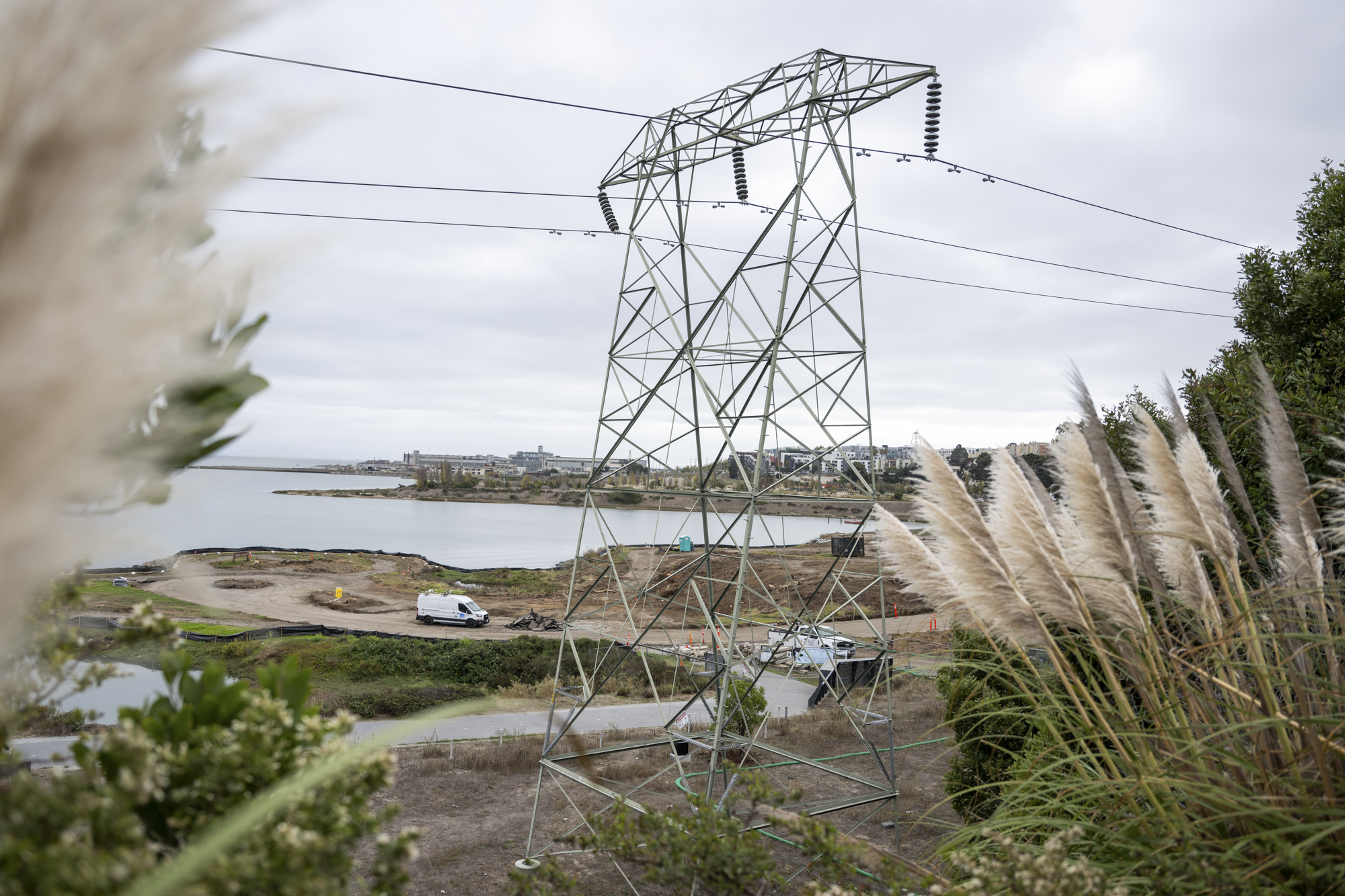
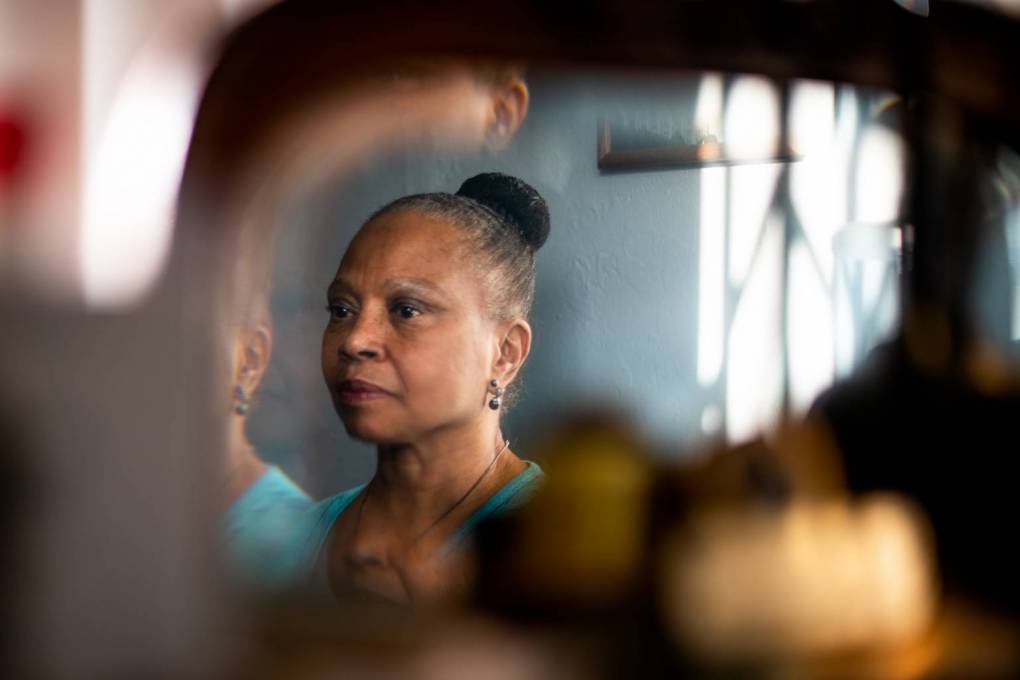
PG&E Tower, ‘Symbol of Environmental Racism,’ Removed From Bayview-Hunters Point
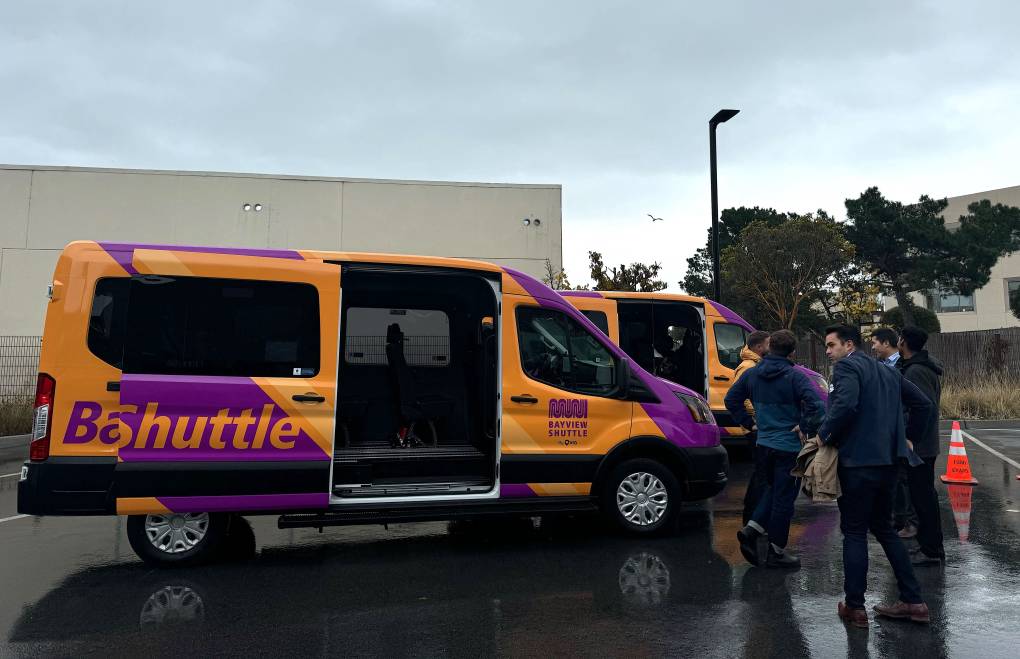
San Francisco Launches On-Demand Shuttle Service in Bayview-Hunters Point
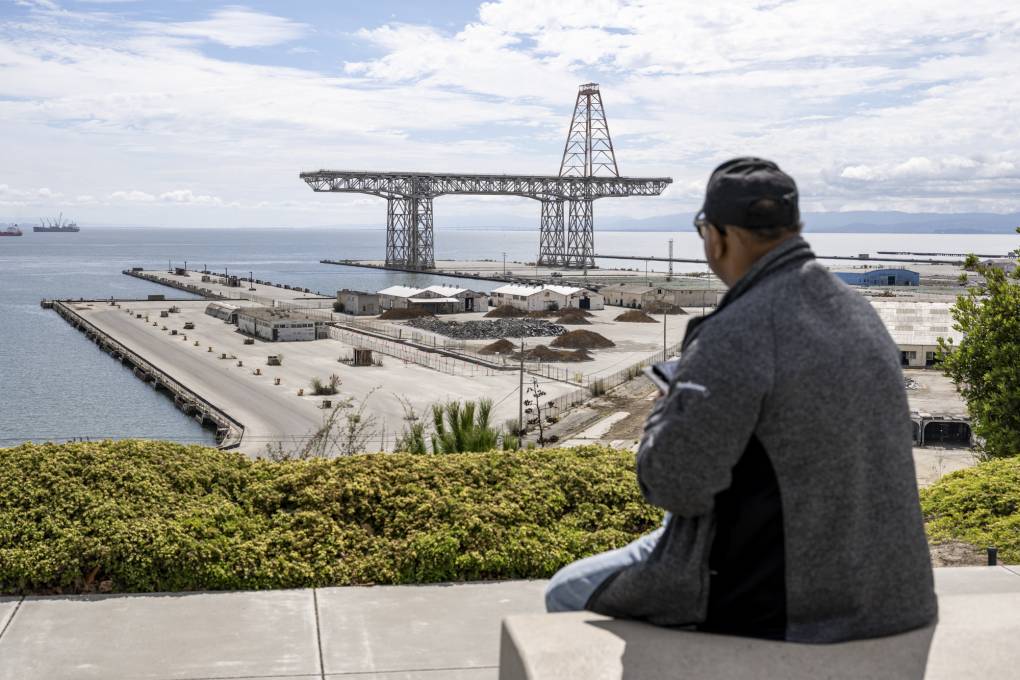
The Hunters Point Crane's Legacy Is Both Majestic and Troubling
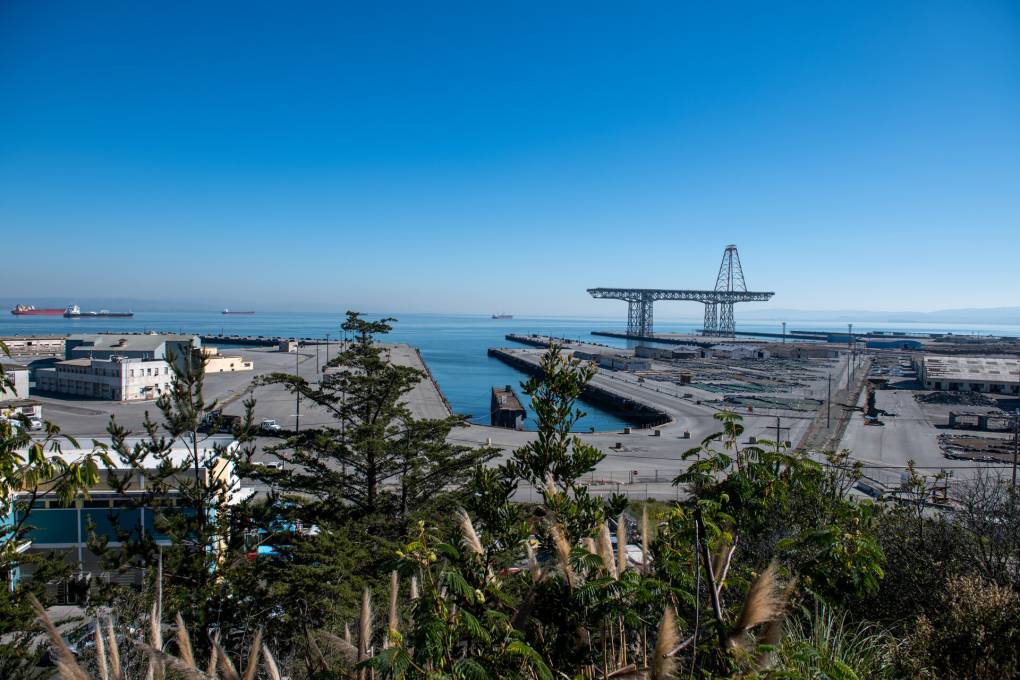
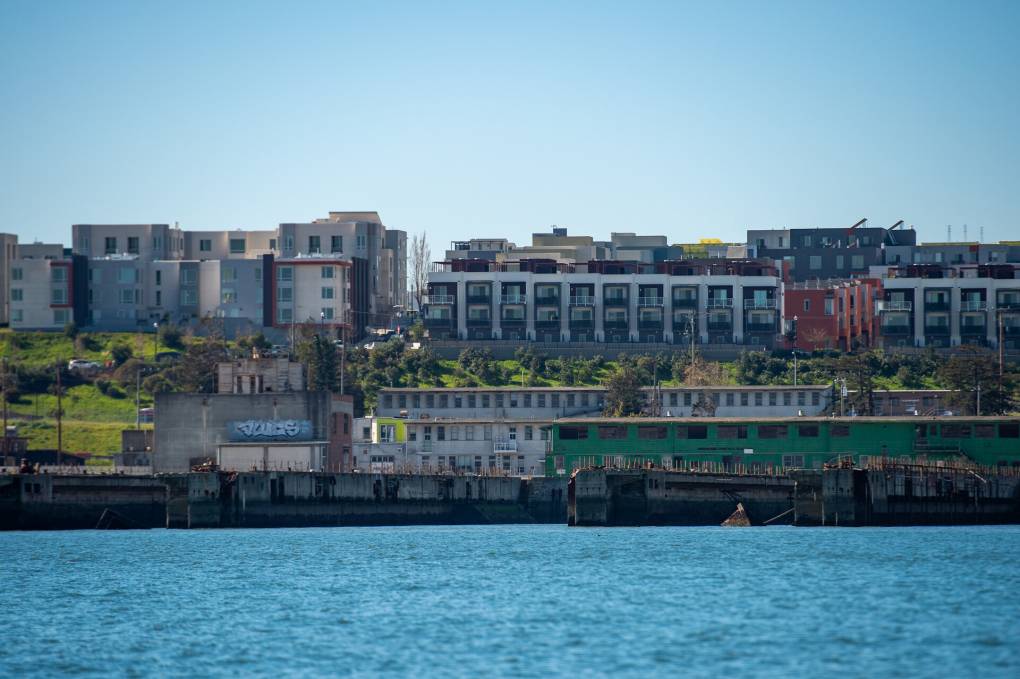
US Navy Acknowledges Toxic Groundwater Threat in Bayview-Hunters Point
SF Supervisors Challenge Mayor Breed and the Navy to Bolster Protections at Bayview-Hunters Point
Why Cleaning Up Bayview-Hunters Point is an Issue of Reparations
Bay Area Sea Level Rise | Monkeypox Update
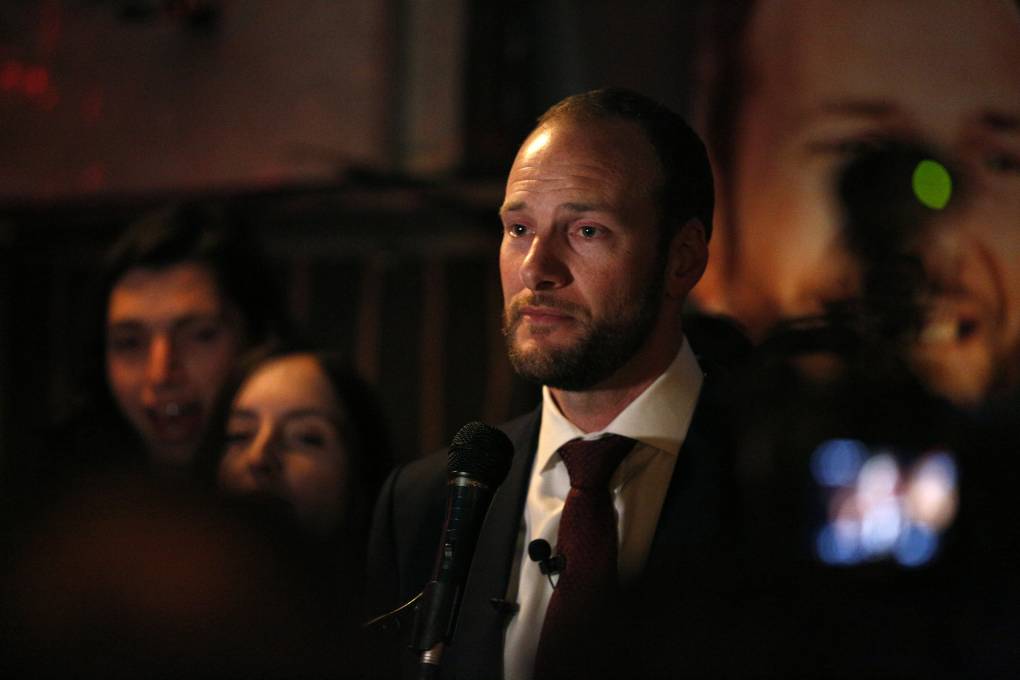
In First for SF, District Attorney Chesa Boudin Charges Former Police Officer With Homicide
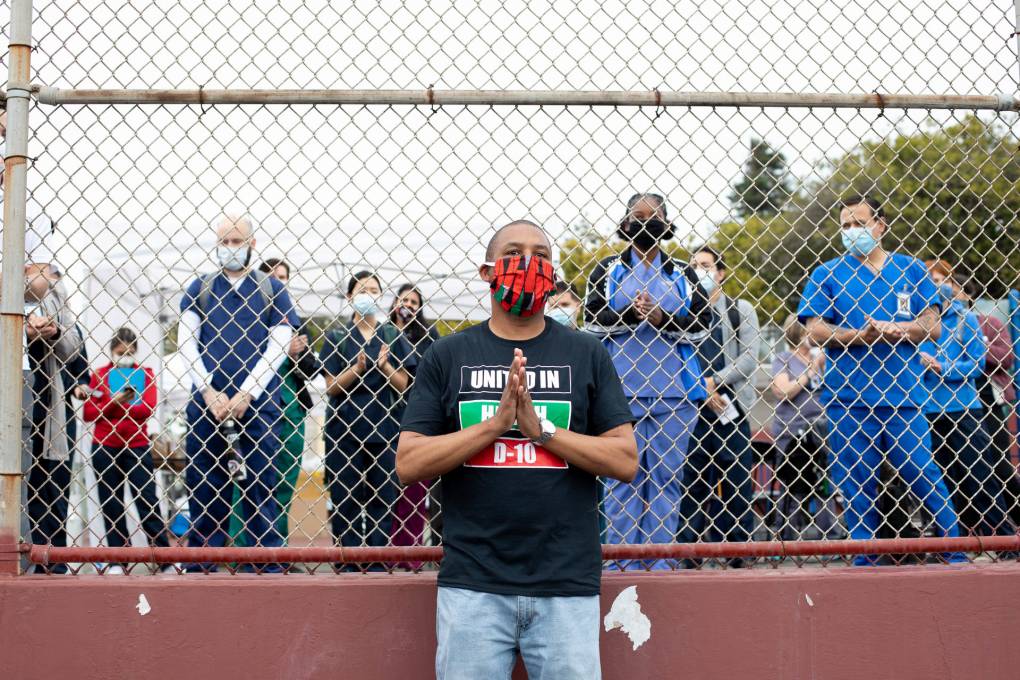
Community-Led Effort Brings Free COVID-19 Testing to SF's Bayview, Visitacion Valley
Sponsored
Player sponsored by
window.__IS_SSR__=true
window.__INITIAL_STATE__={
"attachmentsReducer": {
"audio_0": {
"type": "attachments",
"id": "audio_0",
"imgSizes": {
"kqedFullSize": {
"file": "https://ww2.kqed.org/news/wp-content/themes/KQED-unified/img/audio_bgs/background0.jpg"
}
}
},
"audio_1": {
"type": "attachments",
"id": "audio_1",
"imgSizes": {
"kqedFullSize": {
"file": "https://ww2.kqed.org/news/wp-content/themes/KQED-unified/img/audio_bgs/background1.jpg"
}
}
},
"audio_2": {
"type": "attachments",
"id": "audio_2",
"imgSizes": {
"kqedFullSize": {
"file": "https://ww2.kqed.org/news/wp-content/themes/KQED-unified/img/audio_bgs/background2.jpg"
}
}
},
"audio_3": {
"type": "attachments",
"id": "audio_3",
"imgSizes": {
"kqedFullSize": {
"file": "https://ww2.kqed.org/news/wp-content/themes/KQED-unified/img/audio_bgs/background3.jpg"
}
}
},
"audio_4": {
"type": "attachments",
"id": "audio_4",
"imgSizes": {
"kqedFullSize": {
"file": "https://ww2.kqed.org/news/wp-content/themes/KQED-unified/img/audio_bgs/background4.jpg"
}
}
},
"placeholder": {
"type": "attachments",
"id": "placeholder",
"imgSizes": {
"thumbnail": {
"file": "https://cdn.kqed.org/wp-content/uploads/2024/12/KQED-Default-Image-816638274-2000x1333-1-160x107.jpg",
"width": 160,
"height": 107,
"mimeType": "image/jpeg"
},
"medium": {
"file": "https://cdn.kqed.org/wp-content/uploads/2024/12/KQED-Default-Image-816638274-2000x1333-1-800x533.jpg",
"width": 800,
"height": 533,
"mimeType": "image/jpeg"
},
"medium_large": {
"file": "https://cdn.kqed.org/wp-content/uploads/2024/12/KQED-Default-Image-816638274-2000x1333-1-768x512.jpg",
"width": 768,
"height": 512,
"mimeType": "image/jpeg"
},
"large": {
"file": "https://cdn.kqed.org/wp-content/uploads/2024/12/KQED-Default-Image-816638274-2000x1333-1-1020x680.jpg",
"width": 1020,
"height": 680,
"mimeType": "image/jpeg"
},
"1536x1536": {
"file": "https://cdn.kqed.org/wp-content/uploads/2024/12/KQED-Default-Image-816638274-2000x1333-1-1536x1024.jpg",
"width": 1536,
"height": 1024,
"mimeType": "image/jpeg"
},
"fd-lrg": {
"file": "https://cdn.kqed.org/wp-content/uploads/2024/12/KQED-Default-Image-816638274-2000x1333-1-1536x1024.jpg",
"width": 1536,
"height": 1024,
"mimeType": "image/jpeg"
},
"fd-med": {
"file": "https://cdn.kqed.org/wp-content/uploads/2024/12/KQED-Default-Image-816638274-2000x1333-1-1020x680.jpg",
"width": 1020,
"height": 680,
"mimeType": "image/jpeg"
},
"fd-sm": {
"file": "https://cdn.kqed.org/wp-content/uploads/2024/12/KQED-Default-Image-816638274-2000x1333-1-800x533.jpg",
"width": 800,
"height": 533,
"mimeType": "image/jpeg"
},
"post-thumbnail": {
"file": "https://cdn.kqed.org/wp-content/uploads/2024/12/KQED-Default-Image-816638274-2000x1333-1-672x372.jpg",
"width": 672,
"height": 372,
"mimeType": "image/jpeg"
},
"twentyfourteen-full-width": {
"file": "https://cdn.kqed.org/wp-content/uploads/2024/12/KQED-Default-Image-816638274-2000x1333-1-1038x576.jpg",
"width": 1038,
"height": 576,
"mimeType": "image/jpeg"
},
"xxsmall": {
"file": "https://cdn.kqed.org/wp-content/uploads/2024/12/KQED-Default-Image-816638274-2000x1333-1-160x107.jpg",
"width": 160,
"height": 107,
"mimeType": "image/jpeg"
},
"xsmall": {
"file": "https://cdn.kqed.org/wp-content/uploads/2024/12/KQED-Default-Image-816638274-2000x1333-1-672x372.jpg",
"width": 672,
"height": 372,
"mimeType": "image/jpeg"
},
"small": {
"file": "https://cdn.kqed.org/wp-content/uploads/2024/12/KQED-Default-Image-816638274-2000x1333-1-672x372.jpg",
"width": 672,
"height": 372,
"mimeType": "image/jpeg"
},
"xlarge": {
"file": "https://cdn.kqed.org/wp-content/uploads/2024/12/KQED-Default-Image-816638274-2000x1333-1-1020x680.jpg",
"width": 1020,
"height": 680,
"mimeType": "image/jpeg"
},
"full-width": {
"file": "https://cdn.kqed.org/wp-content/uploads/2024/12/KQED-Default-Image-816638274-2000x1333-1-1920x1280.jpg",
"width": 1920,
"height": 1280,
"mimeType": "image/jpeg"
},
"guest-author-32": {
"file": "https://cdn.kqed.org/wp-content/uploads/2025/01/KQED-Default-Image-816638274-1333x1333-1-160x160.jpg",
"width": 32,
"height": 32,
"mimeType": "image/jpeg"
},
"guest-author-50": {
"file": "https://cdn.kqed.org/wp-content/uploads/2025/01/KQED-Default-Image-816638274-1333x1333-1-160x160.jpg",
"width": 50,
"height": 50,
"mimeType": "image/jpeg"
},
"guest-author-64": {
"file": "https://cdn.kqed.org/wp-content/uploads/2025/01/KQED-Default-Image-816638274-1333x1333-1-160x160.jpg",
"width": 64,
"height": 64,
"mimeType": "image/jpeg"
},
"guest-author-96": {
"file": "https://cdn.kqed.org/wp-content/uploads/2025/01/KQED-Default-Image-816638274-1333x1333-1-160x160.jpg",
"width": 96,
"height": 96,
"mimeType": "image/jpeg"
},
"guest-author-128": {
"file": "https://cdn.kqed.org/wp-content/uploads/2025/01/KQED-Default-Image-816638274-1333x1333-1-160x160.jpg",
"width": 128,
"height": 128,
"mimeType": "image/jpeg"
},
"detail": {
"file": "https://cdn.kqed.org/wp-content/uploads/2025/01/KQED-Default-Image-816638274-1333x1333-1-160x160.jpg",
"width": 160,
"height": 160,
"mimeType": "image/jpeg"
},
"kqedFullSize": {
"file": "https://cdn.kqed.org/wp-content/uploads/2024/12/KQED-Default-Image-816638274-2000x1333-1.jpg",
"width": 2000,
"height": 1333
}
}
},
"news_12061114": {
"type": "attachments",
"id": "news_12061114",
"meta": {
"index": "attachments_1716263798",
"site": "news",
"id": "12061114",
"found": true
},
"title": "251022-INDIABASINSHORELINEPARK-06-BL-KQED",
"publishDate": 1761171770,
"status": "inherit",
"parent": 0,
"modified": 1761171802,
"caption": "A transmission tower at India Basin Shoreline Park in San Francisco on Oct. 22, 2025. The tower stood between residents of the San Francisco neighborhood and the city’s new India Basin Waterfront Park. ",
"credit": "Beth LaBerge/KQED",
"altTag": null,
"description": null,
"imgSizes": {
"thumbnail": {
"file": "https://cdn.kqed.org/wp-content/uploads/sites/10/2025/10/251022-INDIABASINSHORELINEPARK-06-BL-KQED-160x107.jpg",
"width": 160,
"height": 107,
"mimeType": "image/jpeg"
},
"1536x1536": {
"file": "https://cdn.kqed.org/wp-content/uploads/sites/10/2025/10/251022-INDIABASINSHORELINEPARK-06-BL-KQED-1536x1024.jpg",
"width": 1536,
"height": 1024,
"mimeType": "image/jpeg"
},
"post-thumbnail": {
"file": "https://cdn.kqed.org/wp-content/uploads/sites/10/2025/10/251022-INDIABASINSHORELINEPARK-06-BL-KQED-672x372.jpg",
"width": 672,
"height": 372,
"mimeType": "image/jpeg"
},
"twentyfourteen-full-width": {
"file": "https://cdn.kqed.org/wp-content/uploads/sites/10/2025/10/251022-INDIABASINSHORELINEPARK-06-BL-KQED-1038x576.jpg",
"width": 1038,
"height": 576,
"mimeType": "image/jpeg"
},
"npr-cds-wide": {
"file": "https://cdn.kqed.org/wp-content/uploads/sites/10/2025/10/251022-INDIABASINSHORELINEPARK-06-BL-KQED-1600x900.jpg",
"width": 1600,
"height": 900,
"mimeType": "image/jpeg"
},
"kqedFullSize": {
"file": "https://cdn.kqed.org/wp-content/uploads/sites/10/2025/10/251022-INDIABASINSHORELINEPARK-06-BL-KQED.jpg",
"width": 2000,
"height": 1333
}
},
"fetchFailed": false,
"isLoading": false
},
"news_12015328": {
"type": "attachments",
"id": "news_12015328",
"meta": {
"index": "attachments_1716263798",
"site": "news",
"id": "12015328",
"found": true
},
"title": "IMG_5013",
"publishDate": 1732219814,
"status": "inherit",
"parent": 12015320,
"modified": 1732221024,
"caption": "Transportation officials survey two new Bayview Community Shuttle vans in San Francisco's Bayview-Hunters Point neighborhood on Nov. 20, 2024. ",
"credit": "Gilare Zada/KQED",
"altTag": "A small group of people stand outside next to two purple and yellow vans that say 'Bayview Community Shuttle.'",
"description": null,
"imgSizes": {
"medium": {
"file": "https://cdn.kqed.org/wp-content/uploads/sites/10/2024/11/IMG_5013-800x517.jpg",
"width": 800,
"height": 517,
"mimeType": "image/jpeg"
},
"large": {
"file": "https://cdn.kqed.org/wp-content/uploads/sites/10/2024/11/IMG_5013-1020x659.jpg",
"width": 1020,
"height": 659,
"mimeType": "image/jpeg"
},
"thumbnail": {
"file": "https://cdn.kqed.org/wp-content/uploads/sites/10/2024/11/IMG_5013-160x103.jpg",
"width": 160,
"height": 103,
"mimeType": "image/jpeg"
},
"1536x1536": {
"file": "https://cdn.kqed.org/wp-content/uploads/sites/10/2024/11/IMG_5013-1536x992.jpg",
"width": 1536,
"height": 992,
"mimeType": "image/jpeg"
},
"2048x2048": {
"file": "https://cdn.kqed.org/wp-content/uploads/sites/10/2024/11/IMG_5013-2048x1323.jpg",
"width": 2048,
"height": 1323,
"mimeType": "image/jpeg"
},
"post-thumbnail": {
"file": "https://cdn.kqed.org/wp-content/uploads/sites/10/2024/11/IMG_5013-672x372.jpg",
"width": 672,
"height": 372,
"mimeType": "image/jpeg"
},
"twentyfourteen-full-width": {
"file": "https://cdn.kqed.org/wp-content/uploads/sites/10/2024/11/IMG_5013-1038x576.jpg",
"width": 1038,
"height": 576,
"mimeType": "image/jpeg"
},
"full-width": {
"file": "https://cdn.kqed.org/wp-content/uploads/sites/10/2024/11/IMG_5013-1920x1240.jpg",
"width": 1920,
"height": 1240,
"mimeType": "image/jpeg"
},
"kqedFullSize": {
"file": "https://cdn.kqed.org/wp-content/uploads/sites/10/2024/11/IMG_5013-scaled.jpg",
"width": 2560,
"height": 1653
}
},
"fetchFailed": false,
"isLoading": false
},
"news_12005328": {
"type": "attachments",
"id": "news_12005328",
"meta": {
"index": "attachments_1716263798",
"site": "news",
"id": "12005328",
"found": true
},
"title": "240918-HUNTERSPOINTCRANE-16-BL-KQED",
"publishDate": 1726694288,
"status": "inherit",
"parent": 0,
"modified": 1726694313,
"caption": "James Bryant sits at Hillpoint Park overlooking the Hunters Point gantry crane at the naval shipyard in San Francisco on Sept. 18, 2024.",
"credit": "Beth LaBerge/KQED",
"altTag": null,
"description": null,
"imgSizes": {
"medium": {
"file": "https://cdn.kqed.org/wp-content/uploads/sites/10/2024/09/240918-HUNTERSPOINTCRANE-16-BL-KQED-800x533.jpg",
"width": 800,
"height": 533,
"mimeType": "image/jpeg"
},
"large": {
"file": "https://cdn.kqed.org/wp-content/uploads/sites/10/2024/09/240918-HUNTERSPOINTCRANE-16-BL-KQED-1020x680.jpg",
"width": 1020,
"height": 680,
"mimeType": "image/jpeg"
},
"thumbnail": {
"file": "https://cdn.kqed.org/wp-content/uploads/sites/10/2024/09/240918-HUNTERSPOINTCRANE-16-BL-KQED-160x107.jpg",
"width": 160,
"height": 107,
"mimeType": "image/jpeg"
},
"1536x1536": {
"file": "https://cdn.kqed.org/wp-content/uploads/sites/10/2024/09/240918-HUNTERSPOINTCRANE-16-BL-KQED-1536x1024.jpg",
"width": 1536,
"height": 1024,
"mimeType": "image/jpeg"
},
"post-thumbnail": {
"file": "https://cdn.kqed.org/wp-content/uploads/sites/10/2024/09/240918-HUNTERSPOINTCRANE-16-BL-KQED-672x372.jpg",
"width": 672,
"height": 372,
"mimeType": "image/jpeg"
},
"twentyfourteen-full-width": {
"file": "https://cdn.kqed.org/wp-content/uploads/sites/10/2024/09/240918-HUNTERSPOINTCRANE-16-BL-KQED-1038x576.jpg",
"width": 1038,
"height": 576,
"mimeType": "image/jpeg"
},
"full-width": {
"file": "https://cdn.kqed.org/wp-content/uploads/sites/10/2024/09/240918-HUNTERSPOINTCRANE-16-BL-KQED-1920x1280.jpg",
"width": 1920,
"height": 1280,
"mimeType": "image/jpeg"
},
"kqedFullSize": {
"file": "https://cdn.kqed.org/wp-content/uploads/sites/10/2024/09/240918-HUNTERSPOINTCRANE-16-BL-KQED.jpg",
"width": 2000,
"height": 1333
}
},
"fetchFailed": false,
"isLoading": false
},
"news_11927539": {
"type": "attachments",
"id": "news_11927539",
"meta": {
"index": "attachments_1716263798",
"site": "news",
"id": "11927539",
"found": true
},
"parent": 11927434,
"imgSizes": {
"twentyfourteen-full-width": {
"file": "https://ww2.kqed.org/app/uploads/sites/10/2022/10/RS53940_004_KQED_BayviewBloodTesting_02252022-qut-1038x576.jpg",
"width": 1038,
"mimeType": "image/jpeg",
"height": 576
},
"thumbnail": {
"file": "https://ww2.kqed.org/app/uploads/sites/10/2022/10/RS53940_004_KQED_BayviewBloodTesting_02252022-qut-160x107.jpg",
"width": 160,
"mimeType": "image/jpeg",
"height": 107
},
"post-thumbnail": {
"file": "https://ww2.kqed.org/app/uploads/sites/10/2022/10/RS53940_004_KQED_BayviewBloodTesting_02252022-qut-672x372.jpg",
"width": 672,
"mimeType": "image/jpeg",
"height": 372
},
"kqedFullSize": {
"file": "https://ww2.kqed.org/app/uploads/sites/10/2022/10/RS53940_004_KQED_BayviewBloodTesting_02252022-qut.jpg",
"width": 1920,
"height": 1280
},
"large": {
"file": "https://ww2.kqed.org/app/uploads/sites/10/2022/10/RS53940_004_KQED_BayviewBloodTesting_02252022-qut-1020x680.jpg",
"width": 1020,
"mimeType": "image/jpeg",
"height": 680
},
"1536x1536": {
"file": "https://ww2.kqed.org/app/uploads/sites/10/2022/10/RS53940_004_KQED_BayviewBloodTesting_02252022-qut-1536x1024.jpg",
"width": 1536,
"mimeType": "image/jpeg",
"height": 1024
},
"medium": {
"file": "https://ww2.kqed.org/app/uploads/sites/10/2022/10/RS53940_004_KQED_BayviewBloodTesting_02252022-qut-800x533.jpg",
"width": 800,
"mimeType": "image/jpeg",
"height": 533
}
},
"publishDate": 1664824309,
"modified": 1664825221,
"caption": "A view of the former Hunters Point Naval Shipyard from the Lennar at the SF Shipyard housing development on Feb. 25, 2022.",
"description": "A view of Hunters Point Naval Shipyard.",
"title": "RS53940_004_KQED_BayviewBloodTesting_02252022-qut",
"credit": "Beth LaBerge/KQED",
"status": "inherit",
"altTag": "A view from a hill of a dilapidated shuttered and abandoned naval shipyard with a dock and a rusting equipment, bushes in the foreground, the blue sea and sky past the dock looking out at San Francisco Bay",
"fetchFailed": false,
"isLoading": false
},
"news_11920963": {
"type": "attachments",
"id": "news_11920963",
"meta": {
"index": "attachments_1716263798",
"site": "news",
"id": "11920963",
"found": true
},
"parent": 11920960,
"imgSizes": {
"twentyfourteen-full-width": {
"file": "https://ww2.kqed.org/app/uploads/sites/10/2022/07/028_KQED_BayviewBloodTesting_02252022-1536x1024-1-1038x576.jpeg",
"width": 1038,
"mimeType": "image/jpeg",
"height": 576
},
"thumbnail": {
"file": "https://ww2.kqed.org/app/uploads/sites/10/2022/07/028_KQED_BayviewBloodTesting_02252022-1536x1024-1-160x107.jpeg",
"width": 160,
"mimeType": "image/jpeg",
"height": 107
},
"post-thumbnail": {
"file": "https://ww2.kqed.org/app/uploads/sites/10/2022/07/028_KQED_BayviewBloodTesting_02252022-1536x1024-1-672x372.jpeg",
"width": 672,
"mimeType": "image/jpeg",
"height": 372
},
"kqedFullSize": {
"file": "https://ww2.kqed.org/app/uploads/sites/10/2022/07/028_KQED_BayviewBloodTesting_02252022-1536x1024-1.jpeg",
"width": 1536,
"height": 1024
},
"large": {
"file": "https://ww2.kqed.org/app/uploads/sites/10/2022/07/028_KQED_BayviewBloodTesting_02252022-1536x1024-1-1020x680.jpeg",
"width": 1020,
"mimeType": "image/jpeg",
"height": 680
},
"medium": {
"file": "https://ww2.kqed.org/app/uploads/sites/10/2022/07/028_KQED_BayviewBloodTesting_02252022-1536x1024-1-800x533.jpeg",
"width": 800,
"mimeType": "image/jpeg",
"height": 533
}
},
"publishDate": 1659128171,
"modified": 1659128185,
"caption": "Dr. Ahimsa Porter Sumchai is documenting the toxic load in Bayview-Hunters Point residents. ",
"description": null,
"title": "028_KQED_BayviewBloodTesting_02252022-1536x1024",
"credit": "Beth LaBerge/KQED",
"status": "inherit",
"altTag": null,
"fetchFailed": false,
"isLoading": false
},
"news_11920780": {
"type": "attachments",
"id": "news_11920780",
"meta": {
"index": "attachments_1716263798",
"site": "news",
"id": "11920780",
"found": true
},
"parent": 11920772,
"imgSizes": {
"twentyfourteen-full-width": {
"file": "https://ww2.kqed.org/app/uploads/sites/10/2022/07/Bayview4-1038x576.jpg",
"width": 1038,
"mimeType": "image/jpeg",
"height": 576
},
"thumbnail": {
"file": "https://ww2.kqed.org/app/uploads/sites/10/2022/07/Bayview4-160x107.jpg",
"width": 160,
"mimeType": "image/jpeg",
"height": 107
},
"post-thumbnail": {
"file": "https://ww2.kqed.org/app/uploads/sites/10/2022/07/Bayview4-672x372.jpg",
"width": 672,
"mimeType": "image/jpeg",
"height": 372
},
"kqedFullSize": {
"file": "https://ww2.kqed.org/app/uploads/sites/10/2022/07/Bayview4.jpg",
"width": 1920,
"height": 1278
},
"large": {
"file": "https://ww2.kqed.org/app/uploads/sites/10/2022/07/Bayview4-1020x679.jpg",
"width": 1020,
"mimeType": "image/jpeg",
"height": 679
},
"1536x1536": {
"file": "https://ww2.kqed.org/app/uploads/sites/10/2022/07/Bayview4-1536x1022.jpg",
"width": 1536,
"mimeType": "image/jpeg",
"height": 1022
},
"medium": {
"file": "https://ww2.kqed.org/app/uploads/sites/10/2022/07/Bayview4-800x533.jpg",
"width": 800,
"mimeType": "image/jpeg",
"height": 533
}
},
"publishDate": 1659050134,
"modified": 1659050134,
"caption": "Apartment buildings in the Bayview sit behind the Hunters Point Naval Shipyard in San Francisco on March 8, 2022.",
"description": null,
"title": "Bayview4",
"credit": null,
"status": "inherit",
"altTag": null,
"fetchFailed": false,
"isLoading": false
},
"news_11848529": {
"type": "attachments",
"id": "news_11848529",
"meta": {
"index": "attachments_1716263798",
"site": "news",
"id": "11848529",
"found": true
},
"parent": 11848521,
"imgSizes": {
"apple_news_ca_landscape_5_5": {
"file": "https://ww2.kqed.org/app/uploads/sites/10/2020/11/RS40220__M6A1817-qut-1044x783.jpg",
"width": 1044,
"mimeType": "image/jpeg",
"height": 783
},
"apple_news_ca_square_4_0": {
"file": "https://ww2.kqed.org/app/uploads/sites/10/2020/11/RS40220__M6A1817-qut-470x470.jpg",
"width": 470,
"mimeType": "image/jpeg",
"height": 470
},
"twentyfourteen-full-width": {
"file": "https://ww2.kqed.org/app/uploads/sites/10/2020/11/RS40220__M6A1817-qut-1038x576.jpg",
"width": 1038,
"mimeType": "image/jpeg",
"height": 576
},
"thumbnail": {
"file": "https://ww2.kqed.org/app/uploads/sites/10/2020/11/RS40220__M6A1817-qut-160x107.jpg",
"width": 160,
"mimeType": "image/jpeg",
"height": 107
},
"post-thumbnail": {
"file": "https://ww2.kqed.org/app/uploads/sites/10/2020/11/RS40220__M6A1817-qut-672x372.jpg",
"width": 672,
"mimeType": "image/jpeg",
"height": 372
},
"kqedFullSize": {
"file": "https://ww2.kqed.org/app/uploads/sites/10/2020/11/RS40220__M6A1817-qut.jpg",
"width": 1920,
"height": 1280
},
"apple_news_ca_landscape_4_7": {
"file": "https://ww2.kqed.org/app/uploads/sites/10/2020/11/RS40220__M6A1817-qut-632x474.jpg",
"width": 632,
"mimeType": "image/jpeg",
"height": 474
},
"large": {
"file": "https://ww2.kqed.org/app/uploads/sites/10/2020/11/RS40220__M6A1817-qut-1020x680.jpg",
"width": 1020,
"mimeType": "image/jpeg",
"height": 680
},
"apple_news_ca_landscape_4_0": {
"file": "https://ww2.kqed.org/app/uploads/sites/10/2020/11/RS40220__M6A1817-qut-536x402.jpg",
"width": 536,
"mimeType": "image/jpeg",
"height": 402
},
"apple_news_ca_portrait_12_9": {
"file": "https://ww2.kqed.org/app/uploads/sites/10/2020/11/RS40220__M6A1817-qut-1122x1280.jpg",
"width": 1122,
"mimeType": "image/jpeg",
"height": 1280
},
"medium": {
"file": "https://ww2.kqed.org/app/uploads/sites/10/2020/11/RS40220__M6A1817-qut-800x533.jpg",
"width": 800,
"mimeType": "image/jpeg",
"height": 533
},
"apple_news_ca_portrait_4_0": {
"file": "https://ww2.kqed.org/app/uploads/sites/10/2020/11/RS40220__M6A1817-qut-354x472.jpg",
"width": 354,
"mimeType": "image/jpeg",
"height": 472
},
"apple_news_ca_portrait_9_7": {
"file": "https://ww2.kqed.org/app/uploads/sites/10/2020/11/RS40220__M6A1817-qut-840x1120.jpg",
"width": 840,
"mimeType": "image/jpeg",
"height": 1120
},
"apple_news_ca_landscape_12_9": {
"file": "https://ww2.kqed.org/app/uploads/sites/10/2020/11/RS40220__M6A1817-qut-1832x1280.jpg",
"width": 1832,
"mimeType": "image/jpeg",
"height": 1280
},
"apple_news_ca_square_9_7": {
"file": "https://ww2.kqed.org/app/uploads/sites/10/2020/11/RS40220__M6A1817-qut-1104x1104.jpg",
"width": 1104,
"mimeType": "image/jpeg",
"height": 1104
},
"1536x1536": {
"file": "https://ww2.kqed.org/app/uploads/sites/10/2020/11/RS40220__M6A1817-qut-1536x1024.jpg",
"width": 1536,
"mimeType": "image/jpeg",
"height": 1024
},
"apple_news_ca_portrait_4_7": {
"file": "https://ww2.kqed.org/app/uploads/sites/10/2020/11/RS40220__M6A1817-qut-414x552.jpg",
"width": 414,
"mimeType": "image/jpeg",
"height": 552
},
"apple_news_ca_square_12_9": {
"file": "https://ww2.kqed.org/app/uploads/sites/10/2020/11/RS40220__M6A1817-qut-1472x1280.jpg",
"width": 1472,
"mimeType": "image/jpeg",
"height": 1280
},
"apple_news_ca_portrait_5_5": {
"file": "https://ww2.kqed.org/app/uploads/sites/10/2020/11/RS40220__M6A1817-qut-687x916.jpg",
"width": 687,
"mimeType": "image/jpeg",
"height": 916
},
"apple_news_ca_square_4_7": {
"file": "https://ww2.kqed.org/app/uploads/sites/10/2020/11/RS40220__M6A1817-qut-550x550.jpg",
"width": 550,
"mimeType": "image/jpeg",
"height": 550
},
"apple_news_ca_landscape_9_7": {
"file": "https://ww2.kqed.org/app/uploads/sites/10/2020/11/RS40220__M6A1817-qut-1376x1032.jpg",
"width": 1376,
"mimeType": "image/jpeg",
"height": 1032
},
"apple_news_ca_square_5_5": {
"file": "https://ww2.kqed.org/app/uploads/sites/10/2020/11/RS40220__M6A1817-qut-912x912.jpg",
"width": 912,
"mimeType": "image/jpeg",
"height": 912
}
},
"publishDate": 1606168935,
"modified": 1636570090,
"caption": "San Francisco District Attorney Chesa Boudin, pictured in 2019.",
"description": "San Francisco District Attorney Chesa Boudin, pictured in 2019.",
"title": "RS40220__M6A1817-qut",
"credit": "Stephanie Lister/KQED",
"status": "inherit",
"altTag": "Chesa Boudin wears a suit and stands in front of a crowd at night with a serious face.",
"fetchFailed": false,
"isLoading": false
},
"news_11823047": {
"type": "attachments",
"id": "news_11823047",
"meta": {
"index": "attachments_1716263798",
"site": "news",
"id": "11823047",
"found": true
},
"parent": 11822167,
"imgSizes": {
"apple_news_ca_landscape_5_5": {
"file": "https://ww2.kqed.org/app/uploads/sites/10/2020/06/RS43562_UCSF_20200530_Bayview-Testing_08-qut-1044x783.jpg",
"width": 1044,
"mimeType": "image/jpeg",
"height": 783
},
"apple_news_ca_square_4_0": {
"file": "https://ww2.kqed.org/app/uploads/sites/10/2020/06/RS43562_UCSF_20200530_Bayview-Testing_08-qut-470x470.jpg",
"width": 470,
"mimeType": "image/jpeg",
"height": 470
},
"twentyfourteen-full-width": {
"file": "https://ww2.kqed.org/app/uploads/sites/10/2020/06/RS43562_UCSF_20200530_Bayview-Testing_08-qut-1038x576.jpg",
"width": 1038,
"mimeType": "image/jpeg",
"height": 576
},
"thumbnail": {
"file": "https://ww2.kqed.org/app/uploads/sites/10/2020/06/RS43562_UCSF_20200530_Bayview-Testing_08-qut-160x107.jpg",
"width": 160,
"mimeType": "image/jpeg",
"height": 107
},
"post-thumbnail": {
"file": "https://ww2.kqed.org/app/uploads/sites/10/2020/06/RS43562_UCSF_20200530_Bayview-Testing_08-qut-672x372.jpg",
"width": 672,
"mimeType": "image/jpeg",
"height": 372
},
"kqedFullSize": {
"file": "https://ww2.kqed.org/app/uploads/sites/10/2020/06/RS43562_UCSF_20200530_Bayview-Testing_08-qut-e1591384169376.jpg",
"width": 1919,
"height": 1279
},
"apple_news_ca_landscape_4_7": {
"file": "https://ww2.kqed.org/app/uploads/sites/10/2020/06/RS43562_UCSF_20200530_Bayview-Testing_08-qut-632x474.jpg",
"width": 632,
"mimeType": "image/jpeg",
"height": 474
},
"large": {
"file": "https://ww2.kqed.org/app/uploads/sites/10/2020/06/RS43562_UCSF_20200530_Bayview-Testing_08-qut-1020x680.jpg",
"width": 1020,
"mimeType": "image/jpeg",
"height": 680
},
"apple_news_ca_landscape_4_0": {
"file": "https://ww2.kqed.org/app/uploads/sites/10/2020/06/RS43562_UCSF_20200530_Bayview-Testing_08-qut-536x402.jpg",
"width": 536,
"mimeType": "image/jpeg",
"height": 402
},
"apple_news_ca_portrait_12_9": {
"file": "https://ww2.kqed.org/app/uploads/sites/10/2020/06/RS43562_UCSF_20200530_Bayview-Testing_08-qut-1122x1280.jpg",
"width": 1122,
"mimeType": "image/jpeg",
"height": 1280
},
"medium": {
"file": "https://ww2.kqed.org/app/uploads/sites/10/2020/06/RS43562_UCSF_20200530_Bayview-Testing_08-qut-800x533.jpg",
"width": 800,
"mimeType": "image/jpeg",
"height": 533
},
"apple_news_ca_portrait_4_0": {
"file": "https://ww2.kqed.org/app/uploads/sites/10/2020/06/RS43562_UCSF_20200530_Bayview-Testing_08-qut-354x472.jpg",
"width": 354,
"mimeType": "image/jpeg",
"height": 472
},
"apple_news_ca_portrait_9_7": {
"file": "https://ww2.kqed.org/app/uploads/sites/10/2020/06/RS43562_UCSF_20200530_Bayview-Testing_08-qut-840x1120.jpg",
"width": 840,
"mimeType": "image/jpeg",
"height": 1120
},
"apple_news_ca_landscape_12_9": {
"file": "https://ww2.kqed.org/app/uploads/sites/10/2020/06/RS43562_UCSF_20200530_Bayview-Testing_08-qut-1832x1280.jpg",
"width": 1832,
"mimeType": "image/jpeg",
"height": 1280
},
"apple_news_ca_square_9_7": {
"file": "https://ww2.kqed.org/app/uploads/sites/10/2020/06/RS43562_UCSF_20200530_Bayview-Testing_08-qut-1104x1104.jpg",
"width": 1104,
"mimeType": "image/jpeg",
"height": 1104
},
"apple_news_ca_portrait_4_7": {
"file": "https://ww2.kqed.org/app/uploads/sites/10/2020/06/RS43562_UCSF_20200530_Bayview-Testing_08-qut-414x552.jpg",
"width": 414,
"mimeType": "image/jpeg",
"height": 552
},
"apple_news_ca_square_12_9": {
"file": "https://ww2.kqed.org/app/uploads/sites/10/2020/06/RS43562_UCSF_20200530_Bayview-Testing_08-qut-1472x1280.jpg",
"width": 1472,
"mimeType": "image/jpeg",
"height": 1280
},
"apple_news_ca_portrait_5_5": {
"file": "https://ww2.kqed.org/app/uploads/sites/10/2020/06/RS43562_UCSF_20200530_Bayview-Testing_08-qut-687x916.jpg",
"width": 687,
"mimeType": "image/jpeg",
"height": 916
},
"full-width": {
"file": "https://ww2.kqed.org/app/uploads/sites/10/2020/06/RS43562_UCSF_20200530_Bayview-Testing_08-qut-1920x1280.jpg",
"width": 1920,
"mimeType": "image/jpeg",
"height": 1280
},
"apple_news_ca_square_4_7": {
"file": "https://ww2.kqed.org/app/uploads/sites/10/2020/06/RS43562_UCSF_20200530_Bayview-Testing_08-qut-550x550.jpg",
"width": 550,
"mimeType": "image/jpeg",
"height": 550
},
"apple_news_ca_landscape_9_7": {
"file": "https://ww2.kqed.org/app/uploads/sites/10/2020/06/RS43562_UCSF_20200530_Bayview-Testing_08-qut-1376x1032.jpg",
"width": 1376,
"mimeType": "image/jpeg",
"height": 1032
},
"apple_news_ca_square_5_5": {
"file": "https://ww2.kqed.org/app/uploads/sites/10/2020/06/RS43562_UCSF_20200530_Bayview-Testing_08-qut-912x912.jpg",
"width": 912,
"mimeType": "image/jpeg",
"height": 912
}
},
"publishDate": 1591332210,
"modified": 1591384164,
"caption": "Supervisor Shamann Walton, D10, worked with UCSF and the San Francisco Department of Public Health to bring the “United in Health D10” testing program to the Bayview neighborhood. Testing was held at Havard Early Education School.",
"description": "Supervisor Shamann Walton, D10, worked with UCSF and the San Francisco Department of Public Health to bring the “United in Health D10” testing program to the Bayview neighborhood. Testing was held at Havard Early Education School.",
"title": "Bayview Testing",
"credit": "Courtesy Susan Merrell/UCSF",
"status": "inherit",
"fetchFailed": false,
"isLoading": false
}
},
"audioPlayerReducer": {
"postId": "stream_live",
"isPaused": true,
"isPlaying": false,
"pfsActive": false,
"pledgeModalIsOpen": true,
"playerDrawerIsOpen": false
},
"authorsReducer": {
"byline_news_12060929": {
"type": "authors",
"id": "byline_news_12060929",
"meta": {
"override": true
},
"slug": "byline_news_12060929",
"name": "Nibras Suliman",
"isLoading": false
},
"kqed": {
"type": "authors",
"id": "236",
"meta": {
"index": "authors_1716337520",
"id": "236",
"found": true
},
"name": "KQED News Staff",
"firstName": "KQED News Staff",
"lastName": null,
"slug": "kqed",
"email": "faq@kqed.org",
"display_author_email": false,
"staff_mastheads": [],
"title": null,
"bio": null,
"avatar": "https://secure.gravatar.com/avatar/ef0e801a68c4c54afa9180db14084167?s=600&d=blank&r=g",
"twitter": null,
"facebook": null,
"instagram": null,
"linkedin": null,
"sites": [
{
"site": "arts",
"roles": [
"contributor"
]
},
{
"site": "news",
"roles": [
"editor"
]
},
{
"site": "futureofyou",
"roles": [
"author"
]
}
],
"headData": {
"title": "KQED News Staff | KQED",
"description": null,
"ogImgSrc": "https://secure.gravatar.com/avatar/ef0e801a68c4c54afa9180db14084167?s=600&d=blank&r=g",
"twImgSrc": "https://secure.gravatar.com/avatar/ef0e801a68c4c54afa9180db14084167?s=600&d=blank&r=g"
},
"isLoading": false,
"link": "/author/kqed"
},
"ecruzguevarra": {
"type": "authors",
"id": "8654",
"meta": {
"index": "authors_1716337520",
"id": "8654",
"found": true
},
"name": "Ericka Cruz Guevarra",
"firstName": "Ericka",
"lastName": "Cruz Guevarra",
"slug": "ecruzguevarra",
"email": "ecruzguevarra@kqed.org",
"display_author_email": true,
"staff_mastheads": [
"news"
],
"title": "Producer, The Bay Podcast",
"bio": "Ericka Cruz Guevarra is host of \u003ca href=\"https://www.kqed.org/podcasts/thebay\">\u003cem>The Bay\u003c/em>\u003c/a> podcast at KQED. Before host, she was the show’s producer. Her work in that capacity includes a three-part reported series on policing in Vallejo, which won a 2020 excellence in journalism award from the Society of Professional Journalists. Ericka has worked as a breaking news reporter at Oregon Public Broadcasting, helped produce the Code Switch podcast, and was KQED’s inaugural Raul Ramirez Diversity Fund intern. She’s also an alumna of NPR’s Next Generation Radio program. Send her an email if you have strong feelings about whether Fairfield and Suisun City are the Bay. Ericka is represented by SAG-AFTRA.",
"avatar": "https://secure.gravatar.com/avatar/25e5ab8d3d53fad2dcc7bb2b5c506b1a?s=600&d=blank&r=g",
"twitter": "NotoriousECG",
"facebook": null,
"instagram": null,
"linkedin": null,
"sites": [
{
"site": "arts",
"roles": [
"subscriber"
]
},
{
"site": "news",
"roles": [
"editor",
"manage_categories"
]
},
{
"site": "futureofyou",
"roles": [
"subscriber"
]
},
{
"site": "stateofhealth",
"roles": [
"subscriber"
]
},
{
"site": "science",
"roles": [
"editor"
]
},
{
"site": "forum",
"roles": [
"subscriber"
]
}
],
"headData": {
"title": "Ericka Cruz Guevarra | KQED",
"description": "Producer, The Bay Podcast",
"ogImgSrc": "https://secure.gravatar.com/avatar/25e5ab8d3d53fad2dcc7bb2b5c506b1a?s=600&d=blank&r=g",
"twImgSrc": "https://secure.gravatar.com/avatar/25e5ab8d3d53fad2dcc7bb2b5c506b1a?s=600&d=blank&r=g"
},
"isLoading": false,
"link": "/author/ecruzguevarra"
},
"amontecillo": {
"type": "authors",
"id": "11649",
"meta": {
"index": "authors_1716337520",
"id": "11649",
"found": true
},
"name": "Alan Montecillo",
"firstName": "Alan",
"lastName": "Montecillo",
"slug": "amontecillo",
"email": "amontecillo@kqed.org",
"display_author_email": false,
"staff_mastheads": [
"news"
],
"title": "KQED Contributor",
"bio": "Alan Montecillo is the senior editor of \u003cem>\u003ca href=\"http://kqed.org/thebay\">The Bay\u003c/a>, \u003c/em> KQED's local news podcast. Before moving to the Bay Area, he worked as a senior talk show producer for WILL in Champaign-Urbana, Illinois and at Oregon Public Broadcasting in Portland, Oregon. He has won journalism awards from the Society of Professional Journalists Northern California, the Public Media Journalists Association, The Signal Awards, and has also received a regional Edward R. Murrow award. Alan is a Filipino American from Hong Kong and a graduate of Reed College.",
"avatar": "https://secure.gravatar.com/avatar/d5e4e7a76481969ccba76f4e2b5ccabc?s=600&d=blank&r=g",
"twitter": "alanmontecillo",
"facebook": null,
"instagram": null,
"linkedin": null,
"sites": [
{
"site": "",
"roles": [
"editor"
]
},
{
"site": "news",
"roles": [
"editor",
"manage_categories"
]
}
],
"headData": {
"title": "Alan Montecillo | KQED",
"description": "KQED Contributor",
"ogImgSrc": "https://secure.gravatar.com/avatar/d5e4e7a76481969ccba76f4e2b5ccabc?s=600&d=blank&r=g",
"twImgSrc": "https://secure.gravatar.com/avatar/d5e4e7a76481969ccba76f4e2b5ccabc?s=600&d=blank&r=g"
},
"isLoading": false,
"link": "/author/amontecillo"
},
"nsparling": {
"type": "authors",
"id": "11655",
"meta": {
"index": "authors_1716337520",
"id": "11655",
"found": true
},
"name": "Nina Sparling",
"firstName": "Nina",
"lastName": "Sparling",
"slug": "nsparling",
"email": "nsparling@kqed.org",
"display_author_email": false,
"staff_mastheads": [],
"title": "KQED Contributor",
"bio": null,
"avatar": "https://secure.gravatar.com/avatar/4f605141f48bfba20520677de109f9bc?s=600&d=blank&r=g",
"twitter": null,
"facebook": null,
"instagram": null,
"linkedin": null,
"sites": [
{
"site": "",
"roles": [
"editor"
]
},
{
"site": "news",
"roles": [
"author"
]
},
{
"site": "forum",
"roles": [
"editor"
]
},
{
"site": "perspectives",
"roles": [
"editor"
]
}
],
"headData": {
"title": "Nina Sparling | KQED",
"description": "KQED Contributor",
"ogImgSrc": "https://secure.gravatar.com/avatar/4f605141f48bfba20520677de109f9bc?s=600&d=blank&r=g",
"twImgSrc": "https://secure.gravatar.com/avatar/4f605141f48bfba20520677de109f9bc?s=600&d=blank&r=g"
},
"isLoading": false,
"link": "/author/nsparling"
},
"mgonzalessiler": {
"type": "authors",
"id": "11657",
"meta": {
"index": "authors_1716337520",
"id": "11657",
"found": true
},
"name": "Marco Siler-Gonzales",
"firstName": "Marco",
"lastName": "Siler-Gonzales",
"slug": "mgonzalessiler",
"email": "mgonzalessiler@kqed.org",
"display_author_email": false,
"staff_mastheads": [],
"title": "KQED Contributor",
"bio": null,
"avatar": "https://secure.gravatar.com/avatar/e960972bbaa44ee0e051b1f68c97753c?s=600&d=blank&r=g",
"twitter": null,
"facebook": null,
"instagram": null,
"linkedin": null,
"sites": [
{
"site": "news",
"roles": [
"author"
]
}
],
"headData": {
"title": "Marco Siler-Gonzales | KQED",
"description": "KQED Contributor",
"ogImgSrc": "https://secure.gravatar.com/avatar/e960972bbaa44ee0e051b1f68c97753c?s=600&d=blank&r=g",
"twImgSrc": "https://secure.gravatar.com/avatar/e960972bbaa44ee0e051b1f68c97753c?s=600&d=blank&r=g"
},
"isLoading": false,
"link": "/author/mgonzalessiler"
},
"eromero": {
"type": "authors",
"id": "11746",
"meta": {
"index": "authors_1716337520",
"id": "11746",
"found": true
},
"name": "Ezra David Romero",
"firstName": "Ezra David",
"lastName": "Romero",
"slug": "eromero",
"email": "eromero@kqed.org",
"display_author_email": true,
"staff_mastheads": [
"news",
"science"
],
"title": "Climate Reporter",
"bio": "Ezra David Romero is a climate reporter for KQED News. He covers the absence and excess of water in the Bay Area — think sea level rise, flooding and drought. For nearly a decade he’s covered how warming temperatures are altering the lives of Californians. He’s reported on farmers worried their pistachio trees aren’t getting enough sleep, families desperate for water, scientists studying dying giant sequoias, and alongside firefighters containing wildfires. His work has appeared on local stations across California and nationally on public radio shows like Morning Edition, Here and Now, All Things Considered and Science Friday. ",
"avatar": "https://secure.gravatar.com/avatar/9c15bb8bab267e058708a9eeaeef16bf?s=600&d=blank&r=g",
"twitter": "ezraromero",
"facebook": null,
"instagram": null,
"linkedin": null,
"sites": [
{
"site": "arts",
"roles": [
"editor"
]
},
{
"site": "news",
"roles": [
"editor"
]
},
{
"site": "science",
"roles": [
"editor"
]
},
{
"site": "liveblog",
"roles": [
"author"
]
}
],
"headData": {
"title": "Ezra David Romero | KQED",
"description": "Climate Reporter",
"ogImgSrc": "https://secure.gravatar.com/avatar/9c15bb8bab267e058708a9eeaeef16bf?s=600&d=blank&r=g",
"twImgSrc": "https://secure.gravatar.com/avatar/9c15bb8bab267e058708a9eeaeef16bf?s=600&d=blank&r=g"
},
"isLoading": false,
"link": "/author/eromero"
},
"mesquinca": {
"type": "authors",
"id": "11802",
"meta": {
"index": "authors_1716337520",
"id": "11802",
"found": true
},
"name": "Maria Esquinca",
"firstName": "Maria",
"lastName": "Esquinca",
"slug": "mesquinca",
"email": "mesquinca@kqed.org",
"display_author_email": false,
"staff_mastheads": [],
"title": "Producer, The Bay",
"bio": "María Esquinca is a producer of The Bay. Before that, she was a New York Women’s Foundation IGNITE Fellow at Latino USA. She worked at Radio Bilingue where she covered the San Joaquin Valley. Maria has interned at WLRN, News 21, The New York Times Student Journalism Institute and at Crain’s Detroit Business as a Dow Jones News Fund Business Reporting Intern. She is an MFA graduate from the University of Miami. In 2017, she graduated from the Walter Cronkite School of Journalism and Mass Communication with a Master of Mass Communication. A fronteriza, she was born in Ciudad Juárez, Chihuahua, Mexico and grew up in El Paso, Texas.",
"avatar": "https://secure.gravatar.com/avatar/77cedba18aae91da775038ba06dcd8d0?s=600&d=blank&r=g",
"twitter": "@m_esquinca",
"facebook": null,
"instagram": null,
"linkedin": null,
"sites": [
{
"site": "news",
"roles": []
}
],
"headData": {
"title": "Maria Esquinca | KQED",
"description": "Producer, The Bay",
"ogImgSrc": "https://secure.gravatar.com/avatar/77cedba18aae91da775038ba06dcd8d0?s=600&d=blank&r=g",
"twImgSrc": "https://secure.gravatar.com/avatar/77cedba18aae91da775038ba06dcd8d0?s=600&d=blank&r=g"
},
"isLoading": false,
"link": "/author/mesquinca"
},
"gzada": {
"type": "authors",
"id": "11929",
"meta": {
"index": "authors_1716337520",
"id": "11929",
"found": true
},
"name": "Gilare Zada",
"firstName": "Gilare",
"lastName": "Zada",
"slug": "gzada",
"email": "gzada@kqed.org",
"display_author_email": true,
"staff_mastheads": [
"news"
],
"title": "KQED Contributor",
"bio": "Gilare Zada is a Kurdish-American from San Diego, CA. Storytelling, fitness, and binge reading are some of her passions outside of news reporting. Her work has appeared in Mission Local, the Peninsula Press, the Stanford Magazine, and more. She's a proud Stanford alum - Go Card!",
"avatar": "https://secure.gravatar.com/avatar/c0a76135699193aca2ae5a053ec2fb98?s=600&d=blank&r=g",
"twitter": null,
"facebook": null,
"instagram": null,
"linkedin": null,
"sites": [
{
"site": "arts",
"roles": [
"editor"
]
},
{
"site": "news",
"roles": [
"editor",
"contributor"
]
},
{
"site": "science",
"roles": [
"editor"
]
}
],
"headData": {
"title": "Gilare Zada | KQED",
"description": "KQED Contributor",
"ogImgSrc": "https://secure.gravatar.com/avatar/c0a76135699193aca2ae5a053ec2fb98?s=600&d=blank&r=g",
"twImgSrc": "https://secure.gravatar.com/avatar/c0a76135699193aca2ae5a053ec2fb98?s=600&d=blank&r=g"
},
"isLoading": false,
"link": "/author/gzada"
}
},
"breakingNewsReducer": {},
"pagesReducer": {},
"postsReducer": {
"stream_live": {
"type": "live",
"id": "stream_live",
"audioUrl": "https://streams.kqed.org/kqedradio",
"title": "Live Stream",
"excerpt": "Live Stream information currently unavailable.",
"link": "/radio",
"featImg": "",
"label": {
"name": "KQED Live",
"link": "/"
}
},
"stream_kqedNewscast": {
"type": "posts",
"id": "stream_kqedNewscast",
"audioUrl": "https://www.kqed.org/.stream/anon/radio/RDnews/newscast.mp3?_=1",
"title": "KQED Newscast",
"featImg": "",
"label": {
"name": "88.5 FM",
"link": "/"
}
},
"news_12060929": {
"type": "posts",
"id": "news_12060929",
"meta": {
"index": "posts_1716263798",
"site": "news",
"id": "12060929",
"score": null,
"sort": [
1761231614000
]
},
"guestAuthors": [],
"slug": "pge-tower-symbol-of-environmental-racism-removed-from-bayview-hunters-point",
"title": "PG&E Tower, ‘Symbol of Environmental Racism,’ Removed From Bayview-Hunters Point",
"publishDate": 1761231614,
"format": "standard",
"headTitle": "PG&E Tower, ‘Symbol of Environmental Racism,’ Removed From Bayview-Hunters Point | KQED",
"labelTerm": {
"site": "news"
},
"content": "\u003cp>A PG&E transmission tower in \u003ca href=\"https://www.kqed.org/news/tag/san-francisco\">San Francisco\u003c/a>‘s Bayview-Hunters Point neighborhood is being removed this week after years of advocacy by residents over health and environmental concerns.\u003c/p>\n\u003cp>Arieann Harrison, whose family has lived in the neighborhood for generations, grew up across the street from the tower. She said she and other residents are glad to see it go.\u003c/p>\n\u003cp>“It’s a symbol of long-overdue environmental justice for Bayview-Hunters Point; this tower stood as a reminder of industrial neglect and environmental racism lingering between our community and the shoreline we deserve to access freely,” she said.\u003c/p>\n\u003cp>[ad fullwidth]\u003c/p>\n\u003cp>The tower, located at the entrance of \u003ca href=\"https://www.kqed.org/forum/2010101907522/how-to-design-a-park-that-brings-a-community-together\">India Basin Waterfront Park\u003c/a>, \u003ca href=\"https://sfrecpark.org/CivicAlerts.aspx?AID=2325\">stood \u003c/a>between the neighborhood and the park for years. For residents, it was a reminder of \u003ca href=\"https://www.kqed.org/arts/13925787/from-the-soil-a-family-tree-on-toxic-terrain\">the toxic PG&E plant \u003c/a>that neighbors fought successfully to close in 2006.\u003c/p>\n\u003cp>Harrison said blood tests reveal elevated levels of metal in her body, including lead, mercury and antimony. She said her son’s tests reveal similar results, and that, more than once, she’s had to rush him to the emergency room due to excessive nose bleeds and weight loss.\u003c/p>\n\u003cfigure id=\"attachment_12061020\" class=\"wp-caption aligncenter\" style=\"max-width: 2000px\">\u003cimg loading=\"lazy\" decoding=\"async\" class=\"size-full wp-image-12061020\" src=\"https://cdn.kqed.org/wp-content/uploads/sites/10/2025/10/BayviewHuntersPointKQED.jpg\" alt=\"\" width=\"2000\" height=\"1500\" srcset=\"https://cdn.kqed.org/wp-content/uploads/sites/10/2025/10/BayviewHuntersPointKQED.jpg 2000w, https://cdn.kqed.org/wp-content/uploads/sites/10/2025/10/BayviewHuntersPointKQED-160x120.jpg 160w, https://cdn.kqed.org/wp-content/uploads/sites/10/2025/10/BayviewHuntersPointKQED-1536x1152.jpg 1536w\" sizes=\"auto, (max-width: 2000px) 100vw, 2000px\">\u003cfigcaption class=\"wp-caption-text\">Community members, including Arieann Harrison (second from left), meet with PG&E Senior Director of Community Relations Stephanie Isaacson (right) at the tower site in Bayview-Hunters Point on Oct. 20, 2025. \u003ccite>(Nibras Suliman/KQED)\u003c/cite>\u003c/figcaption>\u003c/figure>\n\u003cp>She said these are the consequences of living in such an industrialized area.\u003c/p>\n\u003cp>“Being a Black mother, my experience … is that usually you’re looked at like you are the problem. But that wasn’t necessarily so, because it wasn’t just true for my child, it was true for every child in the building,” she said.\u003c/p>\n\u003cp>Harrison is one of several generations of community members who have advocated for environmental justice in the district.[aside postID=news_12005257 hero='https://cdn.kqed.org/wp-content/uploads/sites/10/2024/09/240918-HUNTERSPOINTCRANE-16-BL-KQED-1020x680.jpg']“My mother, Marie Harrison, who was deemed the mother of the movement for environmental justice here in San Francisco, would be proud of seeing these projects move forward. But unfortunately, you have the city dragging its feet with doing the right thing,” she said.\u003c/p>\n\u003cp>In a statement, the San Francisco Recreation and Park Department said that the development of the park and the removal of the tower is an effort to reconnect the neighborhood to its shoreline.\u003c/p>\n\u003cp>The new city park is scheduled for completion in 2028 at a total cost of $200 million.\u003c/p>\n\u003cp>Once completed, the park will connect the 2.5-acre southern section of the park at 900 Innes Ave to the 7.5-acre India Basin Shoreline Park, creating a 10-acre park with playgrounds, boating, a cookout terrace and more.\u003c/p>\n\u003cp>PG&E added that the development is a way of working with the community to meet their needs.\u003c/p>\n\u003cp>“This is the culmination, but not the end of many, many years of us working with and engaging with the community and attempting to keep our promises to right the wrongs of the historic inequity that has plagued this community,” said Stephanie Isaacson, senior director of community relations at PG&E.\u003c/p>\n\u003cfigure id=\"attachment_12061113\" class=\"wp-caption aligncenter\" style=\"max-width: 2000px\">\u003cimg loading=\"lazy\" decoding=\"async\" class=\"size-full wp-image-12061113\" src=\"https://cdn.kqed.org/wp-content/uploads/sites/10/2025/10/251022-INDIABASINSHORELINEPARK-02-BL-KQED.jpg\" alt=\"\" width=\"2000\" height=\"1333\" srcset=\"https://cdn.kqed.org/wp-content/uploads/sites/10/2025/10/251022-INDIABASINSHORELINEPARK-02-BL-KQED.jpg 2000w, https://cdn.kqed.org/wp-content/uploads/sites/10/2025/10/251022-INDIABASINSHORELINEPARK-02-BL-KQED-160x107.jpg 160w, https://cdn.kqed.org/wp-content/uploads/sites/10/2025/10/251022-INDIABASINSHORELINEPARK-02-BL-KQED-1536x1024.jpg 1536w\" sizes=\"auto, (max-width: 2000px) 100vw, 2000px\">\u003cfigcaption class=\"wp-caption-text\">A sign announces upgrades to the India Basin Shoreline Park in San Francisco on Oct. 22, 2025. \u003ccite>(Beth LaBerge/KQED)\u003c/cite>\u003c/figcaption>\u003c/figure>\n\u003cp>The property at 900 Innes Ave. was acquired by the San Francisco Recreation and Park Department in 2014 and was opened to the public in October 2024. It was previously used as a shipbuilding and boat repair facility, which left behind \u003ca href=\"https://ibwaterfrontpark.com/faq\">harmful chemicals\u003c/a> in the soil.\u003c/p>\n\u003cp>While the contaminated soil was removed during the restoration of the park, Harrison said there’s much more work that needs to be done for the health of the community.\u003c/p>\n\u003cp>“For decades, Bayview Hunters Point has waited for promises to become action,” she said.“I think that the city of San Francisco needs to share some of the burden that we have here in District 10, and have borne the brunt of for a very long time — for decades.”\u003c/p>\n\u003cp>\u003c/p>\n",
"blocks": [],
"excerpt": "The tower stood between residents of the San Francisco neighborhood and the city’s new India Basin Waterfront Park. ",
"status": "publish",
"parent": 0,
"modified": 1761174813,
"stats": {
"hasAudio": false,
"hasVideo": false,
"hasChartOrMap": false,
"iframeSrcs": [],
"hasGoogleForm": false,
"hasGallery": false,
"hasHearkenModule": false,
"hasPolis": false,
"paragraphCount": 18,
"wordCount": 698
},
"headData": {
"title": "PG&E Tower, ‘Symbol of Environmental Racism,’ Removed From Bayview-Hunters Point | KQED",
"description": "The tower stood between residents of the San Francisco neighborhood and the city’s new India Basin Waterfront Park. ",
"ogTitle": "",
"ogDescription": "",
"ogImgId": "",
"twTitle": "",
"twDescription": "",
"twImgId": "",
"schema": {
"@context": "https://schema.org",
"@type": "NewsArticle",
"headline": "PG&E Tower, ‘Symbol of Environmental Racism,’ Removed From Bayview-Hunters Point",
"datePublished": "2025-10-23T08:00:14-07:00",
"dateModified": "2025-10-22T16:13:33-07:00",
"image": "https://cdn.kqed.org/wp-content/uploads/2020/02/KQED-OG-Image@1x.png",
"isAccessibleForFree": "True",
"publisher": {
"@type": "NewsMediaOrganization",
"@id": "https://www.kqed.org/#organization",
"name": "KQED",
"logo": "https://cdn.kqed.org/wp-content/uploads/2020/02/KQED-OG-Image@1x.png",
"url": "https://www.kqed.org",
"sameAs": [
"https://www.facebook.com/KQED",
"https://twitter.com/KQED",
"https://www.instagram.com/kqed/",
"https://www.tiktok.com/@kqedofficial",
"https://www.linkedin.com/company/kqed",
"https://www.youtube.com/channel/UCeC0IOo7i1P_61zVUWbJ4nw"
]
}
}
},
"primaryCategory": {
"termId": 8,
"slug": "news",
"name": "News"
},
"sticky": false,
"nprByline": "Nibras Suliman",
"templateType": "standard",
"featuredImageType": "standard",
"excludeFromSiteSearch": "Include",
"showOnAuthorArchivePages": "No",
"articleAge": "0",
"path": "/news/12060929/pge-tower-symbol-of-environmental-racism-removed-from-bayview-hunters-point",
"audioTrackLength": null,
"parsedContent": [
{
"type": "contentString",
"content": "\u003cdiv class=\"post-body\">\u003cp>\u003cp>A PG&E transmission tower in \u003ca href=\"https://www.kqed.org/news/tag/san-francisco\">San Francisco\u003c/a>‘s Bayview-Hunters Point neighborhood is being removed this week after years of advocacy by residents over health and environmental concerns.\u003c/p>\n\u003cp>Arieann Harrison, whose family has lived in the neighborhood for generations, grew up across the street from the tower. She said she and other residents are glad to see it go.\u003c/p>\n\u003cp>“It’s a symbol of long-overdue environmental justice for Bayview-Hunters Point; this tower stood as a reminder of industrial neglect and environmental racism lingering between our community and the shoreline we deserve to access freely,” she said.\u003c/p>\n\u003cp>\u003c/p>\u003c/div>",
"attributes": {
"named": {},
"numeric": []
}
},
{
"type": "component",
"content": "",
"name": "ad",
"attributes": {
"named": {
"label": "fullwidth"
},
"numeric": [
"fullwidth"
]
}
},
{
"type": "contentString",
"content": "\u003cdiv class=\"post-body\">\u003cp>\u003c/p>\n\u003cp>The tower, located at the entrance of \u003ca href=\"https://www.kqed.org/forum/2010101907522/how-to-design-a-park-that-brings-a-community-together\">India Basin Waterfront Park\u003c/a>, \u003ca href=\"https://sfrecpark.org/CivicAlerts.aspx?AID=2325\">stood \u003c/a>between the neighborhood and the park for years. For residents, it was a reminder of \u003ca href=\"https://www.kqed.org/arts/13925787/from-the-soil-a-family-tree-on-toxic-terrain\">the toxic PG&E plant \u003c/a>that neighbors fought successfully to close in 2006.\u003c/p>\n\u003cp>Harrison said blood tests reveal elevated levels of metal in her body, including lead, mercury and antimony. She said her son’s tests reveal similar results, and that, more than once, she’s had to rush him to the emergency room due to excessive nose bleeds and weight loss.\u003c/p>\n\u003cfigure id=\"attachment_12061020\" class=\"wp-caption aligncenter\" style=\"max-width: 2000px\">\u003cimg loading=\"lazy\" decoding=\"async\" class=\"size-full wp-image-12061020\" src=\"https://cdn.kqed.org/wp-content/uploads/sites/10/2025/10/BayviewHuntersPointKQED.jpg\" alt=\"\" width=\"2000\" height=\"1500\" srcset=\"https://cdn.kqed.org/wp-content/uploads/sites/10/2025/10/BayviewHuntersPointKQED.jpg 2000w, https://cdn.kqed.org/wp-content/uploads/sites/10/2025/10/BayviewHuntersPointKQED-160x120.jpg 160w, https://cdn.kqed.org/wp-content/uploads/sites/10/2025/10/BayviewHuntersPointKQED-1536x1152.jpg 1536w\" sizes=\"auto, (max-width: 2000px) 100vw, 2000px\">\u003cfigcaption class=\"wp-caption-text\">Community members, including Arieann Harrison (second from left), meet with PG&E Senior Director of Community Relations Stephanie Isaacson (right) at the tower site in Bayview-Hunters Point on Oct. 20, 2025. \u003ccite>(Nibras Suliman/KQED)\u003c/cite>\u003c/figcaption>\u003c/figure>\n\u003cp>She said these are the consequences of living in such an industrialized area.\u003c/p>\n\u003cp>“Being a Black mother, my experience … is that usually you’re looked at like you are the problem. But that wasn’t necessarily so, because it wasn’t just true for my child, it was true for every child in the building,” she said.\u003c/p>\n\u003cp>Harrison is one of several generations of community members who have advocated for environmental justice in the district.\u003c/p>\u003c/div>",
"attributes": {
"named": {},
"numeric": []
}
},
{
"type": "component",
"content": "",
"name": "aside",
"attributes": {
"named": {
"postid": "news_12005257",
"hero": "https://cdn.kqed.org/wp-content/uploads/sites/10/2024/09/240918-HUNTERSPOINTCRANE-16-BL-KQED-1020x680.jpg",
"label": ""
},
"numeric": []
}
},
{
"type": "contentString",
"content": "\u003cdiv class=\"post-body\">\u003cp>“My mother, Marie Harrison, who was deemed the mother of the movement for environmental justice here in San Francisco, would be proud of seeing these projects move forward. But unfortunately, you have the city dragging its feet with doing the right thing,” she said.\u003c/p>\n\u003cp>In a statement, the San Francisco Recreation and Park Department said that the development of the park and the removal of the tower is an effort to reconnect the neighborhood to its shoreline.\u003c/p>\n\u003cp>The new city park is scheduled for completion in 2028 at a total cost of $200 million.\u003c/p>\n\u003cp>Once completed, the park will connect the 2.5-acre southern section of the park at 900 Innes Ave to the 7.5-acre India Basin Shoreline Park, creating a 10-acre park with playgrounds, boating, a cookout terrace and more.\u003c/p>\n\u003cp>PG&E added that the development is a way of working with the community to meet their needs.\u003c/p>\n\u003cp>“This is the culmination, but not the end of many, many years of us working with and engaging with the community and attempting to keep our promises to right the wrongs of the historic inequity that has plagued this community,” said Stephanie Isaacson, senior director of community relations at PG&E.\u003c/p>\n\u003cfigure id=\"attachment_12061113\" class=\"wp-caption aligncenter\" style=\"max-width: 2000px\">\u003cimg loading=\"lazy\" decoding=\"async\" class=\"size-full wp-image-12061113\" src=\"https://cdn.kqed.org/wp-content/uploads/sites/10/2025/10/251022-INDIABASINSHORELINEPARK-02-BL-KQED.jpg\" alt=\"\" width=\"2000\" height=\"1333\" srcset=\"https://cdn.kqed.org/wp-content/uploads/sites/10/2025/10/251022-INDIABASINSHORELINEPARK-02-BL-KQED.jpg 2000w, https://cdn.kqed.org/wp-content/uploads/sites/10/2025/10/251022-INDIABASINSHORELINEPARK-02-BL-KQED-160x107.jpg 160w, https://cdn.kqed.org/wp-content/uploads/sites/10/2025/10/251022-INDIABASINSHORELINEPARK-02-BL-KQED-1536x1024.jpg 1536w\" sizes=\"auto, (max-width: 2000px) 100vw, 2000px\">\u003cfigcaption class=\"wp-caption-text\">A sign announces upgrades to the India Basin Shoreline Park in San Francisco on Oct. 22, 2025. \u003ccite>(Beth LaBerge/KQED)\u003c/cite>\u003c/figcaption>\u003c/figure>\n\u003cp>The property at 900 Innes Ave. was acquired by the San Francisco Recreation and Park Department in 2014 and was opened to the public in October 2024. It was previously used as a shipbuilding and boat repair facility, which left behind \u003ca href=\"https://ibwaterfrontpark.com/faq\">harmful chemicals\u003c/a> in the soil.\u003c/p>\n\u003cp>While the contaminated soil was removed during the restoration of the park, Harrison said there’s much more work that needs to be done for the health of the community.\u003c/p>\n\u003cp>“For decades, Bayview Hunters Point has waited for promises to become action,” she said.“I think that the city of San Francisco needs to share some of the burden that we have here in District 10, and have borne the brunt of for a very long time — for decades.”\u003c/p>\n\u003cp>\u003c/p>\n\u003c/div>\u003c/p>",
"attributes": {
"named": {},
"numeric": []
}
}
],
"link": "/news/12060929/pge-tower-symbol-of-environmental-racism-removed-from-bayview-hunters-point",
"authors": [
"byline_news_12060929"
],
"categories": [
"news_28250",
"news_8"
],
"tags": [
"news_1386",
"news_5706",
"news_1700",
"news_140",
"news_19216",
"news_38"
],
"featImg": "news_12061114",
"label": "news"
},
"news_12015320": {
"type": "posts",
"id": "news_12015320",
"meta": {
"index": "posts_1716263798",
"site": "news",
"id": "12015320",
"score": null,
"sort": [
1732220211000
]
},
"guestAuthors": [],
"slug": "san-francisco-launches-on-demand-shuttle-service-in-bayview-hunters-point",
"title": "San Francisco Launches On-Demand Shuttle Service in Bayview-Hunters Point",
"publishDate": 1732220211,
"format": "standard",
"headTitle": "San Francisco Launches On-Demand Shuttle Service in Bayview-Hunters Point | KQED",
"labelTerm": {
"site": "news"
},
"content": "\u003cp>San Francisco transportation officials on Wednesday announced the launch of an on-demand shuttle service in Bayview-Hunters Point that costs the same as a Muni fare.\u003c/p>\n\u003cp>The Bayview Community Shuttle, which can be accessed through an \u003ca href=\"https://apps.apple.com/in/app/bayview-shuttle/id6695742343?uo=2\">app\u003c/a>, includes a fleet of bright purple and yellow electric vans — some designed specifically for wheelchair accessibility. The service is offering free rides through Dec. 11.\u003c/p>\n\u003cp>\u003ca href=\"https://www.sfmta.com/projects/bayview-community-shuttle\">The grant-funded initiative\u003c/a>, which is set to run until at least 2026, is a response to “years of disinvestment from agencies such as mine,” Jeffrey Tumlin, director of the San Francisco Municipal Transportation Authority, said at Wednesday’s launch event in the Bayview neighborhood.\u003c/p>\n\u003cp>“We are here in repair, and we are here as a result of listening,” added Tumlin, whose agency launched the initiative in partnership with the California Air Resources Board and Via, a transportation software company. \u003cstrong>“\u003c/strong>We worked with the community in order to understand what our community needs and how we can co-design a strategy in order to repair decades of disinvestment in this neighborhood.”\u003c/p>\n\u003cp>Through the app — which has Tagalog, Cantonese and Spanish translation options — users can hail a ride from \u003ca href=\"https://www.sfmta.com/blog/new-community-shuttle-launched-bayview-take-ride\">anywhere in the shuttle service zone\u003c/a>, and be dropped off at any location within that area. The shuttle also travels to several outside locations, including the 24th Street Mission BART Station and Zuckerberg San Francisco General Hospital — both of which can be difficult to access through the limited public transit options available in the neighborhood.\u003c/p>\n\u003cfigure id=\"attachment_12015463\" class=\"wp-caption alignnone\" style=\"max-width: 1146px\">\u003ca href=\"https://cdn.kqed.org/wp-content/uploads/sites/10/2024/11/Photo-2-1.png\">\u003cimg loading=\"lazy\" decoding=\"async\" class=\"size-full wp-image-12015463\" src=\"https://cdn.kqed.org/wp-content/uploads/sites/10/2024/11/Photo-2-1.png\" alt=\"A transportation map showing a shuttle service zone.\" width=\"1146\" height=\"649\" srcset=\"https://cdn.kqed.org/wp-content/uploads/sites/10/2024/11/Photo-2-1.png 1146w, https://cdn.kqed.org/wp-content/uploads/sites/10/2024/11/Photo-2-1-800x453.png 800w, https://cdn.kqed.org/wp-content/uploads/sites/10/2024/11/Photo-2-1-1020x578.png 1020w, https://cdn.kqed.org/wp-content/uploads/sites/10/2024/11/Photo-2-1-160x91.png 160w\" sizes=\"(max-width: 1146px) 100vw, 1146px\">\u003c/a>\u003cfigcaption class=\"wp-caption-text\">The Bayview Shuttle service zone. \u003ccite>(\u003ca href=\"https://www.sfmta.com/blog/new-community-shuttle-launched-bayview-take-ride\">SFMTA\u003c/a>)\u003c/cite>\u003c/figcaption>\u003c/figure>\n\u003cp>“I don’t need to repeat or to tell folks in this community what you already know and what you’ve heard already: That you’ve suffered from years of being burdened by pollution as well as lacking access to clean, safe, affordable transit options,” California Air Resources Board Member Cliff Rechtschaffen said, noting the decades of underinvestment in the historically lower-income community, that’s long been home to many of the city’s Black residents.\u003c/p>\n\u003cp>[ad fullwidth]\u003c/p>\n\u003cp>Marlene Tran, a resident of nearby Visitacion Valley, who has for decades lobbied for more accessible transit options and language interpreters, attended Wednesday’s event to see the new shuttle buses in action.\u003c/p>\n\u003cp>Tran, who relies heavily on Muni, said public transit is a “lifeline” for people like her and urged Muni to focus more on outreach to minority ethnic groups.\u003c/p>\n\u003cp>“Very few call into 311 — and they wonder why,” she said. “It’s because they need more multilingual modes of communication.”\u003c/p>\n\u003cp>[aside label=\"more on Bayview-Hunters Point\" tag=\"bayview-hunters-point\"]The new initiative also aims to create local workforce pathways by recruiting Bayview residents to be shuttle drivers, with the goal of eventually getting Muni jobs, said Supervisor Shamann Walton, who represents the community.\u003c/p>\n\u003cp>“We wanted to make sure that the jobs provided were actually union-wage jobs,” he said. “I’m super excited about what this shuttle is going to do for access and transportation in our community.”\u003c/p>\n\u003cp>Dyanna Volek, a Bayview resident who works at the San Francisco International Airport, said the new program will make her commute far more convenient.\u003c/p>\n\u003cp>\u003cstrong>“\u003c/strong>Being able to access outer points and get to work, and being able to access BART, will be really helpful,” she said. “It’s been really difficult living in the southeast side, and I think this will make it a lot easier.”\u003c/p>\n\u003cp>Volek also said she was optimistic that the shuttle service could revitalize struggling small businesses in her neighborhood by increasing accessibility to the Third Street commercial corridor.\u003c/p>\n\u003cp>While acknowledging the city’s efforts in supporting the project, Volek said the Bayview-Hunters Point community deserved the most credit.\u003c/p>\n\u003cp>“Really, it’s the community who put a lot of input and told the city what they needed and what they wanted — instead of the city telling them what they needed.”\u003c/p>\n\u003cp>\u003c/p>\n\u003cp>\u003cem>Correction: This story originally stated that the shuttle drops off passengers at only six established locations in the neighborhood. Passengers can actually be dropped off anywhere within the shuttle’s service area.\u003c/em>\u003c/p>\n\n",
"blocks": [],
"excerpt": "The Bayview Community Shuttle, a grant-funded initiative aiming to expand affordable transit options in the long-underserved neighborhood, includes a fleet of electric vans that can be hailed through an app. The service, which is free until Dec. 11, will cost the same as a Muni fare.",
"status": "publish",
"parent": 0,
"modified": 1732236450,
"stats": {
"hasAudio": false,
"hasVideo": false,
"hasChartOrMap": false,
"iframeSrcs": [],
"hasGoogleForm": false,
"hasGallery": false,
"hasHearkenModule": false,
"hasPolis": false,
"paragraphCount": 19,
"wordCount": 715
},
"headData": {
"title": "San Francisco Launches On-Demand Shuttle Service in Bayview-Hunters Point | KQED",
"description": "The Bayview Community Shuttle, a grant-funded initiative aiming to expand affordable transit options in the long-underserved neighborhood, includes a fleet of electric vans that can be hailed through an app. The service, which is free until Dec. 11, will cost the same as a Muni fare.",
"ogTitle": "",
"ogDescription": "",
"ogImgId": "",
"twTitle": "",
"twDescription": "",
"twImgId": "",
"schema": {
"@context": "https://schema.org",
"@type": "NewsArticle",
"headline": "San Francisco Launches On-Demand Shuttle Service in Bayview-Hunters Point",
"datePublished": "2024-11-21T12:16:51-08:00",
"dateModified": "2024-11-21T16:47:30-08:00",
"image": "https://cdn.kqed.org/wp-content/uploads/2020/02/KQED-OG-Image@1x.png",
"isAccessibleForFree": "True",
"publisher": {
"@type": "NewsMediaOrganization",
"@id": "https://www.kqed.org/#organization",
"name": "KQED",
"logo": "https://cdn.kqed.org/wp-content/uploads/2020/02/KQED-OG-Image@1x.png",
"url": "https://www.kqed.org",
"sameAs": [
"https://www.facebook.com/KQED",
"https://twitter.com/KQED",
"https://www.instagram.com/kqed/",
"https://www.tiktok.com/@kqedofficial",
"https://www.linkedin.com/company/kqed",
"https://www.youtube.com/channel/UCeC0IOo7i1P_61zVUWbJ4nw"
]
}
}
},
"audioUrl": "https://traffic.omny.fm/d/clips/0af137ef-751e-4b19-a055-aaef00d2d578/ffca7e9f-6831-41c5-bcaf-aaef00f5a073/defeea3c-6663-4039-bda0-b22f0151b7ca/audio.mp3?accessToken=eyJhbGciOiJIUzI1NiIsImtpZCI6IjlzYTZ6N20wdUVtT0VhcnZBUGdxVHciLCJ0eXAiOiJKV1QifQ.eyJjbGlwIjoiZGVmZWVhM2MtNjY2My00MDM5LWJkYTAtYjIyZjAxNTFiN2NhIiwiYWRzIjowfQ.jFKQV1AbEx-AnADEZ1A4J8O3ttm-GpsG1h9ThU5Qqzk",
"sticky": false,
"nprStoryId": "kqed-12015320",
"excludeFromSiteSearch": "Include",
"articleAge": "0",
"path": "/news/12015320/san-francisco-launches-on-demand-shuttle-service-in-bayview-hunters-point",
"audioTrackLength": null,
"parsedContent": [
{
"type": "contentString",
"content": "\u003cdiv class=\"post-body\">\u003cp>\u003cp>San Francisco transportation officials on Wednesday announced the launch of an on-demand shuttle service in Bayview-Hunters Point that costs the same as a Muni fare.\u003c/p>\n\u003cp>The Bayview Community Shuttle, which can be accessed through an \u003ca href=\"https://apps.apple.com/in/app/bayview-shuttle/id6695742343?uo=2\">app\u003c/a>, includes a fleet of bright purple and yellow electric vans — some designed specifically for wheelchair accessibility. The service is offering free rides through Dec. 11.\u003c/p>\n\u003cp>\u003ca href=\"https://www.sfmta.com/projects/bayview-community-shuttle\">The grant-funded initiative\u003c/a>, which is set to run until at least 2026, is a response to “years of disinvestment from agencies such as mine,” Jeffrey Tumlin, director of the San Francisco Municipal Transportation Authority, said at Wednesday’s launch event in the Bayview neighborhood.\u003c/p>\n\u003cp>“We are here in repair, and we are here as a result of listening,” added Tumlin, whose agency launched the initiative in partnership with the California Air Resources Board and Via, a transportation software company. \u003cstrong>“\u003c/strong>We worked with the community in order to understand what our community needs and how we can co-design a strategy in order to repair decades of disinvestment in this neighborhood.”\u003c/p>\n\u003cp>Through the app — which has Tagalog, Cantonese and Spanish translation options — users can hail a ride from \u003ca href=\"https://www.sfmta.com/blog/new-community-shuttle-launched-bayview-take-ride\">anywhere in the shuttle service zone\u003c/a>, and be dropped off at any location within that area. The shuttle also travels to several outside locations, including the 24th Street Mission BART Station and Zuckerberg San Francisco General Hospital — both of which can be difficult to access through the limited public transit options available in the neighborhood.\u003c/p>\n\u003cfigure id=\"attachment_12015463\" class=\"wp-caption alignnone\" style=\"max-width: 1146px\">\u003ca href=\"https://cdn.kqed.org/wp-content/uploads/sites/10/2024/11/Photo-2-1.png\">\u003cimg loading=\"lazy\" decoding=\"async\" class=\"size-full wp-image-12015463\" src=\"https://cdn.kqed.org/wp-content/uploads/sites/10/2024/11/Photo-2-1.png\" alt=\"A transportation map showing a shuttle service zone.\" width=\"1146\" height=\"649\" srcset=\"https://cdn.kqed.org/wp-content/uploads/sites/10/2024/11/Photo-2-1.png 1146w, https://cdn.kqed.org/wp-content/uploads/sites/10/2024/11/Photo-2-1-800x453.png 800w, https://cdn.kqed.org/wp-content/uploads/sites/10/2024/11/Photo-2-1-1020x578.png 1020w, https://cdn.kqed.org/wp-content/uploads/sites/10/2024/11/Photo-2-1-160x91.png 160w\" sizes=\"(max-width: 1146px) 100vw, 1146px\">\u003c/a>\u003cfigcaption class=\"wp-caption-text\">The Bayview Shuttle service zone. \u003ccite>(\u003ca href=\"https://www.sfmta.com/blog/new-community-shuttle-launched-bayview-take-ride\">SFMTA\u003c/a>)\u003c/cite>\u003c/figcaption>\u003c/figure>\n\u003cp>“I don’t need to repeat or to tell folks in this community what you already know and what you’ve heard already: That you’ve suffered from years of being burdened by pollution as well as lacking access to clean, safe, affordable transit options,” California Air Resources Board Member Cliff Rechtschaffen said, noting the decades of underinvestment in the historically lower-income community, that’s long been home to many of the city’s Black residents.\u003c/p>\n\u003cp>\u003c/p>\u003c/div>",
"attributes": {
"named": {},
"numeric": []
}
},
{
"type": "component",
"content": "",
"name": "ad",
"attributes": {
"named": {
"label": "fullwidth"
},
"numeric": [
"fullwidth"
]
}
},
{
"type": "contentString",
"content": "\u003cdiv class=\"post-body\">\u003cp>\u003c/p>\n\u003cp>Marlene Tran, a resident of nearby Visitacion Valley, who has for decades lobbied for more accessible transit options and language interpreters, attended Wednesday’s event to see the new shuttle buses in action.\u003c/p>\n\u003cp>Tran, who relies heavily on Muni, said public transit is a “lifeline” for people like her and urged Muni to focus more on outreach to minority ethnic groups.\u003c/p>\n\u003cp>“Very few call into 311 — and they wonder why,” she said. “It’s because they need more multilingual modes of communication.”\u003c/p>\n\u003cp>\u003c/p>\u003c/div>",
"attributes": {
"named": {},
"numeric": []
}
},
{
"type": "component",
"content": "",
"name": "aside",
"attributes": {
"named": {
"label": "more on Bayview-Hunters Point ",
"tag": "bayview-hunters-point"
},
"numeric": []
}
},
{
"type": "contentString",
"content": "\u003cdiv class=\"post-body\">\u003cp>The new initiative also aims to create local workforce pathways by recruiting Bayview residents to be shuttle drivers, with the goal of eventually getting Muni jobs, said Supervisor Shamann Walton, who represents the community.\u003c/p>\n\u003cp>“We wanted to make sure that the jobs provided were actually union-wage jobs,” he said. “I’m super excited about what this shuttle is going to do for access and transportation in our community.”\u003c/p>\n\u003cp>Dyanna Volek, a Bayview resident who works at the San Francisco International Airport, said the new program will make her commute far more convenient.\u003c/p>\n\u003cp>\u003cstrong>“\u003c/strong>Being able to access outer points and get to work, and being able to access BART, will be really helpful,” she said. “It’s been really difficult living in the southeast side, and I think this will make it a lot easier.”\u003c/p>\n\u003cp>Volek also said she was optimistic that the shuttle service could revitalize struggling small businesses in her neighborhood by increasing accessibility to the Third Street commercial corridor.\u003c/p>\n\u003cp>While acknowledging the city’s efforts in supporting the project, Volek said the Bayview-Hunters Point community deserved the most credit.\u003c/p>\n\u003cp>“Really, it’s the community who put a lot of input and told the city what they needed and what they wanted — instead of the city telling them what they needed.”\u003c/p>\n\u003cp>\u003c/p>\n\u003cp>\u003cem>Correction: This story originally stated that the shuttle drops off passengers at only six established locations in the neighborhood. Passengers can actually be dropped off anywhere within the shuttle’s service area.\u003c/em>\u003c/p>\n\n\u003c/div>\u003c/p>",
"attributes": {
"named": {},
"numeric": []
}
}
],
"link": "/news/12015320/san-francisco-launches-on-demand-shuttle-service-in-bayview-hunters-point",
"authors": [
"11929"
],
"categories": [
"news_8",
"news_1397"
],
"tags": [
"news_5706",
"news_1700",
"news_320",
"news_38",
"news_2684",
"news_20517"
],
"featImg": "news_12015328",
"label": "news"
},
"news_12005257": {
"type": "posts",
"id": "news_12005257",
"meta": {
"index": "posts_1716263798",
"site": "news",
"id": "12005257",
"score": null,
"sort": [
1726740031000
]
},
"guestAuthors": [],
"slug": "the-hunters-point-cranes-legacy-is-both-majestic-and-troubling",
"title": "The Hunters Point Crane's Legacy Is Both Majestic and Troubling",
"publishDate": 1726740031,
"format": "standard",
"headTitle": "The Hunters Point Crane’s Legacy Is Both Majestic and Troubling | KQED",
"labelTerm": {
"term": 33523,
"site": "news"
},
"content": "\u003cp>\u003ca href=\"#episode-transcript\">\u003cem>View the full episode transcript.\u003c/em>\u003c/a>\u003c/p>\n\u003cp>[dropcap]A[/dropcap]fter breakfast and coffee every morning, James Bryant heads out the front door. From his home on a hill in San Francisco, he sees the Hunters Point Gantry Crane, what he calls the “West Coast Statue of Liberty.” The metal monolith sits on the edge of the Bay at the old Hunters Point Naval Shipyard.\u003c/p>\n\u003cp>“It is huge, and it’s breathtaking,” said Bryant, who has lived in San Francisco’s Bayview neighborhood for over four decades and is a neighborhood historian. “The gantry crane represents what New York has in their bay, what we have in our bay.”\u003c/p>\n\u003cp>[baycuriouspodcastinfo]\u003c/p>\n\u003cp>The crane is 450 feet tall and 730 feet long, so big it can be seen from three counties. It weighs as much as the Eiffel Tower. It’s an iconic piece of infrastructure, not unlike the Sutro Tower or the Bay Bridge, but perhaps the more underrated cousin.\u003c/p>\n\u003cp>The crane was used to load ships from the 1940s to the 1970s. For some, it’s a celebrated Bay Area icon worth. There’s even \u003ca href=\"https://www.hunterspointcrane.com/\">a whole fan website for the old crane\u003c/a>, where they sell merchandise and tell some of its history.\u003c/p>\n\u003cp>However, the legacy and effect of the crane are much more profound than its metal form.\u003c/p>\n\u003cp>Bay Curious listener Olivia Grubert wrote to Bay Curious asking for more information about the crane. So, let’s take a closer look.\u003c/p>\n\u003cp>[ad fullwidth]\u003c/p>\n\u003ch2>The crane’s history\u003c/h2>\n\u003cp>To understand how the Hunters Point Gantry Crane came to be, we have to go back to the late 1940s when the Cold War started between the United States, the Soviet Union and their respective allies.\u003c/p>\n\u003cp>The U.S. Navy built the crane in 1947 for $2.5 million. At this point, it looked like a giant table from afar. On two sides, the crane loaded massive gun turrets onto warships. Altogether, it could lift more than a million pounds. The goal was to fix and load up ships fast so they could get back to battle.\u003c/p>\n\u003cfigure id=\"attachment_12005067\" class=\"wp-caption alignright\" style=\"max-width: 2000px\">\u003cimg loading=\"lazy\" decoding=\"async\" class=\"size-full wp-image-12005067\" src=\"https://cdn.kqed.org/wp-content/uploads/sites/10/2024/09/240917-Hunters-Point-Gantry-Crane-SFPL-01-KQED.jpg\" alt=\"\" width=\"2000\" height=\"1523\" srcset=\"https://cdn.kqed.org/wp-content/uploads/sites/10/2024/09/240917-Hunters-Point-Gantry-Crane-SFPL-01-KQED.jpg 2000w, https://cdn.kqed.org/wp-content/uploads/sites/10/2024/09/240917-Hunters-Point-Gantry-Crane-SFPL-01-KQED-800x609.jpg 800w, https://cdn.kqed.org/wp-content/uploads/sites/10/2024/09/240917-Hunters-Point-Gantry-Crane-SFPL-01-KQED-1020x777.jpg 1020w, https://cdn.kqed.org/wp-content/uploads/sites/10/2024/09/240917-Hunters-Point-Gantry-Crane-SFPL-01-KQED-160x122.jpg 160w, https://cdn.kqed.org/wp-content/uploads/sites/10/2024/09/240917-Hunters-Point-Gantry-Crane-SFPL-01-KQED-1536x1170.jpg 1536w, https://cdn.kqed.org/wp-content/uploads/sites/10/2024/09/240917-Hunters-Point-Gantry-Crane-SFPL-01-KQED-1920x1462.jpg 1920w\" sizes=\"(max-width: 2000px) 100vw, 2000px\">\u003cfigcaption class=\"wp-caption-text\">The Hunters Point Naval Shipyard in San Francisco on June 25, 1953. \u003ccite>(Courtesy of San Francisco Public Library)\u003c/cite>\u003c/figcaption>\u003c/figure>\n\u003cp>“The boats would pull in, and they were lifted and loaded,” Bryant said. “The idea was that we’re going to war and need to load these ships right now. These ships were major.”\u003c/p>\n\u003cp>The Navy also tested missiles on the crane — Polaris, hydrogen bomb-tipped missiles. At Hunters Point, the Navy initially hurled missiles into the bay and retrieved them after. Later, the military shot them into mid-air, but an apparatus prevented them from flight. In the ’70s, when the Navy wanted to test more potent Poseidon missiles on the crane, they attached a 170-foot arch to strengthen it.\u003c/p>\n\u003cp>At the shipyard, the Navy also decontaminated ships after atomic bomb tests and established the Naval Radiological Defense Laboratory. This process contaminated the soil in and around the base with radioactive chemicals, heavy metals and petroleum fuels.\u003c/p>\n\u003cp>The Navy base remained active until 1974, and after that, a private company used the property for ship repair for a short period of time. The base was declared one of the nation’s most contaminated sites in 1989. The crane has remained, standing unused for decades.\u003c/p>\n\u003cfigure id=\"attachment_12005326\" class=\"wp-caption aligncenter\" style=\"max-width: 2000px\">\u003cimg loading=\"lazy\" decoding=\"async\" class=\"size-full wp-image-12005326\" src=\"https://cdn.kqed.org/wp-content/uploads/sites/10/2024/09/240918-HUNTERSPOINTCRANE-12-BL-KQED.jpg\" alt=\"\" width=\"2000\" height=\"1333\" srcset=\"https://cdn.kqed.org/wp-content/uploads/sites/10/2024/09/240918-HUNTERSPOINTCRANE-12-BL-KQED.jpg 2000w, https://cdn.kqed.org/wp-content/uploads/sites/10/2024/09/240918-HUNTERSPOINTCRANE-12-BL-KQED-800x533.jpg 800w, https://cdn.kqed.org/wp-content/uploads/sites/10/2024/09/240918-HUNTERSPOINTCRANE-12-BL-KQED-1020x680.jpg 1020w, https://cdn.kqed.org/wp-content/uploads/sites/10/2024/09/240918-HUNTERSPOINTCRANE-12-BL-KQED-160x107.jpg 160w, https://cdn.kqed.org/wp-content/uploads/sites/10/2024/09/240918-HUNTERSPOINTCRANE-12-BL-KQED-1536x1024.jpg 1536w, https://cdn.kqed.org/wp-content/uploads/sites/10/2024/09/240918-HUNTERSPOINTCRANE-12-BL-KQED-1920x1280.jpg 1920w\" sizes=\"(max-width: 2000px) 100vw, 2000px\">\u003cfigcaption class=\"wp-caption-text\">the Hunters Point gantry crane at the naval shipyard in San Francisco on Sept. 18, 2024. \u003ccite>(Beth LaBerge/KQED)\u003c/cite>\u003c/figcaption>\u003c/figure>\n\u003ch2>A complex legacy\u003c/h2>\n\u003cp>While the history of the crane itself is relatively straightforward, its legacy is complex. On one hand, the Navy brought jobs to the Bay Area, much-needed jobs for people who had left the South.\u003c/p>\n\u003cp>The shipyard employed as many as 18,000 people at its peak, many of whom were Black. They built and serviced ships for wartime efforts. Bryant said they came from the South — places like Alabama, Mississippi and Texas. For many of them, the shipyard jobs allowed them to buy homes.\u003c/p>\n\u003cp>Bryant said the crane reminds many people in the Bayview of the prosperity they were afforded by working at the shipyard.\u003c/p>\n\u003cp>“It was prosperity because they got to own a home,” he said. “They got to live in the best weather. You can’t beat the Bayview weather.”\u003c/p>\n\u003cp>On the other hand, the Hunters Point Crane is a reminder of another legacy. Radioactive contamination is still in the ground all these years later. The Navy is working on cleaning up the site, and just last year, the Navy \u003ca href=\"https://www.kqed.org/science/1985646/radioactive-object-found-at-san-franciscos-hunters-point-naval-shipyard-raises-new-concerns\">unearthed two radioactive objects there\u003c/a>.\u003c/p>\n\u003cfigure id=\"attachment_12005325\" class=\"wp-caption aligncenter\" style=\"max-width: 2000px\">\u003cimg loading=\"lazy\" decoding=\"async\" class=\"size-full wp-image-12005325\" src=\"https://cdn.kqed.org/wp-content/uploads/sites/10/2024/09/240918-HUNTERSPOINTCRANE-05-BL-KQED.jpg\" alt=\"\" width=\"2000\" height=\"1333\" srcset=\"https://cdn.kqed.org/wp-content/uploads/sites/10/2024/09/240918-HUNTERSPOINTCRANE-05-BL-KQED.jpg 2000w, https://cdn.kqed.org/wp-content/uploads/sites/10/2024/09/240918-HUNTERSPOINTCRANE-05-BL-KQED-800x533.jpg 800w, https://cdn.kqed.org/wp-content/uploads/sites/10/2024/09/240918-HUNTERSPOINTCRANE-05-BL-KQED-1020x680.jpg 1020w, https://cdn.kqed.org/wp-content/uploads/sites/10/2024/09/240918-HUNTERSPOINTCRANE-05-BL-KQED-160x107.jpg 160w, https://cdn.kqed.org/wp-content/uploads/sites/10/2024/09/240918-HUNTERSPOINTCRANE-05-BL-KQED-1536x1024.jpg 1536w, https://cdn.kqed.org/wp-content/uploads/sites/10/2024/09/240918-HUNTERSPOINTCRANE-05-BL-KQED-1920x1280.jpg 1920w\" sizes=\"(max-width: 2000px) 100vw, 2000px\">\u003cfigcaption class=\"wp-caption-text\">An abandoned building at the Hunters Point Naval Shipyard in San Francisco on Sept. 18, 2024. \u003ccite>(Beth LaBerge/KQED)\u003c/cite>\u003c/figcaption>\u003c/figure>\n\u003cp>The Navy did not respond to KQED’s email with a comment. But in the past, the Navy defended its remedies.\u003c/p>\n\u003cp>Community advocates like Bryant have called for a more thorough site cleanup for years.\u003c/p>\n\u003cp>“It can be eradicated. If it were on the other side of town, it would have been gone,” said Byrant, who worked for the Navy in the 1970s at the shipyard in public relations.\u003c/p>\n\u003cp>All these years later, Bryant is now 70 and still raves about the crane but is worried about the contamination in the ground beneath it.\u003c/p>\n\u003cp>“You can almost hear the buildings talking to you, [saying] there’s history here that no one’s talking about,” he said. “The Navy ships that went in there were loaded with nuclear stuff, which is one of the reasons why it is still sitting there because it was a little contaminated.”\u003c/p>\n\u003ch2>‘Still work to be done’\u003c/h2>\n\u003cp>Someone who knows a lot about this contamination and how it could be hurting the community is Arieann Harrison.\u003c/p>\n\u003cp>Harrison’s mother, Marie Harrison, pushed for the cleanup of the shipyard for decades before passing away in 2019 from lung disease. Harrison took up her mantle in a way and now leads the Marie Harrison Community Foundation, focused on environmental justice.\u003c/p>\n\u003cp>She is \u003ca href=\"https://www.kqed.org/science/1979614/for-these-black-bayview-hunters-point-residents-reparations-include-safeguarding-against-rising-toxic-contamination\">advocating for an “absolute cleanup of the shipyard.\u003c/a>” But she believes there’s a “huge chance” the Navy will leave contamination in the ground.\u003c/p>\n\u003cp>Harrison grew up very close to the shipyard and believes over time, she was exposed to radioactive contamination. A local doctor tested her for contaminants and found high levels of a bunch of them — contaminants like lead, manganese, uranium and plutonium.\u003c/p>\n\u003cp>A scientist told her that her case looks like “that of people serving in the military.” Because of all that new information, she’s worried her health issues are related to the contamination. The doctor who took Harrison’s tests and those of more than 150 others plans to create a registry of their results. She wants to expand testing across the community.\u003c/p>\n\u003cfigure id=\"attachment_12005327\" class=\"wp-caption aligncenter\" style=\"max-width: 2000px\">\u003cimg loading=\"lazy\" decoding=\"async\" class=\"size-full wp-image-12005327\" src=\"https://cdn.kqed.org/wp-content/uploads/sites/10/2024/09/240918-HUNTERSPOINTCRANE-14-BL-KQED.jpg\" alt=\"\" width=\"2000\" height=\"1333\" srcset=\"https://cdn.kqed.org/wp-content/uploads/sites/10/2024/09/240918-HUNTERSPOINTCRANE-14-BL-KQED.jpg 2000w, https://cdn.kqed.org/wp-content/uploads/sites/10/2024/09/240918-HUNTERSPOINTCRANE-14-BL-KQED-800x533.jpg 800w, https://cdn.kqed.org/wp-content/uploads/sites/10/2024/09/240918-HUNTERSPOINTCRANE-14-BL-KQED-1020x680.jpg 1020w, https://cdn.kqed.org/wp-content/uploads/sites/10/2024/09/240918-HUNTERSPOINTCRANE-14-BL-KQED-160x107.jpg 160w, https://cdn.kqed.org/wp-content/uploads/sites/10/2024/09/240918-HUNTERSPOINTCRANE-14-BL-KQED-1536x1024.jpg 1536w, https://cdn.kqed.org/wp-content/uploads/sites/10/2024/09/240918-HUNTERSPOINTCRANE-14-BL-KQED-1920x1280.jpg 1920w\" sizes=\"(max-width: 2000px) 100vw, 2000px\">\u003cfigcaption class=\"wp-caption-text\">James Bryant stands at Hillpoint Park overlooking the Hunters Point gantry crane at the naval shipyard in San Francisco on Sept. 18, 2024. \u003ccite>(Beth LaBerge/KQED)\u003c/cite>\u003c/figcaption>\u003c/figure>\n\u003cp>“I am still angry, and I am still hopeful for the future,” she said. “I have a lot of a vested interest in making sure that if it’s the last thing I do, things improve.”\u003c/p>\n\u003cp>Harrison wants all the contaminated soil removed from the site. The Navy has removed some of it. Its solutions also include treating or sealing the contaminated soil under a thick layer of asphalt or dirt to contain it.\u003c/p>\n\u003cp>But Harrison worries those remedies aren’t enough because scientists expect human-caused climate change to raise sea levels. That could push water up from underneath the toxic site and spread the contamination into the Bay and the community.\u003c/p>\n\u003cp>Unless the Navy removes toxic soil, she believes rising seas will cause the contamination “to seep out into the greater Bay Area.” Over the last year, the Navy announced it found several radioactive objects within the site, \u003ca href=\"https://www.kqed.org/science/1985646/radioactive-object-found-at-san-franciscos-hunters-point-naval-shipyard-raises-new-concerns\">raising concerns about the efficacy of the cleanup\u003c/a>.\u003c/p>\n\u003cp>Earlier this year, the Navy acknowledged for \u003ca href=\"https://www.kqed.org/news/11979473/us-navy-acknowledges-toxic-groundwater-rising-in-bayview-hunters-point\">the first time that potentially toxic groundwater could surface at the shipyard in just over a decade\u003c/a>. The Navy said it’s taken steps to protect against a 100-year storm and three feet of sea-level rise, like extending a seawall and landfill cap.\u003c/p>\n\u003cp>In June, an environmental justice nonprofit filed \u003ca href=\"https://www.kqed.org/science/1993505/cleanup-of-san-francisco-superfund-site-has-been-badly-mishandled-lawsuit-alleges\">a lawsuit alleging “egregious” mishandling of the cleanup of radioactive contamination\u003c/a> at the site.\u003c/p>\n\u003cp>Harrison is apprehensive about the contamination left underground because the city of San Francisco hopes to allow developers to build \u003ca href=\"https://sfocii.org/projects/hunters-point-shipyard-candlestick-point-2/overview\">thousands of homes on the site\u003c/a>. If and when developers build those homes, many people who live in them will have a view of the Hunters Point Crane.\u003c/p>\n\u003cp>For Harrison, the crane is a daily reminder of the contamination left in her community.\u003c/p>\n\u003cp>“To me, [the crane] signifies that there’s still work to be done,” she said.\u003c/p>\n\u003cp>[baycuriousquestion]\u003c/p>\n\u003ch2 id=\"episode-transcript\">Episode Transcript\u003c/h2>\n\u003cp>\u003ci>This is a computer-generated transcript. While our team has reviewed it, there may be errors.\u003c/i>\u003c/p>\n\u003cp>\u003cstrong>Olivia Allen Price: \u003c/strong>Every time Olivia Grubert drives over the Bay Bridge from Oakland, she notices this thing perched on the edge of the bay on the south side of the city.\u003c/p>\n\u003cp>\u003cstrong>Olivia Grubert:\u003c/strong> You see this massive structure just kind of all by itself. And it seems that no one really knows too much about it. I keep pointing it out.\u003c/p>\n\u003cp>\u003cstrong>Olivia Allen Price: \u003c/strong>It turns out that metal monolith has a name. It’s called the Hunters Point Gantry Crane. From a distance, you see the structure looks like an outline of a dining table with four legs and a rectangular top on top of that table on one side. A wide arch reaches up to the sky. And this thing is big. So big it can be seen from at least three counties. Olivia sent us this question:\u003c/p>\n\u003cp>\u003cstrong>Olivia Grubert: \u003c/strong>I live in Oakland, and I was curious, can you tell us about the massive crane at Hunters Point? How did it used to operate and why is it still around today?\u003c/p>\n\u003cp>\u003cstrong>Olivia Allen Price: \u003c/strong>The Hunters Point Gantry crane is 450 feet tall and 730 feet long. It weighs as much as the Eiffel Tower. It’s an iconic piece of infrastructure, not unlike the Sutro Tower or the Bay Bridge, but perhaps the more underrated cousin. What else is there to know? A whole lot. I’m Olivia Allen Price. On today’s episode, we dig into the Crane’s history by talking to San Francisco locals who see the crane as a piece of ingenuity, but also as a reminder of how actions by the U.S. Navy decades ago still haunt San Franciscans today. We’ll get into all of that just after a quick break. Stay with us.\u003c/p>\n\u003cp>[SPONSOR MESSAGE]\u003c/p>\n\u003cp>\u003cstrong>Olivia Allen Price: \u003c/strong>To help us answer Olivia’s question about the Hunters Point Crane, we’ve got KQED climate reporter Ezra David Romero here. Hey, Ezra.\u003c/p>\n\u003cp>\u003cstrong>Ezra David Romero: \u003c/strong>Hey, Olivia. Yeah. Whenever I think of the Hunters Point Crane, I always think of those cranes at the Port of Oakland that you can see from the Bay Bridge. I was always told that they inspired the imperial walkers. You know, those like creatures that walk in the snow in the \u003cem>Star Wars\u003c/em> film \u003cem>The Empire Strikes Back\u003c/em>. I personally love that scene where the rebel alliance takes down an imperial walker on the snow planet, Hoth.\u003c/p>\n\u003cp>\u003cstrong>Olivia Allen Price: \u003c/strong>But Bay Curious did an episode in 2017 demystifying that idea. George Lucas is on record saying there’s no connection. Sorry, Ezra.\u003c/p>\n\u003cp>\u003cstrong>Ezra David Romero: \u003c/strong>It may not have inspired George Lucas, but I learned the notion of the crane being related to war isn’t farfetched. James Bryant has lived in the Bayview for more than 40 years. He’s known in the community as a neighborhood historian. I took our question asker Olivia Grubert, to meet him.\u003c/p>\n\u003cp>\u003cstrong>James Bryant: \u003c/strong>This is my house right here. I’m not going to disturb my wife. I’m gonna park here. Watch your step.\u003c/p>\n\u003cp>\u003cstrong>Ezra David Romero: \u003c/strong>But from his front porch, he sees the old gantry crane off in the distance every single day.\u003c/p>\n\u003cp>\u003cstrong>James Bryant: \u003c/strong>There it is. What a picture. The west coast Statue of Liberty, right here. The Gantry Crane represents what New York has in their bay, we have in our bay.\u003c/p>\n\u003cp>\u003cstrong>Ezra David Romero: \u003c/strong>To me and Olivia, from this vantage point, it kind of looks like a futuristic metal space dog guarding San Francisco.\u003c/p>\n\u003cp>\u003cstrong>James Bryant: \u003c/strong>It is huge and it’s breathtaking. You ever seen a crane like this anywhere in the world?\u003c/p>\n\u003cp>\u003cstrong>Olivia Grubert: \u003c/strong>I’m really excited we have this here.\u003c/p>\n\u003cp>\u003cstrong>Ezra David Romero: \u003c/strong>To understand how the Hunters Point Gantry Crane came to be. We have to go back in time to the late 1940s when the Cold War started between the United States, the Soviet Union, and the respective allies.\u003c/p>\n\u003cp>[music]\u003c/p>\n\u003cp>\u003cstrong>Ezra David Romero: \u003c/strong>The crane was built in 1947 for $2.5 million. At this point, it looked like a giant table from afar. On two sides, the crane loaded massive gun turrets on the warships.\u003c/p>\n\u003cp>\u003cstrong>James Bryant: \u003c/strong>The overhead was being operated on two sides of the columns or the boats pulled in and they were being, you know, lifted, loaded.\u003c/p>\n\u003cp>\u003cstrong>Ezra David Romero: \u003c/strong>All together, it could lift over 1 million pounds. The goal was to fix and load up ships fast so they could get back to battle.\u003c/p>\n\u003cp>\u003cstrong>James Bryant: \u003c/strong>The crane was used for loading like four or five ships at once. It was an idea that, you know what, we’re going to war and we need to load these ships like, right now. Because, you know, these ships were major.\u003c/p>\n\u003cp>\u003cstrong>Ezra David Romero: \u003c/strong>The Navy also tested missiles on the crane, Polaris missiles, which are hydrogen bomb tipped. I wasn’t able to find any archival recordings of a missile test from the Hunters Point Crane. But here’s what one sounded like in 1960 being shot out of a submarine off the Florida coast.\u003c/p>\n\u003cp>\u003cstrong>Archival Tape: \u003c/strong>The George Washington goes down some 50 to 60 feet below the surface and the time for launching is at hand.\u003c/p>\n\u003cp>\u003cstrong>Ezra David Romero: \u003c/strong>At Hunters Point, the missiles were originally hurled into the bay and then later retrieved. Later they were shot into midair, but an apparatus prevented them from flight. In the 70s, when the Navy wanted to test stronger Poseidon missiles on the crane, they attached a 170 foot arch to strengthen it. Here’s a Poseidon being launched by the Navy off the Florida coast in 1972.\u003c/p>\n\u003cp>\u003cstrong>[Archival Tape]\u003c/strong>\u003c/p>\n\u003cp>\u003cstrong>Ezra David Romero: \u003c/strong>At the shipyard, the Navy decontaminated ships after atomic bomb tests and established the Naval Radiological Defense Laboratory. This process contaminated the soil in and around the base with radioactive chemicals, heavy metals, and petroleum fuels. The Navy base remained active until 1974 and was used by a private company for ship repair after that. The base was declared one of the nation’s most contaminated sites in 1989. The crane has remained unused for decades. While the history of the crane is quite straightforward, its legacy is complex. On one hand, the Navy brought jobs to the Bay Area, much needed jobs for people who had left the South. The shipyard employed as many as 18,000 people at its peak, many of whom were black. They built in-service ships for wartime efforts.\u003c/p>\n\u003cp>\u003cstrong>James Bryant: \u003c/strong>They came up from Alabama, Mississippi, Texas, and, you know, they were looking for some sort of prosperity. And imagine people who went in there, got jobs, ended up being homeowners.\u003c/p>\n\u003cp>\u003cstrong>Ezra David Romero: \u003c/strong>So, it represented, like, prosperity, like opportunity.\u003c/p>\n\u003cp>\u003cstrong>James Bryant: \u003c/strong>There was two things for people who came up from the south and didn’t have a job. They didn’t have opportunity in those southern states. And it was prosperity because they got to own a home. They got to live in the best weather. You can’t beat this where they can’t beat the Bayview weather, right?\u003c/p>\n\u003cp>\u003cstrong>Ezra David Romero: \u003c/strong>But on the other hand, the hunters point crane is a reminder of another legacy. Radioactive contamination is still on the ground all these years later. The Navy is working on cleaning up the site. And just last year, two soil samples unearthed radioactive objects there. The Navy did not respond to my emails for comment. But in the past, the Navy defended its remedies. Community advocates like James have for years called for a more thorough cleanup of the site.\u003c/p>\n\u003cp>\u003cstrong>James Bryant: \u003c/strong>It could be eradicated. If it was on the other side of town, it would have been gone. You know what I mean? If it was a Sea Cliff, there would have never been an issue because the value of the homes and stuff, it should be prosperity again. That should switch Bayview Hunters Point from none to prosperity. It could provide jobs.\u003c/p>\n\u003cp>\u003cstrong>Ezra David Romero: \u003c/strong>In the late 1970s. James worked for the Navy at the shipyard in public relations.\u003c/p>\n\u003cp>\u003cstrong>James Bryant: \u003c/strong>I said, okay, but there’s something about me that you might know up front. And this was that. I don’t lie. I went along with that project for about two years.\u003c/p>\n\u003cp>\u003cstrong>Ezra David Romero: \u003c/strong>He left that job because he did not agree with a message the Navy wanted to portray about the contamination left at the shipyard. James now owns a public relations firm in the Bayview. All these years later, James is now 70 and still raves about the crane, but is worried about the contamination left in the ground beneath it.\u003c/p>\n\u003cp>\u003cstrong>James Bryant: \u003c/strong>You can almost hear the buildings talk to you. There’s history here that no one is talking about. Somehow the Navy ships that went in there were loaded with the nuclear stuff, which is one of the reasons why it is still sitting there, because it was a little contaminated.\u003c/p>\n\u003cp>\u003cstrong>Ezra David Romero: \u003c/strong>A little contaminated?\u003c/p>\n\u003cp>\u003cstrong>James Bryant: \u003c/strong>Just a little [laughs]\u003c/p>\n\u003cp>\u003cstrong>Ezra David Romero: \u003c/strong>Someone who knows a lot about this contamination and how it could be hurting the community is Arieann Harrison. We’re at her office.\u003c/p>\n\u003cp>\u003cstrong>Arieann Harrison \u003c/strong>How are you? Oh, you look so cute.\u003c/p>\n\u003cp>\u003cstrong>Ezra David Romero: \u003c/strong>Good to see you.\u003c/p>\n\u003cp>\u003cstrong>Ezra David Romero: \u003c/strong>I met Ariana a few years ago. Her mom, Marie Harrison, pushed for the cleanup of the shipyard for decades before passing away in 2019 from lung disease. Ariana took up her mom’s mantle in a way, and now leads the Marie Harrison Community Foundation, which is focused on environmental justice.\u003c/p>\n\u003cp>\u003cstrong>Arieann Harrison \u003c/strong>Right now, we’re still at, you know, absolutely clean up of the shipyard. Even though we know that there’s a really big, huge chance they’re not going to take all that stuff off from under the ground.\u003c/p>\n\u003cp>\u003cstrong>Ezra David Romero: \u003c/strong>Erin grew up very close to the shipyard and believes she was exposed to the radioactive contamination. A local doctor tested her for contaminants and found a bunch of them.\u003c/p>\n\u003cp>\u003cstrong>Arieann Harrison: \u003c/strong>For me to see elevated levels of lead, which we usually see that in low income areas anyway. And manganese and, you know, radioactive isotopes and metals and all that other stuff that’s not good for you. And then to come back positive for PCI 24 — uranium and plutonium. I mean, come on, man, you know. And you have a scientist as saying that your case is that of people that were serving in the military, people that tested positive for this stuff. Come on. What do you do with that information?\u003c/p>\n\u003cp>\u003cstrong>Ezra David Romero: \u003c/strong>Because of all that new information, she’s worried her health issues are related to the contamination. The doctor who took Ariana’s tests and more than 150 others plans to create a registry of their results. She wants to expand testing across the community.\u003c/p>\n\u003cp>\u003cstrong>Arieann Harrison \u003c/strong>I remain hopeful. If you want to get yourself to our early grave, you can stay bitter, right? And stay angry. That was affecting my health, too. I am still angry and I know that and is still hopeful at the same time, for the future, you know. I have a lot of a vested interest in making sure if it’s the last thing I do, that things improve.\u003c/p>\n\u003cp>\u003cstrong>Ezra David Romero: \u003c/strong>Ariana believes a more thorough cleanup is needed. She wants all of the contaminated soil removed from the site, but the Navy has removed some of it. IT solutions also include treating or sealing the contaminated soil under a thick layer of asphalt or dirt to contain it. But she’s also worried those remedies aren’t enough because human caused climate change is expected to raise sea levels. That could push water up from underneath the toxic site and spread the contamination into the bay and the community.\u003c/p>\n\u003cp>\u003cstrong>Arieann Harrison: \u003c/strong>Later on down the line, a year or two or three from now, because we don’t know what the science is projecting, what sea level rise is going to look like, that this stuff that’s under the ground is definitely going to seep out to the Greater Bay Area.\u003c/p>\n\u003cp>\u003cstrong>Ezra David Romero: \u003c/strong>Earlier this year, the Navy acknowledged for the first time that potentially toxic groundwater could surface at the shipyard in just over a decade. They say they’ve taken steps to protect against a 100-year storm and three feet of sea level rise like extending a seawall and a landfill cap. Their findings raise questions about the city’s plan to build thousands of homes here. If and when those homes are built. Many will have a view of the Hunters Point crane. For some, it’s an icon to be celebrated. There’s even a whole fan website for the old crane where they sell merchandise and tell some of the history behind it.\u003c/p>\n\u003cp>\u003cstrong>Arieann Harrison: \u003c/strong>We know that maybe they want to preserve that, which is fine as long as they, you know, do their best to clean up all the crap that’s around it you know. But to me, it signifies that there’s still work to be done. It’s like when you have war, there’s always a fallout.\u003c/p>\n\u003cp>\u003cstrong>Ezra David Romero: \u003c/strong>It’s just that Arieann doesn’t want that fallout to any longer be on the shores of San Francisco. And in her case, the crane is a daily reminder of contamination left in her community.\u003c/p>\n\u003cp>[Music]\u003c/p>\n\u003cp>\u003cstrong>Olivia Allen Price: \u003c/strong>That was KQED’s Ezra David Romero. Thanks to Olivia Grubert for asking this week’s question. If you’ve got a question you’d like to hear answered on Bay Curious, head to Baycurious.org and ask. Next Monday is the start of Propfest, our podcast series that digs in deep on the propositions on California’s ballot this year. For two weeks, we’ll be dropping a new episode every Monday through Friday, each one covering one of the ten propositions that you’ll be voting on. We hope you’ll tune in so you can vote with confidence on the issues that matter to you. And honestly, the ones that maybe don’t matter to you yet, but you might care more about after you listen. It all kicks off Monday, September 23rd, so be sure you’re subscribed to Bay Curious so you don’t miss a thing. Bay Curious is made in San Francisco at member supported KQED. Our show is made by Amanda Font, Christopher Beal, Ana De Almeida Amaral, and me, Olivia Allen Price. Additional support from Jen Chien, Katrina Schwartz, Maha Sanad, Holly Kernan, and the whole KQED family. I’m Olivia Allen Price. We will see you next Monday. Bye!\u003c/p>\n\u003cp>[ad floatright]\u003c/p>\n",
"blocks": [],
"excerpt": "Built in the '40s, the 450-foot-tall, 730-foot-long crane is an iconic Bay Area structure. But it was also part of a process that contaminated the soil in and around the area with radioactive chemicals, heavy metals and petroleum fuels.",
"status": "publish",
"parent": 0,
"modified": 1726856629,
"stats": {
"hasAudio": false,
"hasVideo": false,
"hasChartOrMap": false,
"iframeSrcs": [],
"hasGoogleForm": false,
"hasGallery": false,
"hasHearkenModule": true,
"hasPolis": false,
"paragraphCount": 96,
"wordCount": 4077
},
"headData": {
"title": "The Hunters Point Crane's Legacy Is Both Majestic and Troubling | KQED",
"description": "Built in the '40s, the 450-foot-tall, 730-foot-long crane is an iconic Bay Area structure. But it was also part of a process that contaminated the soil in and around the area with radioactive chemicals, heavy metals and petroleum fuels.",
"ogTitle": "",
"ogDescription": "",
"ogImgId": "",
"twTitle": "",
"twDescription": "",
"twImgId": "",
"schema": {
"@context": "https://schema.org",
"@type": "NewsArticle",
"headline": "The Hunters Point Crane's Legacy Is Both Majestic and Troubling",
"datePublished": "2024-09-19T03:00:31-07:00",
"dateModified": "2024-09-20T11:23:49-07:00",
"image": "https://cdn.kqed.org/wp-content/uploads/2020/02/KQED-OG-Image@1x.png",
"isAccessibleForFree": "True",
"publisher": {
"@type": "NewsMediaOrganization",
"@id": "https://www.kqed.org/#organization",
"name": "KQED",
"logo": "https://cdn.kqed.org/wp-content/uploads/2020/02/KQED-OG-Image@1x.png",
"url": "https://www.kqed.org",
"sameAs": [
"https://www.facebook.com/KQED",
"https://twitter.com/KQED",
"https://www.instagram.com/kqed/",
"https://www.tiktok.com/@kqedofficial",
"https://www.linkedin.com/company/kqed",
"https://www.youtube.com/channel/UCeC0IOo7i1P_61zVUWbJ4nw"
]
}
}
},
"audioUrl": "https://www.podtrac.com/pts/redirect.mp3/pdst.fm/e/chrt.fm/track/G6C7C3/traffic.megaphone.fm/KQINC4643811059.mp3?updated=1726731612",
"sticky": false,
"nprStoryId": "kqed-12005257",
"excludeFromSiteSearch": "Include",
"articleAge": "0",
"path": "/news/12005257/the-hunters-point-cranes-legacy-is-both-majestic-and-troubling",
"audioTrackLength": null,
"parsedContent": [
{
"type": "contentString",
"content": "\u003cdiv class=\"post-body\">\u003cp>\u003cp>\u003ca href=\"#episode-transcript\">\u003cem>View the full episode transcript.\u003c/em>\u003c/a>\u003c/p>\n\u003cp>\u003c/p>\u003cp>\u003cspan class=\"utils-parseShortcode-shortcodes-__dropcapShortcode__dropcap\">A\u003c/span>\u003c/p>\u003cp>fter breakfast and coffee every morning, James Bryant heads out the front door. From his home on a hill in San Francisco, he sees the Hunters Point Gantry Crane, what he calls the “West Coast Statue of Liberty.” The metal monolith sits on the edge of the Bay at the old Hunters Point Naval Shipyard.\u003c/p>\n\u003cp>“It is huge, and it’s breathtaking,” said Bryant, who has lived in San Francisco’s Bayview neighborhood for over four decades and is a neighborhood historian. “The gantry crane represents what New York has in their bay, what we have in our bay.”\u003c/p>\n\u003cp>\u003c/p>\u003cp>\u003caside class=\"alignleft utils-parseShortcode-shortcodes-__bayCuriousPodcastShortcode__bayCurious\">\u003cimg src=https://cdn.kqed.org/wp-content/uploads/2023/02/bayCuriousLogo.png alt=\"Bay Curious Podcast\" loading=\"lazy\" />\n \u003ca href=\"/news/series/baycurious\">Bay Curious\u003c/a> is a podcast that answers your questions about the Bay Area.\n Subscribe on \u003ca href=\"https://itunes.apple.com/us/podcast/bay-curious/id1172473406\" target=\"_blank\" rel=\"noopener noreferrer\">Apple Podcasts\u003c/a>,\n \u003ca href=\"http://www.npr.org/podcasts/500557090/bay-curious\" target=\"_blank\" rel=\"noopener noreferrer\">NPR One\u003c/a> or your favorite podcast platform.\u003c/aside>\u003c/p>\u003cp>\u003c/p>\n\u003cp>The crane is 450 feet tall and 730 feet long, so big it can be seen from three counties. It weighs as much as the Eiffel Tower. It’s an iconic piece of infrastructure, not unlike the Sutro Tower or the Bay Bridge, but perhaps the more underrated cousin.\u003c/p>\n\u003cp>The crane was used to load ships from the 1940s to the 1970s. For some, it’s a celebrated Bay Area icon worth. There’s even \u003ca href=\"https://www.hunterspointcrane.com/\">a whole fan website for the old crane\u003c/a>, where they sell merchandise and tell some of its history.\u003c/p>\n\u003cp>However, the legacy and effect of the crane are much more profound than its metal form.\u003c/p>\n\u003cp>Bay Curious listener Olivia Grubert wrote to Bay Curious asking for more information about the crane. So, let’s take a closer look.\u003c/p>\n\u003cp>\u003c/p>\u003c/div>",
"attributes": {
"named": {},
"numeric": []
}
},
{
"type": "component",
"content": "",
"name": "ad",
"attributes": {
"named": {
"label": "fullwidth"
},
"numeric": [
"fullwidth"
]
}
},
{
"type": "contentString",
"content": "\u003cdiv class=\"post-body\">\u003cp>\u003c/p>\n\u003ch2>The crane’s history\u003c/h2>\n\u003cp>To understand how the Hunters Point Gantry Crane came to be, we have to go back to the late 1940s when the Cold War started between the United States, the Soviet Union and their respective allies.\u003c/p>\n\u003cp>The U.S. Navy built the crane in 1947 for $2.5 million. At this point, it looked like a giant table from afar. On two sides, the crane loaded massive gun turrets onto warships. Altogether, it could lift more than a million pounds. The goal was to fix and load up ships fast so they could get back to battle.\u003c/p>\n\u003cfigure id=\"attachment_12005067\" class=\"wp-caption alignright\" style=\"max-width: 2000px\">\u003cimg loading=\"lazy\" decoding=\"async\" class=\"size-full wp-image-12005067\" src=\"https://cdn.kqed.org/wp-content/uploads/sites/10/2024/09/240917-Hunters-Point-Gantry-Crane-SFPL-01-KQED.jpg\" alt=\"\" width=\"2000\" height=\"1523\" srcset=\"https://cdn.kqed.org/wp-content/uploads/sites/10/2024/09/240917-Hunters-Point-Gantry-Crane-SFPL-01-KQED.jpg 2000w, https://cdn.kqed.org/wp-content/uploads/sites/10/2024/09/240917-Hunters-Point-Gantry-Crane-SFPL-01-KQED-800x609.jpg 800w, https://cdn.kqed.org/wp-content/uploads/sites/10/2024/09/240917-Hunters-Point-Gantry-Crane-SFPL-01-KQED-1020x777.jpg 1020w, https://cdn.kqed.org/wp-content/uploads/sites/10/2024/09/240917-Hunters-Point-Gantry-Crane-SFPL-01-KQED-160x122.jpg 160w, https://cdn.kqed.org/wp-content/uploads/sites/10/2024/09/240917-Hunters-Point-Gantry-Crane-SFPL-01-KQED-1536x1170.jpg 1536w, https://cdn.kqed.org/wp-content/uploads/sites/10/2024/09/240917-Hunters-Point-Gantry-Crane-SFPL-01-KQED-1920x1462.jpg 1920w\" sizes=\"(max-width: 2000px) 100vw, 2000px\">\u003cfigcaption class=\"wp-caption-text\">The Hunters Point Naval Shipyard in San Francisco on June 25, 1953. \u003ccite>(Courtesy of San Francisco Public Library)\u003c/cite>\u003c/figcaption>\u003c/figure>\n\u003cp>“The boats would pull in, and they were lifted and loaded,” Bryant said. “The idea was that we’re going to war and need to load these ships right now. These ships were major.”\u003c/p>\n\u003cp>The Navy also tested missiles on the crane — Polaris, hydrogen bomb-tipped missiles. At Hunters Point, the Navy initially hurled missiles into the bay and retrieved them after. Later, the military shot them into mid-air, but an apparatus prevented them from flight. In the ’70s, when the Navy wanted to test more potent Poseidon missiles on the crane, they attached a 170-foot arch to strengthen it.\u003c/p>\n\u003cp>At the shipyard, the Navy also decontaminated ships after atomic bomb tests and established the Naval Radiological Defense Laboratory. This process contaminated the soil in and around the base with radioactive chemicals, heavy metals and petroleum fuels.\u003c/p>\n\u003cp>The Navy base remained active until 1974, and after that, a private company used the property for ship repair for a short period of time. The base was declared one of the nation’s most contaminated sites in 1989. The crane has remained, standing unused for decades.\u003c/p>\n\u003cfigure id=\"attachment_12005326\" class=\"wp-caption aligncenter\" style=\"max-width: 2000px\">\u003cimg loading=\"lazy\" decoding=\"async\" class=\"size-full wp-image-12005326\" src=\"https://cdn.kqed.org/wp-content/uploads/sites/10/2024/09/240918-HUNTERSPOINTCRANE-12-BL-KQED.jpg\" alt=\"\" width=\"2000\" height=\"1333\" srcset=\"https://cdn.kqed.org/wp-content/uploads/sites/10/2024/09/240918-HUNTERSPOINTCRANE-12-BL-KQED.jpg 2000w, https://cdn.kqed.org/wp-content/uploads/sites/10/2024/09/240918-HUNTERSPOINTCRANE-12-BL-KQED-800x533.jpg 800w, https://cdn.kqed.org/wp-content/uploads/sites/10/2024/09/240918-HUNTERSPOINTCRANE-12-BL-KQED-1020x680.jpg 1020w, https://cdn.kqed.org/wp-content/uploads/sites/10/2024/09/240918-HUNTERSPOINTCRANE-12-BL-KQED-160x107.jpg 160w, https://cdn.kqed.org/wp-content/uploads/sites/10/2024/09/240918-HUNTERSPOINTCRANE-12-BL-KQED-1536x1024.jpg 1536w, https://cdn.kqed.org/wp-content/uploads/sites/10/2024/09/240918-HUNTERSPOINTCRANE-12-BL-KQED-1920x1280.jpg 1920w\" sizes=\"(max-width: 2000px) 100vw, 2000px\">\u003cfigcaption class=\"wp-caption-text\">the Hunters Point gantry crane at the naval shipyard in San Francisco on Sept. 18, 2024. \u003ccite>(Beth LaBerge/KQED)\u003c/cite>\u003c/figcaption>\u003c/figure>\n\u003ch2>A complex legacy\u003c/h2>\n\u003cp>While the history of the crane itself is relatively straightforward, its legacy is complex. On one hand, the Navy brought jobs to the Bay Area, much-needed jobs for people who had left the South.\u003c/p>\n\u003cp>The shipyard employed as many as 18,000 people at its peak, many of whom were Black. They built and serviced ships for wartime efforts. Bryant said they came from the South — places like Alabama, Mississippi and Texas. For many of them, the shipyard jobs allowed them to buy homes.\u003c/p>\n\u003cp>Bryant said the crane reminds many people in the Bayview of the prosperity they were afforded by working at the shipyard.\u003c/p>\n\u003cp>“It was prosperity because they got to own a home,” he said. “They got to live in the best weather. You can’t beat the Bayview weather.”\u003c/p>\n\u003cp>On the other hand, the Hunters Point Crane is a reminder of another legacy. Radioactive contamination is still in the ground all these years later. The Navy is working on cleaning up the site, and just last year, the Navy \u003ca href=\"https://www.kqed.org/science/1985646/radioactive-object-found-at-san-franciscos-hunters-point-naval-shipyard-raises-new-concerns\">unearthed two radioactive objects there\u003c/a>.\u003c/p>\n\u003cfigure id=\"attachment_12005325\" class=\"wp-caption aligncenter\" style=\"max-width: 2000px\">\u003cimg loading=\"lazy\" decoding=\"async\" class=\"size-full wp-image-12005325\" src=\"https://cdn.kqed.org/wp-content/uploads/sites/10/2024/09/240918-HUNTERSPOINTCRANE-05-BL-KQED.jpg\" alt=\"\" width=\"2000\" height=\"1333\" srcset=\"https://cdn.kqed.org/wp-content/uploads/sites/10/2024/09/240918-HUNTERSPOINTCRANE-05-BL-KQED.jpg 2000w, https://cdn.kqed.org/wp-content/uploads/sites/10/2024/09/240918-HUNTERSPOINTCRANE-05-BL-KQED-800x533.jpg 800w, https://cdn.kqed.org/wp-content/uploads/sites/10/2024/09/240918-HUNTERSPOINTCRANE-05-BL-KQED-1020x680.jpg 1020w, https://cdn.kqed.org/wp-content/uploads/sites/10/2024/09/240918-HUNTERSPOINTCRANE-05-BL-KQED-160x107.jpg 160w, https://cdn.kqed.org/wp-content/uploads/sites/10/2024/09/240918-HUNTERSPOINTCRANE-05-BL-KQED-1536x1024.jpg 1536w, https://cdn.kqed.org/wp-content/uploads/sites/10/2024/09/240918-HUNTERSPOINTCRANE-05-BL-KQED-1920x1280.jpg 1920w\" sizes=\"(max-width: 2000px) 100vw, 2000px\">\u003cfigcaption class=\"wp-caption-text\">An abandoned building at the Hunters Point Naval Shipyard in San Francisco on Sept. 18, 2024. \u003ccite>(Beth LaBerge/KQED)\u003c/cite>\u003c/figcaption>\u003c/figure>\n\u003cp>The Navy did not respond to KQED’s email with a comment. But in the past, the Navy defended its remedies.\u003c/p>\n\u003cp>Community advocates like Bryant have called for a more thorough site cleanup for years.\u003c/p>\n\u003cp>“It can be eradicated. If it were on the other side of town, it would have been gone,” said Byrant, who worked for the Navy in the 1970s at the shipyard in public relations.\u003c/p>\n\u003cp>All these years later, Bryant is now 70 and still raves about the crane but is worried about the contamination in the ground beneath it.\u003c/p>\n\u003cp>“You can almost hear the buildings talking to you, [saying] there’s history here that no one’s talking about,” he said. “The Navy ships that went in there were loaded with nuclear stuff, which is one of the reasons why it is still sitting there because it was a little contaminated.”\u003c/p>\n\u003ch2>‘Still work to be done’\u003c/h2>\n\u003cp>Someone who knows a lot about this contamination and how it could be hurting the community is Arieann Harrison.\u003c/p>\n\u003cp>Harrison’s mother, Marie Harrison, pushed for the cleanup of the shipyard for decades before passing away in 2019 from lung disease. Harrison took up her mantle in a way and now leads the Marie Harrison Community Foundation, focused on environmental justice.\u003c/p>\n\u003cp>She is \u003ca href=\"https://www.kqed.org/science/1979614/for-these-black-bayview-hunters-point-residents-reparations-include-safeguarding-against-rising-toxic-contamination\">advocating for an “absolute cleanup of the shipyard.\u003c/a>” But she believes there’s a “huge chance” the Navy will leave contamination in the ground.\u003c/p>\n\u003cp>Harrison grew up very close to the shipyard and believes over time, she was exposed to radioactive contamination. A local doctor tested her for contaminants and found high levels of a bunch of them — contaminants like lead, manganese, uranium and plutonium.\u003c/p>\n\u003cp>A scientist told her that her case looks like “that of people serving in the military.” Because of all that new information, she’s worried her health issues are related to the contamination. The doctor who took Harrison’s tests and those of more than 150 others plans to create a registry of their results. She wants to expand testing across the community.\u003c/p>\n\u003cfigure id=\"attachment_12005327\" class=\"wp-caption aligncenter\" style=\"max-width: 2000px\">\u003cimg loading=\"lazy\" decoding=\"async\" class=\"size-full wp-image-12005327\" src=\"https://cdn.kqed.org/wp-content/uploads/sites/10/2024/09/240918-HUNTERSPOINTCRANE-14-BL-KQED.jpg\" alt=\"\" width=\"2000\" height=\"1333\" srcset=\"https://cdn.kqed.org/wp-content/uploads/sites/10/2024/09/240918-HUNTERSPOINTCRANE-14-BL-KQED.jpg 2000w, https://cdn.kqed.org/wp-content/uploads/sites/10/2024/09/240918-HUNTERSPOINTCRANE-14-BL-KQED-800x533.jpg 800w, https://cdn.kqed.org/wp-content/uploads/sites/10/2024/09/240918-HUNTERSPOINTCRANE-14-BL-KQED-1020x680.jpg 1020w, https://cdn.kqed.org/wp-content/uploads/sites/10/2024/09/240918-HUNTERSPOINTCRANE-14-BL-KQED-160x107.jpg 160w, https://cdn.kqed.org/wp-content/uploads/sites/10/2024/09/240918-HUNTERSPOINTCRANE-14-BL-KQED-1536x1024.jpg 1536w, https://cdn.kqed.org/wp-content/uploads/sites/10/2024/09/240918-HUNTERSPOINTCRANE-14-BL-KQED-1920x1280.jpg 1920w\" sizes=\"(max-width: 2000px) 100vw, 2000px\">\u003cfigcaption class=\"wp-caption-text\">James Bryant stands at Hillpoint Park overlooking the Hunters Point gantry crane at the naval shipyard in San Francisco on Sept. 18, 2024. \u003ccite>(Beth LaBerge/KQED)\u003c/cite>\u003c/figcaption>\u003c/figure>\n\u003cp>“I am still angry, and I am still hopeful for the future,” she said. “I have a lot of a vested interest in making sure that if it’s the last thing I do, things improve.”\u003c/p>\n\u003cp>Harrison wants all the contaminated soil removed from the site. The Navy has removed some of it. Its solutions also include treating or sealing the contaminated soil under a thick layer of asphalt or dirt to contain it.\u003c/p>\n\u003cp>But Harrison worries those remedies aren’t enough because scientists expect human-caused climate change to raise sea levels. That could push water up from underneath the toxic site and spread the contamination into the Bay and the community.\u003c/p>\n\u003cp>Unless the Navy removes toxic soil, she believes rising seas will cause the contamination “to seep out into the greater Bay Area.” Over the last year, the Navy announced it found several radioactive objects within the site, \u003ca href=\"https://www.kqed.org/science/1985646/radioactive-object-found-at-san-franciscos-hunters-point-naval-shipyard-raises-new-concerns\">raising concerns about the efficacy of the cleanup\u003c/a>.\u003c/p>\n\u003cp>Earlier this year, the Navy acknowledged for \u003ca href=\"https://www.kqed.org/news/11979473/us-navy-acknowledges-toxic-groundwater-rising-in-bayview-hunters-point\">the first time that potentially toxic groundwater could surface at the shipyard in just over a decade\u003c/a>. The Navy said it’s taken steps to protect against a 100-year storm and three feet of sea-level rise, like extending a seawall and landfill cap.\u003c/p>\n\u003cp>In June, an environmental justice nonprofit filed \u003ca href=\"https://www.kqed.org/science/1993505/cleanup-of-san-francisco-superfund-site-has-been-badly-mishandled-lawsuit-alleges\">a lawsuit alleging “egregious” mishandling of the cleanup of radioactive contamination\u003c/a> at the site.\u003c/p>\n\u003cp>Harrison is apprehensive about the contamination left underground because the city of San Francisco hopes to allow developers to build \u003ca href=\"https://sfocii.org/projects/hunters-point-shipyard-candlestick-point-2/overview\">thousands of homes on the site\u003c/a>. If and when developers build those homes, many people who live in them will have a view of the Hunters Point Crane.\u003c/p>\n\u003cp>For Harrison, the crane is a daily reminder of the contamination left in her community.\u003c/p>\n\u003cp>“To me, [the crane] signifies that there’s still work to be done,” she said.\u003c/p>\n\u003cp>\u003c/p>\u003c/div>",
"attributes": {
"named": {},
"numeric": []
}
},
{
"type": "component",
"content": "",
"name": "baycuriousquestion",
"attributes": {
"named": {
"label": ""
},
"numeric": []
}
},
{
"type": "contentString",
"content": "\u003cdiv class=\"post-body\">\u003cp>\u003c/p>\n\u003ch2 id=\"episode-transcript\">Episode Transcript\u003c/h2>\n\u003cp>\u003ci>This is a computer-generated transcript. While our team has reviewed it, there may be errors.\u003c/i>\u003c/p>\n\u003cp>\u003cstrong>Olivia Allen Price: \u003c/strong>Every time Olivia Grubert drives over the Bay Bridge from Oakland, she notices this thing perched on the edge of the bay on the south side of the city.\u003c/p>\n\u003cp>\u003cstrong>Olivia Grubert:\u003c/strong> You see this massive structure just kind of all by itself. And it seems that no one really knows too much about it. I keep pointing it out.\u003c/p>\n\u003cp>\u003cstrong>Olivia Allen Price: \u003c/strong>It turns out that metal monolith has a name. It’s called the Hunters Point Gantry Crane. From a distance, you see the structure looks like an outline of a dining table with four legs and a rectangular top on top of that table on one side. A wide arch reaches up to the sky. And this thing is big. So big it can be seen from at least three counties. Olivia sent us this question:\u003c/p>\n\u003cp>\u003cstrong>Olivia Grubert: \u003c/strong>I live in Oakland, and I was curious, can you tell us about the massive crane at Hunters Point? How did it used to operate and why is it still around today?\u003c/p>\n\u003cp>\u003cstrong>Olivia Allen Price: \u003c/strong>The Hunters Point Gantry crane is 450 feet tall and 730 feet long. It weighs as much as the Eiffel Tower. It’s an iconic piece of infrastructure, not unlike the Sutro Tower or the Bay Bridge, but perhaps the more underrated cousin. What else is there to know? A whole lot. I’m Olivia Allen Price. On today’s episode, we dig into the Crane’s history by talking to San Francisco locals who see the crane as a piece of ingenuity, but also as a reminder of how actions by the U.S. Navy decades ago still haunt San Franciscans today. We’ll get into all of that just after a quick break. Stay with us.\u003c/p>\n\u003cp>[SPONSOR MESSAGE]\u003c/p>\n\u003cp>\u003cstrong>Olivia Allen Price: \u003c/strong>To help us answer Olivia’s question about the Hunters Point Crane, we’ve got KQED climate reporter Ezra David Romero here. Hey, Ezra.\u003c/p>\n\u003cp>\u003cstrong>Ezra David Romero: \u003c/strong>Hey, Olivia. Yeah. Whenever I think of the Hunters Point Crane, I always think of those cranes at the Port of Oakland that you can see from the Bay Bridge. I was always told that they inspired the imperial walkers. You know, those like creatures that walk in the snow in the \u003cem>Star Wars\u003c/em> film \u003cem>The Empire Strikes Back\u003c/em>. I personally love that scene where the rebel alliance takes down an imperial walker on the snow planet, Hoth.\u003c/p>\n\u003cp>\u003cstrong>Olivia Allen Price: \u003c/strong>But Bay Curious did an episode in 2017 demystifying that idea. George Lucas is on record saying there’s no connection. Sorry, Ezra.\u003c/p>\n\u003cp>\u003cstrong>Ezra David Romero: \u003c/strong>It may not have inspired George Lucas, but I learned the notion of the crane being related to war isn’t farfetched. James Bryant has lived in the Bayview for more than 40 years. He’s known in the community as a neighborhood historian. I took our question asker Olivia Grubert, to meet him.\u003c/p>\n\u003cp>\u003cstrong>James Bryant: \u003c/strong>This is my house right here. I’m not going to disturb my wife. I’m gonna park here. Watch your step.\u003c/p>\n\u003cp>\u003cstrong>Ezra David Romero: \u003c/strong>But from his front porch, he sees the old gantry crane off in the distance every single day.\u003c/p>\n\u003cp>\u003cstrong>James Bryant: \u003c/strong>There it is. What a picture. The west coast Statue of Liberty, right here. The Gantry Crane represents what New York has in their bay, we have in our bay.\u003c/p>\n\u003cp>\u003cstrong>Ezra David Romero: \u003c/strong>To me and Olivia, from this vantage point, it kind of looks like a futuristic metal space dog guarding San Francisco.\u003c/p>\n\u003cp>\u003cstrong>James Bryant: \u003c/strong>It is huge and it’s breathtaking. You ever seen a crane like this anywhere in the world?\u003c/p>\n\u003cp>\u003cstrong>Olivia Grubert: \u003c/strong>I’m really excited we have this here.\u003c/p>\n\u003cp>\u003cstrong>Ezra David Romero: \u003c/strong>To understand how the Hunters Point Gantry Crane came to be. We have to go back in time to the late 1940s when the Cold War started between the United States, the Soviet Union, and the respective allies.\u003c/p>\n\u003cp>[music]\u003c/p>\n\u003cp>\u003cstrong>Ezra David Romero: \u003c/strong>The crane was built in 1947 for $2.5 million. At this point, it looked like a giant table from afar. On two sides, the crane loaded massive gun turrets on the warships.\u003c/p>\n\u003cp>\u003cstrong>James Bryant: \u003c/strong>The overhead was being operated on two sides of the columns or the boats pulled in and they were being, you know, lifted, loaded.\u003c/p>\n\u003cp>\u003cstrong>Ezra David Romero: \u003c/strong>All together, it could lift over 1 million pounds. The goal was to fix and load up ships fast so they could get back to battle.\u003c/p>\n\u003cp>\u003cstrong>James Bryant: \u003c/strong>The crane was used for loading like four or five ships at once. It was an idea that, you know what, we’re going to war and we need to load these ships like, right now. Because, you know, these ships were major.\u003c/p>\n\u003cp>\u003cstrong>Ezra David Romero: \u003c/strong>The Navy also tested missiles on the crane, Polaris missiles, which are hydrogen bomb tipped. I wasn’t able to find any archival recordings of a missile test from the Hunters Point Crane. But here’s what one sounded like in 1960 being shot out of a submarine off the Florida coast.\u003c/p>\n\u003cp>\u003cstrong>Archival Tape: \u003c/strong>The George Washington goes down some 50 to 60 feet below the surface and the time for launching is at hand.\u003c/p>\n\u003cp>\u003cstrong>Ezra David Romero: \u003c/strong>At Hunters Point, the missiles were originally hurled into the bay and then later retrieved. Later they were shot into midair, but an apparatus prevented them from flight. In the 70s, when the Navy wanted to test stronger Poseidon missiles on the crane, they attached a 170 foot arch to strengthen it. Here’s a Poseidon being launched by the Navy off the Florida coast in 1972.\u003c/p>\n\u003cp>\u003cstrong>[Archival Tape]\u003c/strong>\u003c/p>\n\u003cp>\u003cstrong>Ezra David Romero: \u003c/strong>At the shipyard, the Navy decontaminated ships after atomic bomb tests and established the Naval Radiological Defense Laboratory. This process contaminated the soil in and around the base with radioactive chemicals, heavy metals, and petroleum fuels. The Navy base remained active until 1974 and was used by a private company for ship repair after that. The base was declared one of the nation’s most contaminated sites in 1989. The crane has remained unused for decades. While the history of the crane is quite straightforward, its legacy is complex. On one hand, the Navy brought jobs to the Bay Area, much needed jobs for people who had left the South. The shipyard employed as many as 18,000 people at its peak, many of whom were black. They built in-service ships for wartime efforts.\u003c/p>\n\u003cp>\u003cstrong>James Bryant: \u003c/strong>They came up from Alabama, Mississippi, Texas, and, you know, they were looking for some sort of prosperity. And imagine people who went in there, got jobs, ended up being homeowners.\u003c/p>\n\u003cp>\u003cstrong>Ezra David Romero: \u003c/strong>So, it represented, like, prosperity, like opportunity.\u003c/p>\n\u003cp>\u003cstrong>James Bryant: \u003c/strong>There was two things for people who came up from the south and didn’t have a job. They didn’t have opportunity in those southern states. And it was prosperity because they got to own a home. They got to live in the best weather. You can’t beat this where they can’t beat the Bayview weather, right?\u003c/p>\n\u003cp>\u003cstrong>Ezra David Romero: \u003c/strong>But on the other hand, the hunters point crane is a reminder of another legacy. Radioactive contamination is still on the ground all these years later. The Navy is working on cleaning up the site. And just last year, two soil samples unearthed radioactive objects there. The Navy did not respond to my emails for comment. But in the past, the Navy defended its remedies. Community advocates like James have for years called for a more thorough cleanup of the site.\u003c/p>\n\u003cp>\u003cstrong>James Bryant: \u003c/strong>It could be eradicated. If it was on the other side of town, it would have been gone. You know what I mean? If it was a Sea Cliff, there would have never been an issue because the value of the homes and stuff, it should be prosperity again. That should switch Bayview Hunters Point from none to prosperity. It could provide jobs.\u003c/p>\n\u003cp>\u003cstrong>Ezra David Romero: \u003c/strong>In the late 1970s. James worked for the Navy at the shipyard in public relations.\u003c/p>\n\u003cp>\u003cstrong>James Bryant: \u003c/strong>I said, okay, but there’s something about me that you might know up front. And this was that. I don’t lie. I went along with that project for about two years.\u003c/p>\n\u003cp>\u003cstrong>Ezra David Romero: \u003c/strong>He left that job because he did not agree with a message the Navy wanted to portray about the contamination left at the shipyard. James now owns a public relations firm in the Bayview. All these years later, James is now 70 and still raves about the crane, but is worried about the contamination left in the ground beneath it.\u003c/p>\n\u003cp>\u003cstrong>James Bryant: \u003c/strong>You can almost hear the buildings talk to you. There’s history here that no one is talking about. Somehow the Navy ships that went in there were loaded with the nuclear stuff, which is one of the reasons why it is still sitting there, because it was a little contaminated.\u003c/p>\n\u003cp>\u003cstrong>Ezra David Romero: \u003c/strong>A little contaminated?\u003c/p>\n\u003cp>\u003cstrong>James Bryant: \u003c/strong>Just a little [laughs]\u003c/p>\n\u003cp>\u003cstrong>Ezra David Romero: \u003c/strong>Someone who knows a lot about this contamination and how it could be hurting the community is Arieann Harrison. We’re at her office.\u003c/p>\n\u003cp>\u003cstrong>Arieann Harrison \u003c/strong>How are you? Oh, you look so cute.\u003c/p>\n\u003cp>\u003cstrong>Ezra David Romero: \u003c/strong>Good to see you.\u003c/p>\n\u003cp>\u003cstrong>Ezra David Romero: \u003c/strong>I met Ariana a few years ago. Her mom, Marie Harrison, pushed for the cleanup of the shipyard for decades before passing away in 2019 from lung disease. Ariana took up her mom’s mantle in a way, and now leads the Marie Harrison Community Foundation, which is focused on environmental justice.\u003c/p>\n\u003cp>\u003cstrong>Arieann Harrison \u003c/strong>Right now, we’re still at, you know, absolutely clean up of the shipyard. Even though we know that there’s a really big, huge chance they’re not going to take all that stuff off from under the ground.\u003c/p>\n\u003cp>\u003cstrong>Ezra David Romero: \u003c/strong>Erin grew up very close to the shipyard and believes she was exposed to the radioactive contamination. A local doctor tested her for contaminants and found a bunch of them.\u003c/p>\n\u003cp>\u003cstrong>Arieann Harrison: \u003c/strong>For me to see elevated levels of lead, which we usually see that in low income areas anyway. And manganese and, you know, radioactive isotopes and metals and all that other stuff that’s not good for you. And then to come back positive for PCI 24 — uranium and plutonium. I mean, come on, man, you know. And you have a scientist as saying that your case is that of people that were serving in the military, people that tested positive for this stuff. Come on. What do you do with that information?\u003c/p>\n\u003cp>\u003cstrong>Ezra David Romero: \u003c/strong>Because of all that new information, she’s worried her health issues are related to the contamination. The doctor who took Ariana’s tests and more than 150 others plans to create a registry of their results. She wants to expand testing across the community.\u003c/p>\n\u003cp>\u003cstrong>Arieann Harrison \u003c/strong>I remain hopeful. If you want to get yourself to our early grave, you can stay bitter, right? And stay angry. That was affecting my health, too. I am still angry and I know that and is still hopeful at the same time, for the future, you know. I have a lot of a vested interest in making sure if it’s the last thing I do, that things improve.\u003c/p>\n\u003cp>\u003cstrong>Ezra David Romero: \u003c/strong>Ariana believes a more thorough cleanup is needed. She wants all of the contaminated soil removed from the site, but the Navy has removed some of it. IT solutions also include treating or sealing the contaminated soil under a thick layer of asphalt or dirt to contain it. But she’s also worried those remedies aren’t enough because human caused climate change is expected to raise sea levels. That could push water up from underneath the toxic site and spread the contamination into the bay and the community.\u003c/p>\n\u003cp>\u003cstrong>Arieann Harrison: \u003c/strong>Later on down the line, a year or two or three from now, because we don’t know what the science is projecting, what sea level rise is going to look like, that this stuff that’s under the ground is definitely going to seep out to the Greater Bay Area.\u003c/p>\n\u003cp>\u003cstrong>Ezra David Romero: \u003c/strong>Earlier this year, the Navy acknowledged for the first time that potentially toxic groundwater could surface at the shipyard in just over a decade. They say they’ve taken steps to protect against a 100-year storm and three feet of sea level rise like extending a seawall and a landfill cap. Their findings raise questions about the city’s plan to build thousands of homes here. If and when those homes are built. Many will have a view of the Hunters Point crane. For some, it’s an icon to be celebrated. There’s even a whole fan website for the old crane where they sell merchandise and tell some of the history behind it.\u003c/p>\n\u003cp>\u003cstrong>Arieann Harrison: \u003c/strong>We know that maybe they want to preserve that, which is fine as long as they, you know, do their best to clean up all the crap that’s around it you know. But to me, it signifies that there’s still work to be done. It’s like when you have war, there’s always a fallout.\u003c/p>\n\u003cp>\u003cstrong>Ezra David Romero: \u003c/strong>It’s just that Arieann doesn’t want that fallout to any longer be on the shores of San Francisco. And in her case, the crane is a daily reminder of contamination left in her community.\u003c/p>\n\u003cp>[Music]\u003c/p>\n\u003cp>\u003cstrong>Olivia Allen Price: \u003c/strong>That was KQED’s Ezra David Romero. Thanks to Olivia Grubert for asking this week’s question. If you’ve got a question you’d like to hear answered on Bay Curious, head to Baycurious.org and ask. Next Monday is the start of Propfest, our podcast series that digs in deep on the propositions on California’s ballot this year. For two weeks, we’ll be dropping a new episode every Monday through Friday, each one covering one of the ten propositions that you’ll be voting on. We hope you’ll tune in so you can vote with confidence on the issues that matter to you. And honestly, the ones that maybe don’t matter to you yet, but you might care more about after you listen. It all kicks off Monday, September 23rd, so be sure you’re subscribed to Bay Curious so you don’t miss a thing. Bay Curious is made in San Francisco at member supported KQED. Our show is made by Amanda Font, Christopher Beal, Ana De Almeida Amaral, and me, Olivia Allen Price. Additional support from Jen Chien, Katrina Schwartz, Maha Sanad, Holly Kernan, and the whole KQED family. I’m Olivia Allen Price. We will see you next Monday. Bye!\u003c/p>\n\u003cp>\u003c/p>\u003c/div>",
"attributes": {
"named": {},
"numeric": []
}
},
{
"type": "component",
"content": "",
"name": "ad",
"attributes": {
"named": {
"label": "floatright"
},
"numeric": [
"floatright"
]
}
},
{
"type": "contentString",
"content": "\u003cdiv class=\"post-body\">\u003cp>\u003c/p>\n\u003c/div>\u003c/p>",
"attributes": {
"named": {},
"numeric": []
}
}
],
"link": "/news/12005257/the-hunters-point-cranes-legacy-is-both-majestic-and-troubling",
"authors": [
"11746"
],
"programs": [
"news_33523"
],
"series": [
"news_17986"
],
"categories": [
"news_19906",
"news_8",
"news_356"
],
"tags": [
"news_18426",
"news_1700",
"news_20023",
"news_27626"
],
"featImg": "news_12005328",
"label": "news_33523"
},
"news_11979473": {
"type": "posts",
"id": "news_11979473",
"meta": {
"index": "posts_1716263798",
"site": "news",
"id": "11979473",
"score": null,
"sort": [
1710496831000
]
},
"parent": 0,
"labelTerm": {},
"blocks": [],
"publishDate": 1710496831,
"format": "audio",
"title": "US Navy Acknowledges Toxic Groundwater Threat in Bayview-Hunters Point",
"headTitle": "US Navy Acknowledges Toxic Groundwater Threat in Bayview-Hunters Point | KQED",
"content": "\u003cp class=\"p1\">\u003ca href=\"#episode-transcript\">\u003ci>View the full episode transcript.\u003c/i>\u003c/a>\u003c/p>\n\u003cp>\u003cspan style=\"font-weight: 400\">Activists and scientists have been sounding the alarm about radioactive contamination at the Hunters Point Naval Shipyard, the site of former U.S. Navy activity, for years. \u003c/span>\u003c/p>\n\u003cp>\u003cspan style=\"font-weight: 400\">In January, the Navy released a report acknowledging that, through human-caused climate change, toxic chemicals could rise with groundwater in parts of the site. \u003c/span>\u003c/p>\n\u003cp>\u003cspan style=\"font-weight: 400\">Today, we’re sharing an episode from \u003ca href=\"https://www.kqed.org/news/11920960/why-cleaning-up-bayview-hunters-point-is-an-issue-of-reparations\" target=\"_blank\" rel=\"noopener\">August 2022\u003c/a> with KQED climate reporter Ezra David Romero. In it, we meet residents of Bayview-Hunters Point who have been fighting for more information, and resources to deal with health problems that they attribute to this pollution. \u003c/span>\u003c/p>\n\u003cp id=\"embed-code\" class=\"inconsolata\">\n\u003c!-- iframe plugin v.4.3 wordpress.org/plugins/iframe/ -->\u003cbr>\n\u003ciframe loading=\"lazy\" frameborder=\"0\" height=\"200\" scrolling=\"no\" src=\"https://playlist.megaphone.fm/?e=KQINC9866240012&light=true\" width=\"100%\" class=\"iframe-class\">\u003c/iframe>\n\u003c/p>\n\u003ch2 id=\"episode-transcript\">Episode Transcript\u003c/h2>\n\u003cp>\u003ci>This is a computer-generated transcript. While our team has reviewed it, there may be errors.\u003c/i>\u003c/p>\n\u003cp>[ad fullwidth]\u003c/p>\n\u003cp>\u003cstrong>Alan Montecillo: \u003c/strong>Hi, I’m Alan Montecillo in for Ericka Cruz Guevarra. And welcome to the Bay. Local news to keep you rooted. For years, residents in San Francisco’s Bayview Hunters Point neighborhood have sounded the alarm about nearby pollution, especially from a Superfund site called the Hunters Point Naval Shipyard. Activists worry that this pollution has already caused health problems in the community.\u003c/p>\n\u003cp>\u003cstrong>Alan Montecillo: \u003c/strong>They’ve also worried that human caused climate change could make this problem worse by pushing toxic groundwater close to the surface. Back in August of 2022, we released an episode about the people in the Bayview who’ve been pushing for more information and solutions. In late January of this year, the Navy released a report that says by 2035, contaminated groundwater from heavy metals and, quote, low level radiological objects could surface in an area that was once used for ship repair and radiological research.\u003c/p>\n\u003cp>\u003cstrong>Alan Montecillo: \u003c/strong>This could pose a threat to both current residents and future plans for the neighborhood, since the city also has big plans to build thousands of homes nearby. For long time activists, this news was vindication. But the story is far from over. Today, we’re going to take you back to that episode. You’ll meet activists who are on the frontlines of protecting the Bay of you from climate change. Stay with us.\u003c/p>\n\u003cp>\u003cstrong>Alan Montecillo: \u003c/strong>This episode originally ran on August 1st, 2022. In it, you’ll hear Ericka Cruz Guevarra speaking with KQED climate reporter Ezra David Romero.\u003c/p>\n\u003cp>\u003cstrong>Ericka Cruz Guevarra: \u003c/strong>As you are reporting a series of stories about how communities across the Bay area are responding to climate change and in particular, sea level rise. Your first story takes place in Bayview Hunters Point. Why did you want to start there?\u003c/p>\n\u003cp>\u003cstrong>Ezra David Romero: \u003c/strong>I started off in Bayview Hunters Point because this whole project was based off of listening to people around the Bay.\u003c/p>\n\u003cp>\u003cstrong>Ericka Cruz Guevarra: \u003c/strong>Ezra David Romero is a climate reporter for KQED.\u003c/p>\n\u003cp>\u003cstrong>Ezra David Romero: \u003c/strong>And when I listen to a bunch of community members, Bayview Hunters Point stood out because there’s all this work happening there, and they’re also worried about sea level rise.\u003c/p>\n\u003cp>\u003cstrong>Arian Harrison: \u003c/strong>I want you to know that this community is super inundated with, with toxicity. We were always claiming that we we we were sick. You know, that a lot of people were dying of cancer and different stuff like that.\u003c/p>\n\u003cp>\u003cstrong>Ezra David Romero: \u003c/strong>I met a woman named Arian Harrison. She’s a fifth generation Bayview Hunters Point resident.\u003c/p>\n\u003cp>\u003cstrong>Arian Harrison: \u003c/strong>I’ve been actually working, working and the community since 2005.\u003c/p>\n\u003cp>\u003cstrong>Ezra David Romero: \u003c/strong>She actually has a job, a day job where she helps veterans find housing. But then the rest of her time, she advocates on behalf of people in the community who have health issues. And the big goal is to get, that pollution out of the community so it doesn’t affect their health anymore.\u003c/p>\n\u003cp>\u003cstrong>Ericka Cruz Guevarra: \u003c/strong>And what exactly does Arian say is happening in the in the Bayview?\u003c/p>\n\u003cp>\u003cstrong>Ezra David Romero: \u003c/strong>From our perspective, people are getting sick. They’re finding contaminants in their bodies. They’re getting cancer. They’re having all these health ramifications.\u003c/p>\n\u003cp>\u003cstrong>Arian Harrison: \u003c/strong>I. I cannot fathom how big it really is. You understand this. And just from being here.\u003c/p>\n\u003cp>\u003cstrong>Ezra David Romero: \u003c/strong>What they pinpoint. The community pinpoint is this Superfund site in their community called the Hunter’s Point Naval Shipyard. The Navy ran this site. They basically cleaned big ships during the Cold War when they were testing atomic bombs out of the ocean. When they brought them back, they cleaned them there. They had like a radiological laboratory there and all that.\u003c/p>\n\u003cp>\u003cstrong>Ezra David Romero: \u003c/strong>And so it’s well documented that there are contaminants in the soil there, and there’s a process of cleaning it up to a certain point. And some of it’s never been cleaned up. Some of it has. And so their whole point is that because they live just feet away, their lives are affected. But it’s not just that one Superfund site. Bayview Hunters Point also has like Recology there, which is like trash, right? They also have the water treatment facility for all of San Francisco in that community.\u003c/p>\n\u003cp>\u003cstrong>Ezra David Romero: \u003c/strong>There’s also all these other polluting industries there from like cement factories and things like that. So it’s a myriad of issues there. And the Superfund site is the biggest one, like the eyesore in the community from their perspective. Ariana and I met in her office. She was just telling me that, like, she started this work because her mother, Marie Harrison, passed away in 2019 and her mother was very active in trying to get this area cleaned up and for fighting for the health of Bayview Hunters Point residents.\u003c/p>\n\u003cp>\u003cstrong>Arian Harrison: \u003c/strong>Her heart and her desire was was to save this community from the impact, the health impacts. So she knew what’s coming.\u003c/p>\n\u003cp>\u003cstrong>Ezra David Romero: \u003c/strong>She even chained herself outside of the Superfund site once at at another site another time. And the family believes that her lung cancer was tied to her time working at the Superfund site when she was a teenager. And then all of her community living there, and then all of her advocacy, like going and doing these tours of these toxic sites and things like that.\u003c/p>\n\u003cp>\u003cstrong>Arian Harrison: \u003c/strong>My mother didn’t smoke cigarets, none of that stuff. Right? But she did do toxic tours and all the different stuff to see that she would do in her and, and her profession.\u003c/p>\n\u003cp>\u003cstrong>Ezra David Romero: \u003c/strong>Arian Harrison: got her start at that funeral in many ways. You know, before then, she I think she was tangentially involved or because her mother. But she said she had this like this awakening moment.\u003c/p>\n\u003cp>\u003cstrong>Arian Harrison: \u003c/strong>We find out a lot about yourself at a funeral. I did therapy all of my. But I had a lot going on inside my soul and my spirit. You know, how can I heal making this? Not for the few, but for the many. I know they thought that it was gonna go away once my mother was gone.\u003c/p>\n\u003cp>\u003cstrong>Ezra David Romero: \u003c/strong>She realized all these people are saying nice things about her mother. And she had this like was like, if I don’t stand up after this point and do this work, like, who’s going to do it?\u003c/p>\n\u003cp>\u003cstrong>Arian Harrison: \u003c/strong>We have to stand on the courage. And champion our people and child on the shoulders of those that stand here before us. What I learned in that moment was that love is in action work.\u003c/p>\n\u003cp>\u003cstrong>Ezra David Romero: \u003c/strong>An action word?\u003c/p>\n\u003cp>\u003cstrong>Arian Harrison: \u003c/strong>Yeah, love is an action word.\u003c/p>\n\u003cp>\u003cstrong>Ericka Cruz Guevarra: \u003c/strong>What is she worried will happen in Bayview Hunters Point?\u003c/p>\n\u003cp>\u003cstrong>Ezra David Romero: \u003c/strong>Her big worry is that people will come into contact with us with those contaminants, whether that’s like in the air, in ground water, just by living in proximity to those places. The next level is because of climate change. That’s an issue because as the water rises, it can come in contact with those contaminants in the soil. I want to give you a little bit of a creative picture to give you an understanding of this.\u003c/p>\n\u003cp>\u003cstrong>Ezra David Romero: \u003c/strong>Like pretend you like, you have a little tub, a kitchen tub, and you put sand and rocks in one side of it and the other side, you pour in water to a certain level and say, that’s the sea. Like where it’s at today, the bay. And then you slowly add water in it over time, right? Like that, sand will slowly become more moist to a point where, like, you can see the water on the top and then it, like, all becomes one. The issue here is that if there’s contaminants in that soil and the water is slowly coming up and it’s mixing with that existing infrastructure, we have and a lot of it’s aging, so there’s fear that the water can get in there.\u003c/p>\n\u003cp>\u003cstrong>Ezra David Romero: \u003c/strong>Lots of these contaminated sites are capped off. That’s where they clean it up to a certain point or don’t clean it up at all. And they put like a cement layer or a chalk layer or something over it, but it’s not capped from the bottom, it’s only on the top. So you so the scientists at UC Berkeley and UCLA say that sea level rise could eat away at that and then like, distribute those contaminants all over the Bay area.\u003c/p>\n\u003cp>\u003cstrong>Ericka Cruz Guevarra: \u003c/strong>It sounds like the water is pushing those contaminants up to the places that we live.\u003c/p>\n\u003cp>\u003cstrong>Ezra David Romero: \u003c/strong>Exactly.\u003c/p>\n\u003cp>\u003cstrong>Ericka Cruz Guevarra: \u003c/strong>It sounds like Bayview Hunters Point is sort of maybe of a worst case scenario, because there are already folks there. Do we know how dangerous these toxins are to residents living in the Bayview right now?\u003c/p>\n\u003cp>\u003cstrong>Ezra David Romero: \u003c/strong>So in my research, when I was looking at the Navy documents, they basically determined that safe enough to live in these areas because they have temporary fixes over some of these contaminated spots. Maybe it’s a cap, maybe it’s been partially cleaned up, maybe they’ve tested it and didn’t find enough of a contaminant that could harm human health. So they’ve said in all these ways that it’s like safe. But the community is saying what’s happening to our health? Like, why are we continue getting this sick?\u003c/p>\n\u003cp>\u003cstrong>Ezra David Romero: \u003c/strong>This is beyond just things that happen in communities from smoking or like drinking or things like that, saying that one person’s cancer is caused by this one contaminant in the soil near their house. Like you have to have like a cause and effect, right? And that can be hard to determine when it comes to contaminants. And that’s sort of why the community is testing their own bodies. There’s a physician there named Dr. Ahimsa Porter Sumchai.\u003c/p>\n\u003cp>\u003cstrong>Dr. Ahimsa Porter Sumchai: \u003c/strong>Hi. I’m the founder, the principal investigator and the medical director, of the Hunters Point, community bio monitoring program.\u003c/p>\n\u003cp>\u003cstrong>Ezra David Romero: \u003c/strong>Who grew up in that community who saw these people getting cancer, having these, like, lung disease, like cancer, and really young people, animals dying, all these things. And she was like, we should test people’s bodies.\u003c/p>\n\u003cp>\u003cstrong>Dr. Ahimsa Porter Sumchai: \u003c/strong>There was some of the original work that was done that identified of breast cancer clusters. And there are always been a documentation of disease clusters like asthma.\u003c/p>\n\u003cp>\u003cstrong>Ezra David Romero: \u003c/strong>They’re testing urine and finding out what contaminants are there. And this is showing them what’s in their bodies. It’s it’s still a little bit hard to say like what that actually will do to them. But they’re saying they want to collect enough evidence to like, just even have a sense of what’s going on.\u003c/p>\n\u003cp>\u003cstrong>Ericka Cruz Guevarra: \u003c/strong>Well, what is Doctor Porter some guy seeing in people’s bodies when she does these tests?\u003c/p>\n\u003cp>\u003cstrong>Ezra David Romero: \u003c/strong>She has all these maps around her office, and there’s. They’re all of Bayview hunters point one map is full of pushpins, each color coordinated with contaminant they found in someone’s body.\u003c/p>\n\u003cp>\u003cstrong>Dr. Ahimsa Porter Sumchai: \u003c/strong>You know, this is lit. It’s mercury, it’s strontium, it’s uranium. Daughters of uranium. Cesium. Thallium. They have no role in the human body. They don’t belong the human body. And there is no justification for any of them being in the human body.\u003c/p>\n\u003cp>\u003cstrong>Ezra David Romero: \u003c/strong>And the other one shows like sicknesses and ailments people have, whether that’s cancer or whether that’s asthma, and that correlates all those. And so she’s tested more than a couple hundred people, at least 1 or 2 times, and they’re seeing all those things in them.\u003c/p>\n\u003cp>\u003cstrong>Dr. Ahimsa Porter Sumchai: \u003c/strong>There’s a woman here who’s got uranium 17 times higher than reference range. There are people here who have, concentrations that exceed maximum detectable A level. Again, the lady when I get the urine specimen back and it had uranium 17 times higher. The reference really just set my hair on fire. I had never seen anything like that.\u003c/p>\n\u003cp>\u003cstrong>Ericka Cruz Guevarra: \u003c/strong>What is she doing with this data?\u003c/p>\n\u003cp>\u003cstrong>Ezra David Romero: \u003c/strong>She’s going to use this information for her own toxic registry. She’s already sending a lot of it to the California Cancer Registry. But she wants to create her own.\u003c/p>\n\u003cp>\u003cstrong>Dr. Ahimsa Porter Sumchai: \u003c/strong>A toxic registry identifies people who have a history of exposure, who have evidence of exposure, and who have expressions of disease.\u003c/p>\n\u003cp>\u003cstrong>Ezra David Romero: \u003c/strong>The whole goal is to have a structured legal settlement.\u003c/p>\n\u003cp>\u003cstrong>Dr. Ahimsa Porter Sumchai: \u003c/strong>And it certainly is going to help us when we, you know, suck the navy in the jar. You know, that’s what I, what I’m looking forward to.\u003c/p>\n\u003cp>\u003cstrong>Ezra David Romero: \u003c/strong>And why do they want to have a lawsuit? It’s because she says people are going to have all these health cost, right? Like, it costs a lot to be treated for cancer or leukemia or asthma or any of these things.\u003c/p>\n\u003cp>\u003cstrong>Ericka Cruz Guevarra: \u003c/strong>And I know Arianna took this test, too, right. I’m curious what she learned from that.\u003c/p>\n\u003cp>\u003cstrong>Ezra David Romero: \u003c/strong>Yeah. She found a number of things, above reference range for a human. Cadmium. Chromium. I asked her, like, what does that feel like in her body? You know, it was like a hard thing to hear.\u003c/p>\n\u003cp>\u003cstrong>Arian Harrison: \u003c/strong>In very tame fluid. Muscle tightness, tingling on feet, hair loss, hair falling out of my head, out of my head like a cancer patient.\u003c/p>\n\u003cp>\u003cstrong>Ezra David Romero: \u003c/strong>Her feet get really bloated.\u003c/p>\n\u003cp>\u003cstrong>Arian Harrison: \u003c/strong>There’s also. I want your eyes feel like they have balls in them.\u003c/p>\n\u003cp>\u003cstrong>Ezra David Romero: \u003c/strong>There was a whole list of things within her body that she believes are tied to. Tied to having these things in her.\u003c/p>\n\u003cp>\u003cstrong>Ericka Cruz Guevarra: \u003c/strong>I mean, what is the city said about all of this?\u003c/p>\n\u003cp>\u003cstrong>Ezra David Romero: \u003c/strong>I reached out to Mayor London Breed and Shamann Walton. He’s the district ten supervisor over the Bayview Hunters Point area, and their staff said they weren’t available for interviews on this topic. I reached out multiple times. I did get an emailed statement on behalf of them and the city and County of San Francisco. They basically said that we know about this, that we’re studying how sea level rise is going to affect groundwater across San Francisco.\u003c/p>\n\u003cp>\u003cstrong>Ezra David Romero: \u003c/strong>There’s this study that’s happening. That’s what’s to come out in the next couple months. But they said it’s not going to include the contaminants of like, baby hunters, but it’s just going to look at groundwater. So there’s been some complaints from community residents and Bayview Hunters Point. And then the San Francisco civil grand jury put out a report that said, like, San Francisco needs to basically do more. And there are some, like, strong language in there.\u003c/p>\n\u003cp>\u003cstrong>Ezra David Romero: \u003c/strong>That said, like the San Francisco’s and the Navy’s processes around this are like impenetrable, hard to understand and that even experts have a hard time understanding it. So how can community members or San Franciscans know what’s going on with their health or like, know what the exposure rate is if, like, they can’t even understand the documents? So there was this calling out of like, you need to do better, San Francisco.\u003c/p>\n\u003cp>\u003cstrong>Arian Harrison: \u003c/strong>I’m here today on the stairs of the mayor’s office, with all of our huge.\u003c/p>\n\u003cp>\u003cstrong>Ezra David Romero: \u003c/strong>People that were able to make it today. So I met Arian Harrison: again outside of City Hall, this time at a protest. After that, great civil grand jury report came out.\u003c/p>\n\u003cp>\u003cstrong>Arian Harrison: \u003c/strong>We would like to welcome our mayor, as well as our supervisors. To join us in this fight. We need for you to be on our side. We need us to fight together.\u003c/p>\n\u003cp>\u003cstrong>Arian Harrison: \u003c/strong>We don’t want to fight against you. We want you to fight for us.\u003c/p>\n\u003cp>\u003cstrong>Ezra David Romero: \u003c/strong>She basically said, you know, she like, loves that there’s a black woman as a mayor, and she and the supervisor is also a black man. And it’s like, great for representation. But she wants them to, like, care about baby hunters, point people even more through action.\u003c/p>\n\u003cp>\u003cstrong>Arian Harrison: \u003c/strong>And I want to invite our mayor, whom we love, with all the great things that she’s done to show us that she loves us back.\u003c/p>\n\u003cp>\u003cstrong>Ericka Cruz Guevarra: \u003c/strong>So what does Arian believe needs to be done in the Bay view?\u003c/p>\n\u003cp>\u003cstrong>Ezra David Romero: \u003c/strong>Ariane first would like to see all of that contamination cleaned up, like all that taken out of the Bayview Hunters Point area. Cleaned up to a level where it’s not going to harm human health. You know, and thinking about sea level rise and climate change, if it’s going to stay in the ground, like cap it all around so it can’t get into people’s homes, into their bodies any more than it already is. That’s the first thing. Second, she wants reparations for the community because this is a community that’s like was largely African-American and then also just people of color in general.\u003c/p>\n\u003cp>\u003cstrong>Ezra David Romero: \u003c/strong>Who have lived with racism there, who have lived with redlining because of all the laws in place, they couldn’t move anywhere else. Then it becomes your home, and this is where you live and you love it. And, you know, like, why do you want to live somewhere else? But this is like your history in a place. And so she wants to see reparations, whether in the form of money for descendants of slaves, and then to like for the negative health outcomes that people are experiencing.\u003c/p>\n\u003cp>\u003cstrong>Arian Harrison: \u003c/strong>One thing that you can bet your bottom dollar is that we’re going to need long term care. We’re going to need need professionals for our unique circumstances, you know, choose just to prolong life and also to make sure that this doesn’t happen ever again.\u003c/p>\n\u003cp>\u003cstrong>Ericka Cruz Guevarra: \u003c/strong>What did you learn, Ezra, about why climate change is also a reparations story?\u003c/p>\n\u003cp>\u003cstrong>Ezra David Romero: \u003c/strong>Yeah, I went into the series not thinking about that. I went into like this reporting like, oh, I’m going to report on sea level rise in these communities because communities of color are like way more likely to feel the effects of climate change, just like well documented across like even the U.S. EPA has a report about it that came out, came out last year. So I started off in that place. I wanted to I wanted to talk to people who are the worst, the most affected. And when I talked to them, they just said, these are the two things we want.\u003c/p>\n\u003cp>\u003cstrong>Ezra David Romero: \u003c/strong>You like want reparations for the past because we want a good future. And the good future includes planning and adapting to climate change as like a shoreline community. And so I saw these things as intertwined because they see them as intertwined. They want like safety, hope. They want like to thrive and not have contaminated water, rush up on them or permeate their homes. I think that’s what I learned. I think that’s why the two are two are one and the same because they’re saying like, these are people who are living it.\u003c/p>\n\u003cp>\u003cstrong>Ericka Cruz Guevarra: \u003c/strong>Ezra, thank you so much.\u003c/p>\n\u003cp>\u003cstrong>Ezra David Romero: \u003c/strong>Hey, thanks for having me.\u003c/p>\n\u003cp>\u003cstrong>Alan Montecillo: \u003c/strong>That was Ezra David Romero, a climate reporter with KQED. Speaking with Bay host Ericka Cruz Guevarra in his most recent reporting, Ezra heard back from Michael Pound, an environmental coordinator with the Navy. He defended the Navy’s work to prepare the site for new housing development. In a statement, Mayor London Breed said that her office is working with the Navy to make sure that the community’s health is protected. Shamann Walton represents Bayview Hunters Point on the San Francisco Board of Supervisors, declined an interview with Ezra for his story.\u003c/p>\n\u003cp>[ad floatright]\u003c/p>\n\u003cp>\u003cstrong>Alan Montecillo: \u003c/strong>This episode was produced by me and Maria Esquinca and hosted by Ericka Cruz Guevarra. The Bay is a production of member supported KQED in San Francisco. I’m Alan Montecillo. Thanks for listening. Talk to you next time.\u003c/p>\n\n",
"stats": {
"hasVideo": false,
"hasChartOrMap": false,
"hasAudio": true,
"hasPolis": false,
"wordCount": 3776,
"hasGoogleForm": false,
"hasGallery": false,
"hasHearkenModule": false,
"iframeSrcs": [],
"paragraphCount": 84
},
"modified": 1710877096,
"excerpt": "In January, the Navy released a report acknowledging that, through human-caused climate change, toxic chemicals could rise with groundwater in parts of the site. Today, we’re re-airing an episode with residents of Bayview-Hunters Point who have organized around this issue. ",
"headData": {
"twImgId": "",
"twTitle": "",
"ogTitle": "",
"ogImgId": "",
"twDescription": "",
"description": "In January, the Navy released a report acknowledging that, through human-caused climate change, toxic chemicals could rise with groundwater in parts of the site. Today, we’re re-airing an episode with residents of Bayview-Hunters Point who have organized around this issue. ",
"title": "US Navy Acknowledges Toxic Groundwater Threat in Bayview-Hunters Point | KQED",
"ogDescription": "",
"schema": {
"@context": "https://schema.org",
"@type": "NewsArticle",
"headline": "US Navy Acknowledges Toxic Groundwater Threat in Bayview-Hunters Point",
"datePublished": "2024-03-15T03:00:31-07:00",
"dateModified": "2024-03-19T12:38:16-07:00",
"image": "https://cdn.kqed.org/wp-content/uploads/2020/02/KQED-OG-Image@1x.png",
"isAccessibleForFree": "True",
"publisher": {
"@type": "NewsMediaOrganization",
"@id": "https://www.kqed.org/#organization",
"name": "KQED",
"logo": "https://cdn.kqed.org/wp-content/uploads/2020/02/KQED-OG-Image@1x.png",
"url": "https://www.kqed.org",
"sameAs": [
"https://www.facebook.com/KQED",
"https://twitter.com/KQED",
"https://www.instagram.com/kqed/",
"https://www.tiktok.com/@kqedofficial",
"https://www.linkedin.com/company/kqed",
"https://www.youtube.com/channel/UCeC0IOo7i1P_61zVUWbJ4nw"
]
}
}
},
"guestAuthors": [],
"slug": "us-navy-acknowledges-toxic-groundwater-rising-in-bayview-hunters-point",
"status": "publish",
"sourceUrl": "https://www.kqed.org/podcasts/thebay",
"audioUrl": "https://www.podtrac.com/pts/redirect.mp3/chrt.fm/track/G6C7C3/traffic.megaphone.fm/KQINC9866240012.mp3?updated=1710448522",
"excludeFromSiteSearch": "Include",
"sticky": false,
"source": "The Bay",
"articleAge": "0",
"path": "/news/11979473/us-navy-acknowledges-toxic-groundwater-rising-in-bayview-hunters-point",
"audioTrackLength": null,
"parsedContent": [
{
"type": "contentString",
"content": "\u003cdiv class=\"post-body\">\u003cp>\u003cp class=\"p1\">\u003ca href=\"#episode-transcript\">\u003ci>View the full episode transcript.\u003c/i>\u003c/a>\u003c/p>\n\u003cp>\u003cspan style=\"font-weight: 400\">Activists and scientists have been sounding the alarm about radioactive contamination at the Hunters Point Naval Shipyard, the site of former U.S. Navy activity, for years. \u003c/span>\u003c/p>\n\u003cp>\u003cspan style=\"font-weight: 400\">In January, the Navy released a report acknowledging that, through human-caused climate change, toxic chemicals could rise with groundwater in parts of the site. \u003c/span>\u003c/p>\n\u003cp>\u003cspan style=\"font-weight: 400\">Today, we’re sharing an episode from \u003ca href=\"https://www.kqed.org/news/11920960/why-cleaning-up-bayview-hunters-point-is-an-issue-of-reparations\" target=\"_blank\" rel=\"noopener\">August 2022\u003c/a> with KQED climate reporter Ezra David Romero. In it, we meet residents of Bayview-Hunters Point who have been fighting for more information, and resources to deal with health problems that they attribute to this pollution. \u003c/span>\u003c/p>\n\u003cp id=\"embed-code\" class=\"inconsolata\">\n\u003c!-- iframe plugin v.4.3 wordpress.org/plugins/iframe/ -->\u003cbr>\n\u003ciframe loading=\"lazy\" frameborder=\"0\" height=\"200\" scrolling=\"no\" src=\"https://playlist.megaphone.fm/?e=KQINC9866240012&light=true\" width=\"100%\" class=\"iframe-class\">\u003c/iframe>\n\u003c/p>\n\u003ch2 id=\"episode-transcript\">Episode Transcript\u003c/h2>\n\u003cp>\u003ci>This is a computer-generated transcript. While our team has reviewed it, there may be errors.\u003c/i>\u003c/p>\n\u003cp>\u003c/p>\u003c/div>",
"attributes": {
"named": {},
"numeric": []
}
},
{
"type": "component",
"content": "",
"name": "ad",
"attributes": {
"named": {
"label": "fullwidth"
},
"numeric": [
"fullwidth"
]
}
},
{
"type": "contentString",
"content": "\u003cdiv class=\"post-body\">\u003cp>\u003c/p>\n\u003cp>\u003cstrong>Alan Montecillo: \u003c/strong>Hi, I’m Alan Montecillo in for Ericka Cruz Guevarra. And welcome to the Bay. Local news to keep you rooted. For years, residents in San Francisco’s Bayview Hunters Point neighborhood have sounded the alarm about nearby pollution, especially from a Superfund site called the Hunters Point Naval Shipyard. Activists worry that this pollution has already caused health problems in the community.\u003c/p>\n\u003cp>\u003cstrong>Alan Montecillo: \u003c/strong>They’ve also worried that human caused climate change could make this problem worse by pushing toxic groundwater close to the surface. Back in August of 2022, we released an episode about the people in the Bayview who’ve been pushing for more information and solutions. In late January of this year, the Navy released a report that says by 2035, contaminated groundwater from heavy metals and, quote, low level radiological objects could surface in an area that was once used for ship repair and radiological research.\u003c/p>\n\u003cp>\u003cstrong>Alan Montecillo: \u003c/strong>This could pose a threat to both current residents and future plans for the neighborhood, since the city also has big plans to build thousands of homes nearby. For long time activists, this news was vindication. But the story is far from over. Today, we’re going to take you back to that episode. You’ll meet activists who are on the frontlines of protecting the Bay of you from climate change. Stay with us.\u003c/p>\n\u003cp>\u003cstrong>Alan Montecillo: \u003c/strong>This episode originally ran on August 1st, 2022. In it, you’ll hear Ericka Cruz Guevarra speaking with KQED climate reporter Ezra David Romero.\u003c/p>\n\u003cp>\u003cstrong>Ericka Cruz Guevarra: \u003c/strong>As you are reporting a series of stories about how communities across the Bay area are responding to climate change and in particular, sea level rise. Your first story takes place in Bayview Hunters Point. Why did you want to start there?\u003c/p>\n\u003cp>\u003cstrong>Ezra David Romero: \u003c/strong>I started off in Bayview Hunters Point because this whole project was based off of listening to people around the Bay.\u003c/p>\n\u003cp>\u003cstrong>Ericka Cruz Guevarra: \u003c/strong>Ezra David Romero is a climate reporter for KQED.\u003c/p>\n\u003cp>\u003cstrong>Ezra David Romero: \u003c/strong>And when I listen to a bunch of community members, Bayview Hunters Point stood out because there’s all this work happening there, and they’re also worried about sea level rise.\u003c/p>\n\u003cp>\u003cstrong>Arian Harrison: \u003c/strong>I want you to know that this community is super inundated with, with toxicity. We were always claiming that we we we were sick. You know, that a lot of people were dying of cancer and different stuff like that.\u003c/p>\n\u003cp>\u003cstrong>Ezra David Romero: \u003c/strong>I met a woman named Arian Harrison. She’s a fifth generation Bayview Hunters Point resident.\u003c/p>\n\u003cp>\u003cstrong>Arian Harrison: \u003c/strong>I’ve been actually working, working and the community since 2005.\u003c/p>\n\u003cp>\u003cstrong>Ezra David Romero: \u003c/strong>She actually has a job, a day job where she helps veterans find housing. But then the rest of her time, she advocates on behalf of people in the community who have health issues. And the big goal is to get, that pollution out of the community so it doesn’t affect their health anymore.\u003c/p>\n\u003cp>\u003cstrong>Ericka Cruz Guevarra: \u003c/strong>And what exactly does Arian say is happening in the in the Bayview?\u003c/p>\n\u003cp>\u003cstrong>Ezra David Romero: \u003c/strong>From our perspective, people are getting sick. They’re finding contaminants in their bodies. They’re getting cancer. They’re having all these health ramifications.\u003c/p>\n\u003cp>\u003cstrong>Arian Harrison: \u003c/strong>I. I cannot fathom how big it really is. You understand this. And just from being here.\u003c/p>\n\u003cp>\u003cstrong>Ezra David Romero: \u003c/strong>What they pinpoint. The community pinpoint is this Superfund site in their community called the Hunter’s Point Naval Shipyard. The Navy ran this site. They basically cleaned big ships during the Cold War when they were testing atomic bombs out of the ocean. When they brought them back, they cleaned them there. They had like a radiological laboratory there and all that.\u003c/p>\n\u003cp>\u003cstrong>Ezra David Romero: \u003c/strong>And so it’s well documented that there are contaminants in the soil there, and there’s a process of cleaning it up to a certain point. And some of it’s never been cleaned up. Some of it has. And so their whole point is that because they live just feet away, their lives are affected. But it’s not just that one Superfund site. Bayview Hunters Point also has like Recology there, which is like trash, right? They also have the water treatment facility for all of San Francisco in that community.\u003c/p>\n\u003cp>\u003cstrong>Ezra David Romero: \u003c/strong>There’s also all these other polluting industries there from like cement factories and things like that. So it’s a myriad of issues there. And the Superfund site is the biggest one, like the eyesore in the community from their perspective. Ariana and I met in her office. She was just telling me that, like, she started this work because her mother, Marie Harrison, passed away in 2019 and her mother was very active in trying to get this area cleaned up and for fighting for the health of Bayview Hunters Point residents.\u003c/p>\n\u003cp>\u003cstrong>Arian Harrison: \u003c/strong>Her heart and her desire was was to save this community from the impact, the health impacts. So she knew what’s coming.\u003c/p>\n\u003cp>\u003cstrong>Ezra David Romero: \u003c/strong>She even chained herself outside of the Superfund site once at at another site another time. And the family believes that her lung cancer was tied to her time working at the Superfund site when she was a teenager. And then all of her community living there, and then all of her advocacy, like going and doing these tours of these toxic sites and things like that.\u003c/p>\n\u003cp>\u003cstrong>Arian Harrison: \u003c/strong>My mother didn’t smoke cigarets, none of that stuff. Right? But she did do toxic tours and all the different stuff to see that she would do in her and, and her profession.\u003c/p>\n\u003cp>\u003cstrong>Ezra David Romero: \u003c/strong>Arian Harrison: got her start at that funeral in many ways. You know, before then, she I think she was tangentially involved or because her mother. But she said she had this like this awakening moment.\u003c/p>\n\u003cp>\u003cstrong>Arian Harrison: \u003c/strong>We find out a lot about yourself at a funeral. I did therapy all of my. But I had a lot going on inside my soul and my spirit. You know, how can I heal making this? Not for the few, but for the many. I know they thought that it was gonna go away once my mother was gone.\u003c/p>\n\u003cp>\u003cstrong>Ezra David Romero: \u003c/strong>She realized all these people are saying nice things about her mother. And she had this like was like, if I don’t stand up after this point and do this work, like, who’s going to do it?\u003c/p>\n\u003cp>\u003cstrong>Arian Harrison: \u003c/strong>We have to stand on the courage. And champion our people and child on the shoulders of those that stand here before us. What I learned in that moment was that love is in action work.\u003c/p>\n\u003cp>\u003cstrong>Ezra David Romero: \u003c/strong>An action word?\u003c/p>\n\u003cp>\u003cstrong>Arian Harrison: \u003c/strong>Yeah, love is an action word.\u003c/p>\n\u003cp>\u003cstrong>Ericka Cruz Guevarra: \u003c/strong>What is she worried will happen in Bayview Hunters Point?\u003c/p>\n\u003cp>\u003cstrong>Ezra David Romero: \u003c/strong>Her big worry is that people will come into contact with us with those contaminants, whether that’s like in the air, in ground water, just by living in proximity to those places. The next level is because of climate change. That’s an issue because as the water rises, it can come in contact with those contaminants in the soil. I want to give you a little bit of a creative picture to give you an understanding of this.\u003c/p>\n\u003cp>\u003cstrong>Ezra David Romero: \u003c/strong>Like pretend you like, you have a little tub, a kitchen tub, and you put sand and rocks in one side of it and the other side, you pour in water to a certain level and say, that’s the sea. Like where it’s at today, the bay. And then you slowly add water in it over time, right? Like that, sand will slowly become more moist to a point where, like, you can see the water on the top and then it, like, all becomes one. The issue here is that if there’s contaminants in that soil and the water is slowly coming up and it’s mixing with that existing infrastructure, we have and a lot of it’s aging, so there’s fear that the water can get in there.\u003c/p>\n\u003cp>\u003cstrong>Ezra David Romero: \u003c/strong>Lots of these contaminated sites are capped off. That’s where they clean it up to a certain point or don’t clean it up at all. And they put like a cement layer or a chalk layer or something over it, but it’s not capped from the bottom, it’s only on the top. So you so the scientists at UC Berkeley and UCLA say that sea level rise could eat away at that and then like, distribute those contaminants all over the Bay area.\u003c/p>\n\u003cp>\u003cstrong>Ericka Cruz Guevarra: \u003c/strong>It sounds like the water is pushing those contaminants up to the places that we live.\u003c/p>\n\u003cp>\u003cstrong>Ezra David Romero: \u003c/strong>Exactly.\u003c/p>\n\u003cp>\u003cstrong>Ericka Cruz Guevarra: \u003c/strong>It sounds like Bayview Hunters Point is sort of maybe of a worst case scenario, because there are already folks there. Do we know how dangerous these toxins are to residents living in the Bayview right now?\u003c/p>\n\u003cp>\u003cstrong>Ezra David Romero: \u003c/strong>So in my research, when I was looking at the Navy documents, they basically determined that safe enough to live in these areas because they have temporary fixes over some of these contaminated spots. Maybe it’s a cap, maybe it’s been partially cleaned up, maybe they’ve tested it and didn’t find enough of a contaminant that could harm human health. So they’ve said in all these ways that it’s like safe. But the community is saying what’s happening to our health? Like, why are we continue getting this sick?\u003c/p>\n\u003cp>\u003cstrong>Ezra David Romero: \u003c/strong>This is beyond just things that happen in communities from smoking or like drinking or things like that, saying that one person’s cancer is caused by this one contaminant in the soil near their house. Like you have to have like a cause and effect, right? And that can be hard to determine when it comes to contaminants. And that’s sort of why the community is testing their own bodies. There’s a physician there named Dr. Ahimsa Porter Sumchai.\u003c/p>\n\u003cp>\u003cstrong>Dr. Ahimsa Porter Sumchai: \u003c/strong>Hi. I’m the founder, the principal investigator and the medical director, of the Hunters Point, community bio monitoring program.\u003c/p>\n\u003cp>\u003cstrong>Ezra David Romero: \u003c/strong>Who grew up in that community who saw these people getting cancer, having these, like, lung disease, like cancer, and really young people, animals dying, all these things. And she was like, we should test people’s bodies.\u003c/p>\n\u003cp>\u003cstrong>Dr. Ahimsa Porter Sumchai: \u003c/strong>There was some of the original work that was done that identified of breast cancer clusters. And there are always been a documentation of disease clusters like asthma.\u003c/p>\n\u003cp>\u003cstrong>Ezra David Romero: \u003c/strong>They’re testing urine and finding out what contaminants are there. And this is showing them what’s in their bodies. It’s it’s still a little bit hard to say like what that actually will do to them. But they’re saying they want to collect enough evidence to like, just even have a sense of what’s going on.\u003c/p>\n\u003cp>\u003cstrong>Ericka Cruz Guevarra: \u003c/strong>Well, what is Doctor Porter some guy seeing in people’s bodies when she does these tests?\u003c/p>\n\u003cp>\u003cstrong>Ezra David Romero: \u003c/strong>She has all these maps around her office, and there’s. They’re all of Bayview hunters point one map is full of pushpins, each color coordinated with contaminant they found in someone’s body.\u003c/p>\n\u003cp>\u003cstrong>Dr. Ahimsa Porter Sumchai: \u003c/strong>You know, this is lit. It’s mercury, it’s strontium, it’s uranium. Daughters of uranium. Cesium. Thallium. They have no role in the human body. They don’t belong the human body. And there is no justification for any of them being in the human body.\u003c/p>\n\u003cp>\u003cstrong>Ezra David Romero: \u003c/strong>And the other one shows like sicknesses and ailments people have, whether that’s cancer or whether that’s asthma, and that correlates all those. And so she’s tested more than a couple hundred people, at least 1 or 2 times, and they’re seeing all those things in them.\u003c/p>\n\u003cp>\u003cstrong>Dr. Ahimsa Porter Sumchai: \u003c/strong>There’s a woman here who’s got uranium 17 times higher than reference range. There are people here who have, concentrations that exceed maximum detectable A level. Again, the lady when I get the urine specimen back and it had uranium 17 times higher. The reference really just set my hair on fire. I had never seen anything like that.\u003c/p>\n\u003cp>\u003cstrong>Ericka Cruz Guevarra: \u003c/strong>What is she doing with this data?\u003c/p>\n\u003cp>\u003cstrong>Ezra David Romero: \u003c/strong>She’s going to use this information for her own toxic registry. She’s already sending a lot of it to the California Cancer Registry. But she wants to create her own.\u003c/p>\n\u003cp>\u003cstrong>Dr. Ahimsa Porter Sumchai: \u003c/strong>A toxic registry identifies people who have a history of exposure, who have evidence of exposure, and who have expressions of disease.\u003c/p>\n\u003cp>\u003cstrong>Ezra David Romero: \u003c/strong>The whole goal is to have a structured legal settlement.\u003c/p>\n\u003cp>\u003cstrong>Dr. Ahimsa Porter Sumchai: \u003c/strong>And it certainly is going to help us when we, you know, suck the navy in the jar. You know, that’s what I, what I’m looking forward to.\u003c/p>\n\u003cp>\u003cstrong>Ezra David Romero: \u003c/strong>And why do they want to have a lawsuit? It’s because she says people are going to have all these health cost, right? Like, it costs a lot to be treated for cancer or leukemia or asthma or any of these things.\u003c/p>\n\u003cp>\u003cstrong>Ericka Cruz Guevarra: \u003c/strong>And I know Arianna took this test, too, right. I’m curious what she learned from that.\u003c/p>\n\u003cp>\u003cstrong>Ezra David Romero: \u003c/strong>Yeah. She found a number of things, above reference range for a human. Cadmium. Chromium. I asked her, like, what does that feel like in her body? You know, it was like a hard thing to hear.\u003c/p>\n\u003cp>\u003cstrong>Arian Harrison: \u003c/strong>In very tame fluid. Muscle tightness, tingling on feet, hair loss, hair falling out of my head, out of my head like a cancer patient.\u003c/p>\n\u003cp>\u003cstrong>Ezra David Romero: \u003c/strong>Her feet get really bloated.\u003c/p>\n\u003cp>\u003cstrong>Arian Harrison: \u003c/strong>There’s also. I want your eyes feel like they have balls in them.\u003c/p>\n\u003cp>\u003cstrong>Ezra David Romero: \u003c/strong>There was a whole list of things within her body that she believes are tied to. Tied to having these things in her.\u003c/p>\n\u003cp>\u003cstrong>Ericka Cruz Guevarra: \u003c/strong>I mean, what is the city said about all of this?\u003c/p>\n\u003cp>\u003cstrong>Ezra David Romero: \u003c/strong>I reached out to Mayor London Breed and Shamann Walton. He’s the district ten supervisor over the Bayview Hunters Point area, and their staff said they weren’t available for interviews on this topic. I reached out multiple times. I did get an emailed statement on behalf of them and the city and County of San Francisco. They basically said that we know about this, that we’re studying how sea level rise is going to affect groundwater across San Francisco.\u003c/p>\n\u003cp>\u003cstrong>Ezra David Romero: \u003c/strong>There’s this study that’s happening. That’s what’s to come out in the next couple months. But they said it’s not going to include the contaminants of like, baby hunters, but it’s just going to look at groundwater. So there’s been some complaints from community residents and Bayview Hunters Point. And then the San Francisco civil grand jury put out a report that said, like, San Francisco needs to basically do more. And there are some, like, strong language in there.\u003c/p>\n\u003cp>\u003cstrong>Ezra David Romero: \u003c/strong>That said, like the San Francisco’s and the Navy’s processes around this are like impenetrable, hard to understand and that even experts have a hard time understanding it. So how can community members or San Franciscans know what’s going on with their health or like, know what the exposure rate is if, like, they can’t even understand the documents? So there was this calling out of like, you need to do better, San Francisco.\u003c/p>\n\u003cp>\u003cstrong>Arian Harrison: \u003c/strong>I’m here today on the stairs of the mayor’s office, with all of our huge.\u003c/p>\n\u003cp>\u003cstrong>Ezra David Romero: \u003c/strong>People that were able to make it today. So I met Arian Harrison: again outside of City Hall, this time at a protest. After that, great civil grand jury report came out.\u003c/p>\n\u003cp>\u003cstrong>Arian Harrison: \u003c/strong>We would like to welcome our mayor, as well as our supervisors. To join us in this fight. We need for you to be on our side. We need us to fight together.\u003c/p>\n\u003cp>\u003cstrong>Arian Harrison: \u003c/strong>We don’t want to fight against you. We want you to fight for us.\u003c/p>\n\u003cp>\u003cstrong>Ezra David Romero: \u003c/strong>She basically said, you know, she like, loves that there’s a black woman as a mayor, and she and the supervisor is also a black man. And it’s like, great for representation. But she wants them to, like, care about baby hunters, point people even more through action.\u003c/p>\n\u003cp>\u003cstrong>Arian Harrison: \u003c/strong>And I want to invite our mayor, whom we love, with all the great things that she’s done to show us that she loves us back.\u003c/p>\n\u003cp>\u003cstrong>Ericka Cruz Guevarra: \u003c/strong>So what does Arian believe needs to be done in the Bay view?\u003c/p>\n\u003cp>\u003cstrong>Ezra David Romero: \u003c/strong>Ariane first would like to see all of that contamination cleaned up, like all that taken out of the Bayview Hunters Point area. Cleaned up to a level where it’s not going to harm human health. You know, and thinking about sea level rise and climate change, if it’s going to stay in the ground, like cap it all around so it can’t get into people’s homes, into their bodies any more than it already is. That’s the first thing. Second, she wants reparations for the community because this is a community that’s like was largely African-American and then also just people of color in general.\u003c/p>\n\u003cp>\u003cstrong>Ezra David Romero: \u003c/strong>Who have lived with racism there, who have lived with redlining because of all the laws in place, they couldn’t move anywhere else. Then it becomes your home, and this is where you live and you love it. And, you know, like, why do you want to live somewhere else? But this is like your history in a place. And so she wants to see reparations, whether in the form of money for descendants of slaves, and then to like for the negative health outcomes that people are experiencing.\u003c/p>\n\u003cp>\u003cstrong>Arian Harrison: \u003c/strong>One thing that you can bet your bottom dollar is that we’re going to need long term care. We’re going to need need professionals for our unique circumstances, you know, choose just to prolong life and also to make sure that this doesn’t happen ever again.\u003c/p>\n\u003cp>\u003cstrong>Ericka Cruz Guevarra: \u003c/strong>What did you learn, Ezra, about why climate change is also a reparations story?\u003c/p>\n\u003cp>\u003cstrong>Ezra David Romero: \u003c/strong>Yeah, I went into the series not thinking about that. I went into like this reporting like, oh, I’m going to report on sea level rise in these communities because communities of color are like way more likely to feel the effects of climate change, just like well documented across like even the U.S. EPA has a report about it that came out, came out last year. So I started off in that place. I wanted to I wanted to talk to people who are the worst, the most affected. And when I talked to them, they just said, these are the two things we want.\u003c/p>\n\u003cp>\u003cstrong>Ezra David Romero: \u003c/strong>You like want reparations for the past because we want a good future. And the good future includes planning and adapting to climate change as like a shoreline community. And so I saw these things as intertwined because they see them as intertwined. They want like safety, hope. They want like to thrive and not have contaminated water, rush up on them or permeate their homes. I think that’s what I learned. I think that’s why the two are two are one and the same because they’re saying like, these are people who are living it.\u003c/p>\n\u003cp>\u003cstrong>Ericka Cruz Guevarra: \u003c/strong>Ezra, thank you so much.\u003c/p>\n\u003cp>\u003cstrong>Ezra David Romero: \u003c/strong>Hey, thanks for having me.\u003c/p>\n\u003cp>\u003cstrong>Alan Montecillo: \u003c/strong>That was Ezra David Romero, a climate reporter with KQED. Speaking with Bay host Ericka Cruz Guevarra in his most recent reporting, Ezra heard back from Michael Pound, an environmental coordinator with the Navy. He defended the Navy’s work to prepare the site for new housing development. In a statement, Mayor London Breed said that her office is working with the Navy to make sure that the community’s health is protected. Shamann Walton represents Bayview Hunters Point on the San Francisco Board of Supervisors, declined an interview with Ezra for his story.\u003c/p>\n\u003cp>\u003c/p>\u003c/div>",
"attributes": {
"named": {},
"numeric": []
}
},
{
"type": "component",
"content": "",
"name": "ad",
"attributes": {
"named": {
"label": "floatright"
},
"numeric": [
"floatright"
]
}
},
{
"type": "contentString",
"content": "\u003cdiv class=\"post-body\">\u003cp>\u003c/p>\n\u003cp>\u003cstrong>Alan Montecillo: \u003c/strong>This episode was produced by me and Maria Esquinca and hosted by Ericka Cruz Guevarra. The Bay is a production of member supported KQED in San Francisco. I’m Alan Montecillo. Thanks for listening. Talk to you next time.\u003c/p>\n\n\u003c/div>\u003c/p>",
"attributes": {
"named": {},
"numeric": []
}
}
],
"link": "/news/11979473/us-navy-acknowledges-toxic-groundwater-rising-in-bayview-hunters-point",
"authors": [
"11649",
"11802",
"11746"
],
"categories": [
"news_8"
],
"tags": [
"news_1700",
"news_22598"
],
"featImg": "news_11927539",
"label": "source_news_11979473"
},
"news_11927434": {
"type": "posts",
"id": "news_11927434",
"meta": {
"index": "posts_1716263798",
"site": "news",
"id": "11927434",
"score": null,
"sort": [
1664659462000
]
},
"guestAuthors": [],
"slug": "sf-supervisors-challenge-mayor-breed-and-the-navy-to-bolster-protections-at-bayview-hunters-point",
"title": "SF Supervisors Challenge Mayor Breed and the Navy to Bolster Protections at Bayview-Hunters Point",
"publishDate": 1664659462,
"format": "standard",
"headTitle": "SF Supervisors Challenge Mayor Breed and the Navy to Bolster Protections at Bayview-Hunters Point | KQED",
"labelTerm": {
"site": "news"
},
"content": "\u003cp>\u003cstrong>Update, 5 p.m. Thursday, October 6: \u003c/strong>A government oversight committee with San Francisco’s Board of Supervisors recommended Thursday that the city strengthen protections against climate change-fueled flooding in the Bayview-Hunters Point neighborhood.\u003c/p>\n\u003cp>Several members of the board said they will pursue an independent task force over the next 18 months to examine how rising groundwater could mix with contaminants and expose the community of more than 35,000 people to toxic water and fumes. They also say an independent study conducted by outside researchers is needed to understand the issue fully.\u003c/p>\n\u003cp>“This is not just about Bayview-Hunters Point,” Supervisor Connie Chan said. “It is to help us think about and question the future of San Francisco in terms of our waterfront areas and how we protect our residents.”\u003c/p>\n\u003cp>The recommendations will now be taken up for consideration by the full board.\u003c/p>\n\u003cp>Last week, U.S. Environmental Protection Agency officials sent a memo to the nonprofit group Public Employees for Environmental Responsibility, or PEER, that said \u003ca href=\"https://peer.org/epa-says-hunters-point-will-never-be-fully-cleaned/\">the agency plans to allow much of the toxic contamination to remain forever underground \u003c/a>with potential land use restrictions and caps over toxics. But community groups and residents say they want all the contamination removed.\u003c/p>\n\u003cp>The memo seemed to contradict what Angeles Herrera, assistant director for Region 9 of the EPA, told the supervisors in late September.\u003c/p>\n\u003cp>“The bottom line is that EPA will not commit to the full cleanup of Hunters Point,” said Jeff Ruch, PEER’s director, in a statement. “As things stand now, the plan at Hunters Point is to pave over contamination rather than remove it.”\u003c/p>\n\u003cp>“We need a full cleanup of the shipyard and all those contaminants, toxins and radioactive elements removed,” said Bayview resident Blair Sandler, “so that kids and pets can play and that food can be grown in people’s yards.”\u003c/p>\n\u003cp>Residents asked the board to add language to require a full cleanup into its recommendations. They declined, but at the end of Thursday’s hearing Supervisor Dean Preston told community members the discussion is far from over and that the board will consider other issues related to the shipyard in the near term.\u003c/p>\n\u003cp>\u003cstrong>Original post, 2:24 p.m. October 1: \u003c/strong>Several members of the San Francisco Board of Supervisors, including its president, Shamann Walton, are challenging Mayor London Breed in an effort to bolster protections against climate change-fueled flooding for residents of Bayview-Hunters Point.\u003c/p>\n\u003cp>\u003cspan style=\"font-weight: 400\">Walton, who is pursuing an independent commission to make sure that happens, also urged U.S. Environmental Protection Agency officials Thursday, during an oversight committee hearing at City Hall, to compel the Navy to update the climate science it uses to inform the toxic cleanup at the Hunters Point Naval Shipyard, an 866-acre federal Superfund site the EPA has \u003c/span>\u003cspan style=\"font-weight: 400\">designated as highly contaminated with hazardous waste. Radioactive contamination remains buried in the soil along the edge of Bayview-Hunters Point, on the city’s southeast shoreline, among the most polluted areas of the entire San Francisco Bay.[aside label='Related Coverage' tag='superfund']\u003c/span>\u003cspan style=\"font-weight: 400\">In June, the San Francisco civil grand jury found the city, the Navy and the regulators overseeing the site had\u003c/span>\u003ca href=\"https://civilgrandjury.sfgov.org/2021_2022/2022%20CGJ%20Report_Buried%20Problems%20and%20a%20Buried%20Process%20-%20The%20Hunters%20Point%20Naval%20Shipyard%20in%20a%20Time%20of%20Climate%20Change.pdf\">\u003cspan style=\"font-weight: 400\"> not adequately accounted for how rising groundwater could mix with toxics and expose residents to contamination\u003c/span>\u003c/a>\u003cspan style=\"font-weight: 400\">. With the pace and scale of climate change, Bay Area climate scientists are increasingly worried the worst-case scenarios will become a reality, which could mean inundation of toxic sites from both above and below.\u003c/span>\u003c/p>\n\u003cp>\u003cspan style=\"font-weight: 400\">The report seemed to confirm what Bayview-Hunters Point residents have long been saying: that the city is not acting fast enough on the issue.\u003c/span>\u003cspan style=\"font-weight: 400\">\u003cbr>\n\u003c/span>\u003cspan style=\"font-weight: 400\">\u003cbr>\n\u003c/span>\u003cspan style=\"font-weight: 400\">San Francisco’s supervisors said they agree with most of the jury’s findings and have expressed frustration with the city’s lack of action on the issue. Walton would like to secure resources for an independent commission and a fast-tracked, third-party study of how groundwater rise could impact the Superfund site and the community. He would also like the city and all federal agencies involved to increase oversight of the cleanup to protect the health of residents.\u003c/span>\u003cspan style=\"font-weight: 400\">\u003cbr>\n\u003c/span>\u003cspan style=\"font-weight: 400\">\u003cbr>\n\u003c/span>\u003cspan style=\"font-weight: 400\">“Groundwater and sea level rise has not been afforded the level of review and research necessary to protect residents of the shipyard, and understanding the additional science is important to keeping people safe,” Walton said during Thursday’s hearing. \u003c/span>\u003c/p>\n\u003cp>\u003cspan style=\"font-weight: 400\">Tom Paulino, the mayor’s liaison to the Board of Supervisors,\u003c/span>\u003cspan style=\"font-weight: 400\"> reiterated the mayor’s objections to the report \u003c/span>\u003cspan style=\"font-weight: 400\">when pressed at Thursday’s hearing\u003c/span>\u003cspan style=\"font-weight: 400\">. Breed has said she mostly disagrees with its findings and argues that the city is working with regulators, the Navy and other experts on a response to the climate threat that is “robust and appropriate.” A five-year Navy review of the Superfund site beginning in March 2023 could include updated climate science. \u003c/span>\u003c/p>\n\u003cp>\u003cspan style=\"font-weight: 400\">Paulino said “additional elements of oversight” aren’t needed and would be “duplicative” of the existing structures in place. He noted the mayor’s team is willing to work collaboratively with the Board on the issue.\u003c/span>\u003c/p>\n\u003cfigure id=\"attachment_11927447\" class=\"wp-caption alignnone\" style=\"max-width: 800px\">\u003cimg loading=\"lazy\" decoding=\"async\" class=\"size-medium wp-image-11927447\" src=\"https://ww2.kqed.org/app/uploads/sites/10/2022/10/RS50006_047_SanFrancisco_JuneteenthKickoffRally_06172021-qut-800x533.jpg\" alt=\"A man in a suit with a blue tie speaks at a rally in front of a microphone.\" width=\"800\" height=\"533\" srcset=\"https://cdn.kqed.org/wp-content/uploads/sites/10/2022/10/RS50006_047_SanFrancisco_JuneteenthKickoffRally_06172021-qut-800x533.jpg 800w, https://cdn.kqed.org/wp-content/uploads/sites/10/2022/10/RS50006_047_SanFrancisco_JuneteenthKickoffRally_06172021-qut-1020x679.jpg 1020w, https://cdn.kqed.org/wp-content/uploads/sites/10/2022/10/RS50006_047_SanFrancisco_JuneteenthKickoffRally_06172021-qut-160x107.jpg 160w, https://cdn.kqed.org/wp-content/uploads/sites/10/2022/10/RS50006_047_SanFrancisco_JuneteenthKickoffRally_06172021-qut-1536x1022.jpg 1536w, https://cdn.kqed.org/wp-content/uploads/sites/10/2022/10/RS50006_047_SanFrancisco_JuneteenthKickoffRally_06172021-qut.jpg 1920w\" sizes=\"(max-width: 800px) 100vw, 800px\">\u003cfigcaption class=\"wp-caption-text\">San Francisco Board of Supervisors President Shamann Walton and his fellow supervisors are challenging Mayor Breed and the Navy over Bayview-Hunters Point. \u003ccite>(Beth LaBerge/KQED)\u003c/cite>\u003c/figcaption>\u003c/figure>\n\u003cp>\u003cspan style=\"font-weight: 400\">The jury recommended the city pay for an independent study, using multiple sea-level-rise scenarios, to determine how groundwater rise could affect toxic contamination in the soil at the Superfund site. Its report also recommended convening a permanent oversight committee to examine and question decisions about the cleanup, and communicate requests from residents and the city to the Navy and regulators. \u003c/span>\u003c/p>\n\u003cp>\u003cspan style=\"font-weight: 400\">Sara Miles, a member of the jury, said she’s happy the Board of Supervisors is taking the report seriously.\u003c/span>\u003c/p>\n\u003cp>\u003cspan style=\"font-weight: 400\">“There’s no way to erase or make good all the harm that has been done,” she said, noting\u003c/span>\u003ca href=\"https://www.kqed.org/science/1979614/for-these-black-bayview-hunters-point-residents-reparations-include-safeguarding-against-rising-toxic-contamination\">\u003cspan style=\"font-weight: 400\"> that local doctors have found contamination in resident’s bodies.\u003c/span>\u003c/a>\u003cspan style=\"font-weight: 400\"> “We’re getting somewhere. President Walton wants to take some responsibility. I think that’s good.”\u003c/span>\u003cspan style=\"font-weight: 400\">\u003cbr>\n\u003c/span>\u003cspan style=\"font-weight: 400\">\u003cbr>\n\u003c/span>\u003cspan style=\"font-weight: 400\">Bayview community members have also pressed city leaders to take action. Arieann Harrison, an organizer with the Marie Harrison Community Foundation, said that the board is taking a step in the right direction to protect residents, but that more work is needed. \u003c/span>\u003cspan style=\"font-weight: 400\">\u003cbr>\n\u003c/span>\u003cspan style=\"font-weight: 400\">\u003cbr>\n\u003c/span>\u003cspan style=\"font-weight: 400\">“It’s time to take it to big wigs,” she said. “We need our Nancy Pelosi’s to come and speak to the issue too. We need them to stop skipping past our community like we are invisible.”\u003c/span>\u003cspan style=\"font-weight: 400\">\u003cbr>\n\u003c/span>\u003cspan style=\"font-weight: 400\">\u003cbr>\n\u003c/span>\u003cspan style=\"font-weight: 400\">The Hunters Point Biomonitoring Foundation tested the urine of Harrison and other residents in the past three years and found high levels of contaminants such as uranium, although those tests were not independently confirmed by the health officials. “If I tested positive for that stuff, I’m pretty sure that a lot of other residents will test positive as well,” she said.[pullquote size=\"medium\" align=\"right\" citation=\"Shamann Walton, president, SF Board of Supervisors\"]‘Groundwater and sea level rise has not been afforded the level of review and research necessary to protect residents of the shipyard, and understanding the additional science is important to keeping people safe.’[/pullquote]In recent decades the Navy has partially cleaned up the Superfund site and is preparing it for eventual development into a sweeping new neighborhood with mixed-use construction of businesses, research institutions and thousands of homes.\u003c/span>\u003cspan style=\"font-weight: 400\">\u003cbr>\n\u003c/span>\u003cspan style=\"font-weight: 400\">\u003cbr>\n\u003c/span>\u003cspan style=\"font-weight: 400\">The board invited Navy officials but they declined saying in a letter that they disagree with the jury’s report and have accounted for both sea level rise and groundwater rise at the site. The Navy is “methodical in its cleanup approach, which is based on the best available data, science and engineering,” the letter said. \u003c/span>\u003cspan style=\"font-weight: 400\">\u003cbr>\n\u003c/span>\u003cspan style=\"font-weight: 400\">\u003cbr>\n\u003c/span>\u003cspan style=\"font-weight: 400\">The letter stated that the next five-year review will “include an evaluation of the potential effects of sea level rise and associated groundwater elevation changes on the remedies currently in place.”\u003c/span>\u003c/p>\n\u003cp>\u003cspan style=\"font-weight: 400\">“While we appreciate the written responses, it is unfortunate that the regulatory bodies, as well as the Navy, cannot be here to present the data in person,” Supervisor Connie Chan said at the early September hearing.\u003c/span>\u003cspan style=\"font-weight: 400\">\u003cbr>\n\u003c/span>\u003cspan style=\"font-weight: 400\">\u003cbr>\n\u003c/span>\u003cspan style=\"font-weight: 400\">At Thursday’s hearing, Angeles Herrera, assistant director for Region 9 of the EPA, said the agency will “set the expectation for the Navy” that it must examine the most up-to-date climate science of how rising water could move toxics around the site and into the community. \u003c/span>\u003c/p>\n\u003cp>\u003cspan style=\"font-weight: 400\">Residents have long complained about the Navy’s lack of transparency on the cleanup. At Thursday’s hearing, Walton pressed Herrera on how far the EPA will go to push the Navy if it does not cooperate. \u003c/span>\u003c/p>\n\u003cp>\u003cspan style=\"font-weight: 400\">“If we have to go to the Pentagon, we’ll go to the Pentagon to bring up these issues, and to make sure that what is done at the site is protective of human health and the environment,” Herrera said. \u003c/span>\u003c/p>\n\u003cp>\u003cspan style=\"font-weight: 400\">Walton said he is pushing for a 100% clean-up of the site before the land is allowed to be redeveloped into housing or businesses. \u003c/span>\u003c/p>\n\u003cp>\u003cspan style=\"font-weight: 400\">In mid-September, at Chan’s behest, San Francisco’s deputy city attorney determined that the board has the power to subpoena the Navy officials, but advised against it, given the lengthy and time-consuming process. \u003c/span>\u003c/p>\n\u003cp>\u003cspan style=\"font-weight: 400\">The board’s recommendations will be discussed at the Oct.\u003c/span>\u003ca href=\"https://sfbos.org/sites/default/files/gao100622_agenda.pdf\">\u003cspan style=\"font-weight: 400\"> 6 Government Audit and Oversight Committee meeting\u003c/span>\u003c/a>\u003cspan style=\"font-weight: 400\">.\u003c/span>\u003c/p>\n\u003cp>[ad fullwidth]\u003c/p>\n\u003cp>[ad floatright]\u003c/p>\n",
"blocks": [],
"excerpt": "Members of the San Francisco Board of Supervisors, including its president, Shamann Walton, are challenging Mayor London Breed in an effort to bolster protections against climate change-fueled flooding for residents of Bayview-Hunters Point.",
"status": "publish",
"parent": 0,
"modified": 1721132830,
"stats": {
"hasAudio": false,
"hasVideo": false,
"hasChartOrMap": false,
"iframeSrcs": [],
"hasGoogleForm": false,
"hasGallery": false,
"hasHearkenModule": false,
"hasPolis": false,
"paragraphCount": 25,
"wordCount": 1632
},
"headData": {
"title": "SF Supervisors Challenge Mayor Breed and the Navy to Bolster Protections at Bayview-Hunters Point | KQED",
"description": "Members of the San Francisco Board of Supervisors, including its president, Shamann Walton, are challenging Mayor London Breed in an effort to bolster protections against climate change-fueled flooding for residents of Bayview-Hunters Point.",
"ogTitle": "",
"ogDescription": "",
"ogImgId": "",
"twTitle": "",
"twDescription": "",
"twImgId": "",
"schema": {
"@context": "https://schema.org",
"@type": "NewsArticle",
"headline": "SF Supervisors Challenge Mayor Breed and the Navy to Bolster Protections at Bayview-Hunters Point",
"datePublished": "2022-10-01T14:24:22-07:00",
"dateModified": "2024-07-16T05:27:10-07:00",
"image": "https://cdn.kqed.org/wp-content/uploads/2020/02/KQED-OG-Image@1x.png",
"isAccessibleForFree": "True",
"publisher": {
"@type": "NewsMediaOrganization",
"@id": "https://www.kqed.org/#organization",
"name": "KQED",
"logo": "https://cdn.kqed.org/wp-content/uploads/2020/02/KQED-OG-Image@1x.png",
"url": "https://www.kqed.org",
"sameAs": [
"https://www.facebook.com/KQED",
"https://twitter.com/KQED",
"https://www.instagram.com/kqed/",
"https://www.tiktok.com/@kqedofficial",
"https://www.linkedin.com/company/kqed",
"https://www.youtube.com/channel/UCeC0IOo7i1P_61zVUWbJ4nw"
]
}
}
},
"sticky": false,
"excludeFromSiteSearch": "Include",
"path": "/news/11927434/sf-supervisors-challenge-mayor-breed-and-the-navy-to-bolster-protections-at-bayview-hunters-point",
"audioTrackLength": null,
"parsedContent": [
{
"type": "contentString",
"content": "\u003cdiv class=\"post-body\">\u003cp>\u003cp>\u003cstrong>Update, 5 p.m. Thursday, October 6: \u003c/strong>A government oversight committee with San Francisco’s Board of Supervisors recommended Thursday that the city strengthen protections against climate change-fueled flooding in the Bayview-Hunters Point neighborhood.\u003c/p>\n\u003cp>Several members of the board said they will pursue an independent task force over the next 18 months to examine how rising groundwater could mix with contaminants and expose the community of more than 35,000 people to toxic water and fumes. They also say an independent study conducted by outside researchers is needed to understand the issue fully.\u003c/p>\n\u003cp>“This is not just about Bayview-Hunters Point,” Supervisor Connie Chan said. “It is to help us think about and question the future of San Francisco in terms of our waterfront areas and how we protect our residents.”\u003c/p>\n\u003cp>The recommendations will now be taken up for consideration by the full board.\u003c/p>\n\u003cp>Last week, U.S. Environmental Protection Agency officials sent a memo to the nonprofit group Public Employees for Environmental Responsibility, or PEER, that said \u003ca href=\"https://peer.org/epa-says-hunters-point-will-never-be-fully-cleaned/\">the agency plans to allow much of the toxic contamination to remain forever underground \u003c/a>with potential land use restrictions and caps over toxics. But community groups and residents say they want all the contamination removed.\u003c/p>\n\u003cp>The memo seemed to contradict what Angeles Herrera, assistant director for Region 9 of the EPA, told the supervisors in late September.\u003c/p>\n\u003cp>“The bottom line is that EPA will not commit to the full cleanup of Hunters Point,” said Jeff Ruch, PEER’s director, in a statement. “As things stand now, the plan at Hunters Point is to pave over contamination rather than remove it.”\u003c/p>\n\u003cp>“We need a full cleanup of the shipyard and all those contaminants, toxins and radioactive elements removed,” said Bayview resident Blair Sandler, “so that kids and pets can play and that food can be grown in people’s yards.”\u003c/p>\n\u003cp>Residents asked the board to add language to require a full cleanup into its recommendations. They declined, but at the end of Thursday’s hearing Supervisor Dean Preston told community members the discussion is far from over and that the board will consider other issues related to the shipyard in the near term.\u003c/p>\n\u003cp>\u003cstrong>Original post, 2:24 p.m. October 1: \u003c/strong>Several members of the San Francisco Board of Supervisors, including its president, Shamann Walton, are challenging Mayor London Breed in an effort to bolster protections against climate change-fueled flooding for residents of Bayview-Hunters Point.\u003c/p>\n\u003cp>\u003cspan style=\"font-weight: 400\">Walton, who is pursuing an independent commission to make sure that happens, also urged U.S. Environmental Protection Agency officials Thursday, during an oversight committee hearing at City Hall, to compel the Navy to update the climate science it uses to inform the toxic cleanup at the Hunters Point Naval Shipyard, an 866-acre federal Superfund site the EPA has \u003c/span>\u003cspan style=\"font-weight: 400\">designated as highly contaminated with hazardous waste. Radioactive contamination remains buried in the soil along the edge of Bayview-Hunters Point, on the city’s southeast shoreline, among the most polluted areas of the entire San Francisco Bay.\u003c/p>\u003c/div>",
"attributes": {
"named": {},
"numeric": []
}
},
{
"type": "component",
"content": "",
"name": "aside",
"attributes": {
"named": {
"label": "Related Coverage ",
"tag": "superfund"
},
"numeric": []
}
},
{
"type": "contentString",
"content": "\u003cdiv class=\"post-body\">\u003cp>\u003c/span>\u003cspan style=\"font-weight: 400\">In June, the San Francisco civil grand jury found the city, the Navy and the regulators overseeing the site had\u003c/span>\u003ca href=\"https://civilgrandjury.sfgov.org/2021_2022/2022%20CGJ%20Report_Buried%20Problems%20and%20a%20Buried%20Process%20-%20The%20Hunters%20Point%20Naval%20Shipyard%20in%20a%20Time%20of%20Climate%20Change.pdf\">\u003cspan style=\"font-weight: 400\"> not adequately accounted for how rising groundwater could mix with toxics and expose residents to contamination\u003c/span>\u003c/a>\u003cspan style=\"font-weight: 400\">. With the pace and scale of climate change, Bay Area climate scientists are increasingly worried the worst-case scenarios will become a reality, which could mean inundation of toxic sites from both above and below.\u003c/span>\u003c/p>\n\u003cp>\u003cspan style=\"font-weight: 400\">The report seemed to confirm what Bayview-Hunters Point residents have long been saying: that the city is not acting fast enough on the issue.\u003c/span>\u003cspan style=\"font-weight: 400\">\u003cbr>\n\u003c/span>\u003cspan style=\"font-weight: 400\">\u003cbr>\n\u003c/span>\u003cspan style=\"font-weight: 400\">San Francisco’s supervisors said they agree with most of the jury’s findings and have expressed frustration with the city’s lack of action on the issue. Walton would like to secure resources for an independent commission and a fast-tracked, third-party study of how groundwater rise could impact the Superfund site and the community. He would also like the city and all federal agencies involved to increase oversight of the cleanup to protect the health of residents.\u003c/span>\u003cspan style=\"font-weight: 400\">\u003cbr>\n\u003c/span>\u003cspan style=\"font-weight: 400\">\u003cbr>\n\u003c/span>\u003cspan style=\"font-weight: 400\">“Groundwater and sea level rise has not been afforded the level of review and research necessary to protect residents of the shipyard, and understanding the additional science is important to keeping people safe,” Walton said during Thursday’s hearing. \u003c/span>\u003c/p>\n\u003cp>\u003cspan style=\"font-weight: 400\">Tom Paulino, the mayor’s liaison to the Board of Supervisors,\u003c/span>\u003cspan style=\"font-weight: 400\"> reiterated the mayor’s objections to the report \u003c/span>\u003cspan style=\"font-weight: 400\">when pressed at Thursday’s hearing\u003c/span>\u003cspan style=\"font-weight: 400\">. Breed has said she mostly disagrees with its findings and argues that the city is working with regulators, the Navy and other experts on a response to the climate threat that is “robust and appropriate.” A five-year Navy review of the Superfund site beginning in March 2023 could include updated climate science. \u003c/span>\u003c/p>\n\u003cp>\u003cspan style=\"font-weight: 400\">Paulino said “additional elements of oversight” aren’t needed and would be “duplicative” of the existing structures in place. He noted the mayor’s team is willing to work collaboratively with the Board on the issue.\u003c/span>\u003c/p>\n\u003cfigure id=\"attachment_11927447\" class=\"wp-caption alignnone\" style=\"max-width: 800px\">\u003cimg loading=\"lazy\" decoding=\"async\" class=\"size-medium wp-image-11927447\" src=\"https://ww2.kqed.org/app/uploads/sites/10/2022/10/RS50006_047_SanFrancisco_JuneteenthKickoffRally_06172021-qut-800x533.jpg\" alt=\"A man in a suit with a blue tie speaks at a rally in front of a microphone.\" width=\"800\" height=\"533\" srcset=\"https://cdn.kqed.org/wp-content/uploads/sites/10/2022/10/RS50006_047_SanFrancisco_JuneteenthKickoffRally_06172021-qut-800x533.jpg 800w, https://cdn.kqed.org/wp-content/uploads/sites/10/2022/10/RS50006_047_SanFrancisco_JuneteenthKickoffRally_06172021-qut-1020x679.jpg 1020w, https://cdn.kqed.org/wp-content/uploads/sites/10/2022/10/RS50006_047_SanFrancisco_JuneteenthKickoffRally_06172021-qut-160x107.jpg 160w, https://cdn.kqed.org/wp-content/uploads/sites/10/2022/10/RS50006_047_SanFrancisco_JuneteenthKickoffRally_06172021-qut-1536x1022.jpg 1536w, https://cdn.kqed.org/wp-content/uploads/sites/10/2022/10/RS50006_047_SanFrancisco_JuneteenthKickoffRally_06172021-qut.jpg 1920w\" sizes=\"(max-width: 800px) 100vw, 800px\">\u003cfigcaption class=\"wp-caption-text\">San Francisco Board of Supervisors President Shamann Walton and his fellow supervisors are challenging Mayor Breed and the Navy over Bayview-Hunters Point. \u003ccite>(Beth LaBerge/KQED)\u003c/cite>\u003c/figcaption>\u003c/figure>\n\u003cp>\u003cspan style=\"font-weight: 400\">The jury recommended the city pay for an independent study, using multiple sea-level-rise scenarios, to determine how groundwater rise could affect toxic contamination in the soil at the Superfund site. Its report also recommended convening a permanent oversight committee to examine and question decisions about the cleanup, and communicate requests from residents and the city to the Navy and regulators. \u003c/span>\u003c/p>\n\u003cp>\u003cspan style=\"font-weight: 400\">Sara Miles, a member of the jury, said she’s happy the Board of Supervisors is taking the report seriously.\u003c/span>\u003c/p>\n\u003cp>\u003cspan style=\"font-weight: 400\">“There’s no way to erase or make good all the harm that has been done,” she said, noting\u003c/span>\u003ca href=\"https://www.kqed.org/science/1979614/for-these-black-bayview-hunters-point-residents-reparations-include-safeguarding-against-rising-toxic-contamination\">\u003cspan style=\"font-weight: 400\"> that local doctors have found contamination in resident’s bodies.\u003c/span>\u003c/a>\u003cspan style=\"font-weight: 400\"> “We’re getting somewhere. President Walton wants to take some responsibility. I think that’s good.”\u003c/span>\u003cspan style=\"font-weight: 400\">\u003cbr>\n\u003c/span>\u003cspan style=\"font-weight: 400\">\u003cbr>\n\u003c/span>\u003cspan style=\"font-weight: 400\">Bayview community members have also pressed city leaders to take action. Arieann Harrison, an organizer with the Marie Harrison Community Foundation, said that the board is taking a step in the right direction to protect residents, but that more work is needed. \u003c/span>\u003cspan style=\"font-weight: 400\">\u003cbr>\n\u003c/span>\u003cspan style=\"font-weight: 400\">\u003cbr>\n\u003c/span>\u003cspan style=\"font-weight: 400\">“It’s time to take it to big wigs,” she said. “We need our Nancy Pelosi’s to come and speak to the issue too. We need them to stop skipping past our community like we are invisible.”\u003c/span>\u003cspan style=\"font-weight: 400\">\u003cbr>\n\u003c/span>\u003cspan style=\"font-weight: 400\">\u003cbr>\n\u003c/span>\u003cspan style=\"font-weight: 400\">The Hunters Point Biomonitoring Foundation tested the urine of Harrison and other residents in the past three years and found high levels of contaminants such as uranium, although those tests were not independently confirmed by the health officials. “If I tested positive for that stuff, I’m pretty sure that a lot of other residents will test positive as well,” she said.\u003c/p>\u003c/div>",
"attributes": {
"named": {},
"numeric": []
}
},
{
"type": "component",
"content": "‘Groundwater and sea level rise has not been afforded the level of review and research necessary to protect residents of the shipyard, and understanding the additional science is important to keeping people safe.’",
"name": "pullquote",
"attributes": {
"named": {
"size": "medium",
"align": "right",
"citation": "Shamann Walton, president, SF Board of Supervisors",
"label": ""
},
"numeric": []
}
},
{
"type": "contentString",
"content": "\u003cdiv class=\"post-body\">\u003cp>In recent decades the Navy has partially cleaned up the Superfund site and is preparing it for eventual development into a sweeping new neighborhood with mixed-use construction of businesses, research institutions and thousands of homes.\u003c/span>\u003cspan style=\"font-weight: 400\">\u003cbr>\n\u003c/span>\u003cspan style=\"font-weight: 400\">\u003cbr>\n\u003c/span>\u003cspan style=\"font-weight: 400\">The board invited Navy officials but they declined saying in a letter that they disagree with the jury’s report and have accounted for both sea level rise and groundwater rise at the site. The Navy is “methodical in its cleanup approach, which is based on the best available data, science and engineering,” the letter said. \u003c/span>\u003cspan style=\"font-weight: 400\">\u003cbr>\n\u003c/span>\u003cspan style=\"font-weight: 400\">\u003cbr>\n\u003c/span>\u003cspan style=\"font-weight: 400\">The letter stated that the next five-year review will “include an evaluation of the potential effects of sea level rise and associated groundwater elevation changes on the remedies currently in place.”\u003c/span>\u003c/p>\n\u003cp>\u003cspan style=\"font-weight: 400\">“While we appreciate the written responses, it is unfortunate that the regulatory bodies, as well as the Navy, cannot be here to present the data in person,” Supervisor Connie Chan said at the early September hearing.\u003c/span>\u003cspan style=\"font-weight: 400\">\u003cbr>\n\u003c/span>\u003cspan style=\"font-weight: 400\">\u003cbr>\n\u003c/span>\u003cspan style=\"font-weight: 400\">At Thursday’s hearing, Angeles Herrera, assistant director for Region 9 of the EPA, said the agency will “set the expectation for the Navy” that it must examine the most up-to-date climate science of how rising water could move toxics around the site and into the community. \u003c/span>\u003c/p>\n\u003cp>\u003cspan style=\"font-weight: 400\">Residents have long complained about the Navy’s lack of transparency on the cleanup. At Thursday’s hearing, Walton pressed Herrera on how far the EPA will go to push the Navy if it does not cooperate. \u003c/span>\u003c/p>\n\u003cp>\u003cspan style=\"font-weight: 400\">“If we have to go to the Pentagon, we’ll go to the Pentagon to bring up these issues, and to make sure that what is done at the site is protective of human health and the environment,” Herrera said. \u003c/span>\u003c/p>\n\u003cp>\u003cspan style=\"font-weight: 400\">Walton said he is pushing for a 100% clean-up of the site before the land is allowed to be redeveloped into housing or businesses. \u003c/span>\u003c/p>\n\u003cp>\u003cspan style=\"font-weight: 400\">In mid-September, at Chan’s behest, San Francisco’s deputy city attorney determined that the board has the power to subpoena the Navy officials, but advised against it, given the lengthy and time-consuming process. \u003c/span>\u003c/p>\n\u003cp>\u003cspan style=\"font-weight: 400\">The board’s recommendations will be discussed at the Oct.\u003c/span>\u003ca href=\"https://sfbos.org/sites/default/files/gao100622_agenda.pdf\">\u003cspan style=\"font-weight: 400\"> 6 Government Audit and Oversight Committee meeting\u003c/span>\u003c/a>\u003cspan style=\"font-weight: 400\">.\u003c/span>\u003c/p>\n\u003cp>\u003c/p>\u003c/div>",
"attributes": {
"named": {},
"numeric": []
}
},
{
"type": "component",
"content": "",
"name": "ad",
"attributes": {
"named": {
"label": "fullwidth"
},
"numeric": [
"fullwidth"
]
}
},
{
"type": "contentString",
"content": "\u003cdiv class=\"post-body\">\u003cp>\u003c/p>\n\u003cp>\u003c/p>\u003c/div>",
"attributes": {
"named": {},
"numeric": []
}
},
{
"type": "component",
"content": "",
"name": "ad",
"attributes": {
"named": {
"label": "floatright"
},
"numeric": [
"floatright"
]
}
},
{
"type": "contentString",
"content": "\u003cdiv class=\"post-body\">\u003cp>\u003c/p>\n\u003c/div>\u003c/p>",
"attributes": {
"named": {},
"numeric": []
}
}
],
"link": "/news/11927434/sf-supervisors-challenge-mayor-breed-and-the-navy-to-bolster-protections-at-bayview-hunters-point",
"authors": [
"11746"
],
"categories": [
"news_19906",
"news_8"
],
"tags": [
"news_1386",
"news_1700",
"news_1116",
"news_27626",
"news_30889",
"news_34037"
],
"featImg": "news_11927539",
"label": "news"
},
"news_11920960": {
"type": "posts",
"id": "news_11920960",
"meta": {
"index": "posts_1716263798",
"site": "news",
"id": "11920960",
"score": null,
"sort": [
1659348010000
]
},
"guestAuthors": [],
"slug": "why-cleaning-up-bayview-hunters-point-is-an-issue-of-reparations",
"title": "Why Cleaning Up Bayview-Hunters Point is an Issue of Reparations",
"publishDate": 1659348010,
"format": "audio",
"headTitle": "Why Cleaning Up Bayview-Hunters Point is an Issue of Reparations | KQED",
"labelTerm": {},
"content": "\u003cp>If you talk to longtime residents of San Francisco’s Bayview-Hunters Point neighborhood, you’ll hear lots of stories about people getting sick from cancer or respiratory illnesses.\u003c/p>\n\u003cp>Many people believe that the polluted areas in the neighborhood, like the Hunters Point Naval Shipyard, are a big reason why. For decades, people in the Bayview have been surrounded by toxic chemicals coming from this Superfund site.\u003c/p>\n\u003cp>Now, the community is facing a combination of this historic pollution and the future threat of sea level rise. And advocates say that the best way forward — to repair the harm that’s been done and to help them adapt to climate change — is reparations.\u003c/p>\n\u003cp>\u003cstrong>Guest: \u003c/strong>\u003ca href=\"https://twitter.com/ezraromero\">\u003cspan style=\"font-weight: 400\">Ezra David Romero,\u003c/span>\u003c/a>\u003cspan style=\"font-weight: 400\"> climate reporter for KQED\u003c/span>\u003c/p>\n\u003cp>\u003ca href=\"https://bit.ly/3zqGGmo\">\u003cem>Episode transcript\u003c/em>\u003c/a>\u003c/p>\n\u003cdiv class=\"card card--enclosed grey\">\n\u003cp id=\"embed-code\" class=\"inconsolata\">\n\u003c!-- iframe plugin v.4.3 wordpress.org/plugins/iframe/ -->\u003cbr>\n\u003ciframe loading=\"lazy\" frameborder=\"0\" height=\"200\" scrolling=\"no\" src=\"https://playlist.megaphone.fm?e=KQINC2465399043&light=true\" width=\"100%\" class=\"iframe-class\">\u003c/iframe>\n\u003c/p>\n\u003c/div>\n\u003cul>\n\u003cli style=\"list-style-type: none\">\n\u003cul>\n\u003cli>Ezra’s digital piece: \u003ca href=\"https://www.kqed.org/science/1979614/for-these-black-bayview-hunters-point-residents-reparations-include-safeguarding-against-rising-toxic-contamination\">For These Black Bayview-Hunters Point Residents, Reparations Include Safeguarding Against Rising, Toxic Contamination\u003c/a>\u003c/li>\n\u003c/ul>\n\u003c/li>\n\u003c/ul>\n\u003cp>[ad fullwidth]\u003c/p>\u003cp>\u003c/p>\n",
"blocks": [],
"excerpt": null,
"status": "publish",
"parent": 0,
"modified": 1721110057,
"stats": {
"hasAudio": true,
"hasVideo": false,
"hasChartOrMap": false,
"iframeSrcs": [],
"hasGoogleForm": false,
"hasGallery": false,
"hasHearkenModule": false,
"hasPolis": false,
"paragraphCount": 7,
"wordCount": 148
},
"headData": {
"title": "Why Cleaning Up Bayview-Hunters Point is an Issue of Reparations | KQED",
"description": "If you talk to longtime residents of San Francisco’s Bayview-Hunters Point neighborhood, you’ll hear lots of stories about people getting sick from cancer or respiratory illnesses. Many people believe that the polluted areas in the neighborhood, like the Hunters Point Naval Shipyard, are a big reason why. For decades, people in the Bayview have been",
"ogTitle": "",
"ogDescription": "",
"ogImgId": "",
"twTitle": "",
"twDescription": "",
"twImgId": "",
"schema": {
"@context": "https://schema.org",
"@type": "NewsArticle",
"headline": "Why Cleaning Up Bayview-Hunters Point is an Issue of Reparations",
"datePublished": "2022-08-01T03:00:10-07:00",
"dateModified": "2024-07-15T23:07:37-07:00",
"image": "https://cdn.kqed.org/wp-content/uploads/2020/02/KQED-OG-Image@1x.png",
"isAccessibleForFree": "True",
"publisher": {
"@type": "NewsMediaOrganization",
"@id": "https://www.kqed.org/#organization",
"name": "KQED",
"logo": "https://cdn.kqed.org/wp-content/uploads/2020/02/KQED-OG-Image@1x.png",
"url": "https://www.kqed.org",
"sameAs": [
"https://www.facebook.com/KQED",
"https://twitter.com/KQED",
"https://www.instagram.com/kqed/",
"https://www.tiktok.com/@kqedofficial",
"https://www.linkedin.com/company/kqed",
"https://www.youtube.com/channel/UCeC0IOo7i1P_61zVUWbJ4nw"
]
}
}
},
"source": "The Bay",
"sourceUrl": "https://www.kqed.org/podcasts/thebay",
"audioUrl": "https://www.podtrac.com/pts/redirect.mp3/traffic.megaphone.fm/KQINC2465399043.mp3?updated=1659128932",
"sticky": false,
"excludeFromSiteSearch": "Include",
"path": "/news/11920960/why-cleaning-up-bayview-hunters-point-is-an-issue-of-reparations",
"audioTrackLength": null,
"parsedContent": [
{
"type": "contentString",
"content": "\u003cdiv class=\"post-body\">\u003cp>\u003cp>If you talk to longtime residents of San Francisco’s Bayview-Hunters Point neighborhood, you’ll hear lots of stories about people getting sick from cancer or respiratory illnesses.\u003c/p>\n\u003cp>Many people believe that the polluted areas in the neighborhood, like the Hunters Point Naval Shipyard, are a big reason why. For decades, people in the Bayview have been surrounded by toxic chemicals coming from this Superfund site.\u003c/p>\n\u003cp>Now, the community is facing a combination of this historic pollution and the future threat of sea level rise. And advocates say that the best way forward — to repair the harm that’s been done and to help them adapt to climate change — is reparations.\u003c/p>\n\u003cp>\u003cstrong>Guest: \u003c/strong>\u003ca href=\"https://twitter.com/ezraromero\">\u003cspan style=\"font-weight: 400\">Ezra David Romero,\u003c/span>\u003c/a>\u003cspan style=\"font-weight: 400\"> climate reporter for KQED\u003c/span>\u003c/p>\n\u003cp>\u003ca href=\"https://bit.ly/3zqGGmo\">\u003cem>Episode transcript\u003c/em>\u003c/a>\u003c/p>\n\u003cdiv class=\"card card--enclosed grey\">\n\u003cp id=\"embed-code\" class=\"inconsolata\">\n\u003c!-- iframe plugin v.4.3 wordpress.org/plugins/iframe/ -->\u003cbr>\n\u003ciframe loading=\"lazy\" frameborder=\"0\" height=\"200\" scrolling=\"no\" src=\"https://playlist.megaphone.fm?e=KQINC2465399043&light=true\" width=\"100%\" class=\"iframe-class\">\u003c/iframe>\n\u003c/p>\n\u003c/div>\n\u003cul>\n\u003cli style=\"list-style-type: none\">\n\u003cul>\n\u003cli>Ezra’s digital piece: \u003ca href=\"https://www.kqed.org/science/1979614/for-these-black-bayview-hunters-point-residents-reparations-include-safeguarding-against-rising-toxic-contamination\">For These Black Bayview-Hunters Point Residents, Reparations Include Safeguarding Against Rising, Toxic Contamination\u003c/a>\u003c/li>\n\u003c/ul>\n\u003c/li>\n\u003c/ul>\n\u003cp>\u003c/p>\u003c/div>",
"attributes": {
"named": {},
"numeric": []
}
},
{
"type": "component",
"content": "",
"name": "ad",
"attributes": {
"named": {
"label": "fullwidth"
},
"numeric": [
"fullwidth"
]
}
},
{
"type": "contentString",
"content": "\u003cdiv class=\"post-body\">\u003cp>\u003c/p>\u003cp>\u003c/p>\n\u003c/div>\u003c/p>",
"attributes": {
"named": {},
"numeric": []
}
}
],
"link": "/news/11920960/why-cleaning-up-bayview-hunters-point-is-an-issue-of-reparations",
"authors": [
"8654",
"11746",
"11802",
"11649"
],
"programs": [
"news_28779"
],
"categories": [
"news_8",
"news_33520"
],
"tags": [
"news_30656",
"news_1700",
"news_20023",
"news_2923",
"news_34037",
"news_22598"
],
"featImg": "news_11920963",
"label": "source_news_11920960"
},
"news_11920772": {
"type": "posts",
"id": "news_11920772",
"meta": {
"index": "posts_1716263798",
"site": "news",
"id": "11920772",
"score": null,
"sort": [
1659125615000
]
},
"guestAuthors": [],
"slug": "bay-area-sea-level-rise-monkeypox-update",
"title": "Bay Area Sea Level Rise | Monkeypox Update",
"publishDate": 1659125615,
"format": "video",
"headTitle": "Bay Area Sea Level Rise | Monkeypox Update | KQED",
"labelTerm": {
"term": 7052,
"site": "news"
},
"content": "\u003cp>\u003cb>Sea Level Rise and Environmental Justice\u003cbr>\n\u003c/b>\u003cspan style=\"font-weight: 400\">In the coming decades, rising sea levels will cause portions of the San Francisco Bay to flood. One worst-case scenario predicts that the bay could rise by 10 feet by the end of this century. Not only will that flood homes, but new research is focusing on the industrial sites that will be affected — from hazardous waste treatment facilities to landfills and refineries. \u003c/span>\u003c/p>\n\u003cp>\u003cspan style=\"font-weight: 400\">Guests:\u003c/span>\u003c/p>\n\u003cul>\n\u003cli style=\"font-weight: 400\">\u003cspan style=\"font-weight: 400\">Ezra David Romero, KQED climate reporter\u003c/span>\u003c/li>\n\u003cli style=\"font-weight: 400\">\u003cspan style=\"font-weight: 400\">Arieann Harrison, Marie Harrison Community Foundation founder and CEO\u003c/span>\u003c/li>\n\u003cli style=\"font-weight: 400\">\u003cspan style=\"font-weight: 400\">Eduardo Martinez, Richmond Vice Mayor (D)\u003c/span>\u003c/li>\n\u003c/ul>\n\u003cp>\u003cb>Bay Area Monkeypox Infections\u003cbr>\n\u003c/b>\u003cspan style=\"font-weight: 400\">Last week, the World Health Organization declared monkeypox a global emergency, and on Thursday, the city of San Francisco declared a state of emergency. The virus, which can cause a rash and lesions, has been endemic in Africa for decades, but it’s now spreading in Europe, Canada and the U.S. In California, health officials have recorded roughly 650 cases, with more than 300 in the Bay Area. We talk to KQED’s Senior Engagement Editor Carly Severn\u003c/span> \u003cspan style=\"font-weight: 400\">about what you need to know about the virus and how it spreads.\u003c/span>\u003c/p>\n\u003cp>\u003cb>Something Beautiful: AIDS Interfaith Memorial Chapel\u003cbr>\n\u003c/b>\u003cspan style=\"font-weight: 400\">Keith Haring and Grace Cathedral may not be an obvious association, but the chapel perched atop Nob Hill has brought the two together in a powerful tribute to those who have died of AIDS. Below the soaring arched ceilings of the cathedral, an intimate chapel in the North Tower hosts Haring’s final major artwork, a book of remembrance and a panel from the AIDS quilt. As this week’s Something Beautiful, the AIDS Interfaith Memorial chapel is an enduring reminder of the fragile yet beautiful world we live in.\u003c/span>\u003c/p>\n\u003cp>[ad fullwidth]\u003c/p>\u003cp>\u003c/p>\n",
"blocks": [],
"excerpt": null,
"status": "publish",
"parent": 0,
"modified": 1721158878,
"stats": {
"hasAudio": false,
"hasVideo": false,
"hasChartOrMap": false,
"iframeSrcs": [],
"hasGoogleForm": false,
"hasGallery": false,
"hasHearkenModule": false,
"hasPolis": false,
"paragraphCount": 6,
"wordCount": 292
},
"headData": {
"title": "Bay Area Sea Level Rise | Monkeypox Update | KQED",
"description": "Sea Level Rise and Environmental Justice In the coming decades, rising sea levels will cause portions of the San Francisco Bay to flood. One worst-case scenario predicts that the bay could rise by 10 feet by the end of this century. Not only will that flood homes, but new research is focusing on the industrial",
"ogTitle": "",
"ogDescription": "",
"ogImgId": "",
"twTitle": "",
"twDescription": "",
"twImgId": "",
"schema": {
"@context": "https://schema.org",
"@type": "NewsArticle",
"headline": "Bay Area Sea Level Rise | Monkeypox Update",
"datePublished": "2022-07-29T13:13:35-07:00",
"dateModified": "2024-07-16T12:41:18-07:00",
"image": "https://cdn.kqed.org/wp-content/uploads/2020/02/KQED-OG-Image@1x.png",
"isAccessibleForFree": "True",
"publisher": {
"@type": "NewsMediaOrganization",
"@id": "https://www.kqed.org/#organization",
"name": "KQED",
"logo": "https://cdn.kqed.org/wp-content/uploads/2020/02/KQED-OG-Image@1x.png",
"url": "https://www.kqed.org",
"sameAs": [
"https://www.facebook.com/KQED",
"https://twitter.com/KQED",
"https://www.instagram.com/kqed/",
"https://www.tiktok.com/@kqedofficial",
"https://www.linkedin.com/company/kqed",
"https://www.youtube.com/channel/UCeC0IOo7i1P_61zVUWbJ4nw"
]
}
}
},
"videoEmbed": "https://youtu.be/uFmtkOXZ_c8",
"sticky": false,
"excludeFromSiteSearch": "Include",
"path": "/news/11920772/bay-area-sea-level-rise-monkeypox-update",
"audioTrackLength": null,
"parsedContent": [
{
"type": "contentString",
"content": "\u003cdiv class=\"post-body\">\u003cp>\u003cp>\u003cb>Sea Level Rise and Environmental Justice\u003cbr>\n\u003c/b>\u003cspan style=\"font-weight: 400\">In the coming decades, rising sea levels will cause portions of the San Francisco Bay to flood. One worst-case scenario predicts that the bay could rise by 10 feet by the end of this century. Not only will that flood homes, but new research is focusing on the industrial sites that will be affected — from hazardous waste treatment facilities to landfills and refineries. \u003c/span>\u003c/p>\n\u003cp>\u003cspan style=\"font-weight: 400\">Guests:\u003c/span>\u003c/p>\n\u003cul>\n\u003cli style=\"font-weight: 400\">\u003cspan style=\"font-weight: 400\">Ezra David Romero, KQED climate reporter\u003c/span>\u003c/li>\n\u003cli style=\"font-weight: 400\">\u003cspan style=\"font-weight: 400\">Arieann Harrison, Marie Harrison Community Foundation founder and CEO\u003c/span>\u003c/li>\n\u003cli style=\"font-weight: 400\">\u003cspan style=\"font-weight: 400\">Eduardo Martinez, Richmond Vice Mayor (D)\u003c/span>\u003c/li>\n\u003c/ul>\n\u003cp>\u003cb>Bay Area Monkeypox Infections\u003cbr>\n\u003c/b>\u003cspan style=\"font-weight: 400\">Last week, the World Health Organization declared monkeypox a global emergency, and on Thursday, the city of San Francisco declared a state of emergency. The virus, which can cause a rash and lesions, has been endemic in Africa for decades, but it’s now spreading in Europe, Canada and the U.S. In California, health officials have recorded roughly 650 cases, with more than 300 in the Bay Area. We talk to KQED’s Senior Engagement Editor Carly Severn\u003c/span> \u003cspan style=\"font-weight: 400\">about what you need to know about the virus and how it spreads.\u003c/span>\u003c/p>\n\u003cp>\u003cb>Something Beautiful: AIDS Interfaith Memorial Chapel\u003cbr>\n\u003c/b>\u003cspan style=\"font-weight: 400\">Keith Haring and Grace Cathedral may not be an obvious association, but the chapel perched atop Nob Hill has brought the two together in a powerful tribute to those who have died of AIDS. Below the soaring arched ceilings of the cathedral, an intimate chapel in the North Tower hosts Haring’s final major artwork, a book of remembrance and a panel from the AIDS quilt. As this week’s Something Beautiful, the AIDS Interfaith Memorial chapel is an enduring reminder of the fragile yet beautiful world we live in.\u003c/span>\u003c/p>\n\u003cp>\u003c/p>\u003c/div>",
"attributes": {
"named": {},
"numeric": []
}
},
{
"type": "component",
"content": "",
"name": "ad",
"attributes": {
"named": {
"label": "fullwidth"
},
"numeric": [
"fullwidth"
]
}
},
{
"type": "contentString",
"content": "\u003cdiv class=\"post-body\">\u003cp>\u003c/p>\u003cp>\u003c/p>\n\u003c/div>\u003c/p>",
"attributes": {
"named": {},
"numeric": []
}
}
],
"link": "/news/11920772/bay-area-sea-level-rise-monkeypox-update",
"authors": [
"236"
],
"programs": [
"news_7052"
],
"categories": [
"news_223",
"news_19906",
"news_457",
"news_8",
"news_13",
"news_356"
],
"tags": [
"news_1700",
"news_30236",
"news_23289",
"news_20004",
"news_31133",
"news_579",
"news_2181"
],
"featImg": "news_11920780",
"label": "news_7052"
},
"news_11848521": {
"type": "posts",
"id": "news_11848521",
"meta": {
"index": "posts_1716263798",
"site": "news",
"id": "11848521",
"score": null,
"sort": [
1606170696000
]
},
"guestAuthors": [],
"slug": "in-first-for-sf-district-attorney-chesa-boudin-charges-former-police-officer-with-homicide",
"title": "In First for SF, District Attorney Chesa Boudin Charges Former Police Officer With Homicide",
"publishDate": 1606170696,
"format": "standard",
"headTitle": "In First for SF, District Attorney Chesa Boudin Charges Former Police Officer With Homicide | KQED",
"labelTerm": {
"site": "news"
},
"content": "\u003cp>San Francisco District Attorney Chesa Boudin announced Monday that he has filed homicide charges against former police officer Christopher Samayoa for the \u003ca href=\"https://www.kqed.org/news/11635756/s-f-police-officer-fatally-shot-apparently-unarmed-carjacking-suspect-in-bayview\">2017 shooting\u003c/a> of 42-year-old Keita O’Neil.\u003c/p>\n\u003cp>Boudin’s decision to charge the former SFPD officer marks the first time in the city’s history that a district attorney has brought homicide charges against an officer. \u003c/p>\n\u003cp>During a \u003ca href=\"https://www.facebook.com/SFDABoudin/videos/185033869911802\">press conference\u003c/a> Monday, Boudin announced five charges against Samayoa, including voluntary manslaughter, involuntary manslaughter, assault by an executive officer, assault with a semi-automatic firearm and negligent discharge of a firearm.\u003c/p>\n\u003cp>“As far as we are aware, this is the first ever time that the San Francisco District Attorney’s Office has filed charges against a law enforcement officer for a homicide,” Boudin said at the press conference.\u003c/p>\n\u003cp>O’Neil, suspected of carjacking a California Lottery van in Potrero Hill, led police in a vehicle pursuit on the morning of Dec. 1, 2017 through the Bayview district. Hitting a dead-end in the Alice Griffith housing project, O’Neil fled the vehicle, running past the squad car that Samayoa was in.\u003c/p>\n\u003cp>Samayoa fired his weapon through the passenger side window, fatally striking O’Neil. O’Neil was unarmed.\u003c/p>\n\u003cp>“Body camera footage shows that not a single other officer pulled out their service weapon or pointed at Mr. O’Neil,” Boudin said Monday. “As a result of Officer Samayoa’s terrible, tragic and unlawful decision to pull and fire his gun that day, Mr. O’Neil was killed and my office is filing charges today.”\u003c/p>\n\u003cp>[ad fullwidth]\u003c/p>\n\u003cp>Although Samayoa turned his body camera on just after the shooting, his camera captured the footage because body cameras automatically record 30 seconds before activation.\u003c/p>\n\u003cp>Samayoa had graduated from the police academy just days before the shooting, and was riding passenger with his training officer, Edric Talusan. Samayoa was fired in March 2018 as a result of the shooting.\u003c/p>\n\u003cp>Samayoa is expected to surrender to his arrest warrant later this week with a nominal bond set at $1,000, Boudin said.\u003c/p>\n\u003cp>“We do not expect him to be a flight risk. He has been at liberty the three years while this case was under investigation,” Boudin said.\u003c/p>\n\u003cp>Civil rights attorney John Burris, whose office \u003ca href=\"https://www.kqed.org/news/11638329/mother-sues-over-fatal-s-f-police-shooting-attorneys-call-for-criminal-charges\">filed a federal civil rights lawsuit\u003c/a> over the shooting in 2017, called it “one of the most shocking” incidents he’d ever seen at the time.\u003c/p>\n\u003cp>[aside postID=news_11638329,news_11635756 label='Related Coverage']Boudin’s historic filing comes just after a controversial dismissal of charges against two Alameda County sheriff’s deputies for the infamous alley beating of a car chase suspect in 2016 in San Francisco. \u003c/p>\n\u003cp>The San Francisco Chronicle \u003ca href=\"https://www.sfchronicle.com/crime/article/S-F-District-Attorney-Chesa-Boudin-dismissed-15720979.php\">first reported\u003c/a> that Boudin’s office quietly dismissed those charges in court in March, citing the impact the COVID-19 pandemic had on their case, suggesting they could refile those charges later on. \u003c/p>\n\u003cp>Boudin’s filings against Samayoa come just before the Dec. 1 expiration of the three-year statute of limitations for three of the alleged crimes: involuntary manslaughter, assault by an executive officer and negligent discharge of a firearm. Boudin highlighted these charges as a follow through on his 2019 campaign promise to enforce the law equally among police officers and citizens. \u003c/p>\n\u003cp>“It was a very obvious case of criminal activity of a police officer,” said Melissa Nold, an attorney representing the O’Neil family in the federal civil rights case against Samayoa, training officer Edric Talusan and the city of San Francisco.\u003c/p>\n\u003cp>While the charges are encouraging, Nold told KQED on Monday that it won’t be a victory until a conviction is won in court. \u003c/p>\n\u003cp>“This is step one of a long process for the family, so there’s a long way to go,” Nold said. \u003c/p>\n\u003cp>San Francisco Police Officers Association President Tony Montoya issued a statement Monday regarding the charges against Samoyoa.\u003c/p>\n\u003cp>“The criminal justice system will allow for the facts surrounding this case to be disclosed,” Montoya said in the statement. “We are committed to ensuring that Christopher and his family are supported during this difficult time and that he is accorded his due process rights and provided with a vigorous defense against these charges” \u003c/p>\n\u003cp>\u003cem>This post has been updated.\u003c/em>\u003c/p>\n\u003cp>\u003c/p>\n",
"blocks": [],
"excerpt": "Chesa Boudin announced manslaughter charges against former SFPD officer Christopher Samayoa on Monday, stemming from the Dec. 2017 shooting of Keita O’Neil.",
"status": "publish",
"parent": 0,
"modified": 1721127834,
"stats": {
"hasAudio": false,
"hasVideo": false,
"hasChartOrMap": false,
"iframeSrcs": [],
"hasGoogleForm": false,
"hasGallery": false,
"hasHearkenModule": false,
"hasPolis": false,
"paragraphCount": 23,
"wordCount": 736
},
"headData": {
"title": "In First for SF, District Attorney Chesa Boudin Charges Former Police Officer With Homicide | KQED",
"description": "Chesa Boudin announced manslaughter charges against former SFPD officer Christopher Samayoa on Monday, stemming from the Dec. 2017 shooting of Keita O’Neil.",
"ogTitle": "",
"ogDescription": "",
"ogImgId": "",
"twTitle": "",
"twDescription": "",
"twImgId": "",
"socialDescription": "Chesa Boudin announced manslaughter charges against former SFPD officer Christopher Samayoa on Monday, stemming from the Dec. 2017 shooting of Keita O’Neil.",
"schema": {
"@context": "https://schema.org",
"@type": "NewsArticle",
"headline": "In First for SF, District Attorney Chesa Boudin Charges Former Police Officer With Homicide",
"datePublished": "2020-11-23T14:31:36-08:00",
"dateModified": "2024-07-16T04:03:54-07:00",
"image": "https://cdn.kqed.org/wp-content/uploads/2020/02/KQED-OG-Image@1x.png",
"isAccessibleForFree": "True",
"publisher": {
"@type": "NewsMediaOrganization",
"@id": "https://www.kqed.org/#organization",
"name": "KQED",
"logo": "https://cdn.kqed.org/wp-content/uploads/2020/02/KQED-OG-Image@1x.png",
"url": "https://www.kqed.org",
"sameAs": [
"https://www.facebook.com/KQED",
"https://twitter.com/KQED",
"https://www.instagram.com/kqed/",
"https://www.tiktok.com/@kqedofficial",
"https://www.linkedin.com/company/kqed",
"https://www.youtube.com/channel/UCeC0IOo7i1P_61zVUWbJ4nw"
]
}
}
},
"sticky": false,
"path": "/news/11848521/in-first-for-sf-district-attorney-chesa-boudin-charges-former-police-officer-with-homicide",
"audioTrackLength": null,
"parsedContent": [
{
"type": "contentString",
"content": "\u003cdiv class=\"post-body\">\u003cp>\u003cp>San Francisco District Attorney Chesa Boudin announced Monday that he has filed homicide charges against former police officer Christopher Samayoa for the \u003ca href=\"https://www.kqed.org/news/11635756/s-f-police-officer-fatally-shot-apparently-unarmed-carjacking-suspect-in-bayview\">2017 shooting\u003c/a> of 42-year-old Keita O’Neil.\u003c/p>\n\u003cp>Boudin’s decision to charge the former SFPD officer marks the first time in the city’s history that a district attorney has brought homicide charges against an officer. \u003c/p>\n\u003cp>During a \u003ca href=\"https://www.facebook.com/SFDABoudin/videos/185033869911802\">press conference\u003c/a> Monday, Boudin announced five charges against Samayoa, including voluntary manslaughter, involuntary manslaughter, assault by an executive officer, assault with a semi-automatic firearm and negligent discharge of a firearm.\u003c/p>\n\u003cp>“As far as we are aware, this is the first ever time that the San Francisco District Attorney’s Office has filed charges against a law enforcement officer for a homicide,” Boudin said at the press conference.\u003c/p>\n\u003cp>O’Neil, suspected of carjacking a California Lottery van in Potrero Hill, led police in a vehicle pursuit on the morning of Dec. 1, 2017 through the Bayview district. Hitting a dead-end in the Alice Griffith housing project, O’Neil fled the vehicle, running past the squad car that Samayoa was in.\u003c/p>\n\u003cp>Samayoa fired his weapon through the passenger side window, fatally striking O’Neil. O’Neil was unarmed.\u003c/p>\n\u003cp>“Body camera footage shows that not a single other officer pulled out their service weapon or pointed at Mr. O’Neil,” Boudin said Monday. “As a result of Officer Samayoa’s terrible, tragic and unlawful decision to pull and fire his gun that day, Mr. O’Neil was killed and my office is filing charges today.”\u003c/p>\n\u003cp>\u003c/p>\u003c/div>",
"attributes": {
"named": {},
"numeric": []
}
},
{
"type": "component",
"content": "",
"name": "ad",
"attributes": {
"named": {
"label": "fullwidth"
},
"numeric": [
"fullwidth"
]
}
},
{
"type": "contentString",
"content": "\u003cdiv class=\"post-body\">\u003cp>\u003c/p>\n\u003cp>Although Samayoa turned his body camera on just after the shooting, his camera captured the footage because body cameras automatically record 30 seconds before activation.\u003c/p>\n\u003cp>Samayoa had graduated from the police academy just days before the shooting, and was riding passenger with his training officer, Edric Talusan. Samayoa was fired in March 2018 as a result of the shooting.\u003c/p>\n\u003cp>Samayoa is expected to surrender to his arrest warrant later this week with a nominal bond set at $1,000, Boudin said.\u003c/p>\n\u003cp>“We do not expect him to be a flight risk. He has been at liberty the three years while this case was under investigation,” Boudin said.\u003c/p>\n\u003cp>Civil rights attorney John Burris, whose office \u003ca href=\"https://www.kqed.org/news/11638329/mother-sues-over-fatal-s-f-police-shooting-attorneys-call-for-criminal-charges\">filed a federal civil rights lawsuit\u003c/a> over the shooting in 2017, called it “one of the most shocking” incidents he’d ever seen at the time.\u003c/p>\n\u003cp>\u003c/p>\u003c/div>",
"attributes": {
"named": {},
"numeric": []
}
},
{
"type": "component",
"content": "",
"name": "aside",
"attributes": {
"named": {
"postid": "news_11638329,news_11635756",
"label": "Related Coverage "
},
"numeric": []
}
},
{
"type": "contentString",
"content": "\u003cdiv class=\"post-body\">\u003cp>Boudin’s historic filing comes just after a controversial dismissal of charges against two Alameda County sheriff’s deputies for the infamous alley beating of a car chase suspect in 2016 in San Francisco. \u003c/p>\n\u003cp>The San Francisco Chronicle \u003ca href=\"https://www.sfchronicle.com/crime/article/S-F-District-Attorney-Chesa-Boudin-dismissed-15720979.php\">first reported\u003c/a> that Boudin’s office quietly dismissed those charges in court in March, citing the impact the COVID-19 pandemic had on their case, suggesting they could refile those charges later on. \u003c/p>\n\u003cp>Boudin’s filings against Samayoa come just before the Dec. 1 expiration of the three-year statute of limitations for three of the alleged crimes: involuntary manslaughter, assault by an executive officer and negligent discharge of a firearm. Boudin highlighted these charges as a follow through on his 2019 campaign promise to enforce the law equally among police officers and citizens. \u003c/p>\n\u003cp>“It was a very obvious case of criminal activity of a police officer,” said Melissa Nold, an attorney representing the O’Neil family in the federal civil rights case against Samayoa, training officer Edric Talusan and the city of San Francisco.\u003c/p>\n\u003cp>While the charges are encouraging, Nold told KQED on Monday that it won’t be a victory until a conviction is won in court. \u003c/p>\n\u003cp>“This is step one of a long process for the family, so there’s a long way to go,” Nold said. \u003c/p>\n\u003cp>San Francisco Police Officers Association President Tony Montoya issued a statement Monday regarding the charges against Samoyoa.\u003c/p>\n\u003cp>“The criminal justice system will allow for the facts surrounding this case to be disclosed,” Montoya said in the statement. “We are committed to ensuring that Christopher and his family are supported during this difficult time and that he is accorded his due process rights and provided with a vigorous defense against these charges” \u003c/p>\n\u003cp>\u003cem>This post has been updated.\u003c/em>\u003c/p>\n\u003cp>\u003c/p>\n\u003c/div>\u003c/p>",
"attributes": {
"named": {},
"numeric": []
}
}
],
"link": "/news/11848521/in-first-for-sf-district-attorney-chesa-boudin-charges-former-police-officer-with-homicide",
"authors": [
"11657"
],
"categories": [
"news_6188",
"news_8",
"news_13"
],
"tags": [
"news_5706",
"news_1700",
"news_24162",
"news_28847",
"news_28089",
"news_4379",
"news_38",
"news_20331"
],
"featImg": "news_11848529",
"label": "news"
},
"news_11822167": {
"type": "posts",
"id": "news_11822167",
"meta": {
"index": "posts_1716263798",
"site": "news",
"id": "11822167",
"score": null,
"sort": [
1591110009000
]
},
"guestAuthors": [],
"slug": "community-led-effort-brings-free-covid-19-testing-to-bayview-hunters-point",
"title": "Community-Led Effort Brings Free COVID-19 Testing to SF's Bayview, Visitacion Valley",
"publishDate": 1591110009,
"format": "standard",
"headTitle": "Community-Led Effort Brings Free COVID-19 Testing to SF’s Bayview, Visitacion Valley | KQED",
"labelTerm": {},
"content": "\u003cp>While protesters flooded the streets of cities across the country this weekend, community groups set up medical tents and distributed hand sanitizer at the playground of Leola M. Havard Early Education School in San Francisco’s Bayview neighborhood.\u003c/p>\n\u003cp>It was the first two days of COVID-19 testing in San Francisco’s District 10 — which includes parts of the Bayview-Hunters Point and Visitacion Valley neighborhoods — the result of weeks of coordination between community advocates, UCSF doctors and city agencies.\u003c/p>\n\u003cp>The work follows last month’s\u003ca href=\"https://unitedinhealth.org/\"> United in Health\u003c/a> initiative to\u003ca href=\"https://www.kqed.org/news/11813126/a-world-apart-ucsf-offers-free-mass-coronavirus-testing-to-residents-in-bolinas-and-sfs-mission-district\"> test every resident of the Mission District\u003c/a>, part of an effort to better understand how the virus spreads in some of San Francisco’s most vulnerable communities.\u003c/p>\n\u003cp>But no one involved in the new testing program anticipated it would launch in the middle of nationwide protests against police violence following the death of George Floyd, a black man killed by Minneapolis police on May 25, 2020.\u003c/p>\n\u003cp>[pullquote align=\"right\" size=\"medium\" citation=\"Michelle Pierce, executive director of Bayview Hunters Point Community Advocates\"]‘This is how we’re going to get a handle on just how deep the virus is in our community.’[/pullquote]\u003c/p>\n\u003cp>“Resources are being really challenged,” said Monique LeSarre, executive director of the Rafiki Coalition for Health and Wellness. “What COVID-19 has brought to the community is that we are already pressed. And now we’re really pressed.”\u003c/p>\n\u003cp>Despite the unrest, at least 850 people in the neighborhood turned out over the weekend to get tested. UCSF conducted both viral and antibody tests, working with the San Francisco Department of Public Health and other city agencies.\u003c/p>\n\u003cp>“This is how we’re going to get a handle on just how deep the virus is in our community,” said Michelle Pierce, executive director of Bayview Hunters Point Community Advocates, who helped organize the initiative. “And this is how we are going to slow and hopefully stop its progression completely throughout our community.”\u003c/p>\n\u003cp>Testing continues Monday and Tuesday at Herz Playground in Visitacion Valley. Additional testing will also be available for unhoused residents of District 10, as well as the people who assist them. The project is hoping to test a total of about 5,000 neighborhood residents.\u003c/p>\n\u003cp>District 10, home to San Francisco’s largest African American population, is among the lowest-income district’s in the city. It also has some of the\u003ca href=\"https://data.sfgov.org/stories/s/bj8f-r6sy\"> highest reported rates\u003c/a> of COVID-19 citywide, in addition to\u003ca href=\"https://sfenvironment.org/sites/default/files/fliers/files/sfe_ej_sfhh_community_health_status_assessment.pdf\"> disproportionately higher rates\u003c/a> of hospitalizations due to asthma, heart disease, diabetes and breast cancer.\u003c/p>\n\u003cp>“Disparities are not new,” said Dr. Kim Rhoads, professor of epidemiology and director of the Office of Community Engagement at UCSF, who helped implement the Bayview testing effort. “Coronavirus has really ripped the lid off of it.”\u003c/p>\n\u003cp>[ad fullwidth]\u003c/p>\n\u003cp>Rhoads said she thinks this kind of partnership with community organizations is vital to solving some of the biggest public health crises, including cancer, diabetes, asthma — and now, COVID-19. Too often, she says, medical institutions come up with solutions on their own that fall short of meeting the needs of specific communities.\u003c/p>\n\u003cp>“It’s rare that we ask the community, how should we do this?” Rhoads said. “We’ve been doing work on the cancer side for decades. And some of the disparities in terms of survival have gotten worse. It means we’re missing the mark in terms of our intervention.”\u003c/p>\n\u003cp>She added, “If we apply this kind of approach to other types of diseases we’re going to get different outcomes.”\u003c/p>\n\u003cp>The testing program in District 10 has focused on developing new ways that medical institutions can work with disenfranchised communities — one rooted in asking advocates for input and working with community organizers, like Pierce and LeSarre, to build trust and buy-in.\u003c/p>\n\u003cp>Pierce says that kind of engagement and outreach is essential for coronavirus testing to be successful in her community, which she says lacks trust in medical institutions and health experts.\u003c/p>\n\u003cp>“Let’s talk about stuff like medical experimentation during slavery and the Tuskegee syphilis studies and Henrietta Lacks,” Pierce said. That history of racial exploitation influences and shapes how her community interacts with medical institutions, she says, and results in a lack of trust and hesitation to go out, get tested and interact with bureaucracy.\u003c/p>\n\u003cp>[aside label=\"related coverage\" tag=\"coronavirus-testing\"]“It’s a very fraught, very interesting relationship,” Pierce said. To overcome that, “you need community in the lead,” she added. “You need to have them driving the process and you need to stop and listen to them.”\u003c/p>\n\u003cp>Rhoads turned to Pierce and LeSarre for input about where to locate the testing sites and which groups of residents to reach out to. Collectively, they picked the site in Bayview and one in Visitacion Valley, and opened up test screening to anyone who “works, stays, plays or prays” in the area. Pierce and LeSarre have also coordinated dozens of volunteers across the district.\u003c/p>\n\u003cp>Dr. Margot Kushel, a UCSF professor who is coordinating next week’s effort to test unhoused residents in the district, says doing this work against the backdrop of mass protests underscores why it matters now more than ever.\u003c/p>\n\u003cp>“We’ve seen that the toll of racism plays out in the incredibly disproportionate burden of COVID in black communities, Latinx communities and other communities of color in this country,” she said.\u003c/p>\n\u003cp>UCSF said it expects to return viral testing results in a matter of days, with those who test positive given the resources needed to self-isolate. The team plans to conduct extensive contact tracing efforts, too.\u003c/p>\n\u003cp>“There’s no perfect solution for stuff like homelessness or international pandemics,” Pierce, of Bayview Hunters Point Community Advocates, said. “These are really complicated issues. It takes complex, very flexible relationships in order to solve them.”\u003c/p>\n\u003cp>\u003cem>To volunteer or learn more about next weekend’s United in Health Unhoused Initiative, \u003ca href=\"https://www.unitedinhealthunhoused.org/\">click here\u003c/a>\u003c/em>.\u003c/p>\n\u003cp>\u003c/p>\n",
"blocks": [],
"excerpt": "At least 850 Bayview residents were tested for COVID-19 this weekend as part of an initiative organized by community leaders and UCSF.",
"status": "publish",
"parent": 0,
"modified": 1726006940,
"stats": {
"hasAudio": false,
"hasVideo": false,
"hasChartOrMap": false,
"iframeSrcs": [],
"hasGoogleForm": false,
"hasGallery": false,
"hasHearkenModule": false,
"hasPolis": false,
"paragraphCount": 26,
"wordCount": 1039
},
"headData": {
"title": "Community-Led Effort Brings Free COVID-19 Testing to SF's Bayview, Visitacion Valley | KQED",
"description": "At least 850 Bayview residents were tested for COVID-19 this weekend as part of an initiative organized by community leaders and UCSF.",
"ogTitle": "",
"ogDescription": "",
"ogImgId": "",
"twTitle": "",
"twDescription": "",
"twImgId": "",
"schema": {
"@context": "https://schema.org",
"@type": "NewsArticle",
"headline": "Community-Led Effort Brings Free COVID-19 Testing to SF's Bayview, Visitacion Valley",
"datePublished": "2020-06-02T08:00:09-07:00",
"dateModified": "2024-09-10T15:22:20-07:00",
"image": "https://cdn.kqed.org/wp-content/uploads/2020/02/KQED-OG-Image@1x.png",
"isAccessibleForFree": "True",
"publisher": {
"@type": "NewsMediaOrganization",
"@id": "https://www.kqed.org/#organization",
"name": "KQED",
"logo": "https://cdn.kqed.org/wp-content/uploads/2020/02/KQED-OG-Image@1x.png",
"url": "https://www.kqed.org",
"sameAs": [
"https://www.facebook.com/KQED",
"https://twitter.com/KQED",
"https://www.instagram.com/kqed/",
"https://www.tiktok.com/@kqedofficial",
"https://www.linkedin.com/company/kqed",
"https://www.youtube.com/channel/UCeC0IOo7i1P_61zVUWbJ4nw"
]
}
}
},
"source": "Coronavirus",
"sourceUrl": "https://www.kqed.org/coronavirus",
"audioUrl": "https://traffic.omny.fm/d/clips/0af137ef-751e-4b19-a055-aaef00d2d578/ffca7e9f-6831-41c5-bcaf-aaef00f5a073/adedc898-07f3-4f6a-96e1-abd0012955ca/audio.mp3",
"sticky": false,
"path": "/news/11822167/community-led-effort-brings-free-covid-19-testing-to-bayview-hunters-point",
"audioTrackLength": null,
"parsedContent": [
{
"type": "contentString",
"content": "\u003cdiv class=\"post-body\">\u003cp>\u003cp>While protesters flooded the streets of cities across the country this weekend, community groups set up medical tents and distributed hand sanitizer at the playground of Leola M. Havard Early Education School in San Francisco’s Bayview neighborhood.\u003c/p>\n\u003cp>It was the first two days of COVID-19 testing in San Francisco’s District 10 — which includes parts of the Bayview-Hunters Point and Visitacion Valley neighborhoods — the result of weeks of coordination between community advocates, UCSF doctors and city agencies.\u003c/p>\n\u003cp>The work follows last month’s\u003ca href=\"https://unitedinhealth.org/\"> United in Health\u003c/a> initiative to\u003ca href=\"https://www.kqed.org/news/11813126/a-world-apart-ucsf-offers-free-mass-coronavirus-testing-to-residents-in-bolinas-and-sfs-mission-district\"> test every resident of the Mission District\u003c/a>, part of an effort to better understand how the virus spreads in some of San Francisco’s most vulnerable communities.\u003c/p>\n\u003cp>But no one involved in the new testing program anticipated it would launch in the middle of nationwide protests against police violence following the death of George Floyd, a black man killed by Minneapolis police on May 25, 2020.\u003c/p>\n\u003cp>\u003c/p>\u003c/div>",
"attributes": {
"named": {},
"numeric": []
}
},
{
"type": "component",
"content": "‘This is how we’re going to get a handle on just how deep the virus is in our community.’",
"name": "pullquote",
"attributes": {
"named": {
"align": "right",
"size": "medium",
"citation": "Michelle Pierce, executive director of Bayview Hunters Point Community Advocates",
"label": ""
},
"numeric": []
}
},
{
"type": "contentString",
"content": "\u003cdiv class=\"post-body\">\u003cp>\u003c/p>\n\u003cp>“Resources are being really challenged,” said Monique LeSarre, executive director of the Rafiki Coalition for Health and Wellness. “What COVID-19 has brought to the community is that we are already pressed. And now we’re really pressed.”\u003c/p>\n\u003cp>Despite the unrest, at least 850 people in the neighborhood turned out over the weekend to get tested. UCSF conducted both viral and antibody tests, working with the San Francisco Department of Public Health and other city agencies.\u003c/p>\n\u003cp>“This is how we’re going to get a handle on just how deep the virus is in our community,” said Michelle Pierce, executive director of Bayview Hunters Point Community Advocates, who helped organize the initiative. “And this is how we are going to slow and hopefully stop its progression completely throughout our community.”\u003c/p>\n\u003cp>Testing continues Monday and Tuesday at Herz Playground in Visitacion Valley. Additional testing will also be available for unhoused residents of District 10, as well as the people who assist them. The project is hoping to test a total of about 5,000 neighborhood residents.\u003c/p>\n\u003cp>District 10, home to San Francisco’s largest African American population, is among the lowest-income district’s in the city. It also has some of the\u003ca href=\"https://data.sfgov.org/stories/s/bj8f-r6sy\"> highest reported rates\u003c/a> of COVID-19 citywide, in addition to\u003ca href=\"https://sfenvironment.org/sites/default/files/fliers/files/sfe_ej_sfhh_community_health_status_assessment.pdf\"> disproportionately higher rates\u003c/a> of hospitalizations due to asthma, heart disease, diabetes and breast cancer.\u003c/p>\n\u003cp>“Disparities are not new,” said Dr. Kim Rhoads, professor of epidemiology and director of the Office of Community Engagement at UCSF, who helped implement the Bayview testing effort. “Coronavirus has really ripped the lid off of it.”\u003c/p>\n\u003cp>\u003c/p>\u003c/div>",
"attributes": {
"named": {},
"numeric": []
}
},
{
"type": "component",
"content": "",
"name": "ad",
"attributes": {
"named": {
"label": "fullwidth"
},
"numeric": [
"fullwidth"
]
}
},
{
"type": "contentString",
"content": "\u003cdiv class=\"post-body\">\u003cp>\u003c/p>\n\u003cp>Rhoads said she thinks this kind of partnership with community organizations is vital to solving some of the biggest public health crises, including cancer, diabetes, asthma — and now, COVID-19. Too often, she says, medical institutions come up with solutions on their own that fall short of meeting the needs of specific communities.\u003c/p>\n\u003cp>“It’s rare that we ask the community, how should we do this?” Rhoads said. “We’ve been doing work on the cancer side for decades. And some of the disparities in terms of survival have gotten worse. It means we’re missing the mark in terms of our intervention.”\u003c/p>\n\u003cp>She added, “If we apply this kind of approach to other types of diseases we’re going to get different outcomes.”\u003c/p>\n\u003cp>The testing program in District 10 has focused on developing new ways that medical institutions can work with disenfranchised communities — one rooted in asking advocates for input and working with community organizers, like Pierce and LeSarre, to build trust and buy-in.\u003c/p>\n\u003cp>Pierce says that kind of engagement and outreach is essential for coronavirus testing to be successful in her community, which she says lacks trust in medical institutions and health experts.\u003c/p>\n\u003cp>“Let’s talk about stuff like medical experimentation during slavery and the Tuskegee syphilis studies and Henrietta Lacks,” Pierce said. That history of racial exploitation influences and shapes how her community interacts with medical institutions, she says, and results in a lack of trust and hesitation to go out, get tested and interact with bureaucracy.\u003c/p>\n\u003cp>\u003c/p>\u003c/div>",
"attributes": {
"named": {},
"numeric": []
}
},
{
"type": "component",
"content": "",
"name": "aside",
"attributes": {
"named": {
"label": "related coverage ",
"tag": "coronavirus-testing"
},
"numeric": []
}
},
{
"type": "contentString",
"content": "\u003cdiv class=\"post-body\">\u003cp>“It’s a very fraught, very interesting relationship,” Pierce said. To overcome that, “you need community in the lead,” she added. “You need to have them driving the process and you need to stop and listen to them.”\u003c/p>\n\u003cp>Rhoads turned to Pierce and LeSarre for input about where to locate the testing sites and which groups of residents to reach out to. Collectively, they picked the site in Bayview and one in Visitacion Valley, and opened up test screening to anyone who “works, stays, plays or prays” in the area. Pierce and LeSarre have also coordinated dozens of volunteers across the district.\u003c/p>\n\u003cp>Dr. Margot Kushel, a UCSF professor who is coordinating next week’s effort to test unhoused residents in the district, says doing this work against the backdrop of mass protests underscores why it matters now more than ever.\u003c/p>\n\u003cp>“We’ve seen that the toll of racism plays out in the incredibly disproportionate burden of COVID in black communities, Latinx communities and other communities of color in this country,” she said.\u003c/p>\n\u003cp>UCSF said it expects to return viral testing results in a matter of days, with those who test positive given the resources needed to self-isolate. The team plans to conduct extensive contact tracing efforts, too.\u003c/p>\n\u003cp>“There’s no perfect solution for stuff like homelessness or international pandemics,” Pierce, of Bayview Hunters Point Community Advocates, said. “These are really complicated issues. It takes complex, very flexible relationships in order to solve them.”\u003c/p>\n\u003cp>\u003cem>To volunteer or learn more about next weekend’s United in Health Unhoused Initiative, \u003ca href=\"https://www.unitedinhealthunhoused.org/\">click here\u003c/a>\u003c/em>.\u003c/p>\n\u003cp>\u003c/p>\n\u003c/div>\u003c/p>",
"attributes": {
"named": {},
"numeric": []
}
}
],
"link": "/news/11822167/community-led-effort-brings-free-covid-19-testing-to-bayview-hunters-point",
"authors": [
"11655"
],
"categories": [
"news_457",
"news_8"
],
"tags": [
"news_1700",
"news_27350",
"news_27646",
"news_27504",
"news_27626",
"news_18543"
],
"featImg": "news_11823047",
"label": "source_news_11822167"
}
},
"programsReducer": {
"all-things-considered": {
"id": "all-things-considered",
"title": "All Things Considered",
"info": "Every weekday, \u003cem>All Things Considered\u003c/em> hosts Robert Siegel, Audie Cornish, Ari Shapiro, and Kelly McEvers present the program's trademark mix of news, interviews, commentaries, reviews, and offbeat features. Michel Martin hosts on the weekends.",
"airtime": "MON-FRI 1pm-2pm, 4:30pm-6:30pm\u003cbr />SAT-SUN 5pm-6pm",
"imageSrc": "https://cdn.kqed.org/wp-content/uploads/2024/04/All-Things-Considered-Podcast-Tile-360x360-1.jpg",
"officialWebsiteLink": "https://www.npr.org/programs/all-things-considered/",
"meta": {
"site": "news",
"source": "npr"
},
"link": "/radio/program/all-things-considered"
},
"american-suburb-podcast": {
"id": "american-suburb-podcast",
"title": "American Suburb: The Podcast",
"tagline": "The flip side of gentrification, told through one town",
"info": "Gentrification is changing cities across America, forcing people from neighborhoods they have long called home. Call them the displaced. Now those priced out of the Bay Area are looking for a better life in an unlikely place. American Suburb follows this migration to one California town along the Delta, 45 miles from San Francisco. But is this once sleepy suburb ready for them?",
"imageSrc": "https://cdn.kqed.org/wp-content/uploads/2024/04/American-Suburb-Podcast-Tile-703x703-1.jpg",
"officialWebsiteLink": "/news/series/american-suburb-podcast",
"meta": {
"site": "news",
"source": "kqed",
"order": 19
},
"link": "/news/series/american-suburb-podcast/",
"subscribe": {
"npr": "https://rpb3r.app.goo.gl/RBrW",
"apple": "https://itunes.apple.com/WebObjects/MZStore.woa/wa/viewPodcast?mt=2&id=1287748328",
"tuneIn": "https://tunein.com/radio/American-Suburb-p1086805/",
"rss": "https://ww2.kqed.org/news/series/american-suburb-podcast/feed/podcast",
"google": "https://podcasts.google.com/feed/aHR0cHM6Ly9mZWVkcy5tZWdhcGhvbmUuZm0vS1FJTkMzMDExODgxNjA5"
}
},
"baycurious": {
"id": "baycurious",
"title": "Bay Curious",
"tagline": "Exploring the Bay Area, one question at a time",
"info": "KQED’s new podcast, Bay Curious, gets to the bottom of the mysteries — both profound and peculiar — that give the Bay Area its unique identity. And we’ll do it with your help! You ask the questions. You decide what Bay Curious investigates. And you join us on the journey to find the answers.",
"imageSrc": "https://cdn.kqed.org/wp-content/uploads/2024/04/Bay-Curious-Podcast-Tile-703x703-1.jpg",
"imageAlt": "\"KQED Bay Curious",
"officialWebsiteLink": "/news/series/baycurious",
"meta": {
"site": "news",
"source": "kqed",
"order": 3
},
"link": "/podcasts/baycurious",
"subscribe": {
"apple": "https://podcasts.apple.com/us/podcast/bay-curious/id1172473406",
"npr": "https://www.npr.org/podcasts/500557090/bay-curious",
"rss": "https://ww2.kqed.org/news/category/bay-curious-podcast/feed/podcast",
"google": "https://podcasts.google.com/feed/aHR0cHM6Ly93dzIua3FlZC5vcmcvbmV3cy9jYXRlZ29yeS9iYXktY3VyaW91cy1wb2RjYXN0L2ZlZWQvcG9kY2FzdA",
"stitcher": "https://www.stitcher.com/podcast/kqed/bay-curious",
"spotify": "https://open.spotify.com/show/6O76IdmhixfijmhTZLIJ8k"
}
},
"bbc-world-service": {
"id": "bbc-world-service",
"title": "BBC World Service",
"info": "The day's top stories from BBC News compiled twice daily in the week, once at weekends.",
"airtime": "MON-FRI 9pm-10pm, TUE-FRI 1am-2am",
"imageSrc": "https://cdn.kqed.org/wp-content/uploads/2024/04/BBC-World-Service-Podcast-Tile-360x360-1.jpg",
"officialWebsiteLink": "https://www.bbc.co.uk/sounds/play/live:bbc_world_service",
"meta": {
"site": "news",
"source": "BBC World Service"
},
"link": "/radio/program/bbc-world-service",
"subscribe": {
"apple": "https://itunes.apple.com/us/podcast/global-news-podcast/id135067274?mt=2",
"tuneIn": "https://tunein.com/radio/BBC-World-Service-p455581/",
"rss": "https://podcasts.files.bbci.co.uk/p02nq0gn.rss"
}
},
"californiareport": {
"id": "californiareport",
"title": "The California Report",
"tagline": "California, day by day",
"info": "KQED’s statewide radio news program providing daily coverage of issues, trends and public policy decisions.",
"imageSrc": "https://cdn.kqed.org/wp-content/uploads/2024/04/The-California-Report-Podcast-Tile-703x703-1.jpg",
"imageAlt": "KQED The California Report",
"officialWebsiteLink": "/californiareport",
"meta": {
"site": "news",
"source": "kqed",
"order": 8
},
"link": "/californiareport",
"subscribe": {
"apple": "https://podcasts.apple.com/us/podcast/kqeds-the-california-report/id79681292",
"google": "https://podcasts.google.com/feed/aHR0cHM6Ly9mZWVkcy5tZWdhcGhvbmUuZm0vS1FJTkM1MDAyODE4NTgz",
"npr": "https://www.npr.org/podcasts/432285393/the-california-report",
"stitcher": "https://www.stitcher.com/podcast/kqedfm-kqeds-the-california-report-podcast-8838",
"rss": "https://ww2.kqed.org/news/tag/tcram/feed/podcast"
}
},
"californiareportmagazine": {
"id": "californiareportmagazine",
"title": "The California Report Magazine",
"tagline": "Your state, your stories",
"info": "Every week, The California Report Magazine takes you on a road trip for the ears: to visit the places and meet the people who make California unique. The in-depth storytelling podcast from the California Report.",
"airtime": "FRI 4:30pm-5pm, 6:30pm-7pm, 11pm-11:30pm",
"imageSrc": "https://cdn.kqed.org/wp-content/uploads/2024/04/The-California-Report-Magazine-Podcast-Tile-703x703-1.jpg",
"imageAlt": "KQED The California Report Magazine",
"officialWebsiteLink": "/californiareportmagazine",
"meta": {
"site": "news",
"source": "kqed",
"order": 10
},
"link": "/californiareportmagazine",
"subscribe": {
"apple": "https://podcasts.apple.com/us/podcast/the-california-report-magazine/id1314750545",
"google": "https://podcasts.google.com/feed/aHR0cHM6Ly9mZWVkcy5tZWdhcGhvbmUuZm0vS1FJTkM3NjkwNjk1OTAz",
"npr": "https://www.npr.org/podcasts/564733126/the-california-report-magazine",
"stitcher": "https://www.stitcher.com/podcast/kqed/the-california-report-magazine",
"rss": "https://ww2.kqed.org/news/tag/tcrmag/feed/podcast"
}
},
"city-arts": {
"id": "city-arts",
"title": "City Arts & Lectures",
"info": "A one-hour radio program to hear celebrated writers, artists and thinkers address contemporary ideas and values, often discussing the creative process. Please note: tapes or transcripts are not available",
"imageSrc": "https://ww2.kqed.org/radio/wp-content/uploads/sites/50/2018/05/cityartsandlecture-300x300.jpg",
"officialWebsiteLink": "https://www.cityarts.net/",
"airtime": "SUN 1pm-2pm, TUE 10pm, WED 1am",
"meta": {
"site": "news",
"source": "City Arts & Lectures"
},
"link": "https://www.cityarts.net",
"subscribe": {
"tuneIn": "https://tunein.com/radio/City-Arts-and-Lectures-p692/",
"rss": "https://www.cityarts.net/feed/"
}
},
"closealltabs": {
"id": "closealltabs",
"title": "Close All Tabs",
"tagline": "Your irreverent guide to the trends redefining our world",
"info": "Close All Tabs breaks down how digital culture shapes our world through thoughtful insights and irreverent humor.",
"imageSrc": "https://cdn.kqed.org/wp-content/uploads/2025/02/CAT_2_Tile-scaled.jpg",
"imageAlt": "\"KQED Close All Tabs",
"officialWebsiteLink": "/podcasts/closealltabs",
"meta": {
"site": "news",
"source": "kqed",
"order": 1
},
"link": "/podcasts/closealltabs",
"subscribe": {
"apple": "https://podcasts.apple.com/us/podcast/close-all-tabs/id214663465",
"rss": "https://feeds.megaphone.fm/KQINC6993880386",
"amazon": "https://music.amazon.com/podcasts/92d9d4ac-67a3-4eed-b10a-fb45d45b1ef2/close-all-tabs",
"spotify": "https://open.spotify.com/show/6LAJFHnGK1pYXYzv6SIol6?si=deb0cae19813417c"
}
},
"code-switch-life-kit": {
"id": "code-switch-life-kit",
"title": "Code Switch / Life Kit",
"info": "\u003cem>Code Switch\u003c/em>, which listeners will hear in the first part of the hour, has fearless and much-needed conversations about race. Hosted by journalists of color, the show tackles the subject of race head-on, exploring how it impacts every part of society — from politics and pop culture to history, sports and more.\u003cbr />\u003cbr />\u003cem>Life Kit\u003c/em>, which will be in the second part of the hour, guides you through spaces and feelings no one prepares you for — from finances to mental health, from workplace microaggressions to imposter syndrome, from relationships to parenting. The show features experts with real world experience and shares their knowledge. Because everyone needs a little help being human.\u003cbr />\u003cbr />\u003ca href=\"https://www.npr.org/podcasts/510312/codeswitch\">\u003cem>Code Switch\u003c/em> offical site and podcast\u003c/a>\u003cbr />\u003ca href=\"https://www.npr.org/lifekit\">\u003cem>Life Kit\u003c/em> offical site and podcast\u003c/a>\u003cbr />",
"airtime": "SUN 9pm-10pm",
"imageSrc": "https://cdn.kqed.org/wp-content/uploads/2024/04/Code-Switch-Life-Kit-Podcast-Tile-360x360-1.jpg",
"meta": {
"site": "radio",
"source": "npr"
},
"link": "/radio/program/code-switch-life-kit",
"subscribe": {
"apple": "https://podcasts.apple.com/podcast/1112190608?mt=2&at=11l79Y&ct=nprdirectory",
"google": "https://podcasts.google.com/feed/aHR0cHM6Ly93d3cubnByLm9yZy9yc3MvcG9kY2FzdC5waHA_aWQ9NTEwMzEy",
"spotify": "https://open.spotify.com/show/3bExJ9JQpkwNhoHvaIIuyV",
"rss": "https://feeds.npr.org/510312/podcast.xml"
}
},
"commonwealth-club": {
"id": "commonwealth-club",
"title": "Commonwealth Club of California Podcast",
"info": "The Commonwealth Club of California is the nation's oldest and largest public affairs forum. As a non-partisan forum, The Club brings to the public airwaves diverse viewpoints on important topics. The Club's weekly radio broadcast - the oldest in the U.S., dating back to 1924 - is carried across the nation on public radio stations and is now podcasting. Our website archive features audio of our recent programs, as well as selected speeches from our long and distinguished history. This podcast feed is usually updated twice a week and is always un-edited.",
"airtime": "THU 10pm, FRI 1am",
"imageSrc": "https://cdn.kqed.org/wp-content/uploads/2024/04/Commonwealth-Club-Podcast-Tile-360x360-1.jpg",
"officialWebsiteLink": "https://www.commonwealthclub.org/podcasts",
"meta": {
"site": "news",
"source": "Commonwealth Club of California"
},
"link": "/radio/program/commonwealth-club",
"subscribe": {
"apple": "https://itunes.apple.com/us/podcast/commonwealth-club-of-california-podcast/id976334034?mt=2",
"google": "https://podcasts.google.com/feed/aHR0cDovL3d3dy5jb21tb253ZWFsdGhjbHViLm9yZy9hdWRpby9wb2RjYXN0L3dlZWtseS54bWw",
"tuneIn": "https://tunein.com/radio/Commonwealth-Club-of-California-p1060/"
}
},
"forum": {
"id": "forum",
"title": "Forum",
"tagline": "The conversation starts here",
"info": "KQED’s live call-in program discussing local, state, national and international issues, as well as in-depth interviews.",
"airtime": "MON-FRI 9am-11am, 10pm-11pm",
"imageSrc": "https://cdn.kqed.org/wp-content/uploads/2024/04/Forum-Podcast-Tile-703x703-1.jpg",
"imageAlt": "KQED Forum with Mina Kim and Alexis Madrigal",
"officialWebsiteLink": "/forum",
"meta": {
"site": "news",
"source": "kqed",
"order": 9
},
"link": "/forum",
"subscribe": {
"apple": "https://podcasts.apple.com/us/podcast/kqeds-forum/id73329719",
"google": "https://podcasts.google.com/feed/aHR0cHM6Ly9mZWVkcy5tZWdhcGhvbmUuZm0vS1FJTkM5NTU3MzgxNjMz",
"npr": "https://www.npr.org/podcasts/432307980/forum",
"stitcher": "https://www.stitcher.com/podcast/kqedfm-kqeds-forum-podcast",
"rss": "https://feeds.megaphone.fm/KQINC9557381633"
}
},
"freakonomics-radio": {
"id": "freakonomics-radio",
"title": "Freakonomics Radio",
"info": "Freakonomics Radio is a one-hour award-winning podcast and public-radio project hosted by Stephen Dubner, with co-author Steve Levitt as a regular guest. It is produced in partnership with WNYC.",
"imageSrc": "https://ww2.kqed.org/news/wp-content/uploads/sites/10/2018/05/freakonomicsRadio.png",
"officialWebsiteLink": "http://freakonomics.com/",
"airtime": "SUN 1am-2am, SAT 3pm-4pm",
"meta": {
"site": "radio",
"source": "WNYC"
},
"link": "/radio/program/freakonomics-radio",
"subscribe": {
"npr": "https://rpb3r.app.goo.gl/4s8b",
"apple": "https://itunes.apple.com/us/podcast/freakonomics-radio/id354668519",
"tuneIn": "https://tunein.com/podcasts/WNYC-Podcasts/Freakonomics-Radio-p272293/",
"rss": "https://feeds.feedburner.com/freakonomicsradio"
}
},
"fresh-air": {
"id": "fresh-air",
"title": "Fresh Air",
"info": "Hosted by Terry Gross, \u003cem>Fresh Air from WHYY\u003c/em> is the Peabody Award-winning weekday magazine of contemporary arts and issues. One of public radio's most popular programs, Fresh Air features intimate conversations with today's biggest luminaries.",
"airtime": "MON-FRI 7pm-8pm",
"imageSrc": "https://cdn.kqed.org/wp-content/uploads/2024/04/Fresh-Air-Podcast-Tile-360x360-1.jpg",
"officialWebsiteLink": "https://www.npr.org/programs/fresh-air/",
"meta": {
"site": "radio",
"source": "npr"
},
"link": "/radio/program/fresh-air",
"subscribe": {
"npr": "https://rpb3r.app.goo.gl/4s8b",
"apple": "https://itunes.apple.com/WebObjects/MZStore.woa/wa/viewPodcast?s=143441&mt=2&id=214089682&at=11l79Y&ct=nprdirectory",
"tuneIn": "https://tunein.com/radio/Fresh-Air-p17/",
"rss": "https://feeds.npr.org/381444908/podcast.xml"
}
},
"here-and-now": {
"id": "here-and-now",
"title": "Here & Now",
"info": "A live production of NPR and WBUR Boston, in collaboration with stations across the country, Here & Now reflects the fluid world of news as it's happening in the middle of the day, with timely, in-depth news, interviews and conversation. Hosted by Robin Young, Jeremy Hobson and Tonya Mosley.",
"airtime": "MON-THU 11am-12pm",
"imageSrc": "https://cdn.kqed.org/wp-content/uploads/2024/04/Here-And-Now-Podcast-Tile-360x360-1.jpg",
"officialWebsiteLink": "http://www.wbur.org/hereandnow",
"meta": {
"site": "news",
"source": "npr"
},
"link": "/radio/program/here-and-now",
"subsdcribe": {
"apple": "https://itunes.apple.com/WebObjects/MZStore.woa/wa/viewPodcast?mt=2&id=426698661",
"tuneIn": "https://tunein.com/radio/Here--Now-p211/",
"rss": "https://feeds.npr.org/510051/podcast.xml"
}
},
"hidden-brain": {
"id": "hidden-brain",
"title": "Hidden Brain",
"info": "Shankar Vedantam uses science and storytelling to reveal the unconscious patterns that drive human behavior, shape our choices and direct our relationships.",
"imageSrc": "https://ww2.kqed.org/radio/wp-content/uploads/sites/50/2018/05/hiddenbrain.jpg",
"officialWebsiteLink": "https://www.npr.org/series/423302056/hidden-brain",
"airtime": "SUN 7pm-8pm",
"meta": {
"site": "news",
"source": "NPR"
},
"link": "/radio/program/hidden-brain",
"subscribe": {
"apple": "https://itunes.apple.com/us/podcast/hidden-brain/id1028908750?mt=2",
"tuneIn": "https://tunein.com/podcasts/Science-Podcasts/Hidden-Brain-p787503/",
"rss": "https://feeds.npr.org/510308/podcast.xml"
}
},
"how-i-built-this": {
"id": "how-i-built-this",
"title": "How I Built This with Guy Raz",
"info": "Guy Raz dives into the stories behind some of the world's best known companies. How I Built This weaves a narrative journey about innovators, entrepreneurs and idealists—and the movements they built.",
"imageSrc": "https://ww2.kqed.org/news/wp-content/uploads/sites/10/2018/05/howIBuiltThis.png",
"officialWebsiteLink": "https://www.npr.org/podcasts/510313/how-i-built-this",
"airtime": "SUN 7:30pm-8pm",
"meta": {
"site": "news",
"source": "npr"
},
"link": "/radio/program/how-i-built-this",
"subscribe": {
"npr": "https://rpb3r.app.goo.gl/3zxy",
"apple": "https://itunes.apple.com/us/podcast/how-i-built-this-with-guy-raz/id1150510297?mt=2",
"tuneIn": "https://tunein.com/podcasts/Arts--Culture-Podcasts/How-I-Built-This-p910896/",
"rss": "https://feeds.npr.org/510313/podcast.xml"
}
},
"hyphenacion": {
"id": "hyphenacion",
"title": "Hyphenación",
"tagline": "Where conversation and cultura meet",
"info": "What kind of no sabo word is Hyphenación? For us, it’s about living within a hyphenation. Like being a third-gen Mexican-American from the Texas border now living that Bay Area Chicano life. Like Xorje! Each week we bring together a couple of hyphenated Latinos to talk all about personal life choices: family, careers, relationships, belonging … everything is on the table. ",
"imageSrc": "https://cdn.kqed.org/wp-content/uploads/2025/03/Hyphenacion_FinalAssets_PodcastTile.png",
"imageAlt": "KQED Hyphenación",
"officialWebsiteLink": "/podcasts/hyphenacion",
"meta": {
"site": "news",
"source": "kqed",
"order": 15
},
"link": "/podcasts/hyphenacion",
"subscribe": {
"apple": "https://podcasts.apple.com/us/podcast/hyphenaci%C3%B3n/id1191591838",
"spotify": "https://open.spotify.com/show/2p3Fifq96nw9BPcmFdIq0o?si=39209f7b25774f38",
"youtube": "https://www.youtube.com/c/kqedarts",
"amazon": "https://music.amazon.com/podcasts/6c3dd23c-93fb-4aab-97ba-1725fa6315f1/hyphenaci%C3%B3n",
"rss": "https://feeds.megaphone.fm/KQINC2275451163"
}
},
"jerrybrown": {
"id": "jerrybrown",
"title": "The Political Mind of Jerry Brown",
"tagline": "Lessons from a lifetime in politics",
"info": "The Political Mind of Jerry Brown brings listeners the wisdom of the former Governor, Mayor, and presidential candidate. Scott Shafer interviewed Brown for more than 40 hours, covering the former governor's life and half-century in the political game – and Brown has some lessons he'd like to share. ",
"imageSrc": "https://cdn.kqed.org/wp-content/uploads/2024/04/The-Political-Mind-of-Jerry-Brown-Podcast-Tile-703x703-1.jpg",
"imageAlt": "KQED The Political Mind of Jerry Brown",
"officialWebsiteLink": "/podcasts/jerrybrown",
"meta": {
"site": "news",
"source": "kqed",
"order": 18
},
"link": "/podcasts/jerrybrown",
"subscribe": {
"npr": "https://www.npr.org/podcasts/790253322/the-political-mind-of-jerry-brown",
"apple": "https://itunes.apple.com/us/podcast/id1492194549",
"rss": "https://ww2.kqed.org/news/series/jerrybrown/feed/podcast/",
"tuneIn": "http://tun.in/pjGcK",
"stitcher": "https://www.stitcher.com/podcast/kqed/the-political-mind-of-jerry-brown",
"spotify": "https://open.spotify.com/show/54C1dmuyFyKMFttY6X2j6r?si=K8SgRCoISNK6ZbjpXrX5-w",
"google": "https://podcasts.google.com/feed/aHR0cHM6Ly93dzIua3FlZC5vcmcvbmV3cy9zZXJpZXMvamVycnlicm93bi9mZWVkL3BvZGNhc3Qv"
}
},
"latino-usa": {
"id": "latino-usa",
"title": "Latino USA",
"airtime": "MON 1am-2am, SUN 6pm-7pm",
"info": "Latino USA, the radio journal of news and culture, is the only national, English-language radio program produced from a Latino perspective.",
"imageSrc": "https://ww2.kqed.org/radio/wp-content/uploads/sites/50/2018/04/latinoUsa.jpg",
"officialWebsiteLink": "http://latinousa.org/",
"meta": {
"site": "news",
"source": "npr"
},
"link": "/radio/program/latino-usa",
"subscribe": {
"npr": "https://rpb3r.app.goo.gl/xtTd",
"apple": "https://itunes.apple.com/WebObjects/MZStore.woa/wa/viewPodcast?s=143441&mt=2&id=79681317&at=11l79Y&ct=nprdirectory",
"tuneIn": "https://tunein.com/radio/Latino-USA-p621/",
"rss": "https://feeds.npr.org/510016/podcast.xml"
}
},
"marketplace": {
"id": "marketplace",
"title": "Marketplace",
"info": "Our flagship program, helmed by Kai Ryssdal, examines what the day in money delivered, through stories, conversations, newsworthy numbers and more. Updated Monday through Friday at about 3:30 p.m. PT.",
"airtime": "MON-FRI 4pm-4:30pm, MON-WED 6:30pm-7pm",
"imageSrc": "https://cdn.kqed.org/wp-content/uploads/2024/04/Marketplace-Podcast-Tile-360x360-1.jpg",
"officialWebsiteLink": "https://www.marketplace.org/",
"meta": {
"site": "news",
"source": "American Public Media"
},
"link": "/radio/program/marketplace",
"subscribe": {
"apple": "https://itunes.apple.com/WebObjects/MZStore.woa/wa/viewPodcast?s=143441&mt=2&id=201853034&at=11l79Y&ct=nprdirectory",
"tuneIn": "https://tunein.com/radio/APM-Marketplace-p88/",
"rss": "https://feeds.publicradio.org/public_feeds/marketplace-pm/rss/rss"
}
},
"masters-of-scale": {
"id": "masters-of-scale",
"title": "Masters of Scale",
"info": "Masters of Scale is an original podcast in which LinkedIn co-founder and Greylock Partner Reid Hoffman sets out to describe and prove theories that explain how great entrepreneurs take their companies from zero to a gazillion in ingenious fashion.",
"airtime": "Every other Wednesday June 12 through October 16 at 8pm (repeats Thursdays at 2am)",
"imageSrc": "https://cdn.kqed.org/wp-content/uploads/2024/04/Masters-of-Scale-Podcast-Tile-360x360-1.jpg",
"officialWebsiteLink": "https://mastersofscale.com/",
"meta": {
"site": "radio",
"source": "WaitWhat"
},
"link": "/radio/program/masters-of-scale",
"subscribe": {
"apple": "http://mastersofscale.app.link/",
"rss": "https://rss.art19.com/masters-of-scale"
}
},
"mindshift": {
"id": "mindshift",
"title": "MindShift",
"tagline": "A podcast about the future of learning and how we raise our kids",
"info": "The MindShift podcast explores the innovations in education that are shaping how kids learn. Hosts Ki Sung and Katrina Schwartz introduce listeners to educators, researchers, parents and students who are developing effective ways to improve how kids learn. We cover topics like how fed-up administrators are developing surprising tactics to deal with classroom disruptions; how listening to podcasts are helping kids develop reading skills; the consequences of overparenting; and why interdisciplinary learning can engage students on all ends of the traditional achievement spectrum. This podcast is part of the MindShift education site, a division of KQED News. KQED is an NPR/PBS member station based in San Francisco. You can also visit the MindShift website for episodes and supplemental blog posts or tweet us \u003ca href=\"https://twitter.com/MindShiftKQED\">@MindShiftKQED\u003c/a> or visit us at \u003ca href=\"/mindshift\">MindShift.KQED.org\u003c/a>",
"imageSrc": "https://cdn.kqed.org/wp-content/uploads/2024/04/Mindshift-Podcast-Tile-703x703-1.jpg",
"imageAlt": "KQED MindShift: How We Will Learn",
"officialWebsiteLink": "/mindshift/",
"meta": {
"site": "news",
"source": "kqed",
"order": 12
},
"link": "/podcasts/mindshift",
"subscribe": {
"apple": "https://podcasts.apple.com/us/podcast/mindshift-podcast/id1078765985",
"google": "https://podcasts.google.com/feed/aHR0cHM6Ly9mZWVkcy5tZWdhcGhvbmUuZm0vS1FJTkM1NzY0NjAwNDI5",
"npr": "https://www.npr.org/podcasts/464615685/mind-shift-podcast",
"stitcher": "https://www.stitcher.com/podcast/kqed/stories-teachers-share",
"spotify": "https://open.spotify.com/show/0MxSpNYZKNprFLCl7eEtyx"
}
},
"morning-edition": {
"id": "morning-edition",
"title": "Morning Edition",
"info": "\u003cem>Morning Edition\u003c/em> takes listeners around the country and the world with multi-faceted stories and commentaries every weekday. Hosts Steve Inskeep, David Greene and Rachel Martin bring you the latest breaking news and features to prepare you for the day.",
"airtime": "MON-FRI 3am-9am",
"imageSrc": "https://cdn.kqed.org/wp-content/uploads/2024/04/Morning-Edition-Podcast-Tile-360x360-1.jpg",
"officialWebsiteLink": "https://www.npr.org/programs/morning-edition/",
"meta": {
"site": "news",
"source": "npr"
},
"link": "/radio/program/morning-edition"
},
"onourwatch": {
"id": "onourwatch",
"title": "On Our Watch",
"tagline": "Deeply-reported investigative journalism",
"info": "For decades, the process for how police police themselves has been inconsistent – if not opaque. In some states, like California, these proceedings were completely hidden. After a new police transparency law unsealed scores of internal affairs files, our reporters set out to examine these cases and the shadow world of police discipline. On Our Watch brings listeners into the rooms where officers are questioned and witnesses are interrogated to find out who this system is really protecting. Is it the officers, or the public they've sworn to serve?",
"imageSrc": "https://cdn.kqed.org/wp-content/uploads/2024/04/On-Our-Watch-Podcast-Tile-703x703-1.jpg",
"imageAlt": "On Our Watch from NPR and KQED",
"officialWebsiteLink": "/podcasts/onourwatch",
"meta": {
"site": "news",
"source": "kqed",
"order": 11
},
"link": "/podcasts/onourwatch",
"subscribe": {
"apple": "https://podcasts.apple.com/podcast/id1567098962",
"google": "https://podcasts.google.com/feed/aHR0cHM6Ly9mZWVkcy5ucHIub3JnLzUxMDM2MC9wb2RjYXN0LnhtbD9zYz1nb29nbGVwb2RjYXN0cw",
"npr": "https://rpb3r.app.goo.gl/onourwatch",
"spotify": "https://open.spotify.com/show/0OLWoyizopu6tY1XiuX70x",
"tuneIn": "https://tunein.com/radio/On-Our-Watch-p1436229/",
"stitcher": "https://www.stitcher.com/show/on-our-watch",
"rss": "https://feeds.npr.org/510360/podcast.xml"
}
},
"on-the-media": {
"id": "on-the-media",
"title": "On The Media",
"info": "Our weekly podcast explores how the media 'sausage' is made, casts an incisive eye on fluctuations in the marketplace of ideas, and examines threats to the freedom of information and expression in America and abroad. For one hour a week, the show tries to lift the veil from the process of \"making media,\" especially news media, because it's through that lens that we see the world and the world sees us",
"airtime": "SUN 2pm-3pm, MON 12am-1am",
"imageSrc": "https://ww2.kqed.org/radio/wp-content/uploads/sites/50/2018/04/onTheMedia.png",
"officialWebsiteLink": "https://www.wnycstudios.org/shows/otm",
"meta": {
"site": "news",
"source": "wnyc"
},
"link": "/radio/program/on-the-media",
"subscribe": {
"apple": "https://itunes.apple.com/us/podcast/on-the-media/id73330715?mt=2",
"tuneIn": "https://tunein.com/radio/On-the-Media-p69/",
"rss": "http://feeds.wnyc.org/onthemedia"
}
},
"pbs-newshour": {
"id": "pbs-newshour",
"title": "PBS NewsHour",
"info": "Analysis, background reports and updates from the PBS NewsHour putting today's news in context.",
"airtime": "MON-FRI 3pm-4pm",
"imageSrc": "https://cdn.kqed.org/wp-content/uploads/2024/04/PBS-News-Hour-Podcast-Tile-360x360-1.jpg",
"officialWebsiteLink": "https://www.pbs.org/newshour/",
"meta": {
"site": "news",
"source": "pbs"
},
"link": "/radio/program/pbs-newshour",
"subscribe": {
"apple": "https://itunes.apple.com/us/podcast/pbs-newshour-full-show/id394432287?mt=2",
"tuneIn": "https://tunein.com/radio/PBS-NewsHour---Full-Show-p425698/",
"rss": "https://www.pbs.org/newshour/feeds/rss/podcasts/show"
}
},
"perspectives": {
"id": "perspectives",
"title": "Perspectives",
"tagline": "KQED's series of daily listener commentaries since 1991",
"info": "KQED's series of daily listener commentaries since 1991.",
"imageSrc": "https://cdn.kqed.org/wp-content/uploads/2025/01/Perspectives_Tile_Final.jpg",
"officialWebsiteLink": "/perspectives/",
"meta": {
"site": "radio",
"source": "kqed",
"order": 14
},
"link": "/perspectives",
"subscribe": {
"apple": "https://podcasts.apple.com/us/podcast/id73801135",
"npr": "https://www.npr.org/podcasts/432309616/perspectives",
"rss": "https://ww2.kqed.org/perspectives/category/perspectives/feed/",
"google": "https://podcasts.google.com/feed/aHR0cHM6Ly93dzIua3FlZC5vcmcvcGVyc3BlY3RpdmVzL2NhdGVnb3J5L3BlcnNwZWN0aXZlcy9mZWVkLw"
}
},
"planet-money": {
"id": "planet-money",
"title": "Planet Money",
"info": "The economy explained. Imagine you could call up a friend and say, Meet me at the bar and tell me what's going on with the economy. Now imagine that's actually a fun evening.",
"airtime": "SUN 3pm-4pm",
"imageSrc": "https://ww2.kqed.org/radio/wp-content/uploads/sites/50/2018/04/planetmoney.jpg",
"officialWebsiteLink": "https://www.npr.org/sections/money/",
"meta": {
"site": "news",
"source": "npr"
},
"link": "/radio/program/planet-money",
"subscribe": {
"npr": "https://rpb3r.app.goo.gl/M4f5",
"apple": "https://itunes.apple.com/us/podcast/planet-money/id290783428?mt=2",
"tuneIn": "https://tunein.com/podcasts/Business--Economics-Podcasts/Planet-Money-p164680/",
"rss": "https://feeds.npr.org/510289/podcast.xml"
}
},
"politicalbreakdown": {
"id": "politicalbreakdown",
"title": "Political Breakdown",
"tagline": "Politics from a personal perspective",
"info": "Political Breakdown is a new series that explores the political intersection of California and the nation. Each week hosts Scott Shafer and Marisa Lagos are joined with a new special guest to unpack politics -- with personality — and offer an insider’s glimpse at how politics happens.",
"airtime": "THU 6:30pm-7pm",
"imageSrc": "https://cdn.kqed.org/wp-content/uploads/2024/04/Political-Breakdown-2024-Podcast-Tile-703x703-1.jpg",
"imageAlt": "KQED Political Breakdown",
"officialWebsiteLink": "/podcasts/politicalbreakdown",
"meta": {
"site": "radio",
"source": "kqed",
"order": 5
},
"link": "/podcasts/politicalbreakdown",
"subscribe": {
"apple": "https://podcasts.apple.com/us/podcast/political-breakdown/id1327641087",
"google": "https://podcasts.google.com/feed/aHR0cHM6Ly9mZWVkcy5tZWdhcGhvbmUuZm0vS1FJTkM5Nzk2MzI2MTEx",
"npr": "https://www.npr.org/podcasts/572155894/political-breakdown",
"stitcher": "https://www.stitcher.com/podcast/kqed/political-breakdown",
"spotify": "https://open.spotify.com/show/07RVyIjIdk2WDuVehvBMoN",
"rss": "https://ww2.kqed.org/news/tag/political-breakdown/feed/podcast"
}
},
"possible": {
"id": "possible",
"title": "Possible",
"info": "Possible is hosted by entrepreneur Reid Hoffman and writer Aria Finger. Together in Possible, Hoffman and Finger lead enlightening discussions about building a brighter collective future. The show features interviews with visionary guests like Trevor Noah, Sam Altman and Janette Sadik-Khan. Possible paints an optimistic portrait of the world we can create through science, policy, business, art and our shared humanity. It asks: What if everything goes right for once? How can we get there? Each episode also includes a short fiction story generated by advanced AI GPT-4, serving as a thought-provoking springboard to speculate how humanity could leverage technology for good.",
"airtime": "SUN 2pm",
"imageSrc": "https://cdn.kqed.org/wp-content/uploads/2024/04/Possible-Podcast-Tile-360x360-1.jpg",
"officialWebsiteLink": "https://www.possible.fm/",
"meta": {
"site": "news",
"source": "Possible"
},
"link": "/radio/program/possible",
"subscribe": {
"apple": "https://podcasts.apple.com/us/podcast/possible/id1677184070",
"spotify": "https://open.spotify.com/show/730YpdUSNlMyPQwNnyjp4k"
}
},
"pri-the-world": {
"id": "pri-the-world",
"title": "PRI's The World: Latest Edition",
"info": "Each weekday, host Marco Werman and his team of producers bring you the world's most interesting stories in an hour of radio that reminds us just how small our planet really is.",
"airtime": "MON-FRI 2pm-3pm",
"imageSrc": "https://cdn.kqed.org/wp-content/uploads/2024/04/The-World-Podcast-Tile-360x360-1.jpg",
"officialWebsiteLink": "https://www.pri.org/programs/the-world",
"meta": {
"site": "news",
"source": "PRI"
},
"link": "/radio/program/pri-the-world",
"subscribe": {
"apple": "https://itunes.apple.com/us/podcast/pris-the-world-latest-edition/id278196007?mt=2",
"tuneIn": "https://tunein.com/podcasts/News--Politics-Podcasts/PRIs-The-World-p24/",
"rss": "http://feeds.feedburner.com/pri/theworld"
}
},
"radiolab": {
"id": "radiolab",
"title": "Radiolab",
"info": "A two-time Peabody Award-winner, Radiolab is an investigation told through sounds and stories, and centered around one big idea. In the Radiolab world, information sounds like music and science and culture collide. Hosted by Jad Abumrad and Robert Krulwich, the show is designed for listeners who demand skepticism, but appreciate wonder. WNYC Studios is the producer of other leading podcasts including Freakonomics Radio, Death, Sex & Money, On the Media and many more.",
"airtime": "SUN 12am-1am, SAT 2pm-3pm",
"imageSrc": "https://ww2.kqed.org/radio/wp-content/uploads/sites/50/2018/04/radiolab1400.png",
"officialWebsiteLink": "https://www.wnycstudios.org/shows/radiolab/",
"meta": {
"site": "science",
"source": "WNYC"
},
"link": "/radio/program/radiolab",
"subscribe": {
"apple": "https://itunes.apple.com/us/podcast/radiolab/id152249110?mt=2",
"tuneIn": "https://tunein.com/radio/RadioLab-p68032/",
"rss": "https://feeds.wnyc.org/radiolab"
}
},
"reveal": {
"id": "reveal",
"title": "Reveal",
"info": "Created by The Center for Investigative Reporting and PRX, Reveal is public radios first one-hour weekly radio show and podcast dedicated to investigative reporting. Credible, fact based and without a partisan agenda, Reveal combines the power and artistry of driveway moment storytelling with data-rich reporting on critically important issues. The result is stories that inform and inspire, arming our listeners with information to right injustices, hold the powerful accountable and improve lives.Reveal is hosted by Al Letson and showcases the award-winning work of CIR and newsrooms large and small across the nation. In a radio and podcast market crowded with choices, Reveal focuses on important and often surprising stories that illuminate the world for our listeners.",
"airtime": "SAT 4pm-5pm",
"imageSrc": "https://ww2.kqed.org/radio/wp-content/uploads/sites/50/2018/04/reveal300px.png",
"officialWebsiteLink": "https://www.revealnews.org/episodes/",
"meta": {
"site": "news",
"source": "npr"
},
"link": "/radio/program/reveal",
"subscribe": {
"apple": "https://itunes.apple.com/us/podcast/reveal/id886009669",
"tuneIn": "https://tunein.com/radio/Reveal-p679597/",
"rss": "http://feeds.revealradio.org/revealpodcast"
}
},
"rightnowish": {
"id": "rightnowish",
"title": "Rightnowish",
"tagline": "Art is where you find it",
"info": "Rightnowish digs into life in the Bay Area right now… ish. Journalist Pendarvis Harshaw takes us to galleries painted on the sides of liquor stores in West Oakland. We'll dance in warehouses in the Bayview, make smoothies with kids in South Berkeley, and listen to classical music in a 1984 Cutlass Supreme in Richmond. Every week, Pen talks to movers and shakers about how the Bay Area shapes what they create, and how they shape the place we call home.",
"imageSrc": "https://cdn.kqed.org/wp-content/uploads/2024/04/Rightnowish-Podcast-Tile-500x500-1.jpg",
"imageAlt": "KQED Rightnowish with Pendarvis Harshaw",
"officialWebsiteLink": "/podcasts/rightnowish",
"meta": {
"site": "arts",
"source": "kqed",
"order": 16
},
"link": "/podcasts/rightnowish",
"subscribe": {
"npr": "https://www.npr.org/podcasts/721590300/rightnowish",
"rss": "https://ww2.kqed.org/arts/programs/rightnowish/feed/podcast",
"apple": "https://podcasts.apple.com/us/podcast/rightnowish/id1482187648",
"stitcher": "https://www.stitcher.com/podcast/kqed/rightnowish",
"google": "https://podcasts.google.com/feed/aHR0cHM6Ly9mZWVkcy5tZWdhcGhvbmUuZm0vS1FJTkMxMjU5MTY3NDc4",
"spotify": "https://open.spotify.com/show/7kEJuafTzTVan7B78ttz1I"
}
},
"science-friday": {
"id": "science-friday",
"title": "Science Friday",
"info": "Science Friday is a weekly science talk show, broadcast live over public radio stations nationwide. Each week, the show focuses on science topics that are in the news and tries to bring an educated, balanced discussion to bear on the scientific issues at hand. Panels of expert guests join host Ira Flatow, a veteran science journalist, to discuss science and to take questions from listeners during the call-in portion of the program.",
"airtime": "FRI 11am-1pm",
"imageSrc": "https://cdn.kqed.org/wp-content/uploads/2024/04/Science-Friday-Podcast-Tile-360x360-1.jpg",
"officialWebsiteLink": "https://www.wnycstudios.org/shows/science-friday",
"meta": {
"site": "news",
"source": "npr"
},
"link": "/radio/program/science-friday",
"subscribe": {
"apple": "https://itunes.apple.com/WebObjects/MZStore.woa/wa/viewPodcast?s=143441&mt=2&id=73329284&at=11l79Y&ct=nprdirectory",
"tuneIn": "https://tunein.com/radio/Science-Friday-p394/",
"rss": "http://feeds.wnyc.org/science-friday"
}
},
"snap-judgment": {
"id": "snap-judgment",
"title": "Snap Judgment",
"tagline": "Real stories with killer beats",
"info": "The Snap Judgment radio show and podcast mixes real stories with killer beats to produce cinematic, dramatic radio. Snap's musical brand of storytelling dares listeners to see the world through the eyes of another. This is storytelling... with a BEAT!! Snap first aired on public radio stations nationwide in July 2010. Today, Snap Judgment airs on over 450 public radio stations and is brought to the airwaves by KQED & PRX.",
"airtime": "SAT 1pm-2pm, 9pm-10pm",
"imageSrc": "https://cdn.kqed.org/wp-content/uploads/2024/05/Snap-Judgment-Podcast-Tile-703x703-1.jpg",
"officialWebsiteLink": "https://snapjudgment.org",
"meta": {
"site": "arts",
"source": "kqed",
"order": 4
},
"link": "https://snapjudgment.org",
"subscribe": {
"apple": "https://podcasts.apple.com/us/podcast/snap-judgment/id283657561",
"npr": "https://www.npr.org/podcasts/449018144/snap-judgment",
"stitcher": "https://www.pandora.com/podcast/snap-judgment/PC:241?source=stitcher-sunset",
"spotify": "https://open.spotify.com/show/3Cct7ZWmxHNAtLgBTqjC5v",
"rss": "https://snap.feed.snapjudgment.org/"
}
},
"soldout": {
"id": "soldout",
"title": "SOLD OUT: Rethinking Housing in America",
"tagline": "A new future for housing",
"info": "Sold Out: Rethinking Housing in America",
"imageSrc": "https://cdn.kqed.org/wp-content/uploads/2024/04/Sold-Out-Podcast-Tile-703x703-1.jpg",
"imageAlt": "KQED Sold Out: Rethinking Housing in America",
"officialWebsiteLink": "/podcasts/soldout",
"meta": {
"site": "news",
"source": "kqed",
"order": 13
},
"link": "/podcasts/soldout",
"subscribe": {
"npr": "https://www.npr.org/podcasts/911586047/s-o-l-d-o-u-t-a-new-future-for-housing",
"apple": "https://podcasts.apple.com/us/podcast/introducing-sold-out-rethinking-housing-in-america/id1531354937",
"rss": "https://feeds.megaphone.fm/soldout",
"spotify": "https://open.spotify.com/show/38dTBSk2ISFoPiyYNoKn1X",
"stitcher": "https://www.stitcher.com/podcast/kqed/sold-out-rethinking-housing-in-america",
"tunein": "https://tunein.com/radio/SOLD-OUT-Rethinking-Housing-in-America-p1365871/",
"google": "https://podcasts.google.com/feed/aHR0cHM6Ly9mZWVkcy5tZWdhcGhvbmUuZm0vc29sZG91dA"
}
},
"spooked": {
"id": "spooked",
"title": "Spooked",
"tagline": "True-life supernatural stories",
"info": "",
"imageSrc": "https://cdn.kqed.org/wp-content/uploads/2024/10/Spooked-Podcast-Tile-703x703-1.jpg",
"imageAlt": "",
"officialWebsiteLink": "https://spookedpodcast.org/",
"meta": {
"site": "news",
"source": "kqed",
"order": 7
},
"link": "https://spookedpodcast.org/",
"subscribe": {
"apple": "https://podcasts.apple.com/us/podcast/spooked/id1279361017",
"npr": "https://www.npr.org/podcasts/549547848/snap-judgment-presents-spooked",
"spotify": "https://open.spotify.com/show/76571Rfl3m7PLJQZKQIGCT",
"rss": "https://feeds.simplecast.com/TBotaapn"
}
},
"tech-nation": {
"id": "tech-nation",
"title": "Tech Nation Radio Podcast",
"info": "Tech Nation is a weekly public radio program, hosted by Dr. Moira Gunn. Founded in 1993, it has grown from a simple interview show to a multi-faceted production, featuring conversations with noted technology and science leaders, and a weekly science and technology-related commentary.",
"airtime": "FRI 10pm",
"imageSrc": "https://cdn.kqed.org/wp-content/uploads/2024/04/Tech-Nation-Radio-Podcast-Tile-360x360-1.jpg",
"officialWebsiteLink": "http://technation.podomatic.com/",
"meta": {
"site": "science",
"source": "Tech Nation Media"
},
"link": "/radio/program/tech-nation",
"subscribe": {
"rss": "https://technation.podomatic.com/rss2.xml"
}
},
"ted-radio-hour": {
"id": "ted-radio-hour",
"title": "TED Radio Hour",
"info": "The TED Radio Hour is a journey through fascinating ideas, astonishing inventions, fresh approaches to old problems, and new ways to think and create.",
"airtime": "SUN 3pm-4pm, SAT 10pm-11pm",
"imageSrc": "https://ww2.kqed.org/radio/wp-content/uploads/sites/50/2018/04/tedRadioHour.jpg",
"officialWebsiteLink": "https://www.npr.org/programs/ted-radio-hour/?showDate=2018-06-22",
"meta": {
"site": "news",
"source": "npr"
},
"link": "/radio/program/ted-radio-hour",
"subscribe": {
"npr": "https://rpb3r.app.goo.gl/8vsS",
"apple": "https://itunes.apple.com/WebObjects/MZStore.woa/wa/viewPodcast?s=143441&mt=2&id=523121474&at=11l79Y&ct=nprdirectory",
"tuneIn": "https://tunein.com/radio/TED-Radio-Hour-p418021/",
"rss": "https://feeds.npr.org/510298/podcast.xml"
}
},
"thebay": {
"id": "thebay",
"title": "The Bay",
"tagline": "Local news to keep you rooted",
"info": "Host Devin Katayama walks you through the biggest story of the day with reporters and newsmakers.",
"imageSrc": "https://cdn.kqed.org/wp-content/uploads/2024/04/The-Bay-Podcast-Tile-703x703-1.jpg",
"imageAlt": "KQED The Bay",
"officialWebsiteLink": "/podcasts/thebay",
"meta": {
"site": "radio",
"source": "kqed",
"order": 2
},
"link": "/podcasts/thebay",
"subscribe": {
"apple": "https://podcasts.apple.com/us/podcast/the-bay/id1350043452",
"google": "https://podcasts.google.com/feed/aHR0cHM6Ly9mZWVkcy5tZWdhcGhvbmUuZm0vS1FJTkM4MjU5Nzg2MzI3",
"npr": "https://www.npr.org/podcasts/586725995/the-bay",
"stitcher": "https://www.stitcher.com/podcast/kqed/the-bay",
"spotify": "https://open.spotify.com/show/4BIKBKIujizLHlIlBNaAqQ",
"rss": "https://feeds.megaphone.fm/KQINC8259786327"
}
},
"thelatest": {
"id": "thelatest",
"title": "The Latest",
"tagline": "Trusted local news in real time",
"info": "",
"imageSrc": "https://cdn.kqed.org/wp-content/uploads/2025/05/The-Latest-2025-Podcast-Tile-703x703-1.jpg",
"imageAlt": "KQED The Latest",
"officialWebsiteLink": "/thelatest",
"meta": {
"site": "news",
"source": "kqed",
"order": 6
},
"link": "/thelatest",
"subscribe": {
"apple": "https://podcasts.apple.com/us/podcast/the-latest-from-kqed/id1197721799",
"npr": "https://www.npr.org/podcasts/1257949365/the-latest-from-k-q-e-d",
"spotify": "https://open.spotify.com/show/5KIIXMgM9GTi5AepwOYvIZ?si=bd3053fec7244dba",
"rss": "https://feeds.megaphone.fm/KQINC9137121918"
}
},
"theleap": {
"id": "theleap",
"title": "The Leap",
"tagline": "What if you closed your eyes, and jumped?",
"info": "Stories about people making dramatic, risky changes, told by award-winning public radio reporter Judy Campbell.",
"imageSrc": "https://cdn.kqed.org/wp-content/uploads/2024/04/The-Leap-Podcast-Tile-703x703-1.jpg",
"imageAlt": "KQED The Leap",
"officialWebsiteLink": "/podcasts/theleap",
"meta": {
"site": "news",
"source": "kqed",
"order": 17
},
"link": "/podcasts/theleap",
"subscribe": {
"apple": "https://podcasts.apple.com/us/podcast/the-leap/id1046668171",
"google": "https://podcasts.google.com/feed/aHR0cHM6Ly9mZWVkcy5tZWdhcGhvbmUuZm0vS1FJTkM0NTcwODQ2MjY2",
"npr": "https://www.npr.org/podcasts/447248267/the-leap",
"stitcher": "https://www.stitcher.com/podcast/kqed/the-leap",
"spotify": "https://open.spotify.com/show/3sSlVHHzU0ytLwuGs1SD1U",
"rss": "https://ww2.kqed.org/news/programs/the-leap/feed/podcast"
}
},
"the-moth-radio-hour": {
"id": "the-moth-radio-hour",
"title": "The Moth Radio Hour",
"info": "Since its launch in 1997, The Moth has presented thousands of true stories, told live and without notes, to standing-room-only crowds worldwide. Moth storytellers stand alone, under a spotlight, with only a microphone and a roomful of strangers. The storyteller and the audience embark on a high-wire act of shared experience which is both terrifying and exhilarating. Since 2008, The Moth podcast has featured many of our favorite stories told live on Moth stages around the country. For information on all of our programs and live events, visit themoth.org.",
"airtime": "SAT 8pm-9pm and SUN 11am-12pm",
"imageSrc": "https://ww2.kqed.org/radio/wp-content/uploads/sites/50/2018/04/theMoth.jpg",
"officialWebsiteLink": "https://themoth.org/",
"meta": {
"site": "arts",
"source": "prx"
},
"link": "/radio/program/the-moth-radio-hour",
"subscribe": {
"apple": "https://itunes.apple.com/us/podcast/the-moth-podcast/id275699983?mt=2",
"tuneIn": "https://tunein.com/radio/The-Moth-p273888/",
"rss": "http://feeds.themoth.org/themothpodcast"
}
},
"the-new-yorker-radio-hour": {
"id": "the-new-yorker-radio-hour",
"title": "The New Yorker Radio Hour",
"info": "The New Yorker Radio Hour is a weekly program presented by the magazine's editor, David Remnick, and produced by WNYC Studios and The New Yorker. Each episode features a diverse mix of interviews, profiles, storytelling, and an occasional burst of humor inspired by the magazine, and shaped by its writers, artists, and editors. This isn't a radio version of a magazine, but something all its own, reflecting the rich possibilities of audio storytelling and conversation. Theme music for the show was composed and performed by Merrill Garbus of tUnE-YArDs.",
"airtime": "SAT 10am-11am",
"imageSrc": "https://cdn.kqed.org/wp-content/uploads/2024/04/The-New-Yorker-Podcast-Tile-360x360-1.jpg",
"officialWebsiteLink": "https://www.wnycstudios.org/shows/tnyradiohour",
"meta": {
"site": "arts",
"source": "WNYC"
},
"link": "/radio/program/the-new-yorker-radio-hour",
"subscribe": {
"apple": "https://itunes.apple.com/us/podcast/id1050430296",
"tuneIn": "https://tunein.com/podcasts/WNYC-Podcasts/New-Yorker-Radio-Hour-p803804/",
"rss": "https://feeds.feedburner.com/newyorkerradiohour"
}
},
"the-sam-sanders-show": {
"id": "the-sam-sanders-show",
"title": "The Sam Sanders Show",
"info": "One of public radio's most dynamic voices, Sam Sanders helped launch The NPR Politics Podcast and hosted NPR's hit show It's Been A Minute. Now, the award-winning host returns with something brand new, The Sam Sanders Show. Every week, Sam Sanders and friends dig into the culture that shapes our lives: what's driving the biggest trends, how artists really think, and even the memes you can't stop scrolling past. Sam is beloved for his way of unpacking the world and bringing you up close to fresh currents and engaging conversations. The Sam Sanders Show is smart, funny and always a good time.",
"airtime": "FRI 12-1pm AND SAT 11am-12pm",
"imageSrc": "https://cdn.kqed.org/wp-content/uploads/2025/11/The-Sam-Sanders-Show-Podcast-Tile-400x400-1.jpg",
"officialWebsiteLink": "https://www.kcrw.com/shows/the-sam-sanders-show/latest",
"meta": {
"site": "arts",
"source": "KCRW"
},
"link": "https://www.kcrw.com/shows/the-sam-sanders-show/latest",
"subscribe": {
"rss": "https://feed.cdnstream1.com/zjb/feed/download/ac/28/59/ac28594c-e1d0-4231-8728-61865cdc80e8.xml"
}
},
"the-splendid-table": {
"id": "the-splendid-table",
"title": "The Splendid Table",
"info": "\u003cem>The Splendid Table\u003c/em> hosts our nation's conversations about cooking, sustainability and food culture.",
"imageSrc": "https://cdn.kqed.org/wp-content/uploads/2024/04/The-Splendid-Table-Podcast-Tile-360x360-1.jpg",
"officialWebsiteLink": "https://www.splendidtable.org/",
"airtime": "SUN 10-11 pm",
"meta": {
"site": "radio",
"source": "npr"
},
"link": "/radio/program/the-splendid-table"
},
"this-american-life": {
"id": "this-american-life",
"title": "This American Life",
"info": "This American Life is a weekly public radio show, heard by 2.2 million people on more than 500 stations. Another 2.5 million people download the weekly podcast. It is hosted by Ira Glass, produced in collaboration with Chicago Public Media, delivered to stations by PRX The Public Radio Exchange, and has won all of the major broadcasting awards.",
"airtime": "SAT 12pm-1pm, 7pm-8pm",
"imageSrc": "https://ww2.kqed.org/radio/wp-content/uploads/sites/50/2018/04/thisAmericanLife.png",
"officialWebsiteLink": "https://www.thisamericanlife.org/",
"meta": {
"site": "news",
"source": "wbez"
},
"link": "/radio/program/this-american-life",
"subscribe": {
"apple": "https://itunes.apple.com/WebObjects/MZStore.woa/wa/viewPodcast?s=143441&mt=2&id=201671138&at=11l79Y&ct=nprdirectory",
"rss": "https://www.thisamericanlife.org/podcast/rss.xml"
}
},
"tinydeskradio": {
"id": "tinydeskradio",
"title": "Tiny Desk Radio",
"info": "We're bringing the best of Tiny Desk to the airwaves, only on public radio.",
"airtime": "SUN 8pm and SAT 9pm",
"imageSrc": "https://cdn.kqed.org/wp-content/uploads/2025/04/300x300-For-Member-Station-Logo-Tiny-Desk-Radio-@2x.png",
"officialWebsiteLink": "https://www.npr.org/series/g-s1-52030/tiny-desk-radio",
"meta": {
"site": "news",
"source": "npr"
},
"link": "/radio/program/tinydeskradio",
"subscribe": {
"rss": "https://feeds.npr.org/g-s1-52030/rss.xml"
}
},
"wait-wait-dont-tell-me": {
"id": "wait-wait-dont-tell-me",
"title": "Wait Wait... Don't Tell Me!",
"info": "Peter Sagal and Bill Kurtis host the weekly NPR News quiz show alongside some of the best and brightest news and entertainment personalities.",
"airtime": "SUN 10am-11am, SAT 11am-12pm, SAT 6pm-7pm",
"imageSrc": "https://cdn.kqed.org/wp-content/uploads/2024/04/Wait-Wait-Podcast-Tile-300x300-1.jpg",
"officialWebsiteLink": "https://www.npr.org/programs/wait-wait-dont-tell-me/",
"meta": {
"site": "news",
"source": "npr"
},
"link": "/radio/program/wait-wait-dont-tell-me",
"subscribe": {
"npr": "https://rpb3r.app.goo.gl/Xogv",
"apple": "https://itunes.apple.com/WebObjects/MZStore.woa/wa/viewPodcast?s=143441&mt=2&id=121493804&at=11l79Y&ct=nprdirectory",
"tuneIn": "https://tunein.com/radio/Wait-Wait-Dont-Tell-Me-p46/",
"rss": "https://feeds.npr.org/344098539/podcast.xml"
}
},
"weekend-edition-saturday": {
"id": "weekend-edition-saturday",
"title": "Weekend Edition Saturday",
"info": "Weekend Edition Saturday wraps up the week's news and offers a mix of analysis and features on a wide range of topics, including arts, sports, entertainment, and human interest stories. The two-hour program is hosted by NPR's Peabody Award-winning Scott Simon.",
"airtime": "SAT 5am-10am",
"imageSrc": "https://cdn.kqed.org/wp-content/uploads/2024/04/Weekend-Edition-Podcast-Tile-360x360-1.jpg",
"officialWebsiteLink": "https://www.npr.org/programs/weekend-edition-saturday/",
"meta": {
"site": "news",
"source": "npr"
},
"link": "/radio/program/weekend-edition-saturday"
},
"weekend-edition-sunday": {
"id": "weekend-edition-sunday",
"title": "Weekend Edition Sunday",
"info": "Weekend Edition Sunday features interviews with newsmakers, artists, scientists, politicians, musicians, writers, theologians and historians. The program has covered news events from Nelson Mandela's 1990 release from a South African prison to the capture of Saddam Hussein.",
"airtime": "SUN 5am-10am",
"imageSrc": "https://cdn.kqed.org/wp-content/uploads/2024/04/Weekend-Edition-Podcast-Tile-360x360-1.jpg",
"officialWebsiteLink": "https://www.npr.org/programs/weekend-edition-sunday/",
"meta": {
"site": "news",
"source": "npr"
},
"link": "/radio/program/weekend-edition-sunday"
}
},
"racesReducer": {},
"racesGenElectionReducer": {},
"radioSchedulesReducer": {},
"listsReducer": {
"posts/news?tag=bayview-hunters-point": {
"isFetching": false,
"latestQuery": {
"from": 0,
"postsToRender": 9
},
"tag": null,
"vitalsOnly": true,
"totalRequested": 9,
"isLoading": false,
"isLoadingMore": true,
"total": {
"value": 24,
"relation": "eq"
},
"items": [
"news_12060929",
"news_12015320",
"news_12005257",
"news_11979473",
"news_11927434",
"news_11920960",
"news_11920772",
"news_11848521",
"news_11822167"
]
}
},
"recallGuideReducer": {
"intros": {},
"policy": {},
"candidates": {}
},
"savedArticleReducer": {
"articles": [],
"status": {}
},
"pfsSessionReducer": {},
"subscriptionsReducer": {},
"termsReducer": {
"about": {
"name": "About",
"type": "terms",
"id": "about",
"slug": "about",
"link": "/about",
"taxonomy": "site"
},
"arts": {
"name": "Arts & Culture",
"grouping": [
"arts",
"pop",
"trulyca"
],
"description": "KQED Arts provides daily in-depth coverage of the Bay Area's music, art, film, performing arts, literature and arts news, as well as cultural commentary and criticism.",
"type": "terms",
"id": "arts",
"slug": "arts",
"link": "/arts",
"taxonomy": "site"
},
"artschool": {
"name": "Art School",
"parent": "arts",
"type": "terms",
"id": "artschool",
"slug": "artschool",
"link": "/artschool",
"taxonomy": "site"
},
"bayareabites": {
"name": "KQED food",
"grouping": [
"food",
"bayareabites",
"checkplease"
],
"parent": "food",
"type": "terms",
"id": "bayareabites",
"slug": "bayareabites",
"link": "/food",
"taxonomy": "site"
},
"bayareahiphop": {
"name": "Bay Area Hiphop",
"type": "terms",
"id": "bayareahiphop",
"slug": "bayareahiphop",
"link": "/bayareahiphop",
"taxonomy": "site"
},
"campaign21": {
"name": "Campaign 21",
"type": "terms",
"id": "campaign21",
"slug": "campaign21",
"link": "/campaign21",
"taxonomy": "site"
},
"checkplease": {
"name": "KQED food",
"grouping": [
"food",
"bayareabites",
"checkplease"
],
"parent": "food",
"type": "terms",
"id": "checkplease",
"slug": "checkplease",
"link": "/food",
"taxonomy": "site"
},
"education": {
"name": "Education",
"grouping": [
"education"
],
"type": "terms",
"id": "education",
"slug": "education",
"link": "/education",
"taxonomy": "site"
},
"elections": {
"name": "Elections",
"type": "terms",
"id": "elections",
"slug": "elections",
"link": "/elections",
"taxonomy": "site"
},
"events": {
"name": "Events",
"type": "terms",
"id": "events",
"slug": "events",
"link": "/events",
"taxonomy": "site"
},
"event": {
"name": "Event",
"alias": "events",
"type": "terms",
"id": "event",
"slug": "event",
"link": "/event",
"taxonomy": "site"
},
"filmschoolshorts": {
"name": "Film School Shorts",
"type": "terms",
"id": "filmschoolshorts",
"slug": "filmschoolshorts",
"link": "/filmschoolshorts",
"taxonomy": "site"
},
"food": {
"name": "KQED food",
"grouping": [
"food",
"bayareabites",
"checkplease"
],
"type": "terms",
"id": "food",
"slug": "food",
"link": "/food",
"taxonomy": "site"
},
"forum": {
"name": "Forum",
"relatedContentQuery": "posts/forum?",
"parent": "news",
"type": "terms",
"id": "forum",
"slug": "forum",
"link": "/forum",
"taxonomy": "site"
},
"futureofyou": {
"name": "Future of You",
"grouping": [
"science",
"futureofyou"
],
"parent": "science",
"type": "terms",
"id": "futureofyou",
"slug": "futureofyou",
"link": "/futureofyou",
"taxonomy": "site"
},
"jpepinheart": {
"name": "KQED food",
"relatedContentQuery": "posts/food,bayareabites,checkplease",
"parent": "food",
"type": "terms",
"id": "jpepinheart",
"slug": "jpepinheart",
"link": "/food",
"taxonomy": "site"
},
"liveblog": {
"name": "Live Blog",
"type": "terms",
"id": "liveblog",
"slug": "liveblog",
"link": "/liveblog",
"taxonomy": "site"
},
"livetv": {
"name": "Live TV",
"parent": "tv",
"type": "terms",
"id": "livetv",
"slug": "livetv",
"link": "/livetv",
"taxonomy": "site"
},
"lowdown": {
"name": "The Lowdown",
"relatedContentQuery": "posts/lowdown?",
"parent": "news",
"type": "terms",
"id": "lowdown",
"slug": "lowdown",
"link": "/lowdown",
"taxonomy": "site"
},
"mindshift": {
"name": "Mindshift",
"parent": "news",
"description": "MindShift explores the future of education by highlighting the innovative – and sometimes counterintuitive – ways educators and parents are helping all children succeed.",
"type": "terms",
"id": "mindshift",
"slug": "mindshift",
"link": "/mindshift",
"taxonomy": "site"
},
"news": {
"name": "News",
"grouping": [
"news",
"forum"
],
"type": "terms",
"id": "news",
"slug": "news",
"link": "/news",
"taxonomy": "site"
},
"perspectives": {
"name": "Perspectives",
"parent": "radio",
"type": "terms",
"id": "perspectives",
"slug": "perspectives",
"link": "/perspectives",
"taxonomy": "site"
},
"podcasts": {
"name": "Podcasts",
"type": "terms",
"id": "podcasts",
"slug": "podcasts",
"link": "/podcasts",
"taxonomy": "site"
},
"pop": {
"name": "Pop",
"parent": "arts",
"type": "terms",
"id": "pop",
"slug": "pop",
"link": "/pop",
"taxonomy": "site"
},
"pressroom": {
"name": "Pressroom",
"type": "terms",
"id": "pressroom",
"slug": "pressroom",
"link": "/pressroom",
"taxonomy": "site"
},
"quest": {
"name": "Quest",
"parent": "science",
"type": "terms",
"id": "quest",
"slug": "quest",
"link": "/quest",
"taxonomy": "site"
},
"radio": {
"name": "Radio",
"grouping": [
"forum",
"perspectives"
],
"description": "Listen to KQED Public Radio – home of Forum and The California Report – on 88.5 FM in San Francisco, 89.3 FM in Sacramento, 88.3 FM in Santa Rosa and 88.1 FM in Martinez.",
"type": "terms",
"id": "radio",
"slug": "radio",
"link": "/radio",
"taxonomy": "site"
},
"root": {
"name": "KQED",
"image": "https://ww2.kqed.org/app/uploads/2020/02/KQED-OG-Image@1x.png",
"imageWidth": 1200,
"imageHeight": 630,
"headData": {
"title": "KQED | News, Radio, Podcasts, TV | Public Media for Northern California",
"description": "KQED provides public radio, television, and independent reporting on issues that matter to the Bay Area. We’re the NPR and PBS member station for Northern California."
},
"type": "terms",
"id": "root",
"slug": "root",
"link": "/root",
"taxonomy": "site"
},
"science": {
"name": "Science",
"grouping": [
"science",
"futureofyou"
],
"description": "KQED Science brings you award-winning science and environment coverage from the Bay Area and beyond.",
"type": "terms",
"id": "science",
"slug": "science",
"link": "/science",
"taxonomy": "site"
},
"stateofhealth": {
"name": "State of Health",
"parent": "science",
"type": "terms",
"id": "stateofhealth",
"slug": "stateofhealth",
"link": "/stateofhealth",
"taxonomy": "site"
},
"support": {
"name": "Support",
"type": "terms",
"id": "support",
"slug": "support",
"link": "/support",
"taxonomy": "site"
},
"thedolist": {
"name": "The Do List",
"parent": "arts",
"type": "terms",
"id": "thedolist",
"slug": "thedolist",
"link": "/thedolist",
"taxonomy": "site"
},
"trulyca": {
"name": "Truly CA",
"grouping": [
"arts",
"pop",
"trulyca"
],
"parent": "arts",
"type": "terms",
"id": "trulyca",
"slug": "trulyca",
"link": "/trulyca",
"taxonomy": "site"
},
"tv": {
"name": "TV",
"type": "terms",
"id": "tv",
"slug": "tv",
"link": "/tv",
"taxonomy": "site"
},
"voterguide": {
"name": "Voter Guide",
"parent": "elections",
"alias": "elections",
"type": "terms",
"id": "voterguide",
"slug": "voterguide",
"link": "/voterguide",
"taxonomy": "site"
},
"guiaelectoral": {
"name": "Guia Electoral",
"parent": "elections",
"alias": "elections",
"type": "terms",
"id": "guiaelectoral",
"slug": "guiaelectoral",
"link": "/guiaelectoral",
"taxonomy": "site"
},
"news_1700": {
"type": "terms",
"id": "news_1700",
"meta": {
"index": "terms_1716263798",
"site": "news",
"id": "1700",
"found": true
},
"relationships": {},
"featImg": null,
"name": "Bayview Hunters Point",
"description": null,
"taxonomy": "tag",
"headData": {
"twImgId": null,
"twTitle": null,
"ogTitle": null,
"ogImgId": null,
"twDescription": null,
"description": null,
"title": "Bayview Hunters Point Archives | KQED News",
"ogDescription": null,
"imageData": {
"ogImageSize": {
"file": "https://cdn.kqed.org/wp-content/uploads/2020/02/KQED-OG-Image@1x.png",
"width": 1200,
"height": 630
},
"twImageSize": {
"file": "https://cdn.kqed.org/wp-content/uploads/2020/02/KQED-OG-Image@1x.png"
},
"twitterCard": "summary_large_image"
}
},
"ttid": 1712,
"slug": "bayview-hunters-point",
"isLoading": false,
"link": "/news/tag/bayview-hunters-point"
},
"source_news_11979473": {
"type": "terms",
"id": "source_news_11979473",
"meta": {
"override": true
},
"name": "The Bay",
"link": "https://www.kqed.org/podcasts/thebay",
"isLoading": false
},
"source_news_11920960": {
"type": "terms",
"id": "source_news_11920960",
"meta": {
"override": true
},
"name": "The Bay",
"link": "https://www.kqed.org/podcasts/thebay",
"isLoading": false
},
"source_news_11822167": {
"type": "terms",
"id": "source_news_11822167",
"meta": {
"override": true
},
"name": "Coronavirus",
"link": "https://www.kqed.org/coronavirus",
"isLoading": false
},
"news_28250": {
"type": "terms",
"id": "news_28250",
"meta": {
"index": "terms_1716263798",
"site": "news",
"id": "28250",
"found": true
},
"relationships": {},
"featImg": null,
"name": "Local",
"description": null,
"taxonomy": "category",
"headData": {
"twImgId": null,
"twTitle": null,
"ogTitle": null,
"ogImgId": null,
"twDescription": null,
"description": null,
"title": "Local Archives | KQED News",
"ogDescription": null
},
"ttid": 28267,
"slug": "local",
"isLoading": false,
"link": "/news/category/local"
},
"news_8": {
"type": "terms",
"id": "news_8",
"meta": {
"index": "terms_1716263798",
"site": "news",
"id": "8",
"found": true
},
"relationships": {},
"featImg": null,
"name": "News",
"description": null,
"taxonomy": "category",
"headData": {
"twImgId": null,
"twTitle": null,
"ogTitle": null,
"ogImgId": null,
"twDescription": null,
"description": null,
"title": "News Archives | KQED News",
"ogDescription": null
},
"ttid": 8,
"slug": "news",
"isLoading": false,
"link": "/news/category/news"
},
"news_1386": {
"type": "terms",
"id": "news_1386",
"meta": {
"index": "terms_1716263798",
"site": "news",
"id": "1386",
"found": true
},
"relationships": {},
"featImg": null,
"name": "Bay Area",
"description": null,
"taxonomy": "tag",
"headData": {
"twImgId": null,
"twTitle": null,
"ogTitle": null,
"ogImgId": null,
"twDescription": null,
"description": null,
"title": "Bay Area Archives | KQED News",
"ogDescription": null
},
"ttid": 1398,
"slug": "bay-area",
"isLoading": false,
"link": "/news/tag/bay-area"
},
"news_5706": {
"type": "terms",
"id": "news_5706",
"meta": {
"index": "terms_1716263798",
"site": "news",
"id": "5706",
"found": true
},
"relationships": {},
"featImg": null,
"name": "Bayview",
"description": null,
"taxonomy": "tag",
"headData": {
"twImgId": null,
"twTitle": null,
"ogTitle": null,
"ogImgId": null,
"twDescription": null,
"description": null,
"title": "Bayview Archives | KQED News",
"ogDescription": null
},
"ttid": 5730,
"slug": "bayview",
"isLoading": false,
"link": "/news/tag/bayview"
},
"news_140": {
"type": "terms",
"id": "news_140",
"meta": {
"index": "terms_1716263798",
"site": "news",
"id": "140",
"found": true
},
"relationships": {},
"featImg": null,
"name": "PG&E",
"description": null,
"taxonomy": "tag",
"headData": {
"twImgId": null,
"twTitle": null,
"ogTitle": null,
"ogImgId": null,
"twDescription": null,
"description": null,
"title": "PG&E Archives | KQED News",
"ogDescription": null
},
"ttid": 144,
"slug": "pge",
"isLoading": false,
"link": "/news/tag/pge"
},
"news_19216": {
"type": "terms",
"id": "news_19216",
"meta": {
"index": "terms_1716263798",
"site": "news",
"id": "19216",
"found": true
},
"relationships": {},
"featImg": null,
"name": "racism",
"description": null,
"taxonomy": "tag",
"headData": {
"twImgId": null,
"twTitle": null,
"ogTitle": null,
"ogImgId": null,
"twDescription": null,
"description": null,
"title": "racism Archives | KQED News",
"ogDescription": null
},
"ttid": 19233,
"slug": "racism",
"isLoading": false,
"link": "/news/tag/racism"
},
"news_38": {
"type": "terms",
"id": "news_38",
"meta": {
"index": "terms_1716263798",
"site": "news",
"id": "38",
"found": true
},
"relationships": {},
"featImg": null,
"name": "San Francisco",
"description": null,
"taxonomy": "tag",
"headData": {
"twImgId": null,
"twTitle": null,
"ogTitle": null,
"ogImgId": null,
"twDescription": null,
"description": null,
"title": "San Francisco Archives | KQED News",
"ogDescription": null
},
"ttid": 58,
"slug": "san-francisco",
"isLoading": false,
"link": "/news/tag/san-francisco"
},
"news_33733": {
"type": "terms",
"id": "news_33733",
"meta": {
"index": "terms_1716263798",
"site": "news",
"id": "33733",
"found": true
},
"relationships": {},
"featImg": null,
"name": "News",
"description": null,
"taxonomy": "interest",
"headData": {
"twImgId": null,
"twTitle": null,
"ogTitle": null,
"ogImgId": null,
"twDescription": null,
"description": null,
"title": "News Archives | KQED News",
"ogDescription": null
},
"ttid": 33750,
"slug": "news",
"isLoading": false,
"link": "/news/interest/news"
},
"news_33729": {
"type": "terms",
"id": "news_33729",
"meta": {
"index": "terms_1716263798",
"site": "news",
"id": "33729",
"found": true
},
"relationships": {},
"featImg": null,
"name": "San Francisco",
"description": null,
"taxonomy": "interest",
"headData": {
"twImgId": null,
"twTitle": null,
"ogTitle": null,
"ogImgId": null,
"twDescription": null,
"description": null,
"title": "San Francisco Archives | KQED News",
"ogDescription": null
},
"ttid": 33746,
"slug": "san-francisco",
"isLoading": false,
"link": "/news/interest/san-francisco"
},
"news_1397": {
"type": "terms",
"id": "news_1397",
"meta": {
"index": "terms_1716263798",
"site": "news",
"id": "1397",
"found": true
},
"relationships": {},
"featImg": null,
"name": "Transportation",
"description": null,
"taxonomy": "category",
"headData": {
"twImgId": null,
"twTitle": null,
"ogTitle": null,
"ogImgId": null,
"twDescription": null,
"description": null,
"title": "Transportation Archives | KQED News",
"ogDescription": null
},
"ttid": 1409,
"slug": "transportation",
"isLoading": false,
"link": "/news/category/transportation"
},
"news_320": {
"type": "terms",
"id": "news_320",
"meta": {
"index": "terms_1716263798",
"site": "news",
"id": "320",
"found": true
},
"relationships": {},
"featImg": null,
"name": "Muni",
"description": null,
"taxonomy": "tag",
"headData": {
"twImgId": null,
"twTitle": null,
"ogTitle": null,
"ogImgId": null,
"twDescription": null,
"description": null,
"title": "Muni Archives | KQED News",
"ogDescription": null
},
"ttid": 328,
"slug": "muni",
"isLoading": false,
"link": "/news/tag/muni"
},
"news_2684": {
"type": "terms",
"id": "news_2684",
"meta": {
"index": "terms_1716263798",
"site": "news",
"id": "2684",
"found": true
},
"relationships": {},
"featImg": null,
"name": "transit",
"description": null,
"taxonomy": "tag",
"headData": {
"twImgId": null,
"twTitle": null,
"ogTitle": null,
"ogImgId": null,
"twDescription": null,
"description": null,
"title": "transit Archives | KQED News",
"ogDescription": null
},
"ttid": 2701,
"slug": "transit",
"isLoading": false,
"link": "/news/tag/transit"
},
"news_20517": {
"type": "terms",
"id": "news_20517",
"meta": {
"index": "terms_1716263798",
"site": "news",
"id": "20517",
"found": true
},
"relationships": {},
"featImg": null,
"name": "transportation",
"description": null,
"taxonomy": "tag",
"headData": {
"twImgId": null,
"twTitle": null,
"ogTitle": null,
"ogImgId": null,
"twDescription": null,
"description": null,
"title": "transportation Archives | KQED News",
"ogDescription": null
},
"ttid": 20534,
"slug": "transportation",
"isLoading": false,
"link": "/news/tag/transportation"
},
"news_33741": {
"type": "terms",
"id": "news_33741",
"meta": {
"index": "terms_1716263798",
"site": "news",
"id": "33741",
"found": true
},
"relationships": {},
"featImg": null,
"name": "East Bay",
"description": null,
"taxonomy": "interest",
"headData": {
"twImgId": null,
"twTitle": null,
"ogTitle": null,
"ogImgId": null,
"twDescription": null,
"description": null,
"title": "East Bay Archives | KQED News",
"ogDescription": null
},
"ttid": 33758,
"slug": "east-bay",
"isLoading": false,
"link": "/news/interest/east-bay"
},
"news_33523": {
"type": "terms",
"id": "news_33523",
"meta": {
"index": "terms_1716263798",
"site": "news",
"id": "33523",
"found": true
},
"relationships": {},
"featImg": null,
"name": "Bay Curious",
"description": null,
"taxonomy": "program",
"headData": {
"twImgId": null,
"twTitle": null,
"ogTitle": null,
"ogImgId": null,
"twDescription": null,
"description": null,
"title": "Bay Curious Archives | KQED News",
"ogDescription": null
},
"ttid": 33540,
"slug": "bay-curious",
"isLoading": false,
"link": "/news/program/bay-curious"
},
"news_17986": {
"type": "terms",
"id": "news_17986",
"meta": {
"index": "terms_1716263798",
"site": "news",
"id": "17986",
"found": true
},
"relationships": {},
"featImg": "https://ww2.kqed.org/app/uploads/sites/10/2016/11/BayCuriousLogoFinal01-e1493662037229.png",
"name": "Bay Curious",
"description": "\u003ch2>A podcast exploring the Bay Area one question at a time\u003c/h2>\r\n\r\n\u003caside>\r\n\u003cdiv style=\"width: 100%; padding-right: 20px;\">\r\n\r\nKQED’s \u003cstrong>Bay Curious\u003c/strong> gets to the bottom of the mysteries — both profound and peculiar — that give the Bay Area its unique identity. And we’ll do it with your help! You ask the questions. You decide what Bay Curious investigates. And you join us on the journey to find the answers.\r\n\u003cbr />\r\n\u003cspan class=\"alignleft\">\u003ca href=\"https://itunes.apple.com/us/podcast/id1172473406\">\u003cimg width=\"75px\" src=\"https://ww2.kqed.org/news/wp-content/uploads/sites/10/2016/11/DownloadOniTunes_100x100.png\">\u003c/a> \u003ca href=\"https://goo.gl/app/playmusic?ibi=com.google.PlayMusic&isi=691797987&ius=googleplaymusic&link=https://play.google.com/music/m/Ipi2mc5aqfen4nr2daayiziiyuy?t%3DBay_Curious\">\u003cimg width=\"75px\" src=\"https://ww2.kqed.org/news/wp-content/uploads/sites/10/2016/11/Google_Play_100x100.png\">\u003c/a>\u003c/span>\u003c/div>\r\n\u003c/aside> \r\n\u003ch2>What's your question?\u003c/h2>\r\n\u003cdiv id=\"huxq6\" class=\"curiosity-module\" data-pym-src=\"//modules.wearehearken.com/kqed/curiosity_modules/133\">\u003c/div>\r\n\u003cscript src=\"//assets.wearehearken.com/production/thirdparty/p.m.js\">\u003c/script>\r\n\u003ch2>Bay Curious monthly newsletter\u003c/h2>\r\nWe're launching it soon! \u003ca href=\"https://docs.google.com/forms/d/e/1FAIpQLSdEtzbyNbSQkRHCCAkKhoGiAl3Bd0zWxhk0ZseJ1KH_o_ZDjQ/viewform\" target=\"_blank\">Sign up\u003c/a> so you don't miss it when it drops.\r\n",
"taxonomy": "series",
"headData": {
"twImgId": null,
"twTitle": null,
"ogTitle": null,
"ogImgId": null,
"twDescription": null,
"description": "A podcast exploring the Bay Area one question at a time KQED’s Bay Curious gets to the bottom of the mysteries — both profound and peculiar — that give the Bay Area its unique identity. And we’ll do it with your help! You ask the questions. You decide what Bay Curious investigates. And you join us on the journey to find the answers. What's your question? Bay Curious monthly newsletter We're launching it soon! Sign up so you don't miss it when it drops.",
"title": "Bay Curious Archives | KQED News",
"ogDescription": null
},
"ttid": 18020,
"slug": "baycurious",
"isLoading": false,
"link": "/news/series/baycurious"
},
"news_19906": {
"type": "terms",
"id": "news_19906",
"meta": {
"index": "terms_1716263798",
"site": "news",
"id": "19906",
"found": true
},
"relationships": {},
"featImg": null,
"name": "Environment",
"description": null,
"taxonomy": "category",
"headData": {
"twImgId": null,
"twTitle": null,
"ogTitle": null,
"ogImgId": null,
"twDescription": null,
"description": null,
"title": "Environment Archives | KQED News",
"ogDescription": null
},
"ttid": 19923,
"slug": "environment",
"isLoading": false,
"link": "/news/category/environment"
},
"news_356": {
"type": "terms",
"id": "news_356",
"meta": {
"index": "terms_1716263798",
"site": "news",
"id": "356",
"found": true
},
"relationships": {},
"featImg": null,
"name": "Science",
"description": null,
"taxonomy": "category",
"headData": {
"twImgId": null,
"twTitle": null,
"ogTitle": null,
"ogImgId": null,
"twDescription": null,
"description": null,
"title": "Science Archives | KQED News",
"ogDescription": null
},
"ttid": 364,
"slug": "science",
"isLoading": false,
"link": "/news/category/science"
},
"news_18426": {
"type": "terms",
"id": "news_18426",
"meta": {
"index": "terms_1716263798",
"site": "news",
"id": "18426",
"found": true
},
"relationships": {},
"featImg": null,
"name": "Bay Curious",
"description": null,
"taxonomy": "tag",
"headData": {
"twImgId": null,
"twTitle": null,
"ogTitle": null,
"ogImgId": null,
"twDescription": null,
"description": null,
"title": "Bay Curious Archives | KQED News",
"ogDescription": null
},
"ttid": 18460,
"slug": "bay-curious",
"isLoading": false,
"link": "/news/tag/bay-curious"
},
"news_20023": {
"type": "terms",
"id": "news_20023",
"meta": {
"index": "terms_1716263798",
"site": "news",
"id": "20023",
"found": true
},
"relationships": {},
"featImg": null,
"name": "environment",
"description": null,
"taxonomy": "tag",
"headData": {
"twImgId": null,
"twTitle": null,
"ogTitle": null,
"ogImgId": null,
"twDescription": null,
"description": null,
"title": "environment Archives | KQED News",
"ogDescription": null
},
"ttid": 20040,
"slug": "environment",
"isLoading": false,
"link": "/news/tag/environment"
},
"news_27626": {
"type": "terms",
"id": "news_27626",
"meta": {
"index": "terms_1716263798",
"site": "news",
"id": "27626",
"found": true
},
"relationships": {},
"featImg": null,
"name": "featured-news",
"description": null,
"taxonomy": "tag",
"headData": {
"twImgId": null,
"twTitle": null,
"ogTitle": null,
"ogImgId": null,
"twDescription": null,
"description": null,
"title": "featured-news Archives | KQED News",
"ogDescription": null
},
"ttid": 27643,
"slug": "featured-news",
"isLoading": false,
"link": "/news/tag/featured-news"
},
"news_33744": {
"type": "terms",
"id": "news_33744",
"meta": {
"index": "terms_1716263798",
"site": "news",
"id": "33744",
"found": true
},
"relationships": {},
"featImg": null,
"name": "Peninsula",
"description": null,
"taxonomy": "interest",
"headData": {
"twImgId": null,
"twTitle": null,
"ogTitle": null,
"ogImgId": null,
"twDescription": null,
"description": null,
"title": "Peninsula Archives | KQED News",
"ogDescription": null
},
"ttid": 33761,
"slug": "peninsula",
"isLoading": false,
"link": "/news/interest/peninsula"
},
"news_22598": {
"type": "terms",
"id": "news_22598",
"meta": {
"index": "terms_1716263798",
"site": "news",
"id": "22598",
"found": true
},
"relationships": {},
"featImg": null,
"name": "The Bay",
"description": "\u003cimg class=\"alignnone size-medium wp-image-11638190\" src=\"https://ww2.kqed.org/news/wp-content/uploads/sites/10/2018/02/TheBay_1200x6301.png\" alt=\"\" />\r\n\u003cbr/>\r\n\r\nEvery good story starts local. So that’s where we start. \u003ci>The Bay\u003c/i> is storytelling for daily news. KQED host Devin Katayama talks with reporters to help us make sense of what’s happening in the Bay Area. One story. One conversation. One idea.\r\n\r\n\u003cstrong>Subscribe to The Bay:\u003c/strong>\r\n\r\n\u003ca href=\"https://itunes.apple.com/us/podcast/the-bay/id1350043452?mt=2\">\u003cimg src=\"https://ww2.kqed.org/news/wp-content/uploads/sites/10/2018/01/Listen_on_Apple_Podcasts_sRGB_US-e1515635079510.png\" />\u003c/a>",
"taxonomy": "tag",
"headData": {
"twImgId": null,
"twTitle": null,
"ogTitle": null,
"ogImgId": null,
"twDescription": null,
"description": "Every good story starts local. So that’s where we start. The Bay is storytelling for daily news. KQED host Devin Katayama talks with reporters to help us make sense of what’s happening in the Bay Area. One story. One conversation. One idea. Subscribe to The Bay:",
"title": "The Bay Archives | KQED News",
"ogDescription": null
},
"ttid": 22615,
"slug": "the-bay",
"isLoading": false,
"link": "/news/tag/the-bay"
},
"news_1116": {
"type": "terms",
"id": "news_1116",
"meta": {
"index": "terms_1716263798",
"site": "news",
"id": "1116",
"found": true
},
"relationships": {},
"featImg": null,
"name": "EPA",
"description": null,
"taxonomy": "tag",
"headData": {
"twImgId": null,
"twTitle": null,
"ogTitle": null,
"ogImgId": null,
"twDescription": null,
"description": null,
"title": "EPA Archives | KQED News",
"ogDescription": null
},
"ttid": 1127,
"slug": "epa",
"isLoading": false,
"link": "/news/tag/epa"
},
"news_30889": {
"type": "terms",
"id": "news_30889",
"meta": {
"index": "terms_1716263798",
"site": "news",
"id": "30889",
"found": true
},
"relationships": {},
"featImg": null,
"name": "SF Board of Supervisors",
"description": null,
"taxonomy": "tag",
"headData": {
"twImgId": null,
"twTitle": null,
"ogTitle": null,
"ogImgId": null,
"twDescription": null,
"description": null,
"title": "SF Board of Supervisors Archives | KQED News",
"ogDescription": null
},
"ttid": 30906,
"slug": "sf-board-of-supervisors",
"isLoading": false,
"link": "/news/tag/sf-board-of-supervisors"
},
"news_34037": {
"type": "terms",
"id": "news_34037",
"meta": {
"index": "terms_1716263798",
"site": "news",
"id": "34037",
"found": true
},
"relationships": {},
"name": "superfund sites",
"slug": "superfund-sites",
"taxonomy": "tag",
"description": null,
"featImg": null,
"headData": {
"title": "superfund sites | KQED News",
"description": null,
"ogTitle": null,
"ogDescription": null,
"ogImgId": null,
"twTitle": null,
"twDescription": null,
"twImgId": null,
"metaRobotsNoIndex": "noindex"
},
"ttid": 34054,
"isLoading": false,
"link": "/news/tag/superfund-sites"
},
"news_28779": {
"type": "terms",
"id": "news_28779",
"meta": {
"index": "terms_1716263798",
"site": "news",
"id": "28779",
"found": true
},
"relationships": {},
"featImg": null,
"name": "The Bay",
"description": null,
"taxonomy": "program",
"headData": {
"twImgId": null,
"twTitle": null,
"ogTitle": null,
"ogImgId": null,
"twDescription": null,
"description": "The Bay is a daily news and culture program from KQED that covers the latest headlines, trends, and stories that matter to the Bay Area.",
"title": "The Bay Area Archives | KQED",
"ogDescription": null
},
"ttid": 28796,
"slug": "the-bay",
"isLoading": false,
"link": "/news/program/the-bay"
},
"news_33520": {
"type": "terms",
"id": "news_33520",
"meta": {
"index": "terms_1716263798",
"site": "news",
"id": "33520",
"found": true
},
"relationships": {},
"featImg": null,
"name": "Podcast",
"description": null,
"taxonomy": "category",
"headData": {
"twImgId": null,
"twTitle": null,
"ogTitle": null,
"ogImgId": null,
"twDescription": null,
"description": null,
"title": "Podcast Archives | KQED News",
"ogDescription": null
},
"ttid": 33537,
"slug": "podcast",
"isLoading": false,
"link": "/news/category/podcast"
},
"news_30656": {
"type": "terms",
"id": "news_30656",
"meta": {
"index": "terms_1716263798",
"site": "news",
"id": "30656",
"found": true
},
"relationships": {},
"featImg": null,
"name": "African American reparations",
"description": null,
"taxonomy": "tag",
"headData": {
"twImgId": null,
"twTitle": null,
"ogTitle": null,
"ogImgId": null,
"twDescription": null,
"description": null,
"title": "African American reparations Archives | KQED News",
"ogDescription": null
},
"ttid": 30673,
"slug": "african-american-reparations",
"isLoading": false,
"link": "/news/tag/african-american-reparations"
},
"news_2923": {
"type": "terms",
"id": "news_2923",
"meta": {
"index": "terms_1716263798",
"site": "news",
"id": "2923",
"found": true
},
"relationships": {},
"featImg": null,
"name": "reparations",
"description": null,
"taxonomy": "tag",
"headData": {
"twImgId": null,
"twTitle": null,
"ogTitle": null,
"ogImgId": null,
"twDescription": null,
"description": null,
"title": "reparations Archives | KQED News",
"ogDescription": null
},
"ttid": 2941,
"slug": "reparations",
"isLoading": false,
"link": "/news/tag/reparations"
},
"news_7052": {
"type": "terms",
"id": "news_7052",
"meta": {
"index": "terms_1716263798",
"site": "news",
"id": "7052",
"found": true
},
"relationships": {
"ogImgId": {
"data": {
"type": "attachments",
"id": "news_117396"
}
}
},
"featImg": "https://ww2.kqed.org/app/uploads/sites/10/2014/10/KQED-Newsroom-Logo-Web-Banners-051.png",
"name": "KQED Newsroom",
"description": null,
"taxonomy": "program",
"headData": {
"twImgId": null,
"twTitle": null,
"ogTitle": "KQED Newsroom",
"ogImgId": "news_117396",
"twDescription": null,
"description": "KQED Newsroom airs every Friday on KQED-9",
"title": "KQED Newsroom | KQED Arts",
"ogDescription": "KQED Newsroom is our weekly show highlighting the issues that matter most to the people of Northern California."
},
"ttid": 7078,
"slug": "kqed-newsroom",
"isLoading": false,
"link": "/news/program/kqed-newsroom"
},
"news_223": {
"type": "terms",
"id": "news_223",
"meta": {
"index": "terms_1716263798",
"site": "news",
"id": "223",
"found": true
},
"relationships": {},
"featImg": null,
"name": "Arts and Culture",
"description": null,
"taxonomy": "category",
"headData": {
"twImgId": null,
"twTitle": null,
"ogTitle": null,
"ogImgId": null,
"twDescription": null,
"description": null,
"title": "Arts and Culture Archives | KQED News",
"ogDescription": null
},
"ttid": 231,
"slug": "arts-and-culture",
"isLoading": false,
"link": "/news/category/arts-and-culture"
},
"news_457": {
"type": "terms",
"id": "news_457",
"meta": {
"index": "terms_1716263798",
"site": "news",
"id": "457",
"found": true
},
"relationships": {},
"featImg": null,
"name": "Health",
"description": null,
"taxonomy": "category",
"headData": {
"twImgId": null,
"twTitle": null,
"ogTitle": null,
"ogImgId": null,
"twDescription": null,
"description": null,
"title": "Health Archives | KQED News",
"ogDescription": null
},
"ttid": 16998,
"slug": "health",
"isLoading": false,
"link": "/news/category/health"
},
"news_13": {
"type": "terms",
"id": "news_13",
"meta": {
"index": "terms_1716263798",
"site": "news",
"id": "13",
"found": true
},
"relationships": {},
"name": "Politics",
"slug": "politics",
"taxonomy": "category",
"description": null,
"featImg": null,
"headData": {
"title": "Politics | KQED News",
"description": null,
"ogTitle": null,
"ogDescription": null,
"ogImgId": null,
"twTitle": null,
"twDescription": null,
"twImgId": null
},
"ttid": 13,
"isLoading": false,
"link": "/news/category/politics"
},
"news_30236": {
"type": "terms",
"id": "news_30236",
"meta": {
"index": "terms_1716263798",
"site": "news",
"id": "30236",
"found": true
},
"relationships": {},
"name": "Grace Cathedral",
"slug": "grace-cathedral",
"taxonomy": "tag",
"description": null,
"featImg": null,
"headData": {
"title": "Grace Cathedral | KQED News",
"description": null,
"ogTitle": null,
"ogDescription": null,
"ogImgId": null,
"twTitle": null,
"twDescription": null,
"twImgId": null,
"metaRobotsNoIndex": "noindex"
},
"ttid": 30253,
"isLoading": false,
"link": "/news/tag/grace-cathedral"
},
"news_23289": {
"type": "terms",
"id": "news_23289",
"meta": {
"index": "terms_1716263798",
"site": "news",
"id": "23289",
"found": true
},
"relationships": {},
"featImg": null,
"name": "Guy Marzorati",
"description": null,
"taxonomy": "tag",
"headData": {
"twImgId": null,
"twTitle": null,
"ogTitle": null,
"ogImgId": null,
"twDescription": null,
"description": null,
"title": "Guy Marzorati Archives | KQED News",
"ogDescription": null
},
"ttid": 23306,
"slug": "guy-marzorati",
"isLoading": false,
"link": "/news/tag/guy-marzorati"
},
"news_20004": {
"type": "terms",
"id": "news_20004",
"meta": {
"index": "terms_1716263798",
"site": "news",
"id": "20004",
"found": true
},
"relationships": {},
"featImg": null,
"name": "LGBTQ",
"description": null,
"taxonomy": "tag",
"headData": {
"twImgId": null,
"twTitle": null,
"ogTitle": null,
"ogImgId": null,
"twDescription": null,
"description": null,
"title": "LGBTQ Archives | KQED News",
"ogDescription": null
},
"ttid": 20021,
"slug": "lgbtq",
"isLoading": false,
"link": "/news/tag/lgbtq"
},
"news_31133": {
"type": "terms",
"id": "news_31133",
"meta": {
"index": "terms_1716263798",
"site": "news",
"id": "31133",
"found": true
},
"relationships": {},
"featImg": null,
"name": "Monkeypox",
"description": null,
"taxonomy": "tag",
"headData": {
"twImgId": null,
"twTitle": null,
"ogTitle": null,
"ogImgId": null,
"twDescription": null,
"description": null,
"title": "Monkeypox Archives | KQED News",
"ogDescription": null
},
"ttid": 31150,
"slug": "monkeypox",
"isLoading": false,
"link": "/news/tag/monkeypox"
},
"news_579": {
"type": "terms",
"id": "news_579",
"meta": {
"index": "terms_1716263798",
"site": "news",
"id": "579",
"found": true
},
"relationships": {},
"featImg": null,
"name": "Richmond",
"description": null,
"taxonomy": "tag",
"headData": {
"twImgId": null,
"twTitle": null,
"ogTitle": null,
"ogImgId": null,
"twDescription": null,
"description": null,
"title": "Richmond Archives | KQED News",
"ogDescription": null
},
"ttid": 2717,
"slug": "richmond",
"isLoading": false,
"link": "/news/tag/richmond"
},
"news_2181": {
"type": "terms",
"id": "news_2181",
"meta": {
"index": "terms_1716263798",
"site": "news",
"id": "2181",
"found": true
},
"relationships": {},
"featImg": null,
"name": "sea-level rise",
"description": null,
"taxonomy": "tag",
"headData": {
"twImgId": null,
"twTitle": null,
"ogTitle": null,
"ogImgId": null,
"twDescription": null,
"description": null,
"title": "sea-level rise Archives | KQED News",
"ogDescription": null
},
"ttid": 2196,
"slug": "sea-level-rise",
"isLoading": false,
"link": "/news/tag/sea-level-rise"
},
"news_6188": {
"type": "terms",
"id": "news_6188",
"meta": {
"index": "terms_1716263798",
"site": "news",
"id": "6188",
"found": true
},
"relationships": {},
"featImg": null,
"name": "Law and Justice",
"description": null,
"taxonomy": "category",
"headData": {
"twImgId": null,
"twTitle": null,
"ogTitle": null,
"ogImgId": null,
"twDescription": null,
"description": null,
"title": "Law and Justice Archives | KQED News",
"ogDescription": null
},
"ttid": 6212,
"slug": "law-and-justice",
"isLoading": false,
"link": "/news/category/law-and-justice"
},
"news_24162": {
"type": "terms",
"id": "news_24162",
"meta": {
"index": "terms_1716263798",
"site": "news",
"id": "24162",
"found": true
},
"relationships": {},
"featImg": null,
"name": "Chesa Boudin",
"description": null,
"taxonomy": "tag",
"headData": {
"twImgId": null,
"twTitle": null,
"ogTitle": null,
"ogImgId": null,
"twDescription": null,
"description": null,
"title": "Chesa Boudin Archives | KQED News",
"ogDescription": null
},
"ttid": 24179,
"slug": "chesa-boudin",
"isLoading": false,
"link": "/news/tag/chesa-boudin"
},
"news_28847": {
"type": "terms",
"id": "news_28847",
"meta": {
"index": "terms_1716263798",
"site": "news",
"id": "28847",
"found": true
},
"relationships": {},
"name": "Keita O’Neil",
"slug": "keita-oneil",
"taxonomy": "tag",
"description": null,
"featImg": null,
"headData": {
"title": "Keita O’Neil | KQED News",
"description": null,
"ogTitle": null,
"ogDescription": null,
"ogImgId": null,
"twTitle": null,
"twDescription": null,
"twImgId": null,
"metaRobotsNoIndex": "noindex"
},
"ttid": 28864,
"isLoading": false,
"link": "/news/tag/keita-oneil"
},
"news_28089": {
"type": "terms",
"id": "news_28089",
"meta": {
"index": "terms_1716263798",
"site": "news",
"id": "28089",
"found": true
},
"relationships": {},
"featImg": null,
"name": "police killings",
"description": null,
"taxonomy": "tag",
"headData": {
"twImgId": null,
"twTitle": null,
"ogTitle": null,
"ogImgId": null,
"twDescription": null,
"description": null,
"title": "police killings Archives | KQED News",
"ogDescription": null
},
"ttid": 28106,
"slug": "police-killings",
"isLoading": false,
"link": "/news/tag/police-killings"
},
"news_4379": {
"type": "terms",
"id": "news_4379",
"meta": {
"index": "terms_1716263798",
"site": "news",
"id": "4379",
"found": true
},
"relationships": {},
"featImg": null,
"name": "police shootings",
"description": null,
"taxonomy": "tag",
"headData": {
"twImgId": null,
"twTitle": null,
"ogTitle": null,
"ogImgId": null,
"twDescription": null,
"description": null,
"title": "police shootings Archives | KQED News",
"ogDescription": null
},
"ttid": 4398,
"slug": "police-shootings",
"isLoading": false,
"link": "/news/tag/police-shootings"
},
"news_20331": {
"type": "terms",
"id": "news_20331",
"meta": {
"index": "terms_1716263798",
"site": "news",
"id": "20331",
"found": true
},
"relationships": {},
"featImg": null,
"name": "SFPD",
"description": null,
"taxonomy": "tag",
"headData": {
"twImgId": null,
"twTitle": null,
"ogTitle": null,
"ogImgId": null,
"twDescription": null,
"description": null,
"title": "SFPD Archives | KQED News",
"ogDescription": null
},
"ttid": 20348,
"slug": "sfpd",
"isLoading": false,
"link": "/news/tag/sfpd"
},
"news_27350": {
"type": "terms",
"id": "news_27350",
"meta": {
"index": "terms_1716263798",
"site": "news",
"id": "27350",
"found": true
},
"relationships": {},
"featImg": null,
"name": "coronavirus",
"description": null,
"taxonomy": "tag",
"headData": {
"twImgId": null,
"twTitle": null,
"ogTitle": null,
"ogImgId": null,
"twDescription": null,
"description": null,
"title": "coronavirus Archives | KQED News",
"ogDescription": null
},
"ttid": 27367,
"slug": "coronavirus",
"isLoading": false,
"link": "/news/tag/coronavirus"
},
"news_27646": {
"type": "terms",
"id": "news_27646",
"meta": {
"index": "terms_1716263798",
"site": "news",
"id": "27646",
"found": true
},
"relationships": {},
"featImg": null,
"name": "coronavirus testing",
"description": null,
"taxonomy": "tag",
"headData": {
"twImgId": null,
"twTitle": null,
"ogTitle": null,
"ogImgId": null,
"twDescription": null,
"description": null,
"title": "coronavirus testing Archives | KQED News",
"ogDescription": null
},
"ttid": 27663,
"slug": "coronavirus-testing",
"isLoading": false,
"link": "/news/tag/coronavirus-testing"
},
"news_27504": {
"type": "terms",
"id": "news_27504",
"meta": {
"index": "terms_1716263798",
"site": "news",
"id": "27504",
"found": true
},
"relationships": {},
"featImg": null,
"name": "covid-19",
"description": null,
"taxonomy": "tag",
"headData": {
"twImgId": null,
"twTitle": null,
"ogTitle": null,
"ogImgId": null,
"twDescription": null,
"description": null,
"title": "covid-19 Archives | KQED News",
"ogDescription": null
},
"ttid": 27521,
"slug": "covid-19",
"isLoading": false,
"link": "/news/tag/covid-19"
},
"news_18543": {
"type": "terms",
"id": "news_18543",
"meta": {
"index": "terms_1716263798",
"site": "news",
"id": "18543",
"found": true
},
"relationships": {},
"featImg": null,
"name": "Health",
"description": null,
"taxonomy": "tag",
"headData": {
"twImgId": null,
"twTitle": null,
"ogTitle": null,
"ogImgId": null,
"twDescription": null,
"description": null,
"title": "Health Archives | KQED News",
"ogDescription": null
},
"ttid": 466,
"slug": "health",
"isLoading": false,
"link": "/news/tag/health"
}
},
"userAgentReducer": {
"userAgent": "Mozilla/5.0 AppleWebKit/537.36 (KHTML, like Gecko; compatible; ClaudeBot/1.0; +claudebot@anthropic.com)",
"isBot": true
},
"userPermissionsReducer": {
"wpLoggedIn": false
},
"localStorageReducer": {},
"browserHistoryReducer": [],
"eventsReducer": {},
"fssReducer": {},
"tvDailyScheduleReducer": {},
"tvWeeklyScheduleReducer": {},
"tvPrimetimeScheduleReducer": {},
"tvMonthlyScheduleReducer": {},
"userAccountReducer": {
"user": {
"email": null,
"emailStatus": "EMAIL_UNVALIDATED",
"loggedStatus": "LOGGED_OUT",
"loggingChecked": false,
"articles": [],
"firstName": null,
"lastName": null,
"phoneNumber": null,
"fetchingMembership": false,
"membershipError": false,
"memberships": [
{
"id": null,
"startDate": null,
"firstName": null,
"lastName": null,
"familyNumber": null,
"memberNumber": null,
"memberSince": null,
"expirationDate": null,
"pfsEligible": false,
"isSustaining": false,
"membershipLevel": "Prospect",
"membershipStatus": "Non Member",
"lastGiftDate": null,
"renewalDate": null,
"lastDonationAmount": null
}
]
},
"authModal": {
"isOpen": false,
"view": "LANDING_VIEW"
},
"error": null
},
"youthMediaReducer": {},
"checkPleaseReducer": {
"filterData": {},
"restaurantData": []
},
"location": {
"pathname": "/news/tag/bayview-hunters-point",
"previousPathname": "/"
}
}