window.__IS_SSR__=true
window.__INITIAL_STATE__={
"attachmentsReducer": {
"audio_0": {
"type": "attachments",
"id": "audio_0",
"imgSizes": {
"kqedFullSize": {
"file": "https://ww2.kqed.org/news/wp-content/themes/KQED-unified/img/audio_bgs/background0.jpg"
}
}
},
"audio_1": {
"type": "attachments",
"id": "audio_1",
"imgSizes": {
"kqedFullSize": {
"file": "https://ww2.kqed.org/news/wp-content/themes/KQED-unified/img/audio_bgs/background1.jpg"
}
}
},
"audio_2": {
"type": "attachments",
"id": "audio_2",
"imgSizes": {
"kqedFullSize": {
"file": "https://ww2.kqed.org/news/wp-content/themes/KQED-unified/img/audio_bgs/background2.jpg"
}
}
},
"audio_3": {
"type": "attachments",
"id": "audio_3",
"imgSizes": {
"kqedFullSize": {
"file": "https://ww2.kqed.org/news/wp-content/themes/KQED-unified/img/audio_bgs/background3.jpg"
}
}
},
"audio_4": {
"type": "attachments",
"id": "audio_4",
"imgSizes": {
"kqedFullSize": {
"file": "https://ww2.kqed.org/news/wp-content/themes/KQED-unified/img/audio_bgs/background4.jpg"
}
}
},
"placeholder": {
"type": "attachments",
"id": "placeholder",
"imgSizes": {
"thumbnail": {
"file": "https://cdn.kqed.org/wp-content/uploads/2024/12/KQED-Default-Image-816638274-2000x1333-1-160x107.jpg",
"width": 160,
"height": 107,
"mimeType": "image/jpeg"
},
"medium": {
"file": "https://cdn.kqed.org/wp-content/uploads/2024/12/KQED-Default-Image-816638274-2000x1333-1-800x533.jpg",
"width": 800,
"height": 533,
"mimeType": "image/jpeg"
},
"medium_large": {
"file": "https://cdn.kqed.org/wp-content/uploads/2024/12/KQED-Default-Image-816638274-2000x1333-1-768x512.jpg",
"width": 768,
"height": 512,
"mimeType": "image/jpeg"
},
"large": {
"file": "https://cdn.kqed.org/wp-content/uploads/2024/12/KQED-Default-Image-816638274-2000x1333-1-1020x680.jpg",
"width": 1020,
"height": 680,
"mimeType": "image/jpeg"
},
"1536x1536": {
"file": "https://cdn.kqed.org/wp-content/uploads/2024/12/KQED-Default-Image-816638274-2000x1333-1-1536x1024.jpg",
"width": 1536,
"height": 1024,
"mimeType": "image/jpeg"
},
"fd-lrg": {
"file": "https://cdn.kqed.org/wp-content/uploads/2024/12/KQED-Default-Image-816638274-2000x1333-1-1536x1024.jpg",
"width": 1536,
"height": 1024,
"mimeType": "image/jpeg"
},
"fd-med": {
"file": "https://cdn.kqed.org/wp-content/uploads/2024/12/KQED-Default-Image-816638274-2000x1333-1-1020x680.jpg",
"width": 1020,
"height": 680,
"mimeType": "image/jpeg"
},
"fd-sm": {
"file": "https://cdn.kqed.org/wp-content/uploads/2024/12/KQED-Default-Image-816638274-2000x1333-1-800x533.jpg",
"width": 800,
"height": 533,
"mimeType": "image/jpeg"
},
"post-thumbnail": {
"file": "https://cdn.kqed.org/wp-content/uploads/2024/12/KQED-Default-Image-816638274-2000x1333-1-672x372.jpg",
"width": 672,
"height": 372,
"mimeType": "image/jpeg"
},
"twentyfourteen-full-width": {
"file": "https://cdn.kqed.org/wp-content/uploads/2024/12/KQED-Default-Image-816638274-2000x1333-1-1038x576.jpg",
"width": 1038,
"height": 576,
"mimeType": "image/jpeg"
},
"xxsmall": {
"file": "https://cdn.kqed.org/wp-content/uploads/2024/12/KQED-Default-Image-816638274-2000x1333-1-160x107.jpg",
"width": 160,
"height": 107,
"mimeType": "image/jpeg"
},
"xsmall": {
"file": "https://cdn.kqed.org/wp-content/uploads/2024/12/KQED-Default-Image-816638274-2000x1333-1-672x372.jpg",
"width": 672,
"height": 372,
"mimeType": "image/jpeg"
},
"small": {
"file": "https://cdn.kqed.org/wp-content/uploads/2024/12/KQED-Default-Image-816638274-2000x1333-1-672x372.jpg",
"width": 672,
"height": 372,
"mimeType": "image/jpeg"
},
"xlarge": {
"file": "https://cdn.kqed.org/wp-content/uploads/2024/12/KQED-Default-Image-816638274-2000x1333-1-1020x680.jpg",
"width": 1020,
"height": 680,
"mimeType": "image/jpeg"
},
"full-width": {
"file": "https://cdn.kqed.org/wp-content/uploads/2024/12/KQED-Default-Image-816638274-2000x1333-1-1920x1280.jpg",
"width": 1920,
"height": 1280,
"mimeType": "image/jpeg"
},
"guest-author-32": {
"file": "https://cdn.kqed.org/wp-content/uploads/2025/01/KQED-Default-Image-816638274-1333x1333-1-160x160.jpg",
"width": 32,
"height": 32,
"mimeType": "image/jpeg"
},
"guest-author-50": {
"file": "https://cdn.kqed.org/wp-content/uploads/2025/01/KQED-Default-Image-816638274-1333x1333-1-160x160.jpg",
"width": 50,
"height": 50,
"mimeType": "image/jpeg"
},
"guest-author-64": {
"file": "https://cdn.kqed.org/wp-content/uploads/2025/01/KQED-Default-Image-816638274-1333x1333-1-160x160.jpg",
"width": 64,
"height": 64,
"mimeType": "image/jpeg"
},
"guest-author-96": {
"file": "https://cdn.kqed.org/wp-content/uploads/2025/01/KQED-Default-Image-816638274-1333x1333-1-160x160.jpg",
"width": 96,
"height": 96,
"mimeType": "image/jpeg"
},
"guest-author-128": {
"file": "https://cdn.kqed.org/wp-content/uploads/2025/01/KQED-Default-Image-816638274-1333x1333-1-160x160.jpg",
"width": 128,
"height": 128,
"mimeType": "image/jpeg"
},
"detail": {
"file": "https://cdn.kqed.org/wp-content/uploads/2025/01/KQED-Default-Image-816638274-1333x1333-1-160x160.jpg",
"width": 160,
"height": 160,
"mimeType": "image/jpeg"
},
"kqedFullSize": {
"file": "https://cdn.kqed.org/wp-content/uploads/2024/12/KQED-Default-Image-816638274-2000x1333-1.jpg",
"width": 2000,
"height": 1333
}
}
},
"news_12040186": {
"type": "attachments",
"id": "news_12040186",
"meta": {
"index": "attachments_1716263798",
"site": "news",
"id": "12040186",
"found": true
},
"title": "20241204-BART-JY-002_qed",
"publishDate": 1747263386,
"status": "inherit",
"parent": 0,
"modified": 1757194100,
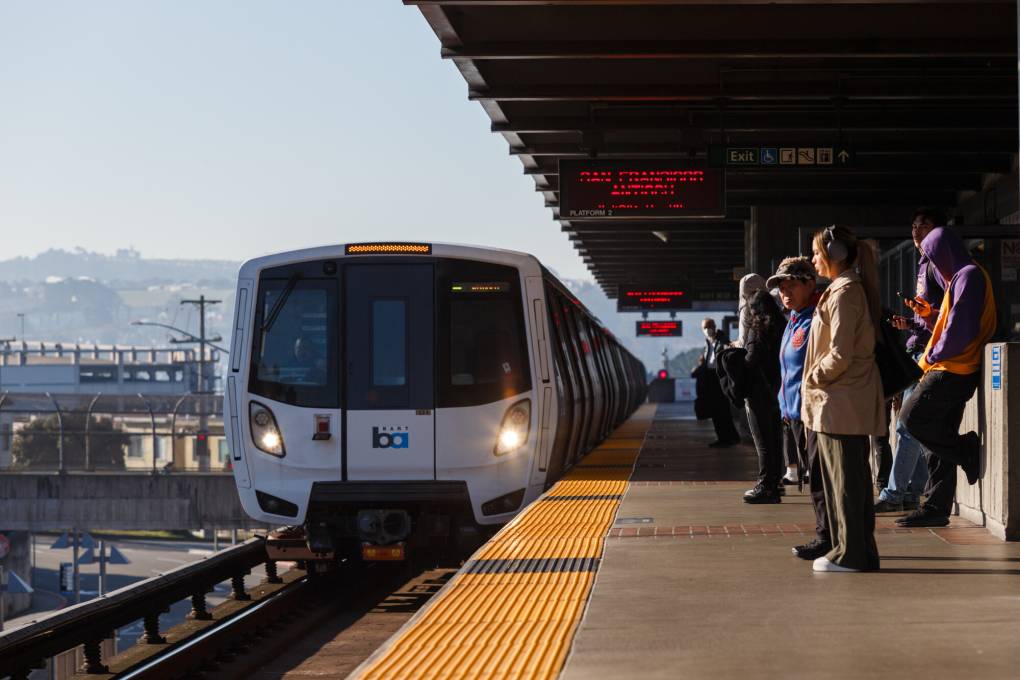
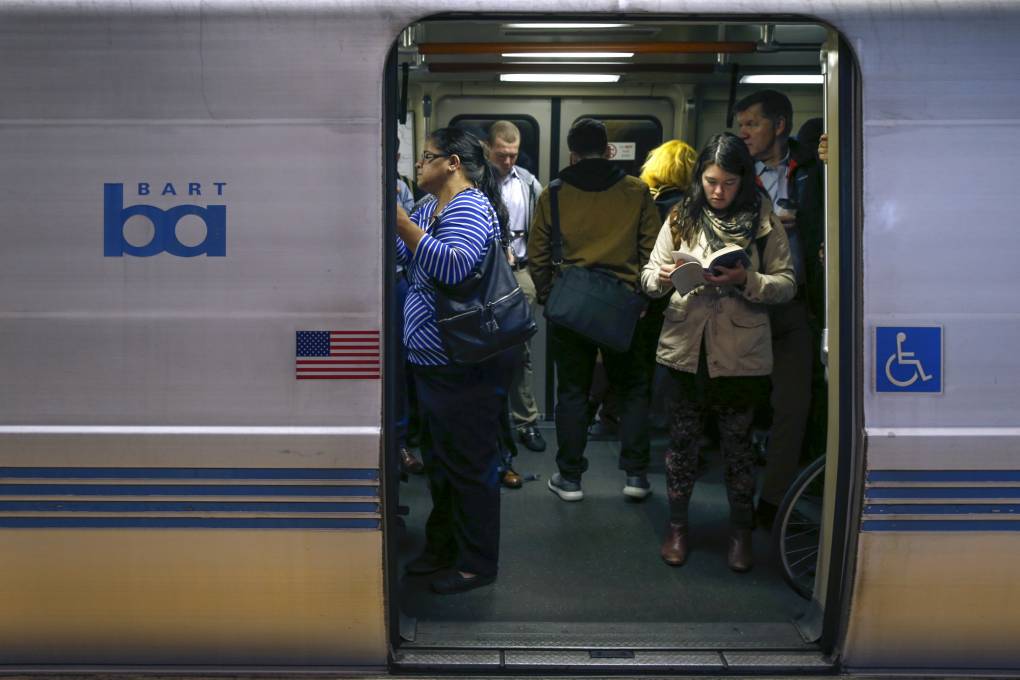
"caption": "A BART car approaches the platform at Daly City Station in Daly City, on Dec. 4, 2024. Transit riders experienced a delay Thursday morning, marking the second service disruption this week, and the latest in a series of major incidents affecting transit riders. ",
"credit": "Juliana Yamada/KQED",
"altTag": null,
"description": null,
"imgSizes": {
"medium": {
"file": "https://cdn.kqed.org/wp-content/uploads/sites/10/2025/05/20241204-BART-JY-002_qed-800x533.jpg",
"width": 800,
"height": 533,
"mimeType": "image/jpeg"
},
"large": {
"file": "https://cdn.kqed.org/wp-content/uploads/sites/10/2025/05/20241204-BART-JY-002_qed-1020x680.jpg",
"width": 1020,
"height": 680,
"mimeType": "image/jpeg"
},
"thumbnail": {
"file": "https://cdn.kqed.org/wp-content/uploads/sites/10/2025/05/20241204-BART-JY-002_qed-160x107.jpg",
"width": 160,
"height": 107,
"mimeType": "image/jpeg"
},
"1536x1536": {
"file": "https://cdn.kqed.org/wp-content/uploads/sites/10/2025/05/20241204-BART-JY-002_qed-1536x1024.jpg",
"width": 1536,
"height": 1024,
"mimeType": "image/jpeg"
},
"post-thumbnail": {
"file": "https://cdn.kqed.org/wp-content/uploads/sites/10/2025/05/20241204-BART-JY-002_qed-672x372.jpg",
"width": 672,
"height": 372,
"mimeType": "image/jpeg"
},
"twentyfourteen-full-width": {
"file": "https://cdn.kqed.org/wp-content/uploads/sites/10/2025/05/20241204-BART-JY-002_qed-1038x576.jpg",
"width": 1038,
"height": 576,
"mimeType": "image/jpeg"
},
"full-width": {
"file": "https://cdn.kqed.org/wp-content/uploads/sites/10/2025/05/20241204-BART-JY-002_qed-1920x1280.jpg",
"width": 1920,
"height": 1280,
"mimeType": "image/jpeg"
},
"kqedFullSize": {
"file": "https://cdn.kqed.org/wp-content/uploads/sites/10/2025/05/20241204-BART-JY-002_qed.jpg",
"width": 2000,
"height": 1333
}
},
"fetchFailed": false,
"isLoading": false
},
"news_12074263": {
"type": "attachments",
"id": "news_12074263",
"meta": {
"index": "attachments_1716263798",
"site": "news",
"id": "12074263",
"found": true
},
"title": "A westbound BART train enters the transbay tube in Oakland, Calif. on Friday, Feb. 16, 2018. BART officials will begin a study on the feasibility of a second tube under the bay",
"publishDate": 1771874275,
"status": "inherit",
"parent": 12074259,
"modified": 1771879718,
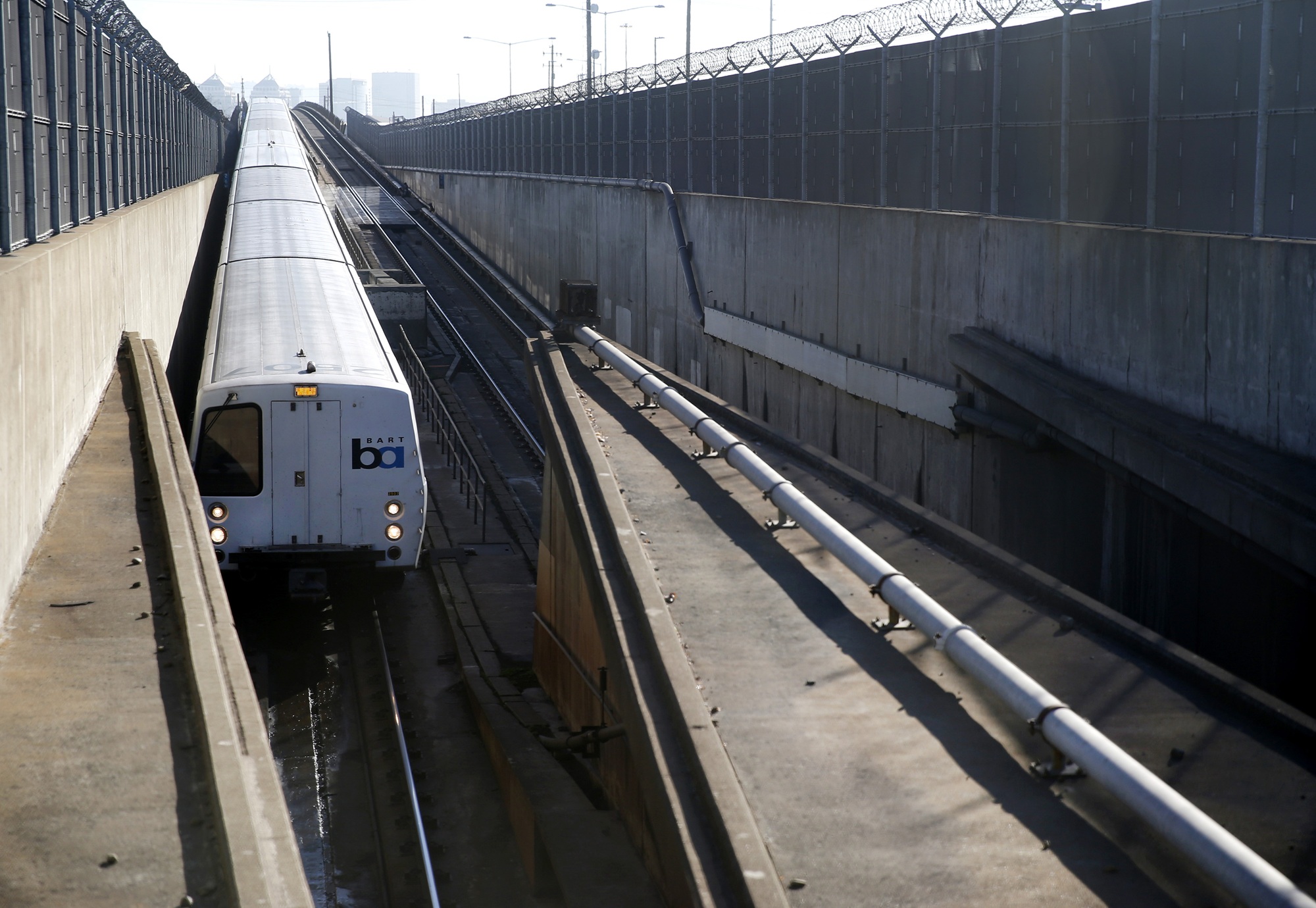
"caption": "A westbound BART train enters the Transbay Tube in Oakland, California, on Feb. 16, 2018.",
"credit": "Paul Chinn/The San Francisco Chronicle via Getty Images",
"altTag": null,
"description": null,
"imgSizes": {
"thumbnail": {
"file": "https://cdn.kqed.org/wp-content/uploads/sites/10/2026/02/TransBayTubeGetty-160x110.jpg",
"width": 160,
"height": 110,
"mimeType": "image/jpeg"
},
"1536x1536": {
"file": "https://cdn.kqed.org/wp-content/uploads/sites/10/2026/02/TransBayTubeGetty-1536x1060.jpg",
"width": 1536,
"height": 1060,
"mimeType": "image/jpeg"
},
"post-thumbnail": {
"file": "https://cdn.kqed.org/wp-content/uploads/sites/10/2026/02/TransBayTubeGetty-672x372.jpg",
"width": 672,
"height": 372,
"mimeType": "image/jpeg"
},
"twentyfourteen-full-width": {
"file": "https://cdn.kqed.org/wp-content/uploads/sites/10/2026/02/TransBayTubeGetty-1038x576.jpg",
"width": 1038,
"height": 576,
"mimeType": "image/jpeg"
},
"npr-cds-wide": {
"file": "https://cdn.kqed.org/wp-content/uploads/sites/10/2026/02/TransBayTubeGetty-1200x675.jpg",
"width": 1200,
"height": 675,
"mimeType": "image/jpeg"
},
"kqedFullSize": {
"file": "https://cdn.kqed.org/wp-content/uploads/sites/10/2026/02/TransBayTubeGetty.jpg",
"width": 2000,
"height": 1380
}
},
"fetchFailed": false,
"isLoading": false
},
"news_11993195": {
"type": "attachments",
"id": "news_11993195",
"meta": {
"index": "attachments_1716263798",
"site": "news",
"id": "11993195",
"found": true
},
"title": "240313-BART CRISIS INTERVENTION UNIT-MD-16_qed",
"publishDate": 1720461197,
"status": "inherit",
"parent": 11993189,
"modified": 1747766652,
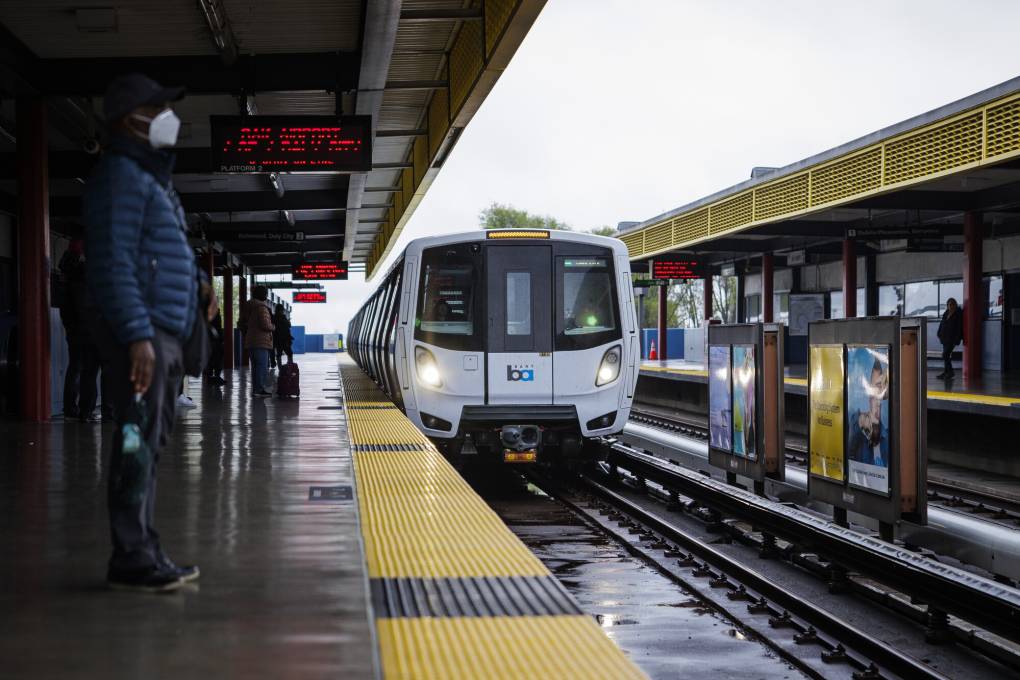
"caption": "A train approaches the San Leandro BART station on March 13, 2024.",
"credit": "Martin do Nascimento/KQED",
"altTag": null,
"description": null,
"imgSizes": {
"medium": {
"file": "https://cdn.kqed.org/wp-content/uploads/sites/10/2024/07/240313-BART-CRISIS-INTERVENTION-UNIT-MD-16_qed-800x533.jpg",
"width": 800,
"height": 533,
"mimeType": "image/jpeg"
},
"large": {
"file": "https://cdn.kqed.org/wp-content/uploads/sites/10/2024/07/240313-BART-CRISIS-INTERVENTION-UNIT-MD-16_qed-1020x680.jpg",
"width": 1020,
"height": 680,
"mimeType": "image/jpeg"
},
"thumbnail": {
"file": "https://cdn.kqed.org/wp-content/uploads/sites/10/2024/07/240313-BART-CRISIS-INTERVENTION-UNIT-MD-16_qed-160x107.jpg",
"width": 160,
"height": 107,
"mimeType": "image/jpeg"
},
"1536x1536": {
"file": "https://cdn.kqed.org/wp-content/uploads/sites/10/2024/07/240313-BART-CRISIS-INTERVENTION-UNIT-MD-16_qed-1536x1024.jpg",
"width": 1536,
"height": 1024,
"mimeType": "image/jpeg"
},
"post-thumbnail": {
"file": "https://cdn.kqed.org/wp-content/uploads/sites/10/2024/07/240313-BART-CRISIS-INTERVENTION-UNIT-MD-16_qed-672x372.jpg",
"width": 672,
"height": 372,
"mimeType": "image/jpeg"
},
"twentyfourteen-full-width": {
"file": "https://cdn.kqed.org/wp-content/uploads/sites/10/2024/07/240313-BART-CRISIS-INTERVENTION-UNIT-MD-16_qed-1038x576.jpg",
"width": 1038,
"height": 576,
"mimeType": "image/jpeg"
},
"full-width": {
"file": "https://cdn.kqed.org/wp-content/uploads/sites/10/2024/07/240313-BART-CRISIS-INTERVENTION-UNIT-MD-16_qed-1920x1280.jpg",
"width": 1920,
"height": 1280,
"mimeType": "image/jpeg"
},
"kqedFullSize": {
"file": "https://cdn.kqed.org/wp-content/uploads/sites/10/2024/07/240313-BART-CRISIS-INTERVENTION-UNIT-MD-16_qed.jpg",
"width": 1999,
"height": 1333
}
},
"fetchFailed": false,
"isLoading": false
},
"news_11992098": {
"type": "attachments",
"id": "news_11992098",
"meta": {
"index": "attachments_1716263798",
"site": "news",
"id": "11992098",
"found": true
},
"title": "240313-BART CRISIS INTERVENTION UNIT-MD-15",
"publishDate": 1719434084,
"status": "inherit",
"parent": 11992041,
"modified": 1726695343,
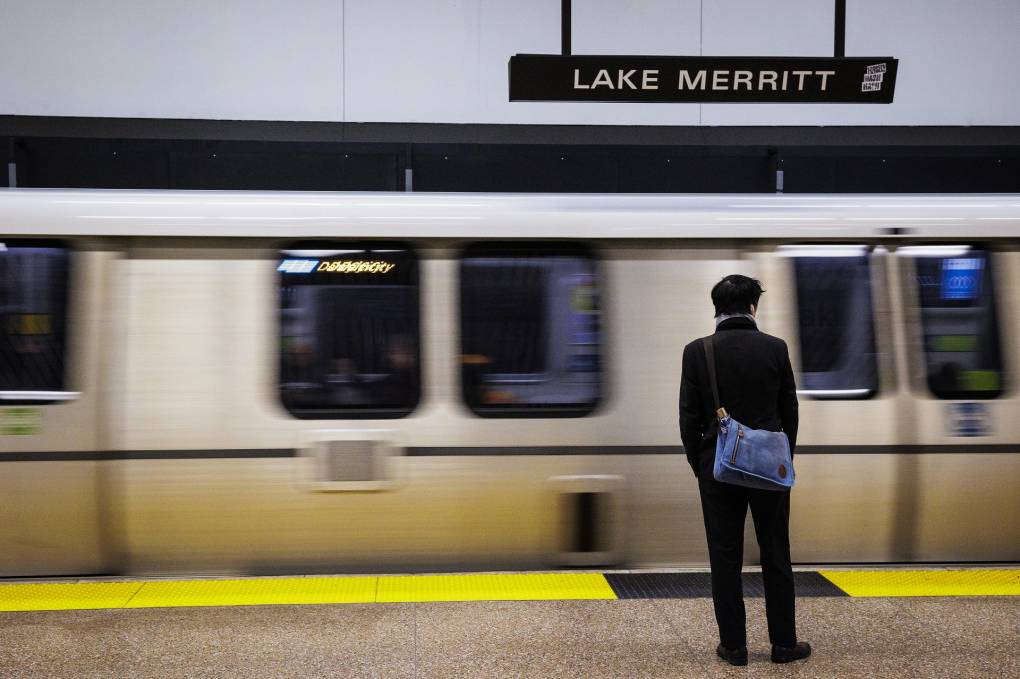
"caption": "A passenger watches a train go by at the Lake Merritt BART station on March 13, 2024.",
"credit": "Martin do Nascimento/KQED",
"altTag": "A man stands at a train platform as a train leaves the station. A sign above says \"Lake Merritt.\"",
"description": null,
"imgSizes": {
"medium": {
"file": "https://cdn.kqed.org/wp-content/uploads/sites/10/2024/06/240313-BART-CRISIS-INTERVENTION-UNIT-MD-15-800x533.jpg",
"width": 800,
"height": 533,
"mimeType": "image/jpeg"
},
"large": {
"file": "https://cdn.kqed.org/wp-content/uploads/sites/10/2024/06/240313-BART-CRISIS-INTERVENTION-UNIT-MD-15-1020x679.jpg",
"width": 1020,
"height": 679,
"mimeType": "image/jpeg"
},
"thumbnail": {
"file": "https://cdn.kqed.org/wp-content/uploads/sites/10/2024/06/240313-BART-CRISIS-INTERVENTION-UNIT-MD-15-160x107.jpg",
"width": 160,
"height": 107,
"mimeType": "image/jpeg"
},
"1536x1536": {
"file": "https://cdn.kqed.org/wp-content/uploads/sites/10/2024/06/240313-BART-CRISIS-INTERVENTION-UNIT-MD-15-1536x1023.jpg",
"width": 1536,
"height": 1023,
"mimeType": "image/jpeg"
},
"post-thumbnail": {
"file": "https://cdn.kqed.org/wp-content/uploads/sites/10/2024/06/240313-BART-CRISIS-INTERVENTION-UNIT-MD-15-672x372.jpg",
"width": 672,
"height": 372,
"mimeType": "image/jpeg"
},
"twentyfourteen-full-width": {
"file": "https://cdn.kqed.org/wp-content/uploads/sites/10/2024/06/240313-BART-CRISIS-INTERVENTION-UNIT-MD-15-1038x576.jpg",
"width": 1038,
"height": 576,
"mimeType": "image/jpeg"
},
"kqedFullSize": {
"file": "https://cdn.kqed.org/wp-content/uploads/sites/10/2024/06/240313-BART-CRISIS-INTERVENTION-UNIT-MD-15.jpg",
"width": 1920,
"height": 1279
}
},
"fetchFailed": false,
"isLoading": false
},
"news_11959064": {
"type": "attachments",
"id": "news_11959064",
"meta": {
"index": "attachments_1716263798",
"site": "news",
"id": "11959064",
"found": true
},
"parent": 0,
"imgSizes": {
"twentyfourteen-full-width": {
"file": "https://ww2.kqed.org/app/uploads/sites/10/2023/08/230824-BART-Getty-PC-KQED-1038x576.jpg",
"width": 1038,
"mimeType": "image/jpeg",
"height": 576
},
"thumbnail": {
"file": "https://ww2.kqed.org/app/uploads/sites/10/2023/08/230824-BART-Getty-PC-KQED-160x107.jpg",
"width": 160,
"mimeType": "image/jpeg",
"height": 107
},
"post-thumbnail": {
"file": "https://ww2.kqed.org/app/uploads/sites/10/2023/08/230824-BART-Getty-PC-KQED-672x372.jpg",
"width": 672,
"mimeType": "image/jpeg",
"height": 372
},
"kqedFullSize": {
"file": "https://ww2.kqed.org/app/uploads/sites/10/2023/08/230824-BART-Getty-PC-KQED.jpg",
"width": 2000,
"height": 1333
},
"large": {
"file": "https://ww2.kqed.org/app/uploads/sites/10/2023/08/230824-BART-Getty-PC-KQED-1020x680.jpg",
"width": 1020,
"mimeType": "image/jpeg",
"height": 680
},
"1536x1536": {
"file": "https://ww2.kqed.org/app/uploads/sites/10/2023/08/230824-BART-Getty-PC-KQED-1536x1024.jpg",
"width": 1536,
"mimeType": "image/jpeg",
"height": 1024
},
"full-width": {
"file": "https://ww2.kqed.org/app/uploads/sites/10/2023/08/230824-BART-Getty-PC-KQED-1920x1280.jpg",
"width": 1920,
"mimeType": "image/jpeg",
"height": 1280
},
"medium": {
"file": "https://ww2.kqed.org/app/uploads/sites/10/2023/08/230824-BART-Getty-PC-KQED-800x533.jpg",
"width": 800,
"mimeType": "image/jpeg",
"height": 533
}
},
"publishDate": 1692905501,
"modified": 1694533777,
"caption": "Passengers aboard a San Francisco bound train wait for the doors to close at the 19th Street BART station in Oakland on Aug. 2, 2018.",
"description": null,
"title": "new-bart-schedule",
"credit": "Paul Chinn/The San Francisco Chronicle via Getty Images",
"status": "inherit",
"altTag": "People are seen through the open doorway of a train car.",
"fetchFailed": false,
"isLoading": false
}
},
"audioPlayerReducer": {
"postId": "stream_live",
"isPaused": true,
"isPlaying": false,
"pfsActive": false,
"pledgeModalIsOpen": true,
"playerDrawerIsOpen": false
},
"authorsReducer": {
"danbrekke": {
"type": "authors",
"id": "222",
"meta": {
"index": "authors_1716337520",
"id": "222",
"found": true
},
"name": "Dan Brekke",
"firstName": "Dan",
"lastName": "Brekke",
"slug": "danbrekke",
"email": "dbrekke@kqed.org",
"display_author_email": true,
"staff_mastheads": [
"news",
"science"
],
"title": "KQED Editor and Reporter",
"bio": "Dan Brekke is a reporter and editor for KQED News, responsible for coverage of topics ranging from California water issues to the Bay Area's transportation challenges. In a newsroom career that began in Chicago in 1972, Dan has worked for \u003cem>The San Francisco Examiner,\u003c/em> Wired and TechTV and has been published in The New York Times, The New York Times Magazine, Business 2.0, Salon and elsewhere.\r\n\r\nSince joining KQED in 2007, Dan has reported, edited and produced both radio and online features and breaking news pieces. He has shared as both editor and reporter in four Society of Professional Journalists Norcal Excellence in Journalism awards and one Edward R. Murrow regional award. He was chosen for a spring 2017 residency at the Mesa Refuge to advance his research on California salmon.\r\n\r\nEmail Dan at: \u003ca href=\"mailto:dbrekke@kqed.org\">dbrekke@kqed.org\u003c/a>\r\n\r\n\u003cstrong>Twitter:\u003c/strong> \u003ca href=\"https://twitter.com/danbrekke\" rel=\"noopener noreferrer\">twitter.com/danbrekke\u003c/a>\r\n\u003cstrong>Facebook:\u003c/strong> \u003ca href=\"https://www.facebook.com/danbrekke\" rel=\"noopener noreferrer\">www.facebook.com/danbrekke\u003c/a>\r\n\u003cstrong>LinkedIn:\u003c/strong> \u003ca href=\"https://www.linkedin.com/in/danbrekke\" rel=\"noopener noreferrer\">www.linkedin.com/in/danbrekke\u003c/a>",
"avatar": "https://secure.gravatar.com/avatar/c8126230345efca3f7aa89b1a402be45?s=600&d=mm&r=g",
"twitter": "danbrekke",
"facebook": null,
"instagram": "https://www.instagram.com/dan.brekke/",
"linkedin": "https://www.linkedin.com/in/danbrekke/",
"sites": [
{
"site": "news",
"roles": [
"administrator",
"create_posts"
]
},
{
"site": "stateofhealth",
"roles": [
"editor"
]
},
{
"site": "science",
"roles": [
"editor"
]
},
{
"site": "quest",
"roles": [
"contributor"
]
},
{
"site": "food",
"roles": [
"contributor"
]
},
{
"site": "forum",
"roles": [
"contributor"
]
},
{
"site": "liveblog",
"roles": [
"editor"
]
}
],
"headData": {
"title": "Dan Brekke | KQED",
"description": "KQED Editor and Reporter",
"ogImgSrc": "https://secure.gravatar.com/avatar/c8126230345efca3f7aa89b1a402be45?s=600&d=mm&r=g",
"twImgSrc": "https://secure.gravatar.com/avatar/c8126230345efca3f7aa89b1a402be45?s=600&d=mm&r=g"
},
"isLoading": false,
"link": "/author/danbrekke"
},
"ecruzguevarra": {
"type": "authors",
"id": "8654",
"meta": {
"index": "authors_1716337520",
"id": "8654",
"found": true
},
"name": "Ericka Cruz Guevarra",
"firstName": "Ericka",
"lastName": "Cruz Guevarra",
"slug": "ecruzguevarra",
"email": "ecruzguevarra@kqed.org",
"display_author_email": true,
"staff_mastheads": [
"news"
],
"title": "Producer, The Bay Podcast",
"bio": "Ericka Cruz Guevarra is host of \u003ca href=\"https://www.kqed.org/podcasts/thebay\">\u003cem>The Bay\u003c/em>\u003c/a> podcast at KQED. Before host, she was the show’s producer. Her work in that capacity includes a three-part reported series on policing in Vallejo, which won a 2020 excellence in journalism award from the Society of Professional Journalists. Ericka has worked as a breaking news reporter at Oregon Public Broadcasting, helped produce the Code Switch podcast, and was KQED’s inaugural Raul Ramirez Diversity Fund intern. She’s also an alumna of NPR’s Next Generation Radio program. Send her an email if you have strong feelings about whether Fairfield and Suisun City are the Bay. Ericka is represented by SAG-AFTRA.",
"avatar": "https://secure.gravatar.com/avatar/25e5ab8d3d53fad2dcc7bb2b5c506b1a?s=600&d=blank&r=g",
"twitter": "NotoriousECG",
"facebook": null,
"instagram": null,
"linkedin": null,
"sites": [
{
"site": "arts",
"roles": [
"subscriber"
]
},
{
"site": "news",
"roles": [
"editor",
"manage_categories"
]
},
{
"site": "futureofyou",
"roles": [
"subscriber"
]
},
{
"site": "stateofhealth",
"roles": [
"subscriber"
]
},
{
"site": "science",
"roles": [
"editor"
]
},
{
"site": "forum",
"roles": [
"subscriber"
]
}
],
"headData": {
"title": "Ericka Cruz Guevarra | KQED",
"description": "Producer, The Bay Podcast",
"ogImgSrc": "https://secure.gravatar.com/avatar/25e5ab8d3d53fad2dcc7bb2b5c506b1a?s=600&d=blank&r=g",
"twImgSrc": "https://secure.gravatar.com/avatar/25e5ab8d3d53fad2dcc7bb2b5c506b1a?s=600&d=blank&r=g"
},
"isLoading": false,
"link": "/author/ecruzguevarra"
},
"amontecillo": {
"type": "authors",
"id": "11649",
"meta": {
"index": "authors_1716337520",
"id": "11649",
"found": true
},
"name": "Alan Montecillo",
"firstName": "Alan",
"lastName": "Montecillo",
"slug": "amontecillo",
"email": "amontecillo@kqed.org",
"display_author_email": false,
"staff_mastheads": [
"news"
],
"title": "KQED Contributor",
"bio": "Alan Montecillo is the senior editor of \u003cem>\u003ca href=\"http://kqed.org/thebay\">The Bay\u003c/a>, \u003c/em> KQED's local news podcast. Before moving to the Bay Area, he worked as a senior talk show producer for WILL in Champaign-Urbana, Illinois and at Oregon Public Broadcasting in Portland, Oregon. He has won journalism awards from the Society of Professional Journalists Northern California, the Public Media Journalists Association, The Signal Awards, and has also received a regional Edward R. Murrow award. Alan is a Filipino American from Hong Kong and a graduate of Reed College.",
"avatar": "https://secure.gravatar.com/avatar/d5e4e7a76481969ccba76f4e2b5ccabc?s=600&d=blank&r=g",
"twitter": "alanmontecillo",
"facebook": null,
"instagram": null,
"linkedin": null,
"sites": [
{
"site": "",
"roles": [
"editor"
]
},
{
"site": "news",
"roles": [
"editor",
"manage_categories"
]
}
],
"headData": {
"title": "Alan Montecillo | KQED",
"description": "KQED Contributor",
"ogImgSrc": "https://secure.gravatar.com/avatar/d5e4e7a76481969ccba76f4e2b5ccabc?s=600&d=blank&r=g",
"twImgSrc": "https://secure.gravatar.com/avatar/d5e4e7a76481969ccba76f4e2b5ccabc?s=600&d=blank&r=g"
},
"isLoading": false,
"link": "/author/amontecillo"
},
"adahlstromeckman": {
"type": "authors",
"id": "11785",
"meta": {
"index": "authors_1716337520",
"id": "11785",
"found": true
},
"name": "Azul Dahlstrom-Eckman",
"firstName": "Azul",
"lastName": "Dahlstrom-Eckman",
"slug": "adahlstromeckman",
"email": "adahlstrom-eckman@kqed.org",
"display_author_email": true,
"staff_mastheads": [],
"title": "Reporter",
"bio": "Azul is a reporter for KQED who focuses on producing sound-rich audio features for KQED's Morning Edition segment and digital features for KQED's online audiences. He previously worked as the Weekend News Editor at KQED, responsible for overseeing radio and digital news on the weekends. He joined KQED in 2021 as an alumna of KALW's Audio Academy radio journalism training program. He was born and raised on Potrero Hill in San Francisco and holds a B.A. in Environmental Studies from the University of Oregon.",
"avatar": "https://secure.gravatar.com/avatar/99c0cfc680078897572931b34e941e1e?s=600&d=blank&r=g",
"twitter": "@zuliemann",
"facebook": null,
"instagram": null,
"linkedin": null,
"sites": [
{
"site": "arts",
"roles": [
"editor"
]
},
{
"site": "news",
"roles": [
"editor"
]
},
{
"site": "science",
"roles": [
"editor"
]
}
],
"headData": {
"title": "Azul Dahlstrom-Eckman | KQED",
"description": "Reporter",
"ogImgSrc": "https://secure.gravatar.com/avatar/99c0cfc680078897572931b34e941e1e?s=600&d=blank&r=g",
"twImgSrc": "https://secure.gravatar.com/avatar/99c0cfc680078897572931b34e941e1e?s=600&d=blank&r=g"
},
"isLoading": false,
"link": "/author/adahlstromeckman"
},
"mesquinca": {
"type": "authors",
"id": "11802",
"meta": {
"index": "authors_1716337520",
"id": "11802",
"found": true
},
"name": "Maria Esquinca",
"firstName": "Maria",
"lastName": "Esquinca",
"slug": "mesquinca",
"email": "mesquinca@kqed.org",
"display_author_email": false,
"staff_mastheads": [],
"title": "Producer, The Bay",
"bio": "María Esquinca is a producer of The Bay. Before that, she was a New York Women’s Foundation IGNITE Fellow at Latino USA. She worked at Radio Bilingue where she covered the San Joaquin Valley. Maria has interned at WLRN, News 21, The New York Times Student Journalism Institute and at Crain’s Detroit Business as a Dow Jones News Fund Business Reporting Intern. She is an MFA graduate from the University of Miami. In 2017, she graduated from the Walter Cronkite School of Journalism and Mass Communication with a Master of Mass Communication. A fronteriza, she was born in Ciudad Juárez, Chihuahua, Mexico and grew up in El Paso, Texas.",
"avatar": "https://secure.gravatar.com/avatar/77cedba18aae91da775038ba06dcd8d0?s=600&d=blank&r=g",
"twitter": "@m_esquinca",
"facebook": null,
"instagram": null,
"linkedin": null,
"sites": [
{
"site": "news",
"roles": []
}
],
"headData": {
"title": "Maria Esquinca | KQED",
"description": "Producer, The Bay",
"ogImgSrc": "https://secure.gravatar.com/avatar/77cedba18aae91da775038ba06dcd8d0?s=600&d=blank&r=g",
"twImgSrc": "https://secure.gravatar.com/avatar/77cedba18aae91da775038ba06dcd8d0?s=600&d=blank&r=g"
},
"isLoading": false,
"link": "/author/mesquinca"
},
"kdebenedetti": {
"type": "authors",
"id": "11913",
"meta": {
"index": "authors_1716337520",
"id": "11913",
"found": true
},
"name": "Katie DeBenedetti",
"firstName": "Katie",
"lastName": "DeBenedetti",
"slug": "kdebenedetti",
"email": "kdebenedetti@kqed.org",
"display_author_email": false,
"staff_mastheads": [
"news",
"science"
],
"title": "KQED Contributor",
"bio": "Katie DeBenedetti is a digital reporter covering daily news for the Express Desk. Prior to joining KQED as a culture reporting intern in January 2024, she covered education and city government for the Napa Valley Register.",
"avatar": "https://secure.gravatar.com/avatar/6e31073cb8f7e4214ab03f42771d0f45?s=600&d=blank&r=g",
"twitter": null,
"facebook": null,
"instagram": null,
"linkedin": null,
"sites": [
{
"site": "news",
"roles": [
"author"
]
},
{
"site": "science",
"roles": [
"author"
]
},
{
"site": "liveblog",
"roles": [
"author"
]
}
],
"headData": {
"title": "Katie DeBenedetti | KQED",
"description": "KQED Contributor",
"ogImgSrc": "https://secure.gravatar.com/avatar/6e31073cb8f7e4214ab03f42771d0f45?s=600&d=blank&r=g",
"twImgSrc": "https://secure.gravatar.com/avatar/6e31073cb8f7e4214ab03f42771d0f45?s=600&d=blank&r=g"
},
"isLoading": false,
"link": "/author/kdebenedetti"
}
},
"breakingNewsReducer": {},
"pagesReducer": {},
"postsReducer": {
"stream_live": {
"type": "live",
"id": "stream_live",
"audioUrl": "https://streams.kqed.org/kqedradio",
"title": "Live Stream",
"excerpt": "Live Stream information currently unavailable.",
"link": "/radio",
"featImg": "",
"label": {
"name": "KQED Live",
"link": "/"
}
},
"stream_kqedNewscast": {
"type": "posts",
"id": "stream_kqedNewscast",
"audioUrl": "https://www.kqed.org/.stream/anon/radio/RDnews/newscast.mp3?_=1",
"title": "KQED Newscast",
"featImg": "",
"label": {
"name": "88.5 FM",
"link": "/"
}
},
"news_12074729": {
"type": "posts",
"id": "news_12074729",
"meta": {
"index": "posts_1716263798",
"site": "news",
"id": "12074729",
"score": null,
"sort": [
1772126816000
]
},
"guestAuthors": [],
"slug": "network-fail-disrupts-transbay-bart-service-delaying-morning-commuters",
"title": "BART Service Resumes After Network Failure Disrupts Morning Commute",
"publishDate": 1772126816,
"format": "standard",
"headTitle": "BART Service Resumes After Network Failure Disrupts Morning Commute | KQED",
"labelTerm": {
"site": "news"
},
"content": "\u003cp>\u003ca href=\"https://www.kqed.org/news/tag/bart\">BART\u003c/a> service resumed Thursday morning after a computer hardware failure caused a temporary disruption, according to the transit agency.\u003c/p>\n\u003cp>The issue temporarily shut down service between West Oakland and 24th Street, and halted the Red and Green Lines, affecting thousands of riders during the morning commute. Service was restored just before 9 a.m.\u003c/p>\n\u003cp>Jenny Orbell, a BART rider in West Oakland, said she was going to have to take multiple buses to get to her office in downtown San Francisco, where she has to deliver a presentation at 11:30 a.m.\u003c/p>\n\u003cp>[ad fullwidth]\u003c/p>\n\u003cp>“Hopefully I’ll make it in time,” she said, noting that there also were no Ubers picking up from the station. “Not ideal.”\u003c/p>\n\u003cp>During the 45-minute outage, BART’s operations control center was unable to control routing, and its public announcement system was down, according to BART assistant general manager Shane Edwards. He told the agency’s board of directors Thursday that a computer network hardware failure at the Lake Merritt station caused the outage.\u003c/p>\n\u003cp>“That was a single-point of failure,” Edwards said.\u003c/p>\n\u003cp>In an update on social media, BART said that it was able to restore service after cutting to another device.\u003c/p>\n\u003cp>Edwards said the agency would look “tonight” for a long-term fix for the issue.[aside postID=news_12074359 hero='https://cdn.kqed.org/wp-content/uploads/sites/10/2025/08/20241204-BART-JY-027_qed.jpg']The meltdown is the second service disruption on BART this week, after \u003ca href=\"https://www.kqed.org/news/12074259/west-oakland-rv-fire-cause-of-hours-long-bart-transbay-tube-shutdown\">an RV fire in West Oakland\u003c/a> sizzled critical radio communication cables, and the latest in a series of \u003ca href=\"https://www.kqed.org/news/12070756/frustrating-bart-board-directors-react-to-inconclusive-report-on-systemwide-delays\">major incidents affecting service\u003c/a> in the past year, as the agency deals with a major financial crisis. BART has struggled to rebound after the COVID-19 pandemic, which tanked ridership and led to an increase in long-term remote work.\u003c/p>\n\u003cp>Board Director Janice Li said the repeated outages hurt the transit system’s efforts to recoup daily riders.\u003c/p>\n\u003cp>“I was already seeing people being like, ‘Is BART the right decision for me right now?’” she said during the Thursday directors’ meeting. “We could be in such an even better place if we weren’t having these service outages. It just breaks trust with our riders.”\u003c/p>\n\u003cp>She said even though the disruption was short, 45 minutes “makes all the difference” for commuters.\u003c/p>\n\u003cp>At MacArthur Station in Oakland, Katherine Sanderlin was left hanging during her commute into San Francisco. She said she moved here from New York City, where she said she believes buses would have been “ready to go” if the subway were interrupted.\u003c/p>\n\u003cp>“The frustrating thing for me about the infrastructure here is that it’s not centered on the experience of people trying to do their work in the city. And that is hard,” she told KQED.\u003c/p>\n\u003cp>\u003cem>KQED’s \u003c/em>\u003ca href=\"https://www.kqed.org/author/btorres\">\u003cem>Blanca Torres,\u003c/em>\u003c/a> \u003ca href=\"https://www.kqed.org/author/epeppel\">\u003cem>Eliza Peppel\u003c/em>\u003c/a>\u003cem> and \u003c/em>\u003ca href=\"https://www.kqed.org/author/abandlamudi\">\u003cem>Adhiti Bandlamudi\u003c/em>\u003c/a>\u003cem> contributed to this report.\u003c/em>\u003c/p>\n\u003cp> \u003c/p>\n\u003cp> \u003c/p>\n\u003cp>\u003c/p>\n",
"blocks": [],
"excerpt": "The meltdown is the second service disruption this week, and the latest in a series of major incidents affecting transit riders. ",
"status": "publish",
"parent": 0,
"modified": 1772138108,
"stats": {
"hasAudio": false,
"hasVideo": false,
"hasChartOrMap": false,
"iframeSrcs": [],
"hasGoogleForm": false,
"hasGallery": false,
"hasHearkenModule": false,
"hasPolis": false,
"paragraphCount": 16,
"wordCount": 506
},
"headData": {
"title": "BART Service Resumes After Network Failure Disrupts Morning Commute | KQED",
"description": "The meltdown is the second service disruption this week, and the latest in a series of major incidents affecting transit riders. ",
"ogTitle": "",
"ogDescription": "",
"ogImgId": "",
"twTitle": "",
"twDescription": "",
"twImgId": "",
"schema": {
"@context": "https://schema.org",
"@type": "NewsArticle",
"headline": "BART Service Resumes After Network Failure Disrupts Morning Commute",
"datePublished": "2026-02-26T09:26:56-08:00",
"dateModified": "2026-02-26T12:35:08-08:00",
"image": "https://cdn.kqed.org/wp-content/uploads/2020/02/KQED-OG-Image@1x.png",
"isAccessibleForFree": "True",
"publisher": {
"@type": "NewsMediaOrganization",
"@id": "https://www.kqed.org/#organization",
"name": "KQED",
"logo": "https://cdn.kqed.org/wp-content/uploads/2020/02/KQED-OG-Image@1x.png",
"url": "https://www.kqed.org",
"sameAs": [
"https://www.facebook.com/KQED",
"https://twitter.com/KQED",
"https://www.instagram.com/kqed/",
"https://www.tiktok.com/@kqedofficial",
"https://www.linkedin.com/company/kqed",
"https://www.youtube.com/channel/UCeC0IOo7i1P_61zVUWbJ4nw"
]
}
}
},
"primaryCategory": {
"termId": 1397,
"slug": "transportation",
"name": "Transportation"
},
"sticky": false,
"nprStoryId": "kqed-12074729",
"templateType": "standard",
"featuredImageType": "standard",
"excludeFromSiteSearch": "Include",
"articleAge": "0",
"path": "/news/12074729/network-fail-disrupts-transbay-bart-service-delaying-morning-commuters",
"audioTrackLength": null,
"parsedContent": [
{
"type": "contentString",
"content": "\u003cdiv class=\"post-body\">\u003cp>\u003cp>\u003ca href=\"https://www.kqed.org/news/tag/bart\">BART\u003c/a> service resumed Thursday morning after a computer hardware failure caused a temporary disruption, according to the transit agency.\u003c/p>\n\u003cp>The issue temporarily shut down service between West Oakland and 24th Street, and halted the Red and Green Lines, affecting thousands of riders during the morning commute. Service was restored just before 9 a.m.\u003c/p>\n\u003cp>Jenny Orbell, a BART rider in West Oakland, said she was going to have to take multiple buses to get to her office in downtown San Francisco, where she has to deliver a presentation at 11:30 a.m.\u003c/p>\n\u003cp>\u003c/p>\u003c/div>",
"attributes": {
"named": {},
"numeric": []
}
},
{
"type": "component",
"content": "",
"name": "ad",
"attributes": {
"named": {
"label": "fullwidth"
},
"numeric": [
"fullwidth"
]
}
},
{
"type": "contentString",
"content": "\u003cdiv class=\"post-body\">\u003cp>\u003c/p>\n\u003cp>“Hopefully I’ll make it in time,” she said, noting that there also were no Ubers picking up from the station. “Not ideal.”\u003c/p>\n\u003cp>During the 45-minute outage, BART’s operations control center was unable to control routing, and its public announcement system was down, according to BART assistant general manager Shane Edwards. He told the agency’s board of directors Thursday that a computer network hardware failure at the Lake Merritt station caused the outage.\u003c/p>\n\u003cp>“That was a single-point of failure,” Edwards said.\u003c/p>\n\u003cp>In an update on social media, BART said that it was able to restore service after cutting to another device.\u003c/p>\n\u003cp>Edwards said the agency would look “tonight” for a long-term fix for the issue.\u003c/p>\u003c/div>",
"attributes": {
"named": {},
"numeric": []
}
},
{
"type": "component",
"content": "",
"name": "aside",
"attributes": {
"named": {
"postid": "news_12074359",
"hero": "https://cdn.kqed.org/wp-content/uploads/sites/10/2025/08/20241204-BART-JY-027_qed.jpg",
"label": ""
},
"numeric": []
}
},
{
"type": "contentString",
"content": "\u003cdiv class=\"post-body\">\u003cp>The meltdown is the second service disruption on BART this week, after \u003ca href=\"https://www.kqed.org/news/12074259/west-oakland-rv-fire-cause-of-hours-long-bart-transbay-tube-shutdown\">an RV fire in West Oakland\u003c/a> sizzled critical radio communication cables, and the latest in a series of \u003ca href=\"https://www.kqed.org/news/12070756/frustrating-bart-board-directors-react-to-inconclusive-report-on-systemwide-delays\">major incidents affecting service\u003c/a> in the past year, as the agency deals with a major financial crisis. BART has struggled to rebound after the COVID-19 pandemic, which tanked ridership and led to an increase in long-term remote work.\u003c/p>\n\u003cp>Board Director Janice Li said the repeated outages hurt the transit system’s efforts to recoup daily riders.\u003c/p>\n\u003cp>“I was already seeing people being like, ‘Is BART the right decision for me right now?’” she said during the Thursday directors’ meeting. “We could be in such an even better place if we weren’t having these service outages. It just breaks trust with our riders.”\u003c/p>\n\u003cp>She said even though the disruption was short, 45 minutes “makes all the difference” for commuters.\u003c/p>\n\u003cp>At MacArthur Station in Oakland, Katherine Sanderlin was left hanging during her commute into San Francisco. She said she moved here from New York City, where she said she believes buses would have been “ready to go” if the subway were interrupted.\u003c/p>\n\u003cp>“The frustrating thing for me about the infrastructure here is that it’s not centered on the experience of people trying to do their work in the city. And that is hard,” she told KQED.\u003c/p>\n\u003cp>\u003cem>KQED’s \u003c/em>\u003ca href=\"https://www.kqed.org/author/btorres\">\u003cem>Blanca Torres,\u003c/em>\u003c/a> \u003ca href=\"https://www.kqed.org/author/epeppel\">\u003cem>Eliza Peppel\u003c/em>\u003c/a>\u003cem> and \u003c/em>\u003ca href=\"https://www.kqed.org/author/abandlamudi\">\u003cem>Adhiti Bandlamudi\u003c/em>\u003c/a>\u003cem> contributed to this report.\u003c/em>\u003c/p>\n\u003cp> \u003c/p>\n\u003cp> \u003c/p>\n\u003cp>\u003c/p>\n\u003c/div>\u003c/p>",
"attributes": {
"named": {},
"numeric": []
}
}
],
"link": "/news/12074729/network-fail-disrupts-transbay-bart-service-delaying-morning-commuters",
"authors": [
"11913"
],
"categories": [
"news_28250",
"news_8",
"news_1397"
],
"tags": [
"news_269",
"news_5226",
"news_33084",
"news_17768",
"news_1764",
"news_1533",
"news_20517"
],
"featImg": "news_12040186",
"label": "news"
},
"news_12074259": {
"type": "posts",
"id": "news_12074259",
"meta": {
"index": "posts_1716263798",
"site": "news",
"id": "12074259",
"score": null,
"sort": [
1771879504000
]
},
"guestAuthors": [],
"slug": "west-oakland-rv-fire-cause-of-hours-long-bart-transbay-tube-shutdown",
"title": "West Oakland RV Fire Cause of Hourslong BART Transbay Tube Shutdown",
"publishDate": 1771879504,
"format": "standard",
"headTitle": "West Oakland RV Fire Cause of Hourslong BART Transbay Tube Shutdown | KQED",
"labelTerm": {
"site": "news"
},
"content": "\u003cp>\u003ca href=\"https://www.kqed.org/news/tag/bart\">BART\u003c/a>’s Transbay Tube shutdown on Sunday was sparked by flames from an RV fire in \u003ca href=\"https://www.kqed.org/news/tag/west-oakland\">West Oakland\u003c/a>, which damaged essential communication cables, officials said Monday.\u003c/p>\n\u003cp>BART announced around 4 p.m. Sunday that it was halting transbay service after the agency’s dispatch lost contact with train operators in the tube. The damage triggered hours of delays for commuters trying to cross the Bay Area.\u003c/p>\n\u003cp>Around 11 p.m., the agency announced that crews found damaged cables from a “street-level fire not caused by BART,” and were working to fix the issue. BART later confirmed that the damage was caused by an RV fire at Fifth and Filbert streets in West Oakland.\u003c/p>\n\u003cp>[ad fullwidth]\u003c/p>\n\u003cp>“This fire damaged cables that allow for communication and safe train operations inside the Transbay Tube,” BART Communications Officer Chris Filippi told KQED.\u003c/p>\n\u003cp>The Oakland Fire Department sent three engines to respond to the fire shortly before BART cut transbay service on Sunday afternoon.\u003c/p>\n\u003cp>Oakland Fire spokesperson Michael Hunt said in a statement to KQED that the cause was likely accidental in nature, and that no one was injured or harmed in the fire. \u003c/p>\n\u003cp>“It is my understanding that this was not intentionally set, so there is no pending criminal investigation underway,” Hunt said. “RV fires are unfortunately rather common. This incident, however, was noteworthy due to the location and its broader impact on transportation services.”[aside postID=news_12073891 hero='https://cdn.kqed.org/wp-content/uploads/sites/10/2026/02/GETTYIMAGES-2262016709-KQED.jpg']An RV fire at a homeless encampment in West Oakland forced BART to temporarily shut down its West Oakland station last year, according to \u003ca href=\"https://www.mercurynews.com/2025/06/27/oakland-rv-fire-homeless-encampment-woman-hospitalized-bart-temporarily-closed/\">reporting\u003c/a> from \u003cem>The Mercury News\u003c/em>.\u003c/p>\n\u003cp>Although BART said that it was working with AC Transit and Muni to establish bus bridges to provide alternative transportation, many public transit riders took to social media to complain about the effect the shutdown had on their weekend plans.\u003c/p>\n\u003cp>“None of the station agents announced anything about the Transbay being closed, so people had no idea what was going on. Finally realize something is wrong when no trains go to SF. The station agent at 12th St says there’s a shuttle on the corner of Broadway and 12th. I go up, and there’s literally 500+ people waiting on the corner. No bus comes for 45 minutes, and people are increasingly getting annoyed,” \u003ca href=\"https://www.reddit.com/r/sanfrancisco/comments/1rc8935/bart_transbay_is_down_and_the_replacement_is_a/\">wrote Reddit user nbaballer\u003c/a>, who took BART to attend Sunday’s Black Joy Parade in Oakland.\u003c/p>\n\u003cp>On the other side of the bay, public transit riders in San Francisco also took to social media to report significant delays.\u003c/p>\n\u003cp>“It was a total mess at Salesforce transit center. Hundreds lined up waiting for buses that never came,” \u003ca href=\"https://www.reddit.com/r/Bart/comments/1rcctjj/todays_transbay_tube_outage_attributed_to_cable/\">Reddit user earinsound wrote\u003c/a>.\u003c/p>\n\u003cp>BART announced that Transbay Tube service had been restored at 4:29 a.m., just in time for the Monday morning commute.\u003c/p>\n\u003cp>\u003c/p>\n",
"blocks": [],
"excerpt": "The fire created a communications failure that shut down service between Oakland and San Francisco for nearly 12 hours.",
"status": "publish",
"parent": 0,
"modified": 1771880638,
"stats": {
"hasAudio": false,
"hasVideo": false,
"hasChartOrMap": false,
"iframeSrcs": [],
"hasGoogleForm": false,
"hasGallery": false,
"hasHearkenModule": false,
"hasPolis": false,
"paragraphCount": 14,
"wordCount": 494
},
"headData": {
"title": "West Oakland RV Fire Cause of Hourslong BART Transbay Tube Shutdown | KQED",
"description": "The fire created a communications failure that shut down service between Oakland and San Francisco for nearly 12 hours.",
"ogTitle": "",
"ogDescription": "",
"ogImgId": "",
"twTitle": "",
"twDescription": "",
"twImgId": "",
"schema": {
"@context": "https://schema.org",
"@type": "NewsArticle",
"headline": "West Oakland RV Fire Cause of Hourslong BART Transbay Tube Shutdown",
"datePublished": "2026-02-23T12:45:04-08:00",
"dateModified": "2026-02-23T13:03:58-08:00",
"image": "https://cdn.kqed.org/wp-content/uploads/2020/02/KQED-OG-Image@1x.png",
"isAccessibleForFree": "True",
"publisher": {
"@type": "NewsMediaOrganization",
"@id": "https://www.kqed.org/#organization",
"name": "KQED",
"logo": "https://cdn.kqed.org/wp-content/uploads/2020/02/KQED-OG-Image@1x.png",
"url": "https://www.kqed.org",
"sameAs": [
"https://www.facebook.com/KQED",
"https://twitter.com/KQED",
"https://www.instagram.com/kqed/",
"https://www.tiktok.com/@kqedofficial",
"https://www.linkedin.com/company/kqed",
"https://www.youtube.com/channel/UCeC0IOo7i1P_61zVUWbJ4nw"
]
}
}
},
"primaryCategory": {
"termId": 1397,
"slug": "transportation",
"name": "Transportation"
},
"sticky": false,
"nprStoryId": "kqed-12074259",
"templateType": "standard",
"featuredImageType": "standard",
"excludeFromSiteSearch": "Include",
"articleAge": "0",
"path": "/news/12074259/west-oakland-rv-fire-cause-of-hours-long-bart-transbay-tube-shutdown",
"audioTrackLength": null,
"parsedContent": [
{
"type": "contentString",
"content": "\u003cdiv class=\"post-body\">\u003cp>\u003cp>\u003ca href=\"https://www.kqed.org/news/tag/bart\">BART\u003c/a>’s Transbay Tube shutdown on Sunday was sparked by flames from an RV fire in \u003ca href=\"https://www.kqed.org/news/tag/west-oakland\">West Oakland\u003c/a>, which damaged essential communication cables, officials said Monday.\u003c/p>\n\u003cp>BART announced around 4 p.m. Sunday that it was halting transbay service after the agency’s dispatch lost contact with train operators in the tube. The damage triggered hours of delays for commuters trying to cross the Bay Area.\u003c/p>\n\u003cp>Around 11 p.m., the agency announced that crews found damaged cables from a “street-level fire not caused by BART,” and were working to fix the issue. BART later confirmed that the damage was caused by an RV fire at Fifth and Filbert streets in West Oakland.\u003c/p>\n\u003cp>\u003c/p>\u003c/div>",
"attributes": {
"named": {},
"numeric": []
}
},
{
"type": "component",
"content": "",
"name": "ad",
"attributes": {
"named": {
"label": "fullwidth"
},
"numeric": [
"fullwidth"
]
}
},
{
"type": "contentString",
"content": "\u003cdiv class=\"post-body\">\u003cp>\u003c/p>\n\u003cp>“This fire damaged cables that allow for communication and safe train operations inside the Transbay Tube,” BART Communications Officer Chris Filippi told KQED.\u003c/p>\n\u003cp>The Oakland Fire Department sent three engines to respond to the fire shortly before BART cut transbay service on Sunday afternoon.\u003c/p>\n\u003cp>Oakland Fire spokesperson Michael Hunt said in a statement to KQED that the cause was likely accidental in nature, and that no one was injured or harmed in the fire. \u003c/p>\n\u003cp>“It is my understanding that this was not intentionally set, so there is no pending criminal investigation underway,” Hunt said. “RV fires are unfortunately rather common. This incident, however, was noteworthy due to the location and its broader impact on transportation services.”\u003c/p>\u003c/div>",
"attributes": {
"named": {},
"numeric": []
}
},
{
"type": "component",
"content": "",
"name": "aside",
"attributes": {
"named": {
"postid": "news_12073891",
"hero": "https://cdn.kqed.org/wp-content/uploads/sites/10/2026/02/GETTYIMAGES-2262016709-KQED.jpg",
"label": ""
},
"numeric": []
}
},
{
"type": "contentString",
"content": "\u003cdiv class=\"post-body\">\u003cp>An RV fire at a homeless encampment in West Oakland forced BART to temporarily shut down its West Oakland station last year, according to \u003ca href=\"https://www.mercurynews.com/2025/06/27/oakland-rv-fire-homeless-encampment-woman-hospitalized-bart-temporarily-closed/\">reporting\u003c/a> from \u003cem>The Mercury News\u003c/em>.\u003c/p>\n\u003cp>Although BART said that it was working with AC Transit and Muni to establish bus bridges to provide alternative transportation, many public transit riders took to social media to complain about the effect the shutdown had on their weekend plans.\u003c/p>\n\u003cp>“None of the station agents announced anything about the Transbay being closed, so people had no idea what was going on. Finally realize something is wrong when no trains go to SF. The station agent at 12th St says there’s a shuttle on the corner of Broadway and 12th. I go up, and there’s literally 500+ people waiting on the corner. No bus comes for 45 minutes, and people are increasingly getting annoyed,” \u003ca href=\"https://www.reddit.com/r/sanfrancisco/comments/1rc8935/bart_transbay_is_down_and_the_replacement_is_a/\">wrote Reddit user nbaballer\u003c/a>, who took BART to attend Sunday’s Black Joy Parade in Oakland.\u003c/p>\n\u003cp>On the other side of the bay, public transit riders in San Francisco also took to social media to report significant delays.\u003c/p>\n\u003cp>“It was a total mess at Salesforce transit center. Hundreds lined up waiting for buses that never came,” \u003ca href=\"https://www.reddit.com/r/Bart/comments/1rcctjj/todays_transbay_tube_outage_attributed_to_cable/\">Reddit user earinsound wrote\u003c/a>.\u003c/p>\n\u003cp>BART announced that Transbay Tube service had been restored at 4:29 a.m., just in time for the Monday morning commute.\u003c/p>\n\u003cp>\u003c/p>\n\u003c/div>\u003c/p>",
"attributes": {
"named": {},
"numeric": []
}
}
],
"link": "/news/12074259/west-oakland-rv-fire-cause-of-hours-long-bart-transbay-tube-shutdown",
"authors": [
"11785"
],
"categories": [
"news_28250",
"news_8",
"news_1397"
],
"tags": [
"news_269",
"news_5226",
"news_33084",
"news_17768",
"news_34054",
"news_1764",
"news_1533",
"news_38",
"news_5642",
"news_20517",
"news_2318"
],
"featImg": "news_12074263",
"label": "news"
},
"news_12040881": {
"type": "posts",
"id": "news_12040881",
"meta": {
"index": "posts_1716263798",
"site": "news",
"id": "12040881",
"score": null,
"sort": [
1747759608000
]
},
"guestAuthors": [],
"slug": "fire-barts-san-leandro-station-causes-widespread-service-disruptions",
"title": "Fire at BART’s San Leandro Station Causes Widespread Service Disruptions",
"publishDate": 1747759608,
"format": "standard",
"headTitle": "Fire at BART’s San Leandro Station Causes Widespread Service Disruptions | KQED",
"labelTerm": {
"site": "news"
},
"content": "\u003cp>\u003cem>Updated 3:45 p.m. Tuesday\u003c/em>\u003c/p>\n\u003cp>A fire at \u003ca href=\"https://www.kqed.org/news/tag/bart\">BART\u003c/a>‘s San Leandro station early Tuesday triggered the system’s second major service disruption this month, halting trains in much of the East Bay and South Bay.\u003c/p>\n\u003cp>BART didn’t immediately provide details about the blaze, but \u003ca href=\"https://x.com/mattbiglerradio/status/1924824585448652964\">video posted on social media\u003c/a> showed what appeared to be an electrical fire along the trackway at the station shortly before 5 a.m.\u003c/p>\n\u003cp>Spokesperson Chris Filippi told reporters at the San Leandro station that the fire had damaged train control equipment and a high-voltage electrical cable that feeds power to the system’s third rail.\u003c/p>\n\u003cp>[ad fullwidth]\u003c/p>\n\u003cp>The fire shut down all BART service south of Oakland’s Lake Merritt station, stranding passengers on the Green Line between San Jose’s Berryessa station and Daly City, on the Blue Line between Dublin/Pleasanton and Daly City, and on the Orange Line between Richmond and Berryessa.[aside postID=news_12040762 hero='https://cdn.kqed.org/wp-content/uploads/sites/10/2024/06/240313-BART-CRISIS-INTERVENTION-UNIT-MD-15-1020x679.jpg']\u003c/p>\n\u003cp>Into the early afternoon, the smell of burnt plastic hung in the air at the San Leandro station as police cordoned off the area with yellow tape. Crews were working on removing burned insulation and cables from under the track when Jonathan Woods walked up to the station, only for members of BART’s Crisis Intervention Team to turn him away because the power was off.\u003c/p>\n\u003cp>Woods was there to put money on his Clipper card ahead of a trip to San Francisco on Wednesday.\u003c/p>\n\u003cp>“I only take Bart when I go to the city, and so I can leave my car parked here,” he said.\u003c/p>\n\u003cp>The agency \u003ca href=\"https://x.com/SFBART/status/1924867958662431049\">said on social media\u003c/a> just before 10 a.m. that it could still take six to eight hours to restore normal service. It advised customers to seek alternate transportation.\u003c/p>\n\u003cp>Hali Shannon of Oakland tugged on the Lake Merritt BART station doors only to discover they were locked. She was running late for a business appointment in San Francisco, so a KQED reporter gave her a ride to West Oakland BART, which was open.\u003c/p>\n\u003cp>“I’m working on getting a new car,” she said. “So recently, I have been depending on Bart and a few other means of transportation, like Uber and things like that.”\u003c/p>\n\u003cp>Shannon said she primarily uses BART to avoid traffic when traveling to San Francisco, where she was headed to Powell Station. She’s experienced BART disruptions before.\u003c/p>\n\u003cp>“In the past when I used to take it all the time, but normally I drive so I haven’t had any major issues since I’ve been taking BART,” she said.\u003c/p>\n\u003cp>The agency said \u003ca href=\"https://x.com/SFBART/status/1924867958662431049\">on social media\u003c/a> just before 10 a.m. that it could still take six to eight hours to restore normal service. It advised customers to seek alternate transportation.\u003c/p>\n\u003cp>AC Transit is offering replacement service between the Lake Merritt and Fremont stations. VTA is running substitute service between the Milpitas and Berryessa stations.\u003c/p>\n\u003cp>Tuesday’s incident marked the second time in recent weeks that BART has suffered a service meltdown. On May 9, \u003ca href=\"https://www.kqed.org/news/12039472/bart-shuts-down-entire-train-service-due-to-computer-networking-problem\">a still-unexplained computer network failure\u003c/a> shut down the system for several hours.\u003c/p>\n\u003cp>\u003cem>KQED’s \u003ca href=\"https://www.kqed.org/author/bkrans\">Brian Krans\u003c/a> contributed to this report.\u003c/em>\u003c/p>\n\u003cp>\u003c/p>\n",
"blocks": [],
"excerpt": "Trains were halted in much of the East Bay and South Bay on Tuesday morning, marking the system’s second major service disruption this month.",
"status": "publish",
"parent": 0,
"modified": 1747781152,
"stats": {
"hasAudio": false,
"hasVideo": false,
"hasChartOrMap": false,
"iframeSrcs": [],
"hasGoogleForm": false,
"hasGallery": false,
"hasHearkenModule": false,
"hasPolis": false,
"paragraphCount": 19,
"wordCount": 566
},
"headData": {
"title": "Fire at BART’s San Leandro Station Causes Widespread Service Disruptions | KQED",
"description": "Trains were halted in much of the East Bay and South Bay on Tuesday morning, marking the system’s second major service disruption this month.",
"ogTitle": "",
"ogDescription": "",
"ogImgId": "",
"twTitle": "",
"twDescription": "",
"twImgId": "",
"schema": {
"@context": "https://schema.org",
"@type": "NewsArticle",
"headline": "Fire at BART’s San Leandro Station Causes Widespread Service Disruptions",
"datePublished": "2025-05-20T09:46:48-07:00",
"dateModified": "2025-05-20T15:45:52-07:00",
"image": "https://cdn.kqed.org/wp-content/uploads/2020/02/KQED-OG-Image@1x.png",
"isAccessibleForFree": "True",
"publisher": {
"@type": "NewsMediaOrganization",
"@id": "https://www.kqed.org/#organization",
"name": "KQED",
"logo": "https://cdn.kqed.org/wp-content/uploads/2020/02/KQED-OG-Image@1x.png",
"url": "https://www.kqed.org",
"sameAs": [
"https://www.facebook.com/KQED",
"https://twitter.com/KQED",
"https://www.instagram.com/kqed/",
"https://www.tiktok.com/@kqedofficial",
"https://www.linkedin.com/company/kqed",
"https://www.youtube.com/channel/UCeC0IOo7i1P_61zVUWbJ4nw"
]
}
}
},
"sticky": false,
"nprStoryId": "kqed-12040881",
"templateType": "standard",
"featuredImageType": "standard",
"excludeFromSiteSearch": "Include",
"articleAge": "0",
"path": "/news/12040881/fire-barts-san-leandro-station-causes-widespread-service-disruptions",
"audioTrackLength": null,
"parsedContent": [
{
"type": "contentString",
"content": "\u003cdiv class=\"post-body\">\u003cp>\u003cp>\u003cem>Updated 3:45 p.m. Tuesday\u003c/em>\u003c/p>\n\u003cp>A fire at \u003ca href=\"https://www.kqed.org/news/tag/bart\">BART\u003c/a>‘s San Leandro station early Tuesday triggered the system’s second major service disruption this month, halting trains in much of the East Bay and South Bay.\u003c/p>\n\u003cp>BART didn’t immediately provide details about the blaze, but \u003ca href=\"https://x.com/mattbiglerradio/status/1924824585448652964\">video posted on social media\u003c/a> showed what appeared to be an electrical fire along the trackway at the station shortly before 5 a.m.\u003c/p>\n\u003cp>Spokesperson Chris Filippi told reporters at the San Leandro station that the fire had damaged train control equipment and a high-voltage electrical cable that feeds power to the system’s third rail.\u003c/p>\n\u003cp>\u003c/p>\u003c/div>",
"attributes": {
"named": {},
"numeric": []
}
},
{
"type": "component",
"content": "",
"name": "ad",
"attributes": {
"named": {
"label": "fullwidth"
},
"numeric": [
"fullwidth"
]
}
},
{
"type": "contentString",
"content": "\u003cdiv class=\"post-body\">\u003cp>\u003c/p>\n\u003cp>The fire shut down all BART service south of Oakland’s Lake Merritt station, stranding passengers on the Green Line between San Jose’s Berryessa station and Daly City, on the Blue Line between Dublin/Pleasanton and Daly City, and on the Orange Line between Richmond and Berryessa.\u003c/p>\u003c/div>",
"attributes": {
"named": {},
"numeric": []
}
},
{
"type": "component",
"content": "",
"name": "aside",
"attributes": {
"named": {
"postid": "news_12040762",
"hero": "https://cdn.kqed.org/wp-content/uploads/sites/10/2024/06/240313-BART-CRISIS-INTERVENTION-UNIT-MD-15-1020x679.jpg",
"label": ""
},
"numeric": []
}
},
{
"type": "contentString",
"content": "\u003cdiv class=\"post-body\">\u003cp>\u003c/p>\n\u003cp>Into the early afternoon, the smell of burnt plastic hung in the air at the San Leandro station as police cordoned off the area with yellow tape. Crews were working on removing burned insulation and cables from under the track when Jonathan Woods walked up to the station, only for members of BART’s Crisis Intervention Team to turn him away because the power was off.\u003c/p>\n\u003cp>Woods was there to put money on his Clipper card ahead of a trip to San Francisco on Wednesday.\u003c/p>\n\u003cp>“I only take Bart when I go to the city, and so I can leave my car parked here,” he said.\u003c/p>\n\u003cp>The agency \u003ca href=\"https://x.com/SFBART/status/1924867958662431049\">said on social media\u003c/a> just before 10 a.m. that it could still take six to eight hours to restore normal service. It advised customers to seek alternate transportation.\u003c/p>\n\u003cp>Hali Shannon of Oakland tugged on the Lake Merritt BART station doors only to discover they were locked. She was running late for a business appointment in San Francisco, so a KQED reporter gave her a ride to West Oakland BART, which was open.\u003c/p>\n\u003cp>“I’m working on getting a new car,” she said. “So recently, I have been depending on Bart and a few other means of transportation, like Uber and things like that.”\u003c/p>\n\u003cp>Shannon said she primarily uses BART to avoid traffic when traveling to San Francisco, where she was headed to Powell Station. She’s experienced BART disruptions before.\u003c/p>\n\u003cp>“In the past when I used to take it all the time, but normally I drive so I haven’t had any major issues since I’ve been taking BART,” she said.\u003c/p>\n\u003cp>The agency said \u003ca href=\"https://x.com/SFBART/status/1924867958662431049\">on social media\u003c/a> just before 10 a.m. that it could still take six to eight hours to restore normal service. It advised customers to seek alternate transportation.\u003c/p>\n\u003cp>AC Transit is offering replacement service between the Lake Merritt and Fremont stations. VTA is running substitute service between the Milpitas and Berryessa stations.\u003c/p>\n\u003cp>Tuesday’s incident marked the second time in recent weeks that BART has suffered a service meltdown. On May 9, \u003ca href=\"https://www.kqed.org/news/12039472/bart-shuts-down-entire-train-service-due-to-computer-networking-problem\">a still-unexplained computer network failure\u003c/a> shut down the system for several hours.\u003c/p>\n\u003cp>\u003cem>KQED’s \u003ca href=\"https://www.kqed.org/author/bkrans\">Brian Krans\u003c/a> contributed to this report.\u003c/em>\u003c/p>\n\u003cp>\u003c/p>\n\u003c/div>\u003c/p>",
"attributes": {
"named": {},
"numeric": []
}
}
],
"link": "/news/12040881/fire-barts-san-leandro-station-causes-widespread-service-disruptions",
"authors": [
"222"
],
"categories": [
"news_28250",
"news_8",
"news_1397"
],
"tags": [
"news_269",
"news_5226",
"news_33084",
"news_1386",
"news_17768",
"news_18352",
"news_34054",
"news_1764",
"news_1533",
"news_38",
"news_23276",
"news_20517"
],
"featImg": "news_11993195",
"label": "news"
},
"news_11992041": {
"type": "posts",
"id": "news_11992041",
"meta": {
"index": "posts_1716263798",
"site": "news",
"id": "11992041",
"score": null,
"sort": [
1719434476000
]
},
"guestAuthors": [],
"slug": "barts-latest-service-meltdown-comes-at-a-tricky-time-for-transit-agency",
"title": "BART's Latest Service Meltdown Comes at a Tricky Time for Transit Agency",
"publishDate": 1719434476,
"format": "standard",
"headTitle": "BART’s Latest Service Meltdown Comes at a Tricky Time for Transit Agency | KQED",
"labelTerm": {
"site": "news"
},
"content": "\u003cp>For the second time in less than 72 hours, \u003ca href=\"https://www.kqed.org/news/tag/bart\">BART\u003c/a> suffered a service meltdown on Wednesday morning due to problems along its tracks near downtown Oakland.\u003c/p>\n\u003cp>A rail maintenance vehicle derailed near Oakland’s 19th Street station around 3:30 a.m., about an hour and a half before the day’s first trains were scheduled to run through the area, the agency said.\u003c/p>\n\u003cp>The lengthy process of getting the maintenance vehicle back on the rails prompted BART to cancel service on its Red Line between Richmond, San Francisco International Airport and Millbrae.\u003c/p>\n\u003cp>[ad fullwidth]\u003c/p>\n\u003cp>Other service impacts included:\u003c/p>\n\u003cul>\n\u003cli>Passengers from the six East Bay stations the Red Line serves exclusively — Richmond, El Cerrito del Norte, El Cerrito Plaza, North Berkeley, Downtown Berkeley and Ashby — were advised to get on Orange Line/Berryessa trains and transfer to Yellow Line trains for the trip across the bay.\u003c/li>\n\u003cli>Riders needing to get to Millbrae, where they can make a direct connection to Caltrain, were told to transfer to a shuttle at SFO.\u003c/li>\n\u003cli>Trains on the southbound Orange Line running to Berryessa\u003cbr>\nstation in northeast San José were forced to detour from 12th Street in downtown Oakland to West Oakland before then turning around to continue to Lake Merritt.\u003c/li>\n\u003c/ul>\n\u003cp>BART offered no estimate of when normal service would resume.\u003c/p>\n\u003cp>Wednesday’s problems follow a major disruption on Sunday afternoon that started around 2:30 p.m. when a train suffered an equipment problem and stopped between Lake Merritt and West Oakland.\u003c/p>\n\u003cp>“The train wouldn’t move, so we coupled it with another train and towed it out of the way,” Alicia Trost, BART’s chief communications officer, said in an email.\u003c/p>\n\u003cp>But the delays weren’t over. Shortly afterward, Trost said, a rail defect was found at an interlocking — a switch point where trains can cross over from one set of tracks to another — outside West Oakland station.\u003c/p>\n\u003cp>Crews repaired that problem. Then, yet another train suffered an equipment issue, this time while traveling through the Transbay Tube.\u003c/p>\n\u003cp>Via social media, BART reported major delays for more than four hours into early Sunday evening and was forced to halt direct trains between Berryessa and San Francisco and limit service between Dublin/Pleasanton and the city.\u003c/p>\n\u003cp>https://twitter.com/SFBARTalert/status/1805045211275673729\u003c/p>\n\u003cp>The latest disruptions come at an especially sensitive time for BART, which is joining with other transit operators in a campaign to craft a 2026 tax measure that would help the agencies head off a fiscal catastrophe resulting from fare revenue lost in the wake of the COVID-19 pandemic.\u003c/p>\n\u003cp>Facing annual deficits of more than $350 million a year starting in July 2026, BART has said it would consider cutting some lines, reducing service hours and closing some stations if it doesn’t identify new sources of revenue.\u003c/p>\n\u003cp>In an email last week to a new Metropolitan Transportation Commission committee charged with crafting the tax proposal, BART General Manager Bob Powers highlighted the ambitious program of service improvements the agency has undertaken in response to long-standing rider complaints about service reliability, crime, cleanliness, fare evasion and the growing presence of people on the system suffering various modes of crisis.\u003c/p>\n\u003cp>Those improvements are partly driven by demands from state lawmakers, who agreed to approve emergency operating funds for BART and other agencies on the condition they address concerns about their service.\u003c/p>\n\u003cp>BART’s efforts have included increasing police presence, hiring crisis intervention specialists, rolling out new fare gates, a focused effort to keep trains and stations clean, a customer-friendly night and weekend schedule and operating all of its service with its new generation of train cars. The agency has even hired attendants at its busiest stations to ensure clean restrooms are available for customers.\u003c/p>\n\u003cp>But those efforts don’t appear to be luring customers back to the system, largely because of the continuing pandemic-driven shift in work habits. BART ridership has returned to just 43% of its 2019 level, and that growth has slowed dramatically in the past year.\u003c/p>\n\u003cp>In a Monday afternoon meeting of transportation agency executives, Powers warned that without a workable tax measure, BART would be forced to consider service reductions that would be felt throughout the region.\u003c/p>\n\u003cp>“I’m well on the way to do a Plan B and a Plan C,” Powers said. “… Nobody’s going to like my Plan B. … It’s going to impact every single person around this table one way or the other. And my Plan C is going to be catastrophic for many people around this table.”\u003c/p>\n\u003cp>\u003c/p>\n",
"blocks": [],
"excerpt": "BART’s Red Line service was shut down after a maintenance vehicle derailed in Oakland, which is the latest headache for a transit agency facing a fiscal crisis.",
"status": "publish",
"parent": 0,
"modified": 1719440854,
"stats": {
"hasAudio": false,
"hasVideo": false,
"hasChartOrMap": false,
"iframeSrcs": [],
"hasGoogleForm": false,
"hasGallery": false,
"hasHearkenModule": false,
"hasPolis": false,
"paragraphCount": 20,
"wordCount": 783
},
"headData": {
"title": "BART's Latest Service Meltdown Comes at a Tricky Time for Transit Agency | KQED",
"description": "BART’s Red Line service was shut down after a maintenance vehicle derailed in Oakland, which is the latest headache for a transit agency facing a fiscal crisis.",
"ogTitle": "",
"ogDescription": "",
"ogImgId": "",
"twTitle": "",
"twDescription": "",
"twImgId": "",
"schema": {
"@context": "https://schema.org",
"@type": "NewsArticle",
"headline": "BART's Latest Service Meltdown Comes at a Tricky Time for Transit Agency",
"datePublished": "2024-06-26T13:41:16-07:00",
"dateModified": "2024-06-26T15:27:34-07:00",
"image": "https://cdn.kqed.org/wp-content/uploads/2020/02/KQED-OG-Image@1x.png",
"isAccessibleForFree": "True",
"publisher": {
"@type": "NewsMediaOrganization",
"@id": "https://www.kqed.org/#organization",
"name": "KQED",
"logo": "https://cdn.kqed.org/wp-content/uploads/2020/02/KQED-OG-Image@1x.png",
"url": "https://www.kqed.org",
"sameAs": [
"https://www.facebook.com/KQED",
"https://twitter.com/KQED",
"https://www.instagram.com/kqed/",
"https://www.tiktok.com/@kqedofficial",
"https://www.linkedin.com/company/kqed",
"https://www.youtube.com/channel/UCeC0IOo7i1P_61zVUWbJ4nw"
]
}
}
},
"sticky": false,
"nprStoryId": "kqed-11992041",
"excludeFromSiteSearch": "Include",
"articleAge": "0",
"path": "/news/11992041/barts-latest-service-meltdown-comes-at-a-tricky-time-for-transit-agency",
"audioTrackLength": null,
"parsedContent": [
{
"type": "contentString",
"content": "\u003cdiv class=\"post-body\">\u003cp>\u003cp>For the second time in less than 72 hours, \u003ca href=\"https://www.kqed.org/news/tag/bart\">BART\u003c/a> suffered a service meltdown on Wednesday morning due to problems along its tracks near downtown Oakland.\u003c/p>\n\u003cp>A rail maintenance vehicle derailed near Oakland’s 19th Street station around 3:30 a.m., about an hour and a half before the day’s first trains were scheduled to run through the area, the agency said.\u003c/p>\n\u003cp>The lengthy process of getting the maintenance vehicle back on the rails prompted BART to cancel service on its Red Line between Richmond, San Francisco International Airport and Millbrae.\u003c/p>\n\u003cp>\u003c/p>\u003c/div>",
"attributes": {
"named": {},
"numeric": []
}
},
{
"type": "component",
"content": "",
"name": "ad",
"attributes": {
"named": {
"label": "fullwidth"
},
"numeric": [
"fullwidth"
]
}
},
{
"type": "contentString",
"content": "\u003cdiv class=\"post-body\">\u003cp>\u003c/p>\n\u003cp>Other service impacts included:\u003c/p>\n\u003cul>\n\u003cli>Passengers from the six East Bay stations the Red Line serves exclusively — Richmond, El Cerrito del Norte, El Cerrito Plaza, North Berkeley, Downtown Berkeley and Ashby — were advised to get on Orange Line/Berryessa trains and transfer to Yellow Line trains for the trip across the bay.\u003c/li>\n\u003cli>Riders needing to get to Millbrae, where they can make a direct connection to Caltrain, were told to transfer to a shuttle at SFO.\u003c/li>\n\u003cli>Trains on the southbound Orange Line running to Berryessa\u003cbr>\nstation in northeast San José were forced to detour from 12th Street in downtown Oakland to West Oakland before then turning around to continue to Lake Merritt.\u003c/li>\n\u003c/ul>\n\u003cp>BART offered no estimate of when normal service would resume.\u003c/p>\n\u003cp>Wednesday’s problems follow a major disruption on Sunday afternoon that started around 2:30 p.m. when a train suffered an equipment problem and stopped between Lake Merritt and West Oakland.\u003c/p>\n\u003cp>“The train wouldn’t move, so we coupled it with another train and towed it out of the way,” Alicia Trost, BART’s chief communications officer, said in an email.\u003c/p>\n\u003cp>But the delays weren’t over. Shortly afterward, Trost said, a rail defect was found at an interlocking — a switch point where trains can cross over from one set of tracks to another — outside West Oakland station.\u003c/p>\n\u003cp>Crews repaired that problem. Then, yet another train suffered an equipment issue, this time while traveling through the Transbay Tube.\u003c/p>\n\u003cp>Via social media, BART reported major delays for more than four hours into early Sunday evening and was forced to halt direct trains between Berryessa and San Francisco and limit service between Dublin/Pleasanton and the city.\u003c/p>\u003c/p>\u003c/div>",
"attributes": {
"named": {},
"numeric": []
}
},
{
"type": "component",
"content": "",
"name": "singleTwitterStatus",
"attributes": {
"named": {
"id": "1805045211275673729"
},
"numeric": []
}
},
{
"type": "contentString",
"content": "\u003cdiv class=\"post-body\">\u003cp>\n\u003cp>The latest disruptions come at an especially sensitive time for BART, which is joining with other transit operators in a campaign to craft a 2026 tax measure that would help the agencies head off a fiscal catastrophe resulting from fare revenue lost in the wake of the COVID-19 pandemic.\u003c/p>\n\u003cp>Facing annual deficits of more than $350 million a year starting in July 2026, BART has said it would consider cutting some lines, reducing service hours and closing some stations if it doesn’t identify new sources of revenue.\u003c/p>\n\u003cp>In an email last week to a new Metropolitan Transportation Commission committee charged with crafting the tax proposal, BART General Manager Bob Powers highlighted the ambitious program of service improvements the agency has undertaken in response to long-standing rider complaints about service reliability, crime, cleanliness, fare evasion and the growing presence of people on the system suffering various modes of crisis.\u003c/p>\n\u003cp>Those improvements are partly driven by demands from state lawmakers, who agreed to approve emergency operating funds for BART and other agencies on the condition they address concerns about their service.\u003c/p>\n\u003cp>BART’s efforts have included increasing police presence, hiring crisis intervention specialists, rolling out new fare gates, a focused effort to keep trains and stations clean, a customer-friendly night and weekend schedule and operating all of its service with its new generation of train cars. The agency has even hired attendants at its busiest stations to ensure clean restrooms are available for customers.\u003c/p>\n\u003cp>But those efforts don’t appear to be luring customers back to the system, largely because of the continuing pandemic-driven shift in work habits. BART ridership has returned to just 43% of its 2019 level, and that growth has slowed dramatically in the past year.\u003c/p>\n\u003cp>In a Monday afternoon meeting of transportation agency executives, Powers warned that without a workable tax measure, BART would be forced to consider service reductions that would be felt throughout the region.\u003c/p>\n\u003cp>“I’m well on the way to do a Plan B and a Plan C,” Powers said. “… Nobody’s going to like my Plan B. … It’s going to impact every single person around this table one way or the other. And my Plan C is going to be catastrophic for many people around this table.”\u003c/p>\n\u003cp>\u003c/p>\n\u003c/div>\u003c/p>",
"attributes": {
"named": {},
"numeric": []
}
}
],
"link": "/news/11992041/barts-latest-service-meltdown-comes-at-a-tricky-time-for-transit-agency",
"authors": [
"222"
],
"categories": [
"news_8",
"news_1397"
],
"tags": [
"news_269",
"news_5226",
"news_33084",
"news_34054",
"news_1764",
"news_20517"
],
"featImg": "news_11992098",
"label": "news"
},
"news_11961220": {
"type": "posts",
"id": "news_11961220",
"meta": {
"index": "posts_1716263798",
"site": "news",
"id": "11961220",
"score": null,
"sort": [
1694772034000
]
},
"guestAuthors": [],
"slug": "barts-plan-to-win-you-back",
"title": "BART's Plan to Win Us Back",
"publishDate": 1694772034,
"format": "audio",
"headTitle": "BART’s Plan to Win Us Back | KQED",
"labelTerm": {},
"content": "\u003cp>\u003cspan style=\"font-weight: 400\">\u003ca href=\"#episode-transcript\">\u003ci>View the full episode transcript.\u003c/i>\u003c/a>\u003c/span>\u003c/p>\n\u003cp>\u003cspan style=\"font-weight: 400\">On Monday, BART rolled out a new schedule and changes to its system. They’re calling it a “reimagined” service plan. Combine that with increased police and non-uniformed personnel, and it’s clear that BART is trying to make changes that woo riders back onto its trains. Will it work?\u003c/span>\u003c/p>\n\u003cp id=\"embed-code\" class=\"inconsolata\">\n\u003c!-- iframe plugin v.4.3 wordpress.org/plugins/iframe/ -->\u003cbr>\n\u003ciframe loading=\"lazy\" frameborder=\"0\" height=\"200\" scrolling=\"no\" src=\"https://playlist.megaphone.fm/?e=KQINC2679903955\" width=\"100%\" class=\"iframe-class\">\u003c/iframe>\n\u003c/p>\n\u003ch2 id=\"episode-transcript\">Episode Transcript\u003c/h2>\n\u003cp>\u003ci>\u003cspan style=\"font-weight: 400\">This is a computer-generated transcript. While our team has reviewed it, there may be errors.\u003c/span>\u003c/i>\u003c/p>\n\u003cp style=\"font-weight: 400\">\u003cstrong>Ericka Cruz Guevarra: \u003c/strong>I’m Ericka Cruz Guevarra, and welcome to The Bay. Local News to Keep You Rooted. Bad news about BART just doesn’t surprise me anymore. The system has been struggling to get people on its trains again since the pandemic and has been battling a public relations crisis around crime and safety. That plus the delays and all the other problems that regular riders are probably used to seeing.\u003c/p>\n\u003cp>[ad fullwidth]\u003c/p>\n\u003cp style=\"font-weight: 400\">\u003cstrong>Montage of listener voicemails: \u003c/strong>They often go home for Sunday dinner with the family and it’s often really delayed and it just feels inconsistent. It’s also already way too expensive. I used to actually be a regular BART right here. I do agree with a lot of the sentiment regarding the public that it’s just a little unfair.\u003c/p>\n\u003cp style=\"font-weight: 400\">\u003cstrong>Ericka Cruz Guevarra: \u003c/strong>But this week, BART made some big changes to its system and the agency is hoping that it’s enough to bring people back and riders are hoping so, too.\u003c/p>\n\u003cp style=\"font-weight: 400\">\u003cstrong>Montage of listener voicemails: \u003c/strong>I definitely have noticed the new schedule this week and it’s been a welcome change. Overall, I’d really continue to root for BART and hope that they can figure out their financing. I really hope to see BART fully recover because it is a great service, but I want it to be better and I love it because I know that it’s not the best we deserve, but I want it to be better and it’s the best we have right now. Ugh, I have mixed feelings, I love BART and I hate BART.\u003c/p>\n\u003cp style=\"font-weight: 400\">\u003cstrong>Ericka Cruz Guevarra: \u003c/strong>Today we’re talking with KQED, Dan Brakey, about all the changes BART just made to its system and the tall order. It’s got to win your heart back. Stay with us.\u003c/p>\n\u003cp style=\"font-weight: 400\">\u003cstrong>Ericka Cruz Guevarra: \u003c/strong>Dan Brekke is a transportation editor for KQED.\u003c/p>\n\u003cp style=\"font-weight: 400\">\u003cstrong>Dan Brekke: \u003c/strong>One of the changes would be that no one would ever have more than a 20 minute wait. That would happen by actually reducing some of the weekdays service on the lesser traveled lines like the line between Richmond and Barry s, for instance, there would be an increase in service on the busiest line, which is the line between Pittsburgh, Bay Point and SFO, San Francisco International Airport. Now the trade off on that line is those trains are running every 10 minutes and those other lines like from Richmond to Barry s, they’re only running every 20 minutes. And if they sort of evened everything out, you could have trains all day, every day, every 20 minutes. It’s a big change. And there are some things that people are not totally in love with yet, but it seems to be working pretty well so far.\u003c/p>\n\u003cp style=\"font-weight: 400\">\u003cstrong>Ericka Cruz Guevarra: \u003c/strong>A part of that change, too, is that they’re actually way less of the old legacy BART trains and more of the sort of new ones, right?\u003c/p>\n\u003cp style=\"font-weight: 400\">\u003cstrong>Dan Brekke: \u003c/strong>Yes, that’s exactly right. BART made a sort of big production out of what it called the final trip by a legacy fleet train. These are cars that go back to the very beginning of BART. BART is 51 years old this month, and they’re looking a little beat right now. And so as part of this change service, BART is retiring. Those from regular service, you still may see them. What the service is supposed to feature each and every day for all service hours is it’s the brand new train. You know, these new cars represent a big advance in the customer experience in a lot of ways. But there are some things that people don’t like so much. The seating configuration is different. Some people find the seats too hard and stuff like that. But anyway, you have brand new cars, better ventilation and better signage and announcements and all of that.\u003c/p>\n\u003cp style=\"font-weight: 400\">\u003cstrong>Ericka Cruz Guevarra: \u003c/strong>And then the trains are also going to be shorter, like actually fewer cars, right? What’s that about?\u003c/p>\n\u003cp style=\"font-weight: 400\">\u003cstrong>Dan Brekke: \u003c/strong>At the beginning of the pandemic, BART began running almost exclusively ten car trains. And that was because there was this concern about social distancing. There were many fewer people riding, but to make them feel comfortable, the trains were made longer than they typically had been earlier so that people could space themselves out on the cars. But BART is looking at a number of things that make it feel like it needed to change how it was managing those train lengths. So what they’ve done starting this week is to just run shorter trains on most lines like the one from Richmond to Barry S in the East Bay or from Dublin, Pleasanton to Daly City, for instance. They’re cutting the train lengths from the typical ten cars before to six cars. And then on that busy Pittsburgh Bay point to SFO line they’re cutting the train lengths to eight cars. And BART says it’s trying to do several things there. One thing running fewer cars actually saves maintenance costs and makes the system a little cheaper to run. They have fewer cars to clean. They can process a lot more of them a lot more quickly. They also say it will be easier to police the trains with both uniformed police officers, fare inspectors, crisis intervention specialists and community ambassadors that it’s easier to manage the shorter trains. And then there’s the idea that having shorter trains means, of course, the crowding is going to be more of a factor. There’s a denser population and having more people on the cars will discourage people from doing things that other passengers might not like so much. And finally, having the shorter trains means that people, when they want to ride in the front car, for instance, to be near a train operator, This is an issue for women passengers especially. They don’t have to wait all the way at the end of a lonely platform to do that. So that’s what BART’s up to with the shorter trains.\u003c/p>\n\u003cp style=\"font-weight: 400\">\u003cstrong>Ericka Cruz Guevarra: \u003c/strong>I do feel like most of the talk about BART lately has been pretty negative. I mean, everyone kind of keeps talking about these fears of safety on BART, and I want to play this one voicemail that we actually got from Jimmy from San Francisco.\u003c/p>\n\u003cp style=\"font-weight: 400\">\u003cstrong>Jimmy from San Francisco \u003c/strong>One traumatic experience I remember actually was not too long ago, I was actually at the 16th Mission BART Station, and I recalled a couple of young juveniles had walked in the train. They sat right behind me, but I started smelling something. It turns out they were just lighting things on fire. I felt very uncomfortable. That ended up having to move to a different train. But, you know, I don’t think that’s the experience that most riders want to have. And I really think that BART to step down on its feet until they fix this issue. I don’t see myself coming back on BART.\u003c/p>\n\u003cp style=\"font-weight: 400\">\u003cstrong>Ericka Cruz Guevarra: \u003c/strong>I guess coming out of hearing what Jimmy just said. Like it sounds like these changes are an attempt to bring people like Jimmy back onto bar, it sounds like.\u003c/p>\n\u003cp style=\"font-weight: 400\">\u003cstrong>Dan Brekke: \u003c/strong>Absolutely. And the thinking, moving from the abstract that I was talking about to the specific now, I mean, the thinking is that if there were a lot of people on that train car, these two people who were doing something that was disturbing and dangerous wouldn’t do that. Now, there are some people who are very bold about what they’ll do, and maybe they wouldn’t be deterred by that. But anyway, that is the theory for sure. And that is a good example, that episode that he’s talking about of the kinds of things that people say they just don’t want to see.\u003c/p>\n\u003cp style=\"font-weight: 400\">\u003cstrong>Ericka Cruz Guevarra: \u003c/strong>Can you give us a sense of what is going on in the minds of the people running the agency? Like, what is their motivation behind these changes?\u003c/p>\n\u003cp style=\"font-weight: 400\">\u003cstrong>Dan Brekke: \u003c/strong>Bottom line, they really need to get writers to return in large numbers much, much larger than they’ve seen so far. The state legislature has also weighed in on this. They want to see real improvements in public transit performance. And BART often comes up in these conversations before the state commits more money to public transit. That is really the long term thinking there. And the reason it’s so particularly important for BART is because historically it has depended on passengers to help run the railroad on a day to day basis. I mean, BART was paying, you know, depending on how you count the dollars, 60 to 70% of its operating costs from passenger fares. And, of course, that has crashed longer term. Voters in the Bay Area in all, nine counties are going to be asked at some point to pass some kind of tax measure that will provide permanent or at least very long term operating support for BART. And BART has to make the case that it’s worth a yes vote when that finally comes to the ballot, probably in 2026.\u003c/p>\n\u003cp style=\"font-weight: 400\">\u003cstrong>Ericka Cruz Guevarra: \u003c/strong>Well, I know it’s early, Dan, but do we know anything about whether these changes are actually working?\u003c/p>\n\u003cp style=\"font-weight: 400\">\u003cstrong>Dan Brekke: \u003c/strong>Well, based on the first three days of ridership numbers, it seems to be working very, very well. On Monday, they had 158,000 riders, which was the best Monday they’ve had since March 2020. On Tuesday, they had 192,000 riders, which was their best day ever since the pandemic started. And then Wednesday, they were just a hair short of 193,000. So another record. So three days in a row they’ve had what amounts to record ridership. We know that there are things going on. We don’t know the impact of Dreamforce, for instance, this big convention that Salesforce holds in San Francisco, that’s adding to ridership to some extent. We don’t know exactly how much, though.\u003c/p>\n\u003cp style=\"font-weight: 400\">\u003cstrong>Ericka Cruz Guevarra: \u003c/strong>We did hear from a listener, Michelle from Livermore, who definitely loves BART, but who is, I think, one of the people who’s starting to notice the impact of these changes.\u003c/p>\n\u003cp style=\"font-weight: 400\">\u003cstrong>Michelle from Livermore \u003c/strong>Just now tonight, I’m coming back from commuting and I know it’s Dreamforce, but with shorter, less amount of cars on the train. Oh my God. It was packed like New York City passed to where the operator had to tell people near the doors to give room so that people could leave as their stops to get out. So it’s going to take a little bit of choreography for people to understand, to move into the center as much as they can. Instead of hanging out by the doors.\u003c/p>\n\u003cp style=\"font-weight: 400\">\u003cstrong>Ericka Cruz Guevarra: \u003c/strong>I love that little bit of choreography. I feel like that’s not something people have really had to think about on board anymore. But now, I mean, I’m like, remember when people would have to take off their backpacks to make room for other people in the bar, Jane’s den.\u003c/p>\n\u003cp style=\"font-weight: 400\">\u003cstrong>Dan Brekke: \u003c/strong>That is just what I was thinking of. But what she’s talking about is, is the BART experience people had from, say, 2014 to 20 1819, especially that people didn’t love. But, you know, as Michelle said, it was reminiscent of New York. Guess what? New York is the number one transit friendly, if not entirely transit efficient city on the continent. And, you know, that’s the way you move around masses of people in a dense city. And so we’ll see. I mean, I think this is something BART is going to have to negotiate with its riders somewhat. They have already said that they’re watching crowding statistics very closely and that they will add longer trains as needed as the situation evolves, and especially if riders start to return. And even larger numbers.\u003c/p>\n\u003cp style=\"font-weight: 400\">\u003cstrong>Ericka Cruz Guevarra: \u003c/strong>People, I think, do want BART to work. And we actually got a voicemail from someone who acknowledges that like, yes, BART is a little rough around the edges, but we do just kind of want it to work. So here’s Gloria from Oakland.\u003c/p>\n\u003cp style=\"font-weight: 400\">\u003cstrong>Gloria from Oakland \u003c/strong>I have taken public transit as long as I have been getting around independently, kind of inspired by my late father, who always thought, if you want to experience the city, you’ve got to experience a public transit. So I guess I’m a bit of a BART loyalist. Sure, there are some frustrations with the system. I get super mad about delays, broken escalators, dirty cars. BART is not perfect, but I am a loyalist. I am mostly excited about the big changes, saying I hope it helps. BART gets groove back. I really can’t imagine living in the bay without BART.\u003c/p>\n\u003cp style=\"font-weight: 400\">\u003cstrong>Ericka Cruz Guevarra: \u003c/strong>I mean, it makes me feel like warm and fuzzy. Like, I don’t know. I feel like BART is such a part of Bay Area life. And I would like for it to be part of Bay Area life in the future as well.\u003c/p>\n\u003cp style=\"font-weight: 400\">\u003cstrong>Dan Brekke: \u003c/strong>And what’s really interesting to me about Gloria’s comment is that somebody who kind of is willing to take the world as it is, she’d like to like it to be a little bit better than she experiences it on BART sometimes. But she recognizes that the service is necessary beyond the simple convenience or maybe the delight that most people want to have in in their daily experiences. You know, this really isn’t just about BART. A lot of transit agencies are facing these big financial challenges, but it’s also about trying to persuade people to use transit instead of driving solo. You know, the Bay Area prides itself on being this transit rich, transit friendly area. But you know what? It really isn’t so much. Only one in 20 trips that people take in a bay area are by transit for commute trips. The most popular way of getting to work for forever has been to drive solo. And so the bigger question is how do you change that? And it’s a big deal. It’s a it’s part of the state’s climate goals. That’s a bigger challenge that is hanging over this entire discussion.\u003c/p>\n\u003cp style=\"font-weight: 400\">\u003cstrong>Ericka Cruz Guevarra: \u003c/strong>Well, what do you think, Dan? Do you think that in the long run, all these changes are going to help? Is it is it going to be enough to save BART?\u003c/p>\n\u003cp style=\"font-weight: 400\">\u003cstrong>Dan Brekke: \u003c/strong>I mean, I think BART in some form is here to stay. You know, it’ll be part of our lives to some extent, you know, ten or 20 or 30 years from now. What will it be like is the question, is it going to be a service that can handle that big commute or is it going to be something that, you know, frankly goes back to its early days where service was actually not very robust? The service was running on a shoestring, and it really isn’t part of people’s daily lives the way it has been in the more recent past. Here we are, three and a half years after that pandemic crash, and BART still isn’t at 50% of its weekday ridership. So BART’s trying to improve its public image, show that it’s responding to rider sentiment and providing the best service that people can reasonably expect.\u003c/p>\n\u003cp style=\"font-weight: 400\">\u003cstrong>Ericka Cruz Guevarra: \u003c/strong>Well, Dan, thank you so much for chatting with me about BART. I really appreciate it.\u003c/p>\n\u003cp style=\"font-weight: 400\">\u003cstrong>Dan Brekke: \u003c/strong>I really appreciate being asked to chat about it. I love talking to you.\u003c/p>\n\u003cp style=\"font-weight: 400\">\u003cstrong>Ericka Cruz Guevarra: \u003c/strong>That was Dan Brekke, a transportation editor for KQED. This 40-minute conversation with Dan was cut down and edited by producer Maria Esquinca. Alan Montecillo is our senior editor. He scored this episode and added all the tape. Also, a special shout out to all the Bay listeners who left us voicemails. I really loved hearing from Dave in Orinda. Michelle in Livermore, Denise, Gloria, Paul and Shane in Oakland and Jimmy and Zach out in San Francisco. Thank you so much for making this episode so much fuller. Thanks to your voicemails. And shout out as well to the rest of our podcast squad here at KQED. That’s Jen Chien, our director of podcasts; Katie Sprenger, our podcast operations manager; César Saldaña, our podcast engagement producer. And Holly Kernan, our Chief Content Officer. The Bay is a production of member-supported KQED in San Francisco. I’m Ericka Cruz Guevarra. Thanks so much for listening. Peace.\u003c/p>\n\u003cp>[ad floatright]\u003c/p>\n\u003cp style=\"font-weight: 400\">\n\u003c/p>\n",
"blocks": [],
"excerpt": "On Monday, BART rolled out a new schedule and changes to its system. They’re calling it a ’reimagined’ service plan.",
"status": "publish",
"parent": 0,
"modified": 1721134397,
"stats": {
"hasAudio": true,
"hasVideo": false,
"hasChartOrMap": false,
"iframeSrcs": [],
"hasGoogleForm": false,
"hasGallery": false,
"hasHearkenModule": false,
"hasPolis": false,
"paragraphCount": 5,
"wordCount": 3013
},
"headData": {
"title": "BART's Plan to Win Us Back | KQED",
"description": "On Monday, BART rolled out a new schedule and changes to its system. They’re calling it a ’reimagined’ service plan.",
"ogTitle": "",
"ogDescription": "",
"ogImgId": "",
"twTitle": "",
"twDescription": "",
"twImgId": "",
"schema": {
"@context": "https://schema.org",
"@type": "NewsArticle",
"headline": "BART's Plan to Win Us Back",
"datePublished": "2023-09-15T03:00:34-07:00",
"dateModified": "2024-07-16T05:53:17-07:00",
"image": "https://cdn.kqed.org/wp-content/uploads/2020/02/KQED-OG-Image@1x.png",
"isAccessibleForFree": "True",
"publisher": {
"@type": "NewsMediaOrganization",
"@id": "https://www.kqed.org/#organization",
"name": "KQED",
"logo": "https://cdn.kqed.org/wp-content/uploads/2020/02/KQED-OG-Image@1x.png",
"url": "https://www.kqed.org",
"sameAs": [
"https://www.facebook.com/KQED",
"https://twitter.com/KQED",
"https://www.instagram.com/kqed/",
"https://www.tiktok.com/@kqedofficial",
"https://www.linkedin.com/company/kqed",
"https://www.youtube.com/channel/UCeC0IOo7i1P_61zVUWbJ4nw"
]
}
}
},
"source": "The Bay",
"sourceUrl": "https://www.kqed.org/podcasts/thebay",
"audioUrl": "https://www.podtrac.com/pts/redirect.mp3/chrt.fm/track/G6C7C3/traffic.megaphone.fm/KQINC2679903955.mp3?updated=1694725572",
"sticky": false,
"excludeFromSiteSearch": "Include",
"articleAge": "0",
"path": "/news/11961220/barts-plan-to-win-you-back",
"audioTrackLength": null,
"parsedContent": [
{
"type": "contentString",
"content": "\u003cdiv class=\"post-body\">\u003cp>\u003cp>\u003cspan style=\"font-weight: 400\">\u003ca href=\"#episode-transcript\">\u003ci>View the full episode transcript.\u003c/i>\u003c/a>\u003c/span>\u003c/p>\n\u003cp>\u003cspan style=\"font-weight: 400\">On Monday, BART rolled out a new schedule and changes to its system. They’re calling it a “reimagined” service plan. Combine that with increased police and non-uniformed personnel, and it’s clear that BART is trying to make changes that woo riders back onto its trains. Will it work?\u003c/span>\u003c/p>\n\u003cp id=\"embed-code\" class=\"inconsolata\">\n\u003c!-- iframe plugin v.4.3 wordpress.org/plugins/iframe/ -->\u003cbr>\n\u003ciframe loading=\"lazy\" frameborder=\"0\" height=\"200\" scrolling=\"no\" src=\"https://playlist.megaphone.fm/?e=KQINC2679903955\" width=\"100%\" class=\"iframe-class\">\u003c/iframe>\u003c/div>",
"attributes": {
"named": {},
"numeric": []
}
},
{
"type": "contentString",
"content": "\u003cdiv class=\"post-content post-body\">\u003ch2 id=\"episode-transcript\">Episode Transcript\u003c/h2>\n\u003cp>\u003ci>\u003cspan style=\"font-weight: 400\">This is a computer-generated transcript. While our team has reviewed it, there may be errors.\u003c/span>\u003c/i>\u003c/p>\n\u003cp style=\"font-weight: 400\">\u003cstrong>Ericka Cruz Guevarra: \u003c/strong>I’m Ericka Cruz Guevarra, and welcome to The Bay. Local News to Keep You Rooted. Bad news about BART just doesn’t surprise me anymore. The system has been struggling to get people on its trains again since the pandemic and has been battling a public relations crisis around crime and safety. That plus the delays and all the other problems that regular riders are probably used to seeing.\u003c/p>\n\u003cp>\u003c/p>\n\u003cp style=\"font-weight: 400\">\u003cstrong>Montage of listener voicemails: \u003c/strong>They often go home for Sunday dinner with the family and it’s often really delayed and it just feels inconsistent. It’s also already way too expensive. I used to actually be a regular BART right here. I do agree with a lot of the sentiment regarding the public that it’s just a little unfair.\u003c/p>\n\u003cp style=\"font-weight: 400\">\u003cstrong>Ericka Cruz Guevarra: \u003c/strong>But this week, BART made some big changes to its system and the agency is hoping that it’s enough to bring people back and riders are hoping so, too.\u003c/p>\n\u003cp style=\"font-weight: 400\">\u003cstrong>Montage of listener voicemails: \u003c/strong>I definitely have noticed the new schedule this week and it’s been a welcome change. Overall, I’d really continue to root for BART and hope that they can figure out their financing. I really hope to see BART fully recover because it is a great service, but I want it to be better and I love it because I know that it’s not the best we deserve, but I want it to be better and it’s the best we have right now. Ugh, I have mixed feelings, I love BART and I hate BART.\u003c/p>\n\u003cp style=\"font-weight: 400\">\u003cstrong>Ericka Cruz Guevarra: \u003c/strong>Today we’re talking with KQED, Dan Brakey, about all the changes BART just made to its system and the tall order. It’s got to win your heart back. Stay with us.\u003c/p>\n\u003cp style=\"font-weight: 400\">\u003cstrong>Ericka Cruz Guevarra: \u003c/strong>Dan Brekke is a transportation editor for KQED.\u003c/p>\n\u003cp style=\"font-weight: 400\">\u003cstrong>Dan Brekke: \u003c/strong>One of the changes would be that no one would ever have more than a 20 minute wait. That would happen by actually reducing some of the weekdays service on the lesser traveled lines like the line between Richmond and Barry s, for instance, there would be an increase in service on the busiest line, which is the line between Pittsburgh, Bay Point and SFO, San Francisco International Airport. Now the trade off on that line is those trains are running every 10 minutes and those other lines like from Richmond to Barry s, they’re only running every 20 minutes. And if they sort of evened everything out, you could have trains all day, every day, every 20 minutes. It’s a big change. And there are some things that people are not totally in love with yet, but it seems to be working pretty well so far.\u003c/p>\n\u003cp style=\"font-weight: 400\">\u003cstrong>Ericka Cruz Guevarra: \u003c/strong>A part of that change, too, is that they’re actually way less of the old legacy BART trains and more of the sort of new ones, right?\u003c/p>\n\u003cp style=\"font-weight: 400\">\u003cstrong>Dan Brekke: \u003c/strong>Yes, that’s exactly right. BART made a sort of big production out of what it called the final trip by a legacy fleet train. These are cars that go back to the very beginning of BART. BART is 51 years old this month, and they’re looking a little beat right now. And so as part of this change service, BART is retiring. Those from regular service, you still may see them. What the service is supposed to feature each and every day for all service hours is it’s the brand new train. You know, these new cars represent a big advance in the customer experience in a lot of ways. But there are some things that people don’t like so much. The seating configuration is different. Some people find the seats too hard and stuff like that. But anyway, you have brand new cars, better ventilation and better signage and announcements and all of that.\u003c/p>\n\u003cp style=\"font-weight: 400\">\u003cstrong>Ericka Cruz Guevarra: \u003c/strong>And then the trains are also going to be shorter, like actually fewer cars, right? What’s that about?\u003c/p>\n\u003cp style=\"font-weight: 400\">\u003cstrong>Dan Brekke: \u003c/strong>At the beginning of the pandemic, BART began running almost exclusively ten car trains. And that was because there was this concern about social distancing. There were many fewer people riding, but to make them feel comfortable, the trains were made longer than they typically had been earlier so that people could space themselves out on the cars. But BART is looking at a number of things that make it feel like it needed to change how it was managing those train lengths. So what they’ve done starting this week is to just run shorter trains on most lines like the one from Richmond to Barry S in the East Bay or from Dublin, Pleasanton to Daly City, for instance. They’re cutting the train lengths from the typical ten cars before to six cars. And then on that busy Pittsburgh Bay point to SFO line they’re cutting the train lengths to eight cars. And BART says it’s trying to do several things there. One thing running fewer cars actually saves maintenance costs and makes the system a little cheaper to run. They have fewer cars to clean. They can process a lot more of them a lot more quickly. They also say it will be easier to police the trains with both uniformed police officers, fare inspectors, crisis intervention specialists and community ambassadors that it’s easier to manage the shorter trains. And then there’s the idea that having shorter trains means, of course, the crowding is going to be more of a factor. There’s a denser population and having more people on the cars will discourage people from doing things that other passengers might not like so much. And finally, having the shorter trains means that people, when they want to ride in the front car, for instance, to be near a train operator, This is an issue for women passengers especially. They don’t have to wait all the way at the end of a lonely platform to do that. So that’s what BART’s up to with the shorter trains.\u003c/p>\n\u003cp style=\"font-weight: 400\">\u003cstrong>Ericka Cruz Guevarra: \u003c/strong>I do feel like most of the talk about BART lately has been pretty negative. I mean, everyone kind of keeps talking about these fears of safety on BART, and I want to play this one voicemail that we actually got from Jimmy from San Francisco.\u003c/p>\n\u003cp style=\"font-weight: 400\">\u003cstrong>Jimmy from San Francisco \u003c/strong>One traumatic experience I remember actually was not too long ago, I was actually at the 16th Mission BART Station, and I recalled a couple of young juveniles had walked in the train. They sat right behind me, but I started smelling something. It turns out they were just lighting things on fire. I felt very uncomfortable. That ended up having to move to a different train. But, you know, I don’t think that’s the experience that most riders want to have. And I really think that BART to step down on its feet until they fix this issue. I don’t see myself coming back on BART.\u003c/p>\n\u003cp style=\"font-weight: 400\">\u003cstrong>Ericka Cruz Guevarra: \u003c/strong>I guess coming out of hearing what Jimmy just said. Like it sounds like these changes are an attempt to bring people like Jimmy back onto bar, it sounds like.\u003c/p>\n\u003cp style=\"font-weight: 400\">\u003cstrong>Dan Brekke: \u003c/strong>Absolutely. And the thinking, moving from the abstract that I was talking about to the specific now, I mean, the thinking is that if there were a lot of people on that train car, these two people who were doing something that was disturbing and dangerous wouldn’t do that. Now, there are some people who are very bold about what they’ll do, and maybe they wouldn’t be deterred by that. But anyway, that is the theory for sure. And that is a good example, that episode that he’s talking about of the kinds of things that people say they just don’t want to see.\u003c/p>\n\u003cp style=\"font-weight: 400\">\u003cstrong>Ericka Cruz Guevarra: \u003c/strong>Can you give us a sense of what is going on in the minds of the people running the agency? Like, what is their motivation behind these changes?\u003c/p>\n\u003cp style=\"font-weight: 400\">\u003cstrong>Dan Brekke: \u003c/strong>Bottom line, they really need to get writers to return in large numbers much, much larger than they’ve seen so far. The state legislature has also weighed in on this. They want to see real improvements in public transit performance. And BART often comes up in these conversations before the state commits more money to public transit. That is really the long term thinking there. And the reason it’s so particularly important for BART is because historically it has depended on passengers to help run the railroad on a day to day basis. I mean, BART was paying, you know, depending on how you count the dollars, 60 to 70% of its operating costs from passenger fares. And, of course, that has crashed longer term. Voters in the Bay Area in all, nine counties are going to be asked at some point to pass some kind of tax measure that will provide permanent or at least very long term operating support for BART. And BART has to make the case that it’s worth a yes vote when that finally comes to the ballot, probably in 2026.\u003c/p>\n\u003cp style=\"font-weight: 400\">\u003cstrong>Ericka Cruz Guevarra: \u003c/strong>Well, I know it’s early, Dan, but do we know anything about whether these changes are actually working?\u003c/p>\n\u003cp style=\"font-weight: 400\">\u003cstrong>Dan Brekke: \u003c/strong>Well, based on the first three days of ridership numbers, it seems to be working very, very well. On Monday, they had 158,000 riders, which was the best Monday they’ve had since March 2020. On Tuesday, they had 192,000 riders, which was their best day ever since the pandemic started. And then Wednesday, they were just a hair short of 193,000. So another record. So three days in a row they’ve had what amounts to record ridership. We know that there are things going on. We don’t know the impact of Dreamforce, for instance, this big convention that Salesforce holds in San Francisco, that’s adding to ridership to some extent. We don’t know exactly how much, though.\u003c/p>\n\u003cp style=\"font-weight: 400\">\u003cstrong>Ericka Cruz Guevarra: \u003c/strong>We did hear from a listener, Michelle from Livermore, who definitely loves BART, but who is, I think, one of the people who’s starting to notice the impact of these changes.\u003c/p>\n\u003cp style=\"font-weight: 400\">\u003cstrong>Michelle from Livermore \u003c/strong>Just now tonight, I’m coming back from commuting and I know it’s Dreamforce, but with shorter, less amount of cars on the train. Oh my God. It was packed like New York City passed to where the operator had to tell people near the doors to give room so that people could leave as their stops to get out. So it’s going to take a little bit of choreography for people to understand, to move into the center as much as they can. Instead of hanging out by the doors.\u003c/p>\n\u003cp style=\"font-weight: 400\">\u003cstrong>Ericka Cruz Guevarra: \u003c/strong>I love that little bit of choreography. I feel like that’s not something people have really had to think about on board anymore. But now, I mean, I’m like, remember when people would have to take off their backpacks to make room for other people in the bar, Jane’s den.\u003c/p>\n\u003cp style=\"font-weight: 400\">\u003cstrong>Dan Brekke: \u003c/strong>That is just what I was thinking of. But what she’s talking about is, is the BART experience people had from, say, 2014 to 20 1819, especially that people didn’t love. But, you know, as Michelle said, it was reminiscent of New York. Guess what? New York is the number one transit friendly, if not entirely transit efficient city on the continent. And, you know, that’s the way you move around masses of people in a dense city. And so we’ll see. I mean, I think this is something BART is going to have to negotiate with its riders somewhat. They have already said that they’re watching crowding statistics very closely and that they will add longer trains as needed as the situation evolves, and especially if riders start to return. And even larger numbers.\u003c/p>\n\u003cp style=\"font-weight: 400\">\u003cstrong>Ericka Cruz Guevarra: \u003c/strong>People, I think, do want BART to work. And we actually got a voicemail from someone who acknowledges that like, yes, BART is a little rough around the edges, but we do just kind of want it to work. So here’s Gloria from Oakland.\u003c/p>\n\u003cp style=\"font-weight: 400\">\u003cstrong>Gloria from Oakland \u003c/strong>I have taken public transit as long as I have been getting around independently, kind of inspired by my late father, who always thought, if you want to experience the city, you’ve got to experience a public transit. So I guess I’m a bit of a BART loyalist. Sure, there are some frustrations with the system. I get super mad about delays, broken escalators, dirty cars. BART is not perfect, but I am a loyalist. I am mostly excited about the big changes, saying I hope it helps. BART gets groove back. I really can’t imagine living in the bay without BART.\u003c/p>\n\u003cp style=\"font-weight: 400\">\u003cstrong>Ericka Cruz Guevarra: \u003c/strong>I mean, it makes me feel like warm and fuzzy. Like, I don’t know. I feel like BART is such a part of Bay Area life. And I would like for it to be part of Bay Area life in the future as well.\u003c/p>\n\u003cp style=\"font-weight: 400\">\u003cstrong>Dan Brekke: \u003c/strong>And what’s really interesting to me about Gloria’s comment is that somebody who kind of is willing to take the world as it is, she’d like to like it to be a little bit better than she experiences it on BART sometimes. But she recognizes that the service is necessary beyond the simple convenience or maybe the delight that most people want to have in in their daily experiences. You know, this really isn’t just about BART. A lot of transit agencies are facing these big financial challenges, but it’s also about trying to persuade people to use transit instead of driving solo. You know, the Bay Area prides itself on being this transit rich, transit friendly area. But you know what? It really isn’t so much. Only one in 20 trips that people take in a bay area are by transit for commute trips. The most popular way of getting to work for forever has been to drive solo. And so the bigger question is how do you change that? And it’s a big deal. It’s a it’s part of the state’s climate goals. That’s a bigger challenge that is hanging over this entire discussion.\u003c/p>\n\u003cp style=\"font-weight: 400\">\u003cstrong>Ericka Cruz Guevarra: \u003c/strong>Well, what do you think, Dan? Do you think that in the long run, all these changes are going to help? Is it is it going to be enough to save BART?\u003c/p>\n\u003cp style=\"font-weight: 400\">\u003cstrong>Dan Brekke: \u003c/strong>I mean, I think BART in some form is here to stay. You know, it’ll be part of our lives to some extent, you know, ten or 20 or 30 years from now. What will it be like is the question, is it going to be a service that can handle that big commute or is it going to be something that, you know, frankly goes back to its early days where service was actually not very robust? The service was running on a shoestring, and it really isn’t part of people’s daily lives the way it has been in the more recent past. Here we are, three and a half years after that pandemic crash, and BART still isn’t at 50% of its weekday ridership. So BART’s trying to improve its public image, show that it’s responding to rider sentiment and providing the best service that people can reasonably expect.\u003c/p>\n\u003cp style=\"font-weight: 400\">\u003cstrong>Ericka Cruz Guevarra: \u003c/strong>Well, Dan, thank you so much for chatting with me about BART. I really appreciate it.\u003c/p>\n\u003cp style=\"font-weight: 400\">\u003cstrong>Dan Brekke: \u003c/strong>I really appreciate being asked to chat about it. I love talking to you.\u003c/p>\n\u003cp style=\"font-weight: 400\">\u003cstrong>Ericka Cruz Guevarra: \u003c/strong>That was Dan Brekke, a transportation editor for KQED. This 40-minute conversation with Dan was cut down and edited by producer Maria Esquinca. Alan Montecillo is our senior editor. He scored this episode and added all the tape. Also, a special shout out to all the Bay listeners who left us voicemails. I really loved hearing from Dave in Orinda. Michelle in Livermore, Denise, Gloria, Paul and Shane in Oakland and Jimmy and Zach out in San Francisco. Thank you so much for making this episode so much fuller. Thanks to your voicemails. And shout out as well to the rest of our podcast squad here at KQED. That’s Jen Chien, our director of podcasts; Katie Sprenger, our podcast operations manager; César Saldaña, our podcast engagement producer. And Holly Kernan, our Chief Content Officer. The Bay is a production of member-supported KQED in San Francisco. I’m Ericka Cruz Guevarra. Thanks so much for listening. Peace.\u003c/p>\n\u003cp>\u003c/p>\n\u003cp style=\"font-weight: 400\">\n\u003c/p>\n\u003c/div>"
}
],
"link": "/news/11961220/barts-plan-to-win-you-back",
"authors": [
"8654",
"222",
"11649",
"11802"
],
"programs": [
"news_28779"
],
"categories": [
"news_8",
"news_33520"
],
"tags": [
"news_269",
"news_31530",
"news_1528",
"news_33084",
"news_22598"
],
"featImg": "news_11959064",
"label": "source_news_11961220"
},
"news_11959044": {
"type": "posts",
"id": "news_11959044",
"meta": {
"index": "posts_1716263798",
"site": "news",
"id": "11959044",
"score": null,
"sort": [
1694466918000
]
},
"guestAuthors": [],
"slug": "barts-big-schedule-changes-which-lines-are-getting-more-or-less-service",
"title": "BART Schedule Changes: More Frequent Trains & Shorter Waits",
"publishDate": 1694466918,
"format": "standard",
"headTitle": "BART Schedule Changes: More Frequent Trains & Shorter Waits | KQED",
"labelTerm": {
"site": "news"
},
"content": "\u003cp>Big changes have just come to BART, with the launch of \u003ca href=\"https://www.bart.gov/news/articles/2023/news20230427\">a “reimagined” service beginning Monday\u003c/a>, complete with \u003ca href=\"https://s3.documentcloud.org/documents/23924017/bart-sizing-trains-for-safety-and-efficiency-presentation.pdf\">significantly shorter trains (PDF)\u003c/a> and \u003ca href=\"https://www.bart.gov/sites/default/files/2023-08/BART%20WDAY%20Scheds%209_11_2023%20REV.pdf\">a new timetable (PDF)\u003c/a> that promises riders won’t wait more than 20 minutes for a train, no matter what time of day or what day of the week they’re traveling.\u003c/p>\n\u003cp>Trains will also run more frequently than ever — every 10 minutes — on BART’s busiest route, the Yellow Line between Pittsburg/Bay Point and San Francisco International Airport.\u003c/p>\n\u003cp>\u003cstrong>Jump straight to:\u003c/strong>\u003c/p>\n\u003cul>\n\u003cli>\u003cstrong>\u003ca href=\"#maxwait\">What are BART’s new maximum wait times?\u003c/a>\u003c/strong>\u003c/li>\n\u003cli>\u003cstrong>\u003ca href=\"#moreservice\">Which BART lines are getting more frequent weekday service?\u003c/a>\u003c/strong>\u003c/li>\n\u003cli>\u003cstrong>\u003ca href=\"#lessservice\">How is BART’s direct transbay service being reduced?\u003c/a>\u003c/strong>\u003c/li>\n\u003cli>\u003cstrong>\u003ca href=\"#shorttrains\">Why are some BART trains now shorter?\u003c/a>\u003c/strong>\u003c/li>\n\u003cli>\u003cstrong>\u003ca href=\"#timedtransfers\">How will timed transfers on BART now work?\u003c/a>\u003c/strong>\u003c/li>\n\u003c/ul>\n\u003cp>BART says the new schedule is designed to attract riders who have stayed away from the system because of the 30-minute wait times that have been standard during evenings and on weekends.\u003c/p>\n\u003cp>Beyond the schedule makeover, the revamped service now includes two other changes BART riders are certain to notice starting Monday.\u003c/p>\n\u003cp>[ad fullwidth]\u003c/p>\n\u003cp>First, \u003ca href=\"https://www.kqed.org/news/11958899/do-you-love-barts-nixon-era-train-cars-ride-now-because-theyre-about-to-go-away\">BART will be retiring its 1970s-era legacy fleet\u003c/a> from regular service. You may see some of the older cars running occasionally, but starting Monday, the agency intends to provide all service with its new “Fleet of the Future” cars.\u003c/p>\n\u003cp>Second, BART has now begun to run significantly shorter trains on all of its lines.\u003c/p>\n\u003cp>The agency has defaulted to running long trains — typically 10 cars, the maximum length the system accommodates, with some lines seeing eight-car “consists” — since the start of pandemic stay-at-home orders took effect in March 2020.[aside postID=\"news_11958899,news_11942359,news_11791910\" label=\"Related Stories\"]The idea was that the longer trains allowed room for COVID social distancing. Now the agency says that long trains and often very sparsely populated cars have come with unintended consequences.\u003c/p>\n\u003cp>“Empty spaces encourage anti-social behavior, harassment and targeted crimes,” BART management said in a presentation this week to the agency’s board. On the other hand, the document said “active spaces” — ones with plenty of people around — discourage that negative behavior.\u003c/p>\n\u003cp>“Eliminating empty and sparse train cars will create a safer, more welcoming environment for women, girls, gender non-conforming people, senior citizens, families and all riders,” the presentation concluded.\u003c/p>\n\u003cp>BART says shorter trains will bring other benefits, too: They’ll be easier to police, simpler to clean and cheaper to run.\u003c/p>\n\u003cp>The agency acknowledges riders will see more crowded trains when the changes take effect — although conditions won’t be anything close to the “crush loads” that were the norm for rush hour commuters in the years leading up to the pandemic.\u003c/p>\n\u003cp>Speaking to the board on Aug. 24, BART Chief Communications Officer Alicia Trost acknowledged that some passengers will be concerned about crowding when they see the shorter trains.\u003c/p>\n\u003cp>“When the six-car train pulls up, they’re going to be like, ‘What is BART doing to me?’ she said. But she added that the agency plans to carefully monitor any crowding that develops and is prepared to respond.\u003c/p>\n\u003cp>“We will be watching,” Trost said. “We will be holding ourselves accountable. If the train is just completely packed, we can add more cars. It’s as simple as that.”\u003c/p>\n\u003ch2>What are the big BART service and schedule changes?\u003c/h2>\n\u003cp>Here are the main features of the service changes that went into effect Monday:\u003c/p>\n\u003cp>\u003cstrong>\u003ca id=\"maxwait\">\u003c/a>Maximum wait times of 20 minutes on all lines at all hours\u003c/strong>\u003c/p>\n\u003cp>One of passengers’ major knocks on BART’s night and weekend service is the 30-minute wait between trains. Starting Monday, the maximum scheduled wait time between trains will be 20 minutes, Monday through Sunday during all operating hours.\u003c/p>\n\u003cp>\u003cstrong>\u003ca id=\"moreservice\">\u003c/a>More frequent weekday service on BART’s most heavily traveled line\u003c/strong>\u003c/p>\n\u003cp>BART is reducing headways — the time between trains — on its Antioch-SFO route, also known as its Yellow Line. BART will run six trains an hour on that line between just before 5 a.m. until 9:30 p.m. every weeknight.\u003c/p>\n\u003cp>Under the previous schedule, which predates the pandemic but has been adjusted at various points over the last three-and-a-half years, Yellow Line trains have run every 15 minutes from early morning through early evening.\u003c/p>\n\u003cp>\u003cstrong>\u003ca id=\"lessservice\">\u003c/a>Less frequent direct transbay service on BART’s less heavily traveled lines\u003c/strong>\u003c/p>\n\u003cp>To make it possible to run trains every 20 minutes during weekend and evening hours, the weekday frequency of direct trains on some lines is being reduced from every 15 minutes to every 20 minutes. This is true on the eBART (Pittsburg/Bay Point-Antioch), Red (Richmond-SFO/Millbrae), Orange (Richmond-Berryessa/North San José), Green (Berryessa/North San José-Daly City) and Blue (Dublin/Pleasanton-Daly City) lines.\u003c/p>\n\u003cp>BART advises that service from all East Bay stations to San Francisco will be available every 10 minutes until 9 p.m. each evening — with a timed transfer along the way.\u003c/p>\n\u003cp>\u003cstrong>\u003ca id=\"shorttrains\">\u003c/a>Shorter BART trains are here\u003c/strong>\u003c/p>\n\u003cp>For many years, BART has run 10-car trains during commute hours and shorter “consists” at off-peak times. Faced with concerns about social distancing at the beginning of the pandemic, BART began running as many 10-car trains as it could. That has now changed, and starting Monday the system has gone to eight-car trains on the Antioch-SFO (Yellow) line and 6-car trains on all other lines. BART says it anticipates “manageable” crowding at peak hours, but adds the benefits will more than make up for the discomfort some people might experience riding in significantly fuller cars.\u003c/p>\n\u003cp>\u003ca href=\"https://s3.documentcloud.org/documents/23924017/bart-sizing-trains-for-safety-and-efficiency-presentation.pdf\">The agency says in an Aug. 24 presentation (PDF)\u003c/a> prepared for the board that running shorter trains will make the system safer by making it easier for police and non-uniformed personnel to patrol trains. Having denser passenger loads could also discourage “anti-social behavior,” BART says, and make it easier to keep trains clean. Finally, running shorter trains will save money — an estimated $12 million a year — thus answering calls from critics who have called on BART to operate more efficiently.\u003c/p>\n\u003cp>\u003cstrong>\u003ca id=\"timedtransfers\">\u003c/a>How BART’s timed transfers are supposed to work\u003c/strong>\u003c/p>\n\u003cp>BART has used timed transfers for years during evening and weekend service to try to provide a delay-free ride for those traveling from San Francisco and the Peninsula to East Bay locations and vice versa. For instance, if you’re on an Antioch (Yellow Line) train and want to get to El Cerrito Plaza on the Richmond (Red) line, BART’s timed transfer stop is at Oakland’s 19th Street station. If the timing is working according to plan, a Richmond train should be arriving just as you get off the Antioch train.\u003c/p>\n\u003cp>That’s how the system is supposed to work. In practice, unexpected delays for either train involved in the timed transfer mean passengers will miss their connection and wind up waiting longer than anticipated to get home, or to the show or the airport.\u003c/p>\n\u003cfigure id=\"attachment_11958814\" class=\"wp-caption aligncenter\" style=\"max-width: 800px\">\u003ca href=\"https://ww2.kqed.org/app/uploads/sites/10/2023/08/BART-Timed-Train-Meets.jpg\">\u003cimg loading=\"lazy\" decoding=\"async\" class=\"size-medium wp-image-11958814\" src=\"https://ww2.kqed.org/app/uploads/sites/10/2023/08/BART-Timed-Train-Meets-800x424.jpg\" alt='A graphic showing to separate graphs and with a title that reads \"Punctuality – Timed Train Meets.\"' width=\"800\" height=\"424\" srcset=\"https://cdn.kqed.org/wp-content/uploads/sites/10/2023/08/BART-Timed-Train-Meets-800x424.jpg 800w, https://cdn.kqed.org/wp-content/uploads/sites/10/2023/08/BART-Timed-Train-Meets-1020x541.jpg 1020w, https://cdn.kqed.org/wp-content/uploads/sites/10/2023/08/BART-Timed-Train-Meets-160x85.jpg 160w, https://cdn.kqed.org/wp-content/uploads/sites/10/2023/08/BART-Timed-Train-Meets-1536x814.jpg 1536w, https://cdn.kqed.org/wp-content/uploads/sites/10/2023/08/BART-Timed-Train-Meets-2048x1086.jpg 2048w, https://cdn.kqed.org/wp-content/uploads/sites/10/2023/08/BART-Timed-Train-Meets-1920x1018.jpg 1920w\" sizes=\"auto, (max-width: 800px) 100vw, 800px\">\u003c/a>\u003cfigcaption class=\"wp-caption-text\">BART graphic showing performance of timed train meets at Oakland’s MacArthur and 19th Street stations. \u003ccite>(BART Quarterly Performance Report for Q4 FY 2023.)\u003c/cite>\u003c/figcaption>\u003c/figure>\n\u003cp>How often do the timed train meets get fouled up?\u003c/p>\n\u003cp>\u003ca href=\"https://s3.documentcloud.org/documents/23923918/bart-quarterly-service-performance-review-fourth-quarter-fiscal-year-2023.pdf\">BART’s latest quarterly performance report (PDF)\u003c/a>, covering the period from April through June, shows that trains met as scheduled between 75% and 80% of the time on weekdays and between 85% and 90% on weekends. Trains running from San Francisco and the Peninsula to the East Bay were slightly more likely to experience delays getting to the transfer stations.\u003c/p>\n\u003cp>\u003cstrong>\u003ca id=\"moreinfo\">\u003c/a>More information:\u003c/strong> \u003ca href=\"https://www.bart.gov/sites/default/files/2023-08/BART%20WDAY%20Scheds%209_11_2023%20REV.pdf\">See BART’s new timetable which has gone into effect\u003c/a> as of Monday.\u003c/p>\n\u003cp>[ad floatright]\u003c/p>\n\u003cp>\u003cem>An earlier version of this story was published on Aug. 24.\u003c/em>\u003c/p>\n\n",
"blocks": [],
"excerpt": "As of Monday, BART has a new schedule. Read more about the changes to BART, which lines are most affected, and changes to BART wait times.",
"status": "publish",
"parent": 0,
"modified": 1746621777,
"stats": {
"hasAudio": false,
"hasVideo": false,
"hasChartOrMap": false,
"iframeSrcs": [],
"hasGoogleForm": false,
"hasGallery": false,
"hasHearkenModule": false,
"hasPolis": false,
"paragraphCount": 36,
"wordCount": 1343
},
"headData": {
"title": "BART's New Schedule: What Riders Need to Know | KQED",
"description": "Explore BART's revamped service with increased train frequency, reduced wait times, and shorter trains. Learn how these changes affect your commute.",
"ogTitle": "",
"ogDescription": "",
"ogImgId": "",
"twTitle": "",
"twDescription": "",
"twImgId": "",
"socialTitle": "BART's New Schedule: What Riders Need to Know | KQED",
"socialDescription": "Explore BART's revamped service with increased train frequency, reduced wait times, and shorter trains. Learn how these changes affect your commute.",
"schema": {
"@context": "https://schema.org",
"@type": "NewsArticle",
"headline": "BART Schedule Changes: More Frequent Trains & Shorter Waits",
"datePublished": "2023-09-11T14:15:18-07:00",
"dateModified": "2025-05-07T05:42:57-07:00",
"image": "https://cdn.kqed.org/wp-content/uploads/2020/02/KQED-OG-Image@1x.png",
"isAccessibleForFree": "True",
"publisher": {
"@type": "NewsMediaOrganization",
"@id": "https://www.kqed.org/#organization",
"name": "KQED",
"logo": "https://cdn.kqed.org/wp-content/uploads/2020/02/KQED-OG-Image@1x.png",
"url": "https://www.kqed.org",
"sameAs": [
"https://www.facebook.com/KQED",
"https://twitter.com/KQED",
"https://www.instagram.com/kqed/",
"https://www.tiktok.com/@kqedofficial",
"https://www.linkedin.com/company/kqed",
"https://www.youtube.com/channel/UCeC0IOo7i1P_61zVUWbJ4nw"
]
}
}
},
"sticky": false,
"templateType": "standard",
"featuredImageType": "standard",
"excludeFromSiteSearch": "Include",
"articleAge": "0",
"path": "/news/11959044/barts-big-schedule-changes-which-lines-are-getting-more-or-less-service",
"audioTrackLength": null,
"parsedContent": [
{
"type": "contentString",
"content": "\u003cdiv class=\"post-body\">\u003cp>\u003cp>Big changes have just come to BART, with the launch of \u003ca href=\"https://www.bart.gov/news/articles/2023/news20230427\">a “reimagined” service beginning Monday\u003c/a>, complete with \u003ca href=\"https://s3.documentcloud.org/documents/23924017/bart-sizing-trains-for-safety-and-efficiency-presentation.pdf\">significantly shorter trains (PDF)\u003c/a> and \u003ca href=\"https://www.bart.gov/sites/default/files/2023-08/BART%20WDAY%20Scheds%209_11_2023%20REV.pdf\">a new timetable (PDF)\u003c/a> that promises riders won’t wait more than 20 minutes for a train, no matter what time of day or what day of the week they’re traveling.\u003c/p>\n\u003cp>Trains will also run more frequently than ever — every 10 minutes — on BART’s busiest route, the Yellow Line between Pittsburg/Bay Point and San Francisco International Airport.\u003c/p>\n\u003cp>\u003cstrong>Jump straight to:\u003c/strong>\u003c/p>\n\u003cul>\n\u003cli>\u003cstrong>\u003ca href=\"#maxwait\">What are BART’s new maximum wait times?\u003c/a>\u003c/strong>\u003c/li>\n\u003cli>\u003cstrong>\u003ca href=\"#moreservice\">Which BART lines are getting more frequent weekday service?\u003c/a>\u003c/strong>\u003c/li>\n\u003cli>\u003cstrong>\u003ca href=\"#lessservice\">How is BART’s direct transbay service being reduced?\u003c/a>\u003c/strong>\u003c/li>\n\u003cli>\u003cstrong>\u003ca href=\"#shorttrains\">Why are some BART trains now shorter?\u003c/a>\u003c/strong>\u003c/li>\n\u003cli>\u003cstrong>\u003ca href=\"#timedtransfers\">How will timed transfers on BART now work?\u003c/a>\u003c/strong>\u003c/li>\n\u003c/ul>\n\u003cp>BART says the new schedule is designed to attract riders who have stayed away from the system because of the 30-minute wait times that have been standard during evenings and on weekends.\u003c/p>\n\u003cp>Beyond the schedule makeover, the revamped service now includes two other changes BART riders are certain to notice starting Monday.\u003c/p>\n\u003cp>\u003c/p>\u003c/div>",
"attributes": {
"named": {},
"numeric": []
}
},
{
"type": "component",
"content": "",
"name": "ad",
"attributes": {
"named": {
"label": "fullwidth"
},
"numeric": [
"fullwidth"
]
}
},
{
"type": "contentString",
"content": "\u003cdiv class=\"post-body\">\u003cp>\u003c/p>\n\u003cp>First, \u003ca href=\"https://www.kqed.org/news/11958899/do-you-love-barts-nixon-era-train-cars-ride-now-because-theyre-about-to-go-away\">BART will be retiring its 1970s-era legacy fleet\u003c/a> from regular service. You may see some of the older cars running occasionally, but starting Monday, the agency intends to provide all service with its new “Fleet of the Future” cars.\u003c/p>\n\u003cp>Second, BART has now begun to run significantly shorter trains on all of its lines.\u003c/p>\n\u003cp>The agency has defaulted to running long trains — typically 10 cars, the maximum length the system accommodates, with some lines seeing eight-car “consists” — since the start of pandemic stay-at-home orders took effect in March 2020.\u003c/p>\u003c/div>",
"attributes": {
"named": {},
"numeric": []
}
},
{
"type": "component",
"content": "",
"name": "aside",
"attributes": {
"named": {
"postid": "news_11958899,news_11942359,news_11791910",
"label": "Related Stories "
},
"numeric": []
}
},
{
"type": "contentString",
"content": "\u003cdiv class=\"post-body\">\u003cp>The idea was that the longer trains allowed room for COVID social distancing. Now the agency says that long trains and often very sparsely populated cars have come with unintended consequences.\u003c/p>\n\u003cp>“Empty spaces encourage anti-social behavior, harassment and targeted crimes,” BART management said in a presentation this week to the agency’s board. On the other hand, the document said “active spaces” — ones with plenty of people around — discourage that negative behavior.\u003c/p>\n\u003cp>“Eliminating empty and sparse train cars will create a safer, more welcoming environment for women, girls, gender non-conforming people, senior citizens, families and all riders,” the presentation concluded.\u003c/p>\n\u003cp>BART says shorter trains will bring other benefits, too: They’ll be easier to police, simpler to clean and cheaper to run.\u003c/p>\n\u003cp>The agency acknowledges riders will see more crowded trains when the changes take effect — although conditions won’t be anything close to the “crush loads” that were the norm for rush hour commuters in the years leading up to the pandemic.\u003c/p>\n\u003cp>Speaking to the board on Aug. 24, BART Chief Communications Officer Alicia Trost acknowledged that some passengers will be concerned about crowding when they see the shorter trains.\u003c/p>\n\u003cp>“When the six-car train pulls up, they’re going to be like, ‘What is BART doing to me?’ she said. But she added that the agency plans to carefully monitor any crowding that develops and is prepared to respond.\u003c/p>\n\u003cp>“We will be watching,” Trost said. “We will be holding ourselves accountable. If the train is just completely packed, we can add more cars. It’s as simple as that.”\u003c/p>\n\u003ch2>What are the big BART service and schedule changes?\u003c/h2>\n\u003cp>Here are the main features of the service changes that went into effect Monday:\u003c/p>\n\u003cp>\u003cstrong>\u003ca id=\"maxwait\">\u003c/a>Maximum wait times of 20 minutes on all lines at all hours\u003c/strong>\u003c/p>\n\u003cp>One of passengers’ major knocks on BART’s night and weekend service is the 30-minute wait between trains. Starting Monday, the maximum scheduled wait time between trains will be 20 minutes, Monday through Sunday during all operating hours.\u003c/p>\n\u003cp>\u003cstrong>\u003ca id=\"moreservice\">\u003c/a>More frequent weekday service on BART’s most heavily traveled line\u003c/strong>\u003c/p>\n\u003cp>BART is reducing headways — the time between trains — on its Antioch-SFO route, also known as its Yellow Line. BART will run six trains an hour on that line between just before 5 a.m. until 9:30 p.m. every weeknight.\u003c/p>\n\u003cp>Under the previous schedule, which predates the pandemic but has been adjusted at various points over the last three-and-a-half years, Yellow Line trains have run every 15 minutes from early morning through early evening.\u003c/p>\n\u003cp>\u003cstrong>\u003ca id=\"lessservice\">\u003c/a>Less frequent direct transbay service on BART’s less heavily traveled lines\u003c/strong>\u003c/p>\n\u003cp>To make it possible to run trains every 20 minutes during weekend and evening hours, the weekday frequency of direct trains on some lines is being reduced from every 15 minutes to every 20 minutes. This is true on the eBART (Pittsburg/Bay Point-Antioch), Red (Richmond-SFO/Millbrae), Orange (Richmond-Berryessa/North San José), Green (Berryessa/North San José-Daly City) and Blue (Dublin/Pleasanton-Daly City) lines.\u003c/p>\n\u003cp>BART advises that service from all East Bay stations to San Francisco will be available every 10 minutes until 9 p.m. each evening — with a timed transfer along the way.\u003c/p>\n\u003cp>\u003cstrong>\u003ca id=\"shorttrains\">\u003c/a>Shorter BART trains are here\u003c/strong>\u003c/p>\n\u003cp>For many years, BART has run 10-car trains during commute hours and shorter “consists” at off-peak times. Faced with concerns about social distancing at the beginning of the pandemic, BART began running as many 10-car trains as it could. That has now changed, and starting Monday the system has gone to eight-car trains on the Antioch-SFO (Yellow) line and 6-car trains on all other lines. BART says it anticipates “manageable” crowding at peak hours, but adds the benefits will more than make up for the discomfort some people might experience riding in significantly fuller cars.\u003c/p>\n\u003cp>\u003ca href=\"https://s3.documentcloud.org/documents/23924017/bart-sizing-trains-for-safety-and-efficiency-presentation.pdf\">The agency says in an Aug. 24 presentation (PDF)\u003c/a> prepared for the board that running shorter trains will make the system safer by making it easier for police and non-uniformed personnel to patrol trains. Having denser passenger loads could also discourage “anti-social behavior,” BART says, and make it easier to keep trains clean. Finally, running shorter trains will save money — an estimated $12 million a year — thus answering calls from critics who have called on BART to operate more efficiently.\u003c/p>\n\u003cp>\u003cstrong>\u003ca id=\"timedtransfers\">\u003c/a>How BART’s timed transfers are supposed to work\u003c/strong>\u003c/p>\n\u003cp>BART has used timed transfers for years during evening and weekend service to try to provide a delay-free ride for those traveling from San Francisco and the Peninsula to East Bay locations and vice versa. For instance, if you’re on an Antioch (Yellow Line) train and want to get to El Cerrito Plaza on the Richmond (Red) line, BART’s timed transfer stop is at Oakland’s 19th Street station. If the timing is working according to plan, a Richmond train should be arriving just as you get off the Antioch train.\u003c/p>\n\u003cp>That’s how the system is supposed to work. In practice, unexpected delays for either train involved in the timed transfer mean passengers will miss their connection and wind up waiting longer than anticipated to get home, or to the show or the airport.\u003c/p>\n\u003cfigure id=\"attachment_11958814\" class=\"wp-caption aligncenter\" style=\"max-width: 800px\">\u003ca href=\"https://ww2.kqed.org/app/uploads/sites/10/2023/08/BART-Timed-Train-Meets.jpg\">\u003cimg loading=\"lazy\" decoding=\"async\" class=\"size-medium wp-image-11958814\" src=\"https://ww2.kqed.org/app/uploads/sites/10/2023/08/BART-Timed-Train-Meets-800x424.jpg\" alt='A graphic showing to separate graphs and with a title that reads \"Punctuality – Timed Train Meets.\"' width=\"800\" height=\"424\" srcset=\"https://cdn.kqed.org/wp-content/uploads/sites/10/2023/08/BART-Timed-Train-Meets-800x424.jpg 800w, https://cdn.kqed.org/wp-content/uploads/sites/10/2023/08/BART-Timed-Train-Meets-1020x541.jpg 1020w, https://cdn.kqed.org/wp-content/uploads/sites/10/2023/08/BART-Timed-Train-Meets-160x85.jpg 160w, https://cdn.kqed.org/wp-content/uploads/sites/10/2023/08/BART-Timed-Train-Meets-1536x814.jpg 1536w, https://cdn.kqed.org/wp-content/uploads/sites/10/2023/08/BART-Timed-Train-Meets-2048x1086.jpg 2048w, https://cdn.kqed.org/wp-content/uploads/sites/10/2023/08/BART-Timed-Train-Meets-1920x1018.jpg 1920w\" sizes=\"auto, (max-width: 800px) 100vw, 800px\">\u003c/a>\u003cfigcaption class=\"wp-caption-text\">BART graphic showing performance of timed train meets at Oakland’s MacArthur and 19th Street stations. \u003ccite>(BART Quarterly Performance Report for Q4 FY 2023.)\u003c/cite>\u003c/figcaption>\u003c/figure>\n\u003cp>How often do the timed train meets get fouled up?\u003c/p>\n\u003cp>\u003ca href=\"https://s3.documentcloud.org/documents/23923918/bart-quarterly-service-performance-review-fourth-quarter-fiscal-year-2023.pdf\">BART’s latest quarterly performance report (PDF)\u003c/a>, covering the period from April through June, shows that trains met as scheduled between 75% and 80% of the time on weekdays and between 85% and 90% on weekends. Trains running from San Francisco and the Peninsula to the East Bay were slightly more likely to experience delays getting to the transfer stations.\u003c/p>\n\u003cp>\u003cstrong>\u003ca id=\"moreinfo\">\u003c/a>More information:\u003c/strong> \u003ca href=\"https://www.bart.gov/sites/default/files/2023-08/BART%20WDAY%20Scheds%209_11_2023%20REV.pdf\">See BART’s new timetable which has gone into effect\u003c/a> as of Monday.\u003c/p>\n\u003cp>\u003c/p>\u003c/div>",
"attributes": {
"named": {},
"numeric": []
}
},
{
"type": "component",
"content": "",
"name": "ad",
"attributes": {
"named": {
"label": "floatright"
},
"numeric": [
"floatright"
]
}
},
{
"type": "contentString",
"content": "\u003cdiv class=\"post-body\">\u003cp>\u003c/p>\n\u003cp>\u003cem>An earlier version of this story was published on Aug. 24.\u003c/em>\u003c/p>\n\n\u003c/div>\u003c/p>",
"attributes": {
"named": {},
"numeric": []
}
}
],
"link": "/news/11959044/barts-big-schedule-changes-which-lines-are-getting-more-or-less-service",
"authors": [
"222"
],
"categories": [
"news_8",
"news_1397"
],
"tags": [
"news_32707",
"news_269",
"news_33084"
],
"featImg": "news_11959064",
"label": "news"
}
},
"programsReducer": {
"all-things-considered": {
"id": "all-things-considered",
"title": "All Things Considered",
"info": "Every weekday, \u003cem>All Things Considered\u003c/em> hosts Robert Siegel, Audie Cornish, Ari Shapiro, and Kelly McEvers present the program's trademark mix of news, interviews, commentaries, reviews, and offbeat features. Michel Martin hosts on the weekends.",
"airtime": "MON-FRI 1pm-2pm, 4:30pm-6:30pm\u003cbr />SAT-SUN 5pm-6pm",
"imageSrc": "https://cdn.kqed.org/wp-content/uploads/2024/04/All-Things-Considered-Podcast-Tile-360x360-1.jpg",
"officialWebsiteLink": "https://www.npr.org/programs/all-things-considered/",
"meta": {
"site": "news",
"source": "npr"
},
"link": "/radio/program/all-things-considered"
},
"american-suburb-podcast": {
"id": "american-suburb-podcast",
"title": "American Suburb: The Podcast",
"tagline": "The flip side of gentrification, told through one town",
"info": "Gentrification is changing cities across America, forcing people from neighborhoods they have long called home. Call them the displaced. Now those priced out of the Bay Area are looking for a better life in an unlikely place. American Suburb follows this migration to one California town along the Delta, 45 miles from San Francisco. But is this once sleepy suburb ready for them?",
"imageSrc": "https://cdn.kqed.org/wp-content/uploads/2024/04/American-Suburb-Podcast-Tile-703x703-1.jpg",
"officialWebsiteLink": "/news/series/american-suburb-podcast",
"meta": {
"site": "news",
"source": "kqed",
"order": 19
},
"link": "/news/series/american-suburb-podcast/",
"subscribe": {
"npr": "https://rpb3r.app.goo.gl/RBrW",
"apple": "https://itunes.apple.com/WebObjects/MZStore.woa/wa/viewPodcast?mt=2&id=1287748328",
"tuneIn": "https://tunein.com/radio/American-Suburb-p1086805/",
"rss": "https://ww2.kqed.org/news/series/american-suburb-podcast/feed/podcast",
"google": "https://podcasts.google.com/feed/aHR0cHM6Ly9mZWVkcy5tZWdhcGhvbmUuZm0vS1FJTkMzMDExODgxNjA5"
}
},
"baycurious": {
"id": "baycurious",
"title": "Bay Curious",
"tagline": "Exploring the Bay Area, one question at a time",
"info": "KQED’s new podcast, Bay Curious, gets to the bottom of the mysteries — both profound and peculiar — that give the Bay Area its unique identity. And we’ll do it with your help! You ask the questions. You decide what Bay Curious investigates. And you join us on the journey to find the answers.",
"imageSrc": "https://cdn.kqed.org/wp-content/uploads/2024/04/Bay-Curious-Podcast-Tile-703x703-1.jpg",
"imageAlt": "\"KQED Bay Curious",
"officialWebsiteLink": "/news/series/baycurious",
"meta": {
"site": "news",
"source": "kqed",
"order": 3
},
"link": "/podcasts/baycurious",
"subscribe": {
"apple": "https://podcasts.apple.com/us/podcast/bay-curious/id1172473406",
"npr": "https://www.npr.org/podcasts/500557090/bay-curious",
"rss": "https://ww2.kqed.org/news/category/bay-curious-podcast/feed/podcast",
"google": "https://podcasts.google.com/feed/aHR0cHM6Ly93dzIua3FlZC5vcmcvbmV3cy9jYXRlZ29yeS9iYXktY3VyaW91cy1wb2RjYXN0L2ZlZWQvcG9kY2FzdA",
"stitcher": "https://www.stitcher.com/podcast/kqed/bay-curious",
"spotify": "https://open.spotify.com/show/6O76IdmhixfijmhTZLIJ8k"
}
},
"bbc-world-service": {
"id": "bbc-world-service",
"title": "BBC World Service",
"info": "The day's top stories from BBC News compiled twice daily in the week, once at weekends.",
"airtime": "MON-FRI 9pm-10pm, TUE-FRI 1am-2am",
"imageSrc": "https://cdn.kqed.org/wp-content/uploads/2024/04/BBC-World-Service-Podcast-Tile-360x360-1.jpg",
"officialWebsiteLink": "https://www.bbc.co.uk/sounds/play/live:bbc_world_service",
"meta": {
"site": "news",
"source": "BBC World Service"
},
"link": "/radio/program/bbc-world-service",
"subscribe": {
"apple": "https://itunes.apple.com/us/podcast/global-news-podcast/id135067274?mt=2",
"tuneIn": "https://tunein.com/radio/BBC-World-Service-p455581/",
"rss": "https://podcasts.files.bbci.co.uk/p02nq0gn.rss"
}
},
"californiareport": {
"id": "californiareport",
"title": "The California Report",
"tagline": "California, day by day",
"info": "KQED’s statewide radio news program providing daily coverage of issues, trends and public policy decisions.",
"imageSrc": "https://cdn.kqed.org/wp-content/uploads/2024/04/The-California-Report-Podcast-Tile-703x703-1.jpg",
"imageAlt": "KQED The California Report",
"officialWebsiteLink": "/californiareport",
"meta": {
"site": "news",
"source": "kqed",
"order": 8
},
"link": "/californiareport",
"subscribe": {
"apple": "https://podcasts.apple.com/us/podcast/kqeds-the-california-report/id79681292",
"google": "https://podcasts.google.com/feed/aHR0cHM6Ly9mZWVkcy5tZWdhcGhvbmUuZm0vS1FJTkM1MDAyODE4NTgz",
"npr": "https://www.npr.org/podcasts/432285393/the-california-report",
"stitcher": "https://www.stitcher.com/podcast/kqedfm-kqeds-the-california-report-podcast-8838",
"rss": "https://ww2.kqed.org/news/tag/tcram/feed/podcast"
}
},
"californiareportmagazine": {
"id": "californiareportmagazine",
"title": "The California Report Magazine",
"tagline": "Your state, your stories",
"info": "Every week, The California Report Magazine takes you on a road trip for the ears: to visit the places and meet the people who make California unique. The in-depth storytelling podcast from the California Report.",
"airtime": "FRI 4:30pm-5pm, 6:30pm-7pm, 11pm-11:30pm",
"imageSrc": "https://cdn.kqed.org/wp-content/uploads/2024/04/The-California-Report-Magazine-Podcast-Tile-703x703-1.jpg",
"imageAlt": "KQED The California Report Magazine",
"officialWebsiteLink": "/californiareportmagazine",
"meta": {
"site": "news",
"source": "kqed",
"order": 10
},
"link": "/californiareportmagazine",
"subscribe": {
"apple": "https://podcasts.apple.com/us/podcast/the-california-report-magazine/id1314750545",
"google": "https://podcasts.google.com/feed/aHR0cHM6Ly9mZWVkcy5tZWdhcGhvbmUuZm0vS1FJTkM3NjkwNjk1OTAz",
"npr": "https://www.npr.org/podcasts/564733126/the-california-report-magazine",
"stitcher": "https://www.stitcher.com/podcast/kqed/the-california-report-magazine",
"rss": "https://ww2.kqed.org/news/tag/tcrmag/feed/podcast"
}
},
"city-arts": {
"id": "city-arts",
"title": "City Arts & Lectures",
"info": "A one-hour radio program to hear celebrated writers, artists and thinkers address contemporary ideas and values, often discussing the creative process. Please note: tapes or transcripts are not available",
"imageSrc": "https://ww2.kqed.org/radio/wp-content/uploads/sites/50/2018/05/cityartsandlecture-300x300.jpg",
"officialWebsiteLink": "https://www.cityarts.net/",
"airtime": "SUN 1pm-2pm, TUE 10pm, WED 1am",
"meta": {
"site": "news",
"source": "City Arts & Lectures"
},
"link": "https://www.cityarts.net",
"subscribe": {
"tuneIn": "https://tunein.com/radio/City-Arts-and-Lectures-p692/",
"rss": "https://www.cityarts.net/feed/"
}
},
"closealltabs": {
"id": "closealltabs",
"title": "Close All Tabs",
"tagline": "Your irreverent guide to the trends redefining our world",
"info": "Close All Tabs breaks down how digital culture shapes our world through thoughtful insights and irreverent humor.",
"imageSrc": "https://cdn.kqed.org/wp-content/uploads/2025/02/CAT_2_Tile-scaled.jpg",
"imageAlt": "\"KQED Close All Tabs",
"officialWebsiteLink": "/podcasts/closealltabs",
"meta": {
"site": "news",
"source": "kqed",
"order": 1
},
"link": "/podcasts/closealltabs",
"subscribe": {
"apple": "https://podcasts.apple.com/us/podcast/close-all-tabs/id214663465",
"rss": "https://feeds.megaphone.fm/KQINC6993880386",
"amazon": "https://music.amazon.com/podcasts/92d9d4ac-67a3-4eed-b10a-fb45d45b1ef2/close-all-tabs",
"spotify": "https://open.spotify.com/show/6LAJFHnGK1pYXYzv6SIol6?si=deb0cae19813417c"
}
},
"code-switch-life-kit": {
"id": "code-switch-life-kit",
"title": "Code Switch / Life Kit",
"info": "\u003cem>Code Switch\u003c/em>, which listeners will hear in the first part of the hour, has fearless and much-needed conversations about race. Hosted by journalists of color, the show tackles the subject of race head-on, exploring how it impacts every part of society — from politics and pop culture to history, sports and more.\u003cbr />\u003cbr />\u003cem>Life Kit\u003c/em>, which will be in the second part of the hour, guides you through spaces and feelings no one prepares you for — from finances to mental health, from workplace microaggressions to imposter syndrome, from relationships to parenting. The show features experts with real world experience and shares their knowledge. Because everyone needs a little help being human.\u003cbr />\u003cbr />\u003ca href=\"https://www.npr.org/podcasts/510312/codeswitch\">\u003cem>Code Switch\u003c/em> offical site and podcast\u003c/a>\u003cbr />\u003ca href=\"https://www.npr.org/lifekit\">\u003cem>Life Kit\u003c/em> offical site and podcast\u003c/a>\u003cbr />",
"airtime": "SUN 9pm-10pm",
"imageSrc": "https://cdn.kqed.org/wp-content/uploads/2024/04/Code-Switch-Life-Kit-Podcast-Tile-360x360-1.jpg",
"meta": {
"site": "radio",
"source": "npr"
},
"link": "/radio/program/code-switch-life-kit",
"subscribe": {
"apple": "https://podcasts.apple.com/podcast/1112190608?mt=2&at=11l79Y&ct=nprdirectory",
"google": "https://podcasts.google.com/feed/aHR0cHM6Ly93d3cubnByLm9yZy9yc3MvcG9kY2FzdC5waHA_aWQ9NTEwMzEy",
"spotify": "https://open.spotify.com/show/3bExJ9JQpkwNhoHvaIIuyV",
"rss": "https://feeds.npr.org/510312/podcast.xml"
}
},
"commonwealth-club": {
"id": "commonwealth-club",
"title": "Commonwealth Club of California Podcast",
"info": "The Commonwealth Club of California is the nation's oldest and largest public affairs forum. As a non-partisan forum, The Club brings to the public airwaves diverse viewpoints on important topics. The Club's weekly radio broadcast - the oldest in the U.S., dating back to 1924 - is carried across the nation on public radio stations and is now podcasting. Our website archive features audio of our recent programs, as well as selected speeches from our long and distinguished history. This podcast feed is usually updated twice a week and is always un-edited.",
"airtime": "THU 10pm, FRI 1am",
"imageSrc": "https://cdn.kqed.org/wp-content/uploads/2024/04/Commonwealth-Club-Podcast-Tile-360x360-1.jpg",
"officialWebsiteLink": "https://www.commonwealthclub.org/podcasts",
"meta": {
"site": "news",
"source": "Commonwealth Club of California"
},
"link": "/radio/program/commonwealth-club",
"subscribe": {
"apple": "https://itunes.apple.com/us/podcast/commonwealth-club-of-california-podcast/id976334034?mt=2",
"google": "https://podcasts.google.com/feed/aHR0cDovL3d3dy5jb21tb253ZWFsdGhjbHViLm9yZy9hdWRpby9wb2RjYXN0L3dlZWtseS54bWw",
"tuneIn": "https://tunein.com/radio/Commonwealth-Club-of-California-p1060/"
}
},
"forum": {
"id": "forum",
"title": "Forum",
"tagline": "The conversation starts here",
"info": "KQED’s live call-in program discussing local, state, national and international issues, as well as in-depth interviews.",
"airtime": "MON-FRI 9am-11am, 10pm-11pm",
"imageSrc": "https://cdn.kqed.org/wp-content/uploads/2024/04/Forum-Podcast-Tile-703x703-1.jpg",
"imageAlt": "KQED Forum with Mina Kim and Alexis Madrigal",
"officialWebsiteLink": "/forum",
"meta": {
"site": "news",
"source": "kqed",
"order": 9
},
"link": "/forum",
"subscribe": {
"apple": "https://podcasts.apple.com/us/podcast/kqeds-forum/id73329719",
"google": "https://podcasts.google.com/feed/aHR0cHM6Ly9mZWVkcy5tZWdhcGhvbmUuZm0vS1FJTkM5NTU3MzgxNjMz",
"npr": "https://www.npr.org/podcasts/432307980/forum",
"stitcher": "https://www.stitcher.com/podcast/kqedfm-kqeds-forum-podcast",
"rss": "https://feeds.megaphone.fm/KQINC9557381633"
}
},
"freakonomics-radio": {
"id": "freakonomics-radio",
"title": "Freakonomics Radio",
"info": "Freakonomics Radio is a one-hour award-winning podcast and public-radio project hosted by Stephen Dubner, with co-author Steve Levitt as a regular guest. It is produced in partnership with WNYC.",
"imageSrc": "https://ww2.kqed.org/news/wp-content/uploads/sites/10/2018/05/freakonomicsRadio.png",
"officialWebsiteLink": "http://freakonomics.com/",
"airtime": "SUN 1am-2am, SAT 3pm-4pm",
"meta": {
"site": "radio",
"source": "WNYC"
},
"link": "/radio/program/freakonomics-radio",
"subscribe": {
"npr": "https://rpb3r.app.goo.gl/4s8b",
"apple": "https://itunes.apple.com/us/podcast/freakonomics-radio/id354668519",
"tuneIn": "https://tunein.com/podcasts/WNYC-Podcasts/Freakonomics-Radio-p272293/",
"rss": "https://feeds.feedburner.com/freakonomicsradio"
}
},
"fresh-air": {
"id": "fresh-air",
"title": "Fresh Air",
"info": "Hosted by Terry Gross, \u003cem>Fresh Air from WHYY\u003c/em> is the Peabody Award-winning weekday magazine of contemporary arts and issues. One of public radio's most popular programs, Fresh Air features intimate conversations with today's biggest luminaries.",
"airtime": "MON-FRI 7pm-8pm",
"imageSrc": "https://cdn.kqed.org/wp-content/uploads/2024/04/Fresh-Air-Podcast-Tile-360x360-1.jpg",
"officialWebsiteLink": "https://www.npr.org/programs/fresh-air/",
"meta": {
"site": "radio",
"source": "npr"
},
"link": "/radio/program/fresh-air",
"subscribe": {
"npr": "https://rpb3r.app.goo.gl/4s8b",
"apple": "https://itunes.apple.com/WebObjects/MZStore.woa/wa/viewPodcast?s=143441&mt=2&id=214089682&at=11l79Y&ct=nprdirectory",
"tuneIn": "https://tunein.com/radio/Fresh-Air-p17/",
"rss": "https://feeds.npr.org/381444908/podcast.xml"
}
},
"here-and-now": {
"id": "here-and-now",
"title": "Here & Now",
"info": "A live production of NPR and WBUR Boston, in collaboration with stations across the country, Here & Now reflects the fluid world of news as it's happening in the middle of the day, with timely, in-depth news, interviews and conversation. Hosted by Robin Young, Jeremy Hobson and Tonya Mosley.",
"airtime": "MON-THU 11am-12pm",
"imageSrc": "https://cdn.kqed.org/wp-content/uploads/2024/04/Here-And-Now-Podcast-Tile-360x360-1.jpg",
"officialWebsiteLink": "http://www.wbur.org/hereandnow",
"meta": {
"site": "news",
"source": "npr"
},
"link": "/radio/program/here-and-now",
"subsdcribe": {
"apple": "https://itunes.apple.com/WebObjects/MZStore.woa/wa/viewPodcast?mt=2&id=426698661",
"tuneIn": "https://tunein.com/radio/Here--Now-p211/",
"rss": "https://feeds.npr.org/510051/podcast.xml"
}
},
"hidden-brain": {
"id": "hidden-brain",
"title": "Hidden Brain",
"info": "Shankar Vedantam uses science and storytelling to reveal the unconscious patterns that drive human behavior, shape our choices and direct our relationships.",
"imageSrc": "https://ww2.kqed.org/radio/wp-content/uploads/sites/50/2018/05/hiddenbrain.jpg",
"officialWebsiteLink": "https://www.npr.org/series/423302056/hidden-brain",
"airtime": "SUN 7pm-8pm",
"meta": {
"site": "news",
"source": "NPR"
},
"link": "/radio/program/hidden-brain",
"subscribe": {
"apple": "https://itunes.apple.com/us/podcast/hidden-brain/id1028908750?mt=2",
"tuneIn": "https://tunein.com/podcasts/Science-Podcasts/Hidden-Brain-p787503/",
"rss": "https://feeds.npr.org/510308/podcast.xml"
}
},
"how-i-built-this": {
"id": "how-i-built-this",
"title": "How I Built This with Guy Raz",
"info": "Guy Raz dives into the stories behind some of the world's best known companies. How I Built This weaves a narrative journey about innovators, entrepreneurs and idealists—and the movements they built.",
"imageSrc": "https://ww2.kqed.org/news/wp-content/uploads/sites/10/2018/05/howIBuiltThis.png",
"officialWebsiteLink": "https://www.npr.org/podcasts/510313/how-i-built-this",
"airtime": "SUN 7:30pm-8pm",
"meta": {
"site": "news",
"source": "npr"
},
"link": "/radio/program/how-i-built-this",
"subscribe": {
"npr": "https://rpb3r.app.goo.gl/3zxy",
"apple": "https://itunes.apple.com/us/podcast/how-i-built-this-with-guy-raz/id1150510297?mt=2",
"tuneIn": "https://tunein.com/podcasts/Arts--Culture-Podcasts/How-I-Built-This-p910896/",
"rss": "https://feeds.npr.org/510313/podcast.xml"
}
},
"hyphenacion": {
"id": "hyphenacion",
"title": "Hyphenación",
"tagline": "Where conversation and cultura meet",
"info": "What kind of no sabo word is Hyphenación? For us, it’s about living within a hyphenation. Like being a third-gen Mexican-American from the Texas border now living that Bay Area Chicano life. Like Xorje! Each week we bring together a couple of hyphenated Latinos to talk all about personal life choices: family, careers, relationships, belonging … everything is on the table. ",
"imageSrc": "https://cdn.kqed.org/wp-content/uploads/2025/03/Hyphenacion_FinalAssets_PodcastTile.png",
"imageAlt": "KQED Hyphenación",
"officialWebsiteLink": "/podcasts/hyphenacion",
"meta": {
"site": "news",
"source": "kqed",
"order": 15
},
"link": "/podcasts/hyphenacion",
"subscribe": {
"apple": "https://podcasts.apple.com/us/podcast/hyphenaci%C3%B3n/id1191591838",
"spotify": "https://open.spotify.com/show/2p3Fifq96nw9BPcmFdIq0o?si=39209f7b25774f38",
"youtube": "https://www.youtube.com/c/kqedarts",
"amazon": "https://music.amazon.com/podcasts/6c3dd23c-93fb-4aab-97ba-1725fa6315f1/hyphenaci%C3%B3n",
"rss": "https://feeds.megaphone.fm/KQINC2275451163"
}
},
"jerrybrown": {
"id": "jerrybrown",
"title": "The Political Mind of Jerry Brown",
"tagline": "Lessons from a lifetime in politics",
"info": "The Political Mind of Jerry Brown brings listeners the wisdom of the former Governor, Mayor, and presidential candidate. Scott Shafer interviewed Brown for more than 40 hours, covering the former governor's life and half-century in the political game – and Brown has some lessons he'd like to share. ",
"imageSrc": "https://cdn.kqed.org/wp-content/uploads/2024/04/The-Political-Mind-of-Jerry-Brown-Podcast-Tile-703x703-1.jpg",
"imageAlt": "KQED The Political Mind of Jerry Brown",
"officialWebsiteLink": "/podcasts/jerrybrown",
"meta": {
"site": "news",
"source": "kqed",
"order": 18
},
"link": "/podcasts/jerrybrown",
"subscribe": {
"npr": "https://www.npr.org/podcasts/790253322/the-political-mind-of-jerry-brown",
"apple": "https://itunes.apple.com/us/podcast/id1492194549",
"rss": "https://ww2.kqed.org/news/series/jerrybrown/feed/podcast/",
"tuneIn": "http://tun.in/pjGcK",
"stitcher": "https://www.stitcher.com/podcast/kqed/the-political-mind-of-jerry-brown",
"spotify": "https://open.spotify.com/show/54C1dmuyFyKMFttY6X2j6r?si=K8SgRCoISNK6ZbjpXrX5-w",
"google": "https://podcasts.google.com/feed/aHR0cHM6Ly93dzIua3FlZC5vcmcvbmV3cy9zZXJpZXMvamVycnlicm93bi9mZWVkL3BvZGNhc3Qv"
}
},
"latino-usa": {
"id": "latino-usa",
"title": "Latino USA",
"airtime": "MON 1am-2am, SUN 6pm-7pm",
"info": "Latino USA, the radio journal of news and culture, is the only national, English-language radio program produced from a Latino perspective.",
"imageSrc": "https://ww2.kqed.org/radio/wp-content/uploads/sites/50/2018/04/latinoUsa.jpg",
"officialWebsiteLink": "http://latinousa.org/",
"meta": {
"site": "news",
"source": "npr"
},
"link": "/radio/program/latino-usa",
"subscribe": {
"npr": "https://rpb3r.app.goo.gl/xtTd",
"apple": "https://itunes.apple.com/WebObjects/MZStore.woa/wa/viewPodcast?s=143441&mt=2&id=79681317&at=11l79Y&ct=nprdirectory",
"tuneIn": "https://tunein.com/radio/Latino-USA-p621/",
"rss": "https://feeds.npr.org/510016/podcast.xml"
}
},
"marketplace": {
"id": "marketplace",
"title": "Marketplace",
"info": "Our flagship program, helmed by Kai Ryssdal, examines what the day in money delivered, through stories, conversations, newsworthy numbers and more. Updated Monday through Friday at about 3:30 p.m. PT.",
"airtime": "MON-FRI 4pm-4:30pm, MON-WED 6:30pm-7pm",
"imageSrc": "https://cdn.kqed.org/wp-content/uploads/2024/04/Marketplace-Podcast-Tile-360x360-1.jpg",
"officialWebsiteLink": "https://www.marketplace.org/",
"meta": {
"site": "news",
"source": "American Public Media"
},
"link": "/radio/program/marketplace",
"subscribe": {
"apple": "https://itunes.apple.com/WebObjects/MZStore.woa/wa/viewPodcast?s=143441&mt=2&id=201853034&at=11l79Y&ct=nprdirectory",
"tuneIn": "https://tunein.com/radio/APM-Marketplace-p88/",
"rss": "https://feeds.publicradio.org/public_feeds/marketplace-pm/rss/rss"
}
},
"masters-of-scale": {
"id": "masters-of-scale",
"title": "Masters of Scale",
"info": "Masters of Scale is an original podcast in which LinkedIn co-founder and Greylock Partner Reid Hoffman sets out to describe and prove theories that explain how great entrepreneurs take their companies from zero to a gazillion in ingenious fashion.",
"airtime": "Every other Wednesday June 12 through October 16 at 8pm (repeats Thursdays at 2am)",
"imageSrc": "https://cdn.kqed.org/wp-content/uploads/2024/04/Masters-of-Scale-Podcast-Tile-360x360-1.jpg",
"officialWebsiteLink": "https://mastersofscale.com/",
"meta": {
"site": "radio",
"source": "WaitWhat"
},
"link": "/radio/program/masters-of-scale",
"subscribe": {
"apple": "http://mastersofscale.app.link/",
"rss": "https://rss.art19.com/masters-of-scale"
}
},
"mindshift": {
"id": "mindshift",
"title": "MindShift",
"tagline": "A podcast about the future of learning and how we raise our kids",
"info": "The MindShift podcast explores the innovations in education that are shaping how kids learn. Hosts Ki Sung and Katrina Schwartz introduce listeners to educators, researchers, parents and students who are developing effective ways to improve how kids learn. We cover topics like how fed-up administrators are developing surprising tactics to deal with classroom disruptions; how listening to podcasts are helping kids develop reading skills; the consequences of overparenting; and why interdisciplinary learning can engage students on all ends of the traditional achievement spectrum. This podcast is part of the MindShift education site, a division of KQED News. KQED is an NPR/PBS member station based in San Francisco. You can also visit the MindShift website for episodes and supplemental blog posts or tweet us \u003ca href=\"https://twitter.com/MindShiftKQED\">@MindShiftKQED\u003c/a> or visit us at \u003ca href=\"/mindshift\">MindShift.KQED.org\u003c/a>",
"imageSrc": "https://cdn.kqed.org/wp-content/uploads/2024/04/Mindshift-Podcast-Tile-703x703-1.jpg",
"imageAlt": "KQED MindShift: How We Will Learn",
"officialWebsiteLink": "/mindshift/",
"meta": {
"site": "news",
"source": "kqed",
"order": 12
},
"link": "/podcasts/mindshift",
"subscribe": {
"apple": "https://podcasts.apple.com/us/podcast/mindshift-podcast/id1078765985",
"google": "https://podcasts.google.com/feed/aHR0cHM6Ly9mZWVkcy5tZWdhcGhvbmUuZm0vS1FJTkM1NzY0NjAwNDI5",
"npr": "https://www.npr.org/podcasts/464615685/mind-shift-podcast",
"stitcher": "https://www.stitcher.com/podcast/kqed/stories-teachers-share",
"spotify": "https://open.spotify.com/show/0MxSpNYZKNprFLCl7eEtyx"
}
},
"morning-edition": {
"id": "morning-edition",
"title": "Morning Edition",
"info": "\u003cem>Morning Edition\u003c/em> takes listeners around the country and the world with multi-faceted stories and commentaries every weekday. Hosts Steve Inskeep, David Greene and Rachel Martin bring you the latest breaking news and features to prepare you for the day.",
"airtime": "MON-FRI 3am-9am",
"imageSrc": "https://cdn.kqed.org/wp-content/uploads/2024/04/Morning-Edition-Podcast-Tile-360x360-1.jpg",
"officialWebsiteLink": "https://www.npr.org/programs/morning-edition/",
"meta": {
"site": "news",
"source": "npr"
},
"link": "/radio/program/morning-edition"
},
"onourwatch": {
"id": "onourwatch",
"title": "On Our Watch",
"tagline": "Deeply-reported investigative journalism",
"info": "For decades, the process for how police police themselves has been inconsistent – if not opaque. In some states, like California, these proceedings were completely hidden. After a new police transparency law unsealed scores of internal affairs files, our reporters set out to examine these cases and the shadow world of police discipline. On Our Watch brings listeners into the rooms where officers are questioned and witnesses are interrogated to find out who this system is really protecting. Is it the officers, or the public they've sworn to serve?",
"imageSrc": "https://cdn.kqed.org/wp-content/uploads/2024/04/On-Our-Watch-Podcast-Tile-703x703-1.jpg",
"imageAlt": "On Our Watch from NPR and KQED",
"officialWebsiteLink": "/podcasts/onourwatch",
"meta": {
"site": "news",
"source": "kqed",
"order": 11
},
"link": "/podcasts/onourwatch",
"subscribe": {
"apple": "https://podcasts.apple.com/podcast/id1567098962",
"google": "https://podcasts.google.com/feed/aHR0cHM6Ly9mZWVkcy5ucHIub3JnLzUxMDM2MC9wb2RjYXN0LnhtbD9zYz1nb29nbGVwb2RjYXN0cw",
"npr": "https://rpb3r.app.goo.gl/onourwatch",
"spotify": "https://open.spotify.com/show/0OLWoyizopu6tY1XiuX70x",
"tuneIn": "https://tunein.com/radio/On-Our-Watch-p1436229/",
"stitcher": "https://www.stitcher.com/show/on-our-watch",
"rss": "https://feeds.npr.org/510360/podcast.xml"
}
},
"on-the-media": {
"id": "on-the-media",
"title": "On The Media",
"info": "Our weekly podcast explores how the media 'sausage' is made, casts an incisive eye on fluctuations in the marketplace of ideas, and examines threats to the freedom of information and expression in America and abroad. For one hour a week, the show tries to lift the veil from the process of \"making media,\" especially news media, because it's through that lens that we see the world and the world sees us",
"airtime": "SUN 2pm-3pm, MON 12am-1am",
"imageSrc": "https://ww2.kqed.org/radio/wp-content/uploads/sites/50/2018/04/onTheMedia.png",
"officialWebsiteLink": "https://www.wnycstudios.org/shows/otm",
"meta": {
"site": "news",
"source": "wnyc"
},
"link": "/radio/program/on-the-media",
"subscribe": {
"apple": "https://itunes.apple.com/us/podcast/on-the-media/id73330715?mt=2",
"tuneIn": "https://tunein.com/radio/On-the-Media-p69/",
"rss": "http://feeds.wnyc.org/onthemedia"
}
},
"pbs-newshour": {
"id": "pbs-newshour",
"title": "PBS NewsHour",
"info": "Analysis, background reports and updates from the PBS NewsHour putting today's news in context.",
"airtime": "MON-FRI 3pm-4pm",
"imageSrc": "https://cdn.kqed.org/wp-content/uploads/2024/04/PBS-News-Hour-Podcast-Tile-360x360-1.jpg",
"officialWebsiteLink": "https://www.pbs.org/newshour/",
"meta": {
"site": "news",
"source": "pbs"
},
"link": "/radio/program/pbs-newshour",
"subscribe": {
"apple": "https://itunes.apple.com/us/podcast/pbs-newshour-full-show/id394432287?mt=2",
"tuneIn": "https://tunein.com/radio/PBS-NewsHour---Full-Show-p425698/",
"rss": "https://www.pbs.org/newshour/feeds/rss/podcasts/show"
}
},
"perspectives": {
"id": "perspectives",
"title": "Perspectives",
"tagline": "KQED's series of daily listener commentaries since 1991",
"info": "KQED's series of daily listener commentaries since 1991.",
"imageSrc": "https://cdn.kqed.org/wp-content/uploads/2025/01/Perspectives_Tile_Final.jpg",
"officialWebsiteLink": "/perspectives/",
"meta": {
"site": "radio",
"source": "kqed",
"order": 14
},
"link": "/perspectives",
"subscribe": {
"apple": "https://podcasts.apple.com/us/podcast/id73801135",
"npr": "https://www.npr.org/podcasts/432309616/perspectives",
"rss": "https://ww2.kqed.org/perspectives/category/perspectives/feed/",
"google": "https://podcasts.google.com/feed/aHR0cHM6Ly93dzIua3FlZC5vcmcvcGVyc3BlY3RpdmVzL2NhdGVnb3J5L3BlcnNwZWN0aXZlcy9mZWVkLw"
}
},
"planet-money": {
"id": "planet-money",
"title": "Planet Money",
"info": "The economy explained. Imagine you could call up a friend and say, Meet me at the bar and tell me what's going on with the economy. Now imagine that's actually a fun evening.",
"airtime": "SUN 3pm-4pm",
"imageSrc": "https://ww2.kqed.org/radio/wp-content/uploads/sites/50/2018/04/planetmoney.jpg",
"officialWebsiteLink": "https://www.npr.org/sections/money/",
"meta": {
"site": "news",
"source": "npr"
},
"link": "/radio/program/planet-money",
"subscribe": {
"npr": "https://rpb3r.app.goo.gl/M4f5",
"apple": "https://itunes.apple.com/us/podcast/planet-money/id290783428?mt=2",
"tuneIn": "https://tunein.com/podcasts/Business--Economics-Podcasts/Planet-Money-p164680/",
"rss": "https://feeds.npr.org/510289/podcast.xml"
}
},
"politicalbreakdown": {
"id": "politicalbreakdown",
"title": "Political Breakdown",
"tagline": "Politics from a personal perspective",
"info": "Political Breakdown is a new series that explores the political intersection of California and the nation. Each week hosts Scott Shafer and Marisa Lagos are joined with a new special guest to unpack politics -- with personality — and offer an insider’s glimpse at how politics happens.",
"airtime": "THU 6:30pm-7pm",
"imageSrc": "https://cdn.kqed.org/wp-content/uploads/2024/04/Political-Breakdown-2024-Podcast-Tile-703x703-1.jpg",
"imageAlt": "KQED Political Breakdown",
"officialWebsiteLink": "/podcasts/politicalbreakdown",
"meta": {
"site": "radio",
"source": "kqed",
"order": 5
},
"link": "/podcasts/politicalbreakdown",
"subscribe": {
"apple": "https://podcasts.apple.com/us/podcast/political-breakdown/id1327641087",
"google": "https://podcasts.google.com/feed/aHR0cHM6Ly9mZWVkcy5tZWdhcGhvbmUuZm0vS1FJTkM5Nzk2MzI2MTEx",
"npr": "https://www.npr.org/podcasts/572155894/political-breakdown",
"stitcher": "https://www.stitcher.com/podcast/kqed/political-breakdown",
"spotify": "https://open.spotify.com/show/07RVyIjIdk2WDuVehvBMoN",
"rss": "https://ww2.kqed.org/news/tag/political-breakdown/feed/podcast"
}
},
"possible": {
"id": "possible",
"title": "Possible",
"info": "Possible is hosted by entrepreneur Reid Hoffman and writer Aria Finger. Together in Possible, Hoffman and Finger lead enlightening discussions about building a brighter collective future. The show features interviews with visionary guests like Trevor Noah, Sam Altman and Janette Sadik-Khan. Possible paints an optimistic portrait of the world we can create through science, policy, business, art and our shared humanity. It asks: What if everything goes right for once? How can we get there? Each episode also includes a short fiction story generated by advanced AI GPT-4, serving as a thought-provoking springboard to speculate how humanity could leverage technology for good.",
"airtime": "SUN 2pm",
"imageSrc": "https://cdn.kqed.org/wp-content/uploads/2024/04/Possible-Podcast-Tile-360x360-1.jpg",
"officialWebsiteLink": "https://www.possible.fm/",
"meta": {
"site": "news",
"source": "Possible"
},
"link": "/radio/program/possible",
"subscribe": {
"apple": "https://podcasts.apple.com/us/podcast/possible/id1677184070",
"spotify": "https://open.spotify.com/show/730YpdUSNlMyPQwNnyjp4k"
}
},
"pri-the-world": {
"id": "pri-the-world",
"title": "PRI's The World: Latest Edition",
"info": "Each weekday, host Marco Werman and his team of producers bring you the world's most interesting stories in an hour of radio that reminds us just how small our planet really is.",
"airtime": "MON-FRI 2pm-3pm",
"imageSrc": "https://cdn.kqed.org/wp-content/uploads/2024/04/The-World-Podcast-Tile-360x360-1.jpg",
"officialWebsiteLink": "https://www.pri.org/programs/the-world",
"meta": {
"site": "news",
"source": "PRI"
},
"link": "/radio/program/pri-the-world",
"subscribe": {
"apple": "https://itunes.apple.com/us/podcast/pris-the-world-latest-edition/id278196007?mt=2",
"tuneIn": "https://tunein.com/podcasts/News--Politics-Podcasts/PRIs-The-World-p24/",
"rss": "http://feeds.feedburner.com/pri/theworld"
}
},
"radiolab": {
"id": "radiolab",
"title": "Radiolab",
"info": "A two-time Peabody Award-winner, Radiolab is an investigation told through sounds and stories, and centered around one big idea. In the Radiolab world, information sounds like music and science and culture collide. Hosted by Jad Abumrad and Robert Krulwich, the show is designed for listeners who demand skepticism, but appreciate wonder. WNYC Studios is the producer of other leading podcasts including Freakonomics Radio, Death, Sex & Money, On the Media and many more.",
"airtime": "SUN 12am-1am, SAT 2pm-3pm",
"imageSrc": "https://ww2.kqed.org/radio/wp-content/uploads/sites/50/2018/04/radiolab1400.png",
"officialWebsiteLink": "https://www.wnycstudios.org/shows/radiolab/",
"meta": {
"site": "science",
"source": "WNYC"
},
"link": "/radio/program/radiolab",
"subscribe": {
"apple": "https://itunes.apple.com/us/podcast/radiolab/id152249110?mt=2",
"tuneIn": "https://tunein.com/radio/RadioLab-p68032/",
"rss": "https://feeds.wnyc.org/radiolab"
}
},
"reveal": {
"id": "reveal",
"title": "Reveal",
"info": "Created by The Center for Investigative Reporting and PRX, Reveal is public radios first one-hour weekly radio show and podcast dedicated to investigative reporting. Credible, fact based and without a partisan agenda, Reveal combines the power and artistry of driveway moment storytelling with data-rich reporting on critically important issues. The result is stories that inform and inspire, arming our listeners with information to right injustices, hold the powerful accountable and improve lives.Reveal is hosted by Al Letson and showcases the award-winning work of CIR and newsrooms large and small across the nation. In a radio and podcast market crowded with choices, Reveal focuses on important and often surprising stories that illuminate the world for our listeners.",
"airtime": "SAT 4pm-5pm",
"imageSrc": "https://ww2.kqed.org/radio/wp-content/uploads/sites/50/2018/04/reveal300px.png",
"officialWebsiteLink": "https://www.revealnews.org/episodes/",
"meta": {
"site": "news",
"source": "npr"
},
"link": "/radio/program/reveal",
"subscribe": {
"apple": "https://itunes.apple.com/us/podcast/reveal/id886009669",
"tuneIn": "https://tunein.com/radio/Reveal-p679597/",
"rss": "http://feeds.revealradio.org/revealpodcast"
}
},
"rightnowish": {
"id": "rightnowish",
"title": "Rightnowish",
"tagline": "Art is where you find it",
"info": "Rightnowish digs into life in the Bay Area right now… ish. Journalist Pendarvis Harshaw takes us to galleries painted on the sides of liquor stores in West Oakland. We'll dance in warehouses in the Bayview, make smoothies with kids in South Berkeley, and listen to classical music in a 1984 Cutlass Supreme in Richmond. Every week, Pen talks to movers and shakers about how the Bay Area shapes what they create, and how they shape the place we call home.",
"imageSrc": "https://cdn.kqed.org/wp-content/uploads/2024/04/Rightnowish-Podcast-Tile-500x500-1.jpg",
"imageAlt": "KQED Rightnowish with Pendarvis Harshaw",
"officialWebsiteLink": "/podcasts/rightnowish",
"meta": {
"site": "arts",
"source": "kqed",
"order": 16
},
"link": "/podcasts/rightnowish",
"subscribe": {
"npr": "https://www.npr.org/podcasts/721590300/rightnowish",
"rss": "https://ww2.kqed.org/arts/programs/rightnowish/feed/podcast",
"apple": "https://podcasts.apple.com/us/podcast/rightnowish/id1482187648",
"stitcher": "https://www.stitcher.com/podcast/kqed/rightnowish",
"google": "https://podcasts.google.com/feed/aHR0cHM6Ly9mZWVkcy5tZWdhcGhvbmUuZm0vS1FJTkMxMjU5MTY3NDc4",
"spotify": "https://open.spotify.com/show/7kEJuafTzTVan7B78ttz1I"
}
},
"science-friday": {
"id": "science-friday",
"title": "Science Friday",
"info": "Science Friday is a weekly science talk show, broadcast live over public radio stations nationwide. Each week, the show focuses on science topics that are in the news and tries to bring an educated, balanced discussion to bear on the scientific issues at hand. Panels of expert guests join host Ira Flatow, a veteran science journalist, to discuss science and to take questions from listeners during the call-in portion of the program.",
"airtime": "FRI 11am-1pm",
"imageSrc": "https://cdn.kqed.org/wp-content/uploads/2024/04/Science-Friday-Podcast-Tile-360x360-1.jpg",
"officialWebsiteLink": "https://www.wnycstudios.org/shows/science-friday",
"meta": {
"site": "news",
"source": "npr"
},
"link": "/radio/program/science-friday",
"subscribe": {
"apple": "https://itunes.apple.com/WebObjects/MZStore.woa/wa/viewPodcast?s=143441&mt=2&id=73329284&at=11l79Y&ct=nprdirectory",
"tuneIn": "https://tunein.com/radio/Science-Friday-p394/",
"rss": "http://feeds.wnyc.org/science-friday"
}
},
"snap-judgment": {
"id": "snap-judgment",
"title": "Snap Judgment",
"tagline": "Real stories with killer beats",
"info": "The Snap Judgment radio show and podcast mixes real stories with killer beats to produce cinematic, dramatic radio. Snap's musical brand of storytelling dares listeners to see the world through the eyes of another. This is storytelling... with a BEAT!! Snap first aired on public radio stations nationwide in July 2010. Today, Snap Judgment airs on over 450 public radio stations and is brought to the airwaves by KQED & PRX.",
"airtime": "SAT 1pm-2pm, 9pm-10pm",
"imageSrc": "https://cdn.kqed.org/wp-content/uploads/2024/05/Snap-Judgment-Podcast-Tile-703x703-1.jpg",
"officialWebsiteLink": "https://snapjudgment.org",
"meta": {
"site": "arts",
"source": "kqed",
"order": 4
},
"link": "https://snapjudgment.org",
"subscribe": {
"apple": "https://podcasts.apple.com/us/podcast/snap-judgment/id283657561",
"npr": "https://www.npr.org/podcasts/449018144/snap-judgment",
"stitcher": "https://www.pandora.com/podcast/snap-judgment/PC:241?source=stitcher-sunset",
"spotify": "https://open.spotify.com/show/3Cct7ZWmxHNAtLgBTqjC5v",
"rss": "https://snap.feed.snapjudgment.org/"
}
},
"soldout": {
"id": "soldout",
"title": "SOLD OUT: Rethinking Housing in America",
"tagline": "A new future for housing",
"info": "Sold Out: Rethinking Housing in America",
"imageSrc": "https://cdn.kqed.org/wp-content/uploads/2024/04/Sold-Out-Podcast-Tile-703x703-1.jpg",
"imageAlt": "KQED Sold Out: Rethinking Housing in America",
"officialWebsiteLink": "/podcasts/soldout",
"meta": {
"site": "news",
"source": "kqed",
"order": 13
},
"link": "/podcasts/soldout",
"subscribe": {
"npr": "https://www.npr.org/podcasts/911586047/s-o-l-d-o-u-t-a-new-future-for-housing",
"apple": "https://podcasts.apple.com/us/podcast/introducing-sold-out-rethinking-housing-in-america/id1531354937",
"rss": "https://feeds.megaphone.fm/soldout",
"spotify": "https://open.spotify.com/show/38dTBSk2ISFoPiyYNoKn1X",
"stitcher": "https://www.stitcher.com/podcast/kqed/sold-out-rethinking-housing-in-america",
"tunein": "https://tunein.com/radio/SOLD-OUT-Rethinking-Housing-in-America-p1365871/",
"google": "https://podcasts.google.com/feed/aHR0cHM6Ly9mZWVkcy5tZWdhcGhvbmUuZm0vc29sZG91dA"
}
},
"spooked": {
"id": "spooked",
"title": "Spooked",
"tagline": "True-life supernatural stories",
"info": "",
"imageSrc": "https://cdn.kqed.org/wp-content/uploads/2024/10/Spooked-Podcast-Tile-703x703-1.jpg",
"imageAlt": "",
"officialWebsiteLink": "https://spookedpodcast.org/",
"meta": {
"site": "news",
"source": "kqed",
"order": 7
},
"link": "https://spookedpodcast.org/",
"subscribe": {
"apple": "https://podcasts.apple.com/us/podcast/spooked/id1279361017",
"npr": "https://www.npr.org/podcasts/549547848/snap-judgment-presents-spooked",
"spotify": "https://open.spotify.com/show/76571Rfl3m7PLJQZKQIGCT",
"rss": "https://feeds.simplecast.com/TBotaapn"
}
},
"tech-nation": {
"id": "tech-nation",
"title": "Tech Nation Radio Podcast",
"info": "Tech Nation is a weekly public radio program, hosted by Dr. Moira Gunn. Founded in 1993, it has grown from a simple interview show to a multi-faceted production, featuring conversations with noted technology and science leaders, and a weekly science and technology-related commentary.",
"airtime": "FRI 10pm",
"imageSrc": "https://cdn.kqed.org/wp-content/uploads/2024/04/Tech-Nation-Radio-Podcast-Tile-360x360-1.jpg",
"officialWebsiteLink": "http://technation.podomatic.com/",
"meta": {
"site": "science",
"source": "Tech Nation Media"
},
"link": "/radio/program/tech-nation",
"subscribe": {
"rss": "https://technation.podomatic.com/rss2.xml"
}
},
"ted-radio-hour": {
"id": "ted-radio-hour",
"title": "TED Radio Hour",
"info": "The TED Radio Hour is a journey through fascinating ideas, astonishing inventions, fresh approaches to old problems, and new ways to think and create.",
"airtime": "SUN 3pm-4pm, SAT 10pm-11pm",
"imageSrc": "https://ww2.kqed.org/radio/wp-content/uploads/sites/50/2018/04/tedRadioHour.jpg",
"officialWebsiteLink": "https://www.npr.org/programs/ted-radio-hour/?showDate=2018-06-22",
"meta": {
"site": "news",
"source": "npr"
},
"link": "/radio/program/ted-radio-hour",
"subscribe": {
"npr": "https://rpb3r.app.goo.gl/8vsS",
"apple": "https://itunes.apple.com/WebObjects/MZStore.woa/wa/viewPodcast?s=143441&mt=2&id=523121474&at=11l79Y&ct=nprdirectory",
"tuneIn": "https://tunein.com/radio/TED-Radio-Hour-p418021/",
"rss": "https://feeds.npr.org/510298/podcast.xml"
}
},
"thebay": {
"id": "thebay",
"title": "The Bay",
"tagline": "Local news to keep you rooted",
"info": "Host Devin Katayama walks you through the biggest story of the day with reporters and newsmakers.",
"imageSrc": "https://cdn.kqed.org/wp-content/uploads/2024/04/The-Bay-Podcast-Tile-703x703-1.jpg",
"imageAlt": "KQED The Bay",
"officialWebsiteLink": "/podcasts/thebay",
"meta": {
"site": "radio",
"source": "kqed",
"order": 2
},
"link": "/podcasts/thebay",
"subscribe": {
"apple": "https://podcasts.apple.com/us/podcast/the-bay/id1350043452",
"google": "https://podcasts.google.com/feed/aHR0cHM6Ly9mZWVkcy5tZWdhcGhvbmUuZm0vS1FJTkM4MjU5Nzg2MzI3",
"npr": "https://www.npr.org/podcasts/586725995/the-bay",
"stitcher": "https://www.stitcher.com/podcast/kqed/the-bay",
"spotify": "https://open.spotify.com/show/4BIKBKIujizLHlIlBNaAqQ",
"rss": "https://feeds.megaphone.fm/KQINC8259786327"
}
},
"thelatest": {
"id": "thelatest",
"title": "The Latest",
"tagline": "Trusted local news in real time",
"info": "",
"imageSrc": "https://cdn.kqed.org/wp-content/uploads/2025/05/The-Latest-2025-Podcast-Tile-703x703-1.jpg",
"imageAlt": "KQED The Latest",
"officialWebsiteLink": "/thelatest",
"meta": {
"site": "news",
"source": "kqed",
"order": 6
},
"link": "/thelatest",
"subscribe": {
"apple": "https://podcasts.apple.com/us/podcast/the-latest-from-kqed/id1197721799",
"npr": "https://www.npr.org/podcasts/1257949365/the-latest-from-k-q-e-d",
"spotify": "https://open.spotify.com/show/5KIIXMgM9GTi5AepwOYvIZ?si=bd3053fec7244dba",
"rss": "https://feeds.megaphone.fm/KQINC9137121918"
}
},
"theleap": {
"id": "theleap",
"title": "The Leap",
"tagline": "What if you closed your eyes, and jumped?",
"info": "Stories about people making dramatic, risky changes, told by award-winning public radio reporter Judy Campbell.",
"imageSrc": "https://cdn.kqed.org/wp-content/uploads/2024/04/The-Leap-Podcast-Tile-703x703-1.jpg",
"imageAlt": "KQED The Leap",
"officialWebsiteLink": "/podcasts/theleap",
"meta": {
"site": "news",
"source": "kqed",
"order": 17
},
"link": "/podcasts/theleap",
"subscribe": {
"apple": "https://podcasts.apple.com/us/podcast/the-leap/id1046668171",
"google": "https://podcasts.google.com/feed/aHR0cHM6Ly9mZWVkcy5tZWdhcGhvbmUuZm0vS1FJTkM0NTcwODQ2MjY2",
"npr": "https://www.npr.org/podcasts/447248267/the-leap",
"stitcher": "https://www.stitcher.com/podcast/kqed/the-leap",
"spotify": "https://open.spotify.com/show/3sSlVHHzU0ytLwuGs1SD1U",
"rss": "https://ww2.kqed.org/news/programs/the-leap/feed/podcast"
}
},
"the-moth-radio-hour": {
"id": "the-moth-radio-hour",
"title": "The Moth Radio Hour",
"info": "Since its launch in 1997, The Moth has presented thousands of true stories, told live and without notes, to standing-room-only crowds worldwide. Moth storytellers stand alone, under a spotlight, with only a microphone and a roomful of strangers. The storyteller and the audience embark on a high-wire act of shared experience which is both terrifying and exhilarating. Since 2008, The Moth podcast has featured many of our favorite stories told live on Moth stages around the country. For information on all of our programs and live events, visit themoth.org.",
"airtime": "SAT 8pm-9pm and SUN 11am-12pm",
"imageSrc": "https://ww2.kqed.org/radio/wp-content/uploads/sites/50/2018/04/theMoth.jpg",
"officialWebsiteLink": "https://themoth.org/",
"meta": {
"site": "arts",
"source": "prx"
},
"link": "/radio/program/the-moth-radio-hour",
"subscribe": {
"apple": "https://itunes.apple.com/us/podcast/the-moth-podcast/id275699983?mt=2",
"tuneIn": "https://tunein.com/radio/The-Moth-p273888/",
"rss": "http://feeds.themoth.org/themothpodcast"
}
},
"the-new-yorker-radio-hour": {
"id": "the-new-yorker-radio-hour",
"title": "The New Yorker Radio Hour",
"info": "The New Yorker Radio Hour is a weekly program presented by the magazine's editor, David Remnick, and produced by WNYC Studios and The New Yorker. Each episode features a diverse mix of interviews, profiles, storytelling, and an occasional burst of humor inspired by the magazine, and shaped by its writers, artists, and editors. This isn't a radio version of a magazine, but something all its own, reflecting the rich possibilities of audio storytelling and conversation. Theme music for the show was composed and performed by Merrill Garbus of tUnE-YArDs.",
"airtime": "SAT 10am-11am",
"imageSrc": "https://cdn.kqed.org/wp-content/uploads/2024/04/The-New-Yorker-Podcast-Tile-360x360-1.jpg",
"officialWebsiteLink": "https://www.wnycstudios.org/shows/tnyradiohour",
"meta": {
"site": "arts",
"source": "WNYC"
},
"link": "/radio/program/the-new-yorker-radio-hour",
"subscribe": {
"apple": "https://itunes.apple.com/us/podcast/id1050430296",
"tuneIn": "https://tunein.com/podcasts/WNYC-Podcasts/New-Yorker-Radio-Hour-p803804/",
"rss": "https://feeds.feedburner.com/newyorkerradiohour"
}
},
"the-sam-sanders-show": {
"id": "the-sam-sanders-show",
"title": "The Sam Sanders Show",
"info": "One of public radio's most dynamic voices, Sam Sanders helped launch The NPR Politics Podcast and hosted NPR's hit show It's Been A Minute. Now, the award-winning host returns with something brand new, The Sam Sanders Show. Every week, Sam Sanders and friends dig into the culture that shapes our lives: what's driving the biggest trends, how artists really think, and even the memes you can't stop scrolling past. Sam is beloved for his way of unpacking the world and bringing you up close to fresh currents and engaging conversations. The Sam Sanders Show is smart, funny and always a good time.",
"airtime": "FRI 12-1pm AND SAT 11am-12pm",
"imageSrc": "https://cdn.kqed.org/wp-content/uploads/2025/11/The-Sam-Sanders-Show-Podcast-Tile-400x400-1.jpg",
"officialWebsiteLink": "https://www.kcrw.com/shows/the-sam-sanders-show/latest",
"meta": {
"site": "arts",
"source": "KCRW"
},
"link": "https://www.kcrw.com/shows/the-sam-sanders-show/latest",
"subscribe": {
"rss": "https://feed.cdnstream1.com/zjb/feed/download/ac/28/59/ac28594c-e1d0-4231-8728-61865cdc80e8.xml"
}
},
"the-splendid-table": {
"id": "the-splendid-table",
"title": "The Splendid Table",
"info": "\u003cem>The Splendid Table\u003c/em> hosts our nation's conversations about cooking, sustainability and food culture.",
"imageSrc": "https://cdn.kqed.org/wp-content/uploads/2024/04/The-Splendid-Table-Podcast-Tile-360x360-1.jpg",
"officialWebsiteLink": "https://www.splendidtable.org/",
"airtime": "SUN 10-11 pm",
"meta": {
"site": "radio",
"source": "npr"
},
"link": "/radio/program/the-splendid-table"
},
"this-american-life": {
"id": "this-american-life",
"title": "This American Life",
"info": "This American Life is a weekly public radio show, heard by 2.2 million people on more than 500 stations. Another 2.5 million people download the weekly podcast. It is hosted by Ira Glass, produced in collaboration with Chicago Public Media, delivered to stations by PRX The Public Radio Exchange, and has won all of the major broadcasting awards.",
"airtime": "SAT 12pm-1pm, 7pm-8pm",
"imageSrc": "https://ww2.kqed.org/radio/wp-content/uploads/sites/50/2018/04/thisAmericanLife.png",
"officialWebsiteLink": "https://www.thisamericanlife.org/",
"meta": {
"site": "news",
"source": "wbez"
},
"link": "/radio/program/this-american-life",
"subscribe": {
"apple": "https://itunes.apple.com/WebObjects/MZStore.woa/wa/viewPodcast?s=143441&mt=2&id=201671138&at=11l79Y&ct=nprdirectory",
"rss": "https://www.thisamericanlife.org/podcast/rss.xml"
}
},
"tinydeskradio": {
"id": "tinydeskradio",
"title": "Tiny Desk Radio",
"info": "We're bringing the best of Tiny Desk to the airwaves, only on public radio.",
"airtime": "SUN 8pm and SAT 9pm",
"imageSrc": "https://cdn.kqed.org/wp-content/uploads/2025/04/300x300-For-Member-Station-Logo-Tiny-Desk-Radio-@2x.png",
"officialWebsiteLink": "https://www.npr.org/series/g-s1-52030/tiny-desk-radio",
"meta": {
"site": "news",
"source": "npr"
},
"link": "/radio/program/tinydeskradio",
"subscribe": {
"rss": "https://feeds.npr.org/g-s1-52030/rss.xml"
}
},
"wait-wait-dont-tell-me": {
"id": "wait-wait-dont-tell-me",
"title": "Wait Wait... Don't Tell Me!",
"info": "Peter Sagal and Bill Kurtis host the weekly NPR News quiz show alongside some of the best and brightest news and entertainment personalities.",
"airtime": "SUN 10am-11am, SAT 11am-12pm, SAT 6pm-7pm",
"imageSrc": "https://cdn.kqed.org/wp-content/uploads/2024/04/Wait-Wait-Podcast-Tile-300x300-1.jpg",
"officialWebsiteLink": "https://www.npr.org/programs/wait-wait-dont-tell-me/",
"meta": {
"site": "news",
"source": "npr"
},
"link": "/radio/program/wait-wait-dont-tell-me",
"subscribe": {
"npr": "https://rpb3r.app.goo.gl/Xogv",
"apple": "https://itunes.apple.com/WebObjects/MZStore.woa/wa/viewPodcast?s=143441&mt=2&id=121493804&at=11l79Y&ct=nprdirectory",
"tuneIn": "https://tunein.com/radio/Wait-Wait-Dont-Tell-Me-p46/",
"rss": "https://feeds.npr.org/344098539/podcast.xml"
}
},
"weekend-edition-saturday": {
"id": "weekend-edition-saturday",
"title": "Weekend Edition Saturday",
"info": "Weekend Edition Saturday wraps up the week's news and offers a mix of analysis and features on a wide range of topics, including arts, sports, entertainment, and human interest stories. The two-hour program is hosted by NPR's Peabody Award-winning Scott Simon.",
"airtime": "SAT 5am-10am",
"imageSrc": "https://cdn.kqed.org/wp-content/uploads/2024/04/Weekend-Edition-Podcast-Tile-360x360-1.jpg",
"officialWebsiteLink": "https://www.npr.org/programs/weekend-edition-saturday/",
"meta": {
"site": "news",
"source": "npr"
},
"link": "/radio/program/weekend-edition-saturday"
},
"weekend-edition-sunday": {
"id": "weekend-edition-sunday",
"title": "Weekend Edition Sunday",
"info": "Weekend Edition Sunday features interviews with newsmakers, artists, scientists, politicians, musicians, writers, theologians and historians. The program has covered news events from Nelson Mandela's 1990 release from a South African prison to the capture of Saddam Hussein.",
"airtime": "SUN 5am-10am",
"imageSrc": "https://cdn.kqed.org/wp-content/uploads/2024/04/Weekend-Edition-Podcast-Tile-360x360-1.jpg",
"officialWebsiteLink": "https://www.npr.org/programs/weekend-edition-sunday/",
"meta": {
"site": "news",
"source": "npr"
},
"link": "/radio/program/weekend-edition-sunday"
}
},
"racesReducer": {},
"racesGenElectionReducer": {},
"radioSchedulesReducer": {},
"listsReducer": {
"posts/news?tag=bart-schedule": {
"isFetching": false,
"latestQuery": {
"from": 0,
"postsToRender": 9
},
"tag": null,
"vitalsOnly": true,
"totalRequested": 6,
"isLoading": false,
"isLoadingMore": true,
"total": {
"value": 6,
"relation": "eq"
},
"items": [
"news_12074729",
"news_12074259",
"news_12040881",
"news_11992041",
"news_11961220",
"news_11959044"
]
}
},
"recallGuideReducer": {
"intros": {},
"policy": {},
"candidates": {}
},
"savedArticleReducer": {
"articles": [],
"status": {}
},
"pfsSessionReducer": {},
"subscriptionsReducer": {},
"termsReducer": {
"about": {
"name": "About",
"type": "terms",
"id": "about",
"slug": "about",
"link": "/about",
"taxonomy": "site"
},
"arts": {
"name": "Arts & Culture",
"grouping": [
"arts",
"pop",
"trulyca"
],
"description": "KQED Arts provides daily in-depth coverage of the Bay Area's music, art, film, performing arts, literature and arts news, as well as cultural commentary and criticism.",
"type": "terms",
"id": "arts",
"slug": "arts",
"link": "/arts",
"taxonomy": "site"
},
"artschool": {
"name": "Art School",
"parent": "arts",
"type": "terms",
"id": "artschool",
"slug": "artschool",
"link": "/artschool",
"taxonomy": "site"
},
"bayareabites": {
"name": "KQED food",
"grouping": [
"food",
"bayareabites",
"checkplease"
],
"parent": "food",
"type": "terms",
"id": "bayareabites",
"slug": "bayareabites",
"link": "/food",
"taxonomy": "site"
},
"bayareahiphop": {
"name": "Bay Area Hiphop",
"type": "terms",
"id": "bayareahiphop",
"slug": "bayareahiphop",
"link": "/bayareahiphop",
"taxonomy": "site"
},
"campaign21": {
"name": "Campaign 21",
"type": "terms",
"id": "campaign21",
"slug": "campaign21",
"link": "/campaign21",
"taxonomy": "site"
},
"checkplease": {
"name": "KQED food",
"grouping": [
"food",
"bayareabites",
"checkplease"
],
"parent": "food",
"type": "terms",
"id": "checkplease",
"slug": "checkplease",
"link": "/food",
"taxonomy": "site"
},
"education": {
"name": "Education",
"grouping": [
"education"
],
"type": "terms",
"id": "education",
"slug": "education",
"link": "/education",
"taxonomy": "site"
},
"elections": {
"name": "Elections",
"type": "terms",
"id": "elections",
"slug": "elections",
"link": "/elections",
"taxonomy": "site"
},
"events": {
"name": "Events",
"type": "terms",
"id": "events",
"slug": "events",
"link": "/events",
"taxonomy": "site"
},
"event": {
"name": "Event",
"alias": "events",
"type": "terms",
"id": "event",
"slug": "event",
"link": "/event",
"taxonomy": "site"
},
"filmschoolshorts": {
"name": "Film School Shorts",
"type": "terms",
"id": "filmschoolshorts",
"slug": "filmschoolshorts",
"link": "/filmschoolshorts",
"taxonomy": "site"
},
"food": {
"name": "KQED food",
"grouping": [
"food",
"bayareabites",
"checkplease"
],
"type": "terms",
"id": "food",
"slug": "food",
"link": "/food",
"taxonomy": "site"
},
"forum": {
"name": "Forum",
"relatedContentQuery": "posts/forum?",
"parent": "news",
"type": "terms",
"id": "forum",
"slug": "forum",
"link": "/forum",
"taxonomy": "site"
},
"futureofyou": {
"name": "Future of You",
"grouping": [
"science",
"futureofyou"
],
"parent": "science",
"type": "terms",
"id": "futureofyou",
"slug": "futureofyou",
"link": "/futureofyou",
"taxonomy": "site"
},
"jpepinheart": {
"name": "KQED food",
"relatedContentQuery": "posts/food,bayareabites,checkplease",
"parent": "food",
"type": "terms",
"id": "jpepinheart",
"slug": "jpepinheart",
"link": "/food",
"taxonomy": "site"
},
"liveblog": {
"name": "Live Blog",
"type": "terms",
"id": "liveblog",
"slug": "liveblog",
"link": "/liveblog",
"taxonomy": "site"
},
"livetv": {
"name": "Live TV",
"parent": "tv",
"type": "terms",
"id": "livetv",
"slug": "livetv",
"link": "/livetv",
"taxonomy": "site"
},
"lowdown": {
"name": "The Lowdown",
"relatedContentQuery": "posts/lowdown?",
"parent": "news",
"type": "terms",
"id": "lowdown",
"slug": "lowdown",
"link": "/lowdown",
"taxonomy": "site"
},
"mindshift": {
"name": "Mindshift",
"parent": "news",
"description": "MindShift explores the future of education by highlighting the innovative – and sometimes counterintuitive – ways educators and parents are helping all children succeed.",
"type": "terms",
"id": "mindshift",
"slug": "mindshift",
"link": "/mindshift",
"taxonomy": "site"
},
"news": {
"name": "News",
"grouping": [
"news",
"forum"
],
"type": "terms",
"id": "news",
"slug": "news",
"link": "/news",
"taxonomy": "site"
},
"perspectives": {
"name": "Perspectives",
"parent": "radio",
"type": "terms",
"id": "perspectives",
"slug": "perspectives",
"link": "/perspectives",
"taxonomy": "site"
},
"podcasts": {
"name": "Podcasts",
"type": "terms",
"id": "podcasts",
"slug": "podcasts",
"link": "/podcasts",
"taxonomy": "site"
},
"pop": {
"name": "Pop",
"parent": "arts",
"type": "terms",
"id": "pop",
"slug": "pop",
"link": "/pop",
"taxonomy": "site"
},
"pressroom": {
"name": "Pressroom",
"type": "terms",
"id": "pressroom",
"slug": "pressroom",
"link": "/pressroom",
"taxonomy": "site"
},
"quest": {
"name": "Quest",
"parent": "science",
"type": "terms",
"id": "quest",
"slug": "quest",
"link": "/quest",
"taxonomy": "site"
},
"radio": {
"name": "Radio",
"grouping": [
"forum",
"perspectives"
],
"description": "Listen to KQED Public Radio – home of Forum and The California Report – on 88.5 FM in San Francisco, 89.3 FM in Sacramento, 88.3 FM in Santa Rosa and 88.1 FM in Martinez.",
"type": "terms",
"id": "radio",
"slug": "radio",
"link": "/radio",
"taxonomy": "site"
},
"root": {
"name": "KQED",
"image": "https://ww2.kqed.org/app/uploads/2020/02/KQED-OG-Image@1x.png",
"imageWidth": 1200,
"imageHeight": 630,
"headData": {
"title": "KQED | News, Radio, Podcasts, TV | Public Media for Northern California",
"description": "KQED provides public radio, television, and independent reporting on issues that matter to the Bay Area. We’re the NPR and PBS member station for Northern California."
},
"type": "terms",
"id": "root",
"slug": "root",
"link": "/root",
"taxonomy": "site"
},
"science": {
"name": "Science",
"grouping": [
"science",
"futureofyou"
],
"description": "KQED Science brings you award-winning science and environment coverage from the Bay Area and beyond.",
"type": "terms",
"id": "science",
"slug": "science",
"link": "/science",
"taxonomy": "site"
},
"stateofhealth": {
"name": "State of Health",
"parent": "science",
"type": "terms",
"id": "stateofhealth",
"slug": "stateofhealth",
"link": "/stateofhealth",
"taxonomy": "site"
},
"support": {
"name": "Support",
"type": "terms",
"id": "support",
"slug": "support",
"link": "/support",
"taxonomy": "site"
},
"thedolist": {
"name": "The Do List",
"parent": "arts",
"type": "terms",
"id": "thedolist",
"slug": "thedolist",
"link": "/thedolist",
"taxonomy": "site"
},
"trulyca": {
"name": "Truly CA",
"grouping": [
"arts",
"pop",
"trulyca"
],
"parent": "arts",
"type": "terms",
"id": "trulyca",
"slug": "trulyca",
"link": "/trulyca",
"taxonomy": "site"
},
"tv": {
"name": "TV",
"type": "terms",
"id": "tv",
"slug": "tv",
"link": "/tv",
"taxonomy": "site"
},
"voterguide": {
"name": "Voter Guide",
"parent": "elections",
"alias": "elections",
"type": "terms",
"id": "voterguide",
"slug": "voterguide",
"link": "/voterguide",
"taxonomy": "site"
},
"guiaelectoral": {
"name": "Guia Electoral",
"parent": "elections",
"alias": "elections",
"type": "terms",
"id": "guiaelectoral",
"slug": "guiaelectoral",
"link": "/guiaelectoral",
"taxonomy": "site"
},
"news_33084": {
"type": "terms",
"id": "news_33084",
"meta": {
"index": "terms_1716263798",
"site": "news",
"id": "33084",
"found": true
},
"relationships": {},
"featImg": null,
"name": "BART schedule",
"description": null,
"taxonomy": "tag",
"headData": {
"twImgId": null,
"twTitle": null,
"ogTitle": null,
"ogImgId": null,
"twDescription": null,
"description": null,
"title": "BART schedule Archives | KQED News",
"ogDescription": null,
"imageData": {
"ogImageSize": {
"file": "https://cdn.kqed.org/wp-content/uploads/2020/02/KQED-OG-Image@1x.png",
"width": 1200,
"height": 630
},
"twImageSize": {
"file": "https://cdn.kqed.org/wp-content/uploads/2020/02/KQED-OG-Image@1x.png"
},
"twitterCard": "summary_large_image"
}
},
"ttid": 33101,
"slug": "bart-schedule",
"isLoading": false,
"link": "/news/tag/bart-schedule"
},
"source_news_11961220": {
"type": "terms",
"id": "source_news_11961220",
"meta": {
"override": true
},
"name": "The Bay",
"link": "https://www.kqed.org/podcasts/thebay",
"isLoading": false
},
"news_28250": {
"type": "terms",
"id": "news_28250",
"meta": {
"index": "terms_1716263798",
"site": "news",
"id": "28250",
"found": true
},
"relationships": {},
"featImg": null,
"name": "Local",
"description": null,
"taxonomy": "category",
"headData": {
"twImgId": null,
"twTitle": null,
"ogTitle": null,
"ogImgId": null,
"twDescription": null,
"description": null,
"title": "Local Archives | KQED News",
"ogDescription": null
},
"ttid": 28267,
"slug": "local",
"isLoading": false,
"link": "/news/category/local"
},
"news_8": {
"type": "terms",
"id": "news_8",
"meta": {
"index": "terms_1716263798",
"site": "news",
"id": "8",
"found": true
},
"relationships": {},
"featImg": null,
"name": "News",
"description": null,
"taxonomy": "category",
"headData": {
"twImgId": null,
"twTitle": null,
"ogTitle": null,
"ogImgId": null,
"twDescription": null,
"description": null,
"title": "News Archives | KQED News",
"ogDescription": null
},
"ttid": 8,
"slug": "news",
"isLoading": false,
"link": "/news/category/news"
},
"news_1397": {
"type": "terms",
"id": "news_1397",
"meta": {
"index": "terms_1716263798",
"site": "news",
"id": "1397",
"found": true
},
"relationships": {},
"featImg": null,
"name": "Transportation",
"description": null,
"taxonomy": "category",
"headData": {
"twImgId": null,
"twTitle": null,
"ogTitle": null,
"ogImgId": null,
"twDescription": null,
"description": null,
"title": "Transportation Archives | KQED News",
"ogDescription": null
},
"ttid": 1409,
"slug": "transportation",
"isLoading": false,
"link": "/news/category/transportation"
},
"news_269": {
"type": "terms",
"id": "news_269",
"meta": {
"index": "terms_1716263798",
"site": "news",
"id": "269",
"found": true
},
"relationships": {},
"featImg": null,
"name": "BART",
"description": null,
"taxonomy": "tag",
"headData": {
"twImgId": null,
"twTitle": null,
"ogTitle": null,
"ogImgId": null,
"twDescription": null,
"description": null,
"title": "BART Archives | KQED News",
"ogDescription": null
},
"ttid": 277,
"slug": "bart",
"isLoading": false,
"link": "/news/tag/bart"
},
"news_5226": {
"type": "terms",
"id": "news_5226",
"meta": {
"index": "terms_1716263798",
"site": "news",
"id": "5226",
"found": true
},
"relationships": {},
"featImg": null,
"name": "BART delays",
"description": null,
"taxonomy": "tag",
"headData": {
"twImgId": null,
"twTitle": null,
"ogTitle": null,
"ogImgId": null,
"twDescription": null,
"description": null,
"title": "BART delays Archives | KQED News",
"ogDescription": null
},
"ttid": 5247,
"slug": "bart-delays",
"isLoading": false,
"link": "/news/tag/bart-delays"
},
"news_17768": {
"type": "terms",
"id": "news_17768",
"meta": {
"index": "terms_1716263798",
"site": "news",
"id": "17768",
"found": true
},
"relationships": {},
"featImg": null,
"name": "commuting",
"description": null,
"taxonomy": "tag",
"headData": {
"twImgId": null,
"twTitle": null,
"ogTitle": null,
"ogImgId": null,
"twDescription": null,
"description": null,
"title": "commuting Archives | KQED News",
"ogDescription": null
},
"ttid": 17802,
"slug": "commuting",
"isLoading": false,
"link": "/news/tag/commuting"
},
"news_1764": {
"type": "terms",
"id": "news_1764",
"meta": {
"index": "terms_1716263798",
"site": "news",
"id": "1764",
"found": true
},
"relationships": {},
"featImg": null,
"name": "public transit",
"description": null,
"taxonomy": "tag",
"headData": {
"twImgId": null,
"twTitle": null,
"ogTitle": null,
"ogImgId": null,
"twDescription": null,
"description": null,
"title": "public transit Archives | KQED News",
"ogDescription": null
},
"ttid": 1777,
"slug": "public-transit",
"isLoading": false,
"link": "/news/tag/public-transit"
},
"news_1533": {
"type": "terms",
"id": "news_1533",
"meta": {
"index": "terms_1716263798",
"site": "news",
"id": "1533",
"found": true
},
"relationships": {},
"featImg": null,
"name": "public transportation",
"description": null,
"taxonomy": "tag",
"headData": {
"twImgId": null,
"twTitle": null,
"ogTitle": null,
"ogImgId": null,
"twDescription": null,
"description": null,
"title": "public transportation Archives | KQED News",
"ogDescription": null
},
"ttid": 1545,
"slug": "public-transportation",
"isLoading": false,
"link": "/news/tag/public-transportation"
},
"news_20517": {
"type": "terms",
"id": "news_20517",
"meta": {
"index": "terms_1716263798",
"site": "news",
"id": "20517",
"found": true
},
"relationships": {},
"featImg": null,
"name": "transportation",
"description": null,
"taxonomy": "tag",
"headData": {
"twImgId": null,
"twTitle": null,
"ogTitle": null,
"ogImgId": null,
"twDescription": null,
"description": null,
"title": "transportation Archives | KQED News",
"ogDescription": null
},
"ttid": 20534,
"slug": "transportation",
"isLoading": false,
"link": "/news/tag/transportation"
},
"news_33733": {
"type": "terms",
"id": "news_33733",
"meta": {
"index": "terms_1716263798",
"site": "news",
"id": "33733",
"found": true
},
"relationships": {},
"featImg": null,
"name": "News",
"description": null,
"taxonomy": "interest",
"headData": {
"twImgId": null,
"twTitle": null,
"ogTitle": null,
"ogImgId": null,
"twDescription": null,
"description": null,
"title": "News Archives | KQED News",
"ogDescription": null
},
"ttid": 33750,
"slug": "news",
"isLoading": false,
"link": "/news/interest/news"
},
"news_34054": {
"type": "terms",
"id": "news_34054",
"meta": {
"index": "terms_1716263798",
"site": "news",
"id": "34054",
"found": true
},
"relationships": {},
"featImg": null,
"name": "oakland",
"description": null,
"taxonomy": "tag",
"headData": {
"twImgId": null,
"twTitle": null,
"ogTitle": null,
"ogImgId": null,
"twDescription": null,
"description": null,
"title": "oakland Archives | KQED News",
"ogDescription": null
},
"ttid": 34071,
"slug": "oakland",
"isLoading": false,
"link": "/news/tag/oakland"
},
"news_38": {
"type": "terms",
"id": "news_38",
"meta": {
"index": "terms_1716263798",
"site": "news",
"id": "38",
"found": true
},
"relationships": {},
"featImg": null,
"name": "San Francisco",
"description": null,
"taxonomy": "tag",
"headData": {
"twImgId": null,
"twTitle": null,
"ogTitle": null,
"ogImgId": null,
"twDescription": null,
"description": null,
"title": "San Francisco Archives | KQED News",
"ogDescription": null
},
"ttid": 58,
"slug": "san-francisco",
"isLoading": false,
"link": "/news/tag/san-francisco"
},
"news_5642": {
"type": "terms",
"id": "news_5642",
"meta": {
"index": "terms_1716263798",
"site": "news",
"id": "5642",
"found": true
},
"relationships": {},
"featImg": null,
"name": "Transbay tube",
"description": null,
"taxonomy": "tag",
"headData": {
"twImgId": null,
"twTitle": null,
"ogTitle": null,
"ogImgId": null,
"twDescription": null,
"description": null,
"title": "Transbay tube Archives | KQED News",
"ogDescription": null
},
"ttid": 5666,
"slug": "transbay-tube",
"isLoading": false,
"link": "/news/tag/transbay-tube"
},
"news_2318": {
"type": "terms",
"id": "news_2318",
"meta": {
"index": "terms_1716263798",
"site": "news",
"id": "2318",
"found": true
},
"relationships": {},
"featImg": null,
"name": "West Oakland",
"description": null,
"taxonomy": "tag",
"headData": {
"twImgId": null,
"twTitle": null,
"ogTitle": null,
"ogImgId": null,
"twDescription": null,
"description": null,
"title": "West Oakland Archives | KQED News",
"ogDescription": null
},
"ttid": 2333,
"slug": "west-oakland",
"isLoading": false,
"link": "/news/tag/west-oakland"
},
"news_33730": {
"type": "terms",
"id": "news_33730",
"meta": {
"index": "terms_1716263798",
"site": "news",
"id": "33730",
"found": true
},
"relationships": {},
"featImg": null,
"name": "Oakland",
"description": null,
"taxonomy": "interest",
"headData": {
"twImgId": null,
"twTitle": null,
"ogTitle": null,
"ogImgId": null,
"twDescription": null,
"description": null,
"title": "Oakland Archives | KQED News",
"ogDescription": null
},
"ttid": 33747,
"slug": "oakland",
"isLoading": false,
"link": "/news/interest/oakland"
},
"news_33729": {
"type": "terms",
"id": "news_33729",
"meta": {
"index": "terms_1716263798",
"site": "news",
"id": "33729",
"found": true
},
"relationships": {},
"featImg": null,
"name": "San Francisco",
"description": null,
"taxonomy": "interest",
"headData": {
"twImgId": null,
"twTitle": null,
"ogTitle": null,
"ogImgId": null,
"twDescription": null,
"description": null,
"title": "San Francisco Archives | KQED News",
"ogDescription": null
},
"ttid": 33746,
"slug": "san-francisco",
"isLoading": false,
"link": "/news/interest/san-francisco"
},
"news_1386": {
"type": "terms",
"id": "news_1386",
"meta": {
"index": "terms_1716263798",
"site": "news",
"id": "1386",
"found": true
},
"relationships": {},
"featImg": null,
"name": "Bay Area",
"description": null,
"taxonomy": "tag",
"headData": {
"twImgId": null,
"twTitle": null,
"ogTitle": null,
"ogImgId": null,
"twDescription": null,
"description": null,
"title": "Bay Area Archives | KQED News",
"ogDescription": null
},
"ttid": 1398,
"slug": "bay-area",
"isLoading": false,
"link": "/news/tag/bay-area"
},
"news_18352": {
"type": "terms",
"id": "news_18352",
"meta": {
"index": "terms_1716263798",
"site": "news",
"id": "18352",
"found": true
},
"relationships": {},
"featImg": null,
"name": "East Bay",
"description": null,
"taxonomy": "tag",
"headData": {
"twImgId": null,
"twTitle": null,
"ogTitle": null,
"ogImgId": null,
"twDescription": null,
"description": null,
"title": "East Bay Archives | KQED News",
"ogDescription": null
},
"ttid": 18386,
"slug": "east-bay",
"isLoading": false,
"link": "/news/tag/east-bay"
},
"news_23276": {
"type": "terms",
"id": "news_23276",
"meta": {
"index": "terms_1716263798",
"site": "news",
"id": "23276",
"found": true
},
"relationships": {},
"featImg": null,
"name": "San Leandro",
"description": null,
"taxonomy": "tag",
"headData": {
"twImgId": null,
"twTitle": null,
"ogTitle": null,
"ogImgId": null,
"twDescription": null,
"description": null,
"title": "San Leandro Archives | KQED News",
"ogDescription": null
},
"ttid": 23293,
"slug": "san-leandro",
"isLoading": false,
"link": "/news/tag/san-leandro"
},
"news_33741": {
"type": "terms",
"id": "news_33741",
"meta": {
"index": "terms_1716263798",
"site": "news",
"id": "33741",
"found": true
},
"relationships": {},
"featImg": null,
"name": "East Bay",
"description": null,
"taxonomy": "interest",
"headData": {
"twImgId": null,
"twTitle": null,
"ogTitle": null,
"ogImgId": null,
"twDescription": null,
"description": null,
"title": "East Bay Archives | KQED News",
"ogDescription": null
},
"ttid": 33758,
"slug": "east-bay",
"isLoading": false,
"link": "/news/interest/east-bay"
},
"news_28779": {
"type": "terms",
"id": "news_28779",
"meta": {
"index": "terms_1716263798",
"site": "news",
"id": "28779",
"found": true
},
"relationships": {},
"featImg": null,
"name": "The Bay",
"description": null,
"taxonomy": "program",
"headData": {
"twImgId": null,
"twTitle": null,
"ogTitle": null,
"ogImgId": null,
"twDescription": null,
"description": "The Bay is a daily news and culture program from KQED that covers the latest headlines, trends, and stories that matter to the Bay Area.",
"title": "The Bay Area Archives | KQED",
"ogDescription": null
},
"ttid": 28796,
"slug": "the-bay",
"isLoading": false,
"link": "/news/program/the-bay"
},
"news_33520": {
"type": "terms",
"id": "news_33520",
"meta": {
"index": "terms_1716263798",
"site": "news",
"id": "33520",
"found": true
},
"relationships": {},
"featImg": null,
"name": "Podcast",
"description": null,
"taxonomy": "category",
"headData": {
"twImgId": null,
"twTitle": null,
"ogTitle": null,
"ogImgId": null,
"twDescription": null,
"description": null,
"title": "Podcast Archives | KQED News",
"ogDescription": null
},
"ttid": 33537,
"slug": "podcast",
"isLoading": false,
"link": "/news/category/podcast"
},
"news_31530": {
"type": "terms",
"id": "news_31530",
"meta": {
"index": "terms_1716263798",
"site": "news",
"id": "31530",
"found": true
},
"relationships": {},
"featImg": null,
"name": "BART fares",
"description": null,
"taxonomy": "tag",
"headData": {
"twImgId": null,
"twTitle": null,
"ogTitle": null,
"ogImgId": null,
"twDescription": null,
"description": null,
"title": "BART fares Archives | KQED News",
"ogDescription": null
},
"ttid": 31547,
"slug": "bart-fares",
"isLoading": false,
"link": "/news/tag/bart-fares"
},
"news_1528": {
"type": "terms",
"id": "news_1528",
"meta": {
"index": "terms_1716263798",
"site": "news",
"id": "1528",
"found": true
},
"relationships": {},
"featImg": null,
"name": "BART police",
"description": null,
"taxonomy": "tag",
"headData": {
"twImgId": null,
"twTitle": null,
"ogTitle": null,
"ogImgId": null,
"twDescription": null,
"description": null,
"title": "BART police Archives | KQED News",
"ogDescription": null
},
"ttid": 1540,
"slug": "bart-police",
"isLoading": false,
"link": "/news/tag/bart-police"
},
"news_22598": {
"type": "terms",
"id": "news_22598",
"meta": {
"index": "terms_1716263798",
"site": "news",
"id": "22598",
"found": true
},
"relationships": {},
"featImg": null,
"name": "The Bay",
"description": "\u003cimg class=\"alignnone size-medium wp-image-11638190\" src=\"https://ww2.kqed.org/news/wp-content/uploads/sites/10/2018/02/TheBay_1200x6301.png\" alt=\"\" />\r\n\u003cbr/>\r\n\r\nEvery good story starts local. So that’s where we start. \u003ci>The Bay\u003c/i> is storytelling for daily news. KQED host Devin Katayama talks with reporters to help us make sense of what’s happening in the Bay Area. One story. One conversation. One idea.\r\n\r\n\u003cstrong>Subscribe to The Bay:\u003c/strong>\r\n\r\n\u003ca href=\"https://itunes.apple.com/us/podcast/the-bay/id1350043452?mt=2\">\u003cimg src=\"https://ww2.kqed.org/news/wp-content/uploads/sites/10/2018/01/Listen_on_Apple_Podcasts_sRGB_US-e1515635079510.png\" />\u003c/a>",
"taxonomy": "tag",
"headData": {
"twImgId": null,
"twTitle": null,
"ogTitle": null,
"ogImgId": null,
"twDescription": null,
"description": "Every good story starts local. So that’s where we start. The Bay is storytelling for daily news. KQED host Devin Katayama talks with reporters to help us make sense of what’s happening in the Bay Area. One story. One conversation. One idea. Subscribe to The Bay:",
"title": "The Bay Archives | KQED News",
"ogDescription": null
},
"ttid": 22615,
"slug": "the-bay",
"isLoading": false,
"link": "/news/tag/the-bay"
},
"news_32707": {
"type": "terms",
"id": "news_32707",
"meta": {
"index": "terms_1716263798",
"site": "news",
"id": "32707",
"found": true
},
"relationships": {},
"featImg": null,
"name": "audience-news",
"description": null,
"taxonomy": "tag",
"headData": {
"twImgId": null,
"twTitle": null,
"ogTitle": null,
"ogImgId": null,
"twDescription": null,
"description": null,
"title": "audience-news Archives | KQED News",
"ogDescription": null
},
"ttid": 32724,
"slug": "audience-news",
"isLoading": false,
"link": "/news/tag/audience-news"
}
},
"userAgentReducer": {
"userAgent": "Mozilla/5.0 AppleWebKit/537.36 (KHTML, like Gecko; compatible; ClaudeBot/1.0; +claudebot@anthropic.com)",
"isBot": true
},
"userPermissionsReducer": {
"wpLoggedIn": false
},
"localStorageReducer": {},
"browserHistoryReducer": [],
"eventsReducer": {},
"fssReducer": {},
"tvDailyScheduleReducer": {},
"tvWeeklyScheduleReducer": {},
"tvPrimetimeScheduleReducer": {},
"tvMonthlyScheduleReducer": {},
"userAccountReducer": {
"user": {
"email": null,
"emailStatus": "EMAIL_UNVALIDATED",
"loggedStatus": "LOGGED_OUT",
"loggingChecked": false,
"articles": [],
"firstName": null,
"lastName": null,
"phoneNumber": null,
"fetchingMembership": false,
"membershipError": false,
"memberships": [
{
"id": null,
"startDate": null,
"firstName": null,
"lastName": null,
"familyNumber": null,
"memberNumber": null,
"memberSince": null,
"expirationDate": null,
"pfsEligible": false,
"isSustaining": false,
"membershipLevel": "Prospect",
"membershipStatus": "Non Member",
"lastGiftDate": null,
"renewalDate": null,
"lastDonationAmount": null
}
]
},
"authModal": {
"isOpen": false,
"view": "LANDING_VIEW"
},
"error": null
},
"youthMediaReducer": {},
"checkPleaseReducer": {
"filterData": {
"region": {
"key": "Restaurant Region",
"filters": [
"Any Region"
]
},
"cuisine": {
"key": "Restaurant Cuisine",
"filters": [
"Any Cuisine"
]
}
},
"restaurantDataById": {},
"restaurantIdsSorted": [],
"error": null
},
"location": {
"pathname": "/news/tag/bart-schedule",
"previousPathname": "/"
}
}