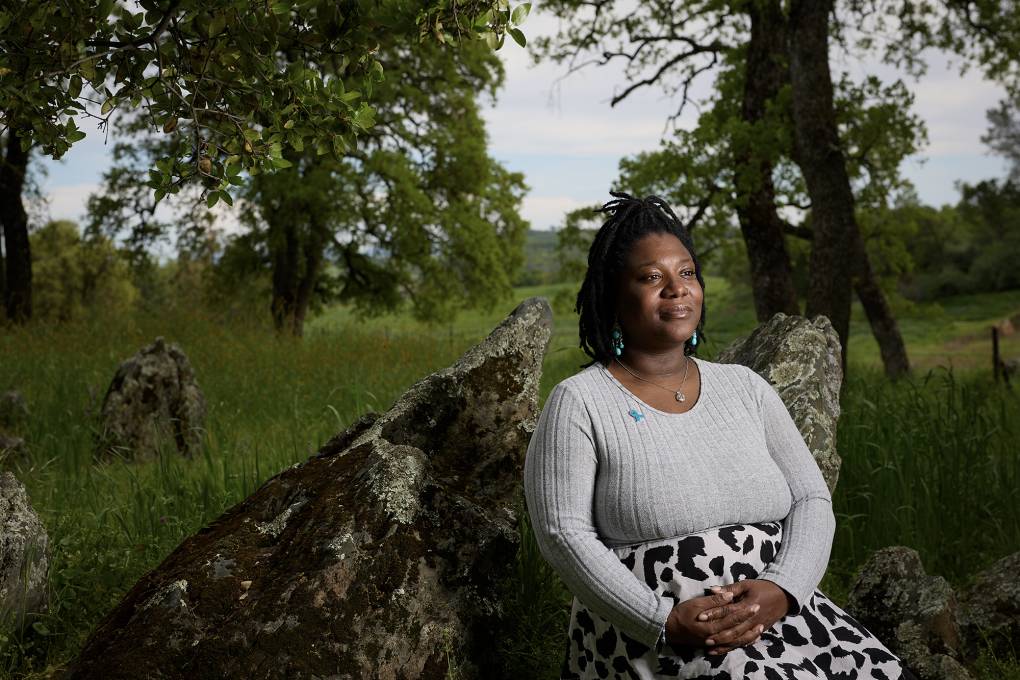
California's Mental Health Workforce Hindered by Training and Costs
Celebrating Queer California History
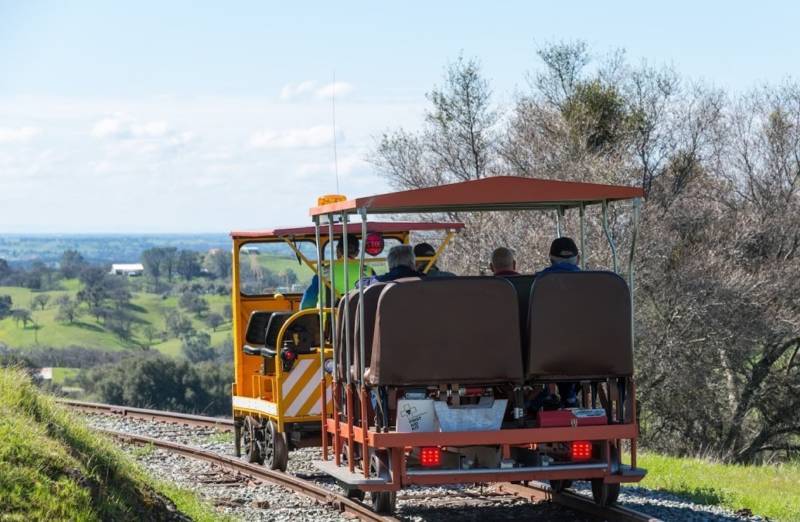
Take a Ride Through Gold Country Aboard The Amador Central Railroad
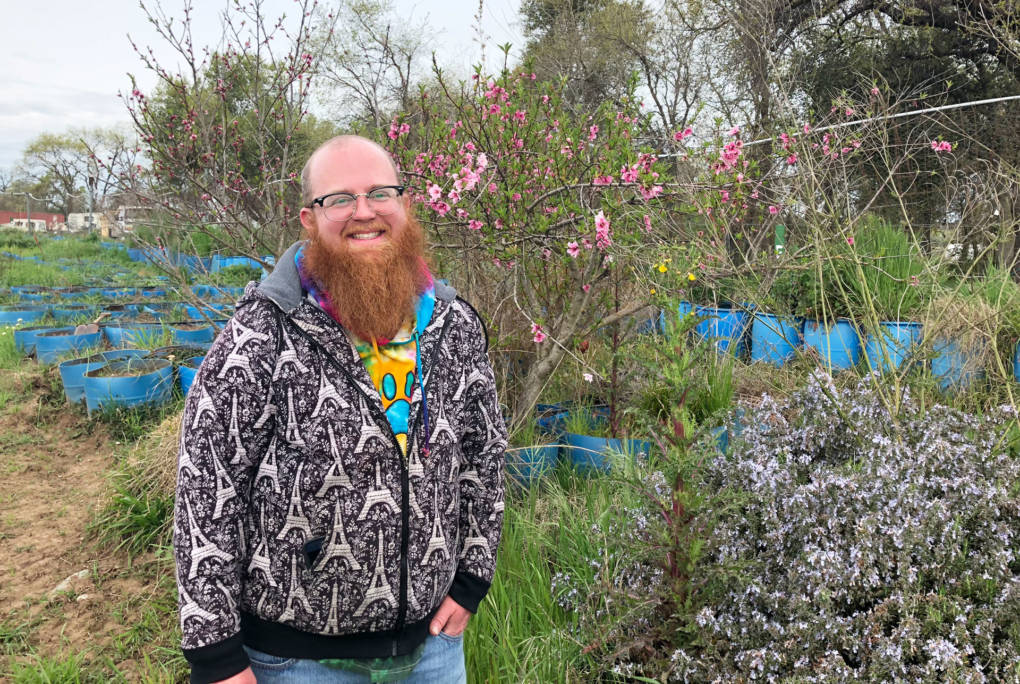
Trans Man Finds – and Creates – Refuge in His Family's Small-Town Cafe
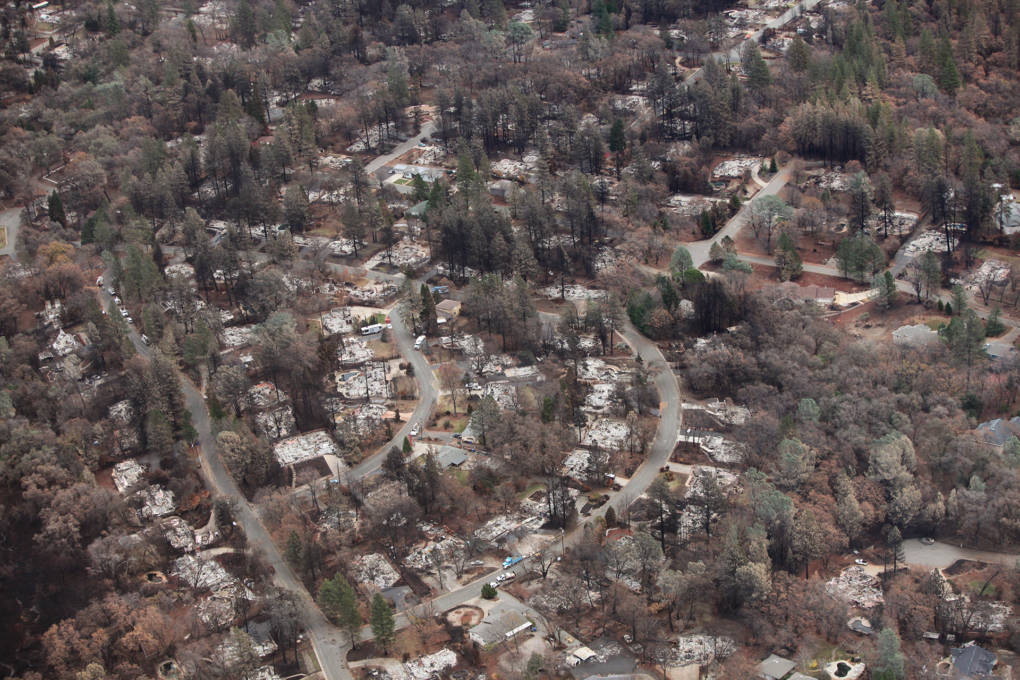
Wildland Development Escalates California Fire Costs
Hidden Gems: The National Landmark 100 Feet Beneath Your Feet
Sponsored
Player sponsored by
window.__IS_SSR__=true
window.__INITIAL_STATE__={
"attachmentsReducer": {
"audio_0": {
"type": "attachments",
"id": "audio_0",
"imgSizes": {
"kqedFullSize": {
"file": "https://ww2.kqed.org/news/wp-content/themes/KQED-unified/img/audio_bgs/background0.jpg"
}
}
},
"audio_1": {
"type": "attachments",
"id": "audio_1",
"imgSizes": {
"kqedFullSize": {
"file": "https://ww2.kqed.org/news/wp-content/themes/KQED-unified/img/audio_bgs/background1.jpg"
}
}
},
"audio_2": {
"type": "attachments",
"id": "audio_2",
"imgSizes": {
"kqedFullSize": {
"file": "https://ww2.kqed.org/news/wp-content/themes/KQED-unified/img/audio_bgs/background2.jpg"
}
}
},
"audio_3": {
"type": "attachments",
"id": "audio_3",
"imgSizes": {
"kqedFullSize": {
"file": "https://ww2.kqed.org/news/wp-content/themes/KQED-unified/img/audio_bgs/background3.jpg"
}
}
},
"audio_4": {
"type": "attachments",
"id": "audio_4",
"imgSizes": {
"kqedFullSize": {
"file": "https://ww2.kqed.org/news/wp-content/themes/KQED-unified/img/audio_bgs/background4.jpg"
}
}
},
"placeholder": {
"type": "attachments",
"id": "placeholder",
"imgSizes": {
"thumbnail": {
"file": "https://cdn.kqed.org/wp-content/uploads/2024/12/KQED-Default-Image-816638274-2000x1333-1-160x107.jpg",
"width": 160,
"height": 107,
"mimeType": "image/jpeg"
},
"medium": {
"file": "https://cdn.kqed.org/wp-content/uploads/2024/12/KQED-Default-Image-816638274-2000x1333-1-800x533.jpg",
"width": 800,
"height": 533,
"mimeType": "image/jpeg"
},
"medium_large": {
"file": "https://cdn.kqed.org/wp-content/uploads/2024/12/KQED-Default-Image-816638274-2000x1333-1-768x512.jpg",
"width": 768,
"height": 512,
"mimeType": "image/jpeg"
},
"large": {
"file": "https://cdn.kqed.org/wp-content/uploads/2024/12/KQED-Default-Image-816638274-2000x1333-1-1020x680.jpg",
"width": 1020,
"height": 680,
"mimeType": "image/jpeg"
},
"1536x1536": {
"file": "https://cdn.kqed.org/wp-content/uploads/2024/12/KQED-Default-Image-816638274-2000x1333-1-1536x1024.jpg",
"width": 1536,
"height": 1024,
"mimeType": "image/jpeg"
},
"fd-lrg": {
"file": "https://cdn.kqed.org/wp-content/uploads/2024/12/KQED-Default-Image-816638274-2000x1333-1-1536x1024.jpg",
"width": 1536,
"height": 1024,
"mimeType": "image/jpeg"
},
"fd-med": {
"file": "https://cdn.kqed.org/wp-content/uploads/2024/12/KQED-Default-Image-816638274-2000x1333-1-1020x680.jpg",
"width": 1020,
"height": 680,
"mimeType": "image/jpeg"
},
"fd-sm": {
"file": "https://cdn.kqed.org/wp-content/uploads/2024/12/KQED-Default-Image-816638274-2000x1333-1-800x533.jpg",
"width": 800,
"height": 533,
"mimeType": "image/jpeg"
},
"post-thumbnail": {
"file": "https://cdn.kqed.org/wp-content/uploads/2024/12/KQED-Default-Image-816638274-2000x1333-1-672x372.jpg",
"width": 672,
"height": 372,
"mimeType": "image/jpeg"
},
"twentyfourteen-full-width": {
"file": "https://cdn.kqed.org/wp-content/uploads/2024/12/KQED-Default-Image-816638274-2000x1333-1-1038x576.jpg",
"width": 1038,
"height": 576,
"mimeType": "image/jpeg"
},
"xxsmall": {
"file": "https://cdn.kqed.org/wp-content/uploads/2024/12/KQED-Default-Image-816638274-2000x1333-1-160x107.jpg",
"width": 160,
"height": 107,
"mimeType": "image/jpeg"
},
"xsmall": {
"file": "https://cdn.kqed.org/wp-content/uploads/2024/12/KQED-Default-Image-816638274-2000x1333-1-672x372.jpg",
"width": 672,
"height": 372,
"mimeType": "image/jpeg"
},
"small": {
"file": "https://cdn.kqed.org/wp-content/uploads/2024/12/KQED-Default-Image-816638274-2000x1333-1-672x372.jpg",
"width": 672,
"height": 372,
"mimeType": "image/jpeg"
},
"xlarge": {
"file": "https://cdn.kqed.org/wp-content/uploads/2024/12/KQED-Default-Image-816638274-2000x1333-1-1020x680.jpg",
"width": 1020,
"height": 680,
"mimeType": "image/jpeg"
},
"full-width": {
"file": "https://cdn.kqed.org/wp-content/uploads/2024/12/KQED-Default-Image-816638274-2000x1333-1-1920x1280.jpg",
"width": 1920,
"height": 1280,
"mimeType": "image/jpeg"
},
"guest-author-32": {
"file": "https://cdn.kqed.org/wp-content/uploads/2025/01/KQED-Default-Image-816638274-1333x1333-1-160x160.jpg",
"width": 32,
"height": 32,
"mimeType": "image/jpeg"
},
"guest-author-50": {
"file": "https://cdn.kqed.org/wp-content/uploads/2025/01/KQED-Default-Image-816638274-1333x1333-1-160x160.jpg",
"width": 50,
"height": 50,
"mimeType": "image/jpeg"
},
"guest-author-64": {
"file": "https://cdn.kqed.org/wp-content/uploads/2025/01/KQED-Default-Image-816638274-1333x1333-1-160x160.jpg",
"width": 64,
"height": 64,
"mimeType": "image/jpeg"
},
"guest-author-96": {
"file": "https://cdn.kqed.org/wp-content/uploads/2025/01/KQED-Default-Image-816638274-1333x1333-1-160x160.jpg",
"width": 96,
"height": 96,
"mimeType": "image/jpeg"
},
"guest-author-128": {
"file": "https://cdn.kqed.org/wp-content/uploads/2025/01/KQED-Default-Image-816638274-1333x1333-1-160x160.jpg",
"width": 128,
"height": 128,
"mimeType": "image/jpeg"
},
"detail": {
"file": "https://cdn.kqed.org/wp-content/uploads/2025/01/KQED-Default-Image-816638274-1333x1333-1-160x160.jpg",
"width": 160,
"height": 160,
"mimeType": "image/jpeg"
},
"kqedFullSize": {
"file": "https://cdn.kqed.org/wp-content/uploads/2024/12/KQED-Default-Image-816638274-2000x1333-1.jpg",
"width": 2000,
"height": 1333
}
}
},
"news_12039715": {
"type": "attachments",
"id": "news_12039715",
"meta": {
"index": "attachments_1716263798",
"site": "news",
"id": "12039715",
"found": true
},
"title": "041125_Therapy-Training_FG_CM_10",
"publishDate": 1746996416,
"status": "inherit",
"parent": 12039714,
"modified": 1746996702,
"caption": "Eboni Moen in the outdoor meditation garden of Sierra Wind Wellness and Recovery Center in Jackson on April 11, 2025. Moen is interning at the center while she prepares to become a therapist. ",
"credit": "Fred Greaves/CalMatters",
"altTag": "A Black woman wearing a white shirt and black and white skirt sits on a rock outside.",
"description": null,
"imgSizes": {
"medium": {
"file": "https://cdn.kqed.org/wp-content/uploads/sites/10/2025/05/041125_Therapy-Training_FG_CM_10-800x533.jpg",
"width": 800,
"height": 533,
"mimeType": "image/jpeg"
},
"large": {
"file": "https://cdn.kqed.org/wp-content/uploads/sites/10/2025/05/041125_Therapy-Training_FG_CM_10-1020x680.jpg",
"width": 1020,
"height": 680,
"mimeType": "image/jpeg"
},
"thumbnail": {
"file": "https://cdn.kqed.org/wp-content/uploads/sites/10/2025/05/041125_Therapy-Training_FG_CM_10-160x107.jpg",
"width": 160,
"height": 107,
"mimeType": "image/jpeg"
},
"1536x1536": {
"file": "https://cdn.kqed.org/wp-content/uploads/sites/10/2025/05/041125_Therapy-Training_FG_CM_10-1536x1024.jpg",
"width": 1536,
"height": 1024,
"mimeType": "image/jpeg"
},
"post-thumbnail": {
"file": "https://cdn.kqed.org/wp-content/uploads/sites/10/2025/05/041125_Therapy-Training_FG_CM_10-672x372.jpg",
"width": 672,
"height": 372,
"mimeType": "image/jpeg"
},
"twentyfourteen-full-width": {
"file": "https://cdn.kqed.org/wp-content/uploads/sites/10/2025/05/041125_Therapy-Training_FG_CM_10-1038x576.jpg",
"width": 1038,
"height": 576,
"mimeType": "image/jpeg"
},
"full-width": {
"file": "https://cdn.kqed.org/wp-content/uploads/sites/10/2025/05/041125_Therapy-Training_FG_CM_10-1920x1280.jpg",
"width": 1920,
"height": 1280,
"mimeType": "image/jpeg"
},
"kqedFullSize": {
"file": "https://cdn.kqed.org/wp-content/uploads/sites/10/2025/05/041125_Therapy-Training_FG_CM_10.jpg",
"width": 2000,
"height": 1333
}
},
"fetchFailed": false,
"isLoading": false
},
"news_11879335": {
"type": "attachments",
"id": "news_11879335",
"meta": {
"index": "attachments_1716263798",
"site": "news",
"id": "11879335",
"found": true
},
"parent": 11879334,
"imgSizes": {
"twentyfourteen-full-width": {
"file": "https://ww2.kqed.org/app/uploads/sites/10/2021/06/Black-Lesbian-Contingent-Pride-1020x670-1-1020x576.jpeg",
"width": 1020,
"mimeType": "image/jpeg",
"height": 576
},
"thumbnail": {
"file": "https://ww2.kqed.org/app/uploads/sites/10/2021/06/Black-Lesbian-Contingent-Pride-1020x670-1-160x105.jpeg",
"width": 160,
"mimeType": "image/jpeg",
"height": 105
},
"post-thumbnail": {
"file": "https://ww2.kqed.org/app/uploads/sites/10/2021/06/Black-Lesbian-Contingent-Pride-1020x670-1-672x372.jpeg",
"width": 672,
"mimeType": "image/jpeg",
"height": 372
},
"kqedFullSize": {
"file": "https://ww2.kqed.org/app/uploads/sites/10/2021/06/Black-Lesbian-Contingent-Pride-1020x670-1.jpeg",
"width": 1020,
"height": 670
},
"medium": {
"file": "https://ww2.kqed.org/app/uploads/sites/10/2021/06/Black-Lesbian-Contingent-Pride-1020x670-1-800x525.jpeg",
"width": 800,
"mimeType": "image/jpeg",
"height": 525
}
},
"publishDate": 1624643303,
"modified": 1624643339,
"caption": "Black lesbian contingent, San Francisco Pride Parade, 1991. ",
"description": null,
"title": "Black-Lesbian-Contingent-Pride-1020x670",
"credit": "Courtesy of H. Lenn Keller/ Oakland Museum of California",
"status": "inherit",
"altTag": null,
"fetchFailed": false,
"isLoading": false
},
"news_11766666": {
"type": "attachments",
"id": "news_11766666",
"meta": {
"index": "attachments_1716263798",
"site": "news",
"id": "11766666",
"found": true
},
"parent": 11764589,
"imgSizes": {
"apple_news_ca_square_4_0": {
"file": "https://ww2.kqed.org/app/uploads/sites/10/2019/08/railroad-470x470.jpg",
"width": 470,
"mimeType": "image/jpeg",
"height": 470
},
"thumbnail": {
"file": "https://ww2.kqed.org/app/uploads/sites/10/2019/08/railroad-160x104.jpg",
"width": 160,
"mimeType": "image/jpeg",
"height": 104
},
"post-thumbnail": {
"file": "https://ww2.kqed.org/app/uploads/sites/10/2019/08/railroad-672x372.jpg",
"width": 672,
"mimeType": "image/jpeg",
"height": 372
},
"kqedFullSize": {
"file": "https://ww2.kqed.org/app/uploads/sites/10/2019/08/railroad.jpg",
"width": 800,
"height": 522
},
"apple_news_ca_landscape_4_7": {
"file": "https://ww2.kqed.org/app/uploads/sites/10/2019/08/railroad-632x474.jpg",
"width": 632,
"mimeType": "image/jpeg",
"height": 474
},
"apple_news_ca_portrait_4_7": {
"file": "https://ww2.kqed.org/app/uploads/sites/10/2019/08/railroad-414x522.jpg",
"width": 414,
"mimeType": "image/jpeg",
"height": 522
},
"apple_news_ca_portrait_5_5": {
"file": "https://ww2.kqed.org/app/uploads/sites/10/2019/08/railroad-687x522.jpg",
"width": 687,
"mimeType": "image/jpeg",
"height": 522
},
"apple_news_ca_square_4_7": {
"file": "https://ww2.kqed.org/app/uploads/sites/10/2019/08/railroad-550x522.jpg",
"width": 550,
"mimeType": "image/jpeg",
"height": 522
},
"apple_news_ca_landscape_4_0": {
"file": "https://ww2.kqed.org/app/uploads/sites/10/2019/08/railroad-536x402.jpg",
"width": 536,
"mimeType": "image/jpeg",
"height": 402
},
"medium": {
"file": "https://ww2.kqed.org/app/uploads/sites/10/2019/08/railroad-800x522.jpg",
"width": 800,
"mimeType": "image/jpeg",
"height": 522
},
"apple_news_ca_portrait_4_0": {
"file": "https://ww2.kqed.org/app/uploads/sites/10/2019/08/railroad-354x472.jpg",
"width": 354,
"mimeType": "image/jpeg",
"height": 472
}
},
"publishDate": 1565375868,
"modified": 1565375885,
"caption": "\"This actually is one of the steepest rails incline railroads in America,\" says Mark Demler of the Amador Central Railroad. ",
"description": "\"This actually is one of the steepest rails incline railroads in America,\" says Mark Demler of the Amador Central Railroad. ",
"title": "railroad",
"credit": "Courtesy of Mike Cozad",
"status": "inherit",
"fetchFailed": false,
"isLoading": false
},
"news_11758016": {
"type": "attachments",
"id": "news_11758016",
"meta": {
"index": "attachments_1716263798",
"site": "news",
"id": "11758016",
"found": true
},
"parent": 11757641,
"imgSizes": {
"apple_news_ca_landscape_5_5": {
"file": "https://ww2.kqed.org/app/uploads/sites/10/2019/06/Tyx-Profile-Main-1044x783.jpg",
"width": 1044,
"mimeType": "image/jpeg",
"height": 783
},
"apple_news_ca_square_4_0": {
"file": "https://ww2.kqed.org/app/uploads/sites/10/2019/06/Tyx-Profile-Main-470x470.jpg",
"width": 470,
"mimeType": "image/jpeg",
"height": 470
},
"twentyfourteen-full-width": {
"file": "https://ww2.kqed.org/app/uploads/sites/10/2019/06/Tyx-Profile-Main-1038x576.jpg",
"width": 1038,
"mimeType": "image/jpeg",
"height": 576
},
"thumbnail": {
"file": "https://ww2.kqed.org/app/uploads/sites/10/2019/06/Tyx-Profile-Main-160x107.jpg",
"width": 160,
"mimeType": "image/jpeg",
"height": 107
},
"post-thumbnail": {
"file": "https://ww2.kqed.org/app/uploads/sites/10/2019/06/Tyx-Profile-Main-672x372.jpg",
"width": 672,
"mimeType": "image/jpeg",
"height": 372
},
"kqedFullSize": {
"file": "https://ww2.kqed.org/app/uploads/sites/10/2019/06/Tyx-Profile-Main.jpg",
"width": 1920,
"height": 1287
},
"apple_news_ca_landscape_4_7": {
"file": "https://ww2.kqed.org/app/uploads/sites/10/2019/06/Tyx-Profile-Main-632x474.jpg",
"width": 632,
"mimeType": "image/jpeg",
"height": 474
},
"large": {
"file": "https://ww2.kqed.org/app/uploads/sites/10/2019/06/Tyx-Profile-Main-1020x684.jpg",
"width": 1020,
"mimeType": "image/jpeg",
"height": 684
},
"complete_open_graph": {
"file": "https://ww2.kqed.org/app/uploads/sites/10/2019/06/Tyx-Profile-Main-1200x804.jpg",
"width": 1200,
"mimeType": "image/jpeg",
"height": 804
},
"apple_news_ca_landscape_4_0": {
"file": "https://ww2.kqed.org/app/uploads/sites/10/2019/06/Tyx-Profile-Main-536x402.jpg",
"width": 536,
"mimeType": "image/jpeg",
"height": 402
},
"apple_news_ca_portrait_12_9": {
"file": "https://ww2.kqed.org/app/uploads/sites/10/2019/06/Tyx-Profile-Main-1122x1287.jpg",
"width": 1122,
"mimeType": "image/jpeg",
"height": 1287
},
"medium": {
"file": "https://ww2.kqed.org/app/uploads/sites/10/2019/06/Tyx-Profile-Main-800x536.jpg",
"width": 800,
"mimeType": "image/jpeg",
"height": 536
},
"apple_news_ca_portrait_4_0": {
"file": "https://ww2.kqed.org/app/uploads/sites/10/2019/06/Tyx-Profile-Main-354x472.jpg",
"width": 354,
"mimeType": "image/jpeg",
"height": 472
},
"apple_news_ca_portrait_9_7": {
"file": "https://ww2.kqed.org/app/uploads/sites/10/2019/06/Tyx-Profile-Main-840x1120.jpg",
"width": 840,
"mimeType": "image/jpeg",
"height": 1120
},
"apple_news_ca_landscape_12_9": {
"file": "https://ww2.kqed.org/app/uploads/sites/10/2019/06/Tyx-Profile-Main-1832x1287.jpg",
"width": 1832,
"mimeType": "image/jpeg",
"height": 1287
},
"apple_news_ca_square_9_7": {
"file": "https://ww2.kqed.org/app/uploads/sites/10/2019/06/Tyx-Profile-Main-1104x1104.jpg",
"width": 1104,
"mimeType": "image/jpeg",
"height": 1104
},
"apple_news_ca_portrait_4_7": {
"file": "https://ww2.kqed.org/app/uploads/sites/10/2019/06/Tyx-Profile-Main-414x552.jpg",
"width": 414,
"mimeType": "image/jpeg",
"height": 552
},
"apple_news_ca_square_12_9": {
"file": "https://ww2.kqed.org/app/uploads/sites/10/2019/06/Tyx-Profile-Main-1472x1287.jpg",
"width": 1472,
"mimeType": "image/jpeg",
"height": 1287
},
"apple_news_ca_portrait_5_5": {
"file": "https://ww2.kqed.org/app/uploads/sites/10/2019/06/Tyx-Profile-Main-687x916.jpg",
"width": 687,
"mimeType": "image/jpeg",
"height": 916
},
"full-width": {
"file": "https://ww2.kqed.org/app/uploads/sites/10/2019/06/Tyx-Profile-Main-1920x1287.jpg",
"width": 1920,
"mimeType": "image/jpeg",
"height": 1287
},
"apple_news_ca_square_4_7": {
"file": "https://ww2.kqed.org/app/uploads/sites/10/2019/06/Tyx-Profile-Main-550x550.jpg",
"width": 550,
"mimeType": "image/jpeg",
"height": 550
},
"apple_news_ca_landscape_9_7": {
"file": "https://ww2.kqed.org/app/uploads/sites/10/2019/06/Tyx-Profile-Main-1376x1032.jpg",
"width": 1376,
"mimeType": "image/jpeg",
"height": 1032
},
"apple_news_ca_square_5_5": {
"file": "https://ww2.kqed.org/app/uploads/sites/10/2019/06/Tyx-Profile-Main-912x912.jpg",
"width": 912,
"mimeType": "image/jpeg",
"height": 912
}
},
"publishDate": 1561754792,
"modified": 1561754853,
"caption": "Tyx Pulskamp at his family's farm in Amador County. What they grow and raise here gets used in their restaurant, Rosebud's Cafe.",
"description": "Tyx Pulskamp at his family's farm in Amador County. What they grow and raise here gets used in their restaurant, Rosebud's Cafe.",
"title": "Tyx-Profile-Main",
"credit": "Asal Ehsanipour/KQED",
"status": "inherit",
"fetchFailed": false,
"isLoading": false
},
"news_11710560": {
"type": "attachments",
"id": "news_11710560",
"meta": {
"index": "attachments_1716263798",
"site": "news",
"id": "11710560",
"found": true
},
"parent": 11710513,
"imgSizes": {
"twentyfourteen-full-width": {
"file": "https://ww2.kqed.org/app/uploads/sites/10/2018/12/Camp-Fire-aerials_1204-18_1920-1038x576.jpg",
"width": 1038,
"mimeType": "image/jpeg",
"height": 576
},
"thumbnail": {
"file": "https://ww2.kqed.org/app/uploads/sites/10/2018/12/Camp-Fire-aerials_1204-18_1920-160x107.jpg",
"width": 160,
"mimeType": "image/jpeg",
"height": 107
},
"post-thumbnail": {
"file": "https://ww2.kqed.org/app/uploads/sites/10/2018/12/Camp-Fire-aerials_1204-18_1920-672x372.jpg",
"width": 672,
"mimeType": "image/jpeg",
"height": 372
},
"kqedFullSize": {
"file": "https://ww2.kqed.org/app/uploads/sites/10/2018/12/Camp-Fire-aerials_1204-18_1920.jpg",
"width": 1920,
"height": 1280
},
"large": {
"file": "https://ww2.kqed.org/app/uploads/sites/10/2018/12/Camp-Fire-aerials_1204-18_1920-1020x680.jpg",
"width": 1020,
"mimeType": "image/jpeg",
"height": 680
},
"complete_open_graph": {
"file": "https://ww2.kqed.org/app/uploads/sites/10/2018/12/Camp-Fire-aerials_1204-18_1920-1200x800.jpg",
"width": 1200,
"mimeType": "image/jpeg",
"height": 800
},
"guest-author-50": {
"file": "https://ww2.kqed.org/app/uploads/sites/10/2018/12/Camp-Fire-aerials_1204-18_1920-50x50.jpg",
"width": 50,
"mimeType": "image/jpeg",
"height": 50
},
"guest-author-96": {
"file": "https://ww2.kqed.org/app/uploads/sites/10/2018/12/Camp-Fire-aerials_1204-18_1920-96x96.jpg",
"width": 96,
"mimeType": "image/jpeg",
"height": 96
},
"medium": {
"file": "https://ww2.kqed.org/app/uploads/sites/10/2018/12/Camp-Fire-aerials_1204-18_1920-800x533.jpg",
"width": 800,
"mimeType": "image/jpeg",
"height": 533
},
"guest-author-64": {
"file": "https://ww2.kqed.org/app/uploads/sites/10/2018/12/Camp-Fire-aerials_1204-18_1920-64x64.jpg",
"width": 64,
"mimeType": "image/jpeg",
"height": 64
},
"guest-author-32": {
"file": "https://ww2.kqed.org/app/uploads/sites/10/2018/12/Camp-Fire-aerials_1204-18_1920-32x32.jpg",
"width": 32,
"mimeType": "image/jpeg",
"height": 32
},
"full-width": {
"file": "https://ww2.kqed.org/app/uploads/sites/10/2018/12/Camp-Fire-aerials_1204-18_1920-1920x1280.jpg",
"width": 1920,
"mimeType": "image/jpeg",
"height": 1280
},
"detail": {
"file": "https://ww2.kqed.org/app/uploads/sites/10/2018/12/Camp-Fire-aerials_1204-18_1920-150x150.jpg",
"width": 150,
"mimeType": "image/jpeg",
"height": 150
},
"guest-author-128": {
"file": "https://ww2.kqed.org/app/uploads/sites/10/2018/12/Camp-Fire-aerials_1204-18_1920-128x128.jpg",
"width": 128,
"mimeType": "image/jpeg",
"height": 128
}
},
"publishDate": 1544134539,
"modified": 1544134596,
"caption": "A residential neighborhood in Paradise seen approximately one month after the Camp Fire. ",
"description": "A residential neighborhood in Paradise seen approximately one month after the Camp Fire. ",
"title": "Camp Fire aerials_1204-18_1920",
"credit": "Adam Grossberg/KQED",
"status": "inherit",
"fetchFailed": false,
"isLoading": false
},
"news_11672379": {
"type": "attachments",
"id": "news_11672379",
"meta": {
"index": "attachments_1716263798",
"site": "news",
"id": "11672379",
"found": true
},
"parent": 11672369,
"imgSizes": {
"small": {
"file": "https://ww2.kqed.org/app/uploads/sites/10/2018/06/RS31194_IMG_3371-qut-520x390.jpg",
"width": 520,
"mimeType": "image/jpeg",
"height": 390
},
"twentyfourteen-full-width": {
"file": "https://ww2.kqed.org/app/uploads/sites/10/2018/06/RS31194_IMG_3371-qut-1038x576.jpg",
"width": 1038,
"mimeType": "image/jpeg",
"height": 576
},
"thumbnail": {
"file": "https://ww2.kqed.org/app/uploads/sites/10/2018/06/RS31194_IMG_3371-qut-160x120.jpg",
"width": 160,
"mimeType": "image/jpeg",
"height": 120
},
"fd-sm": {
"file": "https://ww2.kqed.org/app/uploads/sites/10/2018/06/RS31194_IMG_3371-qut-960x720.jpg",
"width": 960,
"mimeType": "image/jpeg",
"height": 720
},
"post-thumbnail": {
"file": "https://ww2.kqed.org/app/uploads/sites/10/2018/06/RS31194_IMG_3371-qut-672x372.jpg",
"width": 672,
"mimeType": "image/jpeg",
"height": 372
},
"xsmall": {
"file": "https://ww2.kqed.org/app/uploads/sites/10/2018/06/RS31194_IMG_3371-qut-375x281.jpg",
"width": 375,
"mimeType": "image/jpeg",
"height": 281
},
"kqedFullSize": {
"file": "https://ww2.kqed.org/app/uploads/sites/10/2018/06/RS31194_IMG_3371-qut.jpg",
"width": 1920,
"height": 1440
},
"large": {
"file": "https://ww2.kqed.org/app/uploads/sites/10/2018/06/RS31194_IMG_3371-qut-1020x765.jpg",
"width": 1020,
"mimeType": "image/jpeg",
"height": 765
},
"xlarge": {
"file": "https://ww2.kqed.org/app/uploads/sites/10/2018/06/RS31194_IMG_3371-qut-1180x885.jpg",
"width": 1180,
"mimeType": "image/jpeg",
"height": 885
},
"complete_open_graph": {
"file": "https://ww2.kqed.org/app/uploads/sites/10/2018/06/RS31194_IMG_3371-qut-1200x900.jpg",
"width": 1200,
"mimeType": "image/jpeg",
"height": 900
},
"guest-author-50": {
"file": "https://ww2.kqed.org/app/uploads/sites/10/2018/06/RS31194_IMG_3371-qut-50x50.jpg",
"width": 50,
"mimeType": "image/jpeg",
"height": 50
},
"guest-author-96": {
"file": "https://ww2.kqed.org/app/uploads/sites/10/2018/06/RS31194_IMG_3371-qut-96x96.jpg",
"width": 96,
"mimeType": "image/jpeg",
"height": 96
},
"medium": {
"file": "https://ww2.kqed.org/app/uploads/sites/10/2018/06/RS31194_IMG_3371-qut-800x600.jpg",
"width": 800,
"mimeType": "image/jpeg",
"height": 600
},
"guest-author-64": {
"file": "https://ww2.kqed.org/app/uploads/sites/10/2018/06/RS31194_IMG_3371-qut-64x64.jpg",
"width": 64,
"mimeType": "image/jpeg",
"height": 64
},
"guest-author-32": {
"file": "https://ww2.kqed.org/app/uploads/sites/10/2018/06/RS31194_IMG_3371-qut-32x32.jpg",
"width": 32,
"mimeType": "image/jpeg",
"height": 32
},
"fd-lrg": {
"file": "https://ww2.kqed.org/app/uploads/sites/10/2018/06/RS31194_IMG_3371-qut-1920x1440.jpg",
"width": 1920,
"mimeType": "image/jpeg",
"height": 1440
},
"fd-med": {
"file": "https://ww2.kqed.org/app/uploads/sites/10/2018/06/RS31194_IMG_3371-qut-1180x885.jpg",
"width": 1180,
"mimeType": "image/jpeg",
"height": 885
},
"full-width": {
"file": "https://ww2.kqed.org/app/uploads/sites/10/2018/06/RS31194_IMG_3371-qut-1920x1440.jpg",
"width": 1920,
"mimeType": "image/jpeg",
"height": 1440
},
"detail": {
"file": "https://ww2.kqed.org/app/uploads/sites/10/2018/06/RS31194_IMG_3371-qut-150x150.jpg",
"width": 150,
"mimeType": "image/jpeg",
"height": 150
},
"guest-author-128": {
"file": "https://ww2.kqed.org/app/uploads/sites/10/2018/06/RS31194_IMG_3371-qut-128x128.jpg",
"width": 128,
"mimeType": "image/jpeg",
"height": 128
},
"xxsmall": {
"file": "https://ww2.kqed.org/app/uploads/sites/10/2018/06/RS31194_IMG_3371-qut-240x180.jpg",
"width": 240,
"mimeType": "image/jpeg",
"height": 180
}
},
"publishDate": 1528136883,
"modified": 1529833337,
"caption": "Black Chasm Cavern is a 2-million-year-old cave in Volcano, California.",
"description": "Black Chasm Cavern is a 2-million-year-old cave in Volcano, California.",
"title": "RS31194_IMG_3371-qut",
"credit": "Bianca Taylor/KQED",
"status": "inherit",
"fetchFailed": false,
"isLoading": false
}
},
"audioPlayerReducer": {
"postId": "stream_live",
"isPaused": true,
"isPlaying": false,
"pfsActive": false,
"pledgeModalIsOpen": true,
"playerDrawerIsOpen": false
},
"authorsReducer": {
"byline_news_12039714": {
"type": "authors",
"id": "byline_news_12039714",
"meta": {
"override": true
},
"slug": "byline_news_12039714",
"name": "\u003ca href=\"https://calmatters.org/author/adam-echelman/\">Adam Echelman, \u003c/a>CalMatters",
"isLoading": false
},
"byline_news_11713393": {
"type": "authors",
"id": "byline_news_11713393",
"meta": {
"override": true
},
"slug": "byline_news_11713393",
"name": "\u003cstrong>Bay City News\u003c/strong>",
"isLoading": false
},
"kqed": {
"type": "authors",
"id": "236",
"meta": {
"index": "authors_1716337520",
"id": "236",
"found": true
},
"name": "KQED News Staff",
"firstName": "KQED News Staff",
"lastName": null,
"slug": "kqed",
"email": "faq@kqed.org",
"display_author_email": false,
"staff_mastheads": [],
"title": null,
"bio": null,
"avatar": "https://secure.gravatar.com/avatar/ef0e801a68c4c54afa9180db14084167?s=600&d=blank&r=g",
"twitter": null,
"facebook": null,
"instagram": null,
"linkedin": null,
"sites": [
{
"site": "arts",
"roles": [
"contributor"
]
},
{
"site": "news",
"roles": [
"editor"
]
},
{
"site": "futureofyou",
"roles": [
"author"
]
}
],
"headData": {
"title": "KQED News Staff | KQED",
"description": null,
"ogImgSrc": "https://secure.gravatar.com/avatar/ef0e801a68c4c54afa9180db14084167?s=600&d=blank&r=g",
"twImgSrc": "https://secure.gravatar.com/avatar/ef0e801a68c4c54afa9180db14084167?s=600&d=blank&r=g"
},
"isLoading": false,
"link": "/author/kqed"
},
"lmorehouse": {
"type": "authors",
"id": "3229",
"meta": {
"index": "authors_1716337520",
"id": "3229",
"found": true
},
"name": "Lisa Morehouse",
"firstName": "Lisa",
"lastName": "Morehouse",
"slug": "lmorehouse",
"email": "morehouse.lisa@gmail.com",
"display_author_email": false,
"staff_mastheads": [],
"title": "KQED Contributor",
"bio": "Lisa Morehouse is an award-winning public radio and print journalist, who has filed for National Public Radio, American Public Media, KQED Public Radio, Edutopia, and McSweeney’s. Her reporting has taken her from Samoan traveling circuses to Mississippi Delta classrooms to the homes of Lao refugees in rural Iowa. In addition to reporting, she teaches radio production to at-risk youth in the Bay Area. Her series \u003ca href=\"http://afterthegoldrushradio.com/\">After the Gold Rush\u003c/a> featured the changing industries, populations and identities of rural towns throughout California. She’s now producing \u003ca href=\"http://www.californiafoodways.com/\">California Foodways\u003c/a>, a series exploring the intersections of food, culture, economics, history and labor. Follow along on the \u003ca href=\"https://www.facebook.com/californiafoodways?ref=hl\">Facebook page\u003c/a> or on Twitter @cafoodways.",
"avatar": "https://secure.gravatar.com/avatar/dae74b002a6e256f39abb19d6f5acaea?s=600&d=blank&r=g",
"twitter": null,
"facebook": null,
"instagram": null,
"linkedin": null,
"sites": [
{
"site": "",
"roles": [
"editor"
]
},
{
"site": "news",
"roles": [
"author"
]
}
],
"headData": {
"title": "Lisa Morehouse | KQED",
"description": "KQED Contributor",
"ogImgSrc": "https://secure.gravatar.com/avatar/dae74b002a6e256f39abb19d6f5acaea?s=600&d=blank&r=g",
"twImgSrc": "https://secure.gravatar.com/avatar/dae74b002a6e256f39abb19d6f5acaea?s=600&d=blank&r=g"
},
"isLoading": false,
"link": "/author/lmorehouse"
},
"btaylor": {
"type": "authors",
"id": "11365",
"meta": {
"index": "authors_1716337520",
"id": "11365",
"found": true
},
"name": "Bianca Taylor",
"firstName": "Bianca",
"lastName": "Taylor",
"slug": "btaylor",
"email": "btaylor@KQED.org",
"display_author_email": false,
"staff_mastheads": [
"news"
],
"title": "Host and Producer ",
"bio": "Bianca Taylor is a news producer and host of KQED's The Latest podcast.\r\n\r\nHer work with KQED has been honored by the Society of Professional Journalists NorCal, the Webby's, the Regional Murrow Awards, and ONA. She has also worked with NPR, the BBC World Service, and the Washington Post Creative Group.\r\n\r\nBianca is represented by SAG-AFTRA.",
"avatar": "https://secure.gravatar.com/avatar/6b9d3f6552dd10470c5d1c2e58cfe717?s=600&d=blank&r=g",
"twitter": "SoundsLkeBianca",
"facebook": null,
"instagram": null,
"linkedin": null,
"sites": [
{
"site": "arts",
"roles": [
"editor"
]
},
{
"site": "news",
"roles": [
"edit_others_posts",
"editor"
]
},
{
"site": "pop",
"roles": [
"editor"
]
},
{
"site": "bayareabites",
"roles": [
"author"
]
},
{
"site": "science",
"roles": [
"editor"
]
},
{
"site": "forum",
"roles": [
"editor"
]
},
{
"site": "radio",
"roles": [
"editor"
]
},
{
"site": "podcasts",
"roles": [
"editor"
]
}
],
"headData": {
"title": "Bianca Taylor | KQED",
"description": "Host and Producer ",
"ogImgSrc": "https://secure.gravatar.com/avatar/6b9d3f6552dd10470c5d1c2e58cfe717?s=600&d=blank&r=g",
"twImgSrc": "https://secure.gravatar.com/avatar/6b9d3f6552dd10470c5d1c2e58cfe717?s=600&d=blank&r=g"
},
"isLoading": false,
"link": "/author/btaylor"
},
"aehsanipour": {
"type": "authors",
"id": "11580",
"meta": {
"index": "authors_1716337520",
"id": "11580",
"found": true
},
"name": "Asal Ehsanipour",
"firstName": "Asal",
"lastName": "Ehsanipour",
"slug": "aehsanipour",
"email": "aehsanipour@kqed.org",
"display_author_email": false,
"staff_mastheads": [],
"title": "Reporter and Producer",
"bio": "Asal Ehsanipour is a producer and reporter for Rightnowish, Bay Curious and The California Report Magazine. She is also a producer for \u003ca href=\"https://www.thedoubleshift.com/\">The Double Shift\u003c/a>, a podcast about a new generation of working mothers. In 2018, Asal was named an Emerging Journalist Fellow by the Journalism and Women’s Symposium. Her work has appeared on KQED, KALW, PRI’s The World, and in several food and travel publications.",
"avatar": "https://secure.gravatar.com/avatar/c0e210438f5dca1b76921ff9f0eada52?s=600&d=blank&r=g",
"twitter": null,
"facebook": null,
"instagram": null,
"linkedin": null,
"sites": [
{
"site": "arts",
"roles": []
},
{
"site": "news",
"roles": [
"author",
"edit_others_posts"
]
}
],
"headData": {
"title": "Asal Ehsanipour | KQED",
"description": "Reporter and Producer",
"ogImgSrc": "https://secure.gravatar.com/avatar/c0e210438f5dca1b76921ff9f0eada52?s=600&d=blank&r=g",
"twImgSrc": "https://secure.gravatar.com/avatar/c0e210438f5dca1b76921ff9f0eada52?s=600&d=blank&r=g"
},
"isLoading": false,
"link": "/author/aehsanipour"
}
},
"breakingNewsReducer": {},
"pagesReducer": {},
"postsReducer": {
"stream_live": {
"type": "live",
"id": "stream_live",
"audioUrl": "https://streams.kqed.org/kqedradio",
"title": "Live Stream",
"excerpt": "Live Stream information currently unavailable.",
"link": "/radio",
"featImg": "",
"label": {
"name": "KQED Live",
"link": "/"
}
},
"stream_kqedNewscast": {
"type": "posts",
"id": "stream_kqedNewscast",
"audioUrl": "https://www.kqed.org/.stream/anon/radio/RDnews/newscast.mp3?_=1",
"title": "KQED Newscast",
"featImg": "",
"label": {
"name": "88.5 FM",
"link": "/"
}
},
"news_12039714": {
"type": "posts",
"id": "news_12039714",
"meta": {
"index": "posts_1716263798",
"site": "news",
"id": "12039714",
"score": null,
"sort": [
1747000806000
]
},
"guestAuthors": [],
"slug": "californias-mental-health-workforce-hindered-by-training-and-costs",
"title": "California's Mental Health Workforce Hindered by Training and Costs",
"publishDate": 1747000806,
"format": "standard",
"headTitle": "California’s Mental Health Workforce Hindered by Training and Costs | KQED",
"labelTerm": {
"term": 18481,
"site": "news"
},
"content": "\u003cp>In her home in the foothills of the Sierra Nevada mountains, Eboni Moen, 42, struggled to find help. Some days she would rock back and forth in her shower, crying uncontrollably and thinking back to her son’s murder. She needed a therapist, she said, someone who could help her process what happened and find appropriate medication.\u003c/p>\n\u003cp>But in rural Amador County, where she lives, mental health providers are few and far between, and it took Moen about two and a half years to find help.\u003c/p>\n\u003cp>“I was actually turned away,” she said. “I was told that my mental health problem wasn’t severe enough. I had to get to a point to where suicide was a thought for them to help me.”\u003c/p>\n\u003cp>All across the state, but especially in rural areas like Amador County, finding a therapist is challenging. California has a “major, ongoing” shortage of mental health providers, and it’s “especially dire” in rural areas, according to a 2022 \u003ca href=\"https://www.workforce.buildingcalhhs.com/wp-content/uploads/2023/05/Behavioral-Health-Workforce-Full-Report_508.pdf\">survey\u003c/a> commissioned by the state. Nearly one-third of California’s residents were living in an area with an insufficient ratio of providers to patients, the report found.\u003c/p>\n\u003cp>In 2021, state leaders began pouring hundreds of millions of dollars into increasing the pipeline for therapists, but many students say the educational requirements are still too onerous or costly.\u003c/p>\n\u003cp>[ad fullwidth]\u003c/p>\n\u003cp>Part of the problem is that it takes a long time to become a therapist. Every licensed therapist needs at least a bachelor’s and master’s degree. Psychiatrists have a medical degree, and psychologists often have a doctorate. For the master’s degree route, which is \u003ca href=\"https://hcai.ca.gov/document/agenda-item-9-the-state-of-the-behavioral-health-workforce-in-california/\">most common\u003c/a>, students can take a variety of different paths, including programs in social work, marriage and family therapy, clinical counseling or school counseling. Most master’s programs take about two years and some cost over $60,000. Often, students have to work hundreds of hours in an unpaid internship in order to graduate.\u003c/p>\n\u003cp>Then, after graduating with a master’s degree in social work or marriage and family therapy, they have to spend at least 3,000 hours under supervision before they can bill most insurance companies for their services. Some graduates take up to six years to meet their required hours before they can make a regular salary as a therapist.\u003c/p>\n\u003ch2>The long road to becoming a therapist\u003c/h2>\n\u003cp>On Jan. 21, 2011, Moen asked a neighbor to babysit her 2-year-old son while she went to work at a local U-Haul store in Cleveland, where she was living at the time. The babysitter attacked the boy, \u003ca href=\"https://www.cleveland.com/metro/2012/02/lakewood_baby_sitter_pleads_gu.html\">strangling him\u003c/a>. Moen said she found her son’s body when she came home from work that evening. She said the babysitter was asleep on the couch.\u003c/p>\n\u003cp>“For a long time that image was burned into my brain,” she said. “That whole situation is what started my mental health problems: My anxiety, my constant thought of death, and PTSD.”\u003c/p>\n\u003cp>She moved to the Bay Area, where she became homeless. But in 2017, a friend helped her build a new life in Amador County, where the cost of living is much lower. She found a job at a casino and began reflecting on her own mental health, ultimately deciding that she wanted to become a therapist to help others like her.[aside postID=\"mindshift_65465,news_12038376,news_12033412\" label=\"Related Stories\"] \u003c/p>\n\u003cp>She started college in 2021 but it’s unlikely she’ll reach her goal before 2030. With the help of a private scholarship, she started taking online courses at a community college in Orange County but had to stop after being diagnosed with cancer.\u003c/p>\n\u003cp>She re-enrolled in 2024 and is now taking a full course load while simultaneously homeschooling her daughter. Through the scholarship, she also found a paid internship at a local organization, the Sierra Wind Wellness and Recovery Center, which offers mental health services. She said she’s maxed out her federal and state financial aid, receiving just under $20,000 this academic year, though she said that’s still not enough to cover the cost of housing, food and transportation.\u003c/p>\n\u003cp>“The money is not the most important part to me,” Moen said. “I’m doing it because I want to be able to add to this lacking workforce. I know that we don’t have enough so I will be one extra person to help.”\u003c/p>\n\u003cfigure id=\"attachment_12039716\" class=\"wp-caption aligncenter\" style=\"max-width: 2000px\">\u003ca href=\"https://cdn.kqed.org/wp-content/uploads/sites/10/2025/05/041125_Therapy-Training_FG_CM_11.jpg\">\u003cimg loading=\"lazy\" decoding=\"async\" class=\"size-full wp-image-12039716\" src=\"https://cdn.kqed.org/wp-content/uploads/sites/10/2025/05/041125_Therapy-Training_FG_CM_11.jpg\" alt=\"A Black woman wearing a white shirt and black and white skirt rests her arms on a rock outside.\" width=\"2000\" height=\"1333\" srcset=\"https://cdn.kqed.org/wp-content/uploads/sites/10/2025/05/041125_Therapy-Training_FG_CM_11.jpg 2000w, https://cdn.kqed.org/wp-content/uploads/sites/10/2025/05/041125_Therapy-Training_FG_CM_11-800x533.jpg 800w, https://cdn.kqed.org/wp-content/uploads/sites/10/2025/05/041125_Therapy-Training_FG_CM_11-1020x680.jpg 1020w, https://cdn.kqed.org/wp-content/uploads/sites/10/2025/05/041125_Therapy-Training_FG_CM_11-160x107.jpg 160w, https://cdn.kqed.org/wp-content/uploads/sites/10/2025/05/041125_Therapy-Training_FG_CM_11-1536x1024.jpg 1536w, https://cdn.kqed.org/wp-content/uploads/sites/10/2025/05/041125_Therapy-Training_FG_CM_11-1920x1280.jpg 1920w\" sizes=\"auto, (max-width: 2000px) 100vw, 2000px\">\u003c/a>\u003cfigcaption class=\"wp-caption-text\">Eboni Moen in the outdoor meditation garden of Sierra Wind Wellness and Recovery Center in Jackson on April 11, 2025. Moen is interning at the center while she prepares to become a therapist. \u003ccite>(Fred Greaves/ CalMatters)\u003c/cite>\u003c/figcaption>\u003c/figure>\n\u003cp>If all goes according to plan, she’s set to graduate with an associate degree in social and human services in January, at which point she hopes to transfer to either Cal State Chico or Humboldt and pursue a bachelor’s degree.\u003c/p>\n\u003cp>Then, to become a licensed therapist, she’ll need at least a master’s degree. Along with two additional years of school — and more if the student is part-time — the master’s degree programs in social work require at least 900 hours in an internship, which is typically unpaid. Master’s programs for marriage and family therapists require 225 internship hours. While social workers and marriage and family therapists can offer similar mental health services, social workers have a broader training and more potential career paths, said Kimberly Warmsley, the former executive director of California’s association of social workers.\u003c/p>\n\u003cp>For many master’s students, meeting the internship requirement often means quitting a part-time job. While pursuing a master’s in social work at California Baptist University, Assemblymember \u003ca href=\"https://calmatters.digitaldemocracy.org/legislators/corey-jackson-165443\">Corey Jackson\u003c/a>, a Moreno Valley Democrat, continued to serve as the CEO of a nonprofit organization, but he left that position in order to take an unpaid internship that would meet his graduation requirements.\u003c/p>\n\u003cp>In an interview with CalMatters, he said he still has “a little over $40,000” in student debt for that program, plus another $40,000 because he pursued a doctorate.\u003c/p>\n\u003ch2>Are interns employees?\u003c/h2>\n\u003cp>In the Legislature, Jackson helps oversee the state’s licensing board for mental health providers, and he is pushing for \u003ca href=\"https://calmatters.digitaldemocracy.org/bills/ca_202520260ab427\">a law\u003c/a> that would make it easier for some out-of-state therapists to get licensed in California. But the workforce shortage requires major investments and has no easy solution, he said.\u003c/p>\n\u003cp>“It reminds me of the housing crisis, the homelessness crisis. We have dug such a big hole, especially with so many retirements and people who have left the field.”\u003c/p>\n\u003cfigure id=\"attachment_12039717\" class=\"wp-caption aligncenter\" style=\"max-width: 2000px\">\u003ca href=\"https://cdn.kqed.org/wp-content/uploads/sites/10/2025/05/091424_State-of-Black-CA_JK_CM_38.jpg\">\u003cimg loading=\"lazy\" decoding=\"async\" class=\"size-full wp-image-12039717\" src=\"https://cdn.kqed.org/wp-content/uploads/sites/10/2025/05/091424_State-of-Black-CA_JK_CM_38.jpg\" alt=\"A Black man wearing glasses and a dark suit looks up.\" width=\"2000\" height=\"1333\" srcset=\"https://cdn.kqed.org/wp-content/uploads/sites/10/2025/05/091424_State-of-Black-CA_JK_CM_38.jpg 2000w, https://cdn.kqed.org/wp-content/uploads/sites/10/2025/05/091424_State-of-Black-CA_JK_CM_38-800x533.jpg 800w, https://cdn.kqed.org/wp-content/uploads/sites/10/2025/05/091424_State-of-Black-CA_JK_CM_38-1020x680.jpg 1020w, https://cdn.kqed.org/wp-content/uploads/sites/10/2025/05/091424_State-of-Black-CA_JK_CM_38-160x107.jpg 160w, https://cdn.kqed.org/wp-content/uploads/sites/10/2025/05/091424_State-of-Black-CA_JK_CM_38-1536x1024.jpg 1536w, https://cdn.kqed.org/wp-content/uploads/sites/10/2025/05/091424_State-of-Black-CA_JK_CM_38-1920x1280.jpg 1920w\" sizes=\"auto, (max-width: 2000px) 100vw, 2000px\">\u003c/a>\u003cfigcaption class=\"wp-caption-text\">Assemblymember Corey Jackson looks into the crowd during a heated Q&A at the “State of Black California” event at the California Museum in Sacramento on Sept. 14, 2024. \u003ccite>(Jungho Kim / CalMatters)\u003c/cite>\u003c/figcaption>\u003c/figure>\n\u003cp>A group of social work students across the country is advocating for more graduate students to be compensated during their required internship hours, and the movement, called “Payment for Placements,” has chapters at seven California universities, including San Diego State, UCLA and UC Berkeley.\u003c/p>\n\u003cp>While social work master’s students are required to work at least 900 internship hours, San Diego State’s program asks its students to work 1,050 hours. For Jacqueline Guan, a student in the program, these required internships “should be compensated labor.” Like Jackson, she said she quit a full-time job in order to take on an unpaid internship.\u003c/p>\n\u003cp>Organizations and government agencies that offer unpaid internships take on additional liability by hiring graduate student interns and the students get a “unique training opportunity,” said Amanda Lee, the director of field education at San Diego State’s School of Social Work. While these employers aren’t required to pay interns, she said “quite a few students” receive some money, either through their employer or through a fellowship.\u003c/p>\n\u003cp>Assemblymember Jackson said he “absolutely” supports paying more social work students for their internships but hasn’t pushed for it in the Legislature. “It’s hard to advocate for additional funds for just about anything right now,” he said, referring to \u003ca href=\"https://calmatters.org/politics/2025/01/gavin-newsom-2025-california-budget/\">the state’s fiscal uncertainties.\u003c/a>\u003c/p>\n\u003cp>Instead, he said he’s interested in expanding loan forgiveness and limited forms of tuition assistance, as well as finding ways to improve social work licensing exams, which have \u003ca href=\"https://www.aswb.org/wp-content/uploads/2022/07/2022-ASWB-Exam-Pass-Rate-Analysis.pdf\">disproportionate pass rates\u003c/a> for certain groups of students: those who identify as Black, Hispanic or Native American score lower than their peers.\u003c/p>\n\u003ch2>The ‘toughest’ clients with the fewest mental health workers\u003c/h2>\n\u003cp>In 2022, San Diego County found that it \u003ca href=\"https://calmatters.org/wp-content/uploads/2025/05/Executive-Summary-San-Diego-Behavioral-Health-Workforce-Report-August-2022-1.pdf\">needed roughly 8,100 more mental health providers \u003c/a>to meet the region’s demand — but that 7,800 were likely to leave the profession in the following five years, either because of retirement, burnout, or other reasons, such as a career change.\u003c/p>\n\u003cp>All across the state, mental health providers are nearing retirement, according to the 2022 state survey, which found that roughly 40% of psychologists and certain kinds of therapists were over 50 years old. Demand for mental health services is going up too, \u003ca href=\"https://calmatters.org/health/2022/09/california-shortage-mental-health-workers/\">especially after the COVID-19 pandemic. \u003c/a>\u003c/p>\n\u003cp>In 2021, Gov. Gavin Newsom launched a new initiative, pumping $4.4 billion into youth behavioral health, including $700 million to train the next generation of providers, said Andrew DiLuccia, a public information officer with the state’s department of health care access. He said the money has mostly been spent and has created thousands of new scholarships, grants and training programs.\u003c/p>\n\u003cp>More therapists may soon join the workforce. A 2025 \u003ca href=\"https://calmatters.org/wp-content/uploads/2025/04/bbs_2025_sunset_report.pdf#page=50\">state report\u003c/a> found that the number of licensed social workers, marriage and family therapists, clinical counselors and school counselors has increased by about 3% over the last five years.\u003c/p>\n\u003cp>But those new therapists may not work in the areas with the highest need. In Solano County, where the Bay Area’s suburban sprawl mixes with rural farming towns, recruitment is a persistent challenge, said Jennifer Mullane, director of the county’s behavioral health department. Private hospitals, such as Kaiser, pay better, she said, while many other therapists want to do telehealth or private practice. “We have to compete with all of the Bay Area counties for the same workforce and you can guess how we fare,” she said.\u003c/p>\n\u003cp>The Solano County behavioral health system served more than 5,300 patients last year, said Mullane, including some of “the toughest clients” — those with mild to severe mental illness, such as schizophrenia or substance use disorders. And yet, she added, “We have the smallest workforce pool to draw from.”\u003c/p>\n\u003cp>Her department is supposed to have just under 290 positions but she said that about 20% are currently vacant.\u003c/p>\n\u003cp>Vacancies also persist in Amador County, where Moen lives and which is \u003ca href=\"https://data.hrsa.gov/tools/shortage-area/hpsa-find\">designated\u003c/a> by the federal government as an area with a shortage of mental health providers. Roughly half of California’s counties meet that designation, which reflects the ratio of providers to the number of residents.\u003c/p>\n\u003cp>“I like it here because it’s beautiful,” said Moen, who lives just below the snow line of the mountains. “There’s just not enough resources.”\u003c/p>\n\u003cp>She said she was recently inducted into an honor society at her community college, and it’s made her more aware of her own potential, including ways to advance policy that might improve her county’s provider shortage.\u003c/p>\n\u003cp>[ad floatright]\u003c/p>\n\u003cp>“I would like there to be a lot more trained providers,” Moen said. “And I would like there to be more affordable, attainable ways to get to these providers.”\u003c/p>\n\n",
"blocks": [],
"excerpt": "Despite efforts to increase the number of mental health providers, many students say the training requirements are onerous and costly.",
"status": "publish",
"parent": 0,
"modified": 1747001380,
"stats": {
"hasAudio": false,
"hasVideo": false,
"hasChartOrMap": false,
"iframeSrcs": [],
"hasGoogleForm": false,
"hasGallery": false,
"hasHearkenModule": false,
"hasPolis": false,
"paragraphCount": 37,
"wordCount": 1990
},
"headData": {
"title": "California's Mental Health Workforce Hindered by Training and Costs | KQED",
"description": "Despite efforts to increase the number of mental health providers, many students say the training requirements are onerous and costly.",
"ogTitle": "",
"ogDescription": "",
"ogImgId": "",
"twTitle": "",
"twDescription": "",
"twImgId": "",
"schema": {
"@context": "https://schema.org",
"@type": "NewsArticle",
"headline": "California's Mental Health Workforce Hindered by Training and Costs",
"datePublished": "2025-05-11T15:00:06-07:00",
"dateModified": "2025-05-11T15:09:40-07:00",
"image": "https://cdn.kqed.org/wp-content/uploads/2020/02/KQED-OG-Image@1x.png",
"isAccessibleForFree": "True",
"publisher": {
"@type": "NewsMediaOrganization",
"@id": "https://www.kqed.org/#organization",
"name": "KQED",
"logo": "https://cdn.kqed.org/wp-content/uploads/2020/02/KQED-OG-Image@1x.png",
"url": "https://www.kqed.org",
"sameAs": [
"https://www.facebook.com/KQED",
"https://twitter.com/KQED",
"https://www.instagram.com/kqed/",
"https://www.tiktok.com/@kqedofficial",
"https://www.linkedin.com/company/kqed",
"https://www.youtube.com/channel/UCeC0IOo7i1P_61zVUWbJ4nw"
]
}
}
},
"sticky": false,
"WpOldSlug": "many-californians-cant-get-mental-health-help-is-it-too-hard-to-become-a-therapist",
"nprByline": "\u003ca href=\"https://calmatters.org/author/adam-echelman/\">Adam Echelman, \u003c/a>CalMatters",
"nprStoryId": "kqed-12039714",
"templateType": "standard",
"featuredImageType": "standard",
"excludeFromSiteSearch": "Include",
"showOnAuthorArchivePages": "No",
"articleAge": "0",
"path": "/news/12039714/californias-mental-health-workforce-hindered-by-training-and-costs",
"audioTrackLength": null,
"parsedContent": [
{
"type": "contentString",
"content": "\u003cdiv class=\"post-body\">\u003cp>\u003cp>In her home in the foothills of the Sierra Nevada mountains, Eboni Moen, 42, struggled to find help. Some days she would rock back and forth in her shower, crying uncontrollably and thinking back to her son’s murder. She needed a therapist, she said, someone who could help her process what happened and find appropriate medication.\u003c/p>\n\u003cp>But in rural Amador County, where she lives, mental health providers are few and far between, and it took Moen about two and a half years to find help.\u003c/p>\n\u003cp>“I was actually turned away,” she said. “I was told that my mental health problem wasn’t severe enough. I had to get to a point to where suicide was a thought for them to help me.”\u003c/p>\n\u003cp>All across the state, but especially in rural areas like Amador County, finding a therapist is challenging. California has a “major, ongoing” shortage of mental health providers, and it’s “especially dire” in rural areas, according to a 2022 \u003ca href=\"https://www.workforce.buildingcalhhs.com/wp-content/uploads/2023/05/Behavioral-Health-Workforce-Full-Report_508.pdf\">survey\u003c/a> commissioned by the state. Nearly one-third of California’s residents were living in an area with an insufficient ratio of providers to patients, the report found.\u003c/p>\n\u003cp>In 2021, state leaders began pouring hundreds of millions of dollars into increasing the pipeline for therapists, but many students say the educational requirements are still too onerous or costly.\u003c/p>\n\u003cp>\u003c/p>\u003c/div>",
"attributes": {
"named": {},
"numeric": []
}
},
{
"type": "component",
"content": "",
"name": "ad",
"attributes": {
"named": {
"label": "fullwidth"
},
"numeric": [
"fullwidth"
]
}
},
{
"type": "contentString",
"content": "\u003cdiv class=\"post-body\">\u003cp>\u003c/p>\n\u003cp>Part of the problem is that it takes a long time to become a therapist. Every licensed therapist needs at least a bachelor’s and master’s degree. Psychiatrists have a medical degree, and psychologists often have a doctorate. For the master’s degree route, which is \u003ca href=\"https://hcai.ca.gov/document/agenda-item-9-the-state-of-the-behavioral-health-workforce-in-california/\">most common\u003c/a>, students can take a variety of different paths, including programs in social work, marriage and family therapy, clinical counseling or school counseling. Most master’s programs take about two years and some cost over $60,000. Often, students have to work hundreds of hours in an unpaid internship in order to graduate.\u003c/p>\n\u003cp>Then, after graduating with a master’s degree in social work or marriage and family therapy, they have to spend at least 3,000 hours under supervision before they can bill most insurance companies for their services. Some graduates take up to six years to meet their required hours before they can make a regular salary as a therapist.\u003c/p>\n\u003ch2>The long road to becoming a therapist\u003c/h2>\n\u003cp>On Jan. 21, 2011, Moen asked a neighbor to babysit her 2-year-old son while she went to work at a local U-Haul store in Cleveland, where she was living at the time. The babysitter attacked the boy, \u003ca href=\"https://www.cleveland.com/metro/2012/02/lakewood_baby_sitter_pleads_gu.html\">strangling him\u003c/a>. Moen said she found her son’s body when she came home from work that evening. She said the babysitter was asleep on the couch.\u003c/p>\n\u003cp>“For a long time that image was burned into my brain,” she said. “That whole situation is what started my mental health problems: My anxiety, my constant thought of death, and PTSD.”\u003c/p>\n\u003cp>She moved to the Bay Area, where she became homeless. But in 2017, a friend helped her build a new life in Amador County, where the cost of living is much lower. She found a job at a casino and began reflecting on her own mental health, ultimately deciding that she wanted to become a therapist to help others like her.\u003c/p>\u003c/div>",
"attributes": {
"named": {},
"numeric": []
}
},
{
"type": "component",
"content": "",
"name": "aside",
"attributes": {
"named": {
"postid": "mindshift_65465,news_12038376,news_12033412",
"label": "Related Stories "
},
"numeric": []
}
},
{
"type": "contentString",
"content": "\u003cdiv class=\"post-body\">\u003cp> \u003c/p>\n\u003cp>She started college in 2021 but it’s unlikely she’ll reach her goal before 2030. With the help of a private scholarship, she started taking online courses at a community college in Orange County but had to stop after being diagnosed with cancer.\u003c/p>\n\u003cp>She re-enrolled in 2024 and is now taking a full course load while simultaneously homeschooling her daughter. Through the scholarship, she also found a paid internship at a local organization, the Sierra Wind Wellness and Recovery Center, which offers mental health services. She said she’s maxed out her federal and state financial aid, receiving just under $20,000 this academic year, though she said that’s still not enough to cover the cost of housing, food and transportation.\u003c/p>\n\u003cp>“The money is not the most important part to me,” Moen said. “I’m doing it because I want to be able to add to this lacking workforce. I know that we don’t have enough so I will be one extra person to help.”\u003c/p>\n\u003cfigure id=\"attachment_12039716\" class=\"wp-caption aligncenter\" style=\"max-width: 2000px\">\u003ca href=\"https://cdn.kqed.org/wp-content/uploads/sites/10/2025/05/041125_Therapy-Training_FG_CM_11.jpg\">\u003cimg loading=\"lazy\" decoding=\"async\" class=\"size-full wp-image-12039716\" src=\"https://cdn.kqed.org/wp-content/uploads/sites/10/2025/05/041125_Therapy-Training_FG_CM_11.jpg\" alt=\"A Black woman wearing a white shirt and black and white skirt rests her arms on a rock outside.\" width=\"2000\" height=\"1333\" srcset=\"https://cdn.kqed.org/wp-content/uploads/sites/10/2025/05/041125_Therapy-Training_FG_CM_11.jpg 2000w, https://cdn.kqed.org/wp-content/uploads/sites/10/2025/05/041125_Therapy-Training_FG_CM_11-800x533.jpg 800w, https://cdn.kqed.org/wp-content/uploads/sites/10/2025/05/041125_Therapy-Training_FG_CM_11-1020x680.jpg 1020w, https://cdn.kqed.org/wp-content/uploads/sites/10/2025/05/041125_Therapy-Training_FG_CM_11-160x107.jpg 160w, https://cdn.kqed.org/wp-content/uploads/sites/10/2025/05/041125_Therapy-Training_FG_CM_11-1536x1024.jpg 1536w, https://cdn.kqed.org/wp-content/uploads/sites/10/2025/05/041125_Therapy-Training_FG_CM_11-1920x1280.jpg 1920w\" sizes=\"auto, (max-width: 2000px) 100vw, 2000px\">\u003c/a>\u003cfigcaption class=\"wp-caption-text\">Eboni Moen in the outdoor meditation garden of Sierra Wind Wellness and Recovery Center in Jackson on April 11, 2025. Moen is interning at the center while she prepares to become a therapist. \u003ccite>(Fred Greaves/ CalMatters)\u003c/cite>\u003c/figcaption>\u003c/figure>\n\u003cp>If all goes according to plan, she’s set to graduate with an associate degree in social and human services in January, at which point she hopes to transfer to either Cal State Chico or Humboldt and pursue a bachelor’s degree.\u003c/p>\n\u003cp>Then, to become a licensed therapist, she’ll need at least a master’s degree. Along with two additional years of school — and more if the student is part-time — the master’s degree programs in social work require at least 900 hours in an internship, which is typically unpaid. Master’s programs for marriage and family therapists require 225 internship hours. While social workers and marriage and family therapists can offer similar mental health services, social workers have a broader training and more potential career paths, said Kimberly Warmsley, the former executive director of California’s association of social workers.\u003c/p>\n\u003cp>For many master’s students, meeting the internship requirement often means quitting a part-time job. While pursuing a master’s in social work at California Baptist University, Assemblymember \u003ca href=\"https://calmatters.digitaldemocracy.org/legislators/corey-jackson-165443\">Corey Jackson\u003c/a>, a Moreno Valley Democrat, continued to serve as the CEO of a nonprofit organization, but he left that position in order to take an unpaid internship that would meet his graduation requirements.\u003c/p>\n\u003cp>In an interview with CalMatters, he said he still has “a little over $40,000” in student debt for that program, plus another $40,000 because he pursued a doctorate.\u003c/p>\n\u003ch2>Are interns employees?\u003c/h2>\n\u003cp>In the Legislature, Jackson helps oversee the state’s licensing board for mental health providers, and he is pushing for \u003ca href=\"https://calmatters.digitaldemocracy.org/bills/ca_202520260ab427\">a law\u003c/a> that would make it easier for some out-of-state therapists to get licensed in California. But the workforce shortage requires major investments and has no easy solution, he said.\u003c/p>\n\u003cp>“It reminds me of the housing crisis, the homelessness crisis. We have dug such a big hole, especially with so many retirements and people who have left the field.”\u003c/p>\n\u003cfigure id=\"attachment_12039717\" class=\"wp-caption aligncenter\" style=\"max-width: 2000px\">\u003ca href=\"https://cdn.kqed.org/wp-content/uploads/sites/10/2025/05/091424_State-of-Black-CA_JK_CM_38.jpg\">\u003cimg loading=\"lazy\" decoding=\"async\" class=\"size-full wp-image-12039717\" src=\"https://cdn.kqed.org/wp-content/uploads/sites/10/2025/05/091424_State-of-Black-CA_JK_CM_38.jpg\" alt=\"A Black man wearing glasses and a dark suit looks up.\" width=\"2000\" height=\"1333\" srcset=\"https://cdn.kqed.org/wp-content/uploads/sites/10/2025/05/091424_State-of-Black-CA_JK_CM_38.jpg 2000w, https://cdn.kqed.org/wp-content/uploads/sites/10/2025/05/091424_State-of-Black-CA_JK_CM_38-800x533.jpg 800w, https://cdn.kqed.org/wp-content/uploads/sites/10/2025/05/091424_State-of-Black-CA_JK_CM_38-1020x680.jpg 1020w, https://cdn.kqed.org/wp-content/uploads/sites/10/2025/05/091424_State-of-Black-CA_JK_CM_38-160x107.jpg 160w, https://cdn.kqed.org/wp-content/uploads/sites/10/2025/05/091424_State-of-Black-CA_JK_CM_38-1536x1024.jpg 1536w, https://cdn.kqed.org/wp-content/uploads/sites/10/2025/05/091424_State-of-Black-CA_JK_CM_38-1920x1280.jpg 1920w\" sizes=\"auto, (max-width: 2000px) 100vw, 2000px\">\u003c/a>\u003cfigcaption class=\"wp-caption-text\">Assemblymember Corey Jackson looks into the crowd during a heated Q&A at the “State of Black California” event at the California Museum in Sacramento on Sept. 14, 2024. \u003ccite>(Jungho Kim / CalMatters)\u003c/cite>\u003c/figcaption>\u003c/figure>\n\u003cp>A group of social work students across the country is advocating for more graduate students to be compensated during their required internship hours, and the movement, called “Payment for Placements,” has chapters at seven California universities, including San Diego State, UCLA and UC Berkeley.\u003c/p>\n\u003cp>While social work master’s students are required to work at least 900 internship hours, San Diego State’s program asks its students to work 1,050 hours. For Jacqueline Guan, a student in the program, these required internships “should be compensated labor.” Like Jackson, she said she quit a full-time job in order to take on an unpaid internship.\u003c/p>\n\u003cp>Organizations and government agencies that offer unpaid internships take on additional liability by hiring graduate student interns and the students get a “unique training opportunity,” said Amanda Lee, the director of field education at San Diego State’s School of Social Work. While these employers aren’t required to pay interns, she said “quite a few students” receive some money, either through their employer or through a fellowship.\u003c/p>\n\u003cp>Assemblymember Jackson said he “absolutely” supports paying more social work students for their internships but hasn’t pushed for it in the Legislature. “It’s hard to advocate for additional funds for just about anything right now,” he said, referring to \u003ca href=\"https://calmatters.org/politics/2025/01/gavin-newsom-2025-california-budget/\">the state’s fiscal uncertainties.\u003c/a>\u003c/p>\n\u003cp>Instead, he said he’s interested in expanding loan forgiveness and limited forms of tuition assistance, as well as finding ways to improve social work licensing exams, which have \u003ca href=\"https://www.aswb.org/wp-content/uploads/2022/07/2022-ASWB-Exam-Pass-Rate-Analysis.pdf\">disproportionate pass rates\u003c/a> for certain groups of students: those who identify as Black, Hispanic or Native American score lower than their peers.\u003c/p>\n\u003ch2>The ‘toughest’ clients with the fewest mental health workers\u003c/h2>\n\u003cp>In 2022, San Diego County found that it \u003ca href=\"https://calmatters.org/wp-content/uploads/2025/05/Executive-Summary-San-Diego-Behavioral-Health-Workforce-Report-August-2022-1.pdf\">needed roughly 8,100 more mental health providers \u003c/a>to meet the region’s demand — but that 7,800 were likely to leave the profession in the following five years, either because of retirement, burnout, or other reasons, such as a career change.\u003c/p>\n\u003cp>All across the state, mental health providers are nearing retirement, according to the 2022 state survey, which found that roughly 40% of psychologists and certain kinds of therapists were over 50 years old. Demand for mental health services is going up too, \u003ca href=\"https://calmatters.org/health/2022/09/california-shortage-mental-health-workers/\">especially after the COVID-19 pandemic. \u003c/a>\u003c/p>\n\u003cp>In 2021, Gov. Gavin Newsom launched a new initiative, pumping $4.4 billion into youth behavioral health, including $700 million to train the next generation of providers, said Andrew DiLuccia, a public information officer with the state’s department of health care access. He said the money has mostly been spent and has created thousands of new scholarships, grants and training programs.\u003c/p>\n\u003cp>More therapists may soon join the workforce. A 2025 \u003ca href=\"https://calmatters.org/wp-content/uploads/2025/04/bbs_2025_sunset_report.pdf#page=50\">state report\u003c/a> found that the number of licensed social workers, marriage and family therapists, clinical counselors and school counselors has increased by about 3% over the last five years.\u003c/p>\n\u003cp>But those new therapists may not work in the areas with the highest need. In Solano County, where the Bay Area’s suburban sprawl mixes with rural farming towns, recruitment is a persistent challenge, said Jennifer Mullane, director of the county’s behavioral health department. Private hospitals, such as Kaiser, pay better, she said, while many other therapists want to do telehealth or private practice. “We have to compete with all of the Bay Area counties for the same workforce and you can guess how we fare,” she said.\u003c/p>\n\u003cp>The Solano County behavioral health system served more than 5,300 patients last year, said Mullane, including some of “the toughest clients” — those with mild to severe mental illness, such as schizophrenia or substance use disorders. And yet, she added, “We have the smallest workforce pool to draw from.”\u003c/p>\n\u003cp>Her department is supposed to have just under 290 positions but she said that about 20% are currently vacant.\u003c/p>\n\u003cp>Vacancies also persist in Amador County, where Moen lives and which is \u003ca href=\"https://data.hrsa.gov/tools/shortage-area/hpsa-find\">designated\u003c/a> by the federal government as an area with a shortage of mental health providers. Roughly half of California’s counties meet that designation, which reflects the ratio of providers to the number of residents.\u003c/p>\n\u003cp>“I like it here because it’s beautiful,” said Moen, who lives just below the snow line of the mountains. “There’s just not enough resources.”\u003c/p>\n\u003cp>She said she was recently inducted into an honor society at her community college, and it’s made her more aware of her own potential, including ways to advance policy that might improve her county’s provider shortage.\u003c/p>\n\u003cp>\u003c/p>\u003c/div>",
"attributes": {
"named": {},
"numeric": []
}
},
{
"type": "component",
"content": "",
"name": "ad",
"attributes": {
"named": {
"label": "floatright"
},
"numeric": [
"floatright"
]
}
},
{
"type": "contentString",
"content": "\u003cdiv class=\"post-body\">\u003cp>\u003c/p>\n\u003cp>“I would like there to be a lot more trained providers,” Moen said. “And I would like there to be more affordable, attainable ways to get to these providers.”\u003c/p>\n\n\u003c/div>\u003c/p>",
"attributes": {
"named": {},
"numeric": []
}
}
],
"link": "/news/12039714/californias-mental-health-workforce-hindered-by-training-and-costs",
"authors": [
"byline_news_12039714"
],
"categories": [
"news_457",
"news_8"
],
"tags": [
"news_23414",
"news_2109",
"news_23938"
],
"affiliates": [
"news_18481"
],
"featImg": "news_12039715",
"label": "news_18481"
},
"news_11879334": {
"type": "posts",
"id": "news_11879334",
"meta": {
"index": "posts_1716263798",
"site": "news",
"id": "11879334",
"score": null,
"sort": [
1624724923000
]
},
"guestAuthors": [],
"slug": "celebrating-queer-california-history",
"title": "Celebrating Queer California History",
"publishDate": 1624724923,
"format": "audio",
"headTitle": "Celebrating Queer California History | KQED",
"labelTerm": {
"term": 26731,
"site": "news"
},
"content": "\u003cp>\u003cem>\u003ca href=\"http://itunes.apple.com/us/podcast/the-california-report-magazine/id1314750545?mt=2\" target=\"_blank\" rel=\"noopener noreferrer\">Listen to this and more in-depth storytelling by subscribing to The California Report Magazine podcast.\u003c/a>\u003c/em>\u003c/p>\n\u003cp>\u003cem>To celebrate Pride month, we reprise our 2019 episode looking back at the early days of the LGBTQ+ rights movement, with a visit to the Oakland Museum of California’s exhibit \u003ca href=\"https://museumca.org/exhibit/queer-california-untold-stories\">“Queer California: Untold Stories.”\u003c/a> We explore the impact of that activism on young people today, and hear about a place that’s become a refuge for the LGBTQ+ community in rural California.\u003c/em>\u003c/p>\n\u003ch2>\u003ca href=\"https://www.kqed.org/news/11757641/trans-man-finds-and-creates-refuge-in-his-familys-small-town-cafe\" target=\"_blank\" rel=\"noopener noreferrer\">Trans Man Finds – and Creates – Refuge in His Family’s Small Town Cafe\u003c/a>\u003c/h2>\n\u003cp>\u003cspan style=\"font-weight: 400\">Jackson is a quaint Gold Rush-era town with brick buildings on its main street. It’s pretty quiet, except when you walk into Rosebud’s Cafe. Rosebud’s is a place that shouts its values from its bright green walls: huge family portraits, and tons of posters and flyers announcing programs for the arts, supporting local homeless initiatives, and advocating for LGBTQ rights. For the series California Foodways, Lisa Morehouse tells us this place has become a refuge for people who don’t always feel accepted. \u003c/span>\u003c/p>\n\u003ch2>\u003ca href=\"https://www.kqed.org/news/11758014/meet-the-flower-guy-whos-watched-the-castro-change-over-38-years\" target=\"_blank\" rel=\"noopener noreferrer\">‘The Flower Guy’ A Constant in an Ever-Changing Castro District\u003c/a>\u003c/h2>\n\u003cp>\u003cspan style=\"font-weight: 400\">Guy Clark has been selling flowers on the same corner in San Francisco’s Castro District for 40 years. Surrounded by peonies and sunflowers, reporter Asal Ehsanipour joins Guy on a sunny San Francisco morning. He recalls how the community “came through the catastrophe of AIDS,” and how he survived eviction and temporary homelessness, and he talks about his enduring relationships with his loyal customers.\u003c/span>\u003c/p>\n\u003ch2>\u003ca href=\"https://www.kqed.org/news/11676014/letter-to-my-california-dreamer-finding-the-gay-mecca\" target=\"_blank\" rel=\"noopener noreferrer\">Letter to My CA Dreamer: Finding the Gay Mecca\u003c/a>\u003c/h2>\n\u003cp>\u003cspan style=\"font-weight: 400\">We’ve been asking listeners to write a letter to one of the first people in your family who came to California with a dream for our series, “Letter to My California Dreamer.” This week’s letter comes from trailblazer, activist, and Vietnam War veteran Felicia A. Elizondo, AKA Felicia Flames, who passed away in May of this year at the age of 74. In this letter, she shared the story of her journey from Texas to San Francisco’s Tenderloin neighborhood in 1962, and recalled the aftermath of the Compton’s Cafeteria riot.\u003c/span>\u003c/p>\n\u003ch2>\u003ca href=\"https://www.kqed.org/news/11707340/why-harvey-milk-still-matters-to-these-young-people\" target=\"_blank\" rel=\"noopener noreferrer\">Why Harvey Milk Still Matters to These Young People\u003c/a>\u003c/h2>\n\u003cp>\u003cspan style=\"font-weight: 400\">One of California’s most well-known LGBTQ voices is Harvey Milk. Milk became the state’s first openly gay elected official when he won a seat on San Francisco’s Board of Supervisors in 1977. But his time in office was cut short when he was gunned down in City Hall a year later by one of his colleagues on the board. Milk is a seminal figure in queer history, but for many people coming of age today, their first exposure to Milk and his story was not from firsthand experience or even their history books, but from the 2008 Oscar-winning film Milk. We sent reporter Ryan Levi to City College of San Francisco to find out what Milk means to young people today.\u003c/span>\u003c/p>\n\u003cp>[ad fullwidth]\u003c/p>\u003cp>\u003c/p>\n",
"blocks": [],
"excerpt": "A Queer history lesson: pre-Spanish times, Compton's Cafeteria + trans rights in rural Amador County. ",
"status": "publish",
"parent": 0,
"modified": 1721157006,
"stats": {
"hasAudio": false,
"hasVideo": false,
"hasChartOrMap": false,
"iframeSrcs": [],
"hasGoogleForm": false,
"hasGallery": false,
"hasHearkenModule": false,
"hasPolis": false,
"paragraphCount": 8,
"wordCount": 521
},
"headData": {
"title": "Celebrating Queer California History | KQED",
"description": "A Queer history lesson: pre-Spanish times, Compton's Cafeteria + trans rights in rural Amador County. ",
"ogTitle": "",
"ogDescription": "",
"ogImgId": "",
"twTitle": "",
"twDescription": "",
"twImgId": "",
"schema": {
"@context": "https://schema.org",
"@type": "NewsArticle",
"headline": "Celebrating Queer California History",
"datePublished": "2021-06-26T09:28:43-07:00",
"dateModified": "2024-07-16T12:10:06-07:00",
"image": "https://cdn.kqed.org/wp-content/uploads/2020/02/KQED-OG-Image@1x.png",
"isAccessibleForFree": "True",
"publisher": {
"@type": "NewsMediaOrganization",
"@id": "https://www.kqed.org/#organization",
"name": "KQED",
"logo": "https://cdn.kqed.org/wp-content/uploads/2020/02/KQED-OG-Image@1x.png",
"url": "https://www.kqed.org",
"sameAs": [
"https://www.facebook.com/KQED",
"https://twitter.com/KQED",
"https://www.instagram.com/kqed/",
"https://www.tiktok.com/@kqedofficial",
"https://www.linkedin.com/company/kqed",
"https://www.youtube.com/channel/UCeC0IOo7i1P_61zVUWbJ4nw"
]
}
}
},
"sourceUrl": "https://www.kqed.org/news/tag/tcrmag/ ",
"audioUrl": "https://www.podtrac.com/pts/redirect.mp3/traffic.megaphone.fm/KQINC4671230970.mp3?updated=1624669272",
"sticky": false,
"path": "/news/11879334/celebrating-queer-california-history",
"audioTrackLength": null,
"parsedContent": [
{
"type": "contentString",
"content": "\u003cdiv class=\"post-body\">\u003cp>\u003cp>\u003cem>\u003ca href=\"http://itunes.apple.com/us/podcast/the-california-report-magazine/id1314750545?mt=2\" target=\"_blank\" rel=\"noopener noreferrer\">Listen to this and more in-depth storytelling by subscribing to The California Report Magazine podcast.\u003c/a>\u003c/em>\u003c/p>\n\u003cp>\u003cem>To celebrate Pride month, we reprise our 2019 episode looking back at the early days of the LGBTQ+ rights movement, with a visit to the Oakland Museum of California’s exhibit \u003ca href=\"https://museumca.org/exhibit/queer-california-untold-stories\">“Queer California: Untold Stories.”\u003c/a> We explore the impact of that activism on young people today, and hear about a place that’s become a refuge for the LGBTQ+ community in rural California.\u003c/em>\u003c/p>\n\u003ch2>\u003ca href=\"https://www.kqed.org/news/11757641/trans-man-finds-and-creates-refuge-in-his-familys-small-town-cafe\" target=\"_blank\" rel=\"noopener noreferrer\">Trans Man Finds – and Creates – Refuge in His Family’s Small Town Cafe\u003c/a>\u003c/h2>\n\u003cp>\u003cspan style=\"font-weight: 400\">Jackson is a quaint Gold Rush-era town with brick buildings on its main street. It’s pretty quiet, except when you walk into Rosebud’s Cafe. Rosebud’s is a place that shouts its values from its bright green walls: huge family portraits, and tons of posters and flyers announcing programs for the arts, supporting local homeless initiatives, and advocating for LGBTQ rights. For the series California Foodways, Lisa Morehouse tells us this place has become a refuge for people who don’t always feel accepted. \u003c/span>\u003c/p>\n\u003ch2>\u003ca href=\"https://www.kqed.org/news/11758014/meet-the-flower-guy-whos-watched-the-castro-change-over-38-years\" target=\"_blank\" rel=\"noopener noreferrer\">‘The Flower Guy’ A Constant in an Ever-Changing Castro District\u003c/a>\u003c/h2>\n\u003cp>\u003cspan style=\"font-weight: 400\">Guy Clark has been selling flowers on the same corner in San Francisco’s Castro District for 40 years. Surrounded by peonies and sunflowers, reporter Asal Ehsanipour joins Guy on a sunny San Francisco morning. He recalls how the community “came through the catastrophe of AIDS,” and how he survived eviction and temporary homelessness, and he talks about his enduring relationships with his loyal customers.\u003c/span>\u003c/p>\n\u003ch2>\u003ca href=\"https://www.kqed.org/news/11676014/letter-to-my-california-dreamer-finding-the-gay-mecca\" target=\"_blank\" rel=\"noopener noreferrer\">Letter to My CA Dreamer: Finding the Gay Mecca\u003c/a>\u003c/h2>\n\u003cp>\u003cspan style=\"font-weight: 400\">We’ve been asking listeners to write a letter to one of the first people in your family who came to California with a dream for our series, “Letter to My California Dreamer.” This week’s letter comes from trailblazer, activist, and Vietnam War veteran Felicia A. Elizondo, AKA Felicia Flames, who passed away in May of this year at the age of 74. In this letter, she shared the story of her journey from Texas to San Francisco’s Tenderloin neighborhood in 1962, and recalled the aftermath of the Compton’s Cafeteria riot.\u003c/span>\u003c/p>\n\u003ch2>\u003ca href=\"https://www.kqed.org/news/11707340/why-harvey-milk-still-matters-to-these-young-people\" target=\"_blank\" rel=\"noopener noreferrer\">Why Harvey Milk Still Matters to These Young People\u003c/a>\u003c/h2>\n\u003cp>\u003cspan style=\"font-weight: 400\">One of California’s most well-known LGBTQ voices is Harvey Milk. Milk became the state’s first openly gay elected official when he won a seat on San Francisco’s Board of Supervisors in 1977. But his time in office was cut short when he was gunned down in City Hall a year later by one of his colleagues on the board. Milk is a seminal figure in queer history, but for many people coming of age today, their first exposure to Milk and his story was not from firsthand experience or even their history books, but from the 2008 Oscar-winning film Milk. We sent reporter Ryan Levi to City College of San Francisco to find out what Milk means to young people today.\u003c/span>\u003c/p>\n\u003cp>\u003c/p>\u003c/div>",
"attributes": {
"named": {},
"numeric": []
}
},
{
"type": "component",
"content": "",
"name": "ad",
"attributes": {
"named": {
"label": "fullwidth"
},
"numeric": [
"fullwidth"
]
}
},
{
"type": "contentString",
"content": "\u003cdiv class=\"post-body\">\u003cp>\u003c/p>\u003cp>\u003c/p>\n\u003c/div>\u003c/p>",
"attributes": {
"named": {},
"numeric": []
}
}
],
"link": "/news/11879334/celebrating-queer-california-history",
"authors": [
"236"
],
"programs": [
"news_72",
"news_26731"
],
"categories": [
"news_223"
],
"tags": [
"news_23414",
"news_20004",
"news_19345",
"news_3123",
"news_38",
"news_3181",
"news_2486"
],
"featImg": "news_11879335",
"label": "news_26731"
},
"news_11764589": {
"type": "posts",
"id": "news_11764589",
"meta": {
"index": "posts_1716263798",
"site": "news",
"id": "11764589",
"score": null,
"sort": [
1565539215000
]
},
"parent": 0,
"labelTerm": {},
"blocks": [],
"publishDate": 1565539215,
"format": "audio",
"disqusTitle": "Take a Ride Through Gold Country Aboard The Amador Central Railroad",
"title": "Take a Ride Through Gold Country Aboard The Amador Central Railroad",
"headTitle": "The California Report | KQED News",
"content": "\u003cp>Ione is a small Gold Rush town in Amador County, 30 miles east of Sacramento. Tourists come here for the wineries and casinos, but on the \u003ca href=\"http://www.amadorcentralrailroad.com/Amador-Central-Railroad-events\" target=\"_blank\" rel=\"noopener\">second Saturday\u003c/a> of most months, you can take a trip back in time.\u003c/p>\n\u003cp>For $10, anyone can ride a 3-mile stretch of the \u003ca href=\"http://www.amadorcentralrailroad.com/\">Amador Central Railroad\u003c/a>. In 1904, the railroad was the only way to bring supplies up the hills of California’s Mother Lode. Today, a burly crew of railroad enthusiasts help keep it alive.\u003c/p>\n\u003cp>I meet some of the railroaders at 6:45 a.m. one Saturday at Ione's Rich Bryant Station, where the crew starts preparing for the day's excursion.\u003c/p>\n\u003cp>“They say, inside every man’s breast beats the heart of a steam locomotive,\" says Larry Bowler, Vice President of the Recreational Railroad Coalition Historical Society (RRCHS), which works to preserve the Amador Central Railroad for educational and recreational activities.\u003c/p>\n\u003cfigure id=\"attachment_11765019\" class=\"wp-caption alignnone\" style=\"max-width: 800px\">\u003cimg class=\"wp-image-11765019 size-medium\" src=\"https://ww2.kqed.org/news/wp-content/uploads/sites/10/2019/08/RS38313_AMC-Public-Run-3-11-2017-9415-qut-800x520.jpg\" alt=\"\" width=\"800\" height=\"520\" srcset=\"https://ww2.kqed.org/app/uploads/sites/10/2019/08/RS38313_AMC-Public-Run-3-11-2017-9415-qut-800x520.jpg 800w, https://ww2.kqed.org/app/uploads/sites/10/2019/08/RS38313_AMC-Public-Run-3-11-2017-9415-qut-160x104.jpg 160w, https://ww2.kqed.org/app/uploads/sites/10/2019/08/RS38313_AMC-Public-Run-3-11-2017-9415-qut-1020x663.jpg 1020w, https://ww2.kqed.org/app/uploads/sites/10/2019/08/RS38313_AMC-Public-Run-3-11-2017-9415-qut.jpg 1028w\" sizes=\"(max-width: 800px) 100vw, 800px\">\u003cfigcaption class=\"wp-caption-text\">Larry Bowler is the co-founder and former president of the Recreational Railroad Coalition Historical Society, which owns and aims to preserve the Amador Central Railroad. \u003ccite>(Courtesy of Mike Cozad)\u003c/cite>\u003c/figcaption>\u003c/figure>\n\u003cp>After retirement, Bowler was on the hunt for a new hobby and opted to join his family's lineage of railroaders. Bowler and RRCHS initially began leasing the railroad from Sierra Pacific Industries as a way to explore and preserve the tracks. But in 2010, RRCHS joined forces with the \u003ca href=\"https://amadorcountyhistoricalsociety.org/\">Amador County Historical Society\u003c/a> to buy a 10-mile stretch of tracks for $1.\u003c/p>\n\u003cp>[ad fullwidth]\u003c/p>\n\u003cp>\"Everybody that’s a member [of the RRCHS] becomes an owner of the railroad,\" says Bowler. \"That gives you bragging rights.\"\u003c/p>\n\u003cp>The group's members are also bonded by their love of restoring vintage motorcars, small rail cars that seat just four passengers during public rides.\u003c/p>\n\u003cp>\"The noble part of it is that we are preserving history,\" says Bowler. \"Not only the railroad tracks, but these cars are historical. They don’t make these anymore.\"\u003c/p>\n\u003cfigure id=\"attachment_11765484\" class=\"wp-caption alignnone\" style=\"max-width: 800px\">\u003cimg class=\"wp-image-11765484 size-medium\" src=\"https://ww2.kqed.org/news/wp-content/uploads/sites/10/2019/08/RS38333_End-of-Summer-Run-2016-8319-qut-1-800x514.jpg\" alt=\"\" width=\"800\" height=\"514\" srcset=\"https://ww2.kqed.org/app/uploads/sites/10/2019/08/RS38333_End-of-Summer-Run-2016-8319-qut-1-800x514.jpg 800w, https://ww2.kqed.org/app/uploads/sites/10/2019/08/RS38333_End-of-Summer-Run-2016-8319-qut-1-160x103.jpg 160w, https://ww2.kqed.org/app/uploads/sites/10/2019/08/RS38333_End-of-Summer-Run-2016-8319-qut-1-1020x655.jpg 1020w, https://ww2.kqed.org/app/uploads/sites/10/2019/08/RS38333_End-of-Summer-Run-2016-8319-qut-1.jpg 1053w\" sizes=\"(max-width: 800px) 100vw, 800px\">\u003cfigcaption class=\"wp-caption-text\">Railroad hobbyists come together to preserve the tracks and ride their restored motorcars, some of which date back to the 1930's. \u003ccite>(Courtesy of Mike Cozad)\u003c/cite>\u003c/figcaption>\u003c/figure>\n\u003cp>Many of the railroaders own their very own motorcars, which they've brought to the yard from their homes. They start the day's preparation by unloading their cars onto the tracks, manually aligning the older ones using giant metal turning skis, called a \"turntable.\"\u003c/p>\n\u003cp>“Little more, little more,\" they call out while working together to adjust the cars. \"That’s good.”\u003c/p>\n\u003cp>Then, the railroaders test the breaks, load the cars with fuel, and check the radios.\u003c/p>\n\u003cp>“Other than the radios this car is 100 percent original,\" says Mark Demler, the Amador Central's excursion coordinator.\u003c/p>\n\u003cfigure id=\"attachment_11765472\" class=\"wp-caption alignnone\" style=\"max-width: 800px\">\u003cimg class=\"wp-image-11765472 size-medium\" src=\"https://ww2.kqed.org/news/wp-content/uploads/sites/10/2019/08/RS38329_AMC-Test-Run-2-25-2017-8782-qut-800x606.jpg\" alt=\"\" width=\"800\" height=\"606\" srcset=\"https://ww2.kqed.org/app/uploads/sites/10/2019/08/RS38329_AMC-Test-Run-2-25-2017-8782-qut-800x606.jpg 800w, https://ww2.kqed.org/app/uploads/sites/10/2019/08/RS38329_AMC-Test-Run-2-25-2017-8782-qut-160x121.jpg 160w, https://ww2.kqed.org/app/uploads/sites/10/2019/08/RS38329_AMC-Test-Run-2-25-2017-8782-qut.jpg 896w\" sizes=\"(max-width: 800px) 100vw, 800px\">\u003cfigcaption class=\"wp-caption-text\">Mark Demler is the Amador Central Railroad's \"excursion coordinator.\" He wakes up at 4am and drives his motorcar two hours from his home in Martinez on days when the group hosts public rides. \u003ccite>(Courtesy of Mike Cozad)\u003c/cite>\u003c/figcaption>\u003c/figure>\n\u003cp>Once preparations are complete, I hop aboard Demler's motorcar — one of six he owns. Demler spent part of his college days living in a caboose during a railroad restoration program. A fan of anything that \"flies, floats or rolls,\" he ultimately calls the railroad his \"touchstone.\"\u003c/p>\n\u003cp>As we drive to pick up passengers at Lane's Station, Demler explains that we're surrounded by clay quarries, which the city of Ione mined to make bricks during the Gold Rush. He also points out patches of tracks that the group restored themselves, explaining how they even built railroad crossings with the support of the local community. He says the town sees the Amador Central as a piece of the town's local history worth preserving.\u003c/p>\n\u003cp>\"We’re not your normal railroad buffs,\" says Demler. \"We’re historians. Keepers of the history.\"\u003c/p>\n\u003cp>The sun is already blazing by the time we arrive at at Lane's Station, but that doesn’t stop the line of people snaking around a shaded tent to buy their tickets. Demler explains that regular passengers arrive an hourly early to reserve their seats, since it's common for rides to sell out.\u003c/p>\n\u003cfigure id=\"attachment_11765452\" class=\"wp-caption alignnone\" style=\"max-width: 800px\">\u003cimg class=\"wp-image-11765452 size-medium\" src=\"https://ww2.kqed.org/news/wp-content/uploads/sites/10/2019/08/RS38311_AMC-Public-Run-3-11-2017-9331-qut-1-800x580.jpg\" alt=\"\" width=\"800\" height=\"580\" srcset=\"https://ww2.kqed.org/app/uploads/sites/10/2019/08/RS38311_AMC-Public-Run-3-11-2017-9331-qut-1-800x580.jpg 800w, https://ww2.kqed.org/app/uploads/sites/10/2019/08/RS38311_AMC-Public-Run-3-11-2017-9331-qut-1-160x116.jpg 160w, https://ww2.kqed.org/app/uploads/sites/10/2019/08/RS38311_AMC-Public-Run-3-11-2017-9331-qut-1.jpg 912w\" sizes=\"(max-width: 800px) 100vw, 800px\">\u003cfigcaption class=\"wp-caption-text\">Excursions with the Amador Central Railroad run three times a day on the second Saturday of most months. \u003ccite>(Courtesy of Mike Cozad)\u003c/cite>\u003c/figcaption>\u003c/figure>\n\u003cp>\"Many of the views you see today can only be seen from the rails here,\" Demler explains. \"It’s the idea of doing something exclusive, seeing a little piece of history you can’t see any other way. It's a down in the weeds experience riding close to the rails with the smell, the sounds, the noise, the vibrations of a real working railroad.\"\u003c/p>\n\u003cp>After a quick safety demo, Demler welcomes the passengers with a brief history of the railroad.\u003c/p>\n\u003cp>\"We want to welcome you to the Amador Central Railroad,\" Demler announces. \"We are the owners, and operators, and volunteers that make this operation occur. And we do it solely for you.\"\u003c/p>\n\u003cp>The passengers hop aboard the the motorcars, riding at a steady 10 mph. Along the way, Demler explains our surroundings with boyish enthusiasm.\u003c/p>\n\u003cp>\"This is anything but a straight line railroad,\" says Demler. \"We're snaking through curves constantly. You don't like the view. Wait a minute we'll see something else.\"\u003c/p>\n\u003cfigure id=\"attachment_11765023\" class=\"wp-caption alignleft\" style=\"max-width: 859px\">\u003cimg class=\"size-full wp-image-11765023\" src=\"https://ww2.kqed.org/news/wp-content/uploads/sites/10/2019/08/RS38335_End-of-Summer-Run-2016-8480-qut.jpg\" alt=\"\" width=\"859\" height=\"608\" srcset=\"https://ww2.kqed.org/app/uploads/sites/10/2019/08/RS38335_End-of-Summer-Run-2016-8480-qut.jpg 859w, https://ww2.kqed.org/app/uploads/sites/10/2019/08/RS38335_End-of-Summer-Run-2016-8480-qut-160x113.jpg 160w, https://ww2.kqed.org/app/uploads/sites/10/2019/08/RS38335_End-of-Summer-Run-2016-8480-qut-800x566.jpg 800w\" sizes=\"(max-width: 859px) 100vw, 859px\">\u003cfigcaption class=\"wp-caption-text\">Cars wind their way along the tracks at about 10 mph. \u003ccite>(Courtesy of Mike Cozad)\u003c/cite>\u003c/figcaption>\u003c/figure>\n\u003cp>As we twist and turn upward, the landscape alternates sun-drenched open valleys and patches of shade where horses can lounge. Demler points out some sites that the 49ers would have seen.\u003c/p>\n\u003cp>\"That's the original water ditch [from the 1870s] bringing water down to the city of Ione from the lakes up in the mountains,\" he yells over the sound of the motorcar. \"Interesting old barn down there,\" he continues. \"That round top goes back to the 1920s. One of the older buildings left out here.\"\u003c/p>\n\u003cp>Then, we turn into Bovine Meadow, where cattle stare us down as they block our path.\u003c/p>\n\u003cp>\"And they don’t always clear, they just keep running,\" Demler says.\u003c/p>\n\u003cp>Red-tailed hawks fly above us and gold-speckled quartz, elderberry plants, and oak trees dot the terrain. In the spring, I’m told these meadows become a sea of red, yellow and purple flowers. But today, golden thistle plants wave around in the wind, which grows stronger as the train rides higher.\u003c/p>\n\u003cp>\"We're about twelve hundred feet up the hillside,\" explains Demler. \"We're about fourteen hundred feet above sea level. And as we snake around through these hills we occasionally get glimpses of the Sacramento Valley. We can see Lodi from here.\"\u003c/p>\n\u003cfigure id=\"attachment_11765029\" class=\"wp-caption alignnone\" style=\"max-width: 800px\">\u003cimg class=\"wp-image-11765029 size-medium\" src=\"https://ww2.kqed.org/news/wp-content/uploads/sites/10/2019/08/RS38314_AMC-Public-Run-3-11-2017-9424-qut-800x487.jpg\" alt=\"\" width=\"800\" height=\"487\" srcset=\"https://ww2.kqed.org/app/uploads/sites/10/2019/08/RS38314_AMC-Public-Run-3-11-2017-9424-qut-800x487.jpg 800w, https://ww2.kqed.org/app/uploads/sites/10/2019/08/RS38314_AMC-Public-Run-3-11-2017-9424-qut-160x97.jpg 160w, https://ww2.kqed.org/app/uploads/sites/10/2019/08/RS38314_AMC-Public-Run-3-11-2017-9424-qut-1020x621.jpg 1020w, https://ww2.kqed.org/app/uploads/sites/10/2019/08/RS38314_AMC-Public-Run-3-11-2017-9424-qut-1104x673.jpg 1104w, https://ww2.kqed.org/app/uploads/sites/10/2019/08/RS38314_AMC-Public-Run-3-11-2017-9424-qut.jpg 1106w\" sizes=\"(max-width: 800px) 100vw, 800px\">\u003cfigcaption class=\"wp-caption-text\">\"This is the only railroad in the United States — as far as we know — thats dedicated to recreation and preservation,\" says Larry Bowler. \"There are not a lot of abandoned railroad tracks that are available for this.\" \u003ccite>(Courtesy of Mike Cozad)\u003c/cite>\u003c/figcaption>\u003c/figure>\n\u003cp>Once we reach the top of the hill, we spot Mount Diablo, more than 100 miles away.\u003c/p>\n\u003cp>For Demler, it’s not just about the views or the history. It’s about the people he gets to share it with.\u003c/p>\n\u003cp>\"When the railroad was just us, it wasn’t nearly as fun as the last couple of years when we opened it up to the public,\" says Demler. \"To know you’re bringing an adventure to somebody’s day is really what it’s all about.\"\u003c/p>\n\u003cp>A half hour after the ride began, we hop off so the railroaders can turn the cars around, using the same turntables they used at the start of the day.\u003c/p>\n\u003cp>“Breaks on,\" they call out, aligning the cars once again. \"Clockwise.”\u003c/p>\n\u003cp>\"Guys, this is exactly the way it was done on the railroad,\" Demler explains to the crowd of passengers.\u003c/p>\n\u003cp>When the railroaders finish turning the cars, we begin our journey back to Lane’s Station, where operators will get ready for the next ride of the day.\u003c/p>\n\u003cp>[ad floatright]\u003c/p>\n\u003cp>\"All aboard!\" the conductors call out.\u003c/p>\n\n",
"disqusIdentifier": "11764589 https://ww2.kqed.org/news/?p=11764589",
"disqusUrl": "https://ww2.kqed.org/news/2019/08/11/take-a-ride-through-gold-country-aboard-the-amador-central-railroad/",
"stats": {
"hasVideo": false,
"hasChartOrMap": false,
"hasAudio": false,
"hasPolis": false,
"wordCount": 1345,
"hasGoogleForm": false,
"hasGallery": false,
"hasHearkenModule": false,
"iframeSrcs": [],
"paragraphCount": 37
},
"modified": 1565398464,
"excerpt": "Railroad hobbyists preserve this railroad through gold country, and offer monthly rides to the public.\r\n",
"headData": {
"twImgId": "",
"twTitle": "",
"ogTitle": "",
"ogImgId": "",
"twDescription": "",
"description": "Railroad hobbyists preserve this railroad through gold country, and offer monthly rides to the public.\r\n",
"title": "Take a Ride Through Gold Country Aboard The Amador Central Railroad | KQED",
"ogDescription": "",
"schema": {
"@context": "https://schema.org",
"@type": "NewsArticle",
"headline": "Take a Ride Through Gold Country Aboard The Amador Central Railroad",
"datePublished": "2019-08-11T09:00:15-07:00",
"dateModified": "2019-08-09T17:54:24-07:00",
"image": "https://cdn.kqed.org/wp-content/uploads/2020/02/KQED-OG-Image@1x.png",
"isAccessibleForFree": "True",
"publisher": {
"@type": "NewsMediaOrganization",
"@id": "https://www.kqed.org/#organization",
"name": "KQED",
"logo": "https://cdn.kqed.org/wp-content/uploads/2020/02/KQED-OG-Image@1x.png",
"url": "https://www.kqed.org",
"sameAs": [
"https://www.facebook.com/KQED",
"https://twitter.com/KQED",
"https://www.instagram.com/kqed/",
"https://www.tiktok.com/@kqedofficial",
"https://www.linkedin.com/company/kqed",
"https://www.youtube.com/channel/UCeC0IOo7i1P_61zVUWbJ4nw"
]
}
}
},
"guestAuthors": [],
"slug": "take-a-ride-through-gold-country-aboard-the-amador-central-railroad",
"status": "publish",
"sourceUrl": "https://www.kqed.org/news/tag/hidden-gems",
"audioUrl": "https://www.kqed.org/.stream/anon/radio/tcrmag/2019/08/tcrmag20190809e.mp3",
"audioTrackLength": 261,
"source": "Hidden Gems",
"path": "/news/11764589/take-a-ride-through-gold-country-aboard-the-amador-central-railroad",
"audioDuration": 261000,
"parsedContent": [
{
"type": "contentString",
"content": "\u003cdiv class=\"post-body\">\u003cp>\u003cp>Ione is a small Gold Rush town in Amador County, 30 miles east of Sacramento. Tourists come here for the wineries and casinos, but on the \u003ca href=\"http://www.amadorcentralrailroad.com/Amador-Central-Railroad-events\" target=\"_blank\" rel=\"noopener\">second Saturday\u003c/a> of most months, you can take a trip back in time.\u003c/p>\n\u003cp>For $10, anyone can ride a 3-mile stretch of the \u003ca href=\"http://www.amadorcentralrailroad.com/\">Amador Central Railroad\u003c/a>. In 1904, the railroad was the only way to bring supplies up the hills of California’s Mother Lode. Today, a burly crew of railroad enthusiasts help keep it alive.\u003c/p>\n\u003cp>I meet some of the railroaders at 6:45 a.m. one Saturday at Ione's Rich Bryant Station, where the crew starts preparing for the day's excursion.\u003c/p>\n\u003cp>“They say, inside every man’s breast beats the heart of a steam locomotive,\" says Larry Bowler, Vice President of the Recreational Railroad Coalition Historical Society (RRCHS), which works to preserve the Amador Central Railroad for educational and recreational activities.\u003c/p>\n\u003cfigure id=\"attachment_11765019\" class=\"wp-caption alignnone\" style=\"max-width: 800px\">\u003cimg class=\"wp-image-11765019 size-medium\" src=\"https://ww2.kqed.org/news/wp-content/uploads/sites/10/2019/08/RS38313_AMC-Public-Run-3-11-2017-9415-qut-800x520.jpg\" alt=\"\" width=\"800\" height=\"520\" srcset=\"https://ww2.kqed.org/app/uploads/sites/10/2019/08/RS38313_AMC-Public-Run-3-11-2017-9415-qut-800x520.jpg 800w, https://ww2.kqed.org/app/uploads/sites/10/2019/08/RS38313_AMC-Public-Run-3-11-2017-9415-qut-160x104.jpg 160w, https://ww2.kqed.org/app/uploads/sites/10/2019/08/RS38313_AMC-Public-Run-3-11-2017-9415-qut-1020x663.jpg 1020w, https://ww2.kqed.org/app/uploads/sites/10/2019/08/RS38313_AMC-Public-Run-3-11-2017-9415-qut.jpg 1028w\" sizes=\"(max-width: 800px) 100vw, 800px\">\u003cfigcaption class=\"wp-caption-text\">Larry Bowler is the co-founder and former president of the Recreational Railroad Coalition Historical Society, which owns and aims to preserve the Amador Central Railroad. \u003ccite>(Courtesy of Mike Cozad)\u003c/cite>\u003c/figcaption>\u003c/figure>\n\u003cp>After retirement, Bowler was on the hunt for a new hobby and opted to join his family's lineage of railroaders. Bowler and RRCHS initially began leasing the railroad from Sierra Pacific Industries as a way to explore and preserve the tracks. But in 2010, RRCHS joined forces with the \u003ca href=\"https://amadorcountyhistoricalsociety.org/\">Amador County Historical Society\u003c/a> to buy a 10-mile stretch of tracks for $1.\u003c/p>\n\u003cp>\u003c/p>\u003c/div>",
"attributes": {
"named": {},
"numeric": []
}
},
{
"type": "component",
"content": "",
"name": "ad",
"attributes": {
"named": {
"label": "fullwidth"
},
"numeric": [
"fullwidth"
]
}
},
{
"type": "contentString",
"content": "\u003cdiv class=\"post-body\">\u003cp>\u003c/p>\n\u003cp>\"Everybody that’s a member [of the RRCHS] becomes an owner of the railroad,\" says Bowler. \"That gives you bragging rights.\"\u003c/p>\n\u003cp>The group's members are also bonded by their love of restoring vintage motorcars, small rail cars that seat just four passengers during public rides.\u003c/p>\n\u003cp>\"The noble part of it is that we are preserving history,\" says Bowler. \"Not only the railroad tracks, but these cars are historical. They don’t make these anymore.\"\u003c/p>\n\u003cfigure id=\"attachment_11765484\" class=\"wp-caption alignnone\" style=\"max-width: 800px\">\u003cimg class=\"wp-image-11765484 size-medium\" src=\"https://ww2.kqed.org/news/wp-content/uploads/sites/10/2019/08/RS38333_End-of-Summer-Run-2016-8319-qut-1-800x514.jpg\" alt=\"\" width=\"800\" height=\"514\" srcset=\"https://ww2.kqed.org/app/uploads/sites/10/2019/08/RS38333_End-of-Summer-Run-2016-8319-qut-1-800x514.jpg 800w, https://ww2.kqed.org/app/uploads/sites/10/2019/08/RS38333_End-of-Summer-Run-2016-8319-qut-1-160x103.jpg 160w, https://ww2.kqed.org/app/uploads/sites/10/2019/08/RS38333_End-of-Summer-Run-2016-8319-qut-1-1020x655.jpg 1020w, https://ww2.kqed.org/app/uploads/sites/10/2019/08/RS38333_End-of-Summer-Run-2016-8319-qut-1.jpg 1053w\" sizes=\"(max-width: 800px) 100vw, 800px\">\u003cfigcaption class=\"wp-caption-text\">Railroad hobbyists come together to preserve the tracks and ride their restored motorcars, some of which date back to the 1930's. \u003ccite>(Courtesy of Mike Cozad)\u003c/cite>\u003c/figcaption>\u003c/figure>\n\u003cp>Many of the railroaders own their very own motorcars, which they've brought to the yard from their homes. They start the day's preparation by unloading their cars onto the tracks, manually aligning the older ones using giant metal turning skis, called a \"turntable.\"\u003c/p>\n\u003cp>“Little more, little more,\" they call out while working together to adjust the cars. \"That’s good.”\u003c/p>\n\u003cp>Then, the railroaders test the breaks, load the cars with fuel, and check the radios.\u003c/p>\n\u003cp>“Other than the radios this car is 100 percent original,\" says Mark Demler, the Amador Central's excursion coordinator.\u003c/p>\n\u003cfigure id=\"attachment_11765472\" class=\"wp-caption alignnone\" style=\"max-width: 800px\">\u003cimg class=\"wp-image-11765472 size-medium\" src=\"https://ww2.kqed.org/news/wp-content/uploads/sites/10/2019/08/RS38329_AMC-Test-Run-2-25-2017-8782-qut-800x606.jpg\" alt=\"\" width=\"800\" height=\"606\" srcset=\"https://ww2.kqed.org/app/uploads/sites/10/2019/08/RS38329_AMC-Test-Run-2-25-2017-8782-qut-800x606.jpg 800w, https://ww2.kqed.org/app/uploads/sites/10/2019/08/RS38329_AMC-Test-Run-2-25-2017-8782-qut-160x121.jpg 160w, https://ww2.kqed.org/app/uploads/sites/10/2019/08/RS38329_AMC-Test-Run-2-25-2017-8782-qut.jpg 896w\" sizes=\"(max-width: 800px) 100vw, 800px\">\u003cfigcaption class=\"wp-caption-text\">Mark Demler is the Amador Central Railroad's \"excursion coordinator.\" He wakes up at 4am and drives his motorcar two hours from his home in Martinez on days when the group hosts public rides. \u003ccite>(Courtesy of Mike Cozad)\u003c/cite>\u003c/figcaption>\u003c/figure>\n\u003cp>Once preparations are complete, I hop aboard Demler's motorcar — one of six he owns. Demler spent part of his college days living in a caboose during a railroad restoration program. A fan of anything that \"flies, floats or rolls,\" he ultimately calls the railroad his \"touchstone.\"\u003c/p>\n\u003cp>As we drive to pick up passengers at Lane's Station, Demler explains that we're surrounded by clay quarries, which the city of Ione mined to make bricks during the Gold Rush. He also points out patches of tracks that the group restored themselves, explaining how they even built railroad crossings with the support of the local community. He says the town sees the Amador Central as a piece of the town's local history worth preserving.\u003c/p>\n\u003cp>\"We’re not your normal railroad buffs,\" says Demler. \"We’re historians. Keepers of the history.\"\u003c/p>\n\u003cp>The sun is already blazing by the time we arrive at at Lane's Station, but that doesn’t stop the line of people snaking around a shaded tent to buy their tickets. Demler explains that regular passengers arrive an hourly early to reserve their seats, since it's common for rides to sell out.\u003c/p>\n\u003cfigure id=\"attachment_11765452\" class=\"wp-caption alignnone\" style=\"max-width: 800px\">\u003cimg class=\"wp-image-11765452 size-medium\" src=\"https://ww2.kqed.org/news/wp-content/uploads/sites/10/2019/08/RS38311_AMC-Public-Run-3-11-2017-9331-qut-1-800x580.jpg\" alt=\"\" width=\"800\" height=\"580\" srcset=\"https://ww2.kqed.org/app/uploads/sites/10/2019/08/RS38311_AMC-Public-Run-3-11-2017-9331-qut-1-800x580.jpg 800w, https://ww2.kqed.org/app/uploads/sites/10/2019/08/RS38311_AMC-Public-Run-3-11-2017-9331-qut-1-160x116.jpg 160w, https://ww2.kqed.org/app/uploads/sites/10/2019/08/RS38311_AMC-Public-Run-3-11-2017-9331-qut-1.jpg 912w\" sizes=\"(max-width: 800px) 100vw, 800px\">\u003cfigcaption class=\"wp-caption-text\">Excursions with the Amador Central Railroad run three times a day on the second Saturday of most months. \u003ccite>(Courtesy of Mike Cozad)\u003c/cite>\u003c/figcaption>\u003c/figure>\n\u003cp>\"Many of the views you see today can only be seen from the rails here,\" Demler explains. \"It’s the idea of doing something exclusive, seeing a little piece of history you can’t see any other way. It's a down in the weeds experience riding close to the rails with the smell, the sounds, the noise, the vibrations of a real working railroad.\"\u003c/p>\n\u003cp>After a quick safety demo, Demler welcomes the passengers with a brief history of the railroad.\u003c/p>\n\u003cp>\"We want to welcome you to the Amador Central Railroad,\" Demler announces. \"We are the owners, and operators, and volunteers that make this operation occur. And we do it solely for you.\"\u003c/p>\n\u003cp>The passengers hop aboard the the motorcars, riding at a steady 10 mph. Along the way, Demler explains our surroundings with boyish enthusiasm.\u003c/p>\n\u003cp>\"This is anything but a straight line railroad,\" says Demler. \"We're snaking through curves constantly. You don't like the view. Wait a minute we'll see something else.\"\u003c/p>\n\u003cfigure id=\"attachment_11765023\" class=\"wp-caption alignleft\" style=\"max-width: 859px\">\u003cimg class=\"size-full wp-image-11765023\" src=\"https://ww2.kqed.org/news/wp-content/uploads/sites/10/2019/08/RS38335_End-of-Summer-Run-2016-8480-qut.jpg\" alt=\"\" width=\"859\" height=\"608\" srcset=\"https://ww2.kqed.org/app/uploads/sites/10/2019/08/RS38335_End-of-Summer-Run-2016-8480-qut.jpg 859w, https://ww2.kqed.org/app/uploads/sites/10/2019/08/RS38335_End-of-Summer-Run-2016-8480-qut-160x113.jpg 160w, https://ww2.kqed.org/app/uploads/sites/10/2019/08/RS38335_End-of-Summer-Run-2016-8480-qut-800x566.jpg 800w\" sizes=\"(max-width: 859px) 100vw, 859px\">\u003cfigcaption class=\"wp-caption-text\">Cars wind their way along the tracks at about 10 mph. \u003ccite>(Courtesy of Mike Cozad)\u003c/cite>\u003c/figcaption>\u003c/figure>\n\u003cp>As we twist and turn upward, the landscape alternates sun-drenched open valleys and patches of shade where horses can lounge. Demler points out some sites that the 49ers would have seen.\u003c/p>\n\u003cp>\"That's the original water ditch [from the 1870s] bringing water down to the city of Ione from the lakes up in the mountains,\" he yells over the sound of the motorcar. \"Interesting old barn down there,\" he continues. \"That round top goes back to the 1920s. One of the older buildings left out here.\"\u003c/p>\n\u003cp>Then, we turn into Bovine Meadow, where cattle stare us down as they block our path.\u003c/p>\n\u003cp>\"And they don’t always clear, they just keep running,\" Demler says.\u003c/p>\n\u003cp>Red-tailed hawks fly above us and gold-speckled quartz, elderberry plants, and oak trees dot the terrain. In the spring, I’m told these meadows become a sea of red, yellow and purple flowers. But today, golden thistle plants wave around in the wind, which grows stronger as the train rides higher.\u003c/p>\n\u003cp>\"We're about twelve hundred feet up the hillside,\" explains Demler. \"We're about fourteen hundred feet above sea level. And as we snake around through these hills we occasionally get glimpses of the Sacramento Valley. We can see Lodi from here.\"\u003c/p>\n\u003cfigure id=\"attachment_11765029\" class=\"wp-caption alignnone\" style=\"max-width: 800px\">\u003cimg class=\"wp-image-11765029 size-medium\" src=\"https://ww2.kqed.org/news/wp-content/uploads/sites/10/2019/08/RS38314_AMC-Public-Run-3-11-2017-9424-qut-800x487.jpg\" alt=\"\" width=\"800\" height=\"487\" srcset=\"https://ww2.kqed.org/app/uploads/sites/10/2019/08/RS38314_AMC-Public-Run-3-11-2017-9424-qut-800x487.jpg 800w, https://ww2.kqed.org/app/uploads/sites/10/2019/08/RS38314_AMC-Public-Run-3-11-2017-9424-qut-160x97.jpg 160w, https://ww2.kqed.org/app/uploads/sites/10/2019/08/RS38314_AMC-Public-Run-3-11-2017-9424-qut-1020x621.jpg 1020w, https://ww2.kqed.org/app/uploads/sites/10/2019/08/RS38314_AMC-Public-Run-3-11-2017-9424-qut-1104x673.jpg 1104w, https://ww2.kqed.org/app/uploads/sites/10/2019/08/RS38314_AMC-Public-Run-3-11-2017-9424-qut.jpg 1106w\" sizes=\"(max-width: 800px) 100vw, 800px\">\u003cfigcaption class=\"wp-caption-text\">\"This is the only railroad in the United States — as far as we know — thats dedicated to recreation and preservation,\" says Larry Bowler. \"There are not a lot of abandoned railroad tracks that are available for this.\" \u003ccite>(Courtesy of Mike Cozad)\u003c/cite>\u003c/figcaption>\u003c/figure>\n\u003cp>Once we reach the top of the hill, we spot Mount Diablo, more than 100 miles away.\u003c/p>\n\u003cp>For Demler, it’s not just about the views or the history. It’s about the people he gets to share it with.\u003c/p>\n\u003cp>\"When the railroad was just us, it wasn’t nearly as fun as the last couple of years when we opened it up to the public,\" says Demler. \"To know you’re bringing an adventure to somebody’s day is really what it’s all about.\"\u003c/p>\n\u003cp>A half hour after the ride began, we hop off so the railroaders can turn the cars around, using the same turntables they used at the start of the day.\u003c/p>\n\u003cp>“Breaks on,\" they call out, aligning the cars once again. \"Clockwise.”\u003c/p>\n\u003cp>\"Guys, this is exactly the way it was done on the railroad,\" Demler explains to the crowd of passengers.\u003c/p>\n\u003cp>When the railroaders finish turning the cars, we begin our journey back to Lane’s Station, where operators will get ready for the next ride of the day.\u003c/p>\n\u003cp>\u003c/p>\u003c/div>",
"attributes": {
"named": {},
"numeric": []
}
},
{
"type": "component",
"content": "",
"name": "ad",
"attributes": {
"named": {
"label": "floatright"
},
"numeric": [
"floatright"
]
}
},
{
"type": "contentString",
"content": "\u003cdiv class=\"post-body\">\u003cp>\u003c/p>\n\u003cp>\"All aboard!\" the conductors call out.\u003c/p>\n\n\u003c/div>\u003c/p>",
"attributes": {
"named": {},
"numeric": []
}
}
],
"link": "/news/11764589/take-a-ride-through-gold-country-aboard-the-amador-central-railroad",
"authors": [
"11580"
],
"programs": [
"news_72"
],
"categories": [
"news_223",
"news_8",
"news_1397"
],
"tags": [
"news_23414",
"news_19623",
"news_22761"
],
"featImg": "news_11766666",
"label": "source_news_11764589"
},
"news_11757641": {
"type": "posts",
"id": "news_11757641",
"meta": {
"index": "posts_1716263798",
"site": "news",
"id": "11757641",
"score": null,
"sort": [
1561764004000
]
},
"guestAuthors": [],
"slug": "trans-man-finds-and-creates-refuge-in-his-familys-small-town-cafe",
"title": "Trans Man Finds – and Creates – Refuge in His Family's Small-Town Cafe",
"publishDate": 1561764004,
"format": "audio",
"headTitle": "Trans Man Finds – and Creates – Refuge in His Family’s Small-Town Cafe | KQED",
"labelTerm": {},
"content": "\u003cp>\u003cem>\u003ca href=\"http://itunes.apple.com/us/podcast/the-california-report-magazine/id1314750545?mt=2\" target=\"_blank\" rel=\"noopener\">Listen to this and more in-depth storytelling by subscribing to The California Report Magazine podcast.\u003c/a>\u003c/em>\u003c/p>\n\u003cp>[dropcap]T[/dropcap]yx Pulskamp shows me around his family’s farm, tucked into the rolling hills of Amador County, southeast of Sacramento. “There are something like a thousand strawberry plants right here. And we jar all our jam in the cafe,” he says.\u003c/p>\n\u003cp>What his family grows and raises on the farm, they serve at \u003ca href=\"https://www.facebook.com/RosebudsCafe/\">Rosebud’s Cafe\u003c/a>, which they opened in the nearby town of Jackson nearly 30 years ago.\u003c/p>\n\u003cp>Tyx shows off some sheep and says, “We have a nice lamb burger on the menu right now.”\u003c/p>\n\u003cp>[pullquote size=“medium” align=”right” citation=\"Tyx Pulskamp\"]‘One of the neat things about having grown up in a restaurant, I was able to feel powerful. School never felt safe.’[/pullquote]\u003c/p>\n\u003cp>He admits, it’s a bit of an experiment, and not everything works. Take the duck eggs. “The eggs weren’t really a hit in the restaurant. The people weren’t ready for duck eggs.”\u003c/p>\n\u003cp>But Tyx and his family are used to pushing the boundaries of what people are ready for in Amador County.\u003c/p>\n\u003cp>Jackson is a Gold Rush-era town with quaint brick buildings on its Main Street, and a reputation as the last of its kind to get rid of brothels and gaming halls. It’s pretty quiet, now, except when you walk into Rosebud’s Cafe.\u003c/p>\n\u003cp>It’s a place that shouts its values from its walls: bright green paint, huge family portraits, and tons of posters and flyers announcing programs for the arts, supporting local homeless initiatives and advocating for LGBTQ rights.\u003c/p>\n\u003cp>At least half the customers are from far out of town — Stockton, Manteca, Monterey — and Tyx’s mom, Mary Pulskamp, says that’s important, because Rosebud’s doesn’t always feel the love from all of their neighbors.\u003c/p>\n\u003cp>“We’re very grateful for city people coming out here. I mean the big ranchers and the old families probably have blackballed us in some ways” she says. “We’re outspoken liberals in this cafe, and the community that we live in has not been so forward in those ideas.”\u003c/p>\n\u003cfigure id=\"attachment_11758042\" class=\"wp-caption aligncenter\" style=\"max-width: 800px\">\u003cimg loading=\"lazy\" decoding=\"async\" class=\"size-medium wp-image-11758042\" src=\"https://ww2.kqed.org/news/wp-content/uploads/sites/10/2019/06/Mary-Pulskamp-Cafe-800x648.jpg\" alt=\"Mary Pulskamp wears a safety pin on her shirt while working the register at Rosebud's Cafe. The signs below signify that the cafe is a safe space for those who feel persecuted.\" width=\"800\" height=\"648\" srcset=\"https://cdn.kqed.org/wp-content/uploads/sites/10/2019/06/Mary-Pulskamp-Cafe-800x648.jpg 800w, https://cdn.kqed.org/wp-content/uploads/sites/10/2019/06/Mary-Pulskamp-Cafe-160x130.jpg 160w, https://cdn.kqed.org/wp-content/uploads/sites/10/2019/06/Mary-Pulskamp-Cafe-1020x826.jpg 1020w, https://cdn.kqed.org/wp-content/uploads/sites/10/2019/06/Mary-Pulskamp-Cafe-1200x972.jpg 1200w, https://cdn.kqed.org/wp-content/uploads/sites/10/2019/06/Mary-Pulskamp-Cafe.jpg 1920w\" sizes=\"(max-width: 800px) 100vw, 800px\">\u003cfigcaption class=\"wp-caption-text\">Mary Pulskamp wears a safety pin on her shirt while working the register at Rosebud’s Cafe. The signs below signify that the cafe is a safe space for those who feel persecuted. \u003ccite>(Lisa Morehouse/KQED)\u003c/cite>\u003c/figcaption>\u003c/figure>\n\u003cp>Rosebud’s has become a refuge for people who don’t always feel accepted, including Mary’s own family members.\u003c/p>\n\u003cp>“Rosebud’s is like a beam of light,” says Tyx, who works the front of the house like he’s done since Rosebud’s opened. “I started on the cash register when I was 6 years old. It’s like my sibling, Rosebud’s. It’s like the fourth child.”\u003c/p>\n\u003cp>His parents and aunt and uncle opened Rosebud’s, and his brother, Roibeard Kyle, is the chef. “When the farm has a bumper crop of something, we’re going to use those for sure. It’s like a dialogue between the restaurant and the farm.”\u003c/p>\n\u003cp>Tyx’s sister, Meghan, has worked here throughout her life, but the day I visit she’s a customer, celebrating a friend’s birthday.\u003c/p>\n\u003cp>Mary says the family really started supporting LGBTQ issues when Meghan came out as a lesbian in high school.\u003c/p>\n\u003cp>“In this community that was really scary,” Mary says. She worried her daughter would be bullied. “But that was just the beginning.”\u003c/p>\n\u003cfigure id=\"attachment_11758089\" class=\"wp-caption aligncenter\" style=\"max-width: 800px\">\u003cimg loading=\"lazy\" decoding=\"async\" class=\"size-medium wp-image-11758089\" src=\"https://ww2.kqed.org/news/wp-content/uploads/sites/10/2019/06/WorkingAtCafe-800x597.jpg\" alt=\"Tyx Pulskamp (left) works the front of the house at Rosebud's Cafe. His brother Kyle (right) is the chef.\" width=\"800\" height=\"597\" srcset=\"https://cdn.kqed.org/wp-content/uploads/sites/10/2019/06/WorkingAtCafe-800x597.jpg 800w, https://cdn.kqed.org/wp-content/uploads/sites/10/2019/06/WorkingAtCafe-160x119.jpg 160w, https://cdn.kqed.org/wp-content/uploads/sites/10/2019/06/WorkingAtCafe-1020x761.jpg 1020w, https://cdn.kqed.org/wp-content/uploads/sites/10/2019/06/WorkingAtCafe-1200x895.jpg 1200w, https://cdn.kqed.org/wp-content/uploads/sites/10/2019/06/WorkingAtCafe.jpg 1920w\" sizes=\"(max-width: 800px) 100vw, 800px\">\u003cfigcaption class=\"wp-caption-text\">Tyx Pulskamp (left) works the front of the house at Rosebud’s Cafe. His brother, Roibeard Kyle, (right) is the chef. \u003ccite>(Lisa Morehouse/KQED)\u003c/cite>\u003c/figcaption>\u003c/figure>\n\u003cp>Tyx stood out even more than Meghan. There was the controversial neon-pink baseball cap, and the short hair dyed purple that provoked a teacher.\u003c/p>\n\u003cp>“She pulled me aside on the way out to PE one day and told me that I was ruining my life,” Tyx recalls. He pauses, then continues, “I knew then that she was wrong. But what I didn’t know was how her saying that would still be a part of my consciousness, 30 years later. That’s obscene! I was just a fat little girl. I was just trying to be OK.”\u003c/p>\n\u003cp>He didn’t know it then, but Tyx is a trans man. Playing with his look, he learned about himself. There was a mohawk, clothes cut up and pieced back together, decorated with safety pins.\u003c/p>\n\u003cp>“For me, our parents giving us the room to express ourselves through our physical aesthetic was a matter of my survival. If I wasn’t cutting my hair, I might have cut myself.”\u003c/p>\n\u003cp>[ad fullwidth]\u003c/p>\n\u003cp>He says that, especially in his mother, he had a model of how to show his true self, even at church. When others filled the back pews, he says, “My family always went straight to the front and sat in the front row, mohawk, purple hair and all.”\u003c/p>\n\u003cp>Tyx remembers his mom getting chastised for changing the words of hymns, like referring to God as “she.”\u003c/p>\n\u003cp>“That’s who was looking out for me, this woman who was strong enough to say, ‘These are the right words for the song I’m singing. I’m talking right now from my soul.’”\u003c/p>\n\u003cp>With that family support, Tyx has moved through the restaurant with ease and authority since he was a kid. Today, he’s wearing a kilt, his full red beard braided, as he handles orders and recommends local sights to visitors.\u003c/p>\n\u003cfigure id=\"attachment_11758127\" class=\"wp-caption aligncenter\" style=\"max-width: 800px\">\u003cimg loading=\"lazy\" decoding=\"async\" class=\"size-medium wp-image-11758127\" src=\"https://ww2.kqed.org/news/wp-content/uploads/sites/10/2019/06/Tyx-Waits-Tables-800x742.jpg\" alt=\"Tyx Pulskamp greets customers at Rosebud's Cafe. He says the restaurant has always been a safe space.\" width=\"800\" height=\"742\" srcset=\"https://cdn.kqed.org/wp-content/uploads/sites/10/2019/06/Tyx-Waits-Tables-800x742.jpg 800w, https://cdn.kqed.org/wp-content/uploads/sites/10/2019/06/Tyx-Waits-Tables-160x148.jpg 160w, https://cdn.kqed.org/wp-content/uploads/sites/10/2019/06/Tyx-Waits-Tables-1020x946.jpg 1020w, https://cdn.kqed.org/wp-content/uploads/sites/10/2019/06/Tyx-Waits-Tables-1200x1113.jpg 1200w, https://cdn.kqed.org/wp-content/uploads/sites/10/2019/06/Tyx-Waits-Tables.jpg 1920w\" sizes=\"(max-width: 800px) 100vw, 800px\">\u003cfigcaption class=\"wp-caption-text\">Tyx Pulskamp greets customers at Rosebud’s Cafe. He says the restaurant has always been a safe space. \u003ccite>(Asal Ehsanipour/KQED)\u003c/cite>\u003c/figcaption>\u003c/figure>\n\u003cp>“One of the neat things about having grown up in a restaurant, I was able to feel powerful. School never felt safe. That’s not healthy for our brains,” he says. But at Rosebud’s he saw every table of customers as a stage. “And it allowed me to learn my own voice.”\u003c/p>\n\u003cp>As high school began, Tyx knew he was attracted to women. He presented as butch and bound his breasts.\u003c/p>\n\u003cp>Mary remembers a groundbreaking moment. “Tyx started the Gay-Straight Alliance at Amador High School, and it caused just an uproar in the community.”\u003c/p>\n\u003cp>Tyx adds, “I did not go to ‘Glee,’ OK. School was rough.”\u003c/p>\n\u003cp>But in a school of fewer than 800 students, Tyx says he and his collaborators collected over 100 signatures in support of starting the club.\u003c/p>\n\u003cp>The local paper covered their efforts, and letters to the editor showed a community divided. Mary remembers with a sad laugh that some claimed the students wanted to start a sex club in the high school.\u003c/p>\n\u003cp>[aside label=\"More From the California Foodways Series\" link1=\"https://www.kqed.org/news/11749853/a-humble-burger-helped-fuel-the-building-of-shasta-dam-and-shaped-a-community-in-redding,A Humble Burger Helped Fuel the Building of Shasta Dam and Shaped a Community in Redding\" link2=\"https://www.kqed.org/news/11672776/providing-a-taste-of-oaxaca-in-the-central-valley,Providing a Taste of Oaxaca in the Central Valley\" link3=\"https://www.kqed.org/news/11489170/nancys-airport-cafe-where-regulars-fly-in-for-pie,Welcome to Nancy's Airport Cafe, Where Regulars Fly in for Pie\"]\u003c/p>\n\u003cp>Tyx was really exposed. “I have been followed home. I have been run off the highway. I had dog shit smeared in the front seat of my car parked in front of my childhood home.”\u003c/p>\n\u003cp>“It was difficult times,” Mary adds. They both remember a downturn in customers coming to Rosebud’s.\u003c/p>\n\u003cp>Tyx says, “I had friends whose parents grounded them from me, so it didn’t seem unusual that there were people who were uninterested in dining with us.”\u003c/p>\n\u003cp>As high school wound down, Tyx still didn’t know the word transgender, but he did something really dramatic for a new teenage driver:\u003c/p>\n\u003cp>“I just couldn’t stop myself. I cut my driver’s license in half right over the gender marker.” Soon after going off to college, Tyx sat his parents down and said, “If it’s all right, I think I’d like to be your son now.”\u003c/p>\n\u003cp>After college in Santa Cruz and a few years in Sacramento, Tyx returned to Jackson. He loves the country, and the rolling hills of Amador County, and wanted to be part of his family’s new farm-to-fork efforts at Rosebud’s. Coming home also meant returning to the sanctuary of the restaurant.\u003c/p>\n\u003cp>“I have experienced a great deal of trauma at points in my life when my brain was still developing,” Tyx says. He deals with PTSD and agoraphobia, and went through periods when he couldn’t work. Having a safe space to be his whole self, Tyx says, is essential.\u003c/p>\n\u003cfigure id=\"attachment_11758130\" class=\"wp-caption alignright\" style=\"max-width: 800px\">\u003cimg loading=\"lazy\" decoding=\"async\" class=\"size-medium wp-image-11758130\" src=\"https://ww2.kqed.org/news/wp-content/uploads/sites/10/2019/06/Rosebuds-Cafe-Sign-800x887.jpg\" alt=\"The Pulskamp family has run Rosebud's Cafe on Jackson's main street for nearly 30 years.\" width=\"800\" height=\"887\" srcset=\"https://cdn.kqed.org/wp-content/uploads/sites/10/2019/06/Rosebuds-Cafe-Sign-800x887.jpg 800w, https://cdn.kqed.org/wp-content/uploads/sites/10/2019/06/Rosebuds-Cafe-Sign-160x177.jpg 160w, https://cdn.kqed.org/wp-content/uploads/sites/10/2019/06/Rosebuds-Cafe-Sign-1020x1131.jpg 1020w, https://cdn.kqed.org/wp-content/uploads/sites/10/2019/06/Rosebuds-Cafe-Sign-1082x1200.jpg 1082w, https://cdn.kqed.org/wp-content/uploads/sites/10/2019/06/Rosebuds-Cafe-Sign-1920x2129.jpg 1920w, https://cdn.kqed.org/wp-content/uploads/sites/10/2019/06/Rosebuds-Cafe-Sign.jpg 1847w\" sizes=\"(max-width: 800px) 100vw, 800px\">\u003cfigcaption class=\"wp-caption-text\">The Pulskamp family has run Rosebud’s Cafe on Jackson’s main street for nearly 30 years. \u003ccite>(Asal Ehsanipour/KQED)\u003c/cite>\u003c/figcaption>\u003c/figure>\n\u003cp>One night after closing, Rosebud’s hosts a potluck for the Tri-County LGBT Alliance, which, among other things, puts on a pride parade nearby. Mary welcomes the guests.\u003c/p>\n\u003cp>“It’s people like you that have made the world safer for my baby. And so I appreciate you,” Mary says. “If you’re ever scared or worried, just know that there’s someone out there in the world who appreciates you. And from the bottom of my heart, thank you for being an ally, or for being out. And welcome.”\u003c/p>\n\u003cp>There are people here from some of Amador County’s oldest families, and some recent community members, like Richard Filia.\u003c/p>\n\u003cp>“I like to have a little piece of land, something I can grow things on. It’s hard to do that in the middle of the city,” he says.\u003c/p>\n\u003cp>Cindy Sparks attends with her three kids. “My wife and I just decided one day, we’re going to move to the mountains,” she says with a laugh. They enrolled their kids in a one-room schoolhouse. “I found it really easy to connect with people here, which is amazing because in the city I found less opportunities to meet people. So I love it.”\u003c/p>\n\u003cp>Sixteen-year-old Miles goes to the youth group that Tyx started in the region, but is attending the potluck for the first time.\u003c/p>\n\u003cp>“I’m basically here because I think meeting a lot of people who are going through the same thing helps, you know, develop like who I’m going to be when I grow up.”\u003c/p>\n\u003cp>Miles’ mom is here in support, but struggling with pronouns.\u003c/p>\n\u003cp>“I love her to death. Him,” she says, correcting herself as she and Miles laugh. “So whatever Miles decides to be, that’s it’s choice. Her? His? I still have to get used to this.”\u003c/p>\n\u003cp>Miles says, “Don’t worry, we’ll get through it.”\u003c/p>\n\u003cp>“He has my full support,” his mom says.\u003c/p>\n\u003cp>Tyx says that gatherings like this one are what Rosebud’s is all about.\u003c/p>\n\u003cp>“We try to use the bounty that comes through the cafe and re-infuse it right back into Jackson. That saying we are the ‘salt of the earth,’ I never understood what that meant but it was explained to me that we have to flavor this space. If we hold back our flavor, then we’re really ripping off the universe.”\u003c/p>\n\u003cp>\u003cem>Asal Ehsanipour contributed reporting to this story. Hear more stories at \u003ca href=\"http://californiafoodways.com\">californiafoodways.com\u003c/a>\u003c/em>\u003c/p>\n\u003cp>[ad floatright]\u003c/p>\n",
"blocks": [],
"excerpt": "Rosebud’s Cafe in the small Amador County community of Jackson has become a refuge for people who don’t always feel accepted, including the owner’s own family members.",
"status": "publish",
"parent": 0,
"modified": 1721154944,
"stats": {
"hasAudio": false,
"hasVideo": false,
"hasChartOrMap": false,
"iframeSrcs": [],
"hasGoogleForm": false,
"hasGallery": false,
"hasHearkenModule": false,
"hasPolis": false,
"paragraphCount": 55,
"wordCount": 2053
},
"headData": {
"title": "Trans Man Finds – and Creates – Refuge in His Family's Small-Town Cafe | KQED",
"description": "Rosebud’s Cafe in the small Amador County community of Jackson has become a refuge for people who don’t always feel accepted, including the owner’s own family members.",
"ogTitle": "",
"ogDescription": "",
"ogImgId": "",
"twTitle": "",
"twDescription": "",
"twImgId": "",
"schema": {
"@context": "https://schema.org",
"@type": "NewsArticle",
"headline": "Trans Man Finds – and Creates – Refuge in His Family's Small-Town Cafe",
"datePublished": "2019-06-28T16:20:04-07:00",
"dateModified": "2024-07-16T11:35:44-07:00",
"image": "https://cdn.kqed.org/wp-content/uploads/2020/02/KQED-OG-Image@1x.png",
"isAccessibleForFree": "True",
"publisher": {
"@type": "NewsMediaOrganization",
"@id": "https://www.kqed.org/#organization",
"name": "KQED",
"logo": "https://cdn.kqed.org/wp-content/uploads/2020/02/KQED-OG-Image@1x.png",
"url": "https://www.kqed.org",
"sameAs": [
"https://www.facebook.com/KQED",
"https://twitter.com/KQED",
"https://www.instagram.com/kqed/",
"https://www.tiktok.com/@kqedofficial",
"https://www.linkedin.com/company/kqed",
"https://www.youtube.com/channel/UCeC0IOo7i1P_61zVUWbJ4nw"
]
}
}
},
"audioUrl": "https://www.kqed.org/.stream/anon/radio/tcrmag/2019/06/MorehouseRosebudsCafe.mp3",
"sticky": false,
"audioTrackLength": 435,
"path": "/news/11757641/trans-man-finds-and-creates-refuge-in-his-familys-small-town-cafe",
"audioDuration": 434000,
"parsedContent": [
{
"type": "contentString",
"content": "\u003cdiv class=\"post-body\">\u003cp>\u003cp>\u003cem>\u003ca href=\"http://itunes.apple.com/us/podcast/the-california-report-magazine/id1314750545?mt=2\" target=\"_blank\" rel=\"noopener\">Listen to this and more in-depth storytelling by subscribing to The California Report Magazine podcast.\u003c/a>\u003c/em>\u003c/p>\n\u003cp>\u003c/p>\u003cp>\u003cspan class=\"utils-parseShortcode-shortcodes-__dropcapShortcode__dropcap\">T\u003c/span>\u003c/p>\u003cp>yx Pulskamp shows me around his family’s farm, tucked into the rolling hills of Amador County, southeast of Sacramento. “There are something like a thousand strawberry plants right here. And we jar all our jam in the cafe,” he says.\u003c/p>\n\u003cp>What his family grows and raises on the farm, they serve at \u003ca href=\"https://www.facebook.com/RosebudsCafe/\">Rosebud’s Cafe\u003c/a>, which they opened in the nearby town of Jackson nearly 30 years ago.\u003c/p>\n\u003cp>Tyx shows off some sheep and says, “We have a nice lamb burger on the menu right now.”\u003c/p>\n\u003cp>\u003c/p>\u003c/div>",
"attributes": {
"named": {},
"numeric": []
}
},
{
"type": "component",
"content": "‘One of the neat things about having grown up in a restaurant, I was able to feel powerful. School never felt safe.’",
"name": "pullquote",
"attributes": {
"named": {
"size": "“medium”",
"align": "”right”",
"citation": "Tyx Pulskamp",
"label": ""
},
"numeric": []
}
},
{
"type": "contentString",
"content": "\u003cdiv class=\"post-body\">\u003cp>\u003c/p>\n\u003cp>He admits, it’s a bit of an experiment, and not everything works. Take the duck eggs. “The eggs weren’t really a hit in the restaurant. The people weren’t ready for duck eggs.”\u003c/p>\n\u003cp>But Tyx and his family are used to pushing the boundaries of what people are ready for in Amador County.\u003c/p>\n\u003cp>Jackson is a Gold Rush-era town with quaint brick buildings on its Main Street, and a reputation as the last of its kind to get rid of brothels and gaming halls. It’s pretty quiet, now, except when you walk into Rosebud’s Cafe.\u003c/p>\n\u003cp>It’s a place that shouts its values from its walls: bright green paint, huge family portraits, and tons of posters and flyers announcing programs for the arts, supporting local homeless initiatives and advocating for LGBTQ rights.\u003c/p>\n\u003cp>At least half the customers are from far out of town — Stockton, Manteca, Monterey — and Tyx’s mom, Mary Pulskamp, says that’s important, because Rosebud’s doesn’t always feel the love from all of their neighbors.\u003c/p>\n\u003cp>“We’re very grateful for city people coming out here. I mean the big ranchers and the old families probably have blackballed us in some ways” she says. “We’re outspoken liberals in this cafe, and the community that we live in has not been so forward in those ideas.”\u003c/p>\n\u003cfigure id=\"attachment_11758042\" class=\"wp-caption aligncenter\" style=\"max-width: 800px\">\u003cimg loading=\"lazy\" decoding=\"async\" class=\"size-medium wp-image-11758042\" src=\"https://ww2.kqed.org/news/wp-content/uploads/sites/10/2019/06/Mary-Pulskamp-Cafe-800x648.jpg\" alt=\"Mary Pulskamp wears a safety pin on her shirt while working the register at Rosebud's Cafe. The signs below signify that the cafe is a safe space for those who feel persecuted.\" width=\"800\" height=\"648\" srcset=\"https://cdn.kqed.org/wp-content/uploads/sites/10/2019/06/Mary-Pulskamp-Cafe-800x648.jpg 800w, https://cdn.kqed.org/wp-content/uploads/sites/10/2019/06/Mary-Pulskamp-Cafe-160x130.jpg 160w, https://cdn.kqed.org/wp-content/uploads/sites/10/2019/06/Mary-Pulskamp-Cafe-1020x826.jpg 1020w, https://cdn.kqed.org/wp-content/uploads/sites/10/2019/06/Mary-Pulskamp-Cafe-1200x972.jpg 1200w, https://cdn.kqed.org/wp-content/uploads/sites/10/2019/06/Mary-Pulskamp-Cafe.jpg 1920w\" sizes=\"(max-width: 800px) 100vw, 800px\">\u003cfigcaption class=\"wp-caption-text\">Mary Pulskamp wears a safety pin on her shirt while working the register at Rosebud’s Cafe. The signs below signify that the cafe is a safe space for those who feel persecuted. \u003ccite>(Lisa Morehouse/KQED)\u003c/cite>\u003c/figcaption>\u003c/figure>\n\u003cp>Rosebud’s has become a refuge for people who don’t always feel accepted, including Mary’s own family members.\u003c/p>\n\u003cp>“Rosebud’s is like a beam of light,” says Tyx, who works the front of the house like he’s done since Rosebud’s opened. “I started on the cash register when I was 6 years old. It’s like my sibling, Rosebud’s. It’s like the fourth child.”\u003c/p>\n\u003cp>His parents and aunt and uncle opened Rosebud’s, and his brother, Roibeard Kyle, is the chef. “When the farm has a bumper crop of something, we’re going to use those for sure. It’s like a dialogue between the restaurant and the farm.”\u003c/p>\n\u003cp>Tyx’s sister, Meghan, has worked here throughout her life, but the day I visit she’s a customer, celebrating a friend’s birthday.\u003c/p>\n\u003cp>Mary says the family really started supporting LGBTQ issues when Meghan came out as a lesbian in high school.\u003c/p>\n\u003cp>“In this community that was really scary,” Mary says. She worried her daughter would be bullied. “But that was just the beginning.”\u003c/p>\n\u003cfigure id=\"attachment_11758089\" class=\"wp-caption aligncenter\" style=\"max-width: 800px\">\u003cimg loading=\"lazy\" decoding=\"async\" class=\"size-medium wp-image-11758089\" src=\"https://ww2.kqed.org/news/wp-content/uploads/sites/10/2019/06/WorkingAtCafe-800x597.jpg\" alt=\"Tyx Pulskamp (left) works the front of the house at Rosebud's Cafe. His brother Kyle (right) is the chef.\" width=\"800\" height=\"597\" srcset=\"https://cdn.kqed.org/wp-content/uploads/sites/10/2019/06/WorkingAtCafe-800x597.jpg 800w, https://cdn.kqed.org/wp-content/uploads/sites/10/2019/06/WorkingAtCafe-160x119.jpg 160w, https://cdn.kqed.org/wp-content/uploads/sites/10/2019/06/WorkingAtCafe-1020x761.jpg 1020w, https://cdn.kqed.org/wp-content/uploads/sites/10/2019/06/WorkingAtCafe-1200x895.jpg 1200w, https://cdn.kqed.org/wp-content/uploads/sites/10/2019/06/WorkingAtCafe.jpg 1920w\" sizes=\"(max-width: 800px) 100vw, 800px\">\u003cfigcaption class=\"wp-caption-text\">Tyx Pulskamp (left) works the front of the house at Rosebud’s Cafe. His brother, Roibeard Kyle, (right) is the chef. \u003ccite>(Lisa Morehouse/KQED)\u003c/cite>\u003c/figcaption>\u003c/figure>\n\u003cp>Tyx stood out even more than Meghan. There was the controversial neon-pink baseball cap, and the short hair dyed purple that provoked a teacher.\u003c/p>\n\u003cp>“She pulled me aside on the way out to PE one day and told me that I was ruining my life,” Tyx recalls. He pauses, then continues, “I knew then that she was wrong. But what I didn’t know was how her saying that would still be a part of my consciousness, 30 years later. That’s obscene! I was just a fat little girl. I was just trying to be OK.”\u003c/p>\n\u003cp>He didn’t know it then, but Tyx is a trans man. Playing with his look, he learned about himself. There was a mohawk, clothes cut up and pieced back together, decorated with safety pins.\u003c/p>\n\u003cp>“For me, our parents giving us the room to express ourselves through our physical aesthetic was a matter of my survival. If I wasn’t cutting my hair, I might have cut myself.”\u003c/p>\n\u003cp>\u003c/p>\u003c/div>",
"attributes": {
"named": {},
"numeric": []
}
},
{
"type": "component",
"content": "",
"name": "ad",
"attributes": {
"named": {
"label": "fullwidth"
},
"numeric": [
"fullwidth"
]
}
},
{
"type": "contentString",
"content": "\u003cdiv class=\"post-body\">\u003cp>\u003c/p>\n\u003cp>He says that, especially in his mother, he had a model of how to show his true self, even at church. When others filled the back pews, he says, “My family always went straight to the front and sat in the front row, mohawk, purple hair and all.”\u003c/p>\n\u003cp>Tyx remembers his mom getting chastised for changing the words of hymns, like referring to God as “she.”\u003c/p>\n\u003cp>“That’s who was looking out for me, this woman who was strong enough to say, ‘These are the right words for the song I’m singing. I’m talking right now from my soul.’”\u003c/p>\n\u003cp>With that family support, Tyx has moved through the restaurant with ease and authority since he was a kid. Today, he’s wearing a kilt, his full red beard braided, as he handles orders and recommends local sights to visitors.\u003c/p>\n\u003cfigure id=\"attachment_11758127\" class=\"wp-caption aligncenter\" style=\"max-width: 800px\">\u003cimg loading=\"lazy\" decoding=\"async\" class=\"size-medium wp-image-11758127\" src=\"https://ww2.kqed.org/news/wp-content/uploads/sites/10/2019/06/Tyx-Waits-Tables-800x742.jpg\" alt=\"Tyx Pulskamp greets customers at Rosebud's Cafe. He says the restaurant has always been a safe space.\" width=\"800\" height=\"742\" srcset=\"https://cdn.kqed.org/wp-content/uploads/sites/10/2019/06/Tyx-Waits-Tables-800x742.jpg 800w, https://cdn.kqed.org/wp-content/uploads/sites/10/2019/06/Tyx-Waits-Tables-160x148.jpg 160w, https://cdn.kqed.org/wp-content/uploads/sites/10/2019/06/Tyx-Waits-Tables-1020x946.jpg 1020w, https://cdn.kqed.org/wp-content/uploads/sites/10/2019/06/Tyx-Waits-Tables-1200x1113.jpg 1200w, https://cdn.kqed.org/wp-content/uploads/sites/10/2019/06/Tyx-Waits-Tables.jpg 1920w\" sizes=\"(max-width: 800px) 100vw, 800px\">\u003cfigcaption class=\"wp-caption-text\">Tyx Pulskamp greets customers at Rosebud’s Cafe. He says the restaurant has always been a safe space. \u003ccite>(Asal Ehsanipour/KQED)\u003c/cite>\u003c/figcaption>\u003c/figure>\n\u003cp>“One of the neat things about having grown up in a restaurant, I was able to feel powerful. School never felt safe. That’s not healthy for our brains,” he says. But at Rosebud’s he saw every table of customers as a stage. “And it allowed me to learn my own voice.”\u003c/p>\n\u003cp>As high school began, Tyx knew he was attracted to women. He presented as butch and bound his breasts.\u003c/p>\n\u003cp>Mary remembers a groundbreaking moment. “Tyx started the Gay-Straight Alliance at Amador High School, and it caused just an uproar in the community.”\u003c/p>\n\u003cp>Tyx adds, “I did not go to ‘Glee,’ OK. School was rough.”\u003c/p>\n\u003cp>But in a school of fewer than 800 students, Tyx says he and his collaborators collected over 100 signatures in support of starting the club.\u003c/p>\n\u003cp>The local paper covered their efforts, and letters to the editor showed a community divided. Mary remembers with a sad laugh that some claimed the students wanted to start a sex club in the high school.\u003c/p>\n\u003cp>\u003c/p>\u003c/div>",
"attributes": {
"named": {},
"numeric": []
}
},
{
"type": "component",
"content": "",
"name": "aside",
"attributes": {
"named": {
"label": "More From the California Foodways Series ",
"link1": "https://www.kqed.org/news/11749853/a-humble-burger-helped-fuel-the-building-of-shasta-dam-and-shaped-a-community-in-redding,A Humble Burger Helped Fuel the Building of Shasta Dam and Shaped a Community in Redding",
"link2": "https://www.kqed.org/news/11672776/providing-a-taste-of-oaxaca-in-the-central-valley,Providing a Taste of Oaxaca in the Central Valley",
"link3": "https://www.kqed.org/news/11489170/nancys-airport-cafe-where-regulars-fly-in-for-pie,Welcome to Nancy's Airport Cafe, Where Regulars Fly in for Pie"
},
"numeric": []
}
},
{
"type": "contentString",
"content": "\u003cdiv class=\"post-body\">\u003cp>\u003c/p>\n\u003cp>Tyx was really exposed. “I have been followed home. I have been run off the highway. I had dog shit smeared in the front seat of my car parked in front of my childhood home.”\u003c/p>\n\u003cp>“It was difficult times,” Mary adds. They both remember a downturn in customers coming to Rosebud’s.\u003c/p>\n\u003cp>Tyx says, “I had friends whose parents grounded them from me, so it didn’t seem unusual that there were people who were uninterested in dining with us.”\u003c/p>\n\u003cp>As high school wound down, Tyx still didn’t know the word transgender, but he did something really dramatic for a new teenage driver:\u003c/p>\n\u003cp>“I just couldn’t stop myself. I cut my driver’s license in half right over the gender marker.” Soon after going off to college, Tyx sat his parents down and said, “If it’s all right, I think I’d like to be your son now.”\u003c/p>\n\u003cp>After college in Santa Cruz and a few years in Sacramento, Tyx returned to Jackson. He loves the country, and the rolling hills of Amador County, and wanted to be part of his family’s new farm-to-fork efforts at Rosebud’s. Coming home also meant returning to the sanctuary of the restaurant.\u003c/p>\n\u003cp>“I have experienced a great deal of trauma at points in my life when my brain was still developing,” Tyx says. He deals with PTSD and agoraphobia, and went through periods when he couldn’t work. Having a safe space to be his whole self, Tyx says, is essential.\u003c/p>\n\u003cfigure id=\"attachment_11758130\" class=\"wp-caption alignright\" style=\"max-width: 800px\">\u003cimg loading=\"lazy\" decoding=\"async\" class=\"size-medium wp-image-11758130\" src=\"https://ww2.kqed.org/news/wp-content/uploads/sites/10/2019/06/Rosebuds-Cafe-Sign-800x887.jpg\" alt=\"The Pulskamp family has run Rosebud's Cafe on Jackson's main street for nearly 30 years.\" width=\"800\" height=\"887\" srcset=\"https://cdn.kqed.org/wp-content/uploads/sites/10/2019/06/Rosebuds-Cafe-Sign-800x887.jpg 800w, https://cdn.kqed.org/wp-content/uploads/sites/10/2019/06/Rosebuds-Cafe-Sign-160x177.jpg 160w, https://cdn.kqed.org/wp-content/uploads/sites/10/2019/06/Rosebuds-Cafe-Sign-1020x1131.jpg 1020w, https://cdn.kqed.org/wp-content/uploads/sites/10/2019/06/Rosebuds-Cafe-Sign-1082x1200.jpg 1082w, https://cdn.kqed.org/wp-content/uploads/sites/10/2019/06/Rosebuds-Cafe-Sign-1920x2129.jpg 1920w, https://cdn.kqed.org/wp-content/uploads/sites/10/2019/06/Rosebuds-Cafe-Sign.jpg 1847w\" sizes=\"(max-width: 800px) 100vw, 800px\">\u003cfigcaption class=\"wp-caption-text\">The Pulskamp family has run Rosebud’s Cafe on Jackson’s main street for nearly 30 years. \u003ccite>(Asal Ehsanipour/KQED)\u003c/cite>\u003c/figcaption>\u003c/figure>\n\u003cp>One night after closing, Rosebud’s hosts a potluck for the Tri-County LGBT Alliance, which, among other things, puts on a pride parade nearby. Mary welcomes the guests.\u003c/p>\n\u003cp>“It’s people like you that have made the world safer for my baby. And so I appreciate you,” Mary says. “If you’re ever scared or worried, just know that there’s someone out there in the world who appreciates you. And from the bottom of my heart, thank you for being an ally, or for being out. And welcome.”\u003c/p>\n\u003cp>There are people here from some of Amador County’s oldest families, and some recent community members, like Richard Filia.\u003c/p>\n\u003cp>“I like to have a little piece of land, something I can grow things on. It’s hard to do that in the middle of the city,” he says.\u003c/p>\n\u003cp>Cindy Sparks attends with her three kids. “My wife and I just decided one day, we’re going to move to the mountains,” she says with a laugh. They enrolled their kids in a one-room schoolhouse. “I found it really easy to connect with people here, which is amazing because in the city I found less opportunities to meet people. So I love it.”\u003c/p>\n\u003cp>Sixteen-year-old Miles goes to the youth group that Tyx started in the region, but is attending the potluck for the first time.\u003c/p>\n\u003cp>“I’m basically here because I think meeting a lot of people who are going through the same thing helps, you know, develop like who I’m going to be when I grow up.”\u003c/p>\n\u003cp>Miles’ mom is here in support, but struggling with pronouns.\u003c/p>\n\u003cp>“I love her to death. Him,” she says, correcting herself as she and Miles laugh. “So whatever Miles decides to be, that’s it’s choice. Her? His? I still have to get used to this.”\u003c/p>\n\u003cp>Miles says, “Don’t worry, we’ll get through it.”\u003c/p>\n\u003cp>“He has my full support,” his mom says.\u003c/p>\n\u003cp>Tyx says that gatherings like this one are what Rosebud’s is all about.\u003c/p>\n\u003cp>“We try to use the bounty that comes through the cafe and re-infuse it right back into Jackson. That saying we are the ‘salt of the earth,’ I never understood what that meant but it was explained to me that we have to flavor this space. If we hold back our flavor, then we’re really ripping off the universe.”\u003c/p>\n\u003cp>\u003cem>Asal Ehsanipour contributed reporting to this story. Hear more stories at \u003ca href=\"http://californiafoodways.com\">californiafoodways.com\u003c/a>\u003c/em>\u003c/p>\n\u003cp>\u003c/p>\u003c/div>",
"attributes": {
"named": {},
"numeric": []
}
},
{
"type": "component",
"content": "",
"name": "ad",
"attributes": {
"named": {
"label": "floatright"
},
"numeric": [
"floatright"
]
}
},
{
"type": "contentString",
"content": "\u003cdiv class=\"post-body\">\u003cp>\u003c/p>\n\u003c/div>\u003c/p>",
"attributes": {
"named": {},
"numeric": []
}
}
],
"link": "/news/11757641/trans-man-finds-and-creates-refuge-in-his-familys-small-town-cafe",
"authors": [
"3229"
],
"programs": [
"news_72"
],
"series": [
"news_17045"
],
"categories": [
"news_24114",
"news_8"
],
"tags": [
"news_23414",
"news_333",
"news_138",
"news_20004",
"news_20003",
"news_3123",
"news_17041"
],
"featImg": "news_11758016",
"label": "news"
},
"news_11713393": {
"type": "posts",
"id": "news_11713393",
"meta": {
"index": "posts_1716263798",
"site": "news",
"id": "11713393",
"score": null,
"sort": [
1545177606000
]
},
"guestAuthors": [],
"slug": "wildland-development-escalates-california-fire-costs",
"title": "Wildland Development Escalates California Fire Costs",
"publishDate": 1545177606,
"format": "image",
"headTitle": "Wildland Development Escalates California Fire Costs | KQED",
"labelTerm": {},
"content": "\u003cp>\u003cem>Illustrations by Joe Dworetzky\u003c/em>\u003c/p>\n\u003cp>The sky above Ron Beeny turned black.\u003c/p>\n\u003cp>The 71-year-old was stuck in traffic as he evacuated from his home in Paradise on the morning of Nov. 8.\u003c/p>\n\u003cp>Trees and brush lined both sides of the two-lane road. In the darkness, Beeny had no idea where the fire was. A former firefighter, he knew that getting trapped between walls of fuel could be deadly.\u003c/p>\n\u003cp>“[When] daytime turns to night, the fire is burning extremely intense,” he said.\u003c/p>\n\u003cp>For more than an hour Beeny inched forward in his red Toyota pickup, heading west toward Chico. His home of 41 years was incinerated by the Camp Fire. The blaze that destroyed Beeny’s home is just the latest mega-fire in California — and the cost of fighting such fires has risen dramatically.\u003c/p>\n\u003cp>\u003cimg loading=\"lazy\" decoding=\"async\" class=\"alignleft wp-image-11713419 size-full\" src=\"https://ww2.kqed.org/news/wp-content/uploads/sites/10/2018/12/Fires-In-California-Are-Dangerous-border.png\" alt=\"\" width=\"960\" height=\"960\" srcset=\"https://cdn.kqed.org/wp-content/uploads/sites/10/2018/12/Fires-In-California-Are-Dangerous-border.png 960w, https://cdn.kqed.org/wp-content/uploads/sites/10/2018/12/Fires-In-California-Are-Dangerous-border-160x160.png 160w, https://cdn.kqed.org/wp-content/uploads/sites/10/2018/12/Fires-In-California-Are-Dangerous-border-800x800.png 800w, https://cdn.kqed.org/wp-content/uploads/sites/10/2018/12/Fires-In-California-Are-Dangerous-border-240x240.png 240w, https://cdn.kqed.org/wp-content/uploads/sites/10/2018/12/Fires-In-California-Are-Dangerous-border-375x375.png 375w, https://cdn.kqed.org/wp-content/uploads/sites/10/2018/12/Fires-In-California-Are-Dangerous-border-520x520.png 520w, https://cdn.kqed.org/wp-content/uploads/sites/10/2018/12/Fires-In-California-Are-Dangerous-border-32x32.png 32w, https://cdn.kqed.org/wp-content/uploads/sites/10/2018/12/Fires-In-California-Are-Dangerous-border-50x50.png 50w, https://cdn.kqed.org/wp-content/uploads/sites/10/2018/12/Fires-In-California-Are-Dangerous-border-64x64.png 64w, https://cdn.kqed.org/wp-content/uploads/sites/10/2018/12/Fires-In-California-Are-Dangerous-border-96x96.png 96w, https://cdn.kqed.org/wp-content/uploads/sites/10/2018/12/Fires-In-California-Are-Dangerous-border-128x128.png 128w, https://cdn.kqed.org/wp-content/uploads/sites/10/2018/12/Fires-In-California-Are-Dangerous-border-150x150.png 150w\" sizes=\"(max-width: 960px) 100vw, 960px\">\u003c/p>\n\u003cp>California dwarfs other states in fire-suppression costs, an analysis by a Stanford journalism class has found. The Stanford class analyzed daily reports from the most expensive fires in every state from 2014 to 2017, and found that dense development at the border of wildlands — in communities like Paradise, Cobb, and Santa Rosa — helps explain California fires’ exceptional damage and expense to put out.\u003c/p>\n\u003cp>A 2015 federal audit showed that fire suppression costs vastly more in these transition zones between wild and developed areas — Wildland Urban Interface areas, or WUIs, for short.\u003c/p>\n\u003cp>The Stanford analysis of fire costs found that, among the states that spend the most on suppression, California fires overlapped far more with the WUI: More than 30 percent of the 2015 Butte Fire, for example, burned on WUI lands, destroying almost 1,000 buildings. Much of the state’s WUI is made up of chaparral — dry shrubland — that burns fast and hot.\u003c/p>\n\u003cp>Policymakers differ on how state and local governments should intervene. But experts like Tom Harbour — who served as National Director of Fire and Aviation Management before retiring from the U.S. Forest Service in 2016 — agree that the growth of WUI has fueled a crisis.\u003c/p>\n\u003cp>“You’ve taken a lot of land in [California] … that used to be ponderosa pine down near the bottoms of these drainages … and now you put homes in there,” Harbour said. “Well, the pine trees are still there. The bitterbrush is still there. The sagebrush is still there. The desire that Mother Nature has to burn is still there. But now your home is there.”\u003c/p>\n\u003cfigure id=\"attachment_11713413\" class=\"wp-caption aligncenter\" style=\"max-width: 1920px\">\u003cimg loading=\"lazy\" decoding=\"async\" class=\"wp-image-11713413 size-full\" src=\"https://ww2.kqed.org/news/wp-content/uploads/sites/10/2018/12/cost_vs_area-e1545168429488.jpg\" alt=\"\" width=\"1920\" height=\"780\" srcset=\"https://cdn.kqed.org/wp-content/uploads/sites/10/2018/12/cost_vs_area-e1545168429488.jpg 1920w, https://cdn.kqed.org/wp-content/uploads/sites/10/2018/12/cost_vs_area-e1545168429488-160x65.jpg 160w, https://cdn.kqed.org/wp-content/uploads/sites/10/2018/12/cost_vs_area-e1545168429488-800x325.jpg 800w, https://cdn.kqed.org/wp-content/uploads/sites/10/2018/12/cost_vs_area-e1545168429488-1020x414.jpg 1020w, https://cdn.kqed.org/wp-content/uploads/sites/10/2018/12/cost_vs_area-e1545168429488-1200x488.jpg 1200w\" sizes=\"(max-width: 1920px) 100vw, 1920px\">\u003cfigcaption class=\"wp-caption-text\">An analysis of the 20 most expensive fires to fight in each state between 2014 and 2017 shows that western states lead the country in suppression costs. But even among western states, California stands out. Source: Incident Status Summary and Situation Report data, National Wildfire Coordinating Group \u003ccite>(Irena Fischer-Hwang/Stanford Big Local News/Bay City News)\u003c/cite>\u003c/figcaption>\u003c/figure>\n\u003cp>\u003cstrong> High costs, high damage\u003c/strong>\u003c/p>\n\u003cp>Ron Beeny’s home was one of more than 13,000 destroyed in Paradise. One month after the Camp Fire began, the death toll stood at 86, with three people still missing.\u003c/p>\n\u003cp>Officials are worried about another tally, too: the ballooning cost of putting out such fires.\u003c/p>\n\u003cp>A strong economy and a state budget surplus mean that recent firefighting costs will not cut into other priorities this year, said California Assembly Budget Committee Chair Phil Ting, D-San Francisco. But Ting and other lawmakers are looking for ways to curb the destruction long-term.\u003c/p>\n\u003cp>“It’s a major concern,” Ting said. “We’ve had these two horrific wildfires up and down the state, two really bad summers, so we need to do whatever’s possible to help.”\u003c/p>\n\u003cp>By the end of August, California had burned through most of the $440 million in emergency funds that had been allotted for the 2018 fiscal year. One week later, the California Department of Forestry and Fire Protection (Cal Fire) requested an additional $234 million for firefighting efforts through November.\u003c/p>\n\u003cp>It was a prescient request — but insufficient. November’s Camp Fire alone would cost more than $150 million to suppress. Late last month, Cal Fire asked for about $250 million more in emergency funds.\u003c/p>\n\u003cp>Daily reports tracking estimated suppression costs show that the 20 most expensive fires in California from 2014 to 2017 cost nearly $1.5 billion to fight.\u003c/p>\n\u003cfigure id=\"attachment_11713417\" class=\"wp-caption aligncenter\" style=\"max-width: 1920px\">\u003cimg loading=\"lazy\" decoding=\"async\" class=\"wp-image-11713417 size-full\" src=\"https://ww2.kqed.org/news/wp-content/uploads/sites/10/2018/12/cost_vs_destroyed-e1545168474729.jpg\" alt=\"\" width=\"1920\" height=\"611\">\u003cfigcaption class=\"wp-caption-text\">California’s most expensive fires (circles, shown in red) destroyed and damaged far more buildings than Oregon’s (orange) or Washington’s (yellow). The maximum number of buildings threatened by each fire is indicated by the size of each circle. Source: Incident Status Summary and Situation Report data, National Wildfire Coordinating Group \u003ccite>( Irena Fischer-Hwang/Stanford Big Local News/Bay City News)\u003c/cite>\u003c/figcaption>\u003c/figure>\n\u003cp>That’s more than double the cost of fire suppression for the 20 most expensive fires in Oregon, the state with the next highest price tag, and more than triple that of third-ranked Washington’s top fires. And the daily reports aren’t even complete– reports are missing for the Thomas Fire, California’s costliest fire in 2017.\u003c/p>\n\u003cp>The most expensive fires to fight are not necessarily the largest. The state’s unusually high suppression costs coincide with a second measure where California leaves other states far behind: damage to buildings.\u003c/p>\n\u003cp>From 2014 to 2017, California’s most expensive fires destroyed and damaged over 60 times more buildings than Oregon’s priciest fires did, and over 10 times more buildings than Washington’s fires.\u003c/p>\n\u003cp>By the measure of buildings destroyed, 41 of the 100 most destructive fires in the nation from 2014 to 2017 occurred in California.\u003c/p>\n\u003cfigure id=\"attachment_11713412\" class=\"wp-caption alignleft\" style=\"max-width: 1109px\">\u003cimg loading=\"lazy\" decoding=\"async\" class=\"wp-image-11713412 size-full\" src=\"https://ww2.kqed.org/news/wp-content/uploads/sites/10/2018/12/destructive_by_state.jpg\" alt=\"\" width=\"1109\" height=\"1715\" srcset=\"https://cdn.kqed.org/wp-content/uploads/sites/10/2018/12/destructive_by_state.jpg 1109w, https://cdn.kqed.org/wp-content/uploads/sites/10/2018/12/destructive_by_state-160x247.jpg 160w, https://cdn.kqed.org/wp-content/uploads/sites/10/2018/12/destructive_by_state-800x1237.jpg 800w, https://cdn.kqed.org/wp-content/uploads/sites/10/2018/12/destructive_by_state-1020x1577.jpg 1020w, https://cdn.kqed.org/wp-content/uploads/sites/10/2018/12/destructive_by_state-776x1200.jpg 776w, https://cdn.kqed.org/wp-content/uploads/sites/10/2018/12/destructive_by_state-960x1485.jpg 960w, https://cdn.kqed.org/wp-content/uploads/sites/10/2018/12/destructive_by_state-240x371.jpg 240w, https://cdn.kqed.org/wp-content/uploads/sites/10/2018/12/destructive_by_state-375x580.jpg 375w, https://cdn.kqed.org/wp-content/uploads/sites/10/2018/12/destructive_by_state-520x804.jpg 520w\" sizes=\"(max-width: 1109px) 100vw, 1109px\">\u003cfigcaption class=\"wp-caption-text\">Of the 100 fires across the U.S. that destroyed the most buildings between 2014 and 2017, 41 occurred in California.\u003cbr>Source: Incident Status Summary and Situation Report data, National Wildfire Coordinating Group \u003ccite>( Irena Fischer-Hwang/Stanford Big Local News/Bay City News)\u003c/cite>\u003c/figcaption>\u003c/figure>\n\u003cp>\u003cstrong>At the edge of wildland and towns\u003c/strong>\u003c/p>\n\u003cp>In 2015, the Butte Fire spread rapidly toward old Gold Rush towns in the Sierra foothills of California’s Amador and Calaveras counties, fueled by chaparral shrubbery dried out in the summer heat.\u003c/p>\n\u003cp>By the second day of the fire, more than 6,000 buildings were at risk; by the fourth, 81 houses had been charred. More than 4,000 people joined the firefighting effort as agencies worked to contain the fire, protect homes and evacuate hundreds of people all at once.\u003c/p>\n\u003cp>“Suppression efforts had minimal impacts on perimeter control due to a high focus on structure defense,” read the second of the Butte firefighters’ Incident Status Summary reports, which detail fire conditions and resources in use at a given time.\u003c/p>\n\u003cp>Over a third of the Butte Fire burned in the WUI. By contrast, none of Washington’s most expensive fires had more than 7 percent of their area overlap with WUI zones.\u003c/p>\n\u003cp>None of Oregon’s most expensive fires overlapped more than 2 percent with the WUI in terms of area. An analysis of geospatial data shows that 18 of California’s 20 most expensive recent wildfires overlapped with WUI areas, while in Oregon and Washington, fewer than half did.\u003c/p>\n\u003cfigure id=\"attachment_11713415\" class=\"wp-caption aligncenter\" style=\"max-width: 1920px\">\u003cimg loading=\"lazy\" decoding=\"async\" class=\"wp-image-11713415 size-full\" src=\"https://ww2.kqed.org/news/wp-content/uploads/sites/10/2018/12/wui_overlap-e1545168462774.jpg\" alt=\"\" width=\"1920\" height=\"601\">\u003cfigcaption class=\"wp-caption-text\">California fires overlapped far more with WUI areas than fires in Washington or Oregon, the states with the next-highest suppression costs. Source: USGS GeoMAC data, SILVIS Lab WUI data \u003ccite>(Irena Fischer-Hwang/Stanford Big Local News/Bay City News)\u003c/cite>\u003c/figcaption>\u003c/figure>\n\u003cp>Fires that threaten buildings are “always going to be more costly,” said Rocky Opliger, a deputy chief for the La Verne Fire Department in Southern California who led Forest Service suppression efforts on major fires as an incident commander. “It costs more money when you’re bringing in more expensive resources.”\u003c/p>\n\u003cp>In 1990, California had more than 3 million homes in the WUI, according to Forest Service data. By 2010, that number had ballooned by more than a third to over 4 million — 50 percent more than Texas, the state with the next largest number of WUI homes.\u003c/p>\n\u003cp>California had one of the highest building densities in WUI areas in the country in 2010, the latest year for which the Forest Service has data.\u003c/p>\n\u003cp>And people continue to move into the WUI. In El Dorado County, for example, the foothill town of Placerville has sprawled toward a national forest, said Scott Vail, former deputy chief for fire administration with the California Office of Emergency Services.\u003c/p>\n\u003cp>In the 1970s, Vail said, it “took forever” to get into Placerville from the forest. “Now, once you get out of the national forest, the city starts.”\u003cbr>\nCalifornia’s WUI is especially fire-prone, and that stacks the odds against developed WUI areas, said Michael Mann, a George Washington University geographer who has studied the overlap of California’s WUI with high fire-hazard zones.\u003c/p>\n\u003cp>Chaparral, for instance, evolved with frequent wildfires and feeds fires so intense that they burn all the vegetation in their path.\u003c/p>\n\u003cfigure id=\"attachment_11713414\" class=\"wp-caption aligncenter\" style=\"max-width: 1920px\">\u003cimg loading=\"lazy\" decoding=\"async\" class=\"wp-image-11713414 size-full\" src=\"https://ww2.kqed.org/news/wp-content/uploads/sites/10/2018/12/wui_growth-e1545168440909.jpg\" alt=\"\" width=\"1920\" height=\"901\">\u003cfigcaption class=\"wp-caption-text\">The number of homes in the WUI is growing. Here we show the growth in number of homes in the WUI since 1990 for the five states with the largest number of homes in the WUI in 2010. Source: Forest Service statistics on WUI growth in the U.S. \u003ccite>(Irena Fischer-Hwang/Stanford Big Local News/Bay City News)\u003c/cite>\u003c/figcaption>\u003c/figure>\n\u003cp>These areas become even more likely to ignite when people arrive, said Char Miller, a professor of environmental analysis and history at Pomona College.\u003c/p>\n\u003cp>“When we move into these landscapes, we burn them,” Miller said.\u003c/p>\n\u003cp>\u003cstrong>Cost of fighting fires in the WUI\u003c/strong>\u003c/p>\n\u003cp>Fighting fires in the WUI costs $1,695 per acre, according to a 2015 Forest Service audit that examined several WUI fires from 2008 to 2010.\u003c/p>\n\u003cp>That’s more than twice the cost of putting out fires in a forest, and nearly 30 times the cost of fighting fire in undeveloped grassland or shrubbery.\u003c/p>\n\u003cp>When people and their homes are threatened, agencies tend to marshal whatever resources are needed, said Opliger, the former Forest Service incident commander.\u003c/p>\n\u003cp>“I have yet to have an agency administrator really restrict me on what I need to do as far as getting the job done, especially when it involves direct protection of civilians, private and public property,” he said.\u003c/p>\n\u003cp>Fighting fires becomes far more complex when firefighters are protecting populated areas, said George Huang, a San Luis Obispo battalion chief.\u003c/p>\n\u003cp>\u003cimg loading=\"lazy\" decoding=\"async\" class=\"alignright wp-image-11713418 size-full\" src=\"https://ww2.kqed.org/news/wp-content/uploads/sites/10/2018/12/Protecting-Structures-in-the-WUI-BORDER.png\" alt=\"\" width=\"960\" height=\"960\" srcset=\"https://cdn.kqed.org/wp-content/uploads/sites/10/2018/12/Protecting-Structures-in-the-WUI-BORDER.png 960w, https://cdn.kqed.org/wp-content/uploads/sites/10/2018/12/Protecting-Structures-in-the-WUI-BORDER-160x160.png 160w, https://cdn.kqed.org/wp-content/uploads/sites/10/2018/12/Protecting-Structures-in-the-WUI-BORDER-800x800.png 800w, https://cdn.kqed.org/wp-content/uploads/sites/10/2018/12/Protecting-Structures-in-the-WUI-BORDER-32x32.png 32w, https://cdn.kqed.org/wp-content/uploads/sites/10/2018/12/Protecting-Structures-in-the-WUI-BORDER-50x50.png 50w, https://cdn.kqed.org/wp-content/uploads/sites/10/2018/12/Protecting-Structures-in-the-WUI-BORDER-64x64.png 64w, https://cdn.kqed.org/wp-content/uploads/sites/10/2018/12/Protecting-Structures-in-the-WUI-BORDER-96x96.png 96w, https://cdn.kqed.org/wp-content/uploads/sites/10/2018/12/Protecting-Structures-in-the-WUI-BORDER-128x128.png 128w, https://cdn.kqed.org/wp-content/uploads/sites/10/2018/12/Protecting-Structures-in-the-WUI-BORDER-150x150.png 150w\" sizes=\"(max-width: 960px) 100vw, 960px\">\u003c/p>\n\u003cp>“It’s like a huge chess game,” Huang said. “We have fire engines … trying to put out the fire … a couple engines at homes to make sure that homes don’t catch on fire, and at the same time we’re working with the law enforcement to evacuate people out of their homes.”\u003c/p>\n\u003cp>Development in rural areas also makes fire prevention tactics such as prescribed burns harder to carry out, said Tom Harbour, the former Forest Service official. The controlled burns produce smoke that can upset residents.\u003c/p>\n\u003cp>“I don’t like that,” Harbour said of the smoke produced. “You don’t like it. The American public doesn’t like it.”\u003c/p>\n\u003cp>\u003cstrong>Limiting the damage\u003c/strong>\u003c/p>\n\u003cp>Legislation passed in September takes some steps toward limiting damage from fires within the WUI. While California Senate Bill 901 focused primarily on forest management and the liabilities of utilities, the measure also puts “a little bit more teeth” into community planning guidelines for fire-prone areas, said Cal Fire researcher Dave Sapsis.\u003c/p>\n\u003cp>Starting in 2021, local governments in areas with very high chances of fire will have to take more precautions previously required only for state lands — for example, ensuring that roads are wide enough for evacuation.\u003c/p>\n\u003cp>But some experts doubt SB 901’s changes will be enough to prevent the kind of widespread destruction the state has experienced in the WUI.\u003c/p>\n\u003cp>Miller believes one solution is for communities to establish programs, funded through municipal bonds, to buy up wild borderlands from willing private owners and limit development within them.\u003c/p>\n\u003cp>But local governments have had little financial incentive to prevent development: turning away new residents reduces their tax revenue, while state and federal agencies tend to bear the costs of wildfire suppression, said Kimiko Barrett, a researcher at Montana-based think tank Headwaters Economics who has studied WUI and fire risk.\u003c/p>\n\u003cp>“It’s what we call a moral hazard … [Cities are] able to approve certain decision-making processes without having to pay the consequences of those decisions,” Barrett said.\u003c/p>\n\u003cp>State legislators have been reluctant to intervene in planning issues they consider the province of local governments, but some policymakers are exploring further statewide legislation.\u003c/p>\n\u003cp>\u003cimg loading=\"lazy\" decoding=\"async\" class=\"alignleft wp-image-11713420 size-full\" src=\"https://ww2.kqed.org/news/wp-content/uploads/sites/10/2018/12/Cal-is-Burning-BORDER.png\" alt=\"\" width=\"962\" height=\"960\" srcset=\"https://cdn.kqed.org/wp-content/uploads/sites/10/2018/12/Cal-is-Burning-BORDER.png 962w, https://cdn.kqed.org/wp-content/uploads/sites/10/2018/12/Cal-is-Burning-BORDER-160x160.png 160w, https://cdn.kqed.org/wp-content/uploads/sites/10/2018/12/Cal-is-Burning-BORDER-800x798.png 800w, https://cdn.kqed.org/wp-content/uploads/sites/10/2018/12/Cal-is-Burning-BORDER-960x958.png 960w, https://cdn.kqed.org/wp-content/uploads/sites/10/2018/12/Cal-is-Burning-BORDER-240x240.png 240w, https://cdn.kqed.org/wp-content/uploads/sites/10/2018/12/Cal-is-Burning-BORDER-375x374.png 375w, https://cdn.kqed.org/wp-content/uploads/sites/10/2018/12/Cal-is-Burning-BORDER-520x519.png 520w, https://cdn.kqed.org/wp-content/uploads/sites/10/2018/12/Cal-is-Burning-BORDER-32x32.png 32w, https://cdn.kqed.org/wp-content/uploads/sites/10/2018/12/Cal-is-Burning-BORDER-50x50.png 50w, https://cdn.kqed.org/wp-content/uploads/sites/10/2018/12/Cal-is-Burning-BORDER-64x64.png 64w, https://cdn.kqed.org/wp-content/uploads/sites/10/2018/12/Cal-is-Burning-BORDER-96x96.png 96w, https://cdn.kqed.org/wp-content/uploads/sites/10/2018/12/Cal-is-Burning-BORDER-128x128.png 128w, https://cdn.kqed.org/wp-content/uploads/sites/10/2018/12/Cal-is-Burning-BORDER-150x150.png 150w\" sizes=\"(max-width: 962px) 100vw, 962px\">\u003c/p>\n\u003cp>Assemblyman Chris Holden, D-Pasadena, who co-chaired the development of SB 901, may introduce new legislation early in 2019, according to his spokesman Garo Manjikian.\u003cbr>\nMeanwhile, legislation passed in 2018 authorized the California Department of Insurance to create a “working group” to investigate potential market-based solutions to curb development in fire-prone rural areas. Yet no timetable has been established for their work.\u003c/p>\n\u003cp>The glacial pace of legislative action leaves experts frustrated. On Nov. 29, University of California at Berkeley’s Center for Law, Energy, and the Environment (CLEE) and the nonprofit Resources Legacy Fund released their joint recommendations for incoming Gov. Gavin Newsom.\u003c/p>\n\u003cp>Included was a proposal to create a wildfire-focused leadership position within the governor’s office. The appointee would be charged with “developing and implementing state incentives for local governments to limit new development in high-risk areas.”\u003c/p>\n\u003cp>“I think the state needs to play a stepped up role coordinating all the different agencies involved, trying to marshal the funding to do it, and then also trying to change local government land use decision-making,” said Ethan Elkind, director of CLEE’s climate program.\u003c/p>\n\u003cp>Even those knowledgeable about fires find it difficult to resist the call of the wildlands. Ron Beeny, the firefighter who escaped last month’s Camp Fire, said he liked Paradise precisely because of its natural beauty.\u003c/p>\n\u003cp>“We just like the mountains. We like the trees,” he said.\u003c/p>\n\u003cp>For most of his career Beeny was an engineer, driving a fire engine to fires of all kinds. He was frequently a first responder, fighting hundreds of fires over many years.\u003c/p>\n\u003cp>But on the morning the Camp Fire blazed into Paradise, his emergency plan was the same as everyone else’s: “Get the hell out.”\u003c/p>\n\u003cp>At first, Beeny thought he would rebuild his home in Paradise, but his son is encouraging him to settle elsewhere.\u003c/p>\n\u003cp>He’s not sure yet where he will land — Oregon is at the top of his list. But wherever he ends up, he will probably live in the WUI.\u003c/p>\n\u003cp>“I know how ridiculous it sounds,” he said. “But that’s the kind of country we like.”\u003c/p>\n\u003cp>\u003cem>Story by Joe Dworetzky, Irena Fischer-Hwang, Jay Harris, Hannah Knowles and Emily Surgent\u003c/em>\u003c/p>\n\u003cp>\u003cem>This story comes from a Stanford University class affiliated with the Big Local News project. Journalists collected, processed and analyzed data on the cost of wildfires across California and the U.S. to produce this report. The underlying data and analysis will be released along with how-to guides for other journalists and researchers evaluating the impact of fires. Big Local News is a Stanford Journalism and Democracy Initiative (JDI). Its goal is to collect, process and share governmental data that are hard to obtain and difficult to analyze; partner with local and national newsrooms on investigative projects across a range of topics; and make it easy to teach best practices for finding stories within the data.\u003c/em>\u003c/p>\n\u003cp>[ad fullwidth]\u003c/p>\n\u003cp>[ad floatright]\u003c/p>\n",
"blocks": [],
"excerpt": null,
"status": "publish",
"parent": 0,
"modified": 1722640532,
"stats": {
"hasAudio": false,
"hasVideo": false,
"hasChartOrMap": false,
"iframeSrcs": [],
"hasGoogleForm": false,
"hasGallery": false,
"hasHearkenModule": false,
"hasPolis": false,
"paragraphCount": 72,
"wordCount": 2650
},
"headData": {
"title": "Wildland Development Escalates California Fire Costs | KQED",
"description": "Illustrations by Joe Dworetzky The sky above Ron Beeny turned black. The 71-year-old was stuck in traffic as he evacuated from his home in Paradise on the morning of Nov. 8. Trees and brush lined both sides of the two-lane road. In the darkness, Beeny had no idea where the fire was. A former firefighter, he knew that getting trapped between walls of fuel could be deadly. " daytime turns to night, the fire is burning extremely intense," he said. For more than an hour Beeny inched forward in his red Toyota pickup, heading west toward Chico. His home of",
"ogTitle": "",
"ogDescription": "",
"ogImgId": "",
"twTitle": "",
"twDescription": "",
"twImgId": "",
"schema": {
"@context": "https://schema.org",
"@type": "NewsArticle",
"headline": "Wildland Development Escalates California Fire Costs",
"datePublished": "2018-12-18T16:00:06-08:00",
"dateModified": "2024-08-02T16:15:32-07:00",
"image": "https://cdn.kqed.org/wp-content/uploads/2020/02/KQED-OG-Image@1x.png",
"isAccessibleForFree": "True",
"publisher": {
"@type": "NewsMediaOrganization",
"@id": "https://www.kqed.org/#organization",
"name": "KQED",
"logo": "https://cdn.kqed.org/wp-content/uploads/2020/02/KQED-OG-Image@1x.png",
"url": "https://www.kqed.org",
"sameAs": [
"https://www.facebook.com/KQED",
"https://twitter.com/KQED",
"https://www.instagram.com/kqed/",
"https://www.tiktok.com/@kqedofficial",
"https://www.linkedin.com/company/kqed",
"https://www.youtube.com/channel/UCeC0IOo7i1P_61zVUWbJ4nw"
]
}
}
},
"source": "Bay City News",
"sourceUrl": "http://www.baycitynews.com/",
"sticky": false,
"nprByline": "\u003cstrong>Bay City News\u003c/strong>",
"path": "/news/11713393/wildland-development-escalates-california-fire-costs",
"audioTrackLength": null,
"parsedContent": [
{
"type": "contentString",
"content": "\u003cdiv class=\"post-body\">\u003cp>\u003cp>\u003cem>Illustrations by Joe Dworetzky\u003c/em>\u003c/p>\n\u003cp>The sky above Ron Beeny turned black.\u003c/p>\n\u003cp>The 71-year-old was stuck in traffic as he evacuated from his home in Paradise on the morning of Nov. 8.\u003c/p>\n\u003cp>Trees and brush lined both sides of the two-lane road. In the darkness, Beeny had no idea where the fire was. A former firefighter, he knew that getting trapped between walls of fuel could be deadly.\u003c/p>\n\u003cp>“[When] daytime turns to night, the fire is burning extremely intense,” he said.\u003c/p>\n\u003cp>For more than an hour Beeny inched forward in his red Toyota pickup, heading west toward Chico. His home of 41 years was incinerated by the Camp Fire. The blaze that destroyed Beeny’s home is just the latest mega-fire in California — and the cost of fighting such fires has risen dramatically.\u003c/p>\n\u003cp>\u003cimg loading=\"lazy\" decoding=\"async\" class=\"alignleft wp-image-11713419 size-full\" src=\"https://ww2.kqed.org/news/wp-content/uploads/sites/10/2018/12/Fires-In-California-Are-Dangerous-border.png\" alt=\"\" width=\"960\" height=\"960\" srcset=\"https://cdn.kqed.org/wp-content/uploads/sites/10/2018/12/Fires-In-California-Are-Dangerous-border.png 960w, https://cdn.kqed.org/wp-content/uploads/sites/10/2018/12/Fires-In-California-Are-Dangerous-border-160x160.png 160w, https://cdn.kqed.org/wp-content/uploads/sites/10/2018/12/Fires-In-California-Are-Dangerous-border-800x800.png 800w, https://cdn.kqed.org/wp-content/uploads/sites/10/2018/12/Fires-In-California-Are-Dangerous-border-240x240.png 240w, https://cdn.kqed.org/wp-content/uploads/sites/10/2018/12/Fires-In-California-Are-Dangerous-border-375x375.png 375w, https://cdn.kqed.org/wp-content/uploads/sites/10/2018/12/Fires-In-California-Are-Dangerous-border-520x520.png 520w, https://cdn.kqed.org/wp-content/uploads/sites/10/2018/12/Fires-In-California-Are-Dangerous-border-32x32.png 32w, https://cdn.kqed.org/wp-content/uploads/sites/10/2018/12/Fires-In-California-Are-Dangerous-border-50x50.png 50w, https://cdn.kqed.org/wp-content/uploads/sites/10/2018/12/Fires-In-California-Are-Dangerous-border-64x64.png 64w, https://cdn.kqed.org/wp-content/uploads/sites/10/2018/12/Fires-In-California-Are-Dangerous-border-96x96.png 96w, https://cdn.kqed.org/wp-content/uploads/sites/10/2018/12/Fires-In-California-Are-Dangerous-border-128x128.png 128w, https://cdn.kqed.org/wp-content/uploads/sites/10/2018/12/Fires-In-California-Are-Dangerous-border-150x150.png 150w\" sizes=\"(max-width: 960px) 100vw, 960px\">\u003c/p>\n\u003cp>California dwarfs other states in fire-suppression costs, an analysis by a Stanford journalism class has found. The Stanford class analyzed daily reports from the most expensive fires in every state from 2014 to 2017, and found that dense development at the border of wildlands — in communities like Paradise, Cobb, and Santa Rosa — helps explain California fires’ exceptional damage and expense to put out.\u003c/p>\n\u003cp>A 2015 federal audit showed that fire suppression costs vastly more in these transition zones between wild and developed areas — Wildland Urban Interface areas, or WUIs, for short.\u003c/p>\n\u003cp>The Stanford analysis of fire costs found that, among the states that spend the most on suppression, California fires overlapped far more with the WUI: More than 30 percent of the 2015 Butte Fire, for example, burned on WUI lands, destroying almost 1,000 buildings. Much of the state’s WUI is made up of chaparral — dry shrubland — that burns fast and hot.\u003c/p>\n\u003cp>Policymakers differ on how state and local governments should intervene. But experts like Tom Harbour — who served as National Director of Fire and Aviation Management before retiring from the U.S. Forest Service in 2016 — agree that the growth of WUI has fueled a crisis.\u003c/p>\n\u003cp>“You’ve taken a lot of land in [California] … that used to be ponderosa pine down near the bottoms of these drainages … and now you put homes in there,” Harbour said. “Well, the pine trees are still there. The bitterbrush is still there. The sagebrush is still there. The desire that Mother Nature has to burn is still there. But now your home is there.”\u003c/p>\n\u003cfigure id=\"attachment_11713413\" class=\"wp-caption aligncenter\" style=\"max-width: 1920px\">\u003cimg loading=\"lazy\" decoding=\"async\" class=\"wp-image-11713413 size-full\" src=\"https://ww2.kqed.org/news/wp-content/uploads/sites/10/2018/12/cost_vs_area-e1545168429488.jpg\" alt=\"\" width=\"1920\" height=\"780\" srcset=\"https://cdn.kqed.org/wp-content/uploads/sites/10/2018/12/cost_vs_area-e1545168429488.jpg 1920w, https://cdn.kqed.org/wp-content/uploads/sites/10/2018/12/cost_vs_area-e1545168429488-160x65.jpg 160w, https://cdn.kqed.org/wp-content/uploads/sites/10/2018/12/cost_vs_area-e1545168429488-800x325.jpg 800w, https://cdn.kqed.org/wp-content/uploads/sites/10/2018/12/cost_vs_area-e1545168429488-1020x414.jpg 1020w, https://cdn.kqed.org/wp-content/uploads/sites/10/2018/12/cost_vs_area-e1545168429488-1200x488.jpg 1200w\" sizes=\"(max-width: 1920px) 100vw, 1920px\">\u003cfigcaption class=\"wp-caption-text\">An analysis of the 20 most expensive fires to fight in each state between 2014 and 2017 shows that western states lead the country in suppression costs. But even among western states, California stands out. Source: Incident Status Summary and Situation Report data, National Wildfire Coordinating Group \u003ccite>(Irena Fischer-Hwang/Stanford Big Local News/Bay City News)\u003c/cite>\u003c/figcaption>\u003c/figure>\n\u003cp>\u003cstrong> High costs, high damage\u003c/strong>\u003c/p>\n\u003cp>Ron Beeny’s home was one of more than 13,000 destroyed in Paradise. One month after the Camp Fire began, the death toll stood at 86, with three people still missing.\u003c/p>\n\u003cp>Officials are worried about another tally, too: the ballooning cost of putting out such fires.\u003c/p>\n\u003cp>A strong economy and a state budget surplus mean that recent firefighting costs will not cut into other priorities this year, said California Assembly Budget Committee Chair Phil Ting, D-San Francisco. But Ting and other lawmakers are looking for ways to curb the destruction long-term.\u003c/p>\n\u003cp>“It’s a major concern,” Ting said. “We’ve had these two horrific wildfires up and down the state, two really bad summers, so we need to do whatever’s possible to help.”\u003c/p>\n\u003cp>By the end of August, California had burned through most of the $440 million in emergency funds that had been allotted for the 2018 fiscal year. One week later, the California Department of Forestry and Fire Protection (Cal Fire) requested an additional $234 million for firefighting efforts through November.\u003c/p>\n\u003cp>It was a prescient request — but insufficient. November’s Camp Fire alone would cost more than $150 million to suppress. Late last month, Cal Fire asked for about $250 million more in emergency funds.\u003c/p>\n\u003cp>Daily reports tracking estimated suppression costs show that the 20 most expensive fires in California from 2014 to 2017 cost nearly $1.5 billion to fight.\u003c/p>\n\u003cfigure id=\"attachment_11713417\" class=\"wp-caption aligncenter\" style=\"max-width: 1920px\">\u003cimg loading=\"lazy\" decoding=\"async\" class=\"wp-image-11713417 size-full\" src=\"https://ww2.kqed.org/news/wp-content/uploads/sites/10/2018/12/cost_vs_destroyed-e1545168474729.jpg\" alt=\"\" width=\"1920\" height=\"611\">\u003cfigcaption class=\"wp-caption-text\">California’s most expensive fires (circles, shown in red) destroyed and damaged far more buildings than Oregon’s (orange) or Washington’s (yellow). The maximum number of buildings threatened by each fire is indicated by the size of each circle. Source: Incident Status Summary and Situation Report data, National Wildfire Coordinating Group \u003ccite>( Irena Fischer-Hwang/Stanford Big Local News/Bay City News)\u003c/cite>\u003c/figcaption>\u003c/figure>\n\u003cp>That’s more than double the cost of fire suppression for the 20 most expensive fires in Oregon, the state with the next highest price tag, and more than triple that of third-ranked Washington’s top fires. And the daily reports aren’t even complete– reports are missing for the Thomas Fire, California’s costliest fire in 2017.\u003c/p>\n\u003cp>The most expensive fires to fight are not necessarily the largest. The state’s unusually high suppression costs coincide with a second measure where California leaves other states far behind: damage to buildings.\u003c/p>\n\u003cp>From 2014 to 2017, California’s most expensive fires destroyed and damaged over 60 times more buildings than Oregon’s priciest fires did, and over 10 times more buildings than Washington’s fires.\u003c/p>\n\u003cp>By the measure of buildings destroyed, 41 of the 100 most destructive fires in the nation from 2014 to 2017 occurred in California.\u003c/p>\n\u003cfigure id=\"attachment_11713412\" class=\"wp-caption alignleft\" style=\"max-width: 1109px\">\u003cimg loading=\"lazy\" decoding=\"async\" class=\"wp-image-11713412 size-full\" src=\"https://ww2.kqed.org/news/wp-content/uploads/sites/10/2018/12/destructive_by_state.jpg\" alt=\"\" width=\"1109\" height=\"1715\" srcset=\"https://cdn.kqed.org/wp-content/uploads/sites/10/2018/12/destructive_by_state.jpg 1109w, https://cdn.kqed.org/wp-content/uploads/sites/10/2018/12/destructive_by_state-160x247.jpg 160w, https://cdn.kqed.org/wp-content/uploads/sites/10/2018/12/destructive_by_state-800x1237.jpg 800w, https://cdn.kqed.org/wp-content/uploads/sites/10/2018/12/destructive_by_state-1020x1577.jpg 1020w, https://cdn.kqed.org/wp-content/uploads/sites/10/2018/12/destructive_by_state-776x1200.jpg 776w, https://cdn.kqed.org/wp-content/uploads/sites/10/2018/12/destructive_by_state-960x1485.jpg 960w, https://cdn.kqed.org/wp-content/uploads/sites/10/2018/12/destructive_by_state-240x371.jpg 240w, https://cdn.kqed.org/wp-content/uploads/sites/10/2018/12/destructive_by_state-375x580.jpg 375w, https://cdn.kqed.org/wp-content/uploads/sites/10/2018/12/destructive_by_state-520x804.jpg 520w\" sizes=\"(max-width: 1109px) 100vw, 1109px\">\u003cfigcaption class=\"wp-caption-text\">Of the 100 fires across the U.S. that destroyed the most buildings between 2014 and 2017, 41 occurred in California.\u003cbr>Source: Incident Status Summary and Situation Report data, National Wildfire Coordinating Group \u003ccite>( Irena Fischer-Hwang/Stanford Big Local News/Bay City News)\u003c/cite>\u003c/figcaption>\u003c/figure>\n\u003cp>\u003cstrong>At the edge of wildland and towns\u003c/strong>\u003c/p>\n\u003cp>In 2015, the Butte Fire spread rapidly toward old Gold Rush towns in the Sierra foothills of California’s Amador and Calaveras counties, fueled by chaparral shrubbery dried out in the summer heat.\u003c/p>\n\u003cp>By the second day of the fire, more than 6,000 buildings were at risk; by the fourth, 81 houses had been charred. More than 4,000 people joined the firefighting effort as agencies worked to contain the fire, protect homes and evacuate hundreds of people all at once.\u003c/p>\n\u003cp>“Suppression efforts had minimal impacts on perimeter control due to a high focus on structure defense,” read the second of the Butte firefighters’ Incident Status Summary reports, which detail fire conditions and resources in use at a given time.\u003c/p>\n\u003cp>Over a third of the Butte Fire burned in the WUI. By contrast, none of Washington’s most expensive fires had more than 7 percent of their area overlap with WUI zones.\u003c/p>\n\u003cp>None of Oregon’s most expensive fires overlapped more than 2 percent with the WUI in terms of area. An analysis of geospatial data shows that 18 of California’s 20 most expensive recent wildfires overlapped with WUI areas, while in Oregon and Washington, fewer than half did.\u003c/p>\n\u003cfigure id=\"attachment_11713415\" class=\"wp-caption aligncenter\" style=\"max-width: 1920px\">\u003cimg loading=\"lazy\" decoding=\"async\" class=\"wp-image-11713415 size-full\" src=\"https://ww2.kqed.org/news/wp-content/uploads/sites/10/2018/12/wui_overlap-e1545168462774.jpg\" alt=\"\" width=\"1920\" height=\"601\">\u003cfigcaption class=\"wp-caption-text\">California fires overlapped far more with WUI areas than fires in Washington or Oregon, the states with the next-highest suppression costs. Source: USGS GeoMAC data, SILVIS Lab WUI data \u003ccite>(Irena Fischer-Hwang/Stanford Big Local News/Bay City News)\u003c/cite>\u003c/figcaption>\u003c/figure>\n\u003cp>Fires that threaten buildings are “always going to be more costly,” said Rocky Opliger, a deputy chief for the La Verne Fire Department in Southern California who led Forest Service suppression efforts on major fires as an incident commander. “It costs more money when you’re bringing in more expensive resources.”\u003c/p>\n\u003cp>In 1990, California had more than 3 million homes in the WUI, according to Forest Service data. By 2010, that number had ballooned by more than a third to over 4 million — 50 percent more than Texas, the state with the next largest number of WUI homes.\u003c/p>\n\u003cp>California had one of the highest building densities in WUI areas in the country in 2010, the latest year for which the Forest Service has data.\u003c/p>\n\u003cp>And people continue to move into the WUI. In El Dorado County, for example, the foothill town of Placerville has sprawled toward a national forest, said Scott Vail, former deputy chief for fire administration with the California Office of Emergency Services.\u003c/p>\n\u003cp>In the 1970s, Vail said, it “took forever” to get into Placerville from the forest. “Now, once you get out of the national forest, the city starts.”\u003cbr>\nCalifornia’s WUI is especially fire-prone, and that stacks the odds against developed WUI areas, said Michael Mann, a George Washington University geographer who has studied the overlap of California’s WUI with high fire-hazard zones.\u003c/p>\n\u003cp>Chaparral, for instance, evolved with frequent wildfires and feeds fires so intense that they burn all the vegetation in their path.\u003c/p>\n\u003cfigure id=\"attachment_11713414\" class=\"wp-caption aligncenter\" style=\"max-width: 1920px\">\u003cimg loading=\"lazy\" decoding=\"async\" class=\"wp-image-11713414 size-full\" src=\"https://ww2.kqed.org/news/wp-content/uploads/sites/10/2018/12/wui_growth-e1545168440909.jpg\" alt=\"\" width=\"1920\" height=\"901\">\u003cfigcaption class=\"wp-caption-text\">The number of homes in the WUI is growing. Here we show the growth in number of homes in the WUI since 1990 for the five states with the largest number of homes in the WUI in 2010. Source: Forest Service statistics on WUI growth in the U.S. \u003ccite>(Irena Fischer-Hwang/Stanford Big Local News/Bay City News)\u003c/cite>\u003c/figcaption>\u003c/figure>\n\u003cp>These areas become even more likely to ignite when people arrive, said Char Miller, a professor of environmental analysis and history at Pomona College.\u003c/p>\n\u003cp>“When we move into these landscapes, we burn them,” Miller said.\u003c/p>\n\u003cp>\u003cstrong>Cost of fighting fires in the WUI\u003c/strong>\u003c/p>\n\u003cp>Fighting fires in the WUI costs $1,695 per acre, according to a 2015 Forest Service audit that examined several WUI fires from 2008 to 2010.\u003c/p>\n\u003cp>That’s more than twice the cost of putting out fires in a forest, and nearly 30 times the cost of fighting fire in undeveloped grassland or shrubbery.\u003c/p>\n\u003cp>When people and their homes are threatened, agencies tend to marshal whatever resources are needed, said Opliger, the former Forest Service incident commander.\u003c/p>\n\u003cp>“I have yet to have an agency administrator really restrict me on what I need to do as far as getting the job done, especially when it involves direct protection of civilians, private and public property,” he said.\u003c/p>\n\u003cp>Fighting fires becomes far more complex when firefighters are protecting populated areas, said George Huang, a San Luis Obispo battalion chief.\u003c/p>\n\u003cp>\u003cimg loading=\"lazy\" decoding=\"async\" class=\"alignright wp-image-11713418 size-full\" src=\"https://ww2.kqed.org/news/wp-content/uploads/sites/10/2018/12/Protecting-Structures-in-the-WUI-BORDER.png\" alt=\"\" width=\"960\" height=\"960\" srcset=\"https://cdn.kqed.org/wp-content/uploads/sites/10/2018/12/Protecting-Structures-in-the-WUI-BORDER.png 960w, https://cdn.kqed.org/wp-content/uploads/sites/10/2018/12/Protecting-Structures-in-the-WUI-BORDER-160x160.png 160w, https://cdn.kqed.org/wp-content/uploads/sites/10/2018/12/Protecting-Structures-in-the-WUI-BORDER-800x800.png 800w, https://cdn.kqed.org/wp-content/uploads/sites/10/2018/12/Protecting-Structures-in-the-WUI-BORDER-32x32.png 32w, https://cdn.kqed.org/wp-content/uploads/sites/10/2018/12/Protecting-Structures-in-the-WUI-BORDER-50x50.png 50w, https://cdn.kqed.org/wp-content/uploads/sites/10/2018/12/Protecting-Structures-in-the-WUI-BORDER-64x64.png 64w, https://cdn.kqed.org/wp-content/uploads/sites/10/2018/12/Protecting-Structures-in-the-WUI-BORDER-96x96.png 96w, https://cdn.kqed.org/wp-content/uploads/sites/10/2018/12/Protecting-Structures-in-the-WUI-BORDER-128x128.png 128w, https://cdn.kqed.org/wp-content/uploads/sites/10/2018/12/Protecting-Structures-in-the-WUI-BORDER-150x150.png 150w\" sizes=\"(max-width: 960px) 100vw, 960px\">\u003c/p>\n\u003cp>“It’s like a huge chess game,” Huang said. “We have fire engines … trying to put out the fire … a couple engines at homes to make sure that homes don’t catch on fire, and at the same time we’re working with the law enforcement to evacuate people out of their homes.”\u003c/p>\n\u003cp>Development in rural areas also makes fire prevention tactics such as prescribed burns harder to carry out, said Tom Harbour, the former Forest Service official. The controlled burns produce smoke that can upset residents.\u003c/p>\n\u003cp>“I don’t like that,” Harbour said of the smoke produced. “You don’t like it. The American public doesn’t like it.”\u003c/p>\n\u003cp>\u003cstrong>Limiting the damage\u003c/strong>\u003c/p>\n\u003cp>Legislation passed in September takes some steps toward limiting damage from fires within the WUI. While California Senate Bill 901 focused primarily on forest management and the liabilities of utilities, the measure also puts “a little bit more teeth” into community planning guidelines for fire-prone areas, said Cal Fire researcher Dave Sapsis.\u003c/p>\n\u003cp>Starting in 2021, local governments in areas with very high chances of fire will have to take more precautions previously required only for state lands — for example, ensuring that roads are wide enough for evacuation.\u003c/p>\n\u003cp>But some experts doubt SB 901’s changes will be enough to prevent the kind of widespread destruction the state has experienced in the WUI.\u003c/p>\n\u003cp>Miller believes one solution is for communities to establish programs, funded through municipal bonds, to buy up wild borderlands from willing private owners and limit development within them.\u003c/p>\n\u003cp>But local governments have had little financial incentive to prevent development: turning away new residents reduces their tax revenue, while state and federal agencies tend to bear the costs of wildfire suppression, said Kimiko Barrett, a researcher at Montana-based think tank Headwaters Economics who has studied WUI and fire risk.\u003c/p>\n\u003cp>“It’s what we call a moral hazard … [Cities are] able to approve certain decision-making processes without having to pay the consequences of those decisions,” Barrett said.\u003c/p>\n\u003cp>State legislators have been reluctant to intervene in planning issues they consider the province of local governments, but some policymakers are exploring further statewide legislation.\u003c/p>\n\u003cp>\u003cimg loading=\"lazy\" decoding=\"async\" class=\"alignleft wp-image-11713420 size-full\" src=\"https://ww2.kqed.org/news/wp-content/uploads/sites/10/2018/12/Cal-is-Burning-BORDER.png\" alt=\"\" width=\"962\" height=\"960\" srcset=\"https://cdn.kqed.org/wp-content/uploads/sites/10/2018/12/Cal-is-Burning-BORDER.png 962w, https://cdn.kqed.org/wp-content/uploads/sites/10/2018/12/Cal-is-Burning-BORDER-160x160.png 160w, https://cdn.kqed.org/wp-content/uploads/sites/10/2018/12/Cal-is-Burning-BORDER-800x798.png 800w, https://cdn.kqed.org/wp-content/uploads/sites/10/2018/12/Cal-is-Burning-BORDER-960x958.png 960w, https://cdn.kqed.org/wp-content/uploads/sites/10/2018/12/Cal-is-Burning-BORDER-240x240.png 240w, https://cdn.kqed.org/wp-content/uploads/sites/10/2018/12/Cal-is-Burning-BORDER-375x374.png 375w, https://cdn.kqed.org/wp-content/uploads/sites/10/2018/12/Cal-is-Burning-BORDER-520x519.png 520w, https://cdn.kqed.org/wp-content/uploads/sites/10/2018/12/Cal-is-Burning-BORDER-32x32.png 32w, https://cdn.kqed.org/wp-content/uploads/sites/10/2018/12/Cal-is-Burning-BORDER-50x50.png 50w, https://cdn.kqed.org/wp-content/uploads/sites/10/2018/12/Cal-is-Burning-BORDER-64x64.png 64w, https://cdn.kqed.org/wp-content/uploads/sites/10/2018/12/Cal-is-Burning-BORDER-96x96.png 96w, https://cdn.kqed.org/wp-content/uploads/sites/10/2018/12/Cal-is-Burning-BORDER-128x128.png 128w, https://cdn.kqed.org/wp-content/uploads/sites/10/2018/12/Cal-is-Burning-BORDER-150x150.png 150w\" sizes=\"(max-width: 962px) 100vw, 962px\">\u003c/p>\n\u003cp>Assemblyman Chris Holden, D-Pasadena, who co-chaired the development of SB 901, may introduce new legislation early in 2019, according to his spokesman Garo Manjikian.\u003cbr>\nMeanwhile, legislation passed in 2018 authorized the California Department of Insurance to create a “working group” to investigate potential market-based solutions to curb development in fire-prone rural areas. Yet no timetable has been established for their work.\u003c/p>\n\u003cp>The glacial pace of legislative action leaves experts frustrated. On Nov. 29, University of California at Berkeley’s Center for Law, Energy, and the Environment (CLEE) and the nonprofit Resources Legacy Fund released their joint recommendations for incoming Gov. Gavin Newsom.\u003c/p>\n\u003cp>Included was a proposal to create a wildfire-focused leadership position within the governor’s office. The appointee would be charged with “developing and implementing state incentives for local governments to limit new development in high-risk areas.”\u003c/p>\n\u003cp>“I think the state needs to play a stepped up role coordinating all the different agencies involved, trying to marshal the funding to do it, and then also trying to change local government land use decision-making,” said Ethan Elkind, director of CLEE’s climate program.\u003c/p>\n\u003cp>Even those knowledgeable about fires find it difficult to resist the call of the wildlands. Ron Beeny, the firefighter who escaped last month’s Camp Fire, said he liked Paradise precisely because of its natural beauty.\u003c/p>\n\u003cp>“We just like the mountains. We like the trees,” he said.\u003c/p>\n\u003cp>For most of his career Beeny was an engineer, driving a fire engine to fires of all kinds. He was frequently a first responder, fighting hundreds of fires over many years.\u003c/p>\n\u003cp>But on the morning the Camp Fire blazed into Paradise, his emergency plan was the same as everyone else’s: “Get the hell out.”\u003c/p>\n\u003cp>At first, Beeny thought he would rebuild his home in Paradise, but his son is encouraging him to settle elsewhere.\u003c/p>\n\u003cp>He’s not sure yet where he will land — Oregon is at the top of his list. But wherever he ends up, he will probably live in the WUI.\u003c/p>\n\u003cp>“I know how ridiculous it sounds,” he said. “But that’s the kind of country we like.”\u003c/p>\n\u003cp>\u003cem>Story by Joe Dworetzky, Irena Fischer-Hwang, Jay Harris, Hannah Knowles and Emily Surgent\u003c/em>\u003c/p>\n\u003cp>\u003cem>This story comes from a Stanford University class affiliated with the Big Local News project. Journalists collected, processed and analyzed data on the cost of wildfires across California and the U.S. to produce this report. The underlying data and analysis will be released along with how-to guides for other journalists and researchers evaluating the impact of fires. Big Local News is a Stanford Journalism and Democracy Initiative (JDI). Its goal is to collect, process and share governmental data that are hard to obtain and difficult to analyze; partner with local and national newsrooms on investigative projects across a range of topics; and make it easy to teach best practices for finding stories within the data.\u003c/em>\u003c/p>\n\u003cp>\u003c/p>\u003c/div>",
"attributes": {
"named": {},
"numeric": []
}
},
{
"type": "component",
"content": "",
"name": "ad",
"attributes": {
"named": {
"label": "fullwidth"
},
"numeric": [
"fullwidth"
]
}
},
{
"type": "contentString",
"content": "\u003cdiv class=\"post-body\">\u003cp>\u003c/p>\n\u003cp>\u003c/p>\u003c/div>",
"attributes": {
"named": {},
"numeric": []
}
},
{
"type": "component",
"content": "",
"name": "ad",
"attributes": {
"named": {
"label": "floatright"
},
"numeric": [
"floatright"
]
}
},
{
"type": "contentString",
"content": "\u003cdiv class=\"post-body\">\u003cp>\u003c/p>\n\u003c/div>\u003c/p>",
"attributes": {
"named": {},
"numeric": []
}
}
],
"link": "/news/11713393/wildland-development-escalates-california-fire-costs",
"authors": [
"byline_news_11713393"
],
"programs": [
"news_72"
],
"categories": [
"news_19906",
"news_8"
],
"tags": [
"news_23414",
"news_22754",
"news_18590",
"news_6383",
"news_20158",
"news_24483",
"news_24512",
"news_22753",
"news_4463"
],
"featImg": "news_11710560",
"label": "source_news_11713393"
},
"news_11672369": {
"type": "posts",
"id": "news_11672369",
"meta": {
"index": "posts_1716263798",
"site": "news",
"id": "11672369",
"score": null,
"sort": [
1529717375000
]
},
"guestAuthors": [],
"slug": "hidden-gems-the-national-landmark-100-feet-beneath-your-feet",
"title": "Hidden Gems: The National Landmark 100 Feet Beneath Your Feet",
"publishDate": 1529717375,
"format": "audio",
"headTitle": "Hidden Gems: The National Landmark 100 Feet Beneath Your Feet | KQED",
"labelTerm": {
"term": 72,
"site": "news"
},
"content": "\u003cp>It’s a beautiful morning in the town of Volcano, and I am getting ready to spelunk (that’s a fancy term for cave exploring).\u003c/p>\n\u003cp>Heather Busbee, the assistant manager at \u003ca href=\"https://www.blackchasmcavern.com/\" target=\"_blank\" rel=\"noopener\">Black Chasm Cavern\u003c/a>, leads me through a green wooded area to the mouth of the cave. Standing in front of it, her slight frame takes up nearly the entire entrance.\u003c/p>\n\u003cp>“This hole that we’re looking at,” she says, “this is the only way in and the only way out.”\u003c/p>\n\u003cfigure id=\"attachment_11672380\" class=\"wp-caption alignnone\" style=\"max-width: 800px\">\u003cimg loading=\"lazy\" decoding=\"async\" class=\"size-medium wp-image-11672380\" src=\"https://ww2.kqed.org/news/wp-content/uploads/sites/10/2018/06/RS31184_alt_739-800x1067.jpg\" alt=\"\" width=\"800\" height=\"1067\" srcset=\"https://cdn.kqed.org/wp-content/uploads/sites/10/2018/06/RS31184_alt_739-800x1067.jpg 800w, https://cdn.kqed.org/wp-content/uploads/sites/10/2018/06/RS31184_alt_739-160x213.jpg 160w, https://cdn.kqed.org/wp-content/uploads/sites/10/2018/06/RS31184_alt_739-1020x1360.jpg 1020w, https://cdn.kqed.org/wp-content/uploads/sites/10/2018/06/RS31184_alt_739-900x1200.jpg 900w, https://cdn.kqed.org/wp-content/uploads/sites/10/2018/06/RS31184_alt_739-1920x2560.jpg 1920w, https://cdn.kqed.org/wp-content/uploads/sites/10/2018/06/RS31184_alt_739-1180x1573.jpg 1180w, https://cdn.kqed.org/wp-content/uploads/sites/10/2018/06/RS31184_alt_739-960x1280.jpg 960w, https://cdn.kqed.org/wp-content/uploads/sites/10/2018/06/RS31184_alt_739-240x320.jpg 240w, https://cdn.kqed.org/wp-content/uploads/sites/10/2018/06/RS31184_alt_739-375x500.jpg 375w, https://cdn.kqed.org/wp-content/uploads/sites/10/2018/06/RS31184_alt_739-520x693.jpg 520w\" sizes=\"(max-width: 800px) 100vw, 800px\">\u003cfigcaption class=\"wp-caption-text\">Assistant Manager Heather Busbee stands in front of the only entrance and exit for the cave. \u003ccite>(Bianca Taylor/KQED)\u003c/cite>\u003c/figcaption>\u003c/figure>\n\u003cp>OK, that’s not very comforting. But Busbee knows Black Chasm like the back of her hand.\u003c/p>\n\u003cp>The cave is 2 million years old and was declared a National Natural Landmark in 1976. It’s 165 feet deep, a mile long, with five lakes and 18 different chambers to explore. It’s best known for its abundance of \u003ca href=\"https://en.wikipedia.org/wiki/Helictite\" target=\"_blank\" rel=\"noopener\">helictites\u003c/a> — spirally, gravity-defying crystal formations that are super rare.\u003c/p>\n\u003cp>[ad fullwidth]\u003c/p>\n\u003cp>“[Helictites] are only found in 5 percent of caves throughout the whole world. And we have the largest display in Black Chasm in the U.S.,” Busbee explains.\u003c/p>\n\u003cp>Discovered by miners in 1854, the cave is now family-owned and open every day for 45-minute tours. Hardcore cave enthusiasts come from all over the world to check out this natural wonder that’s just an hour east of Sacramento.\u003c/p>\n\u003cp>After explaining a few rules — like don’t touch or lean against anything — Busbee unlocks the iron gate at the mouth of the cave and leads me down a steep, narrow set of wooden stairs.\u003c/p>\n\u003cfigure id=\"attachment_11672375\" class=\"wp-caption alignnone\" style=\"max-width: 800px\">\u003cimg loading=\"lazy\" decoding=\"async\" class=\"size-medium wp-image-11672375\" src=\"https://ww2.kqed.org/news/wp-content/uploads/sites/10/2018/06/RS31185_alt_742-800x1067.jpg\" alt=\"\" width=\"800\" height=\"1067\" srcset=\"https://cdn.kqed.org/wp-content/uploads/sites/10/2018/06/RS31185_alt_742-800x1067.jpg 800w, https://cdn.kqed.org/wp-content/uploads/sites/10/2018/06/RS31185_alt_742-160x213.jpg 160w, https://cdn.kqed.org/wp-content/uploads/sites/10/2018/06/RS31185_alt_742-1020x1360.jpg 1020w, https://cdn.kqed.org/wp-content/uploads/sites/10/2018/06/RS31185_alt_742-900x1200.jpg 900w, https://cdn.kqed.org/wp-content/uploads/sites/10/2018/06/RS31185_alt_742-1920x2560.jpg 1920w, https://cdn.kqed.org/wp-content/uploads/sites/10/2018/06/RS31185_alt_742-1180x1573.jpg 1180w, https://cdn.kqed.org/wp-content/uploads/sites/10/2018/06/RS31185_alt_742-960x1280.jpg 960w, https://cdn.kqed.org/wp-content/uploads/sites/10/2018/06/RS31185_alt_742-240x320.jpg 240w, https://cdn.kqed.org/wp-content/uploads/sites/10/2018/06/RS31185_alt_742-375x500.jpg 375w, https://cdn.kqed.org/wp-content/uploads/sites/10/2018/06/RS31185_alt_742-520x693.jpg 520w\" sizes=\"(max-width: 800px) 100vw, 800px\">\u003cfigcaption class=\"wp-caption-text\">The stairs that lead down to the first chamber of Black Chasm Cavern. \u003ccite>(Bianca Taylor/KQED)\u003c/cite>\u003c/figcaption>\u003c/figure>\n\u003cp>Immediately, I feel like I’m descending into an entirely foreign world.\u003c/p>\n\u003cp>“It sort of feels like I’m in Disneyland,” I remark, to which Busbee responds, “Yes! It reminds me of that movie, ‘\u003ca href=\"https://www.imdb.com/title/tt0089218/\" target=\"_blank\" rel=\"noopener\">The Goonies\u003c/a>‘.”\u003c/p>\n\u003cp>The cave is dimly lit, but Heather uses a flashlight to show me the glittering walls of blue marble and brown limestone. As we stand on a wooden platform, she points out crystals as big as cars and helictites as tiny as sewing needles.\u003c/p>\n\u003cfigure id=\"attachment_11672376\" class=\"wp-caption alignnone\" style=\"max-width: 800px\">\u003cimg loading=\"lazy\" decoding=\"async\" class=\"size-medium wp-image-11672376\" src=\"https://ww2.kqed.org/news/wp-content/uploads/sites/10/2018/06/RS31187_IMG_3353-qut-800x600.jpg\" alt=\"\" width=\"800\" height=\"600\" srcset=\"https://cdn.kqed.org/wp-content/uploads/sites/10/2018/06/RS31187_IMG_3353-qut-800x600.jpg 800w, https://cdn.kqed.org/wp-content/uploads/sites/10/2018/06/RS31187_IMG_3353-qut-160x120.jpg 160w, https://cdn.kqed.org/wp-content/uploads/sites/10/2018/06/RS31187_IMG_3353-qut-1020x765.jpg 1020w, https://cdn.kqed.org/wp-content/uploads/sites/10/2018/06/RS31187_IMG_3353-qut-1200x900.jpg 1200w, https://cdn.kqed.org/wp-content/uploads/sites/10/2018/06/RS31187_IMG_3353-qut.jpg 1920w, https://cdn.kqed.org/wp-content/uploads/sites/10/2018/06/RS31187_IMG_3353-qut-1180x885.jpg 1180w, https://cdn.kqed.org/wp-content/uploads/sites/10/2018/06/RS31187_IMG_3353-qut-960x720.jpg 960w, https://cdn.kqed.org/wp-content/uploads/sites/10/2018/06/RS31187_IMG_3353-qut-240x180.jpg 240w, https://cdn.kqed.org/wp-content/uploads/sites/10/2018/06/RS31187_IMG_3353-qut-375x281.jpg 375w, https://cdn.kqed.org/wp-content/uploads/sites/10/2018/06/RS31187_IMG_3353-qut-520x390.jpg 520w\" sizes=\"(max-width: 800px) 100vw, 800px\">\u003cfigcaption class=\"wp-caption-text\">Helictites line the walls and ceiling of the Landmark Chamber. \u003ccite>(Bianca Taylor/KQED)\u003c/cite>\u003c/figcaption>\u003c/figure>\n\u003cp>It is totally breathtaking.\u003c/p>\n\u003cp>And then, just when I don’t think it can’t get any cooler, Busbee leans over the railing and points out the lake.\u003c/p>\n\u003cp>YES. A LAKE AT THE BOTTOM OF A CAVE. I peer over the edge of the railing and spot it, 80 feet down. At first glance it looks like a neon blue puddle. It is so gorgeous and tempting that I have to ask if people are allowed to swim in it.\u003c/p>\n\u003cp>She says there is a little blow up raft down there that staff take across the water sometimes.\u003c/p>\n\u003cp>“It’s really fun!” she says. And she adds, “You can drink that water, all it is is mineral water, really.”\u003c/p>\n\u003cp>We follow the path down more wooden steps and end up in a huge room called the Landmark Chamber. It’s known for its breathtaking ceiling, which is covered with different crystal formations. It’s also famous for inspiring a scene in ‘The Matrix Reloaded.’\u003c/p>\n\u003cp>https://www.youtube.com/watch?v=Ju0UOrnWoZk\u003c/p>\n\u003cp>While the production crew wasn’t actually allowed to film down here, Busbee tells me that they have held weddings and concerts in the Landmark Chamber. The acoustics down here are insanely good, but I can’t imagine any of my claustrophobic family members being OK with me getting married 100 feet underground.\u003c/p>\n\u003cfigure id=\"attachment_11672378\" class=\"wp-caption alignnone\" style=\"max-width: 800px\">\u003cimg loading=\"lazy\" decoding=\"async\" class=\"size-medium wp-image-11672378\" src=\"https://ww2.kqed.org/news/wp-content/uploads/sites/10/2018/06/RS31189_IMG_3358-qut-800x1068.jpg\" alt=\"\" width=\"800\" height=\"1068\" srcset=\"https://cdn.kqed.org/wp-content/uploads/sites/10/2018/06/RS31189_IMG_3358-qut-800x1068.jpg 800w, https://cdn.kqed.org/wp-content/uploads/sites/10/2018/06/RS31189_IMG_3358-qut-160x214.jpg 160w, https://cdn.kqed.org/wp-content/uploads/sites/10/2018/06/RS31189_IMG_3358-qut-1020x1361.jpg 1020w, https://cdn.kqed.org/wp-content/uploads/sites/10/2018/06/RS31189_IMG_3358-qut-899x1200.jpg 899w, https://cdn.kqed.org/wp-content/uploads/sites/10/2018/06/RS31189_IMG_3358-qut.jpg 1920w, https://cdn.kqed.org/wp-content/uploads/sites/10/2018/06/RS31189_IMG_3358-qut-1180x1575.jpg 1180w, https://cdn.kqed.org/wp-content/uploads/sites/10/2018/06/RS31189_IMG_3358-qut-960x1281.jpg 960w, https://cdn.kqed.org/wp-content/uploads/sites/10/2018/06/RS31189_IMG_3358-qut-240x320.jpg 240w, https://cdn.kqed.org/wp-content/uploads/sites/10/2018/06/RS31189_IMG_3358-qut-375x500.jpg 375w, https://cdn.kqed.org/wp-content/uploads/sites/10/2018/06/RS31189_IMG_3358-qut-520x694.jpg 520w\" sizes=\"(max-width: 800px) 100vw, 800px\">\u003cfigcaption class=\"wp-caption-text\">Standing in front of the “Butterscotch” flow crystal in the Landmark Chamber. \u003ccite>(Heather Busbee)\u003c/cite>\u003c/figcaption>\u003c/figure>\n\u003cp>As we start the walk back up to the mouth of the cave, the only thing we can hear is the echo of our footsteps. No cars, no birds chirping, nothing. We’re totally alone …\u003c/p>\n\u003cp>Wait, never mind.\u003c/p>\n\u003cp>Heather spots a salamander — called an \u003ca href=\"https://en.wikipedia.org/wiki/Ensatina\" target=\"_blank\" rel=\"noopener\">ensatina\u003c/a> — no bigger than a matchstick, perched on a limestone rock.\u003c/p>\n\u003cp>But this little guy is not a fan of our flashlight, so he scampers back into the darkness.\u003c/p>\n\u003cp>When we finally emerge above ground, the sun feels warm on my skin. The trees, birds, and clouds — they seem so foreign from the world we just spent an hour in.\u003c/p>\n\u003cp>\u003c/p>\n\u003cp>Black Chasm Cavern is one of the most unique places I’ve ever been to in California, and a good reminder that you never know what beauty lies right underneath your feet.\u003c/p>\n\n",
"blocks": [],
"excerpt": "Black Chasm Cavern is home to huge crystals, tiny critters ... and a lake!",
"status": "publish",
"parent": 0,
"modified": 1721116745,
"stats": {
"hasAudio": false,
"hasVideo": true,
"hasChartOrMap": false,
"iframeSrcs": [],
"hasGoogleForm": false,
"hasGallery": false,
"hasHearkenModule": false,
"hasPolis": false,
"paragraphCount": 26,
"wordCount": 807
},
"headData": {
"title": "Hidden Gems: The National Landmark 100 Feet Beneath Your Feet | KQED",
"description": "Black Chasm Cavern is home to huge crystals, tiny critters ... and a lake!",
"ogTitle": "",
"ogDescription": "",
"ogImgId": "",
"twTitle": "",
"twDescription": "",
"twImgId": "",
"schema": {
"@context": "https://schema.org",
"@type": "NewsArticle",
"headline": "Hidden Gems: The National Landmark 100 Feet Beneath Your Feet",
"datePublished": "2018-06-22T18:29:35-07:00",
"dateModified": "2024-07-16T00:59:05-07:00",
"image": "https://cdn.kqed.org/wp-content/uploads/2020/02/KQED-OG-Image@1x.png",
"isAccessibleForFree": "True",
"publisher": {
"@type": "NewsMediaOrganization",
"@id": "https://www.kqed.org/#organization",
"name": "KQED",
"logo": "https://cdn.kqed.org/wp-content/uploads/2020/02/KQED-OG-Image@1x.png",
"url": "https://www.kqed.org",
"sameAs": [
"https://www.facebook.com/KQED",
"https://twitter.com/KQED",
"https://www.instagram.com/kqed/",
"https://www.tiktok.com/@kqedofficial",
"https://www.linkedin.com/company/kqed",
"https://www.youtube.com/channel/UCeC0IOo7i1P_61zVUWbJ4nw"
]
}
}
},
"audioUrl": "https://www.kqed.org/.stream/anon/radio/tcrmag/2018/06/TCRMag20180622a.mp3",
"sticky": false,
"path": "/news/11672369/hidden-gems-the-national-landmark-100-feet-beneath-your-feet",
"audioDuration": 306000,
"audioTrackLength": null,
"parsedContent": [
{
"type": "contentString",
"content": "\u003cdiv class=\"post-body\">\u003cp>\u003cp>It’s a beautiful morning in the town of Volcano, and I am getting ready to spelunk (that’s a fancy term for cave exploring).\u003c/p>\n\u003cp>Heather Busbee, the assistant manager at \u003ca href=\"https://www.blackchasmcavern.com/\" target=\"_blank\" rel=\"noopener\">Black Chasm Cavern\u003c/a>, leads me through a green wooded area to the mouth of the cave. Standing in front of it, her slight frame takes up nearly the entire entrance.\u003c/p>\n\u003cp>“This hole that we’re looking at,” she says, “this is the only way in and the only way out.”\u003c/p>\n\u003cfigure id=\"attachment_11672380\" class=\"wp-caption alignnone\" style=\"max-width: 800px\">\u003cimg loading=\"lazy\" decoding=\"async\" class=\"size-medium wp-image-11672380\" src=\"https://ww2.kqed.org/news/wp-content/uploads/sites/10/2018/06/RS31184_alt_739-800x1067.jpg\" alt=\"\" width=\"800\" height=\"1067\" srcset=\"https://cdn.kqed.org/wp-content/uploads/sites/10/2018/06/RS31184_alt_739-800x1067.jpg 800w, https://cdn.kqed.org/wp-content/uploads/sites/10/2018/06/RS31184_alt_739-160x213.jpg 160w, https://cdn.kqed.org/wp-content/uploads/sites/10/2018/06/RS31184_alt_739-1020x1360.jpg 1020w, https://cdn.kqed.org/wp-content/uploads/sites/10/2018/06/RS31184_alt_739-900x1200.jpg 900w, https://cdn.kqed.org/wp-content/uploads/sites/10/2018/06/RS31184_alt_739-1920x2560.jpg 1920w, https://cdn.kqed.org/wp-content/uploads/sites/10/2018/06/RS31184_alt_739-1180x1573.jpg 1180w, https://cdn.kqed.org/wp-content/uploads/sites/10/2018/06/RS31184_alt_739-960x1280.jpg 960w, https://cdn.kqed.org/wp-content/uploads/sites/10/2018/06/RS31184_alt_739-240x320.jpg 240w, https://cdn.kqed.org/wp-content/uploads/sites/10/2018/06/RS31184_alt_739-375x500.jpg 375w, https://cdn.kqed.org/wp-content/uploads/sites/10/2018/06/RS31184_alt_739-520x693.jpg 520w\" sizes=\"(max-width: 800px) 100vw, 800px\">\u003cfigcaption class=\"wp-caption-text\">Assistant Manager Heather Busbee stands in front of the only entrance and exit for the cave. \u003ccite>(Bianca Taylor/KQED)\u003c/cite>\u003c/figcaption>\u003c/figure>\n\u003cp>OK, that’s not very comforting. But Busbee knows Black Chasm like the back of her hand.\u003c/p>\n\u003cp>The cave is 2 million years old and was declared a National Natural Landmark in 1976. It’s 165 feet deep, a mile long, with five lakes and 18 different chambers to explore. It’s best known for its abundance of \u003ca href=\"https://en.wikipedia.org/wiki/Helictite\" target=\"_blank\" rel=\"noopener\">helictites\u003c/a> — spirally, gravity-defying crystal formations that are super rare.\u003c/p>\n\u003cp>\u003c/p>\u003c/div>",
"attributes": {
"named": {},
"numeric": []
}
},
{
"type": "component",
"content": "",
"name": "ad",
"attributes": {
"named": {
"label": "fullwidth"
},
"numeric": [
"fullwidth"
]
}
},
{
"type": "contentString",
"content": "\u003cdiv class=\"post-body\">\u003cp>\u003c/p>\n\u003cp>“[Helictites] are only found in 5 percent of caves throughout the whole world. And we have the largest display in Black Chasm in the U.S.,” Busbee explains.\u003c/p>\n\u003cp>Discovered by miners in 1854, the cave is now family-owned and open every day for 45-minute tours. Hardcore cave enthusiasts come from all over the world to check out this natural wonder that’s just an hour east of Sacramento.\u003c/p>\n\u003cp>After explaining a few rules — like don’t touch or lean against anything — Busbee unlocks the iron gate at the mouth of the cave and leads me down a steep, narrow set of wooden stairs.\u003c/p>\n\u003cfigure id=\"attachment_11672375\" class=\"wp-caption alignnone\" style=\"max-width: 800px\">\u003cimg loading=\"lazy\" decoding=\"async\" class=\"size-medium wp-image-11672375\" src=\"https://ww2.kqed.org/news/wp-content/uploads/sites/10/2018/06/RS31185_alt_742-800x1067.jpg\" alt=\"\" width=\"800\" height=\"1067\" srcset=\"https://cdn.kqed.org/wp-content/uploads/sites/10/2018/06/RS31185_alt_742-800x1067.jpg 800w, https://cdn.kqed.org/wp-content/uploads/sites/10/2018/06/RS31185_alt_742-160x213.jpg 160w, https://cdn.kqed.org/wp-content/uploads/sites/10/2018/06/RS31185_alt_742-1020x1360.jpg 1020w, https://cdn.kqed.org/wp-content/uploads/sites/10/2018/06/RS31185_alt_742-900x1200.jpg 900w, https://cdn.kqed.org/wp-content/uploads/sites/10/2018/06/RS31185_alt_742-1920x2560.jpg 1920w, https://cdn.kqed.org/wp-content/uploads/sites/10/2018/06/RS31185_alt_742-1180x1573.jpg 1180w, https://cdn.kqed.org/wp-content/uploads/sites/10/2018/06/RS31185_alt_742-960x1280.jpg 960w, https://cdn.kqed.org/wp-content/uploads/sites/10/2018/06/RS31185_alt_742-240x320.jpg 240w, https://cdn.kqed.org/wp-content/uploads/sites/10/2018/06/RS31185_alt_742-375x500.jpg 375w, https://cdn.kqed.org/wp-content/uploads/sites/10/2018/06/RS31185_alt_742-520x693.jpg 520w\" sizes=\"(max-width: 800px) 100vw, 800px\">\u003cfigcaption class=\"wp-caption-text\">The stairs that lead down to the first chamber of Black Chasm Cavern. \u003ccite>(Bianca Taylor/KQED)\u003c/cite>\u003c/figcaption>\u003c/figure>\n\u003cp>Immediately, I feel like I’m descending into an entirely foreign world.\u003c/p>\n\u003cp>“It sort of feels like I’m in Disneyland,” I remark, to which Busbee responds, “Yes! It reminds me of that movie, ‘\u003ca href=\"https://www.imdb.com/title/tt0089218/\" target=\"_blank\" rel=\"noopener\">The Goonies\u003c/a>‘.”\u003c/p>\n\u003cp>The cave is dimly lit, but Heather uses a flashlight to show me the glittering walls of blue marble and brown limestone. As we stand on a wooden platform, she points out crystals as big as cars and helictites as tiny as sewing needles.\u003c/p>\n\u003cfigure id=\"attachment_11672376\" class=\"wp-caption alignnone\" style=\"max-width: 800px\">\u003cimg loading=\"lazy\" decoding=\"async\" class=\"size-medium wp-image-11672376\" src=\"https://ww2.kqed.org/news/wp-content/uploads/sites/10/2018/06/RS31187_IMG_3353-qut-800x600.jpg\" alt=\"\" width=\"800\" height=\"600\" srcset=\"https://cdn.kqed.org/wp-content/uploads/sites/10/2018/06/RS31187_IMG_3353-qut-800x600.jpg 800w, https://cdn.kqed.org/wp-content/uploads/sites/10/2018/06/RS31187_IMG_3353-qut-160x120.jpg 160w, https://cdn.kqed.org/wp-content/uploads/sites/10/2018/06/RS31187_IMG_3353-qut-1020x765.jpg 1020w, https://cdn.kqed.org/wp-content/uploads/sites/10/2018/06/RS31187_IMG_3353-qut-1200x900.jpg 1200w, https://cdn.kqed.org/wp-content/uploads/sites/10/2018/06/RS31187_IMG_3353-qut.jpg 1920w, https://cdn.kqed.org/wp-content/uploads/sites/10/2018/06/RS31187_IMG_3353-qut-1180x885.jpg 1180w, https://cdn.kqed.org/wp-content/uploads/sites/10/2018/06/RS31187_IMG_3353-qut-960x720.jpg 960w, https://cdn.kqed.org/wp-content/uploads/sites/10/2018/06/RS31187_IMG_3353-qut-240x180.jpg 240w, https://cdn.kqed.org/wp-content/uploads/sites/10/2018/06/RS31187_IMG_3353-qut-375x281.jpg 375w, https://cdn.kqed.org/wp-content/uploads/sites/10/2018/06/RS31187_IMG_3353-qut-520x390.jpg 520w\" sizes=\"(max-width: 800px) 100vw, 800px\">\u003cfigcaption class=\"wp-caption-text\">Helictites line the walls and ceiling of the Landmark Chamber. \u003ccite>(Bianca Taylor/KQED)\u003c/cite>\u003c/figcaption>\u003c/figure>\n\u003cp>It is totally breathtaking.\u003c/p>\n\u003cp>And then, just when I don’t think it can’t get any cooler, Busbee leans over the railing and points out the lake.\u003c/p>\n\u003cp>YES. A LAKE AT THE BOTTOM OF A CAVE. I peer over the edge of the railing and spot it, 80 feet down. At first glance it looks like a neon blue puddle. It is so gorgeous and tempting that I have to ask if people are allowed to swim in it.\u003c/p>\n\u003cp>She says there is a little blow up raft down there that staff take across the water sometimes.\u003c/p>\n\u003cp>“It’s really fun!” she says. And she adds, “You can drink that water, all it is is mineral water, really.”\u003c/p>\n\u003cp>We follow the path down more wooden steps and end up in a huge room called the Landmark Chamber. It’s known for its breathtaking ceiling, which is covered with different crystal formations. It’s also famous for inspiring a scene in ‘The Matrix Reloaded.’\u003c/p>\u003c/p>\u003cp>\u003cspan class='utils-parseShortcode-shortcodes-__youtubeShortcode__embedYoutube'>\n \u003cspan class='utils-parseShortcode-shortcodes-__youtubeShortcode__embedYoutubeInside'>\n \u003ciframe\n loading='lazy'\n class='utils-parseShortcode-shortcodes-__youtubeShortcode__youtubePlayer'\n type='text/html'\n src='//www.youtube.com/embed/Ju0UOrnWoZk'\n title='//www.youtube.com/embed/Ju0UOrnWoZk'\n allowfullscreen='true'\n style='border:0;'>\u003c/iframe>\n \u003c/span>\n \u003c/span>\u003c/p>\u003cp>\u003cp>While the production crew wasn’t actually allowed to film down here, Busbee tells me that they have held weddings and concerts in the Landmark Chamber. The acoustics down here are insanely good, but I can’t imagine any of my claustrophobic family members being OK with me getting married 100 feet underground.\u003c/p>\n\u003cfigure id=\"attachment_11672378\" class=\"wp-caption alignnone\" style=\"max-width: 800px\">\u003cimg loading=\"lazy\" decoding=\"async\" class=\"size-medium wp-image-11672378\" src=\"https://ww2.kqed.org/news/wp-content/uploads/sites/10/2018/06/RS31189_IMG_3358-qut-800x1068.jpg\" alt=\"\" width=\"800\" height=\"1068\" srcset=\"https://cdn.kqed.org/wp-content/uploads/sites/10/2018/06/RS31189_IMG_3358-qut-800x1068.jpg 800w, https://cdn.kqed.org/wp-content/uploads/sites/10/2018/06/RS31189_IMG_3358-qut-160x214.jpg 160w, https://cdn.kqed.org/wp-content/uploads/sites/10/2018/06/RS31189_IMG_3358-qut-1020x1361.jpg 1020w, https://cdn.kqed.org/wp-content/uploads/sites/10/2018/06/RS31189_IMG_3358-qut-899x1200.jpg 899w, https://cdn.kqed.org/wp-content/uploads/sites/10/2018/06/RS31189_IMG_3358-qut.jpg 1920w, https://cdn.kqed.org/wp-content/uploads/sites/10/2018/06/RS31189_IMG_3358-qut-1180x1575.jpg 1180w, https://cdn.kqed.org/wp-content/uploads/sites/10/2018/06/RS31189_IMG_3358-qut-960x1281.jpg 960w, https://cdn.kqed.org/wp-content/uploads/sites/10/2018/06/RS31189_IMG_3358-qut-240x320.jpg 240w, https://cdn.kqed.org/wp-content/uploads/sites/10/2018/06/RS31189_IMG_3358-qut-375x500.jpg 375w, https://cdn.kqed.org/wp-content/uploads/sites/10/2018/06/RS31189_IMG_3358-qut-520x694.jpg 520w\" sizes=\"(max-width: 800px) 100vw, 800px\">\u003cfigcaption class=\"wp-caption-text\">Standing in front of the “Butterscotch” flow crystal in the Landmark Chamber. \u003ccite>(Heather Busbee)\u003c/cite>\u003c/figcaption>\u003c/figure>\n\u003cp>As we start the walk back up to the mouth of the cave, the only thing we can hear is the echo of our footsteps. No cars, no birds chirping, nothing. We’re totally alone …\u003c/p>\n\u003cp>Wait, never mind.\u003c/p>\n\u003cp>Heather spots a salamander — called an \u003ca href=\"https://en.wikipedia.org/wiki/Ensatina\" target=\"_blank\" rel=\"noopener\">ensatina\u003c/a> — no bigger than a matchstick, perched on a limestone rock.\u003c/p>\n\u003cp>But this little guy is not a fan of our flashlight, so he scampers back into the darkness.\u003c/p>\n\u003cp>When we finally emerge above ground, the sun feels warm on my skin. The trees, birds, and clouds — they seem so foreign from the world we just spent an hour in.\u003c/p>\n\u003cp>\u003c/p>\n\u003cp>Black Chasm Cavern is one of the most unique places I’ve ever been to in California, and a good reminder that you never know what beauty lies right underneath your feet.\u003c/p>\n\n\u003c/div>\u003c/p>",
"attributes": {
"named": {},
"numeric": []
}
}
],
"link": "/news/11672369/hidden-gems-the-national-landmark-100-feet-beneath-your-feet",
"authors": [
"11365"
],
"programs": [
"news_72"
],
"categories": [
"news_8"
],
"tags": [
"news_23414",
"news_19623",
"news_5930"
],
"featImg": "news_11672379",
"label": "news_72"
}
},
"programsReducer": {
"all-things-considered": {
"id": "all-things-considered",
"title": "All Things Considered",
"info": "Every weekday, \u003cem>All Things Considered\u003c/em> hosts Robert Siegel, Audie Cornish, Ari Shapiro, and Kelly McEvers present the program's trademark mix of news, interviews, commentaries, reviews, and offbeat features. Michel Martin hosts on the weekends.",
"airtime": "MON-FRI 1pm-2pm, 4:30pm-6:30pm\u003cbr />SAT-SUN 5pm-6pm",
"imageSrc": "https://cdn.kqed.org/wp-content/uploads/2024/04/All-Things-Considered-Podcast-Tile-360x360-1.jpg",
"officialWebsiteLink": "https://www.npr.org/programs/all-things-considered/",
"meta": {
"site": "news",
"source": "npr"
},
"link": "/radio/program/all-things-considered"
},
"american-suburb-podcast": {
"id": "american-suburb-podcast",
"title": "American Suburb: The Podcast",
"tagline": "The flip side of gentrification, told through one town",
"info": "Gentrification is changing cities across America, forcing people from neighborhoods they have long called home. Call them the displaced. Now those priced out of the Bay Area are looking for a better life in an unlikely place. American Suburb follows this migration to one California town along the Delta, 45 miles from San Francisco. But is this once sleepy suburb ready for them?",
"imageSrc": "https://cdn.kqed.org/wp-content/uploads/2024/04/American-Suburb-Podcast-Tile-703x703-1.jpg",
"officialWebsiteLink": "/news/series/american-suburb-podcast",
"meta": {
"site": "news",
"source": "kqed",
"order": 19
},
"link": "/news/series/american-suburb-podcast/",
"subscribe": {
"npr": "https://rpb3r.app.goo.gl/RBrW",
"apple": "https://itunes.apple.com/WebObjects/MZStore.woa/wa/viewPodcast?mt=2&id=1287748328",
"tuneIn": "https://tunein.com/radio/American-Suburb-p1086805/",
"rss": "https://ww2.kqed.org/news/series/american-suburb-podcast/feed/podcast",
"google": "https://podcasts.google.com/feed/aHR0cHM6Ly9mZWVkcy5tZWdhcGhvbmUuZm0vS1FJTkMzMDExODgxNjA5"
}
},
"baycurious": {
"id": "baycurious",
"title": "Bay Curious",
"tagline": "Exploring the Bay Area, one question at a time",
"info": "KQED’s new podcast, Bay Curious, gets to the bottom of the mysteries — both profound and peculiar — that give the Bay Area its unique identity. And we’ll do it with your help! You ask the questions. You decide what Bay Curious investigates. And you join us on the journey to find the answers.",
"imageSrc": "https://cdn.kqed.org/wp-content/uploads/2024/04/Bay-Curious-Podcast-Tile-703x703-1.jpg",
"imageAlt": "\"KQED Bay Curious",
"officialWebsiteLink": "/news/series/baycurious",
"meta": {
"site": "news",
"source": "kqed",
"order": 3
},
"link": "/podcasts/baycurious",
"subscribe": {
"apple": "https://podcasts.apple.com/us/podcast/bay-curious/id1172473406",
"npr": "https://www.npr.org/podcasts/500557090/bay-curious",
"rss": "https://ww2.kqed.org/news/category/bay-curious-podcast/feed/podcast",
"google": "https://podcasts.google.com/feed/aHR0cHM6Ly93dzIua3FlZC5vcmcvbmV3cy9jYXRlZ29yeS9iYXktY3VyaW91cy1wb2RjYXN0L2ZlZWQvcG9kY2FzdA",
"stitcher": "https://www.stitcher.com/podcast/kqed/bay-curious",
"spotify": "https://open.spotify.com/show/6O76IdmhixfijmhTZLIJ8k"
}
},
"bbc-world-service": {
"id": "bbc-world-service",
"title": "BBC World Service",
"info": "The day's top stories from BBC News compiled twice daily in the week, once at weekends.",
"airtime": "MON-FRI 9pm-10pm, TUE-FRI 1am-2am",
"imageSrc": "https://cdn.kqed.org/wp-content/uploads/2024/04/BBC-World-Service-Podcast-Tile-360x360-1.jpg",
"officialWebsiteLink": "https://www.bbc.co.uk/sounds/play/live:bbc_world_service",
"meta": {
"site": "news",
"source": "BBC World Service"
},
"link": "/radio/program/bbc-world-service",
"subscribe": {
"apple": "https://itunes.apple.com/us/podcast/global-news-podcast/id135067274?mt=2",
"tuneIn": "https://tunein.com/radio/BBC-World-Service-p455581/",
"rss": "https://podcasts.files.bbci.co.uk/p02nq0gn.rss"
}
},
"californiareport": {
"id": "californiareport",
"title": "The California Report",
"tagline": "California, day by day",
"info": "KQED’s statewide radio news program providing daily coverage of issues, trends and public policy decisions.",
"imageSrc": "https://cdn.kqed.org/wp-content/uploads/2024/04/The-California-Report-Podcast-Tile-703x703-1.jpg",
"imageAlt": "KQED The California Report",
"officialWebsiteLink": "/californiareport",
"meta": {
"site": "news",
"source": "kqed",
"order": 8
},
"link": "/californiareport",
"subscribe": {
"apple": "https://podcasts.apple.com/us/podcast/kqeds-the-california-report/id79681292",
"google": "https://podcasts.google.com/feed/aHR0cHM6Ly9mZWVkcy5tZWdhcGhvbmUuZm0vS1FJTkM1MDAyODE4NTgz",
"npr": "https://www.npr.org/podcasts/432285393/the-california-report",
"stitcher": "https://www.stitcher.com/podcast/kqedfm-kqeds-the-california-report-podcast-8838",
"rss": "https://ww2.kqed.org/news/tag/tcram/feed/podcast"
}
},
"californiareportmagazine": {
"id": "californiareportmagazine",
"title": "The California Report Magazine",
"tagline": "Your state, your stories",
"info": "Every week, The California Report Magazine takes you on a road trip for the ears: to visit the places and meet the people who make California unique. The in-depth storytelling podcast from the California Report.",
"airtime": "FRI 4:30pm-5pm, 6:30pm-7pm, 11pm-11:30pm",
"imageSrc": "https://cdn.kqed.org/wp-content/uploads/2024/04/The-California-Report-Magazine-Podcast-Tile-703x703-1.jpg",
"imageAlt": "KQED The California Report Magazine",
"officialWebsiteLink": "/californiareportmagazine",
"meta": {
"site": "news",
"source": "kqed",
"order": 10
},
"link": "/californiareportmagazine",
"subscribe": {
"apple": "https://podcasts.apple.com/us/podcast/the-california-report-magazine/id1314750545",
"google": "https://podcasts.google.com/feed/aHR0cHM6Ly9mZWVkcy5tZWdhcGhvbmUuZm0vS1FJTkM3NjkwNjk1OTAz",
"npr": "https://www.npr.org/podcasts/564733126/the-california-report-magazine",
"stitcher": "https://www.stitcher.com/podcast/kqed/the-california-report-magazine",
"rss": "https://ww2.kqed.org/news/tag/tcrmag/feed/podcast"
}
},
"city-arts": {
"id": "city-arts",
"title": "City Arts & Lectures",
"info": "A one-hour radio program to hear celebrated writers, artists and thinkers address contemporary ideas and values, often discussing the creative process. Please note: tapes or transcripts are not available",
"imageSrc": "https://ww2.kqed.org/radio/wp-content/uploads/sites/50/2018/05/cityartsandlecture-300x300.jpg",
"officialWebsiteLink": "https://www.cityarts.net/",
"airtime": "SUN 1pm-2pm, TUE 10pm, WED 1am",
"meta": {
"site": "news",
"source": "City Arts & Lectures"
},
"link": "https://www.cityarts.net",
"subscribe": {
"tuneIn": "https://tunein.com/radio/City-Arts-and-Lectures-p692/",
"rss": "https://www.cityarts.net/feed/"
}
},
"closealltabs": {
"id": "closealltabs",
"title": "Close All Tabs",
"tagline": "Your irreverent guide to the trends redefining our world",
"info": "Close All Tabs breaks down how digital culture shapes our world through thoughtful insights and irreverent humor.",
"imageSrc": "https://cdn.kqed.org/wp-content/uploads/2025/02/CAT_2_Tile-scaled.jpg",
"imageAlt": "\"KQED Close All Tabs",
"officialWebsiteLink": "/podcasts/closealltabs",
"meta": {
"site": "news",
"source": "kqed",
"order": 1
},
"link": "/podcasts/closealltabs",
"subscribe": {
"apple": "https://podcasts.apple.com/us/podcast/close-all-tabs/id214663465",
"rss": "https://feeds.megaphone.fm/KQINC6993880386",
"amazon": "https://music.amazon.com/podcasts/92d9d4ac-67a3-4eed-b10a-fb45d45b1ef2/close-all-tabs",
"spotify": "https://open.spotify.com/show/6LAJFHnGK1pYXYzv6SIol6?si=deb0cae19813417c"
}
},
"code-switch-life-kit": {
"id": "code-switch-life-kit",
"title": "Code Switch / Life Kit",
"info": "\u003cem>Code Switch\u003c/em>, which listeners will hear in the first part of the hour, has fearless and much-needed conversations about race. Hosted by journalists of color, the show tackles the subject of race head-on, exploring how it impacts every part of society — from politics and pop culture to history, sports and more.\u003cbr />\u003cbr />\u003cem>Life Kit\u003c/em>, which will be in the second part of the hour, guides you through spaces and feelings no one prepares you for — from finances to mental health, from workplace microaggressions to imposter syndrome, from relationships to parenting. The show features experts with real world experience and shares their knowledge. Because everyone needs a little help being human.\u003cbr />\u003cbr />\u003ca href=\"https://www.npr.org/podcasts/510312/codeswitch\">\u003cem>Code Switch\u003c/em> offical site and podcast\u003c/a>\u003cbr />\u003ca href=\"https://www.npr.org/lifekit\">\u003cem>Life Kit\u003c/em> offical site and podcast\u003c/a>\u003cbr />",
"airtime": "SUN 9pm-10pm",
"imageSrc": "https://cdn.kqed.org/wp-content/uploads/2024/04/Code-Switch-Life-Kit-Podcast-Tile-360x360-1.jpg",
"meta": {
"site": "radio",
"source": "npr"
},
"link": "/radio/program/code-switch-life-kit",
"subscribe": {
"apple": "https://podcasts.apple.com/podcast/1112190608?mt=2&at=11l79Y&ct=nprdirectory",
"google": "https://podcasts.google.com/feed/aHR0cHM6Ly93d3cubnByLm9yZy9yc3MvcG9kY2FzdC5waHA_aWQ9NTEwMzEy",
"spotify": "https://open.spotify.com/show/3bExJ9JQpkwNhoHvaIIuyV",
"rss": "https://feeds.npr.org/510312/podcast.xml"
}
},
"commonwealth-club": {
"id": "commonwealth-club",
"title": "Commonwealth Club of California Podcast",
"info": "The Commonwealth Club of California is the nation's oldest and largest public affairs forum. As a non-partisan forum, The Club brings to the public airwaves diverse viewpoints on important topics. The Club's weekly radio broadcast - the oldest in the U.S., dating back to 1924 - is carried across the nation on public radio stations and is now podcasting. Our website archive features audio of our recent programs, as well as selected speeches from our long and distinguished history. This podcast feed is usually updated twice a week and is always un-edited.",
"airtime": "THU 10pm, FRI 1am",
"imageSrc": "https://cdn.kqed.org/wp-content/uploads/2024/04/Commonwealth-Club-Podcast-Tile-360x360-1.jpg",
"officialWebsiteLink": "https://www.commonwealthclub.org/podcasts",
"meta": {
"site": "news",
"source": "Commonwealth Club of California"
},
"link": "/radio/program/commonwealth-club",
"subscribe": {
"apple": "https://itunes.apple.com/us/podcast/commonwealth-club-of-california-podcast/id976334034?mt=2",
"google": "https://podcasts.google.com/feed/aHR0cDovL3d3dy5jb21tb253ZWFsdGhjbHViLm9yZy9hdWRpby9wb2RjYXN0L3dlZWtseS54bWw",
"tuneIn": "https://tunein.com/radio/Commonwealth-Club-of-California-p1060/"
}
},
"forum": {
"id": "forum",
"title": "Forum",
"tagline": "The conversation starts here",
"info": "KQED’s live call-in program discussing local, state, national and international issues, as well as in-depth interviews.",
"airtime": "MON-FRI 9am-11am, 10pm-11pm",
"imageSrc": "https://cdn.kqed.org/wp-content/uploads/2024/04/Forum-Podcast-Tile-703x703-1.jpg",
"imageAlt": "KQED Forum with Mina Kim and Alexis Madrigal",
"officialWebsiteLink": "/forum",
"meta": {
"site": "news",
"source": "kqed",
"order": 9
},
"link": "/forum",
"subscribe": {
"apple": "https://podcasts.apple.com/us/podcast/kqeds-forum/id73329719",
"google": "https://podcasts.google.com/feed/aHR0cHM6Ly9mZWVkcy5tZWdhcGhvbmUuZm0vS1FJTkM5NTU3MzgxNjMz",
"npr": "https://www.npr.org/podcasts/432307980/forum",
"stitcher": "https://www.stitcher.com/podcast/kqedfm-kqeds-forum-podcast",
"rss": "https://feeds.megaphone.fm/KQINC9557381633"
}
},
"freakonomics-radio": {
"id": "freakonomics-radio",
"title": "Freakonomics Radio",
"info": "Freakonomics Radio is a one-hour award-winning podcast and public-radio project hosted by Stephen Dubner, with co-author Steve Levitt as a regular guest. It is produced in partnership with WNYC.",
"imageSrc": "https://ww2.kqed.org/news/wp-content/uploads/sites/10/2018/05/freakonomicsRadio.png",
"officialWebsiteLink": "http://freakonomics.com/",
"airtime": "SUN 1am-2am, SAT 3pm-4pm",
"meta": {
"site": "radio",
"source": "WNYC"
},
"link": "/radio/program/freakonomics-radio",
"subscribe": {
"npr": "https://rpb3r.app.goo.gl/4s8b",
"apple": "https://itunes.apple.com/us/podcast/freakonomics-radio/id354668519",
"tuneIn": "https://tunein.com/podcasts/WNYC-Podcasts/Freakonomics-Radio-p272293/",
"rss": "https://feeds.feedburner.com/freakonomicsradio"
}
},
"fresh-air": {
"id": "fresh-air",
"title": "Fresh Air",
"info": "Hosted by Terry Gross, \u003cem>Fresh Air from WHYY\u003c/em> is the Peabody Award-winning weekday magazine of contemporary arts and issues. One of public radio's most popular programs, Fresh Air features intimate conversations with today's biggest luminaries.",
"airtime": "MON-FRI 7pm-8pm",
"imageSrc": "https://cdn.kqed.org/wp-content/uploads/2024/04/Fresh-Air-Podcast-Tile-360x360-1.jpg",
"officialWebsiteLink": "https://www.npr.org/programs/fresh-air/",
"meta": {
"site": "radio",
"source": "npr"
},
"link": "/radio/program/fresh-air",
"subscribe": {
"npr": "https://rpb3r.app.goo.gl/4s8b",
"apple": "https://itunes.apple.com/WebObjects/MZStore.woa/wa/viewPodcast?s=143441&mt=2&id=214089682&at=11l79Y&ct=nprdirectory",
"tuneIn": "https://tunein.com/radio/Fresh-Air-p17/",
"rss": "https://feeds.npr.org/381444908/podcast.xml"
}
},
"here-and-now": {
"id": "here-and-now",
"title": "Here & Now",
"info": "A live production of NPR and WBUR Boston, in collaboration with stations across the country, Here & Now reflects the fluid world of news as it's happening in the middle of the day, with timely, in-depth news, interviews and conversation. Hosted by Robin Young, Jeremy Hobson and Tonya Mosley.",
"airtime": "MON-THU 11am-12pm",
"imageSrc": "https://cdn.kqed.org/wp-content/uploads/2024/04/Here-And-Now-Podcast-Tile-360x360-1.jpg",
"officialWebsiteLink": "http://www.wbur.org/hereandnow",
"meta": {
"site": "news",
"source": "npr"
},
"link": "/radio/program/here-and-now",
"subsdcribe": {
"apple": "https://itunes.apple.com/WebObjects/MZStore.woa/wa/viewPodcast?mt=2&id=426698661",
"tuneIn": "https://tunein.com/radio/Here--Now-p211/",
"rss": "https://feeds.npr.org/510051/podcast.xml"
}
},
"hidden-brain": {
"id": "hidden-brain",
"title": "Hidden Brain",
"info": "Shankar Vedantam uses science and storytelling to reveal the unconscious patterns that drive human behavior, shape our choices and direct our relationships.",
"imageSrc": "https://ww2.kqed.org/radio/wp-content/uploads/sites/50/2018/05/hiddenbrain.jpg",
"officialWebsiteLink": "https://www.npr.org/series/423302056/hidden-brain",
"airtime": "SUN 7pm-8pm",
"meta": {
"site": "news",
"source": "NPR"
},
"link": "/radio/program/hidden-brain",
"subscribe": {
"apple": "https://itunes.apple.com/us/podcast/hidden-brain/id1028908750?mt=2",
"tuneIn": "https://tunein.com/podcasts/Science-Podcasts/Hidden-Brain-p787503/",
"rss": "https://feeds.npr.org/510308/podcast.xml"
}
},
"how-i-built-this": {
"id": "how-i-built-this",
"title": "How I Built This with Guy Raz",
"info": "Guy Raz dives into the stories behind some of the world's best known companies. How I Built This weaves a narrative journey about innovators, entrepreneurs and idealists—and the movements they built.",
"imageSrc": "https://ww2.kqed.org/news/wp-content/uploads/sites/10/2018/05/howIBuiltThis.png",
"officialWebsiteLink": "https://www.npr.org/podcasts/510313/how-i-built-this",
"airtime": "SUN 7:30pm-8pm",
"meta": {
"site": "news",
"source": "npr"
},
"link": "/radio/program/how-i-built-this",
"subscribe": {
"npr": "https://rpb3r.app.goo.gl/3zxy",
"apple": "https://itunes.apple.com/us/podcast/how-i-built-this-with-guy-raz/id1150510297?mt=2",
"tuneIn": "https://tunein.com/podcasts/Arts--Culture-Podcasts/How-I-Built-This-p910896/",
"rss": "https://feeds.npr.org/510313/podcast.xml"
}
},
"hyphenacion": {
"id": "hyphenacion",
"title": "Hyphenación",
"tagline": "Where conversation and cultura meet",
"info": "What kind of no sabo word is Hyphenación? For us, it’s about living within a hyphenation. Like being a third-gen Mexican-American from the Texas border now living that Bay Area Chicano life. Like Xorje! Each week we bring together a couple of hyphenated Latinos to talk all about personal life choices: family, careers, relationships, belonging … everything is on the table. ",
"imageSrc": "https://cdn.kqed.org/wp-content/uploads/2025/03/Hyphenacion_FinalAssets_PodcastTile.png",
"imageAlt": "KQED Hyphenación",
"officialWebsiteLink": "/podcasts/hyphenacion",
"meta": {
"site": "news",
"source": "kqed",
"order": 15
},
"link": "/podcasts/hyphenacion",
"subscribe": {
"apple": "https://podcasts.apple.com/us/podcast/hyphenaci%C3%B3n/id1191591838",
"spotify": "https://open.spotify.com/show/2p3Fifq96nw9BPcmFdIq0o?si=39209f7b25774f38",
"youtube": "https://www.youtube.com/c/kqedarts",
"amazon": "https://music.amazon.com/podcasts/6c3dd23c-93fb-4aab-97ba-1725fa6315f1/hyphenaci%C3%B3n",
"rss": "https://feeds.megaphone.fm/KQINC2275451163"
}
},
"jerrybrown": {
"id": "jerrybrown",
"title": "The Political Mind of Jerry Brown",
"tagline": "Lessons from a lifetime in politics",
"info": "The Political Mind of Jerry Brown brings listeners the wisdom of the former Governor, Mayor, and presidential candidate. Scott Shafer interviewed Brown for more than 40 hours, covering the former governor's life and half-century in the political game – and Brown has some lessons he'd like to share. ",
"imageSrc": "https://cdn.kqed.org/wp-content/uploads/2024/04/The-Political-Mind-of-Jerry-Brown-Podcast-Tile-703x703-1.jpg",
"imageAlt": "KQED The Political Mind of Jerry Brown",
"officialWebsiteLink": "/podcasts/jerrybrown",
"meta": {
"site": "news",
"source": "kqed",
"order": 18
},
"link": "/podcasts/jerrybrown",
"subscribe": {
"npr": "https://www.npr.org/podcasts/790253322/the-political-mind-of-jerry-brown",
"apple": "https://itunes.apple.com/us/podcast/id1492194549",
"rss": "https://ww2.kqed.org/news/series/jerrybrown/feed/podcast/",
"tuneIn": "http://tun.in/pjGcK",
"stitcher": "https://www.stitcher.com/podcast/kqed/the-political-mind-of-jerry-brown",
"spotify": "https://open.spotify.com/show/54C1dmuyFyKMFttY6X2j6r?si=K8SgRCoISNK6ZbjpXrX5-w",
"google": "https://podcasts.google.com/feed/aHR0cHM6Ly93dzIua3FlZC5vcmcvbmV3cy9zZXJpZXMvamVycnlicm93bi9mZWVkL3BvZGNhc3Qv"
}
},
"latino-usa": {
"id": "latino-usa",
"title": "Latino USA",
"airtime": "MON 1am-2am, SUN 6pm-7pm",
"info": "Latino USA, the radio journal of news and culture, is the only national, English-language radio program produced from a Latino perspective.",
"imageSrc": "https://ww2.kqed.org/radio/wp-content/uploads/sites/50/2018/04/latinoUsa.jpg",
"officialWebsiteLink": "http://latinousa.org/",
"meta": {
"site": "news",
"source": "npr"
},
"link": "/radio/program/latino-usa",
"subscribe": {
"npr": "https://rpb3r.app.goo.gl/xtTd",
"apple": "https://itunes.apple.com/WebObjects/MZStore.woa/wa/viewPodcast?s=143441&mt=2&id=79681317&at=11l79Y&ct=nprdirectory",
"tuneIn": "https://tunein.com/radio/Latino-USA-p621/",
"rss": "https://feeds.npr.org/510016/podcast.xml"
}
},
"marketplace": {
"id": "marketplace",
"title": "Marketplace",
"info": "Our flagship program, helmed by Kai Ryssdal, examines what the day in money delivered, through stories, conversations, newsworthy numbers and more. Updated Monday through Friday at about 3:30 p.m. PT.",
"airtime": "MON-FRI 4pm-4:30pm, MON-WED 6:30pm-7pm",
"imageSrc": "https://cdn.kqed.org/wp-content/uploads/2024/04/Marketplace-Podcast-Tile-360x360-1.jpg",
"officialWebsiteLink": "https://www.marketplace.org/",
"meta": {
"site": "news",
"source": "American Public Media"
},
"link": "/radio/program/marketplace",
"subscribe": {
"apple": "https://itunes.apple.com/WebObjects/MZStore.woa/wa/viewPodcast?s=143441&mt=2&id=201853034&at=11l79Y&ct=nprdirectory",
"tuneIn": "https://tunein.com/radio/APM-Marketplace-p88/",
"rss": "https://feeds.publicradio.org/public_feeds/marketplace-pm/rss/rss"
}
},
"masters-of-scale": {
"id": "masters-of-scale",
"title": "Masters of Scale",
"info": "Masters of Scale is an original podcast in which LinkedIn co-founder and Greylock Partner Reid Hoffman sets out to describe and prove theories that explain how great entrepreneurs take their companies from zero to a gazillion in ingenious fashion.",
"airtime": "Every other Wednesday June 12 through October 16 at 8pm (repeats Thursdays at 2am)",
"imageSrc": "https://cdn.kqed.org/wp-content/uploads/2024/04/Masters-of-Scale-Podcast-Tile-360x360-1.jpg",
"officialWebsiteLink": "https://mastersofscale.com/",
"meta": {
"site": "radio",
"source": "WaitWhat"
},
"link": "/radio/program/masters-of-scale",
"subscribe": {
"apple": "http://mastersofscale.app.link/",
"rss": "https://rss.art19.com/masters-of-scale"
}
},
"mindshift": {
"id": "mindshift",
"title": "MindShift",
"tagline": "A podcast about the future of learning and how we raise our kids",
"info": "The MindShift podcast explores the innovations in education that are shaping how kids learn. Hosts Ki Sung and Katrina Schwartz introduce listeners to educators, researchers, parents and students who are developing effective ways to improve how kids learn. We cover topics like how fed-up administrators are developing surprising tactics to deal with classroom disruptions; how listening to podcasts are helping kids develop reading skills; the consequences of overparenting; and why interdisciplinary learning can engage students on all ends of the traditional achievement spectrum. This podcast is part of the MindShift education site, a division of KQED News. KQED is an NPR/PBS member station based in San Francisco. You can also visit the MindShift website for episodes and supplemental blog posts or tweet us \u003ca href=\"https://twitter.com/MindShiftKQED\">@MindShiftKQED\u003c/a> or visit us at \u003ca href=\"/mindshift\">MindShift.KQED.org\u003c/a>",
"imageSrc": "https://cdn.kqed.org/wp-content/uploads/2024/04/Mindshift-Podcast-Tile-703x703-1.jpg",
"imageAlt": "KQED MindShift: How We Will Learn",
"officialWebsiteLink": "/mindshift/",
"meta": {
"site": "news",
"source": "kqed",
"order": 12
},
"link": "/podcasts/mindshift",
"subscribe": {
"apple": "https://podcasts.apple.com/us/podcast/mindshift-podcast/id1078765985",
"google": "https://podcasts.google.com/feed/aHR0cHM6Ly9mZWVkcy5tZWdhcGhvbmUuZm0vS1FJTkM1NzY0NjAwNDI5",
"npr": "https://www.npr.org/podcasts/464615685/mind-shift-podcast",
"stitcher": "https://www.stitcher.com/podcast/kqed/stories-teachers-share",
"spotify": "https://open.spotify.com/show/0MxSpNYZKNprFLCl7eEtyx"
}
},
"morning-edition": {
"id": "morning-edition",
"title": "Morning Edition",
"info": "\u003cem>Morning Edition\u003c/em> takes listeners around the country and the world with multi-faceted stories and commentaries every weekday. Hosts Steve Inskeep, David Greene and Rachel Martin bring you the latest breaking news and features to prepare you for the day.",
"airtime": "MON-FRI 3am-9am",
"imageSrc": "https://cdn.kqed.org/wp-content/uploads/2024/04/Morning-Edition-Podcast-Tile-360x360-1.jpg",
"officialWebsiteLink": "https://www.npr.org/programs/morning-edition/",
"meta": {
"site": "news",
"source": "npr"
},
"link": "/radio/program/morning-edition"
},
"onourwatch": {
"id": "onourwatch",
"title": "On Our Watch",
"tagline": "Deeply-reported investigative journalism",
"info": "For decades, the process for how police police themselves has been inconsistent – if not opaque. In some states, like California, these proceedings were completely hidden. After a new police transparency law unsealed scores of internal affairs files, our reporters set out to examine these cases and the shadow world of police discipline. On Our Watch brings listeners into the rooms where officers are questioned and witnesses are interrogated to find out who this system is really protecting. Is it the officers, or the public they've sworn to serve?",
"imageSrc": "https://cdn.kqed.org/wp-content/uploads/2024/04/On-Our-Watch-Podcast-Tile-703x703-1.jpg",
"imageAlt": "On Our Watch from NPR and KQED",
"officialWebsiteLink": "/podcasts/onourwatch",
"meta": {
"site": "news",
"source": "kqed",
"order": 11
},
"link": "/podcasts/onourwatch",
"subscribe": {
"apple": "https://podcasts.apple.com/podcast/id1567098962",
"google": "https://podcasts.google.com/feed/aHR0cHM6Ly9mZWVkcy5ucHIub3JnLzUxMDM2MC9wb2RjYXN0LnhtbD9zYz1nb29nbGVwb2RjYXN0cw",
"npr": "https://rpb3r.app.goo.gl/onourwatch",
"spotify": "https://open.spotify.com/show/0OLWoyizopu6tY1XiuX70x",
"tuneIn": "https://tunein.com/radio/On-Our-Watch-p1436229/",
"stitcher": "https://www.stitcher.com/show/on-our-watch",
"rss": "https://feeds.npr.org/510360/podcast.xml"
}
},
"on-the-media": {
"id": "on-the-media",
"title": "On The Media",
"info": "Our weekly podcast explores how the media 'sausage' is made, casts an incisive eye on fluctuations in the marketplace of ideas, and examines threats to the freedom of information and expression in America and abroad. For one hour a week, the show tries to lift the veil from the process of \"making media,\" especially news media, because it's through that lens that we see the world and the world sees us",
"airtime": "SUN 2pm-3pm, MON 12am-1am",
"imageSrc": "https://ww2.kqed.org/radio/wp-content/uploads/sites/50/2018/04/onTheMedia.png",
"officialWebsiteLink": "https://www.wnycstudios.org/shows/otm",
"meta": {
"site": "news",
"source": "wnyc"
},
"link": "/radio/program/on-the-media",
"subscribe": {
"apple": "https://itunes.apple.com/us/podcast/on-the-media/id73330715?mt=2",
"tuneIn": "https://tunein.com/radio/On-the-Media-p69/",
"rss": "http://feeds.wnyc.org/onthemedia"
}
},
"pbs-newshour": {
"id": "pbs-newshour",
"title": "PBS NewsHour",
"info": "Analysis, background reports and updates from the PBS NewsHour putting today's news in context.",
"airtime": "MON-FRI 3pm-4pm",
"imageSrc": "https://cdn.kqed.org/wp-content/uploads/2024/04/PBS-News-Hour-Podcast-Tile-360x360-1.jpg",
"officialWebsiteLink": "https://www.pbs.org/newshour/",
"meta": {
"site": "news",
"source": "pbs"
},
"link": "/radio/program/pbs-newshour",
"subscribe": {
"apple": "https://itunes.apple.com/us/podcast/pbs-newshour-full-show/id394432287?mt=2",
"tuneIn": "https://tunein.com/radio/PBS-NewsHour---Full-Show-p425698/",
"rss": "https://www.pbs.org/newshour/feeds/rss/podcasts/show"
}
},
"perspectives": {
"id": "perspectives",
"title": "Perspectives",
"tagline": "KQED's series of daily listener commentaries since 1991",
"info": "KQED's series of daily listener commentaries since 1991.",
"imageSrc": "https://cdn.kqed.org/wp-content/uploads/2025/01/Perspectives_Tile_Final.jpg",
"officialWebsiteLink": "/perspectives/",
"meta": {
"site": "radio",
"source": "kqed",
"order": 14
},
"link": "/perspectives",
"subscribe": {
"apple": "https://podcasts.apple.com/us/podcast/id73801135",
"npr": "https://www.npr.org/podcasts/432309616/perspectives",
"rss": "https://ww2.kqed.org/perspectives/category/perspectives/feed/",
"google": "https://podcasts.google.com/feed/aHR0cHM6Ly93dzIua3FlZC5vcmcvcGVyc3BlY3RpdmVzL2NhdGVnb3J5L3BlcnNwZWN0aXZlcy9mZWVkLw"
}
},
"planet-money": {
"id": "planet-money",
"title": "Planet Money",
"info": "The economy explained. Imagine you could call up a friend and say, Meet me at the bar and tell me what's going on with the economy. Now imagine that's actually a fun evening.",
"airtime": "SUN 3pm-4pm",
"imageSrc": "https://ww2.kqed.org/radio/wp-content/uploads/sites/50/2018/04/planetmoney.jpg",
"officialWebsiteLink": "https://www.npr.org/sections/money/",
"meta": {
"site": "news",
"source": "npr"
},
"link": "/radio/program/planet-money",
"subscribe": {
"npr": "https://rpb3r.app.goo.gl/M4f5",
"apple": "https://itunes.apple.com/us/podcast/planet-money/id290783428?mt=2",
"tuneIn": "https://tunein.com/podcasts/Business--Economics-Podcasts/Planet-Money-p164680/",
"rss": "https://feeds.npr.org/510289/podcast.xml"
}
},
"politicalbreakdown": {
"id": "politicalbreakdown",
"title": "Political Breakdown",
"tagline": "Politics from a personal perspective",
"info": "Political Breakdown is a new series that explores the political intersection of California and the nation. Each week hosts Scott Shafer and Marisa Lagos are joined with a new special guest to unpack politics -- with personality — and offer an insider’s glimpse at how politics happens.",
"airtime": "THU 6:30pm-7pm",
"imageSrc": "https://cdn.kqed.org/wp-content/uploads/2024/04/Political-Breakdown-2024-Podcast-Tile-703x703-1.jpg",
"imageAlt": "KQED Political Breakdown",
"officialWebsiteLink": "/podcasts/politicalbreakdown",
"meta": {
"site": "radio",
"source": "kqed",
"order": 5
},
"link": "/podcasts/politicalbreakdown",
"subscribe": {
"apple": "https://podcasts.apple.com/us/podcast/political-breakdown/id1327641087",
"google": "https://podcasts.google.com/feed/aHR0cHM6Ly9mZWVkcy5tZWdhcGhvbmUuZm0vS1FJTkM5Nzk2MzI2MTEx",
"npr": "https://www.npr.org/podcasts/572155894/political-breakdown",
"stitcher": "https://www.stitcher.com/podcast/kqed/political-breakdown",
"spotify": "https://open.spotify.com/show/07RVyIjIdk2WDuVehvBMoN",
"rss": "https://ww2.kqed.org/news/tag/political-breakdown/feed/podcast"
}
},
"possible": {
"id": "possible",
"title": "Possible",
"info": "Possible is hosted by entrepreneur Reid Hoffman and writer Aria Finger. Together in Possible, Hoffman and Finger lead enlightening discussions about building a brighter collective future. The show features interviews with visionary guests like Trevor Noah, Sam Altman and Janette Sadik-Khan. Possible paints an optimistic portrait of the world we can create through science, policy, business, art and our shared humanity. It asks: What if everything goes right for once? How can we get there? Each episode also includes a short fiction story generated by advanced AI GPT-4, serving as a thought-provoking springboard to speculate how humanity could leverage technology for good.",
"airtime": "SUN 2pm",
"imageSrc": "https://cdn.kqed.org/wp-content/uploads/2024/04/Possible-Podcast-Tile-360x360-1.jpg",
"officialWebsiteLink": "https://www.possible.fm/",
"meta": {
"site": "news",
"source": "Possible"
},
"link": "/radio/program/possible",
"subscribe": {
"apple": "https://podcasts.apple.com/us/podcast/possible/id1677184070",
"spotify": "https://open.spotify.com/show/730YpdUSNlMyPQwNnyjp4k"
}
},
"pri-the-world": {
"id": "pri-the-world",
"title": "PRI's The World: Latest Edition",
"info": "Each weekday, host Marco Werman and his team of producers bring you the world's most interesting stories in an hour of radio that reminds us just how small our planet really is.",
"airtime": "MON-FRI 2pm-3pm",
"imageSrc": "https://cdn.kqed.org/wp-content/uploads/2024/04/The-World-Podcast-Tile-360x360-1.jpg",
"officialWebsiteLink": "https://www.pri.org/programs/the-world",
"meta": {
"site": "news",
"source": "PRI"
},
"link": "/radio/program/pri-the-world",
"subscribe": {
"apple": "https://itunes.apple.com/us/podcast/pris-the-world-latest-edition/id278196007?mt=2",
"tuneIn": "https://tunein.com/podcasts/News--Politics-Podcasts/PRIs-The-World-p24/",
"rss": "http://feeds.feedburner.com/pri/theworld"
}
},
"radiolab": {
"id": "radiolab",
"title": "Radiolab",
"info": "A two-time Peabody Award-winner, Radiolab is an investigation told through sounds and stories, and centered around one big idea. In the Radiolab world, information sounds like music and science and culture collide. Hosted by Jad Abumrad and Robert Krulwich, the show is designed for listeners who demand skepticism, but appreciate wonder. WNYC Studios is the producer of other leading podcasts including Freakonomics Radio, Death, Sex & Money, On the Media and many more.",
"airtime": "SUN 12am-1am, SAT 2pm-3pm",
"imageSrc": "https://ww2.kqed.org/radio/wp-content/uploads/sites/50/2018/04/radiolab1400.png",
"officialWebsiteLink": "https://www.wnycstudios.org/shows/radiolab/",
"meta": {
"site": "science",
"source": "WNYC"
},
"link": "/radio/program/radiolab",
"subscribe": {
"apple": "https://itunes.apple.com/us/podcast/radiolab/id152249110?mt=2",
"tuneIn": "https://tunein.com/radio/RadioLab-p68032/",
"rss": "https://feeds.wnyc.org/radiolab"
}
},
"reveal": {
"id": "reveal",
"title": "Reveal",
"info": "Created by The Center for Investigative Reporting and PRX, Reveal is public radios first one-hour weekly radio show and podcast dedicated to investigative reporting. Credible, fact based and without a partisan agenda, Reveal combines the power and artistry of driveway moment storytelling with data-rich reporting on critically important issues. The result is stories that inform and inspire, arming our listeners with information to right injustices, hold the powerful accountable and improve lives.Reveal is hosted by Al Letson and showcases the award-winning work of CIR and newsrooms large and small across the nation. In a radio and podcast market crowded with choices, Reveal focuses on important and often surprising stories that illuminate the world for our listeners.",
"airtime": "SAT 4pm-5pm",
"imageSrc": "https://ww2.kqed.org/radio/wp-content/uploads/sites/50/2018/04/reveal300px.png",
"officialWebsiteLink": "https://www.revealnews.org/episodes/",
"meta": {
"site": "news",
"source": "npr"
},
"link": "/radio/program/reveal",
"subscribe": {
"apple": "https://itunes.apple.com/us/podcast/reveal/id886009669",
"tuneIn": "https://tunein.com/radio/Reveal-p679597/",
"rss": "http://feeds.revealradio.org/revealpodcast"
}
},
"rightnowish": {
"id": "rightnowish",
"title": "Rightnowish",
"tagline": "Art is where you find it",
"info": "Rightnowish digs into life in the Bay Area right now… ish. Journalist Pendarvis Harshaw takes us to galleries painted on the sides of liquor stores in West Oakland. We'll dance in warehouses in the Bayview, make smoothies with kids in South Berkeley, and listen to classical music in a 1984 Cutlass Supreme in Richmond. Every week, Pen talks to movers and shakers about how the Bay Area shapes what they create, and how they shape the place we call home.",
"imageSrc": "https://cdn.kqed.org/wp-content/uploads/2024/04/Rightnowish-Podcast-Tile-500x500-1.jpg",
"imageAlt": "KQED Rightnowish with Pendarvis Harshaw",
"officialWebsiteLink": "/podcasts/rightnowish",
"meta": {
"site": "arts",
"source": "kqed",
"order": 16
},
"link": "/podcasts/rightnowish",
"subscribe": {
"npr": "https://www.npr.org/podcasts/721590300/rightnowish",
"rss": "https://ww2.kqed.org/arts/programs/rightnowish/feed/podcast",
"apple": "https://podcasts.apple.com/us/podcast/rightnowish/id1482187648",
"stitcher": "https://www.stitcher.com/podcast/kqed/rightnowish",
"google": "https://podcasts.google.com/feed/aHR0cHM6Ly9mZWVkcy5tZWdhcGhvbmUuZm0vS1FJTkMxMjU5MTY3NDc4",
"spotify": "https://open.spotify.com/show/7kEJuafTzTVan7B78ttz1I"
}
},
"science-friday": {
"id": "science-friday",
"title": "Science Friday",
"info": "Science Friday is a weekly science talk show, broadcast live over public radio stations nationwide. Each week, the show focuses on science topics that are in the news and tries to bring an educated, balanced discussion to bear on the scientific issues at hand. Panels of expert guests join host Ira Flatow, a veteran science journalist, to discuss science and to take questions from listeners during the call-in portion of the program.",
"airtime": "FRI 11am-1pm",
"imageSrc": "https://cdn.kqed.org/wp-content/uploads/2024/04/Science-Friday-Podcast-Tile-360x360-1.jpg",
"officialWebsiteLink": "https://www.wnycstudios.org/shows/science-friday",
"meta": {
"site": "news",
"source": "npr"
},
"link": "/radio/program/science-friday",
"subscribe": {
"apple": "https://itunes.apple.com/WebObjects/MZStore.woa/wa/viewPodcast?s=143441&mt=2&id=73329284&at=11l79Y&ct=nprdirectory",
"tuneIn": "https://tunein.com/radio/Science-Friday-p394/",
"rss": "http://feeds.wnyc.org/science-friday"
}
},
"snap-judgment": {
"id": "snap-judgment",
"title": "Snap Judgment",
"tagline": "Real stories with killer beats",
"info": "The Snap Judgment radio show and podcast mixes real stories with killer beats to produce cinematic, dramatic radio. Snap's musical brand of storytelling dares listeners to see the world through the eyes of another. This is storytelling... with a BEAT!! Snap first aired on public radio stations nationwide in July 2010. Today, Snap Judgment airs on over 450 public radio stations and is brought to the airwaves by KQED & PRX.",
"airtime": "SAT 1pm-2pm, 9pm-10pm",
"imageSrc": "https://cdn.kqed.org/wp-content/uploads/2024/05/Snap-Judgment-Podcast-Tile-703x703-1.jpg",
"officialWebsiteLink": "https://snapjudgment.org",
"meta": {
"site": "arts",
"source": "kqed",
"order": 4
},
"link": "https://snapjudgment.org",
"subscribe": {
"apple": "https://podcasts.apple.com/us/podcast/snap-judgment/id283657561",
"npr": "https://www.npr.org/podcasts/449018144/snap-judgment",
"stitcher": "https://www.pandora.com/podcast/snap-judgment/PC:241?source=stitcher-sunset",
"spotify": "https://open.spotify.com/show/3Cct7ZWmxHNAtLgBTqjC5v",
"rss": "https://snap.feed.snapjudgment.org/"
}
},
"soldout": {
"id": "soldout",
"title": "SOLD OUT: Rethinking Housing in America",
"tagline": "A new future for housing",
"info": "Sold Out: Rethinking Housing in America",
"imageSrc": "https://cdn.kqed.org/wp-content/uploads/2024/04/Sold-Out-Podcast-Tile-703x703-1.jpg",
"imageAlt": "KQED Sold Out: Rethinking Housing in America",
"officialWebsiteLink": "/podcasts/soldout",
"meta": {
"site": "news",
"source": "kqed",
"order": 13
},
"link": "/podcasts/soldout",
"subscribe": {
"npr": "https://www.npr.org/podcasts/911586047/s-o-l-d-o-u-t-a-new-future-for-housing",
"apple": "https://podcasts.apple.com/us/podcast/introducing-sold-out-rethinking-housing-in-america/id1531354937",
"rss": "https://feeds.megaphone.fm/soldout",
"spotify": "https://open.spotify.com/show/38dTBSk2ISFoPiyYNoKn1X",
"stitcher": "https://www.stitcher.com/podcast/kqed/sold-out-rethinking-housing-in-america",
"tunein": "https://tunein.com/radio/SOLD-OUT-Rethinking-Housing-in-America-p1365871/",
"google": "https://podcasts.google.com/feed/aHR0cHM6Ly9mZWVkcy5tZWdhcGhvbmUuZm0vc29sZG91dA"
}
},
"spooked": {
"id": "spooked",
"title": "Spooked",
"tagline": "True-life supernatural stories",
"info": "",
"imageSrc": "https://cdn.kqed.org/wp-content/uploads/2024/10/Spooked-Podcast-Tile-703x703-1.jpg",
"imageAlt": "",
"officialWebsiteLink": "https://spookedpodcast.org/",
"meta": {
"site": "news",
"source": "kqed",
"order": 7
},
"link": "https://spookedpodcast.org/",
"subscribe": {
"apple": "https://podcasts.apple.com/us/podcast/spooked/id1279361017",
"npr": "https://www.npr.org/podcasts/549547848/snap-judgment-presents-spooked",
"spotify": "https://open.spotify.com/show/76571Rfl3m7PLJQZKQIGCT",
"rss": "https://feeds.simplecast.com/TBotaapn"
}
},
"tech-nation": {
"id": "tech-nation",
"title": "Tech Nation Radio Podcast",
"info": "Tech Nation is a weekly public radio program, hosted by Dr. Moira Gunn. Founded in 1993, it has grown from a simple interview show to a multi-faceted production, featuring conversations with noted technology and science leaders, and a weekly science and technology-related commentary.",
"airtime": "FRI 10pm",
"imageSrc": "https://cdn.kqed.org/wp-content/uploads/2024/04/Tech-Nation-Radio-Podcast-Tile-360x360-1.jpg",
"officialWebsiteLink": "http://technation.podomatic.com/",
"meta": {
"site": "science",
"source": "Tech Nation Media"
},
"link": "/radio/program/tech-nation",
"subscribe": {
"rss": "https://technation.podomatic.com/rss2.xml"
}
},
"ted-radio-hour": {
"id": "ted-radio-hour",
"title": "TED Radio Hour",
"info": "The TED Radio Hour is a journey through fascinating ideas, astonishing inventions, fresh approaches to old problems, and new ways to think and create.",
"airtime": "SUN 3pm-4pm, SAT 10pm-11pm",
"imageSrc": "https://ww2.kqed.org/radio/wp-content/uploads/sites/50/2018/04/tedRadioHour.jpg",
"officialWebsiteLink": "https://www.npr.org/programs/ted-radio-hour/?showDate=2018-06-22",
"meta": {
"site": "news",
"source": "npr"
},
"link": "/radio/program/ted-radio-hour",
"subscribe": {
"npr": "https://rpb3r.app.goo.gl/8vsS",
"apple": "https://itunes.apple.com/WebObjects/MZStore.woa/wa/viewPodcast?s=143441&mt=2&id=523121474&at=11l79Y&ct=nprdirectory",
"tuneIn": "https://tunein.com/radio/TED-Radio-Hour-p418021/",
"rss": "https://feeds.npr.org/510298/podcast.xml"
}
},
"thebay": {
"id": "thebay",
"title": "The Bay",
"tagline": "Local news to keep you rooted",
"info": "Host Devin Katayama walks you through the biggest story of the day with reporters and newsmakers.",
"imageSrc": "https://cdn.kqed.org/wp-content/uploads/2024/04/The-Bay-Podcast-Tile-703x703-1.jpg",
"imageAlt": "KQED The Bay",
"officialWebsiteLink": "/podcasts/thebay",
"meta": {
"site": "radio",
"source": "kqed",
"order": 2
},
"link": "/podcasts/thebay",
"subscribe": {
"apple": "https://podcasts.apple.com/us/podcast/the-bay/id1350043452",
"google": "https://podcasts.google.com/feed/aHR0cHM6Ly9mZWVkcy5tZWdhcGhvbmUuZm0vS1FJTkM4MjU5Nzg2MzI3",
"npr": "https://www.npr.org/podcasts/586725995/the-bay",
"stitcher": "https://www.stitcher.com/podcast/kqed/the-bay",
"spotify": "https://open.spotify.com/show/4BIKBKIujizLHlIlBNaAqQ",
"rss": "https://feeds.megaphone.fm/KQINC8259786327"
}
},
"thelatest": {
"id": "thelatest",
"title": "The Latest",
"tagline": "Trusted local news in real time",
"info": "",
"imageSrc": "https://cdn.kqed.org/wp-content/uploads/2025/05/The-Latest-2025-Podcast-Tile-703x703-1.jpg",
"imageAlt": "KQED The Latest",
"officialWebsiteLink": "/thelatest",
"meta": {
"site": "news",
"source": "kqed",
"order": 6
},
"link": "/thelatest",
"subscribe": {
"apple": "https://podcasts.apple.com/us/podcast/the-latest-from-kqed/id1197721799",
"npr": "https://www.npr.org/podcasts/1257949365/the-latest-from-k-q-e-d",
"spotify": "https://open.spotify.com/show/5KIIXMgM9GTi5AepwOYvIZ?si=bd3053fec7244dba",
"rss": "https://feeds.megaphone.fm/KQINC9137121918"
}
},
"theleap": {
"id": "theleap",
"title": "The Leap",
"tagline": "What if you closed your eyes, and jumped?",
"info": "Stories about people making dramatic, risky changes, told by award-winning public radio reporter Judy Campbell.",
"imageSrc": "https://cdn.kqed.org/wp-content/uploads/2024/04/The-Leap-Podcast-Tile-703x703-1.jpg",
"imageAlt": "KQED The Leap",
"officialWebsiteLink": "/podcasts/theleap",
"meta": {
"site": "news",
"source": "kqed",
"order": 17
},
"link": "/podcasts/theleap",
"subscribe": {
"apple": "https://podcasts.apple.com/us/podcast/the-leap/id1046668171",
"google": "https://podcasts.google.com/feed/aHR0cHM6Ly9mZWVkcy5tZWdhcGhvbmUuZm0vS1FJTkM0NTcwODQ2MjY2",
"npr": "https://www.npr.org/podcasts/447248267/the-leap",
"stitcher": "https://www.stitcher.com/podcast/kqed/the-leap",
"spotify": "https://open.spotify.com/show/3sSlVHHzU0ytLwuGs1SD1U",
"rss": "https://ww2.kqed.org/news/programs/the-leap/feed/podcast"
}
},
"the-moth-radio-hour": {
"id": "the-moth-radio-hour",
"title": "The Moth Radio Hour",
"info": "Since its launch in 1997, The Moth has presented thousands of true stories, told live and without notes, to standing-room-only crowds worldwide. Moth storytellers stand alone, under a spotlight, with only a microphone and a roomful of strangers. The storyteller and the audience embark on a high-wire act of shared experience which is both terrifying and exhilarating. Since 2008, The Moth podcast has featured many of our favorite stories told live on Moth stages around the country. For information on all of our programs and live events, visit themoth.org.",
"airtime": "SAT 8pm-9pm and SUN 11am-12pm",
"imageSrc": "https://ww2.kqed.org/radio/wp-content/uploads/sites/50/2018/04/theMoth.jpg",
"officialWebsiteLink": "https://themoth.org/",
"meta": {
"site": "arts",
"source": "prx"
},
"link": "/radio/program/the-moth-radio-hour",
"subscribe": {
"apple": "https://itunes.apple.com/us/podcast/the-moth-podcast/id275699983?mt=2",
"tuneIn": "https://tunein.com/radio/The-Moth-p273888/",
"rss": "http://feeds.themoth.org/themothpodcast"
}
},
"the-new-yorker-radio-hour": {
"id": "the-new-yorker-radio-hour",
"title": "The New Yorker Radio Hour",
"info": "The New Yorker Radio Hour is a weekly program presented by the magazine's editor, David Remnick, and produced by WNYC Studios and The New Yorker. Each episode features a diverse mix of interviews, profiles, storytelling, and an occasional burst of humor inspired by the magazine, and shaped by its writers, artists, and editors. This isn't a radio version of a magazine, but something all its own, reflecting the rich possibilities of audio storytelling and conversation. Theme music for the show was composed and performed by Merrill Garbus of tUnE-YArDs.",
"airtime": "SAT 10am-11am",
"imageSrc": "https://cdn.kqed.org/wp-content/uploads/2024/04/The-New-Yorker-Podcast-Tile-360x360-1.jpg",
"officialWebsiteLink": "https://www.wnycstudios.org/shows/tnyradiohour",
"meta": {
"site": "arts",
"source": "WNYC"
},
"link": "/radio/program/the-new-yorker-radio-hour",
"subscribe": {
"apple": "https://itunes.apple.com/us/podcast/id1050430296",
"tuneIn": "https://tunein.com/podcasts/WNYC-Podcasts/New-Yorker-Radio-Hour-p803804/",
"rss": "https://feeds.feedburner.com/newyorkerradiohour"
}
},
"the-sam-sanders-show": {
"id": "the-sam-sanders-show",
"title": "The Sam Sanders Show",
"info": "One of public radio's most dynamic voices, Sam Sanders helped launch The NPR Politics Podcast and hosted NPR's hit show It's Been A Minute. Now, the award-winning host returns with something brand new, The Sam Sanders Show. Every week, Sam Sanders and friends dig into the culture that shapes our lives: what's driving the biggest trends, how artists really think, and even the memes you can't stop scrolling past. Sam is beloved for his way of unpacking the world and bringing you up close to fresh currents and engaging conversations. The Sam Sanders Show is smart, funny and always a good time.",
"airtime": "FRI 12-1pm AND SAT 11am-12pm",
"imageSrc": "https://cdn.kqed.org/wp-content/uploads/2025/11/The-Sam-Sanders-Show-Podcast-Tile-400x400-1.jpg",
"officialWebsiteLink": "https://www.kcrw.com/shows/the-sam-sanders-show/latest",
"meta": {
"site": "arts",
"source": "KCRW"
},
"link": "https://www.kcrw.com/shows/the-sam-sanders-show/latest",
"subscribe": {
"rss": "https://feed.cdnstream1.com/zjb/feed/download/ac/28/59/ac28594c-e1d0-4231-8728-61865cdc80e8.xml"
}
},
"the-splendid-table": {
"id": "the-splendid-table",
"title": "The Splendid Table",
"info": "\u003cem>The Splendid Table\u003c/em> hosts our nation's conversations about cooking, sustainability and food culture.",
"imageSrc": "https://cdn.kqed.org/wp-content/uploads/2024/04/The-Splendid-Table-Podcast-Tile-360x360-1.jpg",
"officialWebsiteLink": "https://www.splendidtable.org/",
"airtime": "SUN 10-11 pm",
"meta": {
"site": "radio",
"source": "npr"
},
"link": "/radio/program/the-splendid-table"
},
"this-american-life": {
"id": "this-american-life",
"title": "This American Life",
"info": "This American Life is a weekly public radio show, heard by 2.2 million people on more than 500 stations. Another 2.5 million people download the weekly podcast. It is hosted by Ira Glass, produced in collaboration with Chicago Public Media, delivered to stations by PRX The Public Radio Exchange, and has won all of the major broadcasting awards.",
"airtime": "SAT 12pm-1pm, 7pm-8pm",
"imageSrc": "https://ww2.kqed.org/radio/wp-content/uploads/sites/50/2018/04/thisAmericanLife.png",
"officialWebsiteLink": "https://www.thisamericanlife.org/",
"meta": {
"site": "news",
"source": "wbez"
},
"link": "/radio/program/this-american-life",
"subscribe": {
"apple": "https://itunes.apple.com/WebObjects/MZStore.woa/wa/viewPodcast?s=143441&mt=2&id=201671138&at=11l79Y&ct=nprdirectory",
"rss": "https://www.thisamericanlife.org/podcast/rss.xml"
}
},
"tinydeskradio": {
"id": "tinydeskradio",
"title": "Tiny Desk Radio",
"info": "We're bringing the best of Tiny Desk to the airwaves, only on public radio.",
"airtime": "SUN 8pm and SAT 9pm",
"imageSrc": "https://cdn.kqed.org/wp-content/uploads/2025/04/300x300-For-Member-Station-Logo-Tiny-Desk-Radio-@2x.png",
"officialWebsiteLink": "https://www.npr.org/series/g-s1-52030/tiny-desk-radio",
"meta": {
"site": "news",
"source": "npr"
},
"link": "/radio/program/tinydeskradio",
"subscribe": {
"rss": "https://feeds.npr.org/g-s1-52030/rss.xml"
}
},
"wait-wait-dont-tell-me": {
"id": "wait-wait-dont-tell-me",
"title": "Wait Wait... Don't Tell Me!",
"info": "Peter Sagal and Bill Kurtis host the weekly NPR News quiz show alongside some of the best and brightest news and entertainment personalities.",
"airtime": "SUN 10am-11am, SAT 11am-12pm, SAT 6pm-7pm",
"imageSrc": "https://cdn.kqed.org/wp-content/uploads/2024/04/Wait-Wait-Podcast-Tile-300x300-1.jpg",
"officialWebsiteLink": "https://www.npr.org/programs/wait-wait-dont-tell-me/",
"meta": {
"site": "news",
"source": "npr"
},
"link": "/radio/program/wait-wait-dont-tell-me",
"subscribe": {
"npr": "https://rpb3r.app.goo.gl/Xogv",
"apple": "https://itunes.apple.com/WebObjects/MZStore.woa/wa/viewPodcast?s=143441&mt=2&id=121493804&at=11l79Y&ct=nprdirectory",
"tuneIn": "https://tunein.com/radio/Wait-Wait-Dont-Tell-Me-p46/",
"rss": "https://feeds.npr.org/344098539/podcast.xml"
}
},
"weekend-edition-saturday": {
"id": "weekend-edition-saturday",
"title": "Weekend Edition Saturday",
"info": "Weekend Edition Saturday wraps up the week's news and offers a mix of analysis and features on a wide range of topics, including arts, sports, entertainment, and human interest stories. The two-hour program is hosted by NPR's Peabody Award-winning Scott Simon.",
"airtime": "SAT 5am-10am",
"imageSrc": "https://cdn.kqed.org/wp-content/uploads/2024/04/Weekend-Edition-Podcast-Tile-360x360-1.jpg",
"officialWebsiteLink": "https://www.npr.org/programs/weekend-edition-saturday/",
"meta": {
"site": "news",
"source": "npr"
},
"link": "/radio/program/weekend-edition-saturday"
},
"weekend-edition-sunday": {
"id": "weekend-edition-sunday",
"title": "Weekend Edition Sunday",
"info": "Weekend Edition Sunday features interviews with newsmakers, artists, scientists, politicians, musicians, writers, theologians and historians. The program has covered news events from Nelson Mandela's 1990 release from a South African prison to the capture of Saddam Hussein.",
"airtime": "SUN 5am-10am",
"imageSrc": "https://cdn.kqed.org/wp-content/uploads/2024/04/Weekend-Edition-Podcast-Tile-360x360-1.jpg",
"officialWebsiteLink": "https://www.npr.org/programs/weekend-edition-sunday/",
"meta": {
"site": "news",
"source": "npr"
},
"link": "/radio/program/weekend-edition-sunday"
}
},
"racesReducer": {},
"racesGenElectionReducer": {},
"radioSchedulesReducer": {},
"listsReducer": {
"posts/news?tag=amador-county": {
"isFetching": false,
"latestQuery": {
"from": 0,
"postsToRender": 9
},
"tag": null,
"vitalsOnly": true,
"totalRequested": 6,
"isLoading": false,
"isLoadingMore": true,
"total": {
"value": 6,
"relation": "eq"
},
"items": [
"news_12039714",
"news_11879334",
"news_11764589",
"news_11757641",
"news_11713393",
"news_11672369"
]
}
},
"recallGuideReducer": {
"intros": {},
"policy": {},
"candidates": {}
},
"savedArticleReducer": {
"articles": [],
"status": {}
},
"pfsSessionReducer": {},
"subscriptionsReducer": {},
"termsReducer": {
"about": {
"name": "About",
"type": "terms",
"id": "about",
"slug": "about",
"link": "/about",
"taxonomy": "site"
},
"arts": {
"name": "Arts & Culture",
"grouping": [
"arts",
"pop",
"trulyca"
],
"description": "KQED Arts provides daily in-depth coverage of the Bay Area's music, art, film, performing arts, literature and arts news, as well as cultural commentary and criticism.",
"type": "terms",
"id": "arts",
"slug": "arts",
"link": "/arts",
"taxonomy": "site"
},
"artschool": {
"name": "Art School",
"parent": "arts",
"type": "terms",
"id": "artschool",
"slug": "artschool",
"link": "/artschool",
"taxonomy": "site"
},
"bayareabites": {
"name": "KQED food",
"grouping": [
"food",
"bayareabites",
"checkplease"
],
"parent": "food",
"type": "terms",
"id": "bayareabites",
"slug": "bayareabites",
"link": "/food",
"taxonomy": "site"
},
"bayareahiphop": {
"name": "Bay Area Hiphop",
"type": "terms",
"id": "bayareahiphop",
"slug": "bayareahiphop",
"link": "/bayareahiphop",
"taxonomy": "site"
},
"campaign21": {
"name": "Campaign 21",
"type": "terms",
"id": "campaign21",
"slug": "campaign21",
"link": "/campaign21",
"taxonomy": "site"
},
"checkplease": {
"name": "KQED food",
"grouping": [
"food",
"bayareabites",
"checkplease"
],
"parent": "food",
"type": "terms",
"id": "checkplease",
"slug": "checkplease",
"link": "/food",
"taxonomy": "site"
},
"education": {
"name": "Education",
"grouping": [
"education"
],
"type": "terms",
"id": "education",
"slug": "education",
"link": "/education",
"taxonomy": "site"
},
"elections": {
"name": "Elections",
"type": "terms",
"id": "elections",
"slug": "elections",
"link": "/elections",
"taxonomy": "site"
},
"events": {
"name": "Events",
"type": "terms",
"id": "events",
"slug": "events",
"link": "/events",
"taxonomy": "site"
},
"event": {
"name": "Event",
"alias": "events",
"type": "terms",
"id": "event",
"slug": "event",
"link": "/event",
"taxonomy": "site"
},
"filmschoolshorts": {
"name": "Film School Shorts",
"type": "terms",
"id": "filmschoolshorts",
"slug": "filmschoolshorts",
"link": "/filmschoolshorts",
"taxonomy": "site"
},
"food": {
"name": "KQED food",
"grouping": [
"food",
"bayareabites",
"checkplease"
],
"type": "terms",
"id": "food",
"slug": "food",
"link": "/food",
"taxonomy": "site"
},
"forum": {
"name": "Forum",
"relatedContentQuery": "posts/forum?",
"parent": "news",
"type": "terms",
"id": "forum",
"slug": "forum",
"link": "/forum",
"taxonomy": "site"
},
"futureofyou": {
"name": "Future of You",
"grouping": [
"science",
"futureofyou"
],
"parent": "science",
"type": "terms",
"id": "futureofyou",
"slug": "futureofyou",
"link": "/futureofyou",
"taxonomy": "site"
},
"jpepinheart": {
"name": "KQED food",
"relatedContentQuery": "posts/food,bayareabites,checkplease",
"parent": "food",
"type": "terms",
"id": "jpepinheart",
"slug": "jpepinheart",
"link": "/food",
"taxonomy": "site"
},
"liveblog": {
"name": "Live Blog",
"type": "terms",
"id": "liveblog",
"slug": "liveblog",
"link": "/liveblog",
"taxonomy": "site"
},
"livetv": {
"name": "Live TV",
"parent": "tv",
"type": "terms",
"id": "livetv",
"slug": "livetv",
"link": "/livetv",
"taxonomy": "site"
},
"lowdown": {
"name": "The Lowdown",
"relatedContentQuery": "posts/lowdown?",
"parent": "news",
"type": "terms",
"id": "lowdown",
"slug": "lowdown",
"link": "/lowdown",
"taxonomy": "site"
},
"mindshift": {
"name": "Mindshift",
"parent": "news",
"description": "MindShift explores the future of education by highlighting the innovative – and sometimes counterintuitive – ways educators and parents are helping all children succeed.",
"type": "terms",
"id": "mindshift",
"slug": "mindshift",
"link": "/mindshift",
"taxonomy": "site"
},
"news": {
"name": "News",
"grouping": [
"news",
"forum"
],
"type": "terms",
"id": "news",
"slug": "news",
"link": "/news",
"taxonomy": "site"
},
"perspectives": {
"name": "Perspectives",
"parent": "radio",
"type": "terms",
"id": "perspectives",
"slug": "perspectives",
"link": "/perspectives",
"taxonomy": "site"
},
"podcasts": {
"name": "Podcasts",
"type": "terms",
"id": "podcasts",
"slug": "podcasts",
"link": "/podcasts",
"taxonomy": "site"
},
"pop": {
"name": "Pop",
"parent": "arts",
"type": "terms",
"id": "pop",
"slug": "pop",
"link": "/pop",
"taxonomy": "site"
},
"pressroom": {
"name": "Pressroom",
"type": "terms",
"id": "pressroom",
"slug": "pressroom",
"link": "/pressroom",
"taxonomy": "site"
},
"quest": {
"name": "Quest",
"parent": "science",
"type": "terms",
"id": "quest",
"slug": "quest",
"link": "/quest",
"taxonomy": "site"
},
"radio": {
"name": "Radio",
"grouping": [
"forum",
"perspectives"
],
"description": "Listen to KQED Public Radio – home of Forum and The California Report – on 88.5 FM in San Francisco, 89.3 FM in Sacramento, 88.3 FM in Santa Rosa and 88.1 FM in Martinez.",
"type": "terms",
"id": "radio",
"slug": "radio",
"link": "/radio",
"taxonomy": "site"
},
"root": {
"name": "KQED",
"image": "https://ww2.kqed.org/app/uploads/2020/02/KQED-OG-Image@1x.png",
"imageWidth": 1200,
"imageHeight": 630,
"headData": {
"title": "KQED | News, Radio, Podcasts, TV | Public Media for Northern California",
"description": "KQED provides public radio, television, and independent reporting on issues that matter to the Bay Area. We’re the NPR and PBS member station for Northern California."
},
"type": "terms",
"id": "root",
"slug": "root",
"link": "/root",
"taxonomy": "site"
},
"science": {
"name": "Science",
"grouping": [
"science",
"futureofyou"
],
"description": "KQED Science brings you award-winning science and environment coverage from the Bay Area and beyond.",
"type": "terms",
"id": "science",
"slug": "science",
"link": "/science",
"taxonomy": "site"
},
"stateofhealth": {
"name": "State of Health",
"parent": "science",
"type": "terms",
"id": "stateofhealth",
"slug": "stateofhealth",
"link": "/stateofhealth",
"taxonomy": "site"
},
"support": {
"name": "Support",
"type": "terms",
"id": "support",
"slug": "support",
"link": "/support",
"taxonomy": "site"
},
"thedolist": {
"name": "The Do List",
"parent": "arts",
"type": "terms",
"id": "thedolist",
"slug": "thedolist",
"link": "/thedolist",
"taxonomy": "site"
},
"trulyca": {
"name": "Truly CA",
"grouping": [
"arts",
"pop",
"trulyca"
],
"parent": "arts",
"type": "terms",
"id": "trulyca",
"slug": "trulyca",
"link": "/trulyca",
"taxonomy": "site"
},
"tv": {
"name": "TV",
"type": "terms",
"id": "tv",
"slug": "tv",
"link": "/tv",
"taxonomy": "site"
},
"voterguide": {
"name": "Voter Guide",
"parent": "elections",
"alias": "elections",
"type": "terms",
"id": "voterguide",
"slug": "voterguide",
"link": "/voterguide",
"taxonomy": "site"
},
"guiaelectoral": {
"name": "Guia Electoral",
"parent": "elections",
"alias": "elections",
"type": "terms",
"id": "guiaelectoral",
"slug": "guiaelectoral",
"link": "/guiaelectoral",
"taxonomy": "site"
},
"news_23414": {
"type": "terms",
"id": "news_23414",
"meta": {
"index": "terms_1716263798",
"site": "news",
"id": "23414",
"found": true
},
"relationships": {},
"featImg": null,
"name": "Amador County",
"description": null,
"taxonomy": "tag",
"headData": {
"twImgId": null,
"twTitle": null,
"ogTitle": null,
"ogImgId": null,
"twDescription": null,
"description": null,
"title": "Amador County Archives | KQED News",
"ogDescription": null,
"imageData": {
"ogImageSize": {
"file": "https://cdn.kqed.org/wp-content/uploads/2020/02/KQED-OG-Image@1x.png",
"width": 1200,
"height": 630
},
"twImageSize": {
"file": "https://cdn.kqed.org/wp-content/uploads/2020/02/KQED-OG-Image@1x.png"
},
"twitterCard": "summary_large_image"
}
},
"ttid": 23431,
"slug": "amador-county",
"isLoading": false,
"link": "/news/tag/amador-county"
},
"source_news_11764589": {
"type": "terms",
"id": "source_news_11764589",
"meta": {
"override": true
},
"name": "Hidden Gems",
"link": "https://www.kqed.org/news/tag/hidden-gems",
"isLoading": false
},
"source_news_11713393": {
"type": "terms",
"id": "source_news_11713393",
"meta": {
"override": true
},
"name": "Bay City News",
"link": "http://www.baycitynews.com/",
"isLoading": false
},
"news_457": {
"type": "terms",
"id": "news_457",
"meta": {
"index": "terms_1716263798",
"site": "news",
"id": "457",
"found": true
},
"relationships": {},
"featImg": null,
"name": "Health",
"description": null,
"taxonomy": "category",
"headData": {
"twImgId": null,
"twTitle": null,
"ogTitle": null,
"ogImgId": null,
"twDescription": null,
"description": null,
"title": "Health Archives | KQED News",
"ogDescription": null
},
"ttid": 16998,
"slug": "health",
"isLoading": false,
"link": "/news/category/health"
},
"news_8": {
"type": "terms",
"id": "news_8",
"meta": {
"index": "terms_1716263798",
"site": "news",
"id": "8",
"found": true
},
"relationships": {},
"featImg": null,
"name": "News",
"description": null,
"taxonomy": "category",
"headData": {
"twImgId": null,
"twTitle": null,
"ogTitle": null,
"ogImgId": null,
"twDescription": null,
"description": null,
"title": "News Archives | KQED News",
"ogDescription": null
},
"ttid": 8,
"slug": "news",
"isLoading": false,
"link": "/news/category/news"
},
"news_2109": {
"type": "terms",
"id": "news_2109",
"meta": {
"index": "terms_1716263798",
"site": "news",
"id": "2109",
"found": true
},
"relationships": {},
"featImg": null,
"name": "mental health",
"description": null,
"taxonomy": "tag",
"headData": {
"twImgId": null,
"twTitle": null,
"ogTitle": null,
"ogImgId": null,
"twDescription": null,
"description": null,
"title": "mental health Archives | KQED News",
"ogDescription": null
},
"ttid": 2124,
"slug": "mental-health",
"isLoading": false,
"link": "/news/tag/mental-health"
},
"news_23938": {
"type": "terms",
"id": "news_23938",
"meta": {
"index": "terms_1716263798",
"site": "news",
"id": "23938",
"found": true
},
"relationships": {},
"featImg": null,
"name": "Solano County",
"description": null,
"taxonomy": "tag",
"headData": {
"twImgId": null,
"twTitle": null,
"ogTitle": null,
"ogImgId": null,
"twDescription": null,
"description": null,
"title": "Solano County Archives | KQED News",
"ogDescription": null
},
"ttid": 23955,
"slug": "solano-county",
"isLoading": false,
"link": "/news/tag/solano-county"
},
"news_18481": {
"type": "terms",
"id": "news_18481",
"meta": {
"index": "terms_1716263798",
"site": "news",
"id": "18481",
"found": true
},
"relationships": {},
"featImg": null,
"name": "CALmatters",
"description": null,
"taxonomy": "affiliate",
"headData": {
"twImgId": null,
"twTitle": null,
"ogTitle": null,
"ogImgId": null,
"twDescription": null,
"description": null,
"title": "CALmatters Archives | KQED Arts",
"ogDescription": null
},
"ttid": 18515,
"slug": "calmatters",
"isLoading": false,
"link": "/news/affiliate/calmatters"
},
"news_33747": {
"type": "terms",
"id": "news_33747",
"meta": {
"index": "terms_1716263798",
"site": "news",
"id": "33747",
"found": true
},
"relationships": {},
"featImg": null,
"name": "Health",
"description": null,
"taxonomy": "interest",
"headData": {
"twImgId": null,
"twTitle": null,
"ogTitle": null,
"ogImgId": null,
"twDescription": null,
"description": null,
"title": "Health Archives | KQED News",
"ogDescription": null
},
"ttid": 33764,
"slug": "health",
"isLoading": false,
"link": "/news/interest/health"
},
"news_33733": {
"type": "terms",
"id": "news_33733",
"meta": {
"index": "terms_1716263798",
"site": "news",
"id": "33733",
"found": true
},
"relationships": {},
"featImg": null,
"name": "News",
"description": null,
"taxonomy": "interest",
"headData": {
"twImgId": null,
"twTitle": null,
"ogTitle": null,
"ogImgId": null,
"twDescription": null,
"description": null,
"title": "News Archives | KQED News",
"ogDescription": null
},
"ttid": 33750,
"slug": "news",
"isLoading": false,
"link": "/news/interest/news"
},
"news_72": {
"type": "terms",
"id": "news_72",
"meta": {
"index": "terms_1716263798",
"site": "news",
"id": "72",
"found": true
},
"relationships": {},
"featImg": "https://ww2.kqed.org/app/uploads/sites/10/2014/10/TCR-2-Logo-Web-Banners-03.png",
"name": "The California Report",
"description": null,
"taxonomy": "program",
"headData": {
"twImgId": null,
"twTitle": null,
"ogTitle": null,
"ogImgId": null,
"twDescription": null,
"description": null,
"title": "The California Report Archives | KQED News",
"ogDescription": null
},
"ttid": 6969,
"slug": "the-california-report",
"isLoading": false,
"link": "/news/program/the-california-report"
},
"news_26731": {
"type": "terms",
"id": "news_26731",
"meta": {
"index": "terms_1716263798",
"site": "news",
"id": "26731",
"found": true
},
"relationships": {},
"featImg": null,
"name": "The California Report Magazine",
"description": null,
"taxonomy": "program",
"headData": {
"twImgId": null,
"twTitle": null,
"ogTitle": null,
"ogImgId": null,
"twDescription": null,
"description": null,
"title": "The California Report Magazine Archives | KQED News",
"ogDescription": null
},
"ttid": 26748,
"slug": "the-california-report-magazine",
"isLoading": false,
"link": "/news/program/the-california-report-magazine"
},
"news_223": {
"type": "terms",
"id": "news_223",
"meta": {
"index": "terms_1716263798",
"site": "news",
"id": "223",
"found": true
},
"relationships": {},
"featImg": null,
"name": "Arts and Culture",
"description": null,
"taxonomy": "category",
"headData": {
"twImgId": null,
"twTitle": null,
"ogTitle": null,
"ogImgId": null,
"twDescription": null,
"description": null,
"title": "Arts and Culture Archives | KQED News",
"ogDescription": null
},
"ttid": 231,
"slug": "arts-and-culture",
"isLoading": false,
"link": "/news/category/arts-and-culture"
},
"news_20004": {
"type": "terms",
"id": "news_20004",
"meta": {
"index": "terms_1716263798",
"site": "news",
"id": "20004",
"found": true
},
"relationships": {},
"featImg": null,
"name": "LGBTQ",
"description": null,
"taxonomy": "tag",
"headData": {
"twImgId": null,
"twTitle": null,
"ogTitle": null,
"ogImgId": null,
"twDescription": null,
"description": null,
"title": "LGBTQ Archives | KQED News",
"ogDescription": null
},
"ttid": 20021,
"slug": "lgbtq",
"isLoading": false,
"link": "/news/tag/lgbtq"
},
"news_19345": {
"type": "terms",
"id": "news_19345",
"meta": {
"index": "terms_1716263798",
"site": "news",
"id": "19345",
"found": true
},
"relationships": {},
"featImg": null,
"name": "LGBTQ rights",
"description": null,
"taxonomy": "tag",
"headData": {
"twImgId": null,
"twTitle": null,
"ogTitle": null,
"ogImgId": null,
"twDescription": null,
"description": null,
"title": "LGBTQ rights Archives | KQED News",
"ogDescription": null
},
"ttid": 19362,
"slug": "lgbtq-rights",
"isLoading": false,
"link": "/news/tag/lgbtq-rights"
},
"news_3123": {
"type": "terms",
"id": "news_3123",
"meta": {
"index": "terms_1716263798",
"site": "news",
"id": "3123",
"found": true
},
"relationships": {},
"featImg": null,
"name": "pride",
"description": null,
"taxonomy": "tag",
"headData": {
"twImgId": null,
"twTitle": null,
"ogTitle": null,
"ogImgId": null,
"twDescription": null,
"description": null,
"title": "pride Archives | KQED News",
"ogDescription": null
},
"ttid": 3141,
"slug": "pride",
"isLoading": false,
"link": "/news/tag/pride"
},
"news_38": {
"type": "terms",
"id": "news_38",
"meta": {
"index": "terms_1716263798",
"site": "news",
"id": "38",
"found": true
},
"relationships": {},
"featImg": null,
"name": "San Francisco",
"description": null,
"taxonomy": "tag",
"headData": {
"twImgId": null,
"twTitle": null,
"ogTitle": null,
"ogImgId": null,
"twDescription": null,
"description": null,
"title": "San Francisco Archives | KQED News",
"ogDescription": null
},
"ttid": 58,
"slug": "san-francisco",
"isLoading": false,
"link": "/news/tag/san-francisco"
},
"news_3181": {
"type": "terms",
"id": "news_3181",
"meta": {
"index": "terms_1716263798",
"site": "news",
"id": "3181",
"found": true
},
"relationships": {},
"featImg": null,
"name": "Tenderloin",
"description": null,
"taxonomy": "tag",
"headData": {
"twImgId": null,
"twTitle": null,
"ogTitle": null,
"ogImgId": null,
"twDescription": null,
"description": null,
"title": "Tenderloin Archives | KQED News",
"ogDescription": null
},
"ttid": 3199,
"slug": "tenderloin",
"isLoading": false,
"link": "/news/tag/tenderloin"
},
"news_2486": {
"type": "terms",
"id": "news_2486",
"meta": {
"index": "terms_1716263798",
"site": "news",
"id": "2486",
"found": true
},
"relationships": {},
"featImg": null,
"name": "transgender",
"description": null,
"taxonomy": "tag",
"headData": {
"twImgId": null,
"twTitle": null,
"ogTitle": null,
"ogImgId": null,
"twDescription": null,
"description": null,
"title": "transgender Archives | KQED News",
"ogDescription": null
},
"ttid": 2501,
"slug": "transgender",
"isLoading": false,
"link": "/news/tag/transgender"
},
"news_1397": {
"type": "terms",
"id": "news_1397",
"meta": {
"index": "terms_1716263798",
"site": "news",
"id": "1397",
"found": true
},
"relationships": {},
"featImg": null,
"name": "Transportation",
"description": null,
"taxonomy": "category",
"headData": {
"twImgId": null,
"twTitle": null,
"ogTitle": null,
"ogImgId": null,
"twDescription": null,
"description": null,
"title": "Transportation Archives | KQED News",
"ogDescription": null
},
"ttid": 1409,
"slug": "transportation",
"isLoading": false,
"link": "/news/category/transportation"
},
"news_19623": {
"type": "terms",
"id": "news_19623",
"meta": {
"index": "terms_1716263798",
"site": "news",
"id": "19623",
"found": true
},
"relationships": {},
"featImg": "https://ww2.kqed.org/app/uploads/sites/10/2016/07/Ten-Commandments.jpg",
"name": "Hidden Gems",
"description": "A roller skating rink in a church, a Prohibition-era bowling alley, and a movie set tucked into dunes along the Central Coast. We’ve put together a list of hidden gems in California. ",
"taxonomy": "tag",
"headData": {
"twImgId": null,
"twTitle": null,
"ogTitle": null,
"ogImgId": null,
"twDescription": null,
"description": "A roller skating rink in a church, a Prohibition-era bowling alley, and a movie set tucked into dunes along the Central Coast. We’ve put together a list of hidden gems in California.",
"title": "Hidden Gems Archives | KQED News",
"ogDescription": null
},
"ttid": 19640,
"slug": "hidden-gems",
"isLoading": false,
"link": "/news/tag/hidden-gems"
},
"news_22761": {
"type": "terms",
"id": "news_22761",
"meta": {
"index": "terms_1716263798",
"site": "news",
"id": "22761",
"found": true
},
"relationships": {},
"featImg": null,
"name": "The Gold Rush",
"description": null,
"taxonomy": "tag",
"headData": {
"twImgId": null,
"twTitle": null,
"ogTitle": null,
"ogImgId": null,
"twDescription": null,
"description": null,
"title": "The Gold Rush Archives | KQED News",
"ogDescription": null
},
"ttid": 22778,
"slug": "the-gold-rush",
"isLoading": false,
"link": "/news/tag/the-gold-rush"
},
"news_17045": {
"type": "terms",
"id": "news_17045",
"meta": {
"index": "terms_1716263798",
"site": "news",
"id": "17045",
"found": true
},
"relationships": {},
"featImg": null,
"name": "California Foodways",
"description": "\u003ca href=\"http://www.californiafoodways.com/\" target=\"_blank\">California Foodways\u003c/a> is a series by independent producer Lisa Morehouse. She's traveling county by county reporting on people and places at the intersection of food, culture, history and economy.\r\n\r\nFollow the series on \u003ca href=\"https://www.facebook.com/californiafoodways\">Facebook\u003c/a> and Twitter \u003ca href=\"https://twitter.com/cafoodways\">@cafoodways.\r\n\u003c/a>\r\n\u003cem>Funded in part by \u003ca href=\"http://www.calhum.org/\">Cal Humanities\u003c/a>.\u003c/em>",
"taxonomy": "series",
"headData": {
"twImgId": null,
"twTitle": null,
"ogTitle": null,
"ogImgId": null,
"twDescription": null,
"description": "California Foodways is a series by independent producer Lisa Morehouse. She's traveling county by county reporting on people and places at the intersection of food, culture, history and economy. Follow the series on Facebook and Twitter @cafoodways. Funded in part by Cal Humanities.",
"title": "California Foodways Archives | KQED News",
"ogDescription": null
},
"ttid": 17073,
"slug": "california-foodways",
"isLoading": false,
"link": "/news/series/california-foodways"
},
"news_24114": {
"type": "terms",
"id": "news_24114",
"meta": {
"index": "terms_1716263798",
"site": "news",
"id": "24114",
"found": true
},
"relationships": {},
"featImg": null,
"name": "Food",
"description": null,
"taxonomy": "category",
"headData": {
"twImgId": null,
"twTitle": null,
"ogTitle": null,
"ogImgId": null,
"twDescription": null,
"description": null,
"title": "Food Archives | KQED News",
"ogDescription": null
},
"ttid": 24131,
"slug": "food",
"isLoading": false,
"link": "/news/category/food"
},
"news_333": {
"type": "terms",
"id": "news_333",
"meta": {
"index": "terms_1716263798",
"site": "news",
"id": "333",
"found": true
},
"relationships": {},
"featImg": null,
"name": "Food",
"description": null,
"taxonomy": "tag",
"headData": {
"twImgId": null,
"twTitle": null,
"ogTitle": null,
"ogImgId": null,
"twDescription": null,
"description": null,
"title": "Food Archives | KQED News",
"ogDescription": null
},
"ttid": 341,
"slug": "food",
"isLoading": false,
"link": "/news/tag/food"
},
"news_138": {
"type": "terms",
"id": "news_138",
"meta": {
"index": "terms_1716263798",
"site": "news",
"id": "138",
"found": true
},
"relationships": {},
"featImg": null,
"name": "Gay Pride",
"description": null,
"taxonomy": "tag",
"headData": {
"twImgId": null,
"twTitle": null,
"ogTitle": null,
"ogImgId": null,
"twDescription": null,
"description": null,
"title": "Gay Pride Archives | KQED News",
"ogDescription": null
},
"ttid": 142,
"slug": "gay-pride",
"isLoading": false,
"link": "/news/tag/gay-pride"
},
"news_20003": {
"type": "terms",
"id": "news_20003",
"meta": {
"index": "terms_1716263798",
"site": "news",
"id": "20003",
"found": true
},
"relationships": {},
"featImg": null,
"name": "LGBTQ community",
"description": null,
"taxonomy": "tag",
"headData": {
"twImgId": null,
"twTitle": null,
"ogTitle": null,
"ogImgId": null,
"twDescription": null,
"description": null,
"title": "LGBTQ community Archives | KQED News",
"ogDescription": null
},
"ttid": 20020,
"slug": "lgbtq-community",
"isLoading": false,
"link": "/news/tag/lgbtq-community"
},
"news_17041": {
"type": "terms",
"id": "news_17041",
"meta": {
"index": "terms_1716263798",
"site": "news",
"id": "17041",
"found": true
},
"relationships": {},
"featImg": null,
"name": "the-california-report-featured",
"description": null,
"taxonomy": "tag",
"headData": {
"twImgId": null,
"twTitle": null,
"ogTitle": null,
"ogImgId": null,
"twDescription": null,
"description": null,
"title": "the-california-report-featured Archives | KQED News",
"ogDescription": null
},
"ttid": 17067,
"slug": "the-california-report-featured",
"isLoading": false,
"link": "/news/tag/the-california-report-featured"
},
"news_19906": {
"type": "terms",
"id": "news_19906",
"meta": {
"index": "terms_1716263798",
"site": "news",
"id": "19906",
"found": true
},
"relationships": {},
"featImg": null,
"name": "Environment",
"description": null,
"taxonomy": "category",
"headData": {
"twImgId": null,
"twTitle": null,
"ogTitle": null,
"ogImgId": null,
"twDescription": null,
"description": null,
"title": "Environment Archives | KQED News",
"ogDescription": null
},
"ttid": 19923,
"slug": "environment",
"isLoading": false,
"link": "/news/category/environment"
},
"news_22754": {
"type": "terms",
"id": "news_22754",
"meta": {
"index": "terms_1716263798",
"site": "news",
"id": "22754",
"found": true
},
"relationships": {},
"featImg": null,
"name": "Butte County",
"description": null,
"taxonomy": "tag",
"headData": {
"twImgId": null,
"twTitle": null,
"ogTitle": null,
"ogImgId": null,
"twDescription": null,
"description": null,
"title": "Butte County Archives | KQED News",
"ogDescription": null
},
"ttid": 22771,
"slug": "butte-county",
"isLoading": false,
"link": "/news/tag/butte-county"
},
"news_18590": {
"type": "terms",
"id": "news_18590",
"meta": {
"index": "terms_1716263798",
"site": "news",
"id": "18590",
"found": true
},
"relationships": {},
"featImg": null,
"name": "Butte Fire",
"description": null,
"taxonomy": "tag",
"headData": {
"twImgId": null,
"twTitle": null,
"ogTitle": null,
"ogImgId": null,
"twDescription": null,
"description": null,
"title": "Butte Fire Archives | KQED News",
"ogDescription": null
},
"ttid": 18607,
"slug": "butte-fire",
"isLoading": false,
"link": "/news/tag/butte-fire"
},
"news_6383": {
"type": "terms",
"id": "news_6383",
"meta": {
"index": "terms_1716263798",
"site": "news",
"id": "6383",
"found": true
},
"relationships": {},
"featImg": null,
"name": "Cal Fire",
"description": null,
"taxonomy": "tag",
"headData": {
"twImgId": null,
"twTitle": null,
"ogTitle": null,
"ogImgId": null,
"twDescription": null,
"description": null,
"title": "Cal Fire Archives | KQED News",
"ogDescription": null
},
"ttid": 6407,
"slug": "cal-fire",
"isLoading": false,
"link": "/news/tag/cal-fire"
},
"news_20158": {
"type": "terms",
"id": "news_20158",
"meta": {
"index": "terms_1716263798",
"site": "news",
"id": "20158",
"found": true
},
"relationships": {},
"featImg": null,
"name": "Calaveras County",
"description": null,
"taxonomy": "tag",
"headData": {
"twImgId": null,
"twTitle": null,
"ogTitle": null,
"ogImgId": null,
"twDescription": null,
"description": null,
"title": "Calaveras County Archives | KQED News",
"ogDescription": null
},
"ttid": 20175,
"slug": "calaveras-county",
"isLoading": false,
"link": "/news/tag/calaveras-county"
},
"news_24483": {
"type": "terms",
"id": "news_24483",
"meta": {
"index": "terms_1716263798",
"site": "news",
"id": "24483",
"found": true
},
"relationships": {},
"featImg": null,
"name": "Camp Fire",
"description": null,
"taxonomy": "tag",
"headData": {
"twImgId": null,
"twTitle": null,
"ogTitle": null,
"ogImgId": null,
"twDescription": null,
"description": null,
"title": "Camp Fire Archives | KQED News",
"ogDescription": null
},
"ttid": 24500,
"slug": "camp-fire",
"isLoading": false,
"link": "/news/tag/camp-fire"
},
"news_24512": {
"type": "terms",
"id": "news_24512",
"meta": {
"index": "terms_1716263798",
"site": "news",
"id": "24512",
"found": true
},
"relationships": {},
"featImg": null,
"name": "chico",
"description": null,
"taxonomy": "tag",
"headData": {
"twImgId": null,
"twTitle": null,
"ogTitle": null,
"ogImgId": null,
"twDescription": null,
"description": null,
"title": "chico Archives | KQED News",
"ogDescription": null
},
"ttid": 24529,
"slug": "chico",
"isLoading": false,
"link": "/news/tag/chico"
},
"news_22753": {
"type": "terms",
"id": "news_22753",
"meta": {
"index": "terms_1716263798",
"site": "news",
"id": "22753",
"found": true
},
"relationships": {},
"featImg": null,
"name": "Paradise",
"description": null,
"taxonomy": "tag",
"headData": {
"twImgId": null,
"twTitle": null,
"ogTitle": null,
"ogImgId": null,
"twDescription": null,
"description": null,
"title": "Paradise Archives | KQED News",
"ogDescription": null
},
"ttid": 22770,
"slug": "paradise",
"isLoading": false,
"link": "/news/tag/paradise"
},
"news_4463": {
"type": "terms",
"id": "news_4463",
"meta": {
"index": "terms_1716263798",
"site": "news",
"id": "4463",
"found": true
},
"relationships": {},
"featImg": null,
"name": "wildfires",
"description": null,
"taxonomy": "tag",
"headData": {
"twImgId": null,
"twTitle": null,
"ogTitle": null,
"ogImgId": null,
"twDescription": null,
"description": null,
"title": "wildfires Archives | KQED News",
"ogDescription": null
},
"ttid": 4482,
"slug": "wildfires",
"isLoading": false,
"link": "/news/tag/wildfires"
},
"news_5930": {
"type": "terms",
"id": "news_5930",
"meta": {
"index": "terms_1716263798",
"site": "news",
"id": "5930",
"found": true
},
"relationships": {},
"featImg": null,
"name": "Northern California",
"description": null,
"taxonomy": "tag",
"headData": {
"twImgId": null,
"twTitle": null,
"ogTitle": null,
"ogImgId": null,
"twDescription": null,
"description": null,
"title": "Northern California Archives | KQED News",
"ogDescription": null
},
"ttid": 5954,
"slug": "northern-california",
"isLoading": false,
"link": "/news/tag/northern-california"
}
},
"userAgentReducer": {
"userAgent": "Mozilla/5.0 AppleWebKit/537.36 (KHTML, like Gecko; compatible; ClaudeBot/1.0; +claudebot@anthropic.com)",
"isBot": true
},
"userPermissionsReducer": {
"wpLoggedIn": false
},
"localStorageReducer": {},
"browserHistoryReducer": [],
"eventsReducer": {},
"fssReducer": {},
"tvDailyScheduleReducer": {},
"tvWeeklyScheduleReducer": {},
"tvPrimetimeScheduleReducer": {},
"tvMonthlyScheduleReducer": {},
"userAccountReducer": {
"user": {
"email": null,
"emailStatus": "EMAIL_UNVALIDATED",
"loggedStatus": "LOGGED_OUT",
"loggingChecked": false,
"articles": [],
"firstName": null,
"lastName": null,
"phoneNumber": null,
"fetchingMembership": false,
"membershipError": false,
"memberships": [
{
"id": null,
"startDate": null,
"firstName": null,
"lastName": null,
"familyNumber": null,
"memberNumber": null,
"memberSince": null,
"expirationDate": null,
"pfsEligible": false,
"isSustaining": false,
"membershipLevel": "Prospect",
"membershipStatus": "Non Member",
"lastGiftDate": null,
"renewalDate": null,
"lastDonationAmount": null
}
]
},
"authModal": {
"isOpen": false,
"view": "LANDING_VIEW"
},
"error": null
},
"youthMediaReducer": {},
"checkPleaseReducer": {
"filterData": {},
"restaurantData": []
},
"location": {
"pathname": "/news/tag/amador-county",
"previousPathname": "/"
}
}